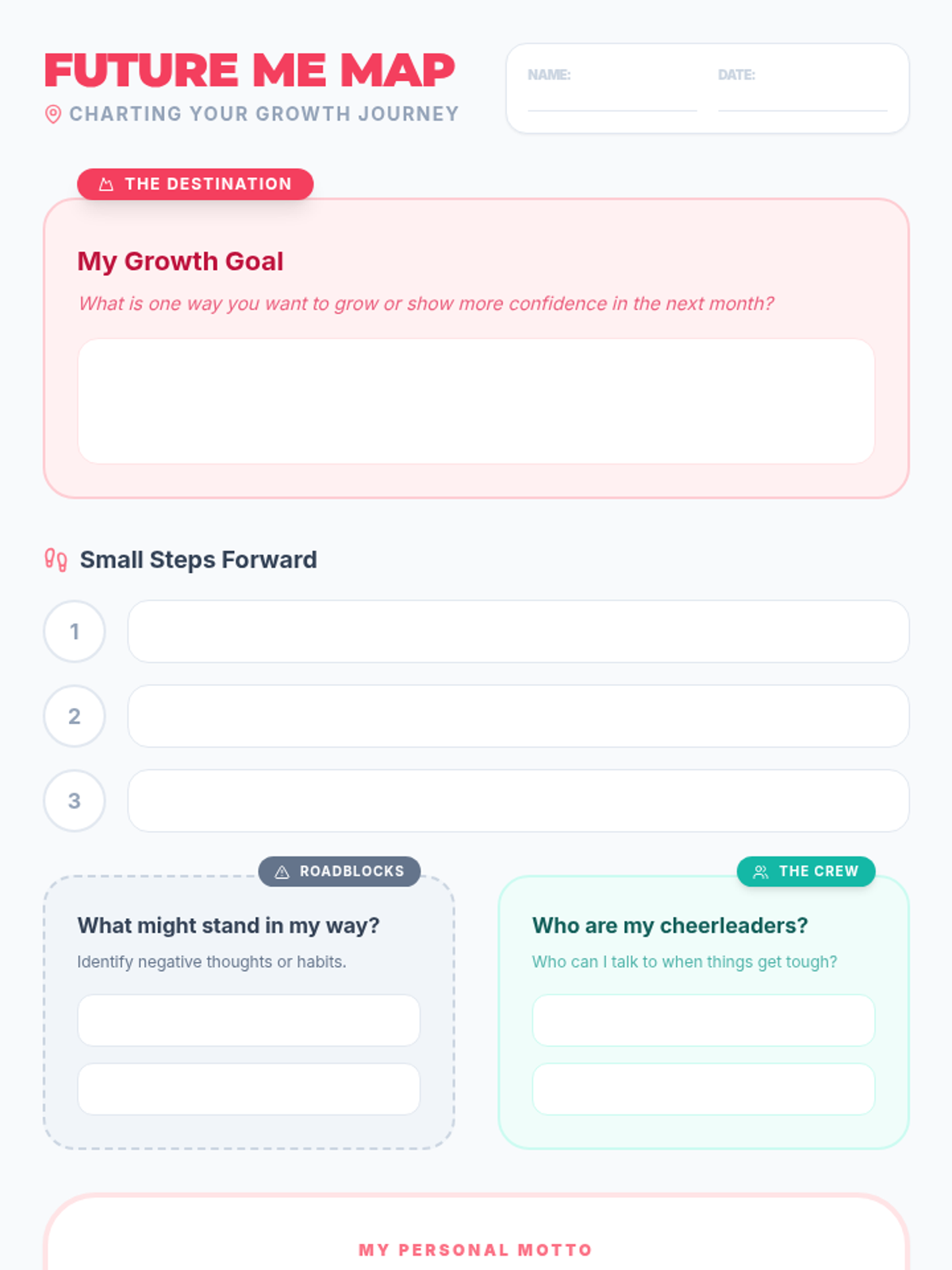
A series of low-pressure, game-themed activities designed to build rapport and gather initial assessment data from a teenager who may be resistant to traditional counseling.

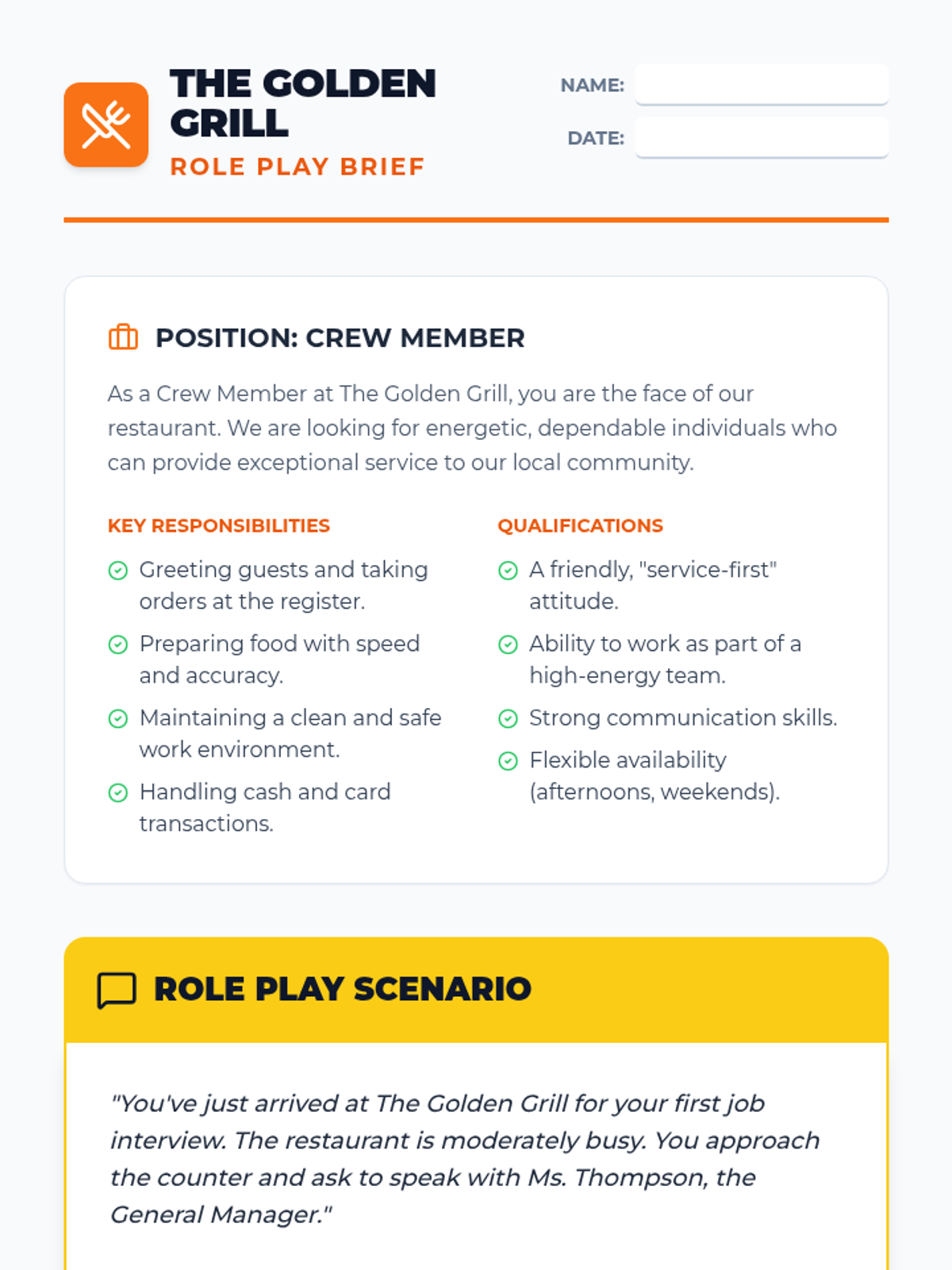
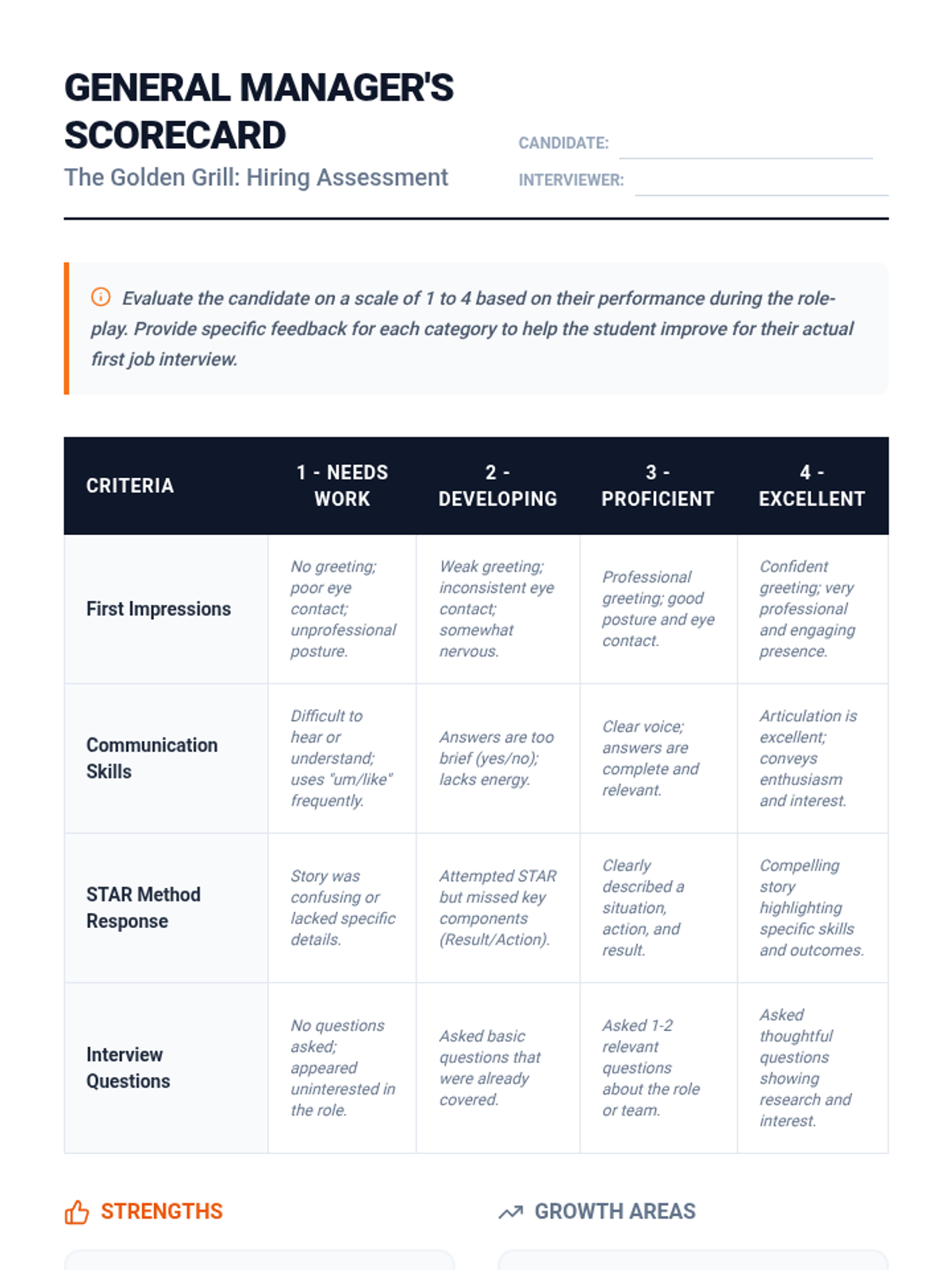
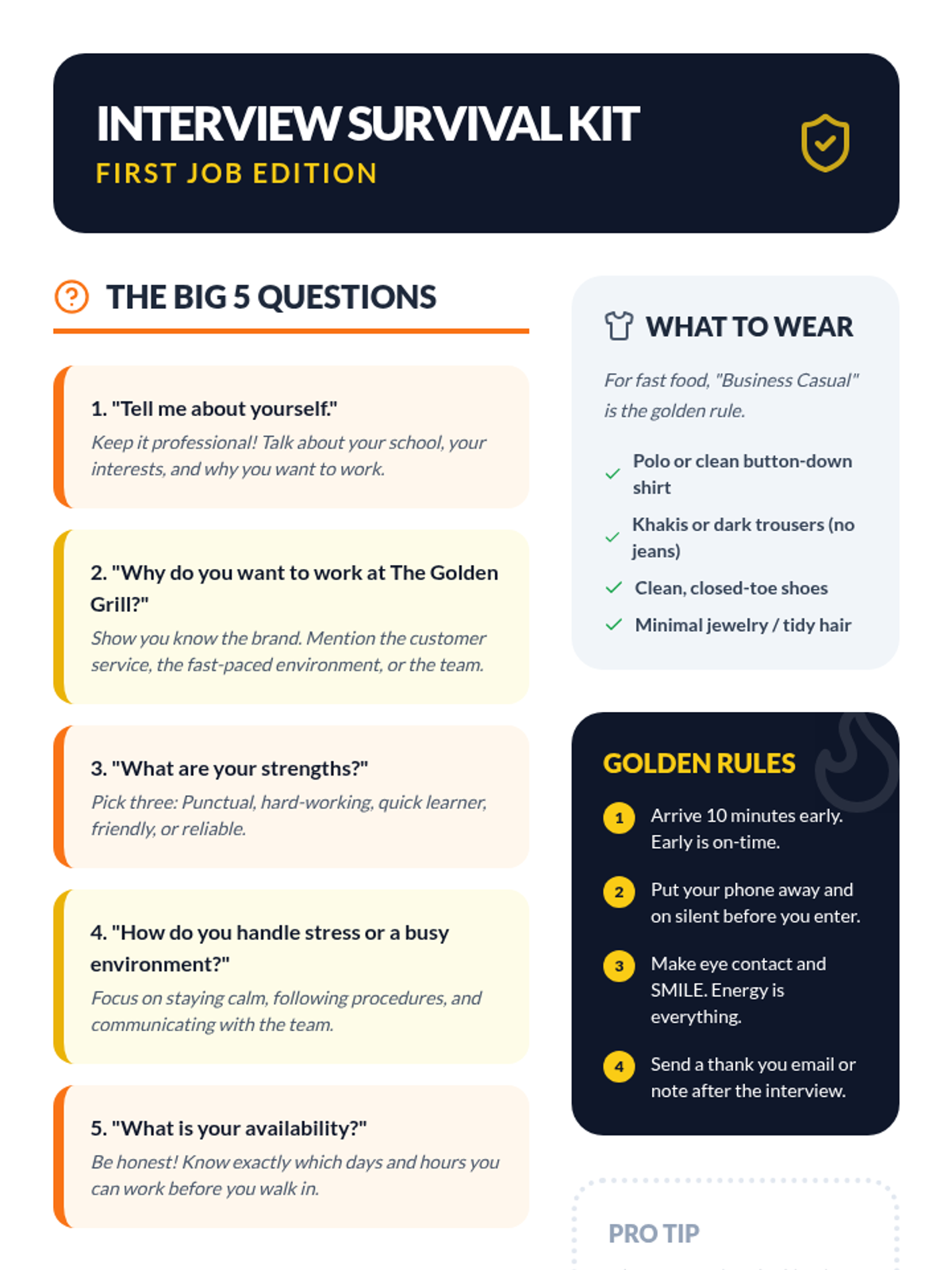
A comprehensive lesson designed to prepare 10th graders for their first job interview in the fast-food industry through instruction, reference materials, and immersive role-play.
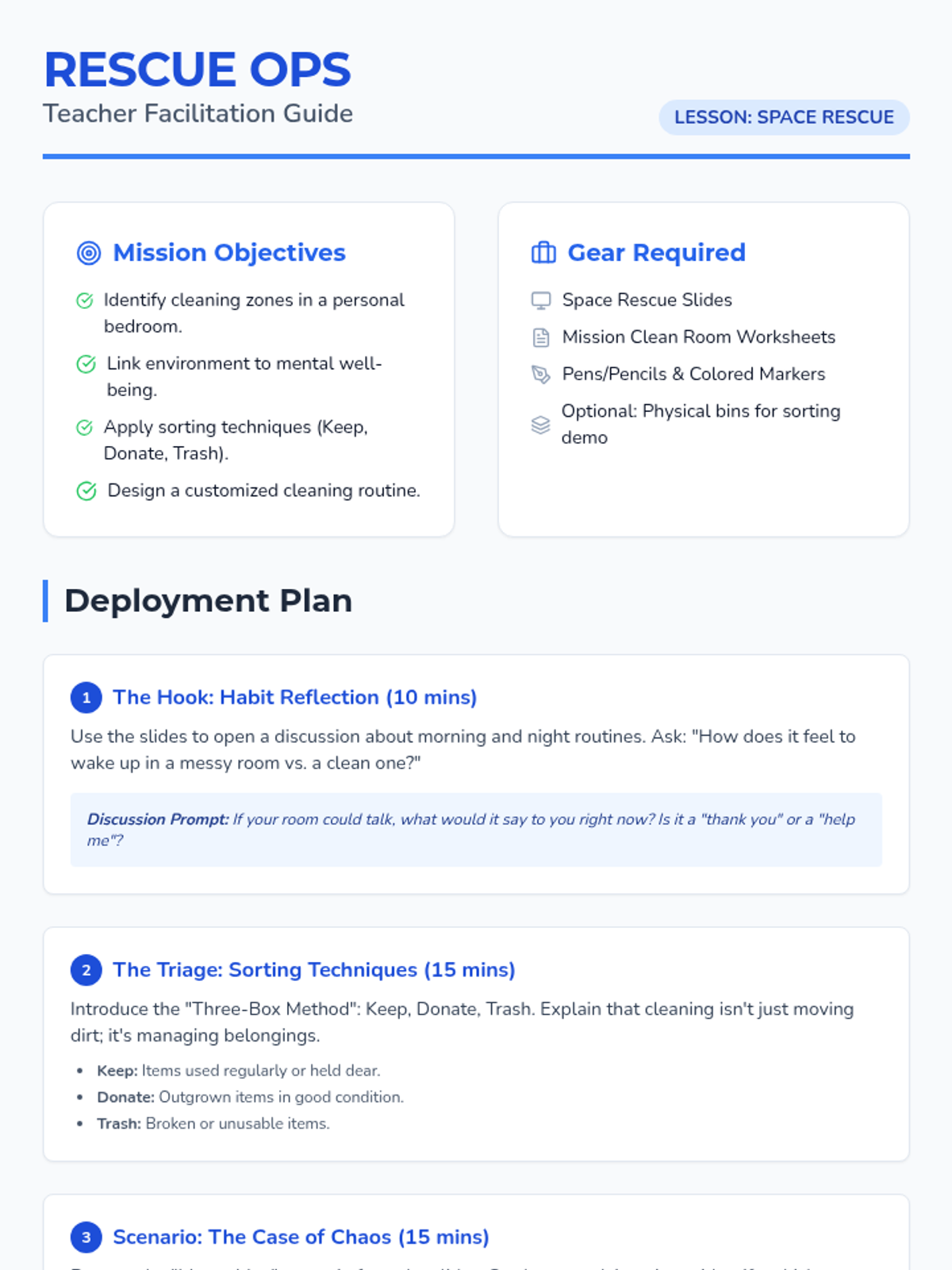
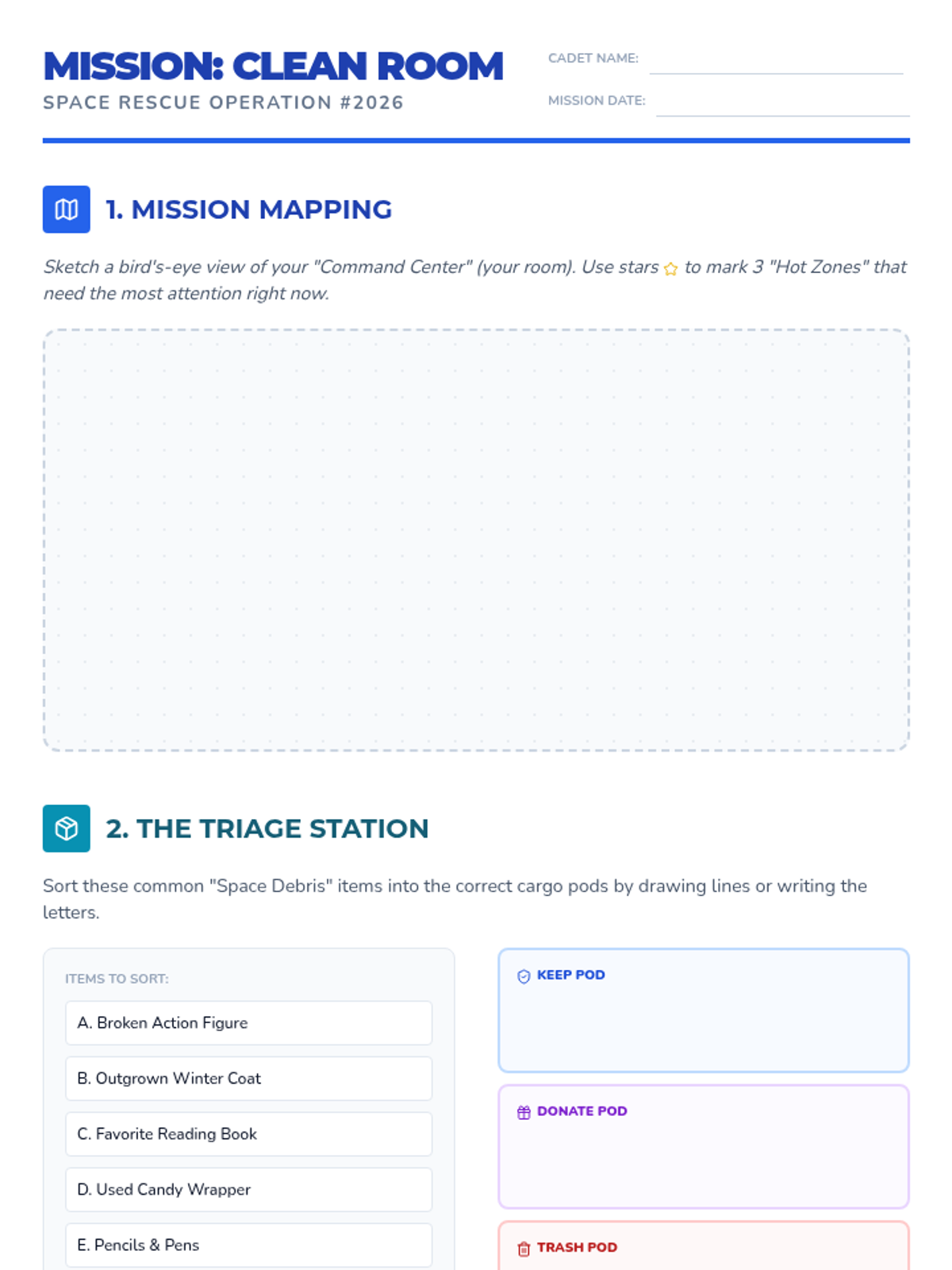
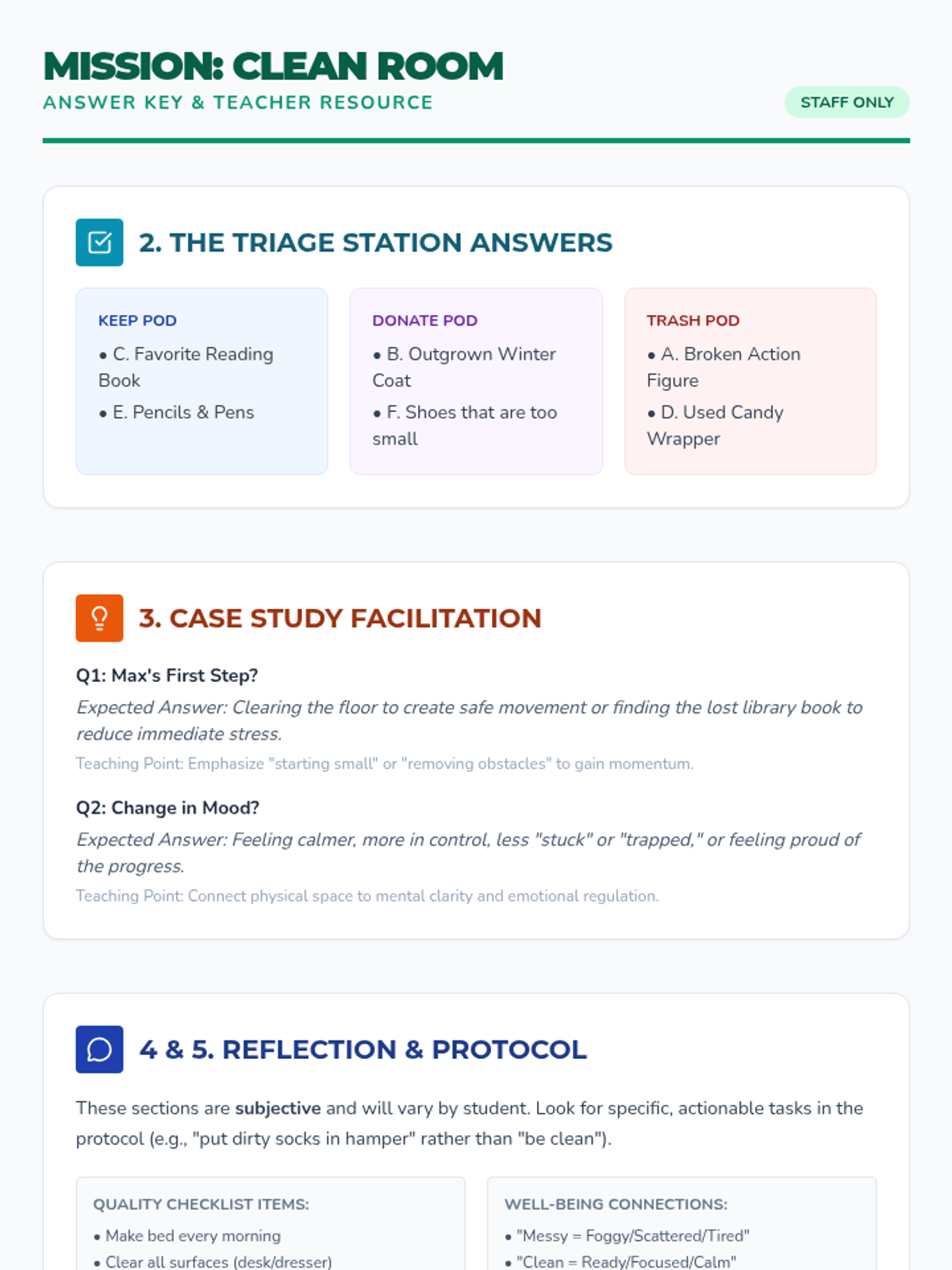
A lesson focused on the practical and emotional benefits of maintaining a clean personal space, featuring sorting techniques and personalized checklist creation.
A practical empowerment lesson teaching homeless high school students their fundamental rights as tenants and employees through real-world scenarios and key terminology.
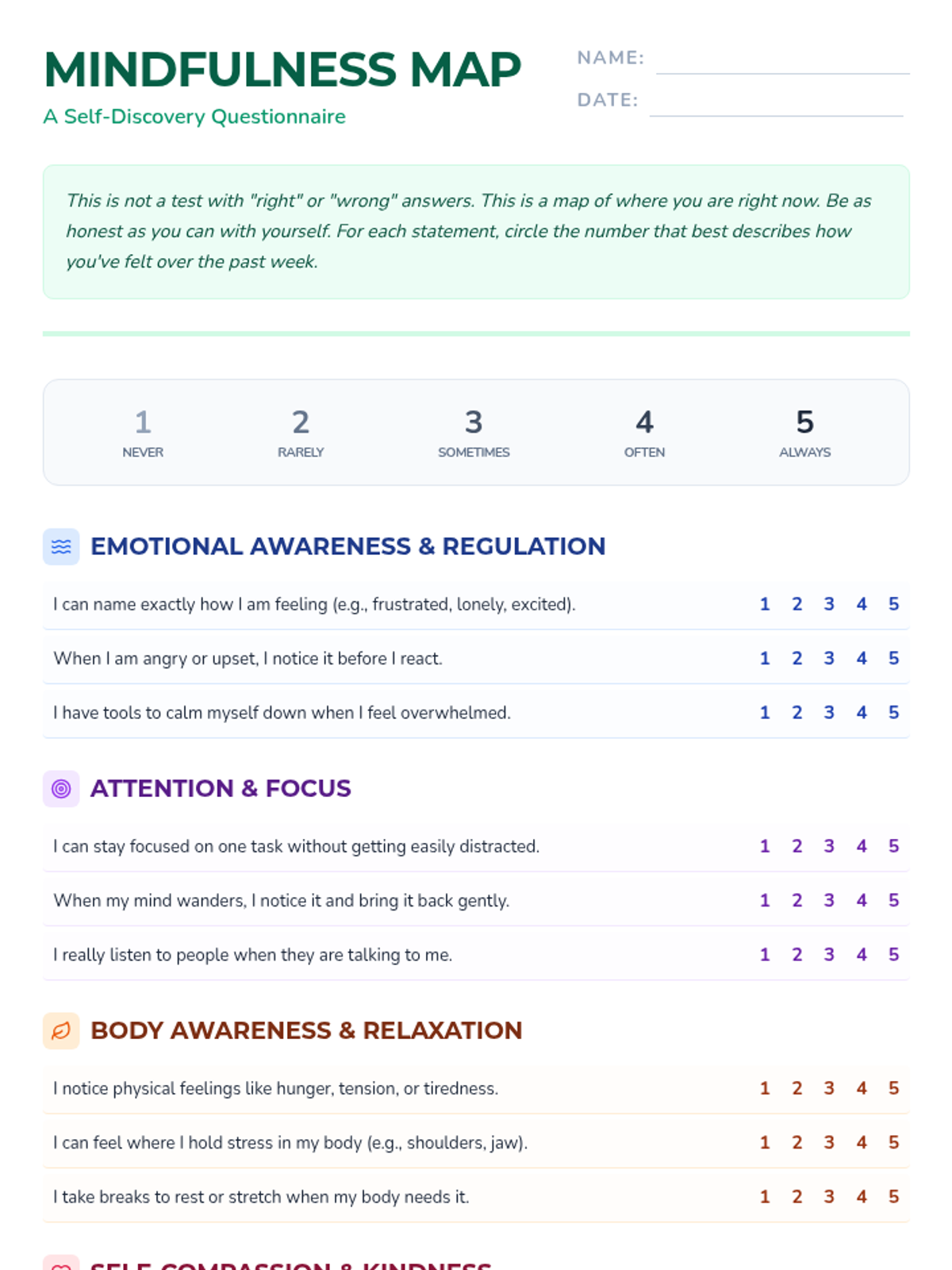
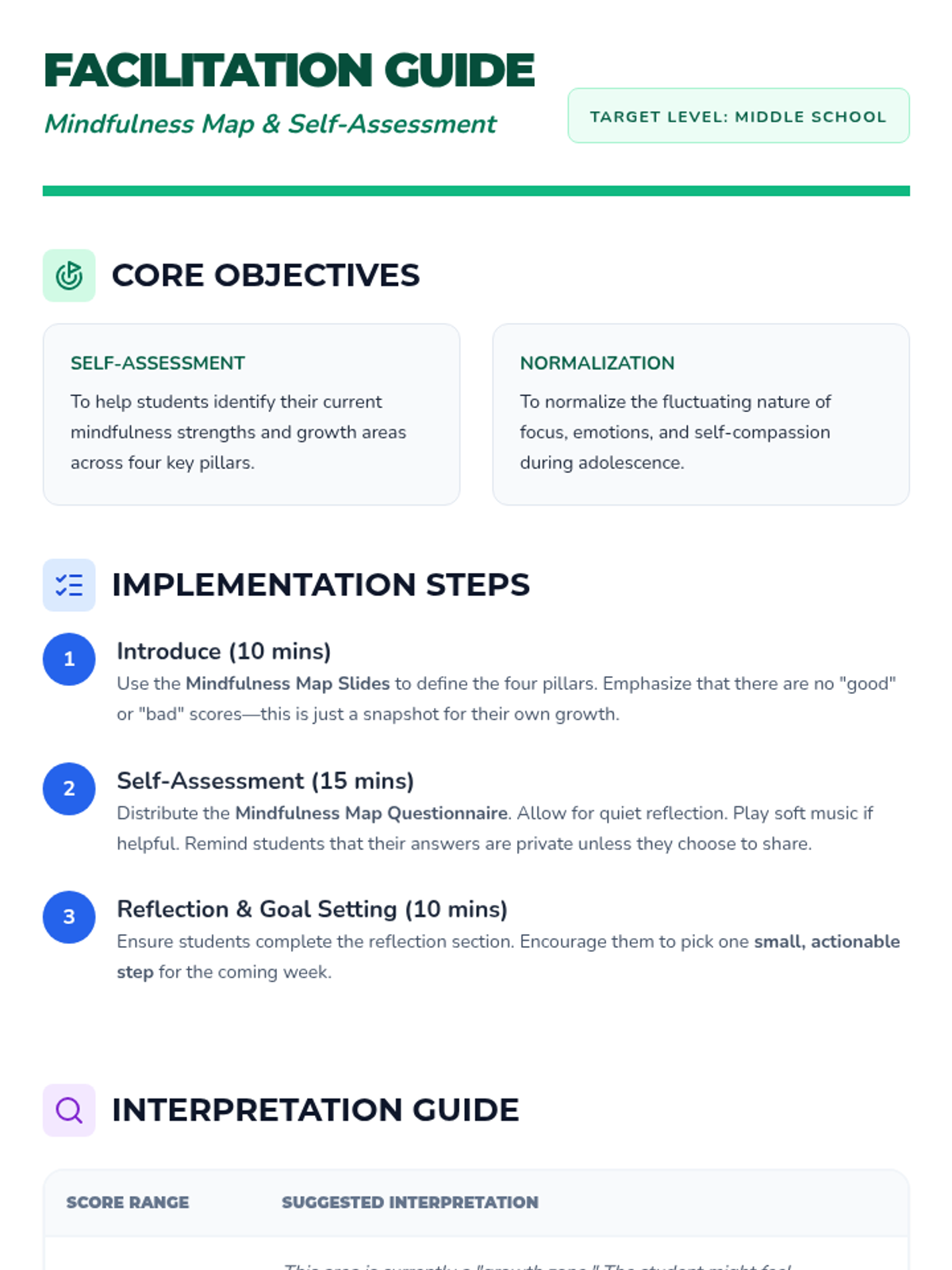
A mindfulness self-assessment and guide designed for middle schoolers to check in with their self-compassion, body awareness, focus, and emotional regulation.
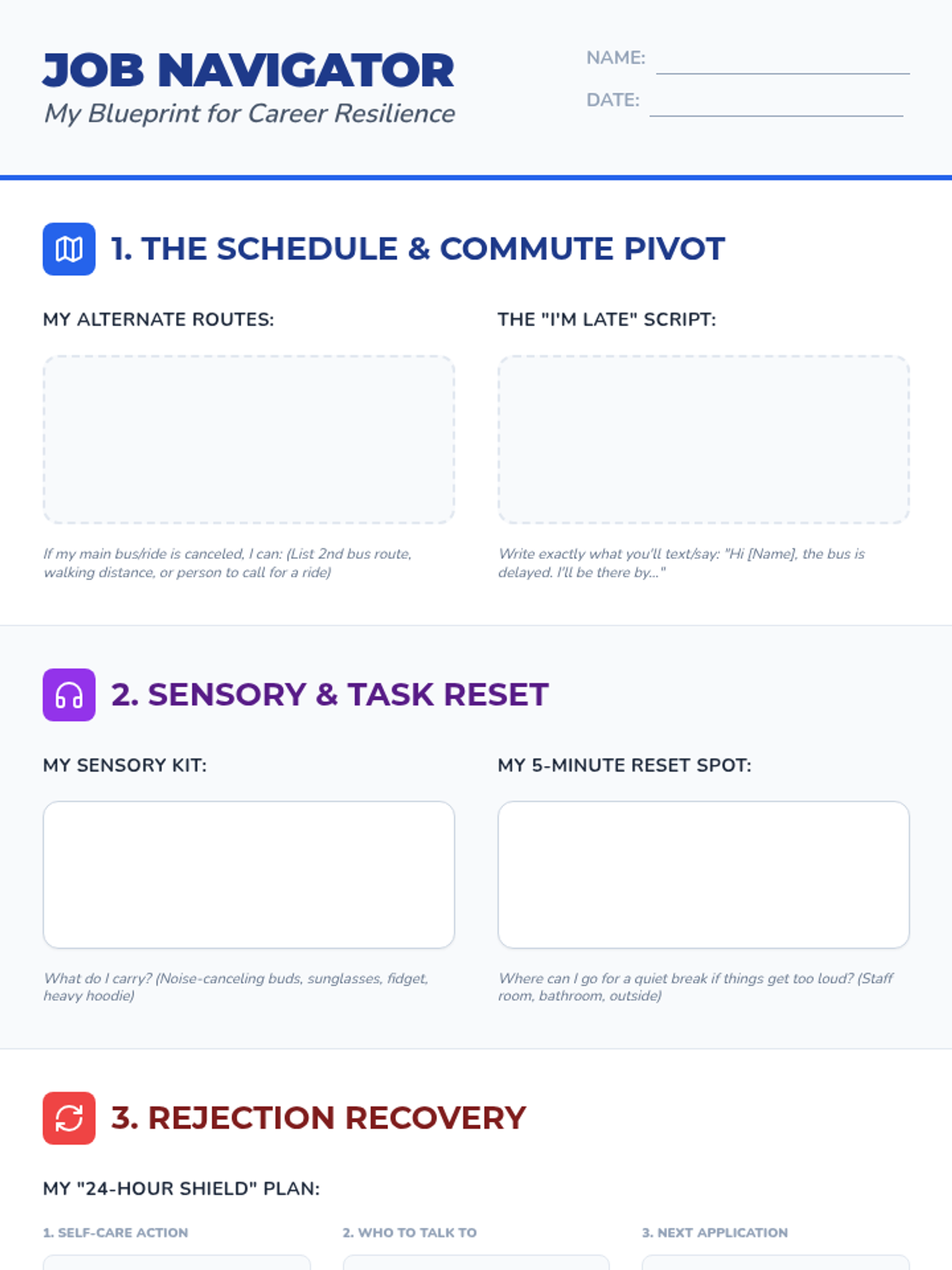
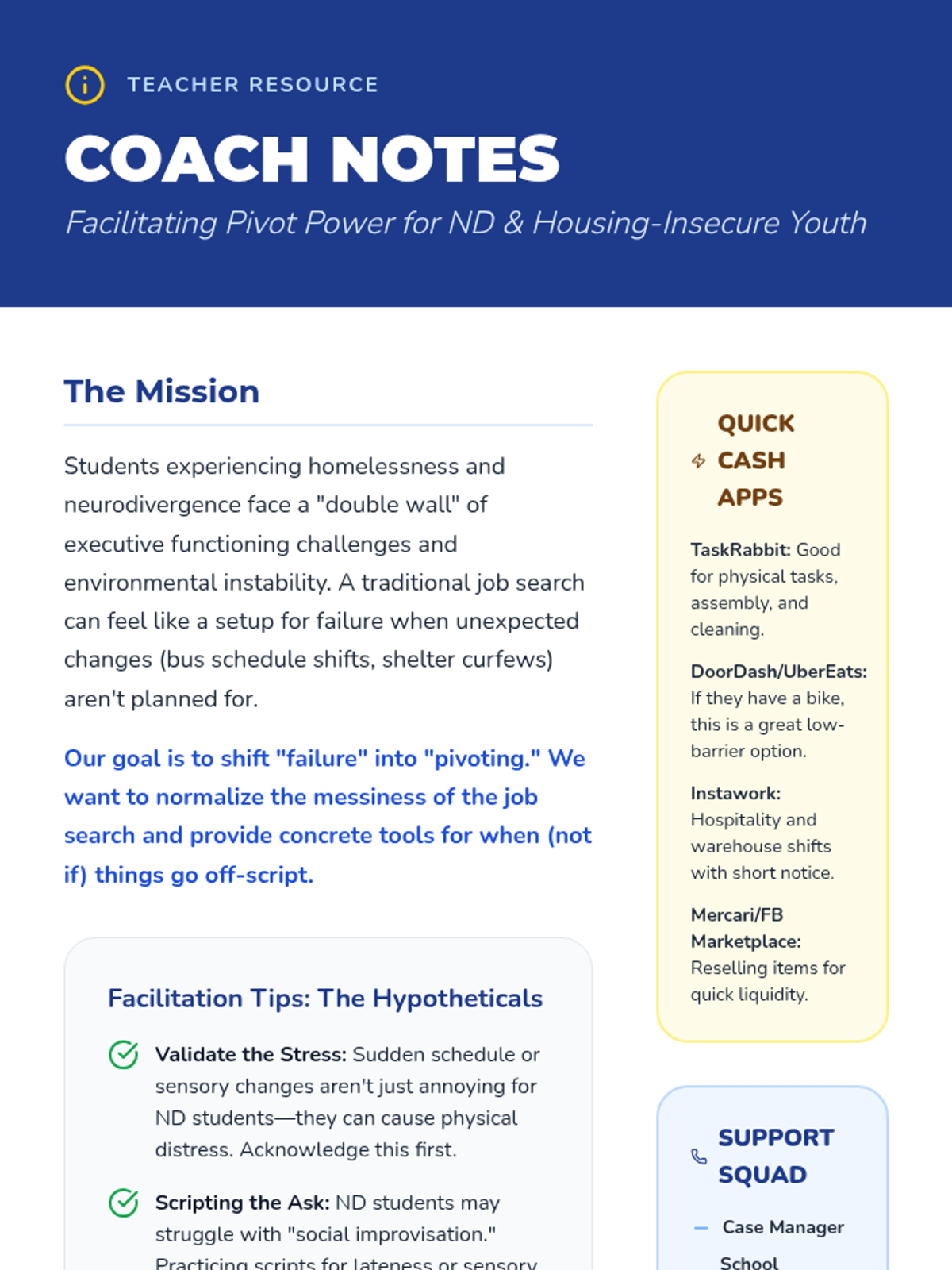
A practical guide for neurodivergent students to build resilience and flexibility in their job search and employment journey. Focuses on managing unexpected changes, handling rejection, and exploring flexible work options.
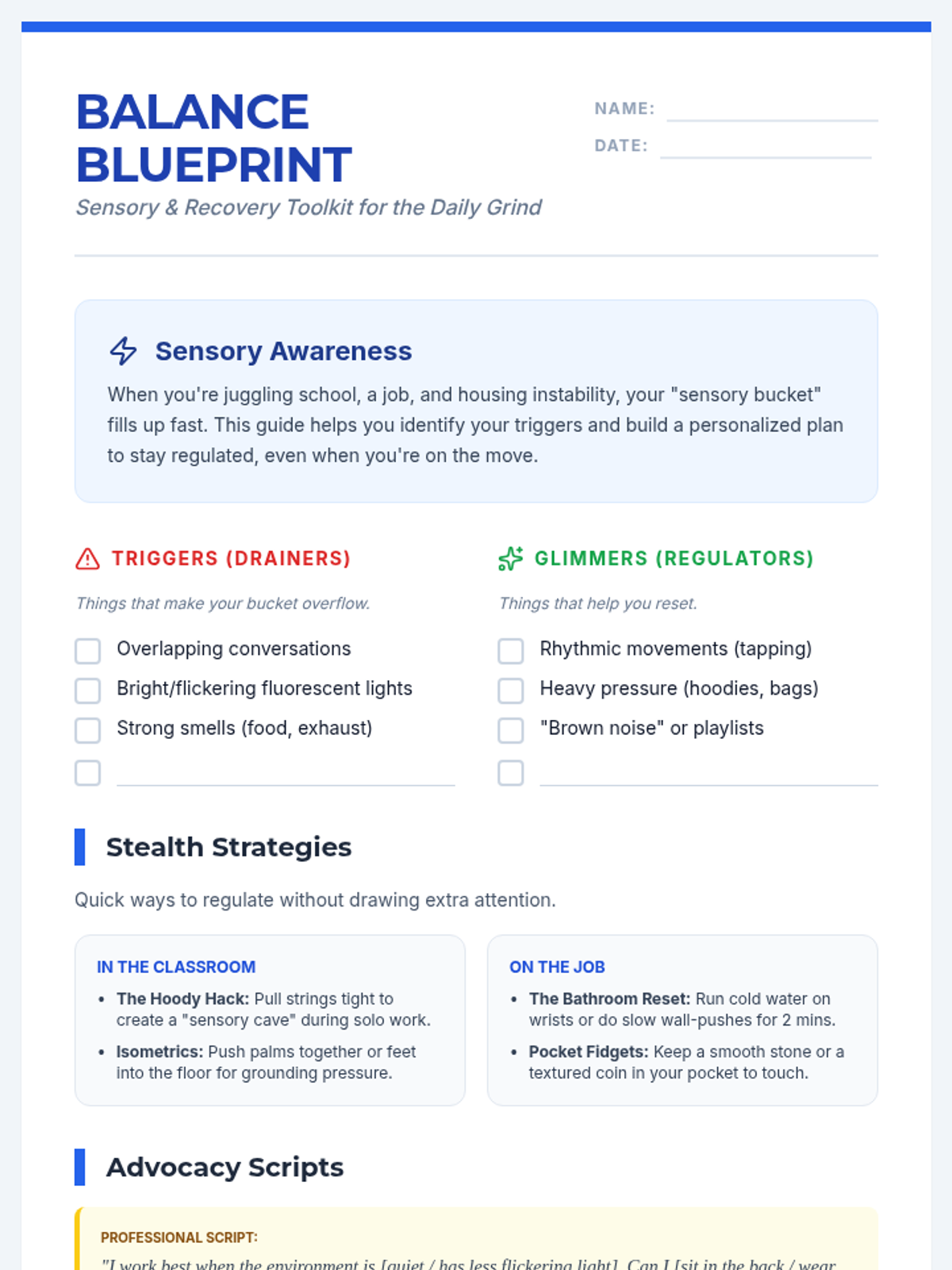
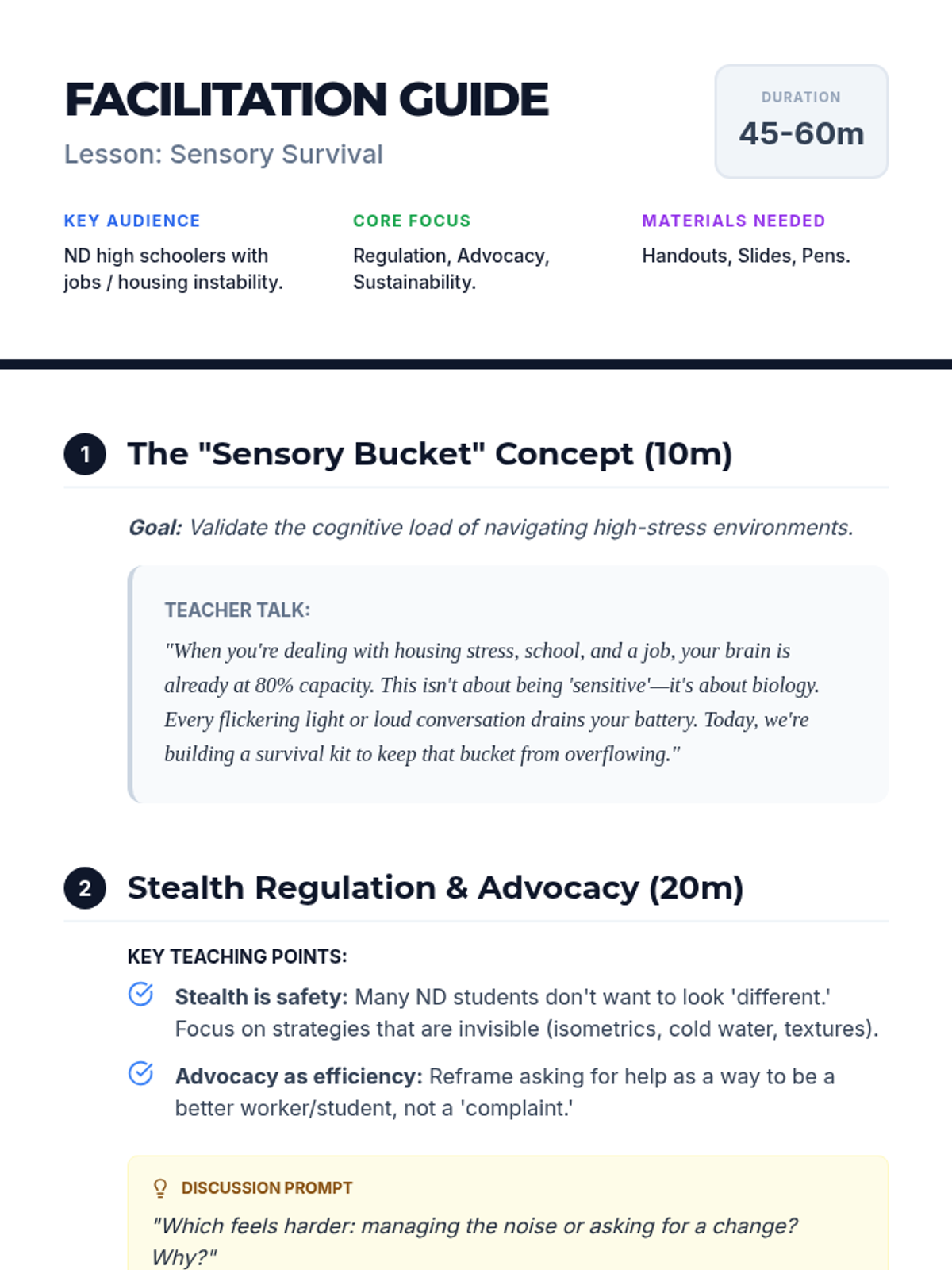
A practical lesson for neurodivergent high school students experiencing housing instability and working jobs, focusing on sensory regulation, self-advocacy, and sustainable recovery planning.
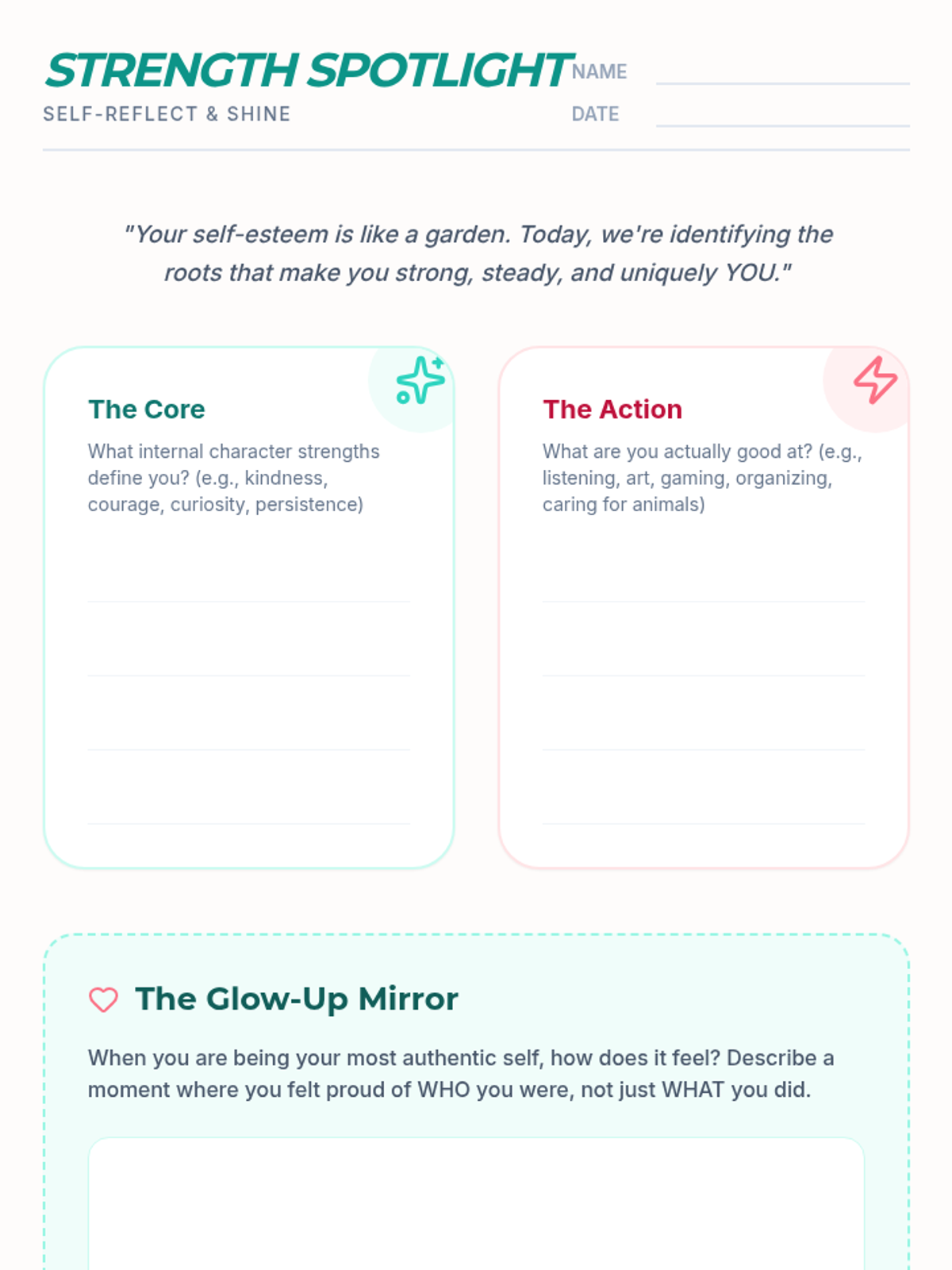
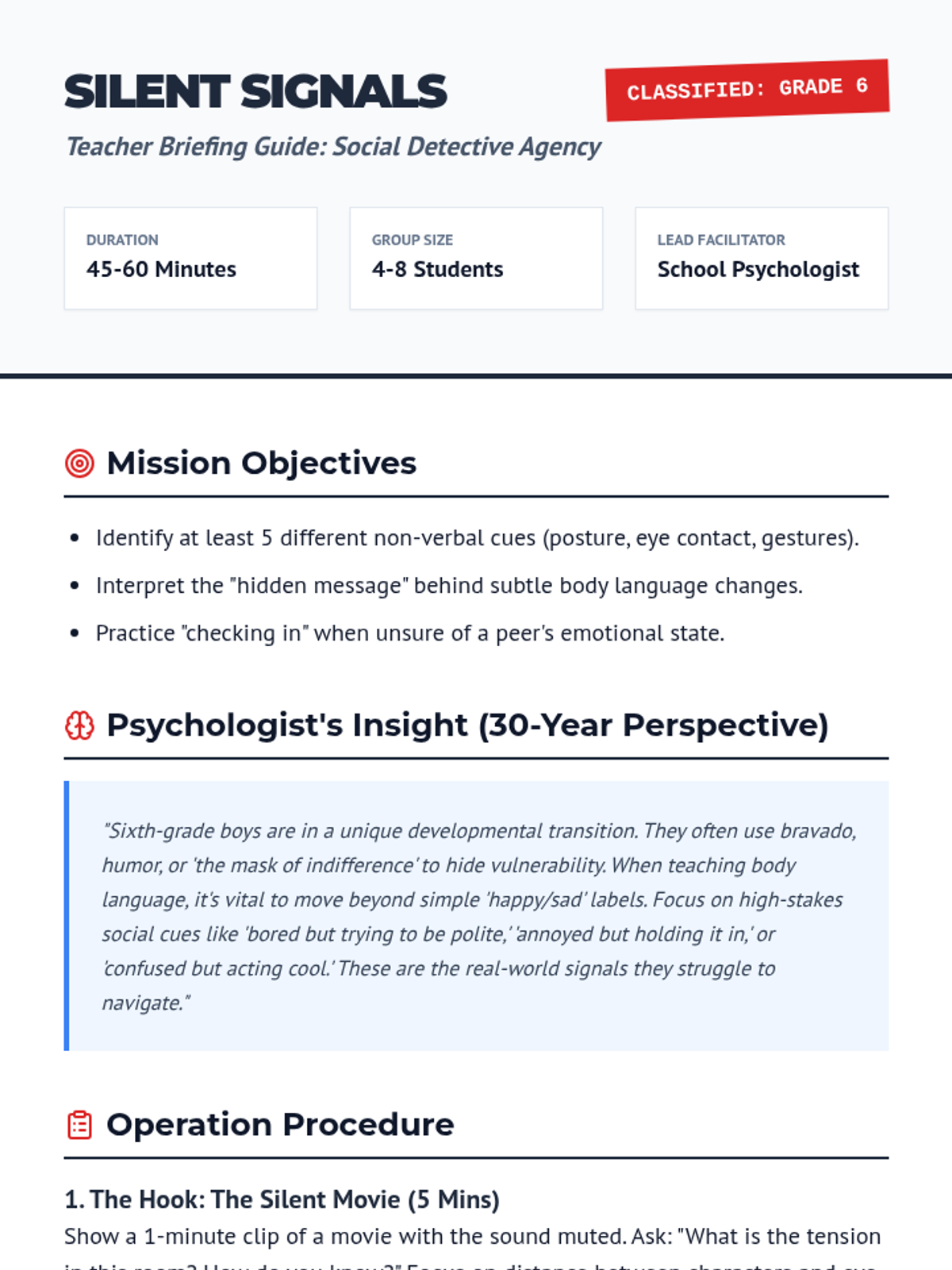
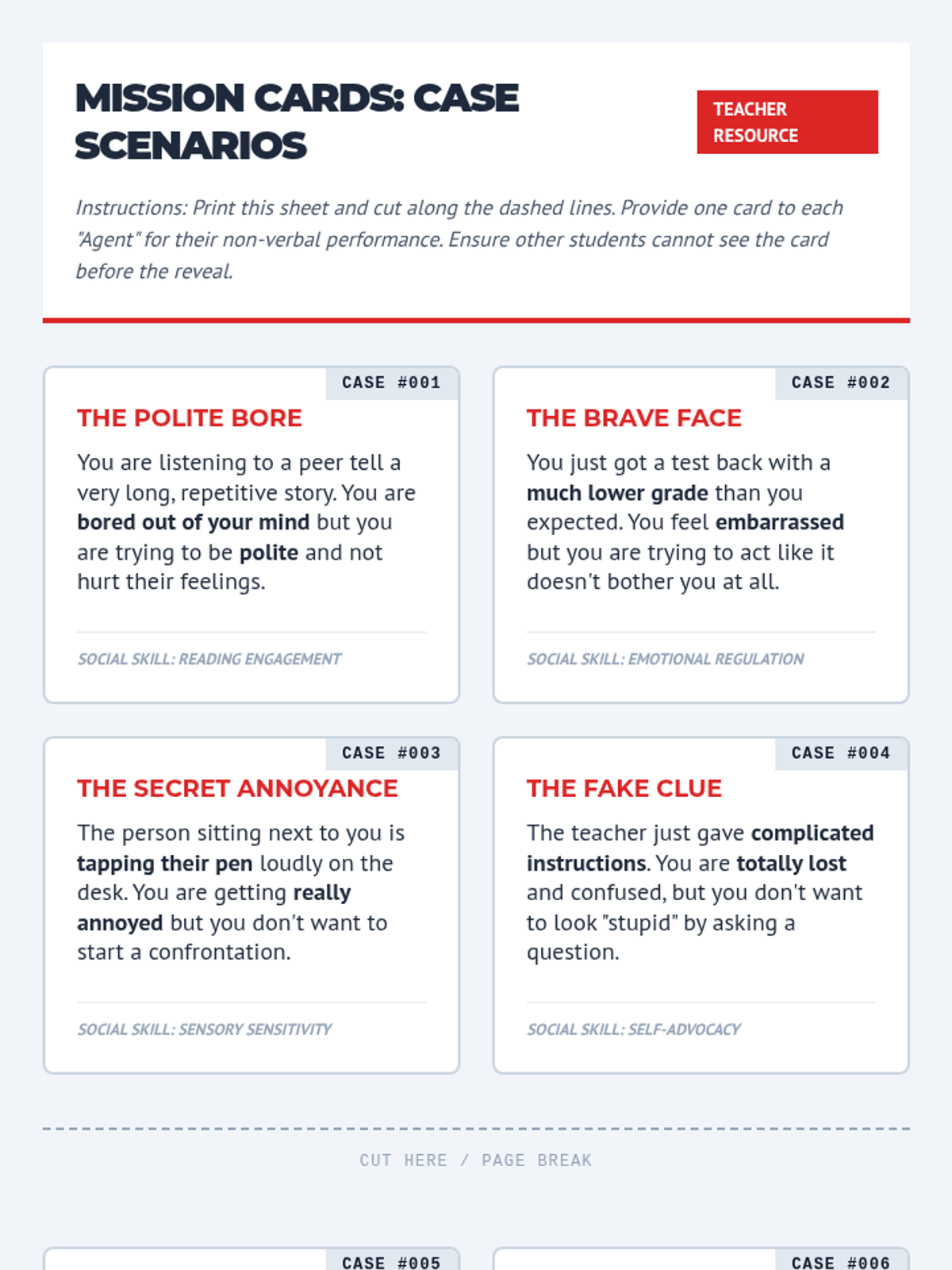
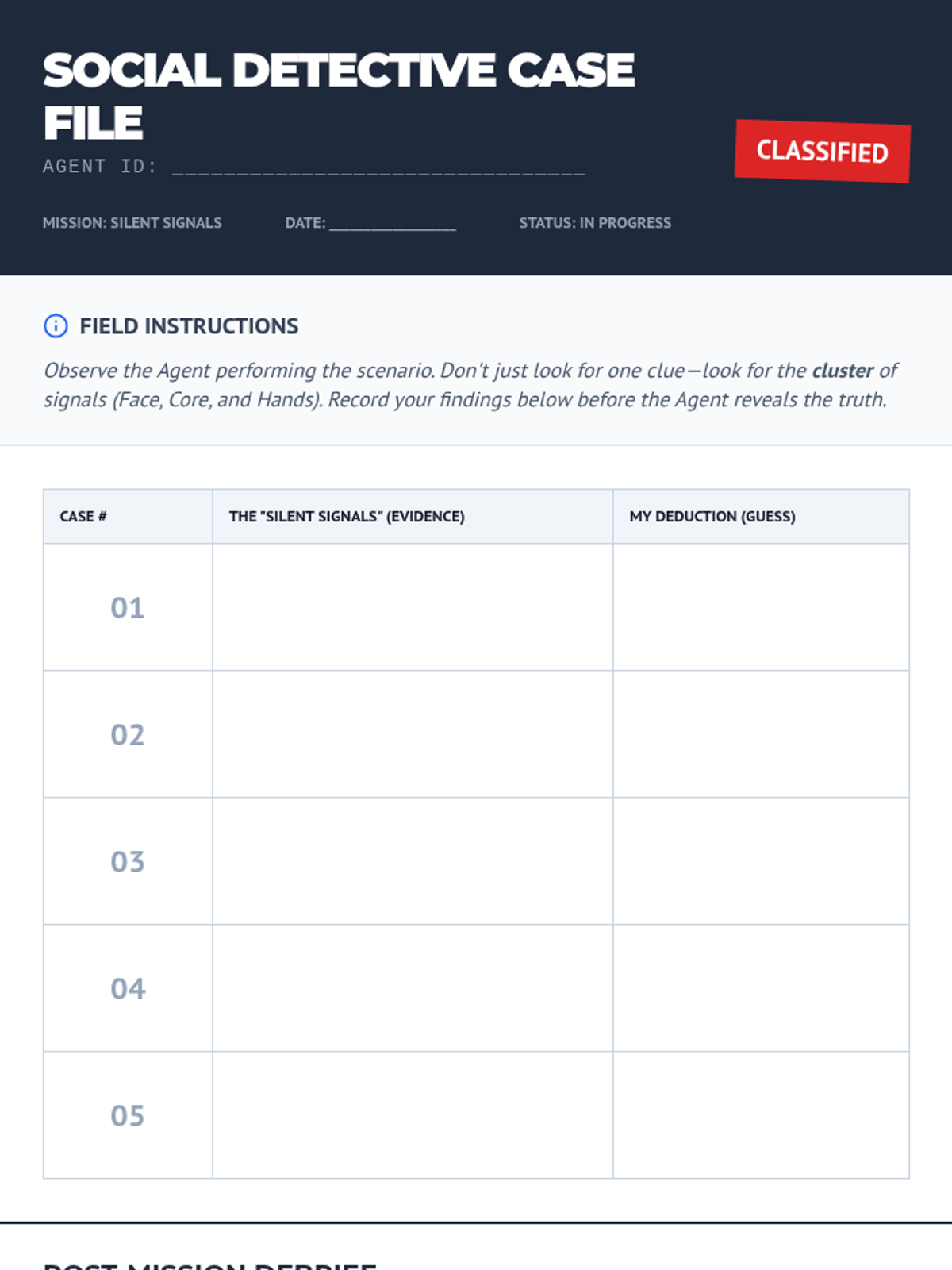
A social skills lesson designed for 6th-grade boys to develop their ability to read and interpret non-verbal cues. Using a 'Social Detective' theme, students learn to decode body language, micro-expressions, and personal space to better navigate social interactions.
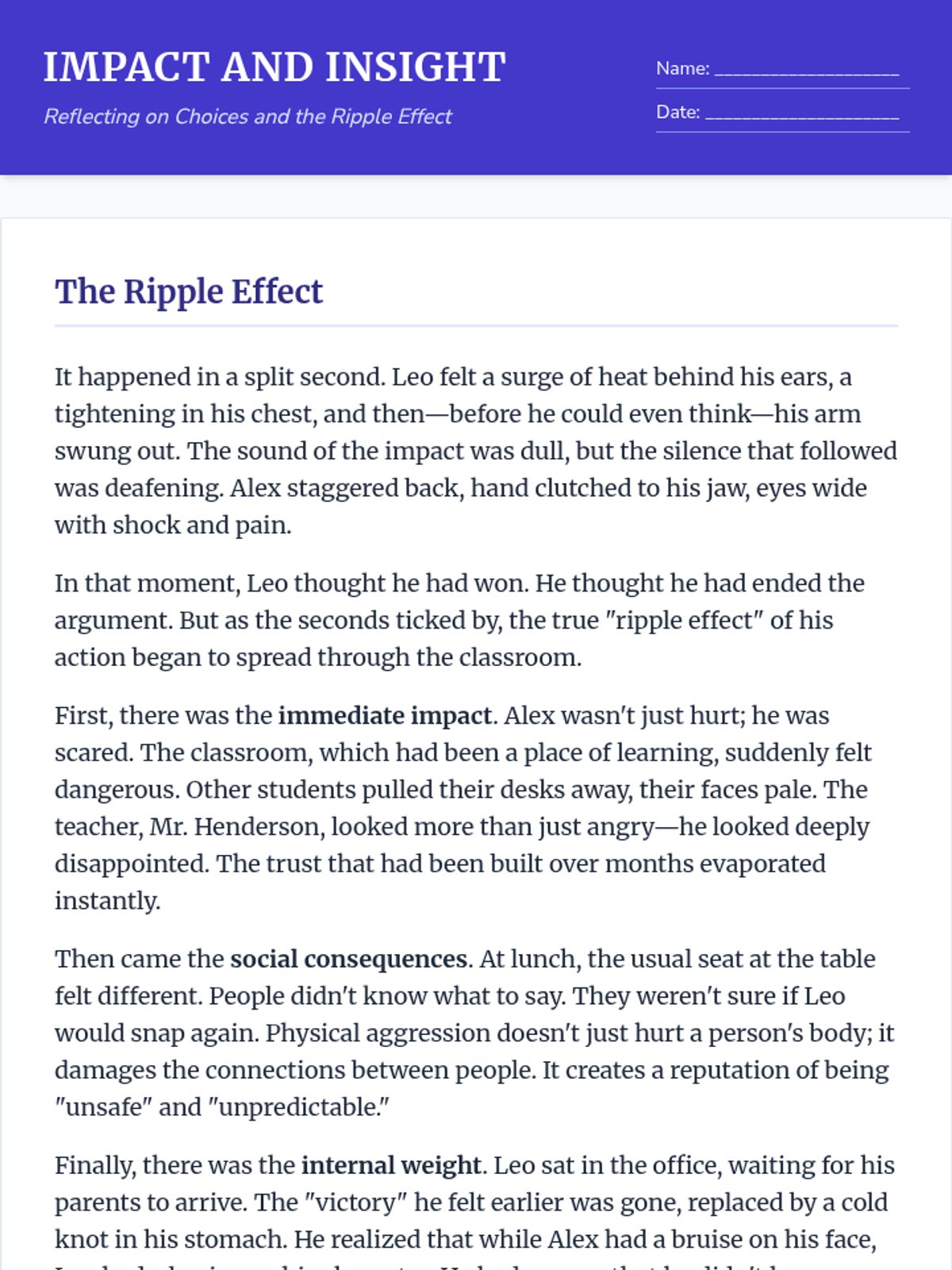
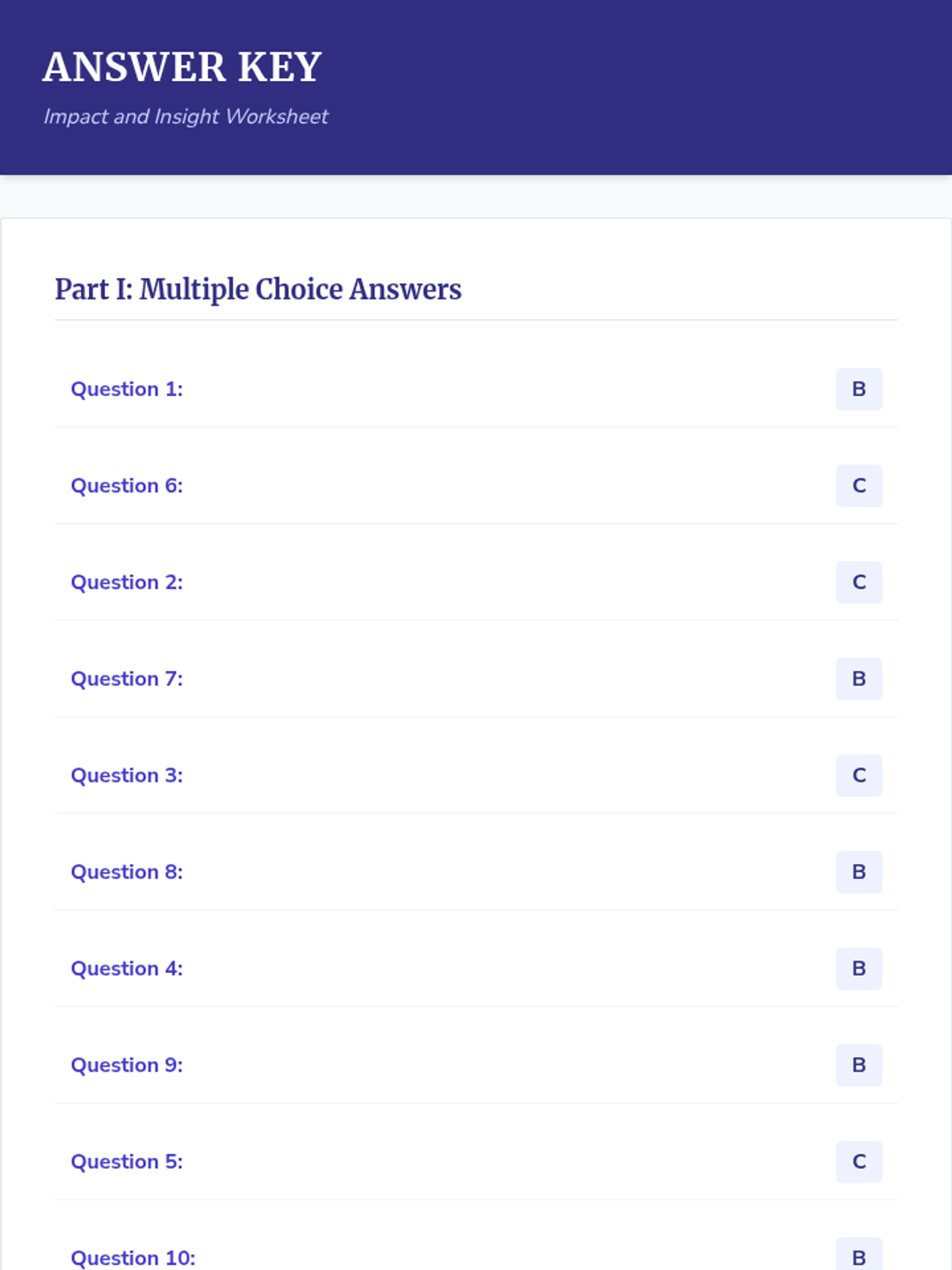
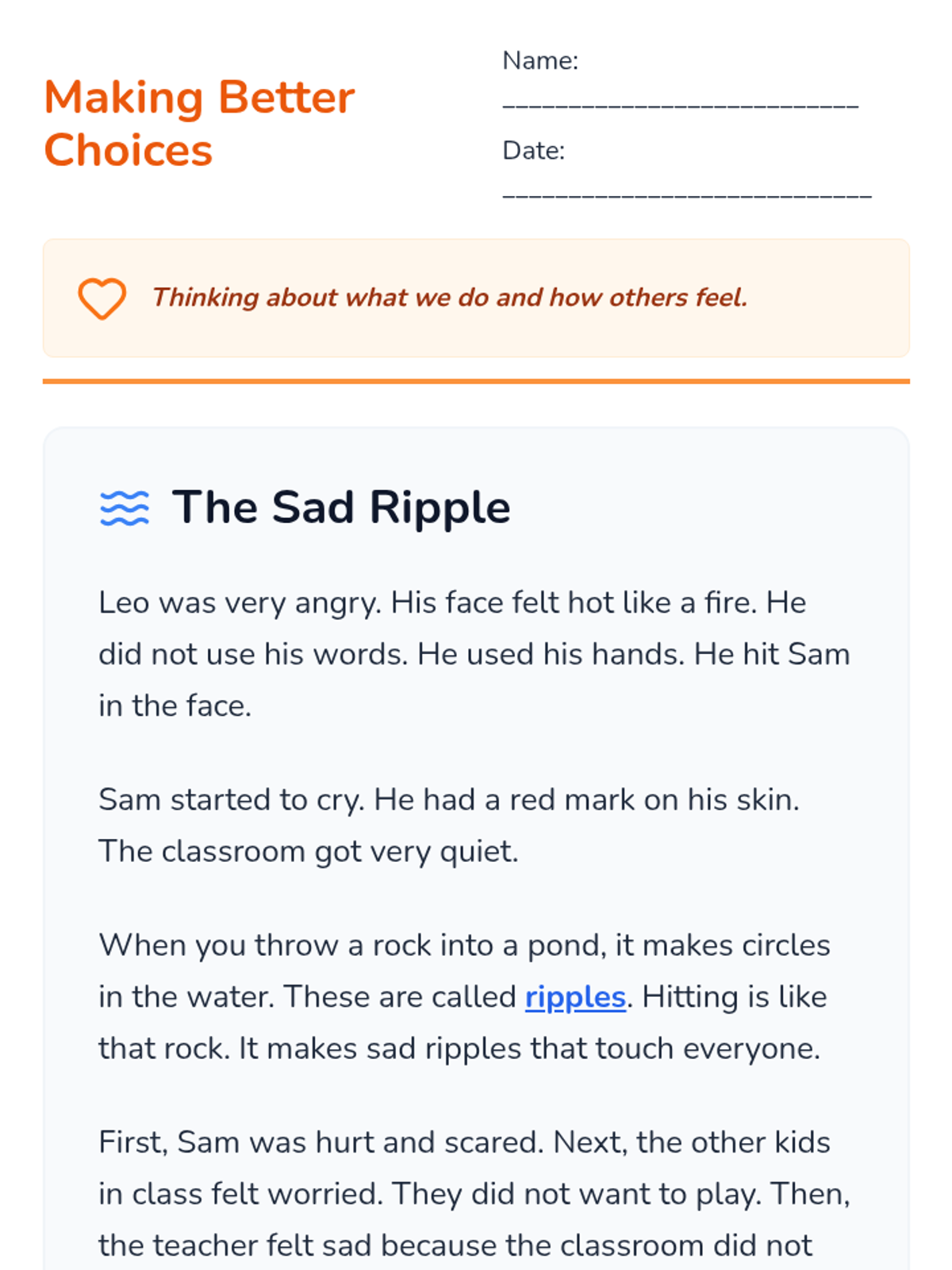
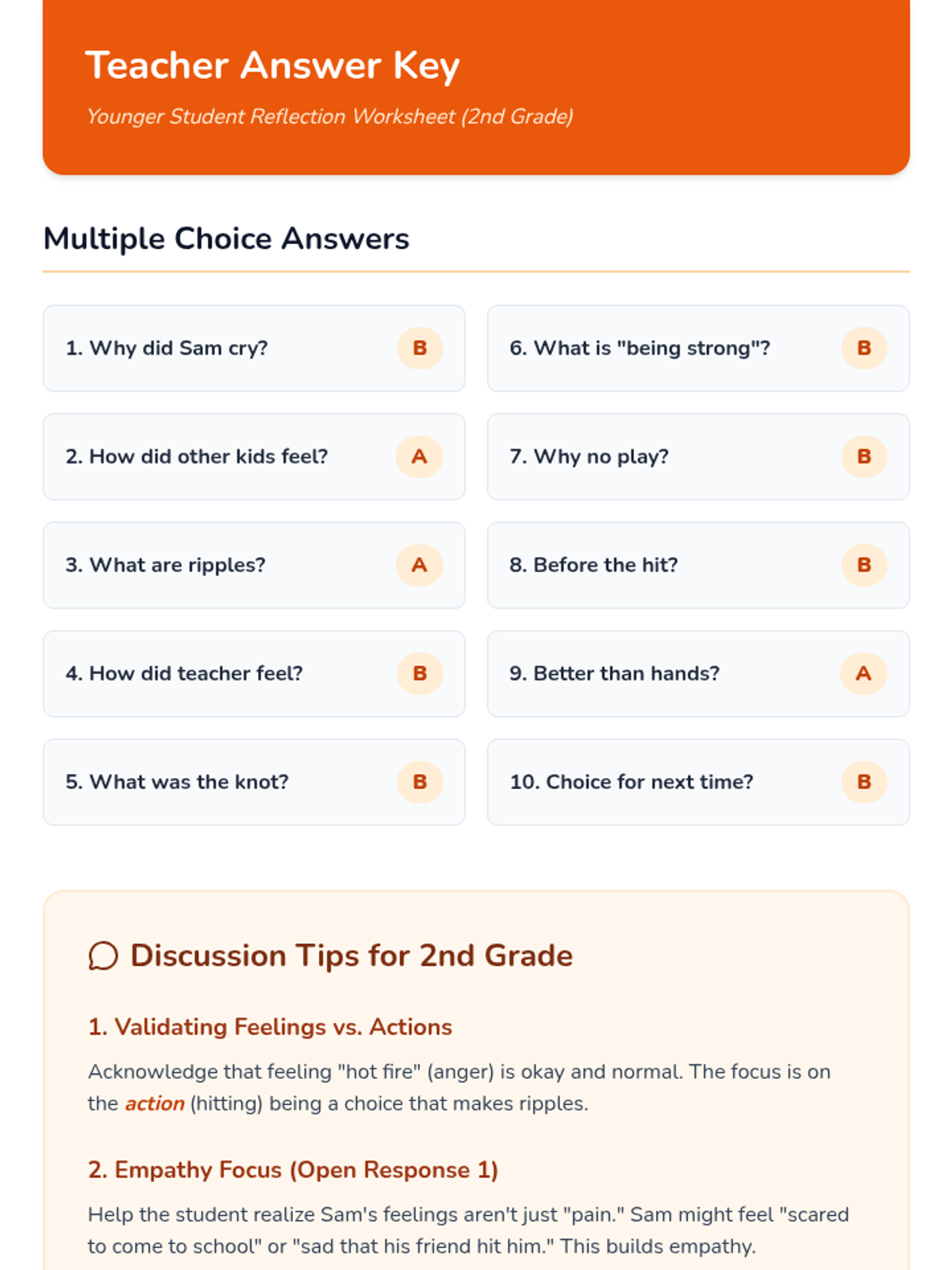
This lesson provides a reflective framework for students who have engaged in physical aggression. It focuses on understanding the ripple effect of their actions, identifying the emotional and social consequences, and exploring healthier alternatives for managing conflict.
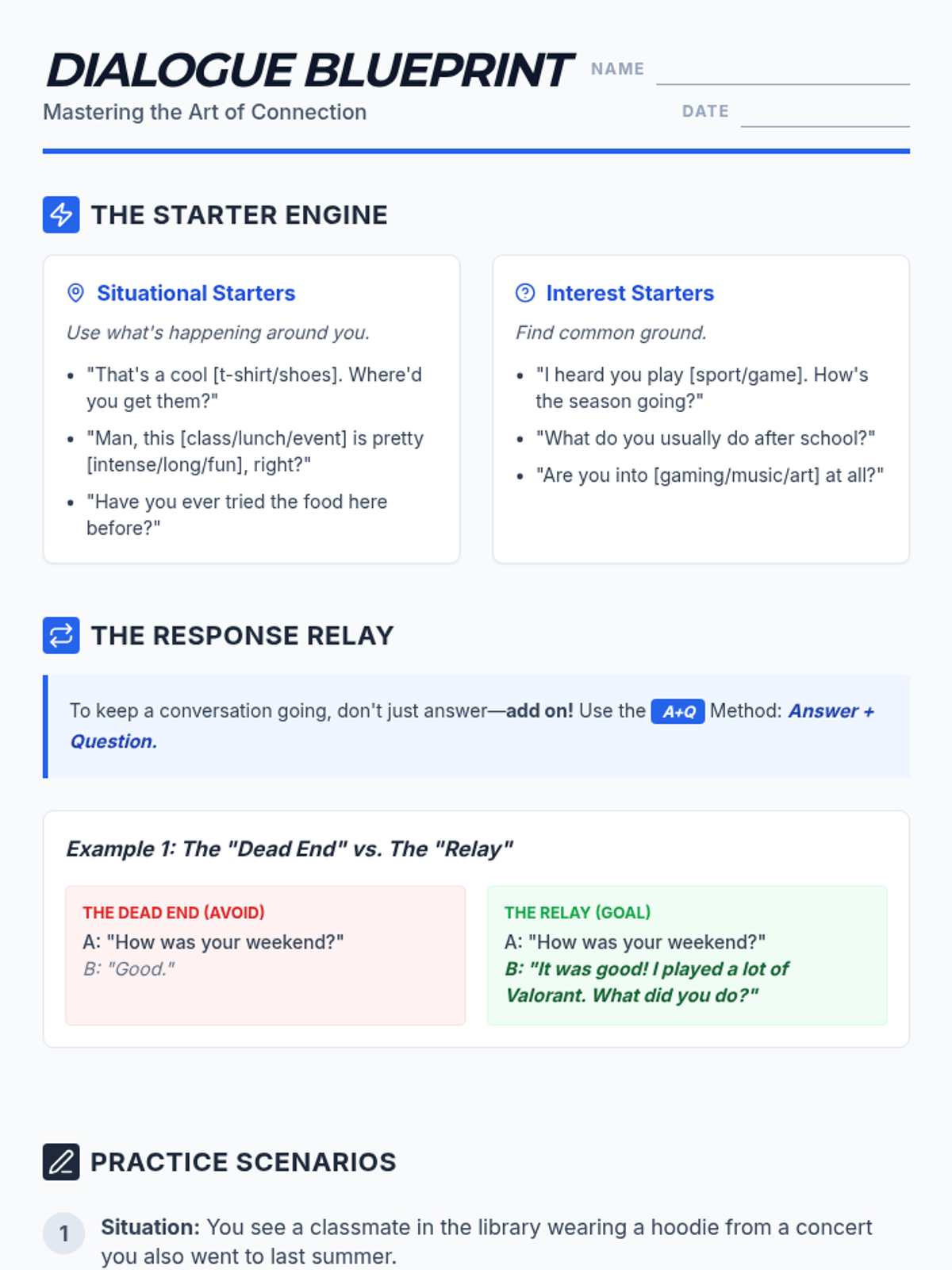
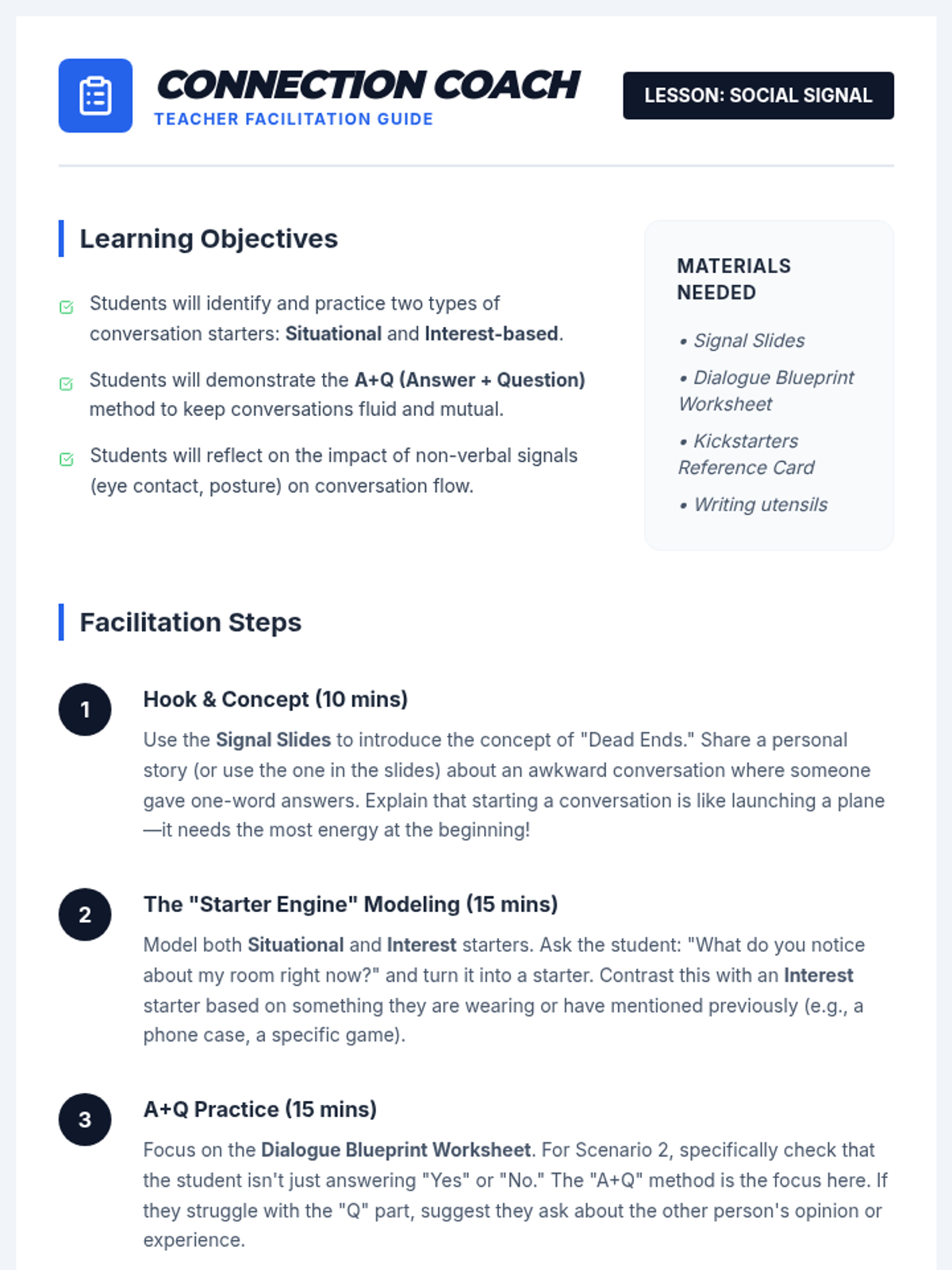
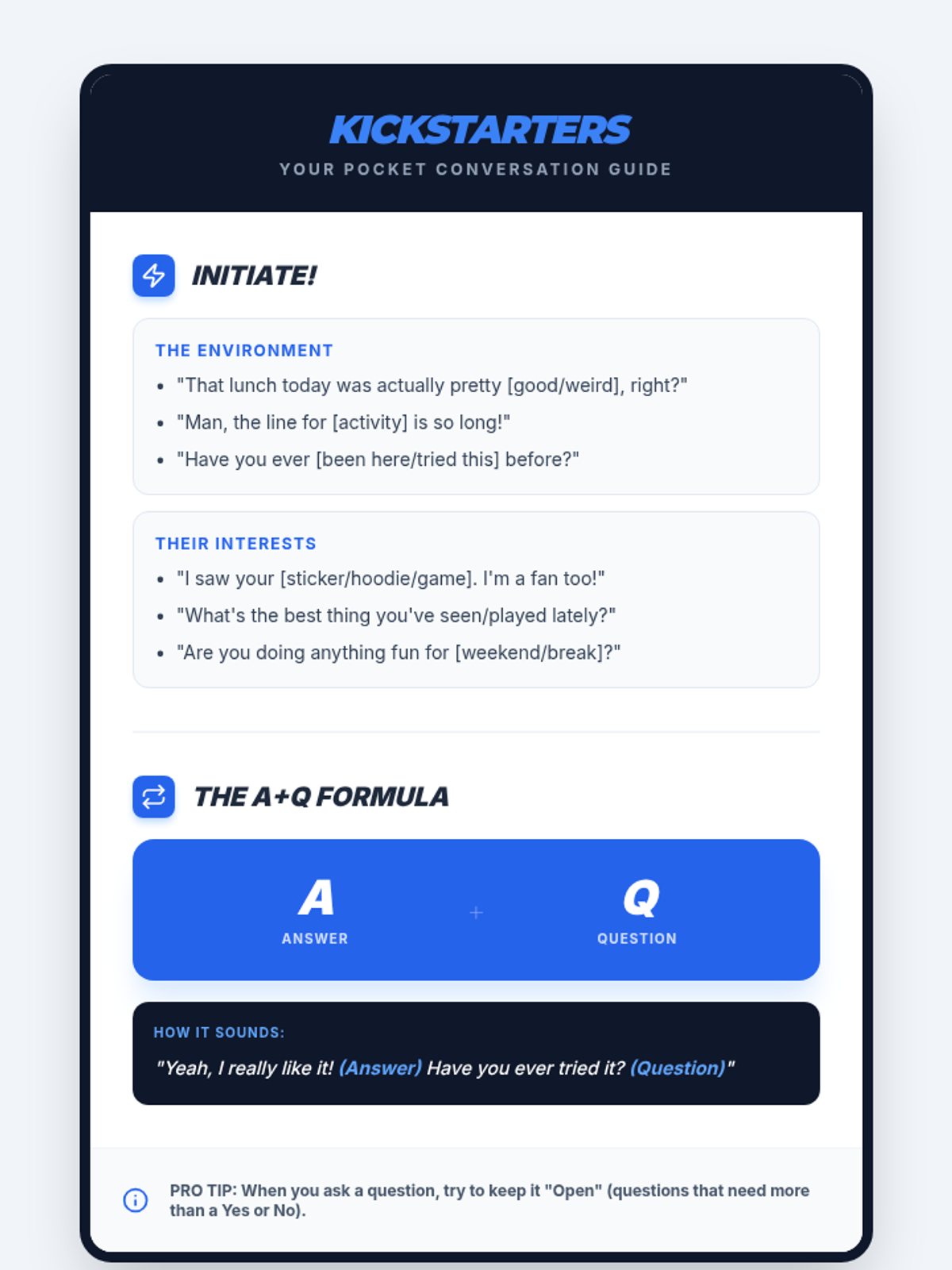
This lesson provides adolescents with concrete strategies for initiating conversations and responding effectively to others, featuring role-play scenarios and practical templates.
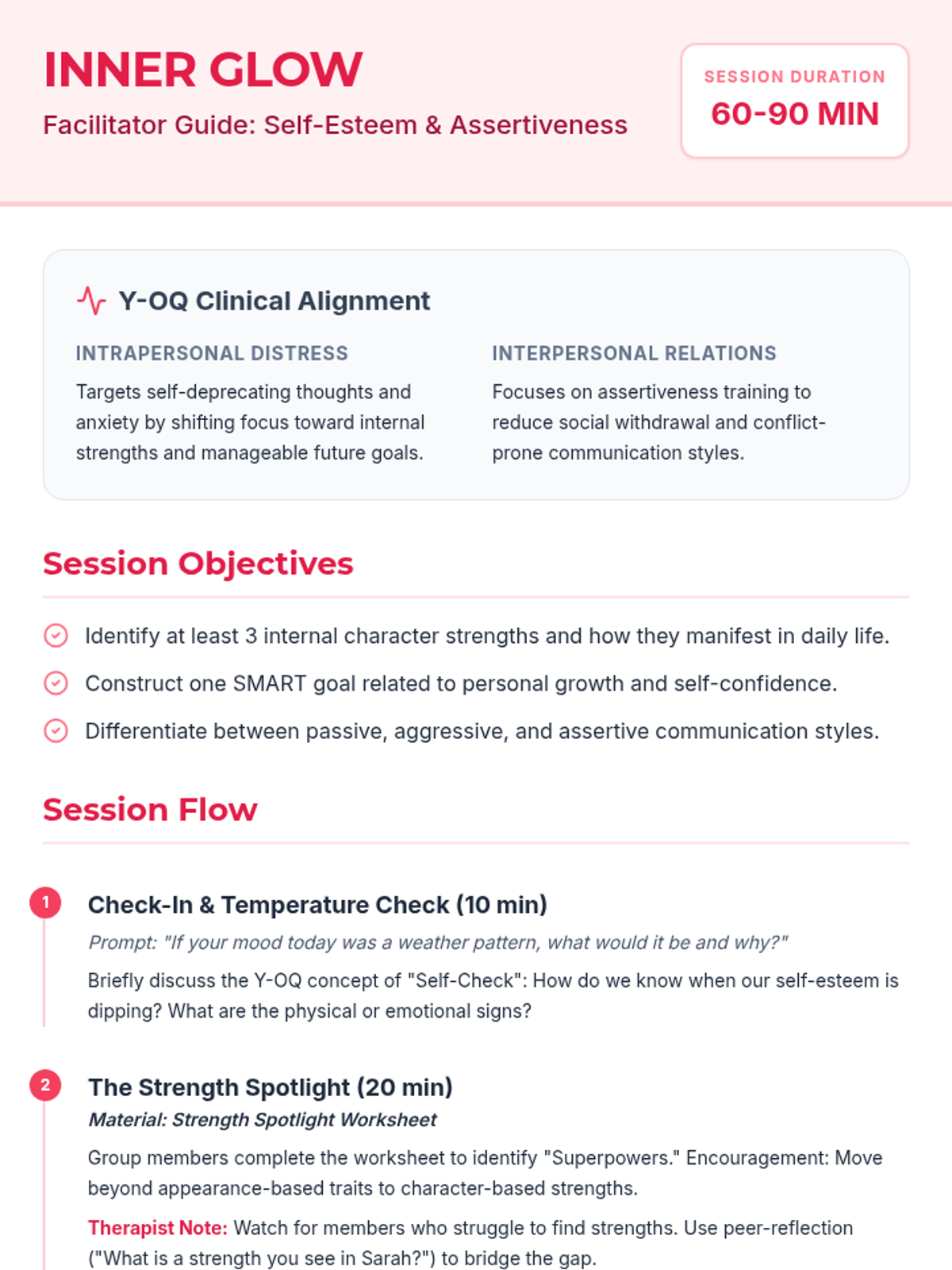
A therapeutic group session for teen girls focused on internal validation, strength recognition, and confident communication to improve clinical outcomes related to self-esteem and interpersonal relations.