In this final project-based lesson, students evaluate business proposals and decide which "startups" are worthy of a loan based on their risk and potential for repayment.
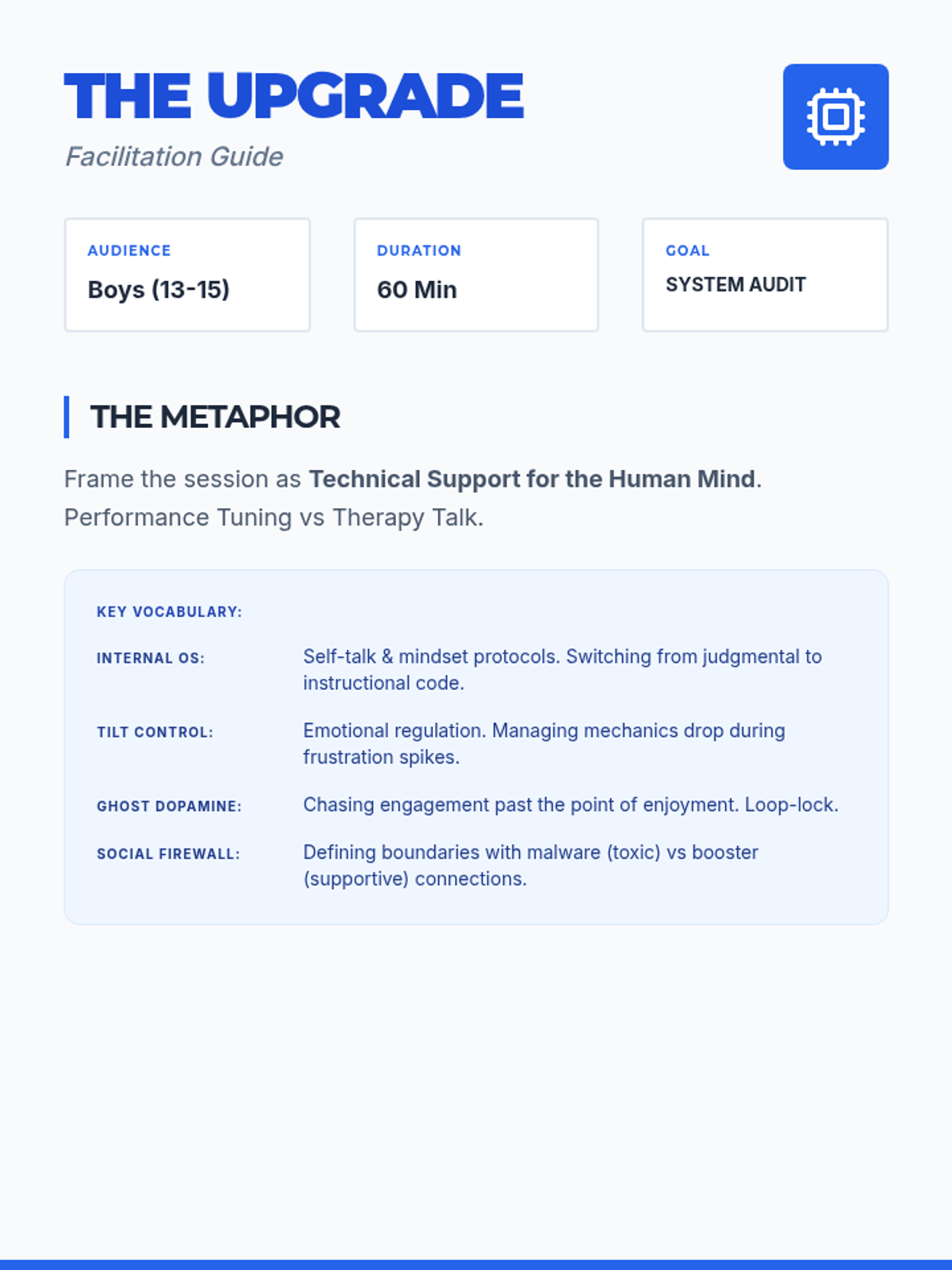
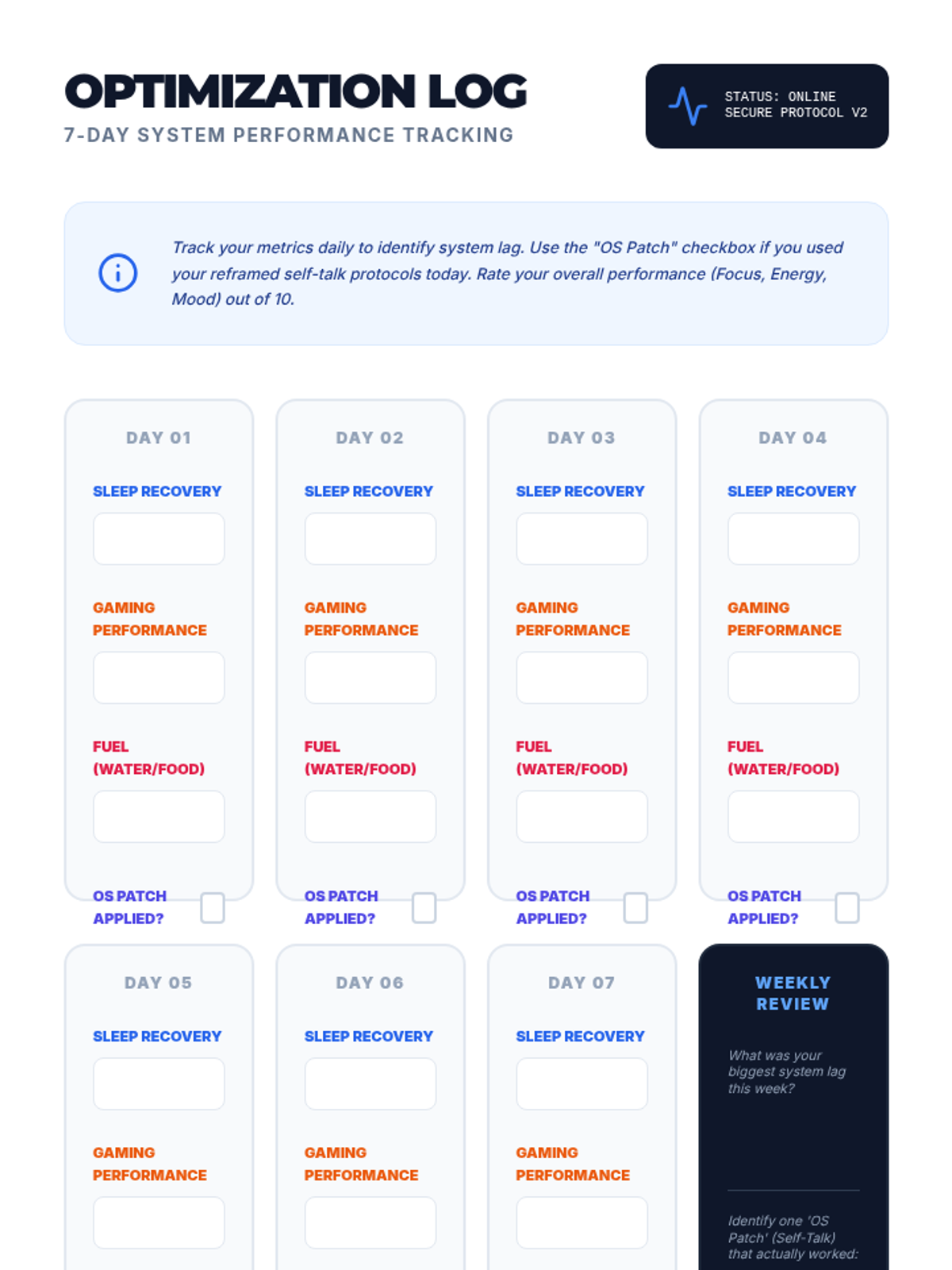
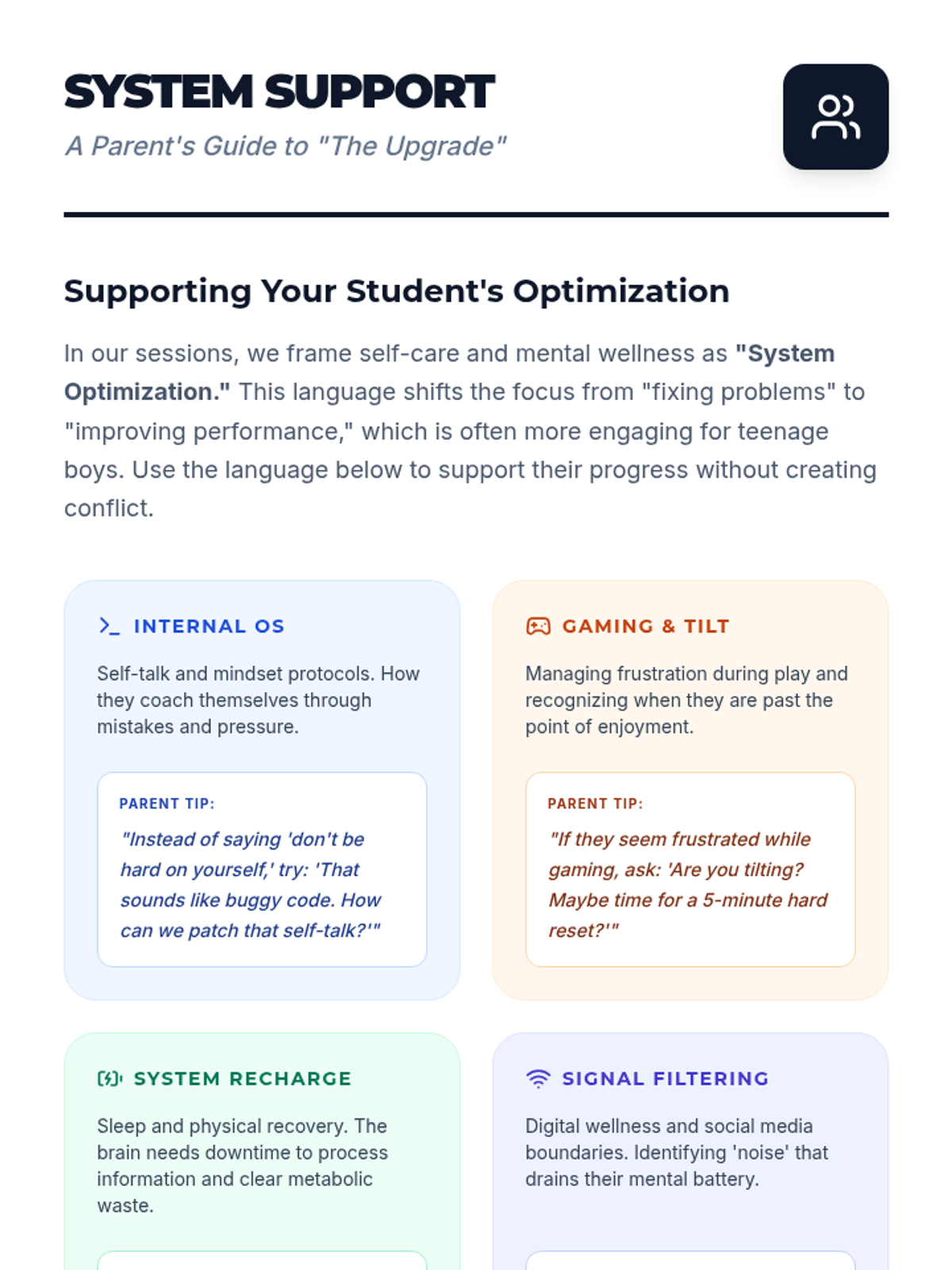
A specialized individual counseling lesson designed for teenage boys, framing self-care and positive self-talk as 'system optimization' for peak performance in digital and physical life.
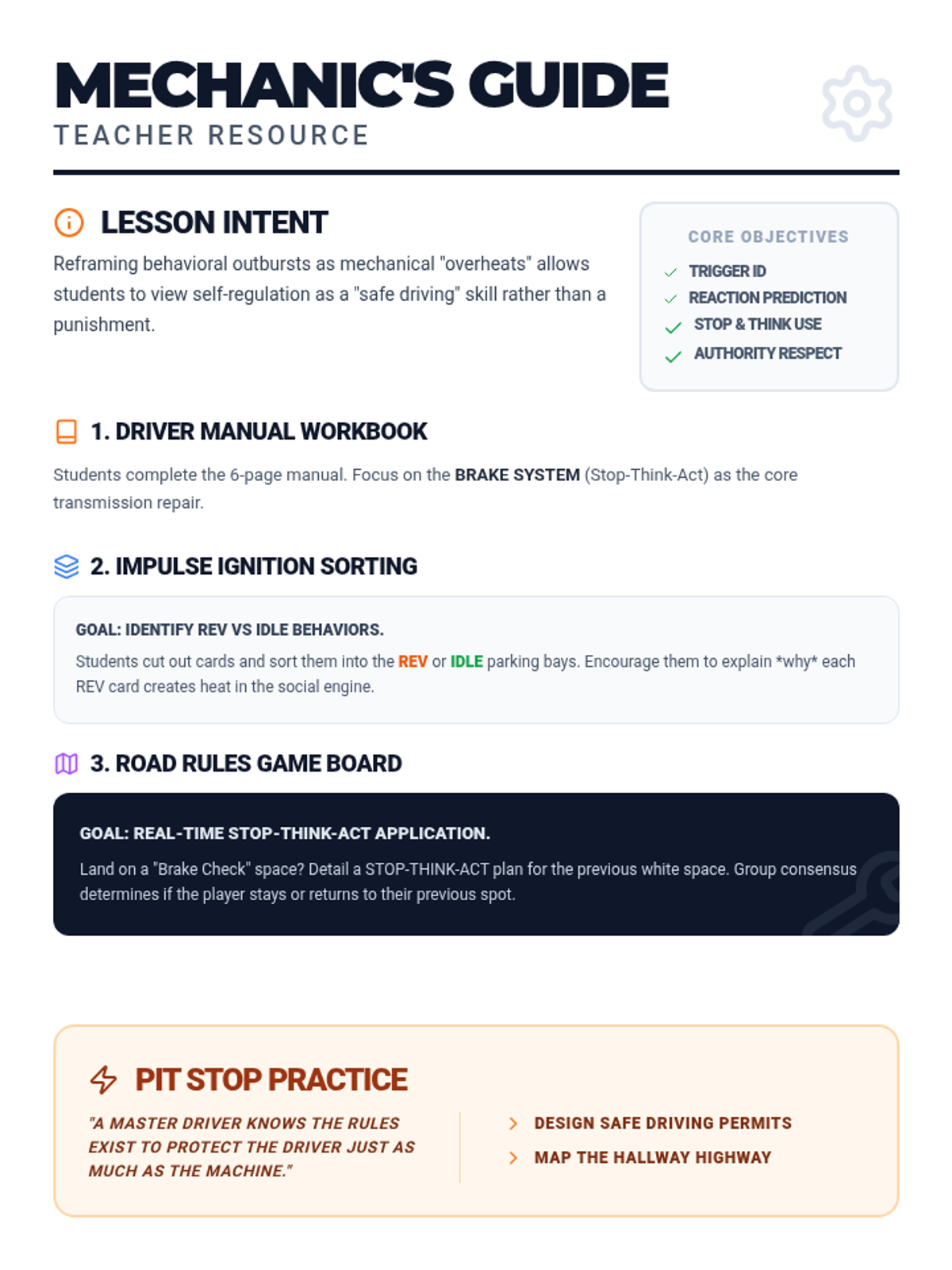
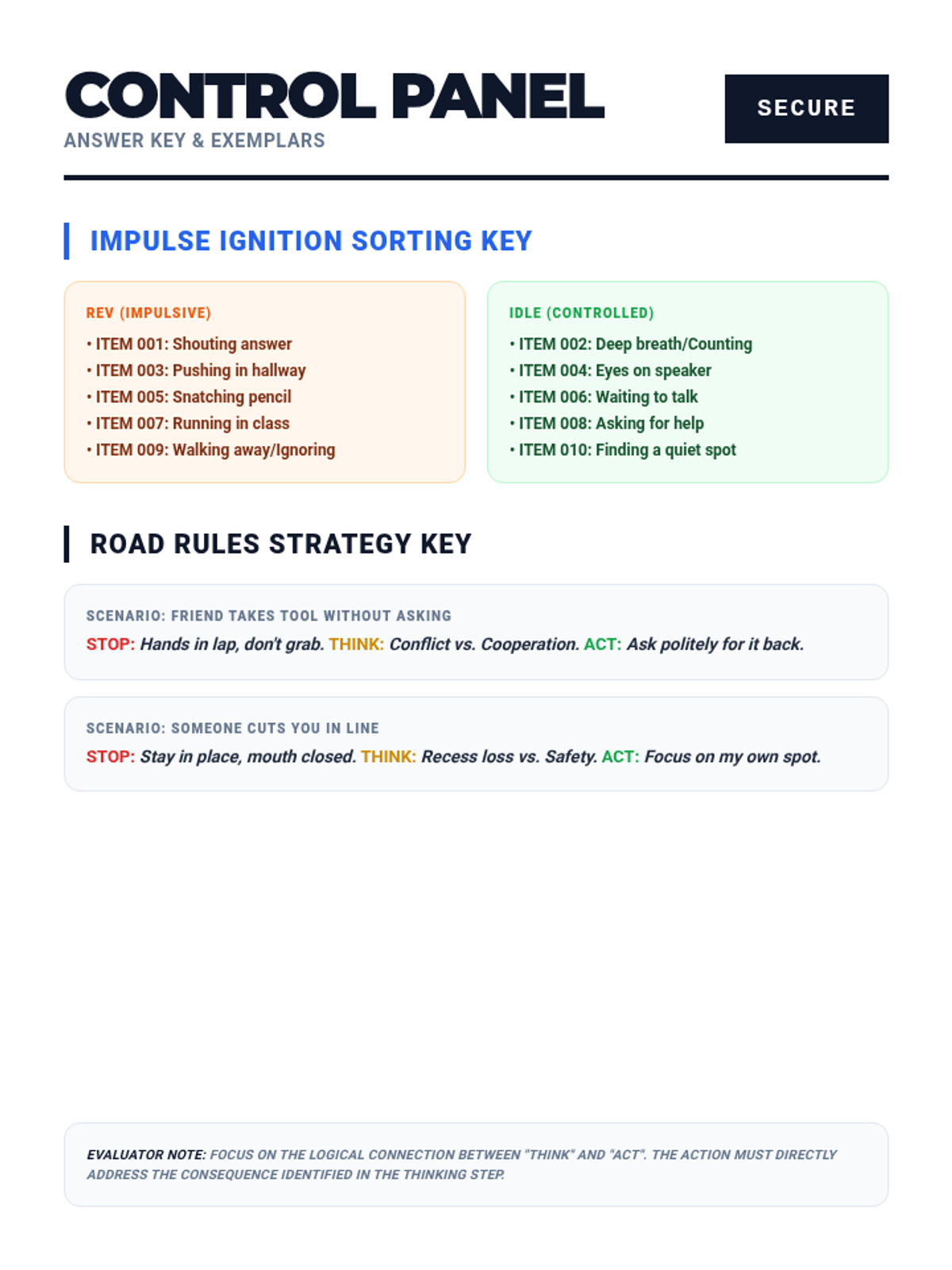
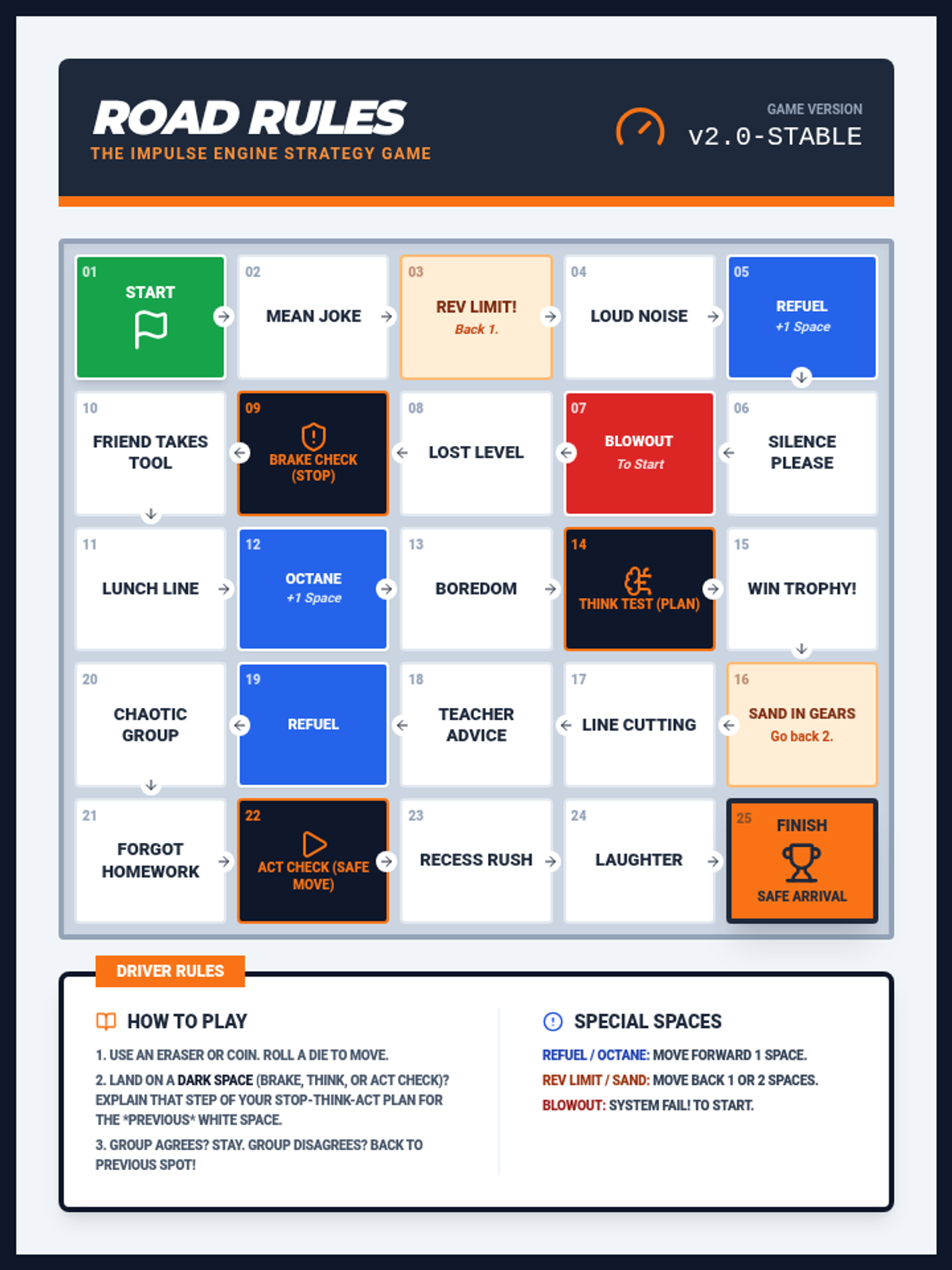
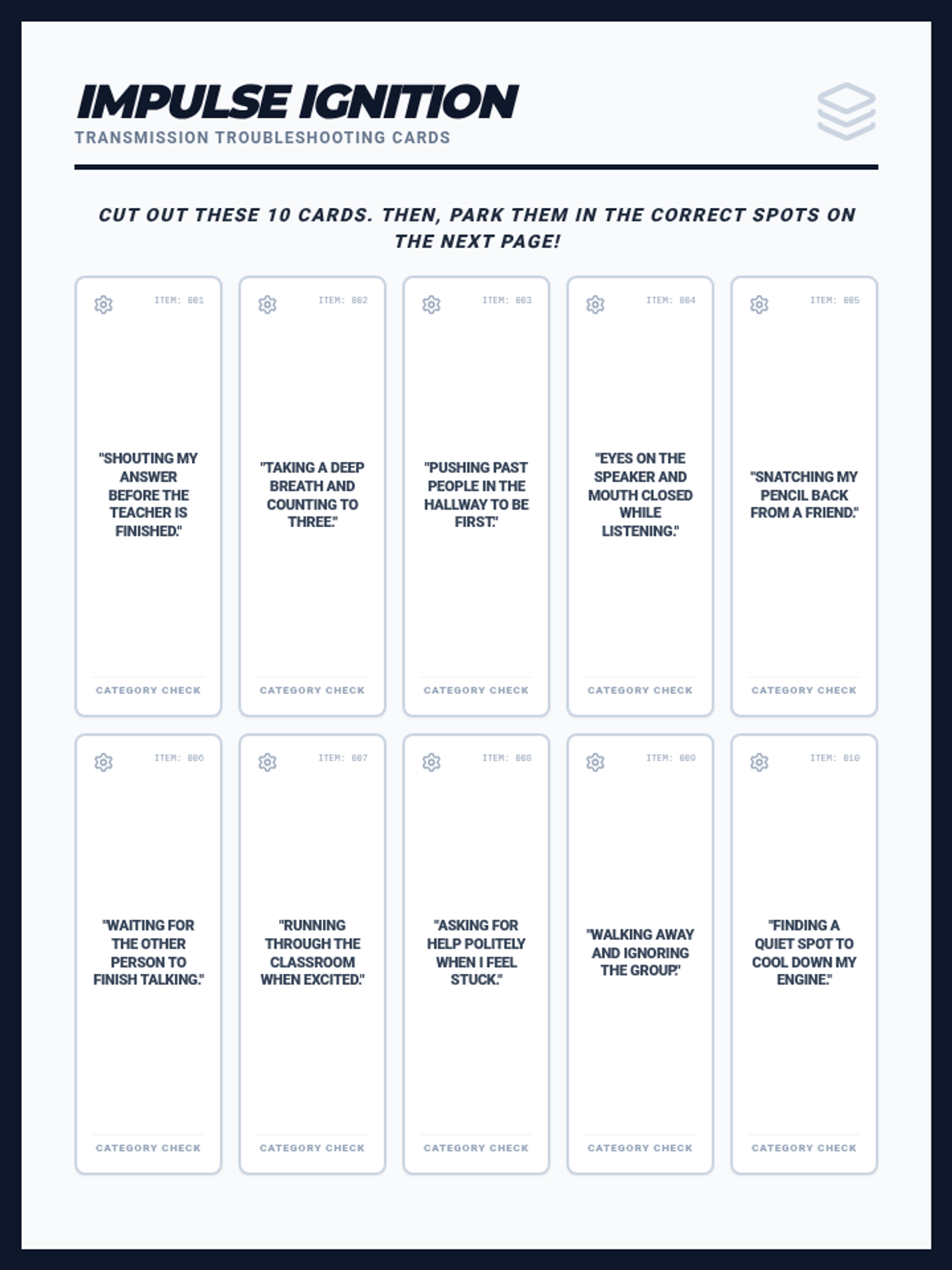
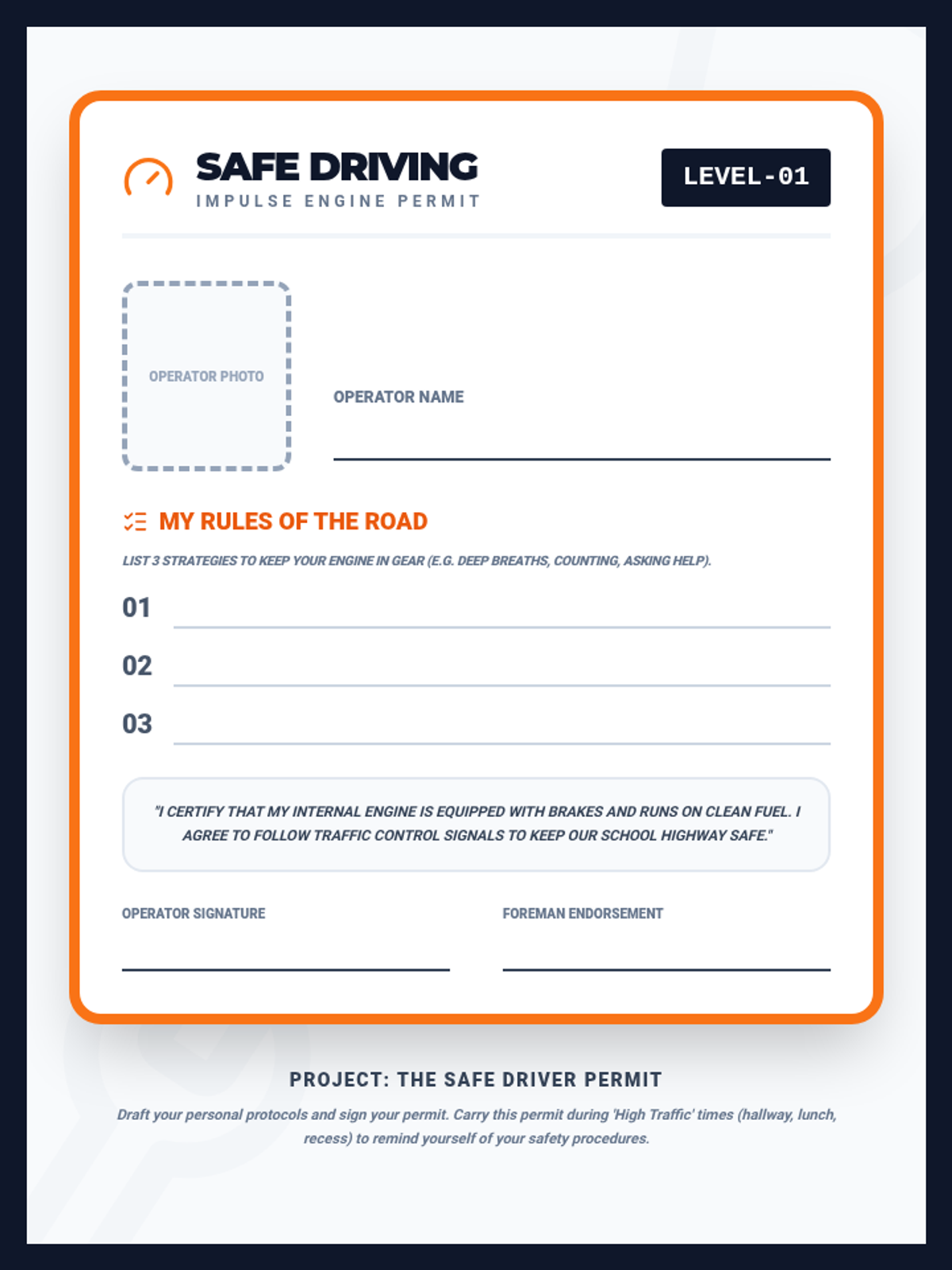
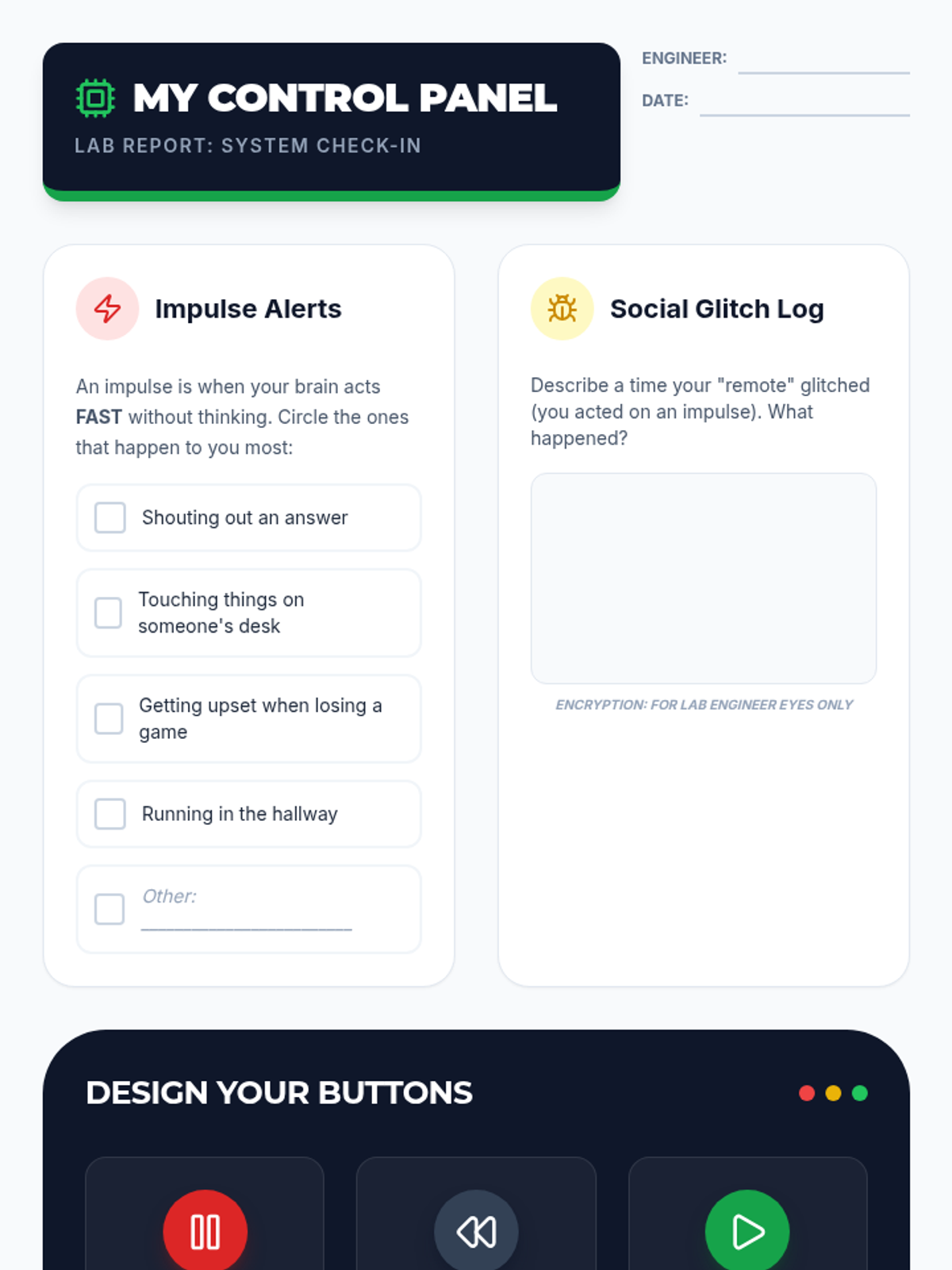
A lesson on impulse control using mechanical and automotive metaphors to teach identifying triggers, consequences, and self-regulation.
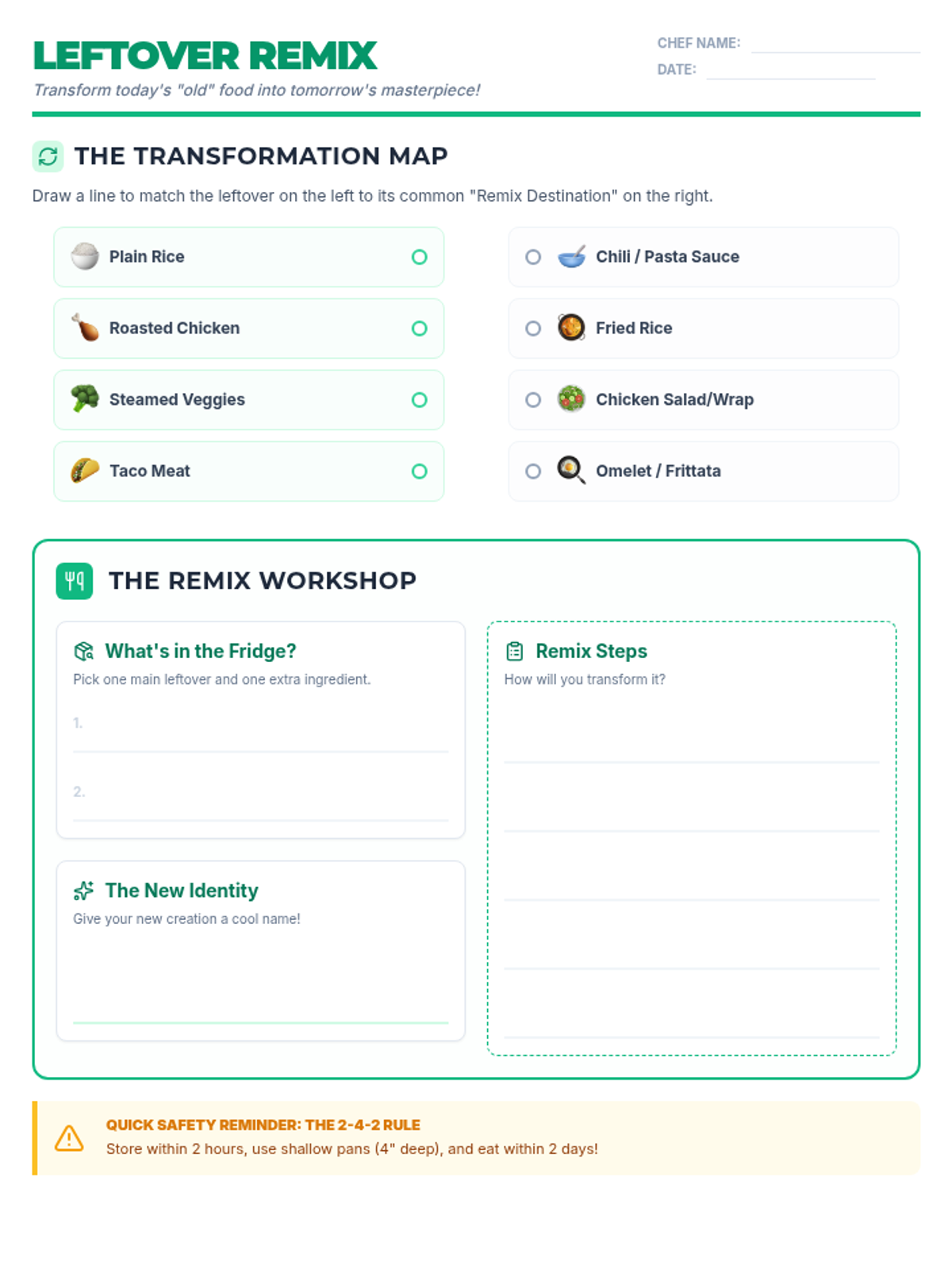
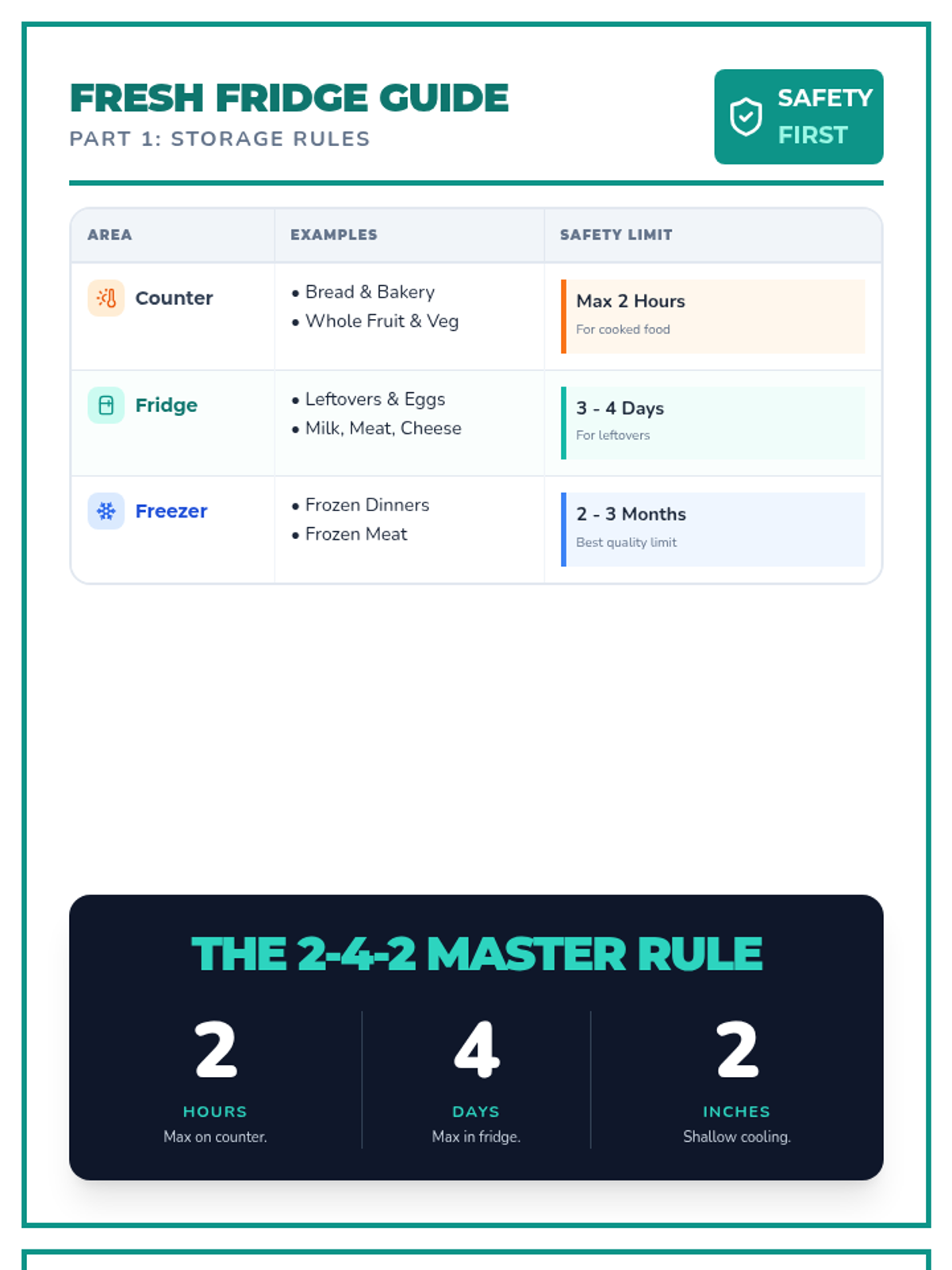
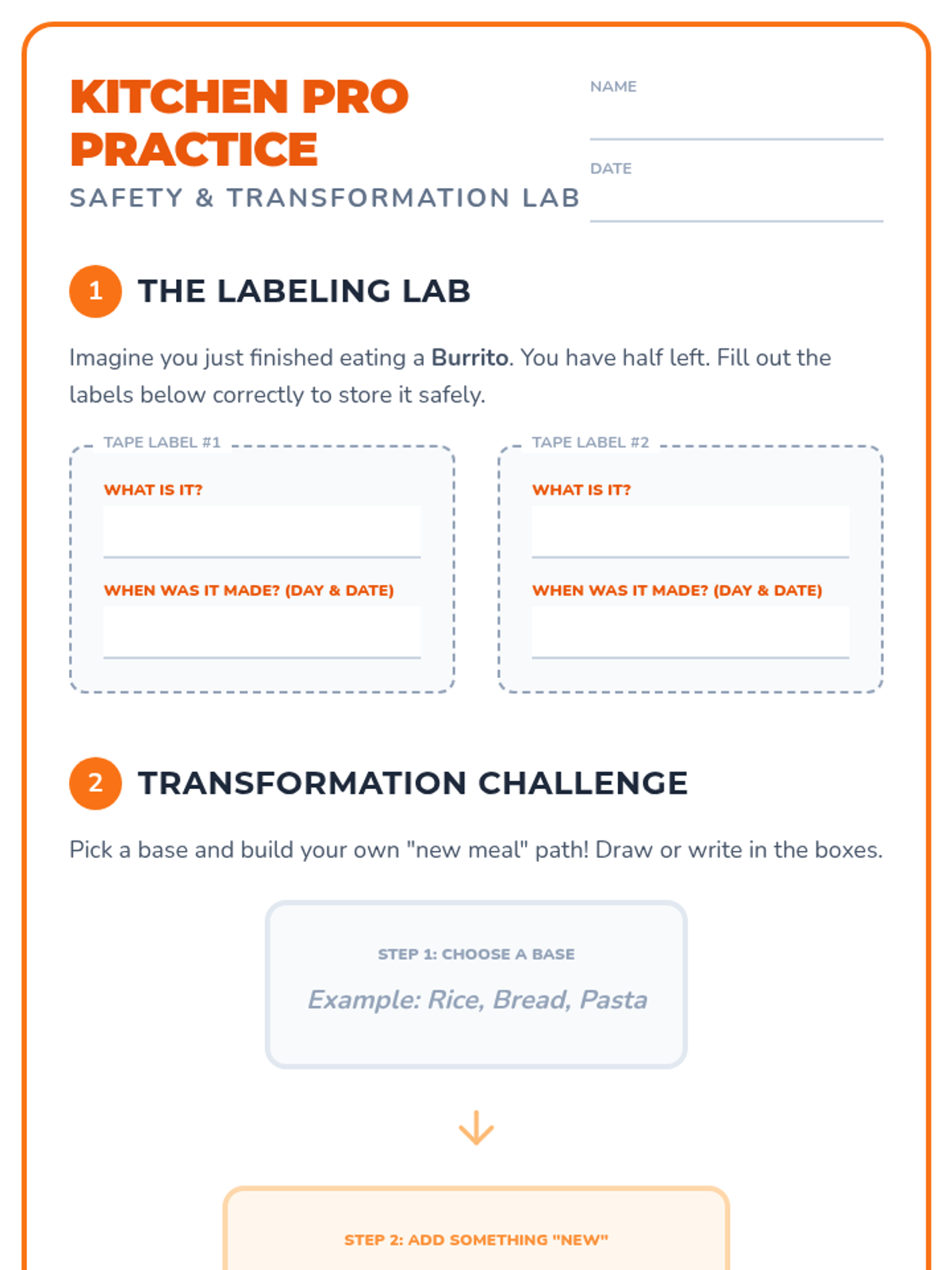
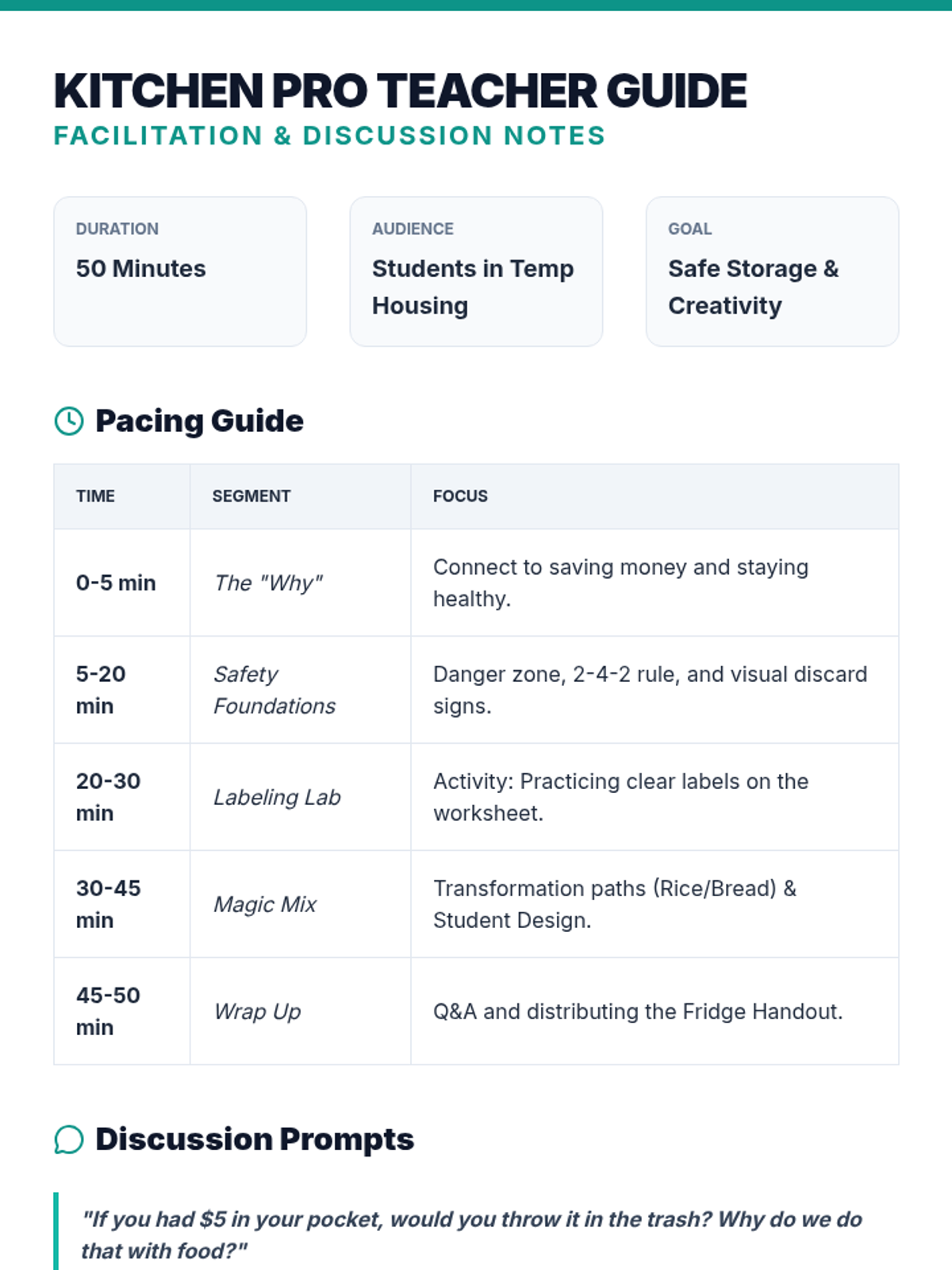
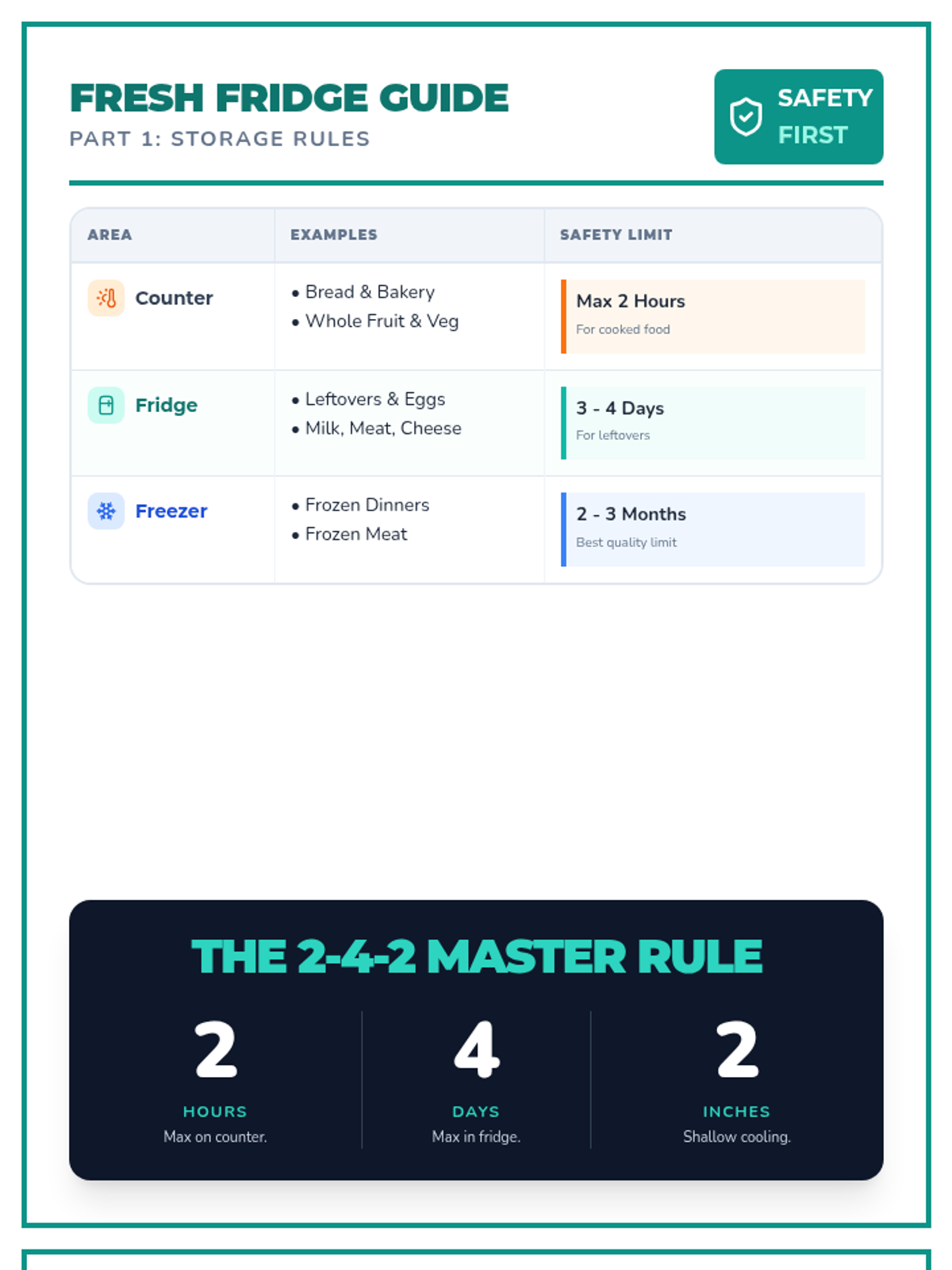
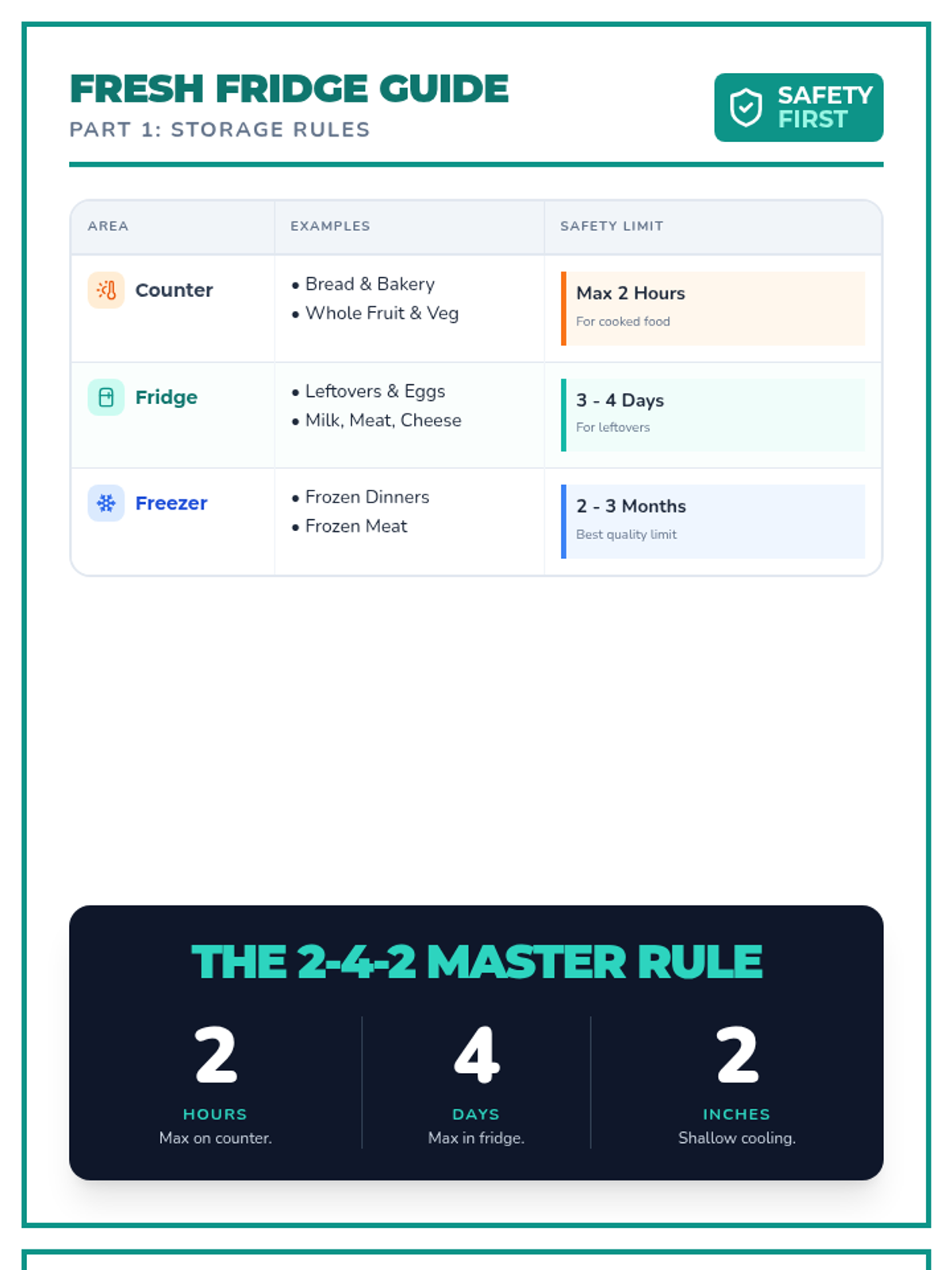
A 50-minute instructional session for students in temporary housing, focusing on safe food storage and creative leftover use through visual guides and sequence flowcharts.
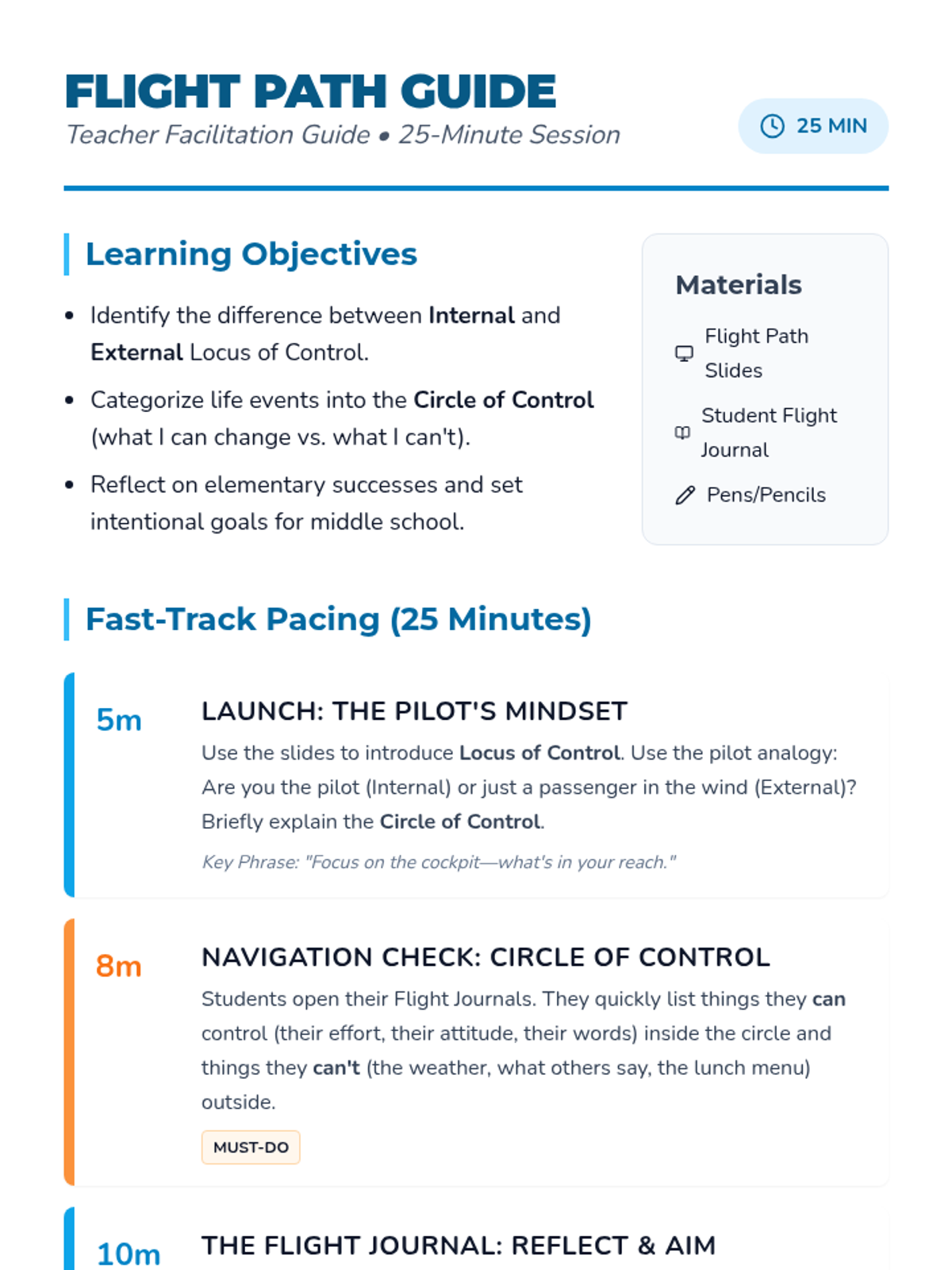
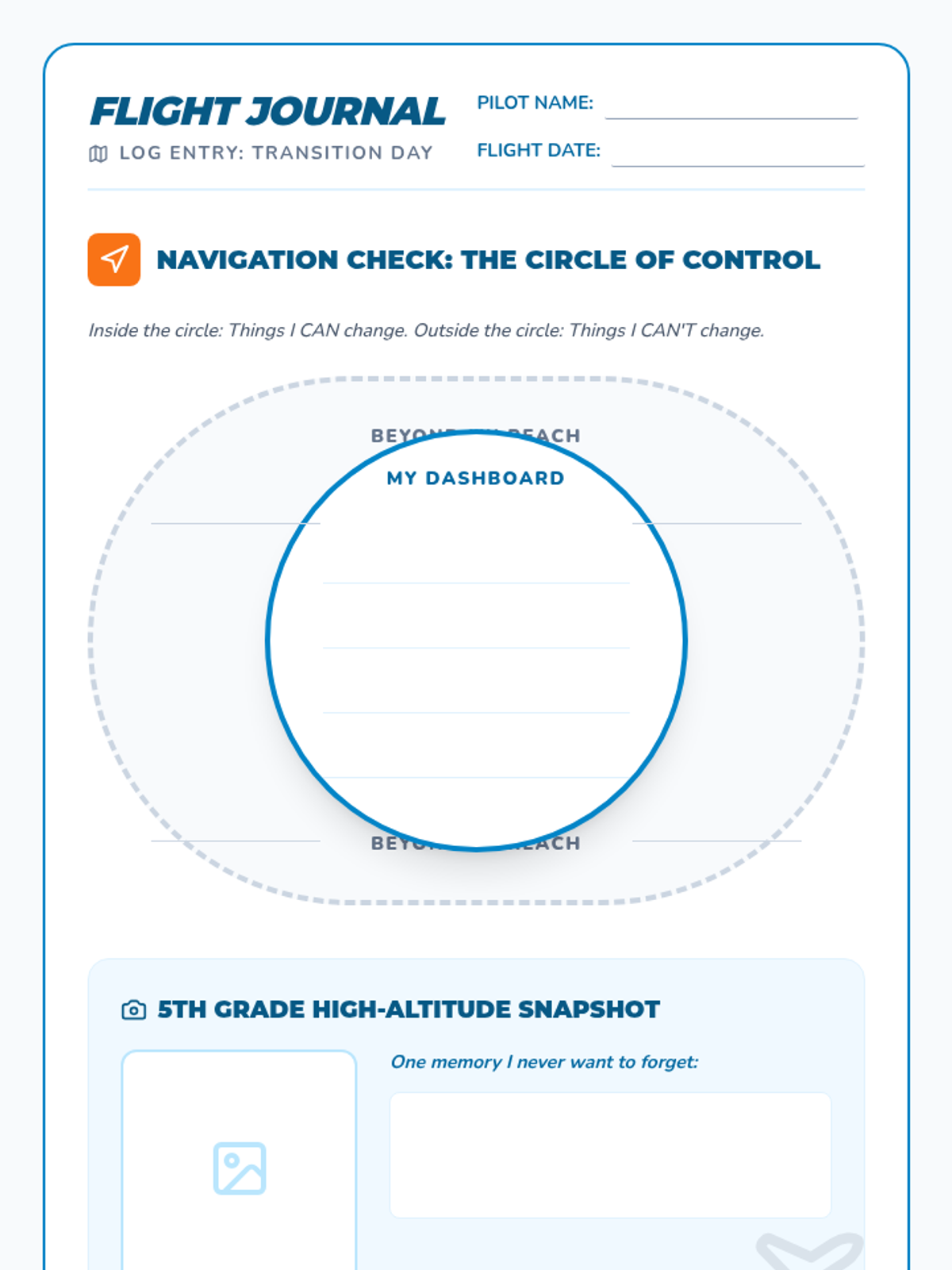
A quick, impactful lesson for 5th graders transitioning to middle school. Students explore their internal locus of control through the 'Circle of Control' concept and celebrate their elementary achievements through goal-setting and reflection.
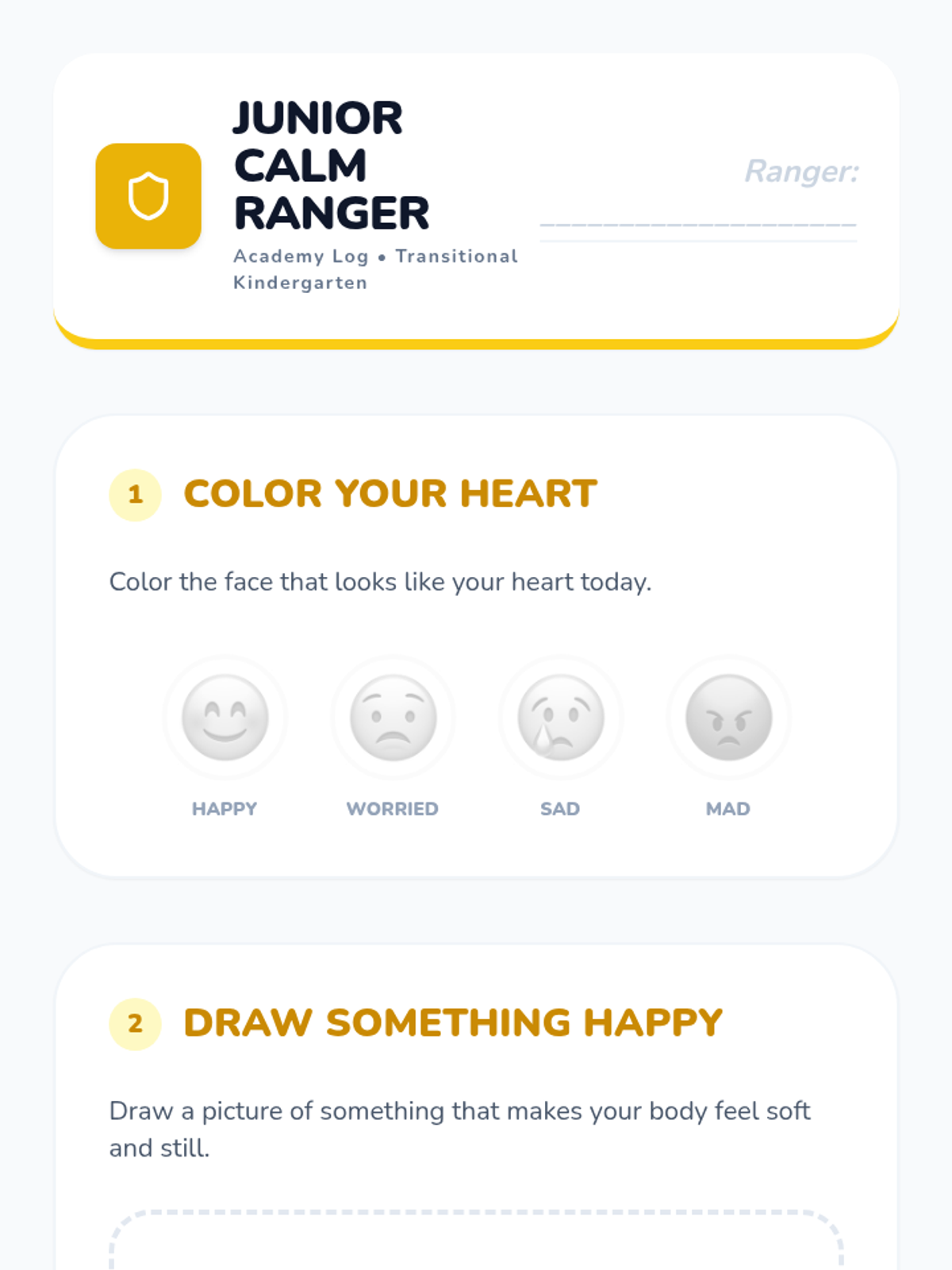
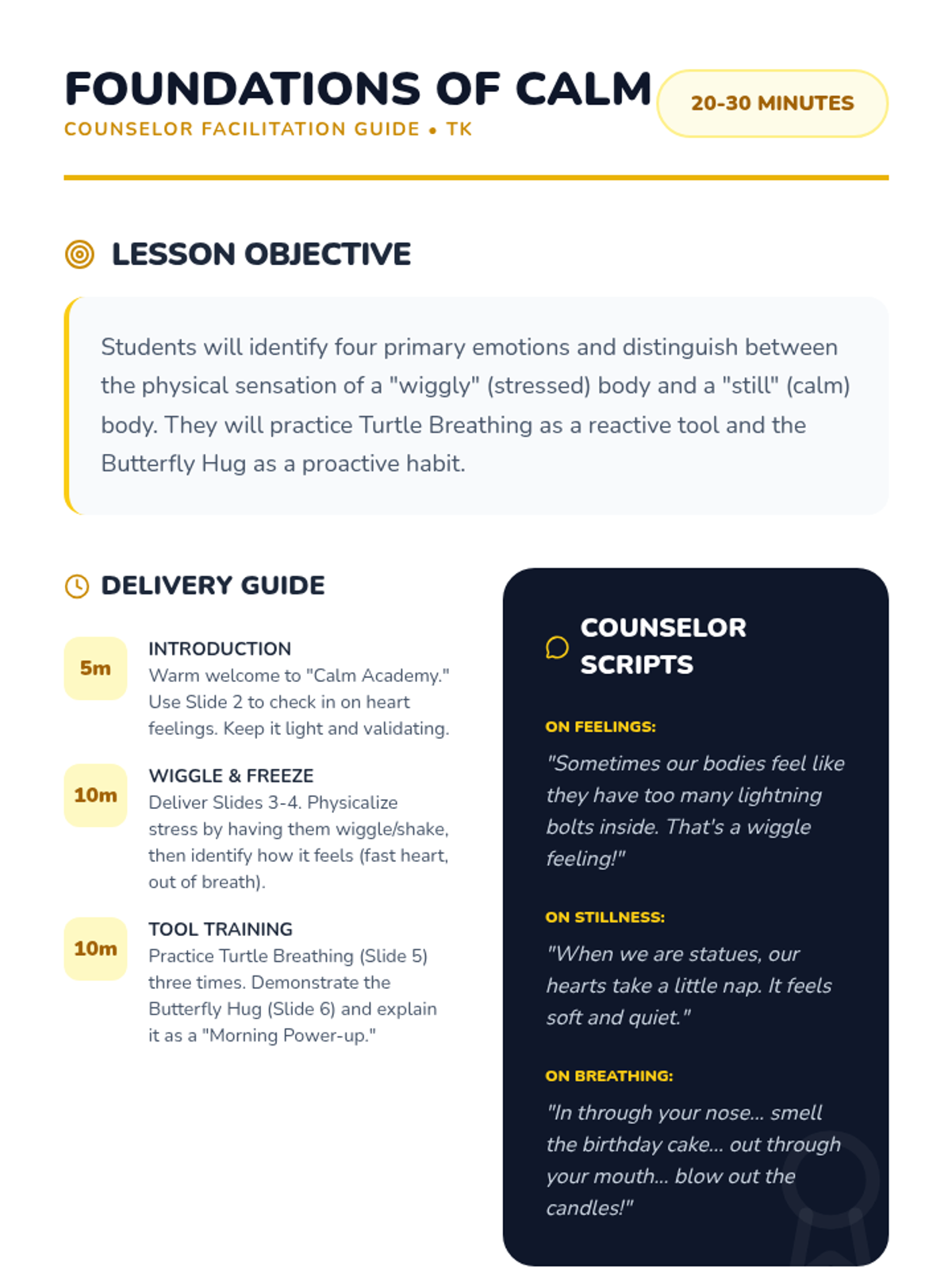
A foundational lesson for Transitional Kindergarten students focused on identifying basic emotions and the physical sensation of being 'wiggly' (stressed) vs. 'still' (calm). Introduces 'Turtle Breathing' as a primary regulation tool.
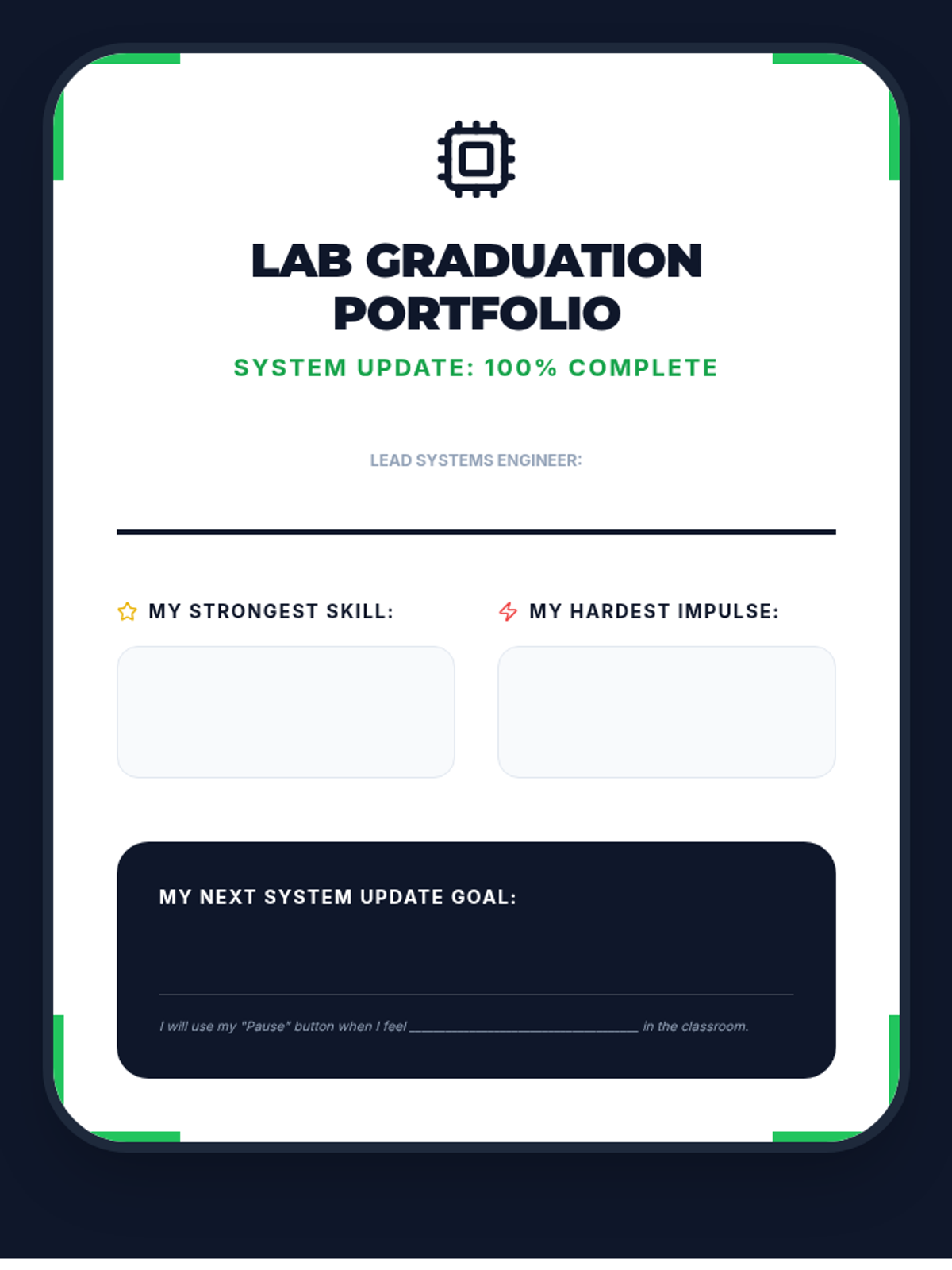
Reviewing all strategies, celebrating progress, and creating a personalized self-control plan for future use.
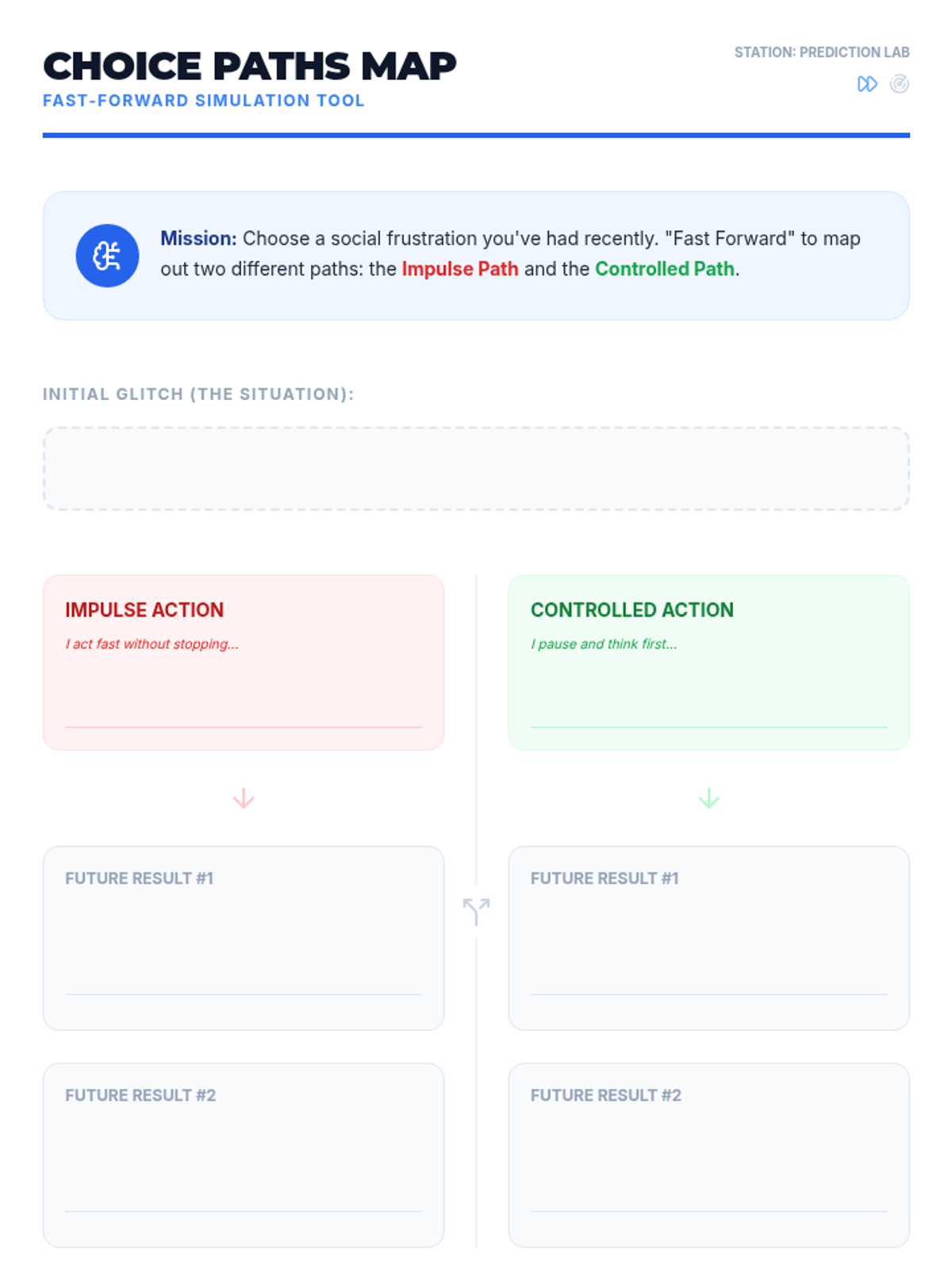
Developing impulse control by 'fast-forwarding' to see the potential consequences of different choices.
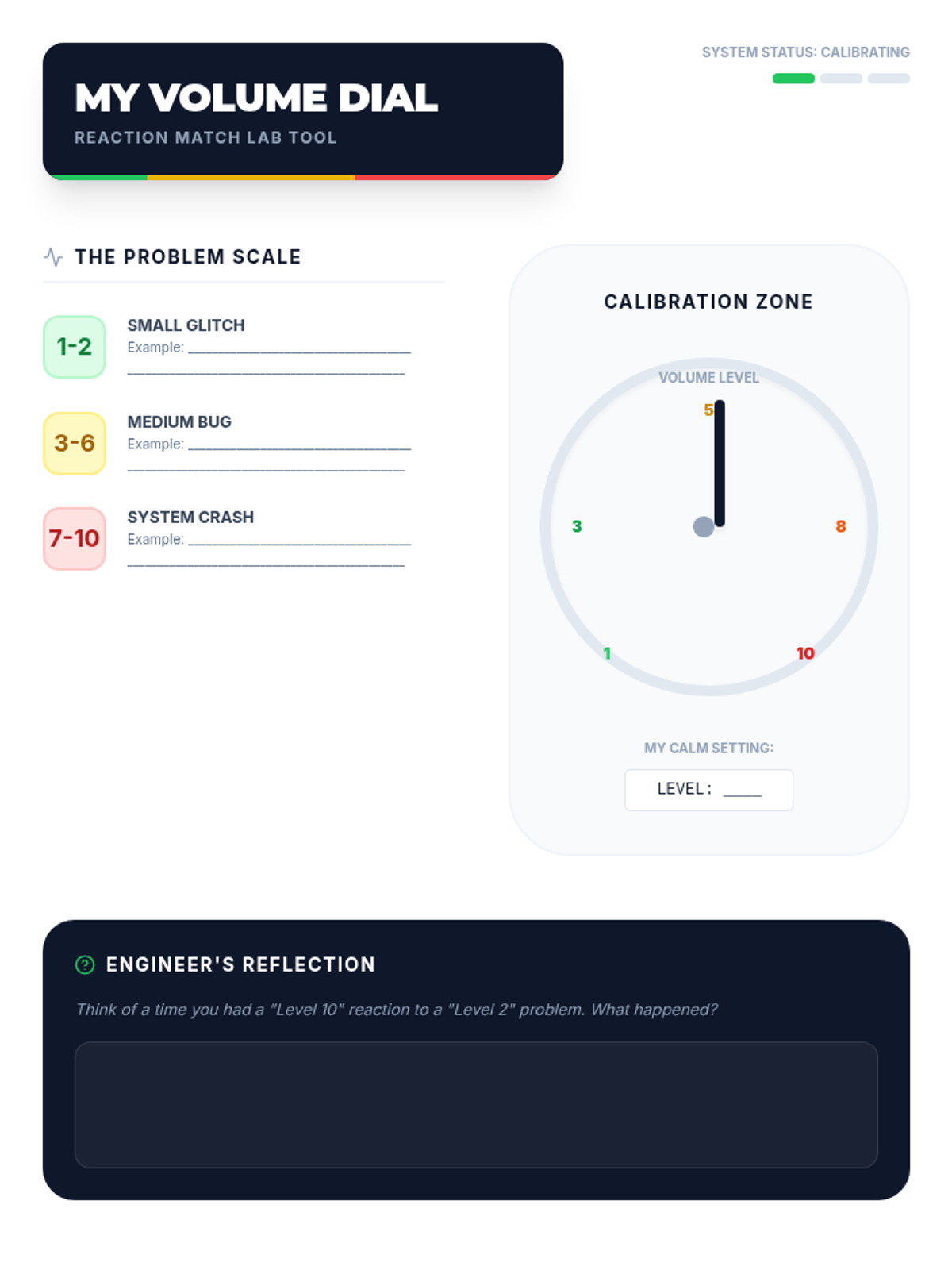
Managing the intensity of emotions and reactions using the 'Volume Control' strategy for self-regulation in social situations.
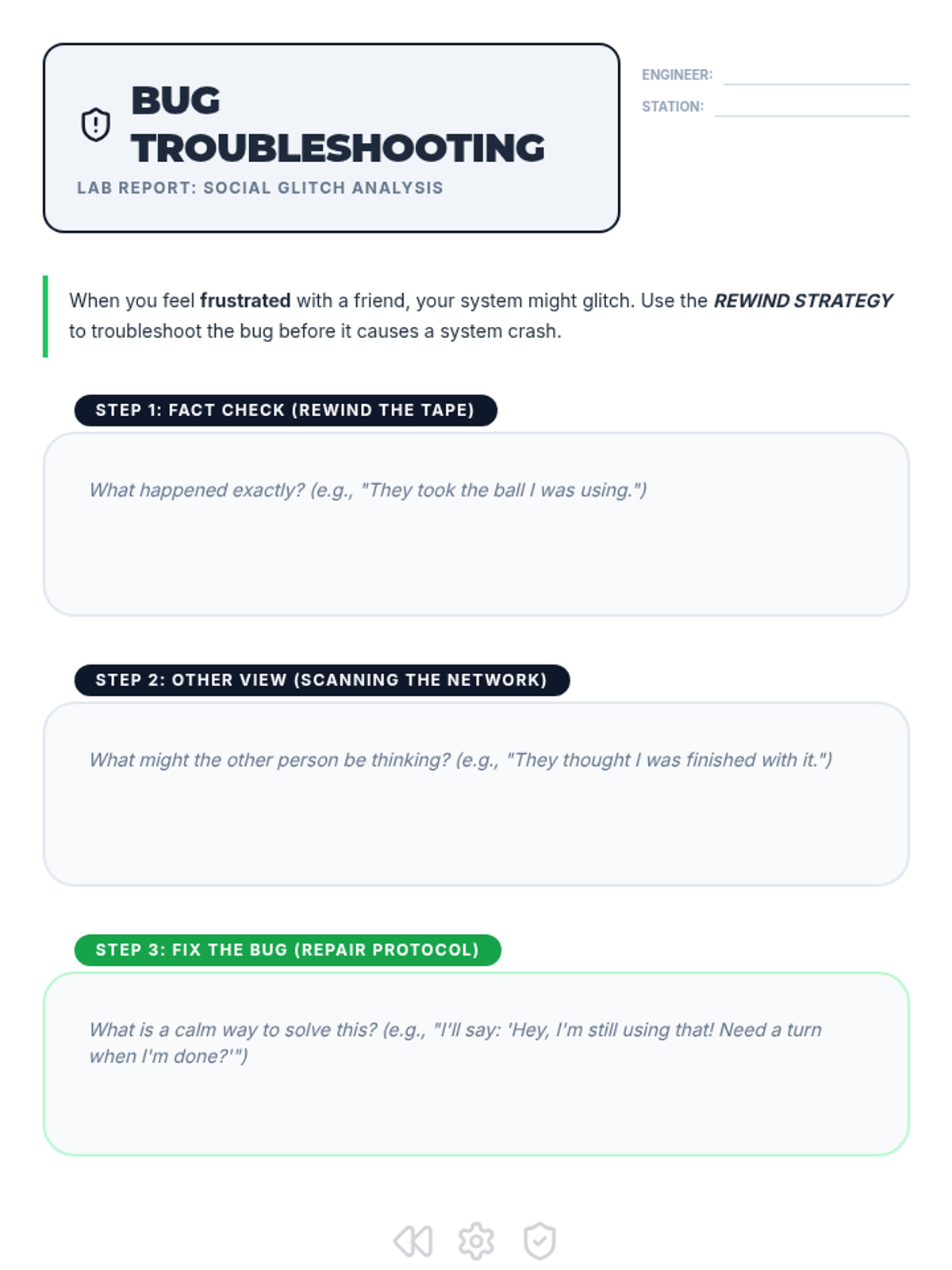
Addressing social frustrations by 'rewinding' to understand what happened and how to troubleshoot social bugs with peers.
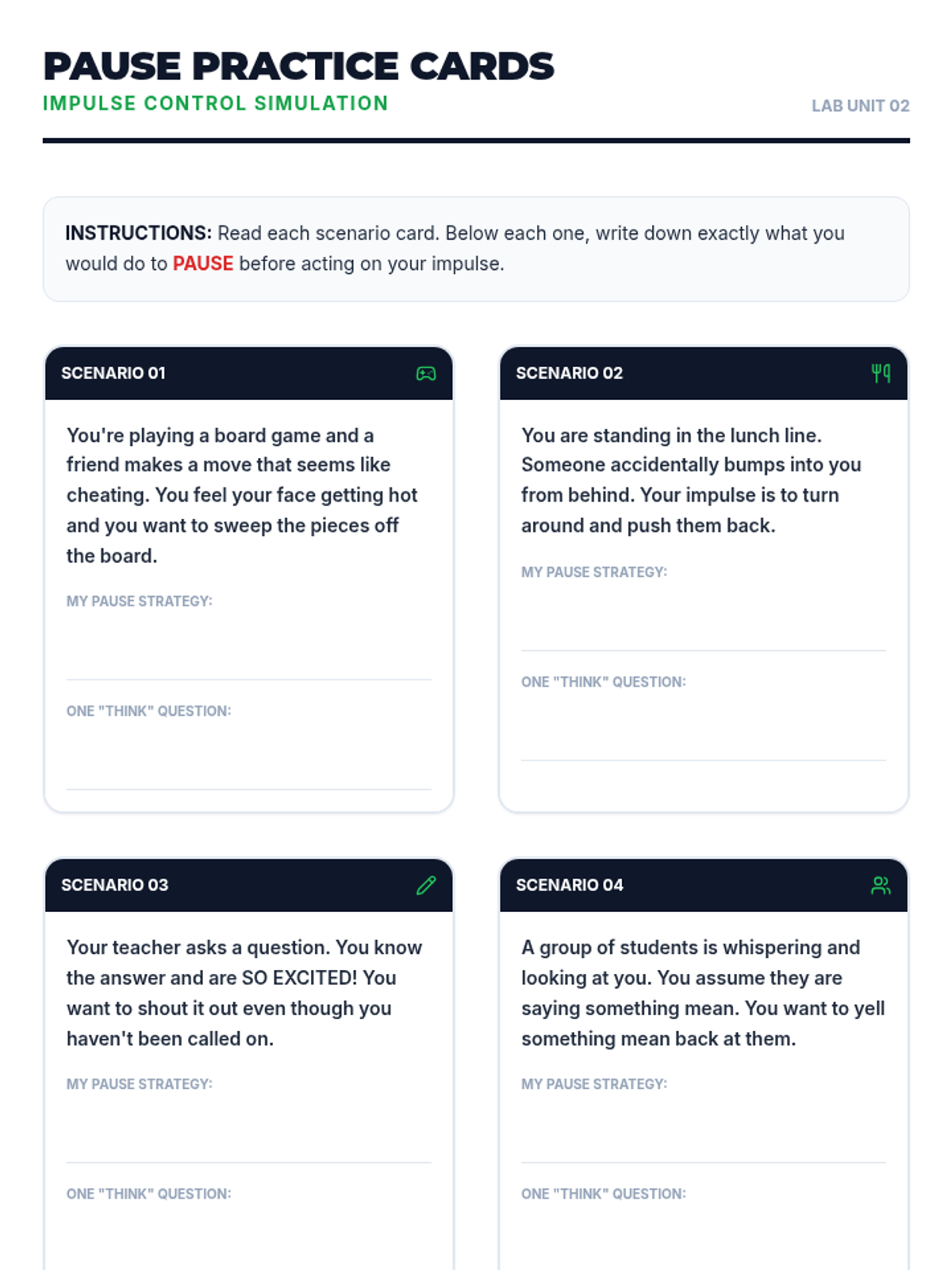
Focusing on the 'Pause' button to build a gap between impulse and action, featuring strategies for stopping in the moment.
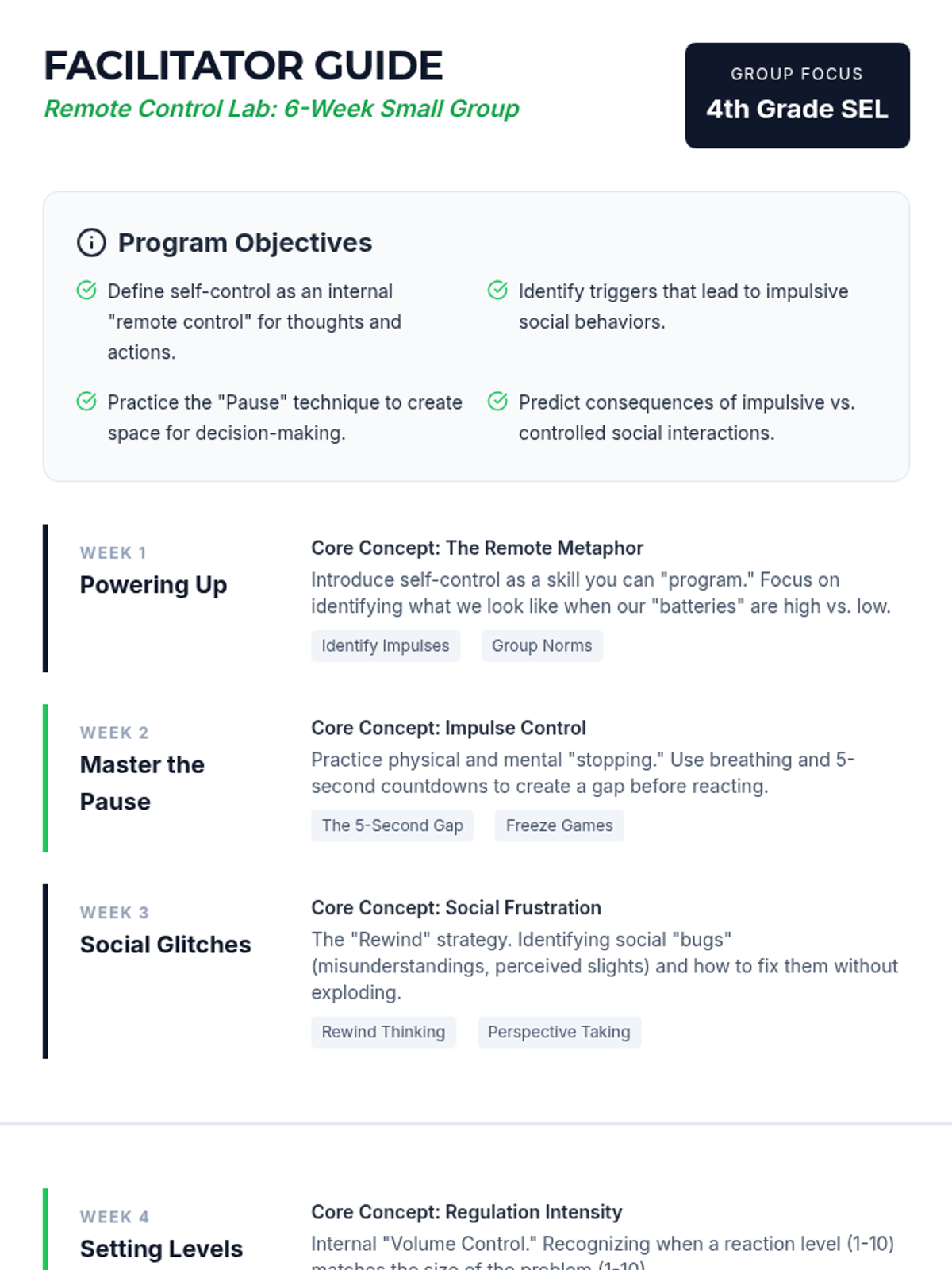
Introduction to the concept of self-control using the remote control metaphor and identifying personal 'impulses' that need managing.
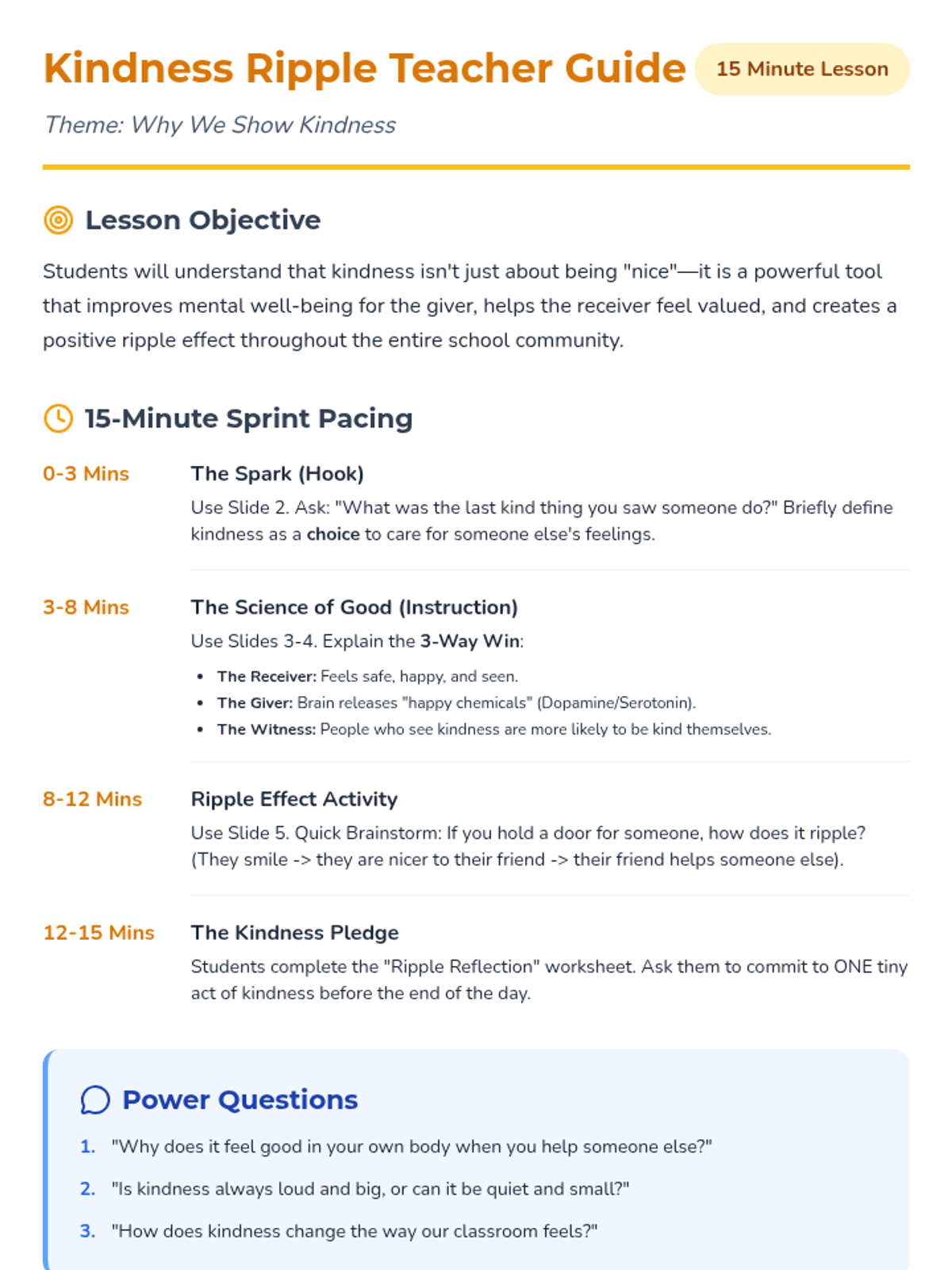
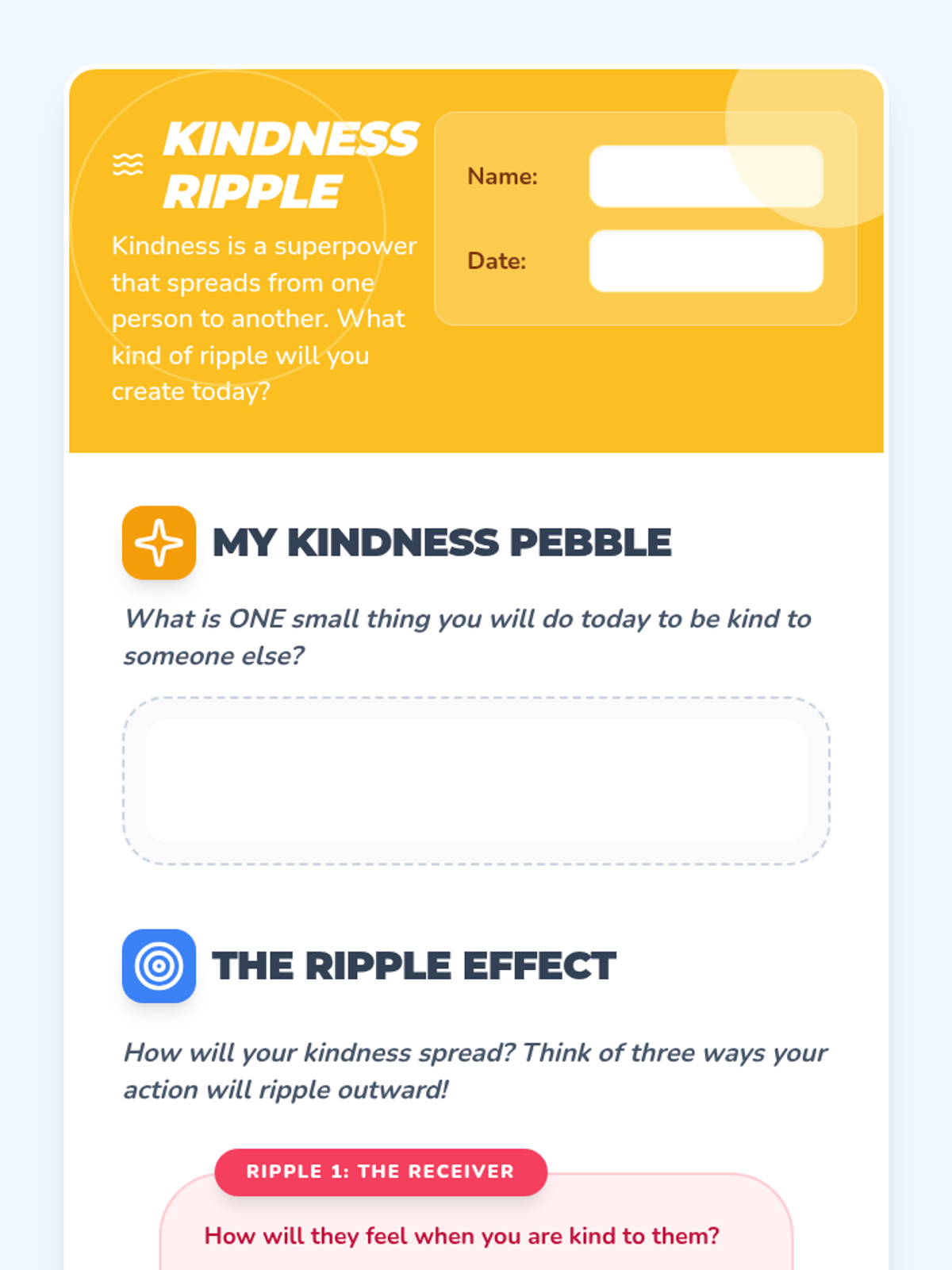
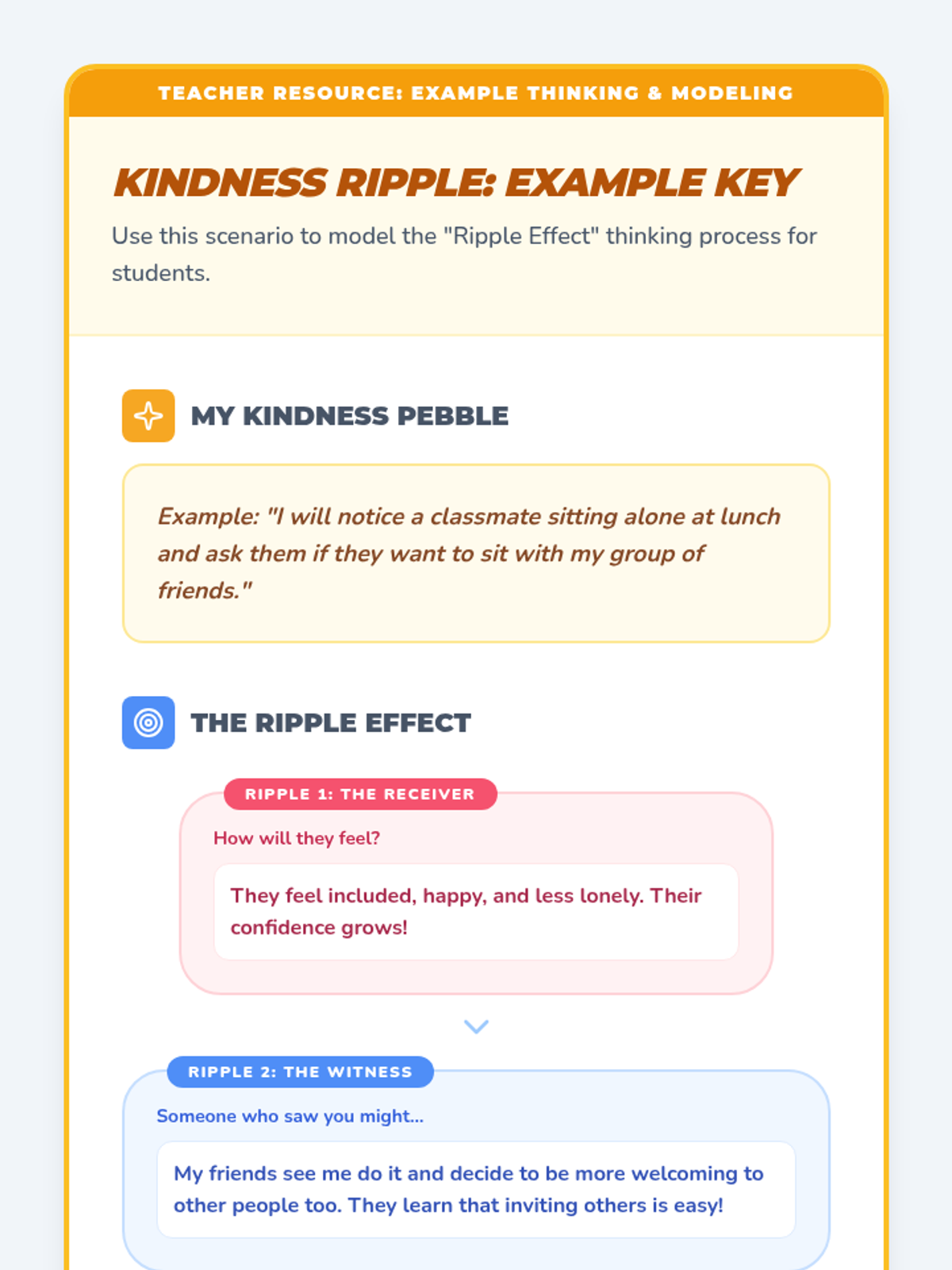
A fast-paced, engaging 15-minute lesson exploring the 'Ripple Effect' of kindness and why it matters for both the giver and the receiver.
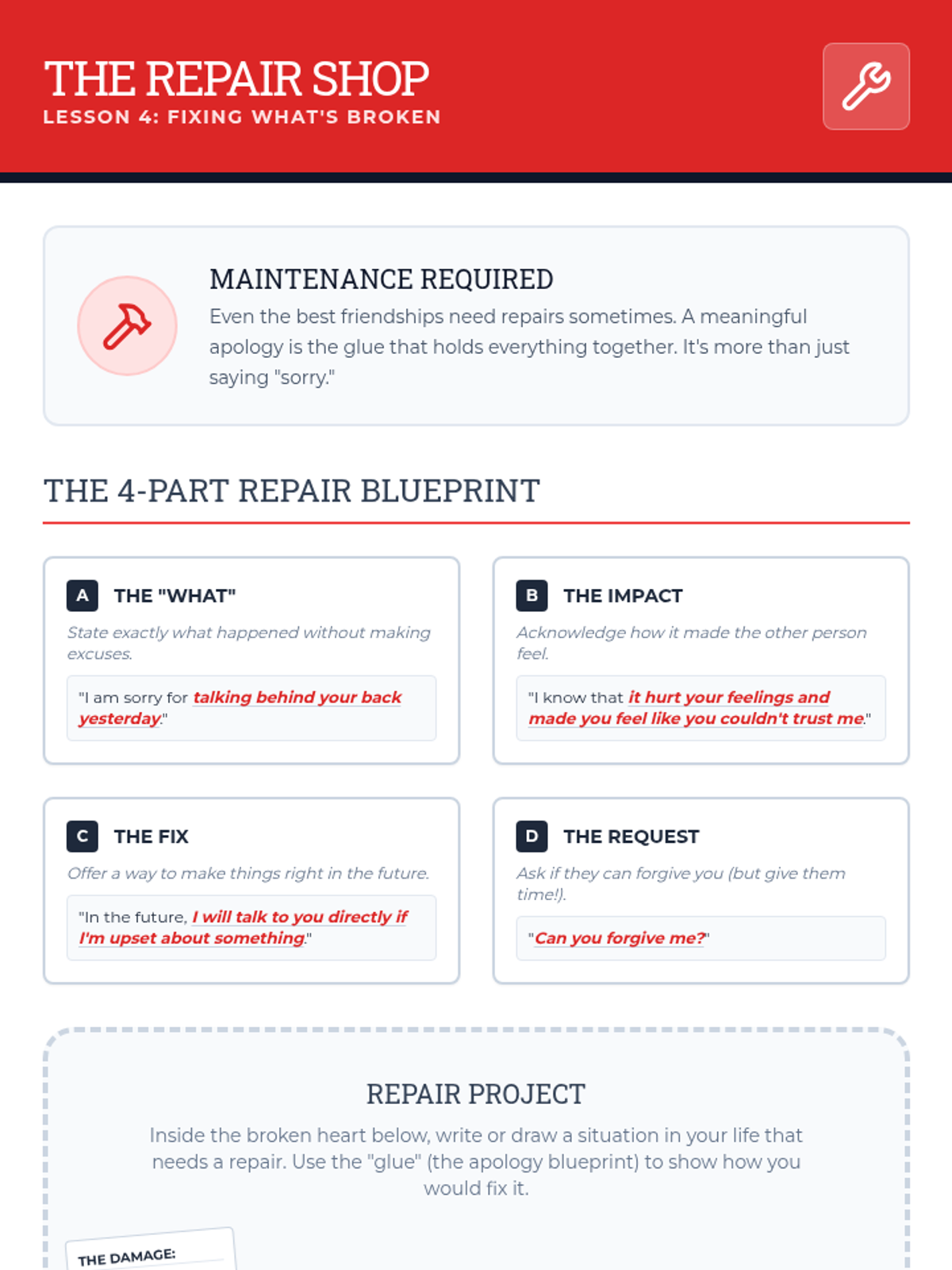
Students will learn how to make meaningful apologies and use art to explore the concept of repairing damaged relationships.
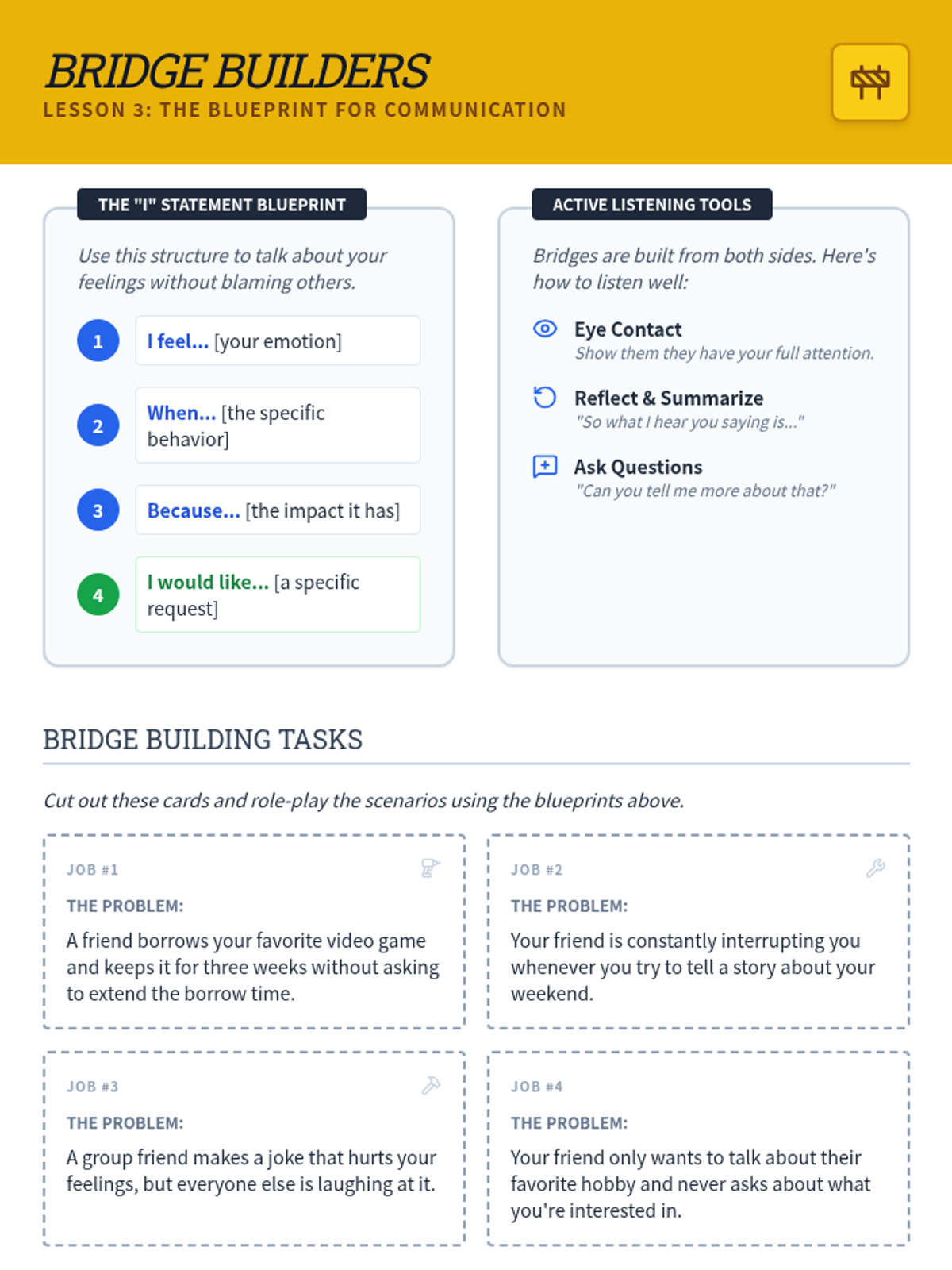
Students will practice effective communication techniques using role-play scenarios focused on active listening and "I" statements.
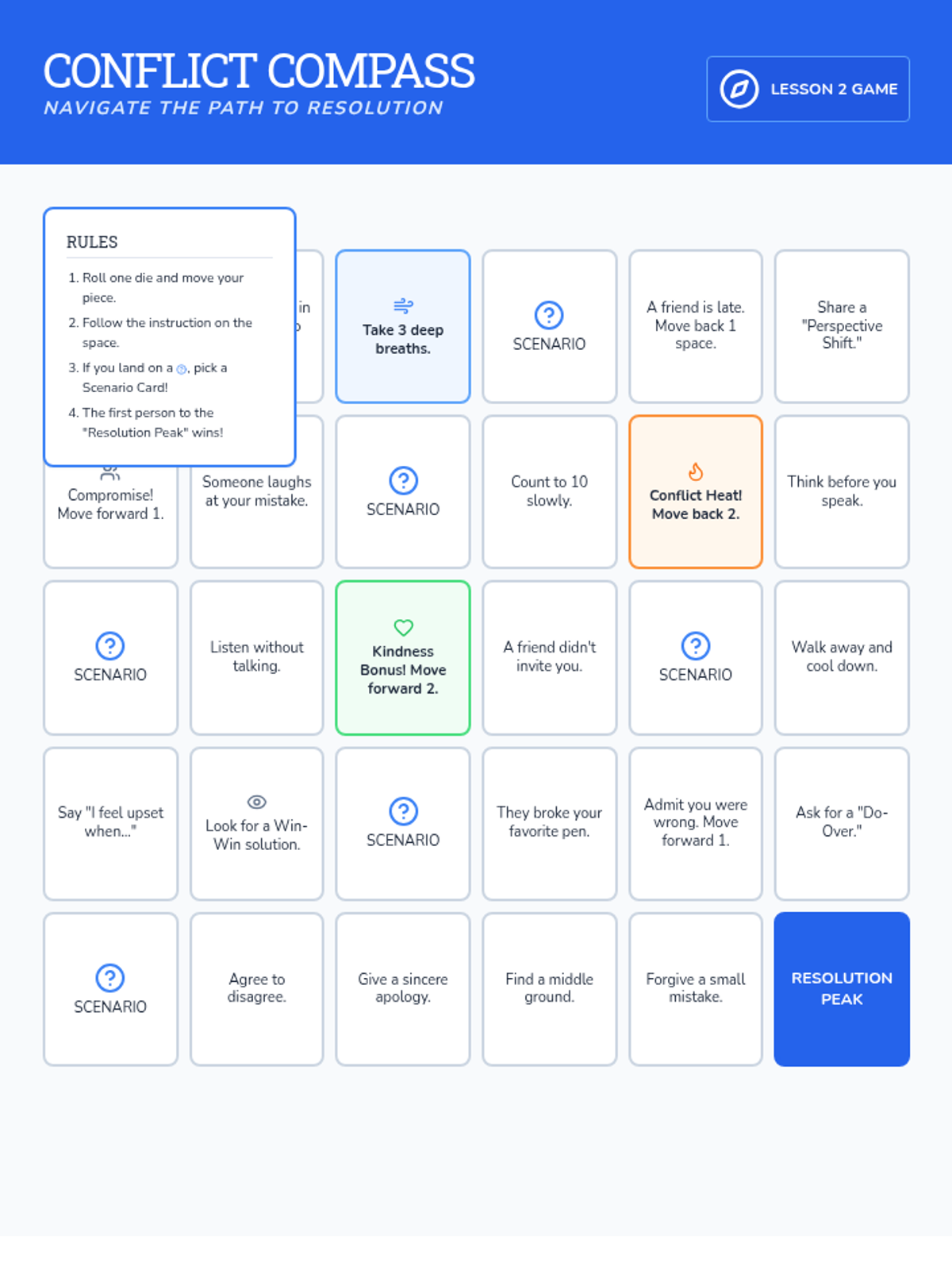
Students will explore different ways to navigate disagreements using a board game format to practice perspective-taking.