A foundational lesson for grades K-2 focusing on identifying and naming primary emotions. Students use visual clues to recognize feelings in themselves and others while practicing age-appropriate vocabulary to describe their internal experiences.
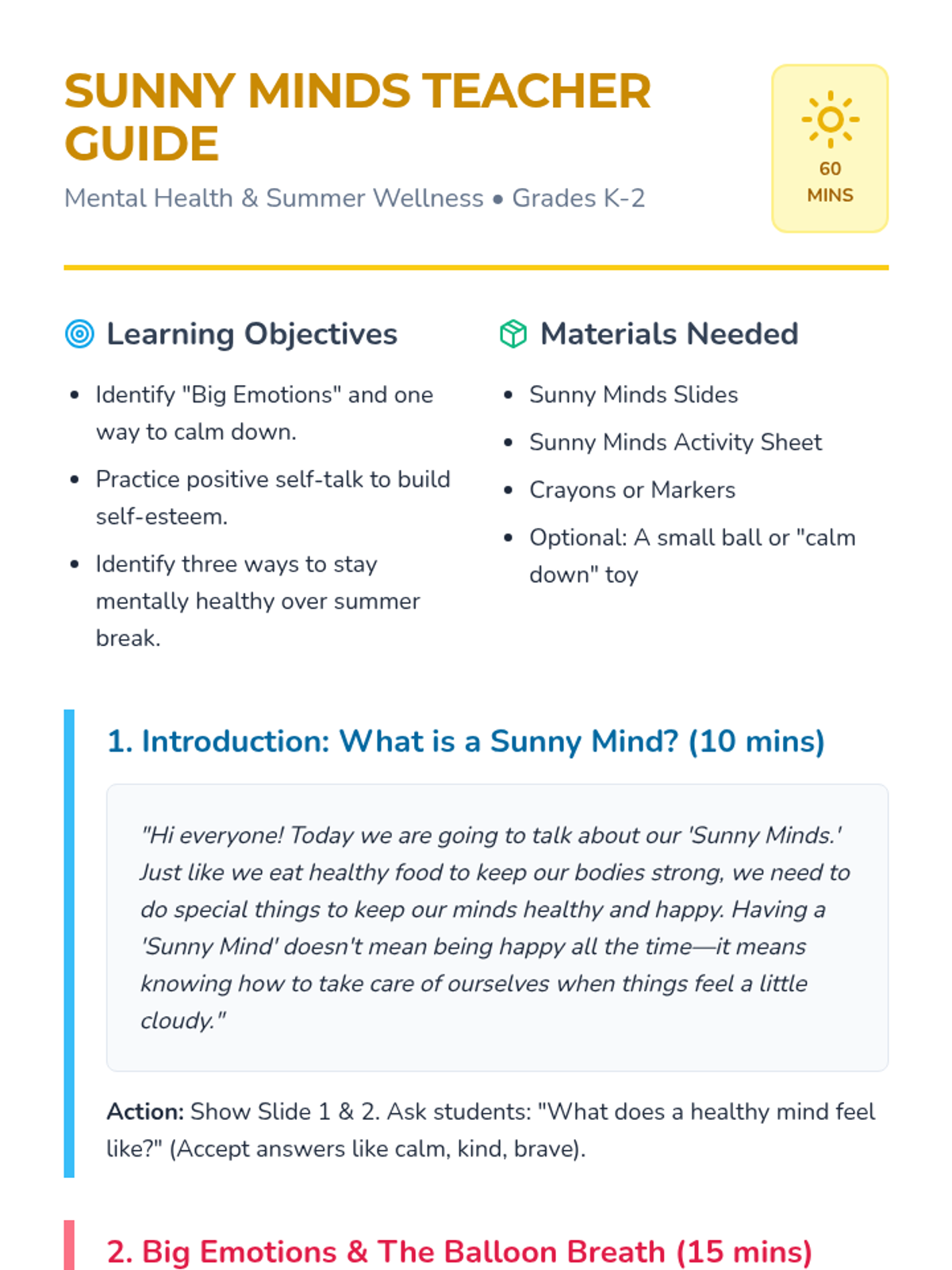
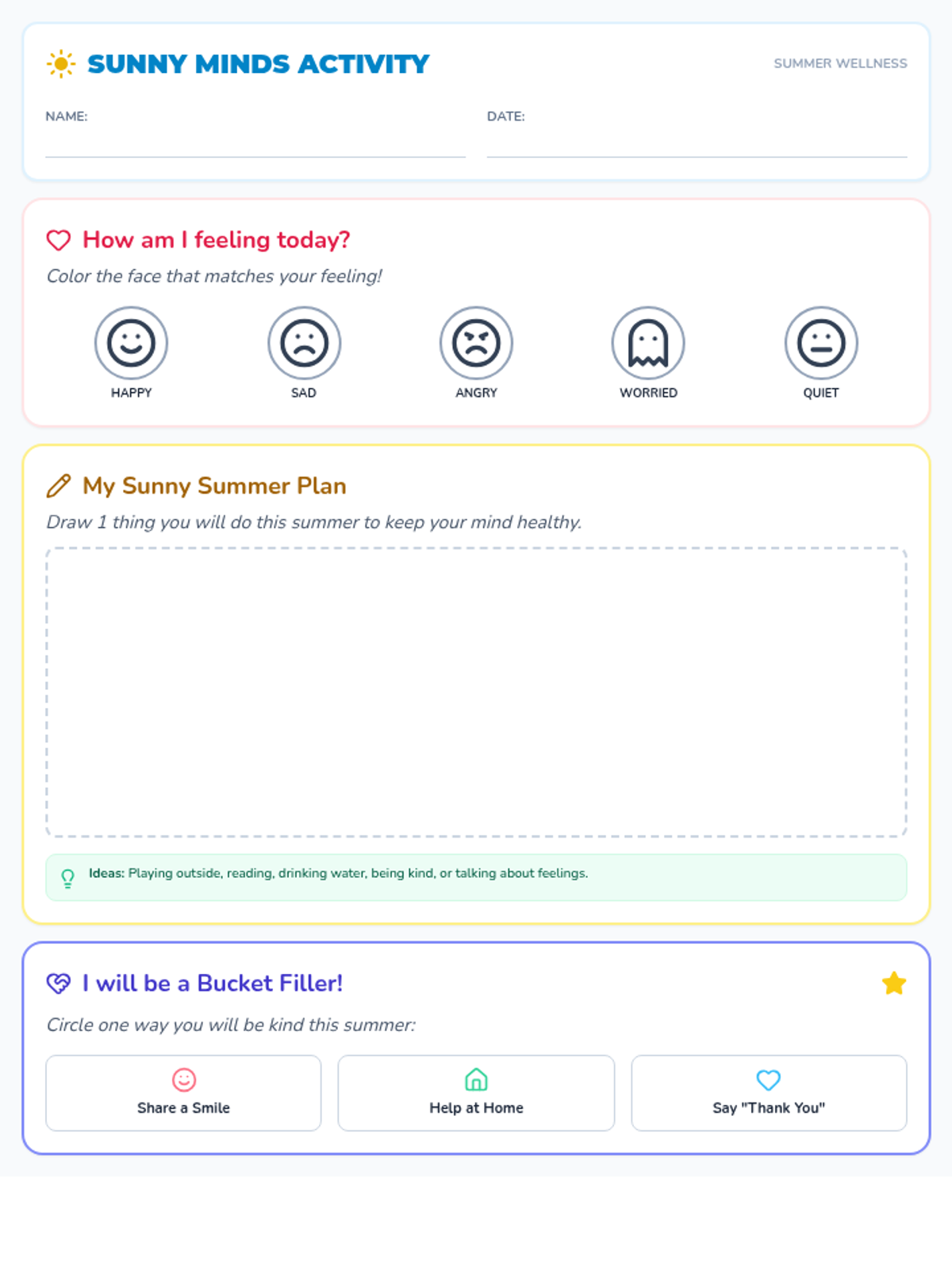
A cheerful mental health awareness lesson for K-2 students focusing on emotional regulation, self-esteem, and social skills with a special focus on maintaining a 'sunny mind' during summer break.
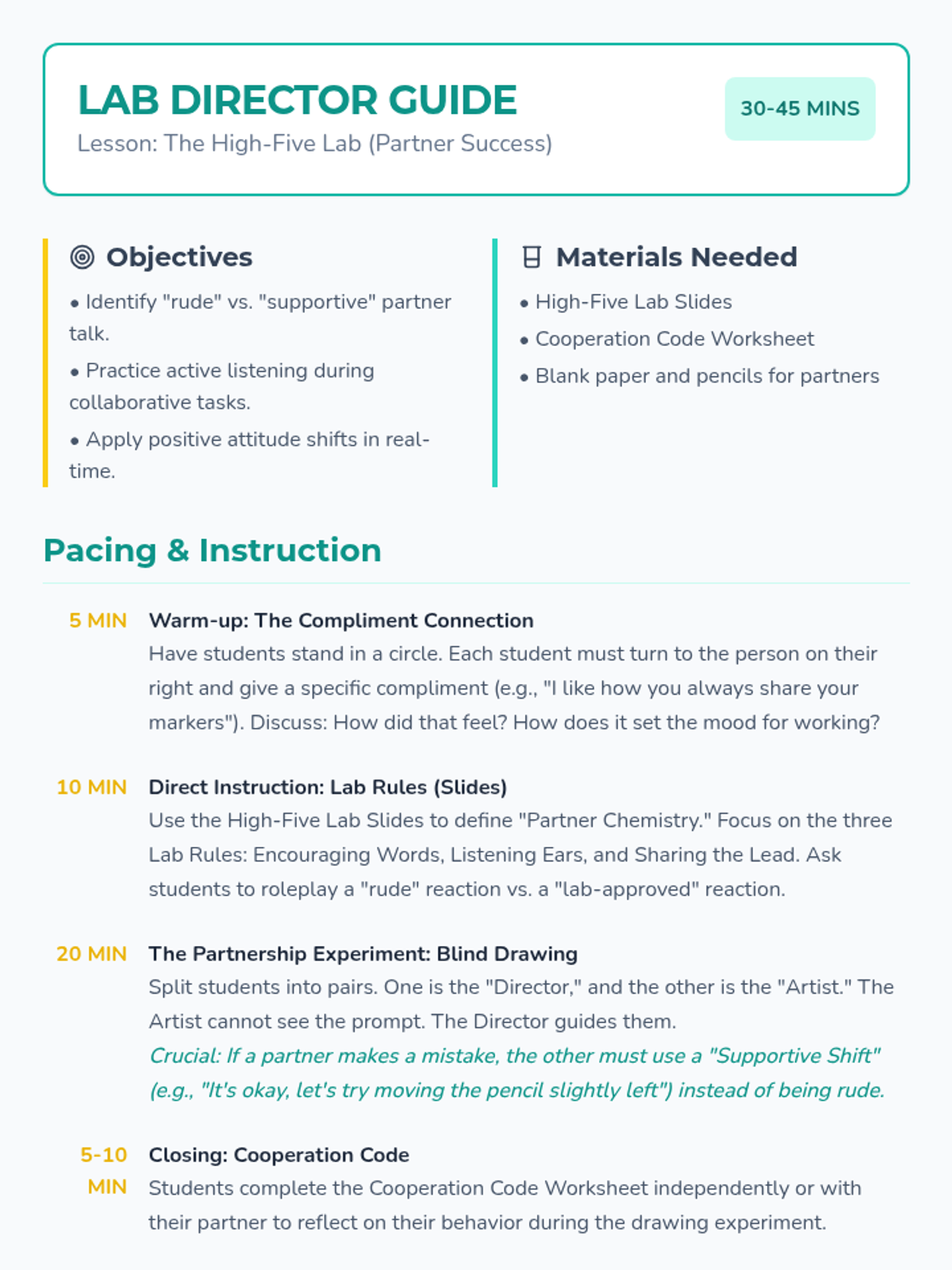
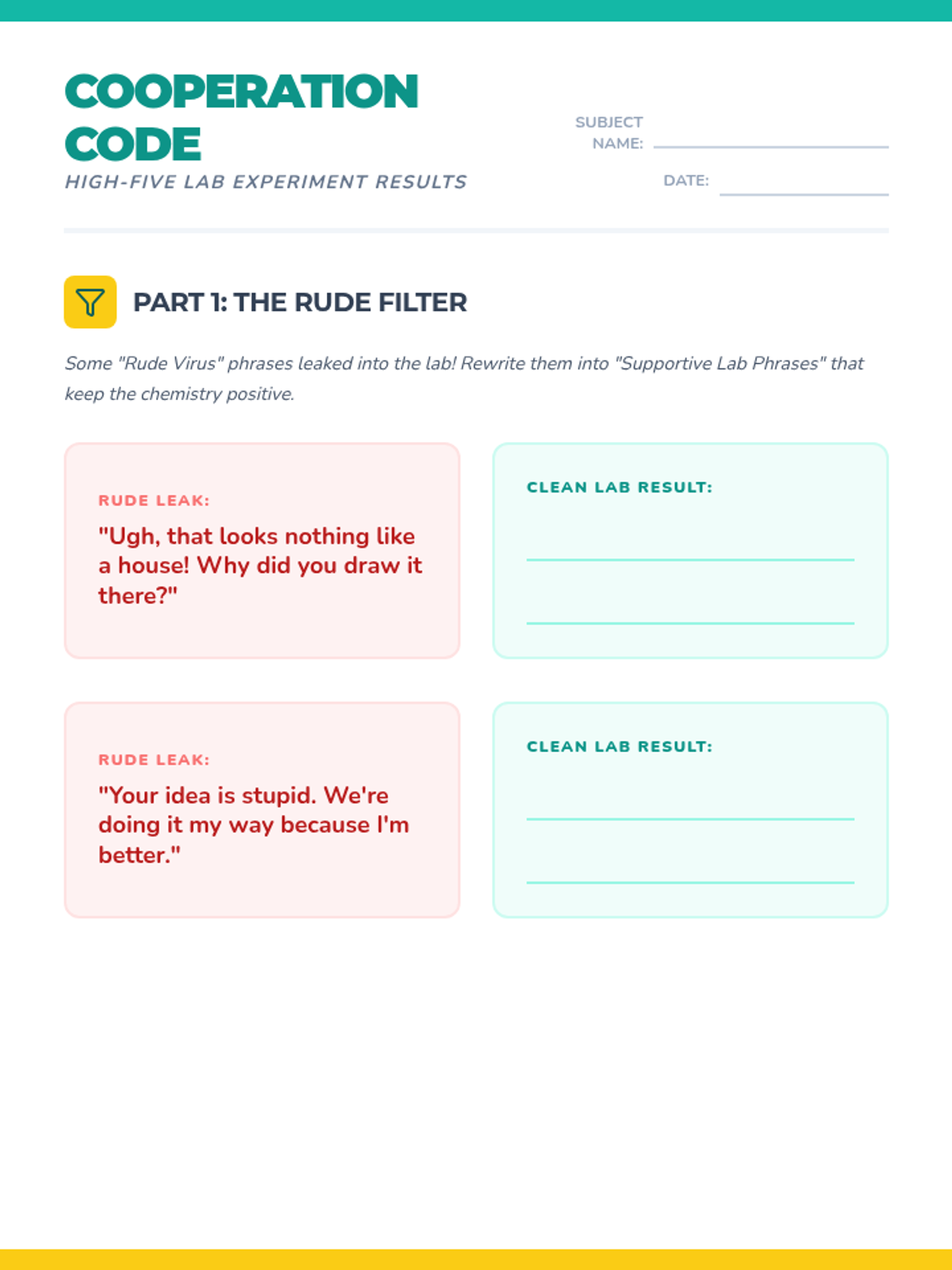
A social-emotional learning lesson focused on fostering a positive attitude and polite communication during collaborative partner work. Students will learn to identify rude behaviors and replace them with supportive, cooperative actions.
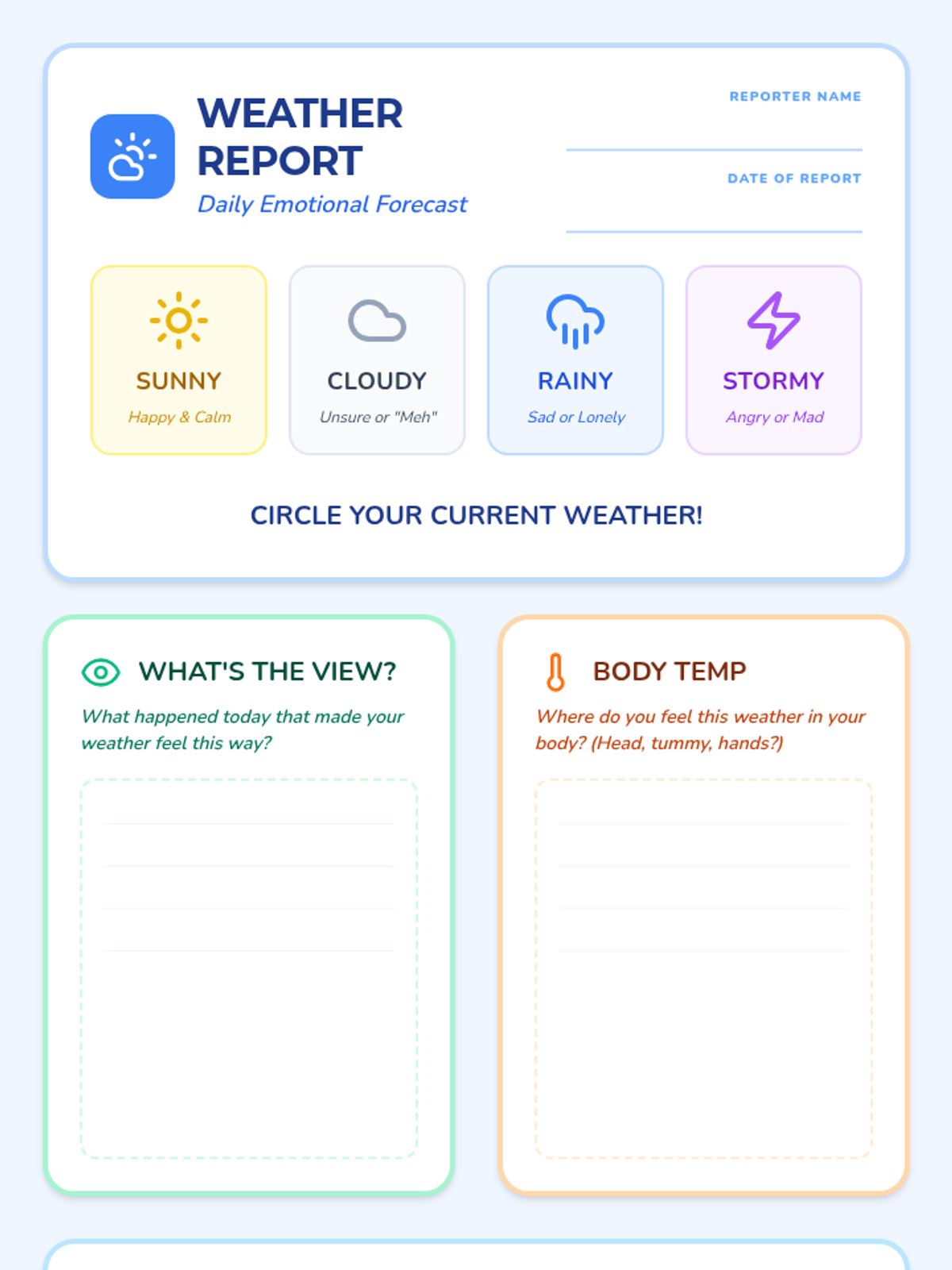
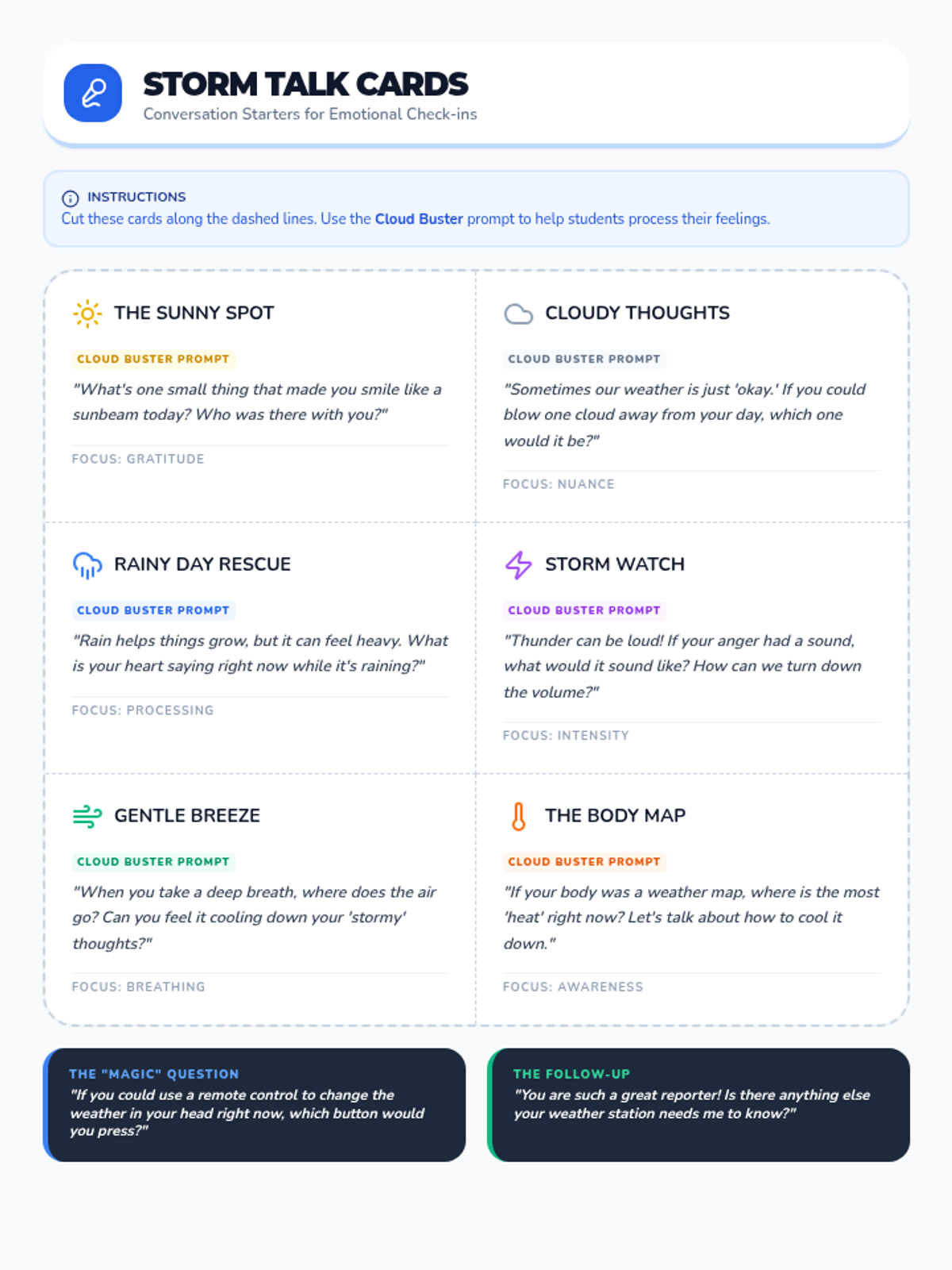
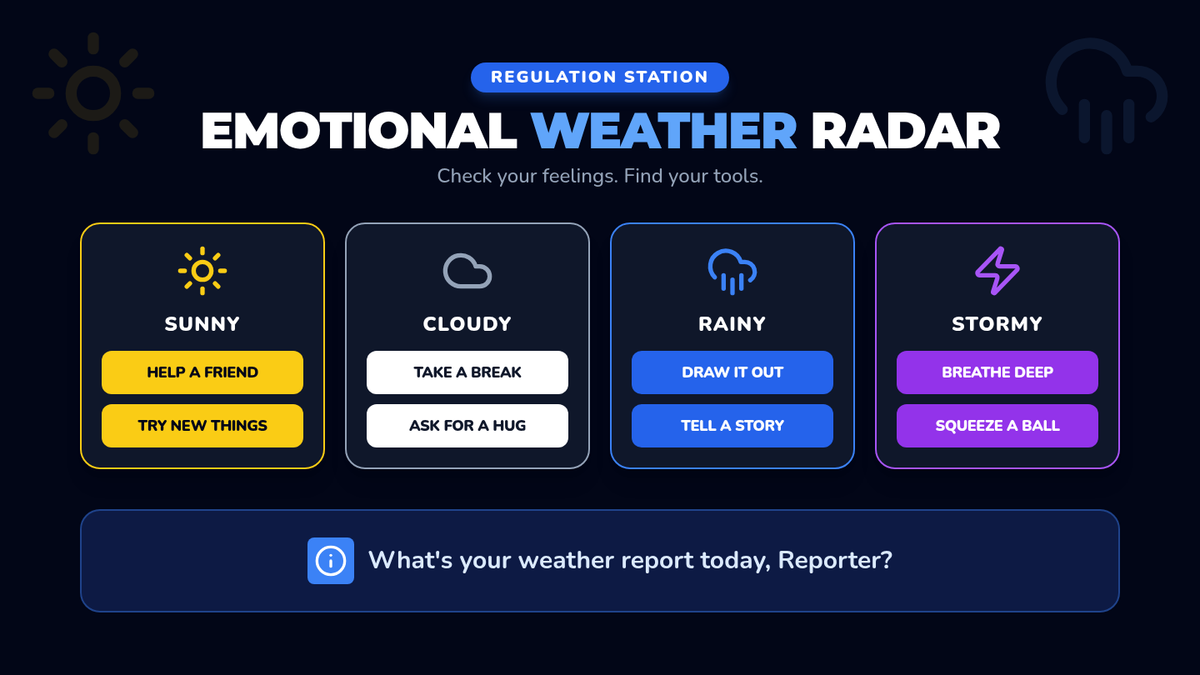
A collection of visual and interactive tools designed to help a 2nd-grade student identify feelings and practice emotional regulation using a weather-themed framework. Includes conversation starters and visual aids to facilitate meaningful check-ins.
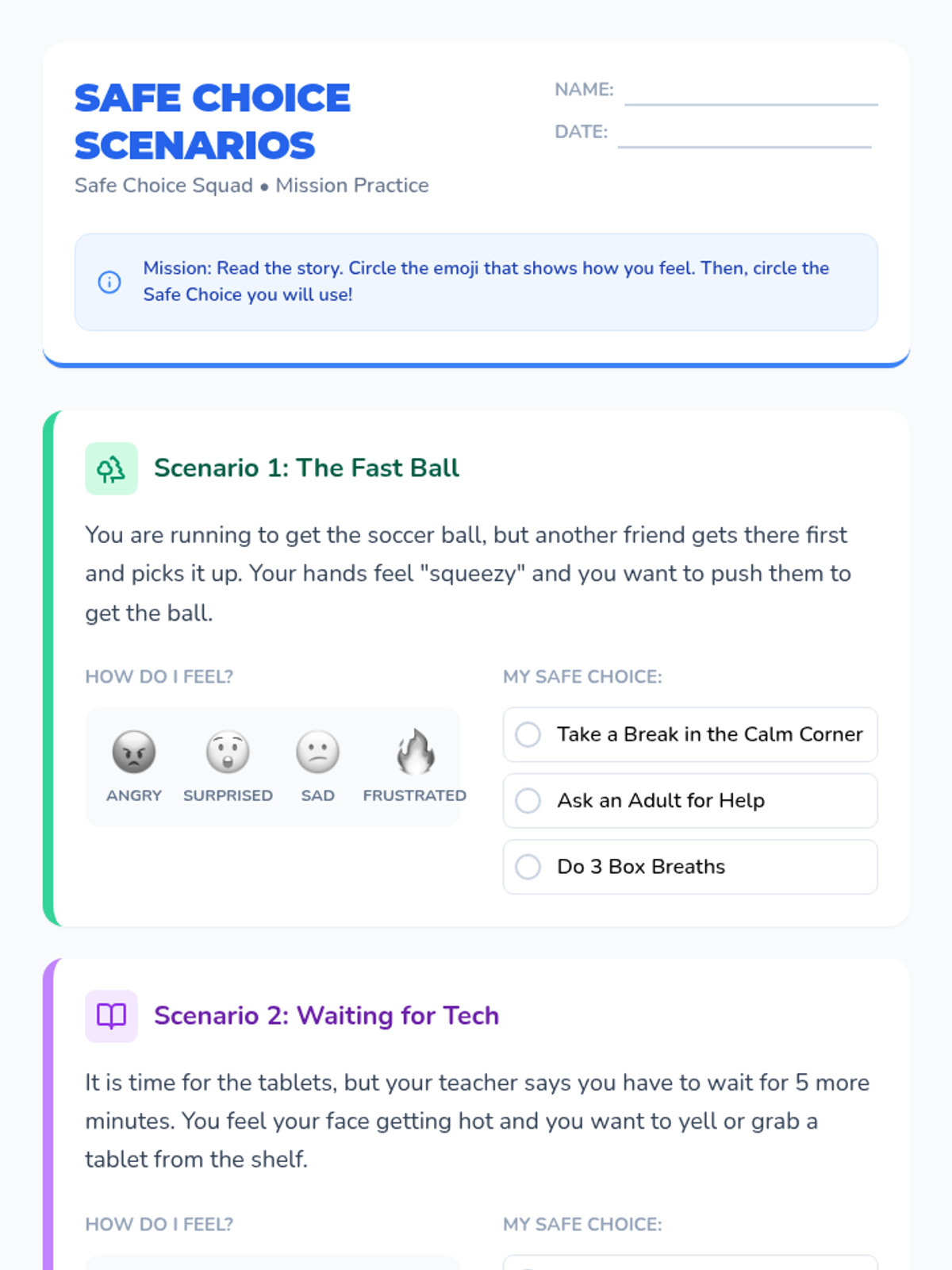
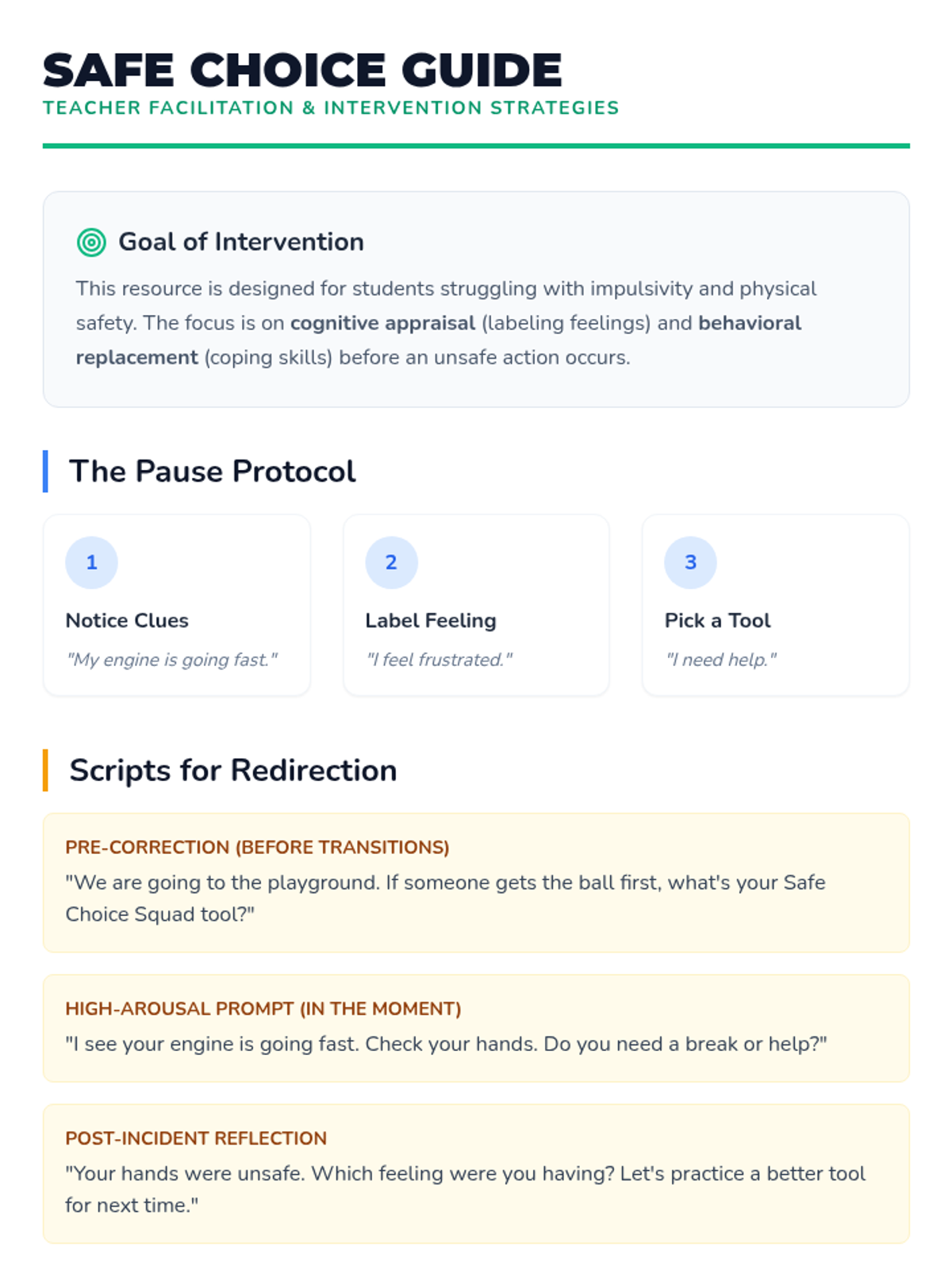
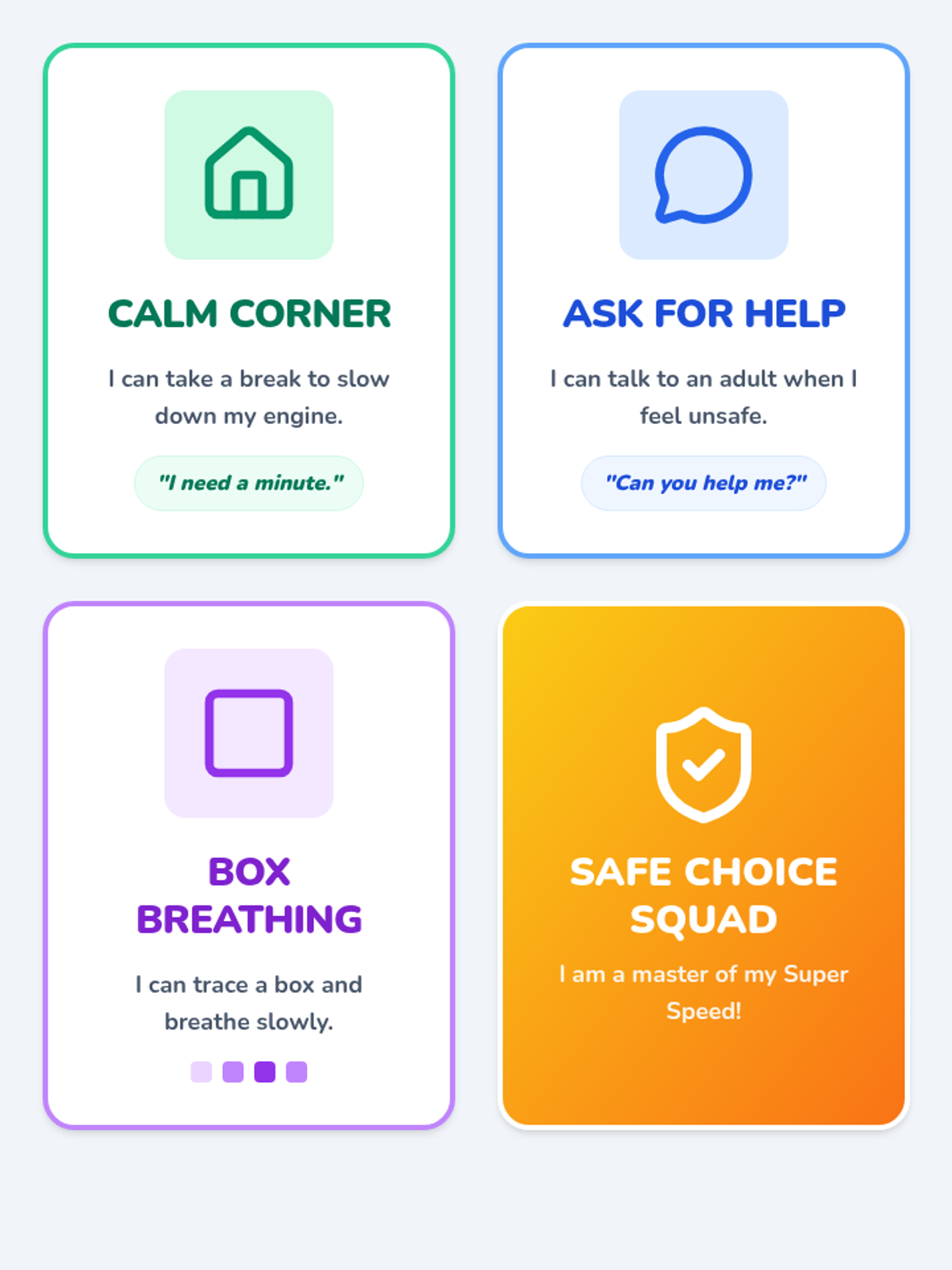
A comprehensive social-emotional learning lesson designed to help 2nd-grade students recognize impulsive urges and practice specific coping strategies in playground and classroom settings.
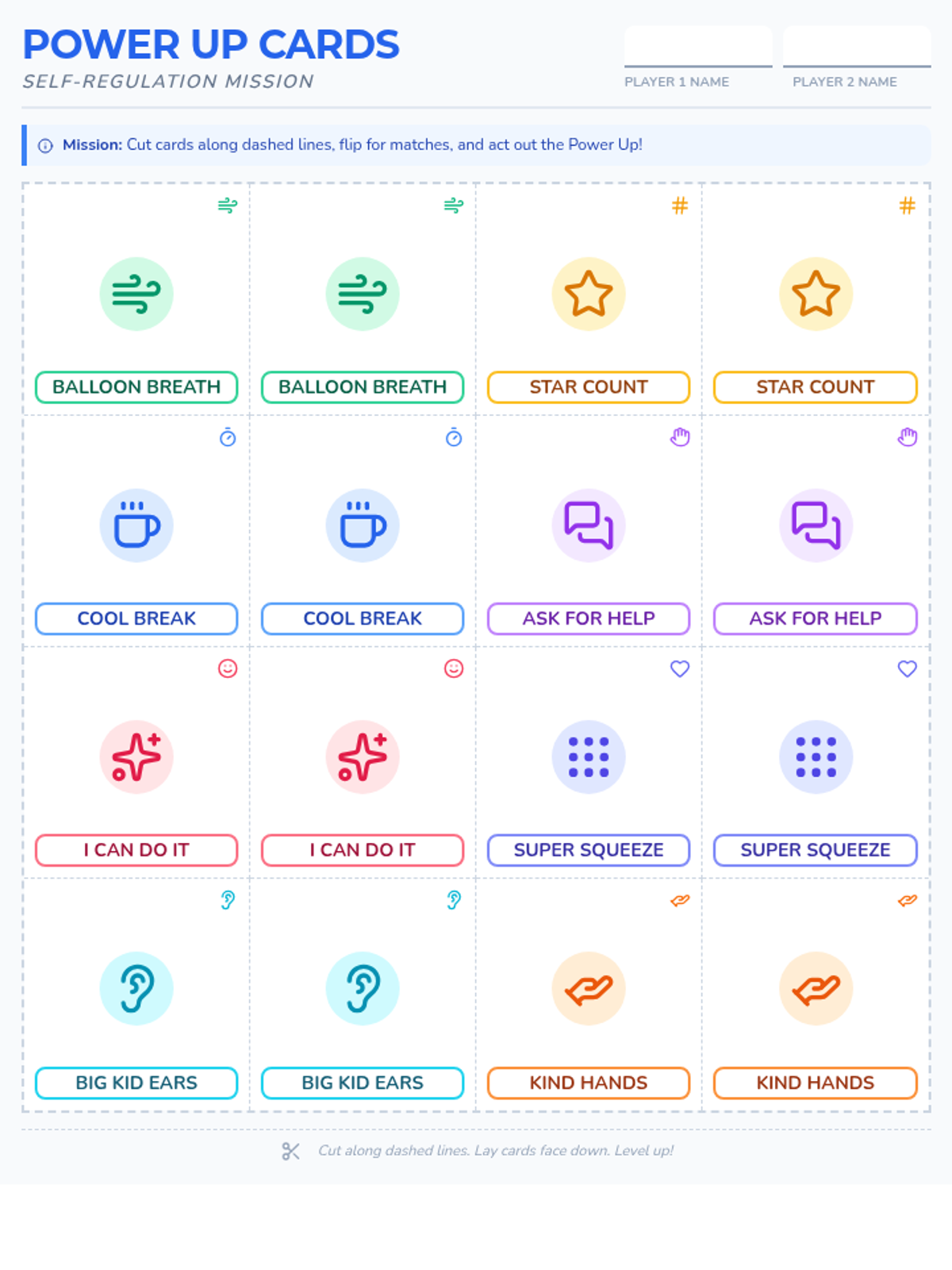
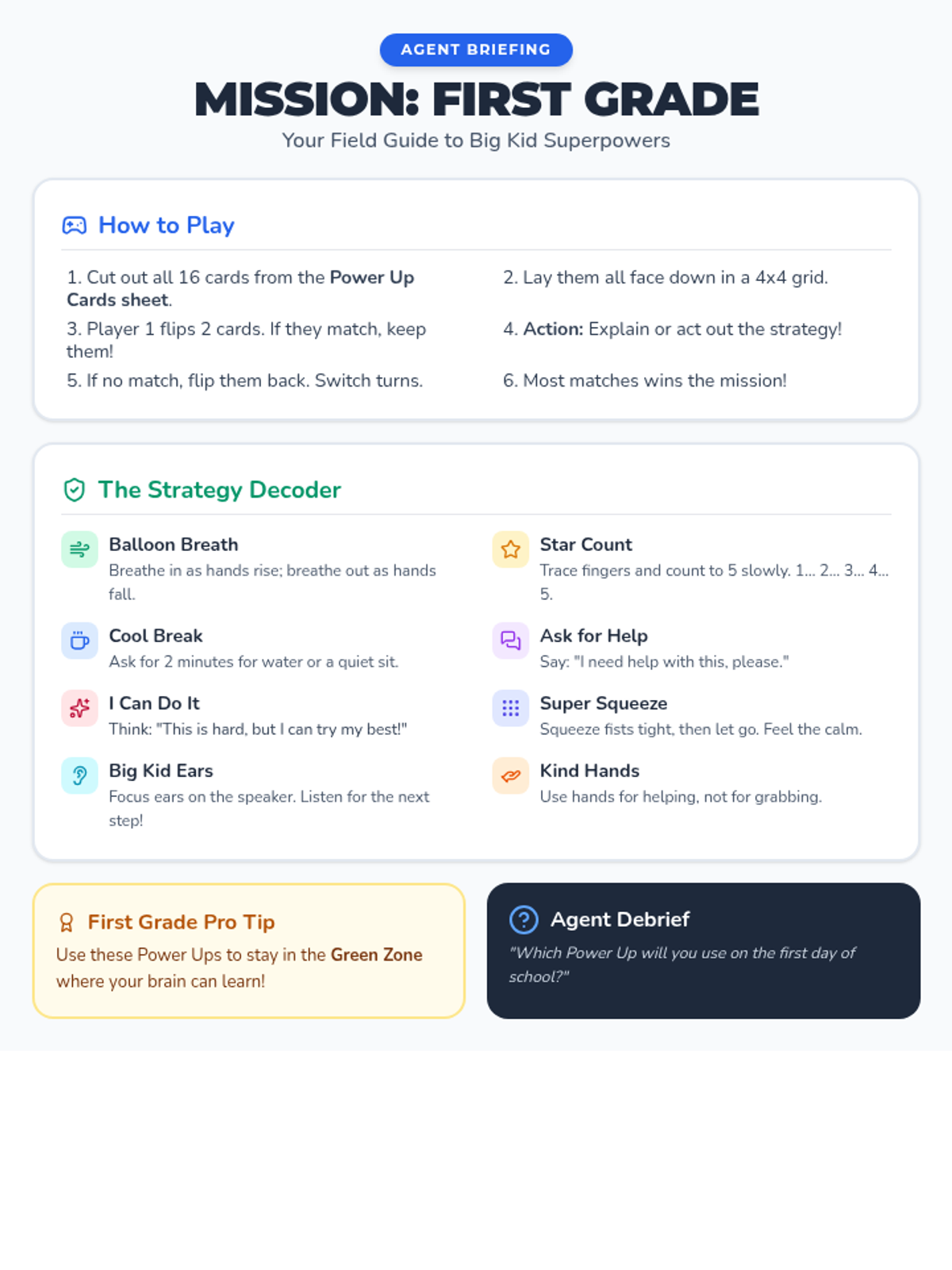
A lesson focused on self-regulation strategies for students transitioning from kindergarten to first grade, featuring a competitive memory match game to reinforce coping skills.
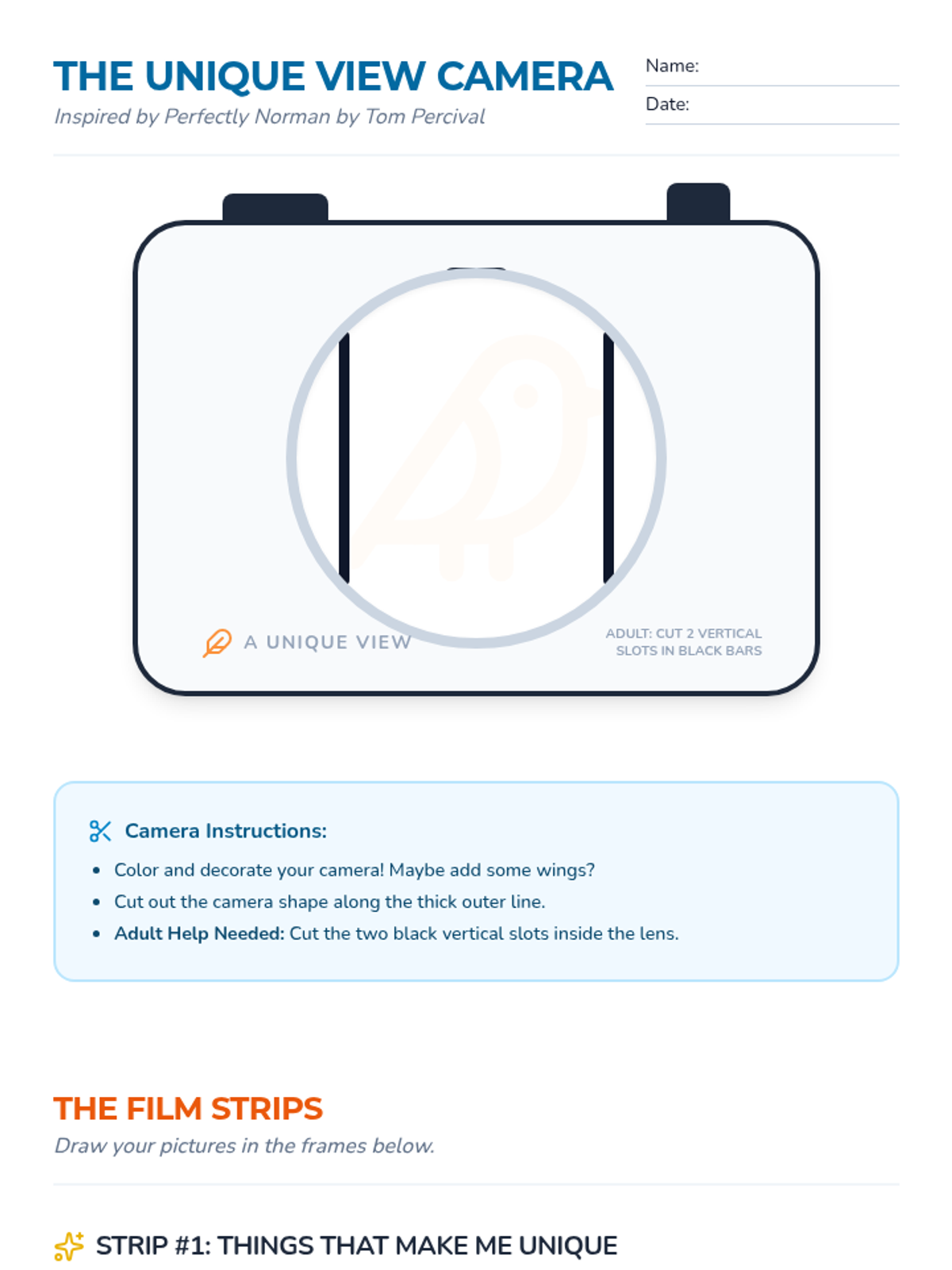
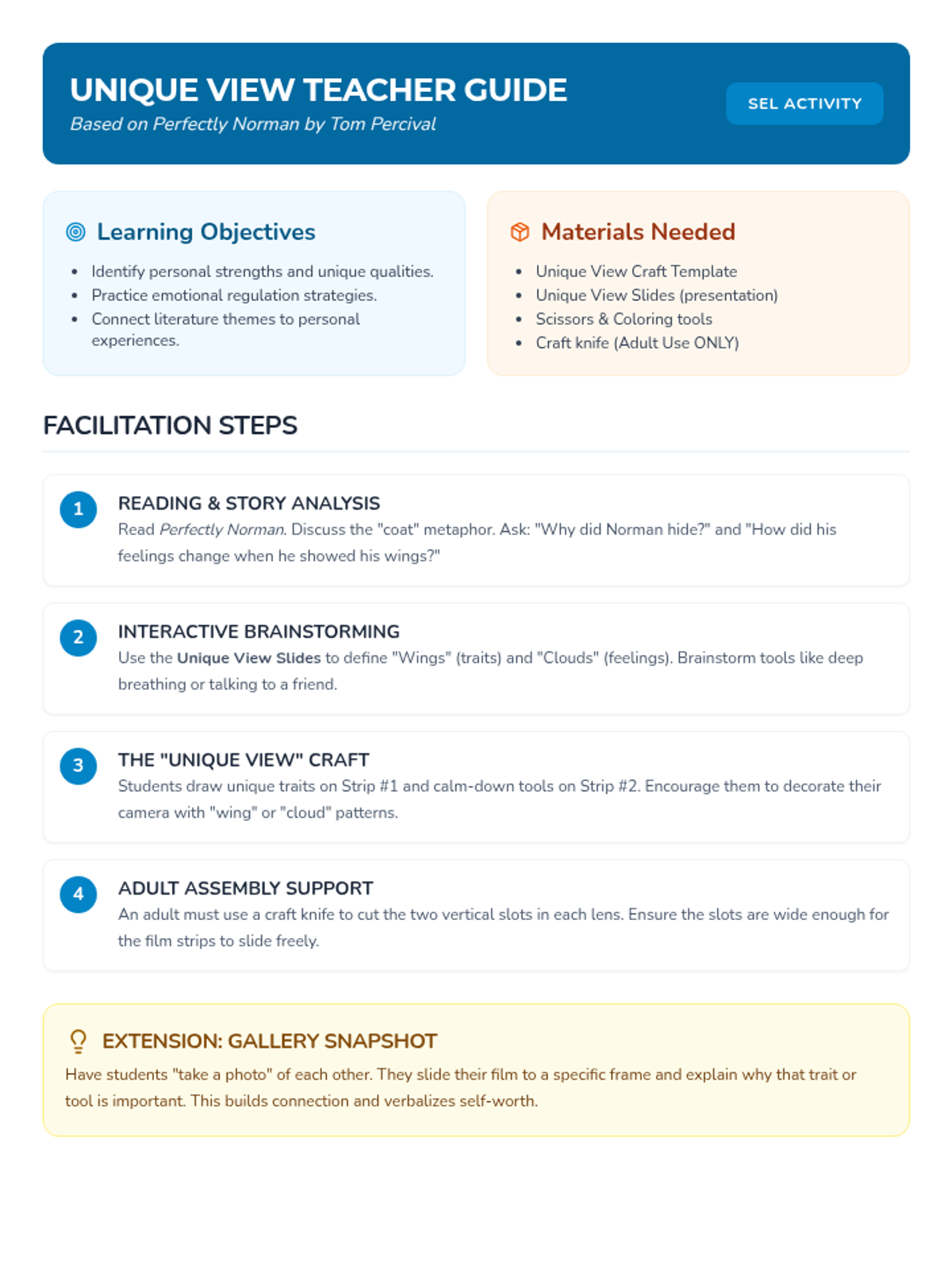
A creative craft and social-emotional learning lesson based on 'Perfectly Norman' by Tom Percival, focusing on self-acceptance and emotional regulation.
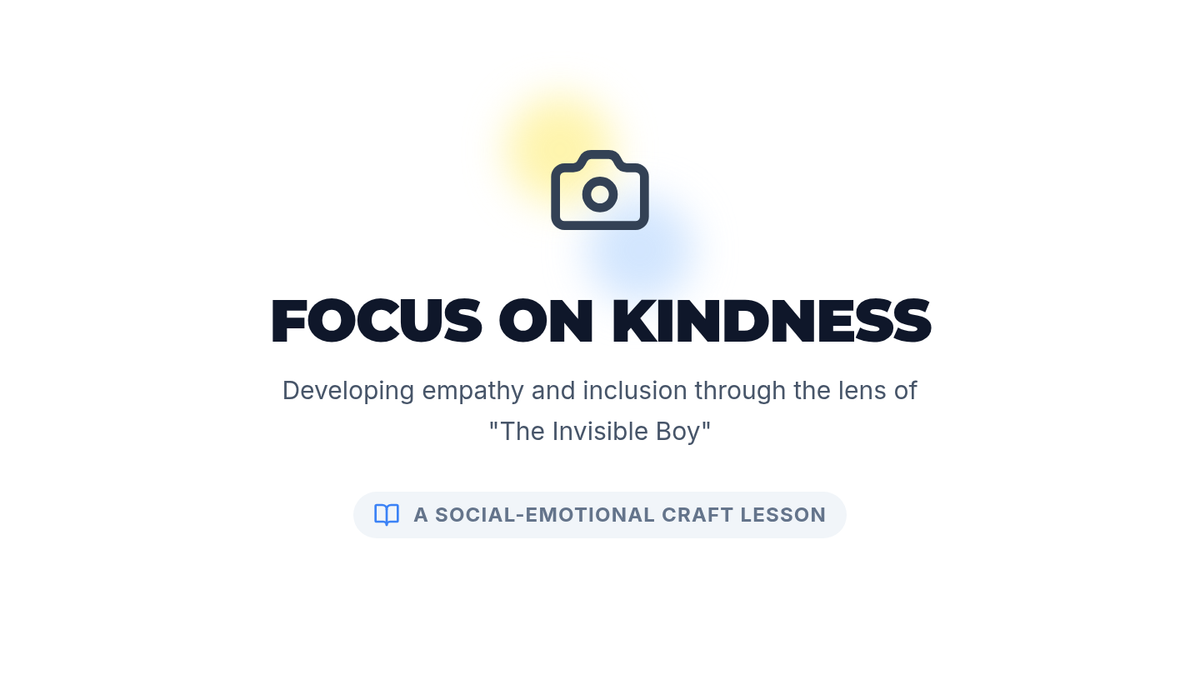
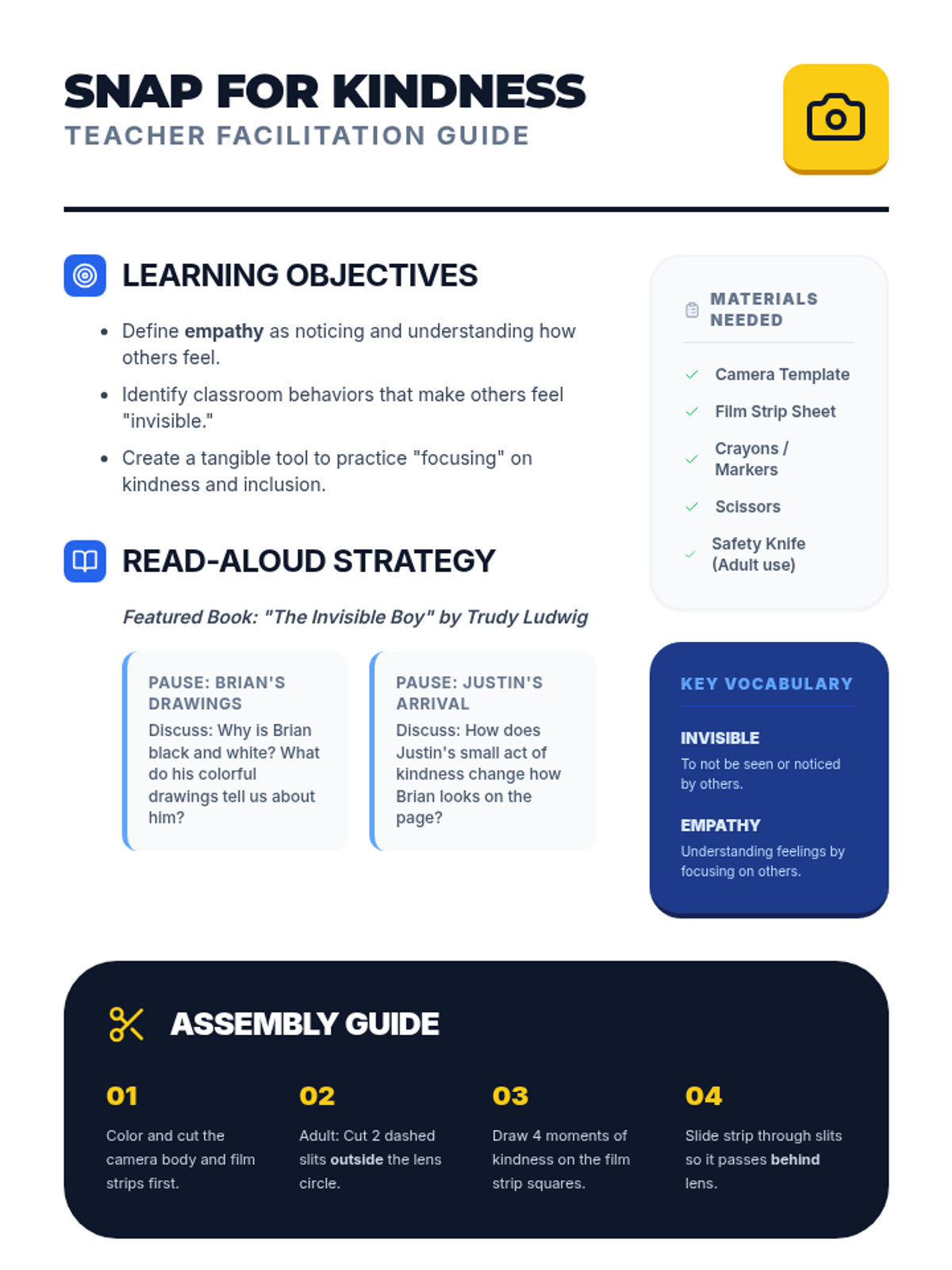
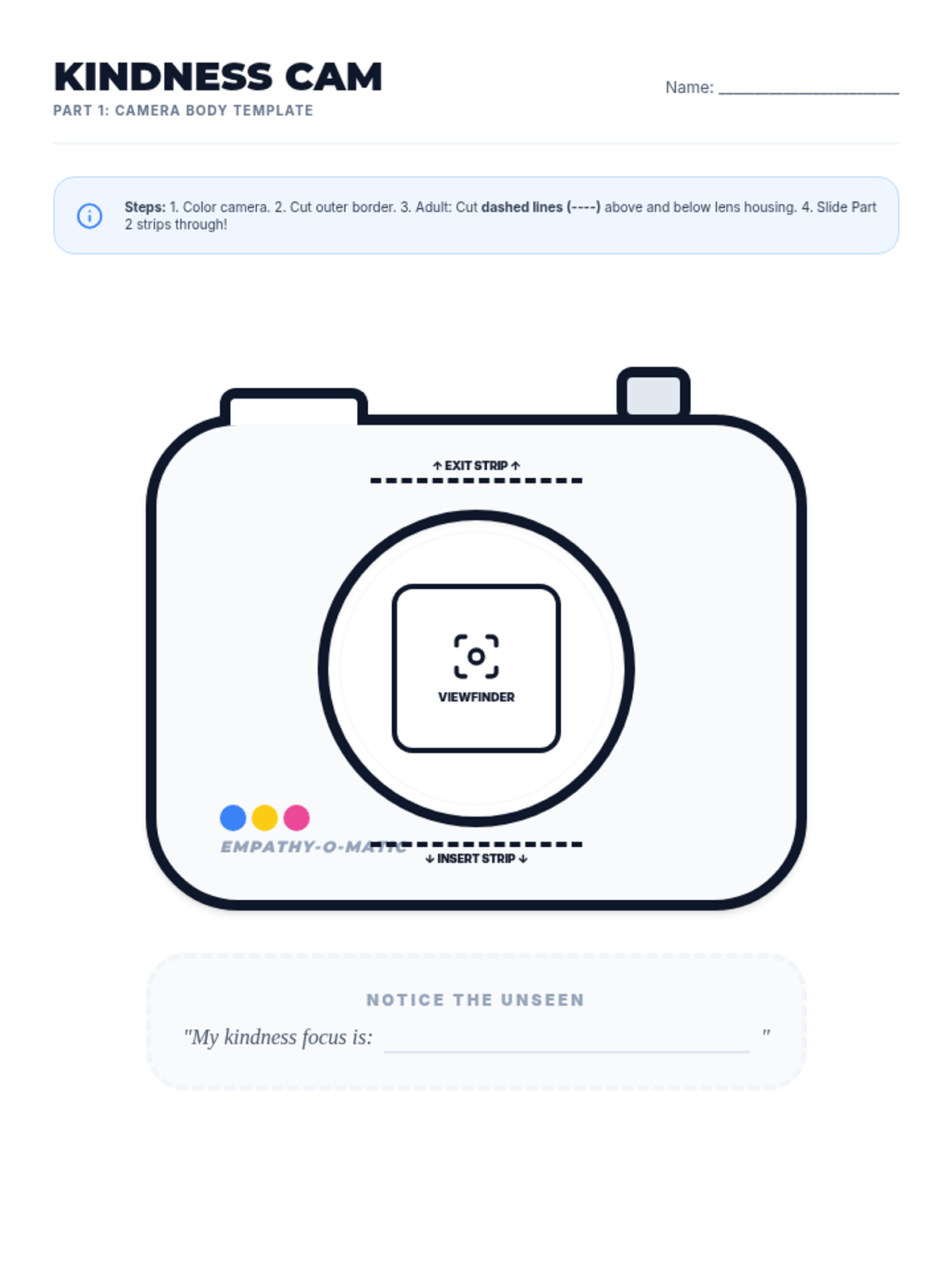
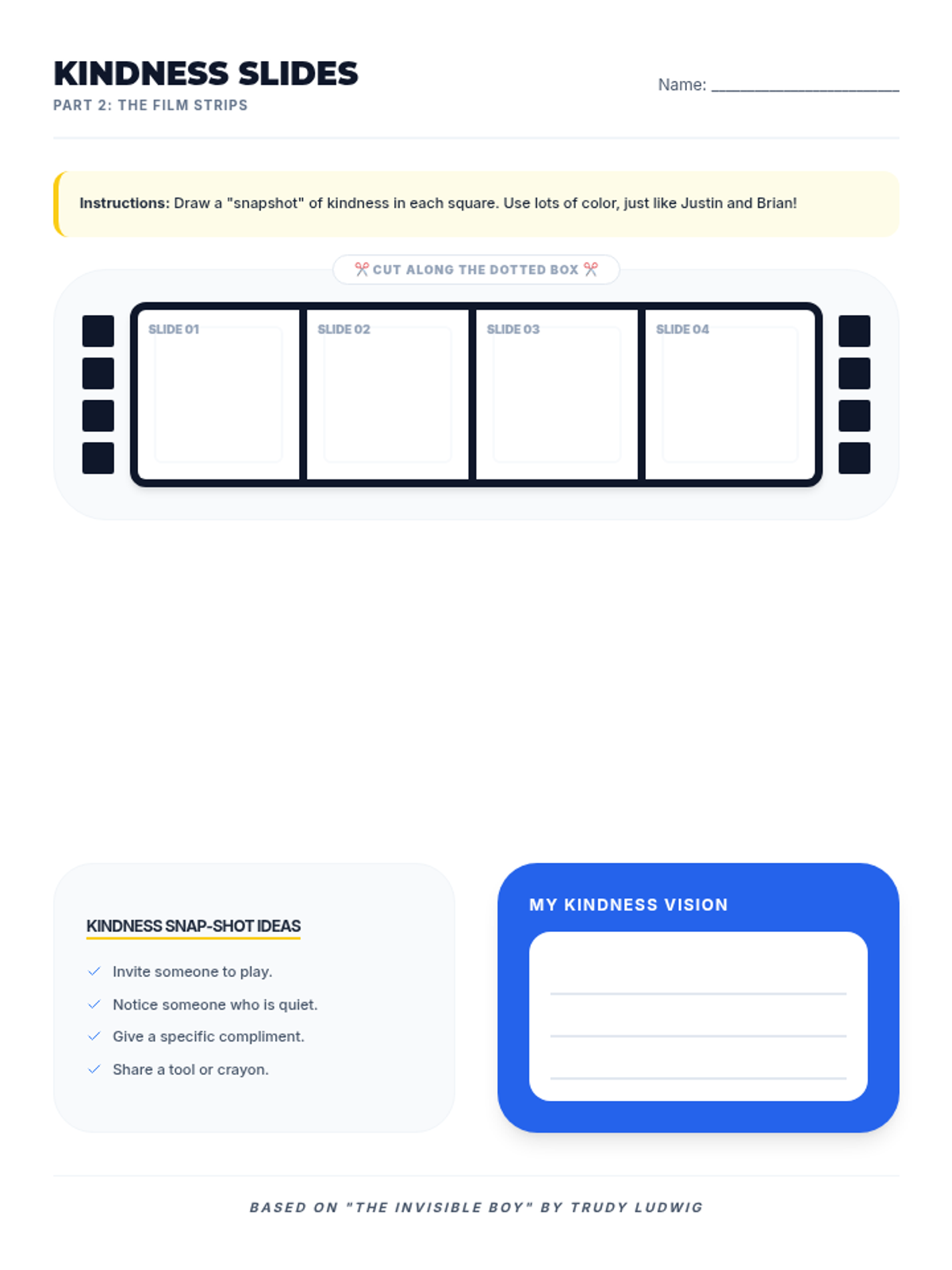
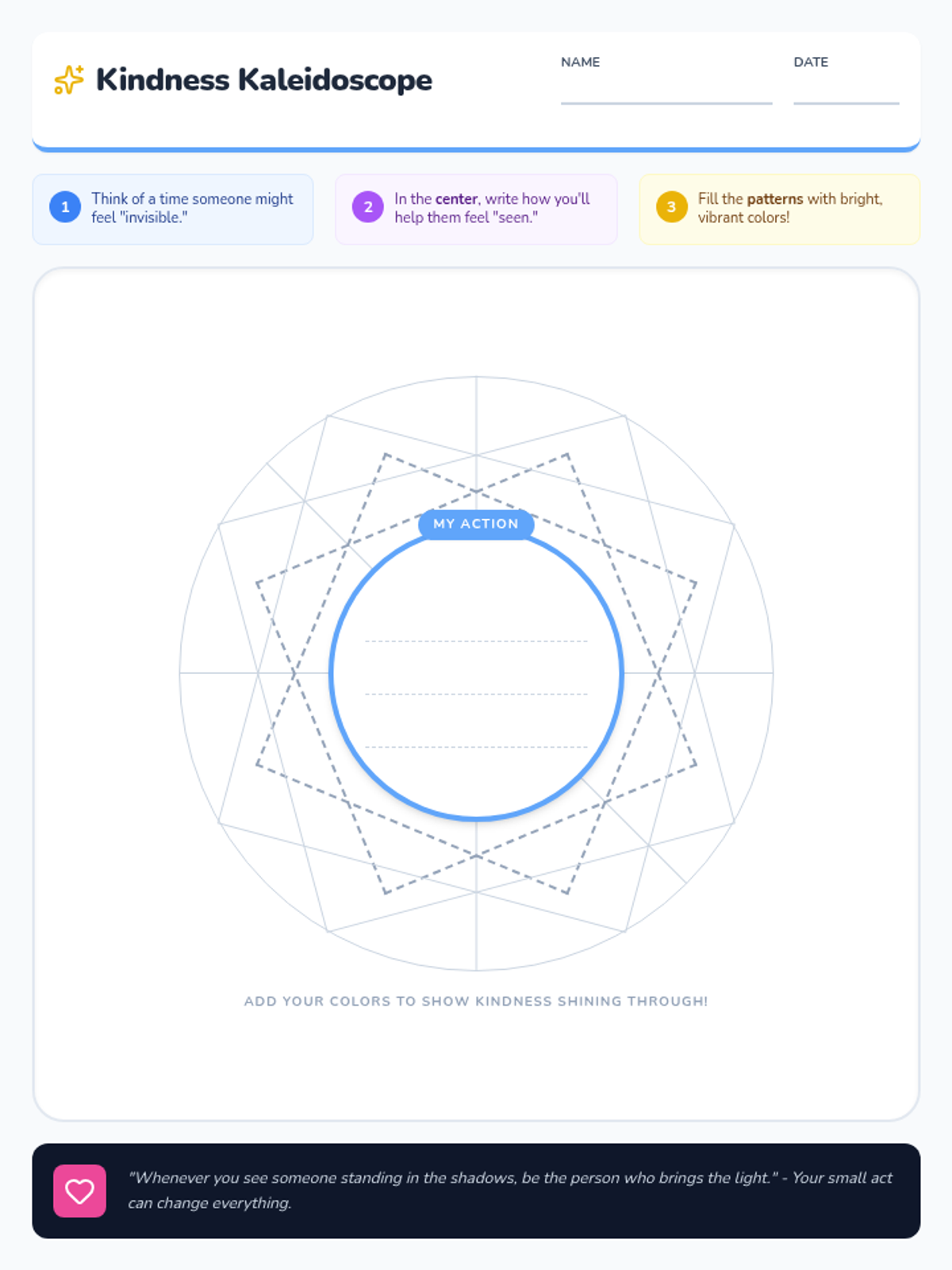
This lesson uses the book 'The Invisible Boy' by Trudy Ludwig to teach students about empathy, inclusion, and kindness through a creative 'Kindness Cam' craft. Students learn to 'focus' on others who might feel invisible and capture moments of friendship.
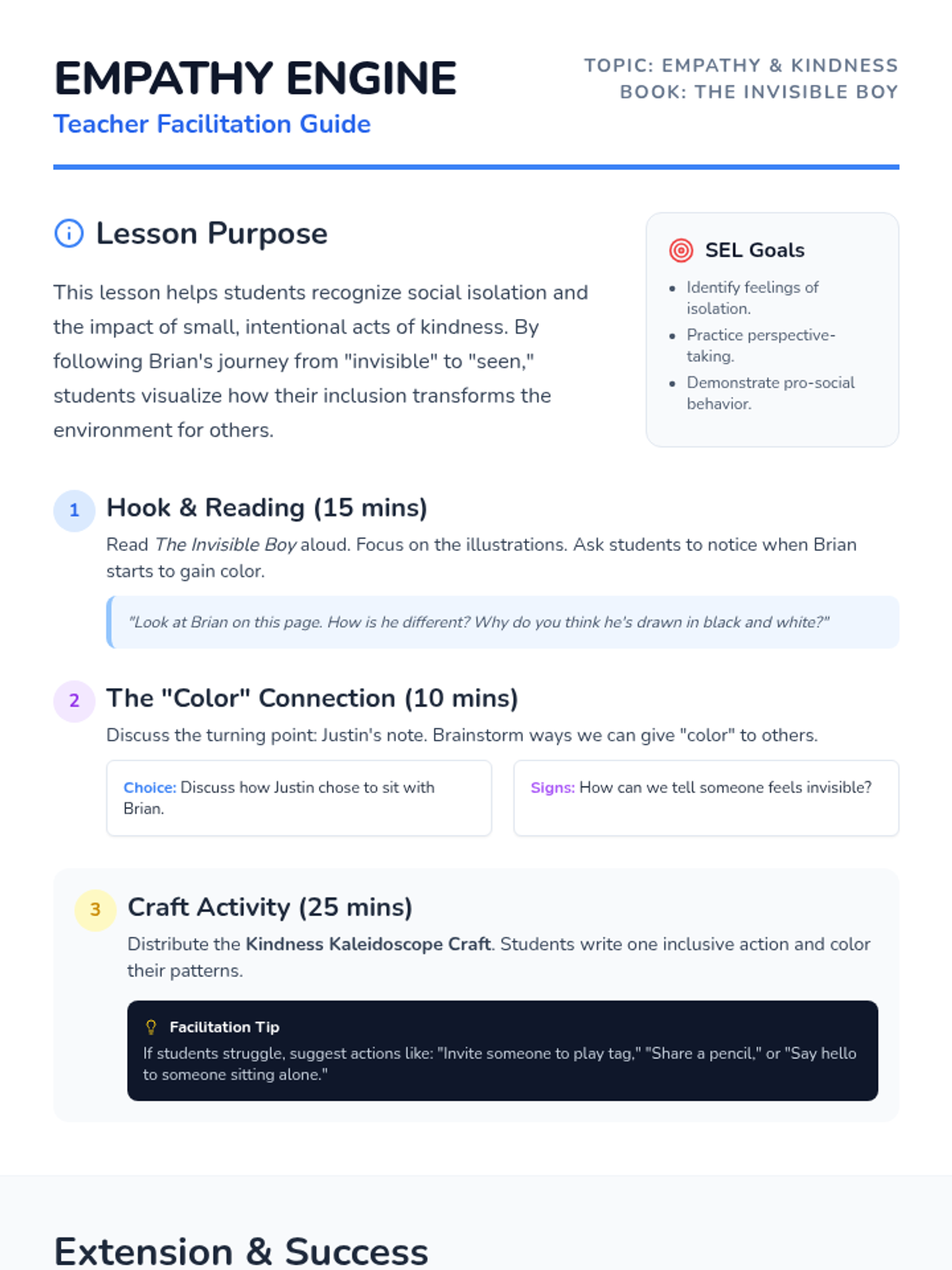
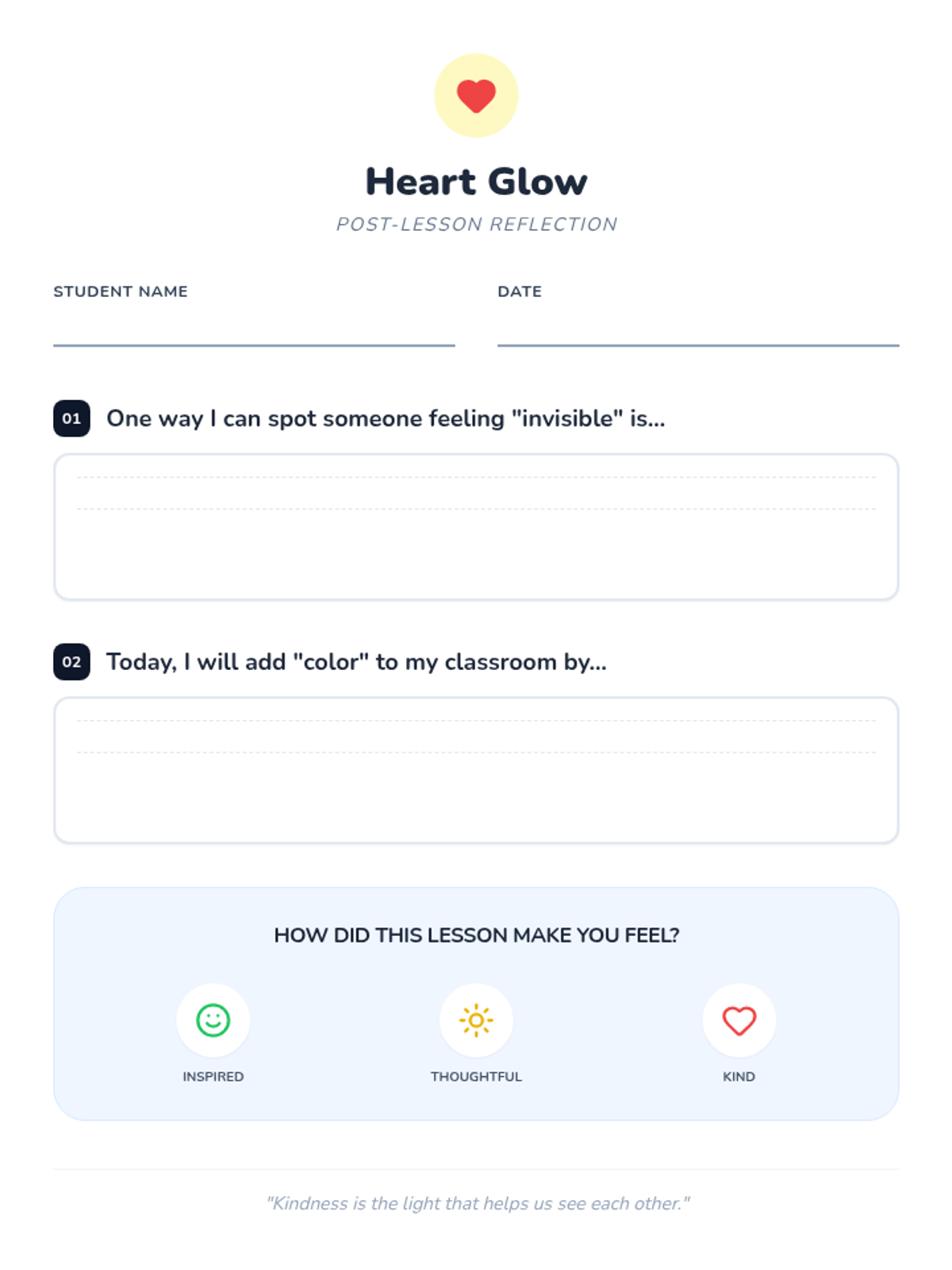
A social-emotional learning lesson focused on empathy and kindness using the book 'The Invisible Boy' by Trudy Ludwig. Students explore how small acts of inclusion can make a big difference in someone's world.
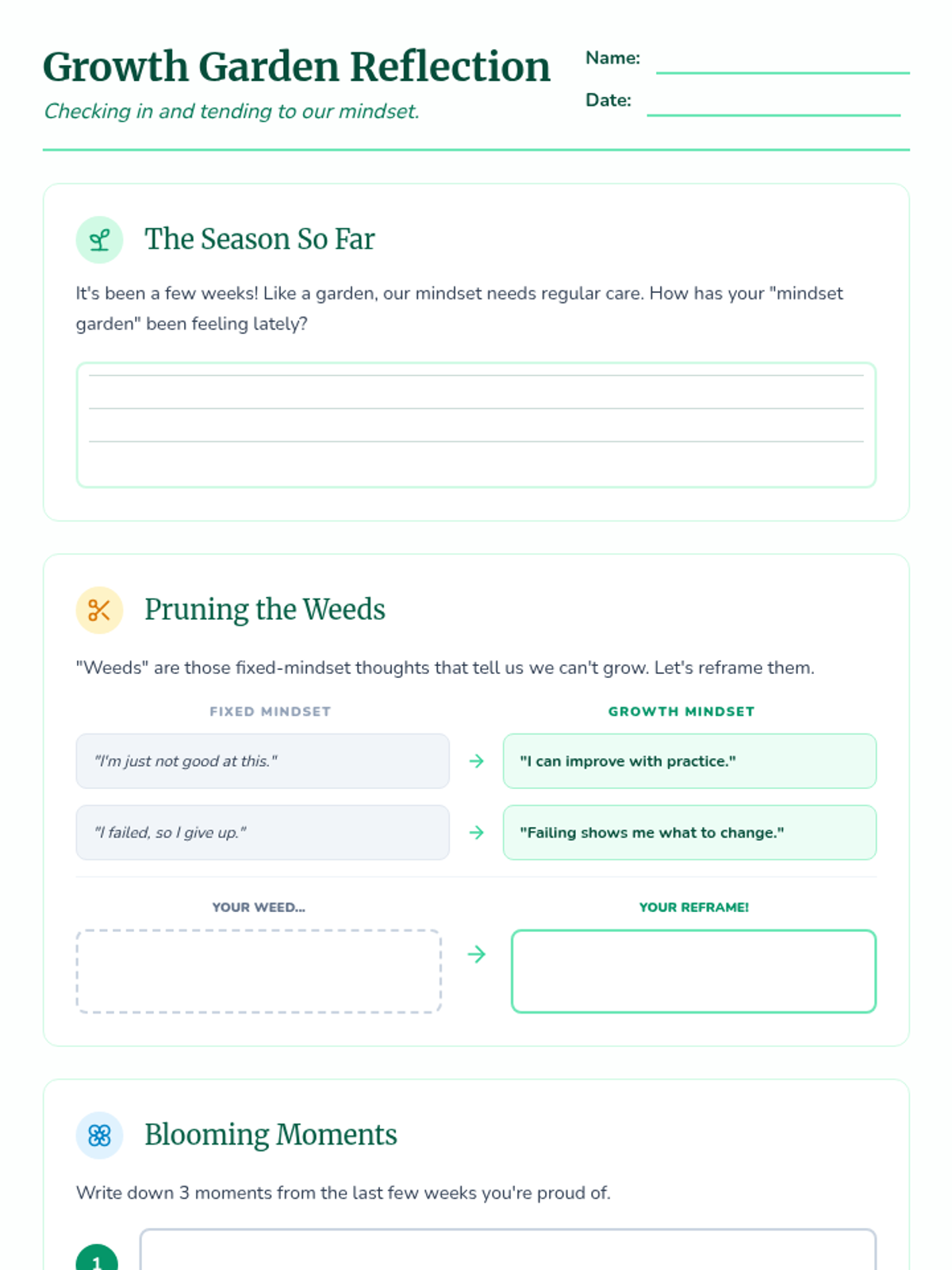
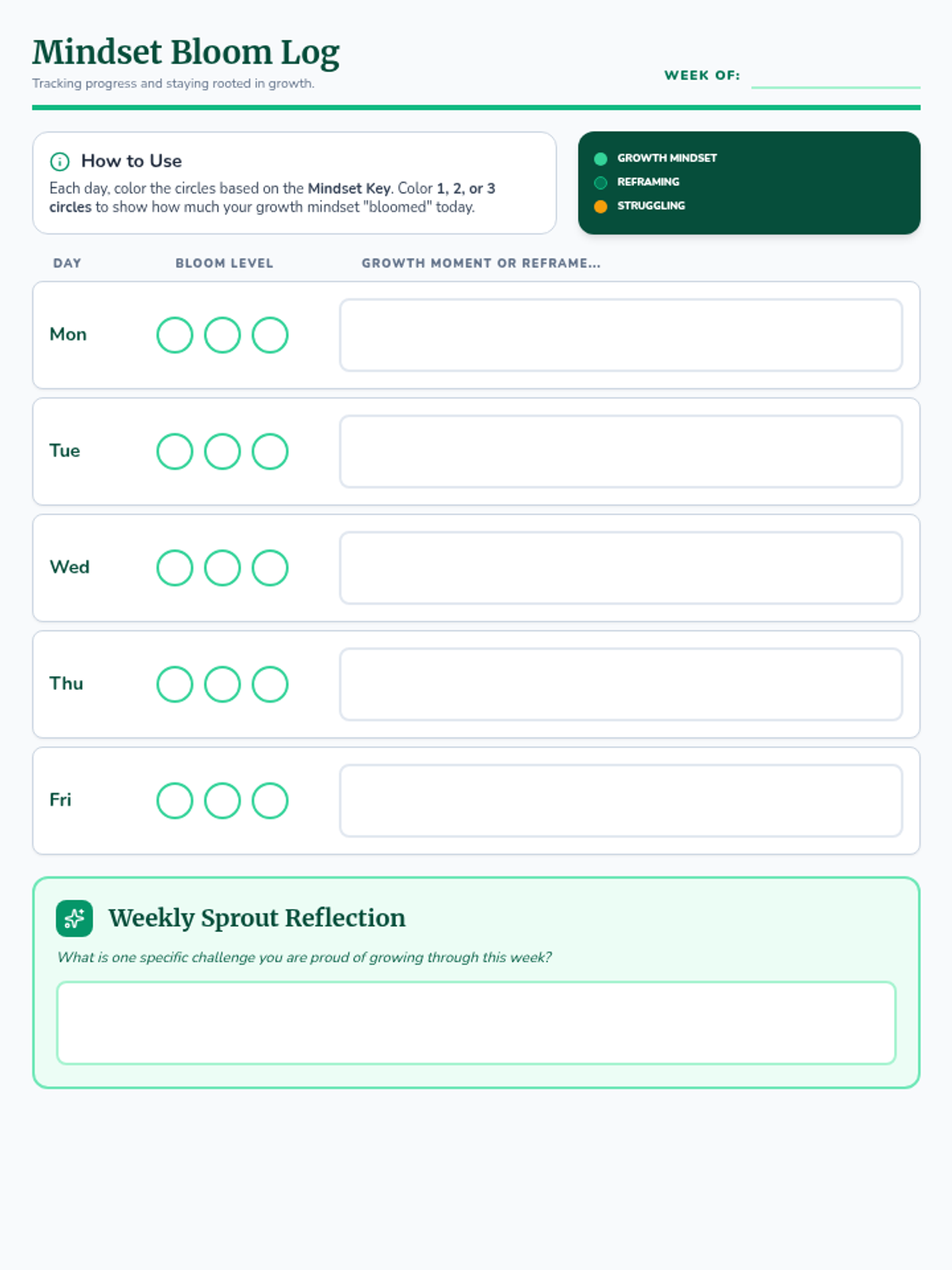
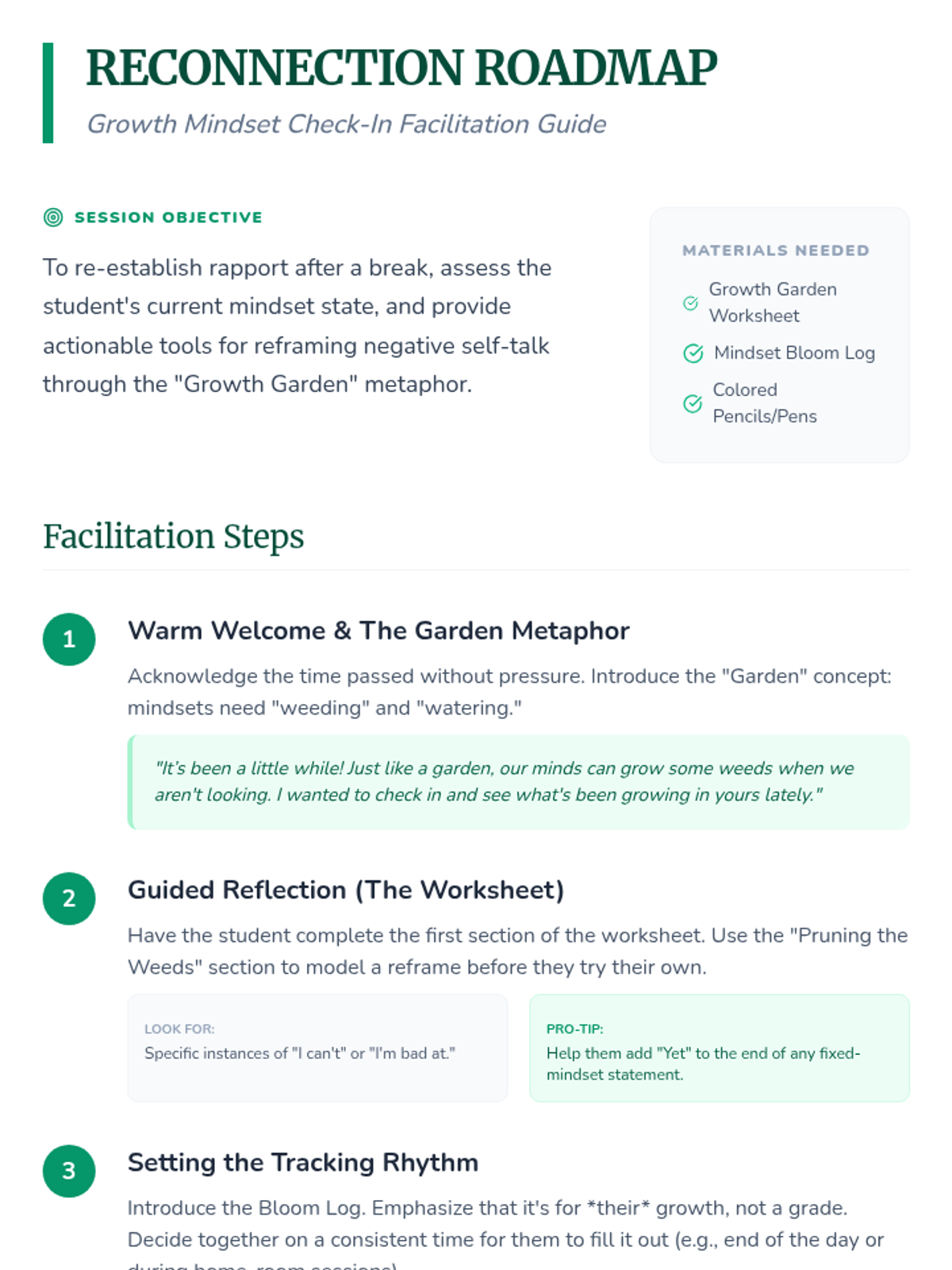
A focused check-in lesson designed to reconnect with students after a break, focusing on identifying growth moments and reframing self-talk.
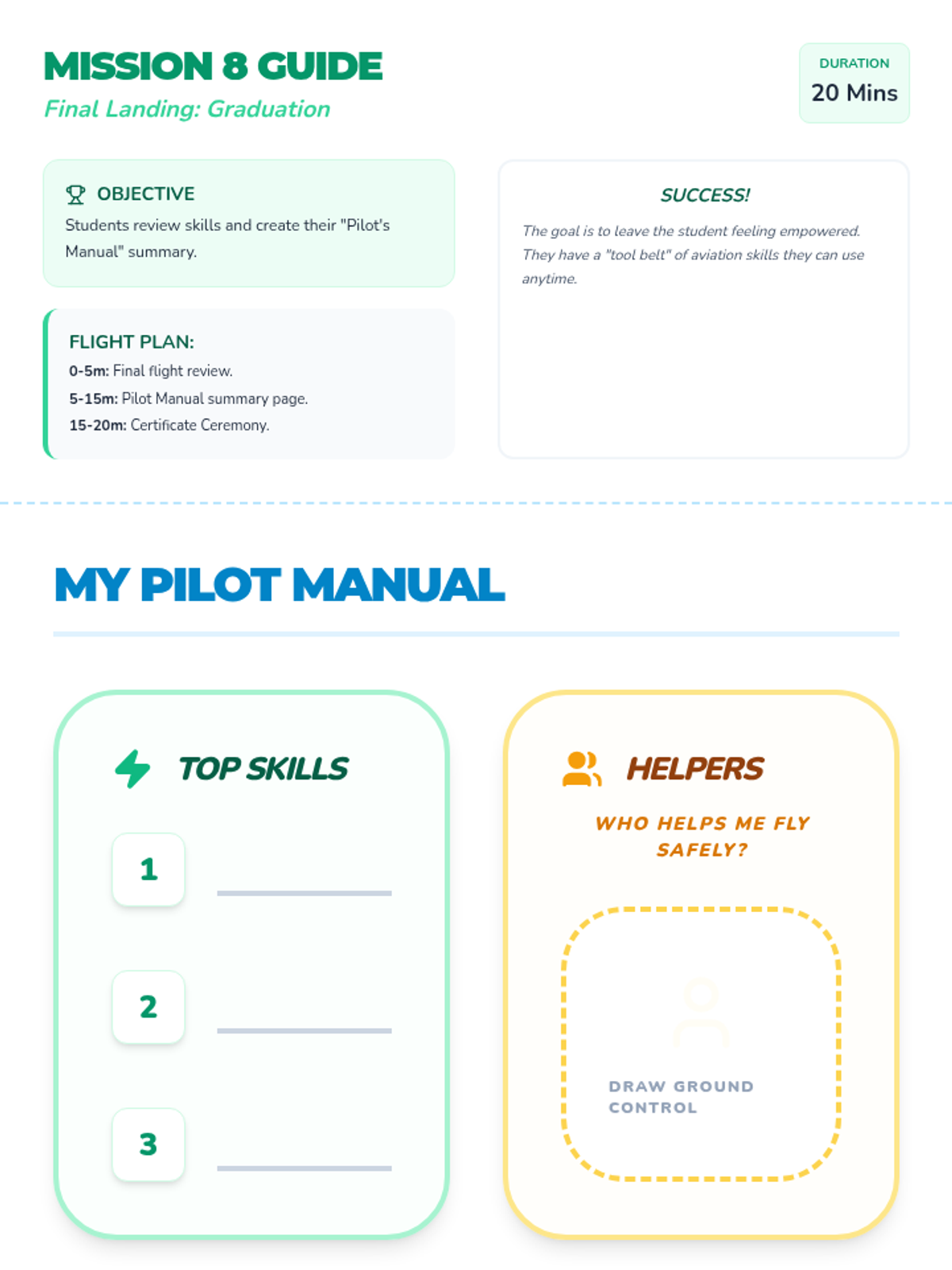
Reviewing skills and creating a personalized coping strategy guide.
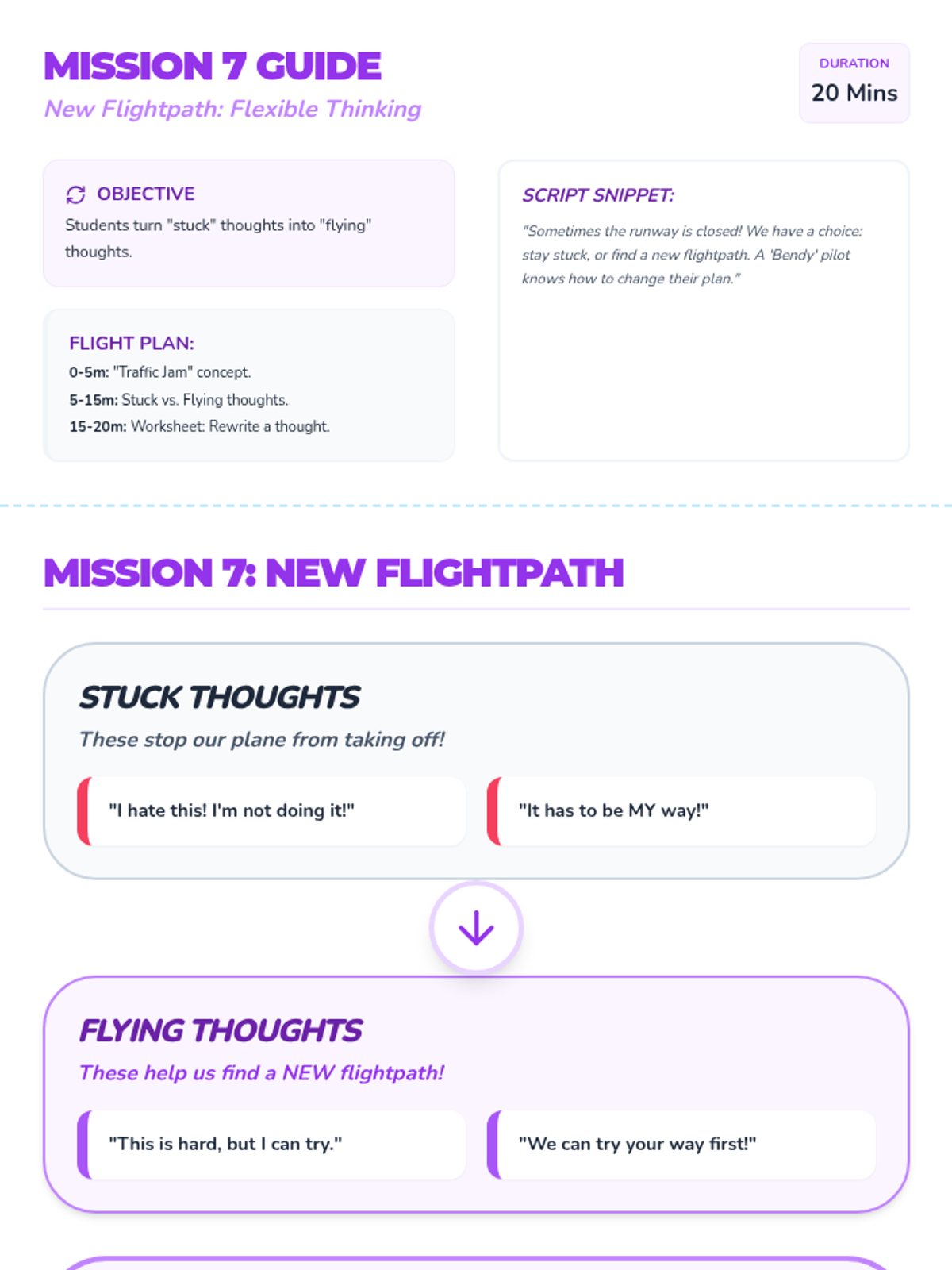
Practicing flexible thinking and positive self-talk to navigate challenges.
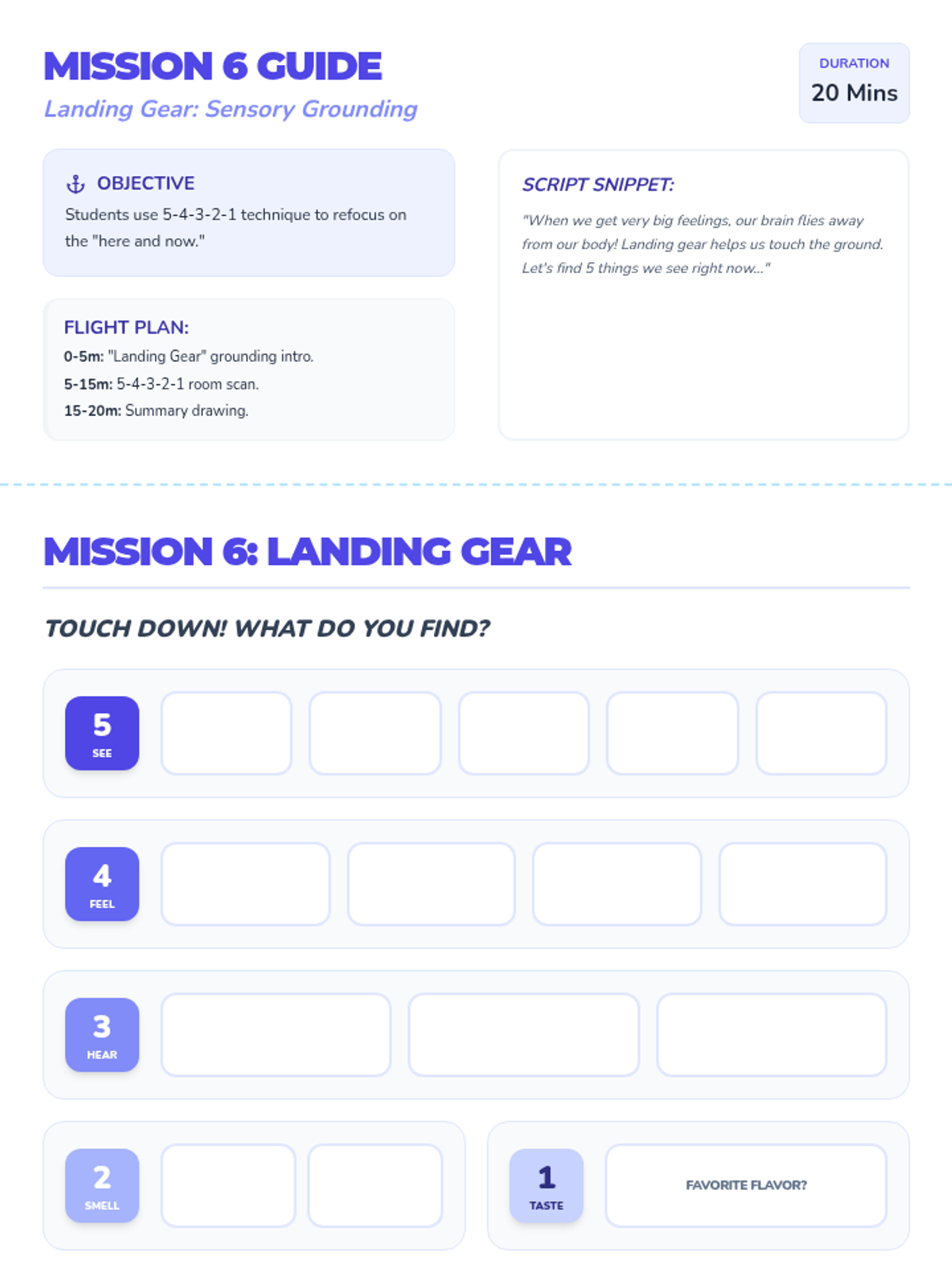
Using sensory grounding techniques to stay present and focused.
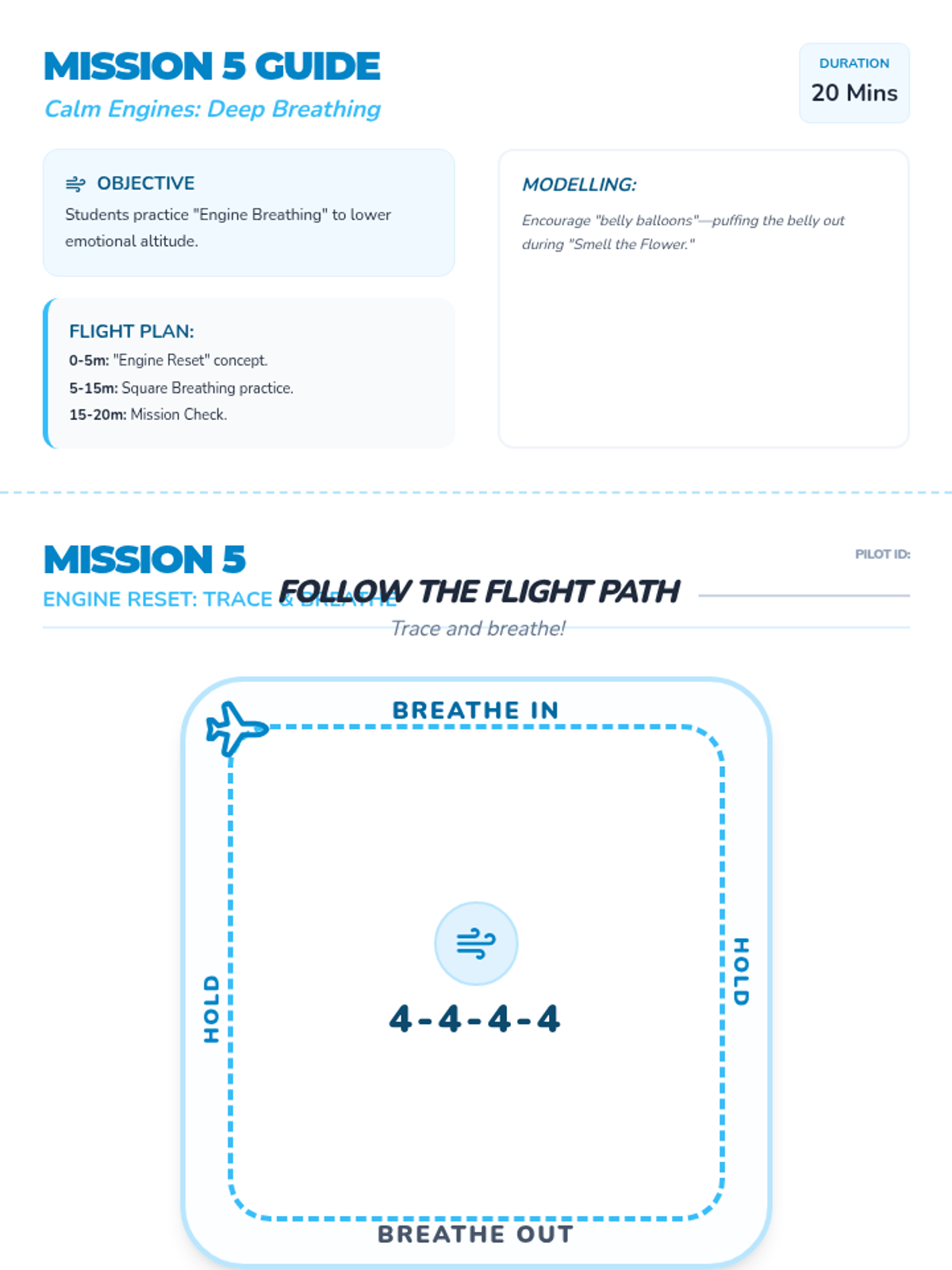
Teaching deep breathing techniques to slow down emotional momentum.
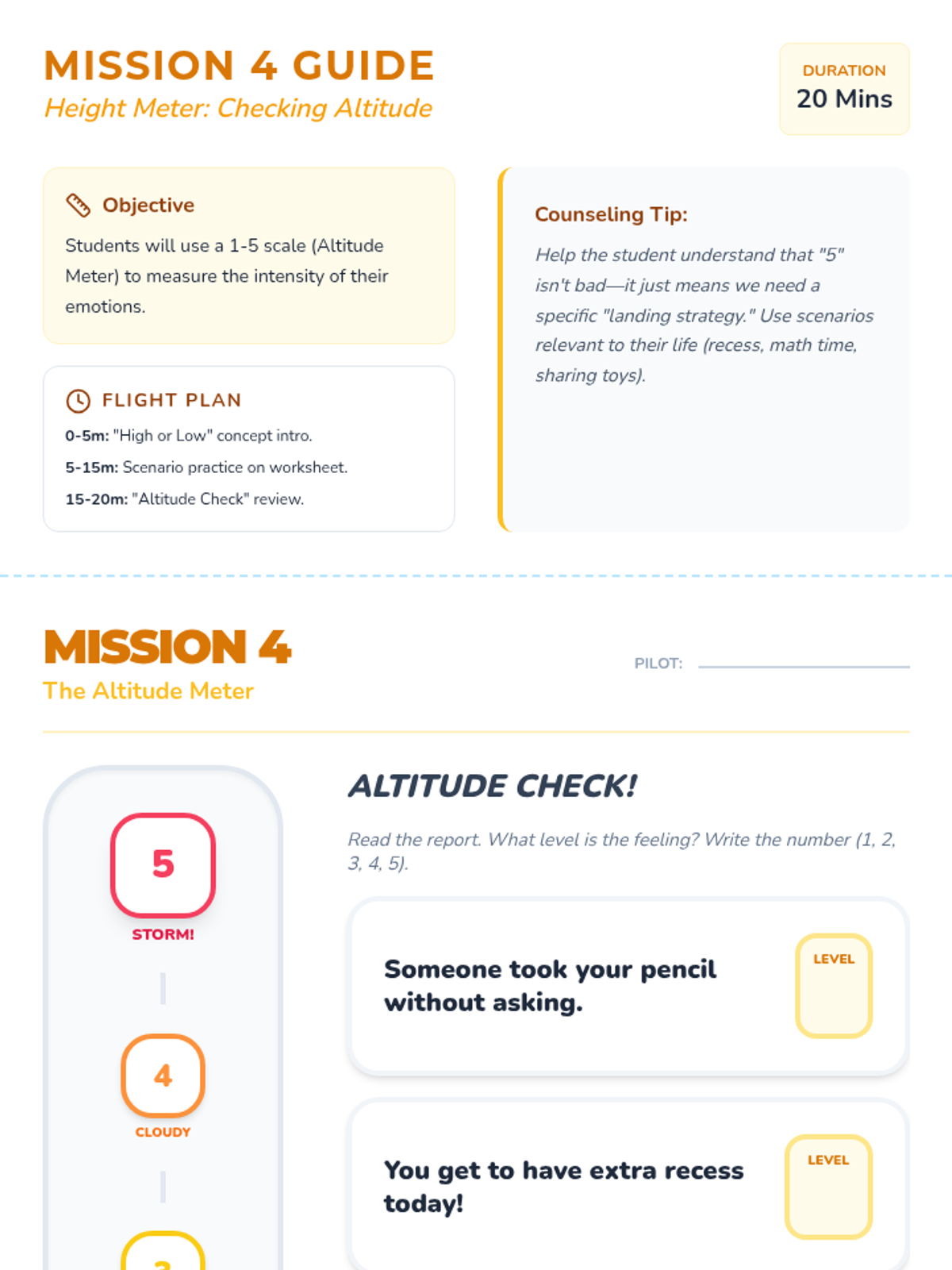
Introducing a 1-5 scale to measure emotion intensity.
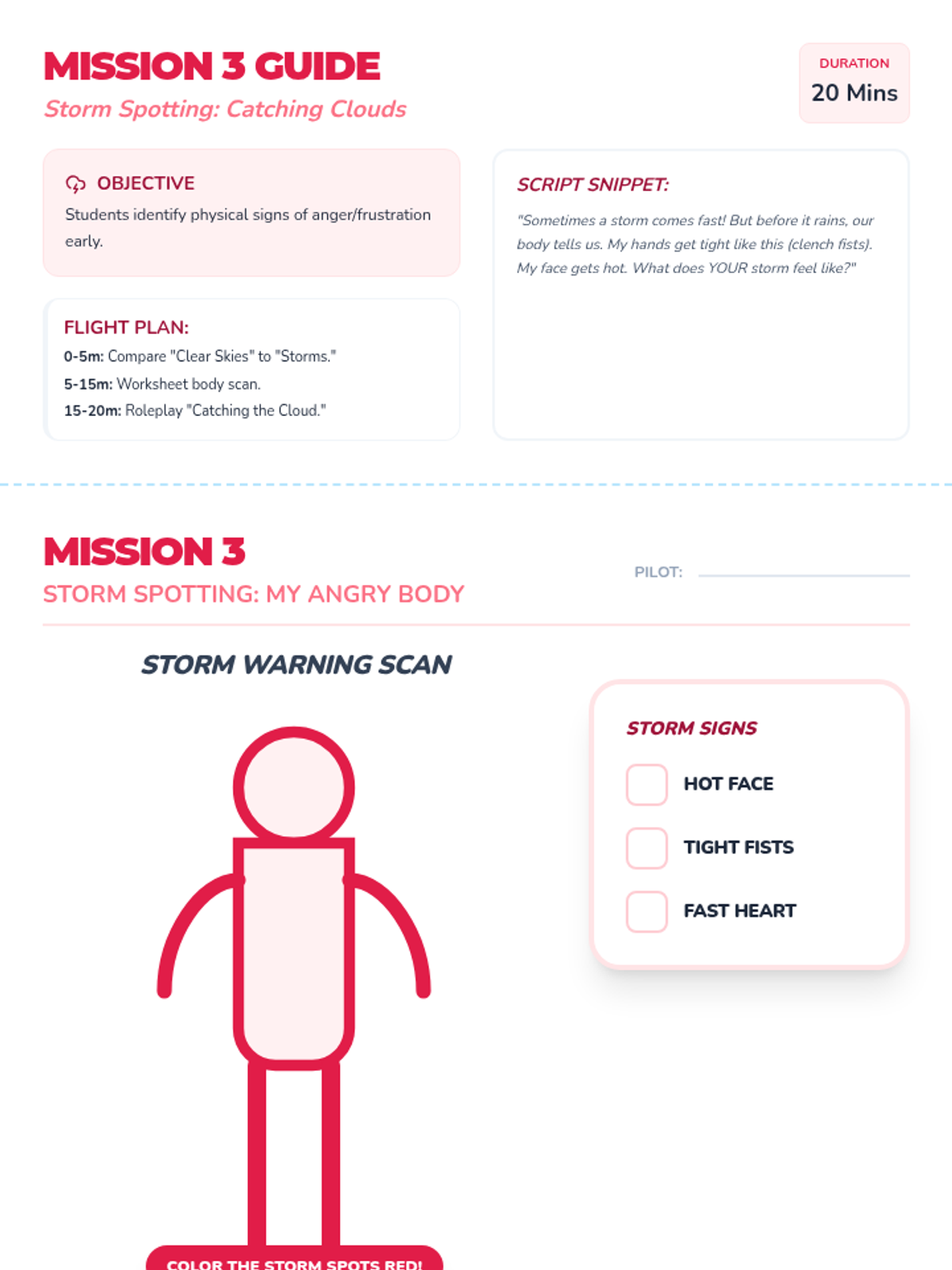
Identifying physical signs of anger and frustration before they become 'storms.'
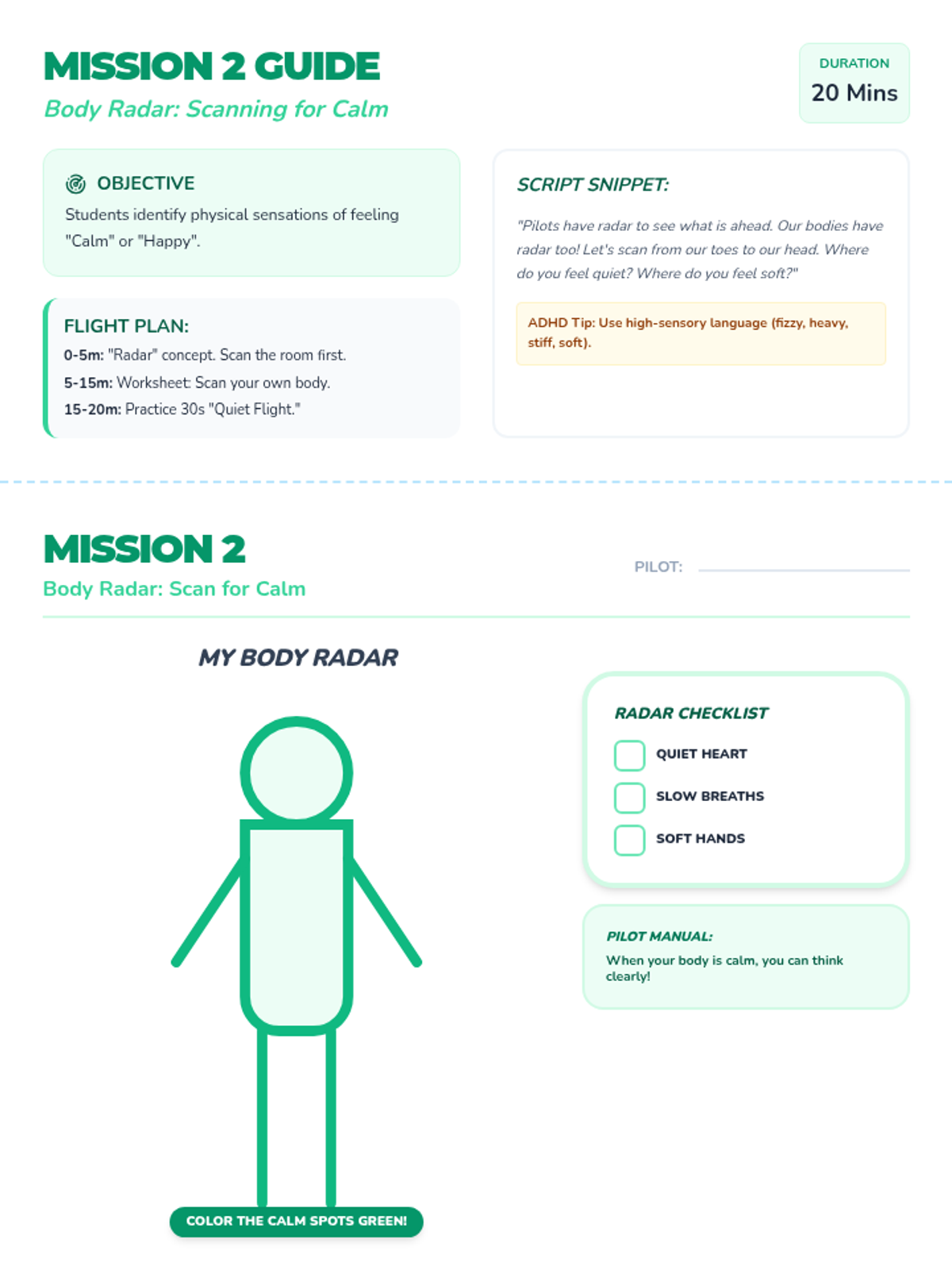
Focusing on physical sensations associated with calm and happy emotions.
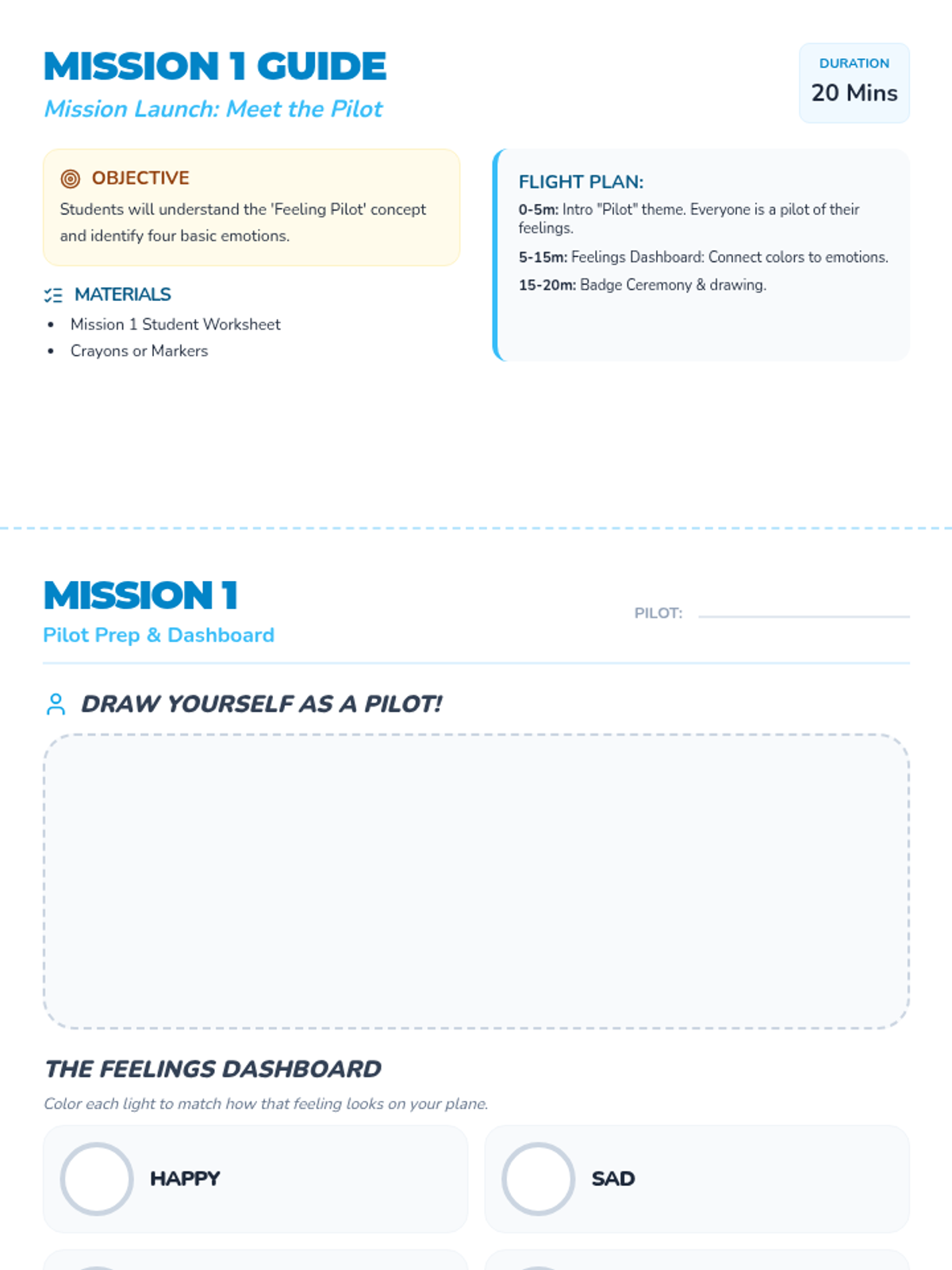
Introduction to the aviation theme and identifying basic emotions on the 'Feelings Dashboard.'