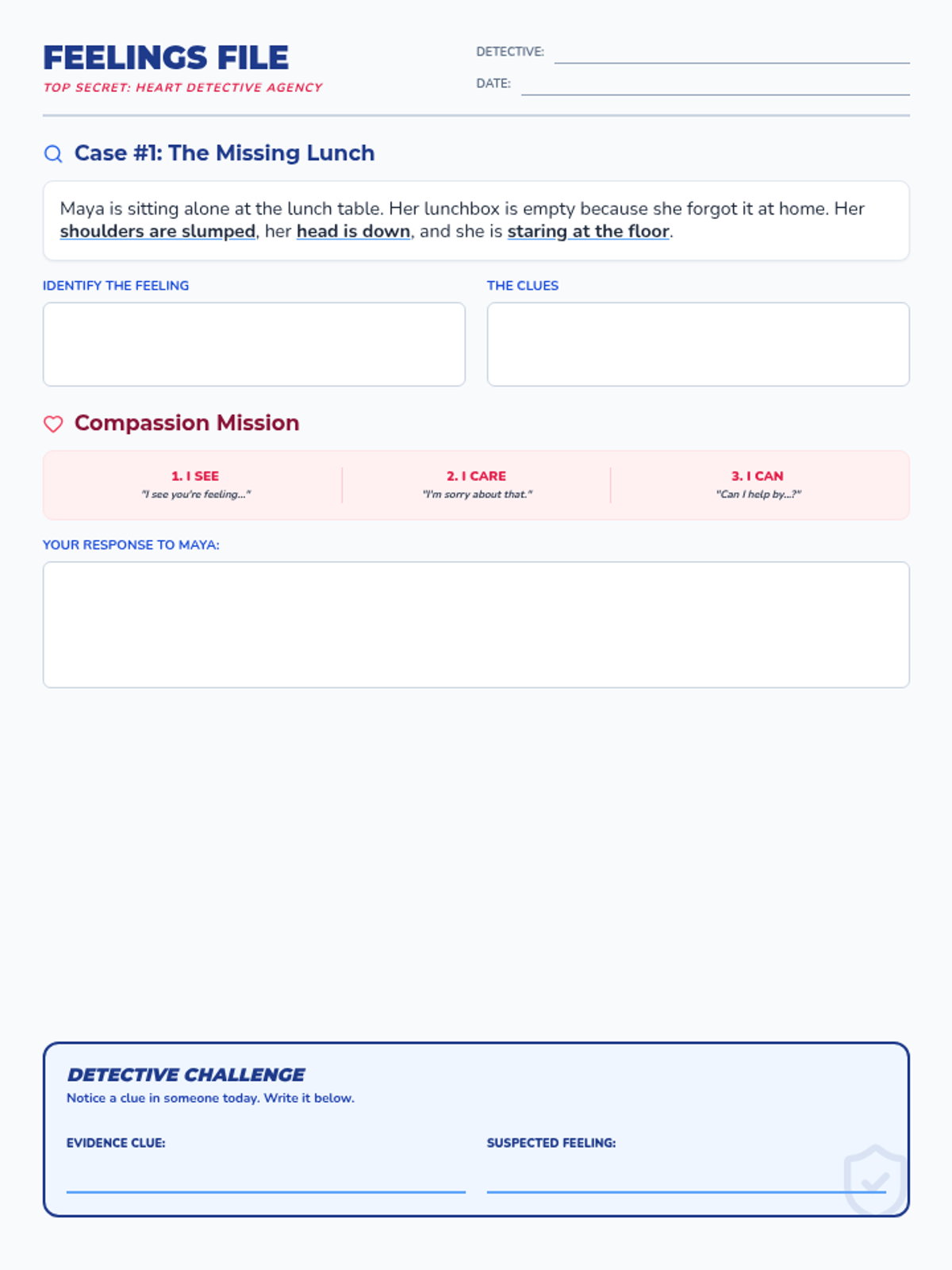
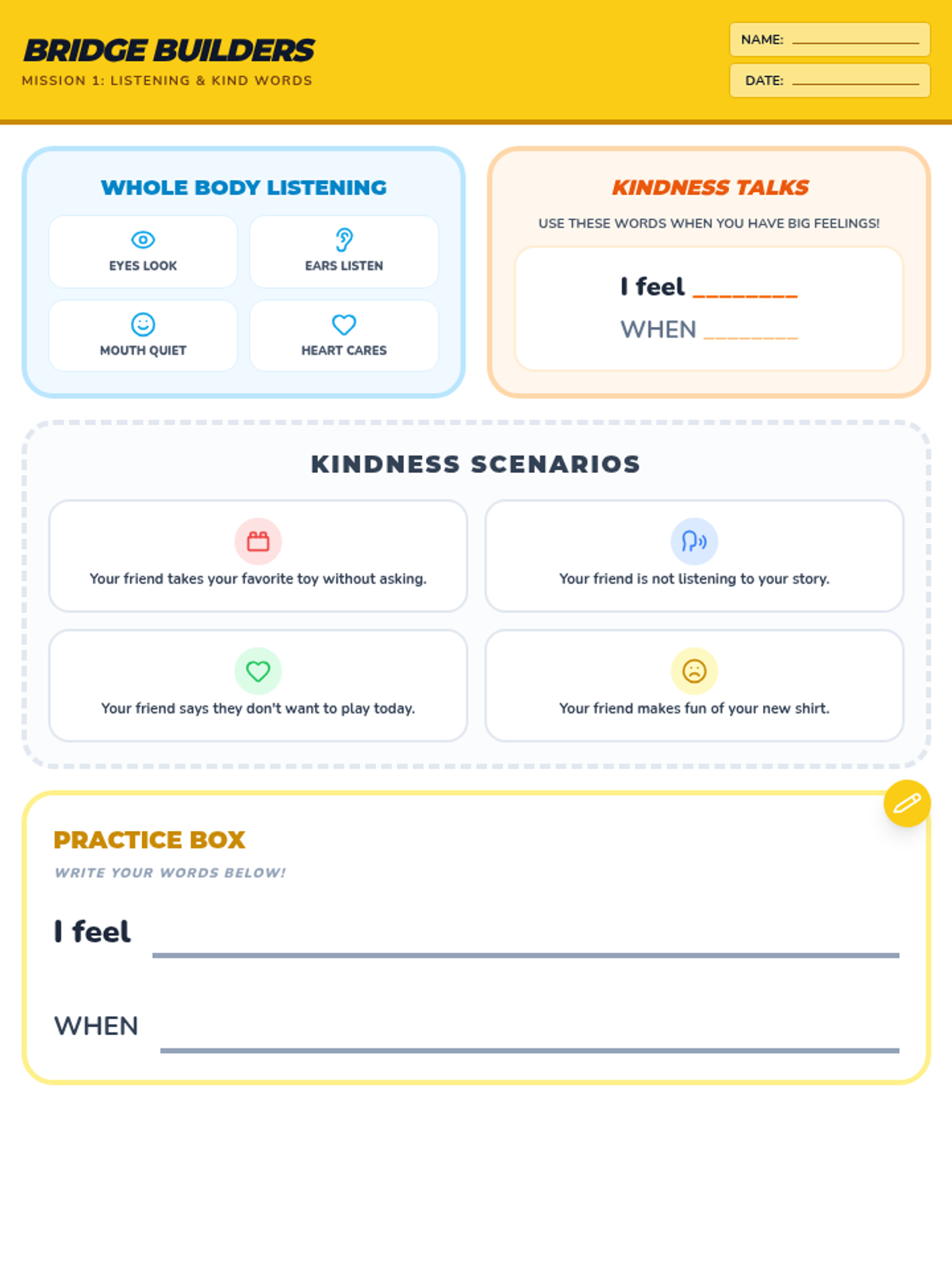
A detective-themed social-emotional learning lesson for 1st graders to learn how to identify emotions through facial expressions and body language clues.
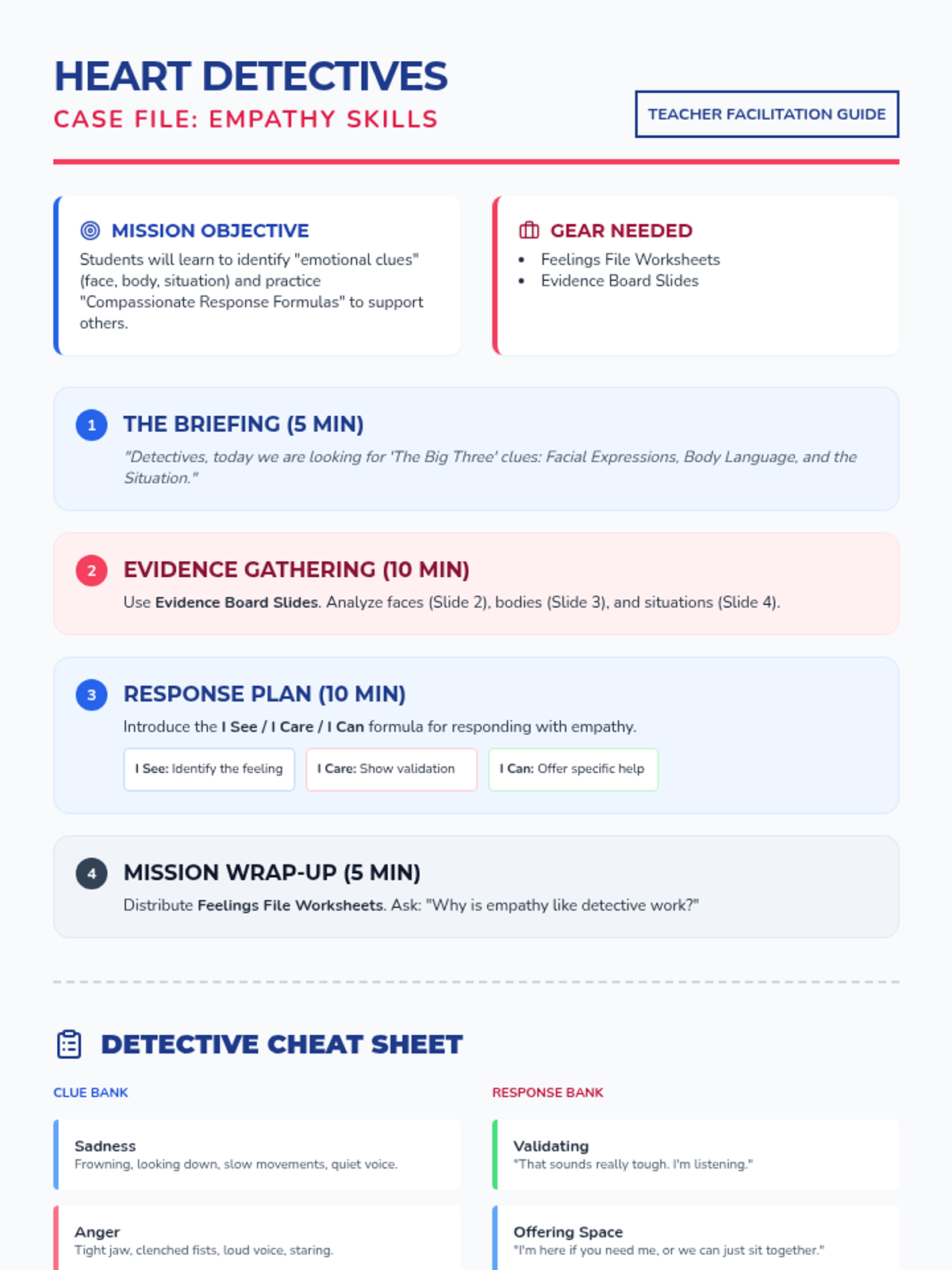
A small group lesson focused on identifying facial expressions, body language, and context clues to understand others' feelings and respond with genuine compassion.
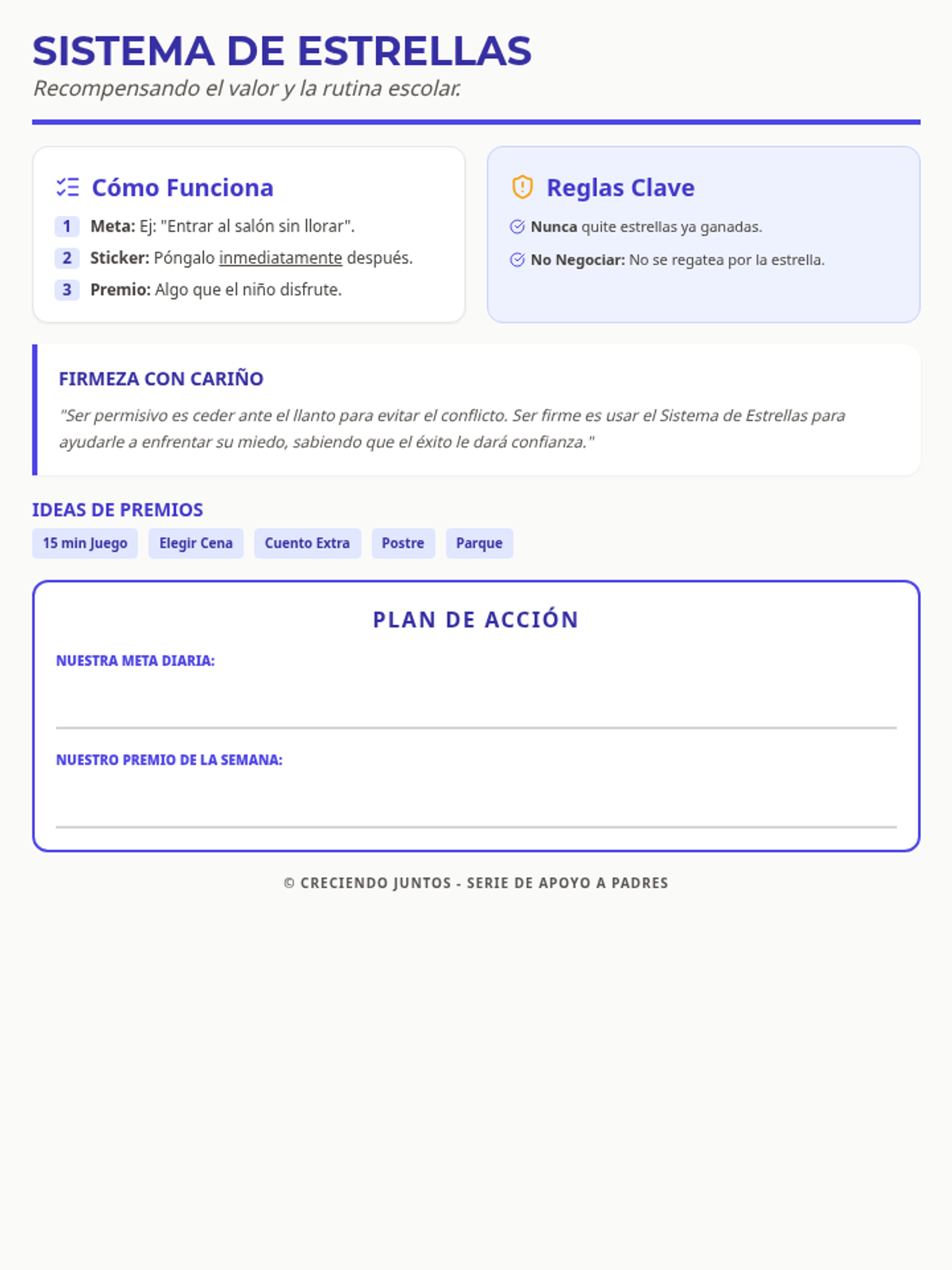
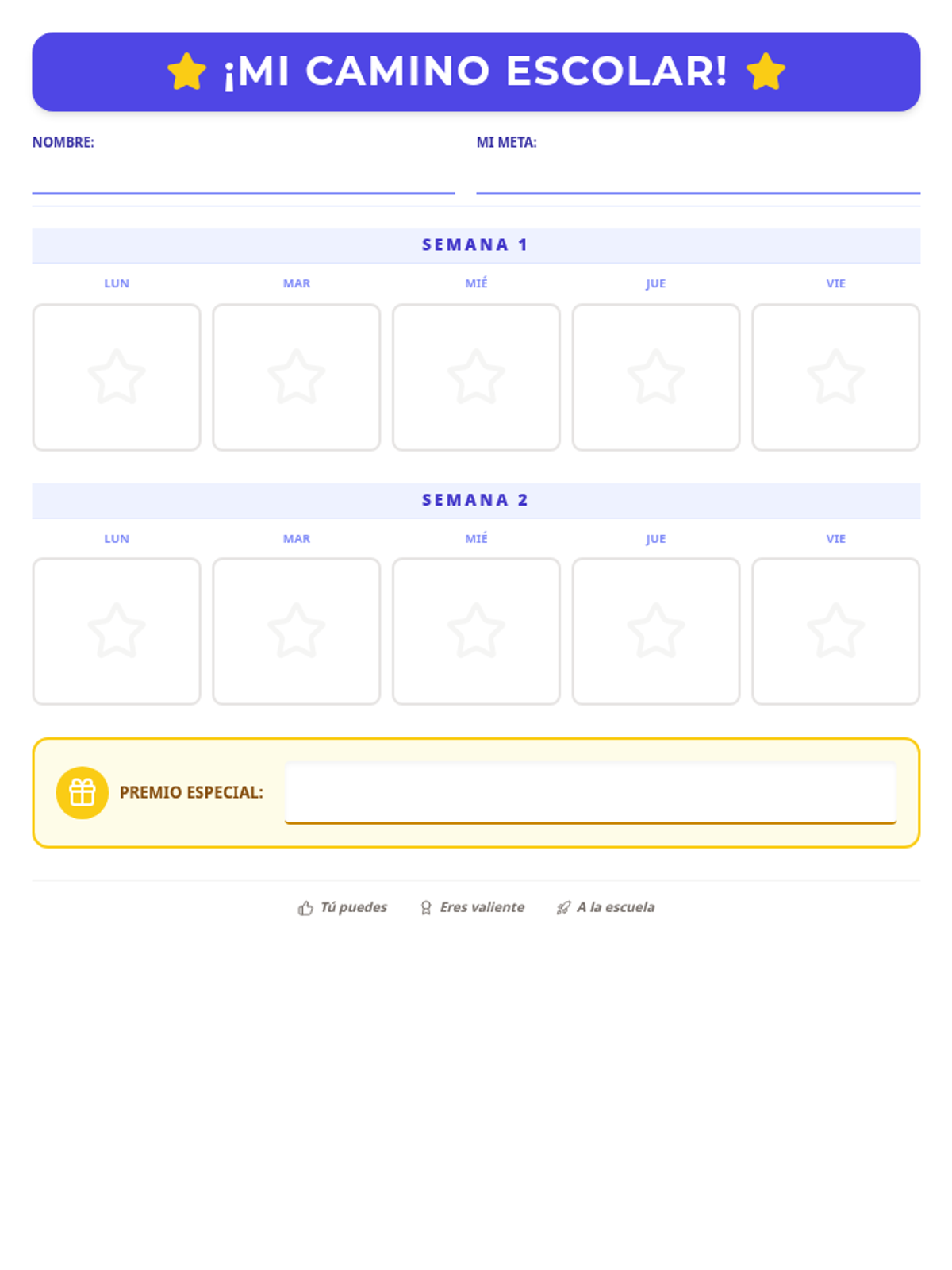
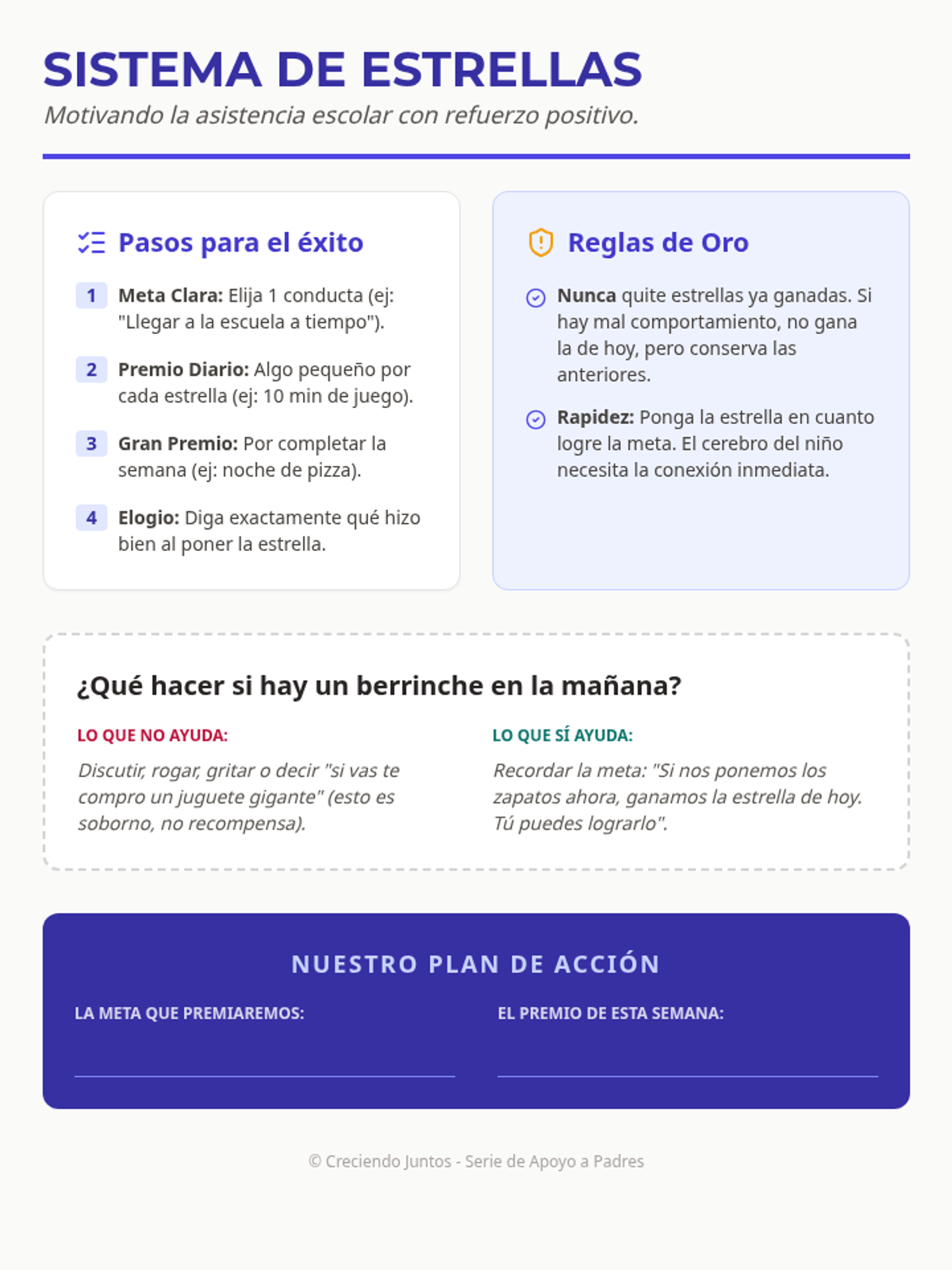
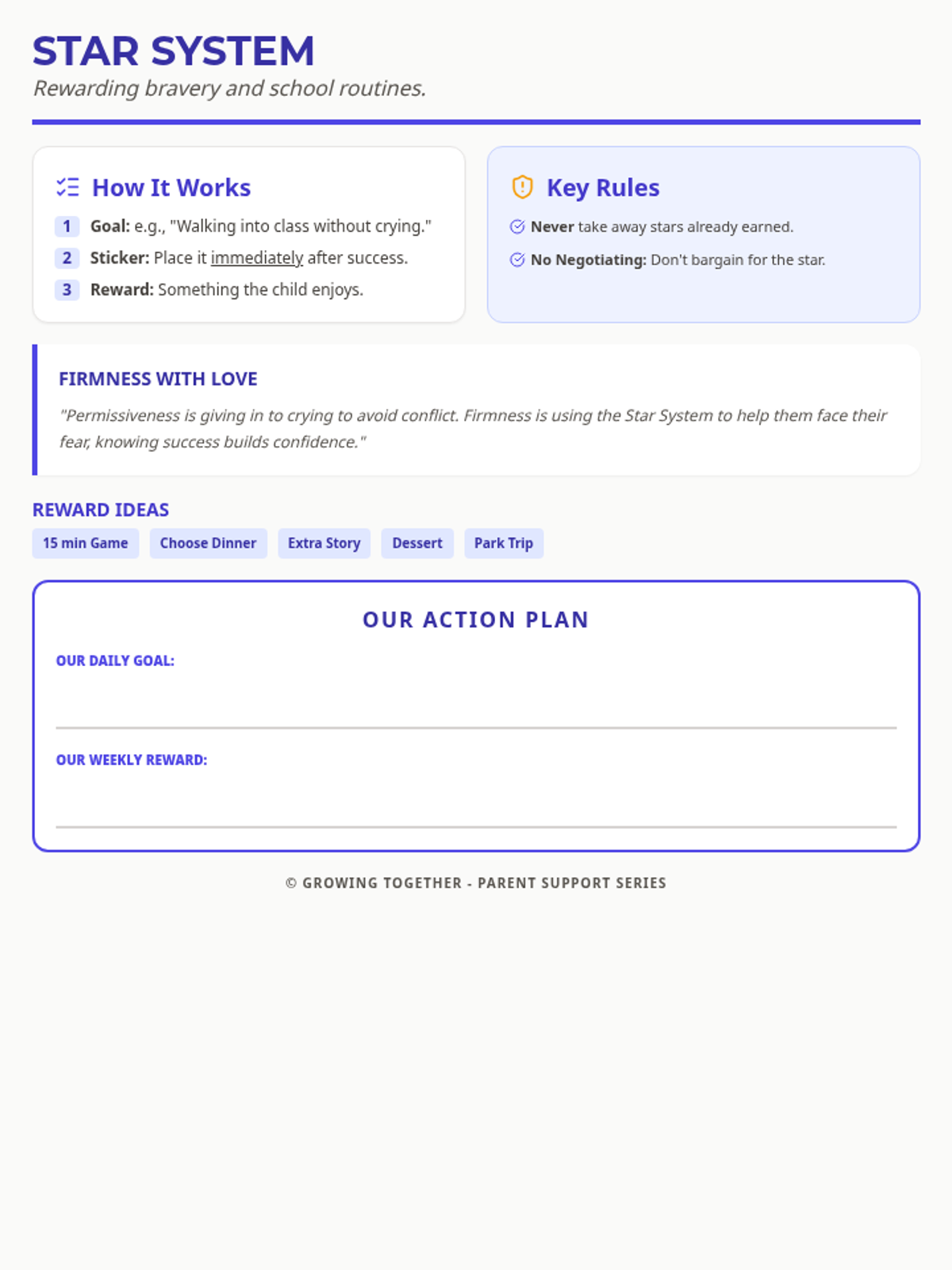
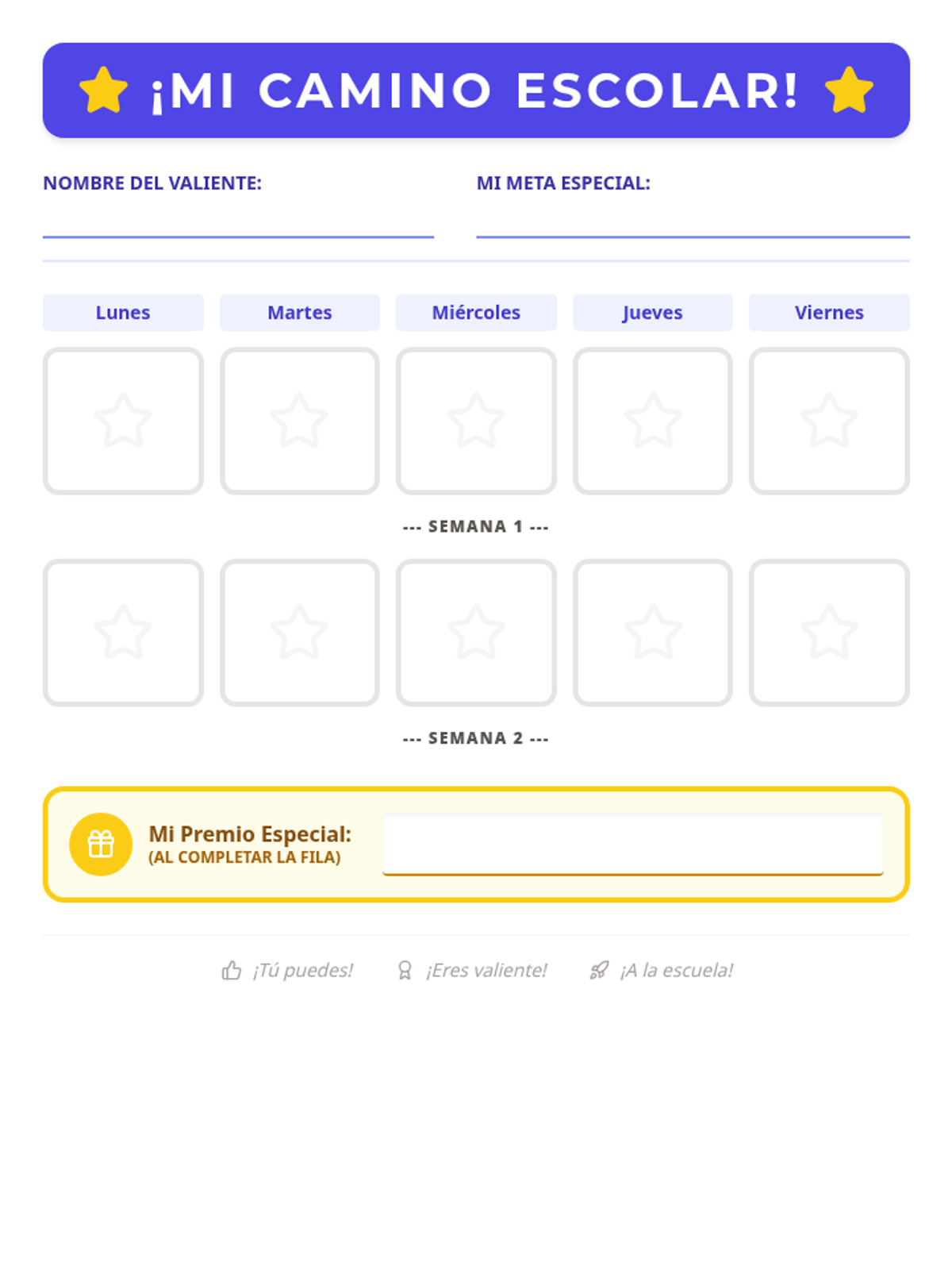
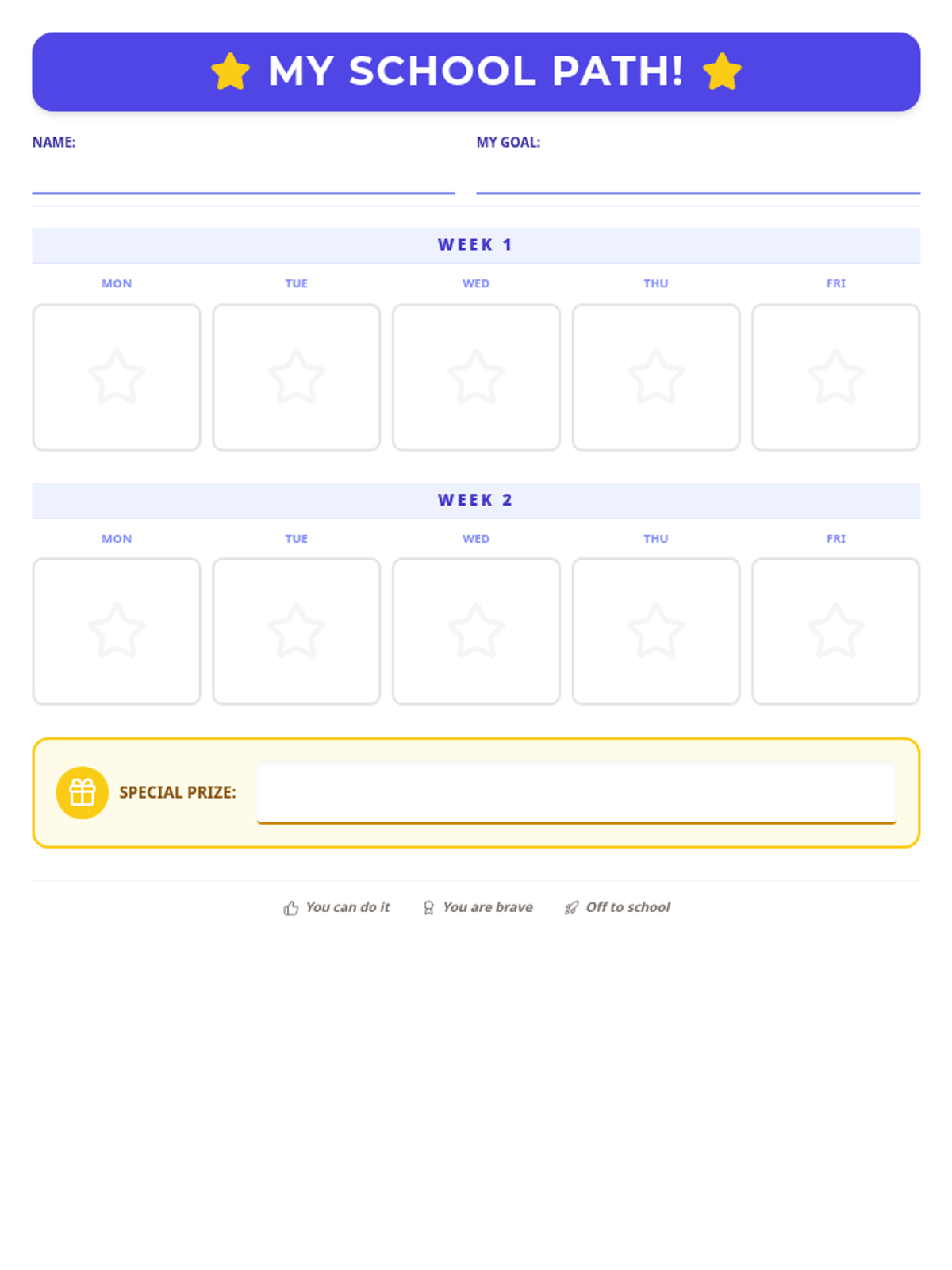
Practical steps for setting up a sticker chart system to reward school attendance and morning routines.
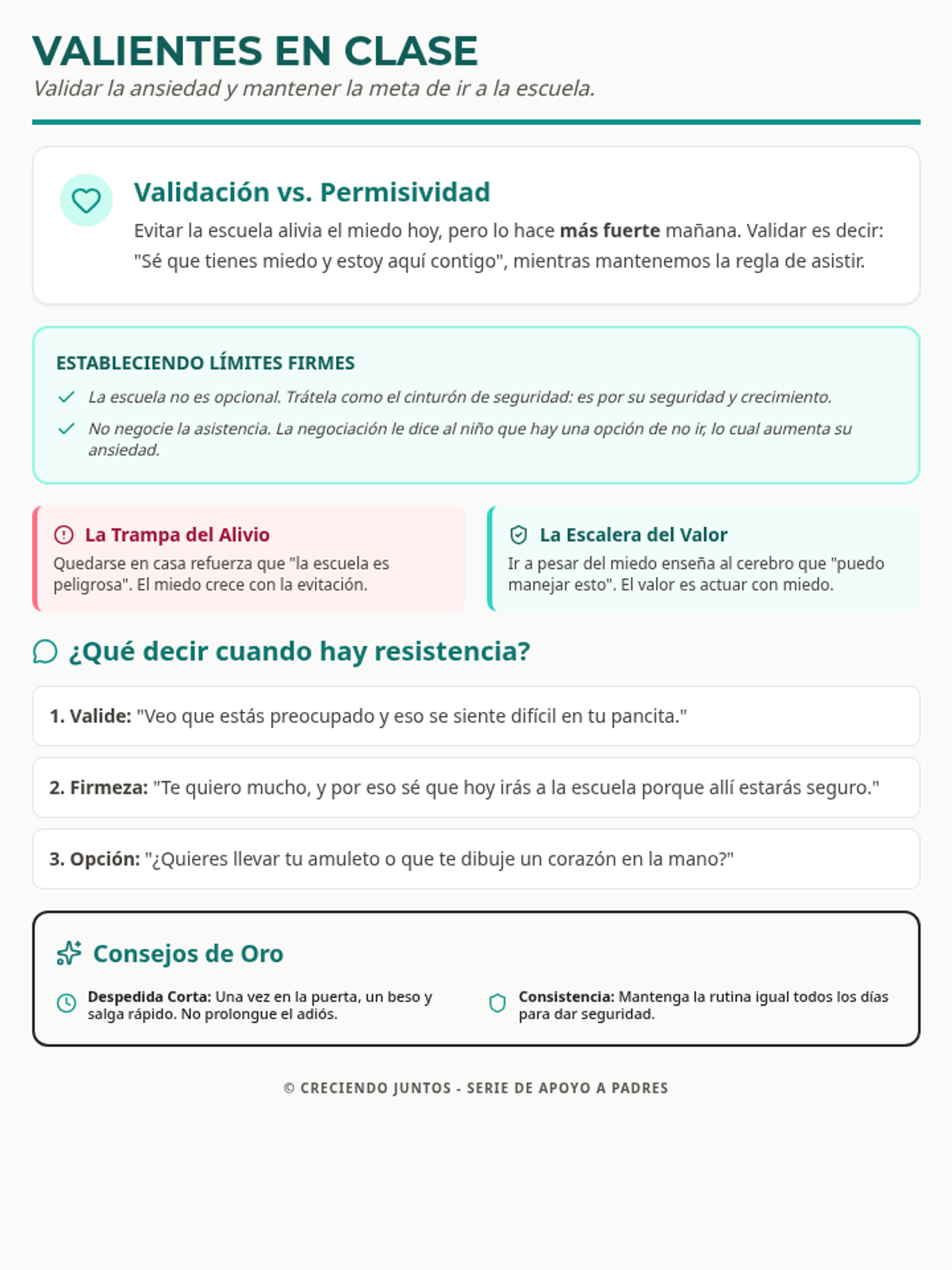
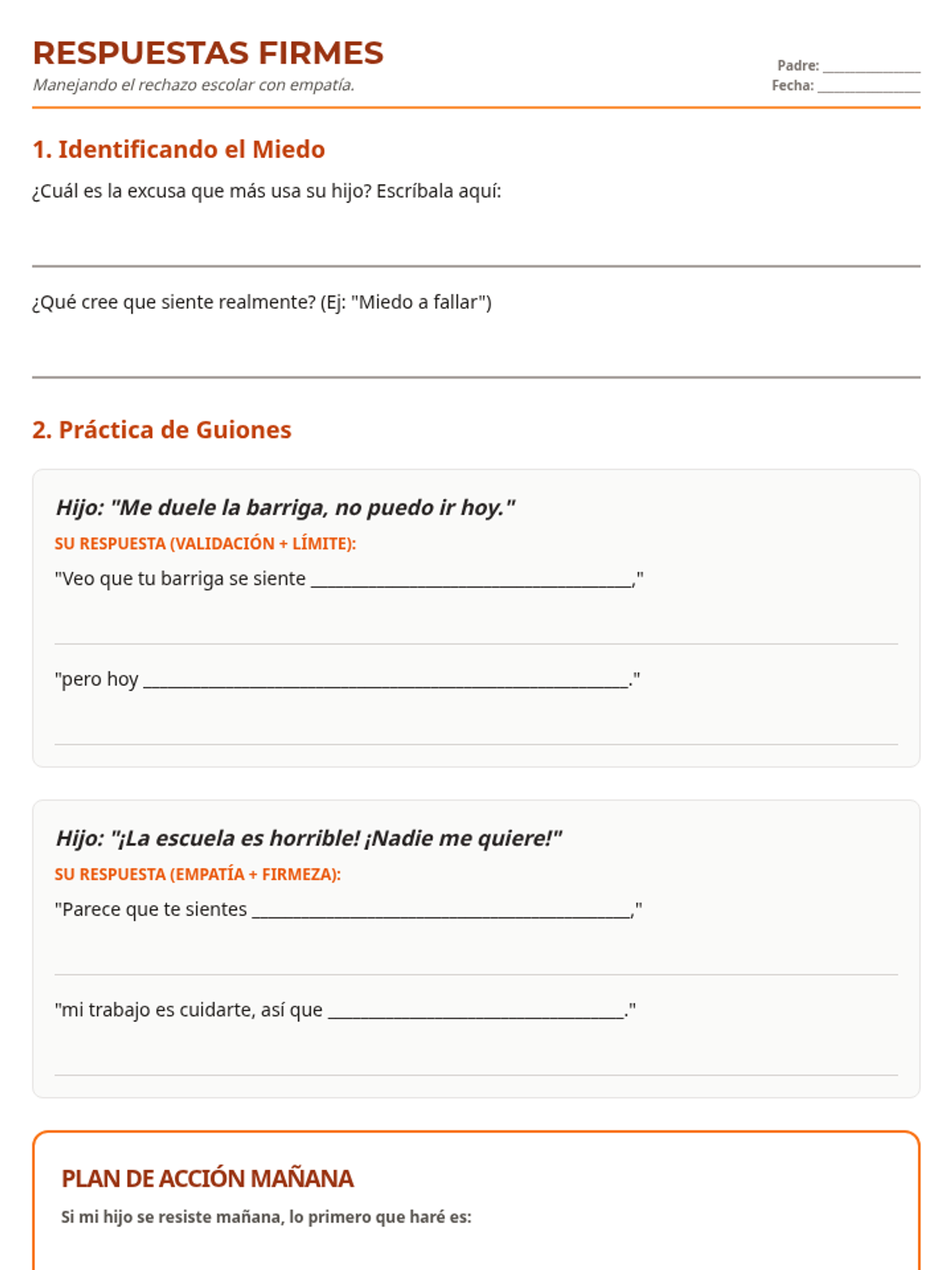
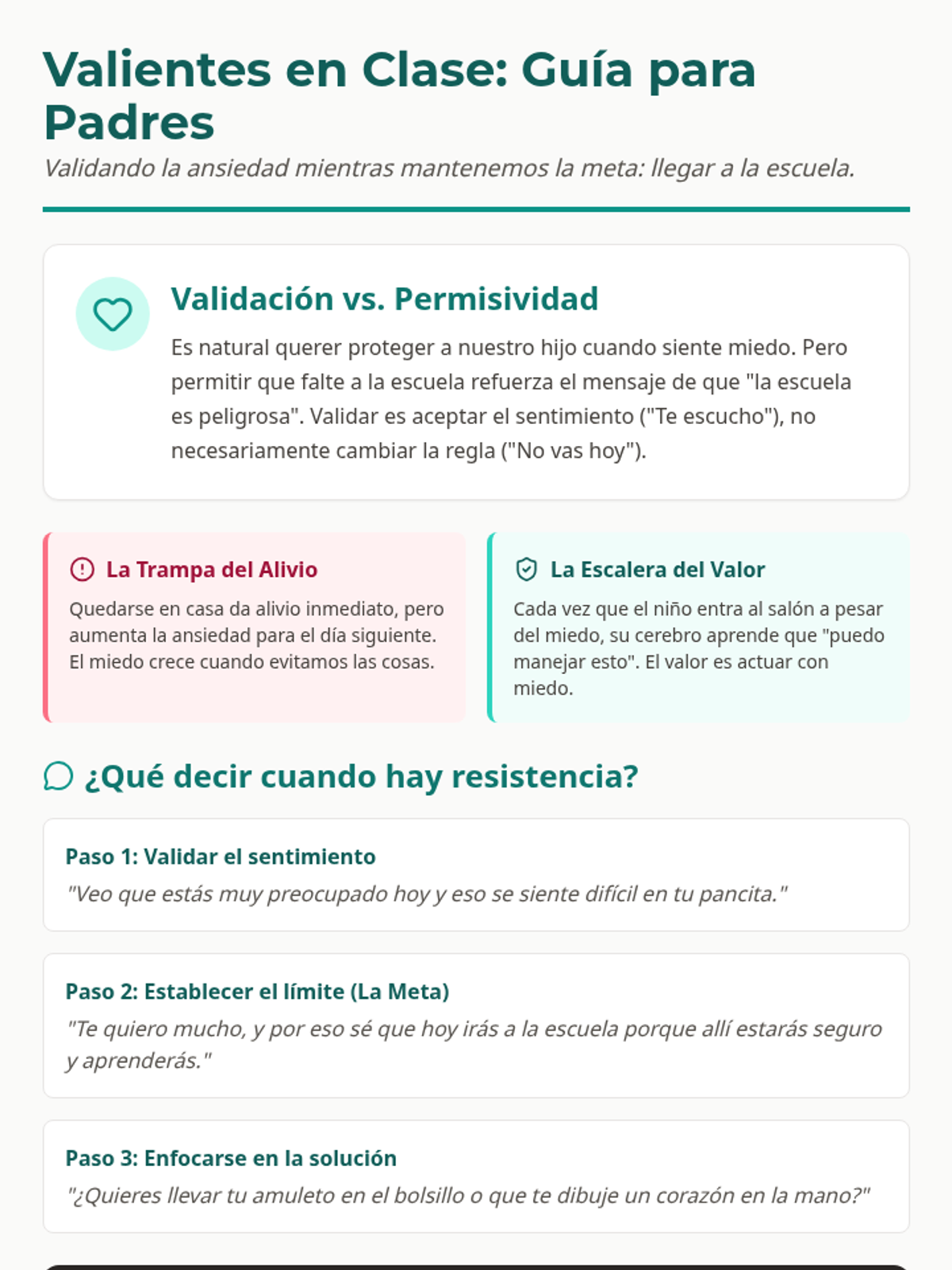
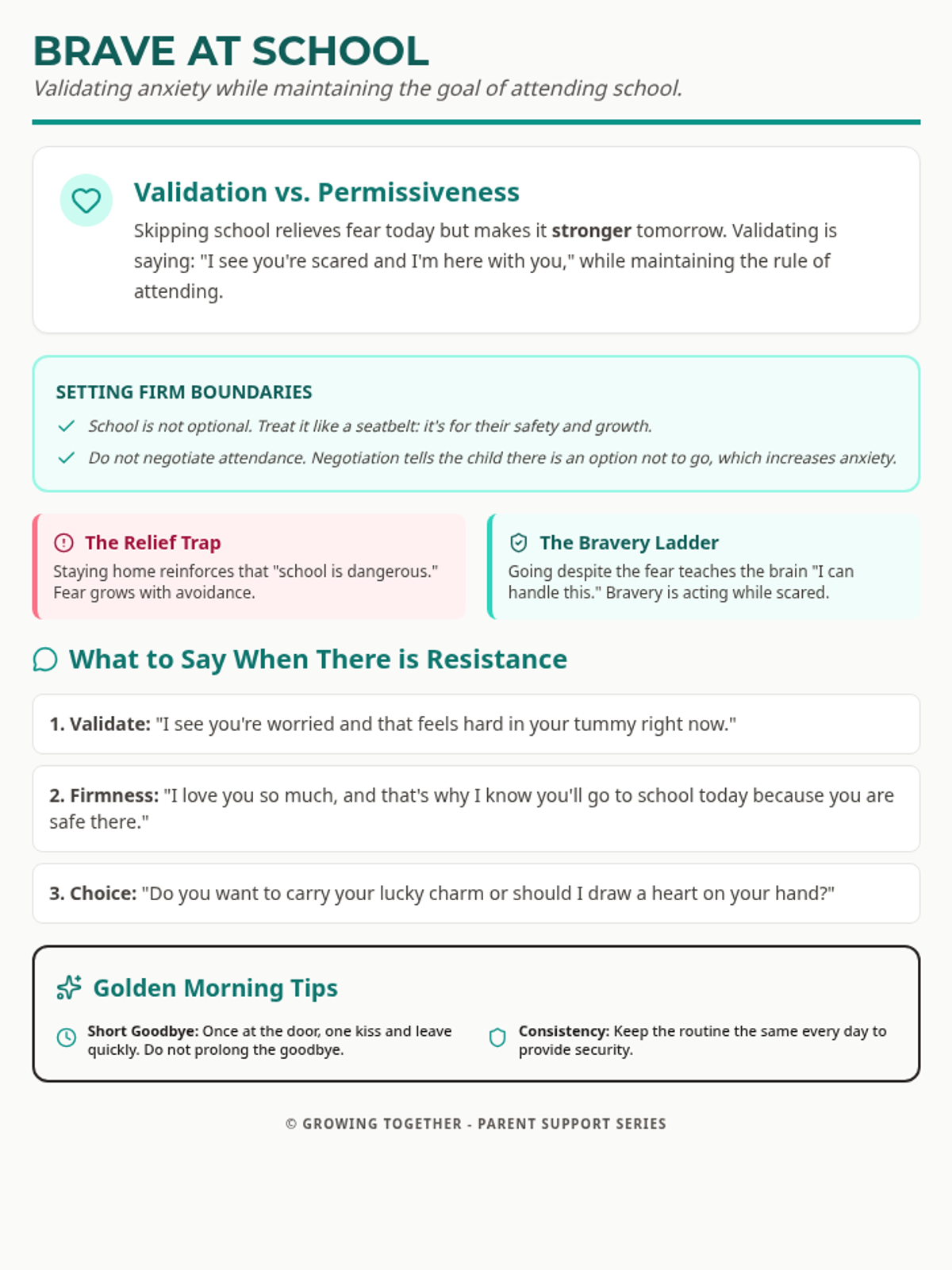
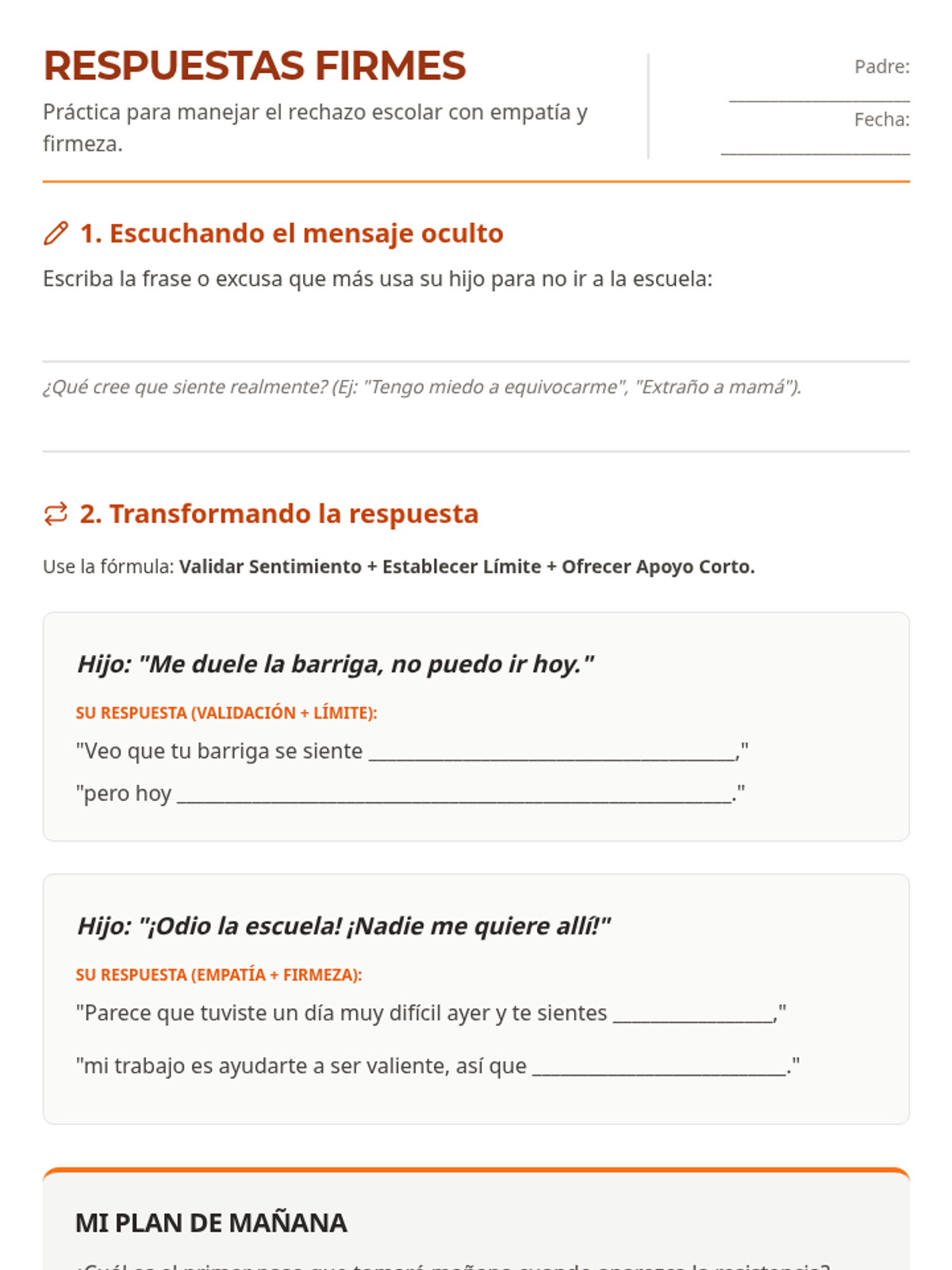
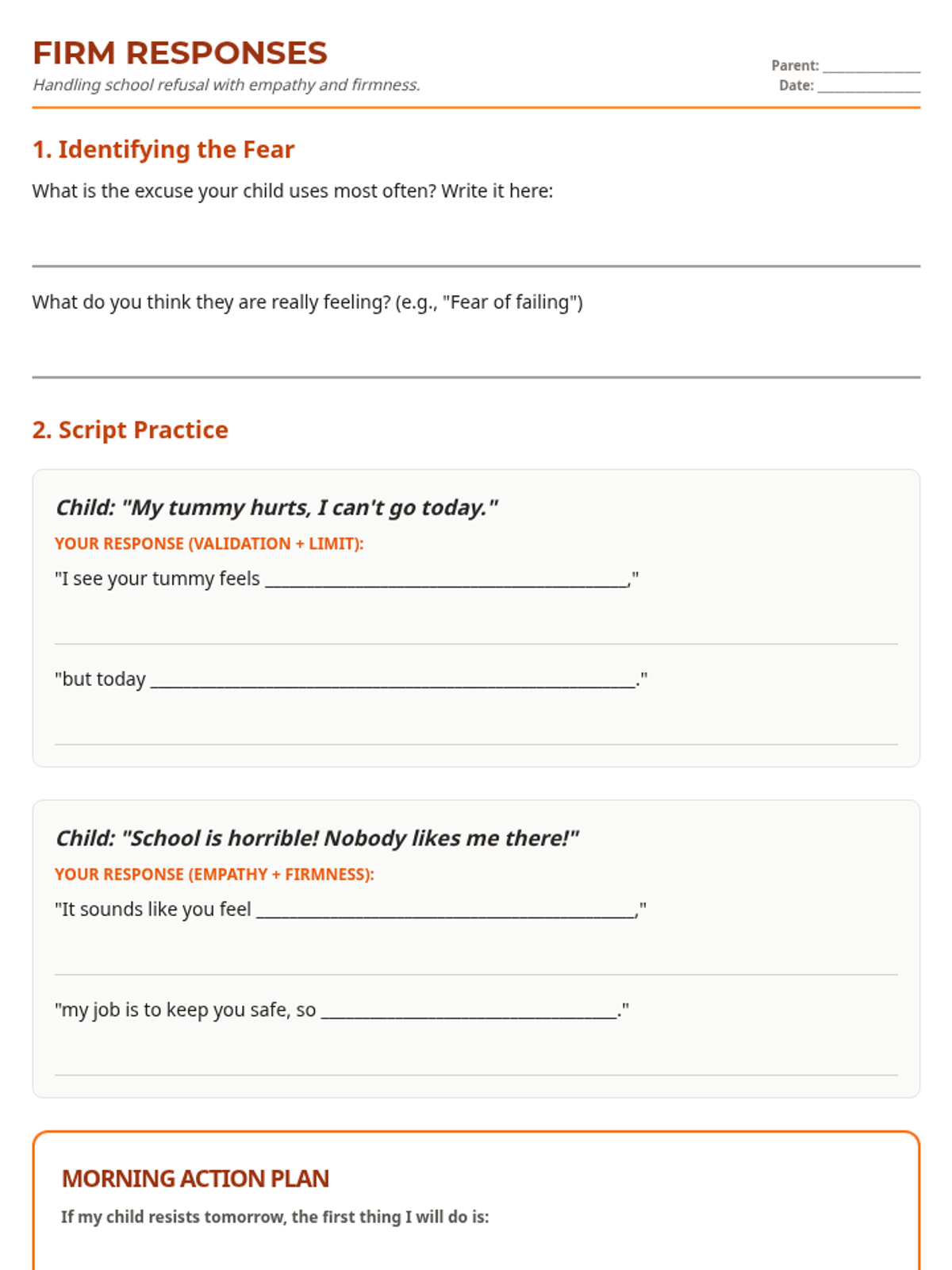
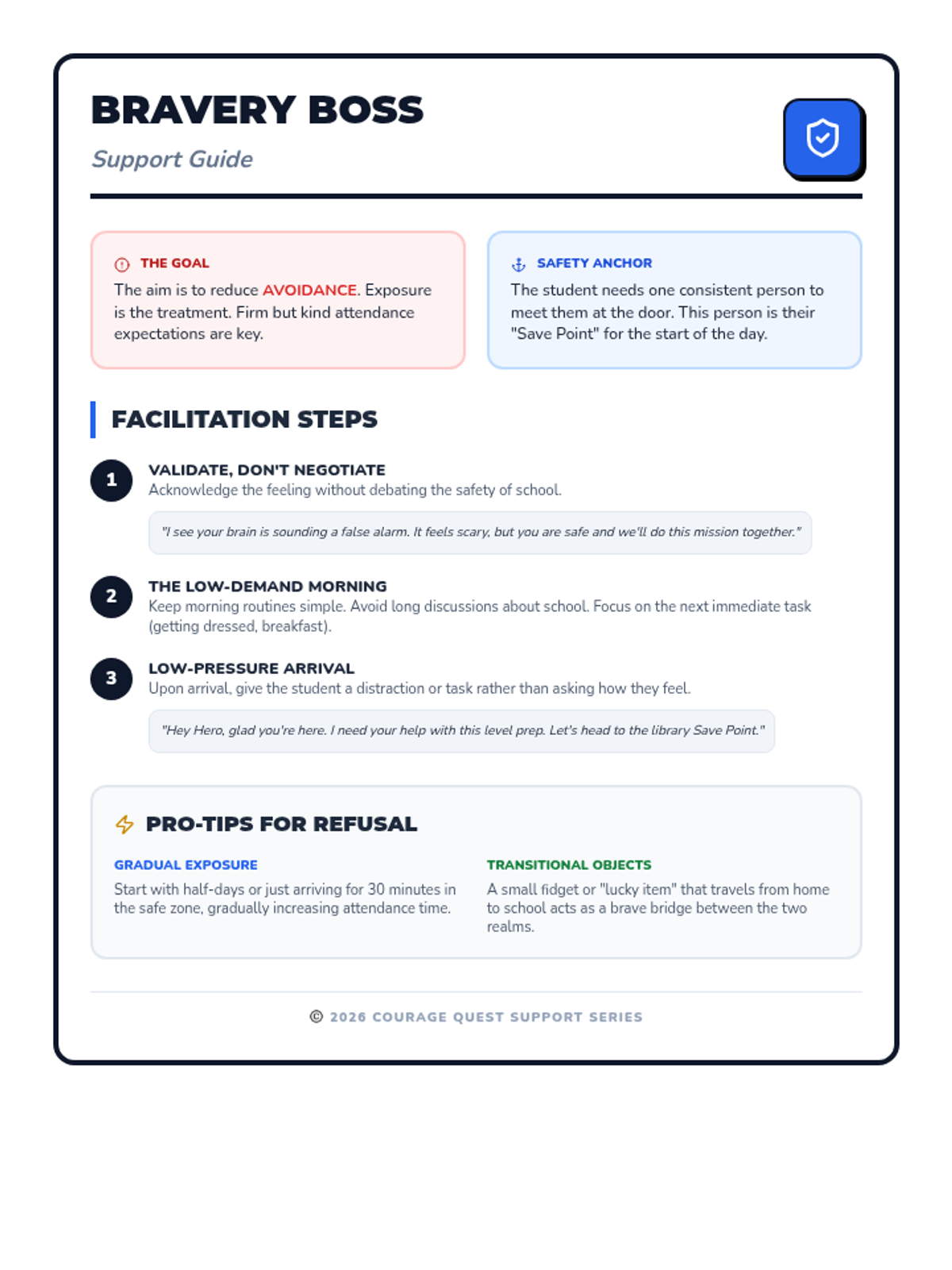
Strategies for parents to validate their child's school anxiety while maintaining firm boundaries regarding attendance.
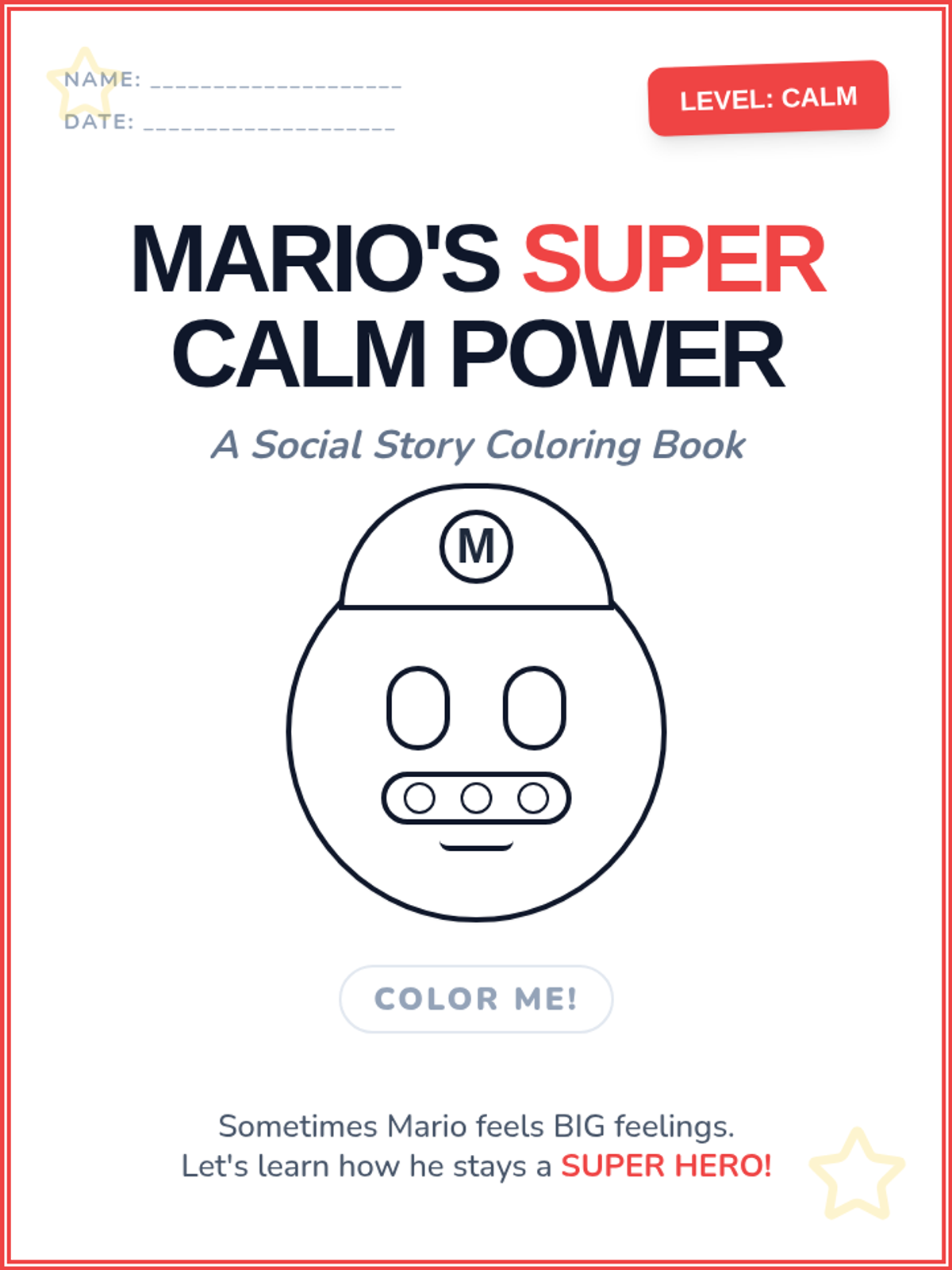
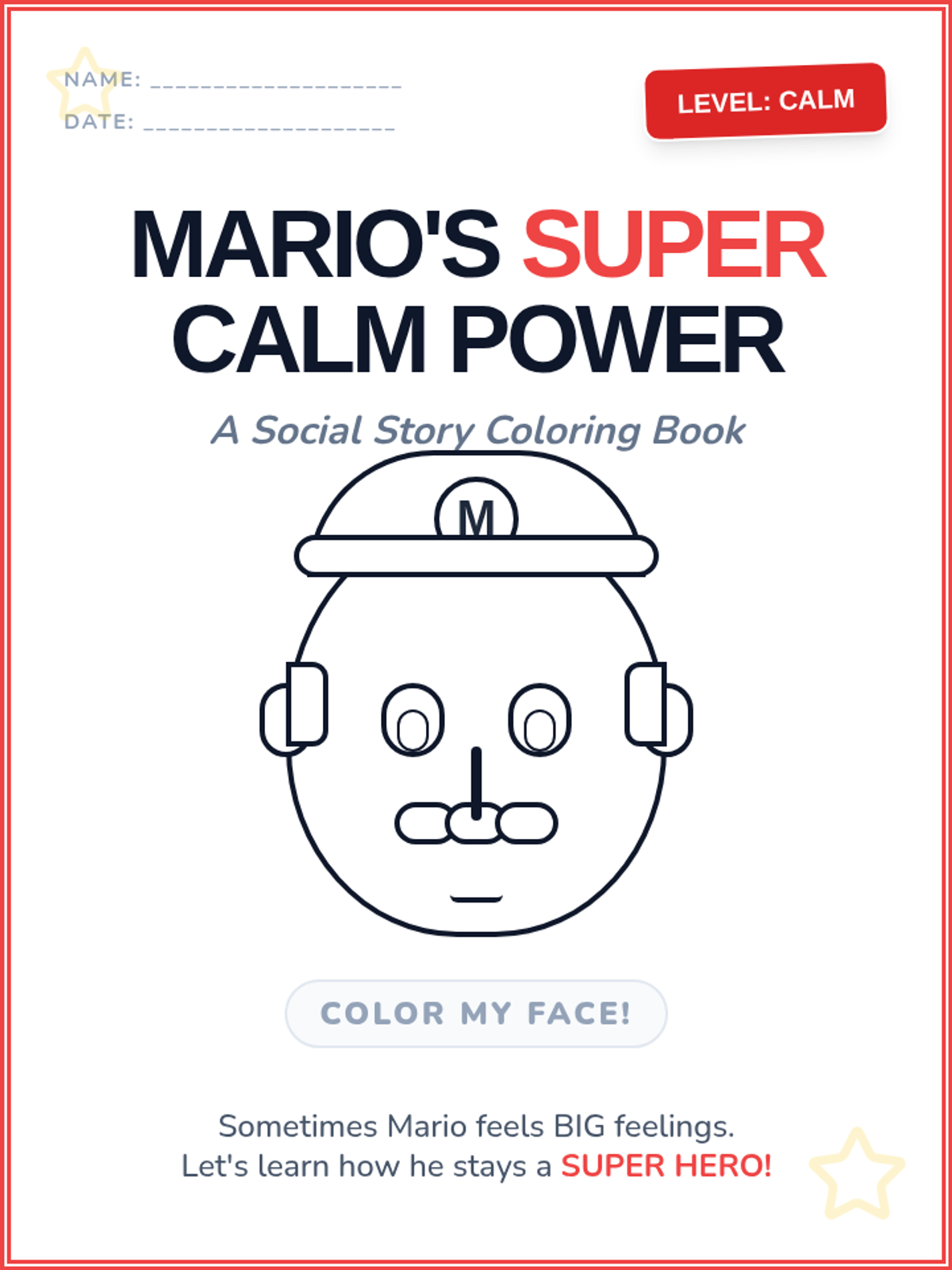
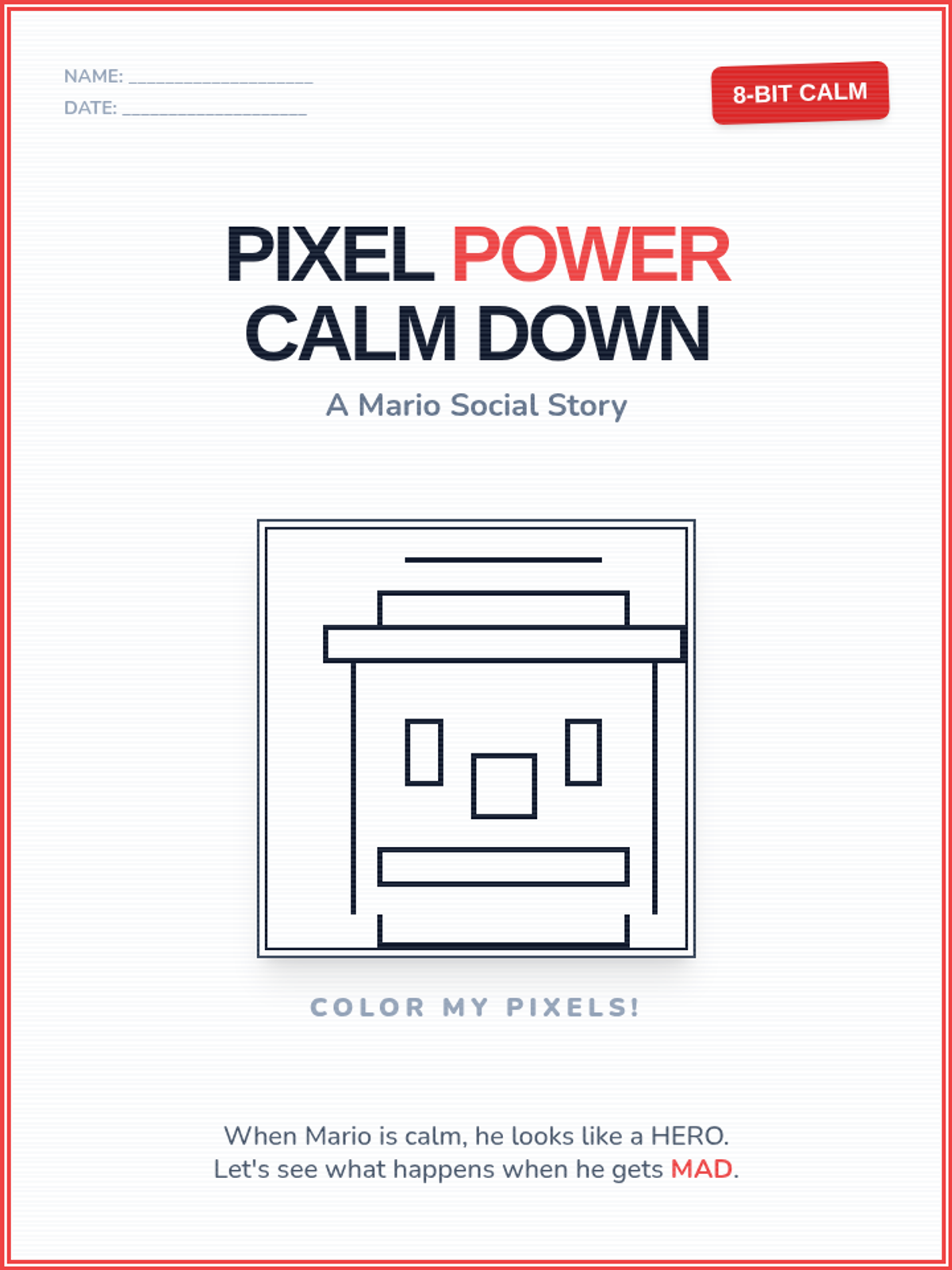
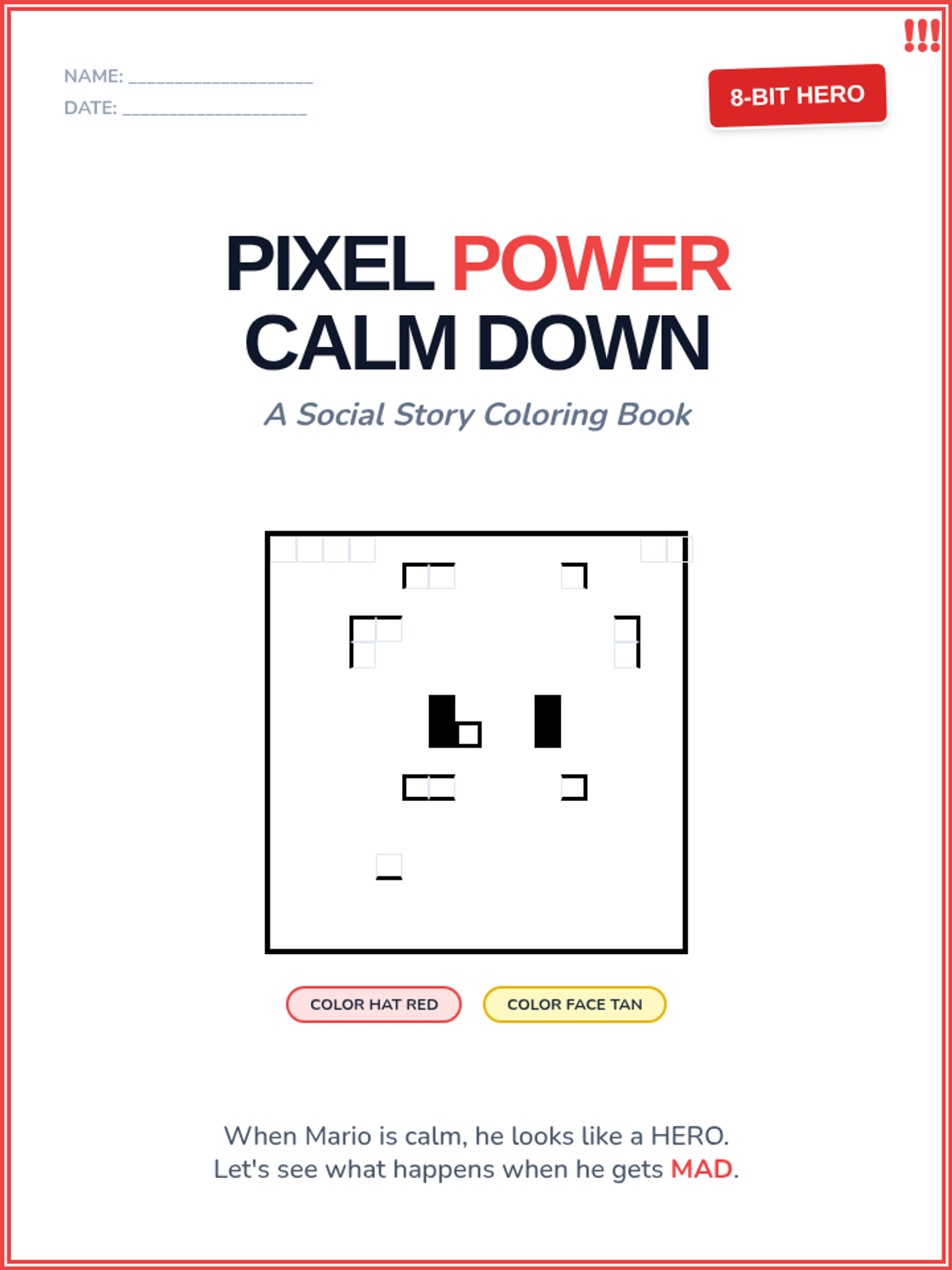
A 5-page coloring social story helping students identify anger and use calming strategies alongside Mario.
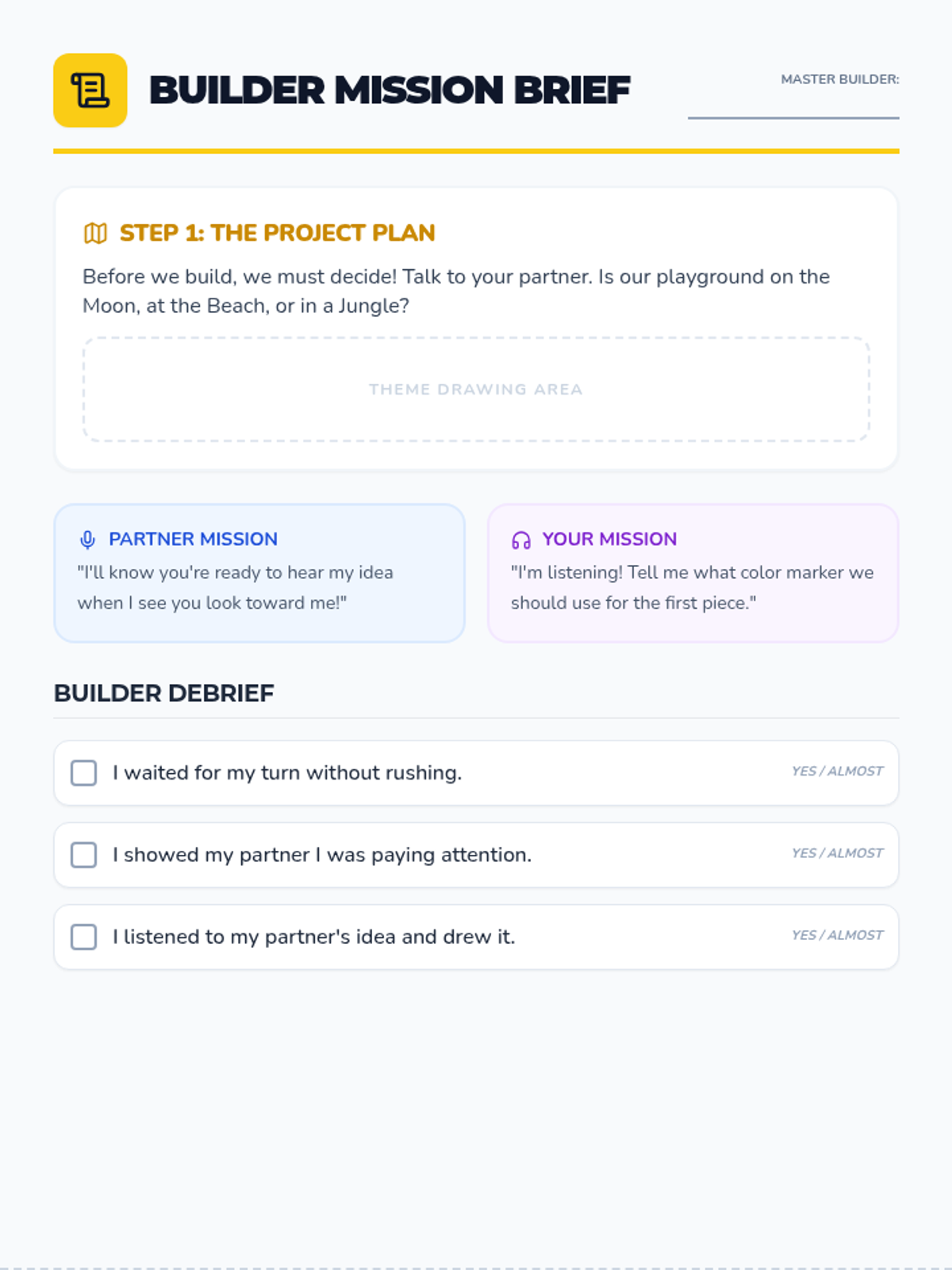
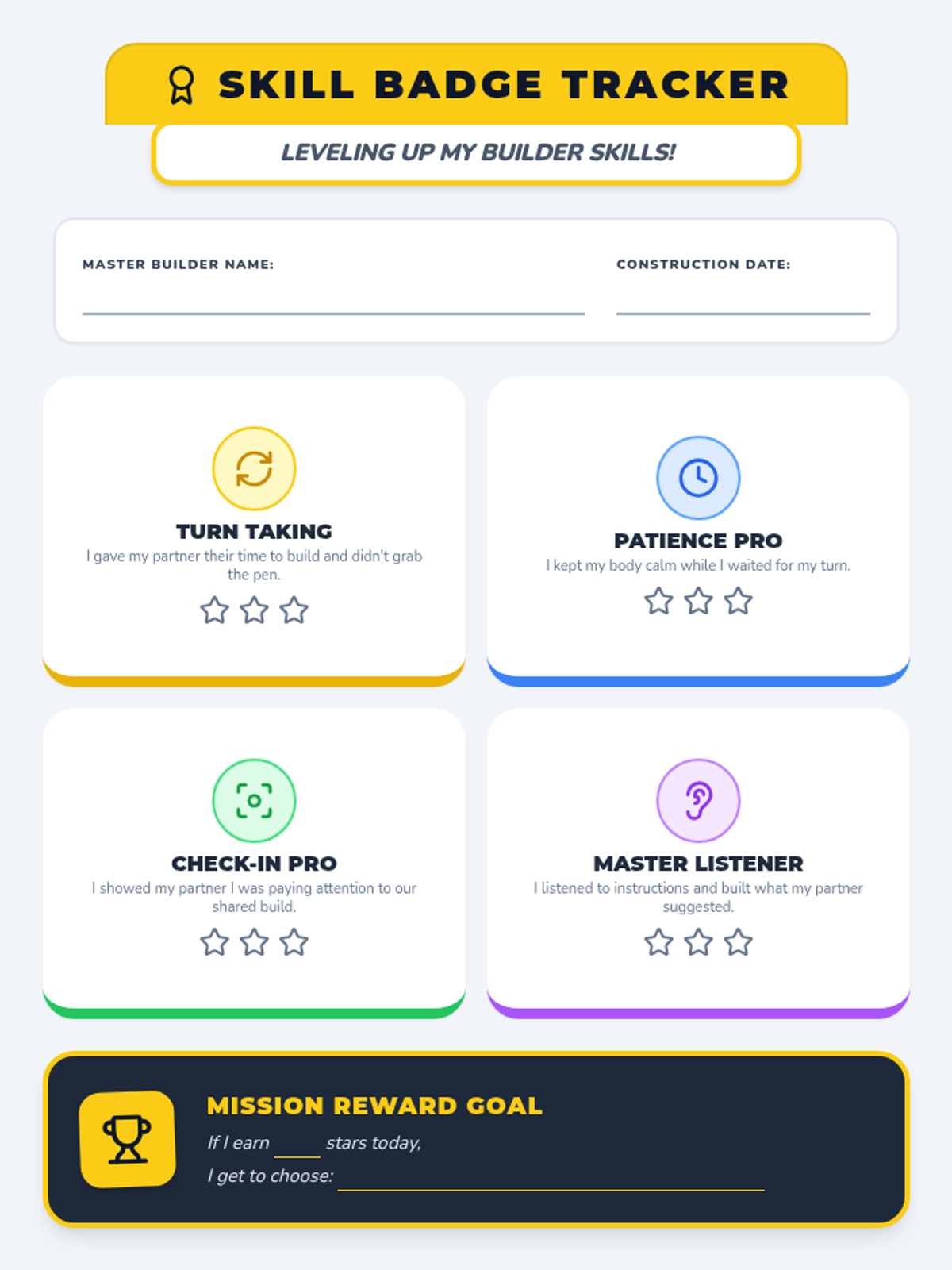
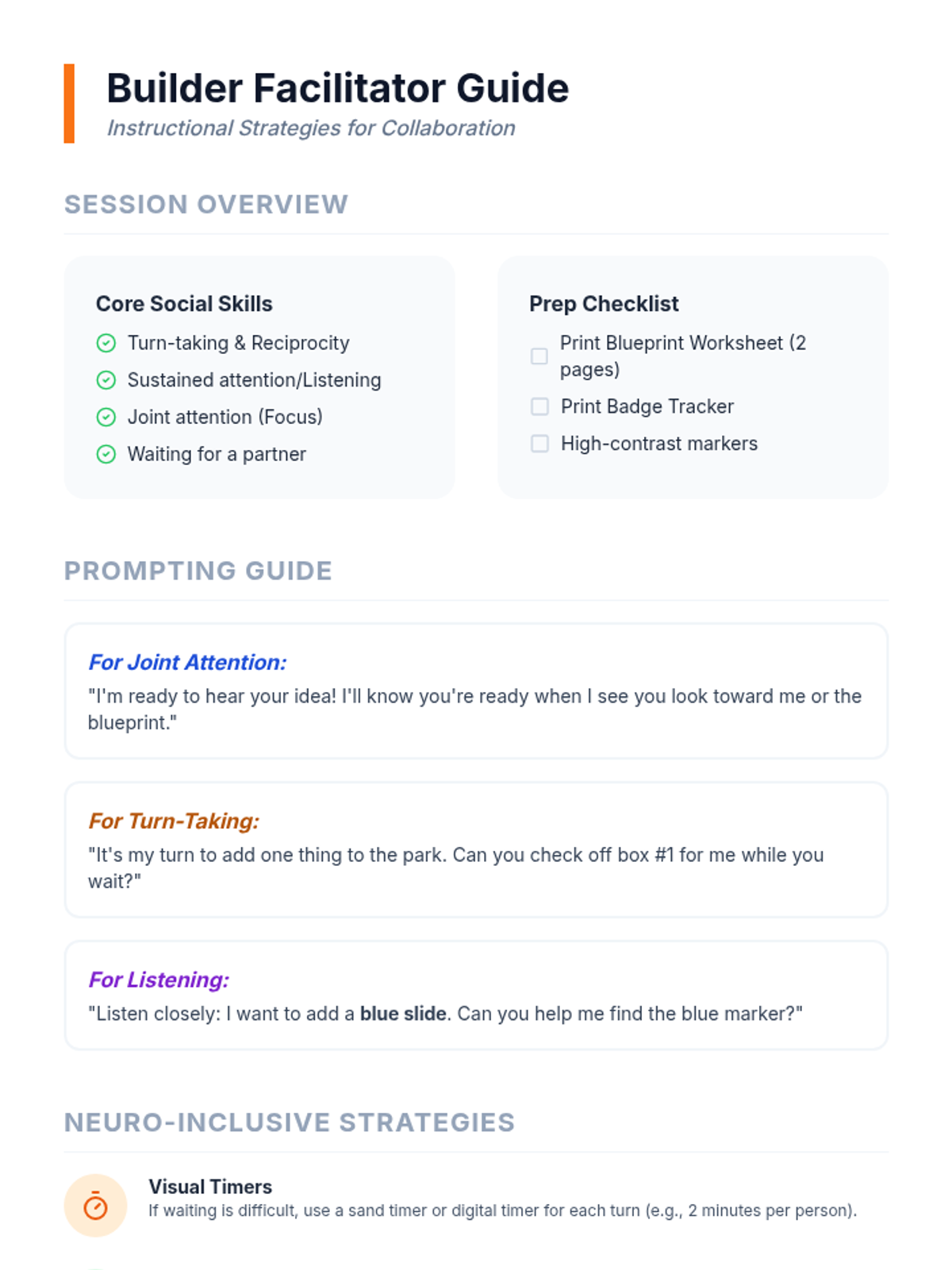
A collaborative design-based lesson for young learners to practice turn-taking, waiting, listening, and eye contact through a shared 'Master Builder' project.
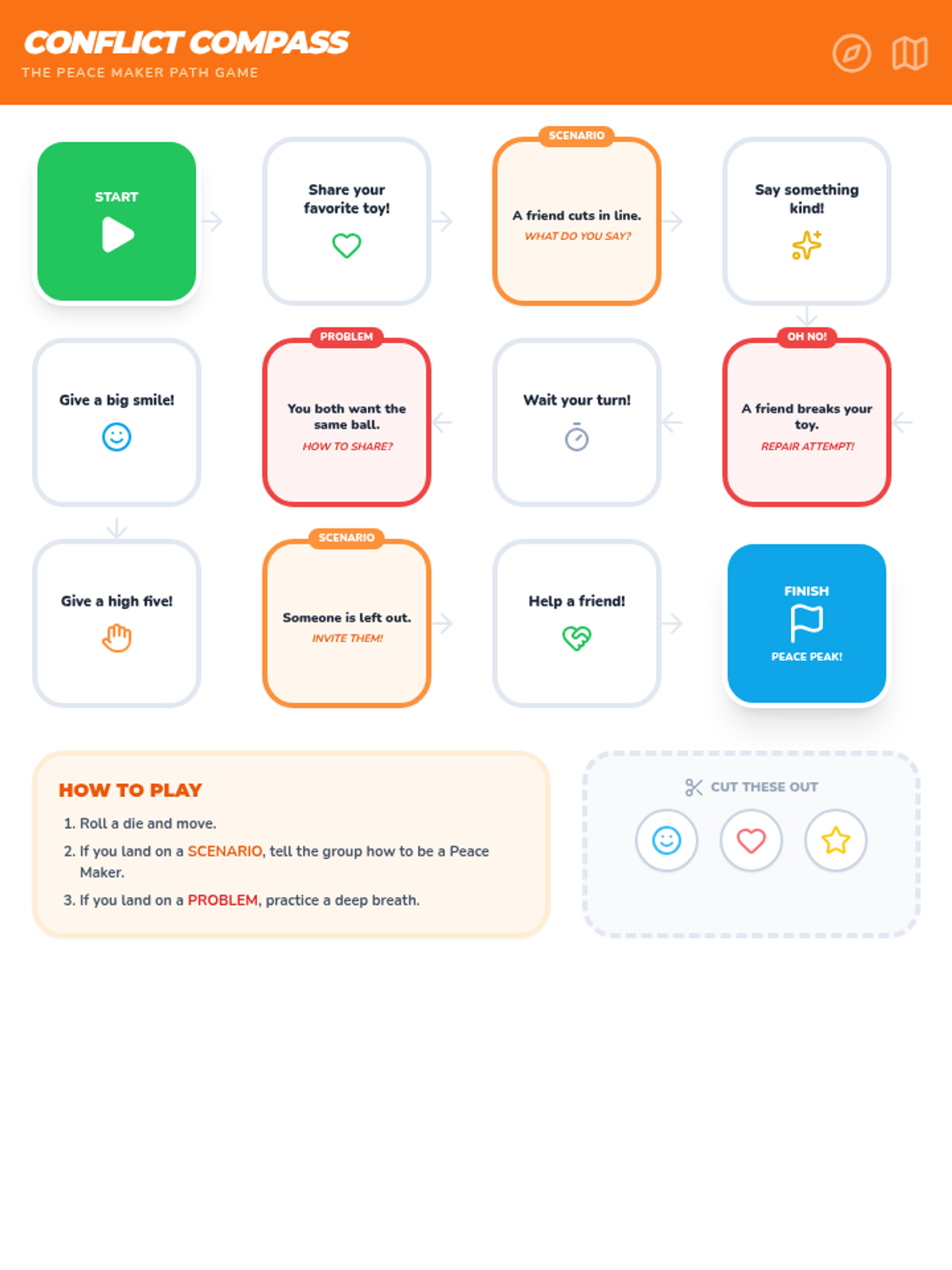
Students will explore different ways to navigate disagreements using a board game format to practice perspective-taking.
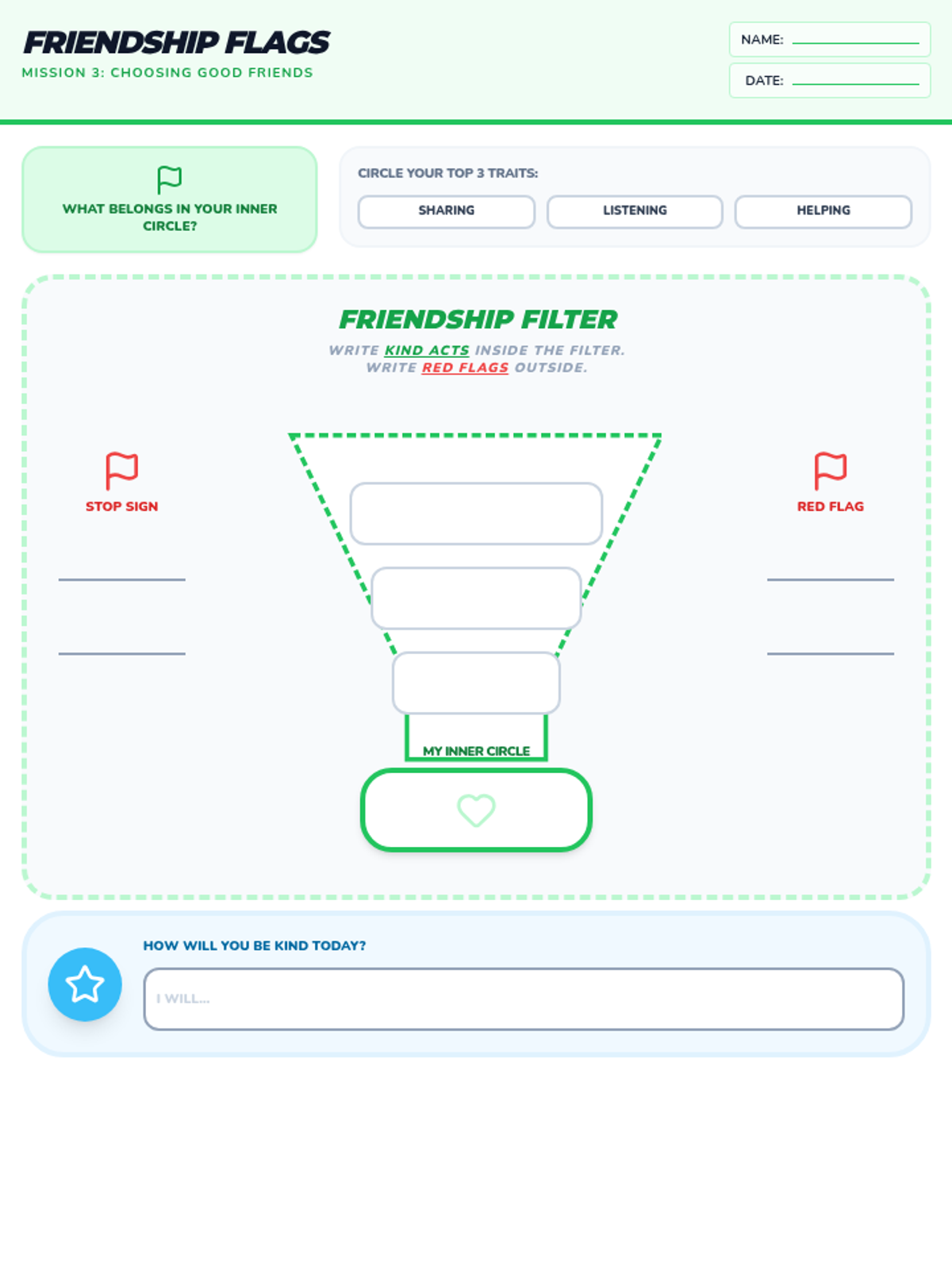
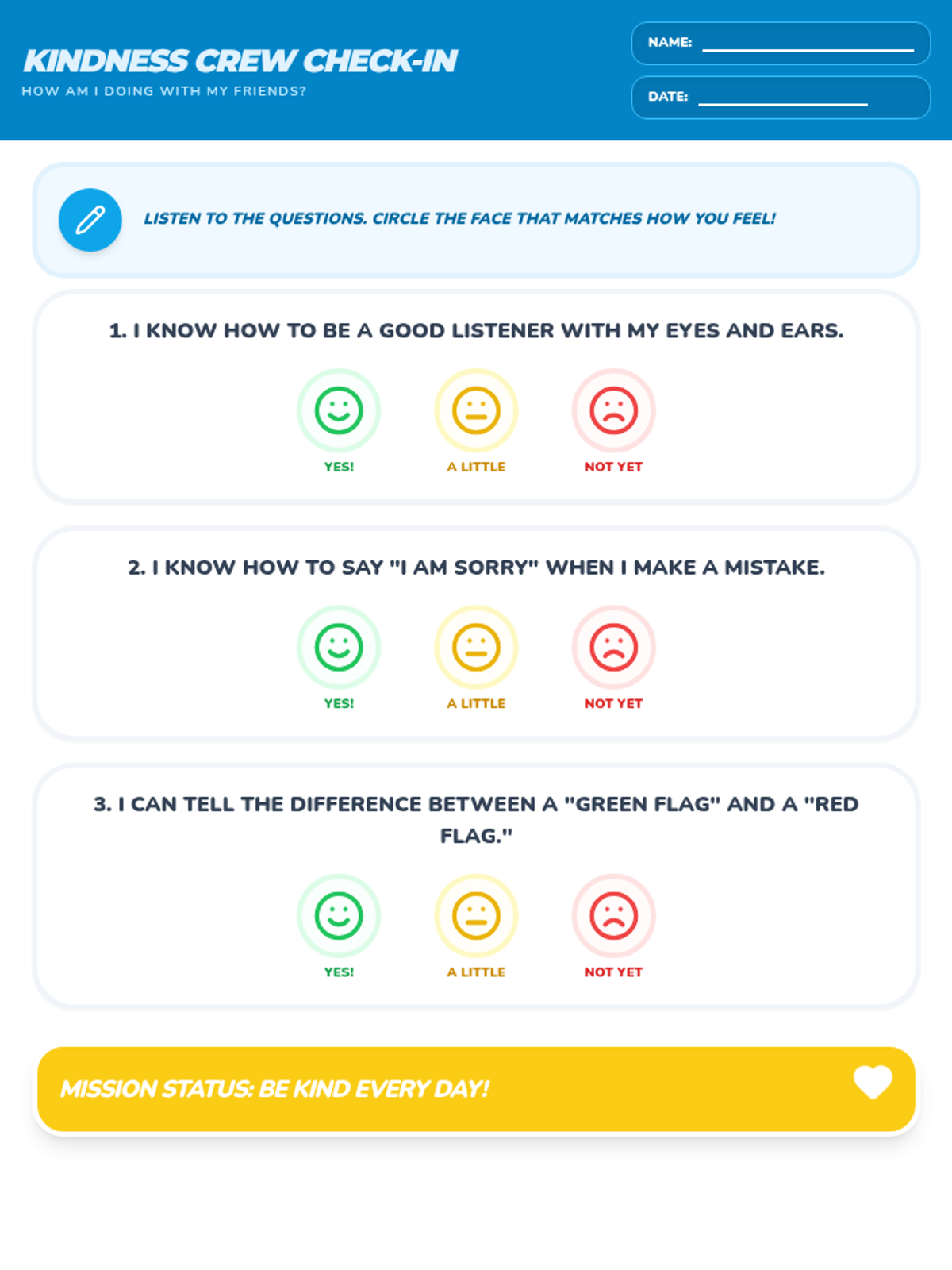
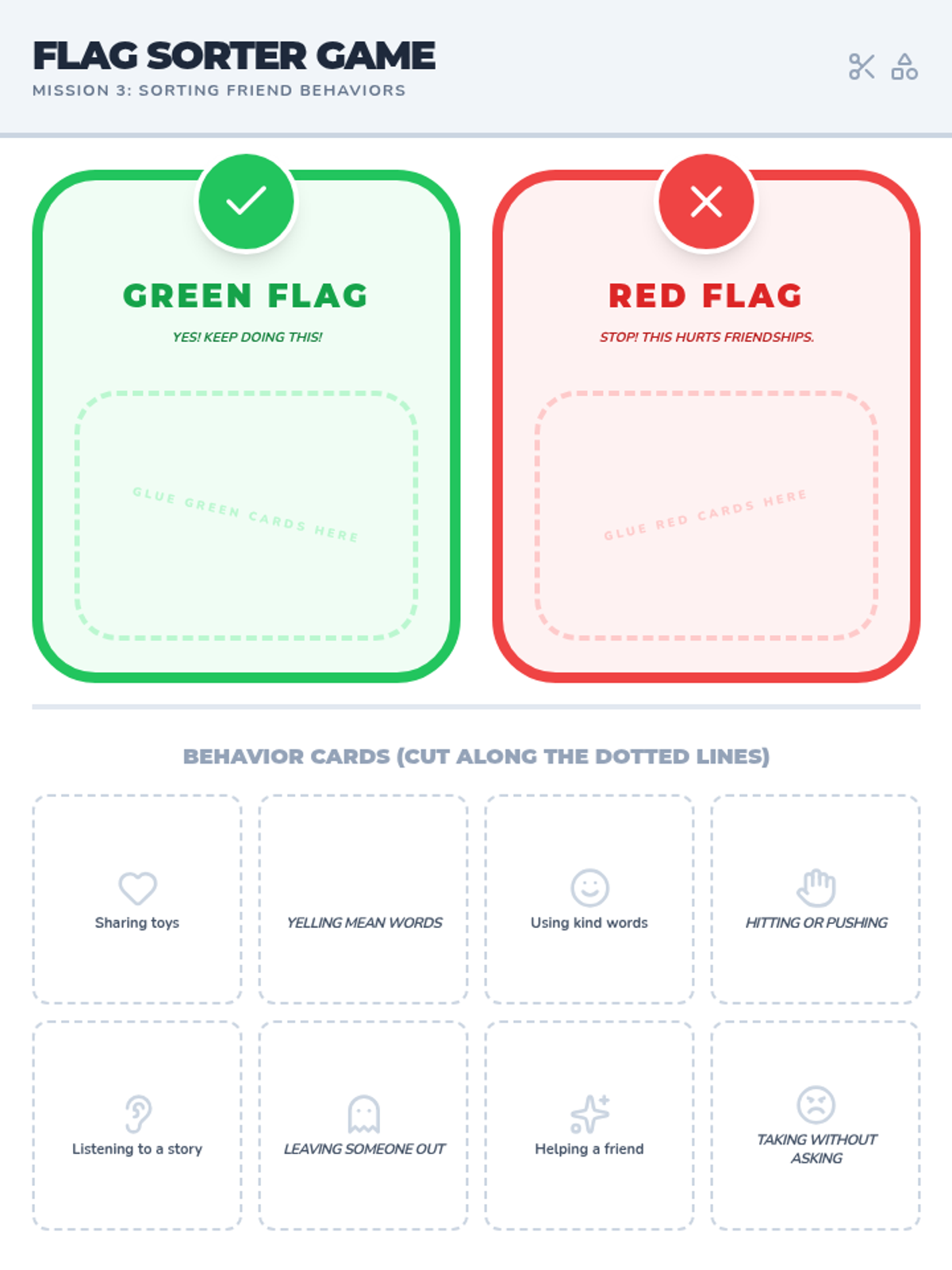
Students will identify the "ingredients" of a good friend and create a visual representation of their friendship standards.
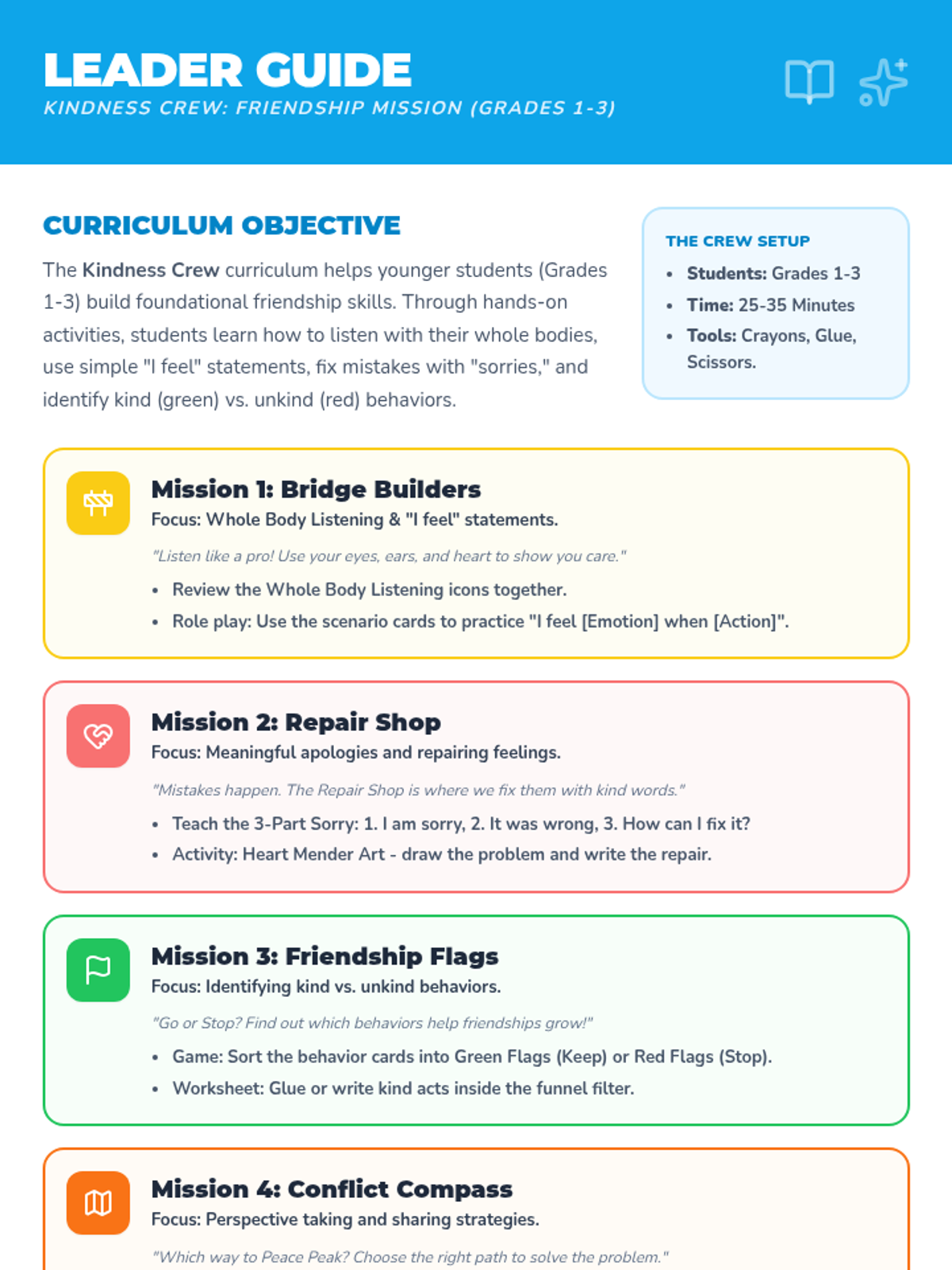
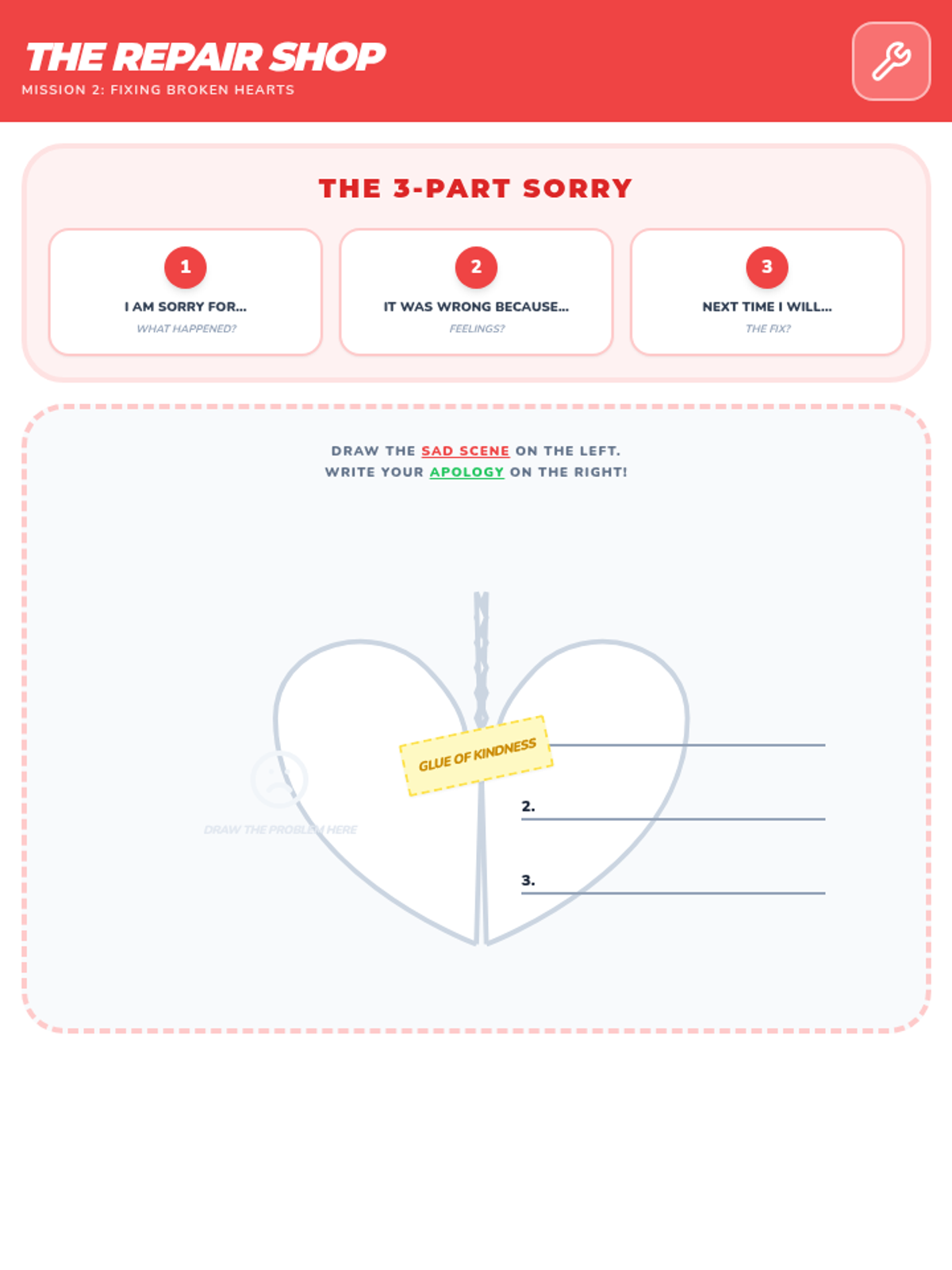
Students will learn how to make meaningful apologies and use art to explore the concept of repairing damaged relationships.
Students will practice effective communication techniques using role-play scenarios focused on active listening and "I" statements.
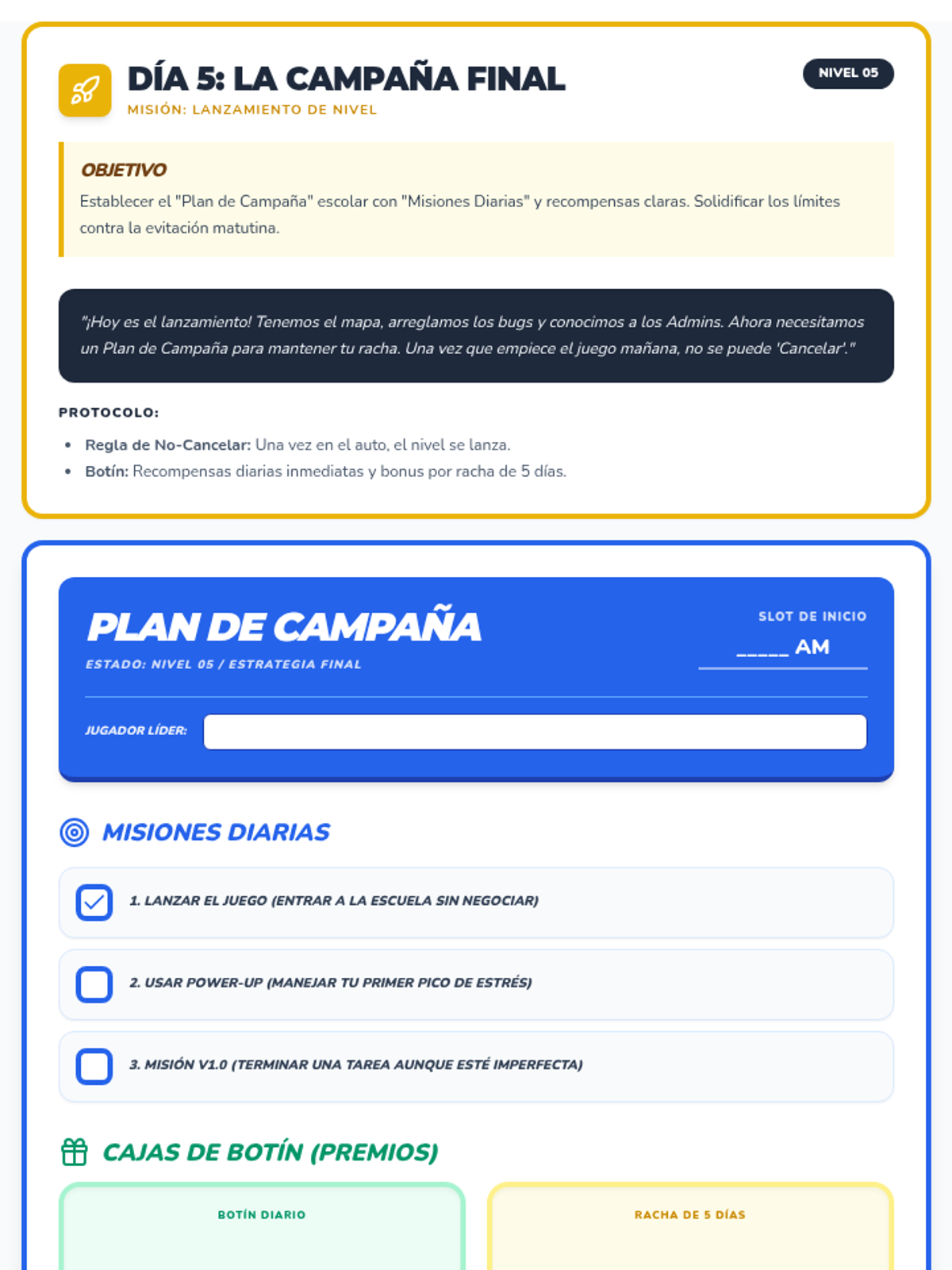
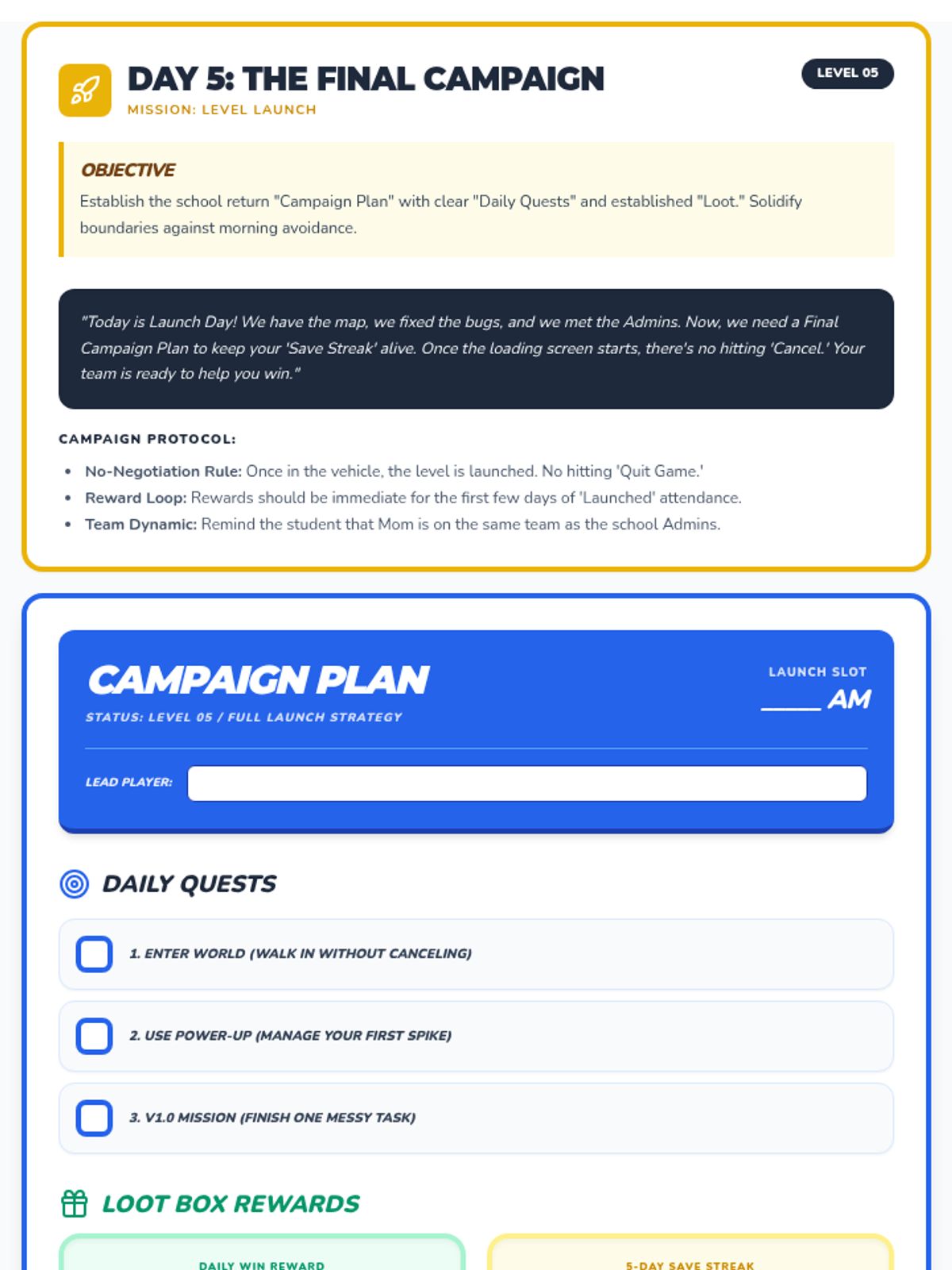
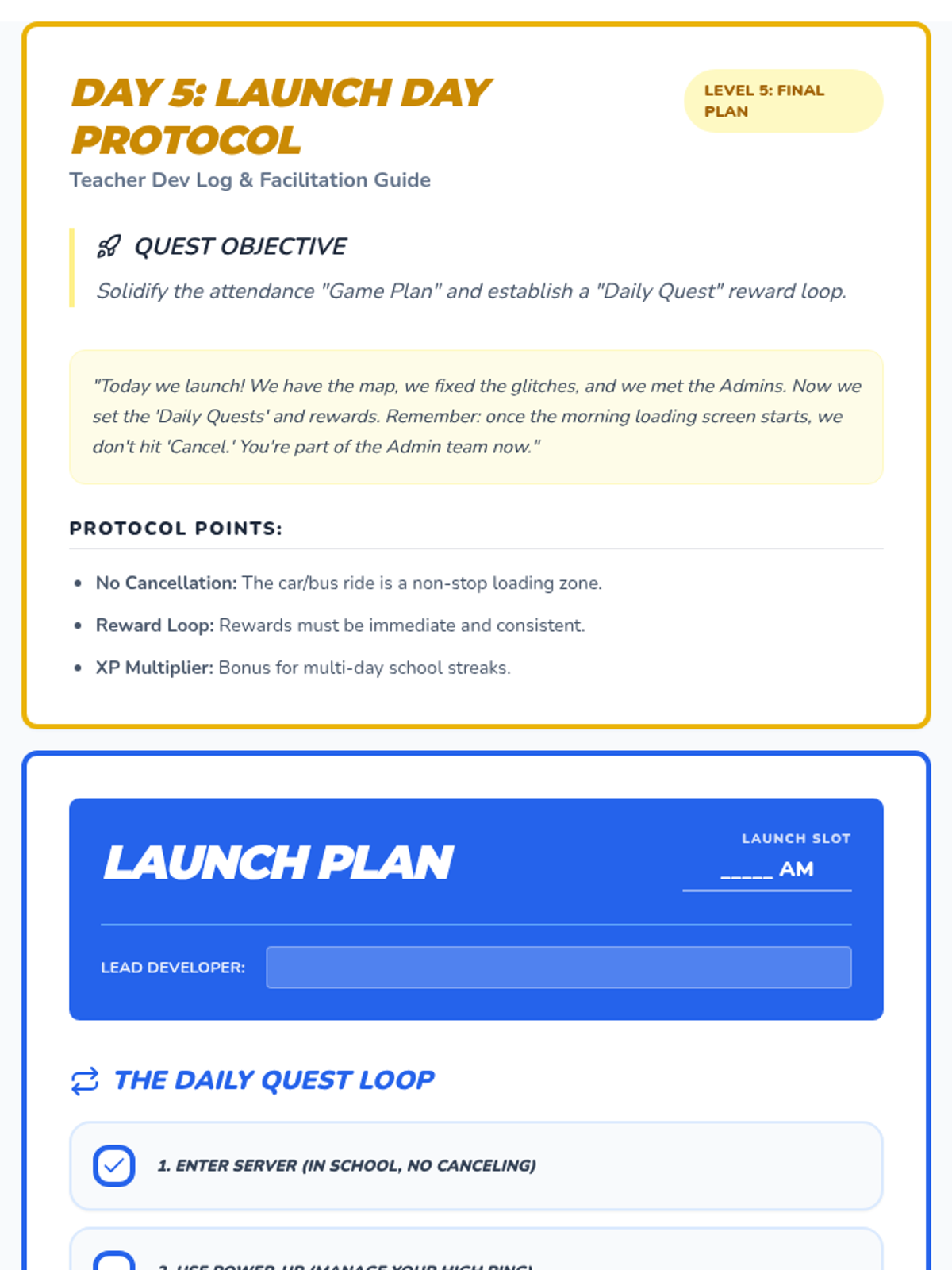
Crear un plan final de 'Lanzamiento' para el regreso a clases con 'Misiones Diarias' y recompensas claras.
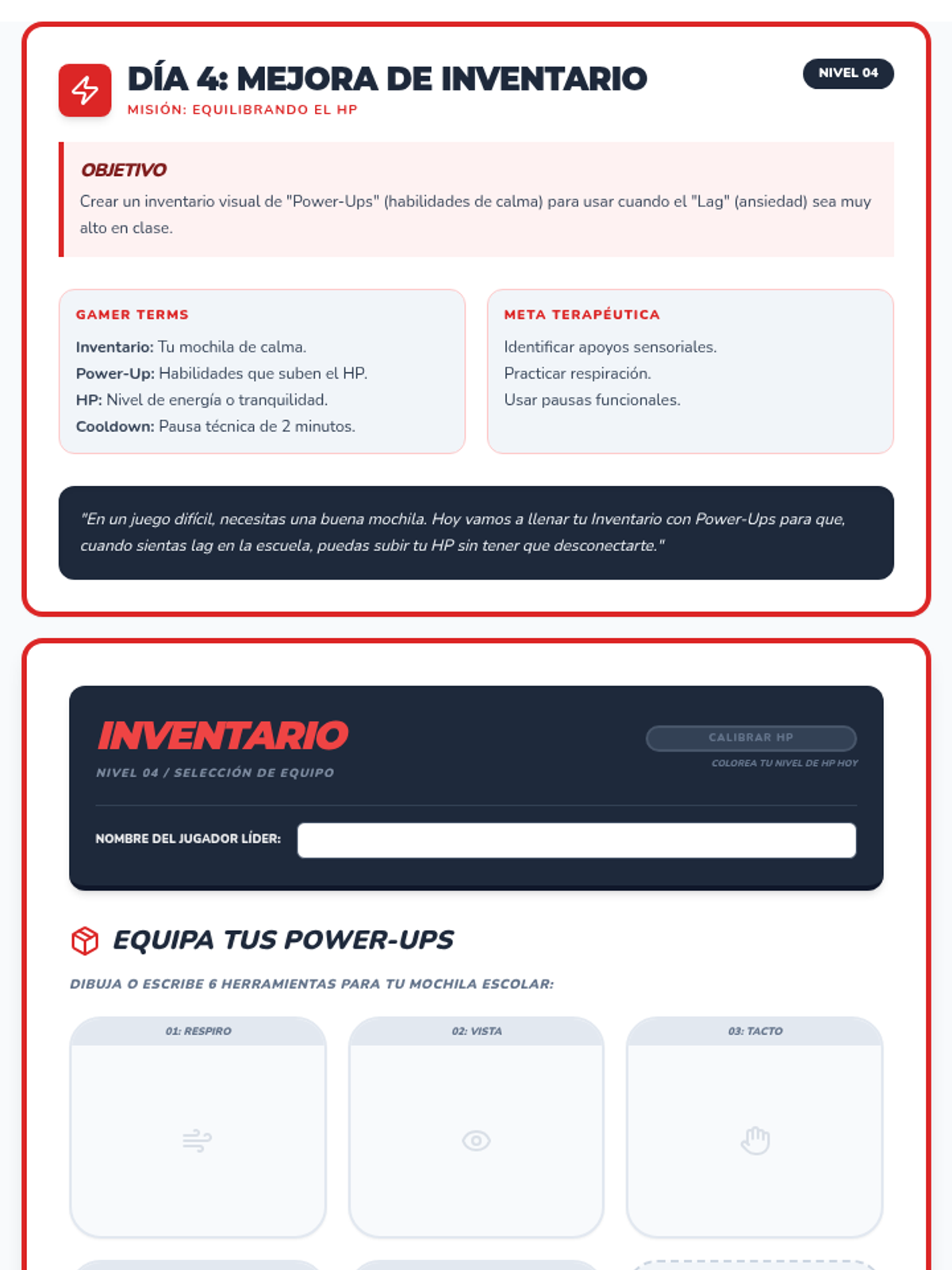
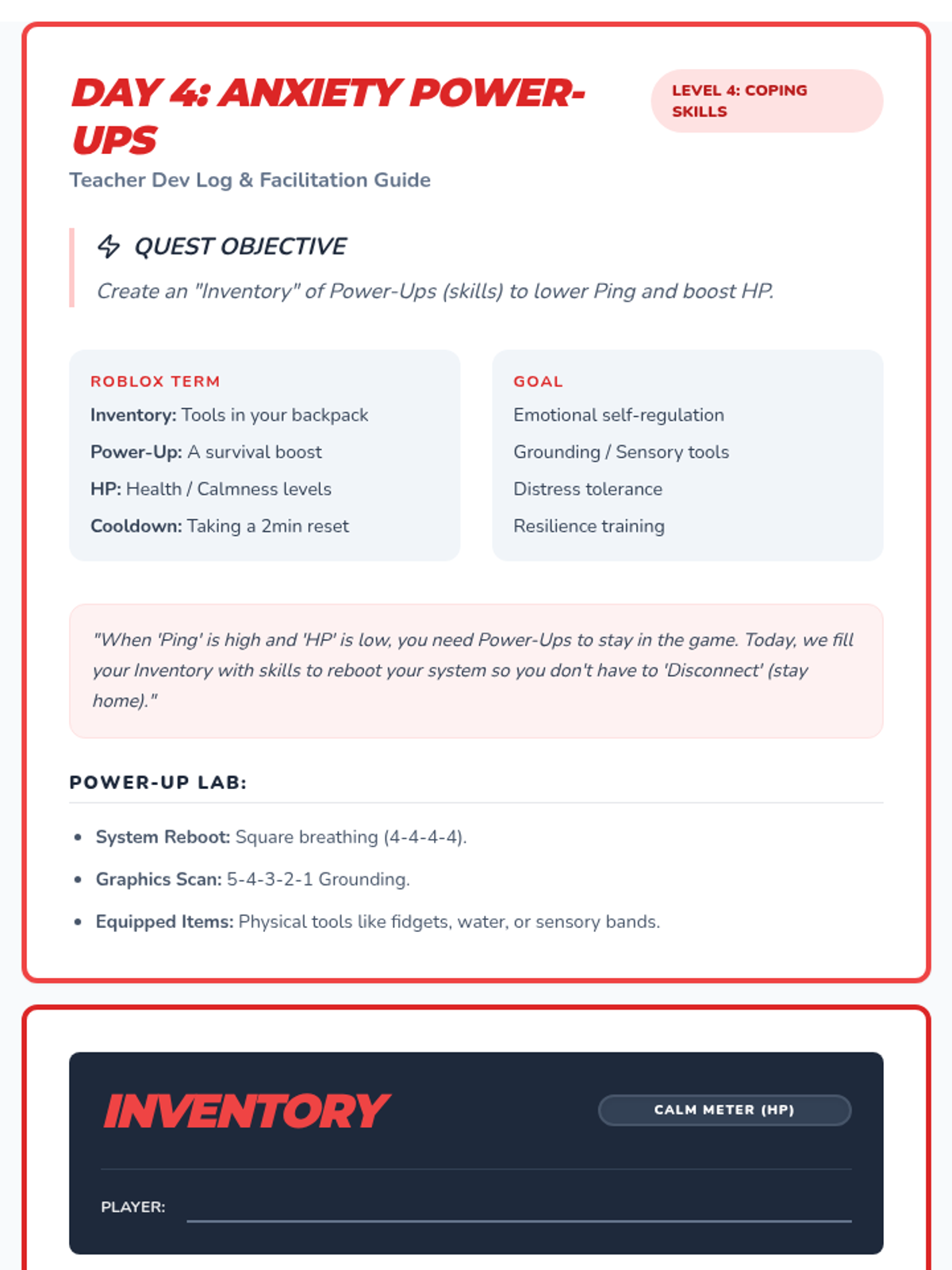
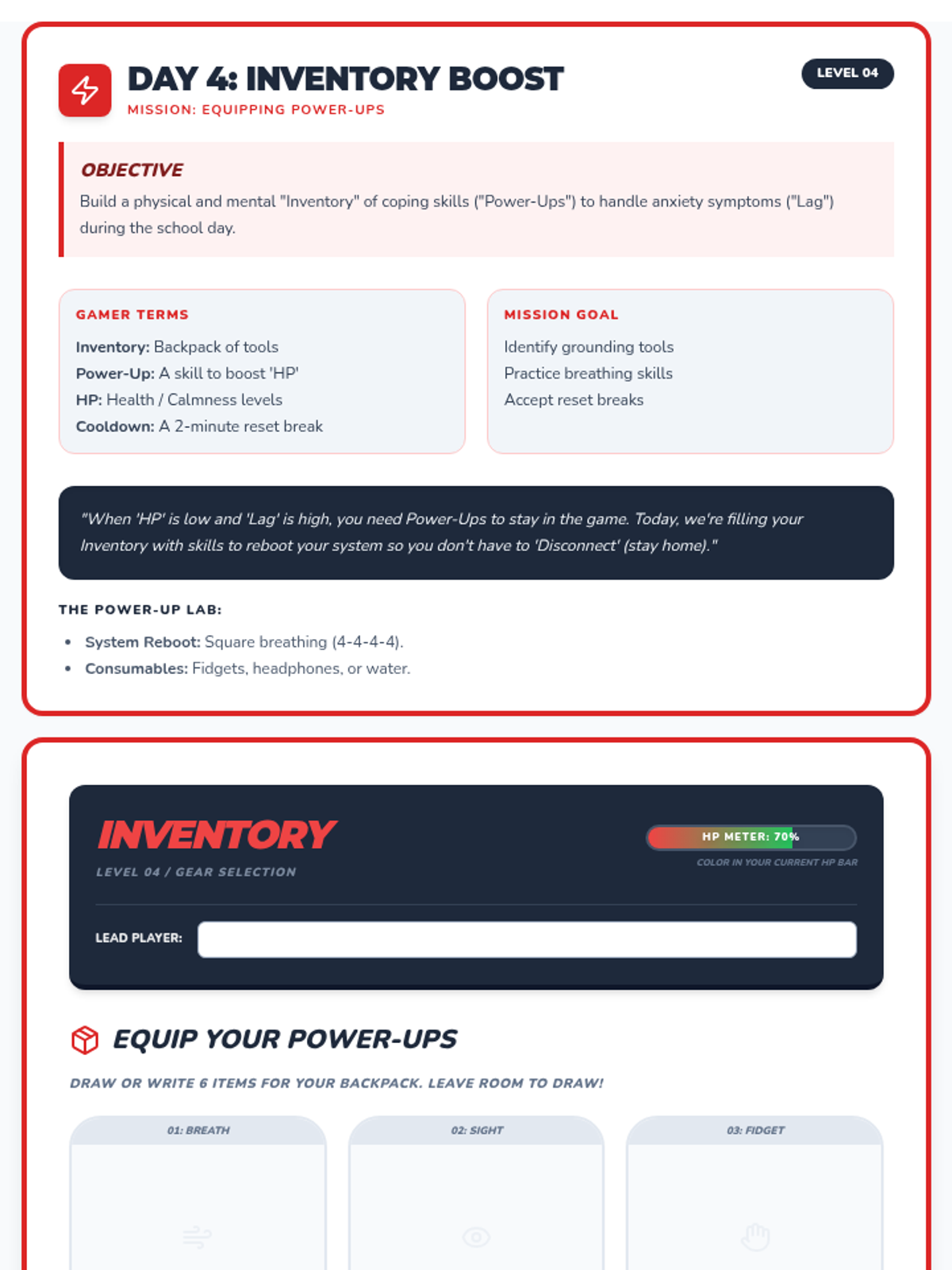
Construir un inventario de habilidades de afrontamiento ('Power-Ups') para manejar los síntomas de ansiedad ('Lag').
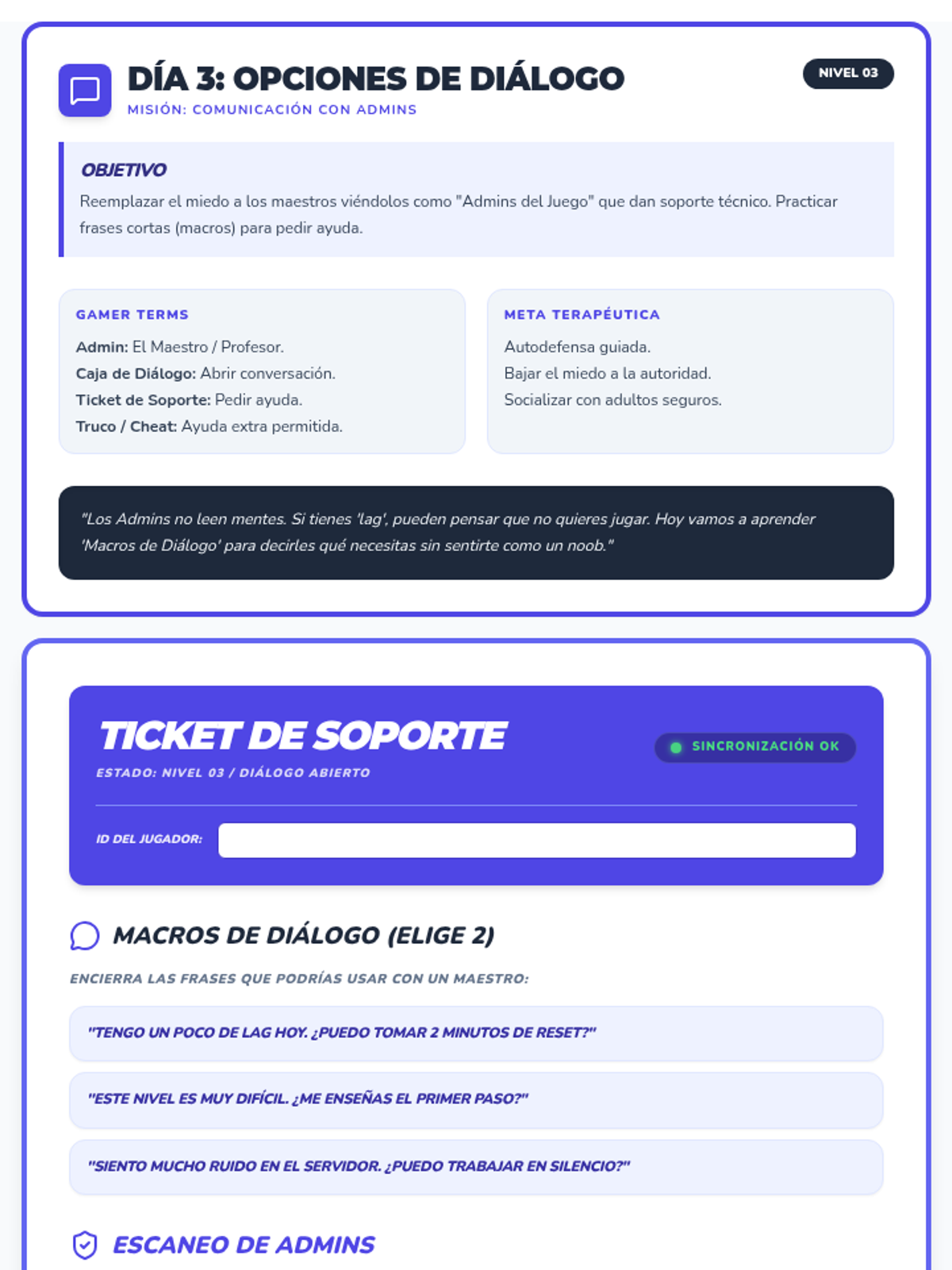
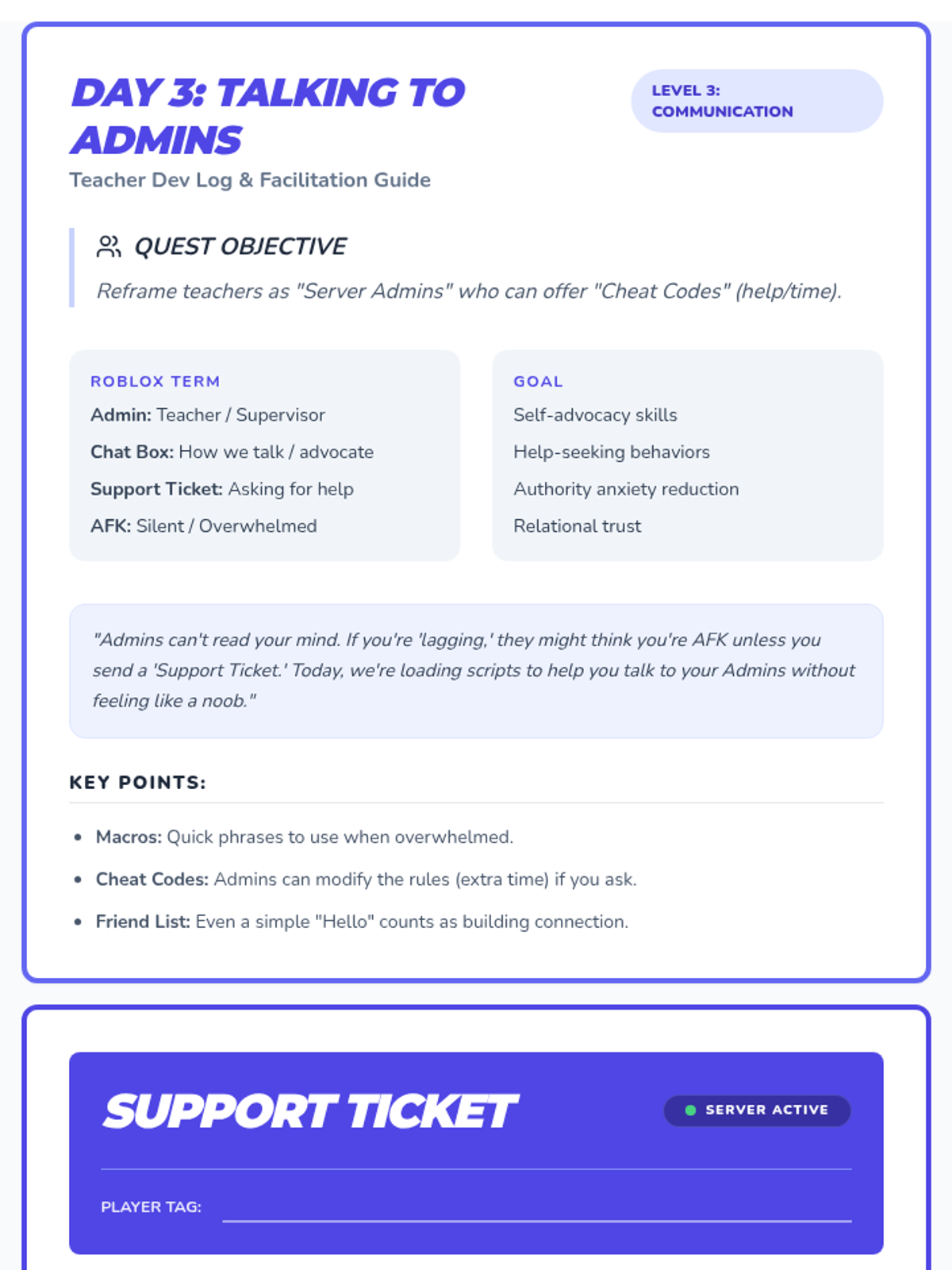
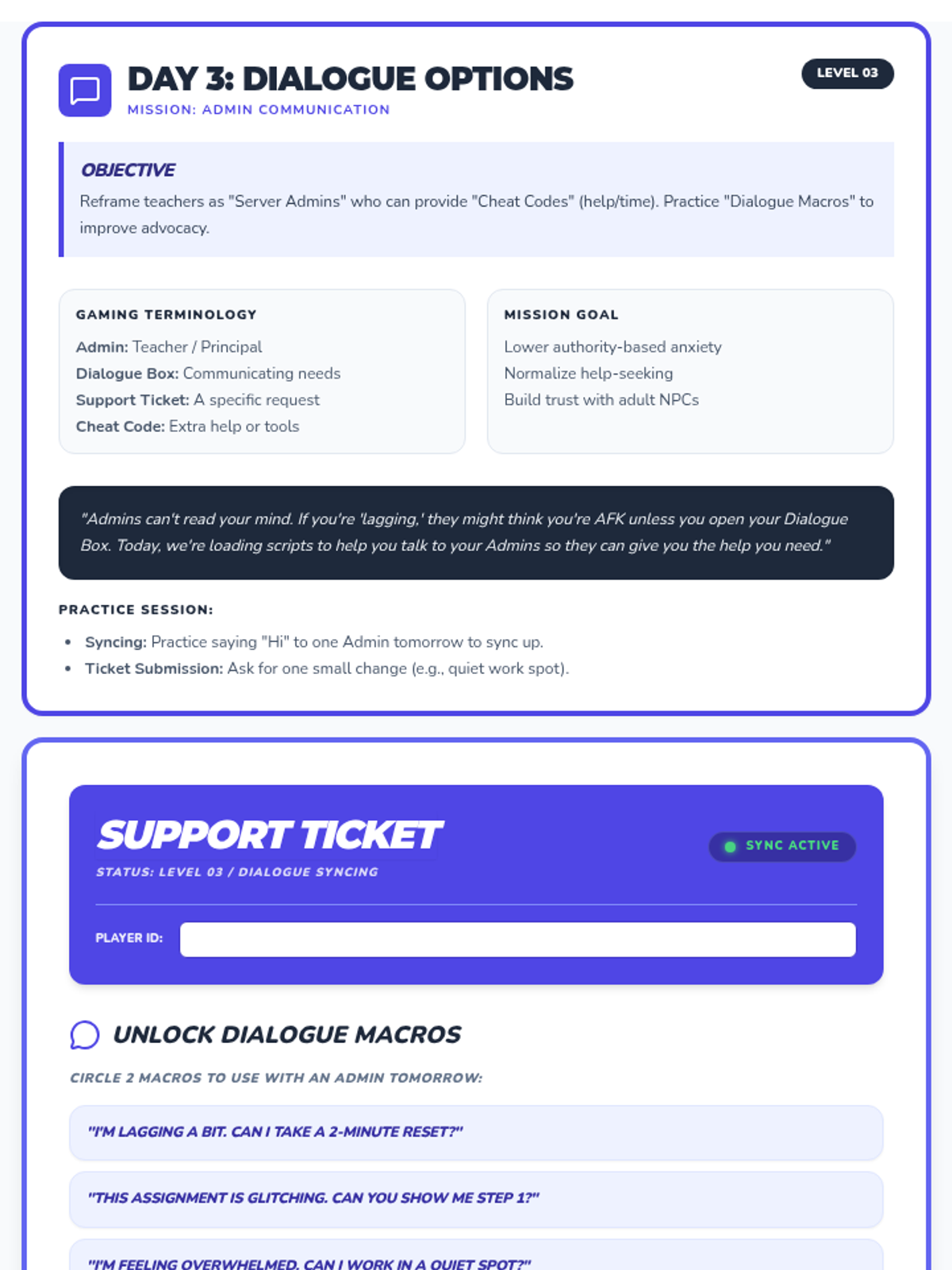
Mejorar la relación con los maestros replanteándolos como 'Admins del Servidor' y practicando 'Opciones de Diálogo'.
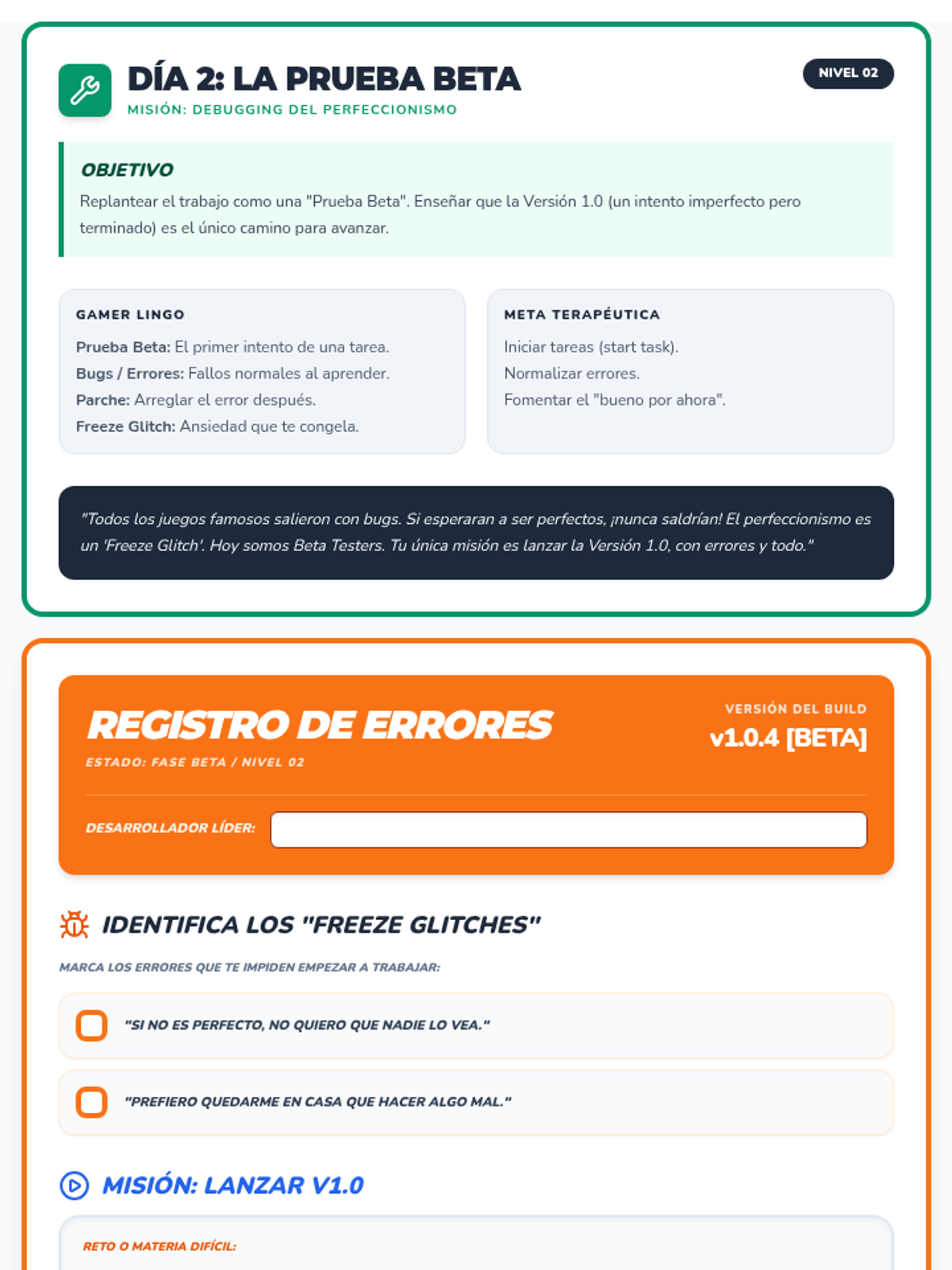
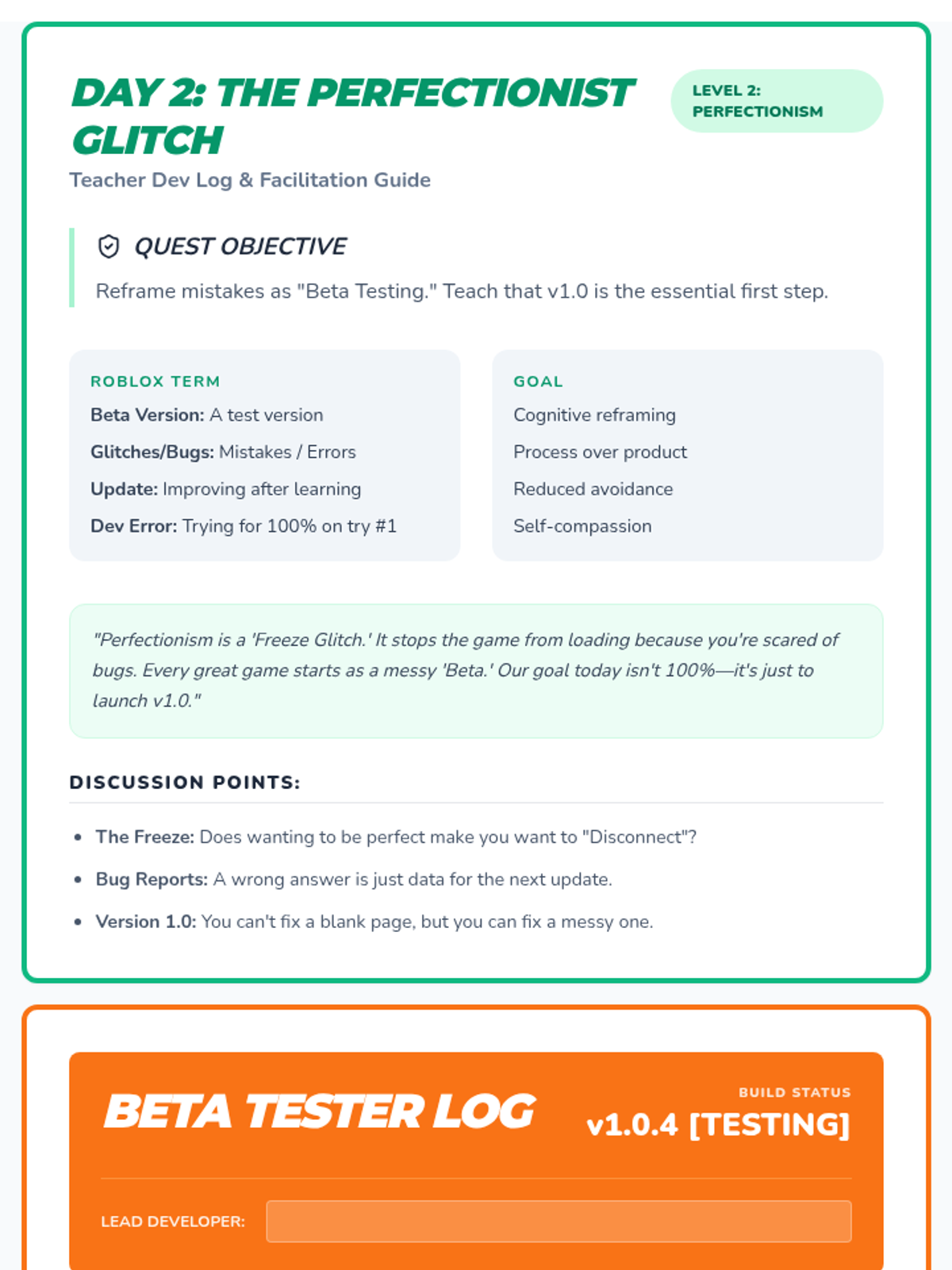
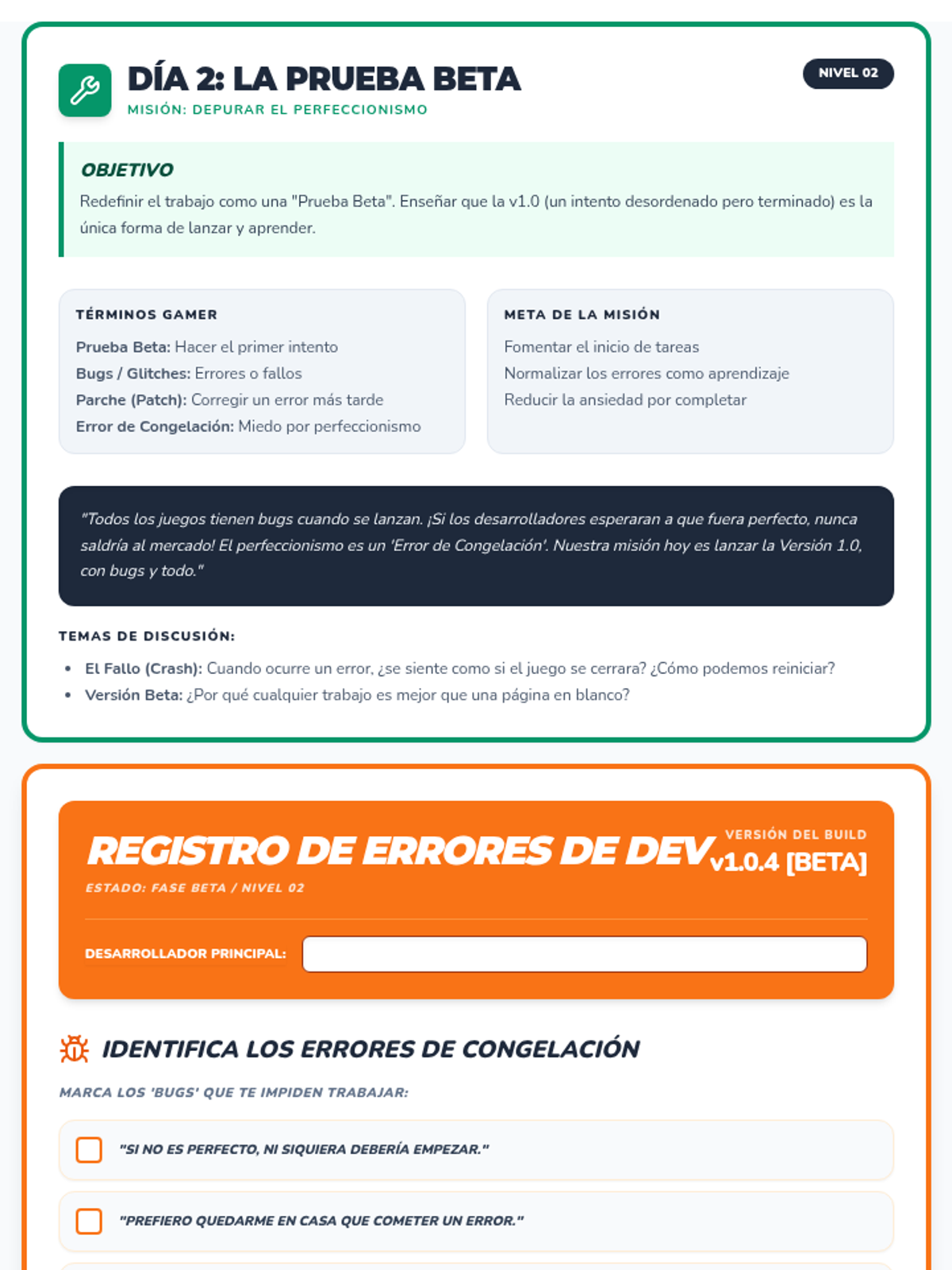
Tratar el perfeccionismo replanteando el trabajo como una 'Prueba Beta' y los errores como 'Bugs' que se pueden parchear.
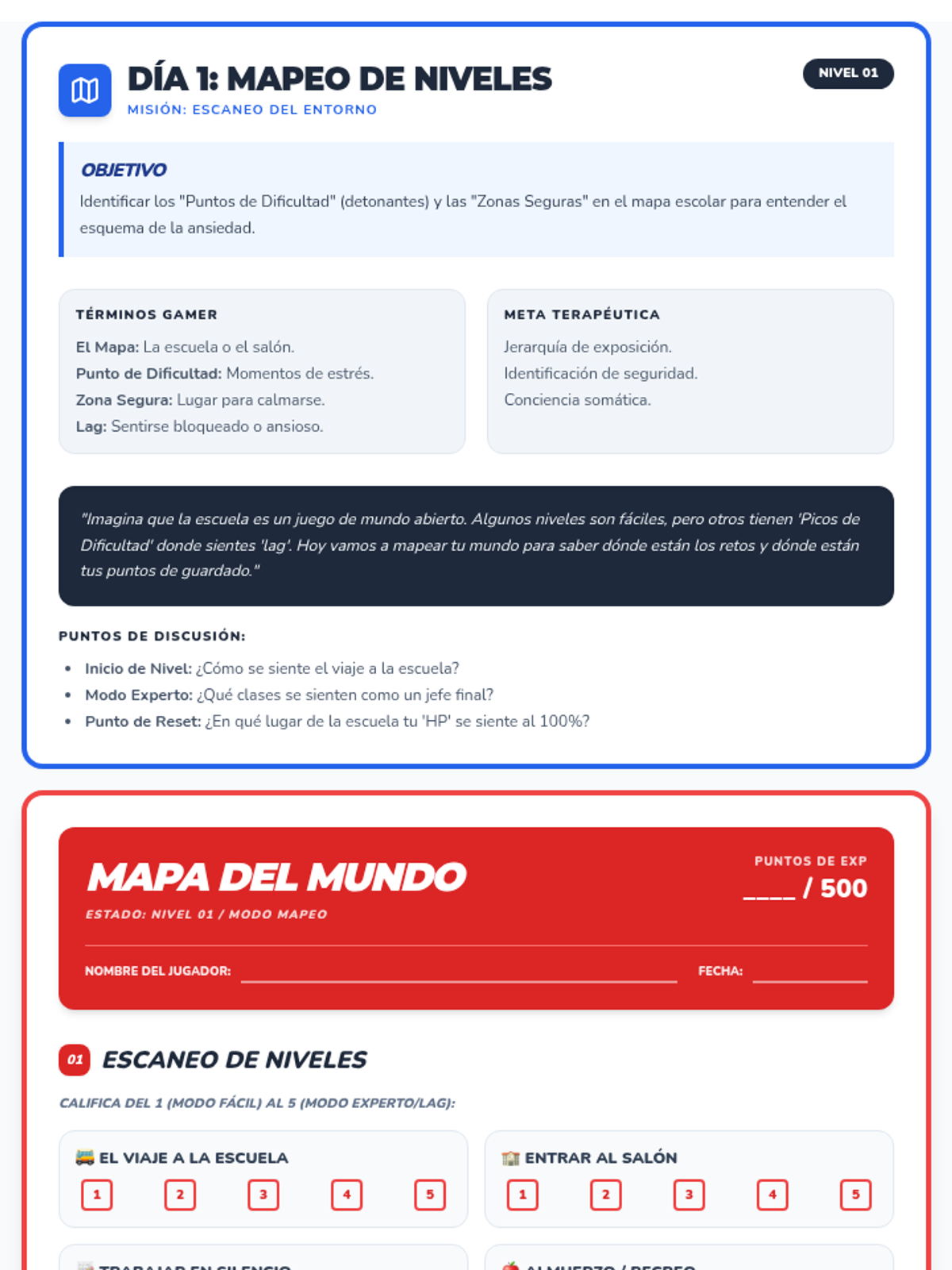
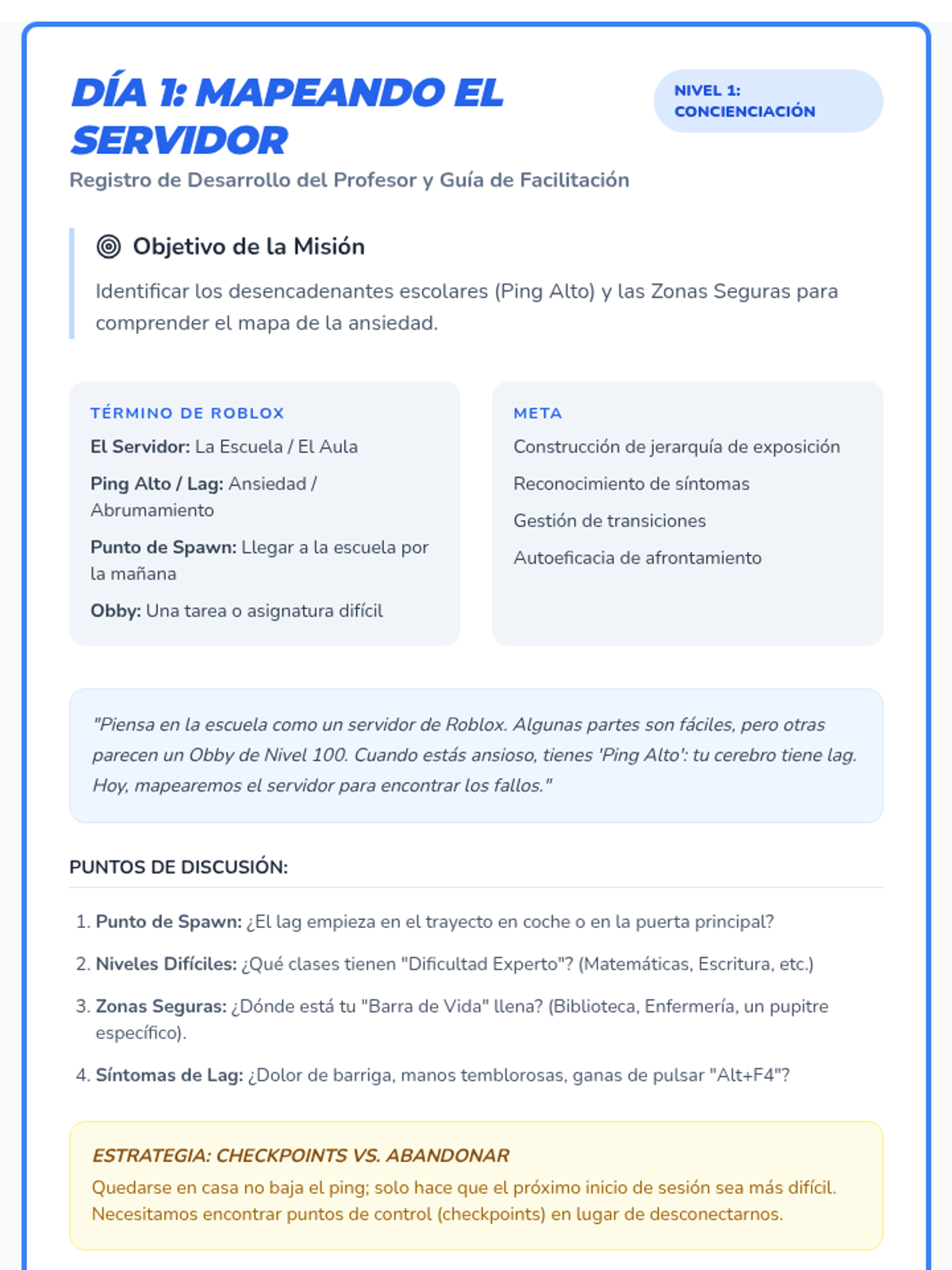
Identificar los detonantes escolares mapeando los 'niveles' y encontrando 'zonas seguras' en el mapa escolar.
Creating a final 'Save File' for school return with clear 'Daily Quests' and rewards.
Building a set of coping skills ('Power-Ups') to handle anxiety symptoms ('Status Effects').
Improving teacher engagement by reframing them as 'Game Admins' and practicing 'Dialogue Options'.
Addressing perfectionism by reframing work as 'Beta Testing' and mistakes as 'Bugs' to be patched.
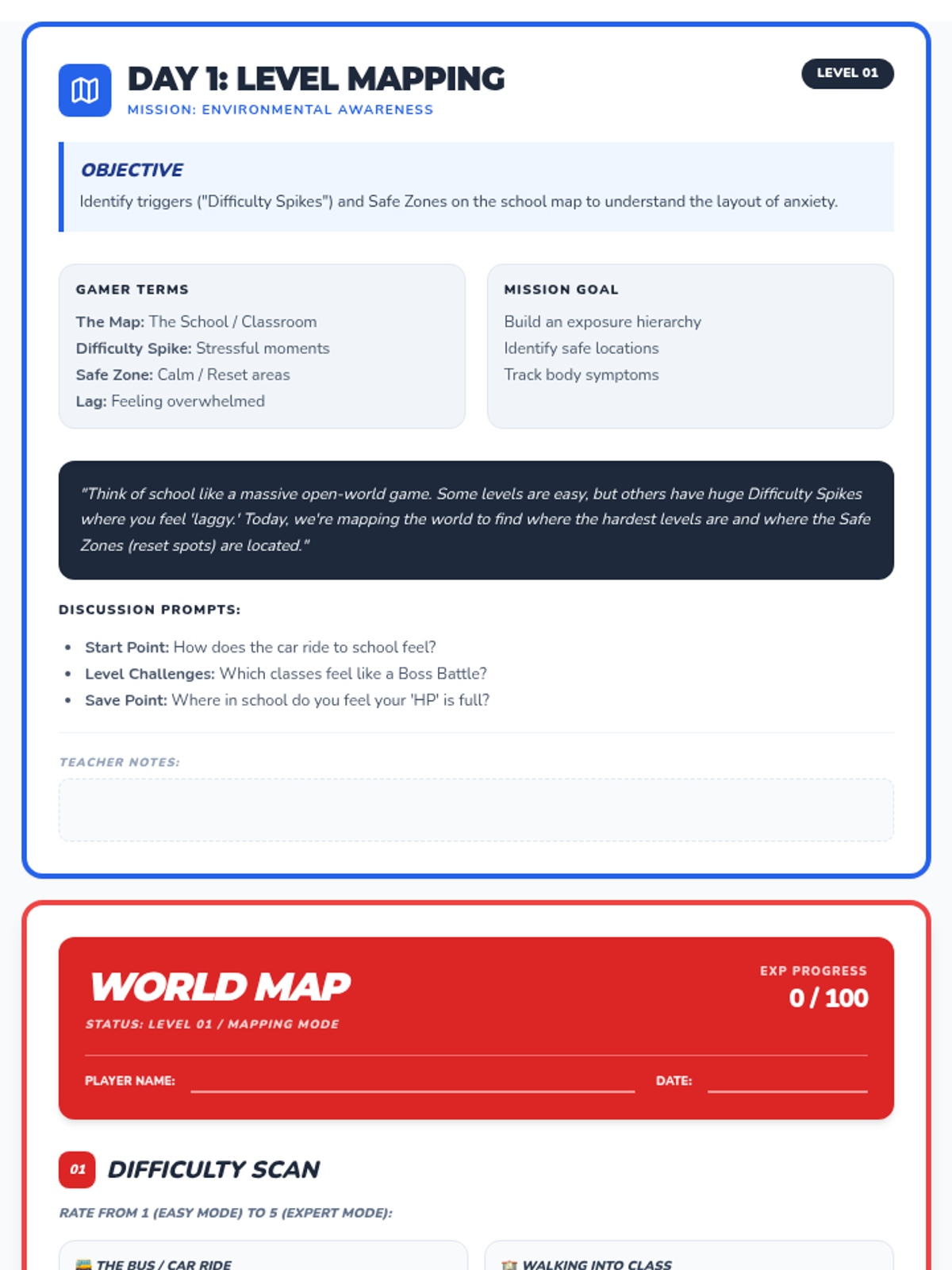
Identifying school triggers by 'mapping the levels' and finding 'safe zones' on the school map.
Creating a finalized 'Launch Plan' for school return, including boundaries and success rewards.
Building an inventory of coping skills ('Power-Ups') to manage physiological anxiety symptoms.
Reframing teachers as 'Admins' and 'Game Guides' to improve communication and support-seeking.
Addressing perfectionism as a 'progress glitch' and reframing mistakes as necessary beta testing.
Identifying school triggers and mapping out the 'school server' to understand the layout of anxiety.
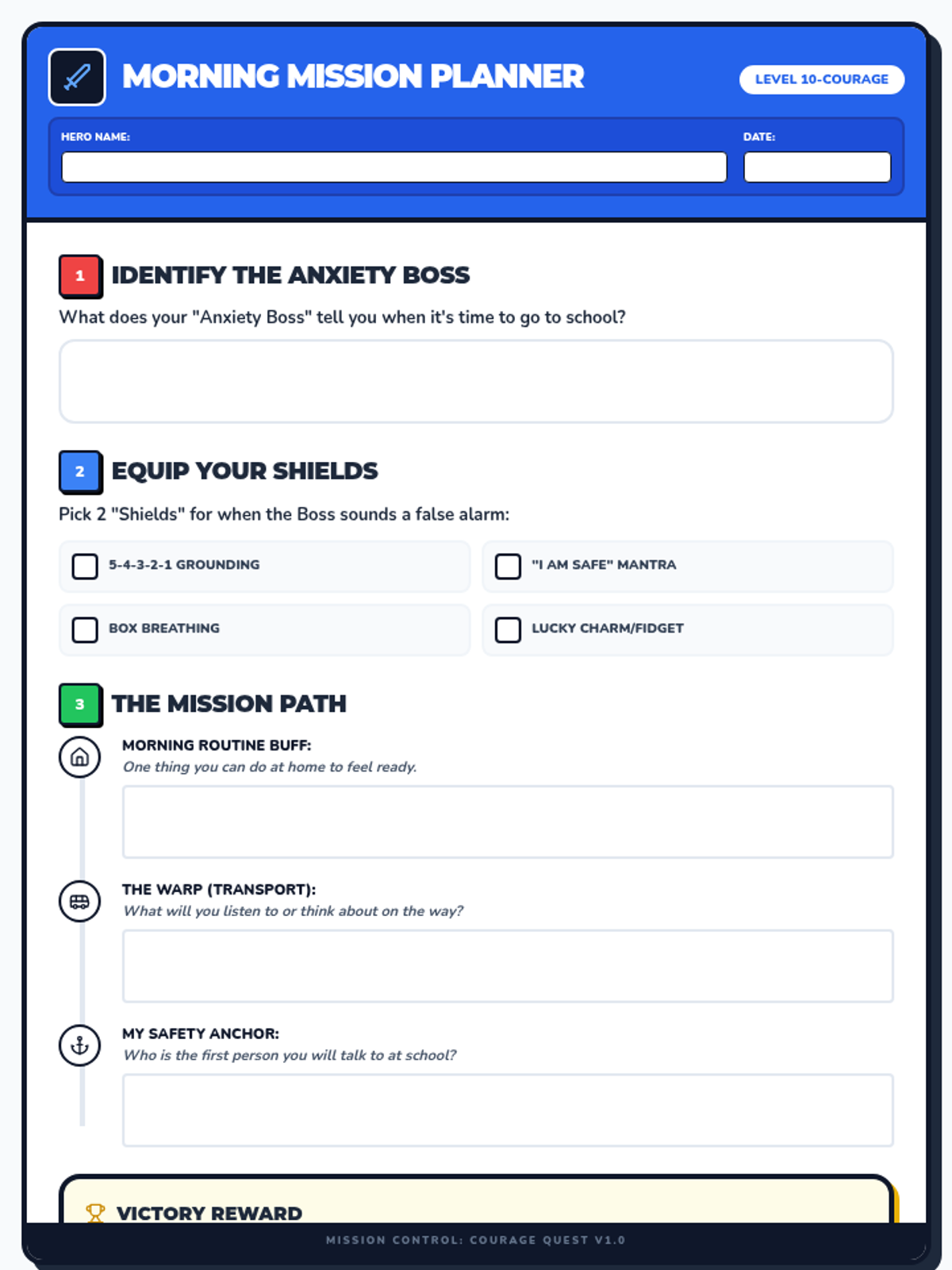
A lesson designed for 10-year-olds facing school anxiety and refusal. Using a gaming/RPG theme, it frames anxiety as a 'Boss' to be outsmarted using specific 'Shields' (coping strategies) and 'Morning Mission' planning to make the transition to school feel more manageable.
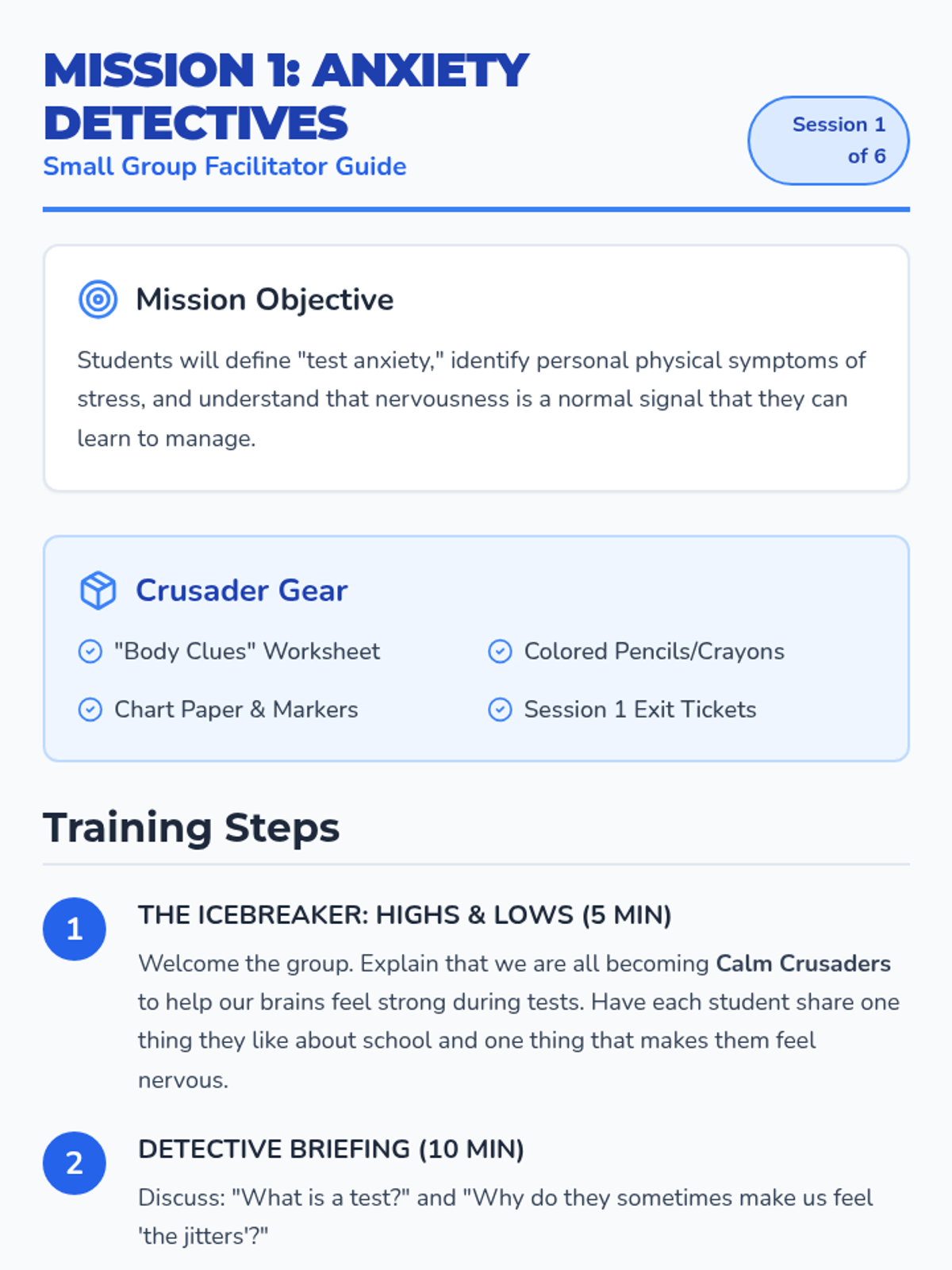
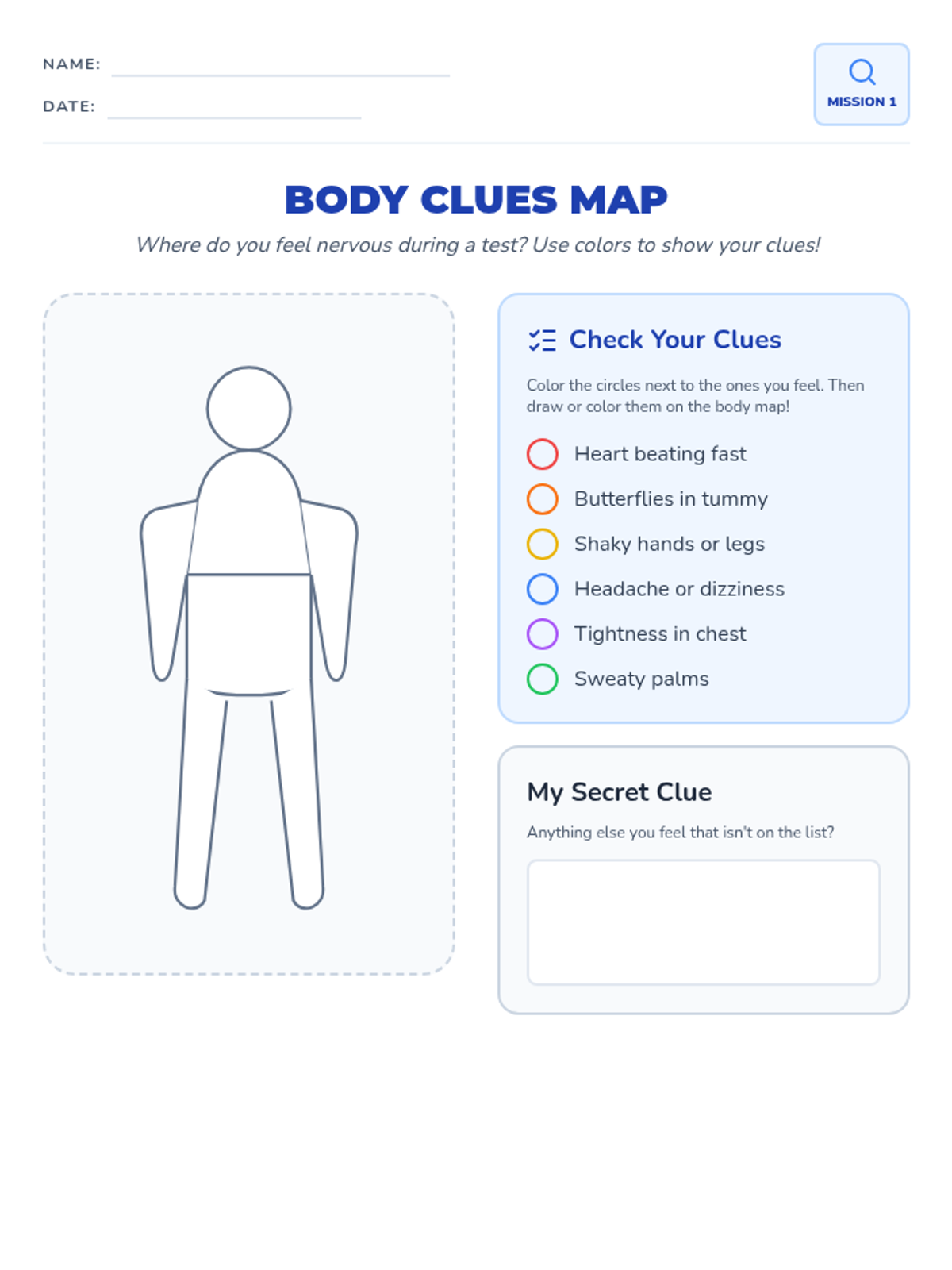
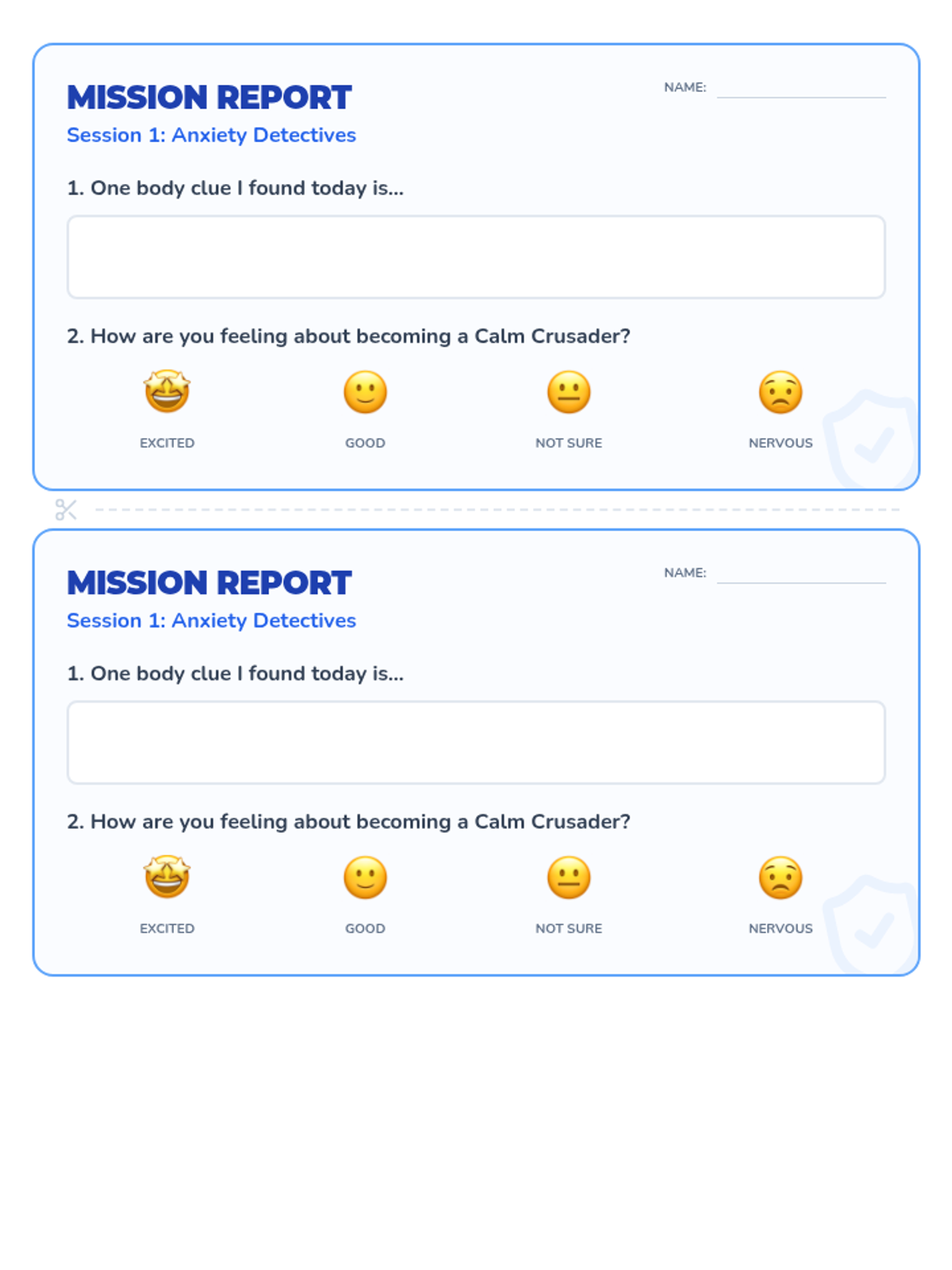
In this opening session, students identify where they feel anxiety in their bodies and learn that 'nervousness' is a normal signal they can manage.