A 45-60 minute lesson for grades 3-8 that teaches students to identify and interpret nonverbal social cues like body language and tone of voice to improve communication and build stronger friendships.
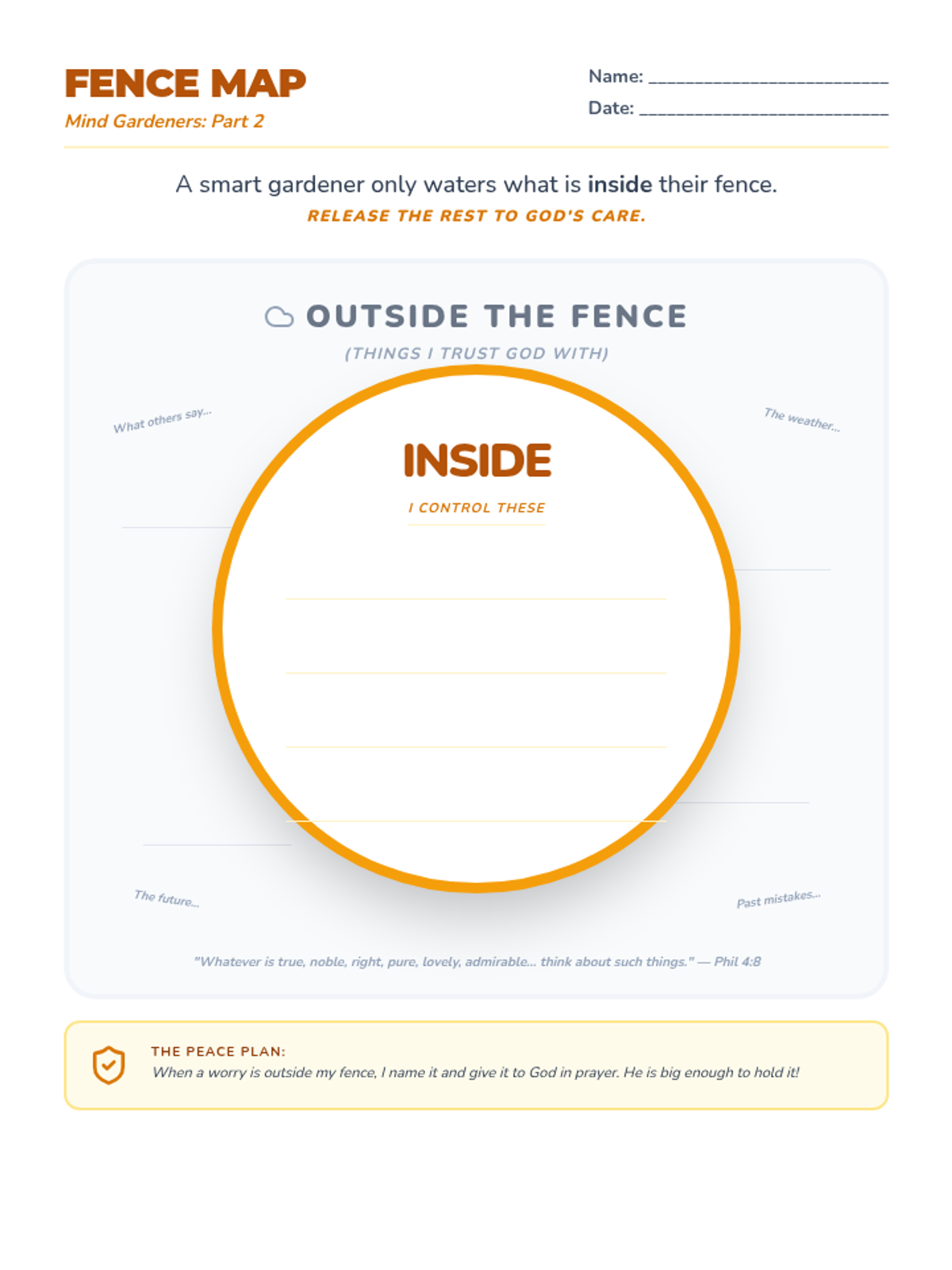
Students explore the concept of the Circle of Control, learning to distinguish between things they can change (inside the garden fence) and things they must accept (outside the fence).
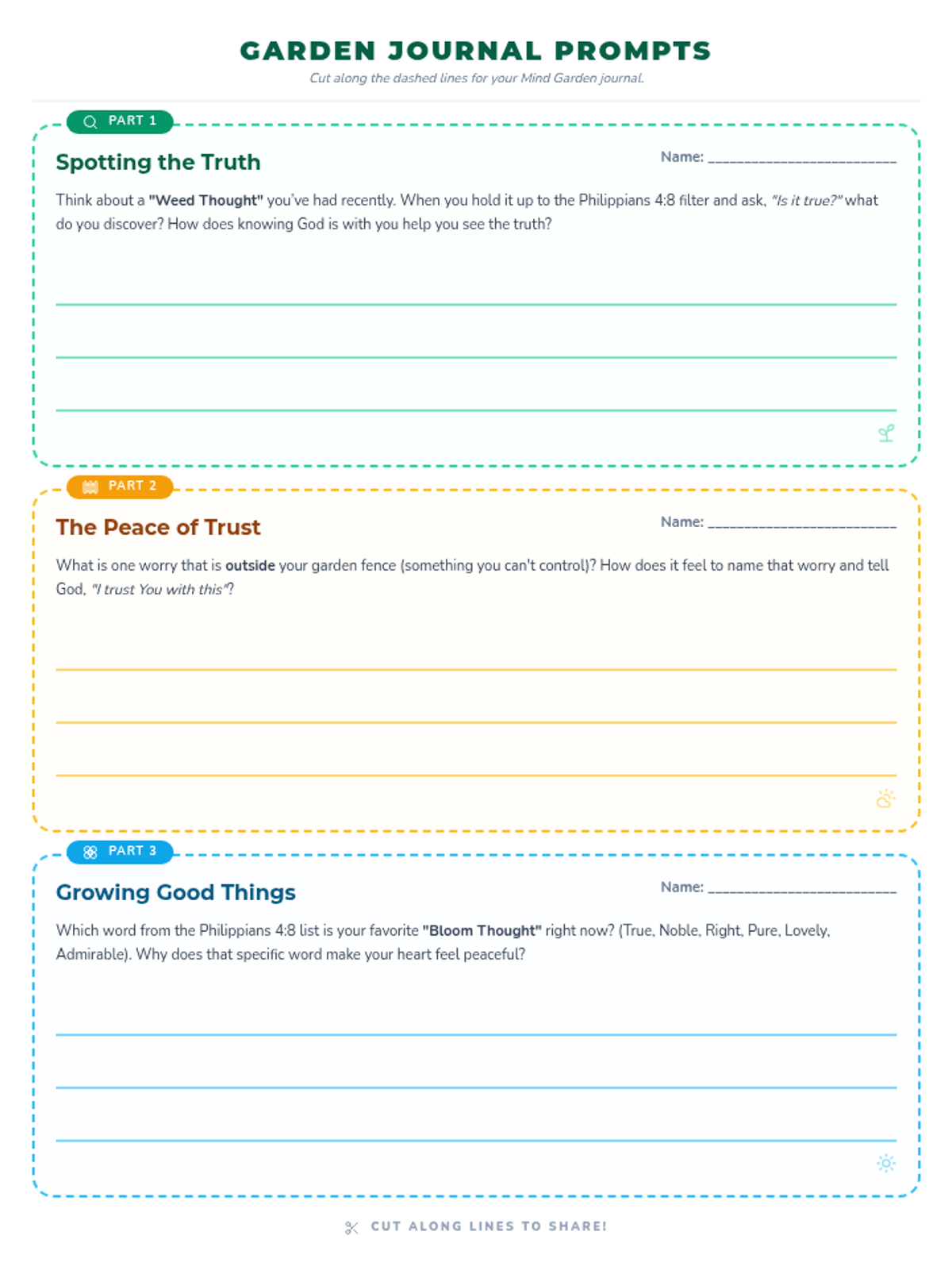
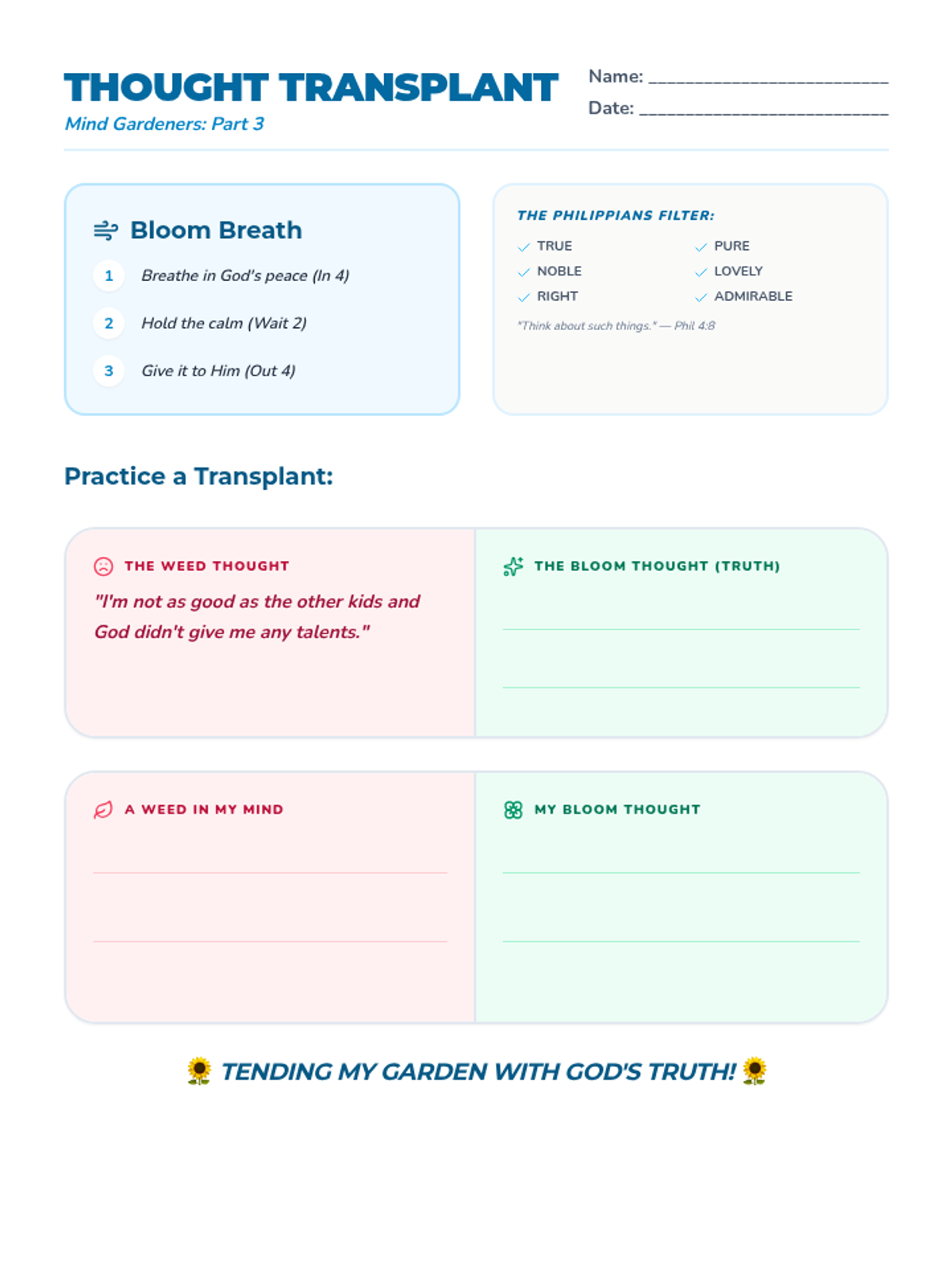
Students practice reframing unhelpful thoughts and building a toolkit of coping strategies to 'bloom' through challenging emotions.
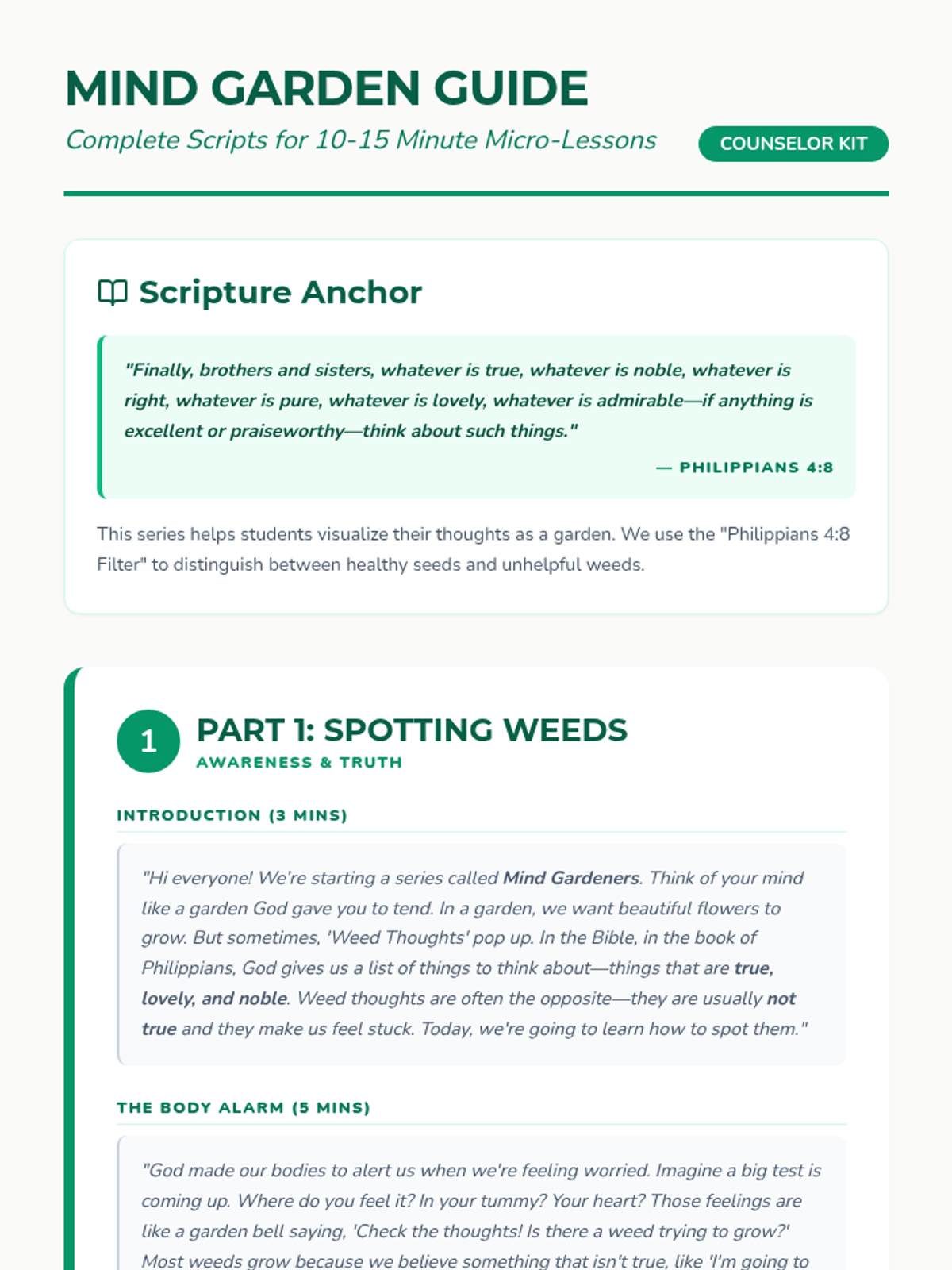
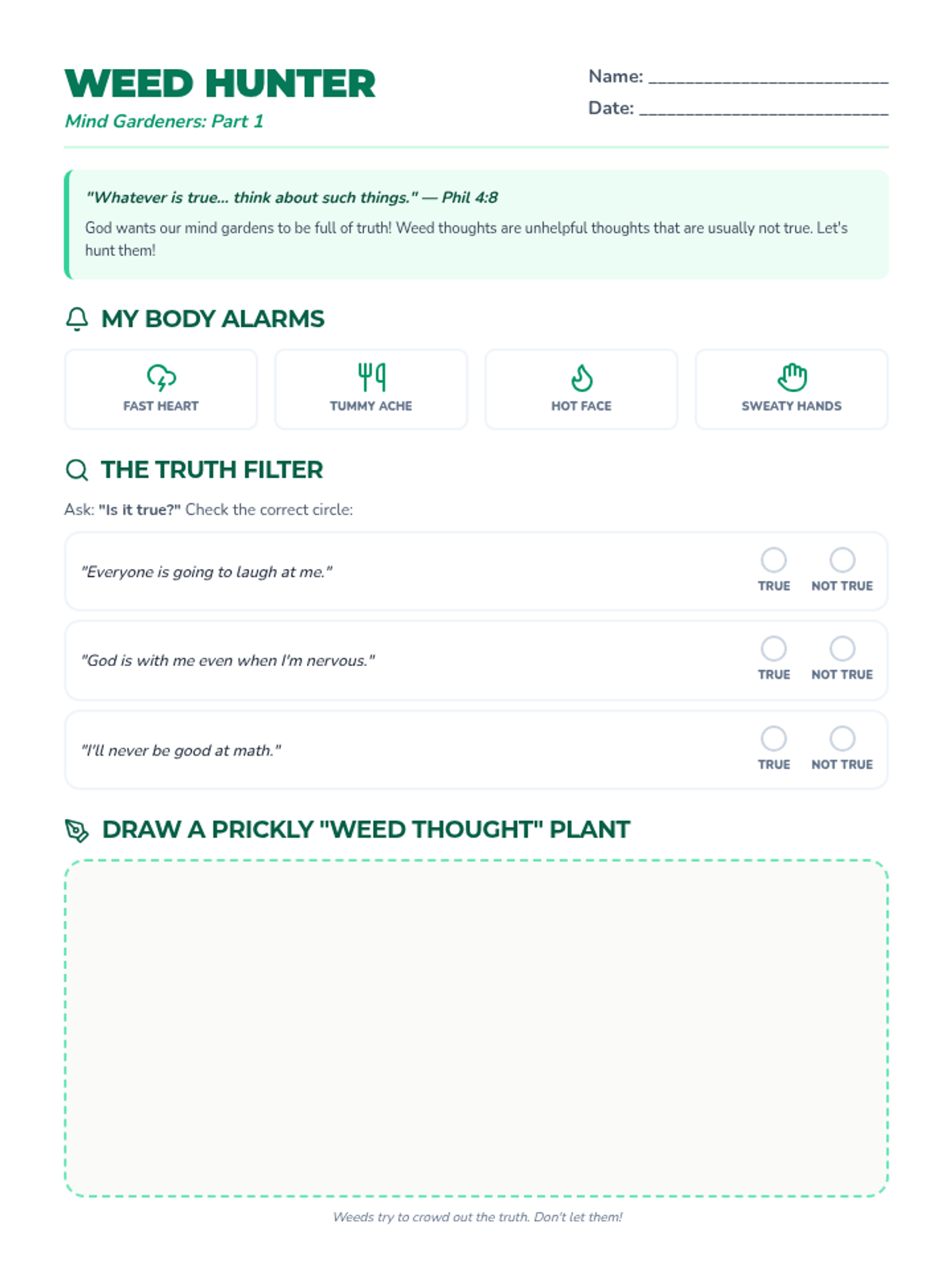
Students learn to identify physical signs of anxiety and recognize 'weed thoughts'—unhelpful or negative thoughts that can crowd out calm ones.
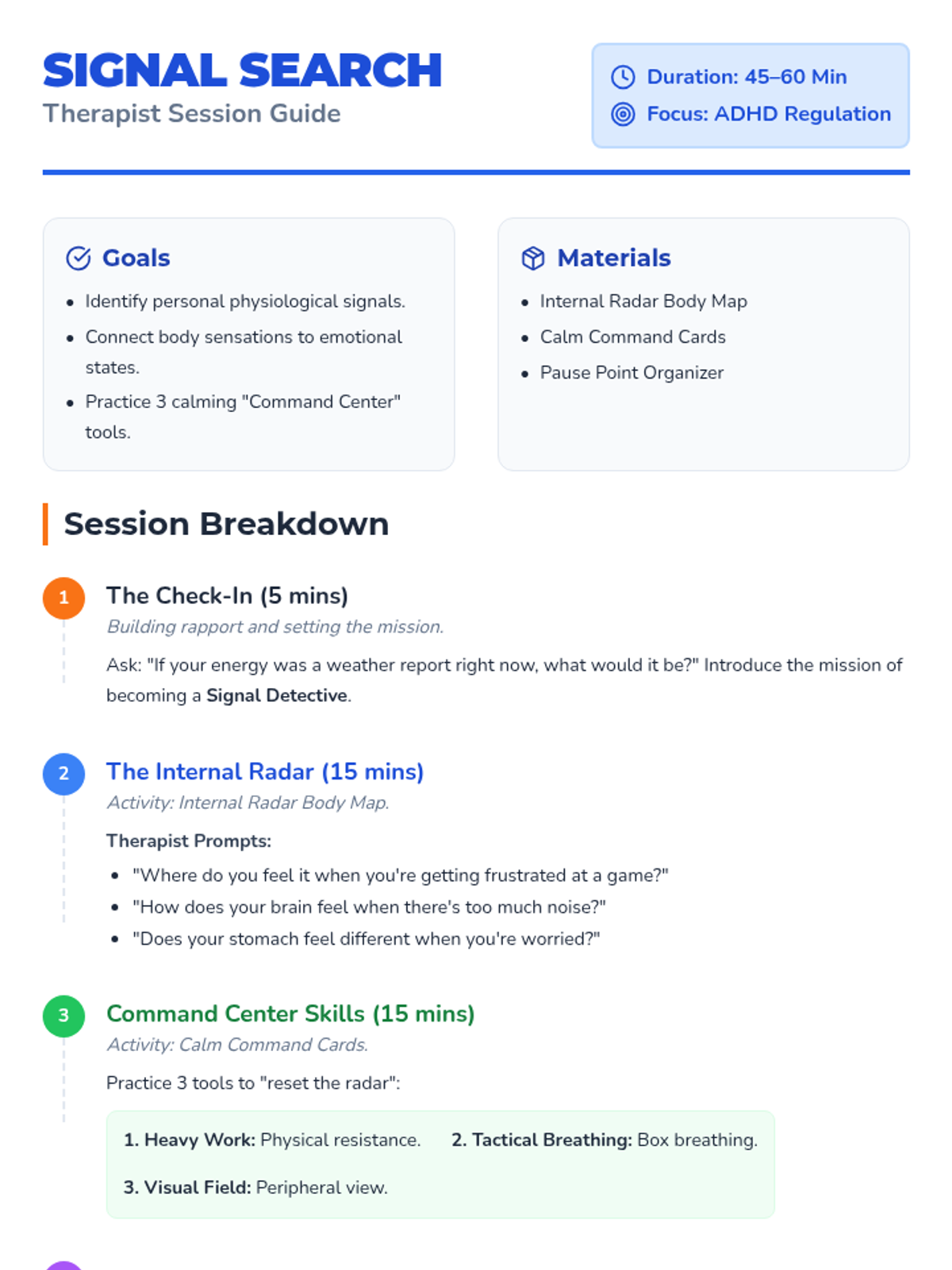
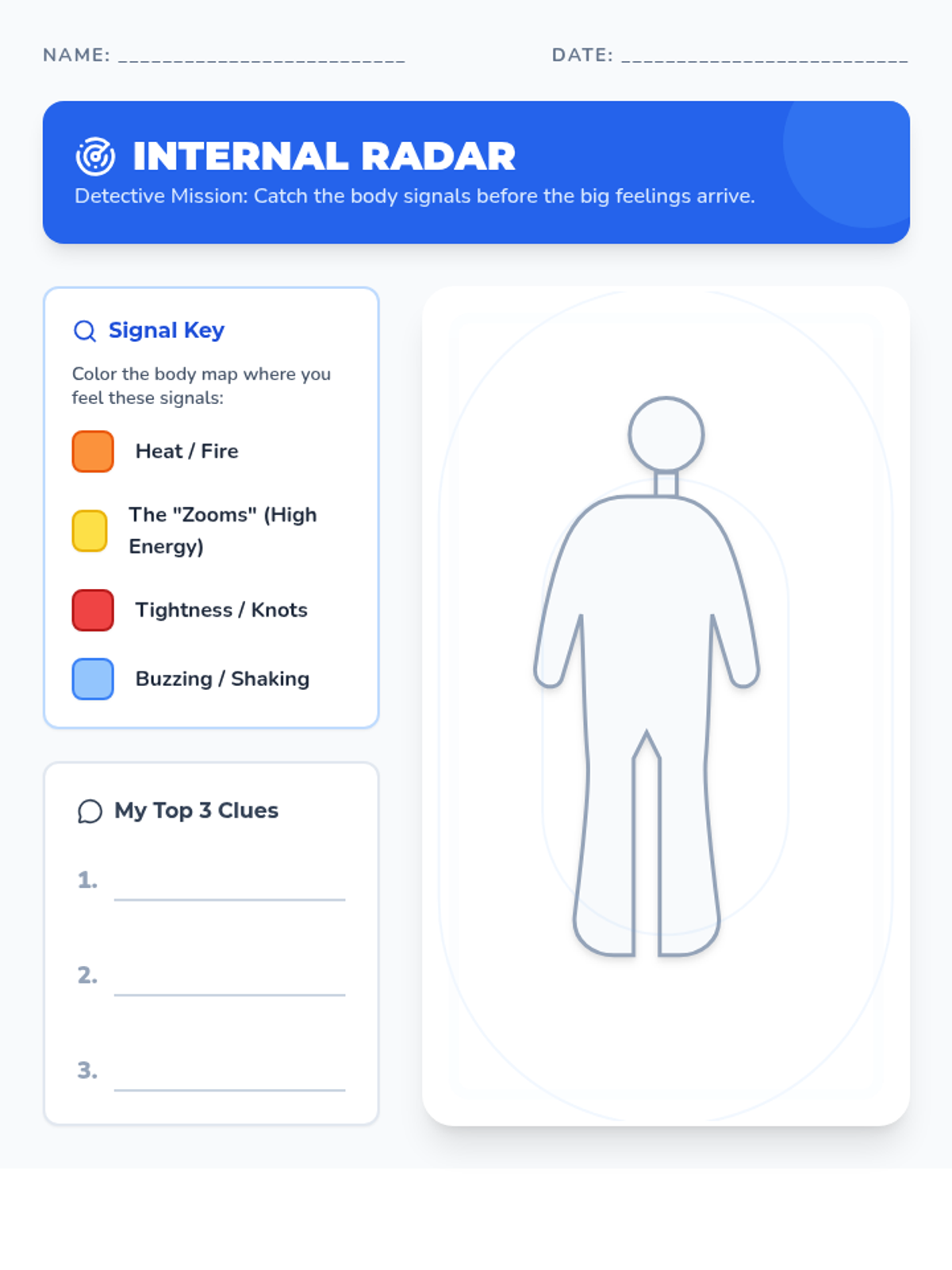
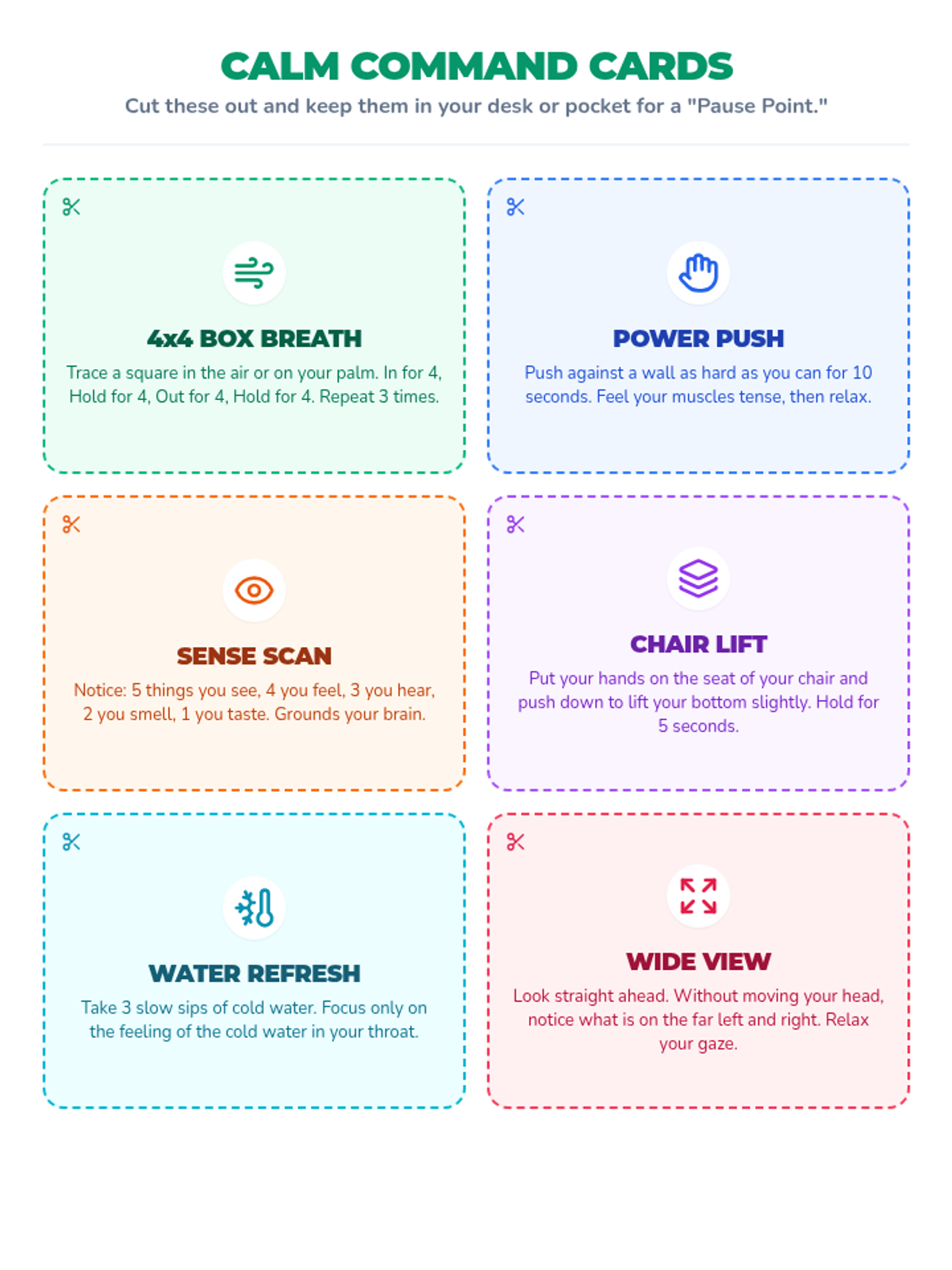
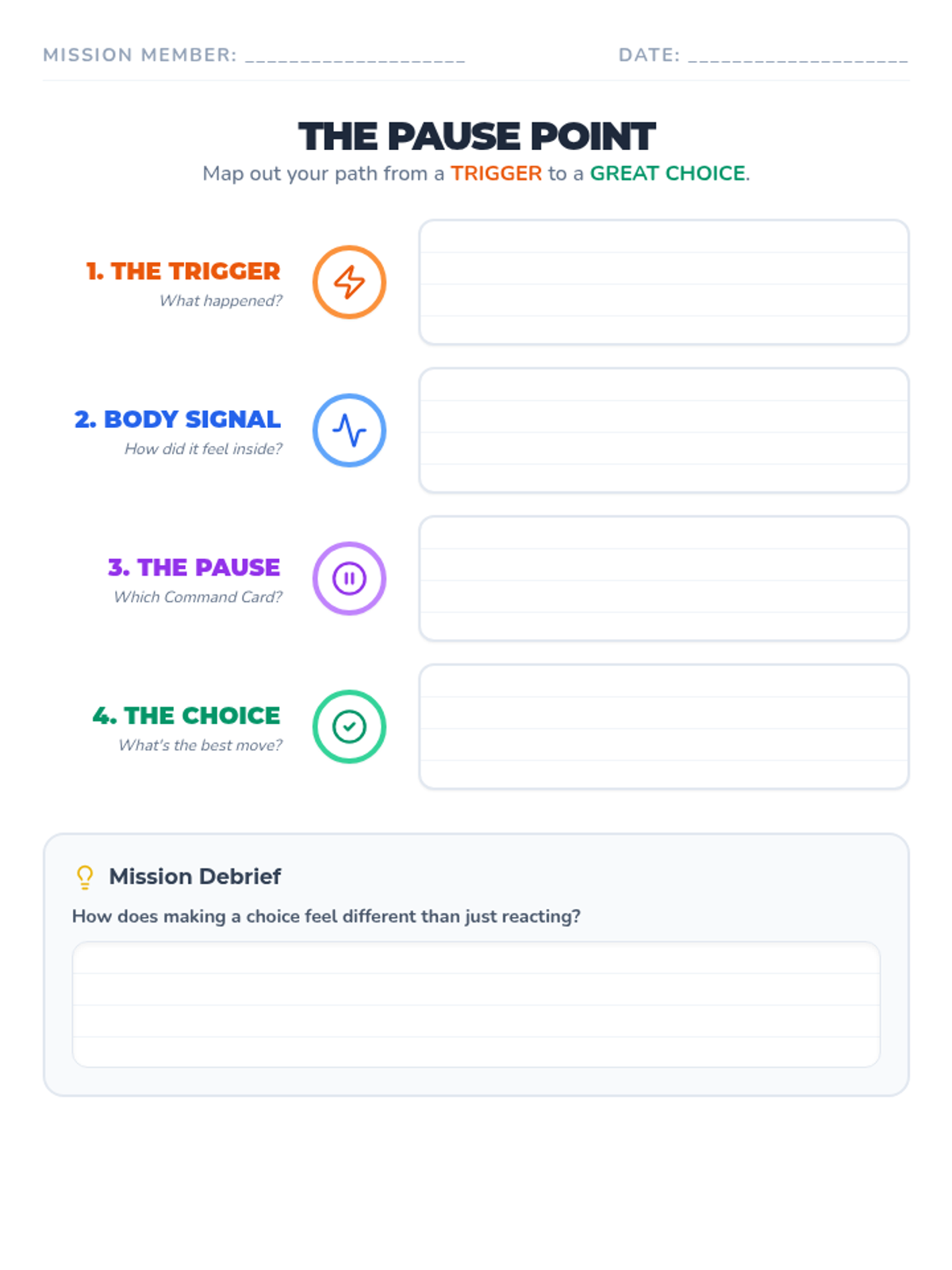
A therapeutic session focused on helping Grade 5 students with ADHD recognize physiological warning signs and implement calming strategies to improve impulse control.
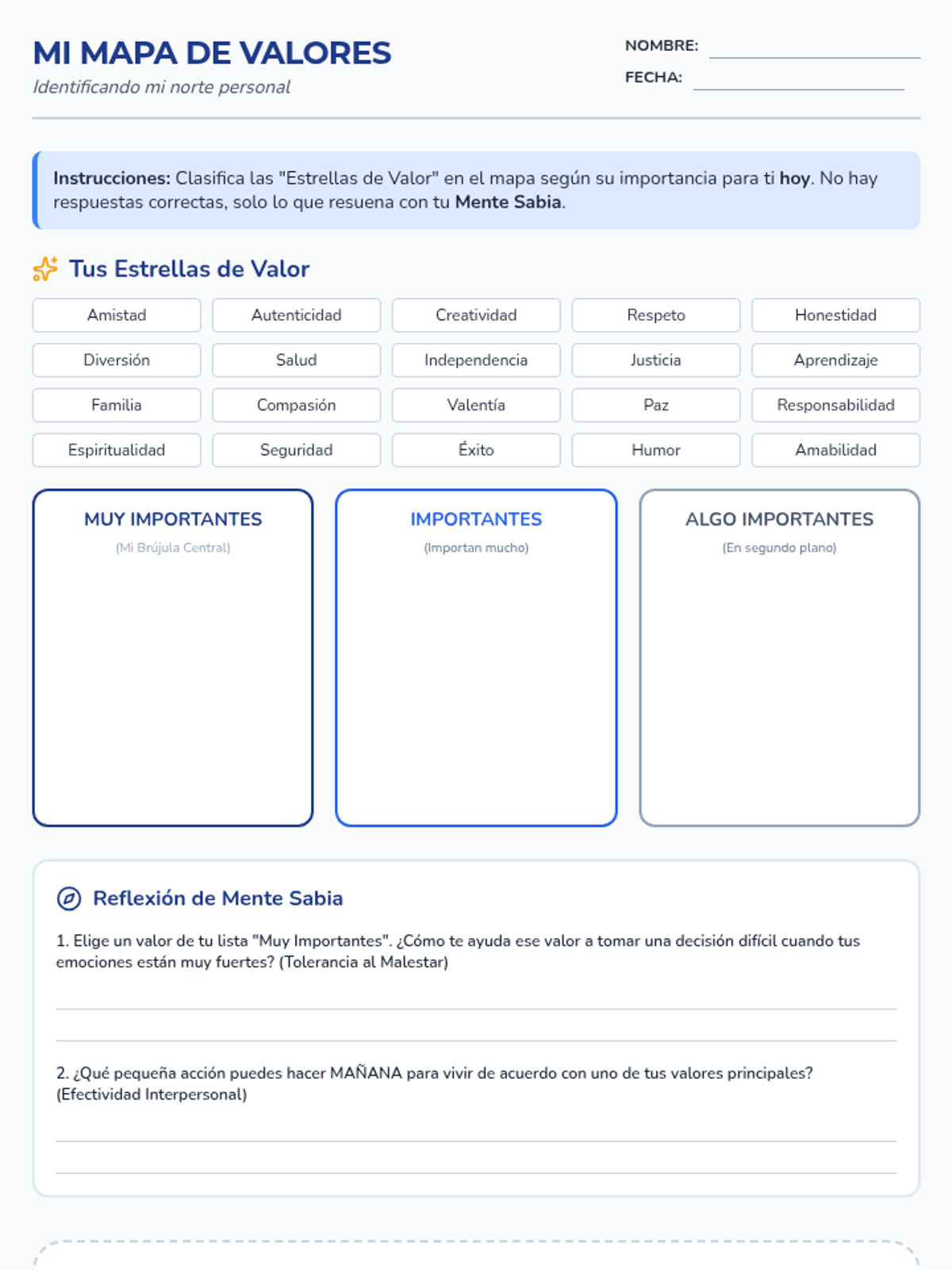
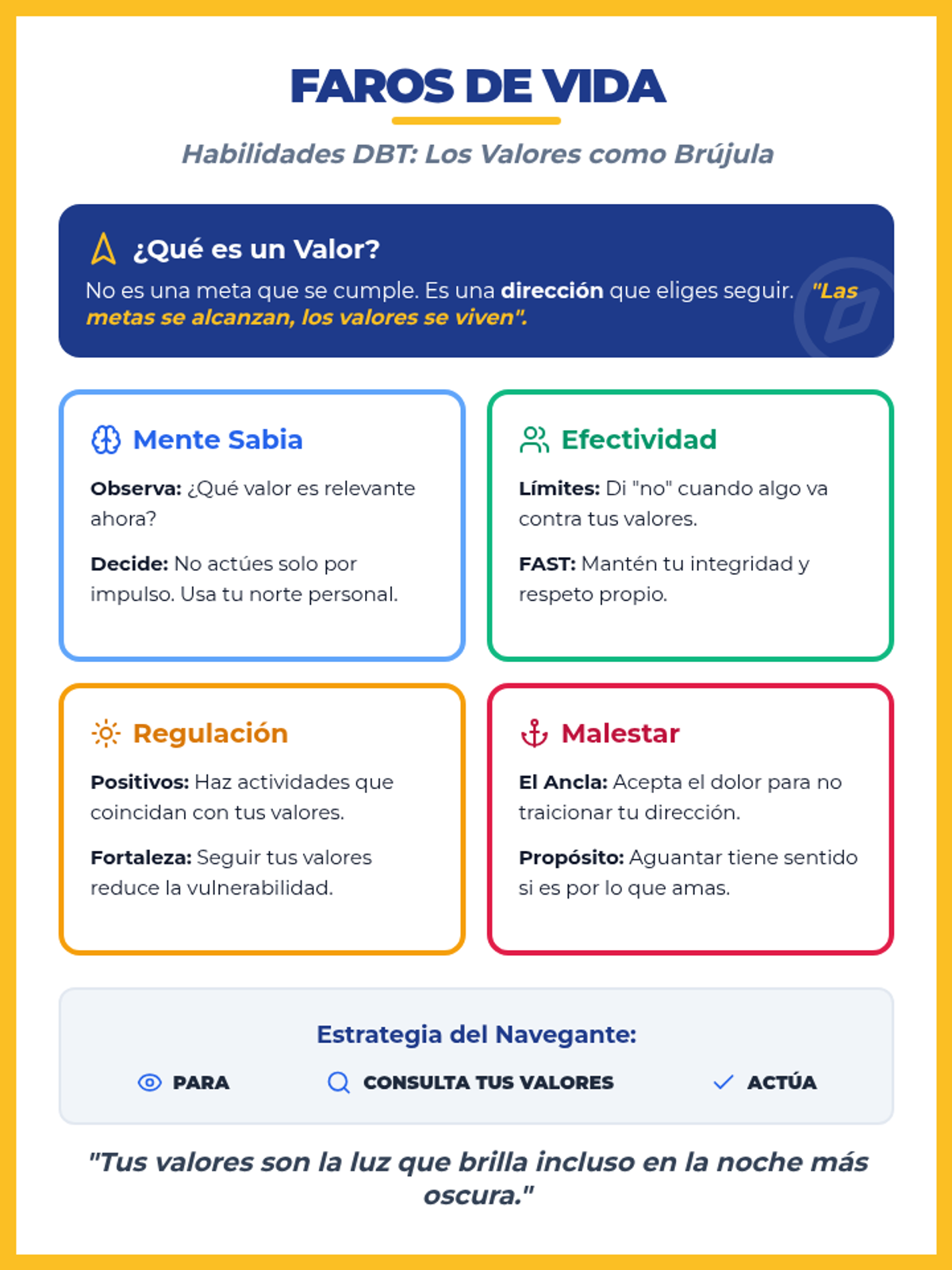
Esta lección ayuda a los adolescentes a identificar sus valores fundamentales y a utilizarlos como una brújula para navegar situaciones difíciles, utilizando los cuatro pilares de DBT para tomar decisiones alineadas con su "Mente Sabia".
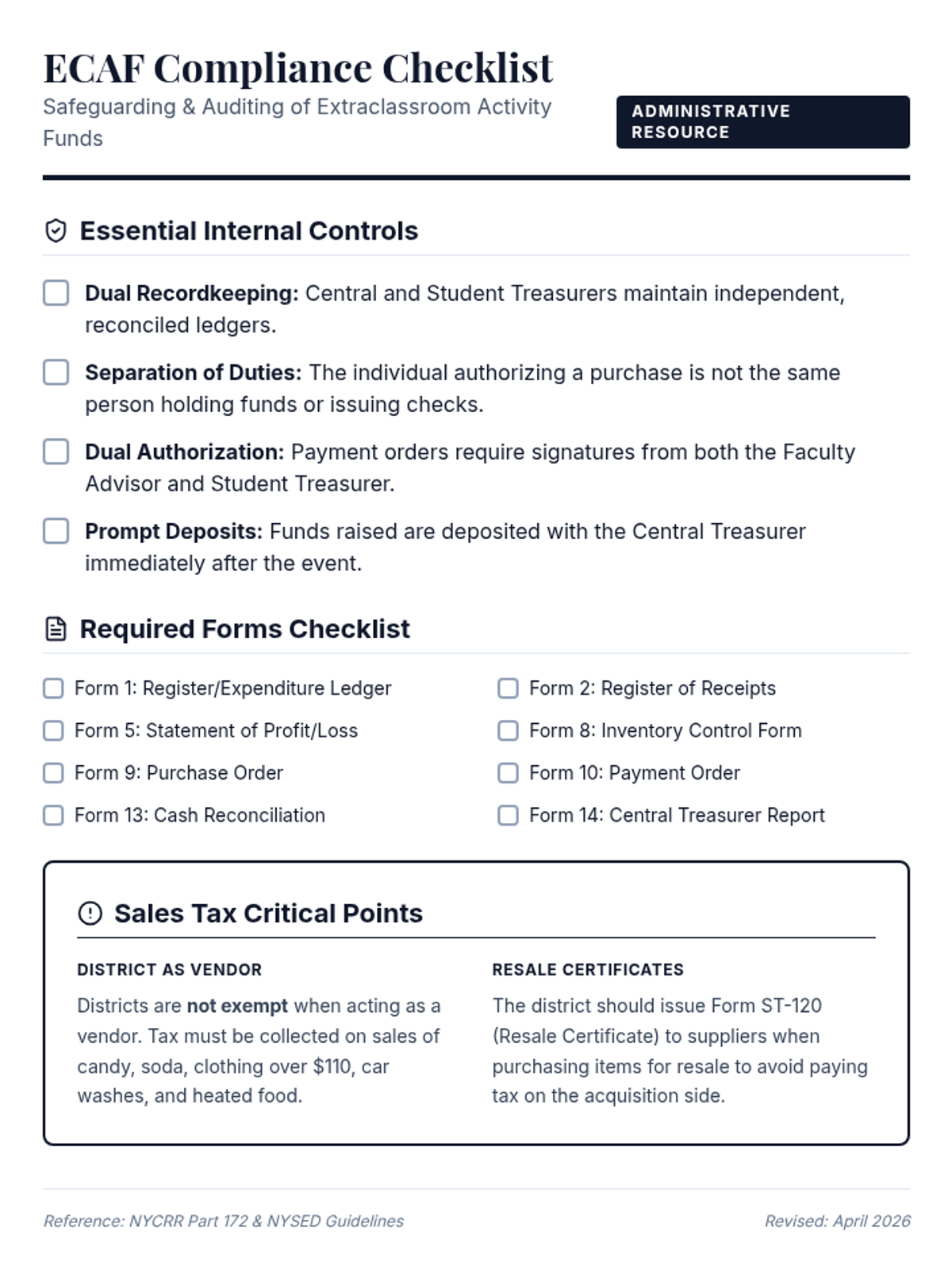
A comprehensive professional guide to the safeguarding, accounting, and auditing of extraclassroom activity funds, covering regulatory requirements, internal controls, and operational procedures.
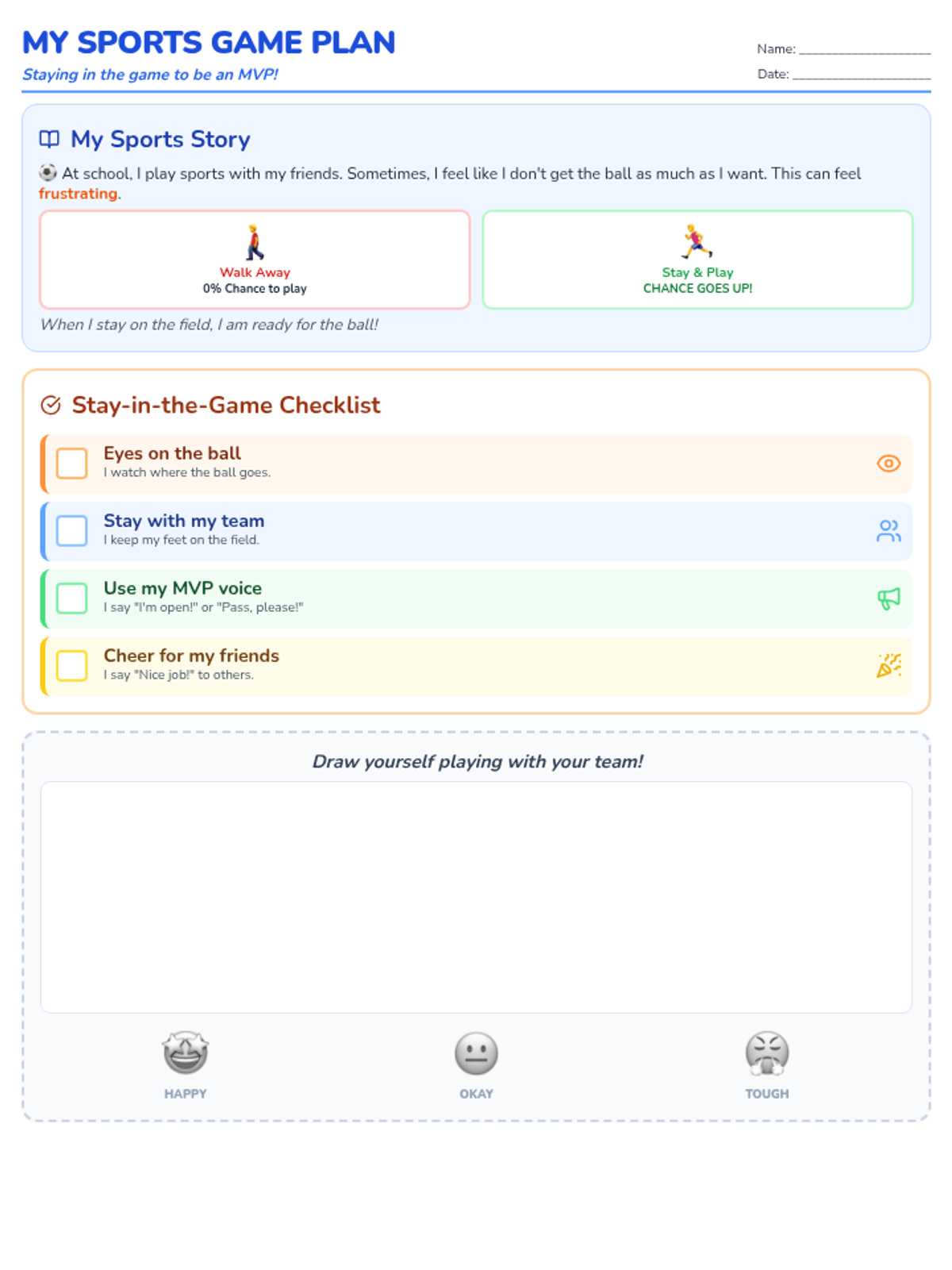
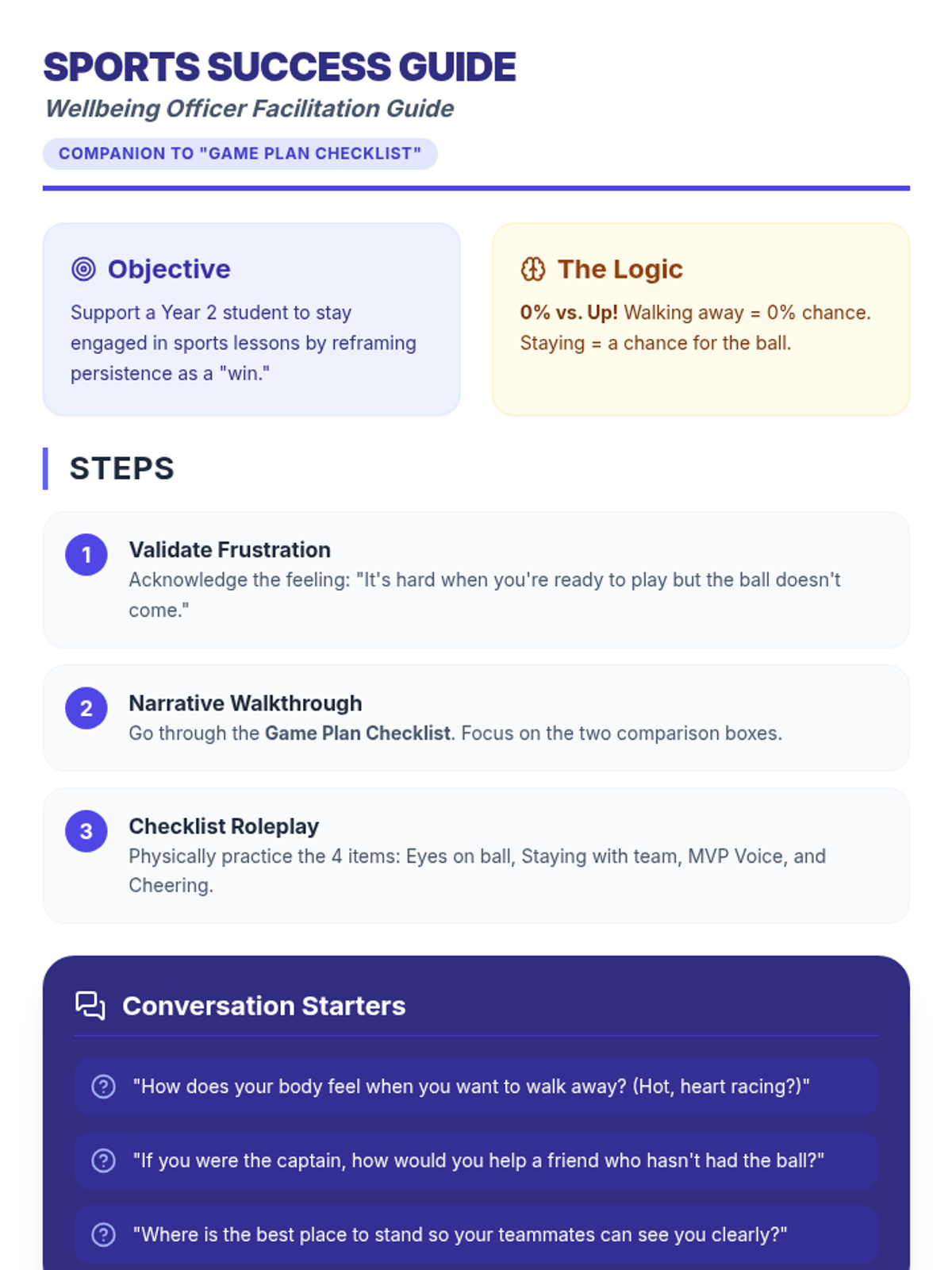
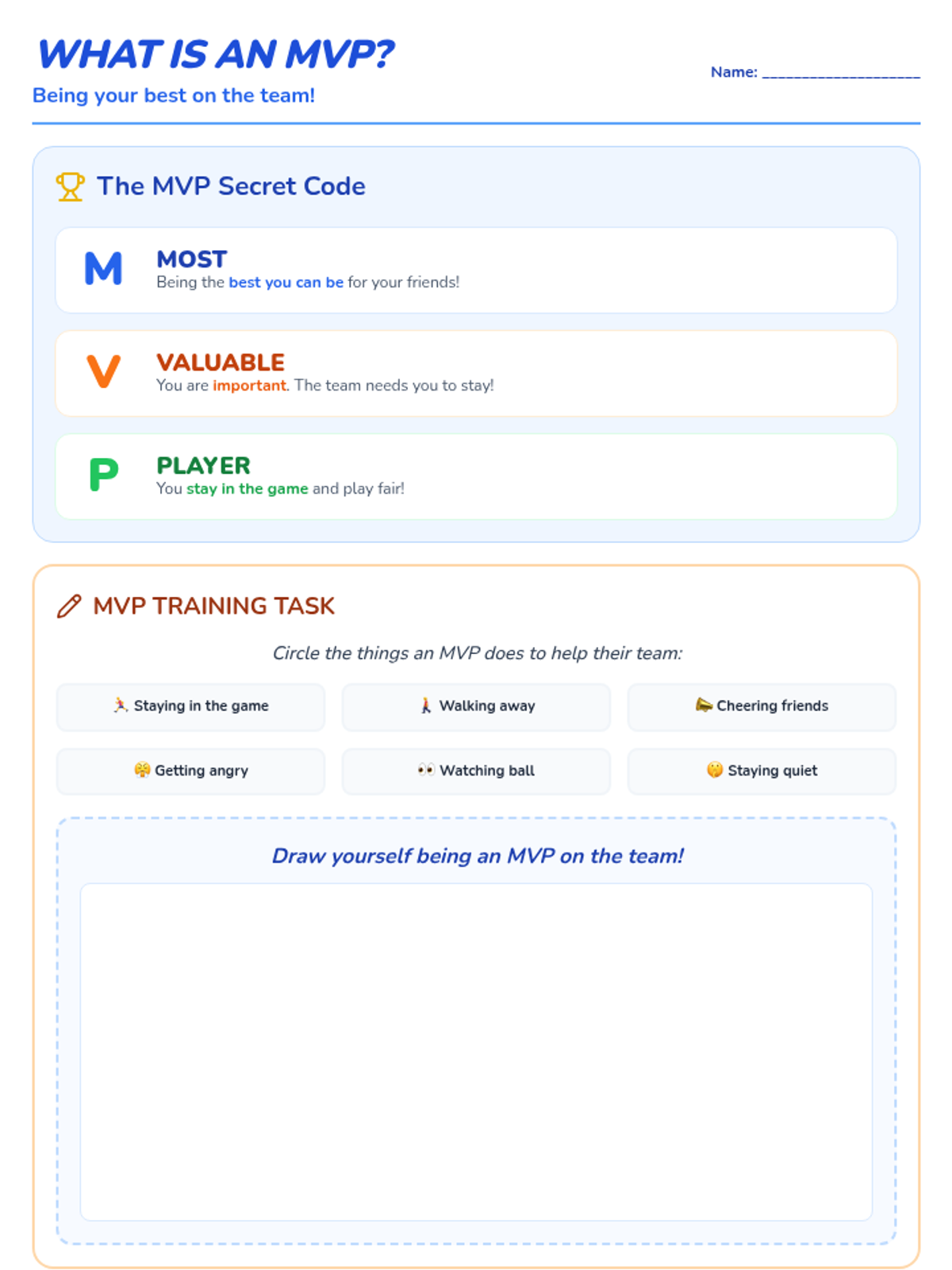
A 1:1 social-emotional lesson designed for a Year 2 student to address frustrations during sports lessons, focusing on the importance of staying engaged and practicing fair play.
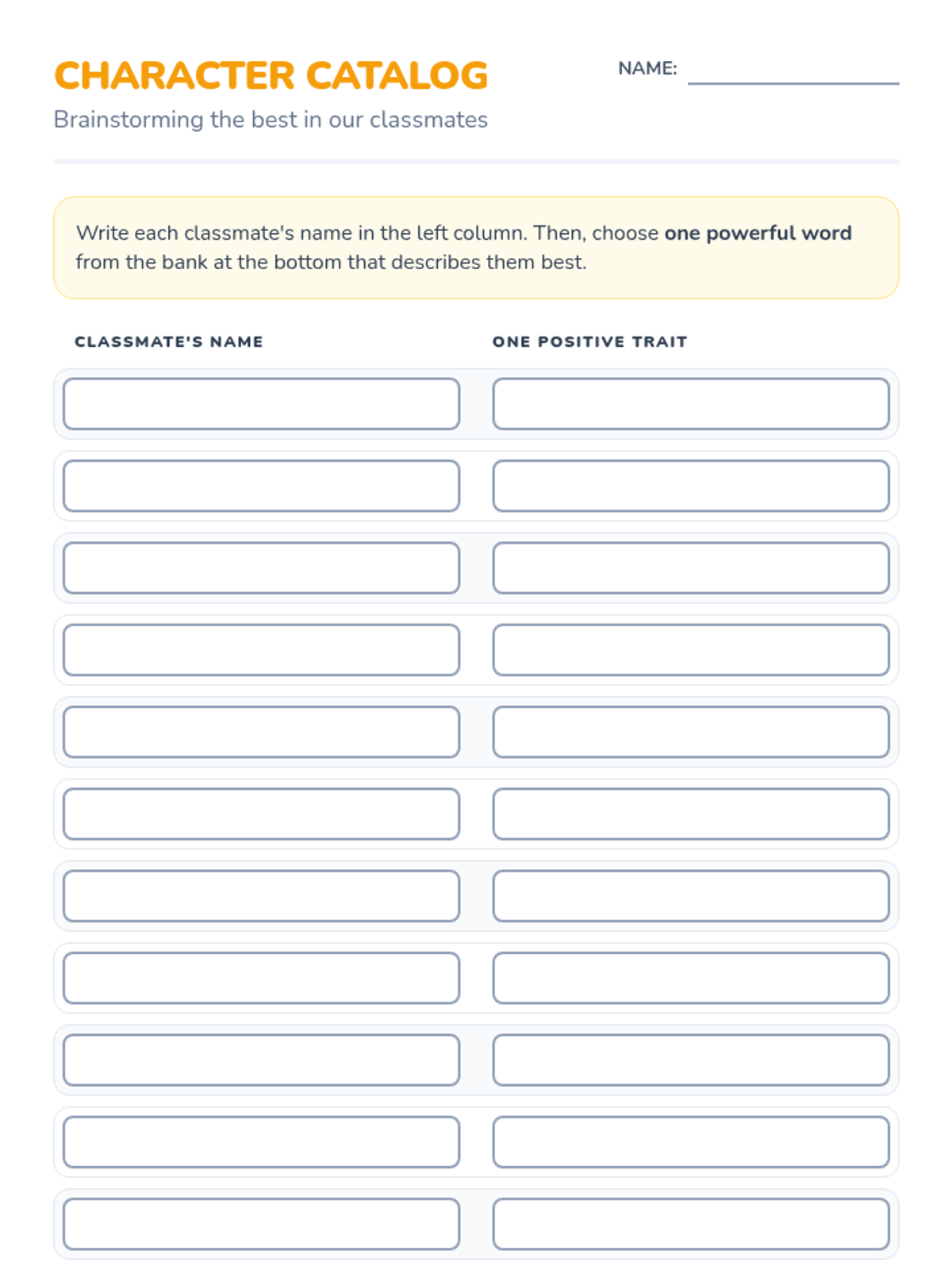
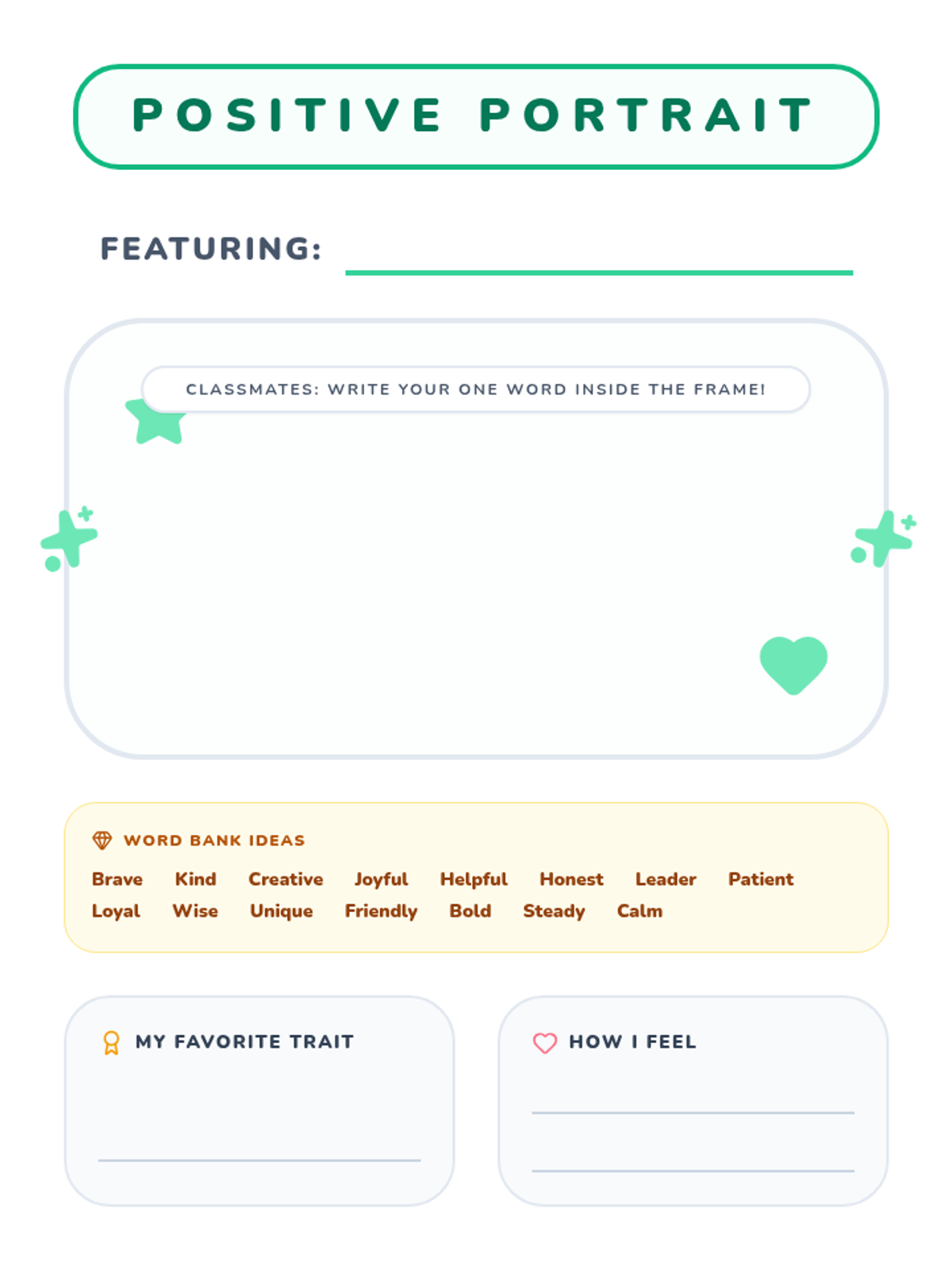
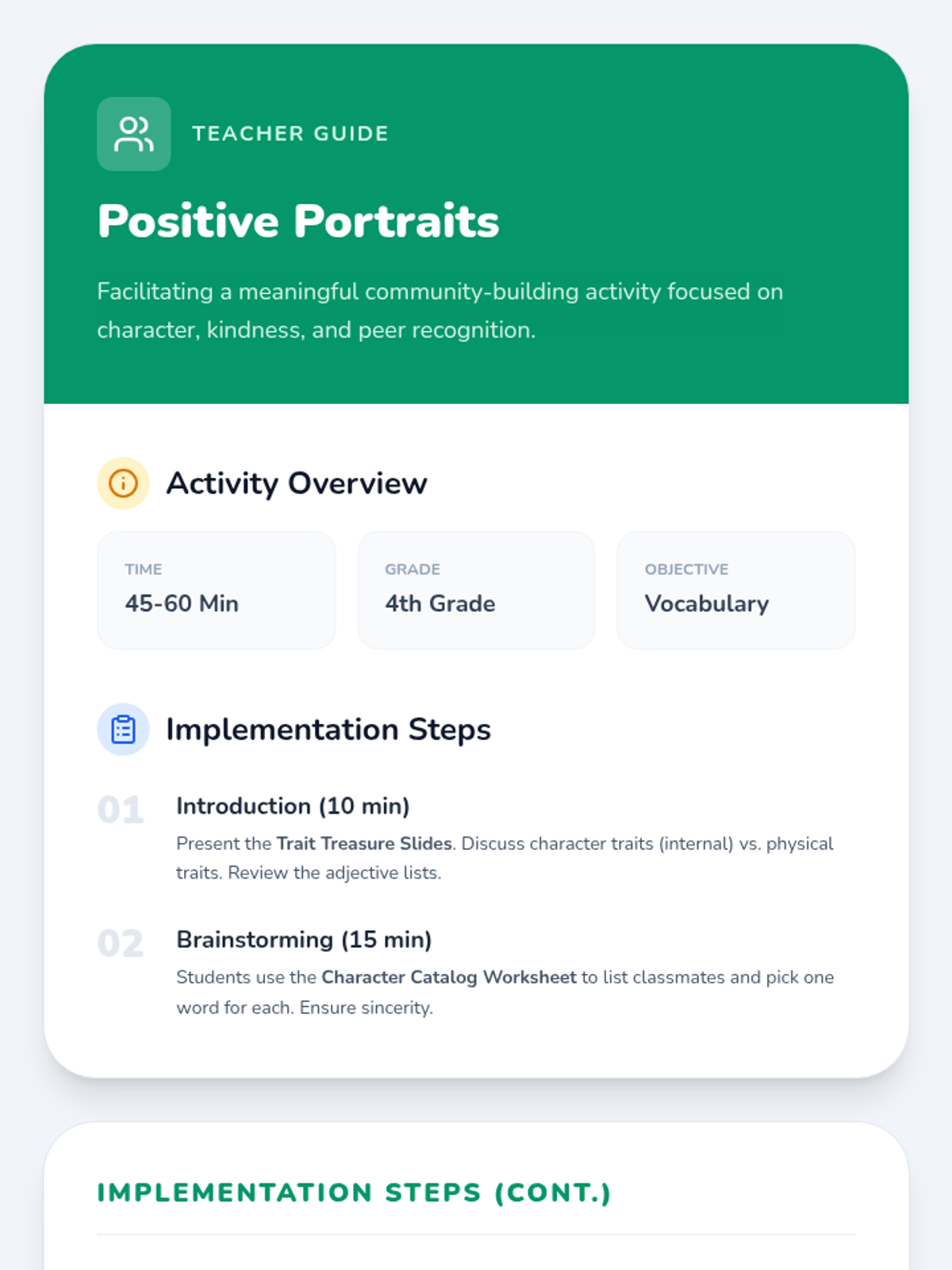
A community-building lesson where 4th-grade students explore positive character traits and choose a single, powerful adjective to describe each of their classmates.
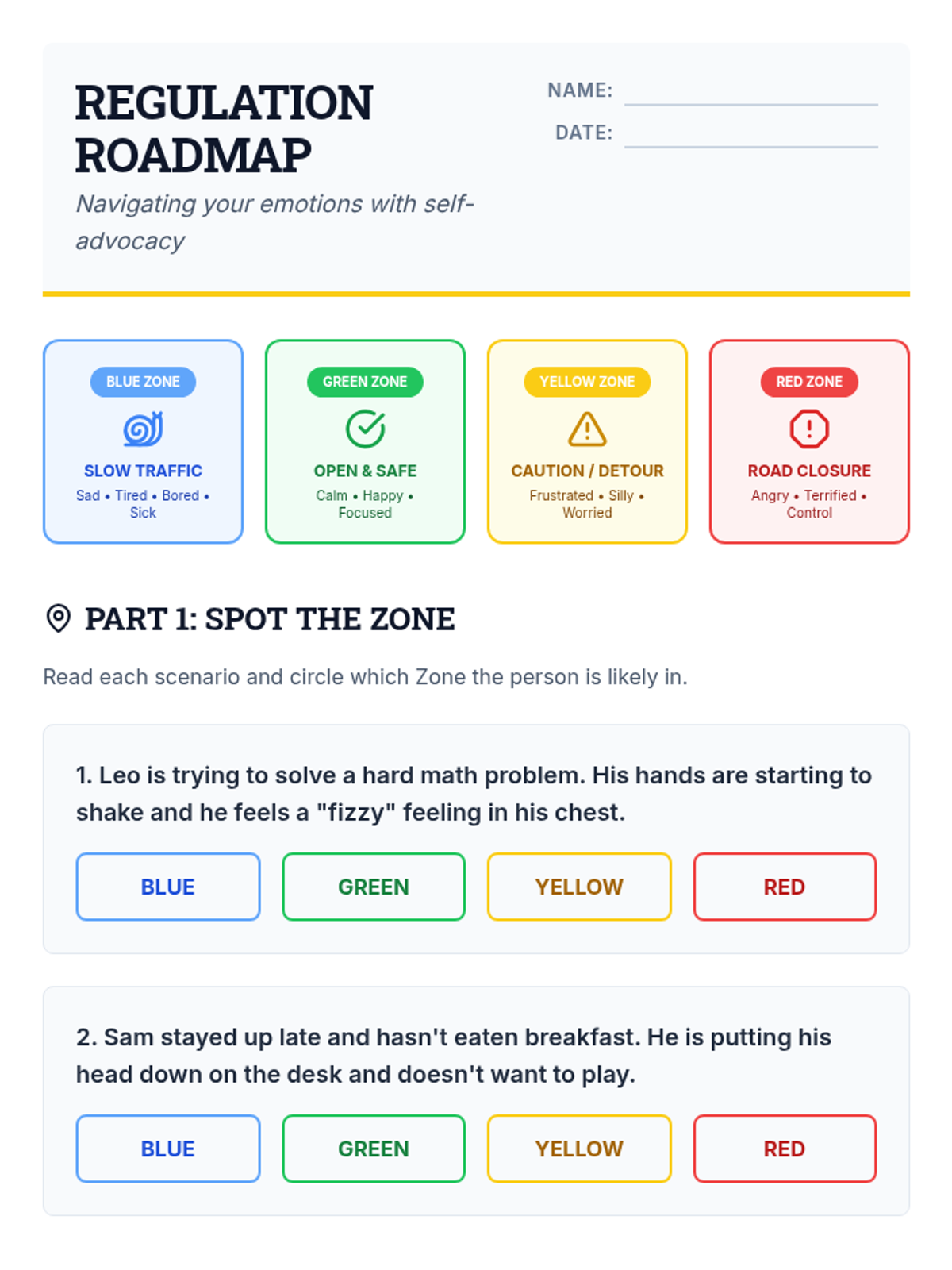
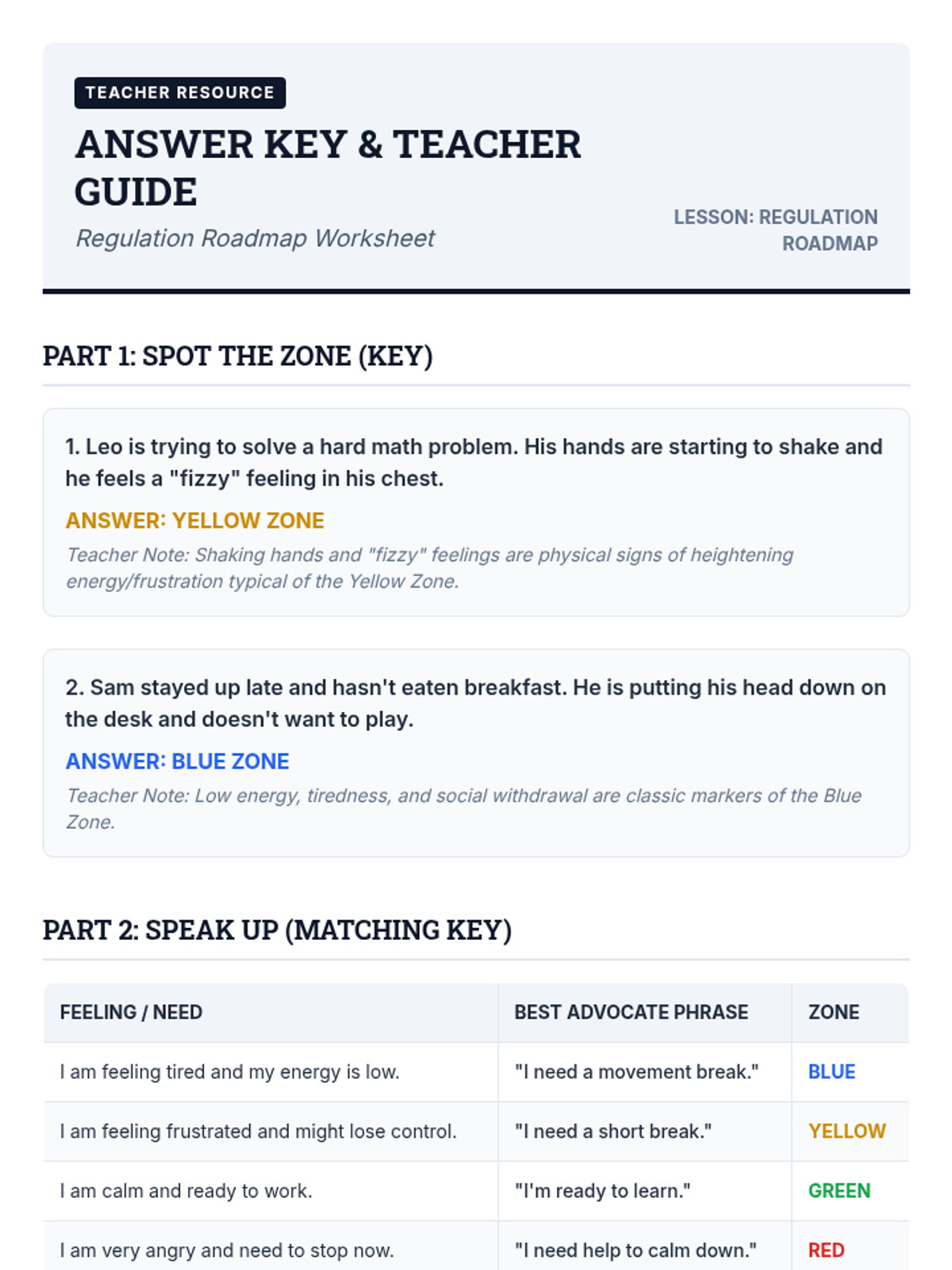
A lesson introducing the Zones of Regulation framework using a construction zone analogy, focusing on identifying emotions and using self-advocacy phrases to manage them.
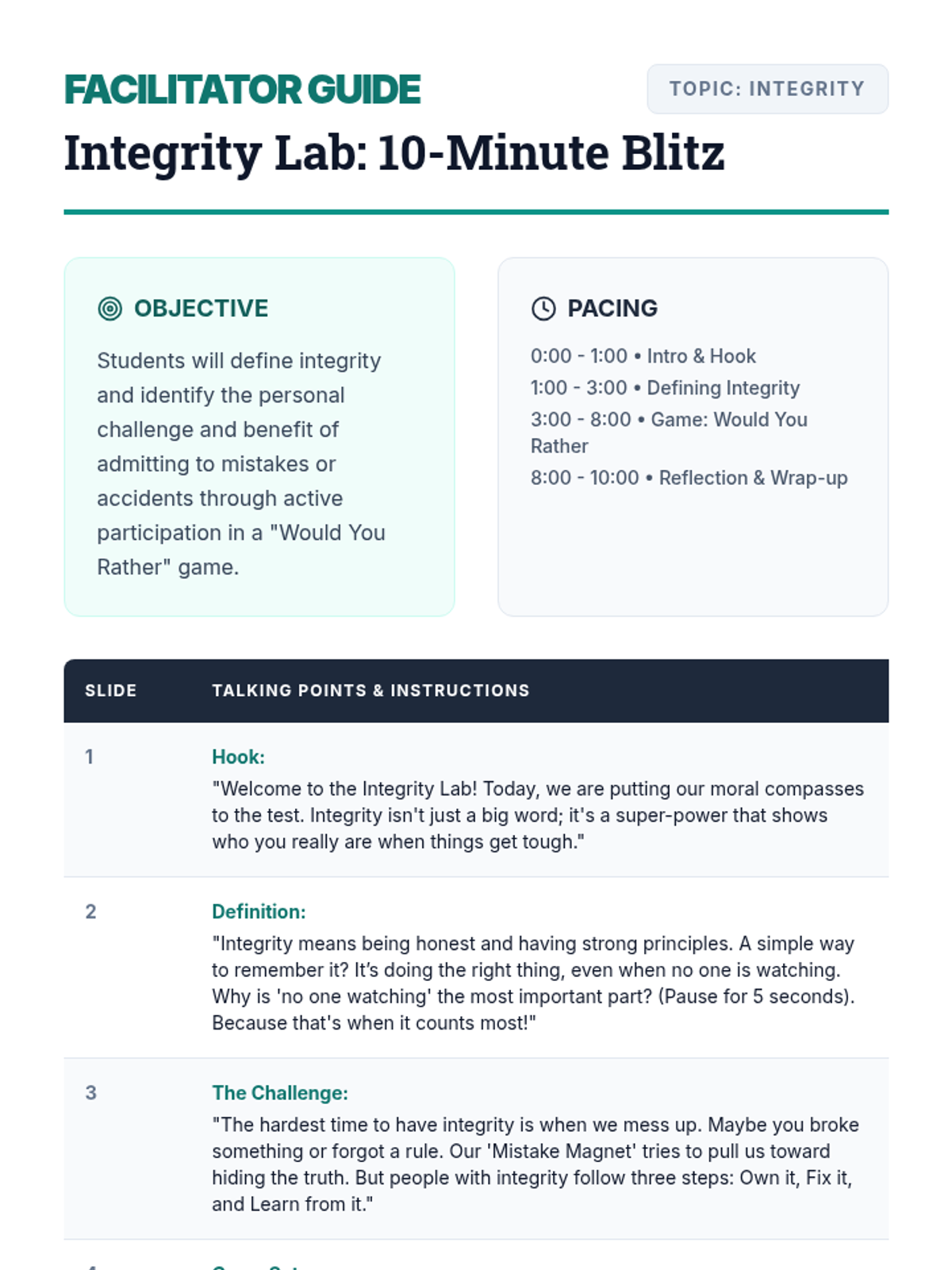
A 10-minute interactive lesson for 5th graders focused on defining integrity and navigating the challenge of admitting mistakes through a "Would You Rather" game.
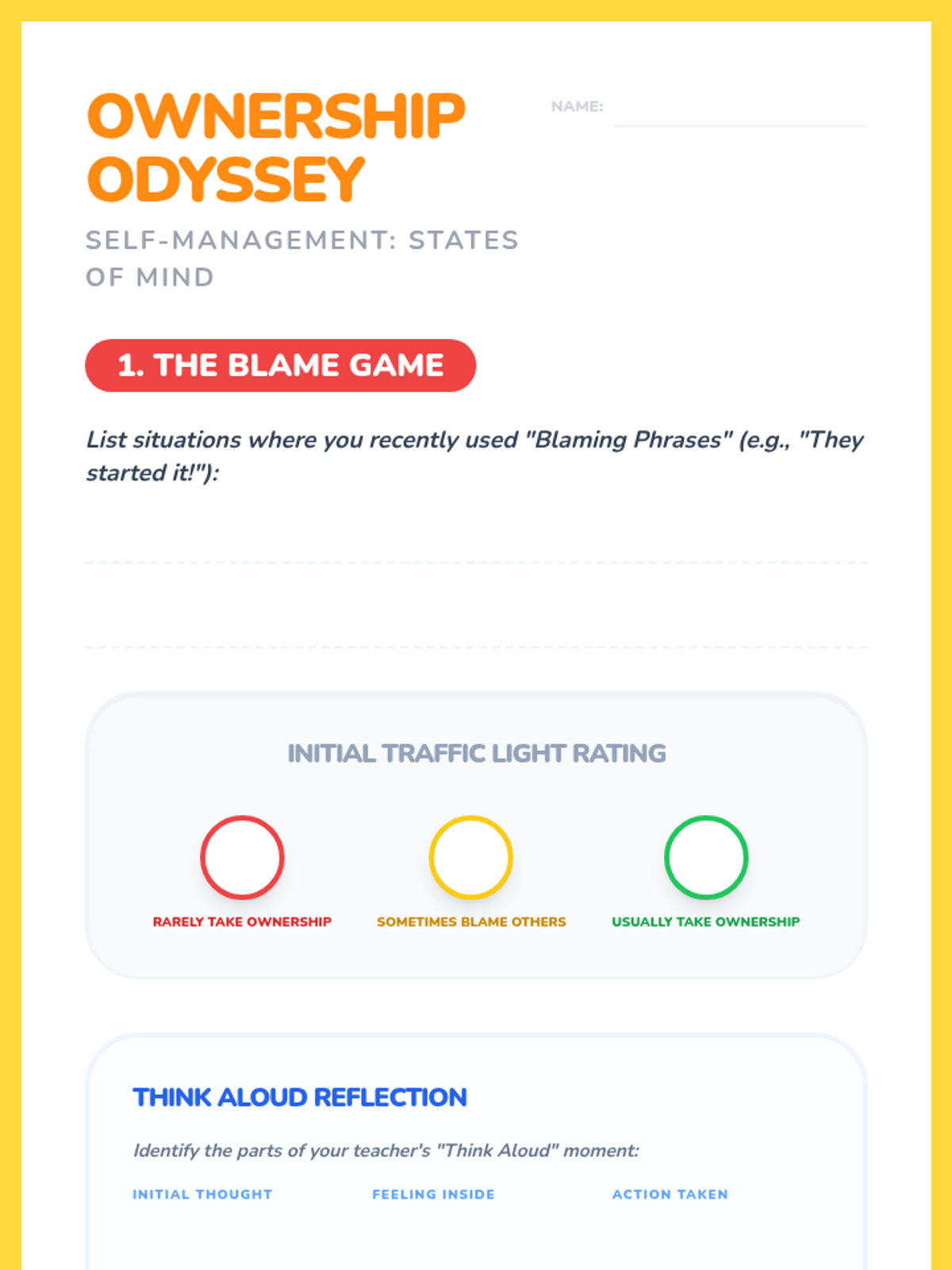
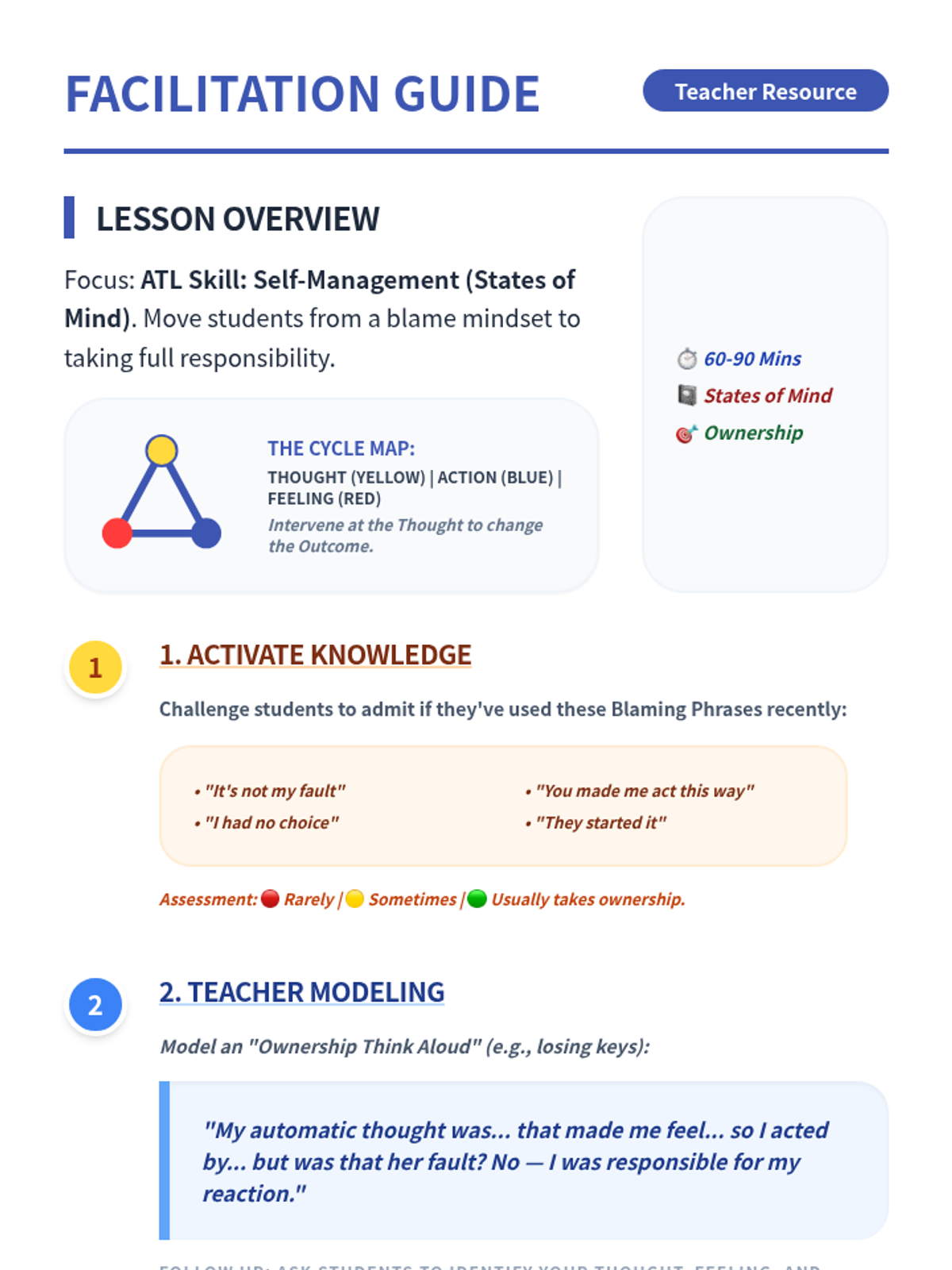
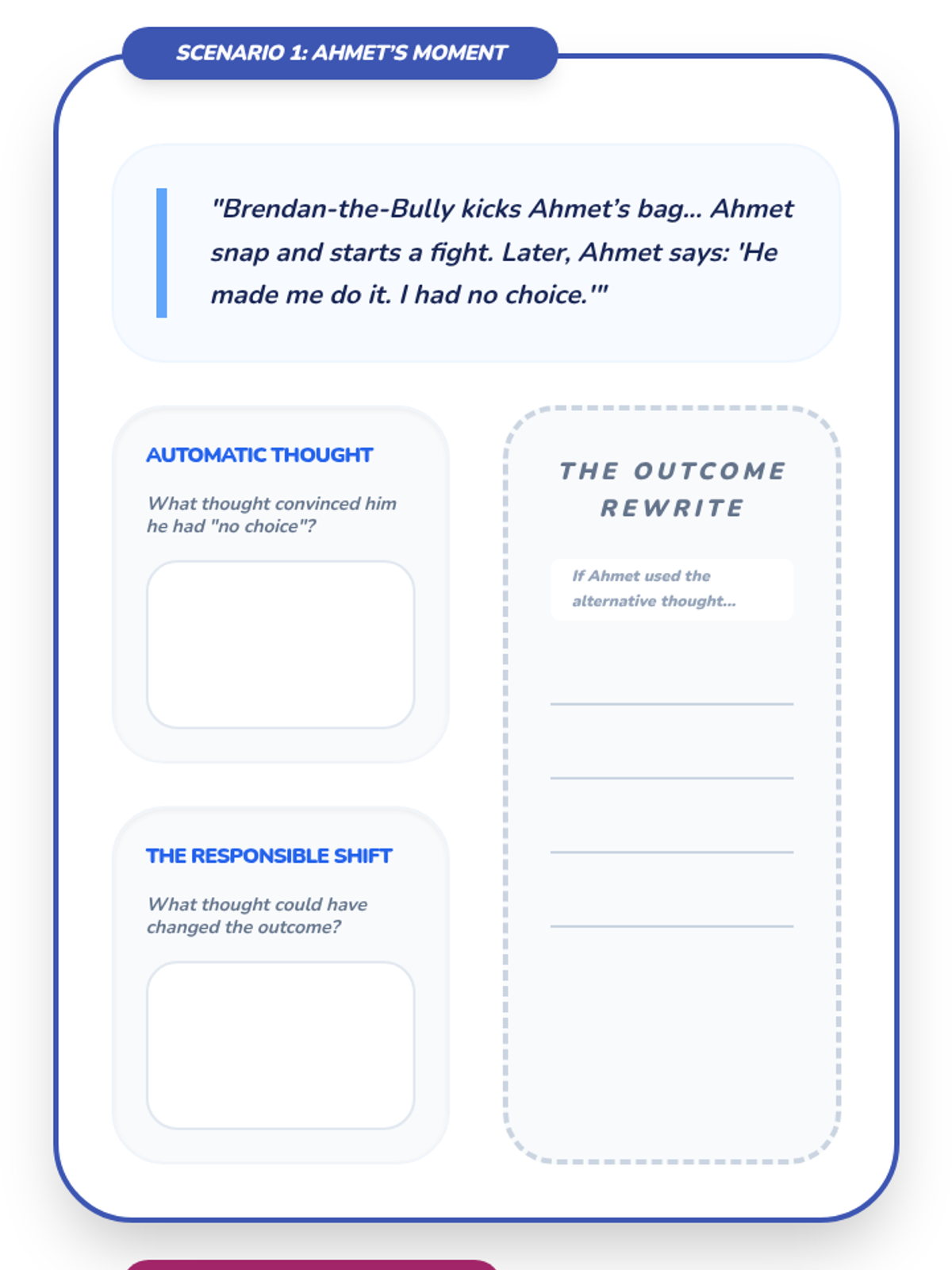
A comprehensive self-management lesson that uses Cognitive Behavioral Therapy (CBT) principles to help students move from a blame mindset to taking full responsibility for their actions. Students analyze characters from 'Inside Out 2' and 'The Boy at the Back of the Class' to understand the connection between thoughts, feelings, and behaviors.
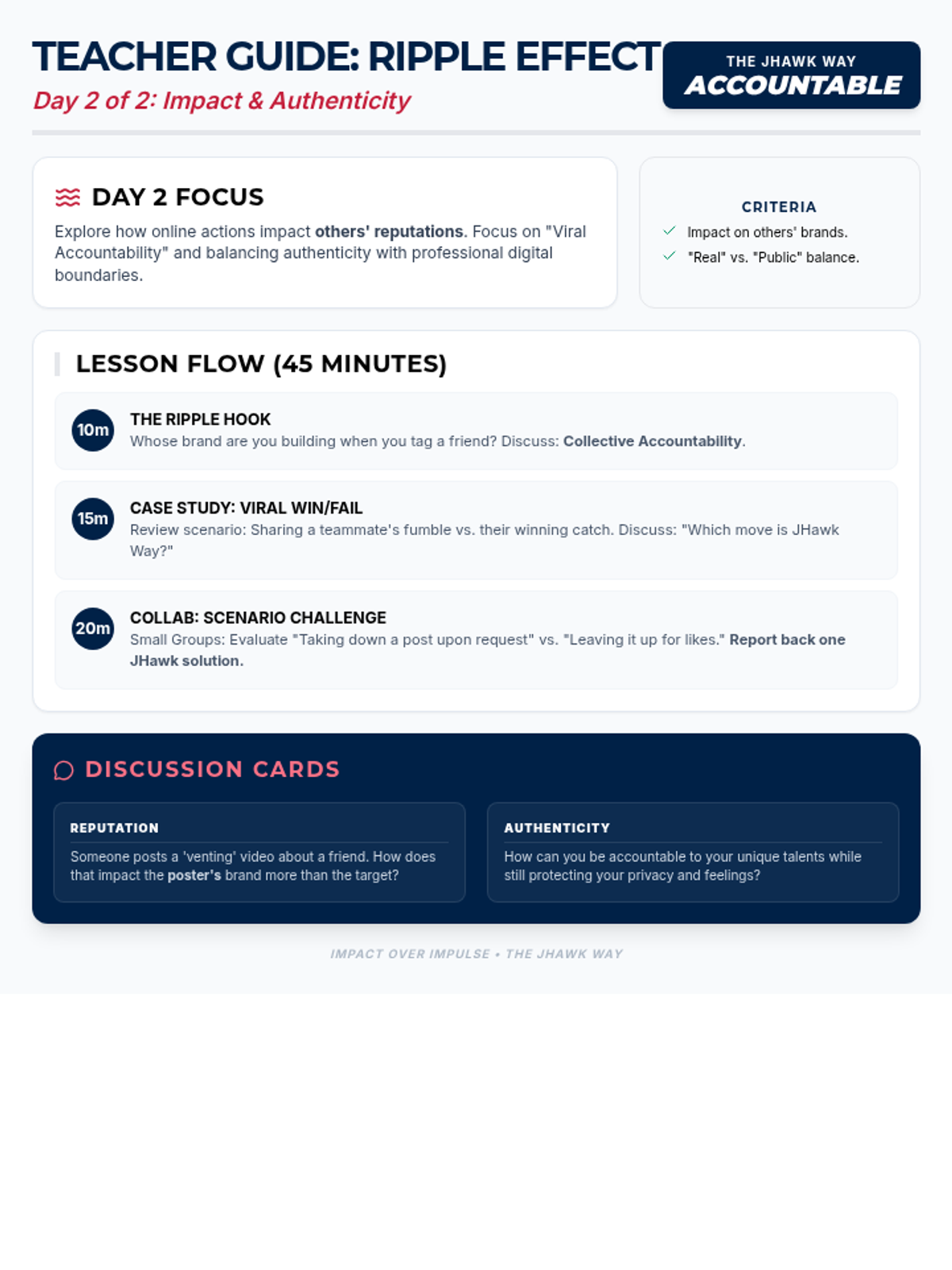
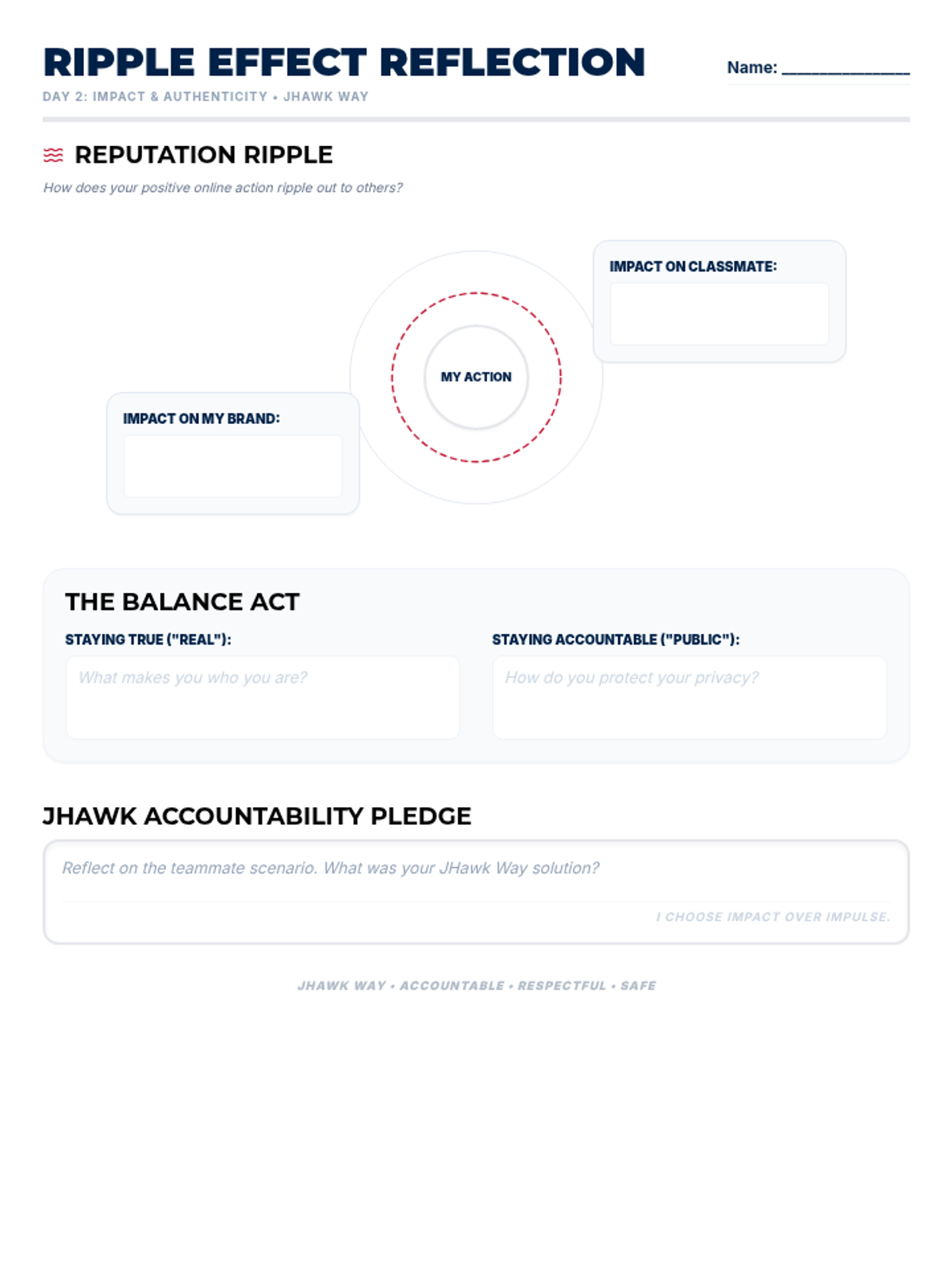
Day 2 of a 2-day sequence exploring viral reputations, the impact of online actions on others, and balancing authenticity with public sharing.
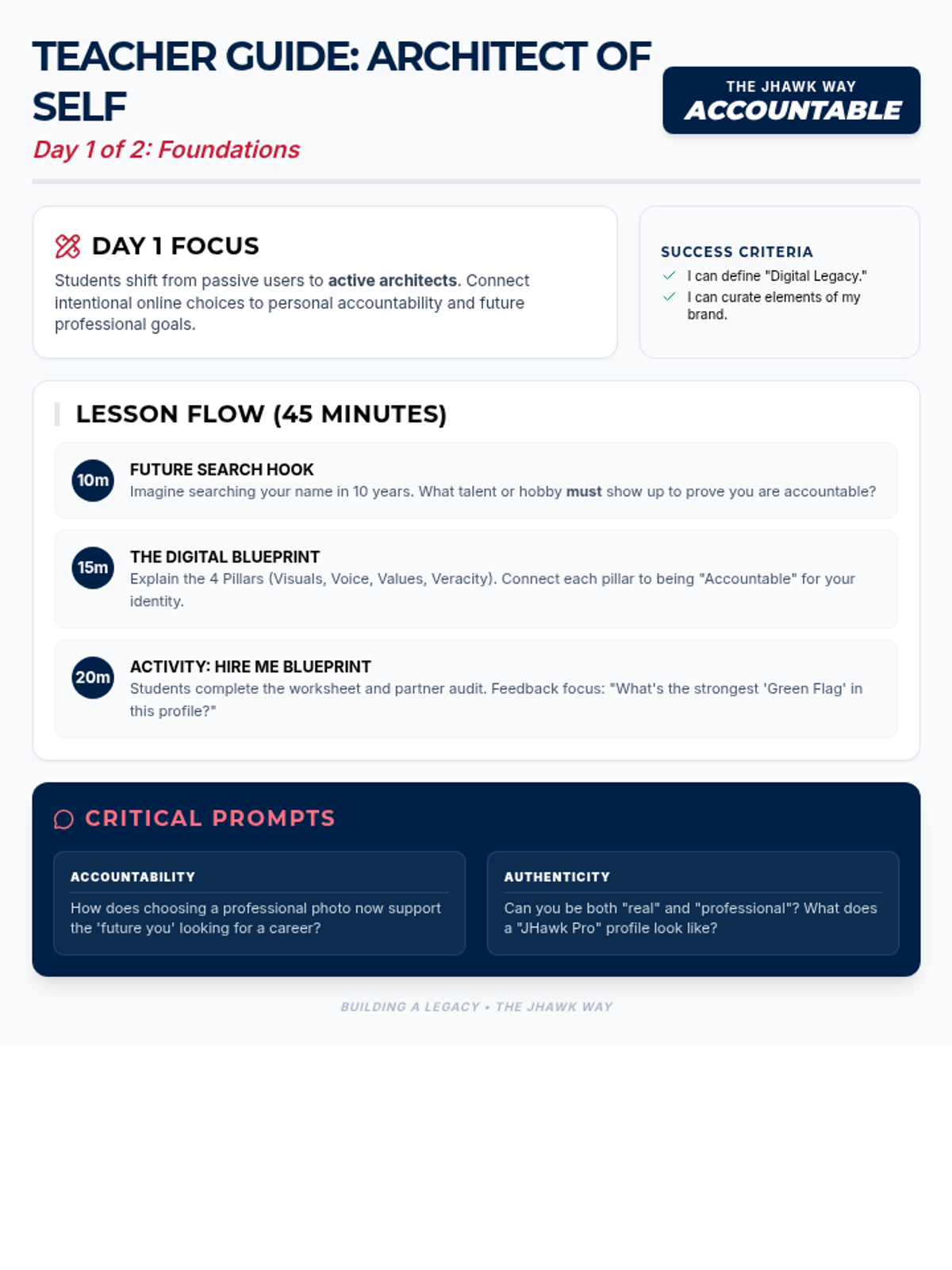
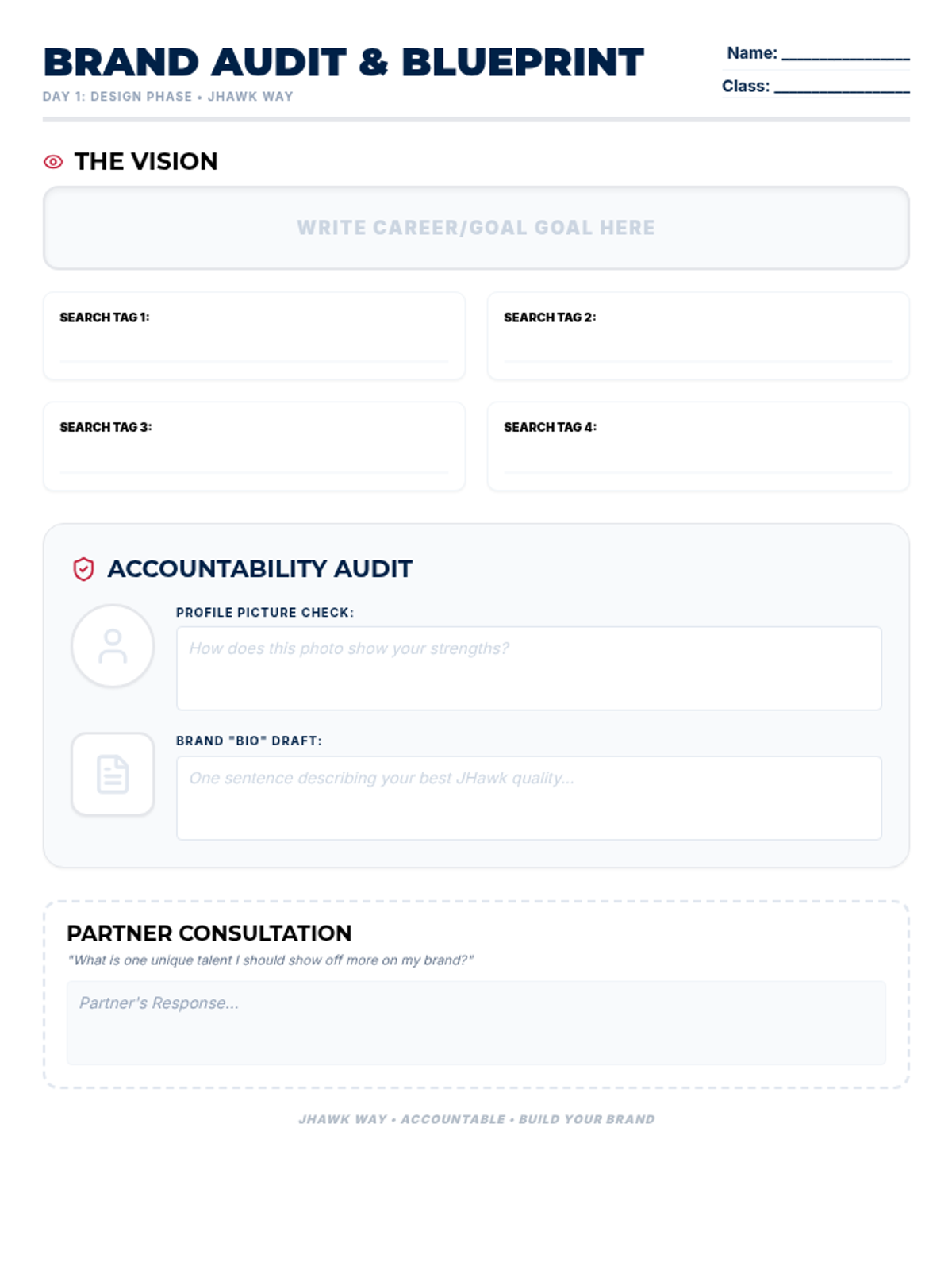
Day 1 of a 2-day sequence focusing on the intentional construction of a digital identity and future-proofing one's online presence.
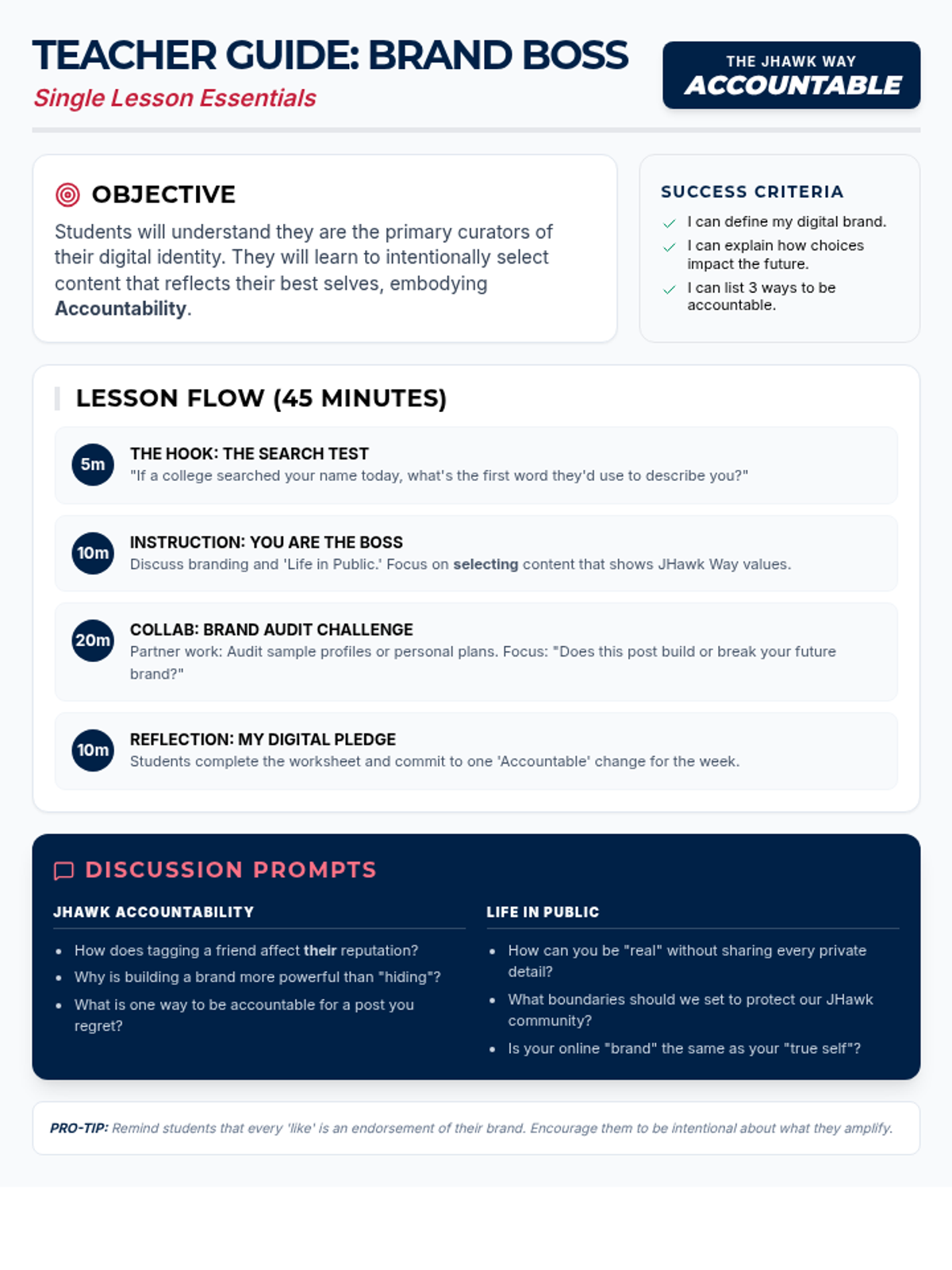
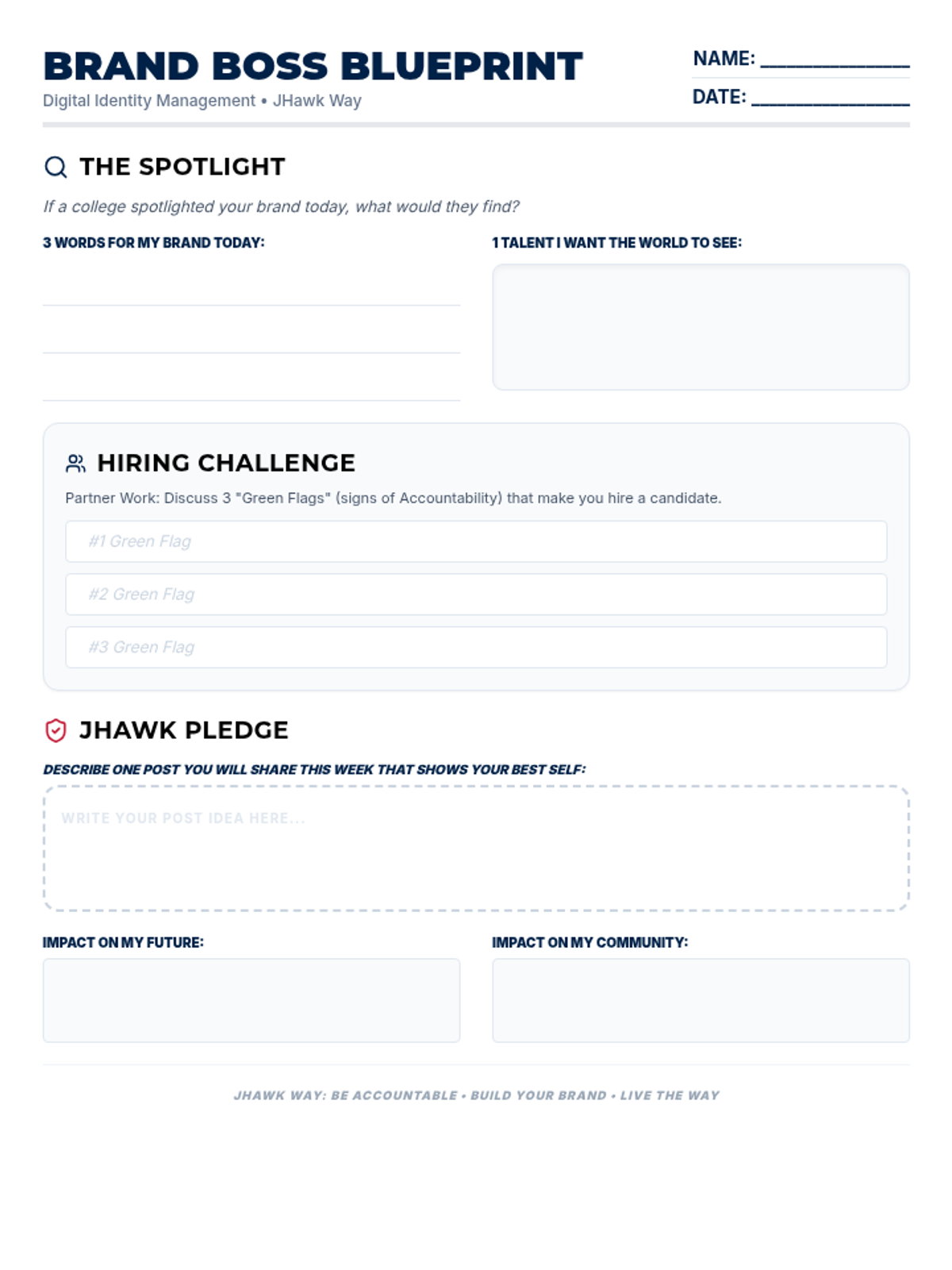
A single 45-minute lesson focused on being the 'boss' of your online brand, connecting digital choices to the JHawk Way of being Accountable.
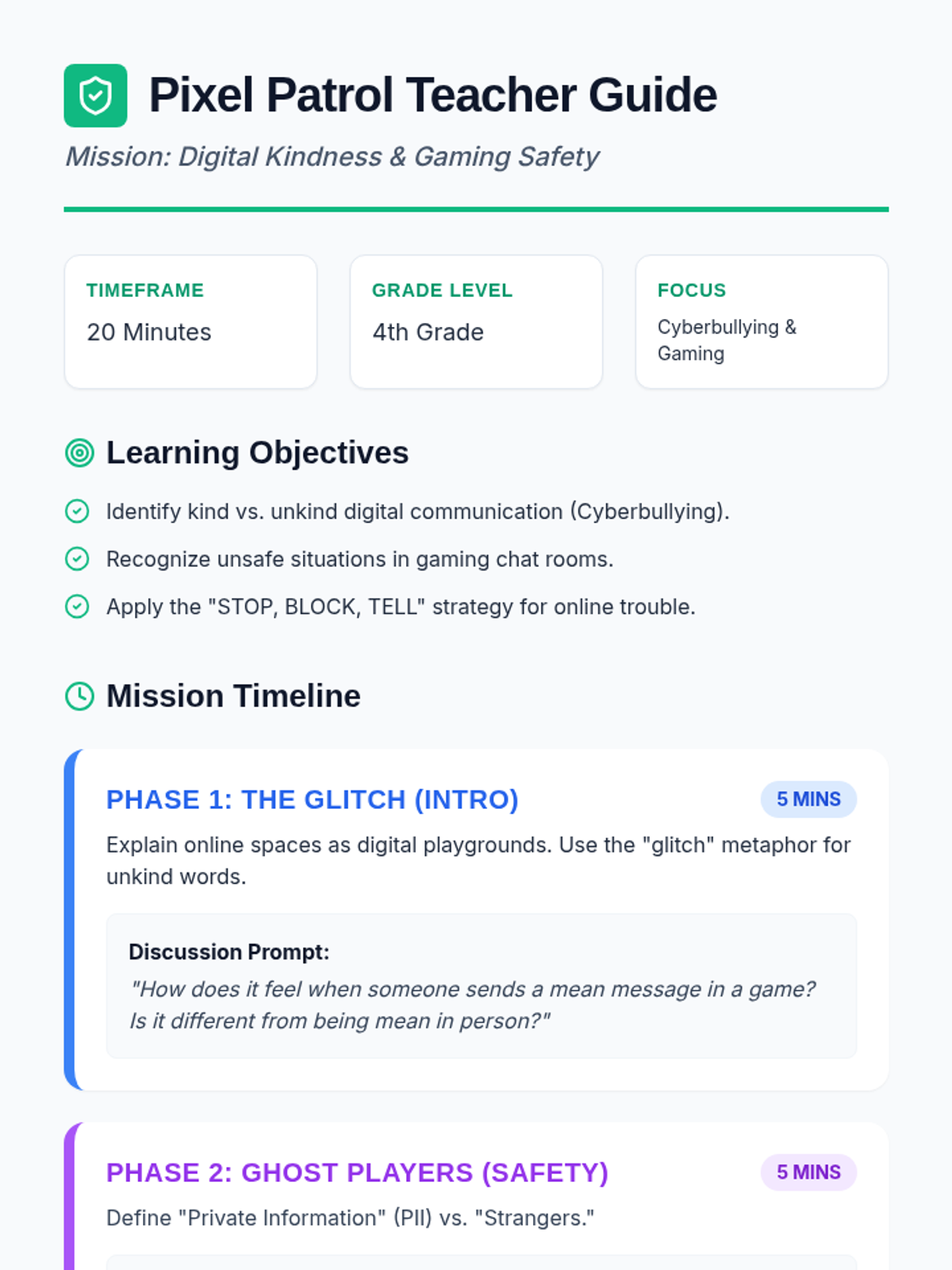
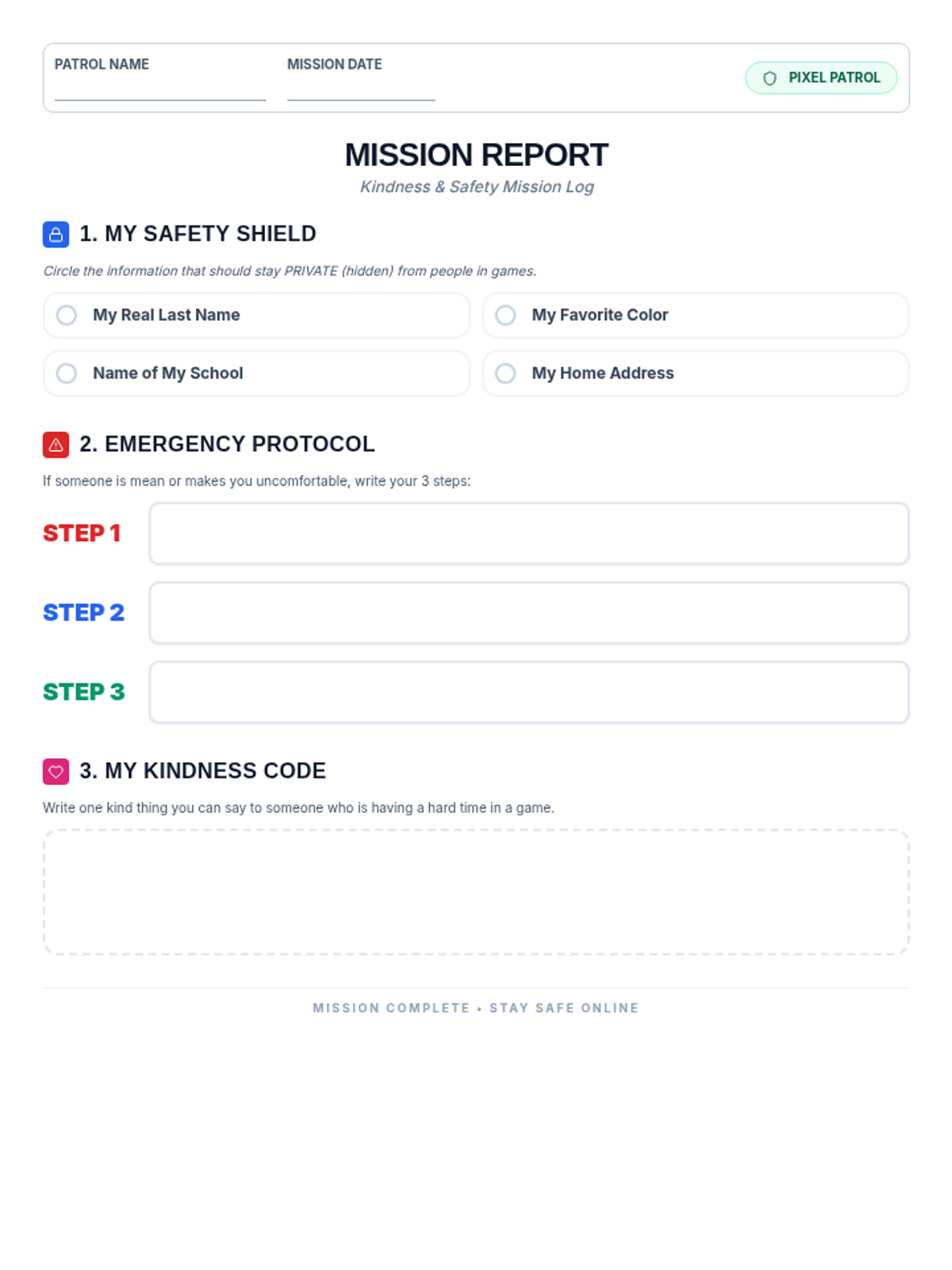
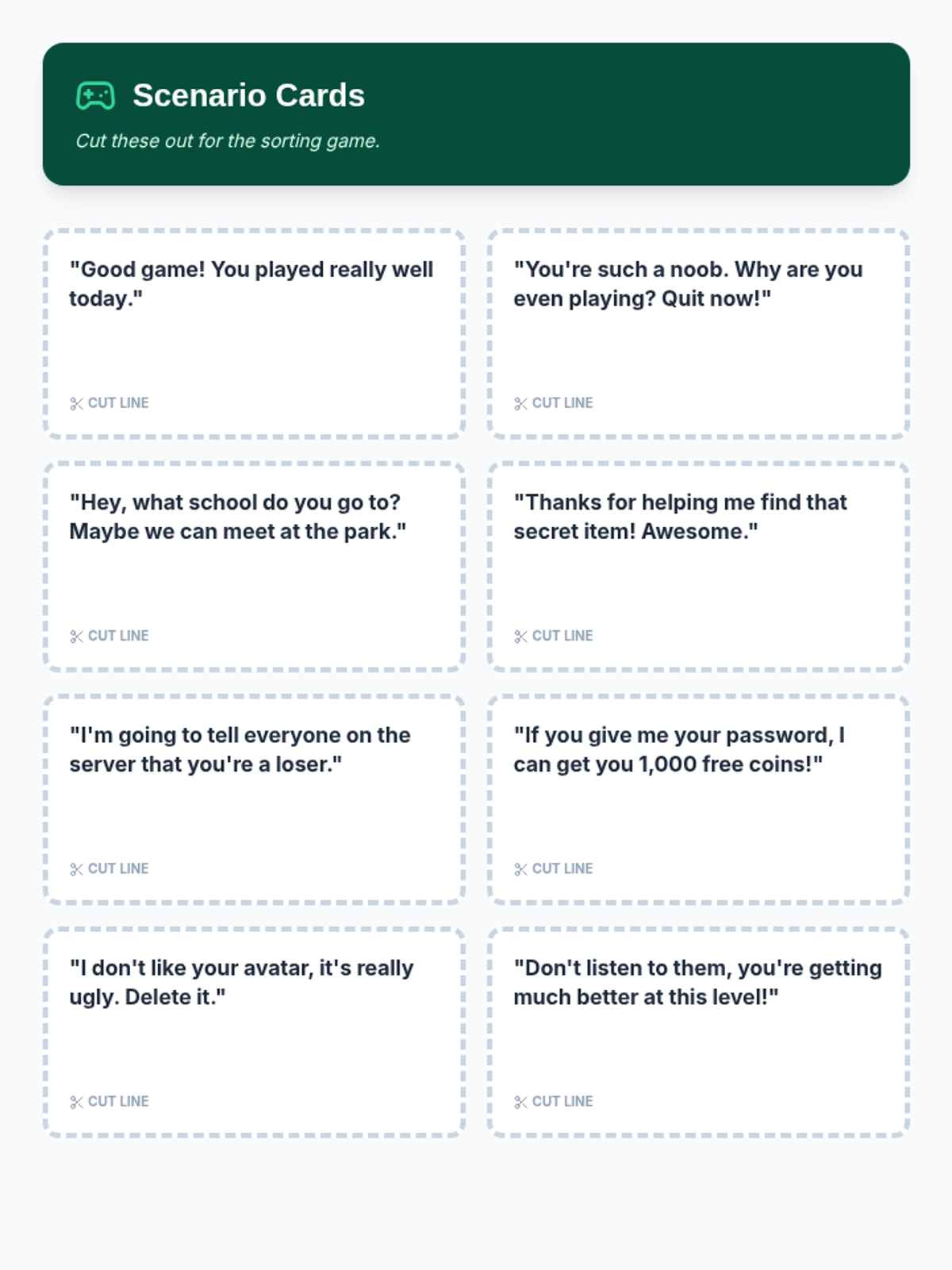
A 20-minute mission-based lesson for 4th graders focusing on kind digital communication and staying safe in gaming environments and chat rooms. Students become 'Pixel Patrollers' to learn how to identify and respond to cyberbullying and unsafe interactions.
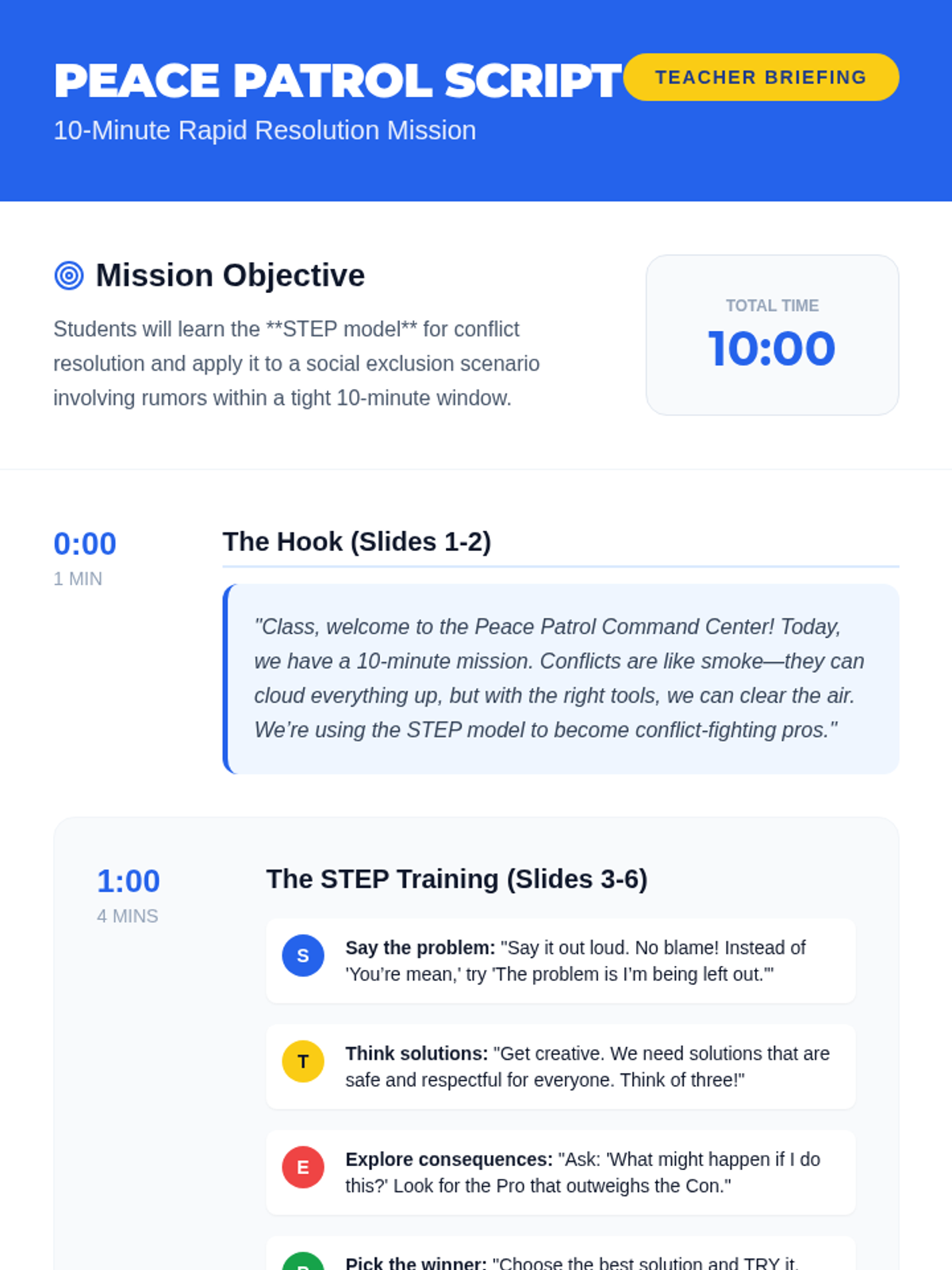
A fast-paced, high-energy 10-minute lesson teaching the STEP model for conflict resolution through a social exclusion scenario. Students learn to navigate rumors and friendship friction like a pro.
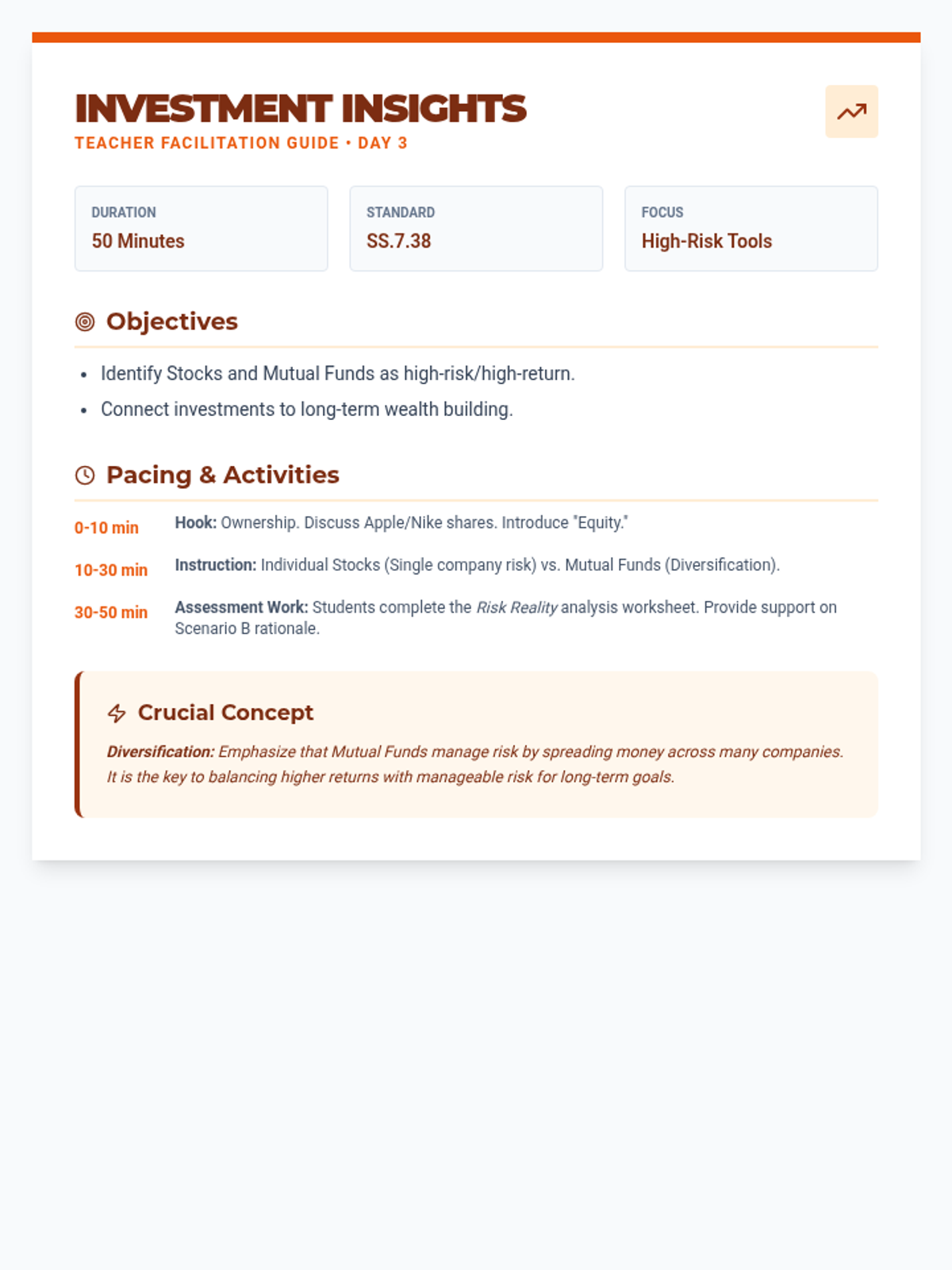
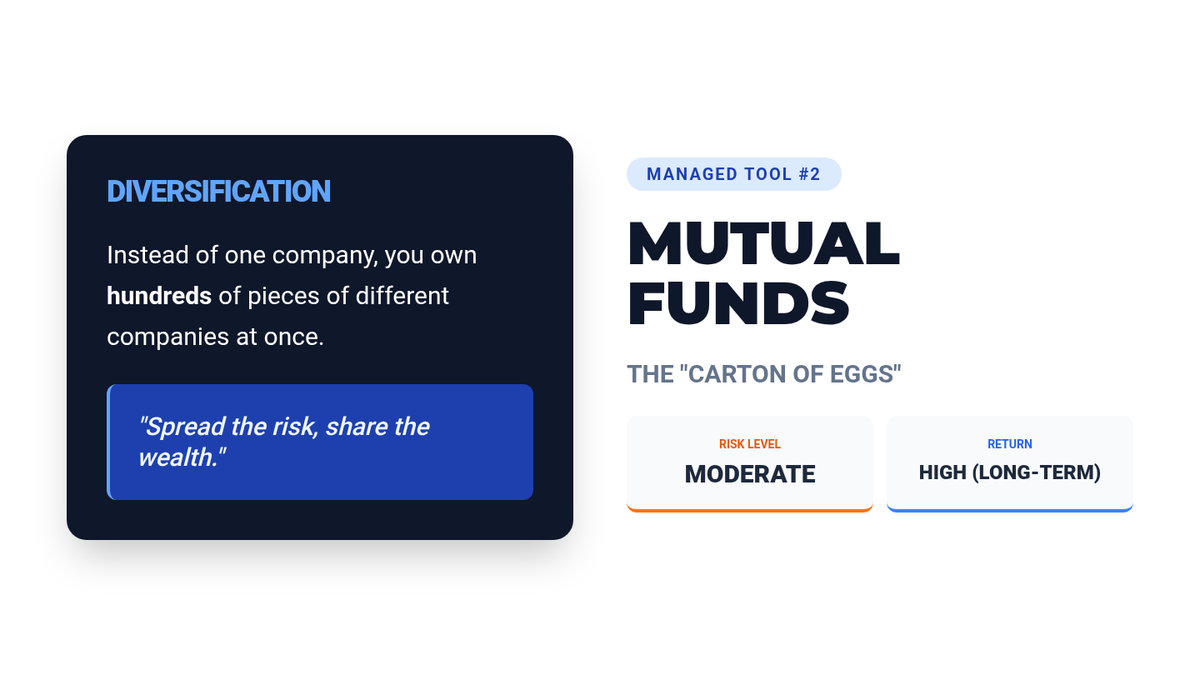
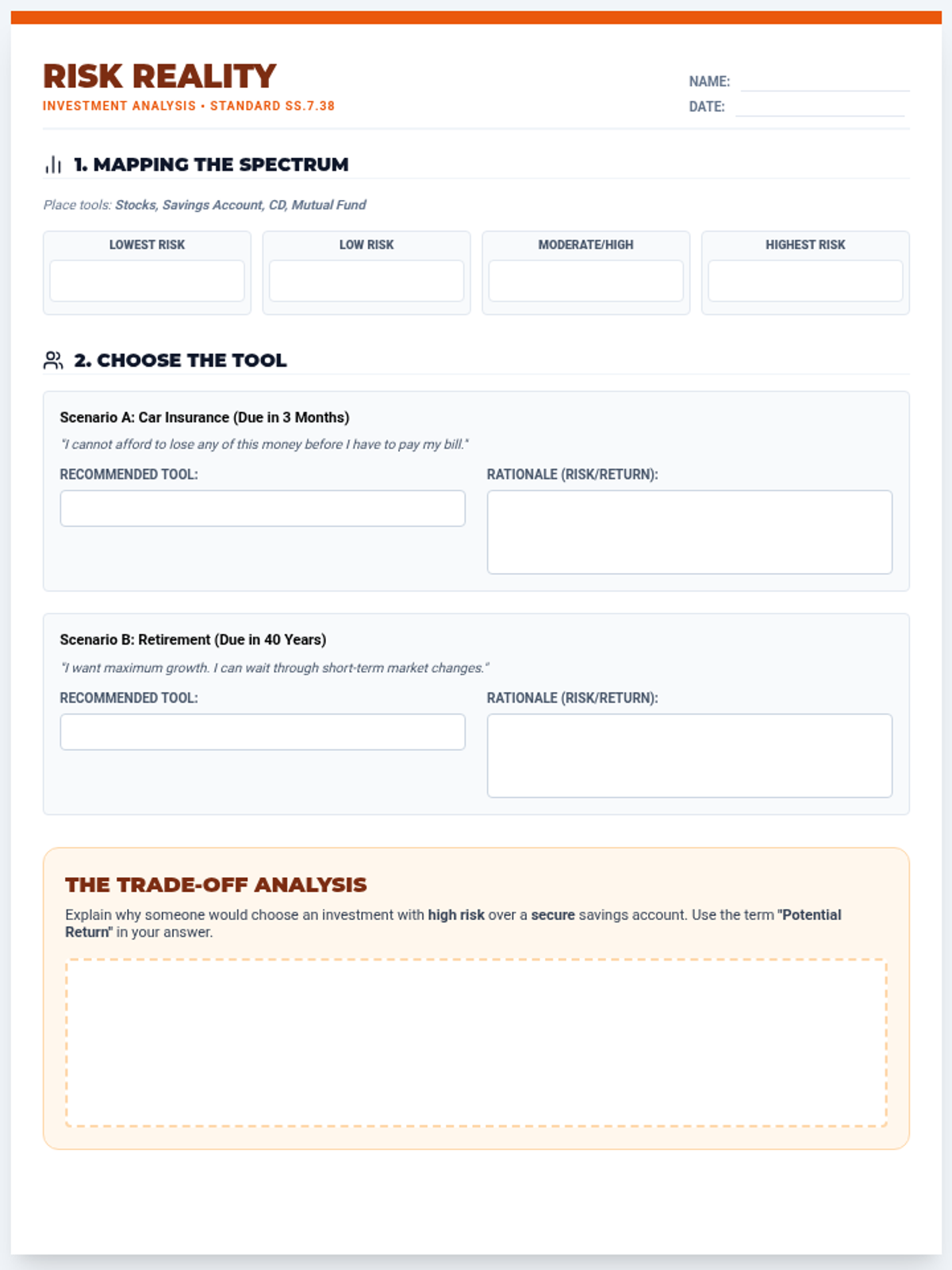
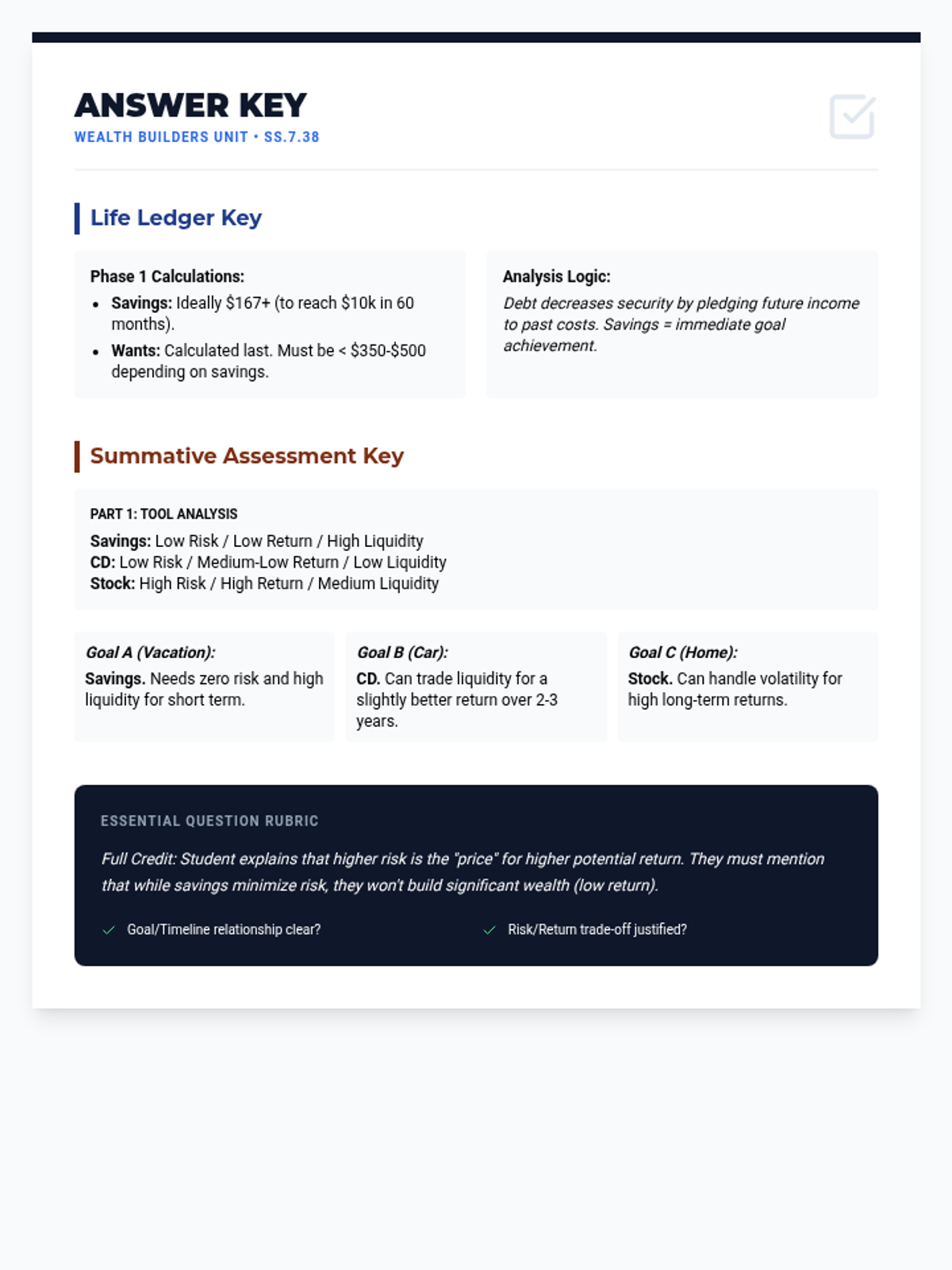
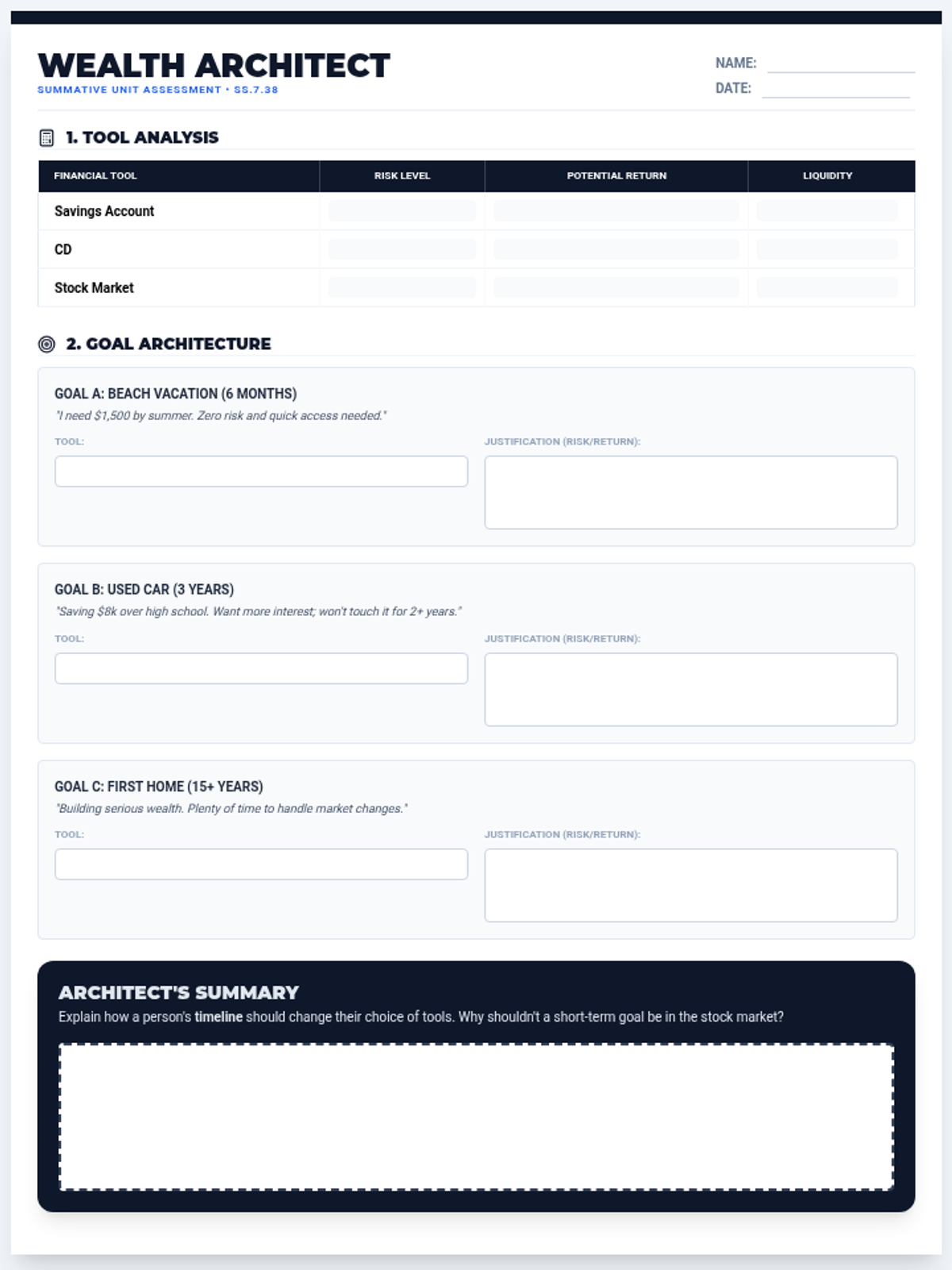
An investigation into high-risk investment tools like stocks and mutual funds, focusing on the principle that higher potential returns often carry higher risks for long-term wealth.
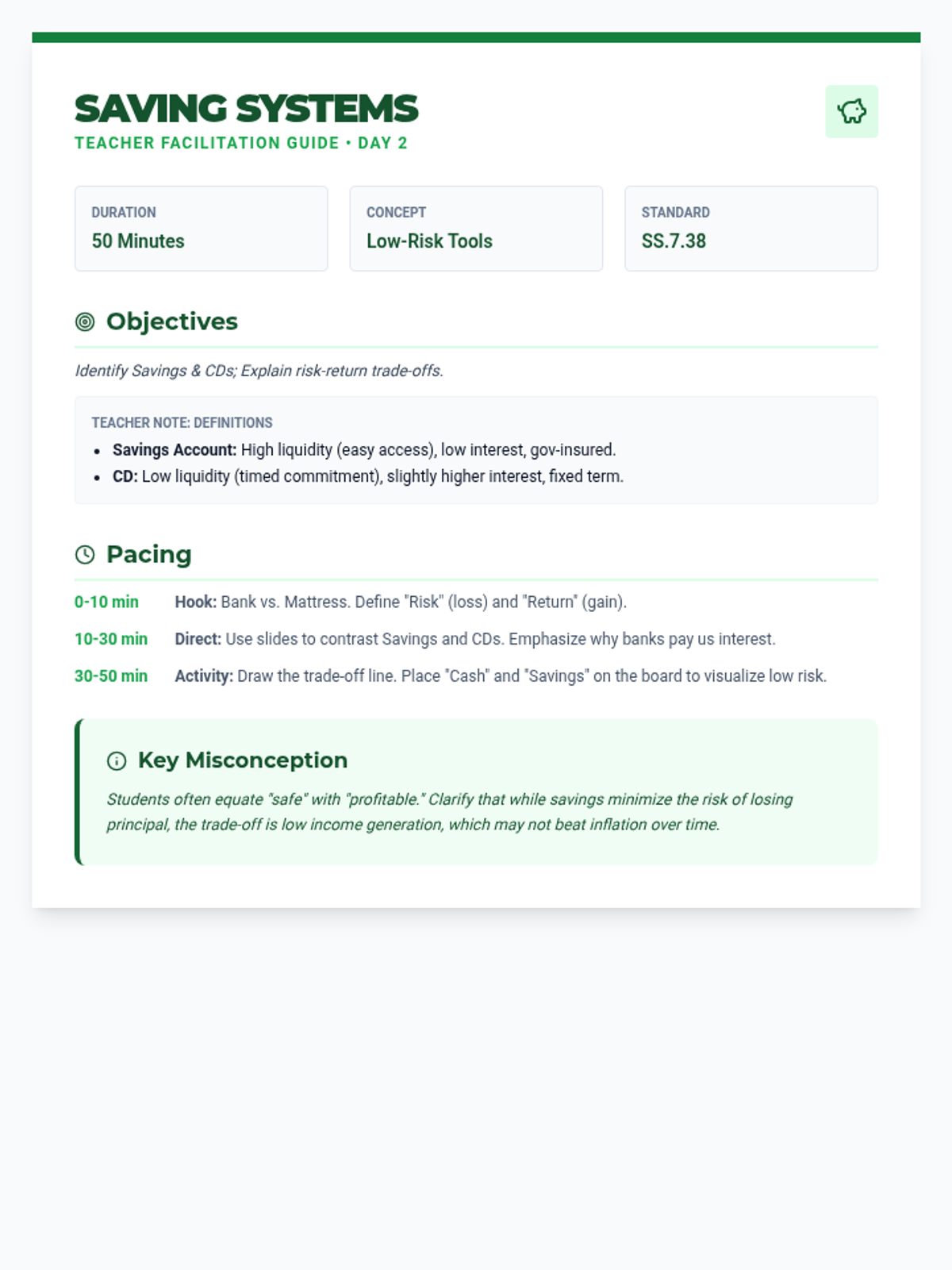
An exploration of low-risk financial tools including savings accounts and CDs, highlighting the balance between security and lower returns.
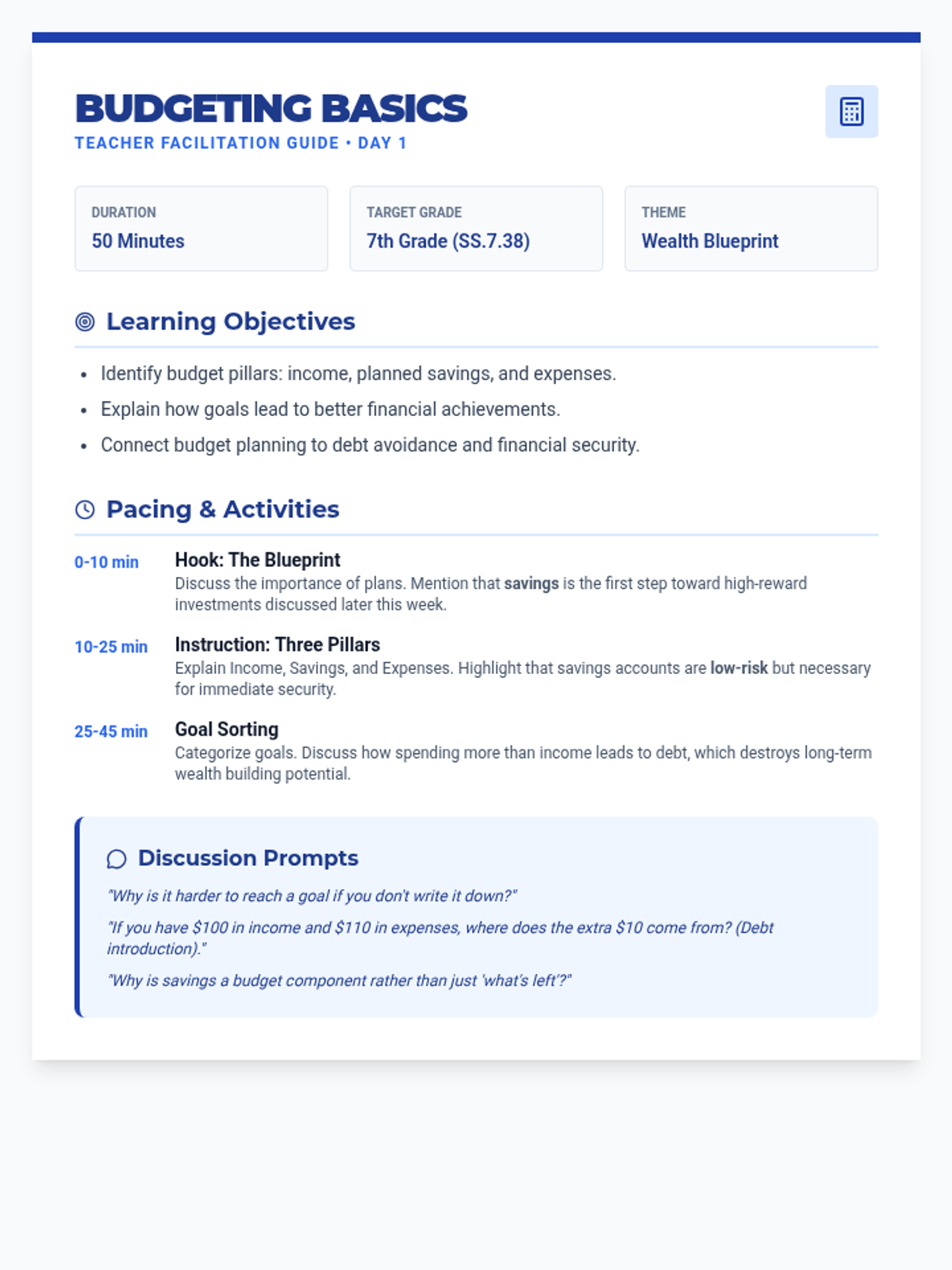
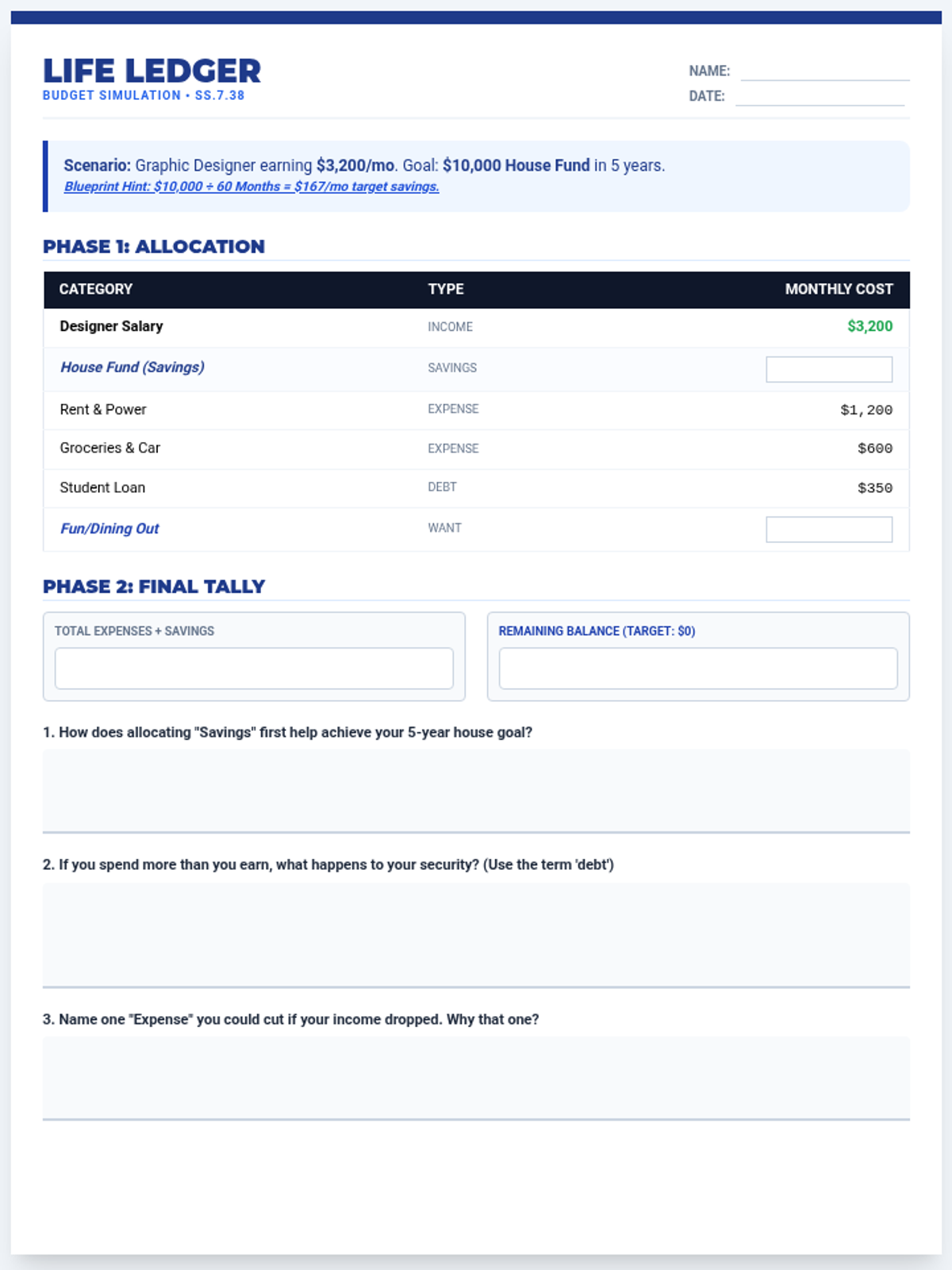
Students explore the foundational components of a personal budget—income, expenses, and planned savings—while learning how goal-setting and planning can prevent debt and build security.
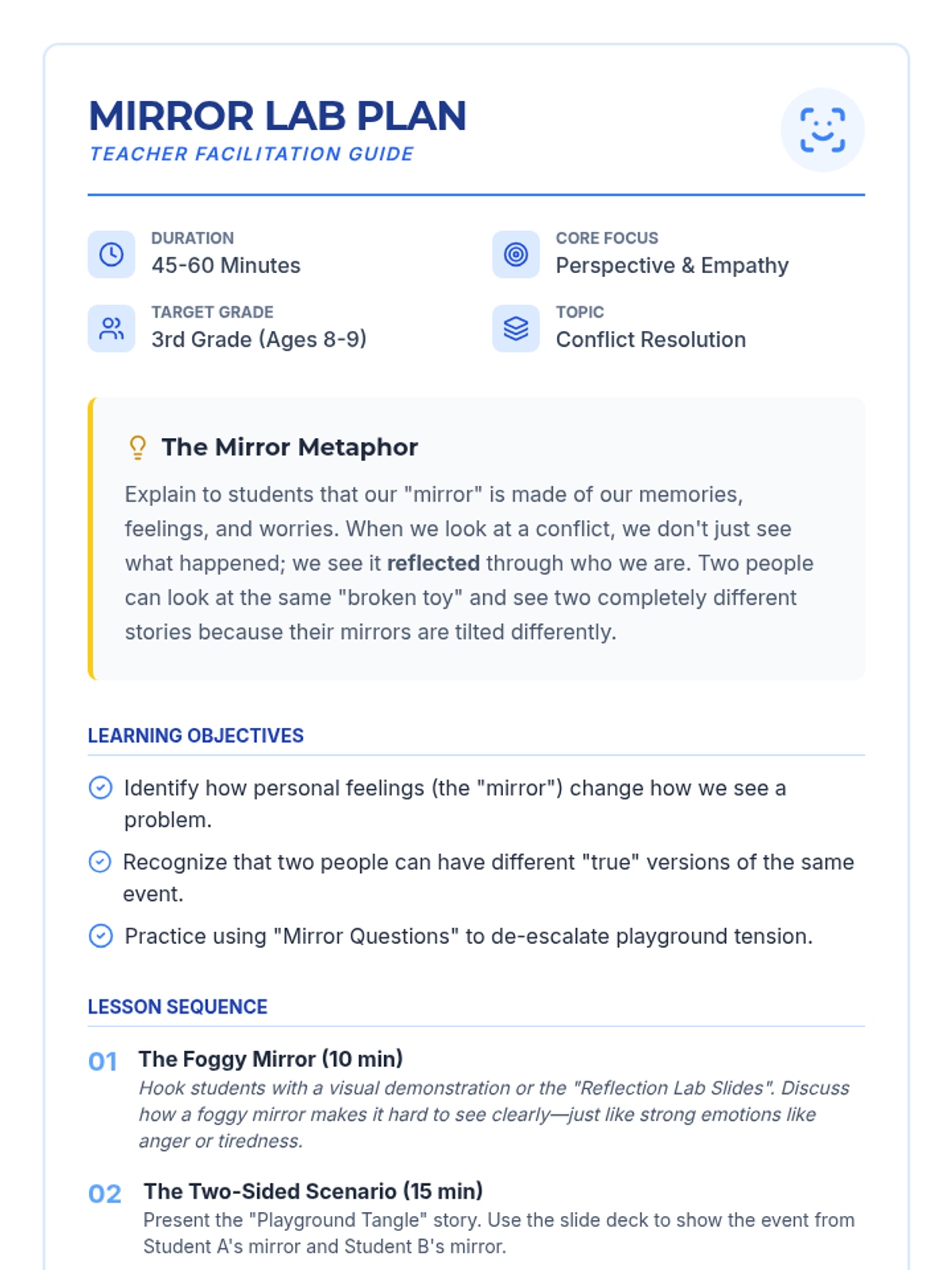
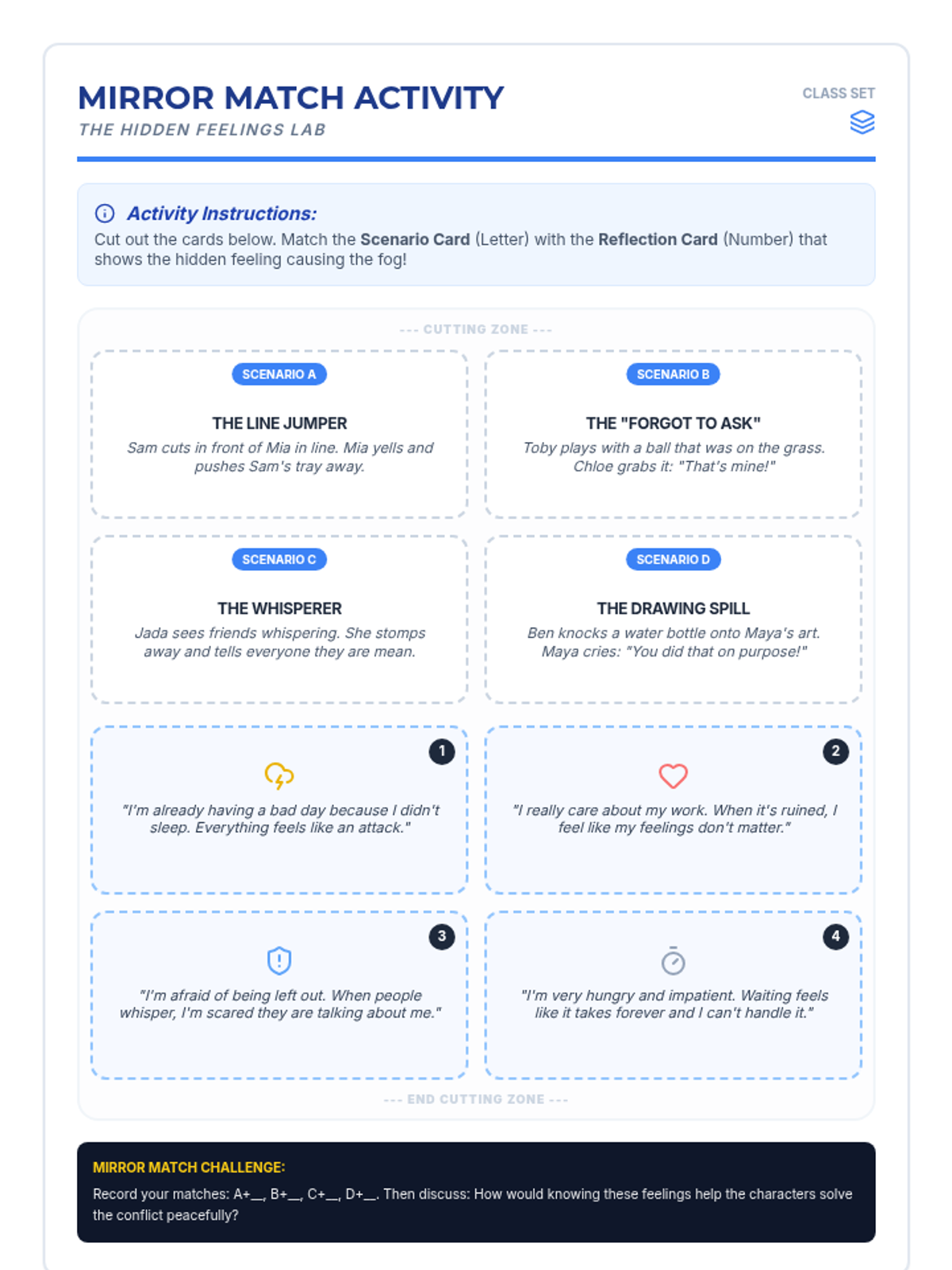
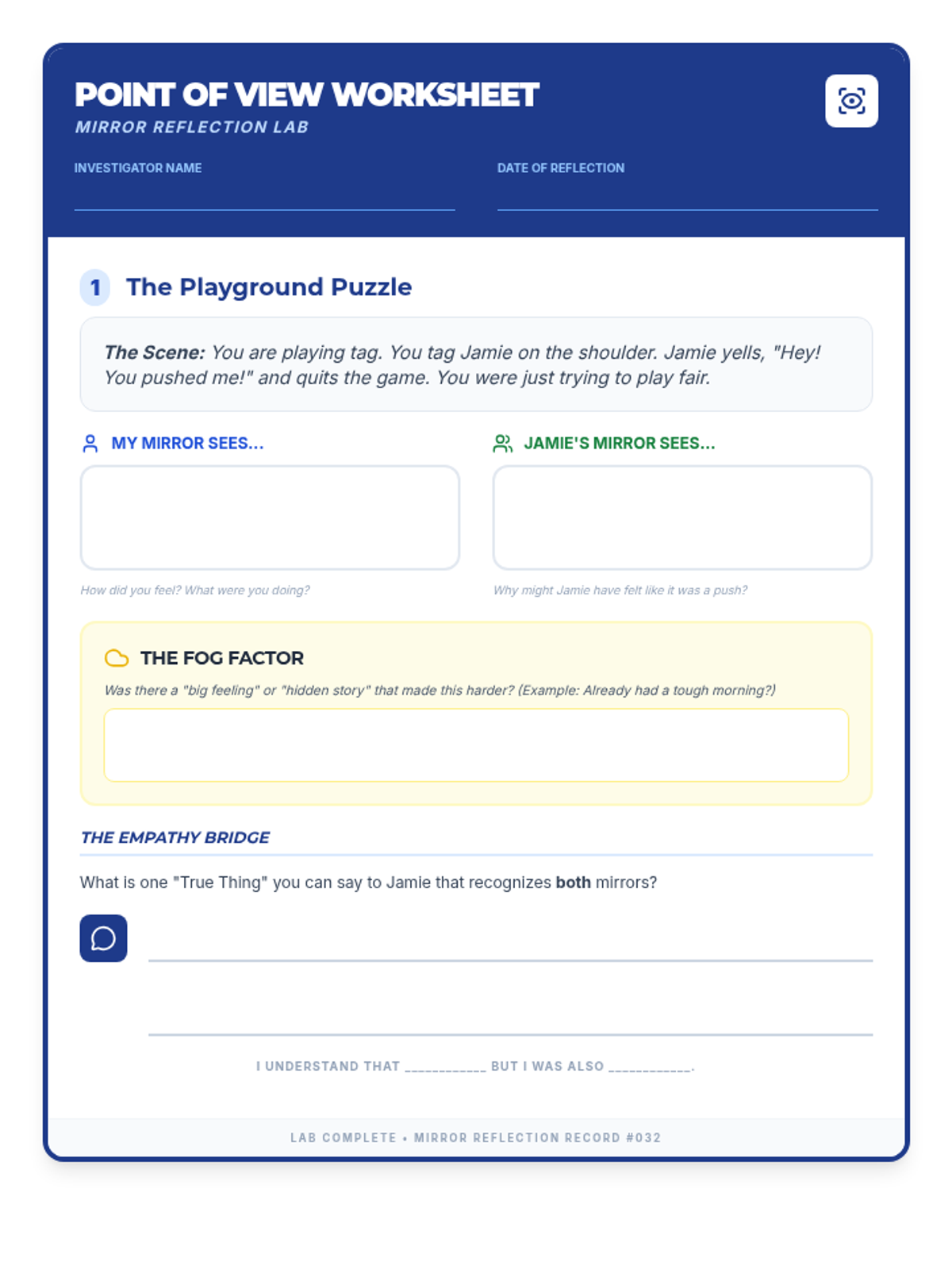
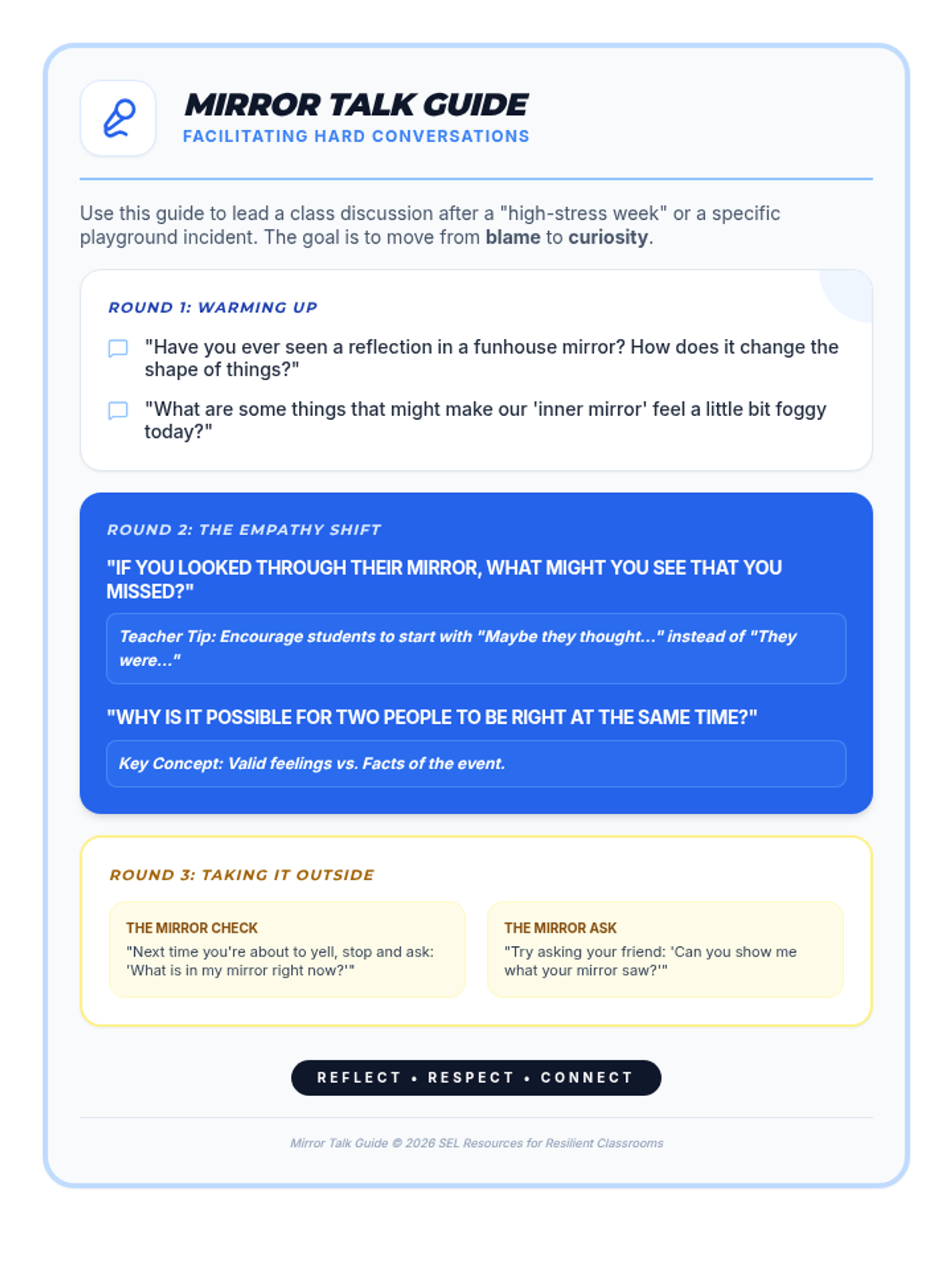
A Social-Emotional Learning lesson for 3rd graders exploring how personal experiences and emotions act as 'mirrors' that shape their perspective on conflicts. Students practice identifying multiple valid viewpoints to build empathy and resolve playground disagreements.