This lesson equips K-12 clinical staff with verbal and non-verbal de-escalation techniques to manage student crises. It features interactive role-playing, scenario analysis, and guided practice to build confidence in crisis response.
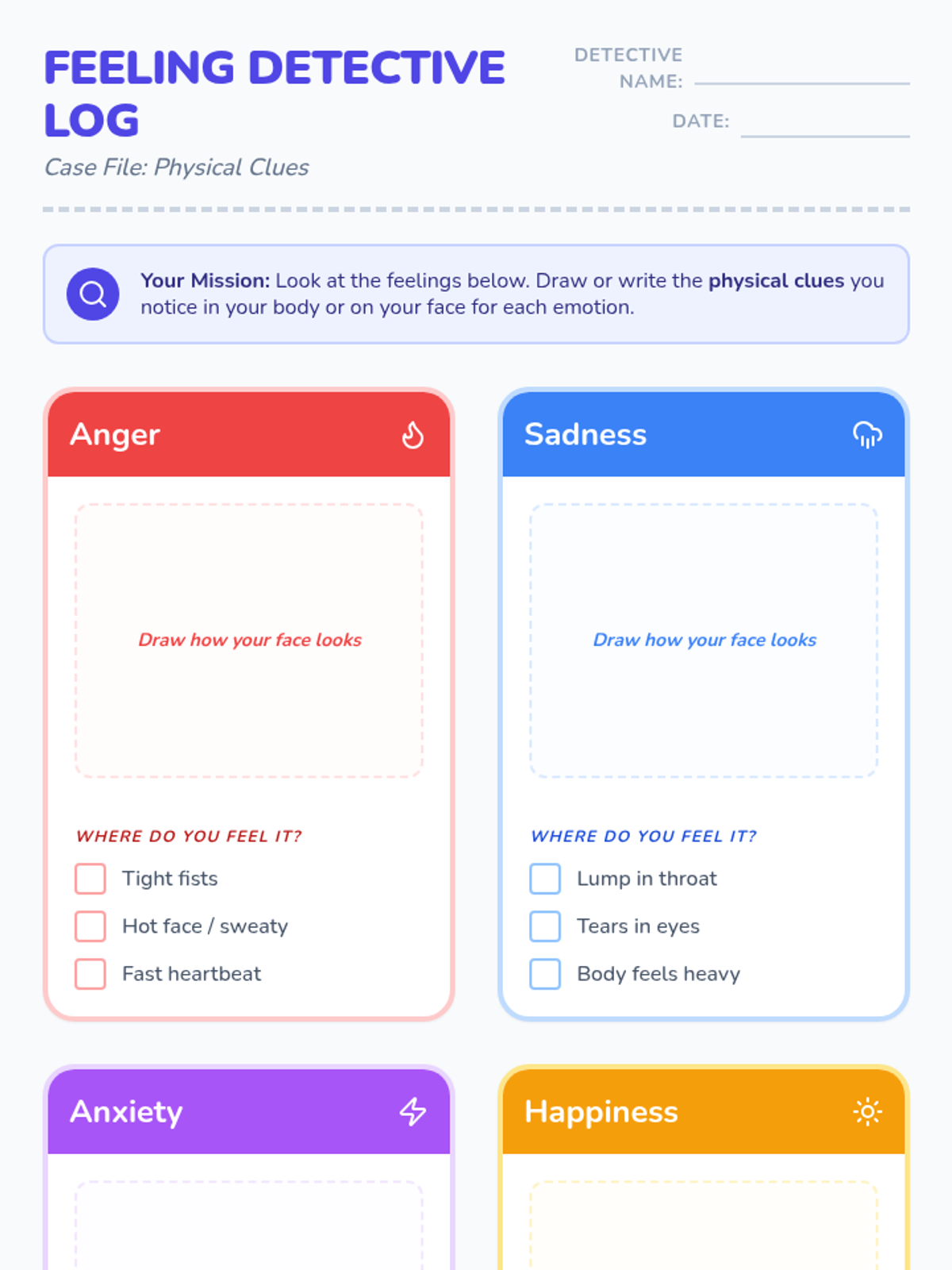
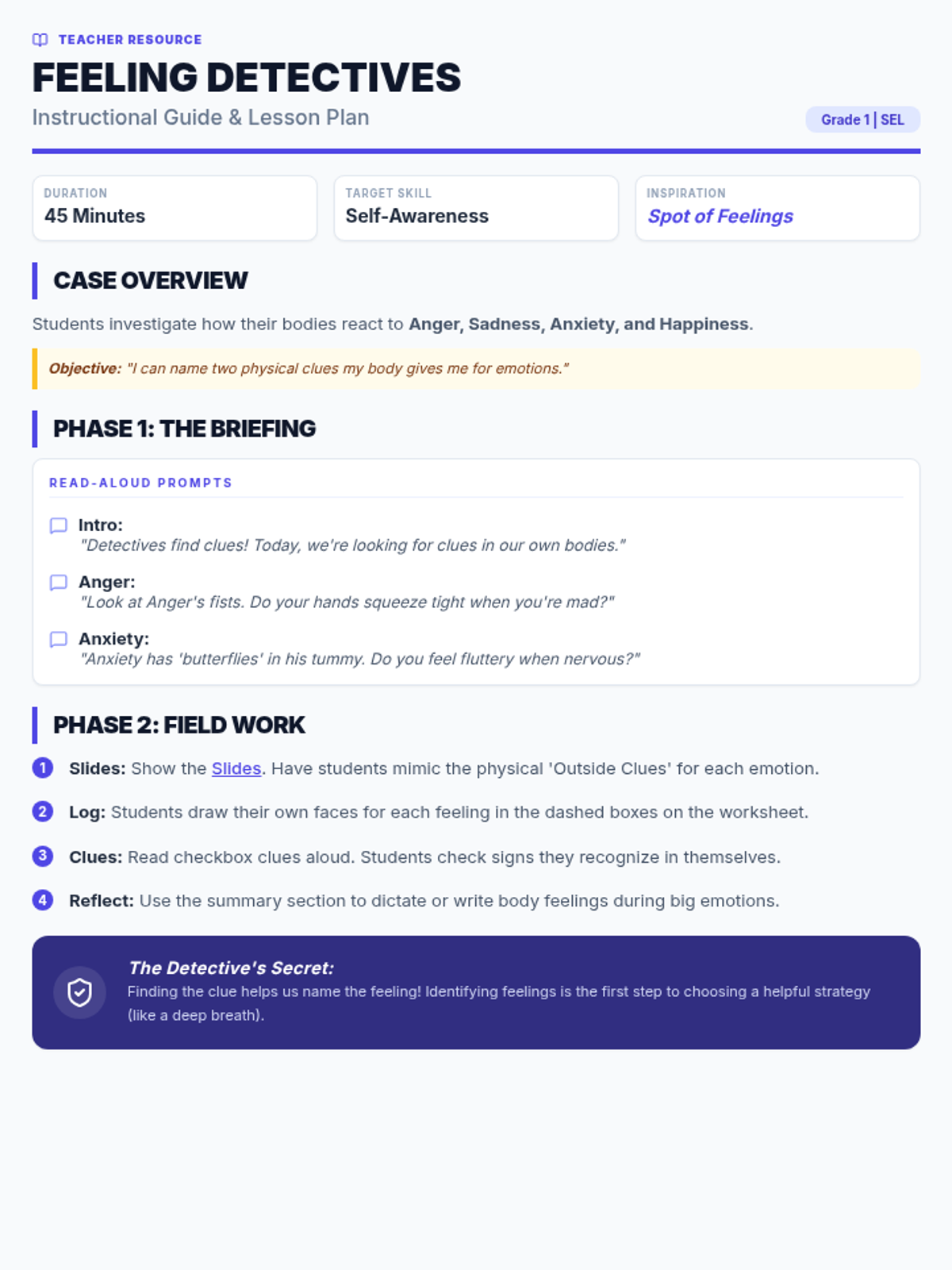
A lesson for first graders to identify the physical sensations and outward signs associated with different emotions, inspired by "A Little Spot of Feelings" by Diane Alber. Students become 'Feeling Detectives' to investigate how their bodies react to various feelings.
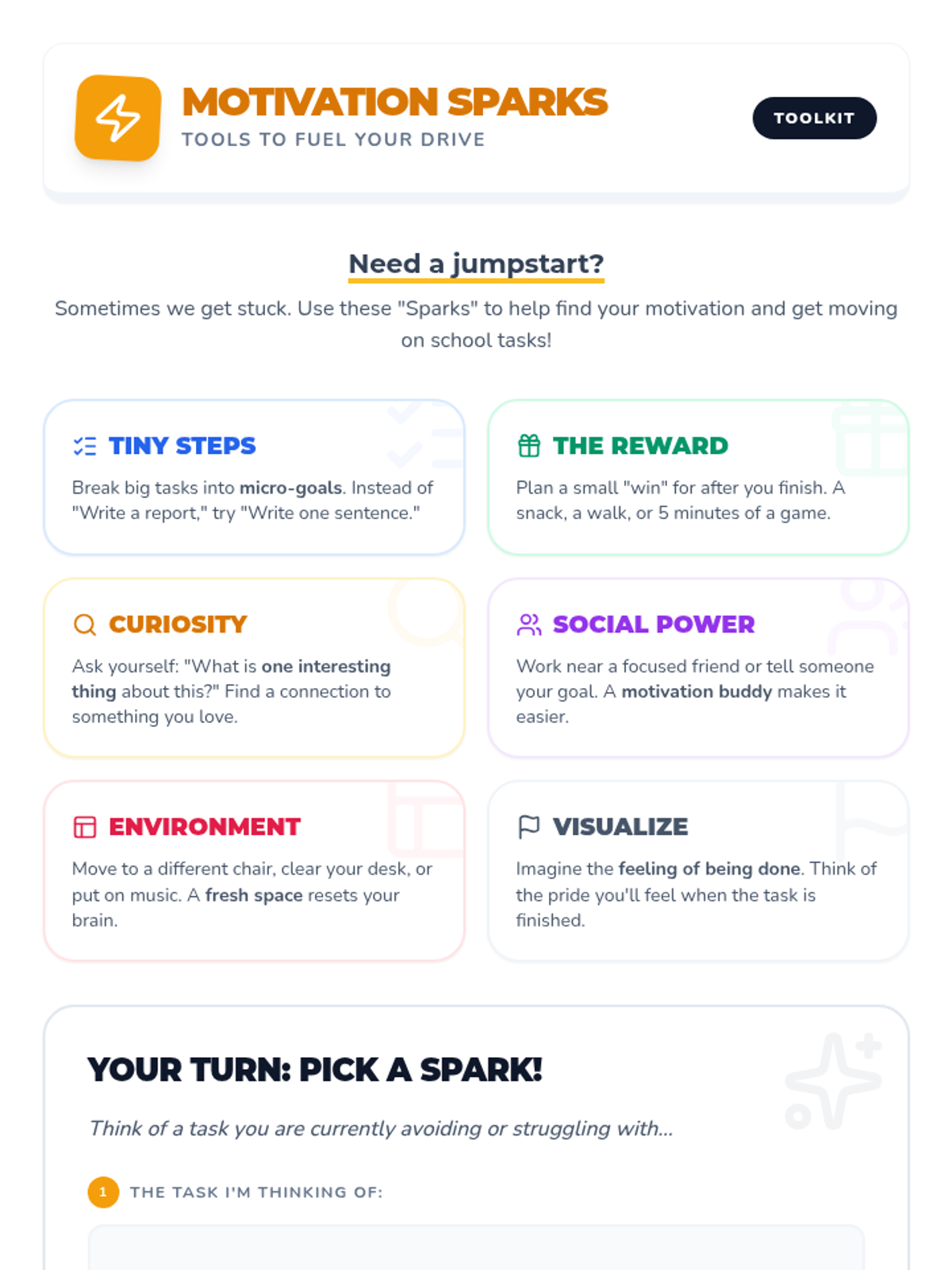
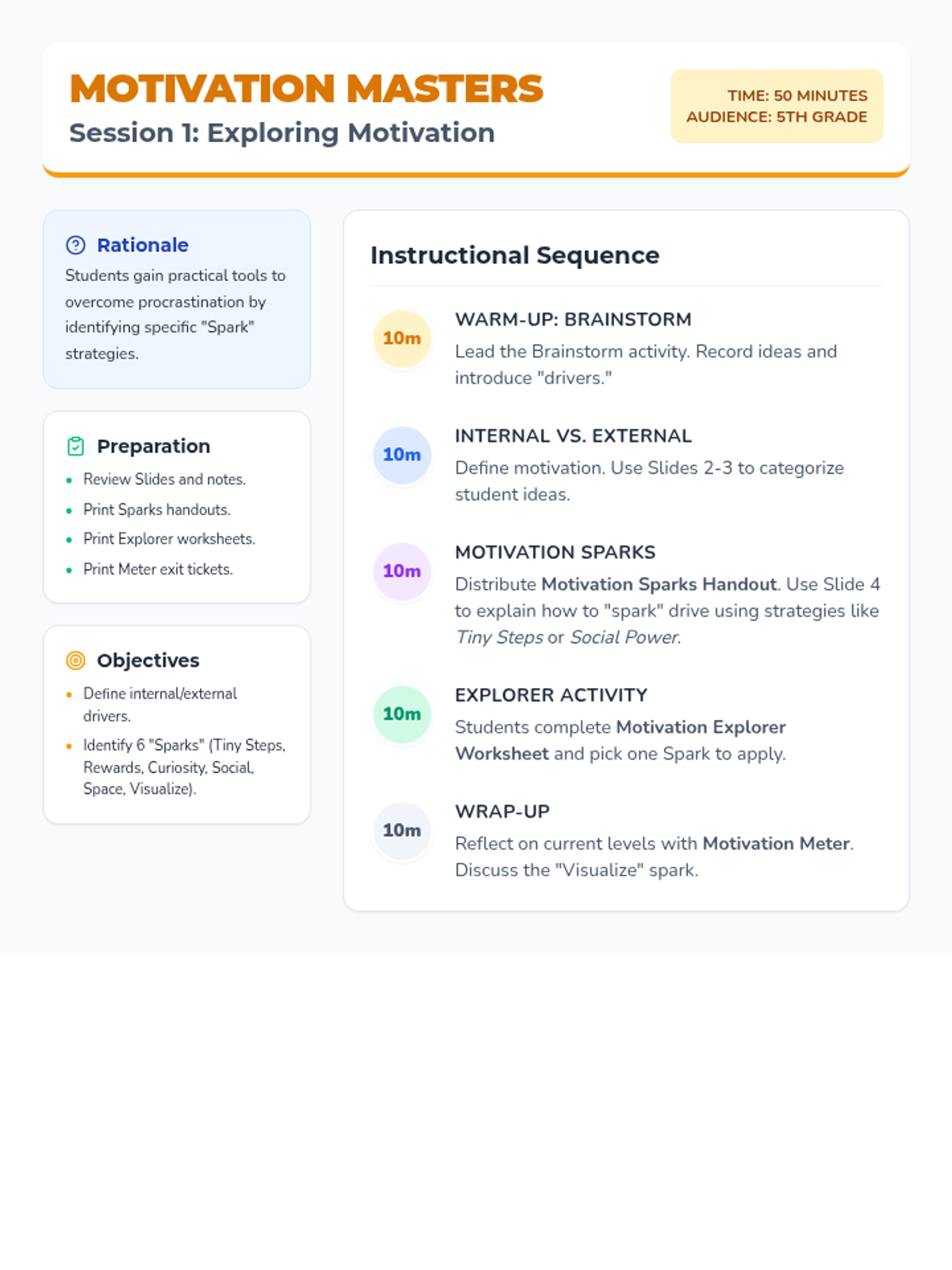
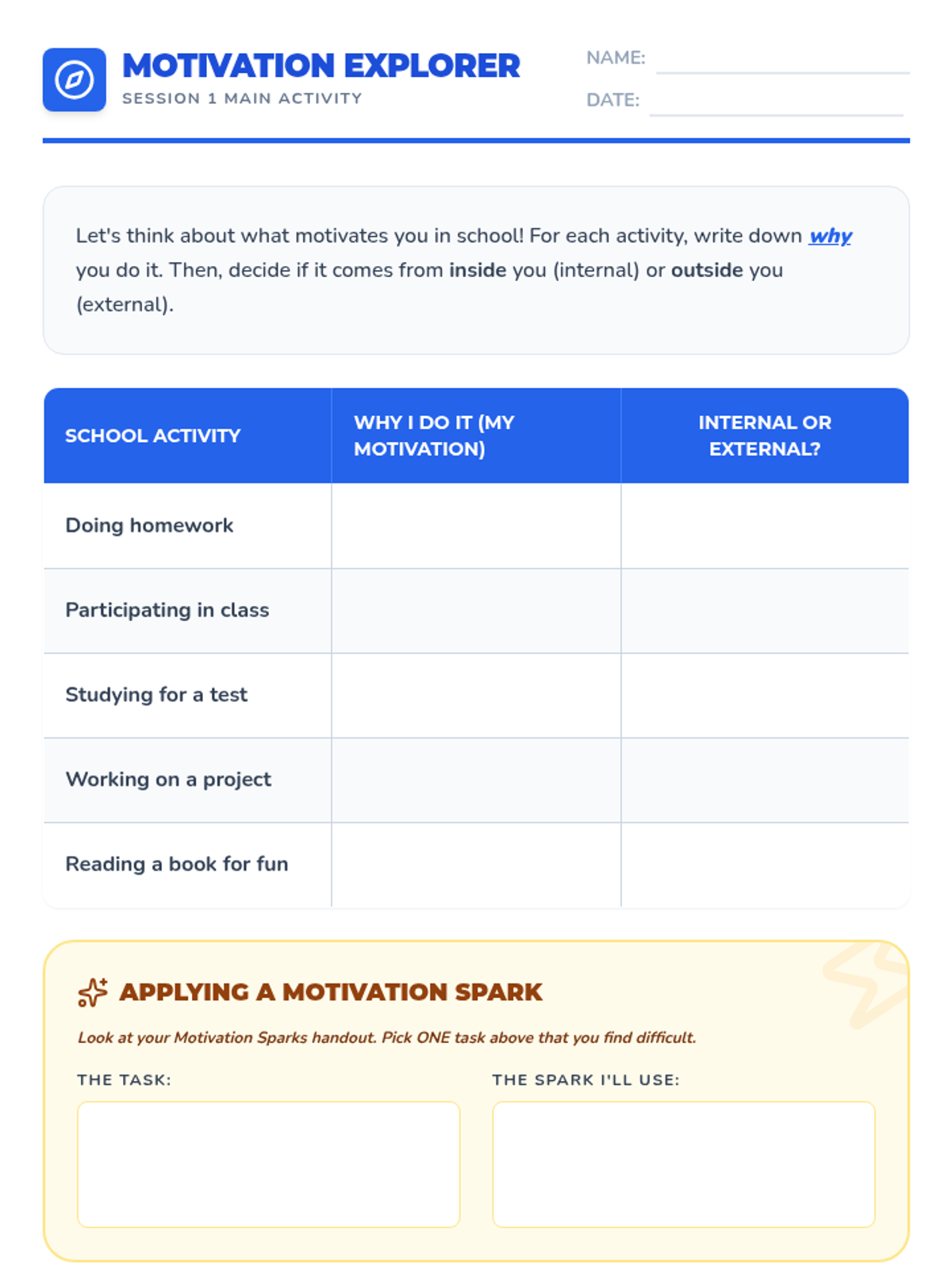
Students define motivation, distinguish between internal and external drivers, and identify their own personal motivators for school tasks.
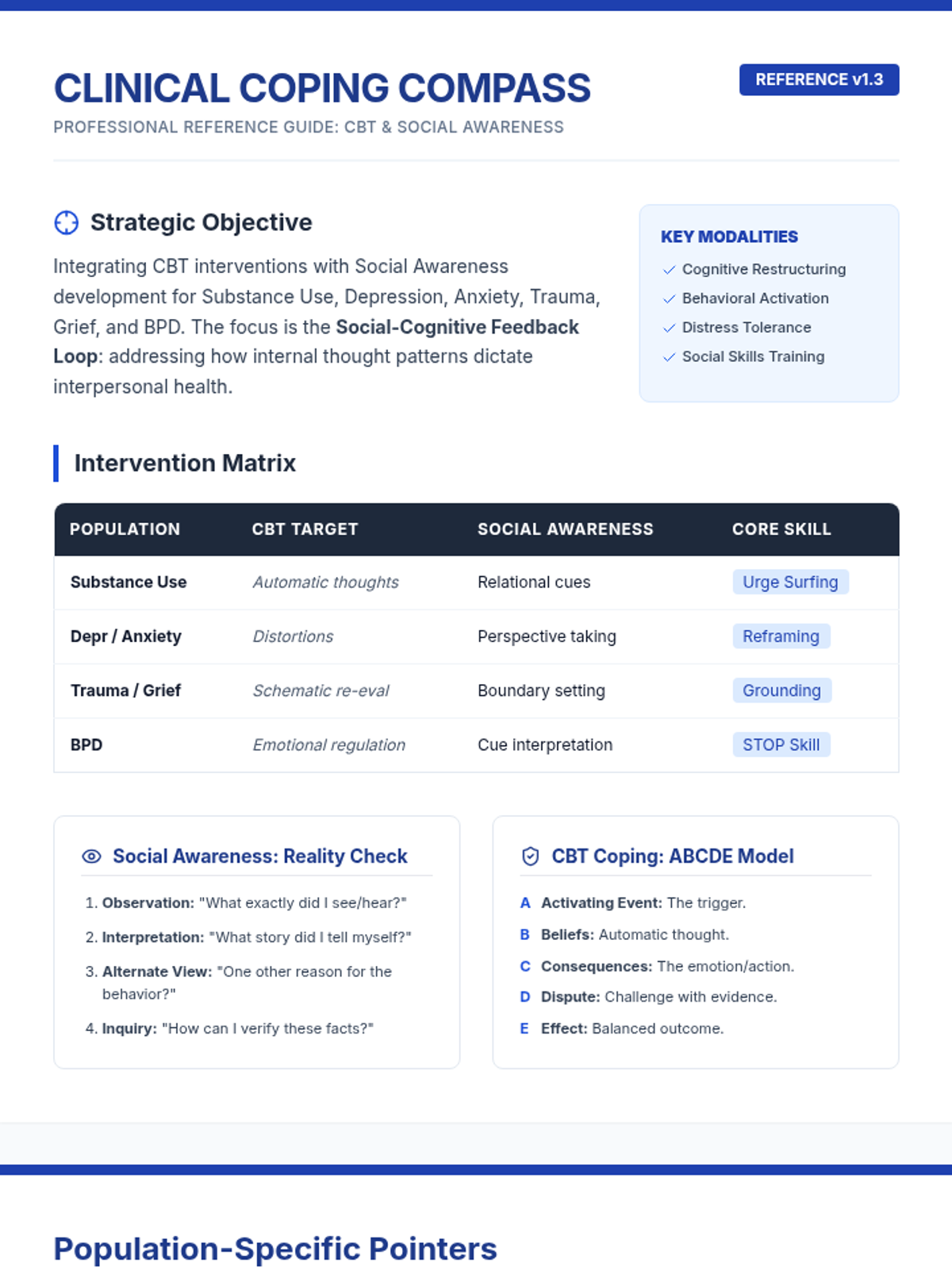
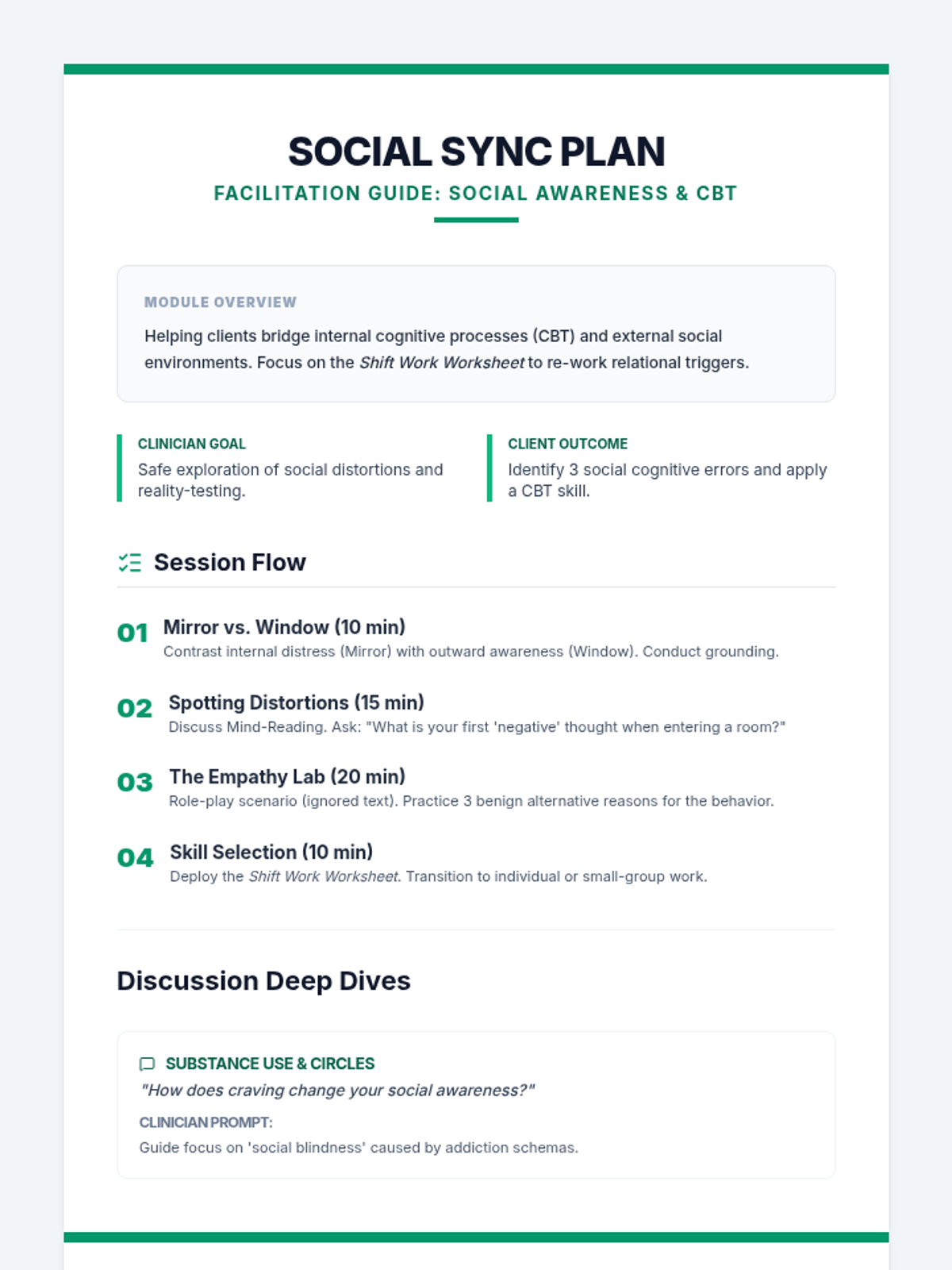
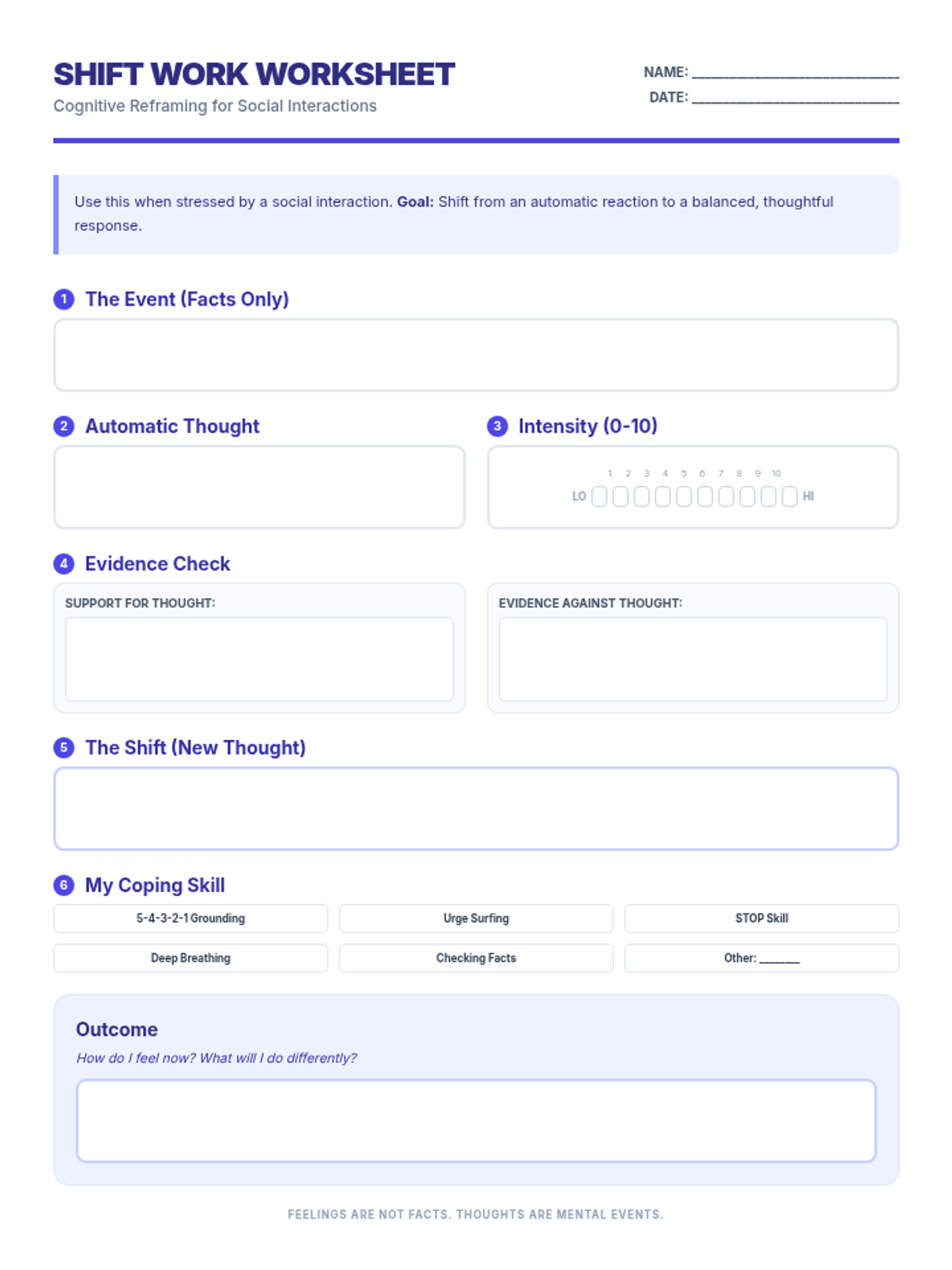
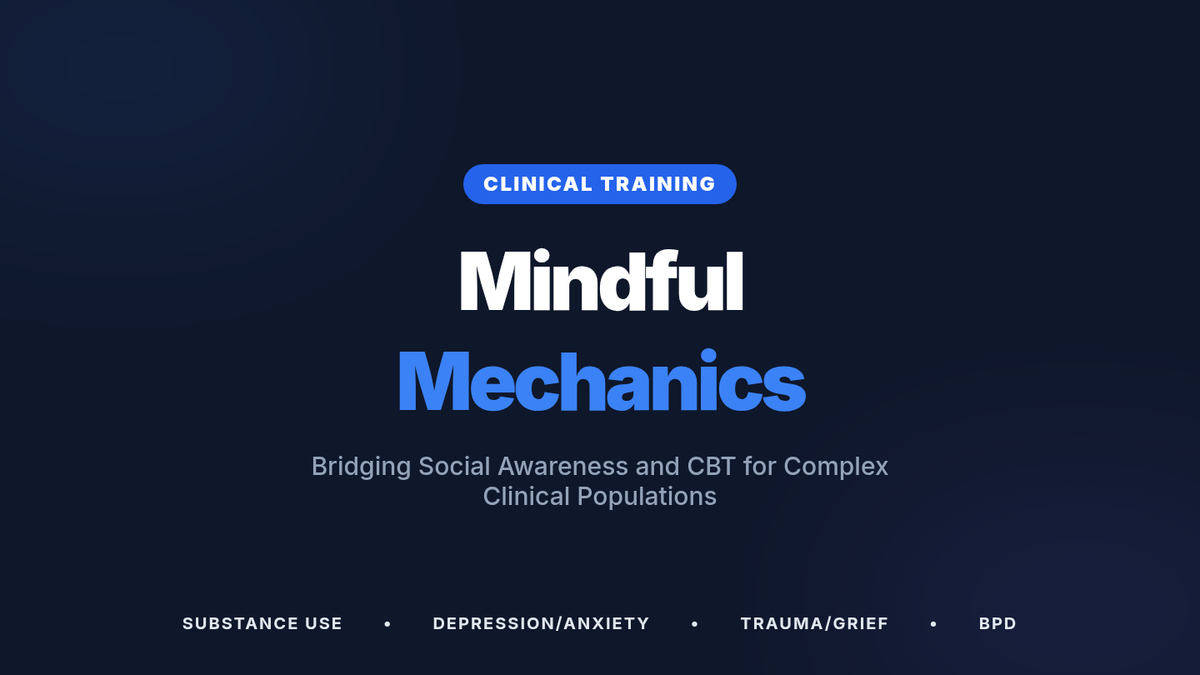
A comprehensive training module for clinical staff focusing on the intersection of Social Awareness and Cognitive Behavioral Therapy (CBT) across diverse diagnostic populations.
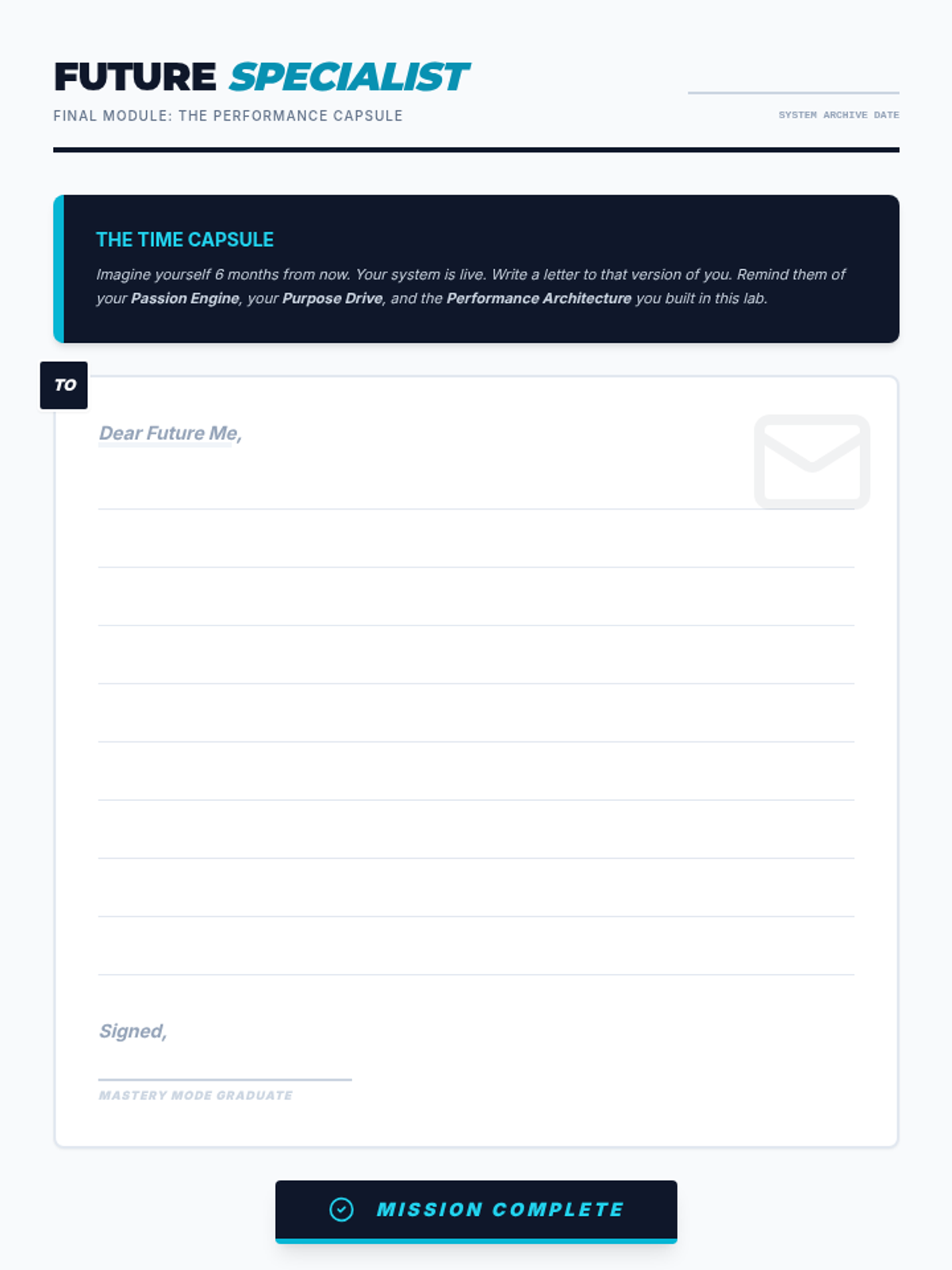
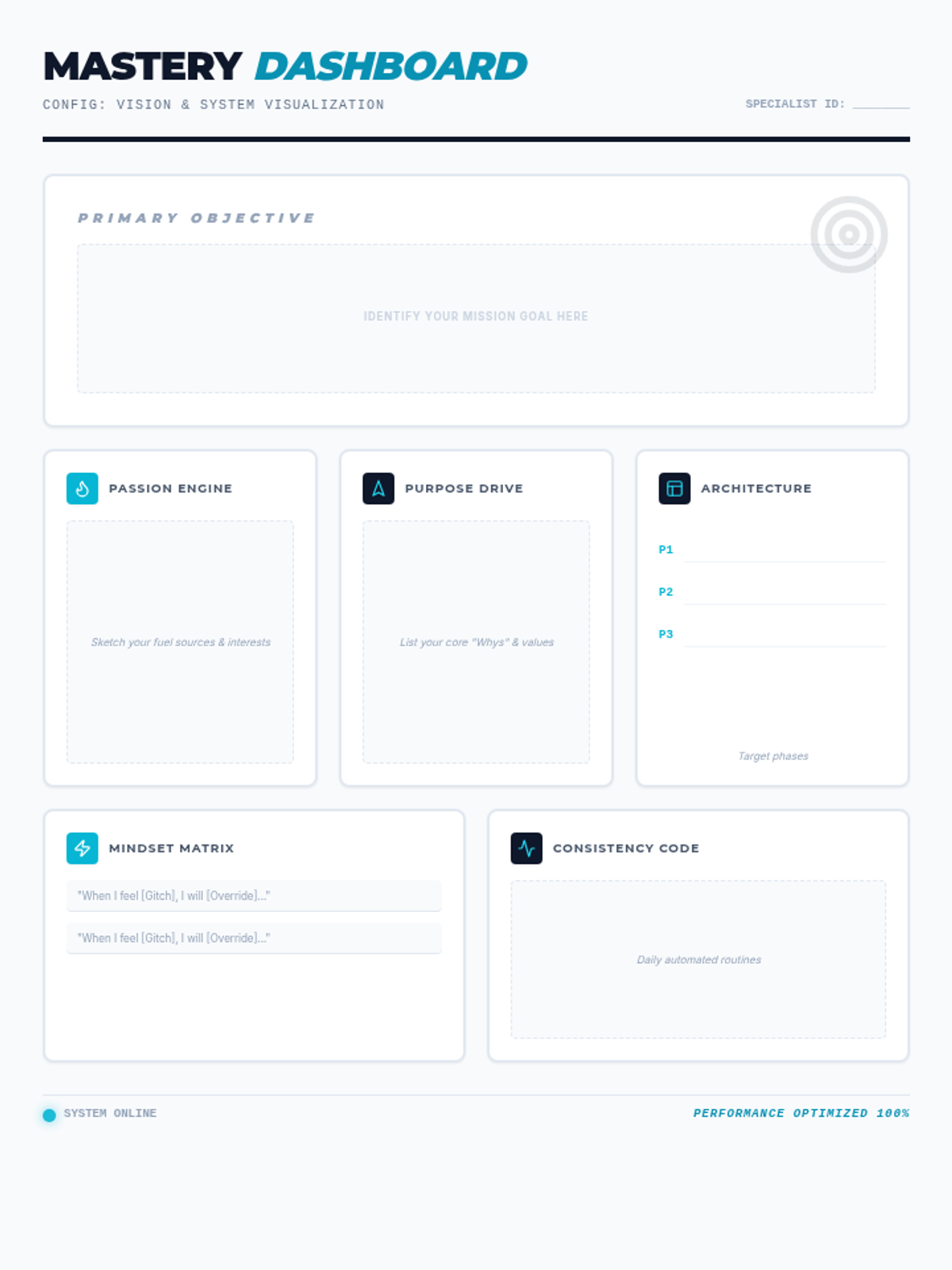
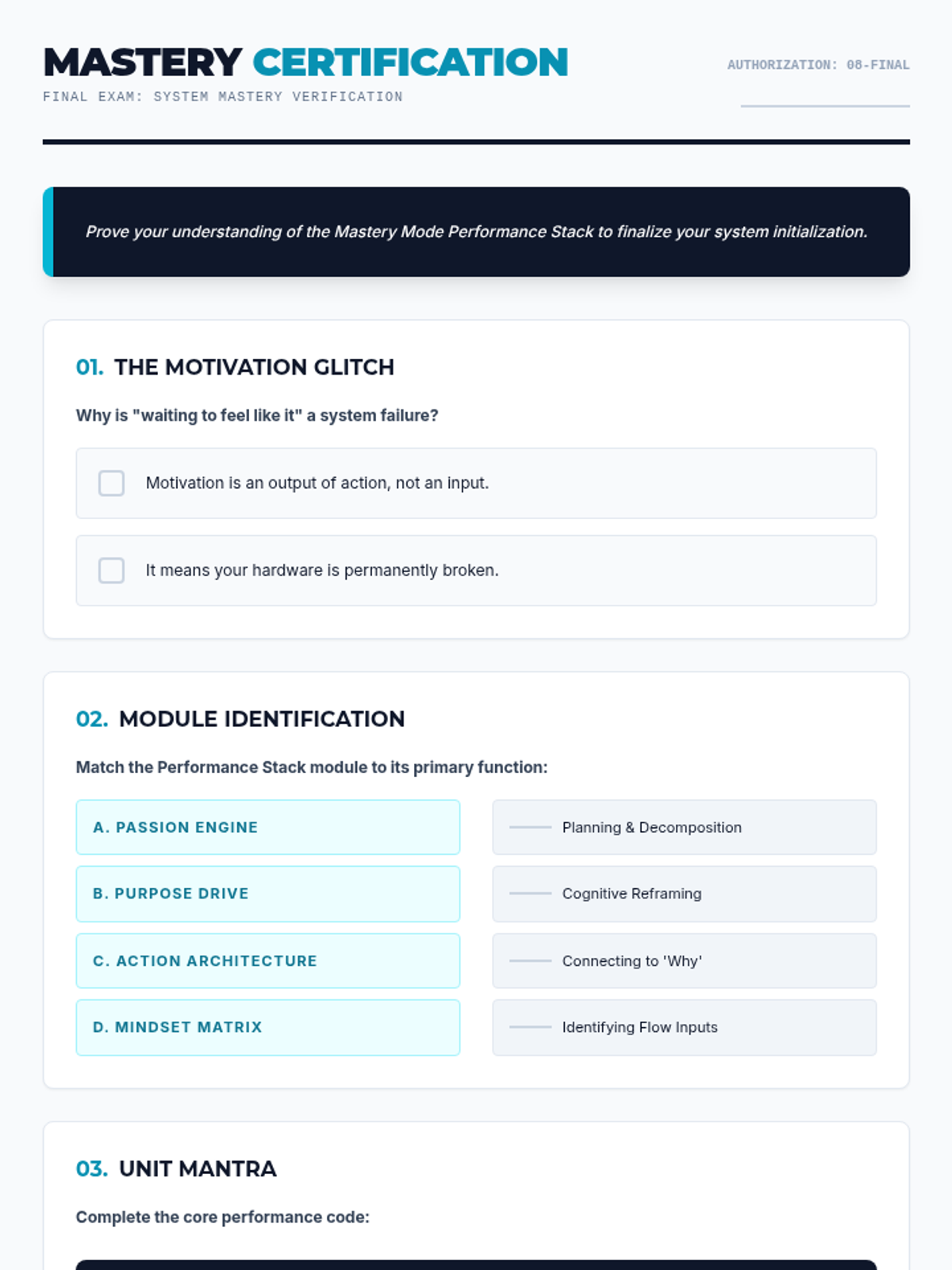
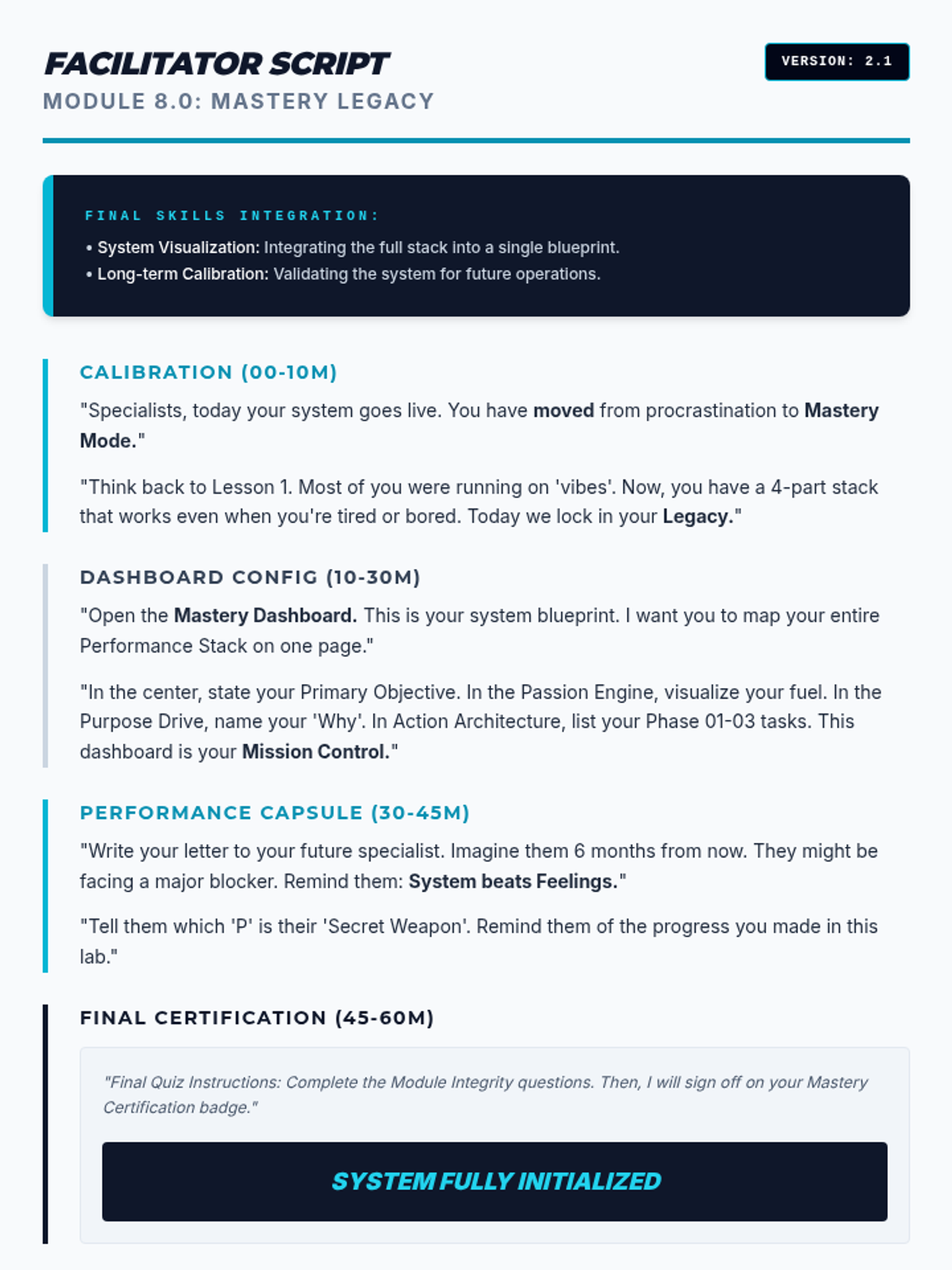
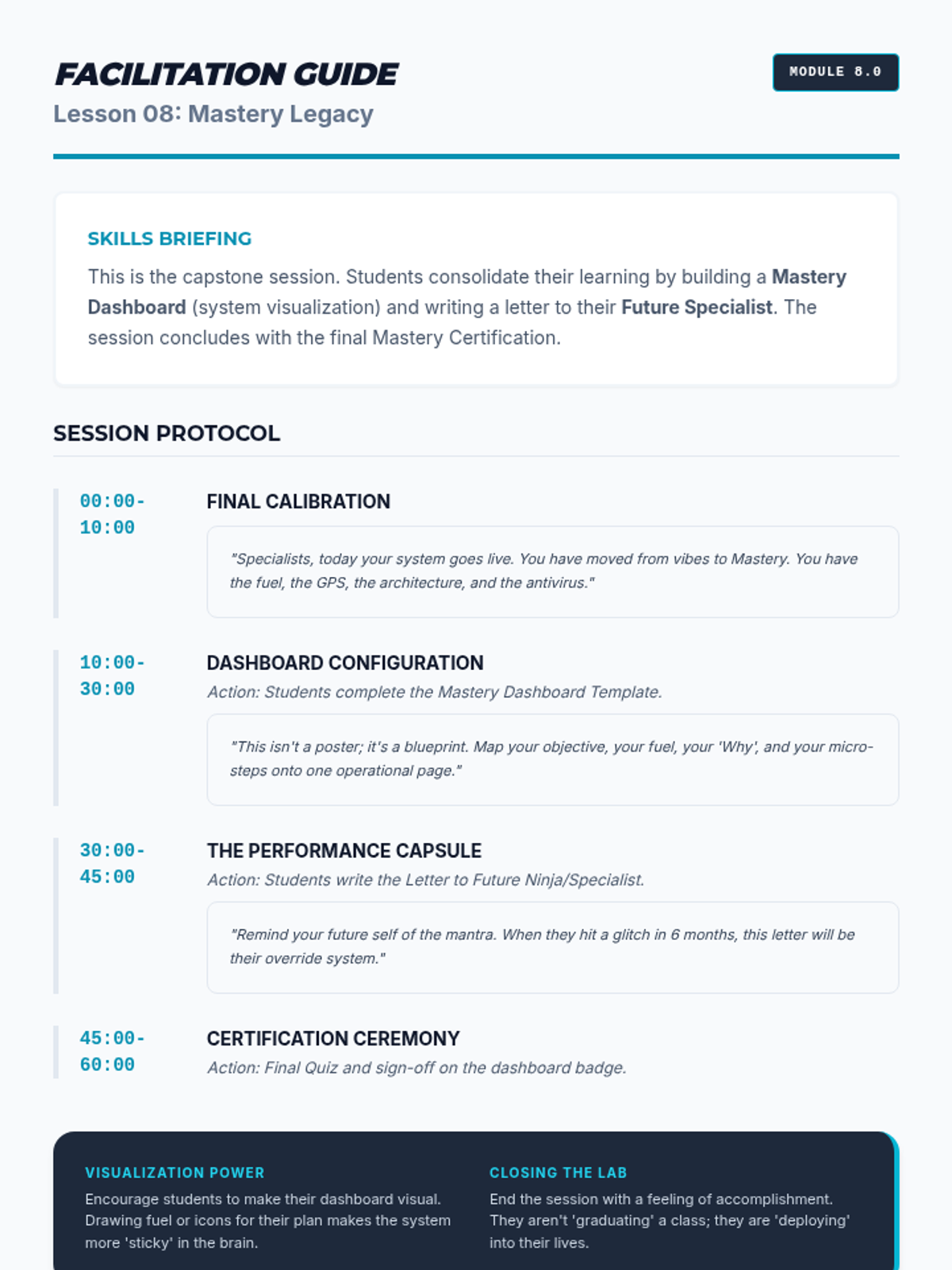
The capstone session where students consolidate their learning, create a vision board, and write a letter to their future professional self.
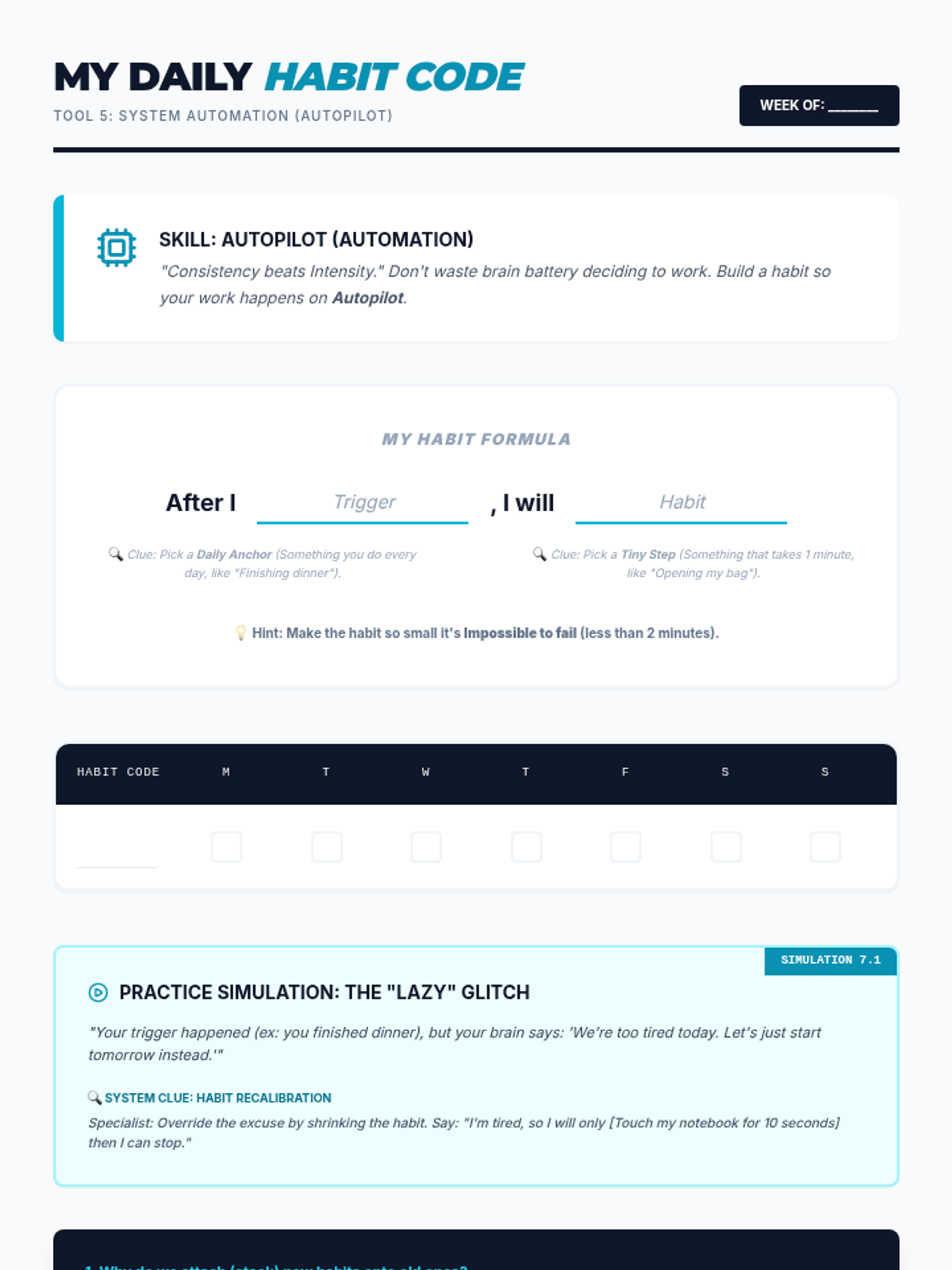
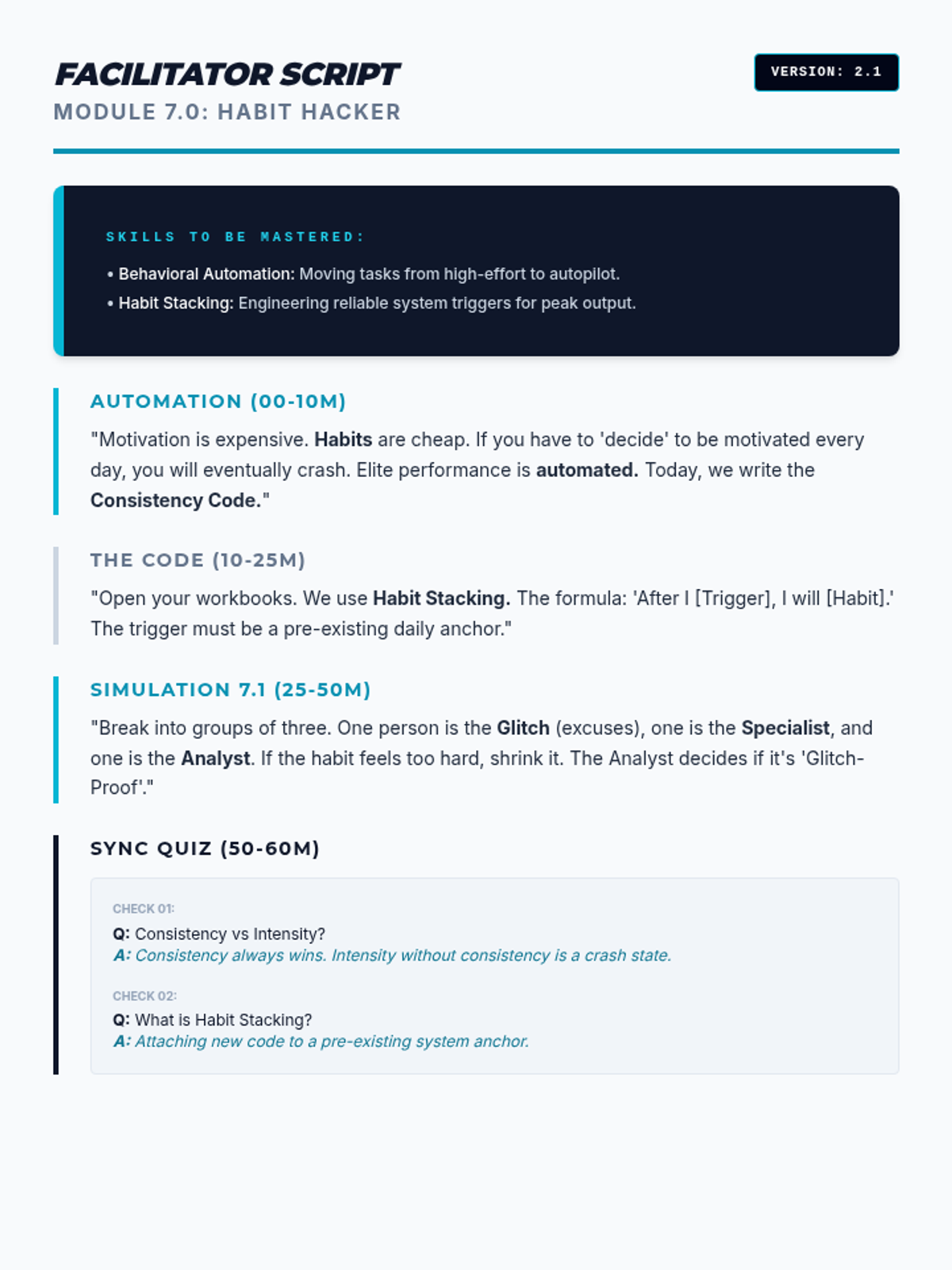
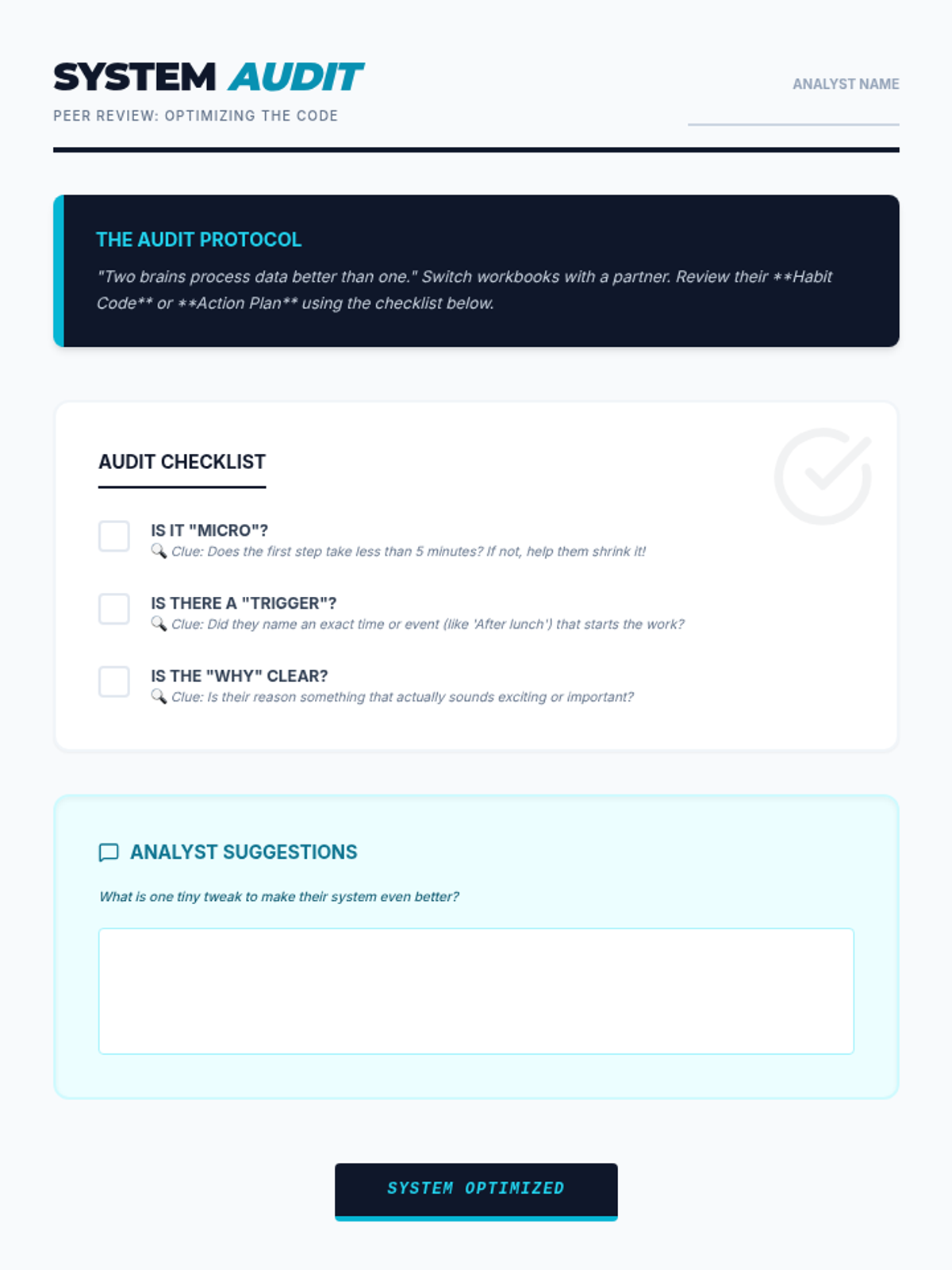
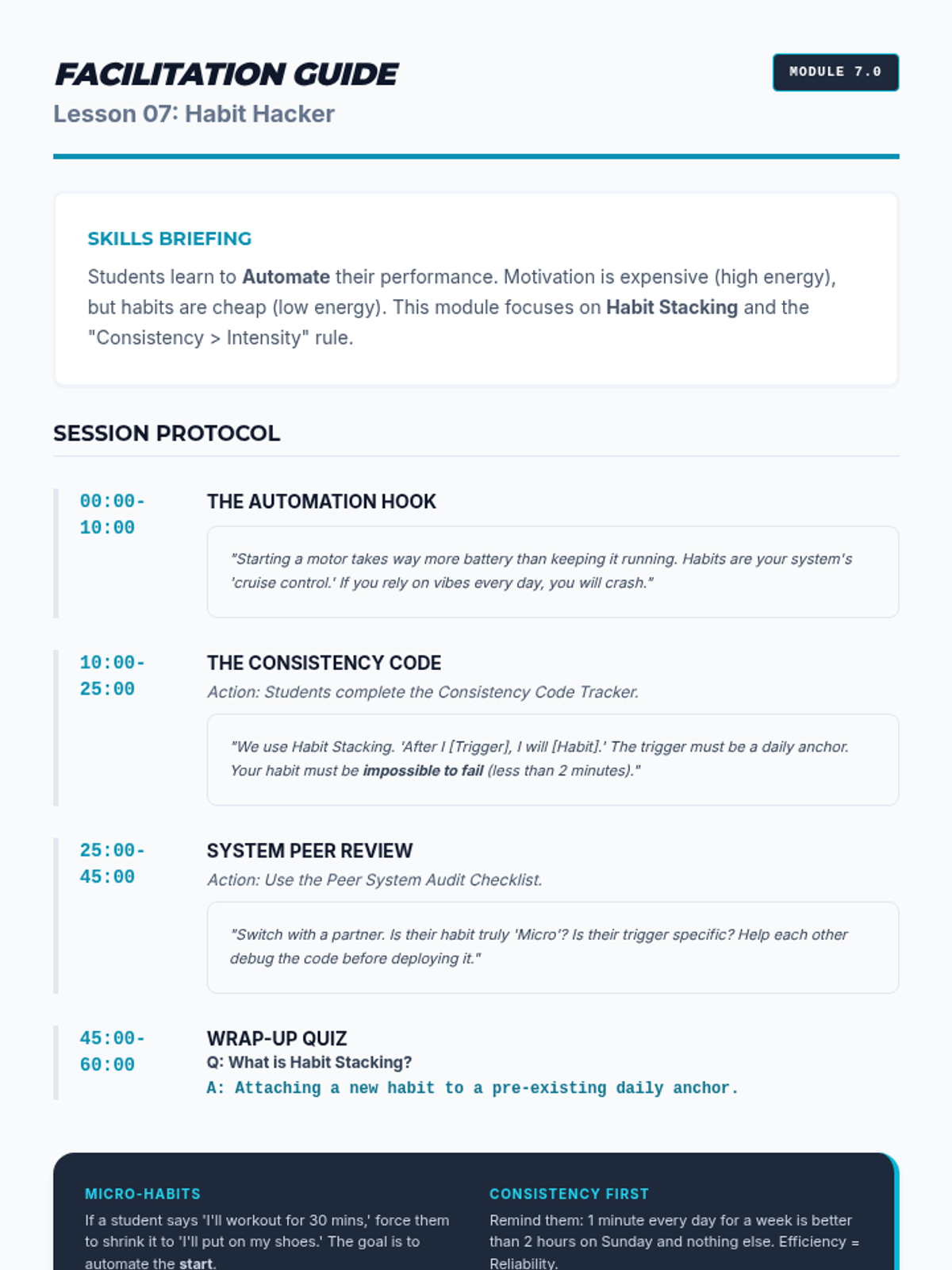
Focuses on consistency and the daily grind, providing tools for tracking motivation and building automated positive habits.
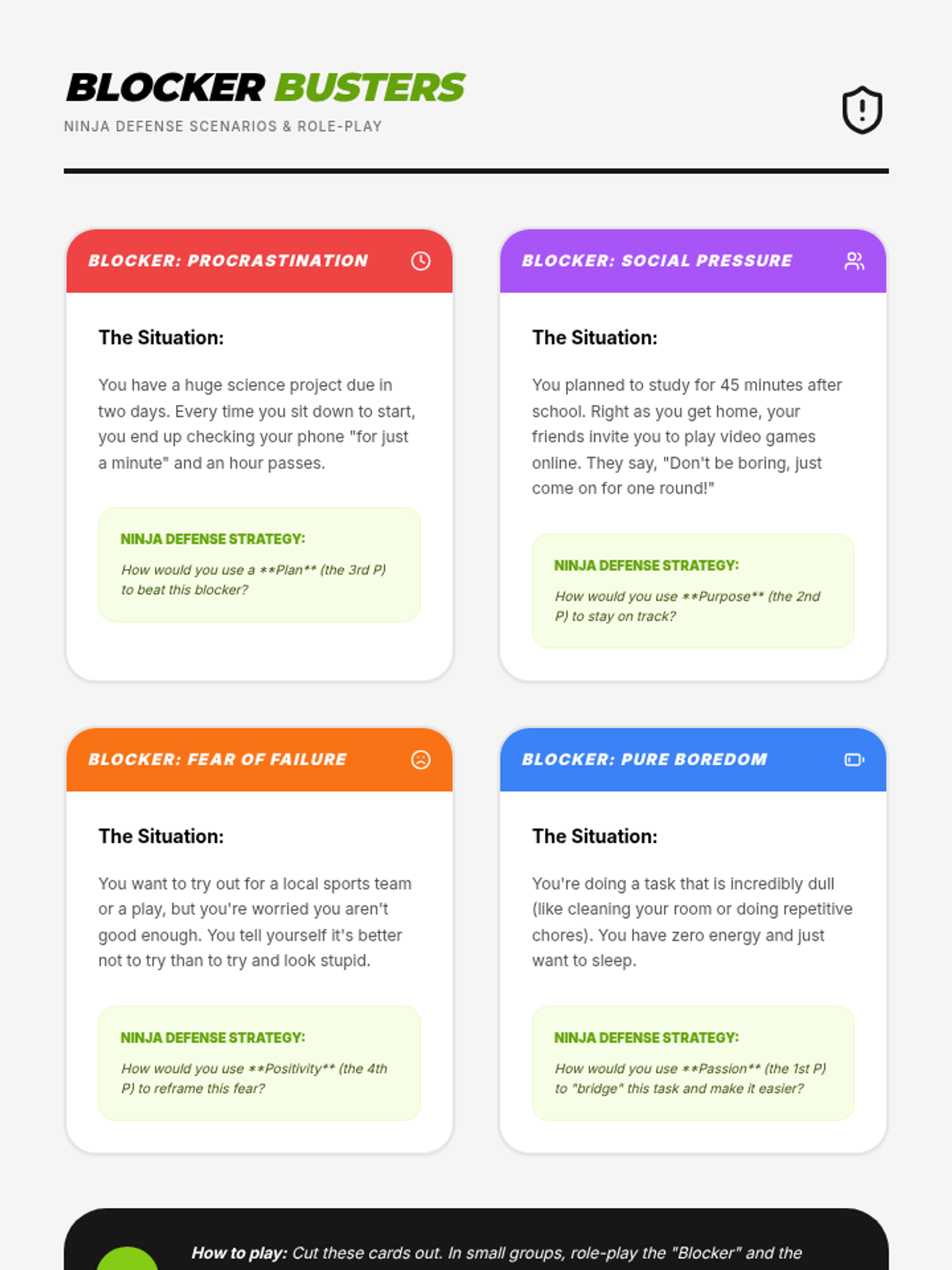
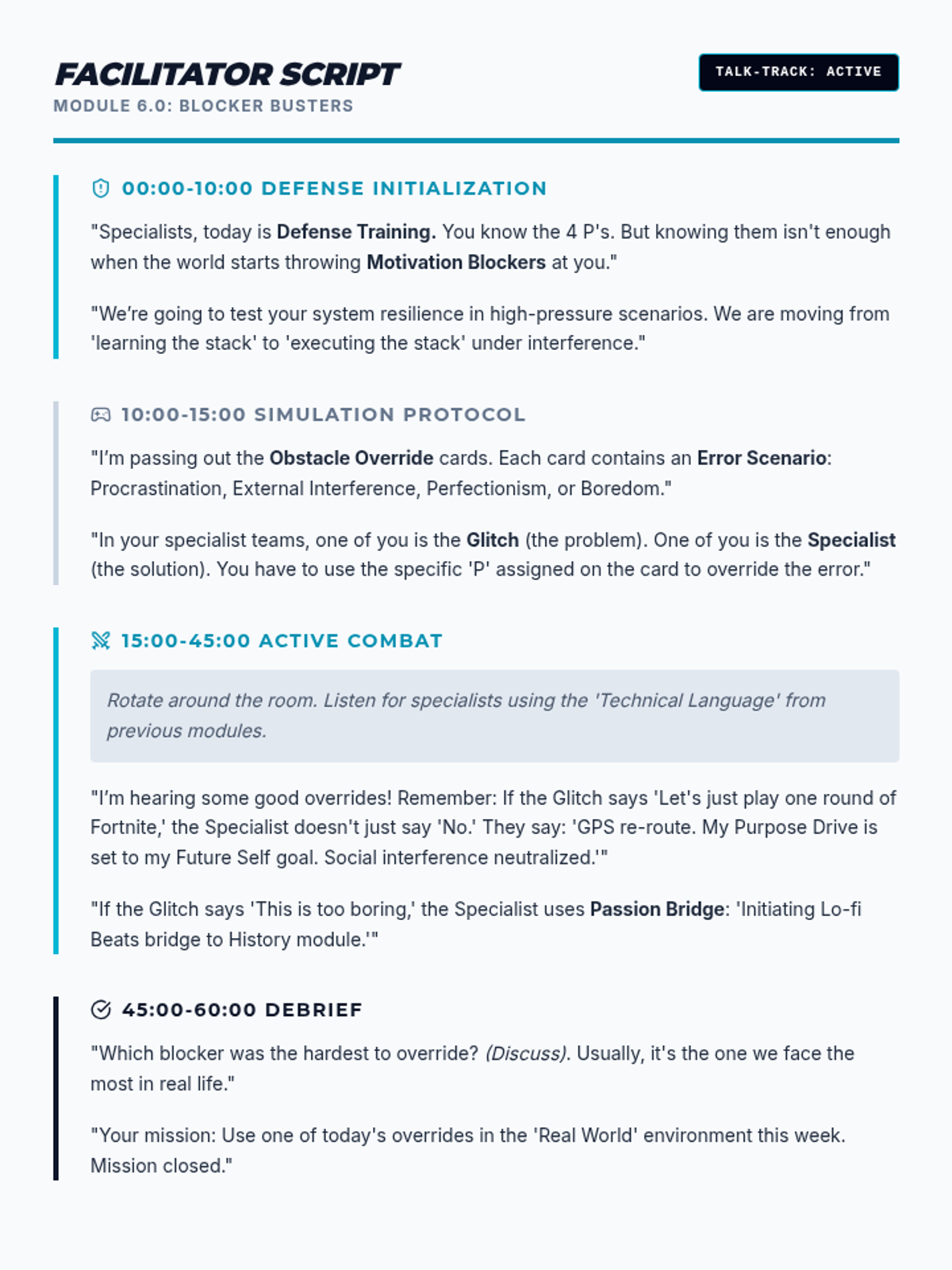
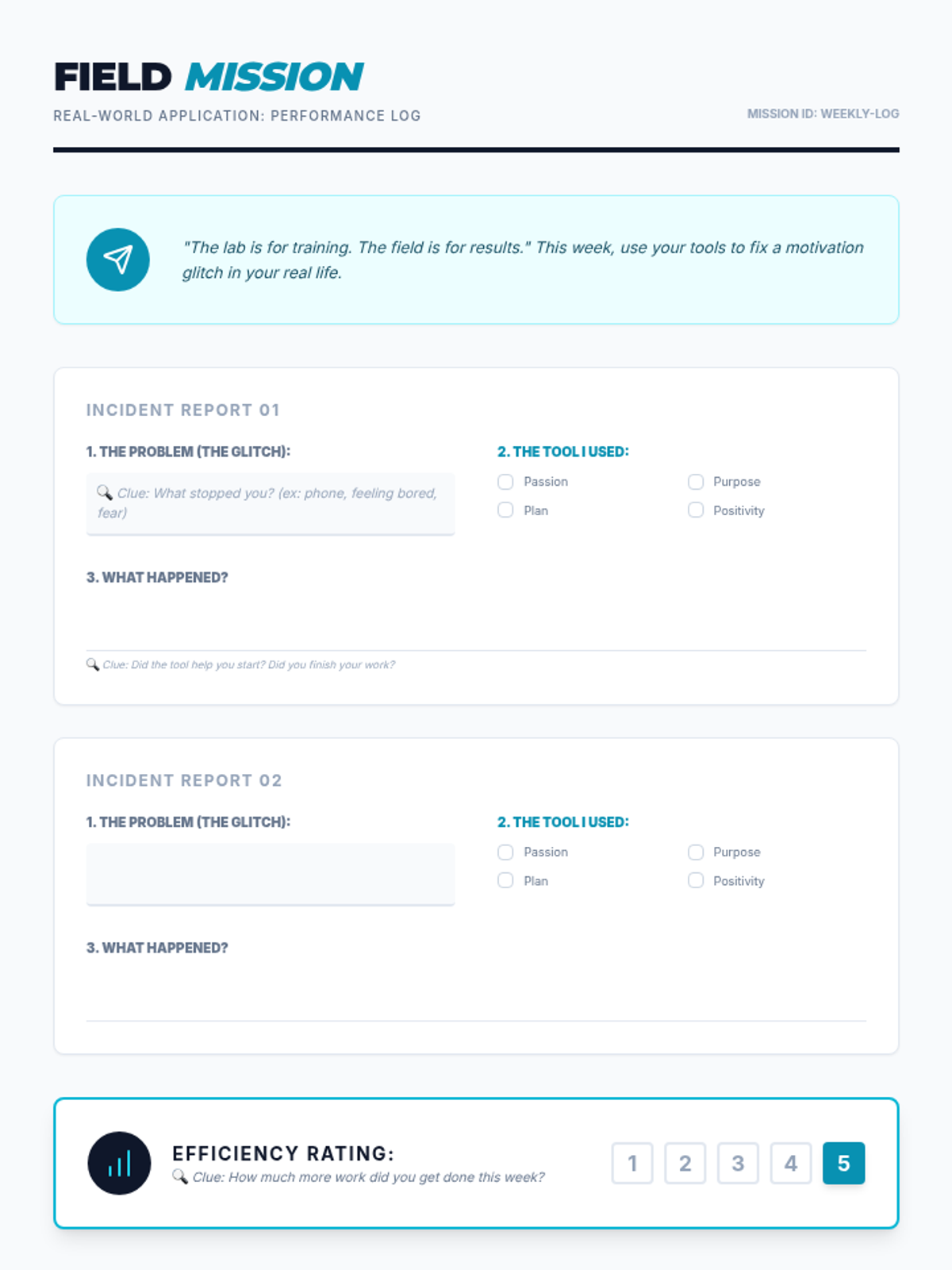
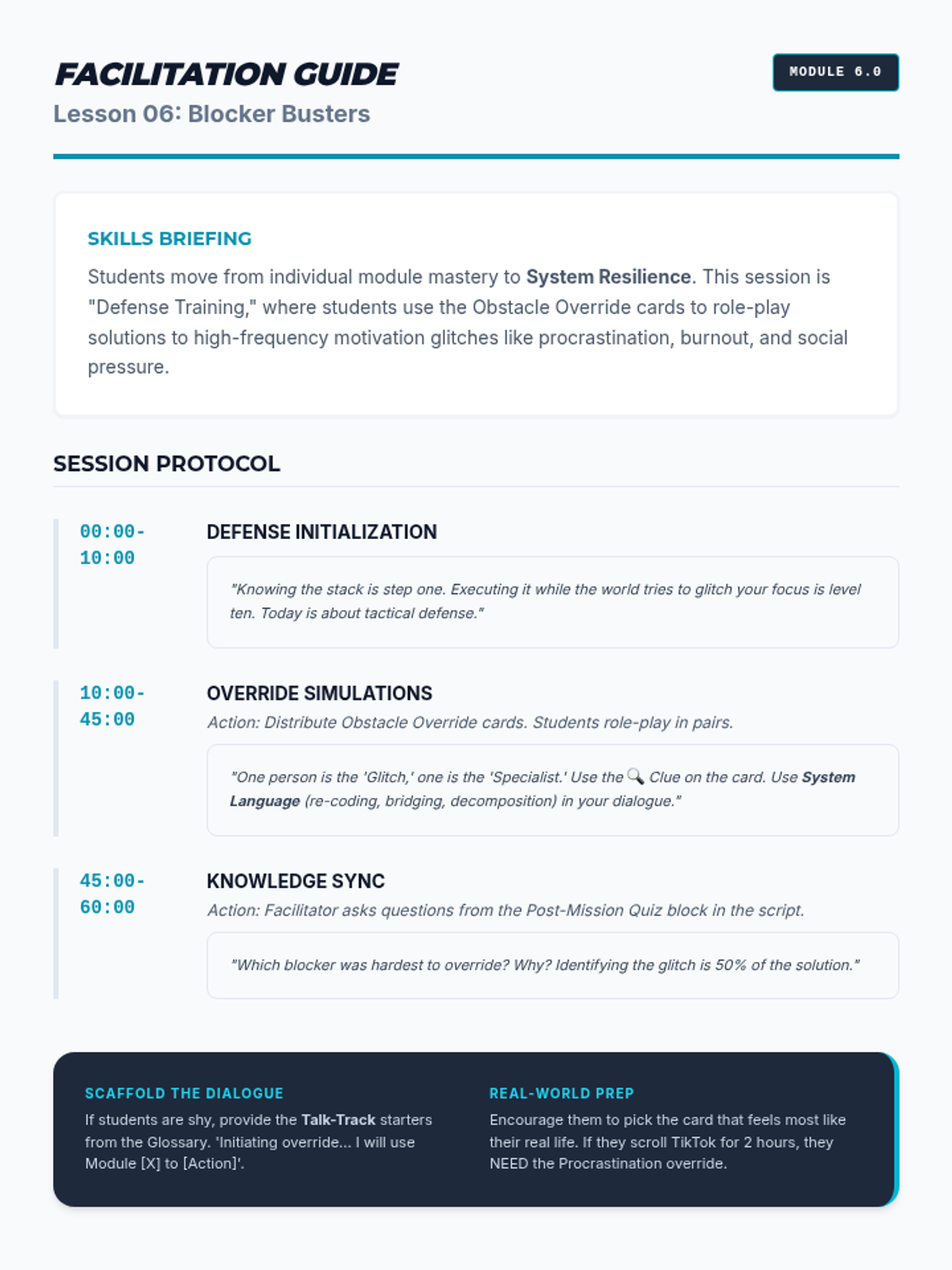
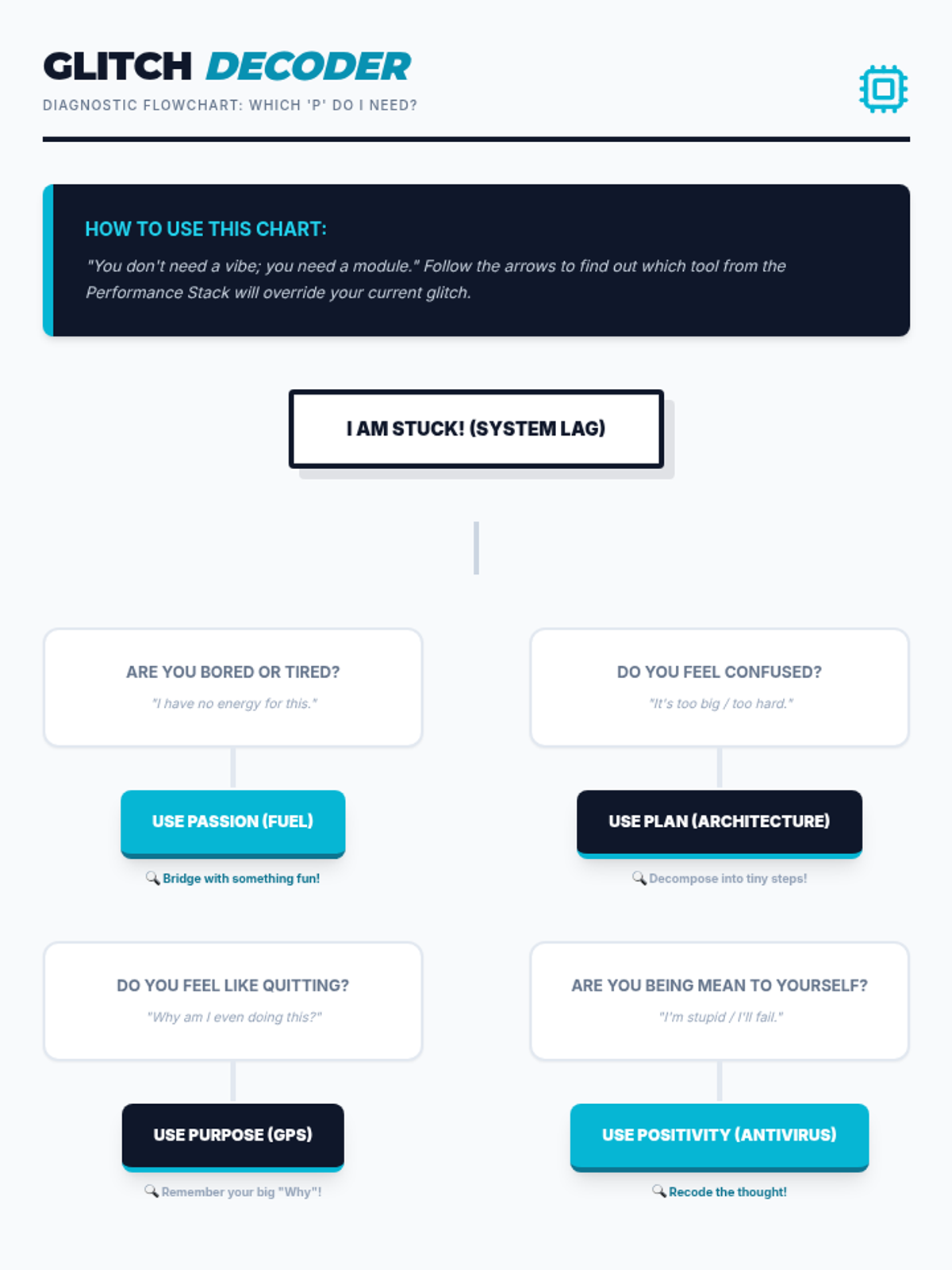
Identifies common 'blockers' like fear and procrastination, and uses role-play and discussion to build 'ninja' defense strategies.
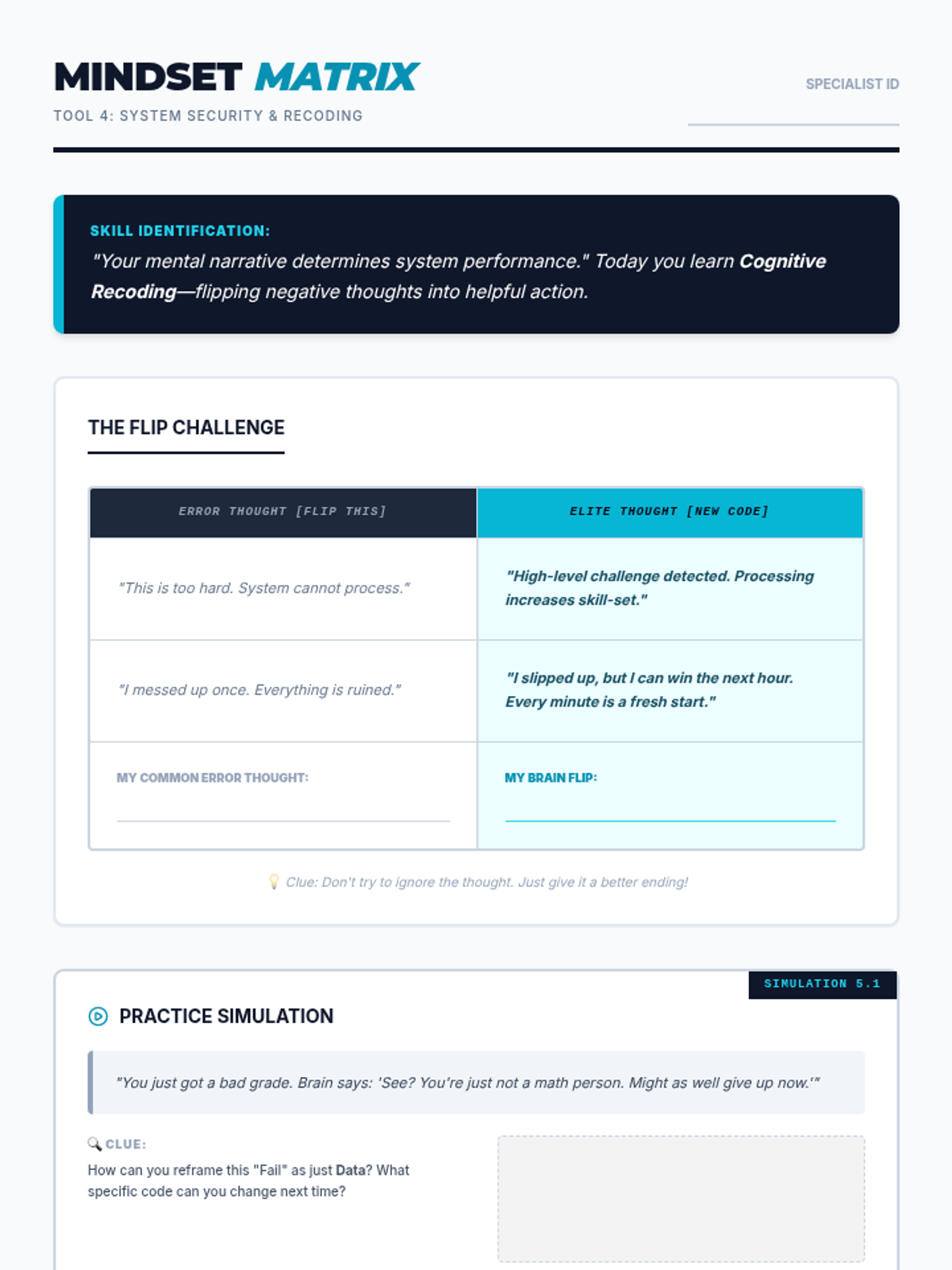
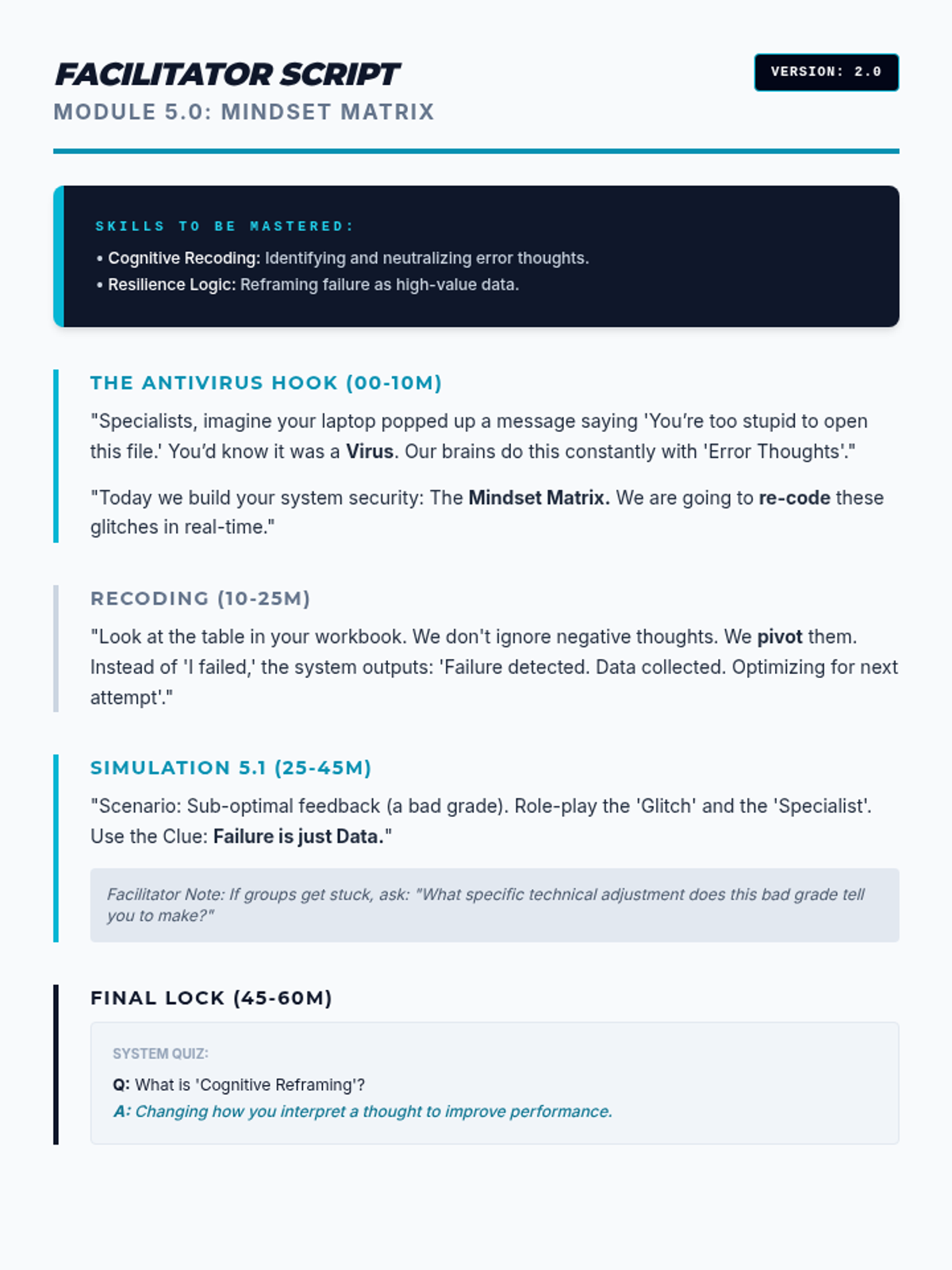
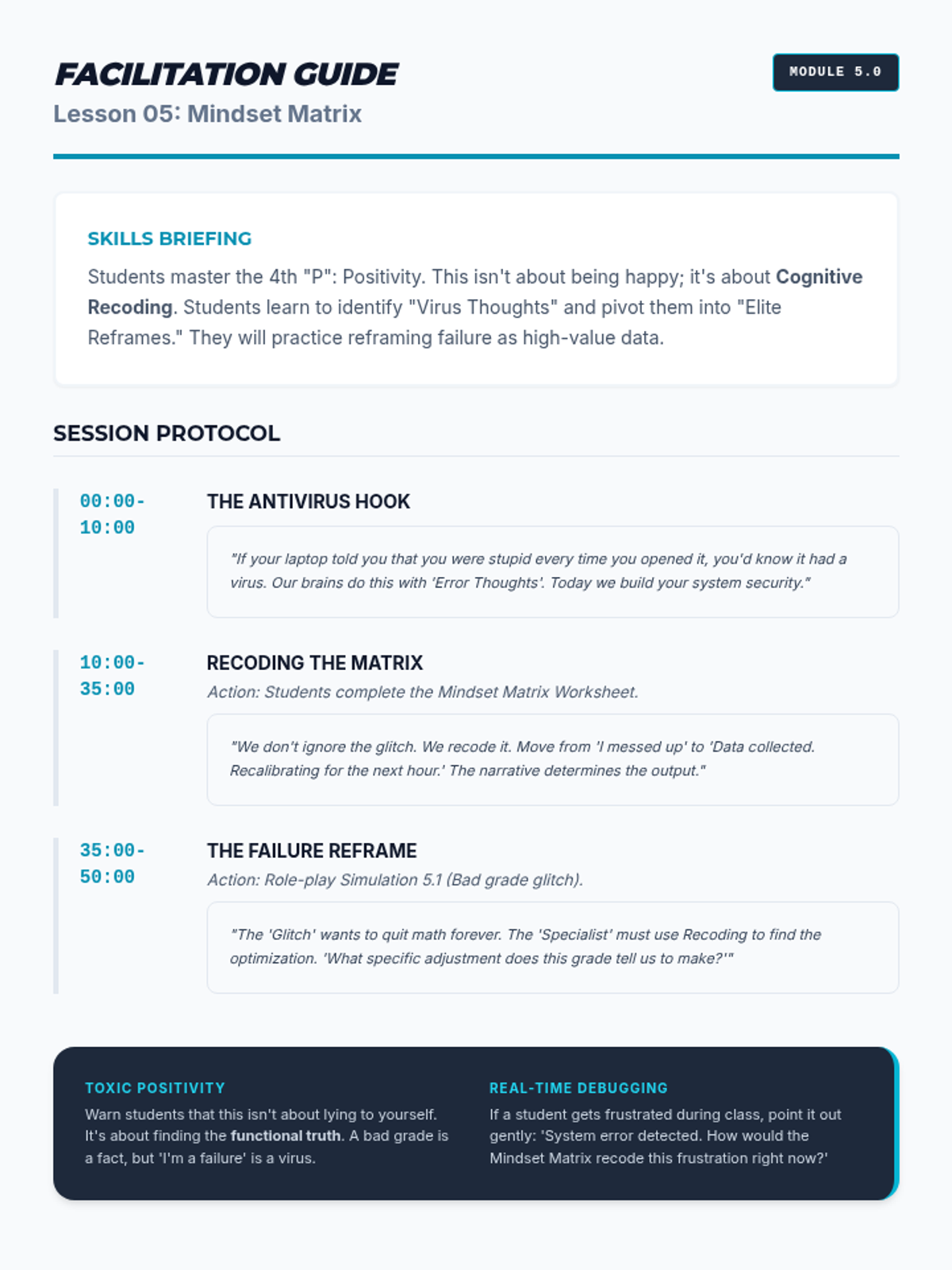
Covers the fourth 'P' (Positivity), teaching students to reframe negative thoughts and maintain a growth mindset during setbacks.
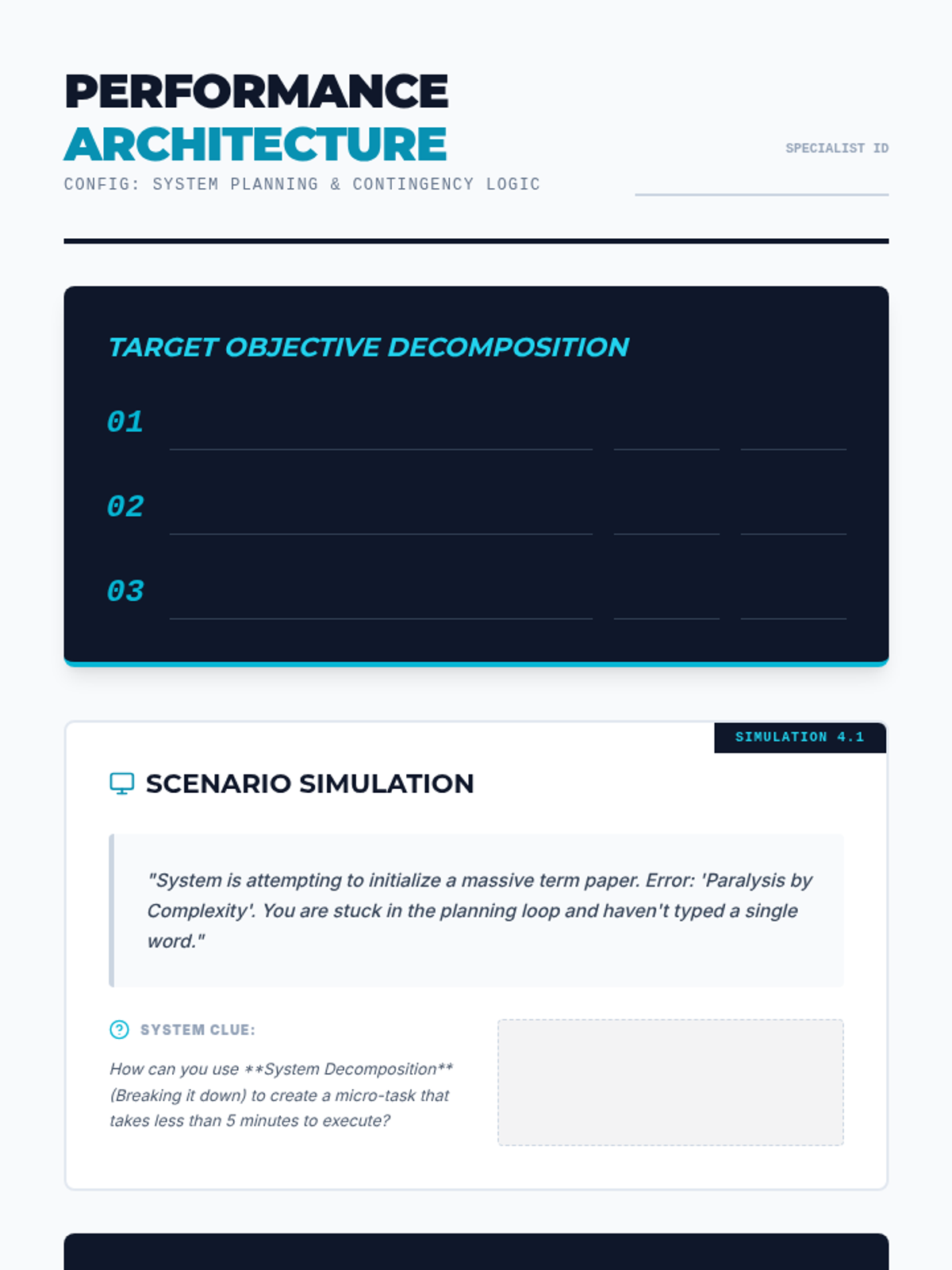
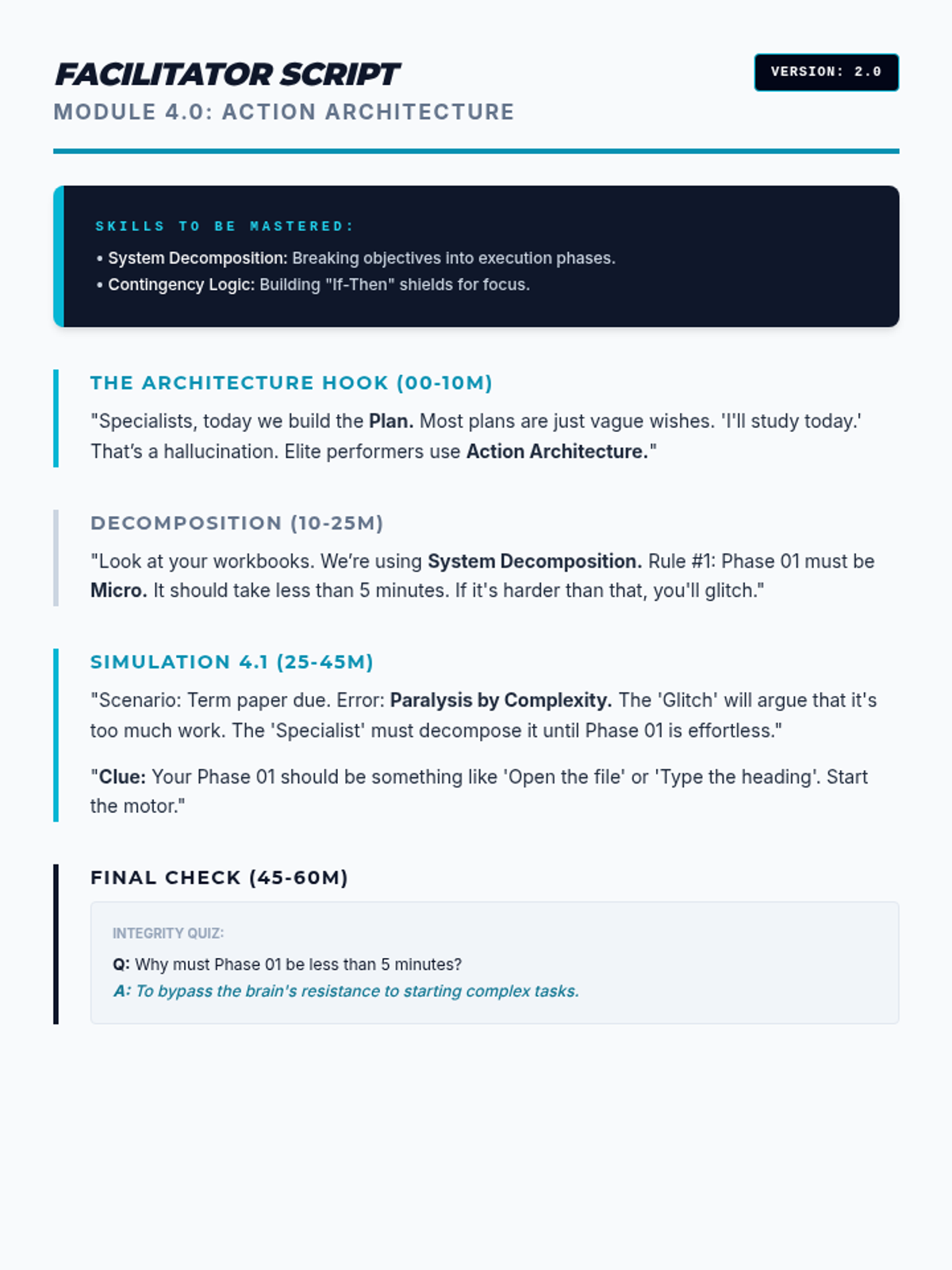
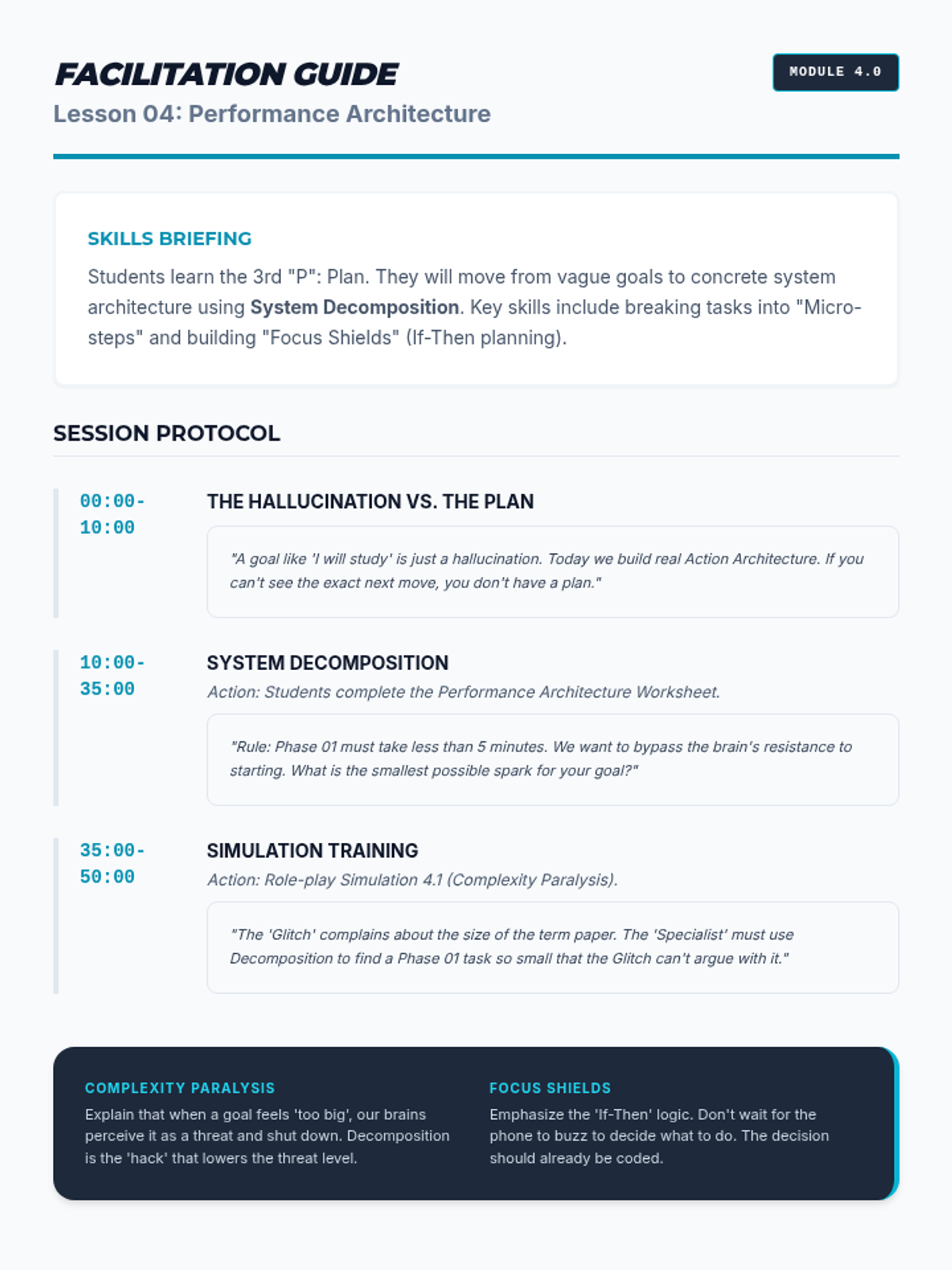
Teaches the third 'P' (Plan), where students turn vague goals into concrete, actionable steps using the Action Plan Builder.
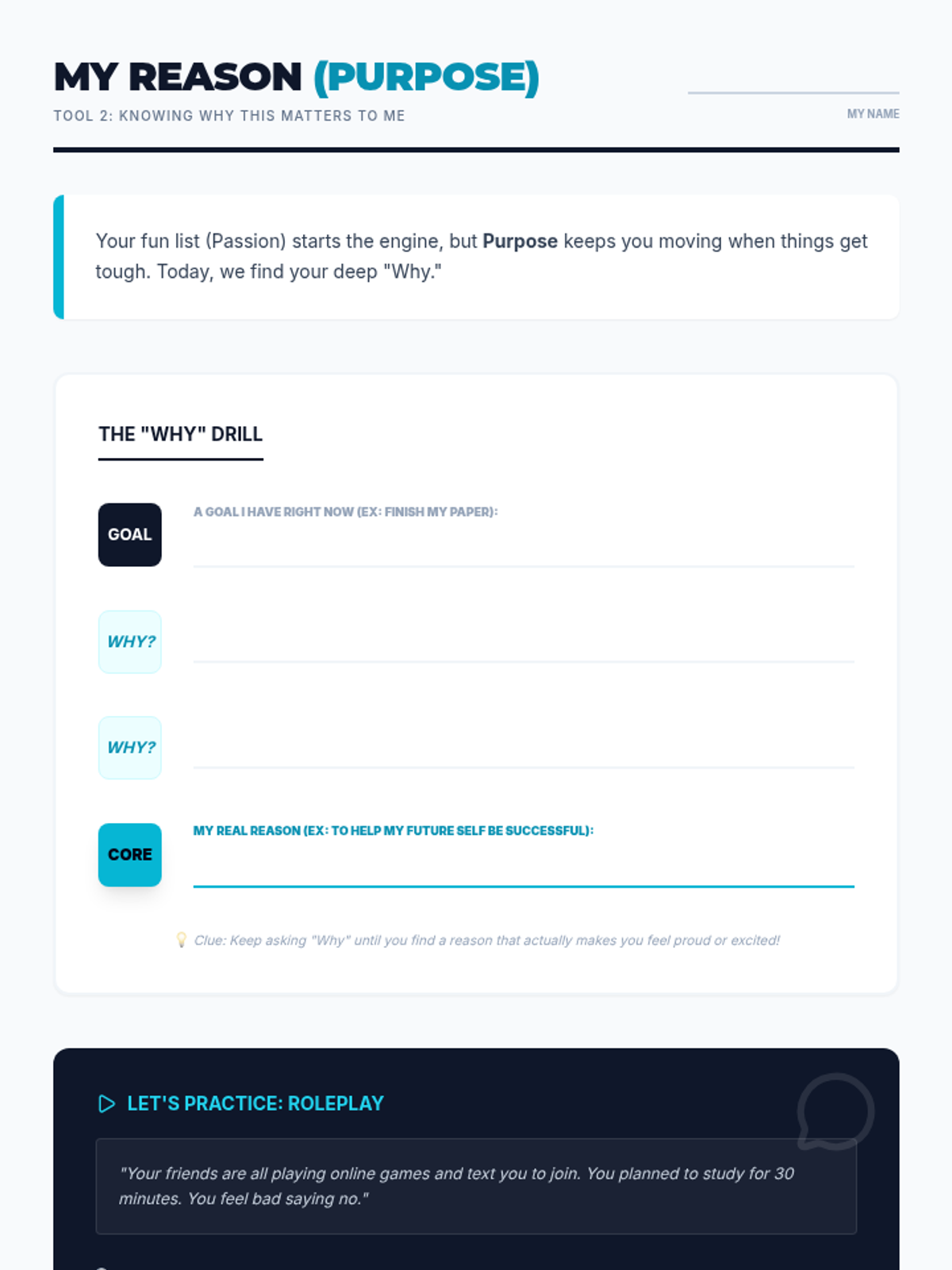
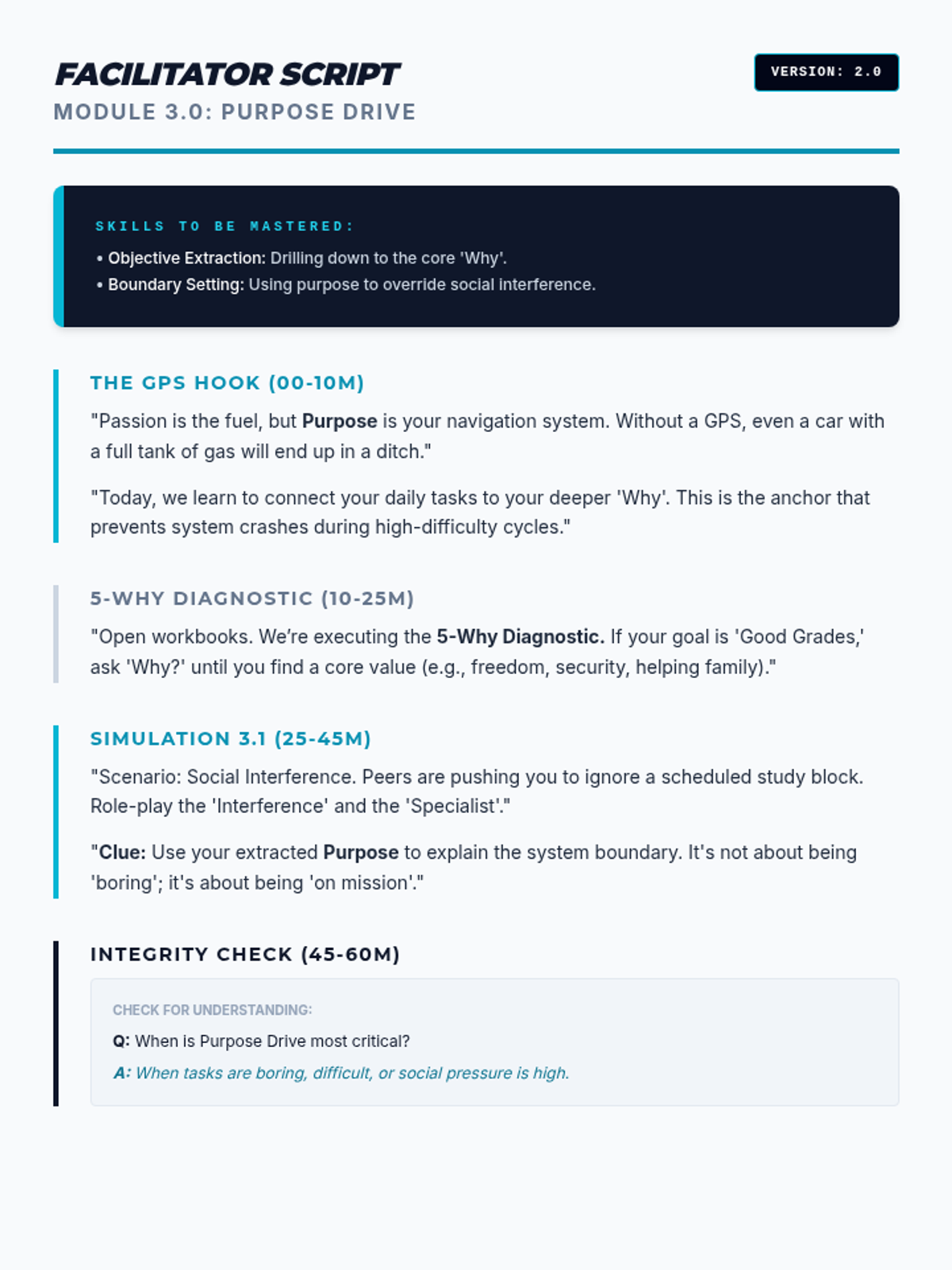
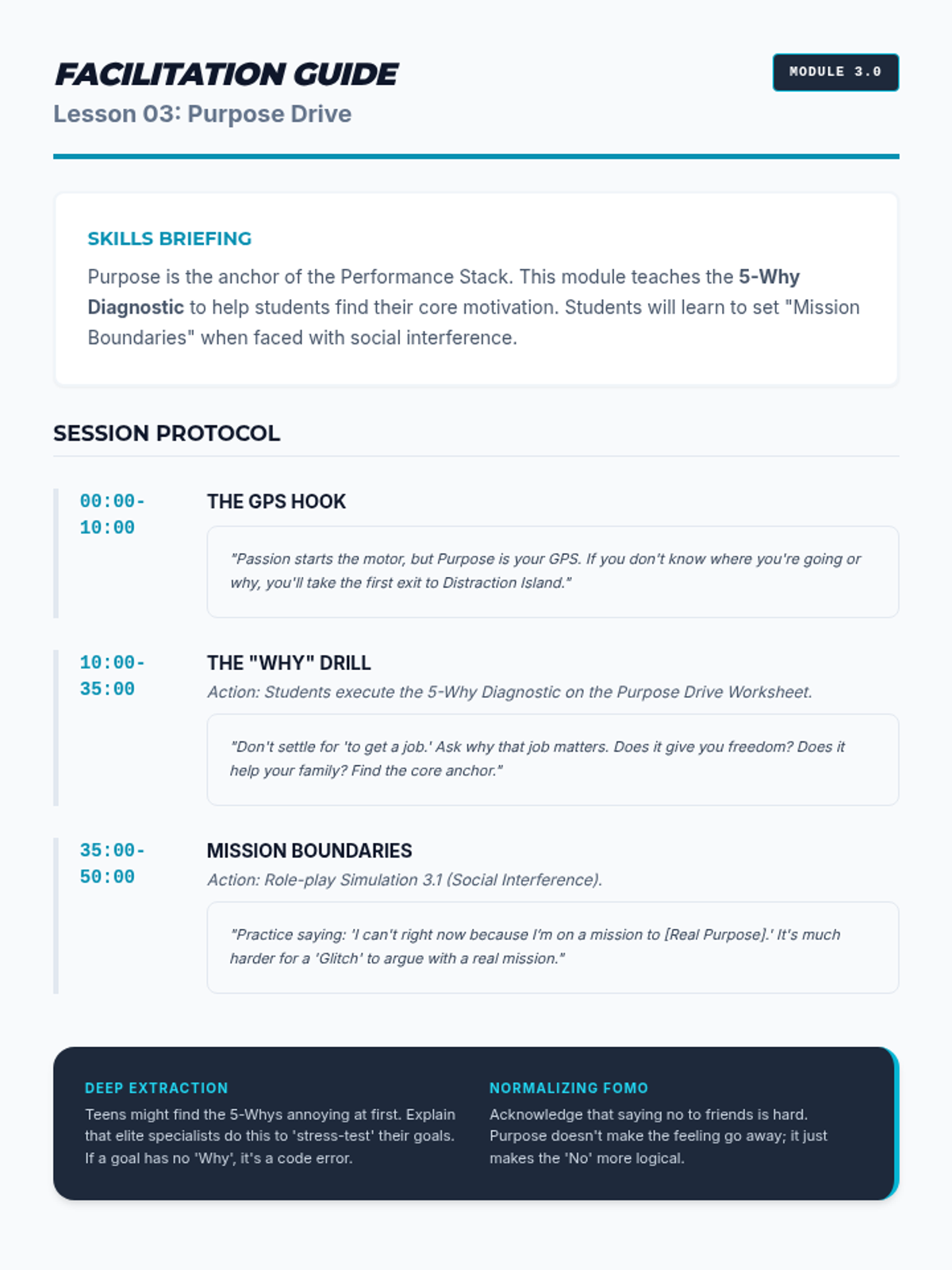
Focuses on the second 'P' (Purpose), guiding students to connect their daily actions to their deeper 'Why' to sustain effort when things get tough.
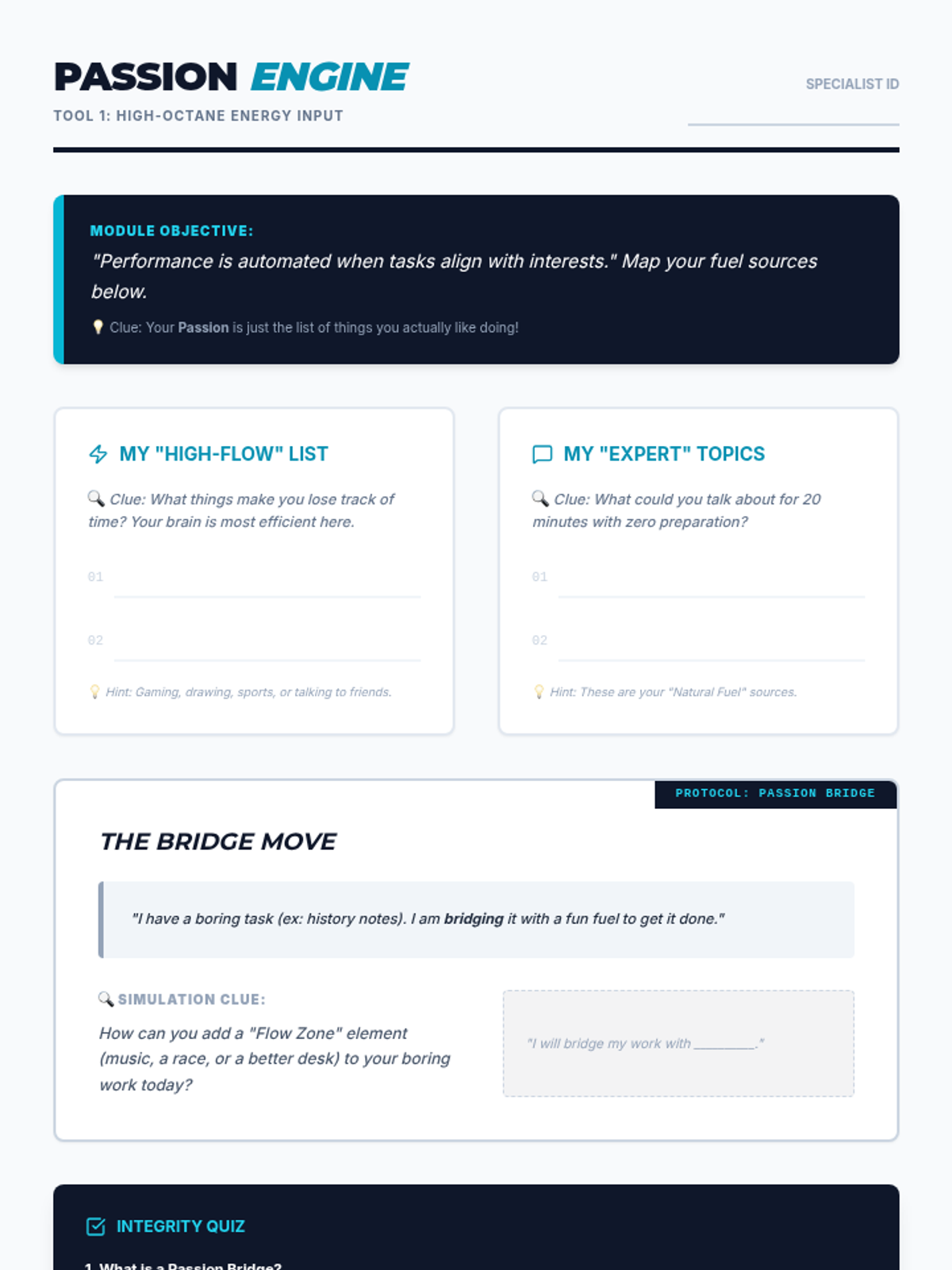
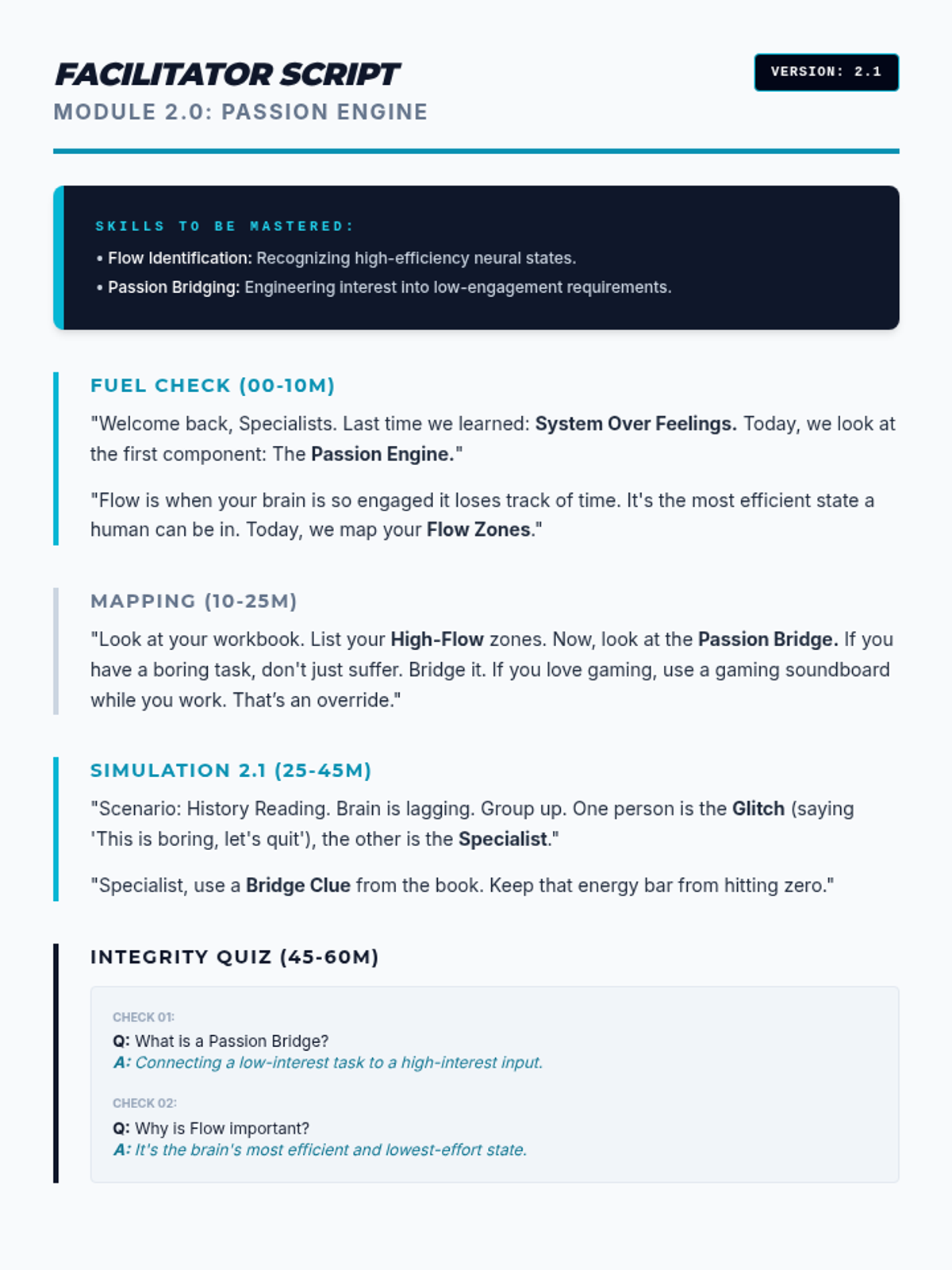
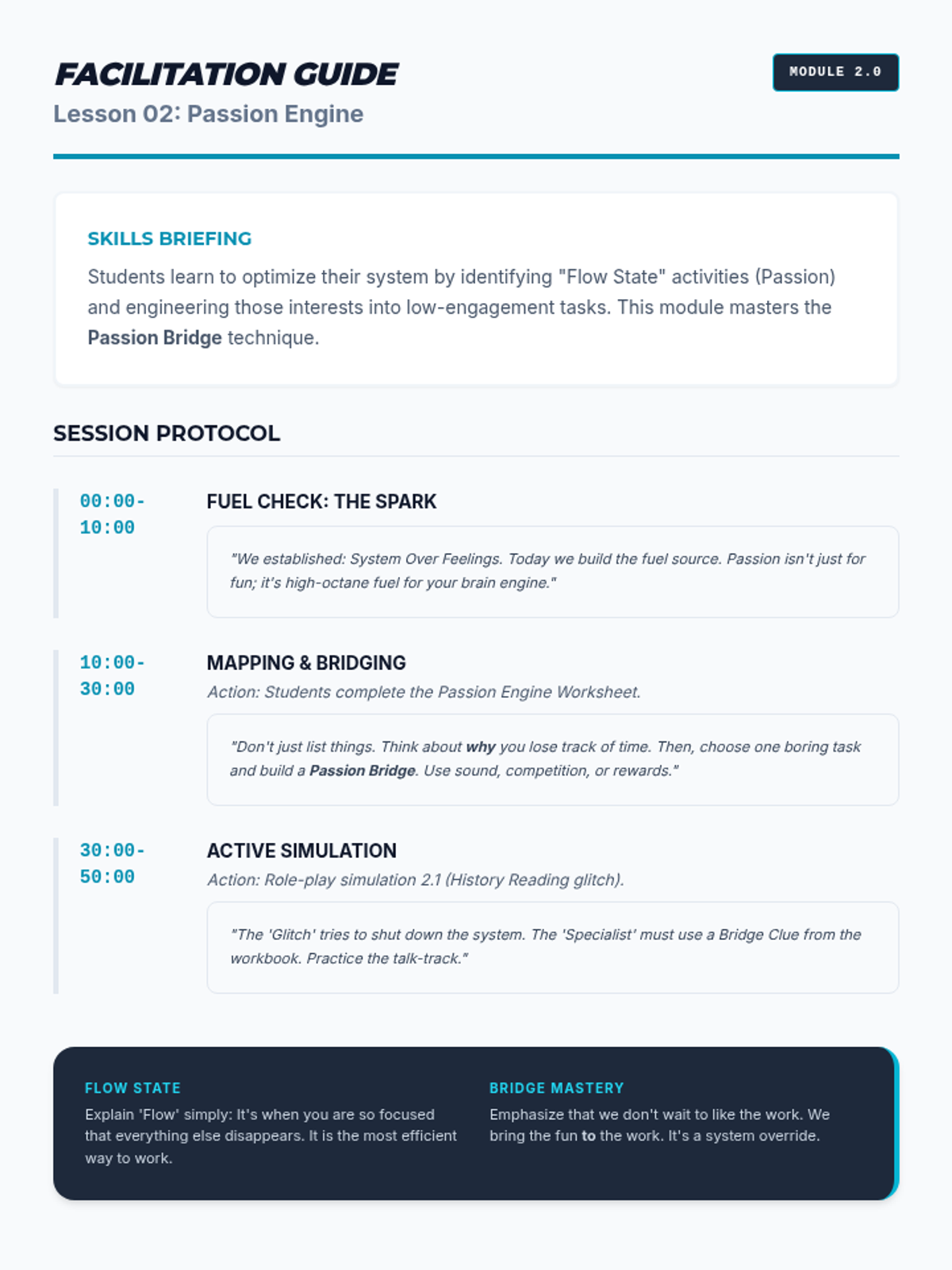
Explores the 'Passion Engine,' helping students optimize their performance by aligning interests with required outputs.
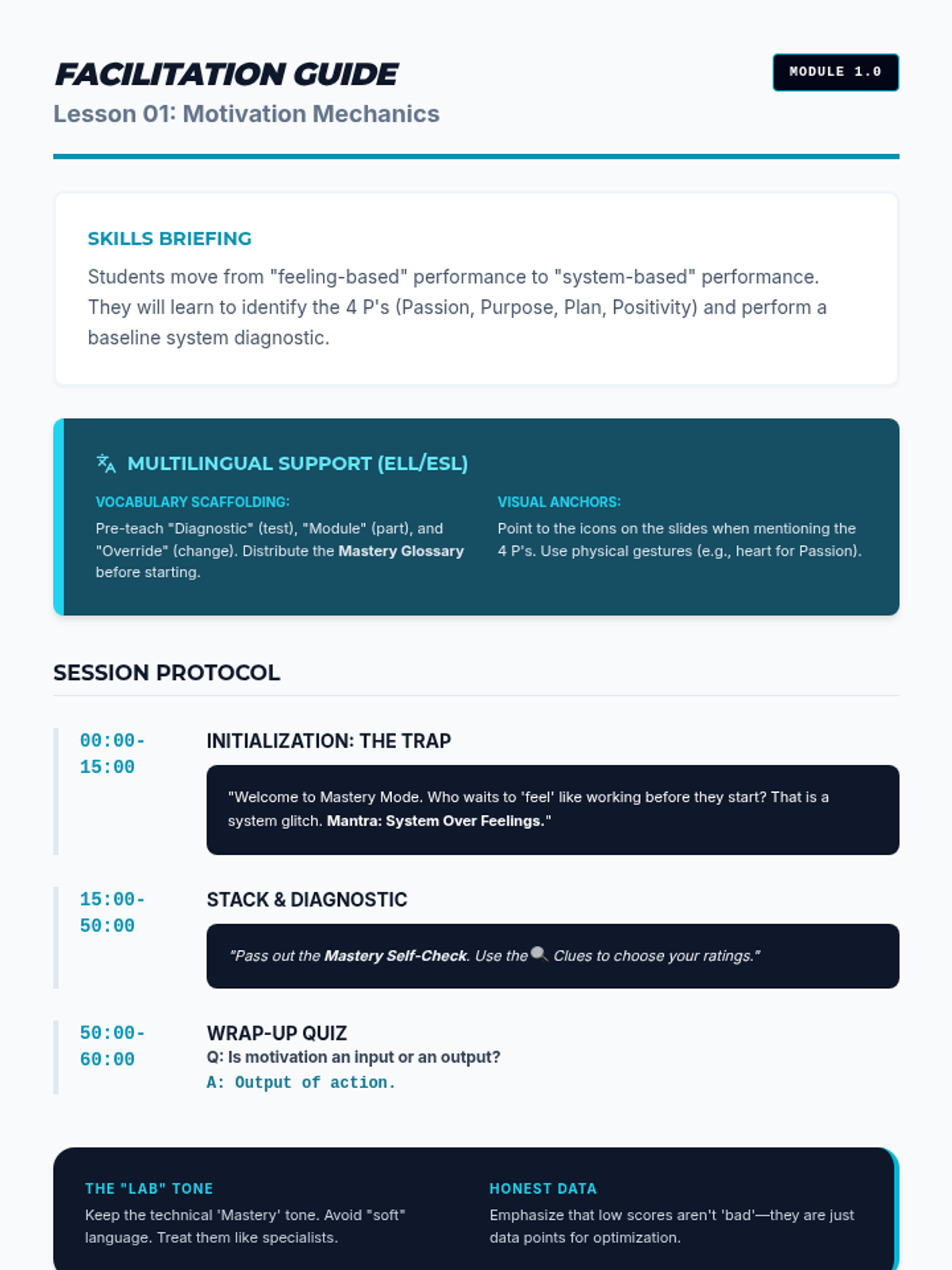
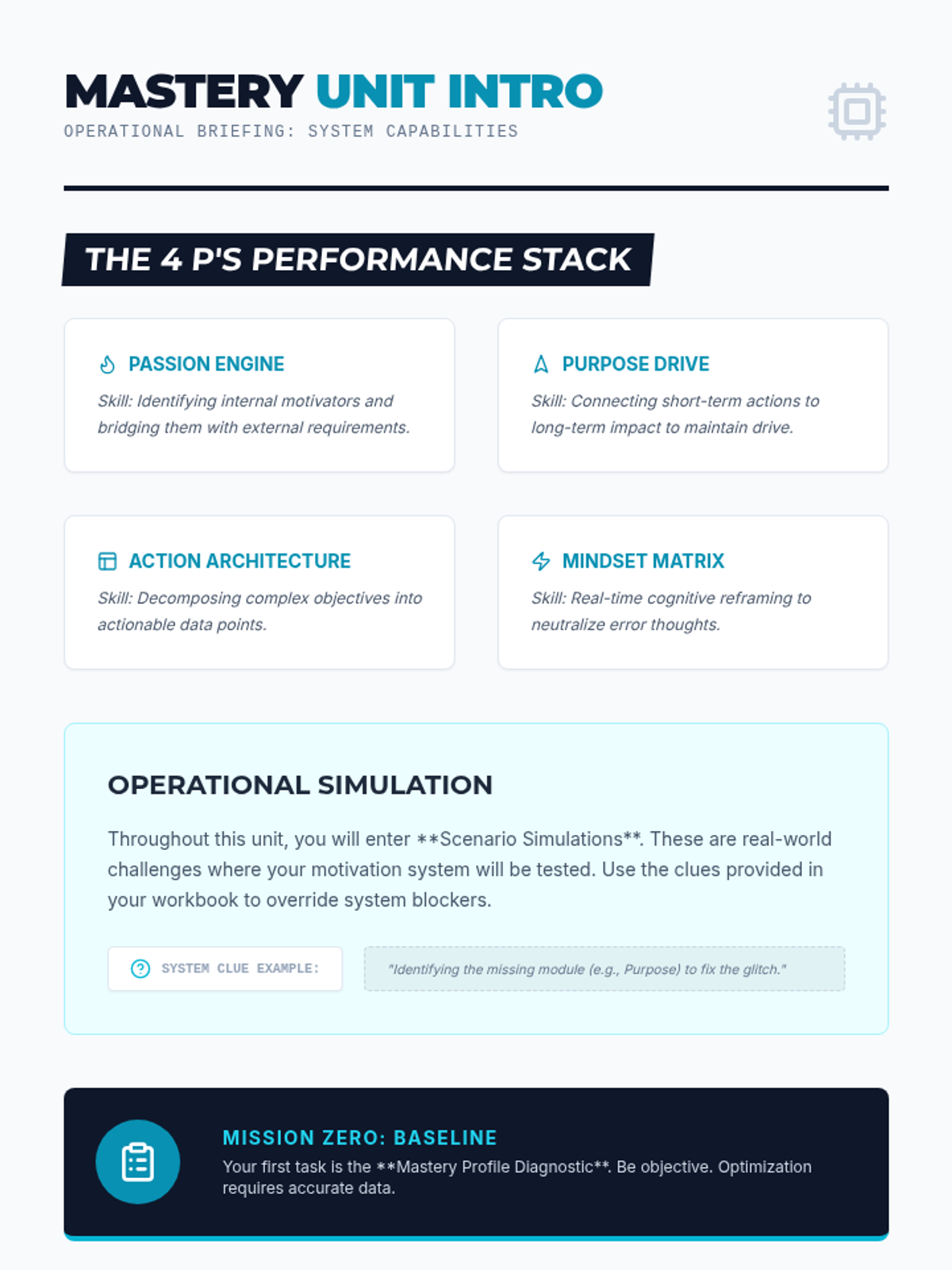
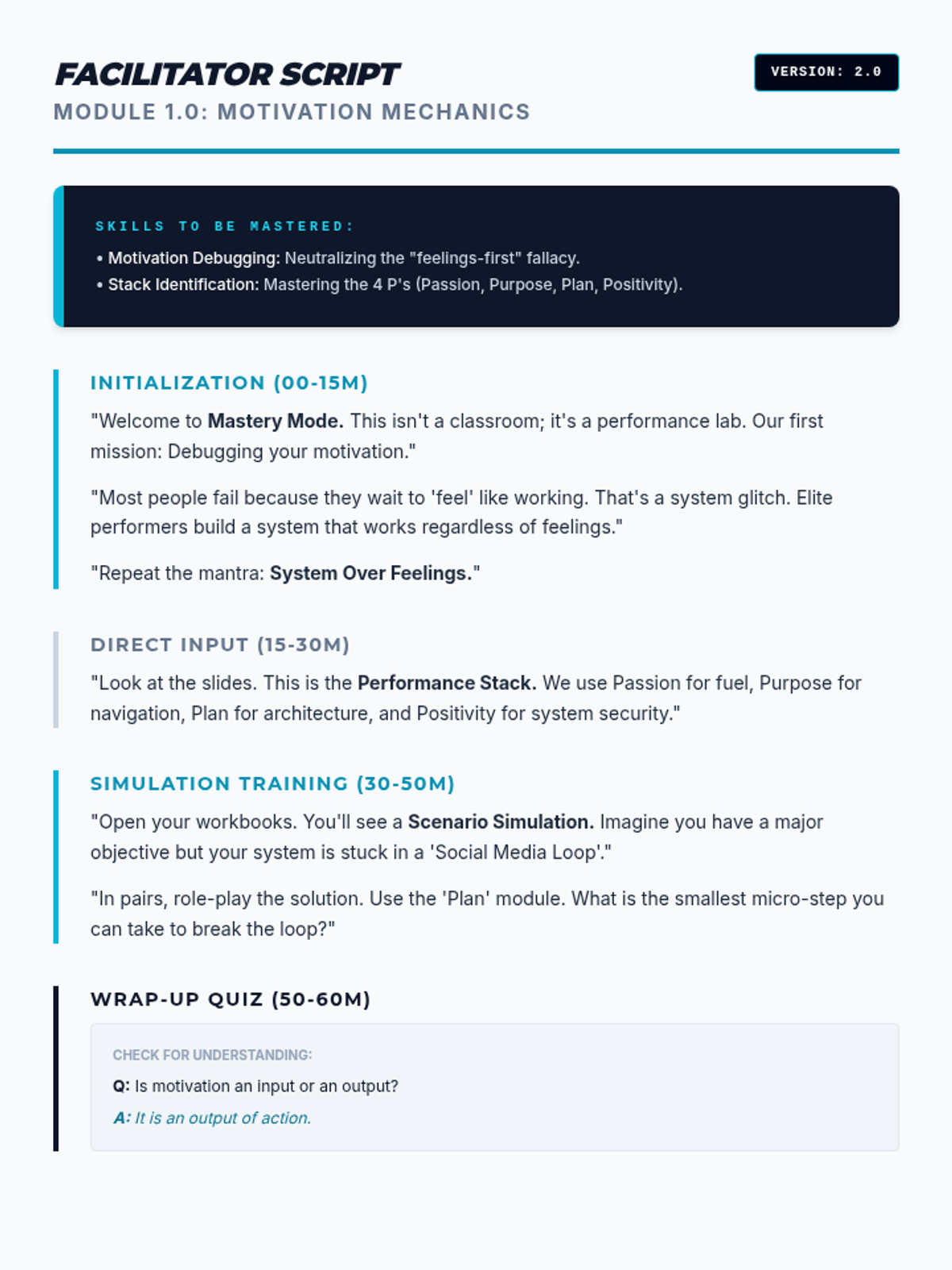
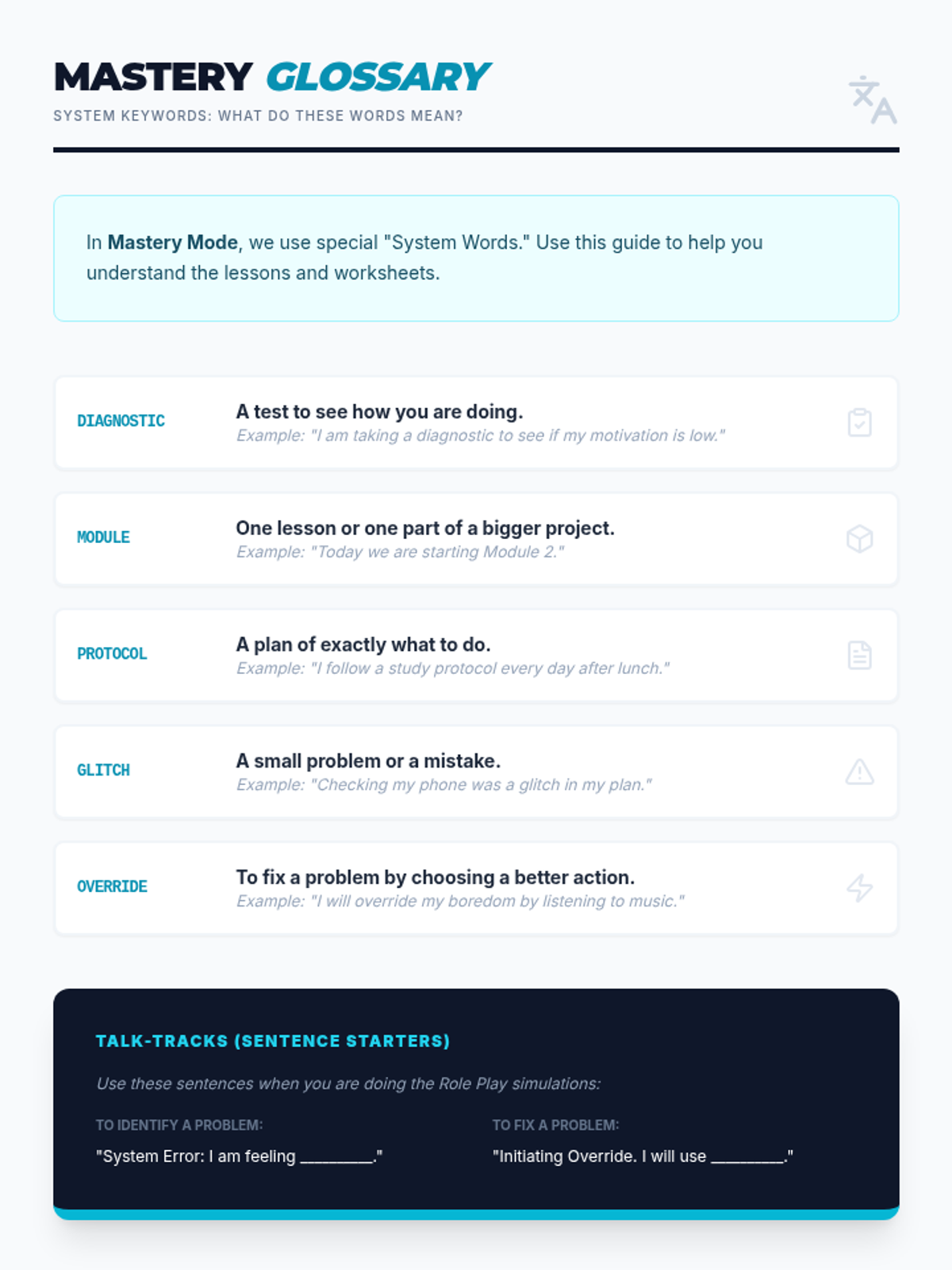
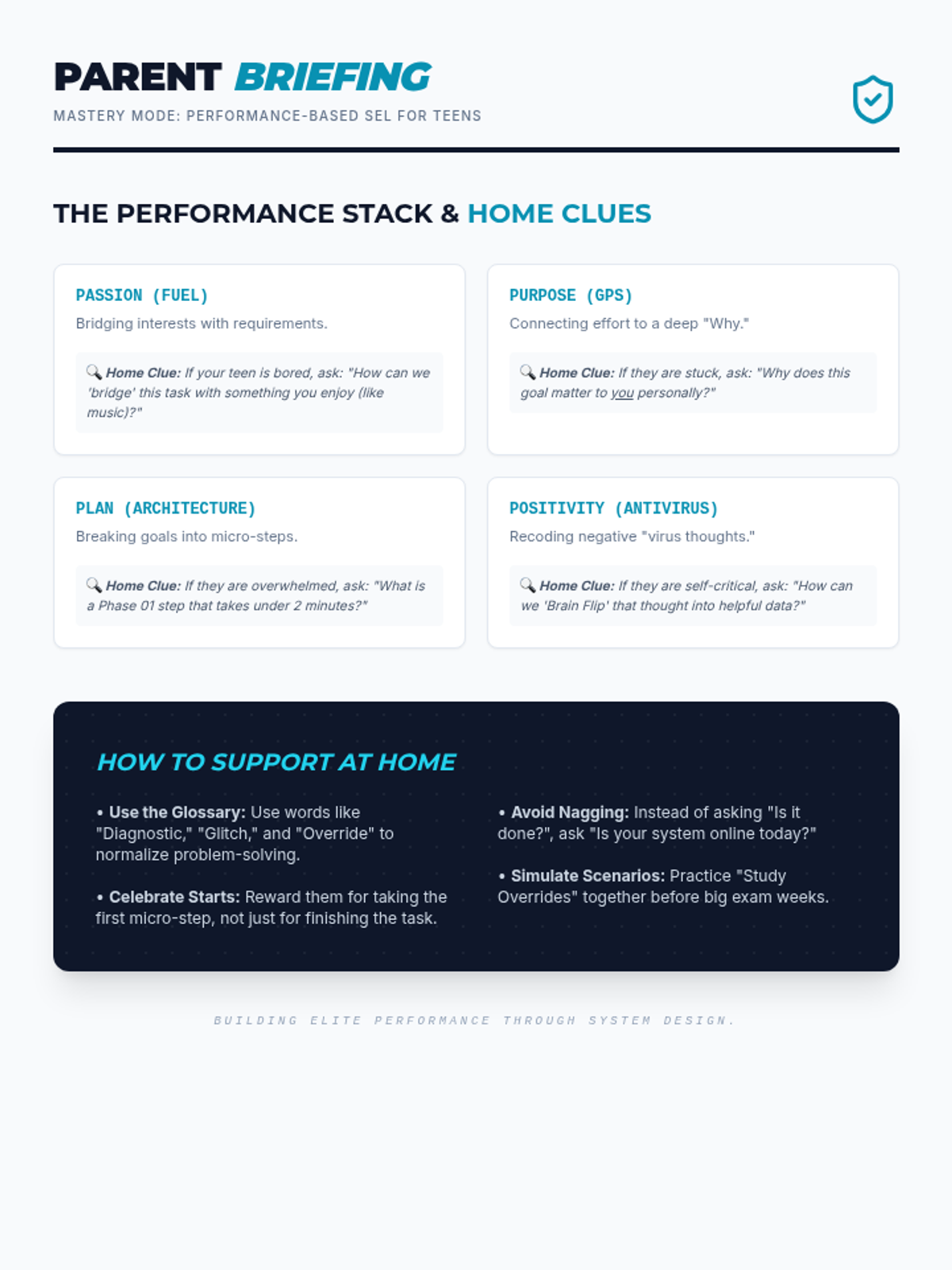
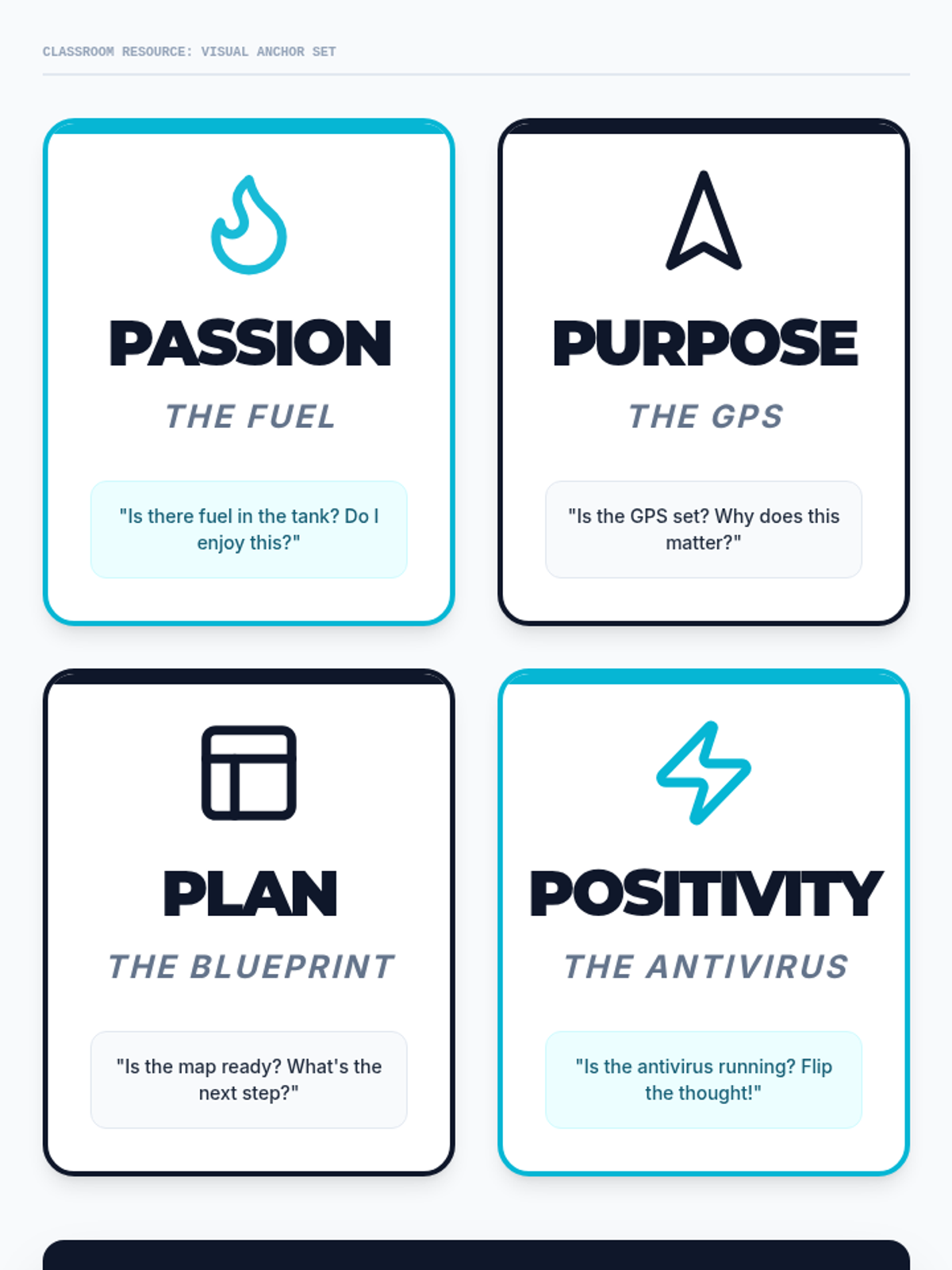
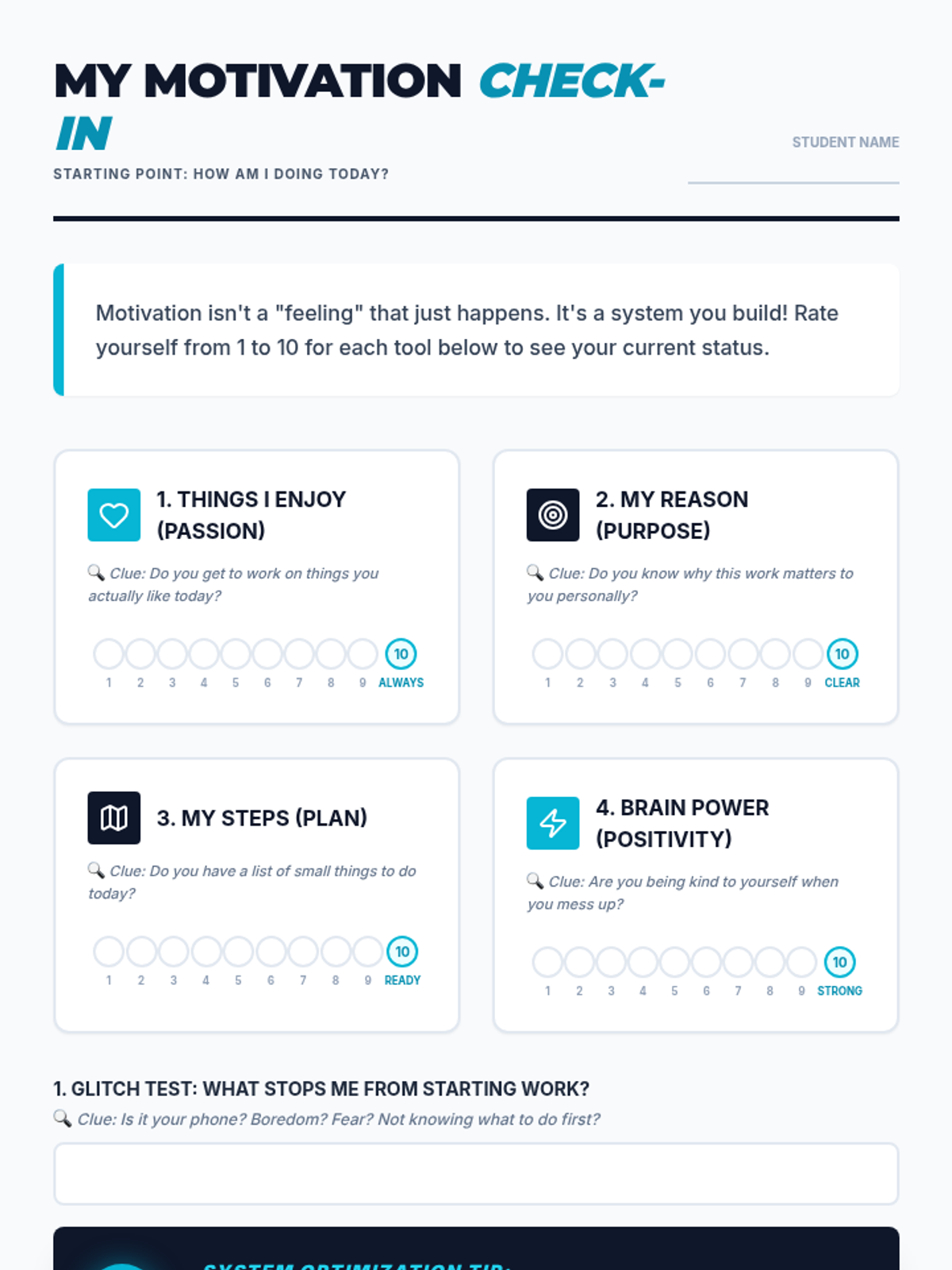
Analyzes the mechanics of motivation and the 4 P's Strategy, shifting from 'feeling-based' to 'system-based' performance. Includes a baseline diagnostic.
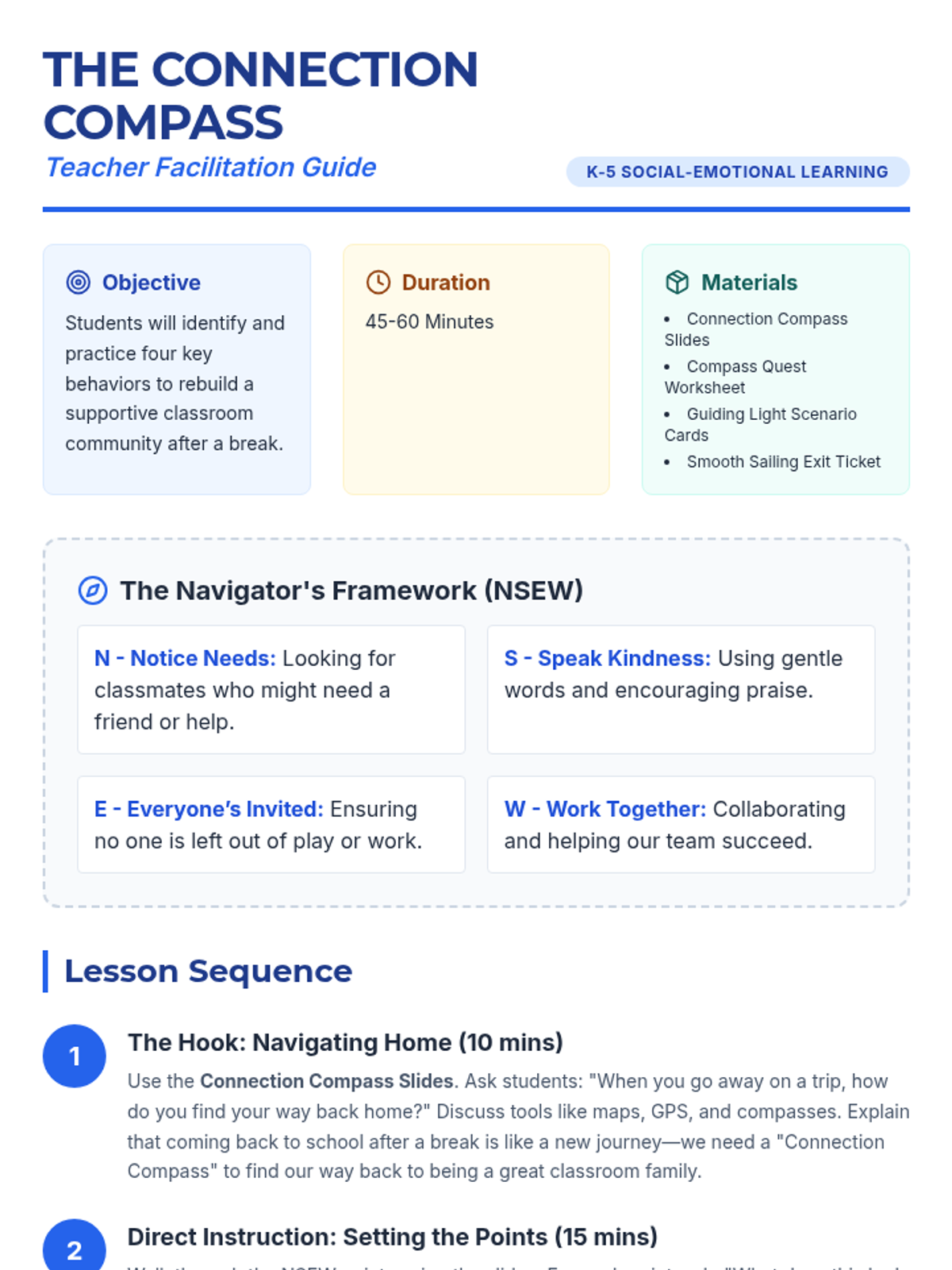
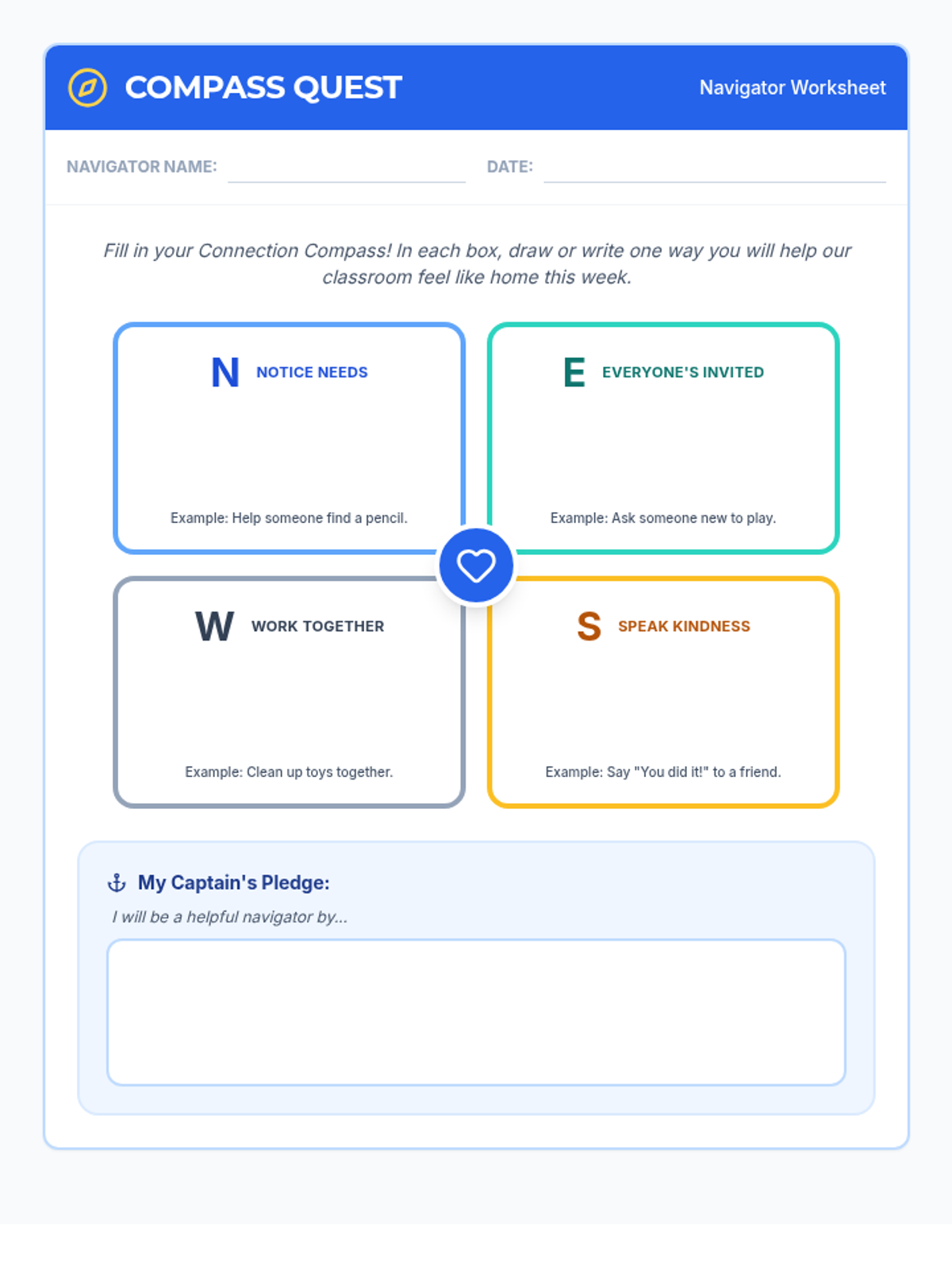
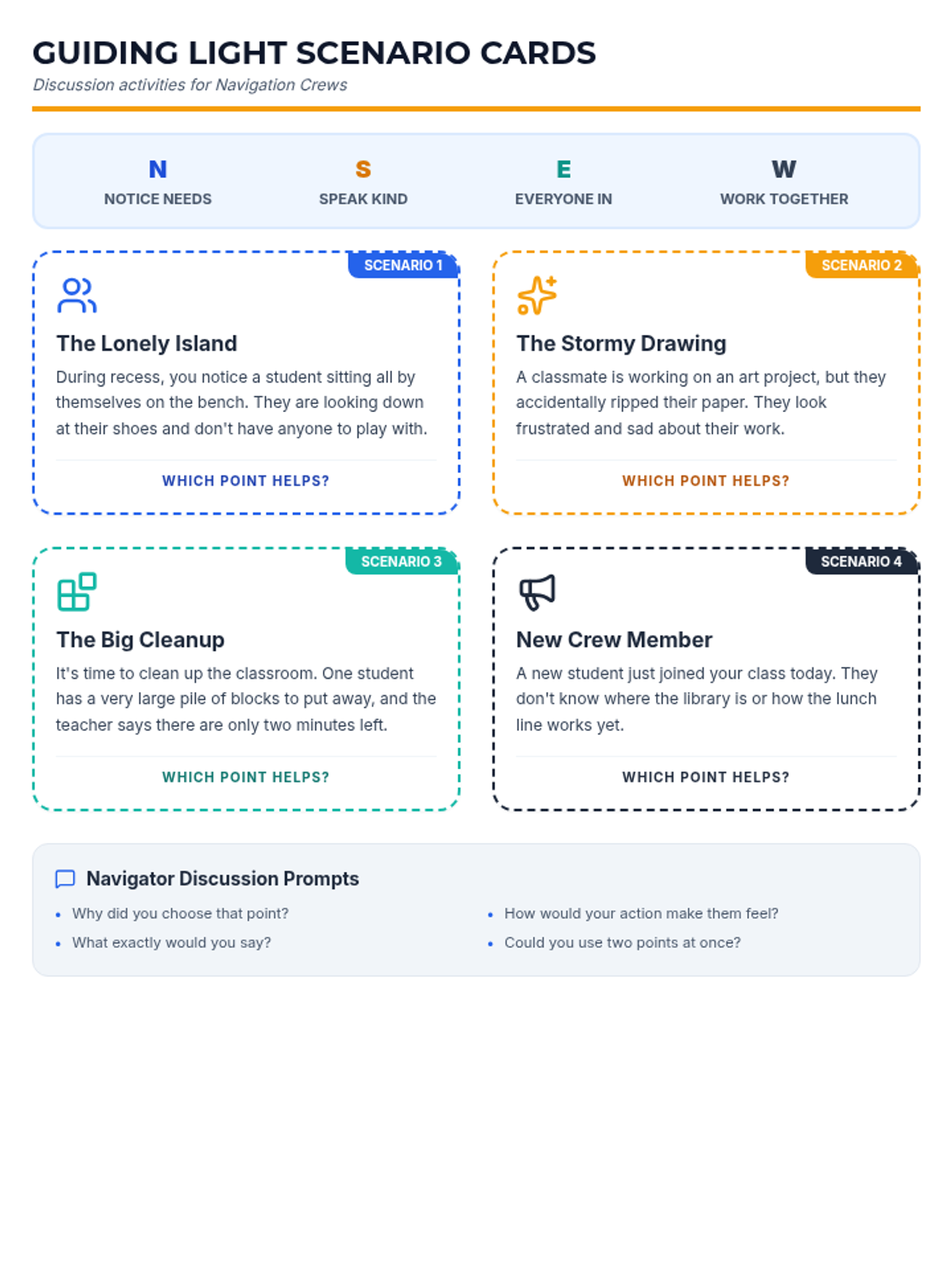
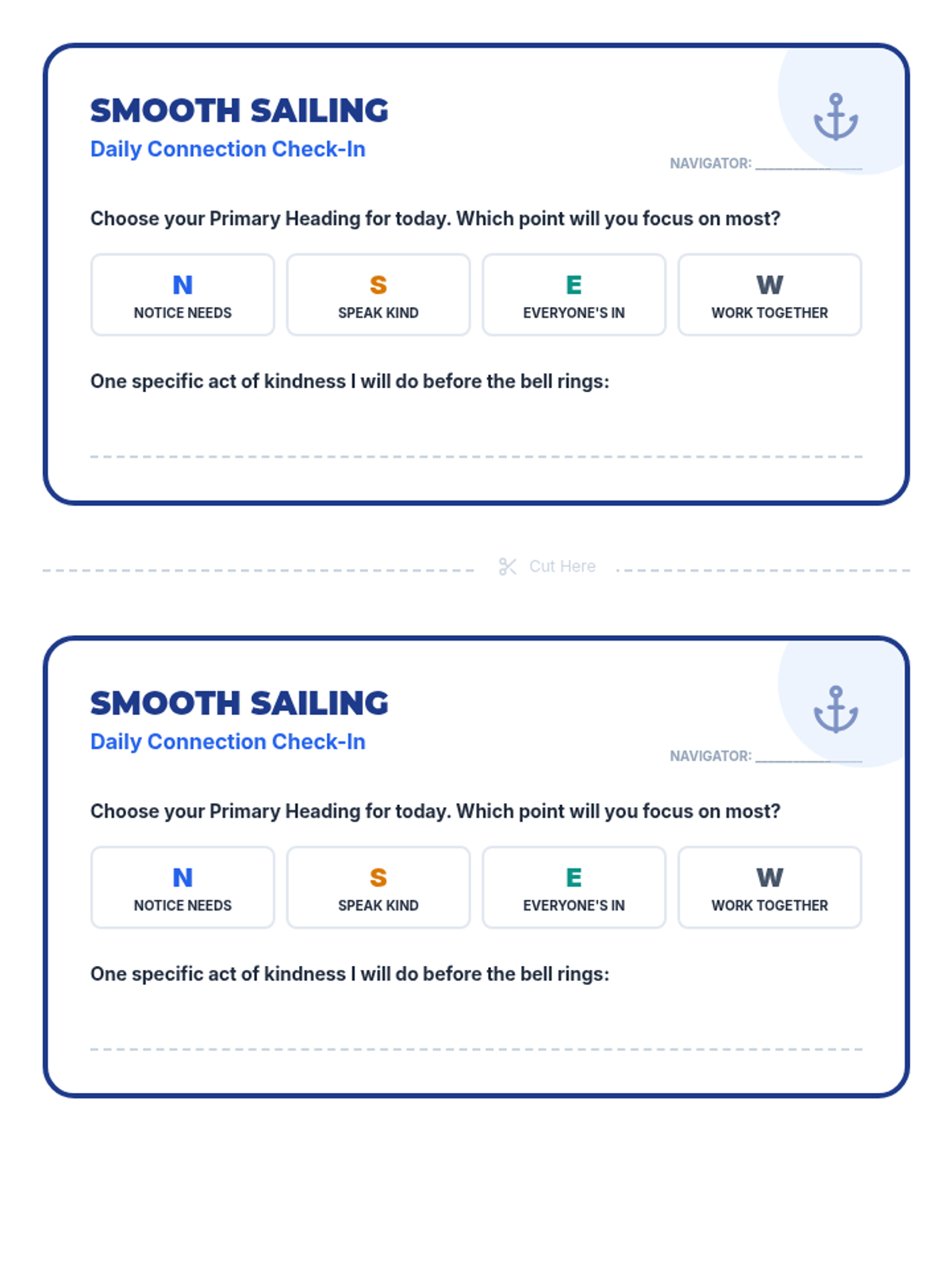
A social-emotional learning lesson using a compass metaphor to help K-5 students re-establish empathy, kindness, and community after time away from school. Students explore the four 'cardinal points' of connection: Notice Needs, Speak Kindness, Everyone's Invited, and Work Together.
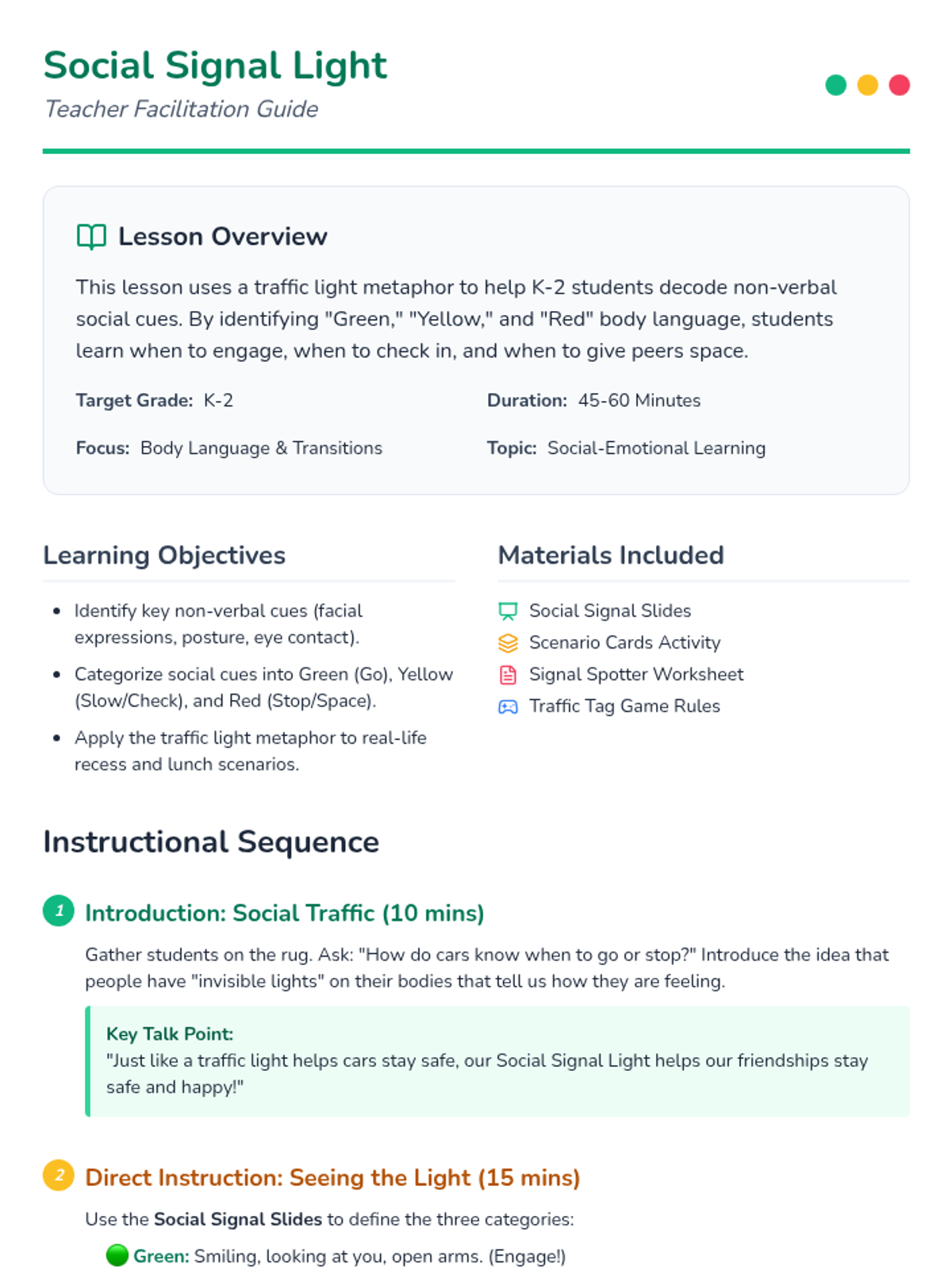
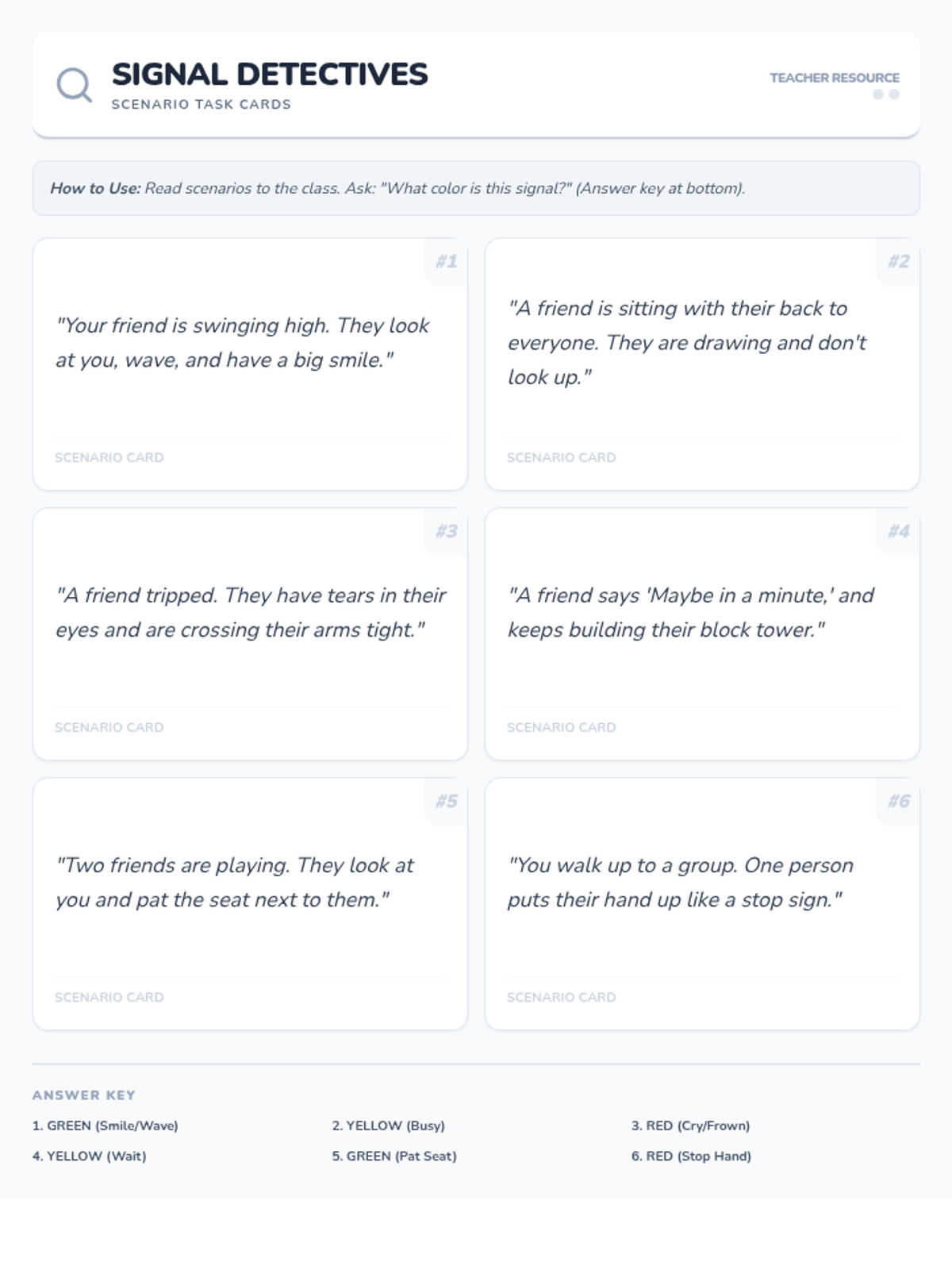
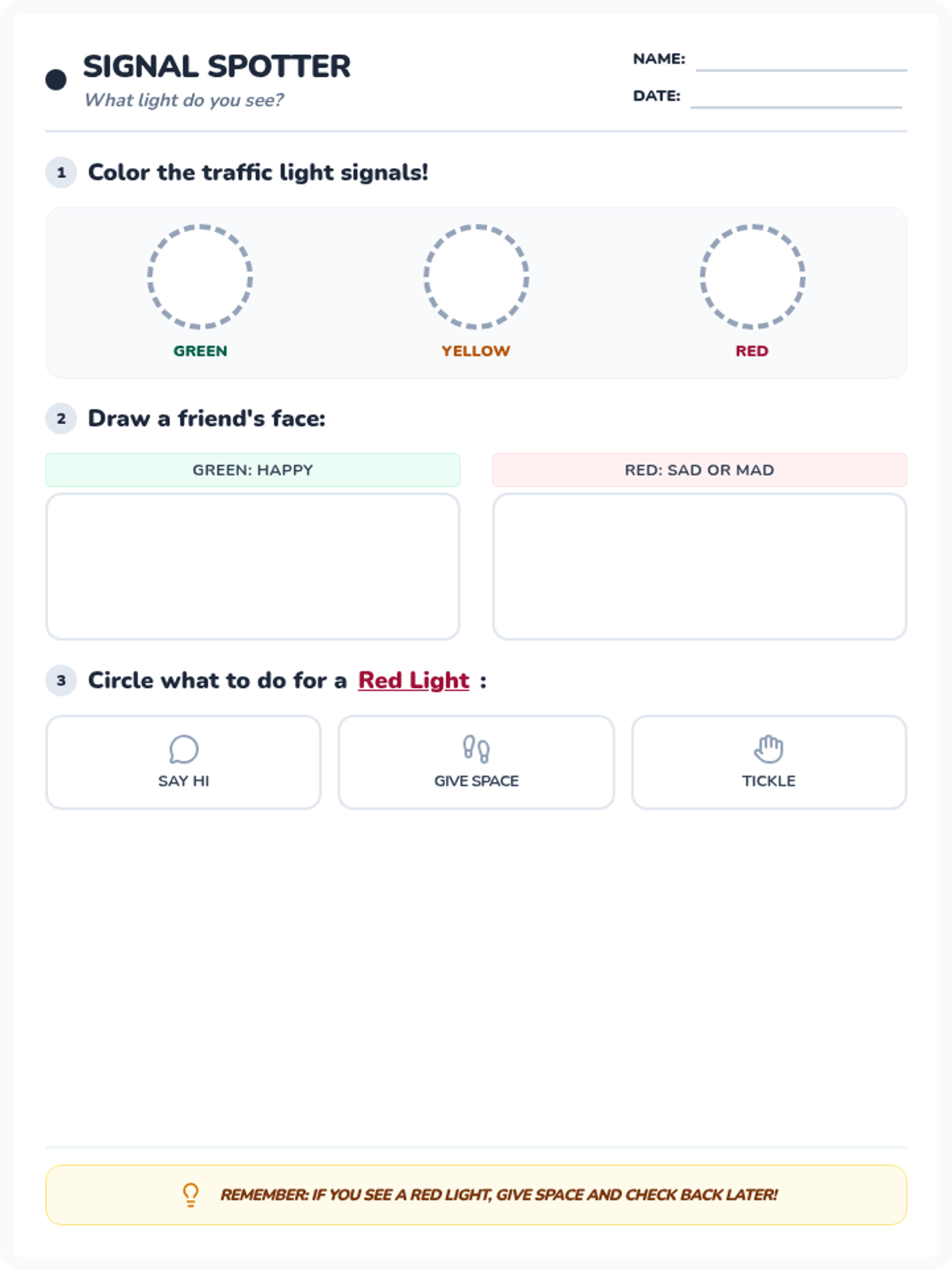
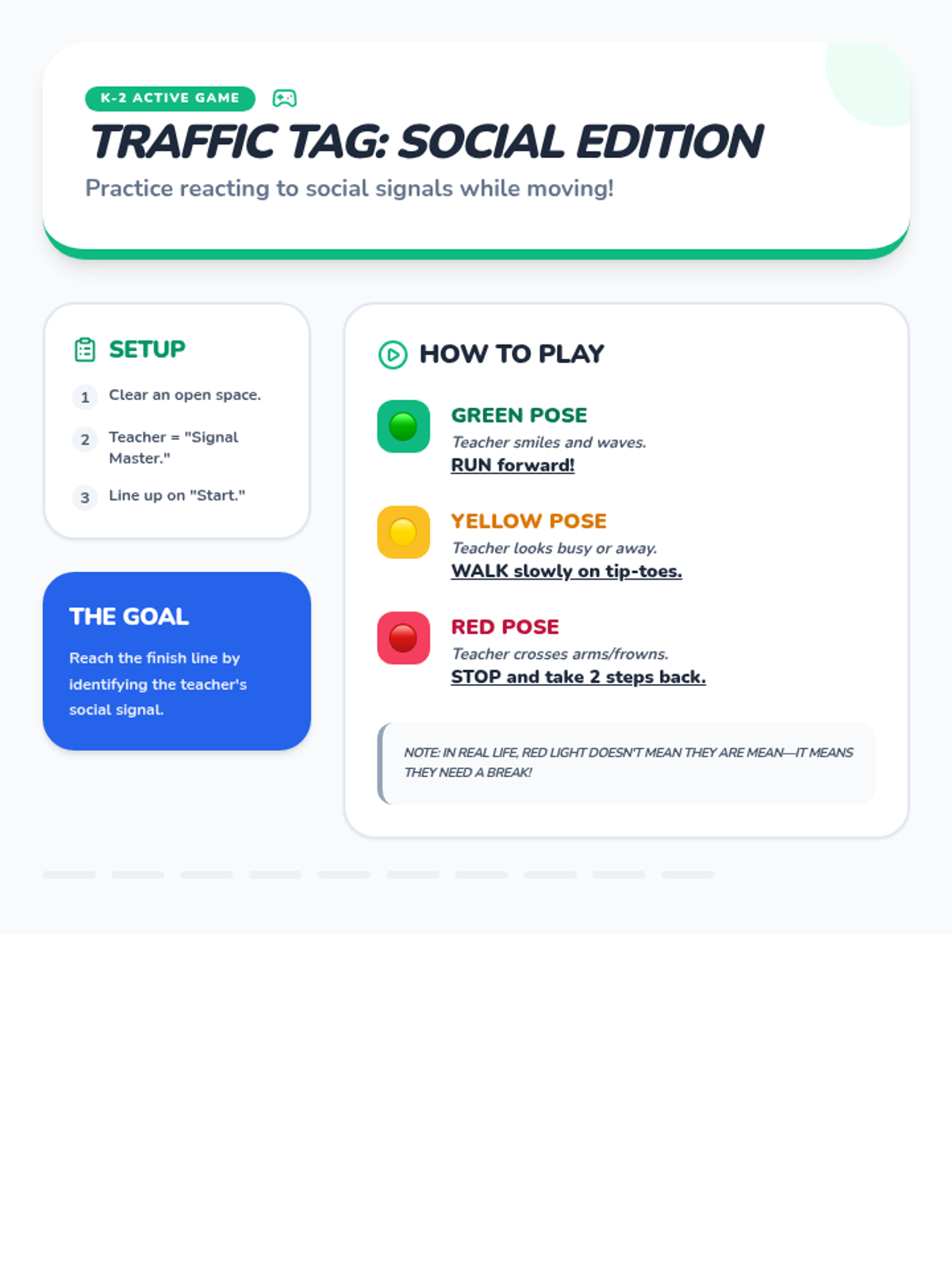
A lesson for K-2 students on interpreting non-verbal social cues using a traffic light metaphor. Students learn to recognize 'Green' (open/ready), 'Yellow' (cautious/check-in), and 'Red' (stop/need space) signals in their peers, especially during high-energy transitions.