A lesson for 1st graders focused on coping with sadness through creative expression, specifically drawing, coloring, and clay play. Includes a 3-page interactive student worksheet pack and a practical facilitation guide for teachers.
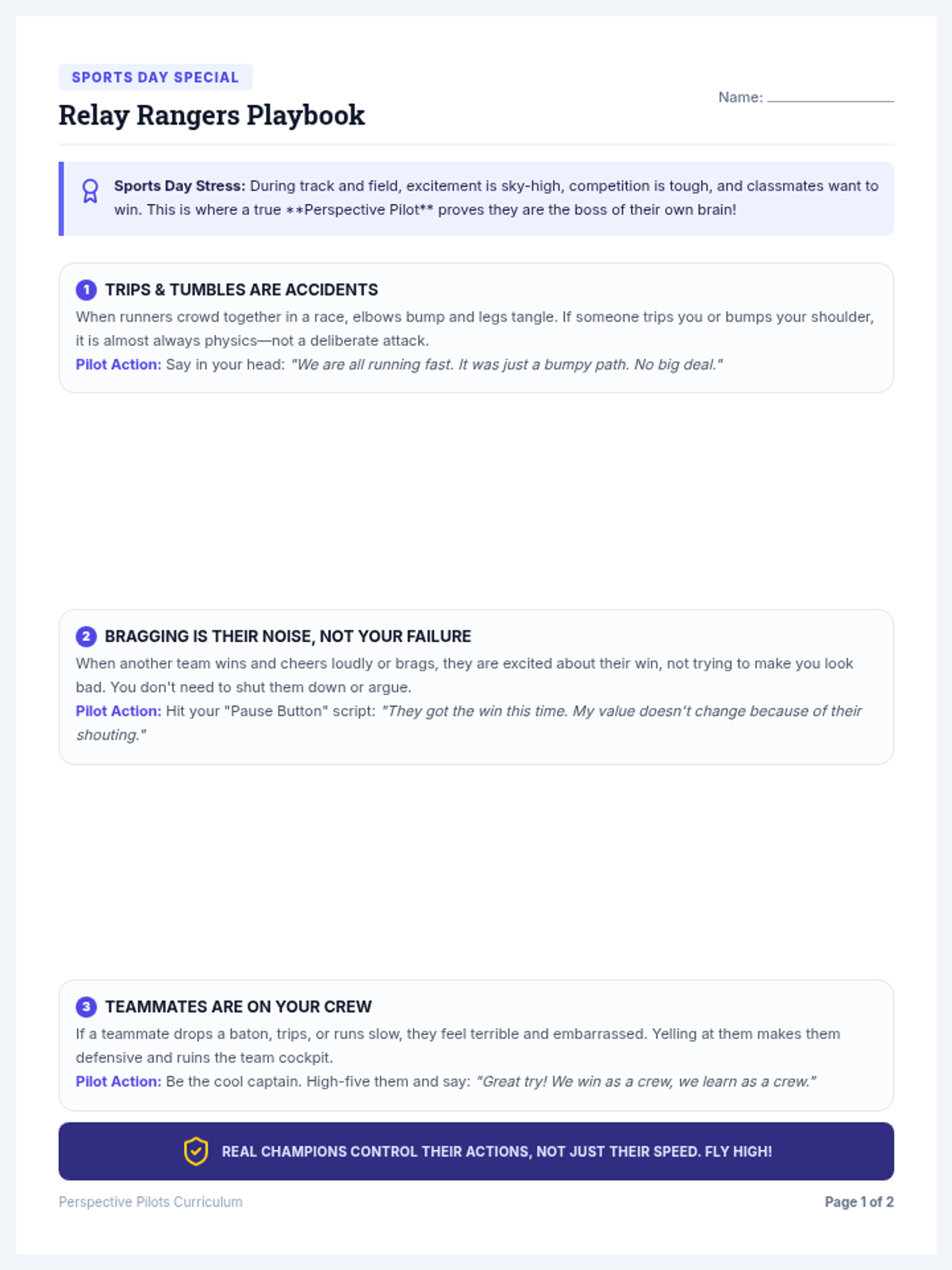
Navigating team competition, sportsmanship, and unexpected outcomes during a Track and Field Sports Day.
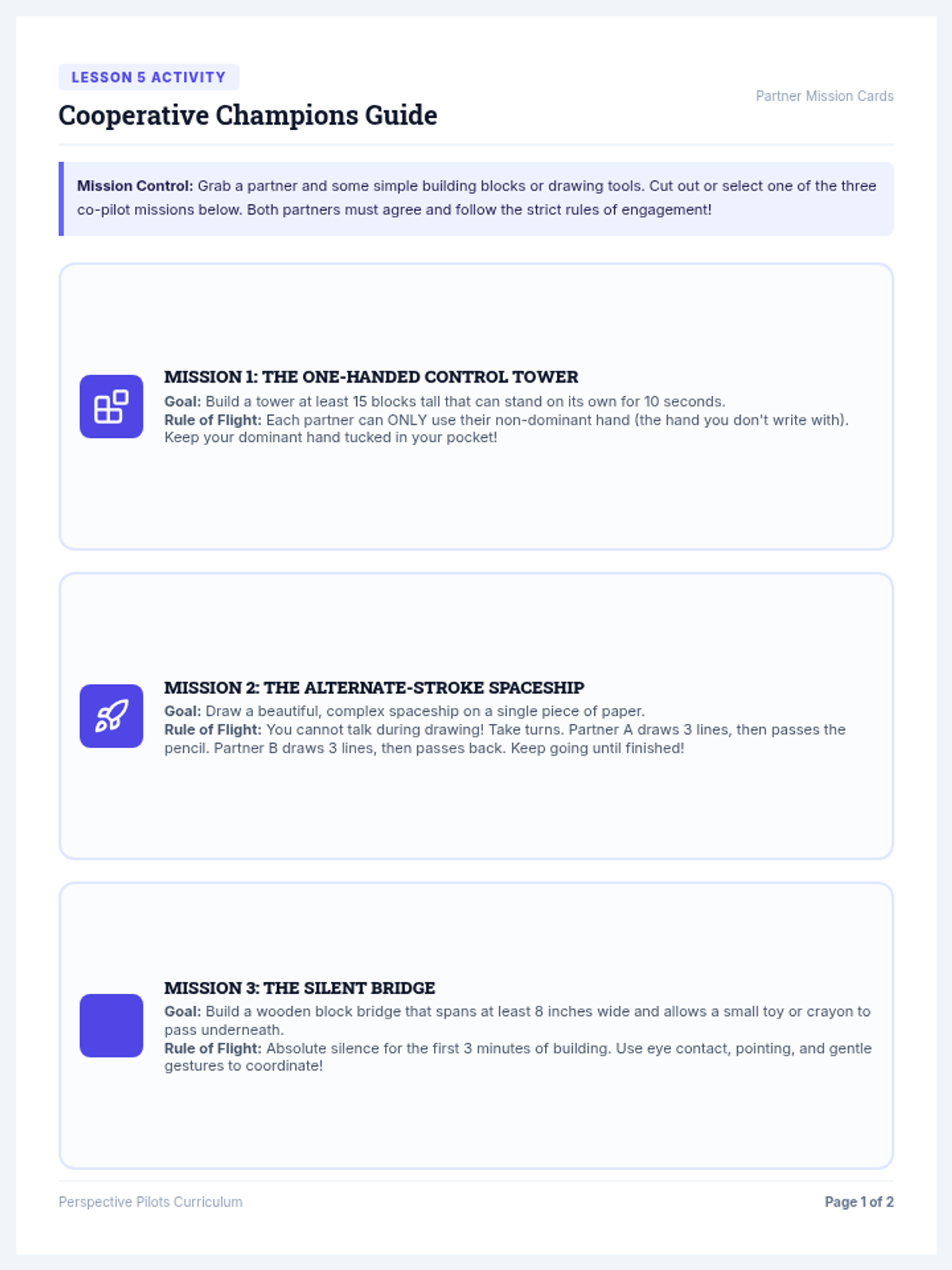
Applying emotional regulation and perspective-taking through cooperative building challenges, self-reflection, and a final assessment.
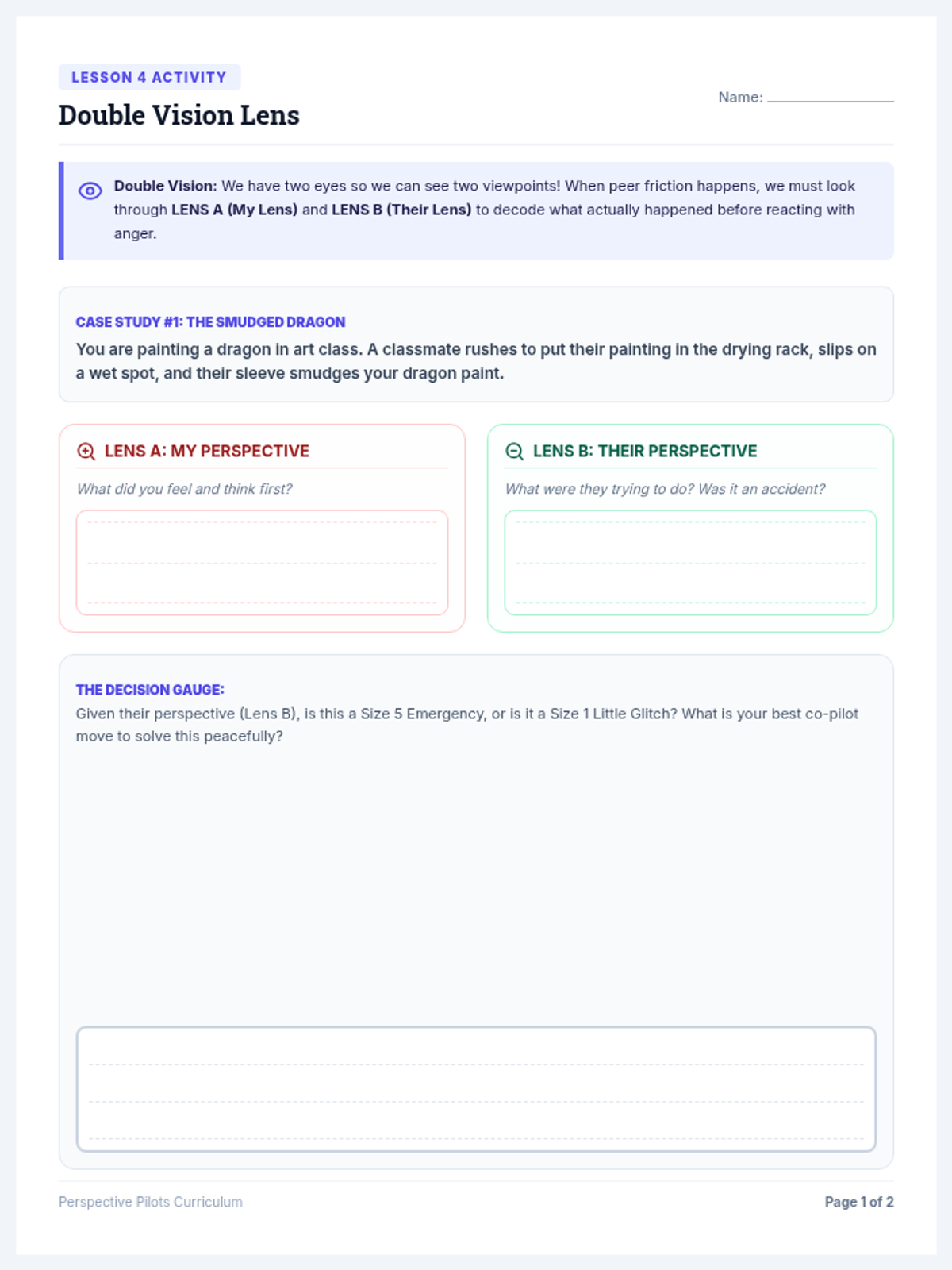
Developing perspective-taking skills to understand peers' perspectives and motivations during conflicts.
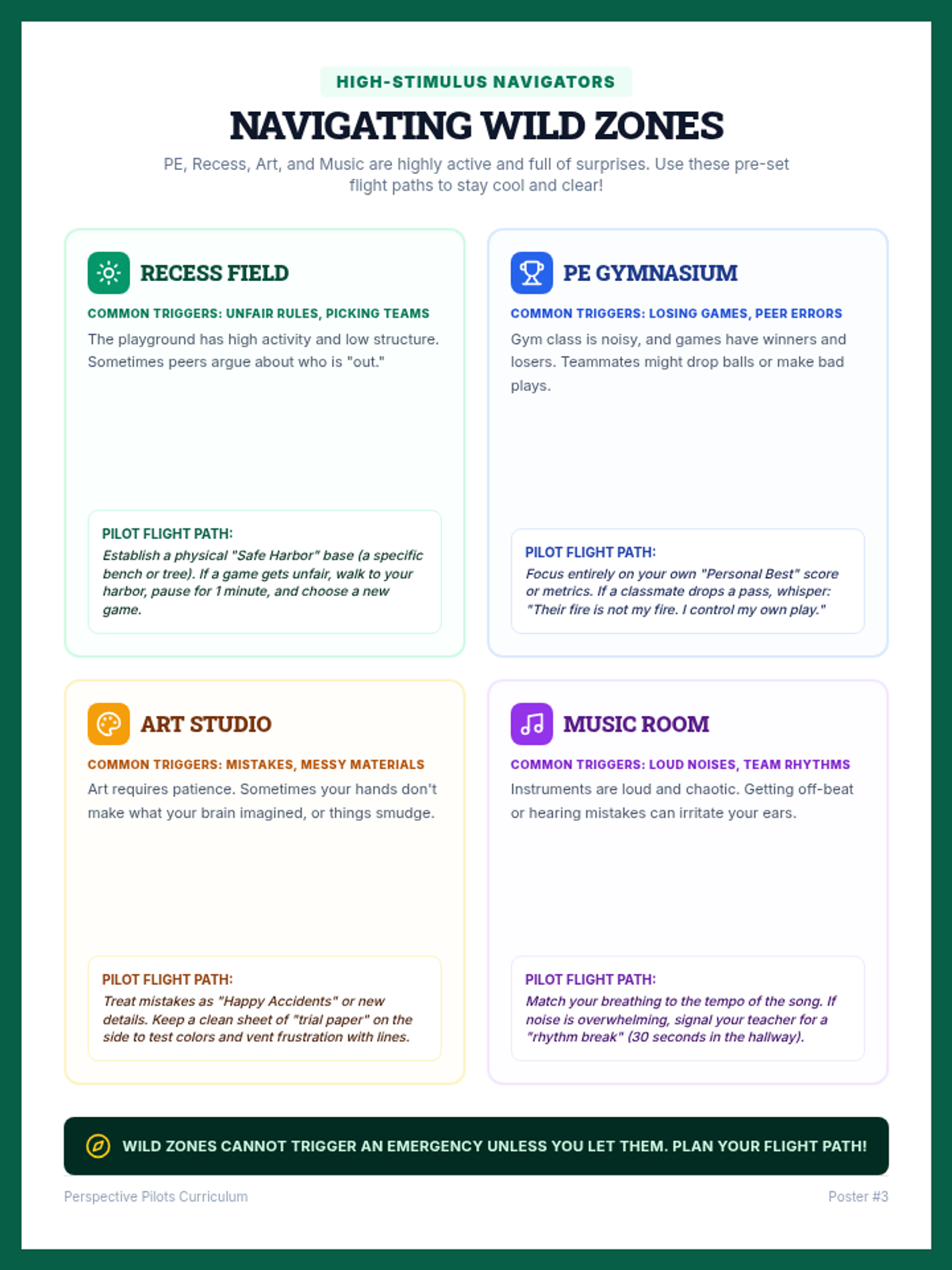
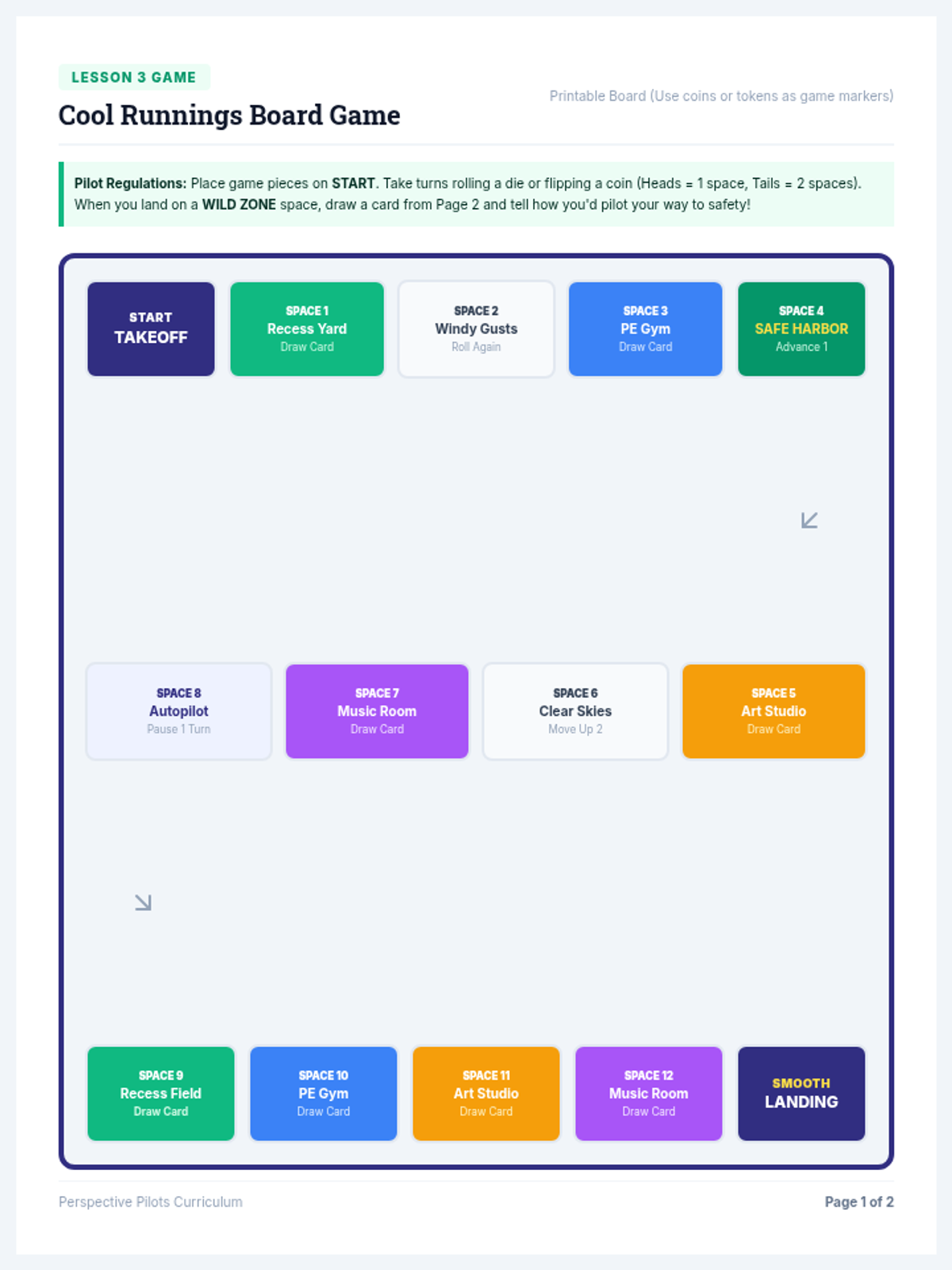
Navigating unstructured settings like recess, PE, art, and music using targeted emotional regulation strategies and a board game.
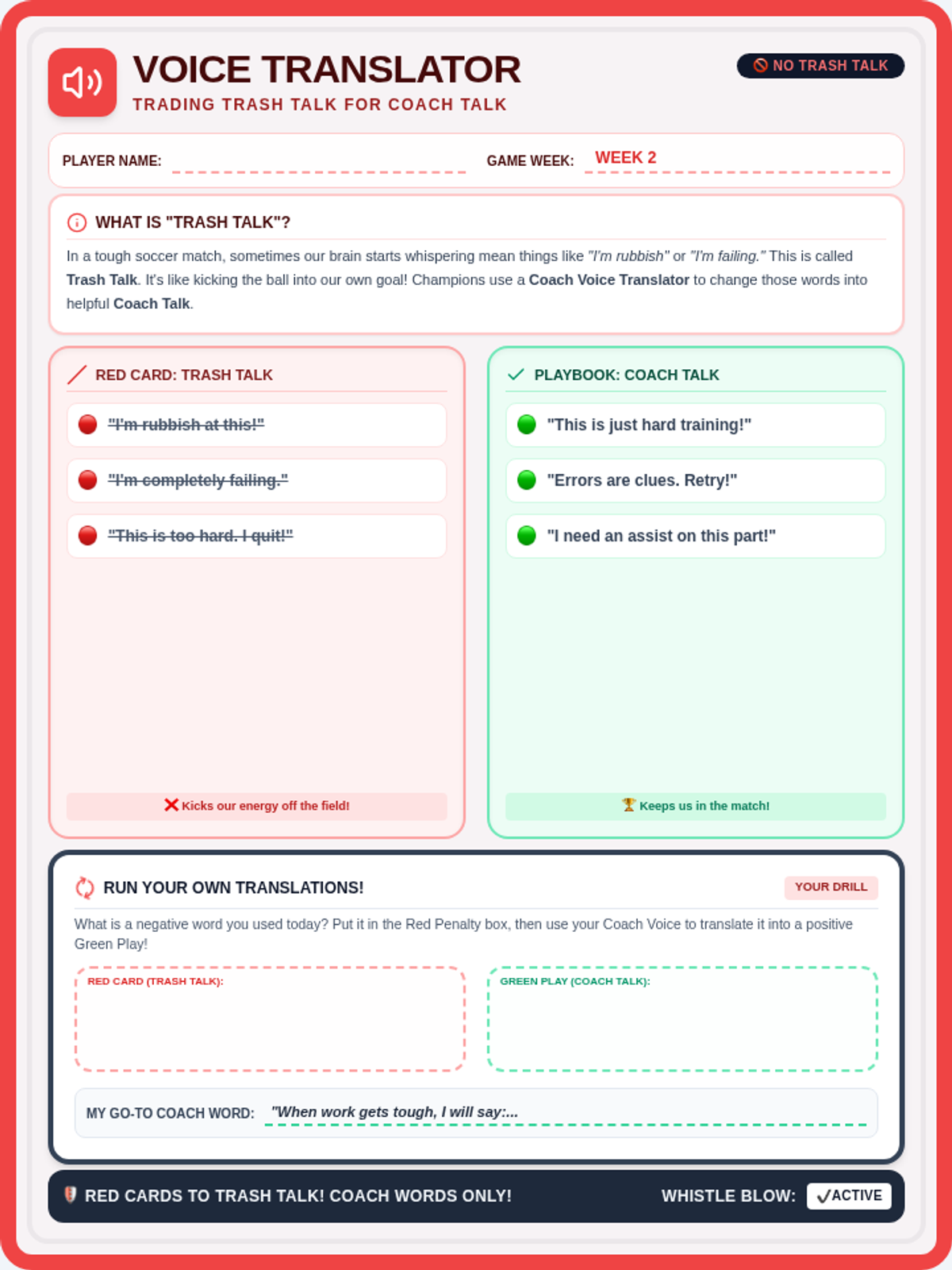
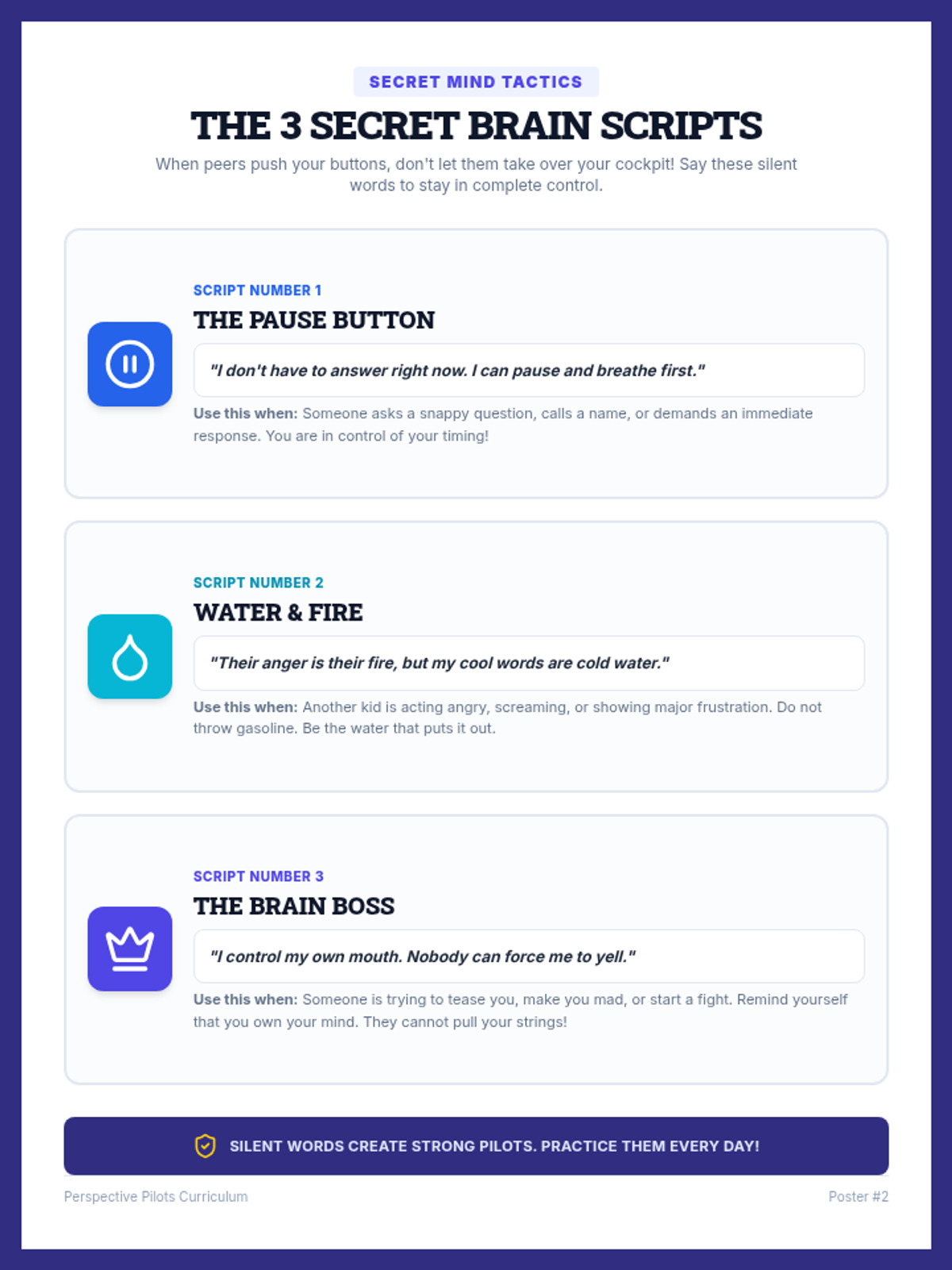
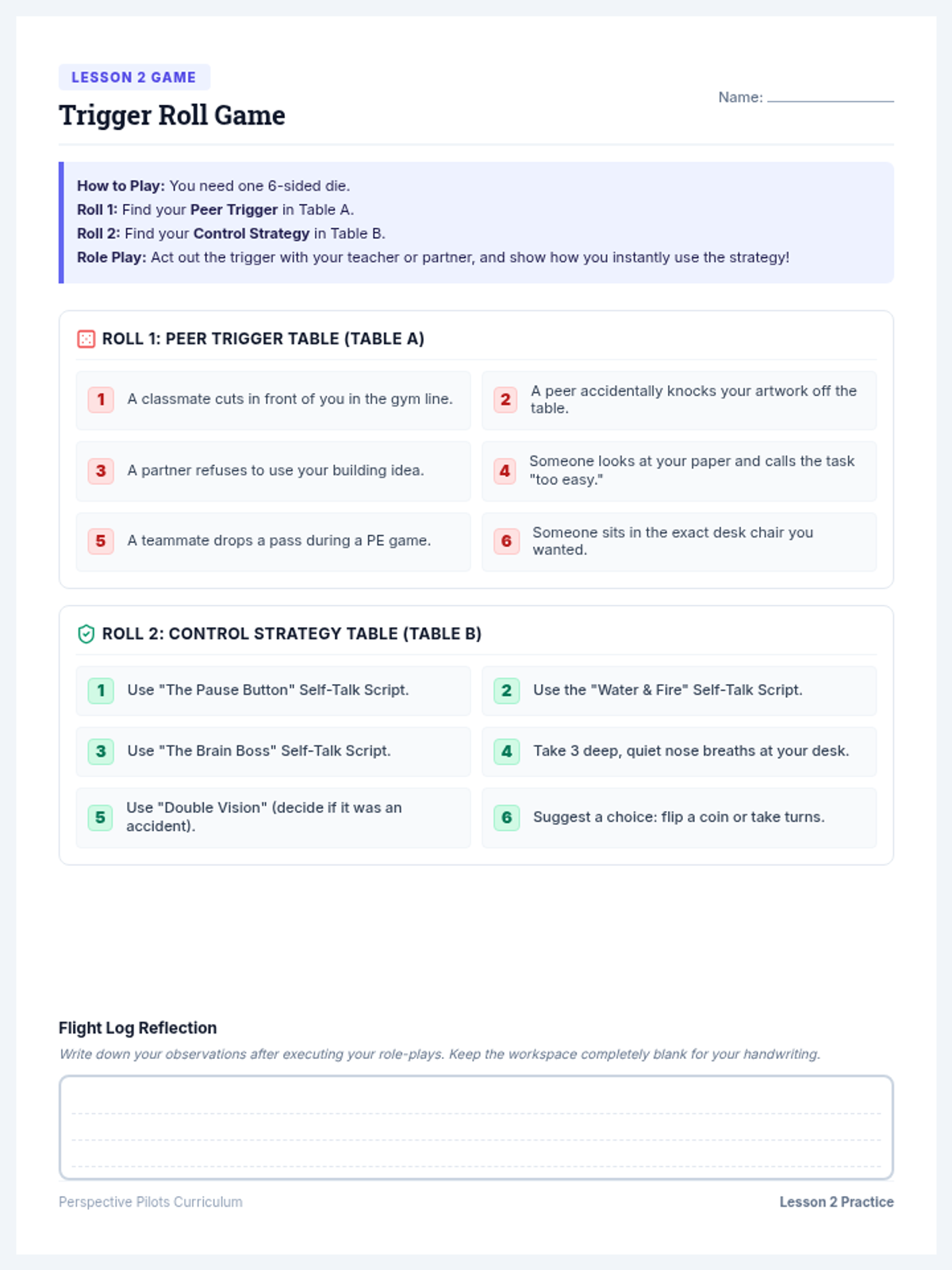
Teaching positive self-talk scripts and a role-play dice game to self-soothe before reacting to peer frustration.
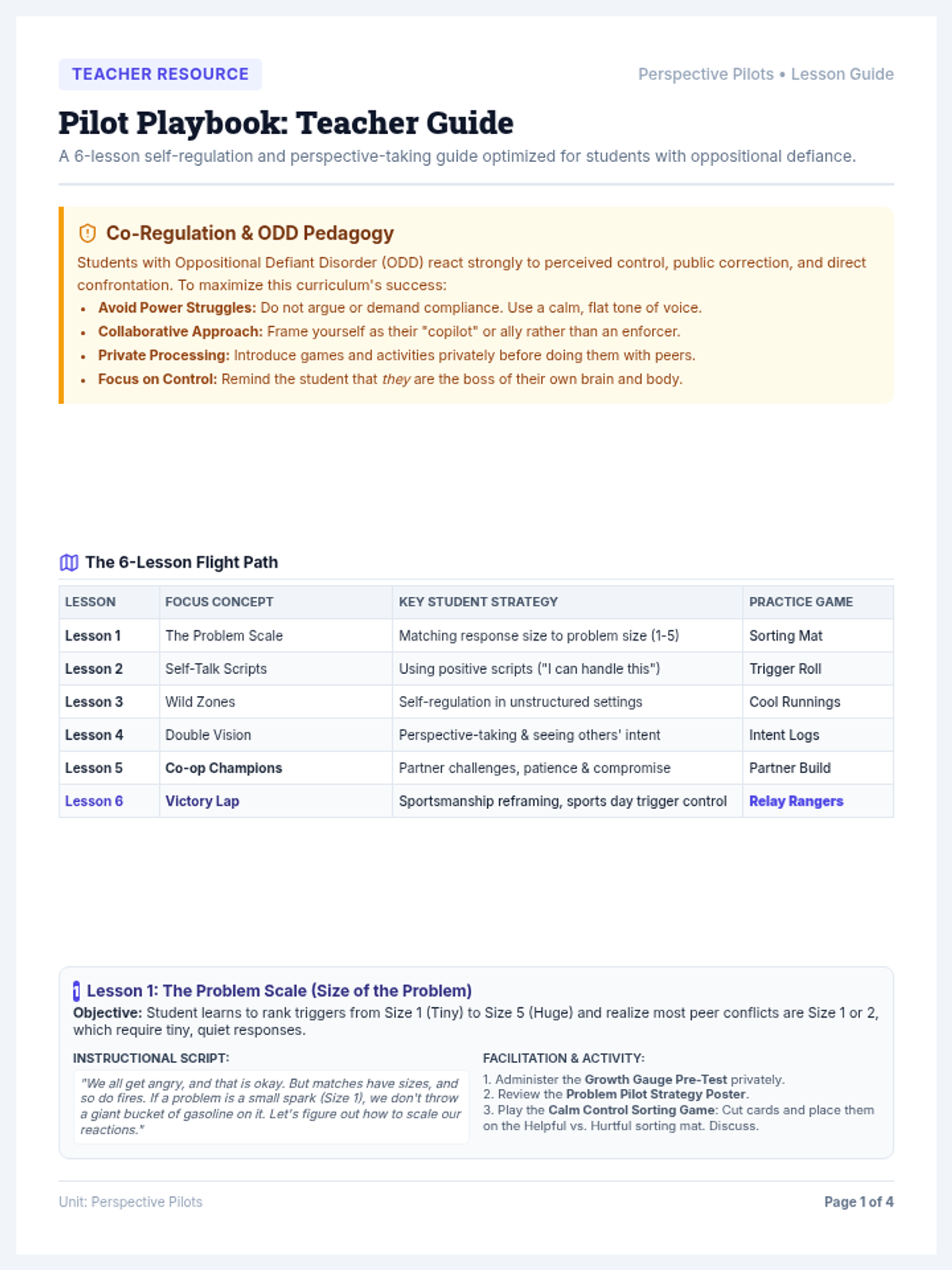
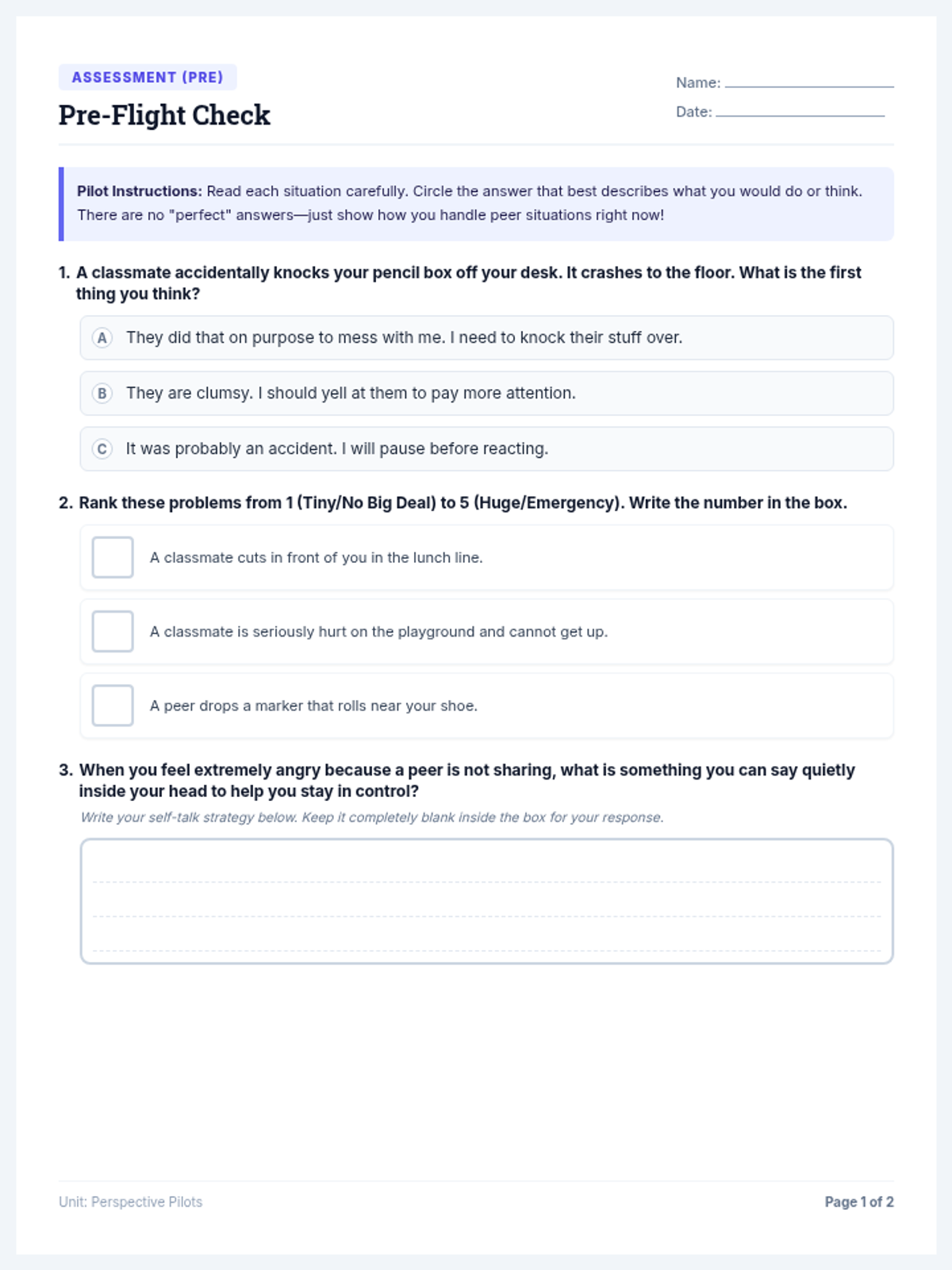
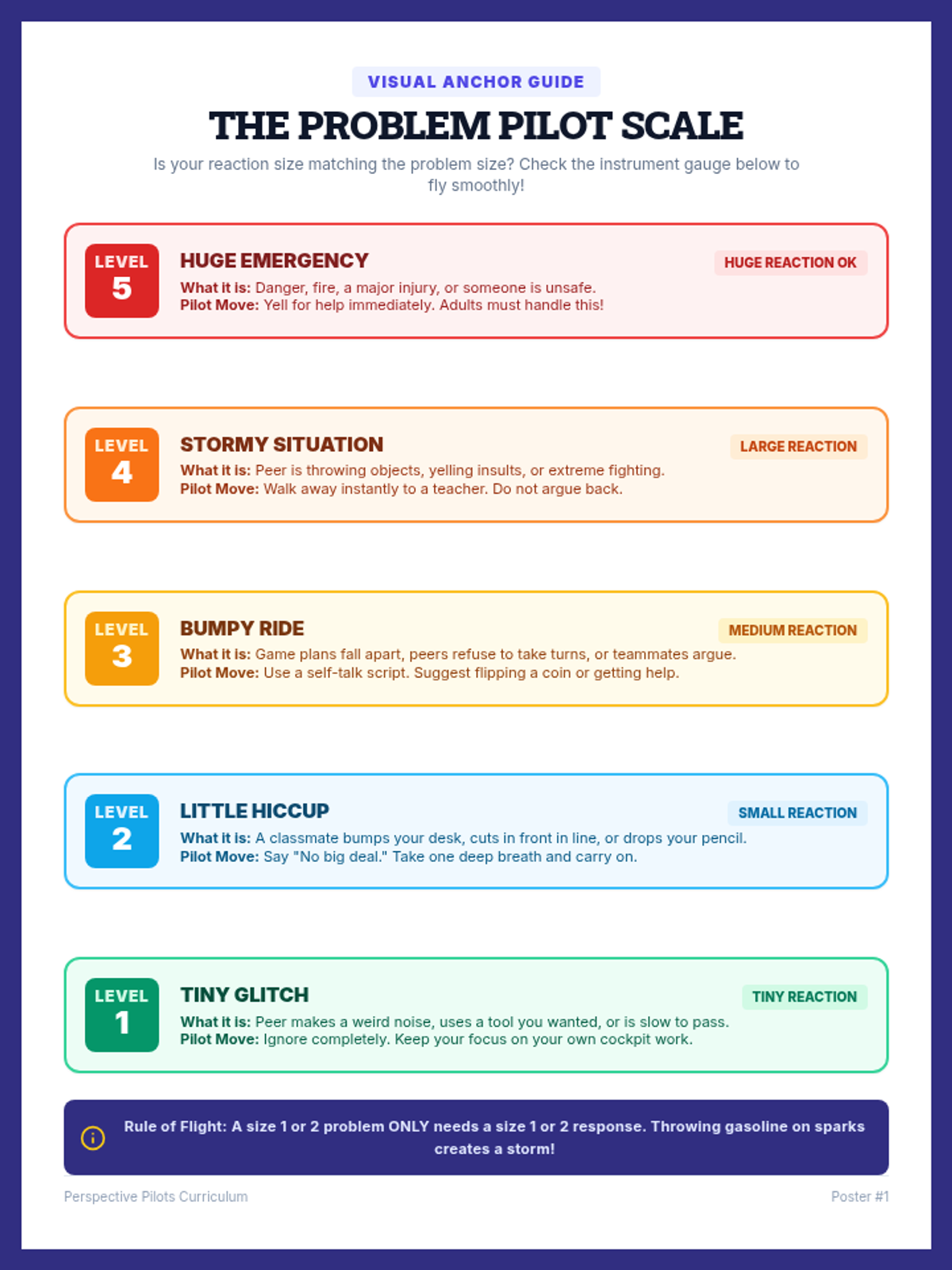
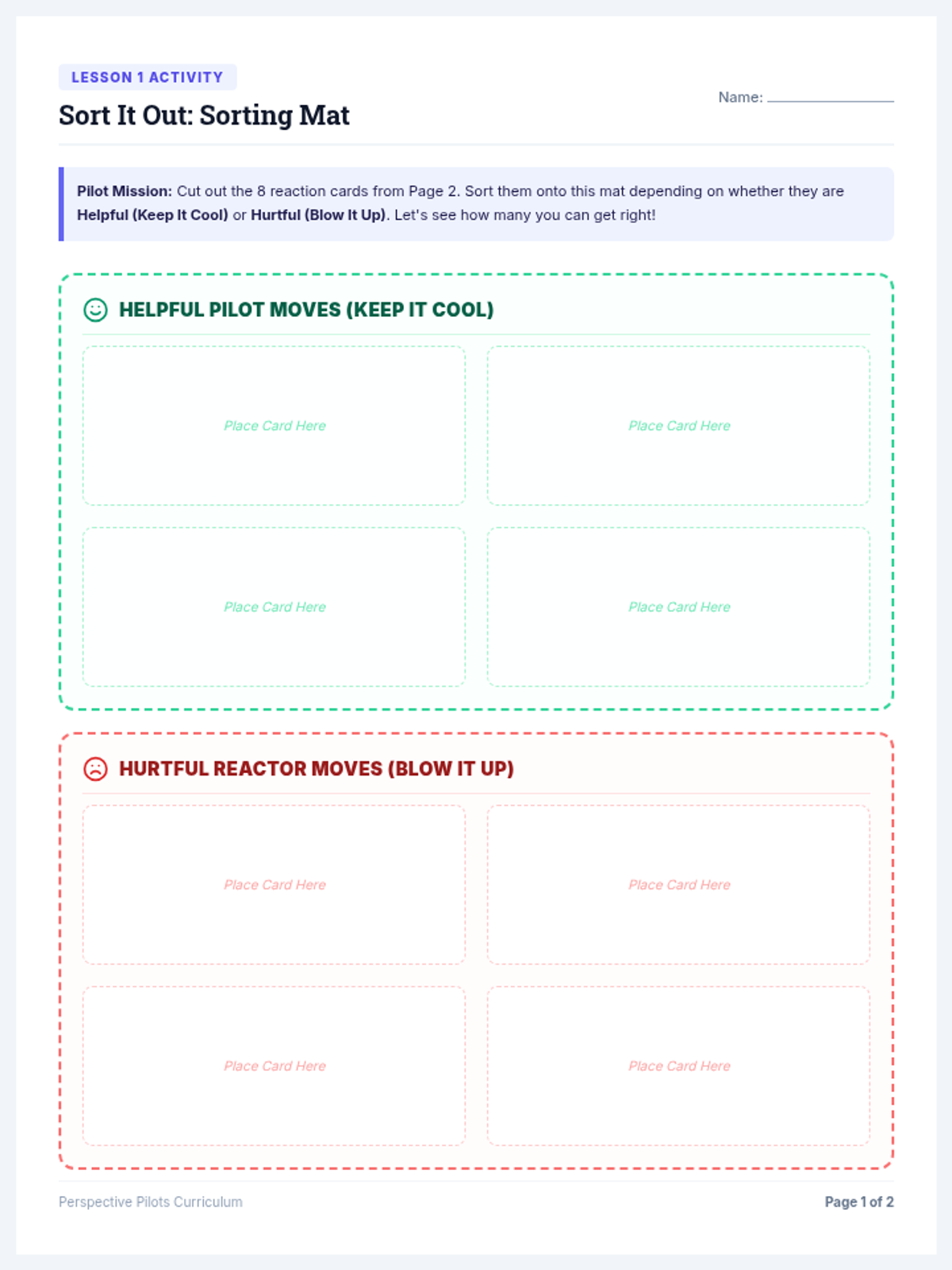
Introducing the concept of 'Size of the Problem' and matching reaction size, using sorting games and assessment tools.
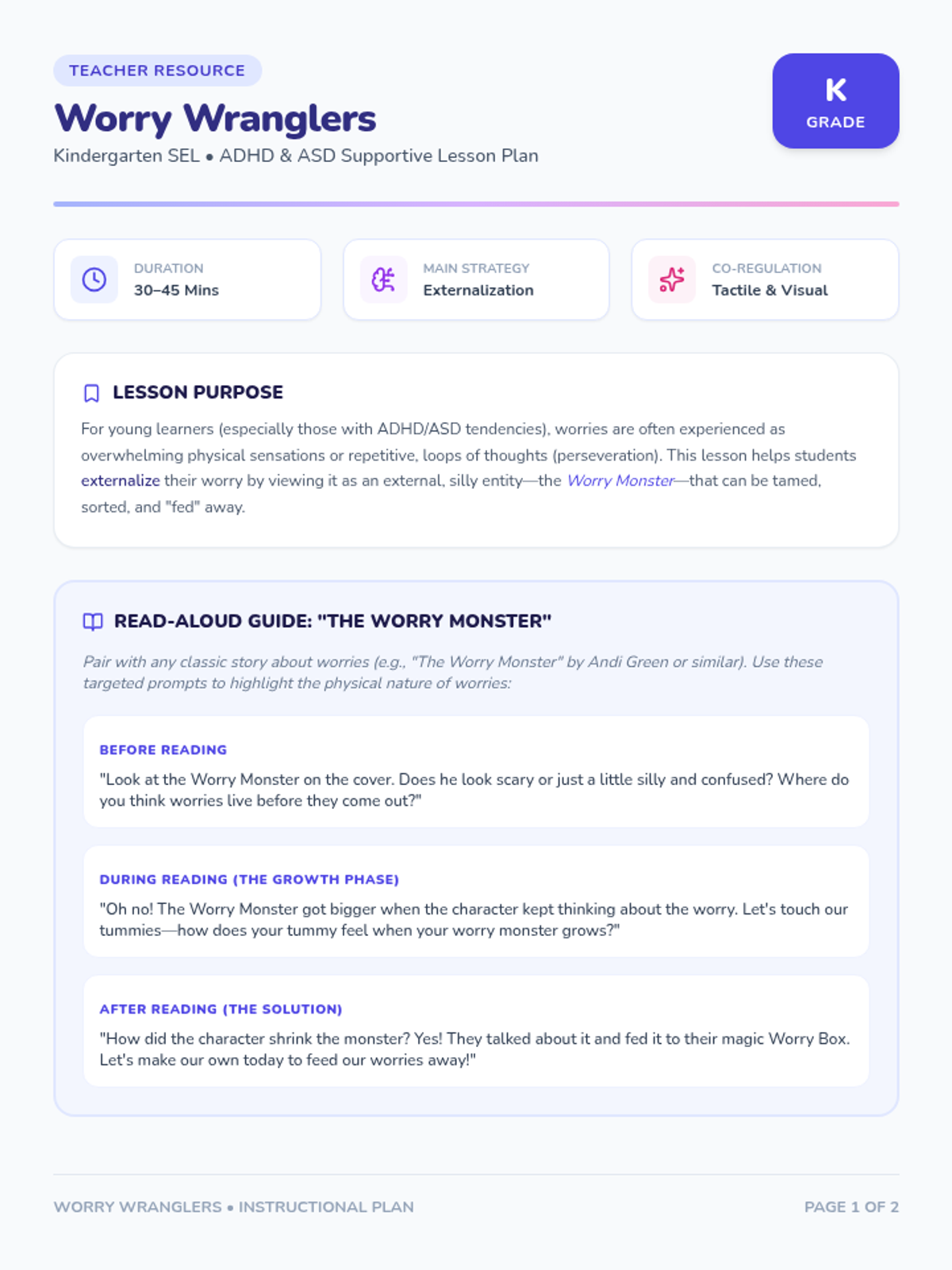
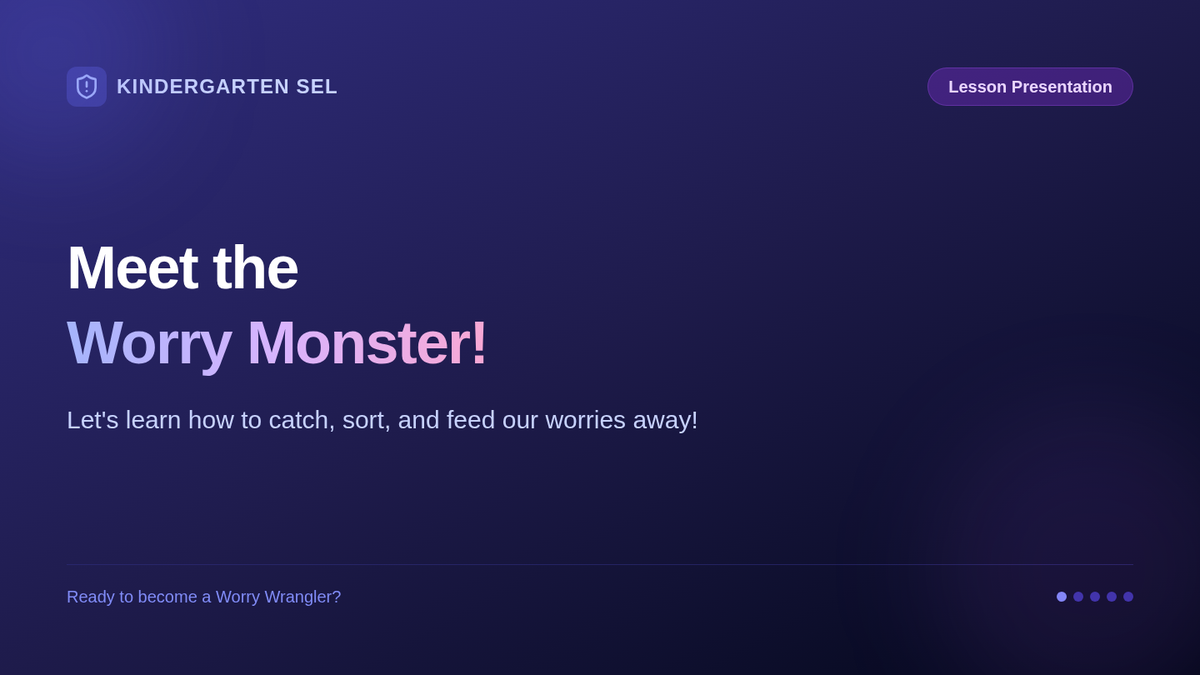
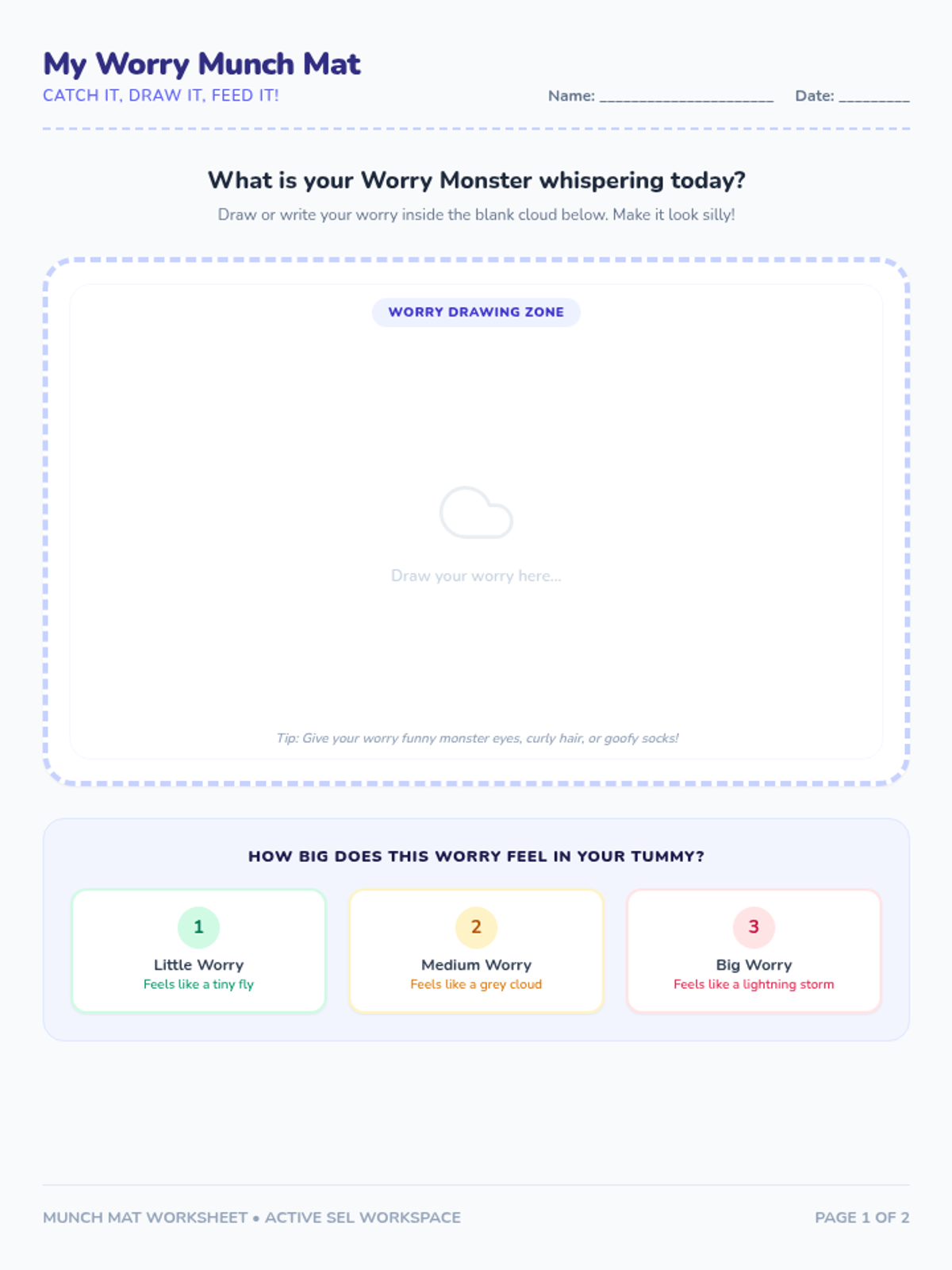
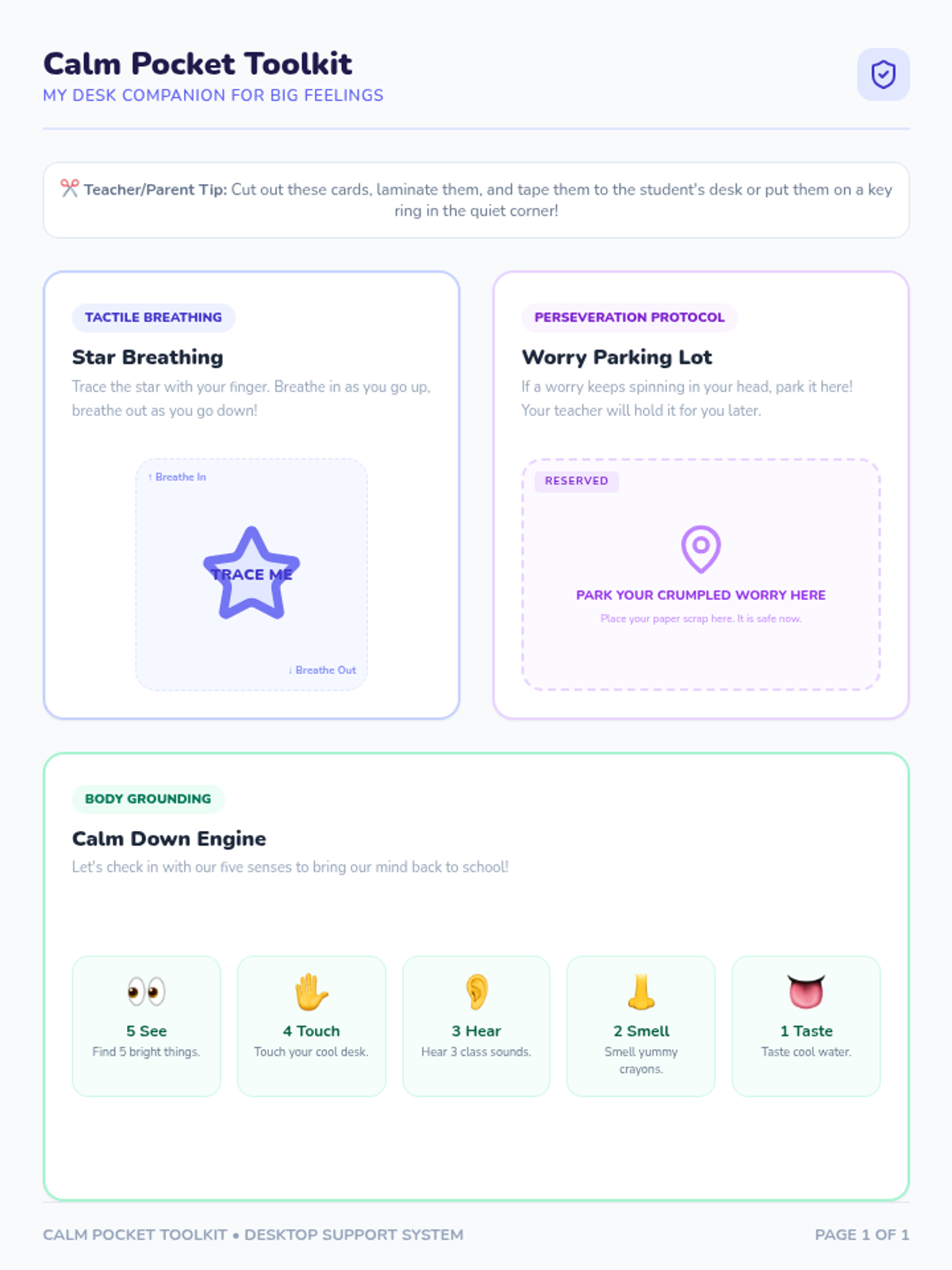
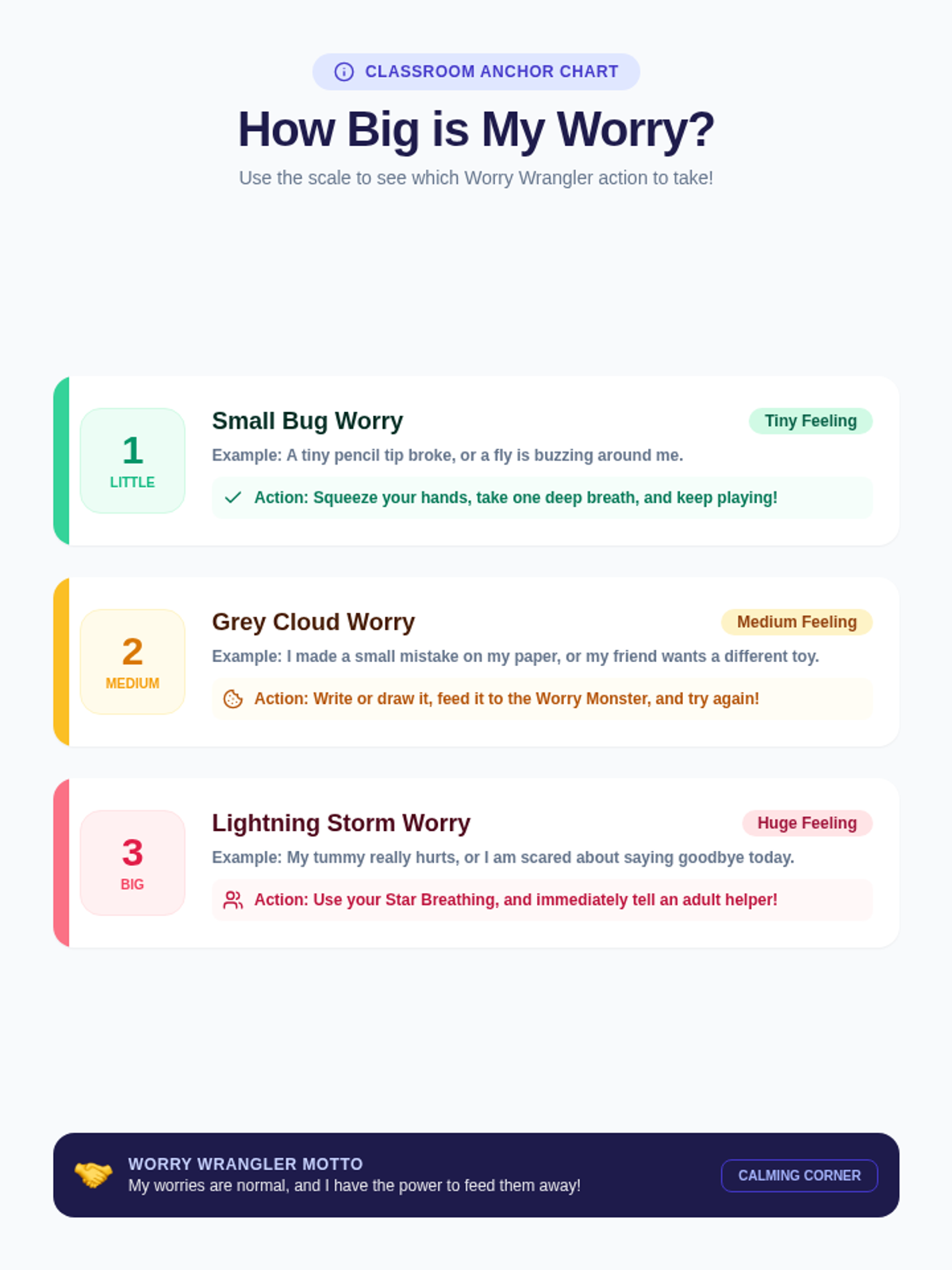
A comprehensive socio-emotional lesson designed for kindergarteners, particularly those with ADHD and autism-spectrum tendencies. The lesson focuses on externalizing anxiety through the 'Worry Monster' concept, featuring a read-aloud guide, a tactile 'feeding' coping strategy, and cognitive-behavioral tools to stop perseveration.
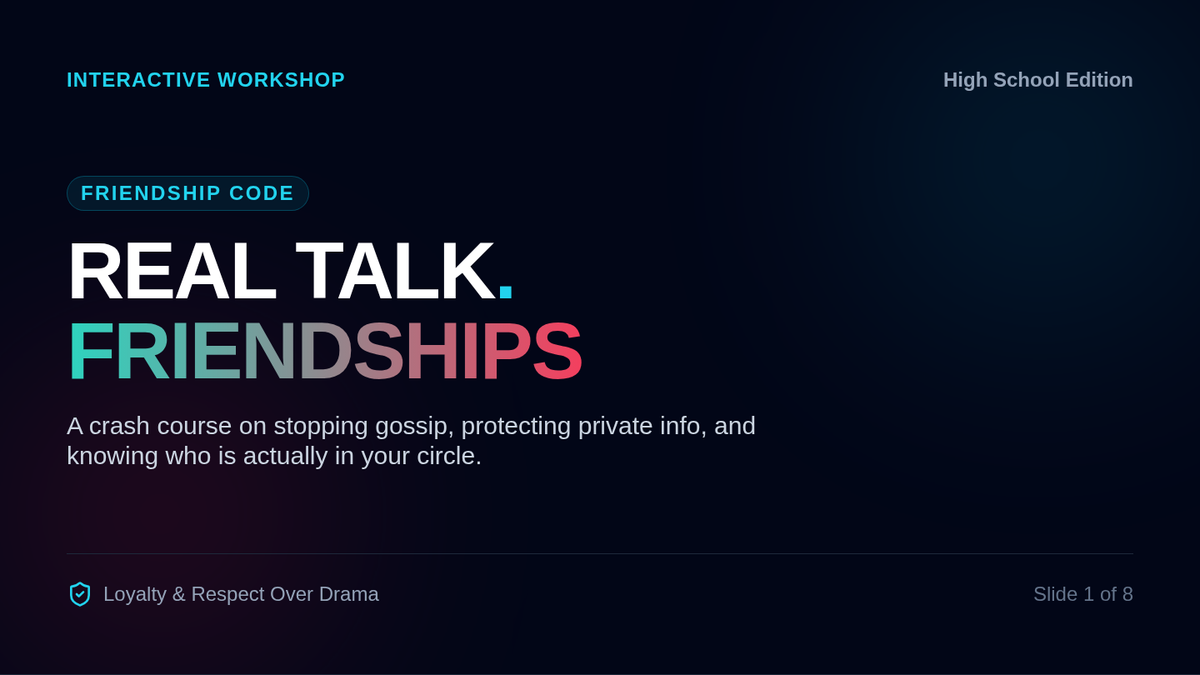
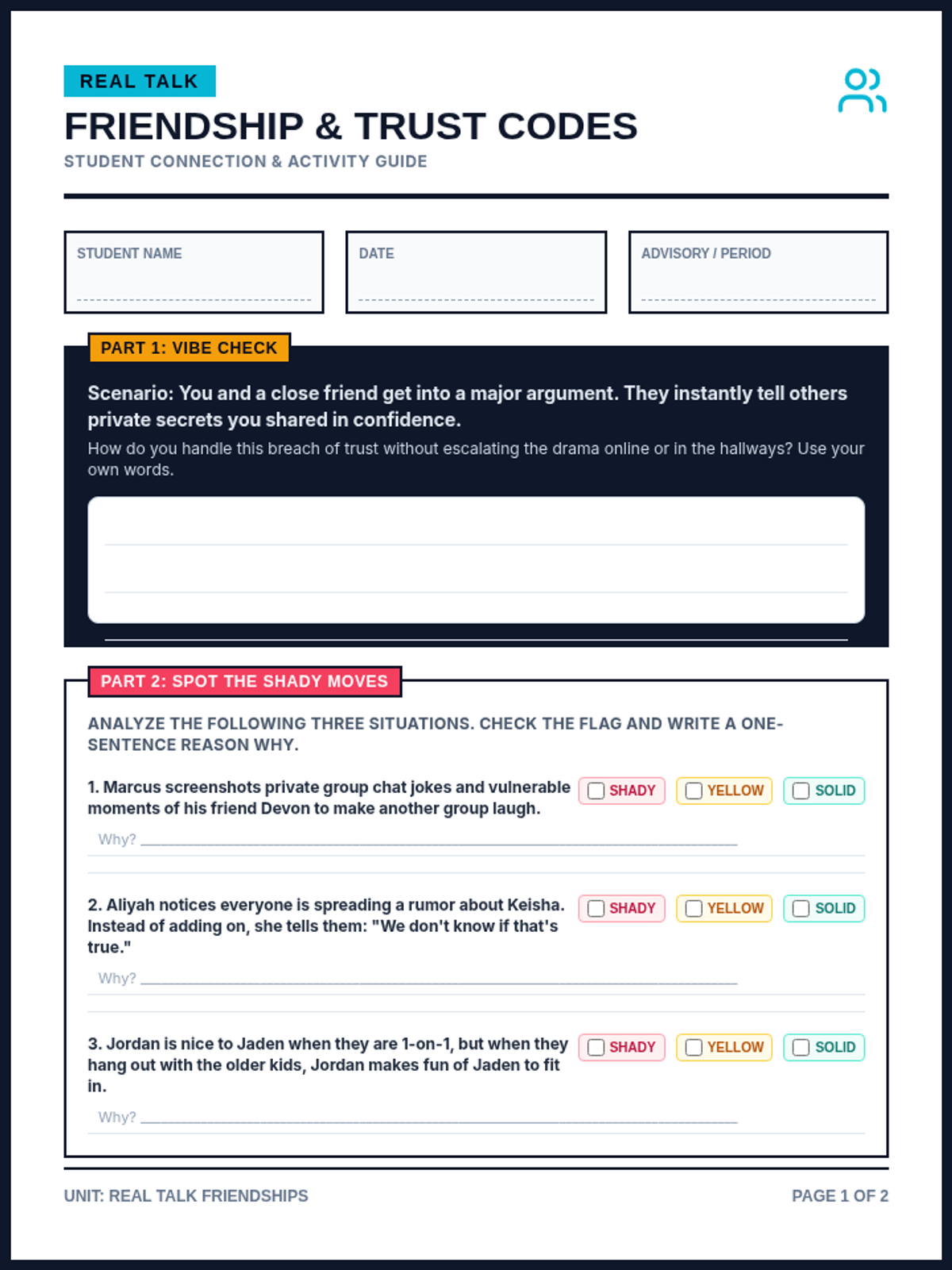
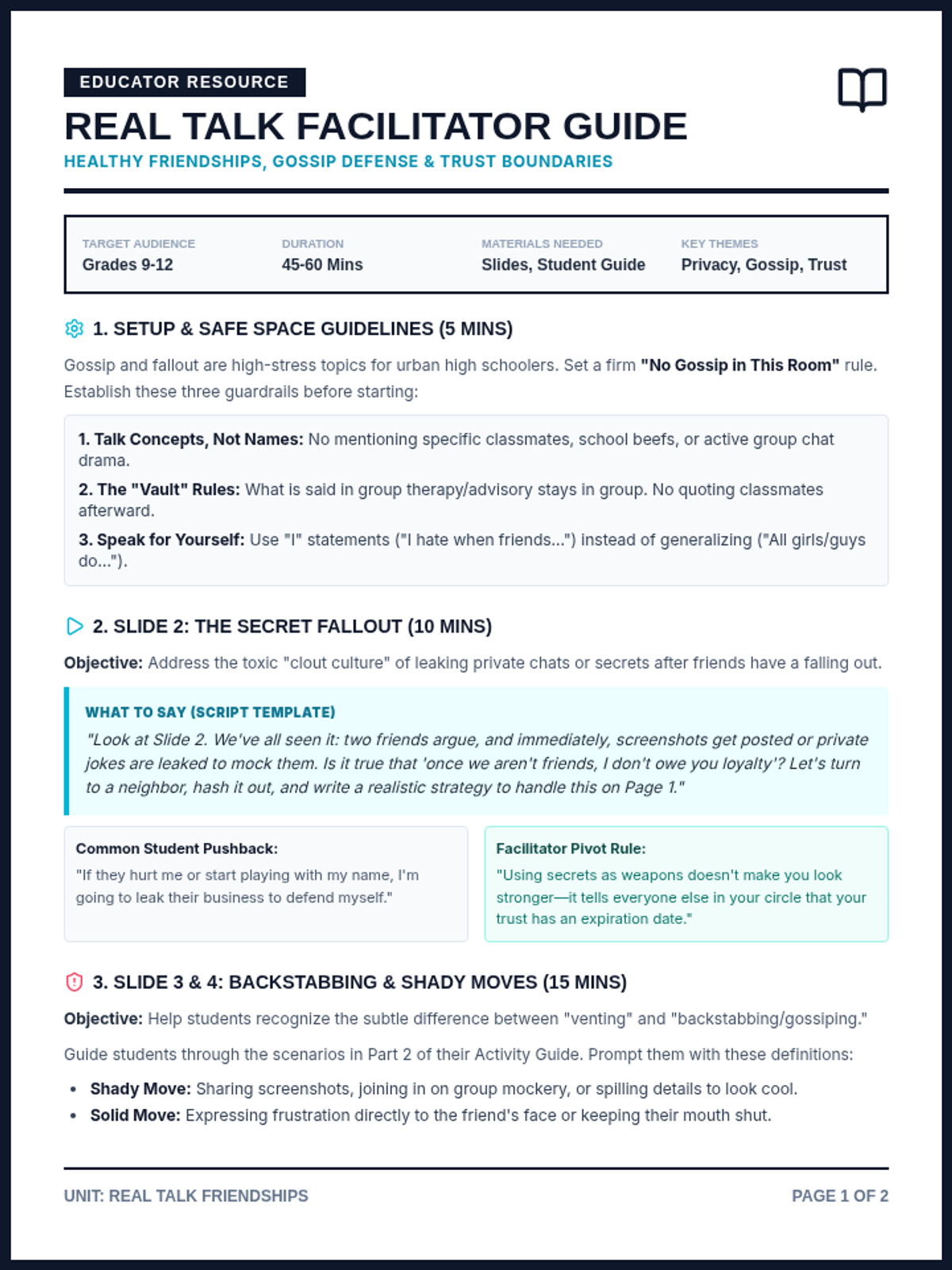
A high-impact, discussion-focused group session designed for urban high schoolers to build healthy friendships, establish trust boundaries, stop gossip, and navigate what is safe to share. This lesson package includes visual slide decks, student worksheets, and teacher facilitator guides.
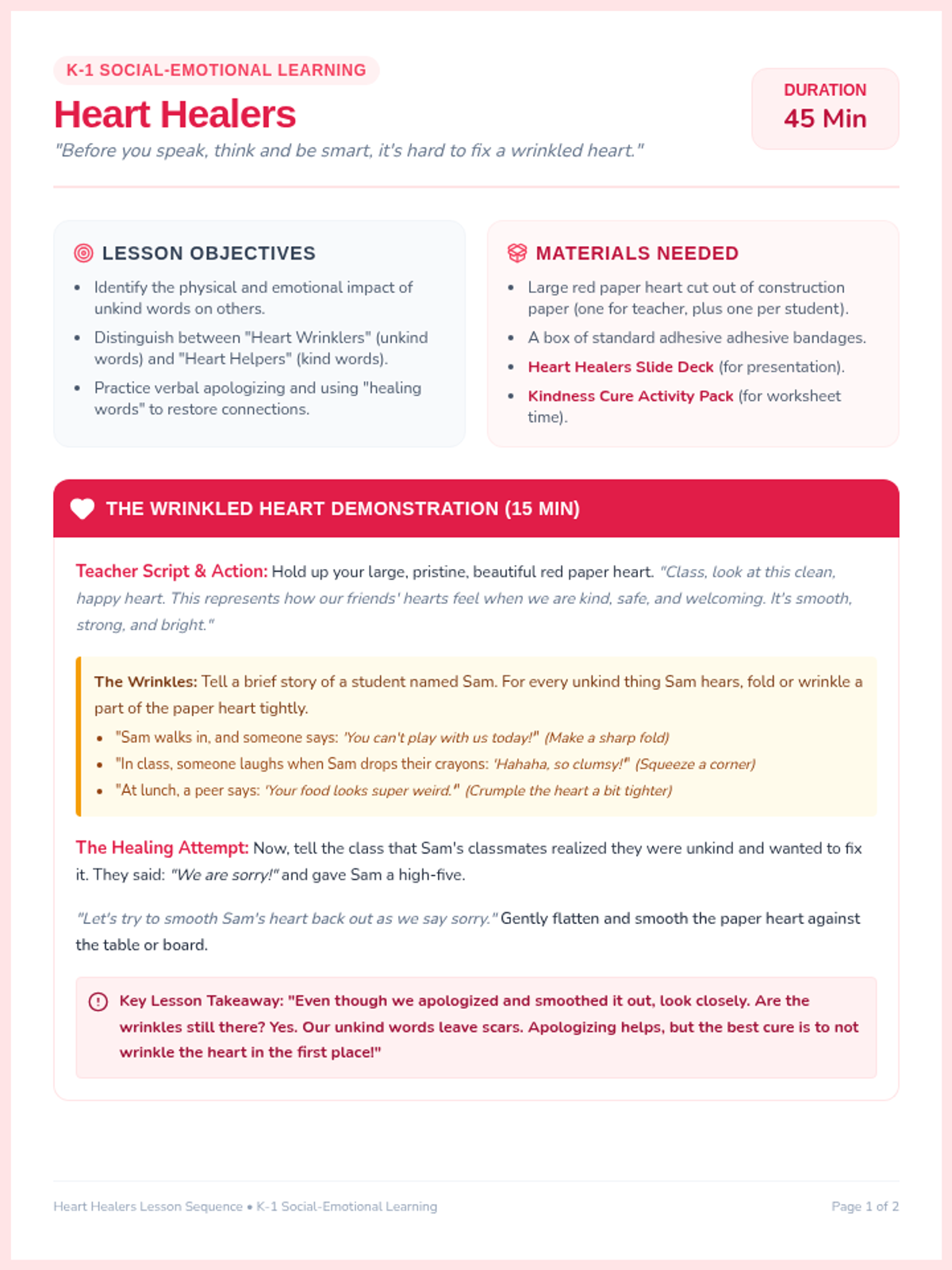
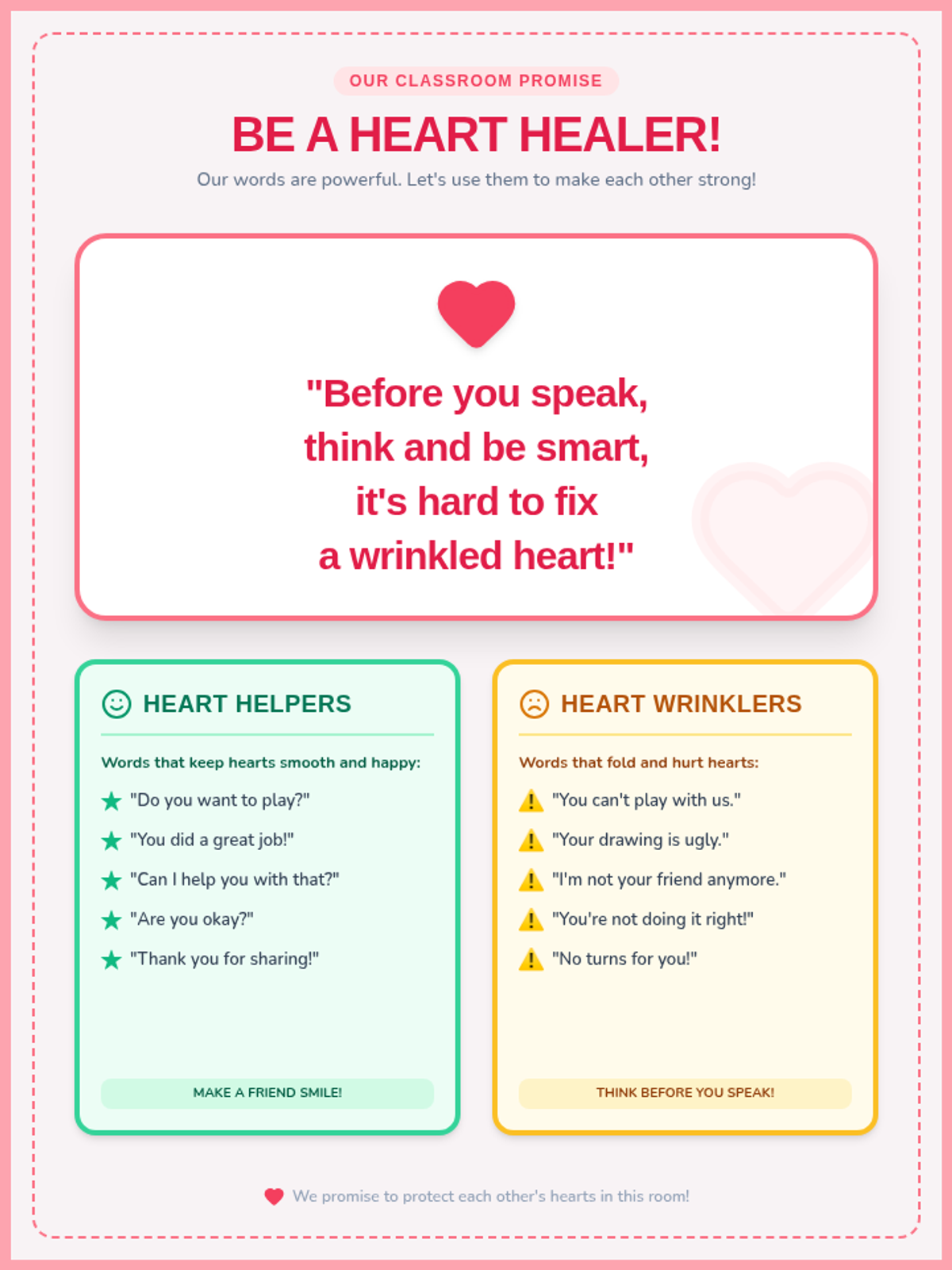
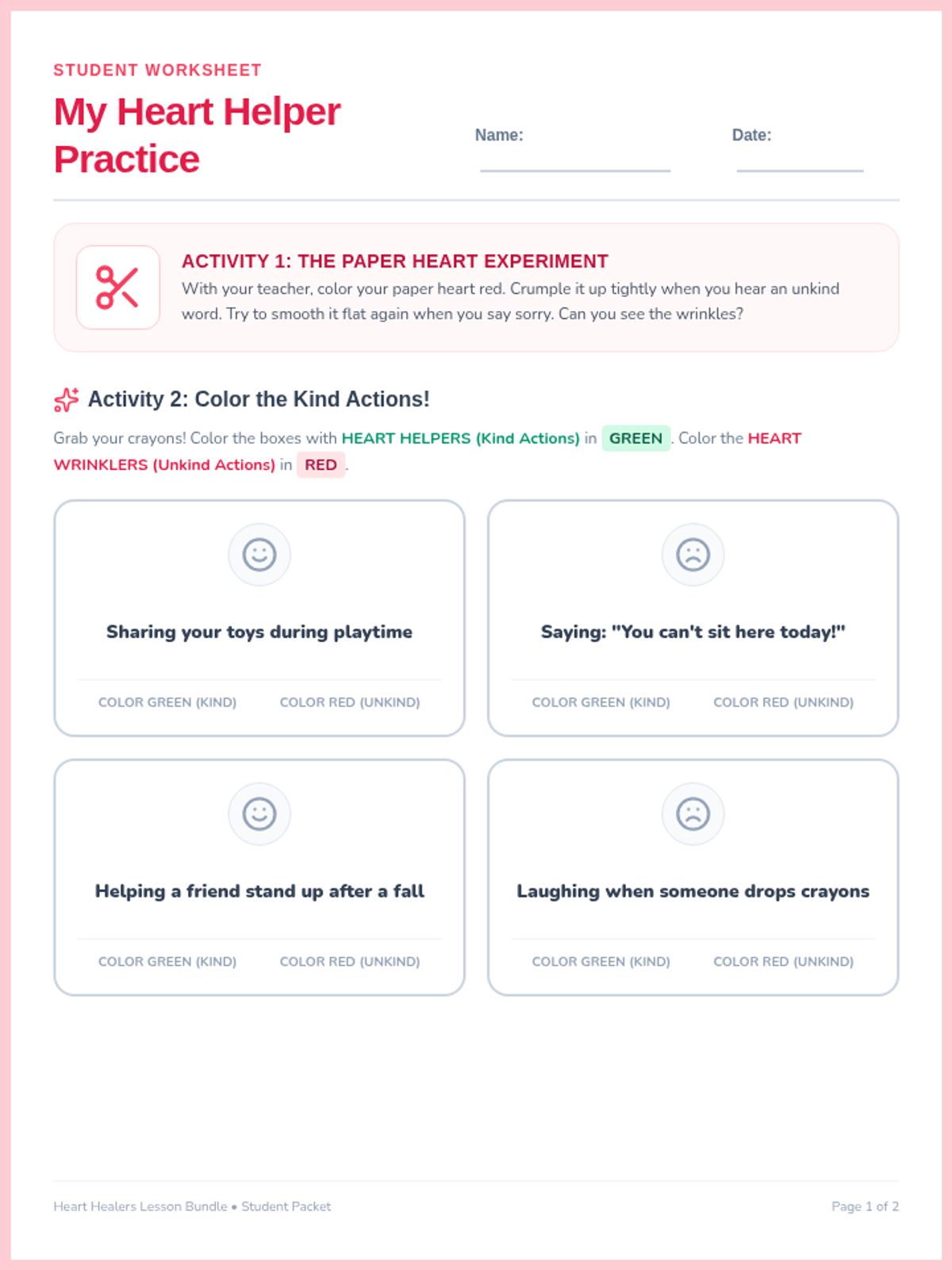
A heart-centered social-emotional learning lesson for K-1 students using the powerful 'Wrinkled Heart' paper metaphor. Students learn how unkind words physically affect others and practice using kind words to heal and protect hearts.
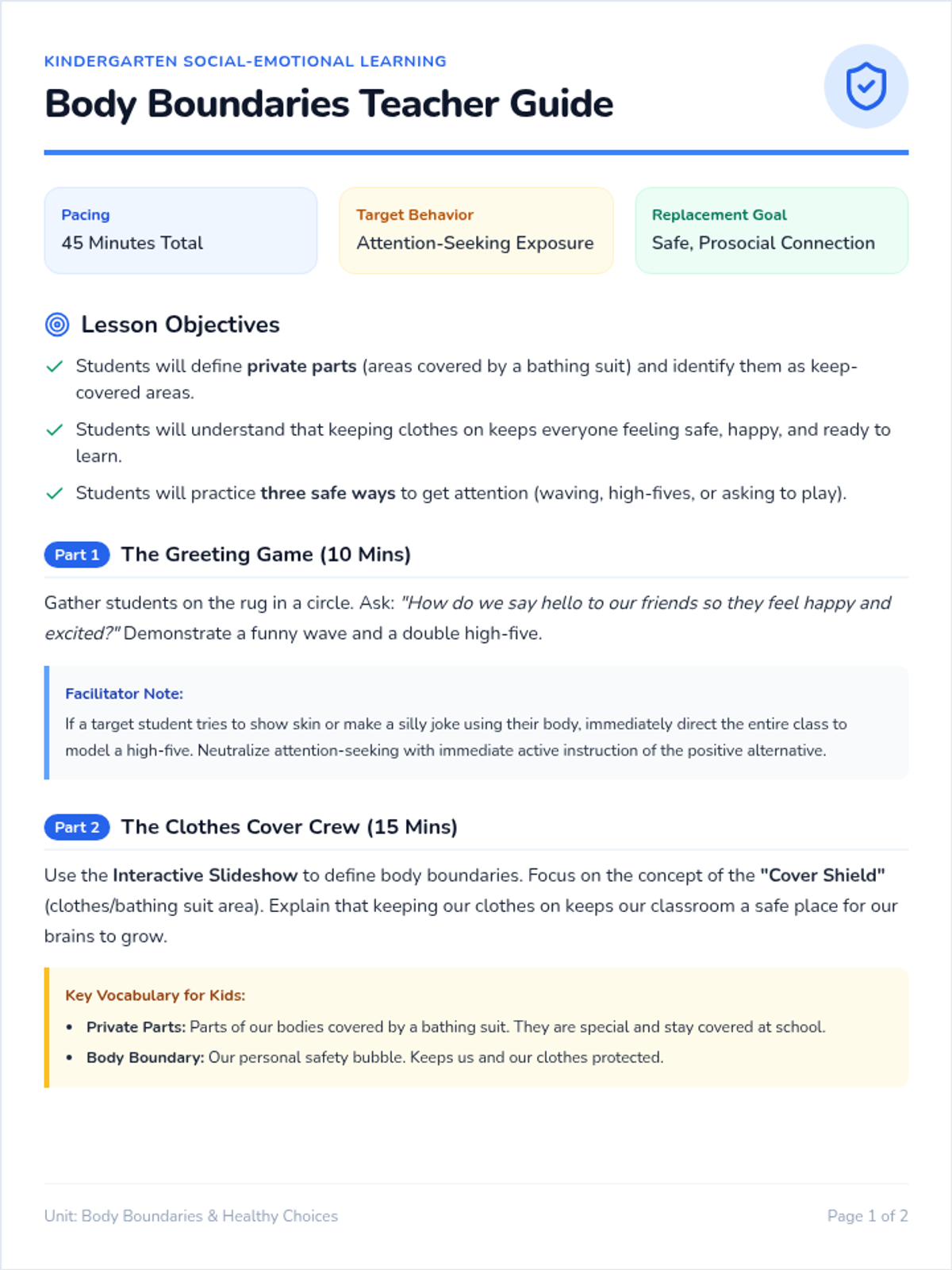
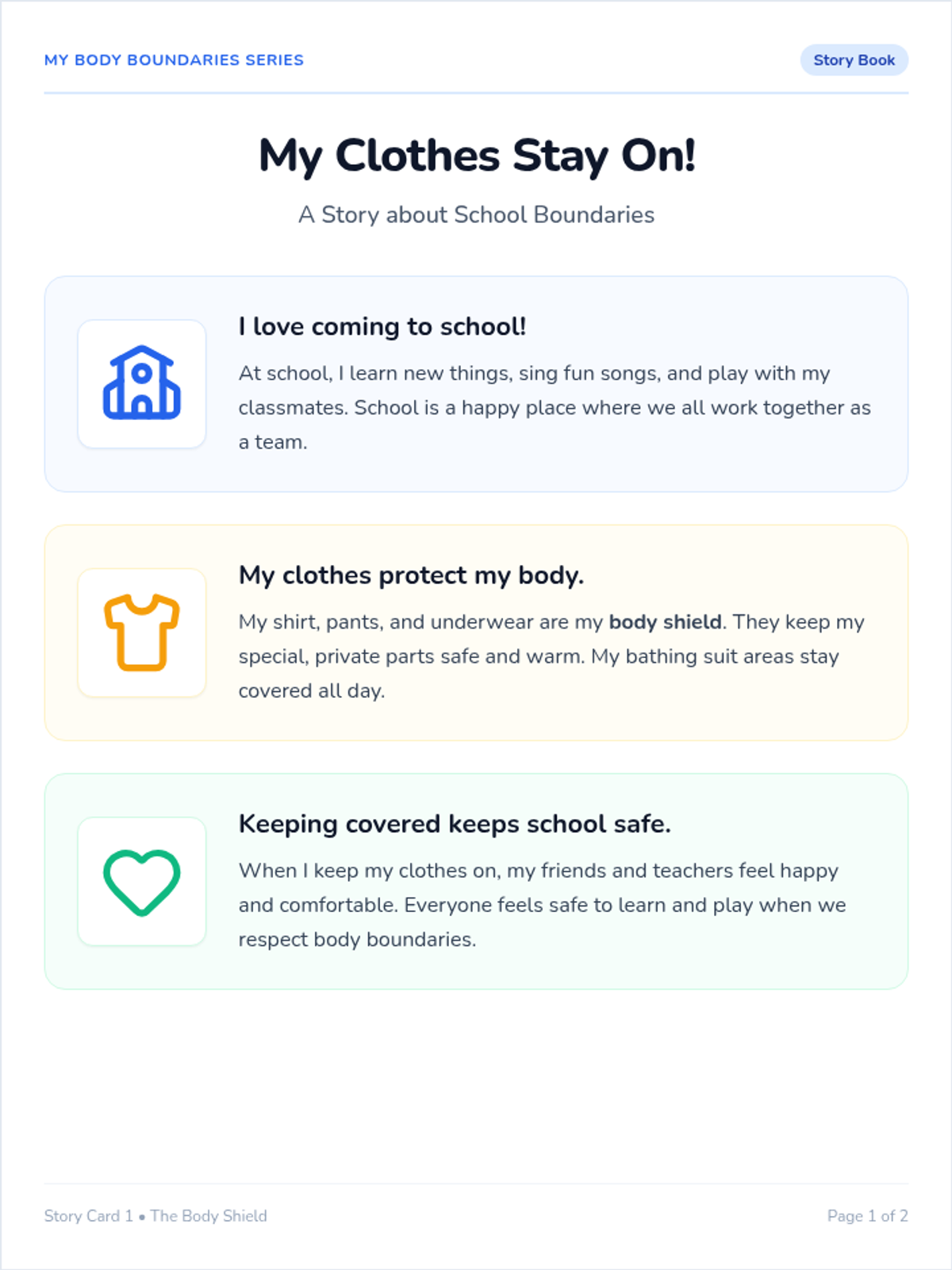
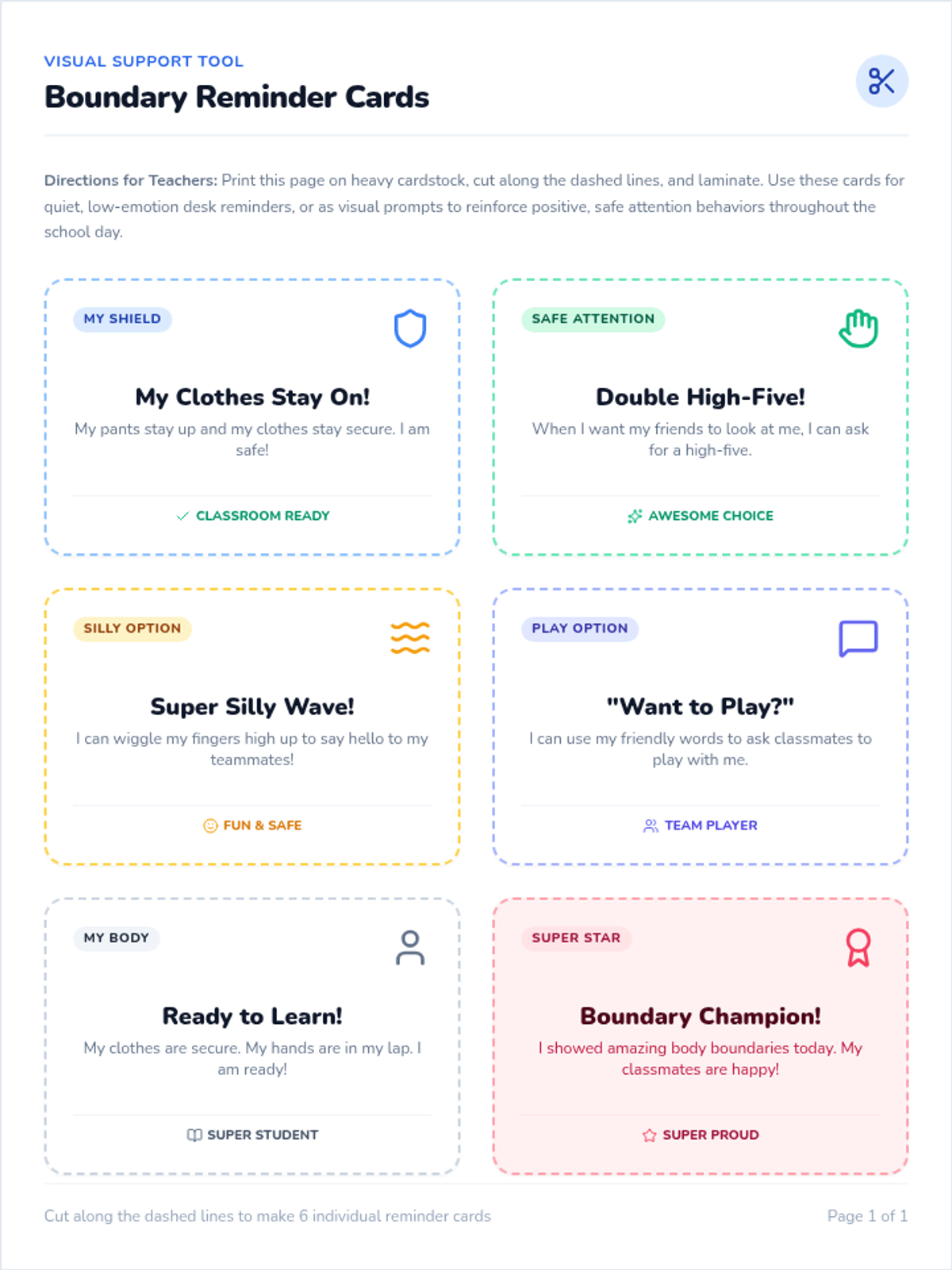
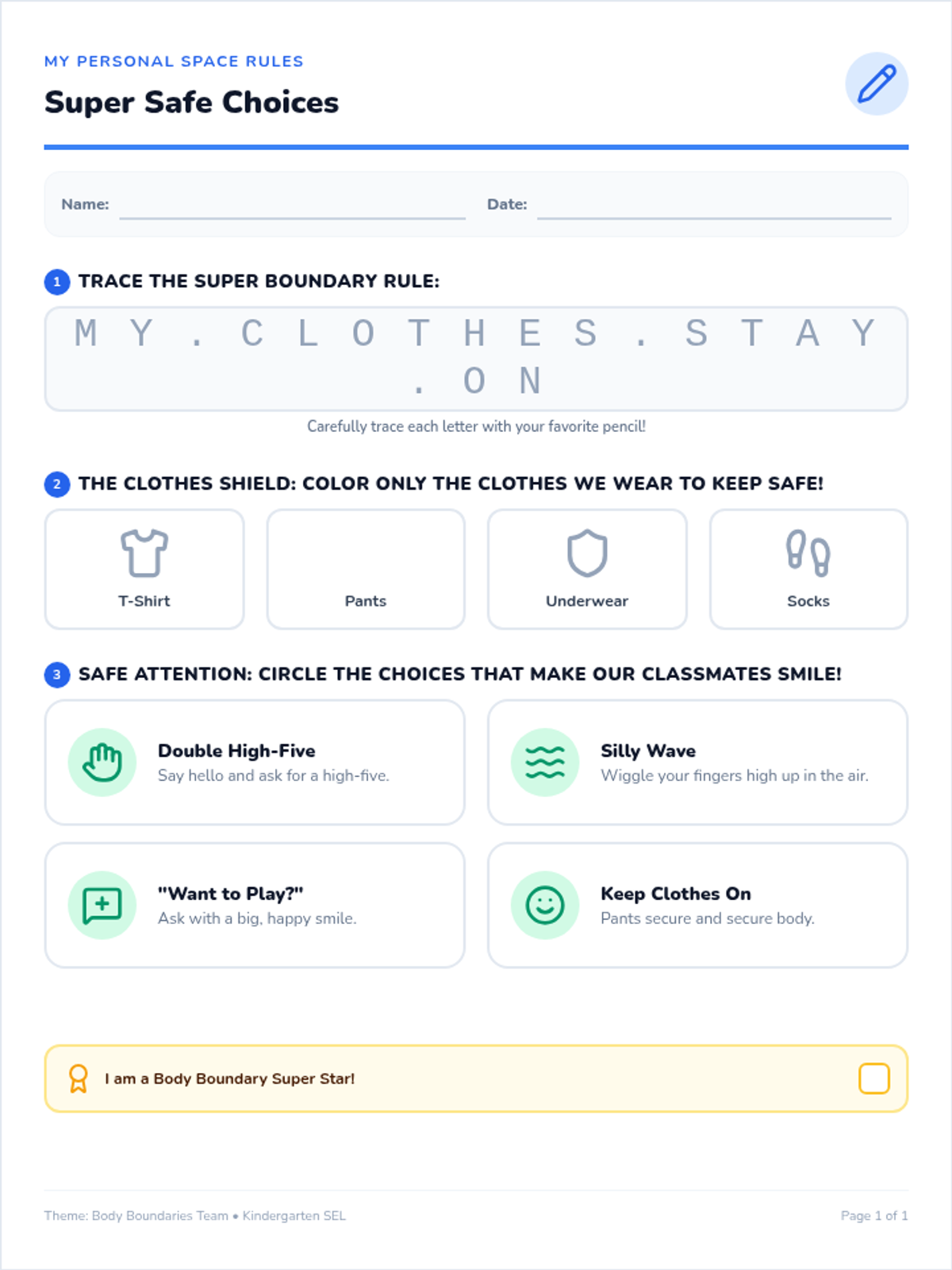
A positive, proactive kindergarten lesson designed to address attention-seeking private part exposure by teaching clear body boundaries and positive ways to get attention.
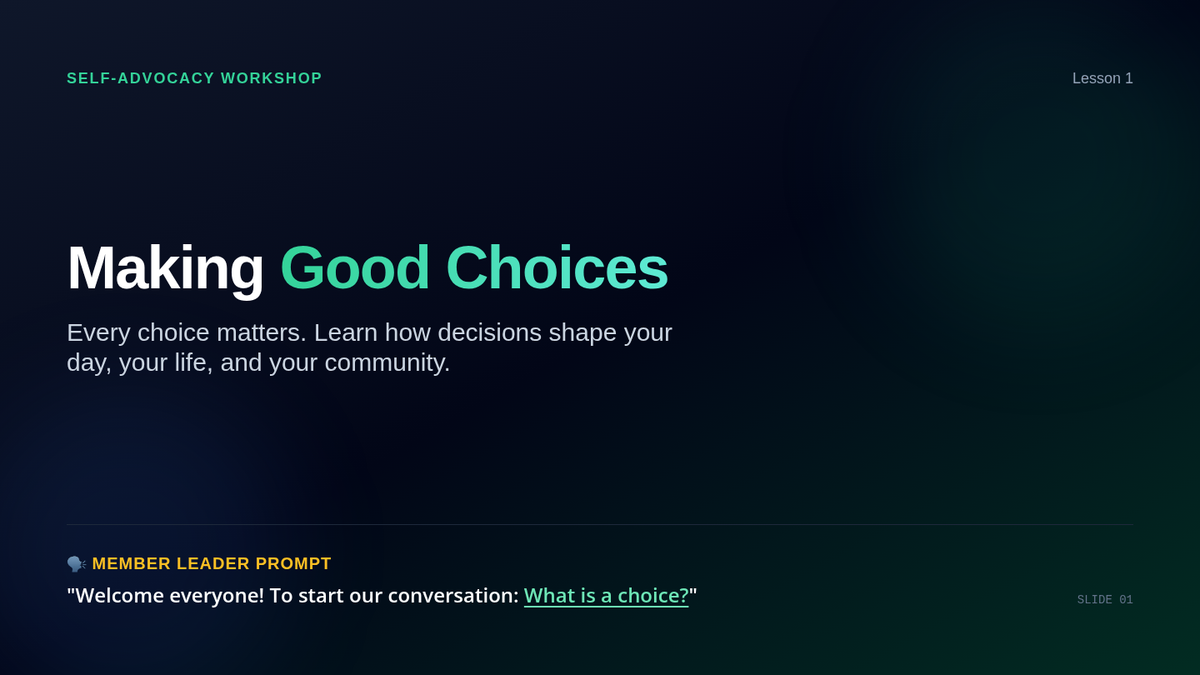
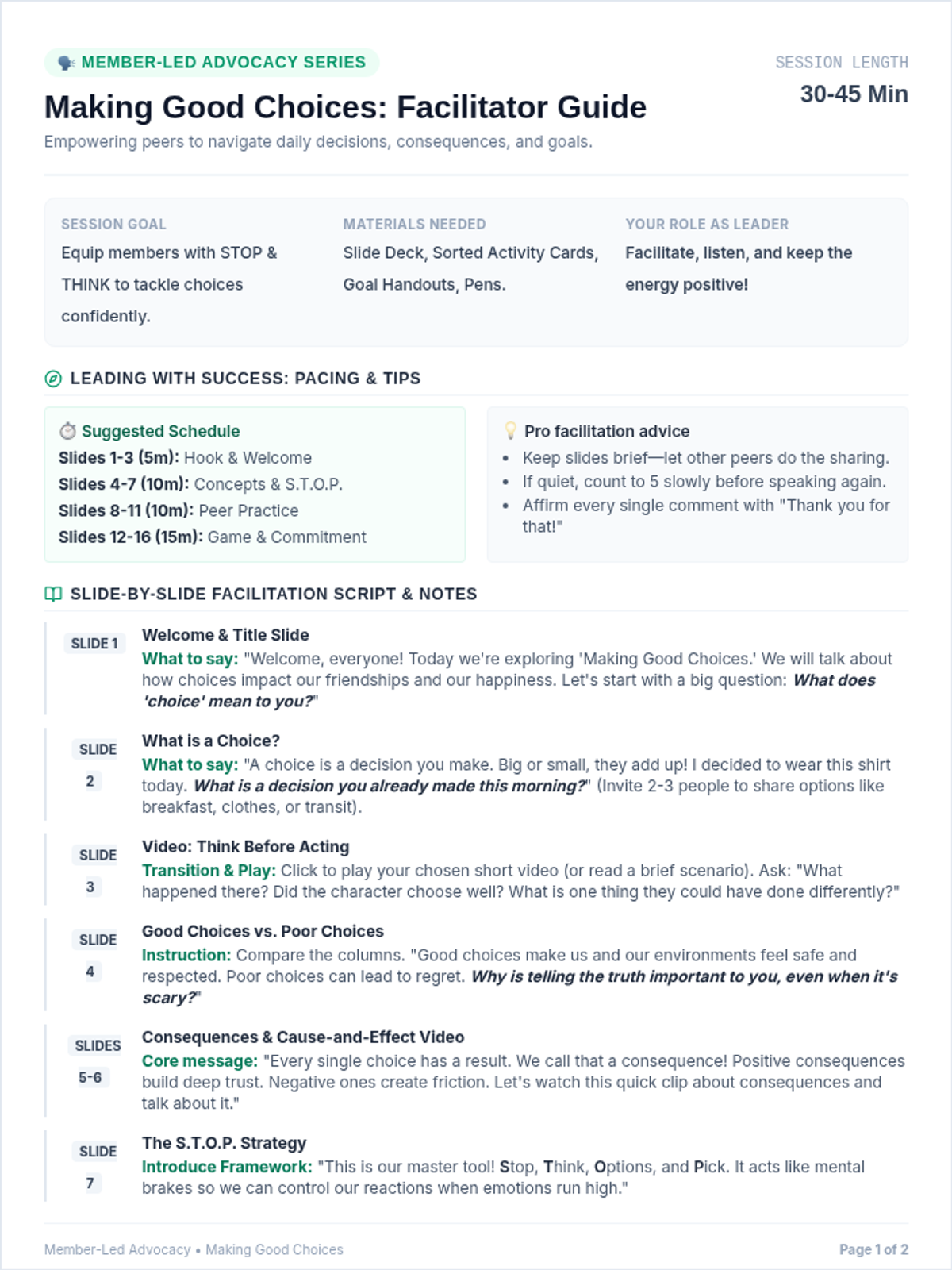
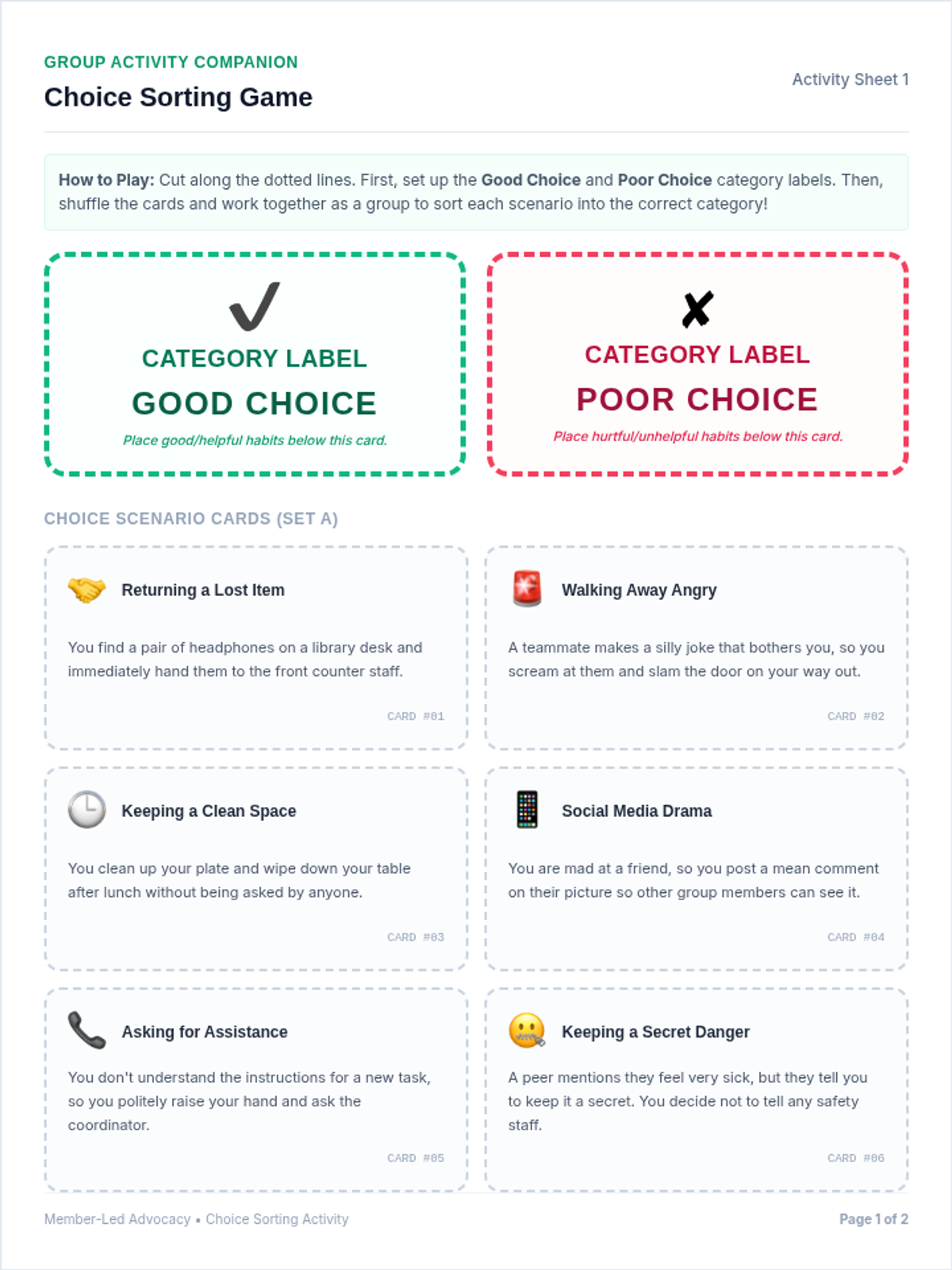
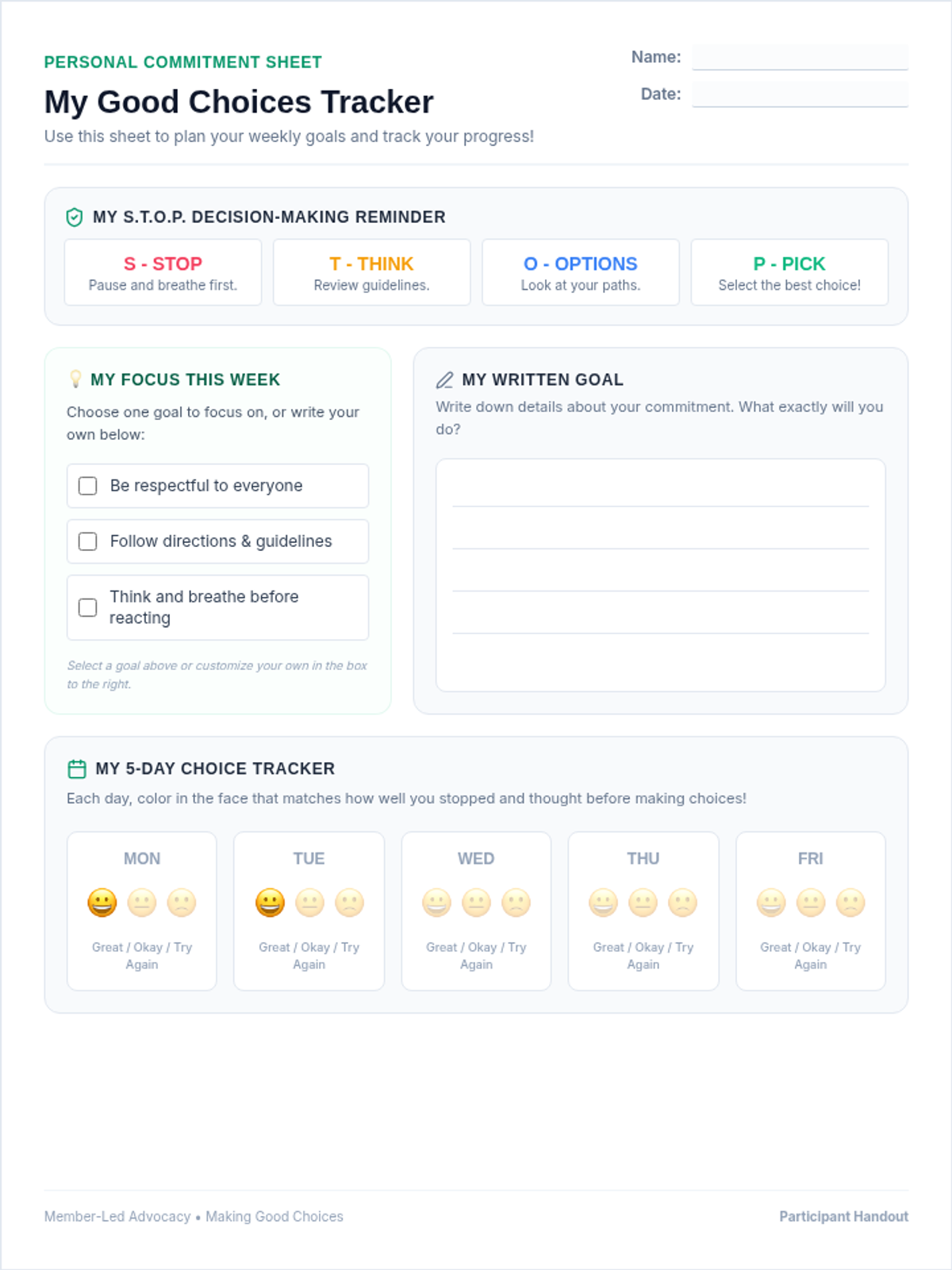
An interactive, peer-led advocacy lesson designed to empower members to lead discussions on personal choices, consequences, decision-making strategies, and peer influence.
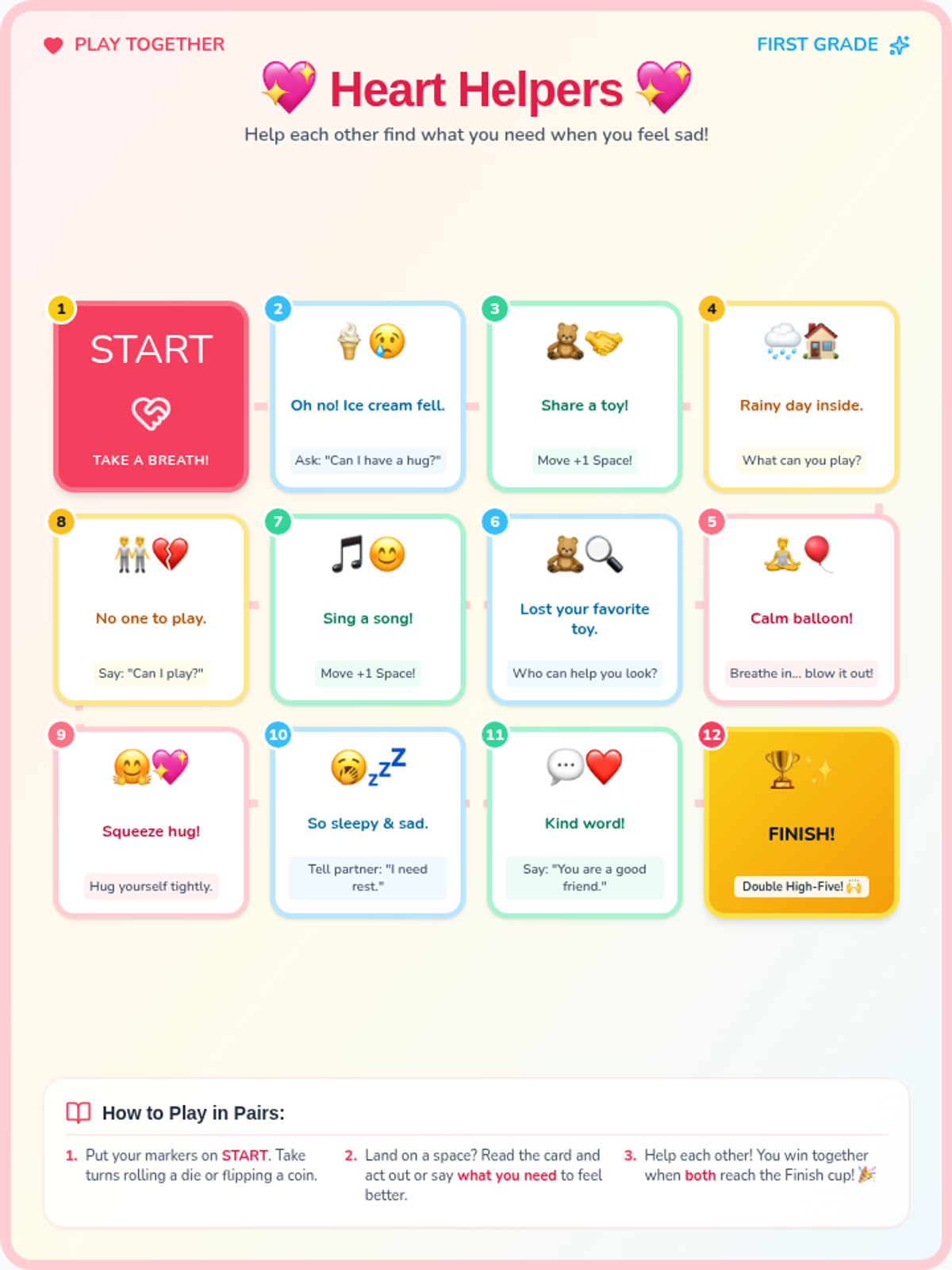
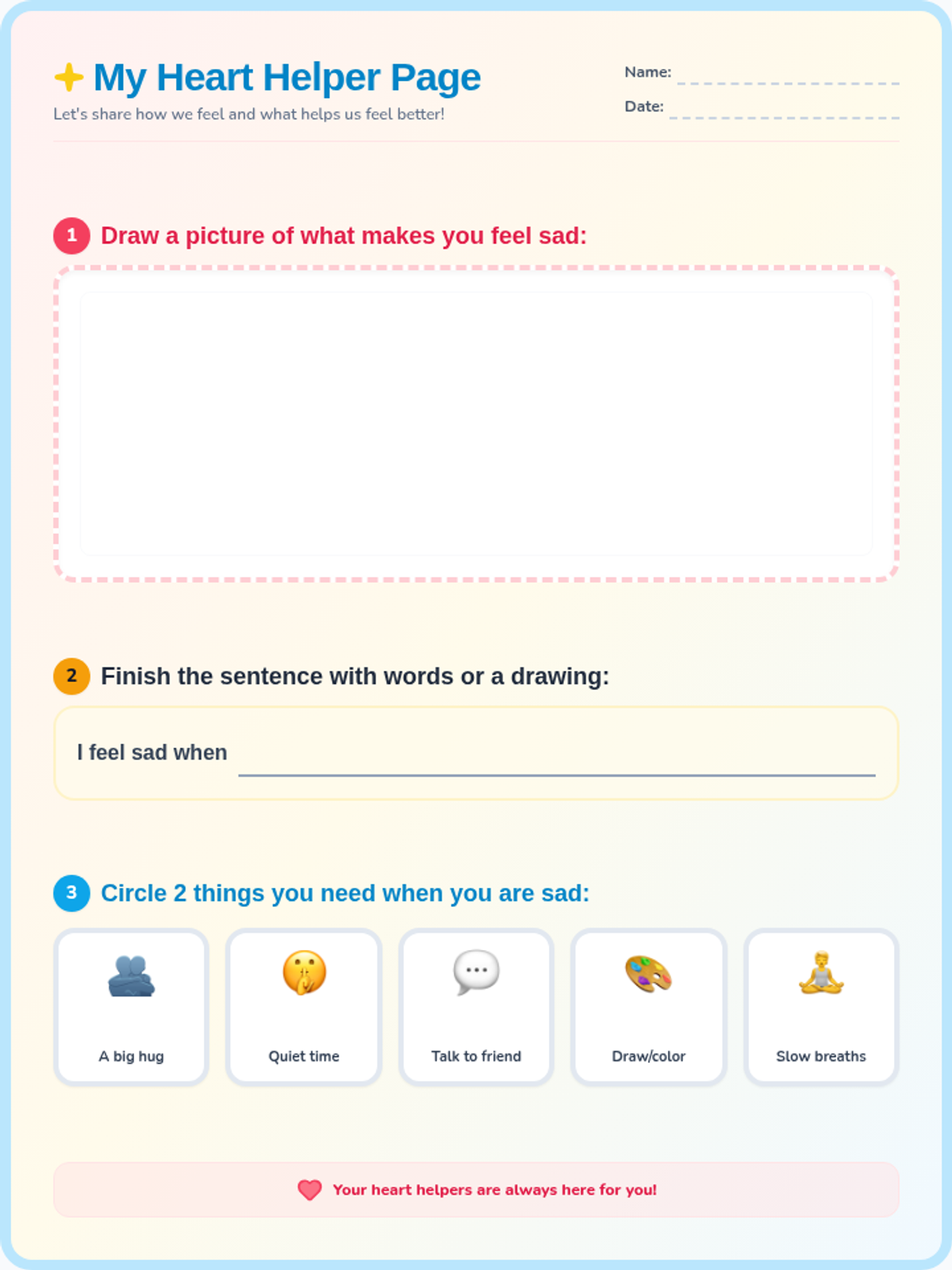
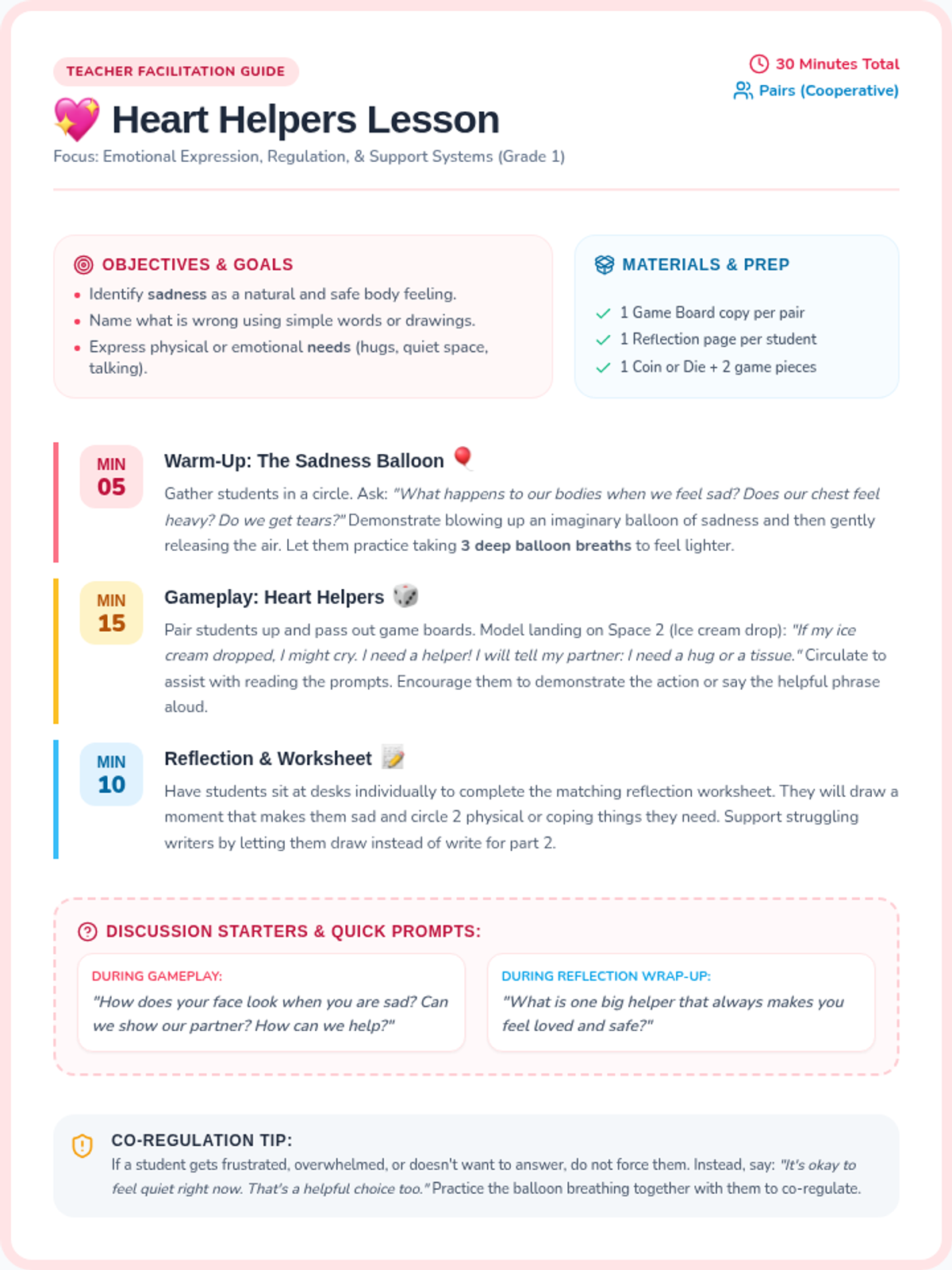
A 30-minute interactive lesson for first graders to explore self-expression, identify when they feel sad, and learn how to ask for what they need using a cooperative board game and pair reflection worksheet.
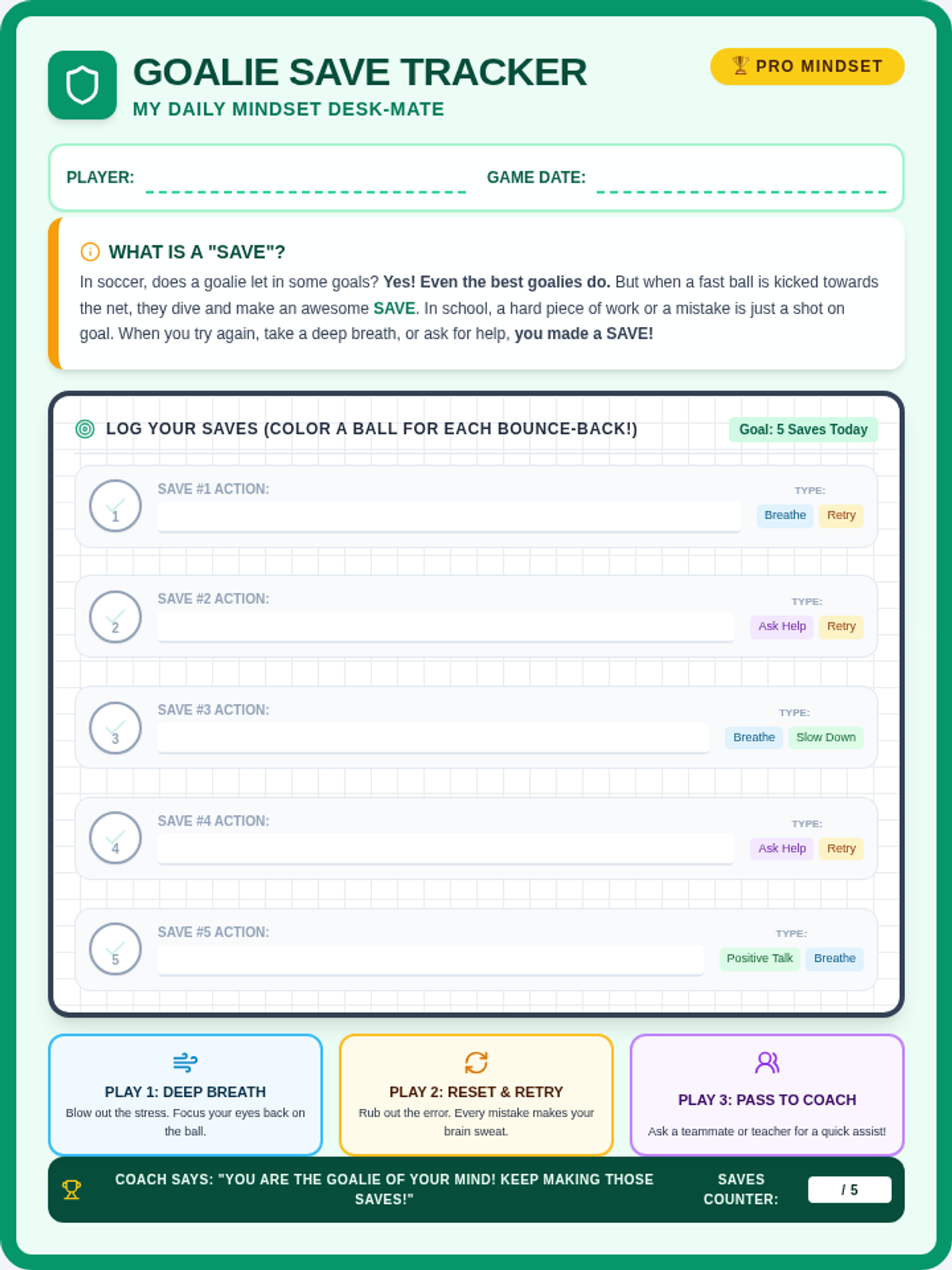
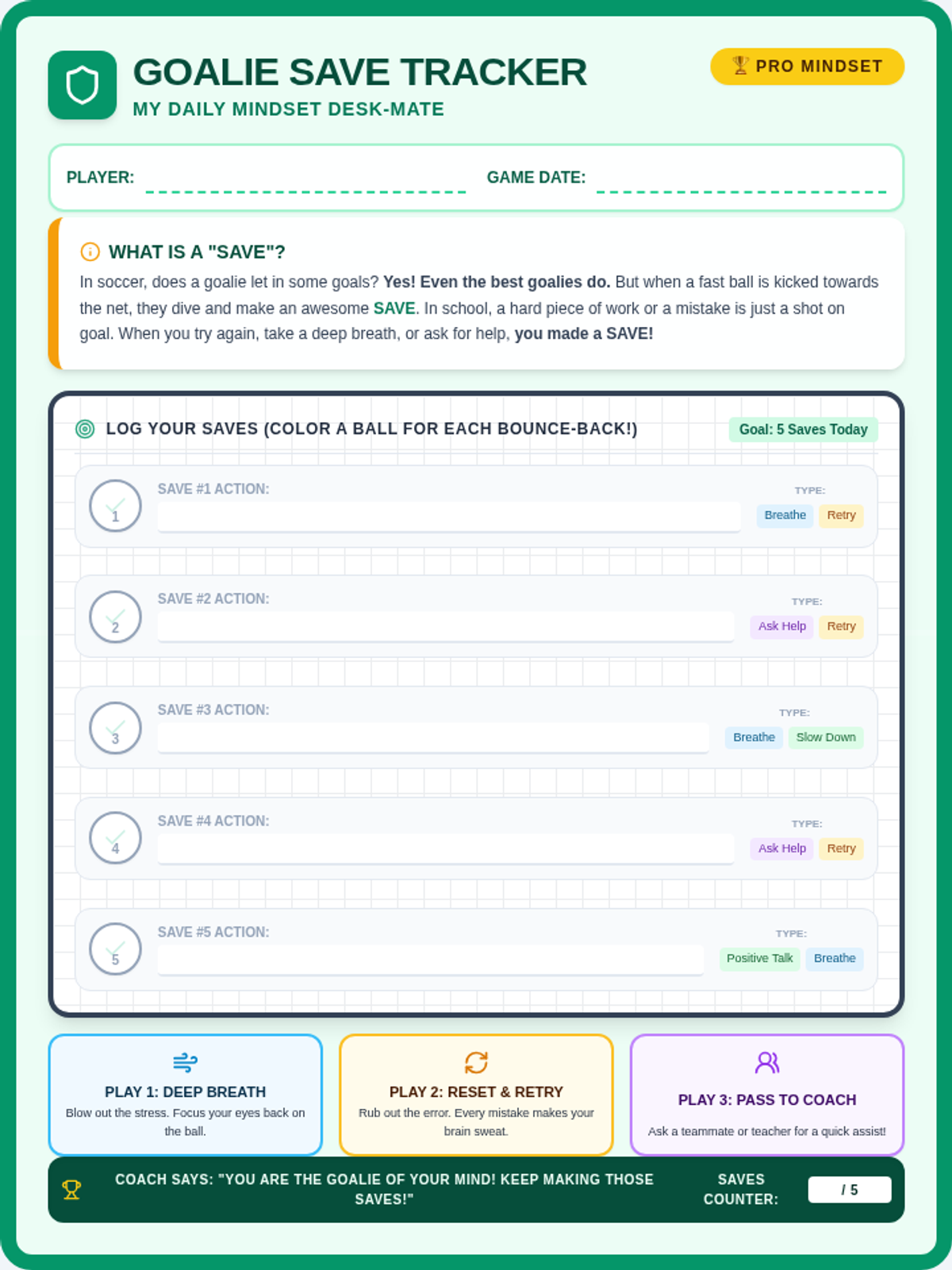
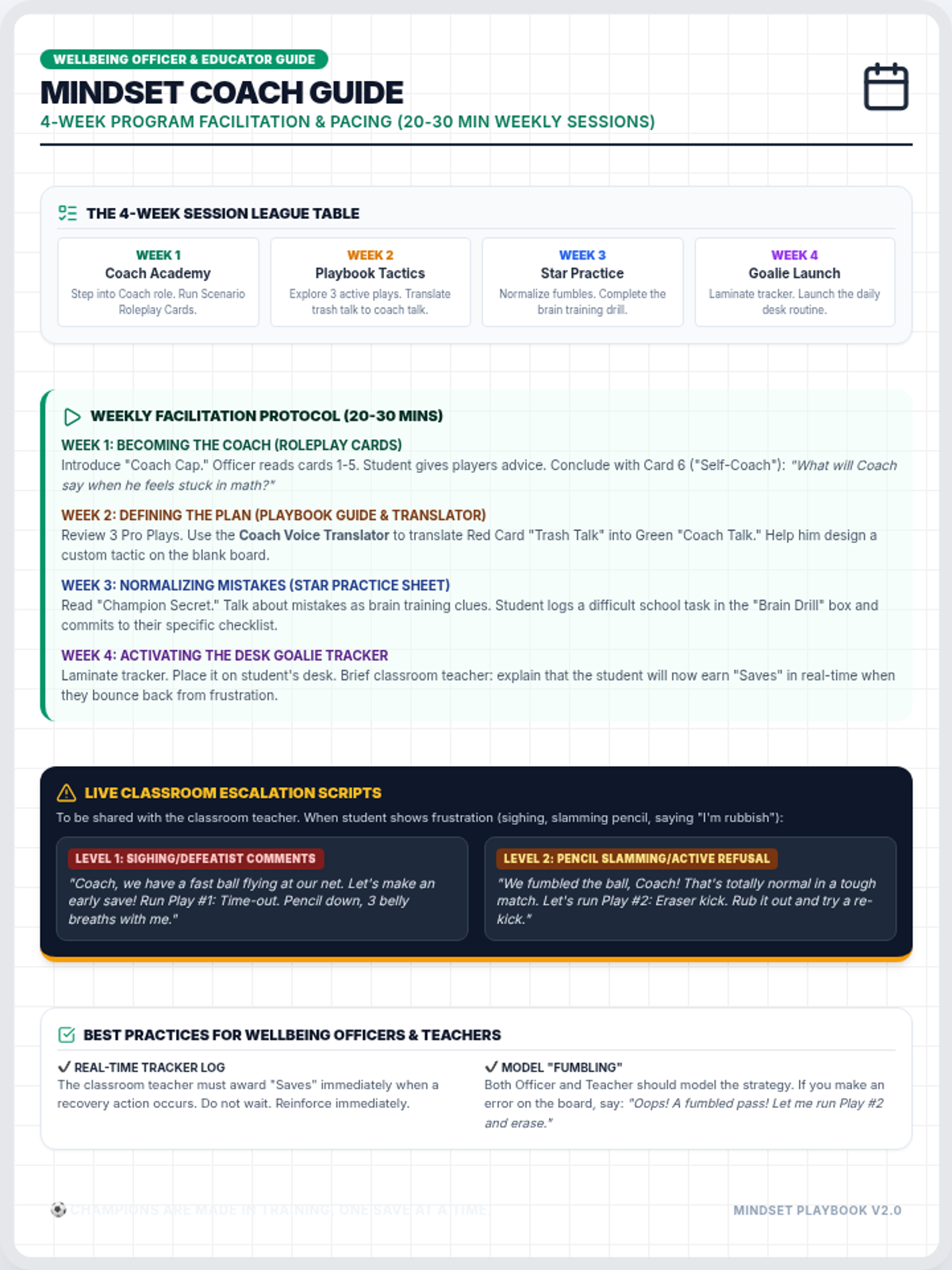
Week 4 of the Wellbeing program. Launches the daily desk-mate tracker routine in the live classroom, establishing goal-setting and long-term reinforcement of coping saves.
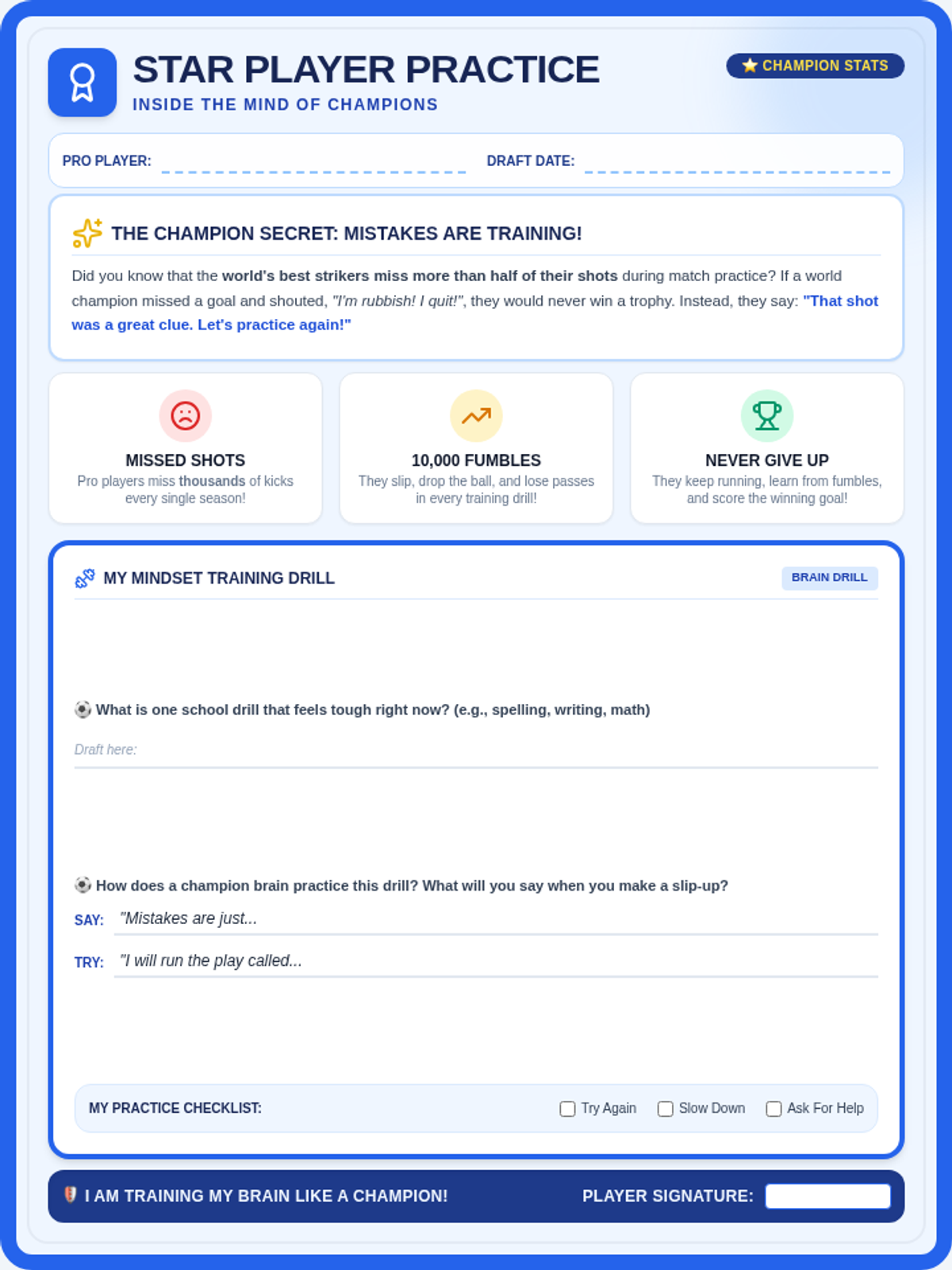
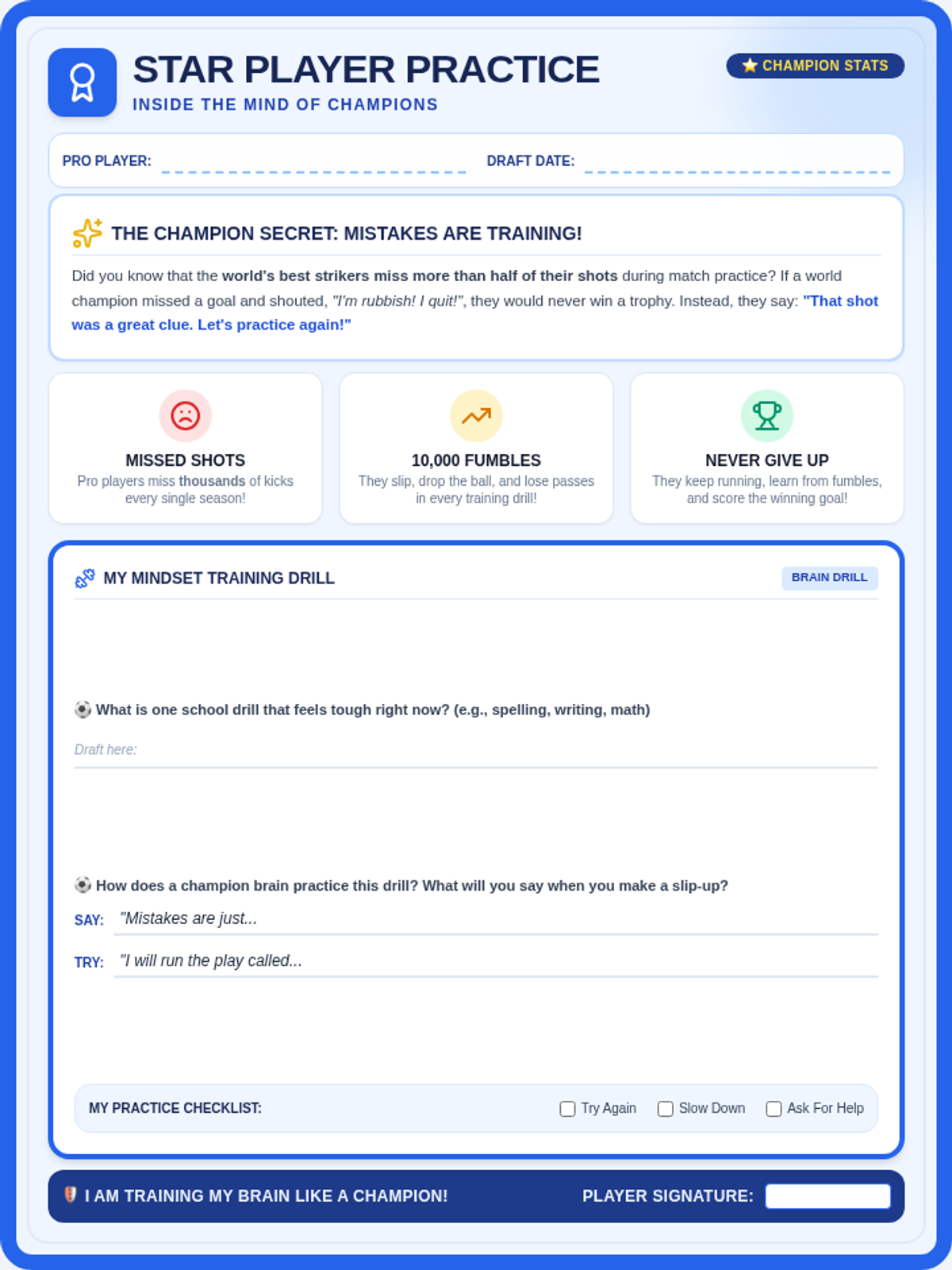
Week 3 of the Wellbeing program. Normalizes error-making by comparing student struggles to professional soccer players fumbling, failing, and practicing daily to train their brains.
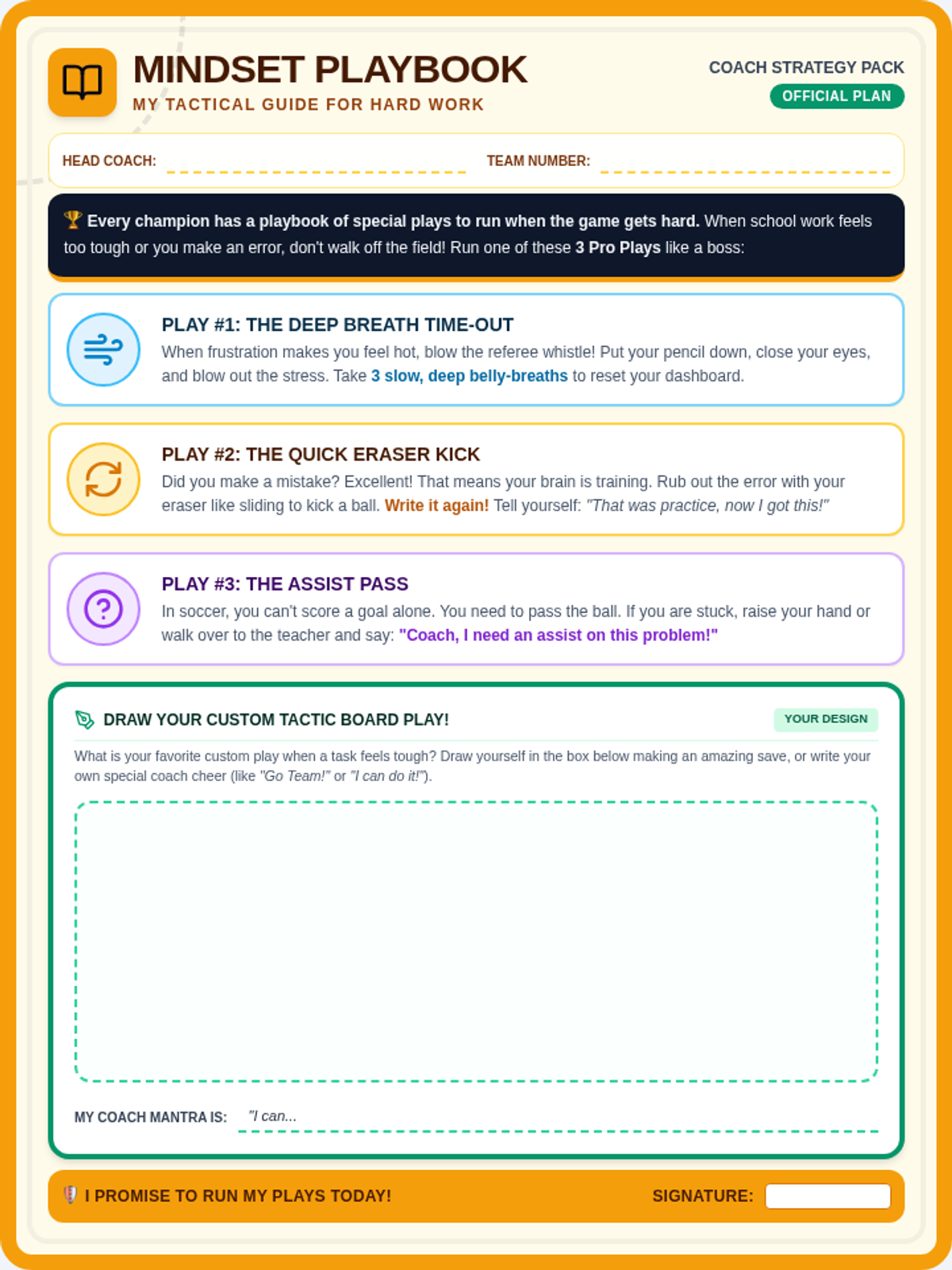
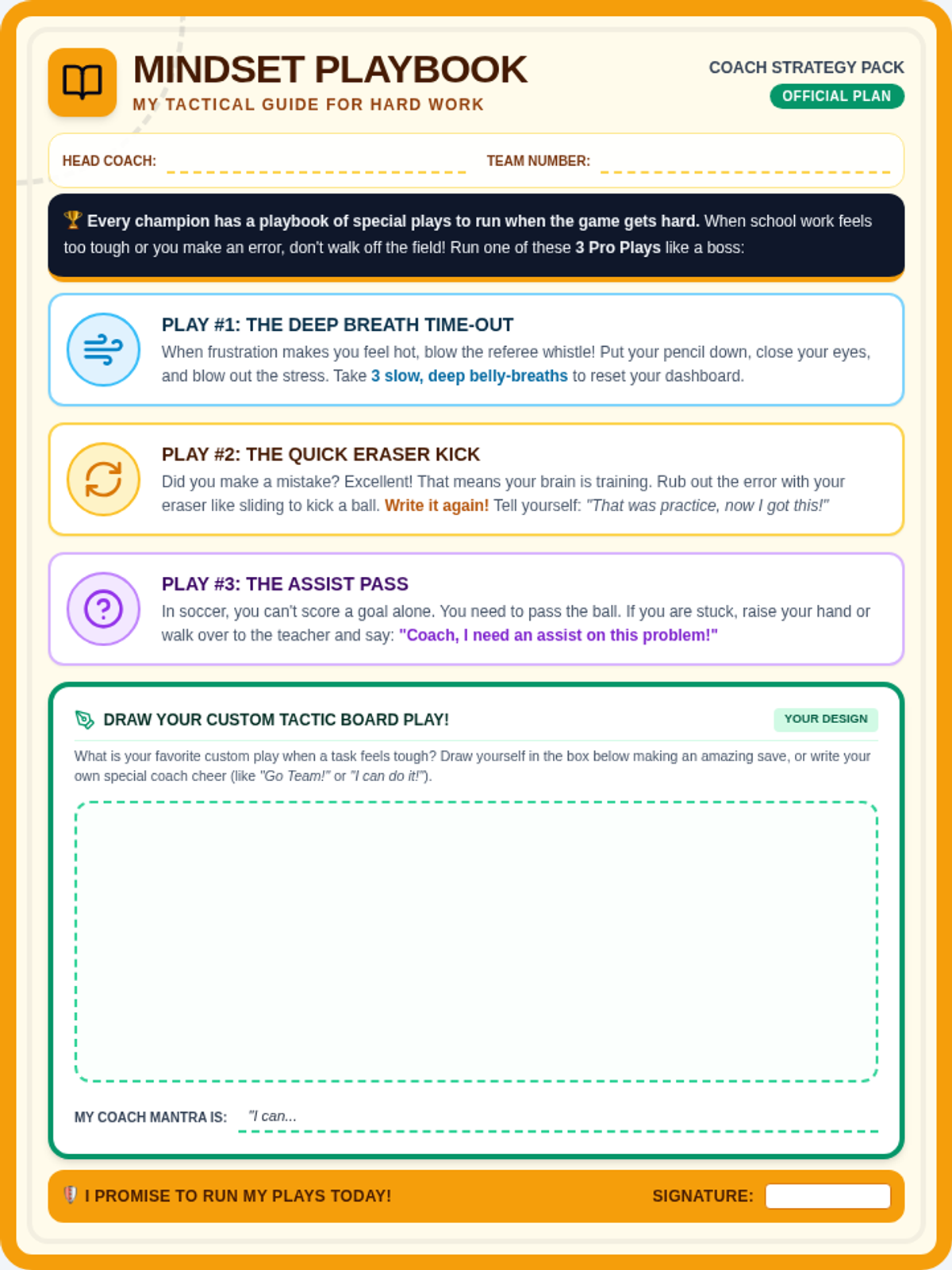
Week 2 of the Wellbeing program. The student learns to formulate a personal action plan by designing specific, physicalized tactical 'plays' to run when academic frustration hits.
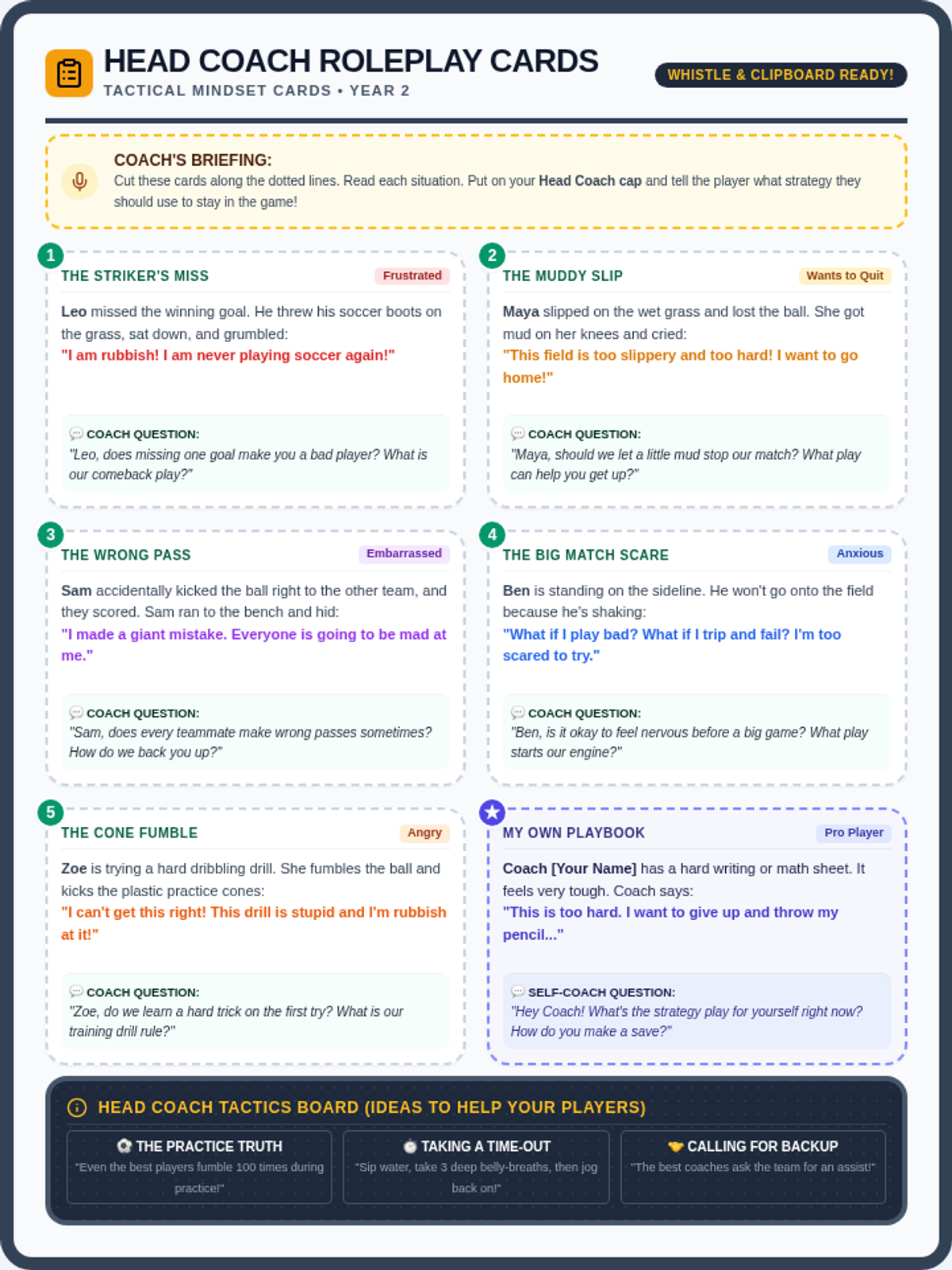
Week 1 of the Wellbeing program. The student takes on the role of the Head Coach to analyze soccer players who want to quit, building externalized positive self-talk and perspective.
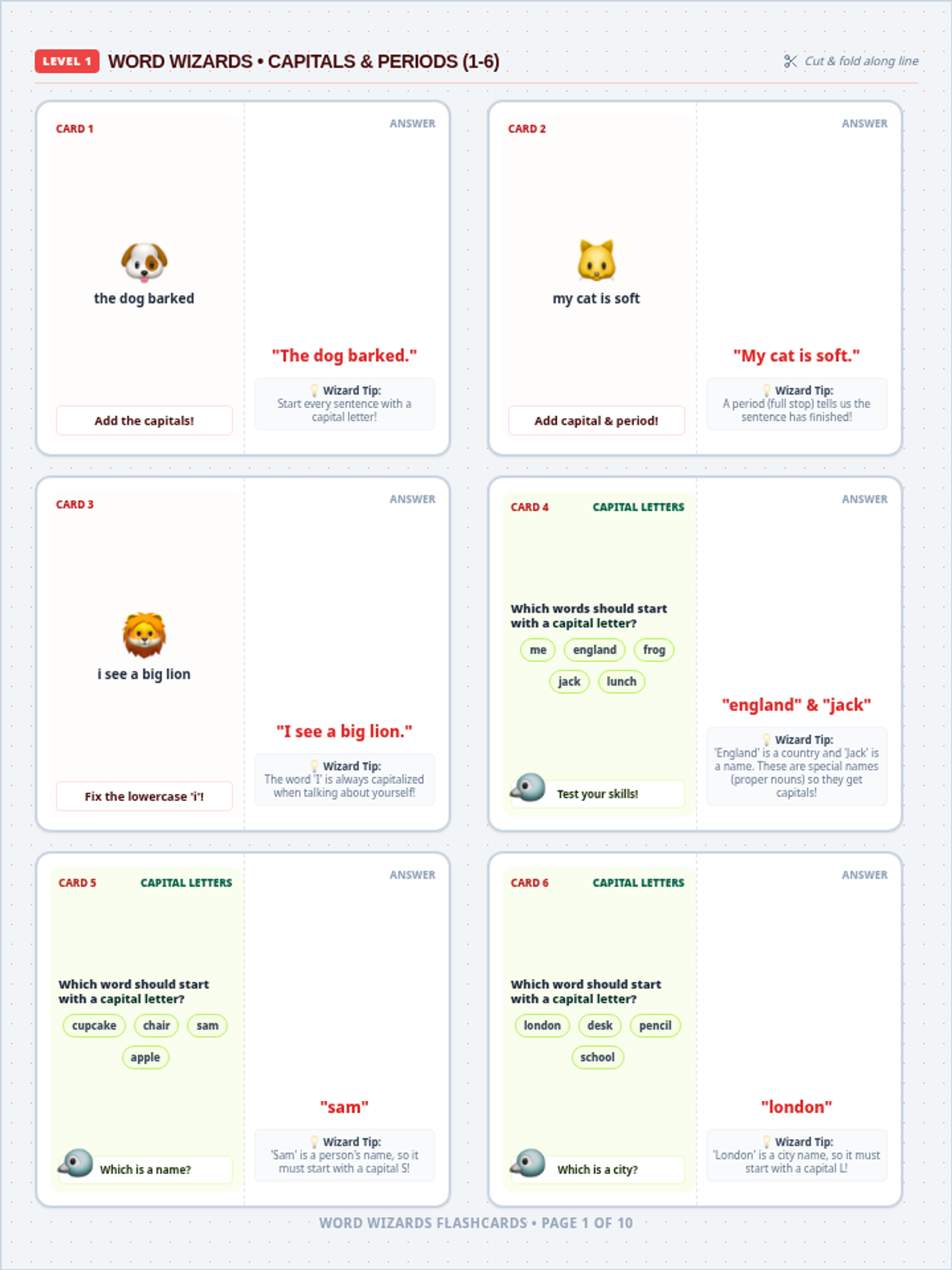
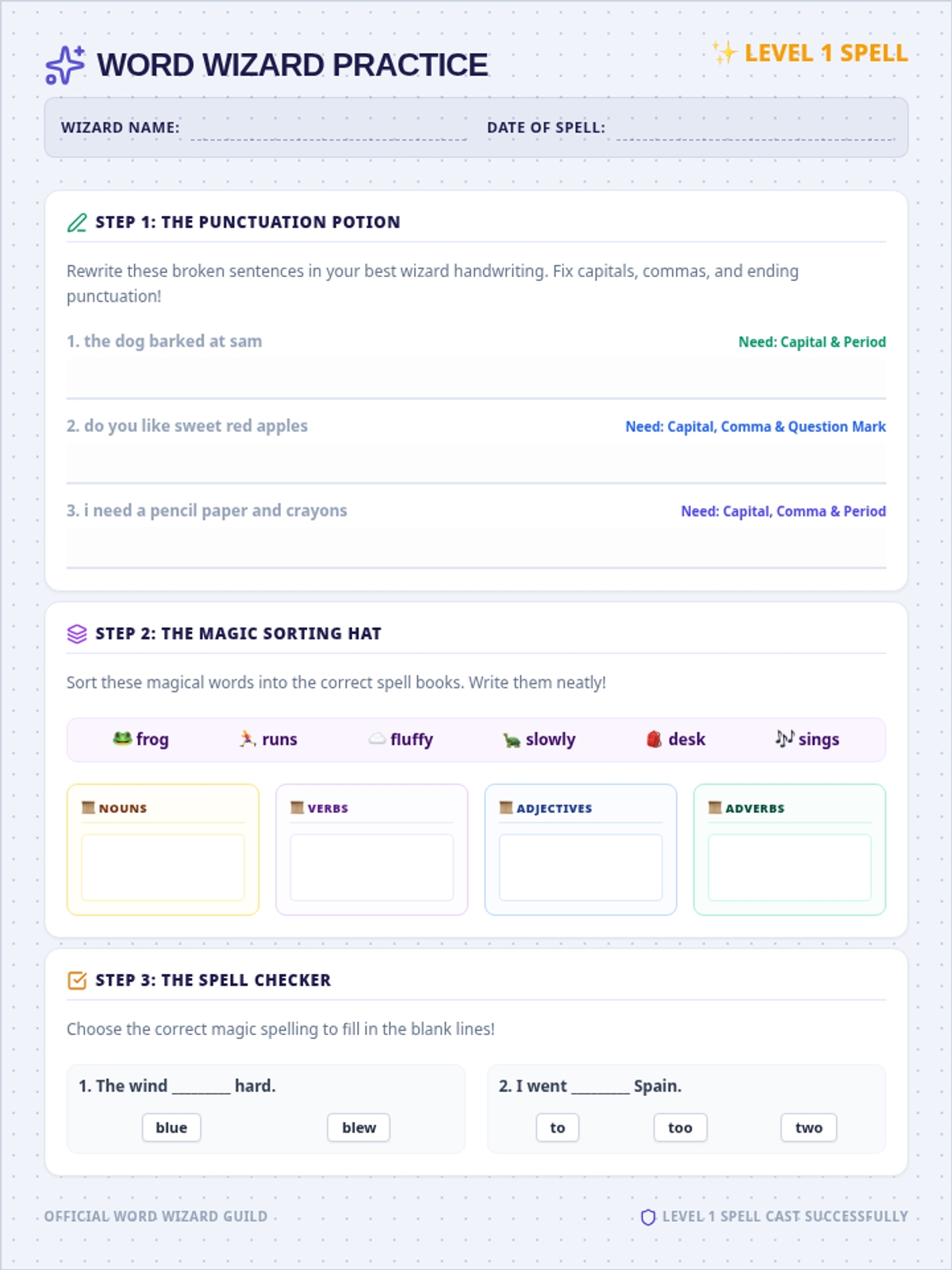
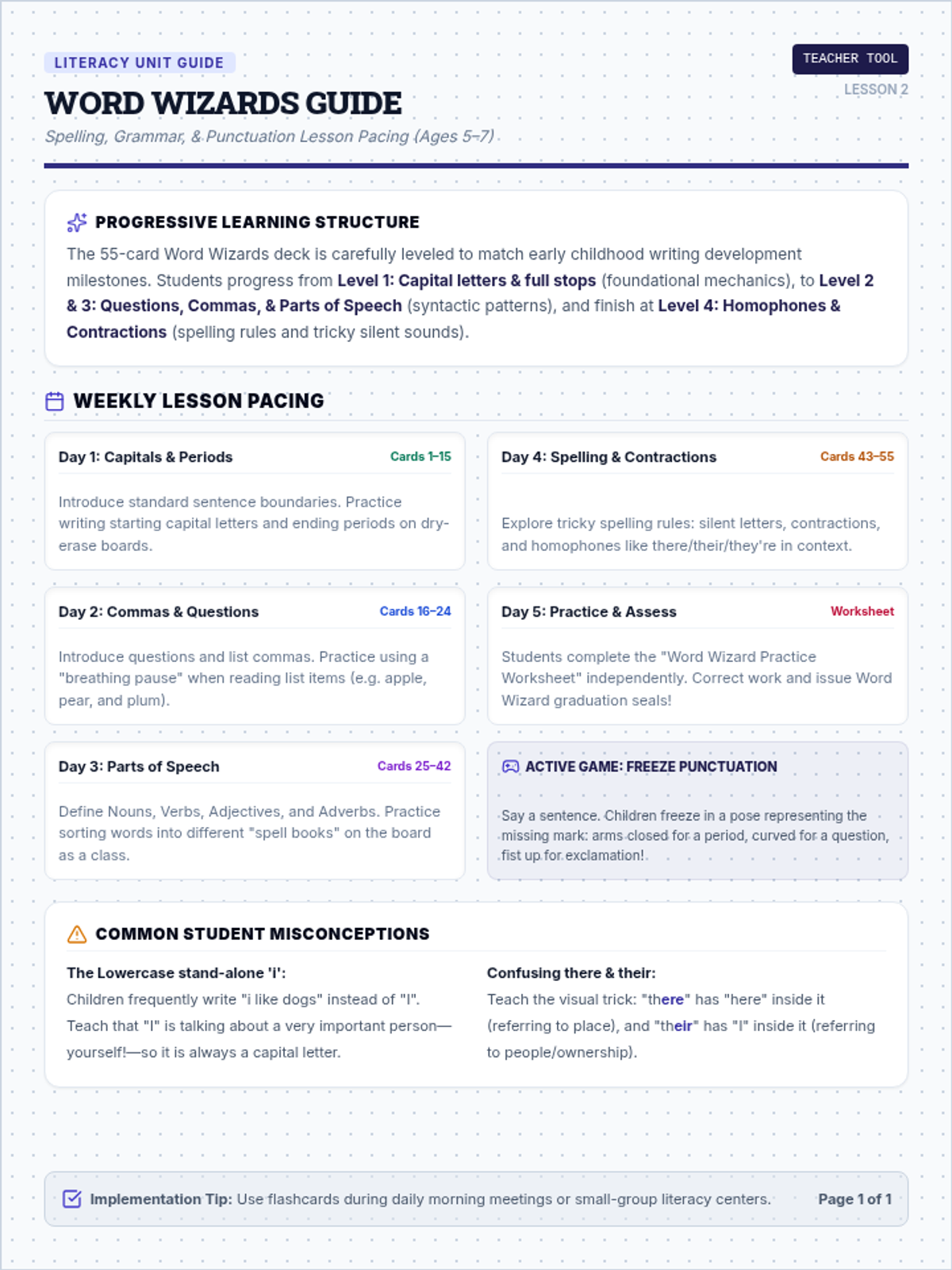
An engaging literacy and language lesson for 5-7 year olds focusing on basic grammar, punctuation, and spelling. Utilizing colorful helper cards and hands-on activities, students master capital letters, full stops, question marks, and tricky spelling rules with confidence.
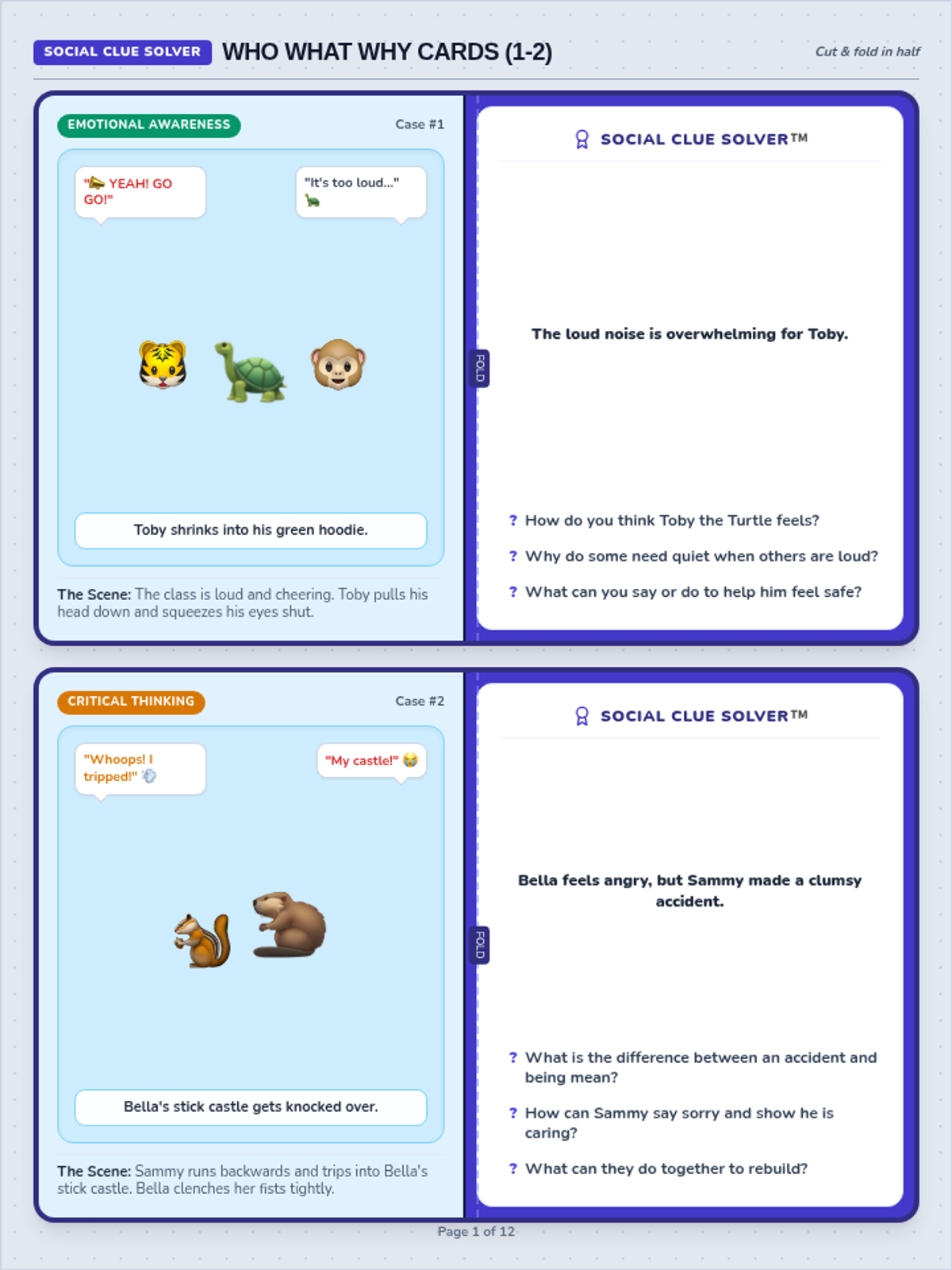
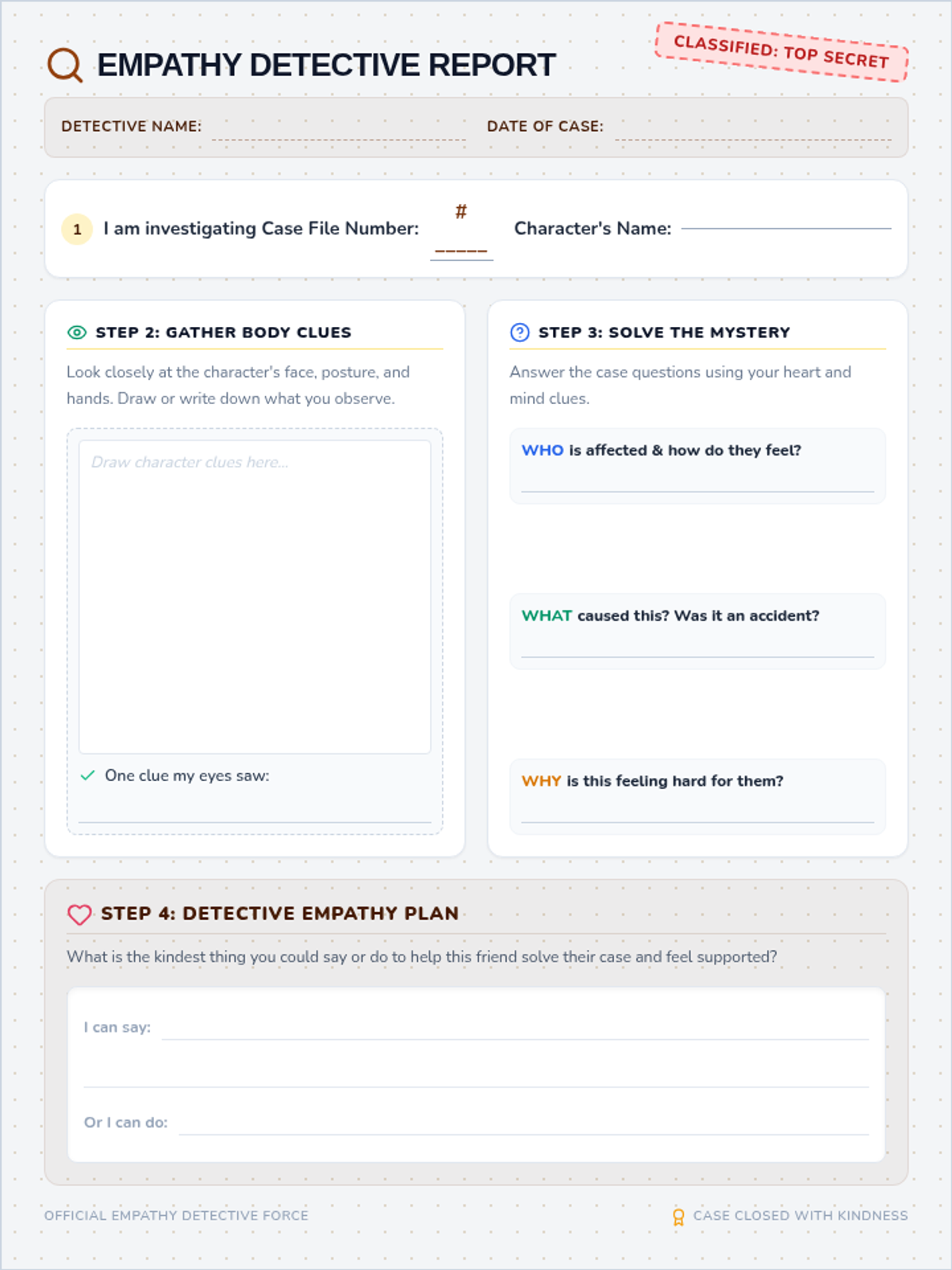
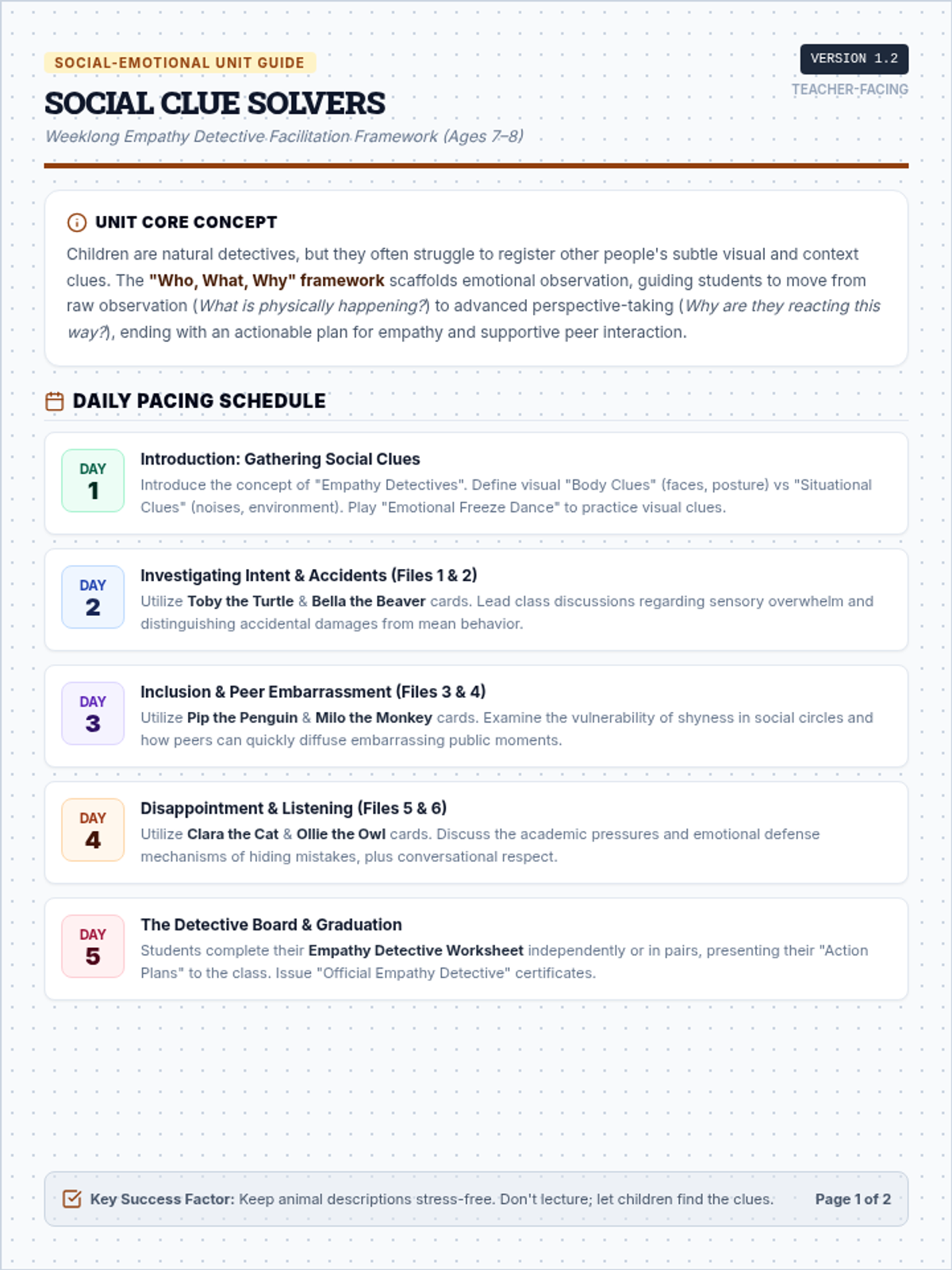
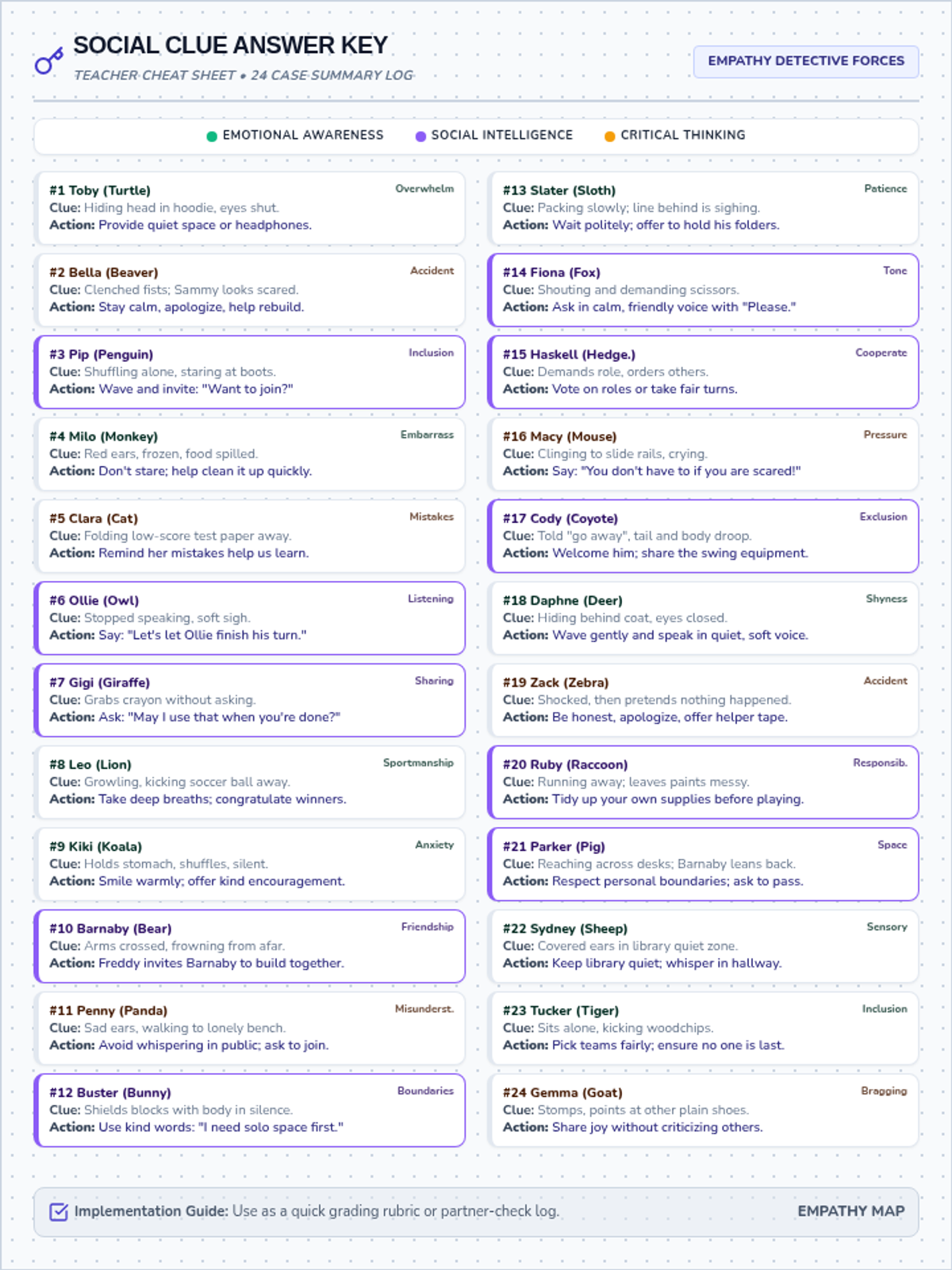
A comprehensive social-emotional learning lesson for 7-8 year olds using animal-themed scenario cards to foster observation, empathy, and critical thinking. Students learn to analyze visual and situational clues to solve 'social mysteries' and understand others' feelings.
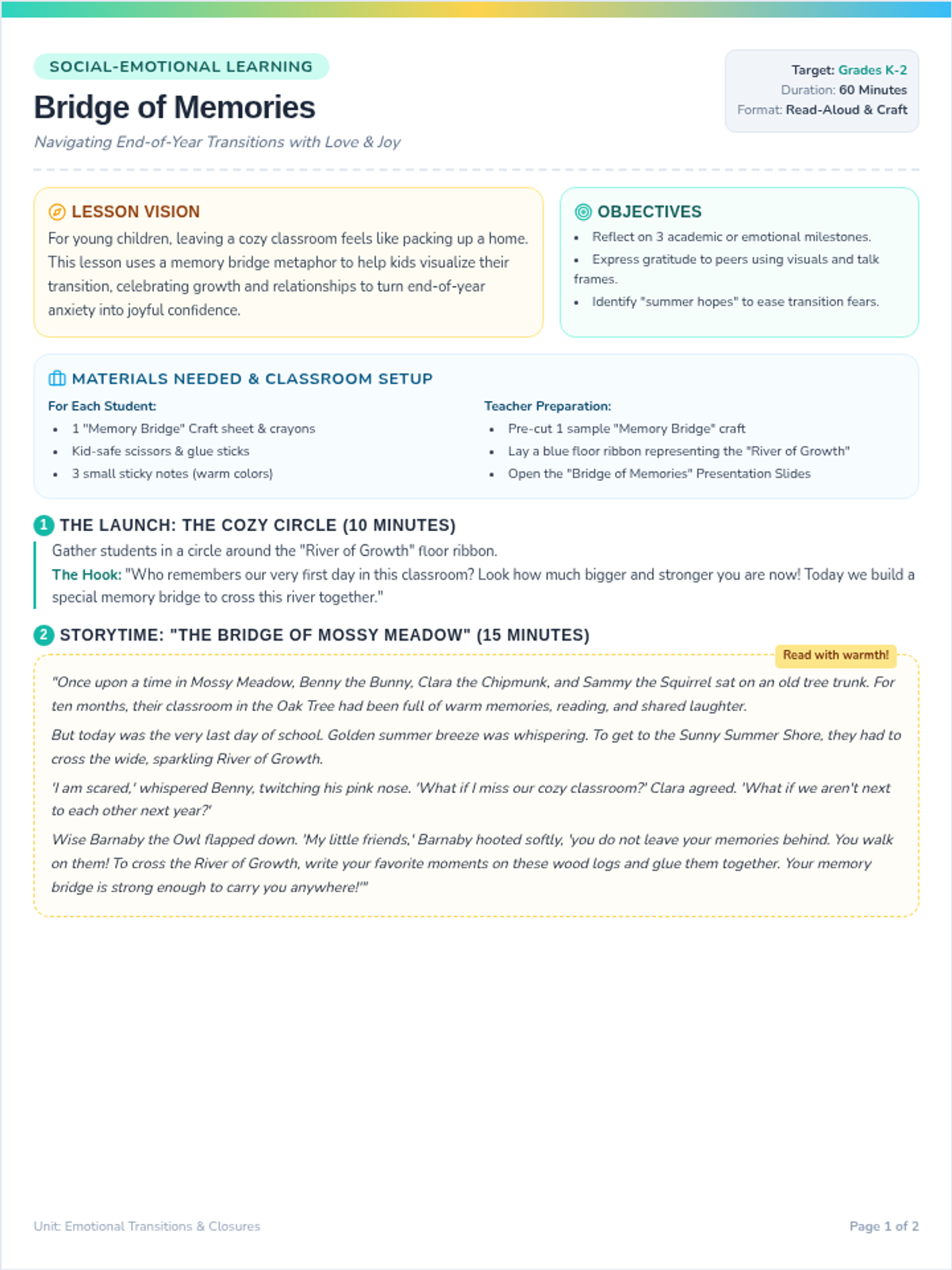
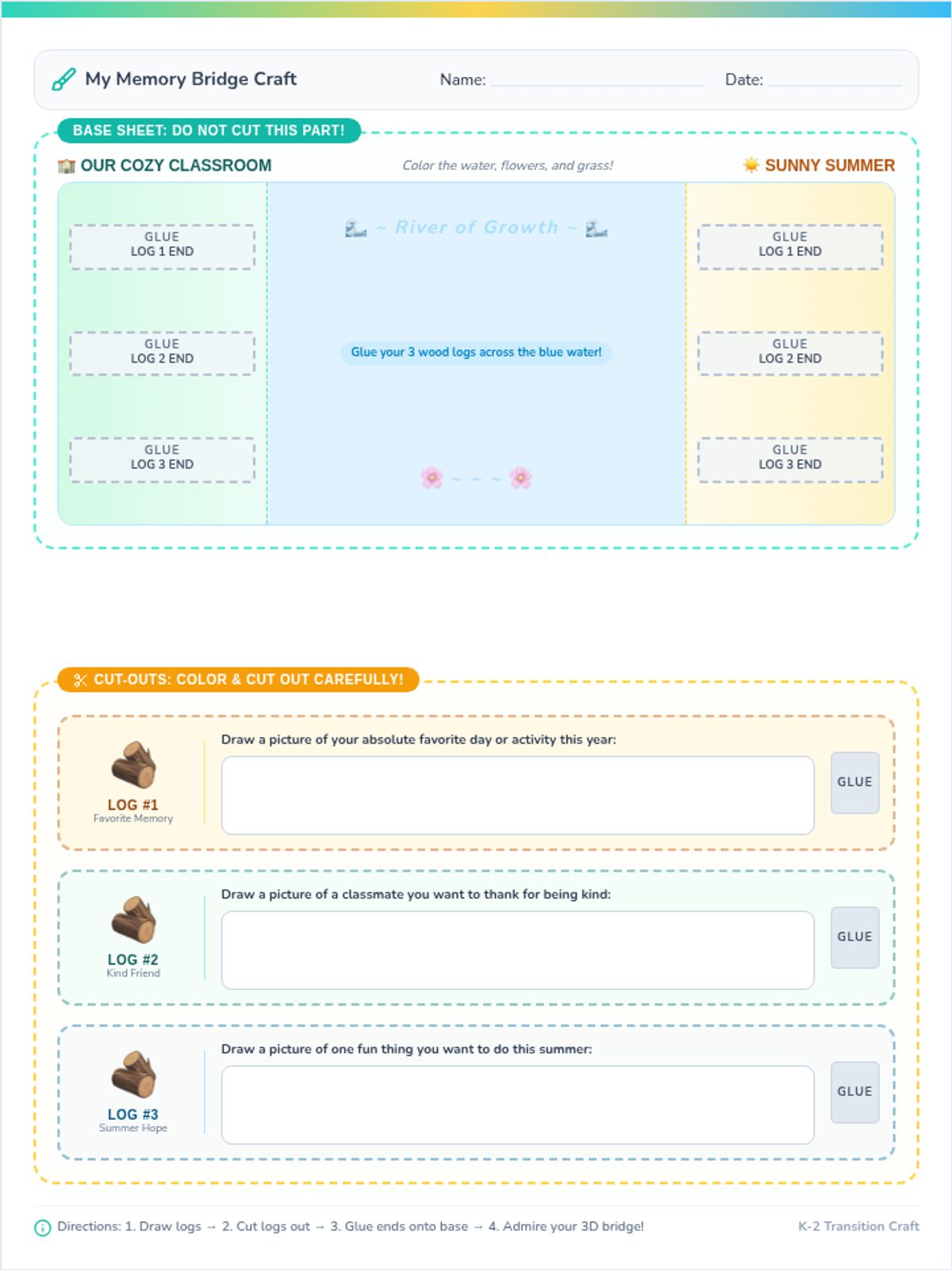
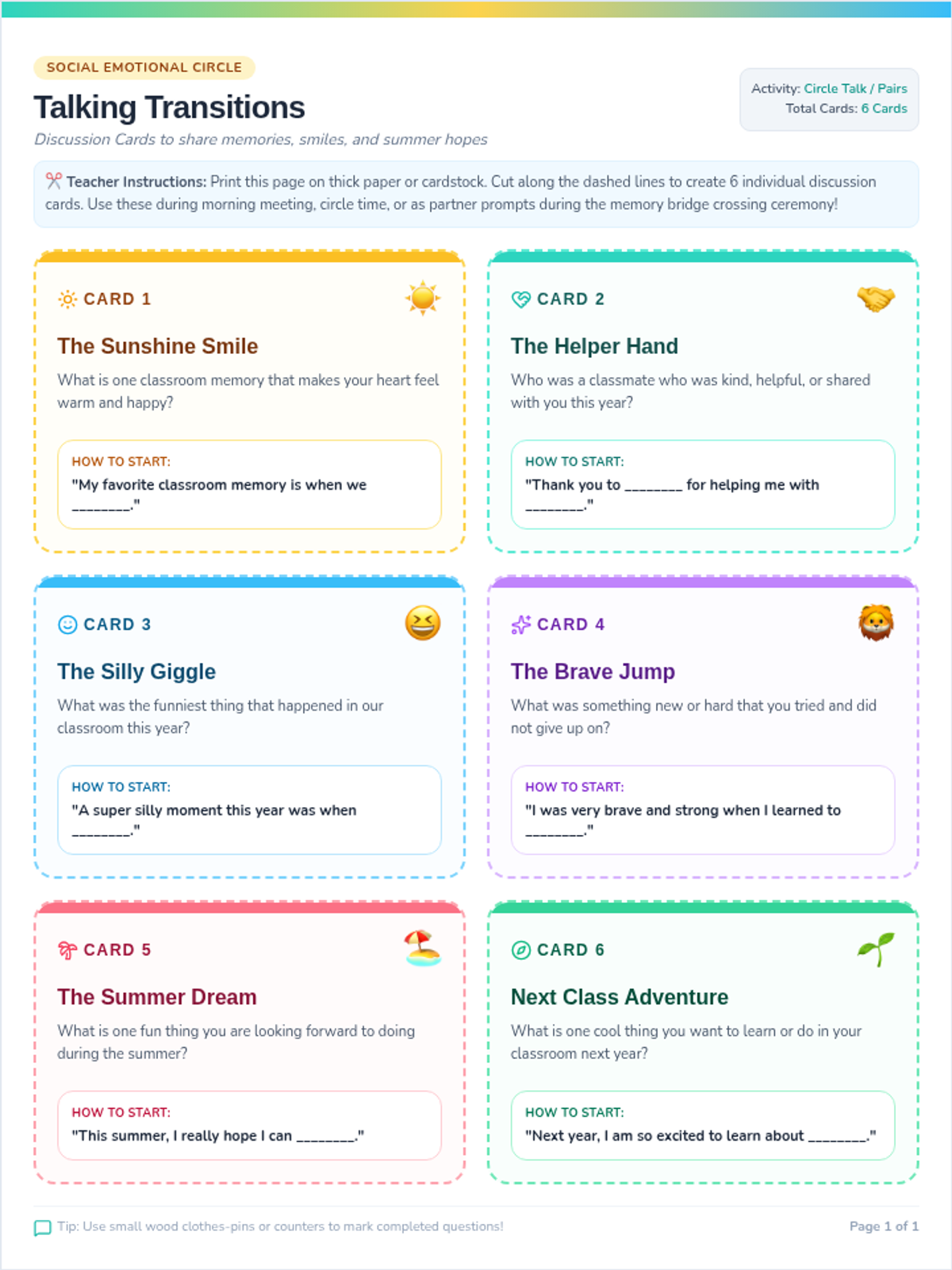
A heartwarming end-of-year transition lesson for K-2 students. Through a reflective story, guided discussions, and a hands-on memory bridge craft, students celebrate their growth, express classmate gratitude, and transition confidently to summer.
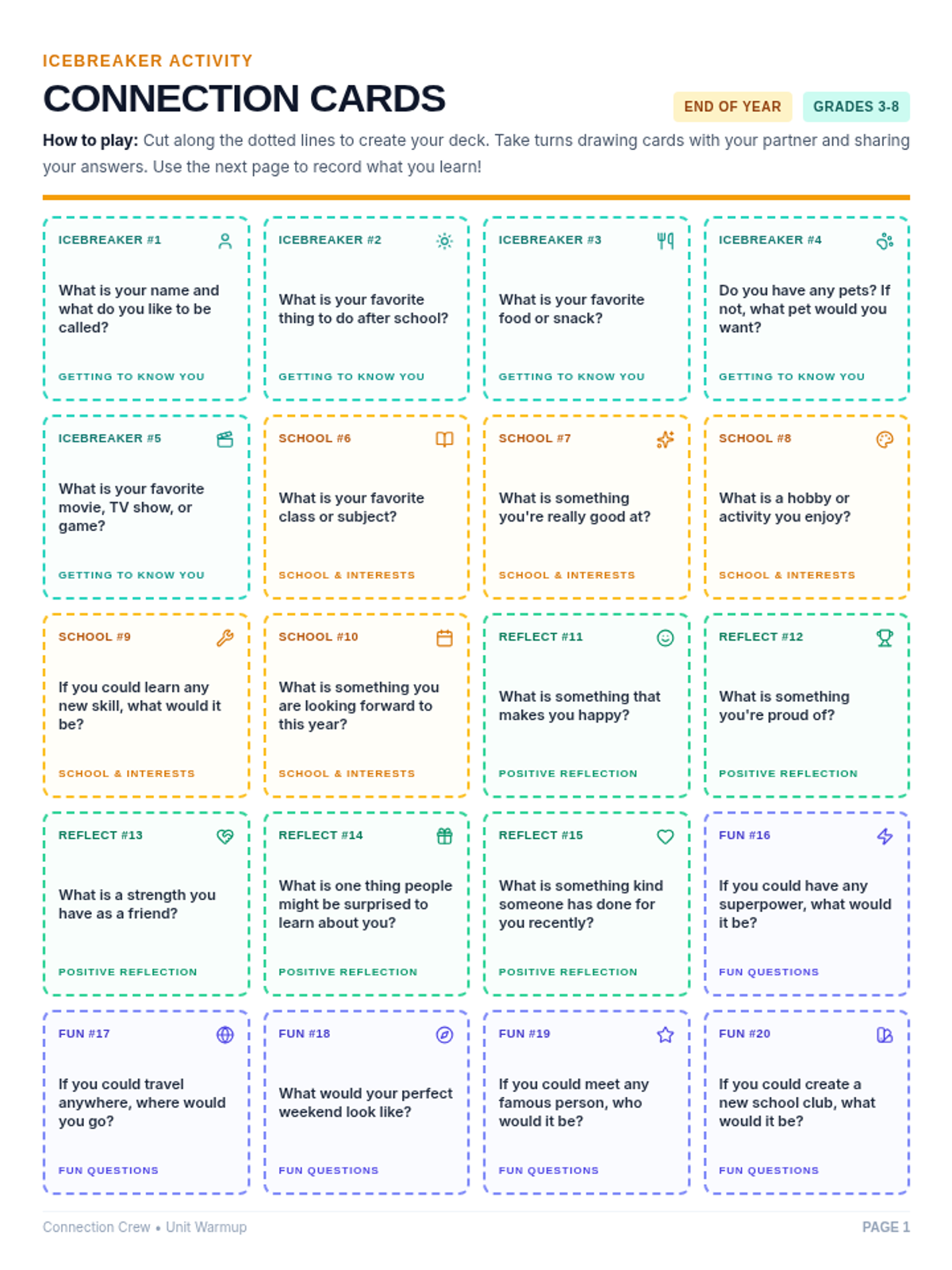
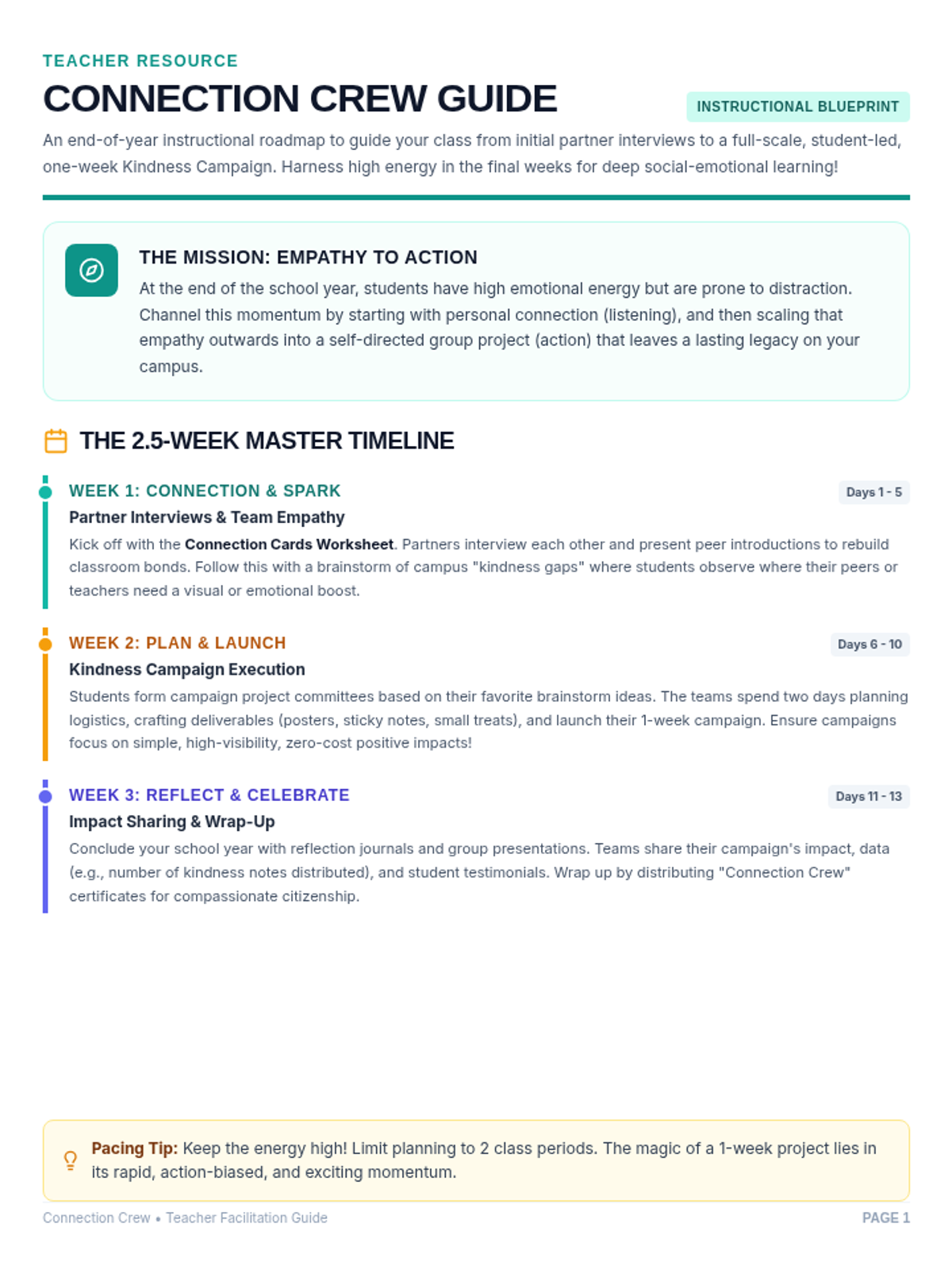
A quick-start end-of-year lesson plan and printable materials that utilize partner interviews to spark connection and transition students into planning a week-long Kindness Campaign.
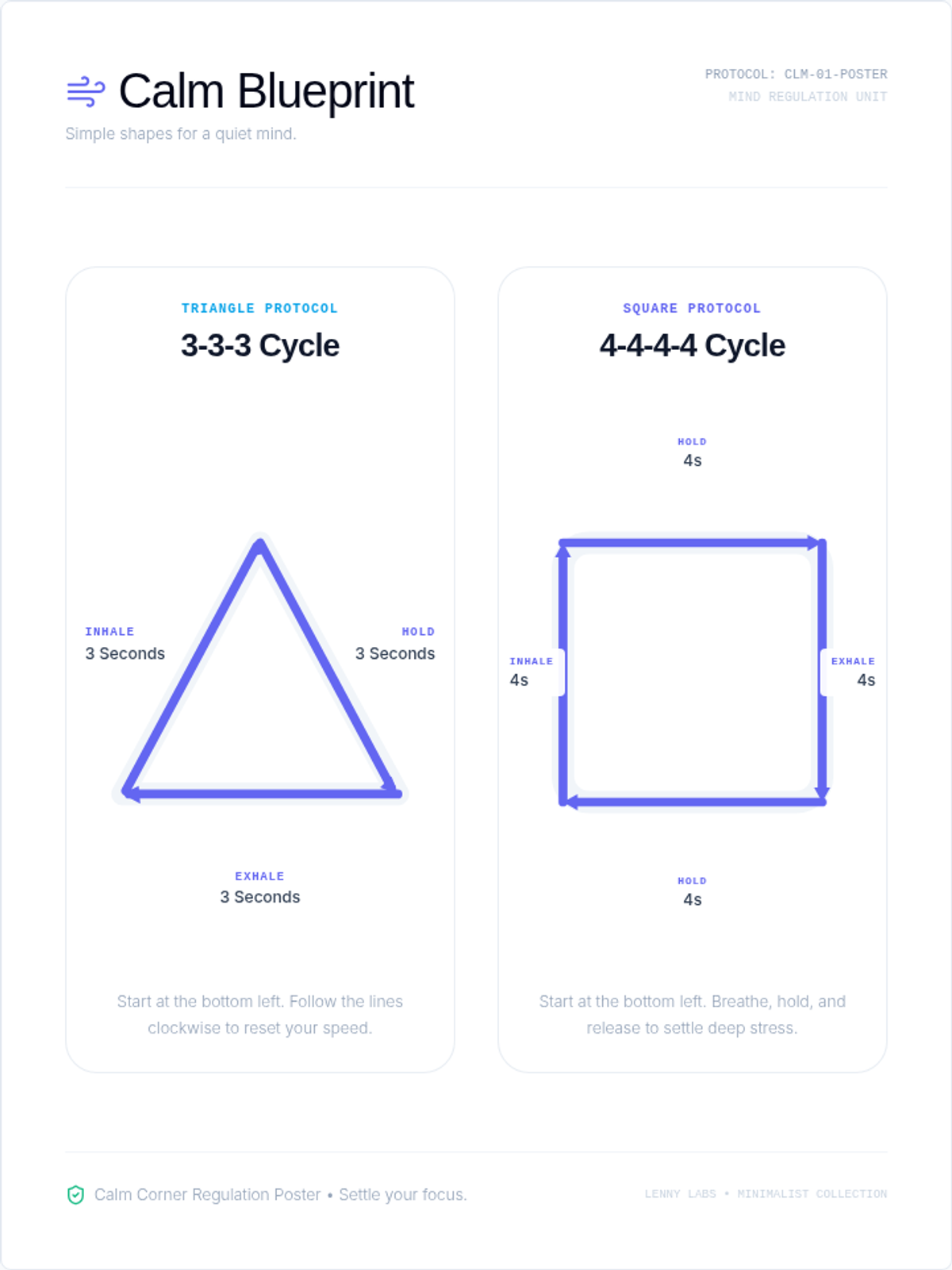
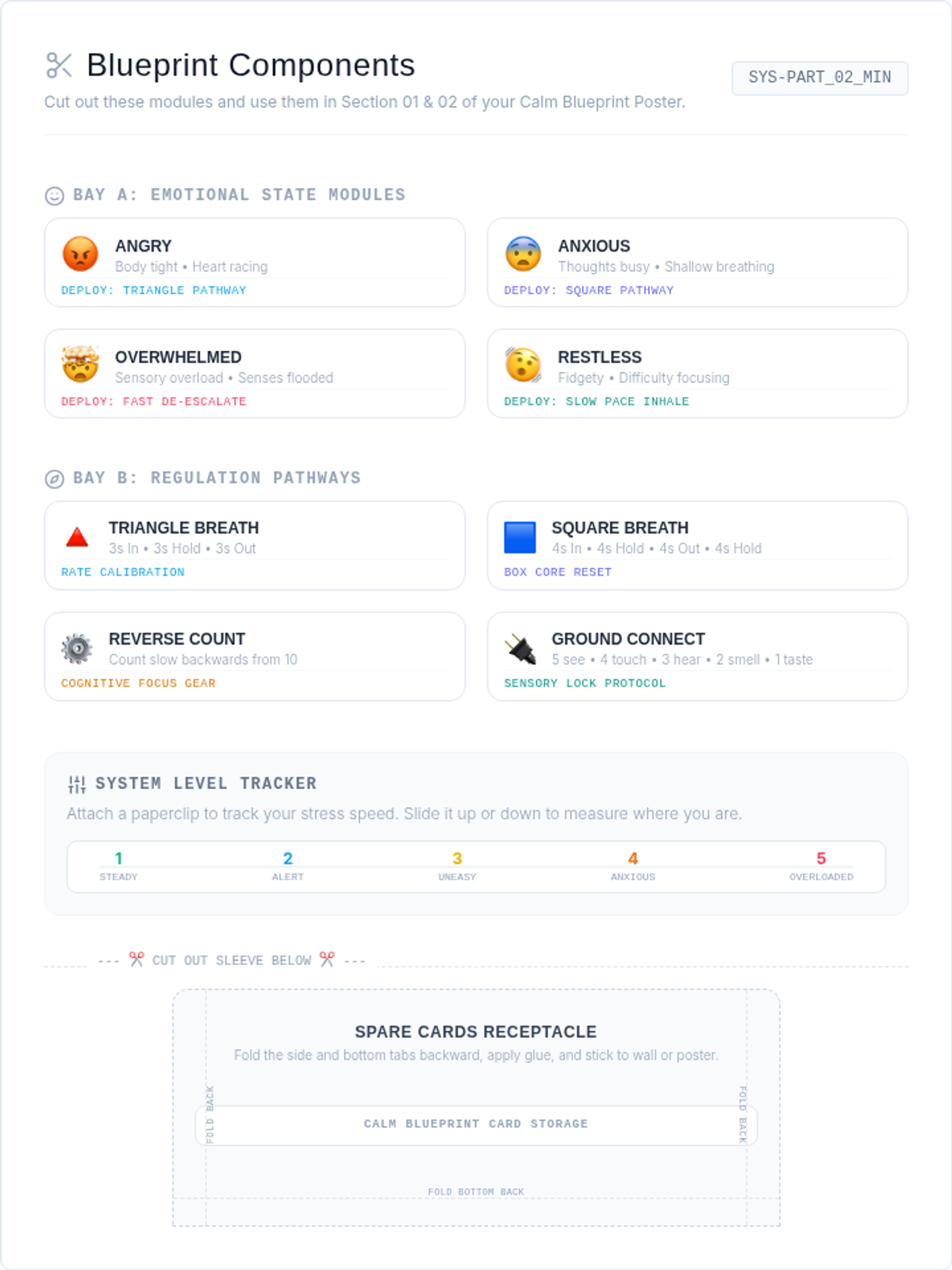
An interactive mental engineering toolkit that teaches children deep breathing exercises using concrete shapes. Students use the visual anchor chart and movable feeling/strategy blueprints to regulate their emotions.
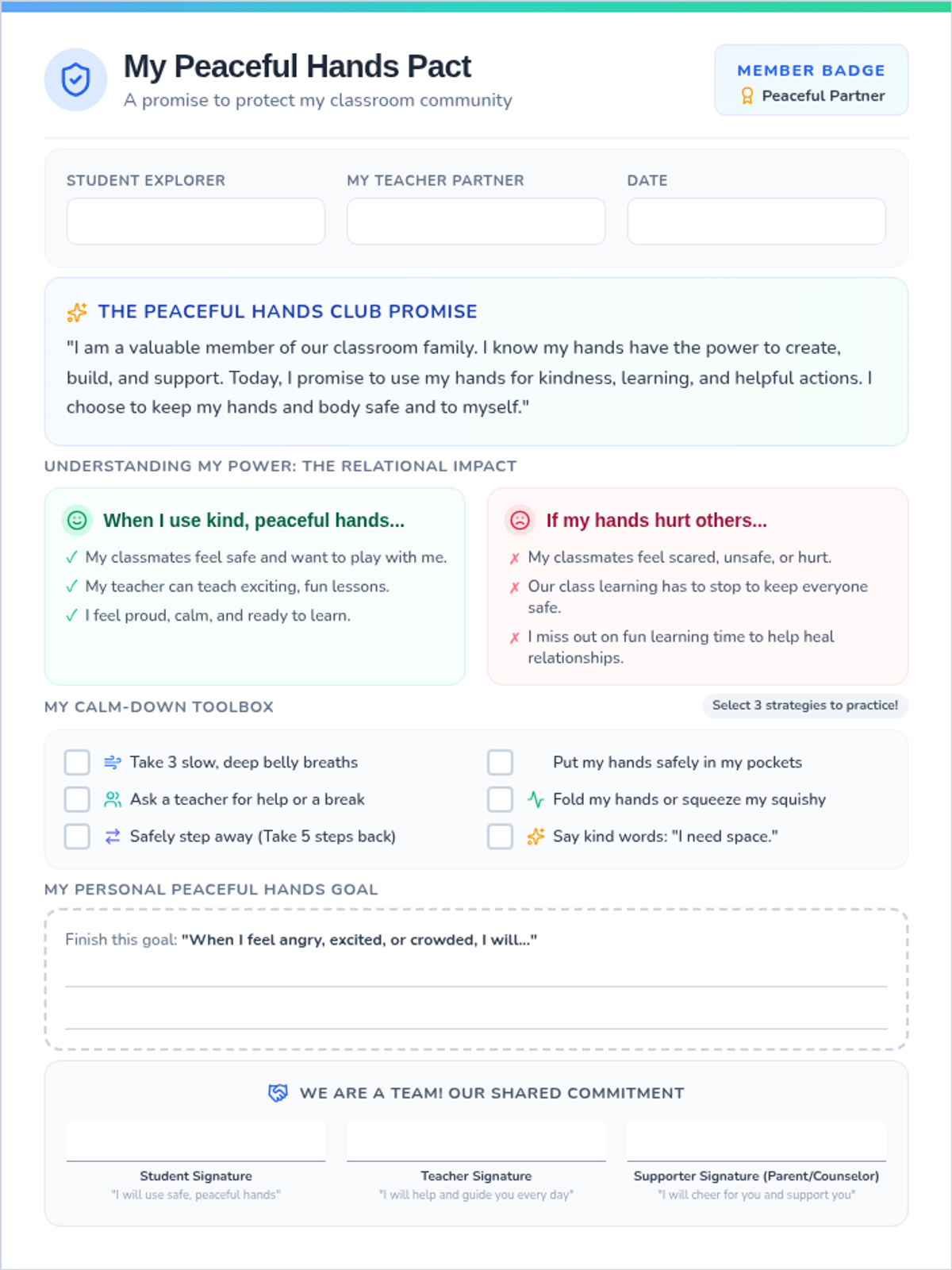
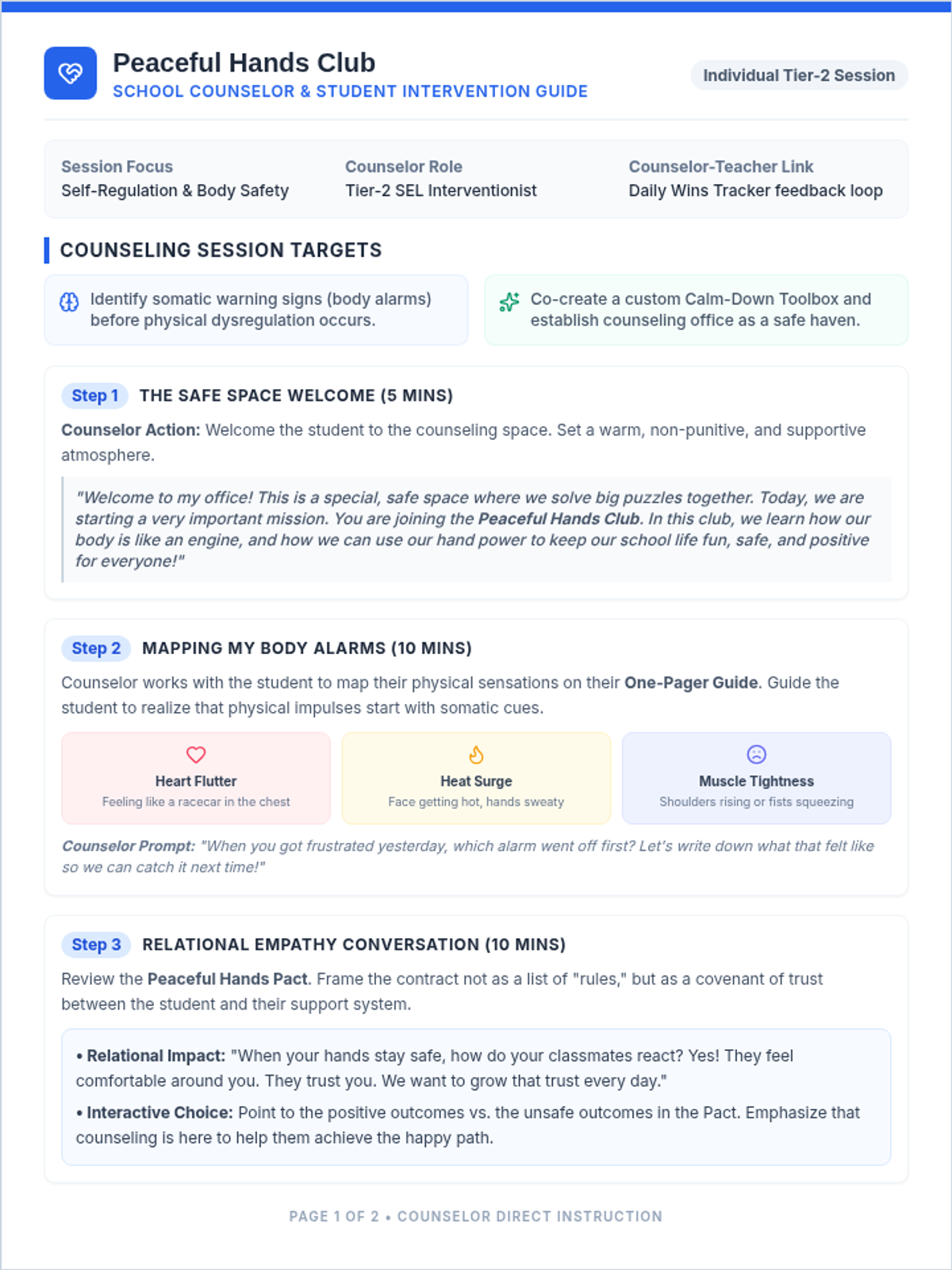
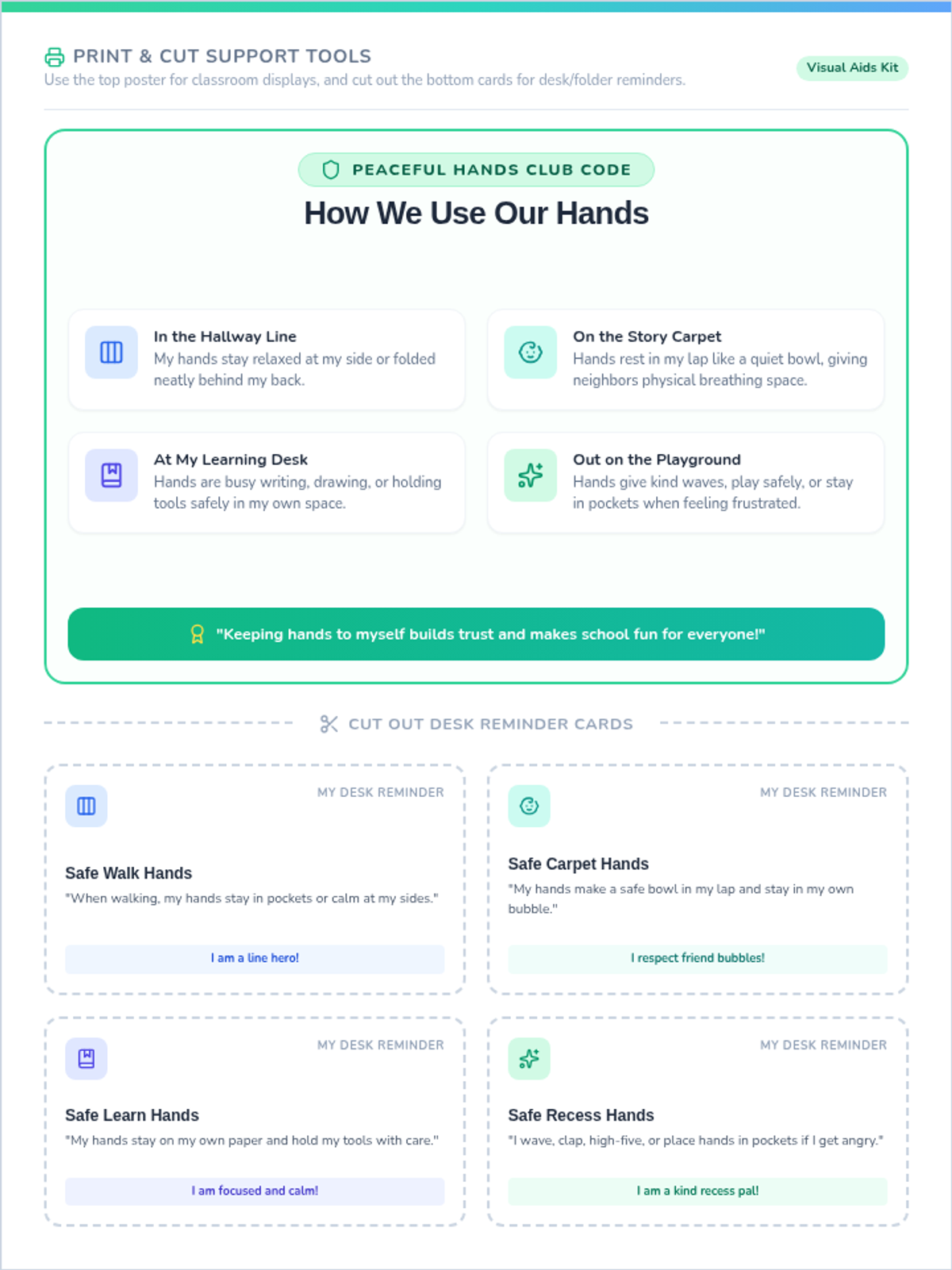
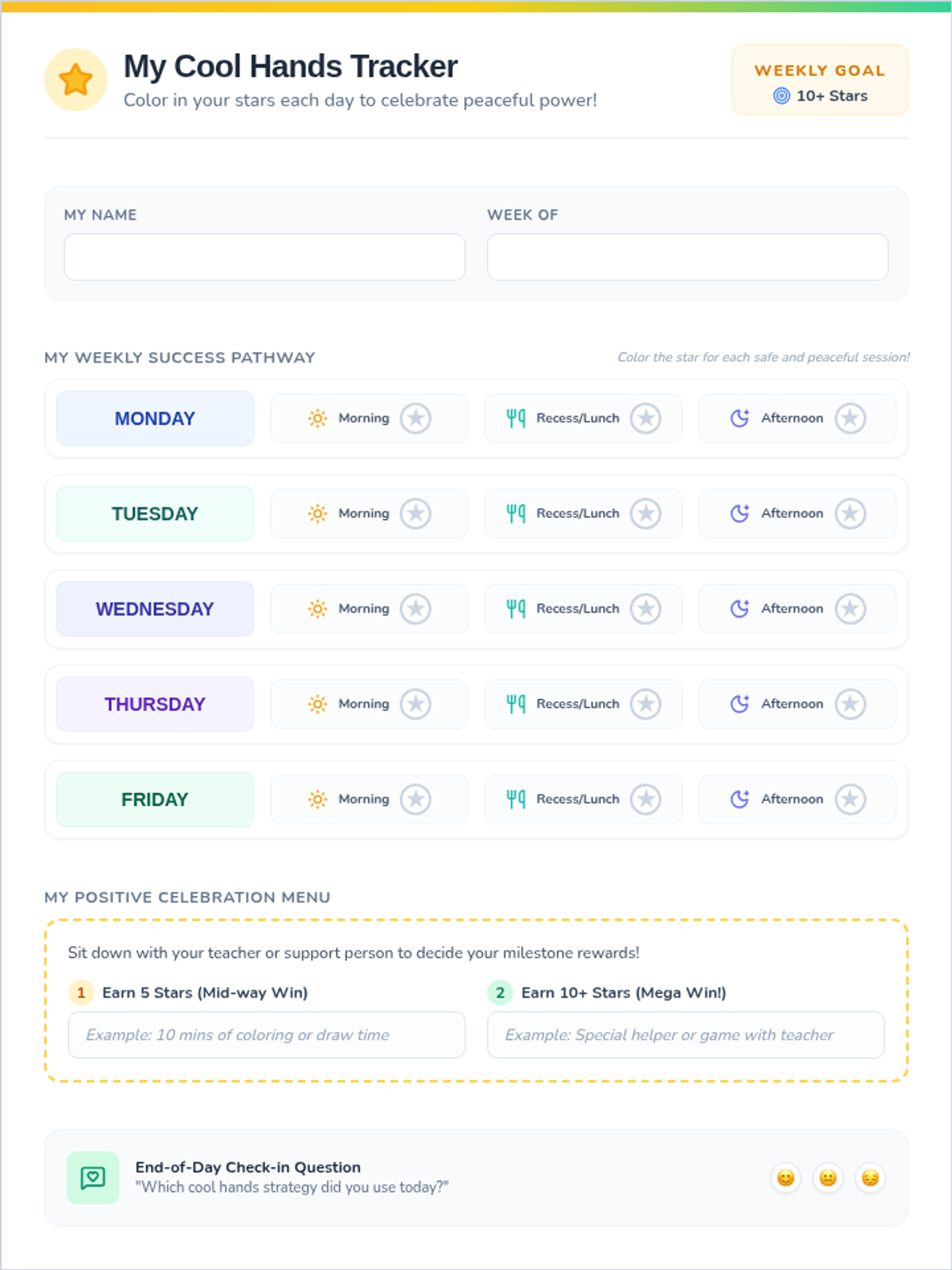
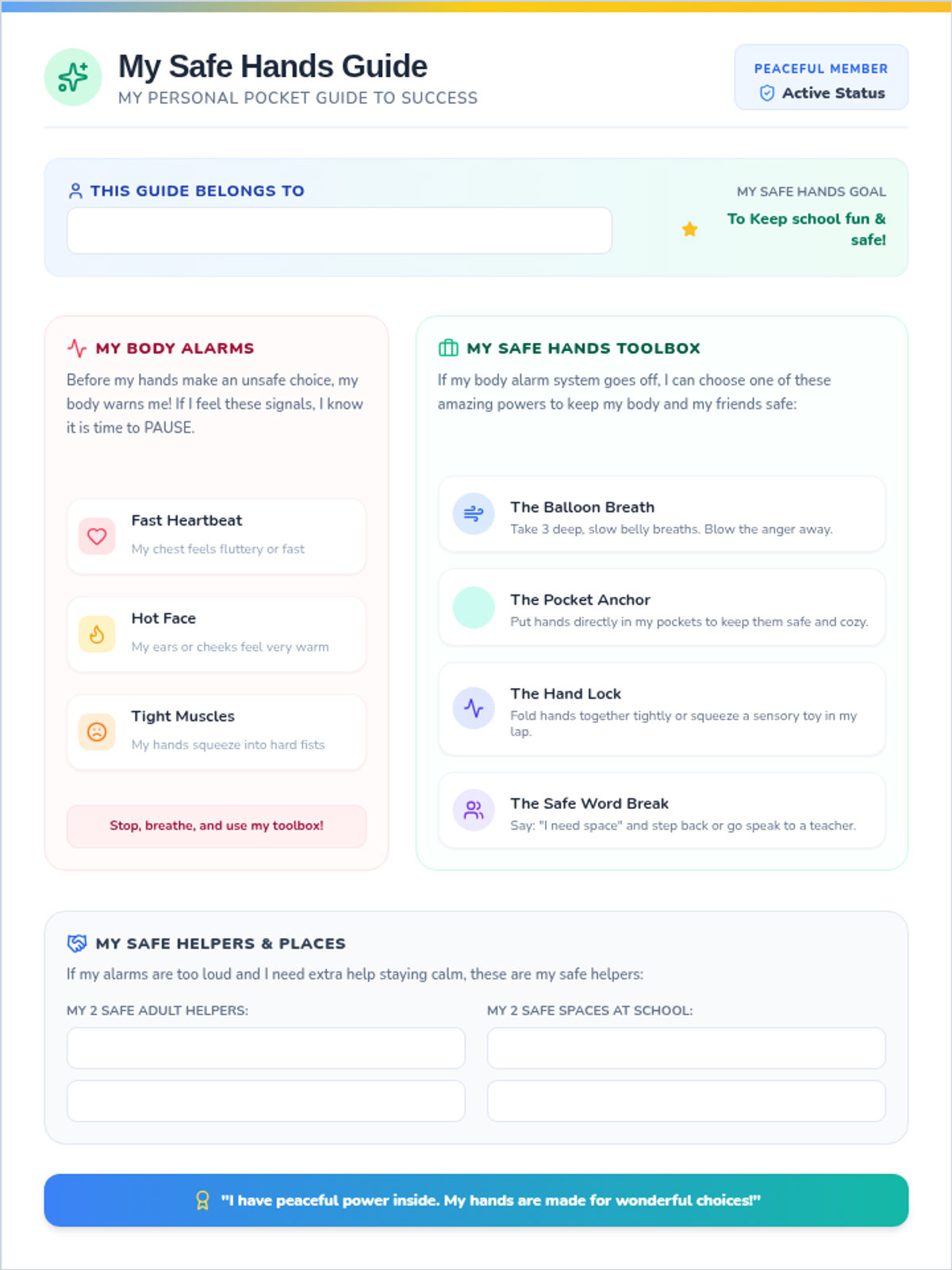
An intensive social-emotional intervention kit designed for lower elementary students to promote self-regulation and keep hands to themselves. This kit includes a relational behavior contract, an interactive lesson plan with role-play scenarios, visual aids, and a daily progress tracker.