Class examines toys and marketing to discuss why some are labeled for boys or girls, concluding that play and interests should not be limited by gender.
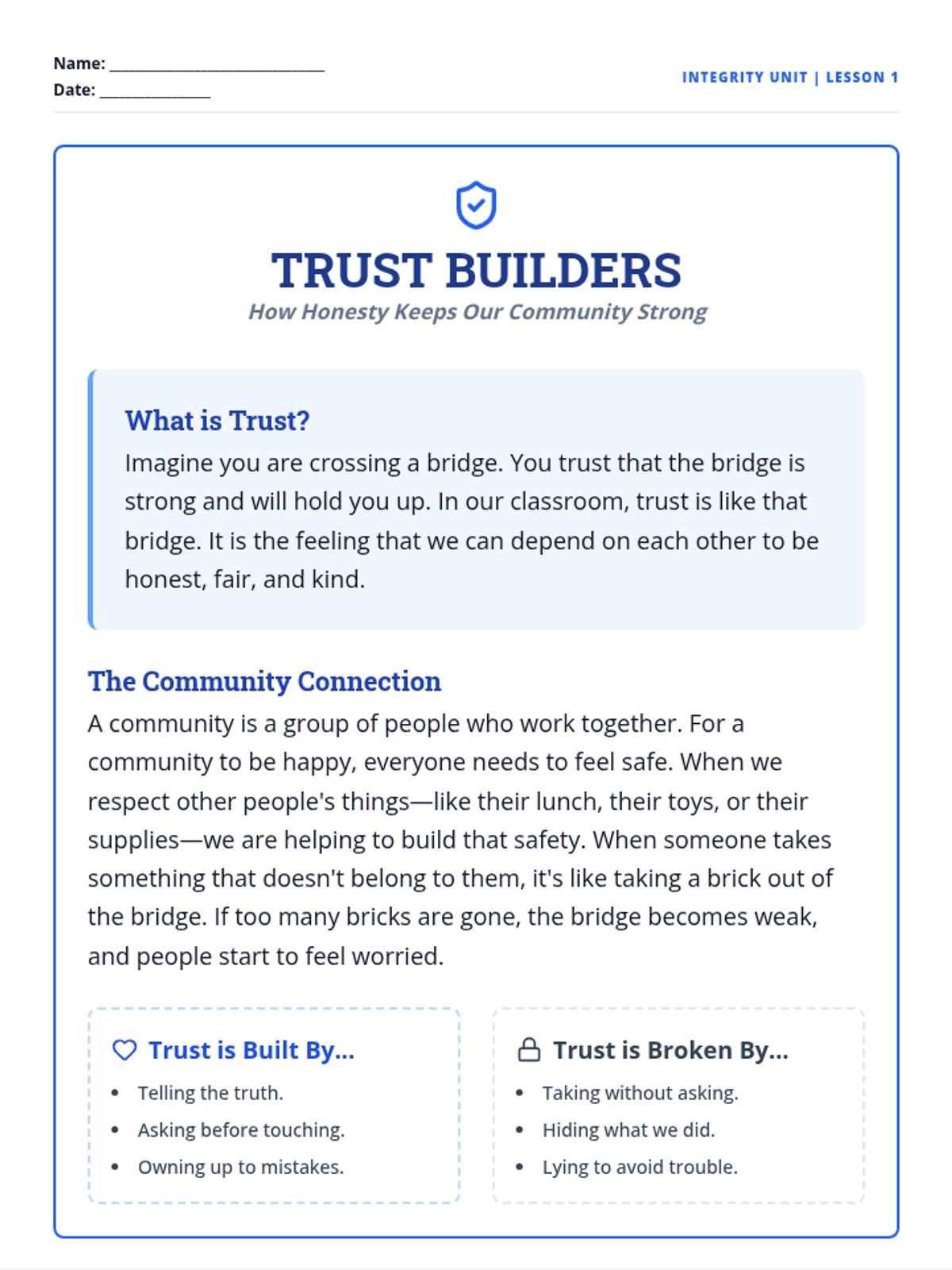
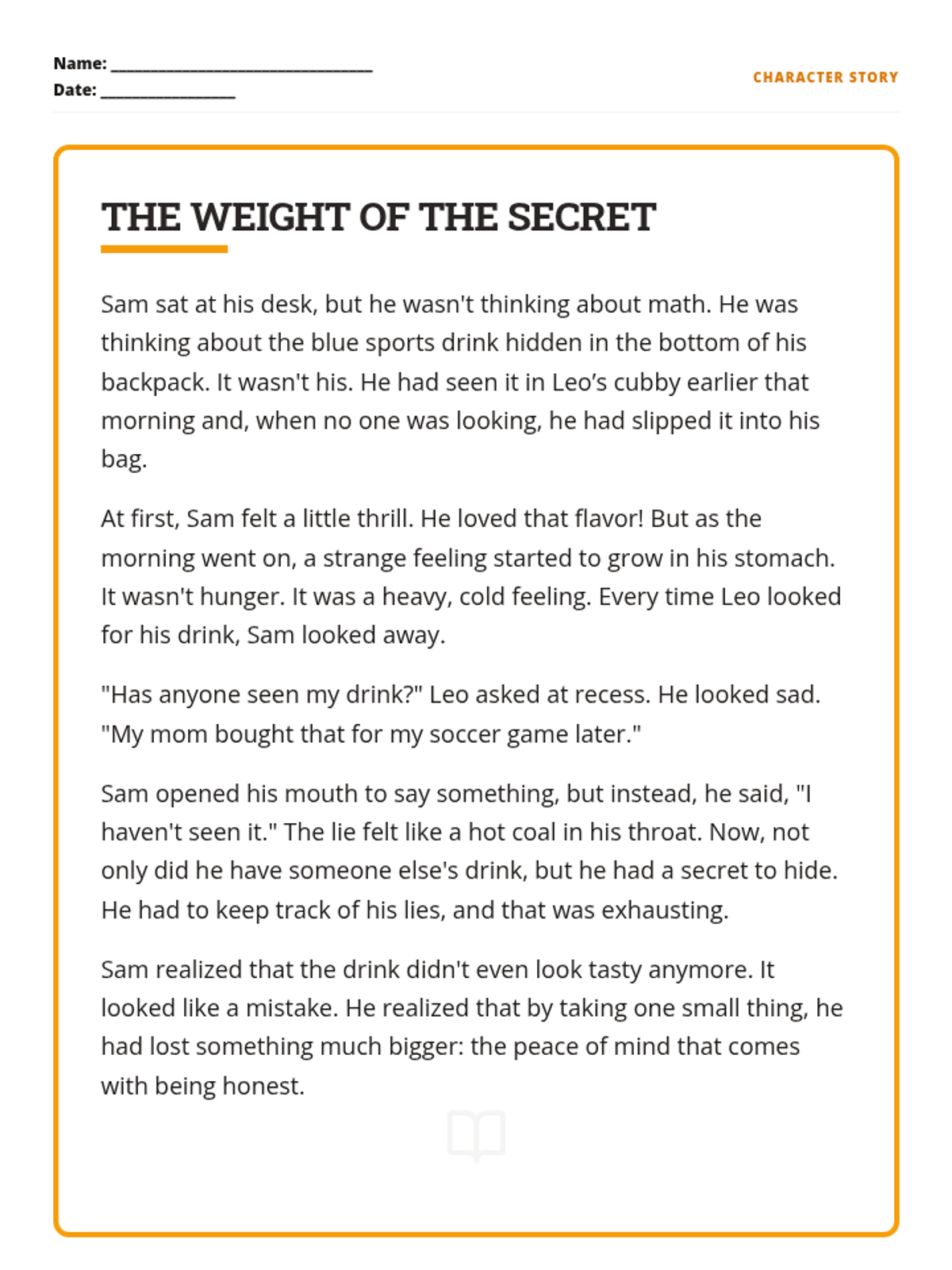
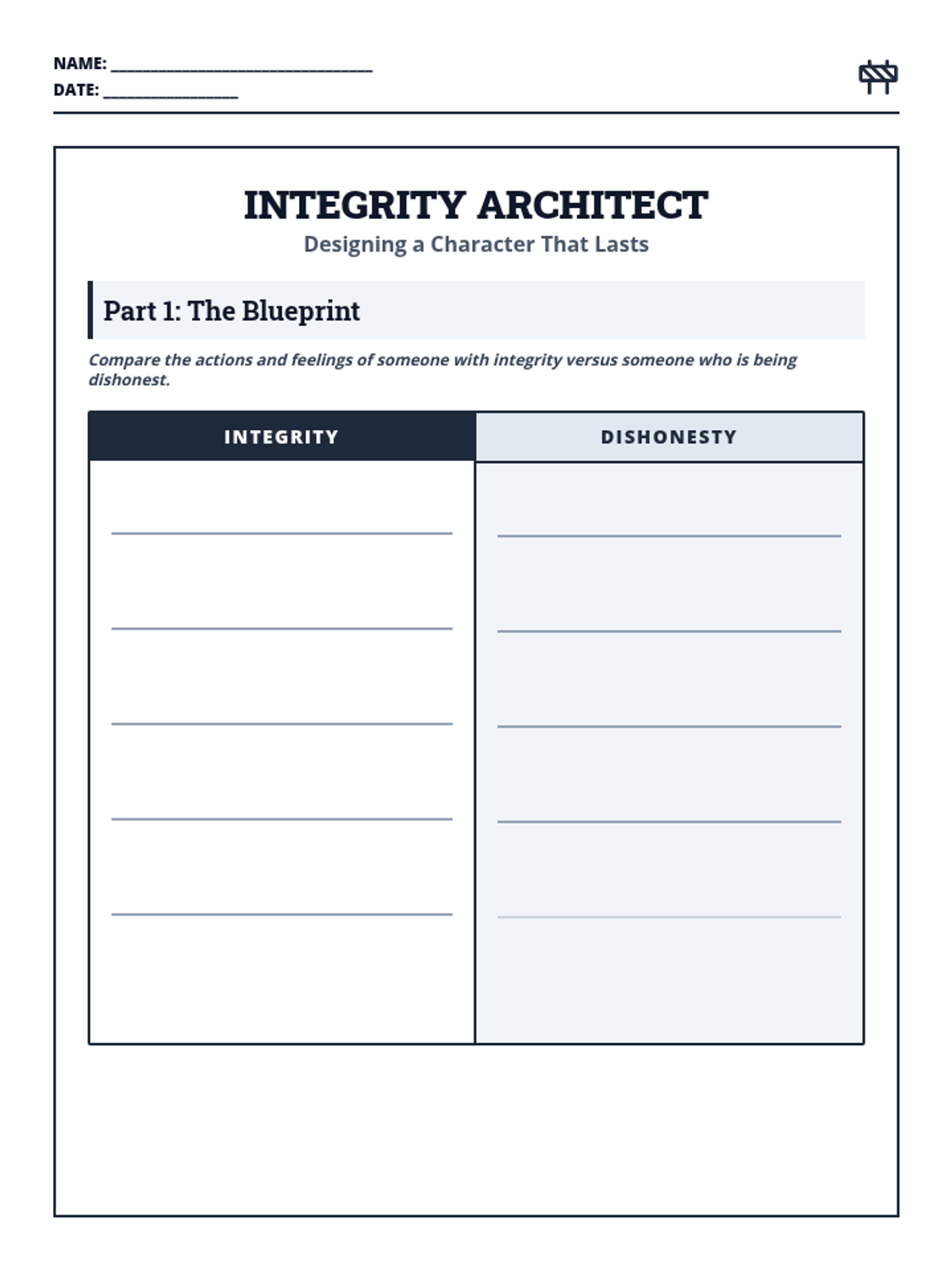
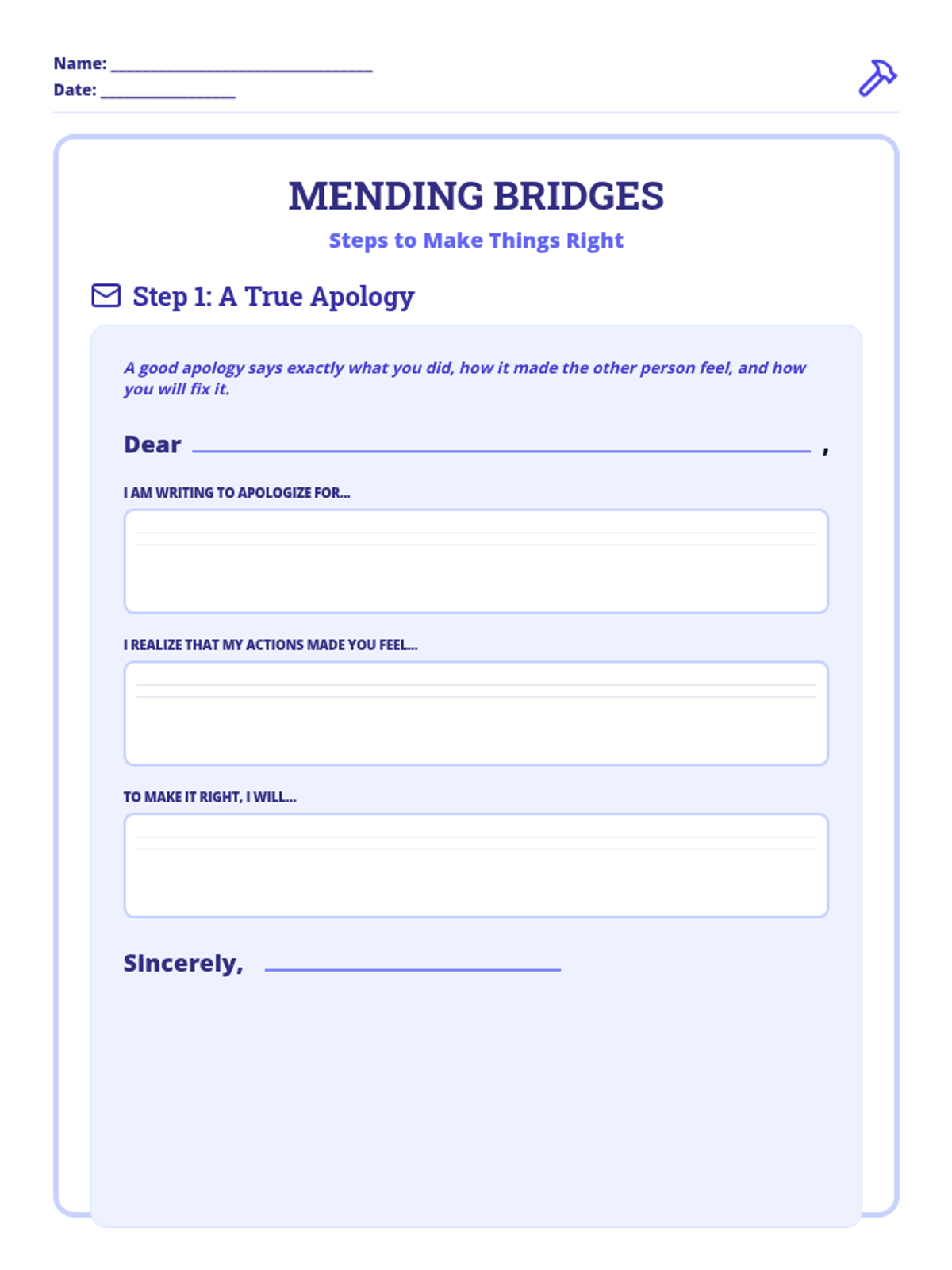
A restorative justice unit for elementary students focusing on the impact of theft and dishonesty on community trust, featuring informational text, a relatable narrative, and reflective writing projects.
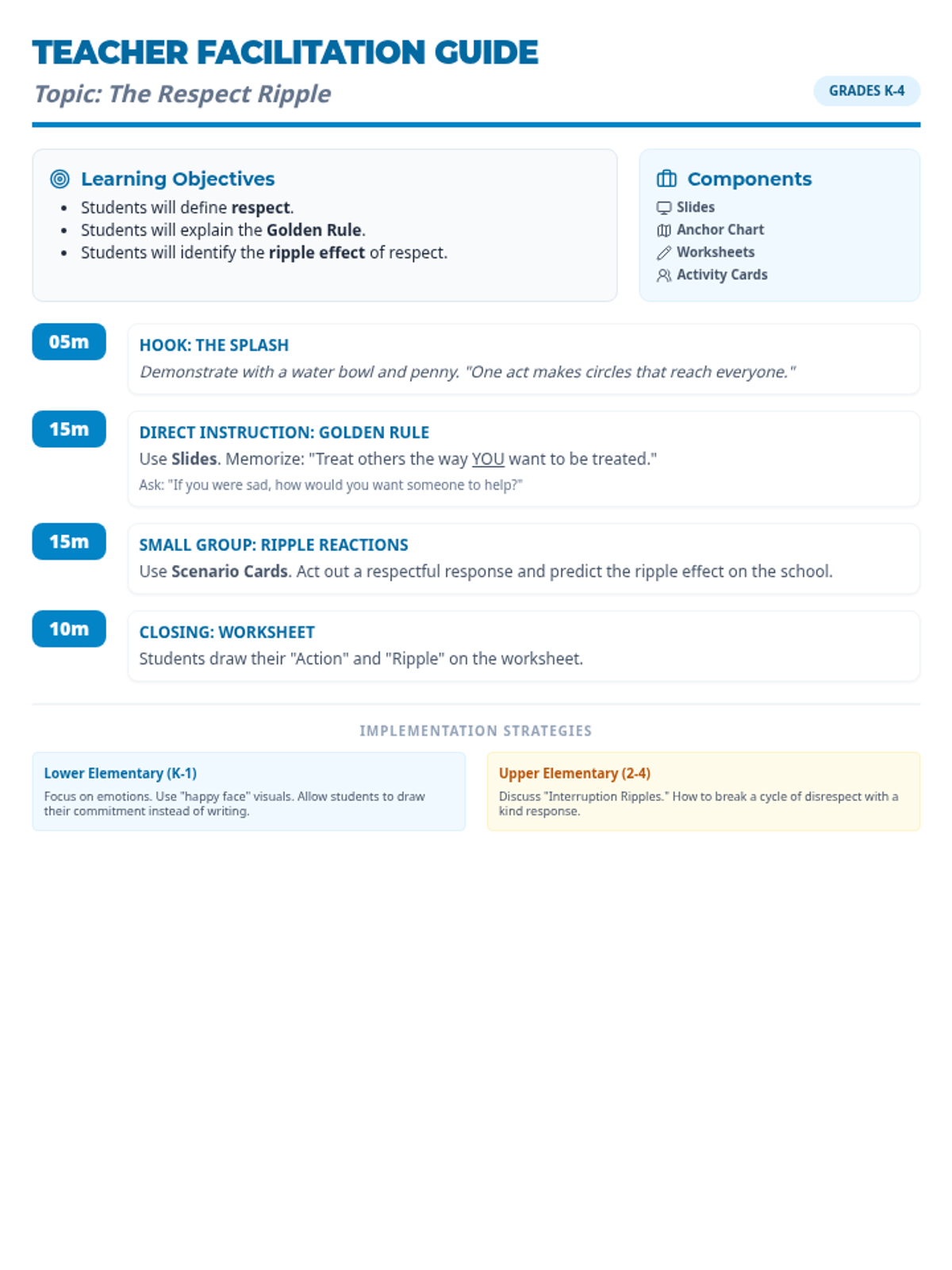
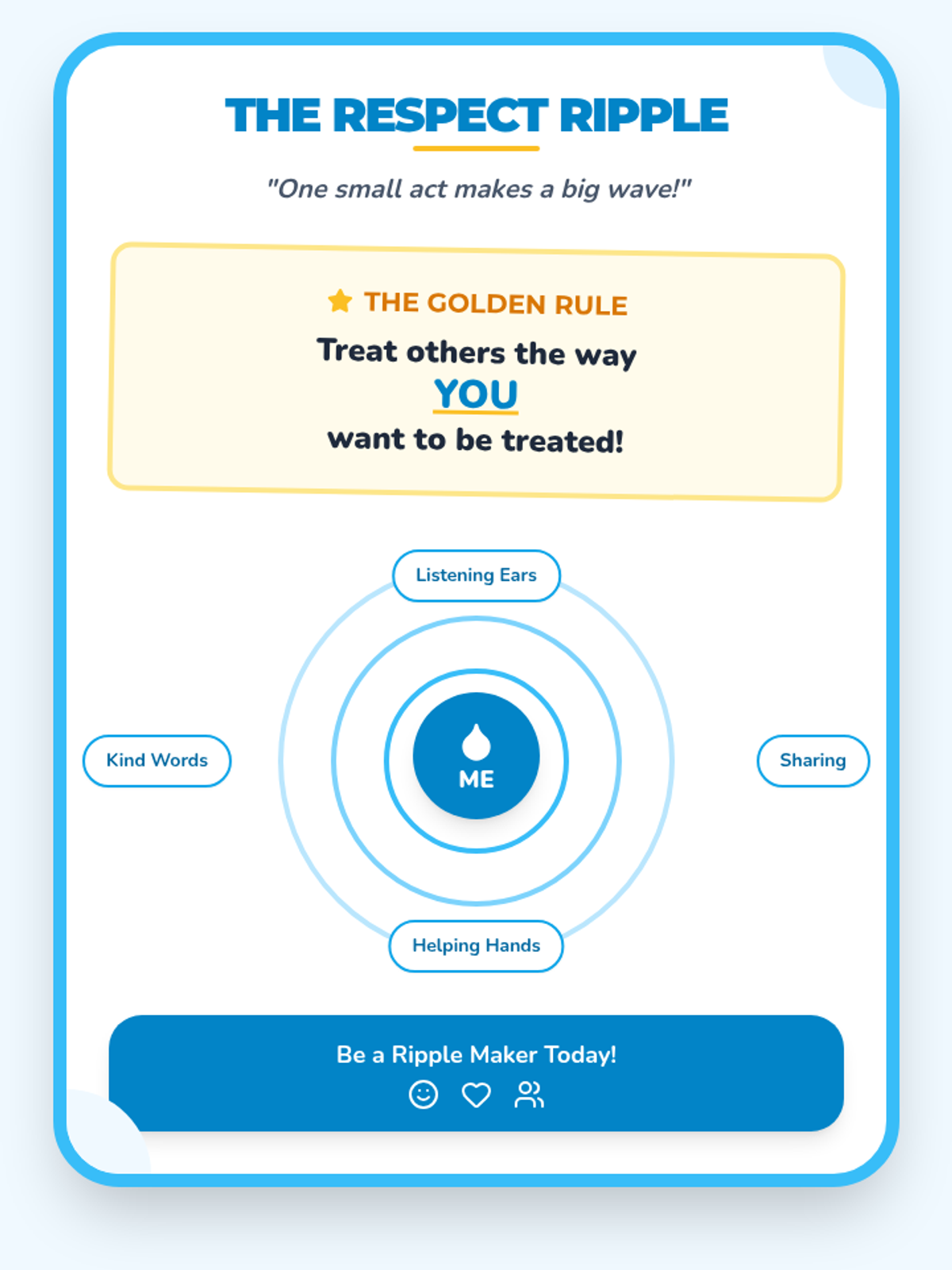
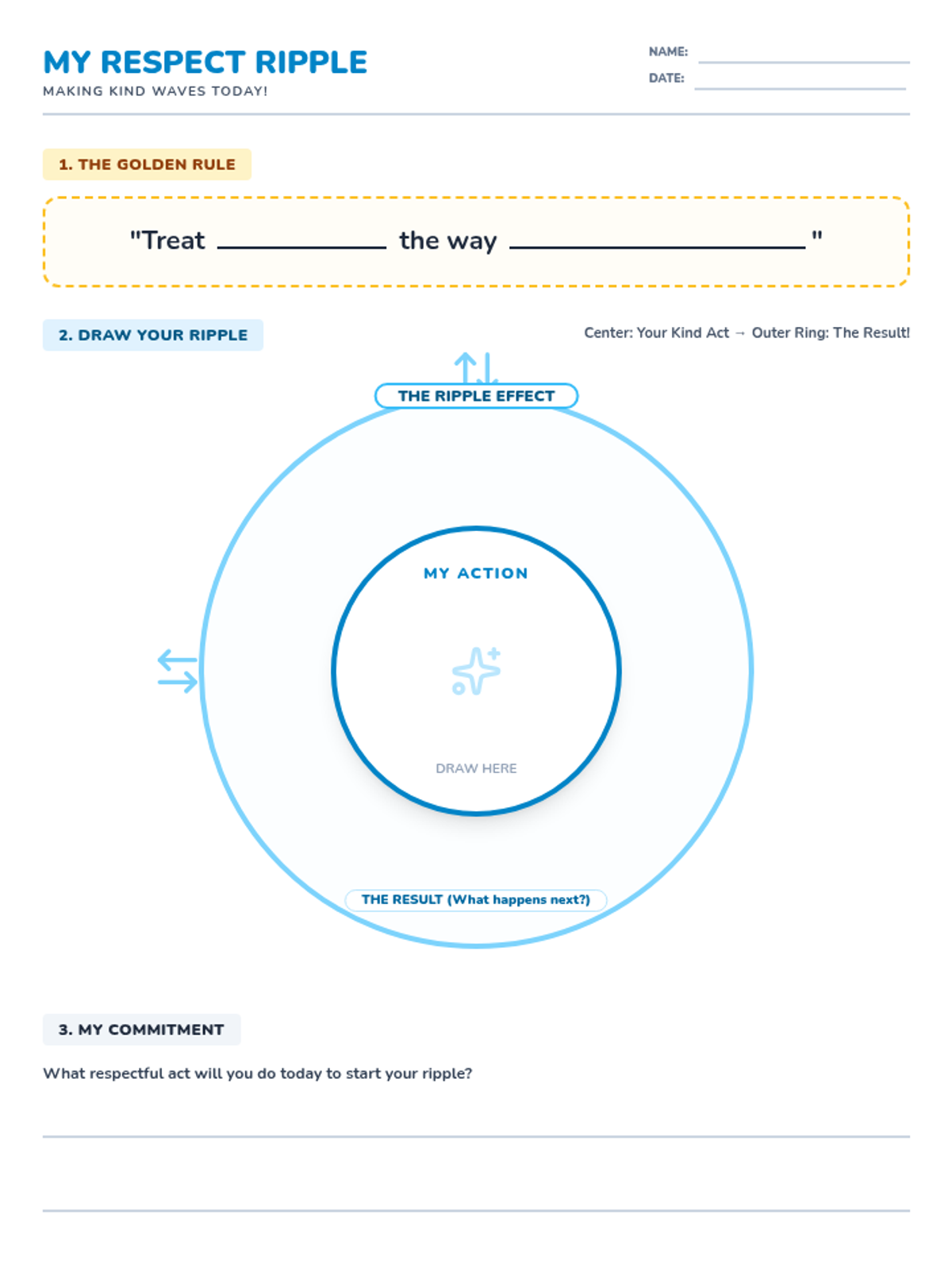
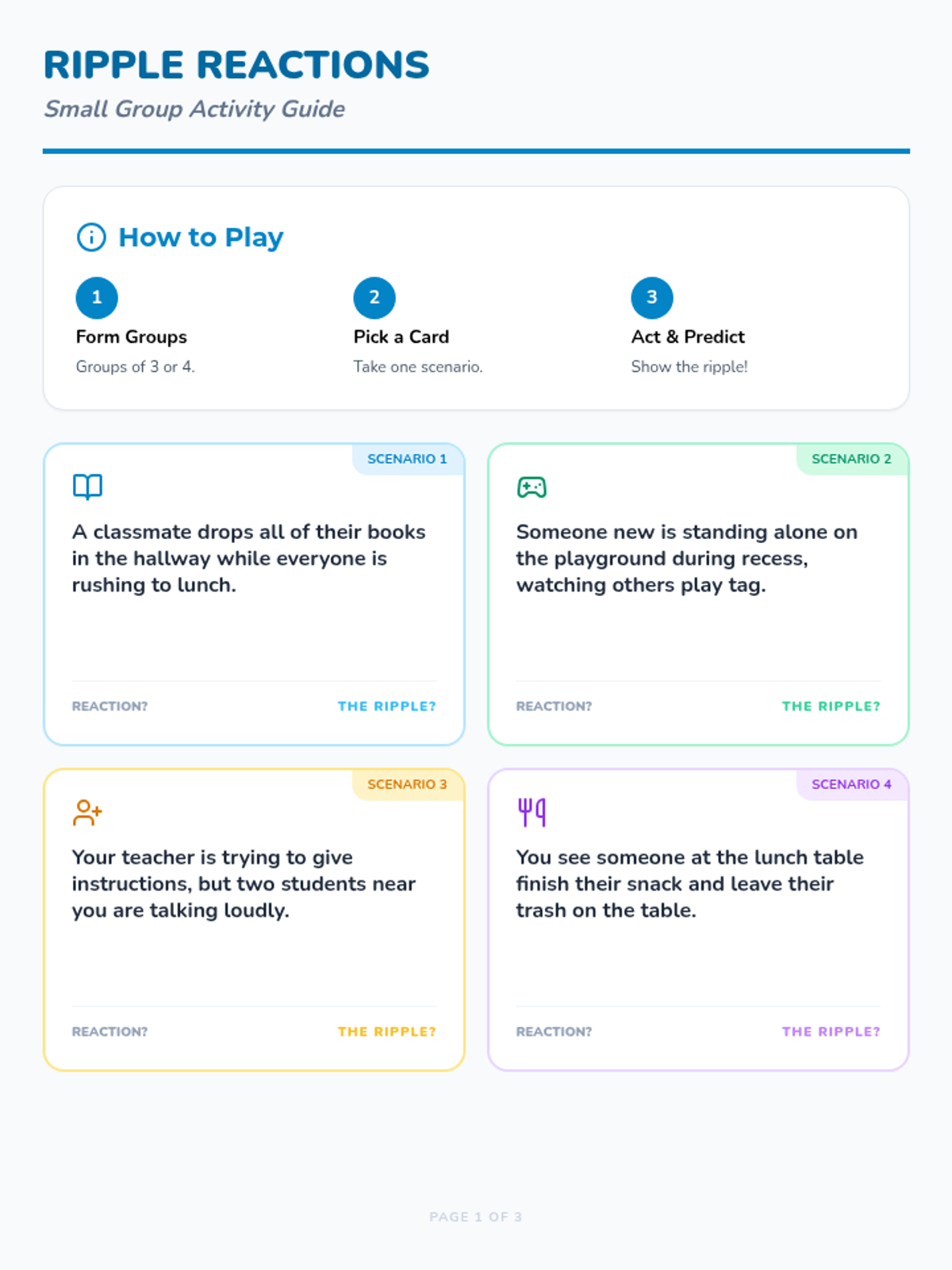
A comprehensive lesson on respect for K-4 students, focusing on the Golden Rule and the 'ripple effect' of kind actions. Includes a visual slide deck, teacher's guide, student worksheet, anchor chart, and small group activity cards.
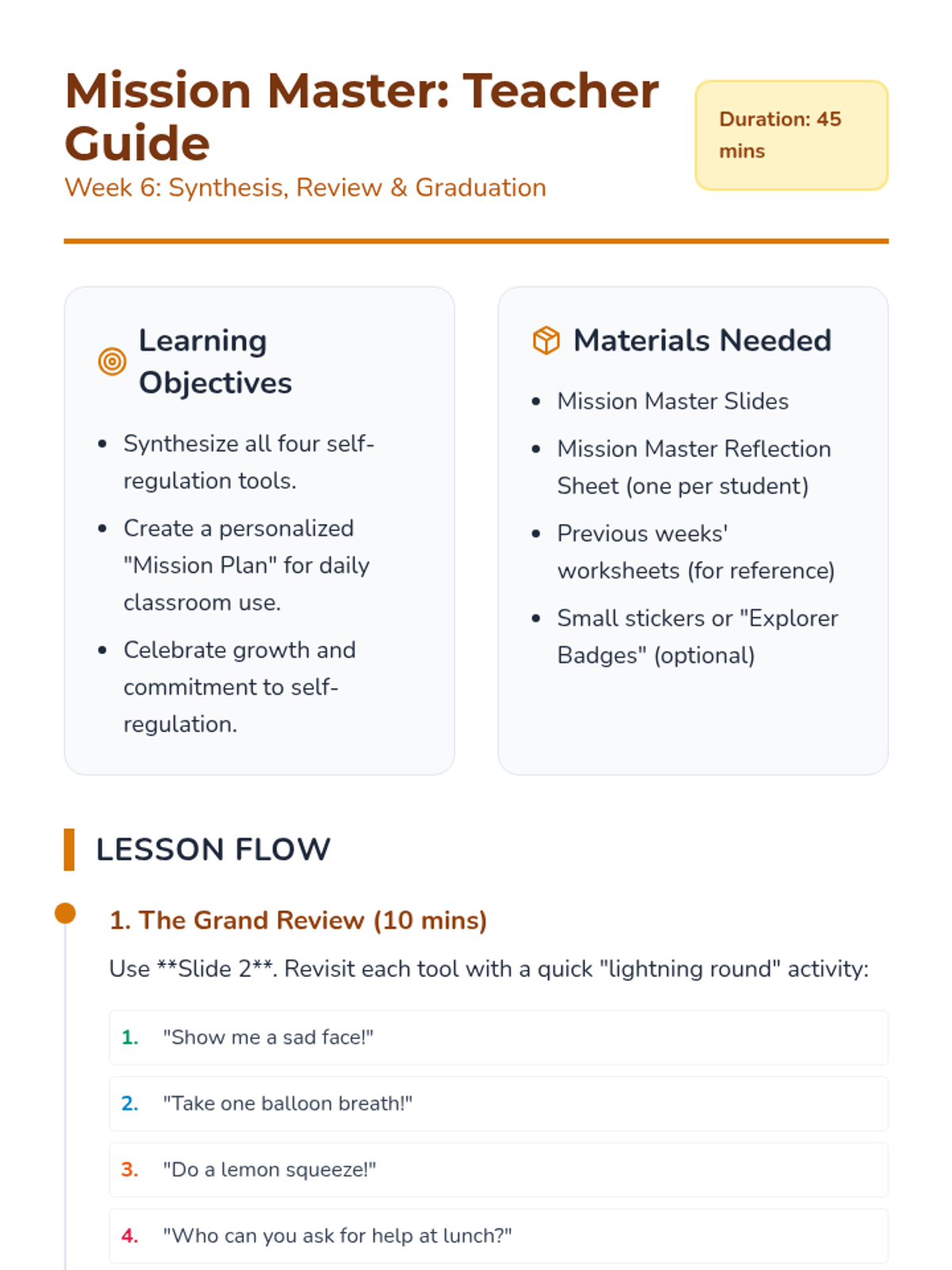
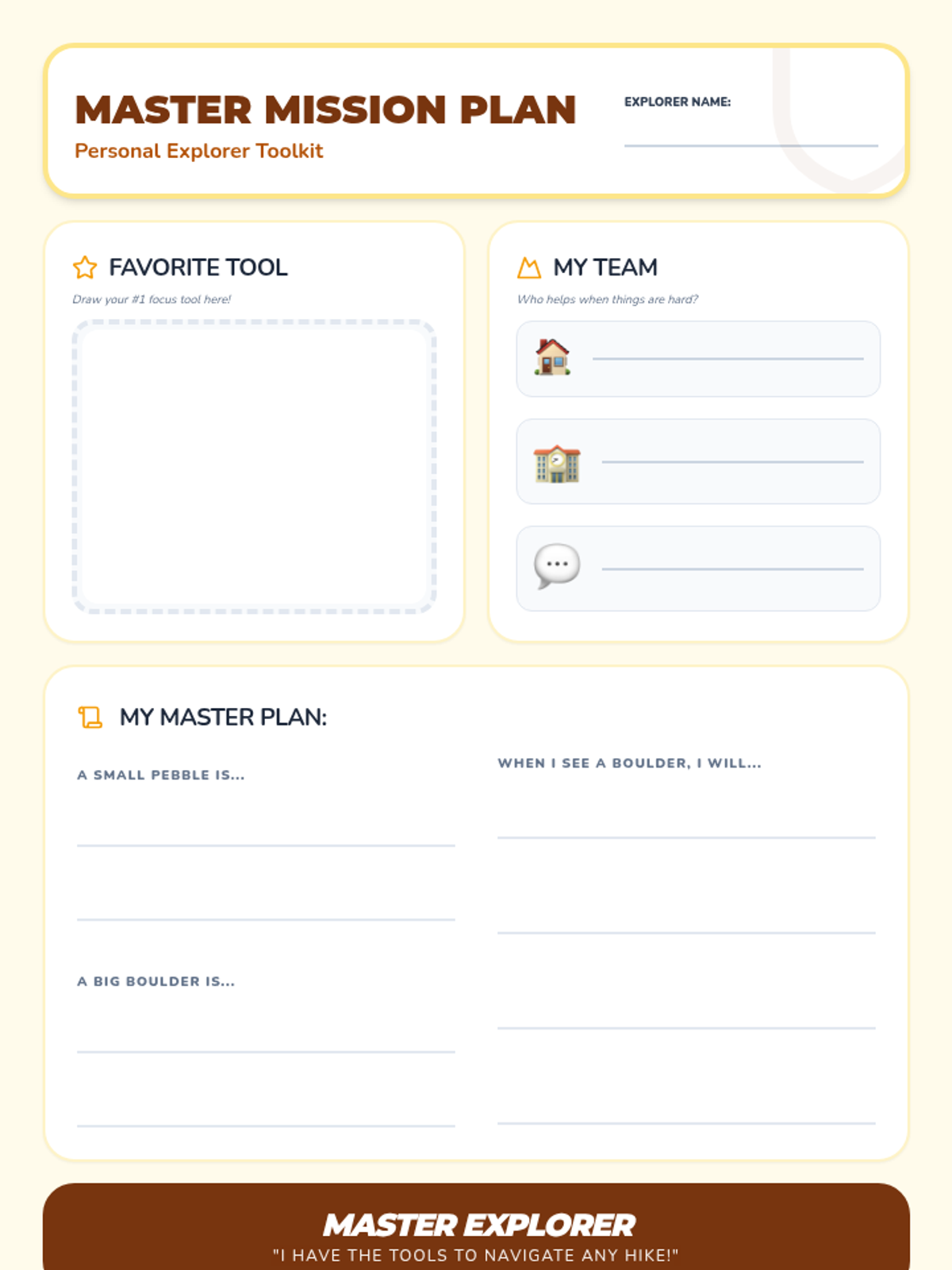
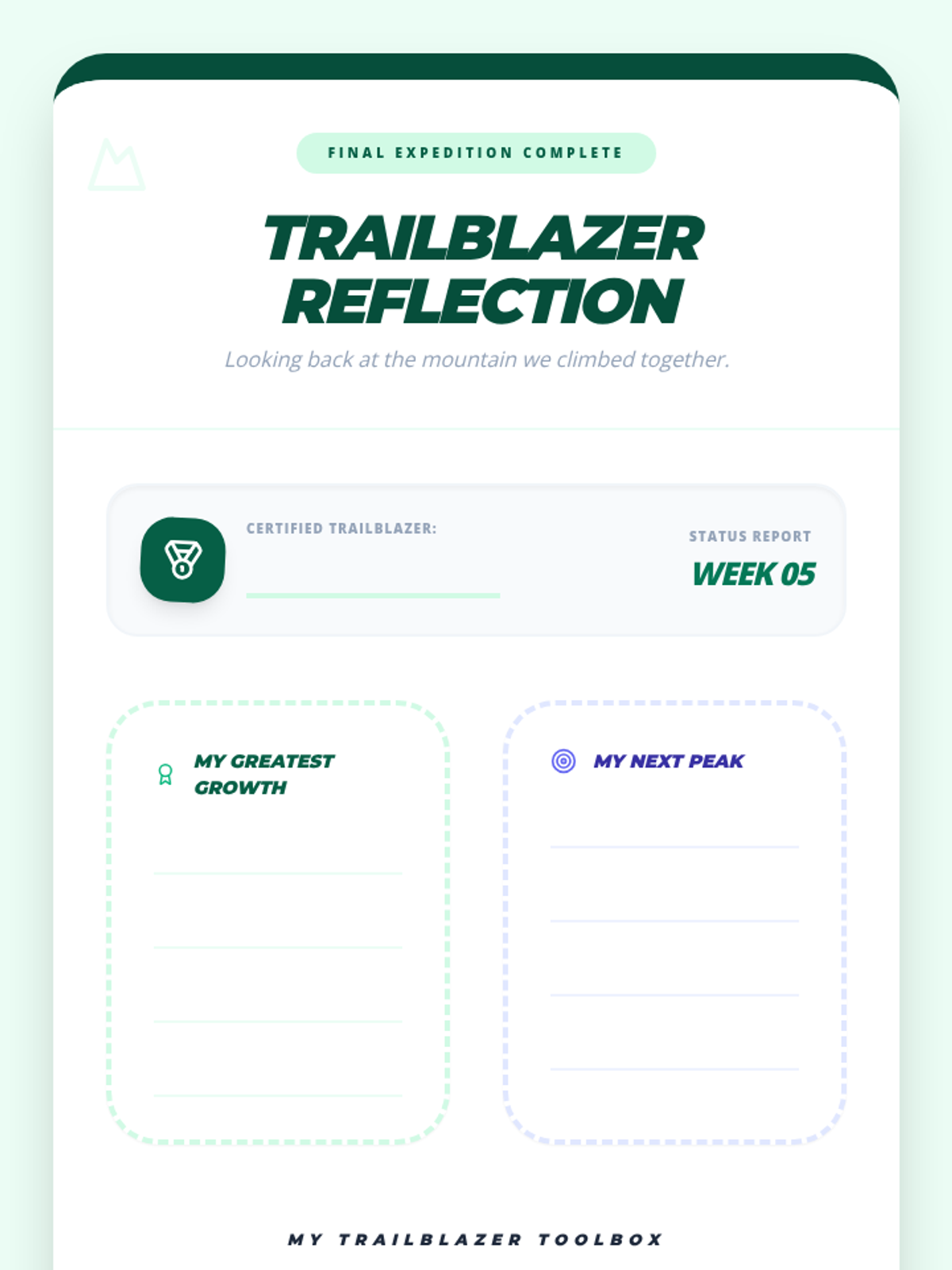
Reviewing all tools and creating a personalized 'Mission Plan' for classroom success.
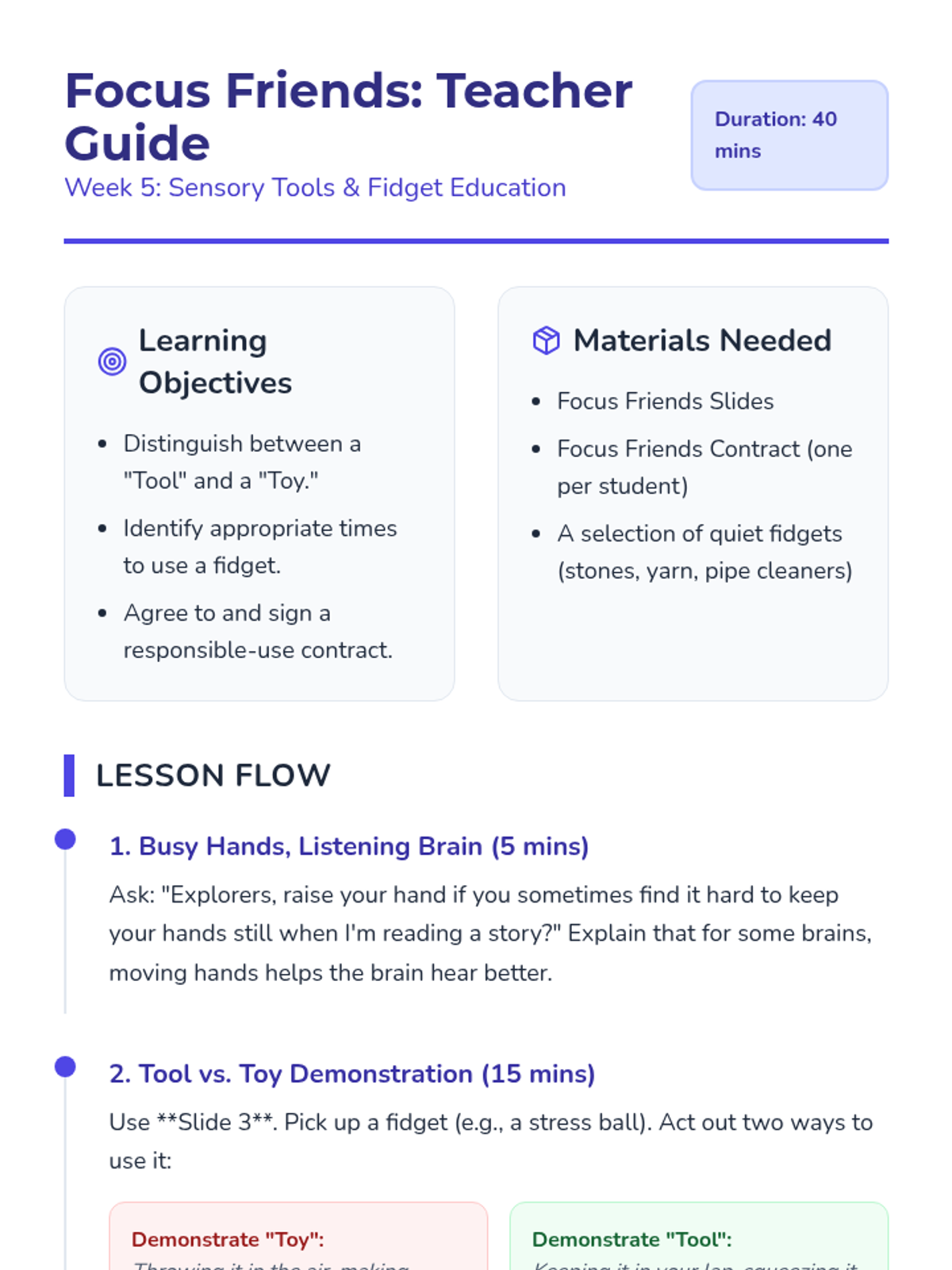
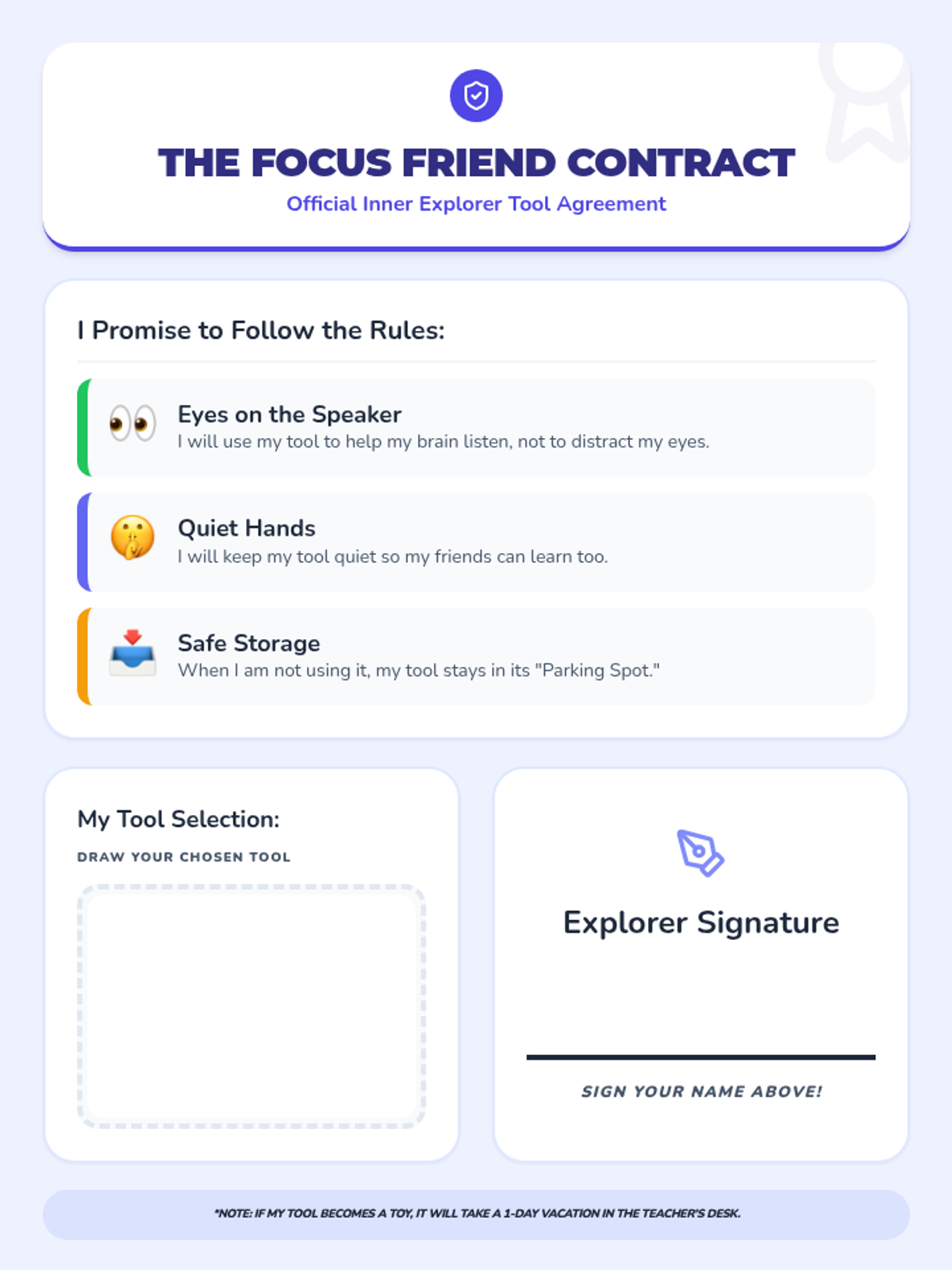
Learning how to use fidgets and sensory tools appropriately for focus.
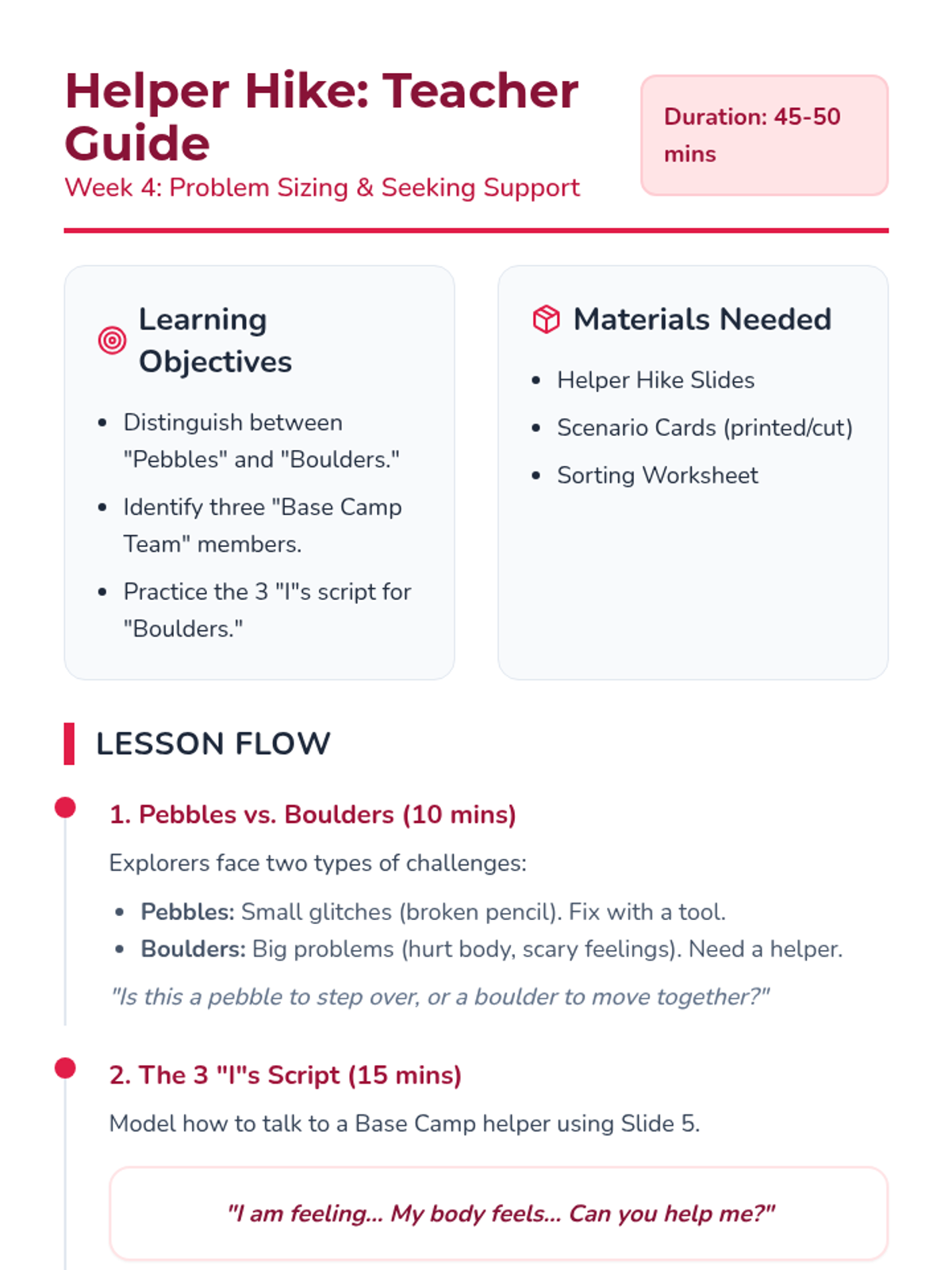
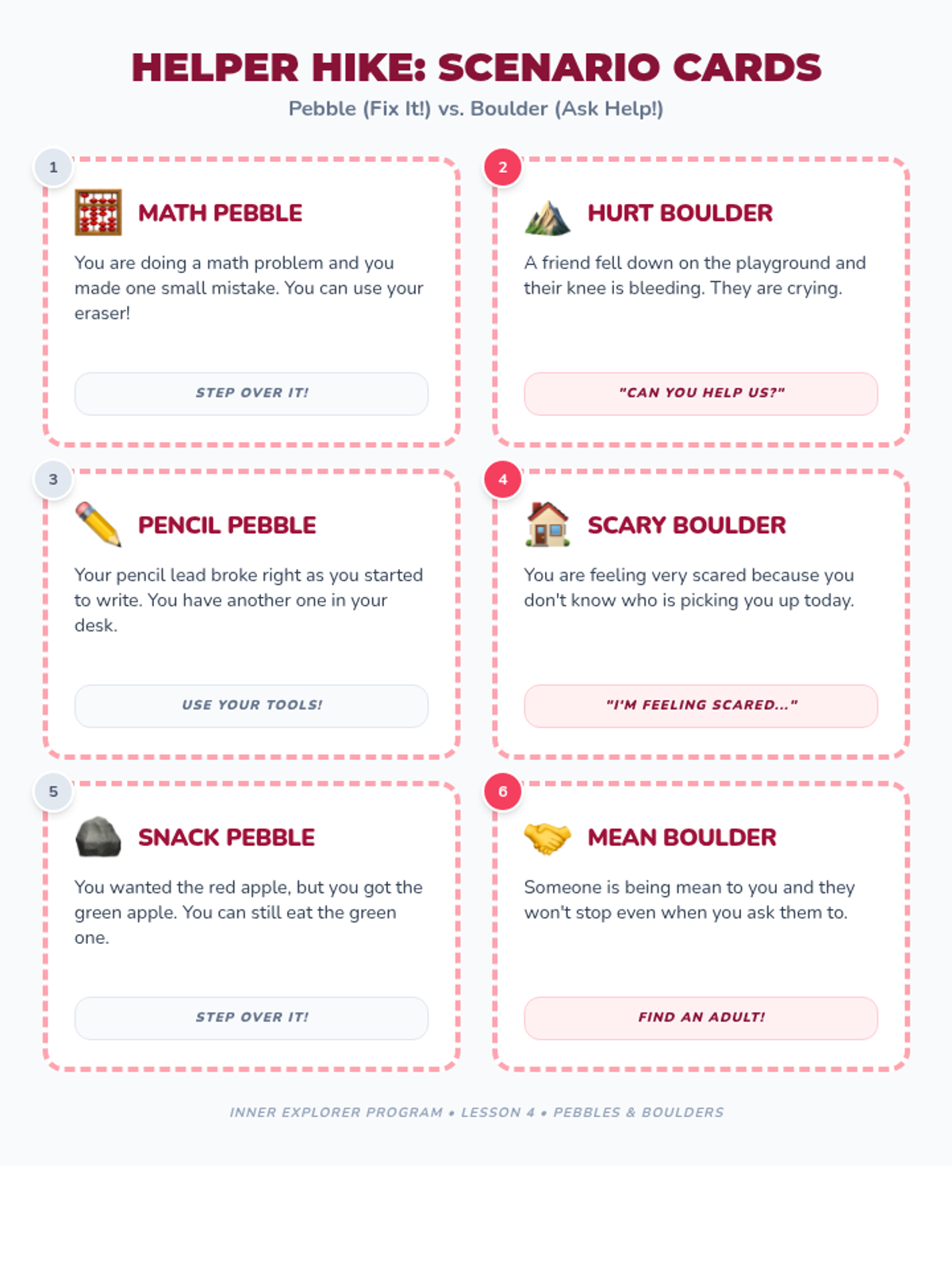
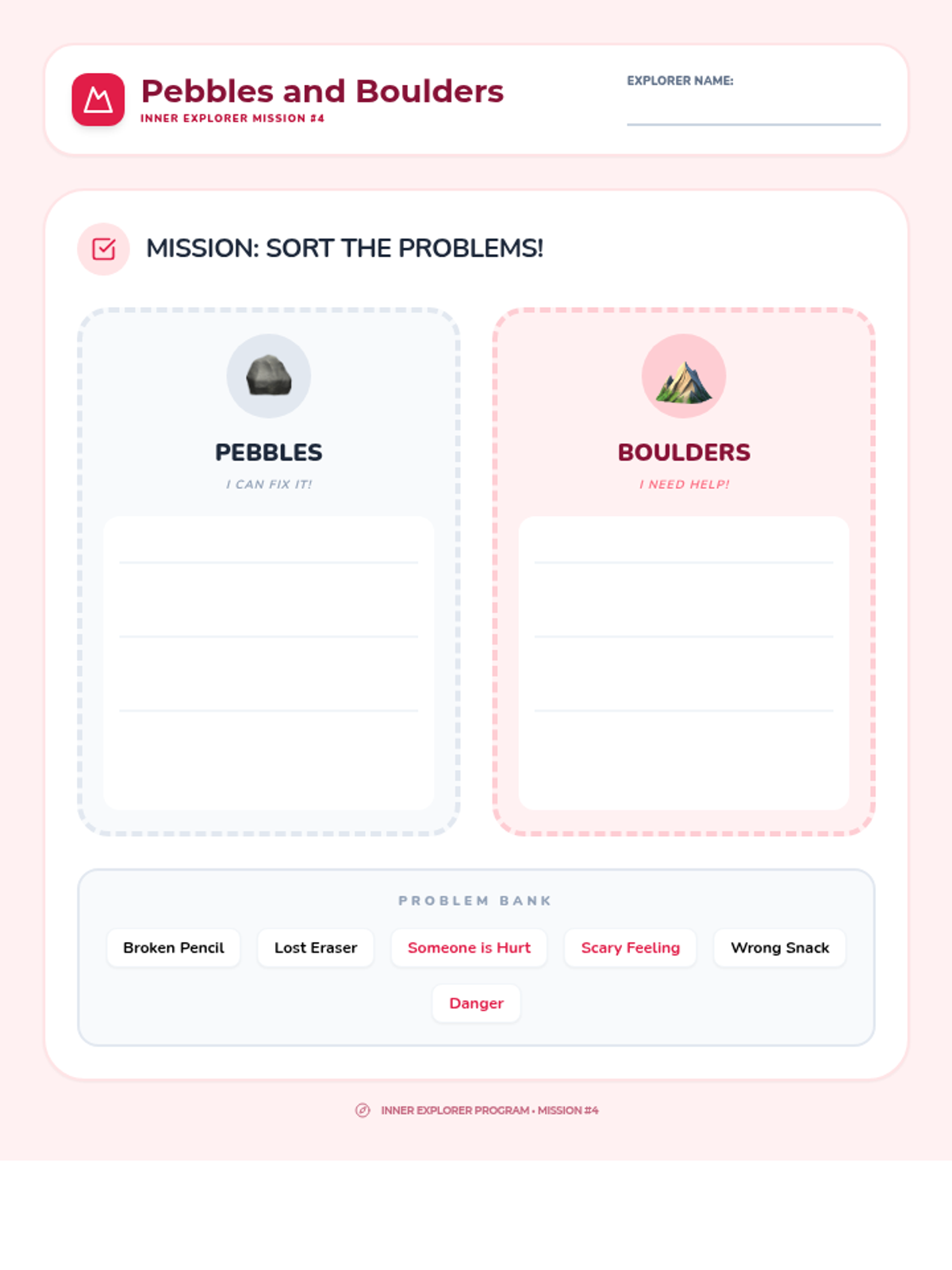
Developing the skill of asking for help and talking through emotions with a trusted adult.
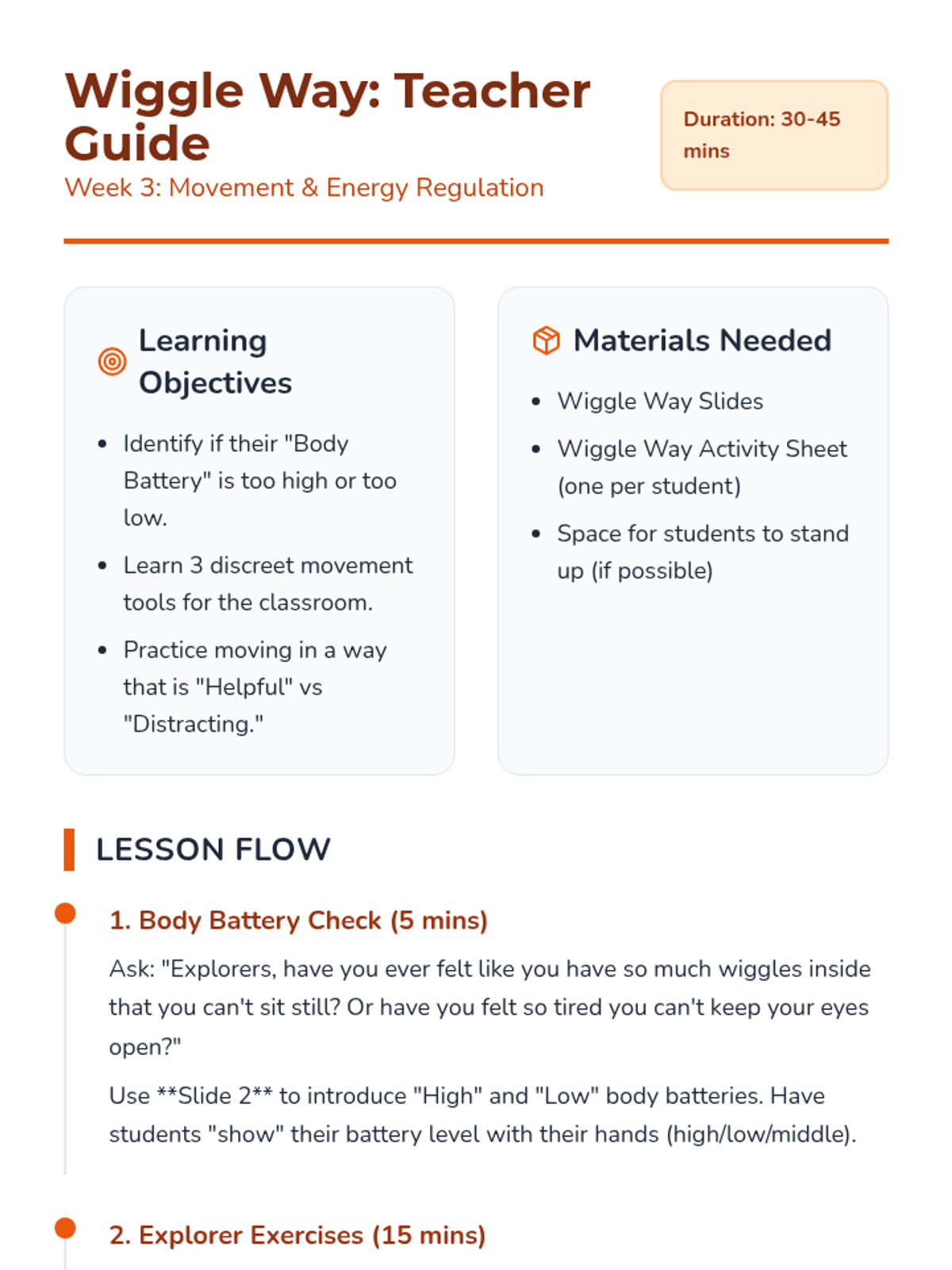
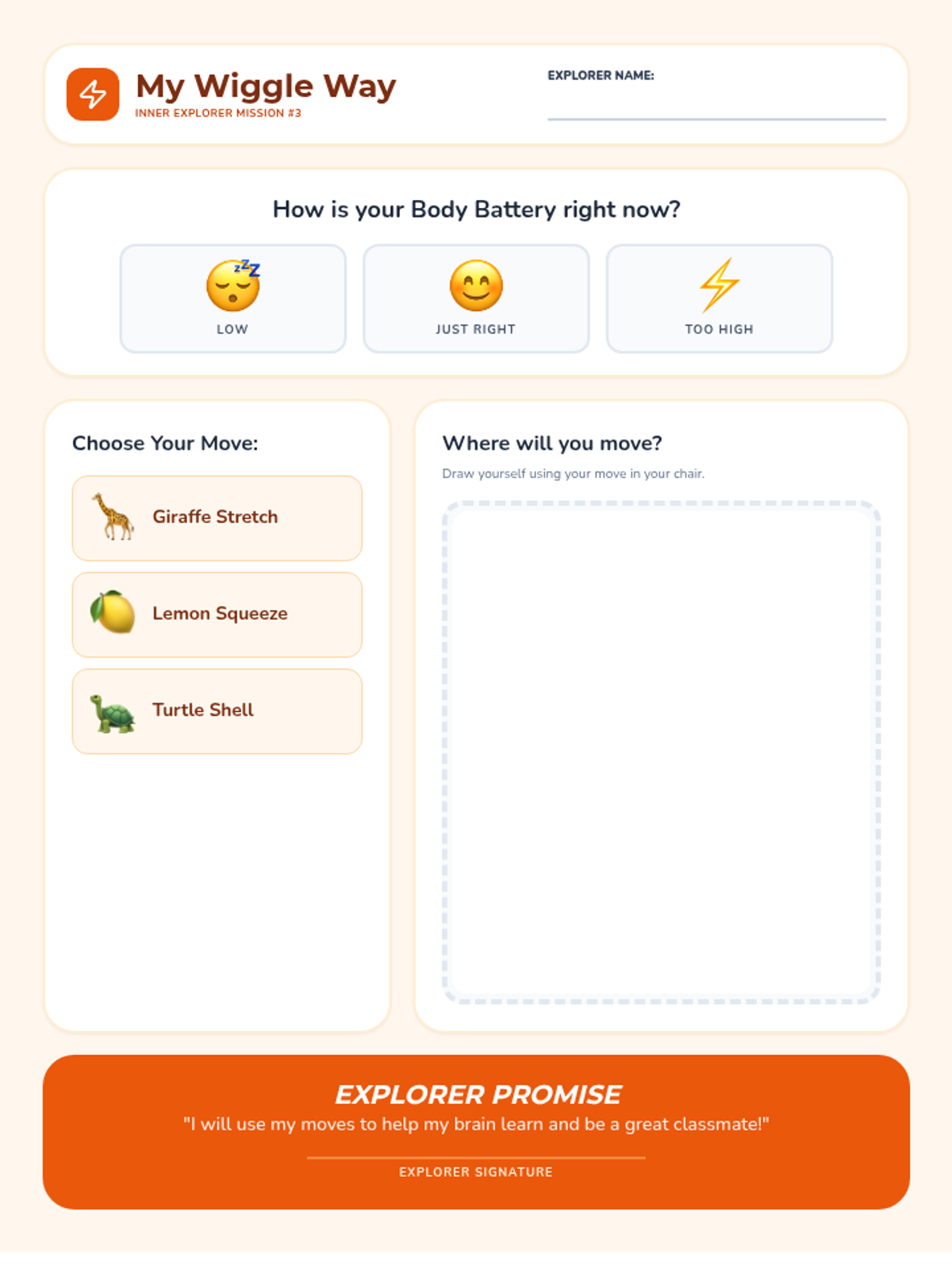
Understanding how movement can help refocus energy and stay on task.
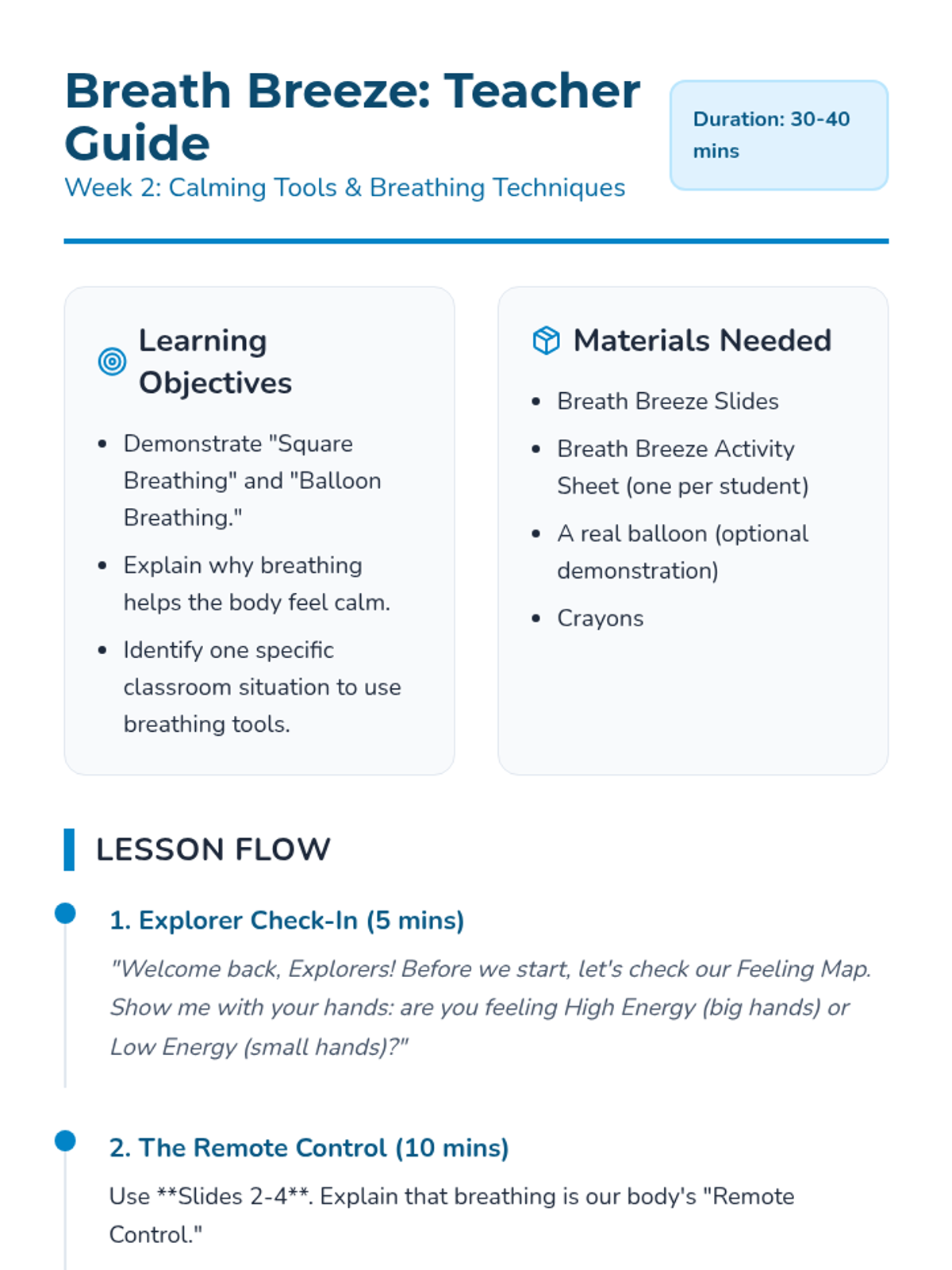
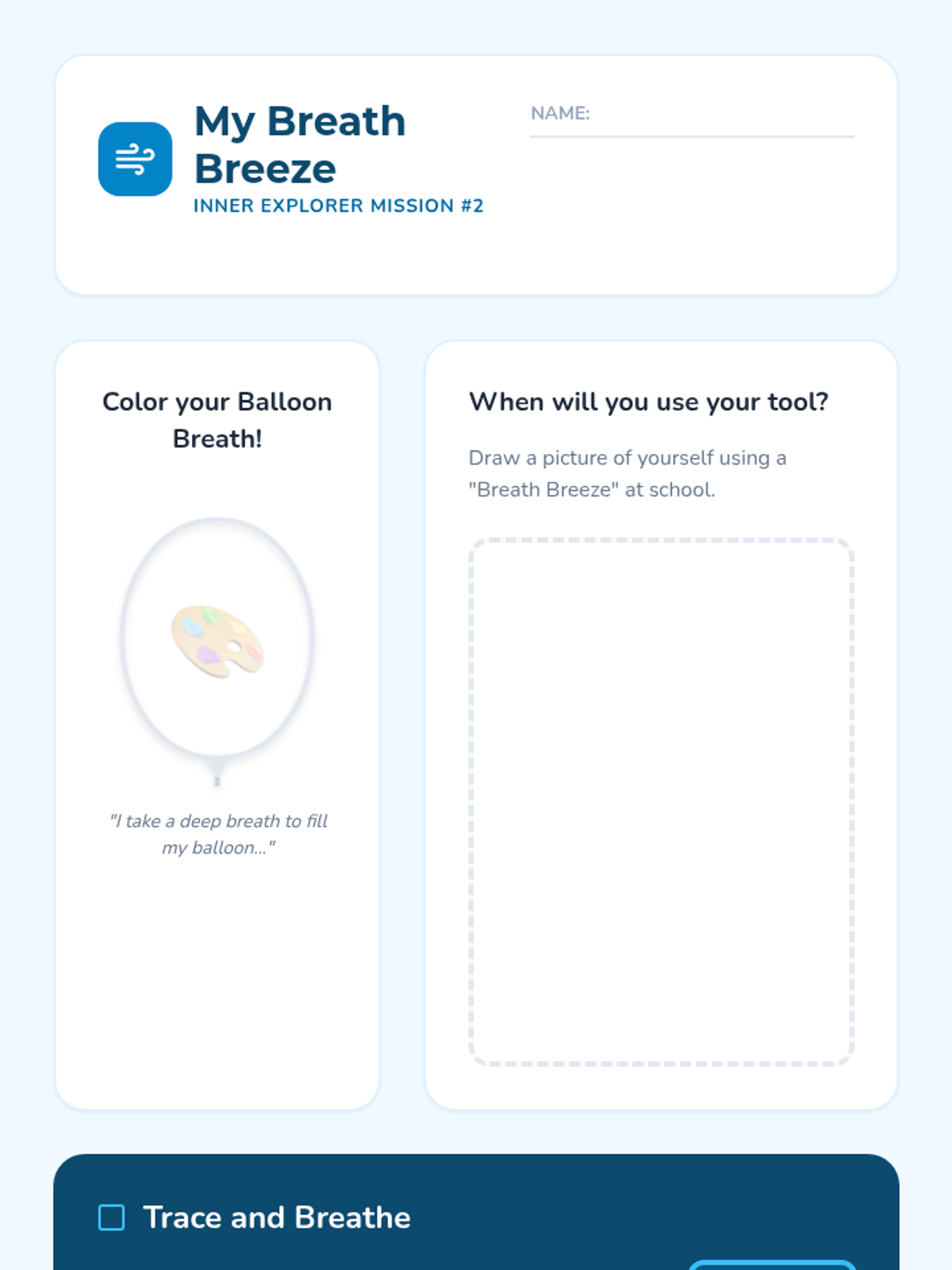
Learning different breathing techniques to calm the mind and body.
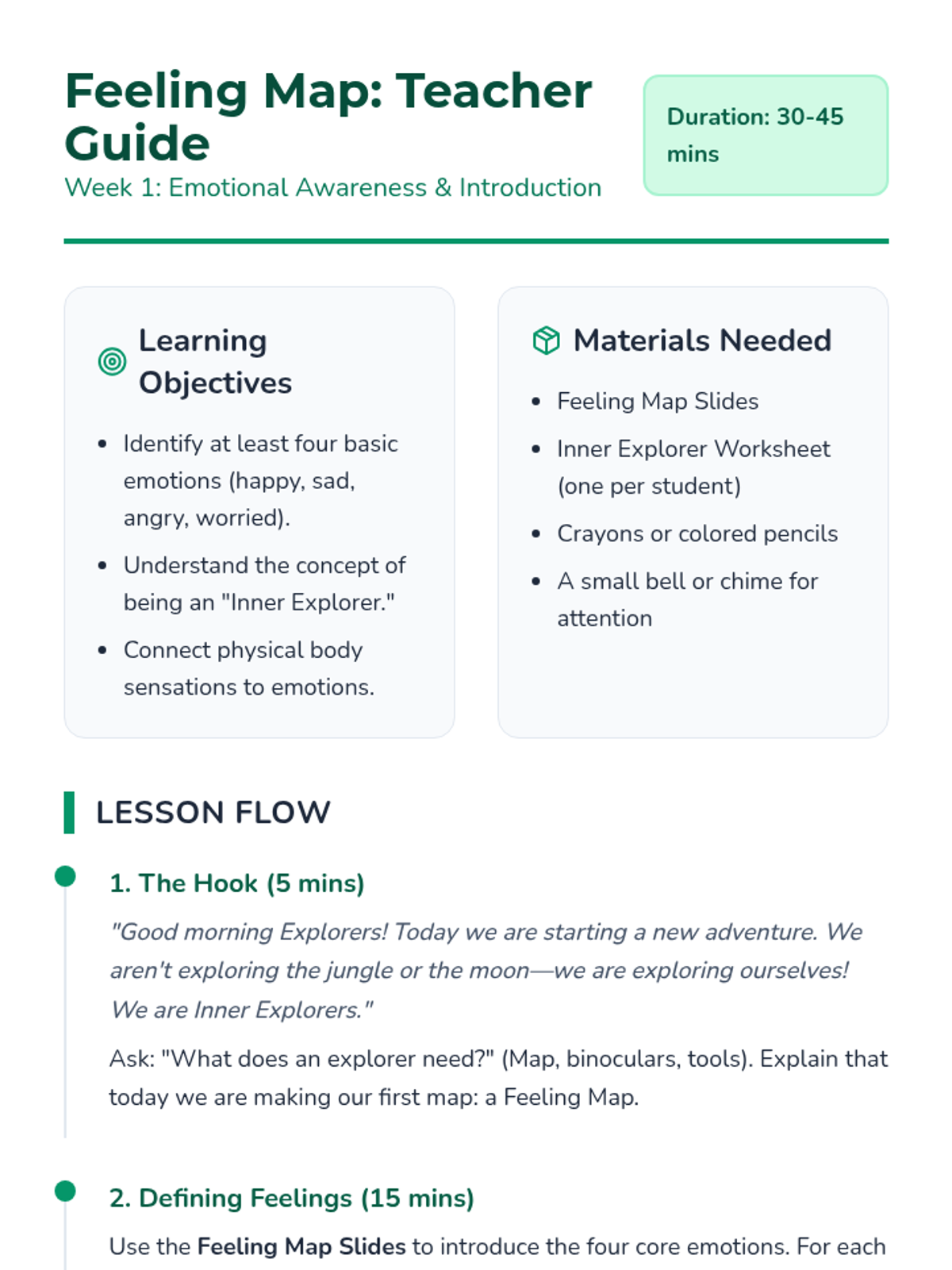
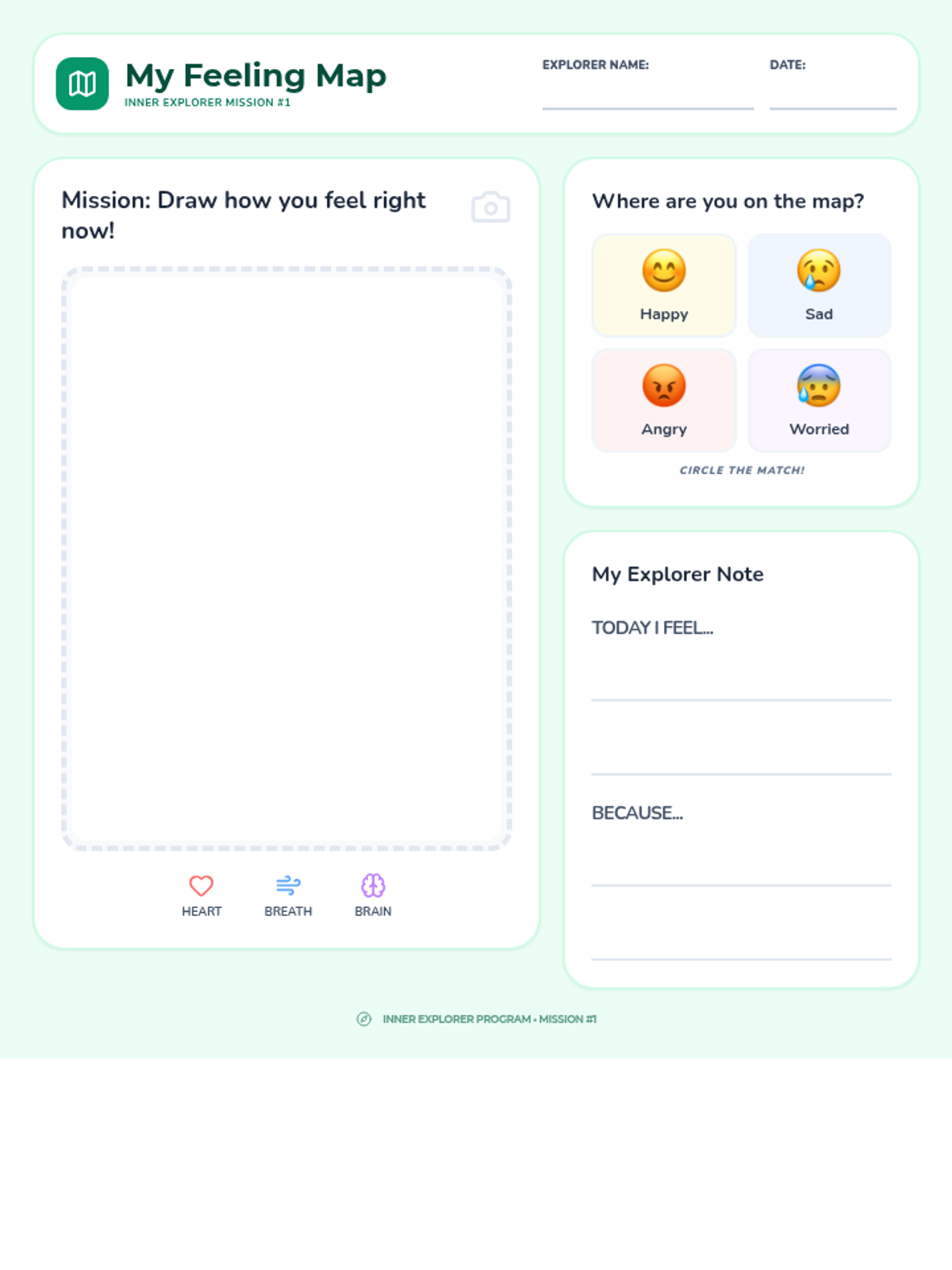
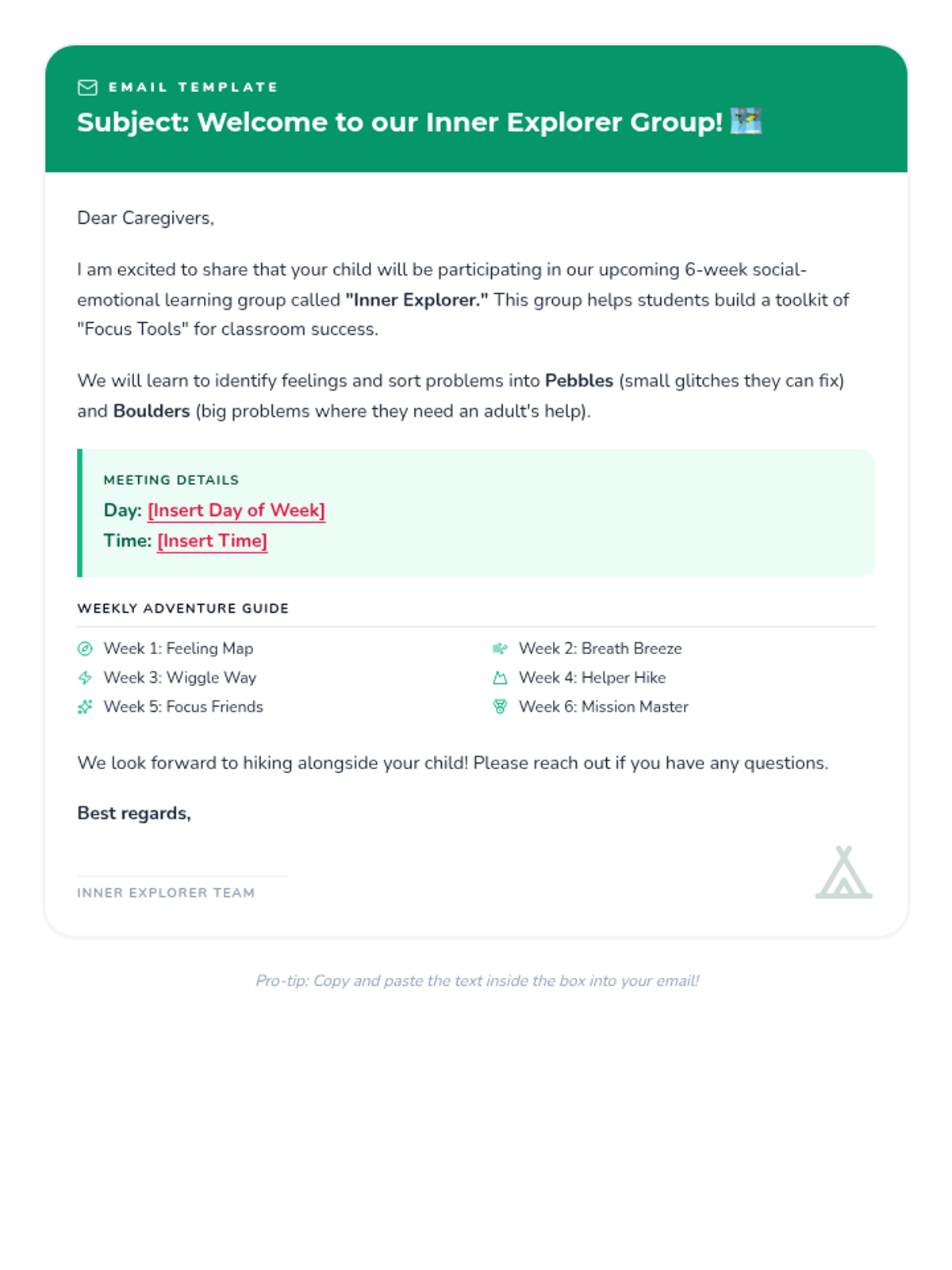
Introduction to the concept of feelings as a 'map' and identifying common emotions.
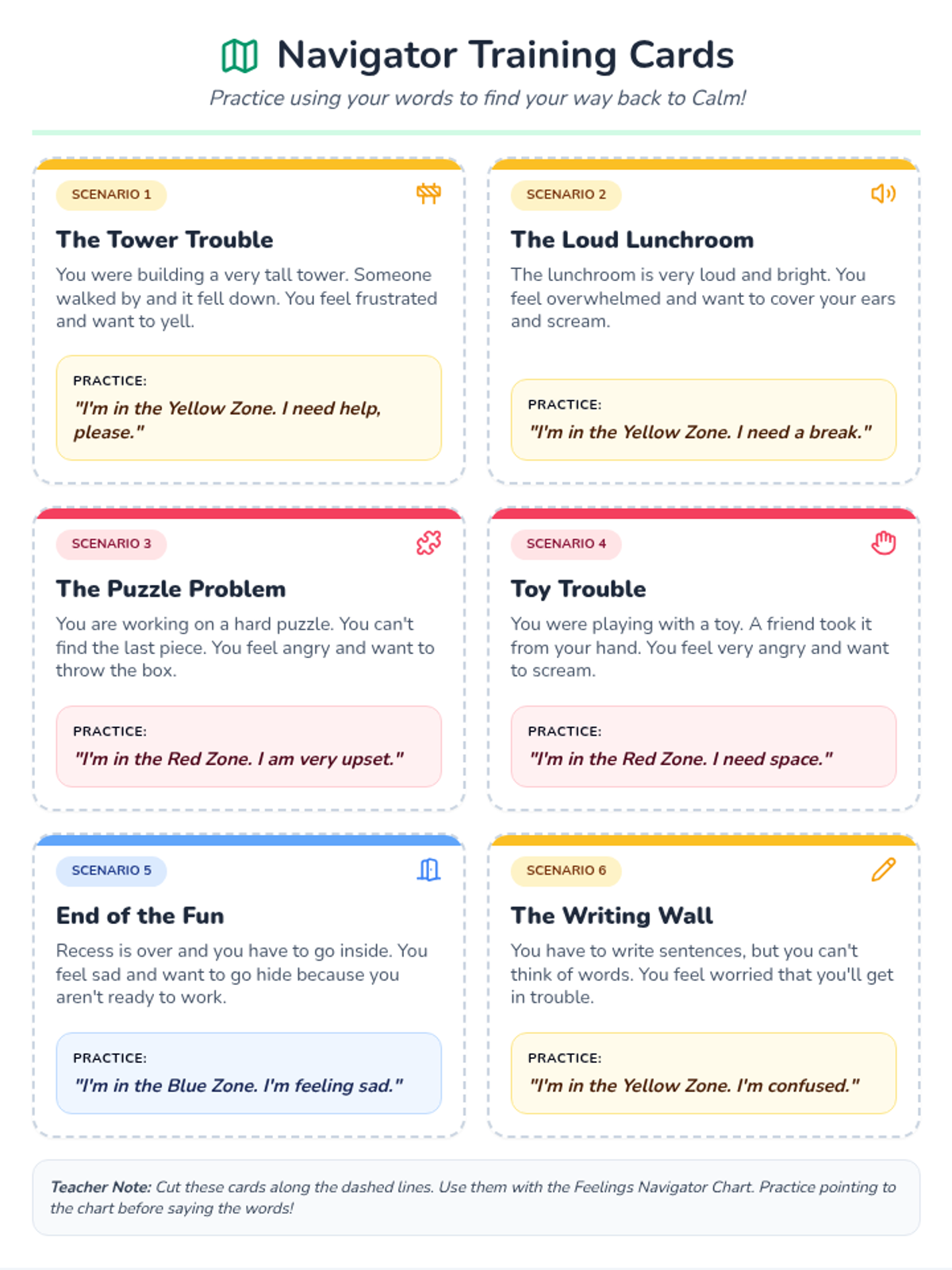
A lesson designed for two first-graders to learn how to replace screaming and eloping with verbal communication using a feelings chart. Through role-play and visual aids, students practice identifying their emotions and stating their needs.
Consolidates learning from the previous weeks and sets goals for continued social-emotional success.
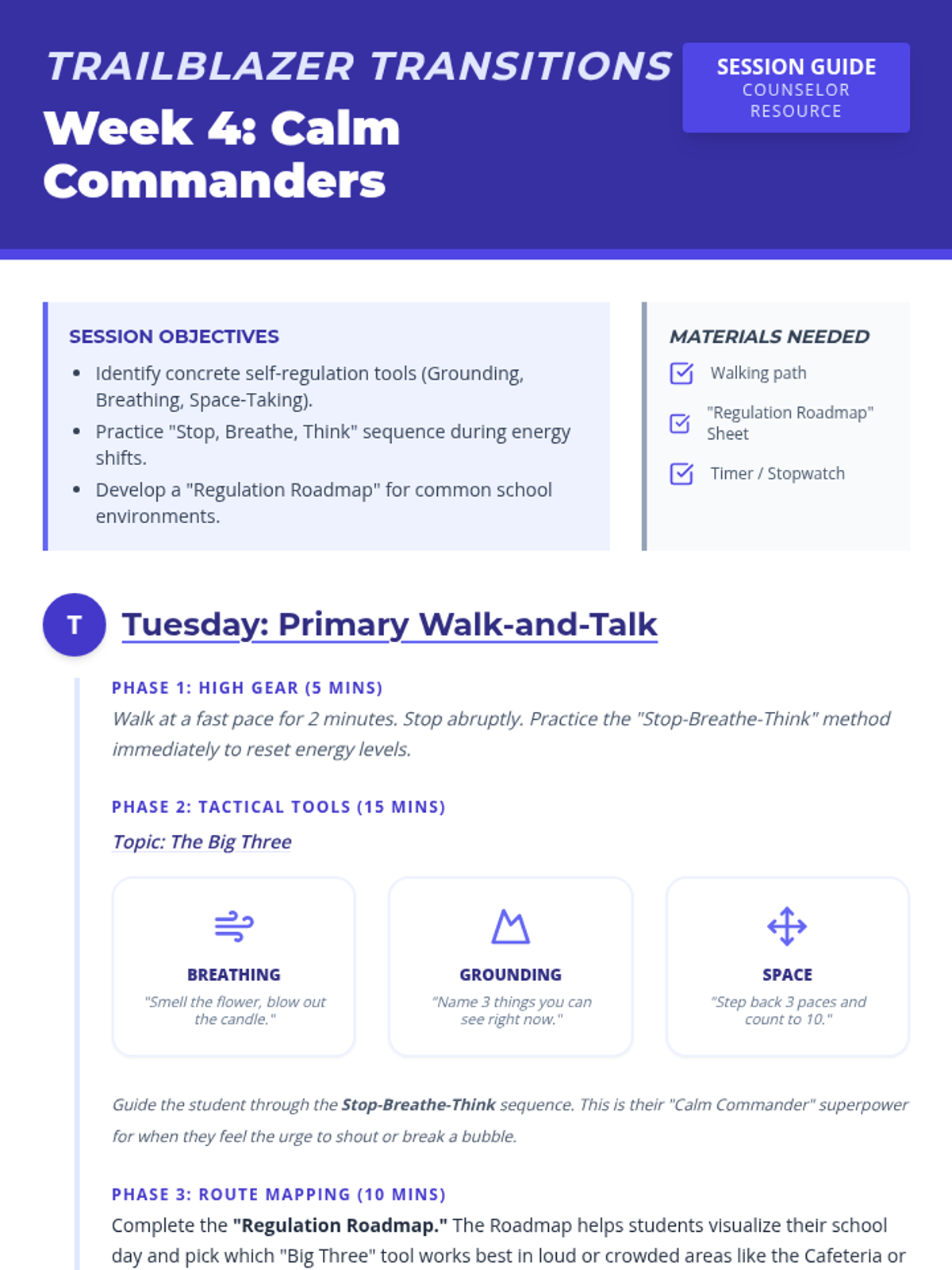
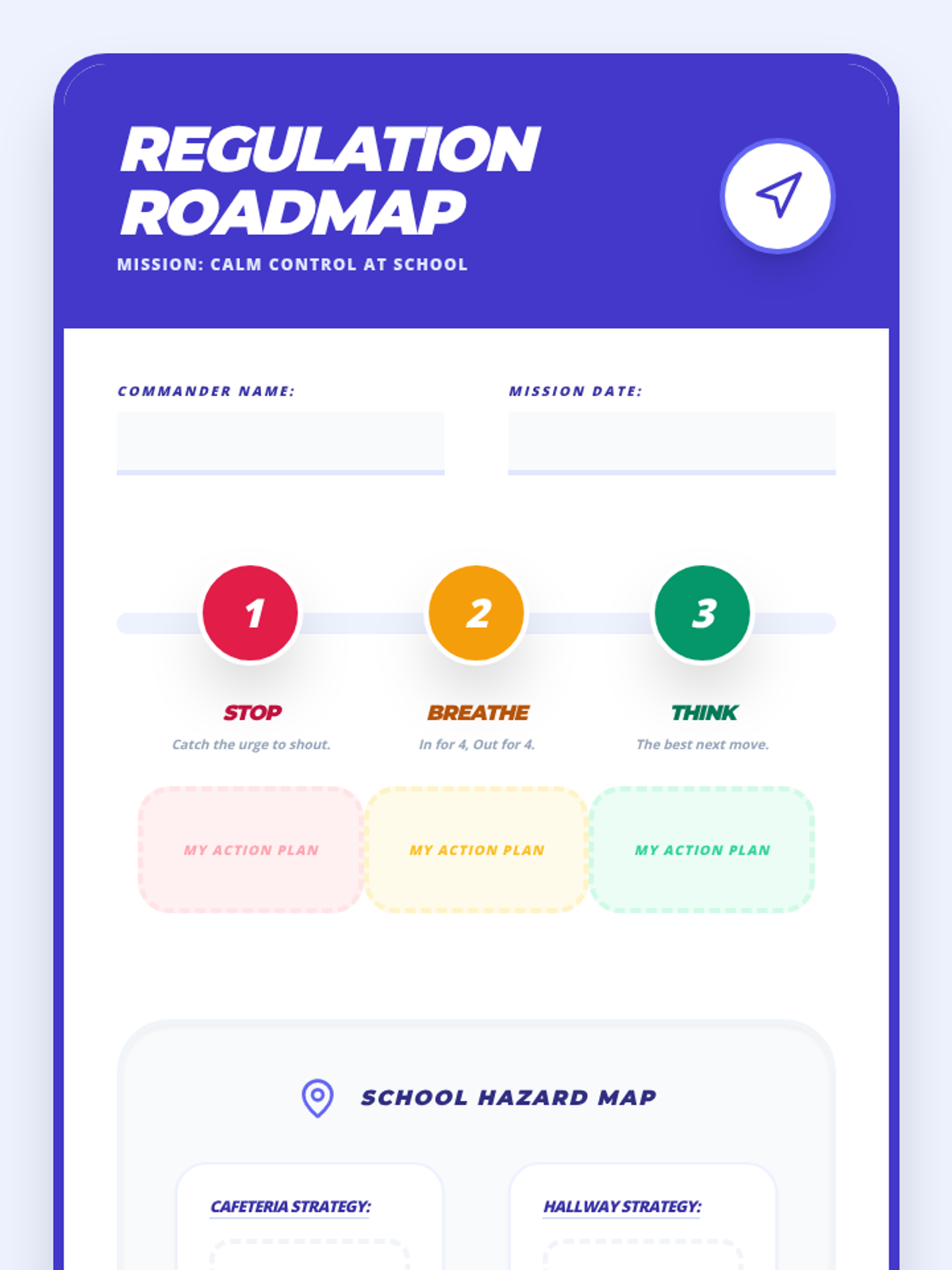
Teaches concrete self-regulation strategies and provides tools for emotional regulation.
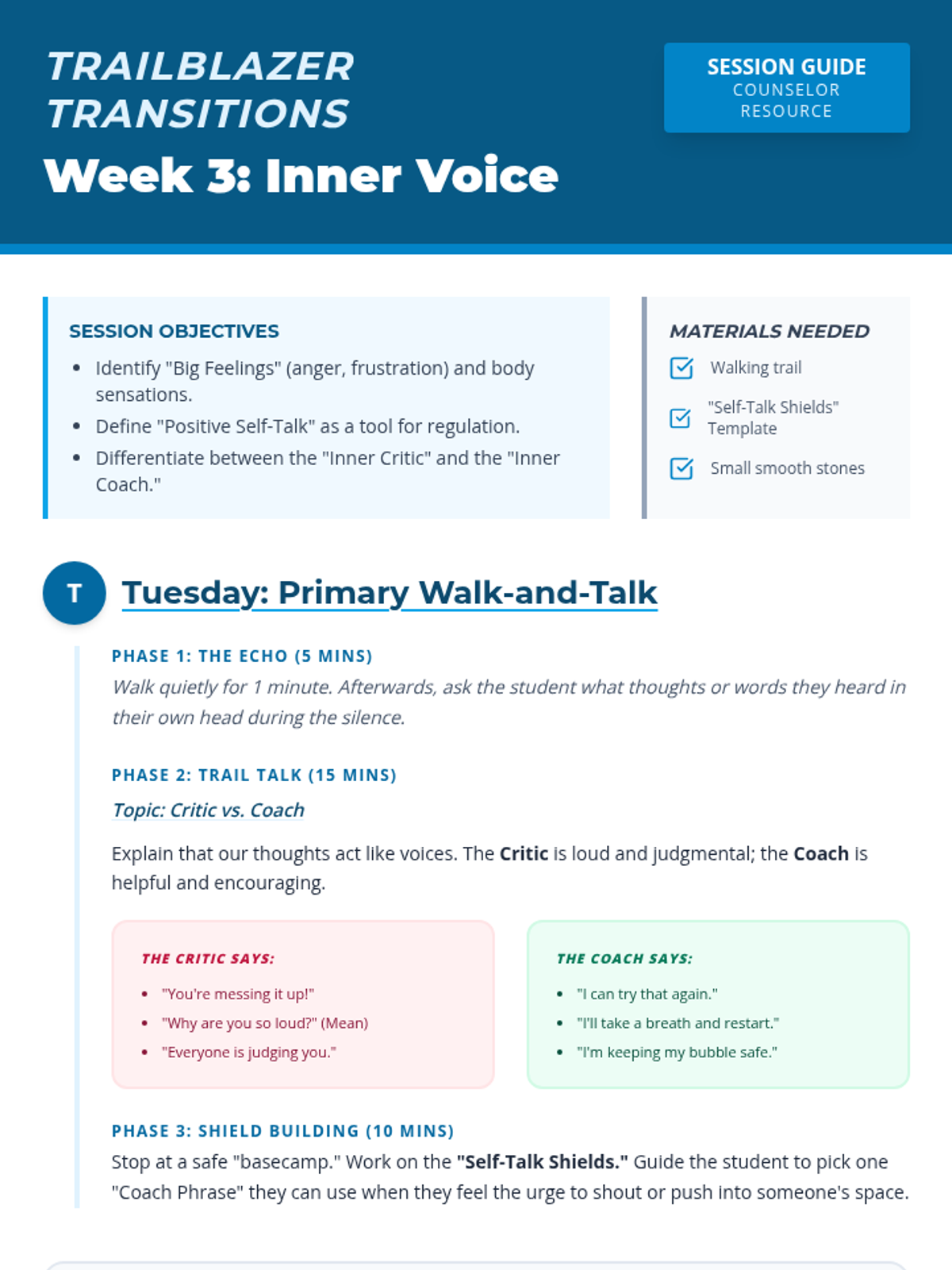
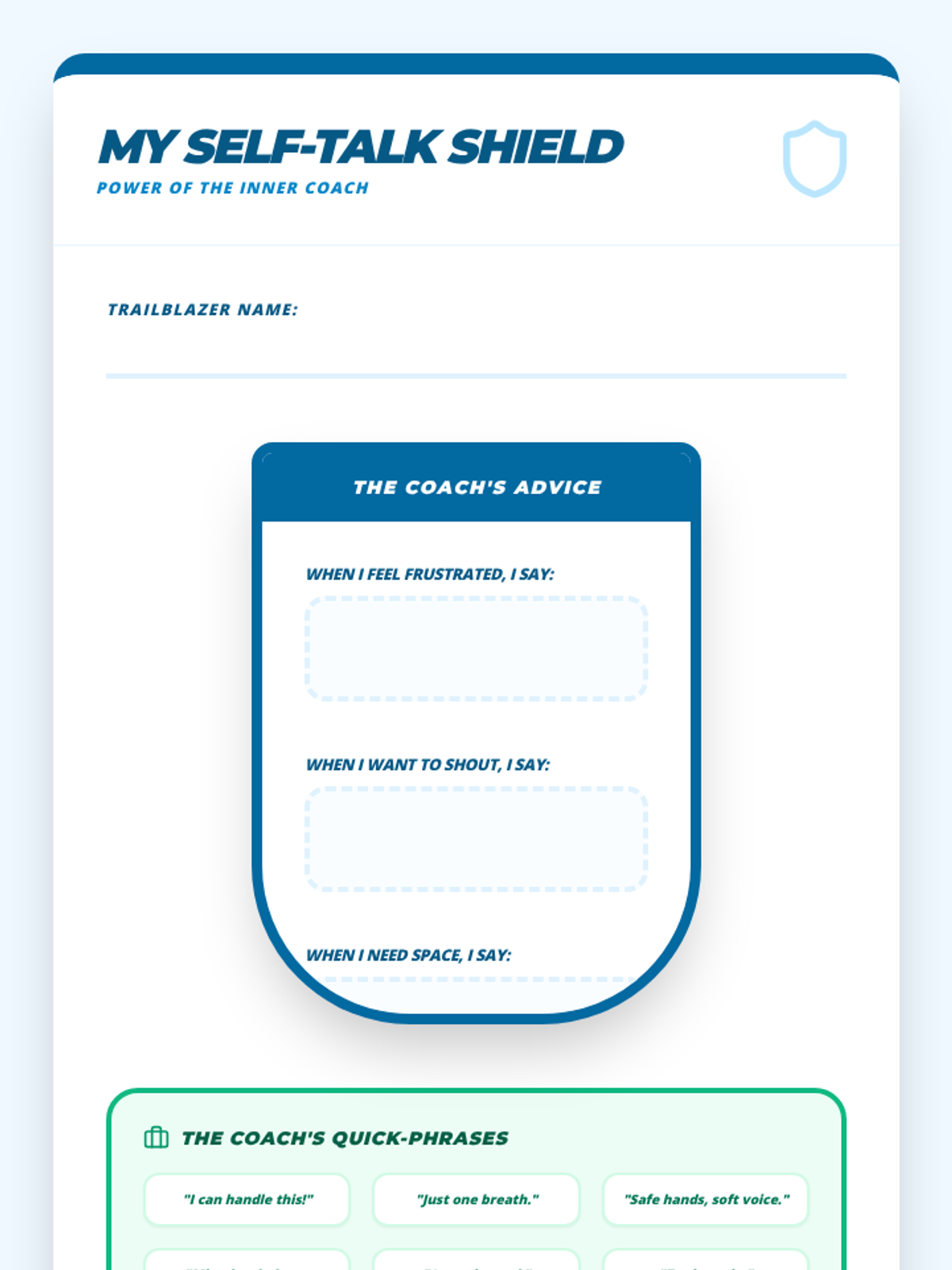
Explores emotional awareness and the power of positive self-talk to manage frustration.
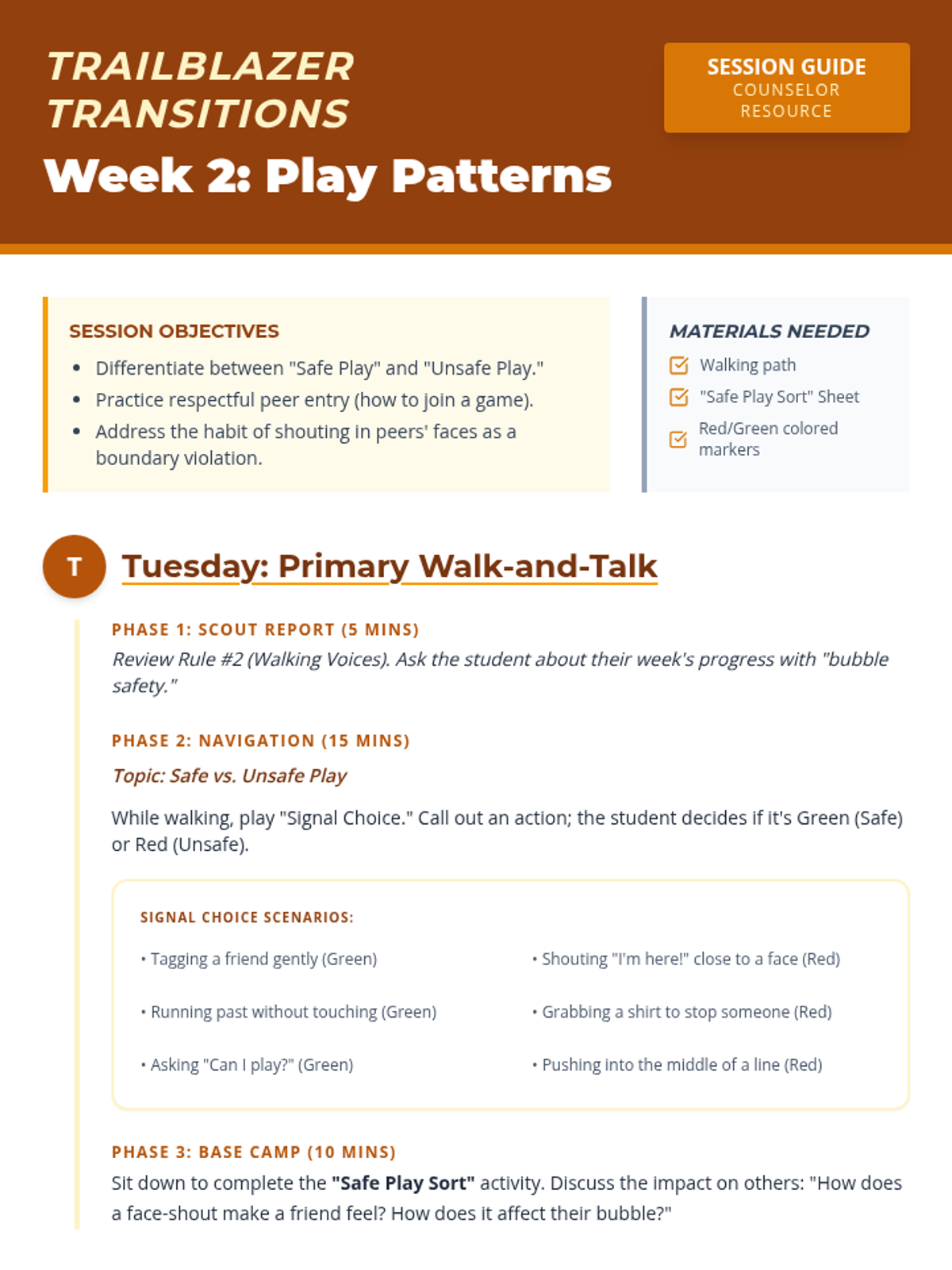
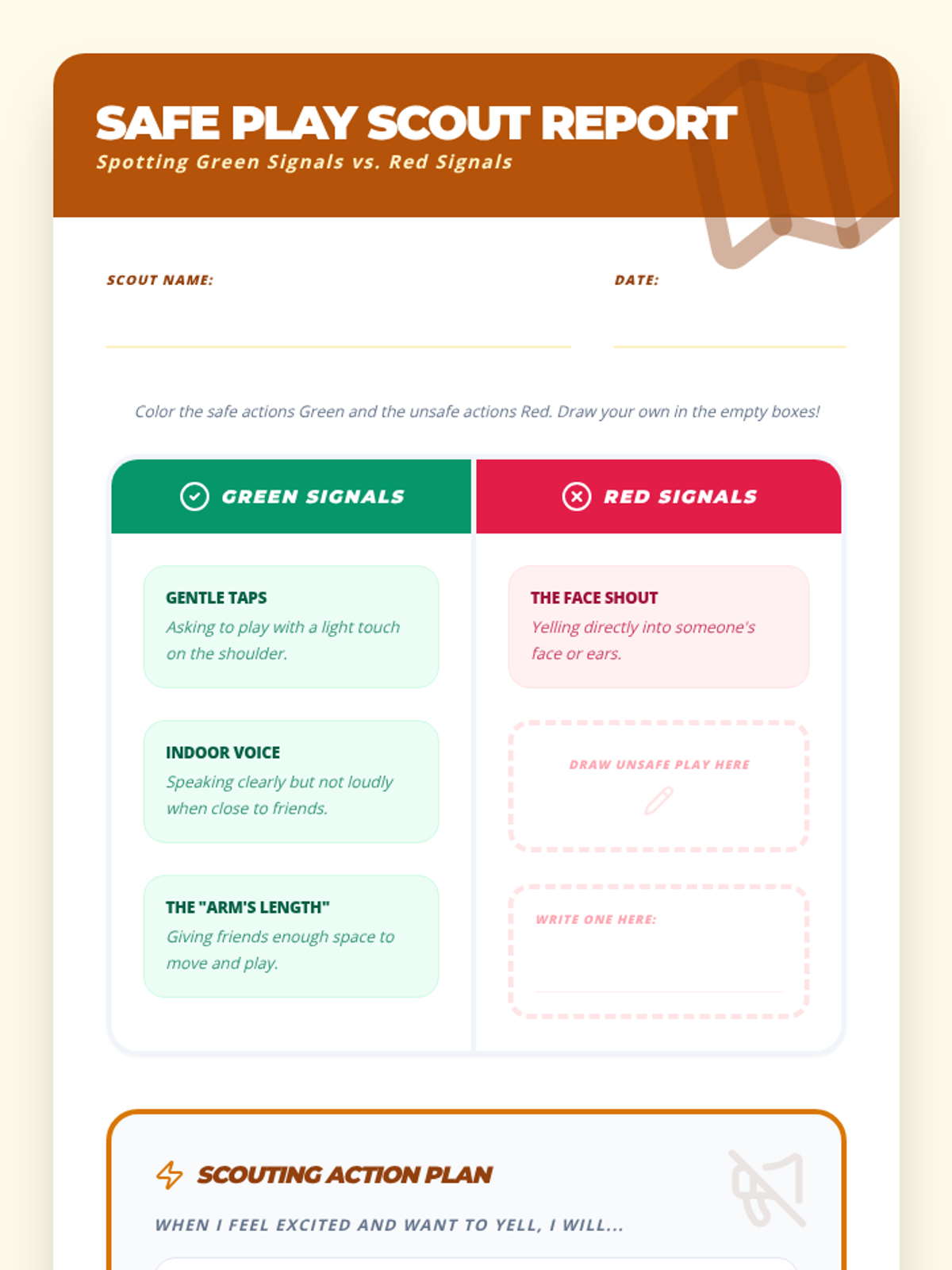
Focuses on distinguishing between safe and unsafe play, specifically addressing peer interactions like shouting and physical contact.
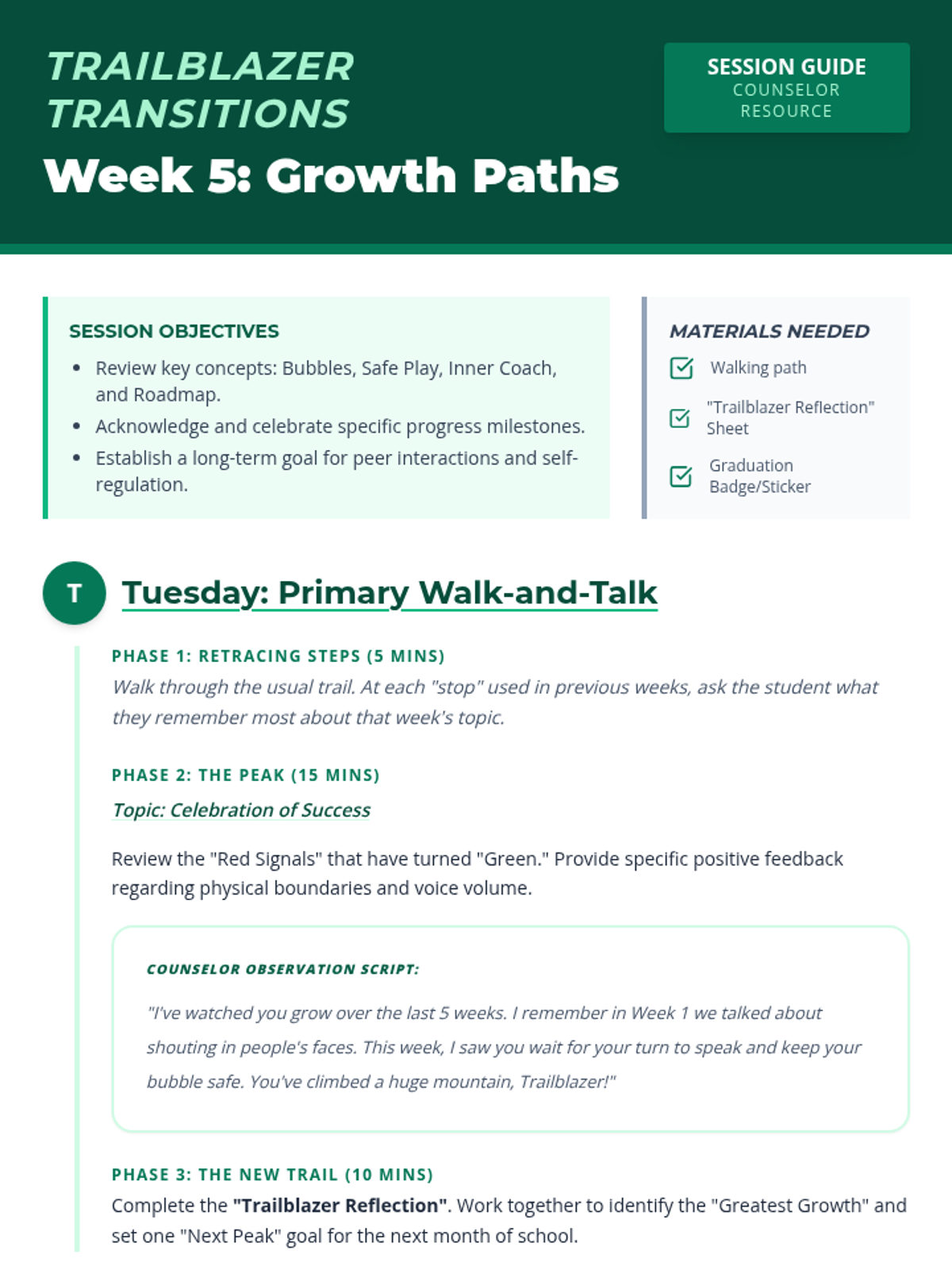
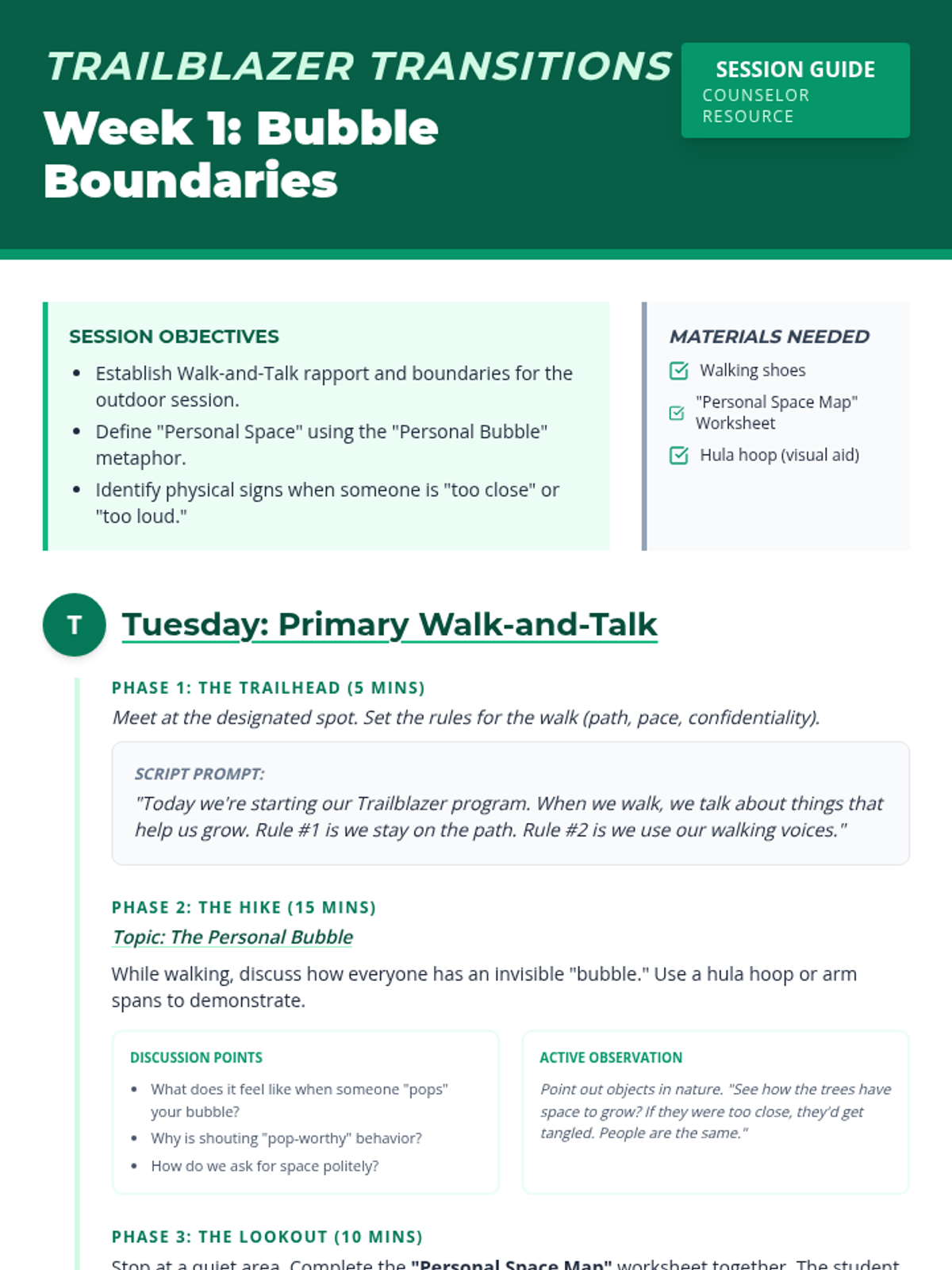
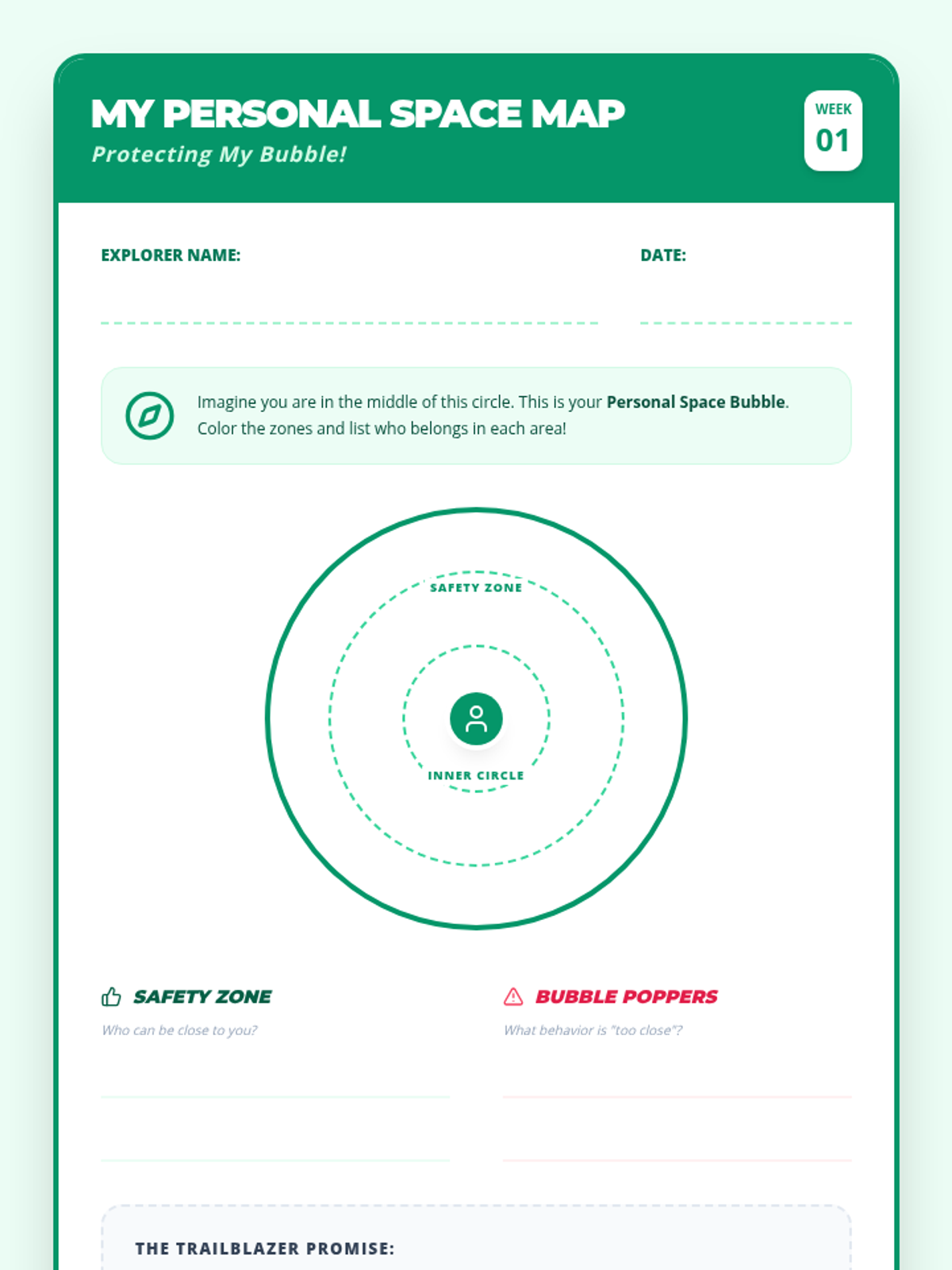
Introduces the concept of personal space and 'bubbles' while establishing the walk-and-talk routine.
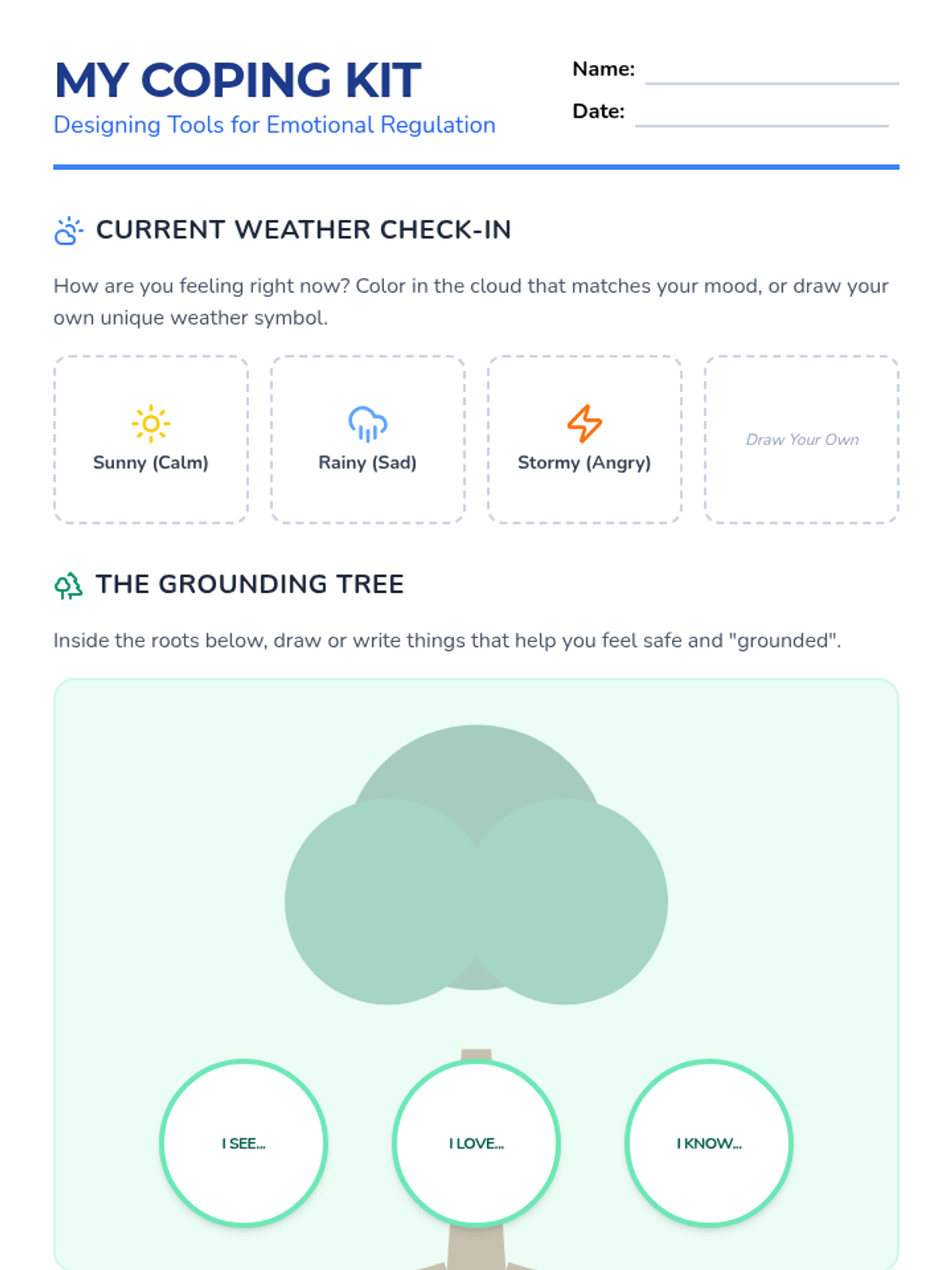
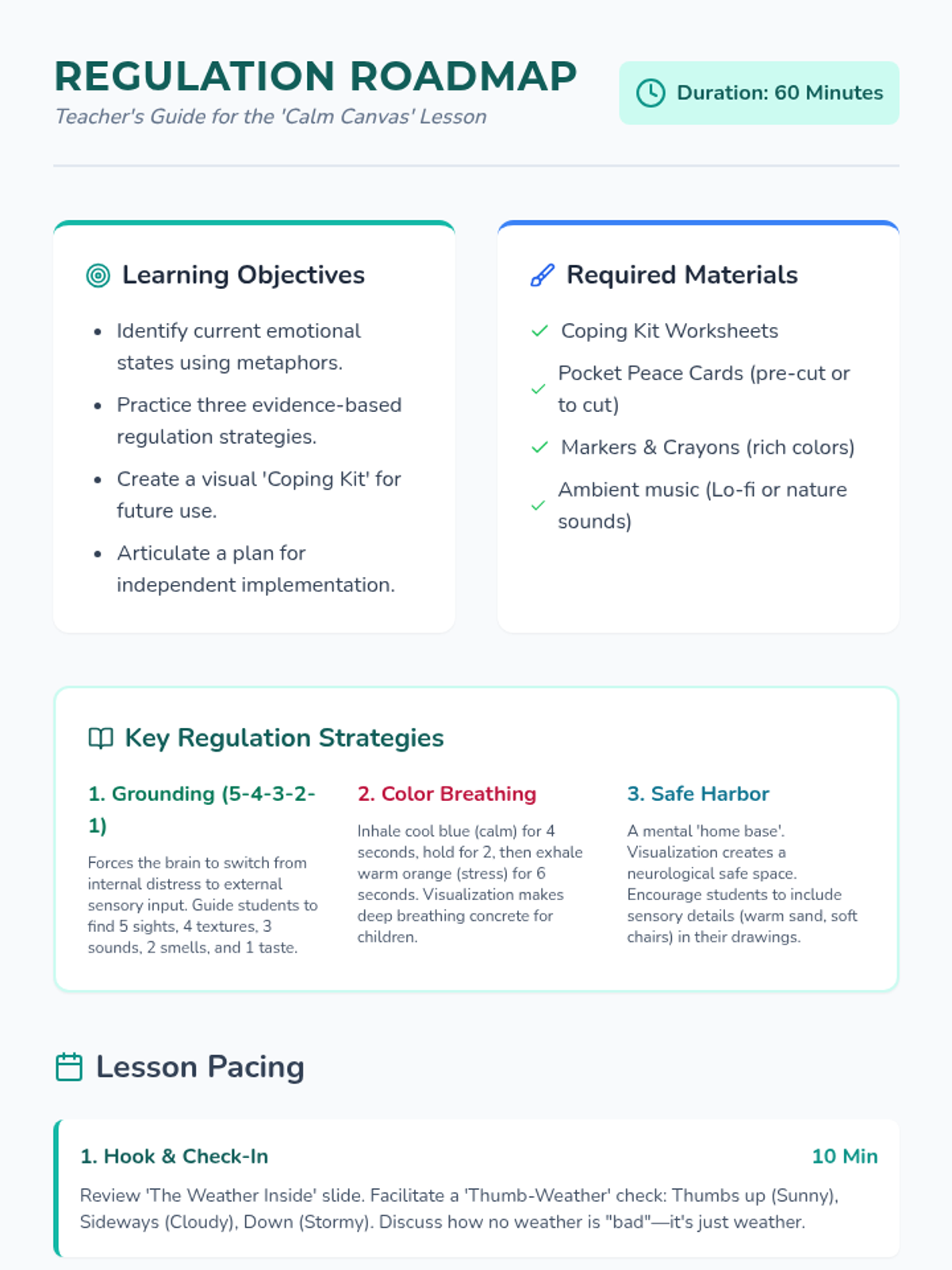
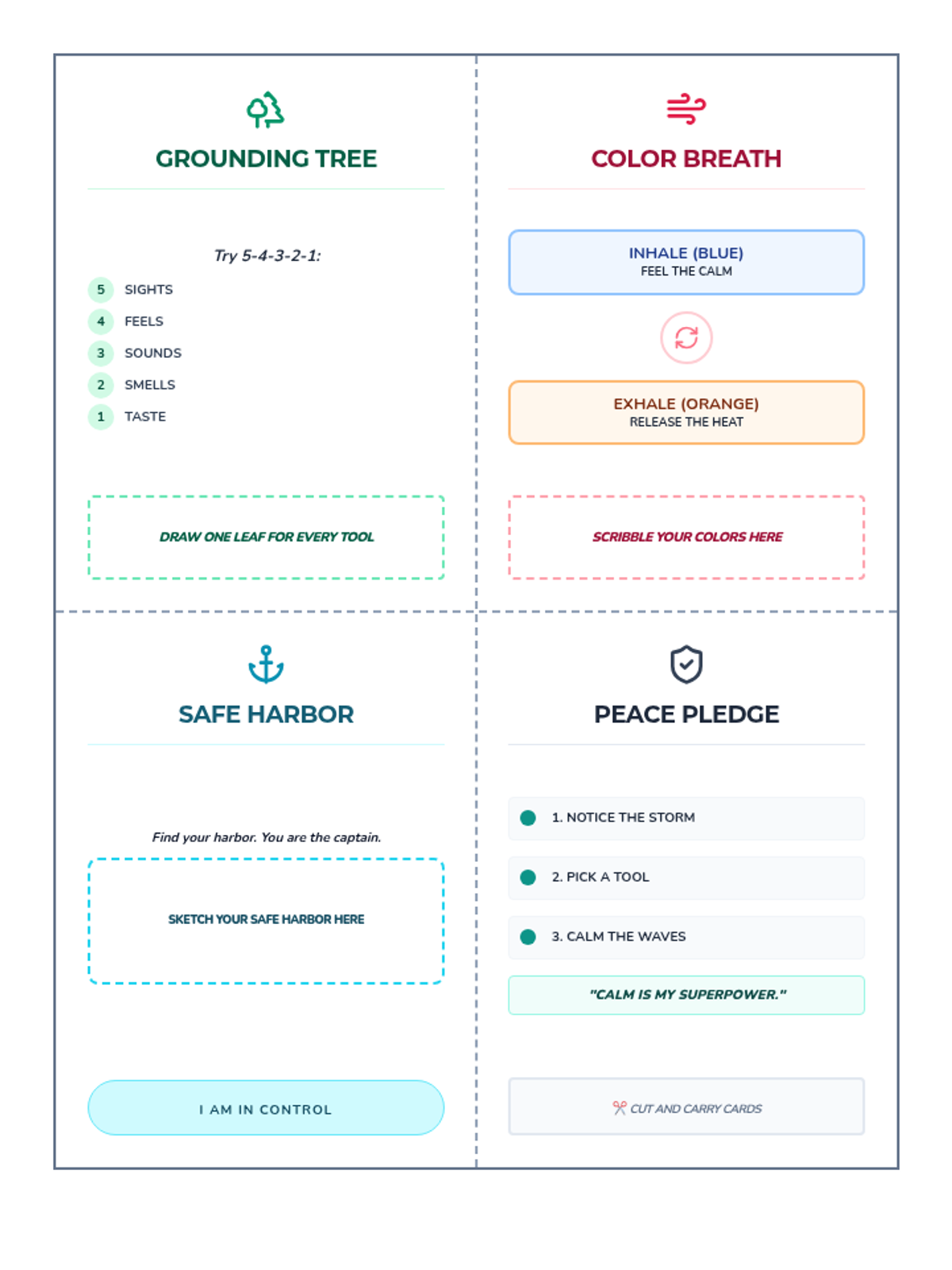
A creative art-based lesson where students learn to identify their emotional states and build a personalized 'coping kit' of regulation strategies using markers and crayons.
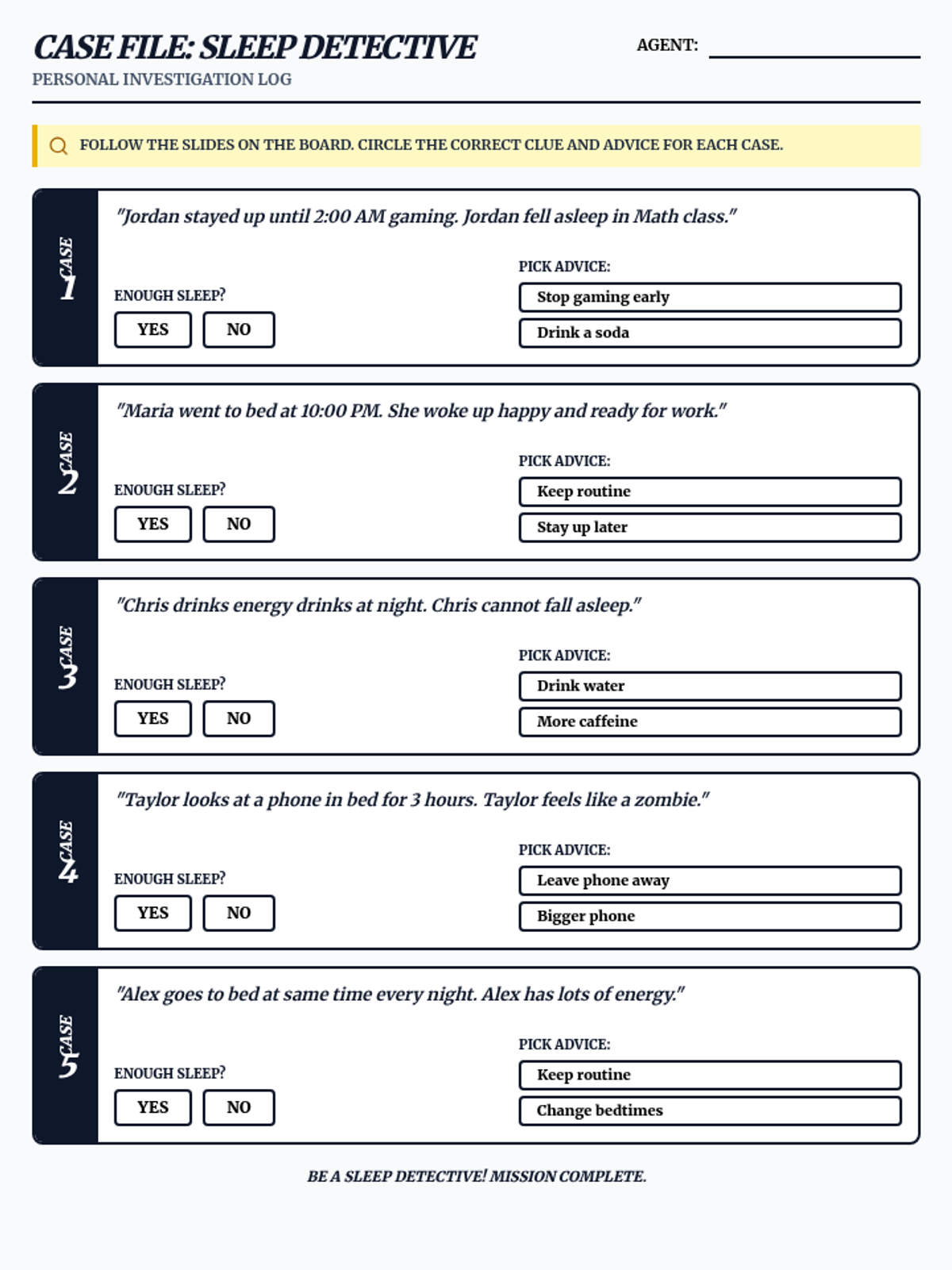
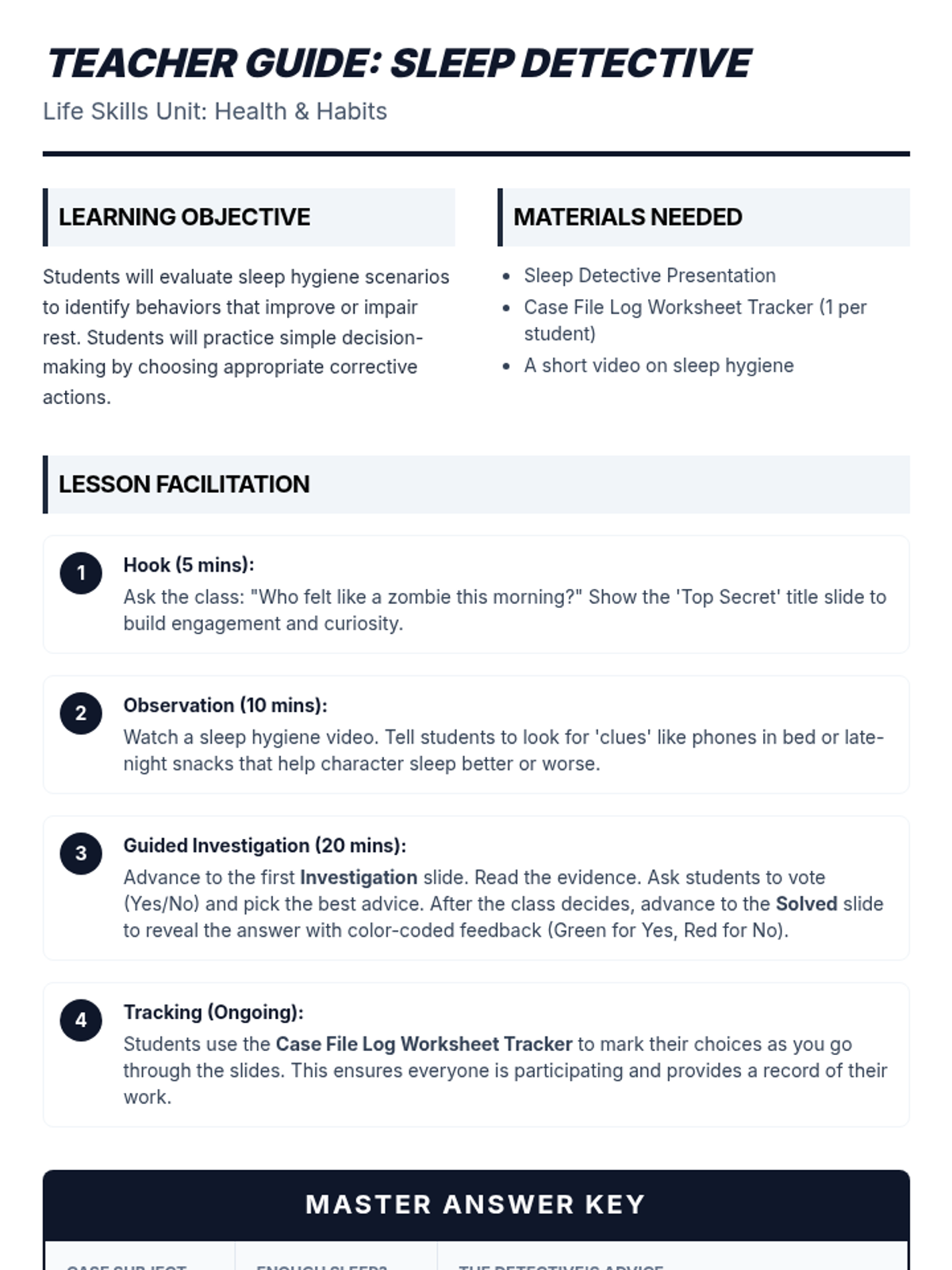
A life skills lesson where students become 'Sleep Detectives' to analyze habits and identify healthy sleep patterns using visual scenarios and simple decision-making.
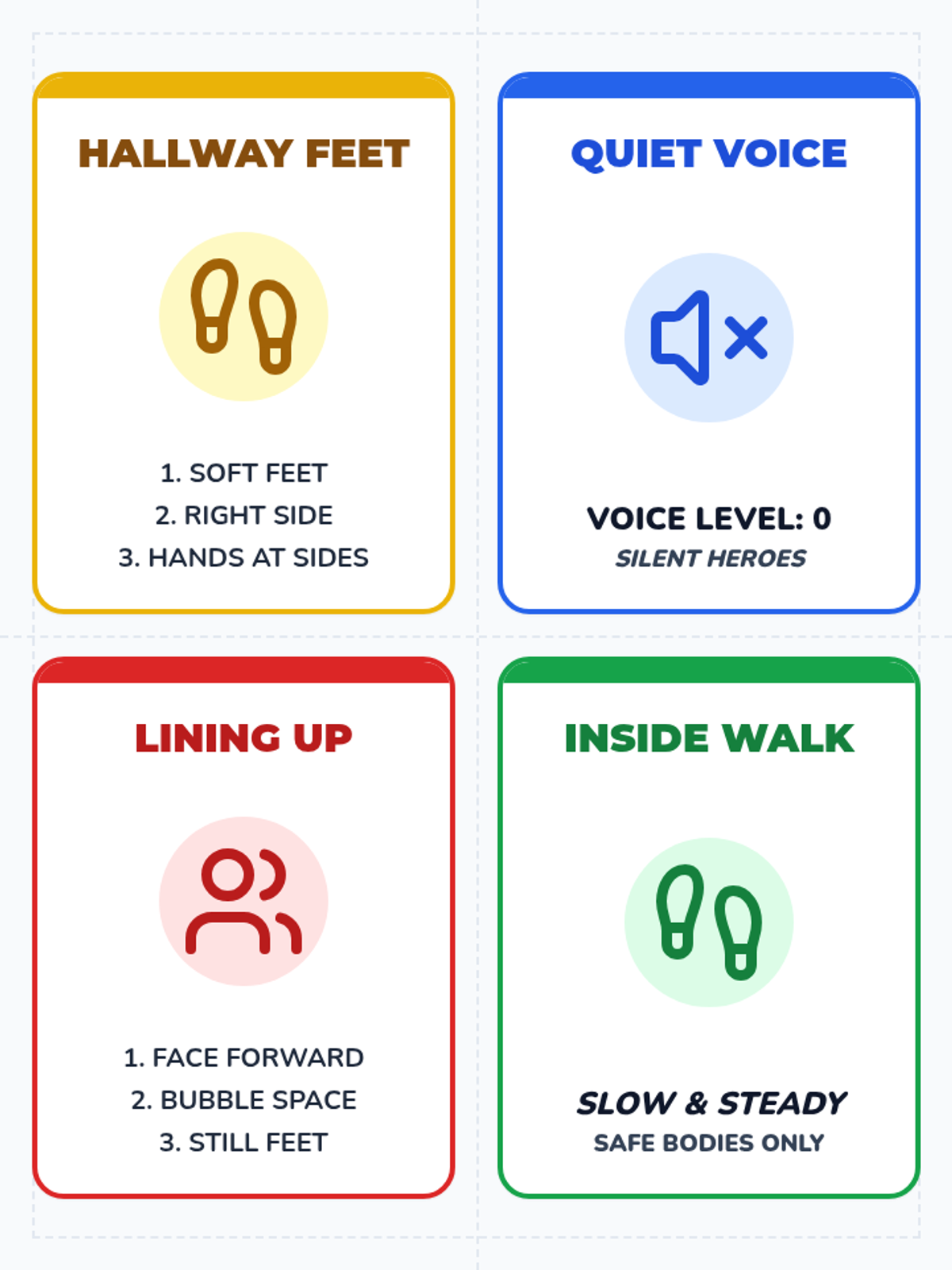
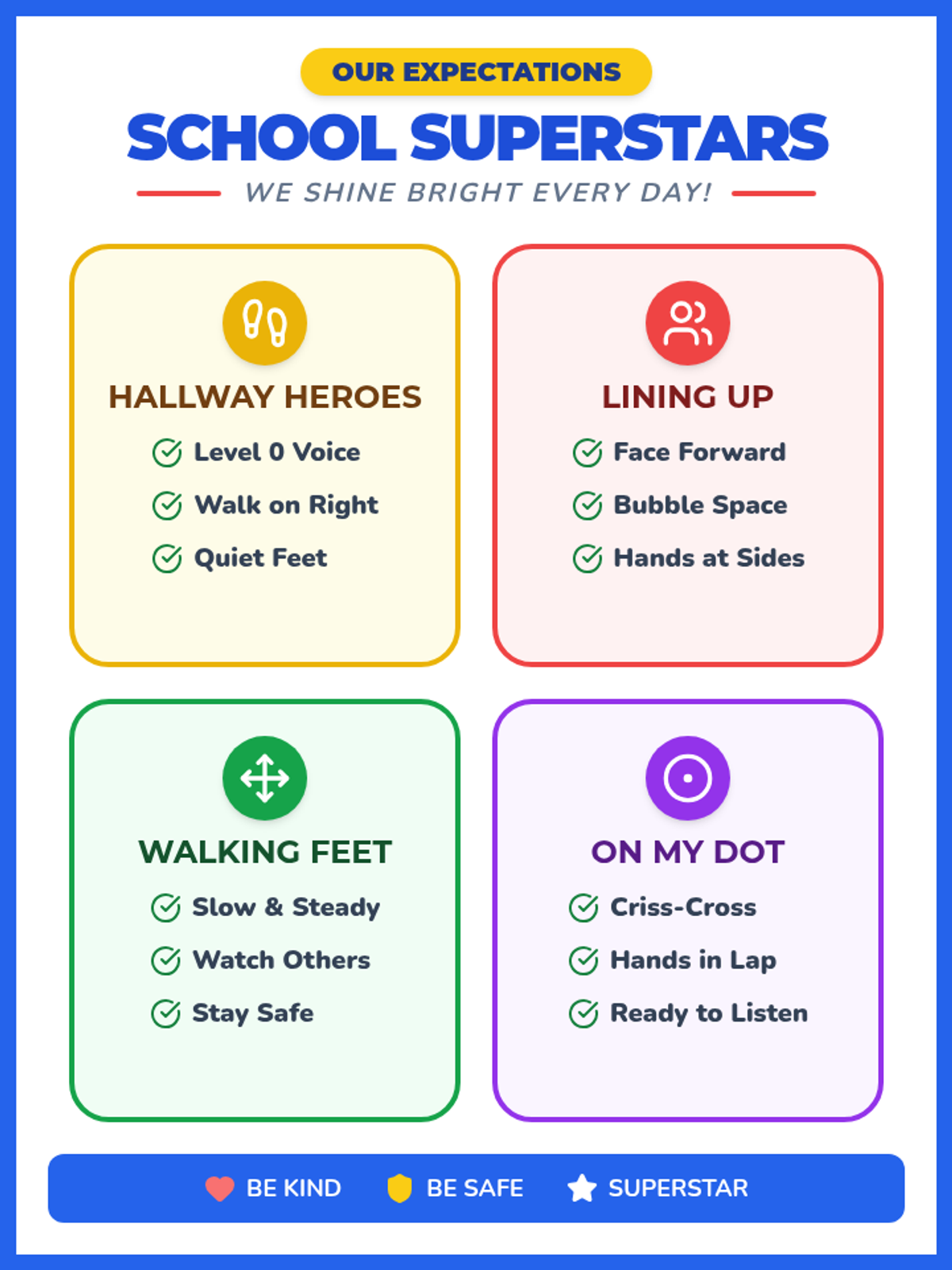
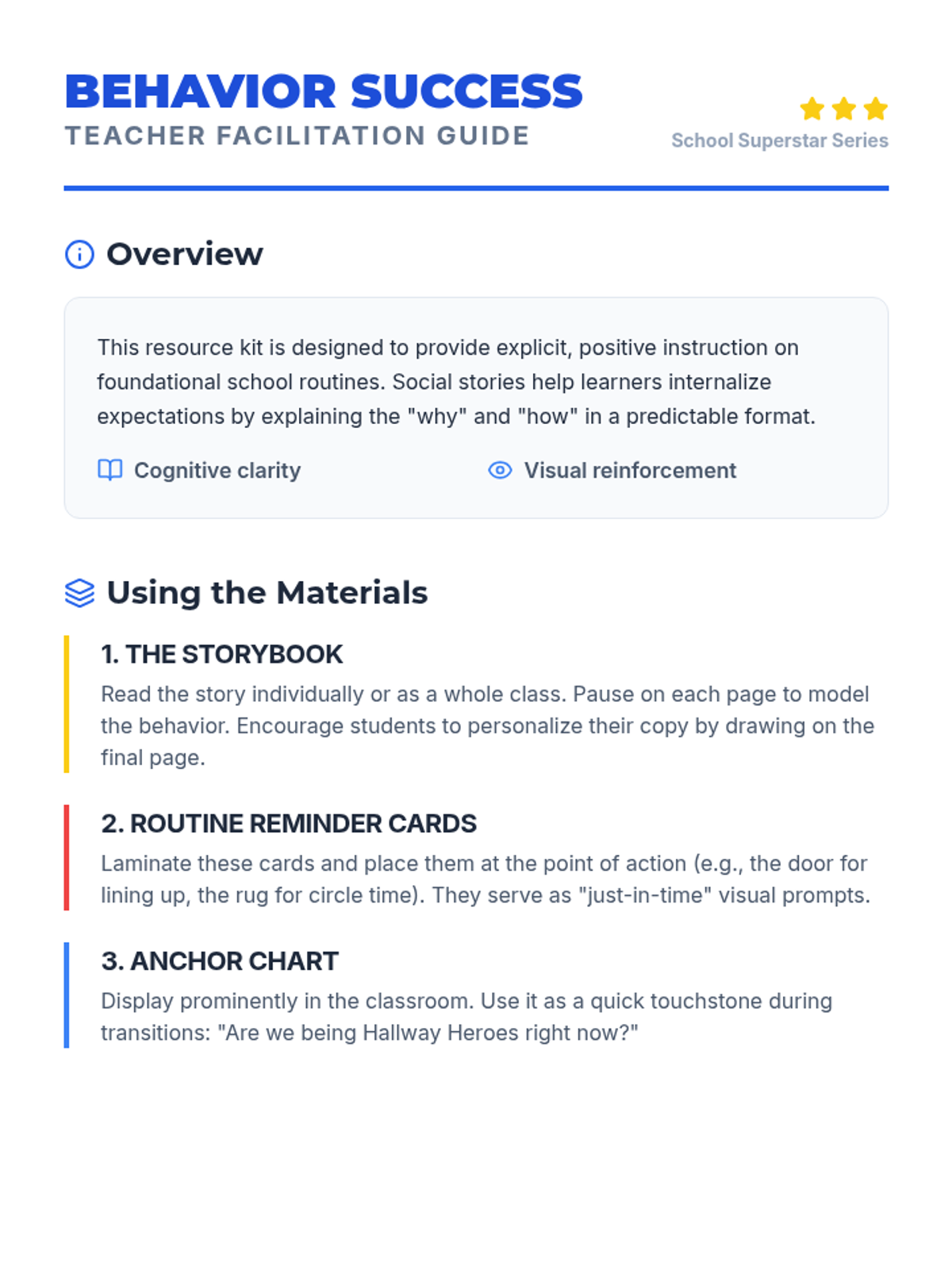
A comprehensive set of social story materials designed to teach and reinforce expected behaviors for walking in hallways, standing in lines, moving through the classroom, and participating in circle time.
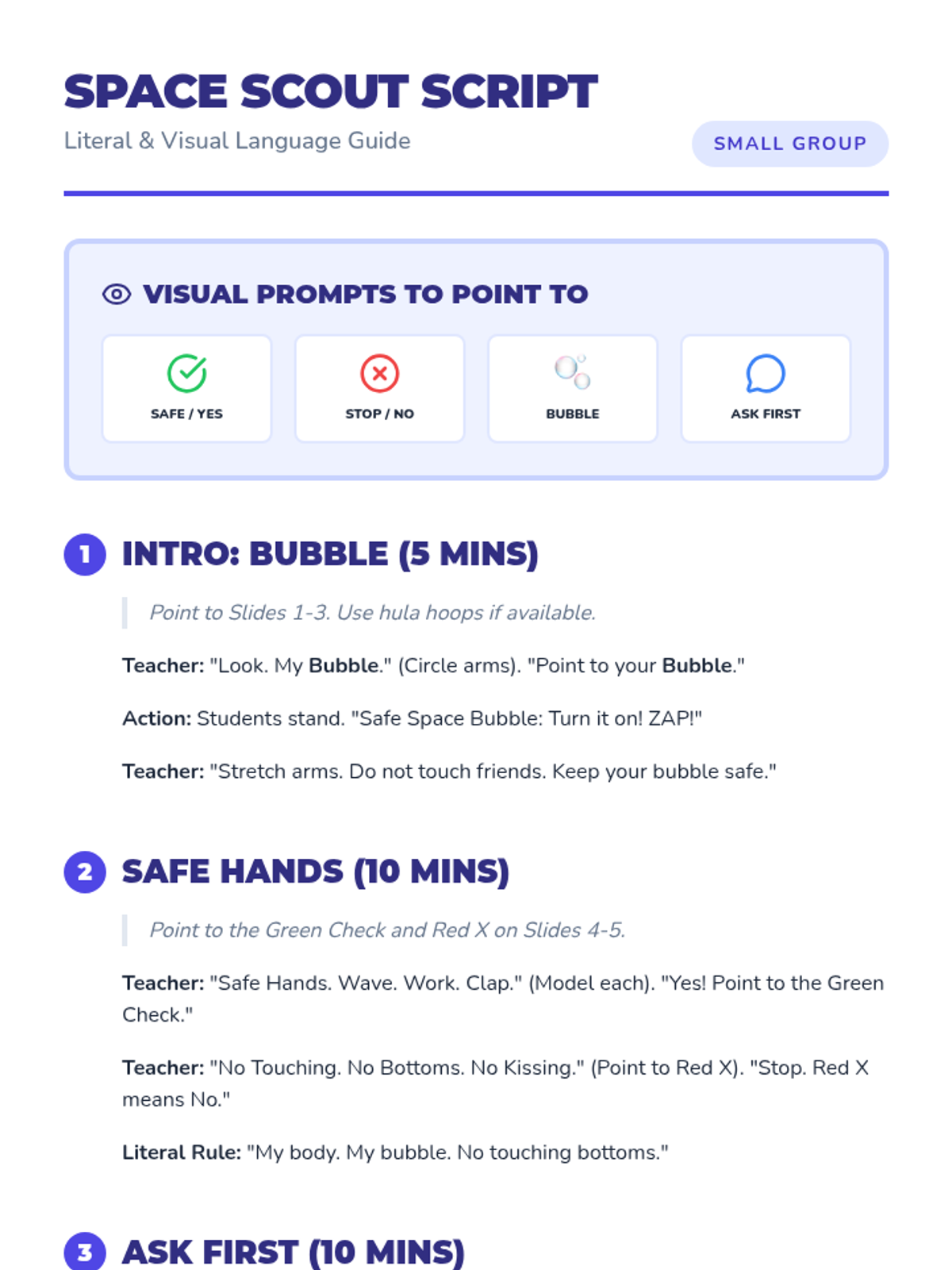
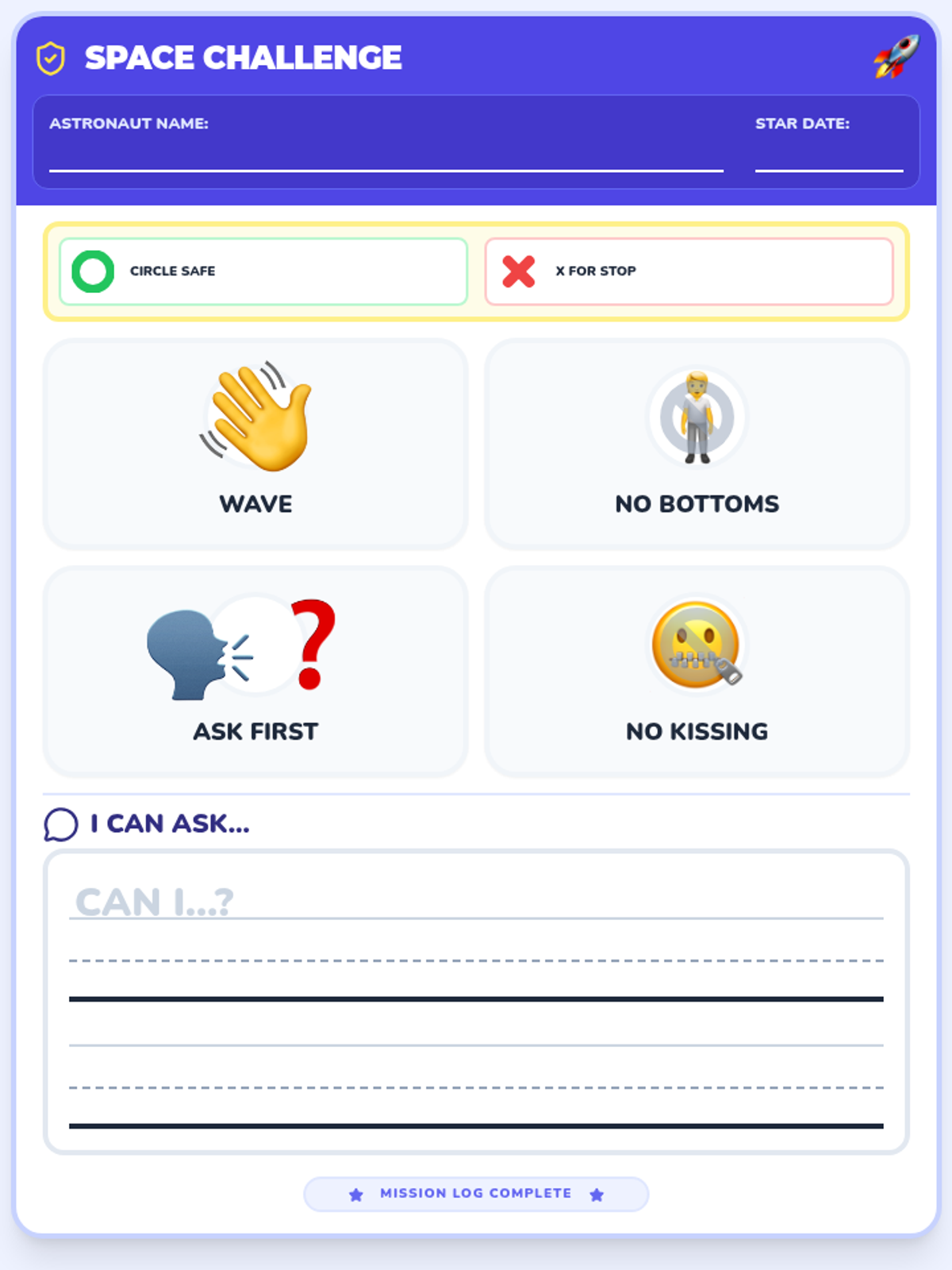
A 30-minute small group lesson for 1st graders focusing on personal space and bodily autonomy using a space-themed metaphor of 'personal force fields.' This lesson addresses appropriate touching and social boundaries.
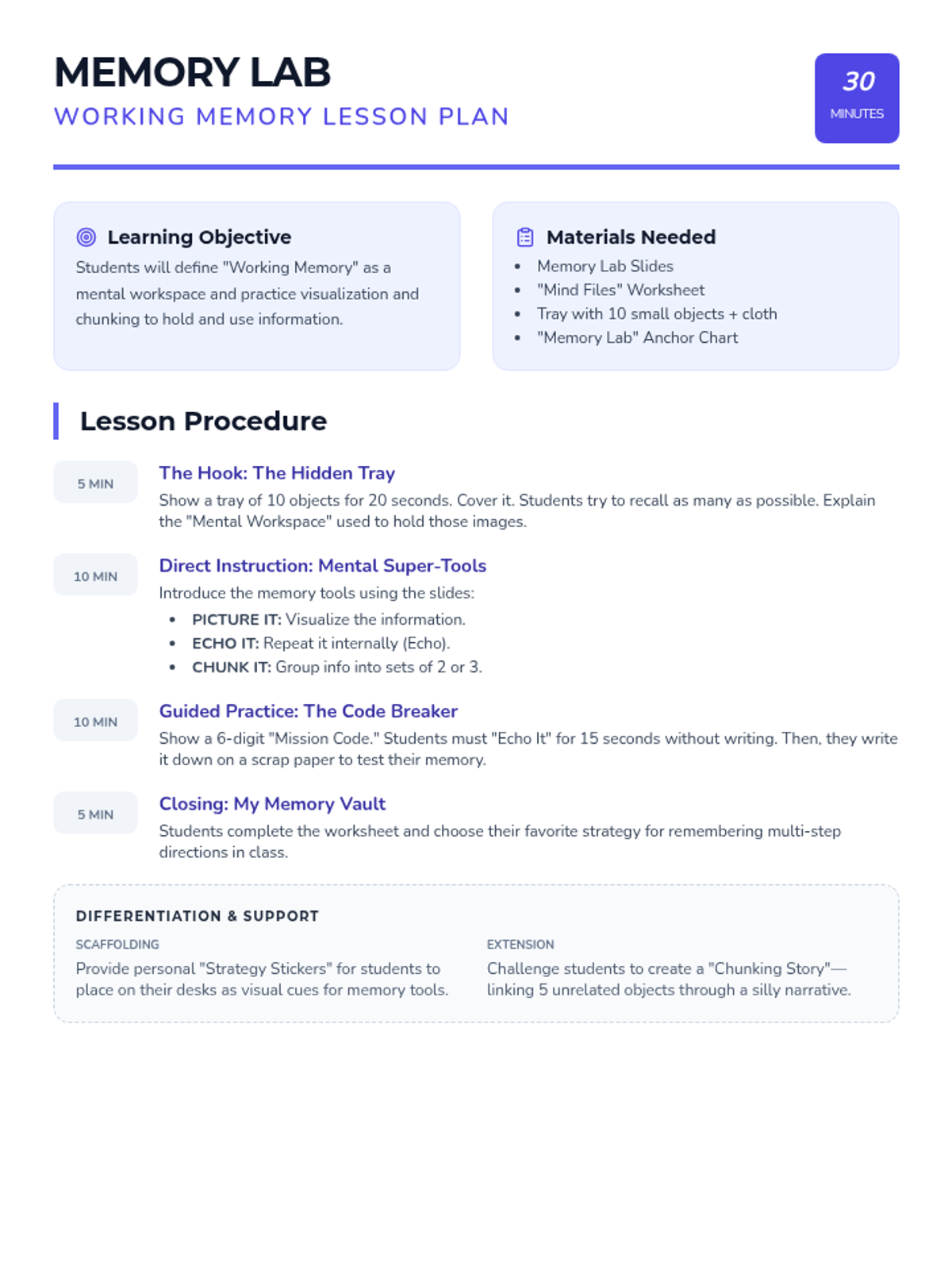
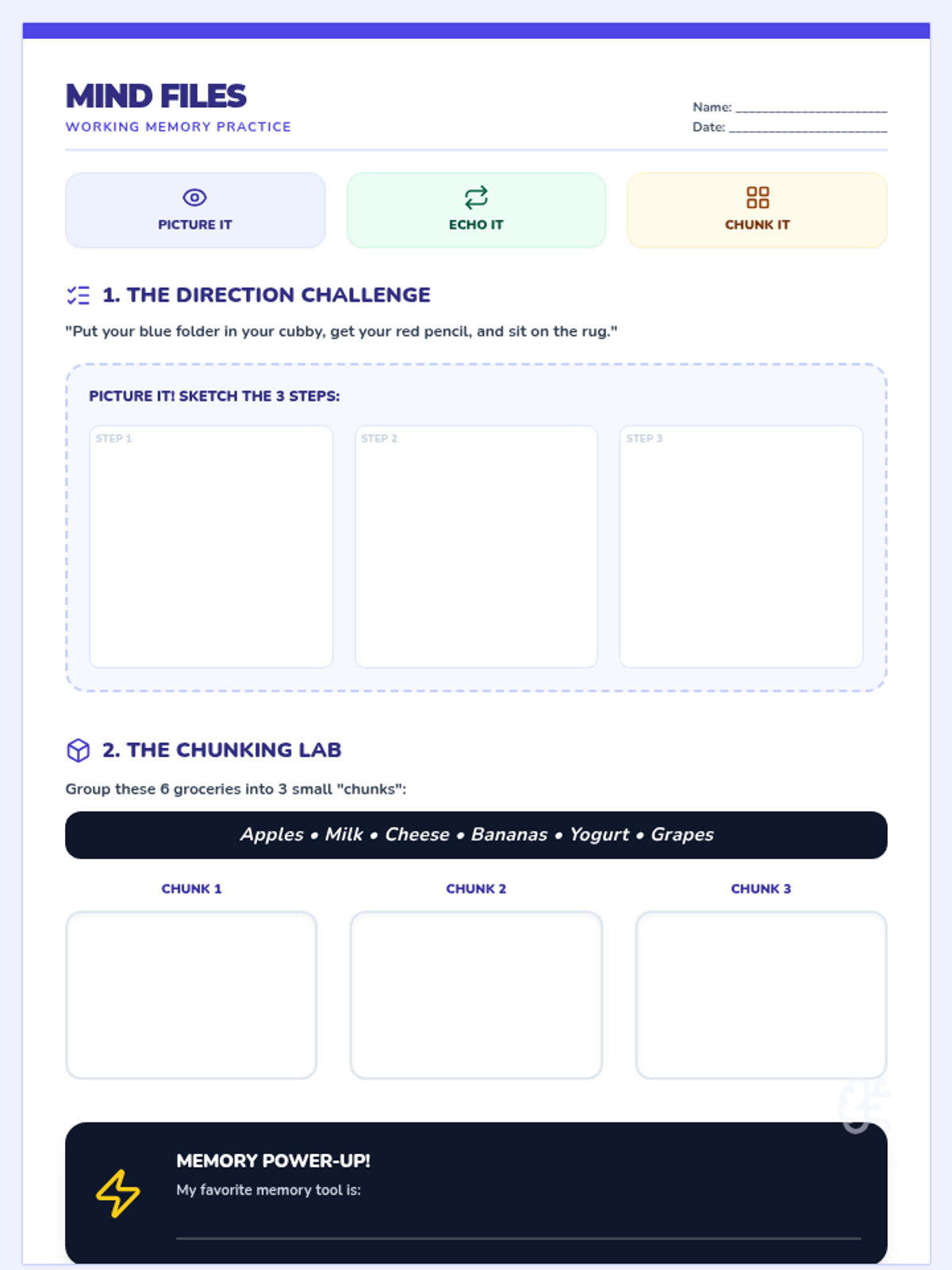
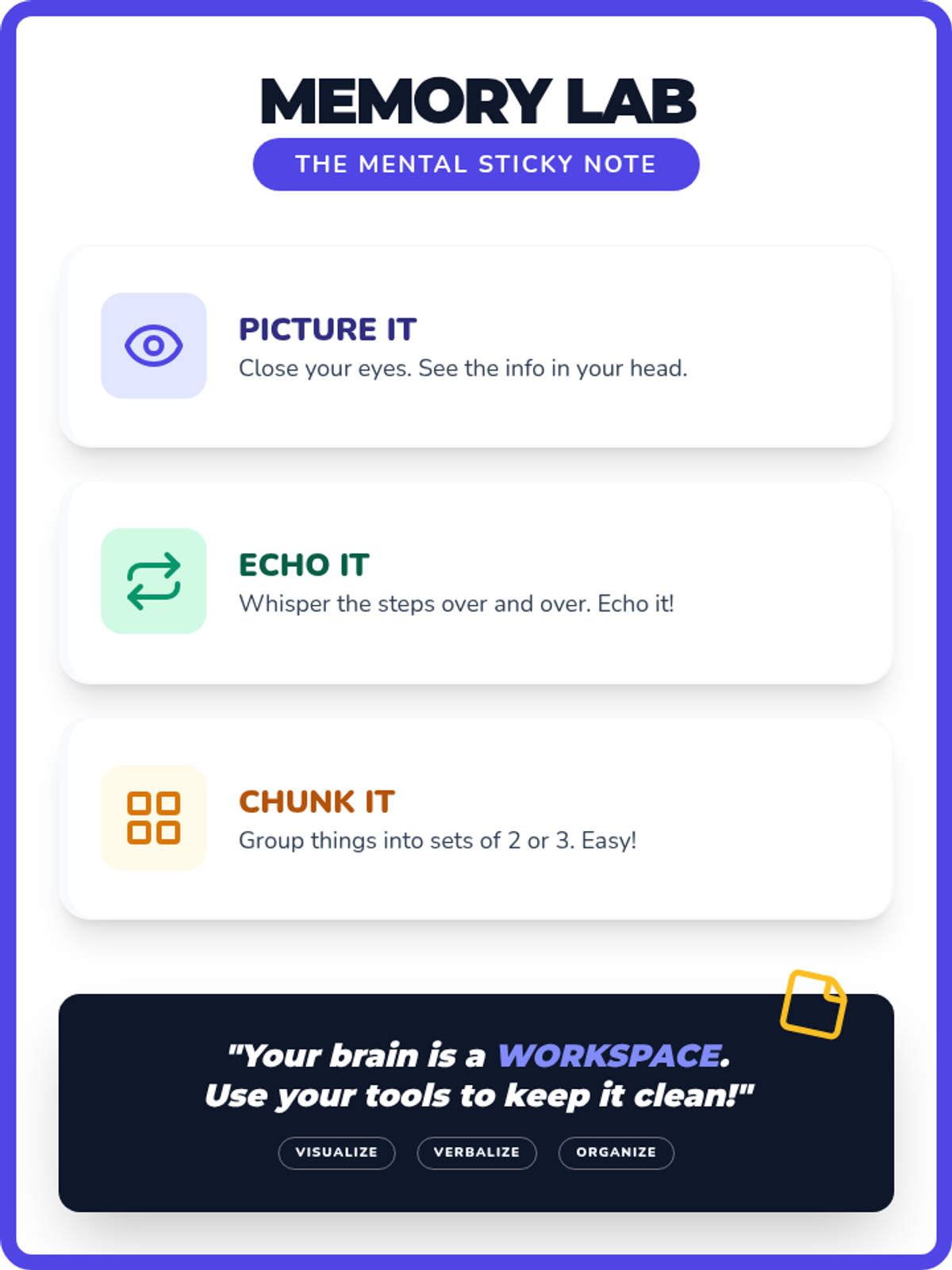
Students discover techniques like visualization and chunking to hold and manipulate information in their 'Memory Lab'.
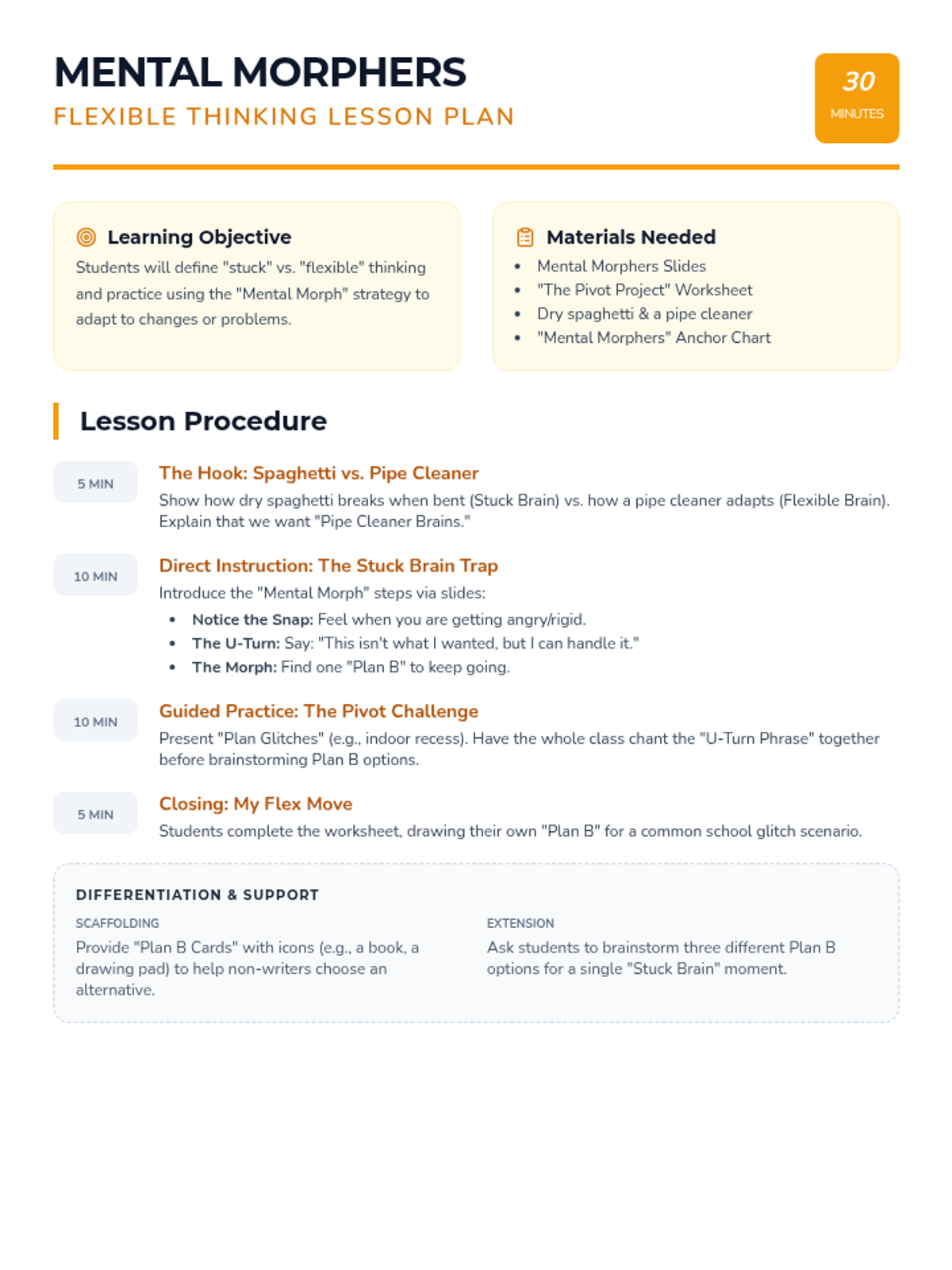
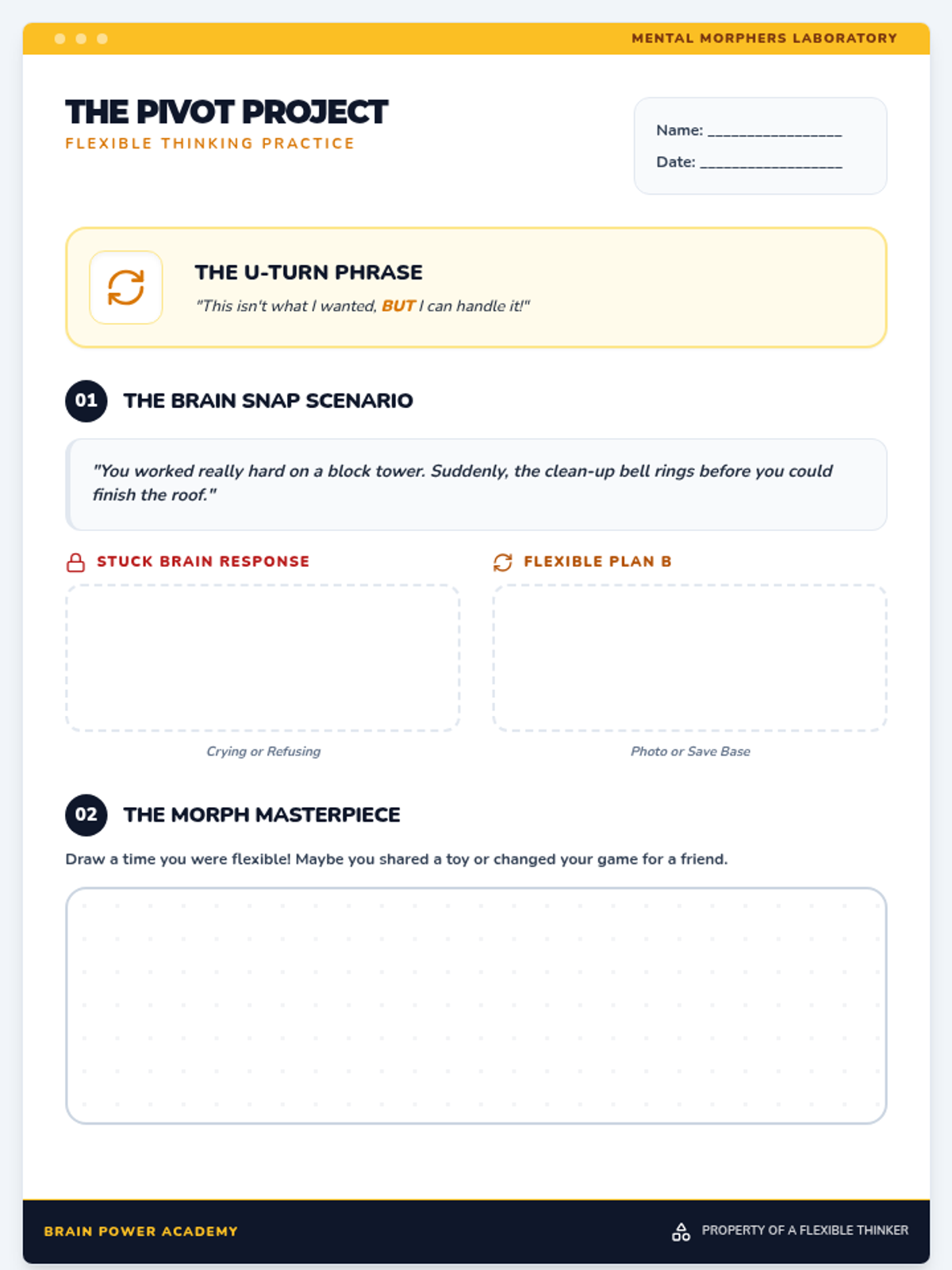
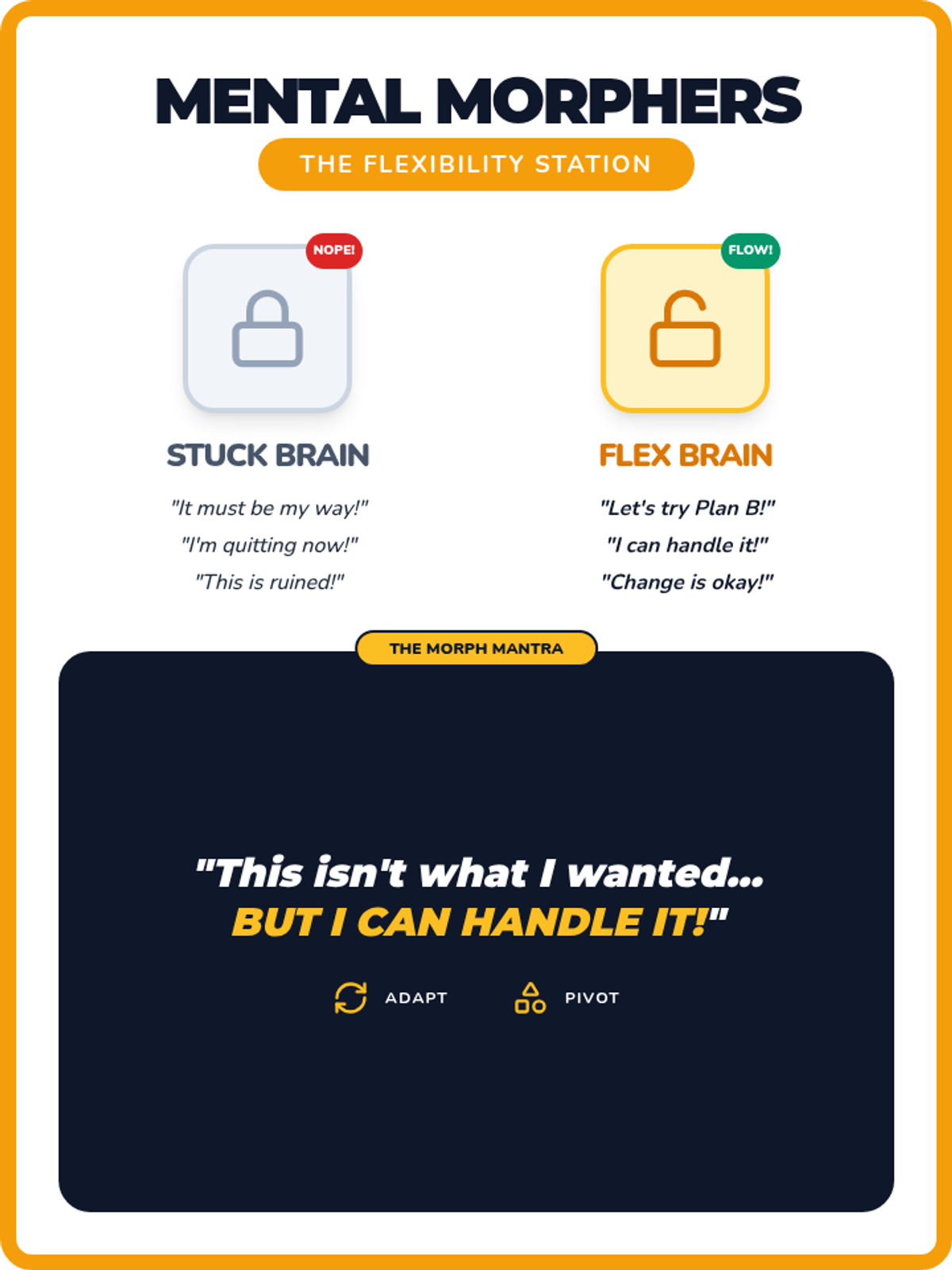
Students practice adapting to changes and seeing things from different perspectives using 'Mental Morphers' strategies.
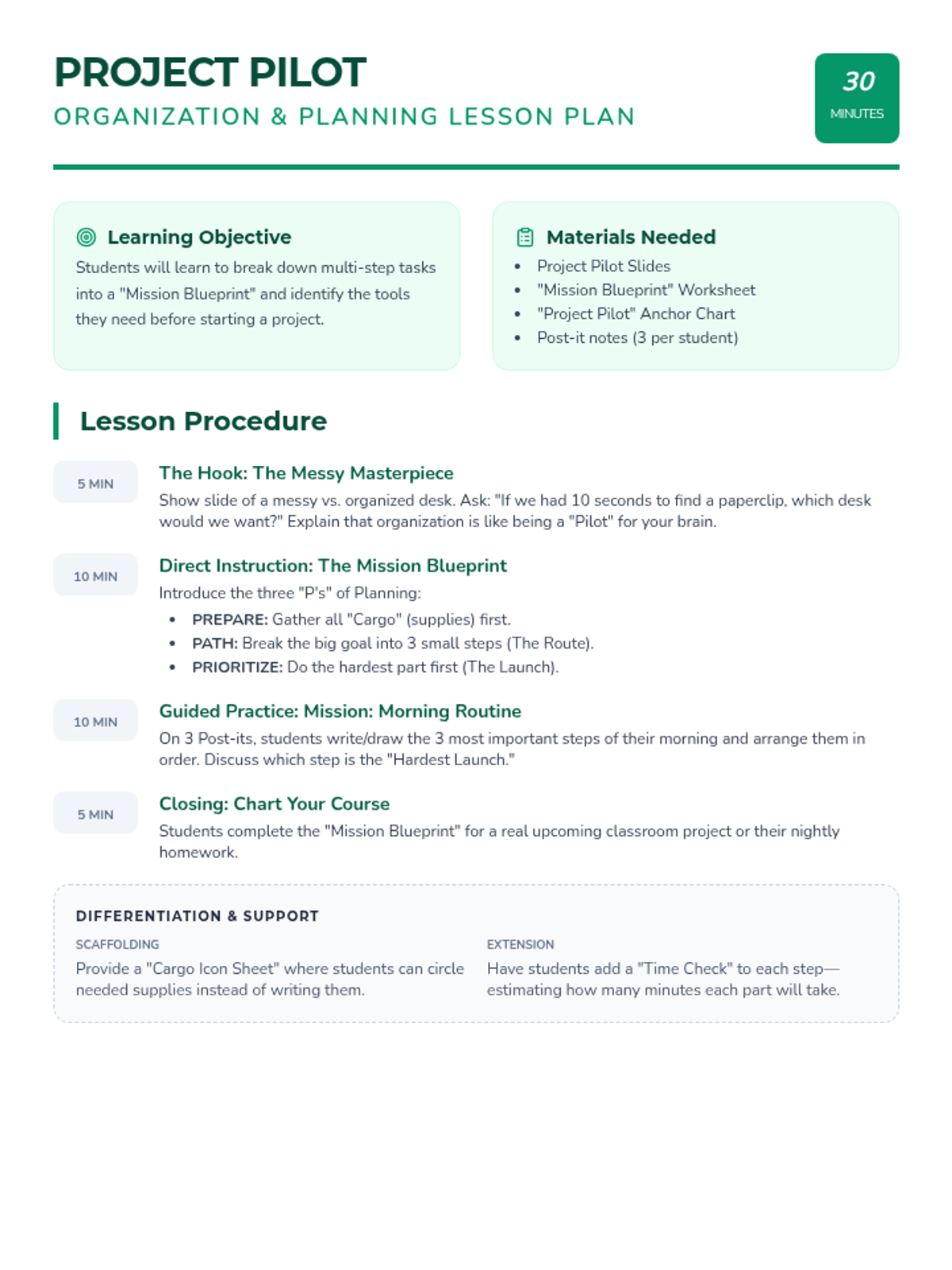
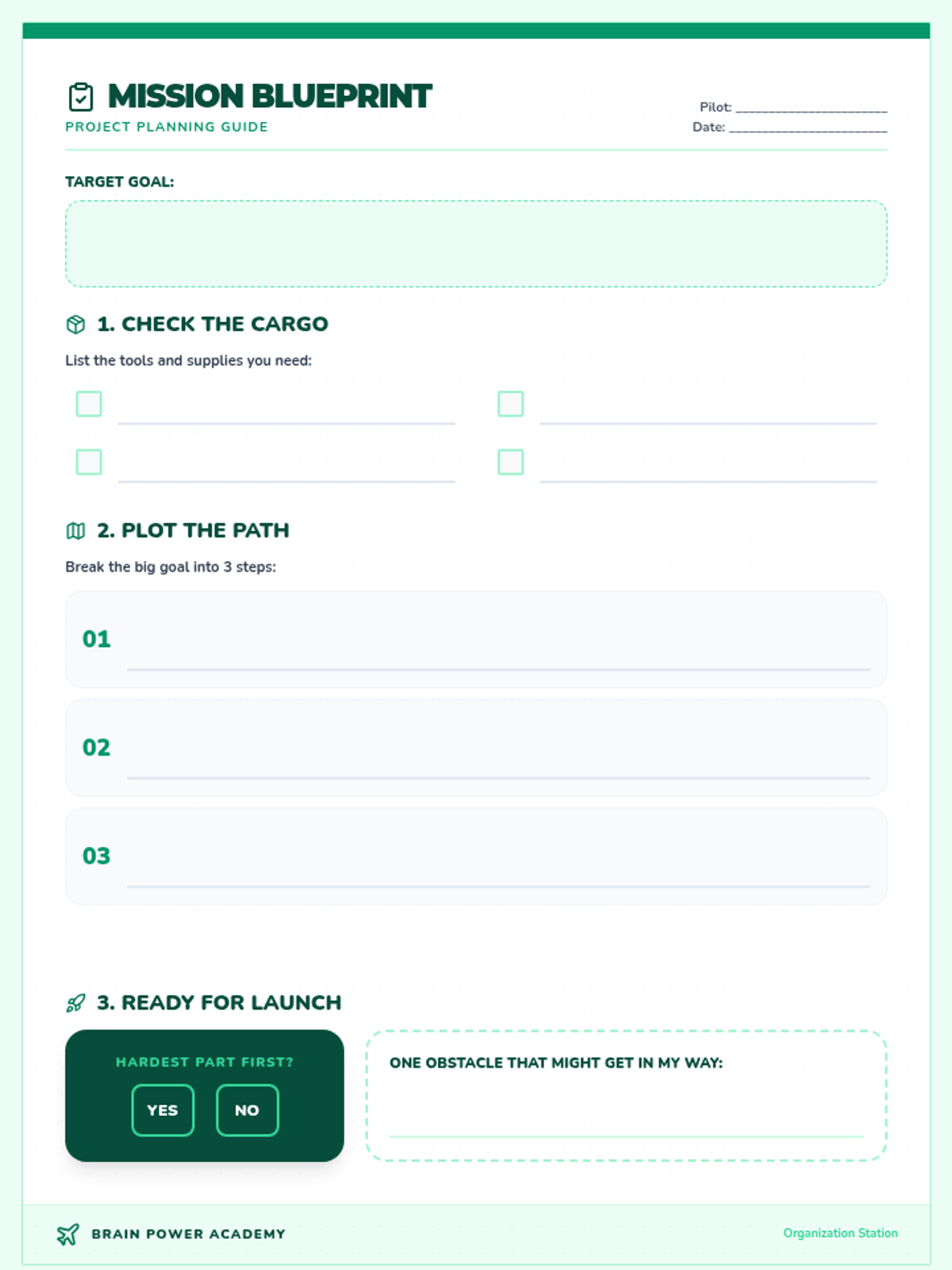
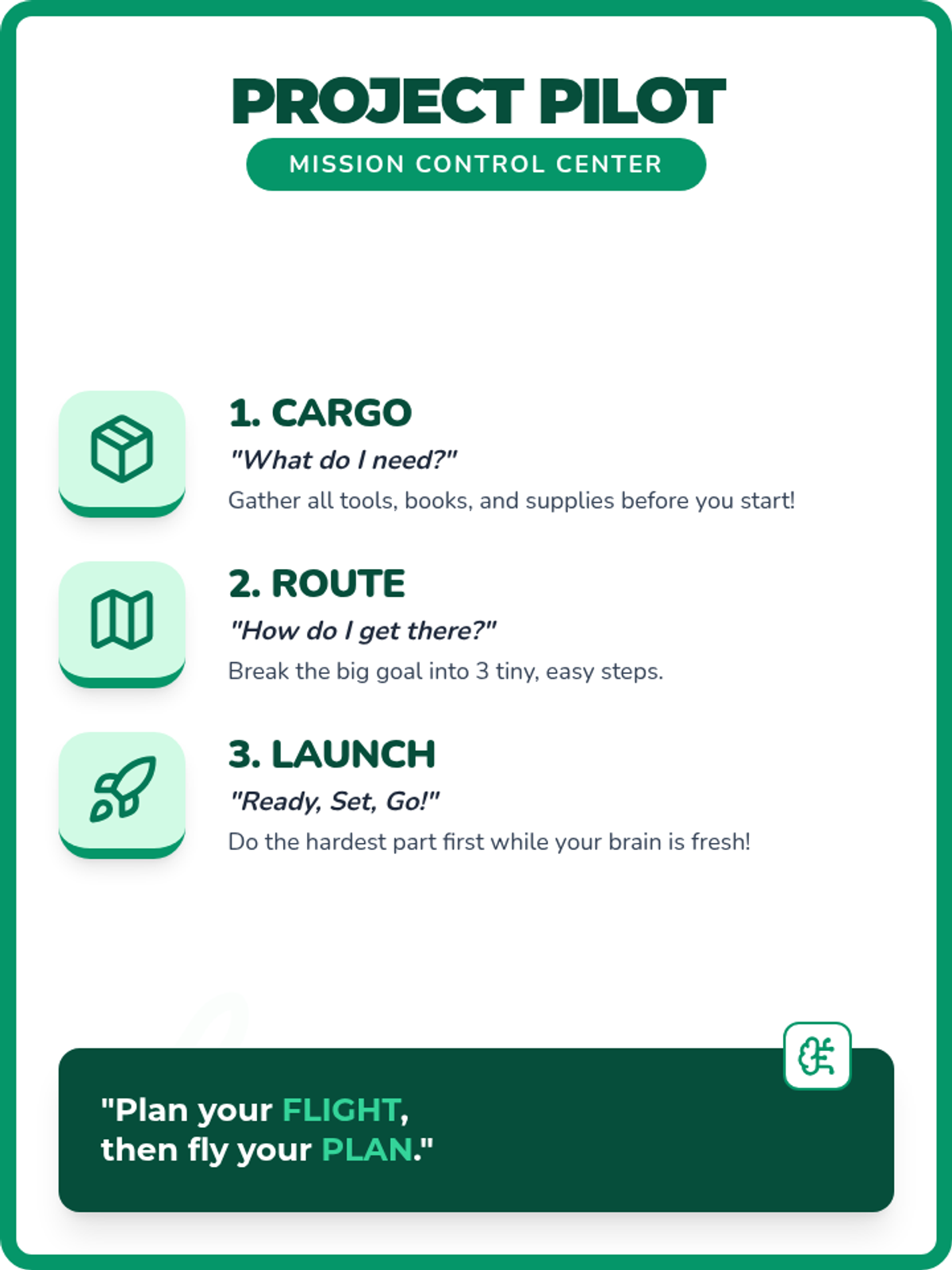
Students explore how to break big tasks into small steps and organize their tools for success using the 'Mission Blueprint' method.
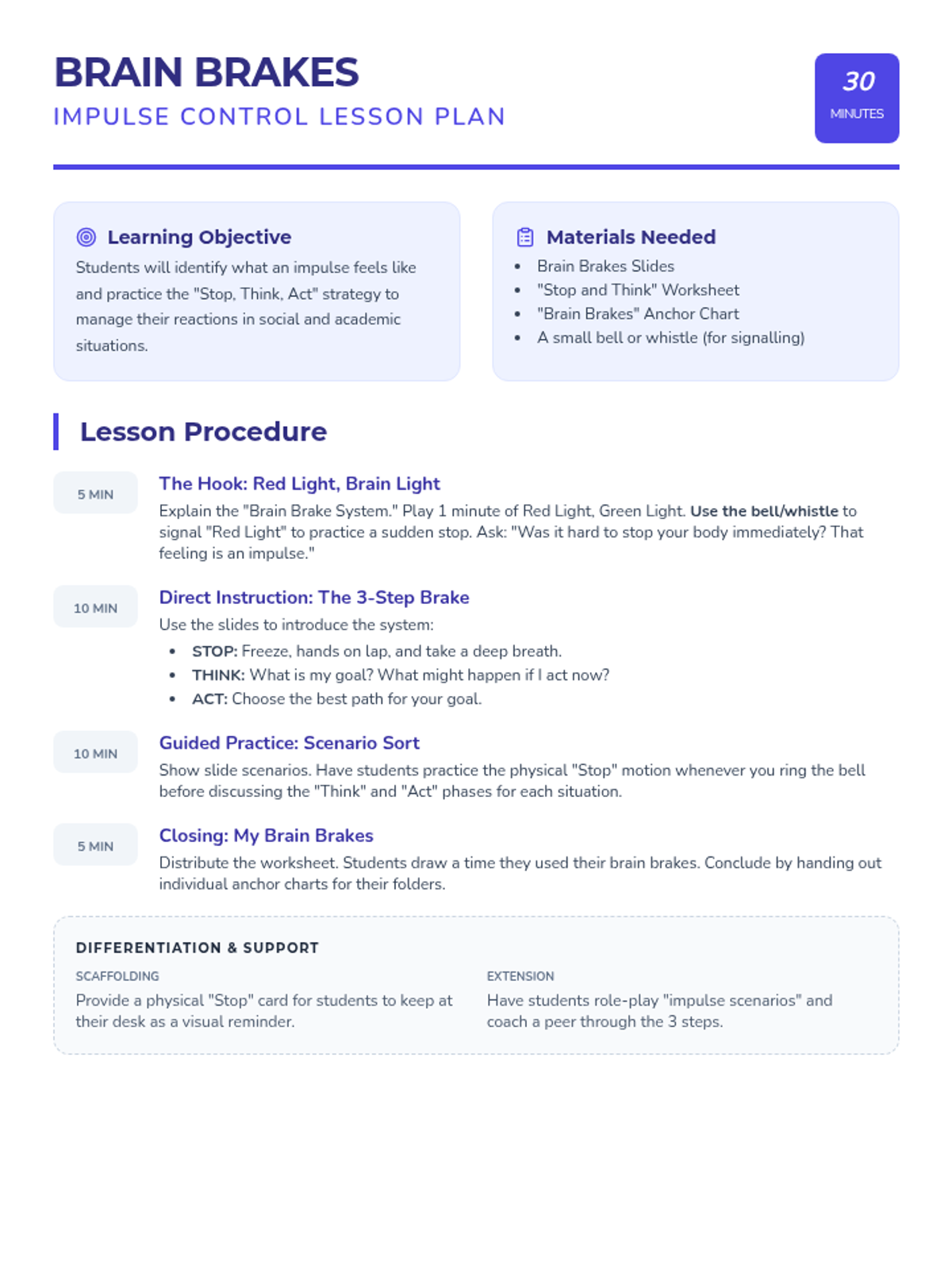
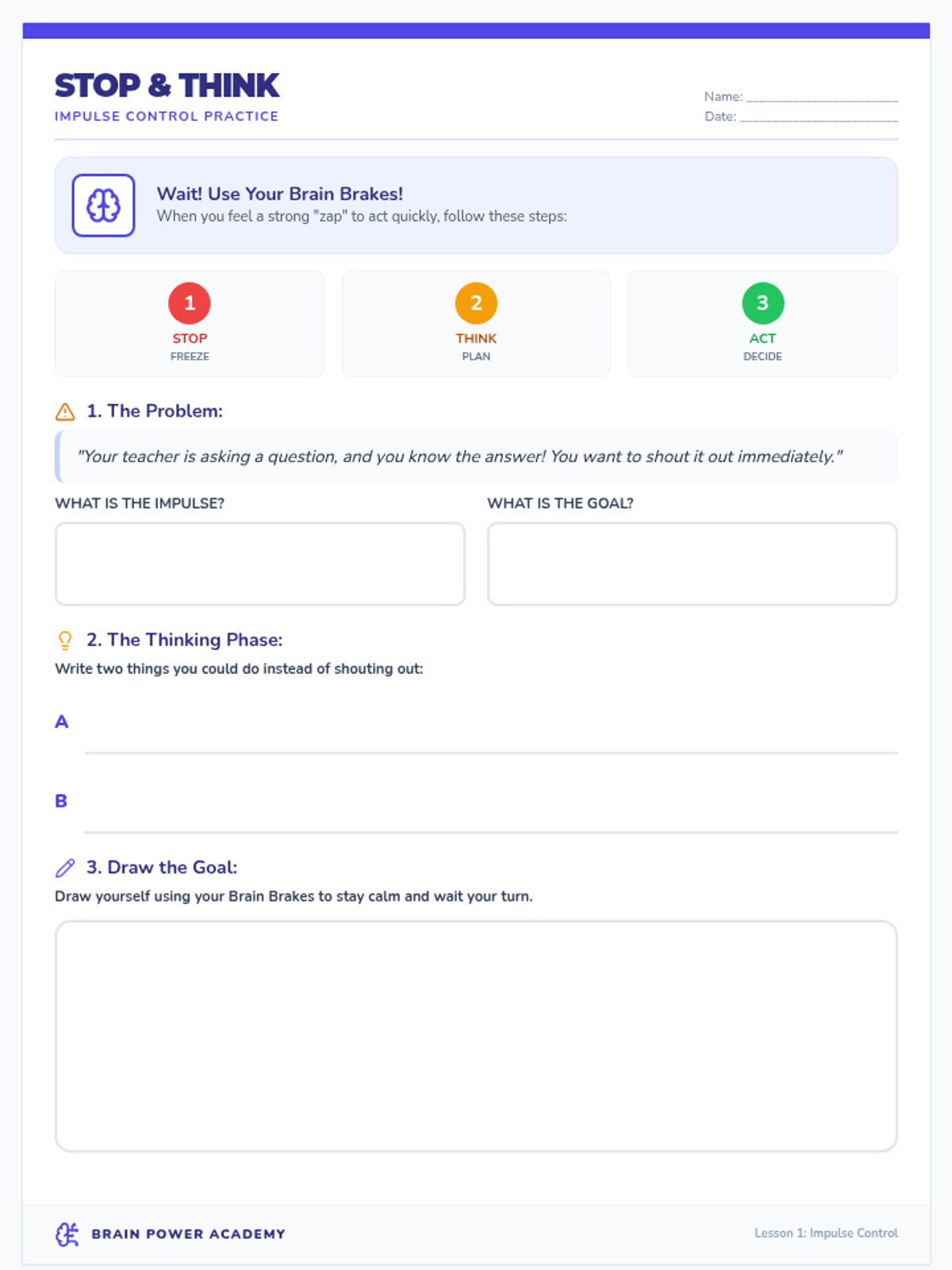
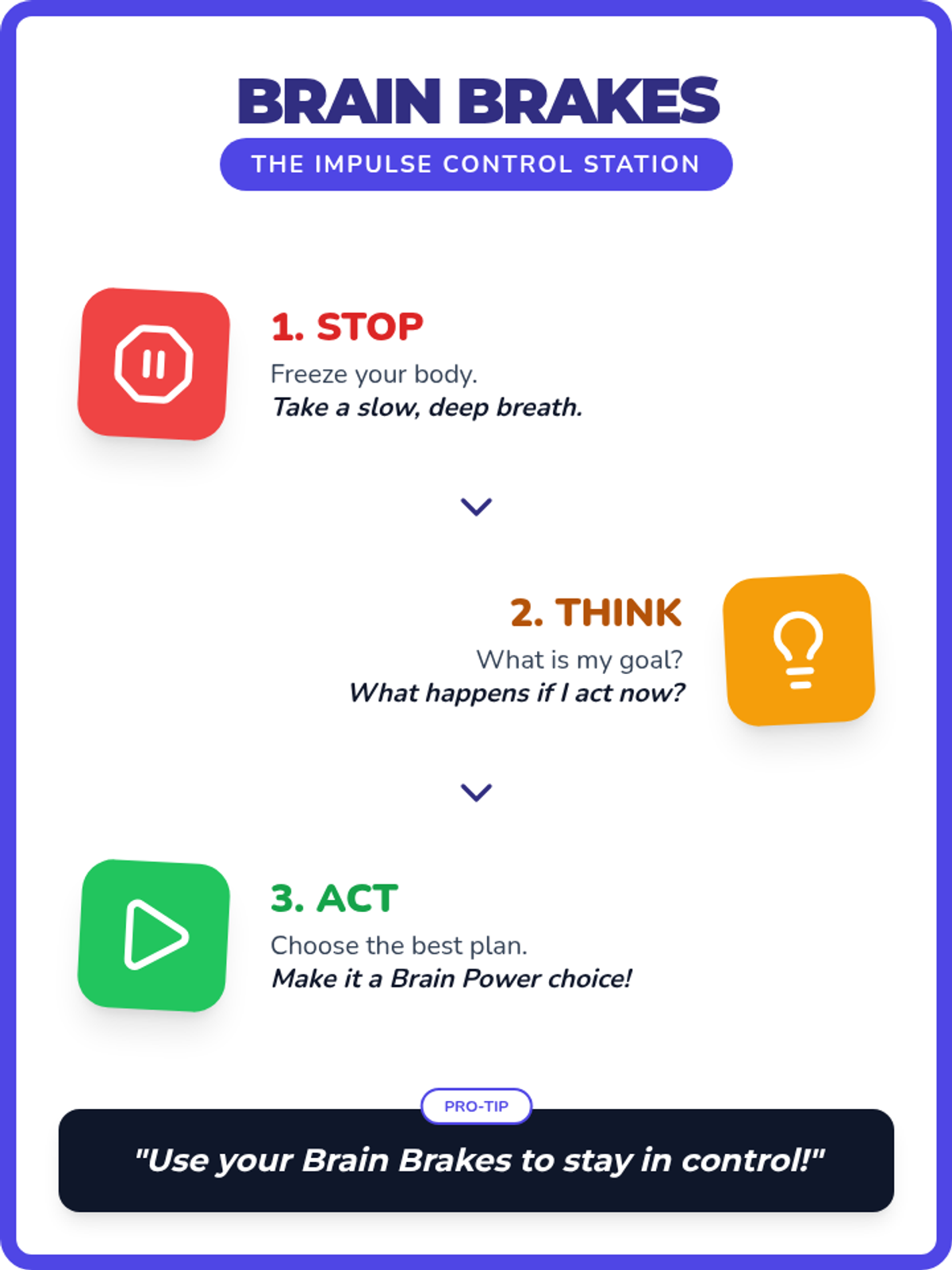
Students learn to identify impulsive urges and practice the 'Stop, Think, Act' strategy using the metaphor of 'Brain Brakes'.
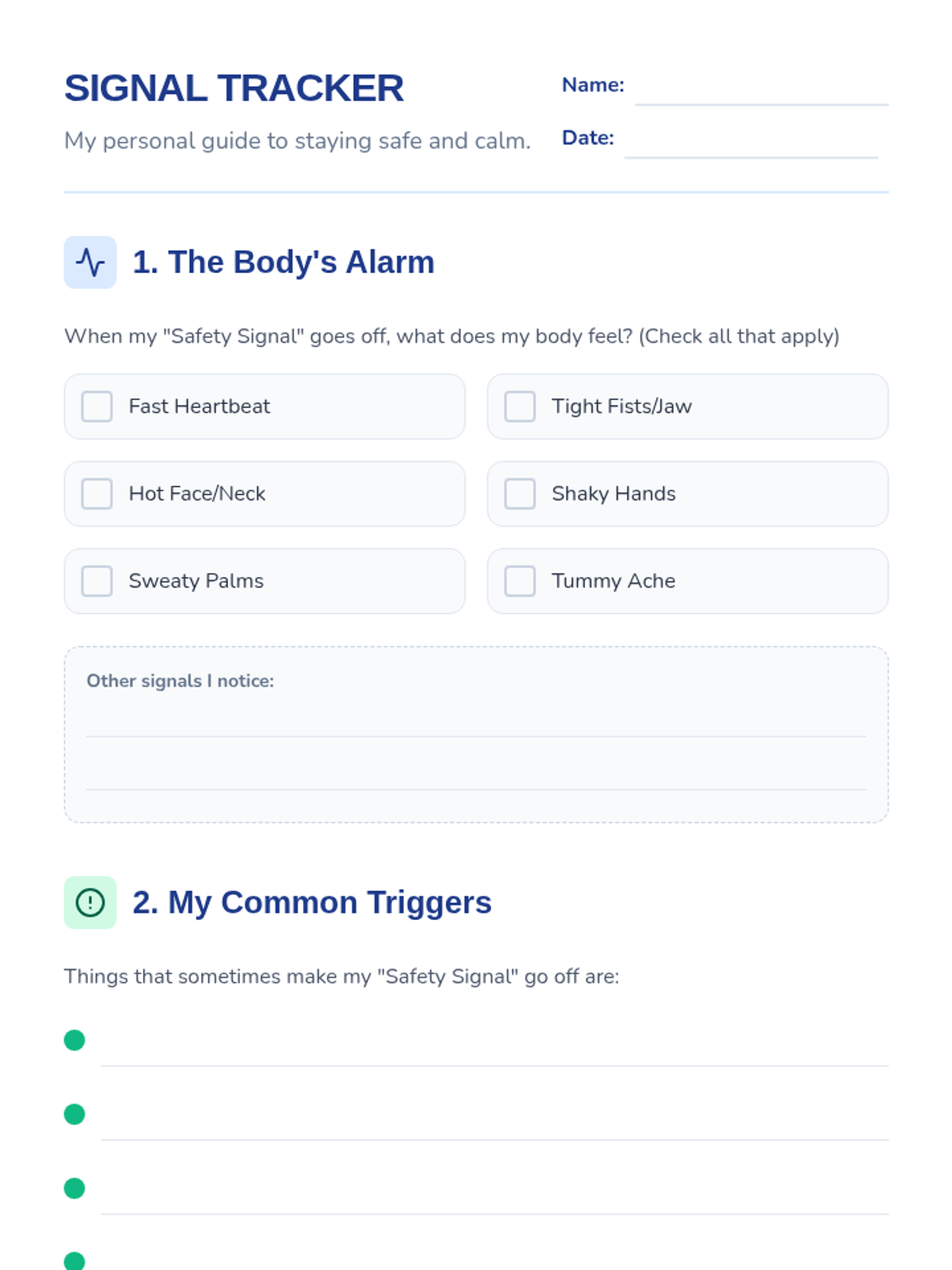
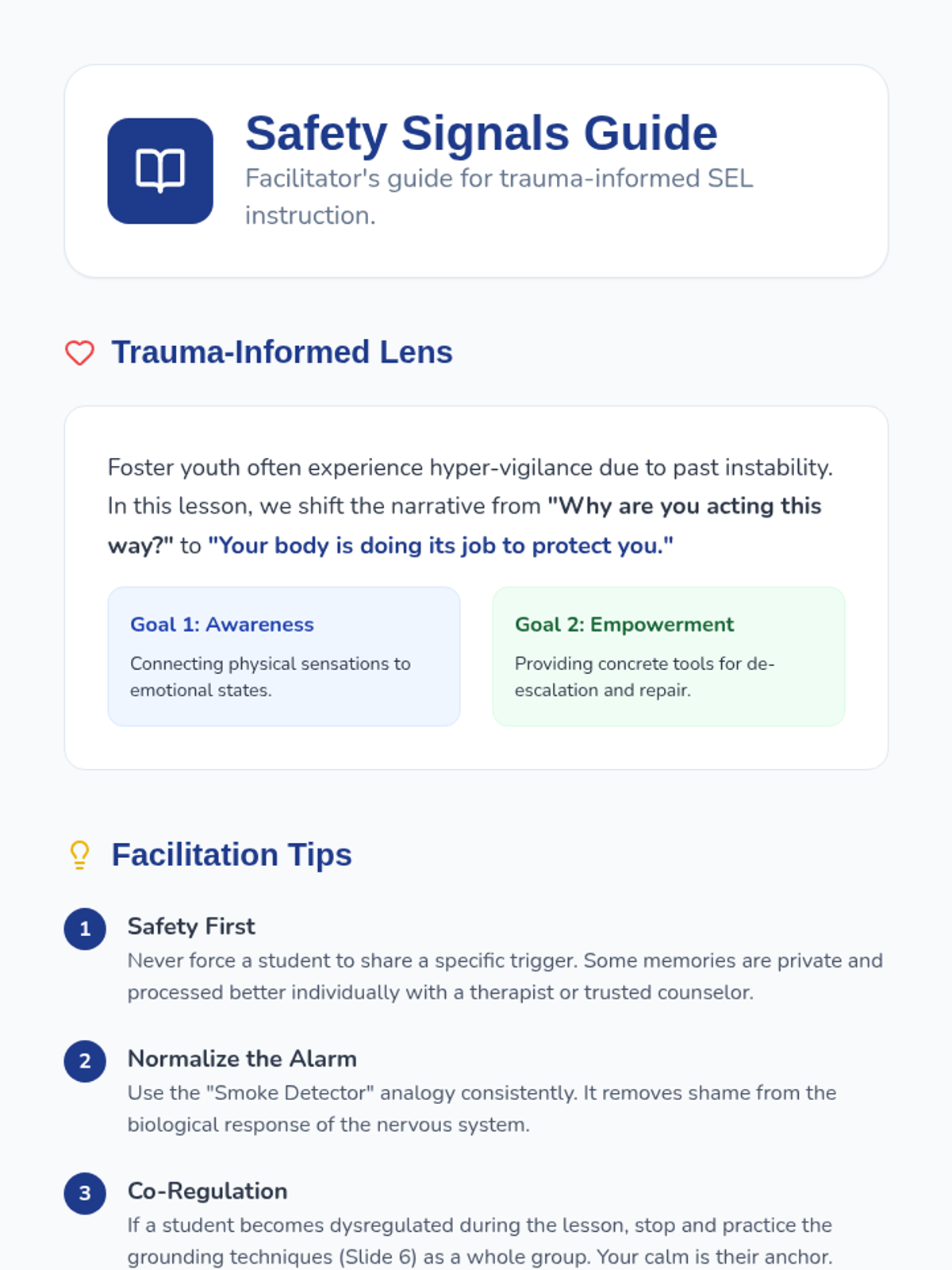
A trauma-informed lesson designed to help students identify their emotional triggers and develop healthy conflict resolution strategies in a safe, supportive environment.
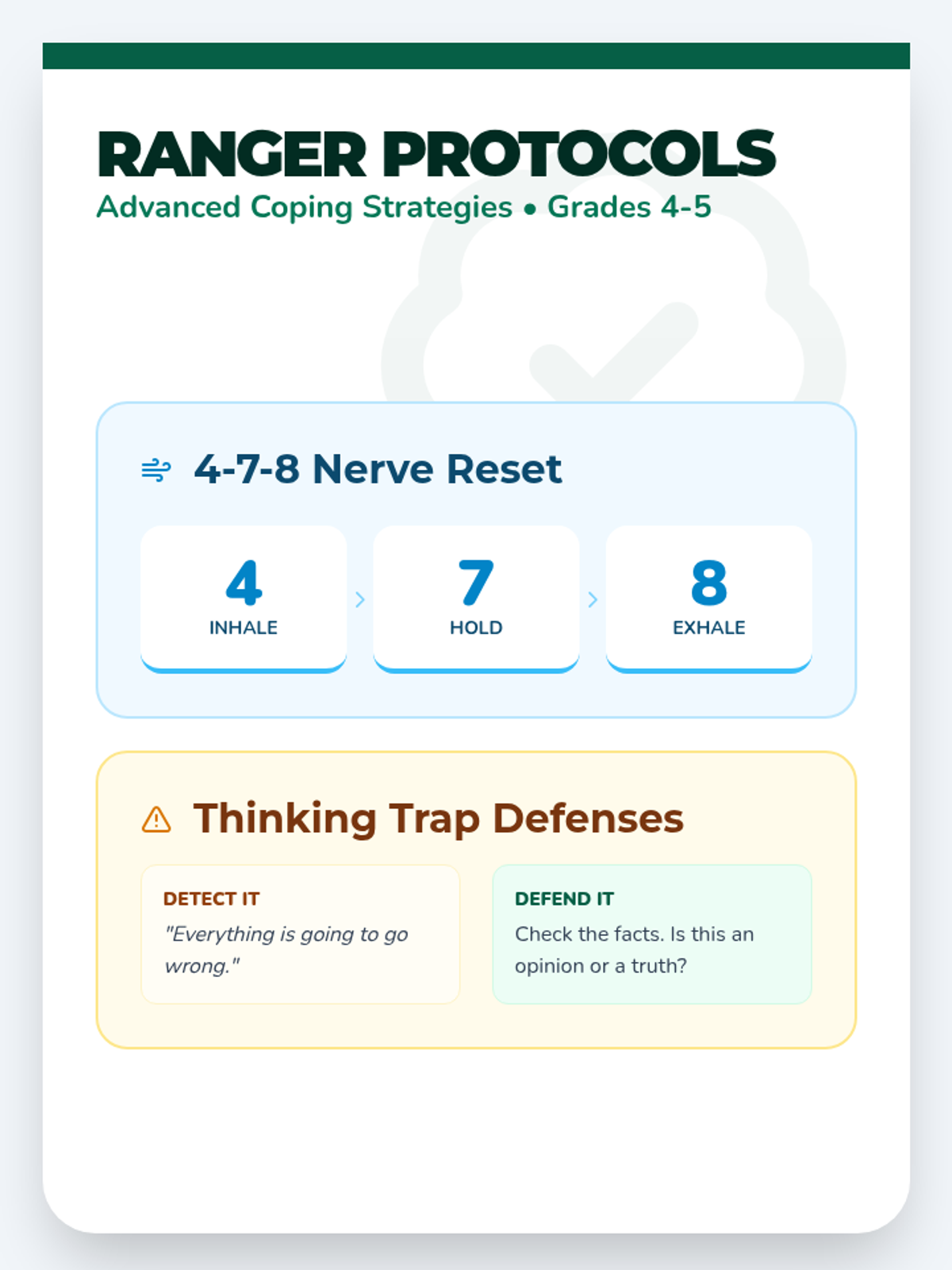
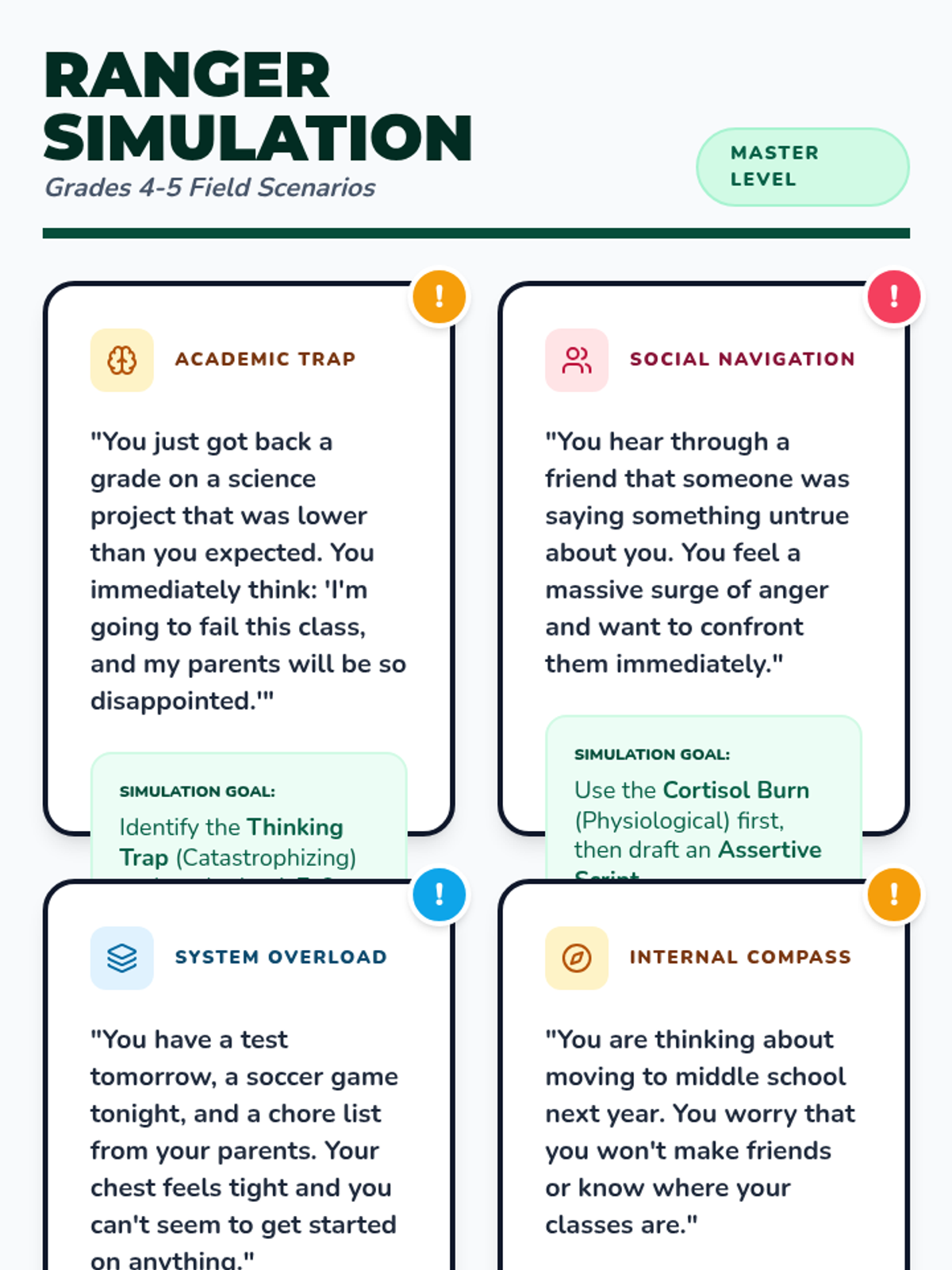
Advanced coping skills for 4-5 students exploring complex grounding methods, assertive communication strategies, cognitive reframing of self-talk, and understanding the physiological benefits of movement for stress management.
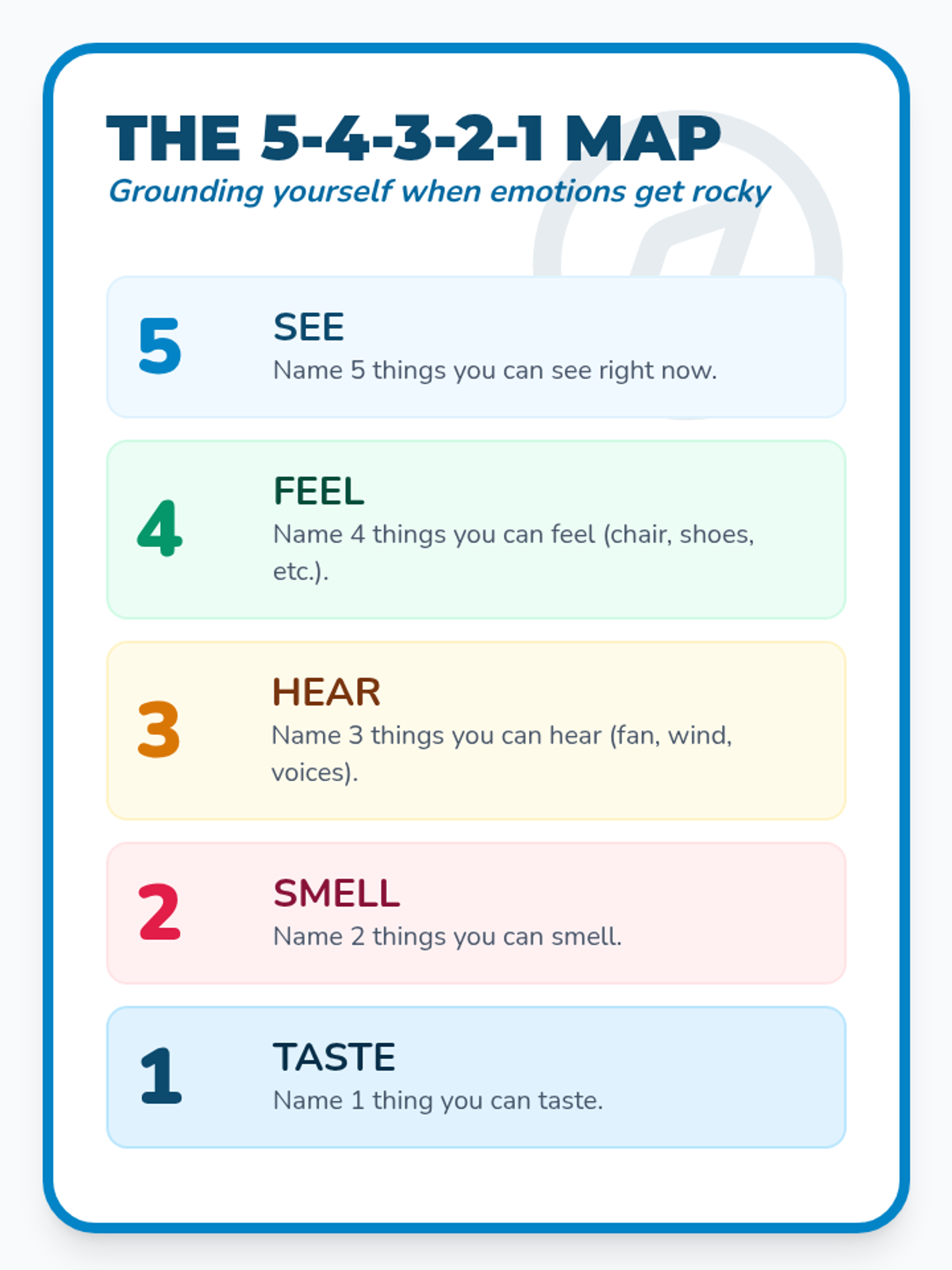
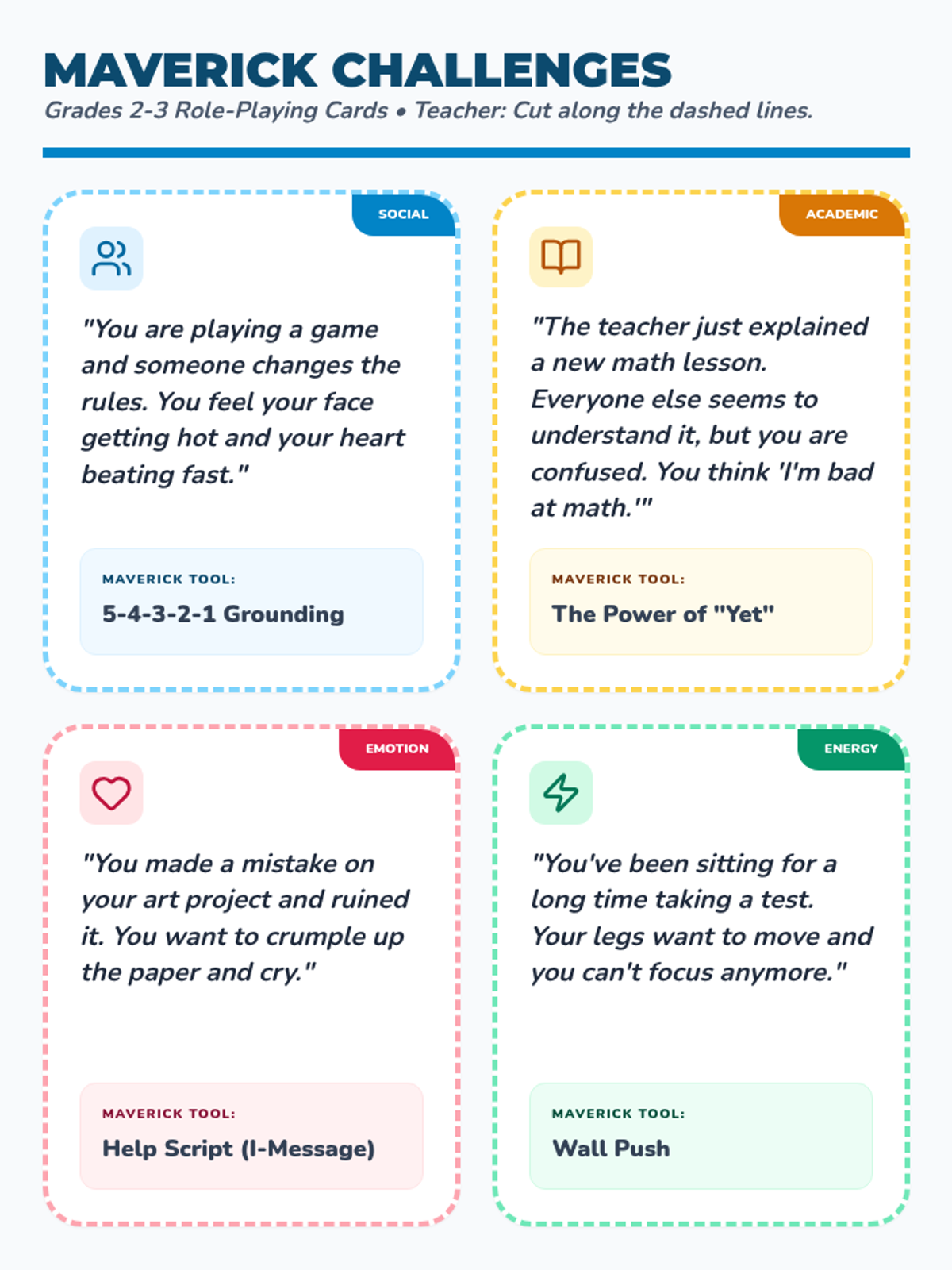
Intermediate coping skills for 2-3 students introducing the 5-4-3-2-1 grounding technique, specific communication scripts for asking for help, reframing negative thoughts, and purposeful physical activities to release energy.