A comprehensive framework for supporting chronically absent students aged 16+ in New Jersey, focusing on intervention strategies, alternative pathways, and documentation before dropout consideration.
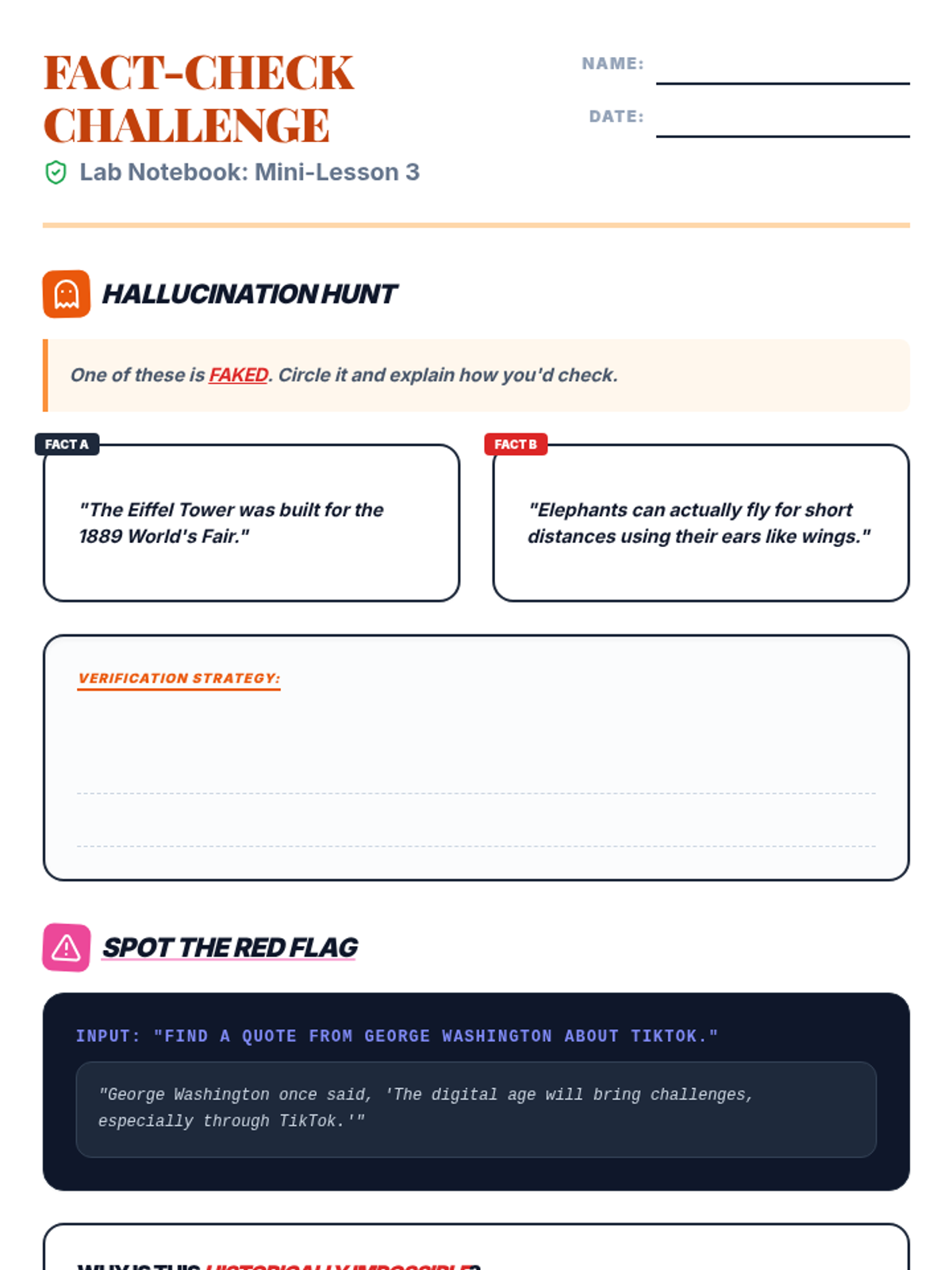
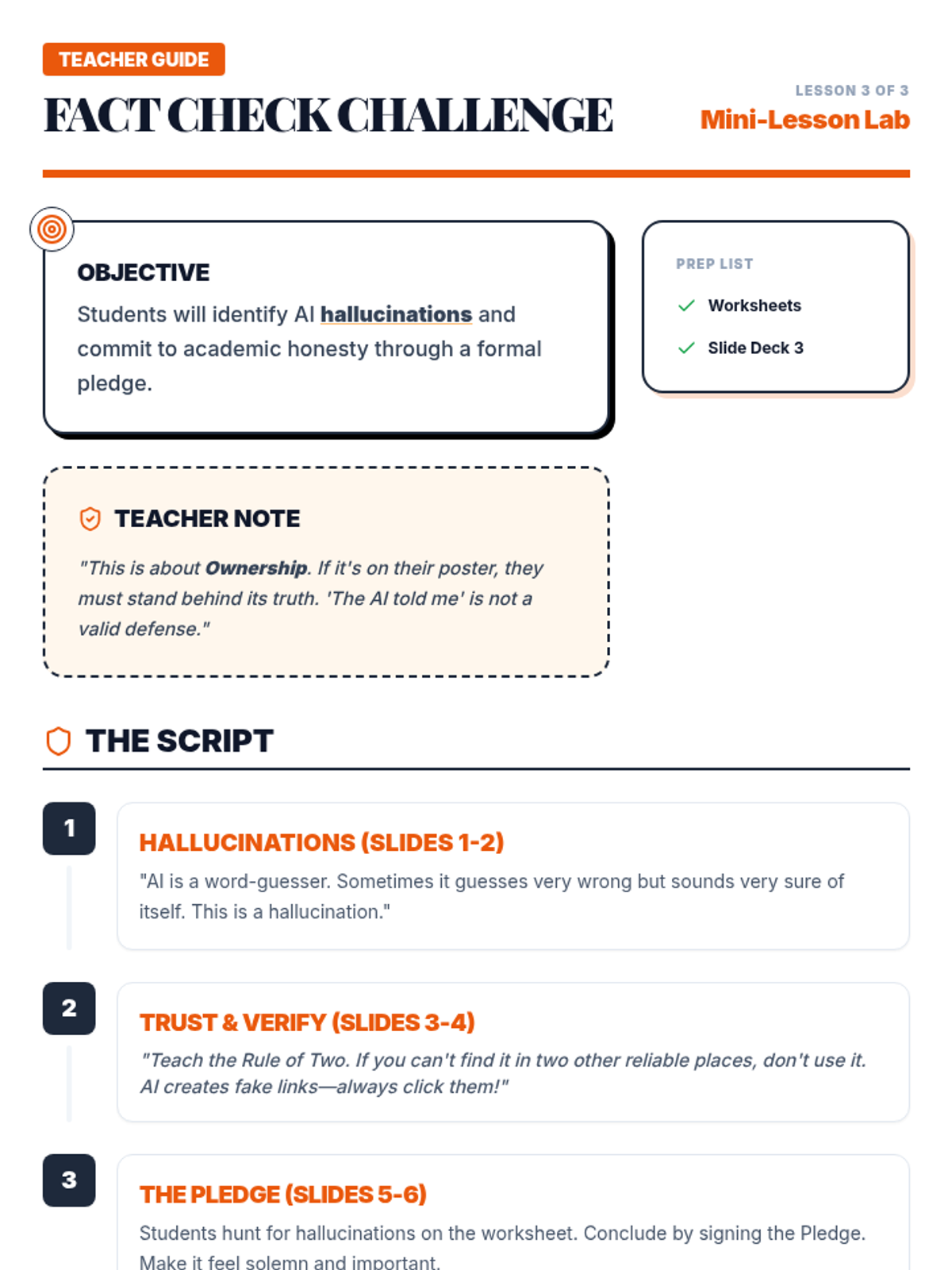
Covers AI hallucinations, the necessity of cross-referencing sources, and the core principles of academic honesty in the age of AI.
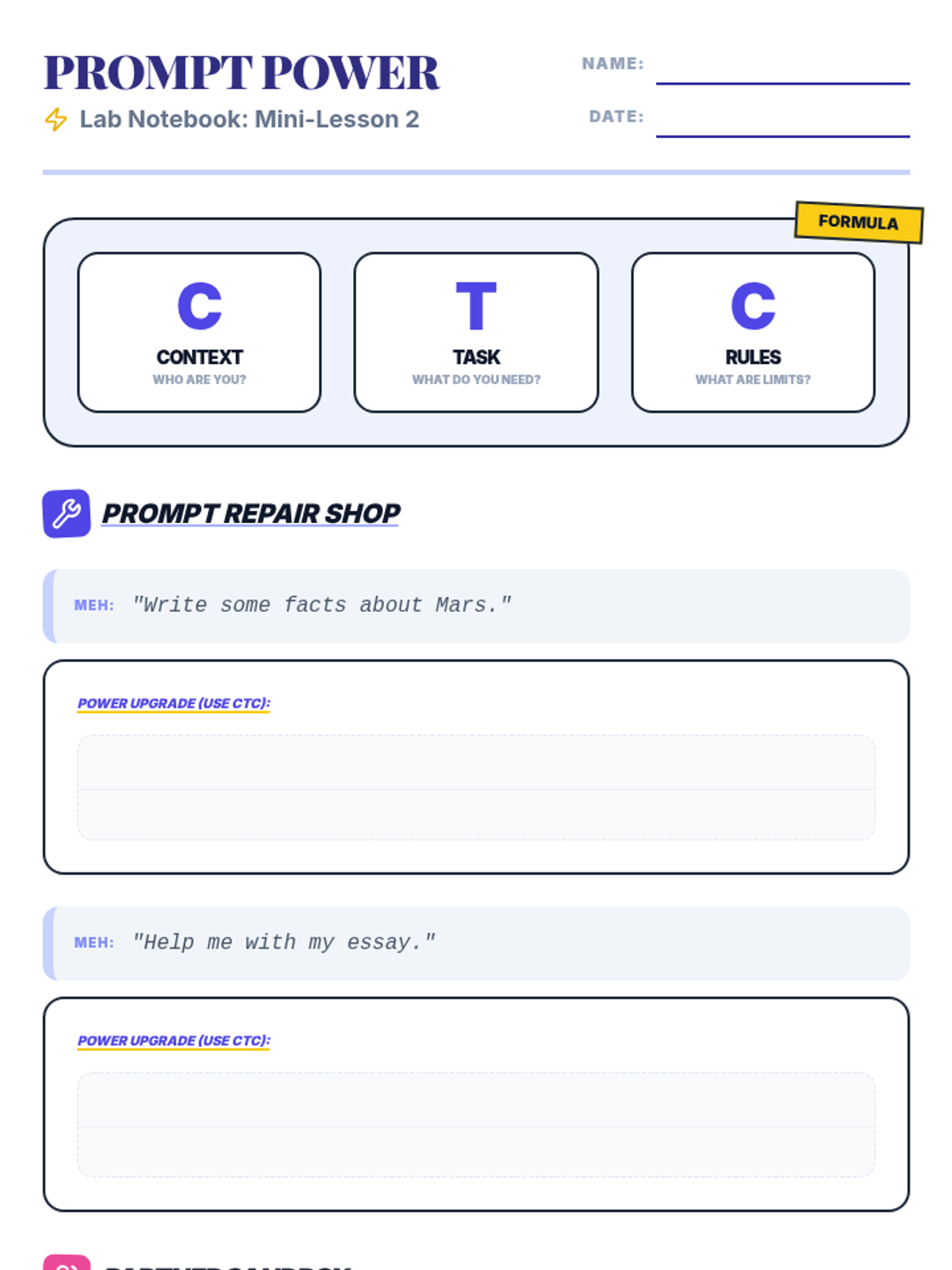
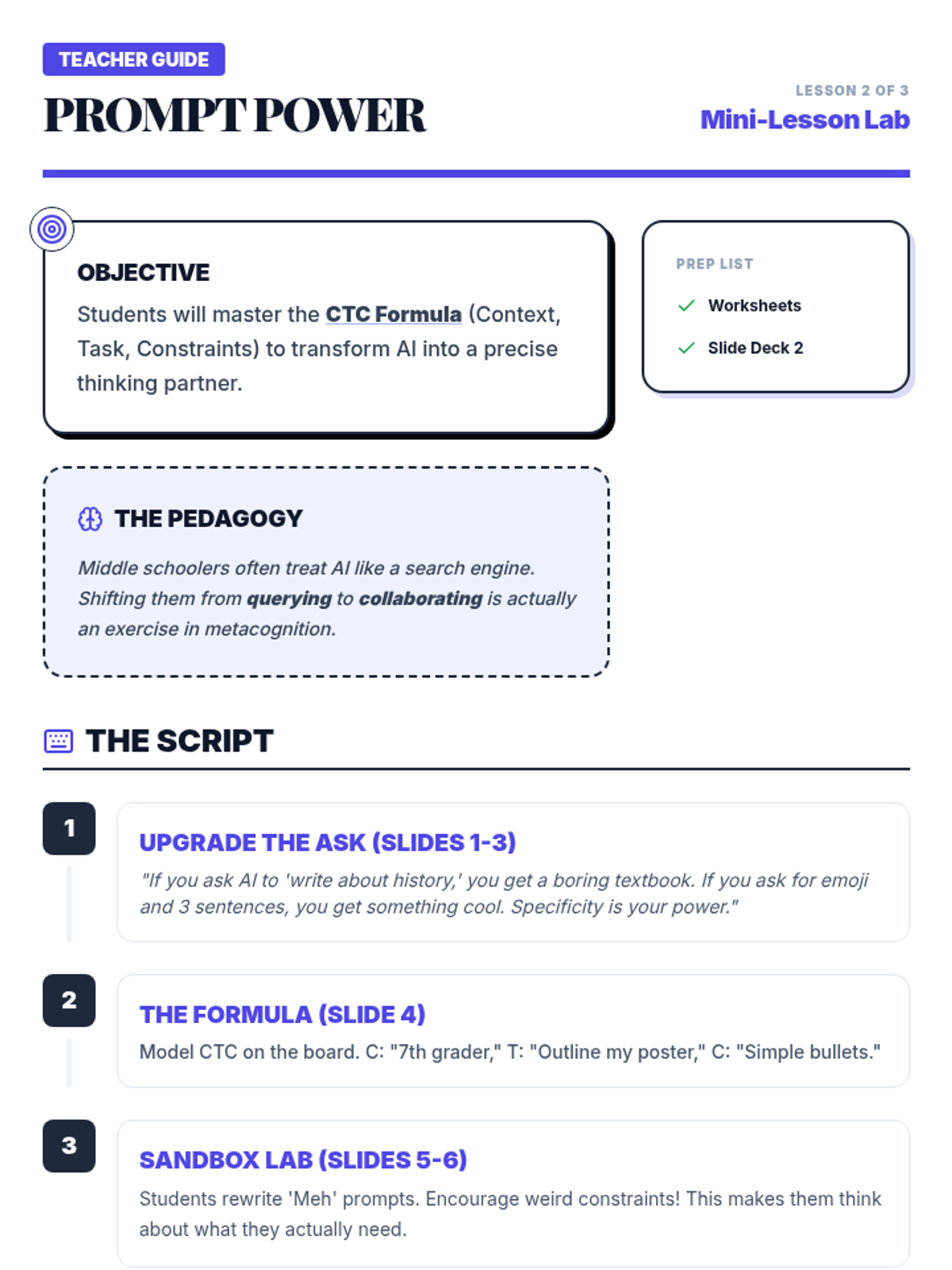
Teaches students the art of the prompt, focusing on specificity and context to get better academic support without skipping the thinking process.
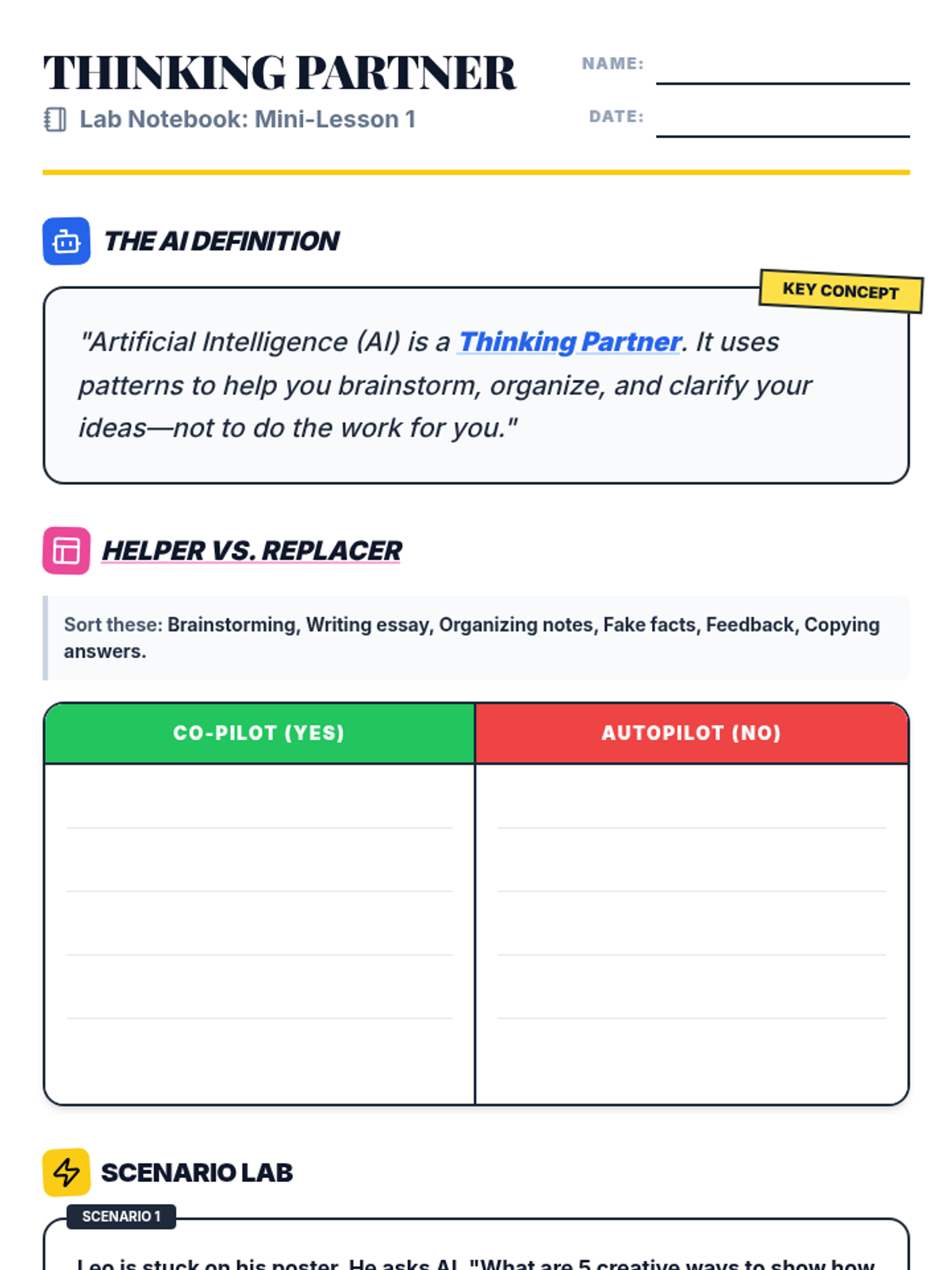
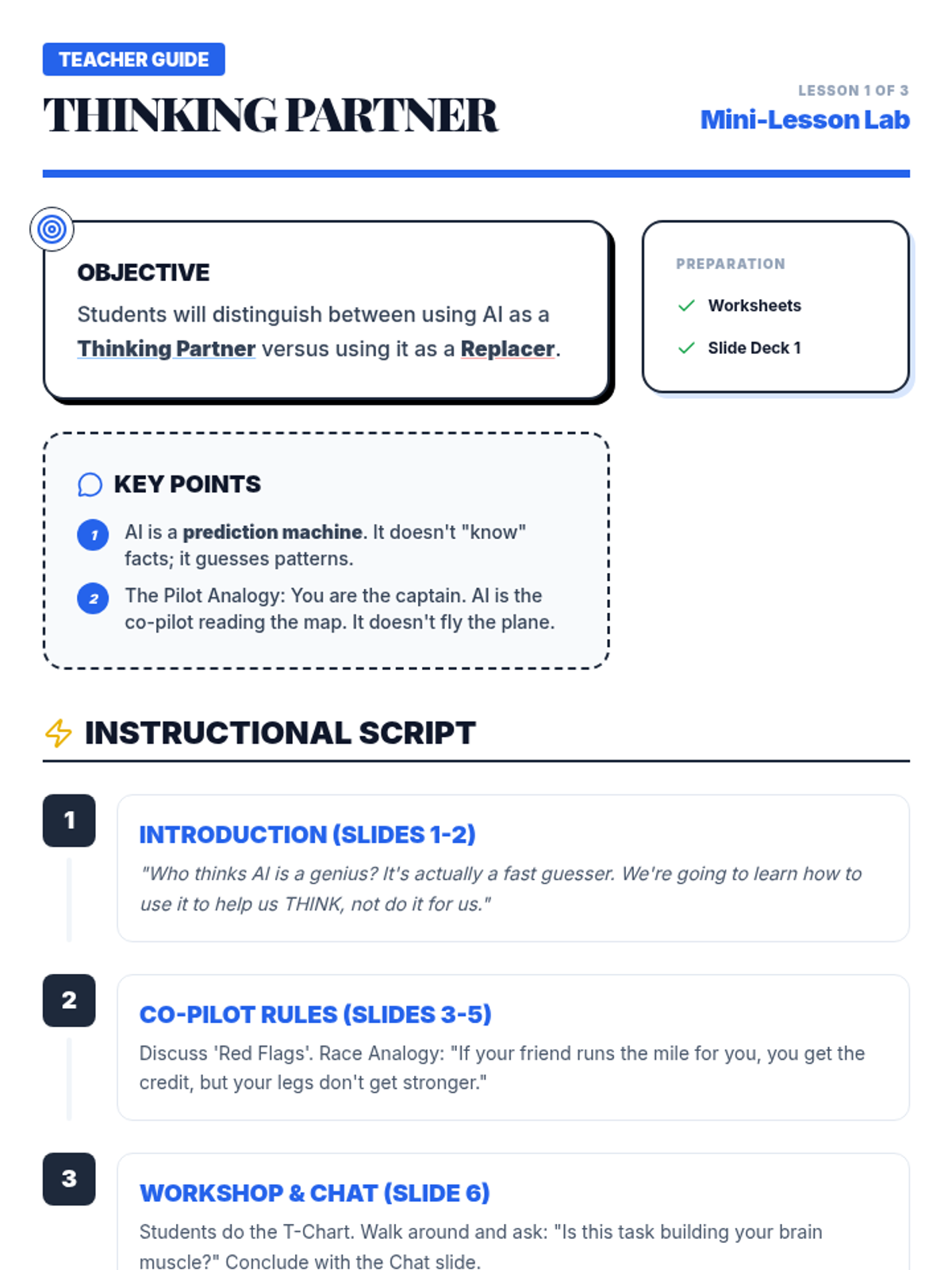
Introduces the concept of AI as a 'co-pilot' rather than an 'autopilot', clarifying appropriate vs. inappropriate use cases for school projects.
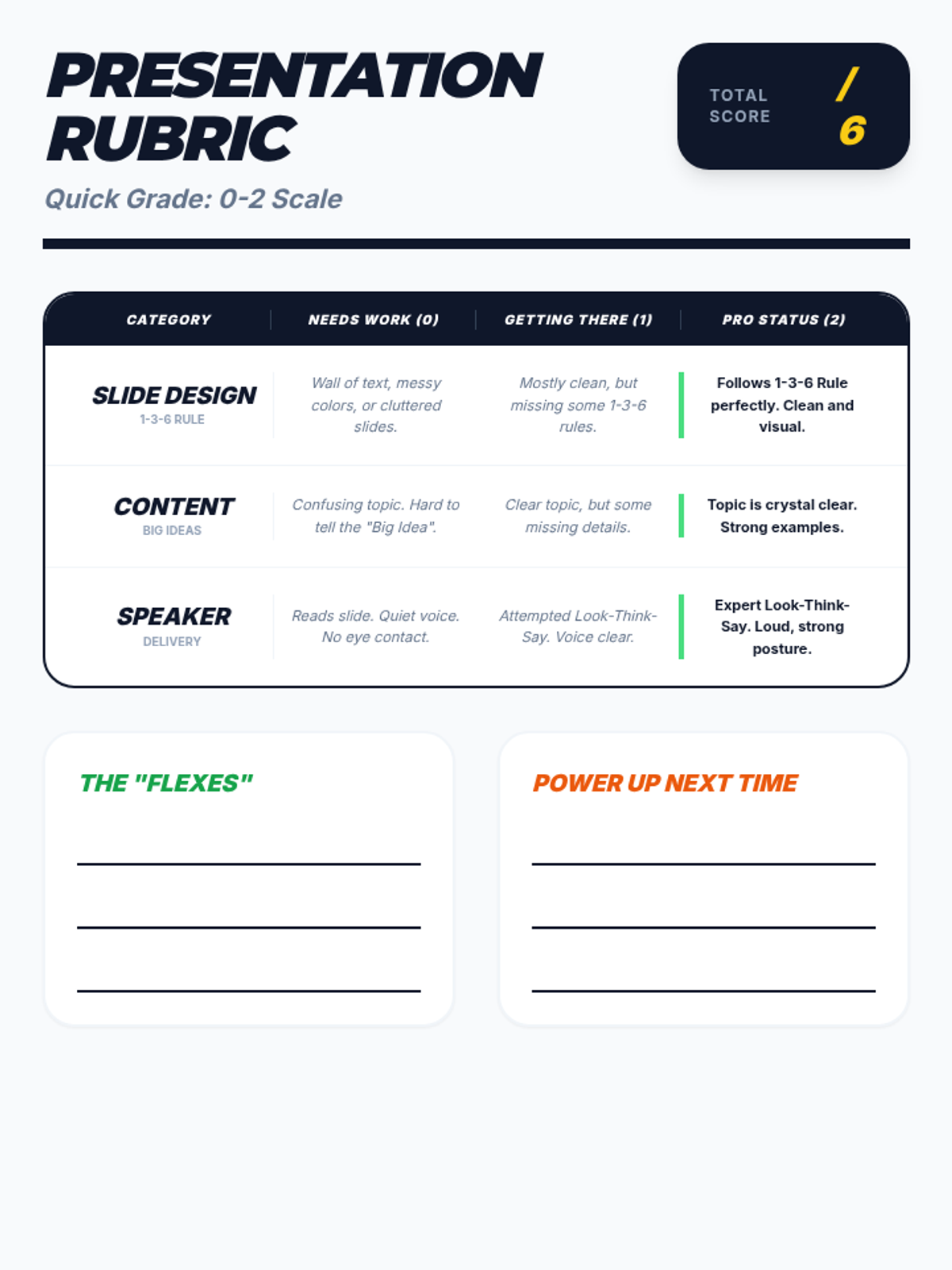
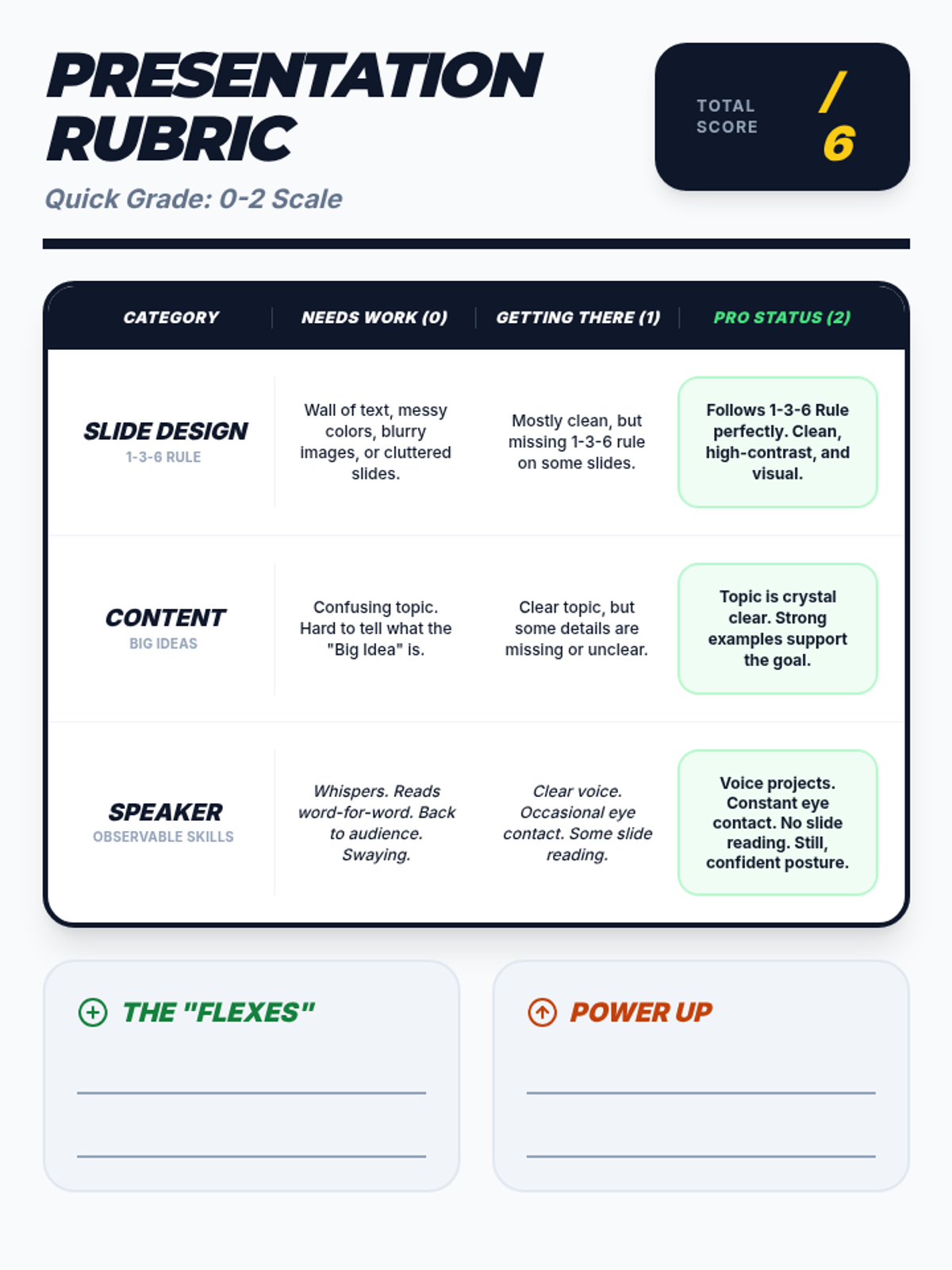
Focuses on verbal delivery and confidence using the Look-Think-Say technique.
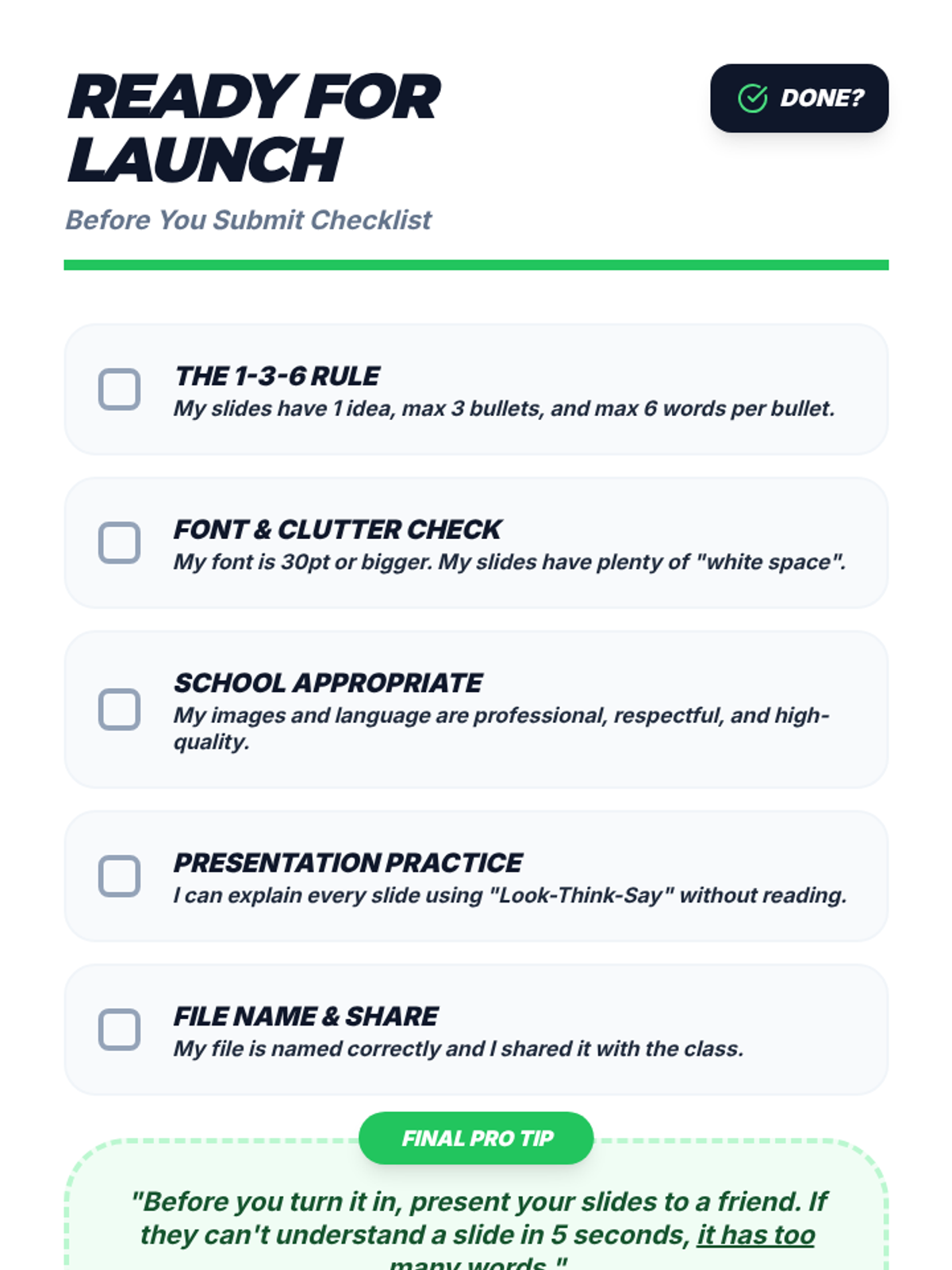
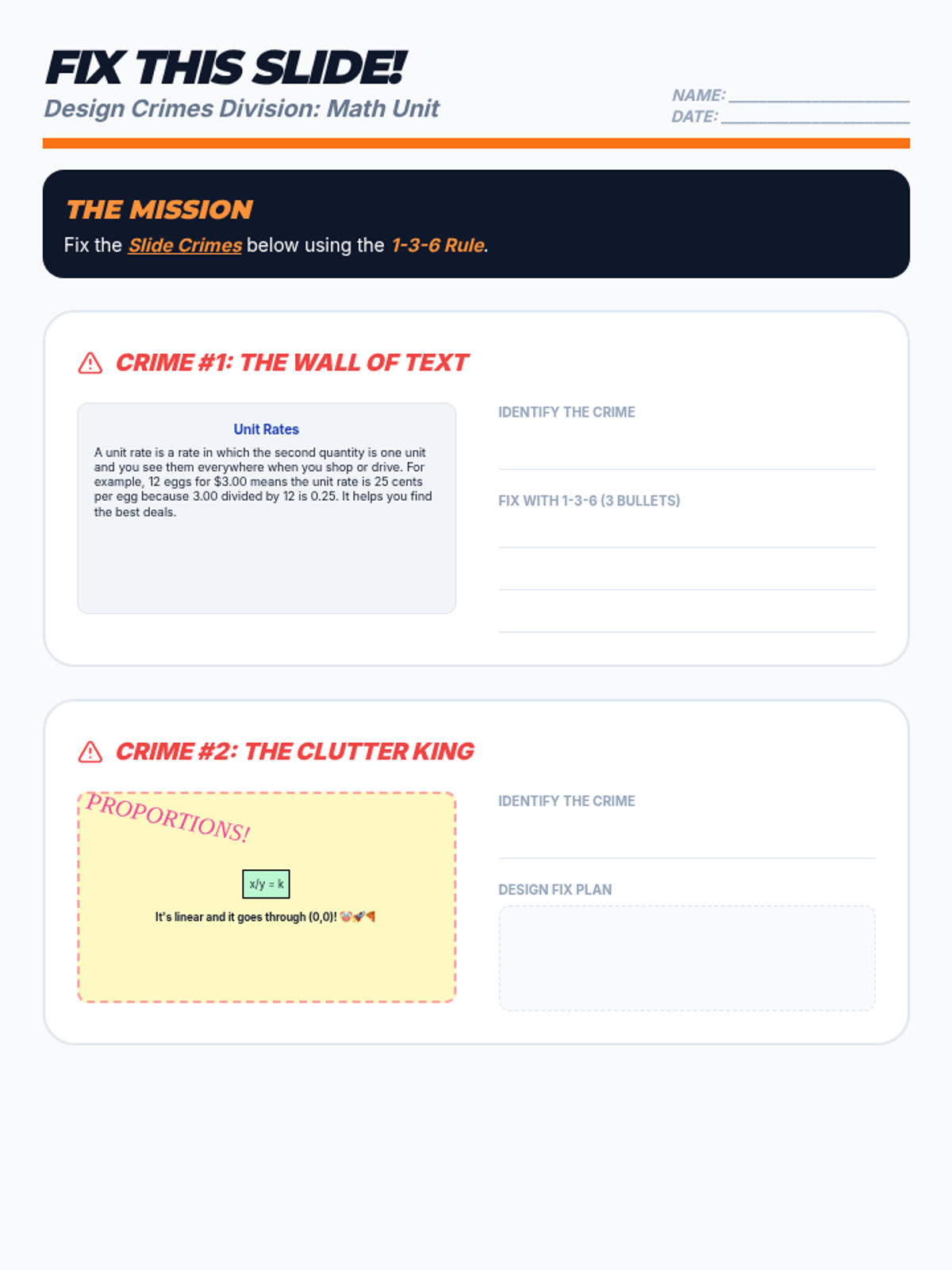
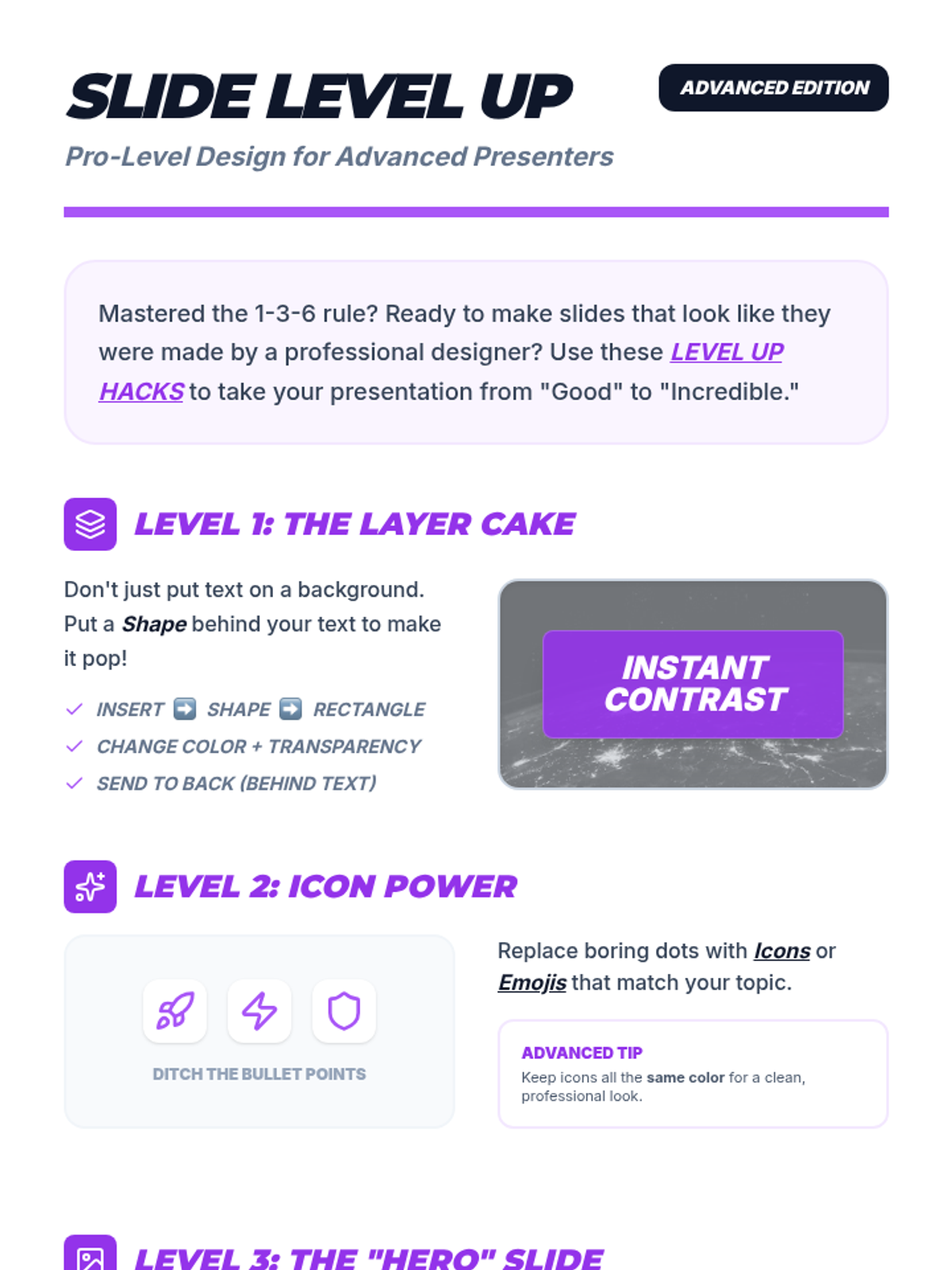
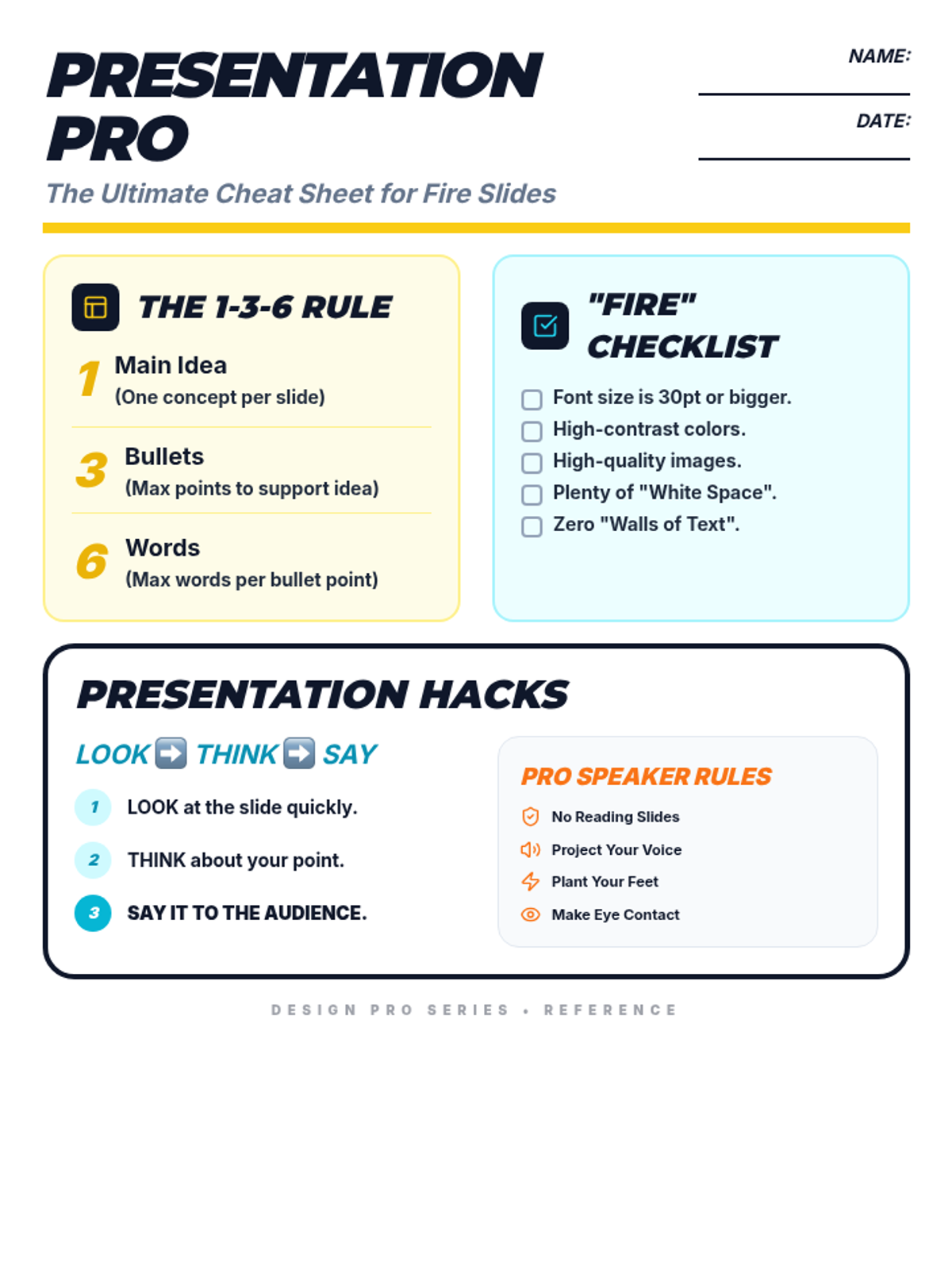
Teaches the 1-3-6 rule and visual design principles for creating clean, effective slides.
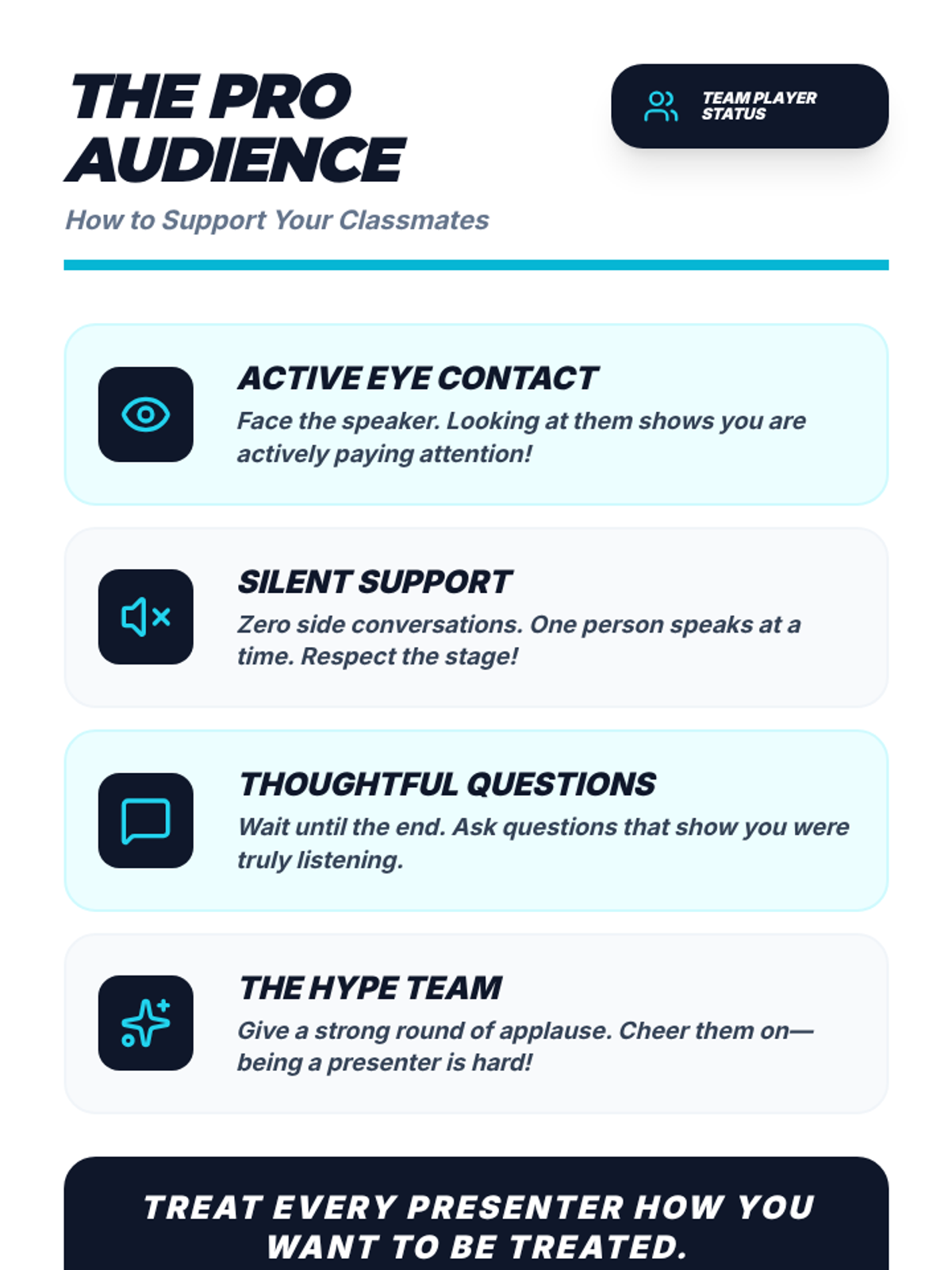
Focuses on identifying strong versus weak slides and understanding the core purpose of a presentation.

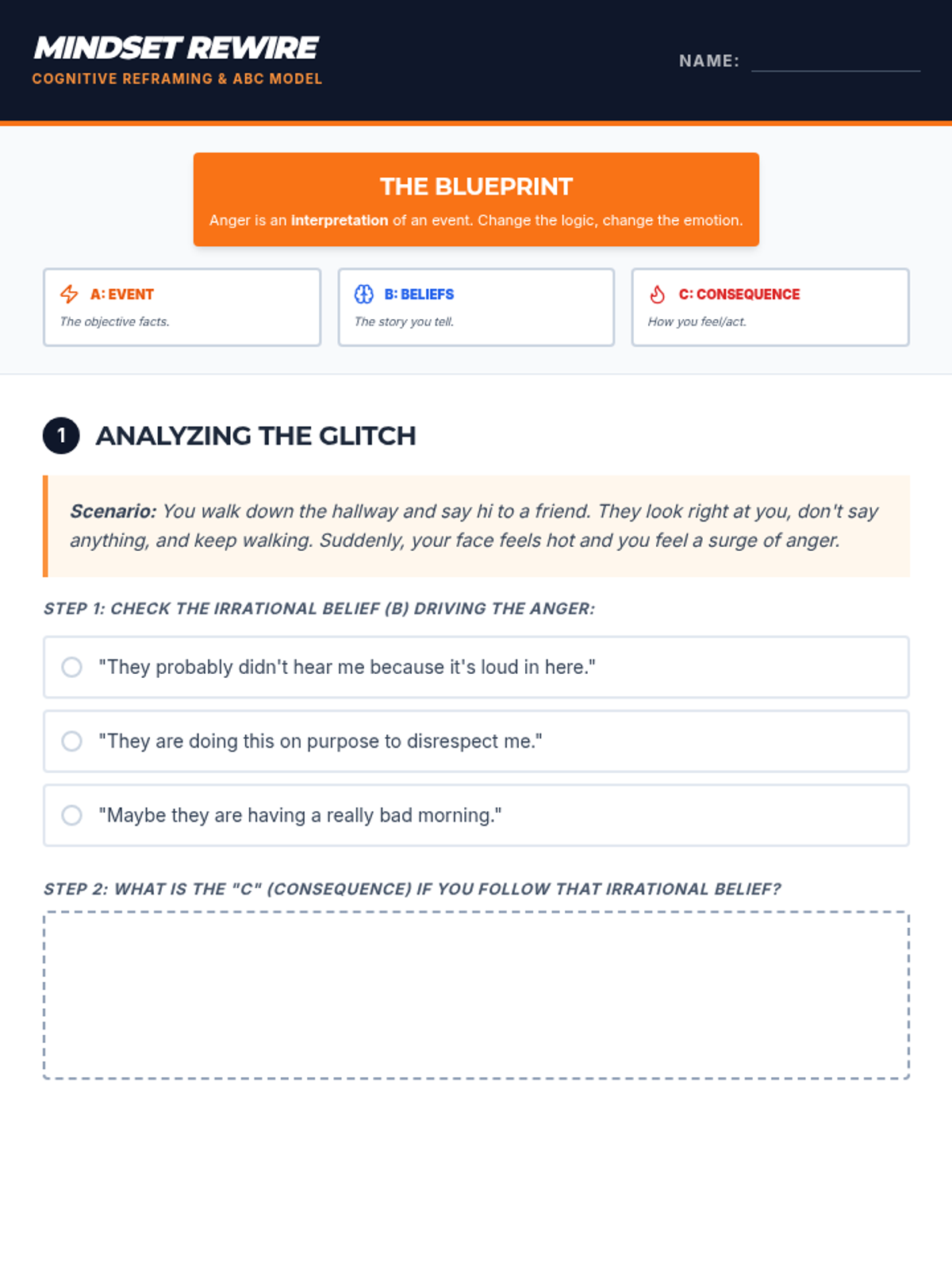
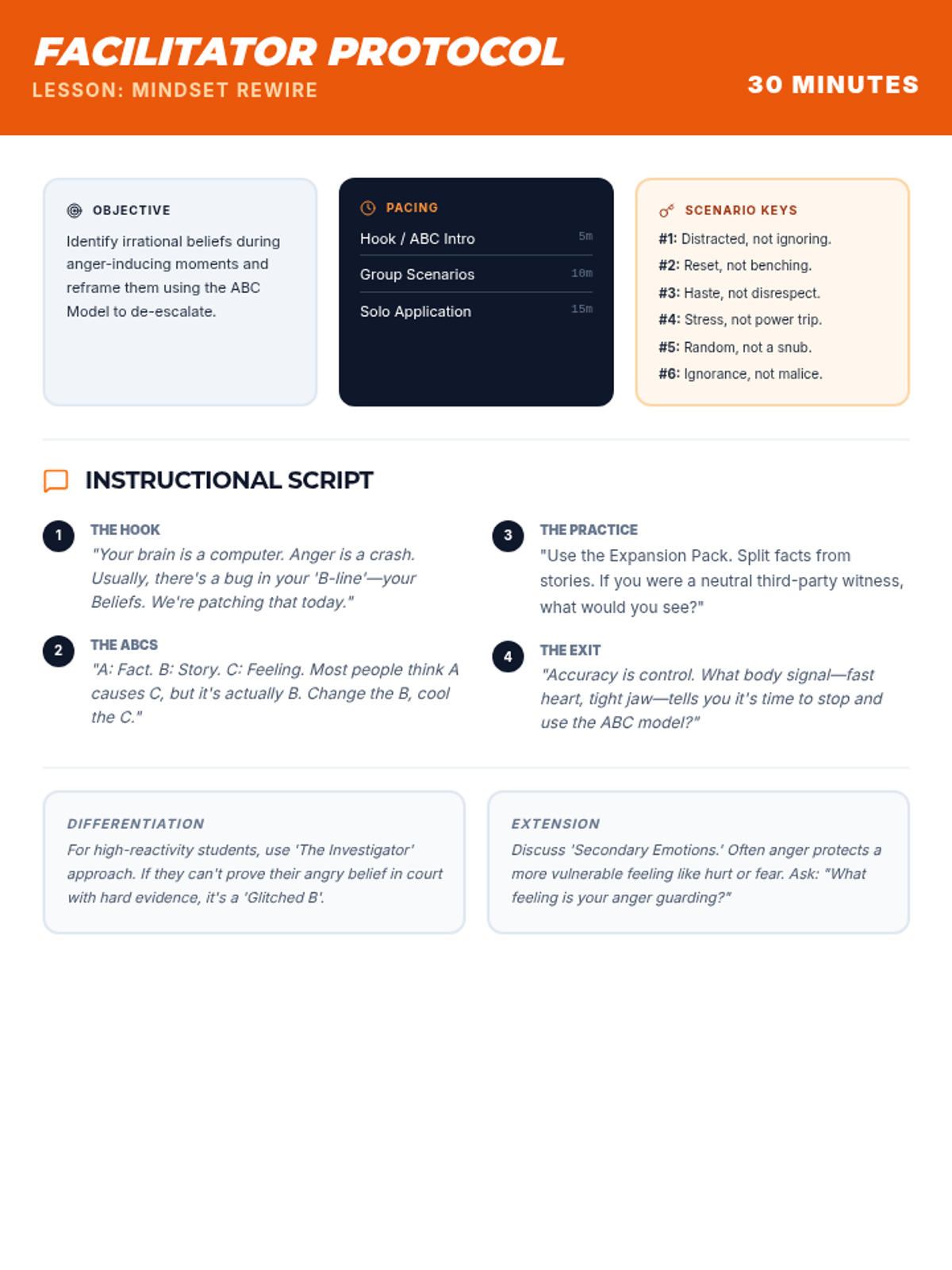
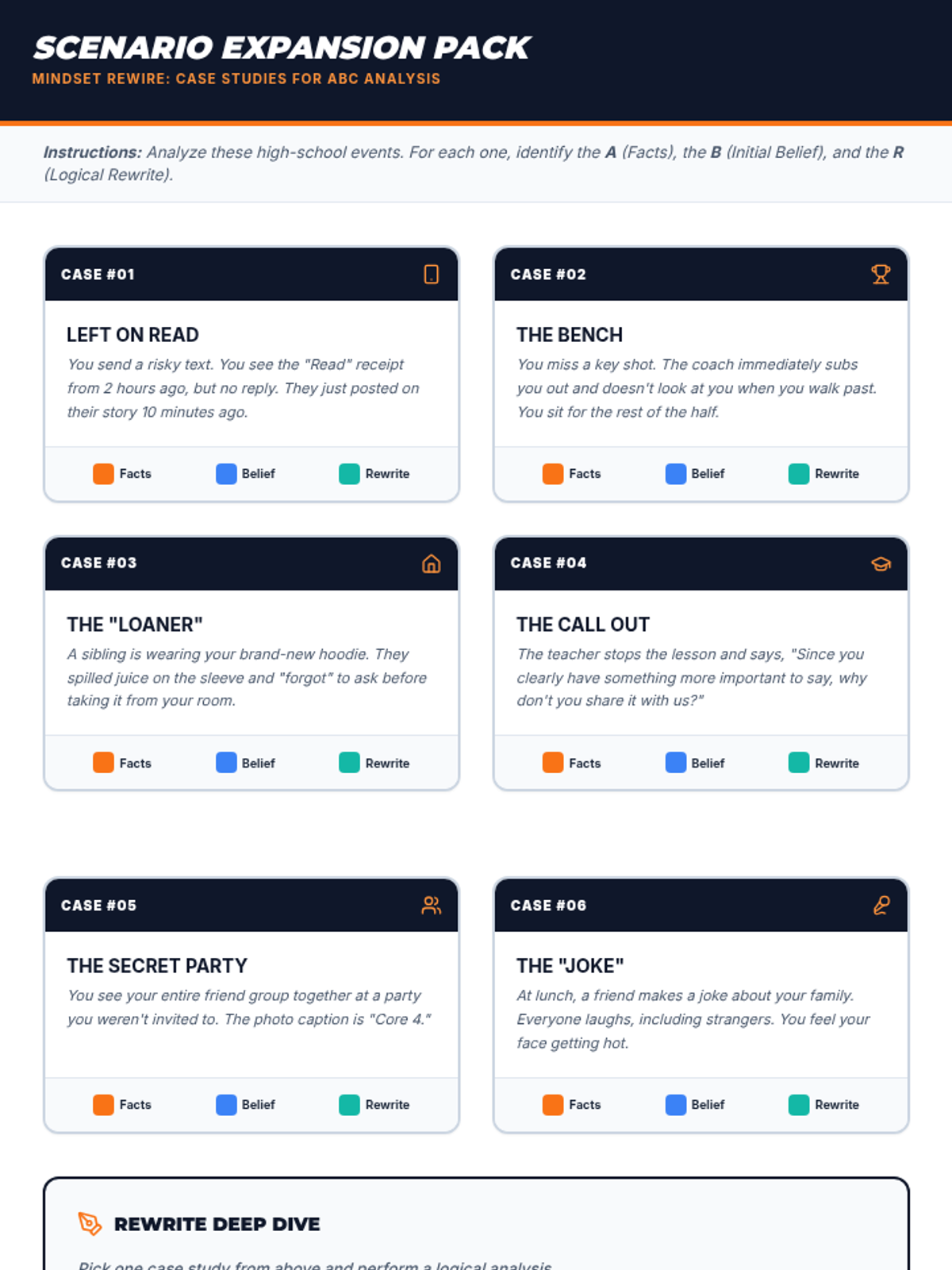
A high-energy, 30-minute session for high schoolers to master cognitive reframing using the ABC Model. Students learn to dismantle anger by analyzing the beliefs that trigger their emotional responses.
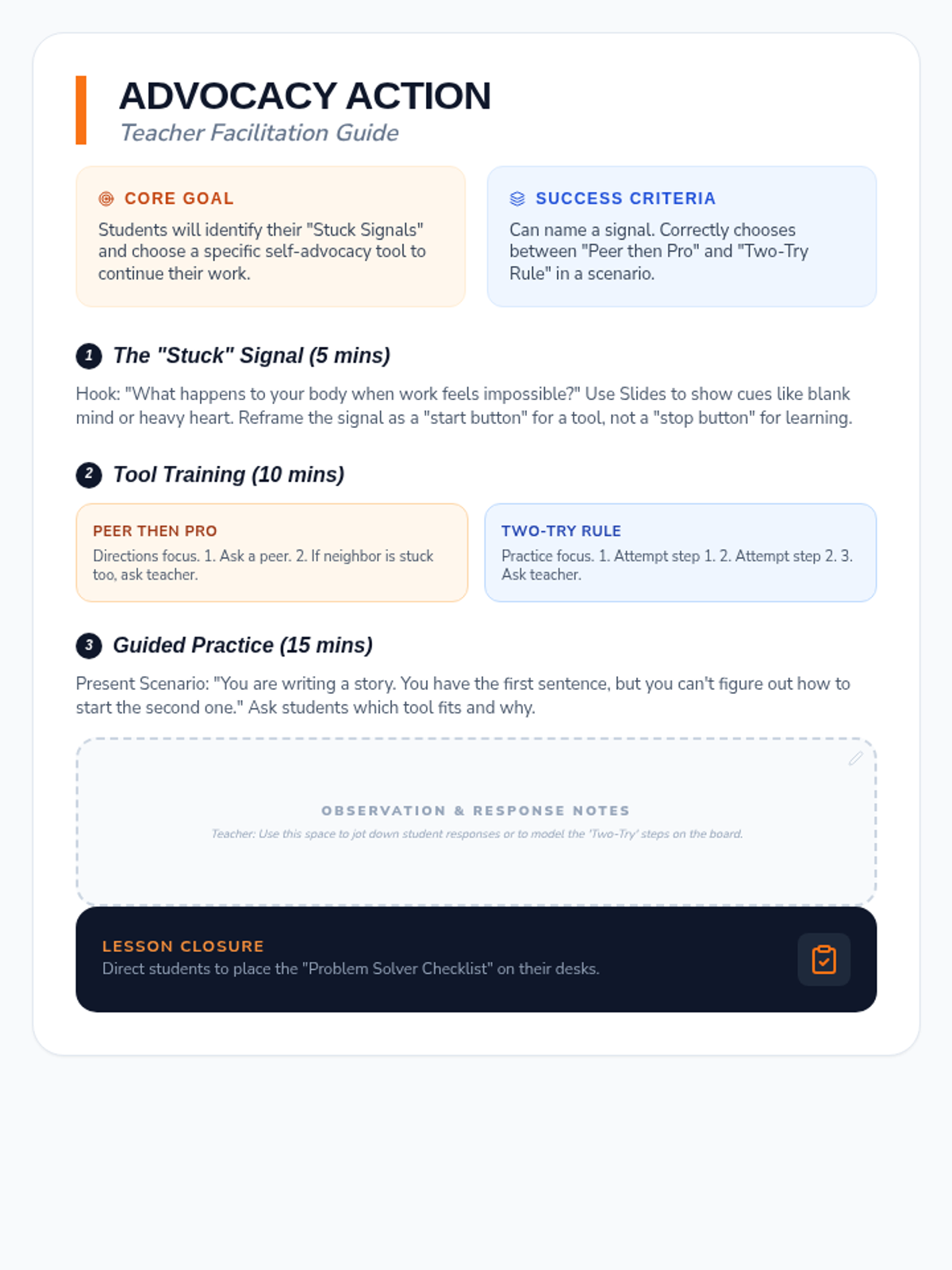
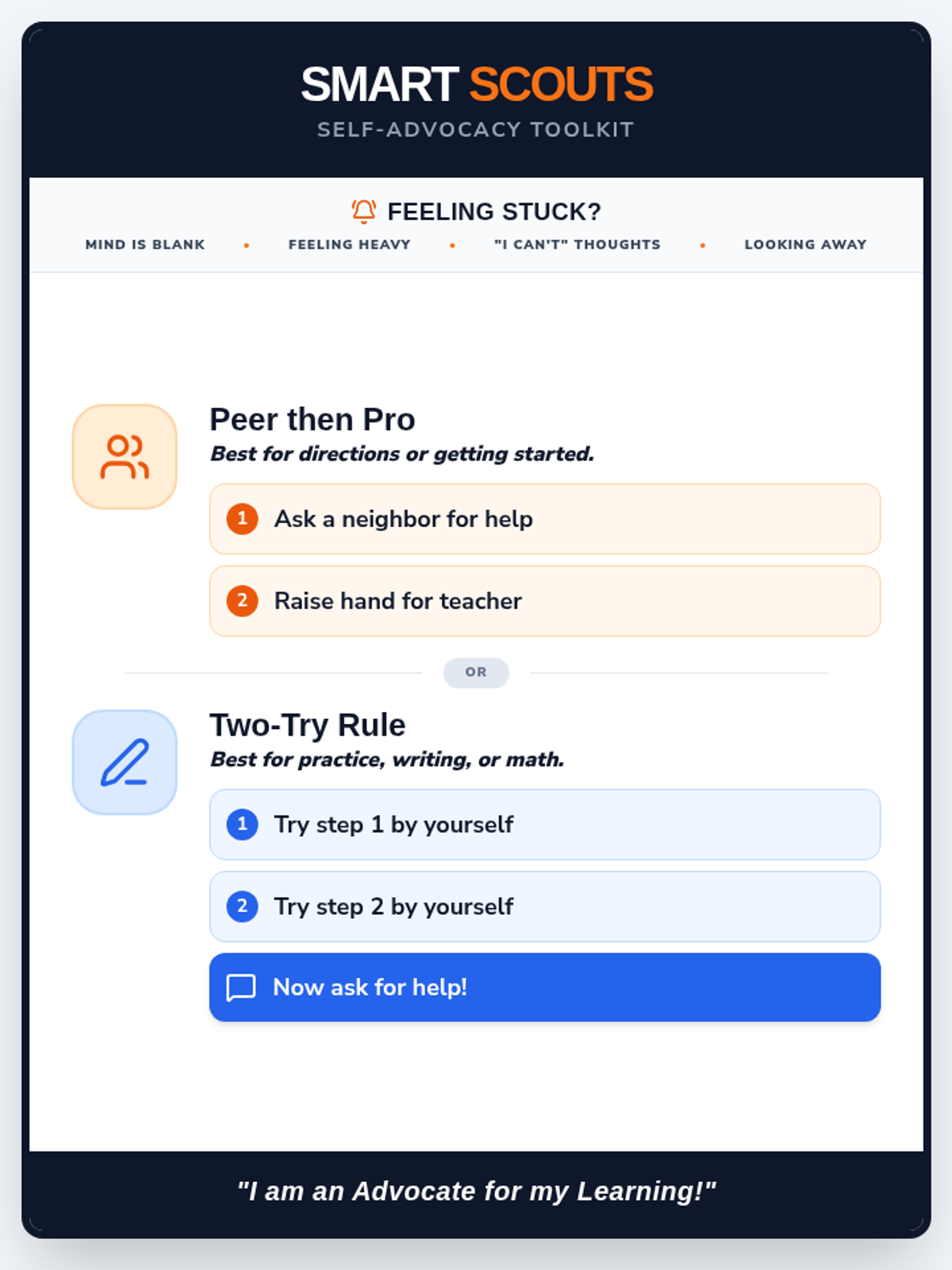
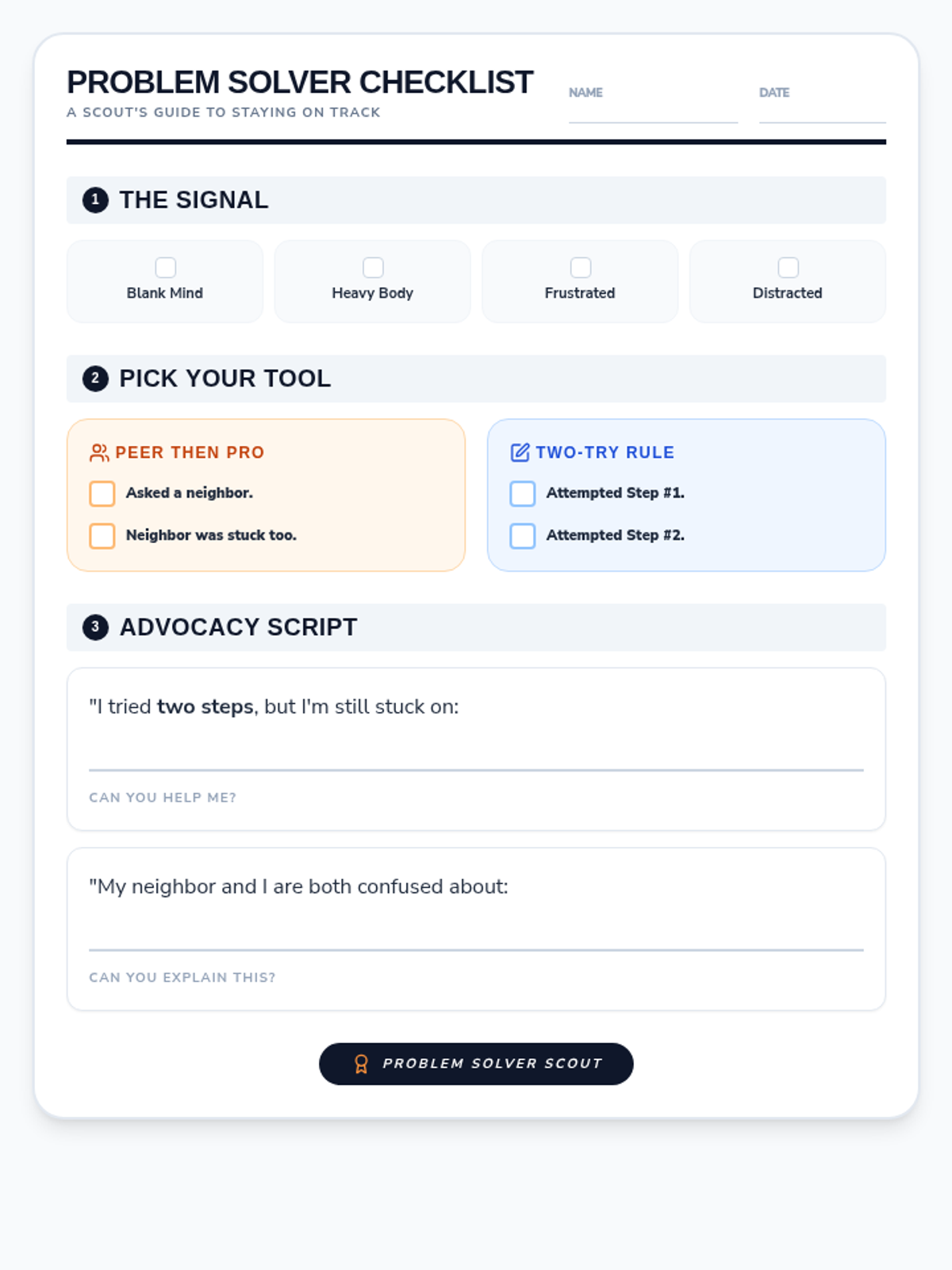
A lesson focused on empowering students to use specific self-advocacy strategies when faced with challenging academic tasks. Students learn to 'Ask a Peer then Teacher' and use the 'Two-Try Rule' before seeking help.
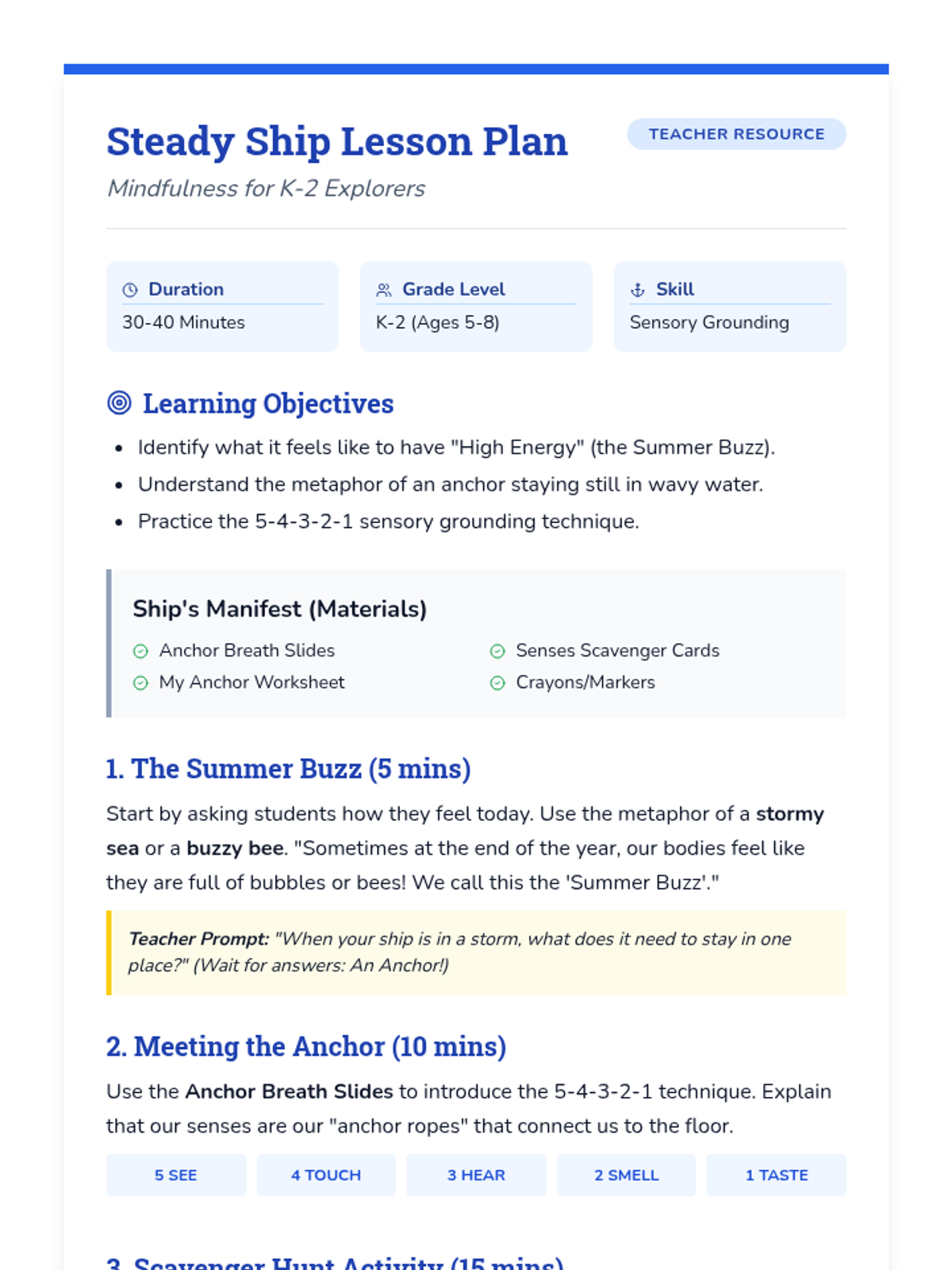
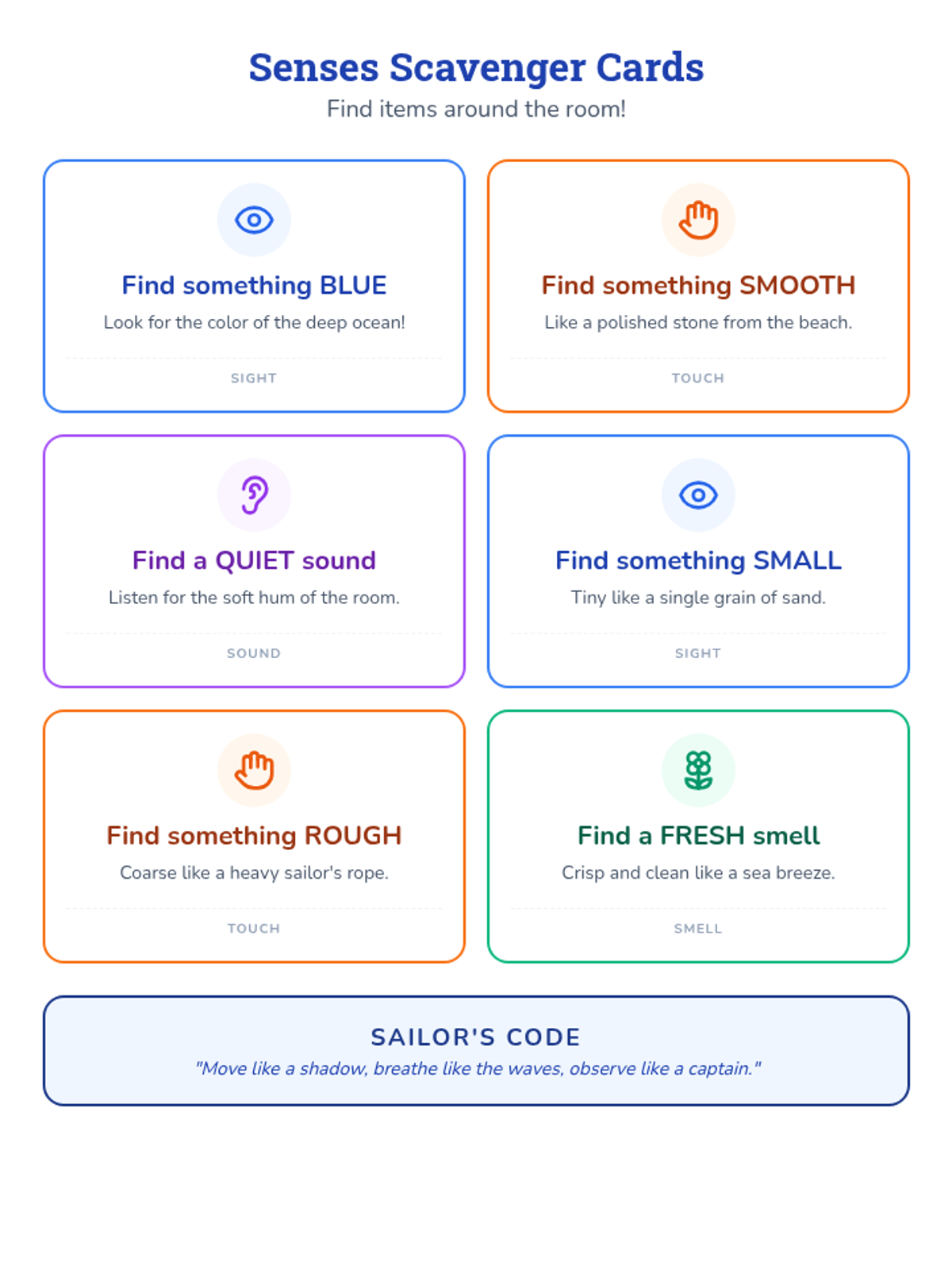
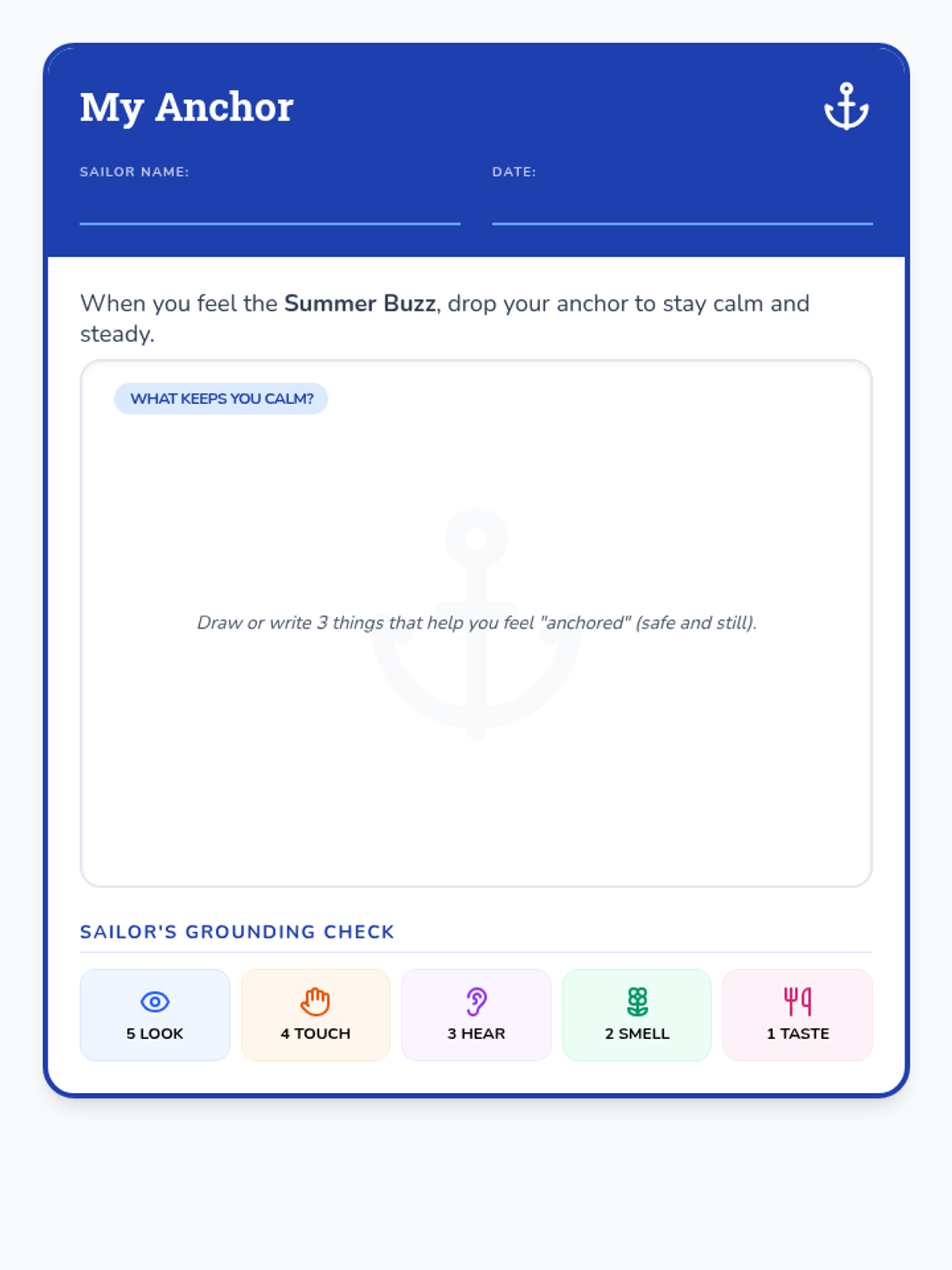
A mindfulness lesson for K-2 students using sensory grounding techniques (5-4-3-2-1) to manage high energy through a nautical 'anchor' metaphor.
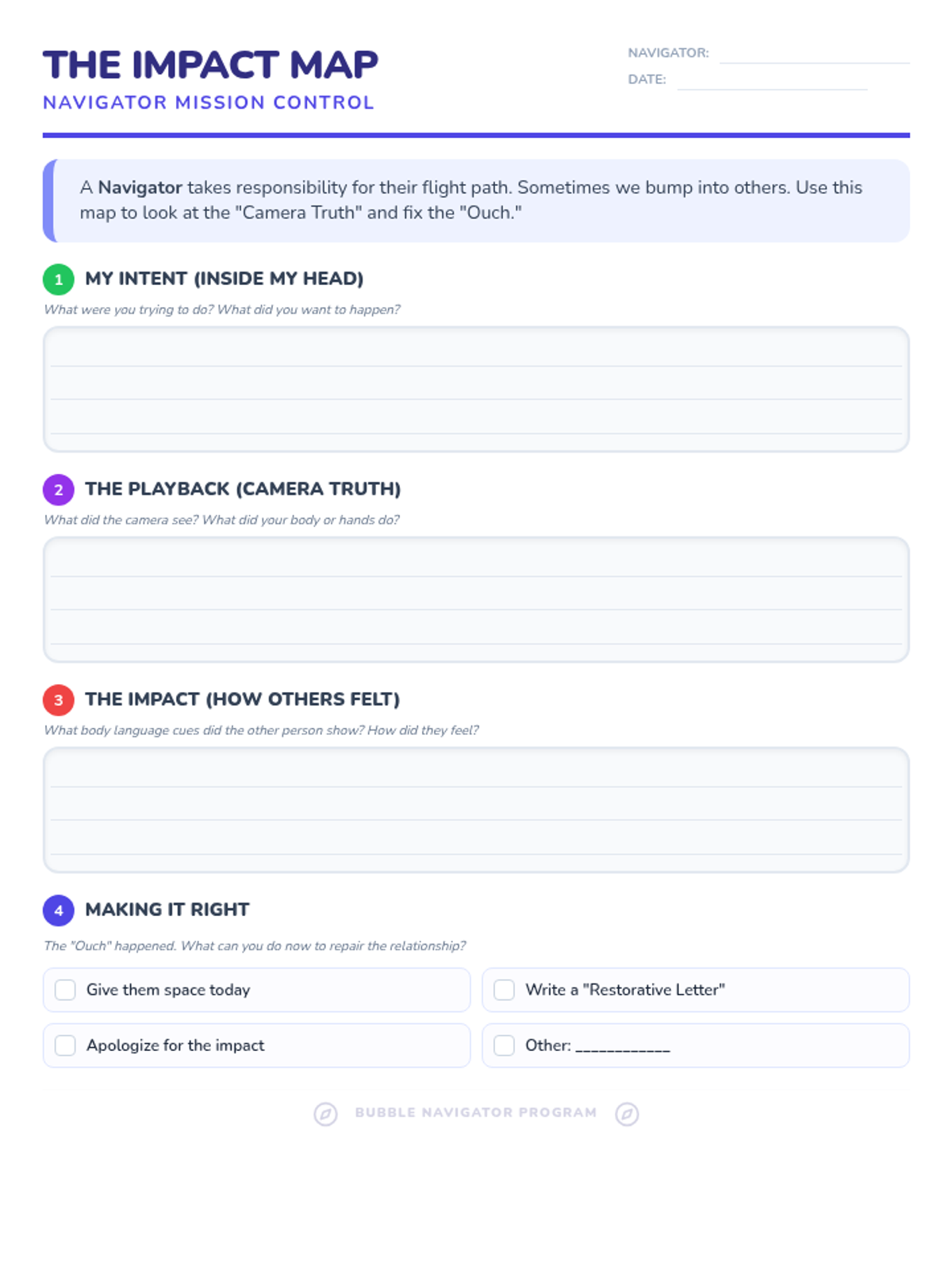
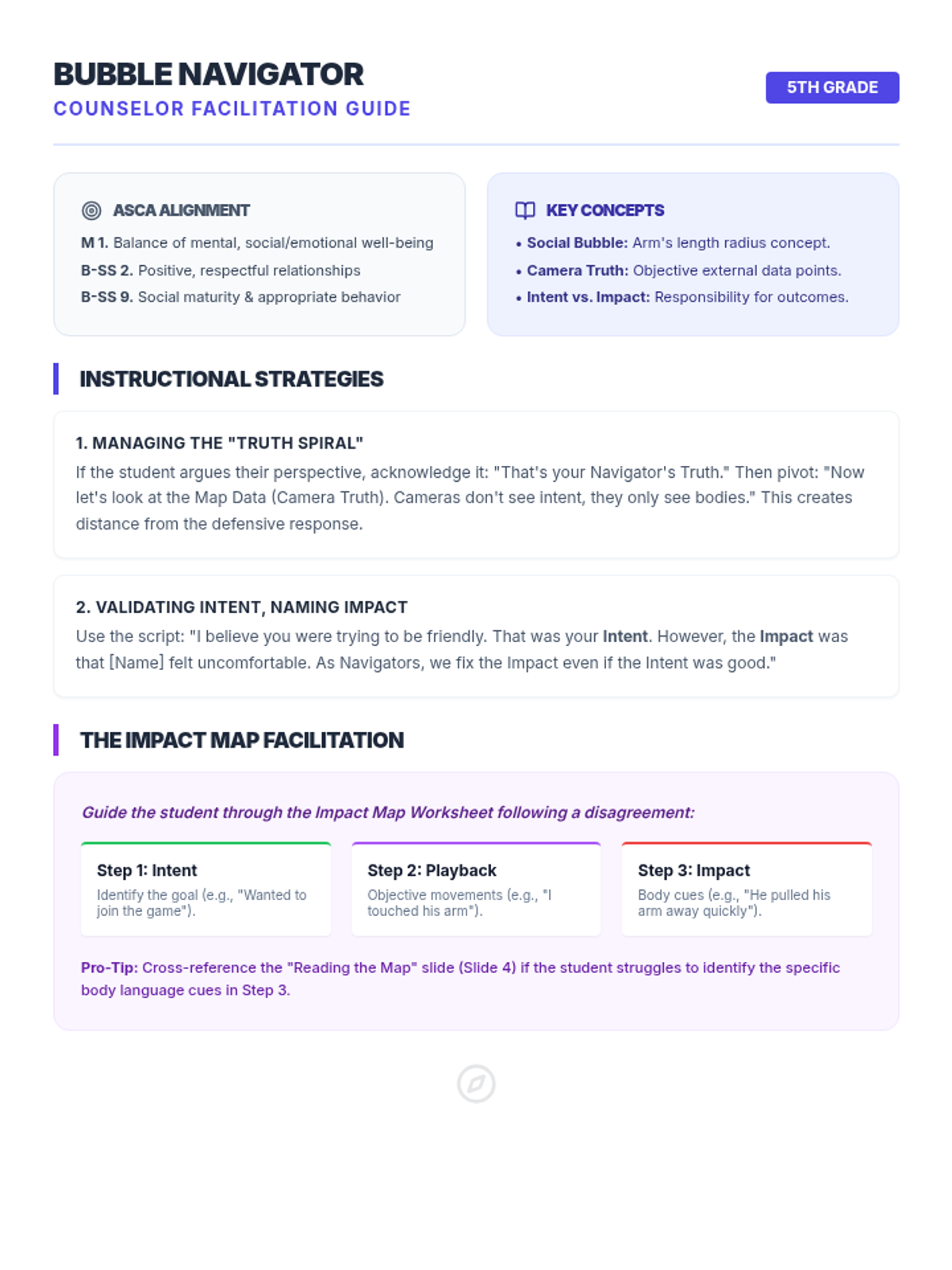
A social-emotional lesson for 5th graders focused on personal boundaries, body language, and the difference between intent and impact. Designed for school counselors working with neurodivergent students using restorative practices.
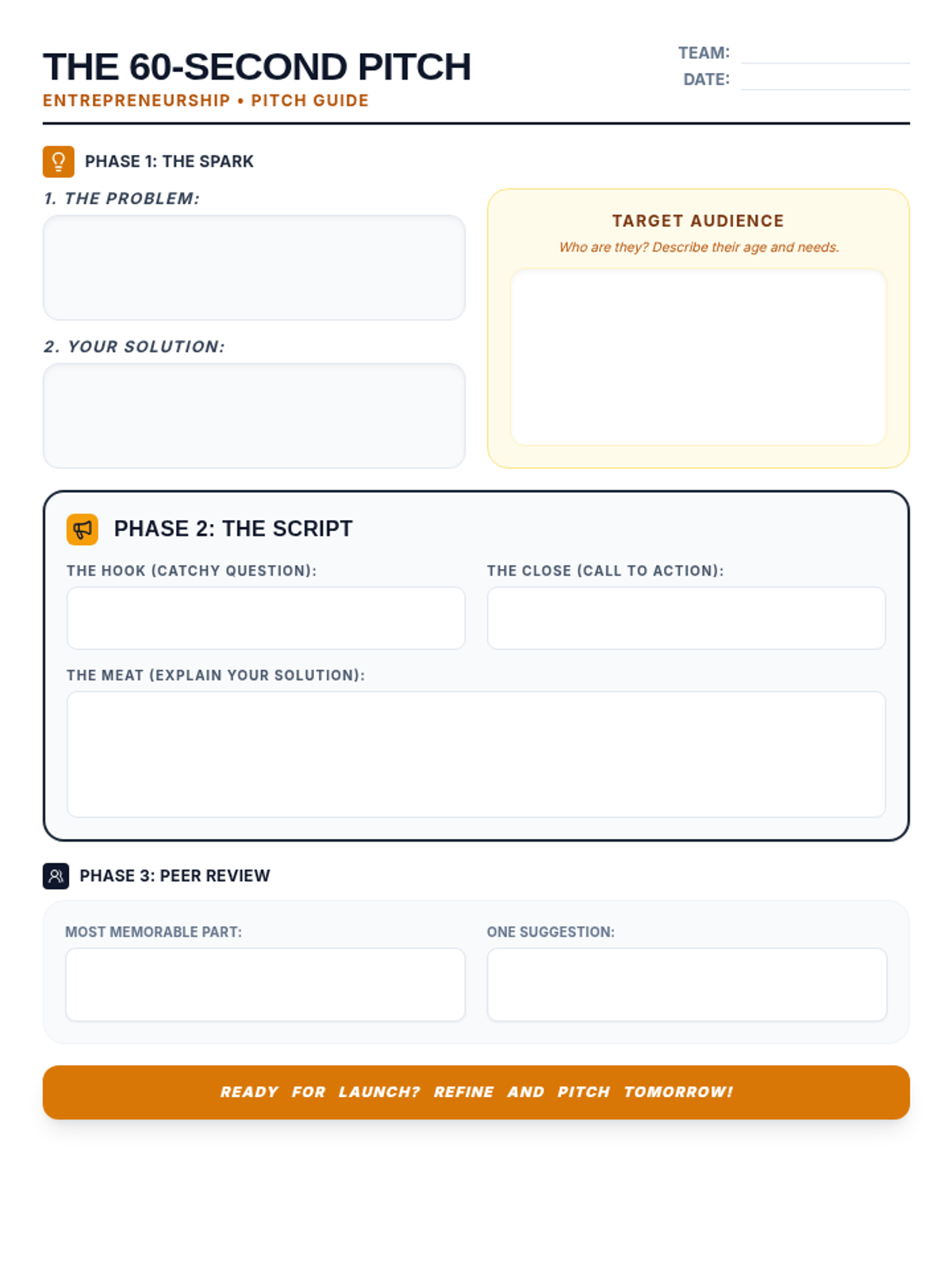
Explore the process of identifying problems and developing innovative solutions, culminating in an elevator pitch for a new business idea.
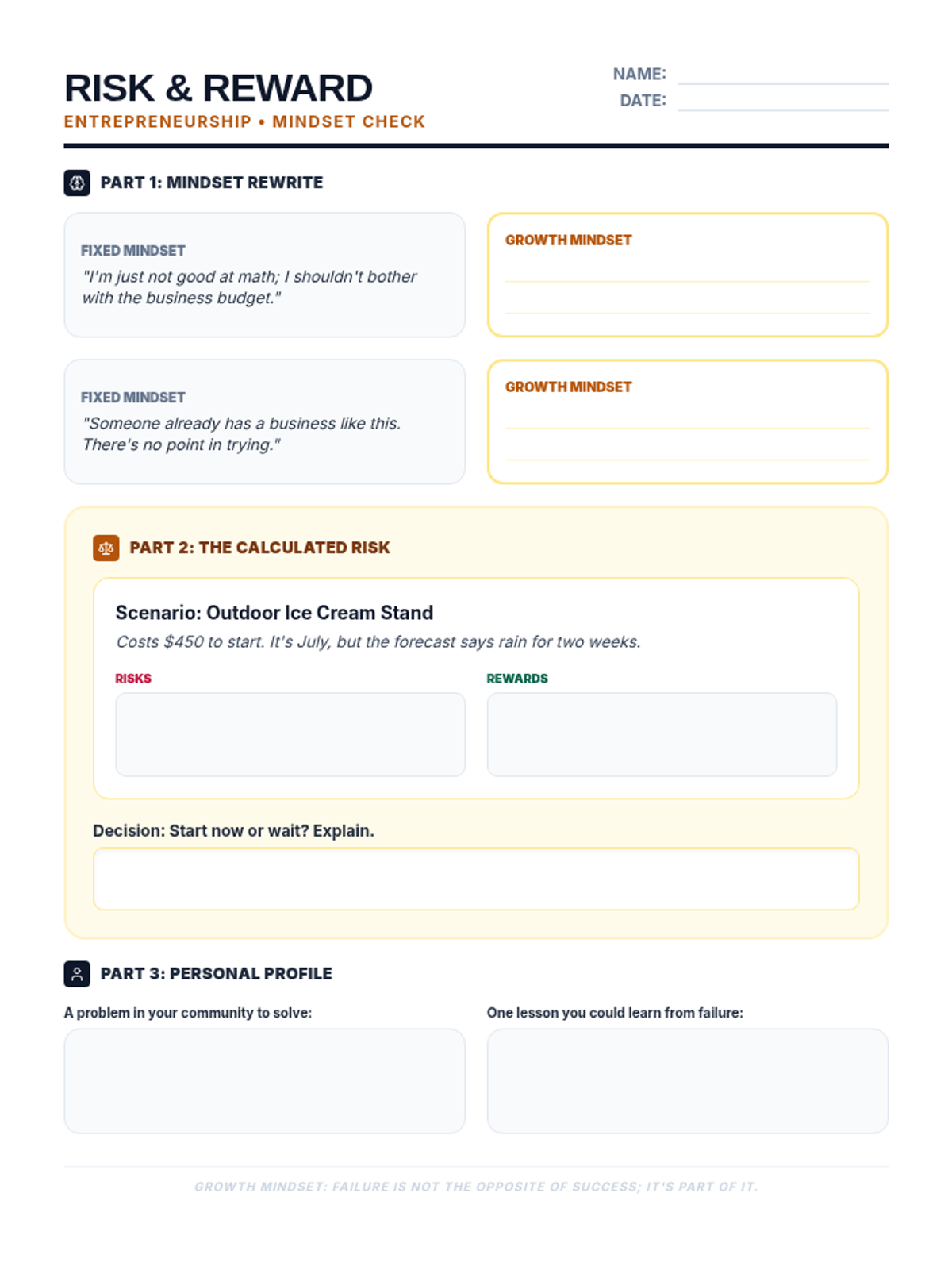
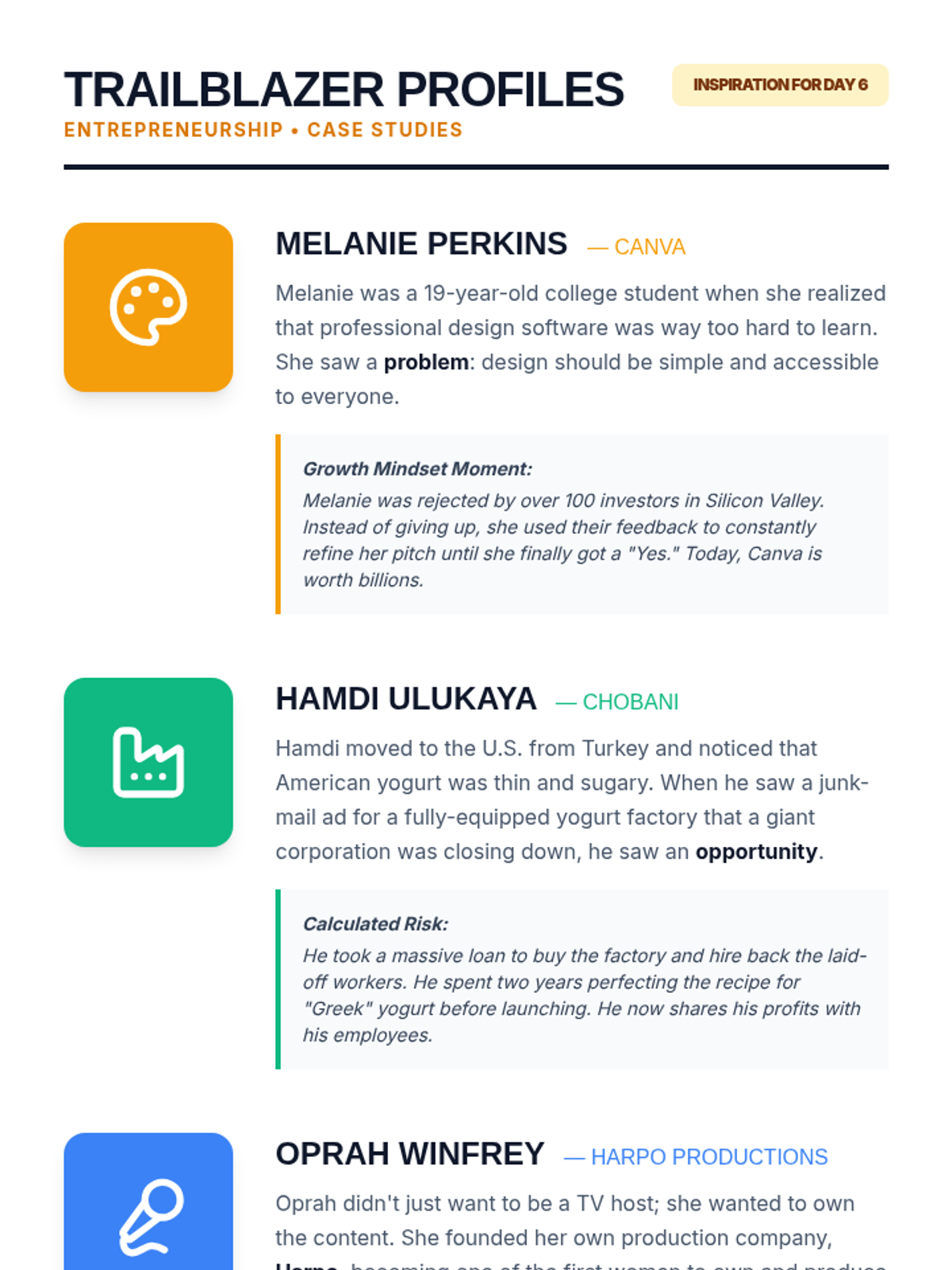
Discover the characteristics of an entrepreneur, the importance of a growth mindset, and the balance between risk and reward.
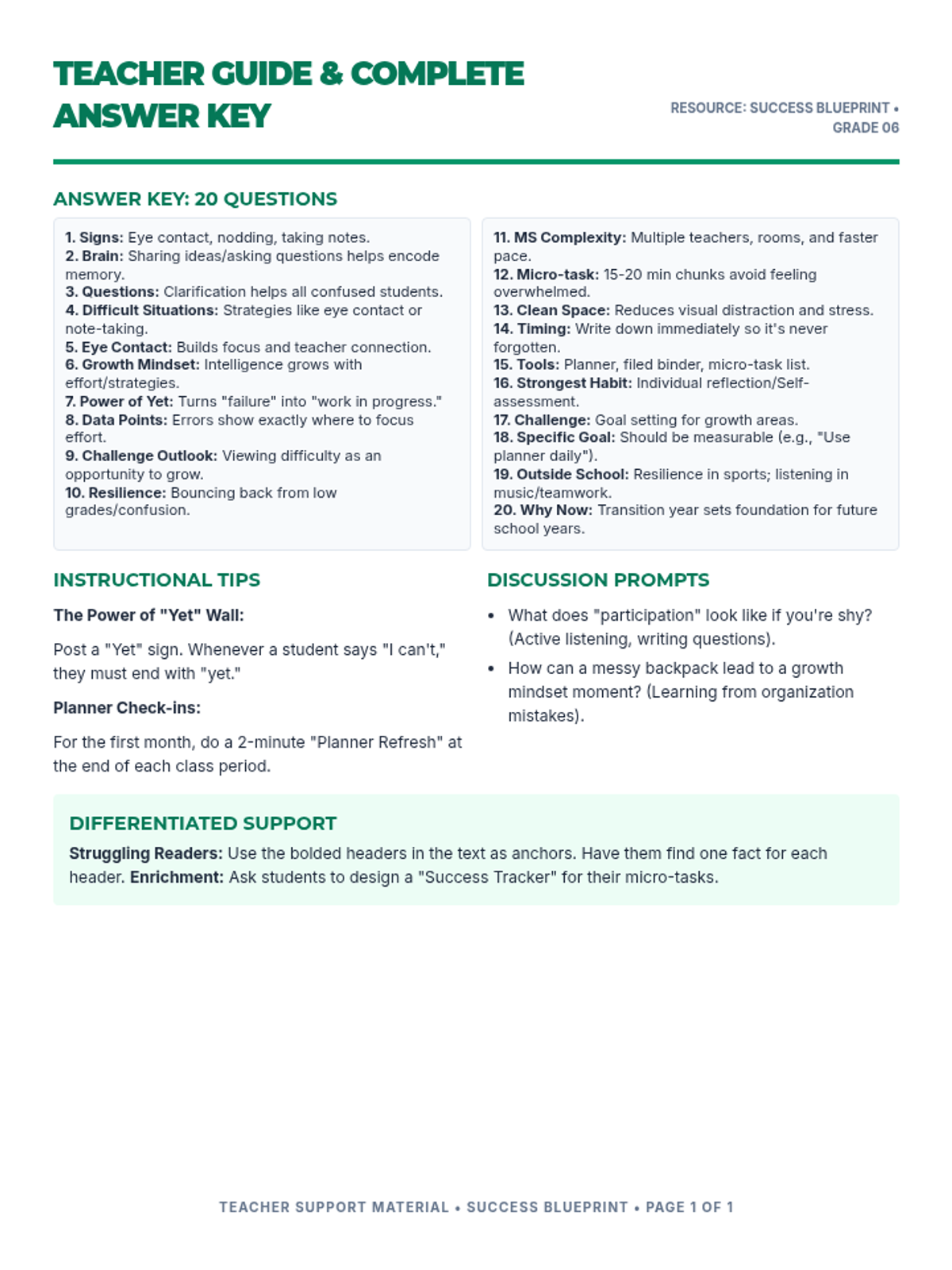
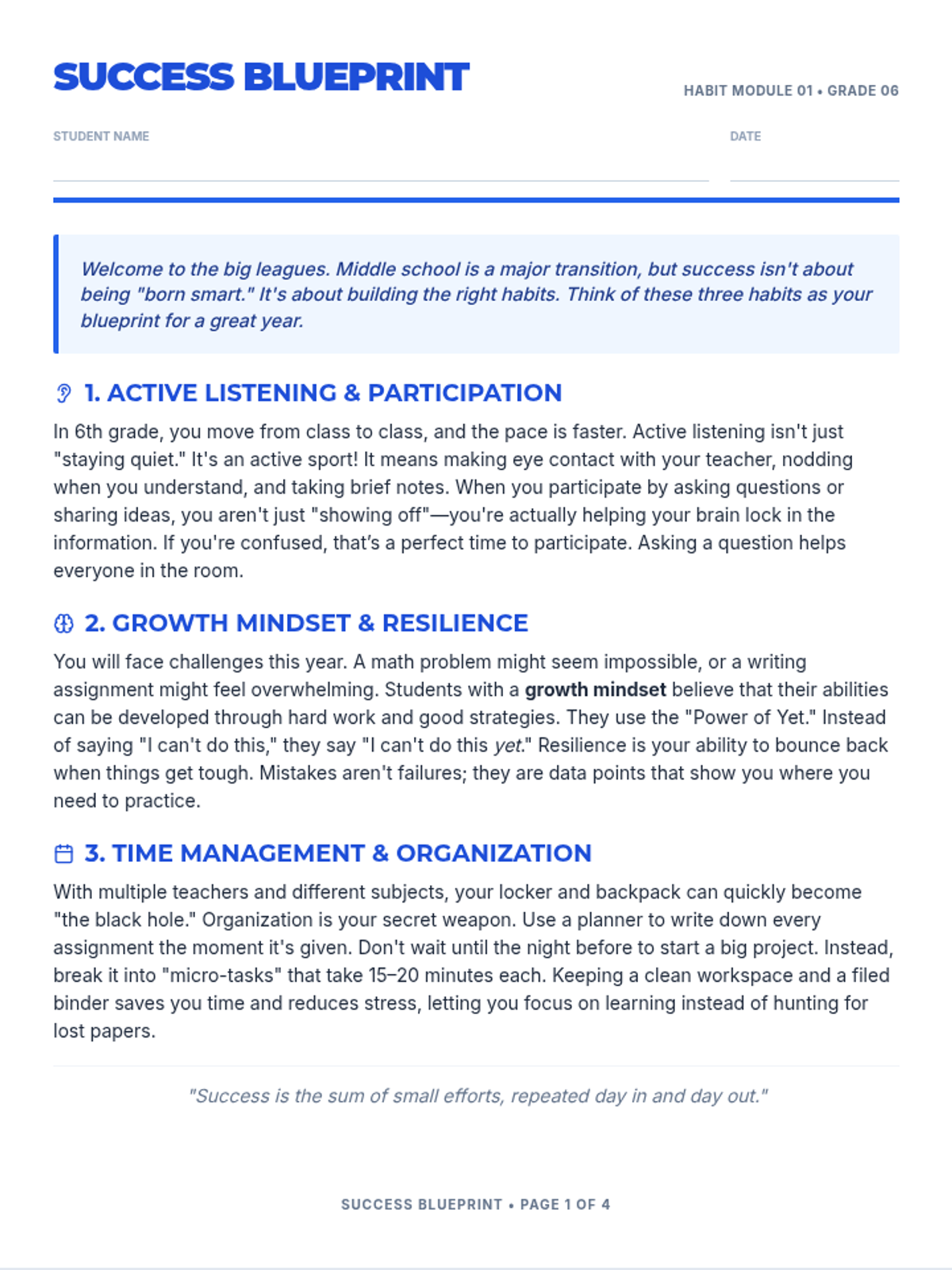
A foundational lesson for 6th graders focusing on three core pillars of middle school success: active listening, growth mindset, and organizational skills.
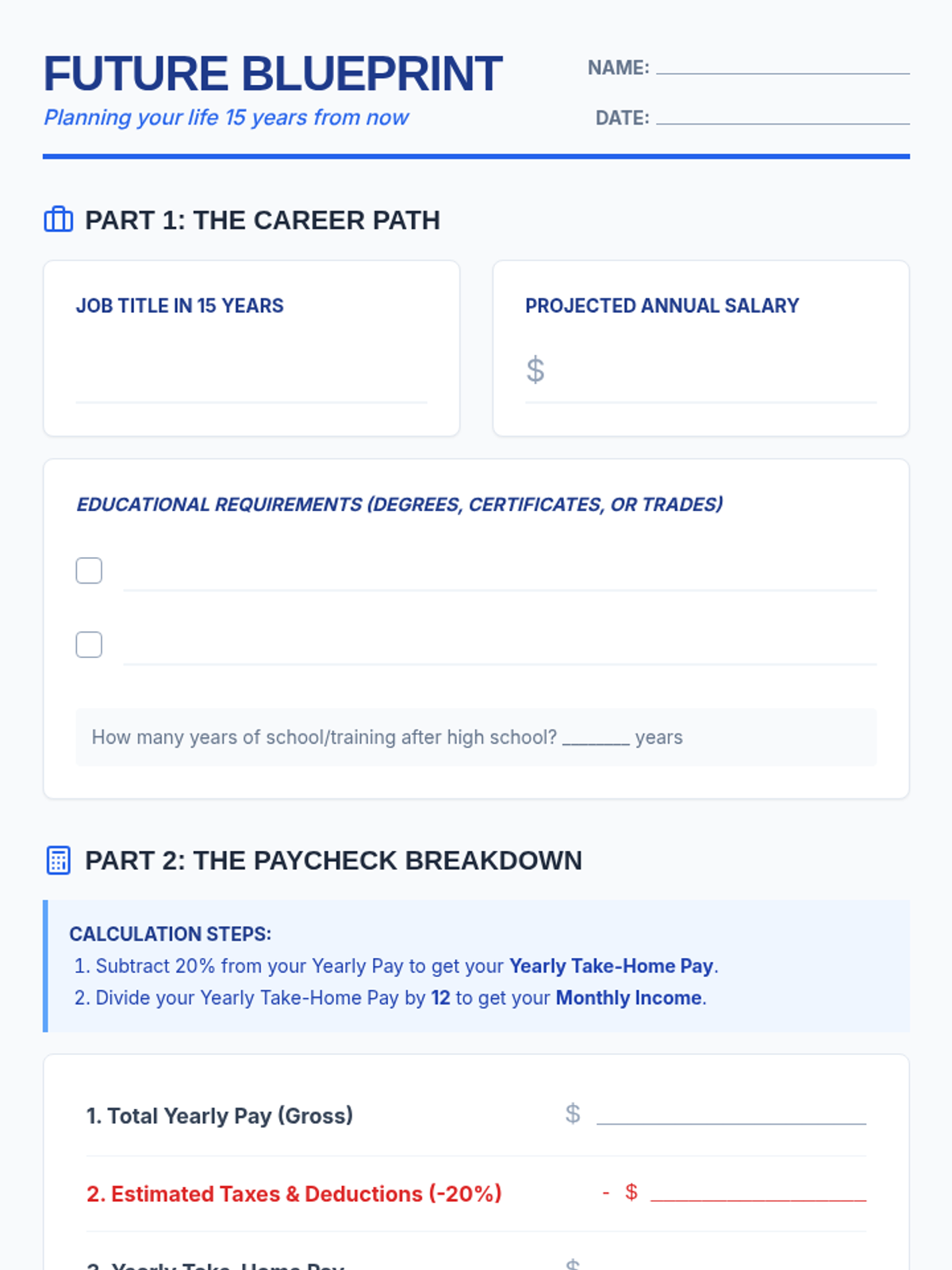
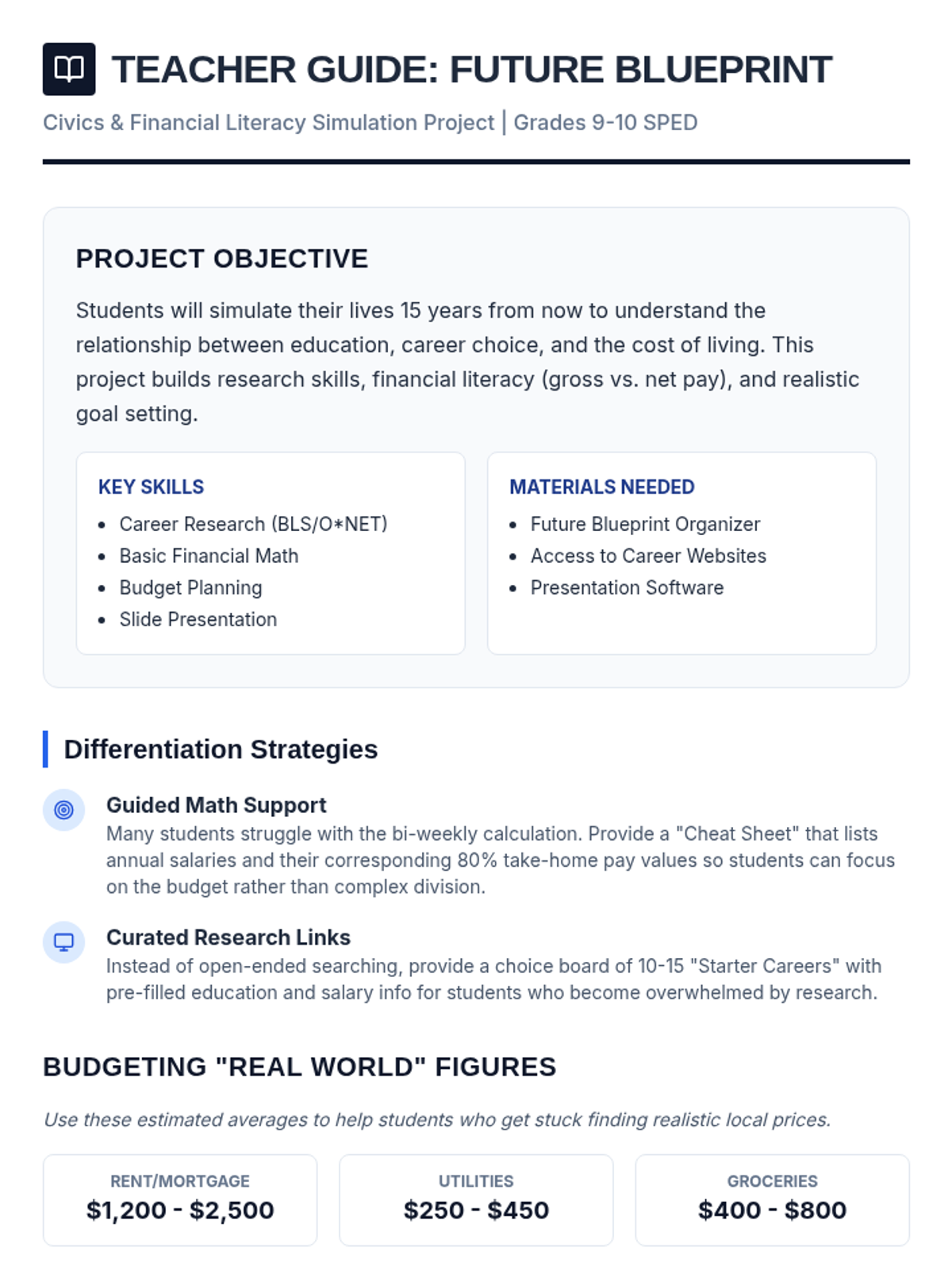
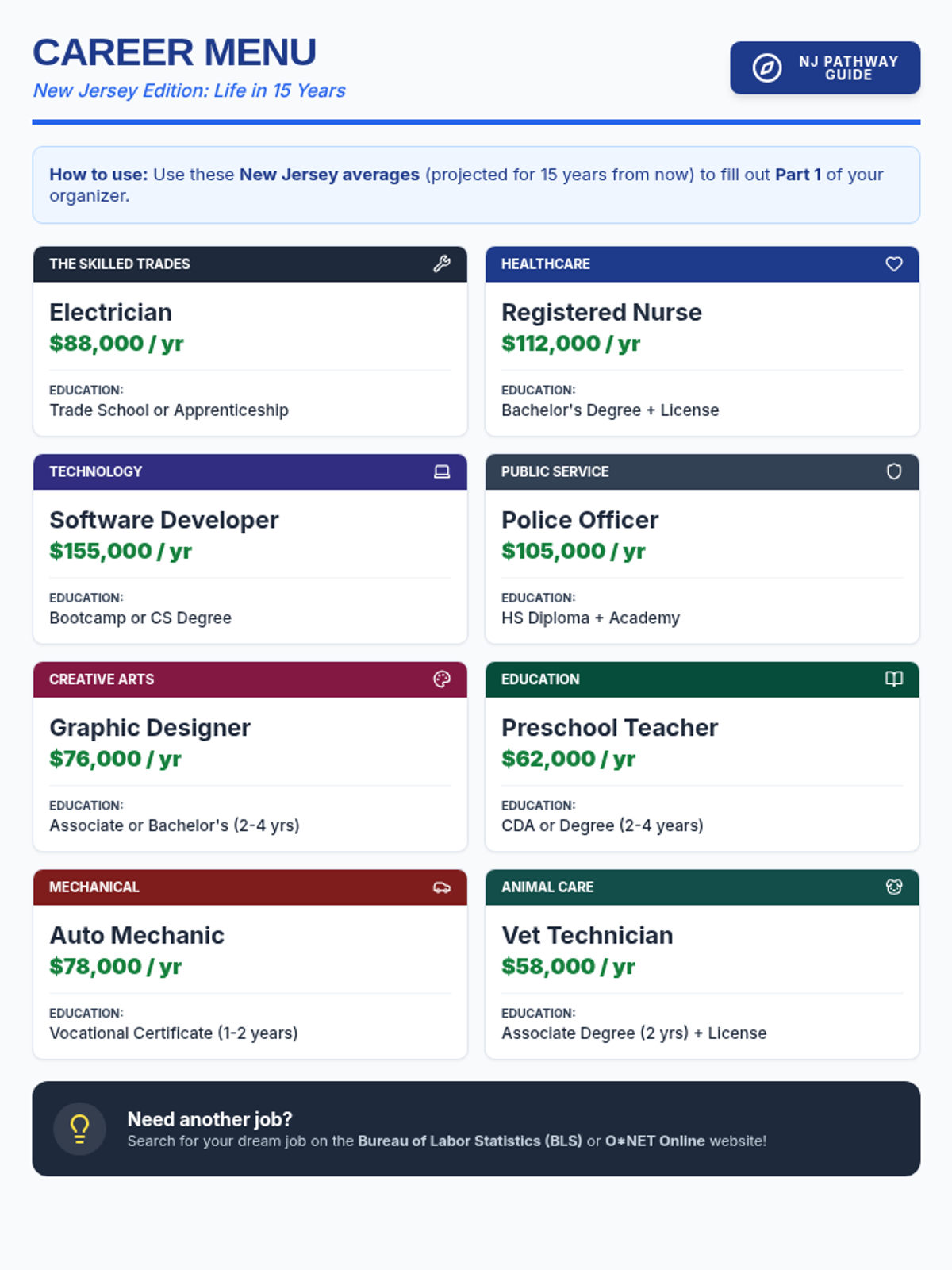
A comprehensive project where students research and plan their lives 15 years into the future, focusing on career paths, education requirements, and realistic financial budgeting.
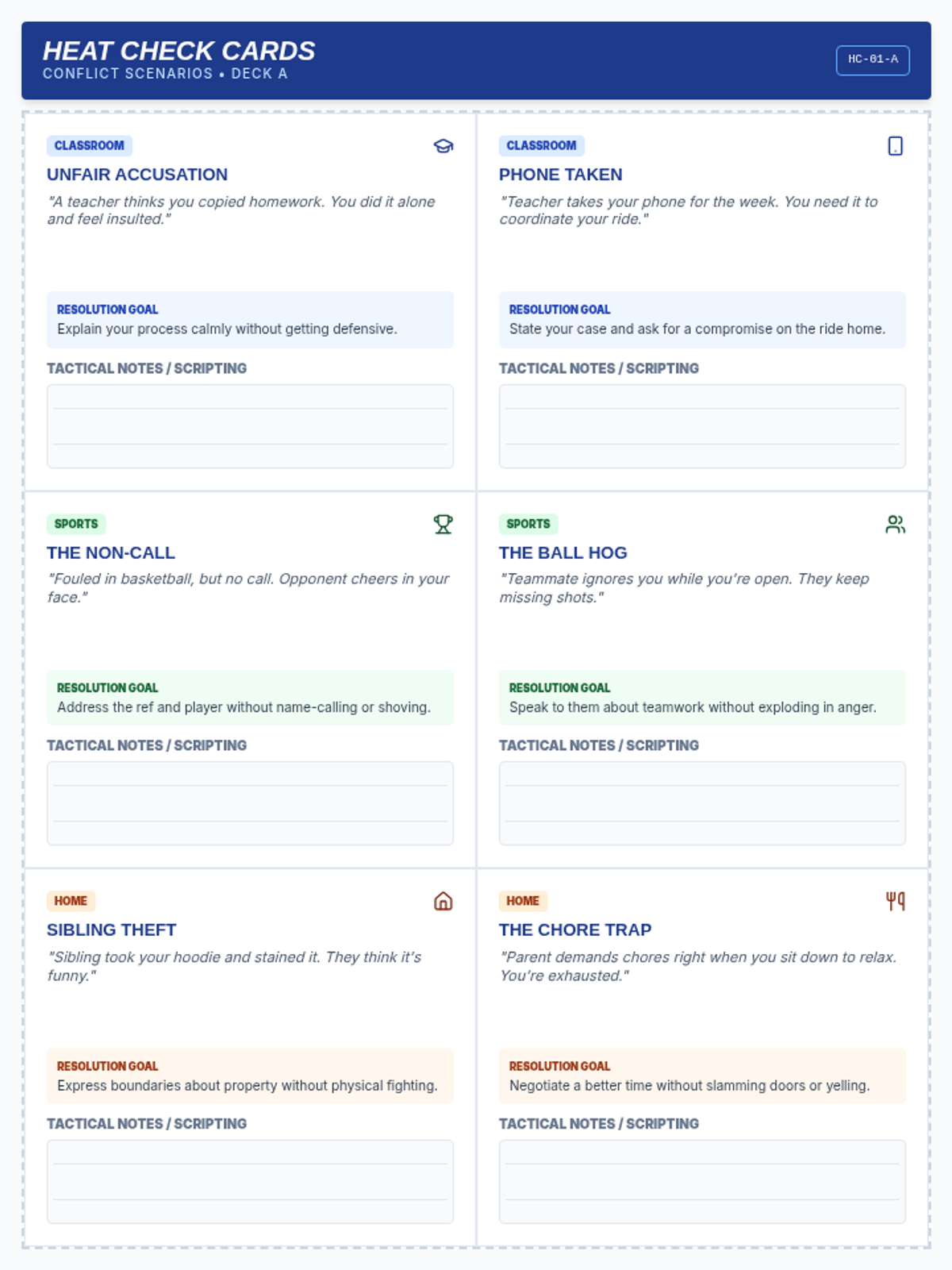
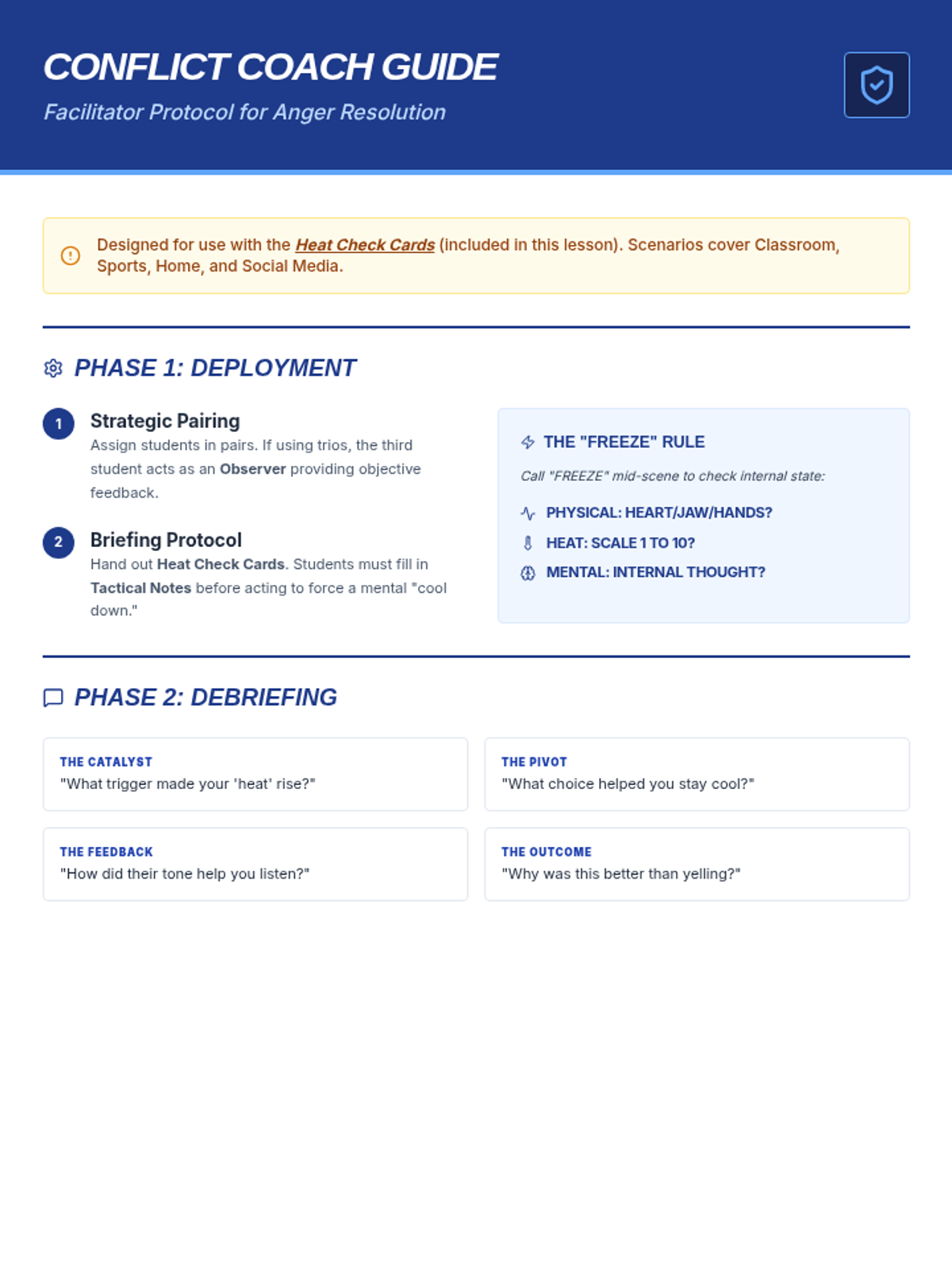
A lesson focused on identifying anger triggers and practicing healthy resolution strategies through realistic middle school scenarios. Students will role-play common conflicts and use de-escalation techniques to find positive outcomes.
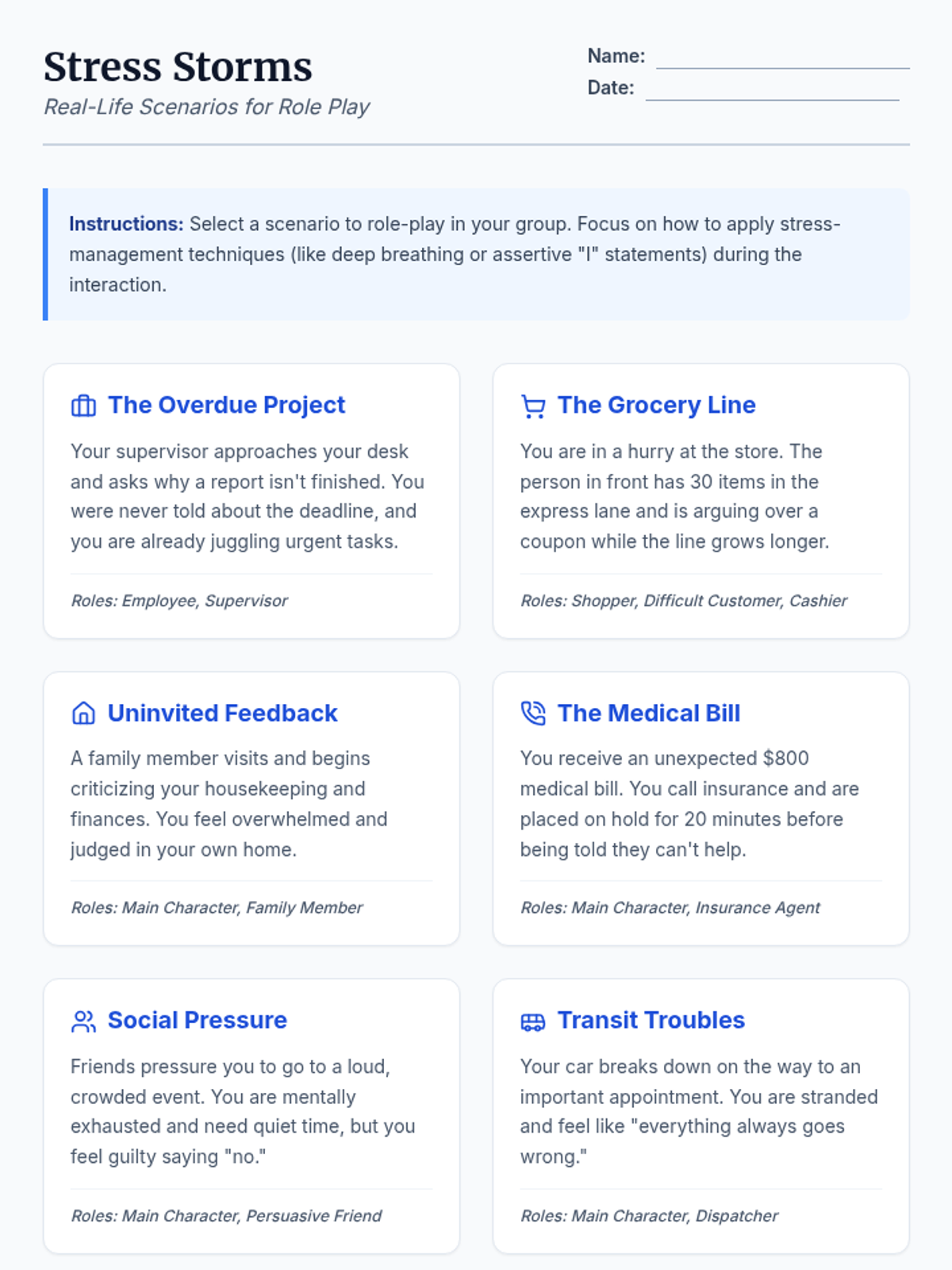
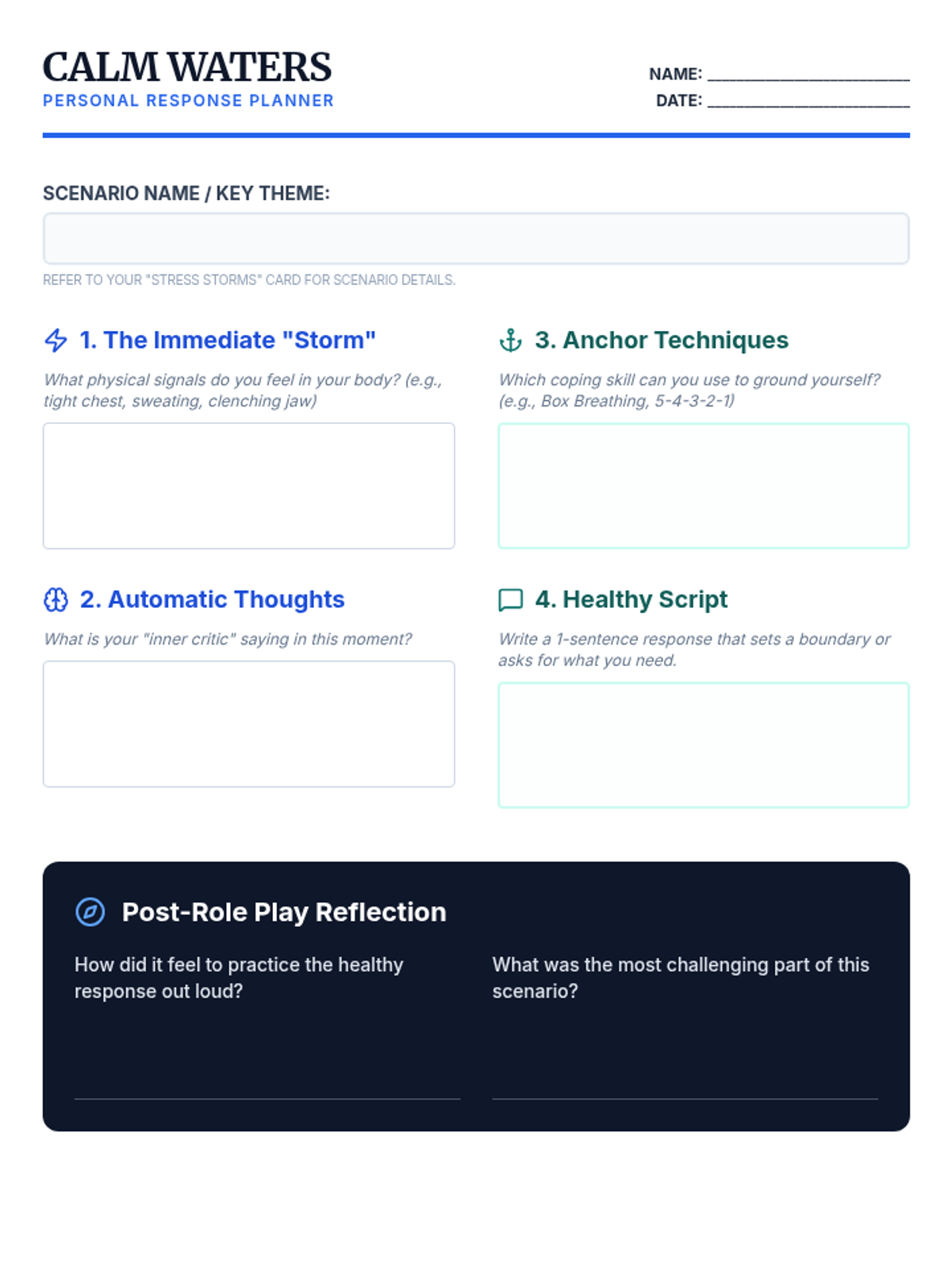
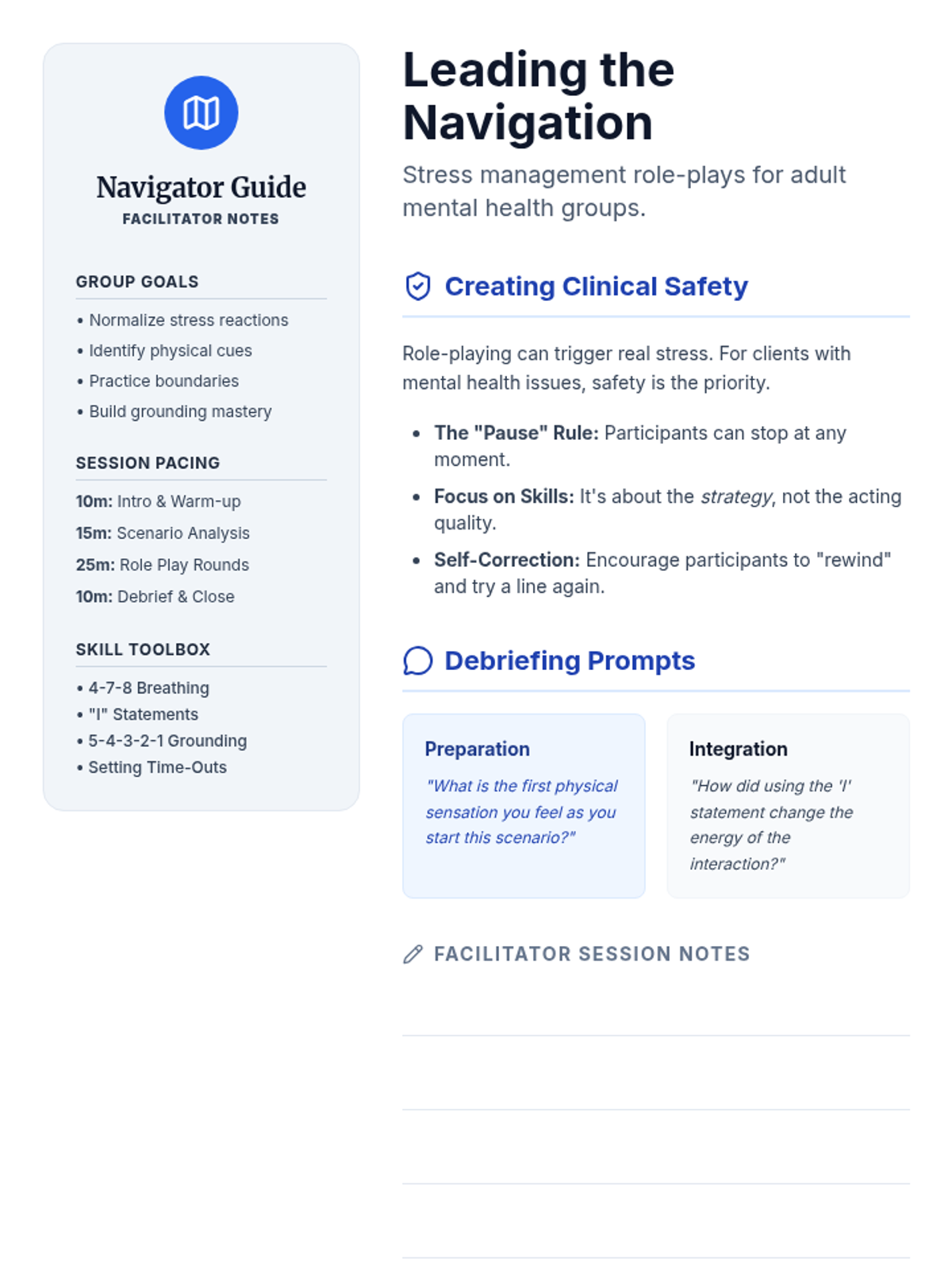
A therapeutic group session for adults focused on identifying stress triggers and practicing healthy coping mechanisms through realistic role-play scenarios.
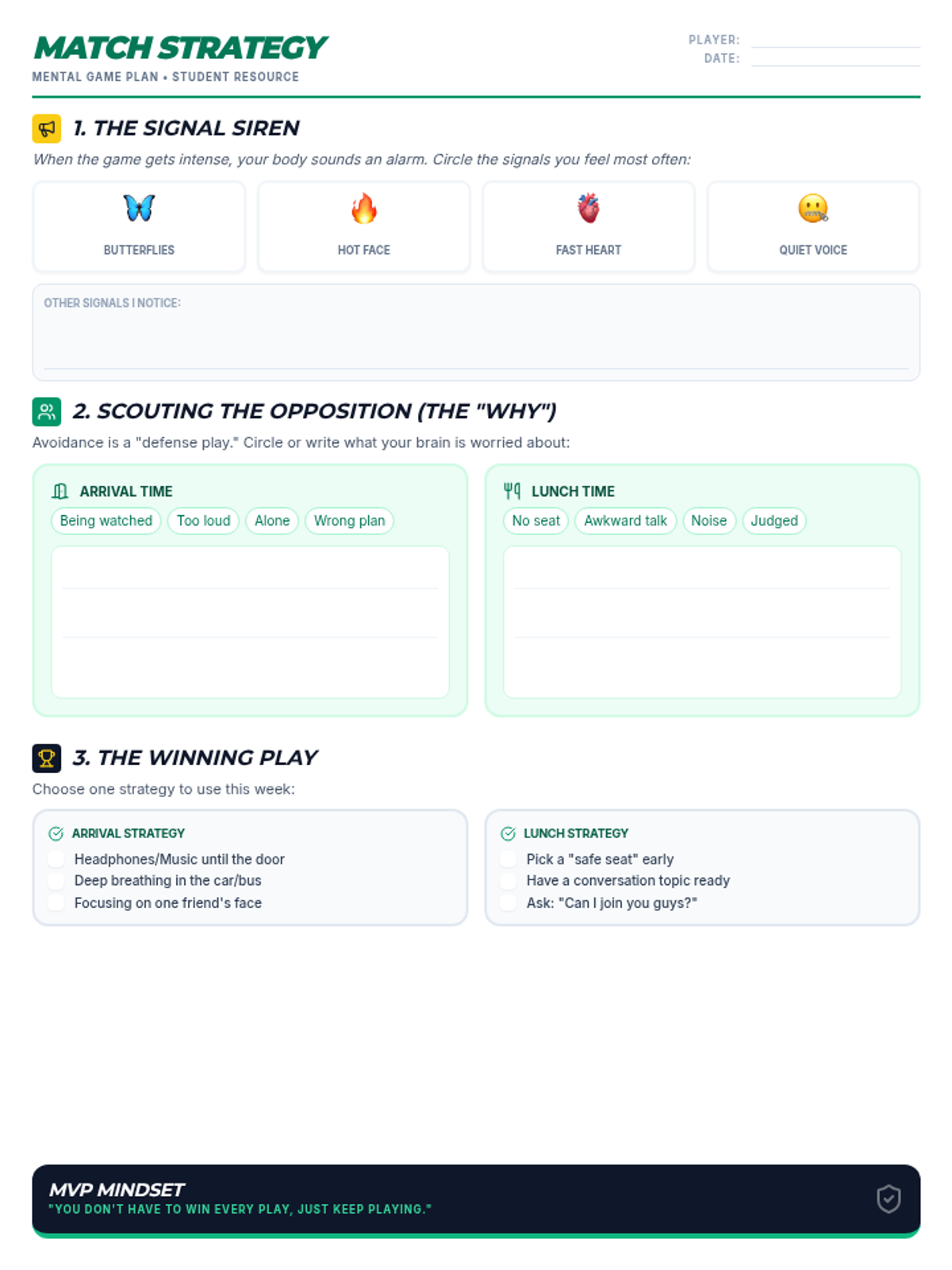
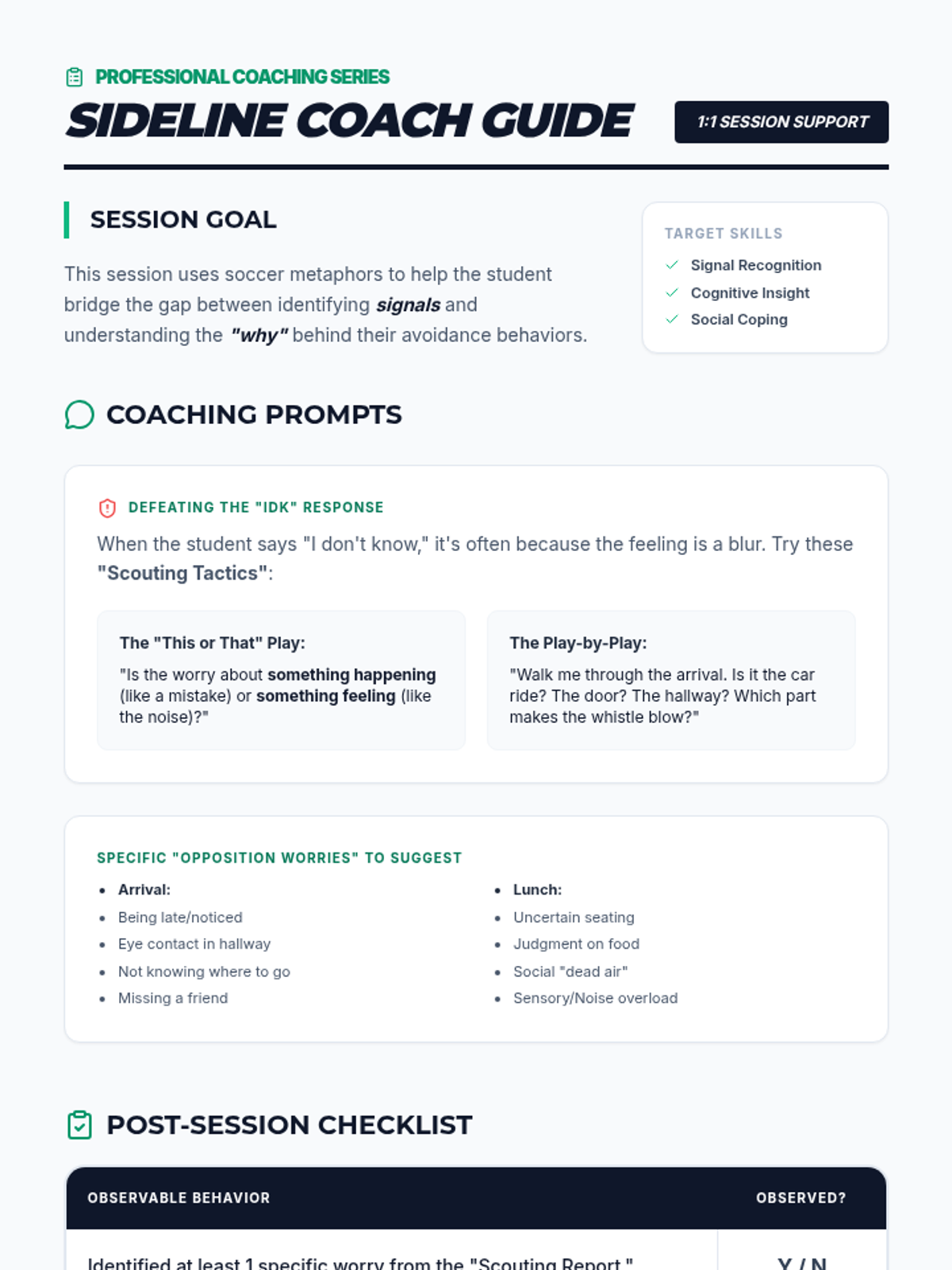
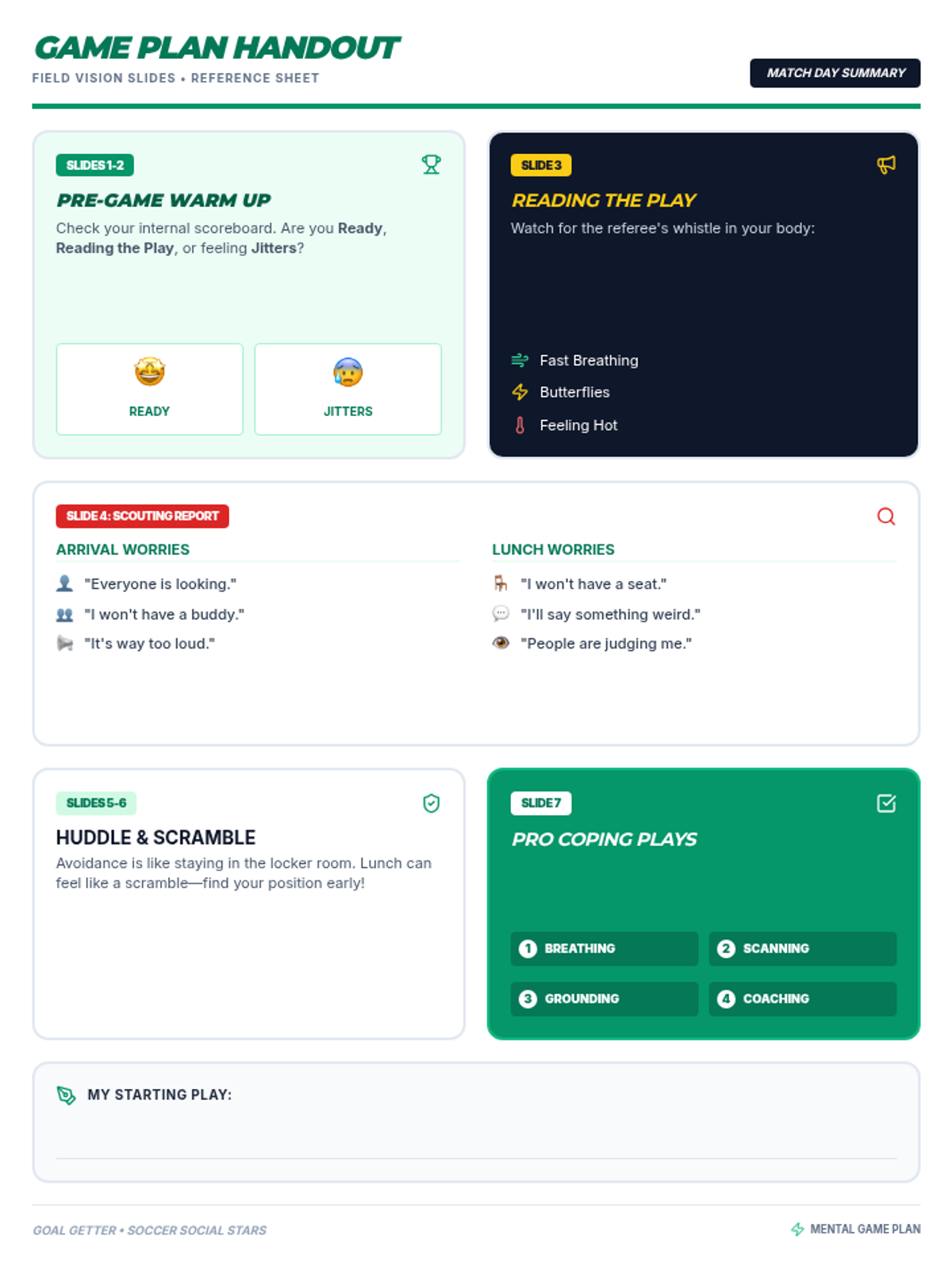
Focuses on identifying the 'why' behind avoidance of arrival and lunch through soccer analogies, identifying physical signals, and selecting coping strategies.
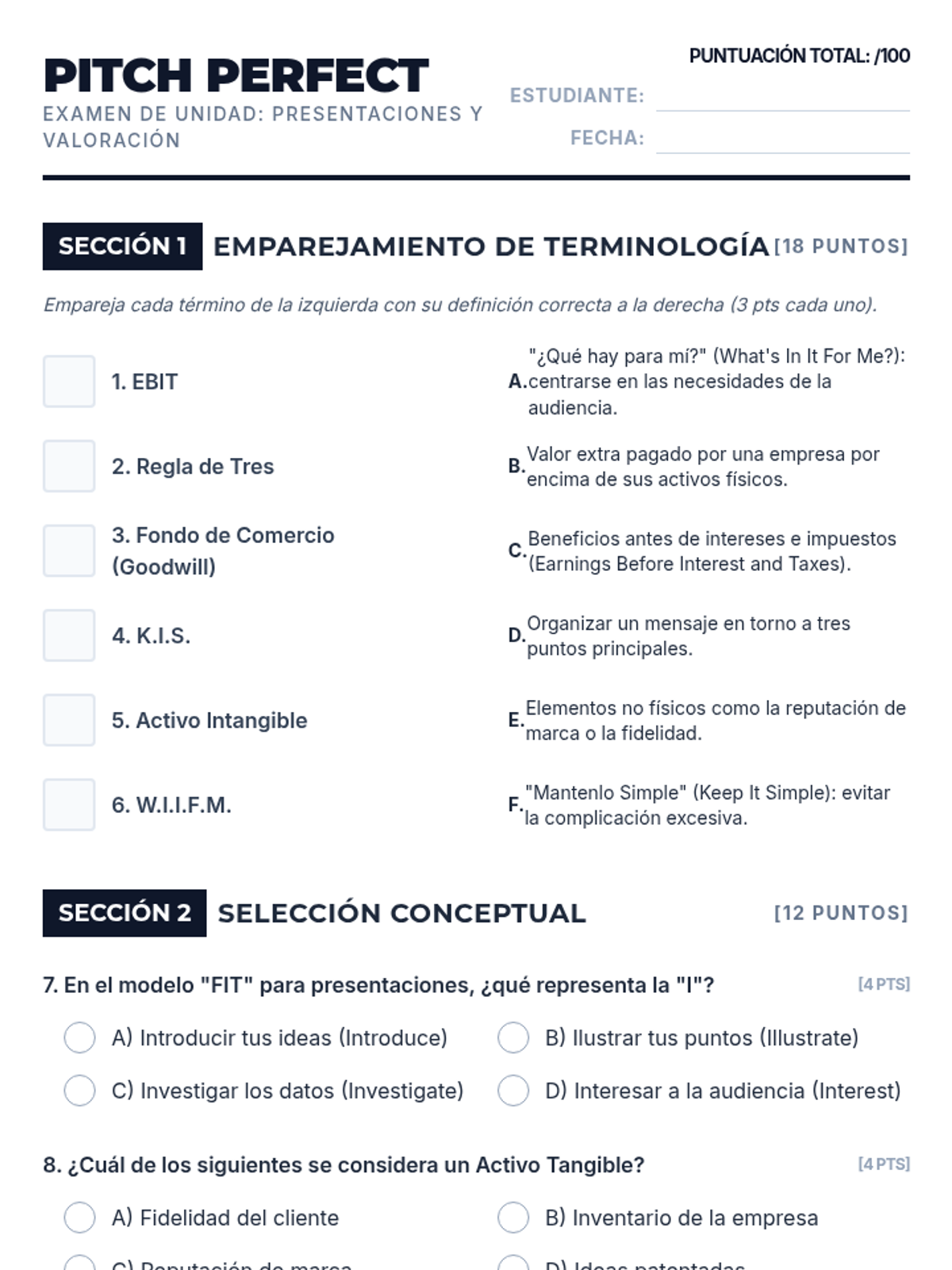
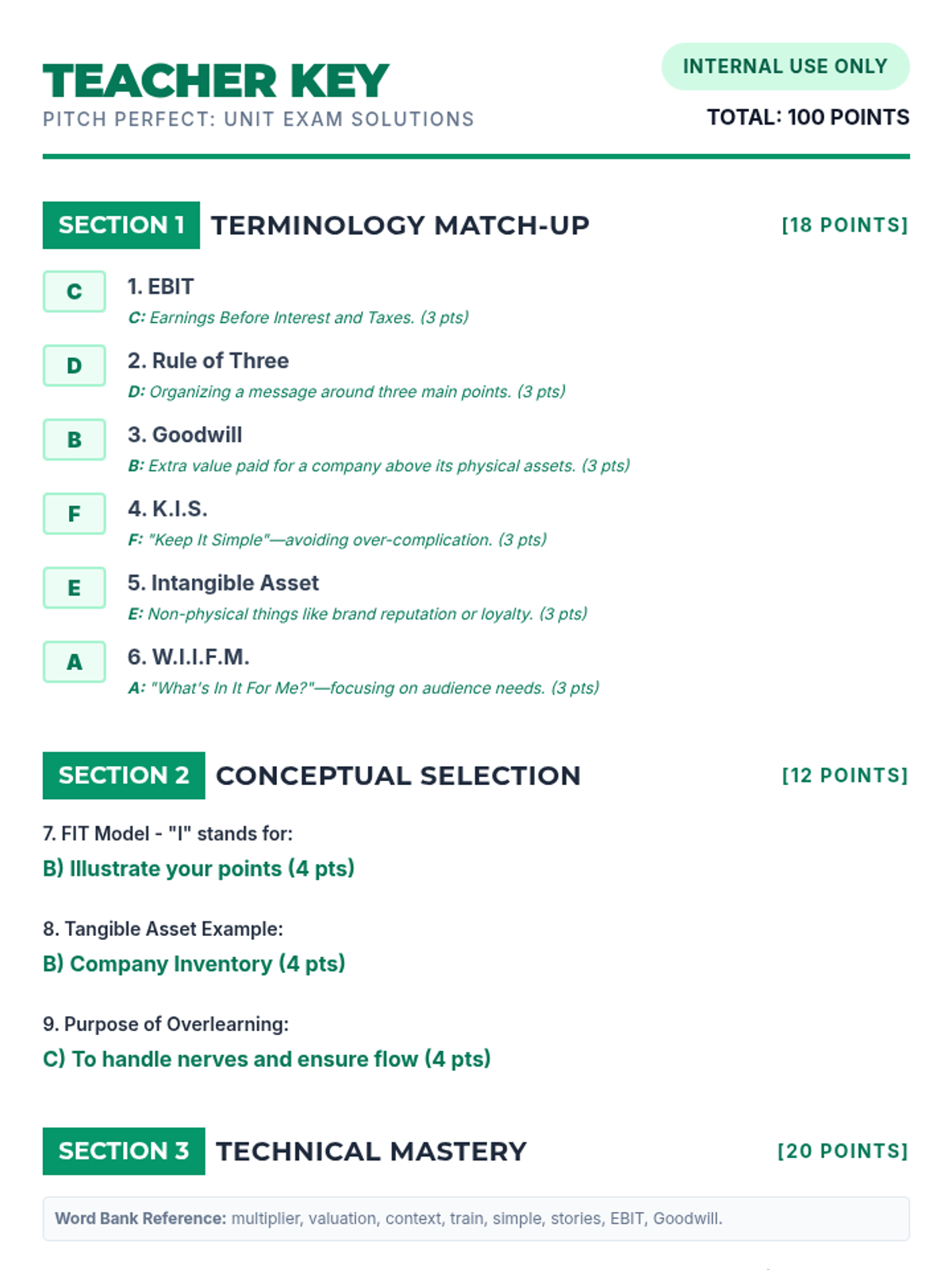
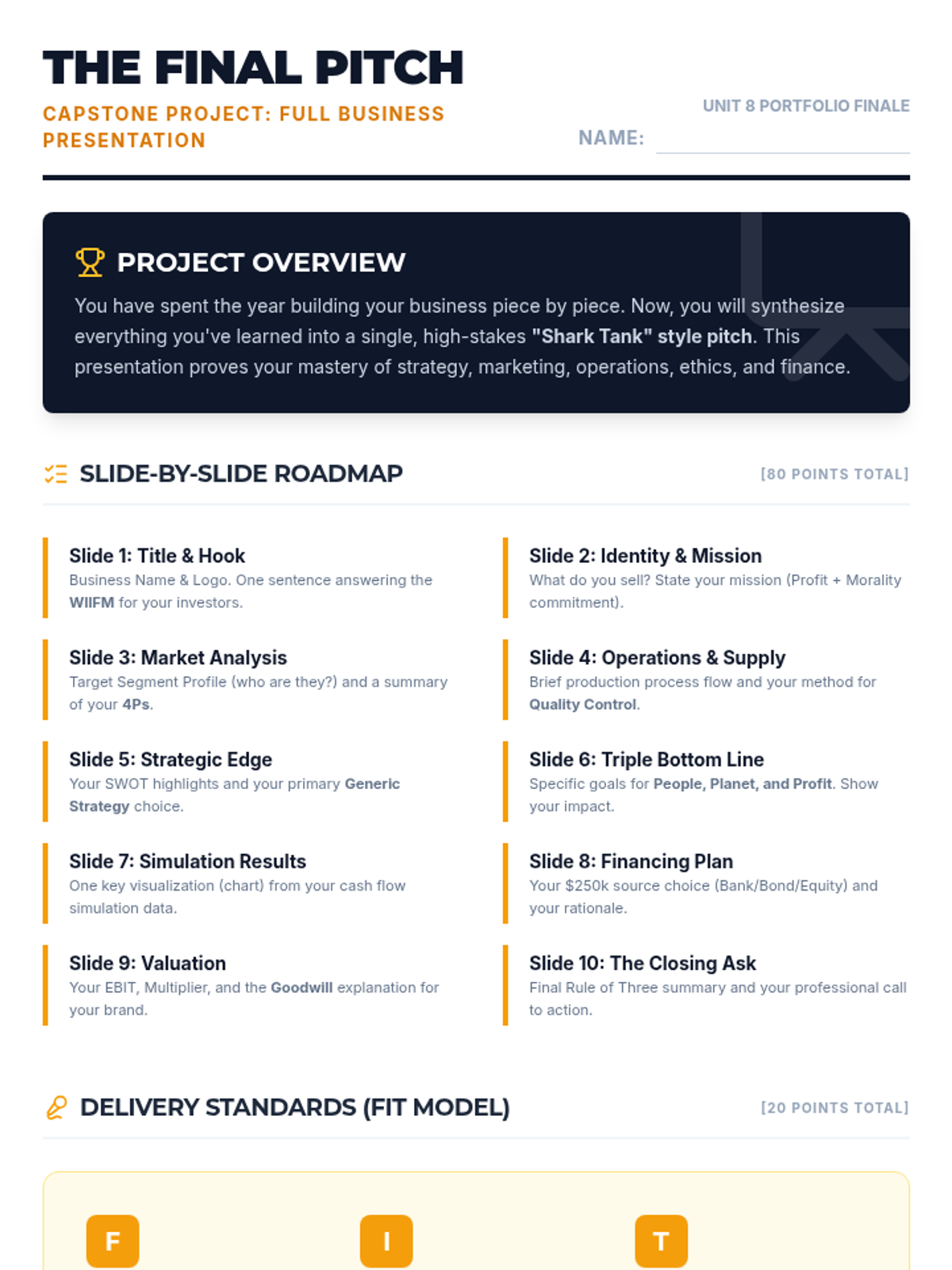
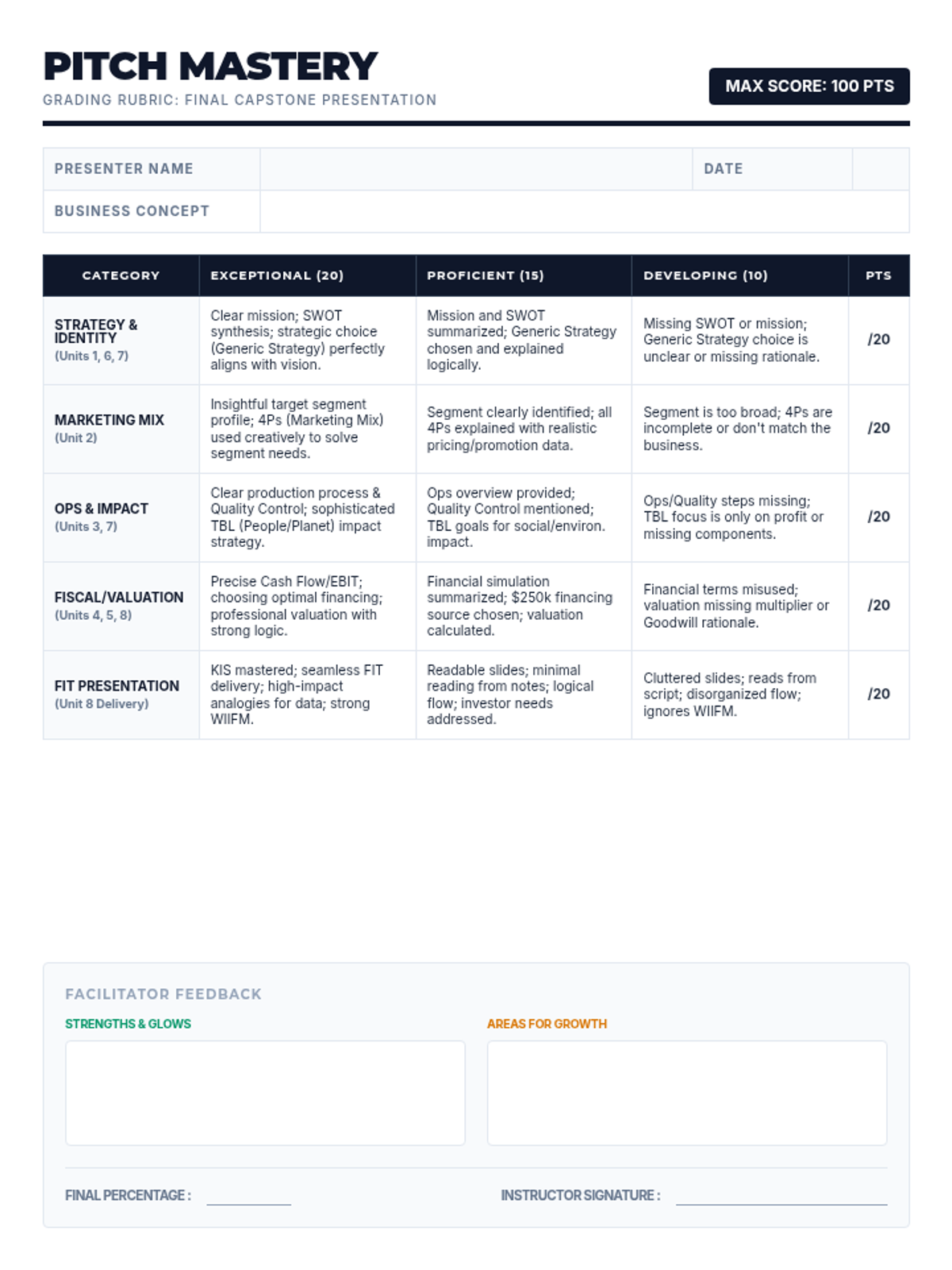
This lesson concludes the unit on business presentation skills and company valuation, testing students on the FIT model, the Rule of Three, and core financial assessment concepts.
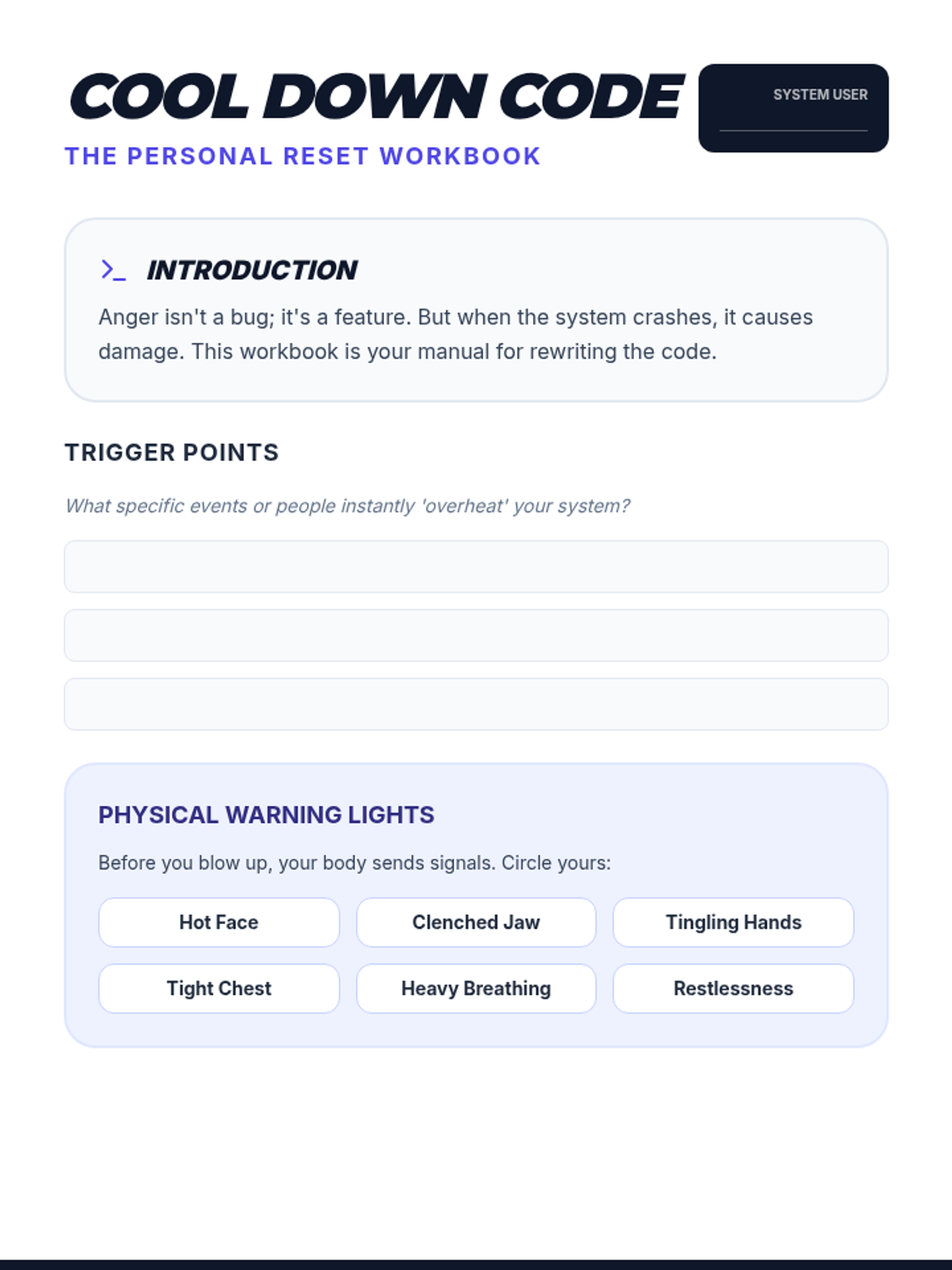
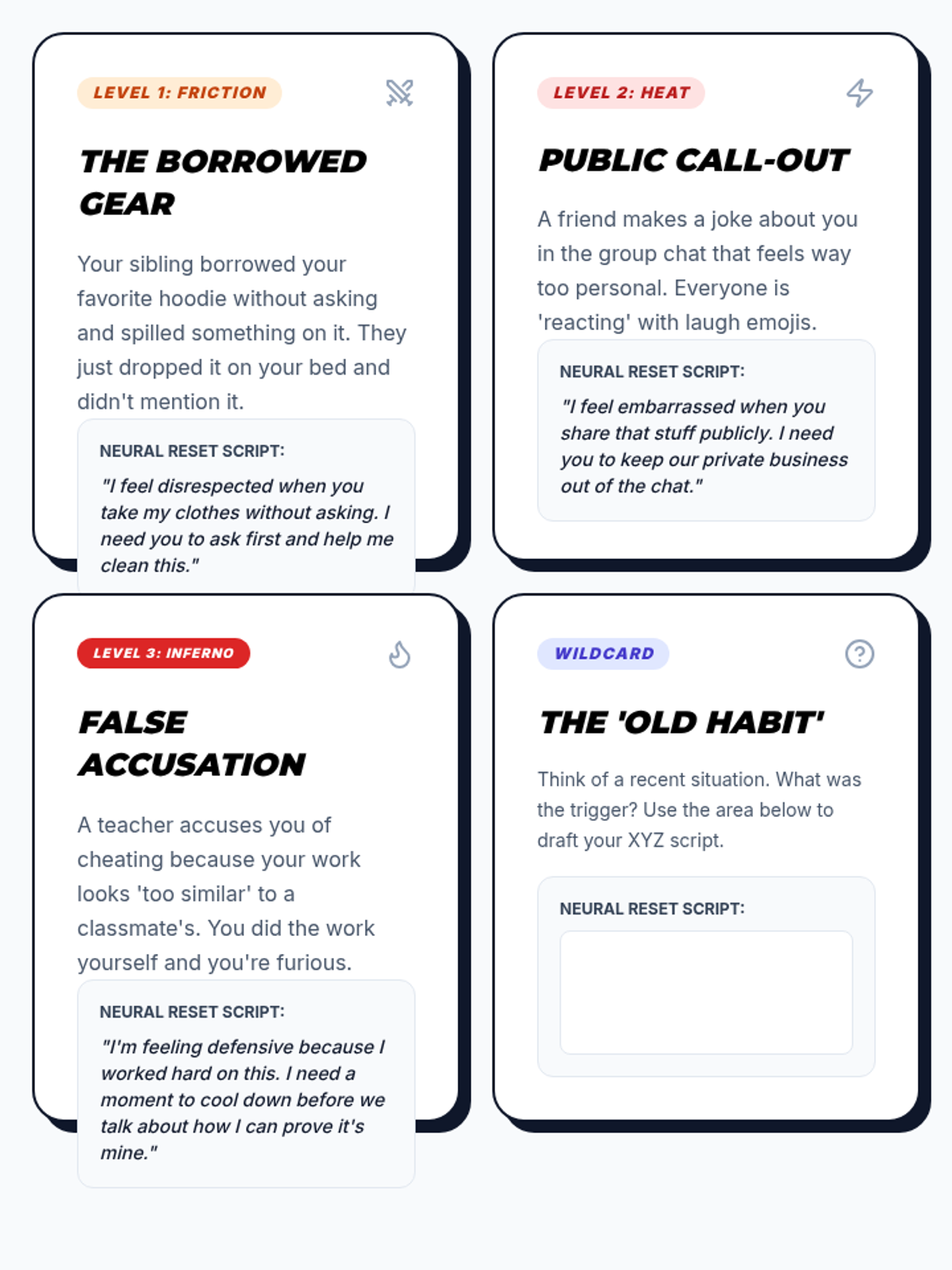
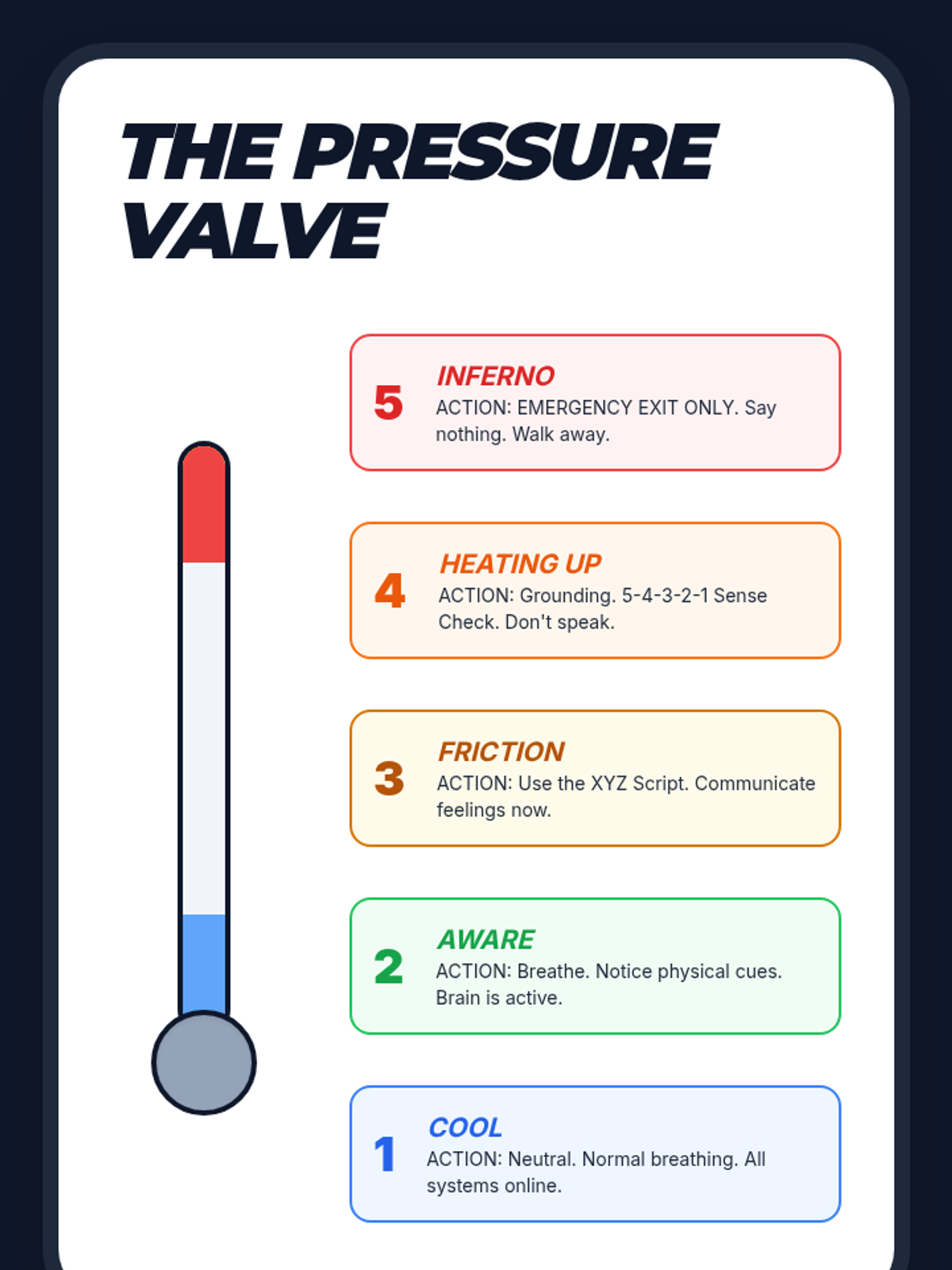
A comprehensive toolkit for 15-year-olds to master anger de-escalation and conflict resolution. This lesson uses a modern 'Neural Reset' theme to provide evidence-based strategies for managing intense emotions and communicating effectively during heated moments.
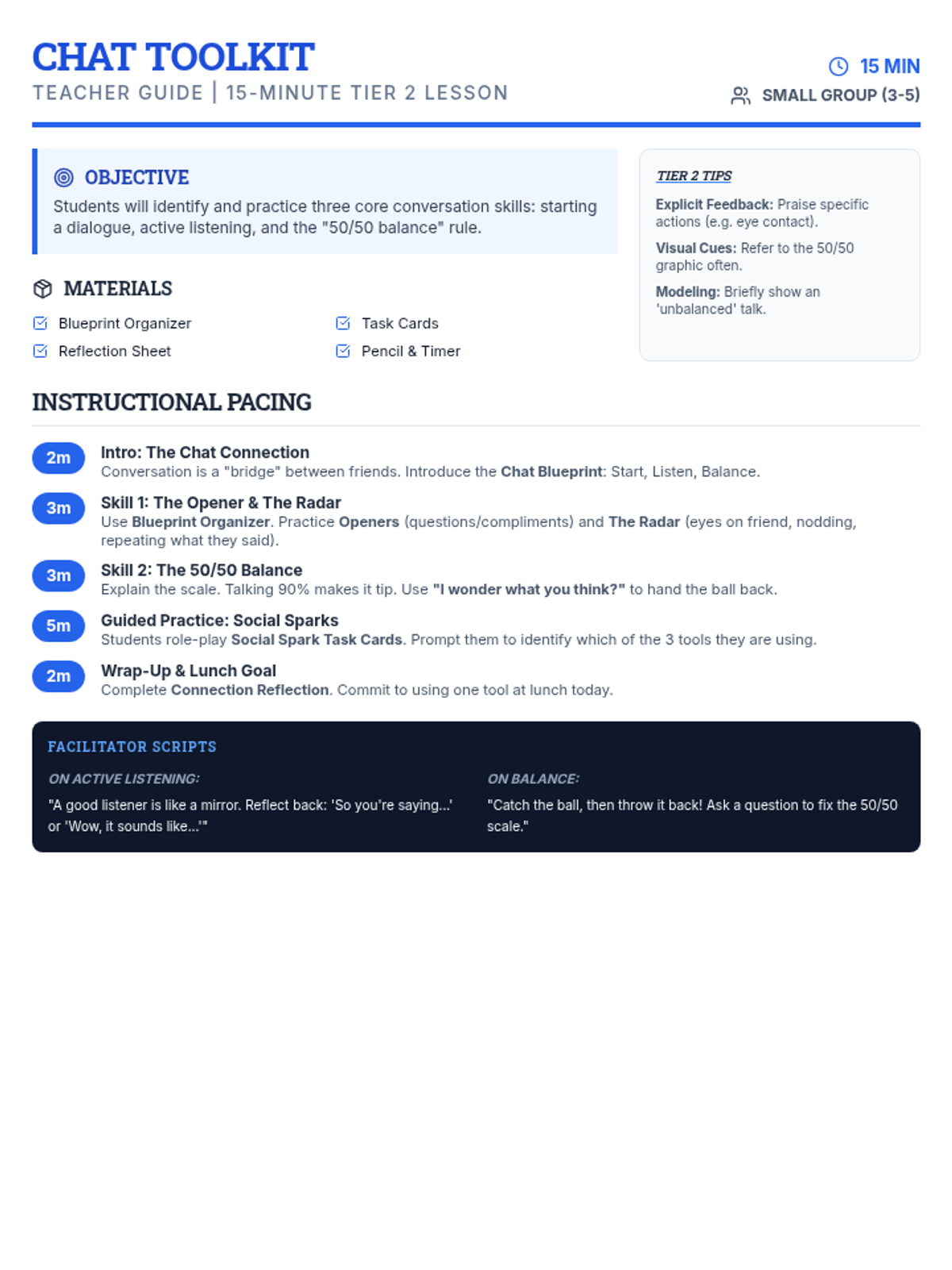
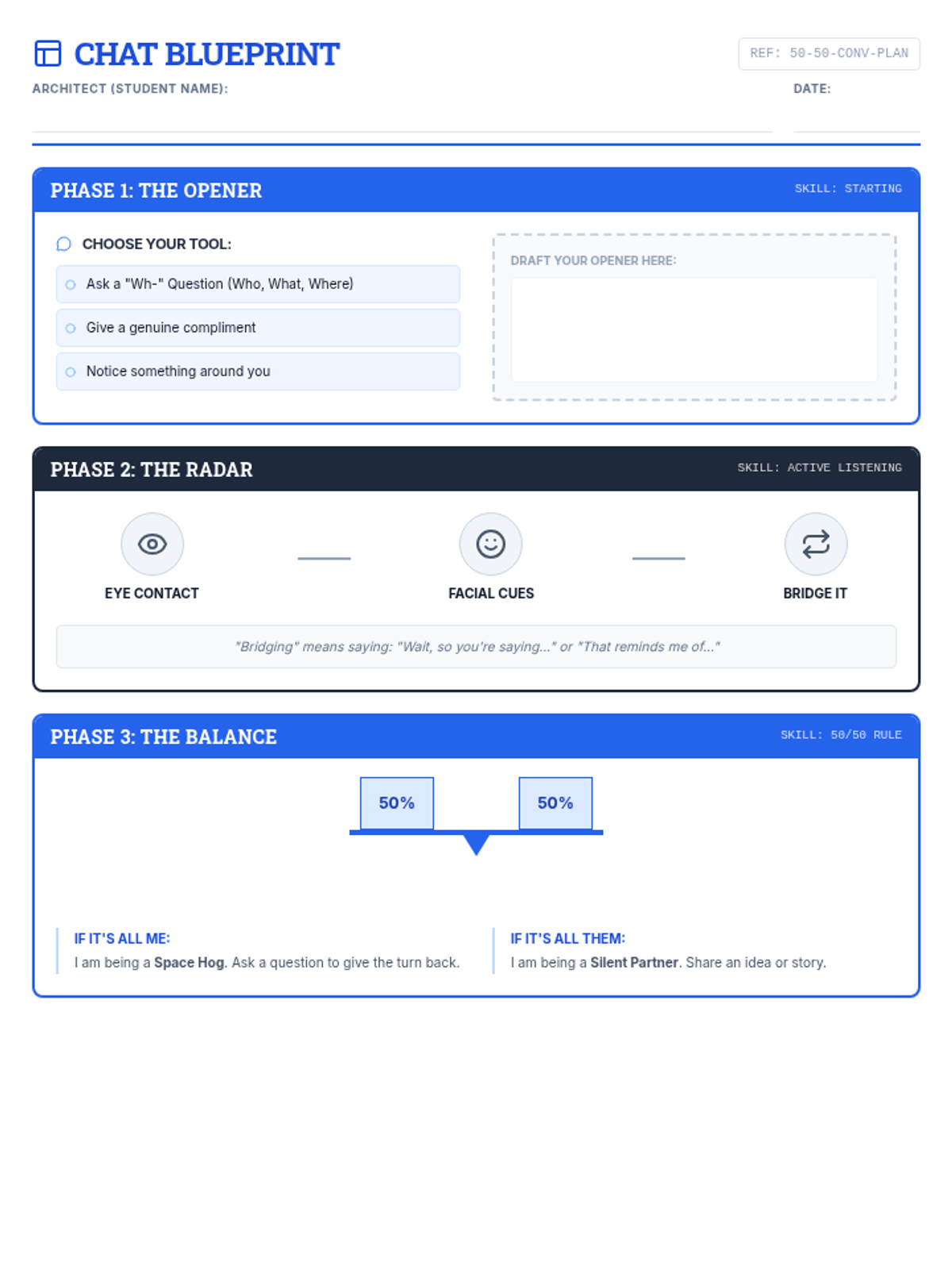
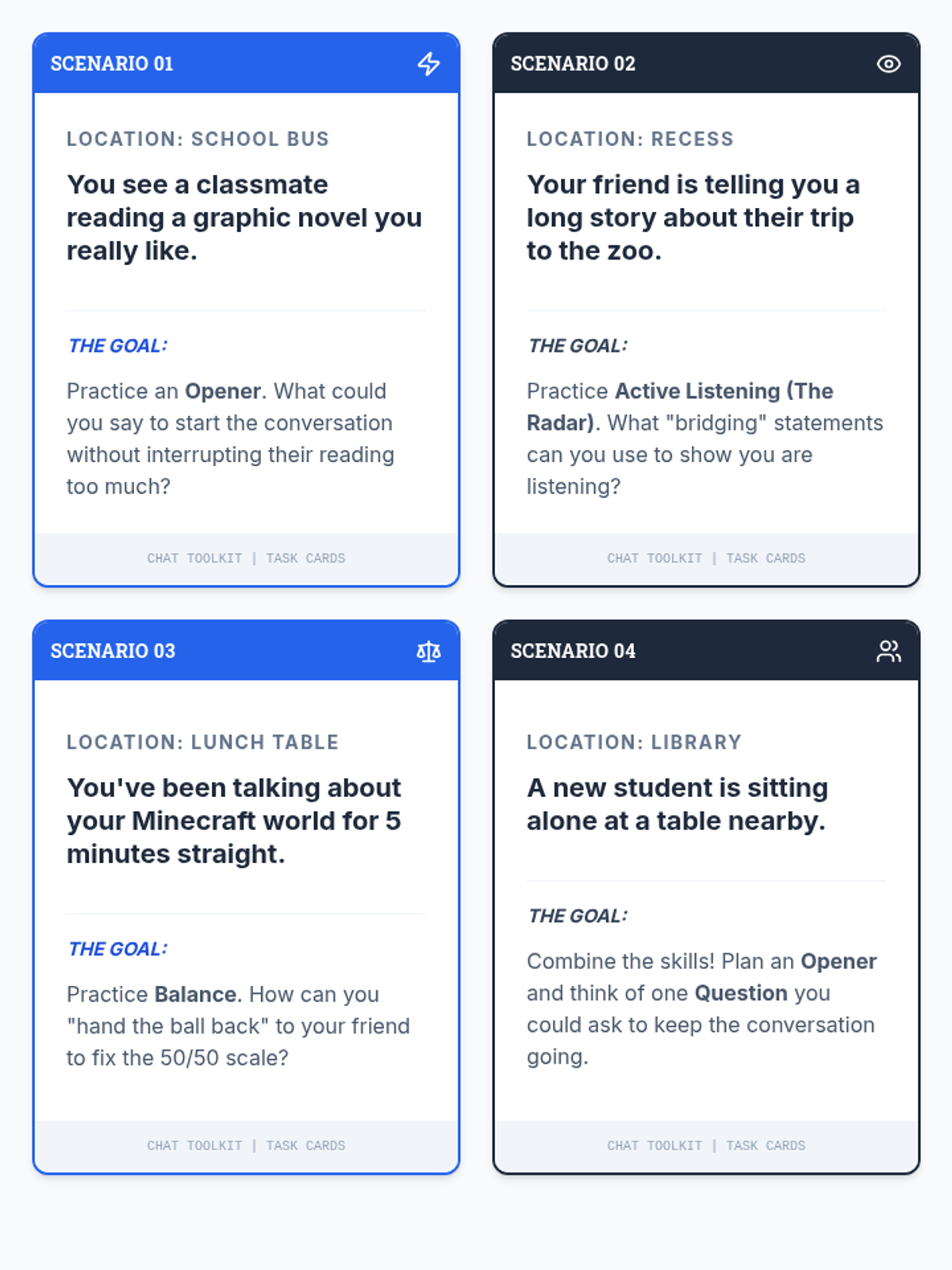
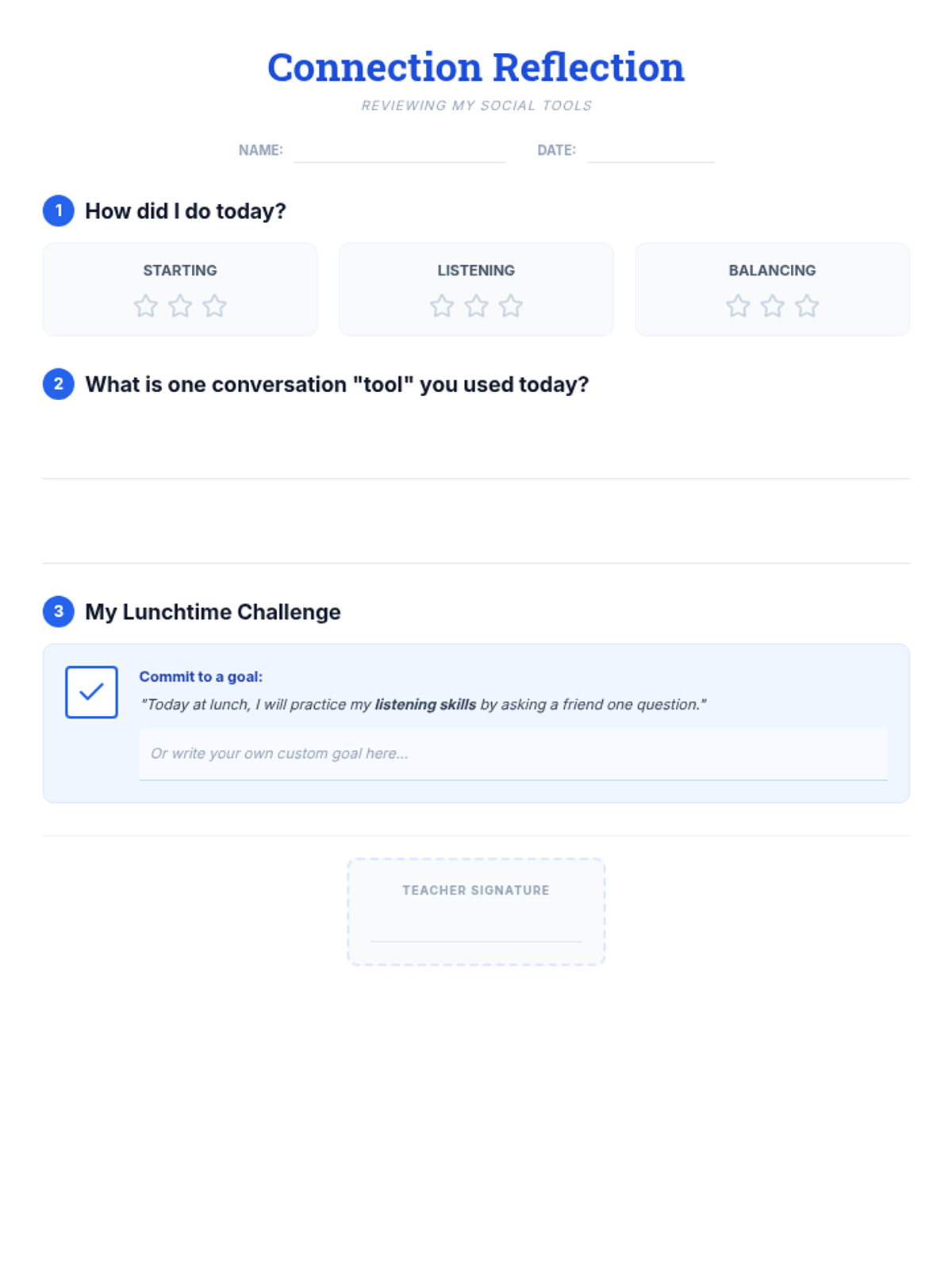
A 15-minute Tier 2 intervention lesson focusing on three pillars of social interaction: starting conversations, active listening, and maintaining a balanced exchange. This lesson provides explicit instruction and hands-on practice for small groups.
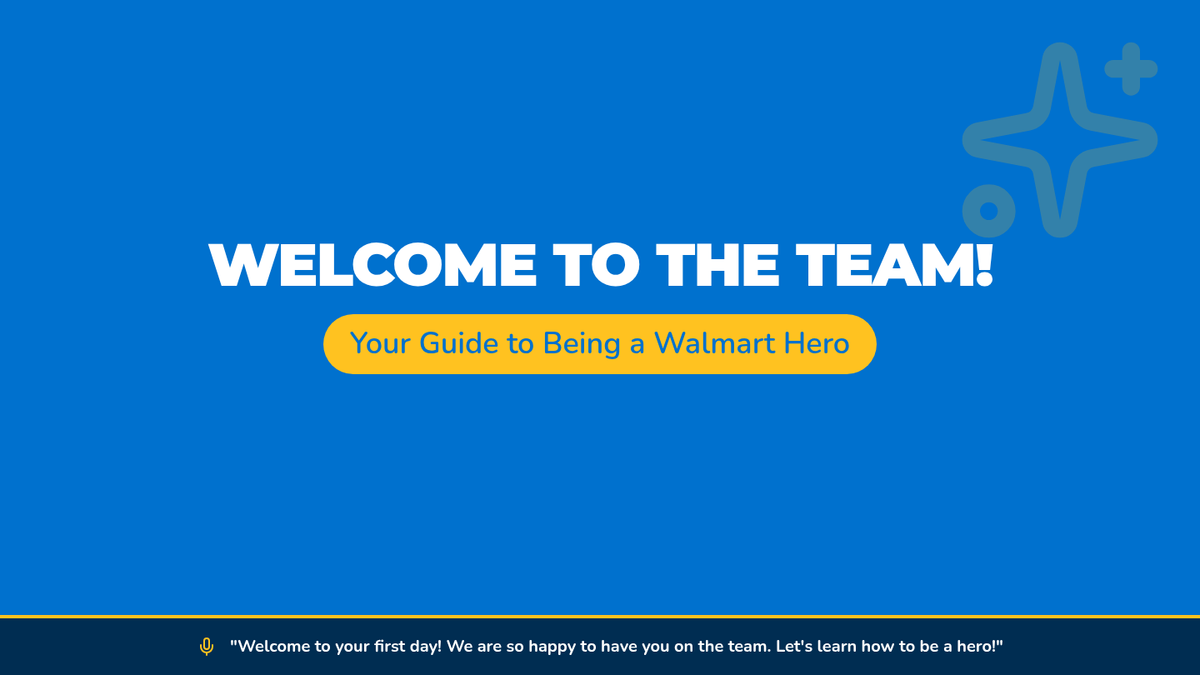
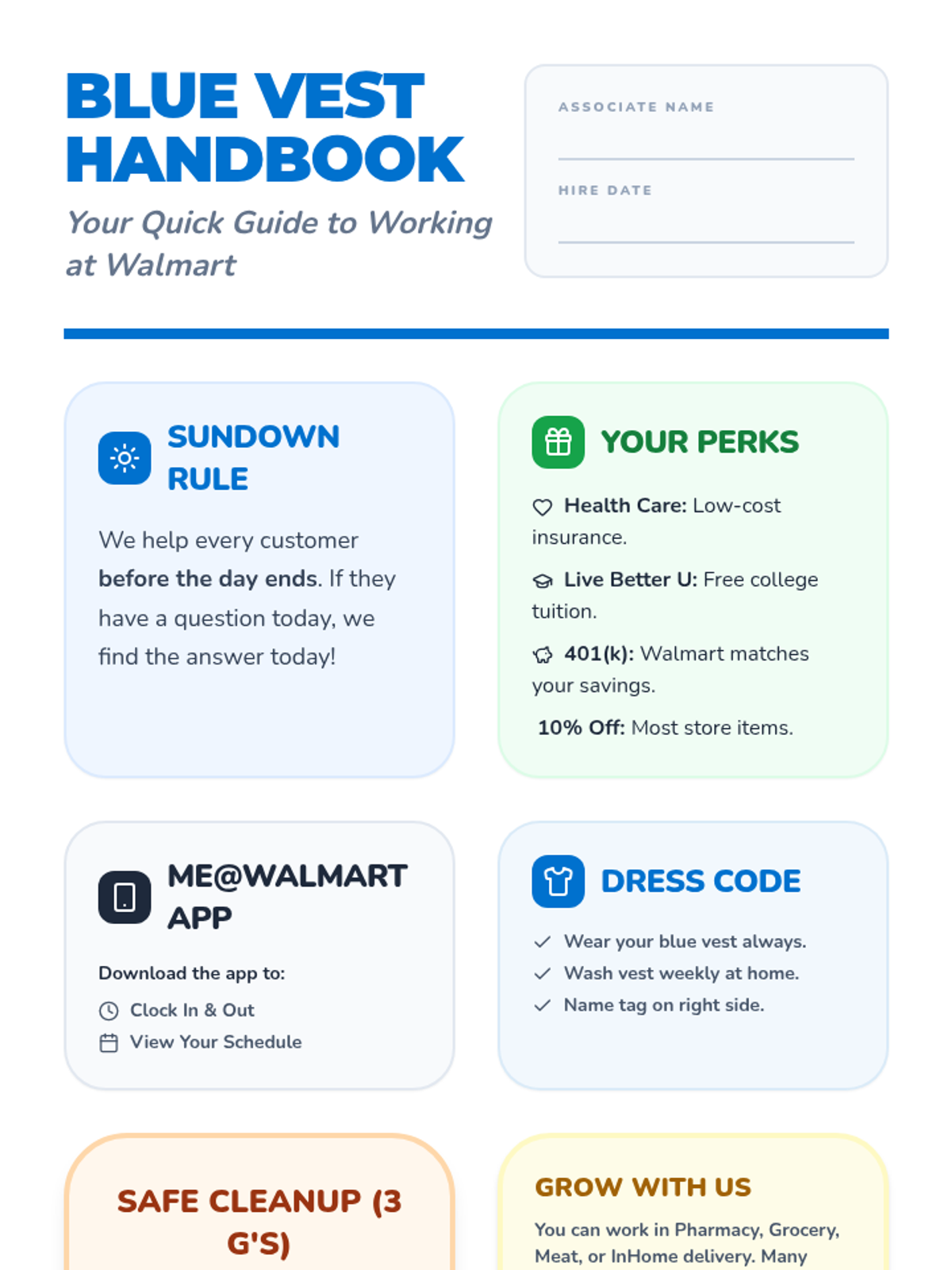
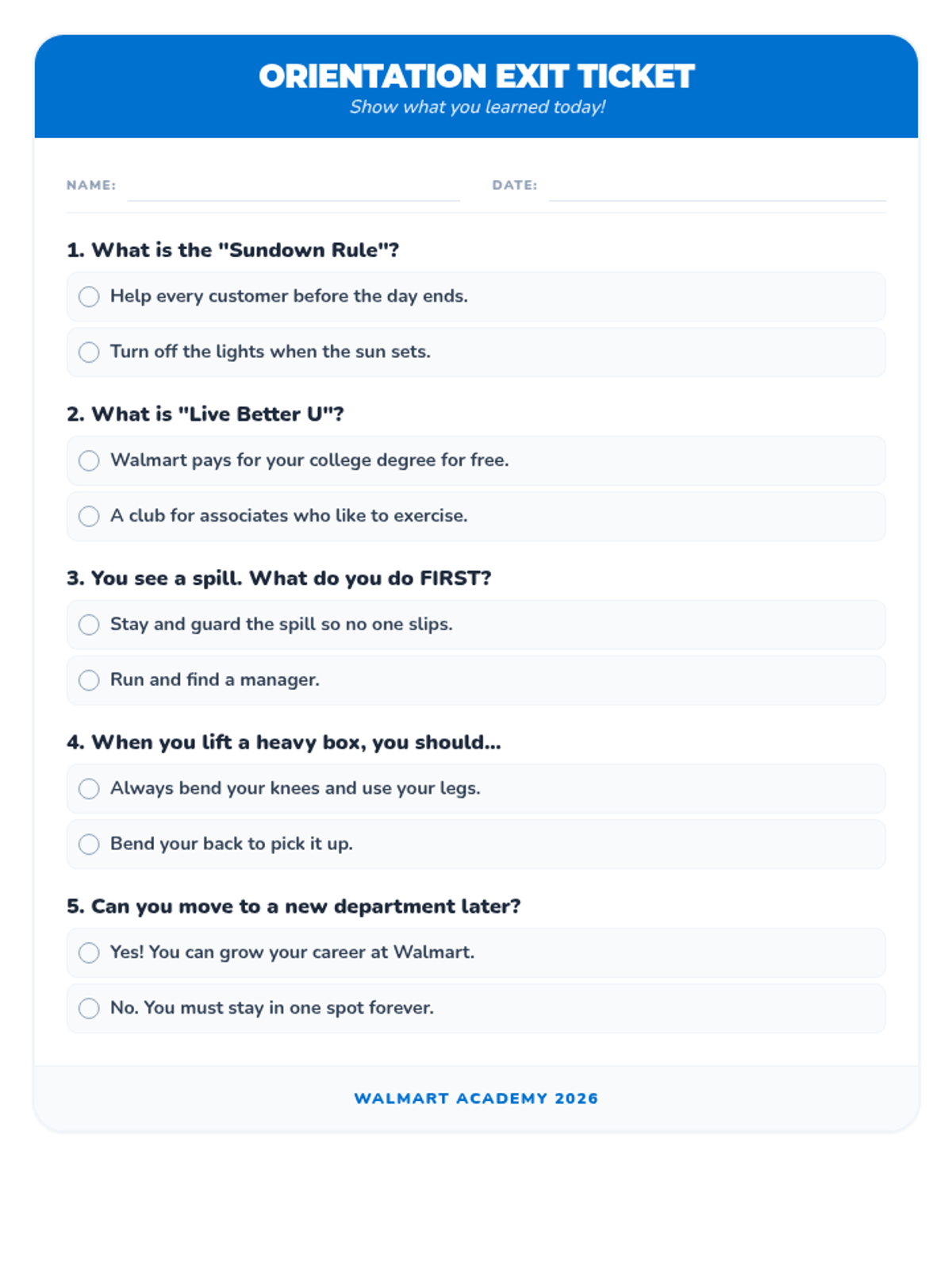
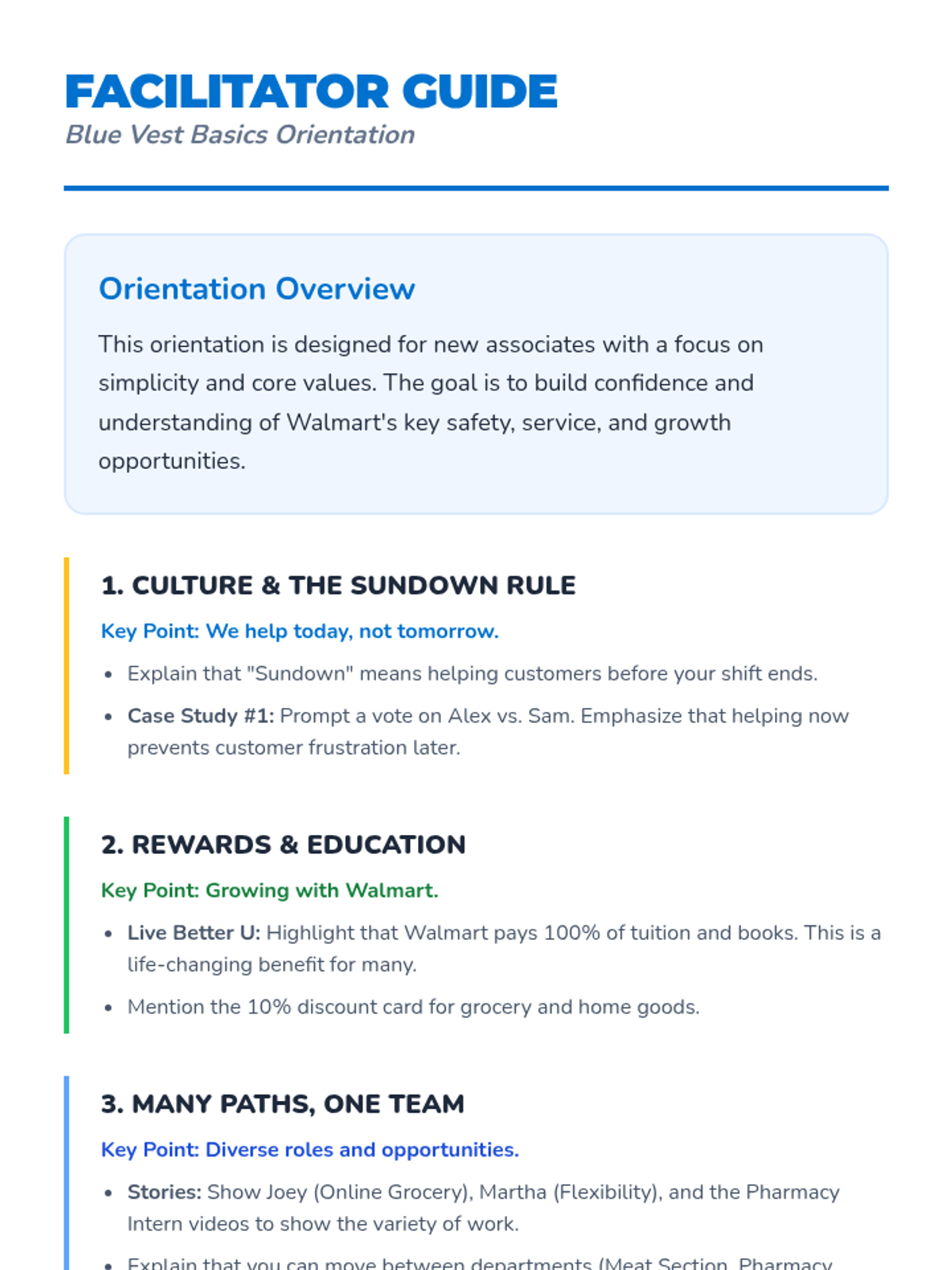
A simplified orientation for new Walmart associates, focusing on culture, safety, and workplace expectations written at an accessible level.
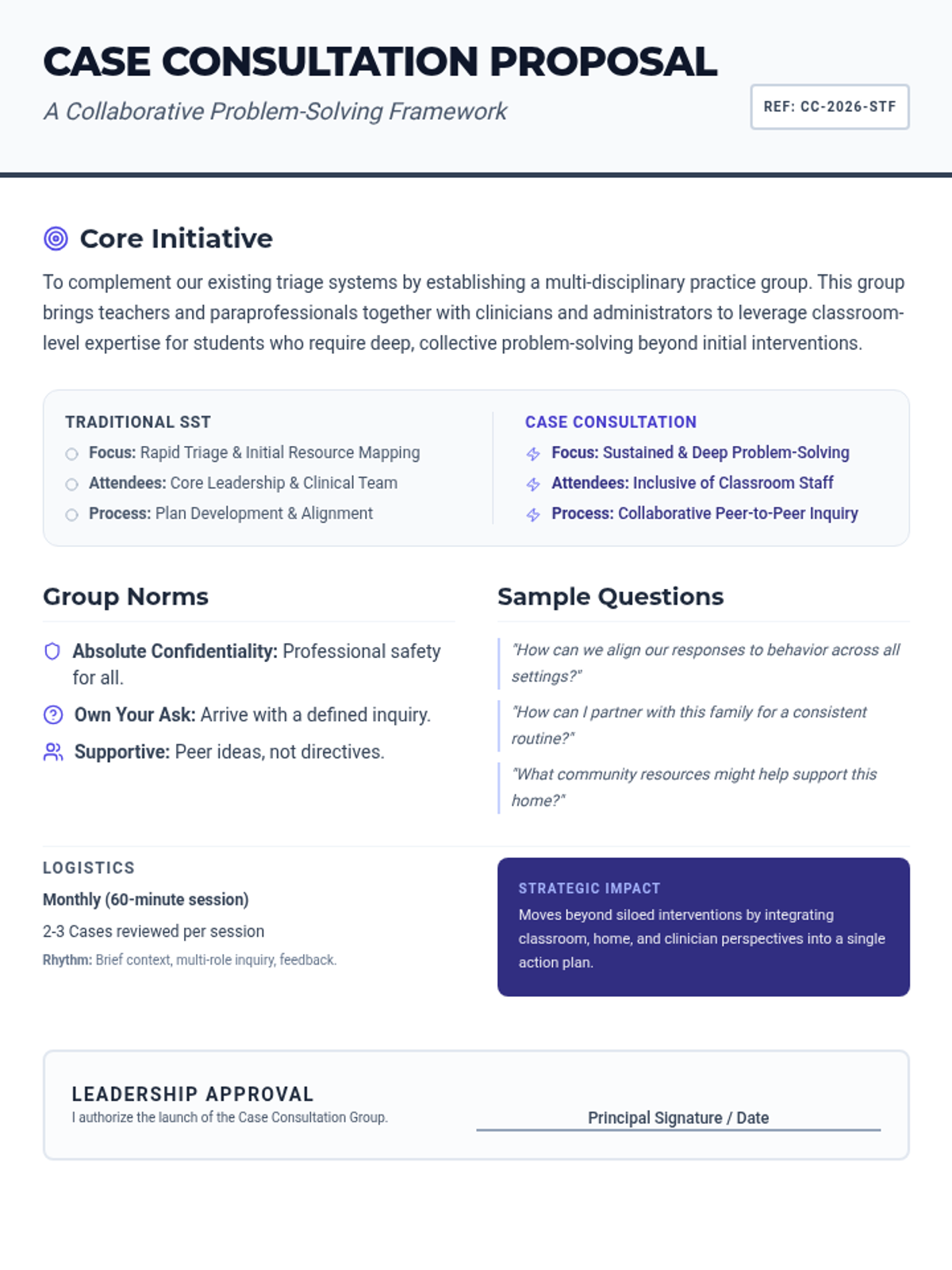
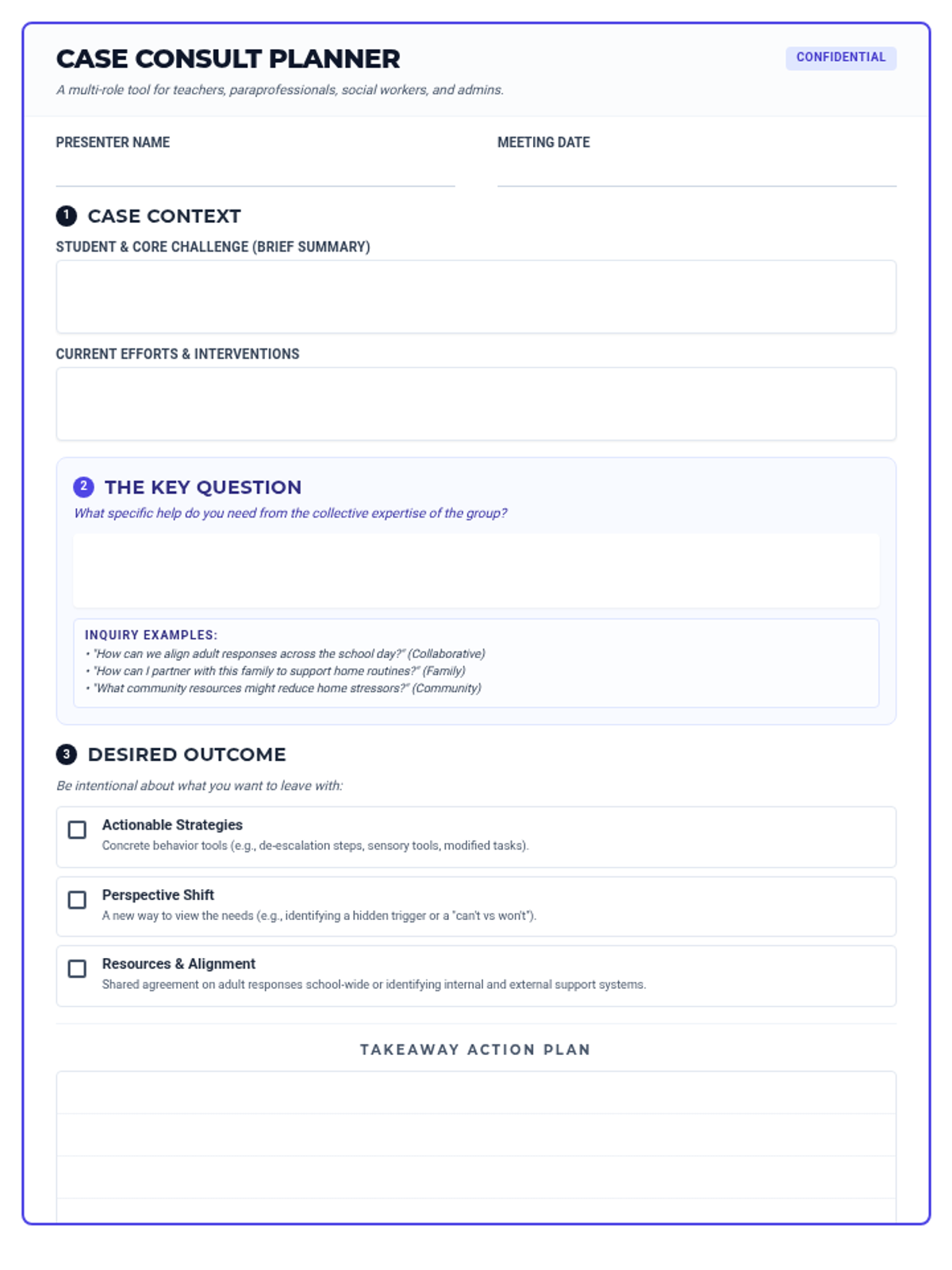
A professional development framework for launching a complex case consultation group designed to move staff from venting to intentional peer-to-peer problem solving.
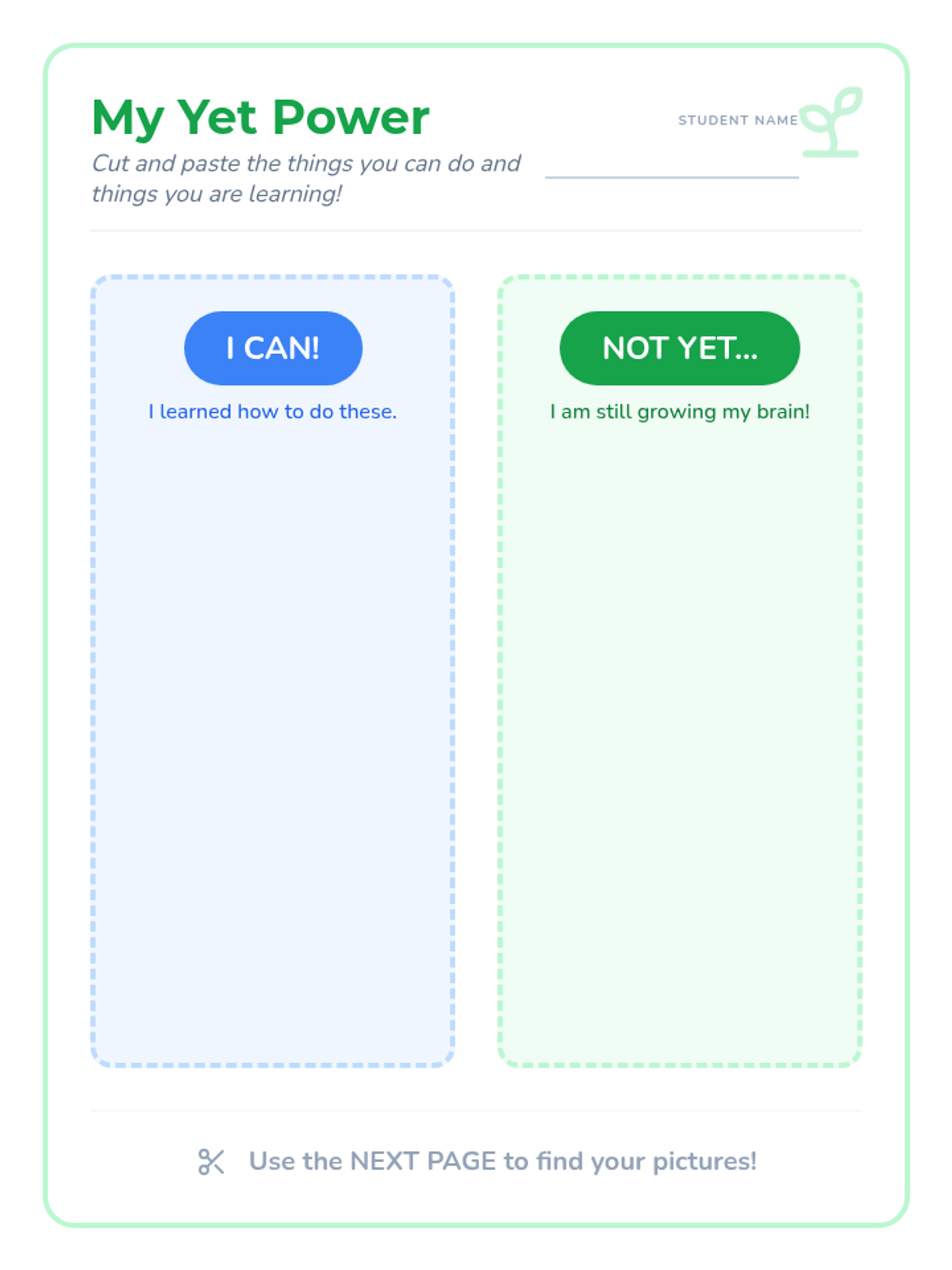
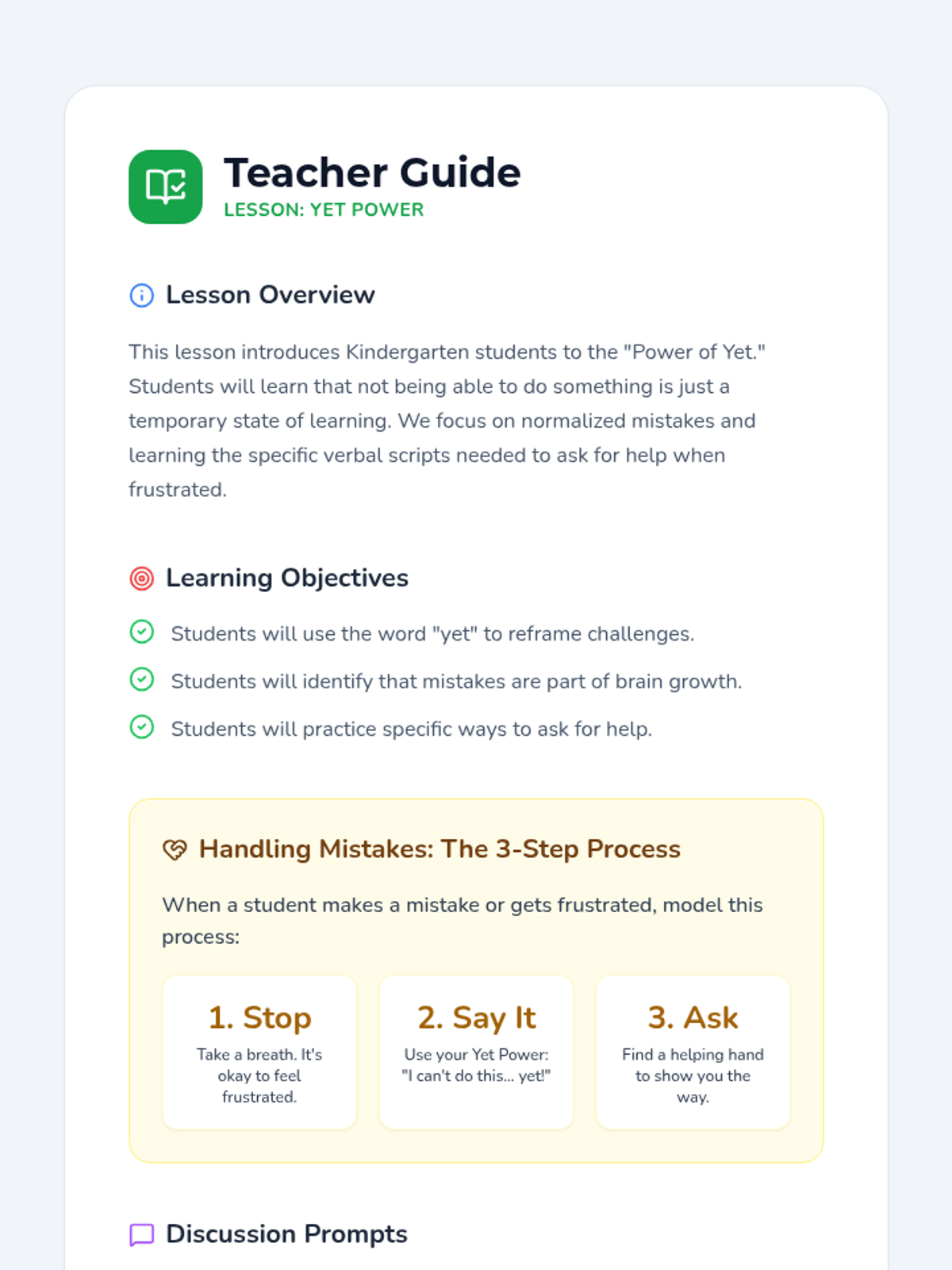
A lesson for kindergarteners about growth mindset, focusing on using the word 'yet' when facing challenges, handling mistakes, and learning how to ask for help.
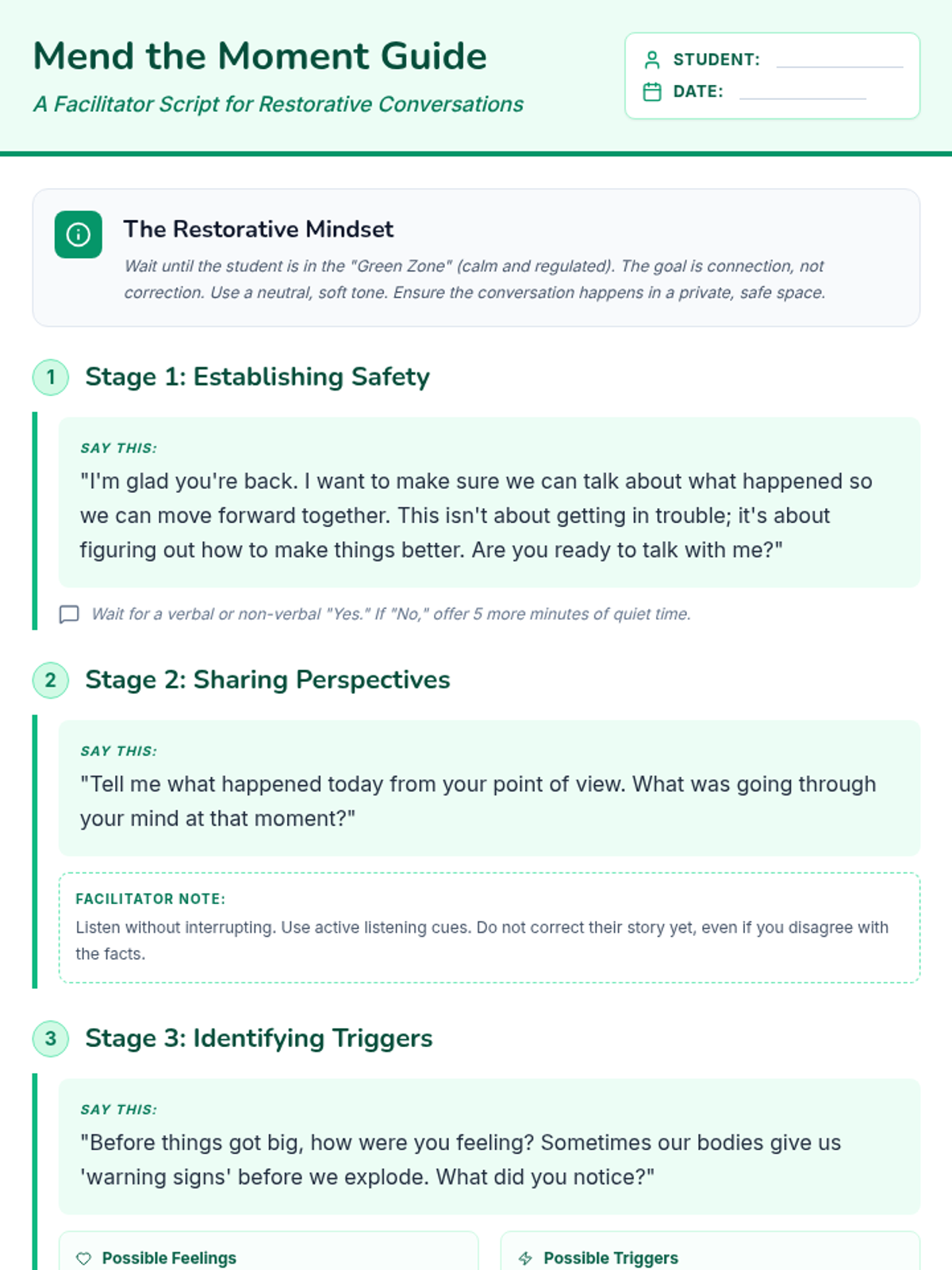
A restorative approach to helping students identify emotional triggers and navigate high-intensity moments through structured conversation and empathy.