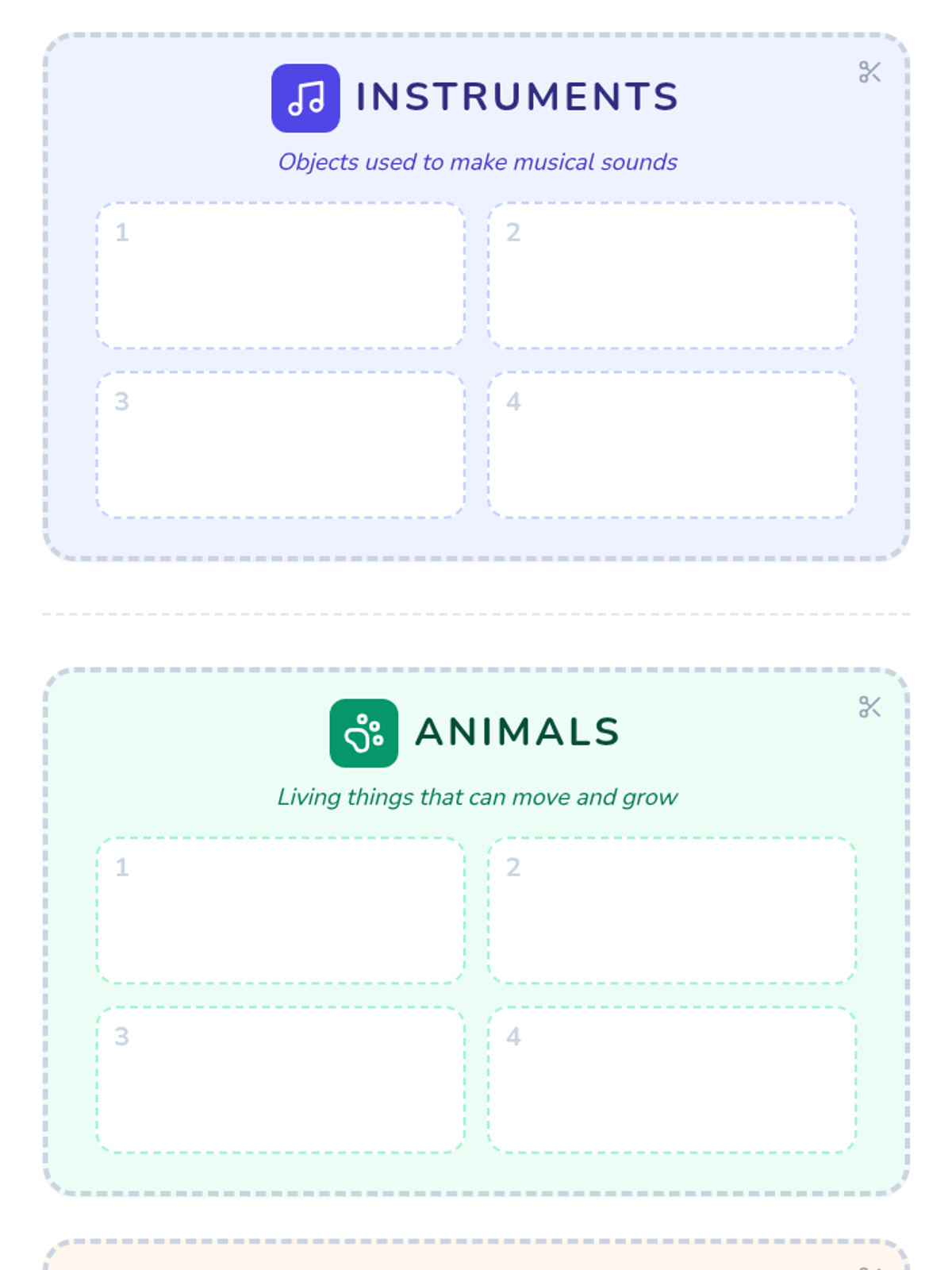
A set of category sorting mats for early learners to practice classification across six familiar themes: Animals, Food, Dishes, Instruments, Vehicles, and Tools. Each mat provides a visual anchor and four designated spaces for sorting objects.
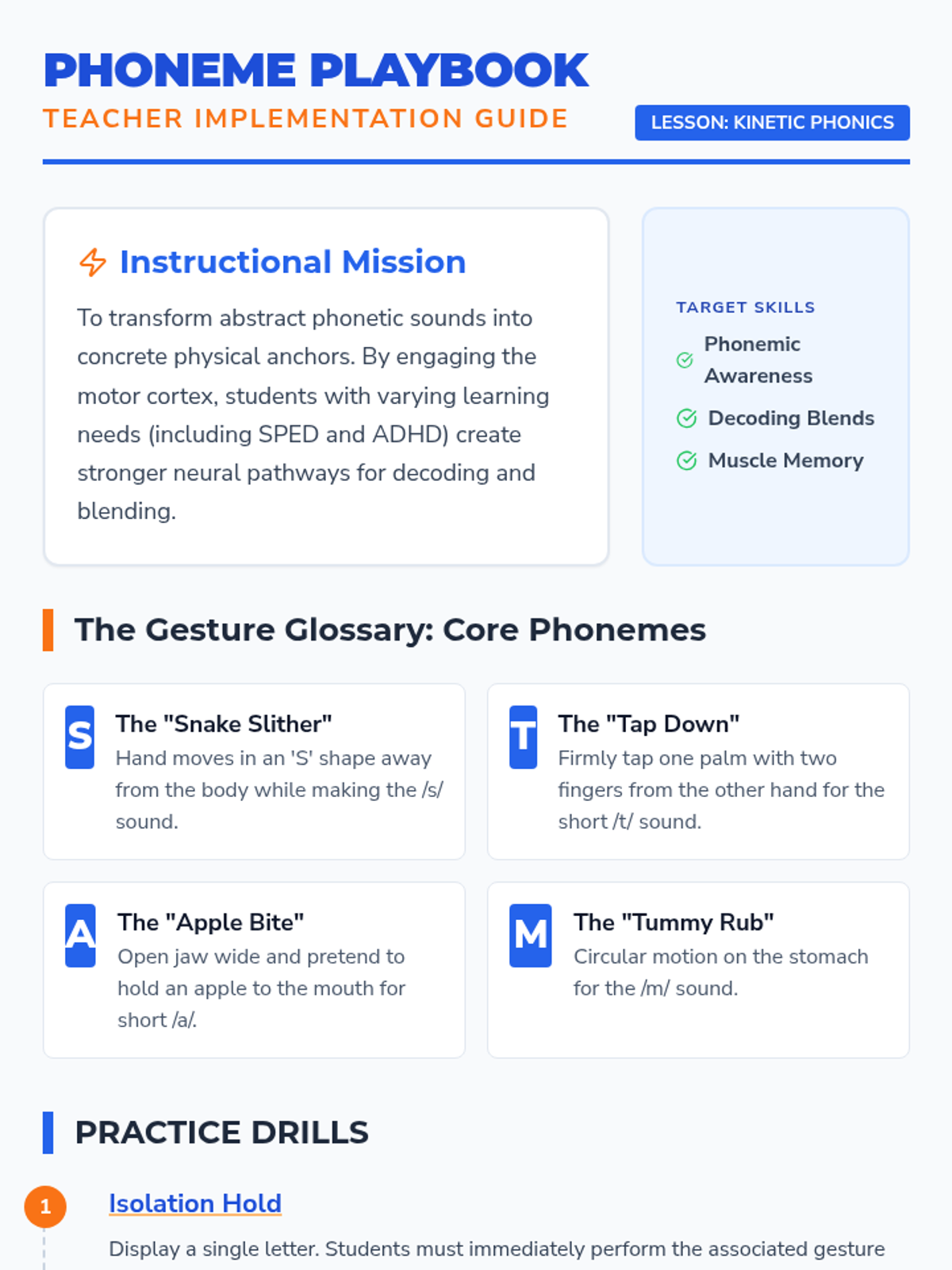
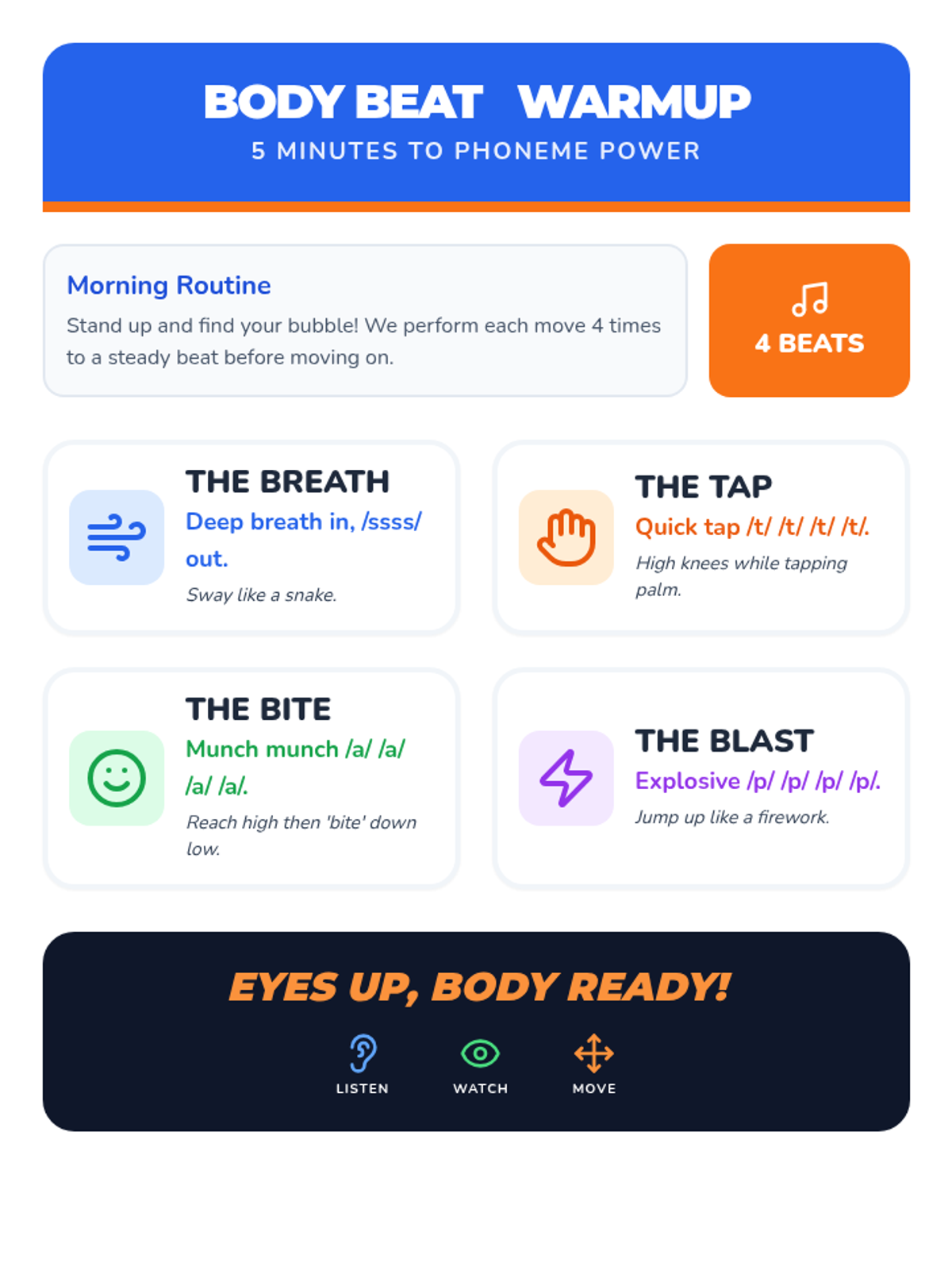
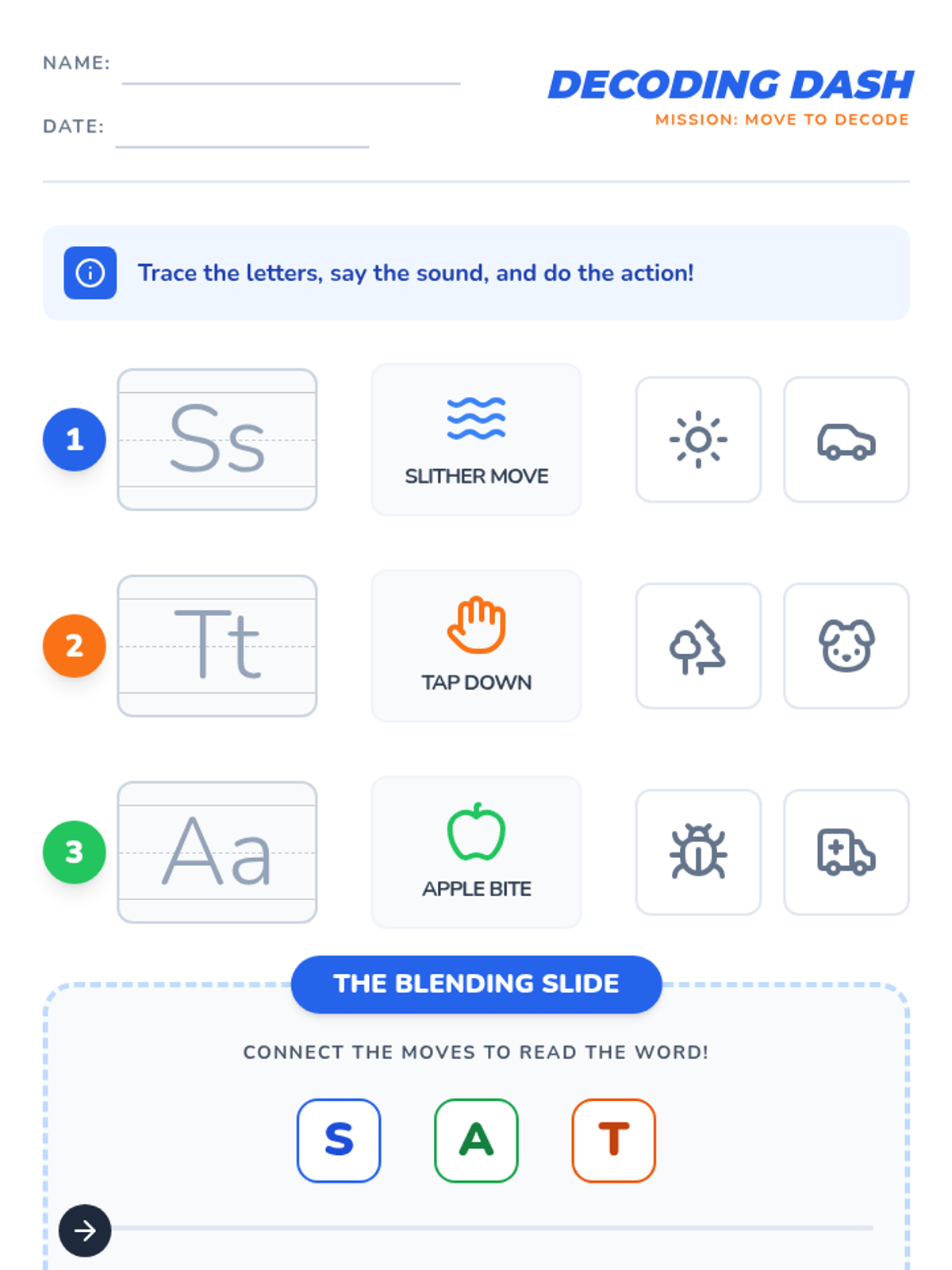
An active literacy lesson that uses physical gestures to represent phonemes and blends, helping students build muscle memory for reading through movement.
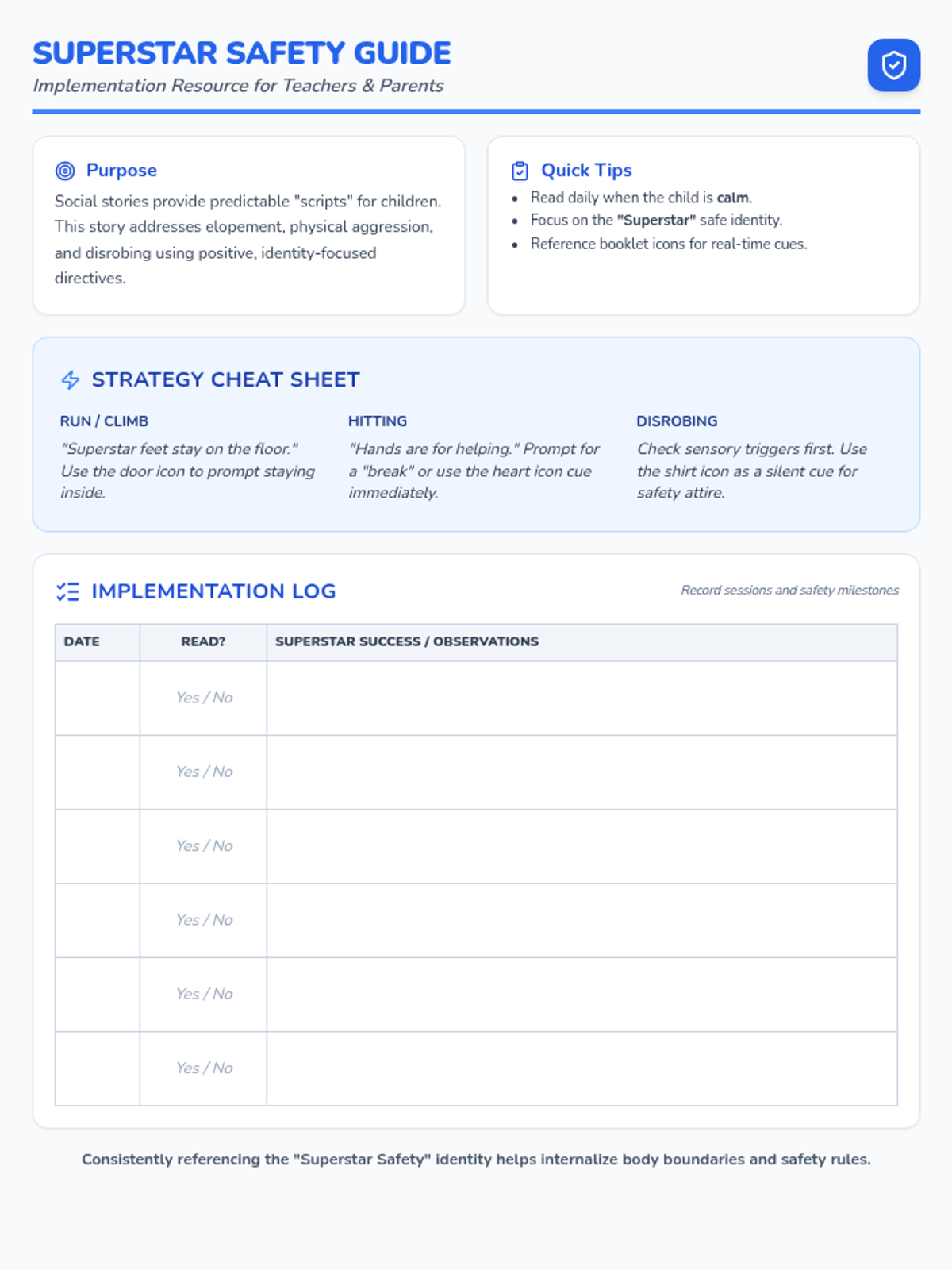
A social story lesson designed to help young children understand and practice safety boundaries at school, including staying in the classroom, keeping hands gentle, and maintaining appropriate attire.
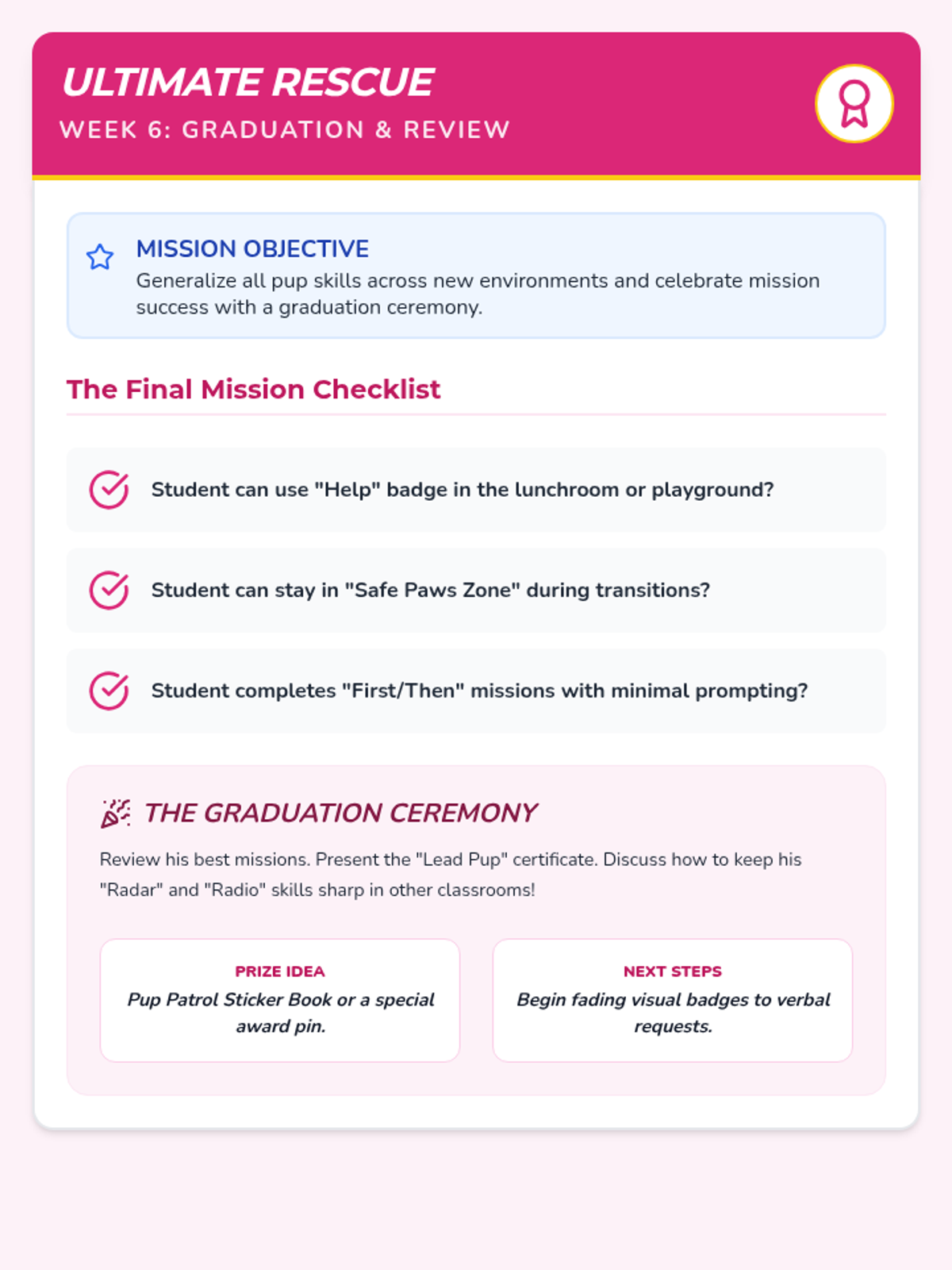
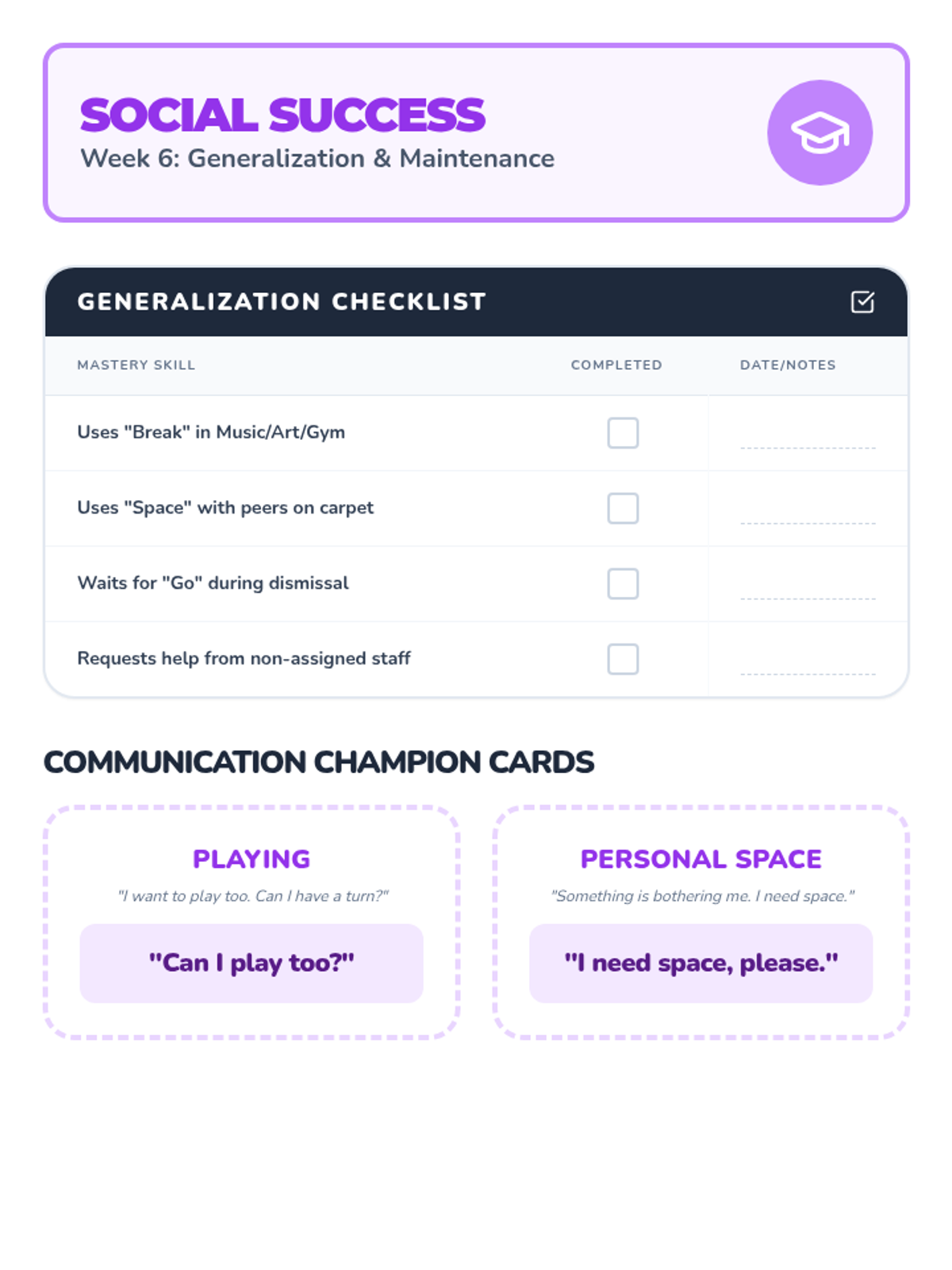
A final review and celebration of skills learned, focusing on generalizing behaviors to new settings.
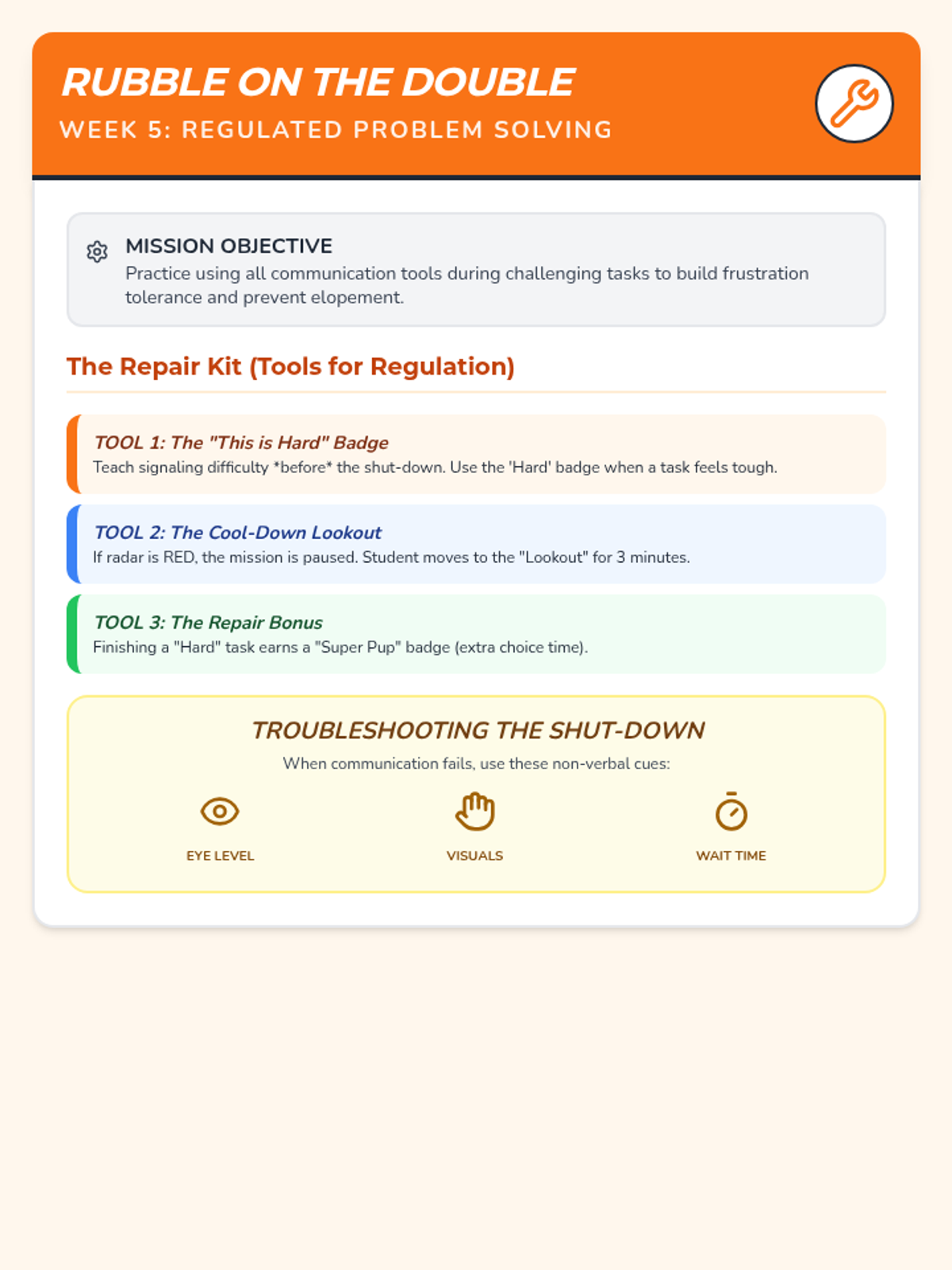
Applying communication skills during challenging tasks to maintain emotional regulation.
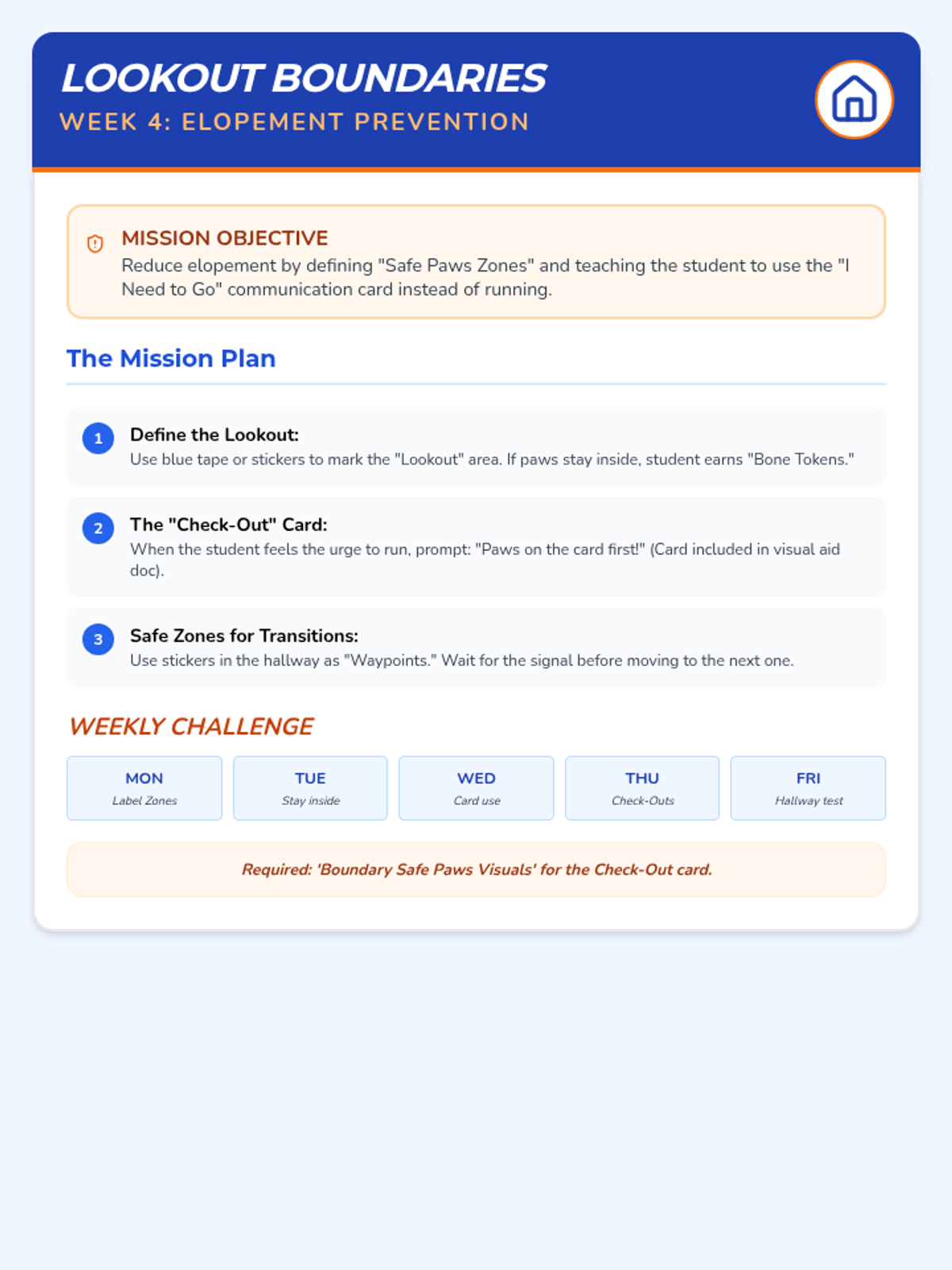
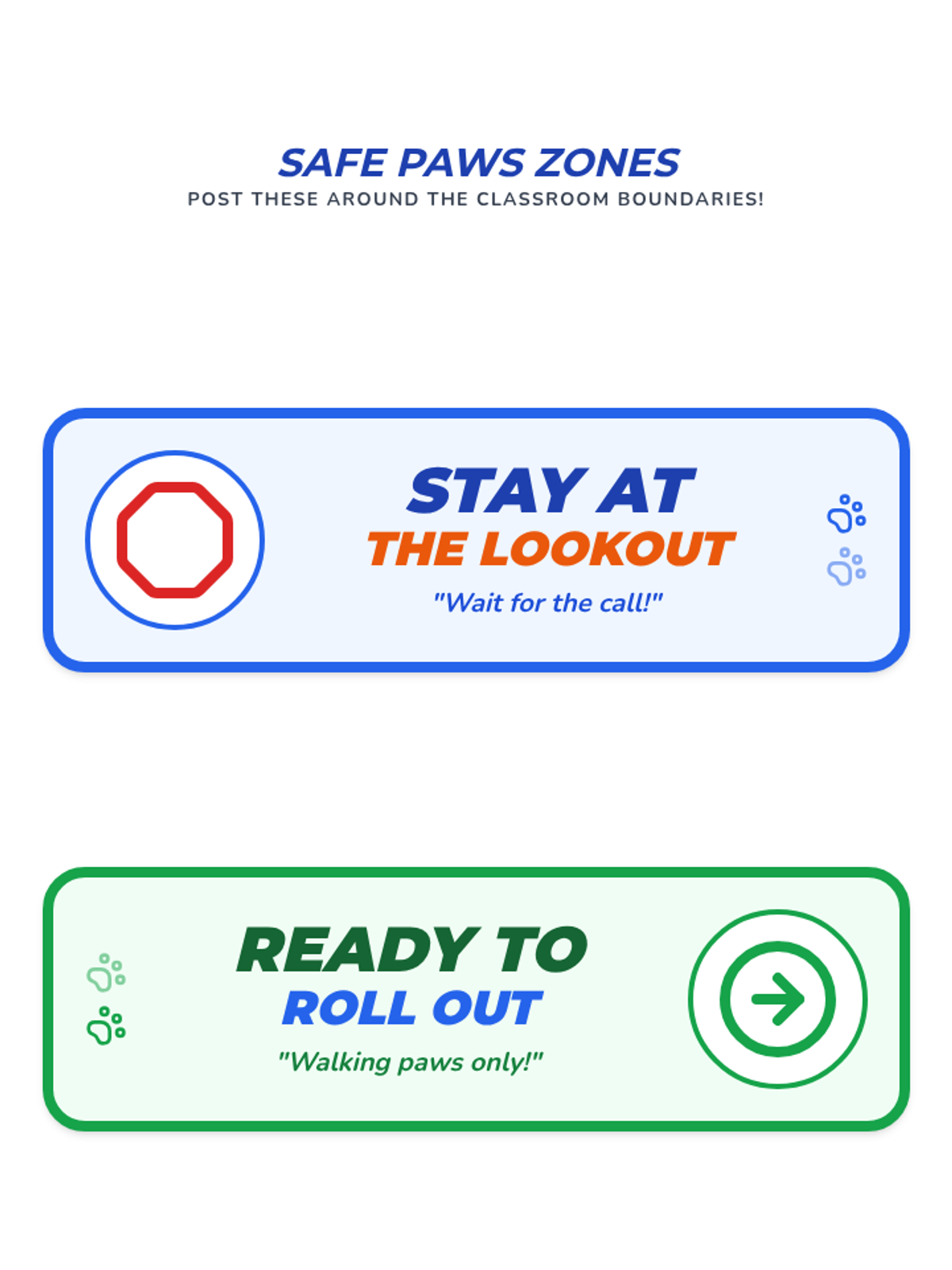
Targeting elopement by defining boundaries and teaching the "Stay at the Lookout" concept.
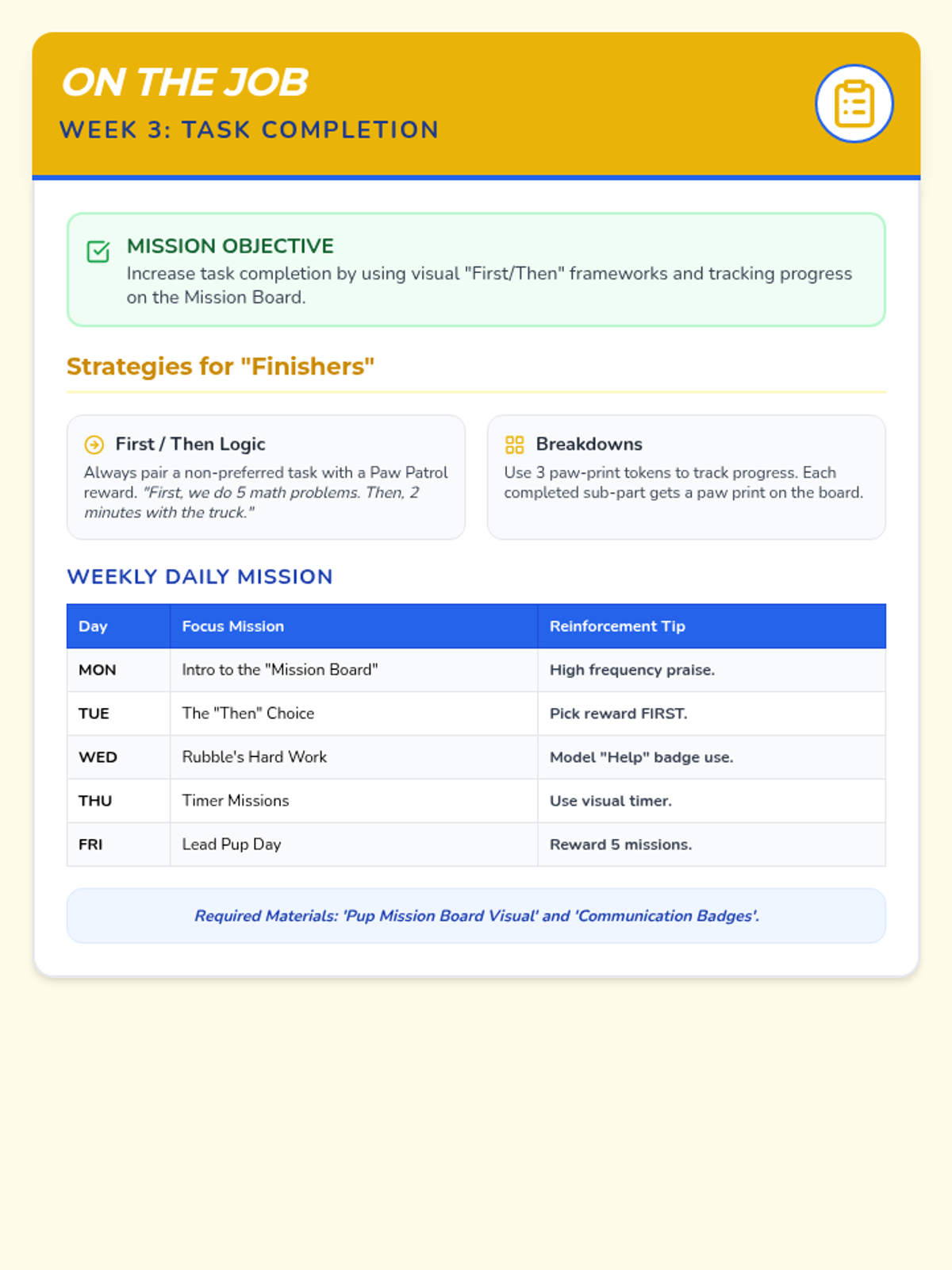
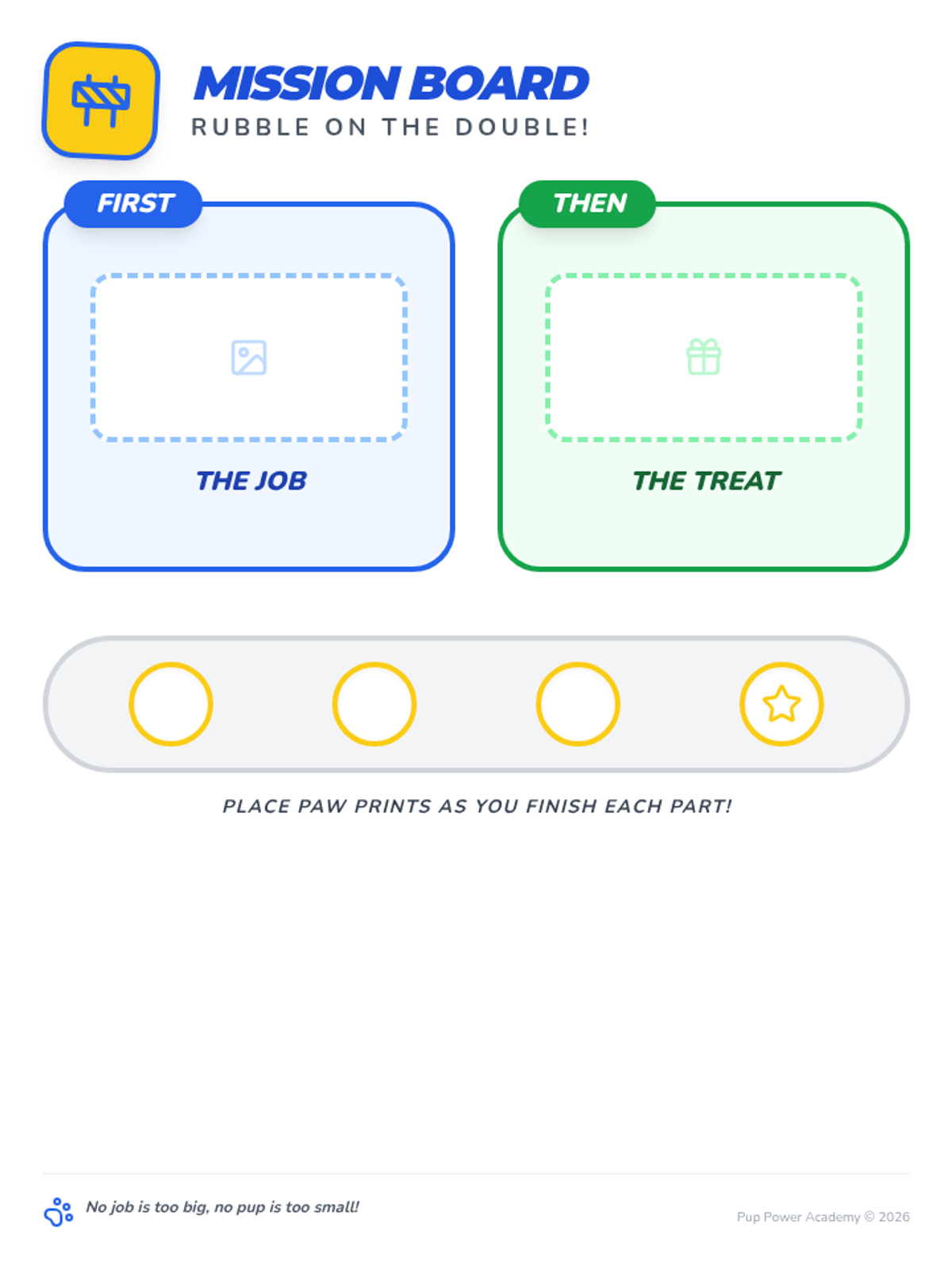
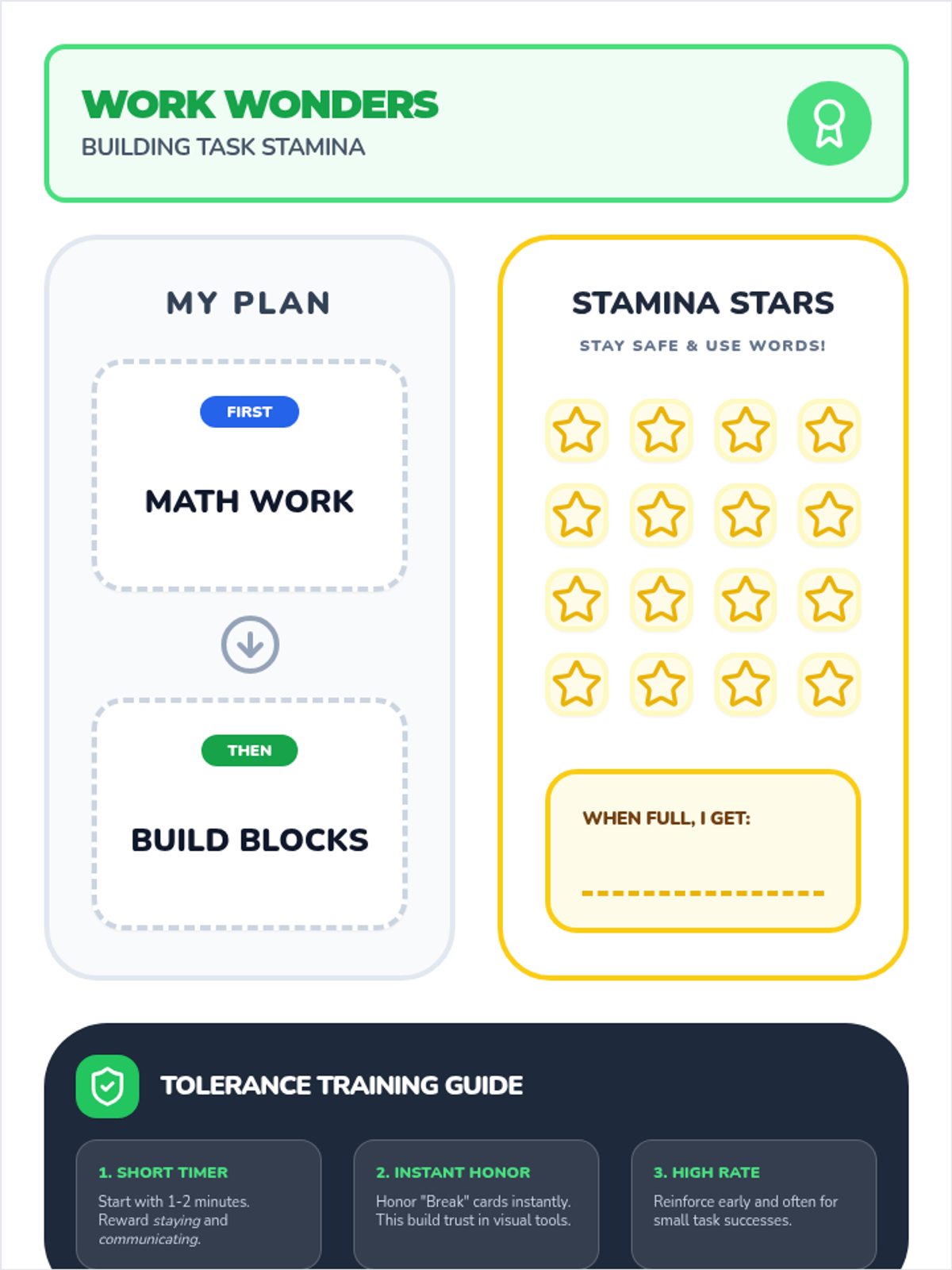
Using visual schedules and "First-Then" logic to improve task completion rates.
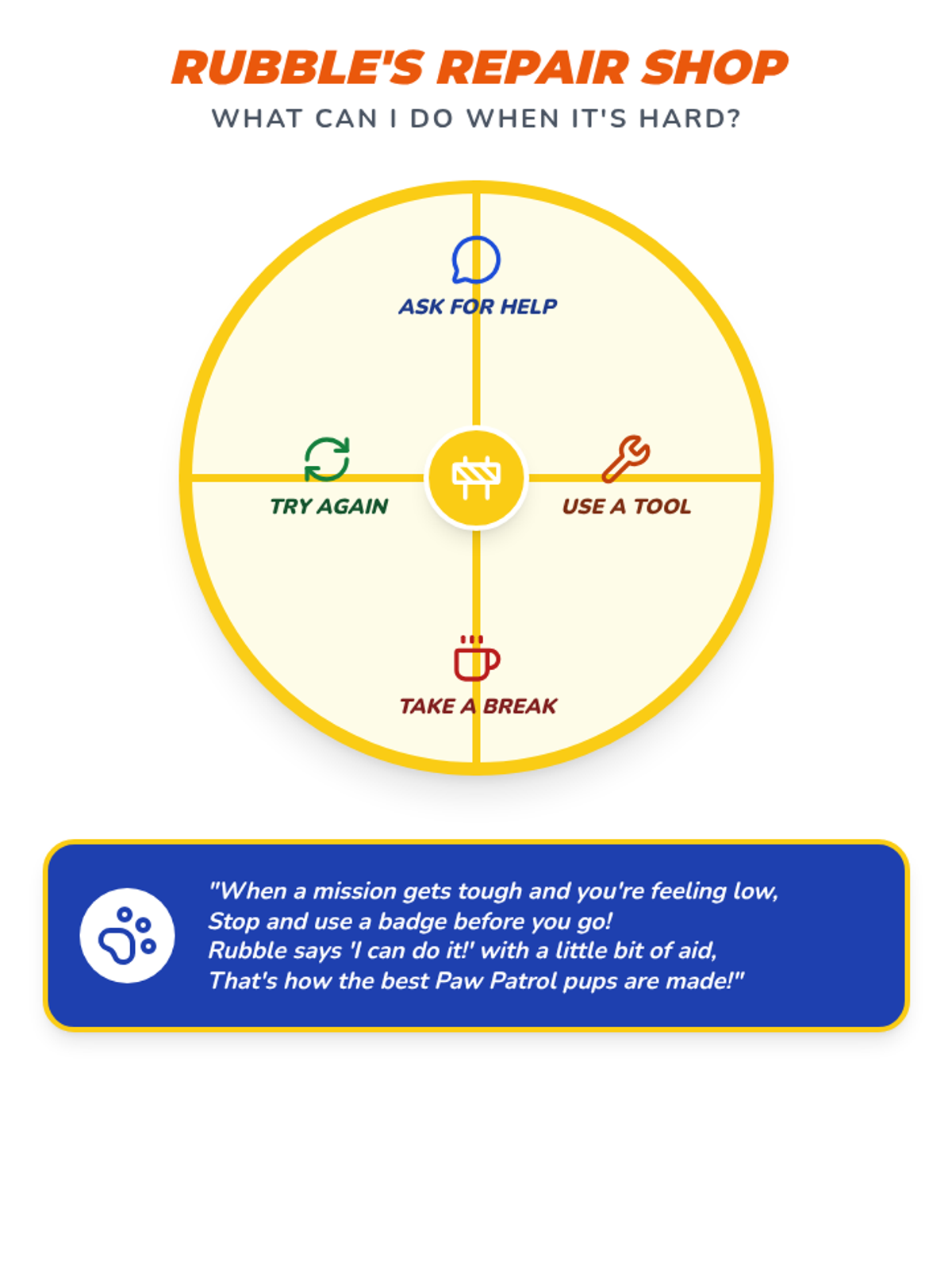
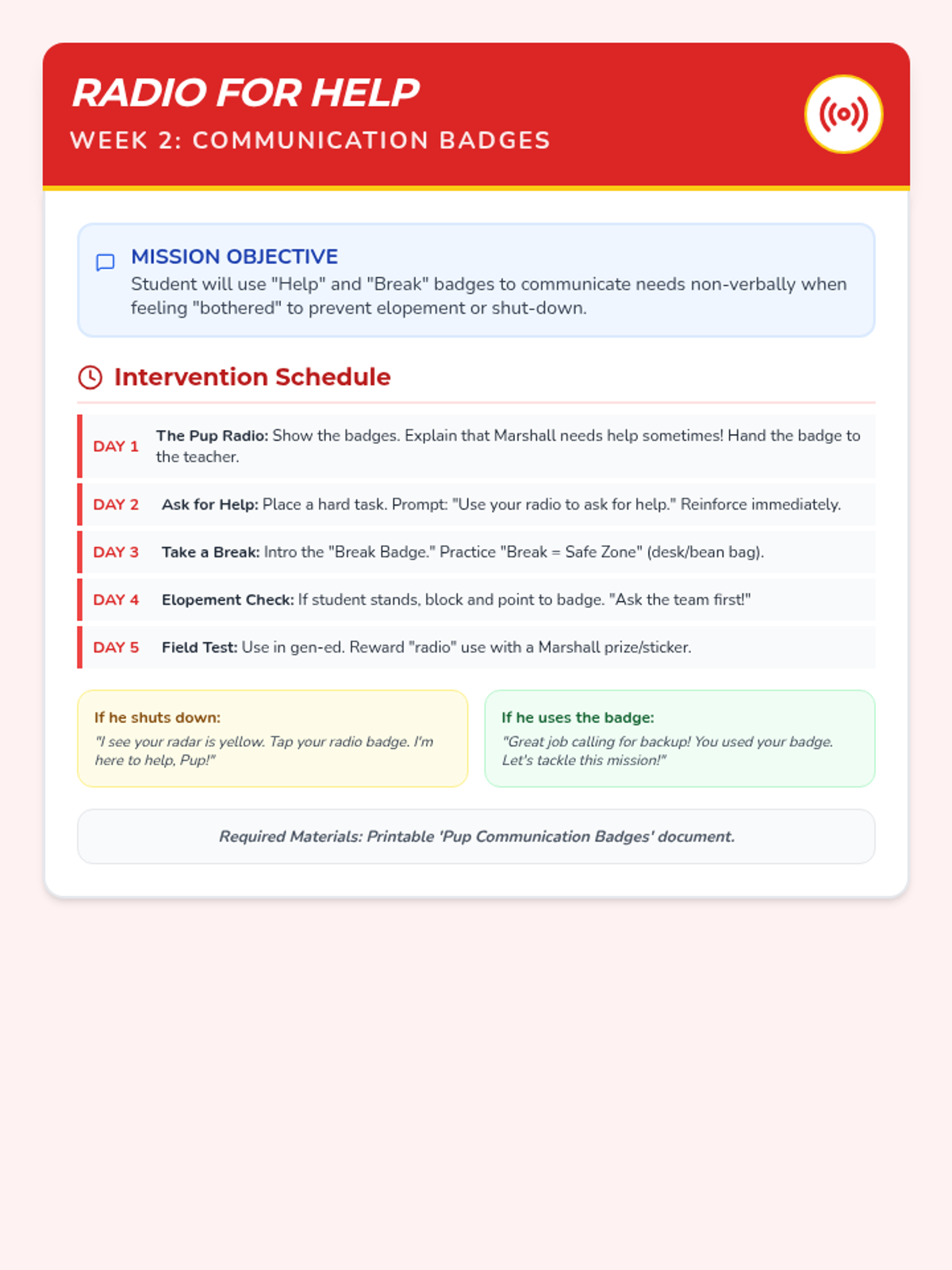
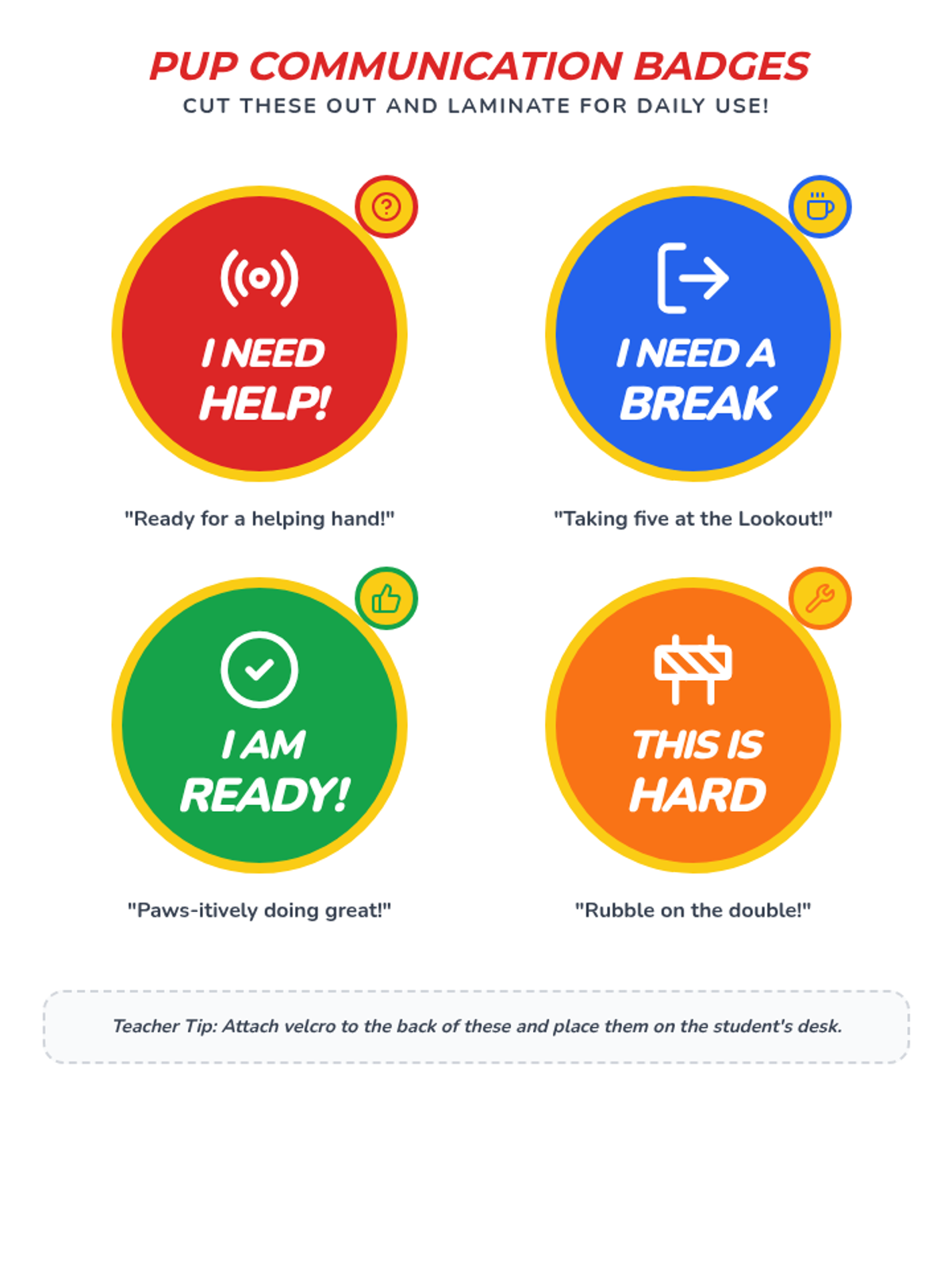
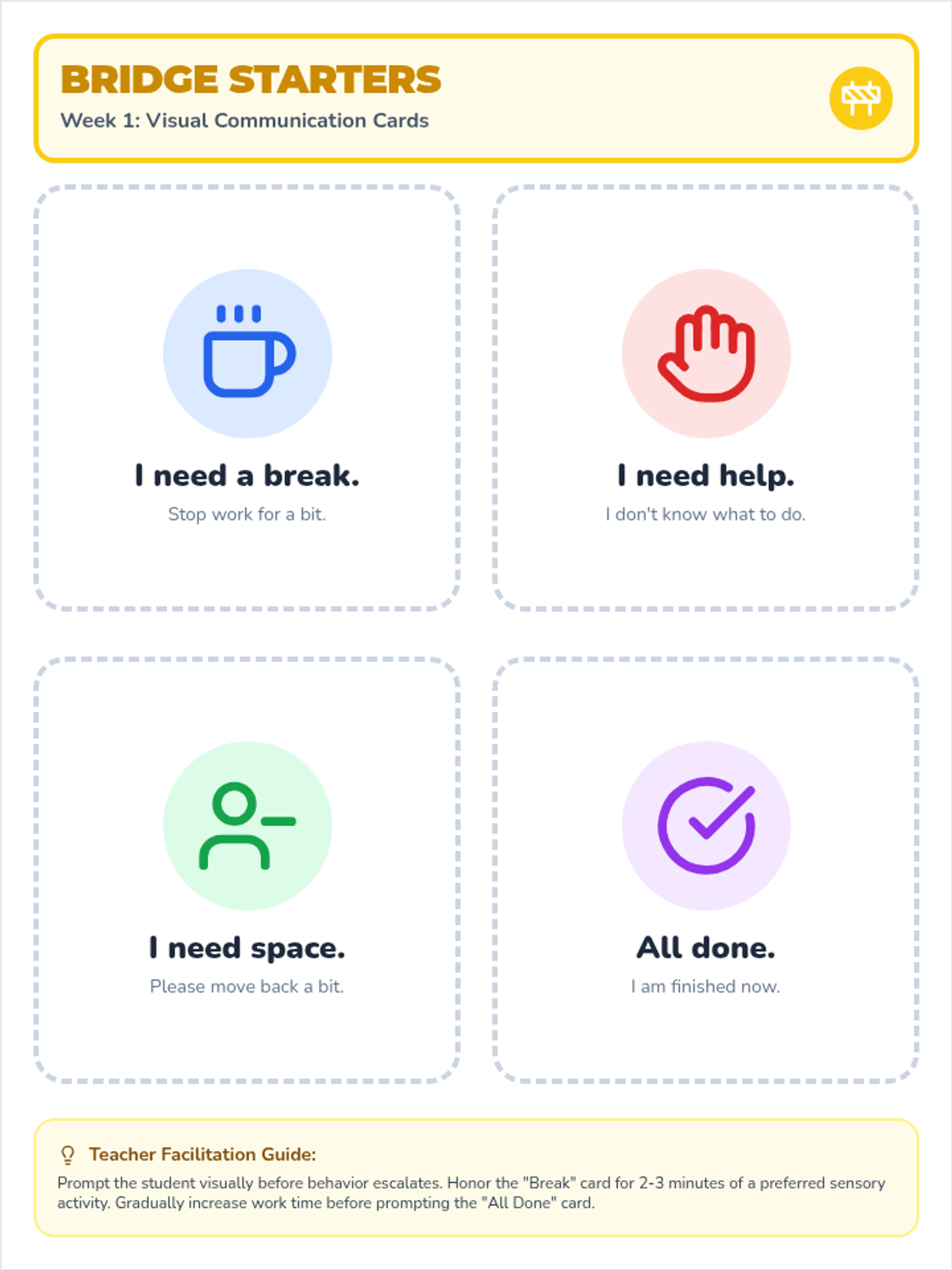
Introducing non-verbal communication tools to ask for help or a break before behaviors escalate.
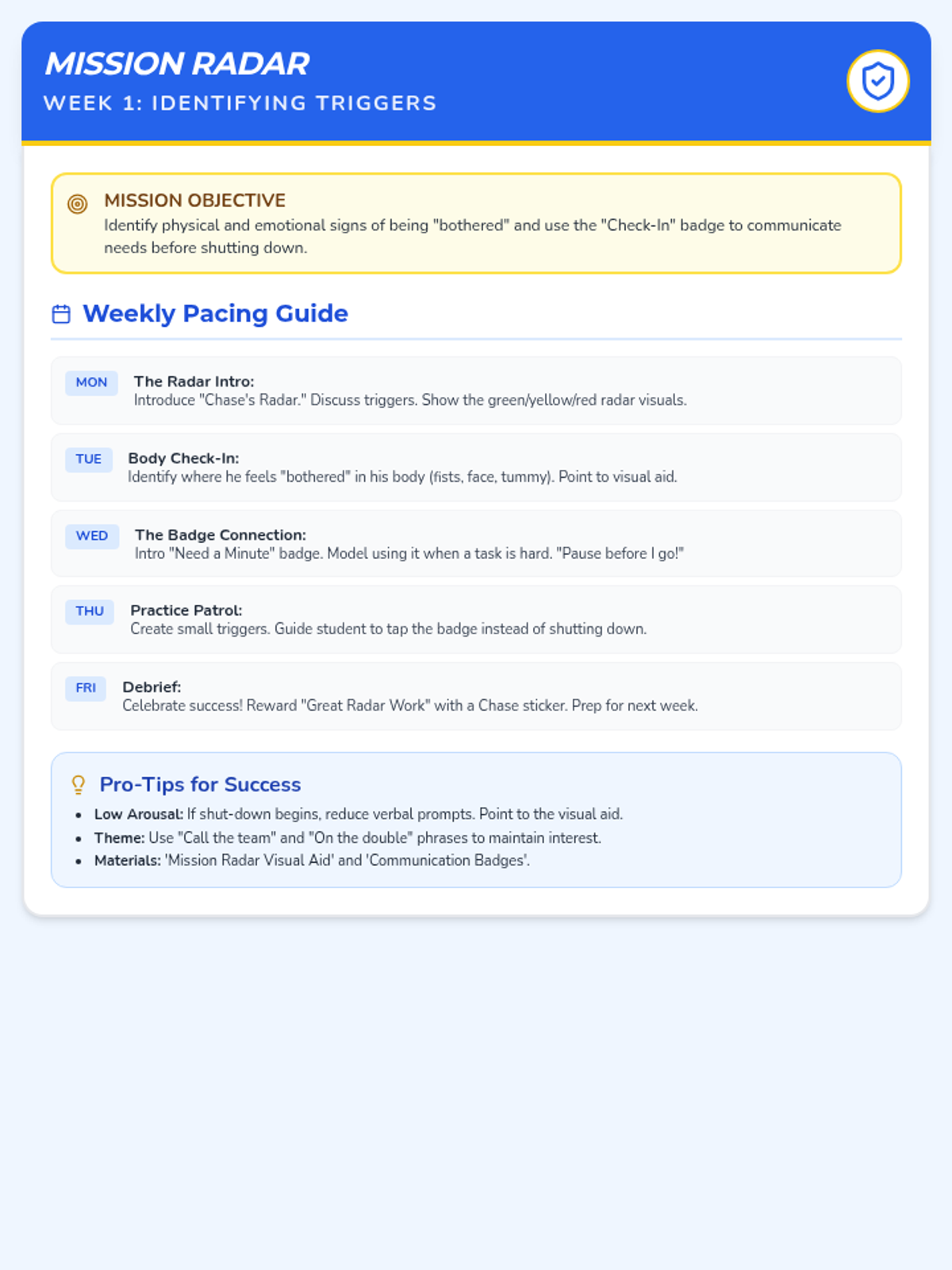
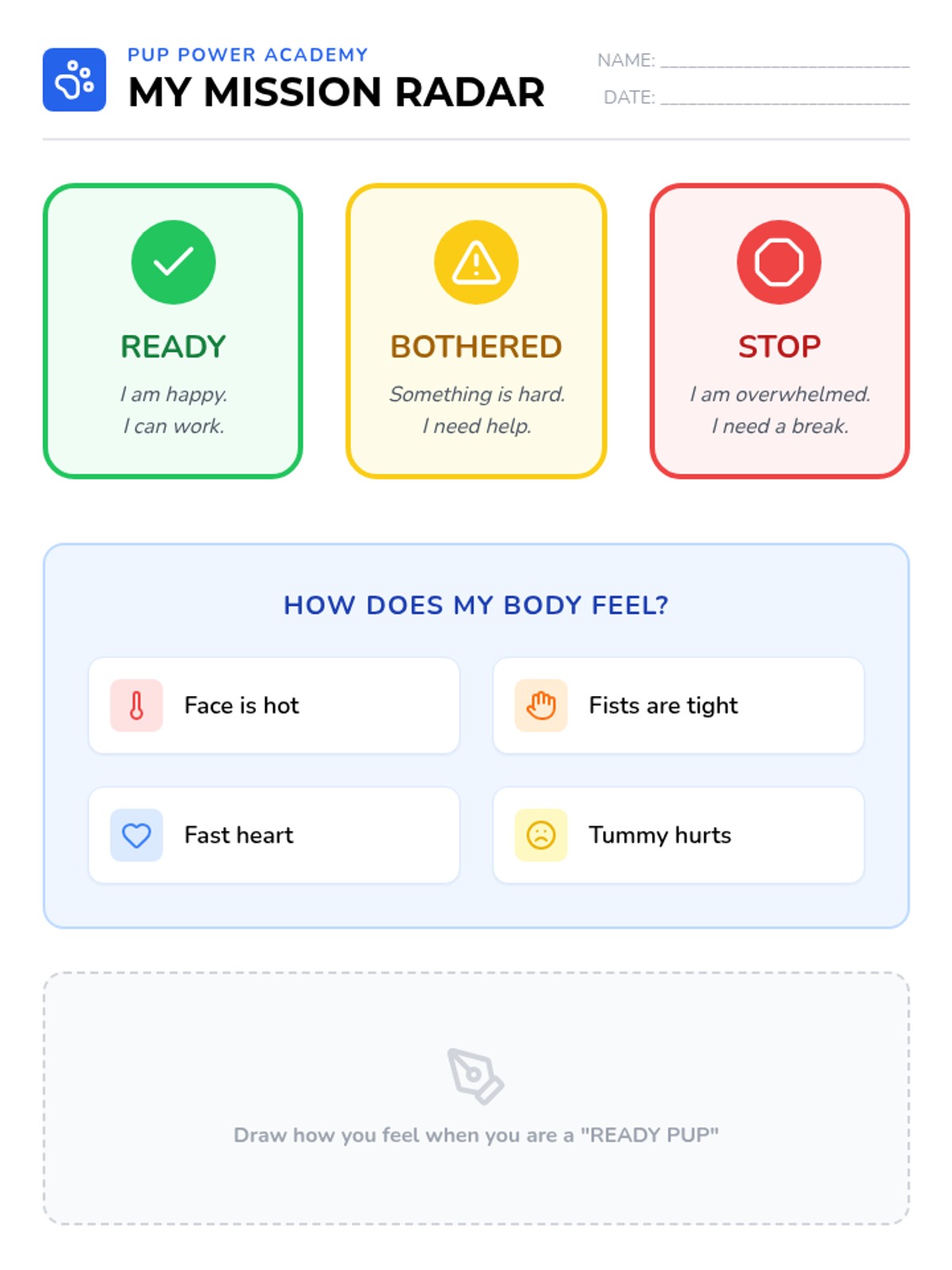
Focuses on recognizing when a student is starting to feel "bothered" or overwhelmed to prevent shutting down.
Generalizes communication skills across various school settings and peers to ensure long-term maintenance of reduced elopement and avoidance.
Combines communication skills with high-reinforcement schedules to increase task duration and reduce avoidance.
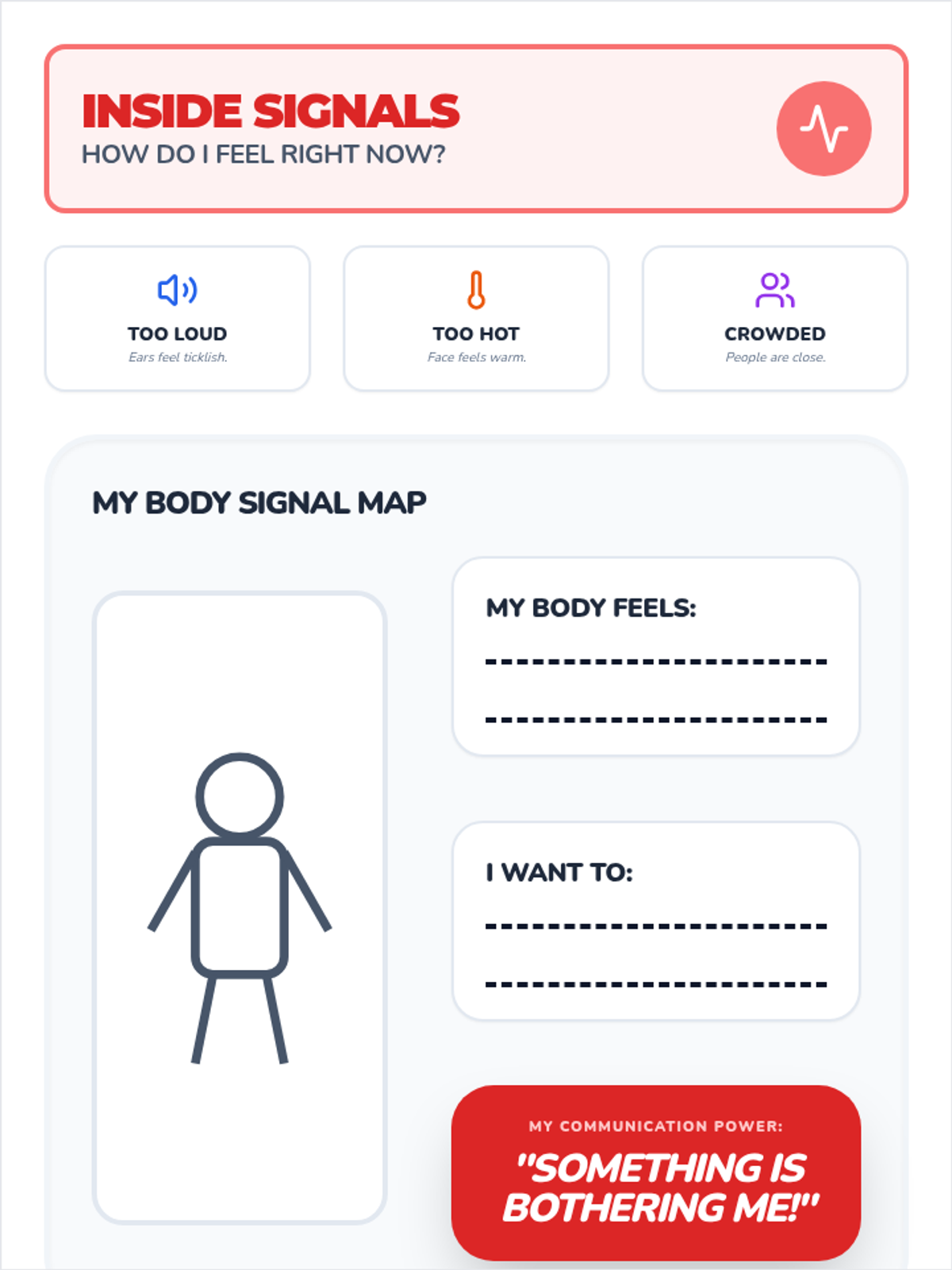
Helps the student identify internal and external stressors that lead to verbal regression and behavioral outbursts.
Teaches safe transition strategies and 'waiting' skills to mitigate elopement behaviors during high-stress movement periods.
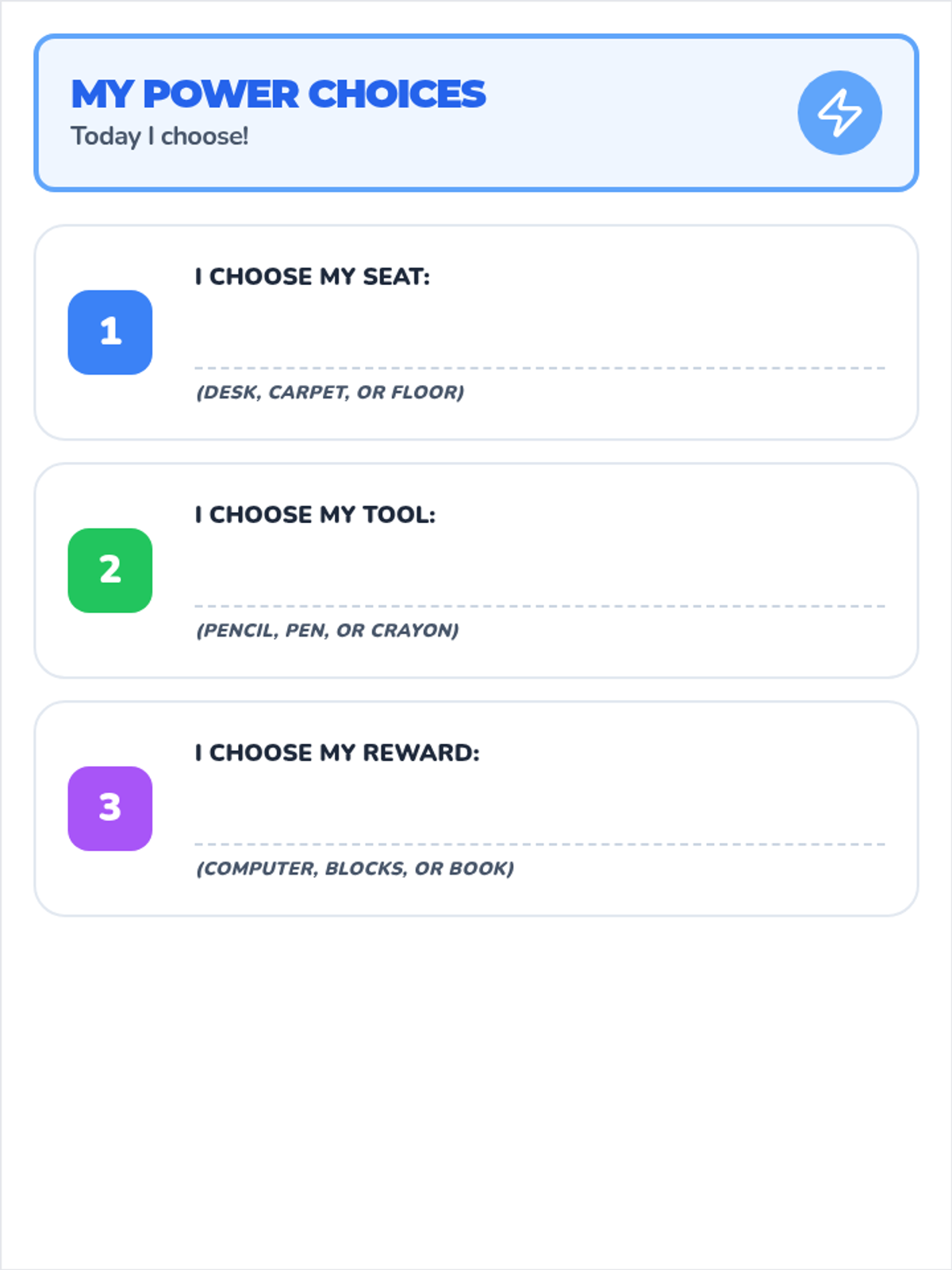
Empowers the student with choice-making opportunities to increase agency and reduce the need for avoidance behaviors during academic tasks.
Focuses on teaching the student to identify when they are overwhelmed and use a visual or verbal request for a 'break' to prevent task avoidance and elopement.
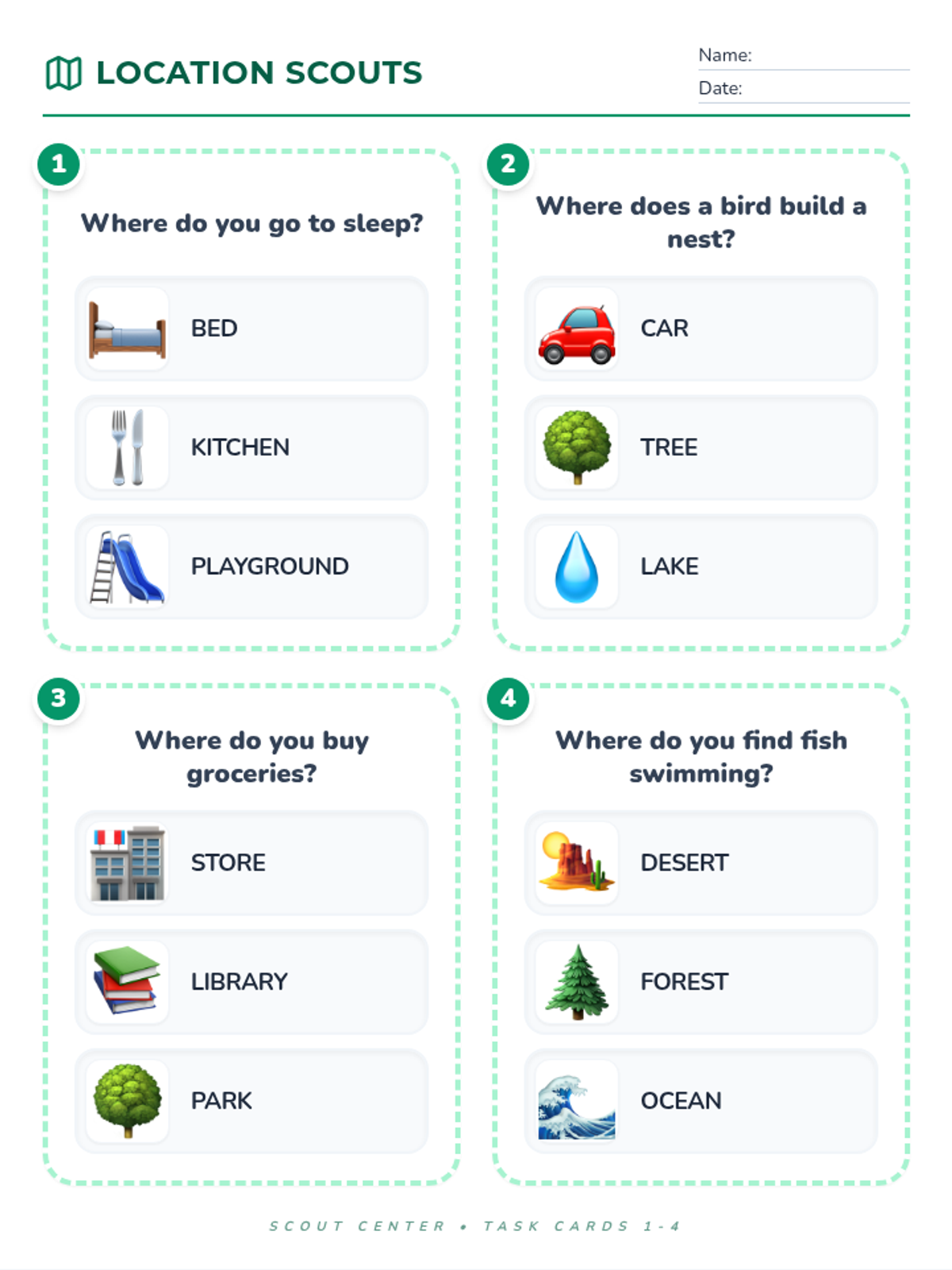
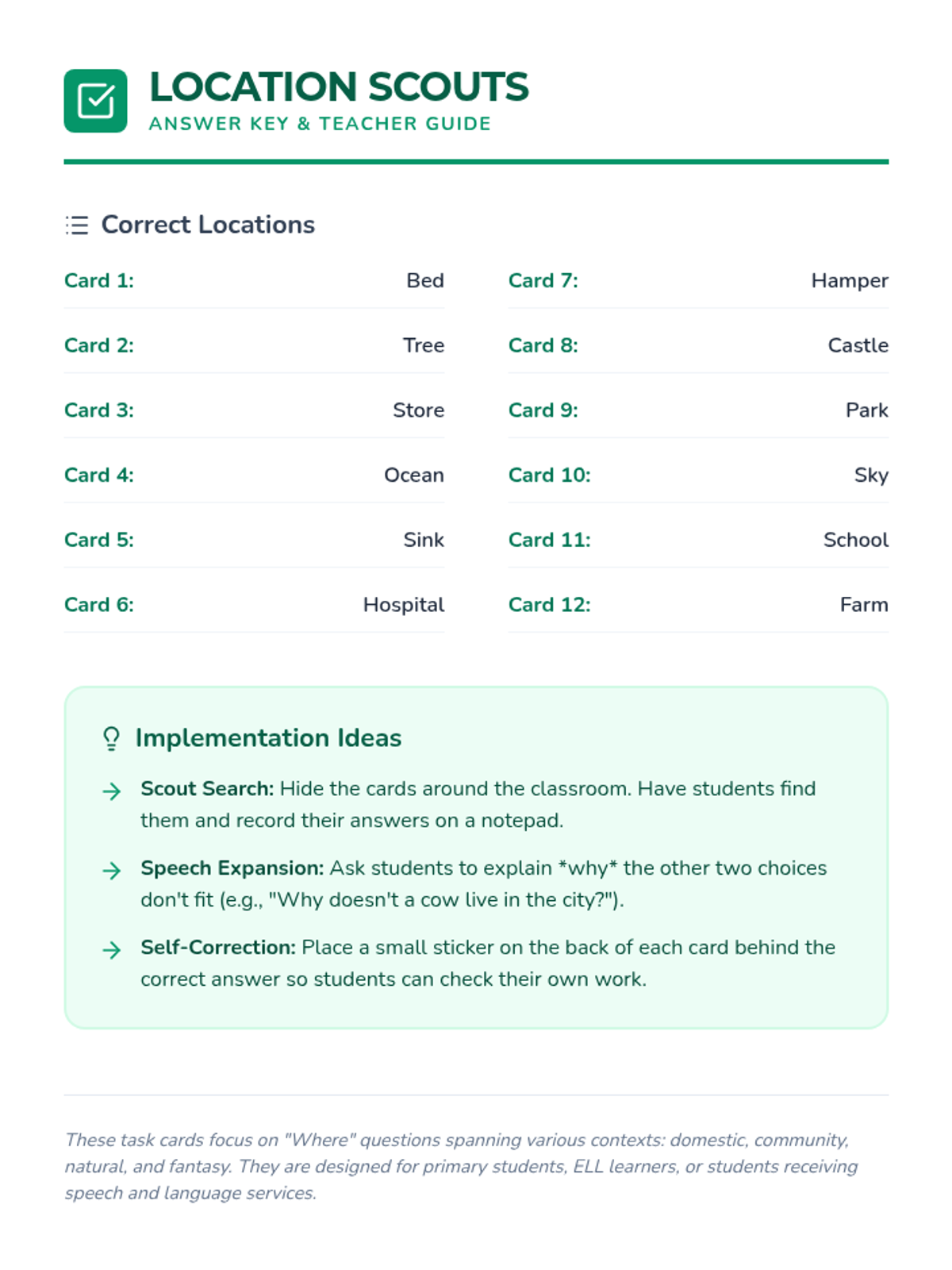
A set of hands-on task cards and teacher resources to help students master 'Where' questions across various contexts using visual supports.
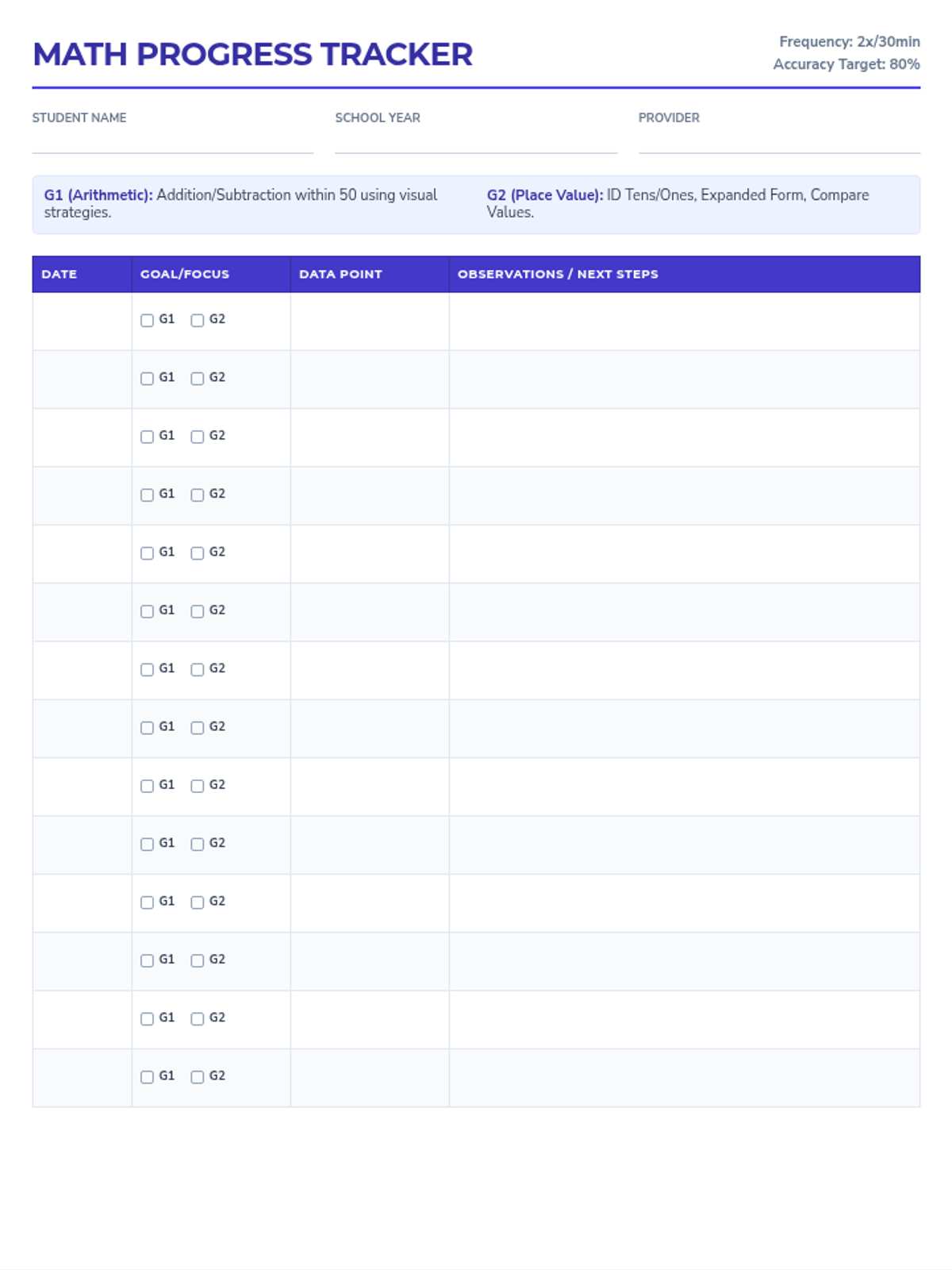
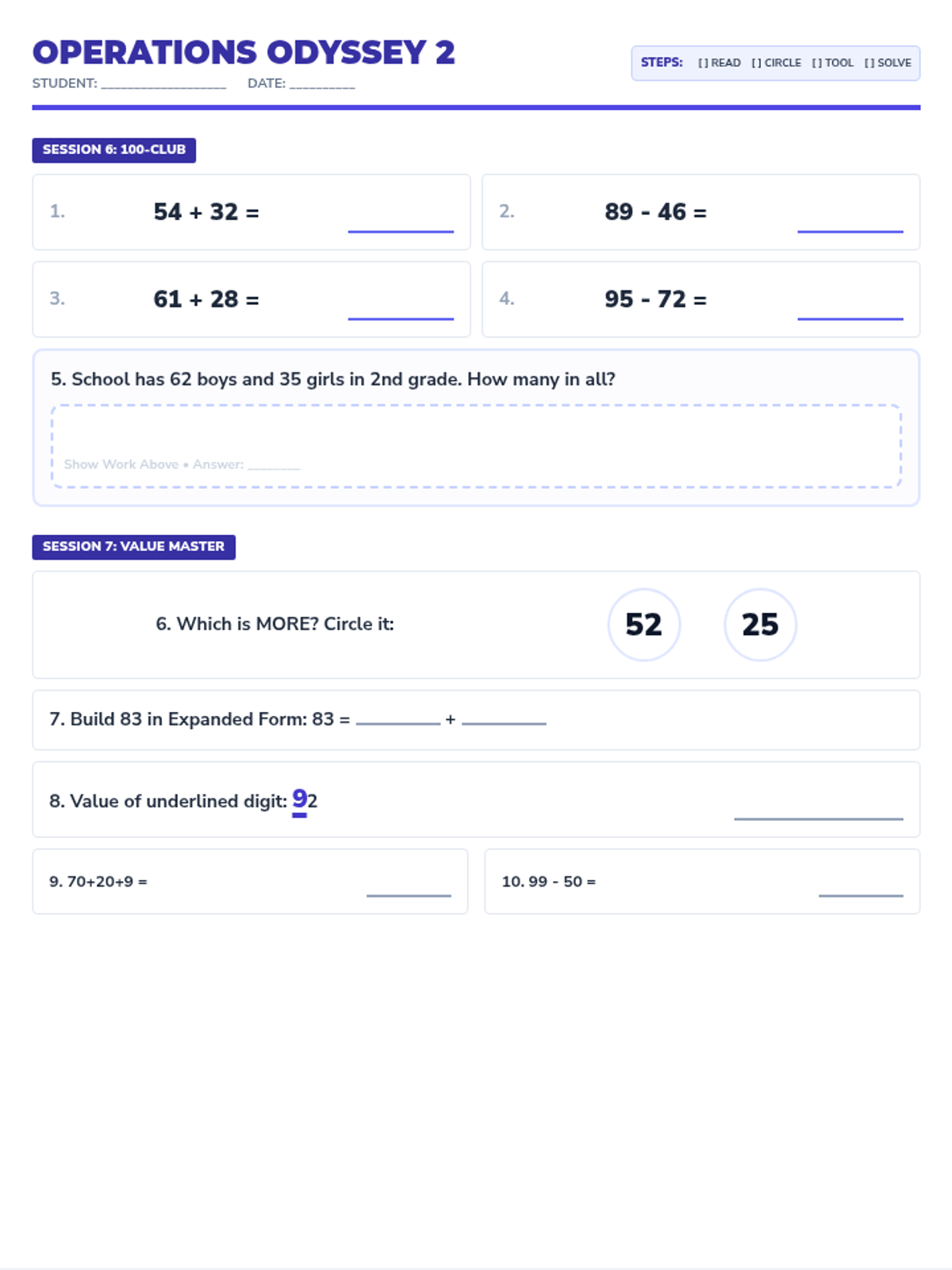
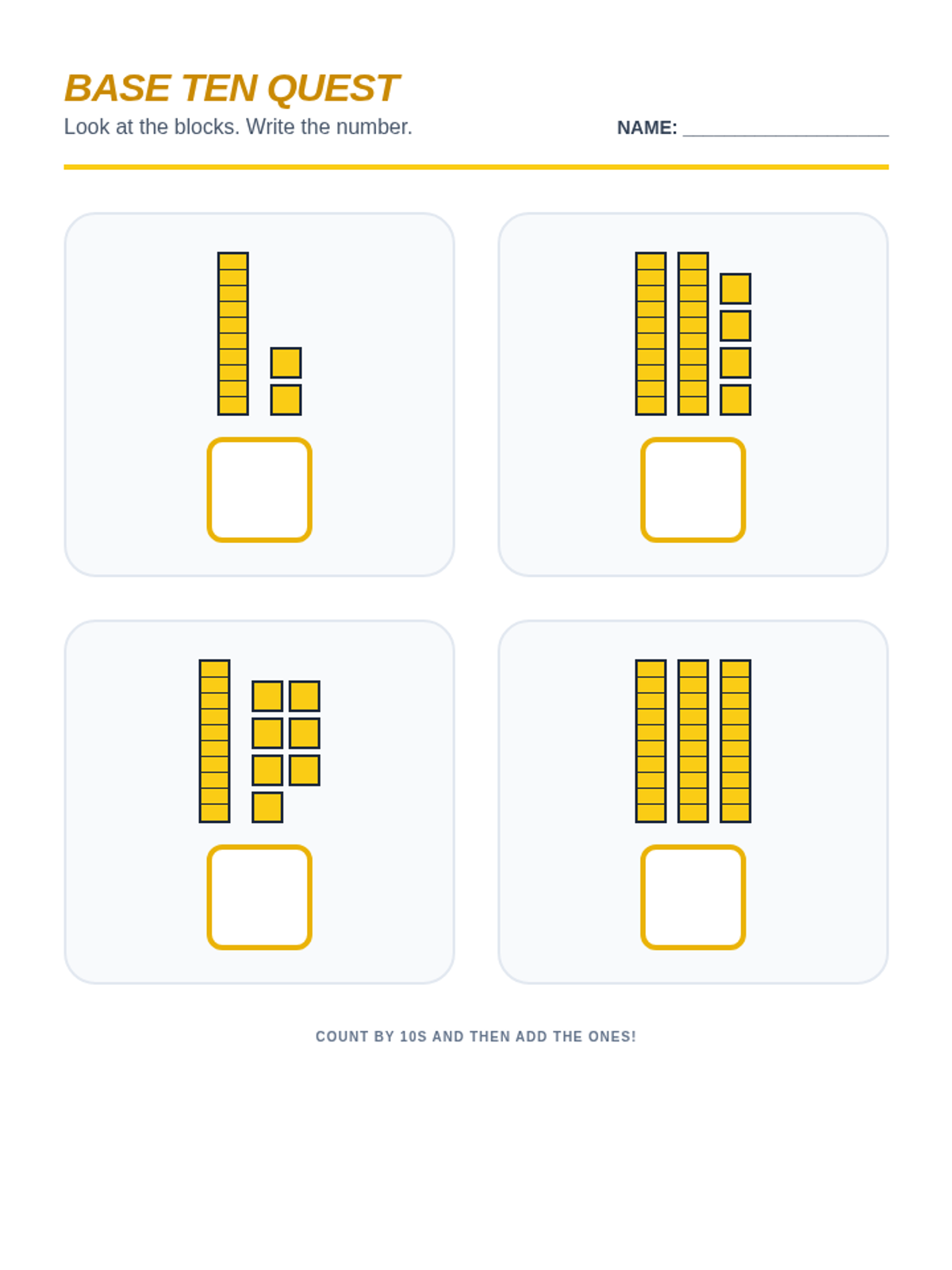
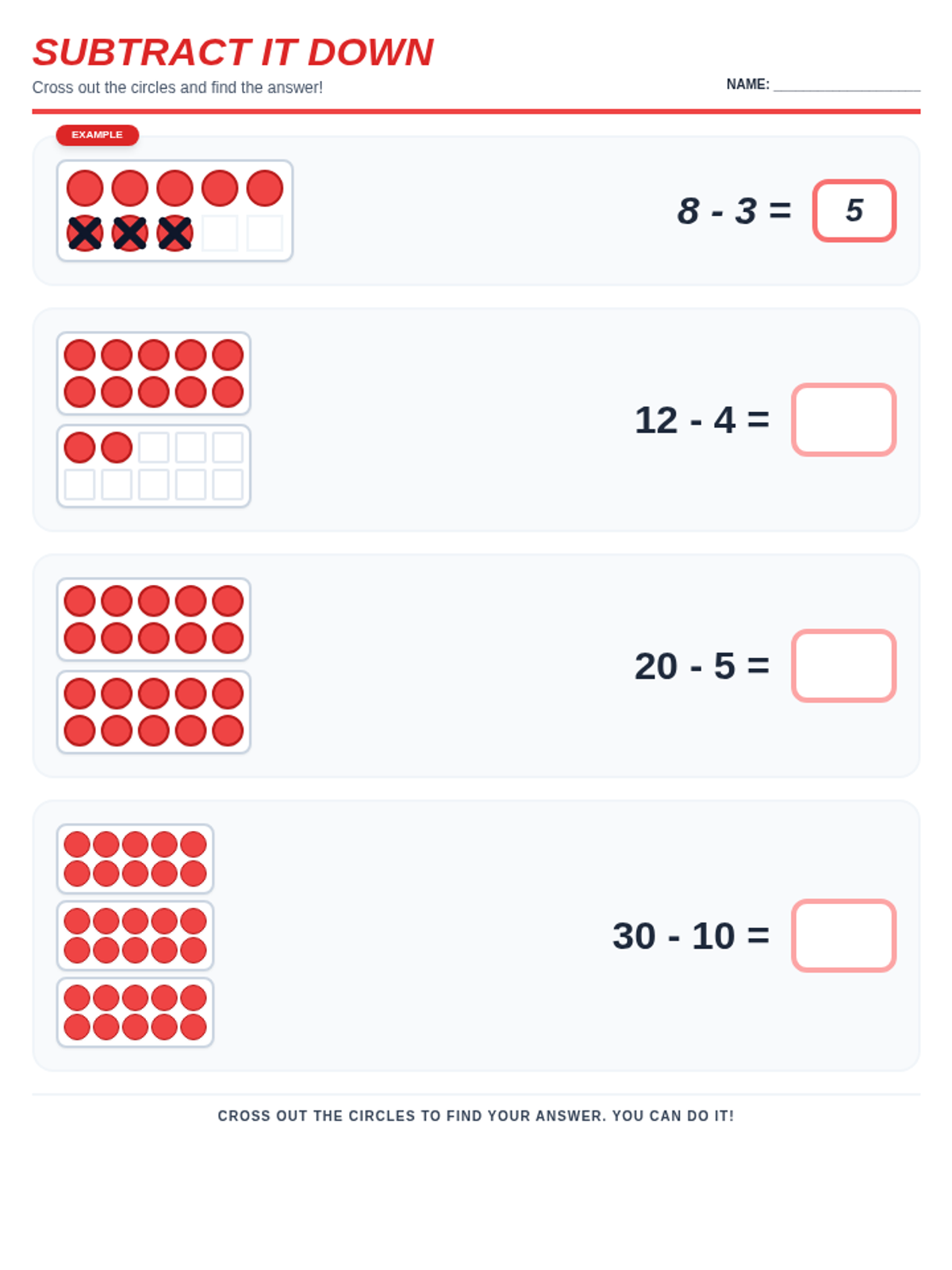
A comprehensive tracking system for monitoring student progress in basic arithmetic and place value concepts, designed for bi-weekly service delivery.
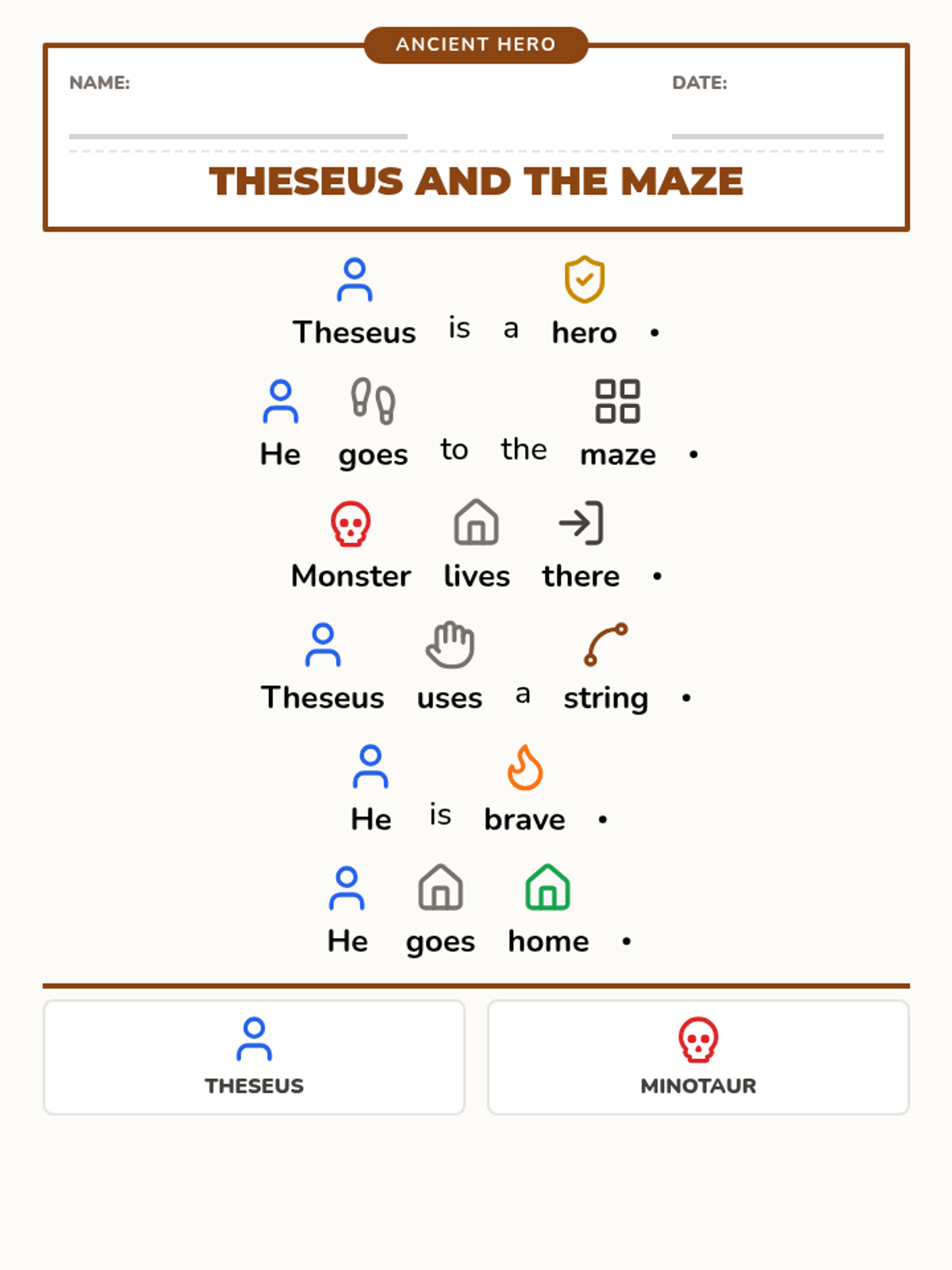
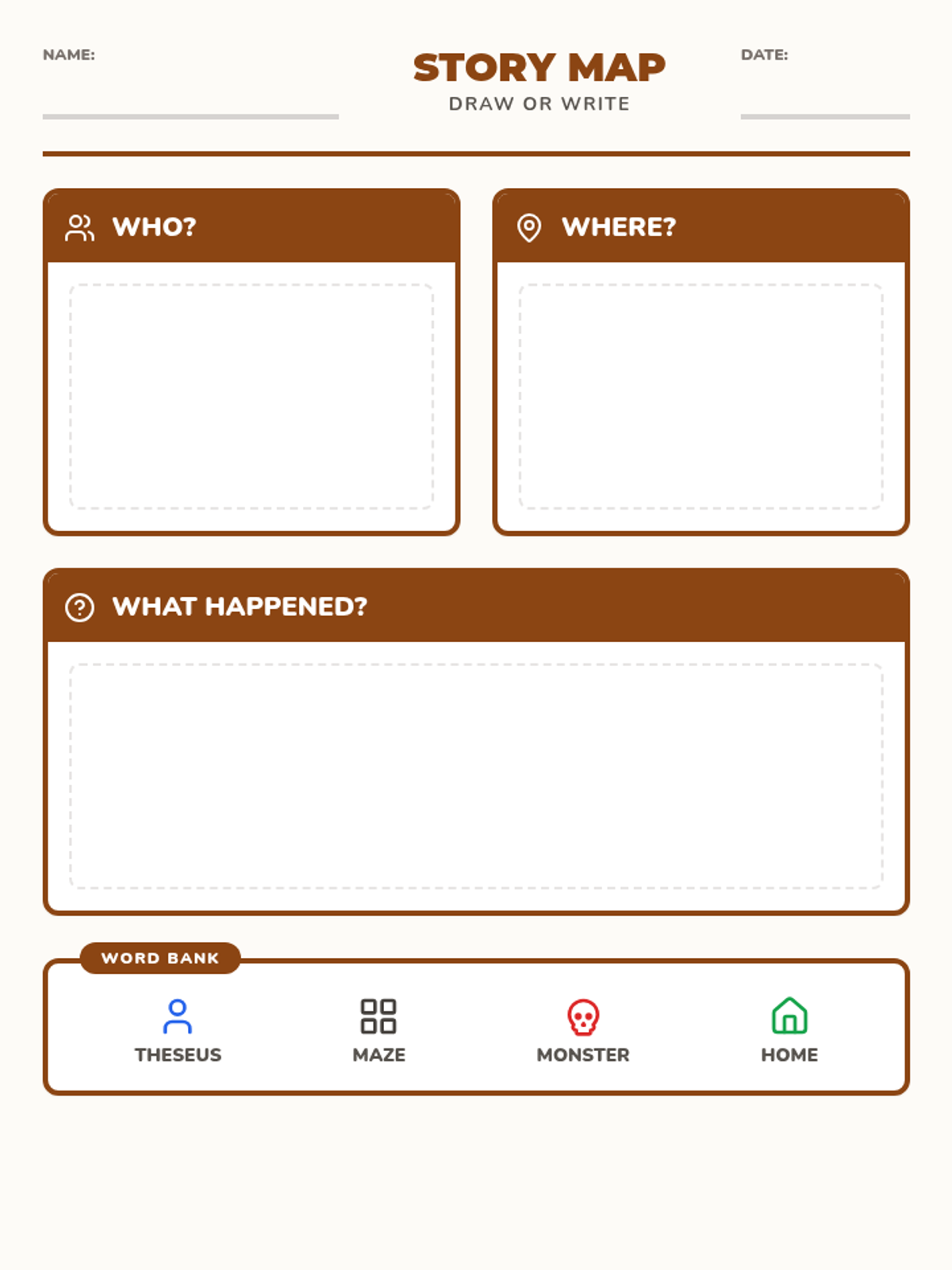
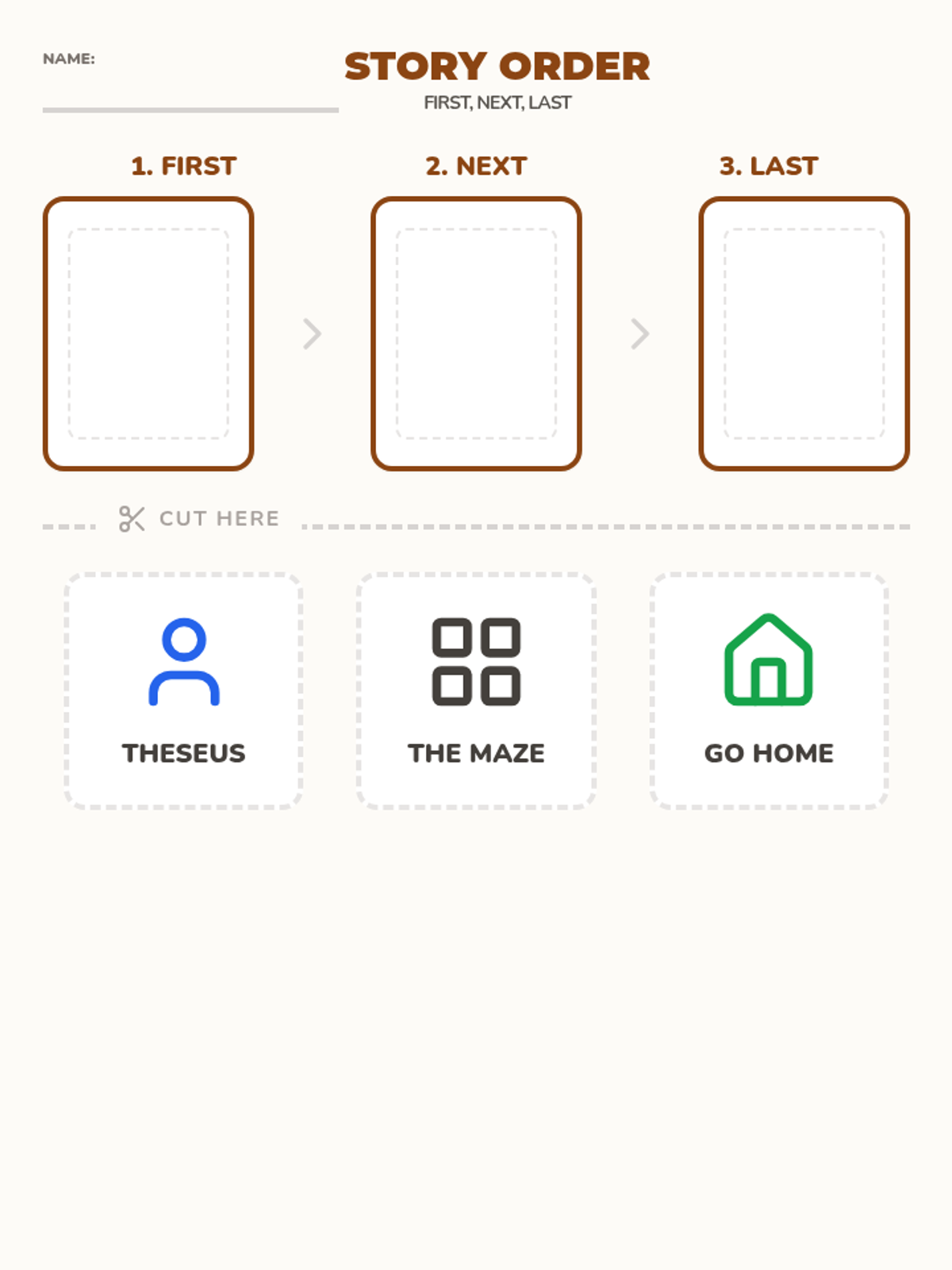
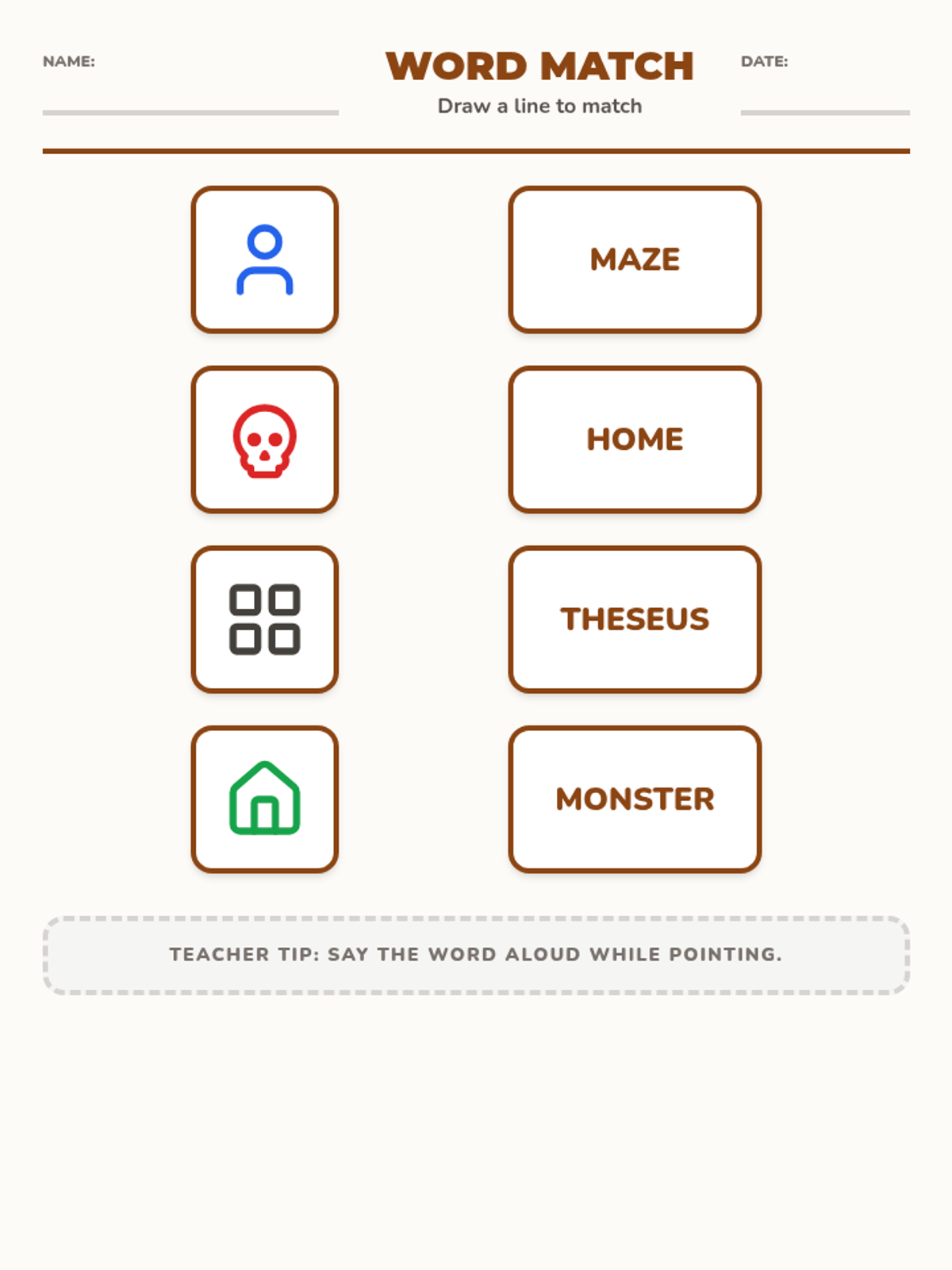
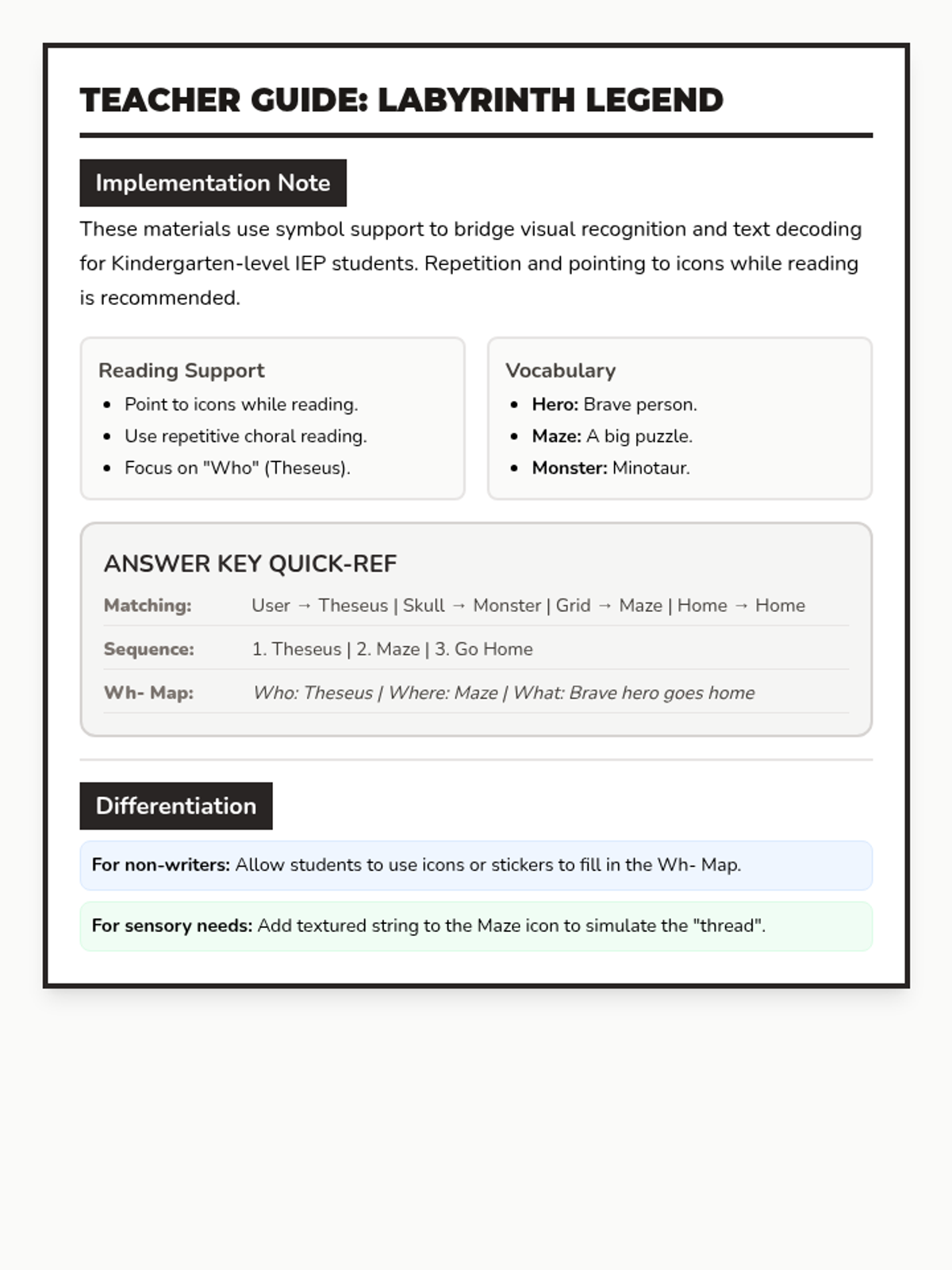
A modified reading lesson on the Greek myth of Theseus and the Minotaur, designed for Kindergarten-level IEP students with symbol support and simplified comprehension tasks.
A set of sorting mats designed for early learners to practice categorization skills using visual prompts and designated workspace for four items per category.
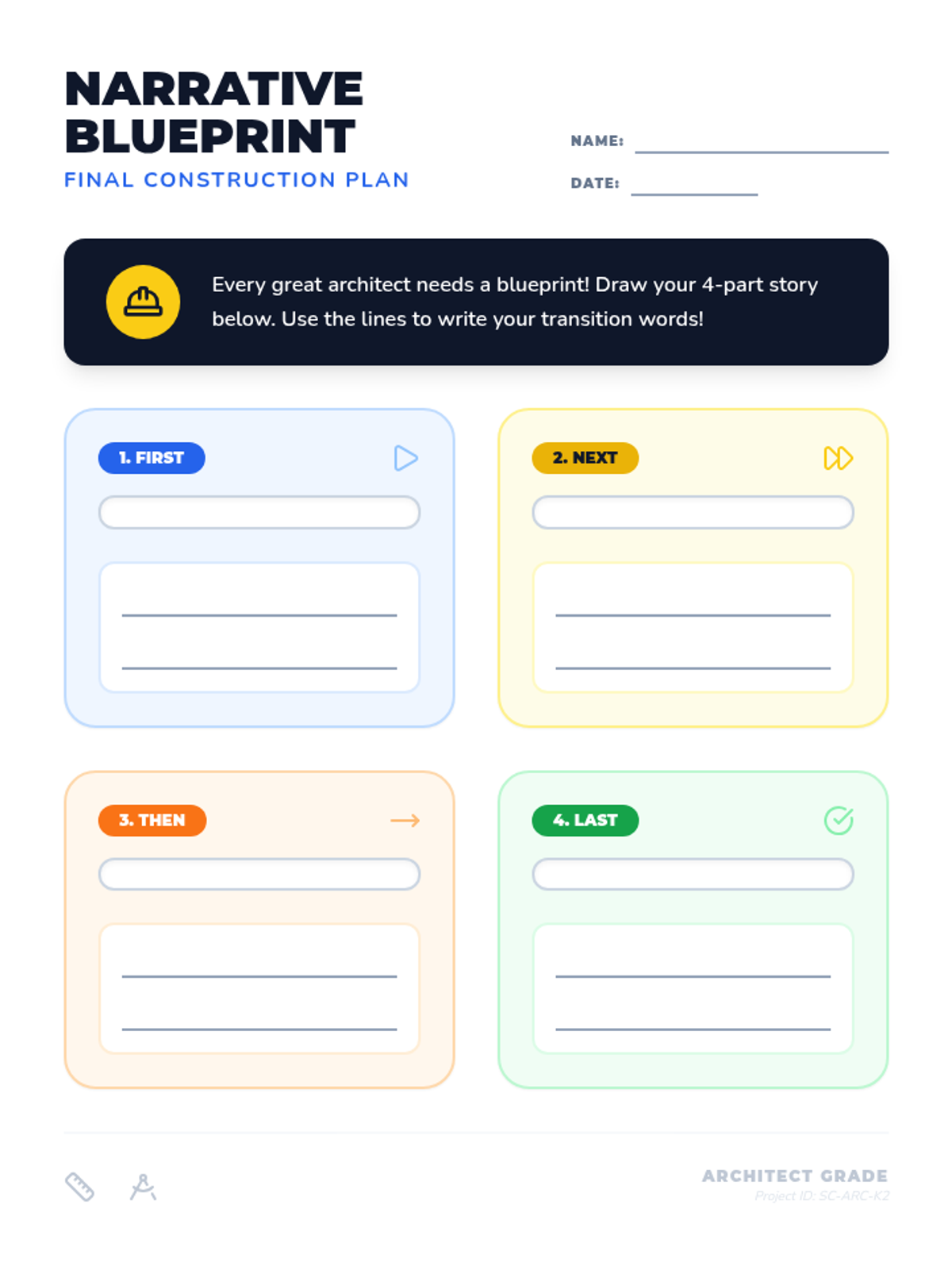
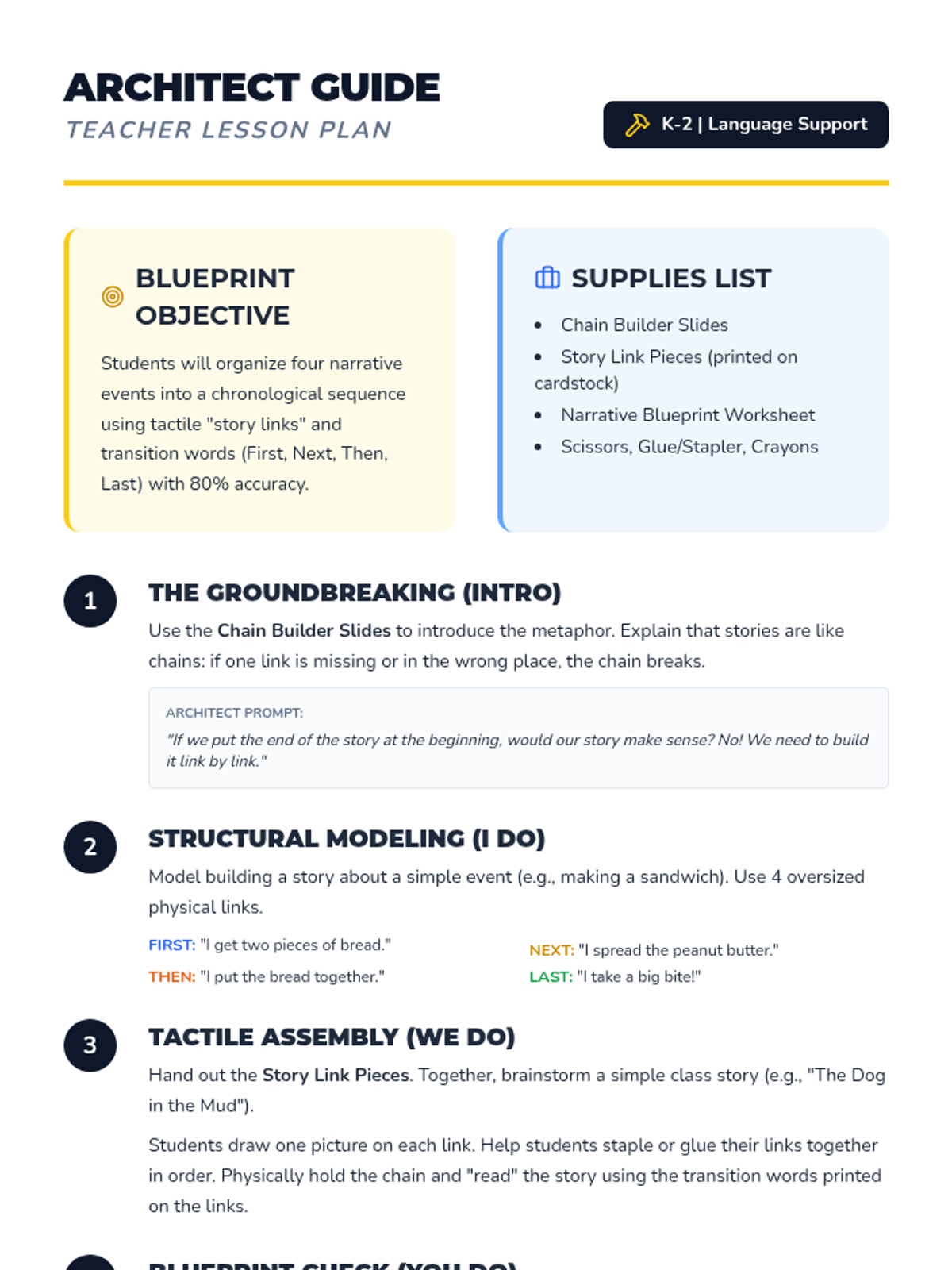
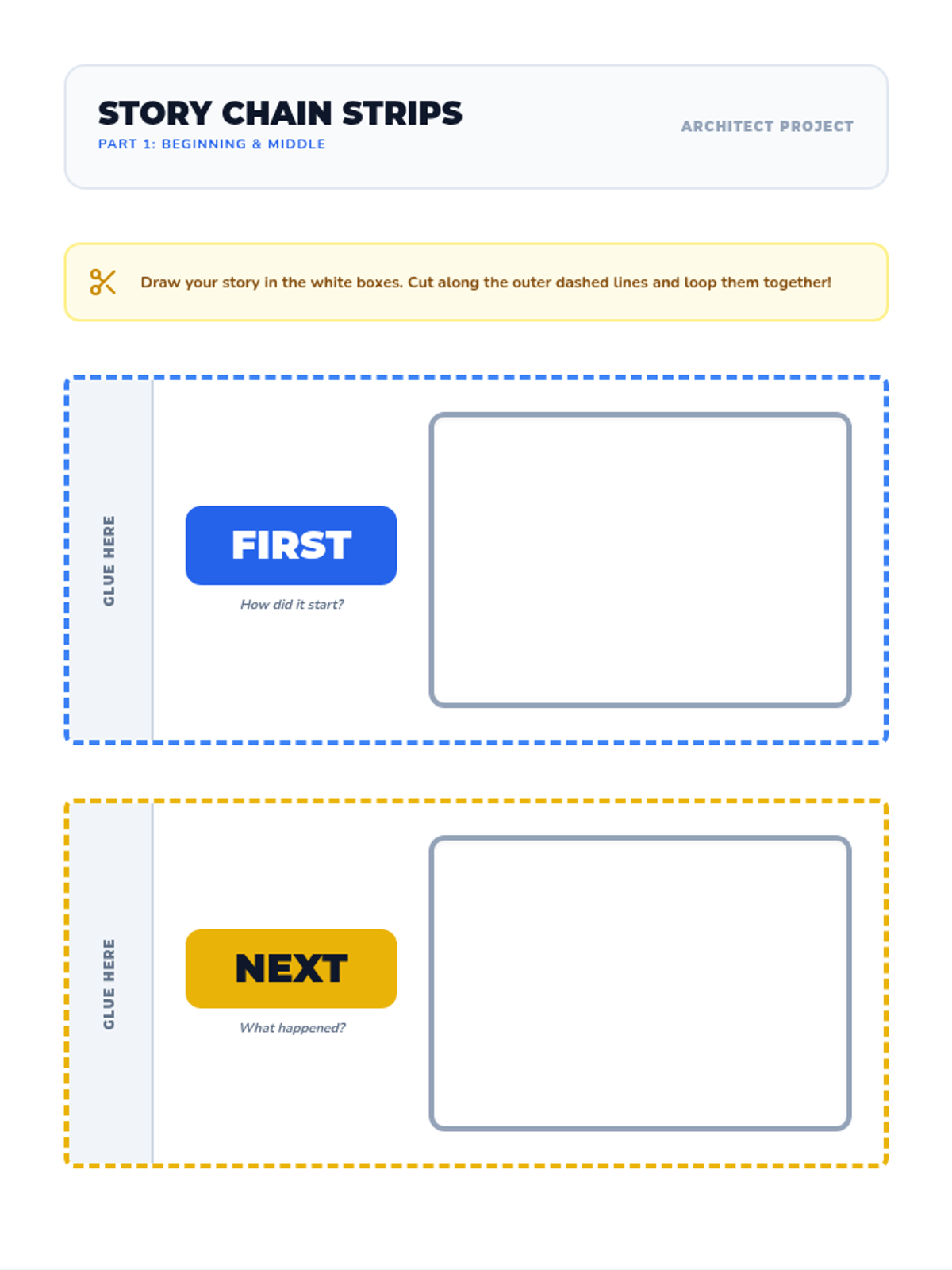
A tactile narrative structure lesson for K-2 students with language delays, using physical 'links' to build story sequences and master transitions.
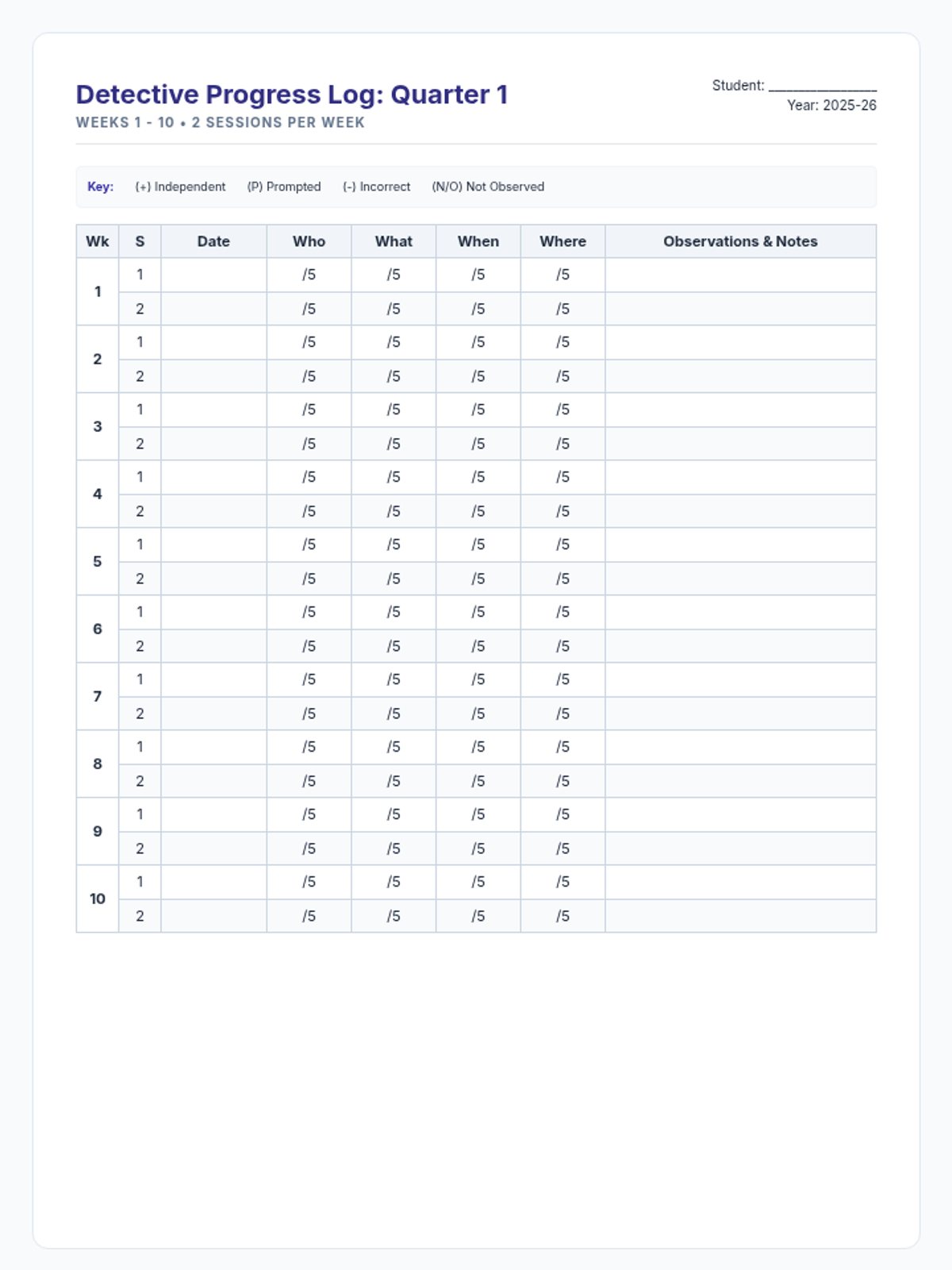
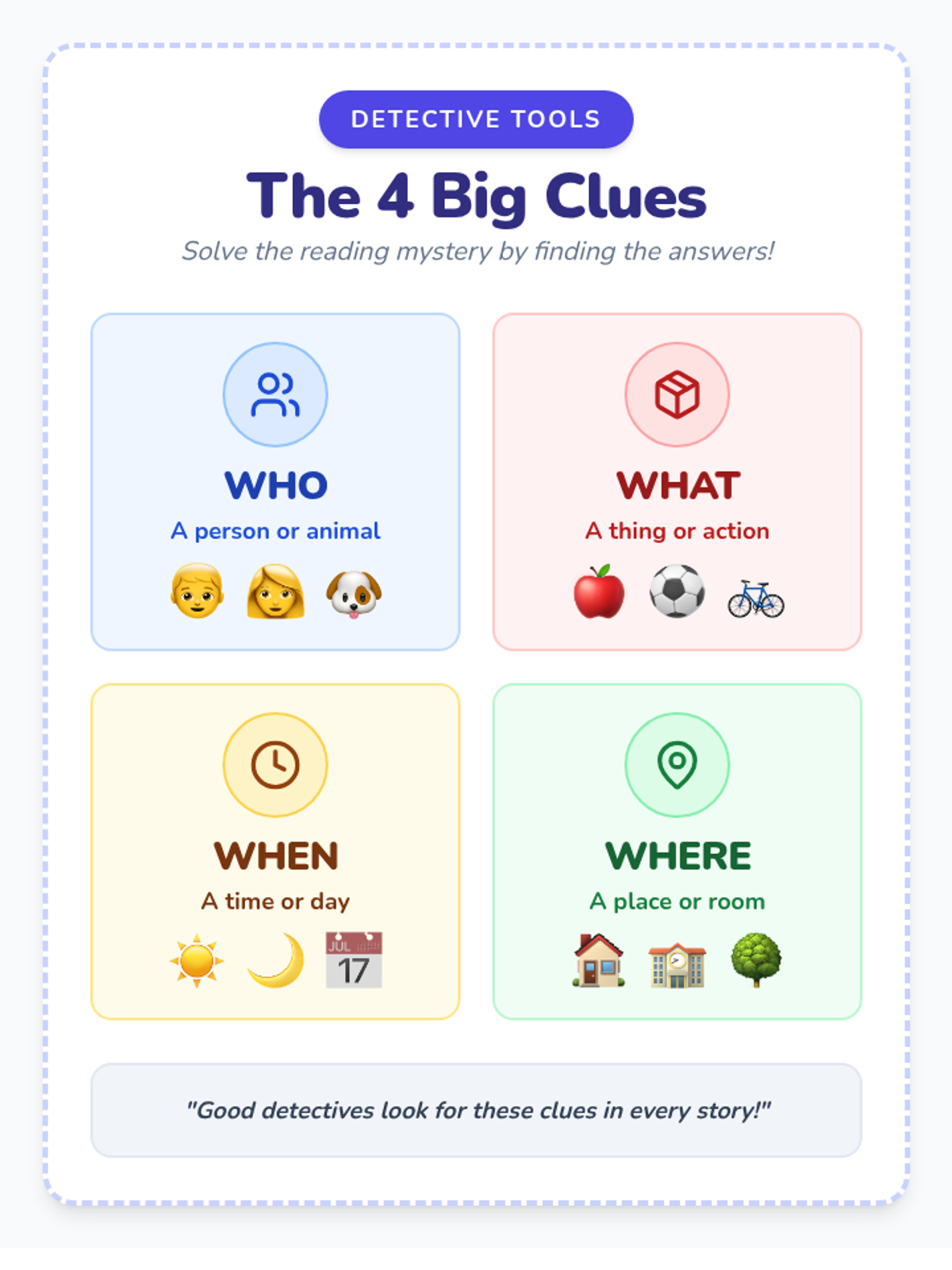
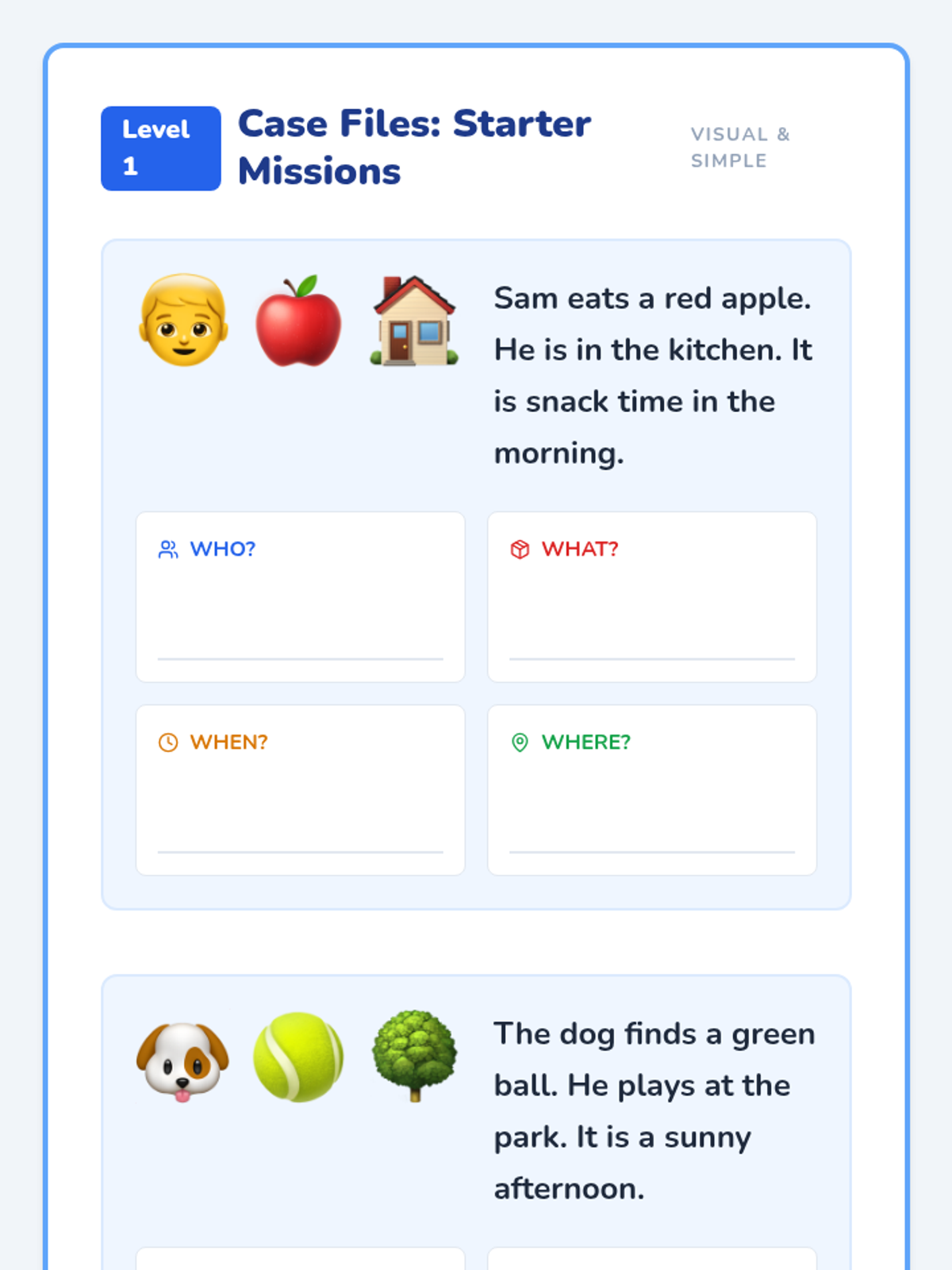
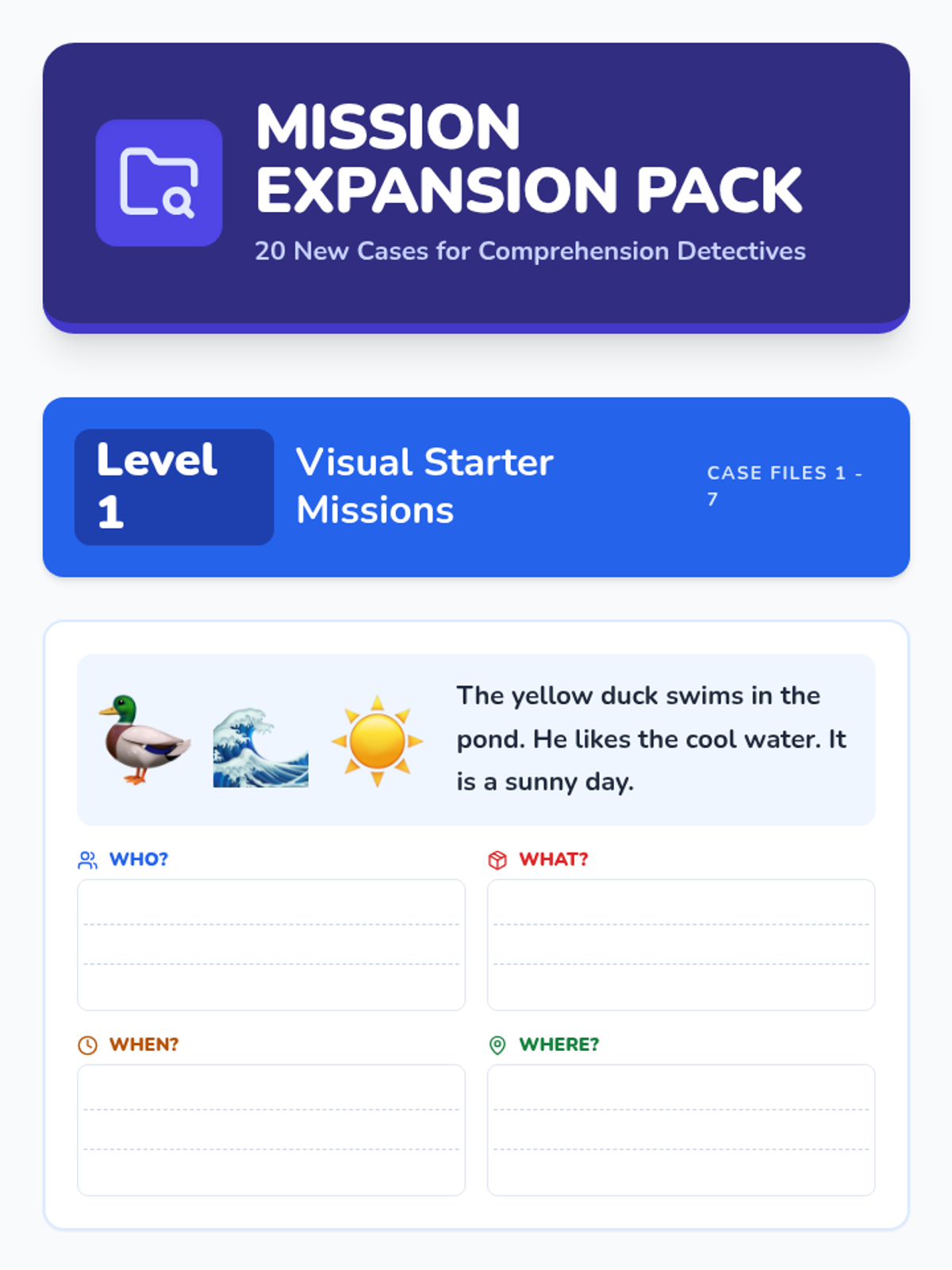
A comprehensive set of materials designed for Level 2 autistic students to build reading comprehension through visual supports and structured progress monitoring. The lesson focuses on identifying 'Who, What, When, and Where' through tiered passages that grow in complexity.
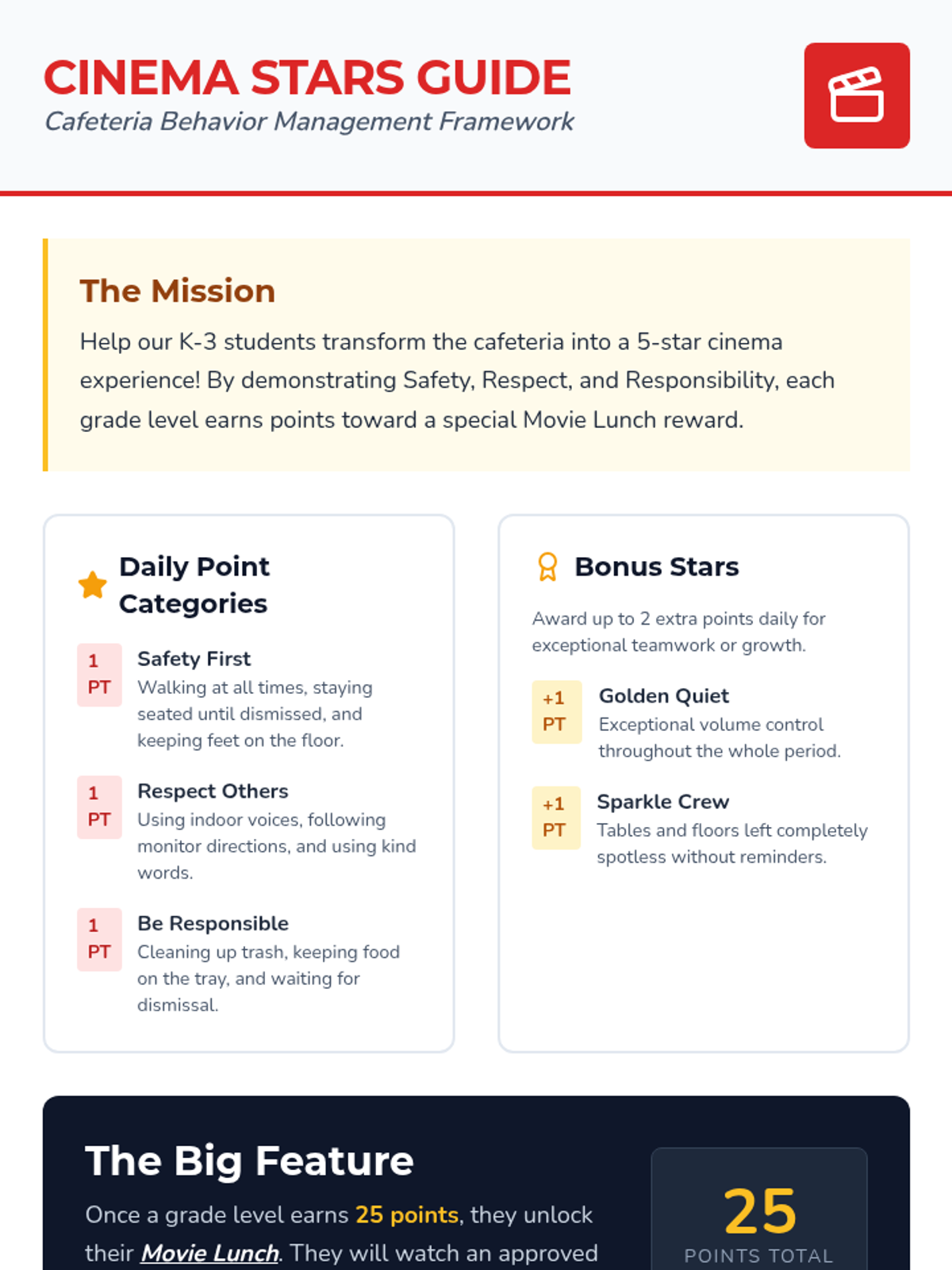
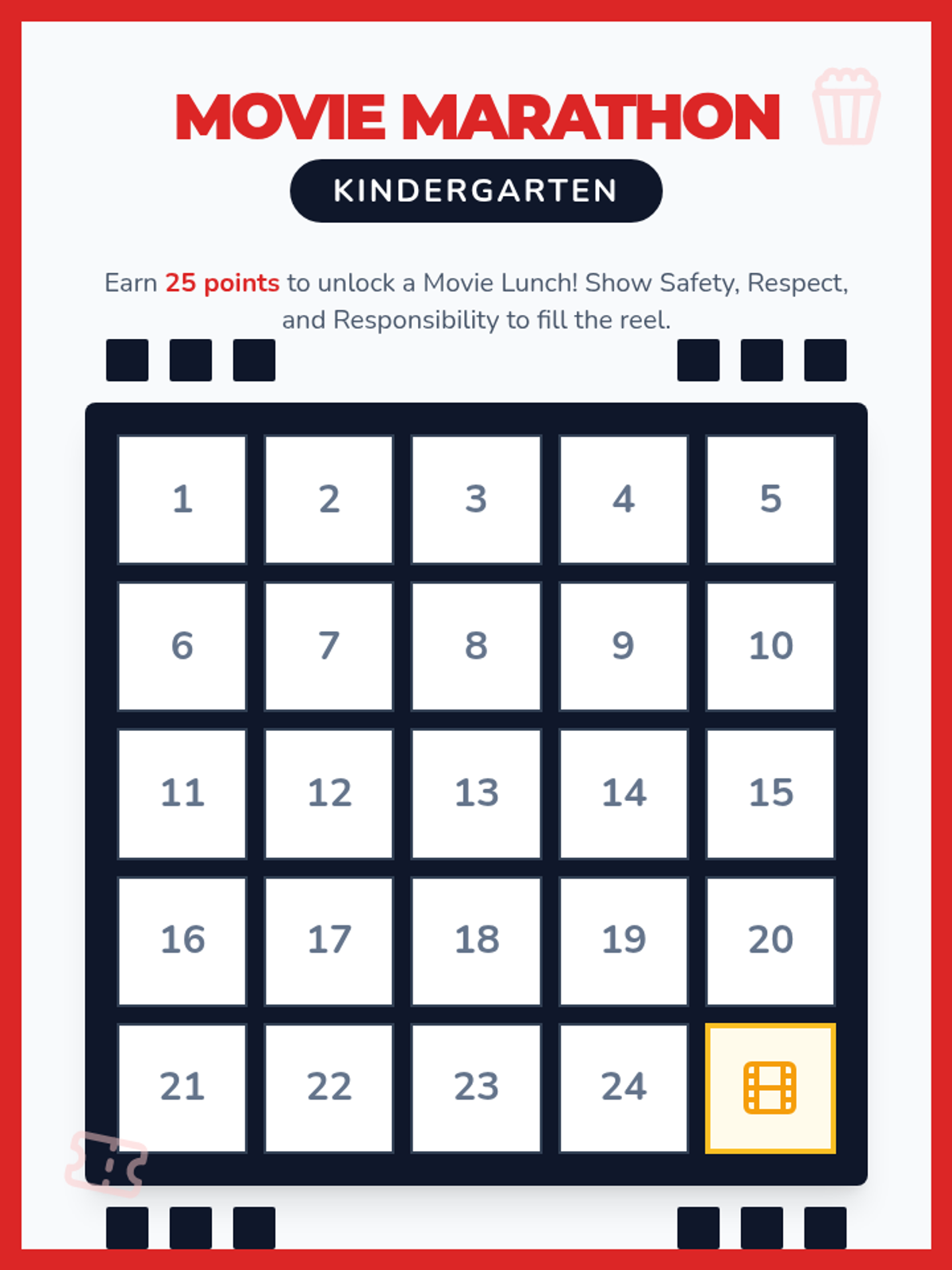
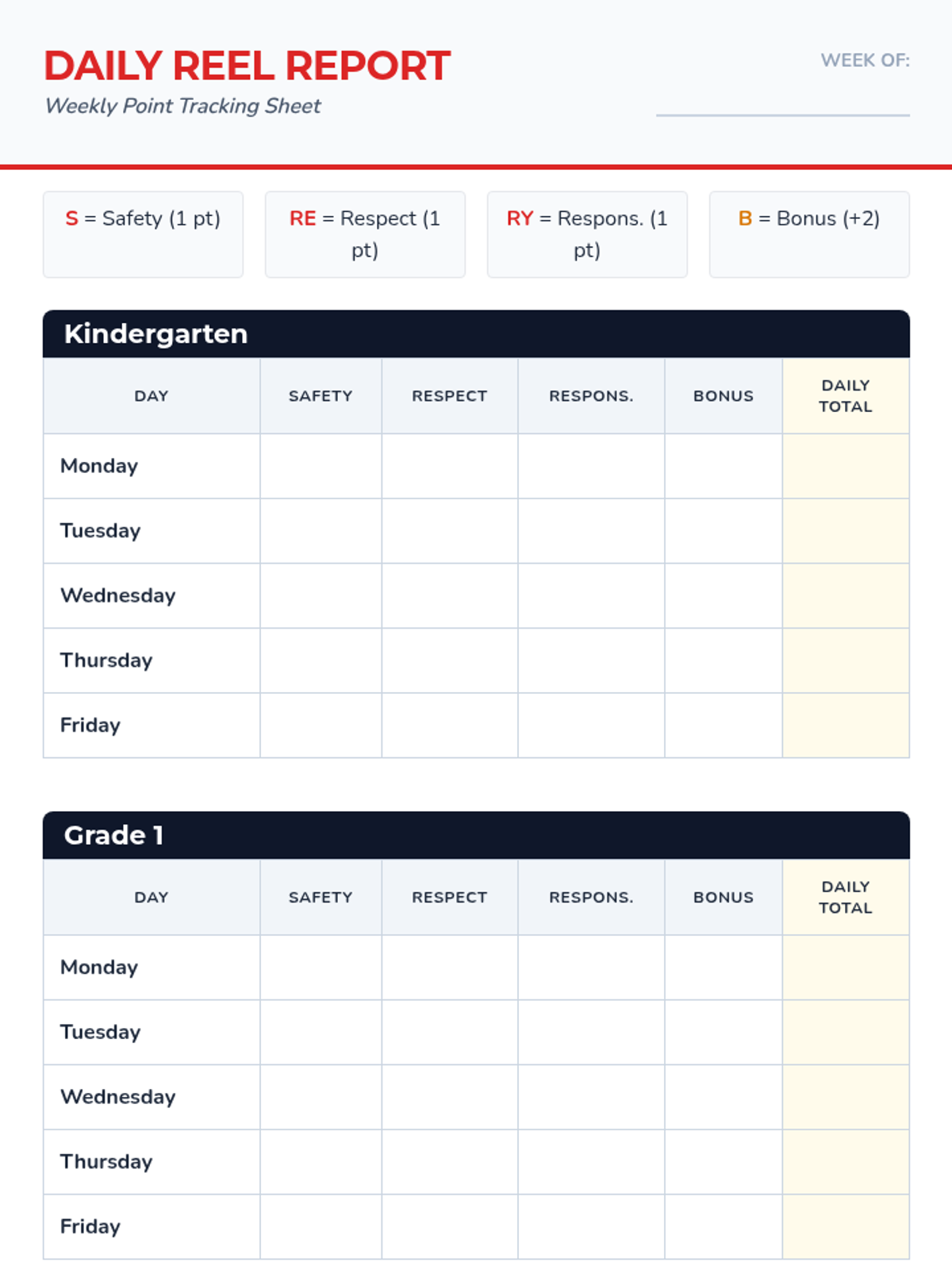
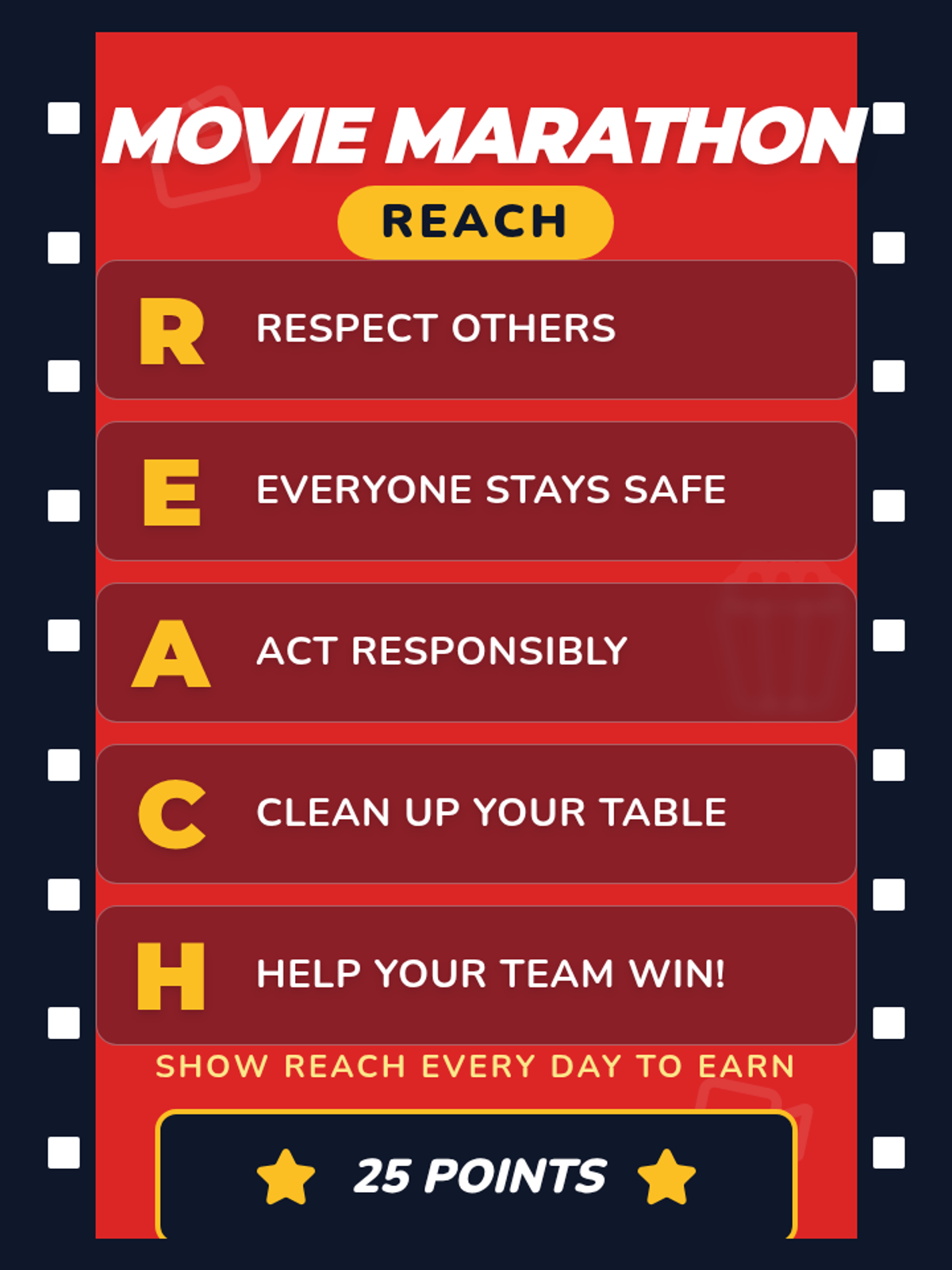
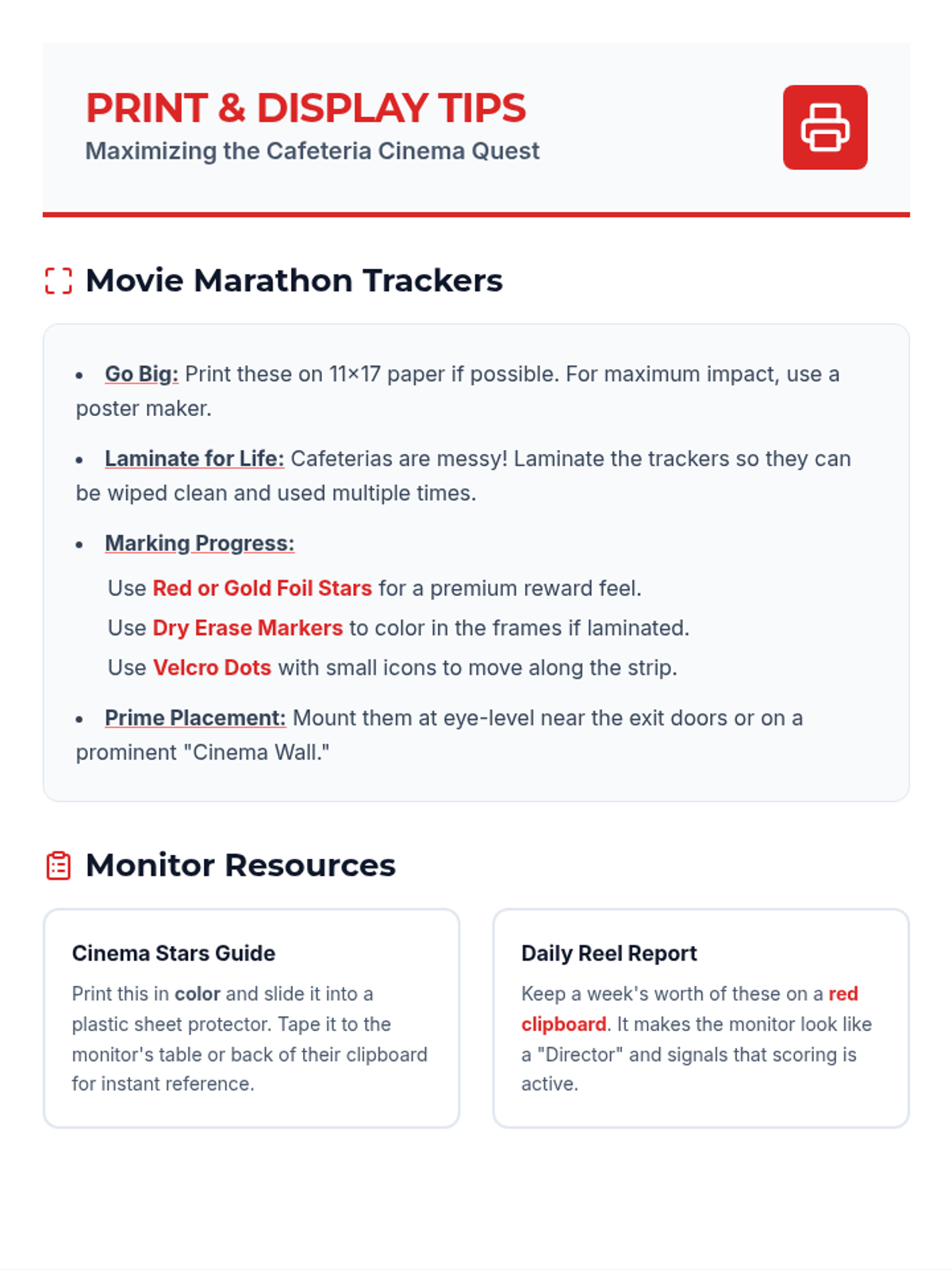
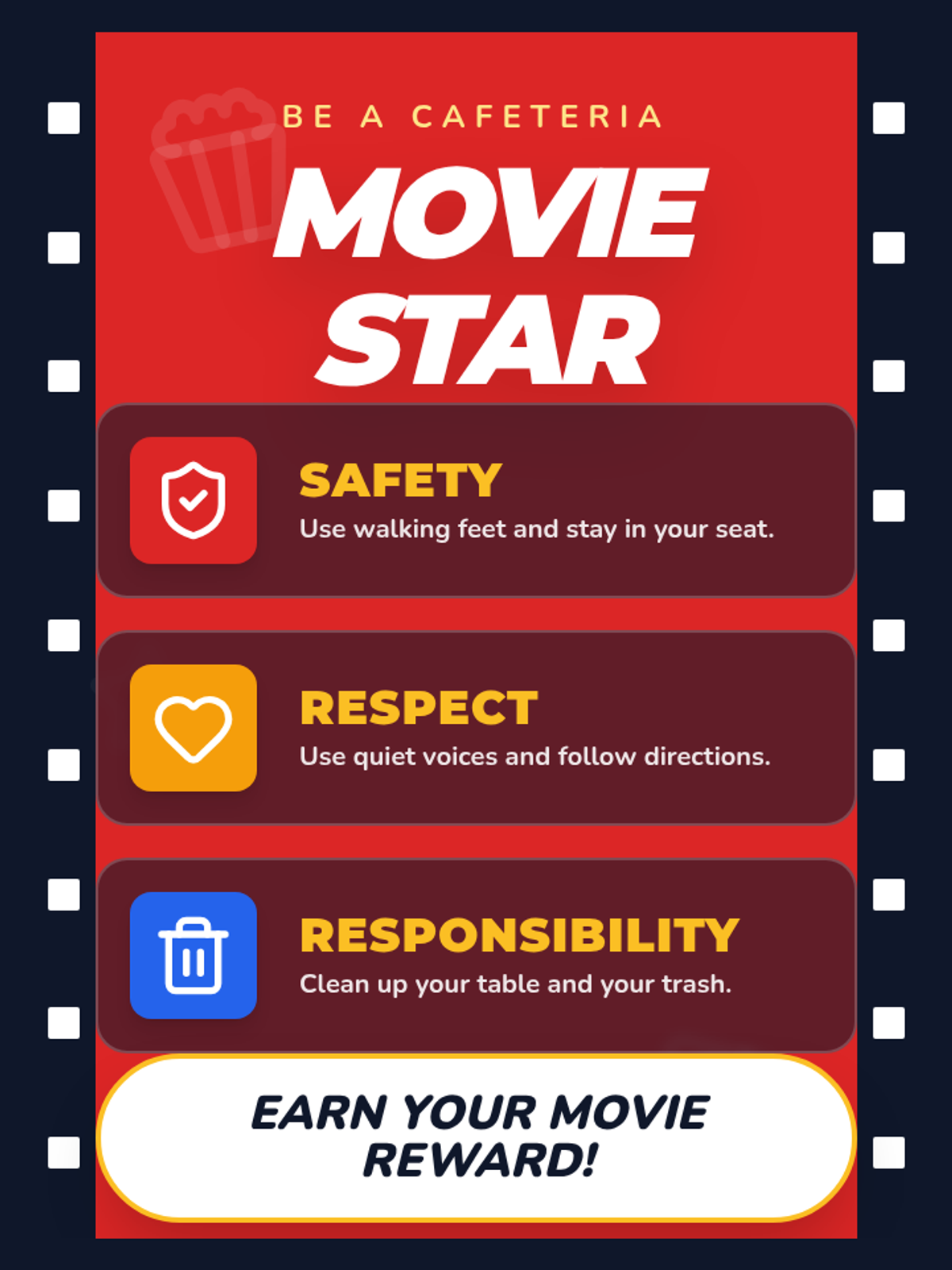
A management system designed for K-3 students to earn a movie reward through positive cafeteria behavior. Includes progress tracking, monitor tools, and introductory slides.
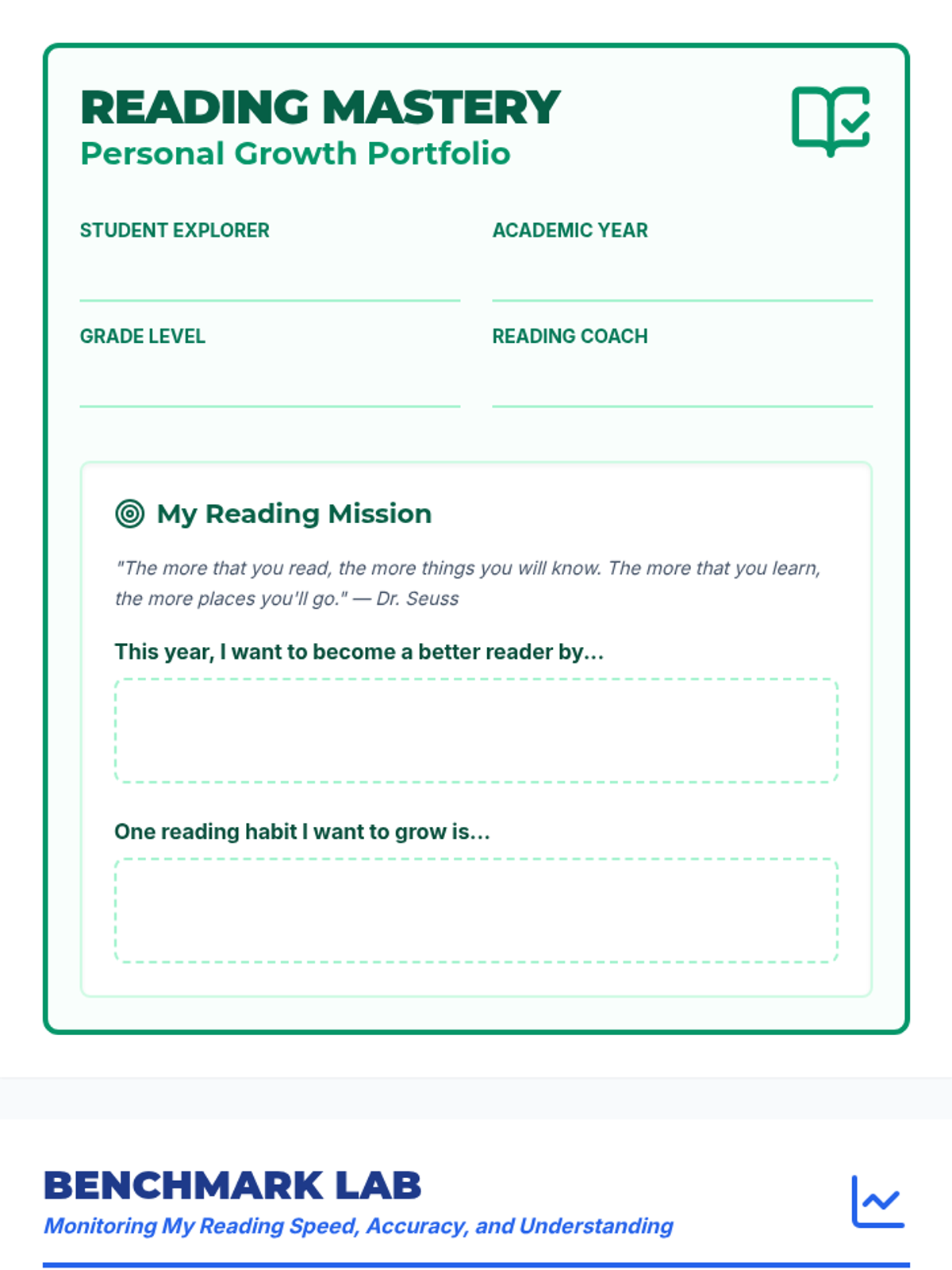
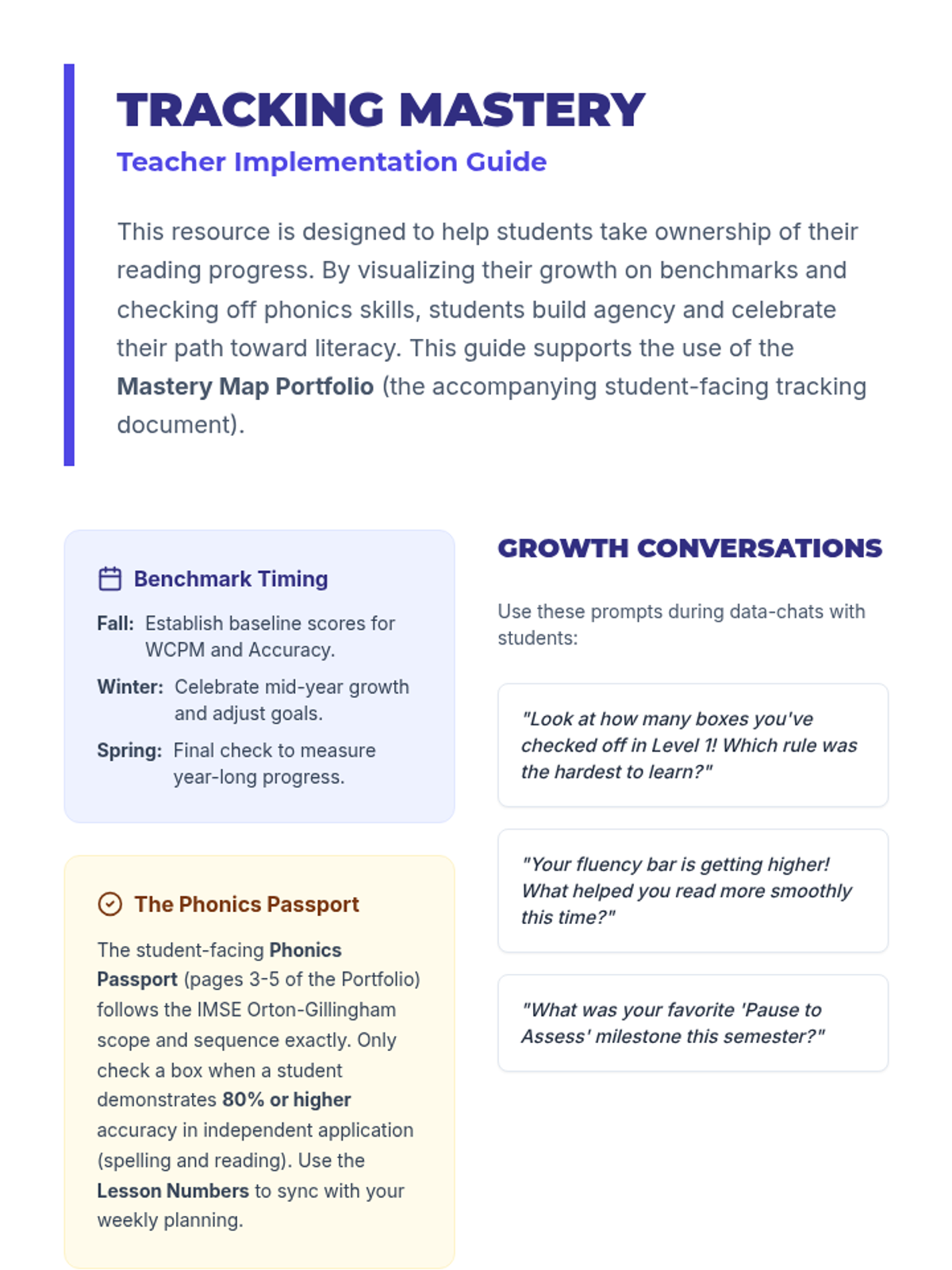
A comprehensive suite of data tracking tools for students to monitor their reading progress, including benchmark assessments and IMSE Orton-Gillingham concept checks from Kindergarten through 5th grade.
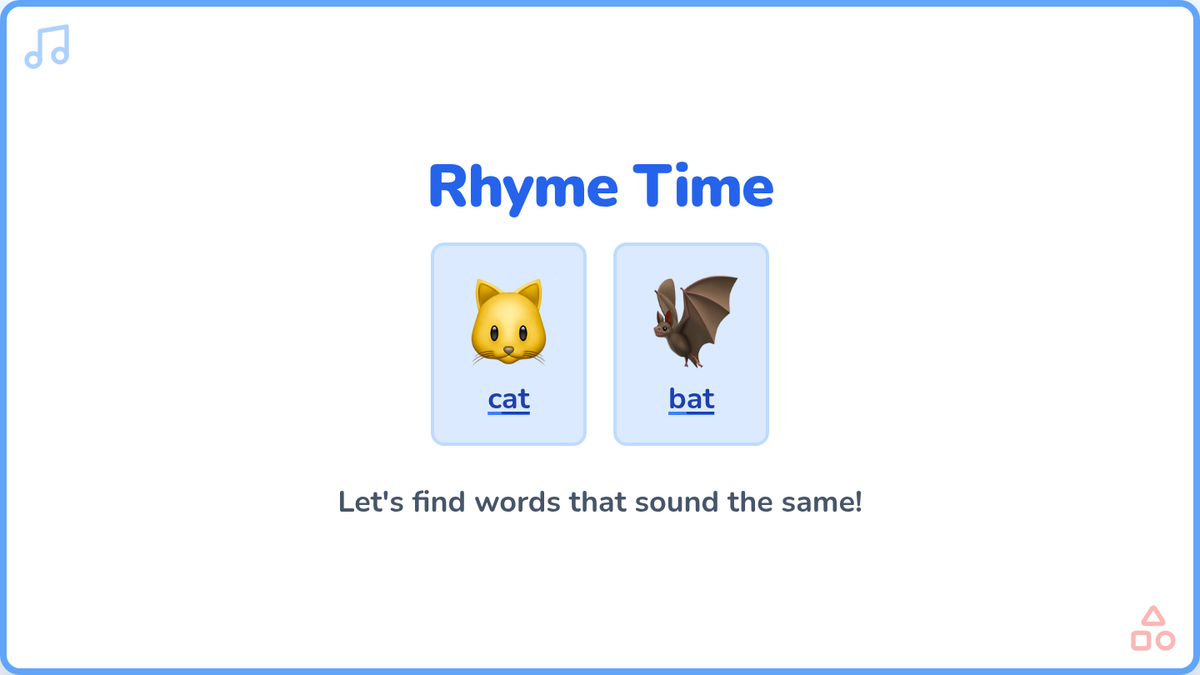
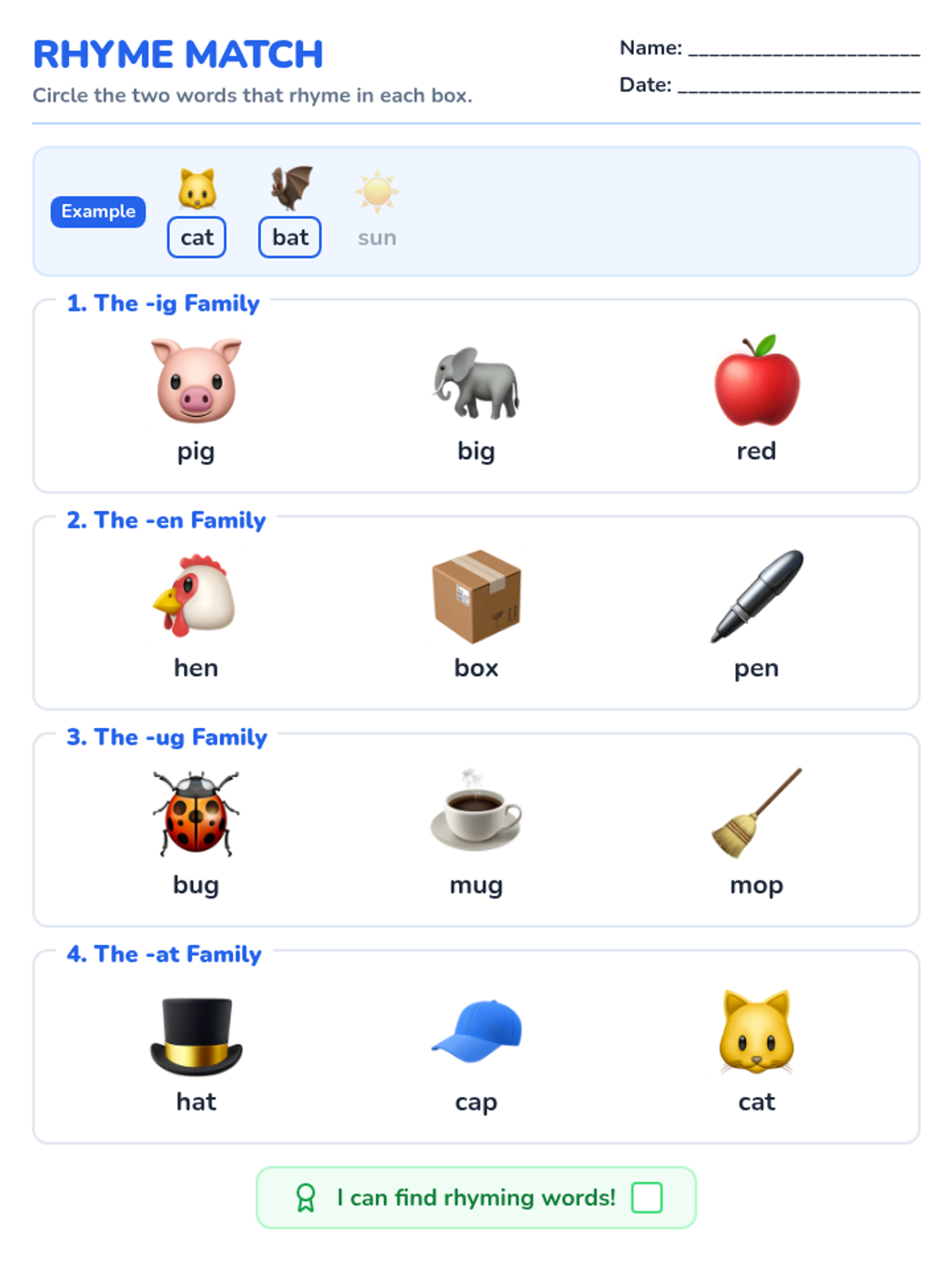
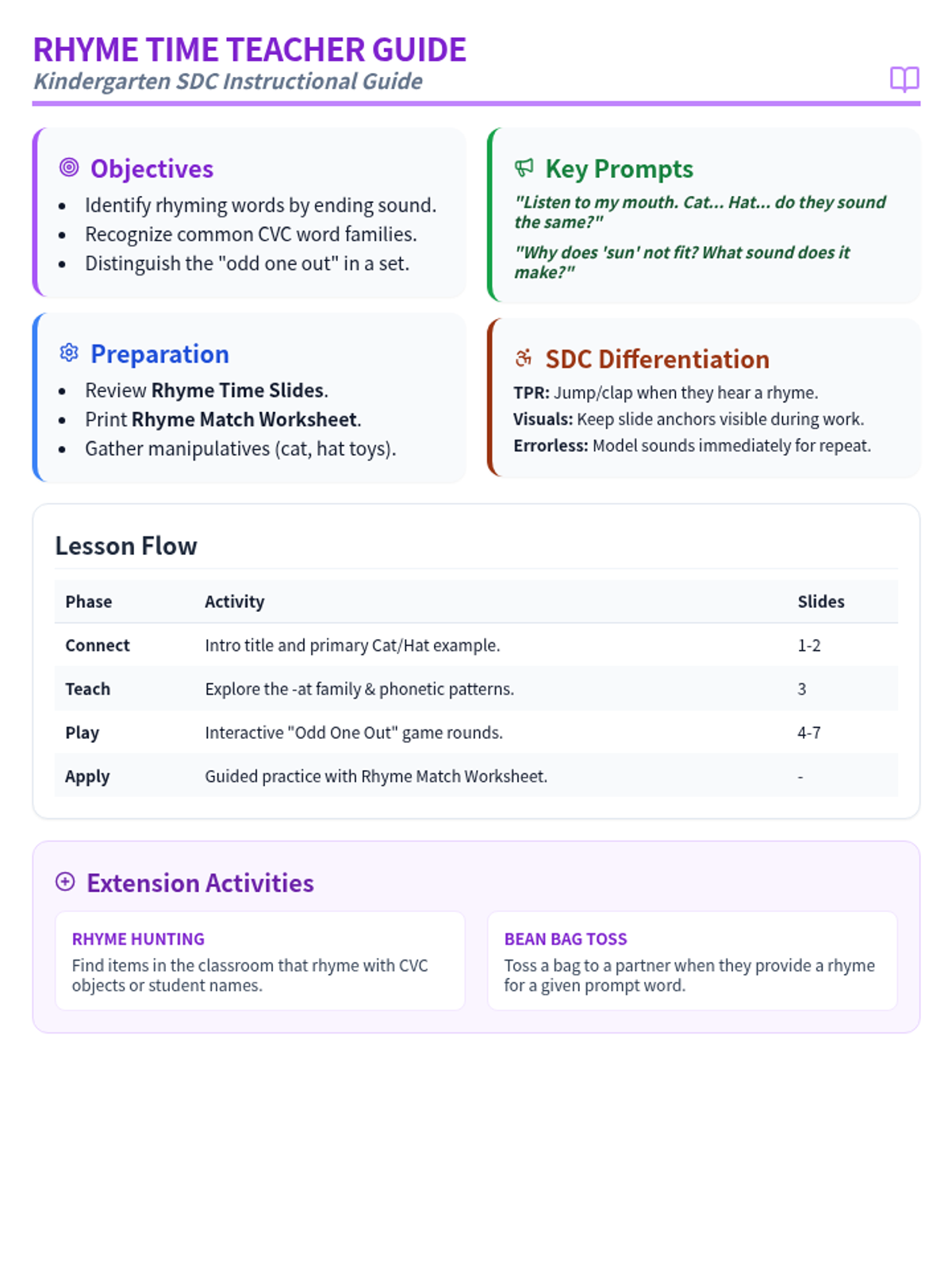
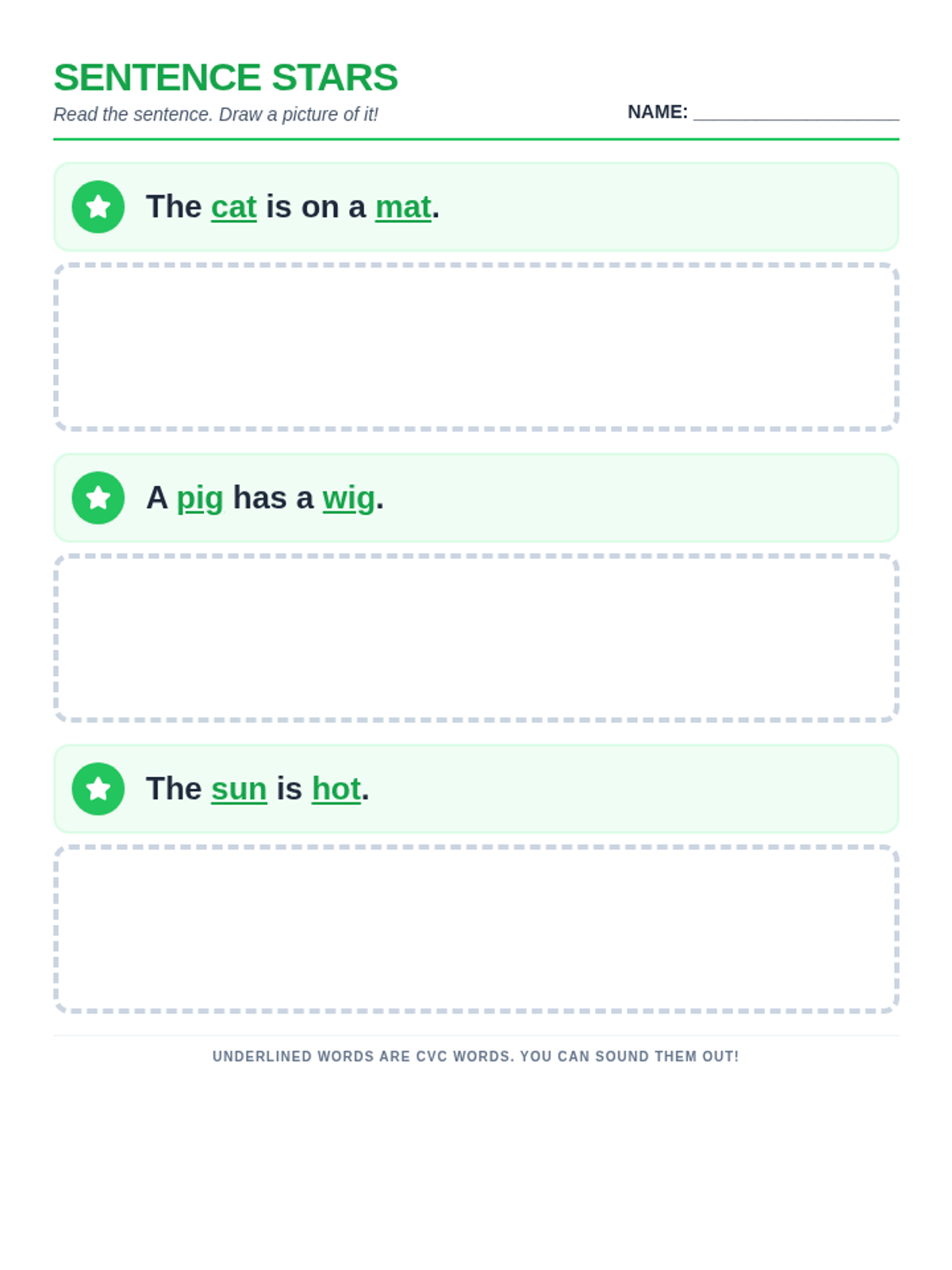
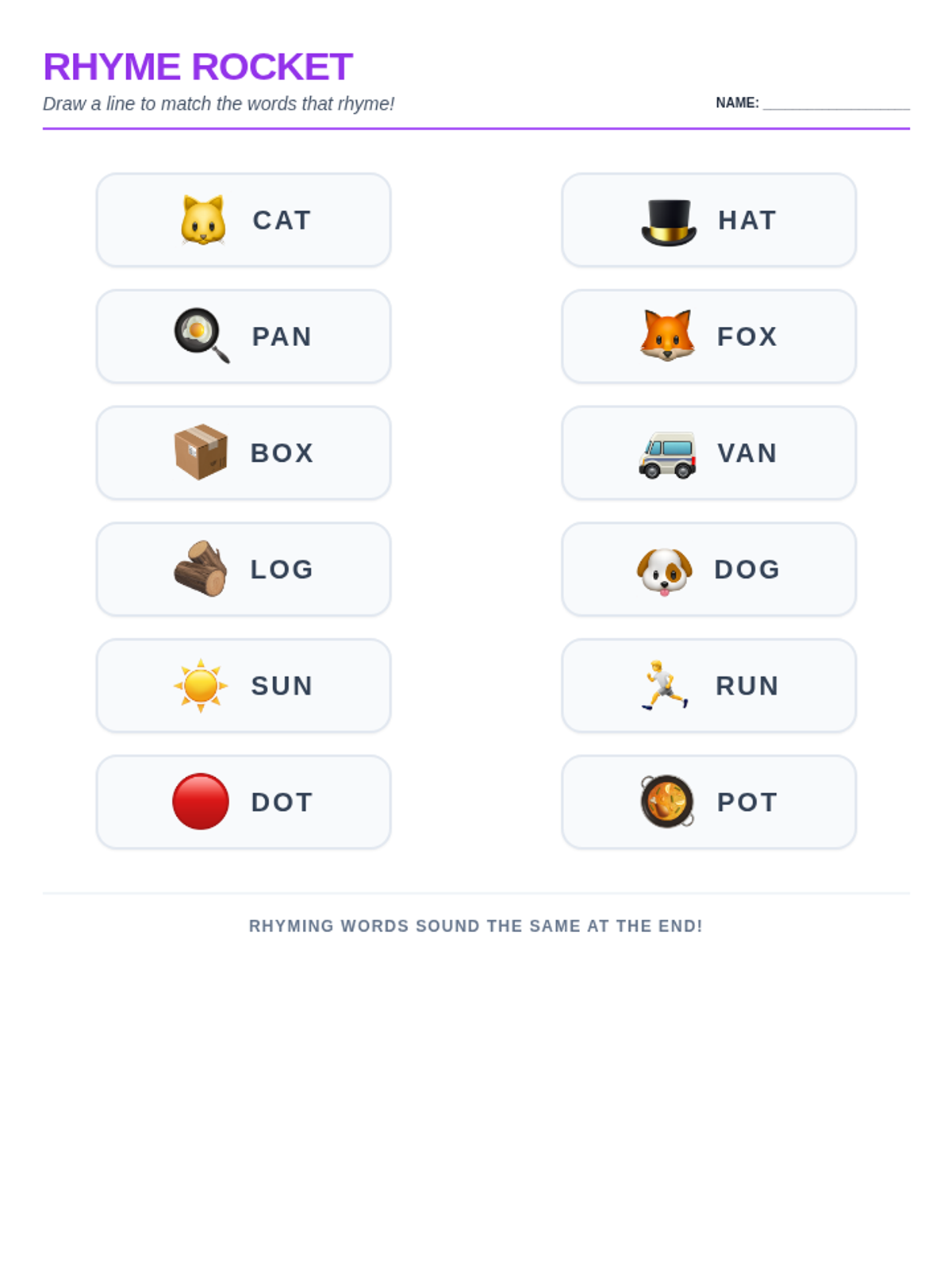
An introductory lesson on rhyming concepts using CVC word families and sight words, specifically designed for Kindergarten SDC students.
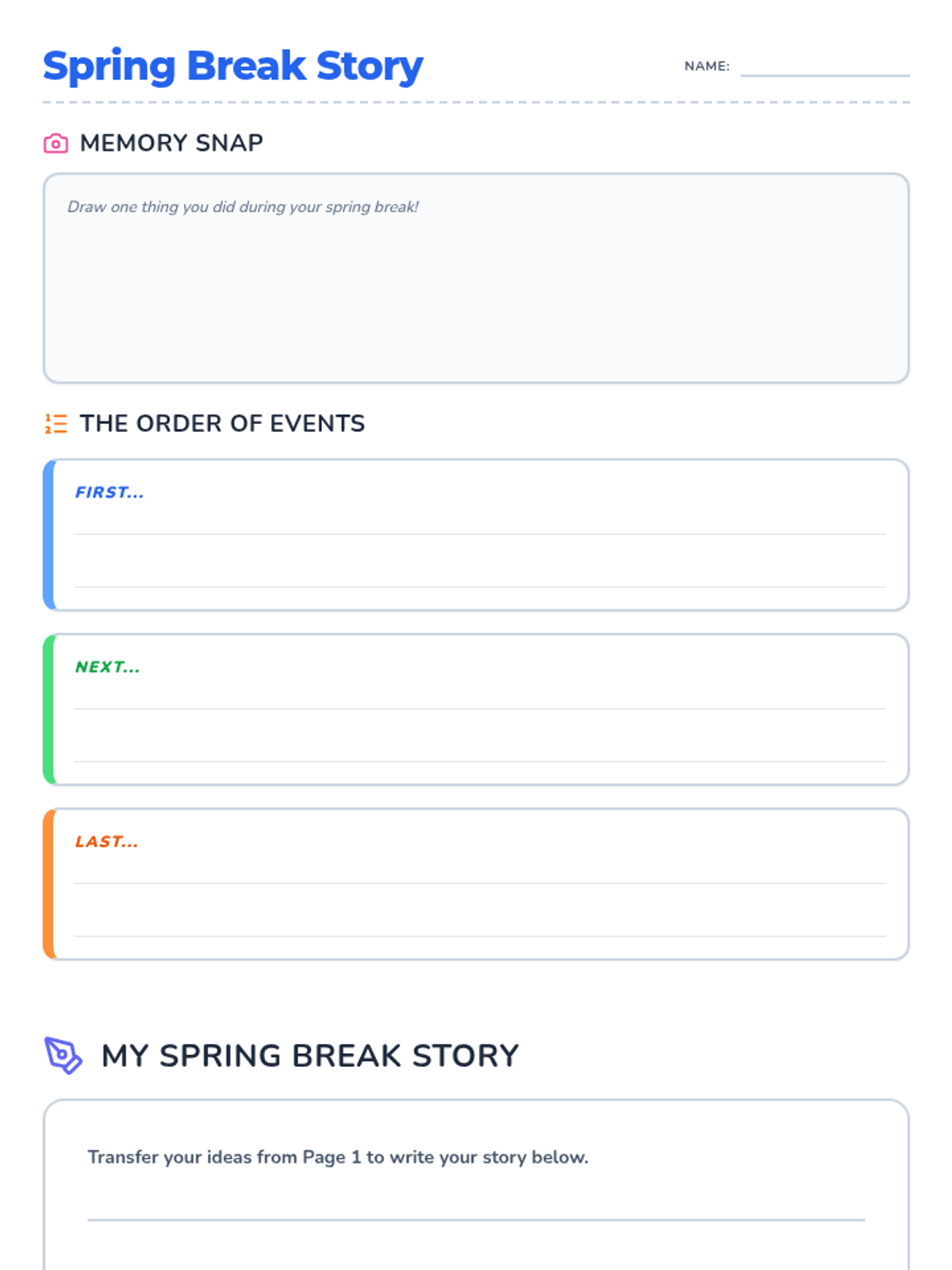
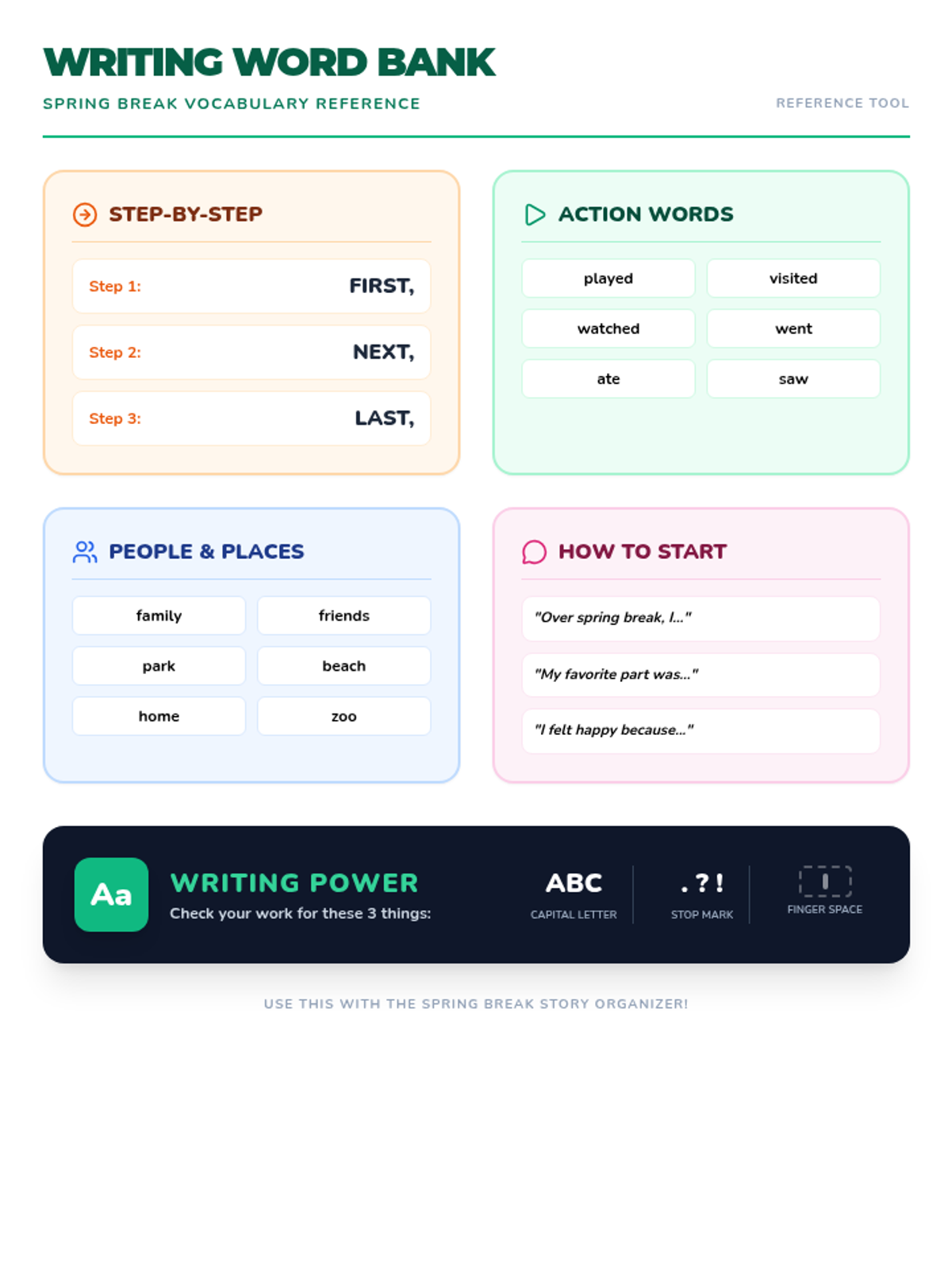
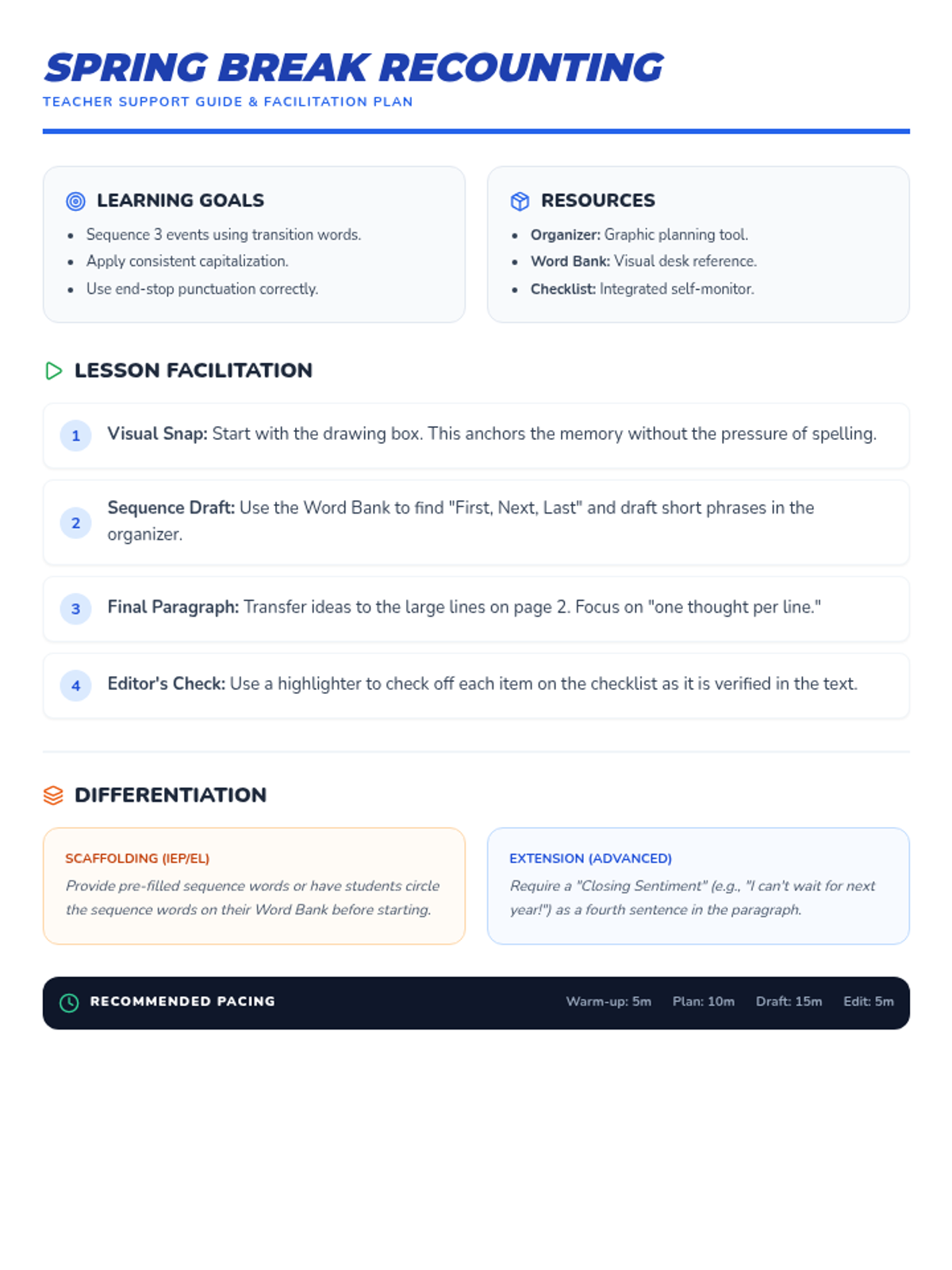
A structured writing lesson to help IEP students recount their spring break experiences using sequencing and proper grammar.
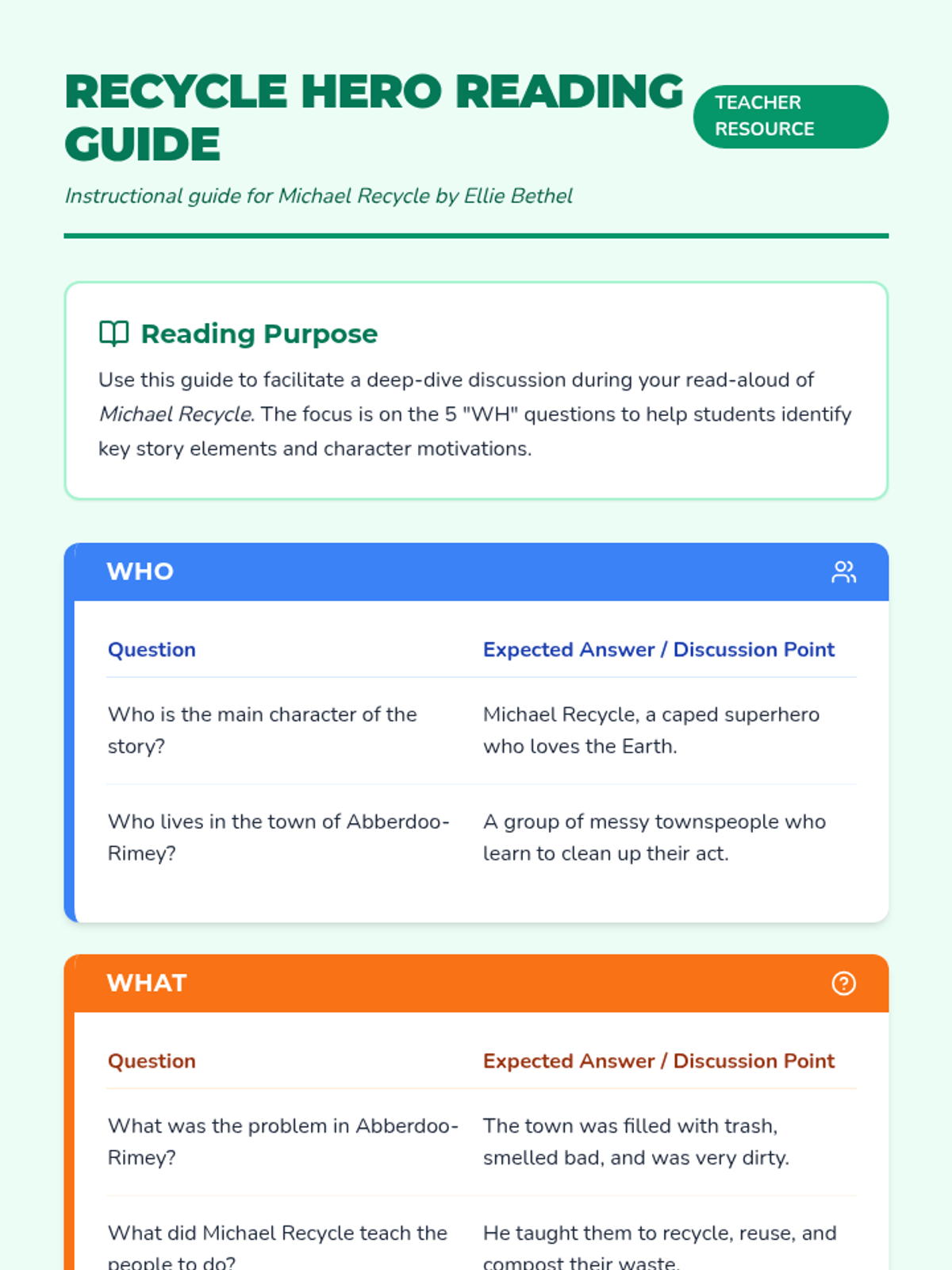
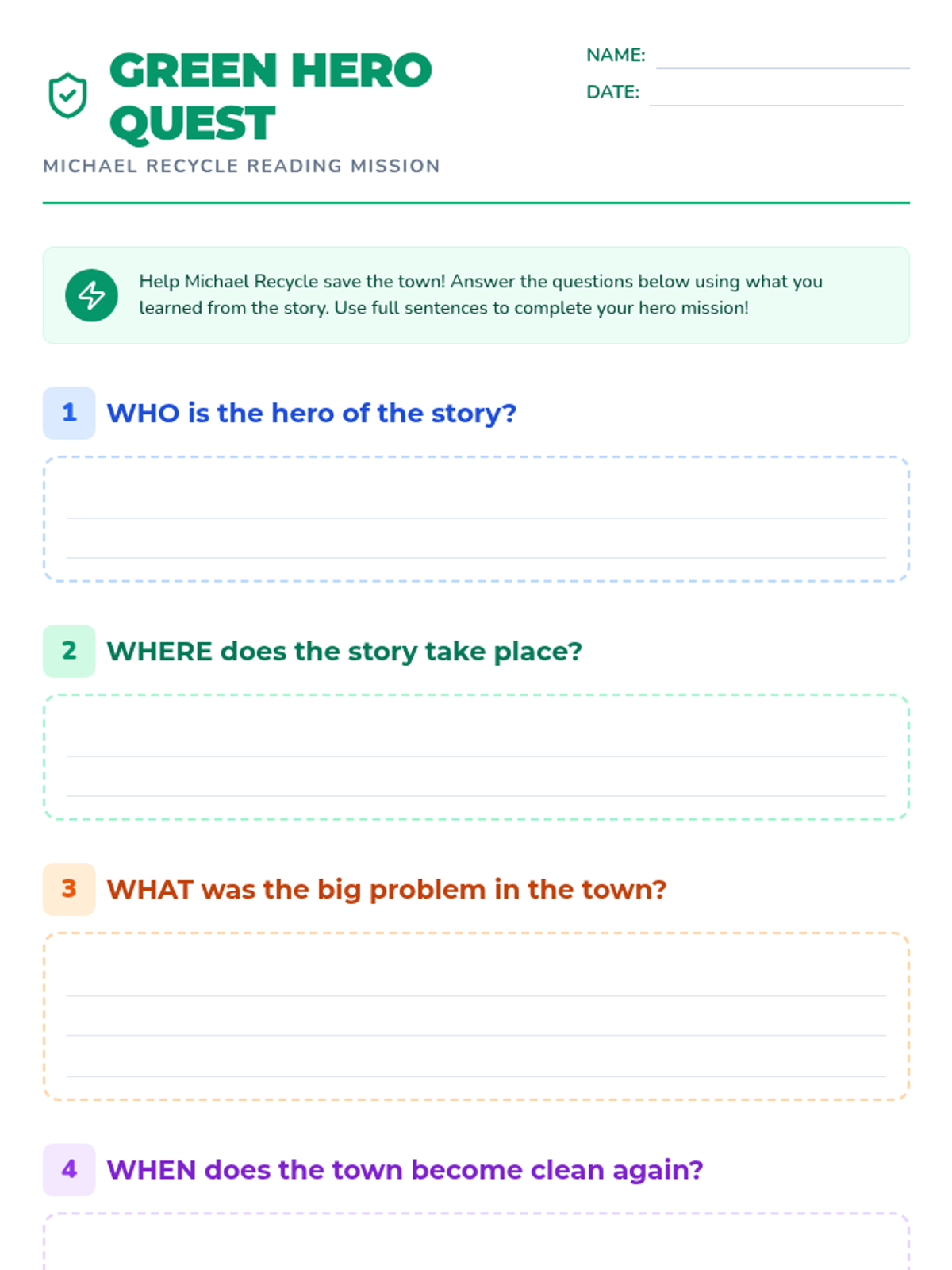
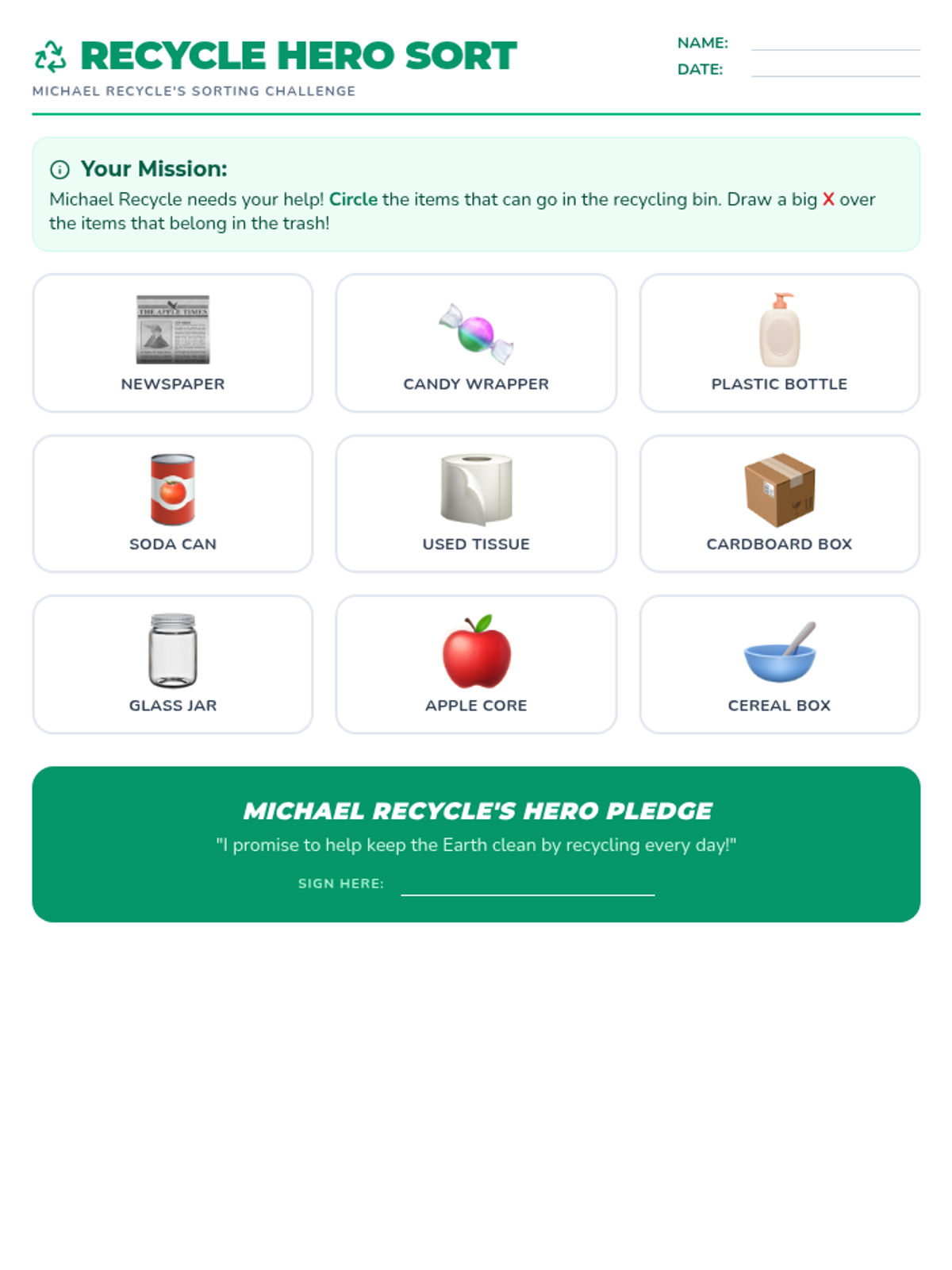
A reading comprehension lesson centered on the book Michael Recycle by Ellie Bethel, focusing on identifying key story elements using WH-questions.
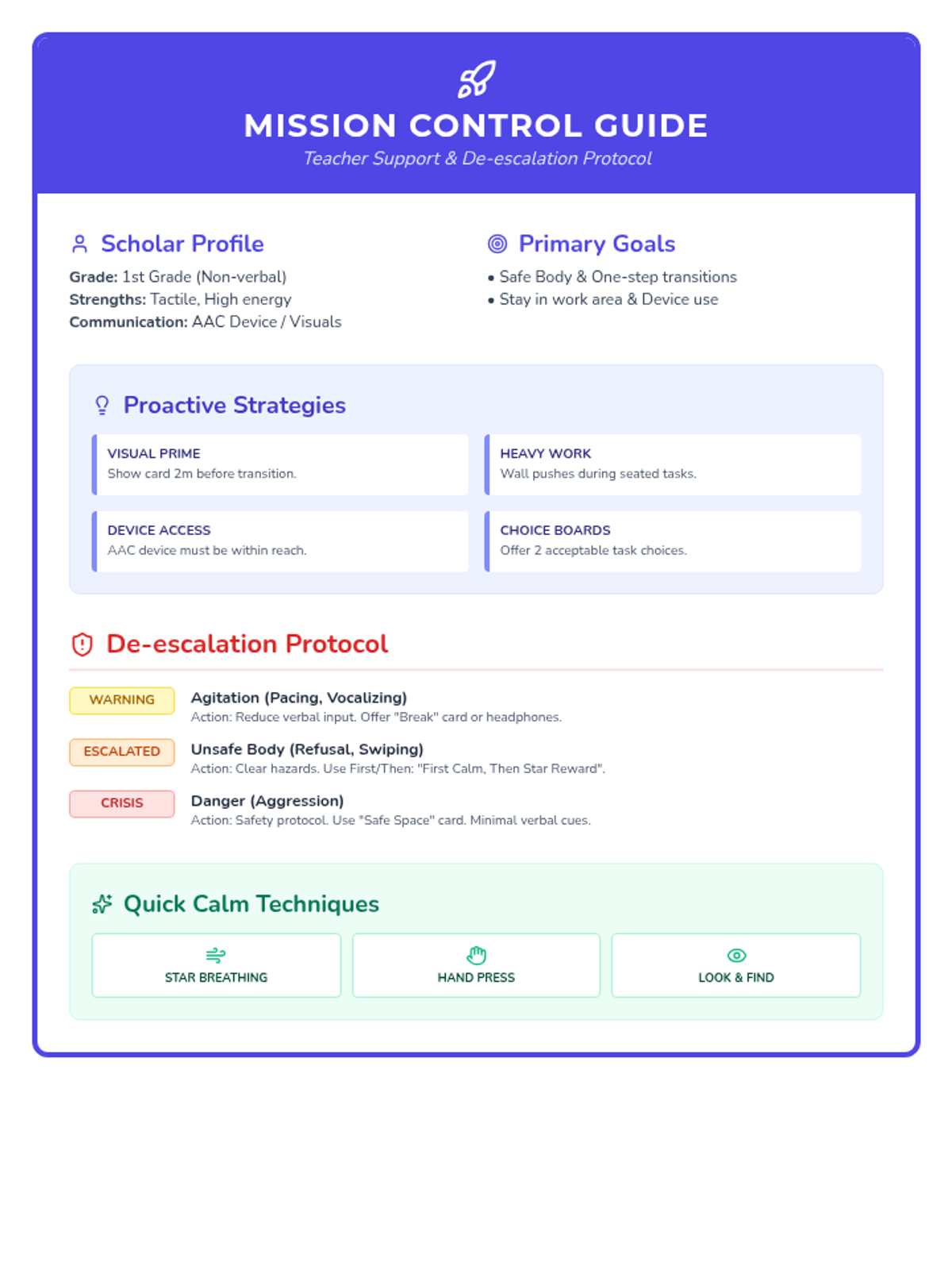
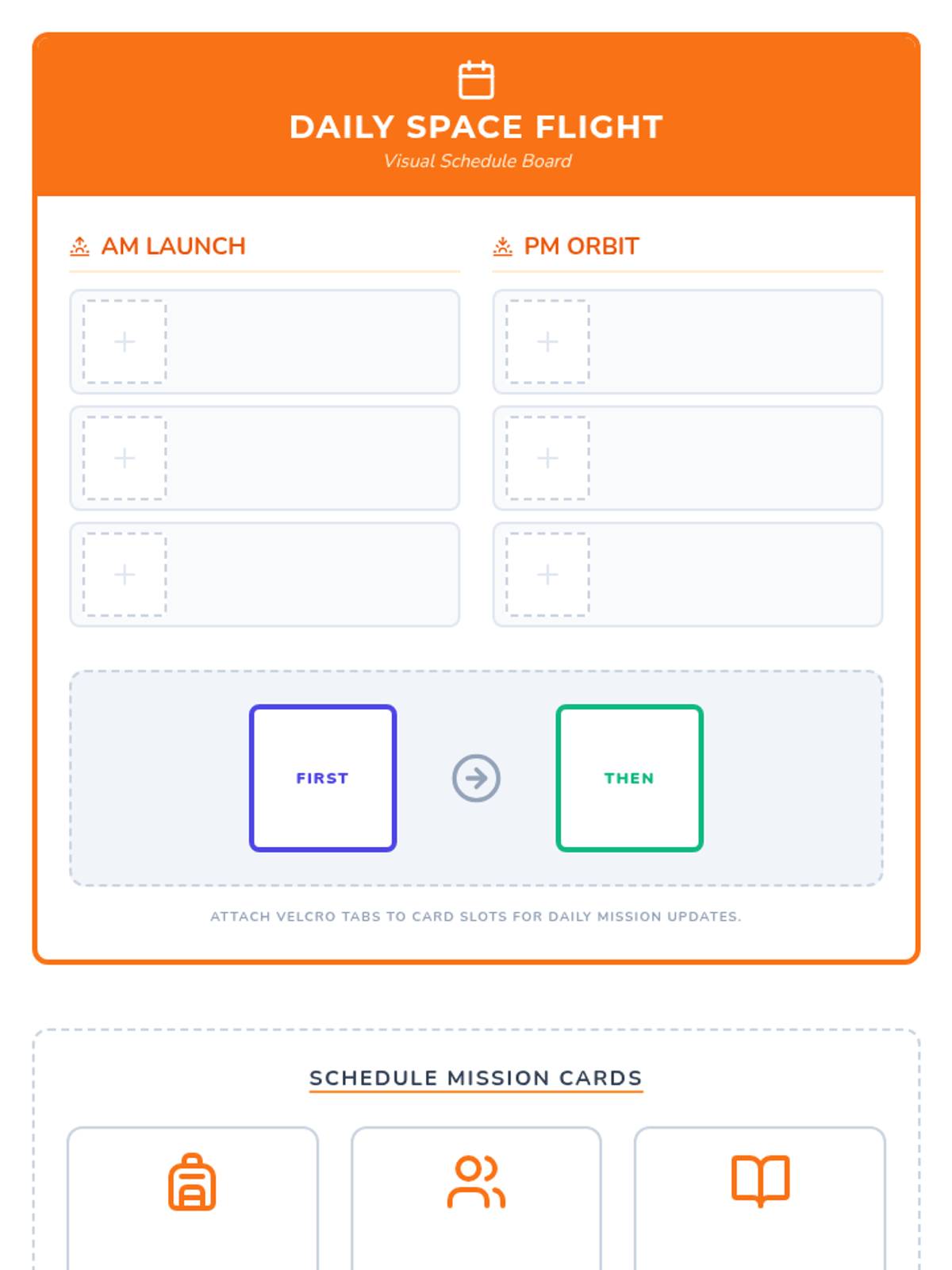
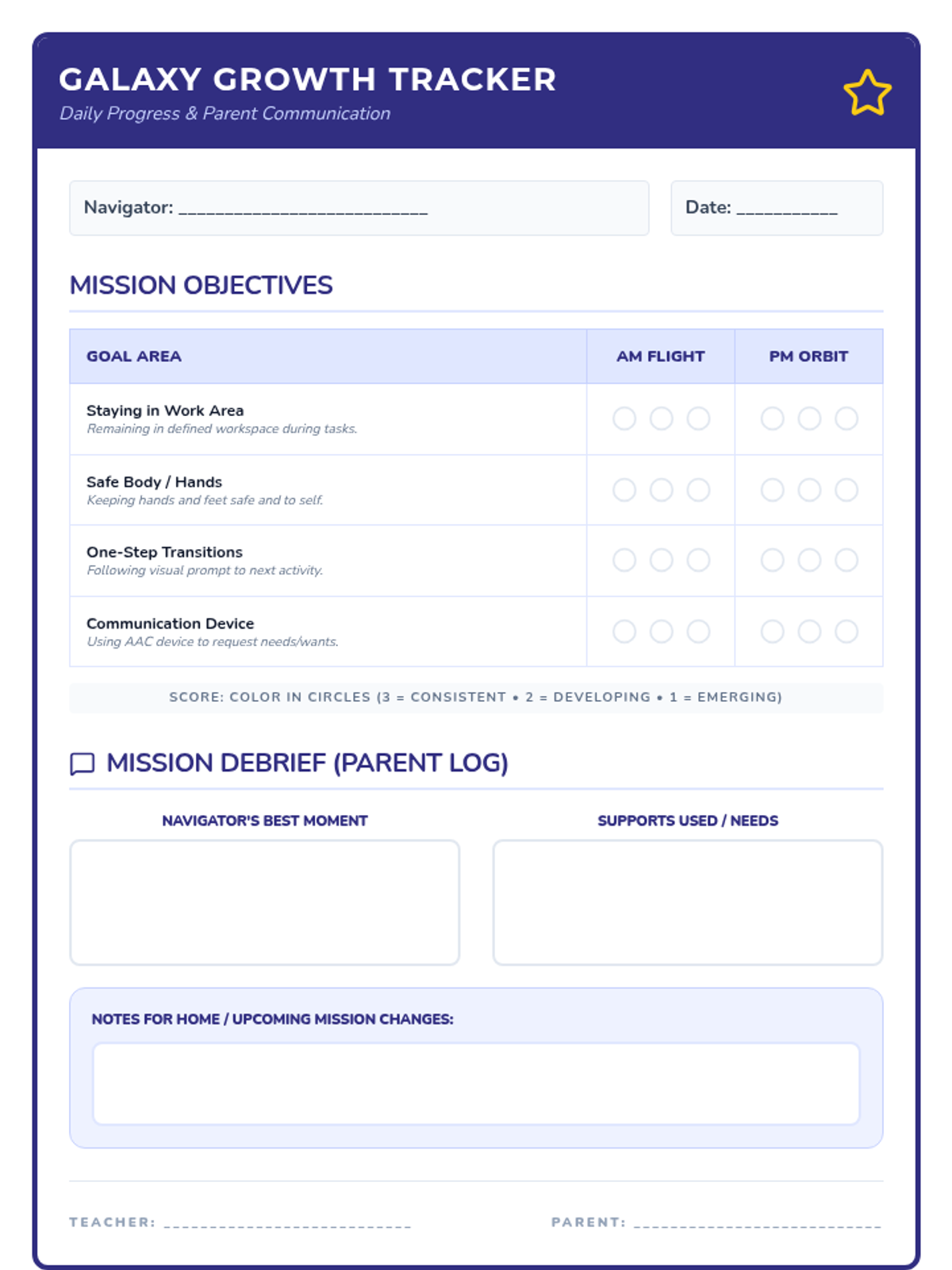
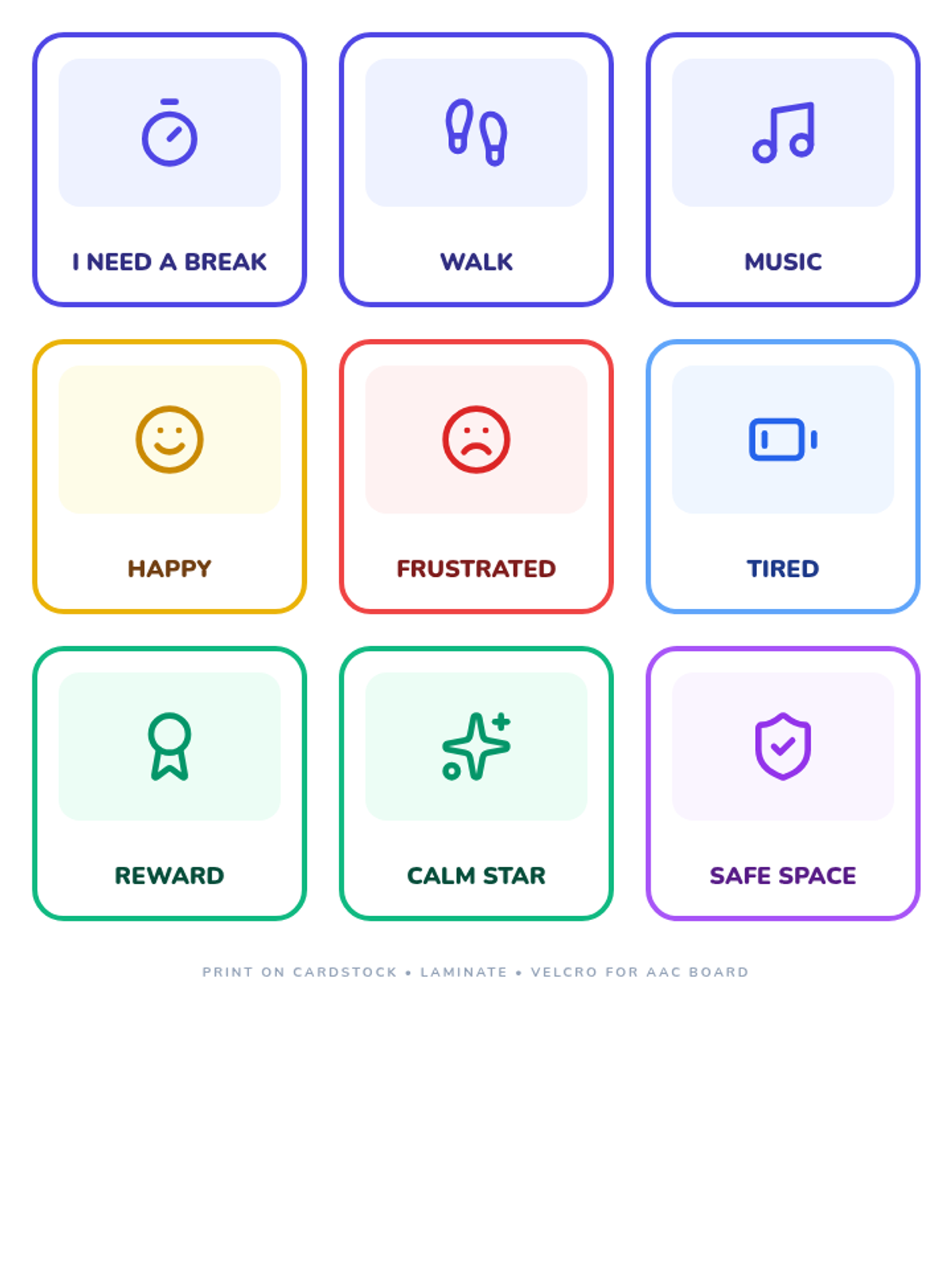
Essential visual and behavioral tools for supporting a non-verbal student in a 1st-grade classroom setting. This lesson includes communication cards, visual schedules, and tracking systems tailored to specific behavioral goals.
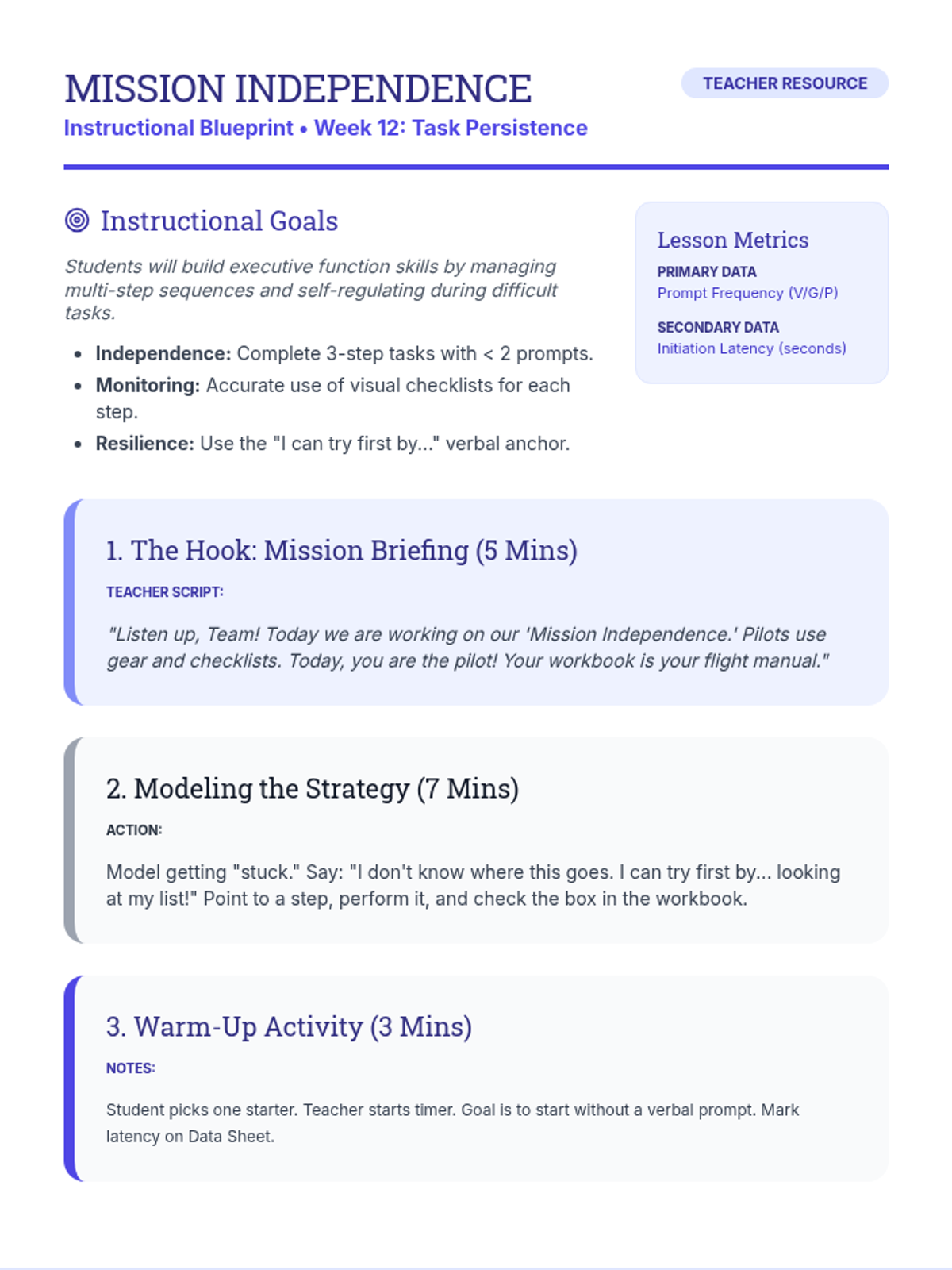
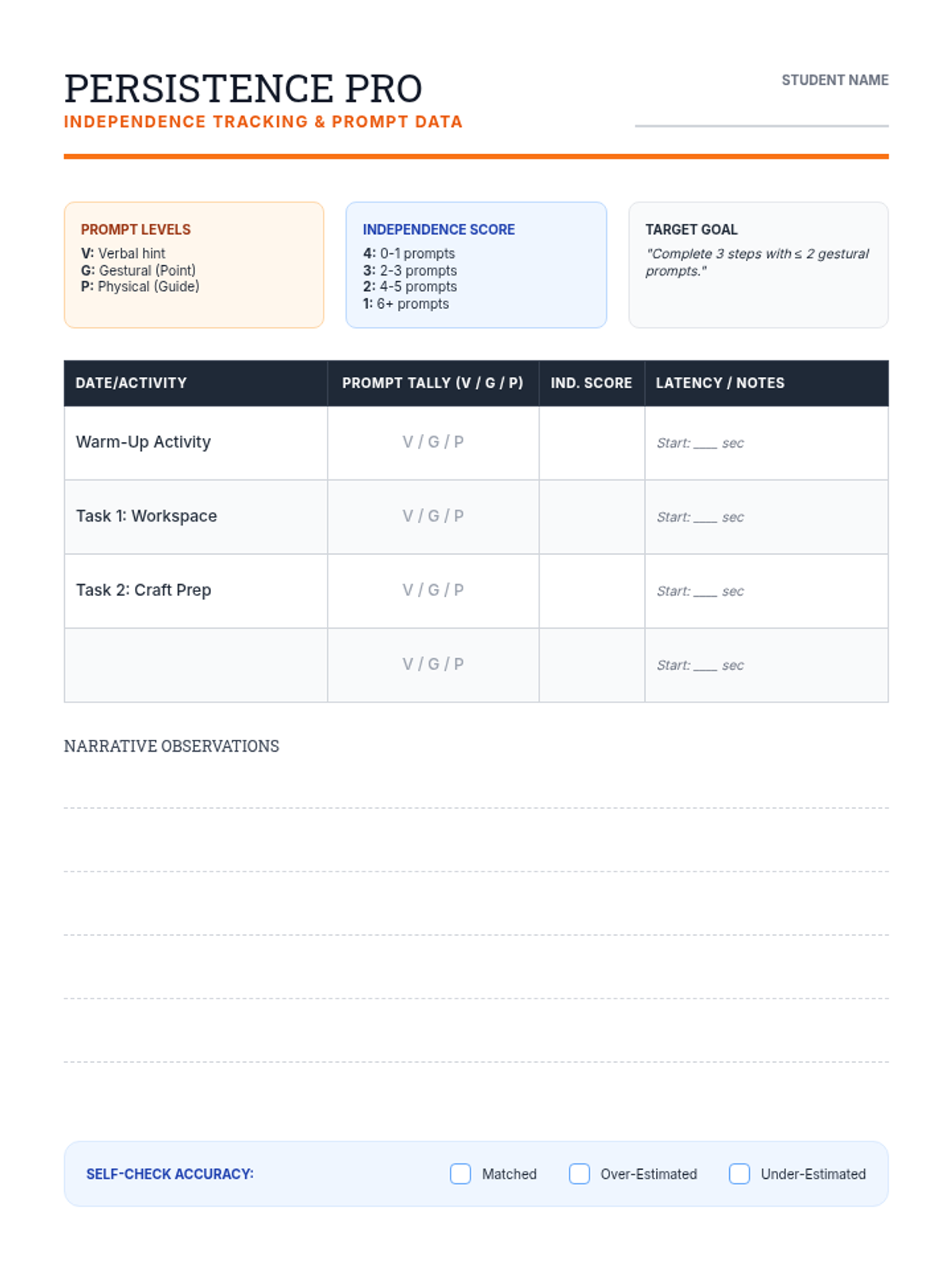
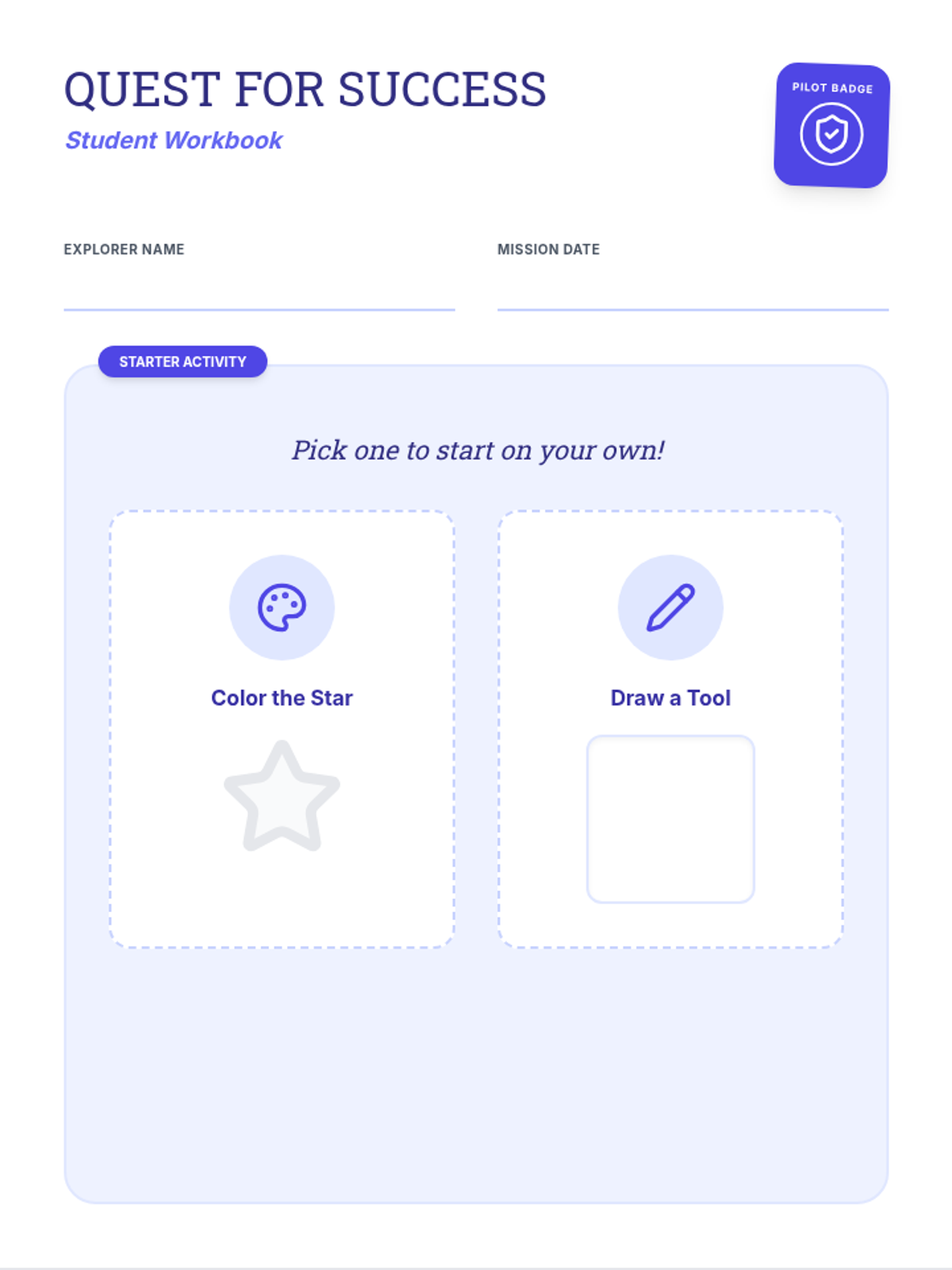
A comprehensive lesson focused on building task persistence and independence in 1st-grade students through structured 3-step tasks, visual checklists, and self-monitoring strategies.
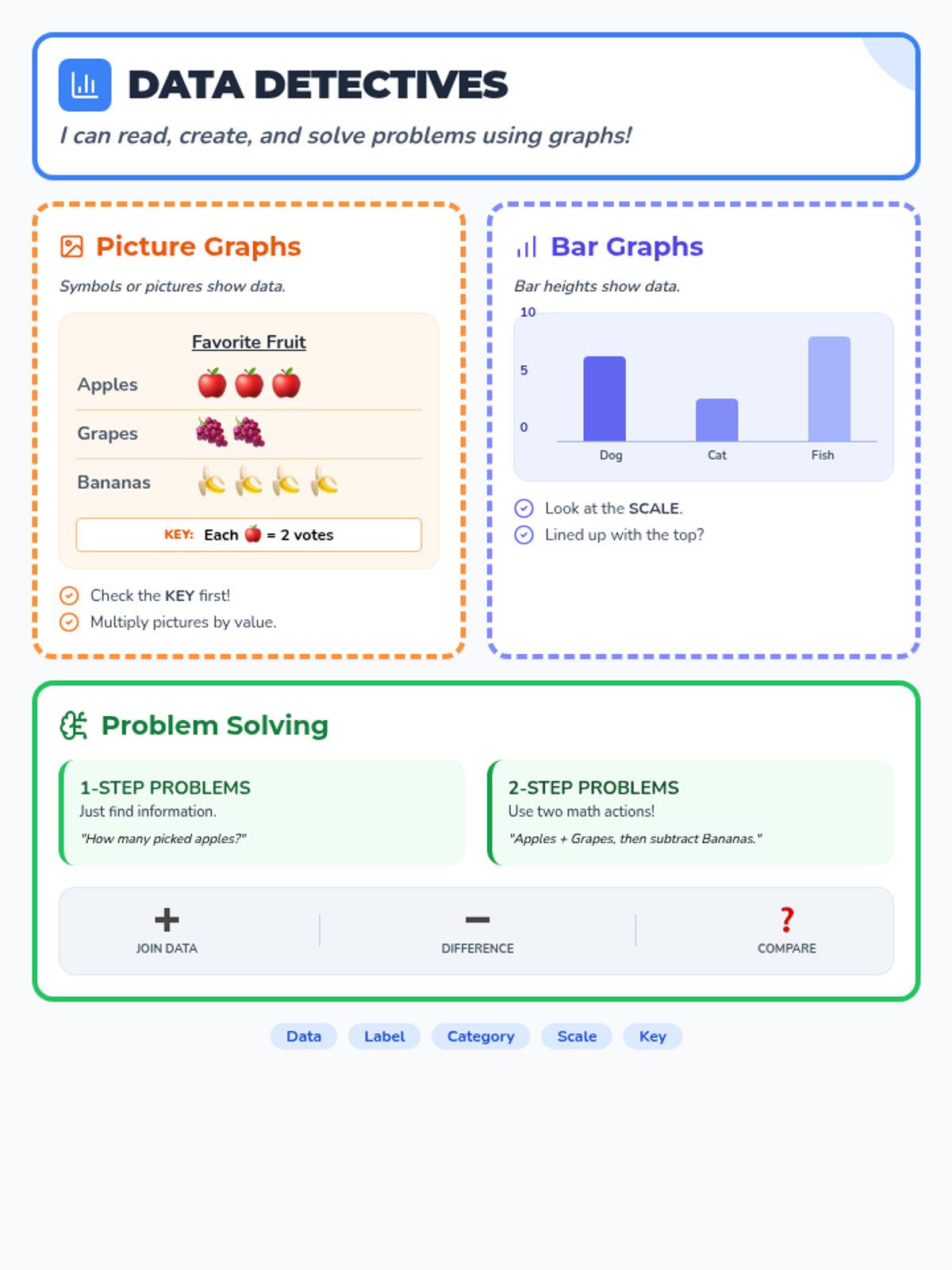
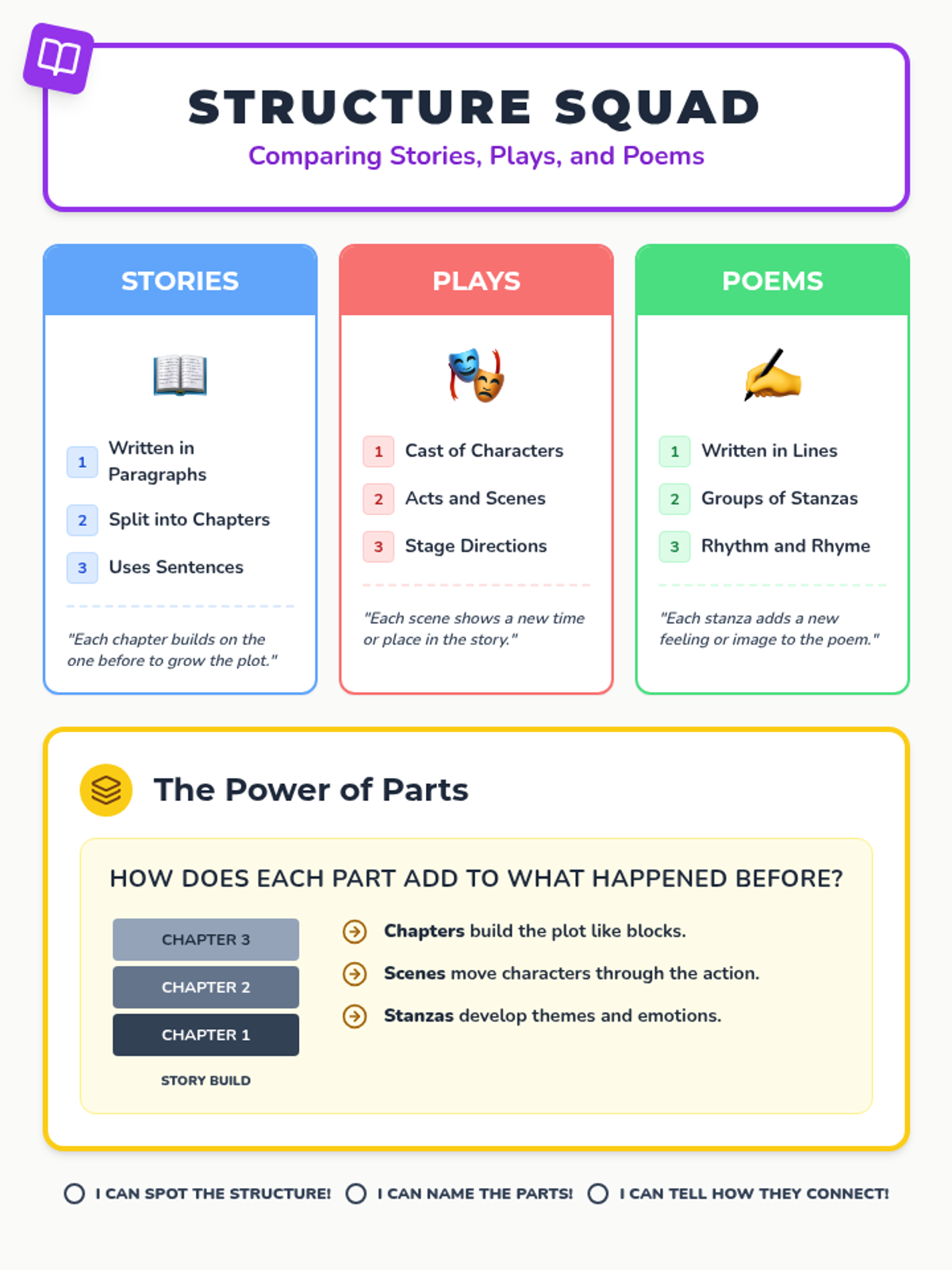
A collection of visual anchor charts designed to support elementary students in mastering data representation and literary structures.
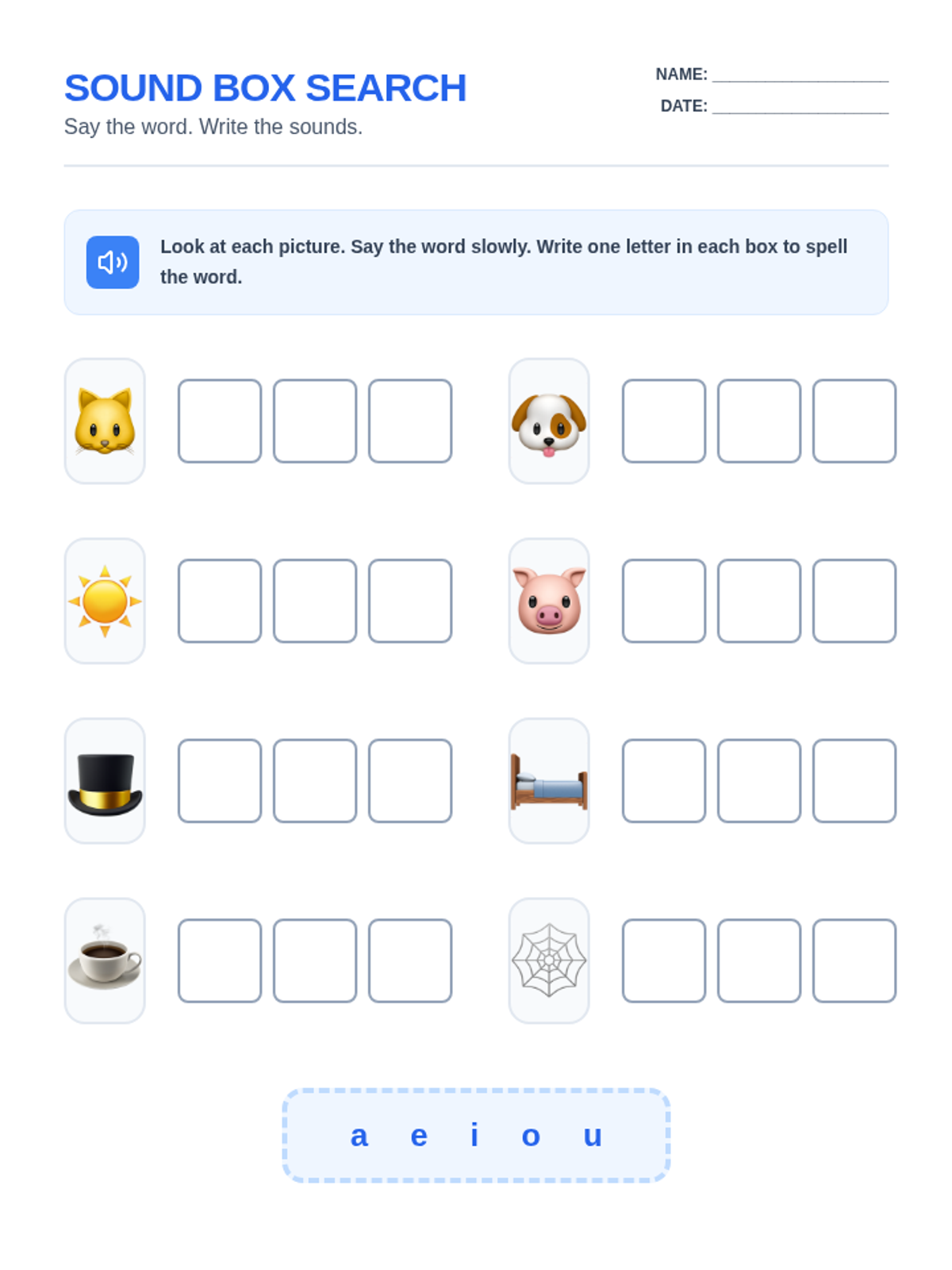
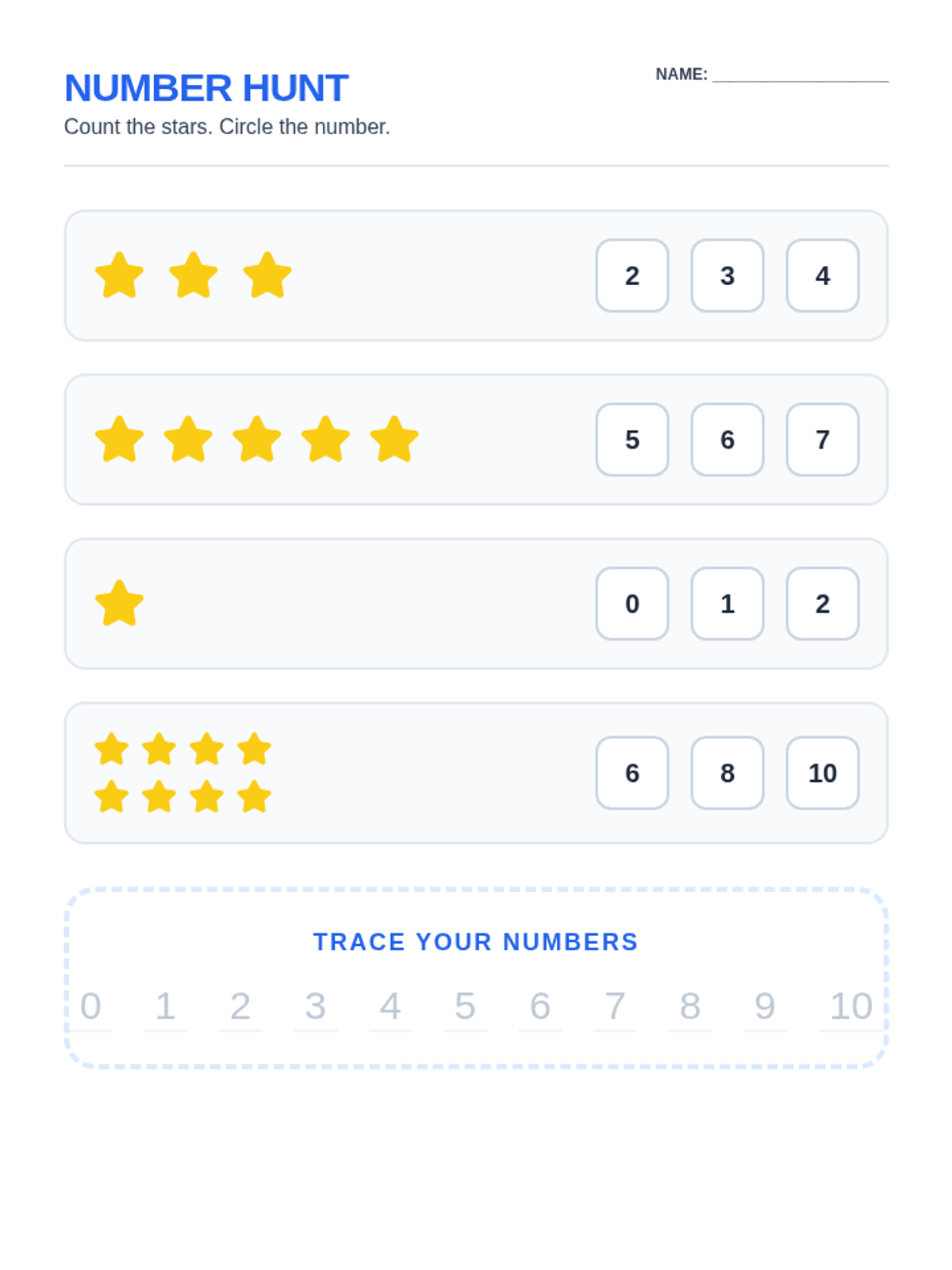
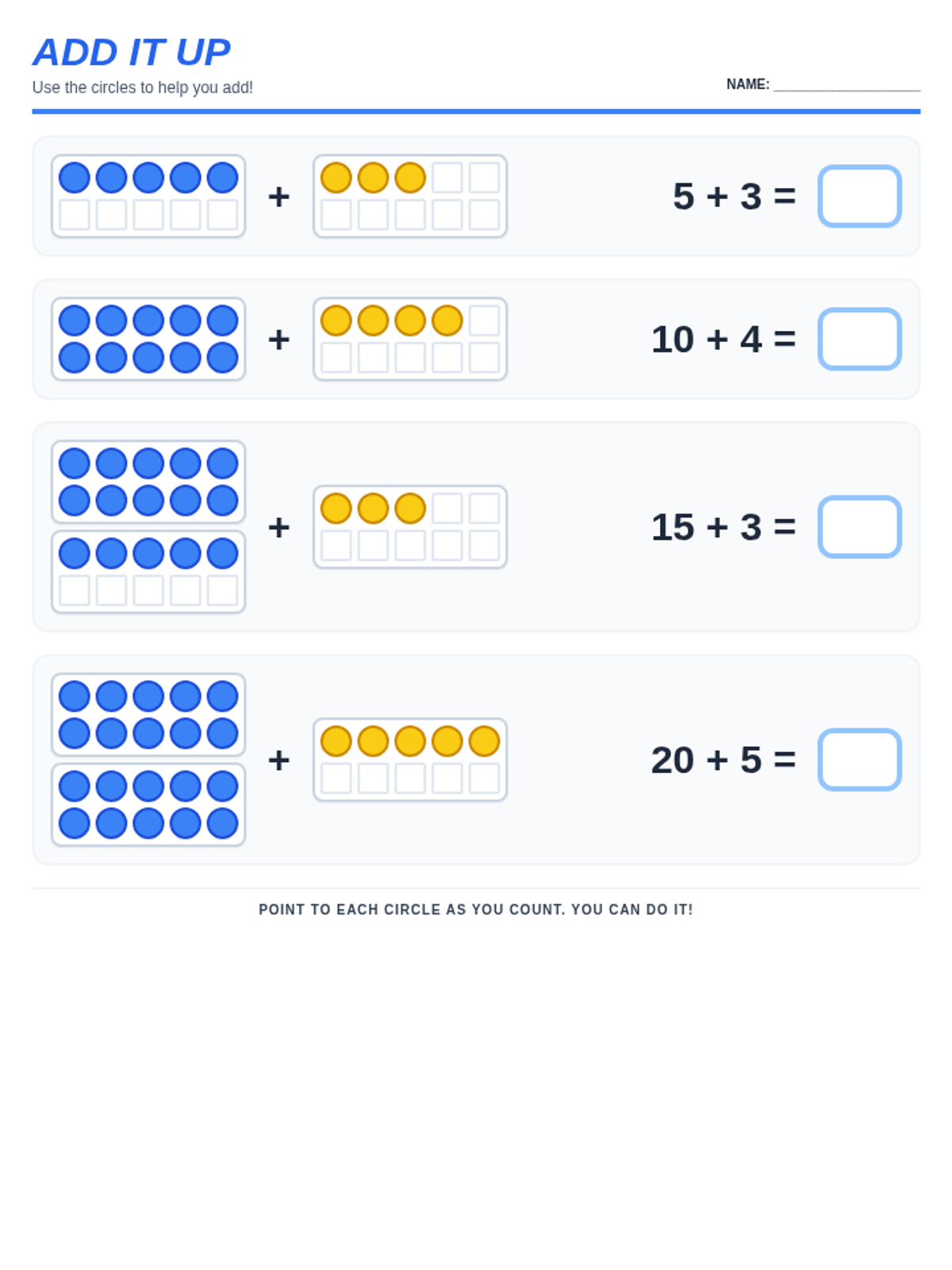
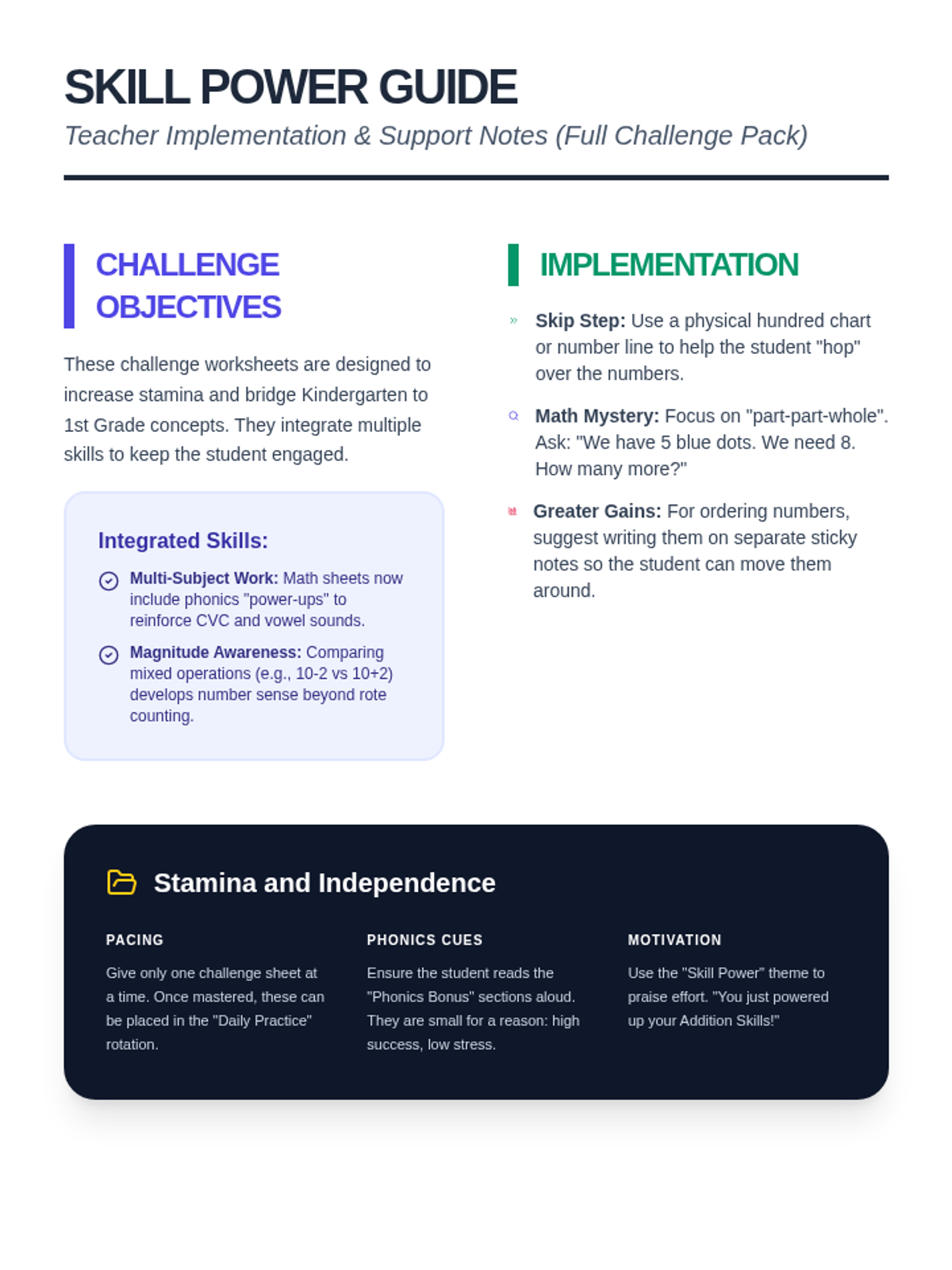
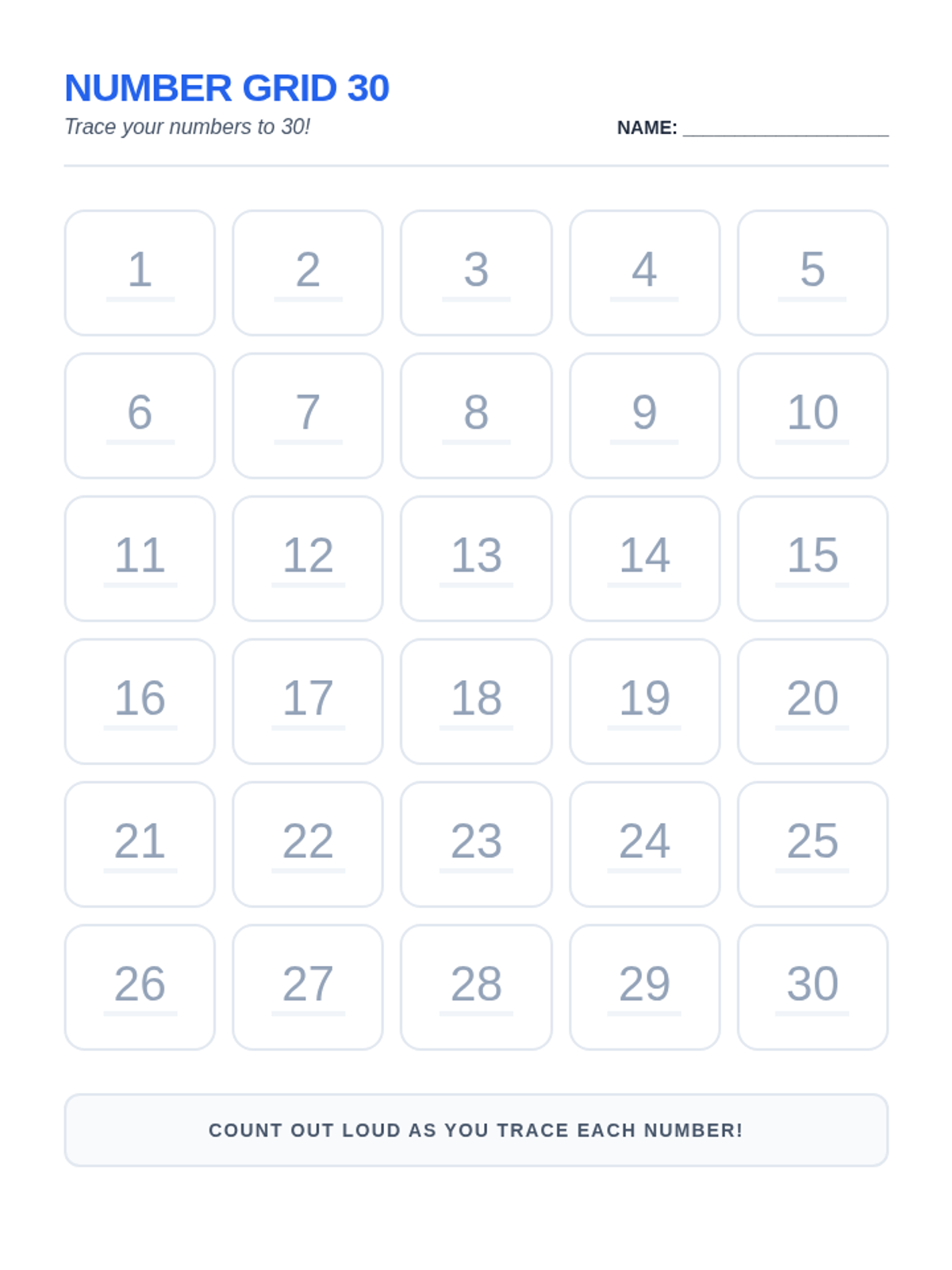
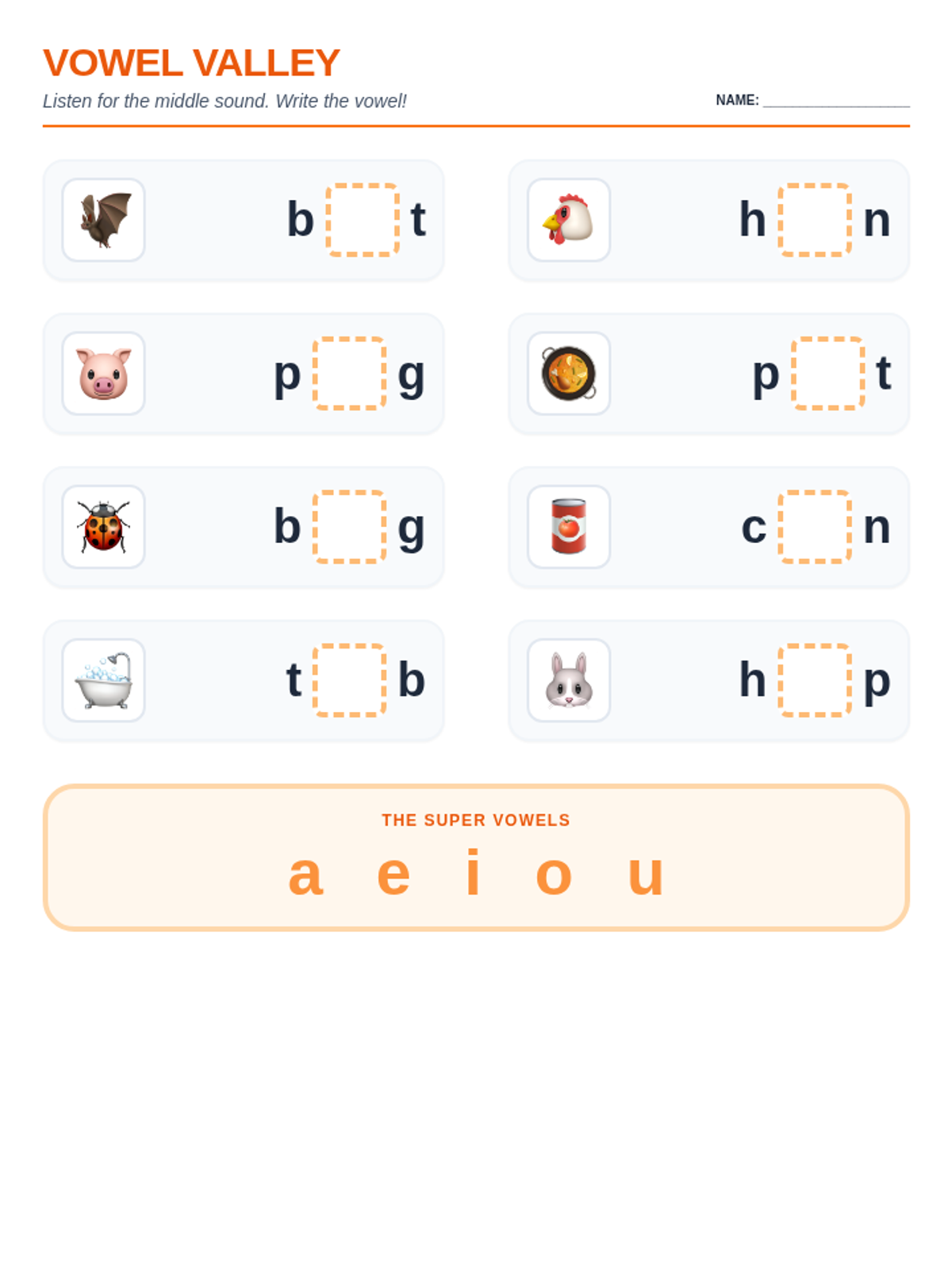
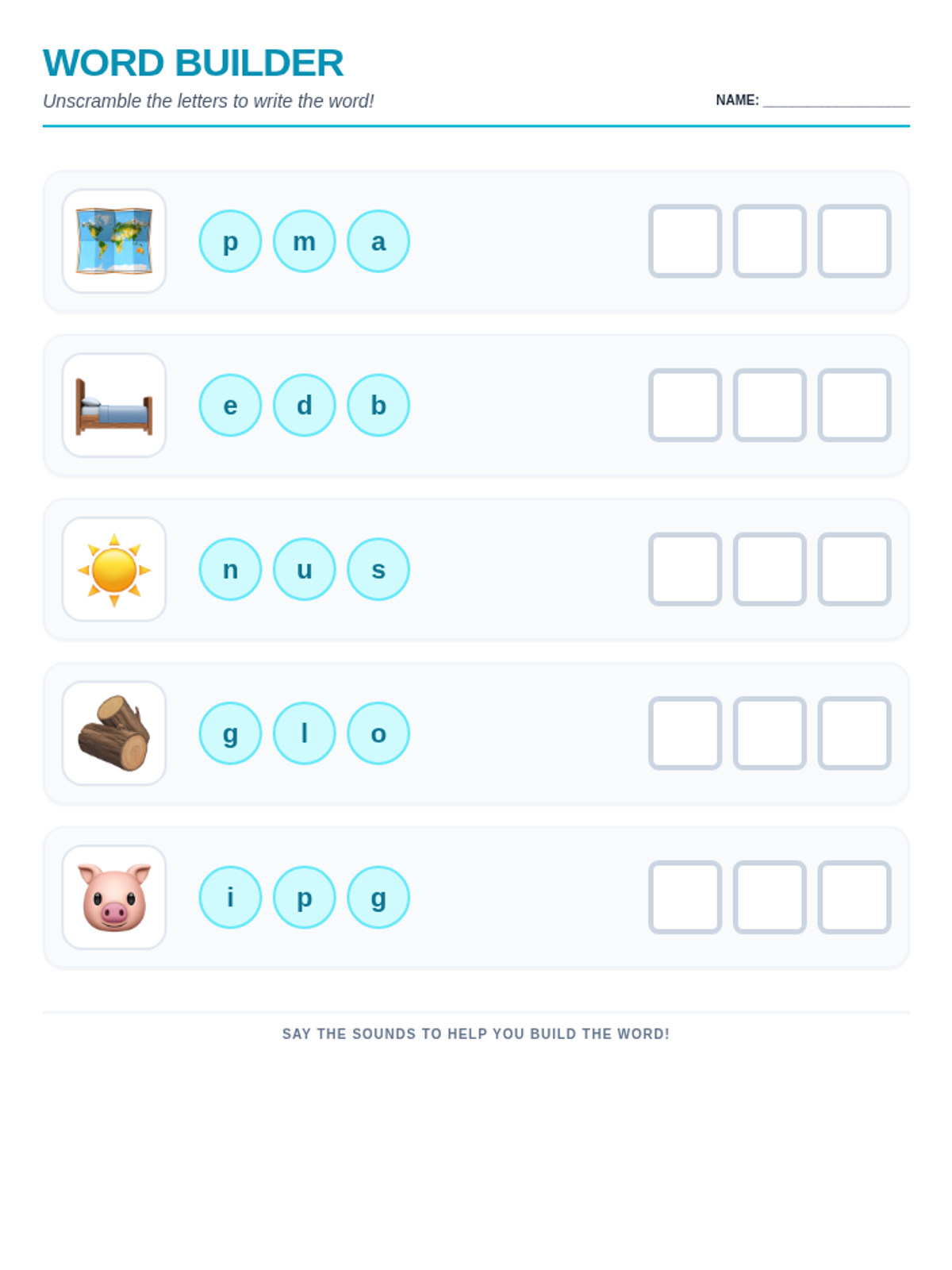
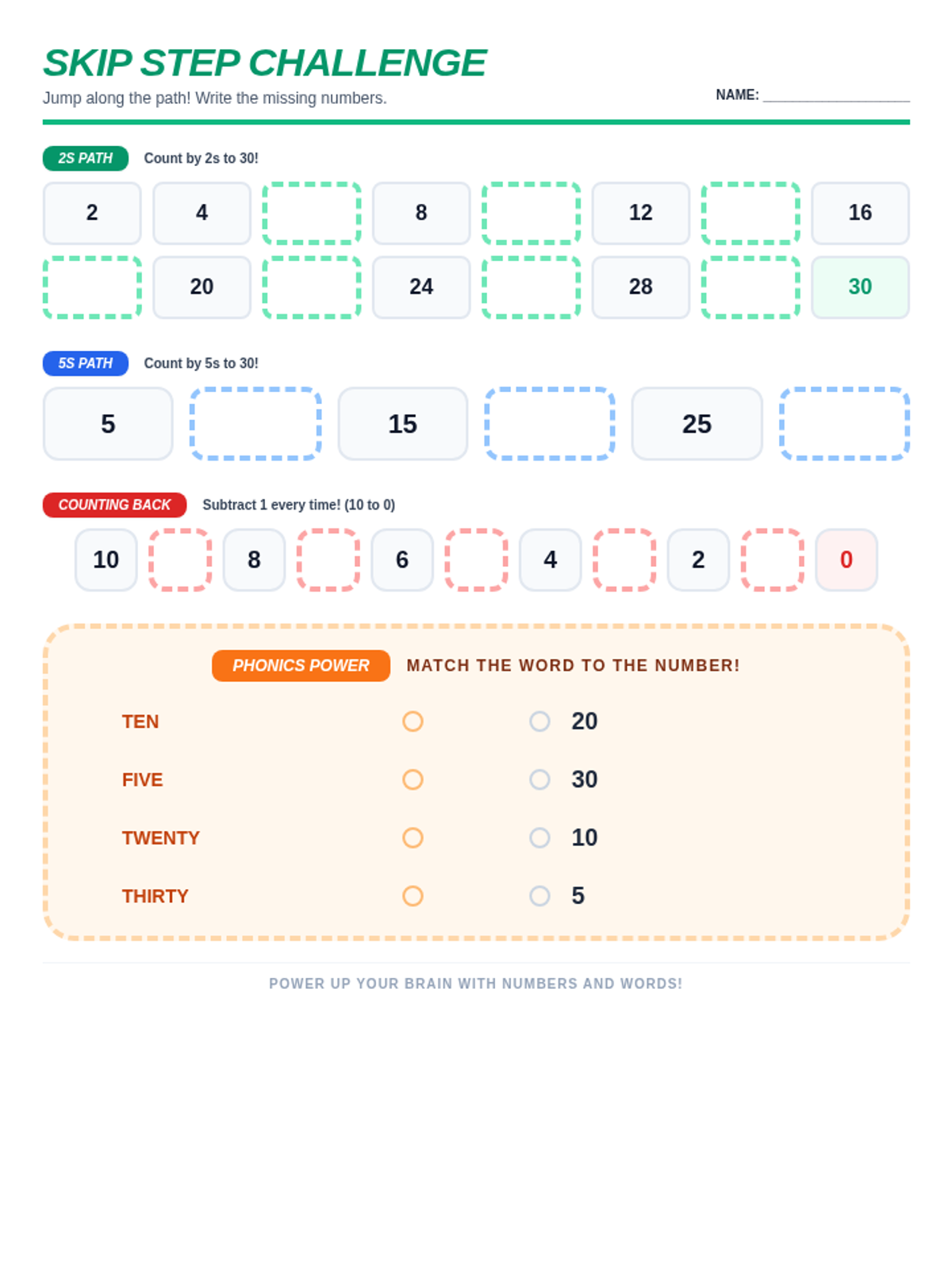
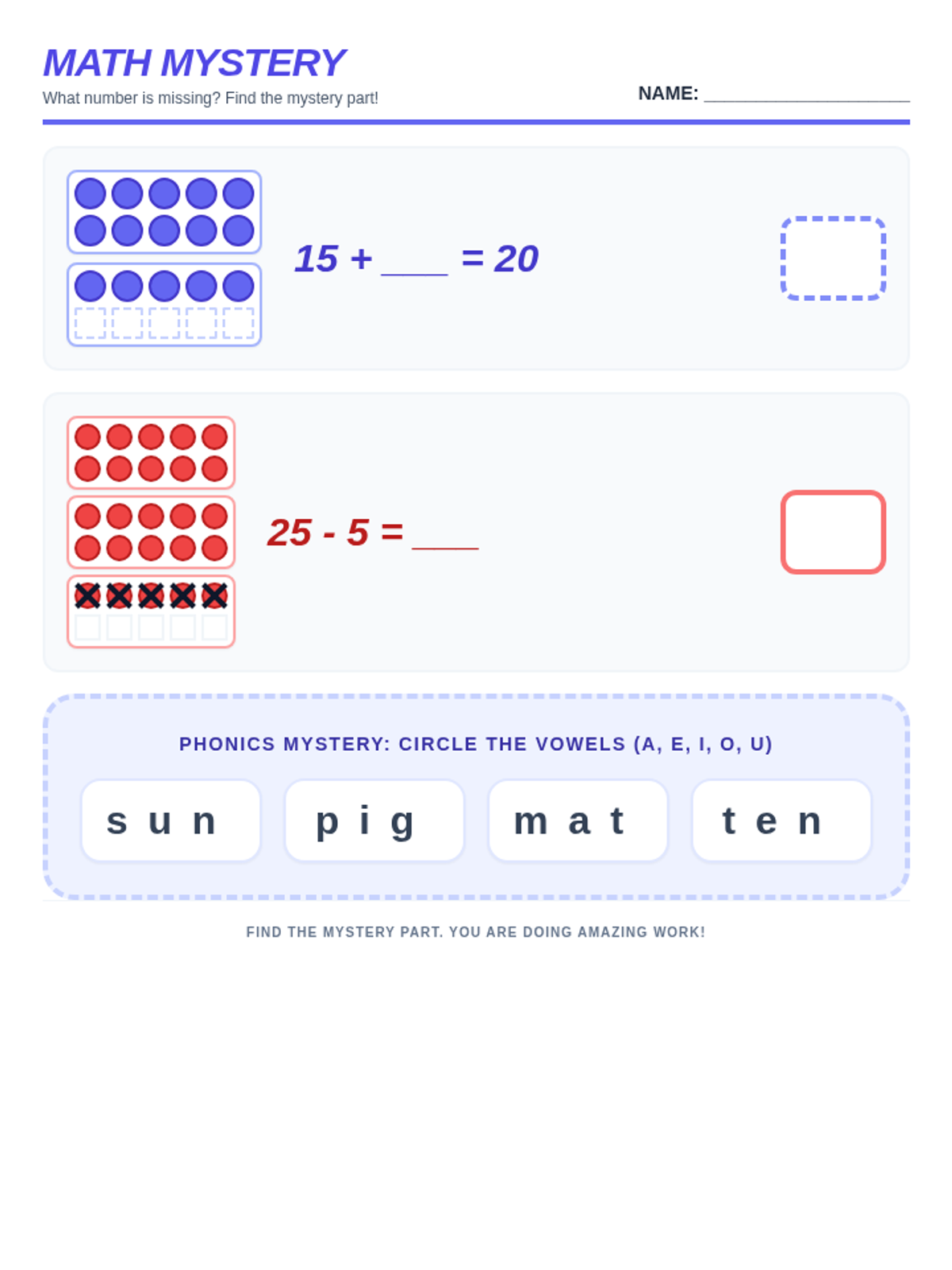
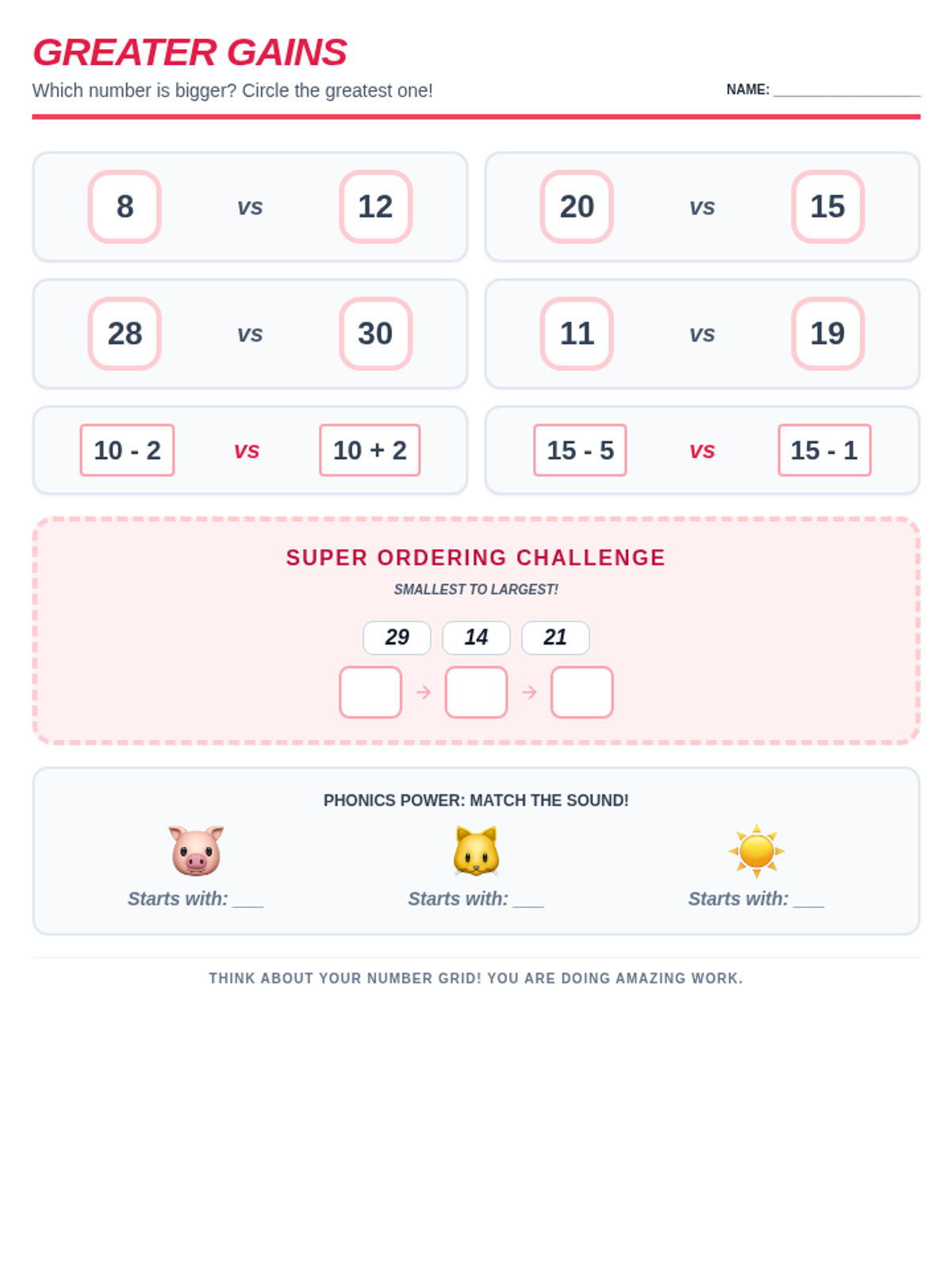
A set of foundational literacy and numeracy materials designed for an EC student performing at a Kindergarten level, focusing on CVC words, number sense 0-10, and basic addition.
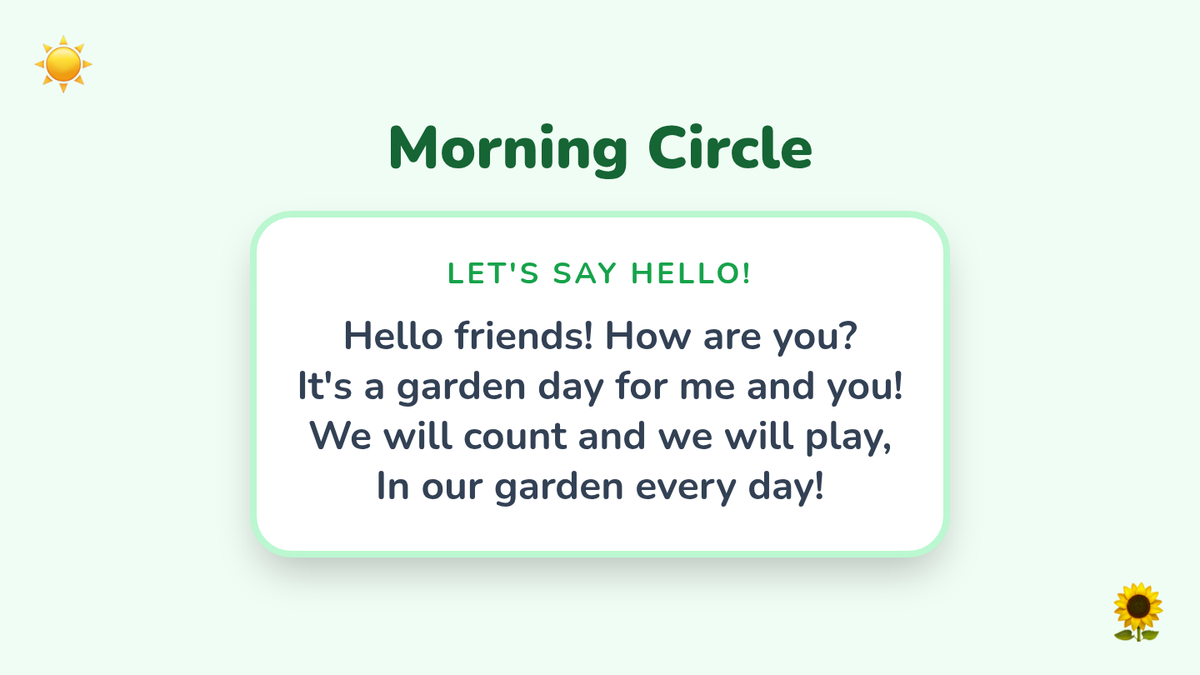
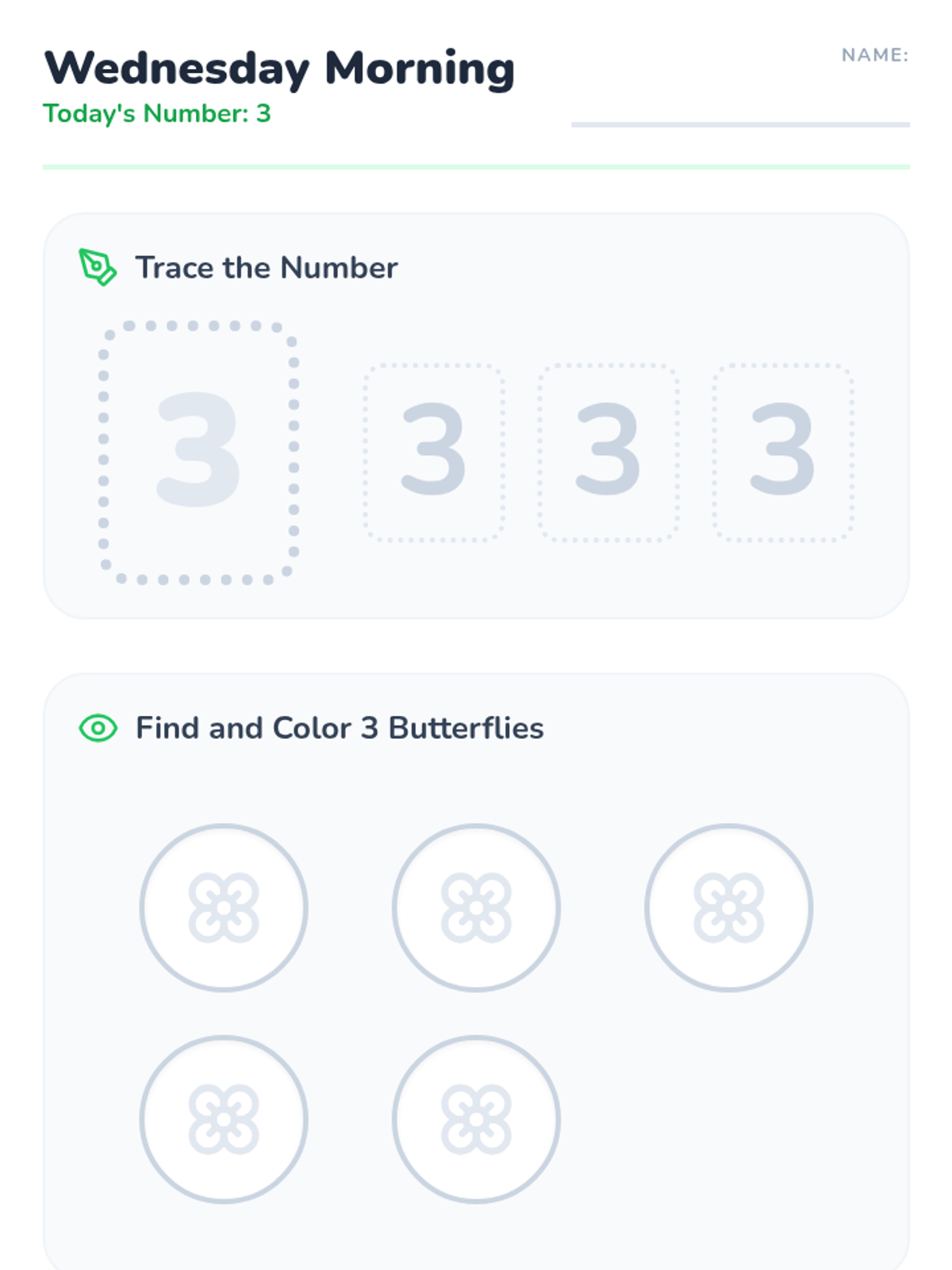
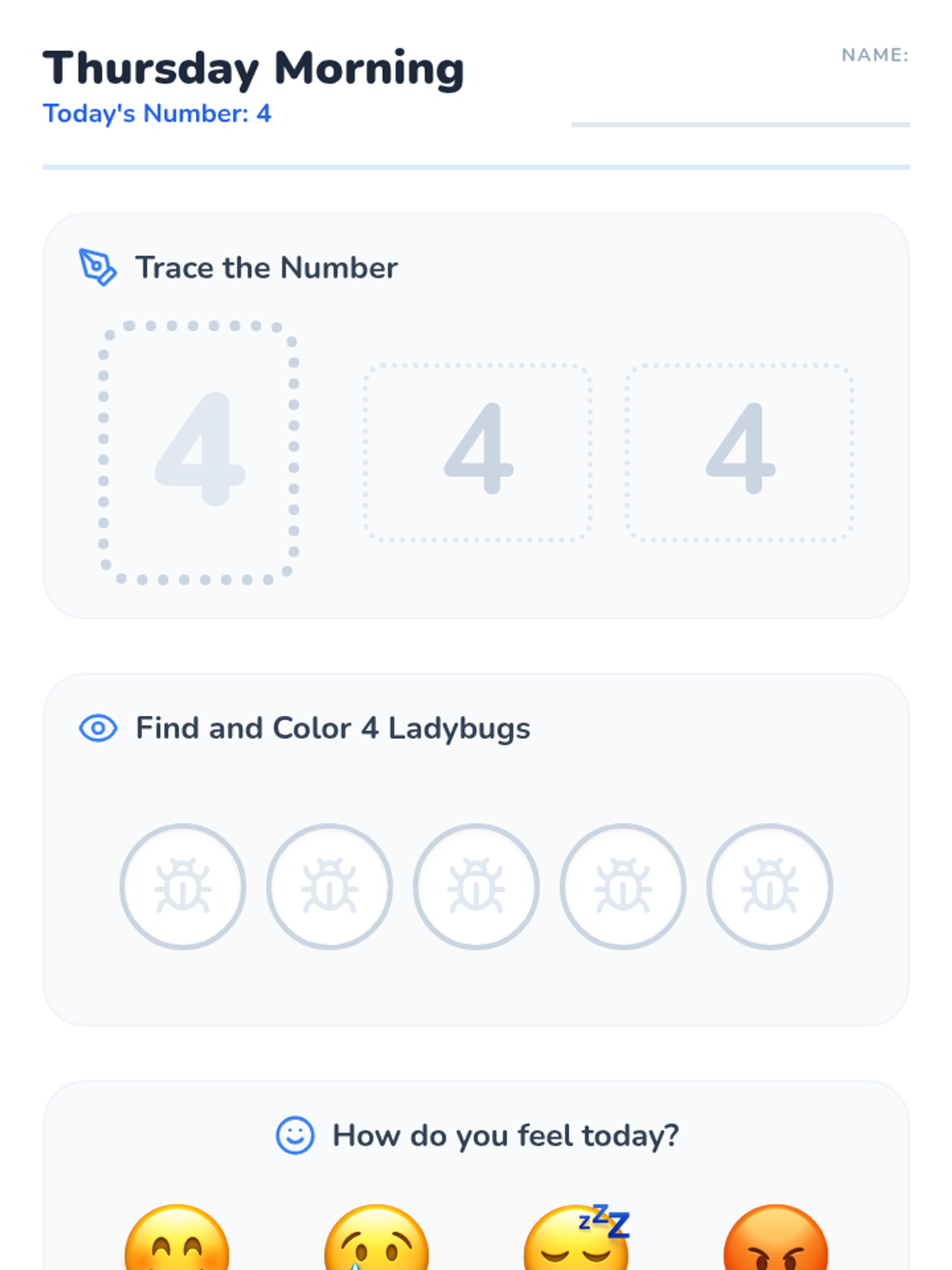
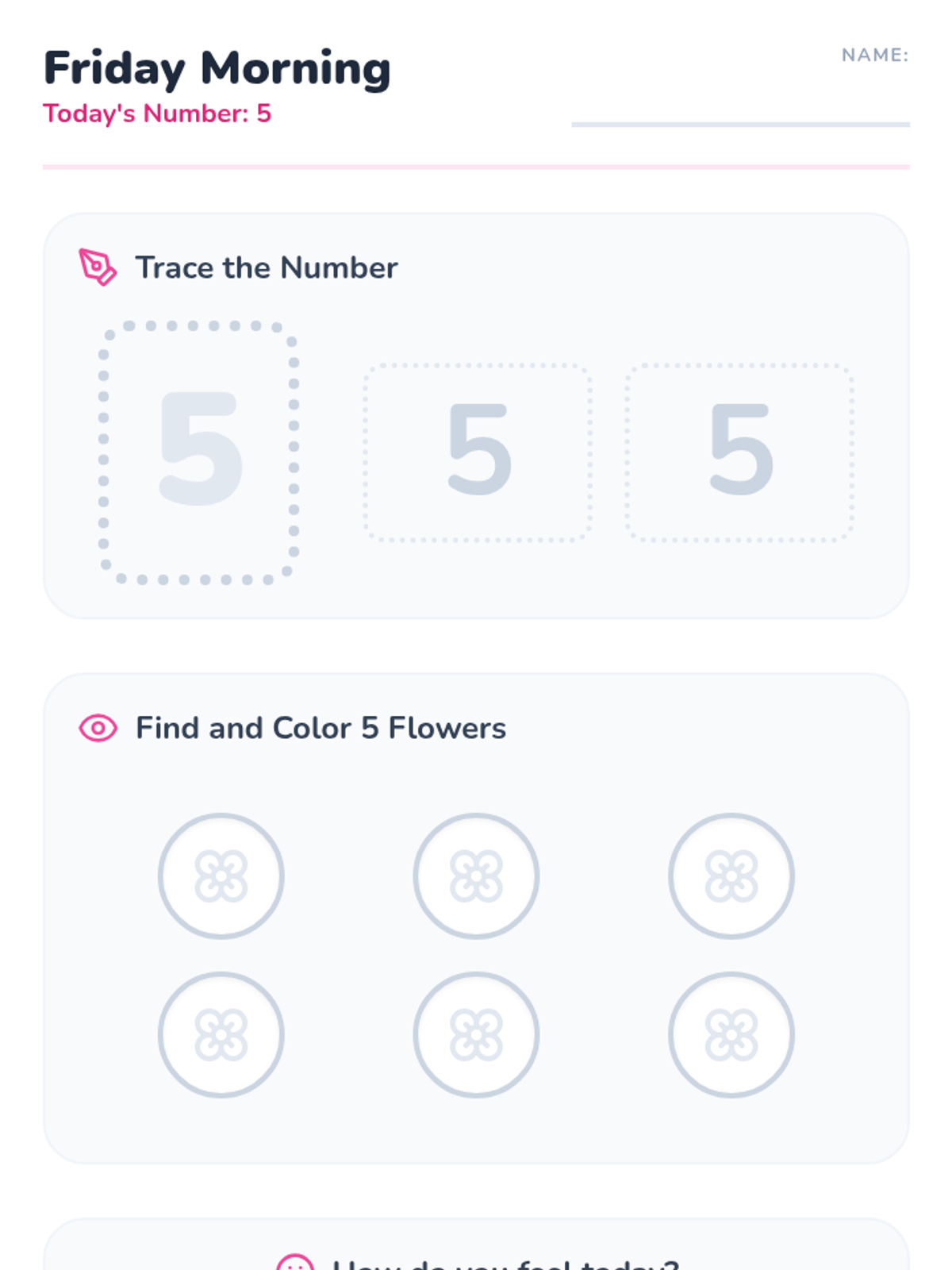
A daily routine lesson for morning circle and daily work, reinforcing garden themes, calendar skills, and social-emotional awareness.
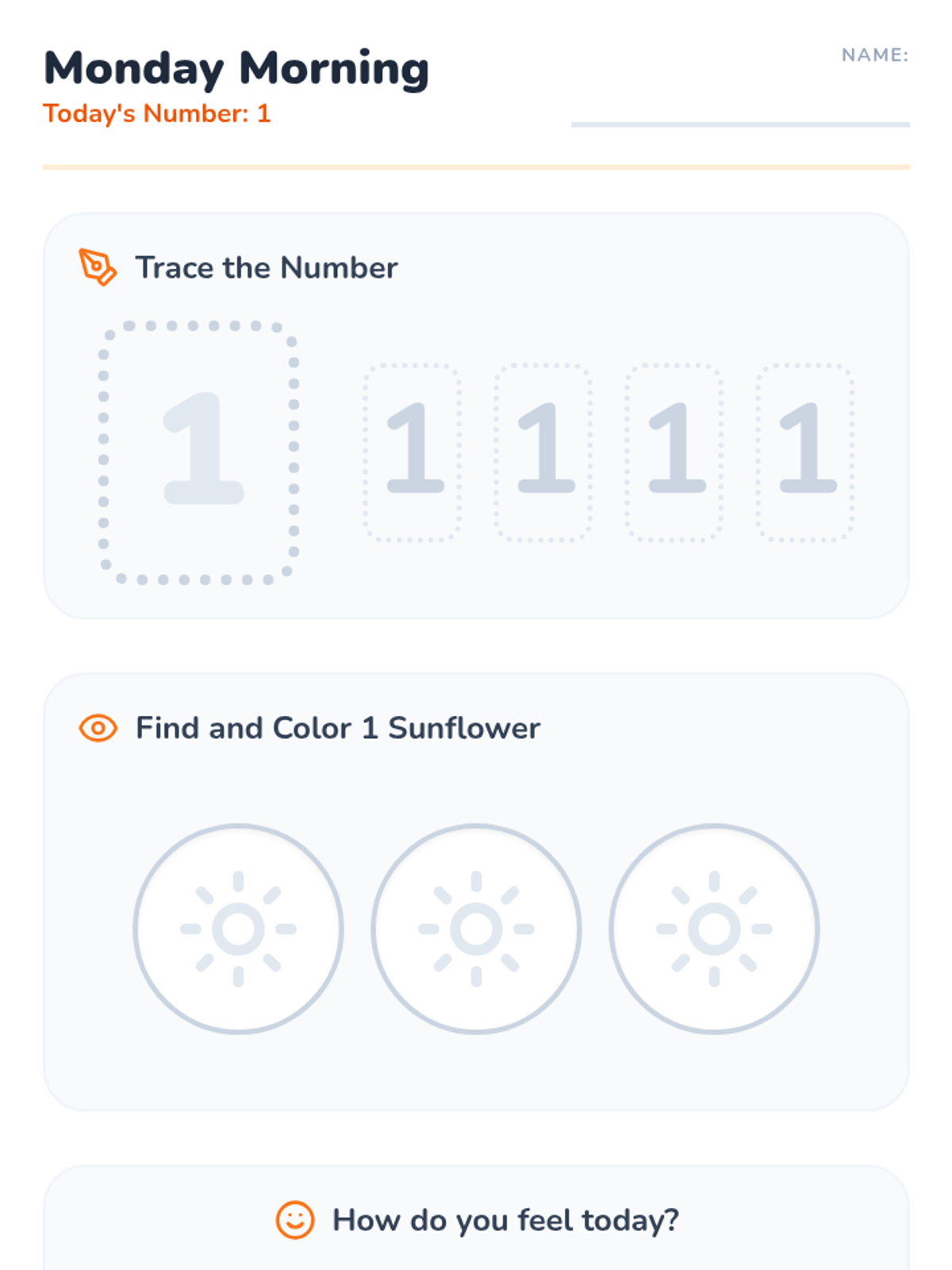
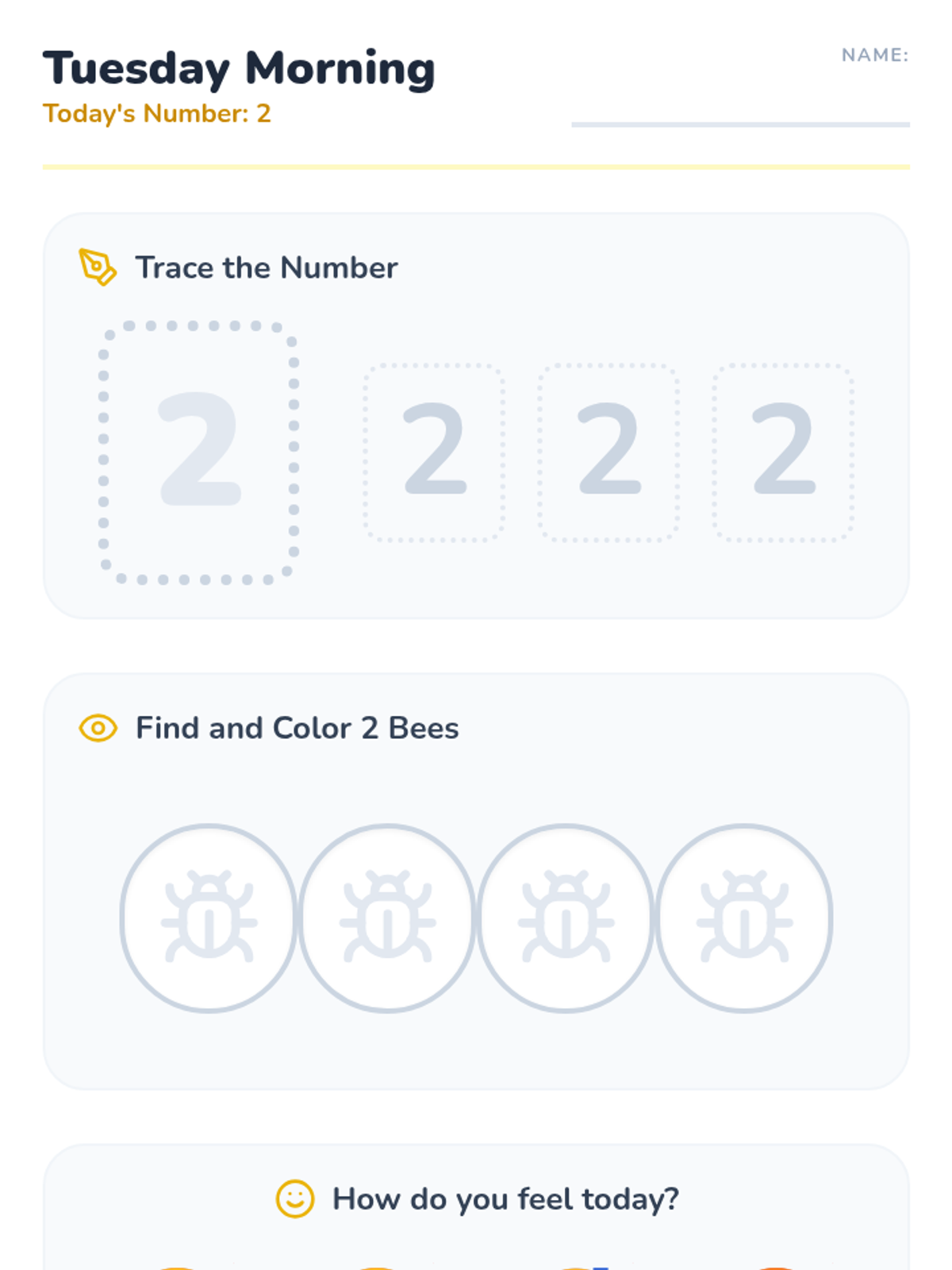
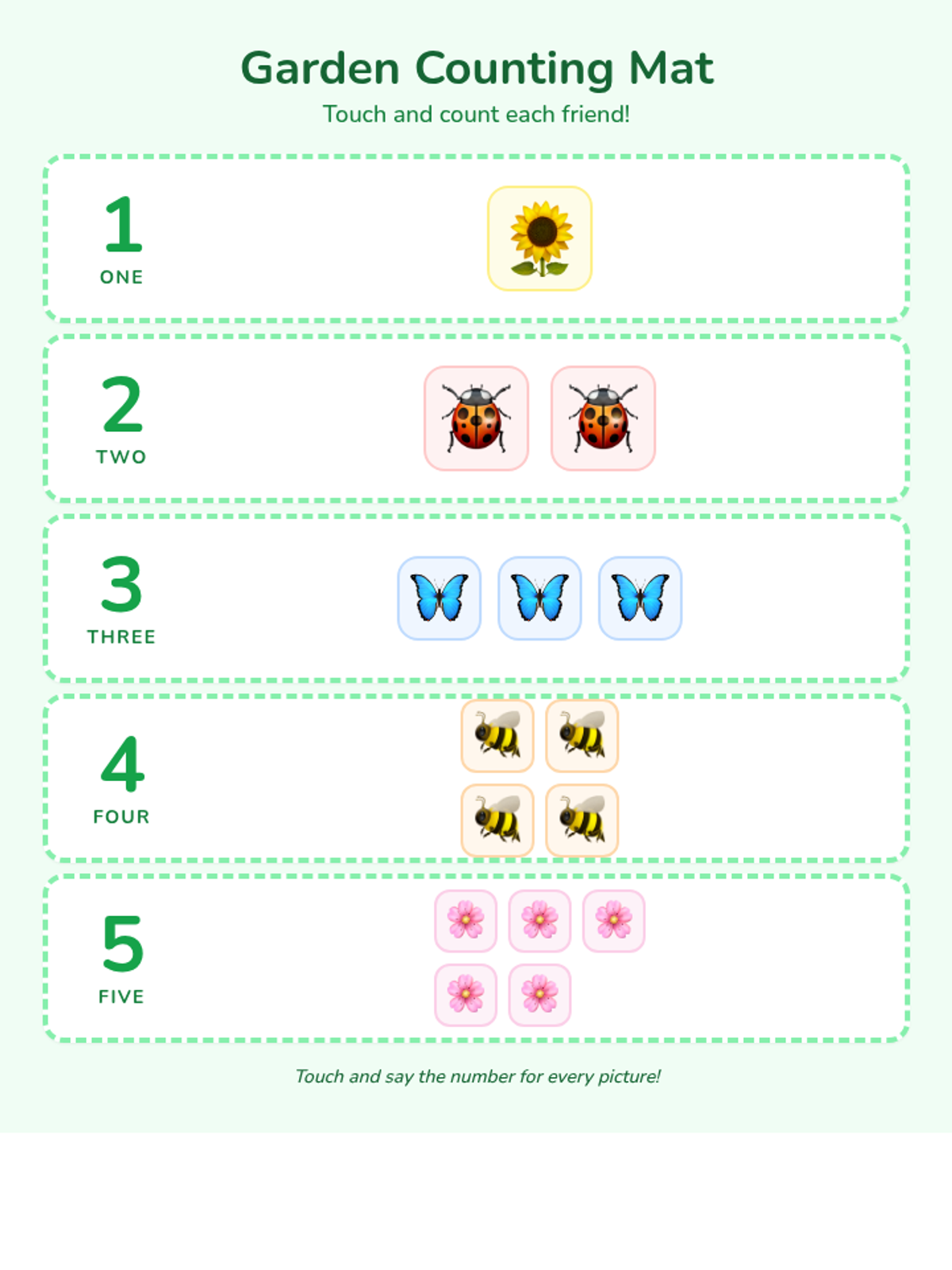
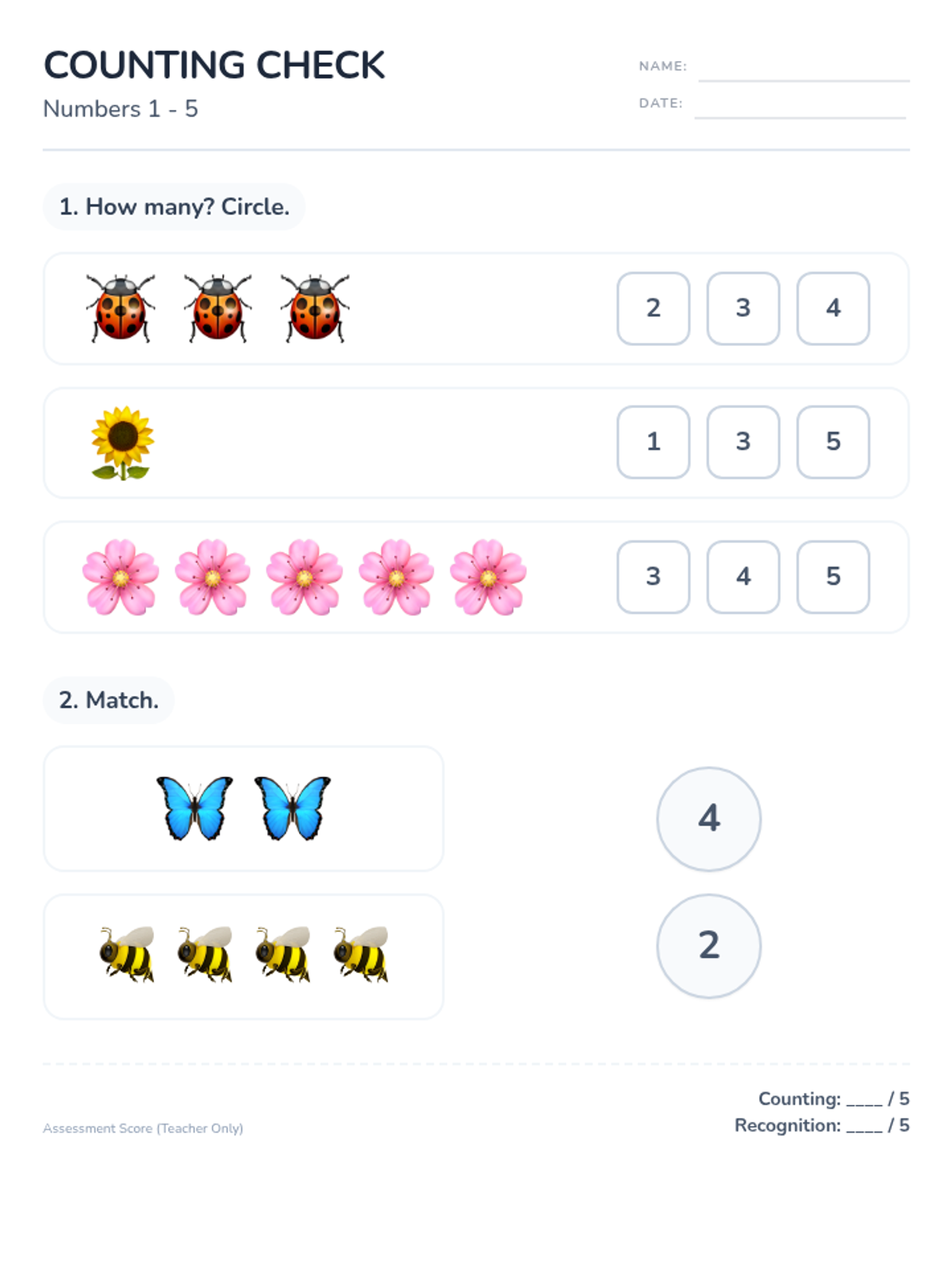
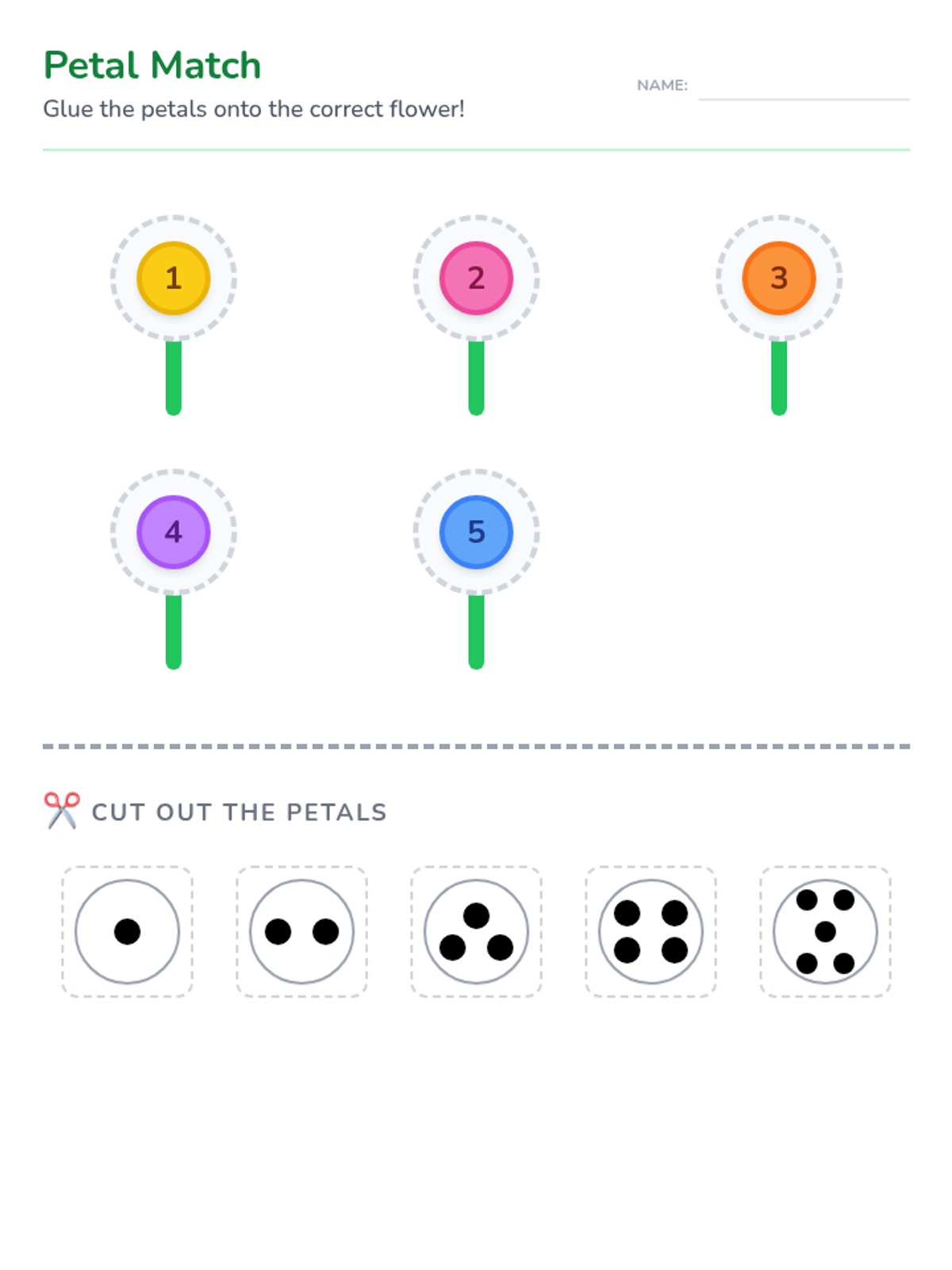
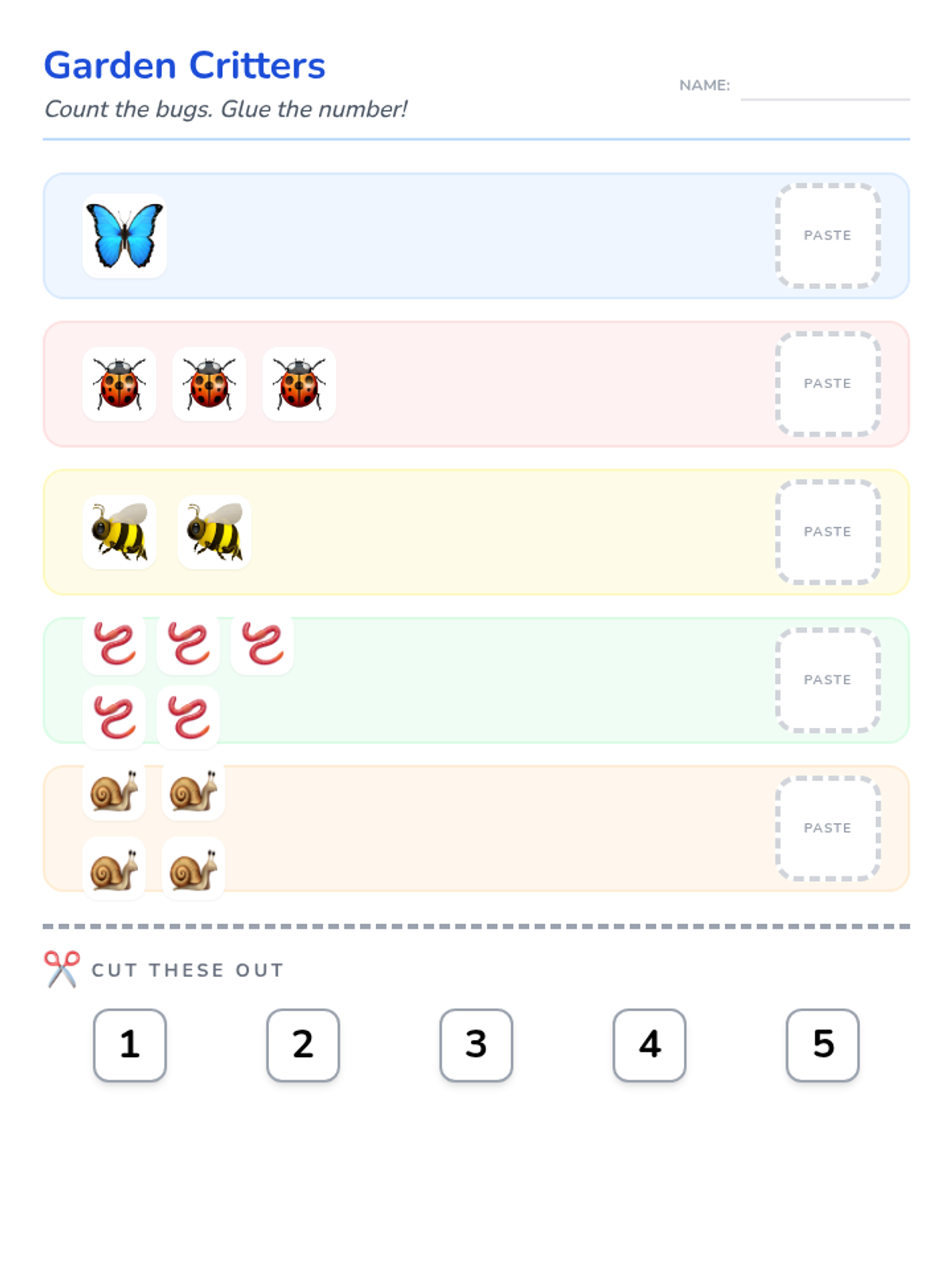
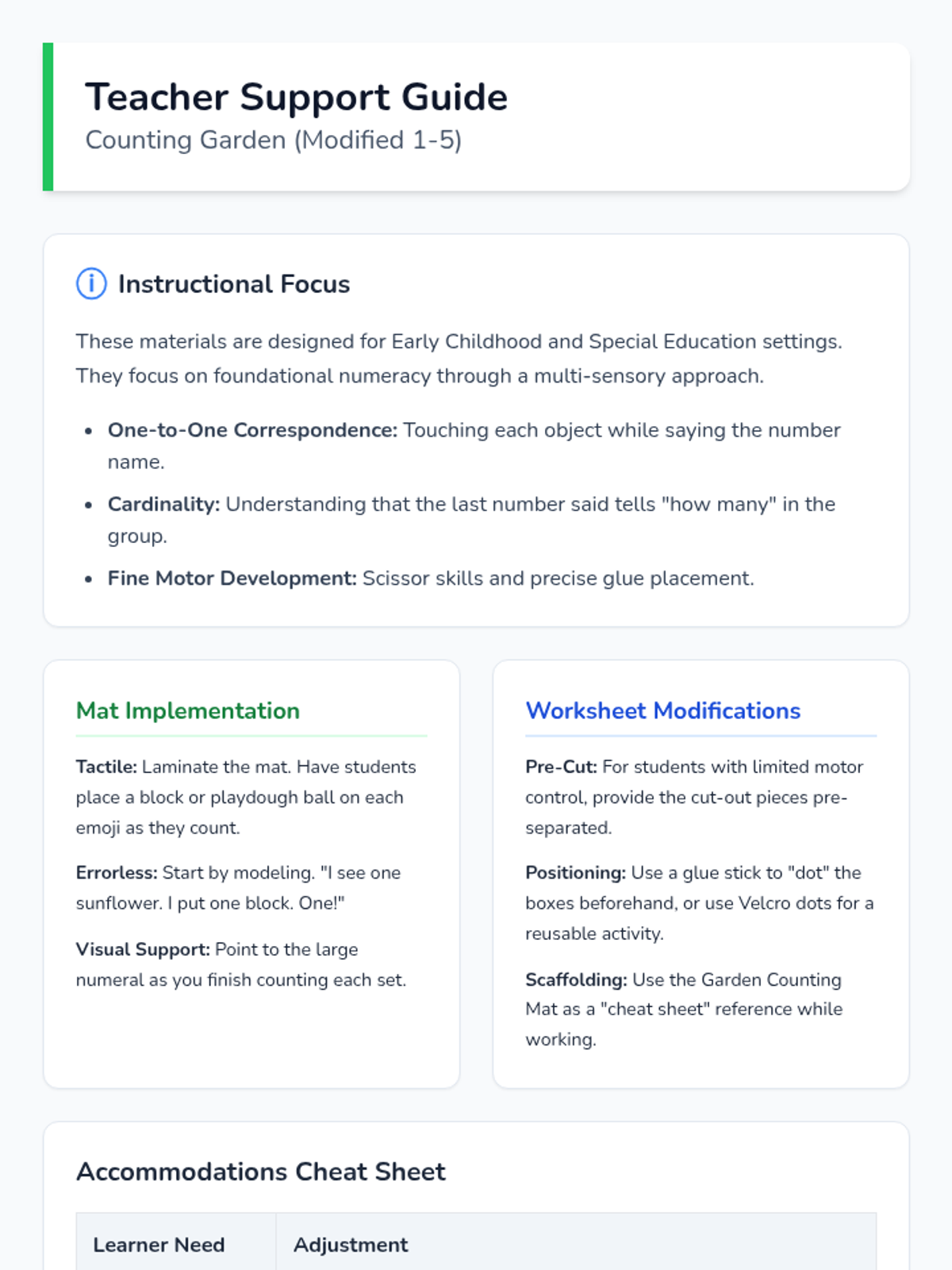
Students explore the numbers 1 through 5 using visual supports and hands-on matching activities to build one-to-one correspondence.