A 5-lesson sequence for 5th-grade students exploring keyboard navigation through the lens of accessibility and assistive technology. Students learn specific shortcuts and system settings while building empathy for users with diverse needs.
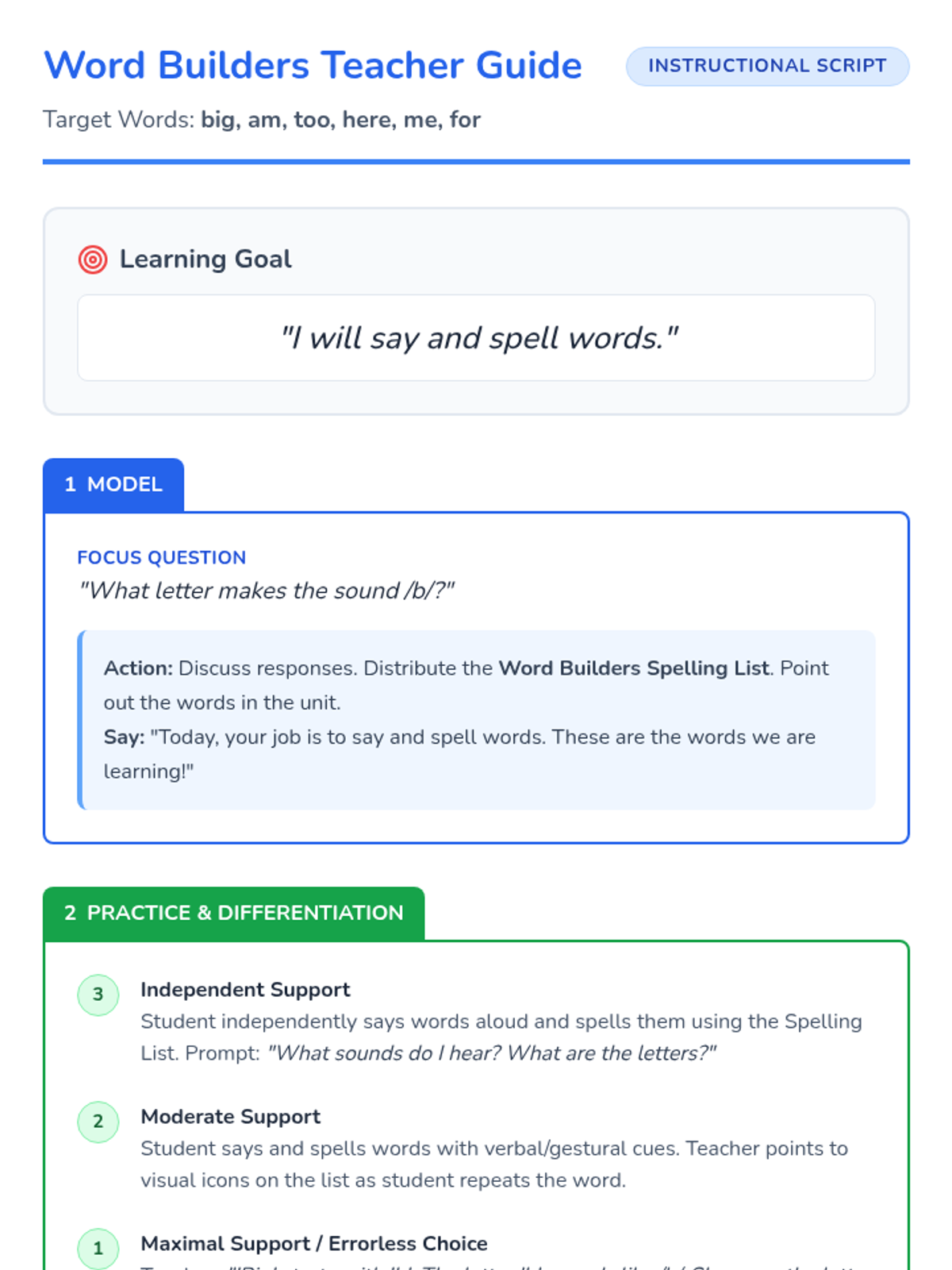
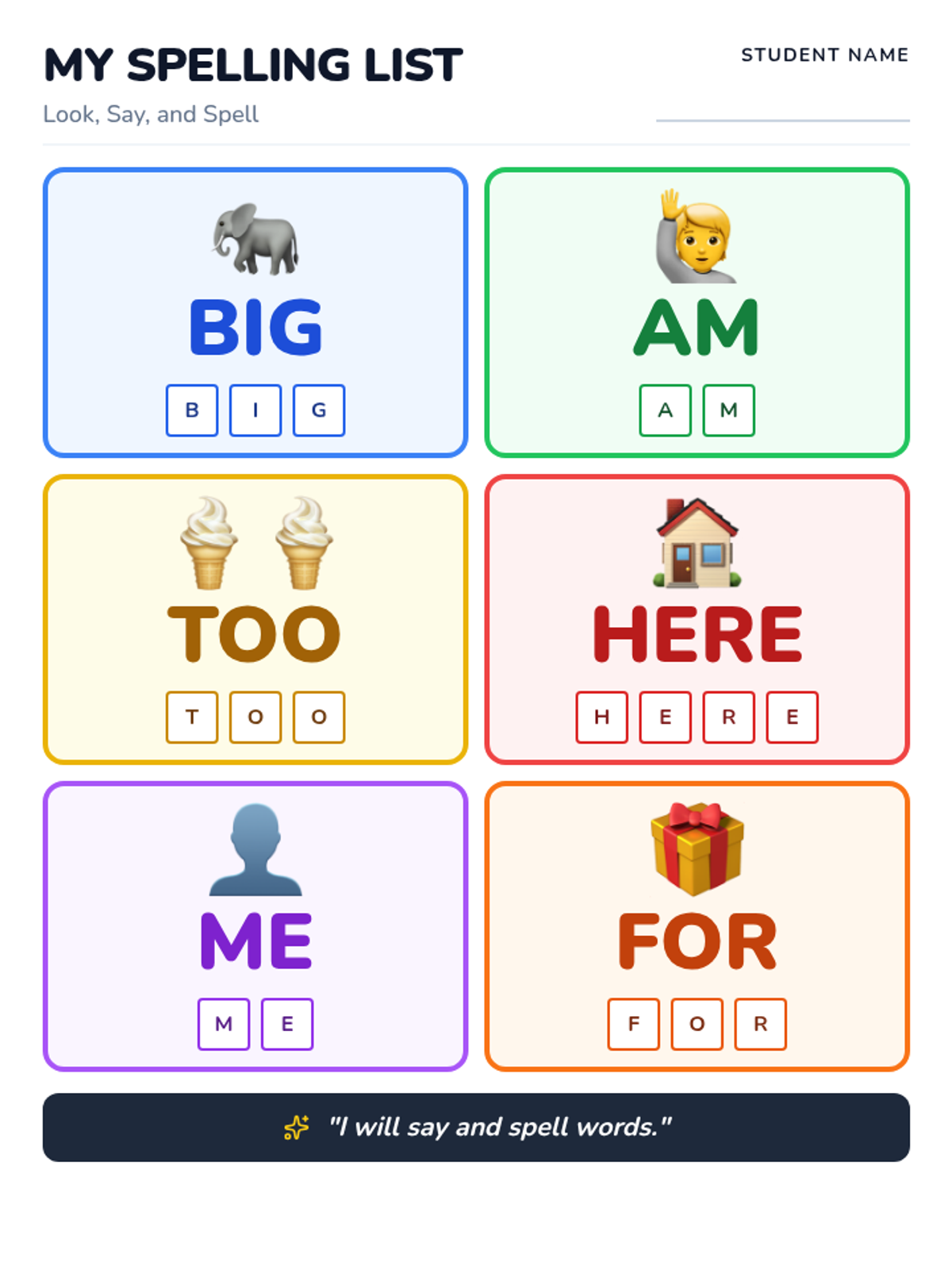
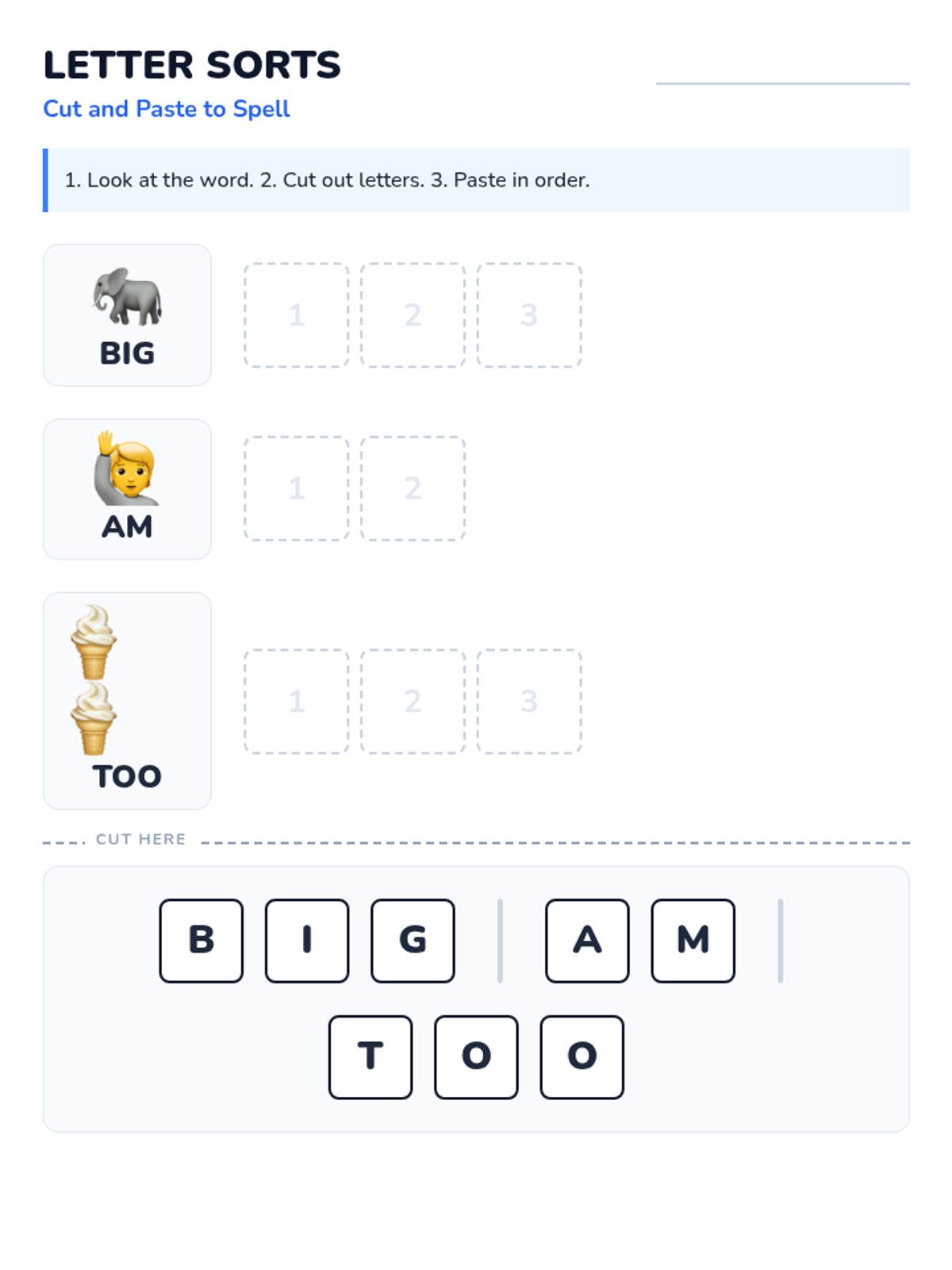
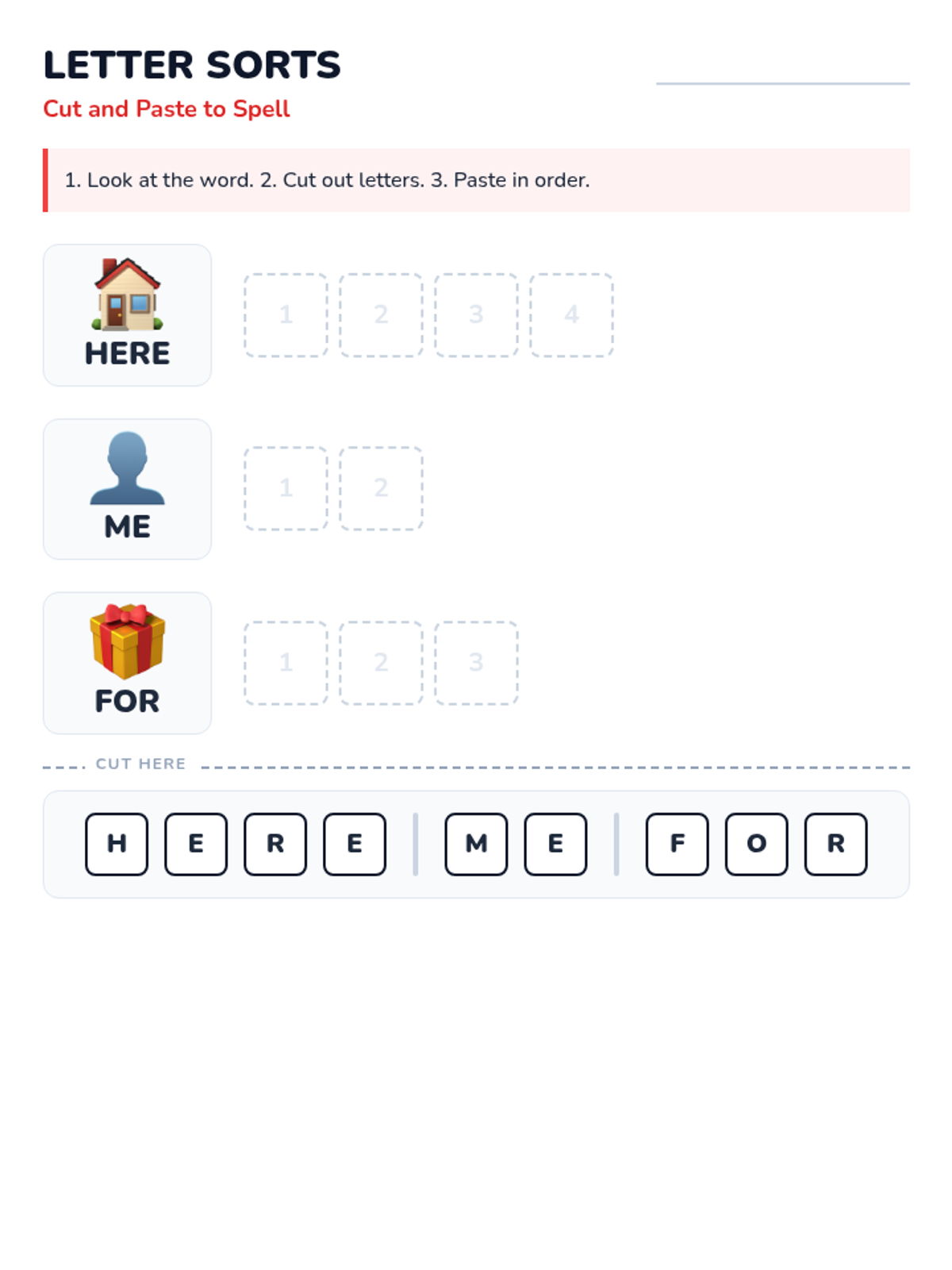
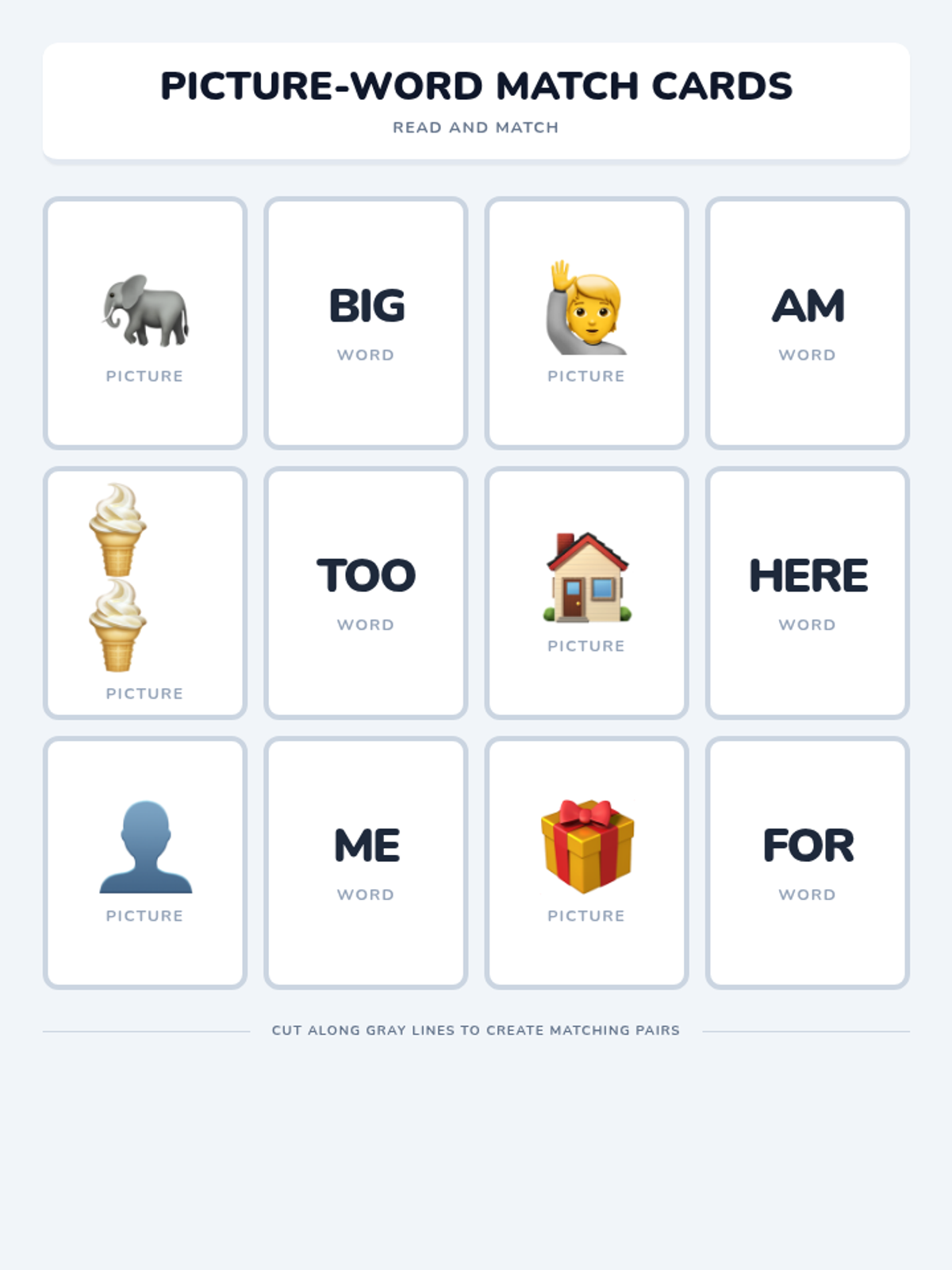
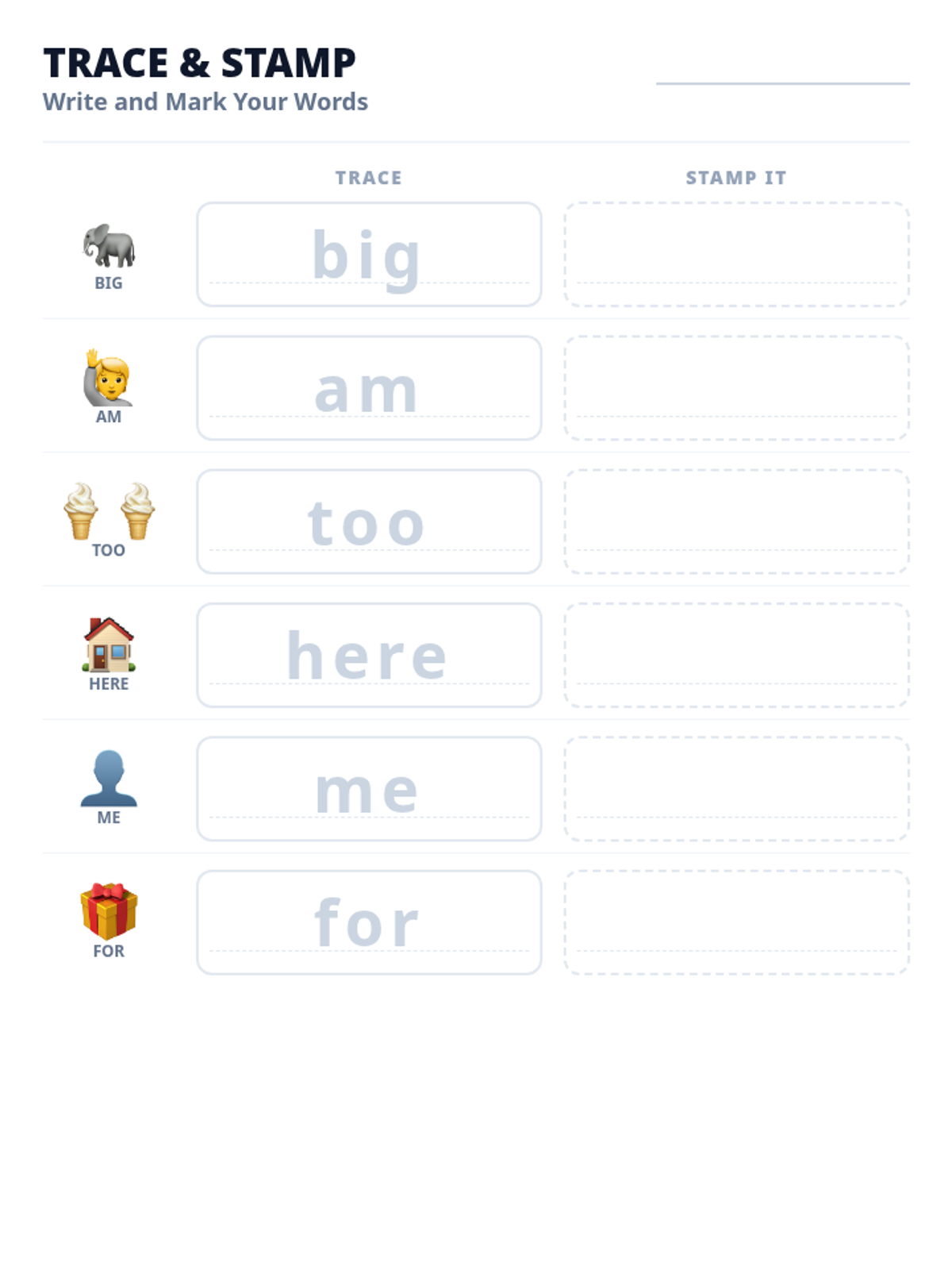
A series of interactive and highly visual spelling lessons designed for students with moderate intellectual disabilities. This sequence focuses on six high-frequency words using the Model-Practice-Review framework with heavy visual supports and tactile activities.
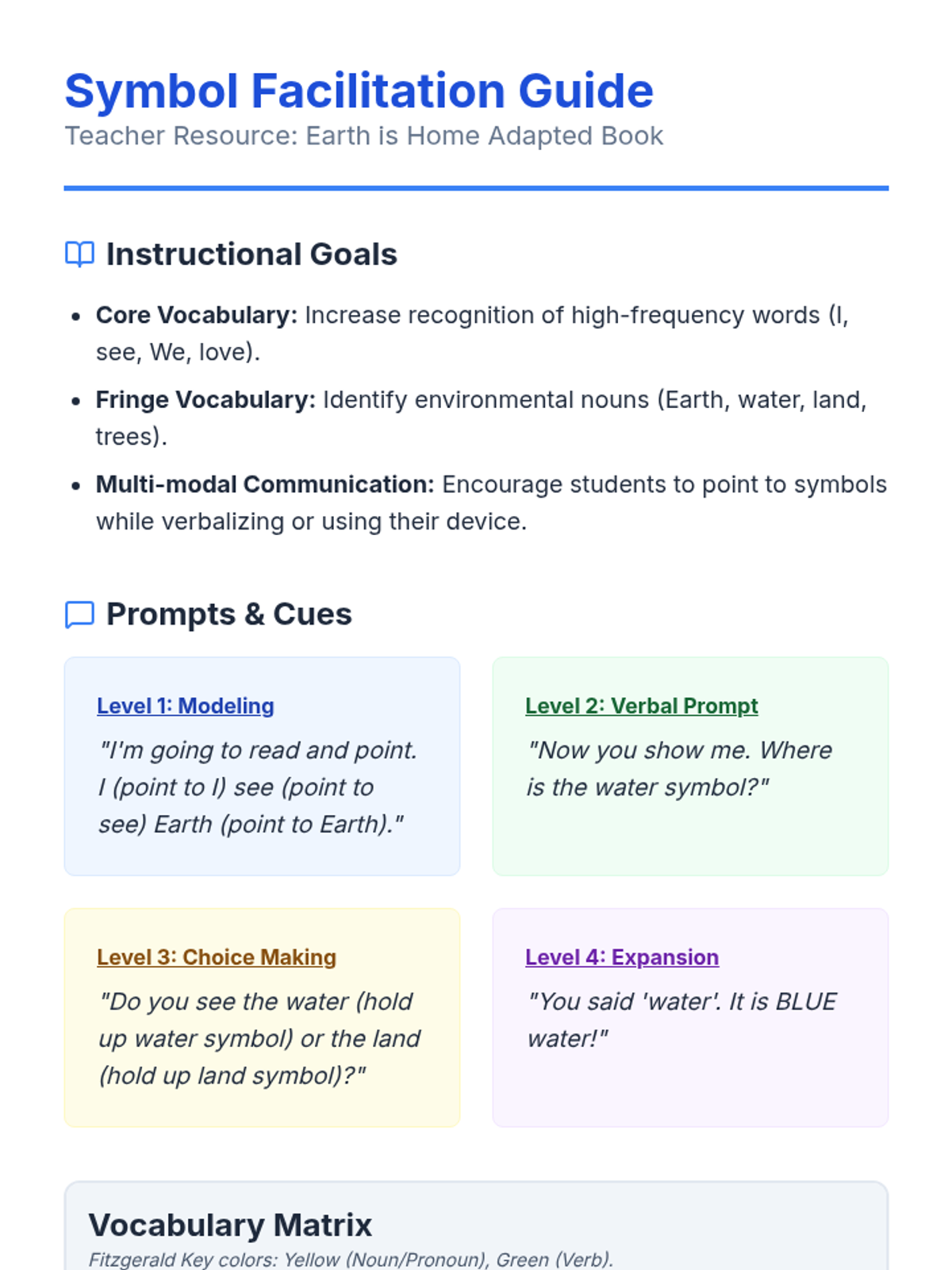
A beginner's introduction to Earth and our world, specifically designed for kindergarten students using AAC (Augmentative and Alternative Communication) supports and adapted reading materials.
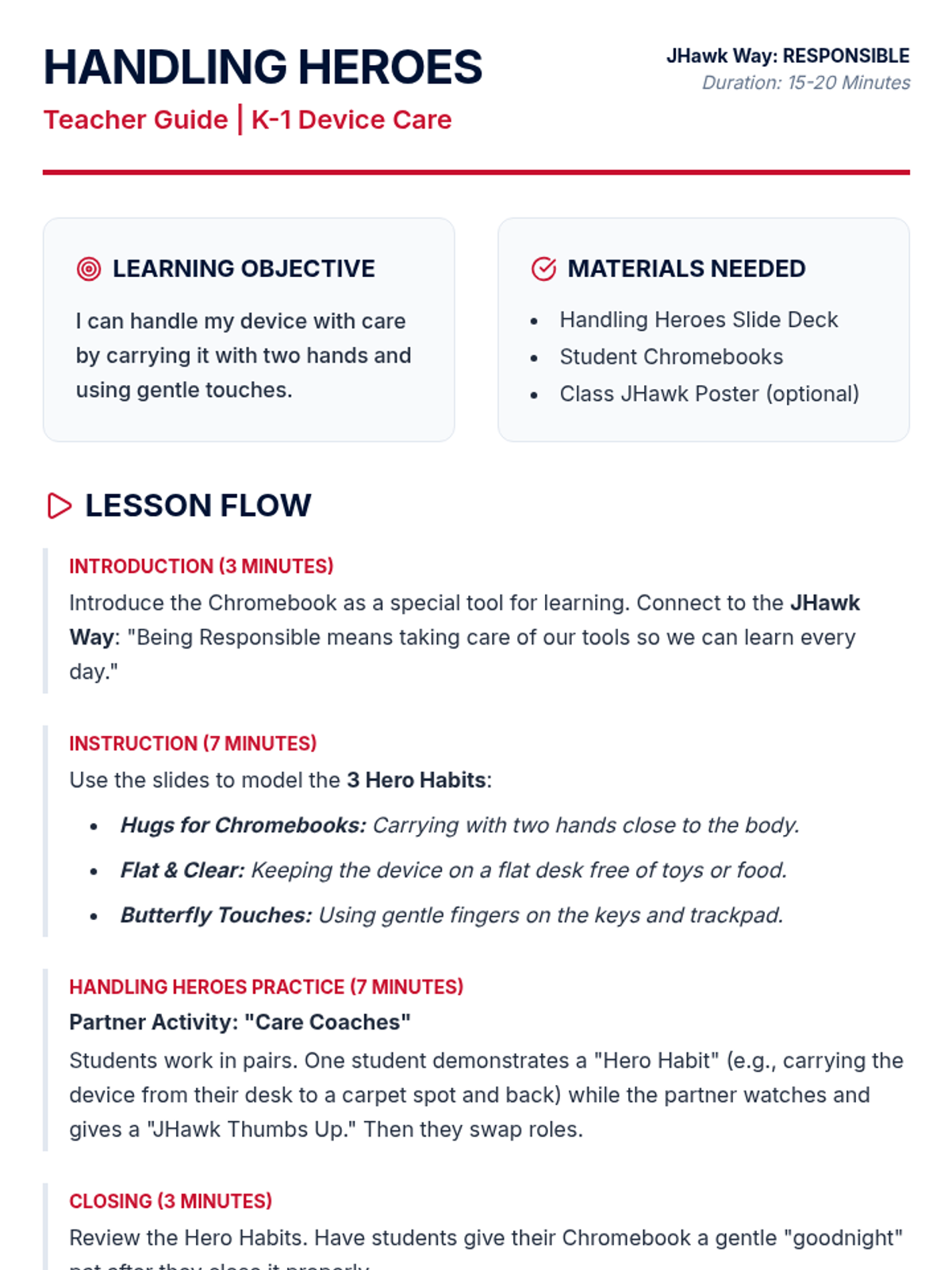
A sequence of three lessons (K-1, 2-3, and 4-5) teaching students how to handle their Chromebooks with care, aligned with the JHawk Way of being Responsible. Each lesson includes a teacher guide and a branded slide deck.
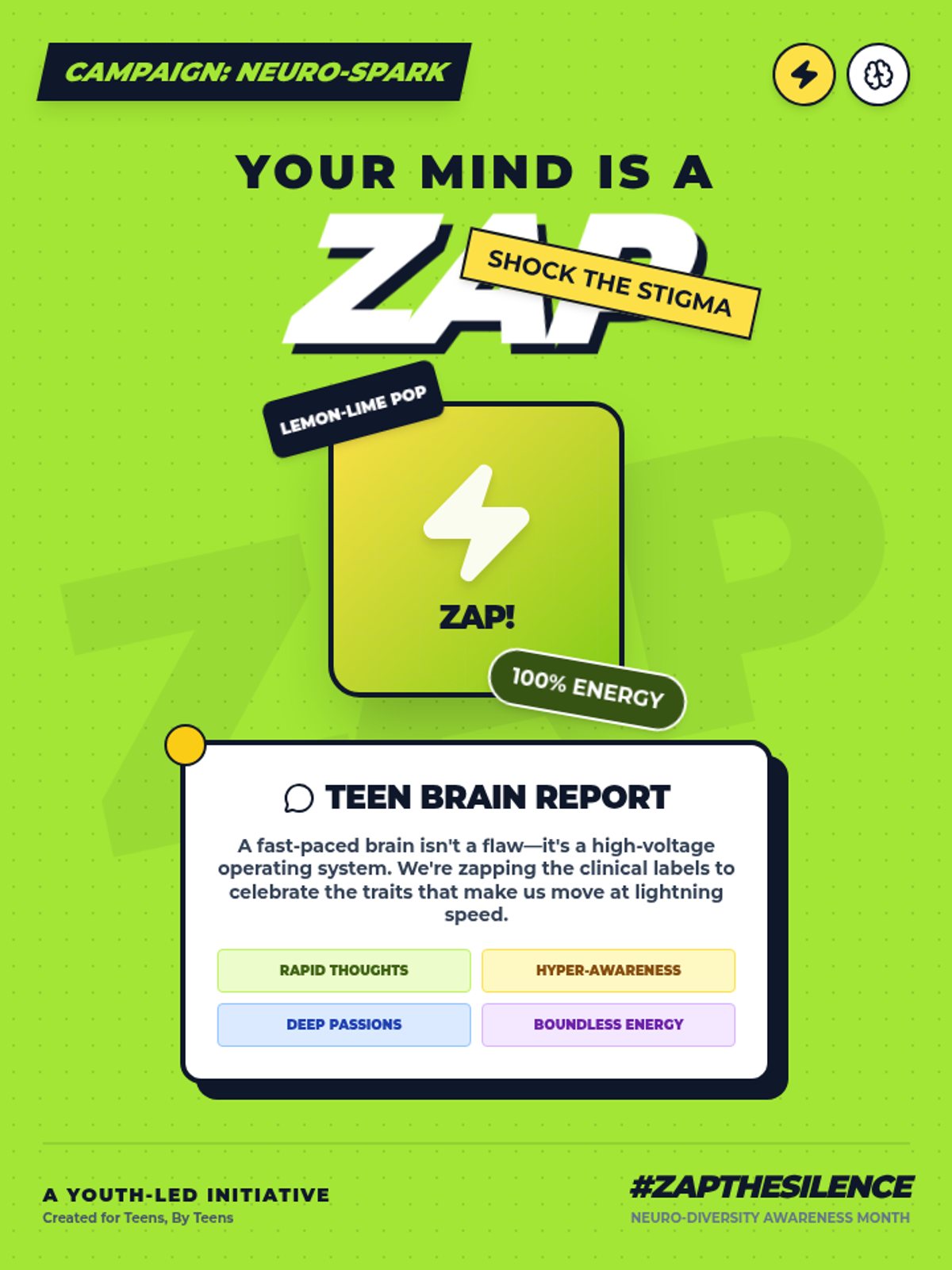
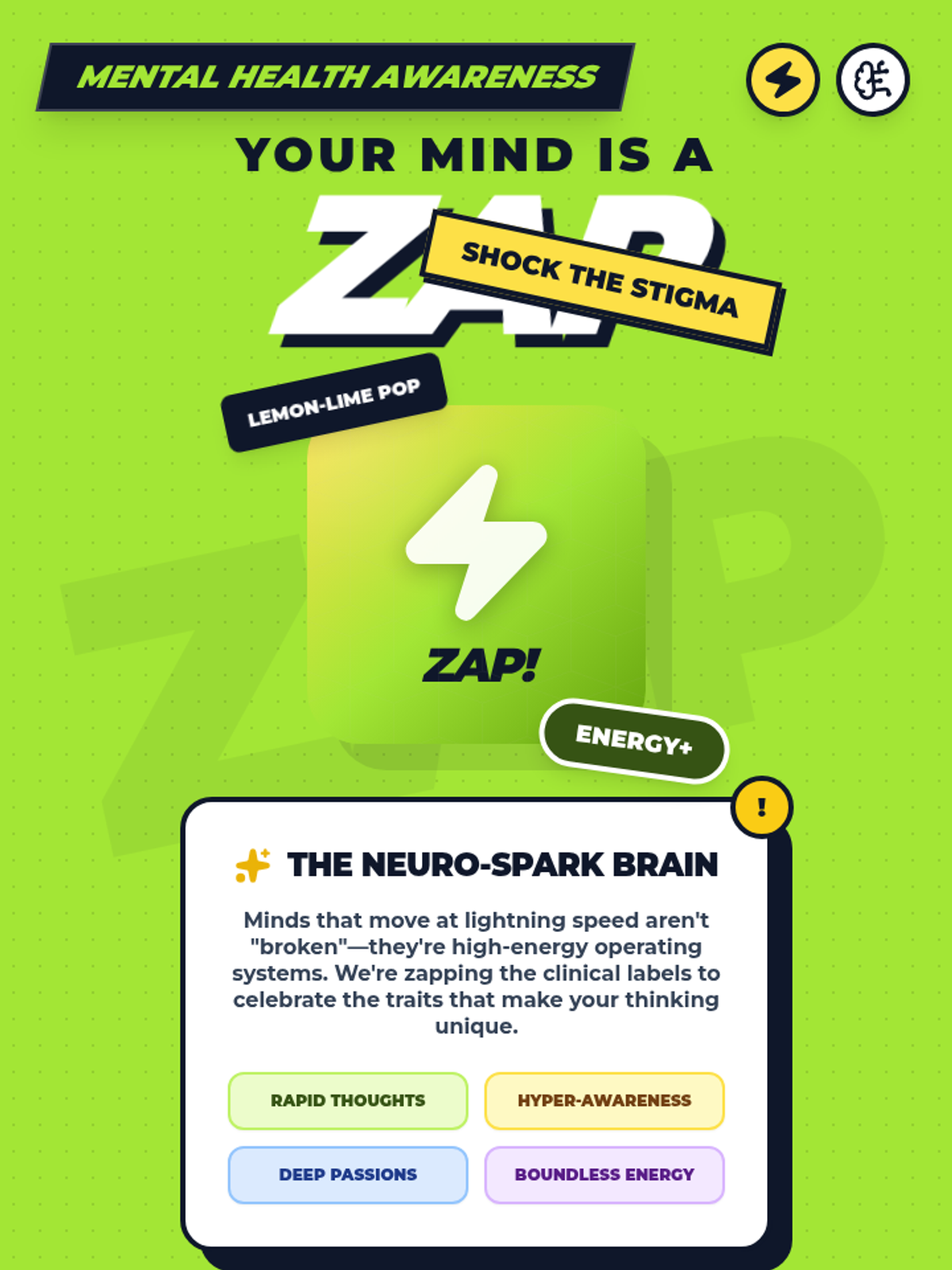
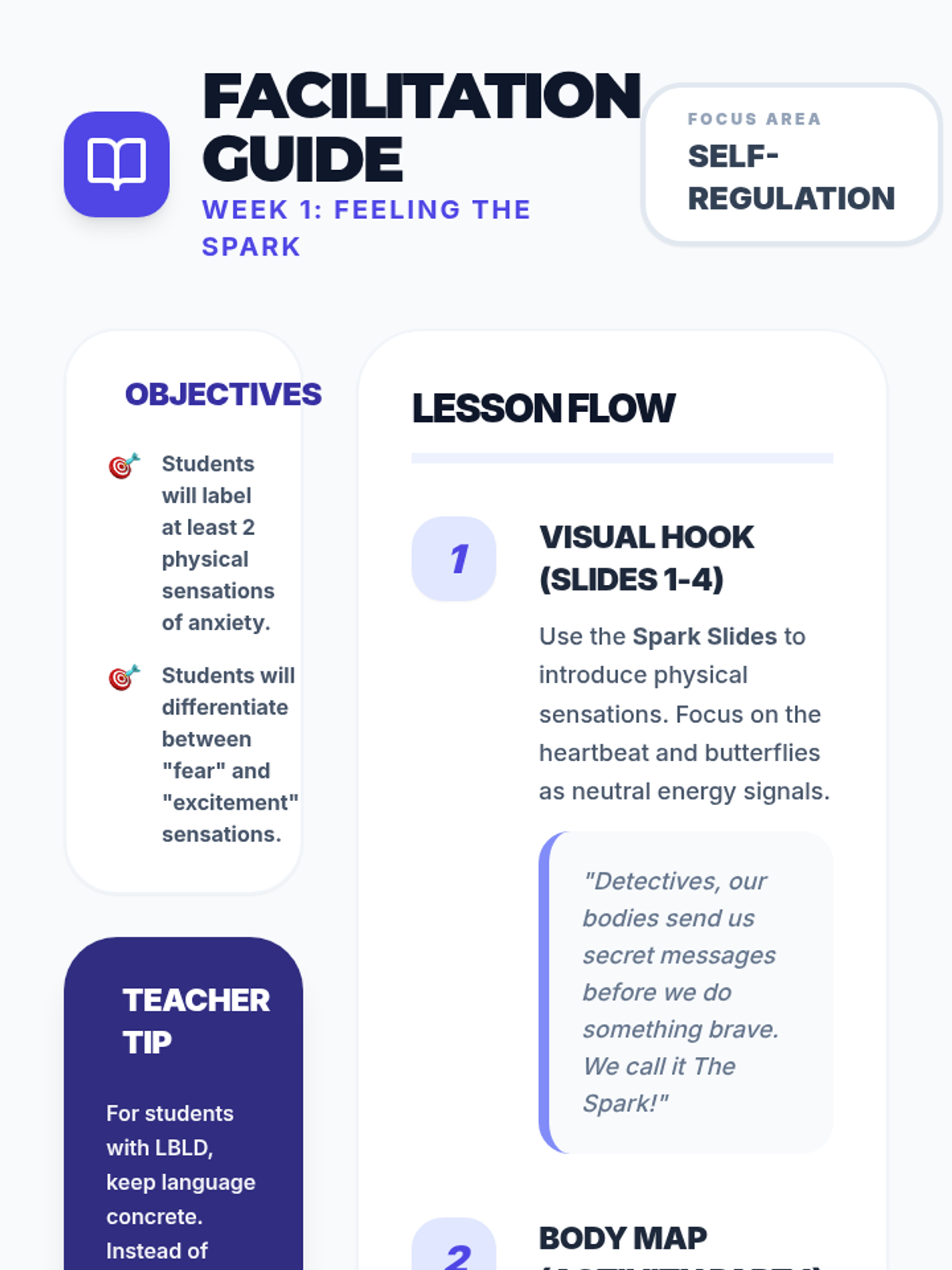
A project exploring mental health awareness through creative marketing, focusing on neurodiversity and celebrating the 'spark' of fast-paced minds.
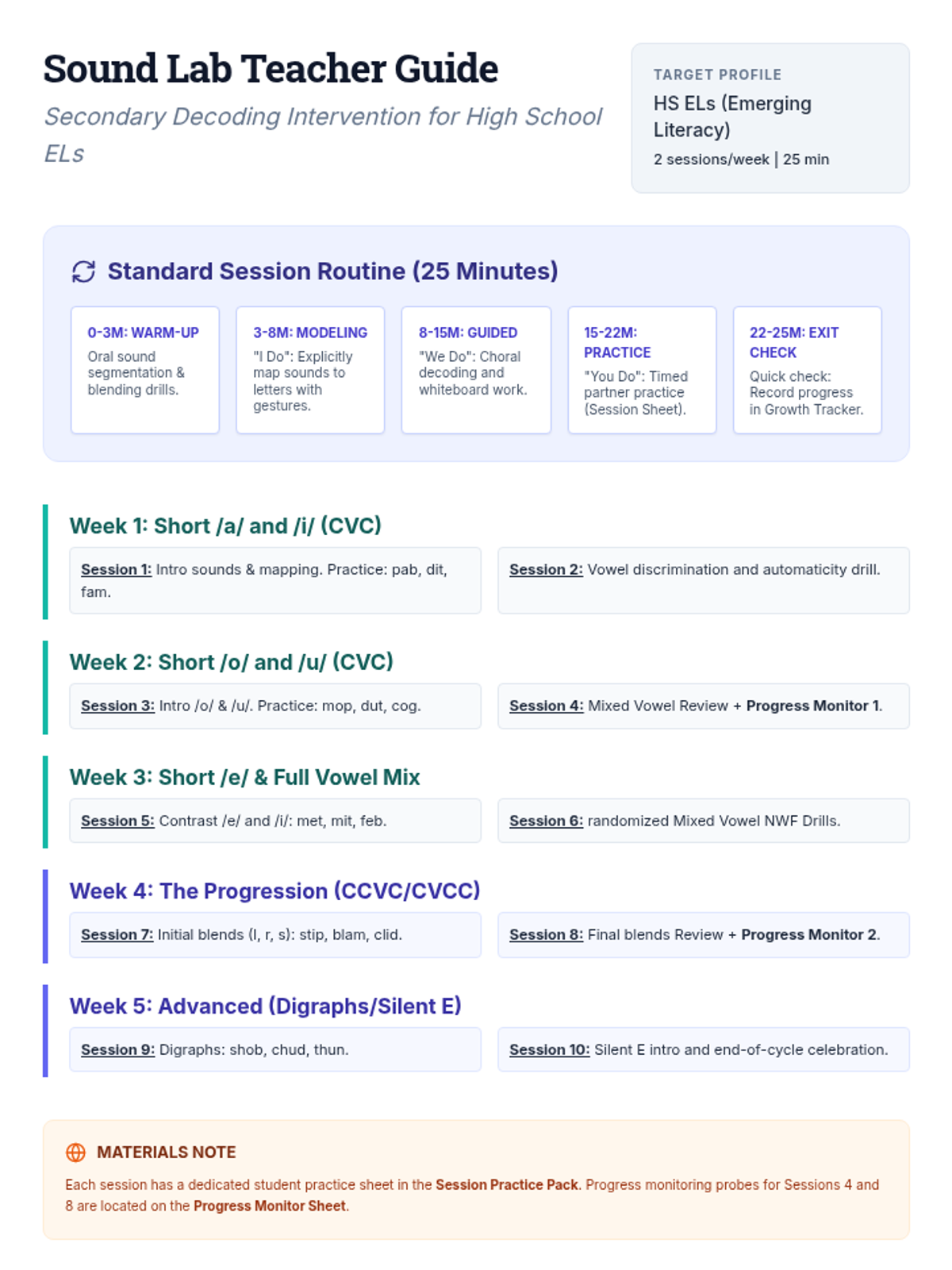
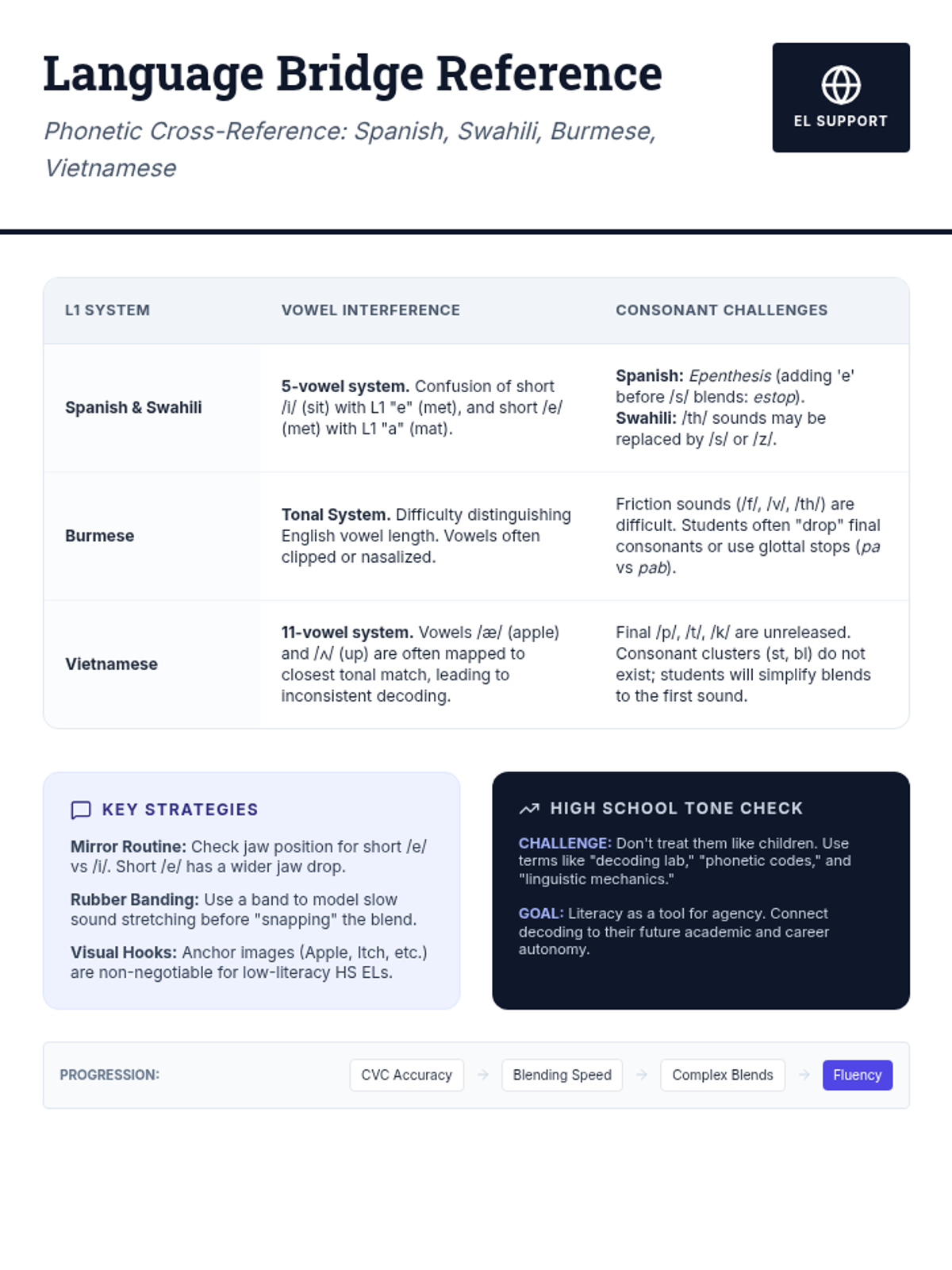
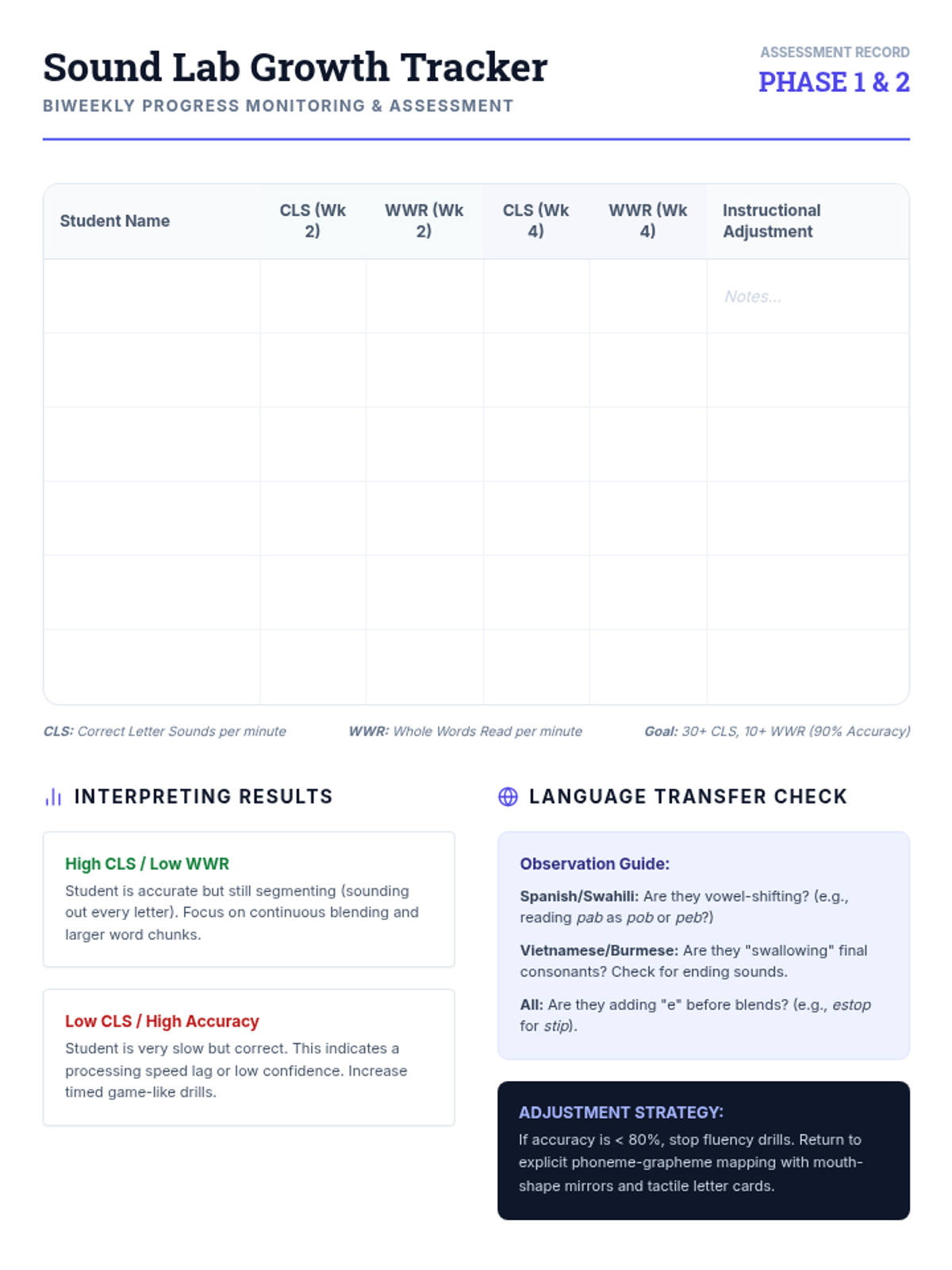
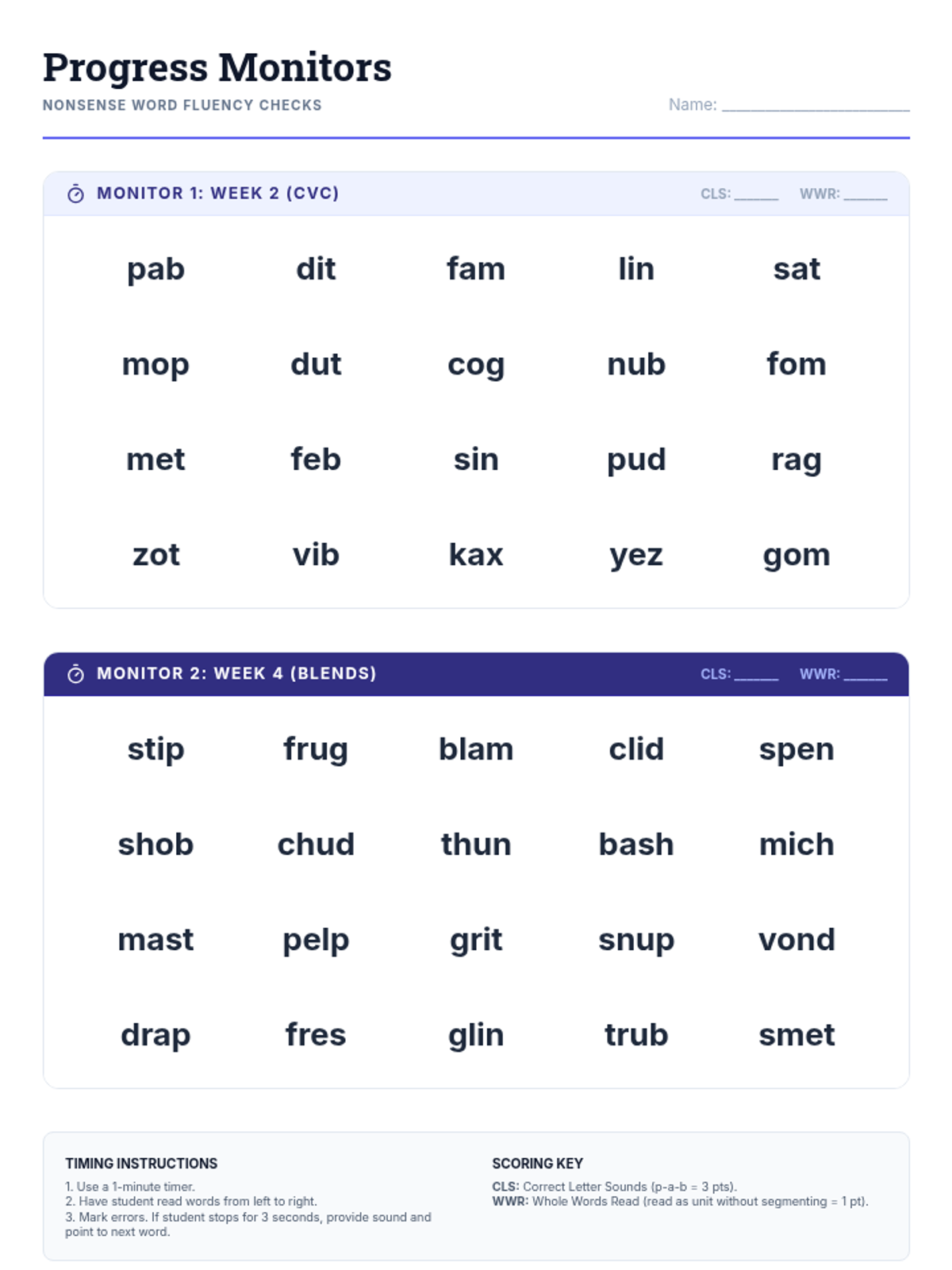
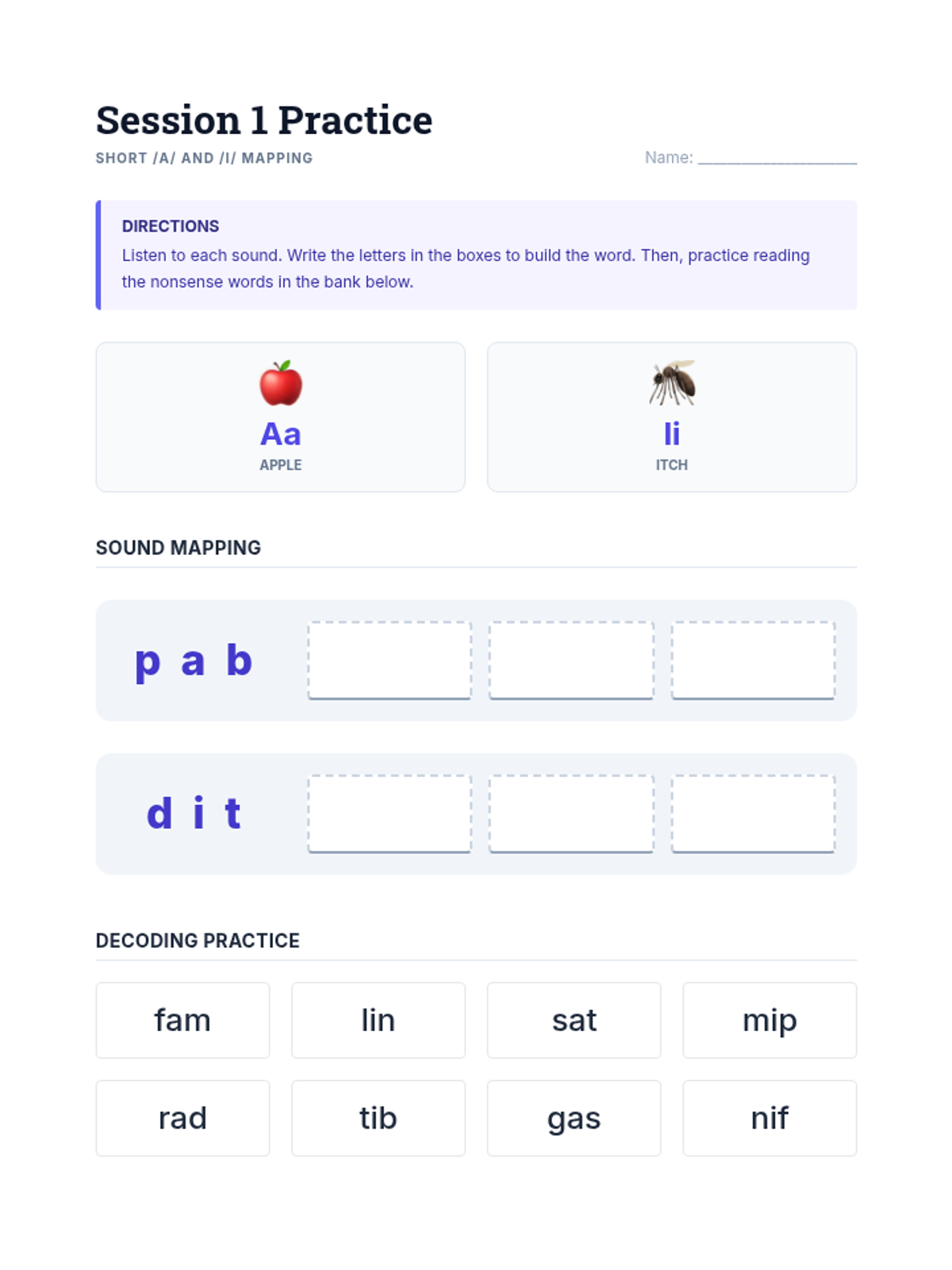
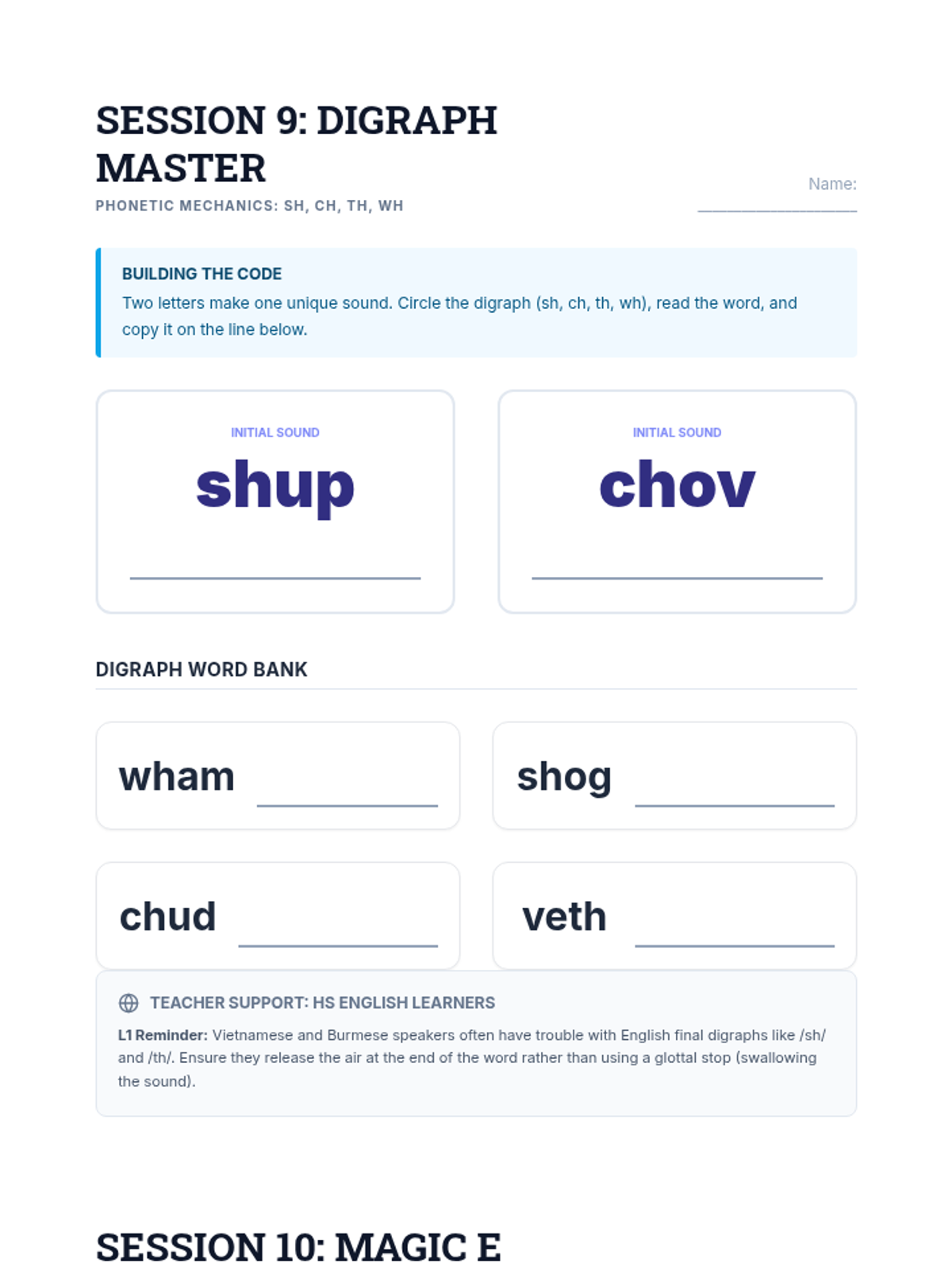
A dual-track intervention sequence for high school ELs with limited formal education, covering both Phoneme Segmenting (oral foundation) and Decoding (grapheme-phoneme mapping).
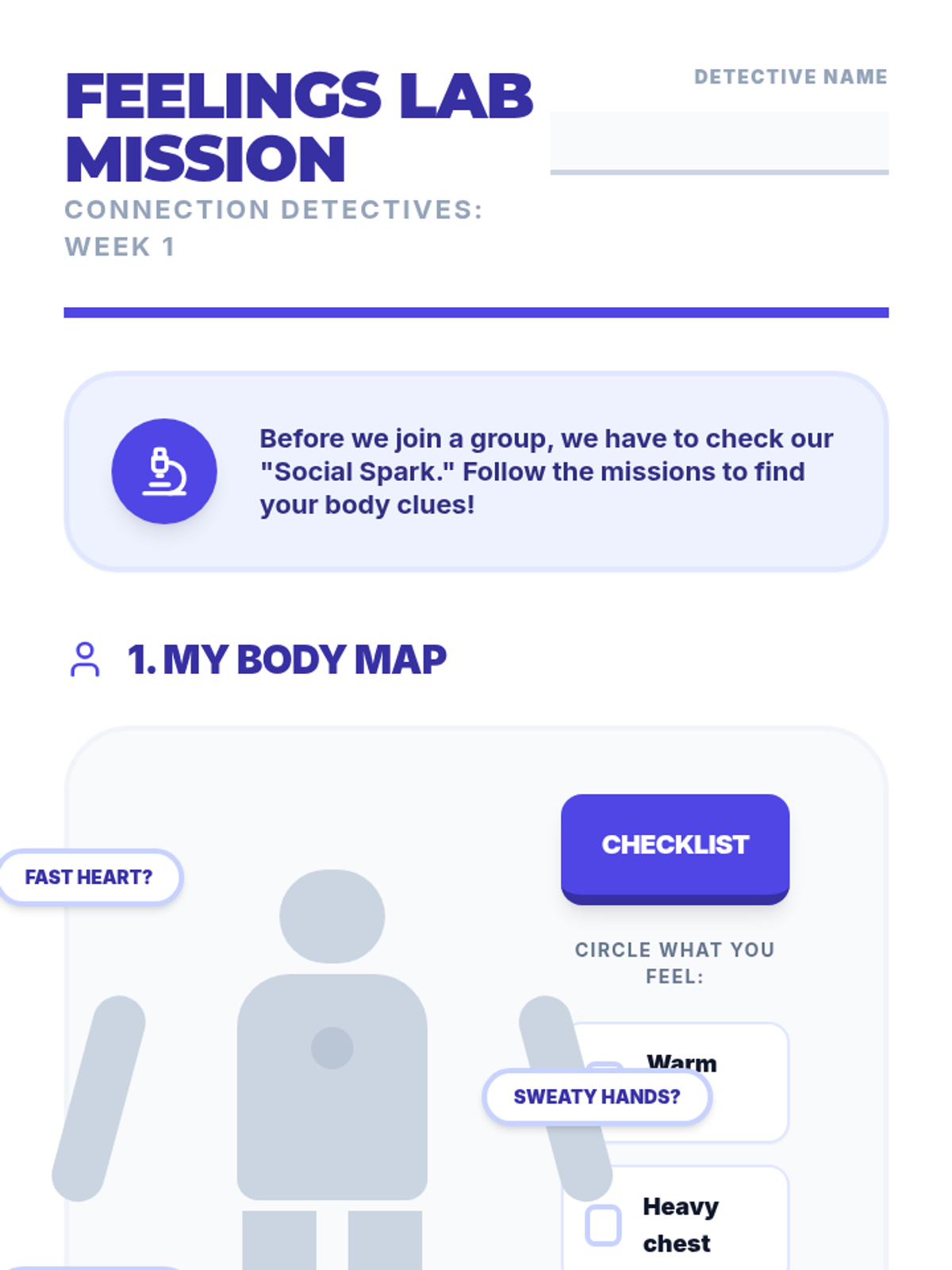
A 5-week curriculum designed for 5th graders with language-based learning disabilities to manage anxiety while building social skills. This program focuses on 'detecting' social cues, initiating group contact, and practicing self-advocacy through visual-heavy instruction and structured role-play.
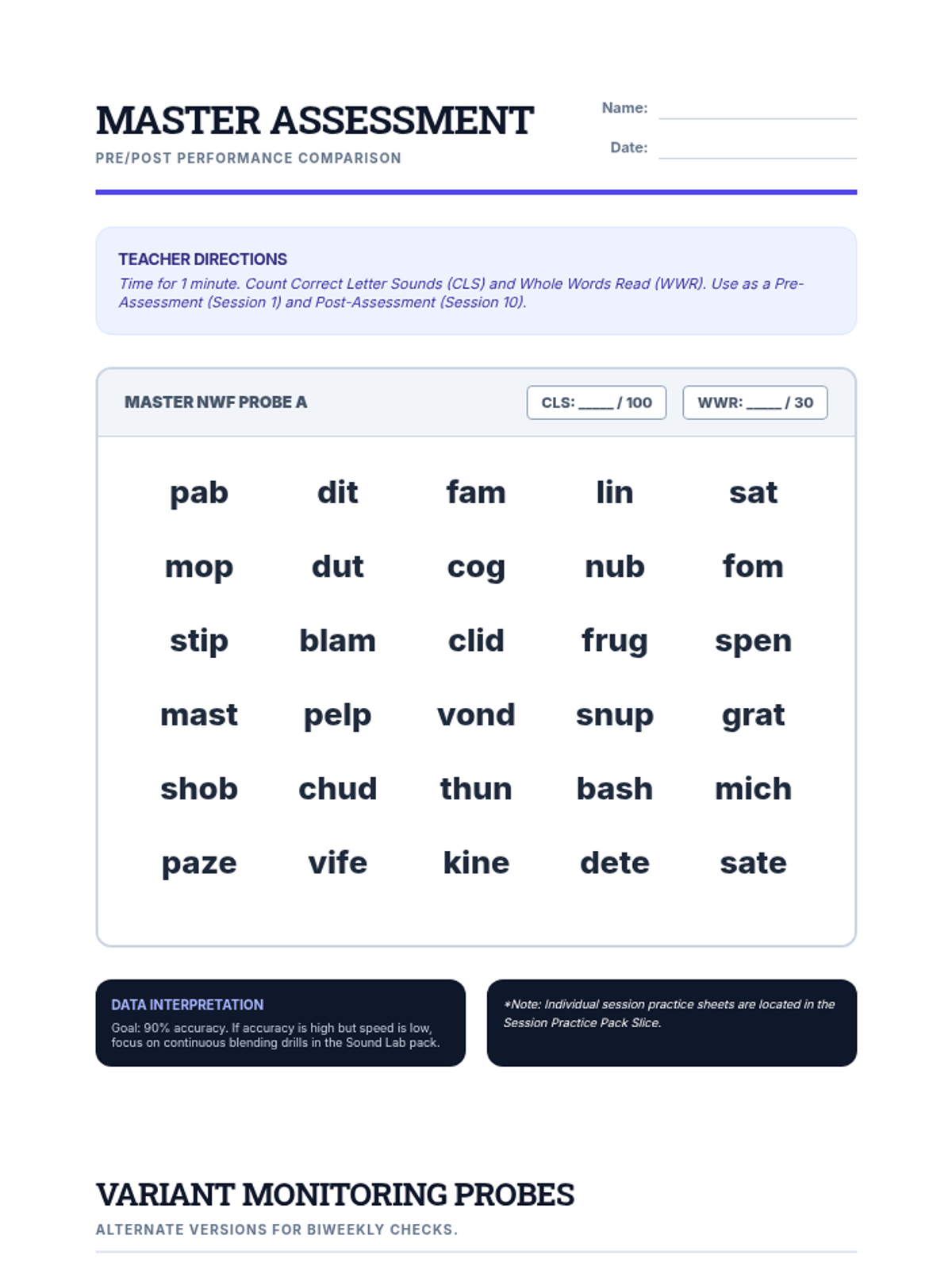
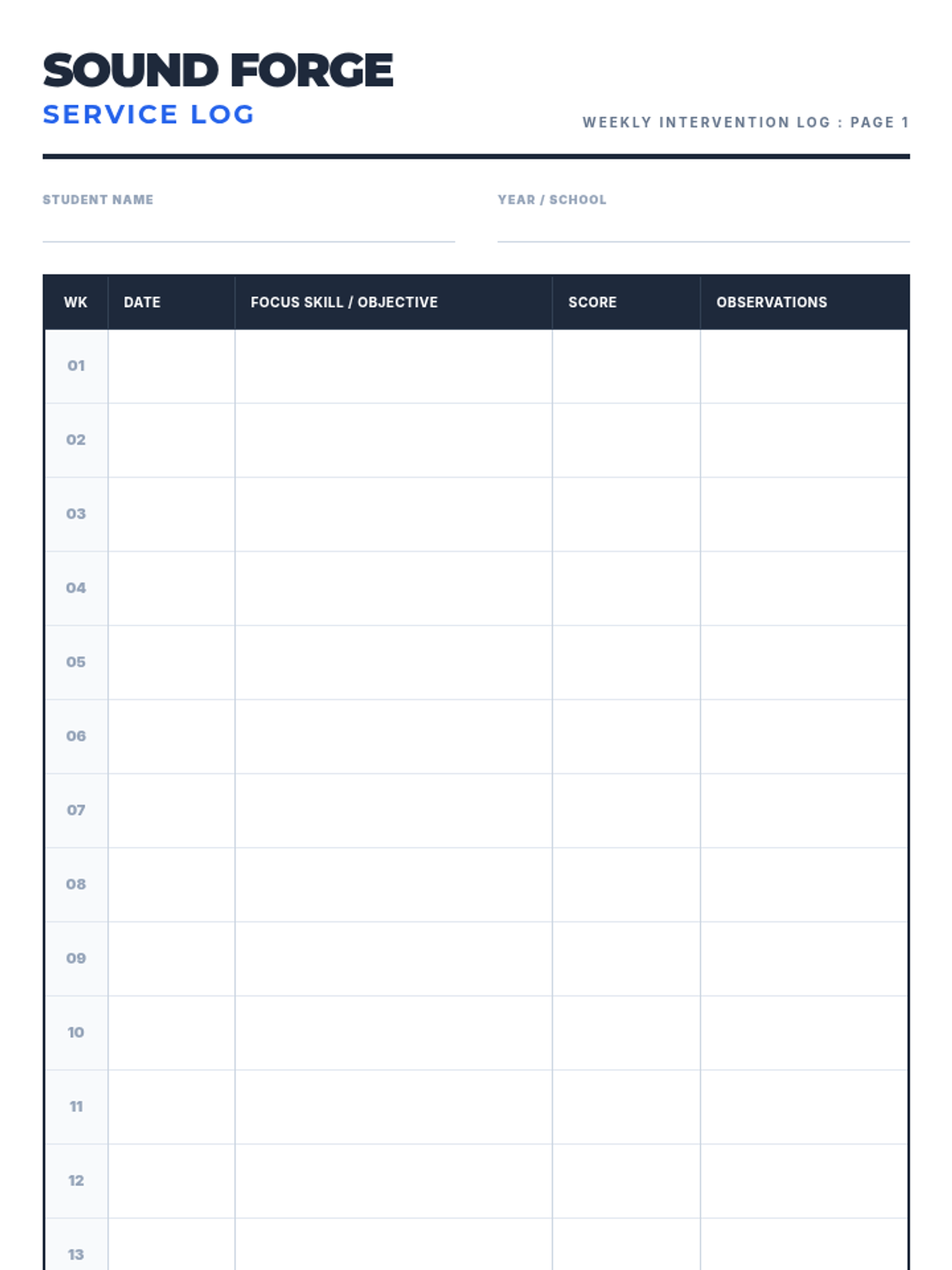
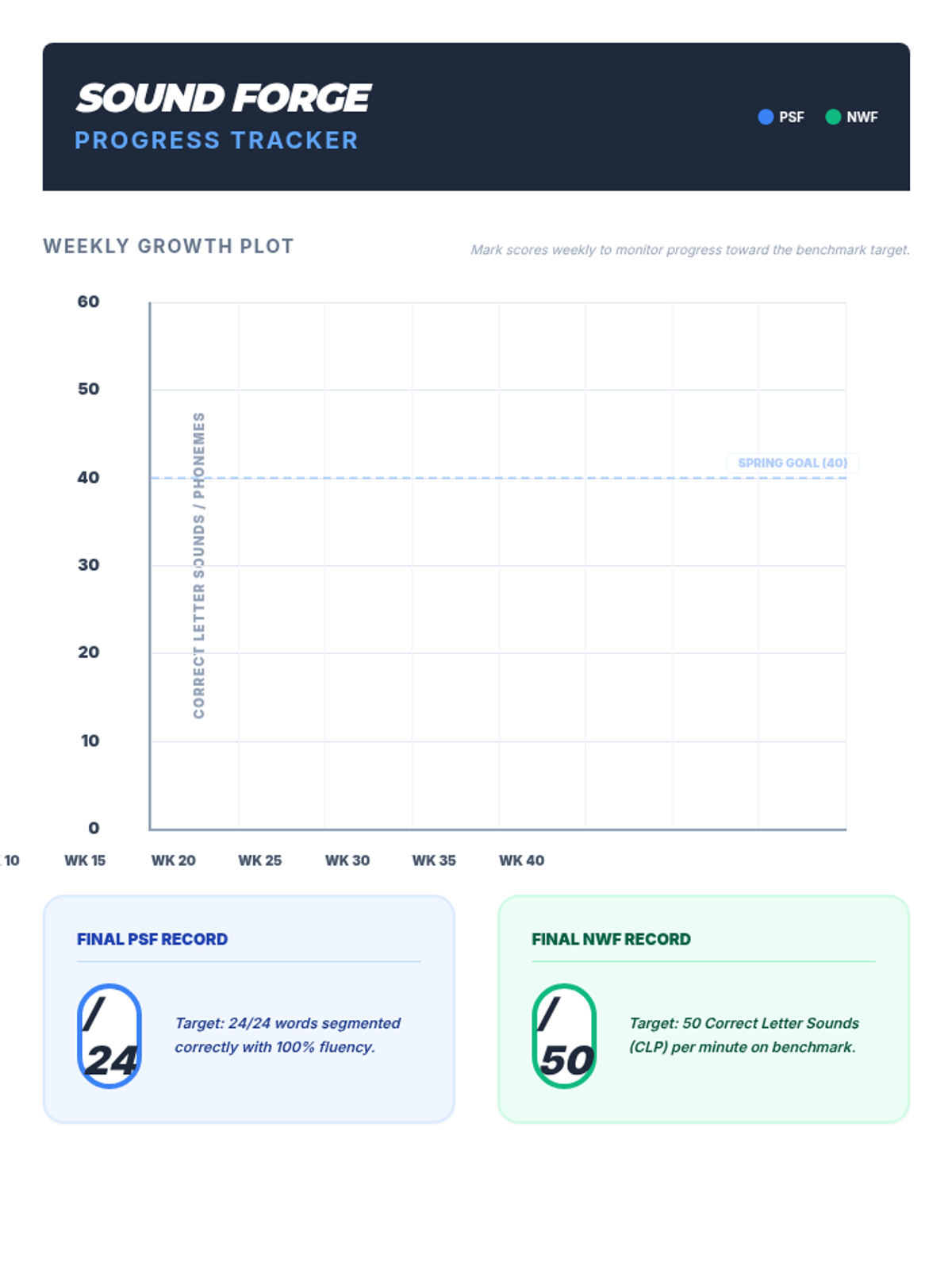
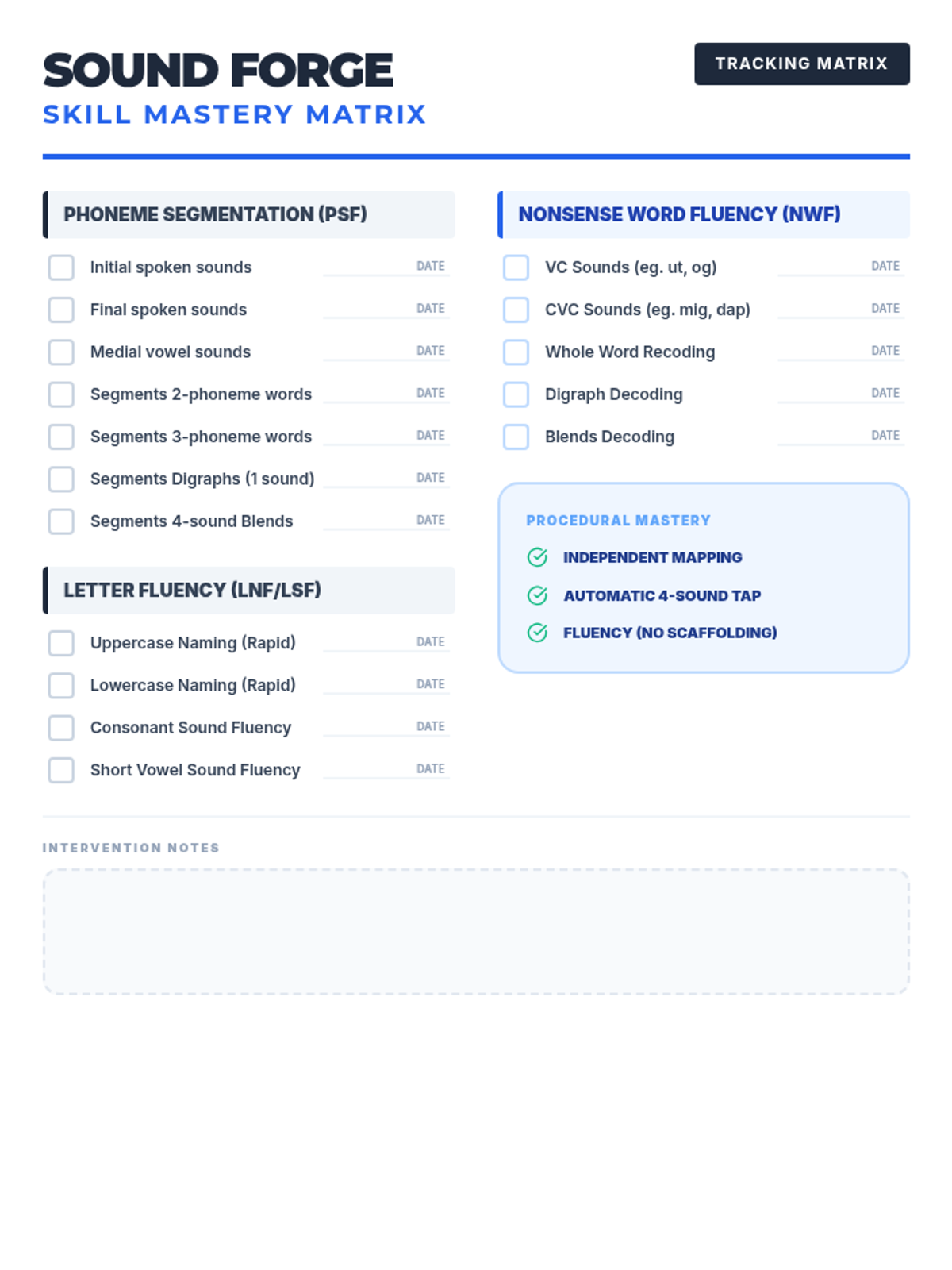
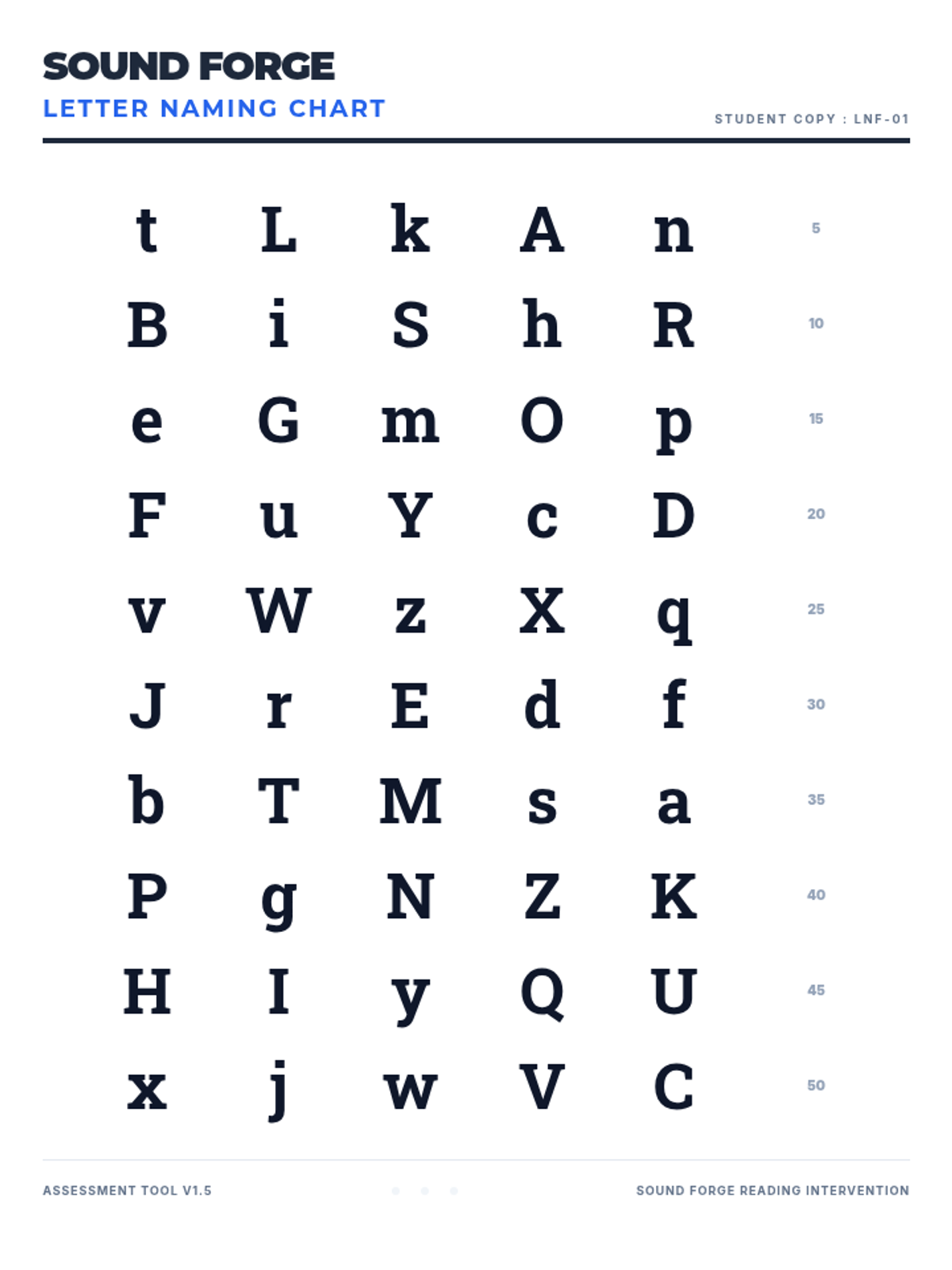
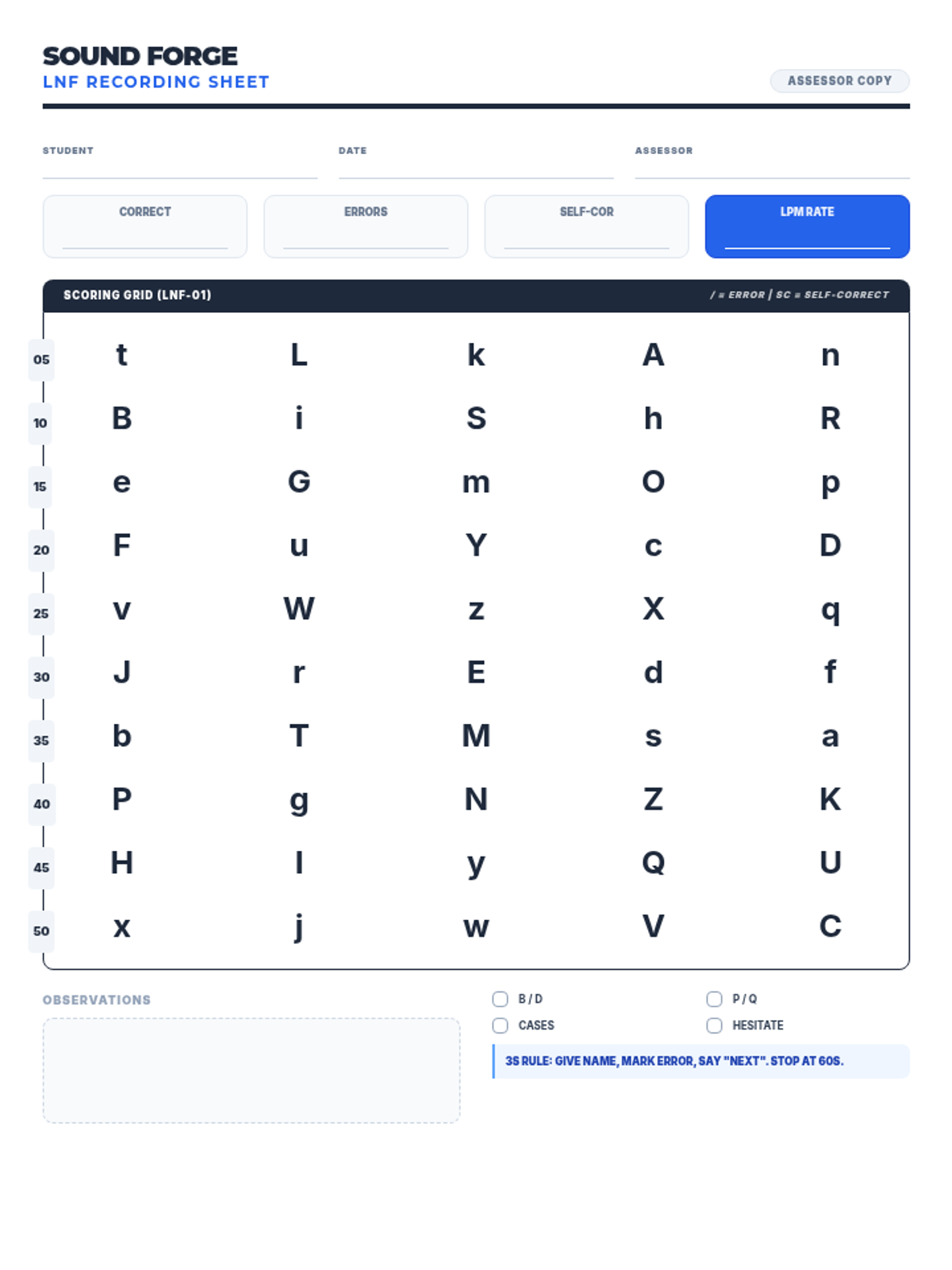
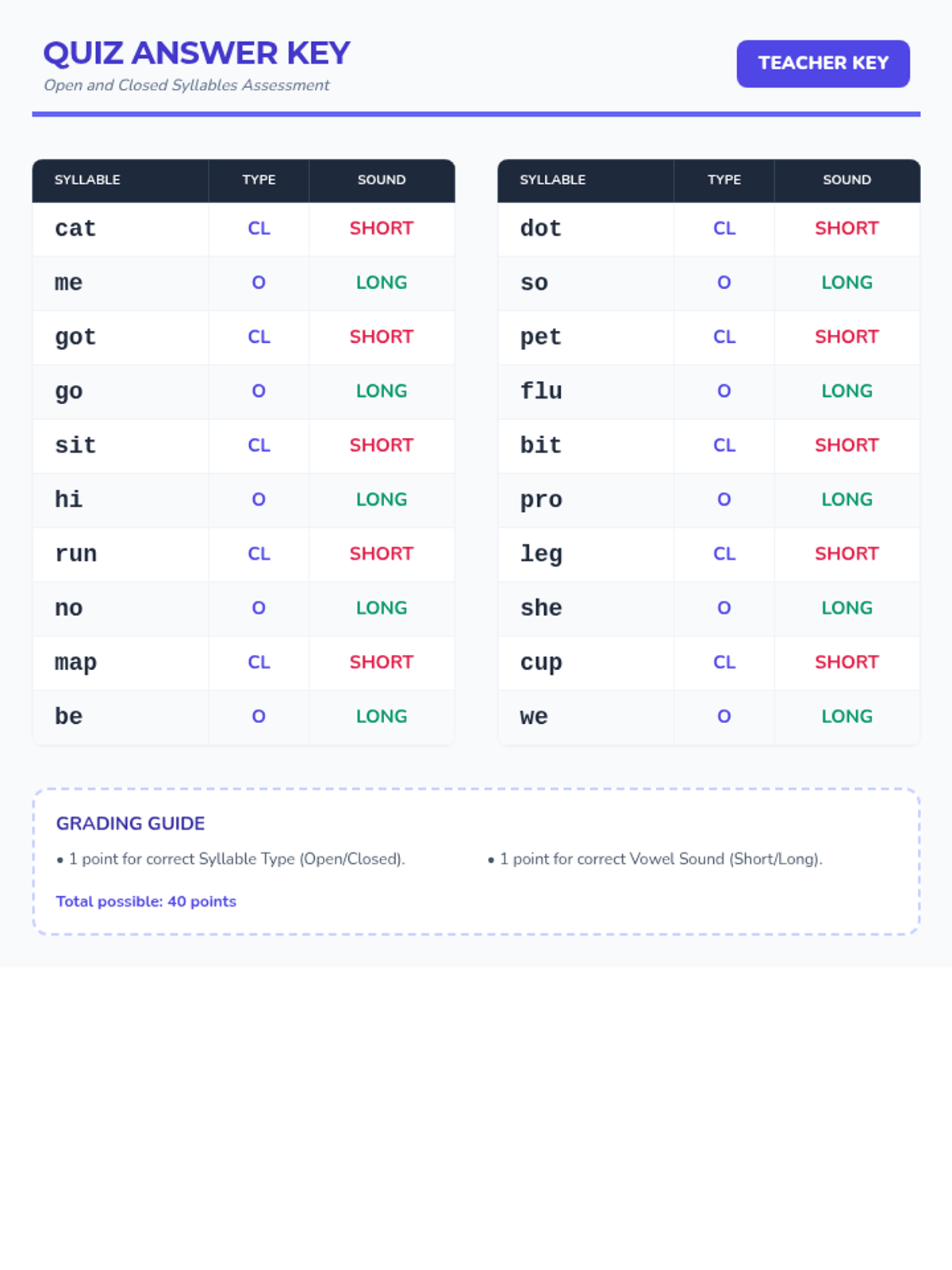
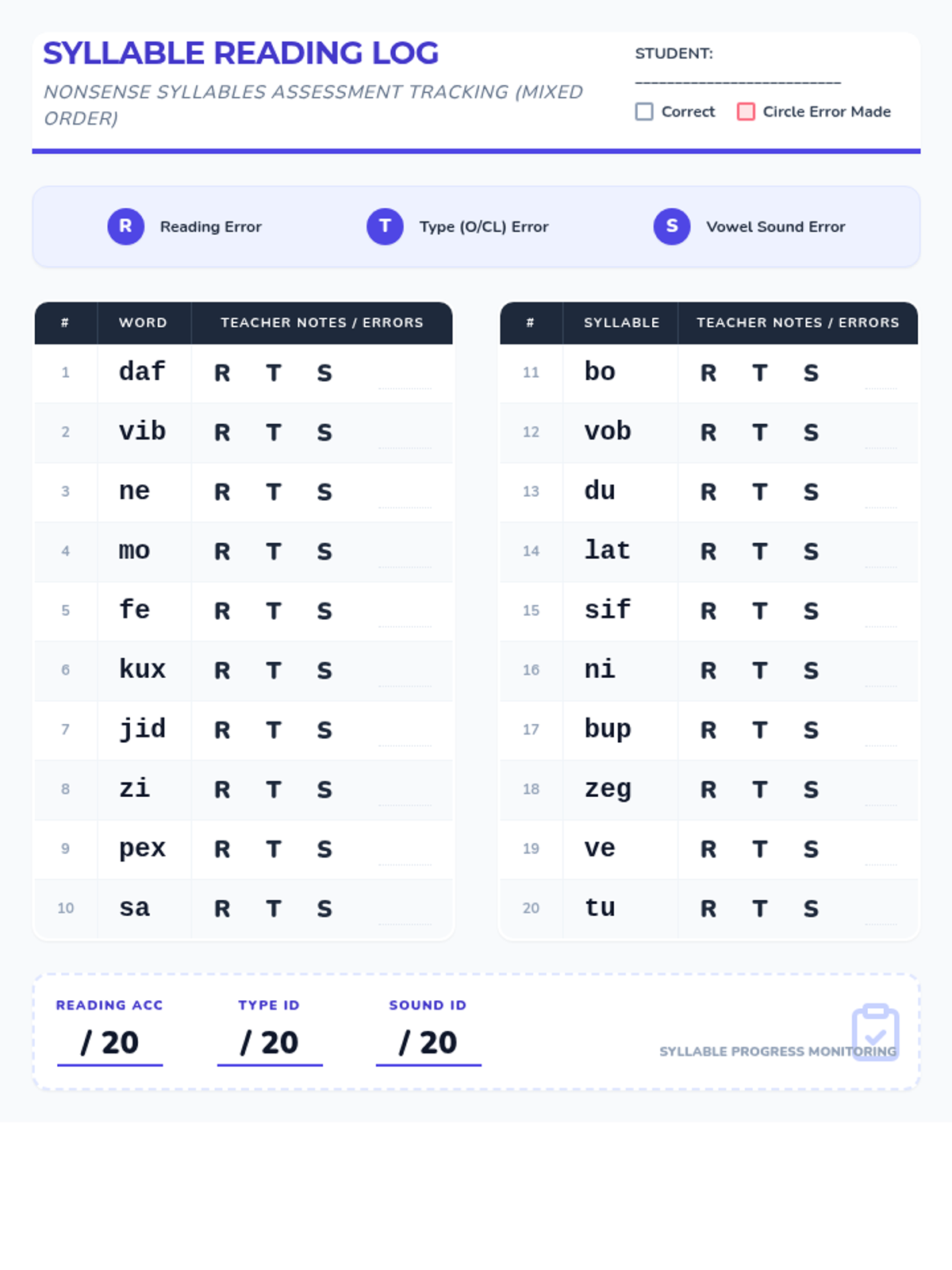
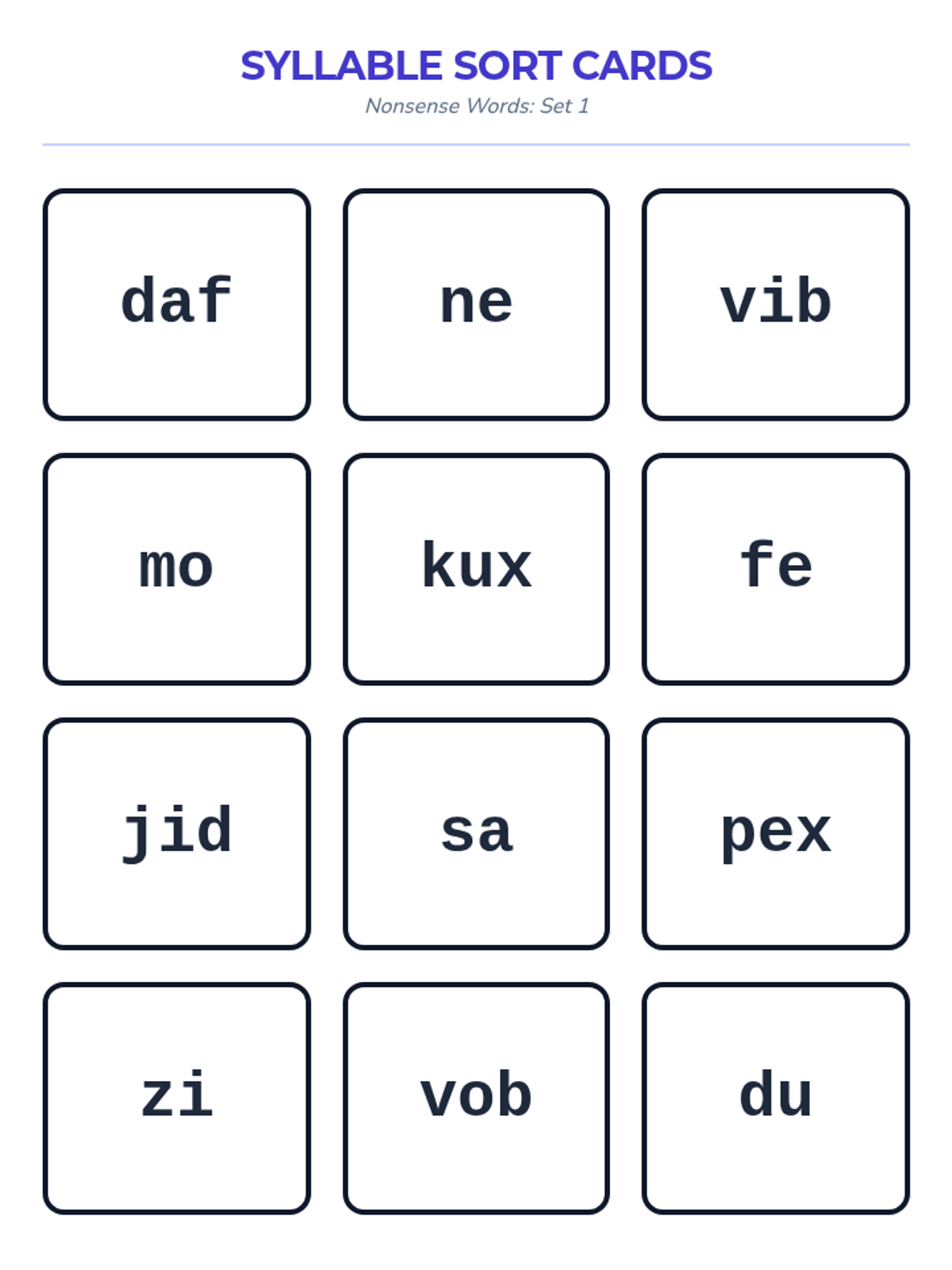
A 40-week intensive reading intervention sequence focused on phoneme segmentation and nonsense word fluency, progressing from letter sounds to complex blends.
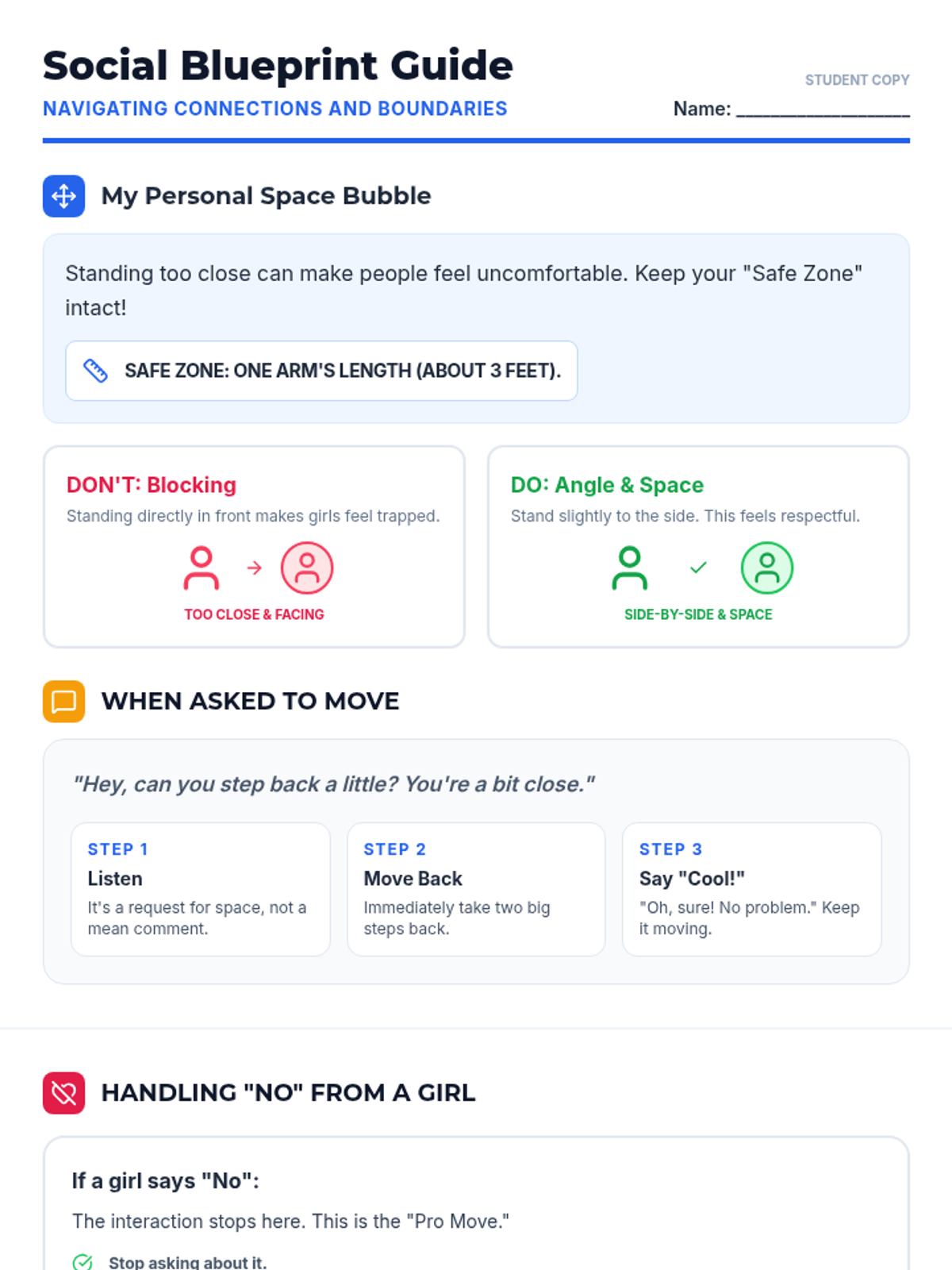
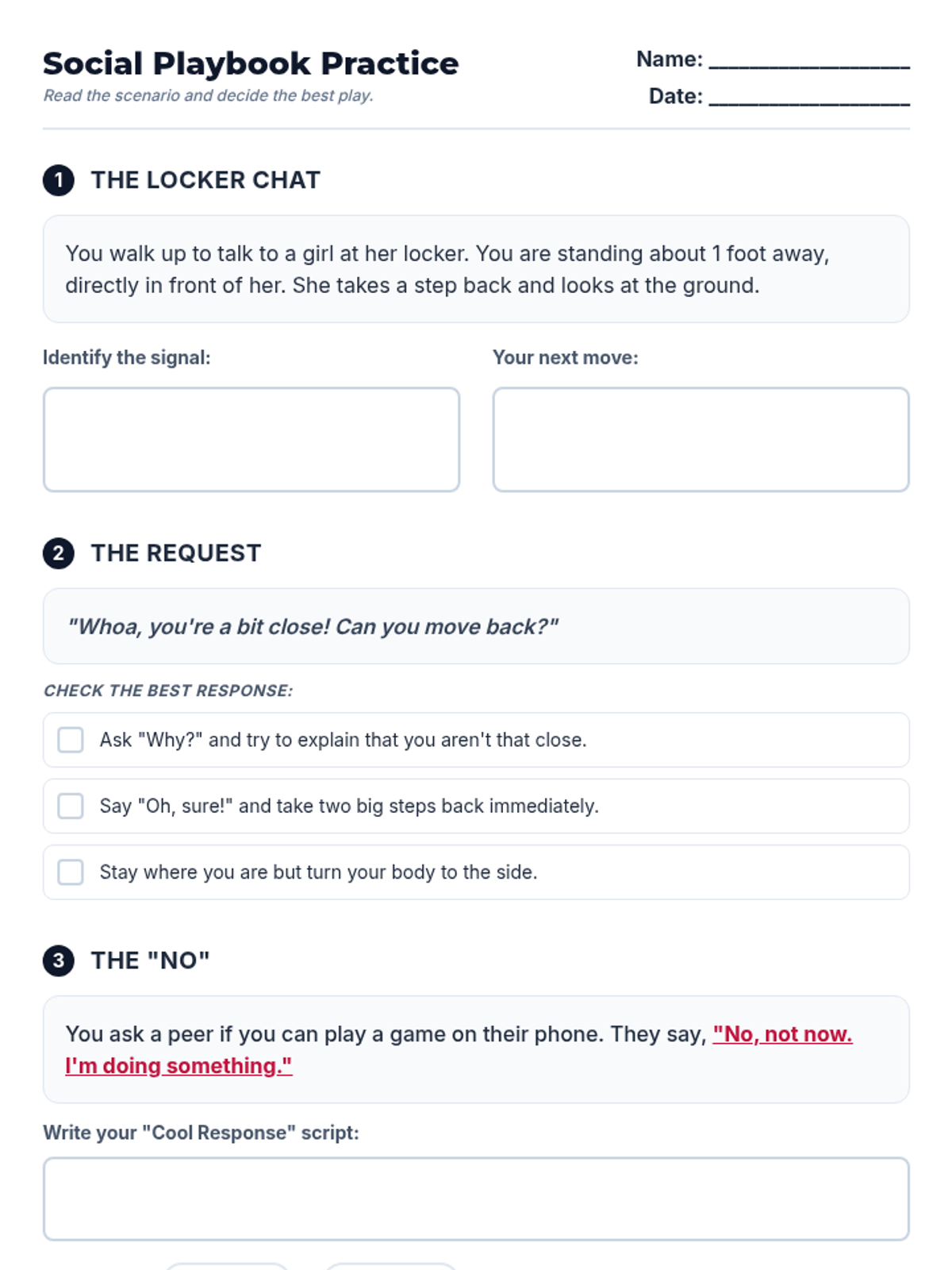
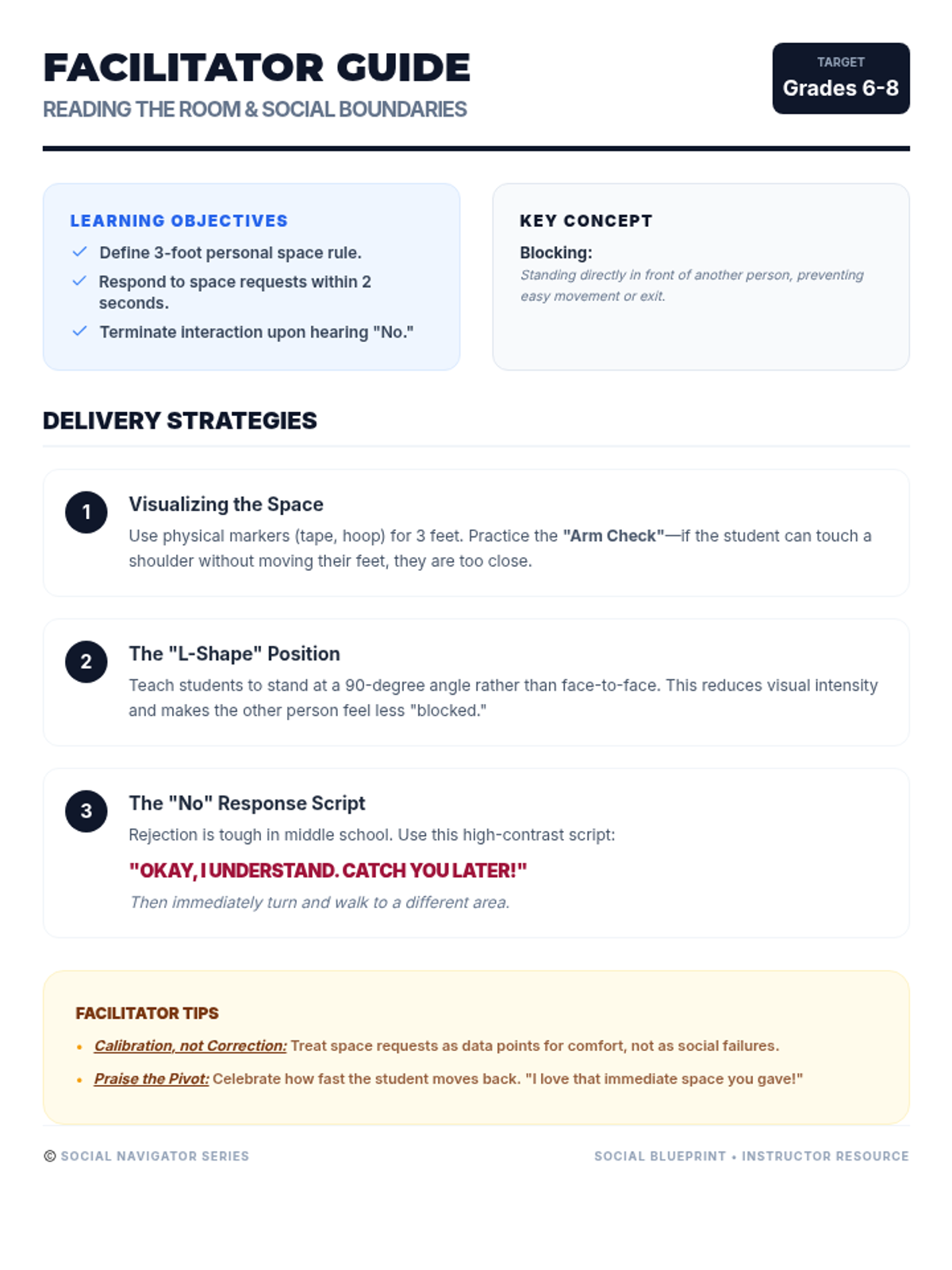
A comprehensive social skills unit focused on personal boundaries, responding to rejection, and understanding social cues for middle school students with autism.
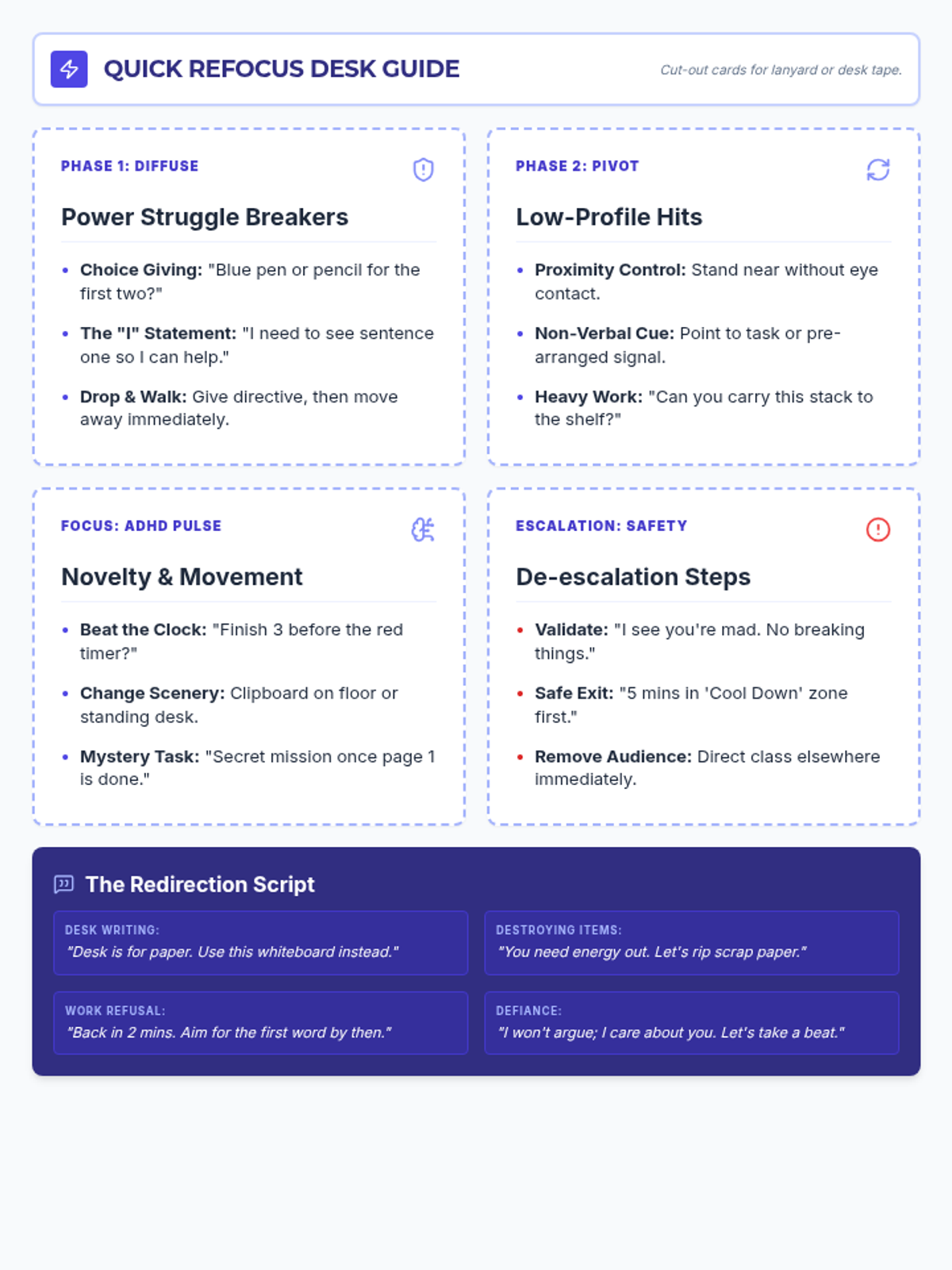
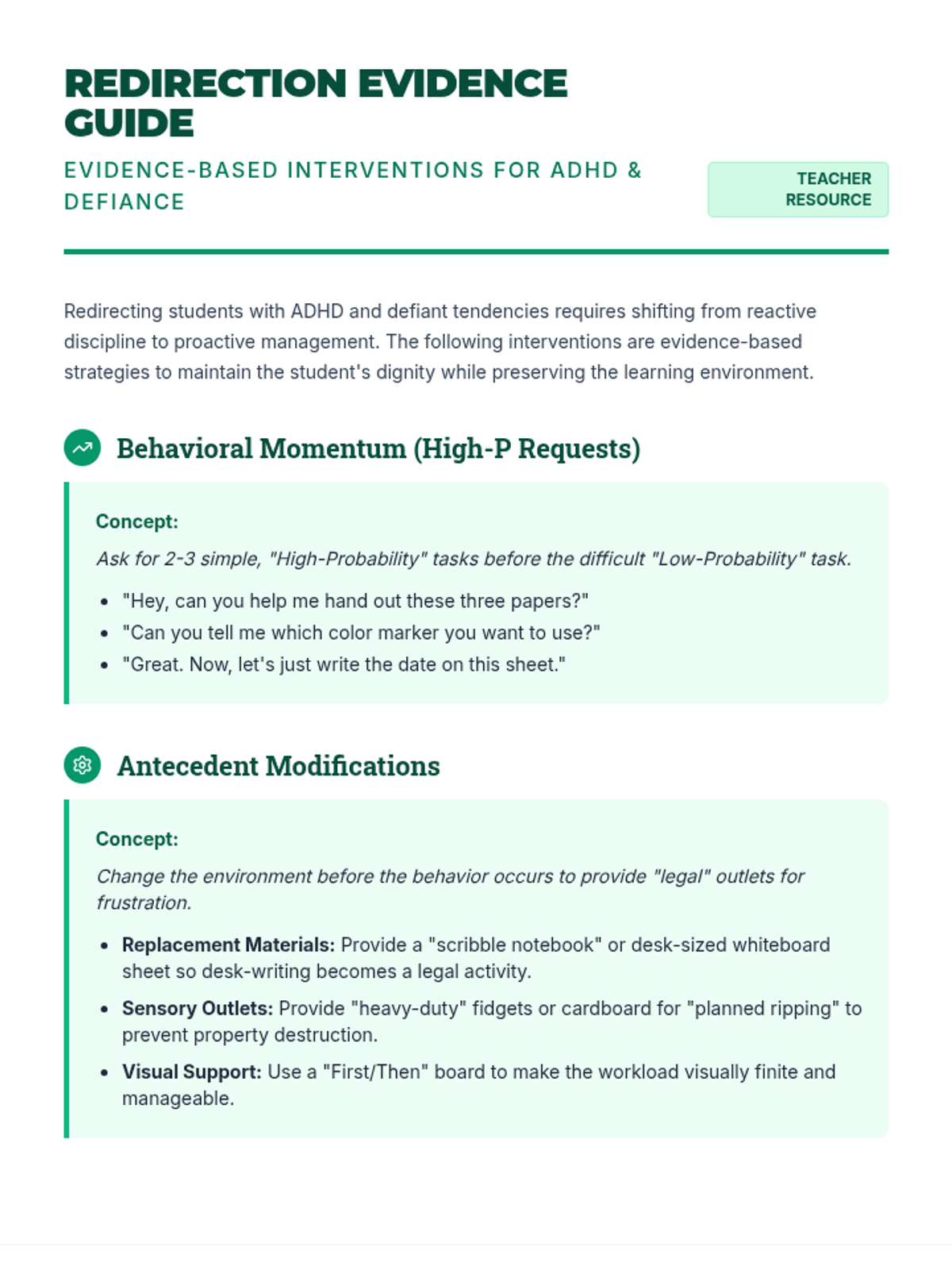
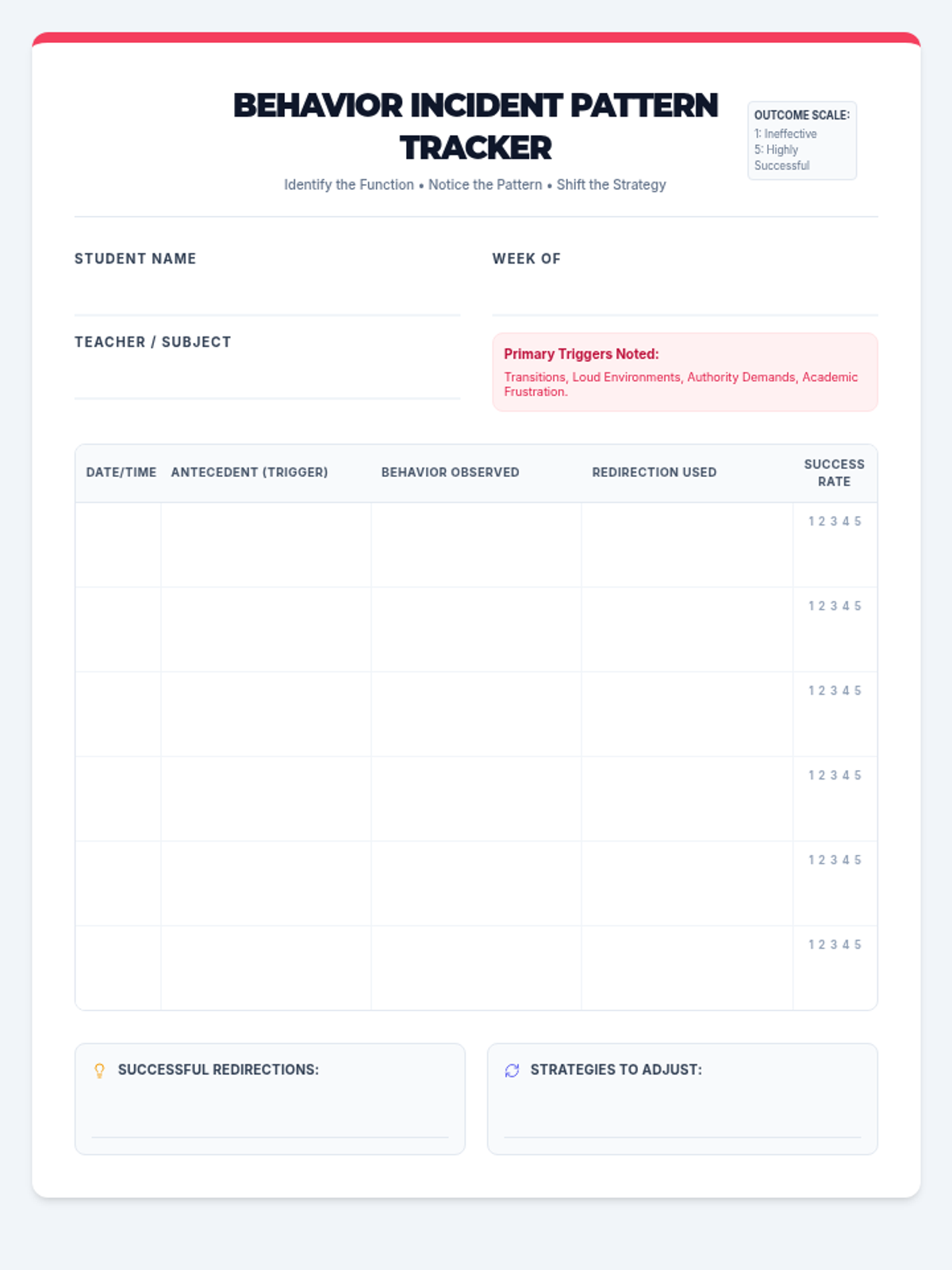
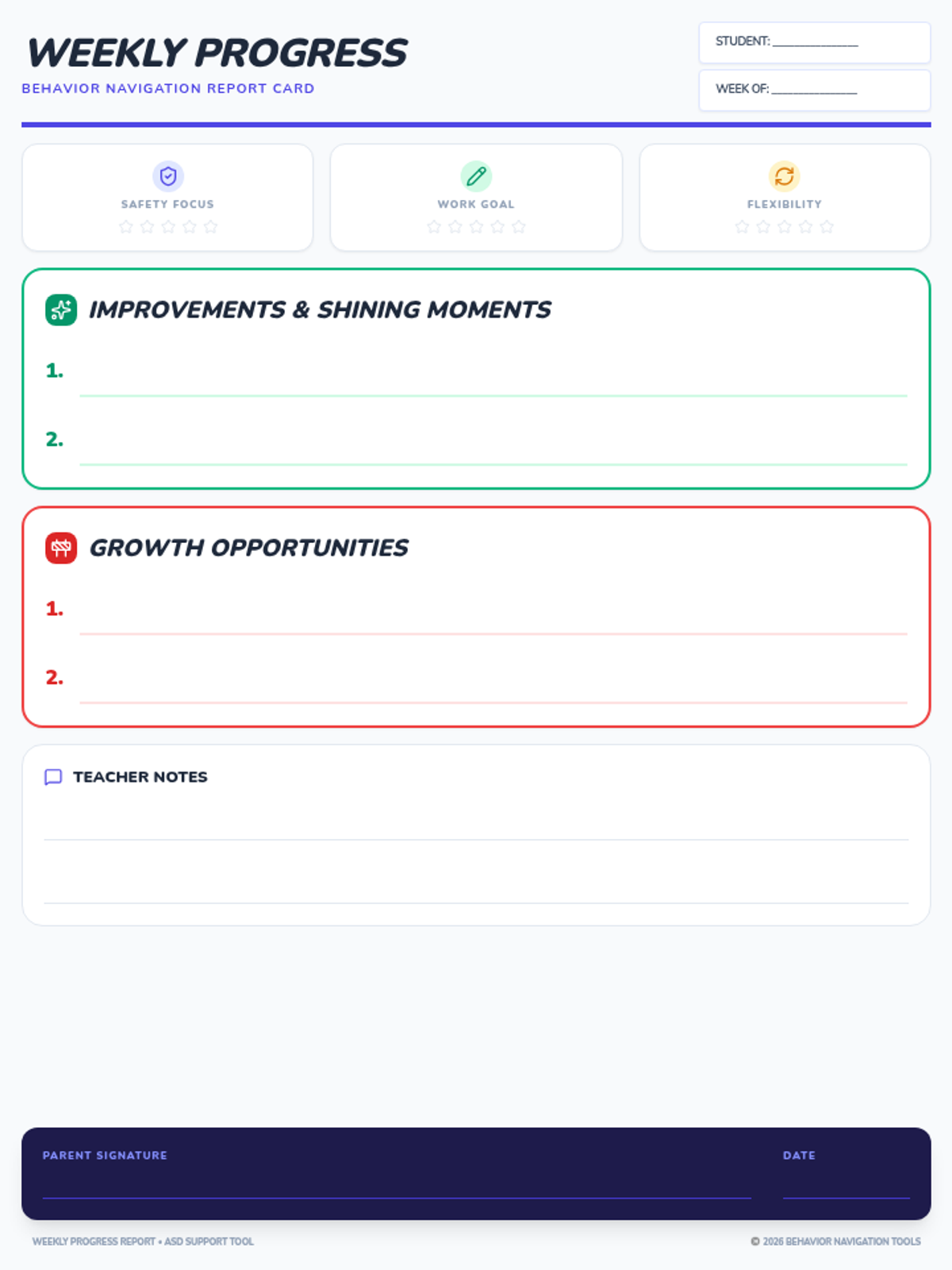
A collection of practical resources and evidence-based strategies for teachers to manage challenging behaviors, refocus students, and maintain a positive classroom environment.
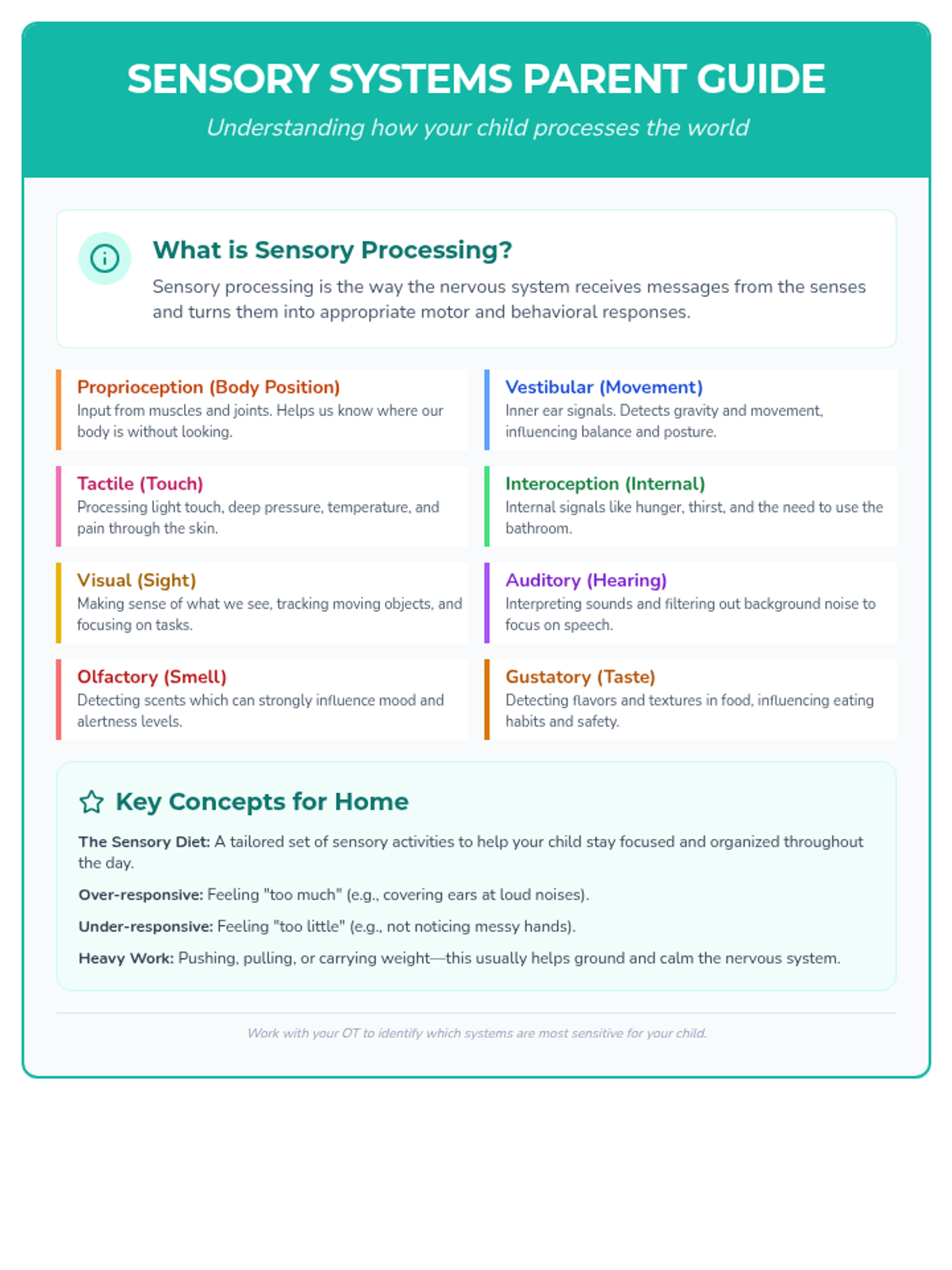
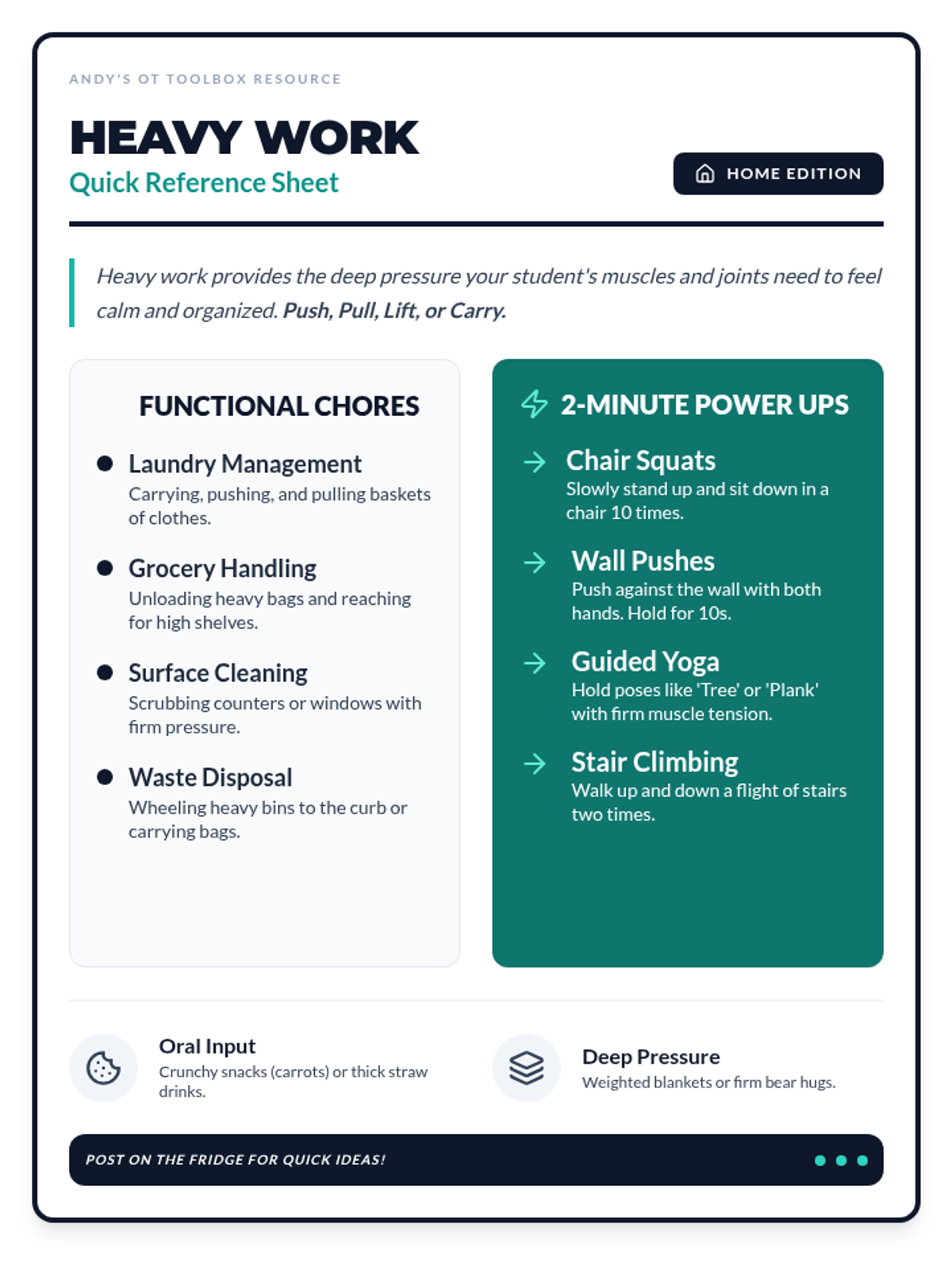
A collection of parent-facing resources for supporting sensory processing and proprioception at home for students across all age ranges, from elementary to high school.
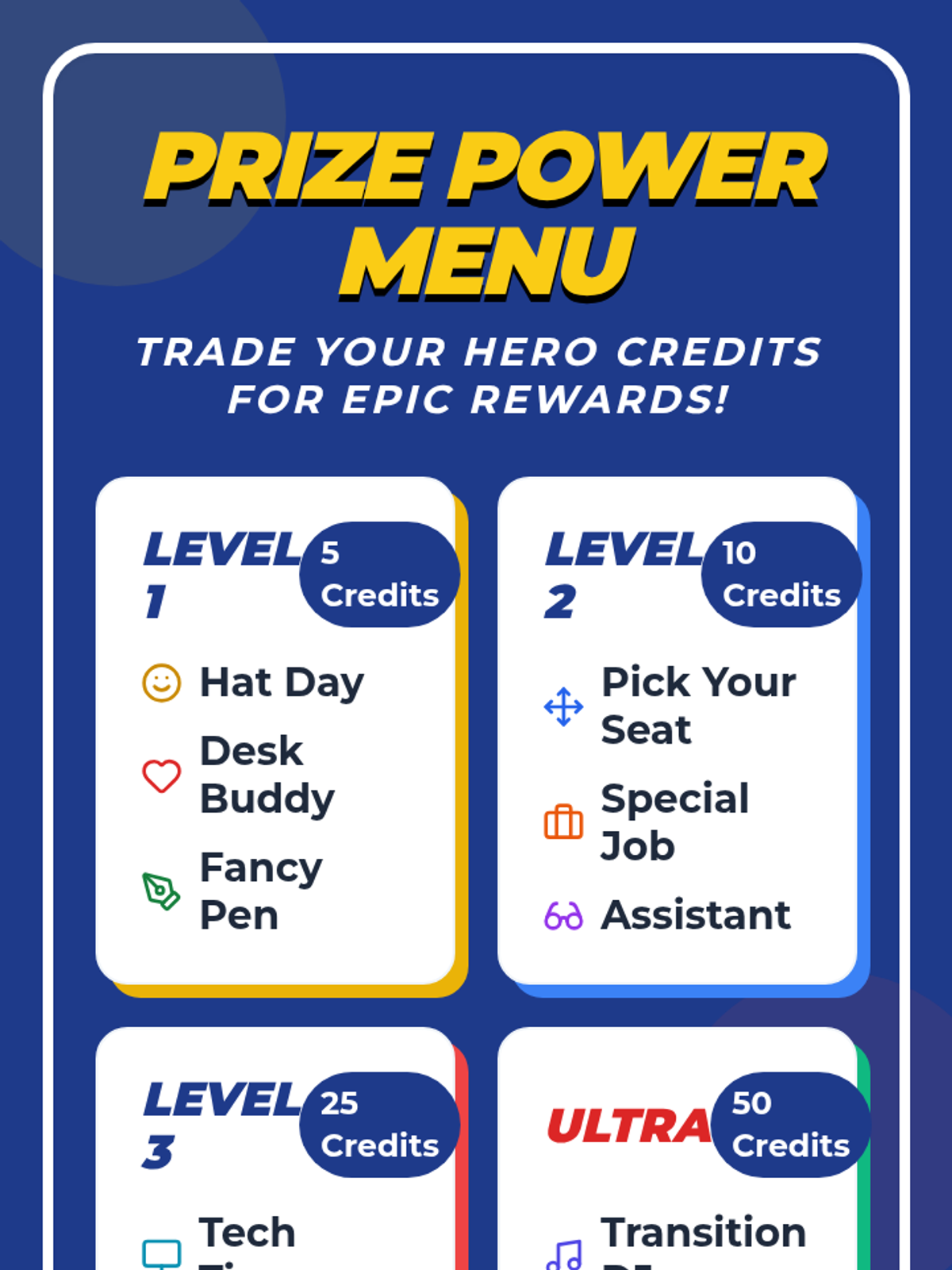
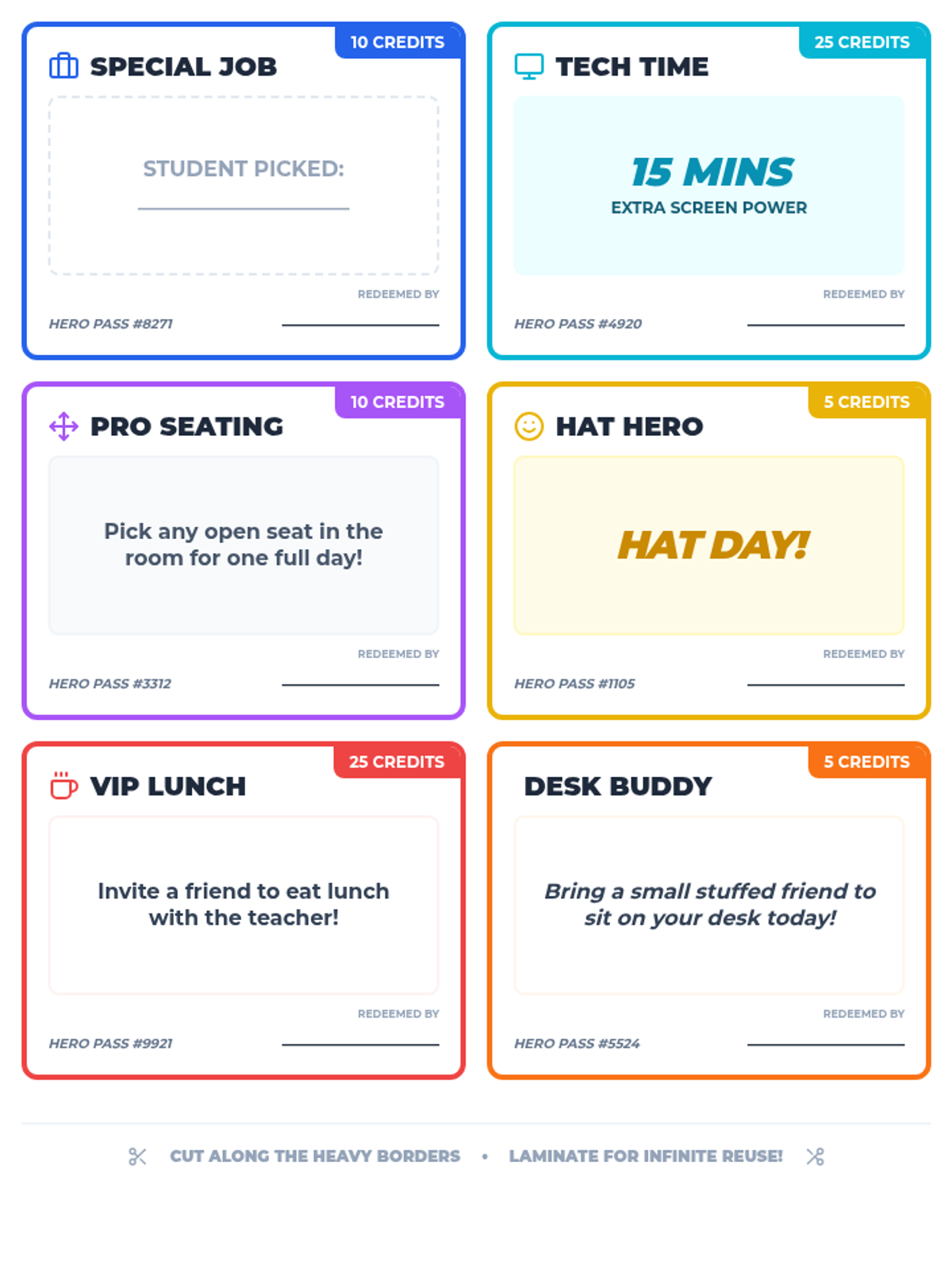
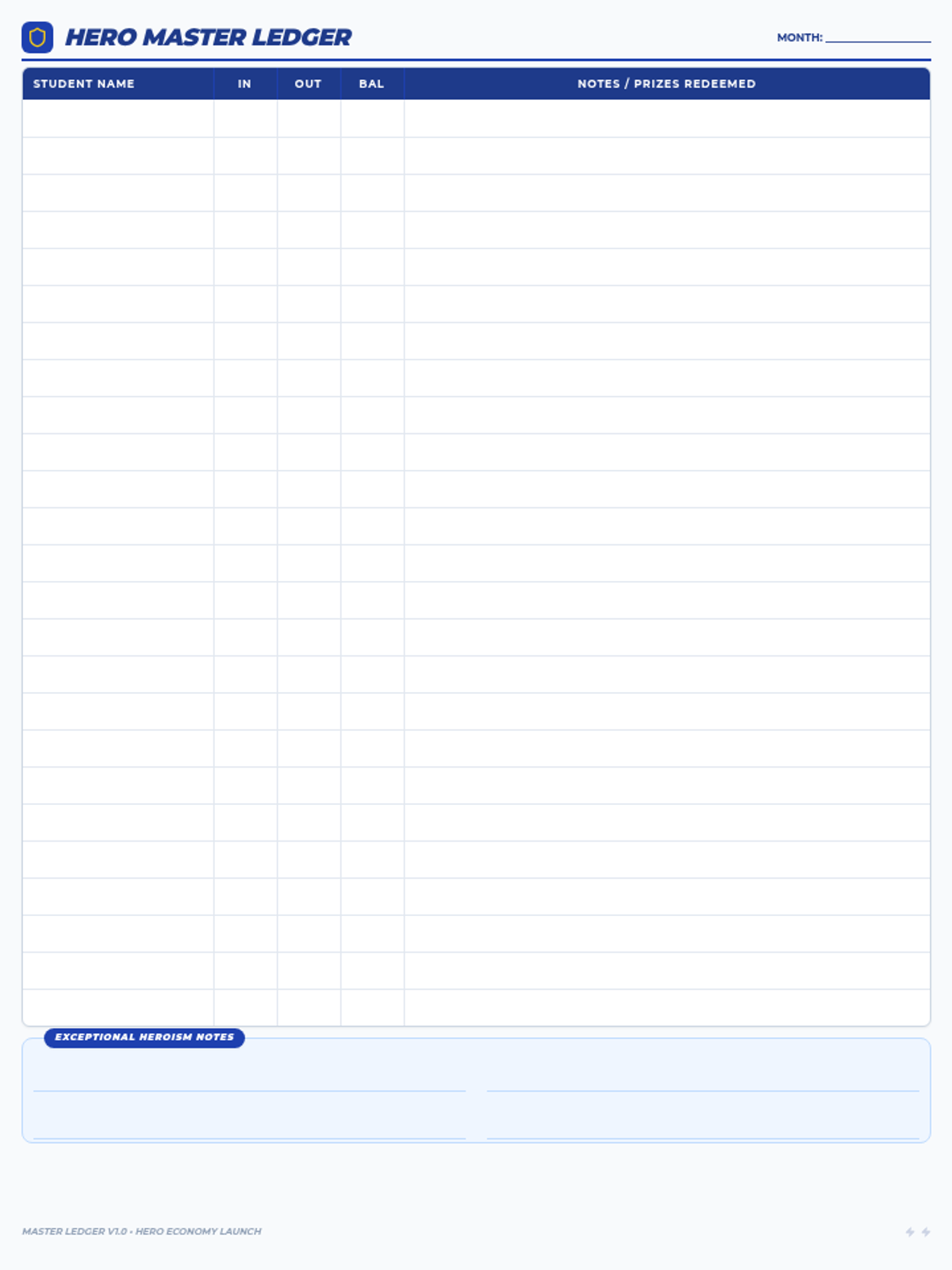
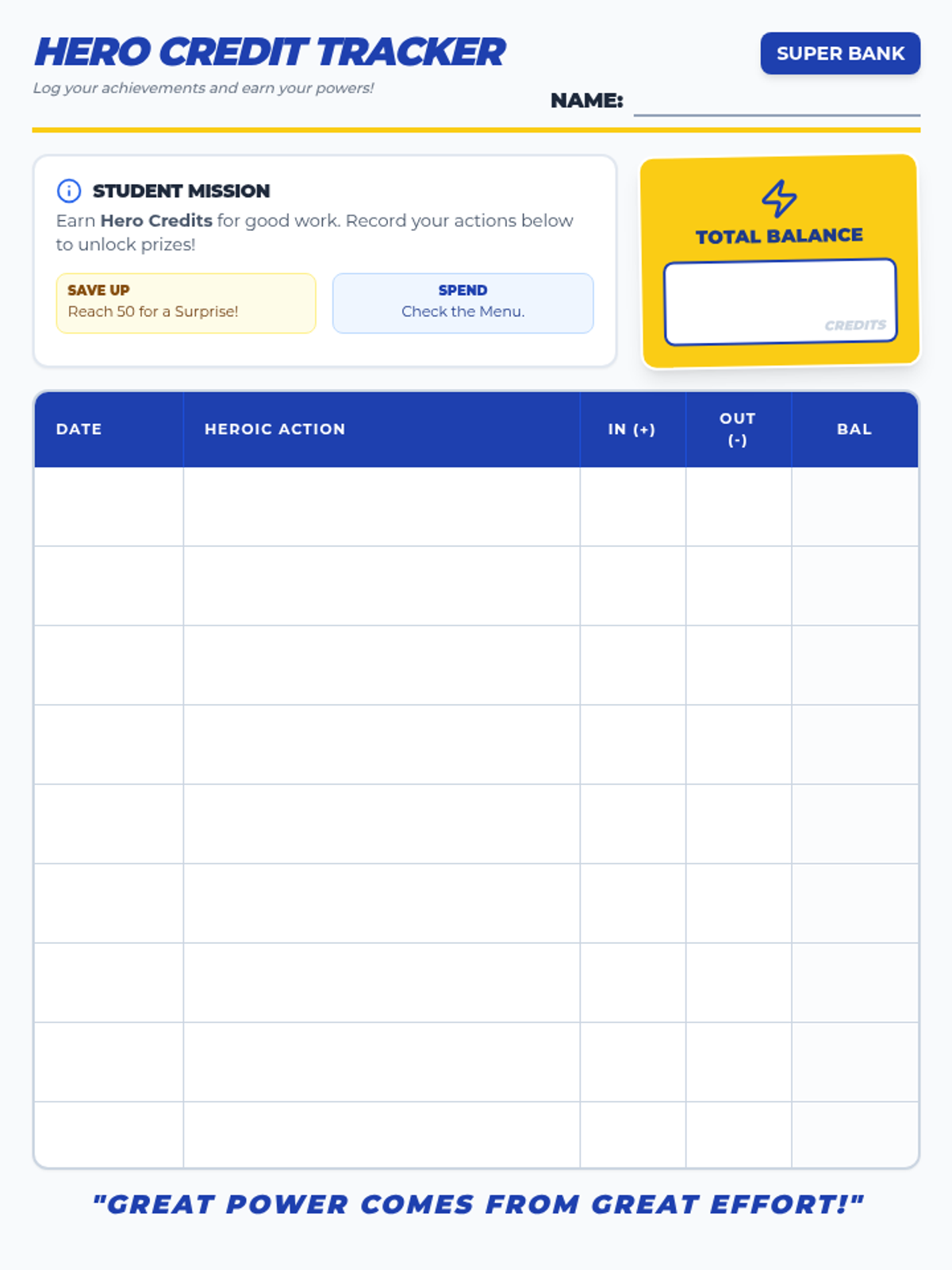
A comprehensive set of visual and physical resources to implement a non-food, non-toy reward system in a second-grade classroom.
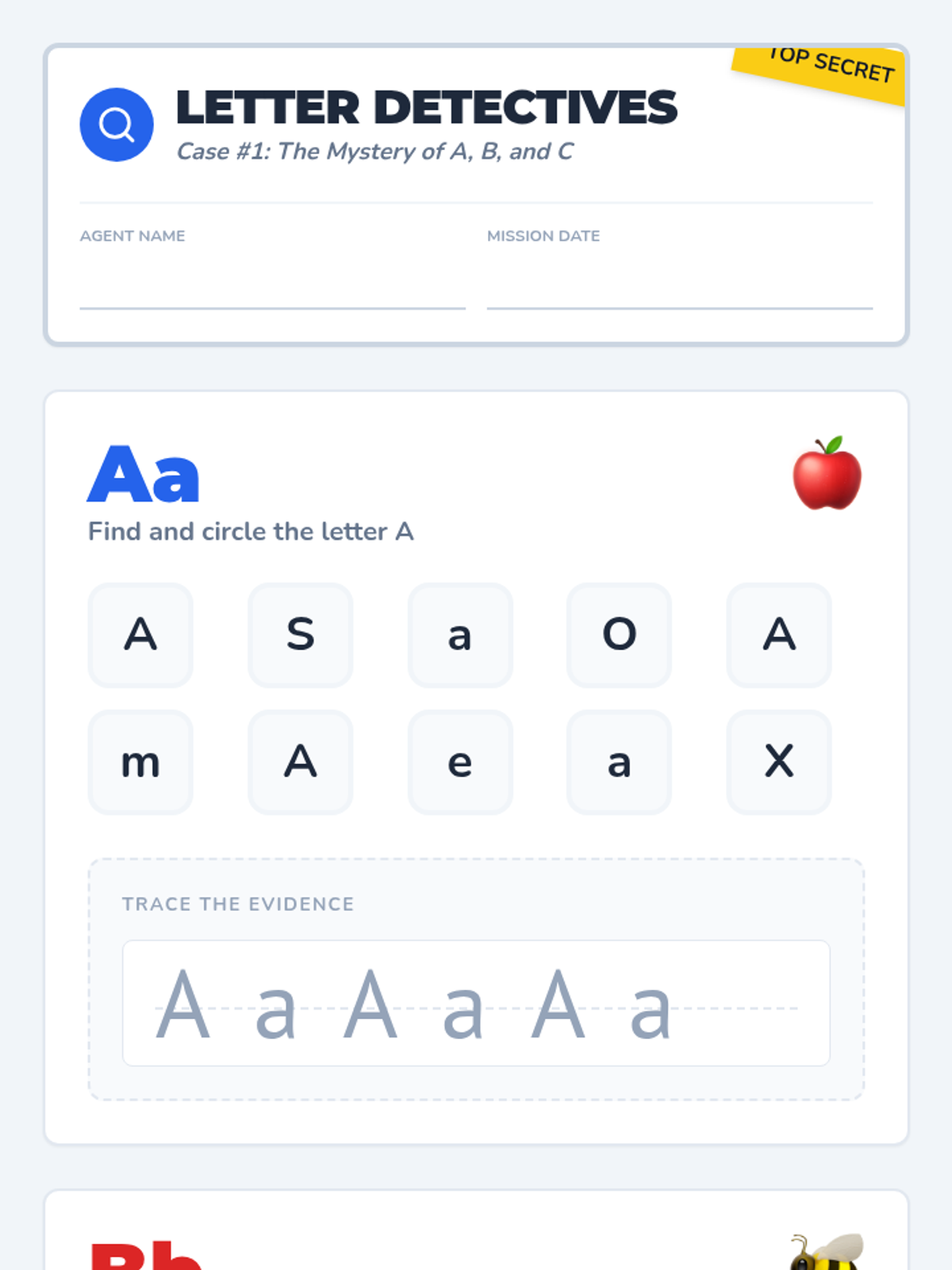
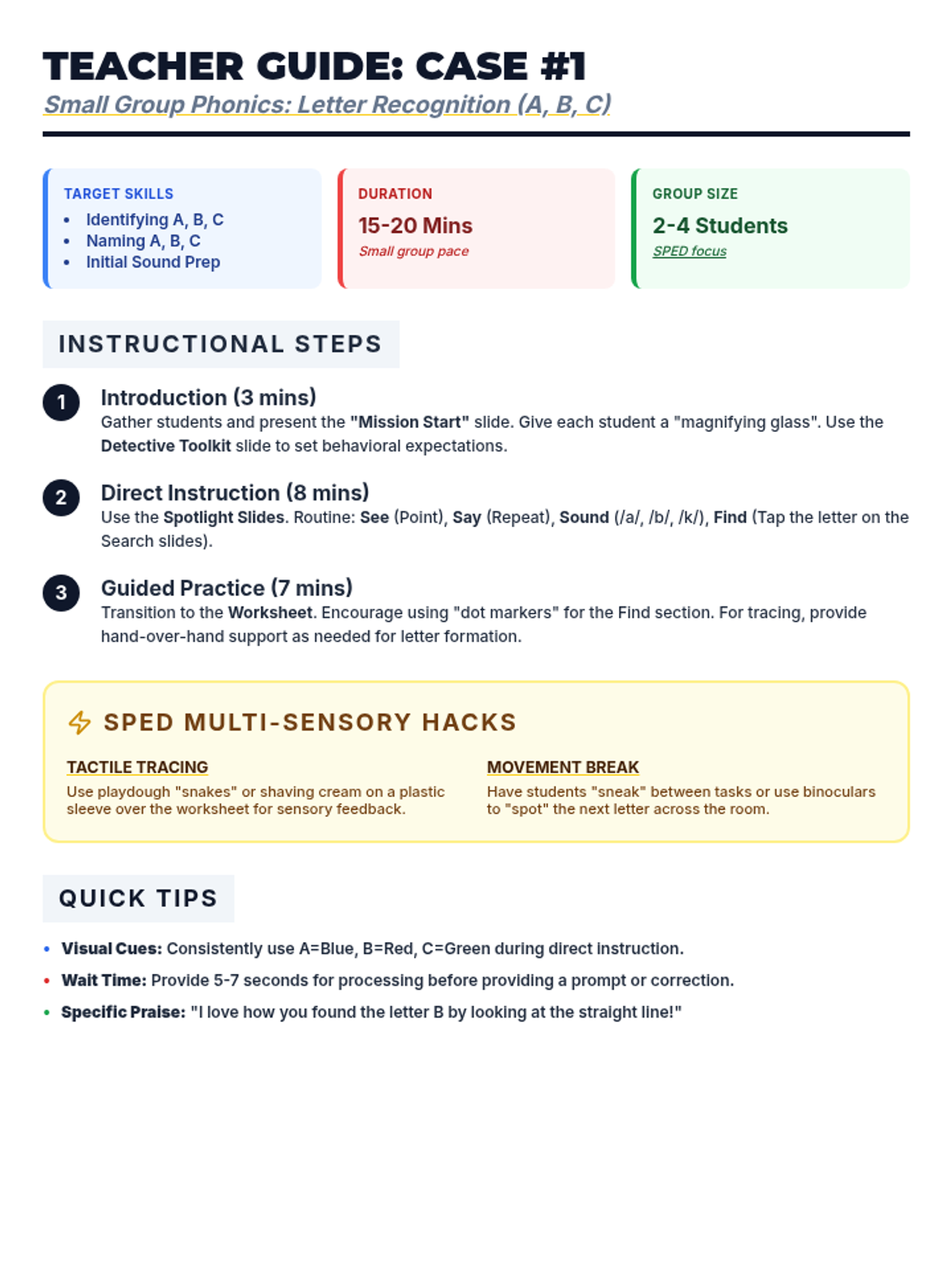
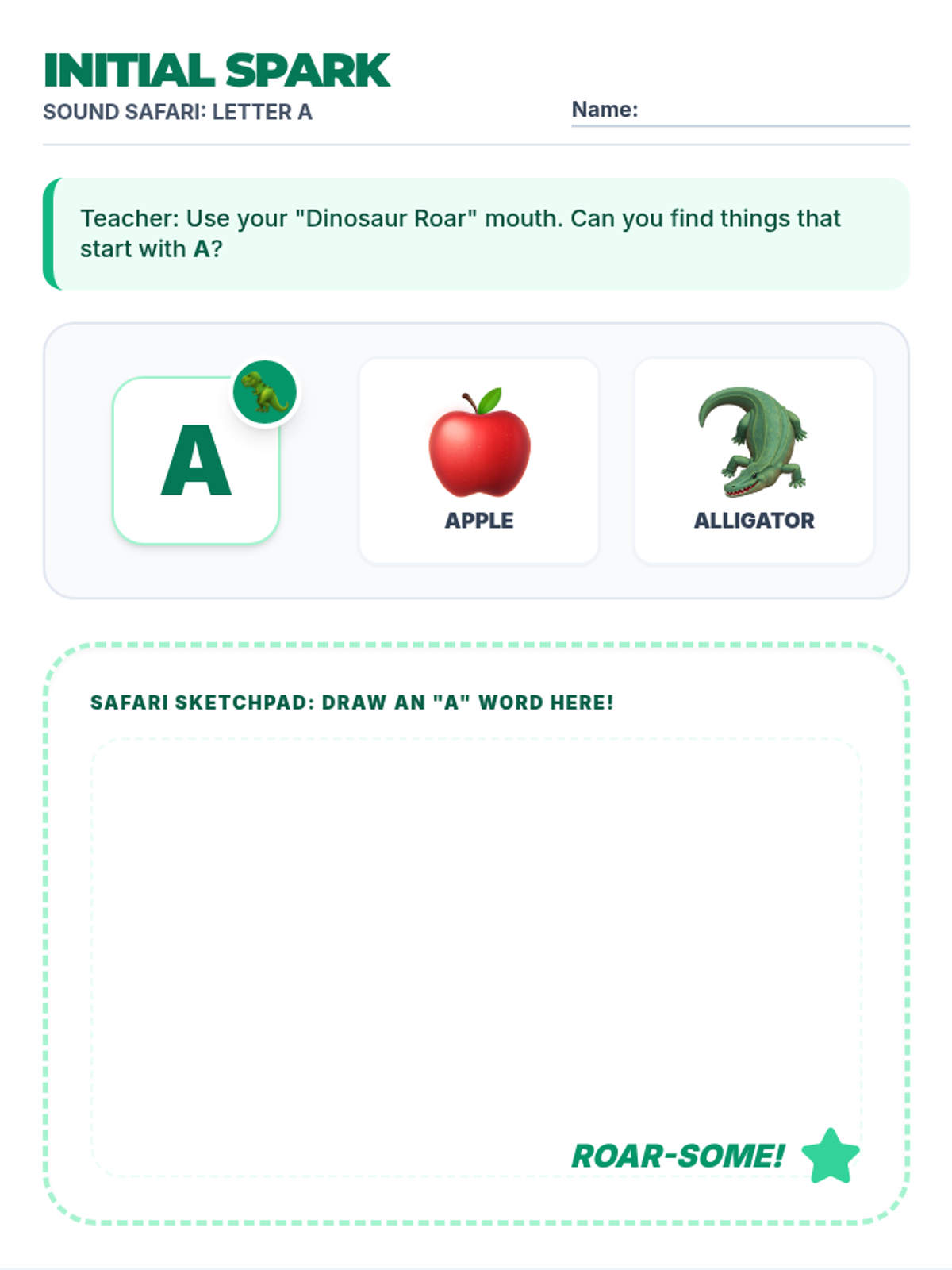
A multi-sensory phonics sequence designed for preschool special education students to master letter recognition through a fun detective-themed curriculum.
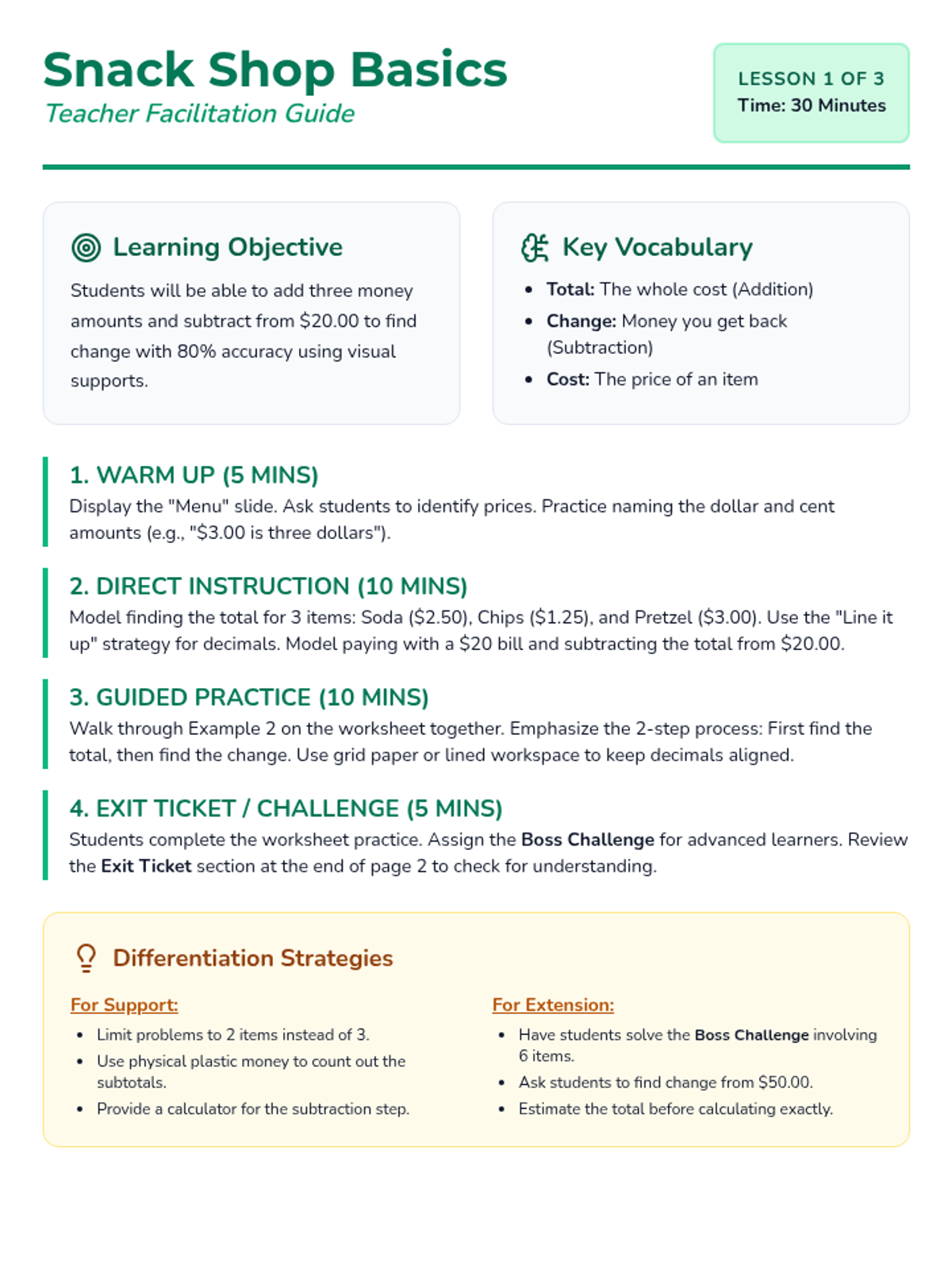
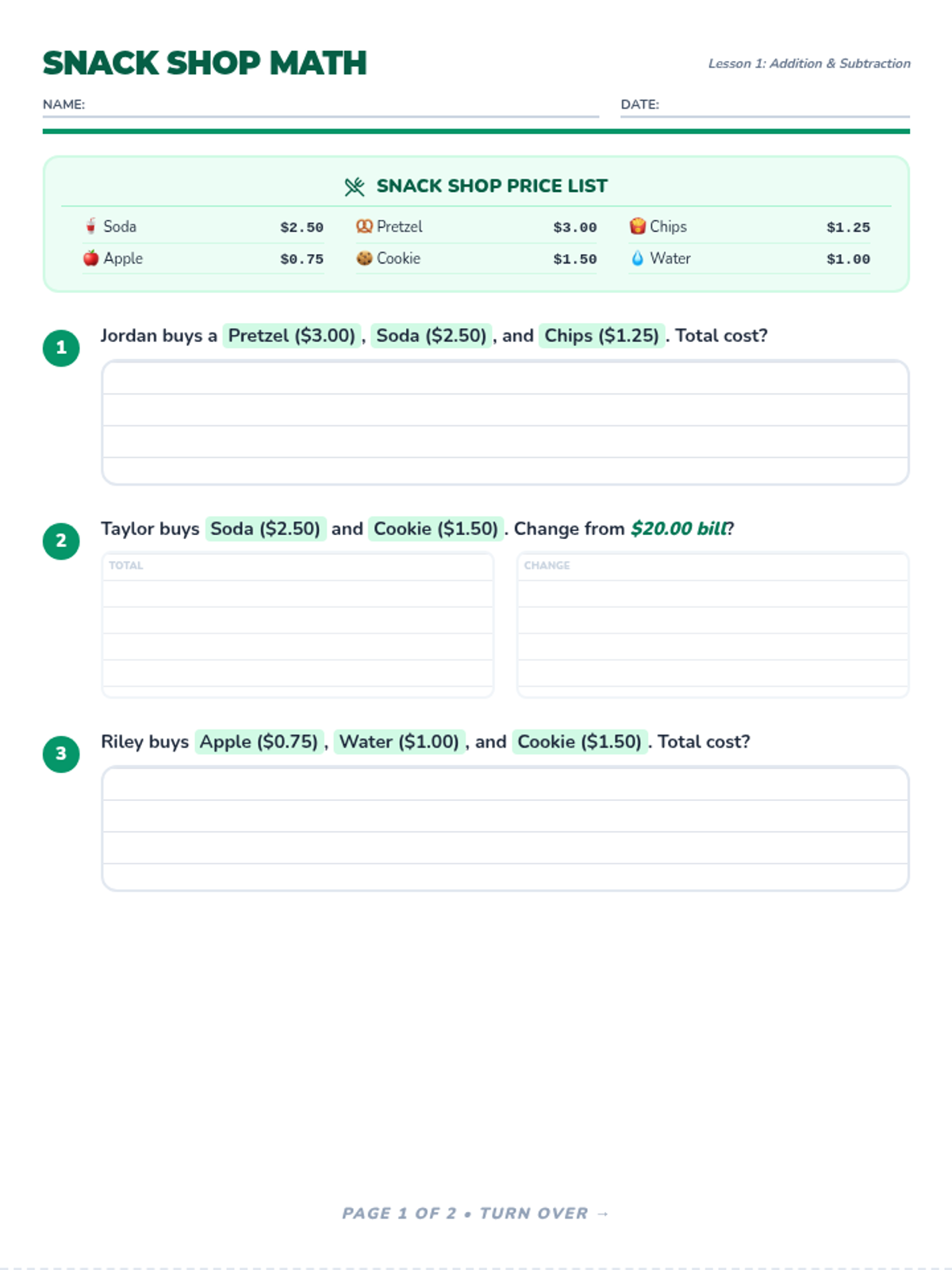
A series of three progressive lessons for special education students to master money word problems, from basic change-making to multi-step calculations with tax. Includes visual aids and simplified vocabulary to support diverse learners.
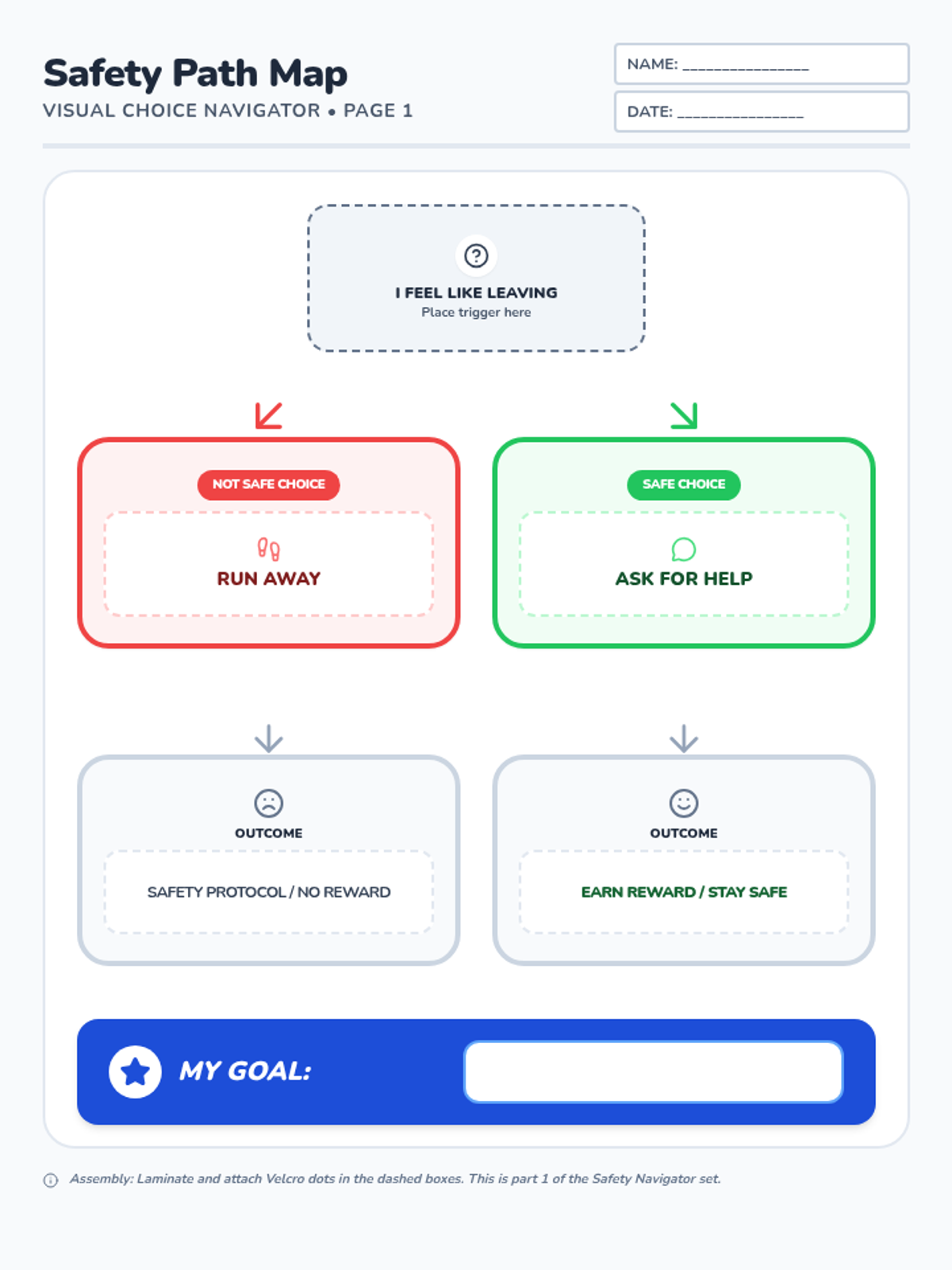
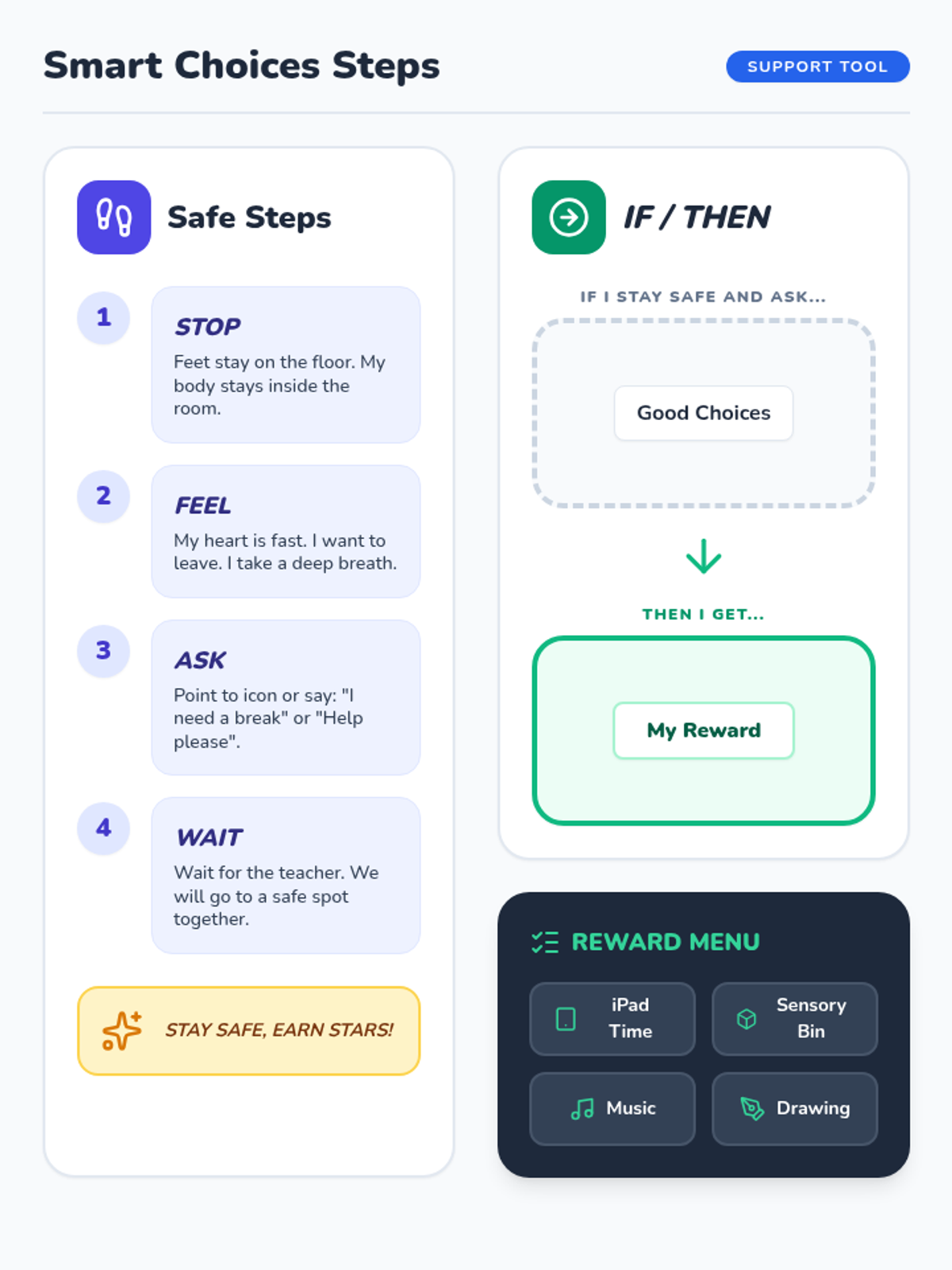
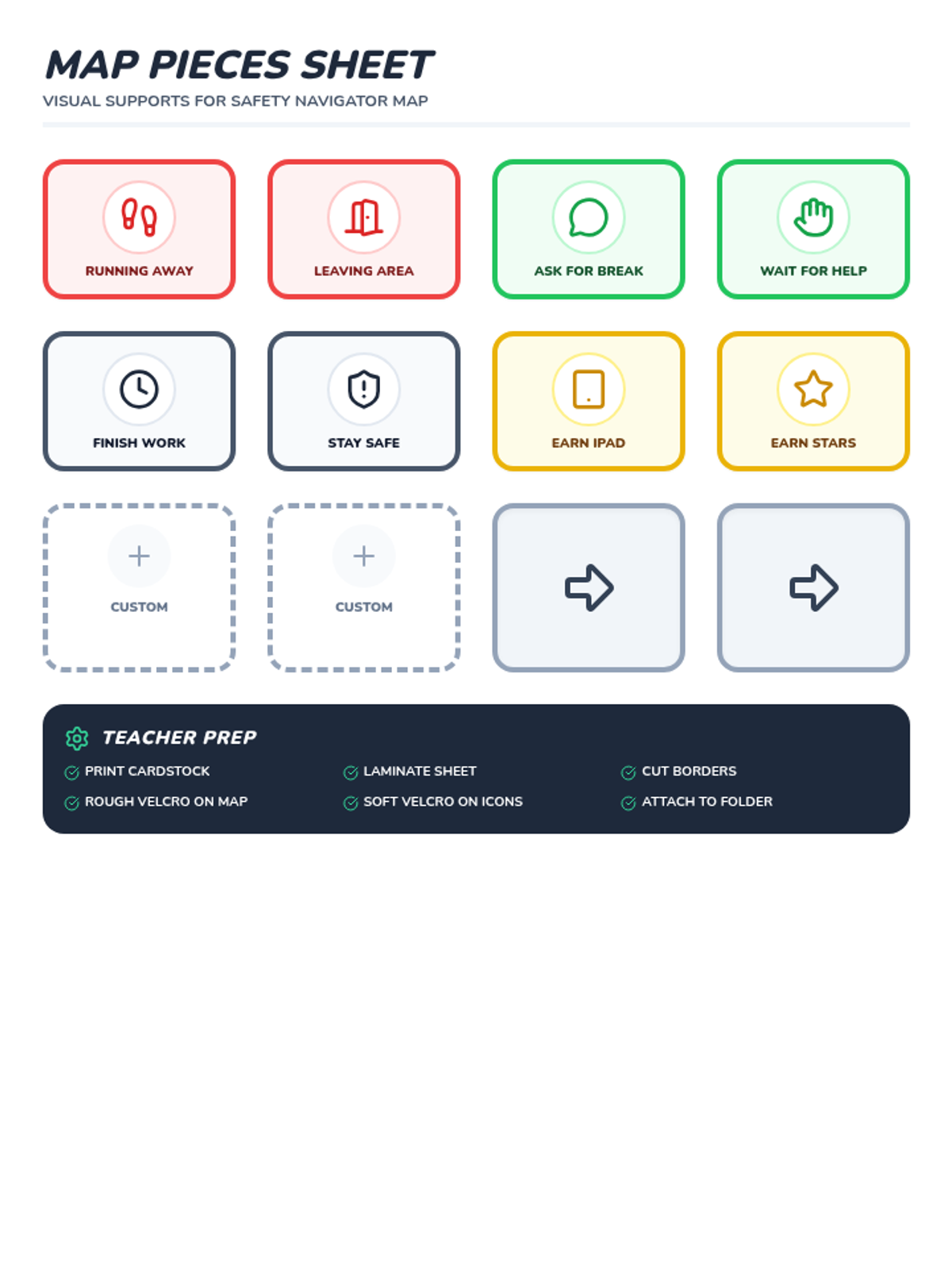
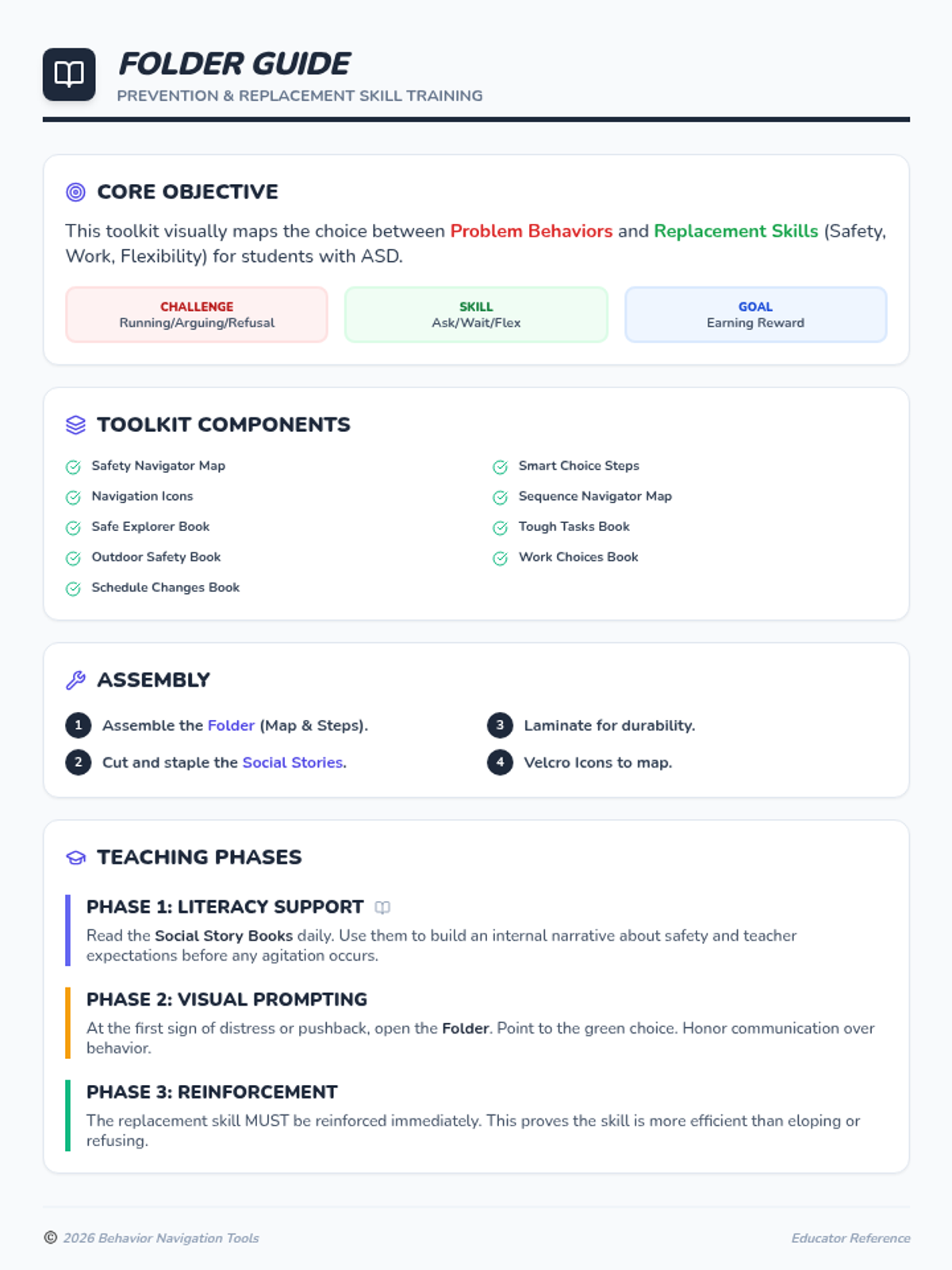
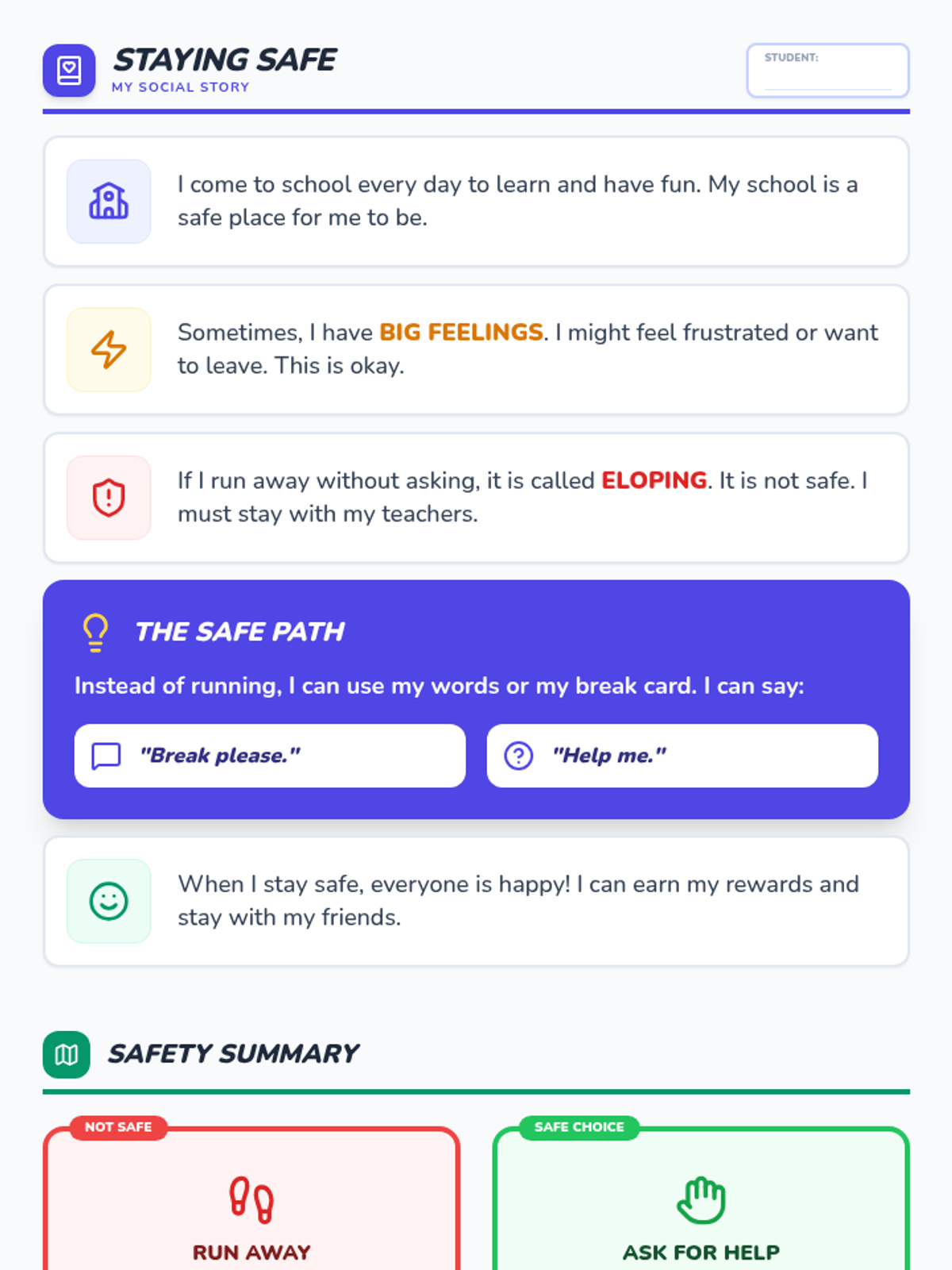
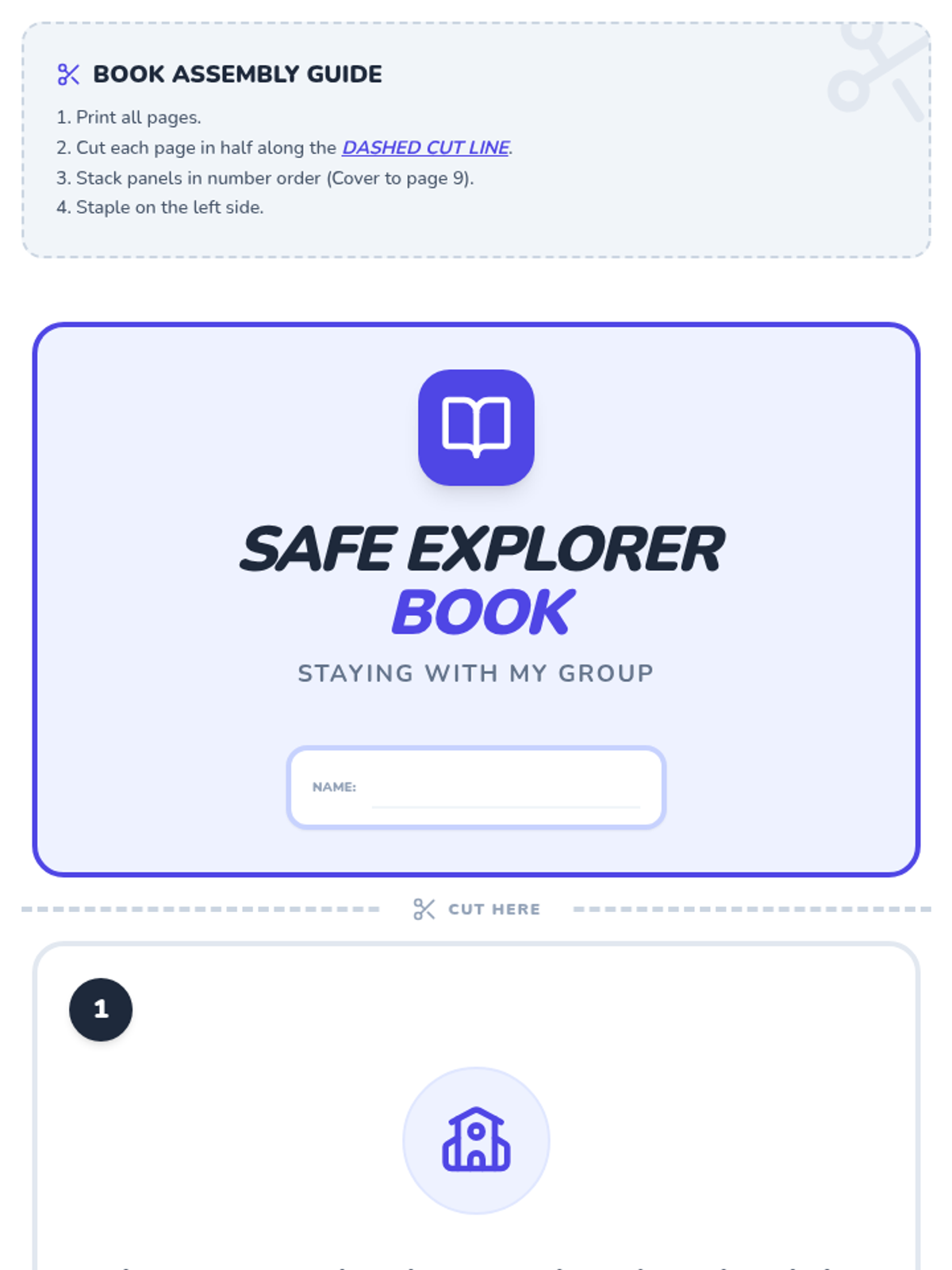
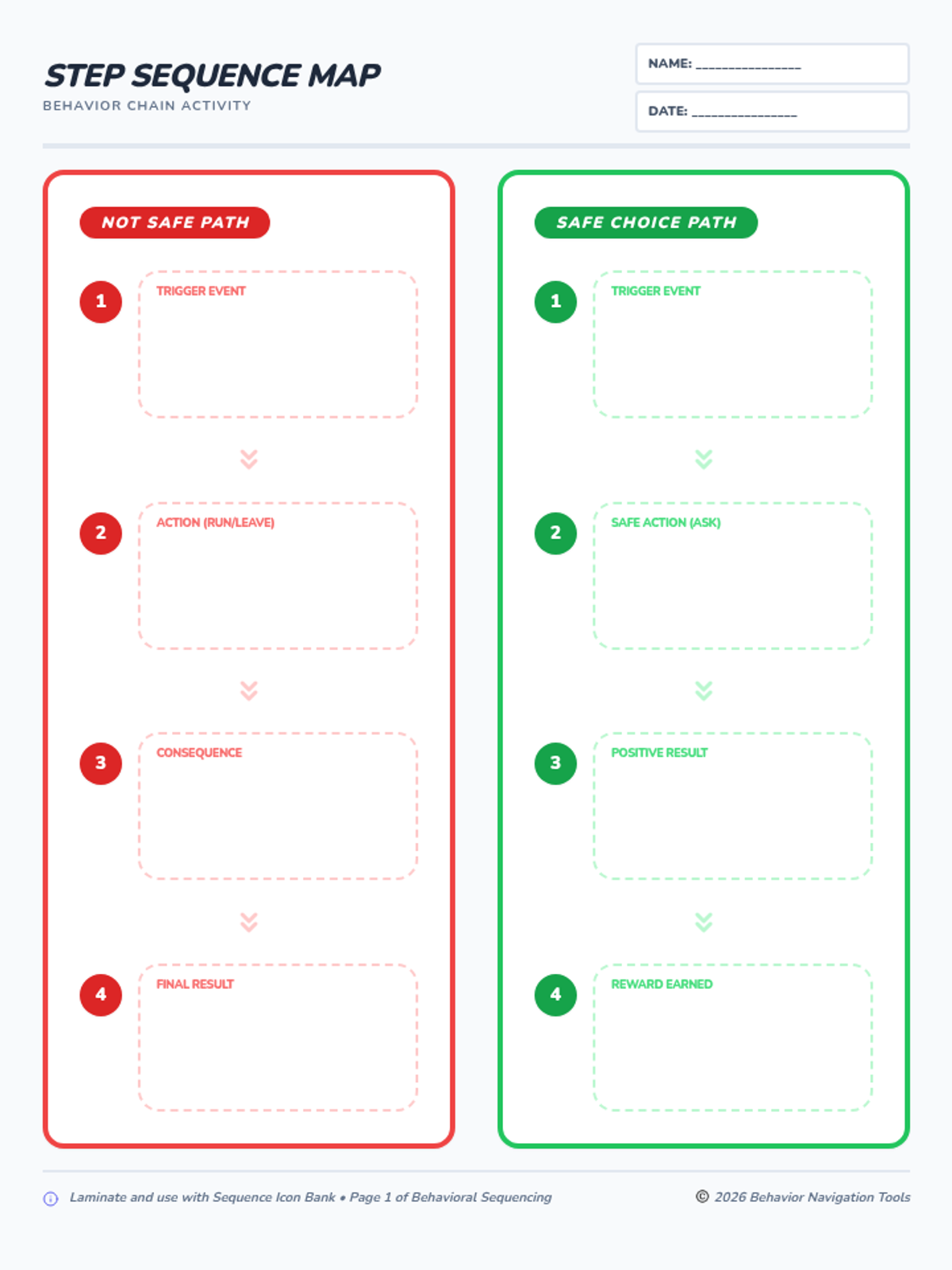
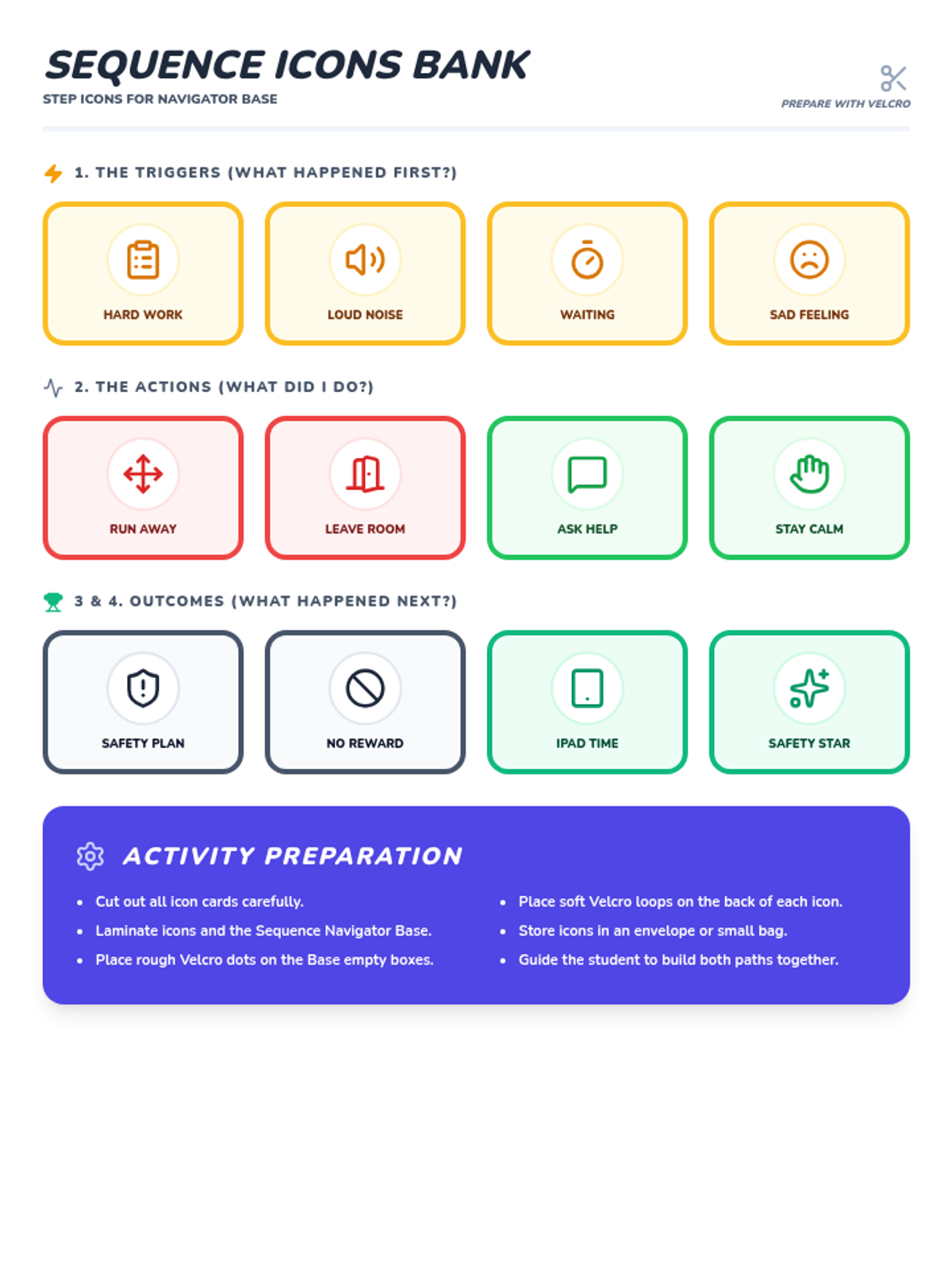
A set of visual supports and interactive activities designed to help students with ASD understand the consequences of elopement and learn safe replacement behaviors.
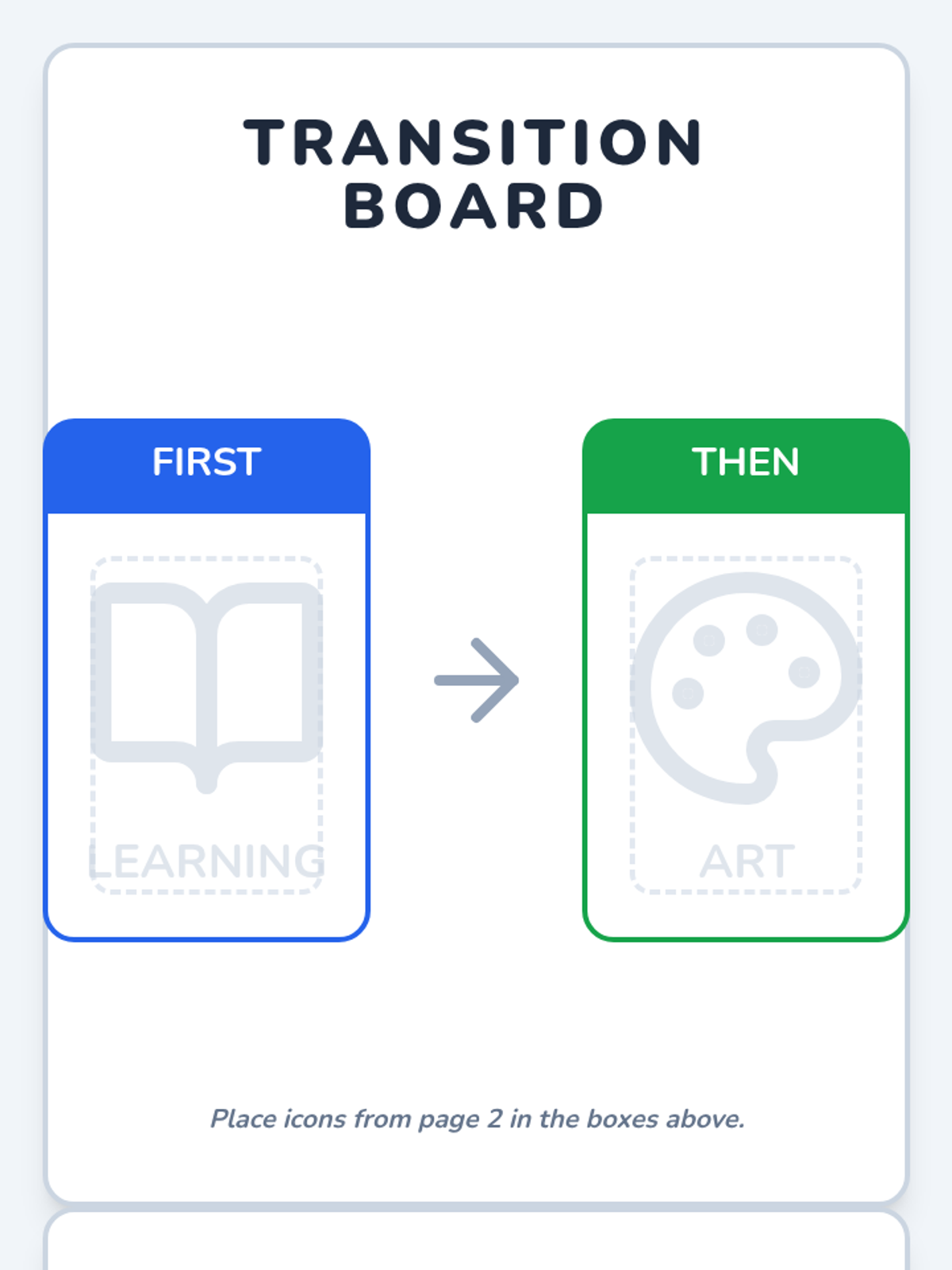
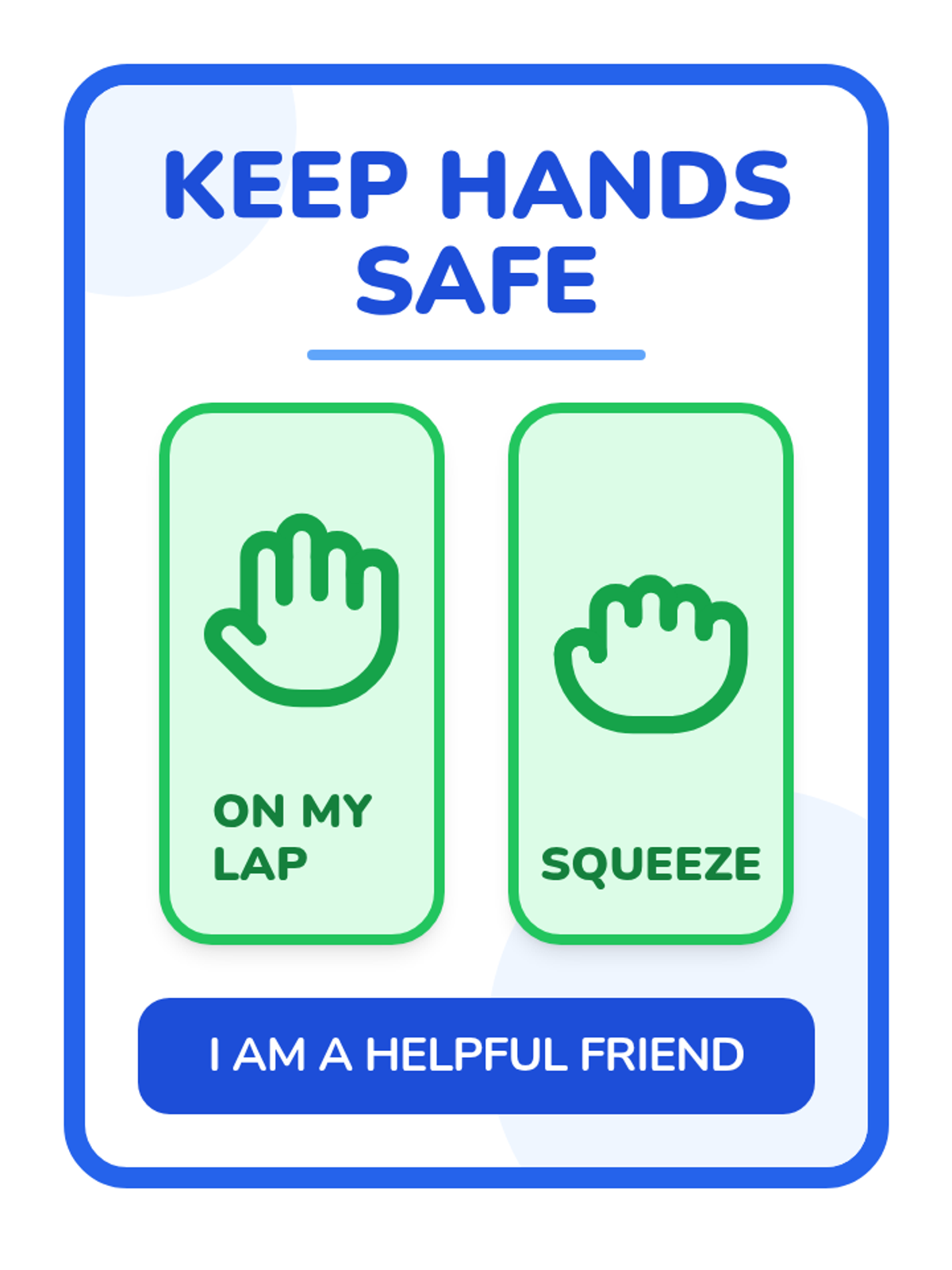
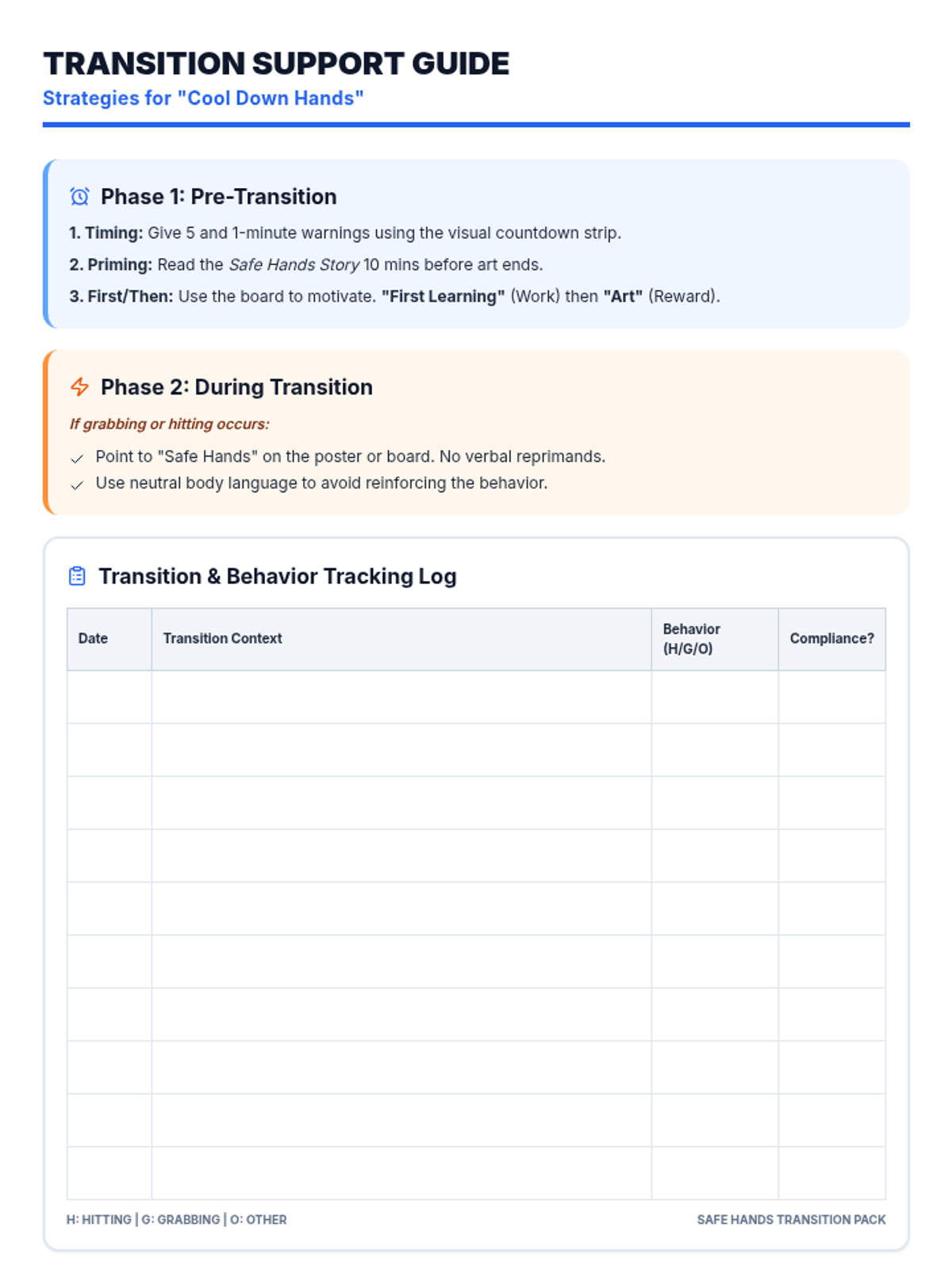
A collection of resources designed to help students with autism navigate difficult transitions and maintain safe body behaviors through visual supports and social narratives.
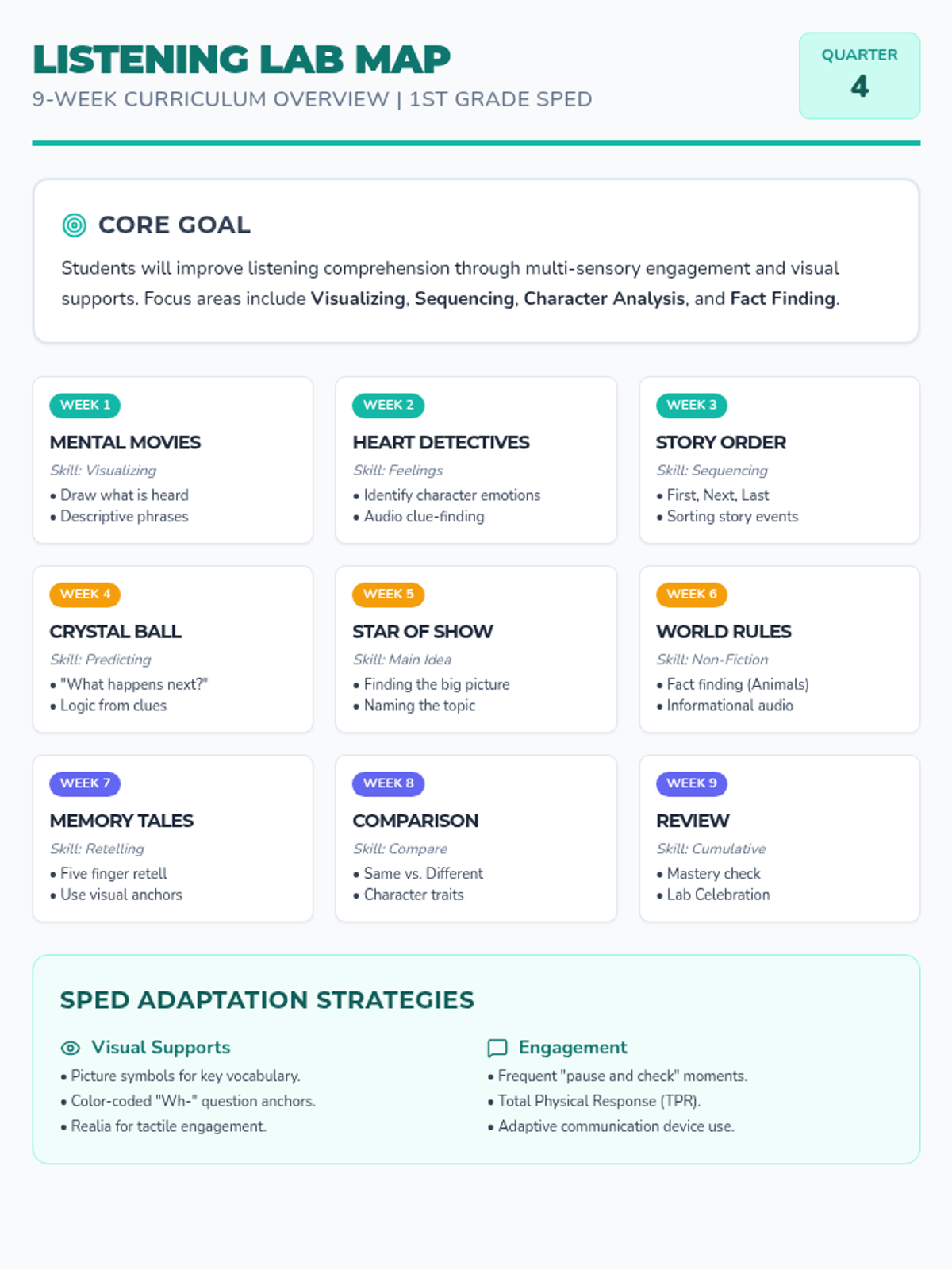
A comprehensive 9-week listening comprehension curriculum designed for 1st-grade self-contained special education students, focusing on visualizing, predicting, sequencing, and retelling.
A foundational skills unit covering literacy progress tracking and early numeracy strategies for decomposition and missing addends.
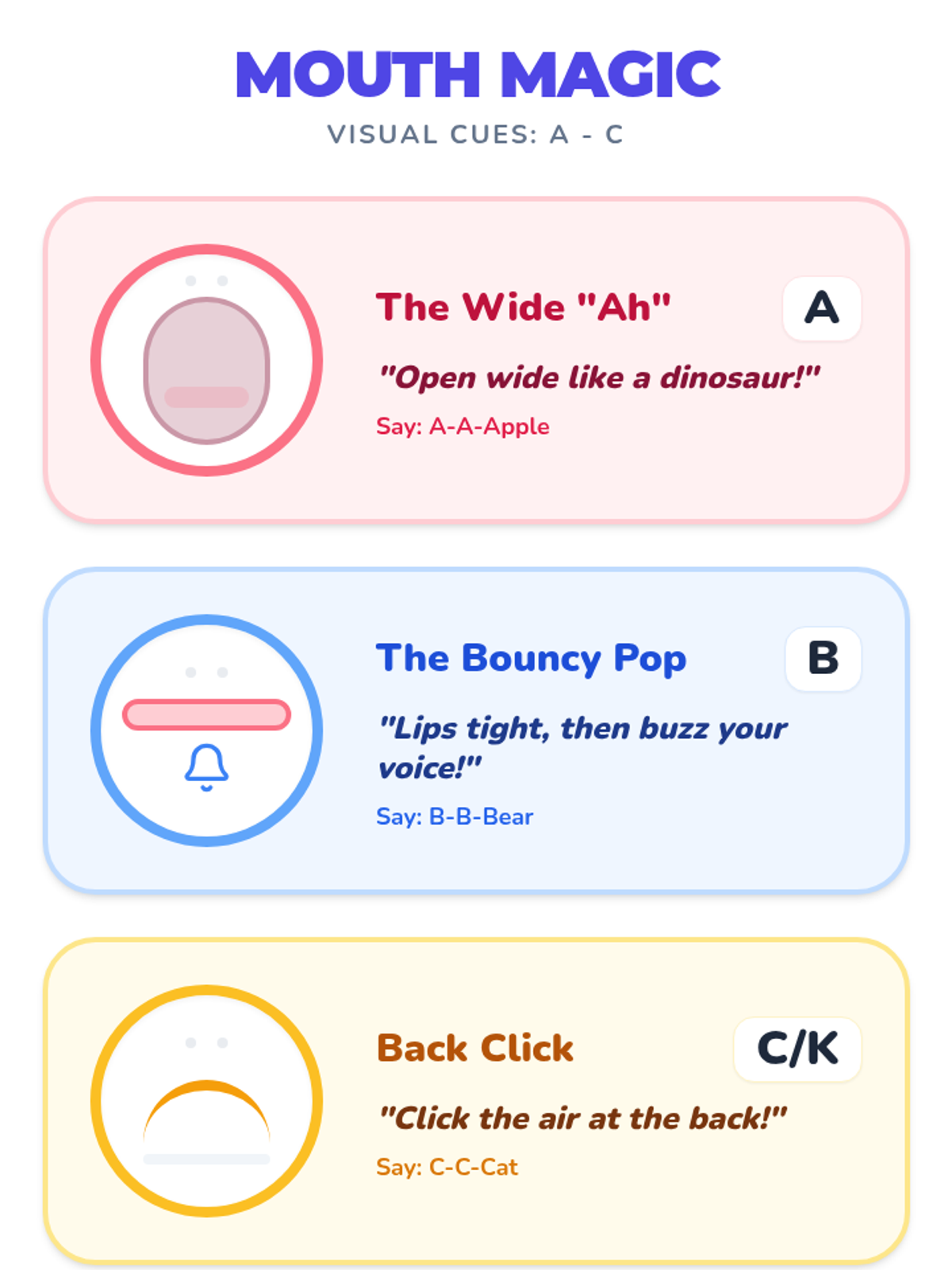
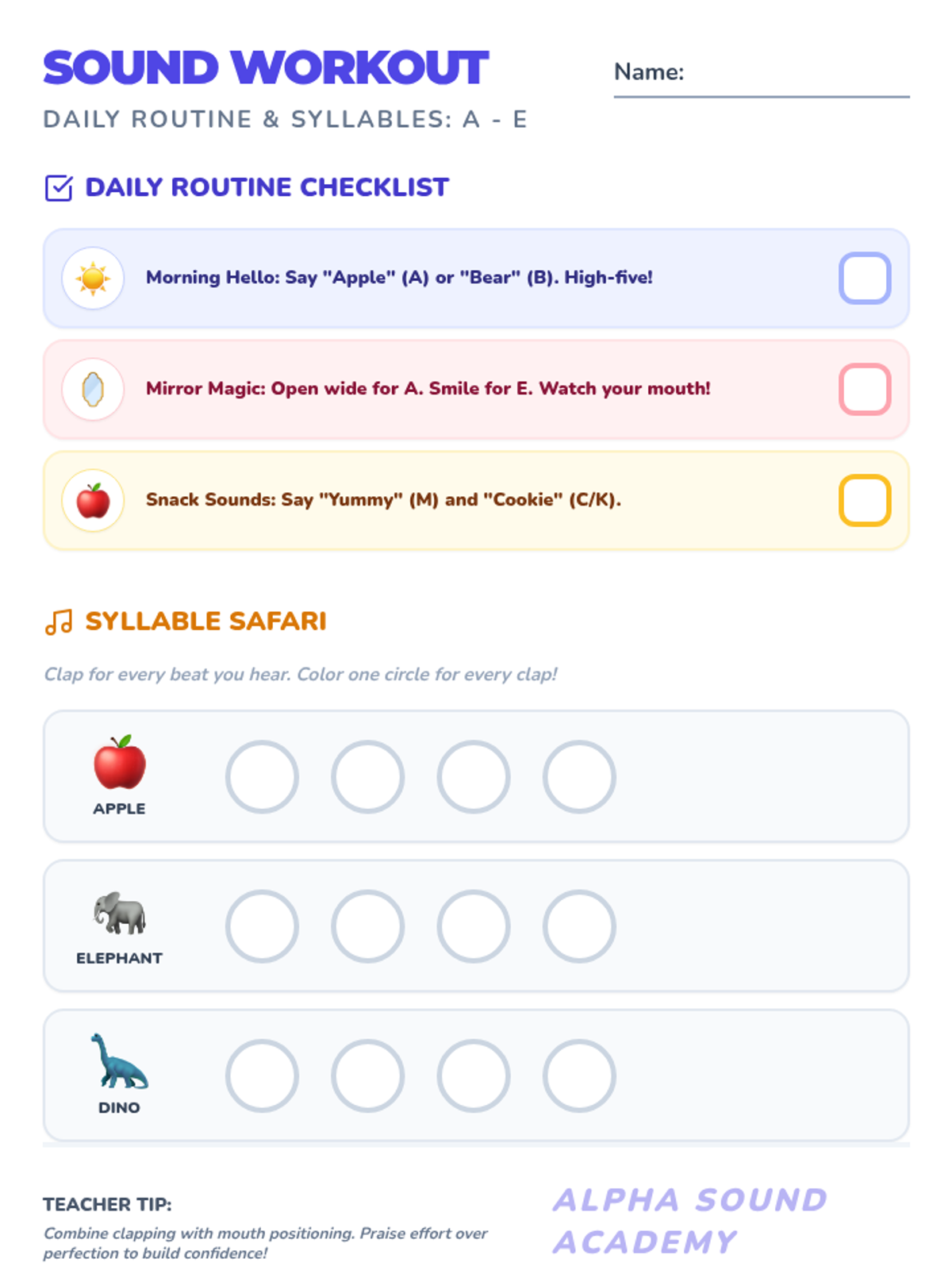
A comprehensive speech development sequence covering the entire alphabet, specifically designed for three-year-olds with severe articulation delays. Includes visual mouth cues, phonemic awareness worksheets, and multi-syllabic practice.
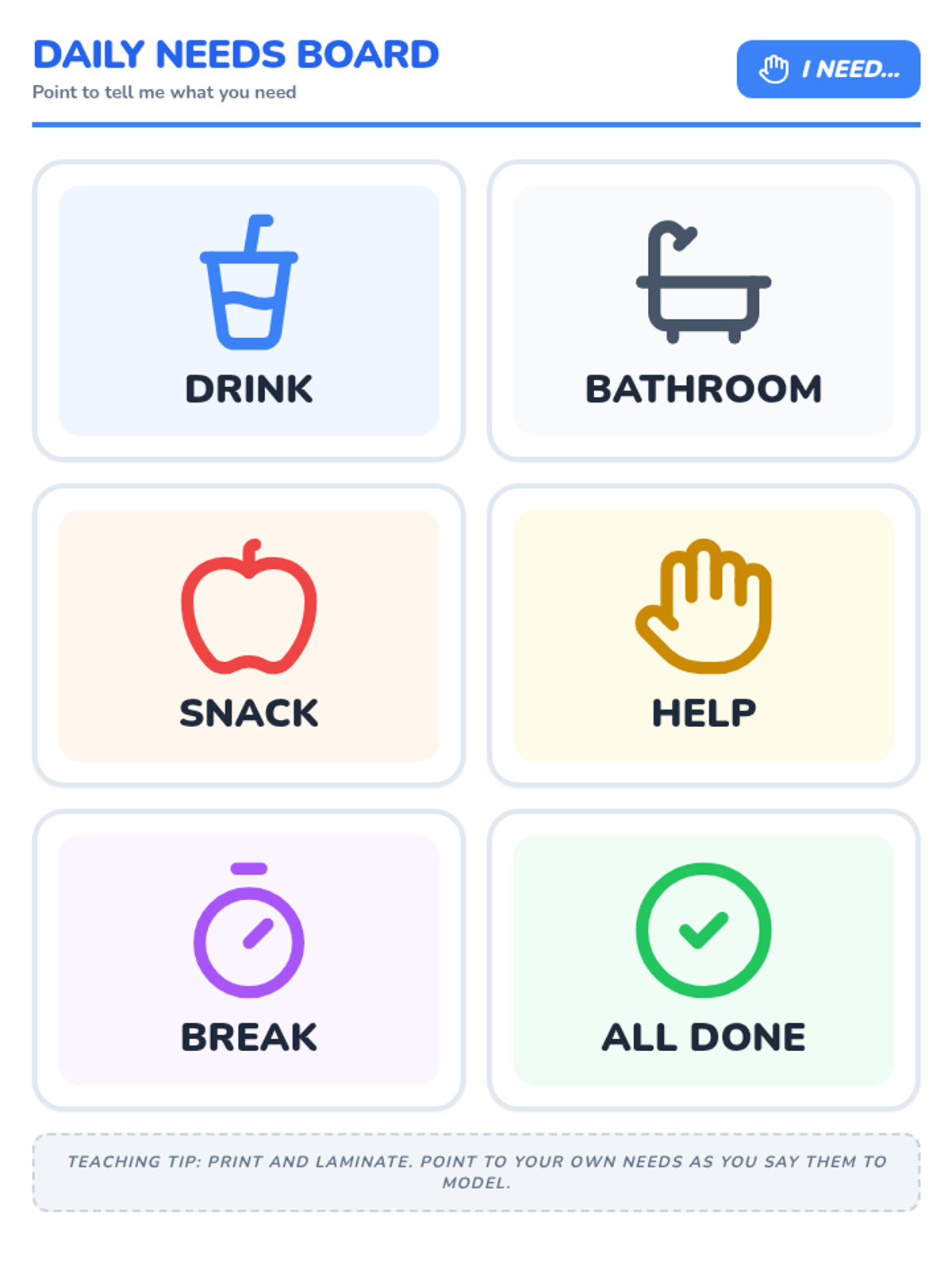
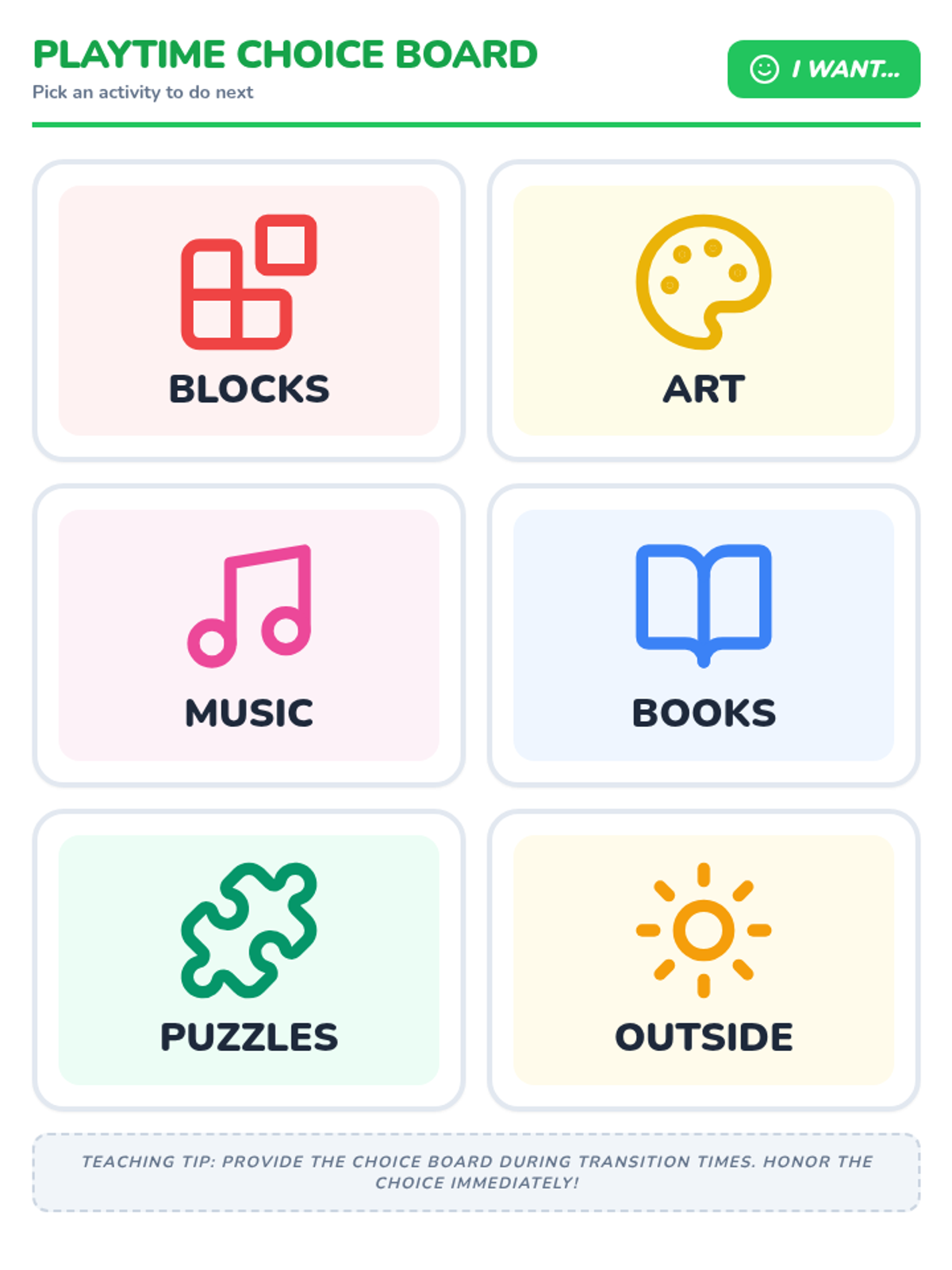
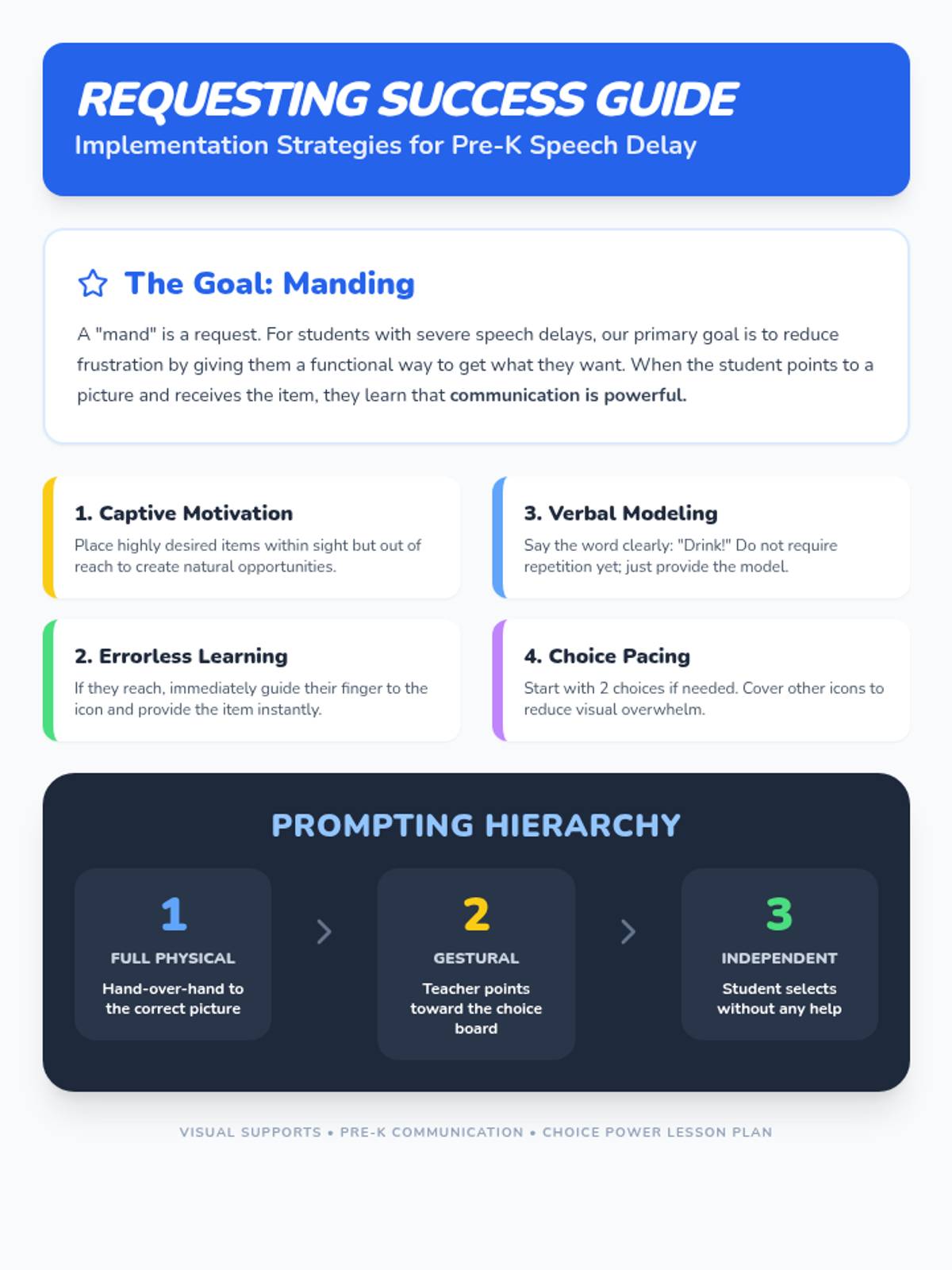
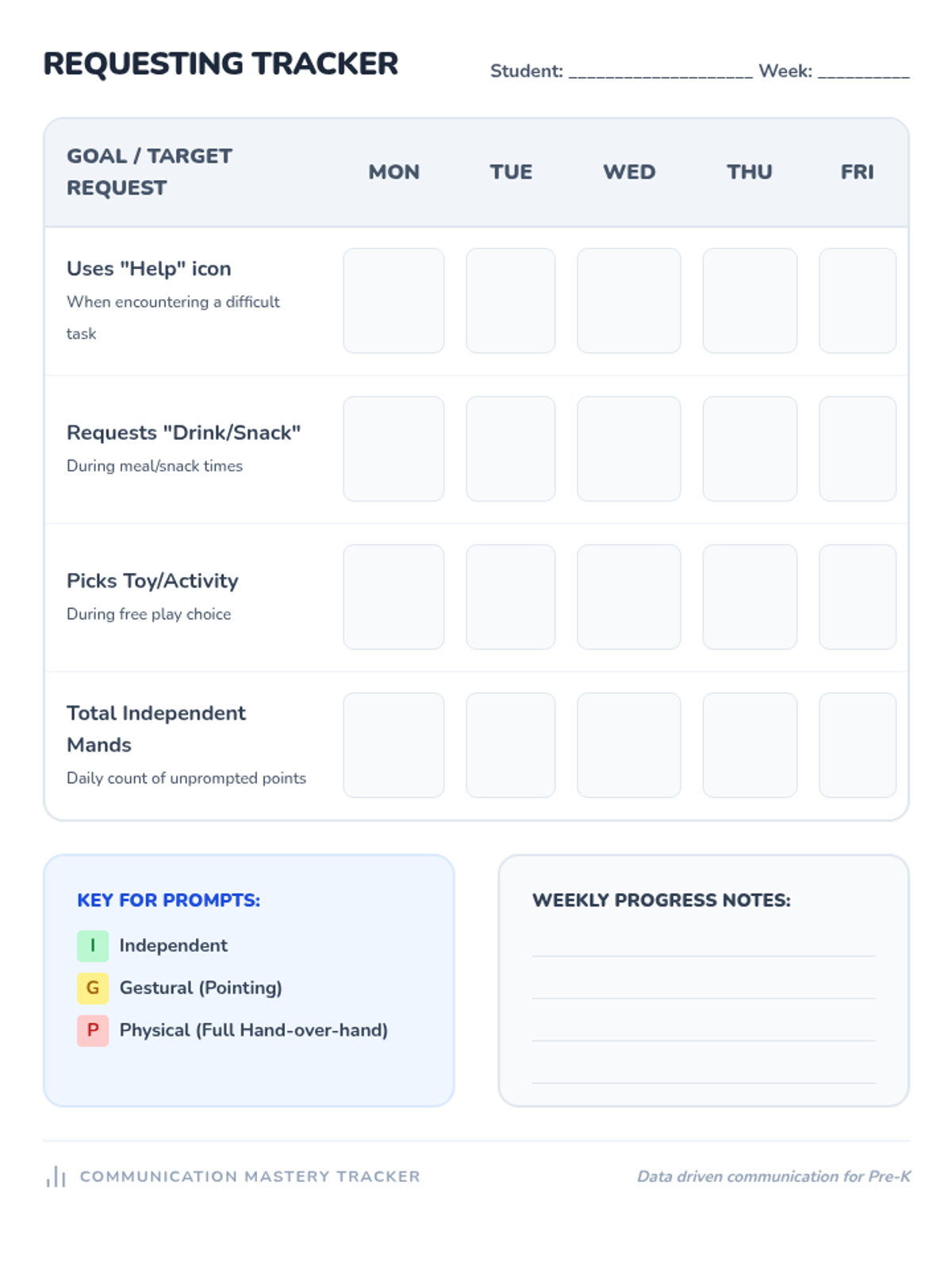
A foundational communication series designed for Pre-K students with severe speech delays, focusing on functional communication and self-advocacy through visual supports.
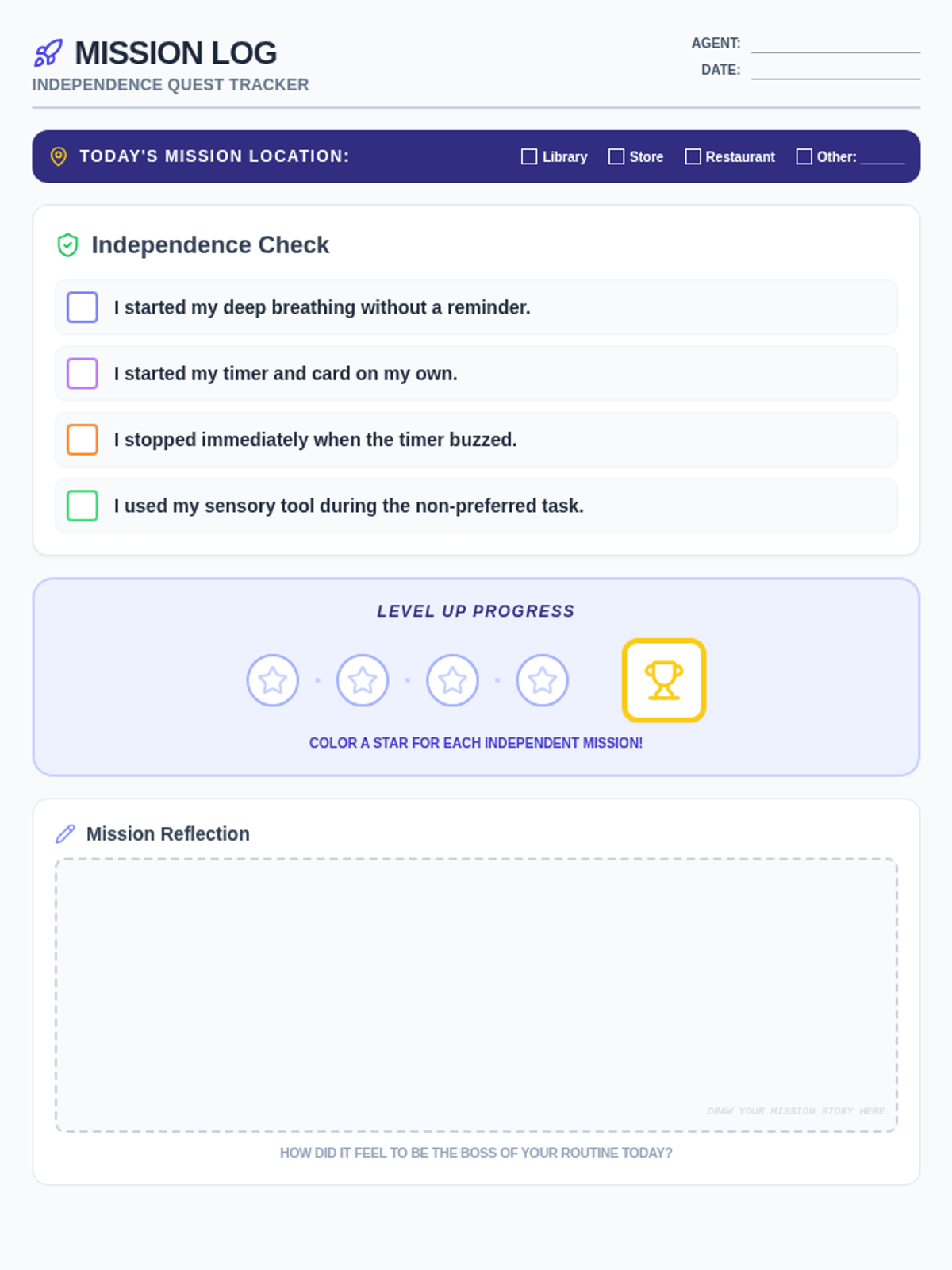
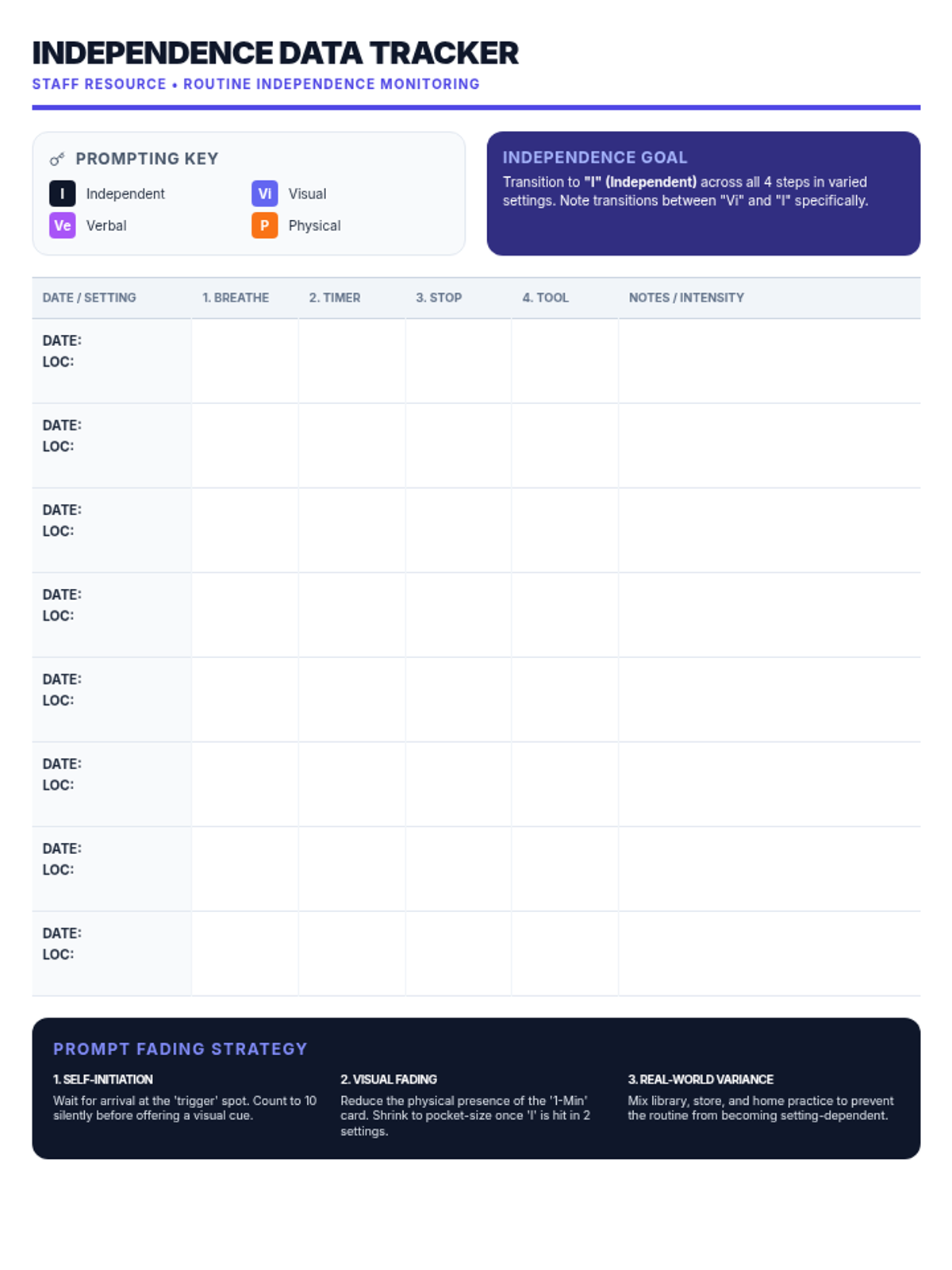
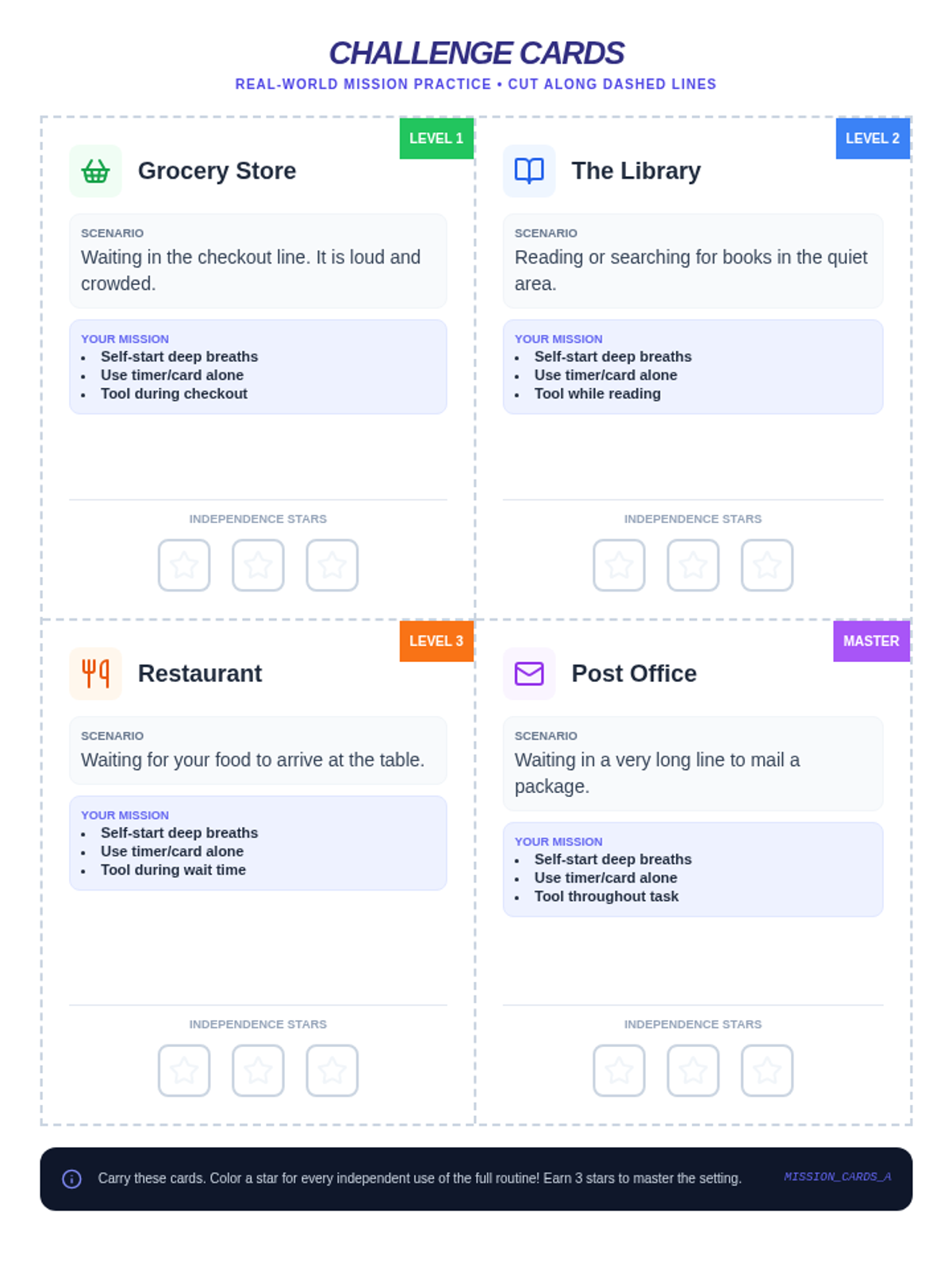
A sequence focused on transitioning a student from prompted to independent use of a self-regulation routine (breathing, timing, and sensory tools) across various real-world environments.
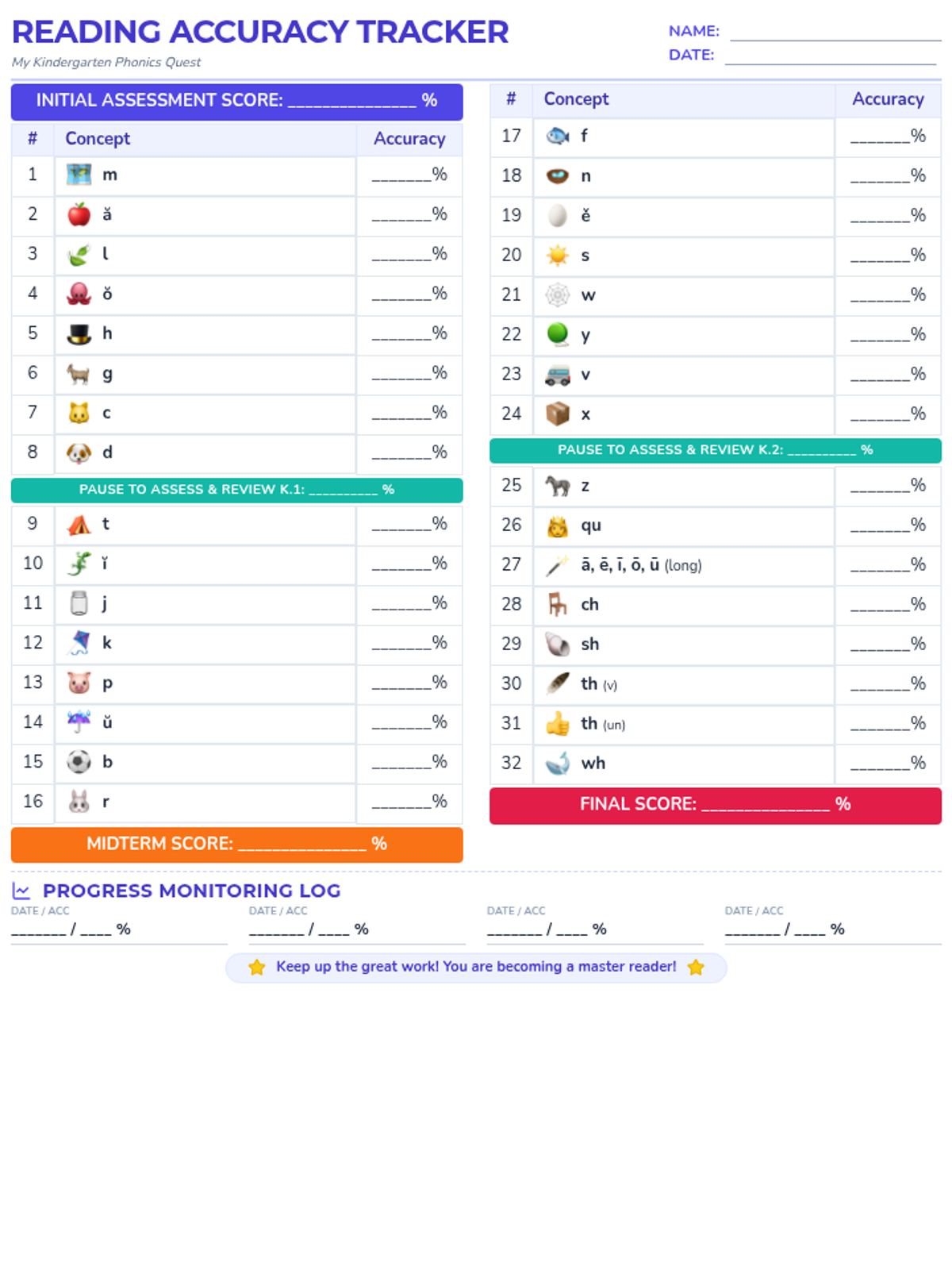
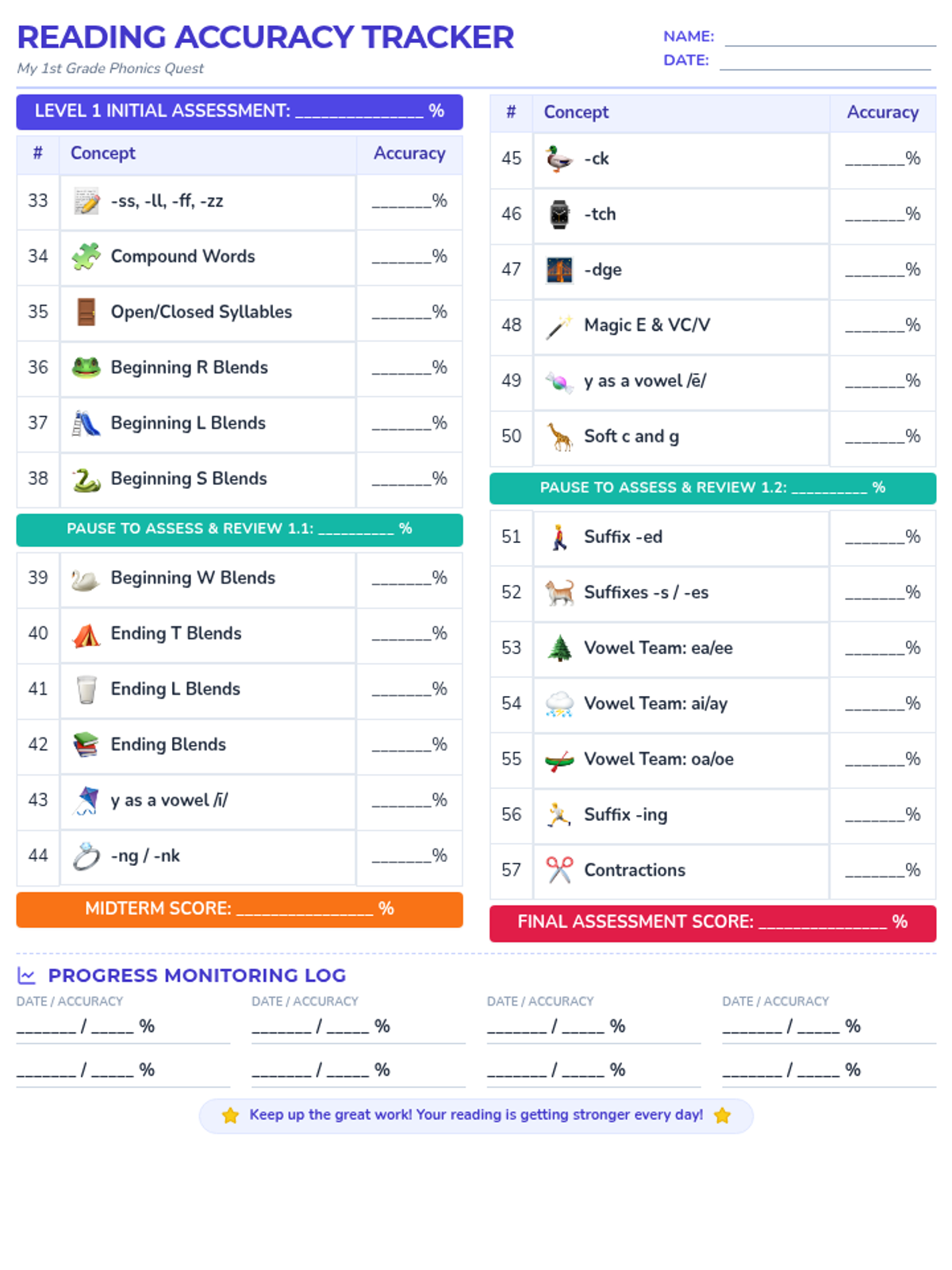
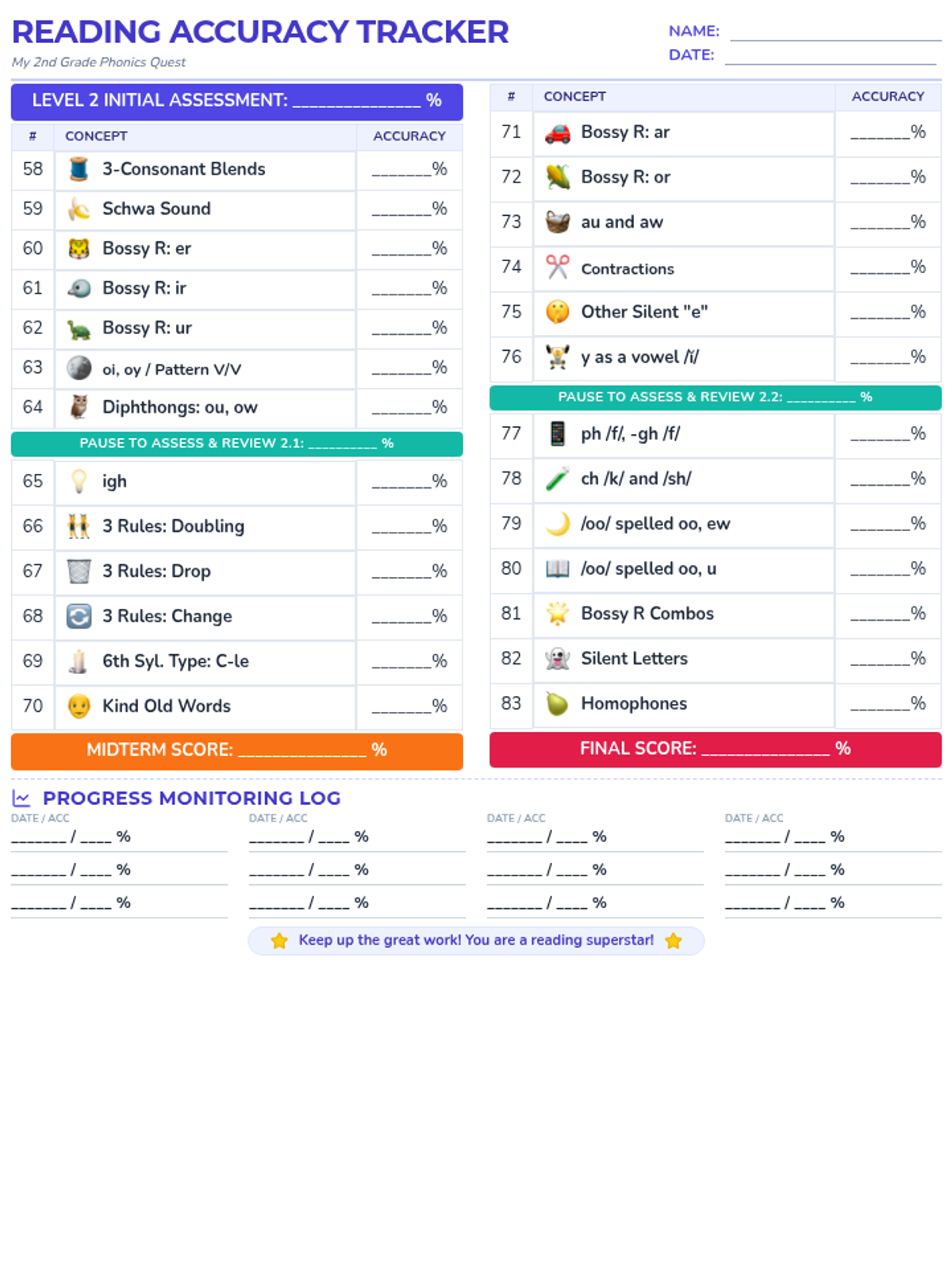
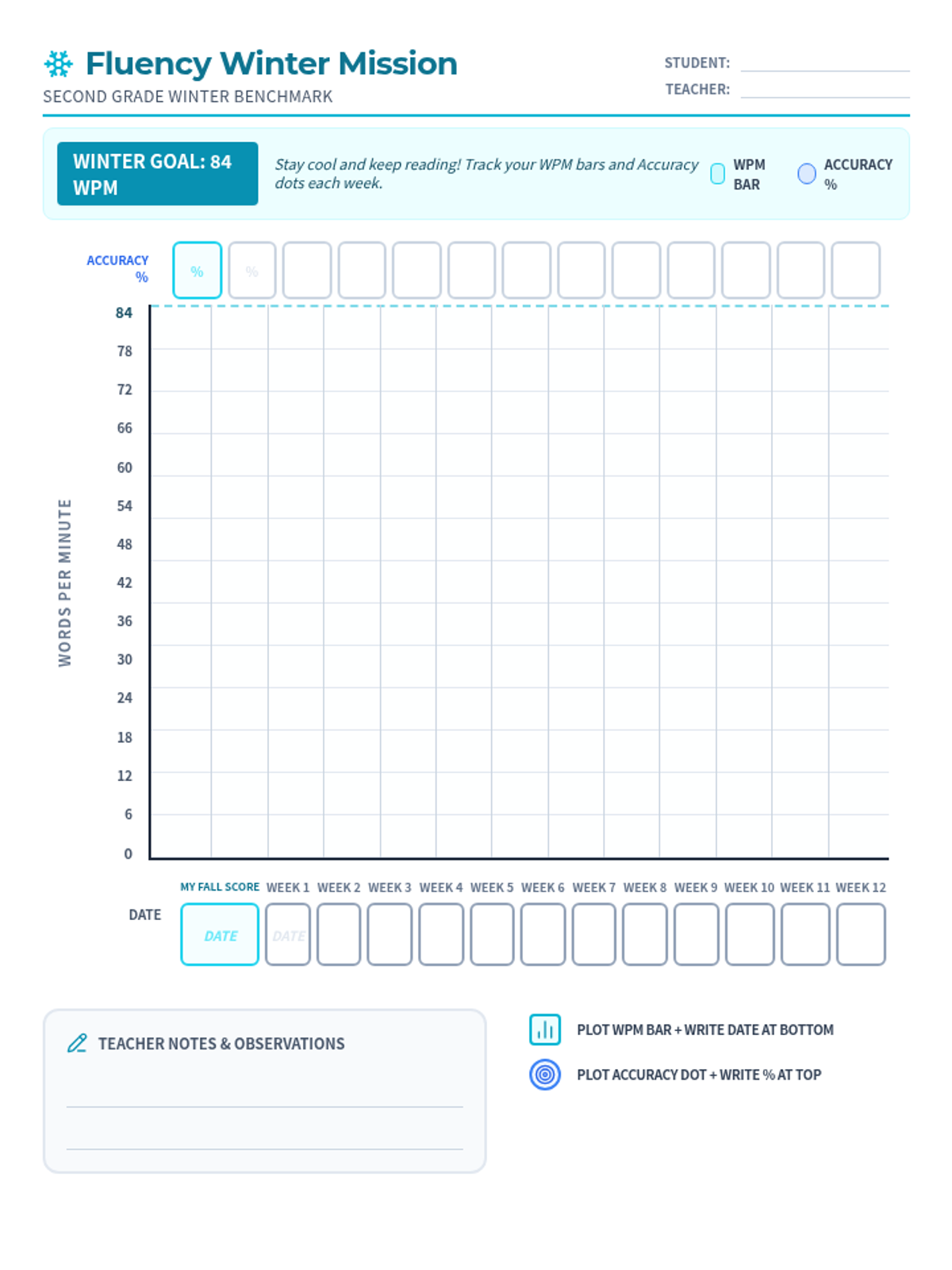
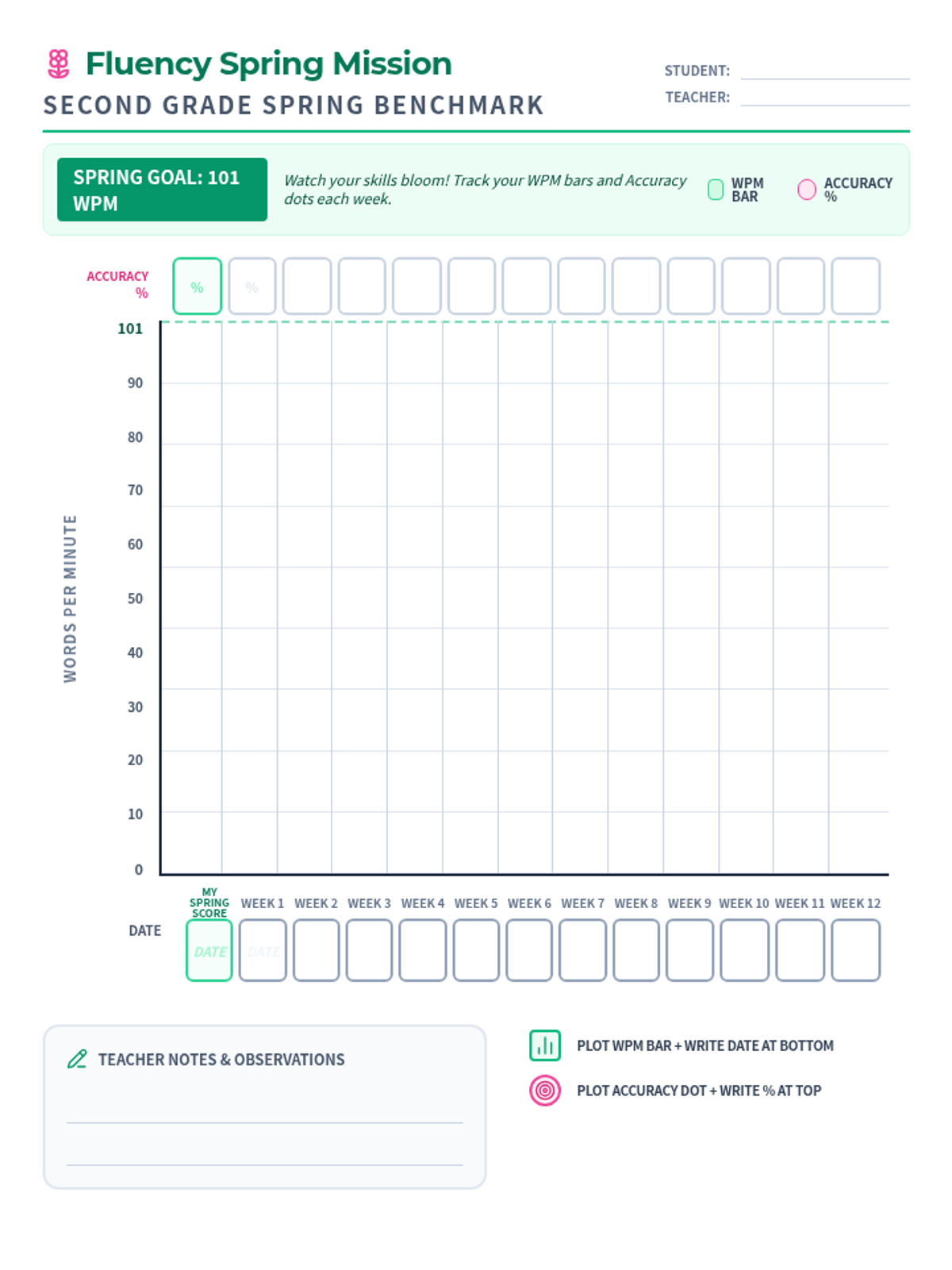
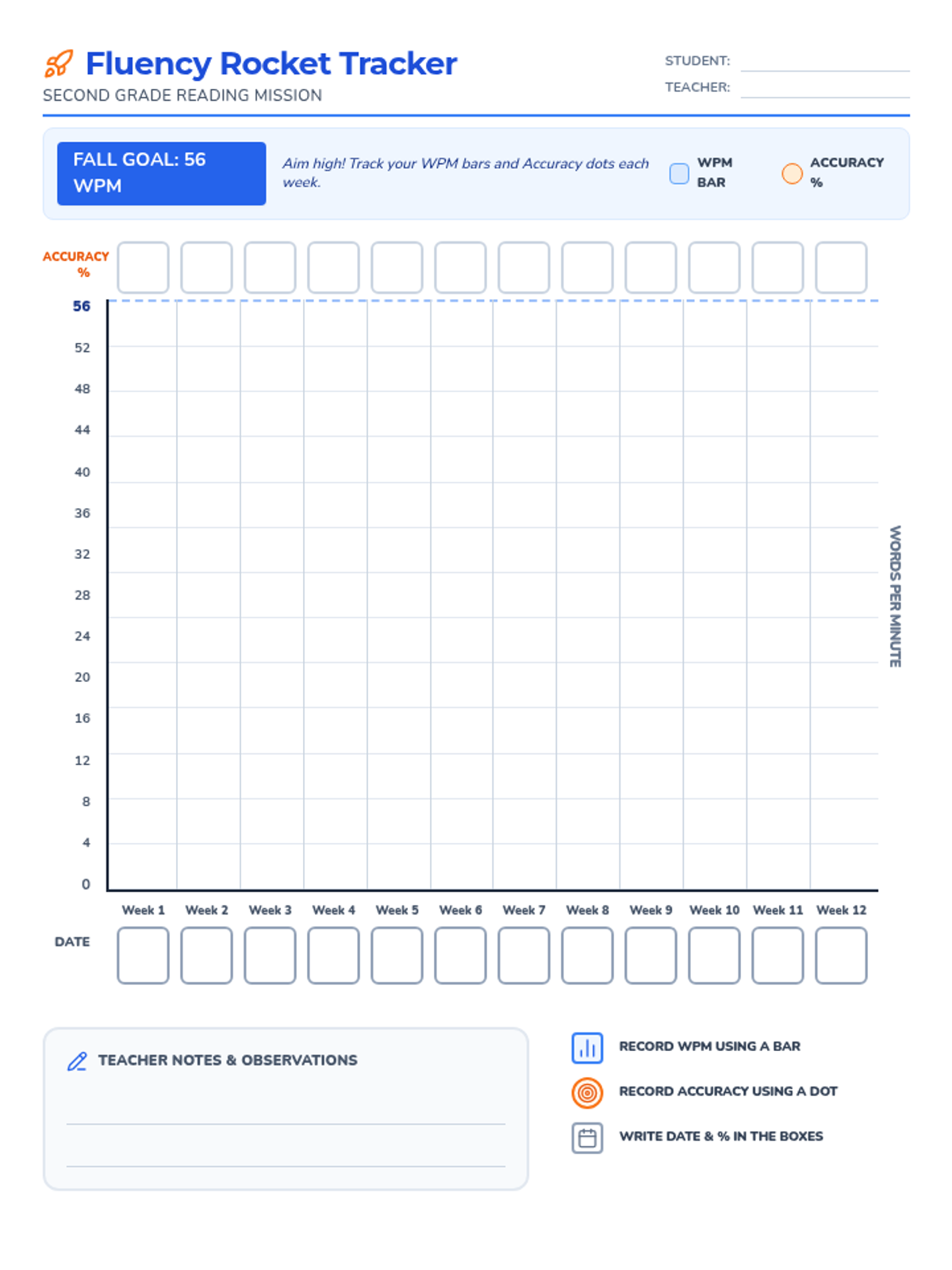
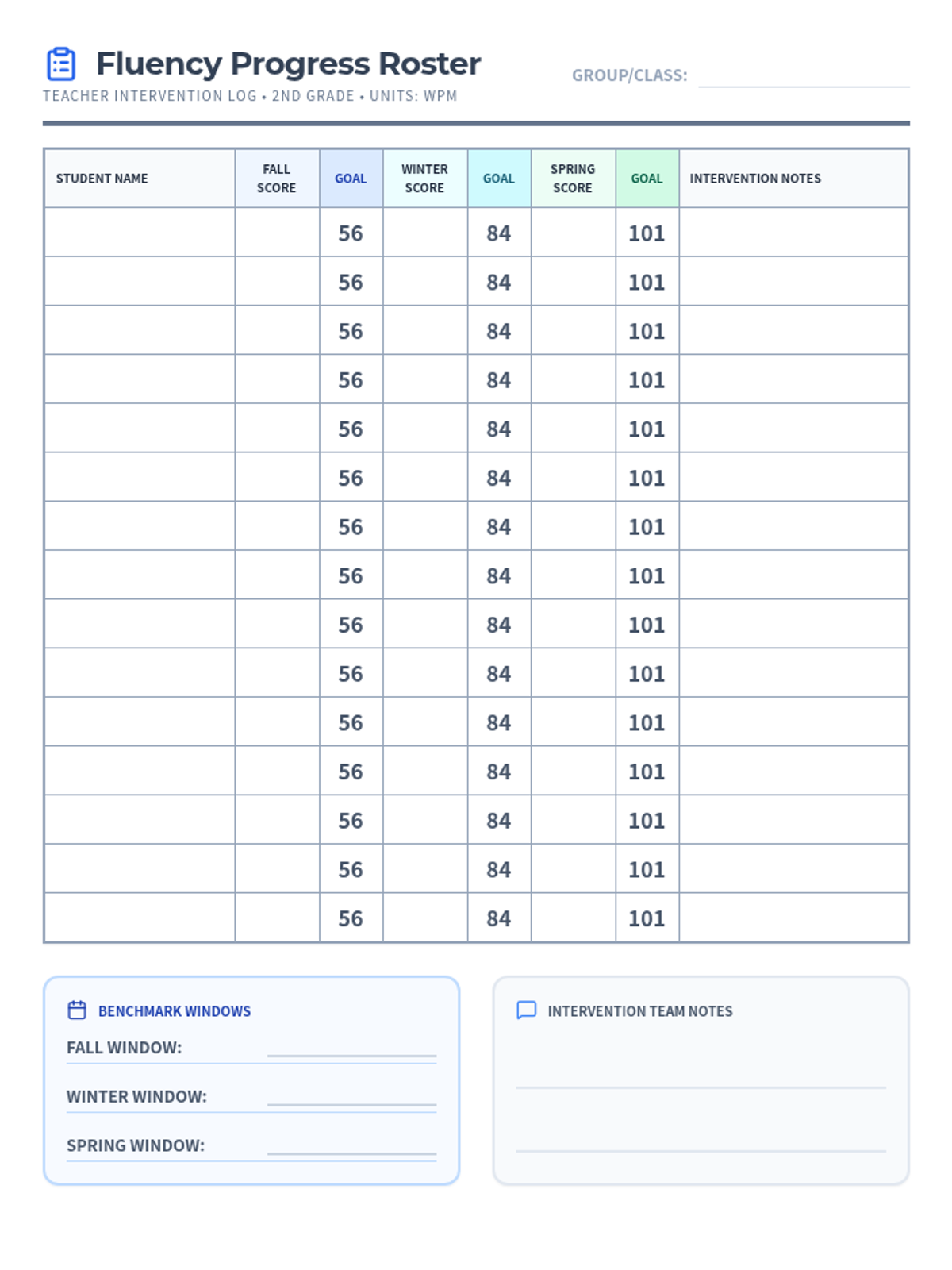
A comprehensive multi-grade level toolkit for reading intervention teachers to track and monitor student reading fluency benchmarks throughout the school year.
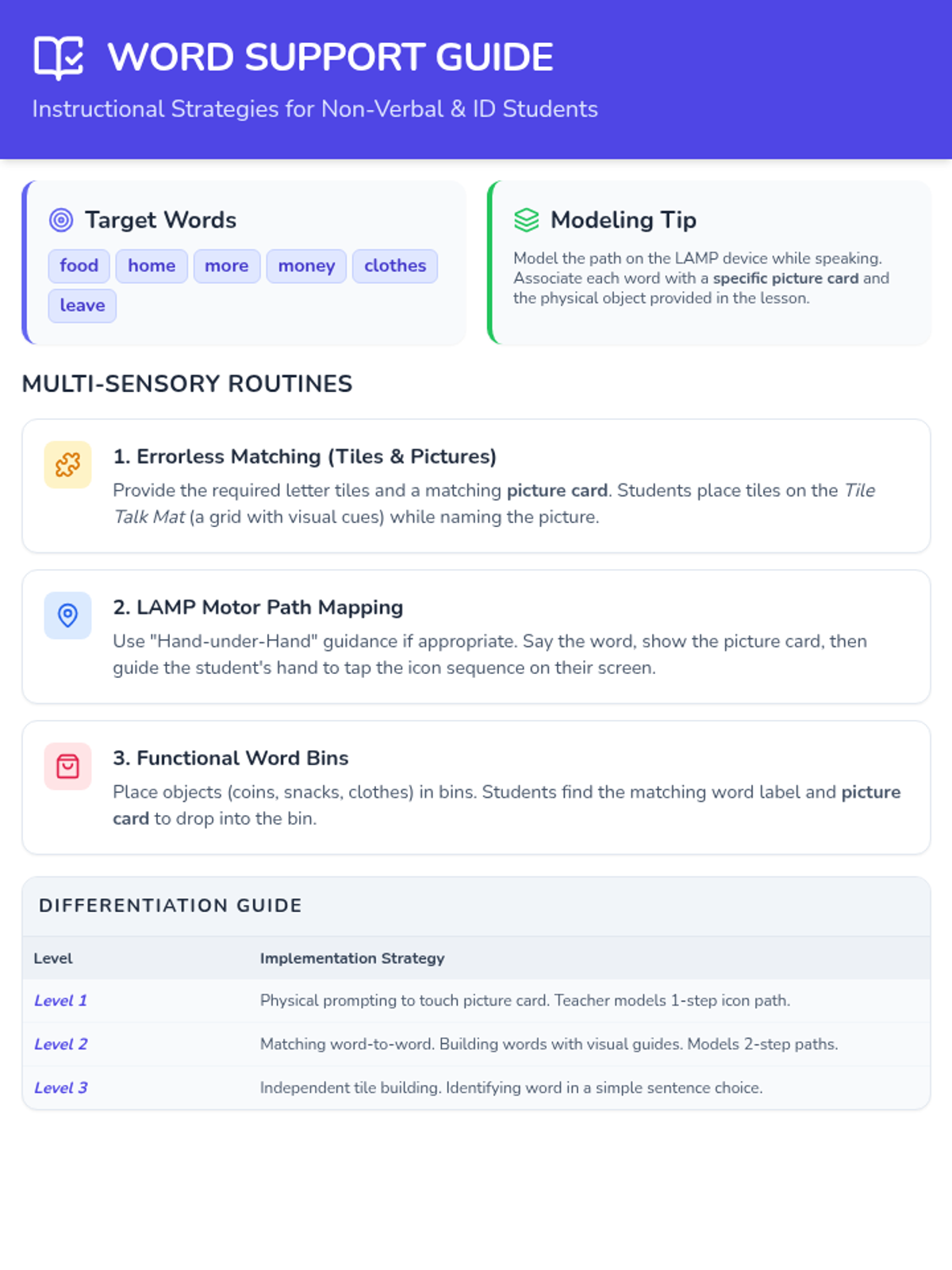
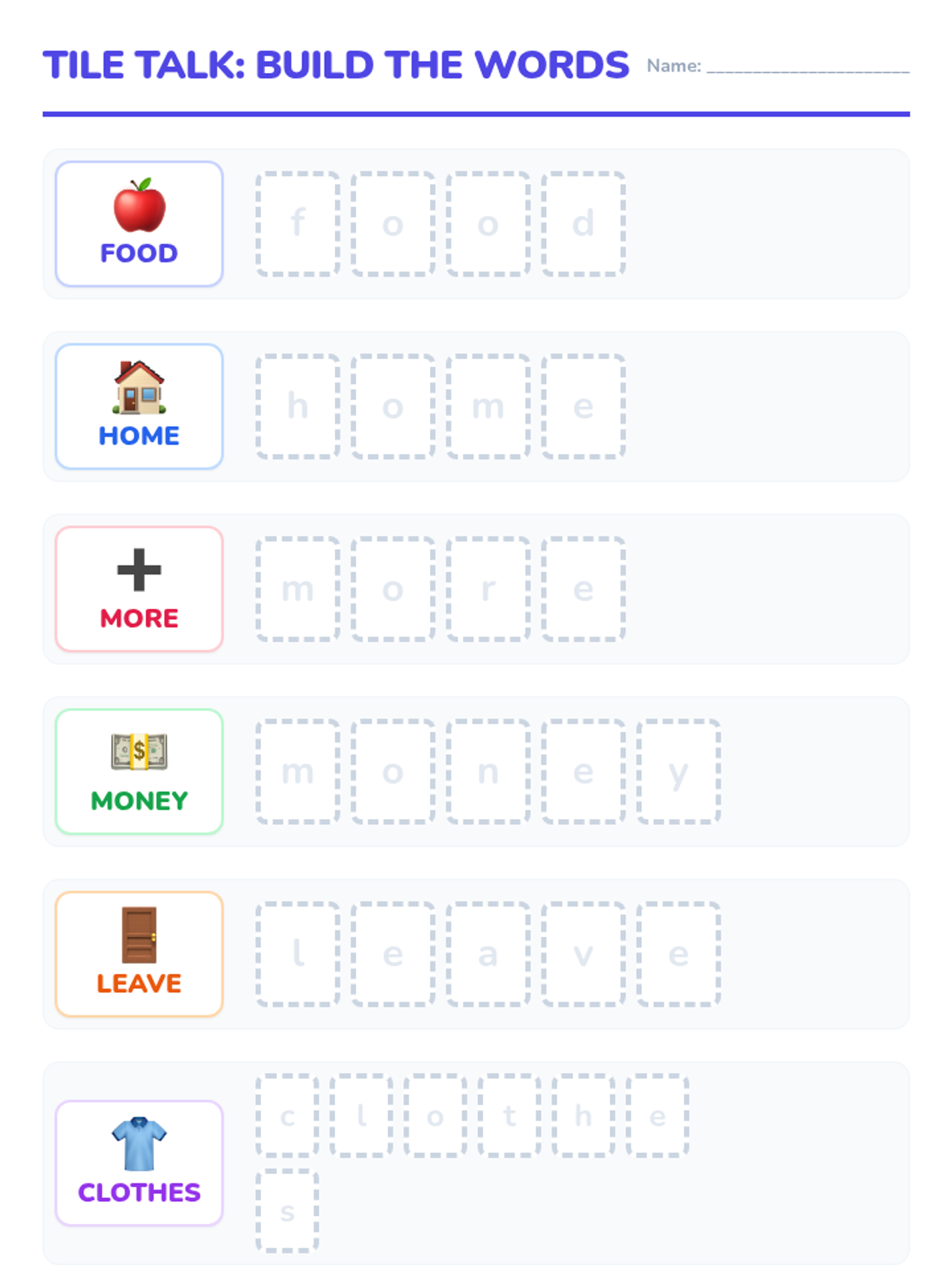
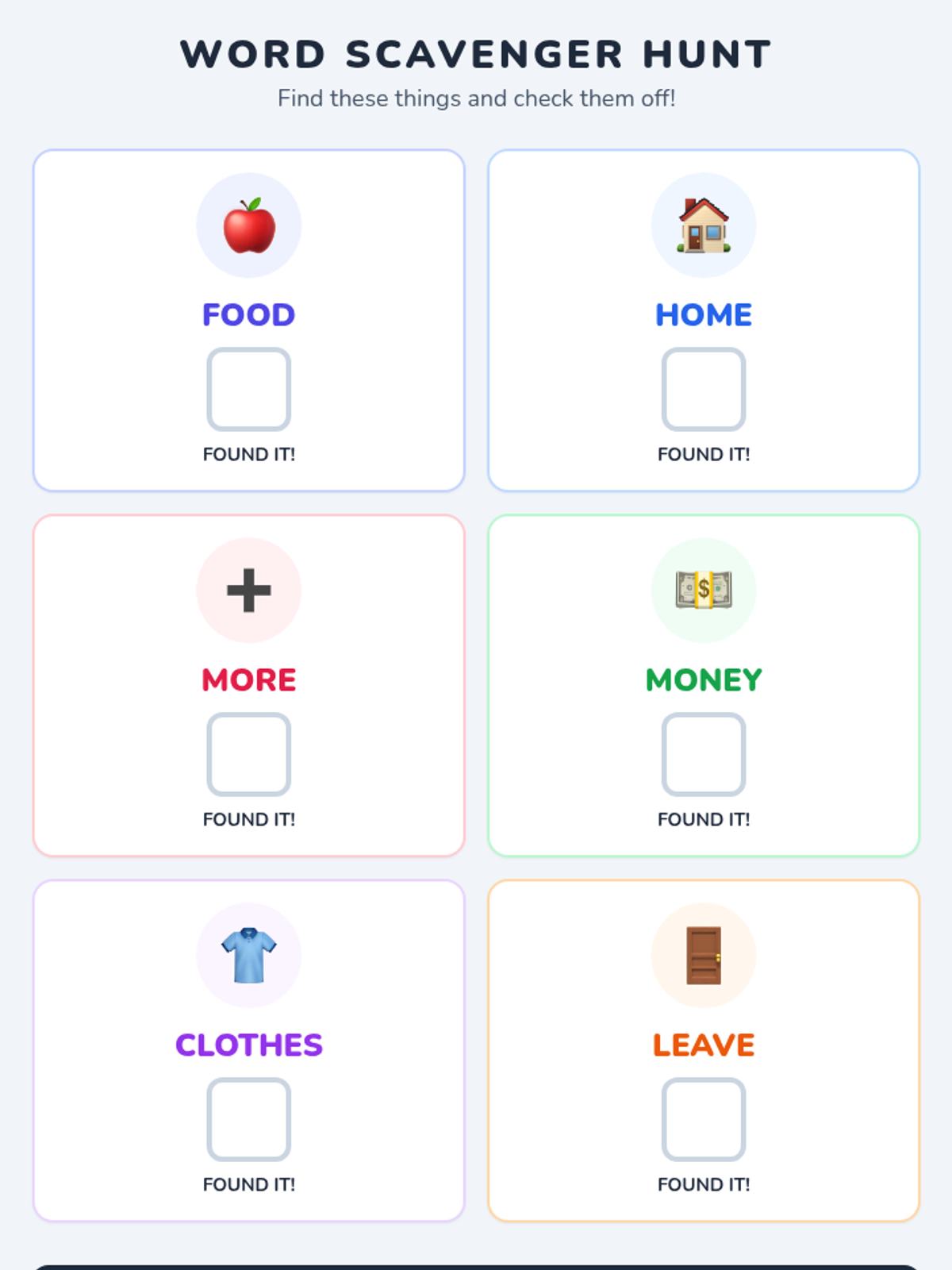
A set of multisensory resources designed for non-verbal students with intellectual disabilities to learn high-frequency life skills words using AAC, letter tiles, and visual supports.
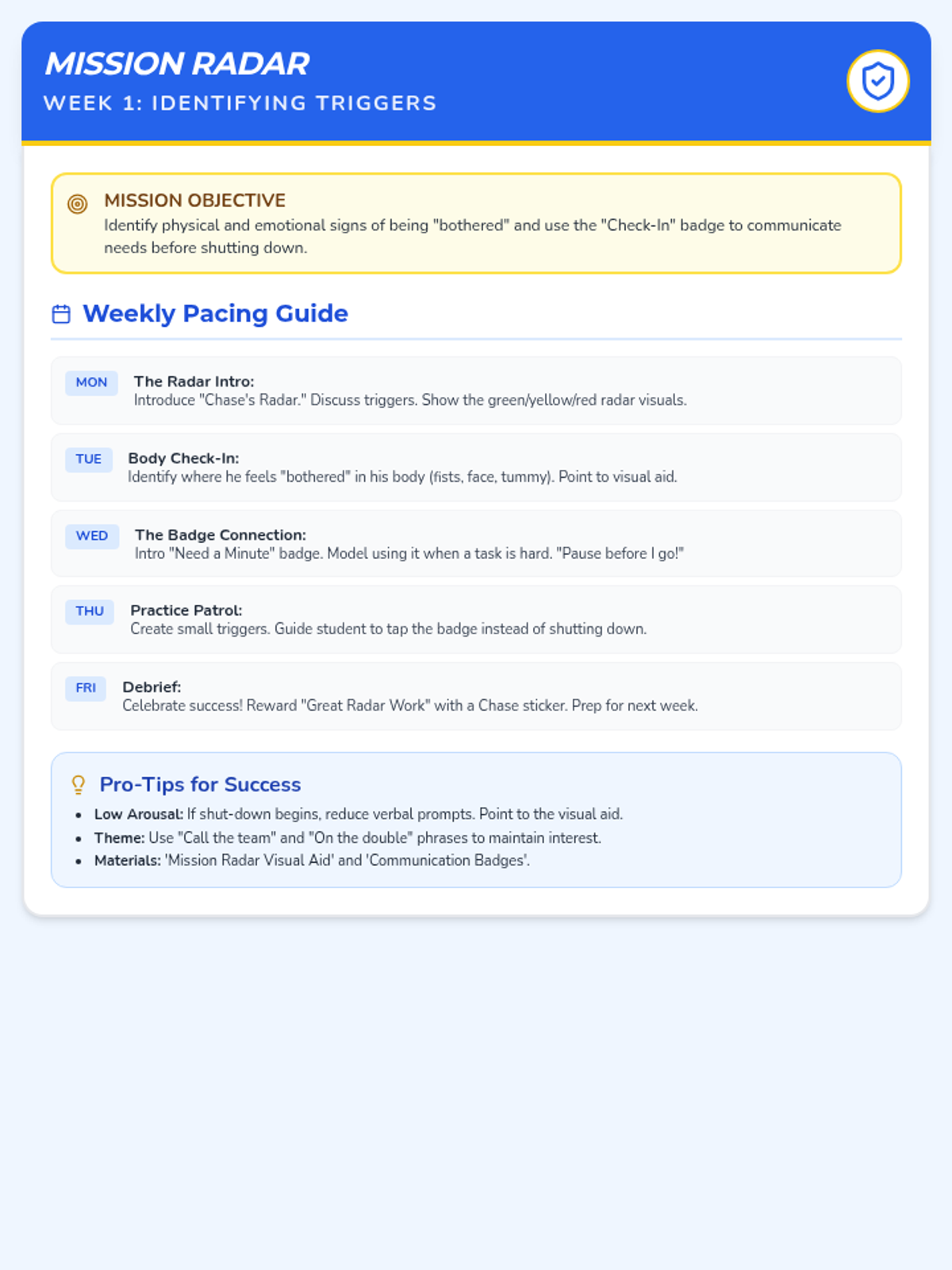
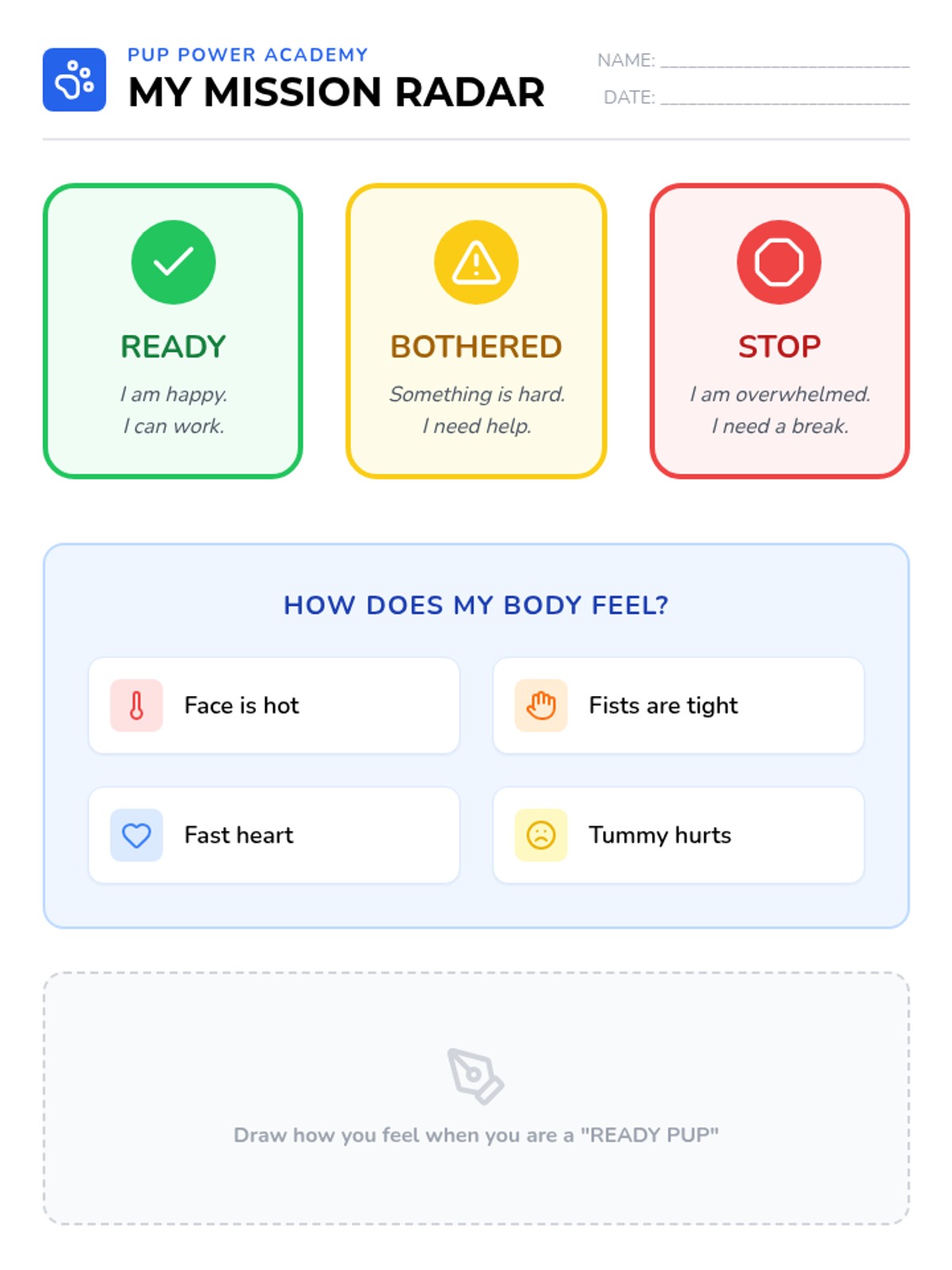
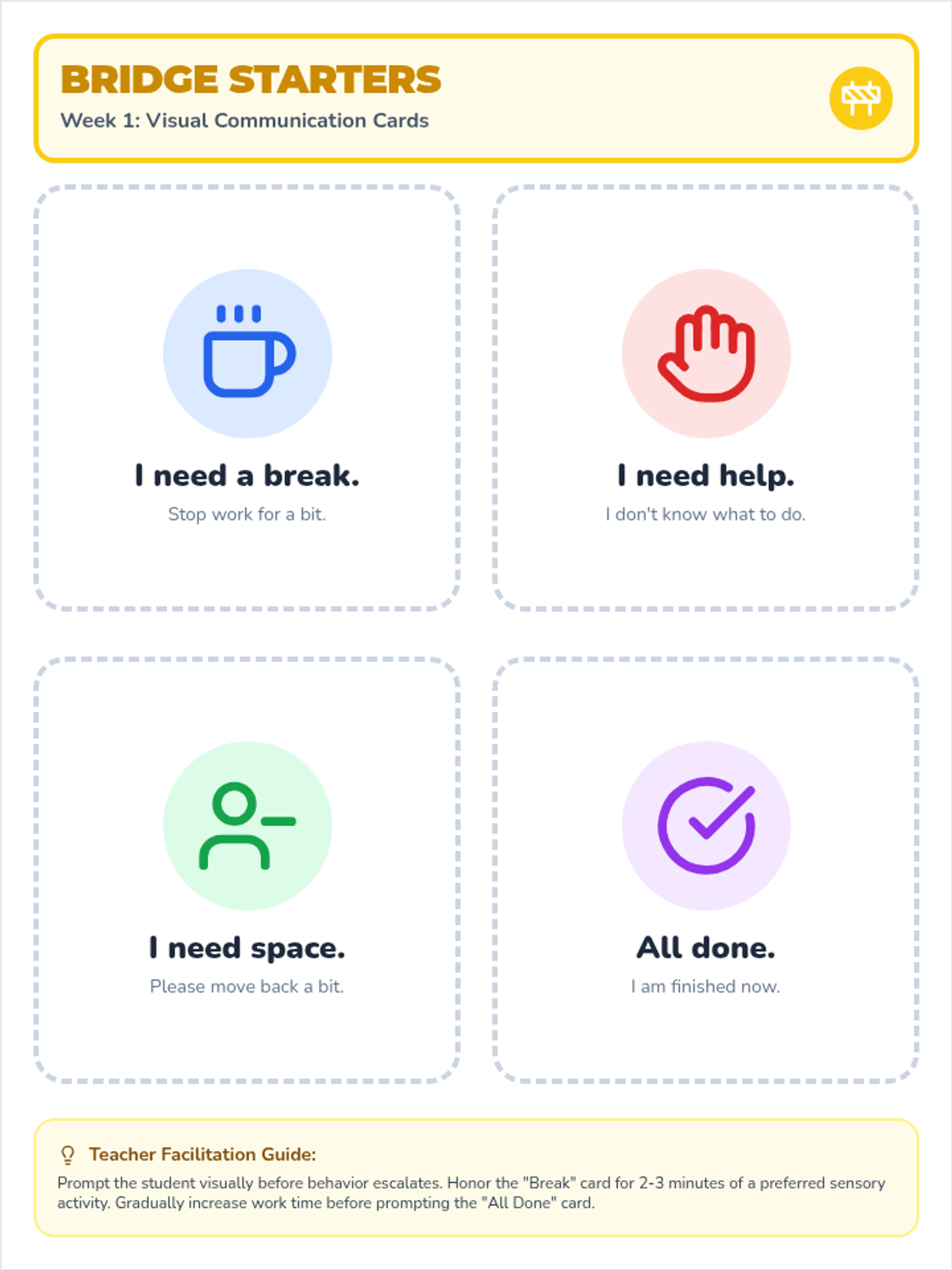
A 6-week intervention sequence designed for a first-grade student with autism, focusing on functional communication, task completion, and elopement prevention using a Paw Patrol theme.
A 6-week functional communication intervention for a 1st-grade student with autism, focusing on reducing task avoidance and elopement through visual supports and expressive language scaffolding.
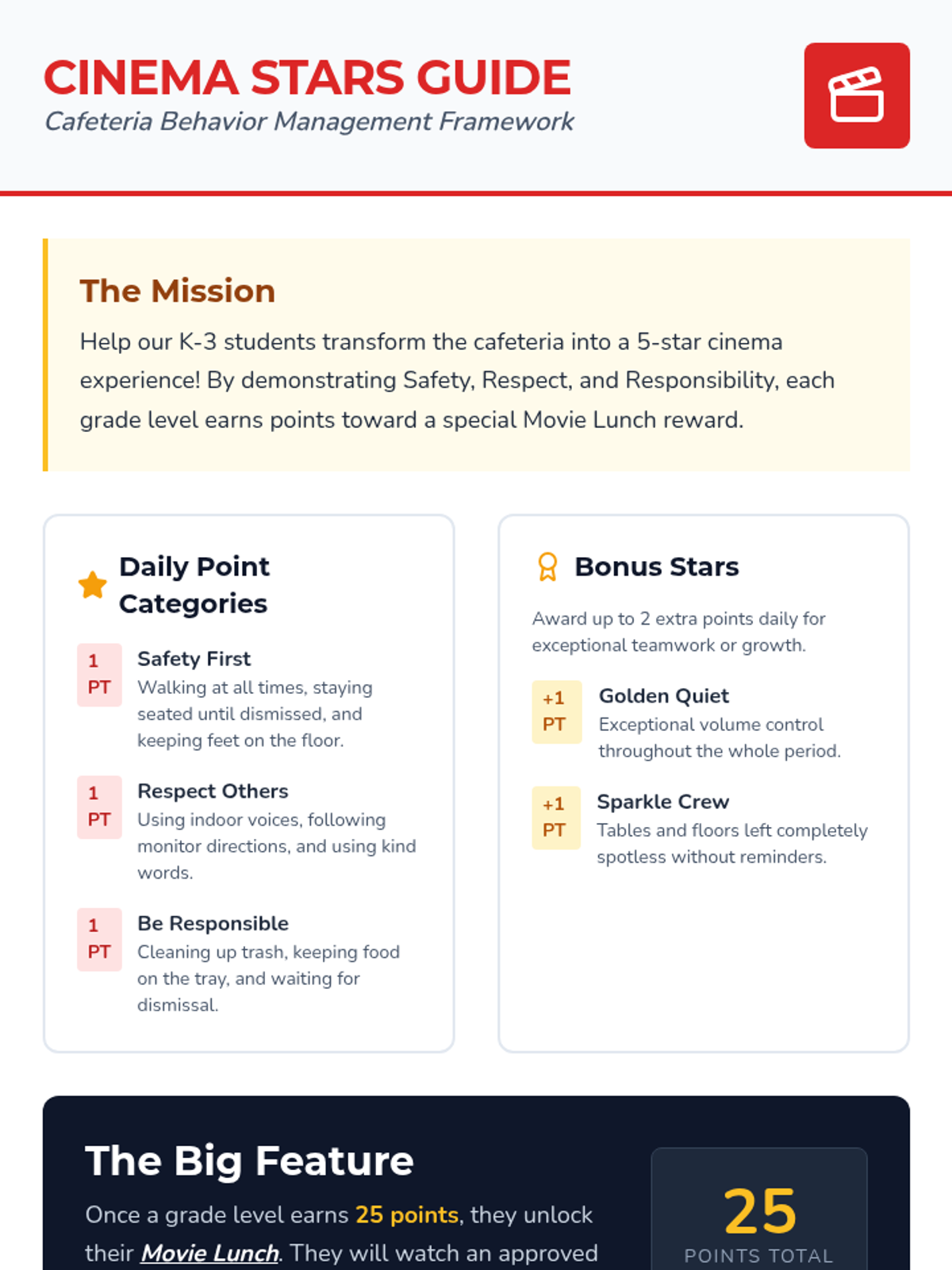
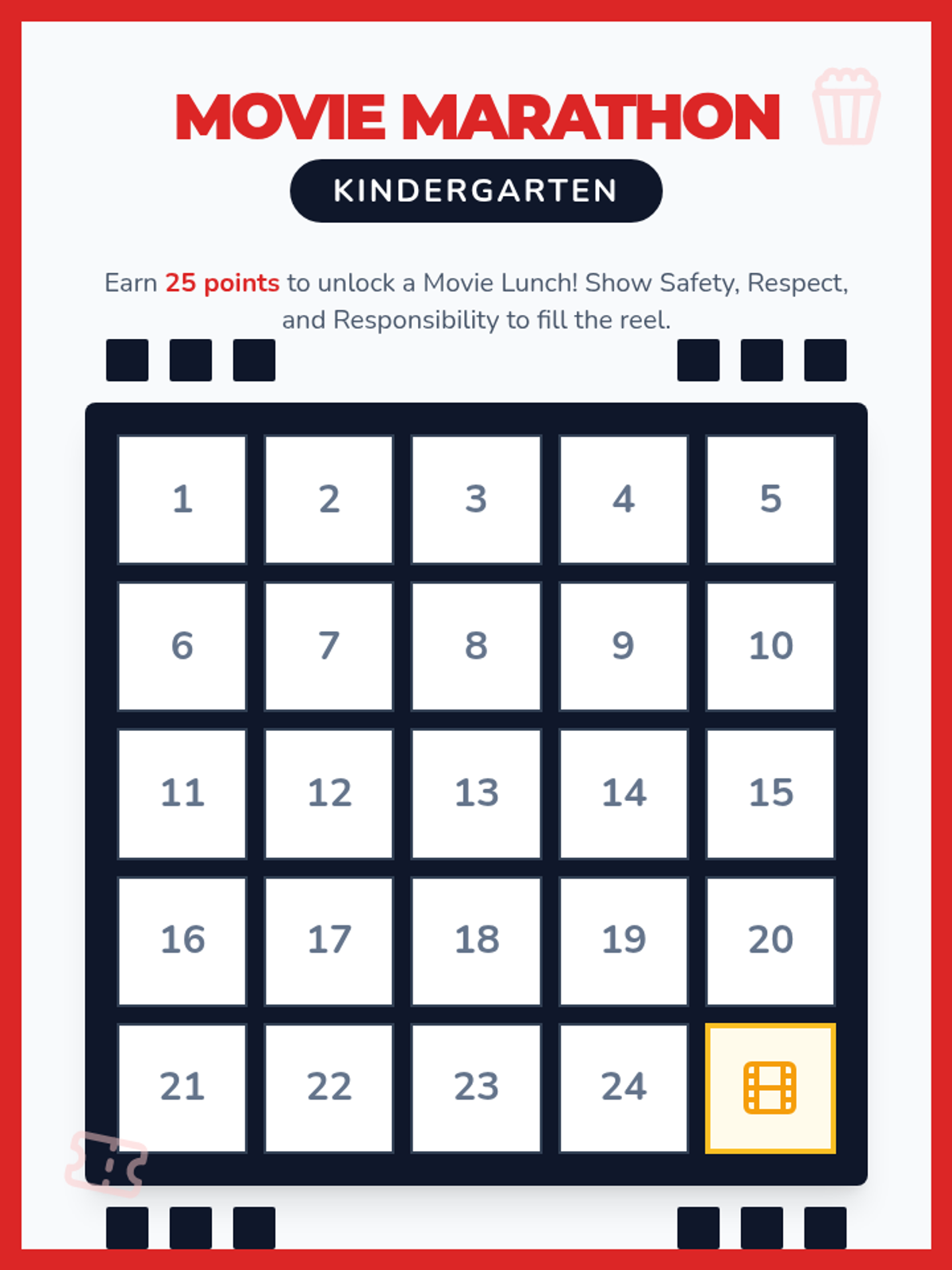
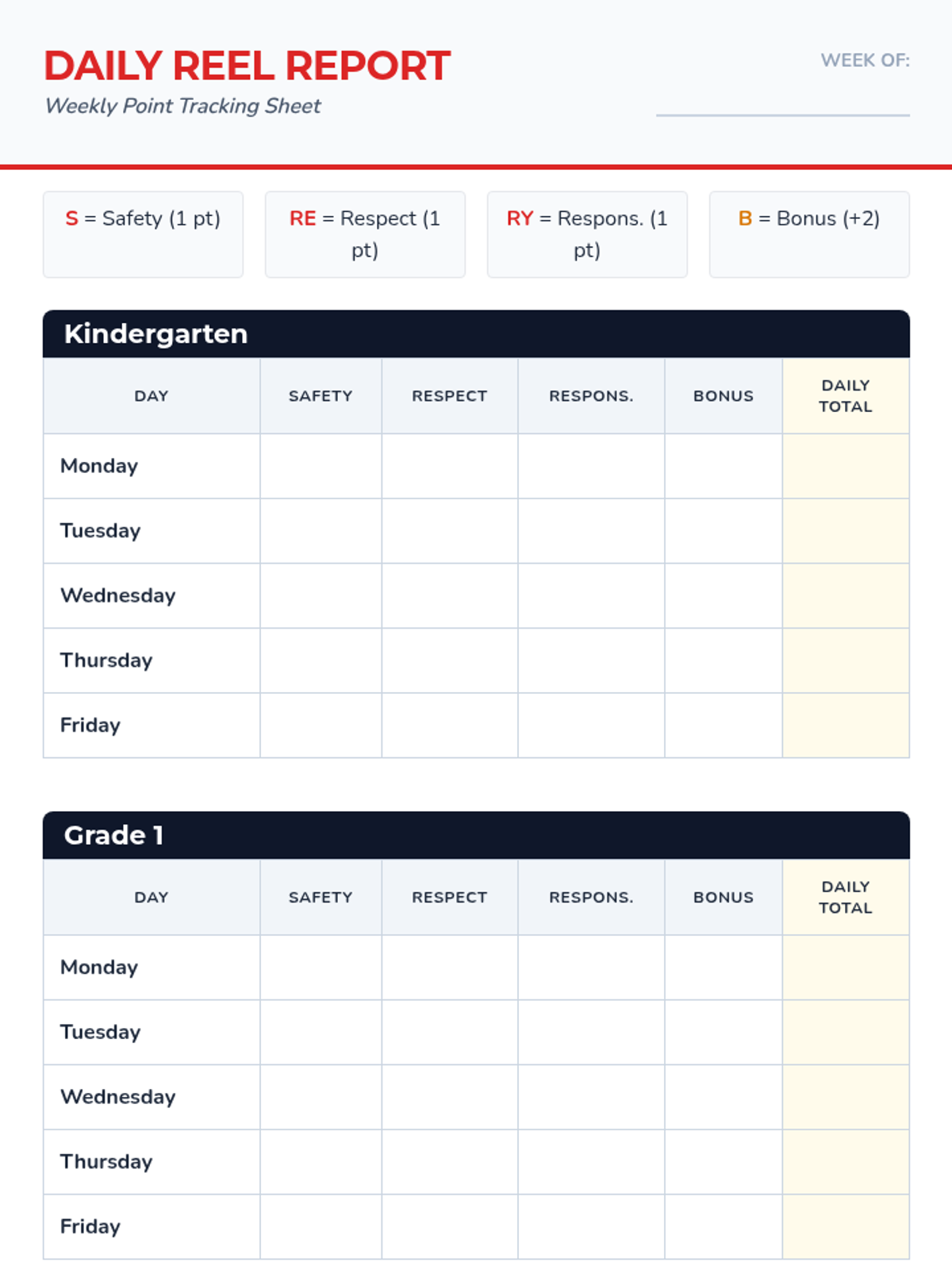
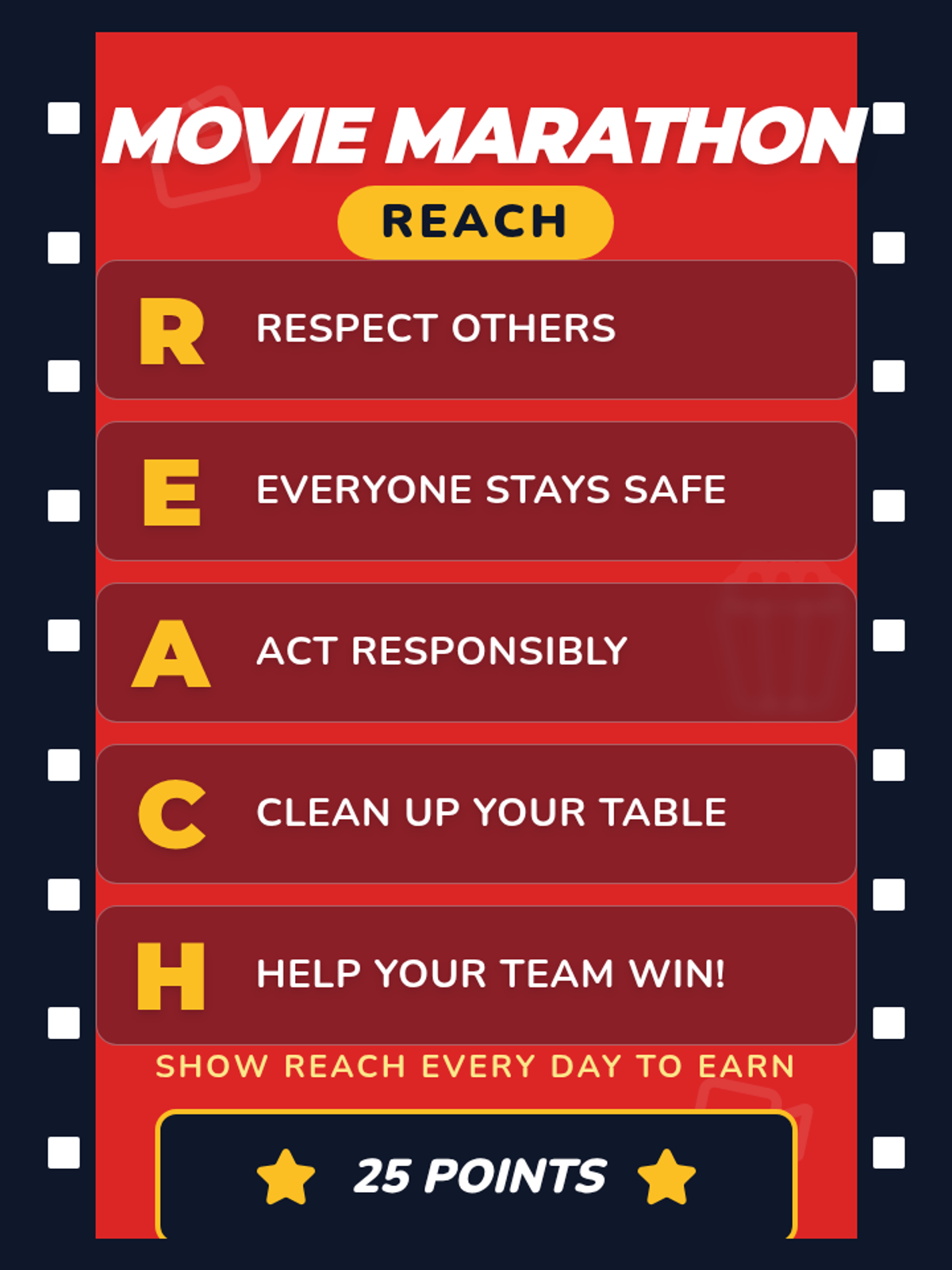
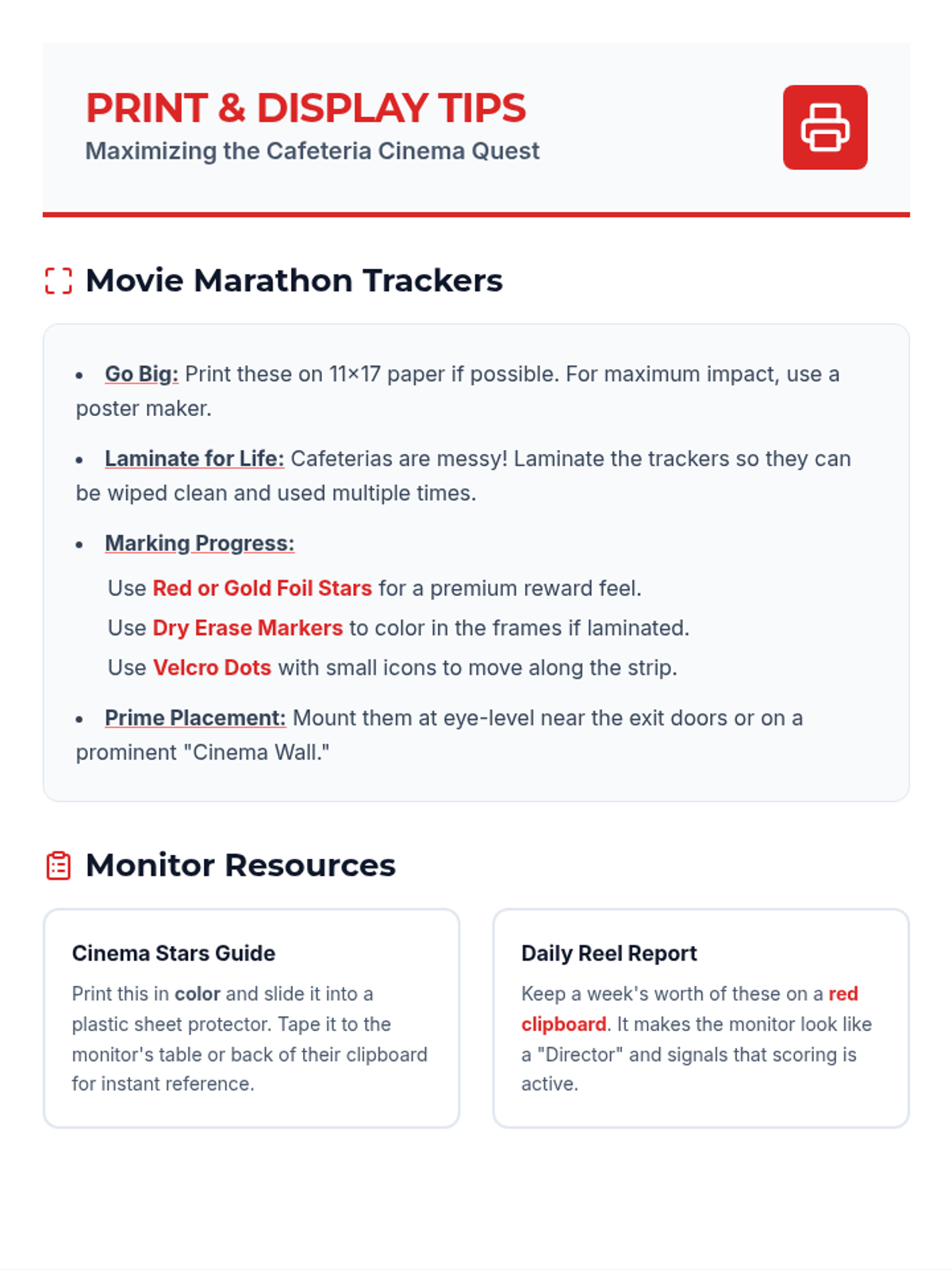
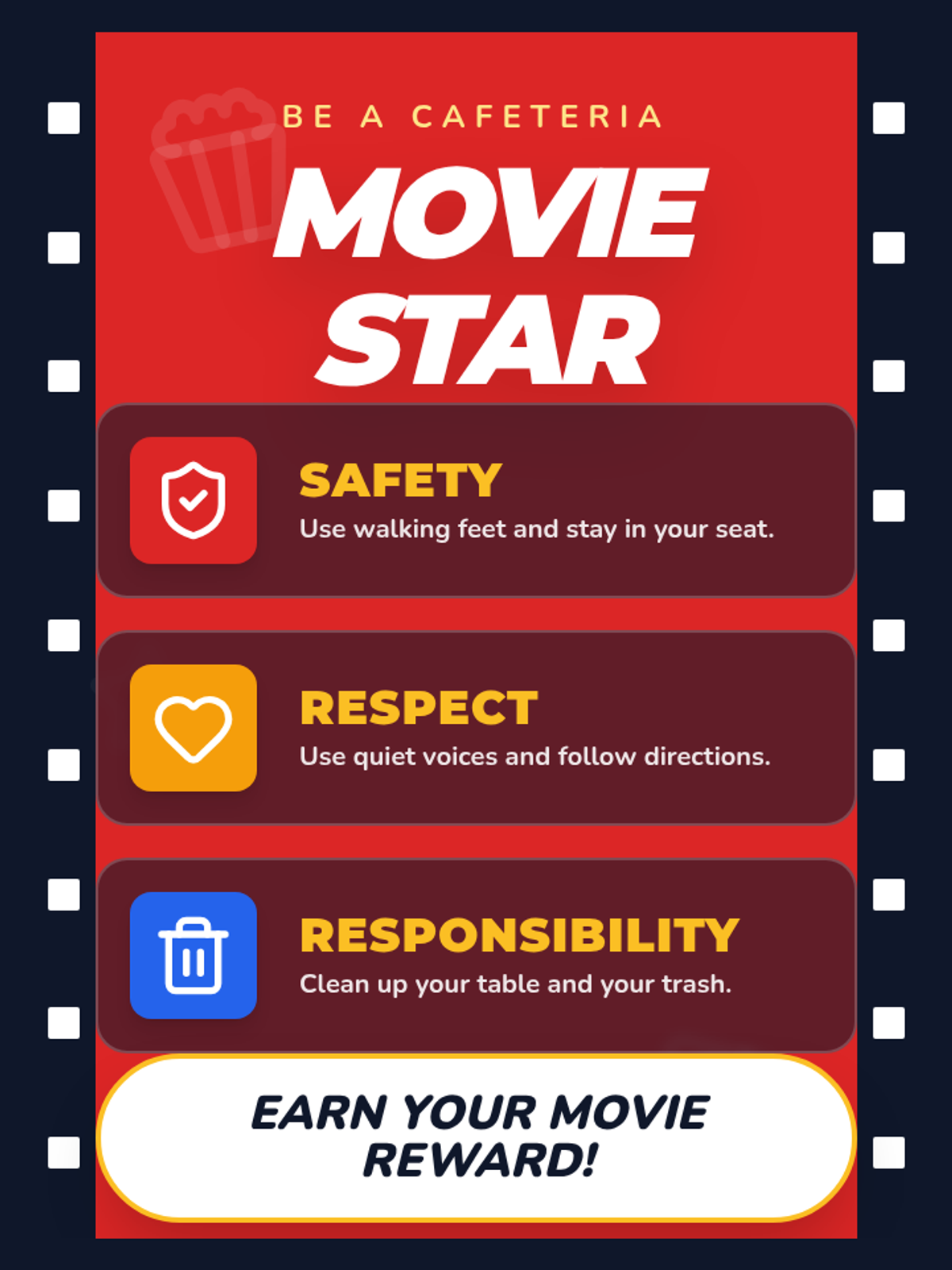
A behavioral management framework for primary schools to improve cafeteria culture using a tiered reward system and visual progress indicators.
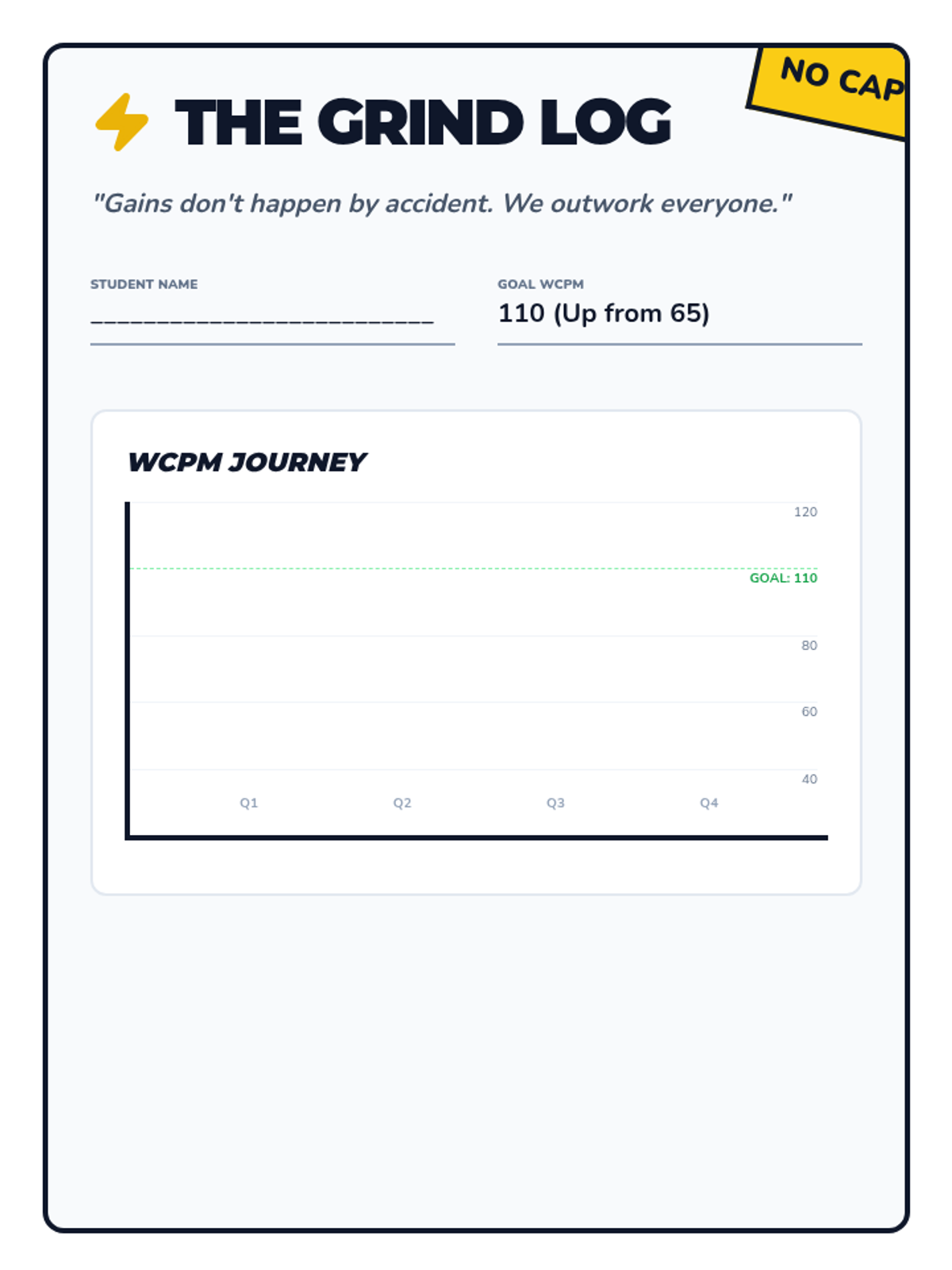
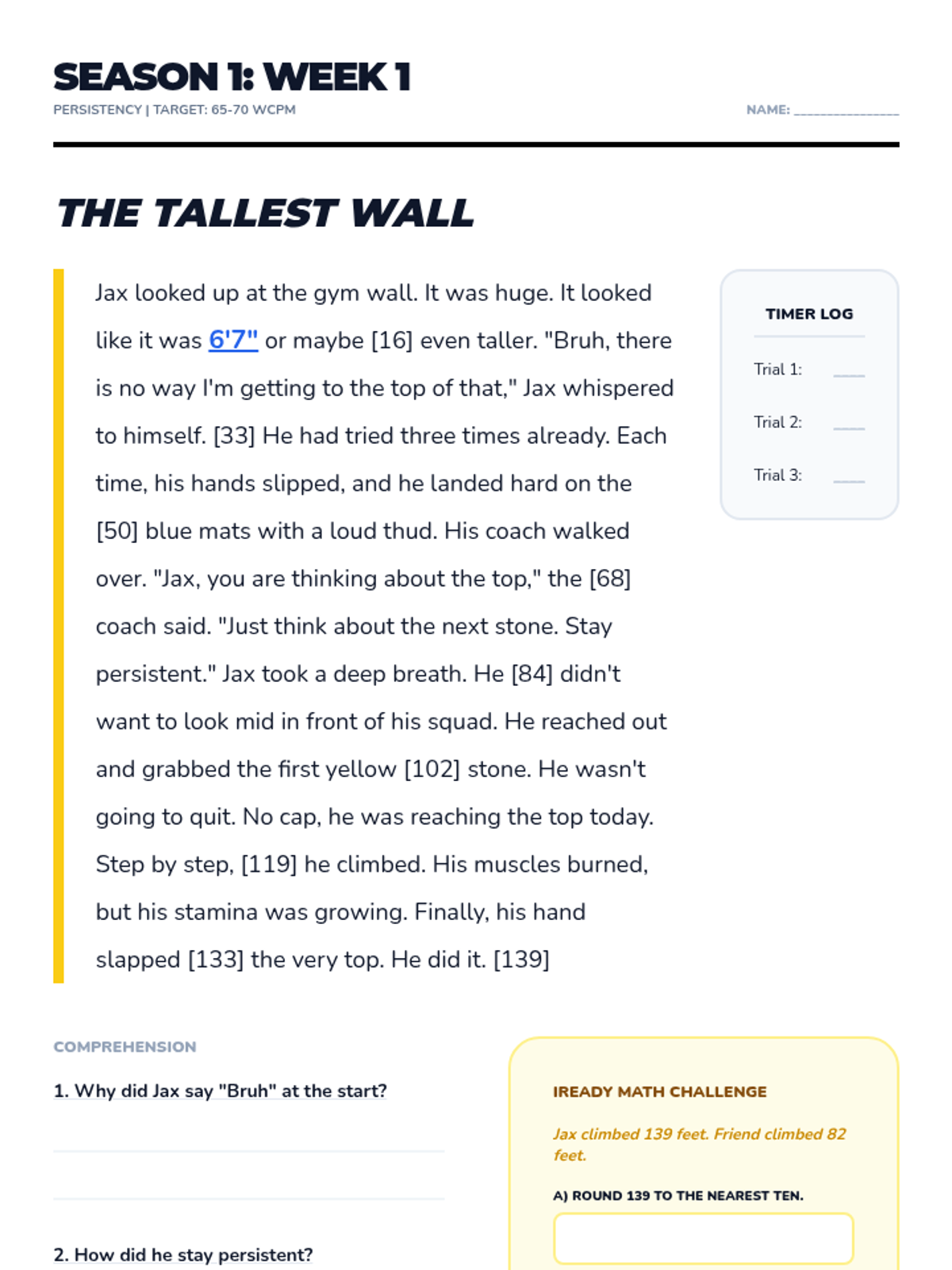
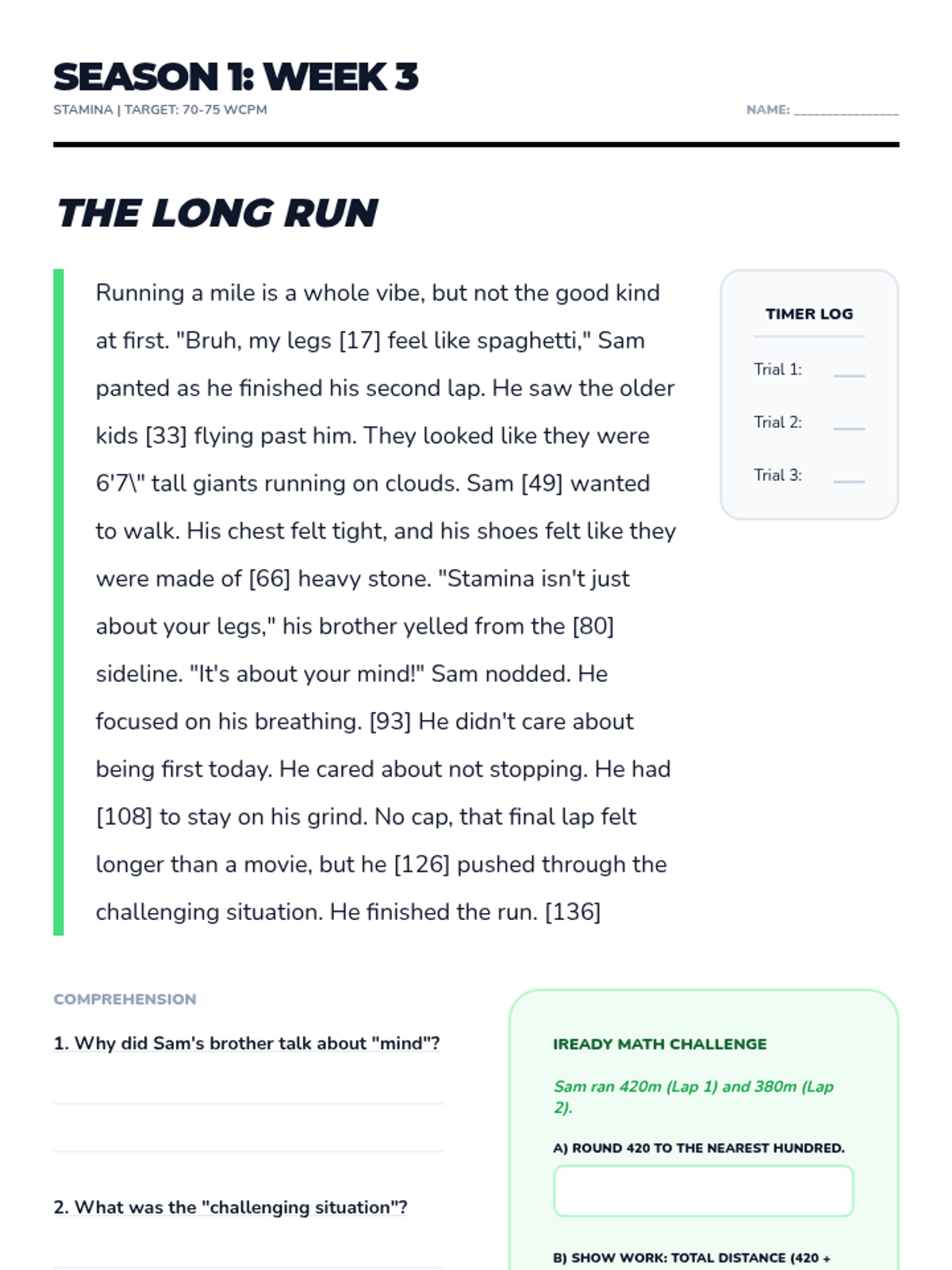
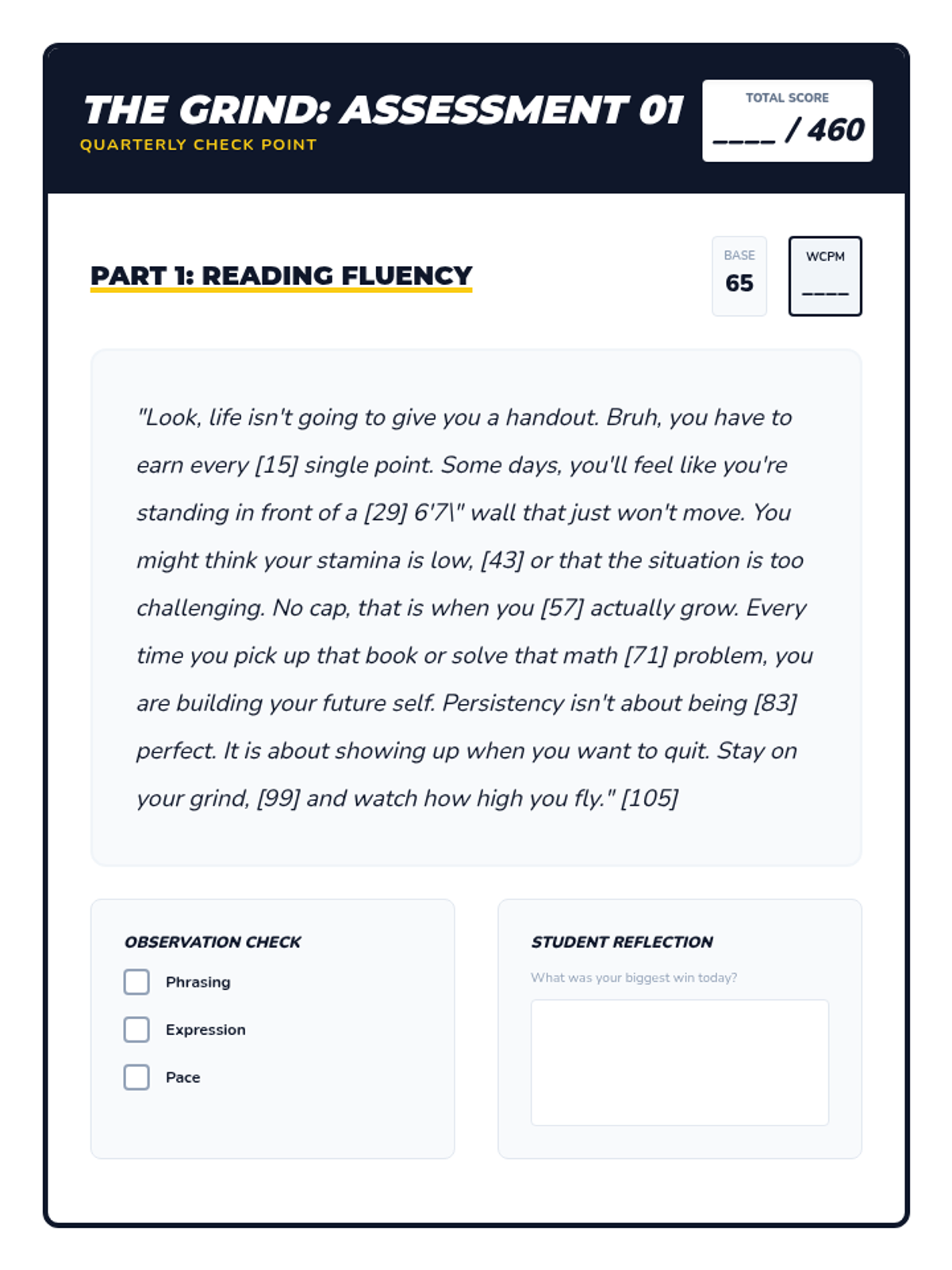
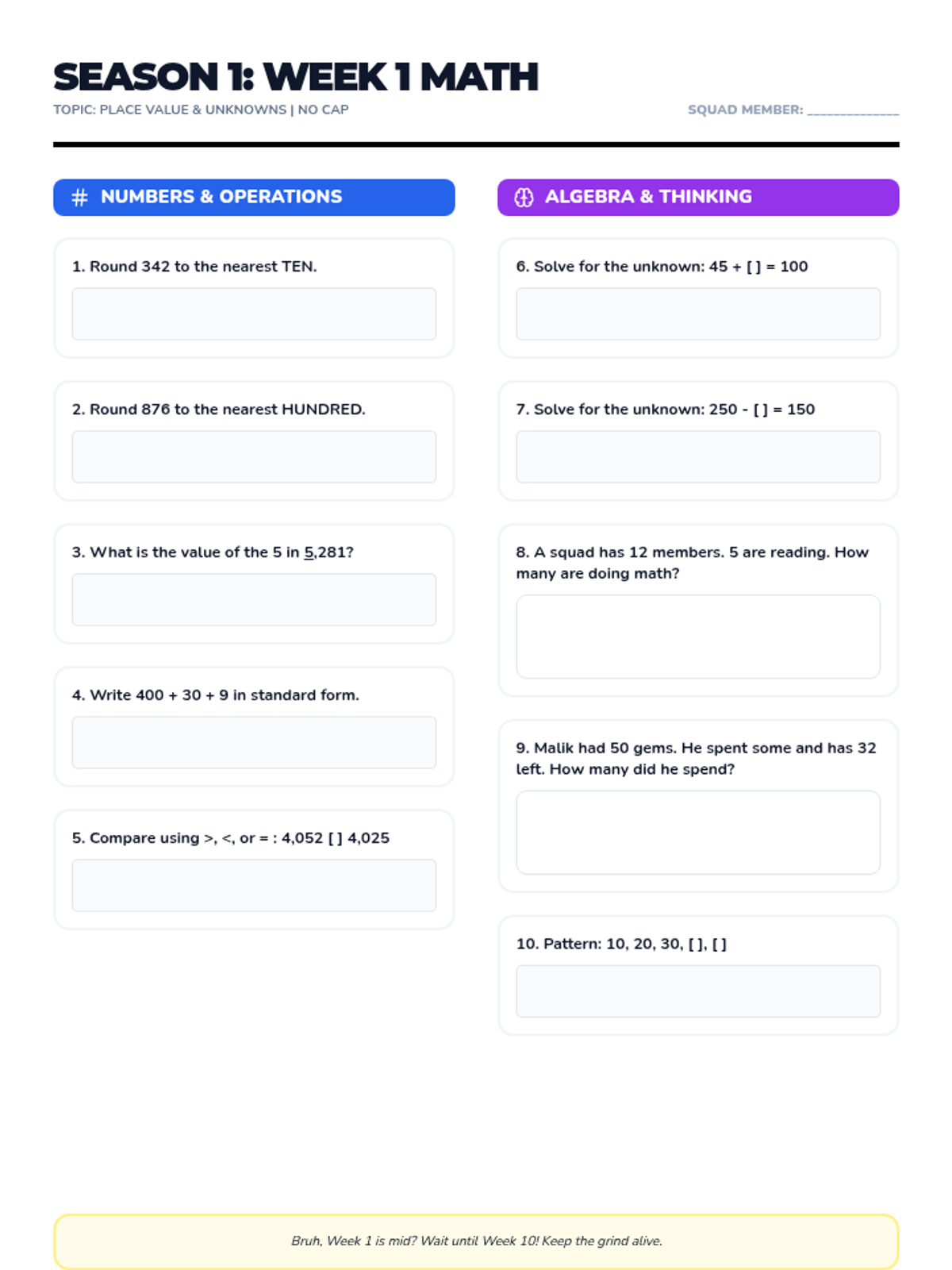
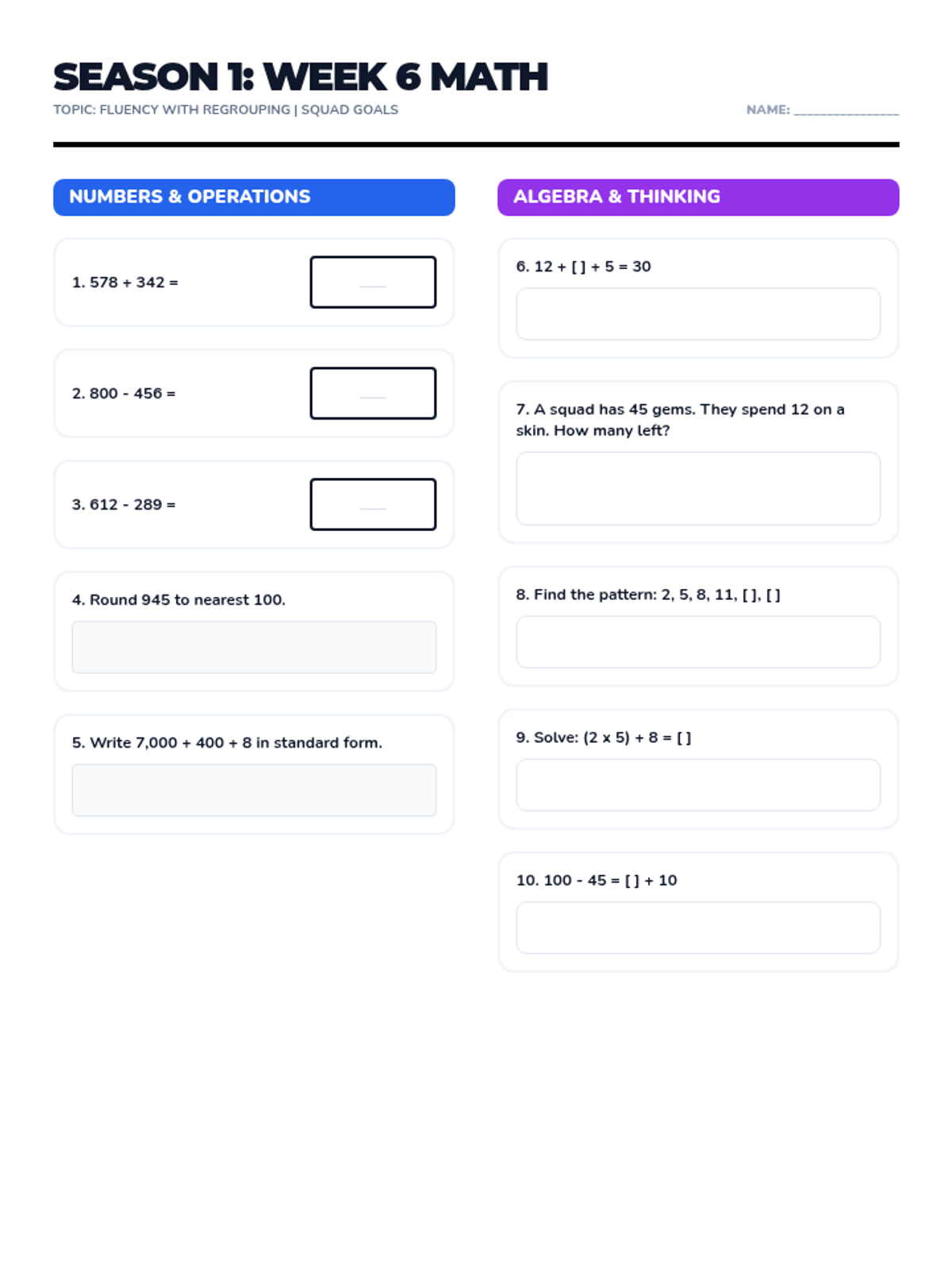
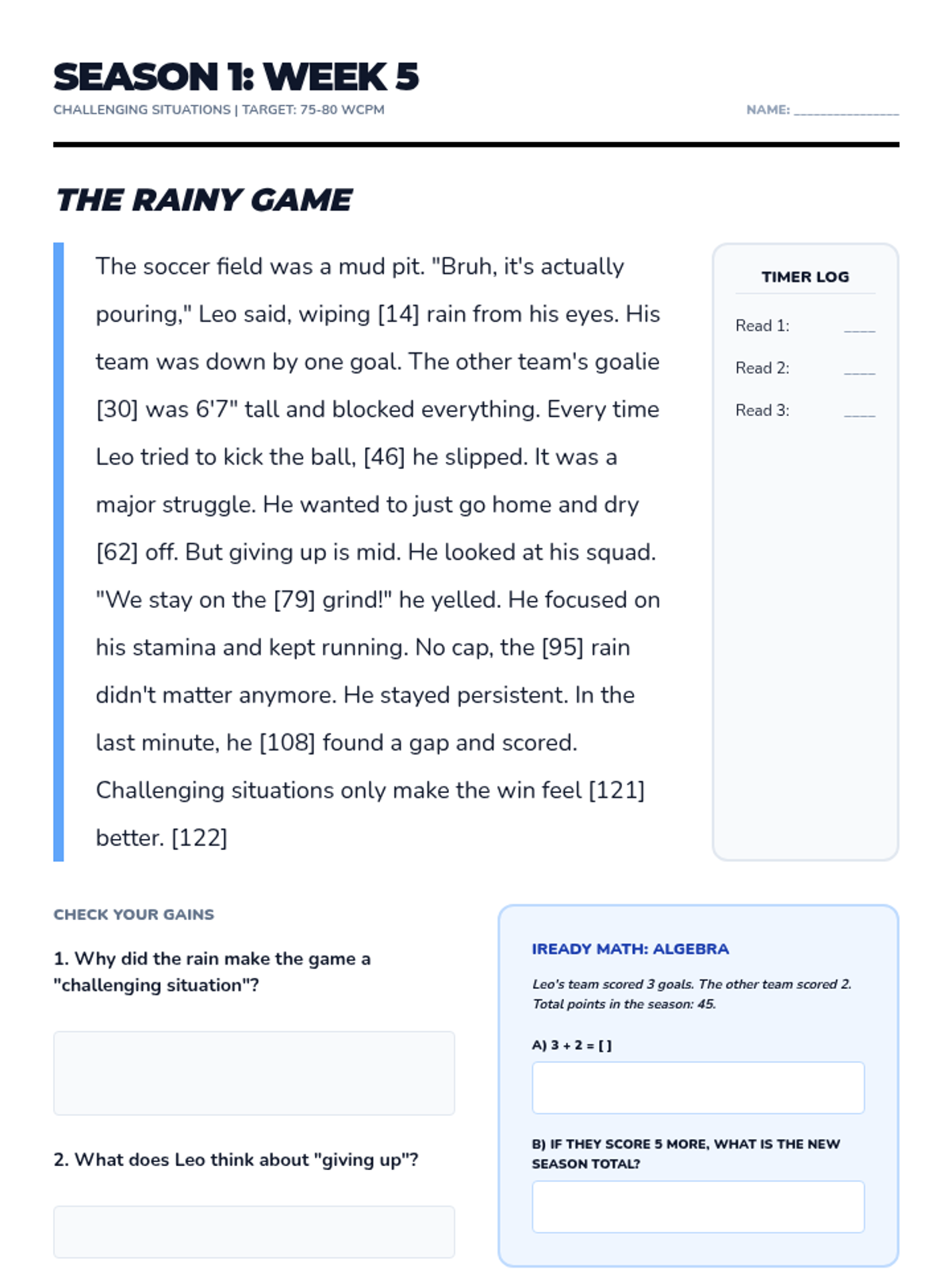
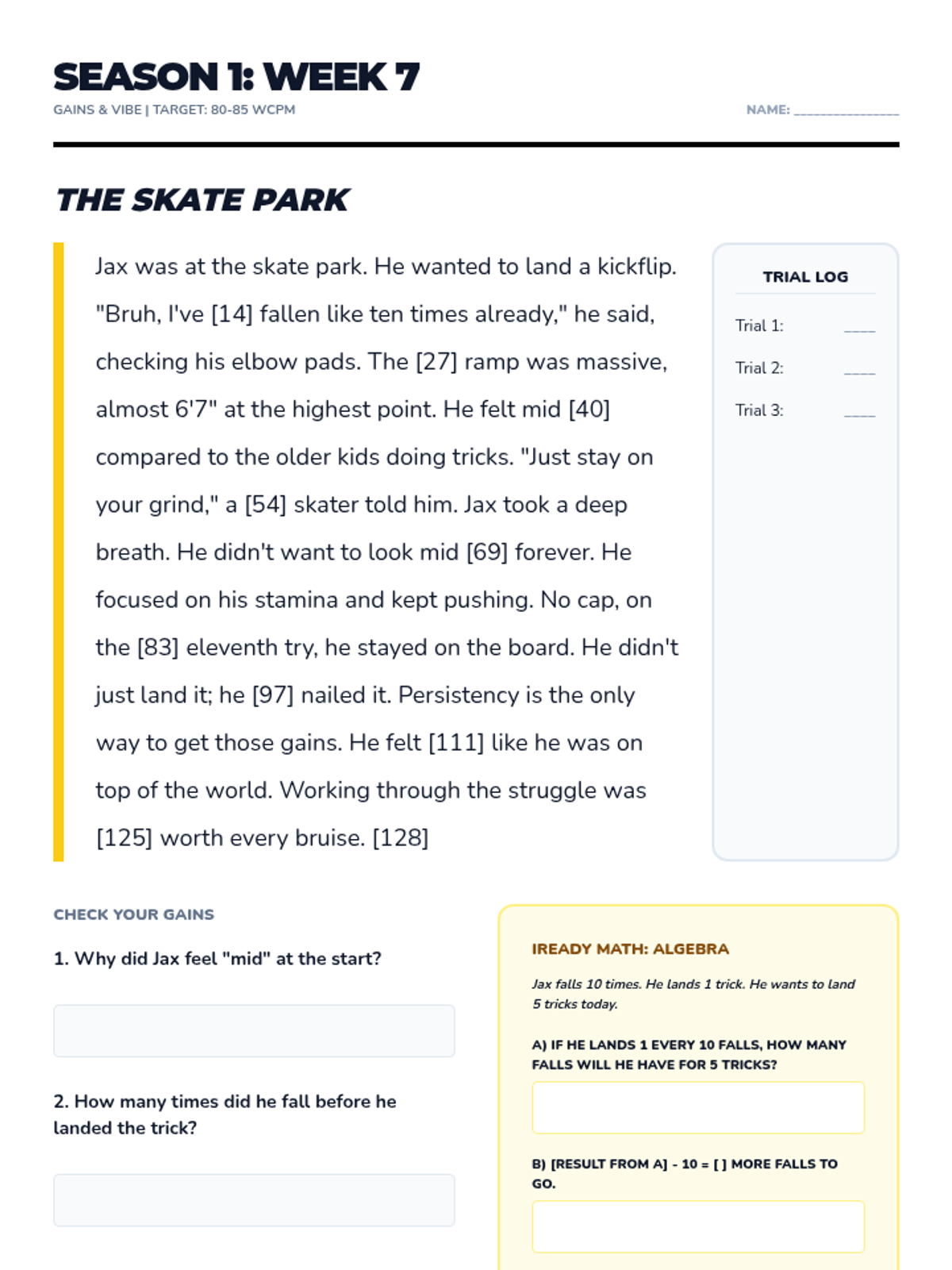
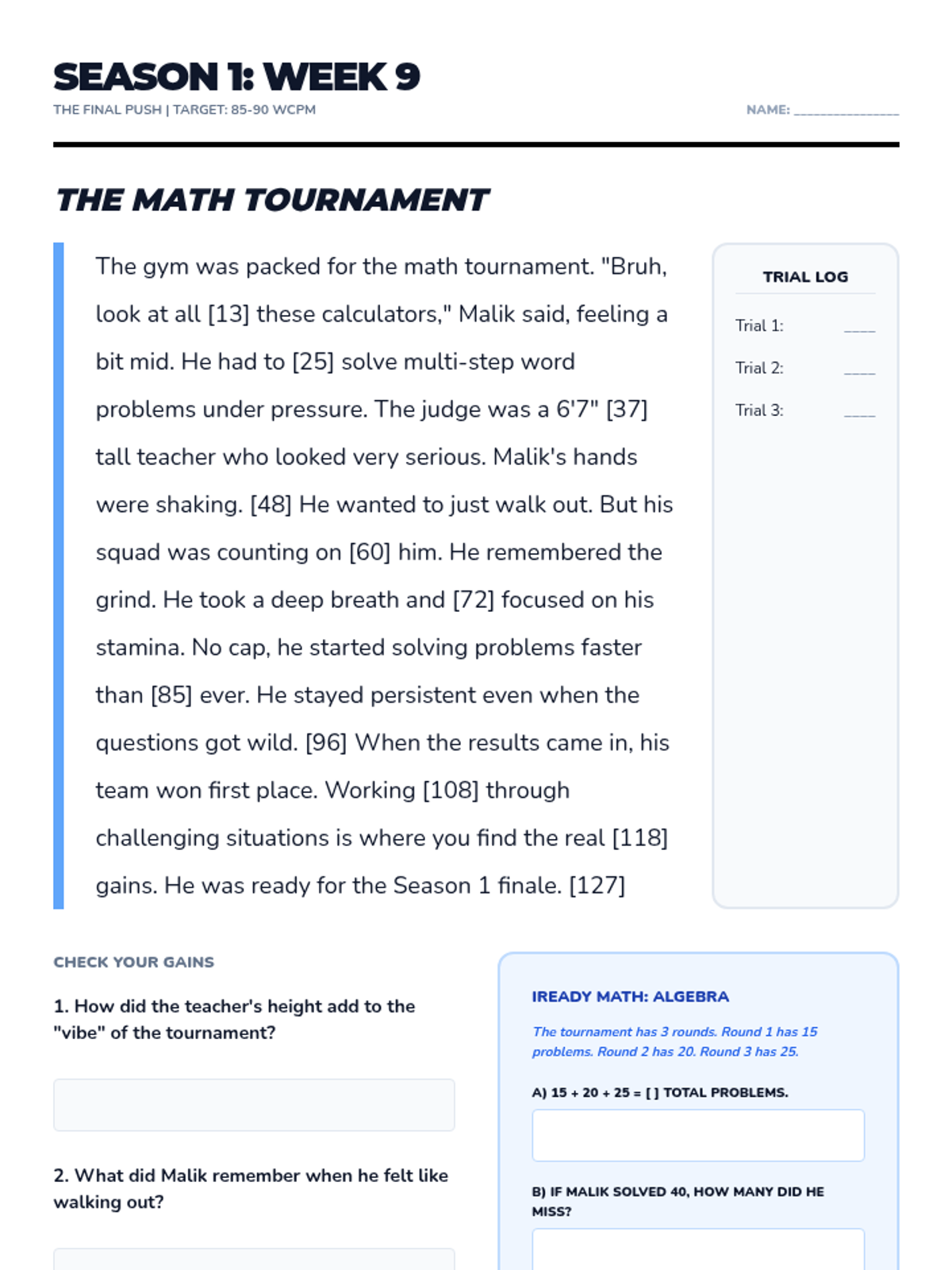
A comprehensive 40-week intervention program designed for a rising 4th-grade student to boost reading fluency from 65 to 110 WCPM and iReady math scores from 400 to 460. The program features high-interest reading passages with modern slang, integrated math challenges, and rigorous progress tracking.
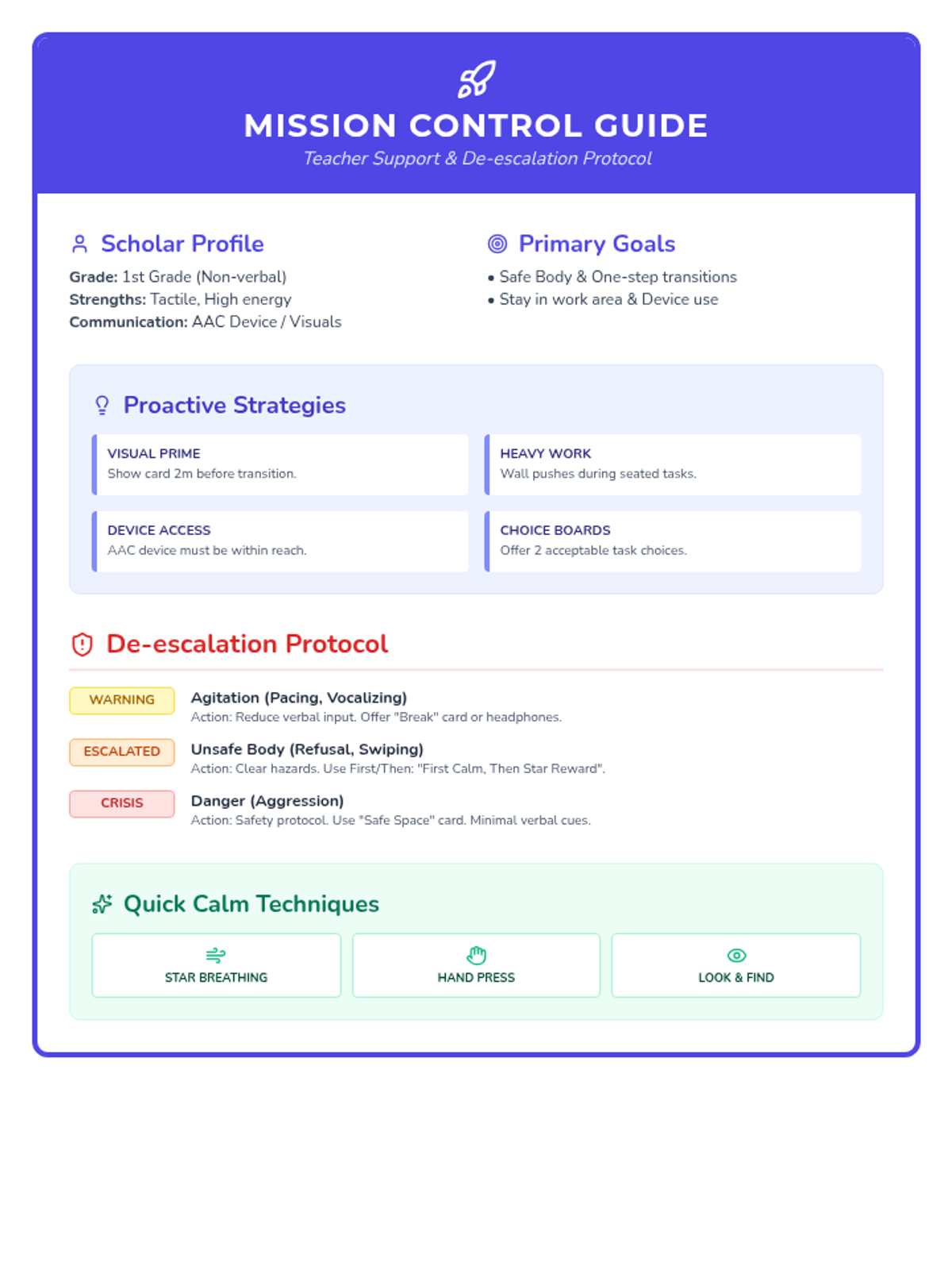
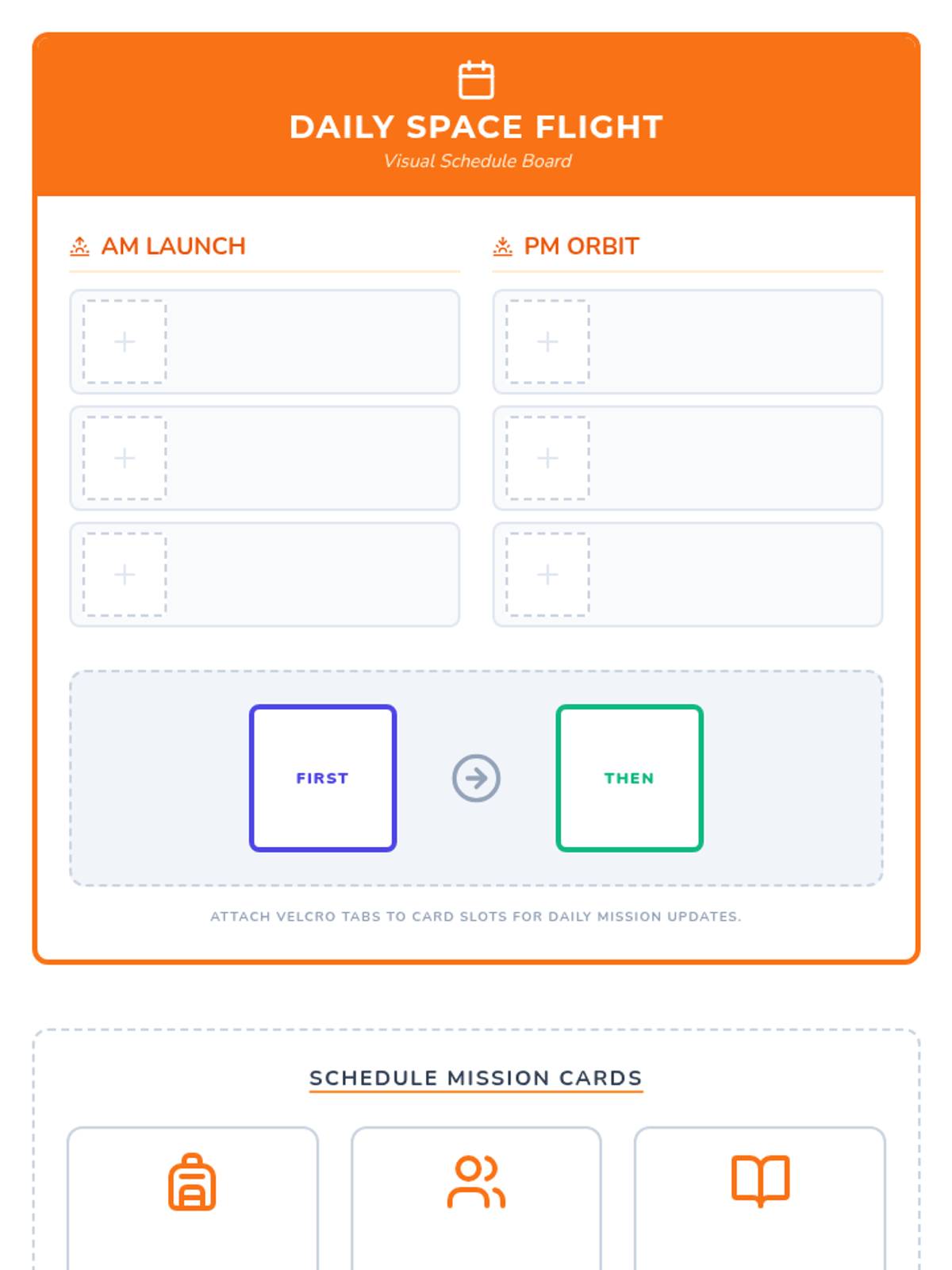
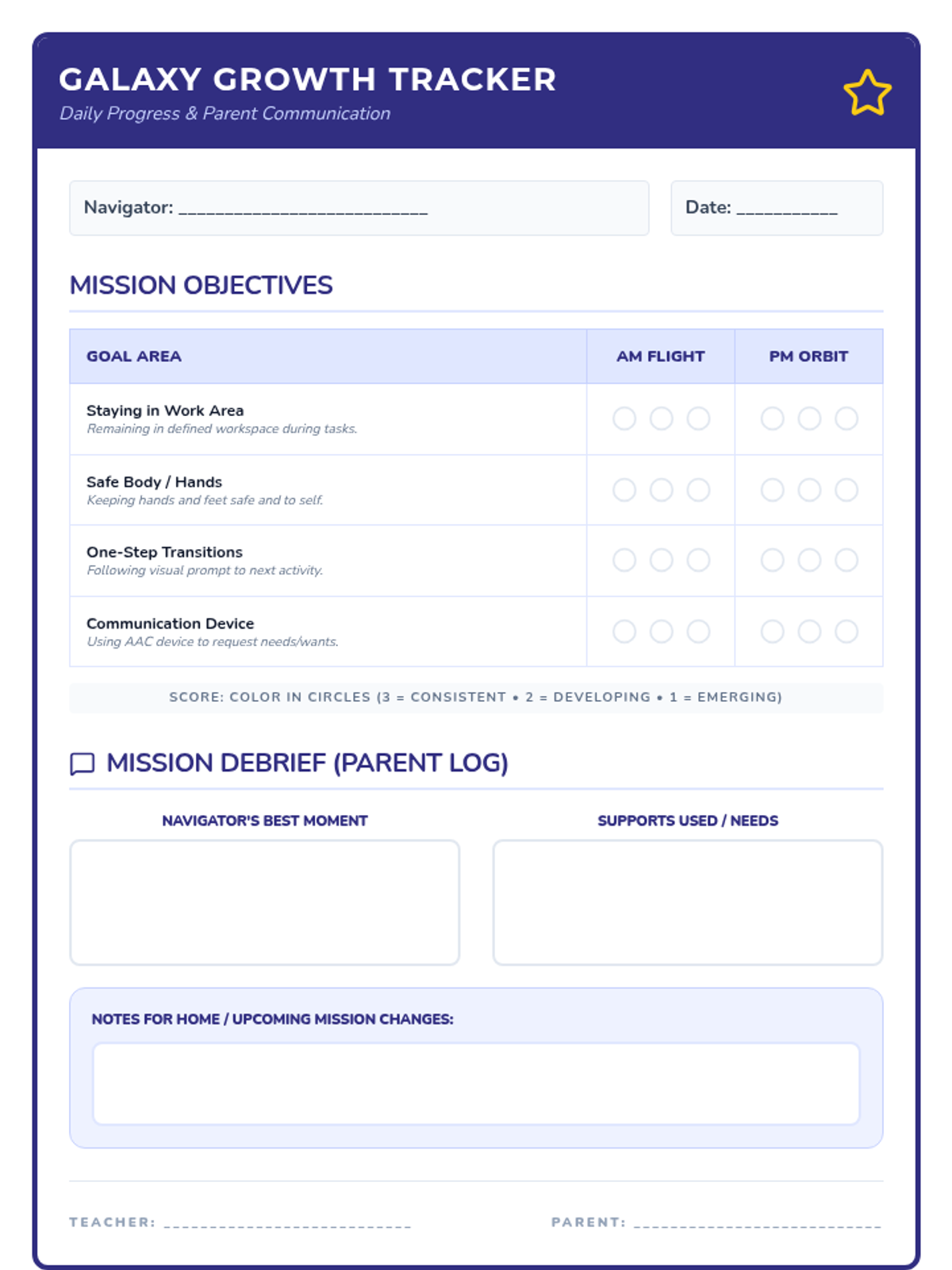
A comprehensive set of visual supports, behavioral tracking, and teacher guidance for a 1st grade non-verbal student with autism. The resources are designed with a cohesive 'Star Navigator' space theme to make the visual environment engaging and structured.
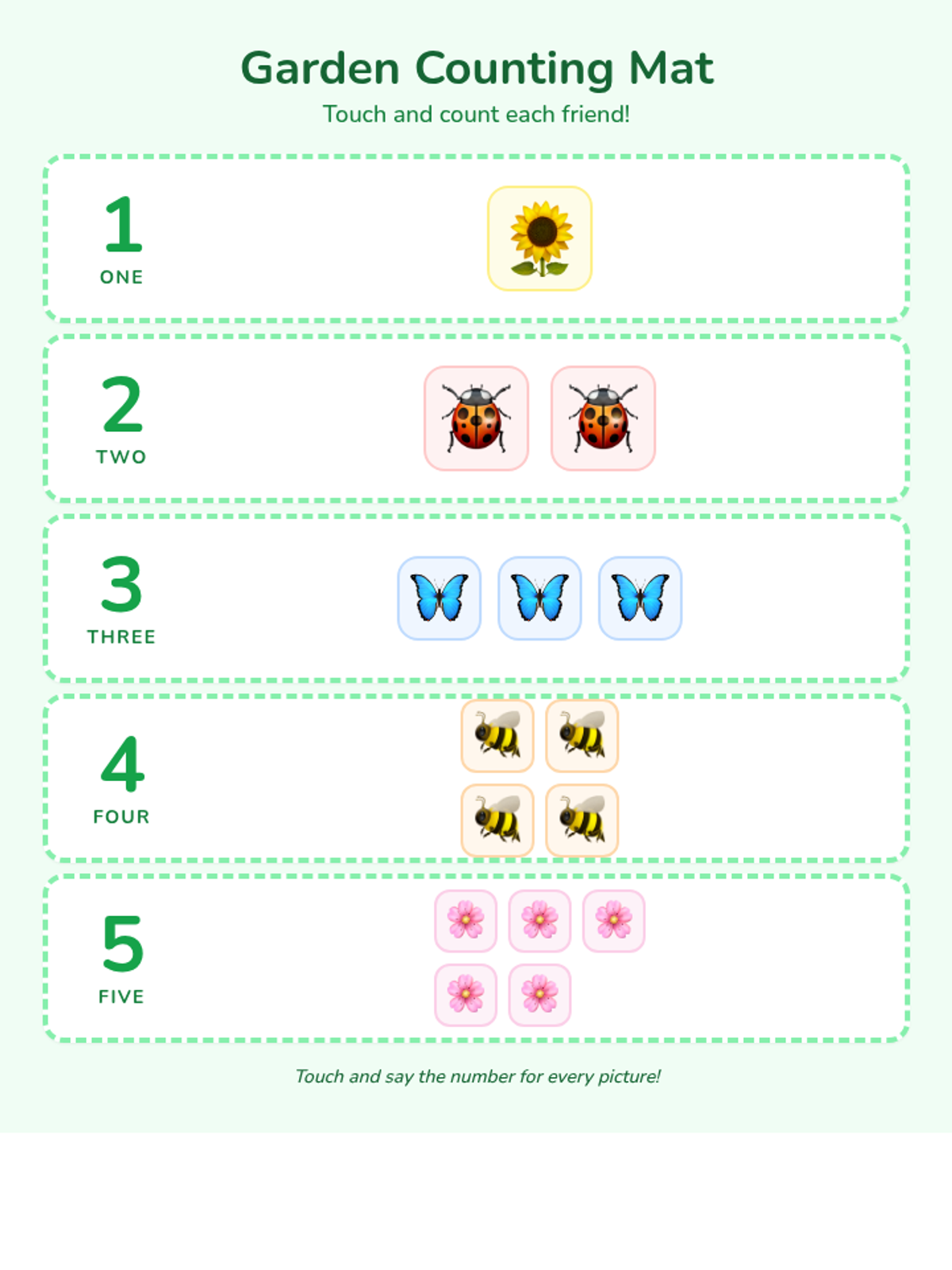
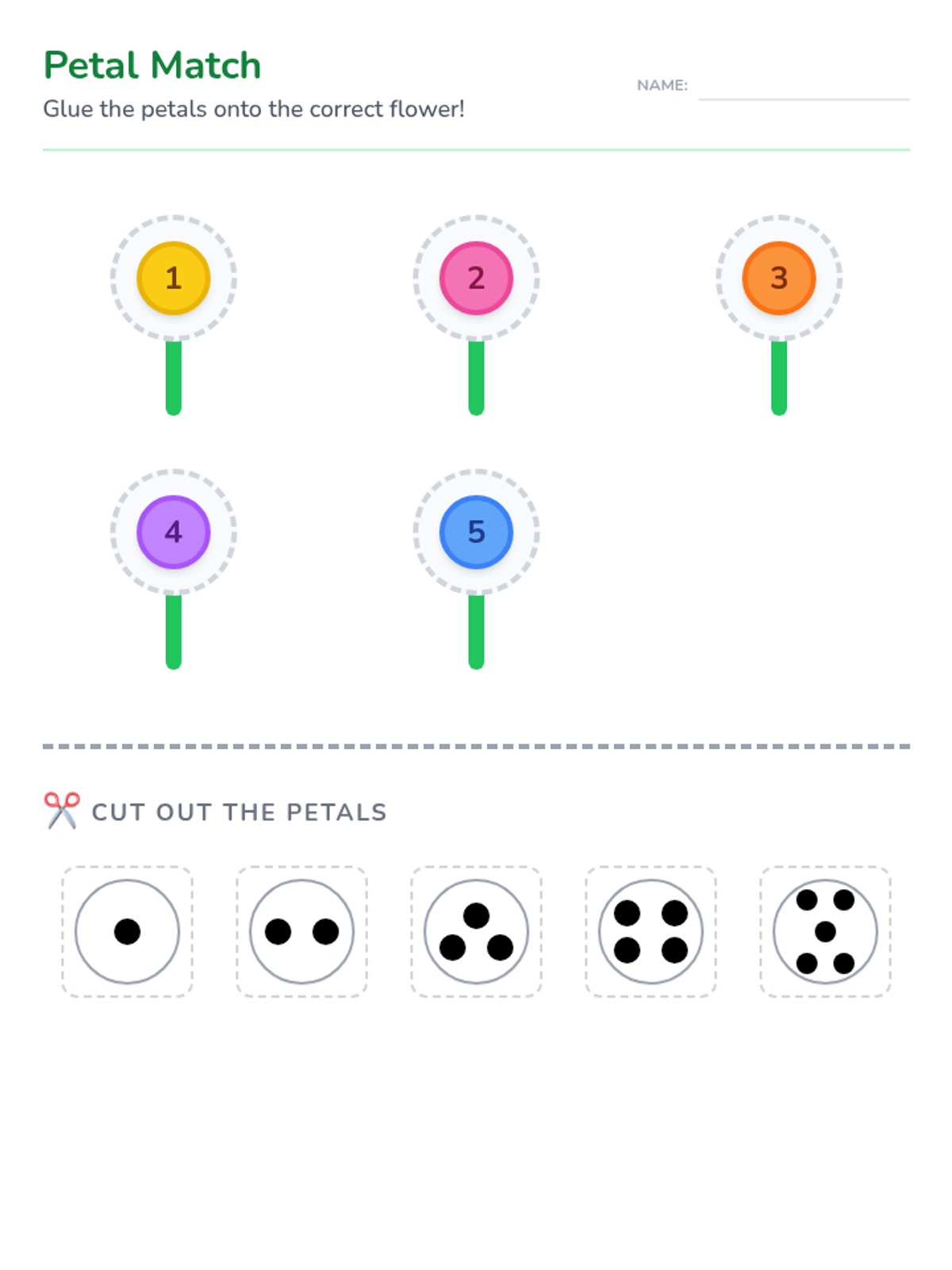
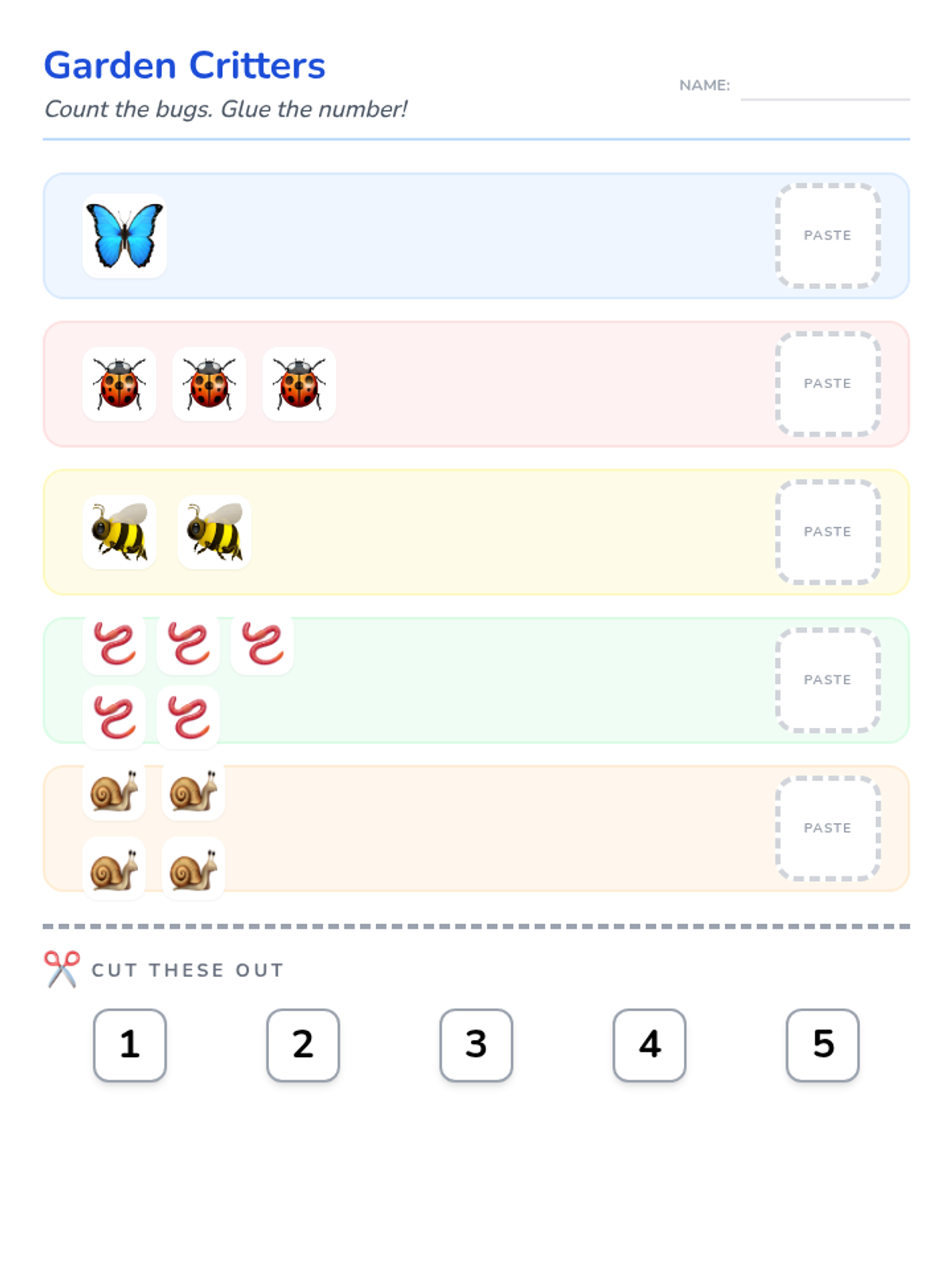
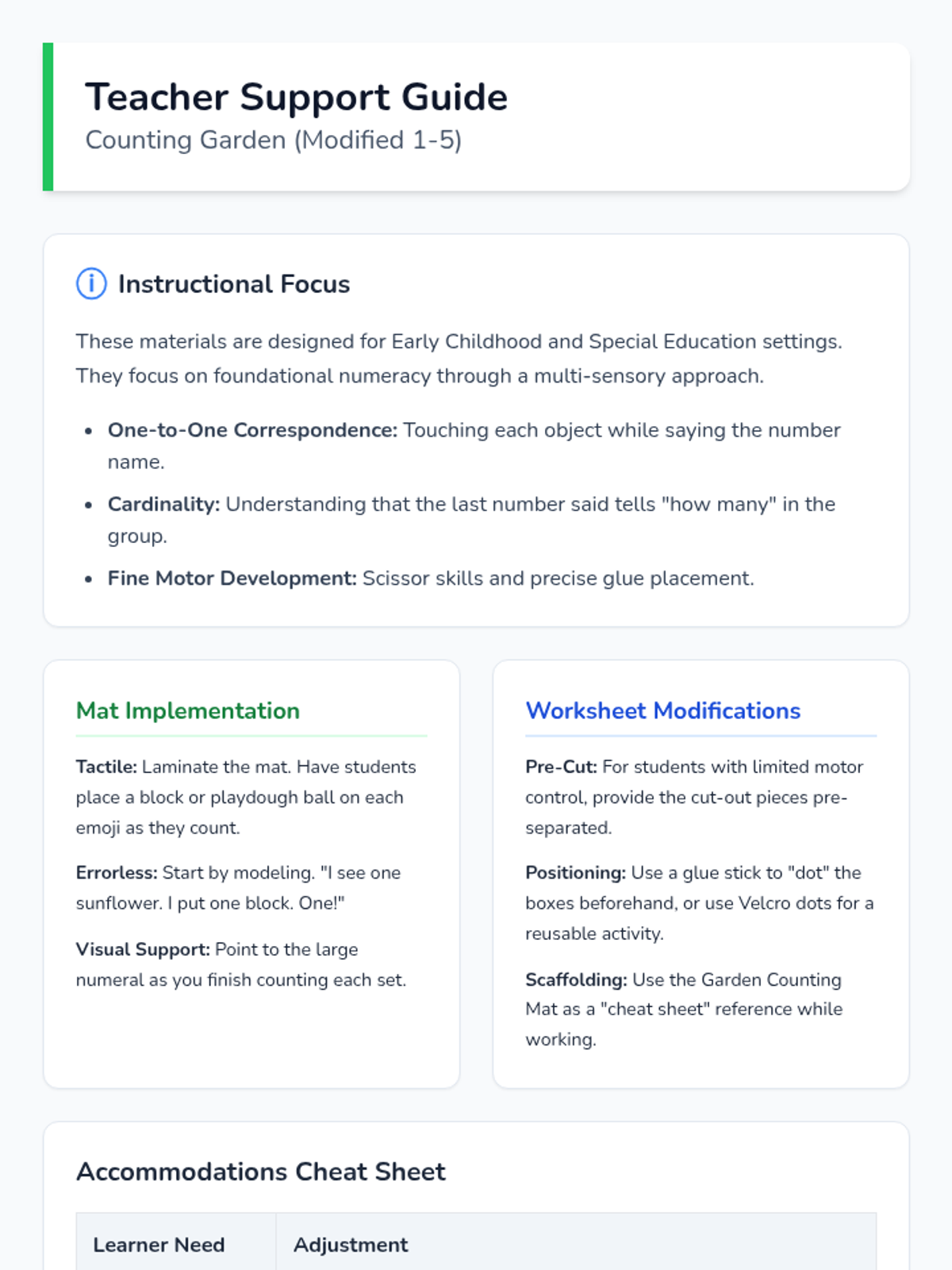
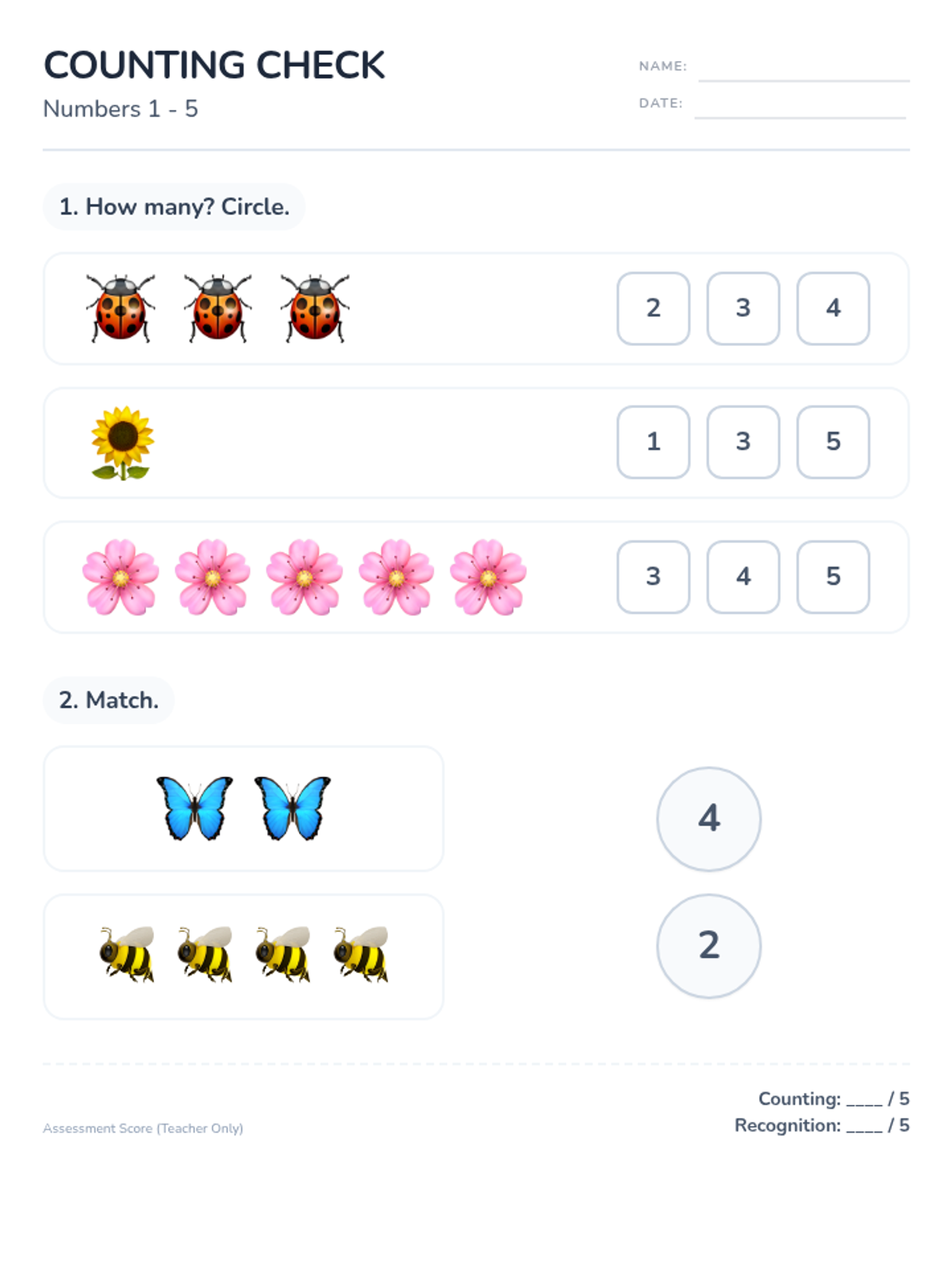
A foundational counting unit for early childhood learners, focusing on numbers 1-5 through tactile and visual garden-themed activities. Includes counting mats and fine-motor cut-and-paste tasks.
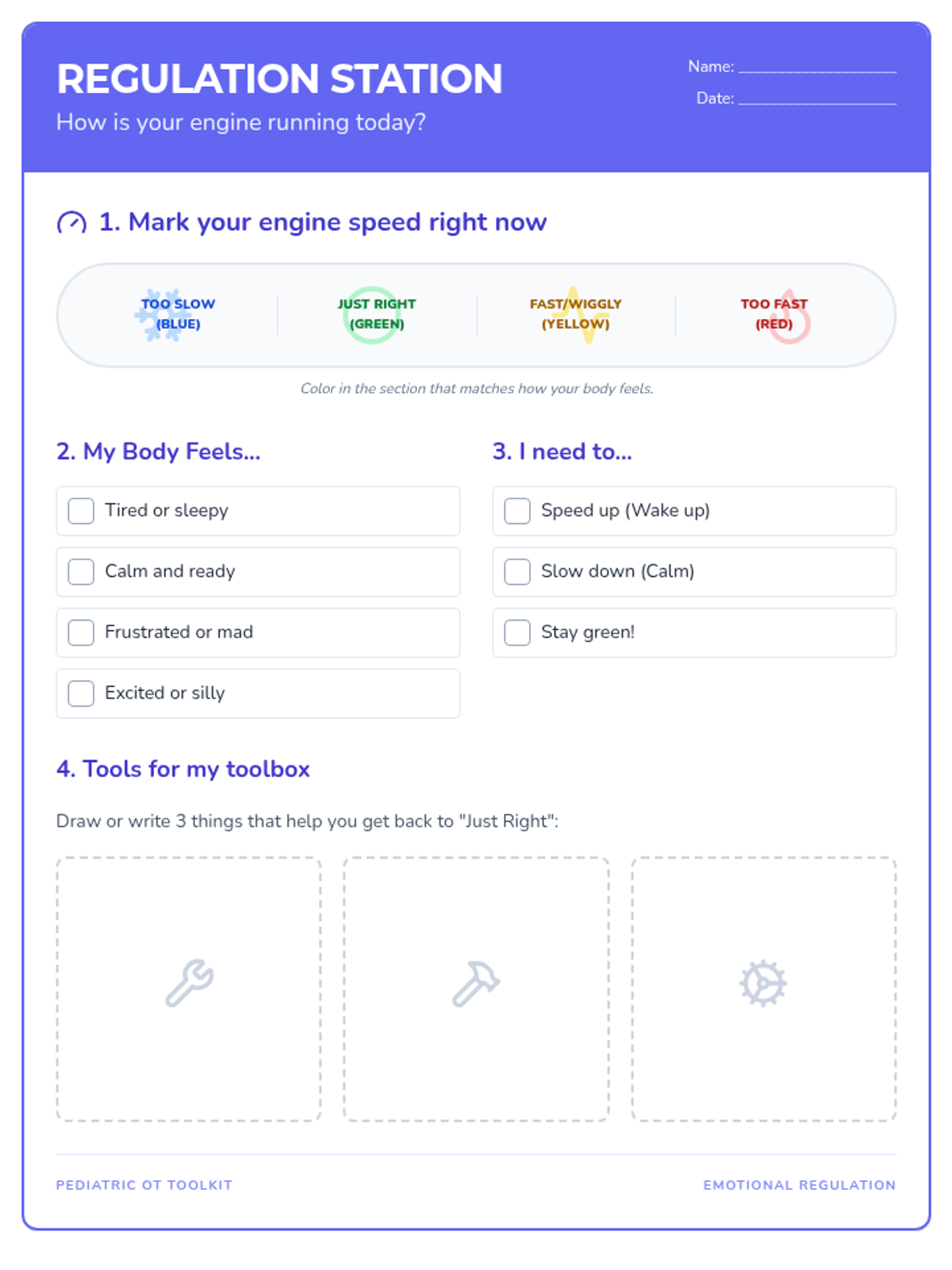
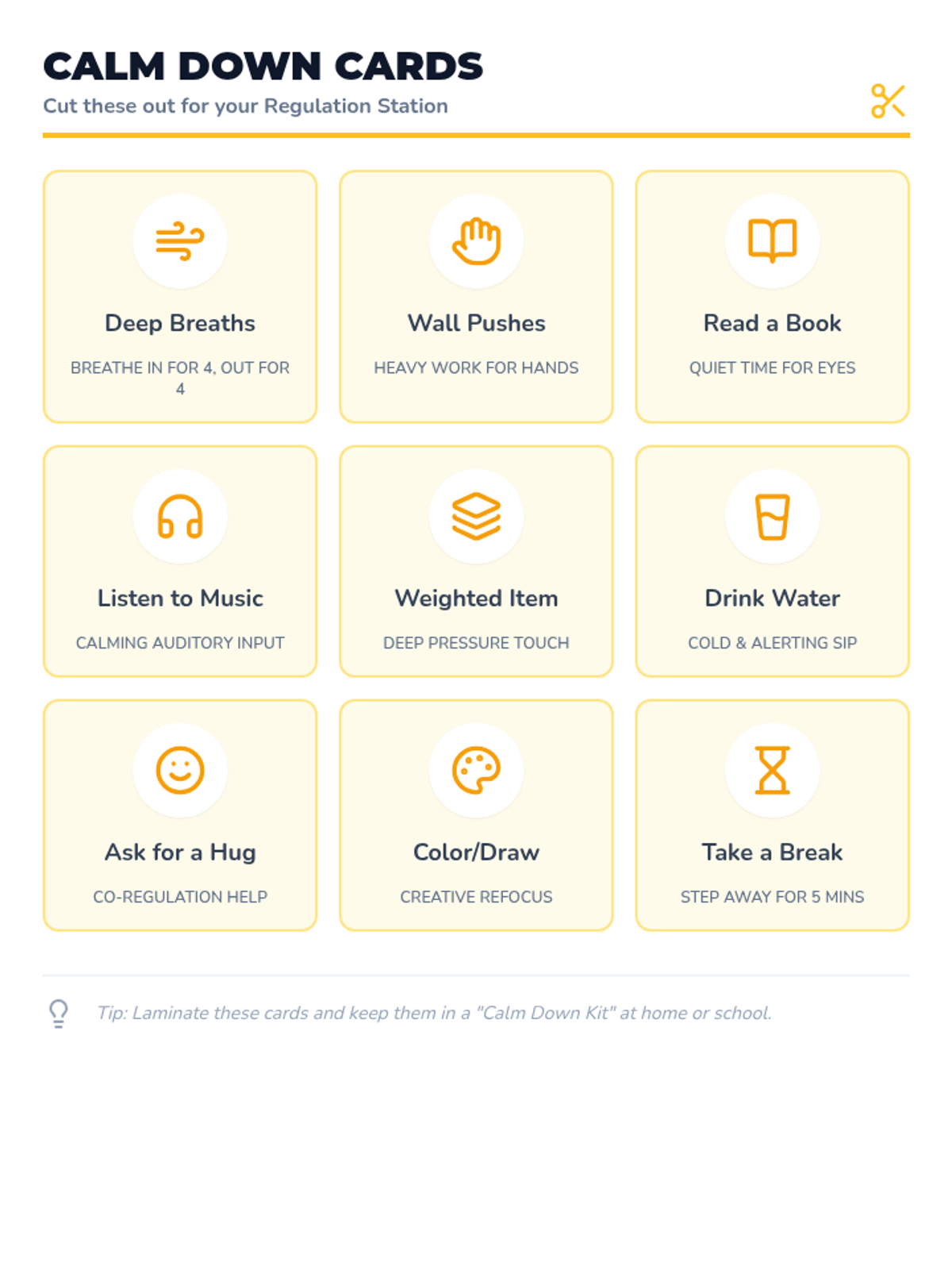
A comprehensive library of Pediatric Occupational Therapy resources designed for clinicians to share with families and use in sessions. It covers sensory processing, motor development, executive functioning, and daily living skills.
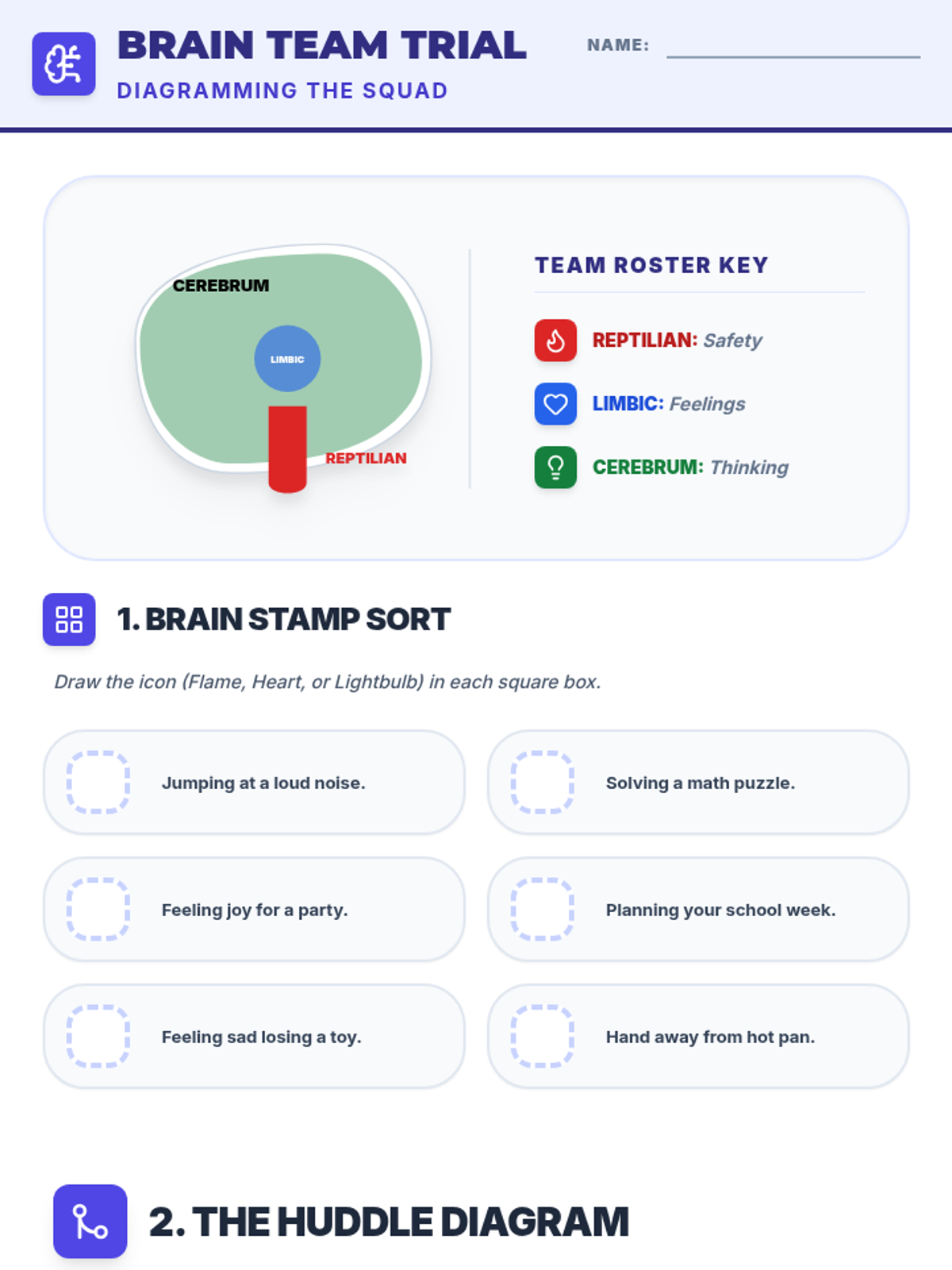
A series of lessons designed to help ADHD and AuDHD students understand their unique brain 'operating systems,' develop self-advocacy, and build resilience through growth mindset strategies.
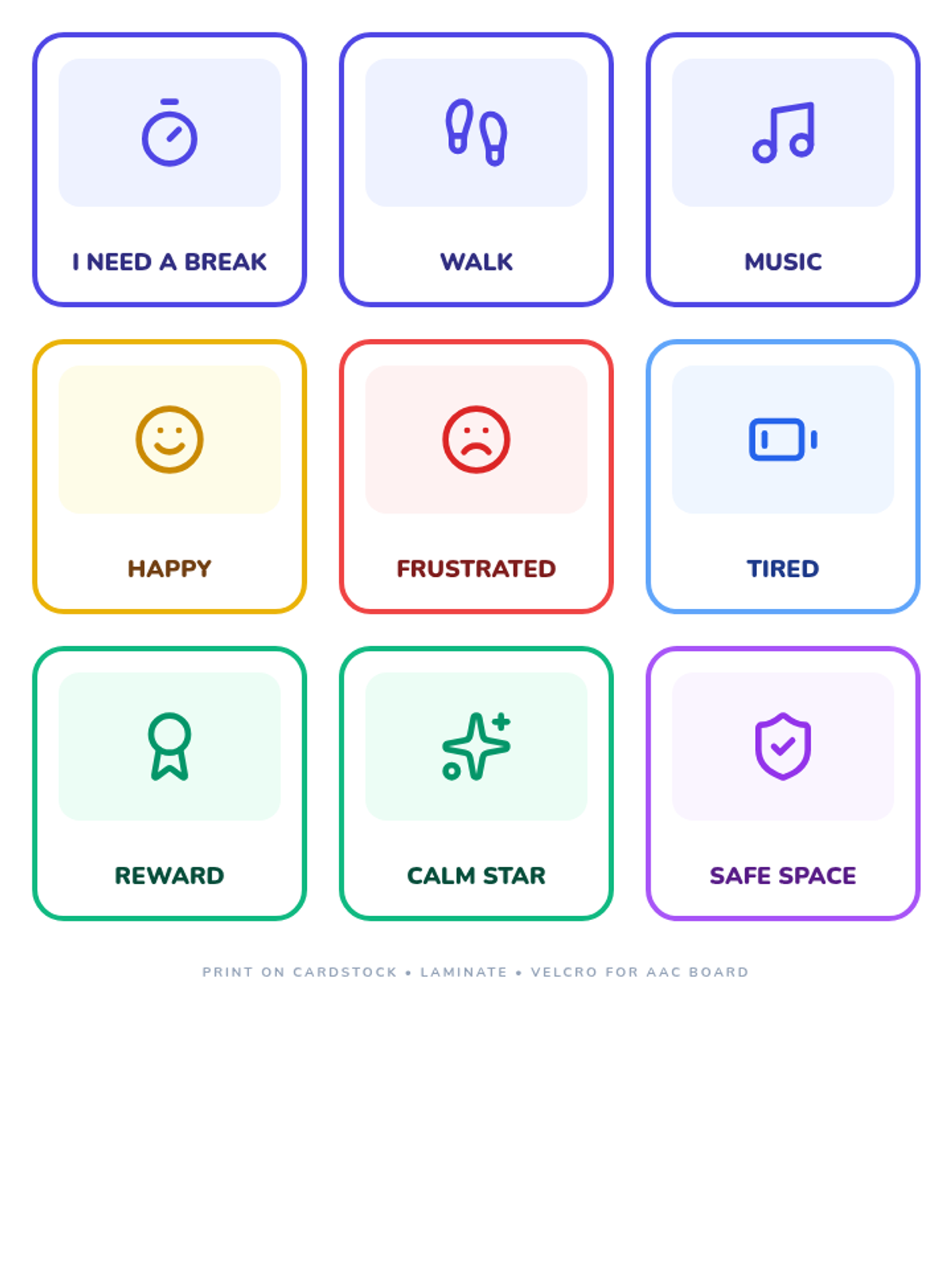
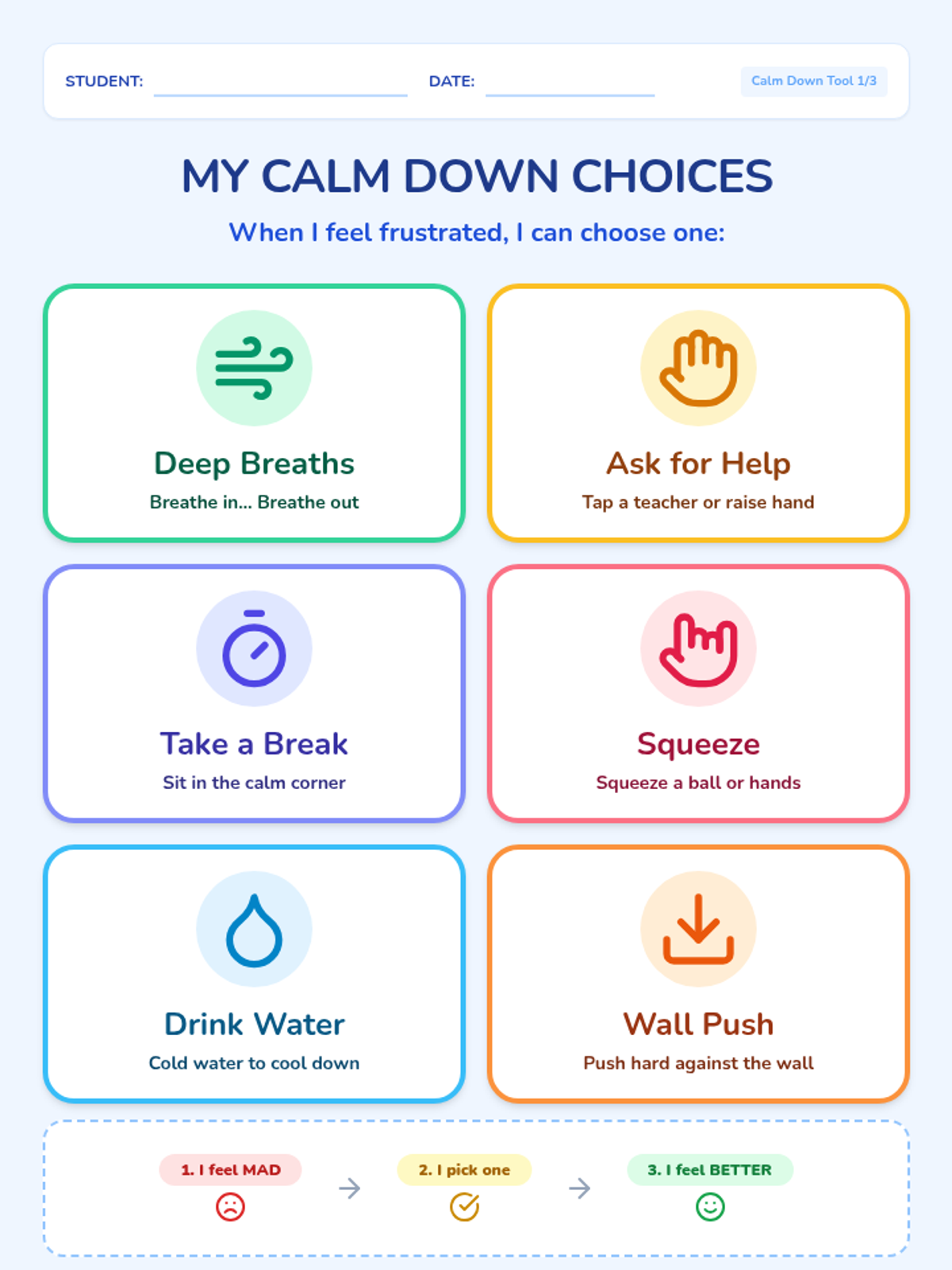
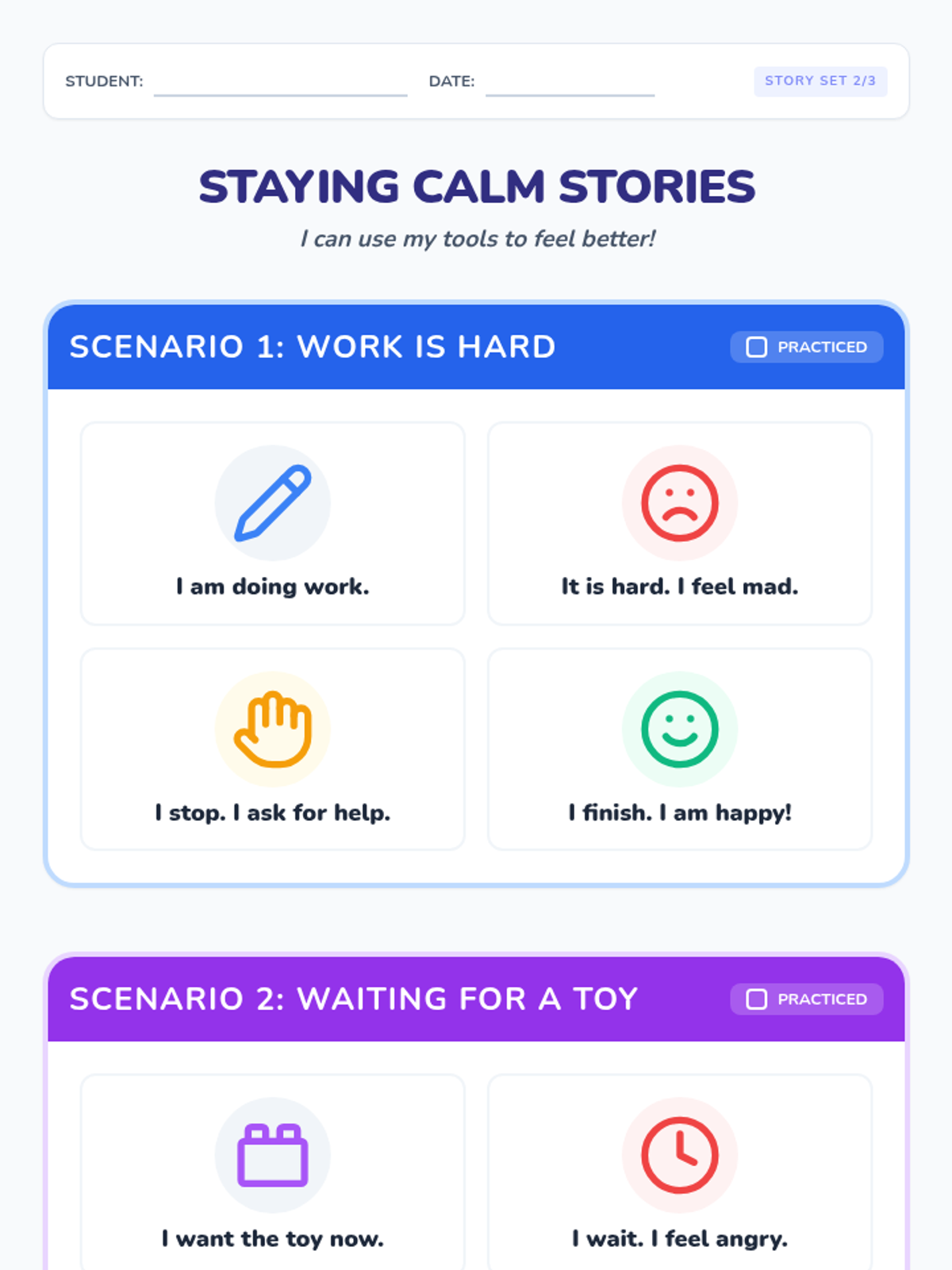
A sequence of lessons and materials designed to help students with low intellectual and communication abilities identify intense emotions and utilize simple self-regulation strategies.
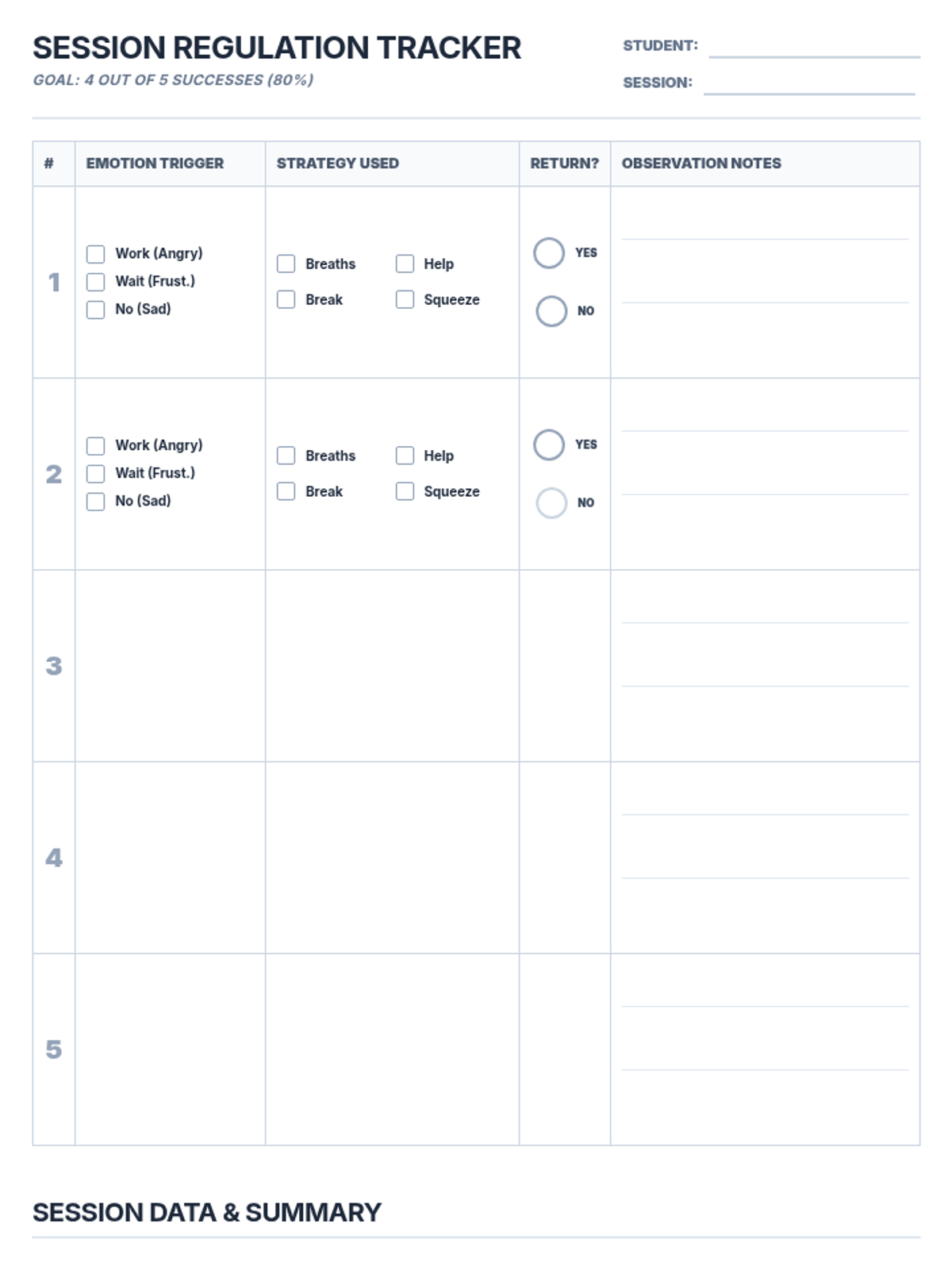
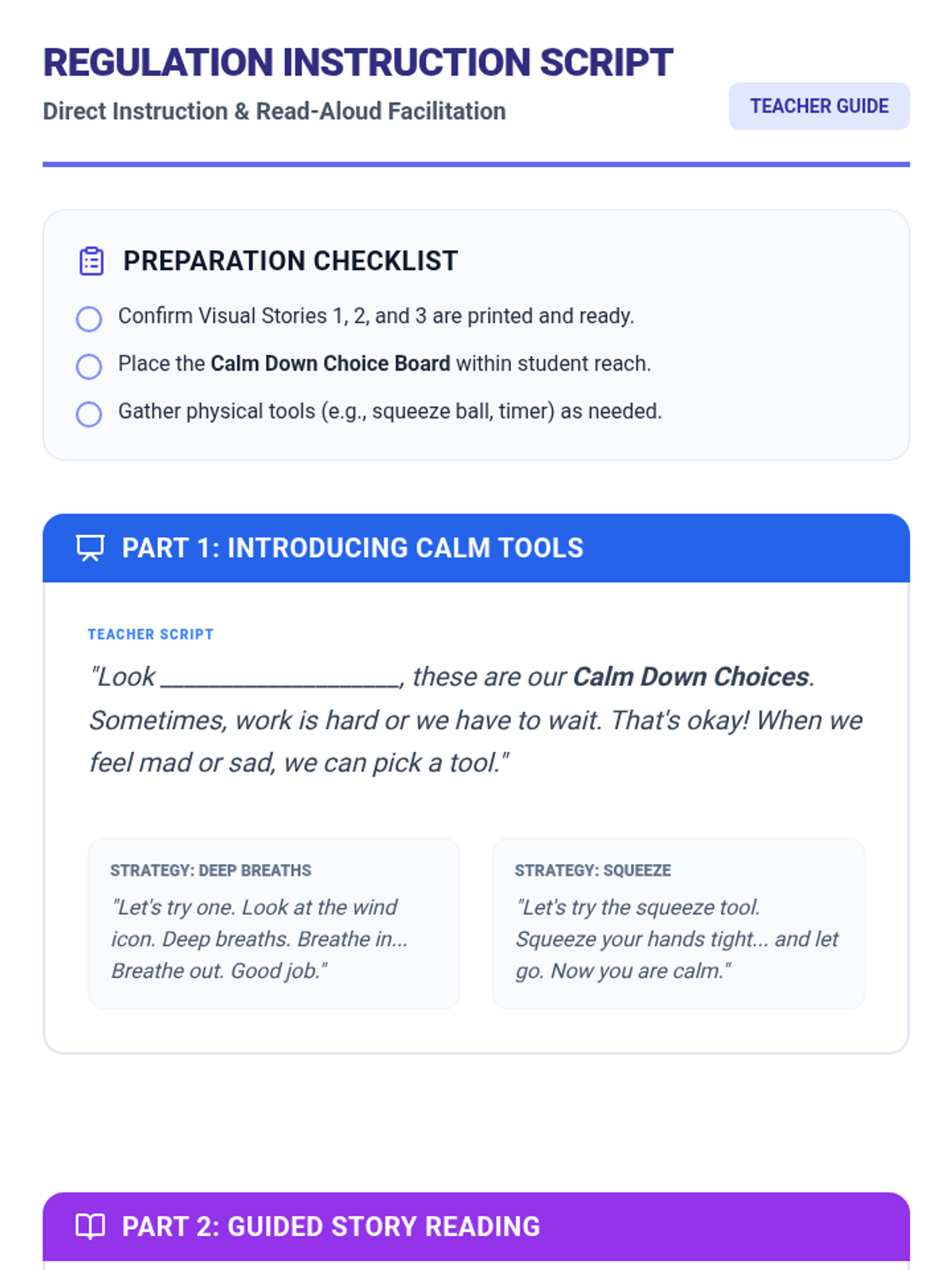
A comprehensive program designed to help students transition from emotional dysregulation to independent coping strategy implementation using a 'Calm Command Center' theme.
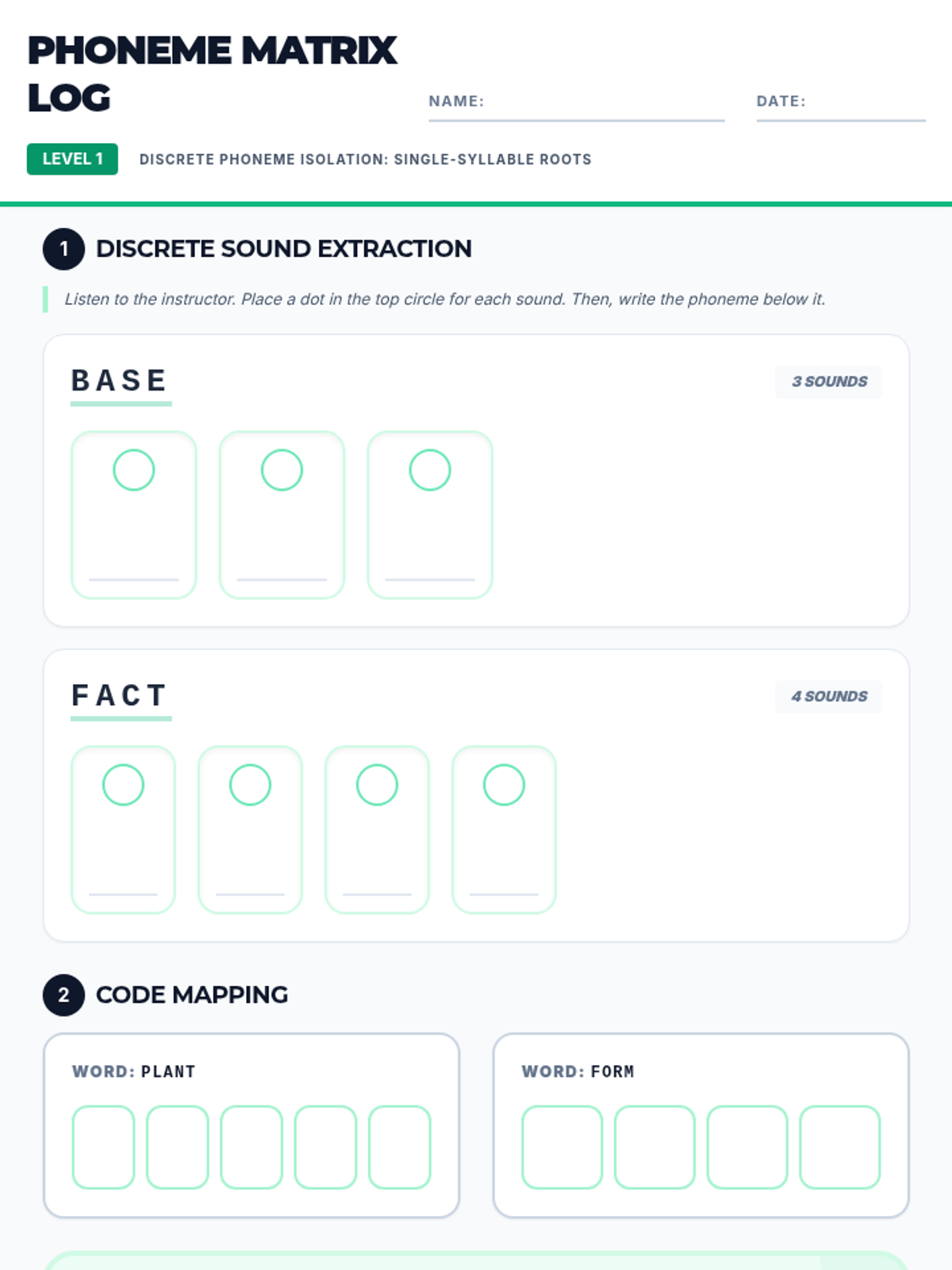
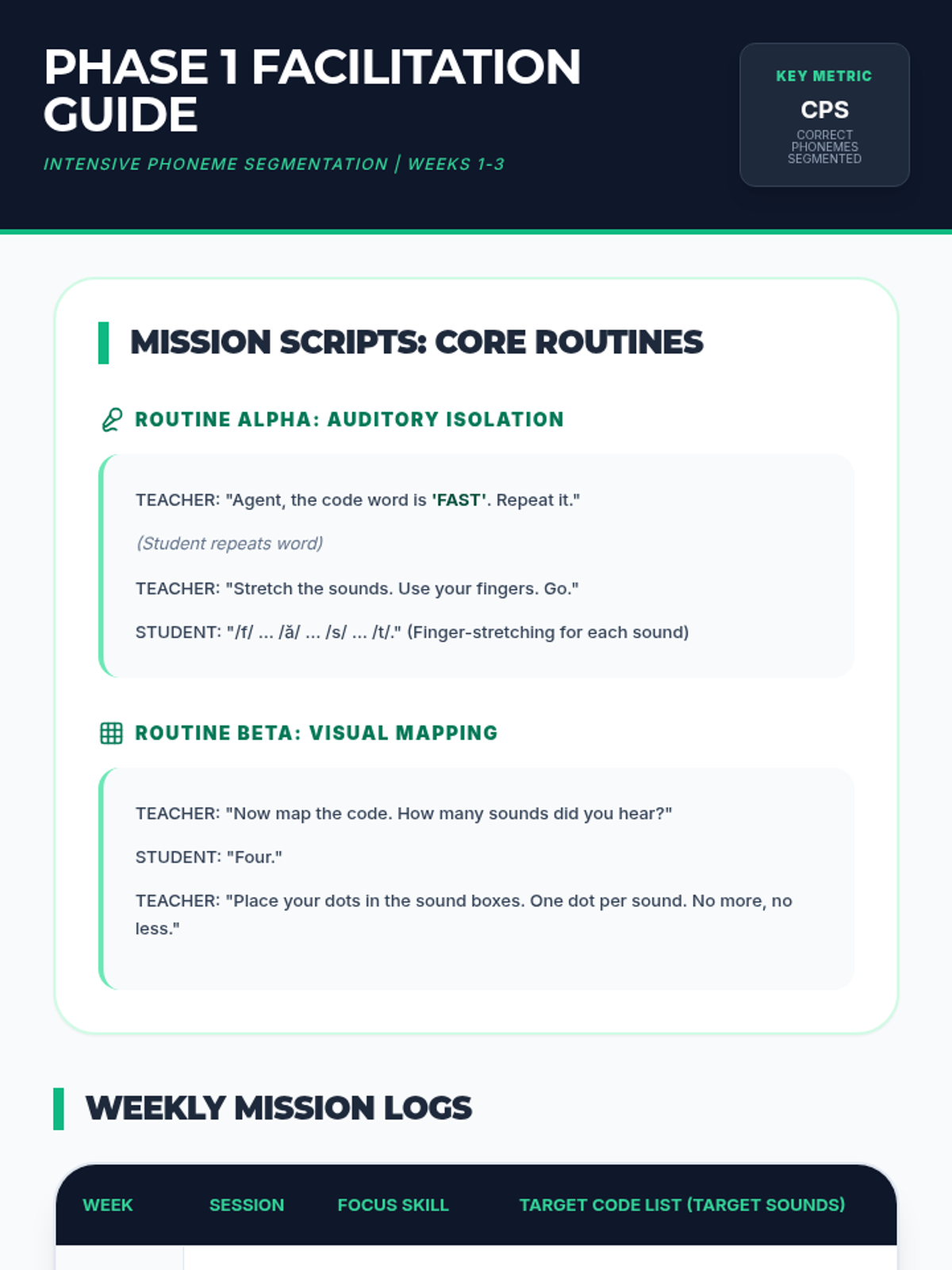
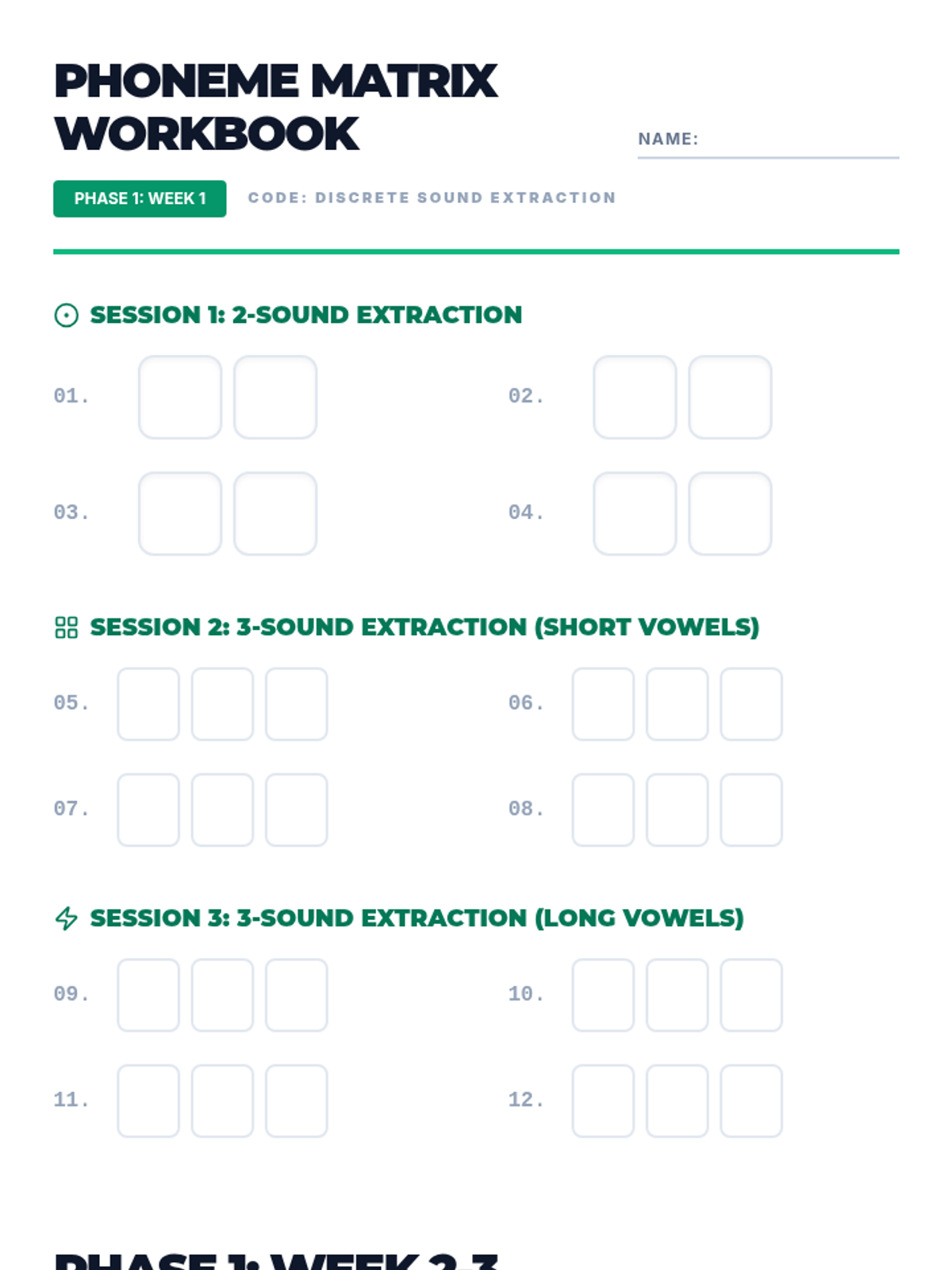
A 9-week intensive literacy intervention for high school English Learners focusing exclusively on phoneme segmentation, auditory discrimination, and sound mapping using mature, academic vocabulary and a 'Linguistic Codebreaker' aesthetic.
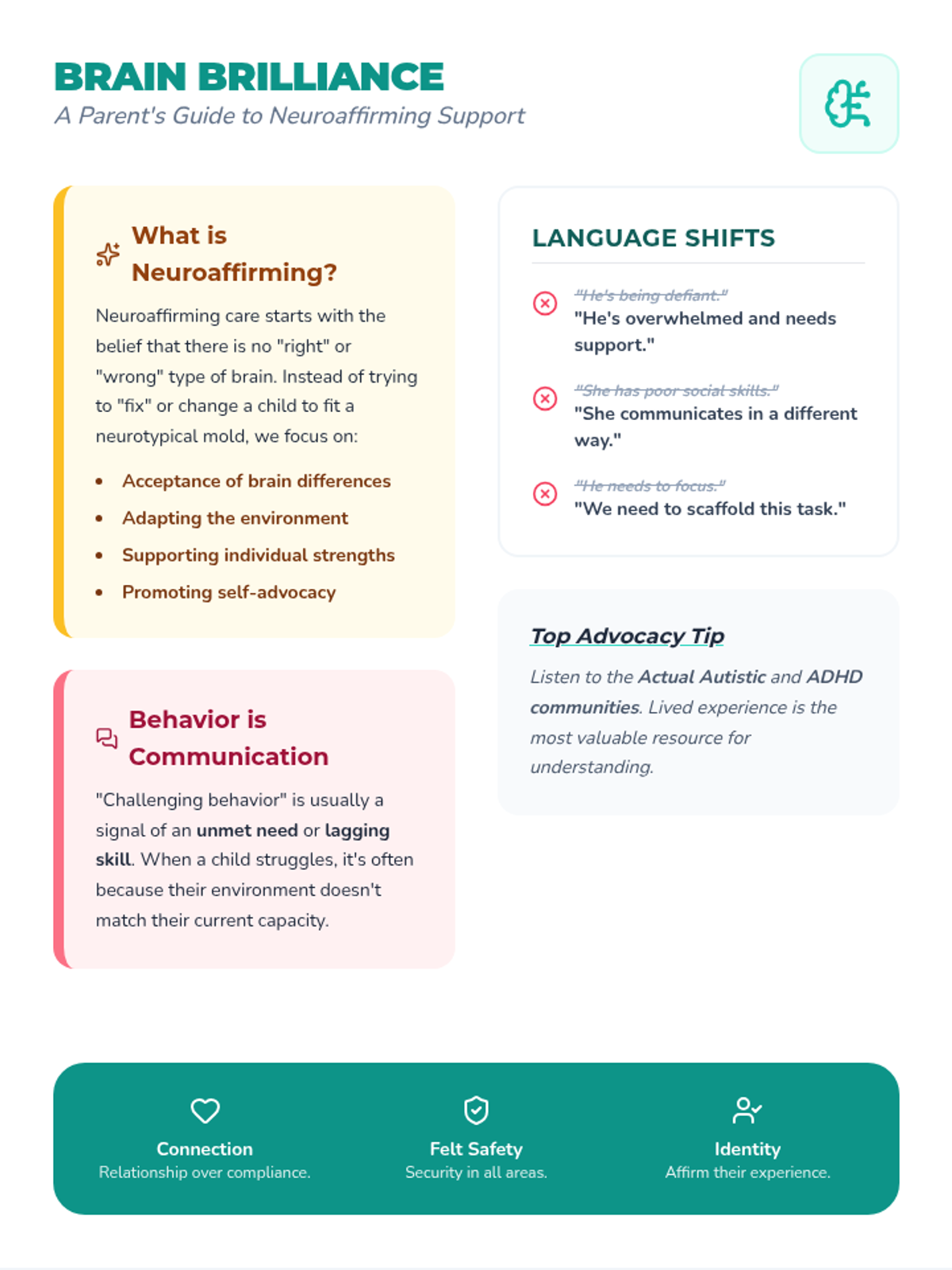
A collection of strengths-based resources for neurodivergent children and their families. This sequence provides neuroaffirming tools for emotional regulation, self-advocacy, and executive functioning, moving from compliance-based models to supportive and empowering frameworks.
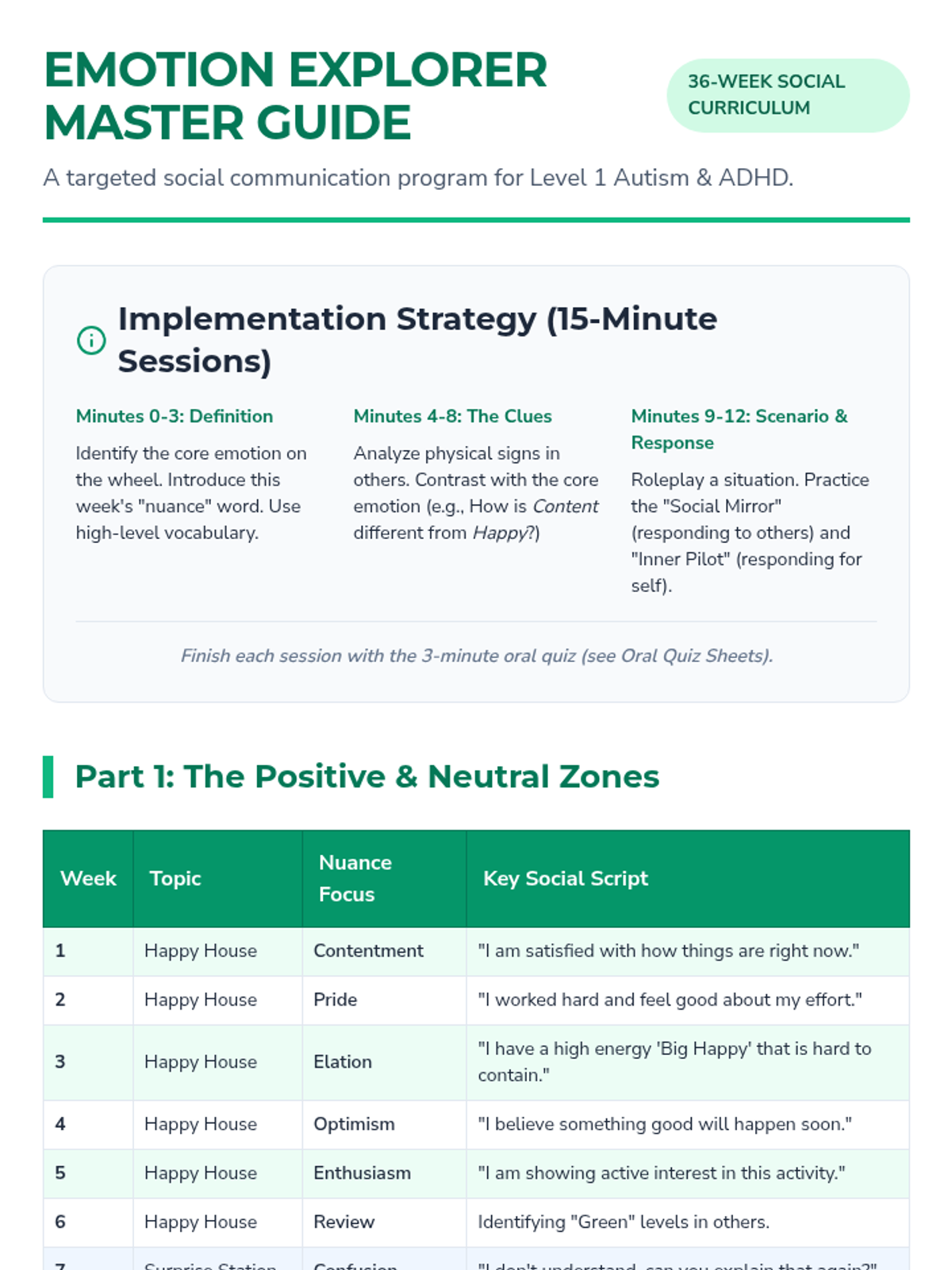
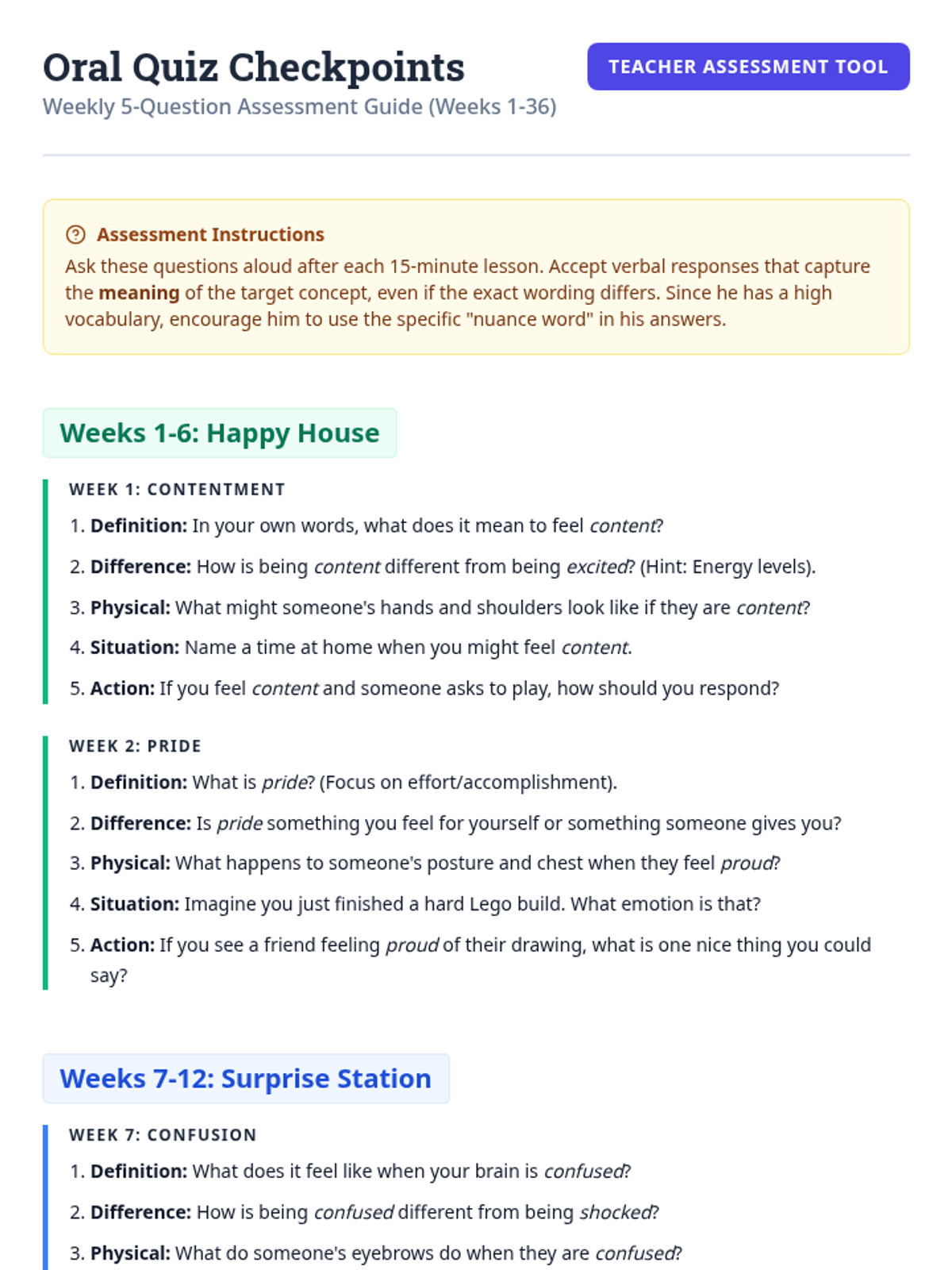
A 36-week social communication curriculum for children with Level 1 autism and ADHD, focusing on the nuances of the Emotion Wheel through 15-minute weekly lessons.
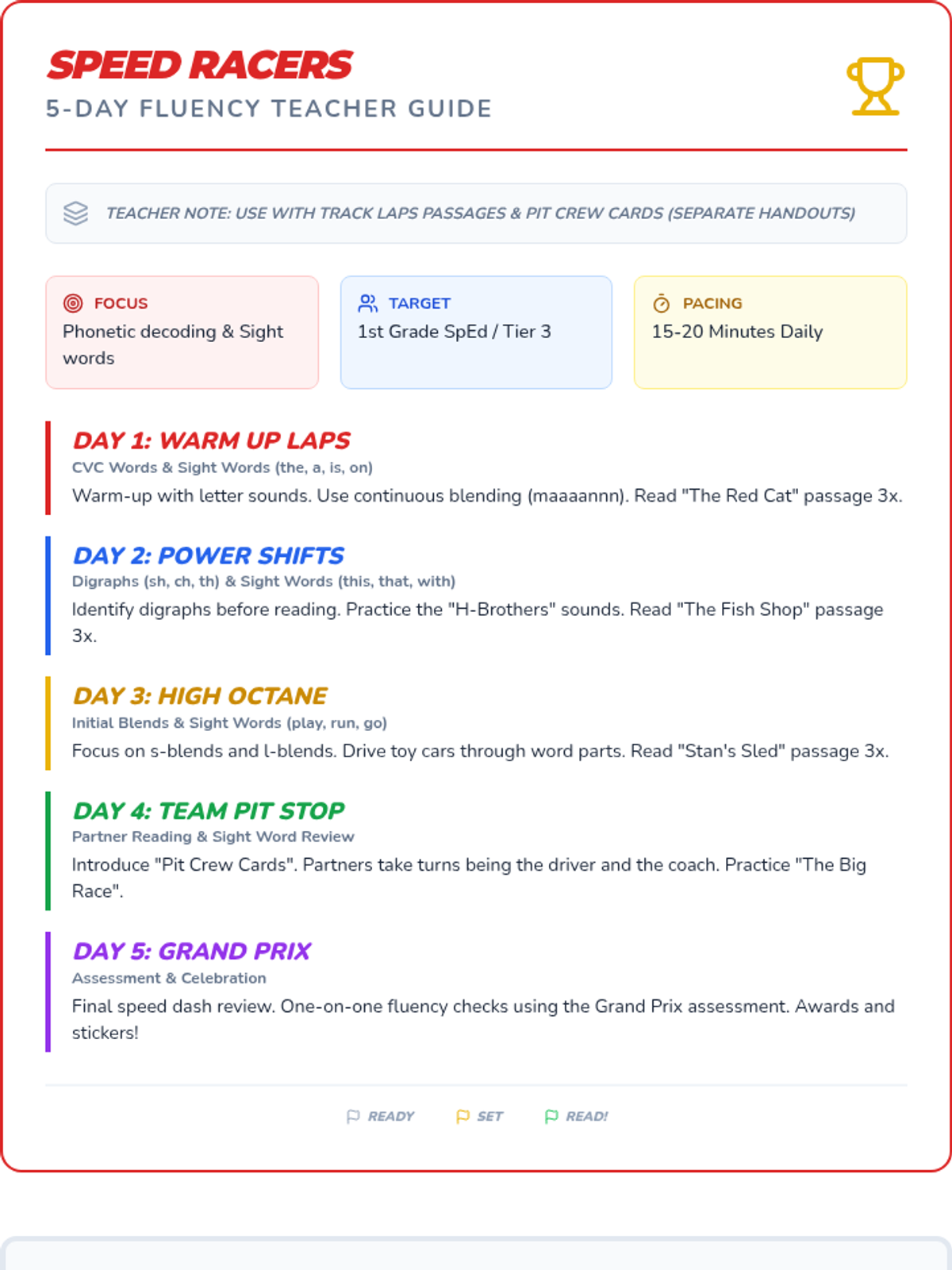
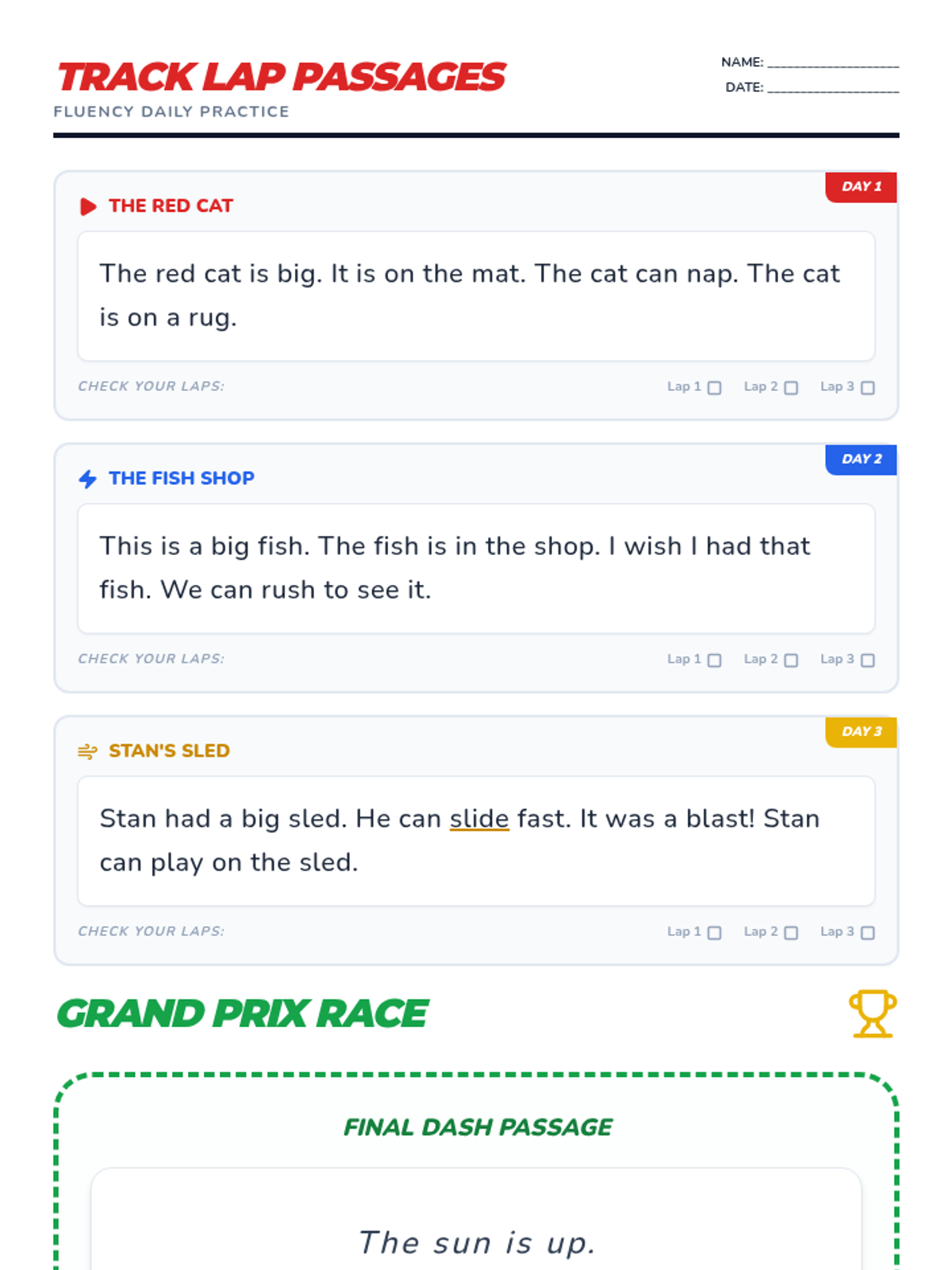
A 5-day intensive fluency program for 1st grade special education students, focusing on phonetic decoding and high-frequency word recognition through a high-energy racing theme.
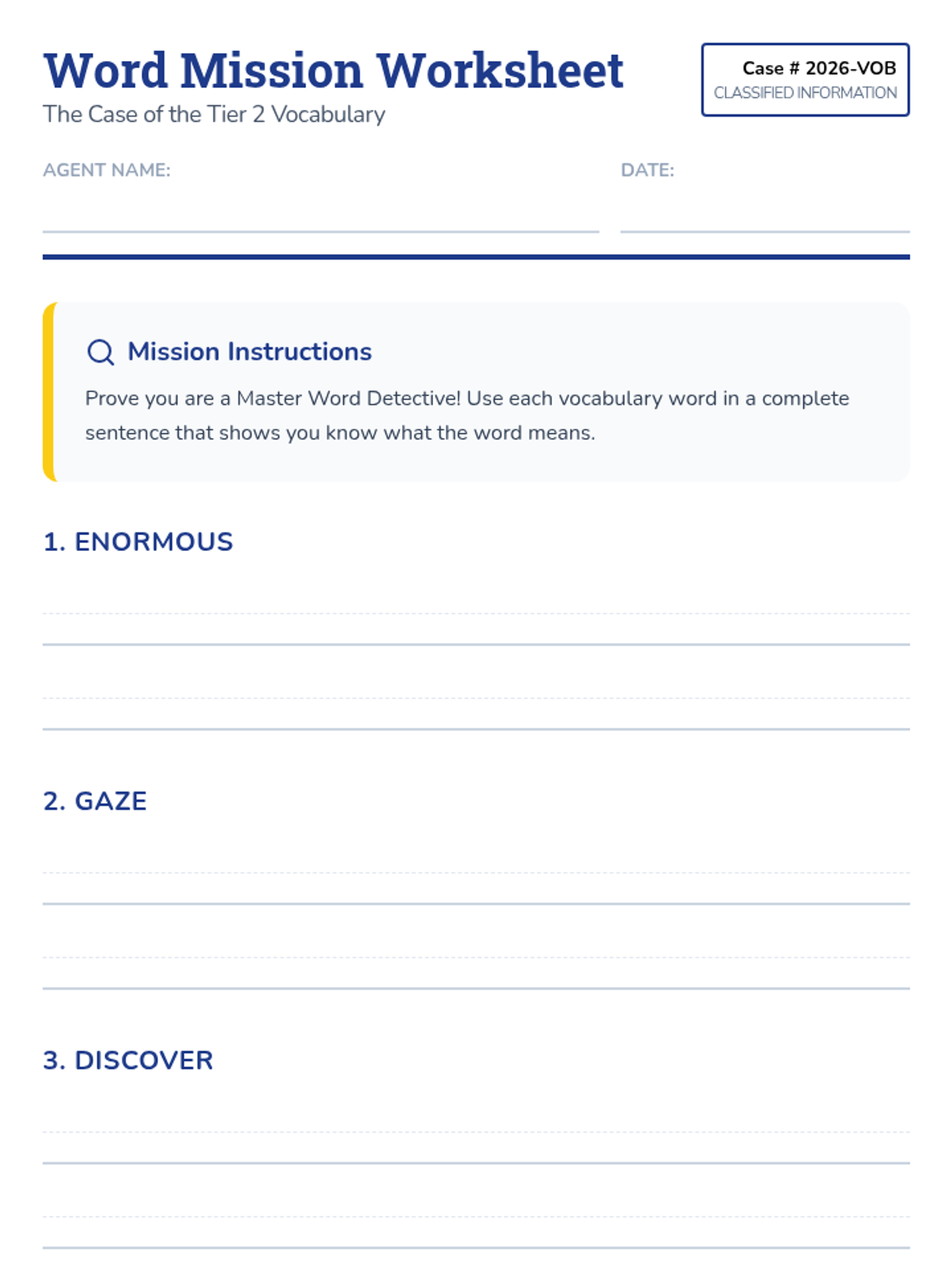
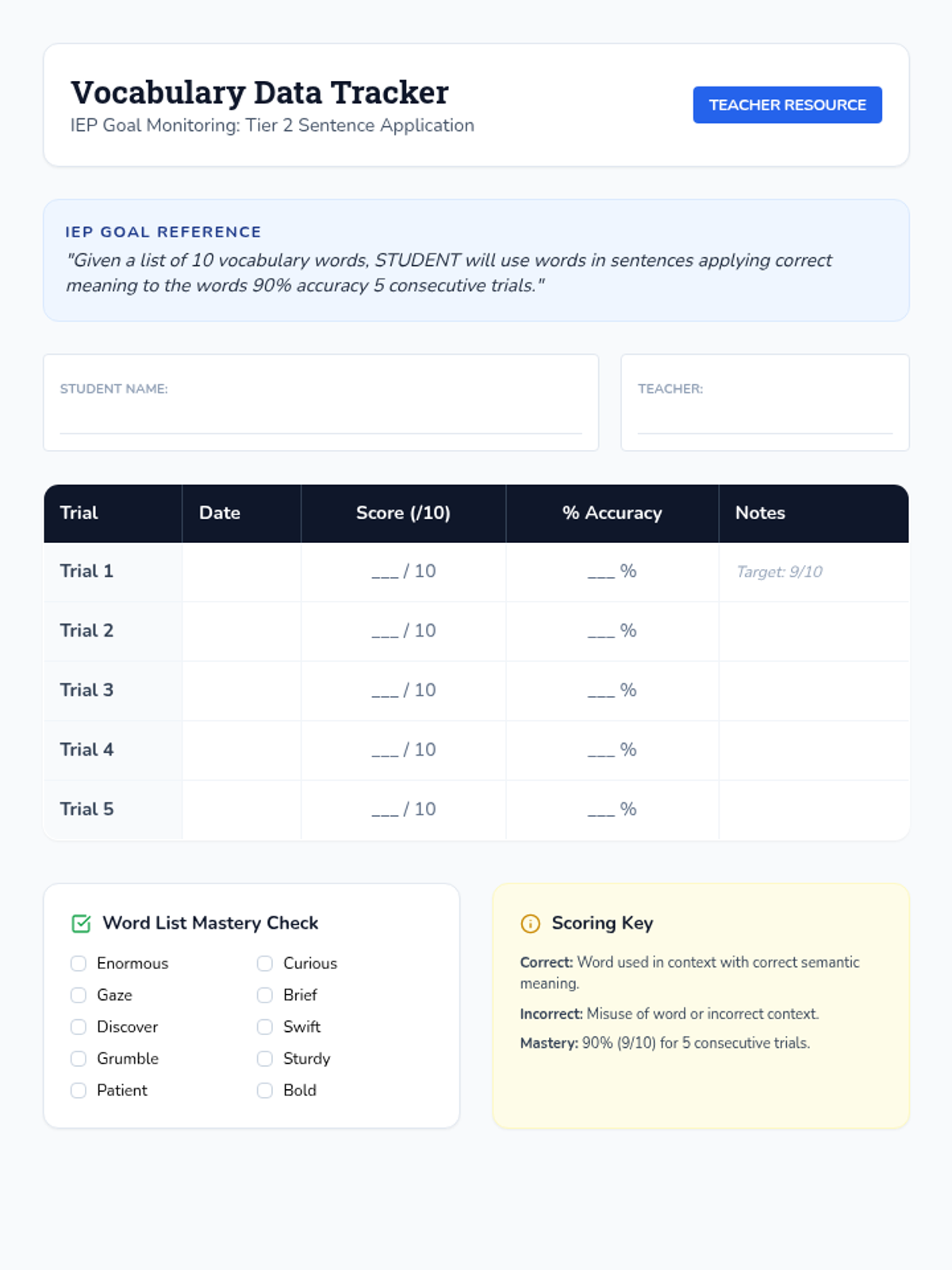
A vocabulary-focused unit designed to help 2nd-grade students master Tier 2 academic words through daily practice, sentence construction, and progress monitoring aligned with IEP goals.
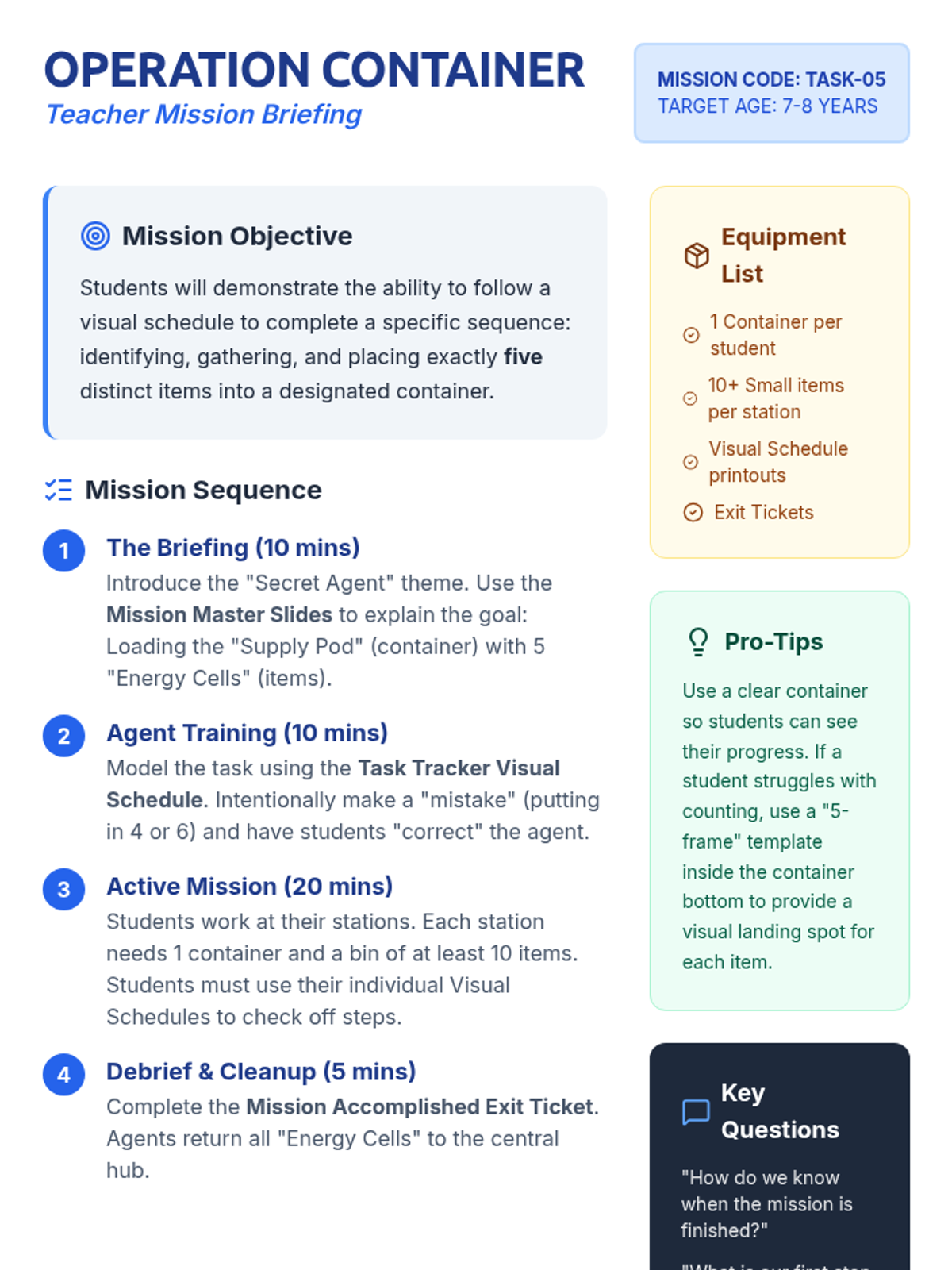
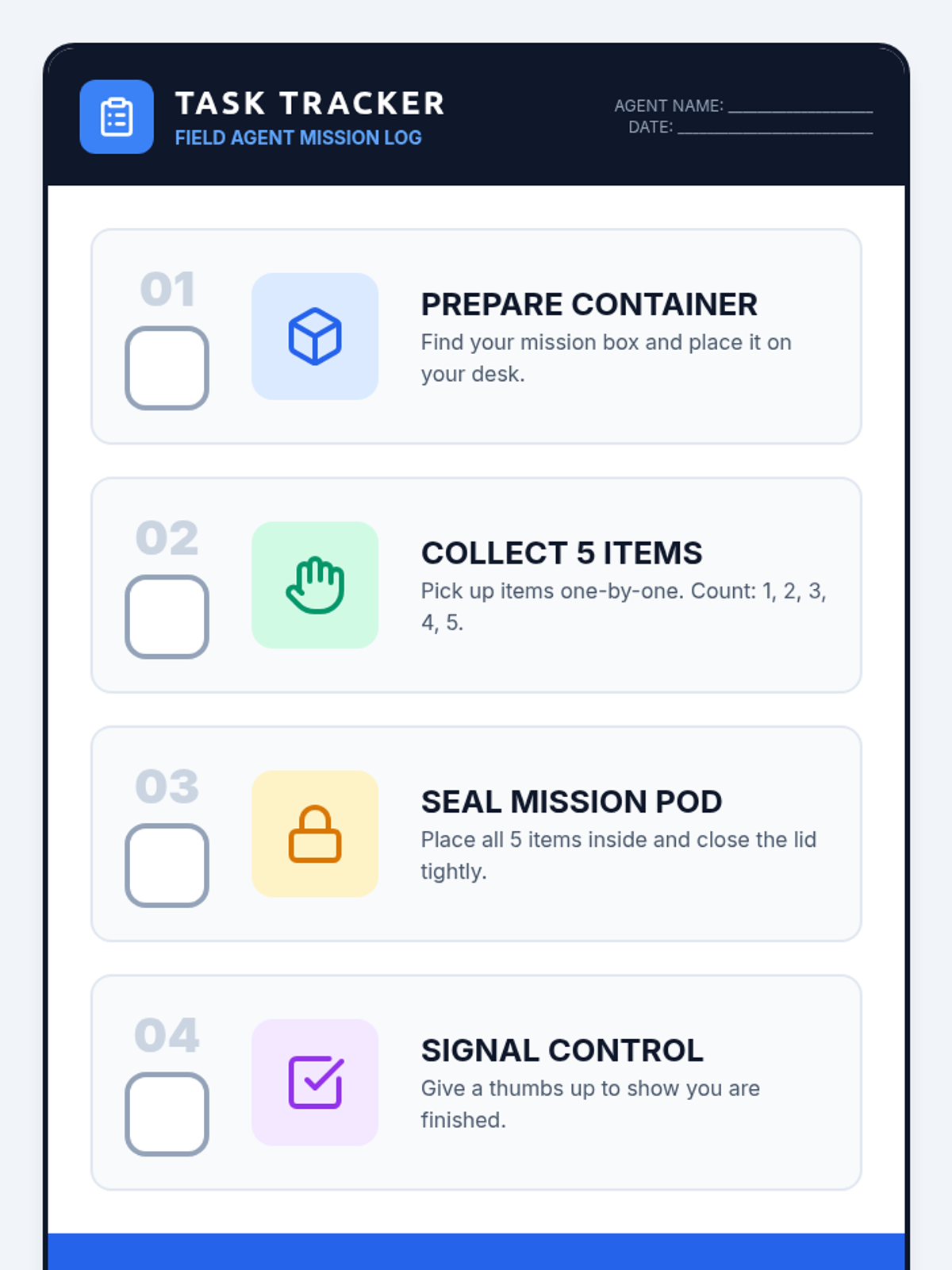
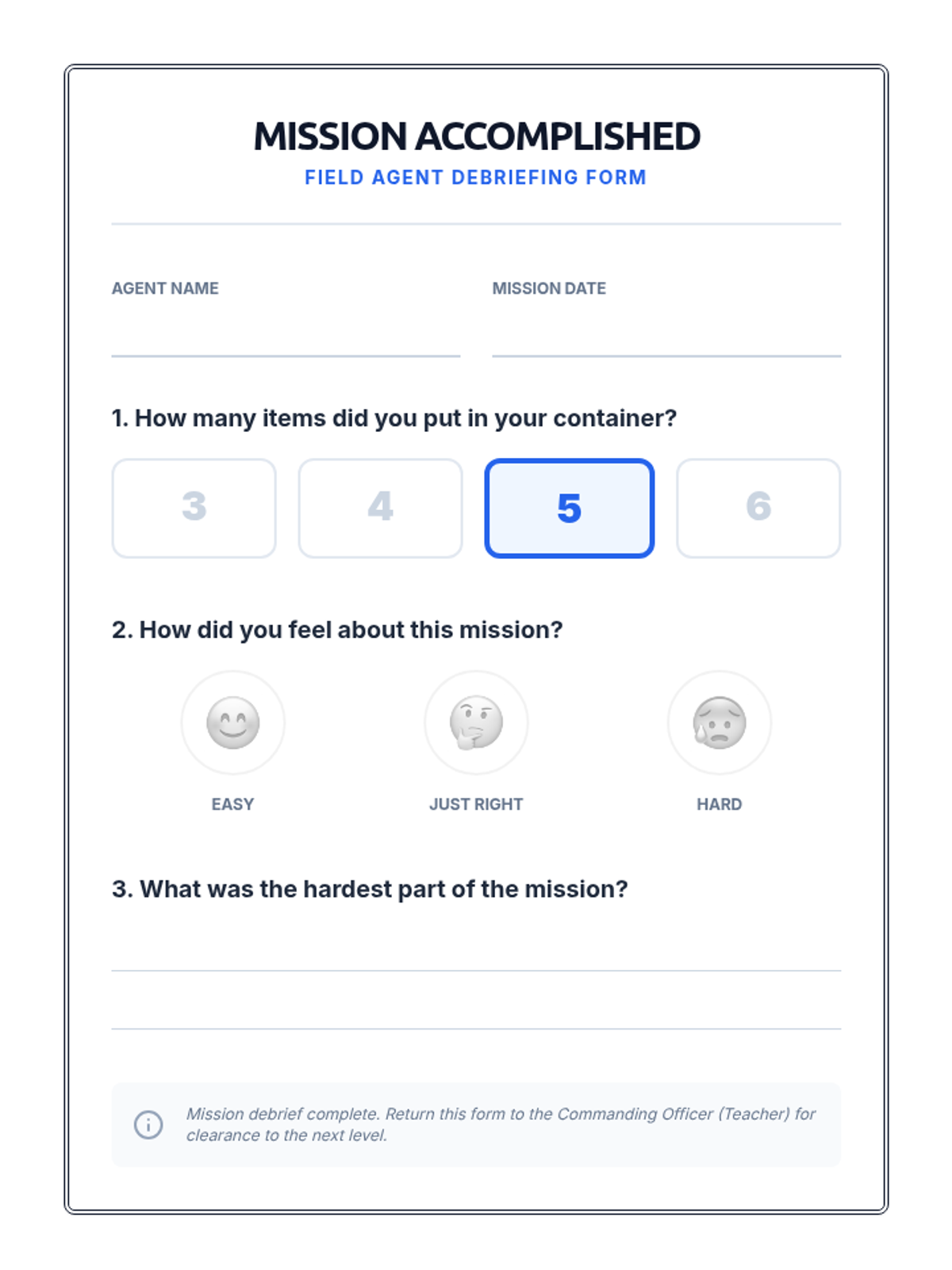
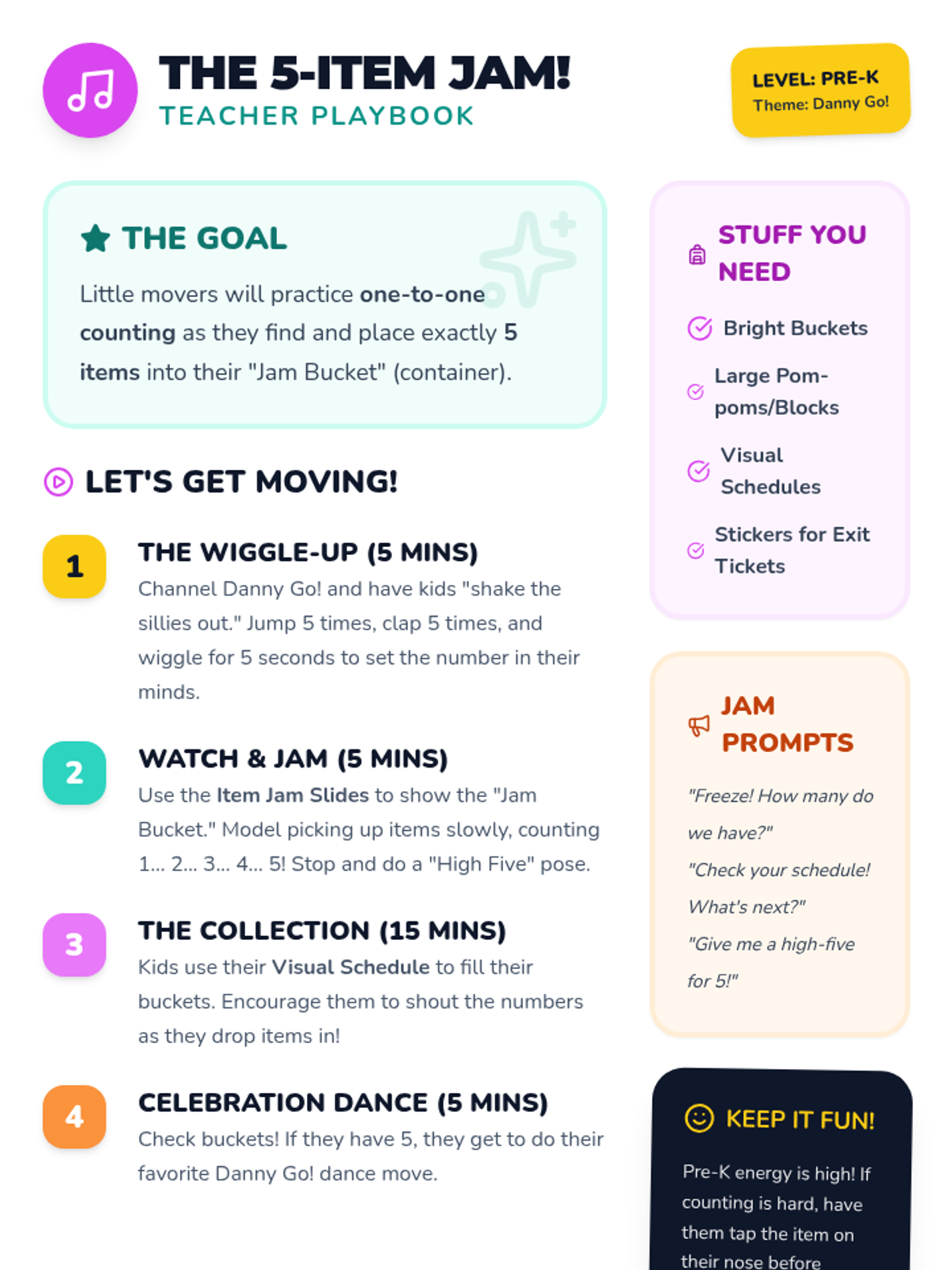
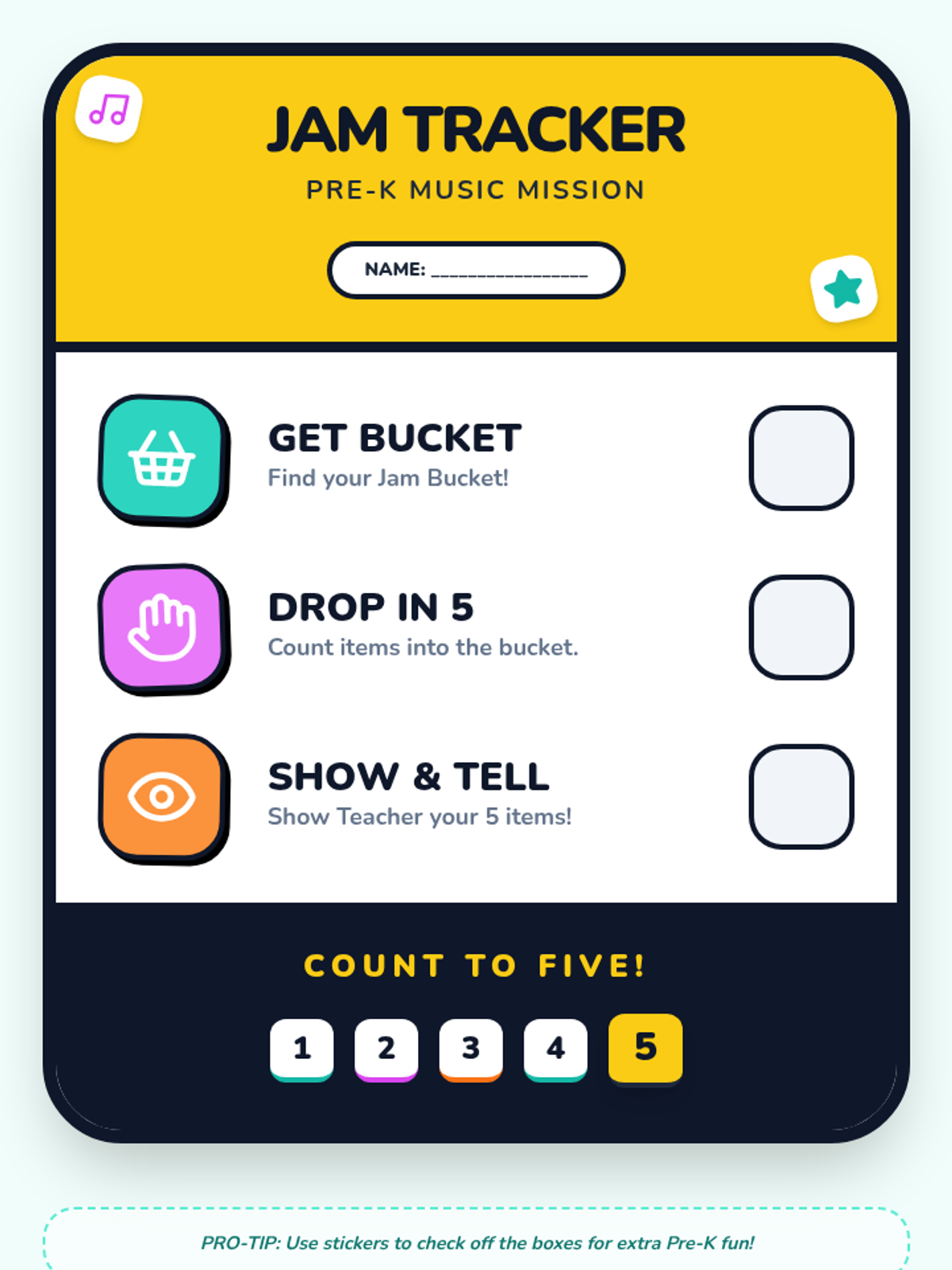
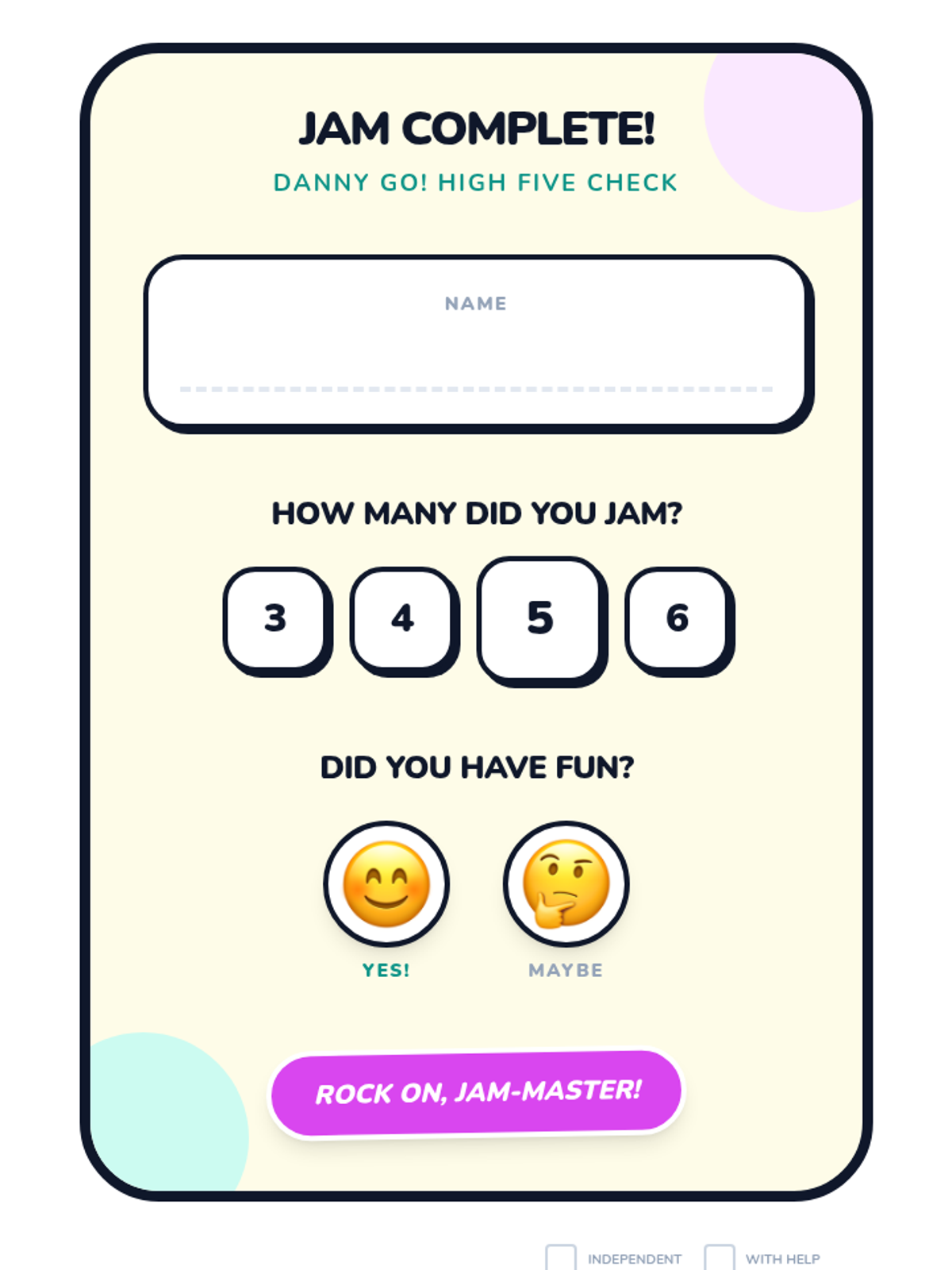
A comprehensive instructional unit focused on the foundational skill of following a multi-step task to completion. This unit provides two distinct tracks: a secret agent-themed track for older students (7-8) and a Danny Go! themed track for Pre-K students, ensuring developmental appropriateness while maintaining high engagement.
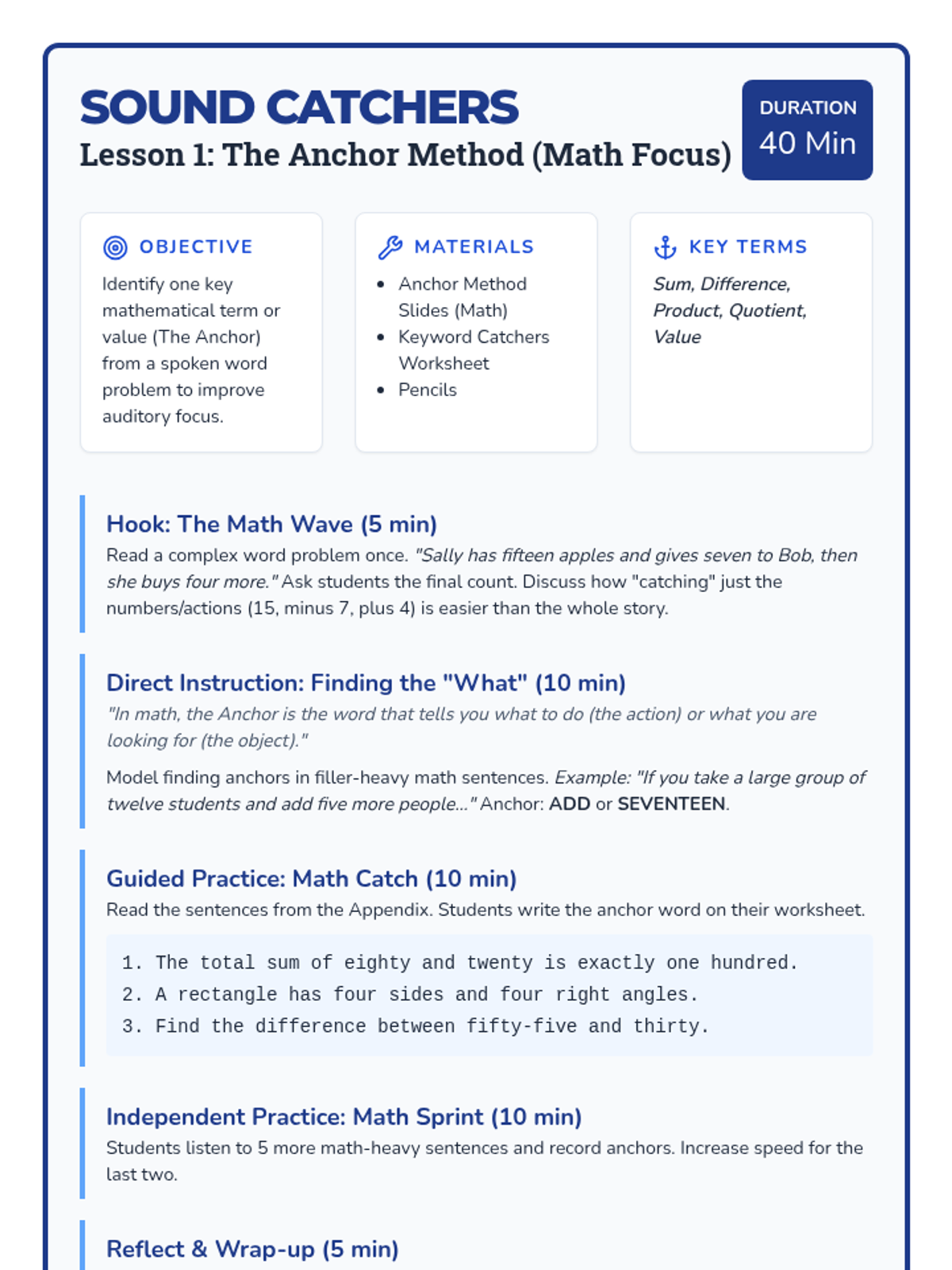
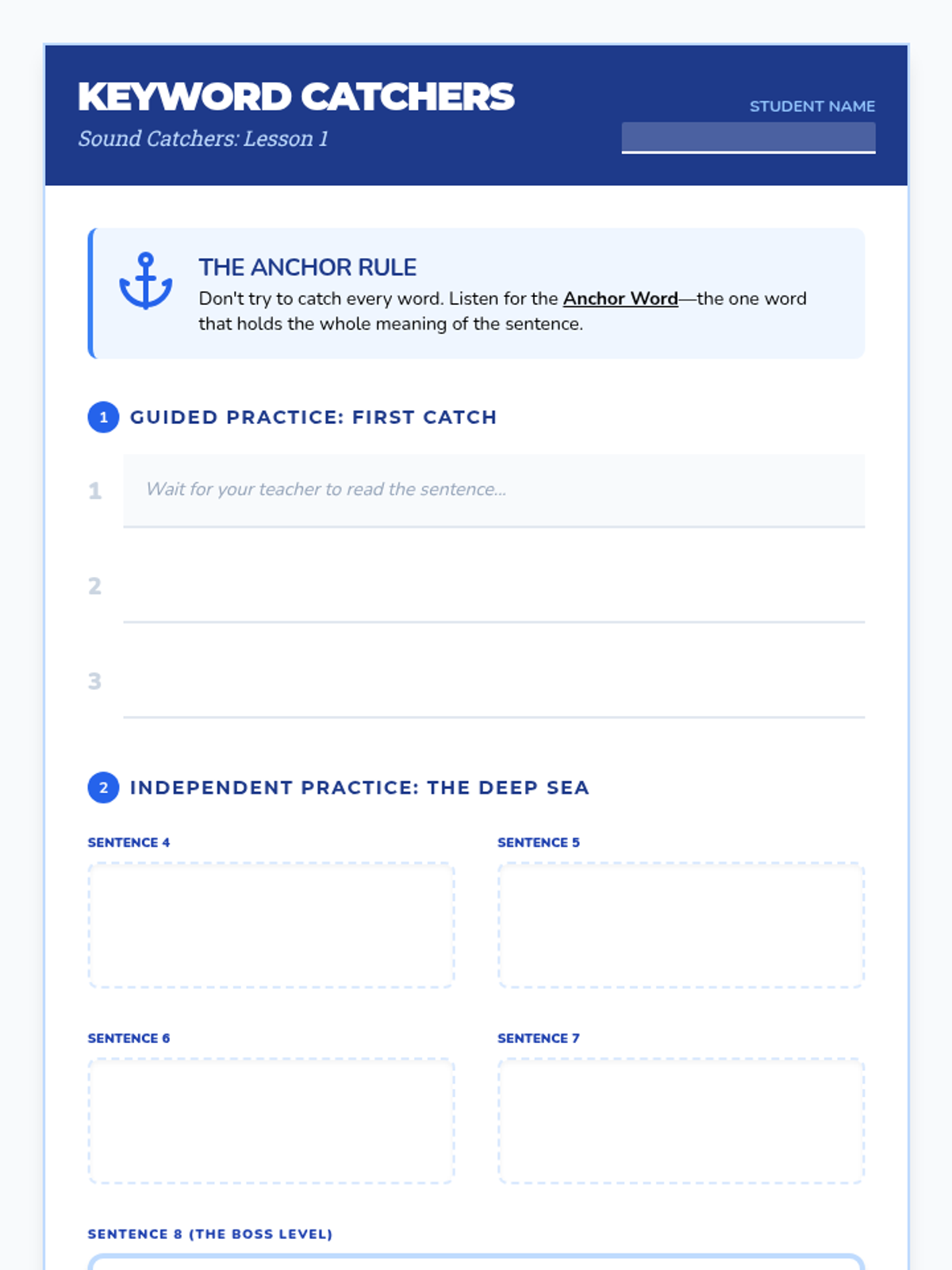
A month-long intervention program for 5th graders to improve auditory memory and note-taking skills using keyword identification and visual sketching. Students learn to 'catch' essential information and 'map' it visually to enhance recall.
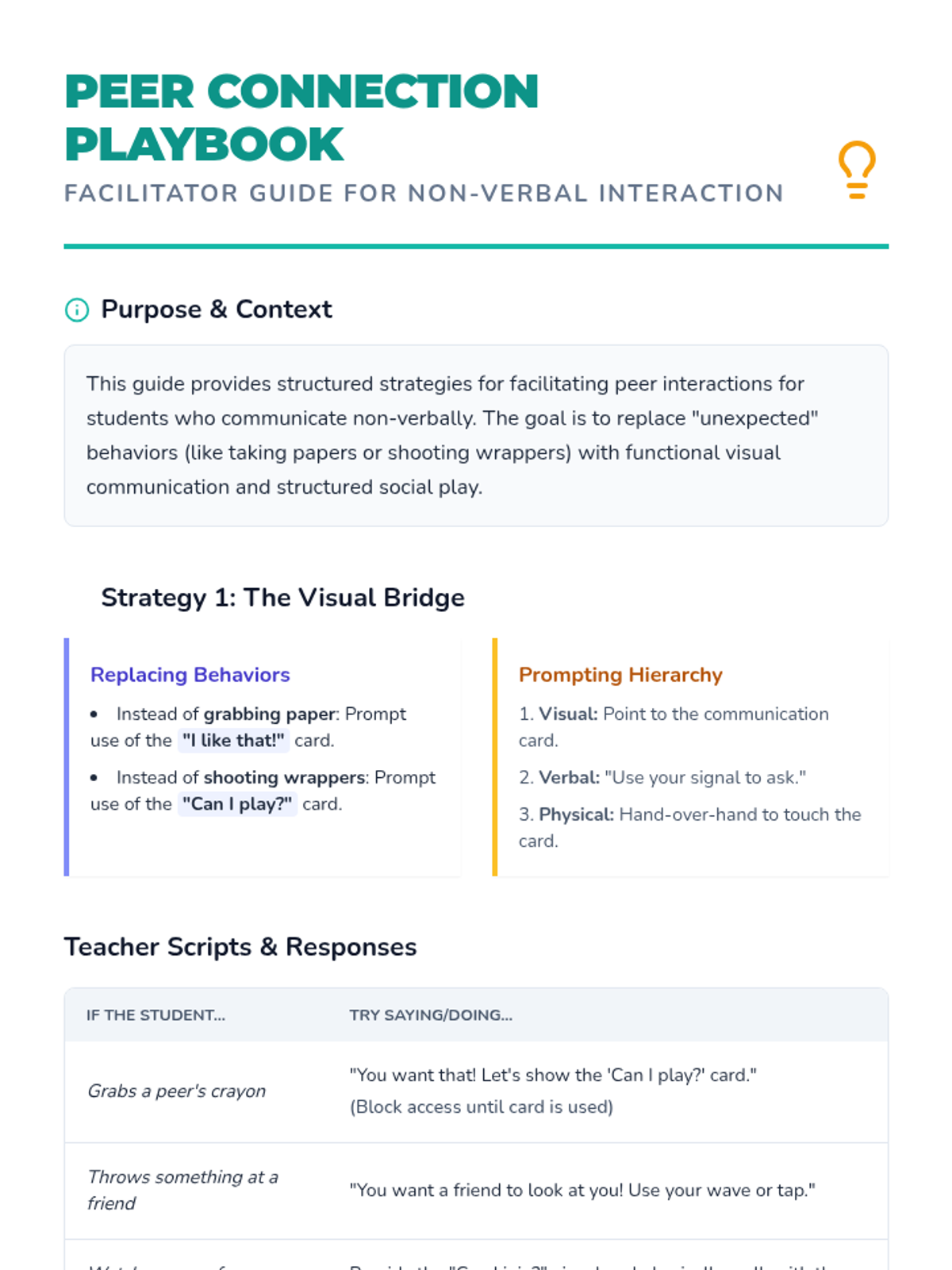
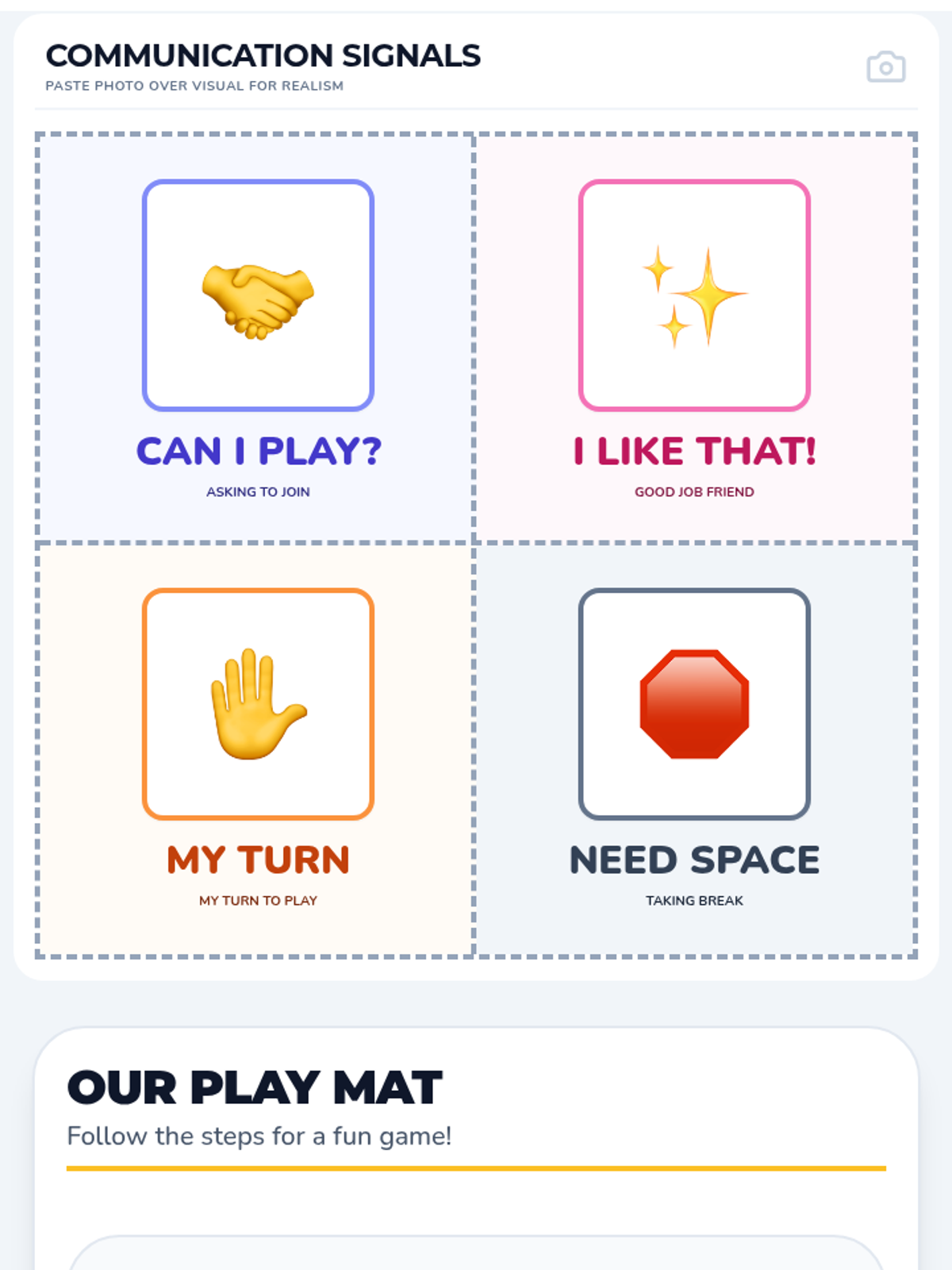
A sequence focused on developing social communication and peer interaction skills for early learners, specifically those using non-verbal communication methods. The sequence emphasizes visual supports, turn-taking, and positive attention-seeking strategies.
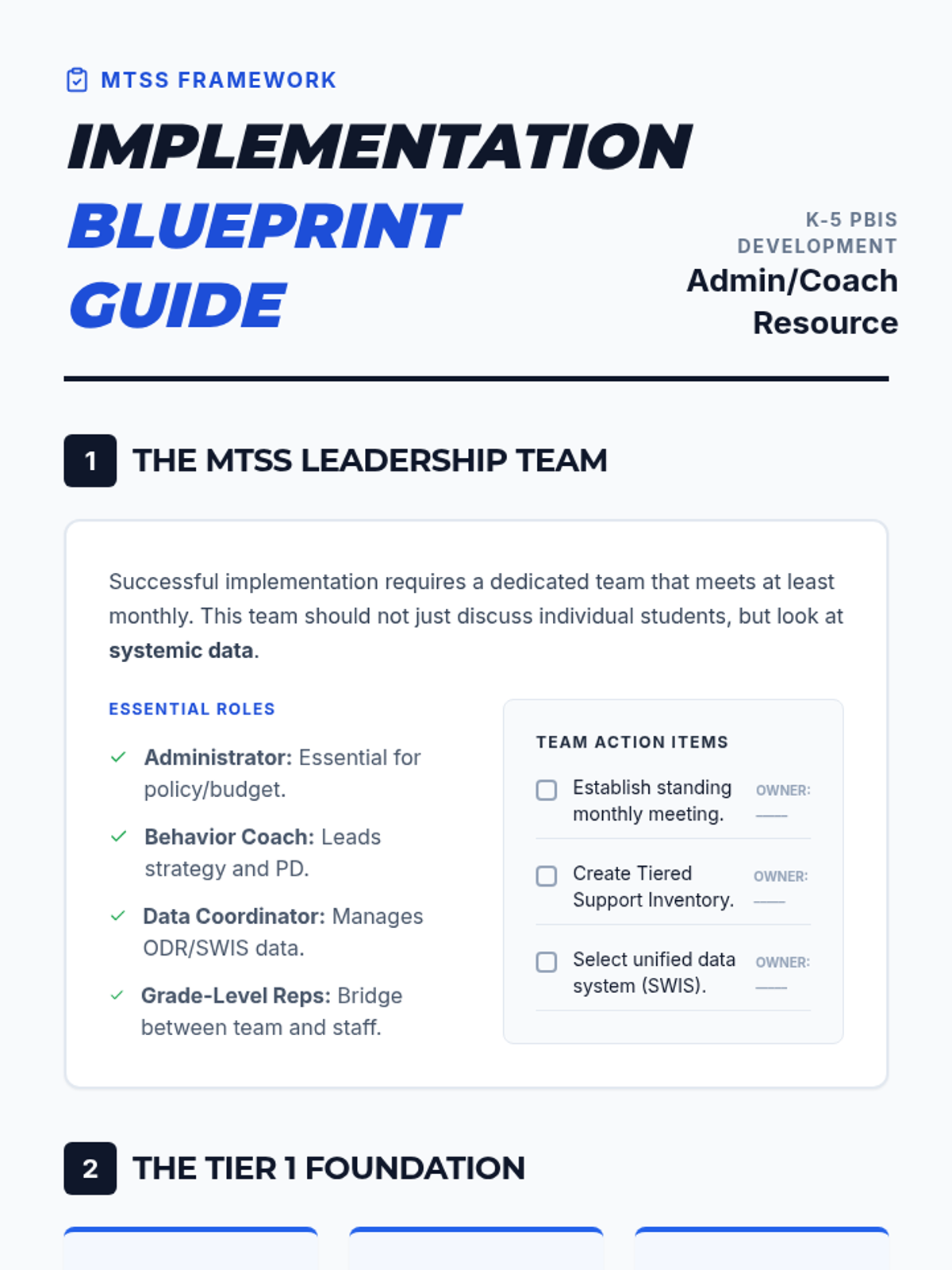
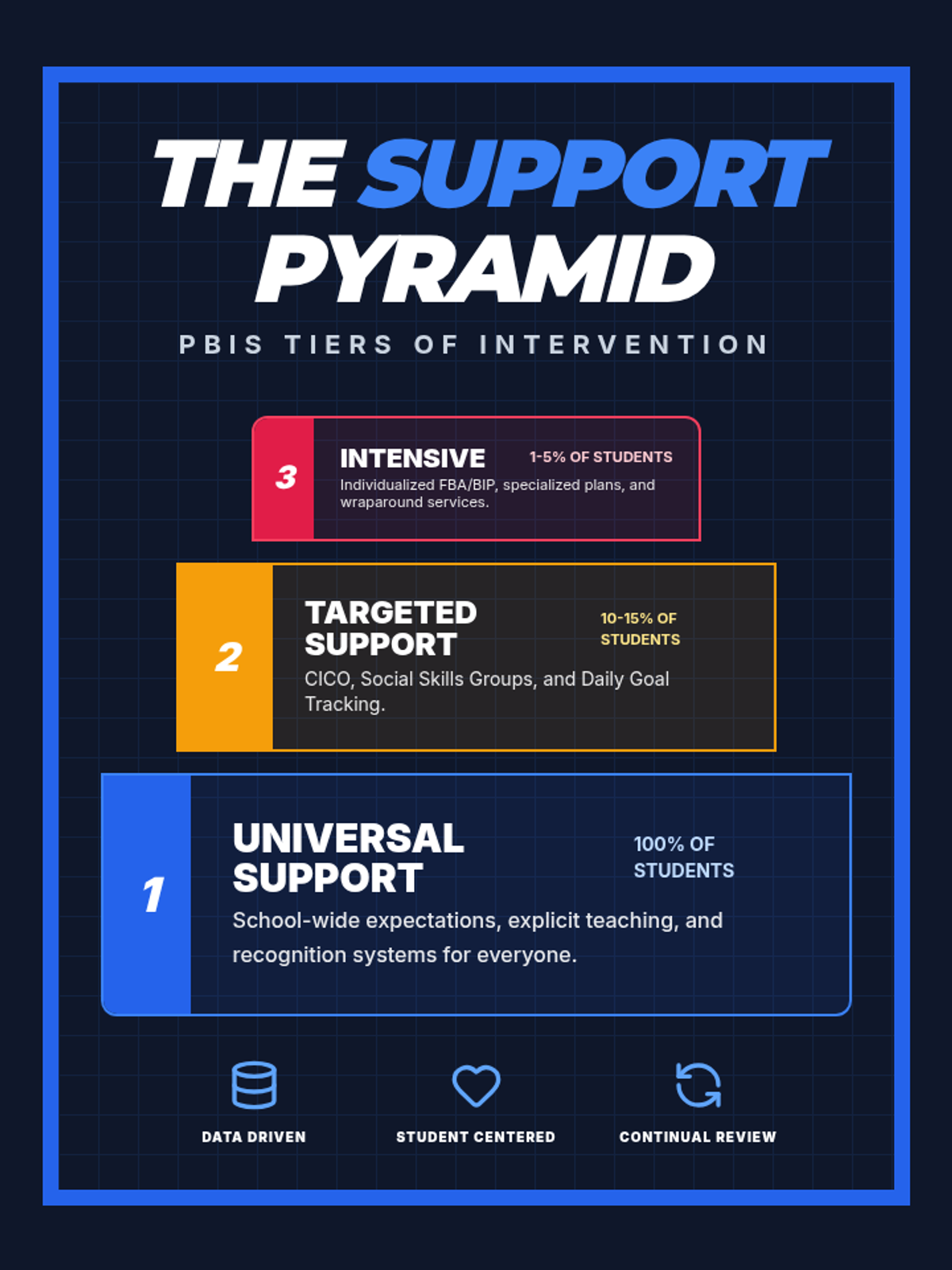
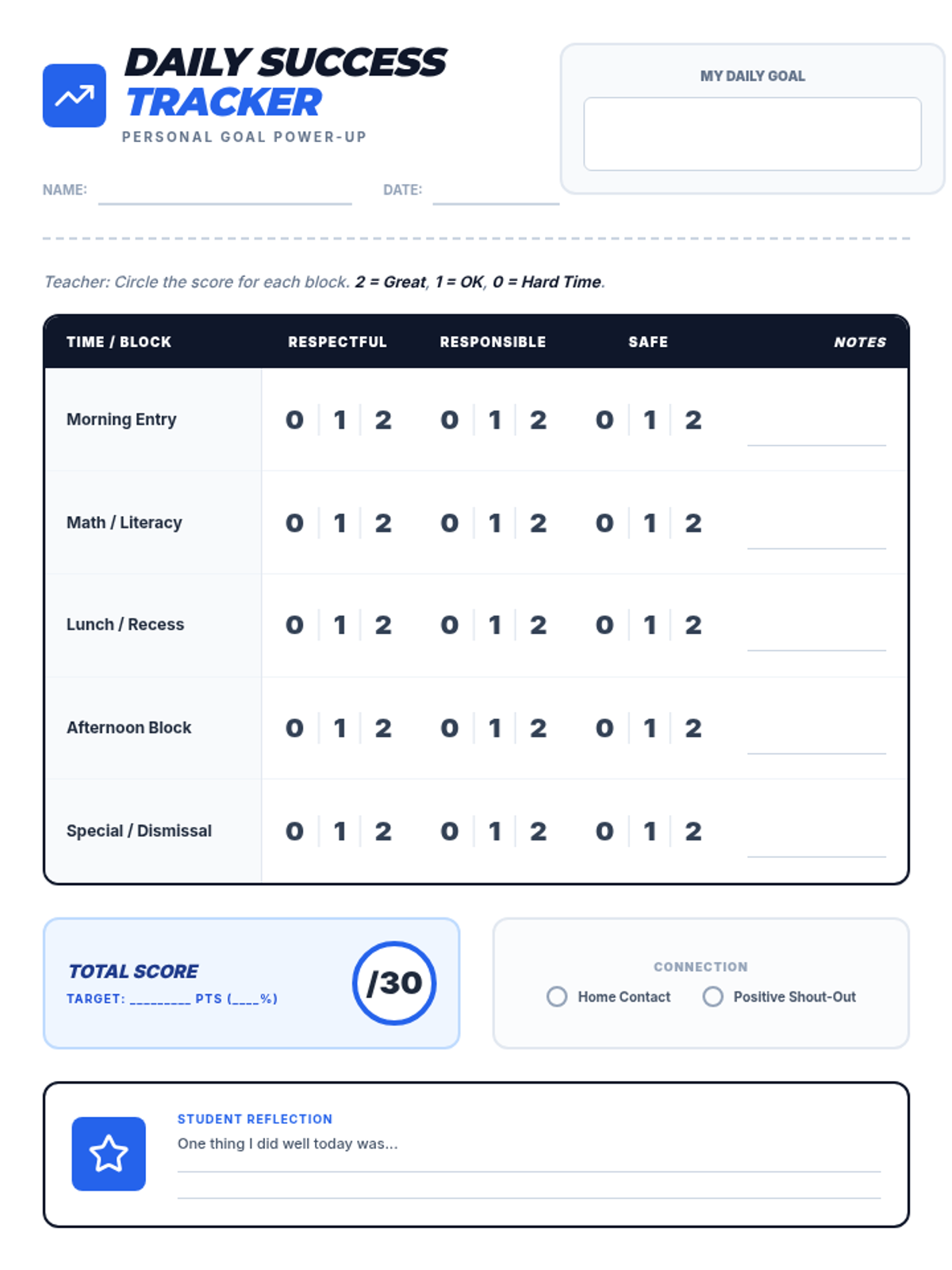
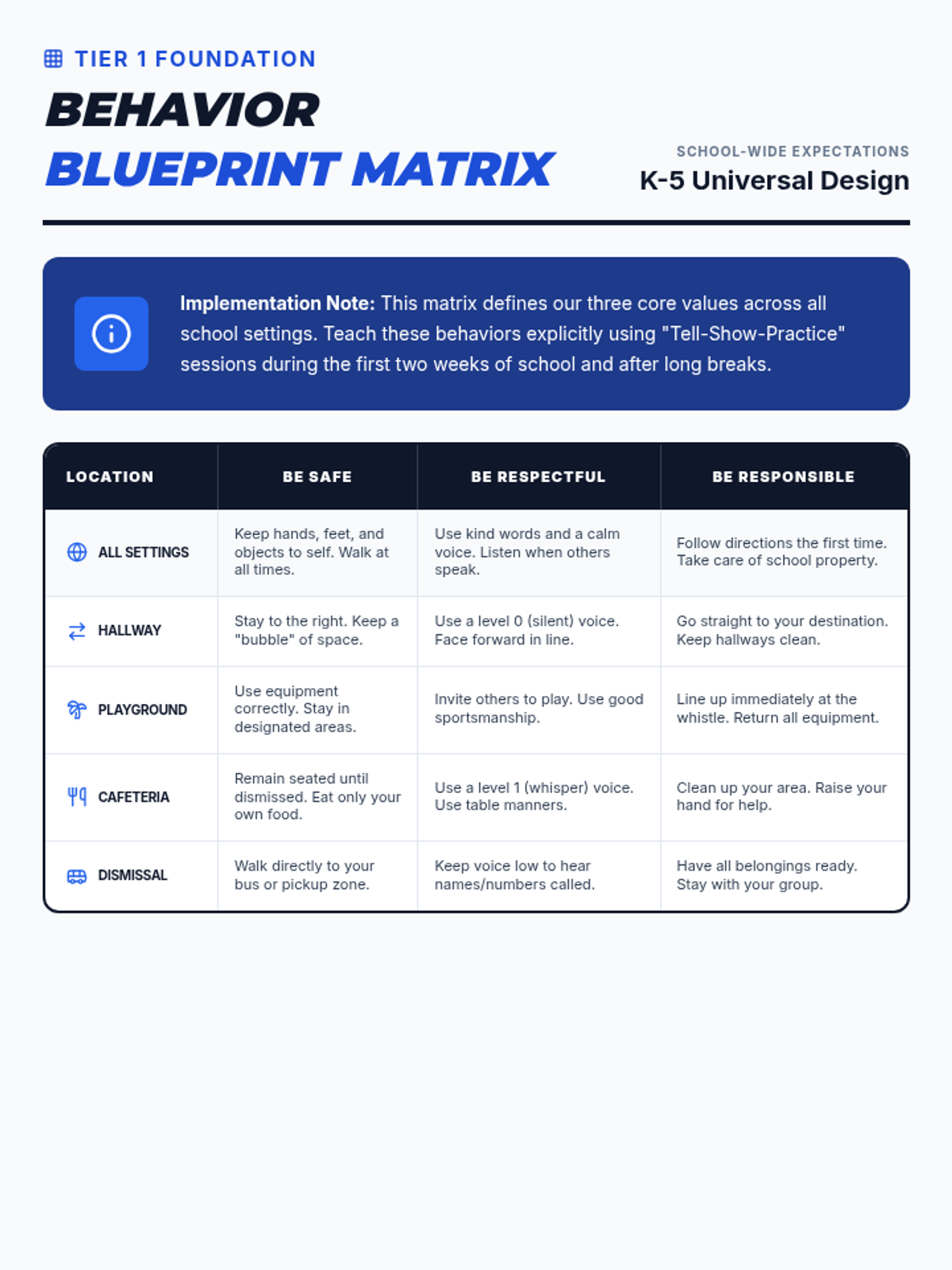
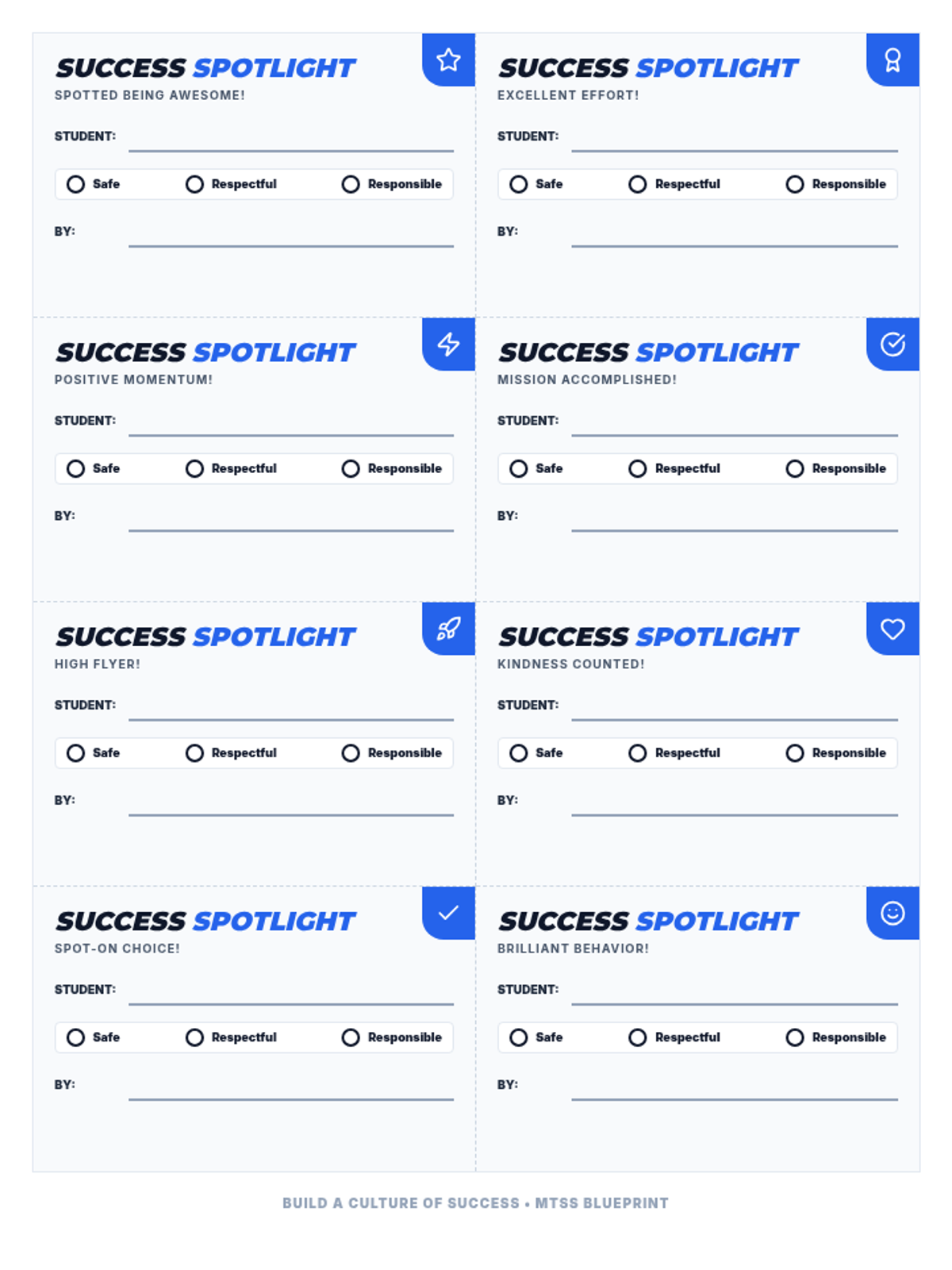
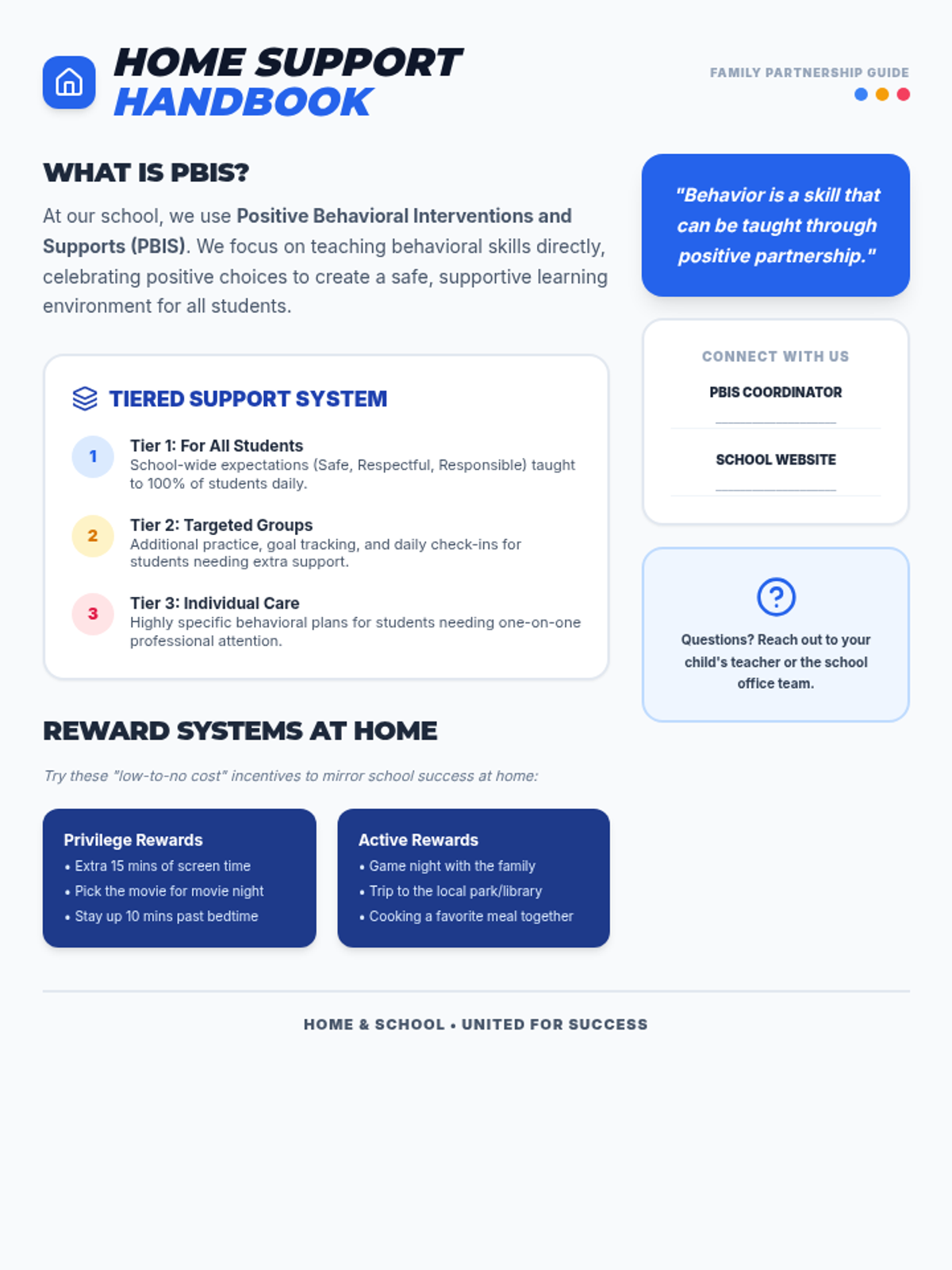
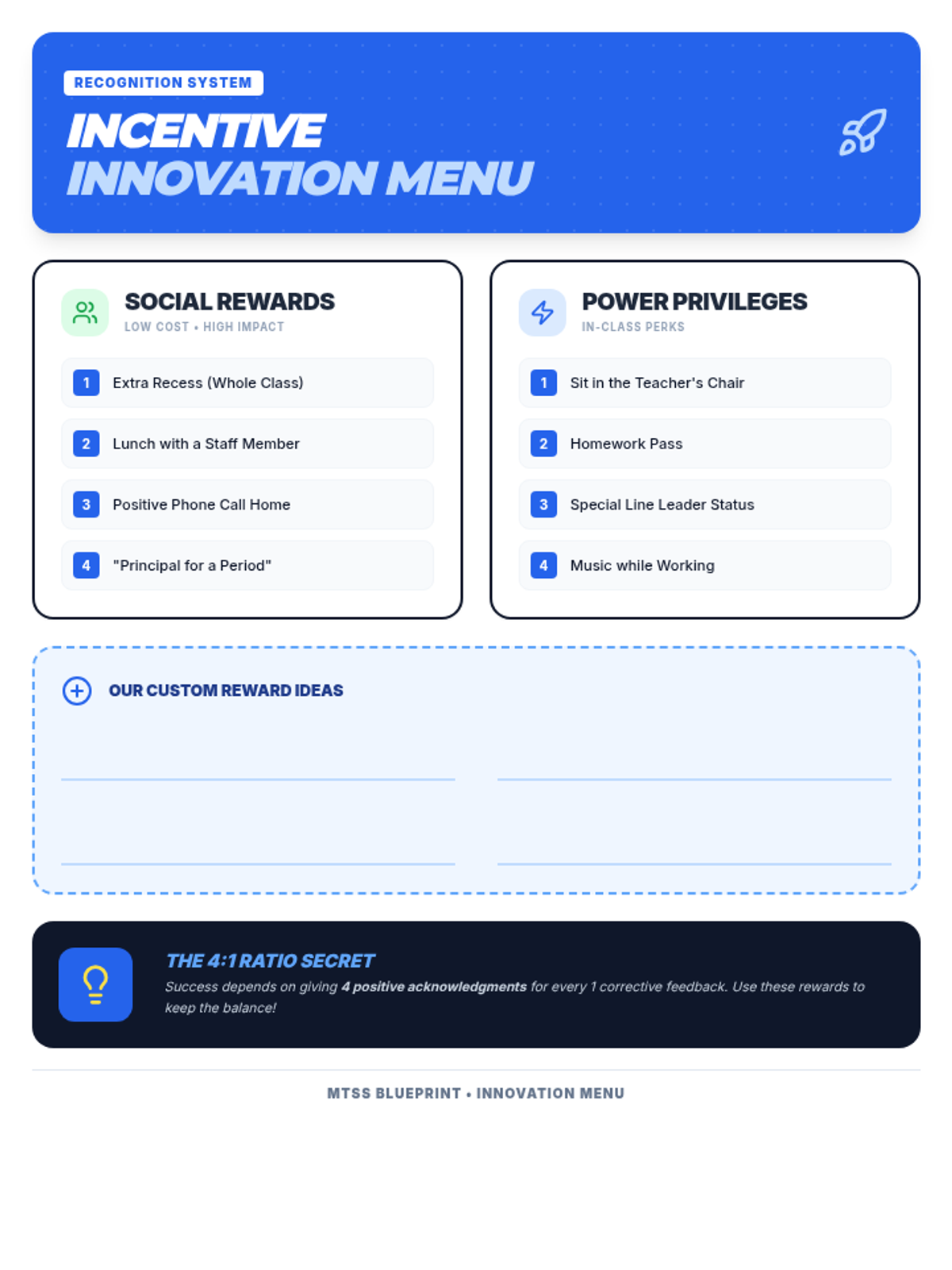
A comprehensive guide and toolkit for K-5 schools to design, implement, and maintain a Multi-Tiered System of Supports (MTSS) for behavioral success through PBIS.
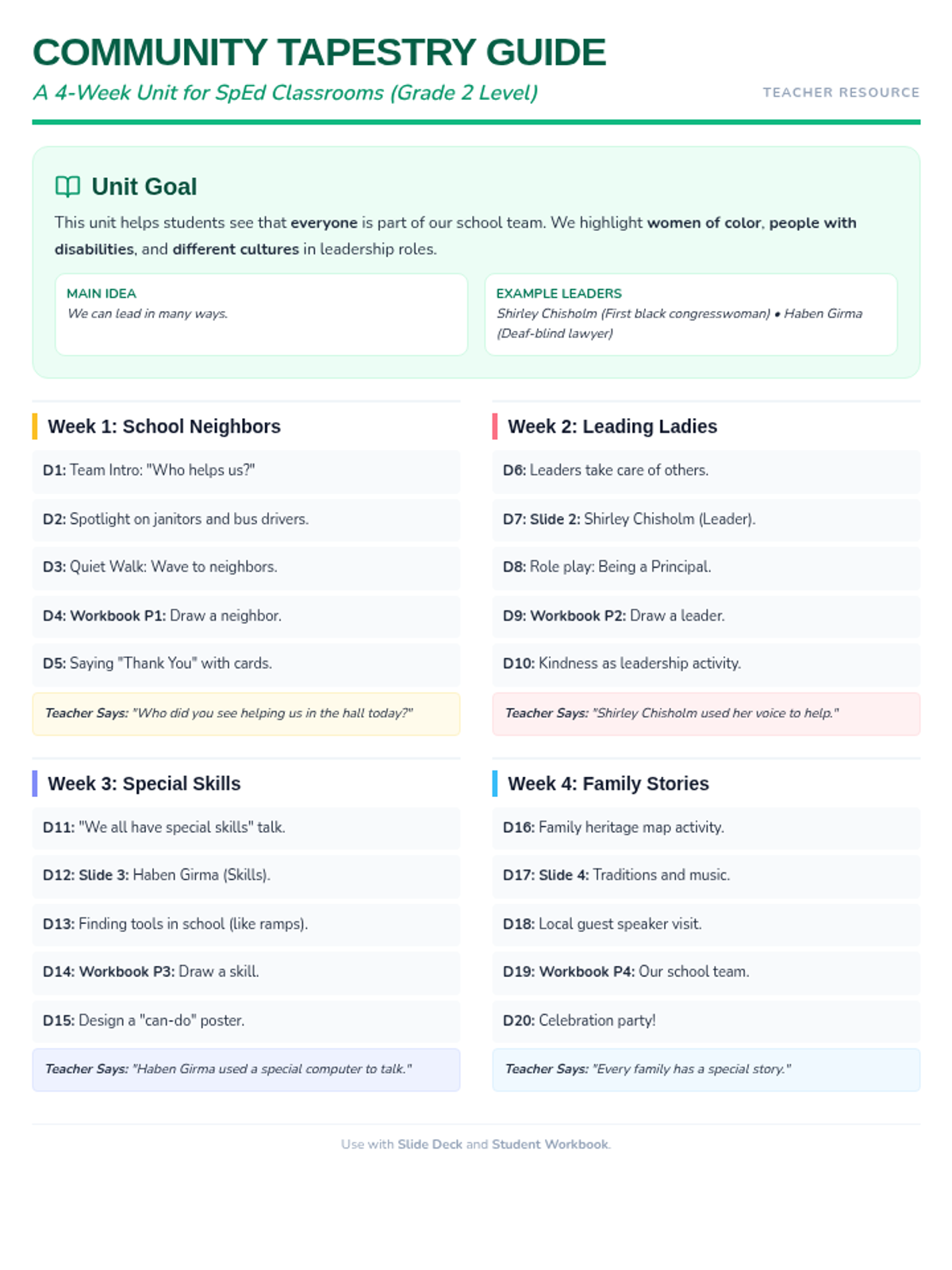
A four-week exploration of school community roles, focusing on diversity, inclusion, and representation in leadership. Students will identify daily community members and learn about the contributions of women of color and people with disabilities in their school and beyond.
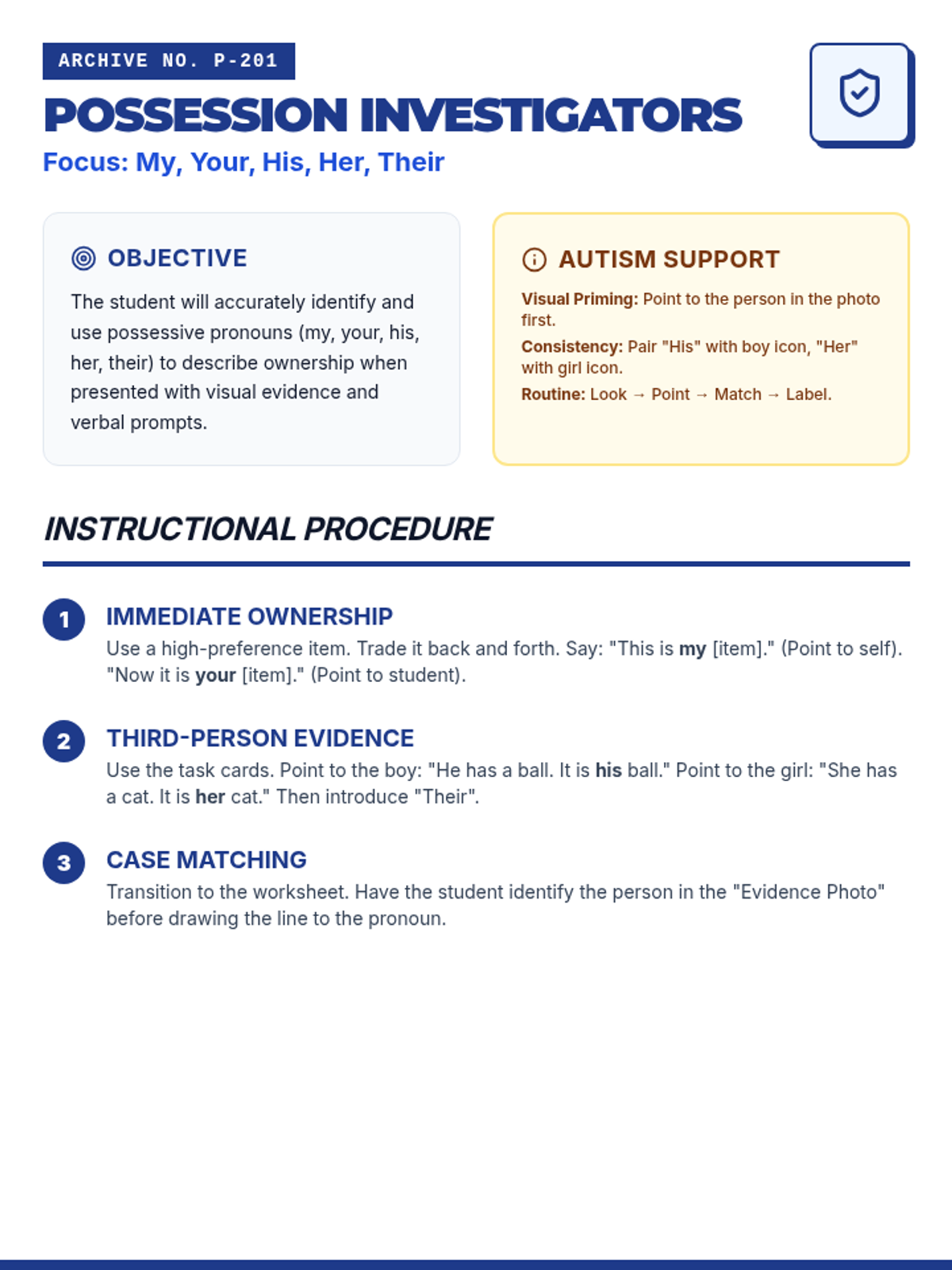
A comprehensive grammar program designed for Level 2 autistic students, focusing on possessive pronouns and regular past tense verbs through visual-heavy detective-themed materials.
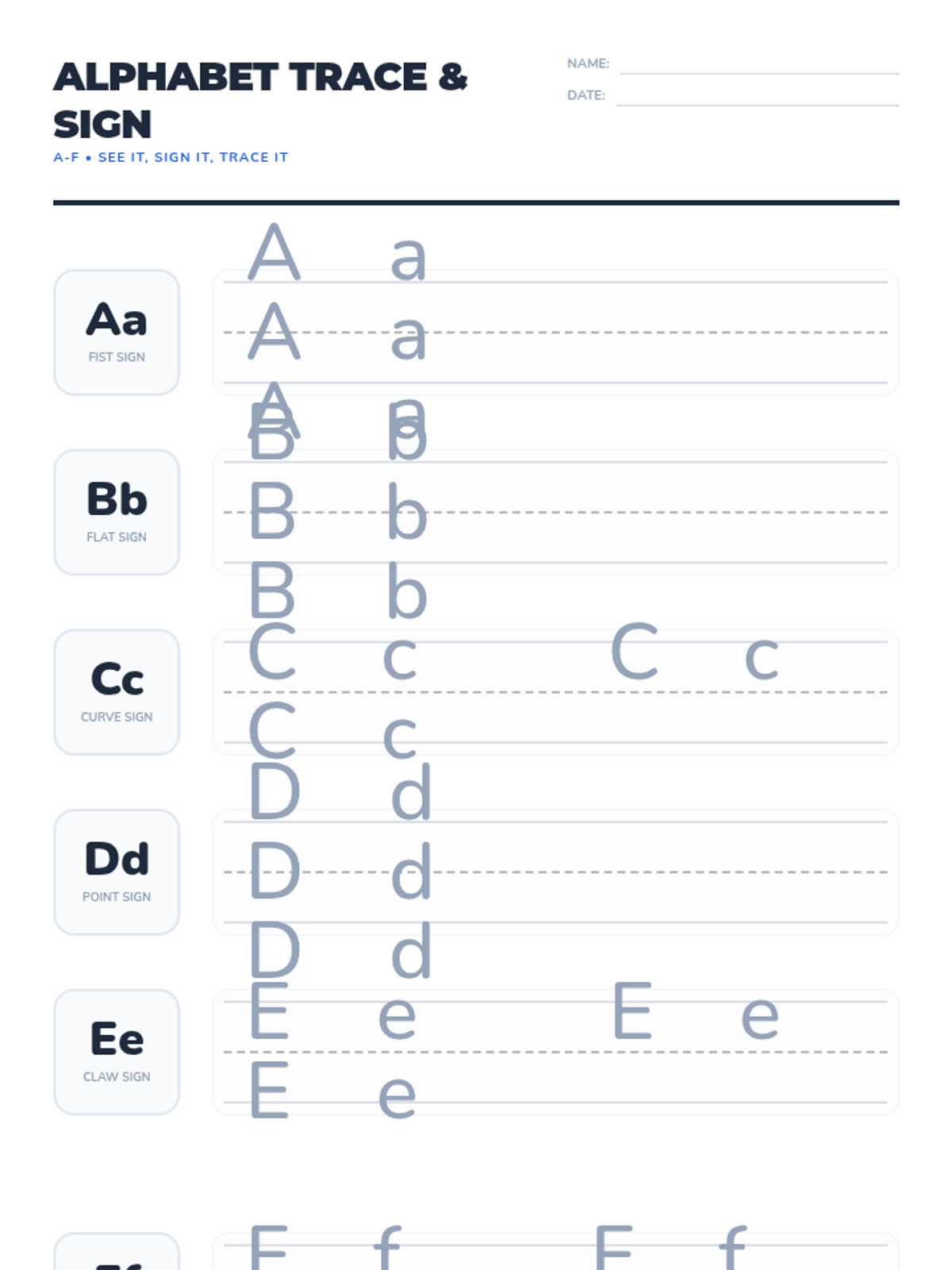
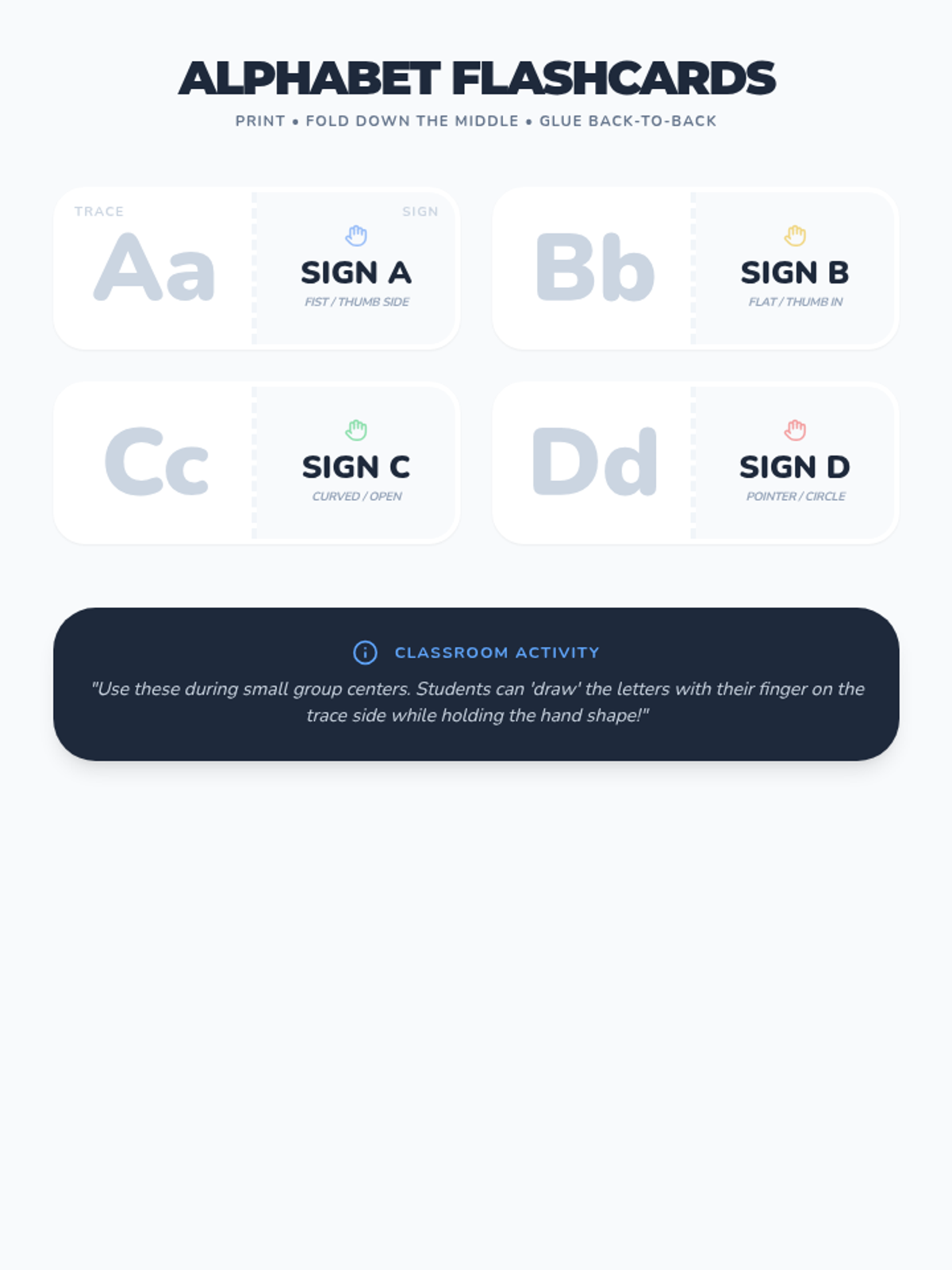
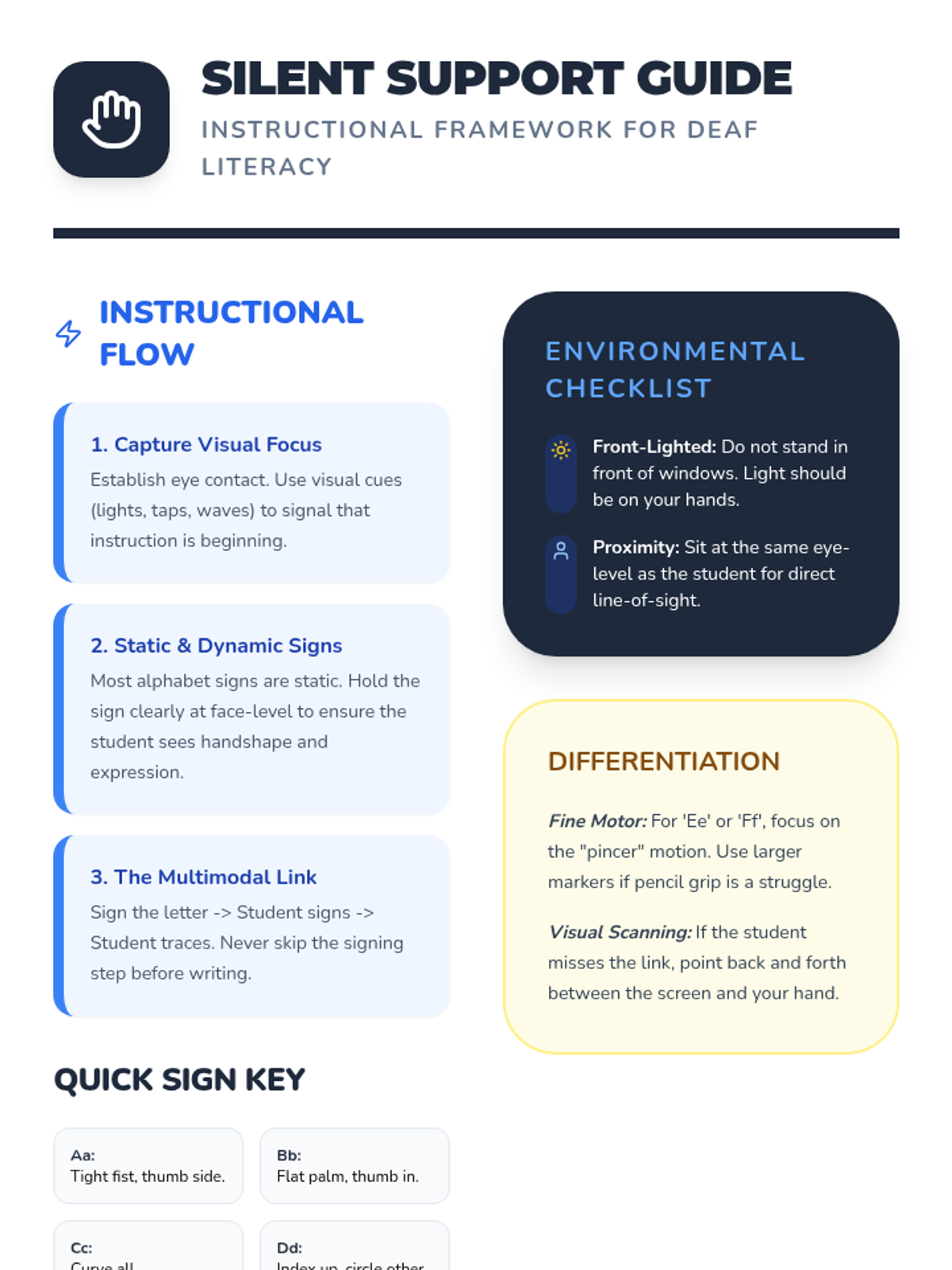
A foundation for letter recognition and early literacy using American Sign Language (ASL) finger spelling to support deaf and hard-of-hearing kindergarten students.
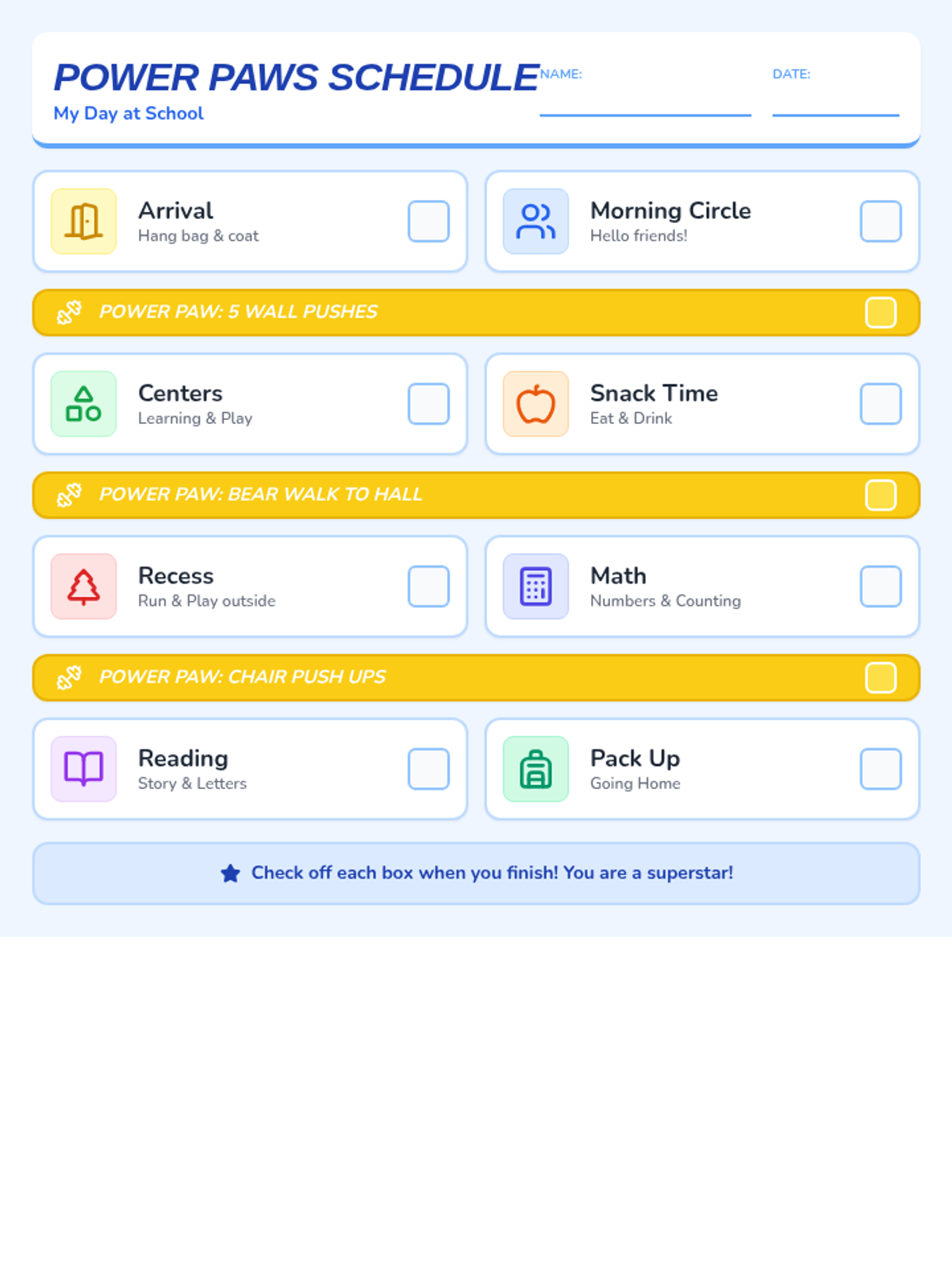
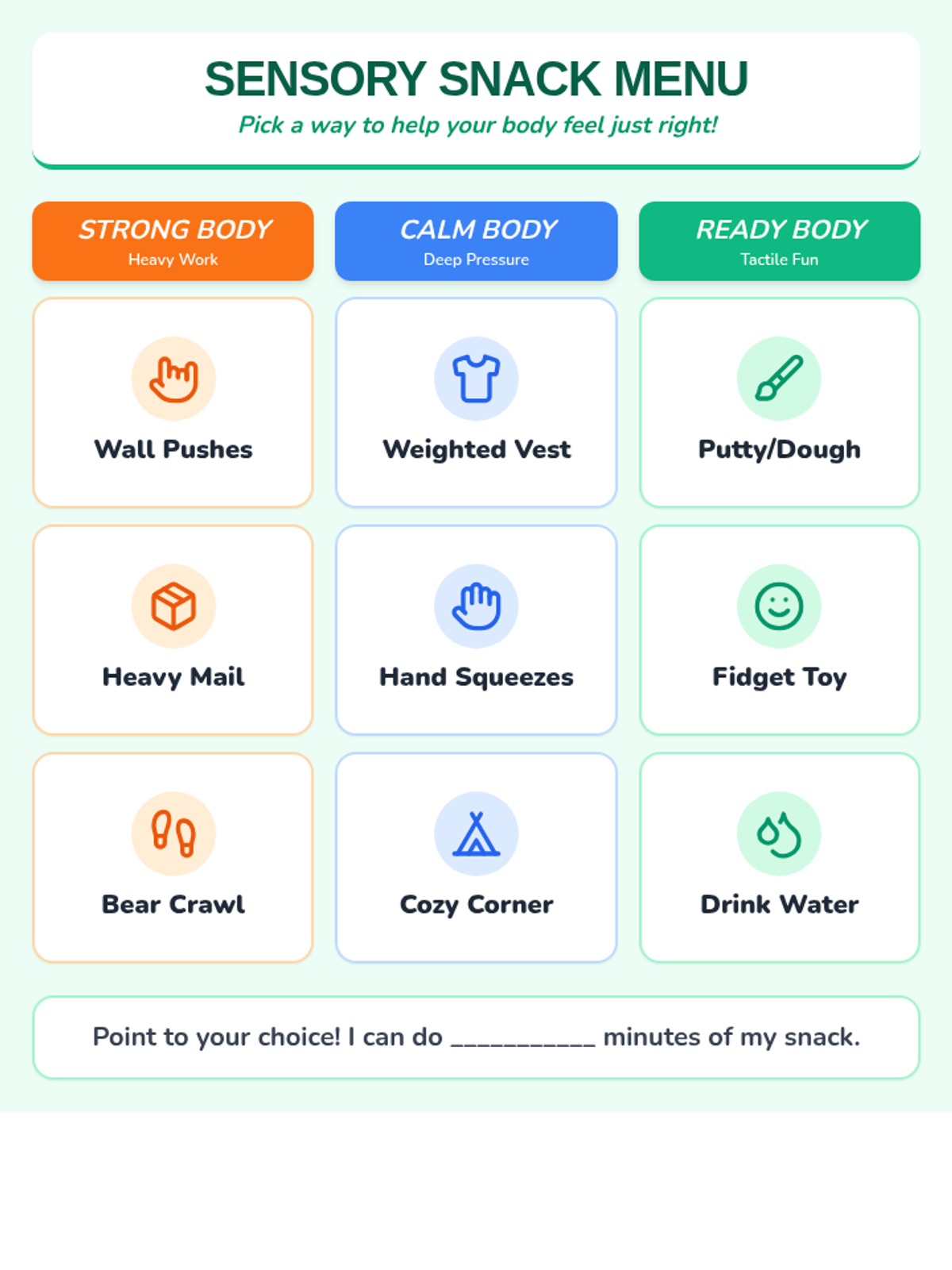
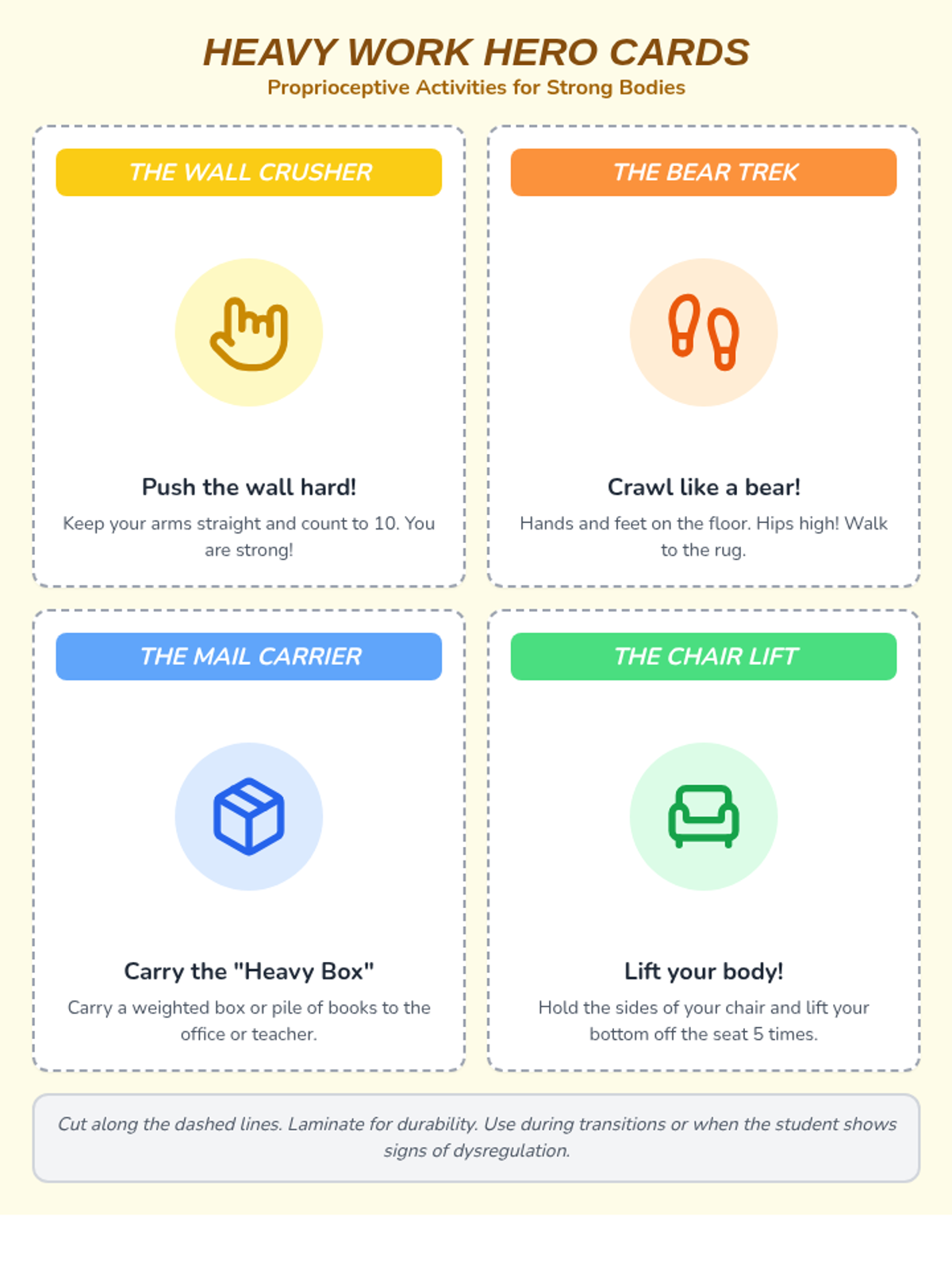
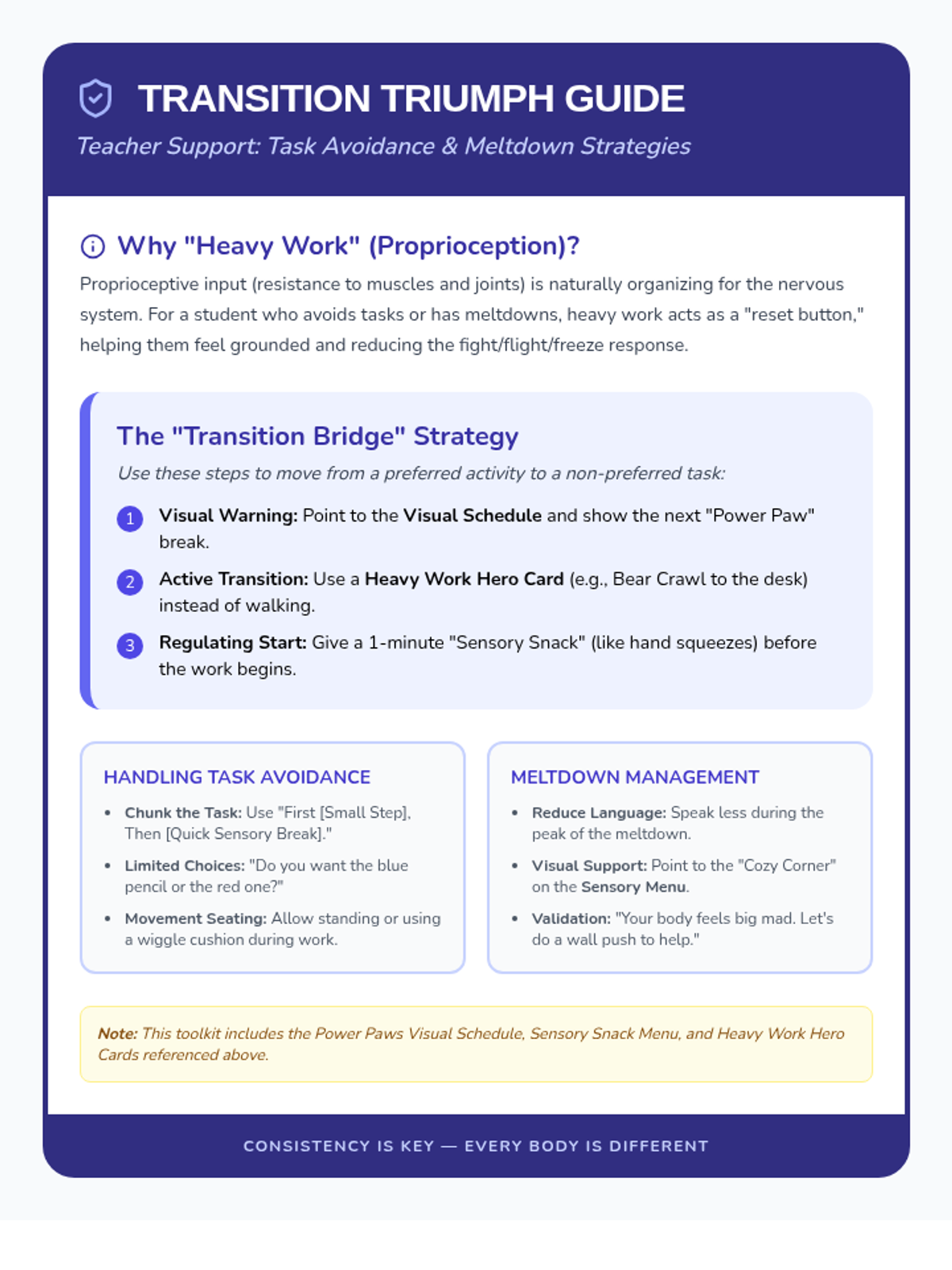
A comprehensive sensory support system for Kindergarten students who struggle with task avoidance, meltdowns, and transitions. This sequence provides visual tools and physical activities to promote self-regulation and engagement.
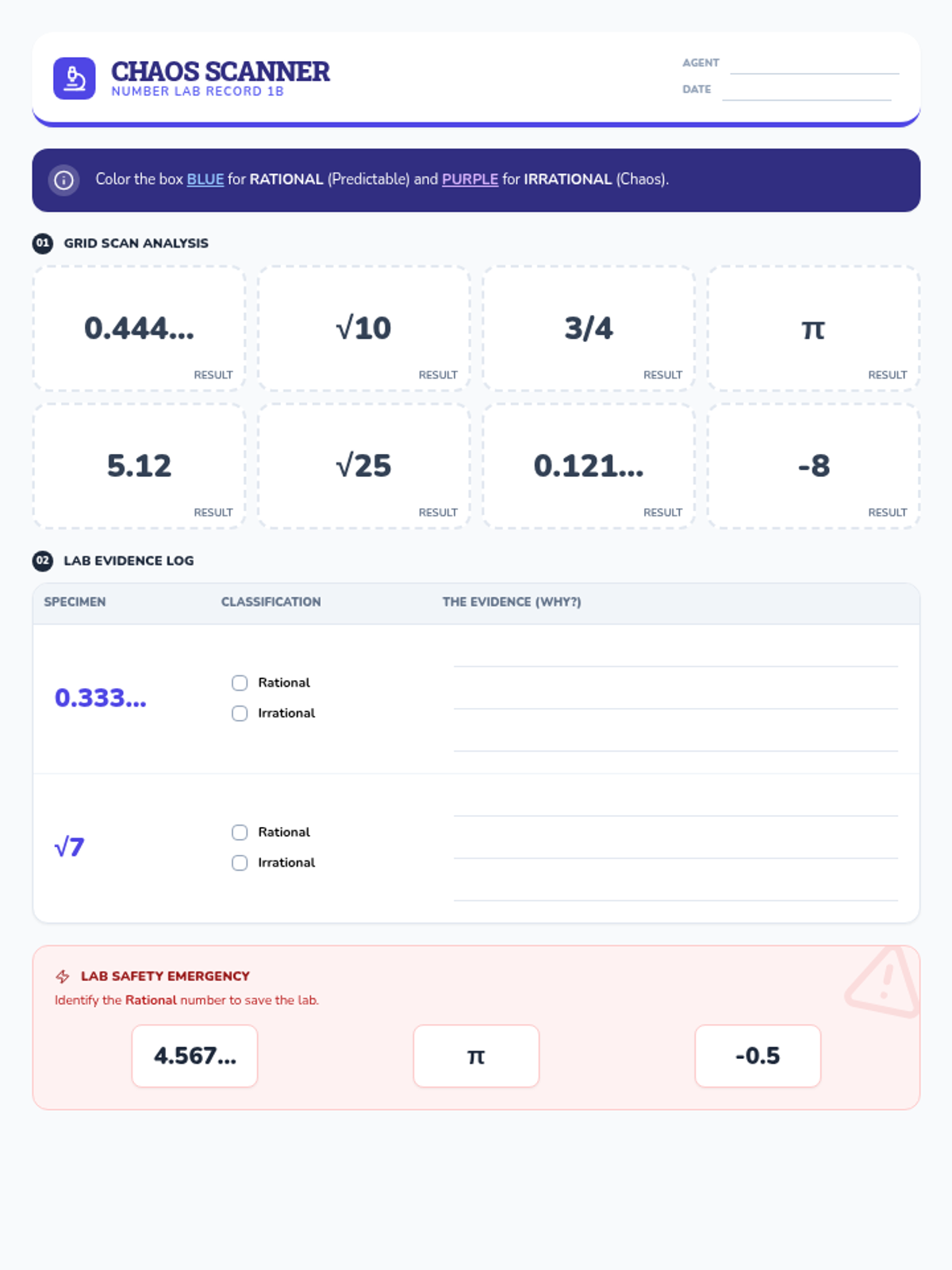
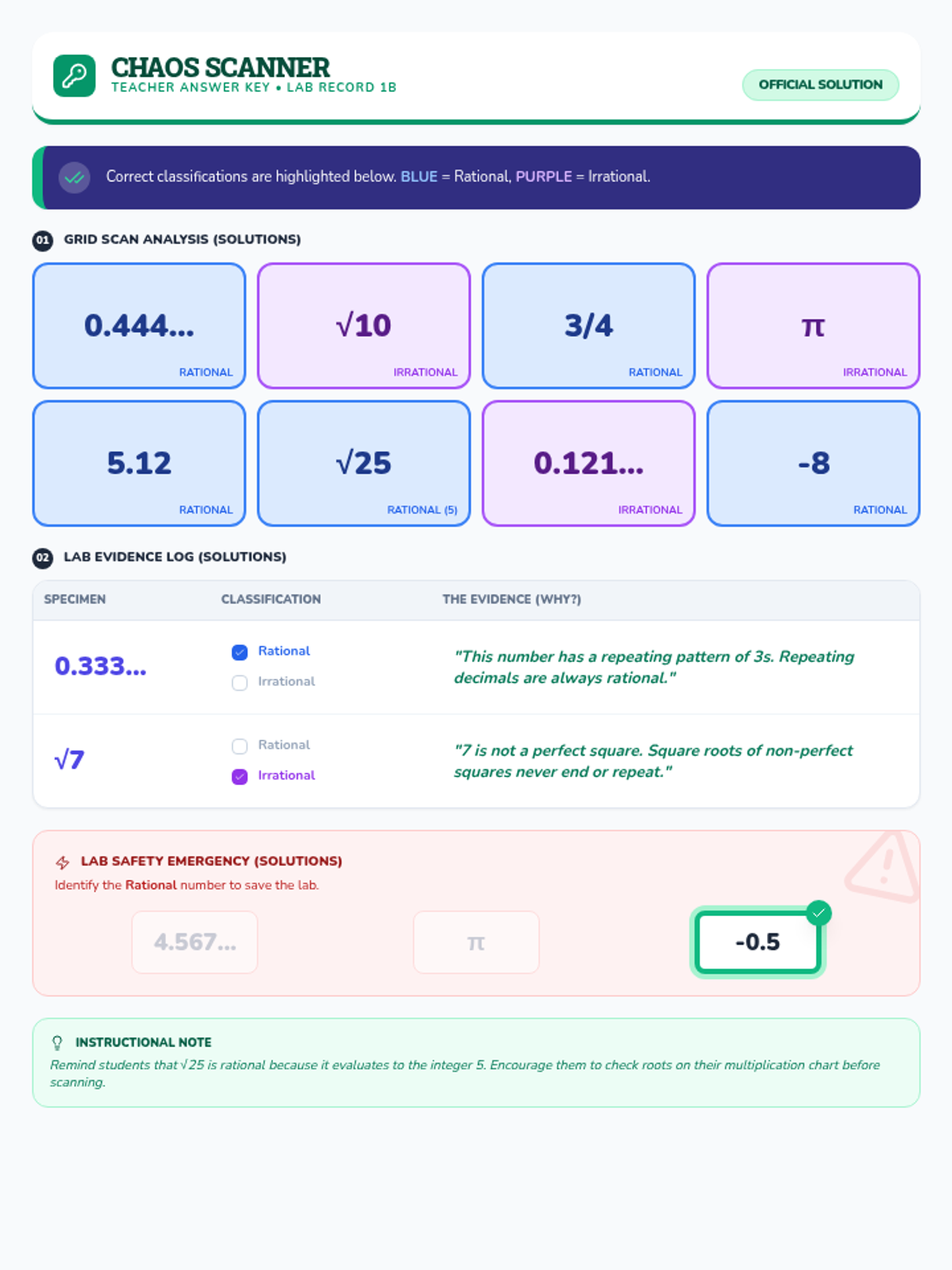
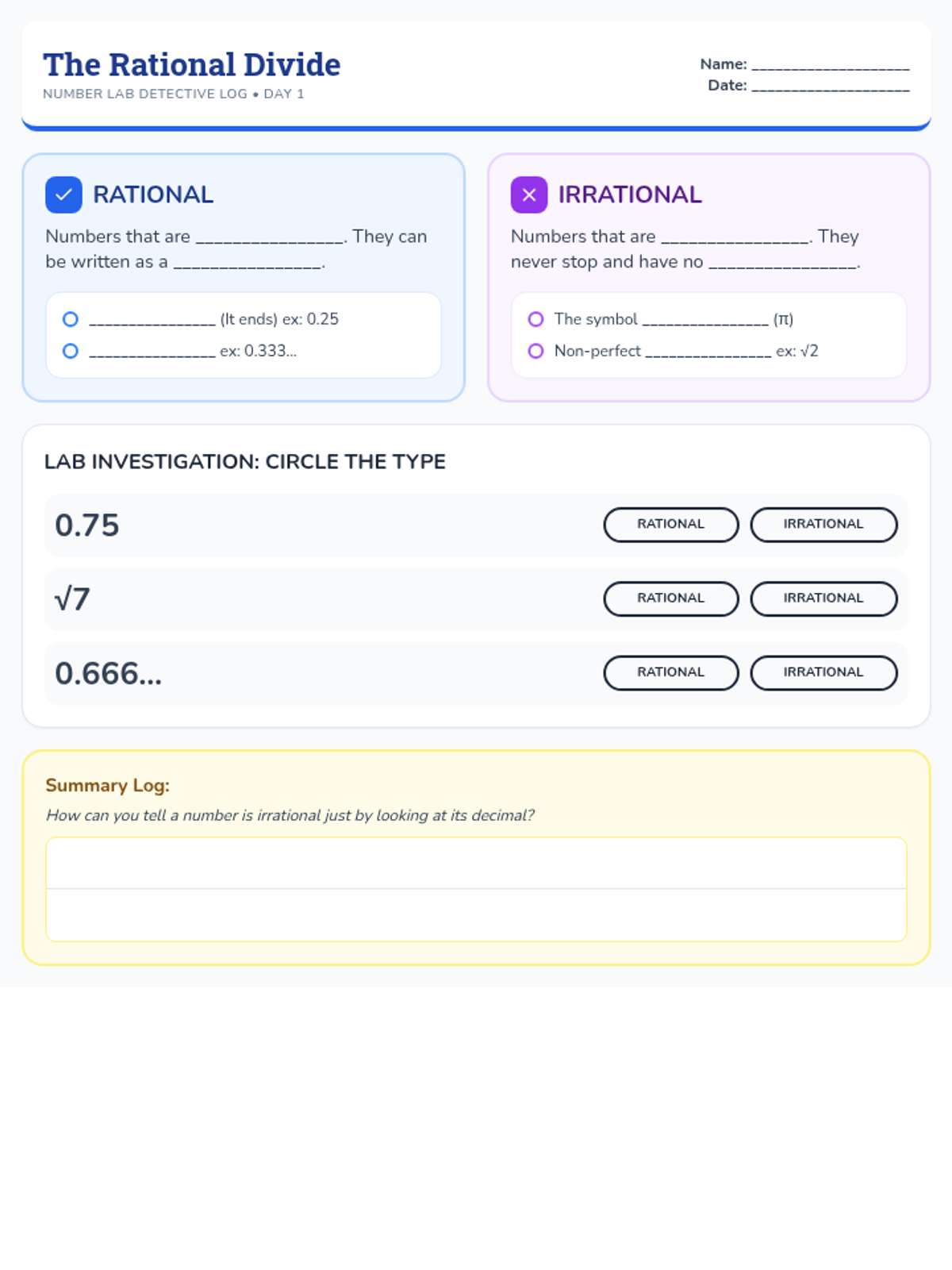
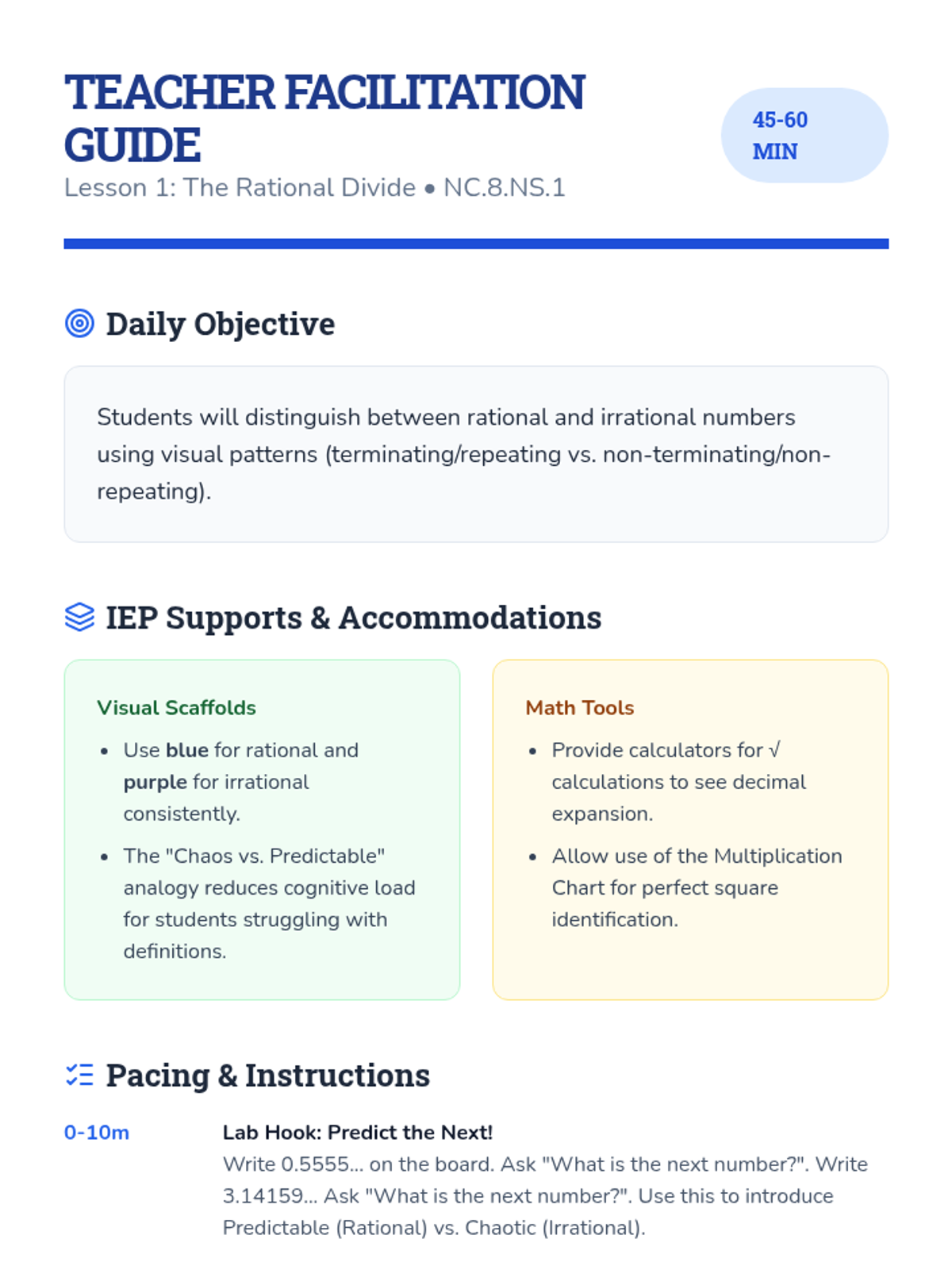
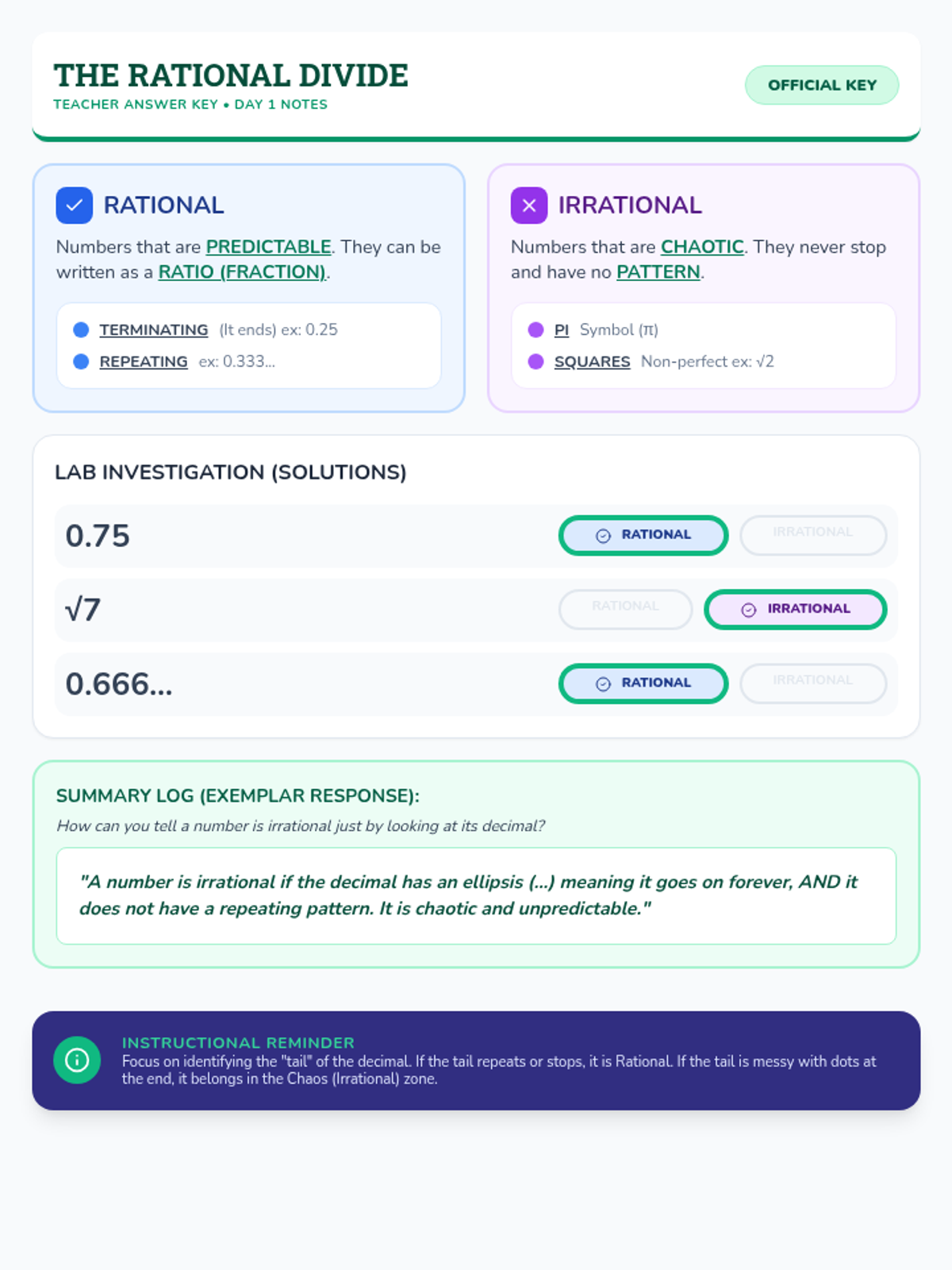
A 4-day introductory unit on the Real Number System designed for special education classrooms, focusing on identifying rational and irrational numbers, converting repeating decimals, and estimating square roots with high-scaffold supports.
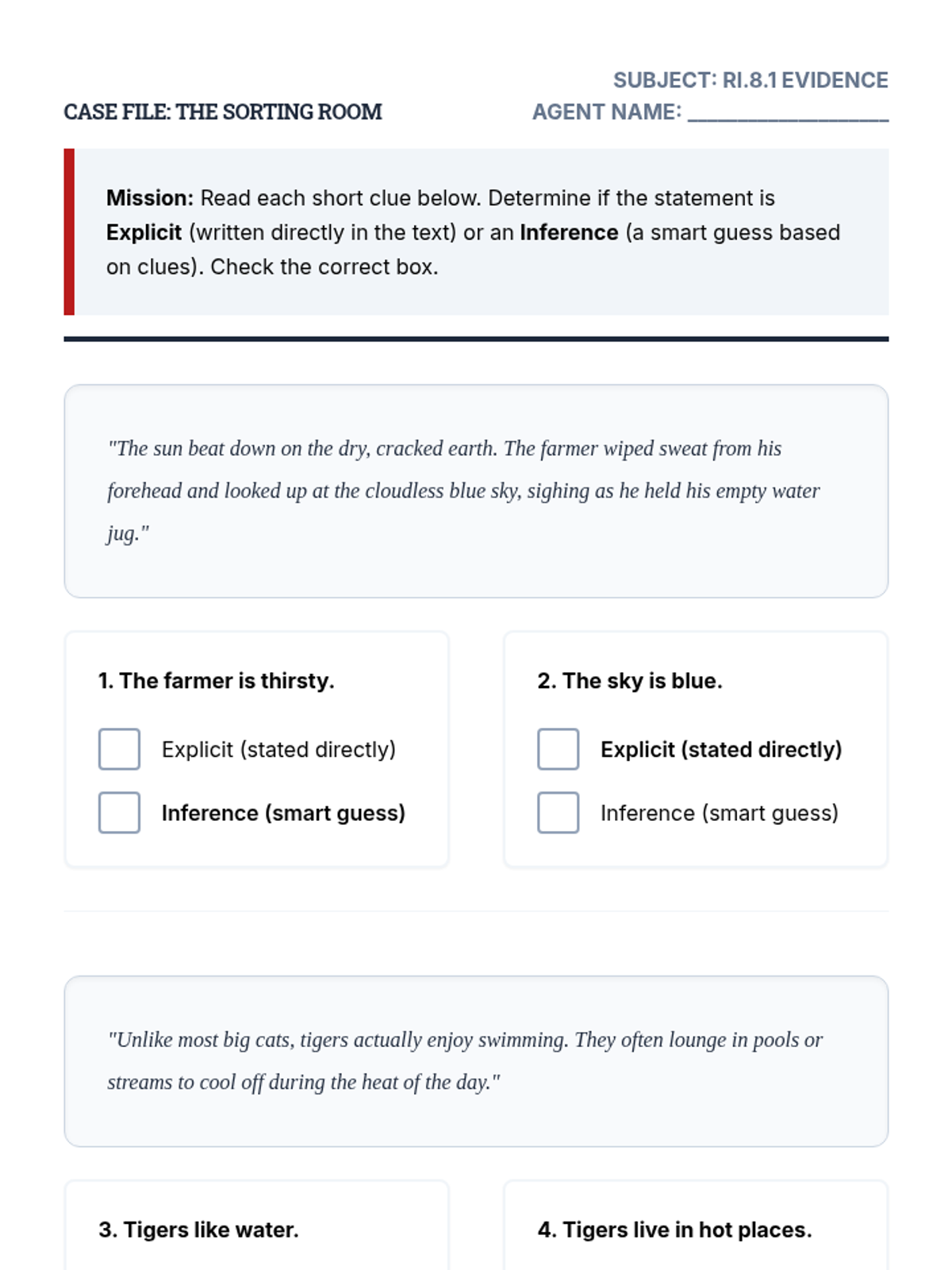
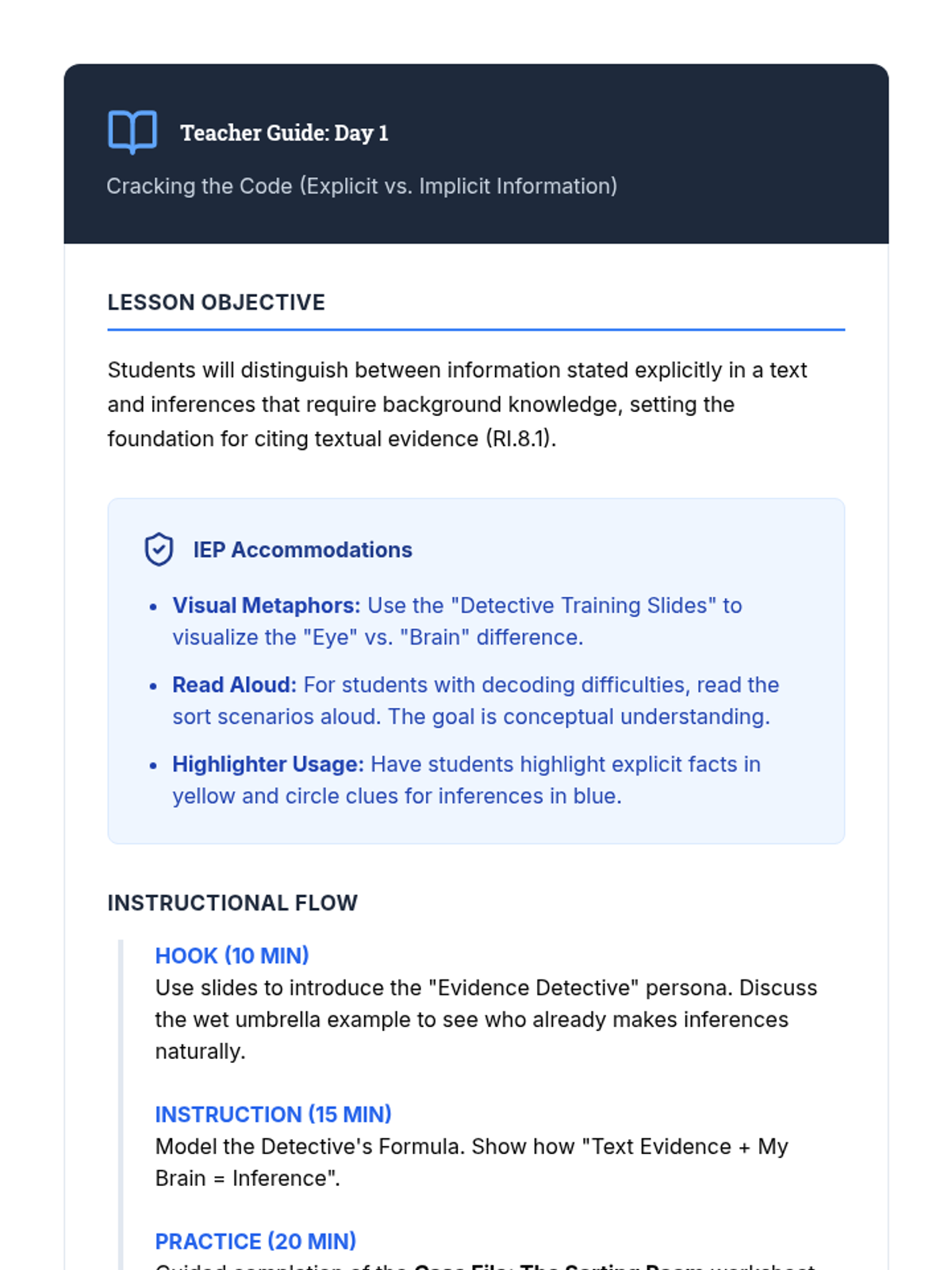
A 3-day instructional sequence focused on NC.RI.8.1, helping students identify explicit information, make inferences, and select the strongest textual evidence in informational texts. Designed for special education resource rooms with clear scaffolding and visual supports.
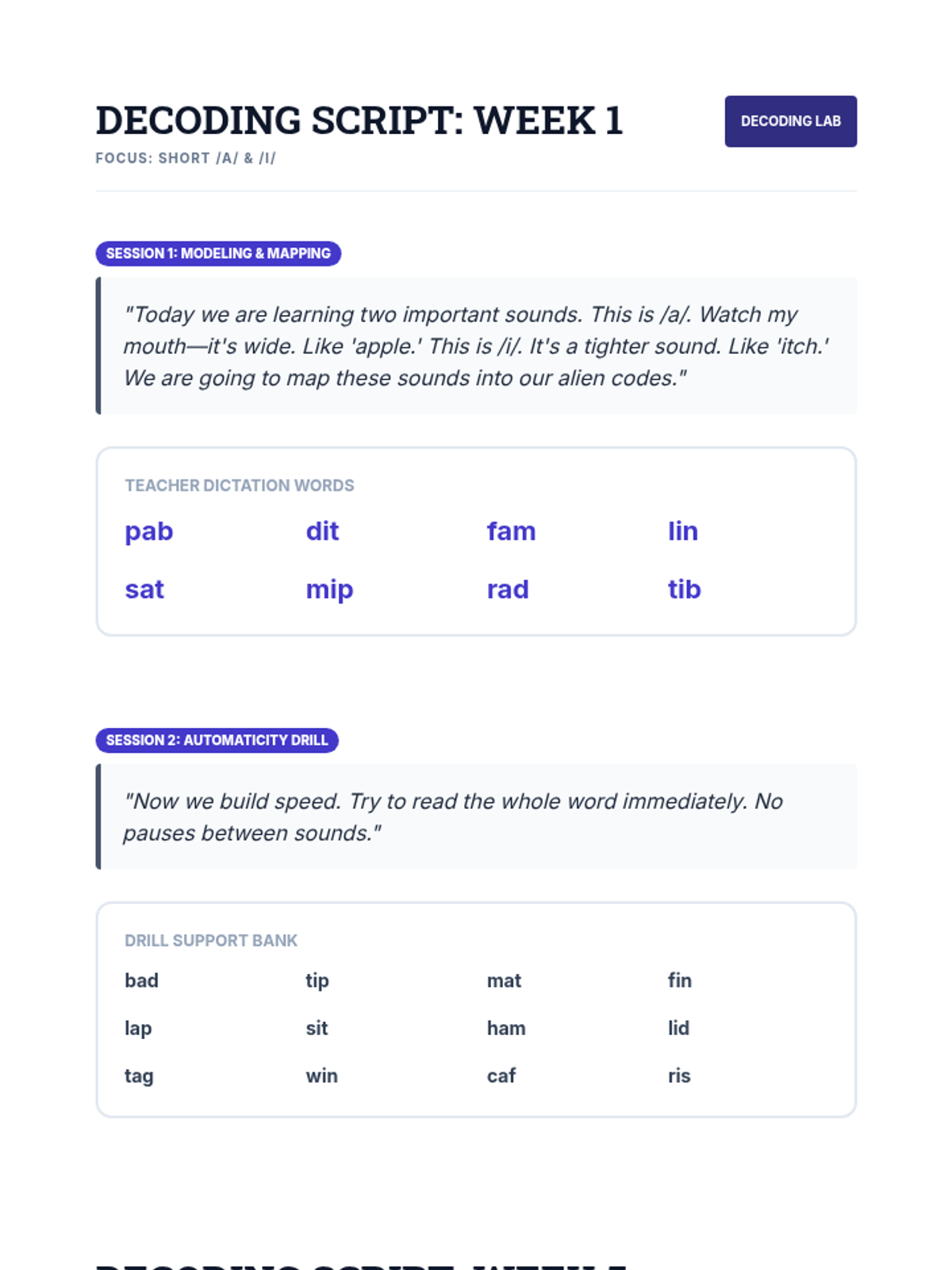
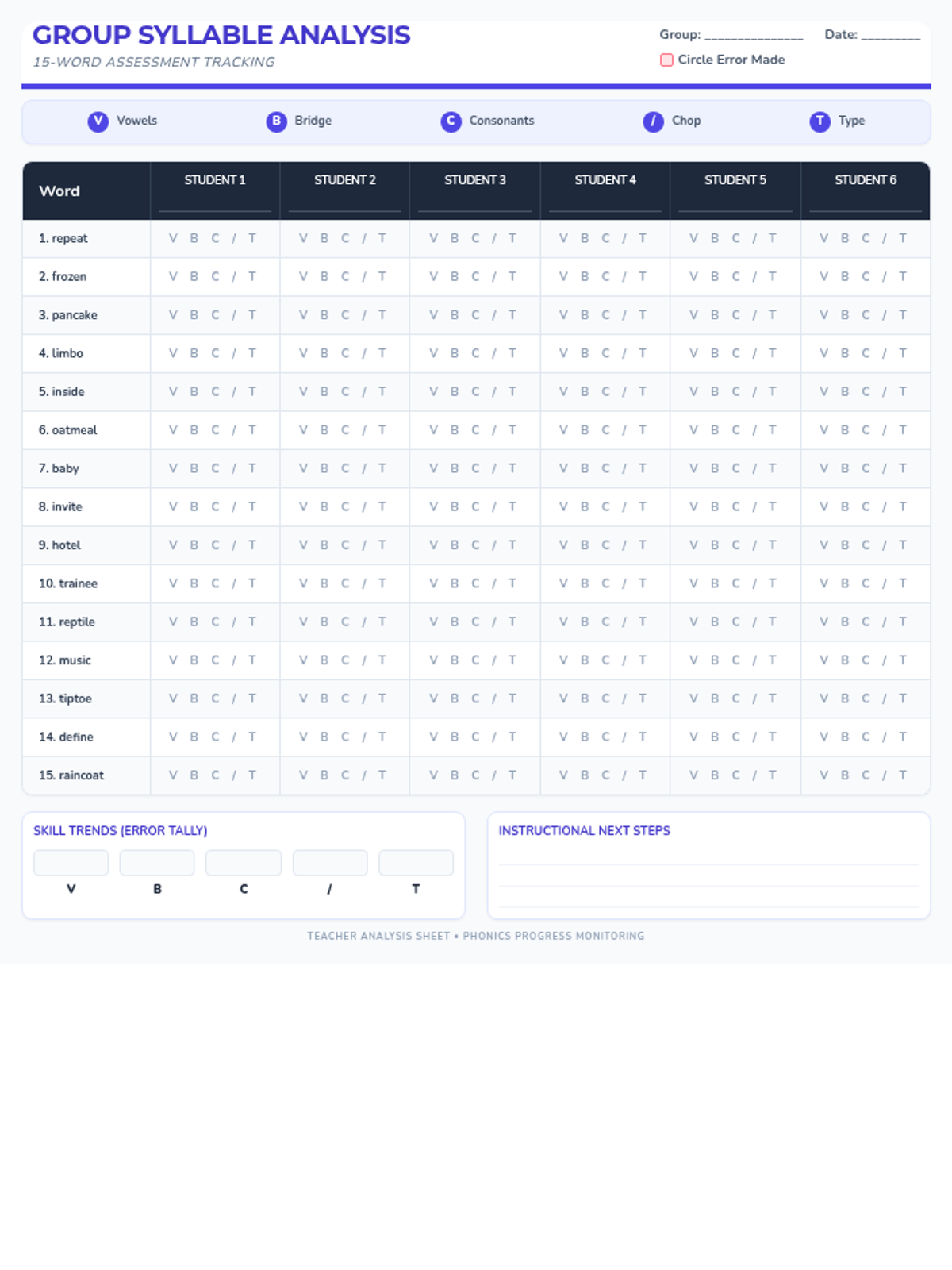
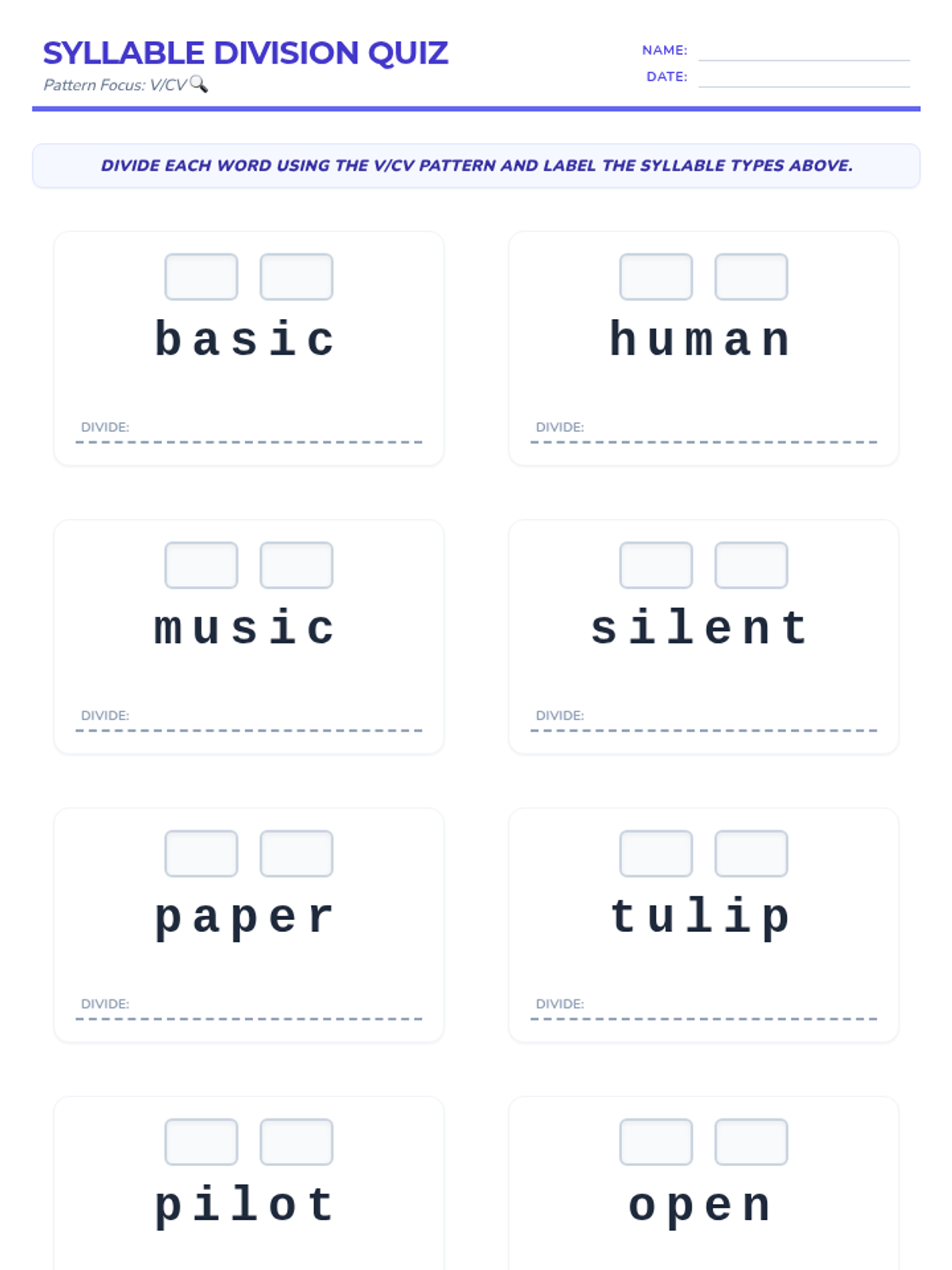
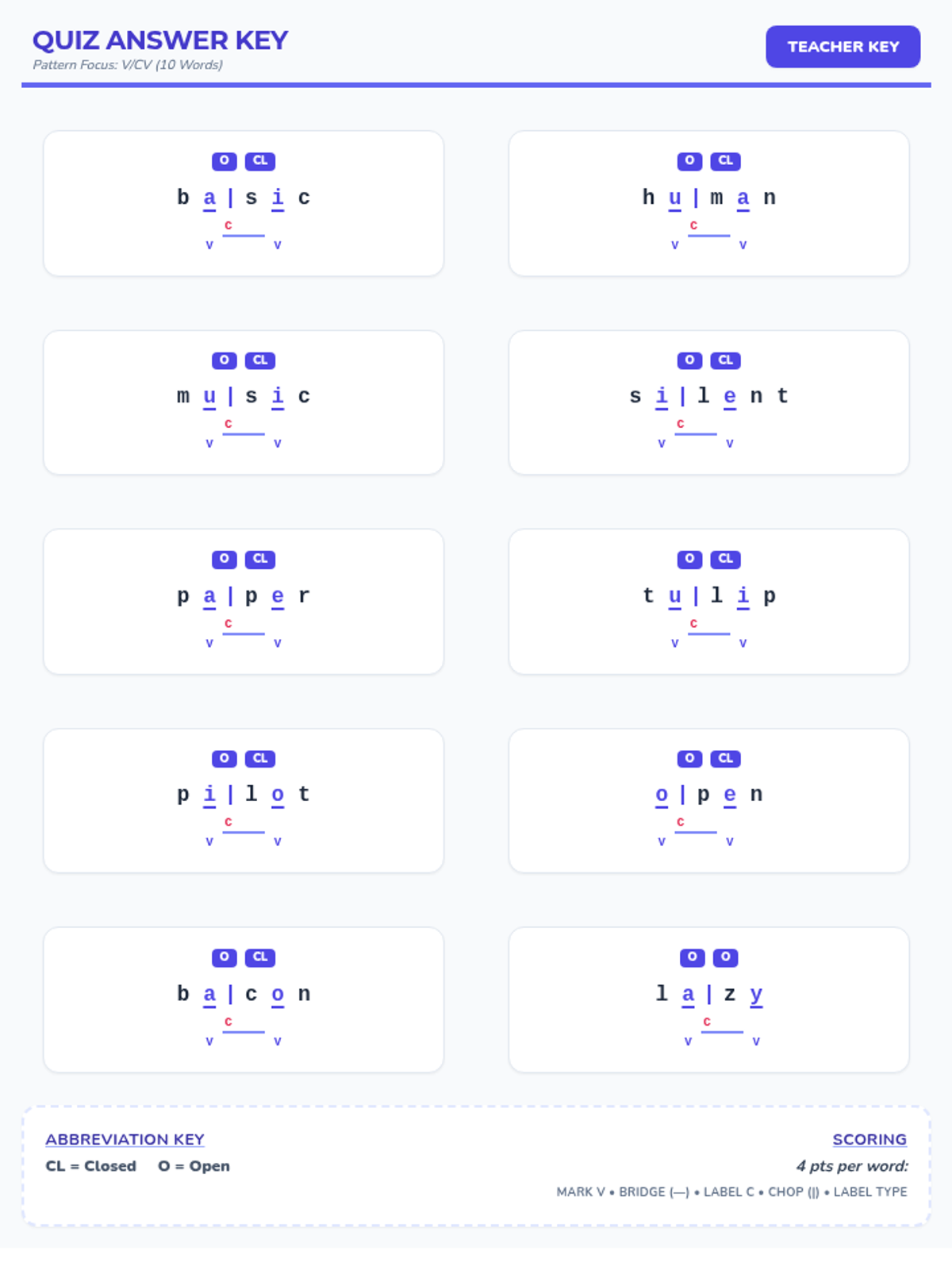
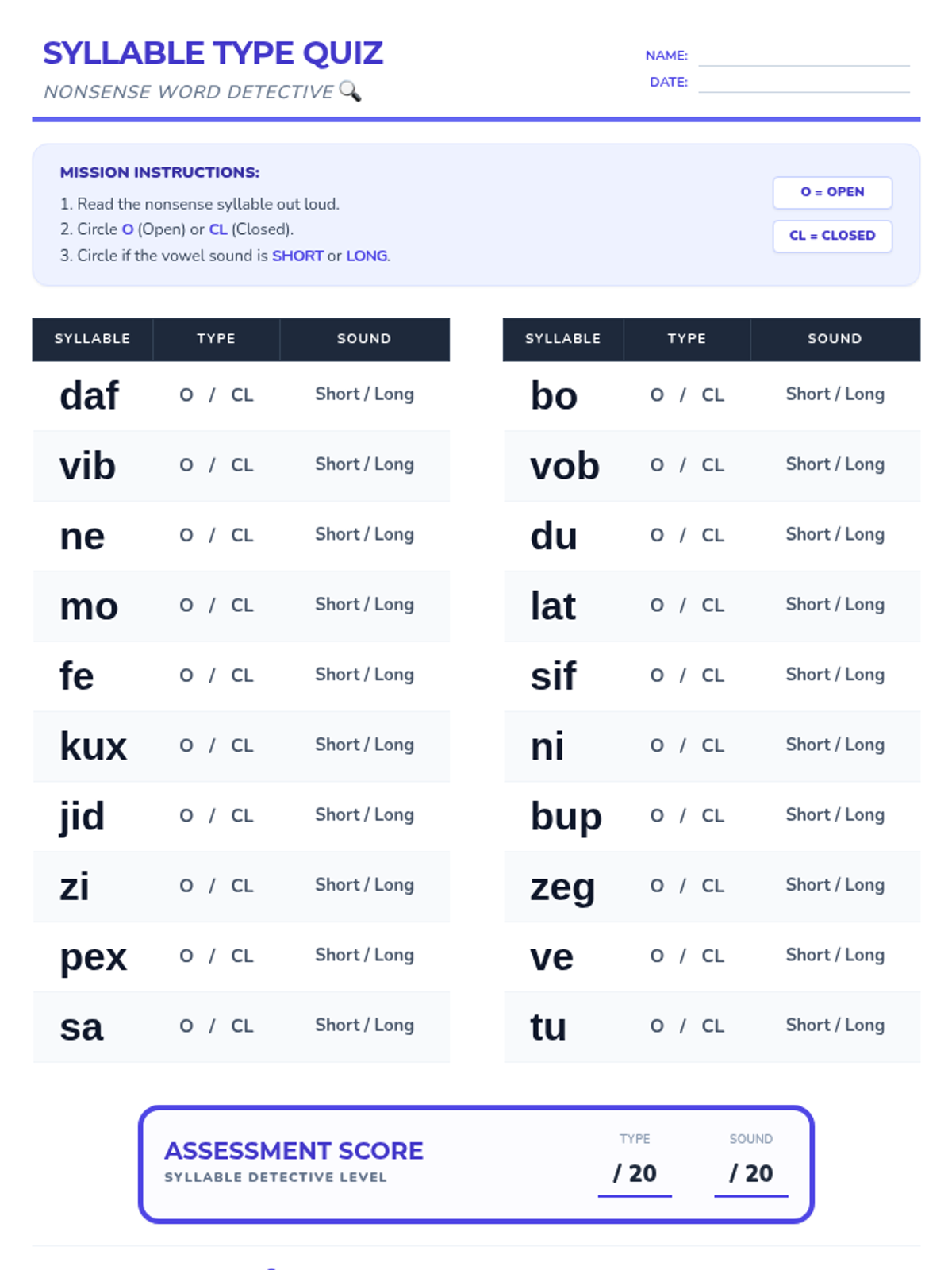
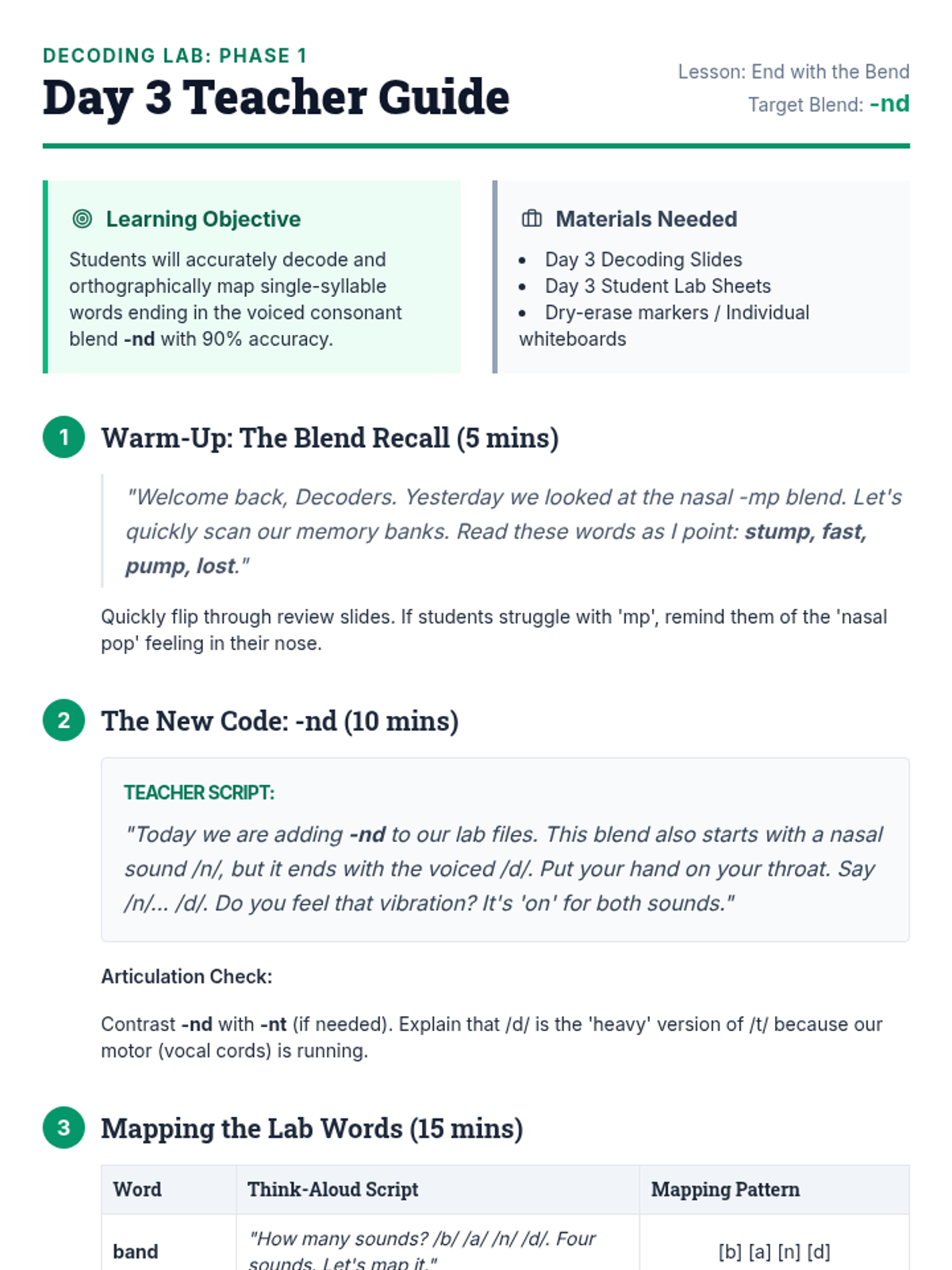
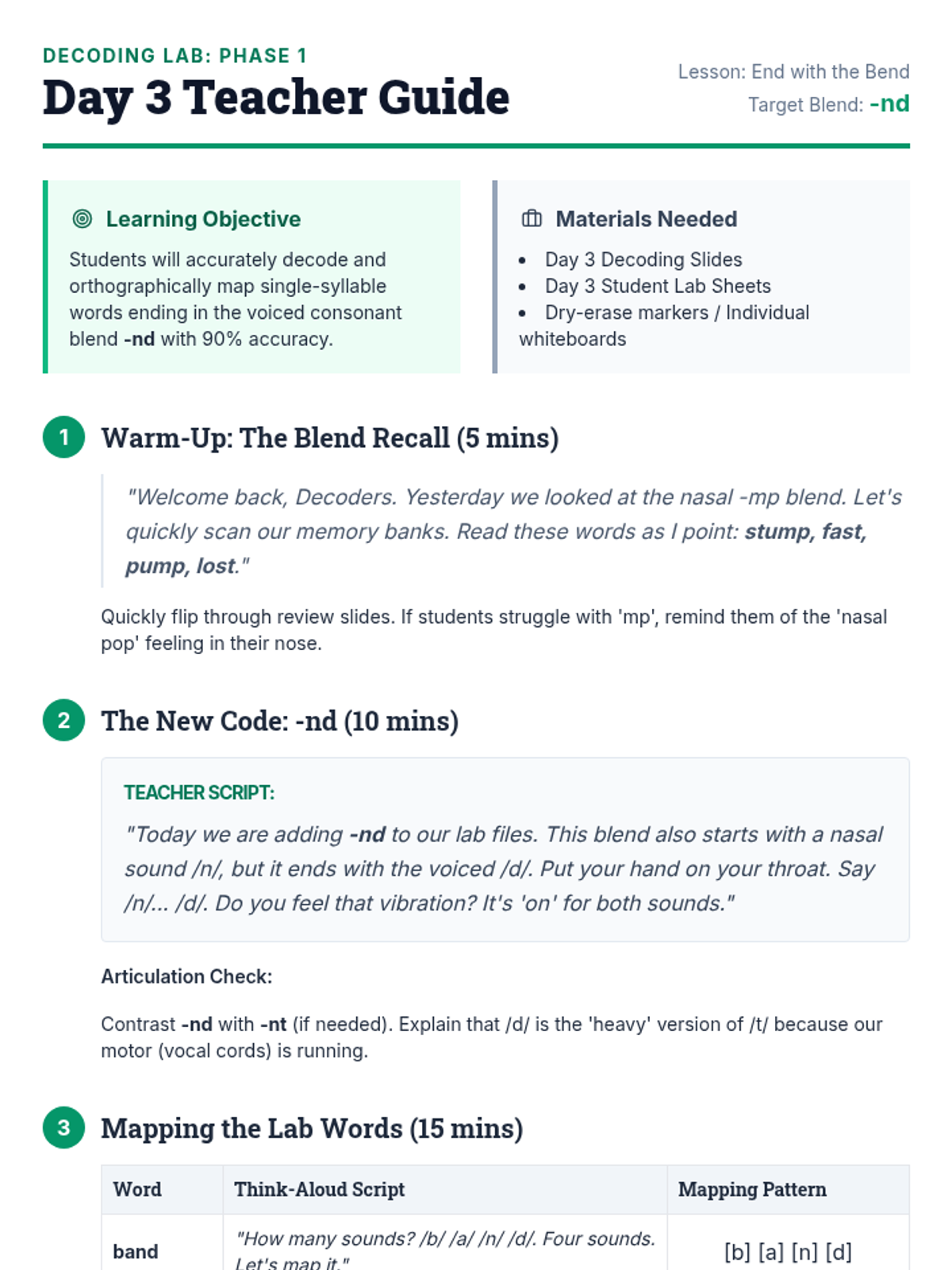
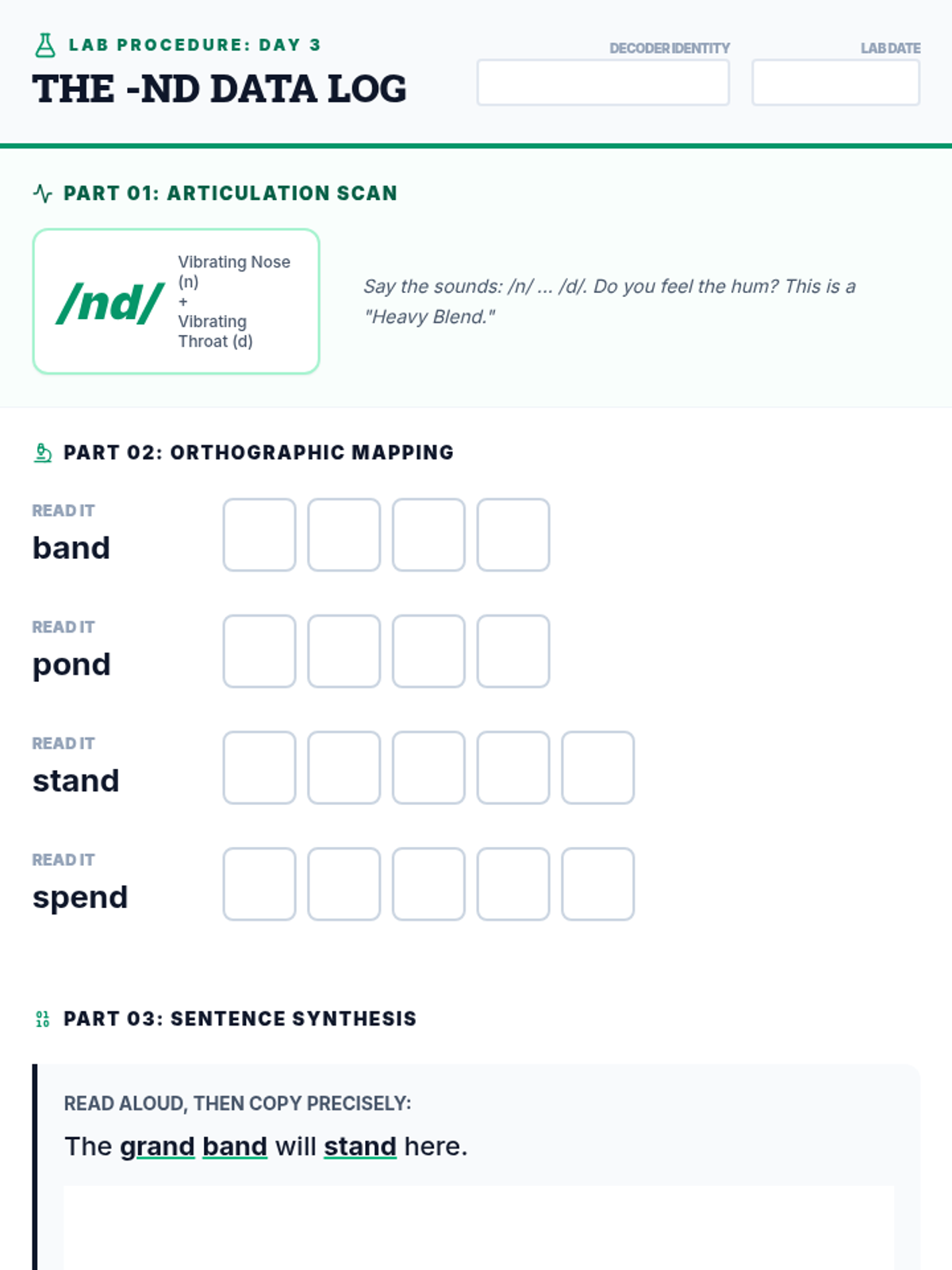
A comprehensive 20-day phonics and decoding sequence designed for middle school students with IEPs, focusing on short vowels, complex consonant blends, and multisyllabic word strategies. Using a 'Decoding Lab' theme, this unit provides explicit instruction, teacher scripts, and age-appropriate practice to build reading fluency and confidence.
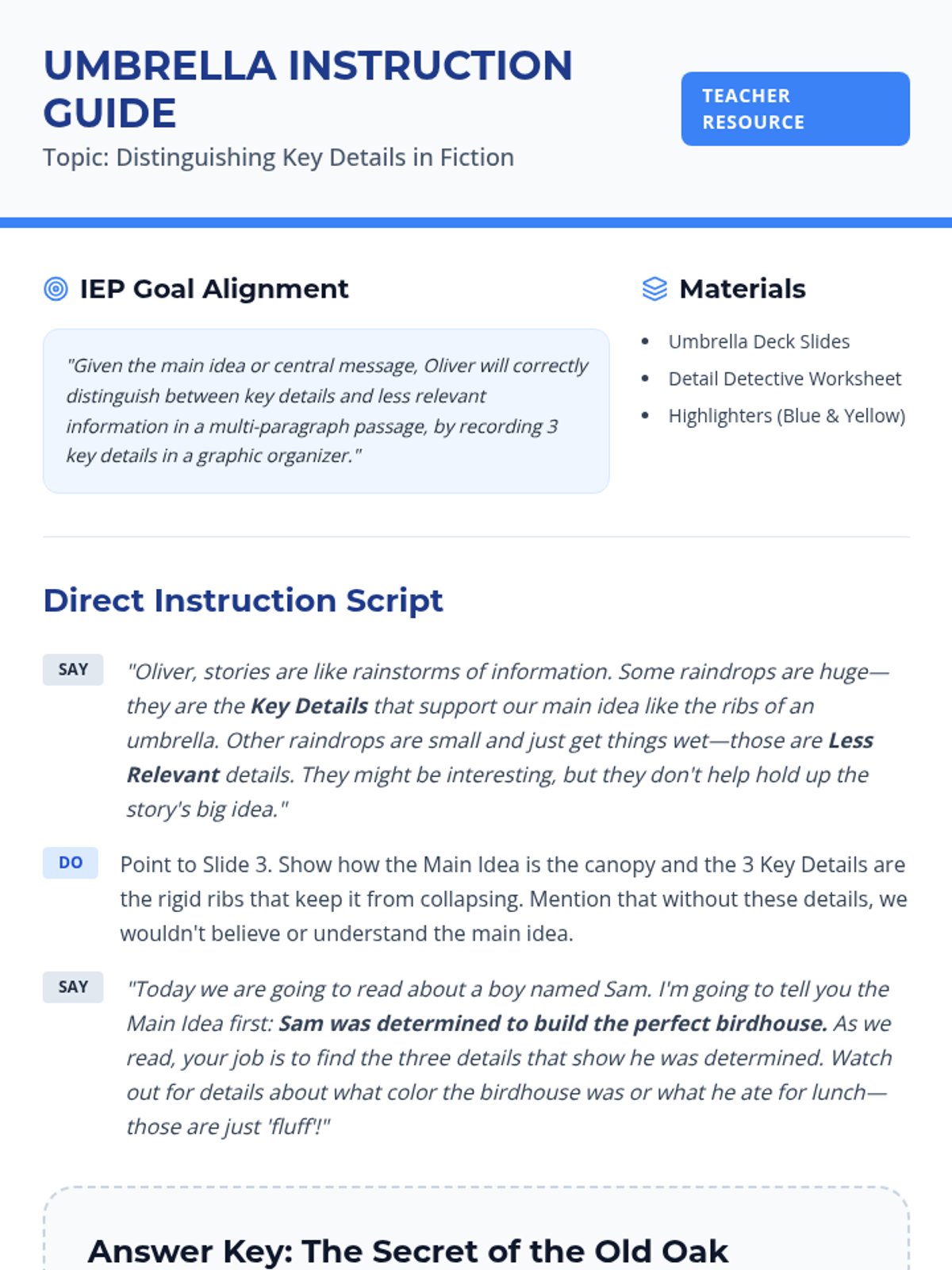
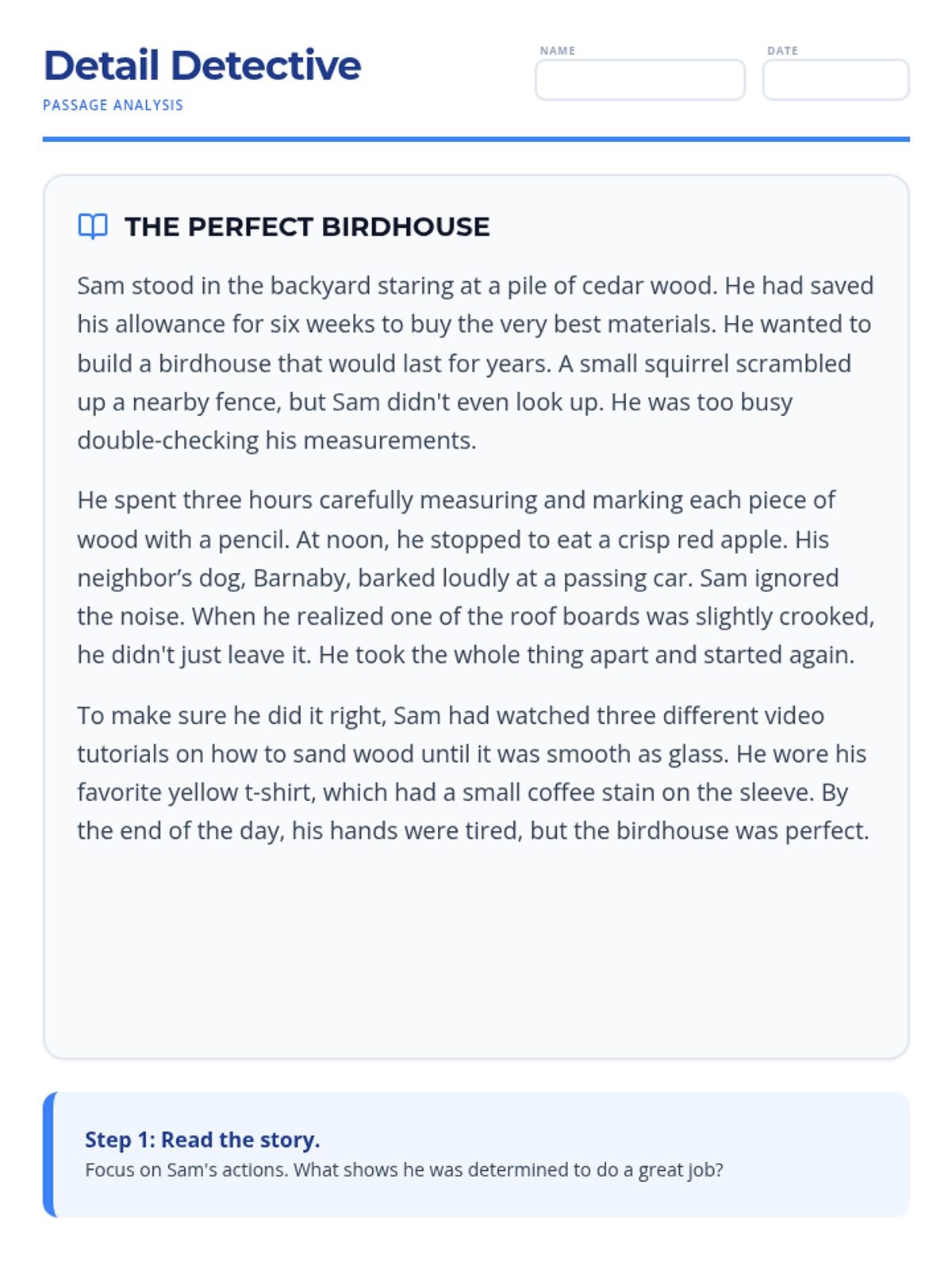
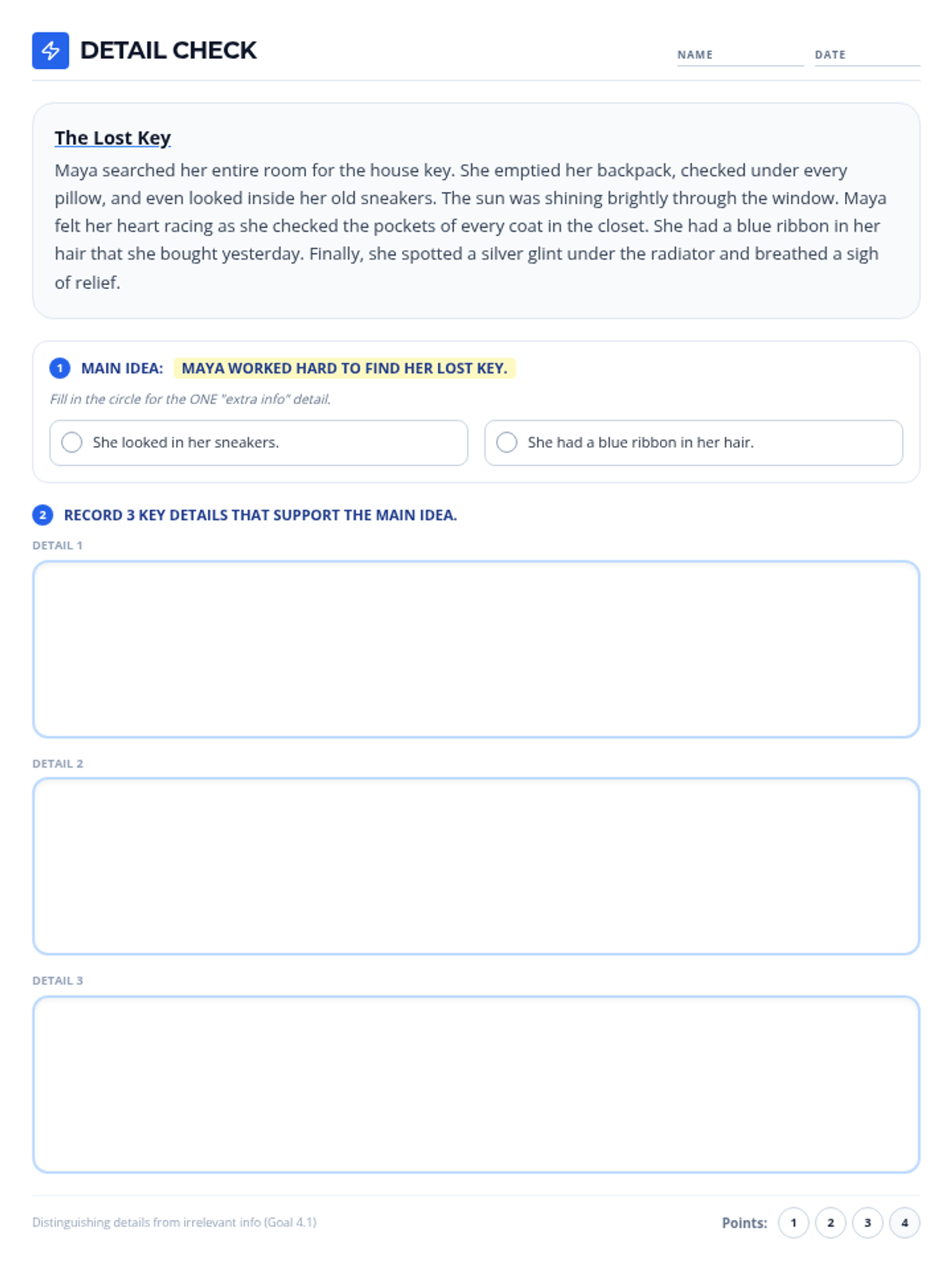
A targeted instructional sequence designed to help students distinguish between key details and irrelevant information in fictional texts using the Main Idea Umbrella visual metaphor.
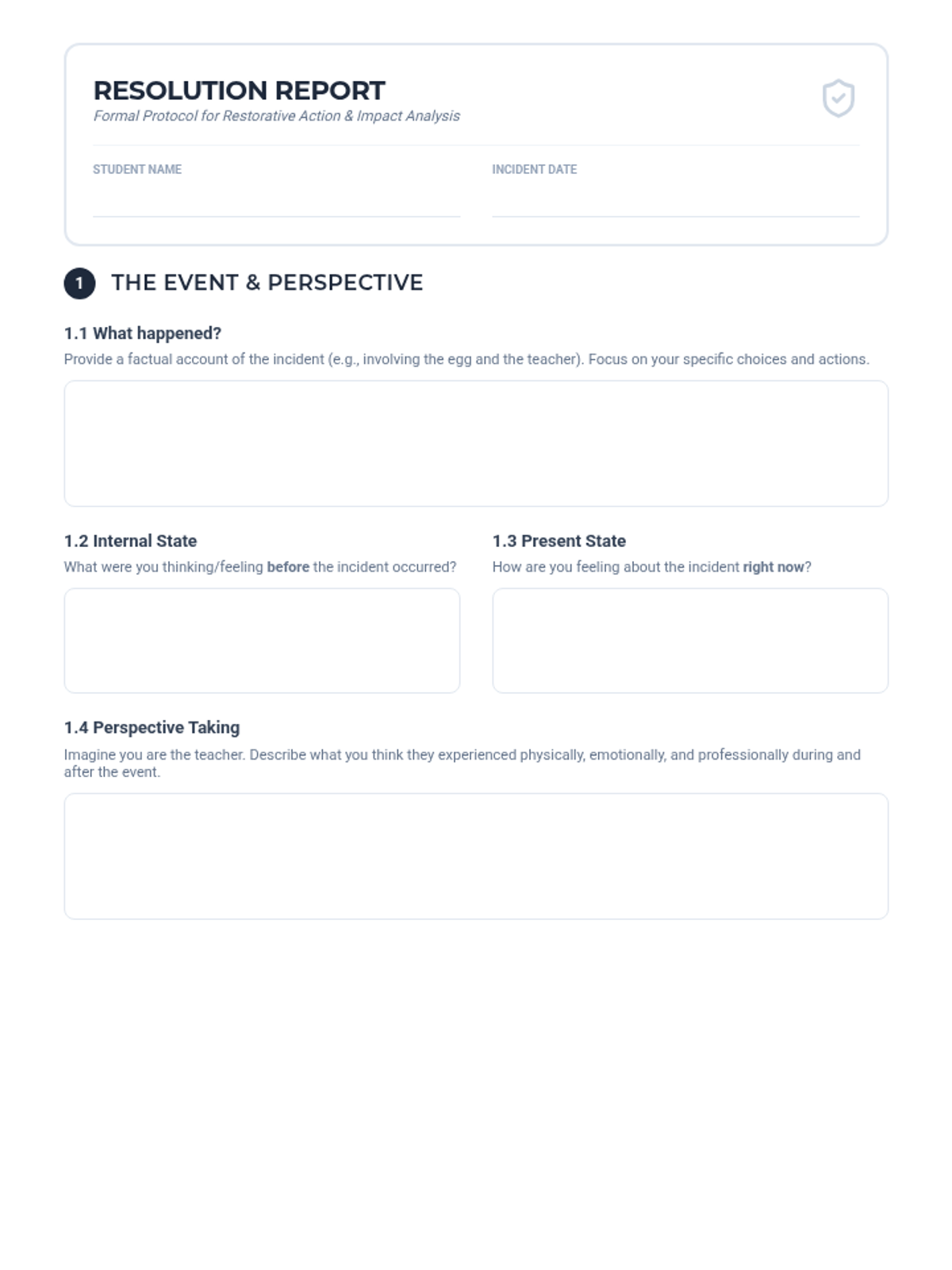
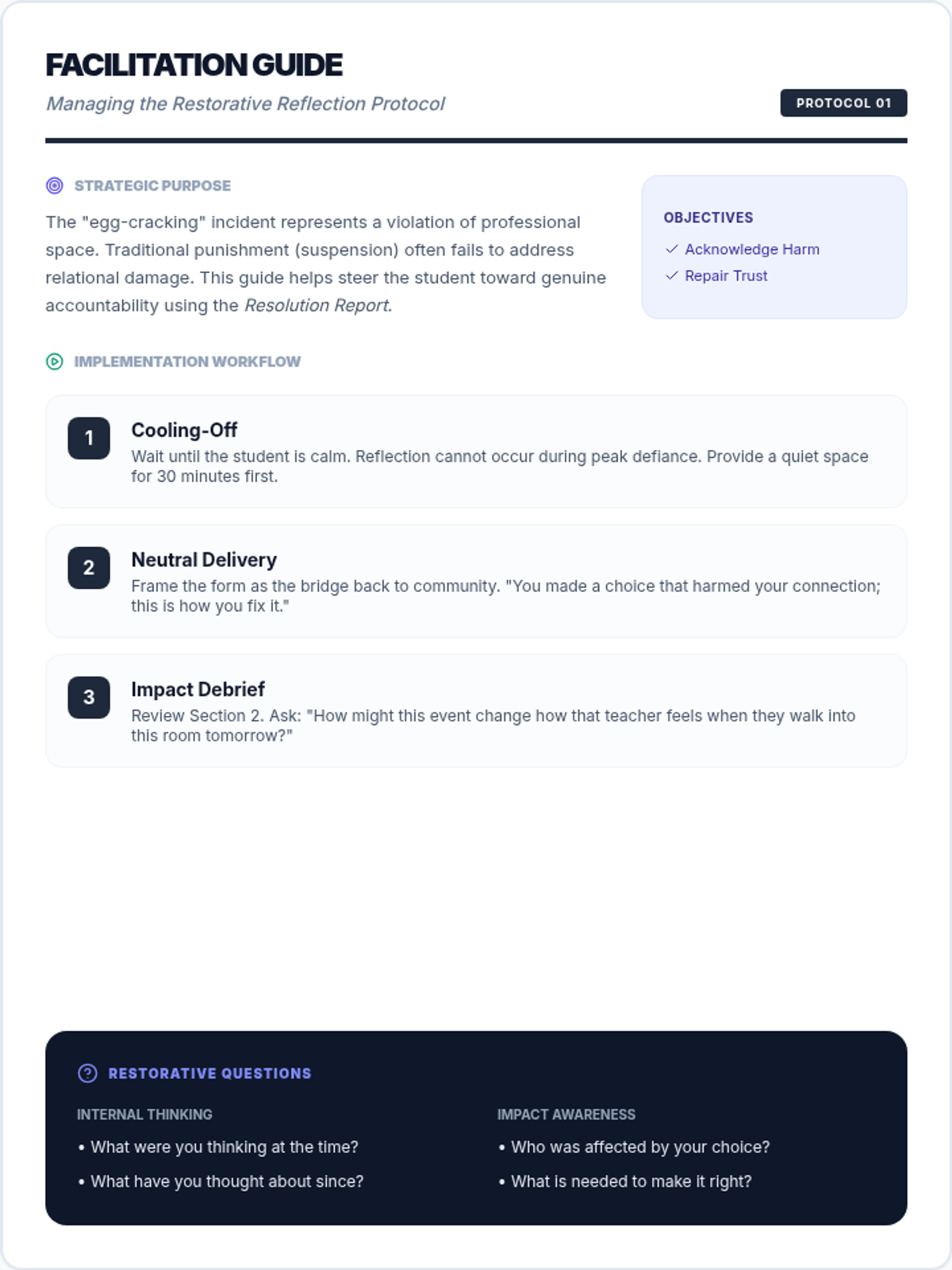
A series of resources and protocols designed to foster a restorative culture within a school environment, prioritizing accountability and relationship repair over punishment.