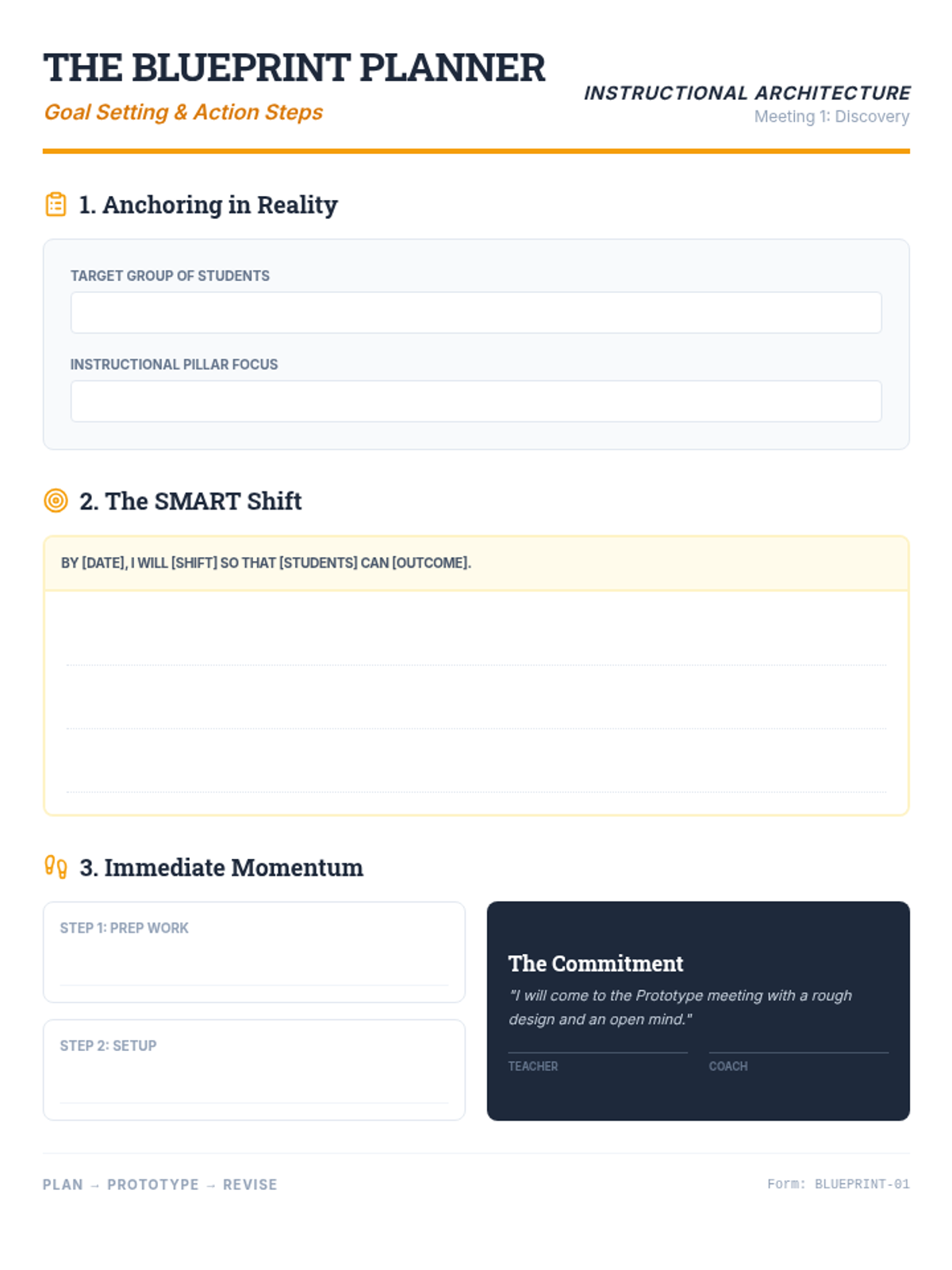
The second meeting centers on designing a specific instructional "prototype" or shift to implement in the classroom, supported by evidence-based strategies and a clear action plan.
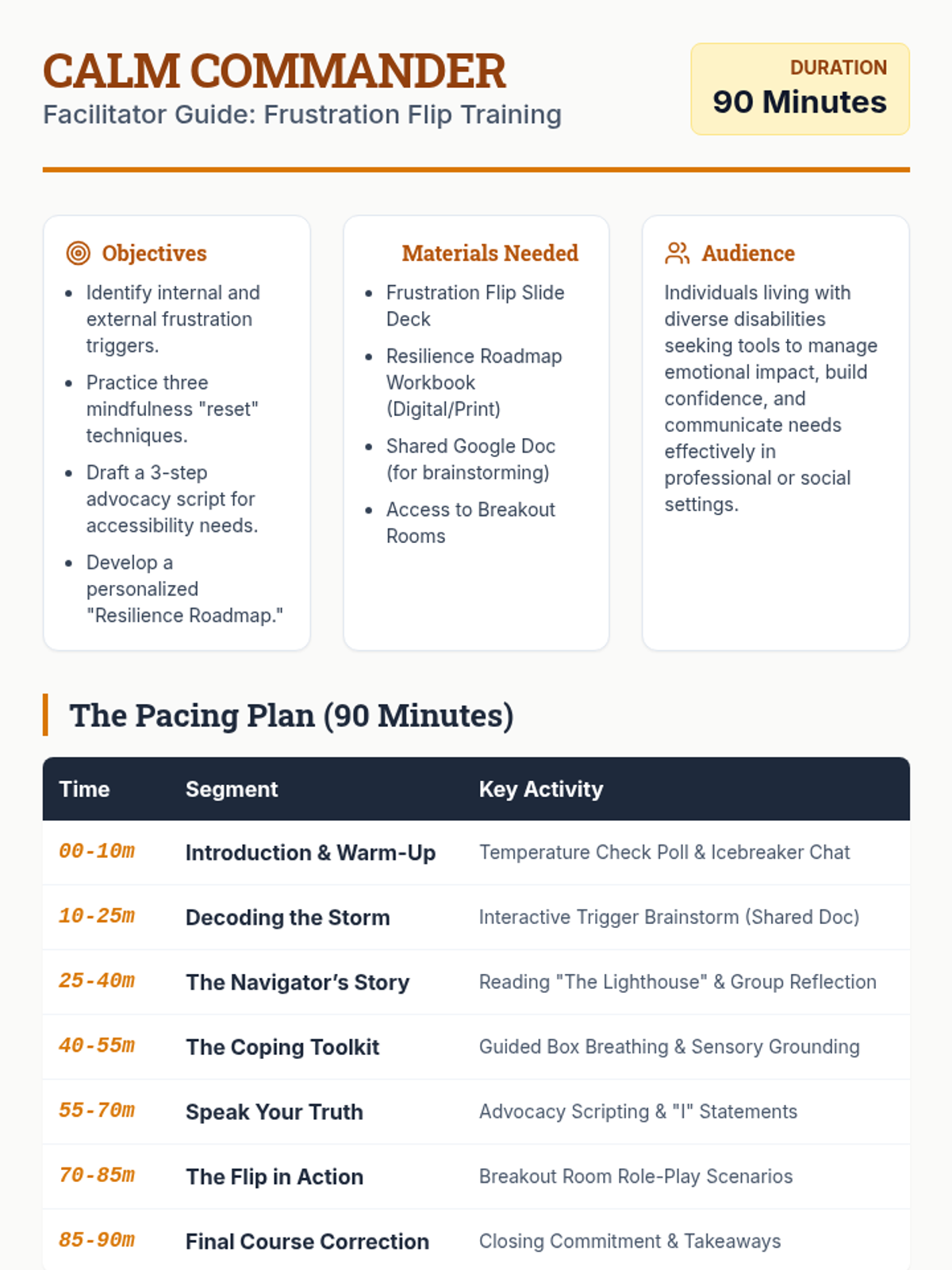
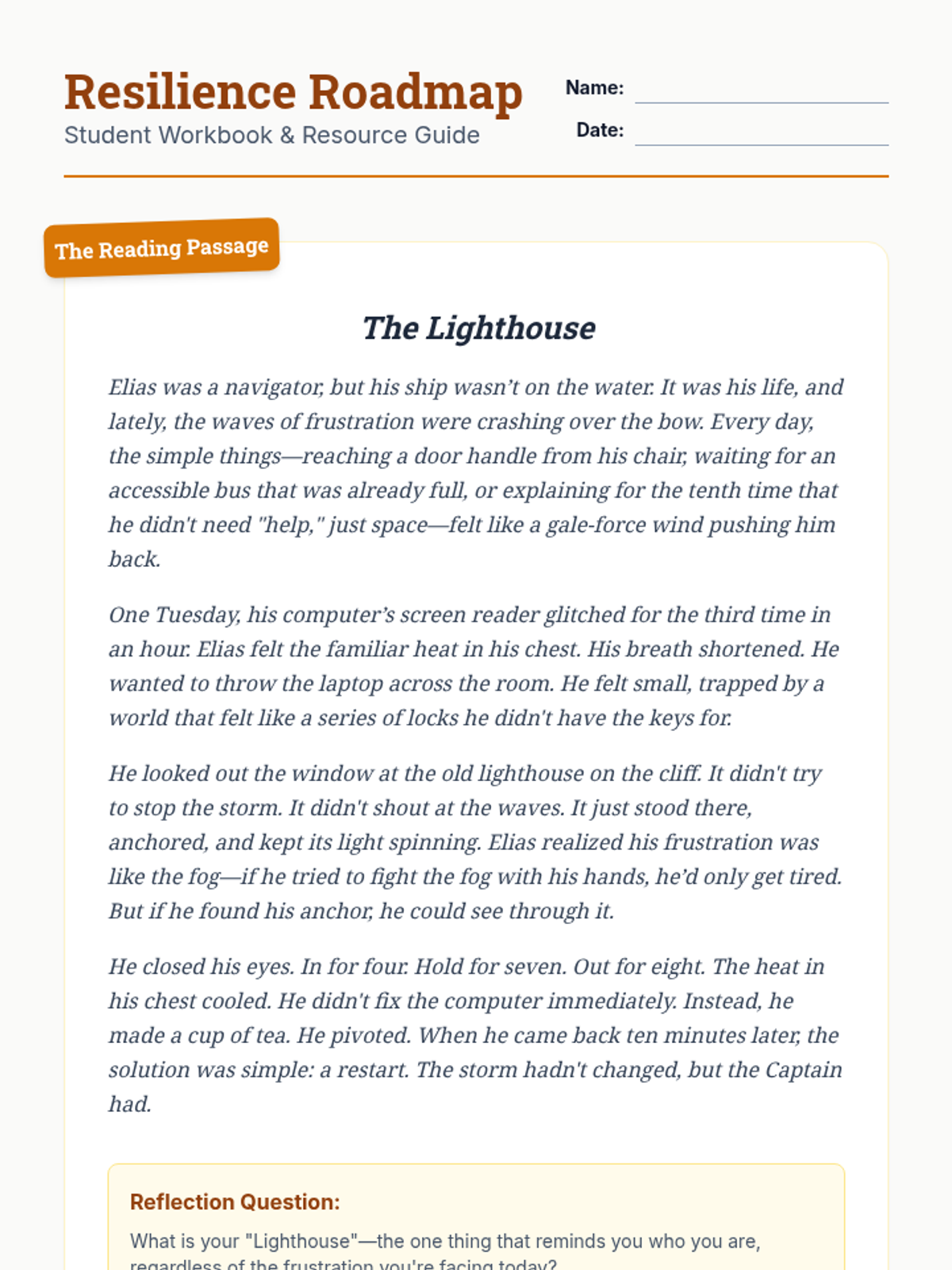
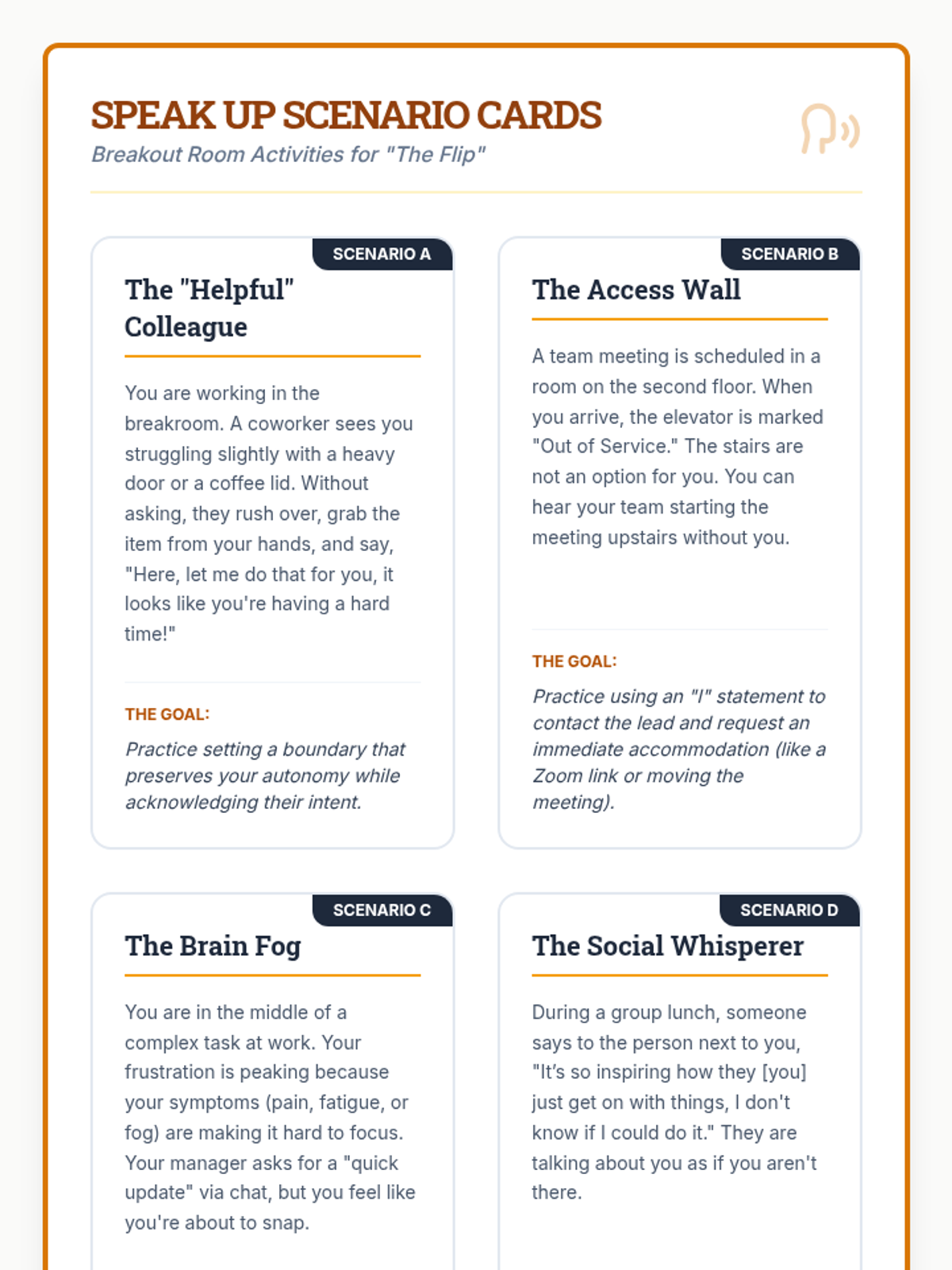
A comprehensive 90-minute training session for individuals with disabilities to identify frustration triggers, build a toolkit of healthy coping mechanisms, and master self-advocacy skills. The lesson uses a 'Navigator' theme to help learners chart a course through difficult emotions toward confidence and resilience.
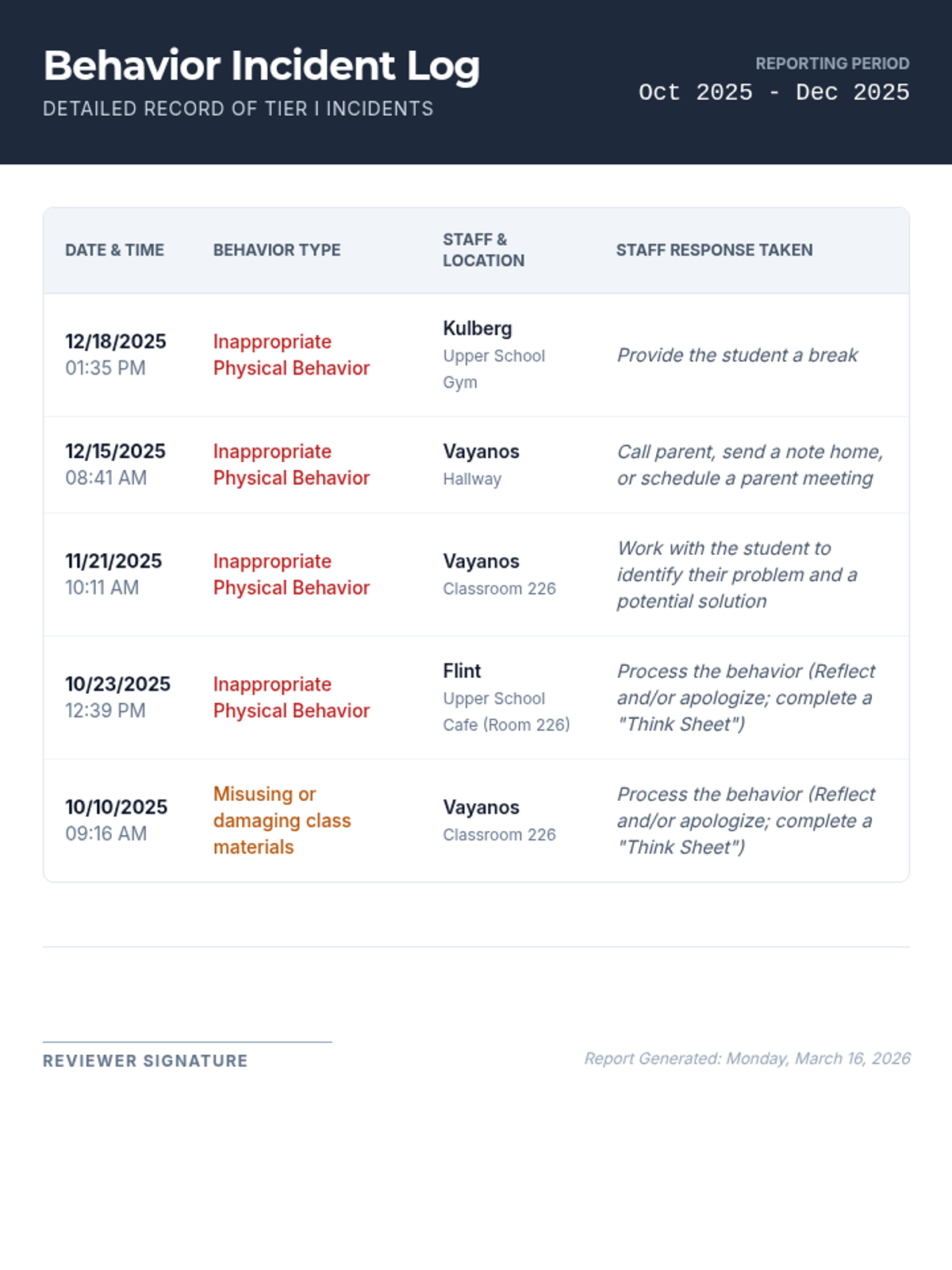
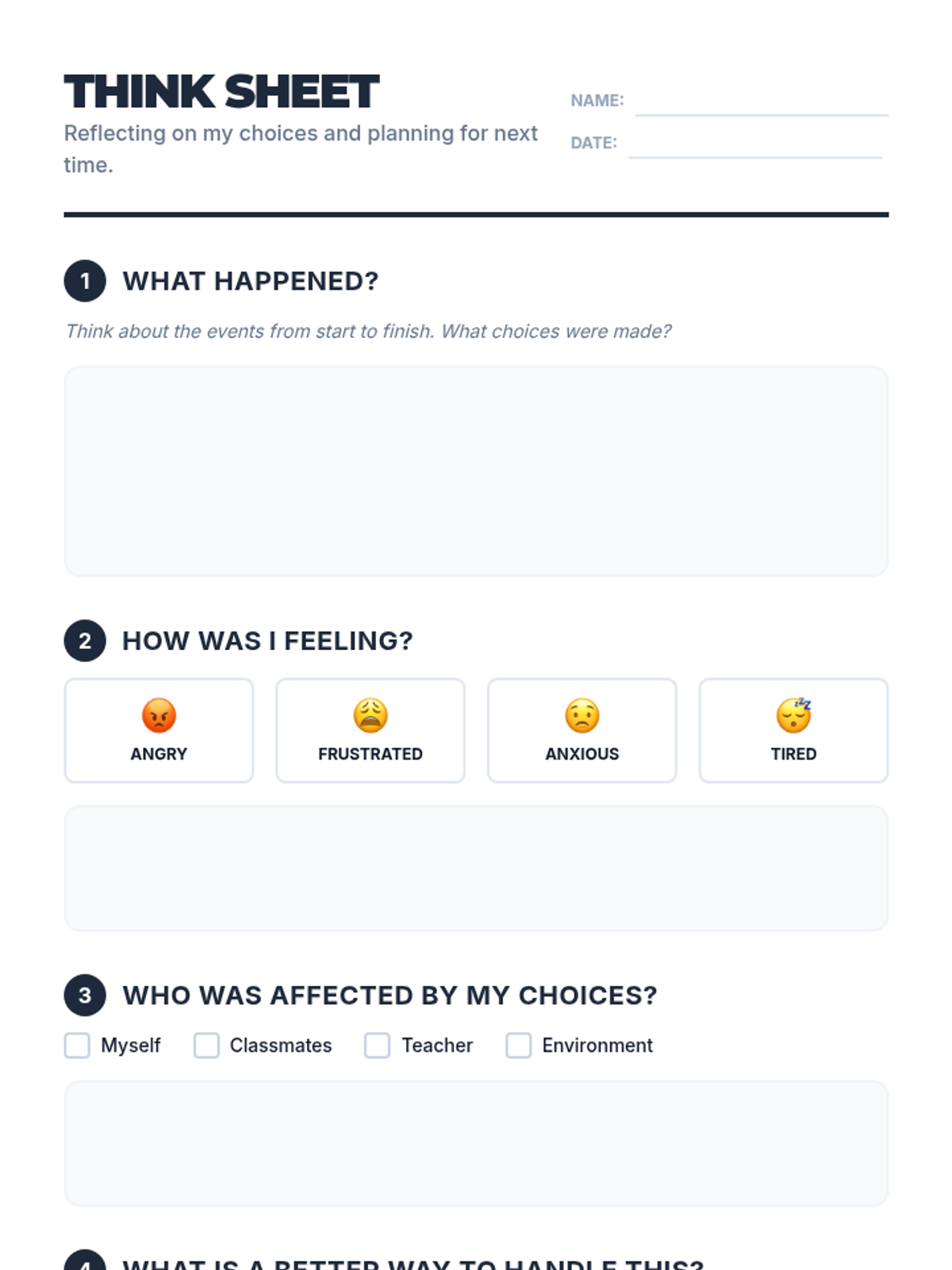
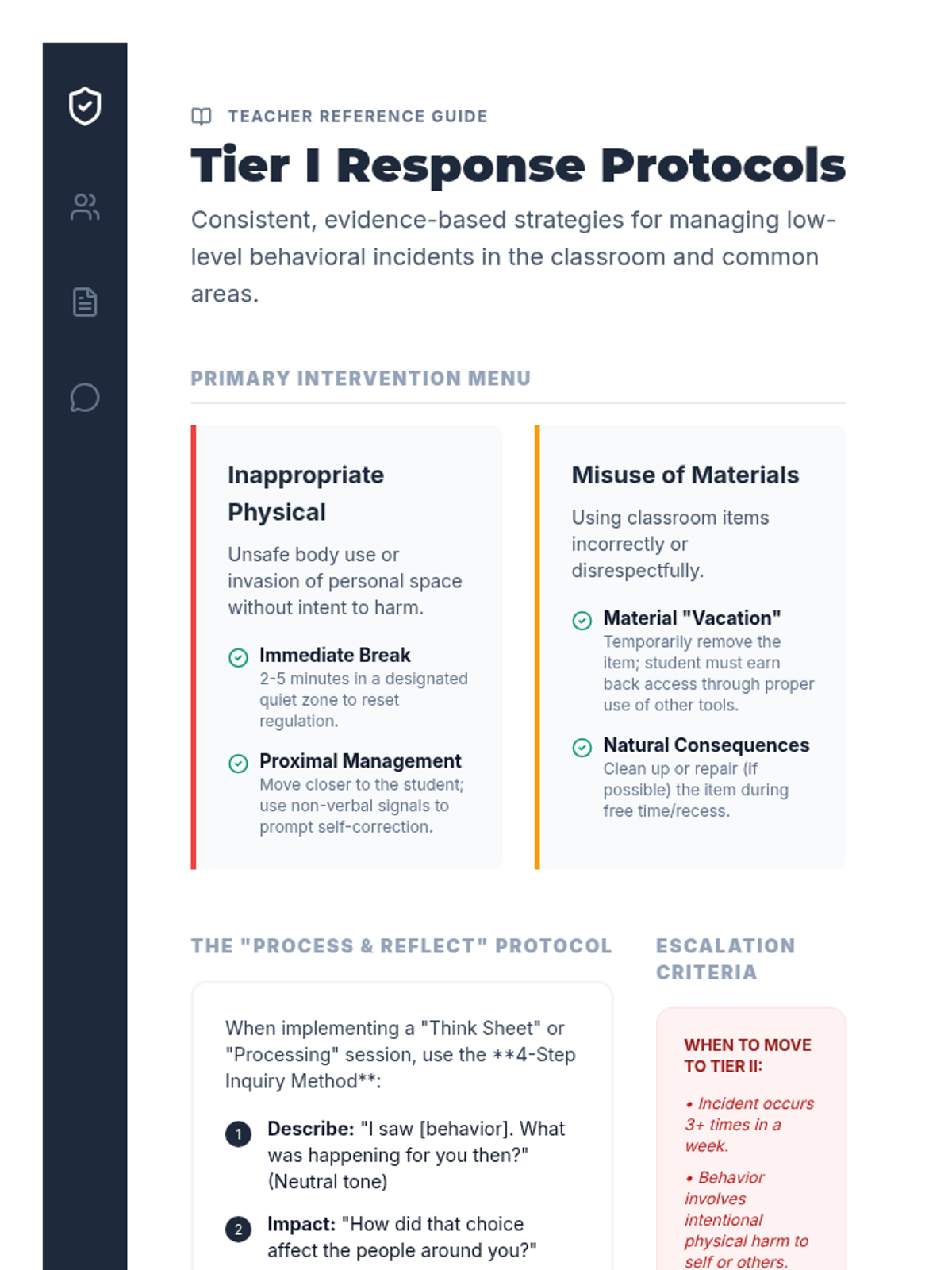
A comprehensive tool for tracking, analyzing, and responding to student behavior incidents to support positive interventions.
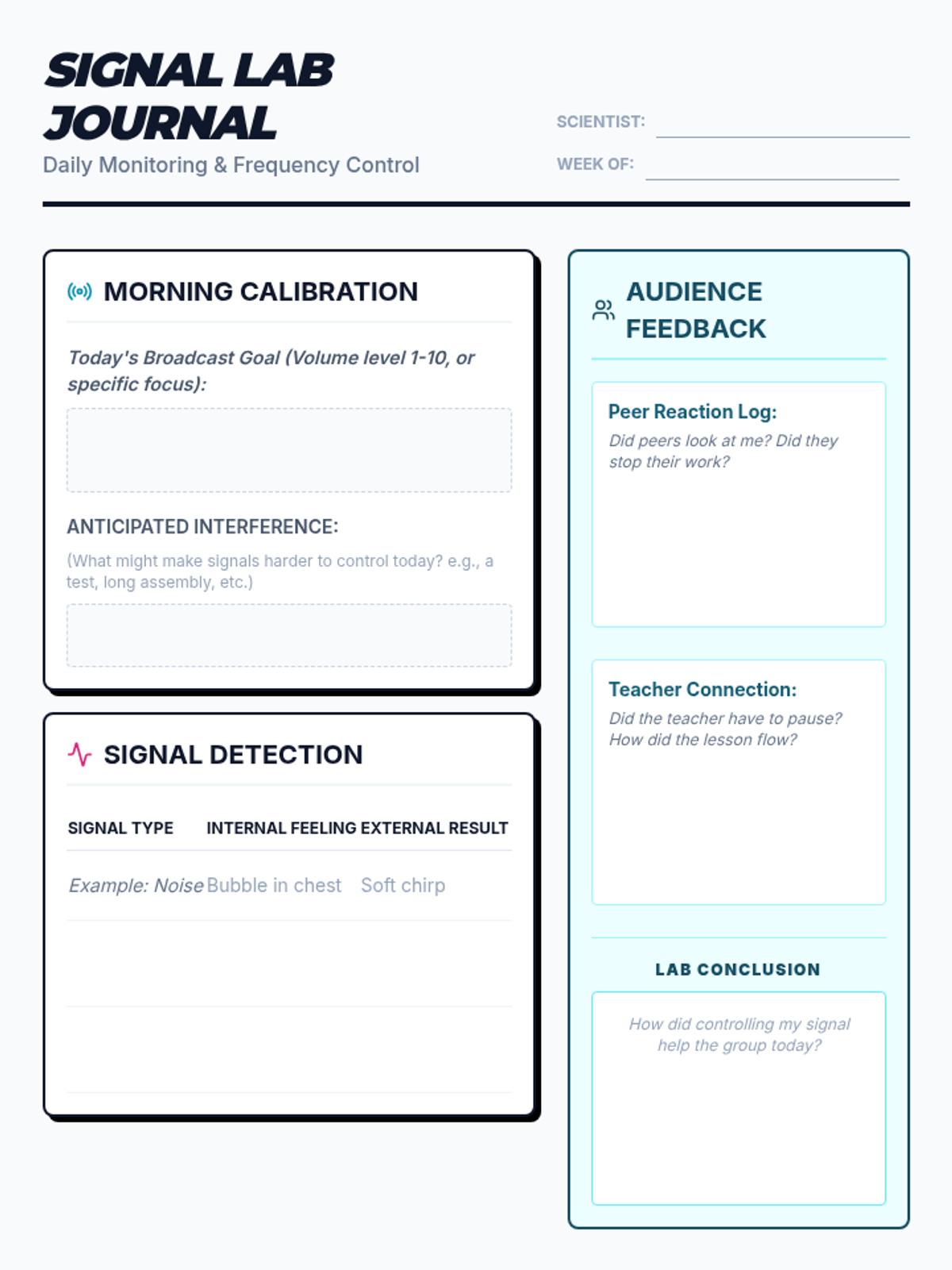
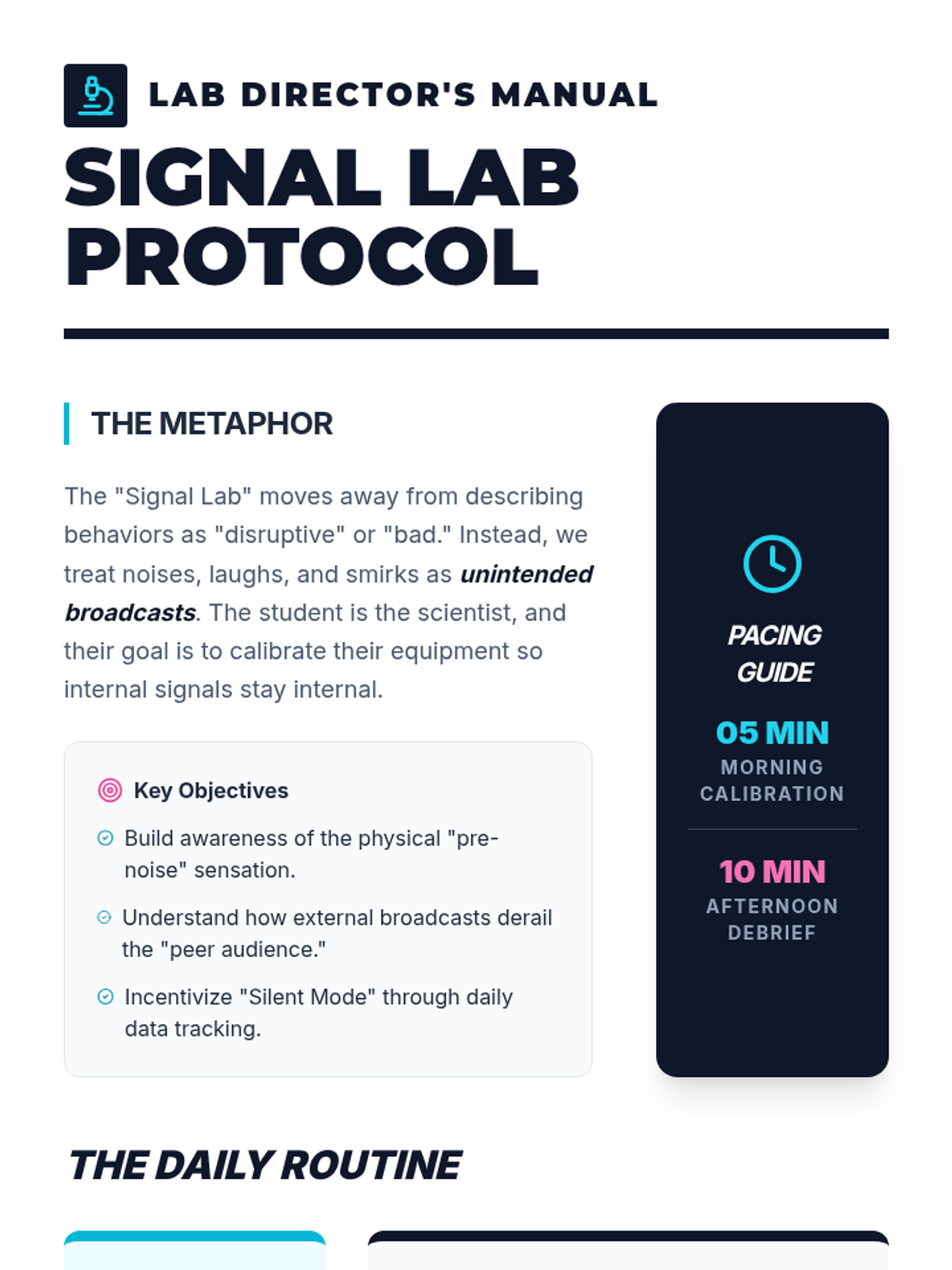
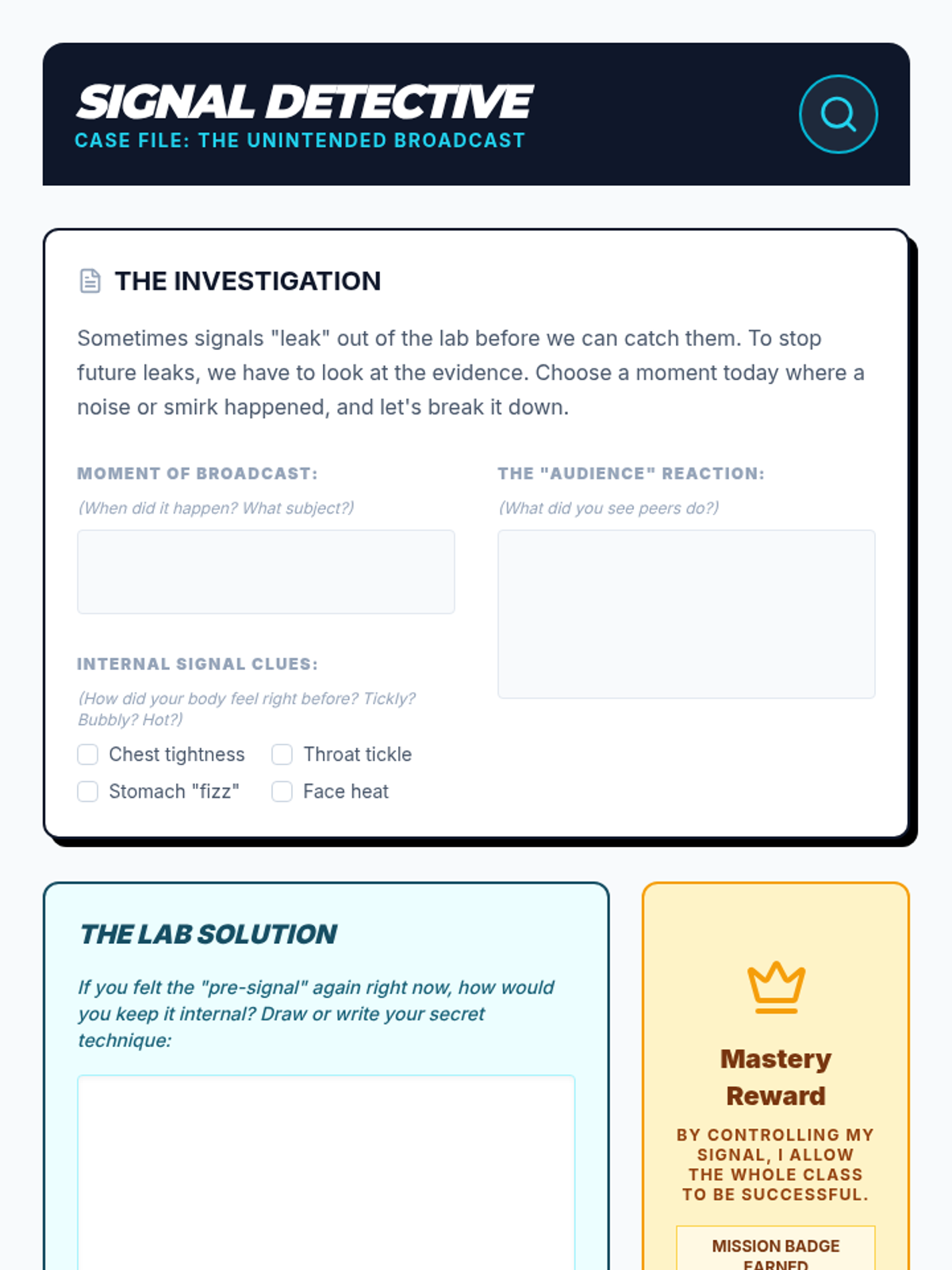
A 10-15 minute daily check-in routine designed to help students build self-awareness regarding disruptive noises and expressions, focusing on 'signals' and 'impact'.
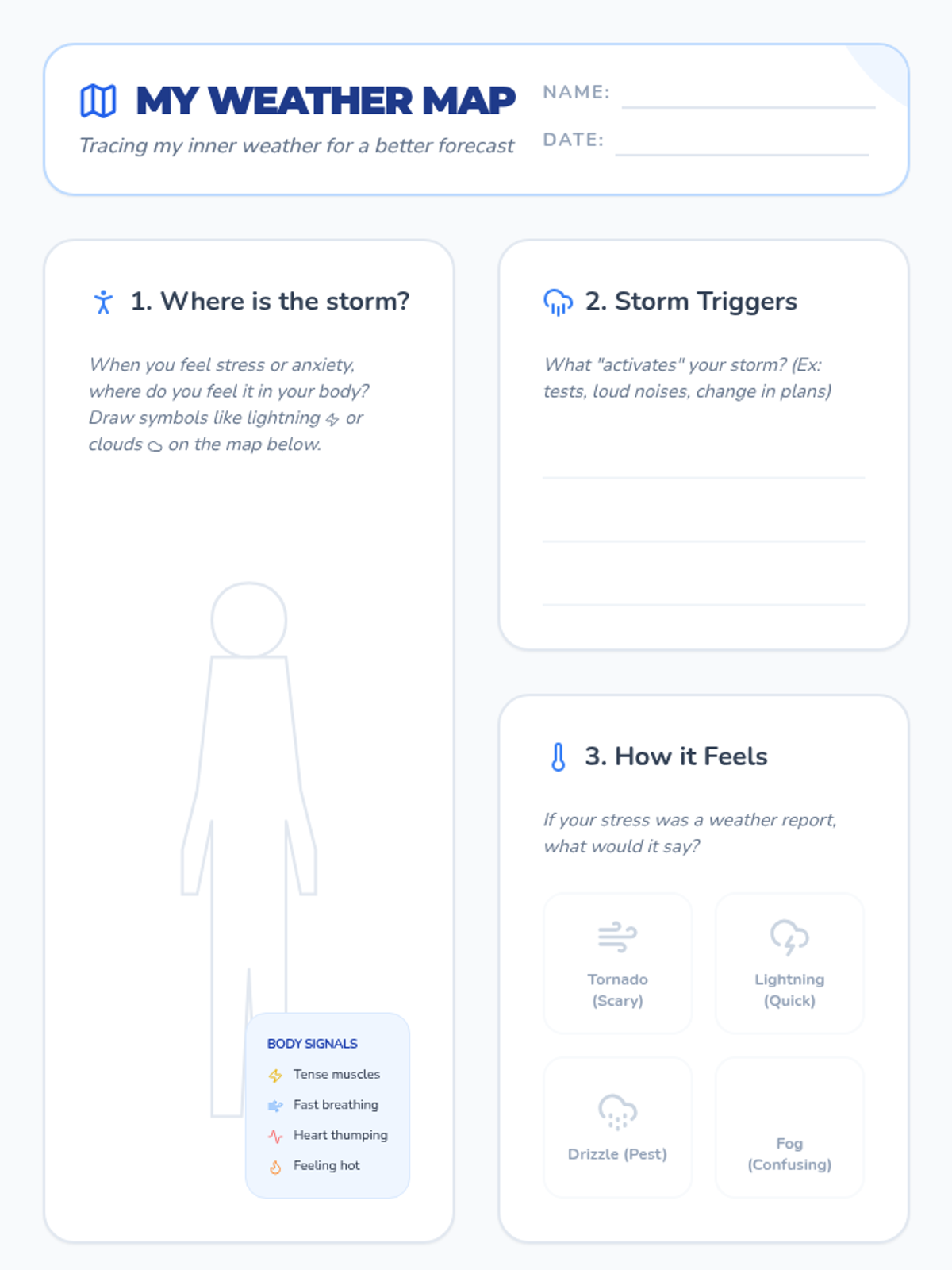
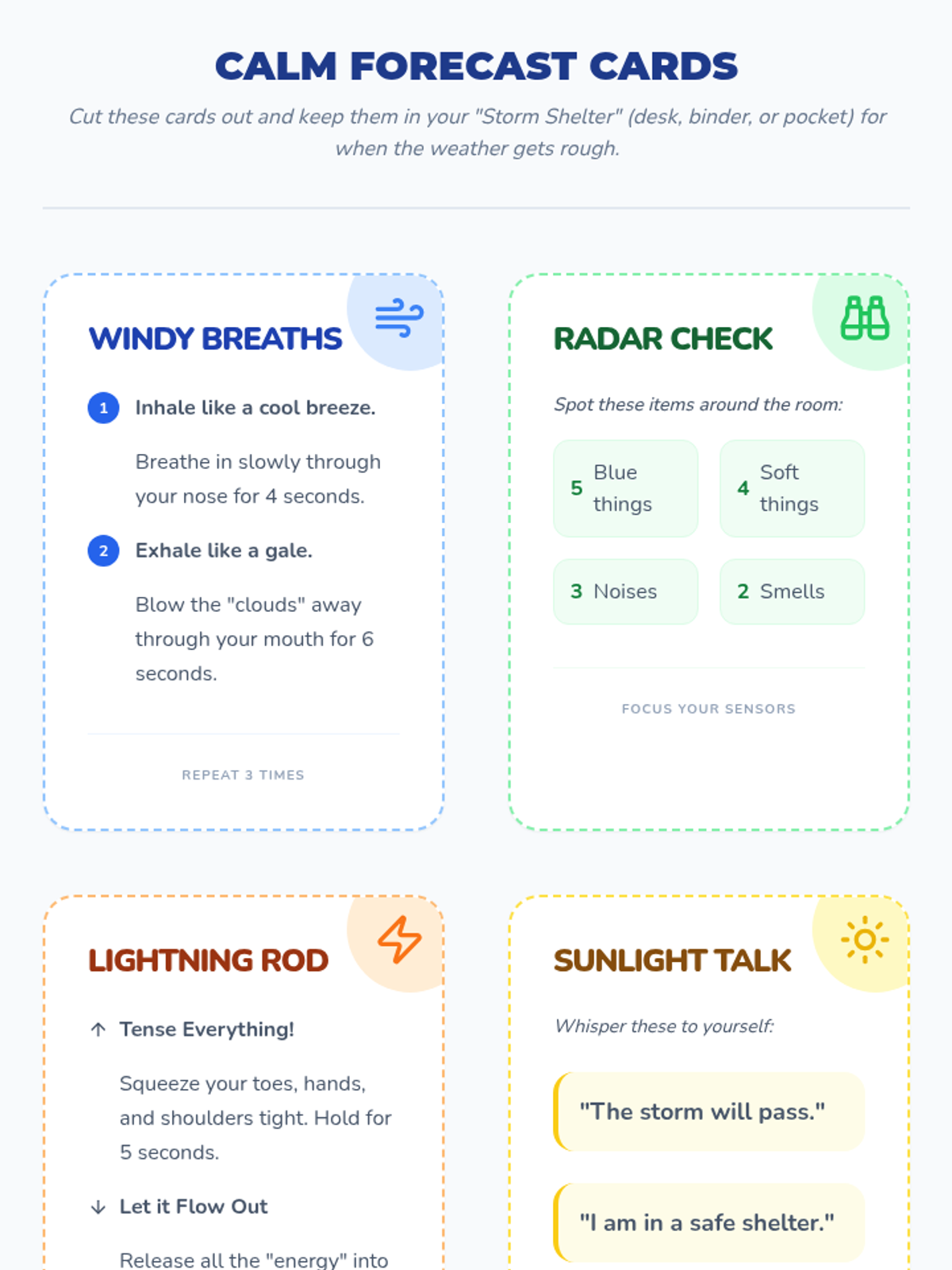
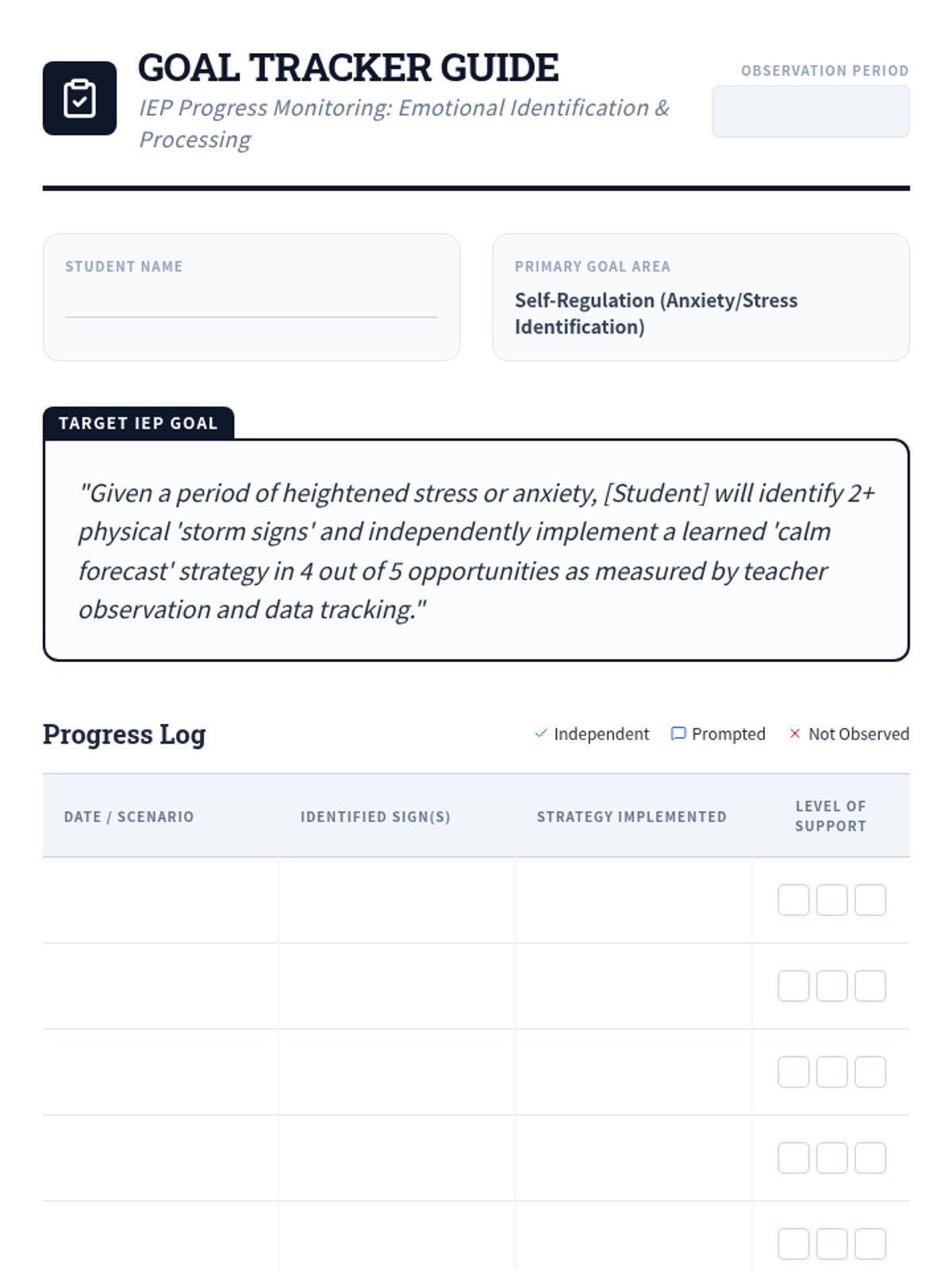
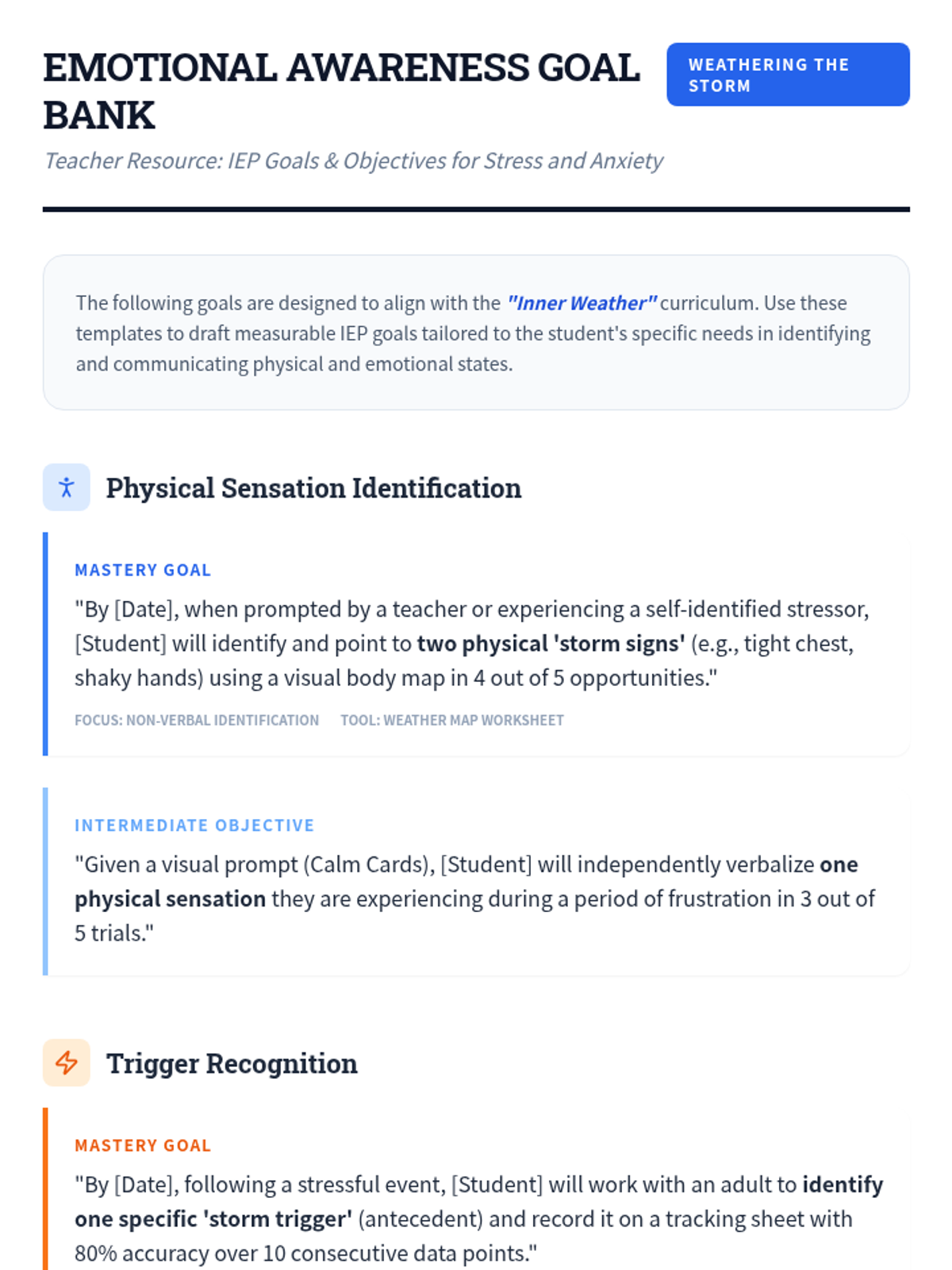
This lesson introduces the concept of emotions as 'inner weather,' focusing specifically on identifying the physical 'warning signs' of stress and anxiety and introducing initial grounding techniques.
The final meeting involves reviewing student work and observation data to analyze the impact of the instructional shift and determining how to sustain these practices.
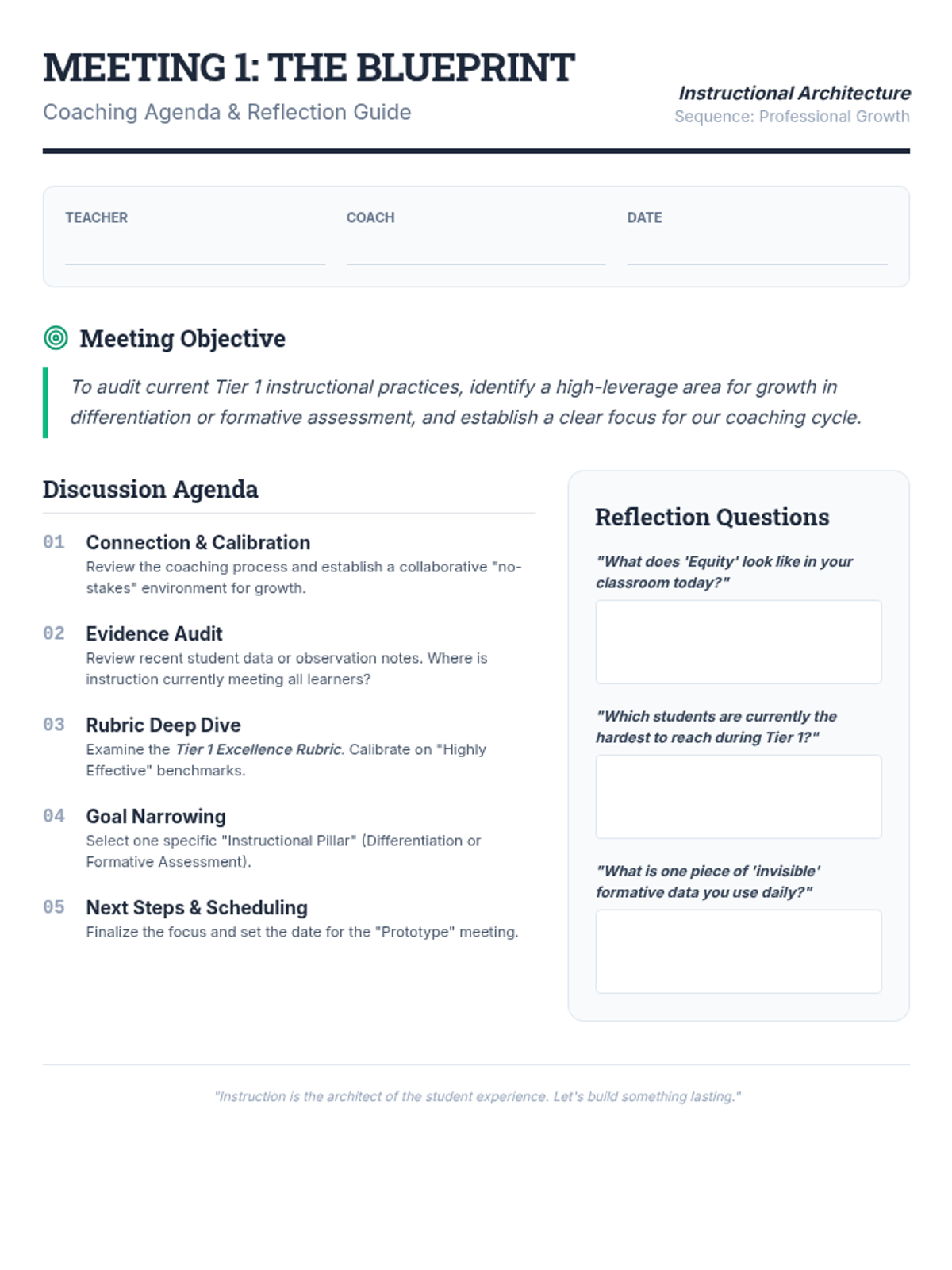
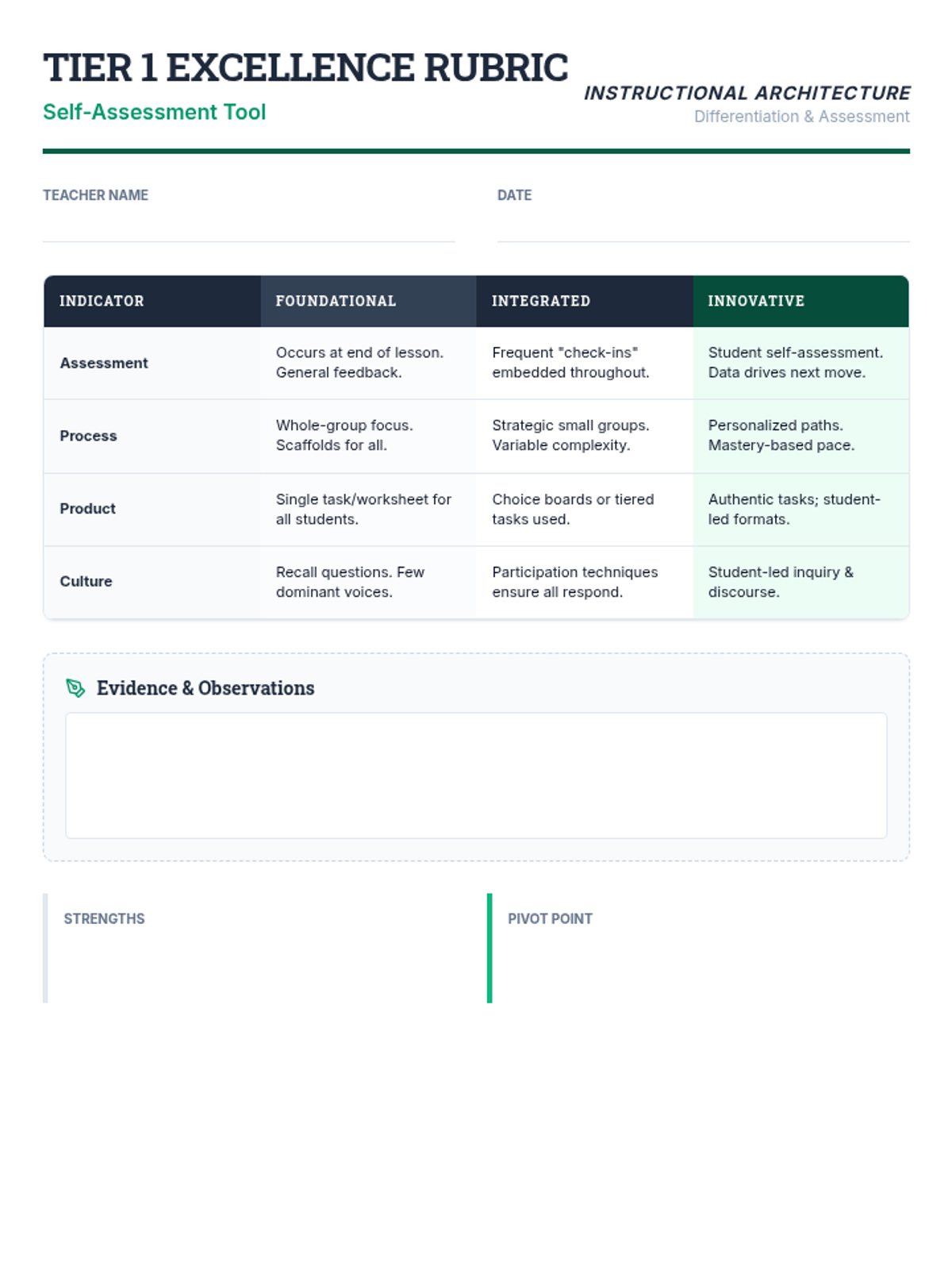
The first meeting focuses on auditing current practices, identifying specific areas for growth in differentiation or formative assessment, and establishing a clear goal for the coaching cycle.
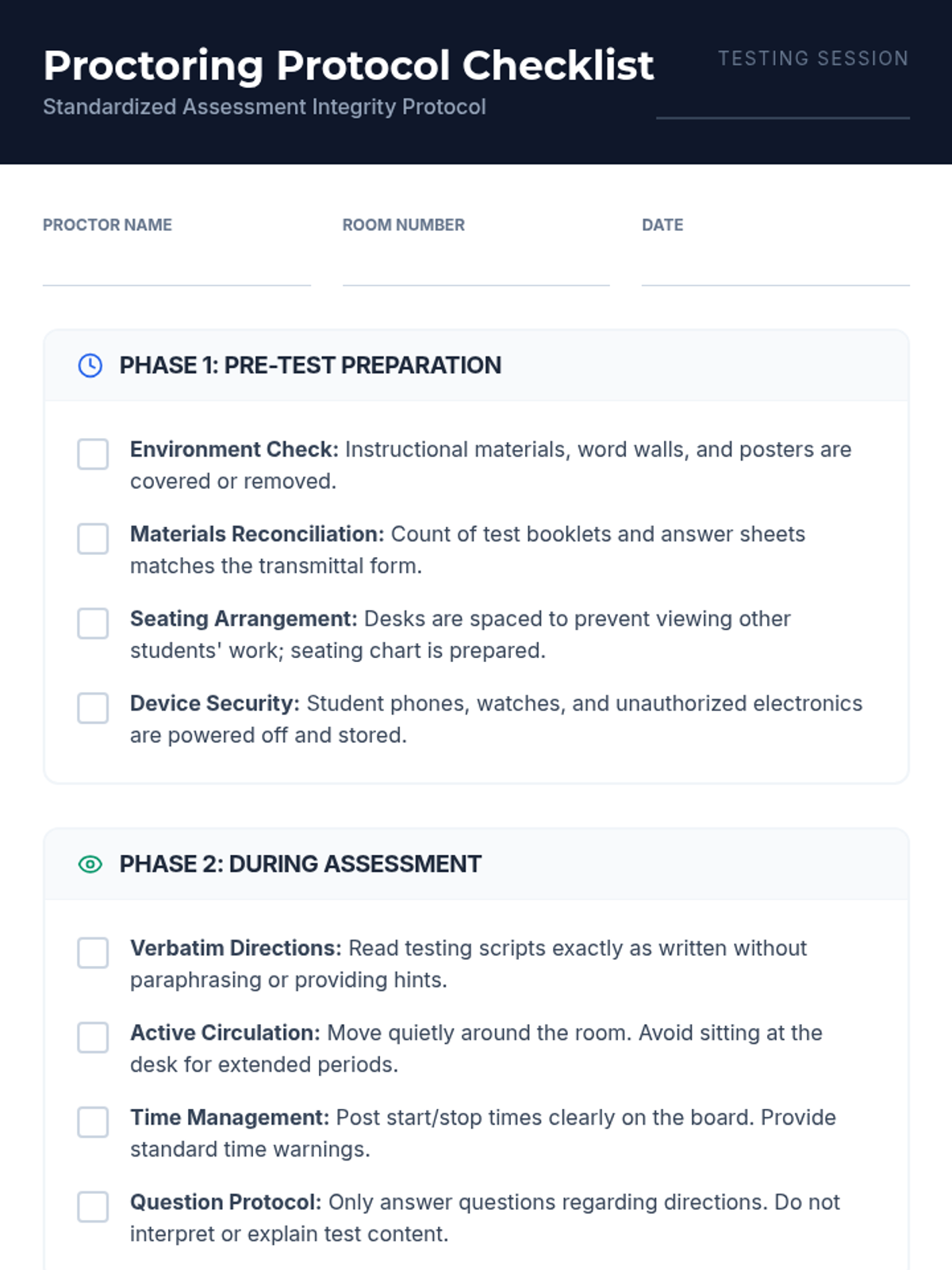
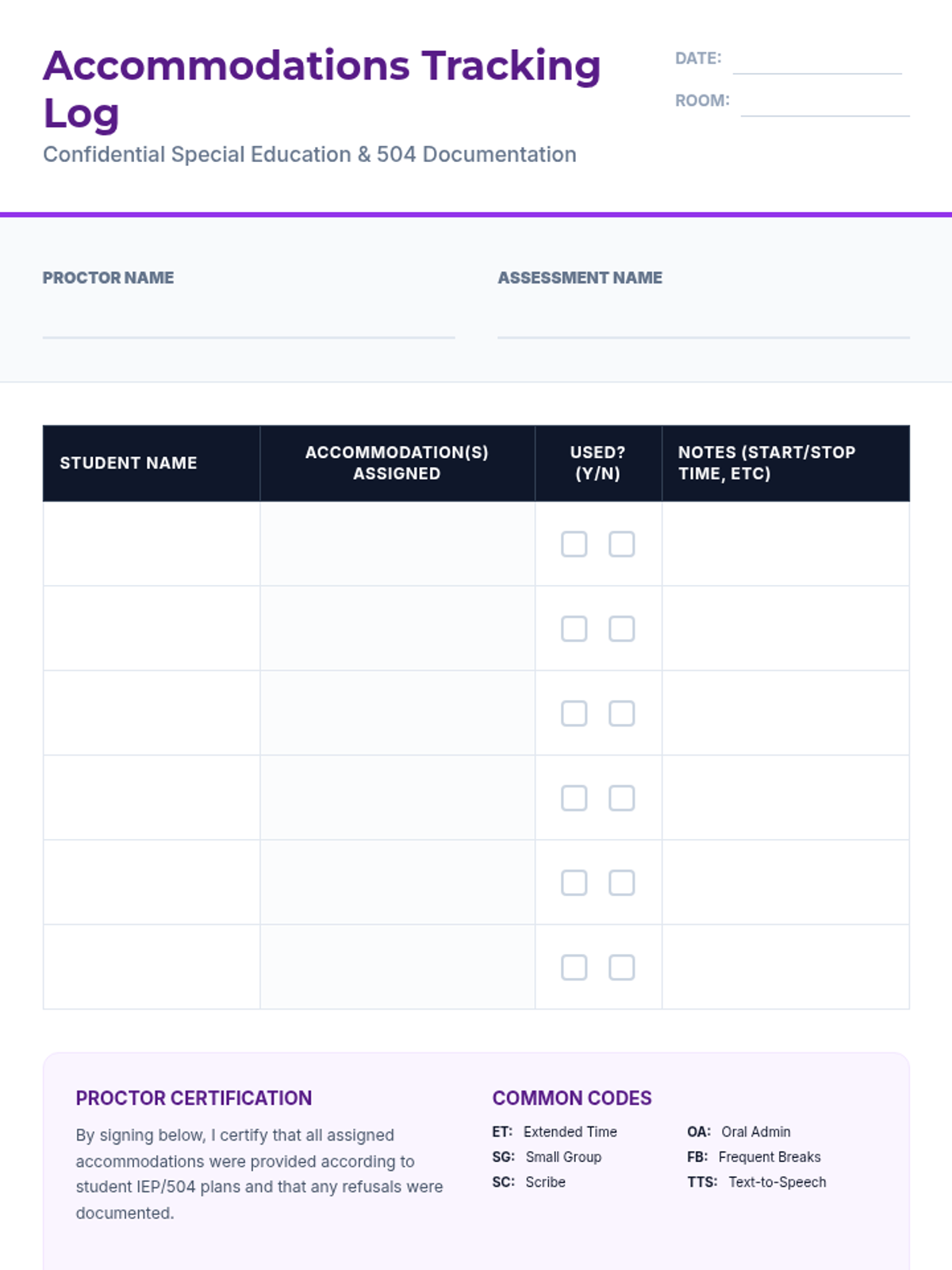
A comprehensive training module for test administrators and proctors to ensure assessment integrity and a smooth testing environment.
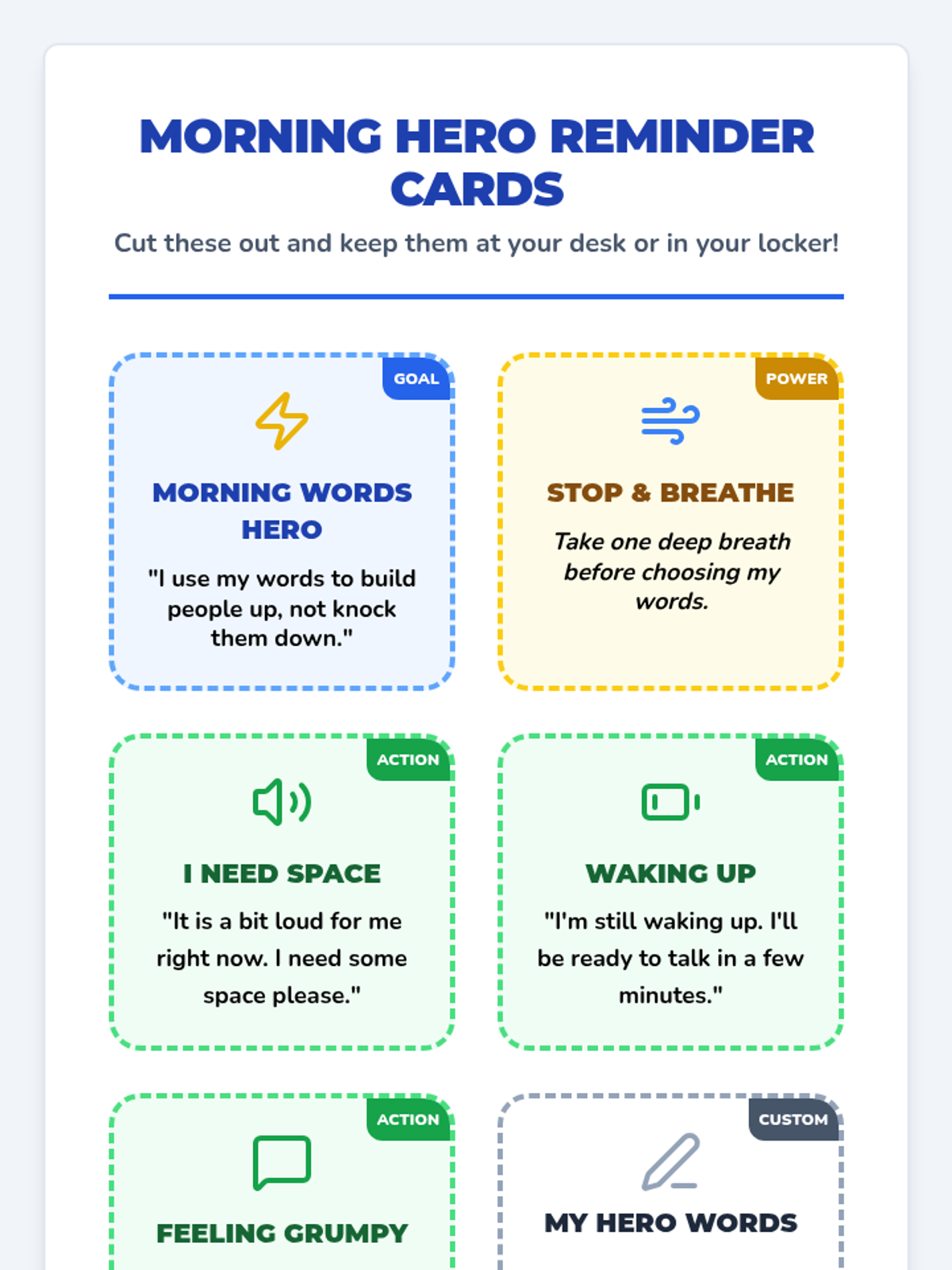
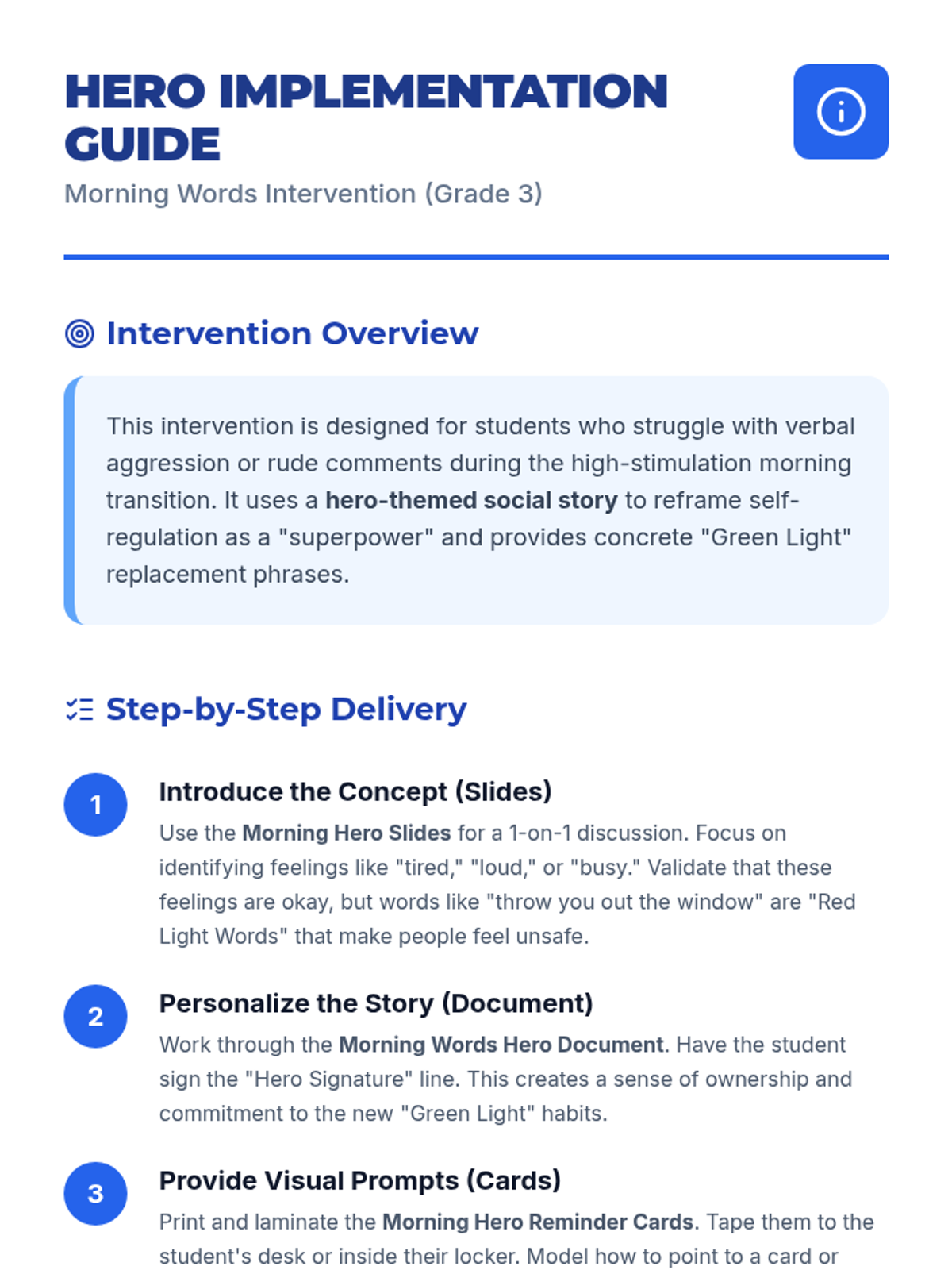
A specialized intervention lesson for a 3rd-grade student to improve morning social interactions. It features a hero-themed social story, reminder cards for "Green Light" phrases, and a teacher guide for effective implementation.
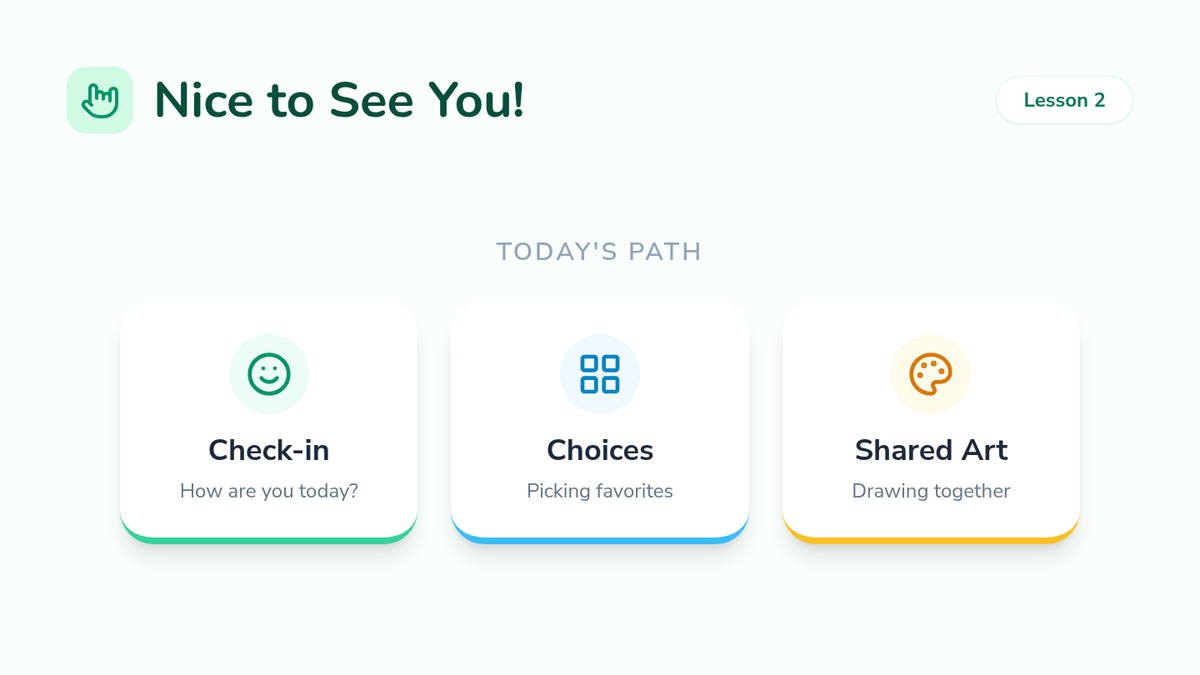
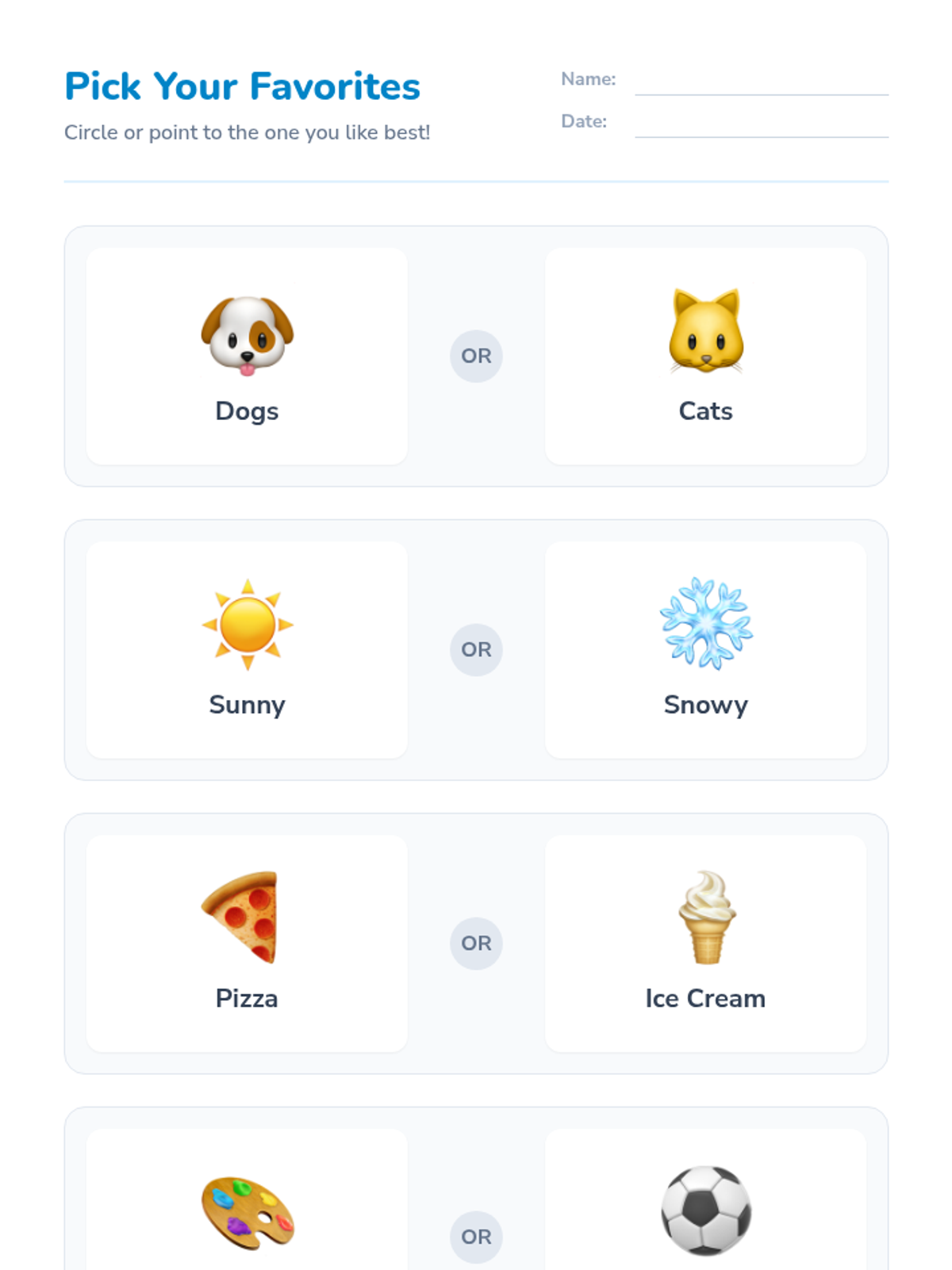
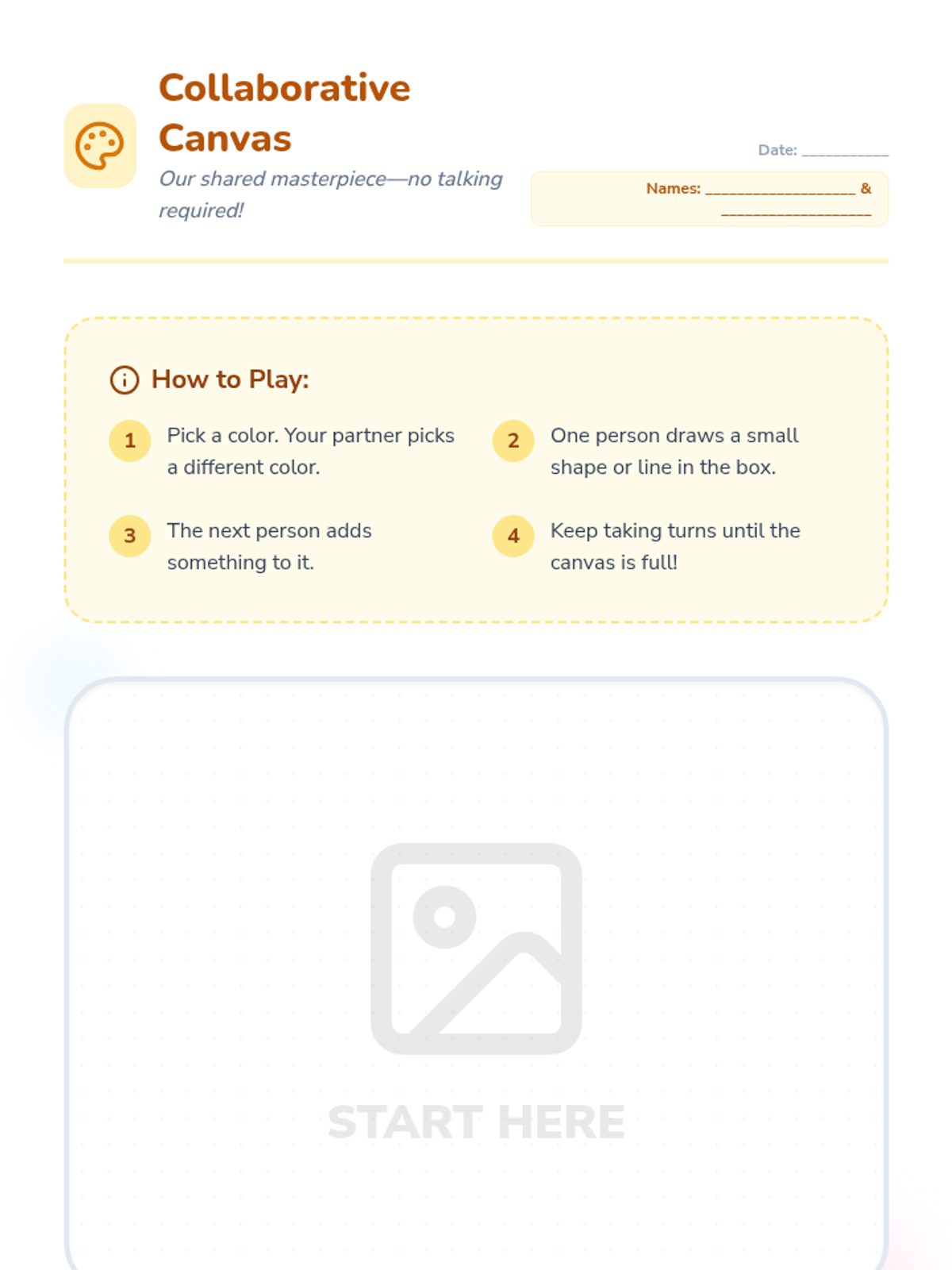
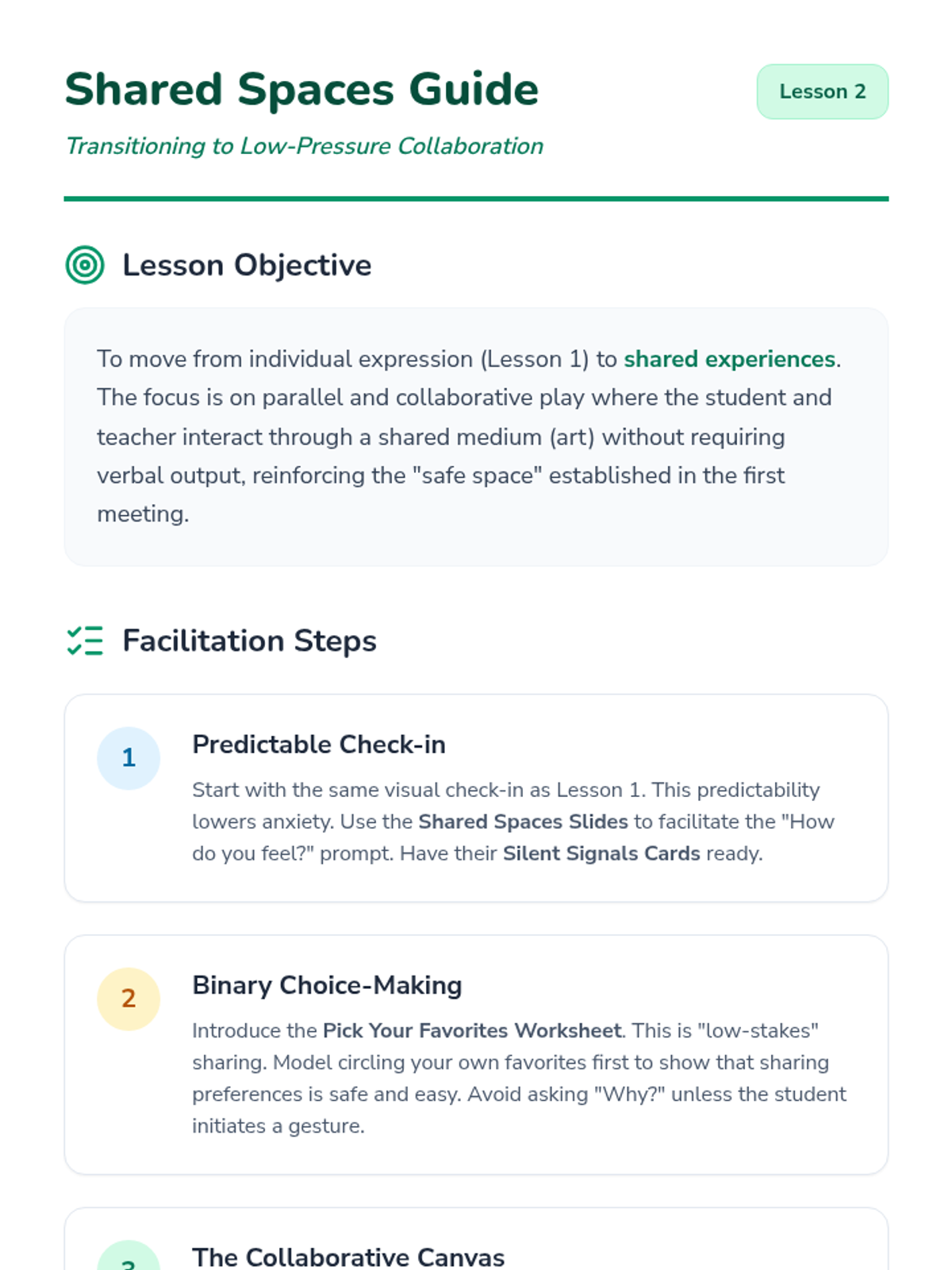
A follow-up lesson focusing on transitioning from individual expression to low-pressure shared activities and collaborative play.
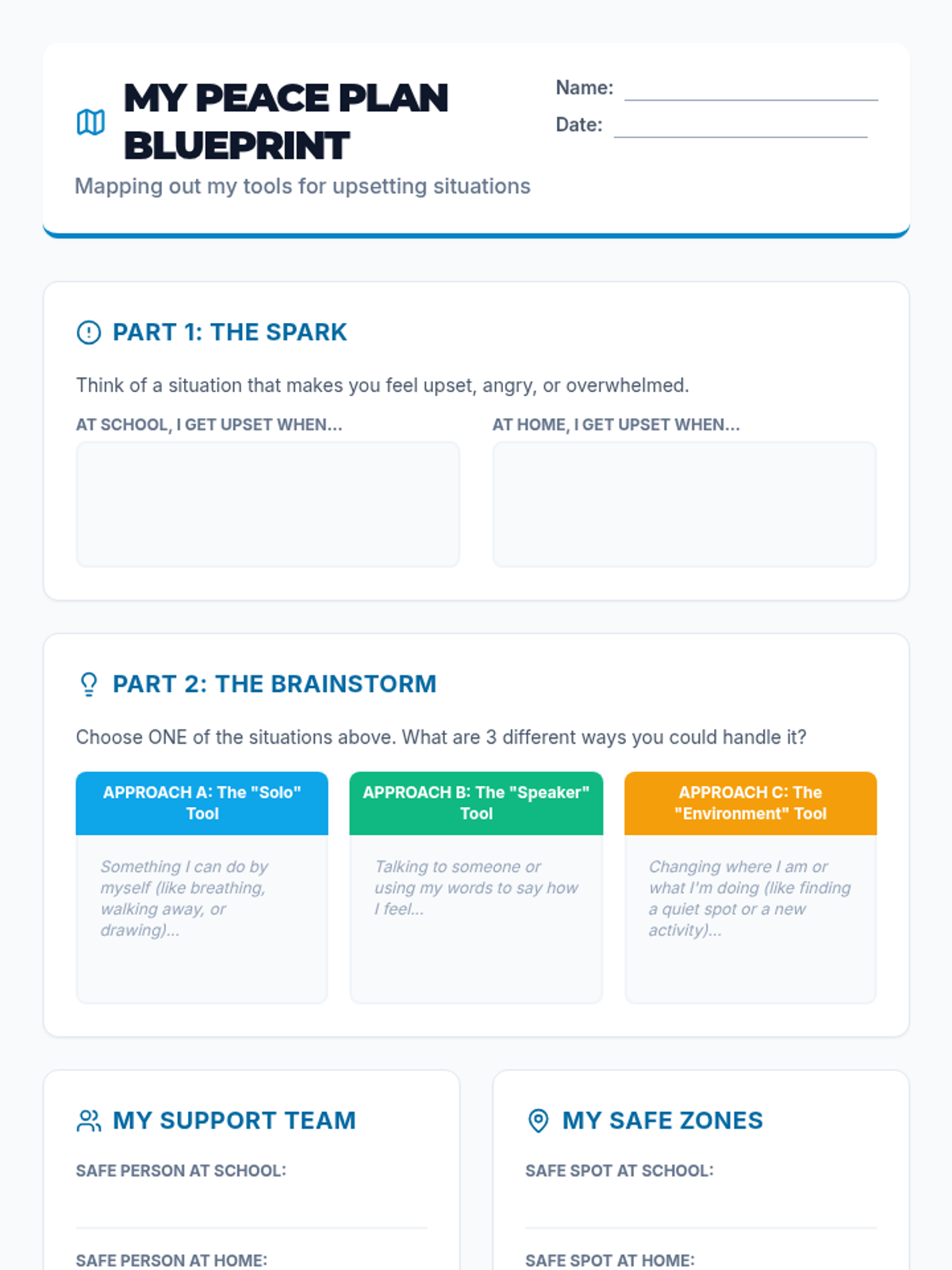
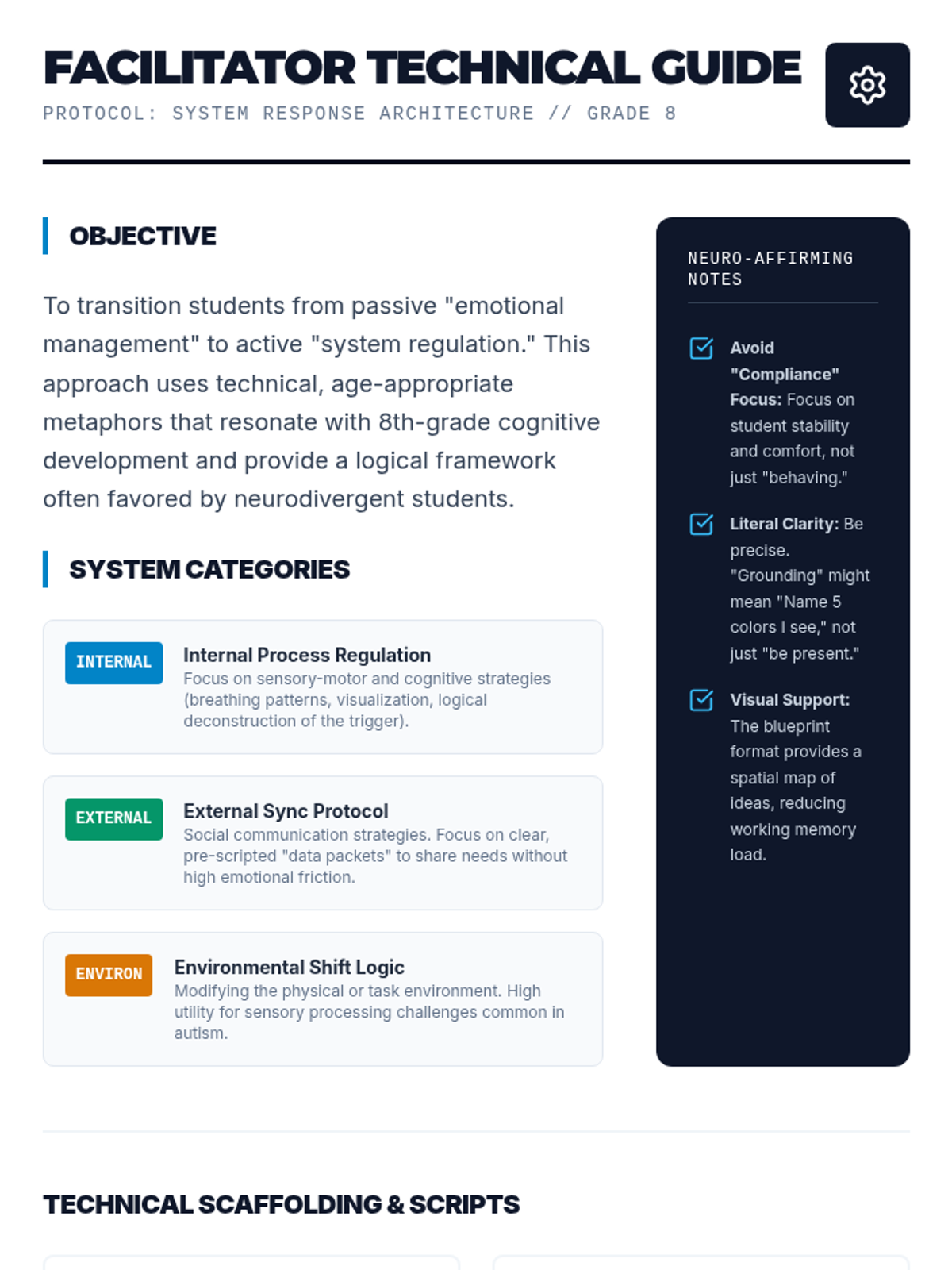
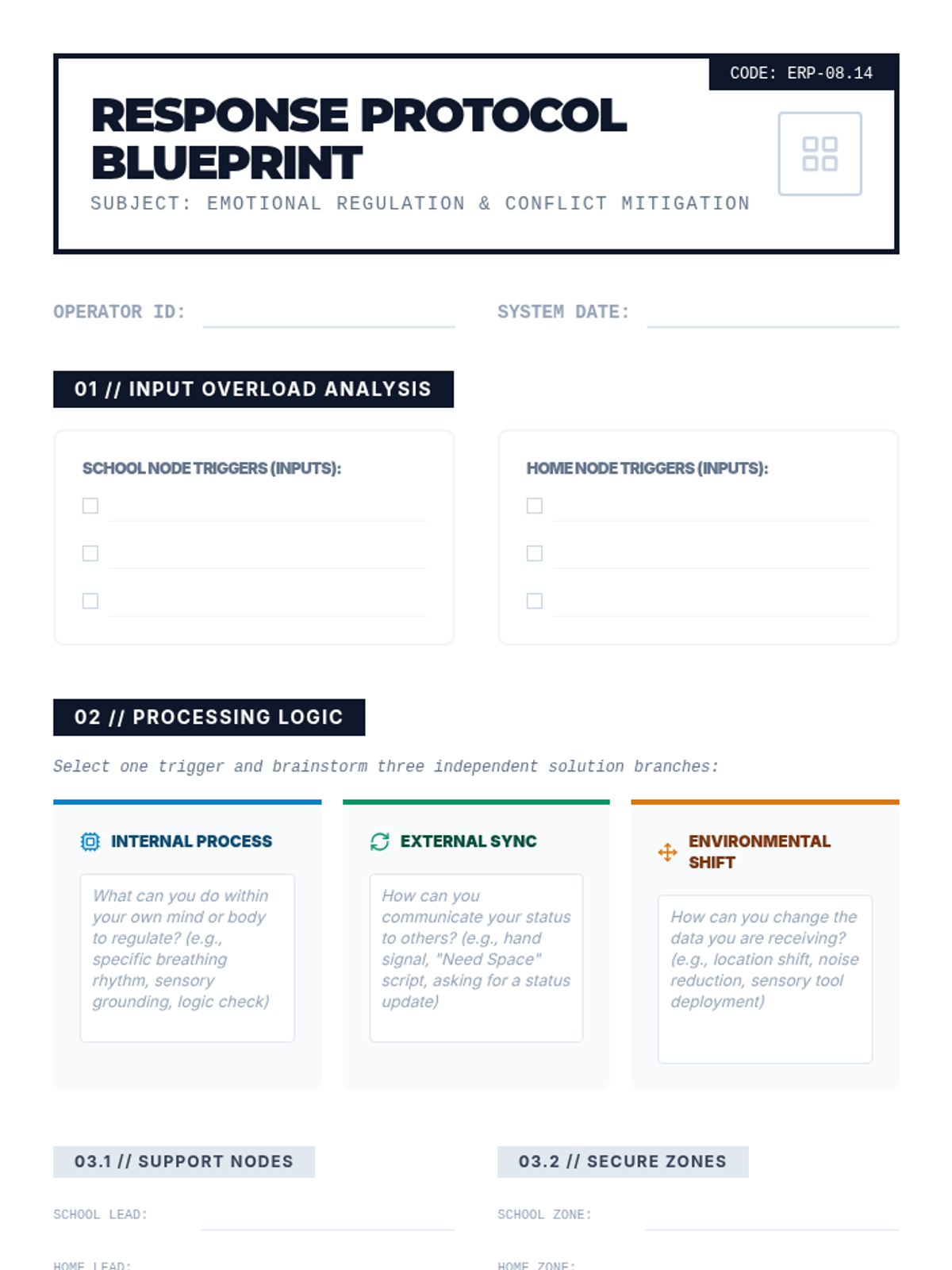
A specialized lesson for middle school students, particularly those who benefit from logical, structured systems (such as students with autism), to develop a mature 'Tactical Response Protocol' for emotional and sensory triggers. The materials focus on technical blueprints and systematic problem-solving across home and school environments.
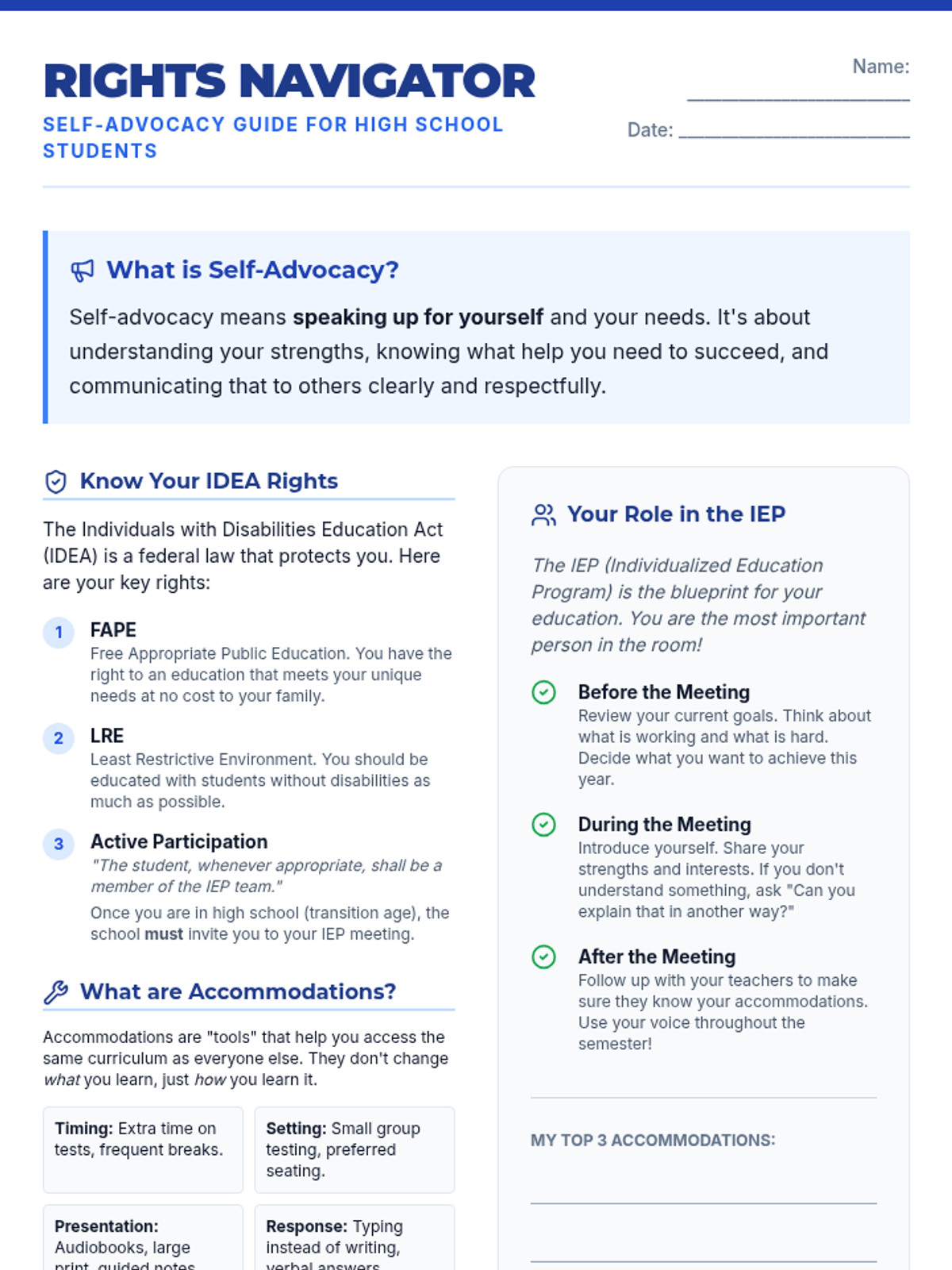
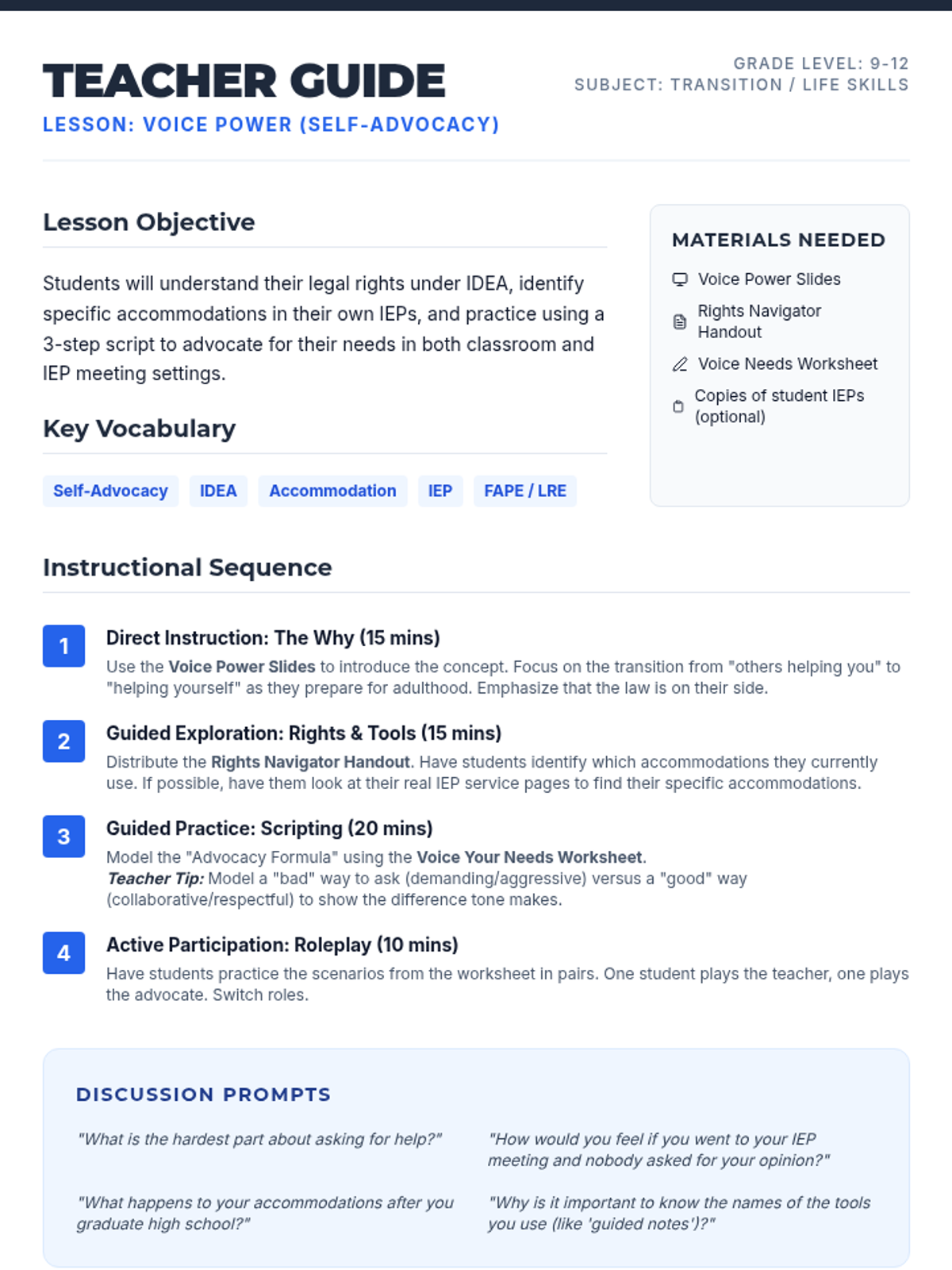
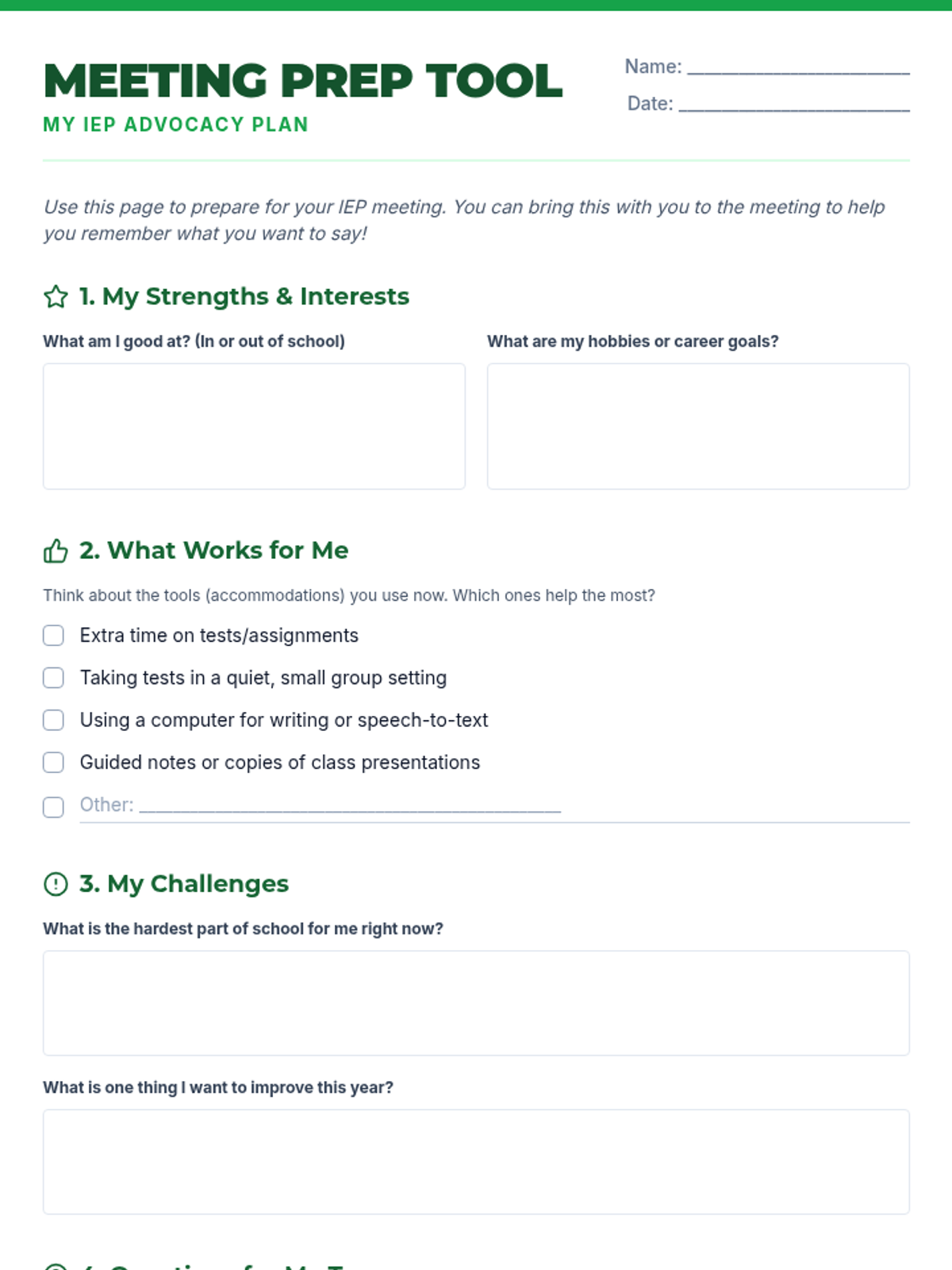
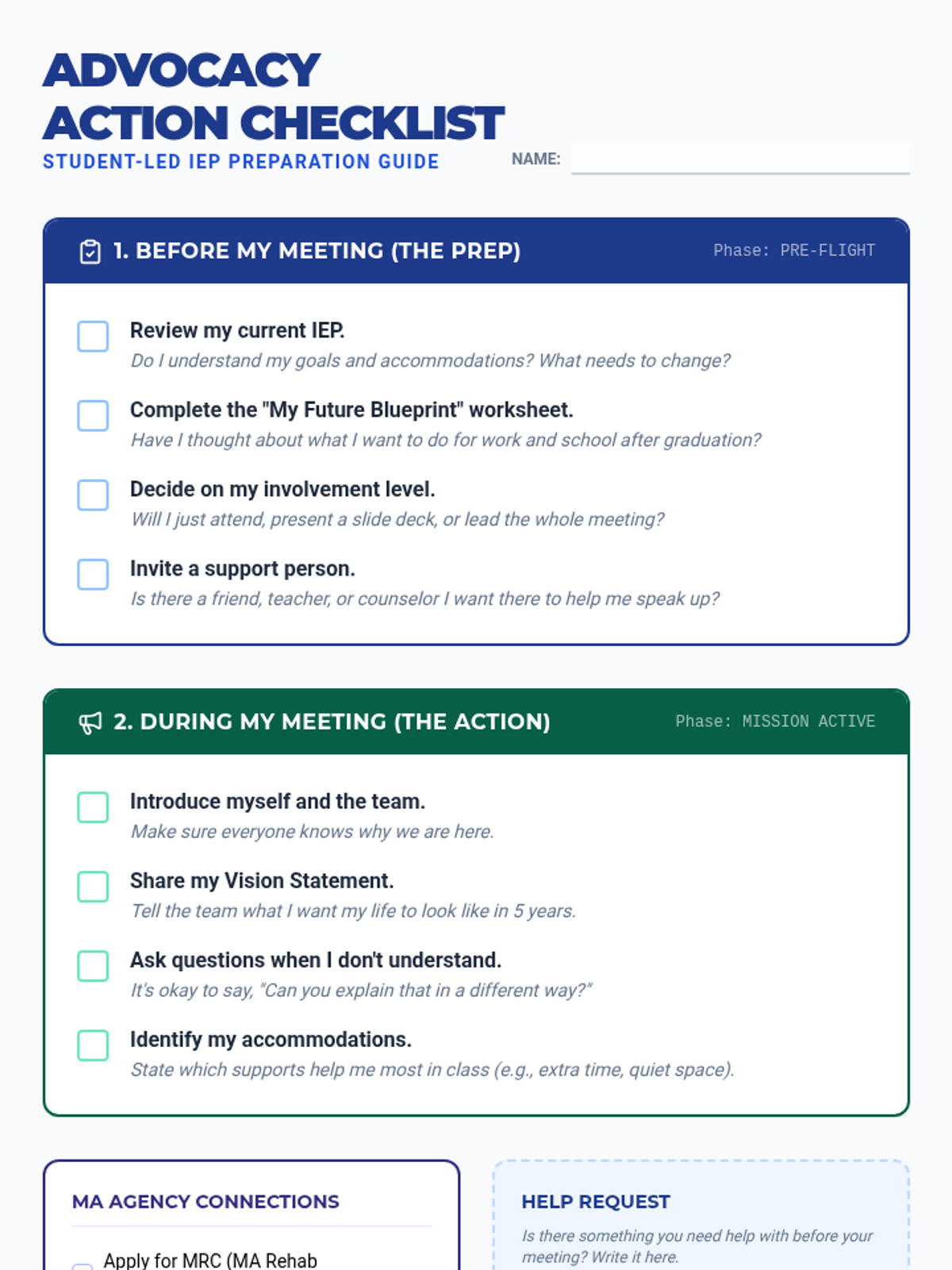
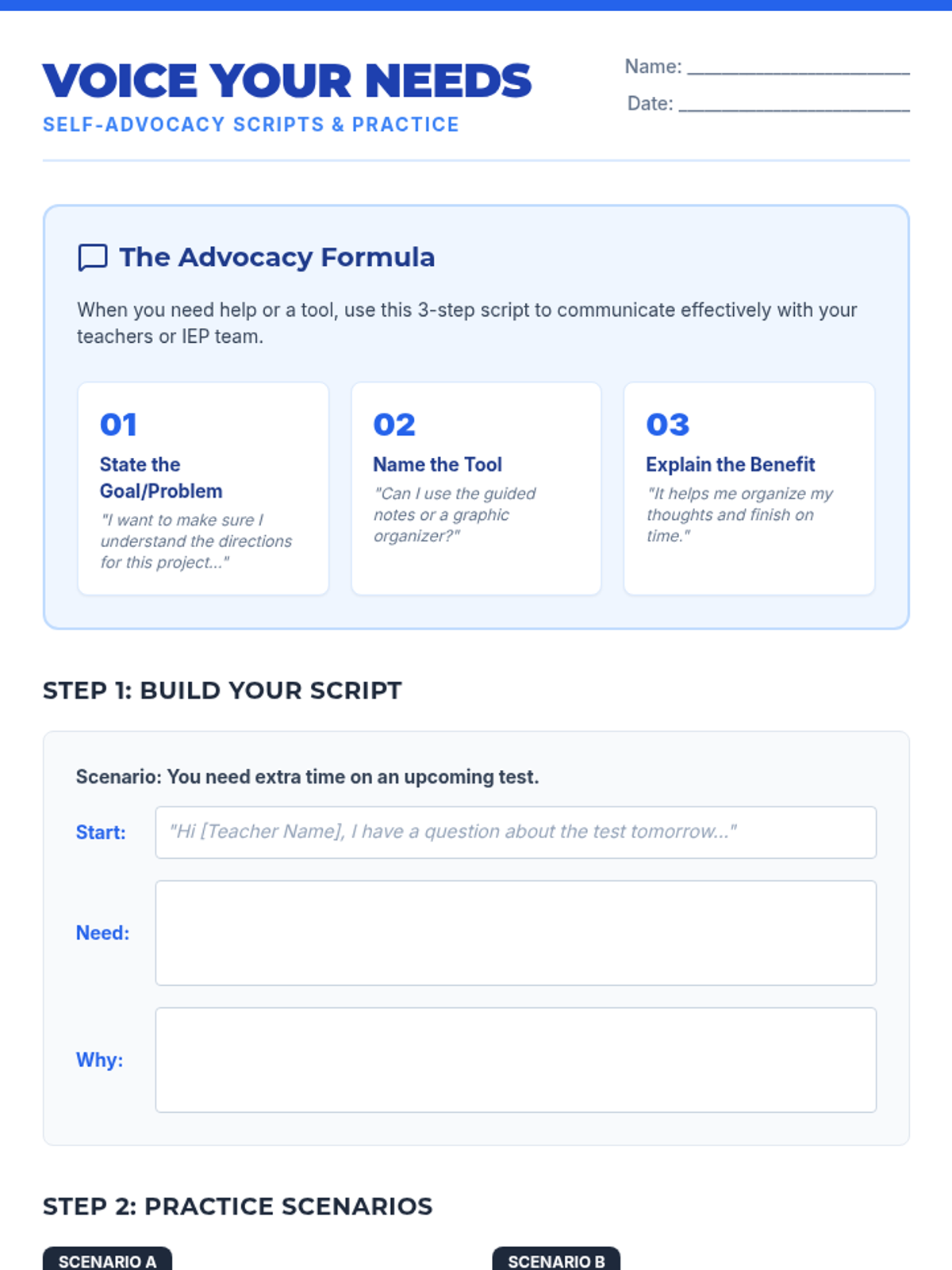
A comprehensive lesson designed for high school students with disabilities to master self-advocacy skills. Students learn about their legal rights under IDEA, how to identify and request accommodations, and practical strategies for active participation in their own IEP meetings.
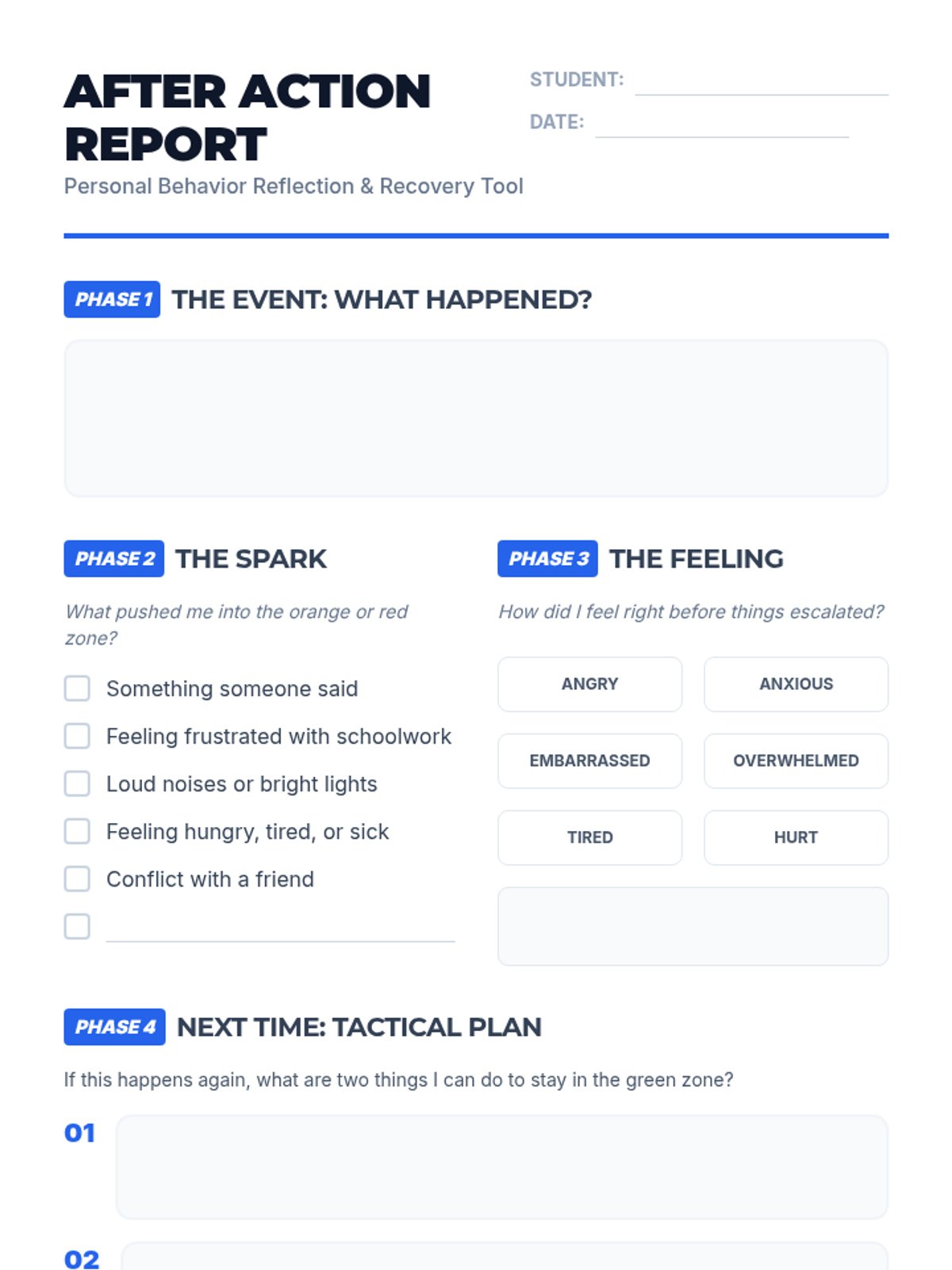
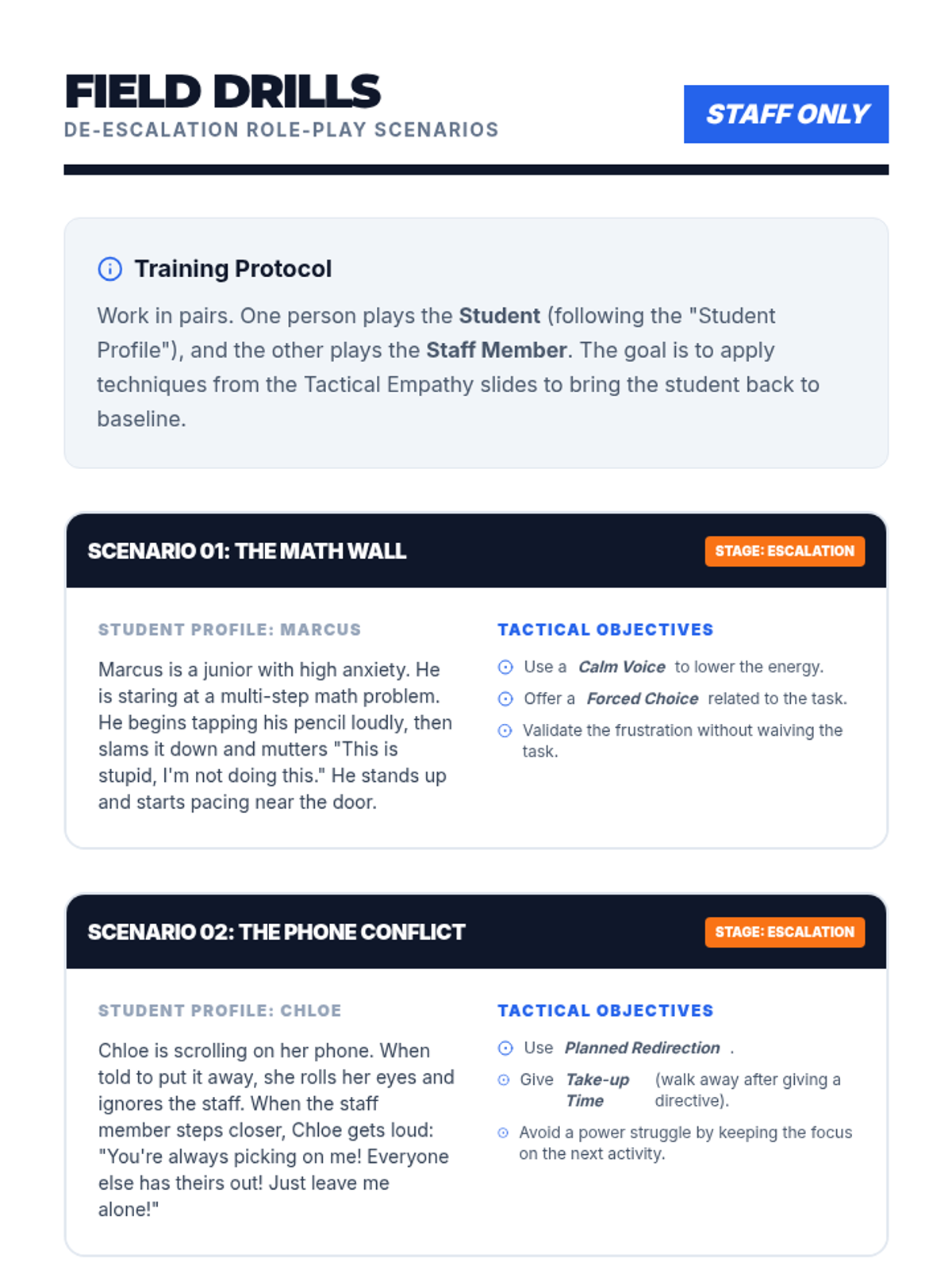
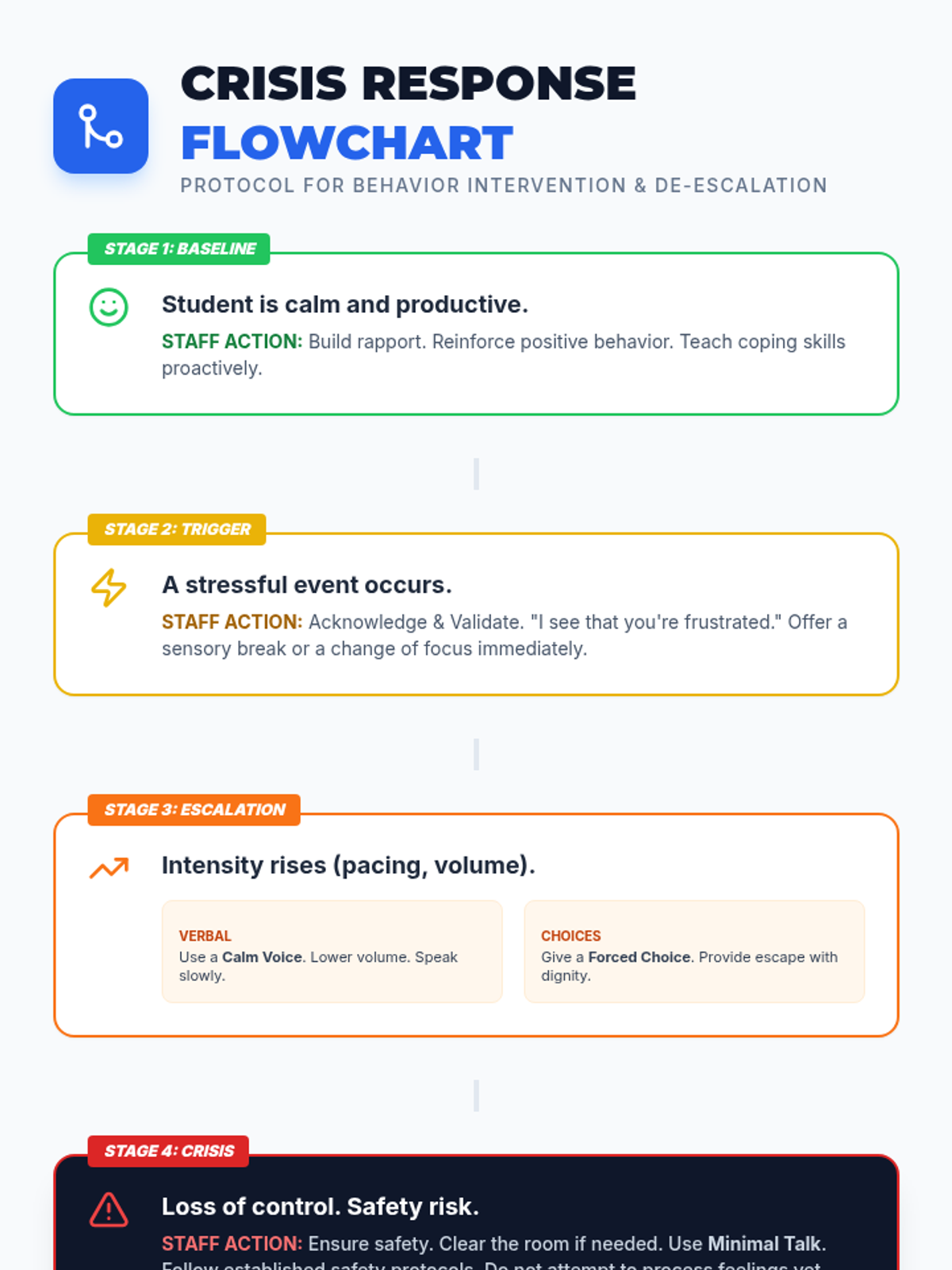
A comprehensive training and implementation suite for high school SPED teachers and interventionists. It covers the science of de-escalation, identifying triggers, and provides practical tools for student reflection and crisis management.
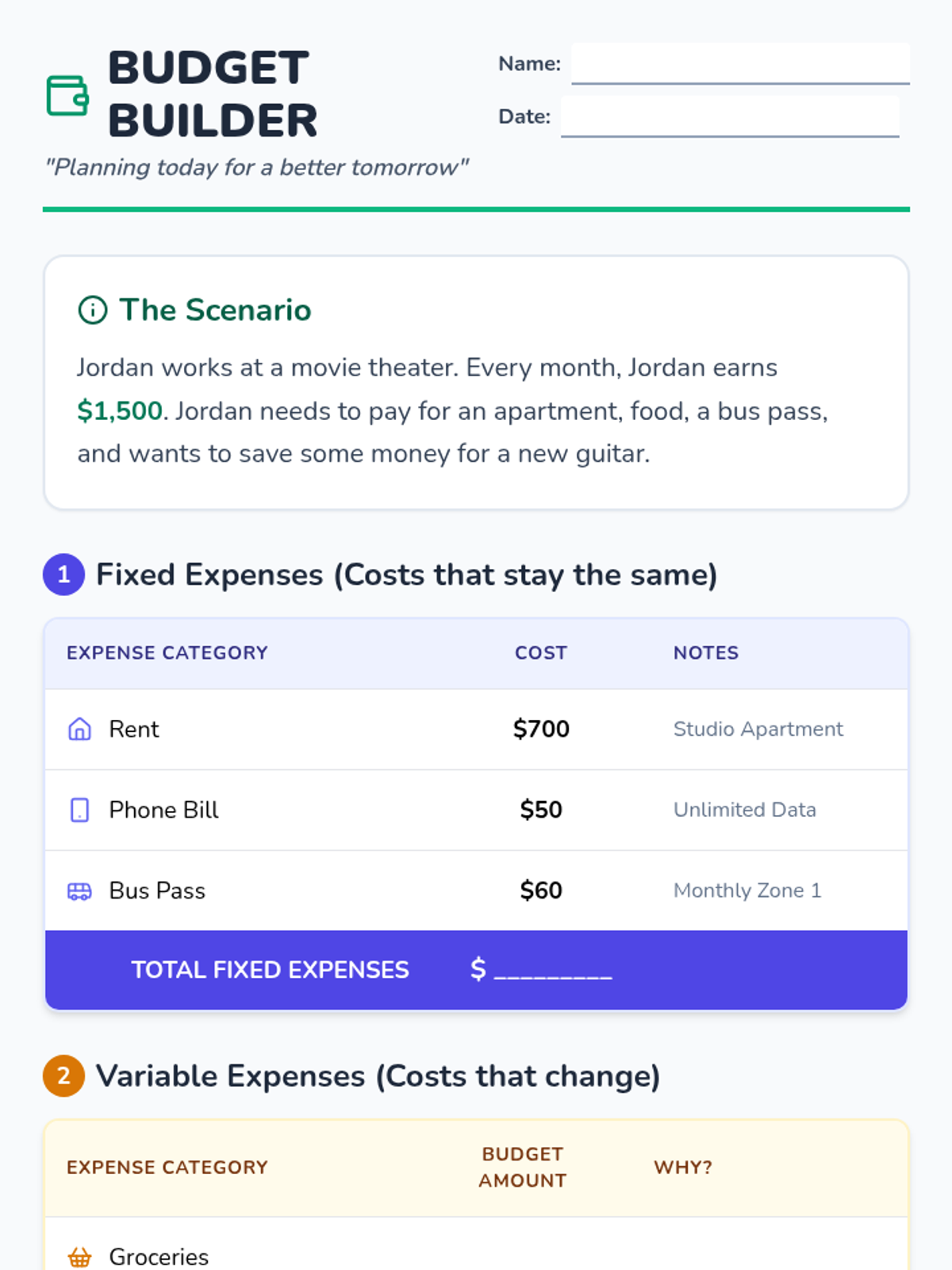
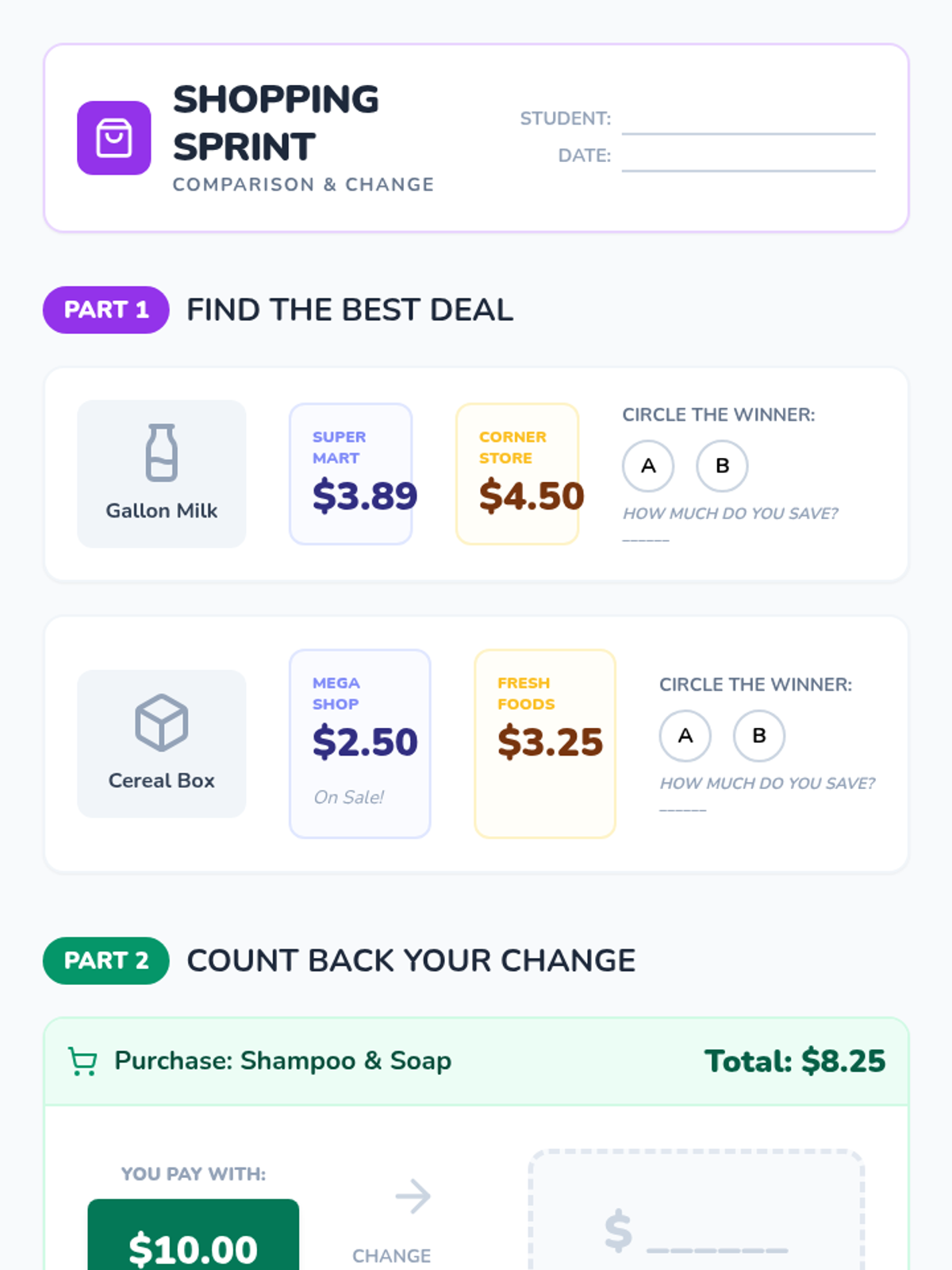
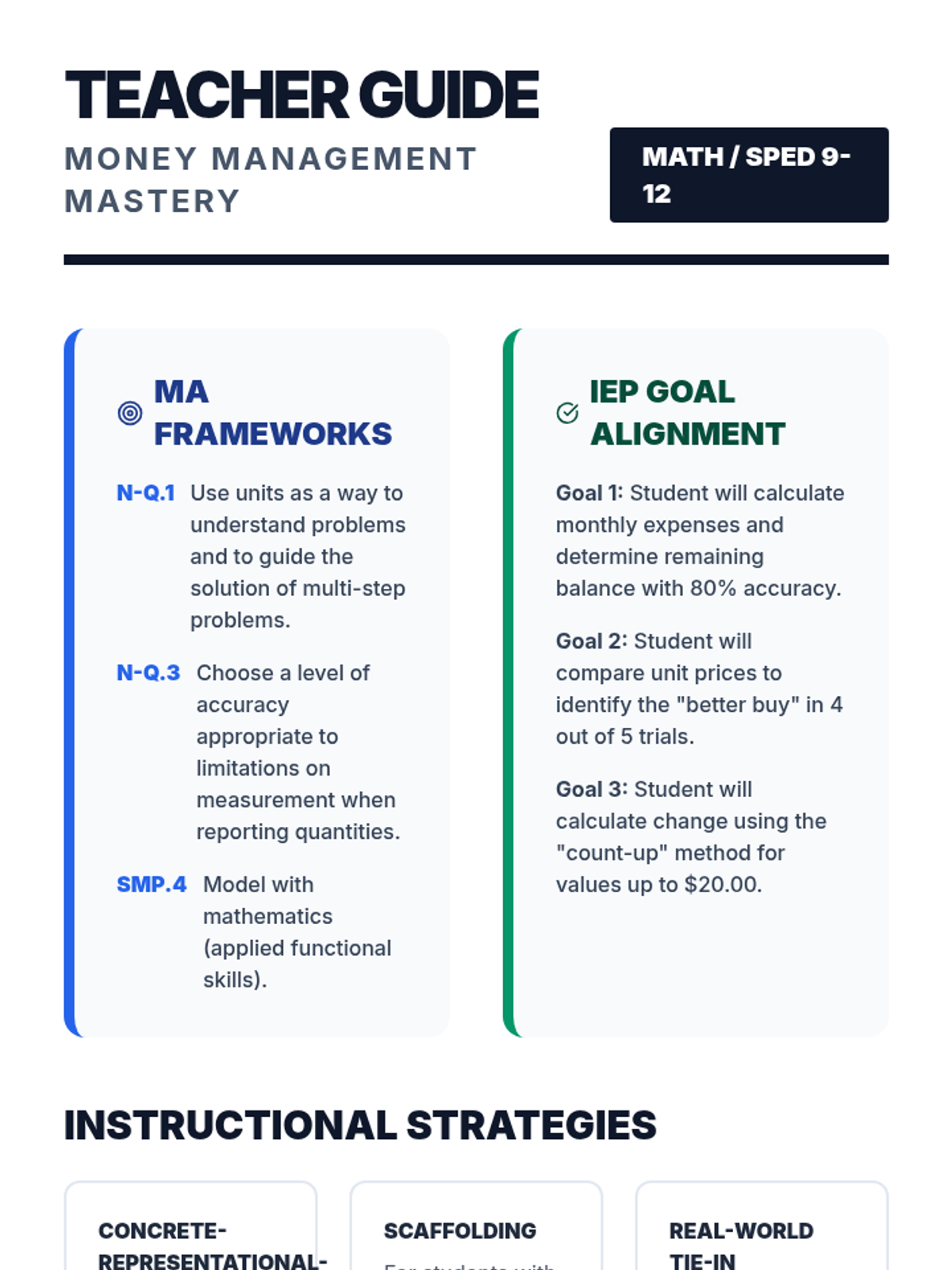
A functional math lesson focusing on real-world budgeting, expense tracking, and smart shopping for high school students with diverse learning needs. Students learn to differentiate between needs and wants, calculate monthly totals, and compare prices to make informed financial decisions.
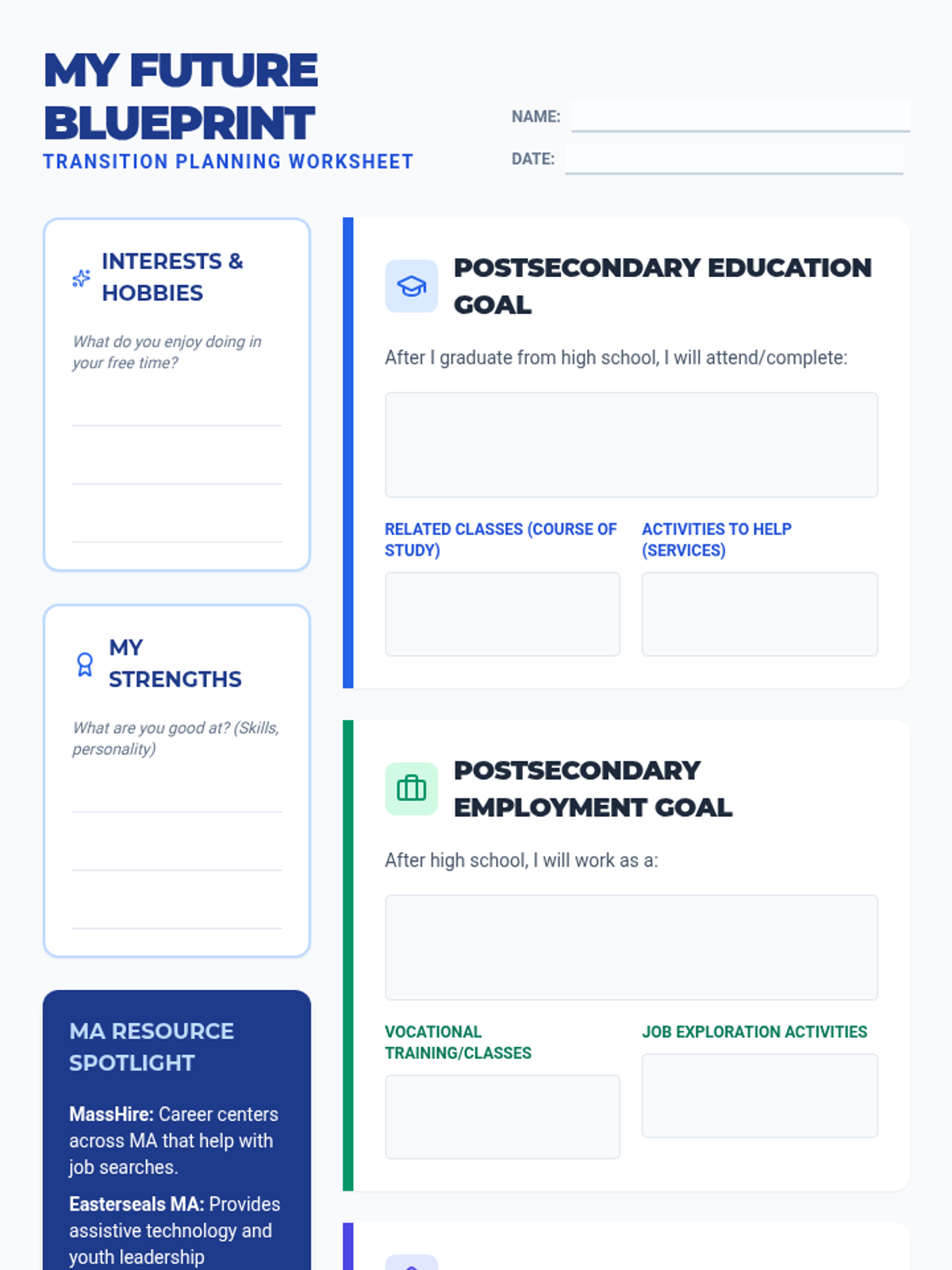
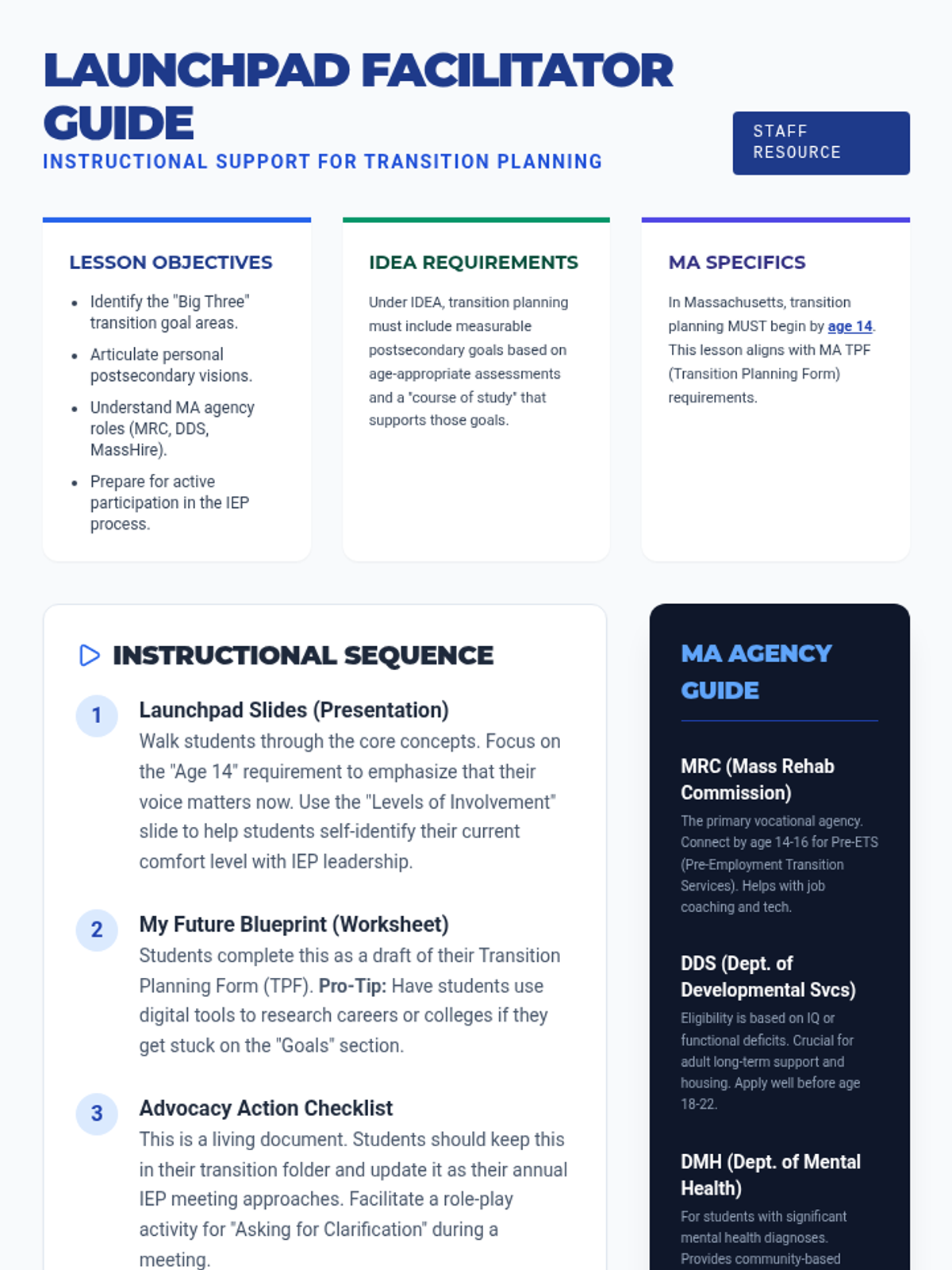
A comprehensive transition planning lesson for high school students with disabilities, focusing on IDEA requirements, Massachusetts-specific resources, and student-led IEP preparation. Students will explore postsecondary goals, transition services, and self-advocacy skills through a 'blueprint' themed curriculum.
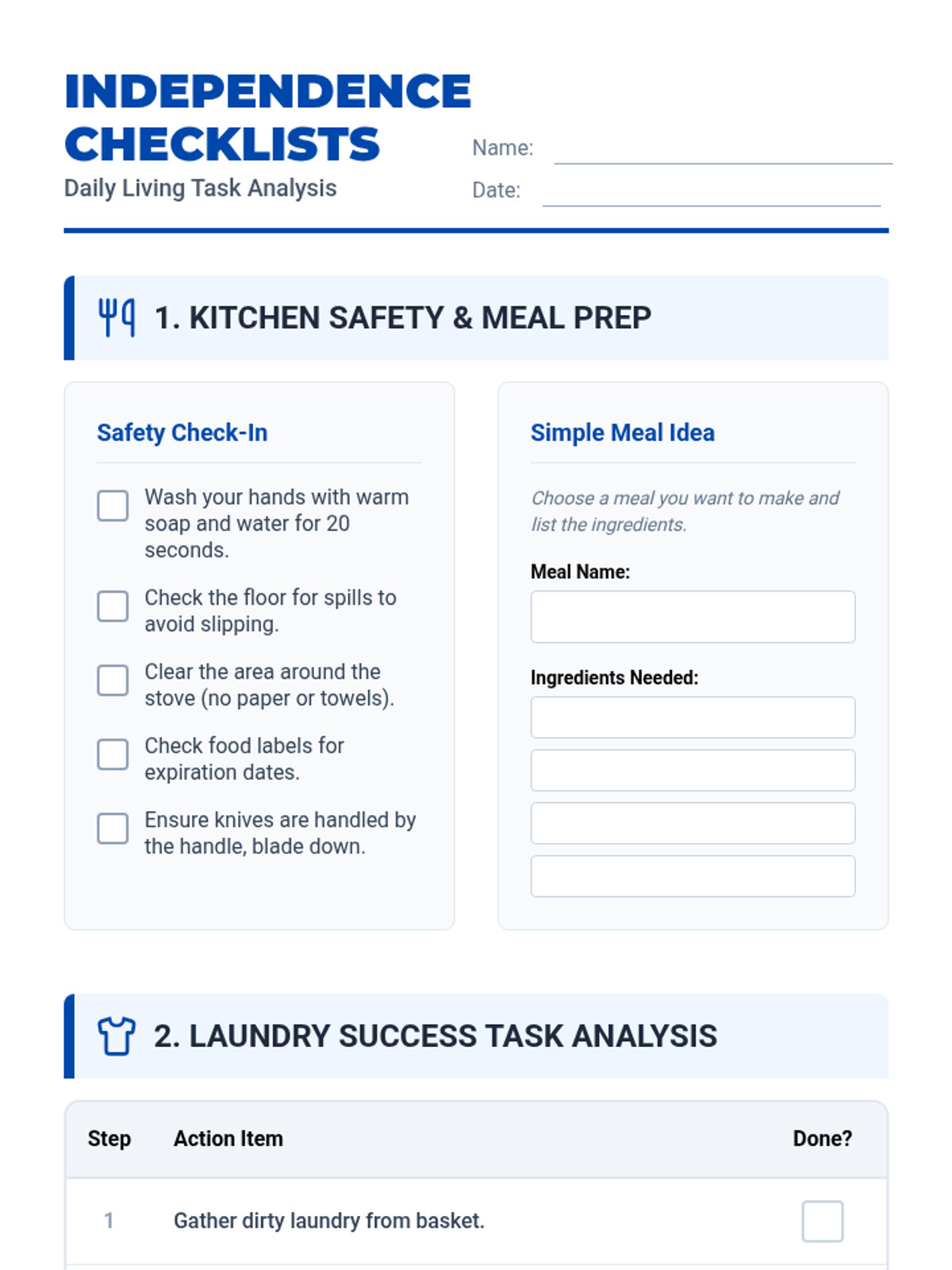
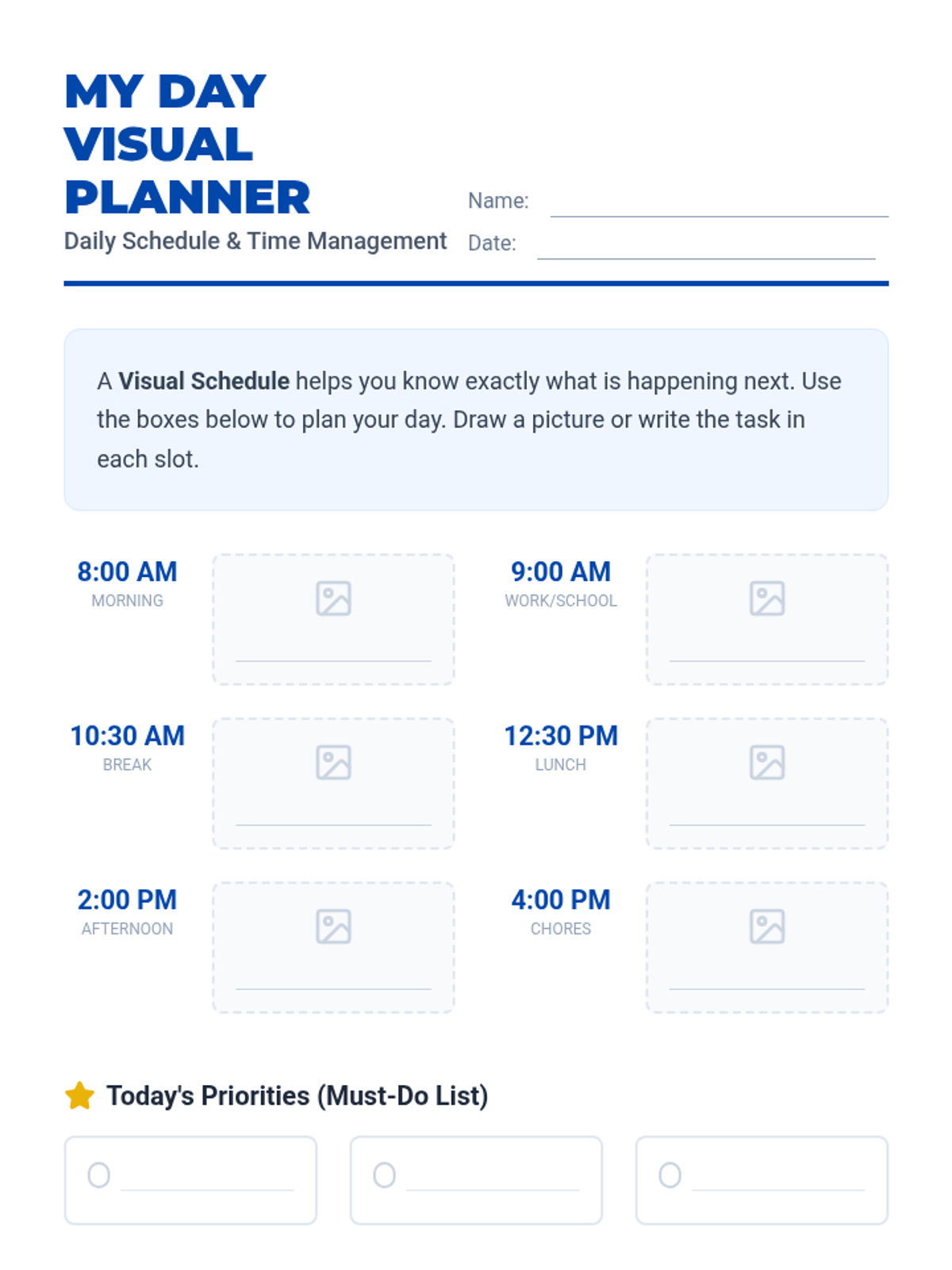
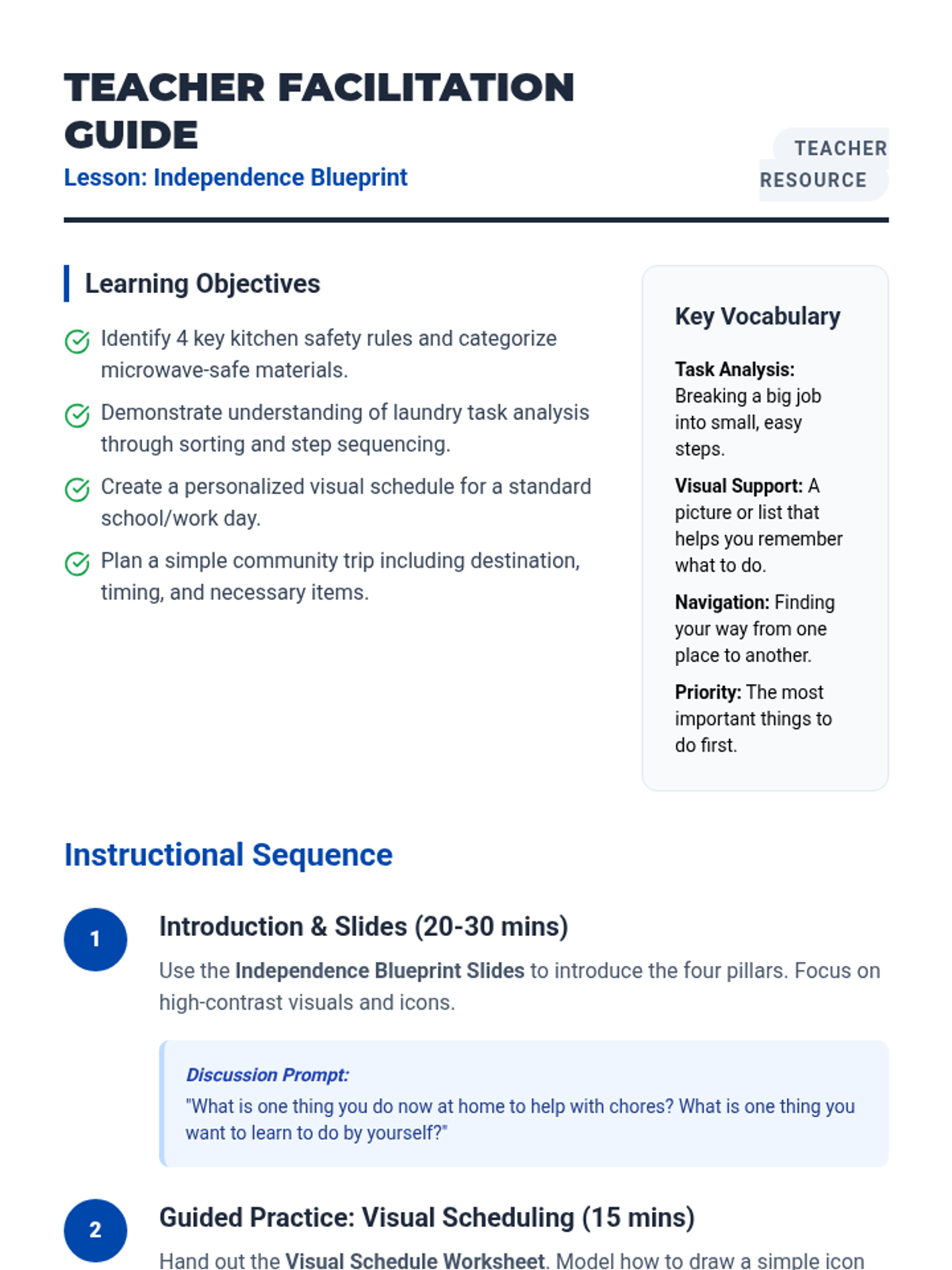
A comprehensive transition lesson for high school students focusing on four pillars of independent living: meal planning and cooking safety, laundry and household chores, time management, and community navigation. Includes visual supports and task analysis for functional life skills.
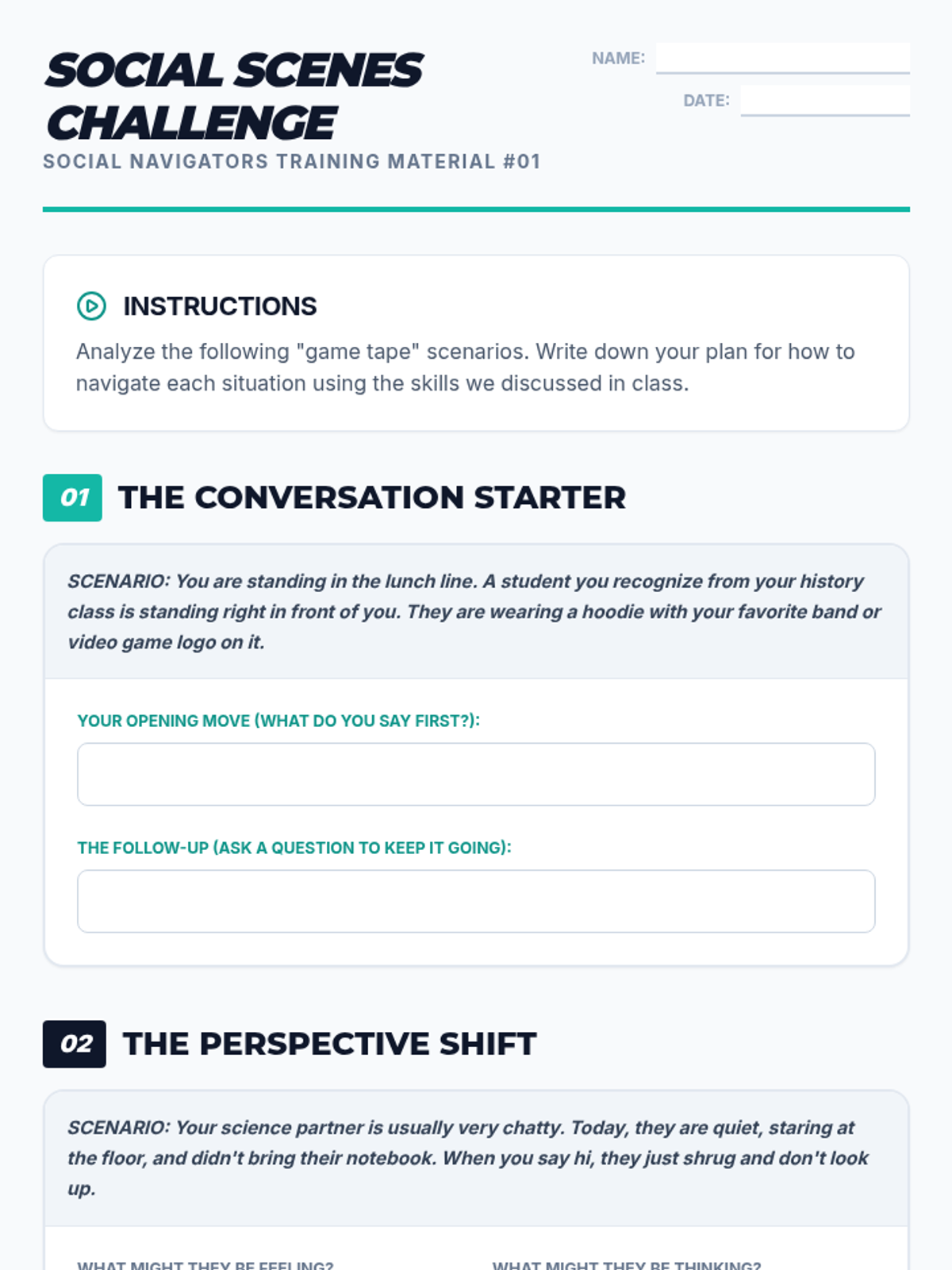
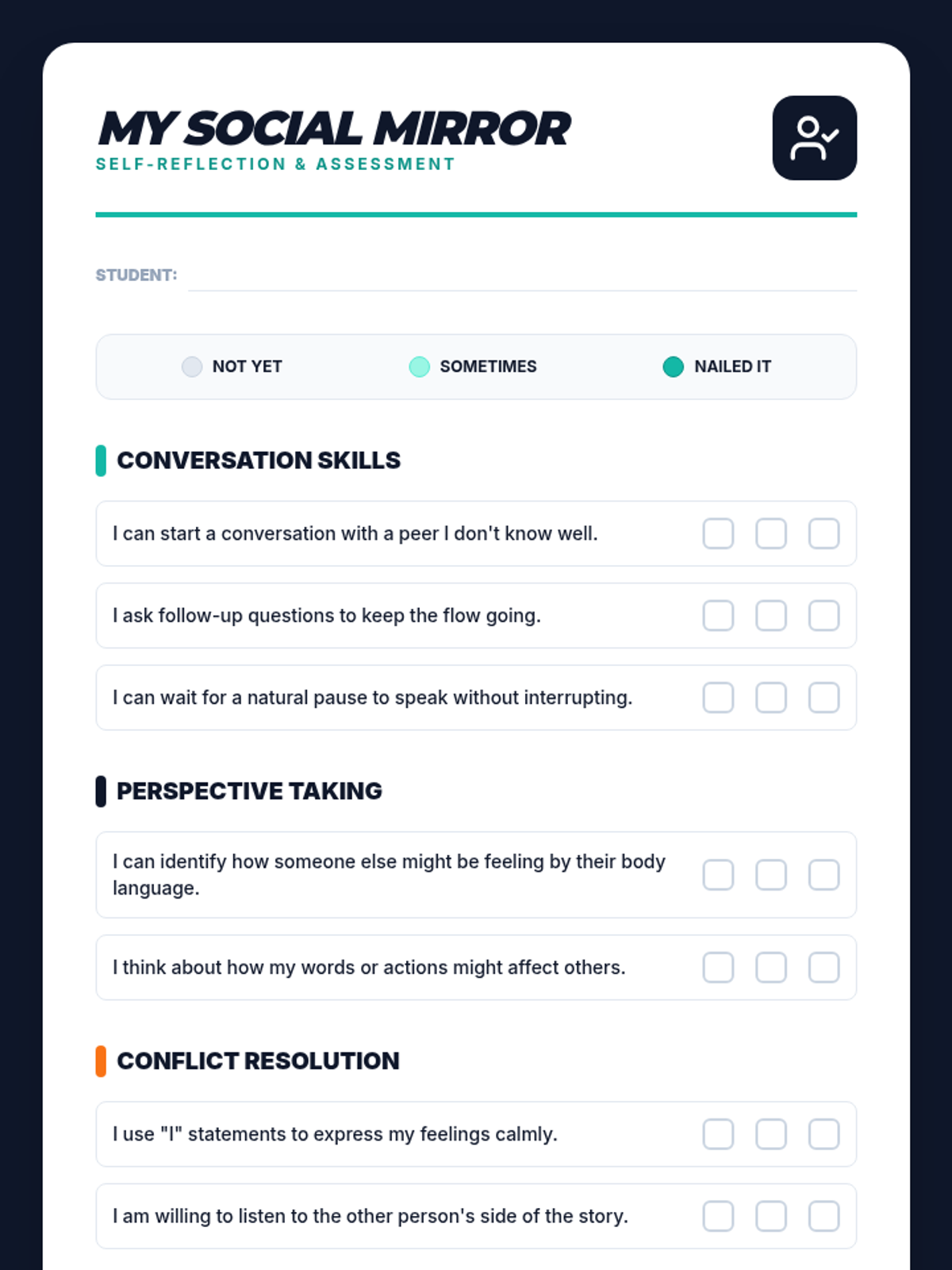
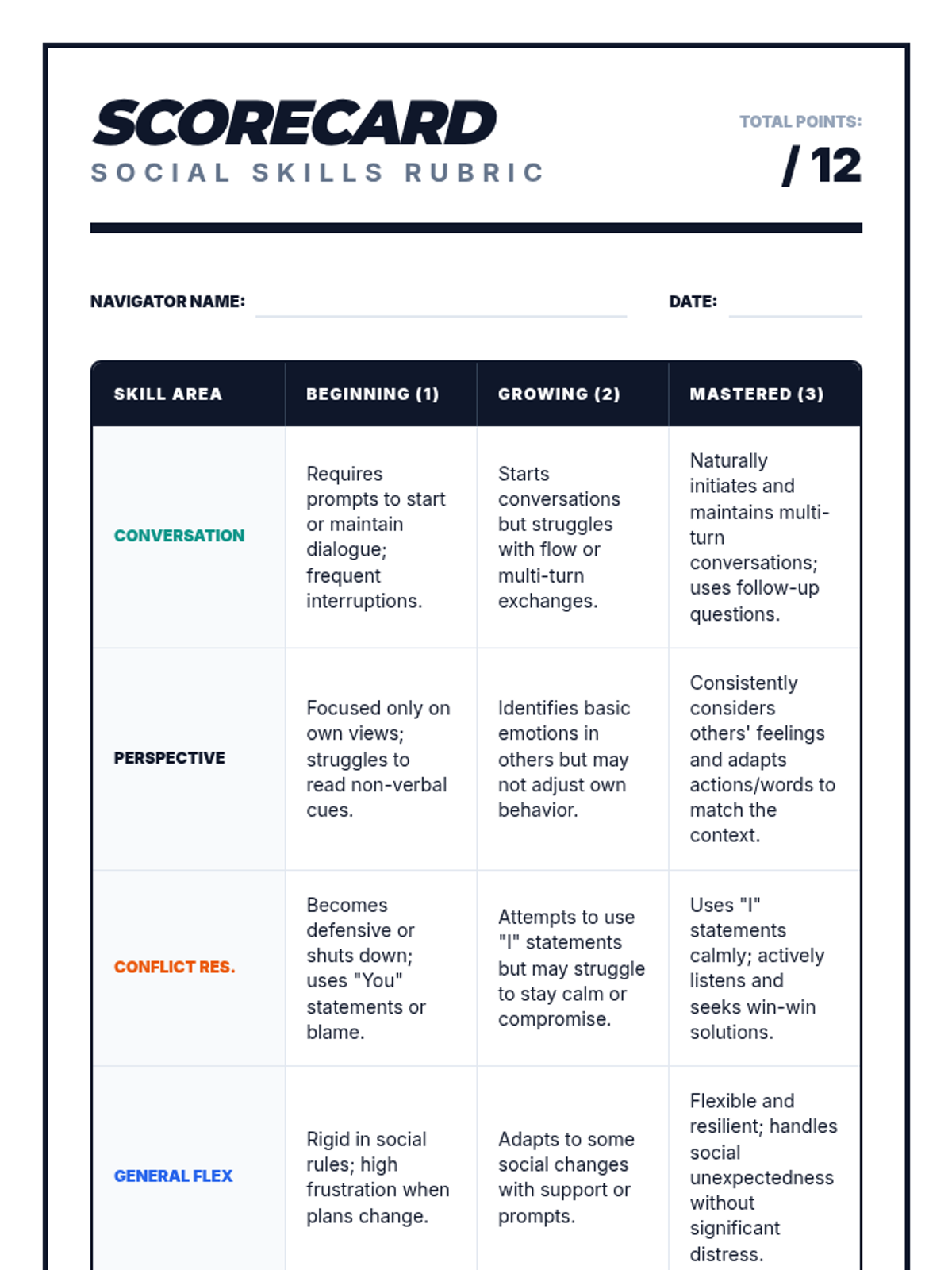
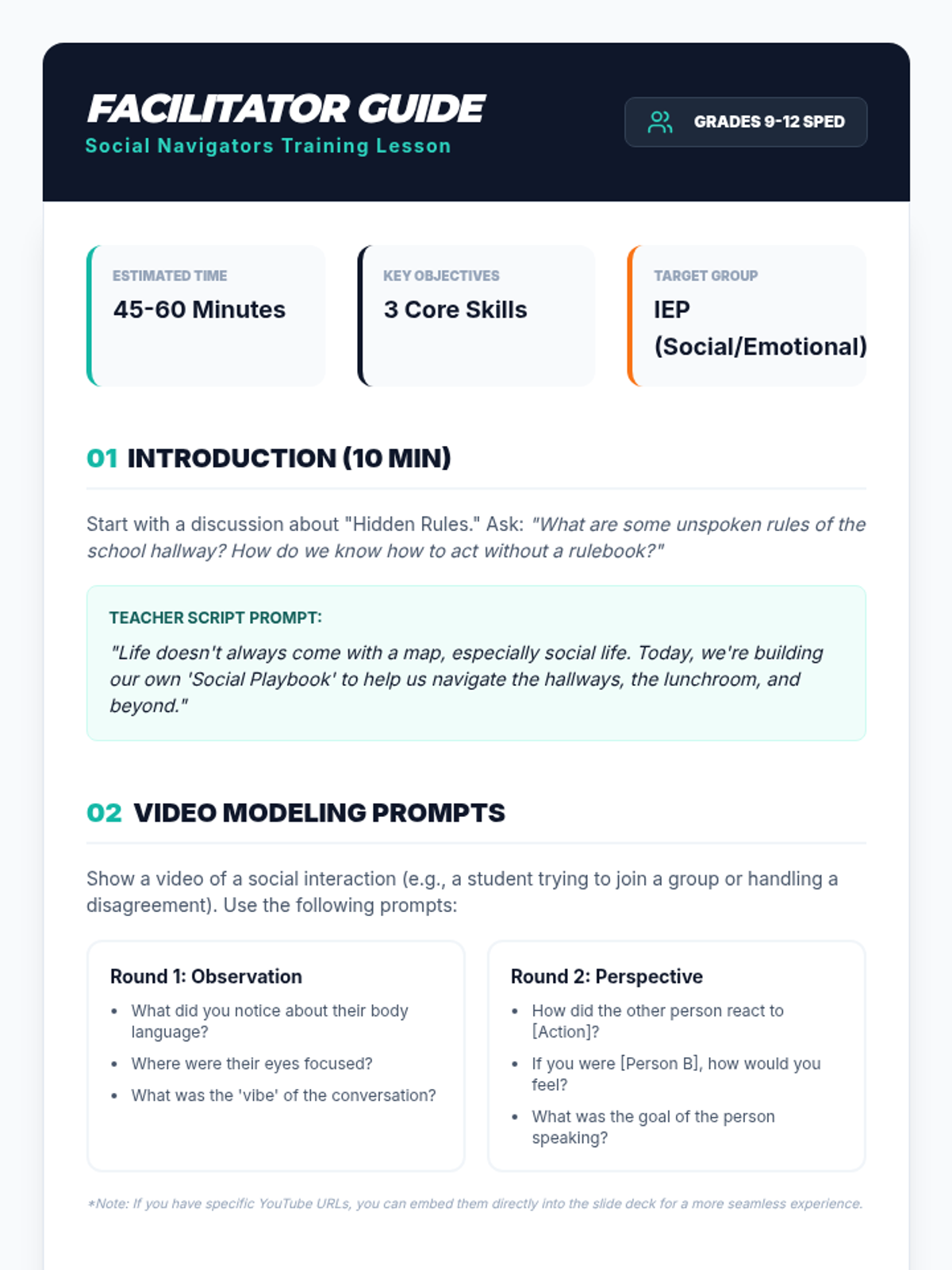
A comprehensive social skills training lesson focusing on conversation, perspective-taking, and conflict resolution for high school students with social-emotional IEP goals. Includes interactive scenarios, self-reflection tools, and a clear rubric for progress monitoring.
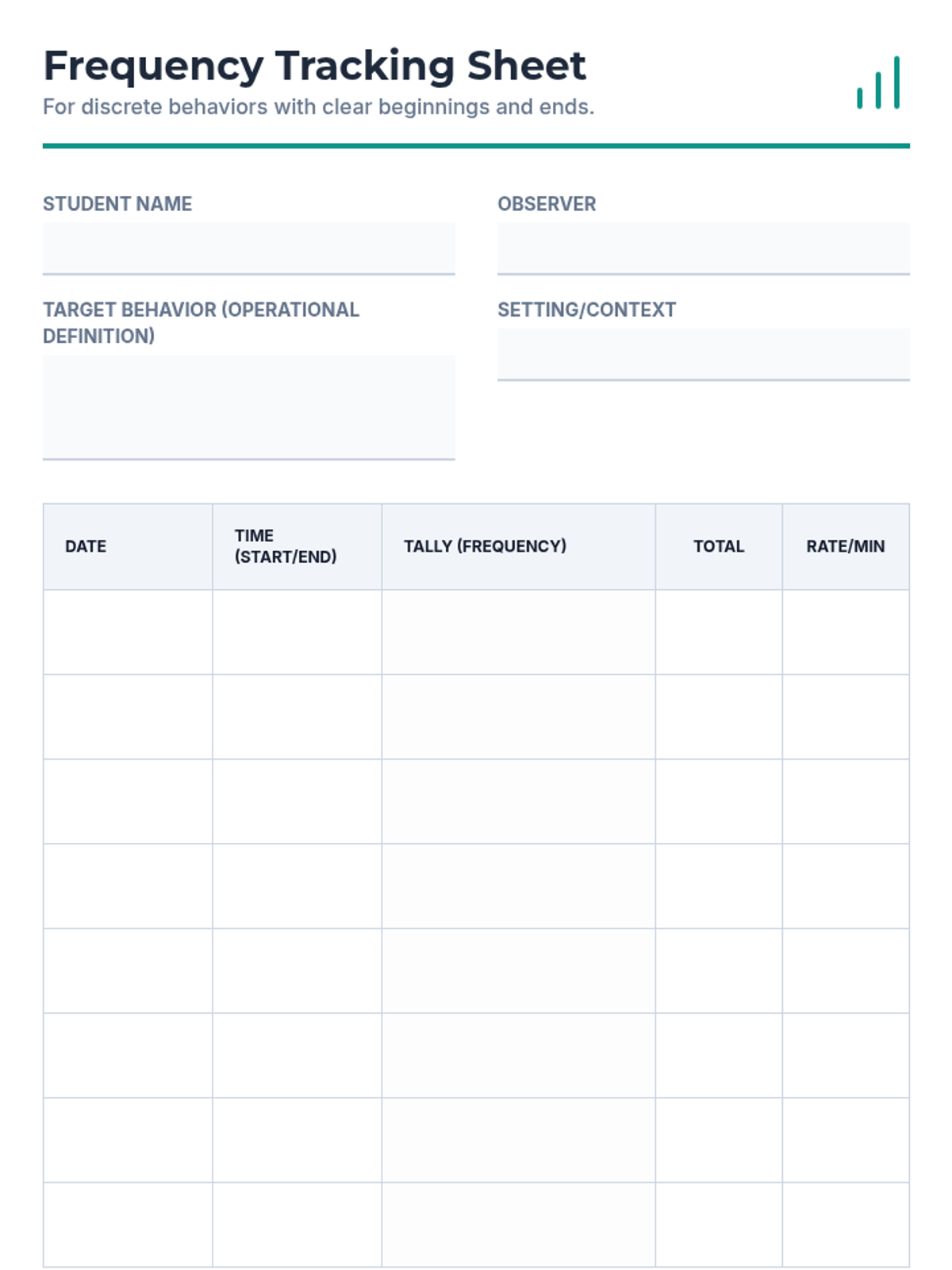
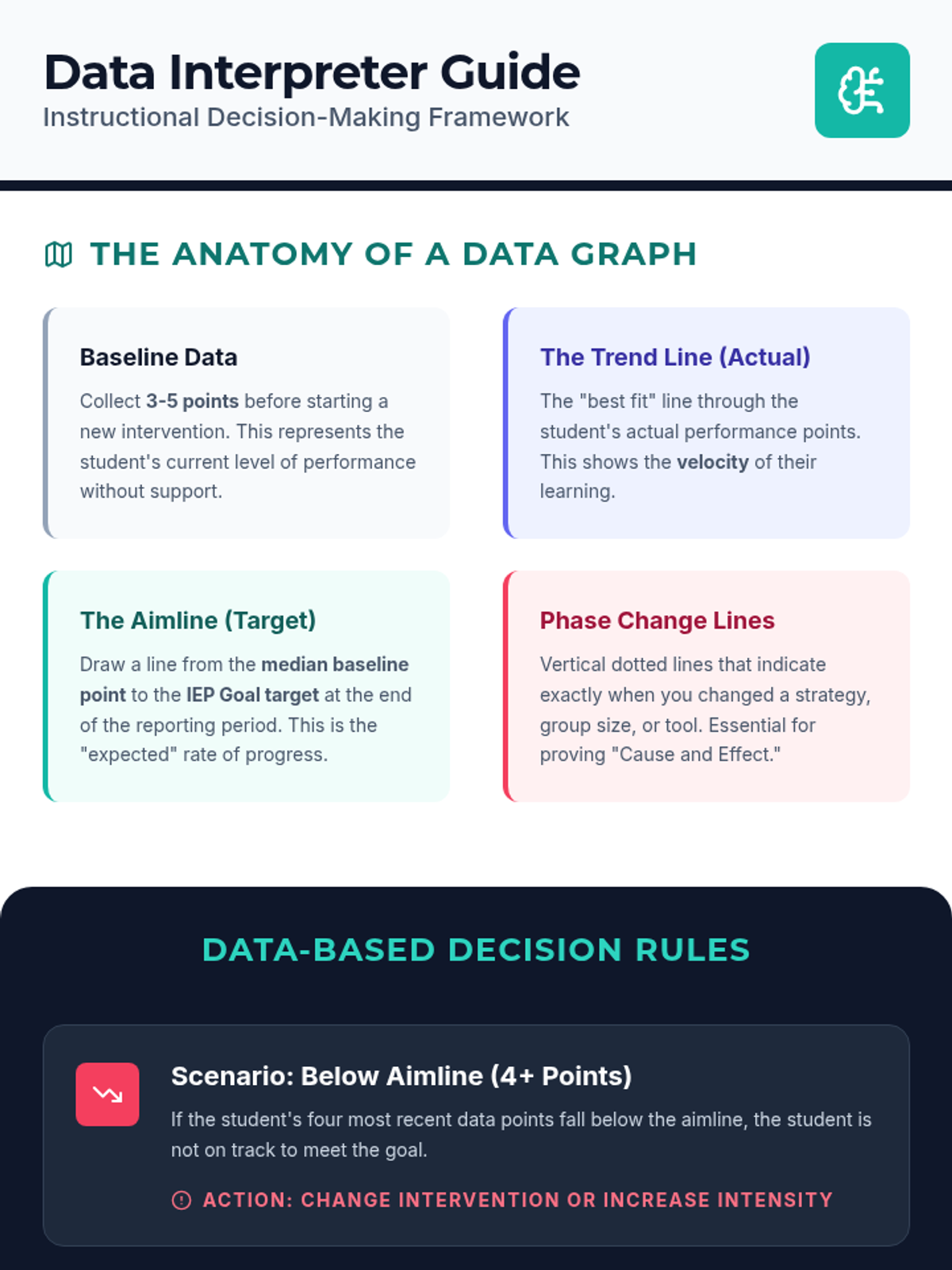
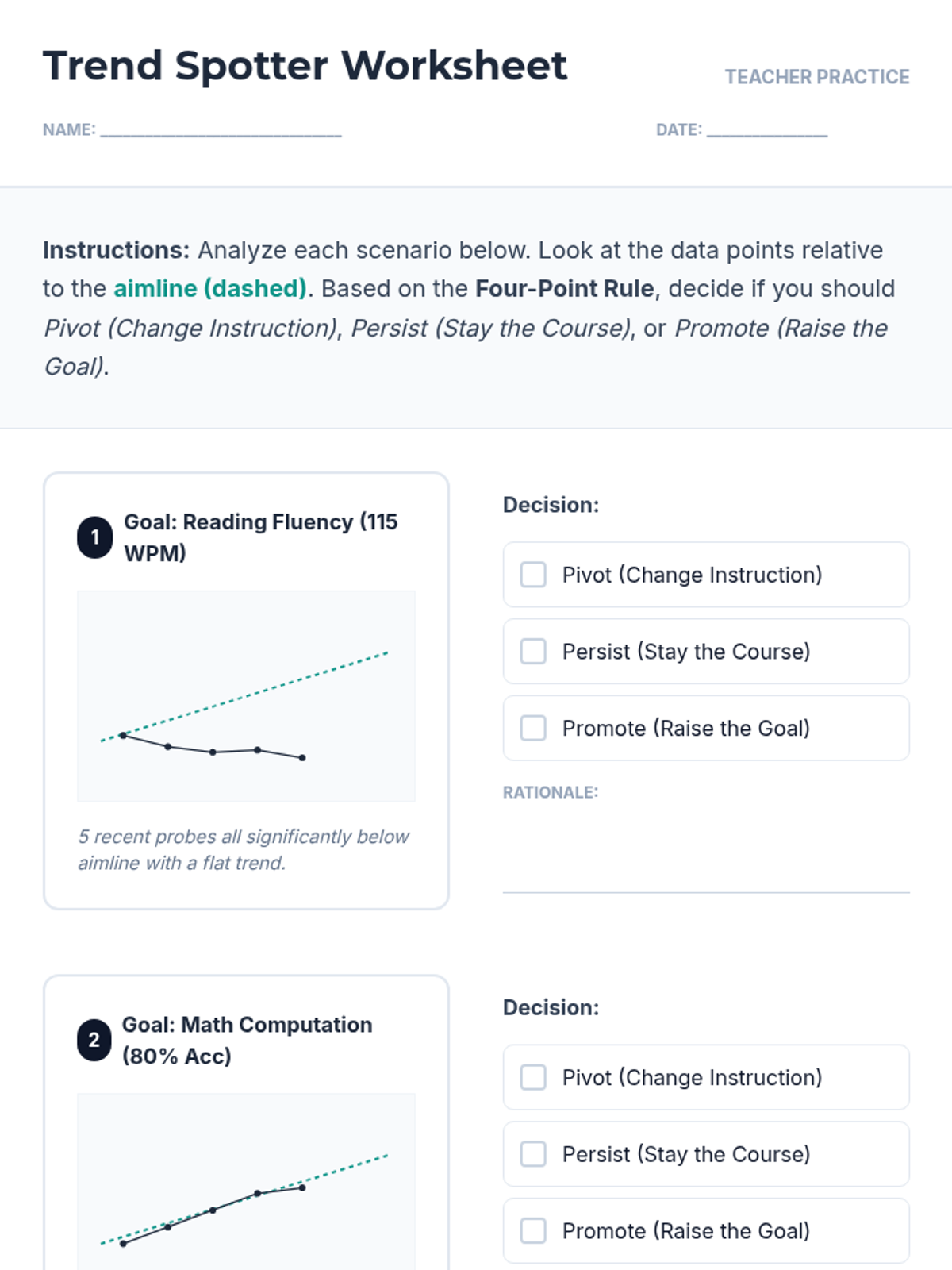
A comprehensive guide for high school SPED teachers on mastering IEP progress monitoring. Covers CBMs, behavior tracking methods, and data visualization techniques to ensure compliant and effective instruction.
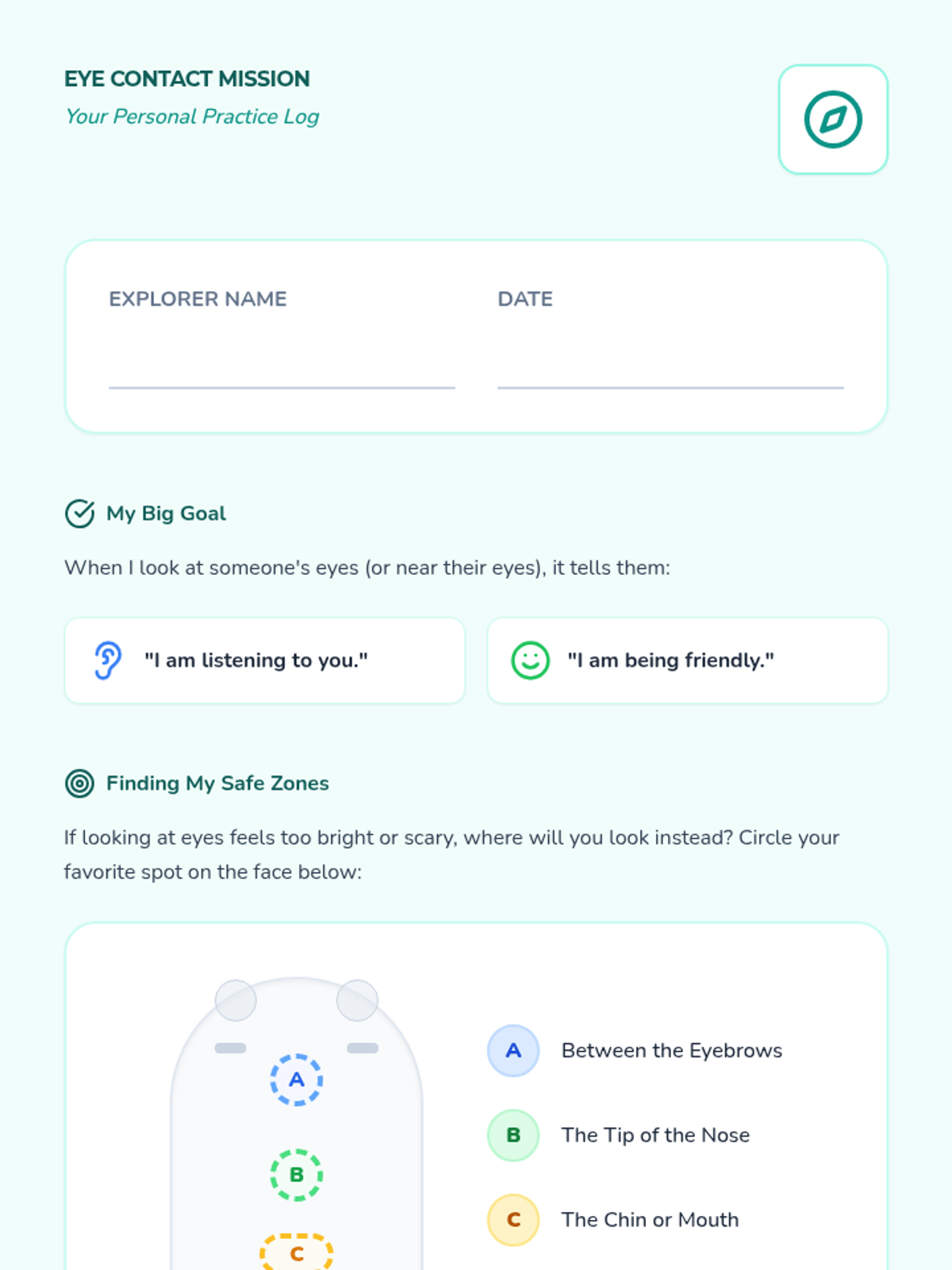
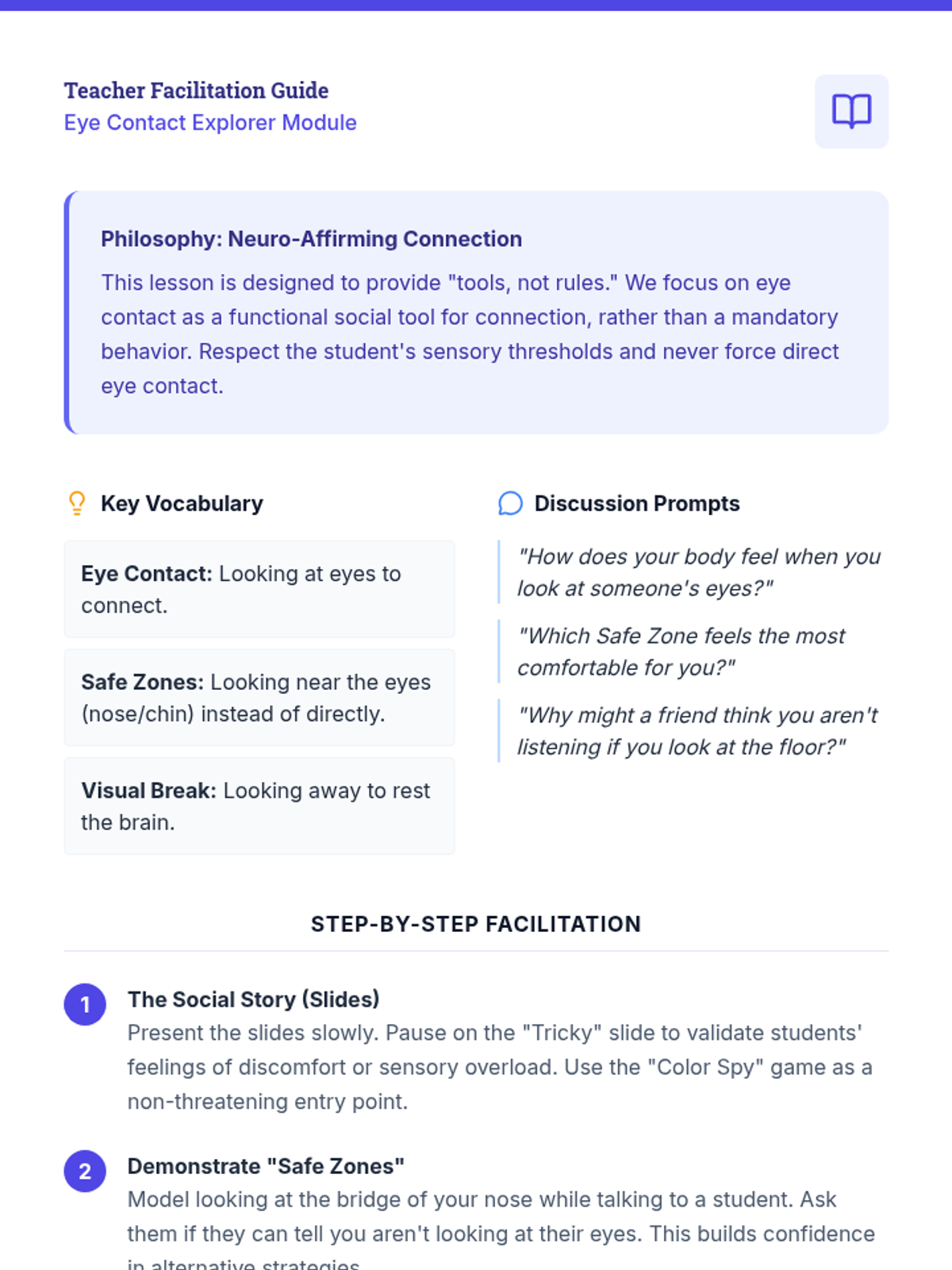
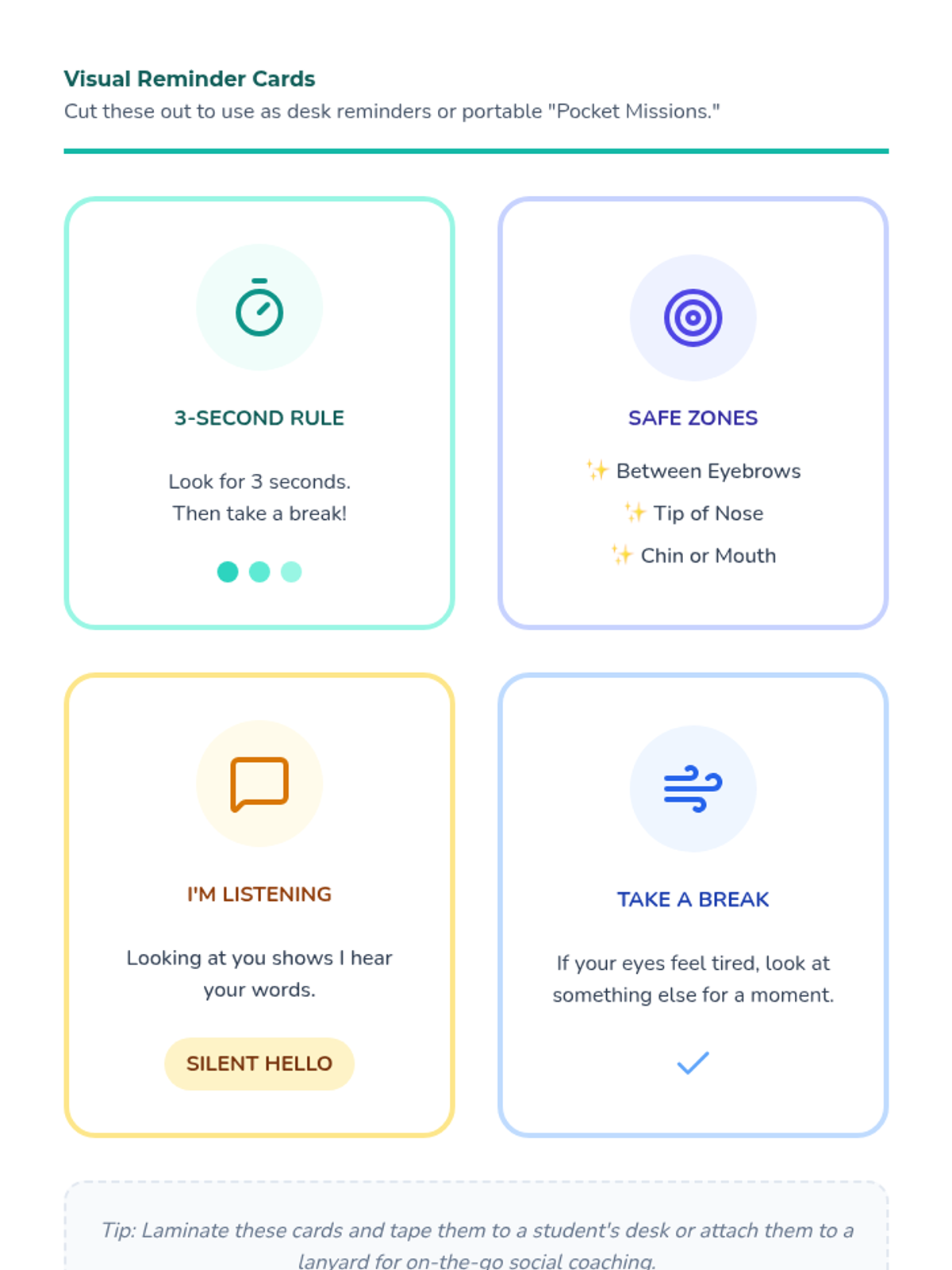
A comprehensive resource pack designed to help neurodivergent students understand and practice eye contact in a comfortable, low-pressure way. It includes a visual social story, a printable workbook, and teacher strategies.
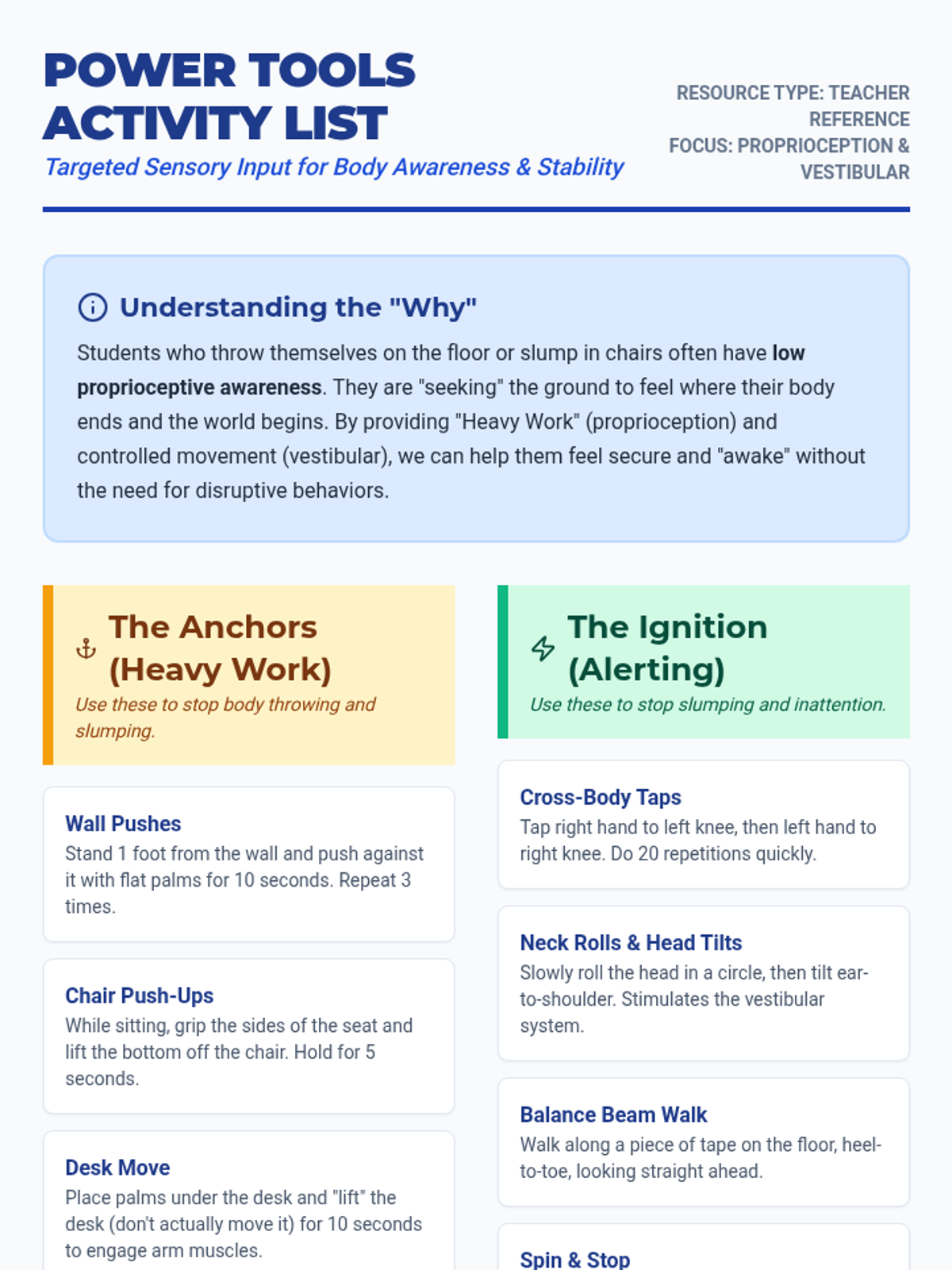
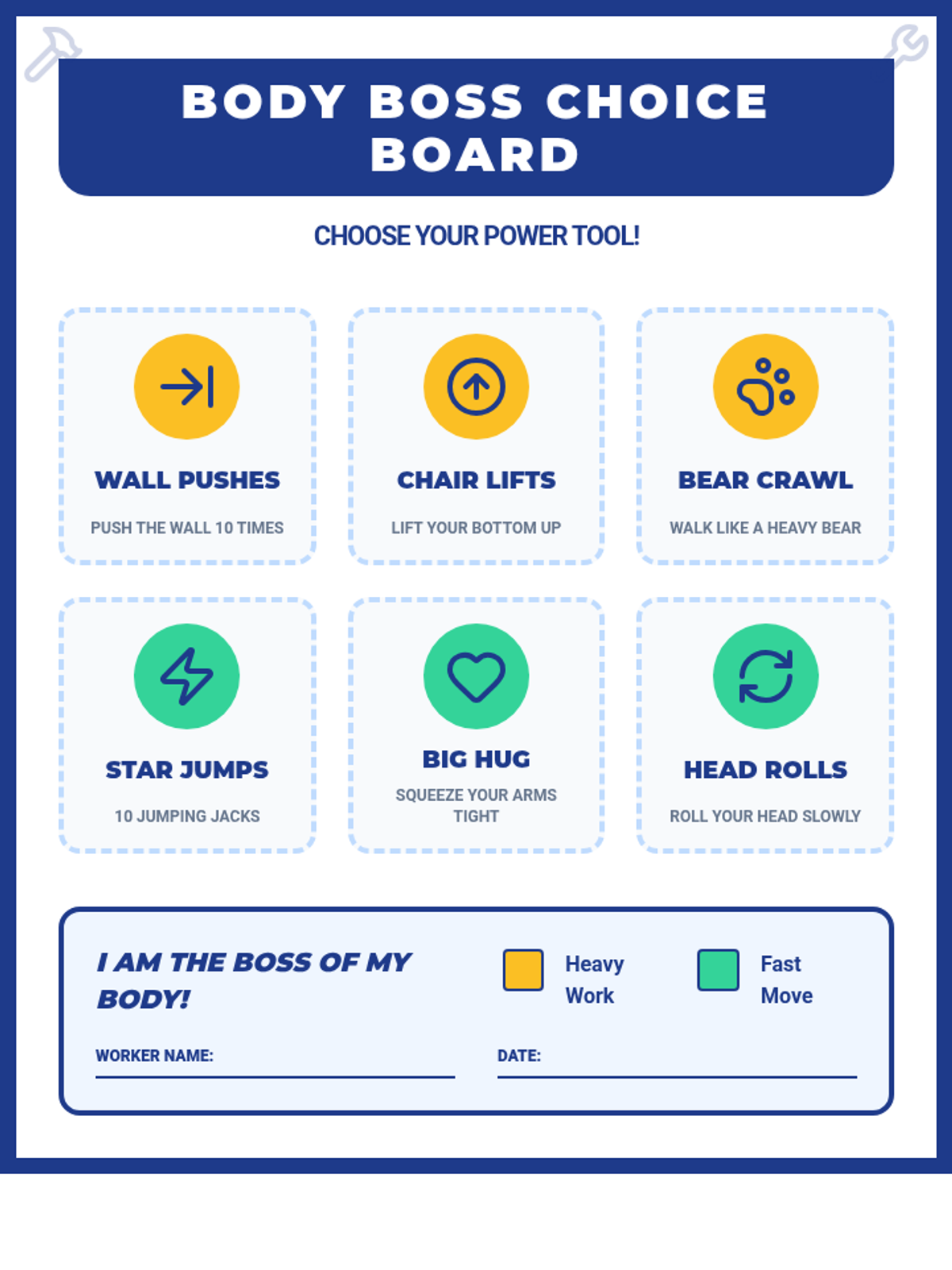
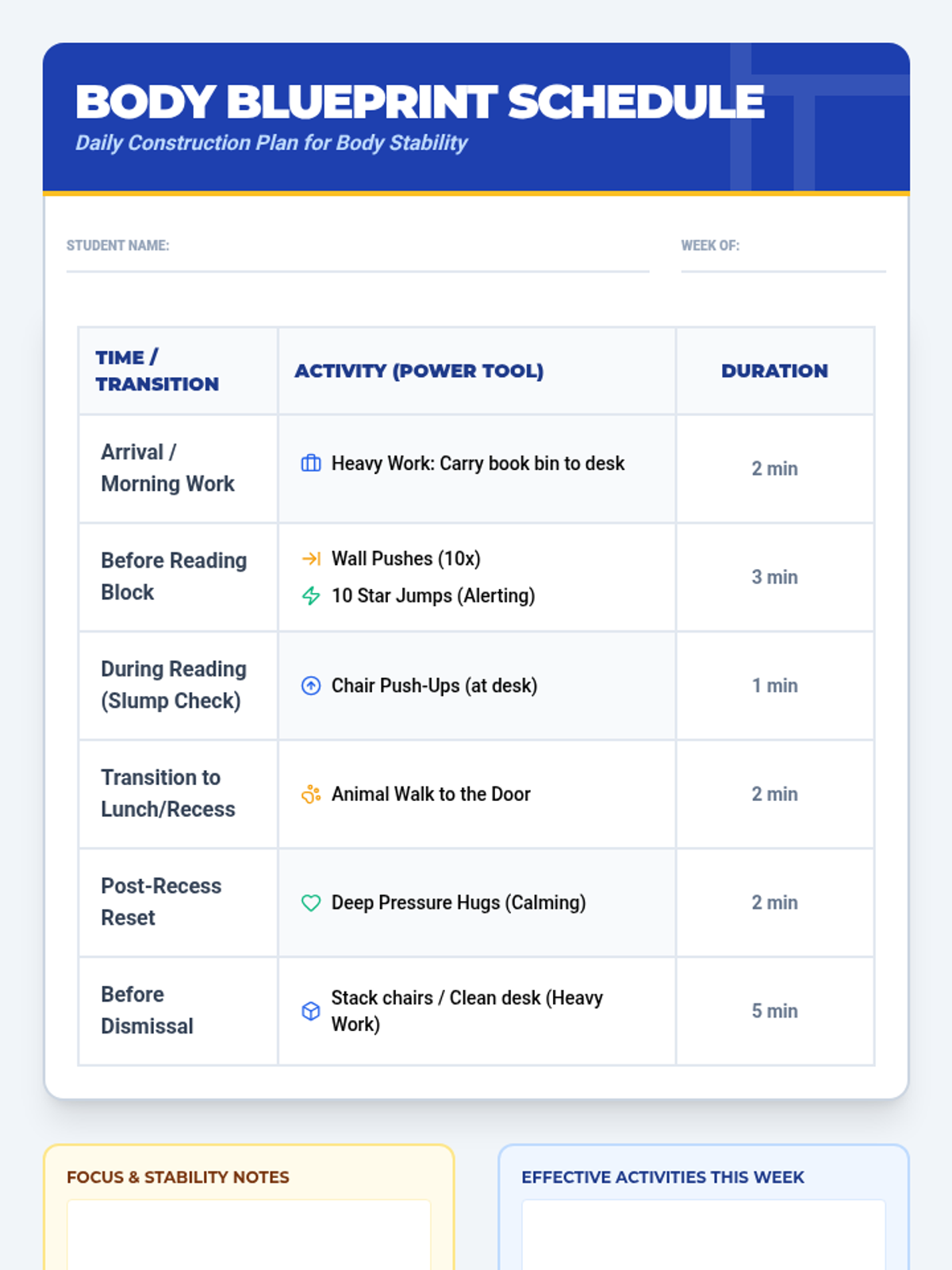
A comprehensive sensory diet protocol designed for a first-grade student to improve body awareness, reduce postural slumping, and minimize floor-throwing behaviors through targeted heavy work and movement breaks.
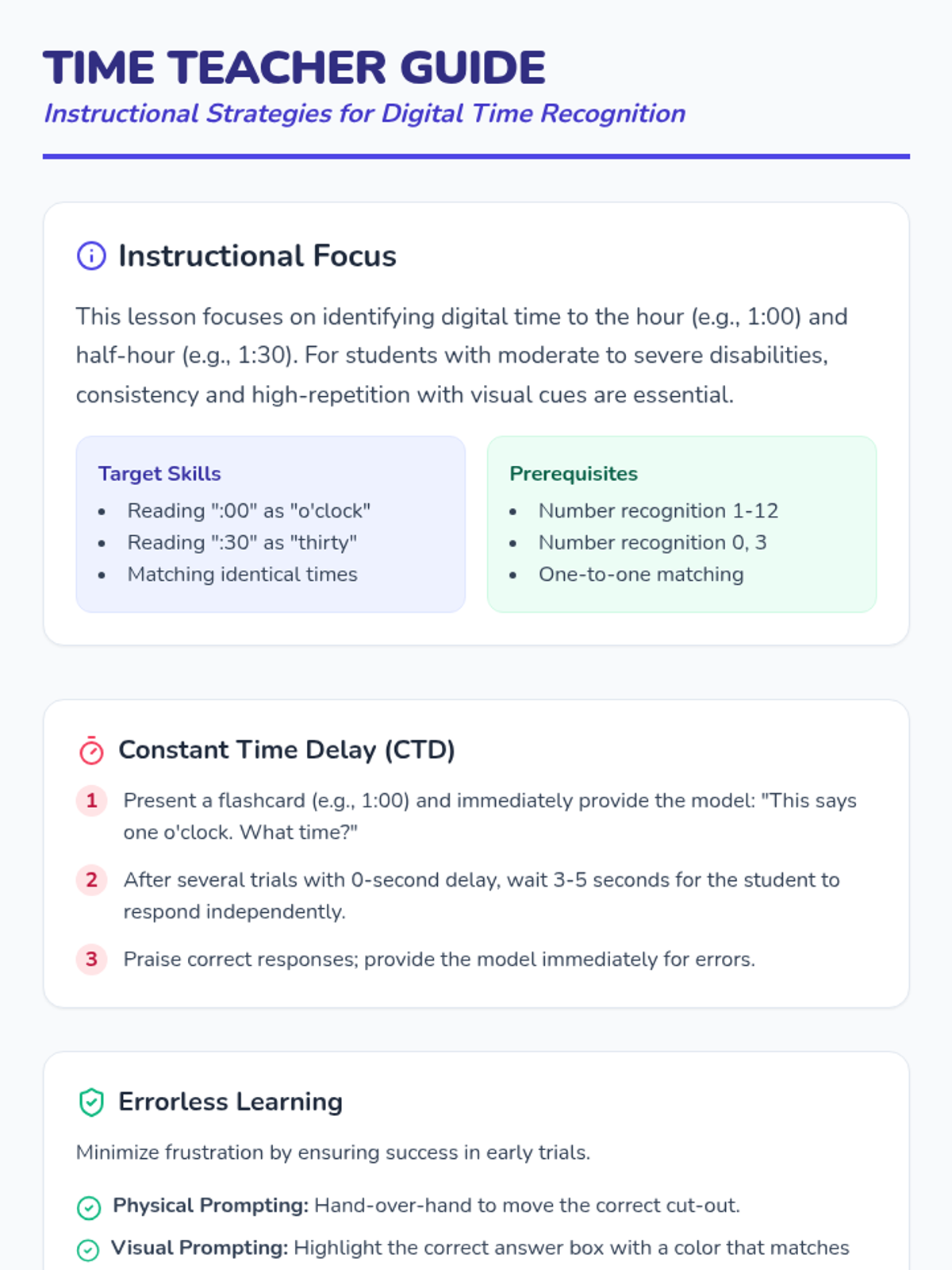
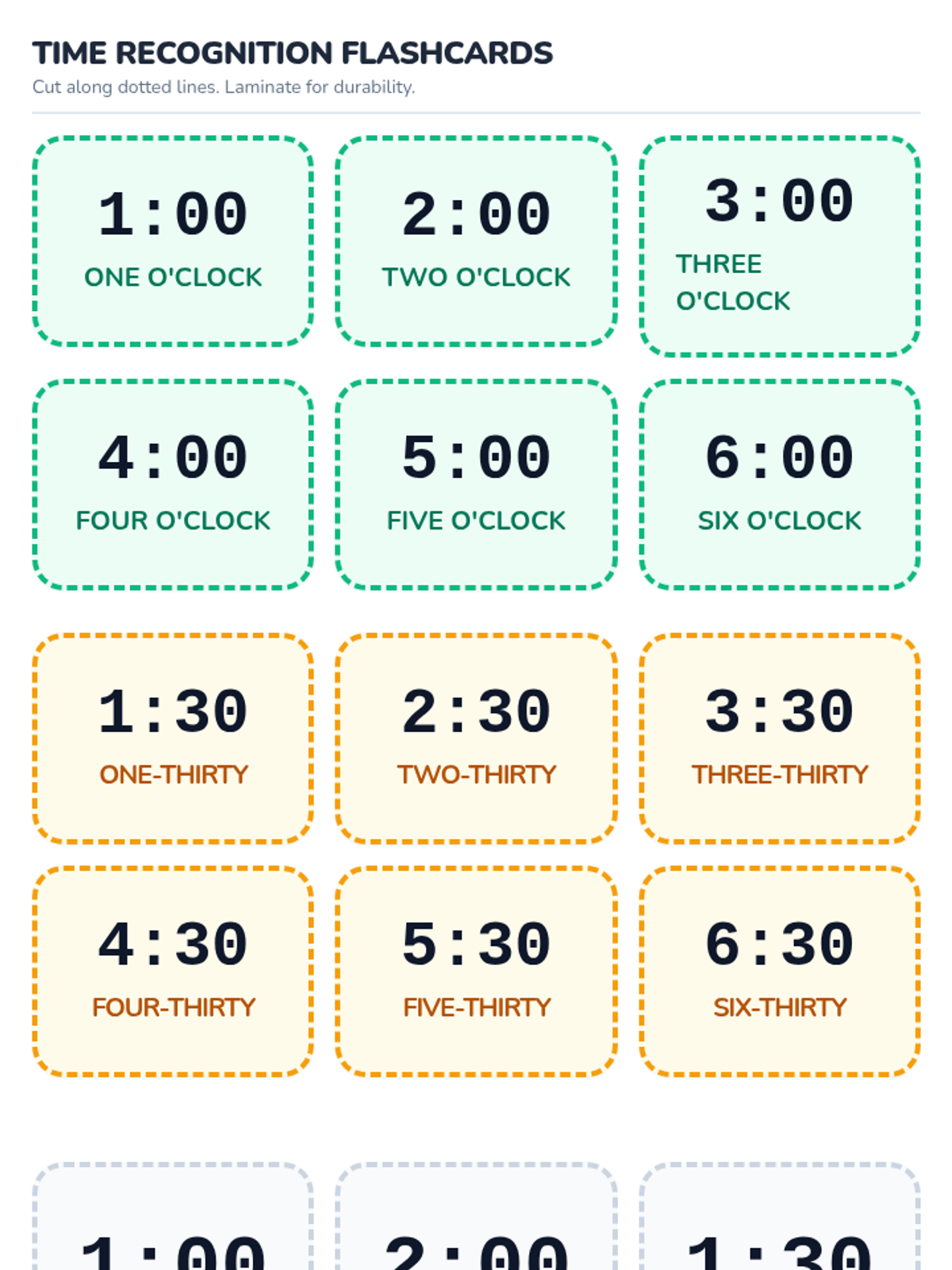
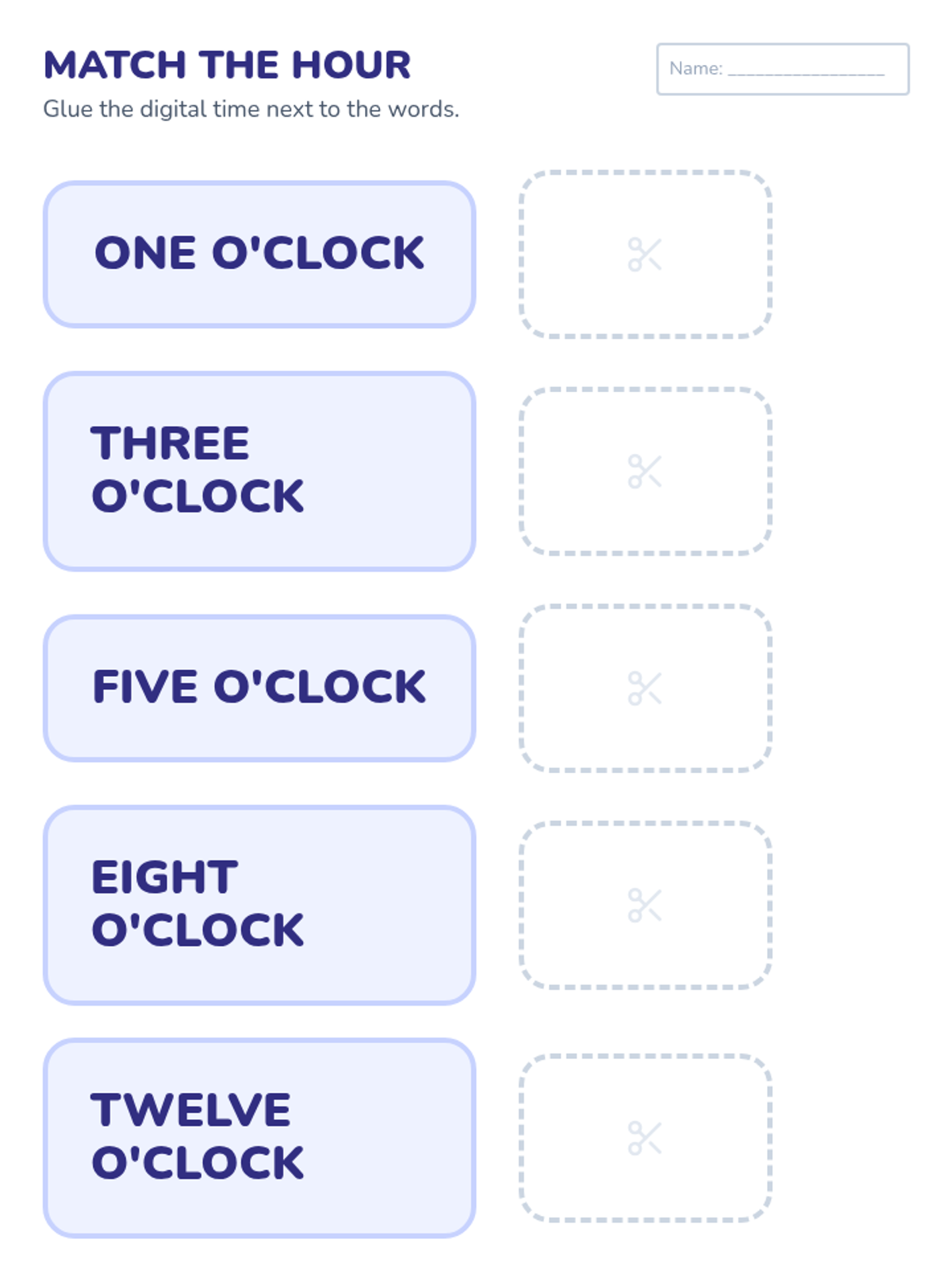
A foundational lesson for students with moderate to severe disabilities to recognize and match digital time to the hour and half-hour using high-visual supports and repetitive practice.