Students practice using TTS to decode specific domain-specific vocabulary by highlighting difficult words to hear the pronunciation and building oral fluency through repetition.
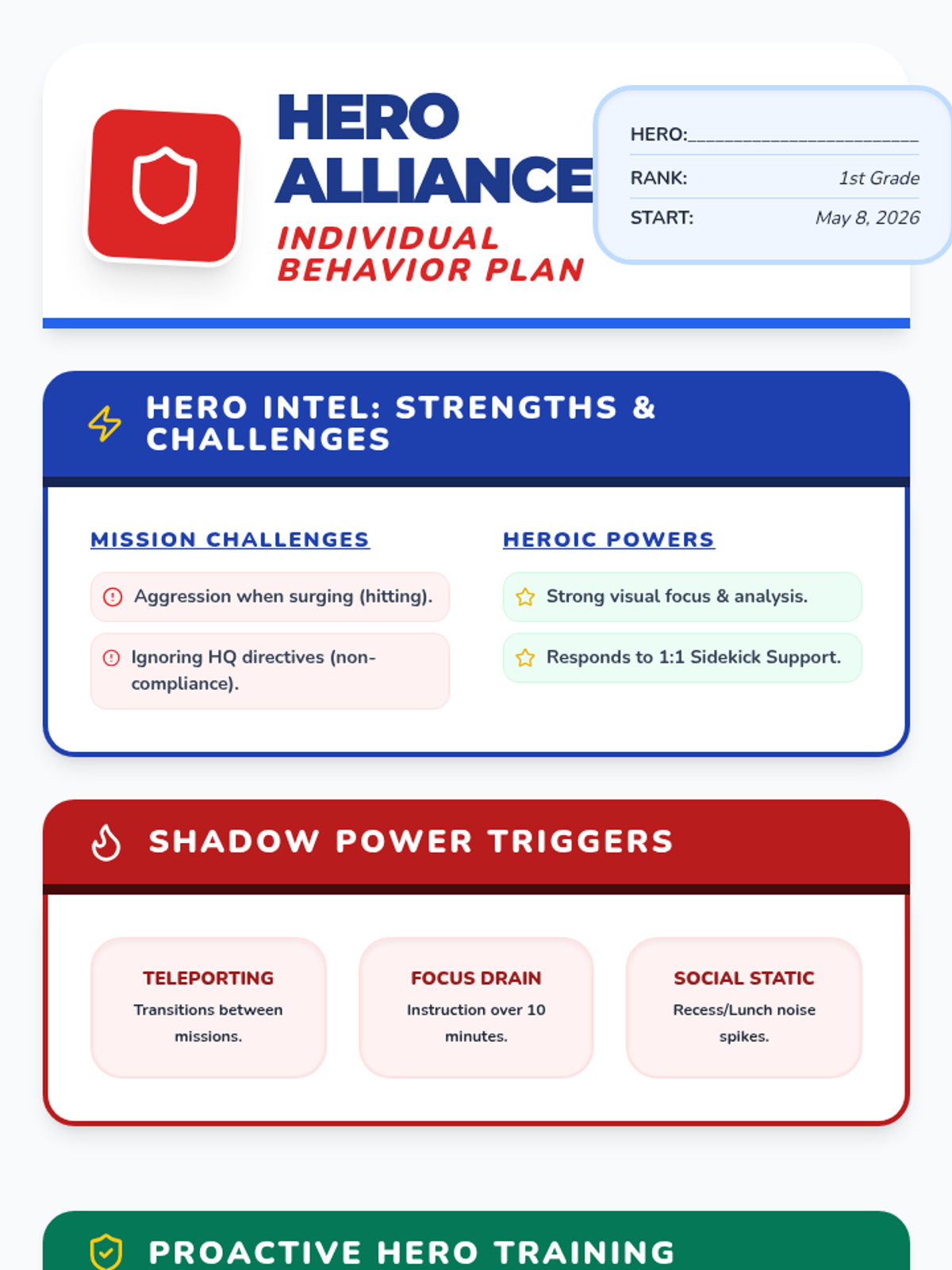
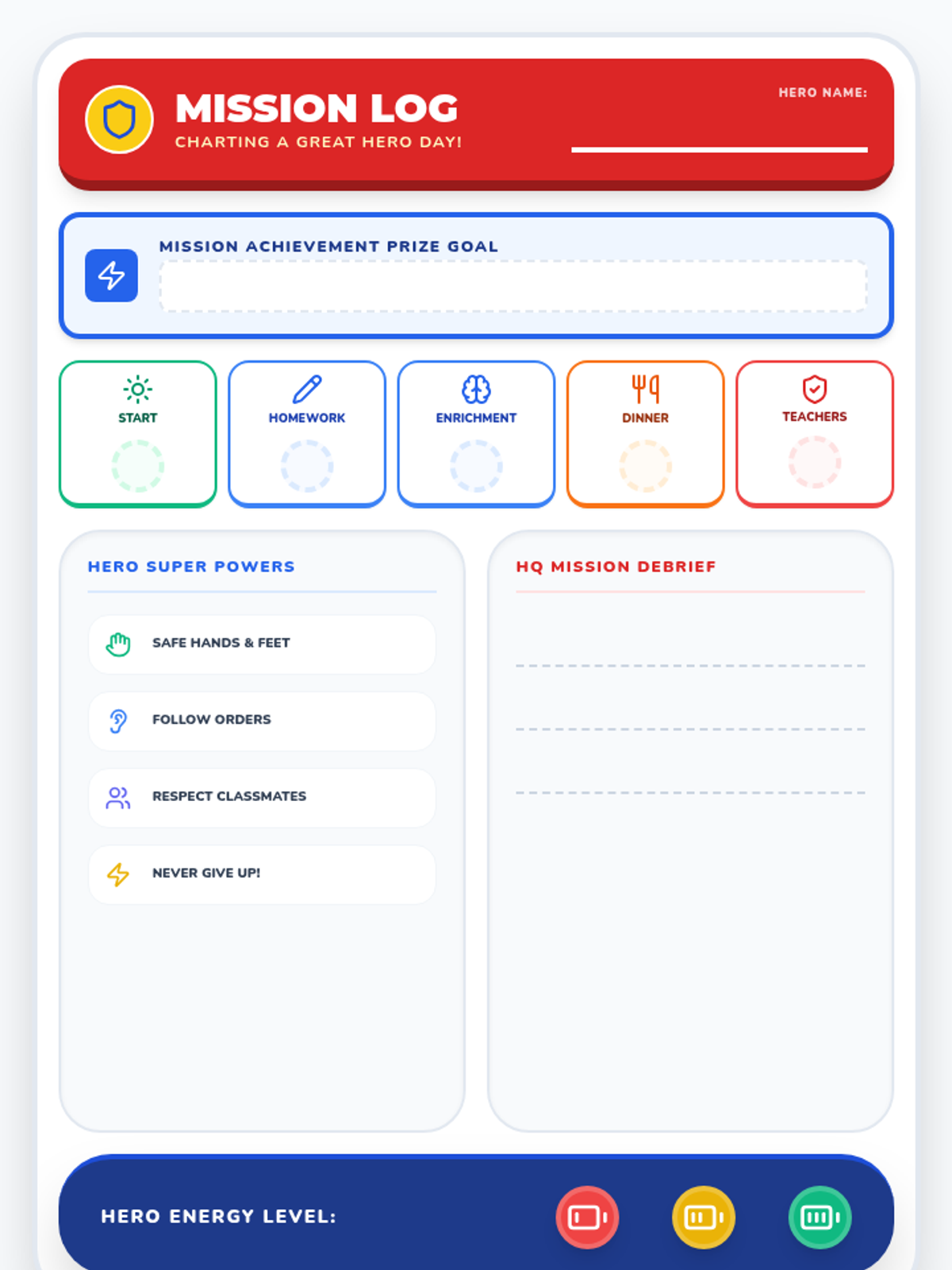
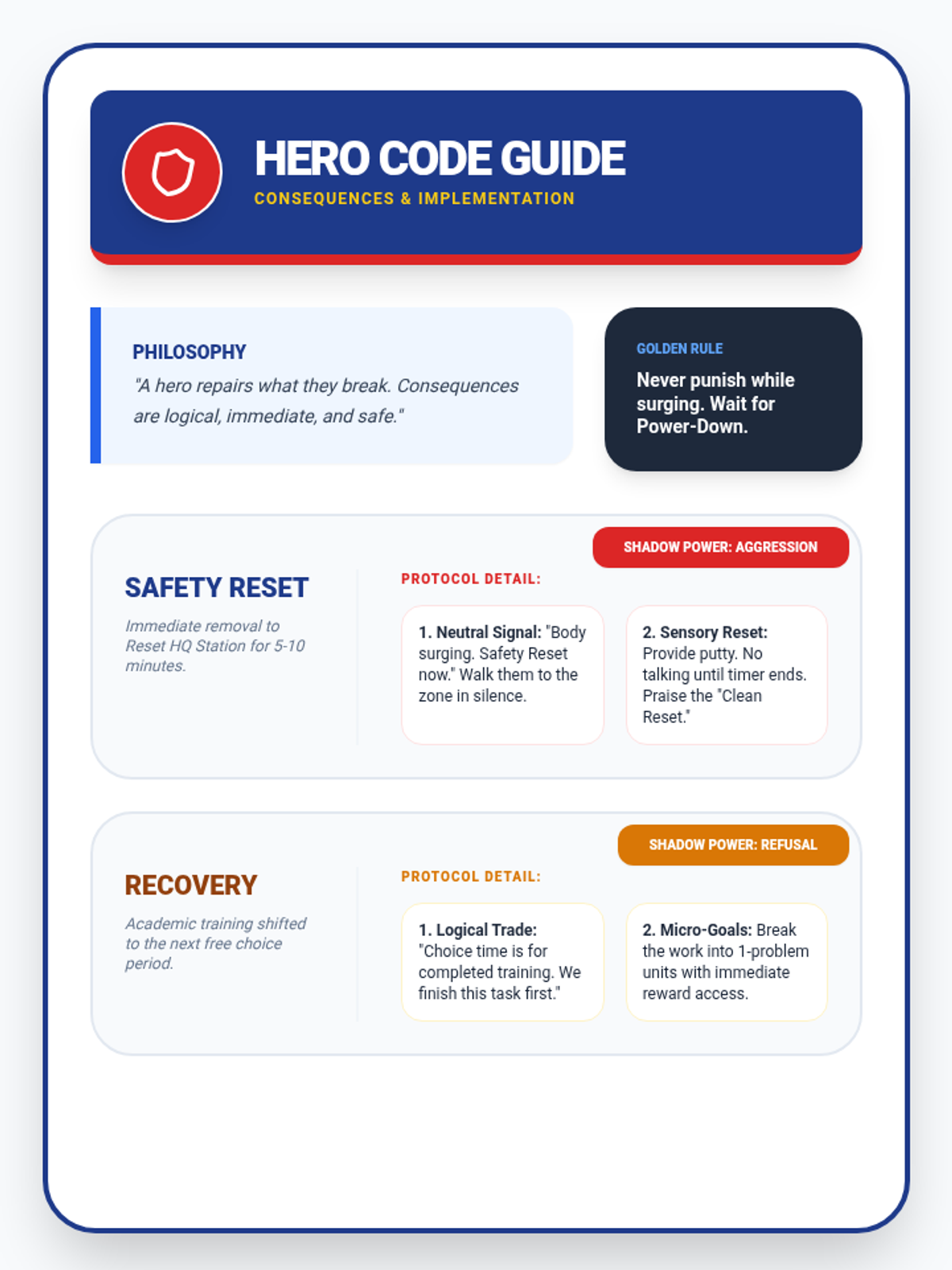
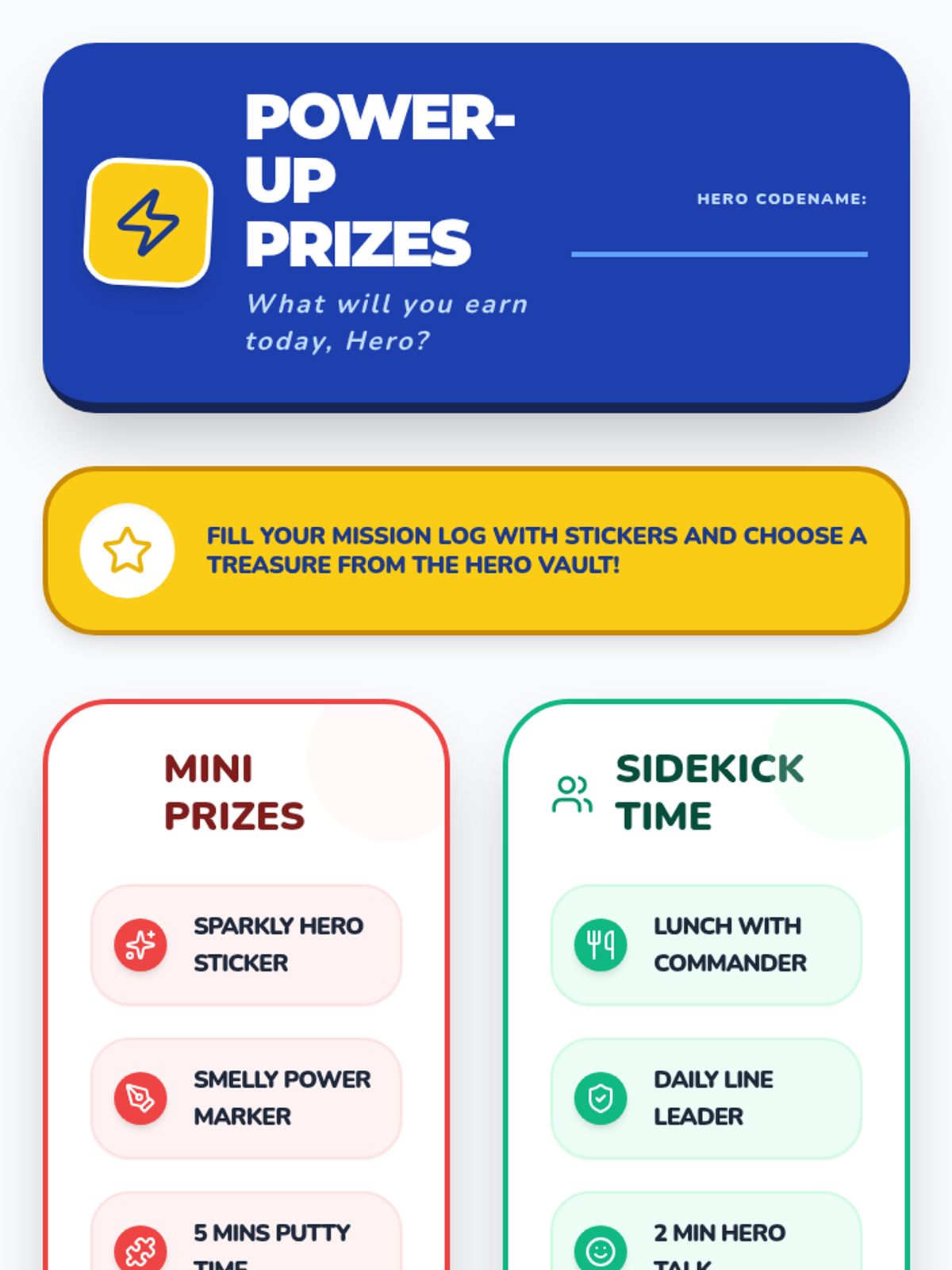
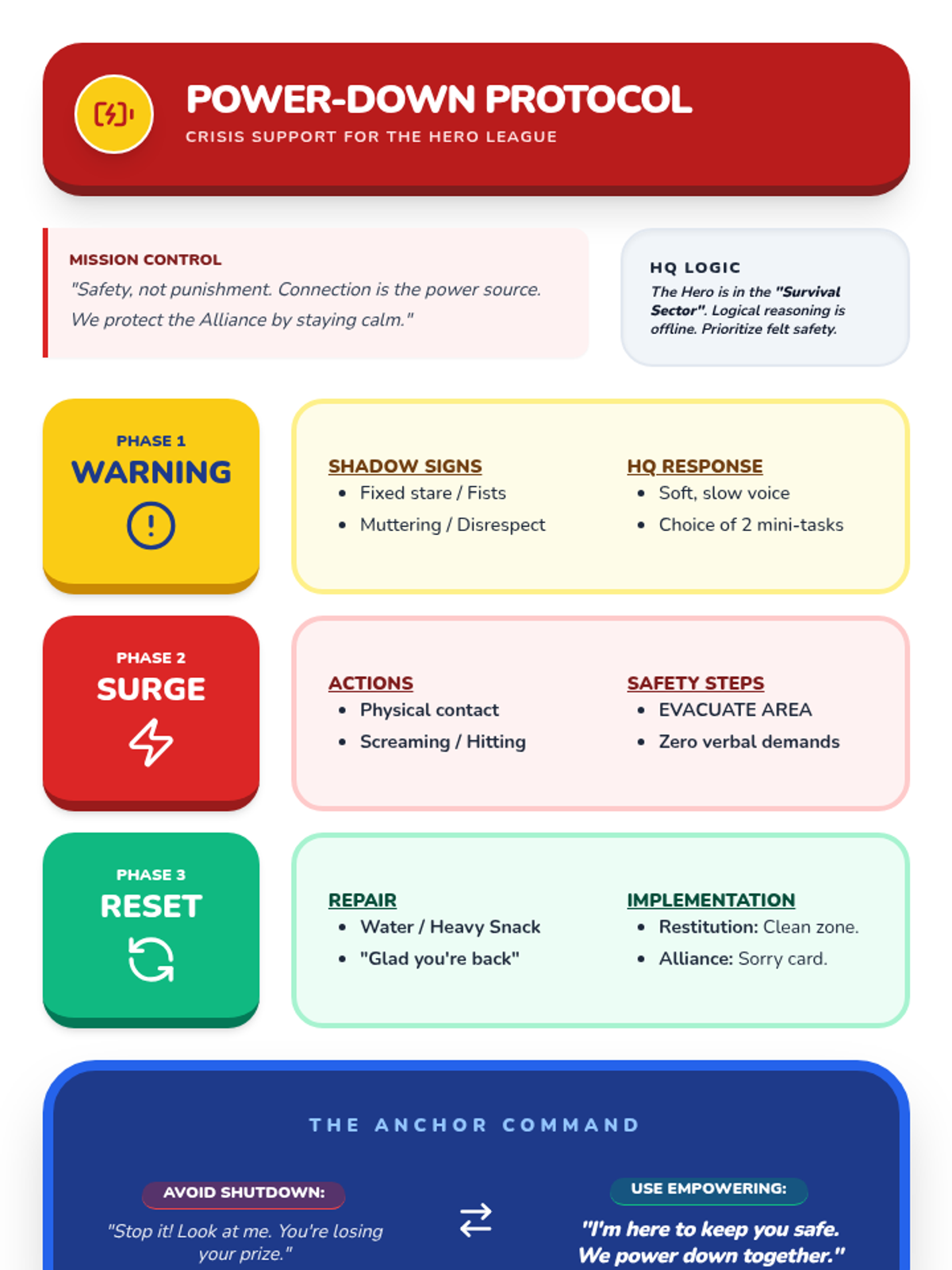
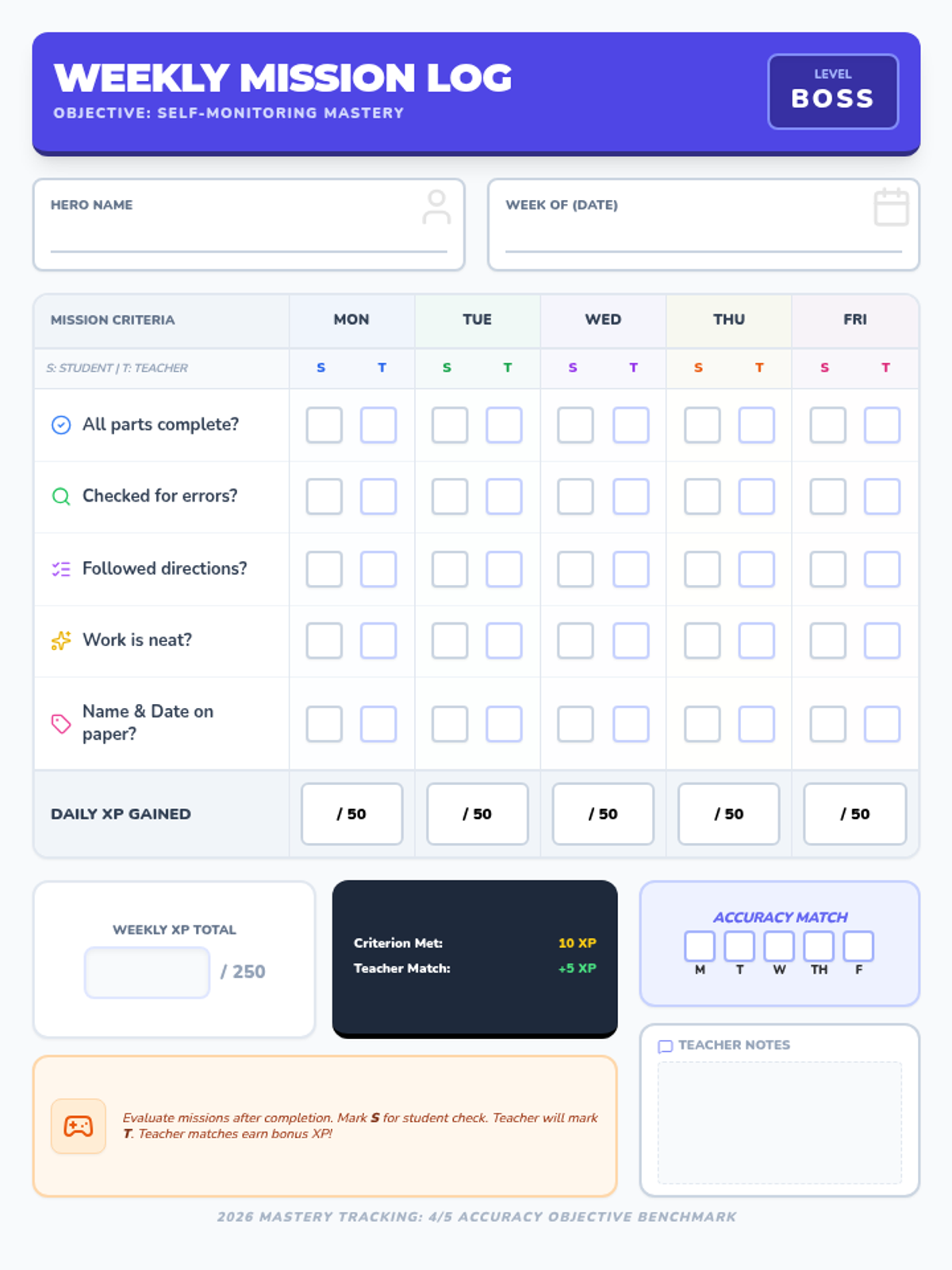
A collection of resources to support students in tracking and improving classroom behaviors, focusing on self-regulation and engagement.
A weekly routine for students to track and reflect on self-created executive functioning goals, promoting metacognition and self-regulation.
A comprehensive lesson designed for adults with mild intellectual disabilities to improve social communication, manage frustration, and build healthy physical habits for diabetes prevention. This lesson provides practical tools for daily self-regulation and wellness tracking.
A social skills lesson focused on personal boundaries and frustration tolerance for students with severe intellectual disabilities, using the concrete concept of a 'Personal Bubble'.
A foundational lesson for non-verbal students with autism to learn and practice three greeting methods: waving, high-fives, and using an AAC device. Includes a social narrative, choice boards, and individual communication cards.
A cumulative review of all four emotions through a matching game. Focuses on generalization across different faces and contexts.
Explores 'Angry' and 'Scared' using clear visual indicators like furrowed brows and wide eyes. Provides slides, teacher support, and a sorting activity mat.
Focuses on identifying 'Happy' and 'Sad' through facial expressions and situational cues. Includes visual slides, a facilitator guide for non-verbal communication, and printable matching cards.
A collection of visual anchor charts and notebook inserts to help students master common spelling rules including the FLOSS rule and the C/K/CK spelling choice.
A comprehensive toolkit for school leaders to conduct effective classroom walkthroughs aligned with the MA DESE Model Rubric for Classroom Teacher Evaluation.
A set of visual communication tools designed for students who struggle with verbalizing emotions and needs, using a cartoon-inspired theme to make communication engaging and accessible.
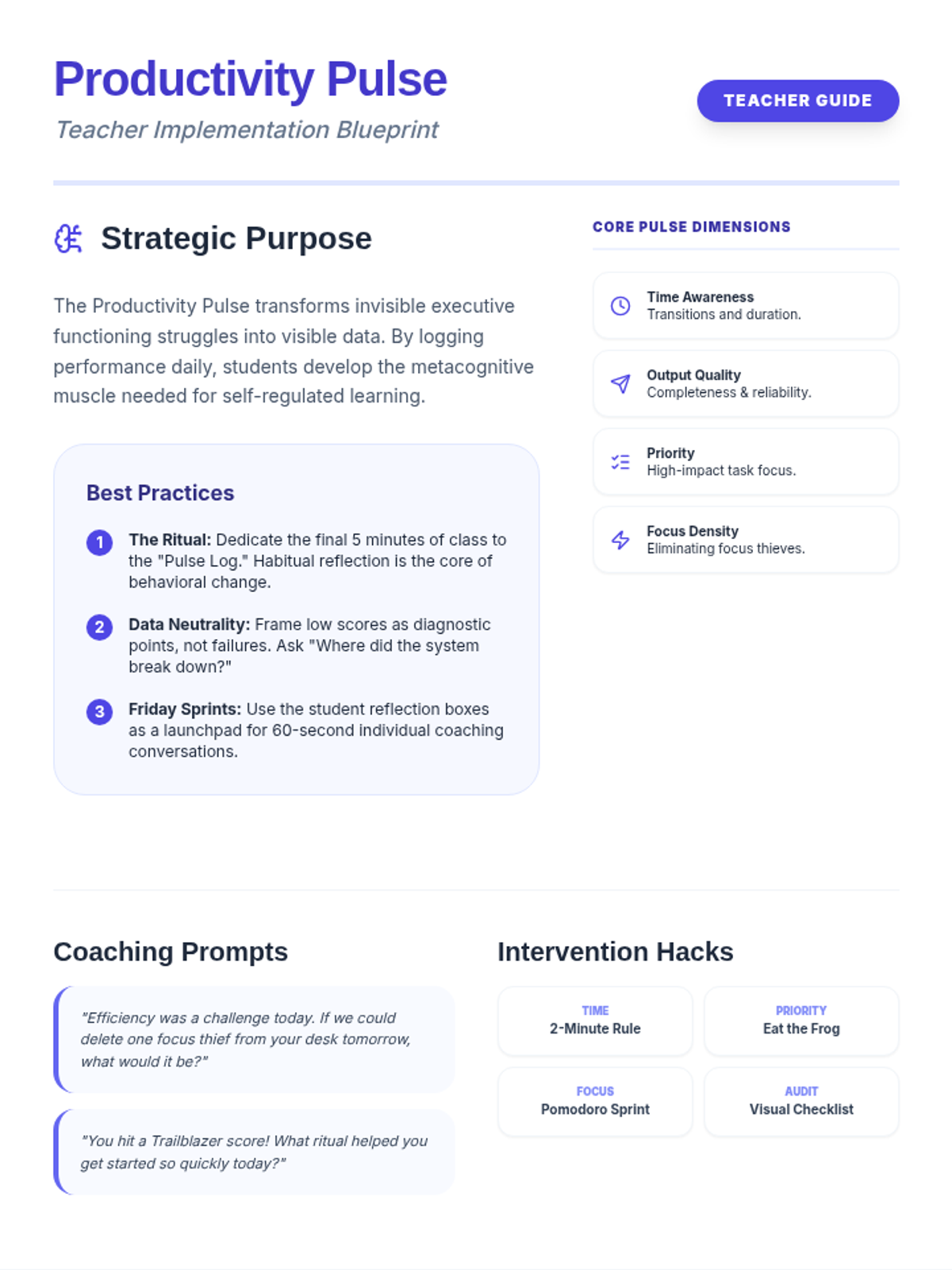
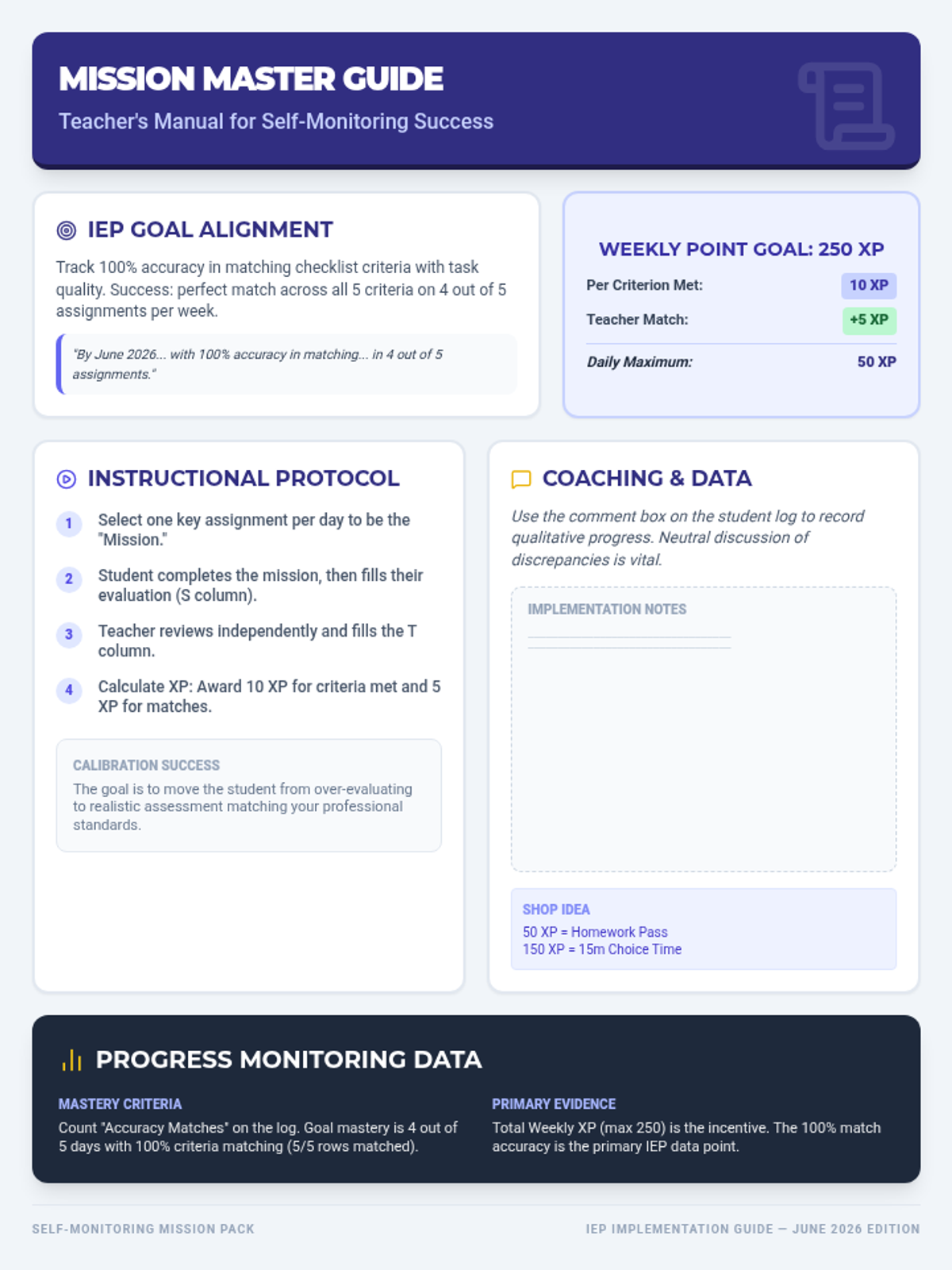
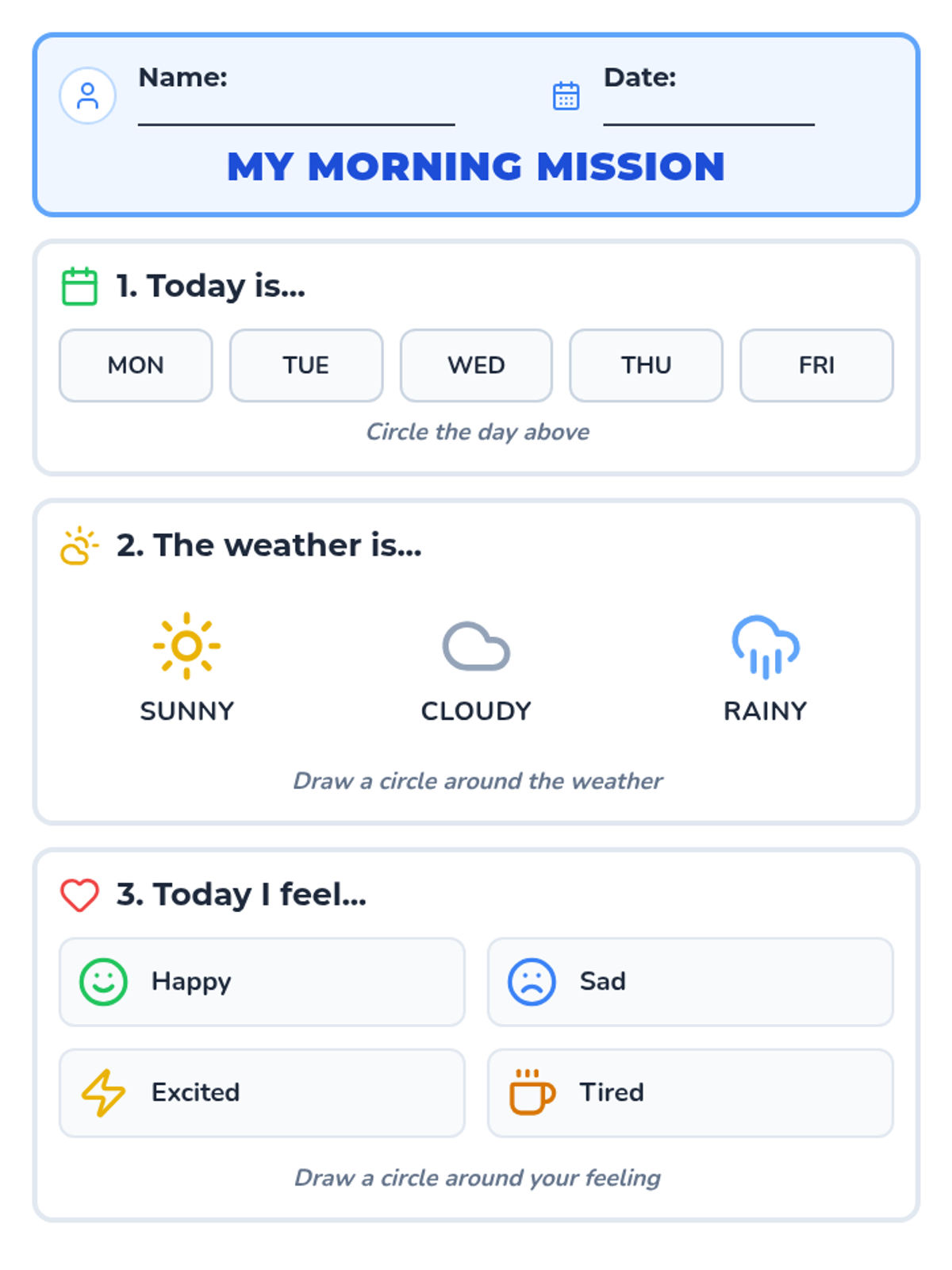
A daily habit-building system for students to monitor their readiness, preparation, and work effort across all subjects. Includes student trackers and teacher implementation guides to foster accountability and self-regulation.
Review all letters, complex line cutting, CVC word sorting, subtraction within 20, and a celebration of 'quiet voice' mastery.
Focus on the letter 'h', shape cutting, 'ap/op' family building, addition within 20, and self-monitoring the 'quiet voice'.
Focus on the letter 'r', curved line cutting, 'an' family CVC words, mixed math within 10, and maintaining a 'quiet voice'.
Focus on the letter 'a', zigzag line cutting, 'at' family building, subtraction within 10, and practicing the 'quiet voice'.
Focus on the letter 's', straight line cutting, 'at' family CVC words, and addition within 10 using visual supports.
Students compose a simple informative report about a bird using a combination of drawing and dictation/writing with high levels of visual support. Focuses on informative writing (W.K.2).
Students participate in shared research to discover how different beaks help birds eat different foods. Focuses on shared research (W.K.7) and answering questions from sources (W.K.8).
Students identify basic bird body parts (wings, feathers, beak, feet) using high-interest visuals and simple labeling tasks. Focuses on gathering information from visual sources (W.K.8).
A modified geometry lesson for 3rd-grade students focusing on 2D shapes, quadrilaterals, and polygons through tactile and visual activities. This lesson is designed with accessibility in mind, featuring high-contrast visuals and motor-skill-friendly tasks.
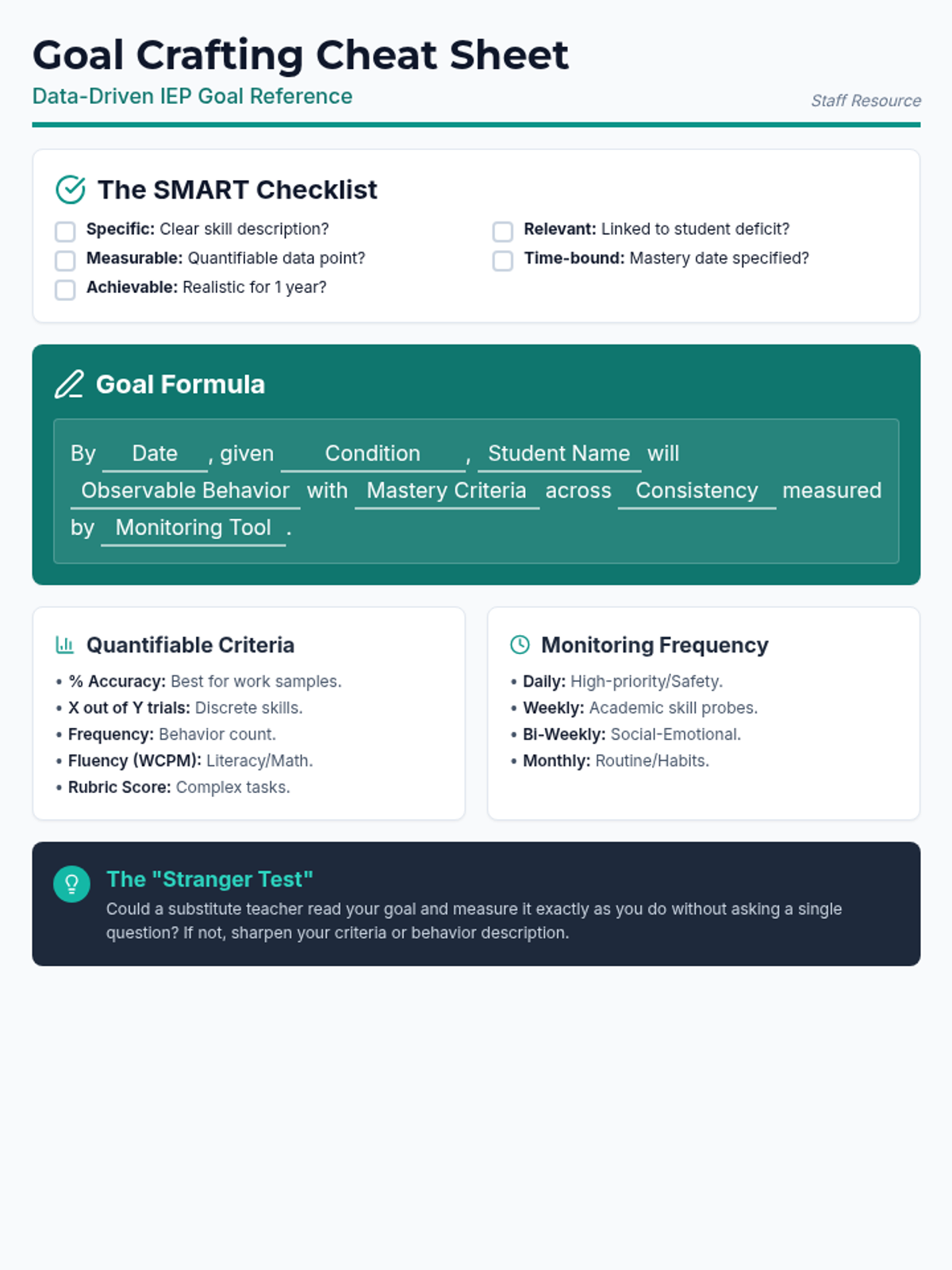
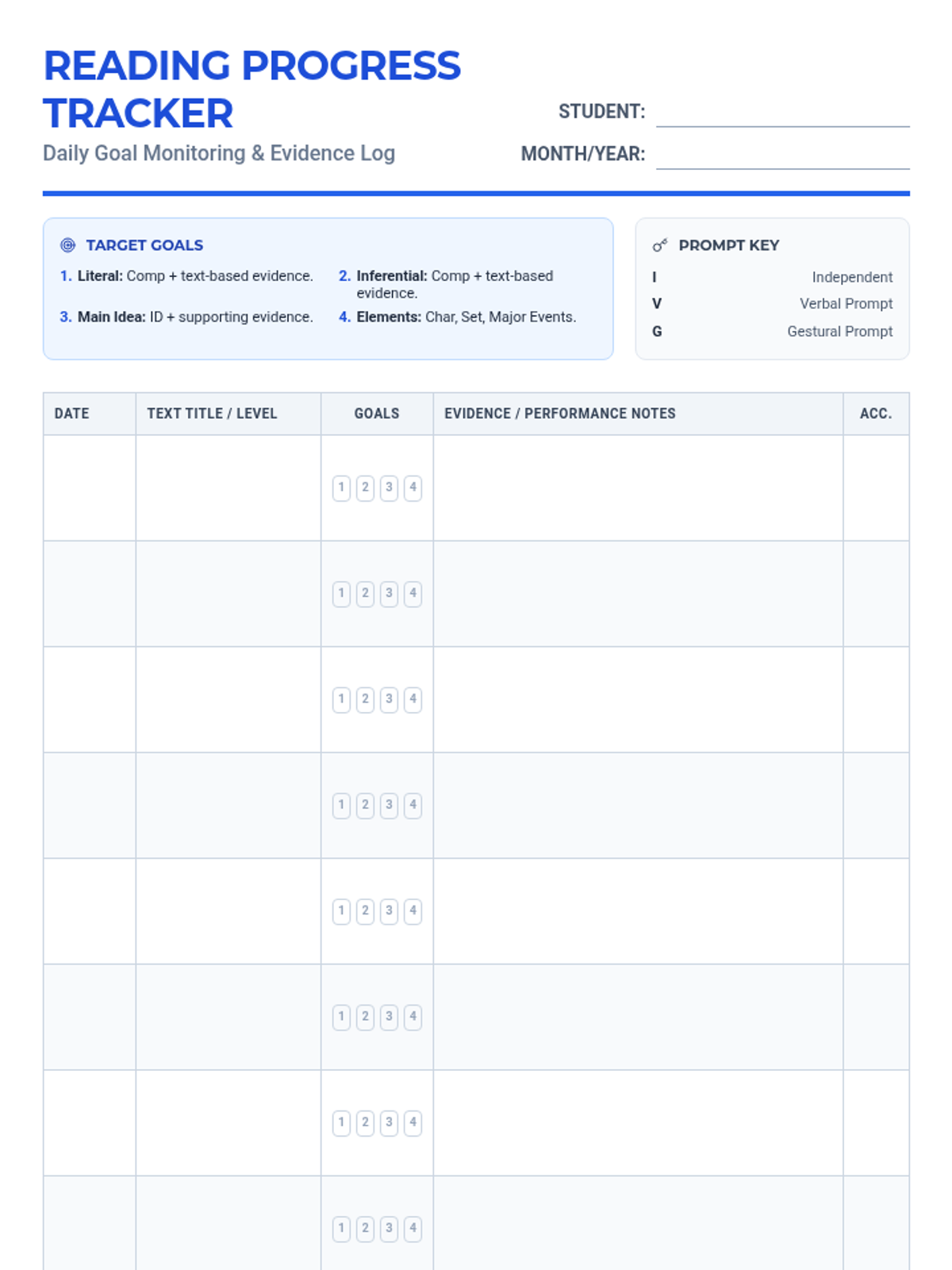
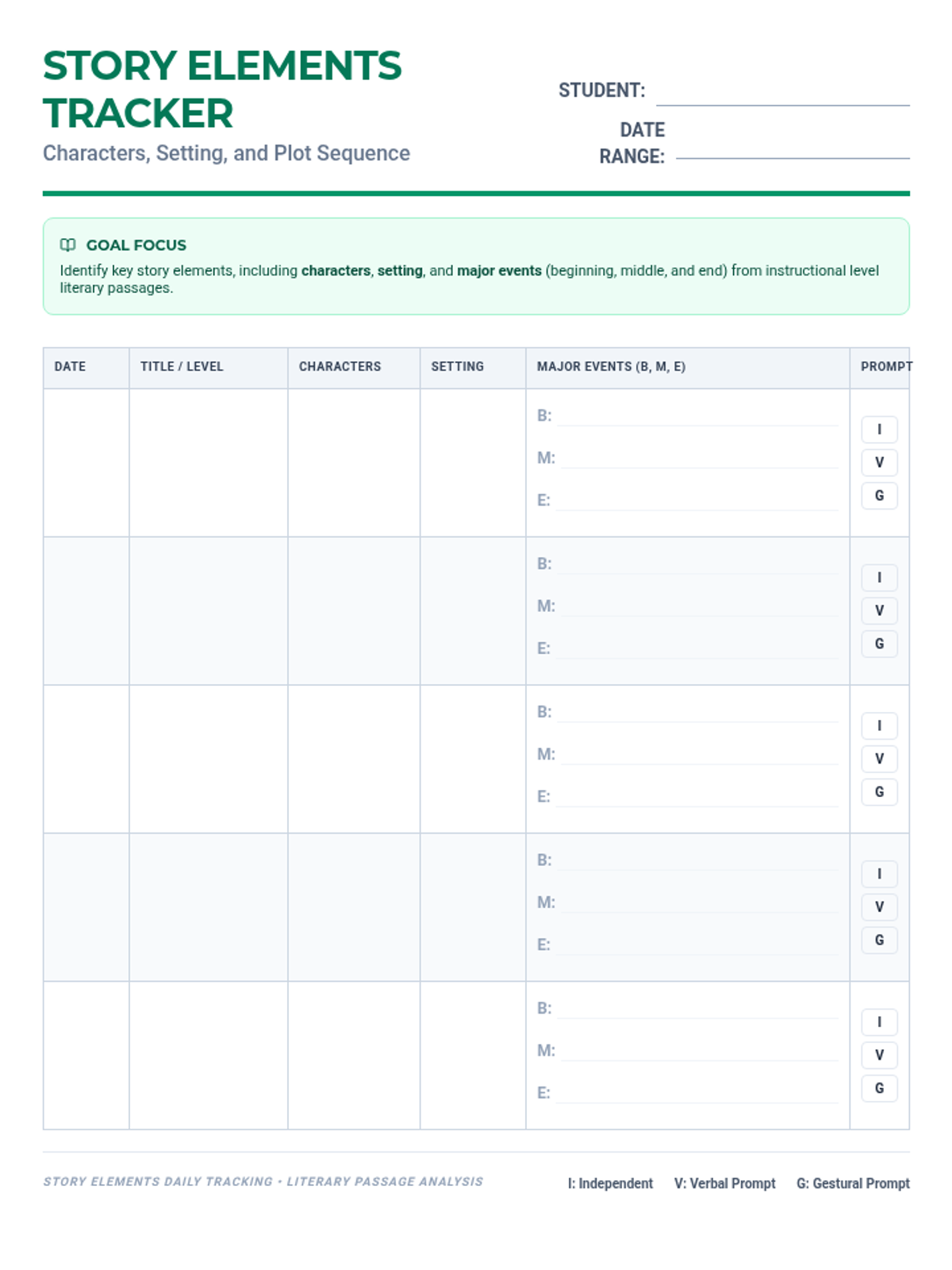
A comprehensive set of templates for special education teachers to track and document student progress toward IEP goals across academic, functional, and behavioral domains.
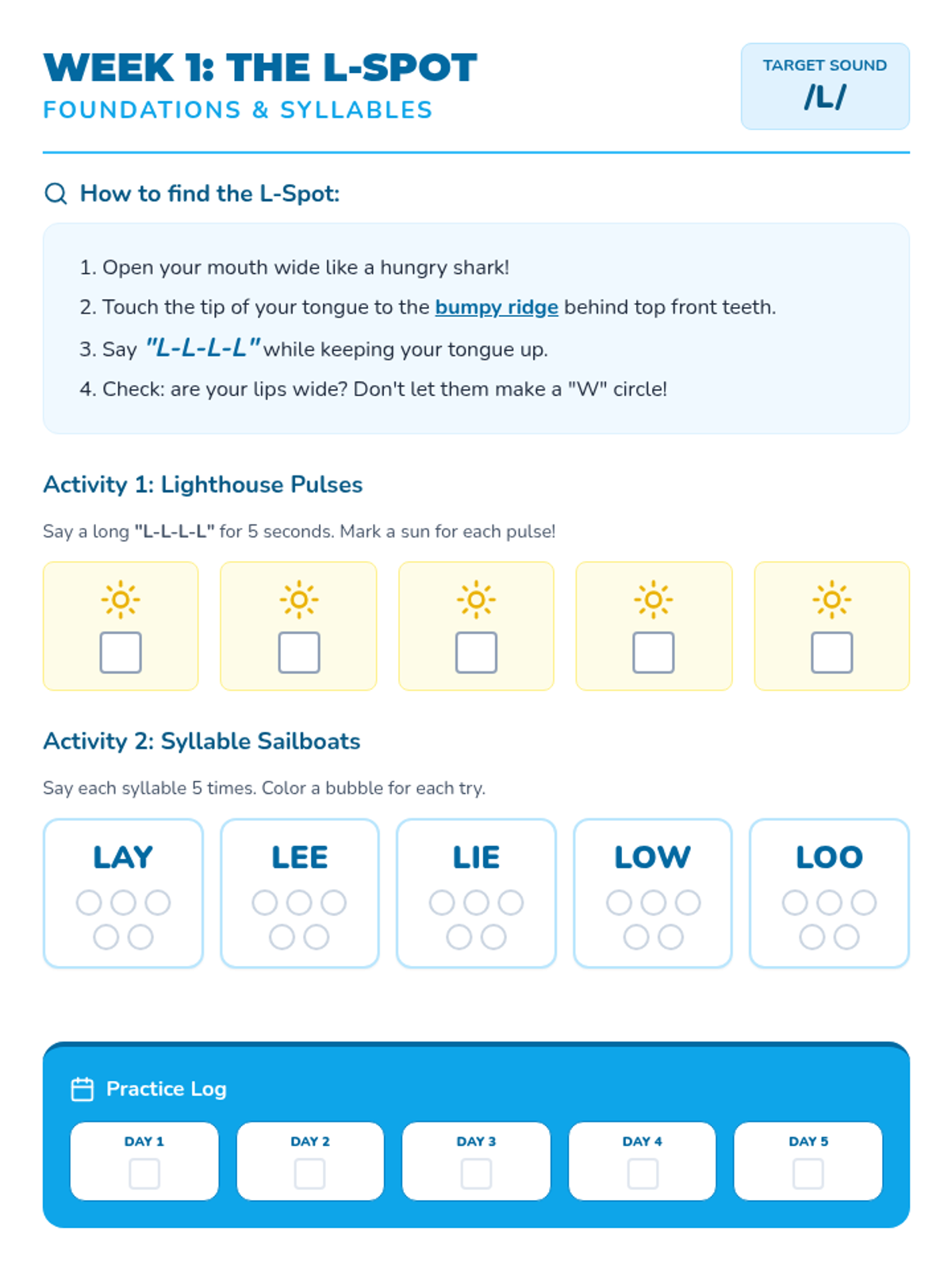
A collection of materials designed to practice the 'IRE' vocalic R sound in initial, medial, and final positions through visual aids, sentence construction, and narrative reading.
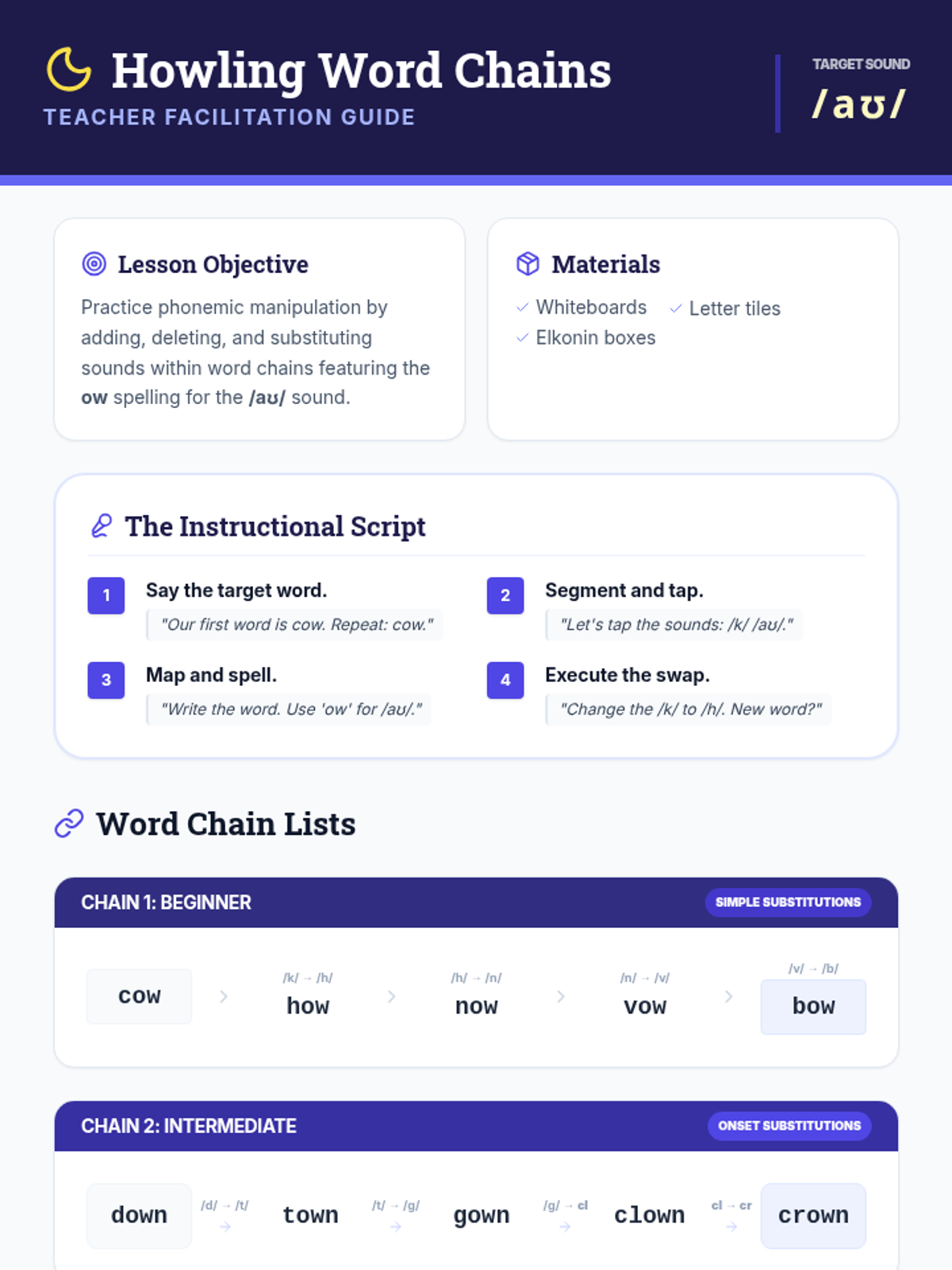
A Readers Theater lesson focusing on Wilson Step 5.2 concepts, including open syllable prefixes with closed and V-E base words. Students practice fluency and decoding through a robotic-themed script and word study activities.
A series of high-interest, low-readability reading comprehension assignments targeting sequencing, main idea, and inference skills across three distinct levels.
A foundational grammar lesson focusing on sentence structure through visual scaffolds and color-coding. Students learn to identify fragments, complete sentences, and run-ons using a 'Construction' metaphor.
A strategic weekly timeline and set of tools for the first four weeks of the school year, focusing on caseload management, IEP compliance, ELL support, and collaborative teaching.
Identifying and understanding common environmental and safety signs found in the community to ensure safety and independence.
A series of targeted math worksheets for 3rd-grade RSP students to master 2nd-grade mental math and comparison standards using highly scaffolded place value supports.
A comprehensive resource kit for the 'Neuro Command Academy' 10-week curriculum, including high-impact TPT product pages and standards-aligned guides.
Foundational tools for assessing student levels and planning instruction based on California Power Standards across grades K-5.
A comprehensive set of tools designed to help teenagers master executive functioning skills, focusing on task management, environmental organization, and self-monitoring using a high-tech, tactical aesthetic.
A comprehensive lesson for high school special education students covering texting etiquette, cyberbullying, privacy, and safety from strangers and scams.
A lesson designed to empower students in grades 3-5 to understand their unique learning needs and advocate for themselves by creating a 'User Manual' for their brains.
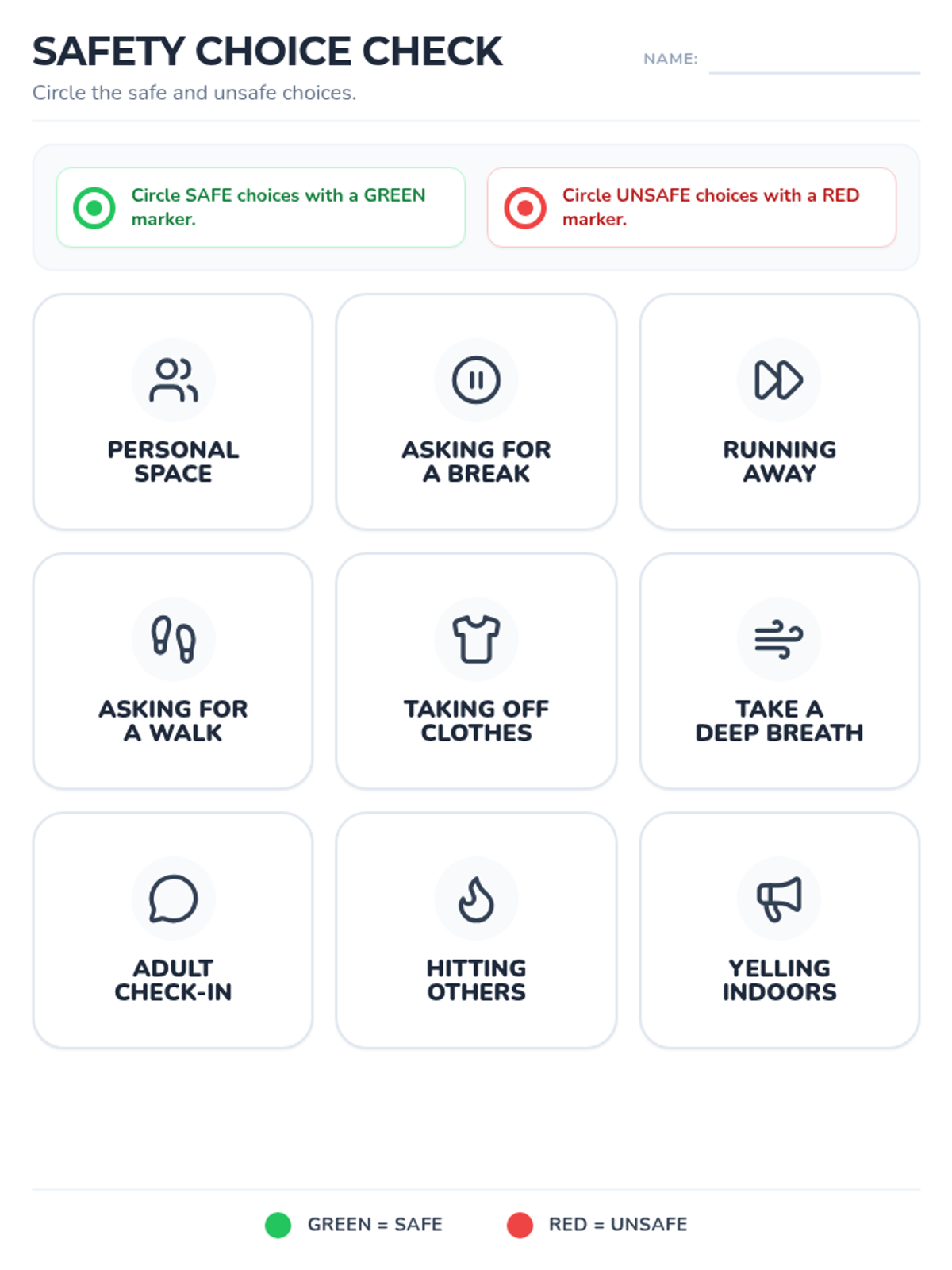
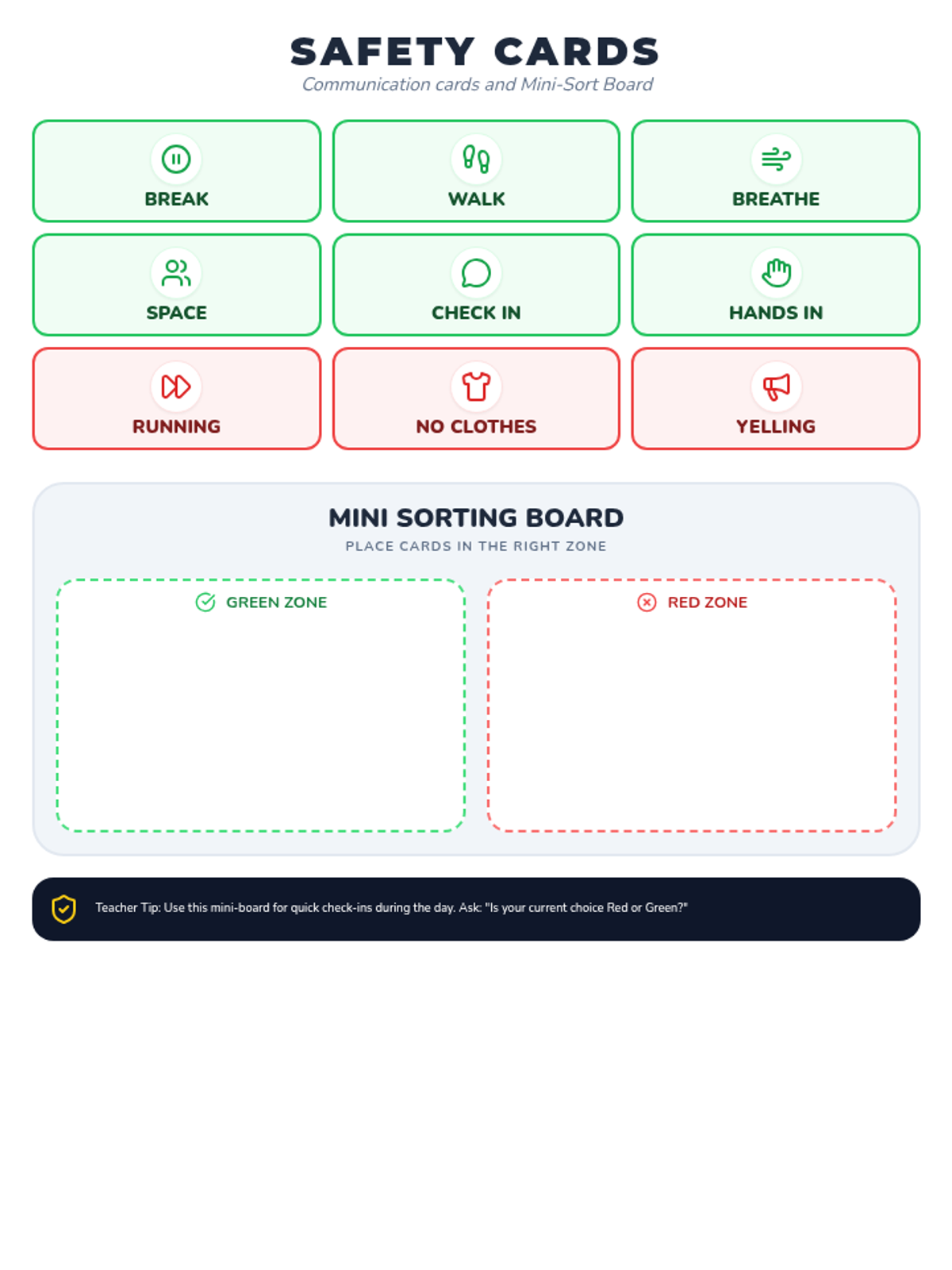
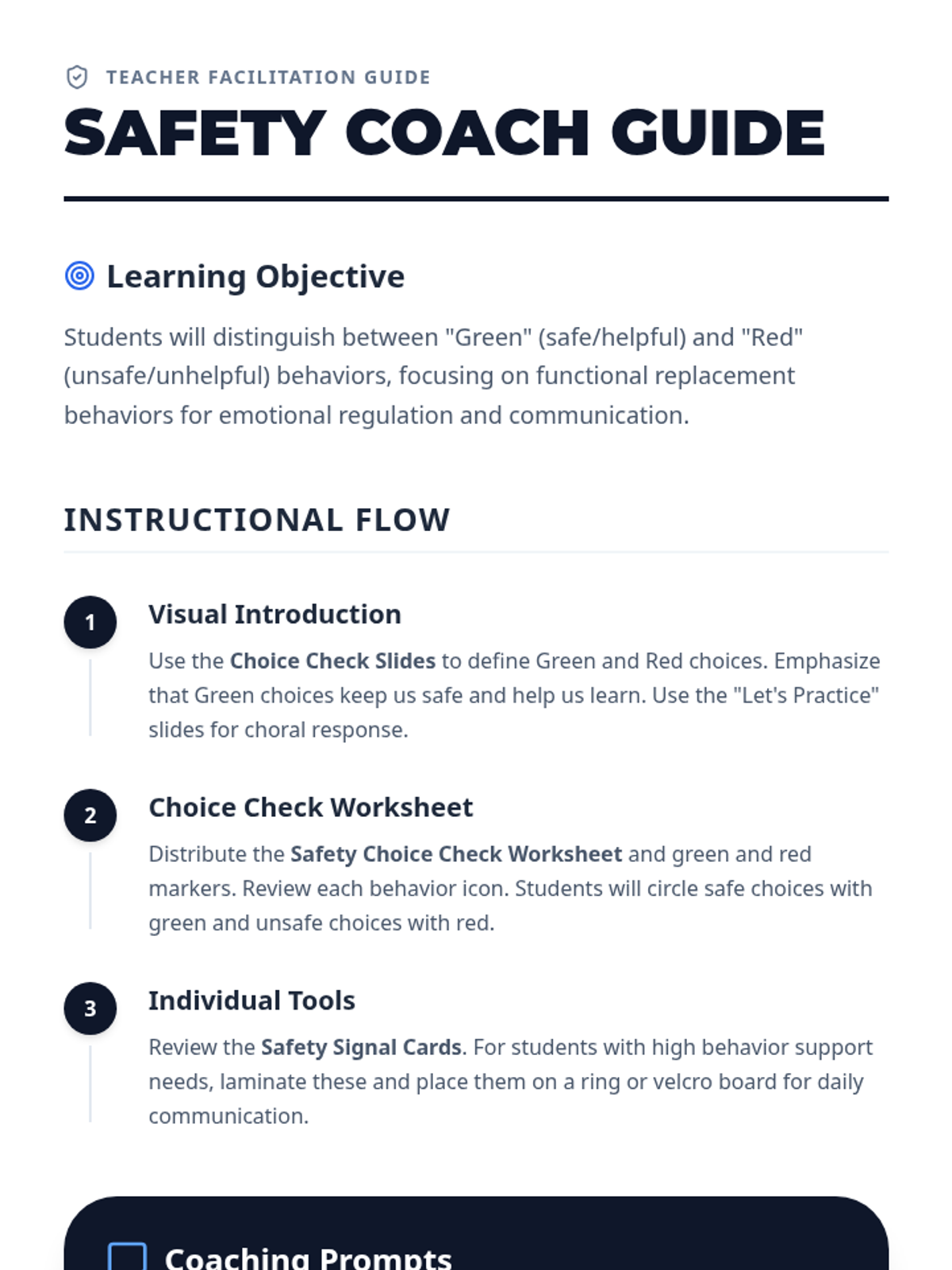
A focused lesson designed to help students understand the importance of staying in their designated classroom area and following safety protocols to prevent elopement.
A social story and supporting materials designed for a 2nd-grade student with Autism to address writing refusal and the persistence of tasks. The lesson includes a narrative story, a visual feelings worksheet, and a teacher guide for implementation.
A modified introduction to plate tectonics designed for students needing extra support, focusing on Earth's layers, continental drift, and plate boundaries with heavy visual scaffolding.
A modified lesson on plate tectonics featuring visual supports for understanding Earth's layers, plate boundaries, and continental drift. Ideal for students who benefit from pictorial cues and simplified vocabulary.
A comprehensive lesson for college students on their rights under the ADA, the principles of Universal Design for Learning (UDL), and strategies for effective self-advocacy in higher education settings.
A set of three reading comprehension passages designed for 3rd-grade students with IEP goals. Each passage focuses on foundational "Wh-" questions (Who, What, When, Where, Why) to build core literacy skills through engaging, short narratives.
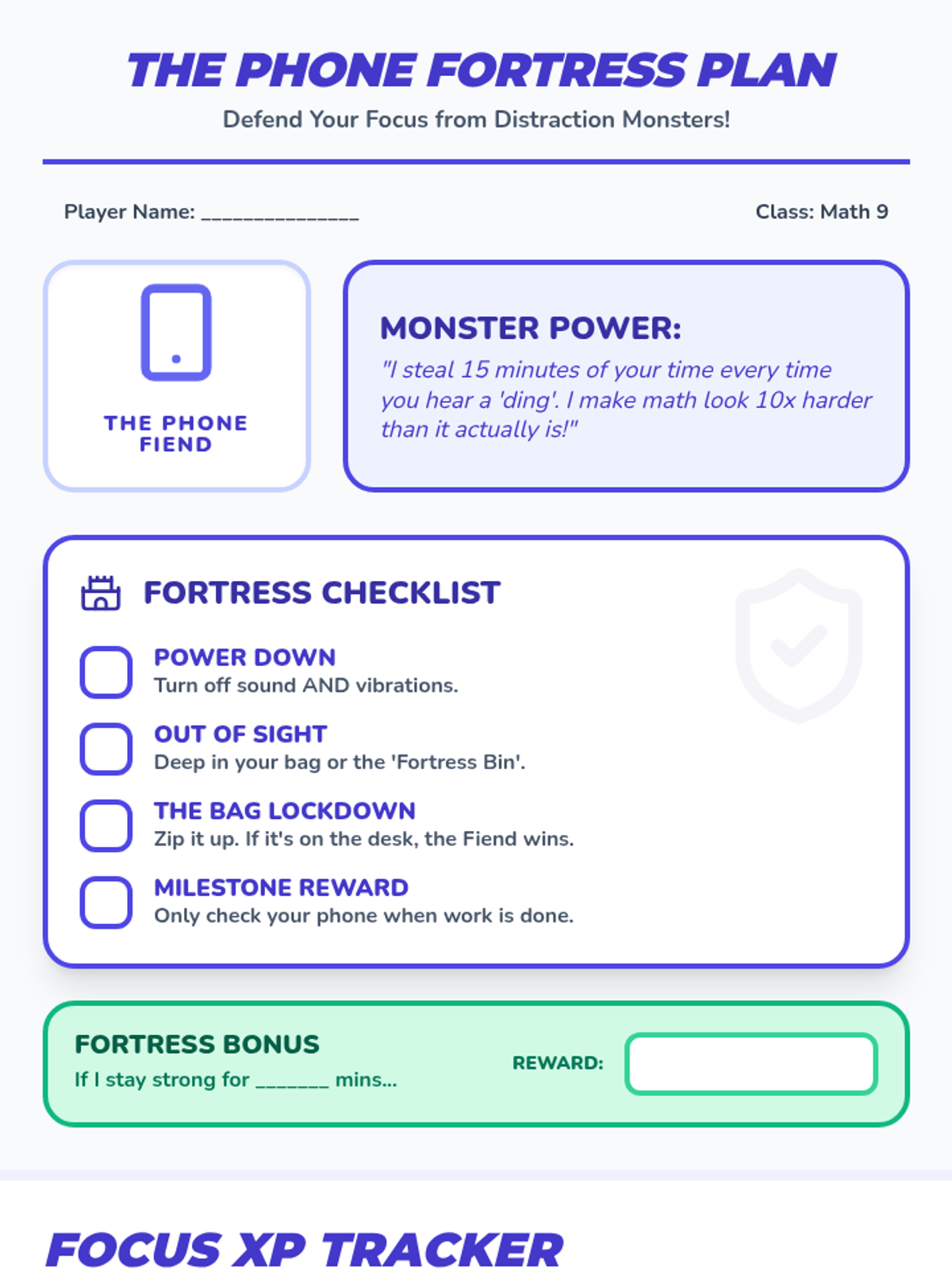
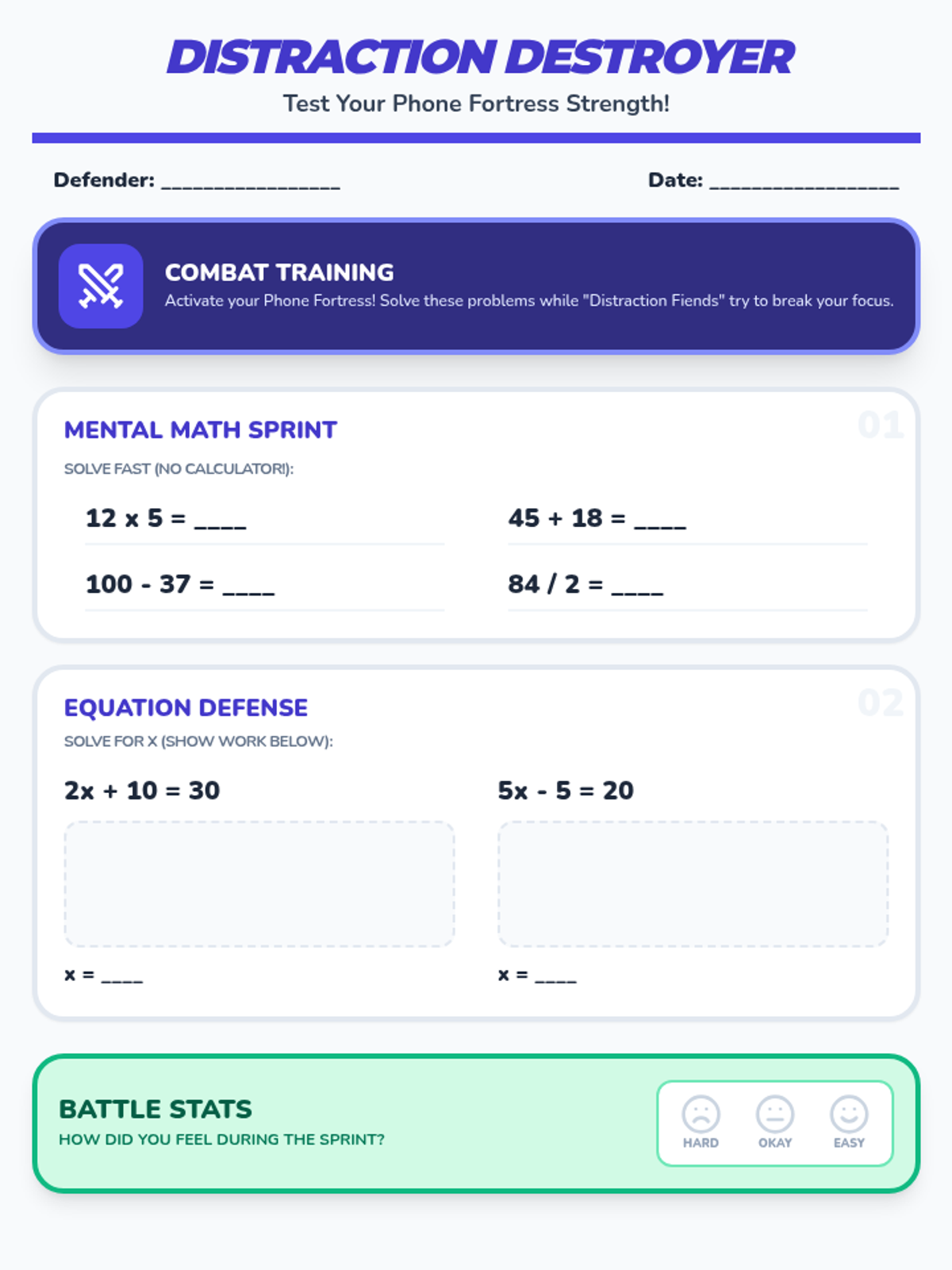
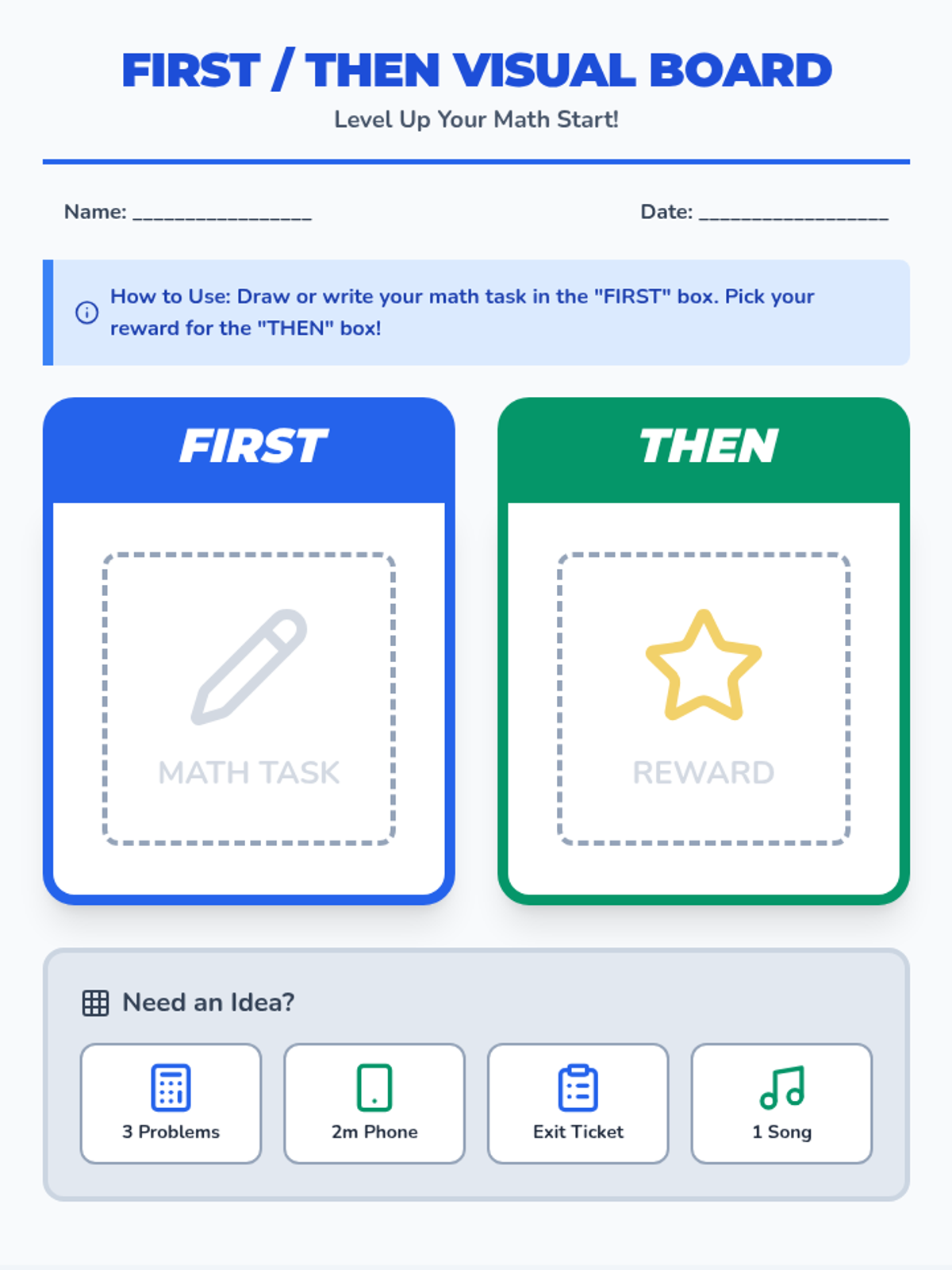
A short lesson focused on establishing consistent routines at the start of math class to support students with executive functioning needs.
A collection of marketing and administrative resources for the Brain Boss and Neural Nexus curriculum, including product previews and implementation overviews.
A simplified reading assessment based on the health benefits of reading, designed for students with moderate to severe disabilities at a 1.0-2.0 reading level.
A week of functional math warm-ups focused on money management, coin identification, and "next dollar up" strategies designed for special education students.
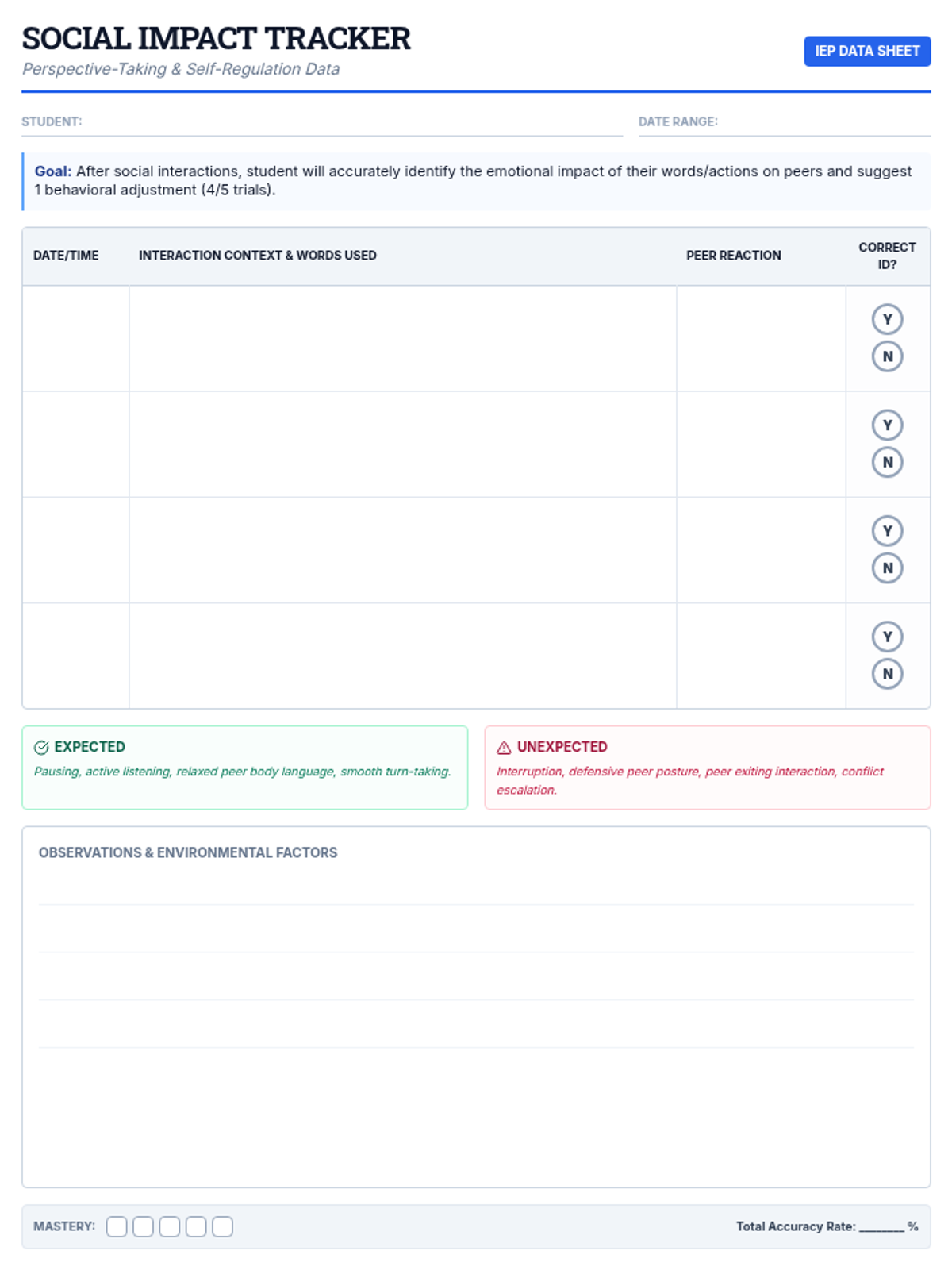
A detective-themed lesson designed to help students with social pragmatics delays practice perspective-taking, reading non-verbal cues, and conflict resolution through 'social cases'.
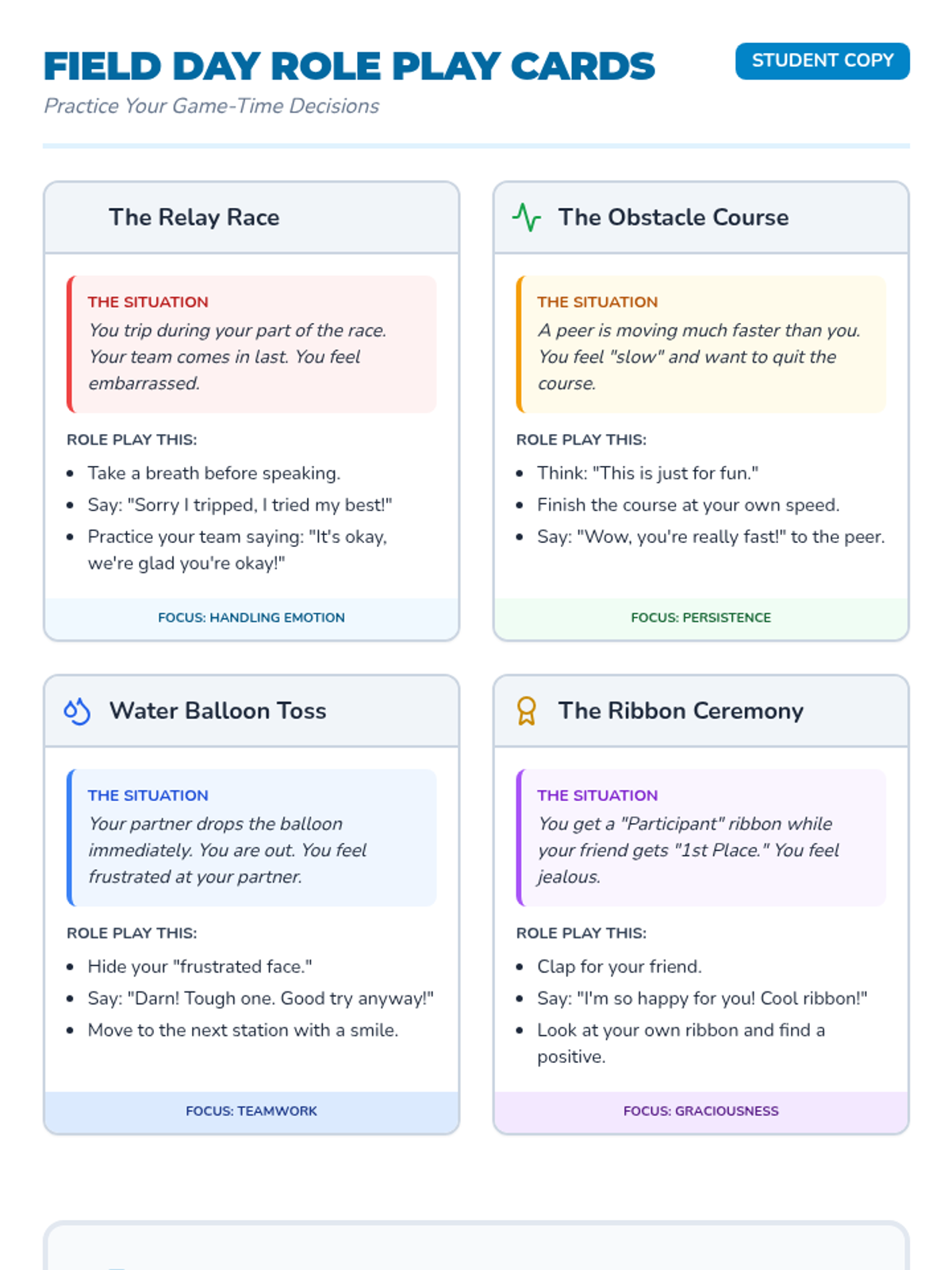
A comprehensive 3-hour lesson designed for students with autism to understand the importance of social skills across various life stages, culminating in practical scripts for recess success.