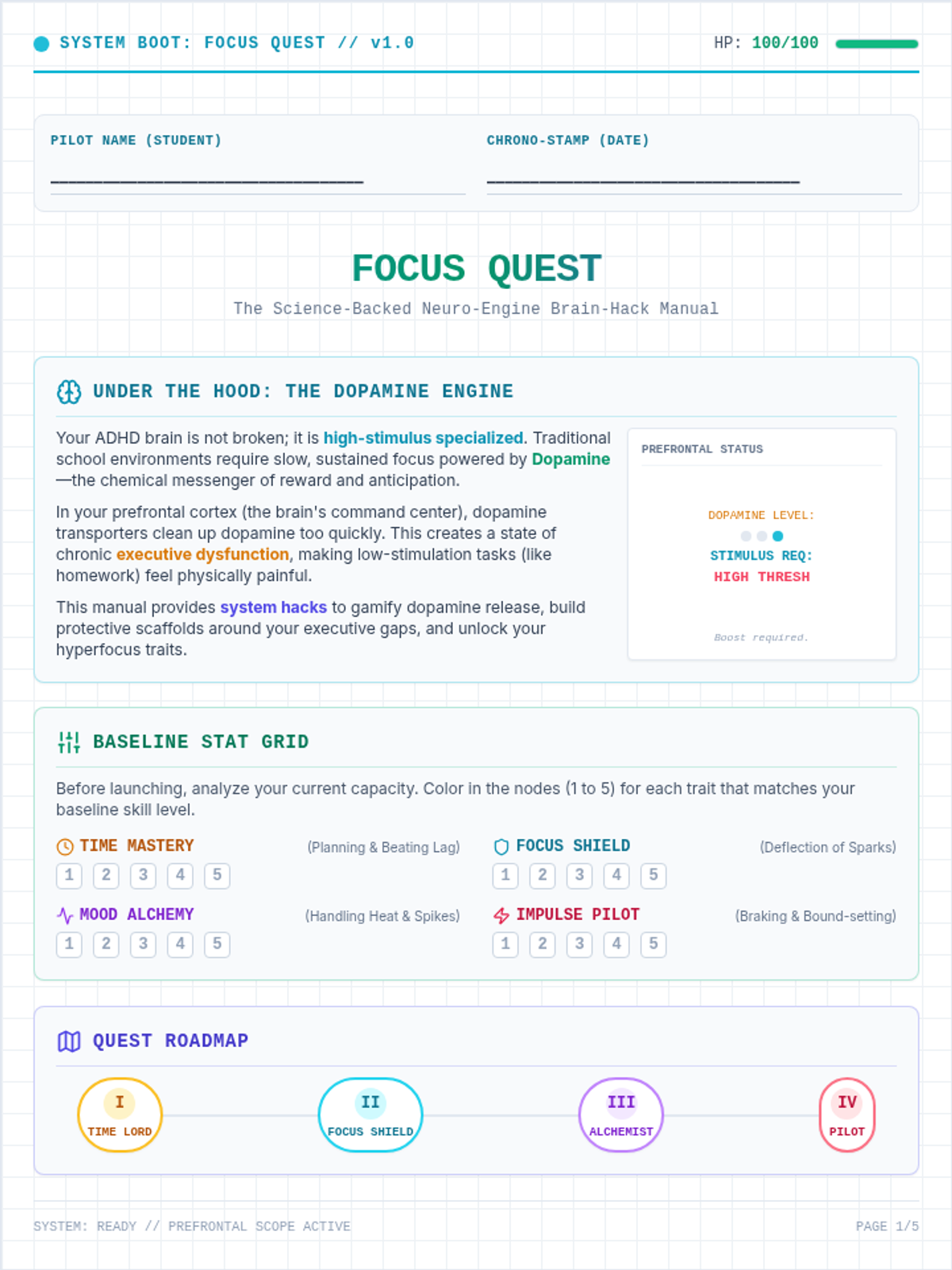
Students organize their chosen movements into a logical sequence: Start (Move), Middle (Breathe), End (Sit). They practice following this sequence independently using a timer. This structures the break to ensure a definite beginning and end.
Focuses on following instructions with specific negative constraints and complex conditions. Students learn to process "except," "unless," and "only if" parameters.
Focuses on identifying ambiguous or incomplete instructions. Students learn to advocate for themselves by asking targeted questions instead of guessing when a 'mission briefing' is unclear.
Focuses on complex, technical instructions in STEM and humanities contexts. Students practice following algorithms, blueprints, and scientific protocols.
Focuses on identifying and responding to non-verbal directions and social cues in group settings. Exercises emphasize observation and situational awareness.
Focuses on applying sequence execution to personal organization and daily habits. Students learn to create and follow reliable protocols for recurring tasks.
Focuses on processing and executing exactly two instructions in sequence. Ideal for building foundational working memory and transition skills.
Students master the 'Read First' strategy and practice multi-step execution through academic, social, and routine-based scenarios designed to test precision and focus.
Focuses on the Open syllable type, covering 1-syllable words, multisyllabic words, and the various sounds of 'y' as a vowel.
Introduces the Vowel-Consonant-e (VCe) syllable type through focused sub-steps, covering 1-syllable words, multisyllabic words, and words with blends.
Focused practice for multisyllabic closed syllables (Step 3.1-3.5), including words with blends, digraphs, and the schwa sound in closed syllables.
Focuses on three-syllable words where all syllables are closed (e.g., fantastic, establish, consistent).
Introduces two-syllable words where both syllables are closed (e.g., sunset, picnic, napkin).
Focuses on reading and spelling closed syllables with 5 sounds, typically featuring blends at both the beginning and end of the word.
Focuses on 4-sound words that combine closed syllables with both blends and digraphs.
Focuses on reading and spelling closed syllables with 4 sounds, featuring either an initial blend or a final blend.
Focuses on open syllables, where the syllable ends in a single vowel and the vowel sound is long (e.g., me, go, hi).
Introduces the Vowel-Consonant-e syllable type, focusing on the long vowel sound created by the 'magic e'.
Introduces closed syllables with 5-6 sounds, including digraphs in blends and multi-syllabic words within the closed syllable pattern.
Focuses on reading and spelling closed syllables with 4 sounds (blends), including both initial and final blends.
Focuses on the glued sounds 'am' and 'an' within closed syllables, providing controlled text for students to practice these specific vowel nasalizations.
A set of reading passages and comprehension questions focusing on Wilson Reading System Step 1.4, specifically the glued sounds 'ing', 'ang', 'ong', 'ung' and 'ink', 'ank', 'onk', 'unk'.
A collection of reading passages and comprehension questions specifically designed for students working on Wilson Reading System Step 1.3, focusing on bonus letters (f, l, s, z) and the glued sound 'all'.
A speech therapy lesson focused on the life of Rosa Parks, designed for elementary mild-moderate SDC students to improve vocabulary and story comprehension through visual organizers and sentence frames.
An extension lesson for PreK-1 Special Education students focusing on identifying, building, and counting the attributes of 2-D triangles using manipulatives.
A multi-step fine motor activity focused on planning and executing a trip to the park. Students practice folding, writing, and cutting while developing executive functioning skills like sequencing and task persistence.
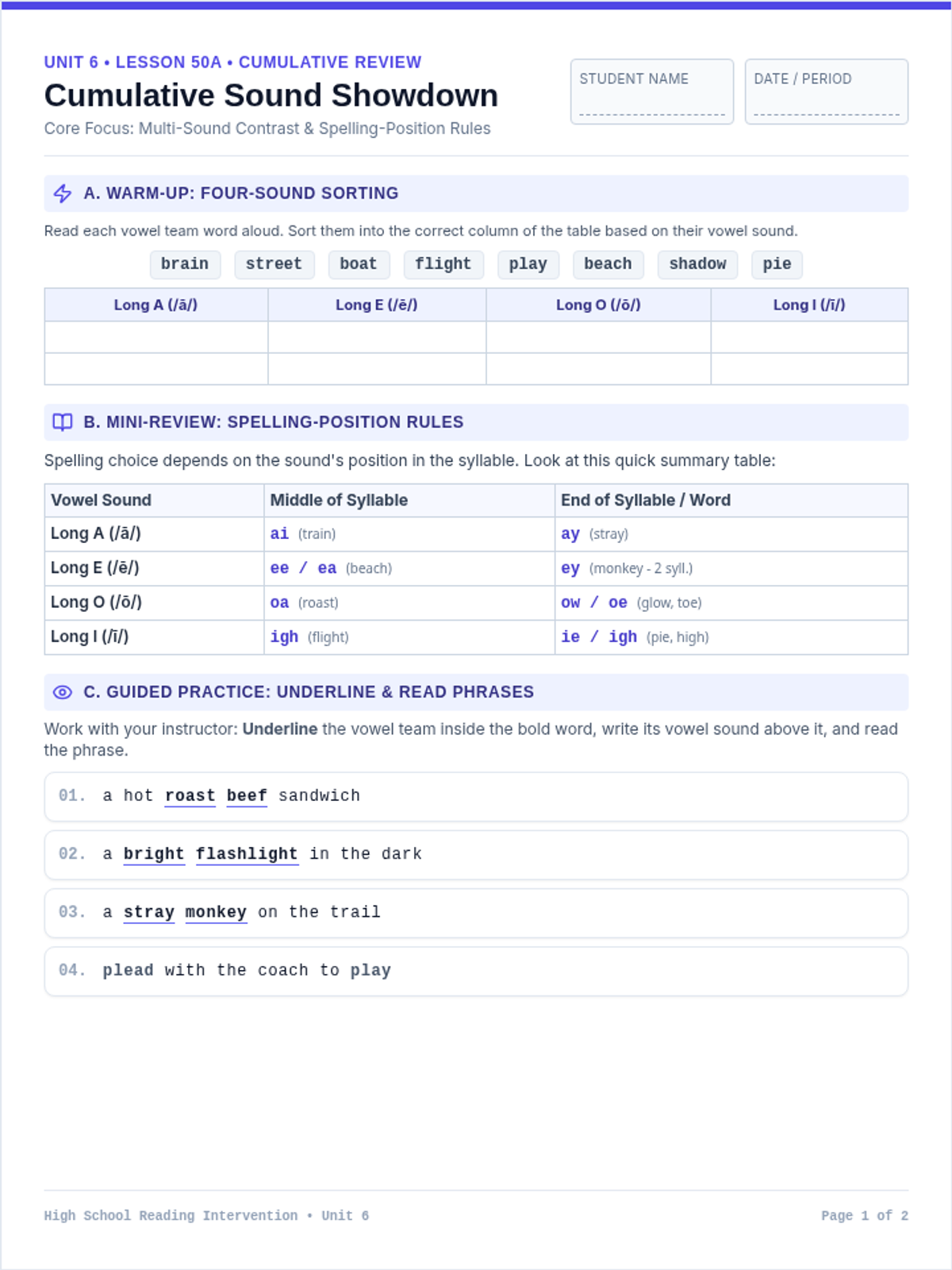
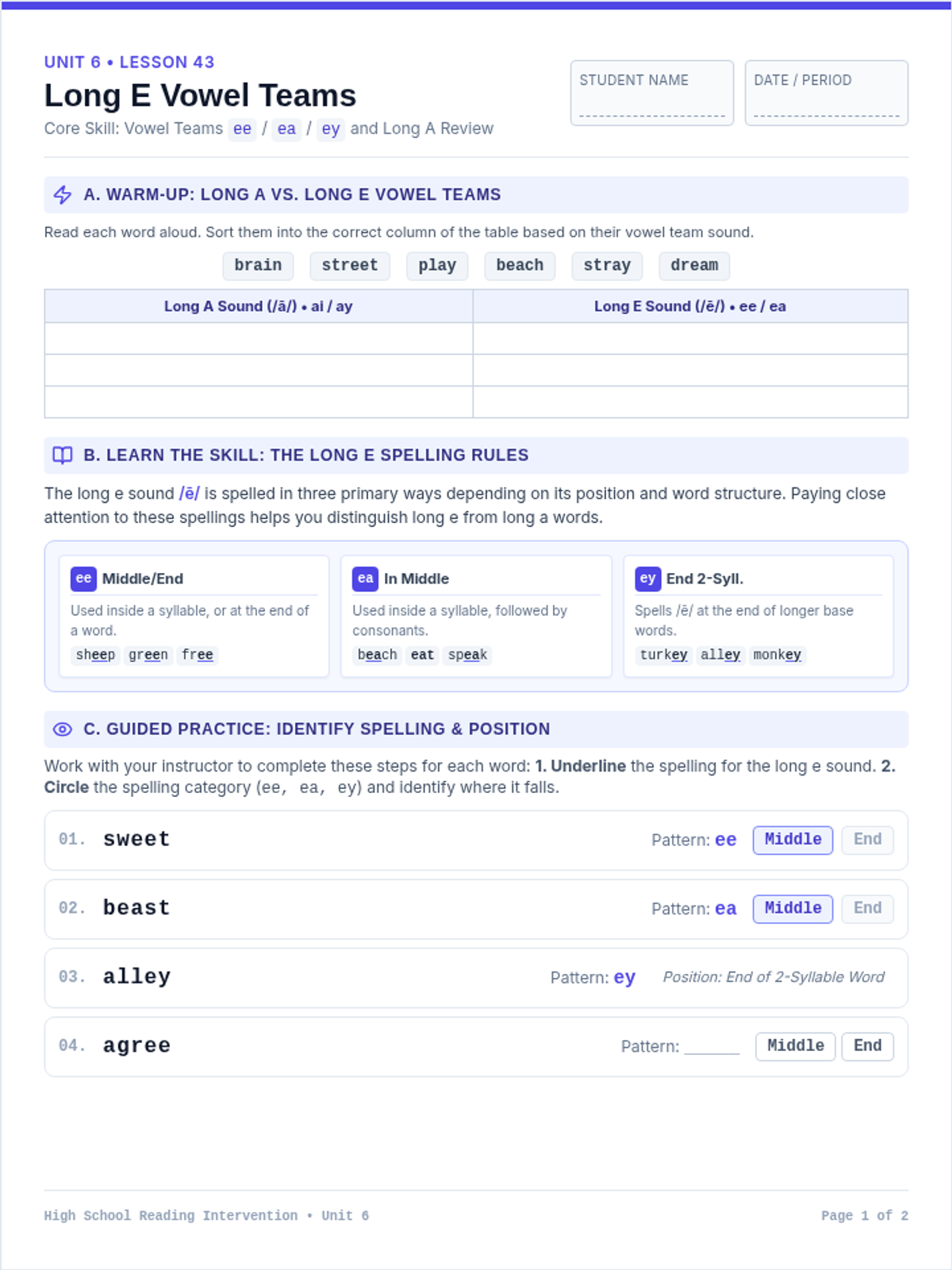
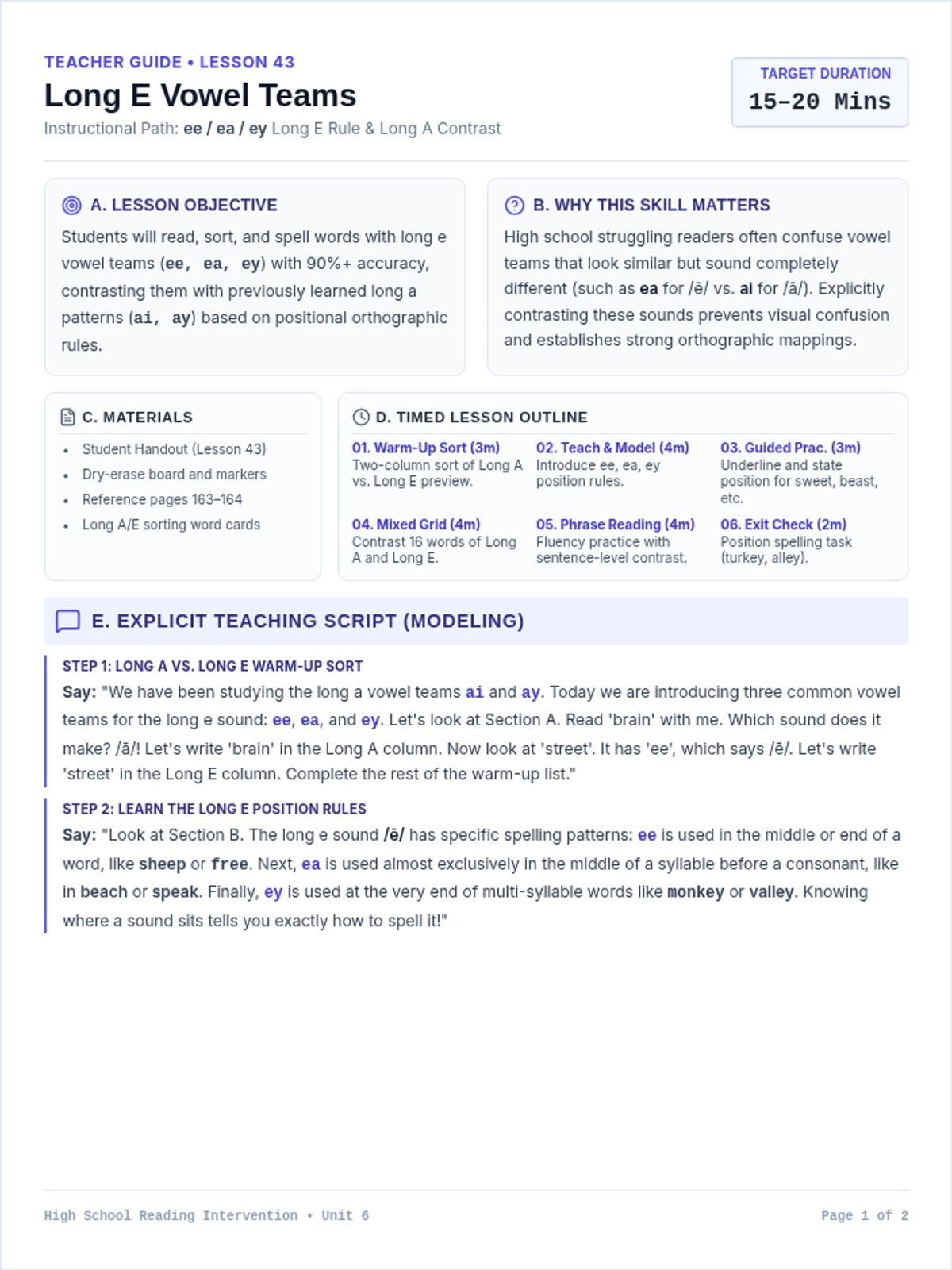
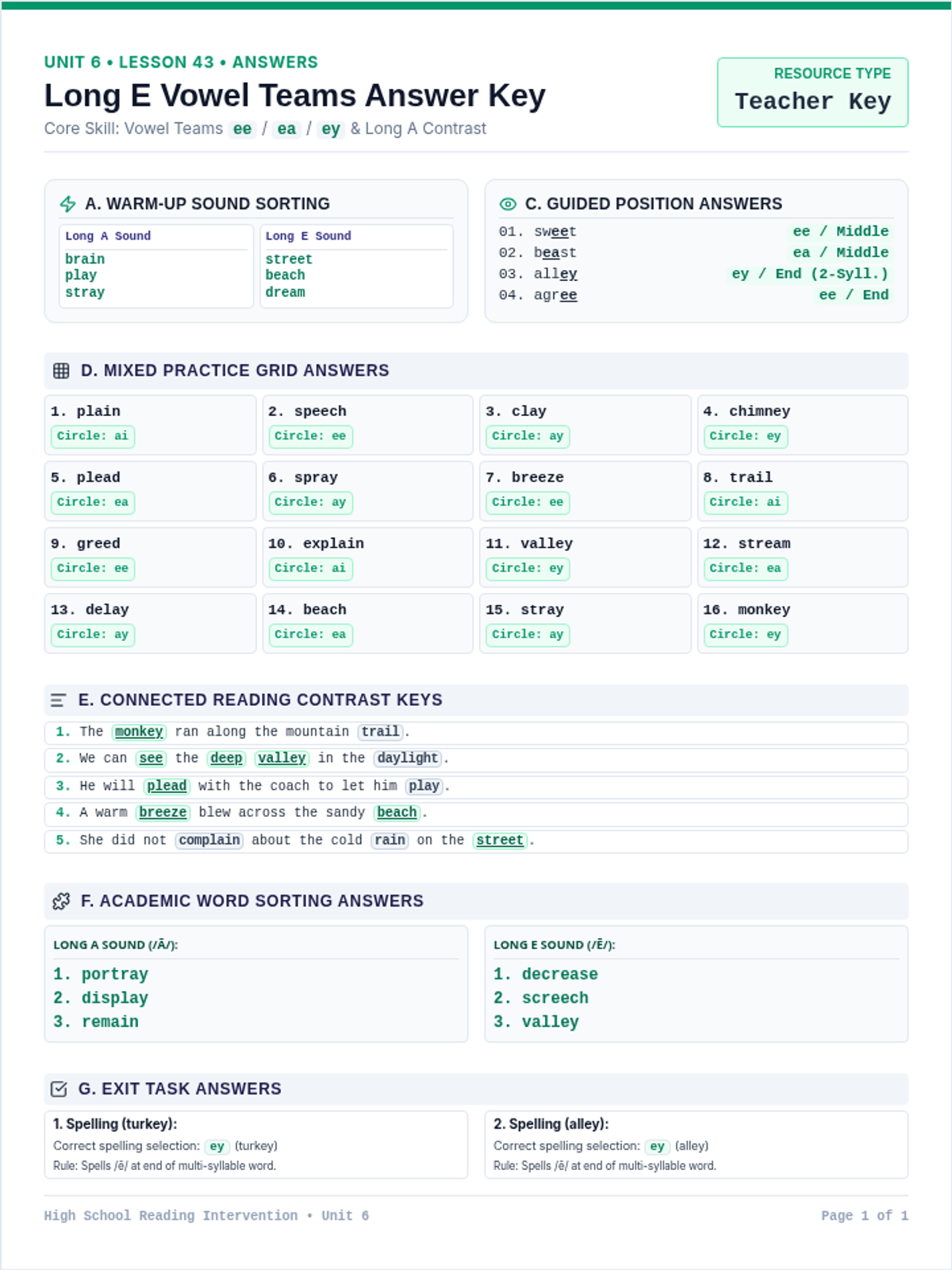
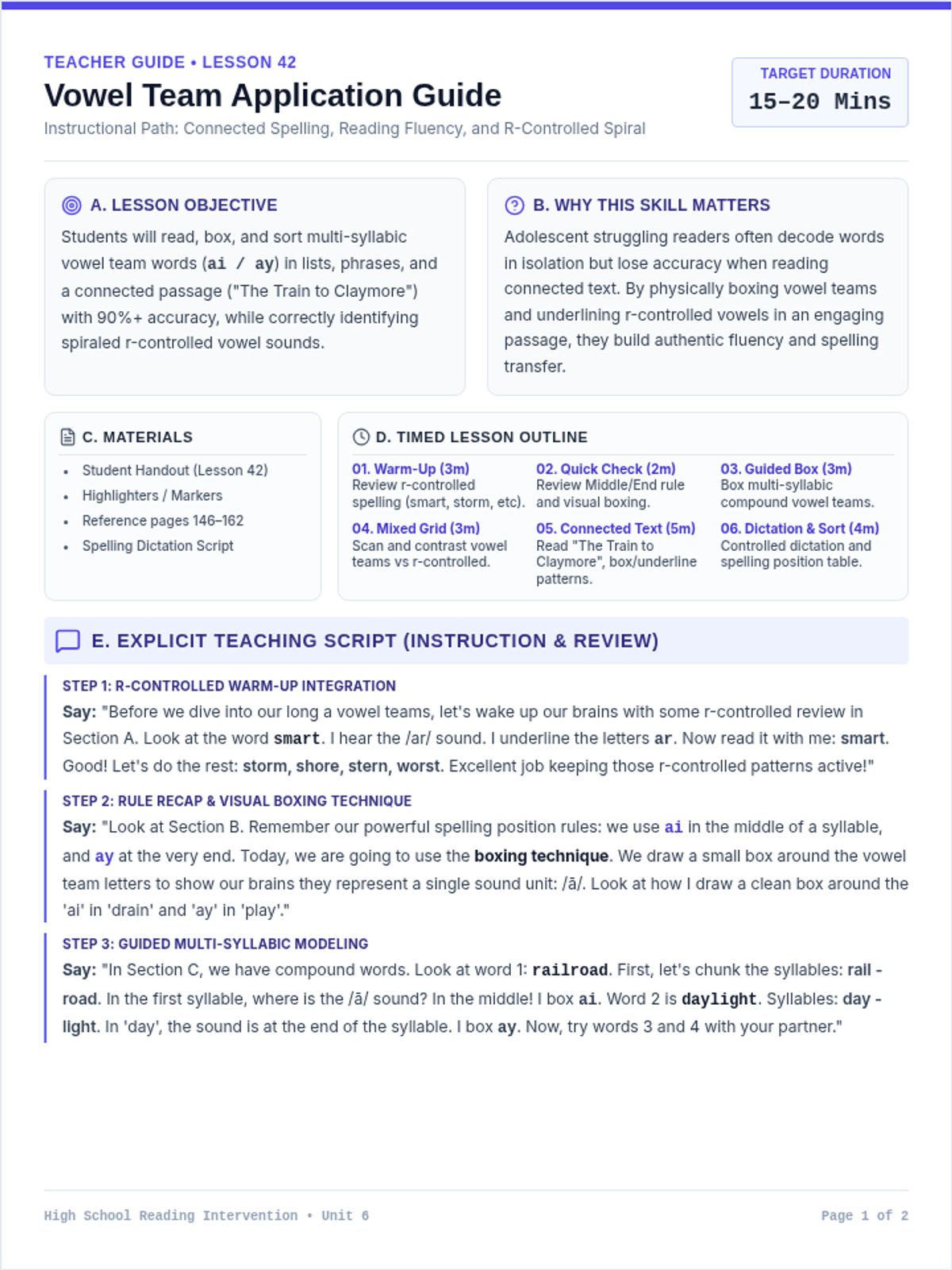
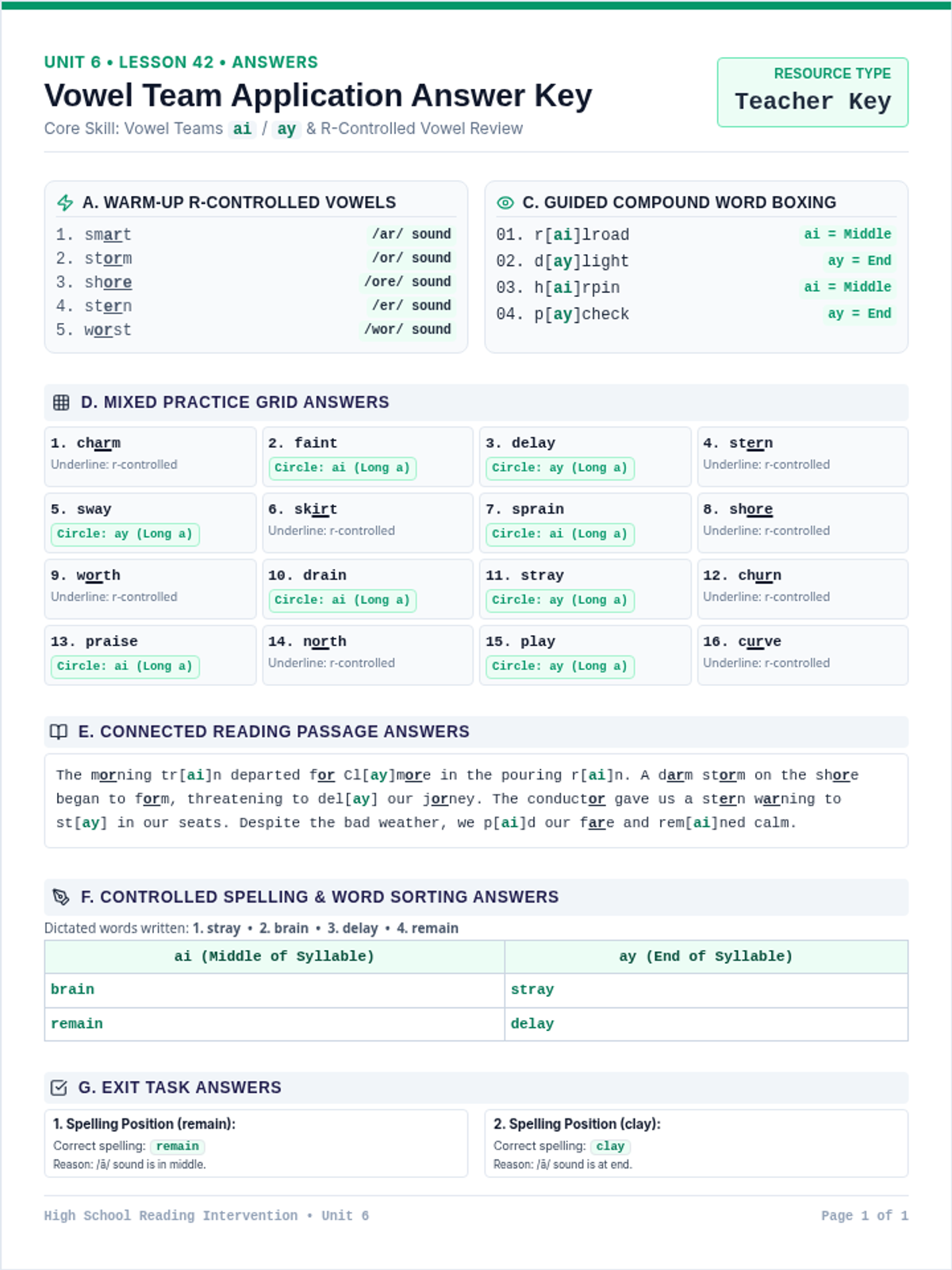
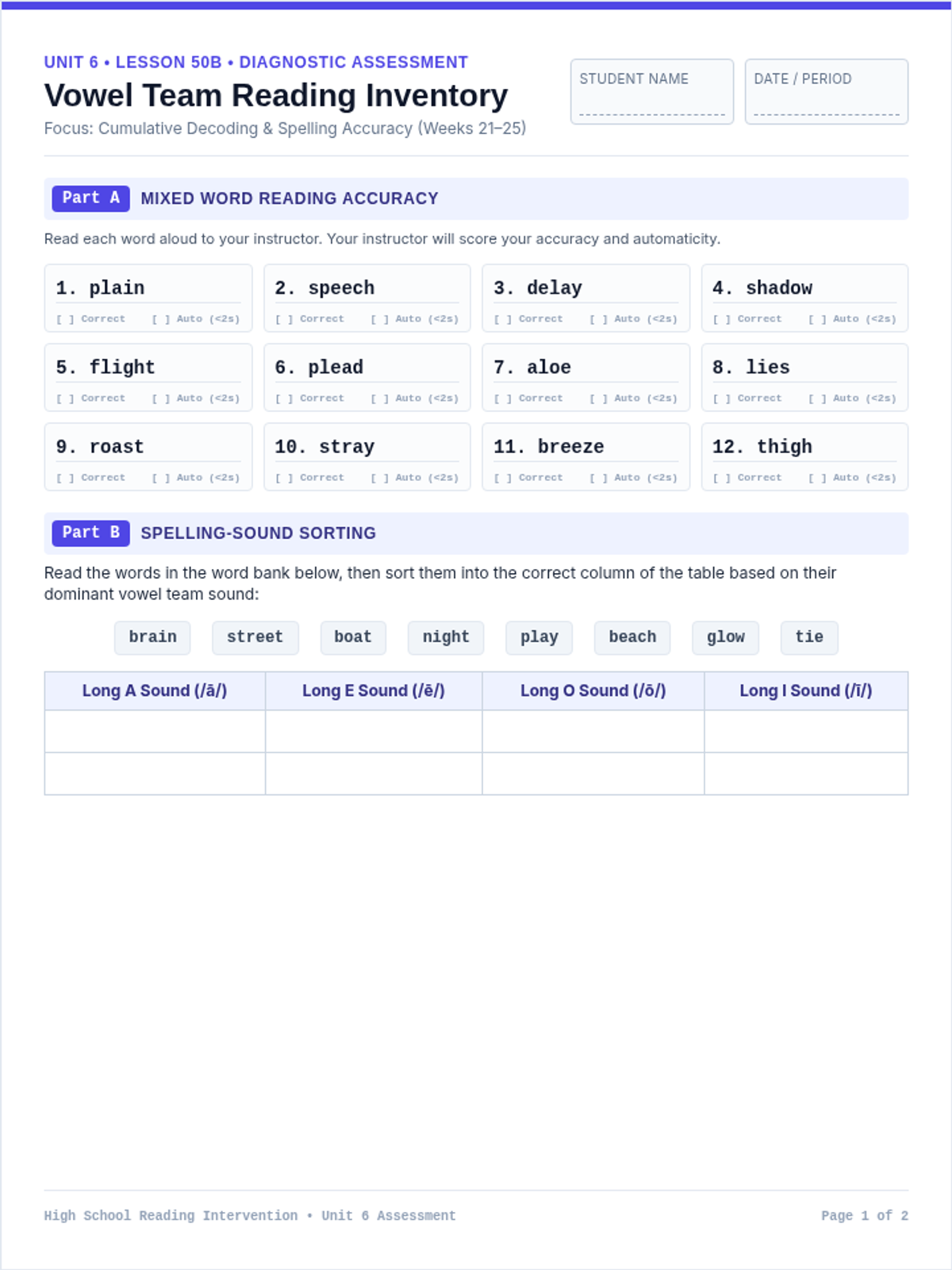
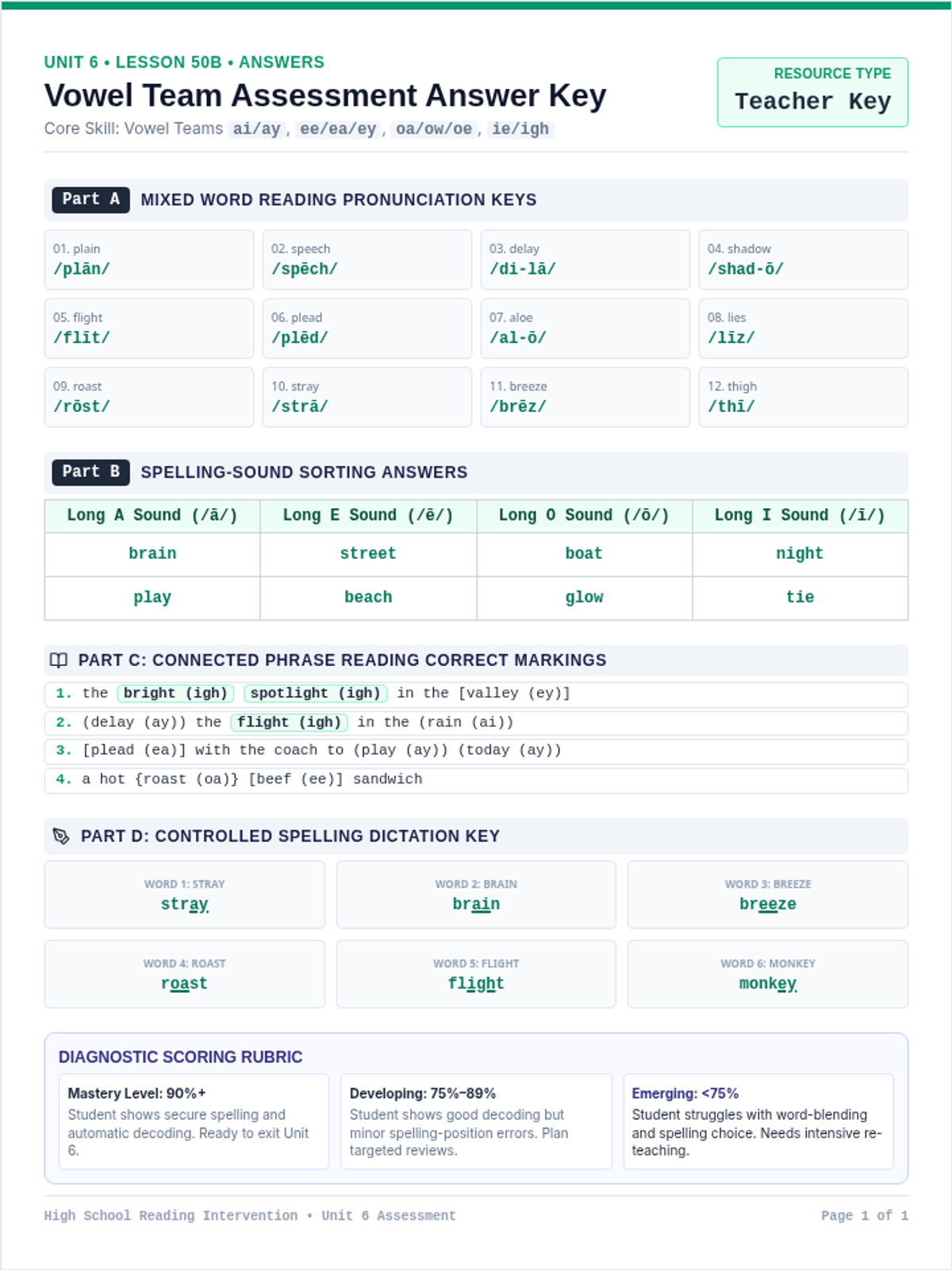
Focuses on common vowel digraphs (AI, EE, EA, OA) where two vowels work together to make one long vowel sound.
Introduces the silent E pattern (CVCE) and how it "makes the vowel say its name," featuring visual transformations and word-building practice.
Focuses on the identification and differentiation of short vowel sounds (A, E, I, O, U) using visual anchors and word-image associations.
A lesson empowering students to identify their preferences, communicate their needs, and understand their rights through interactive role-play and decision-making exercises.
The final session where students organize a mini-tournament, demonstrating both hardware mastery and inclusion skills learned throughout the program.
Focuses on managing emotions during competitive play in Mario Kart. Students practice 'Resetting' after a loss and giving genuine compliments to opponents.