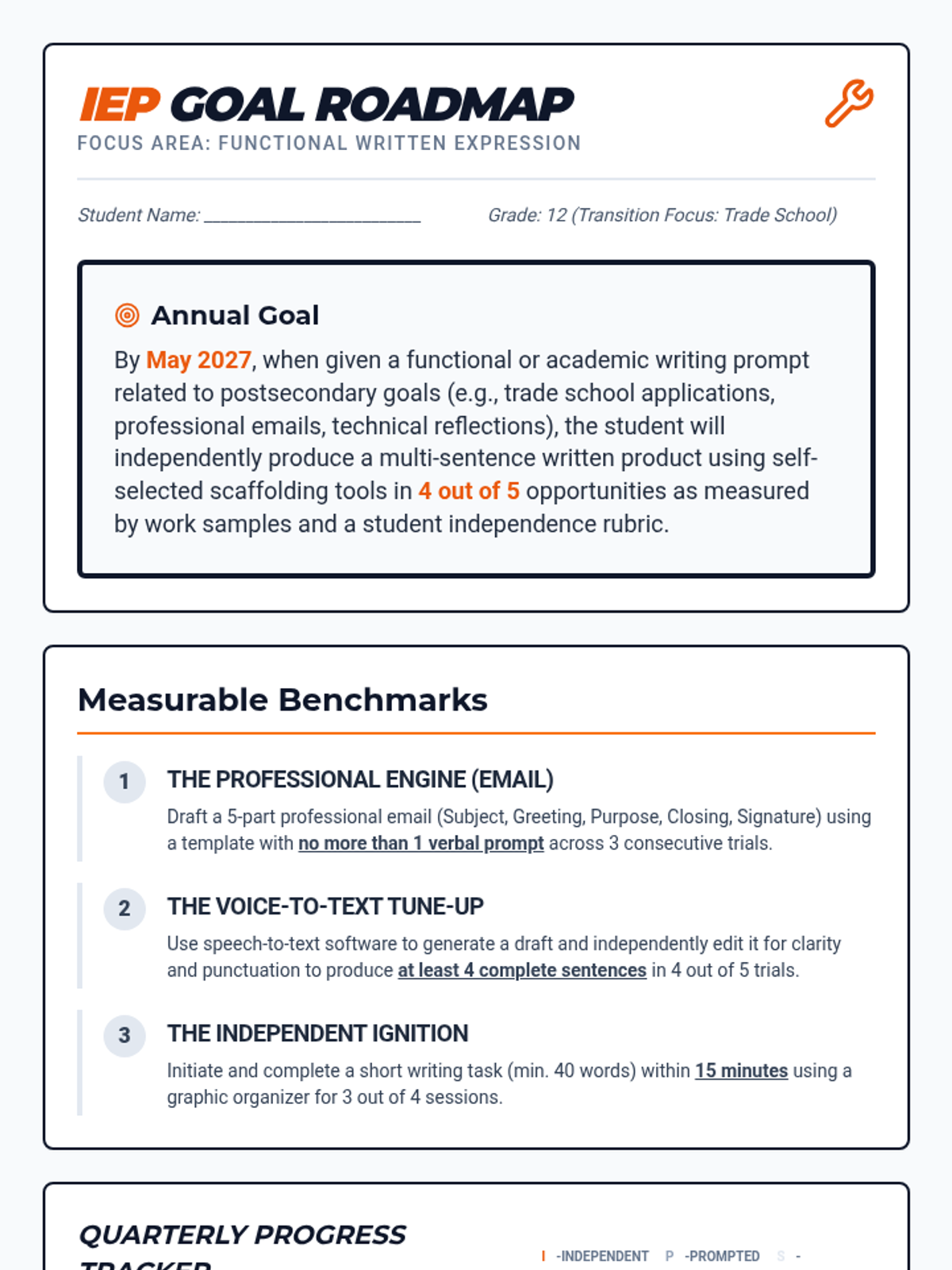
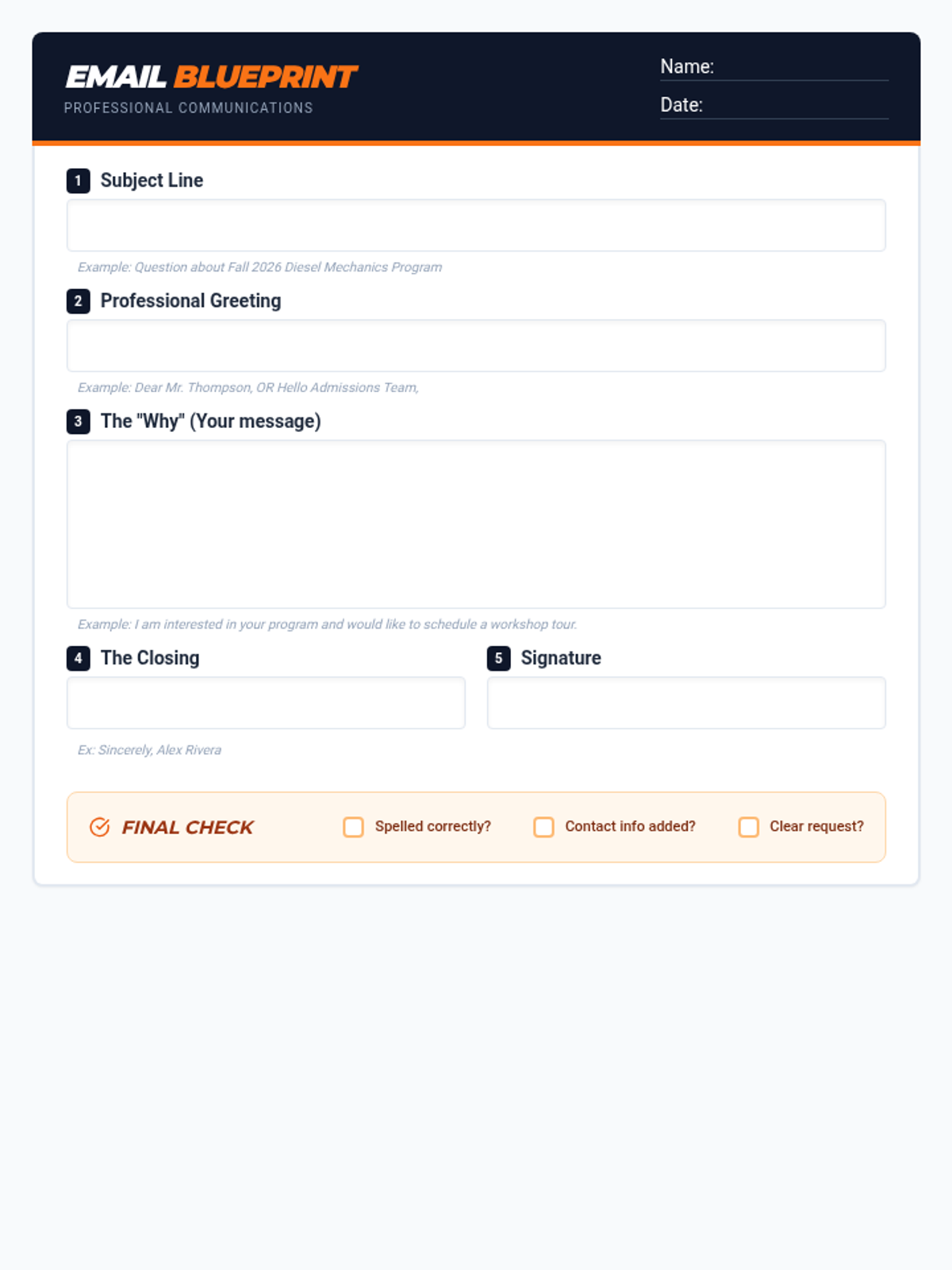
Students learn the components of professional communication to request digital versions of classroom materials. They practice drafting emails that clearly articulate their need for accessible text.
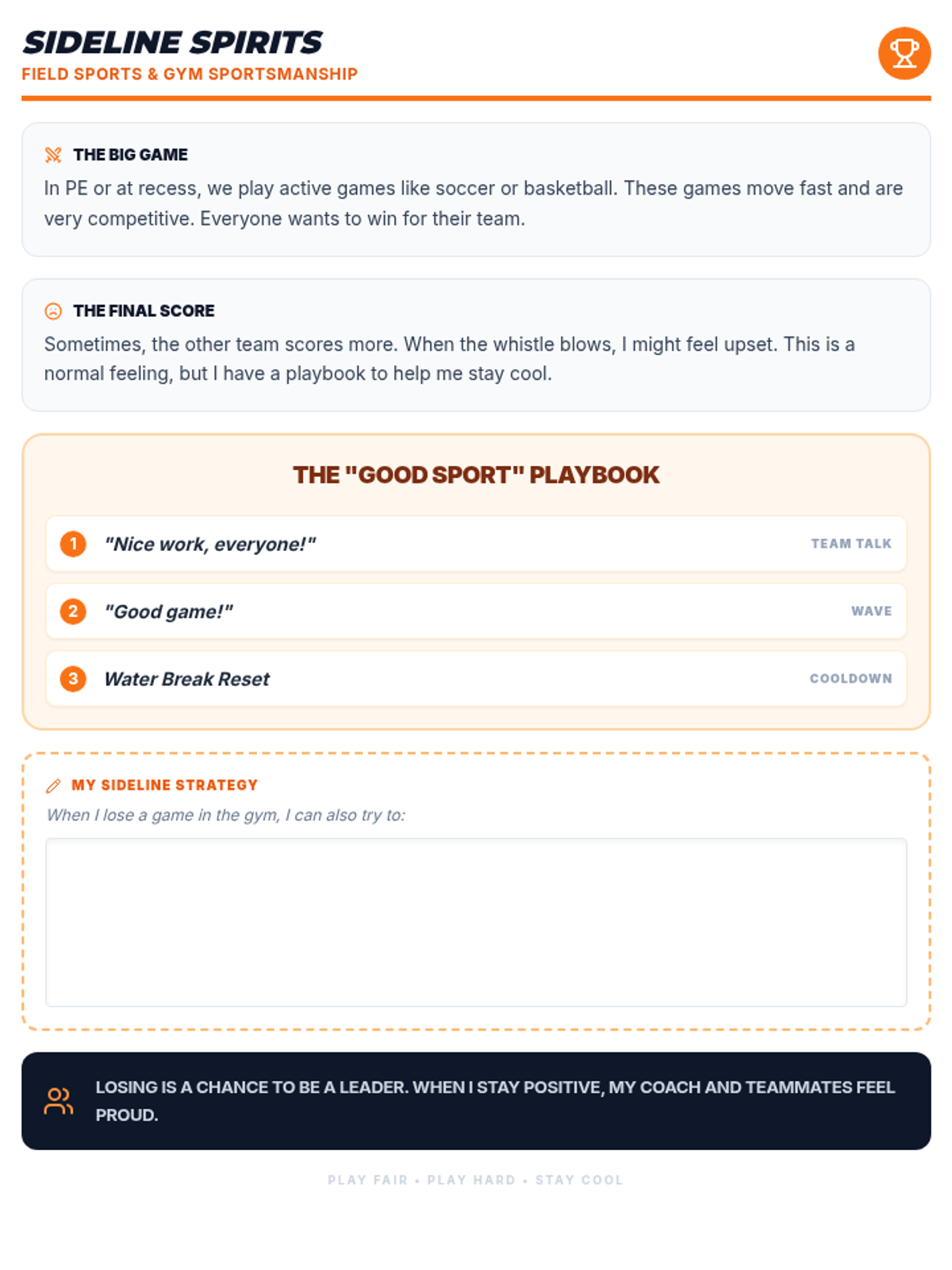
This lesson provides a framework for navigating any unexpected schedule change by focusing on the logical reasons for the shift, using an assembly as a key example.
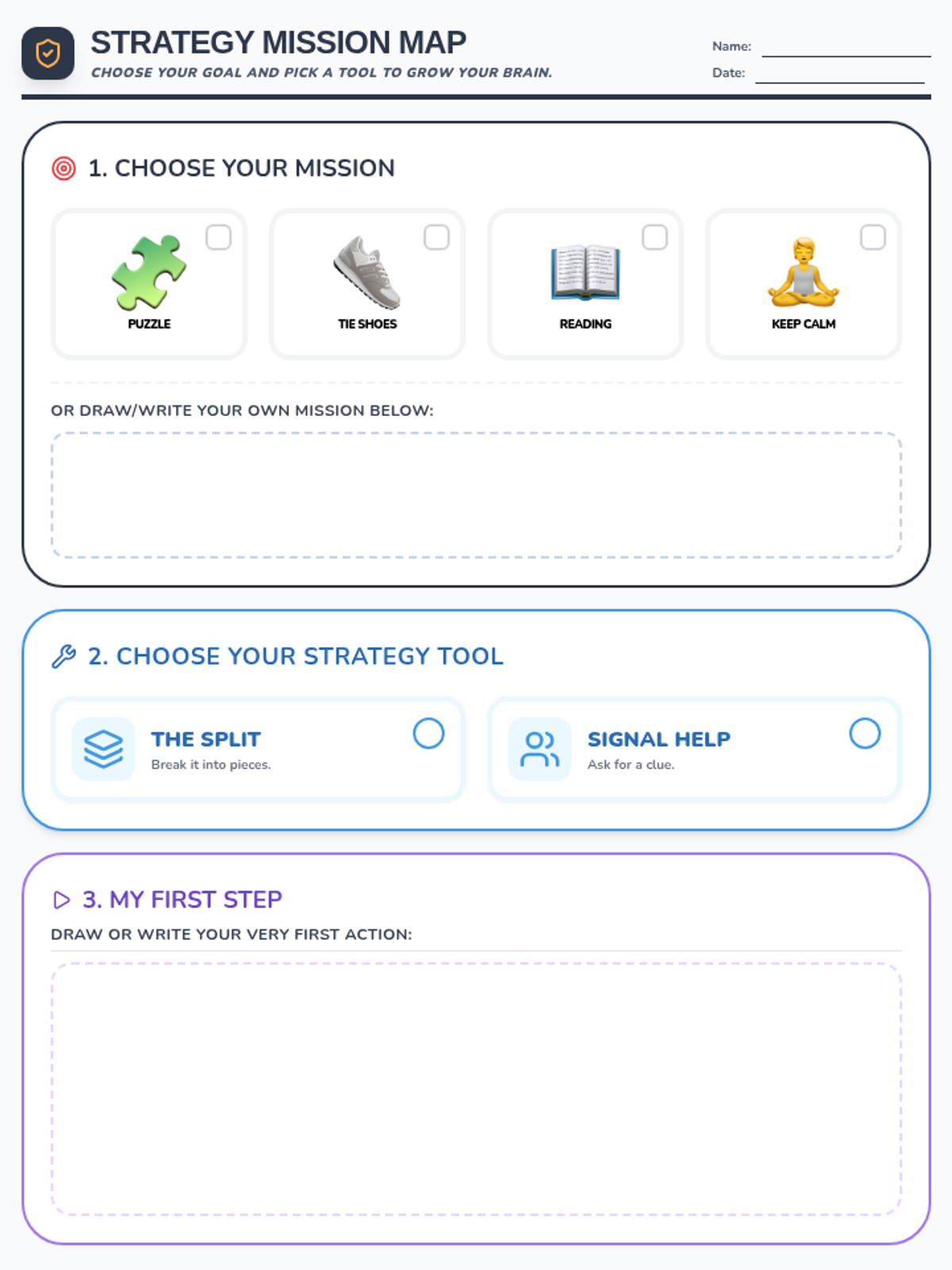
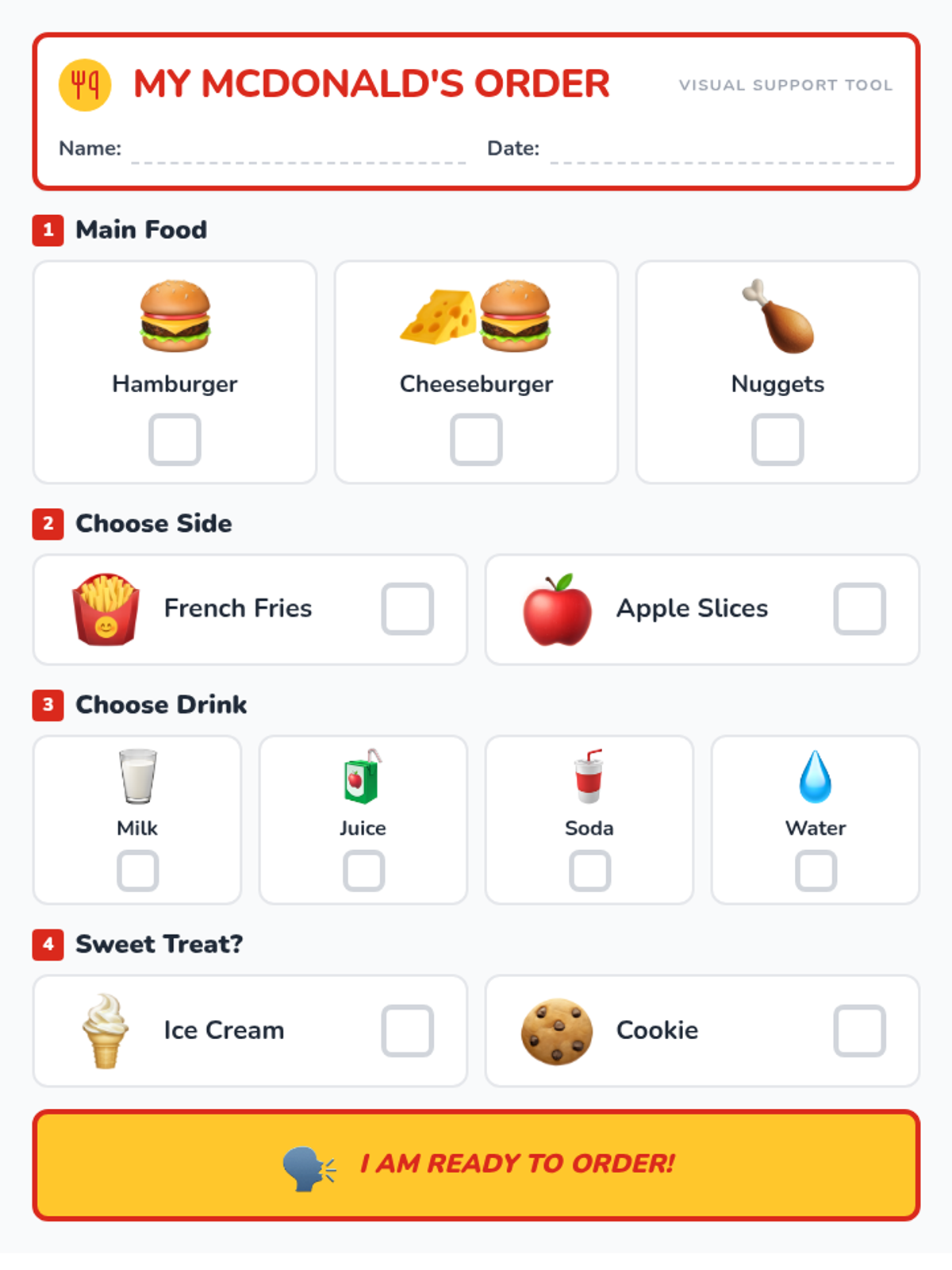
A focused lesson for students to identify when they need support and practice using visual or verbal signals to request a break or assistance. Designed specifically for 5th grade students with autism who benefit from high visual support and minimal text.
A comprehensive set of strategies designed to empower students with disabilities to tackle standardized tests with confidence, focus, and effective tools. Includes a mission-themed slide deck and visual anchor charts for the classroom.
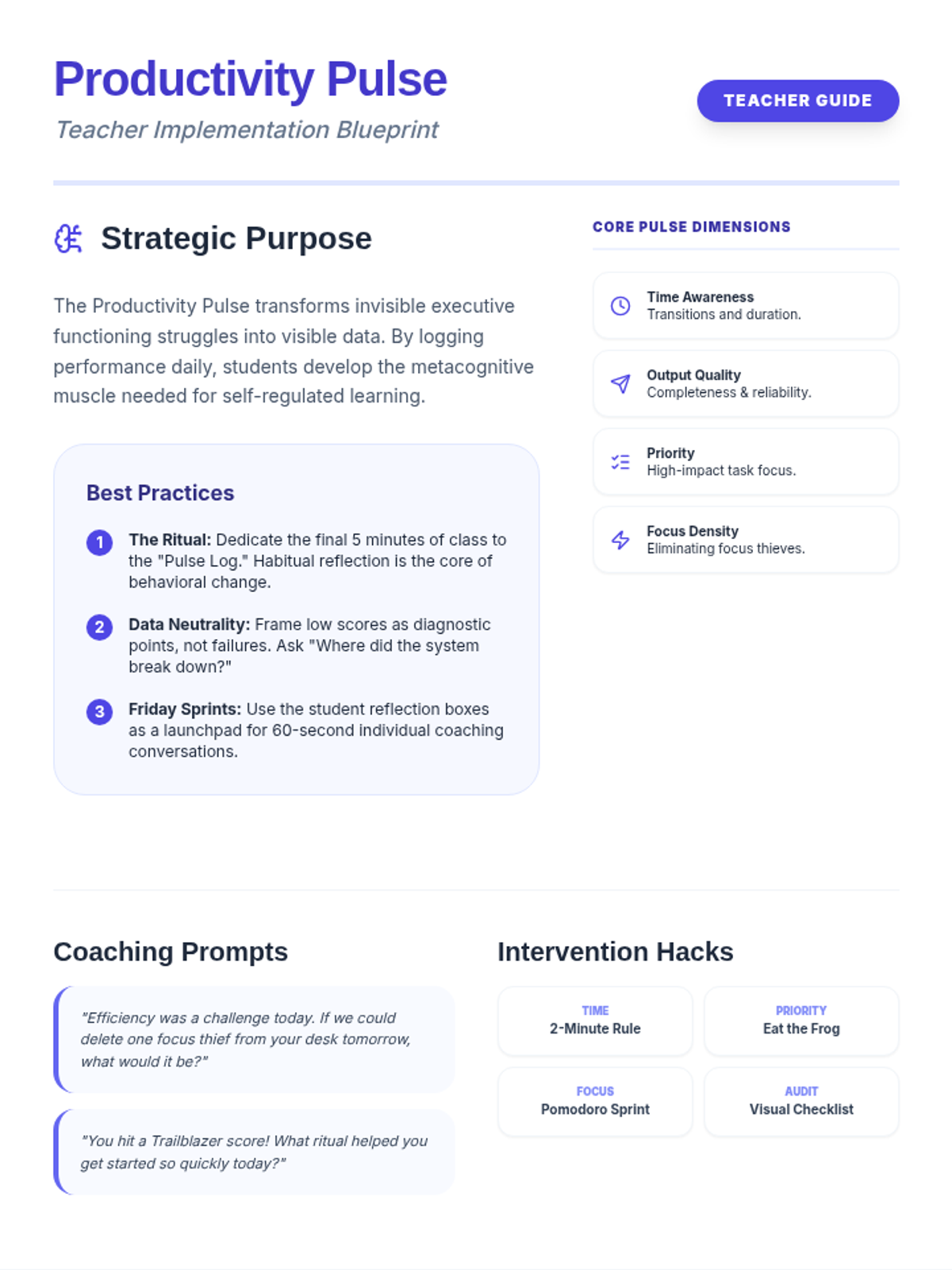
A high-school level executive functioning lesson focused on time management, task prioritization, and conflict resolution using a realistic weekly planner.
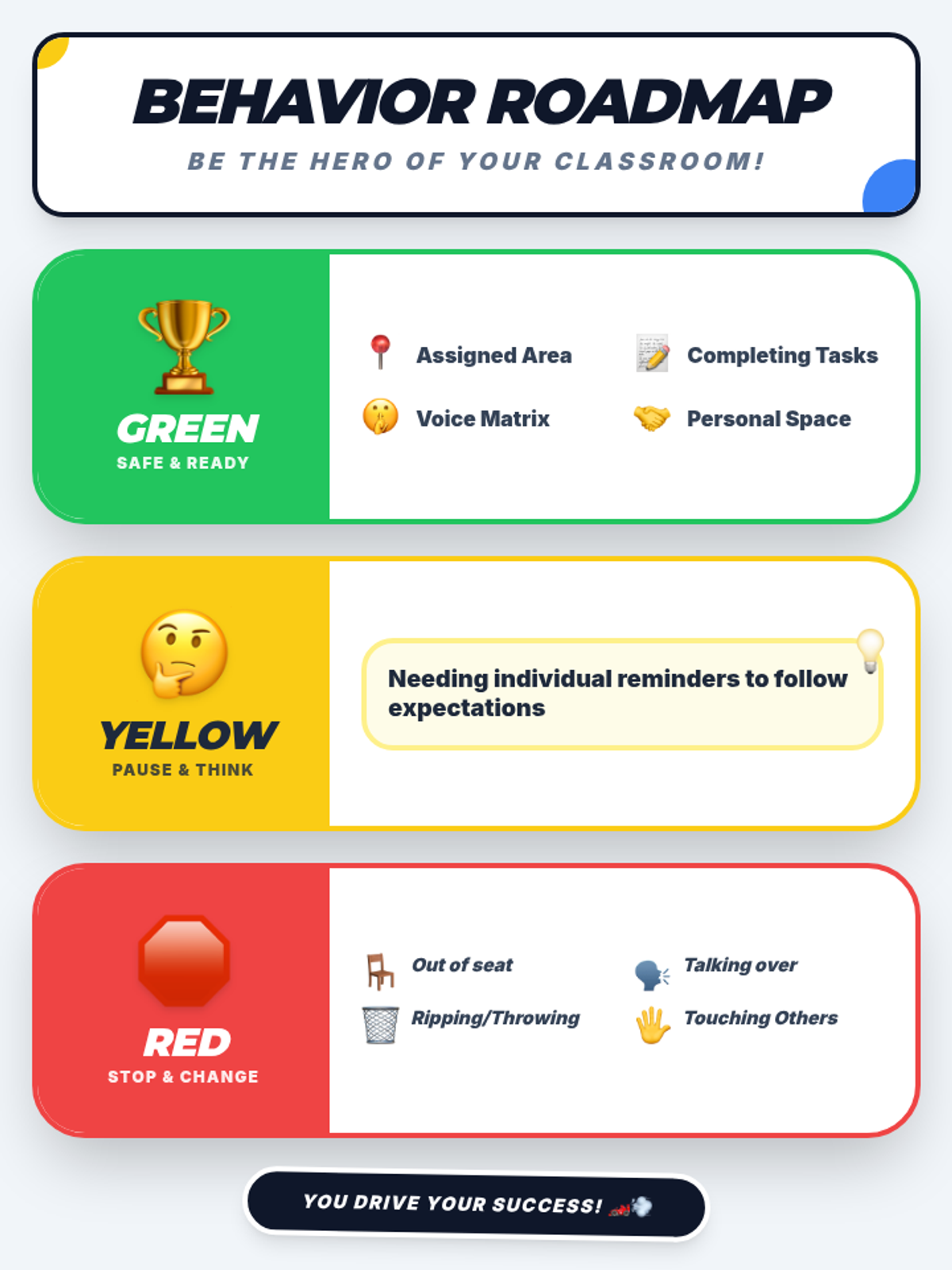
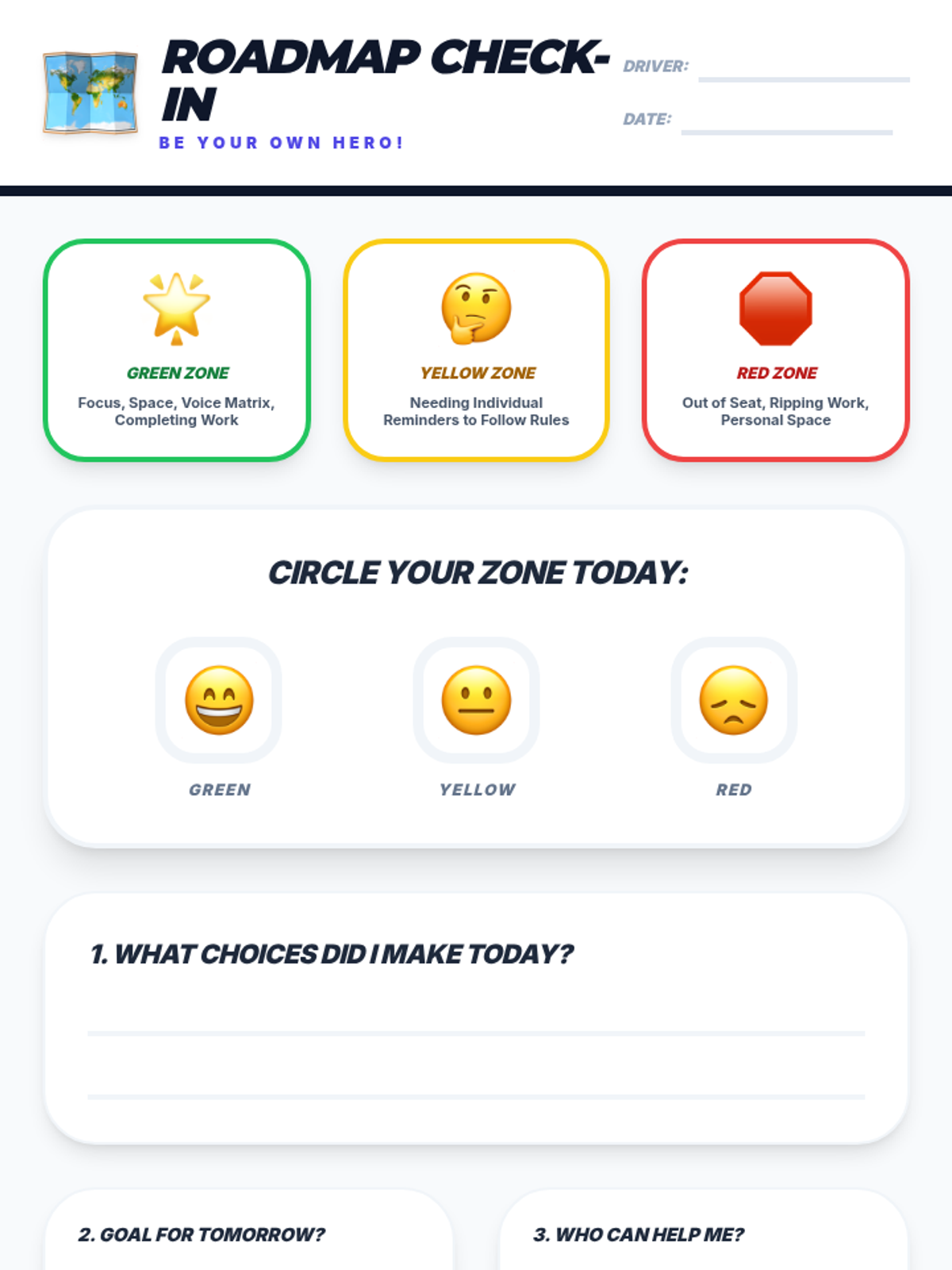
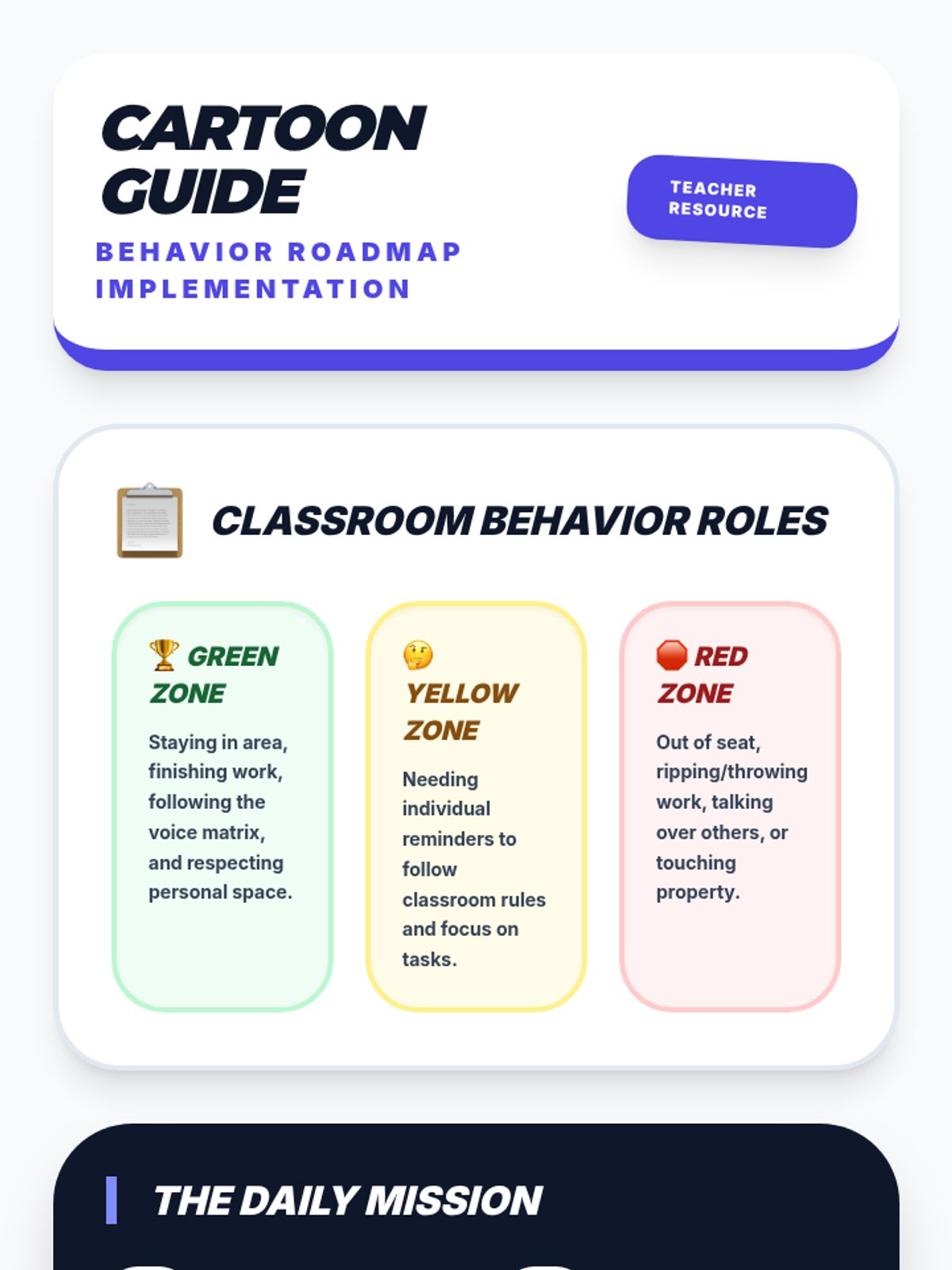
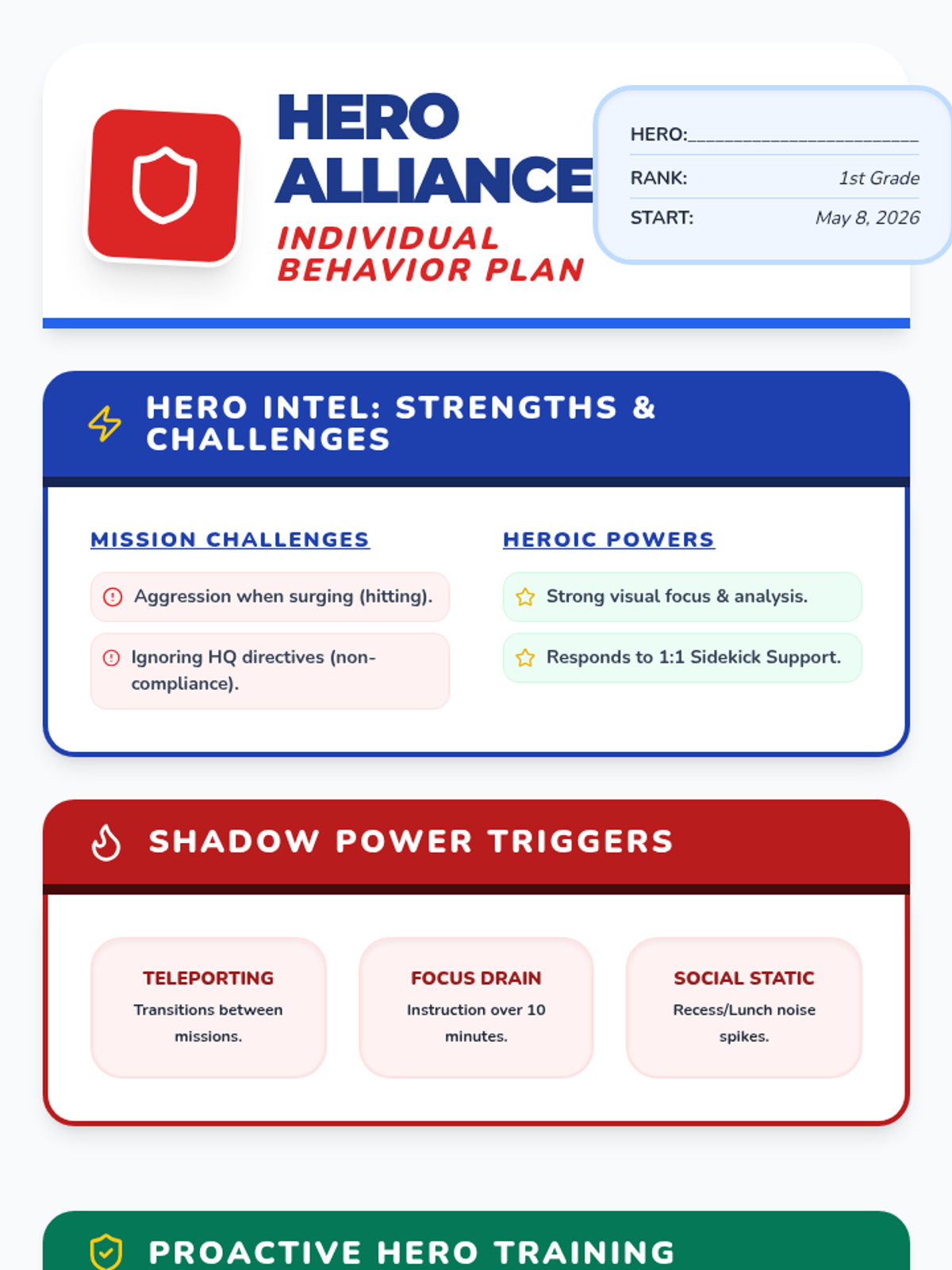
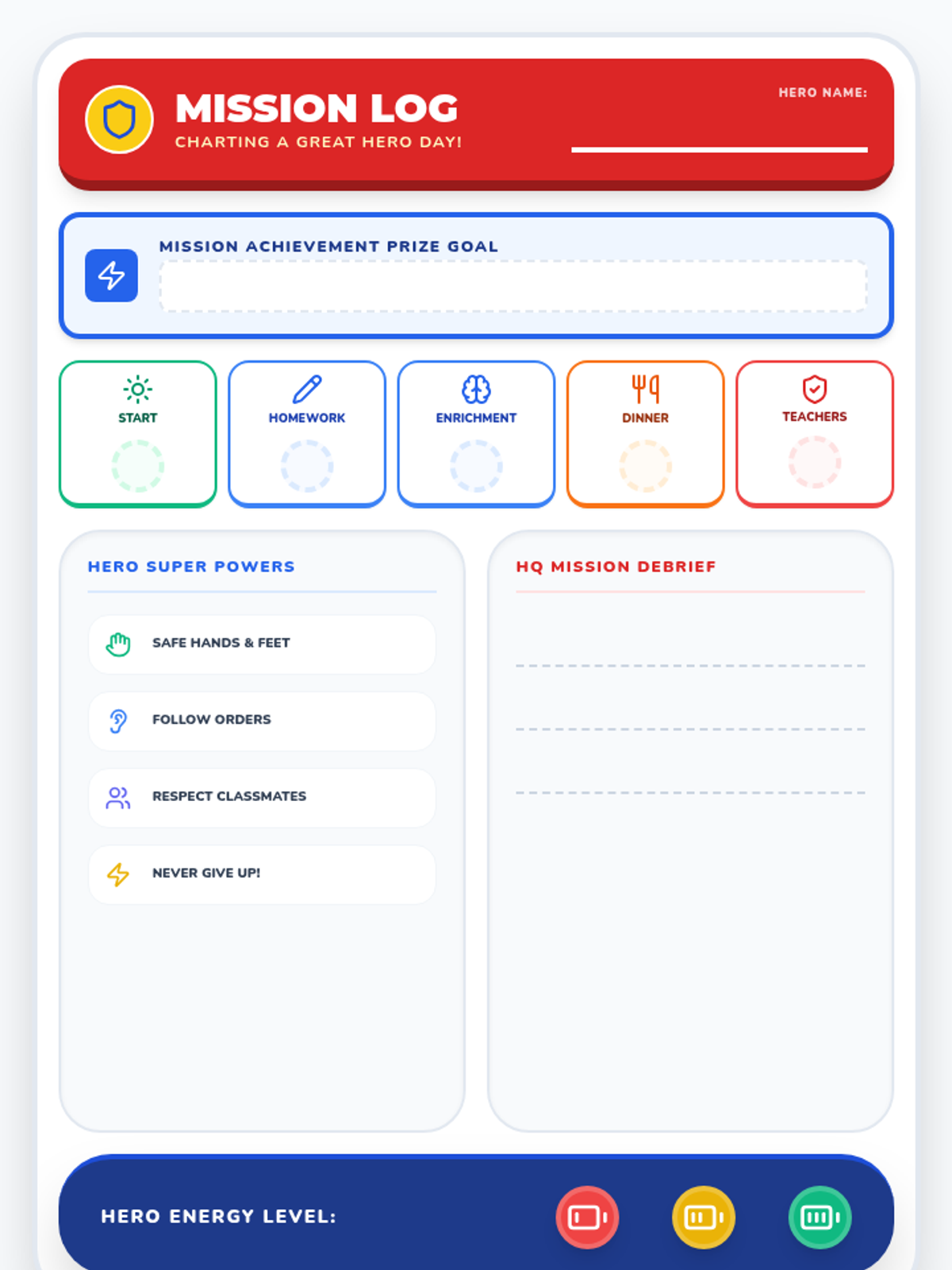
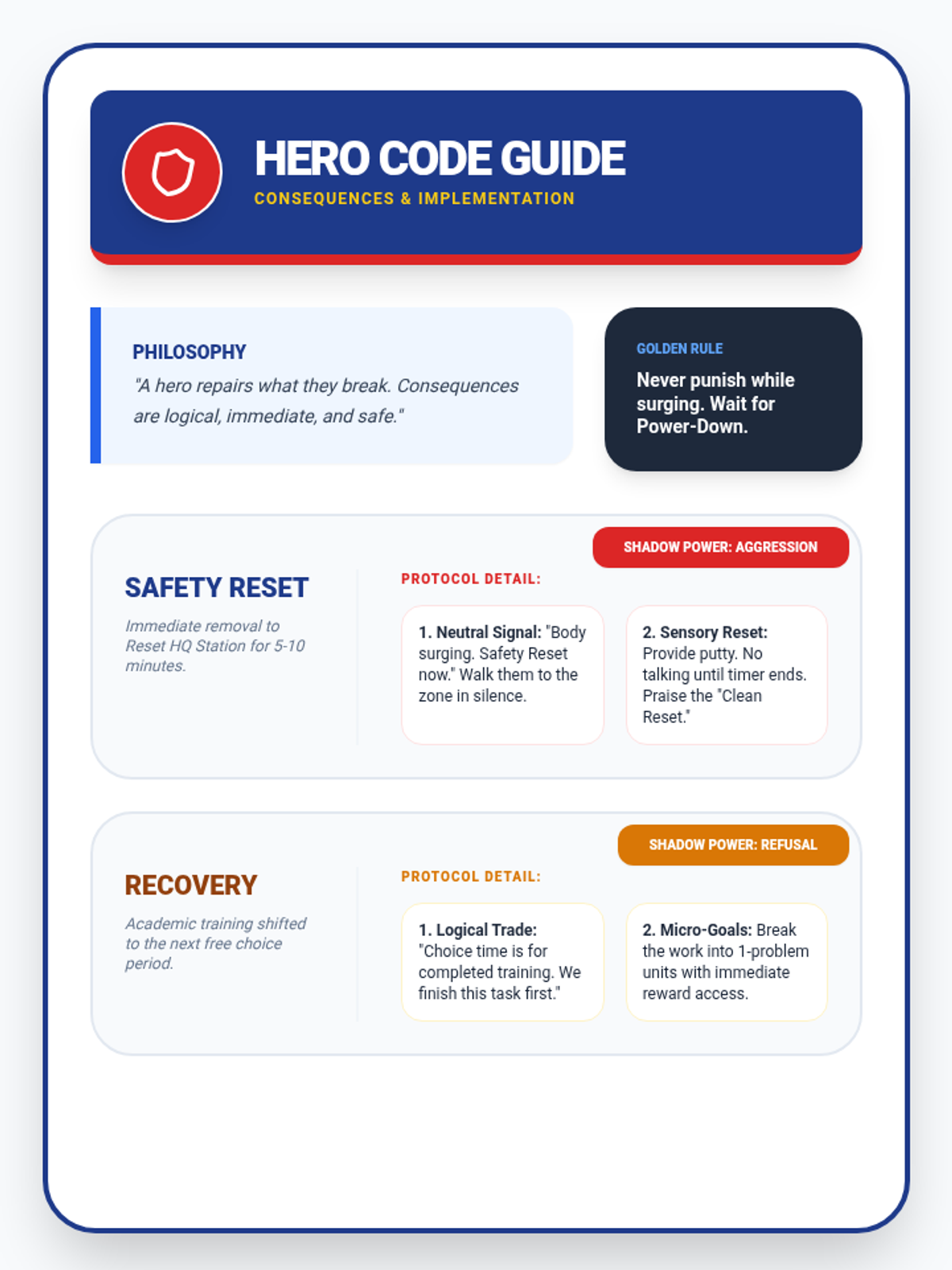
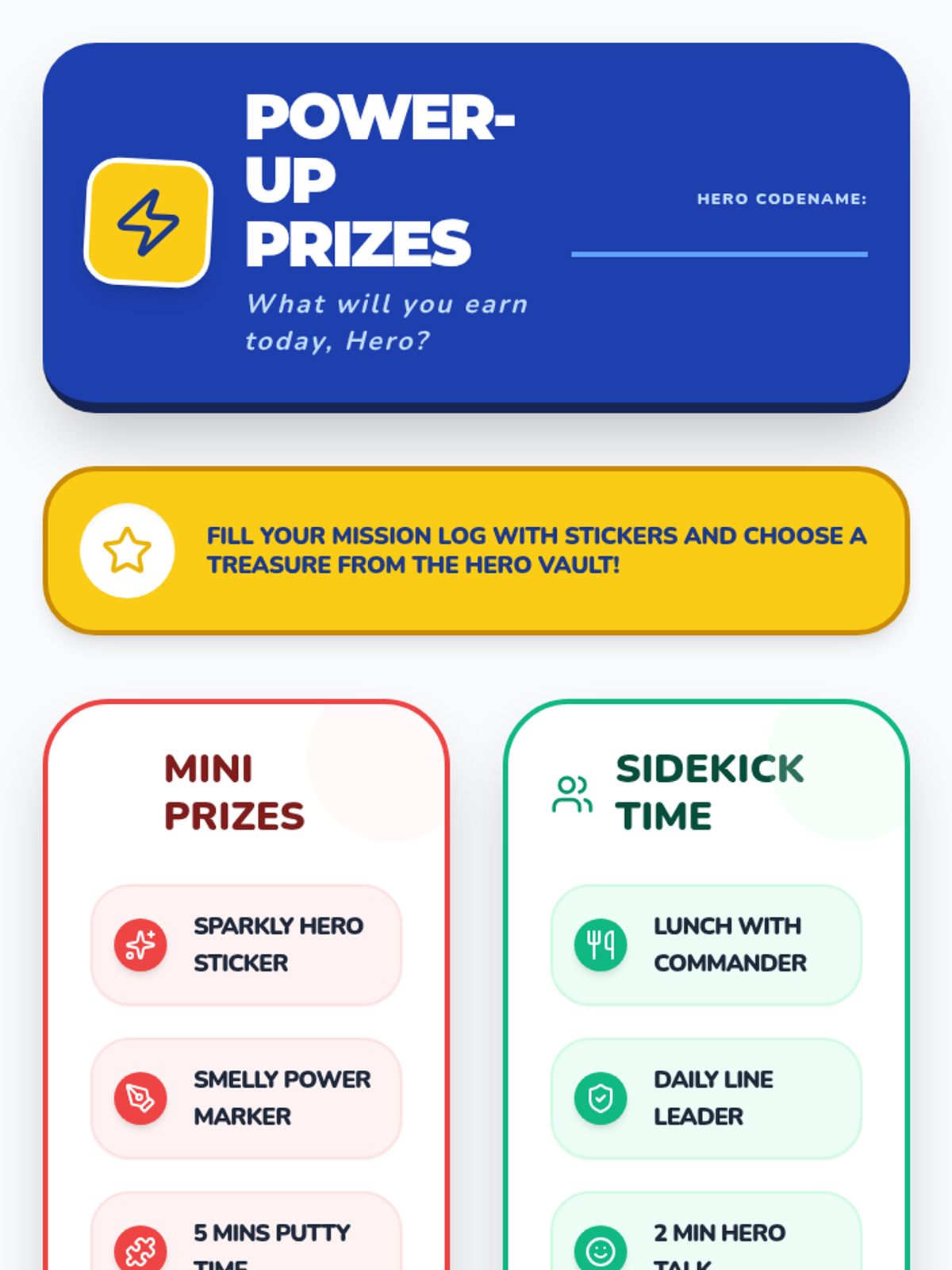
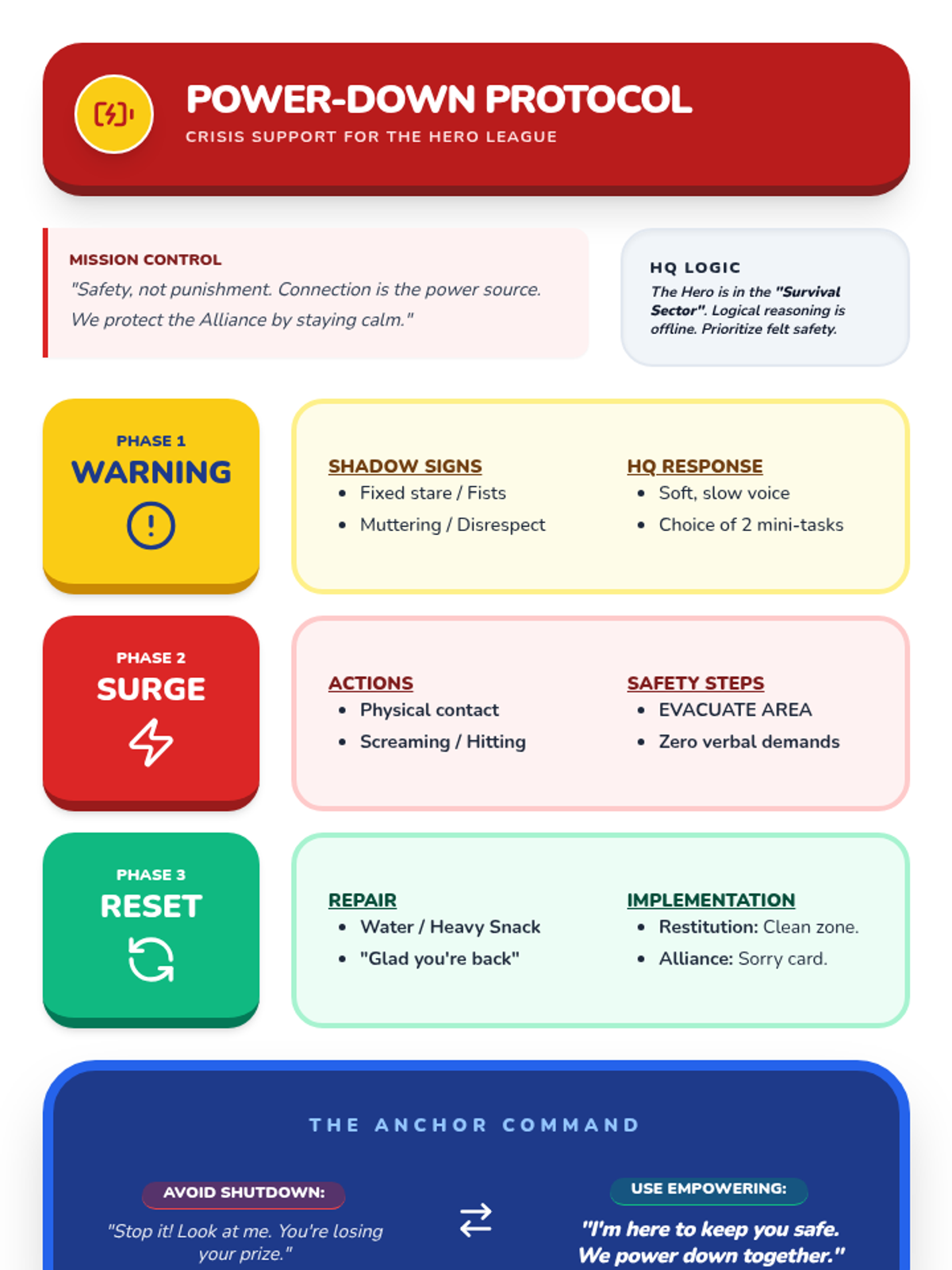
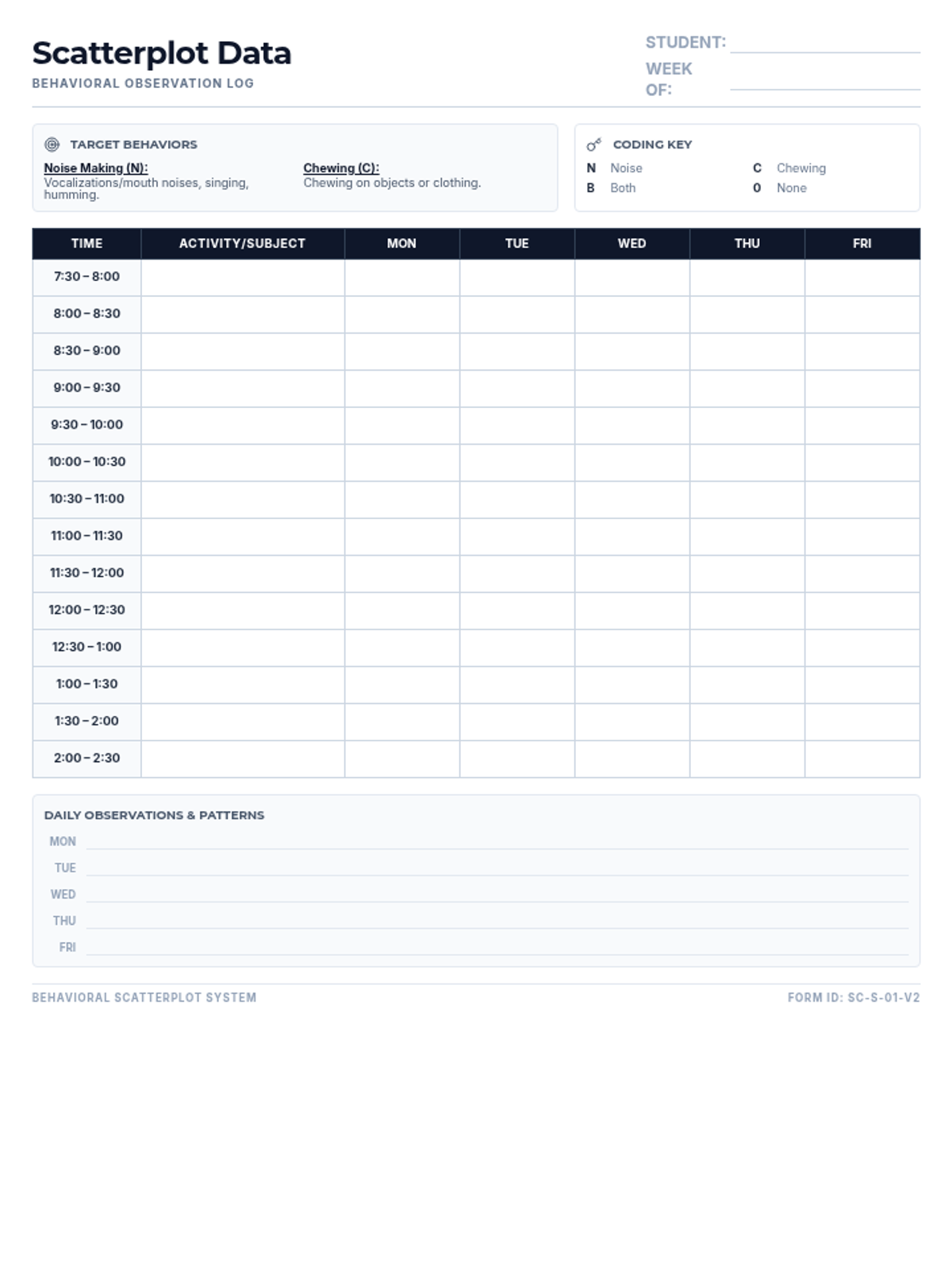
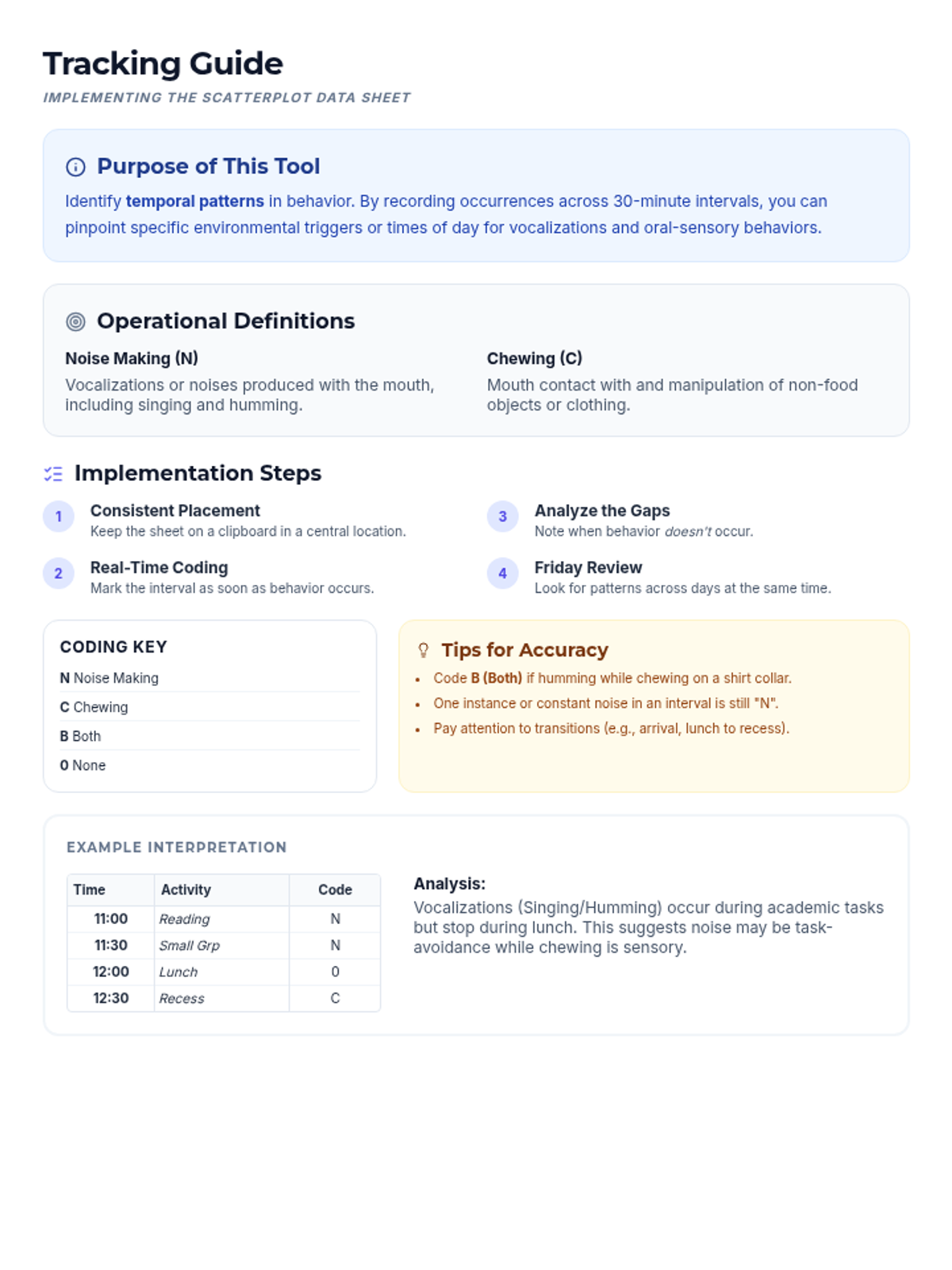
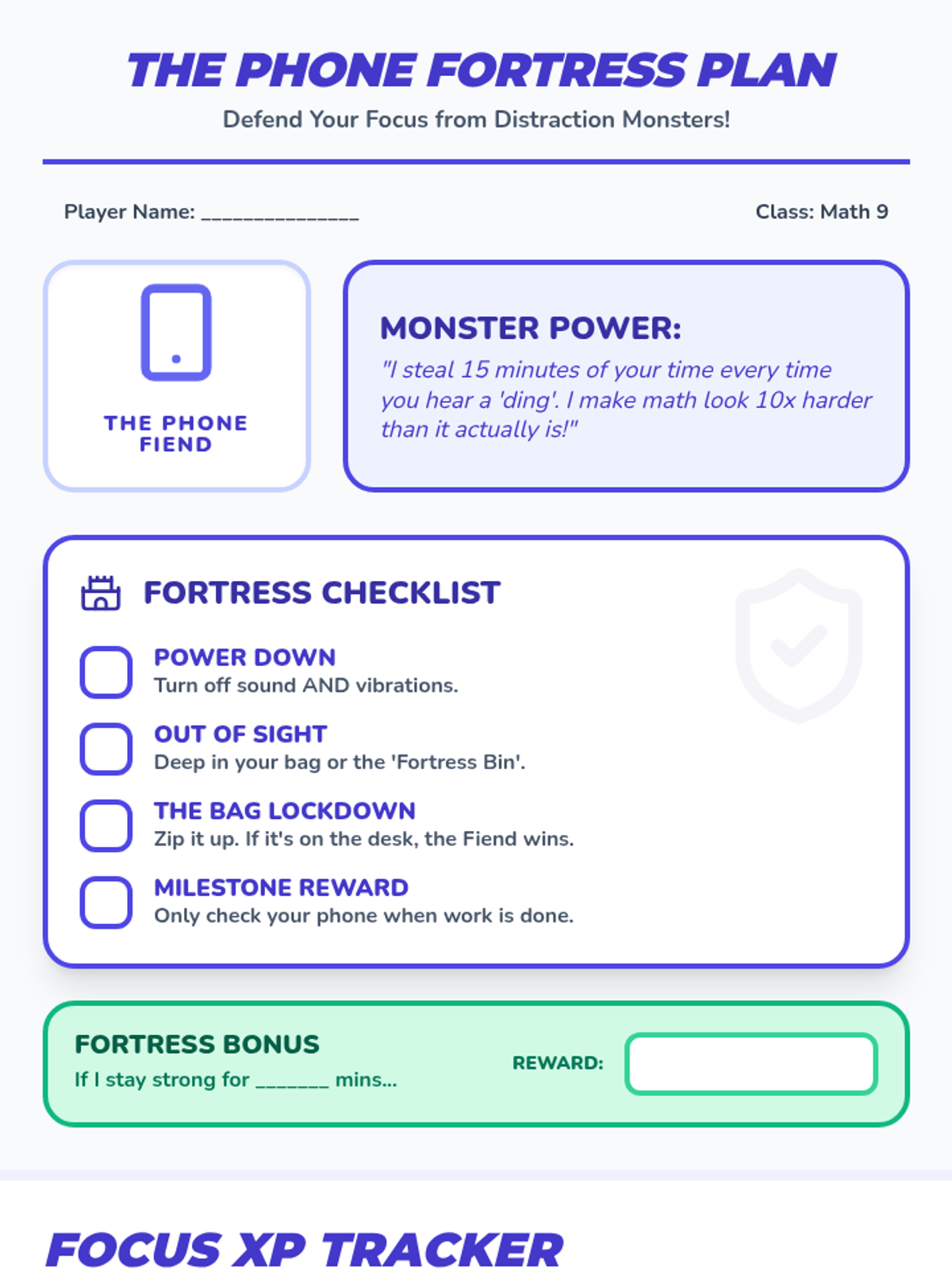
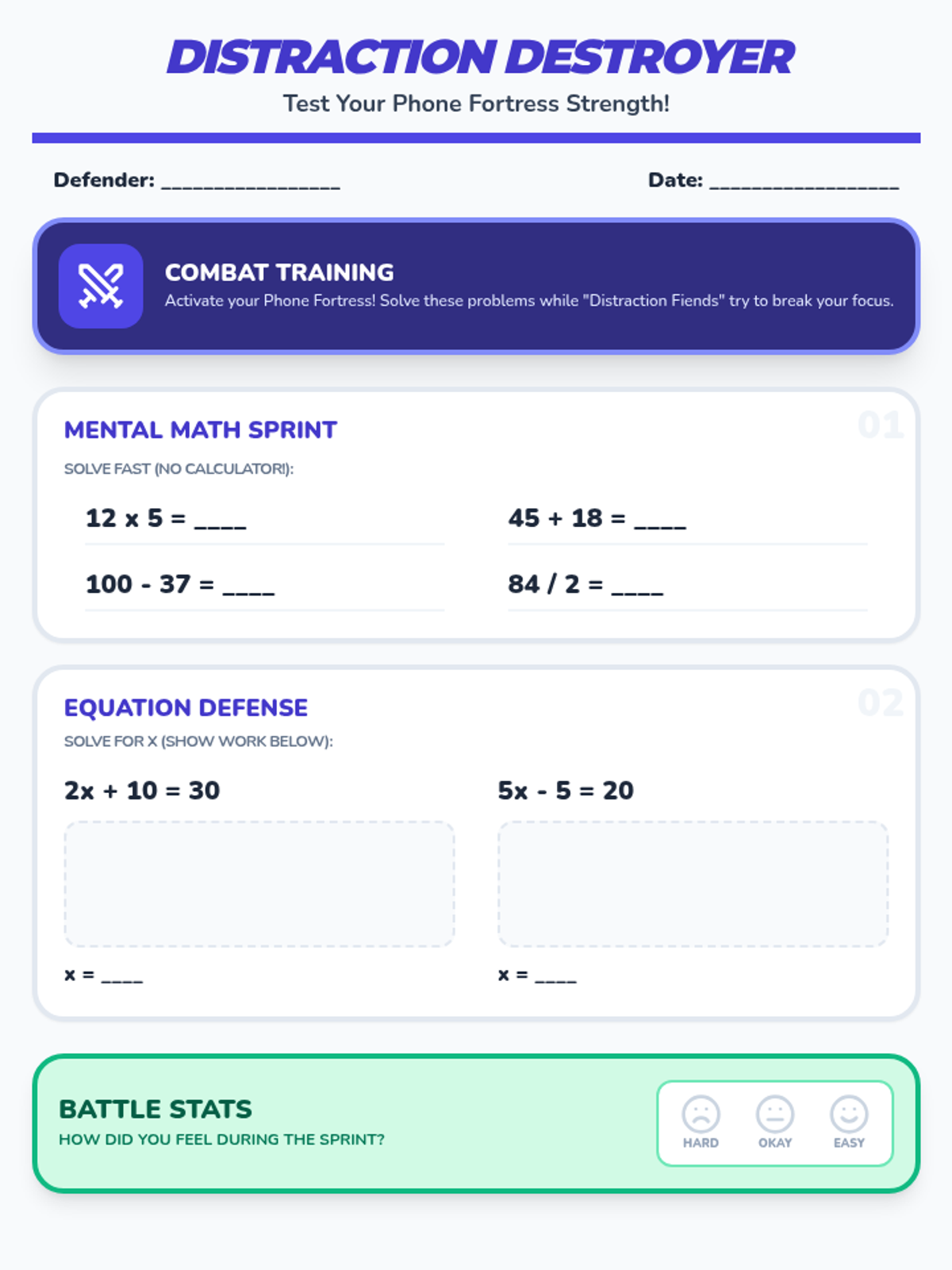
A collection of resources to support students in tracking and improving classroom behaviors, focusing on self-regulation and engagement.
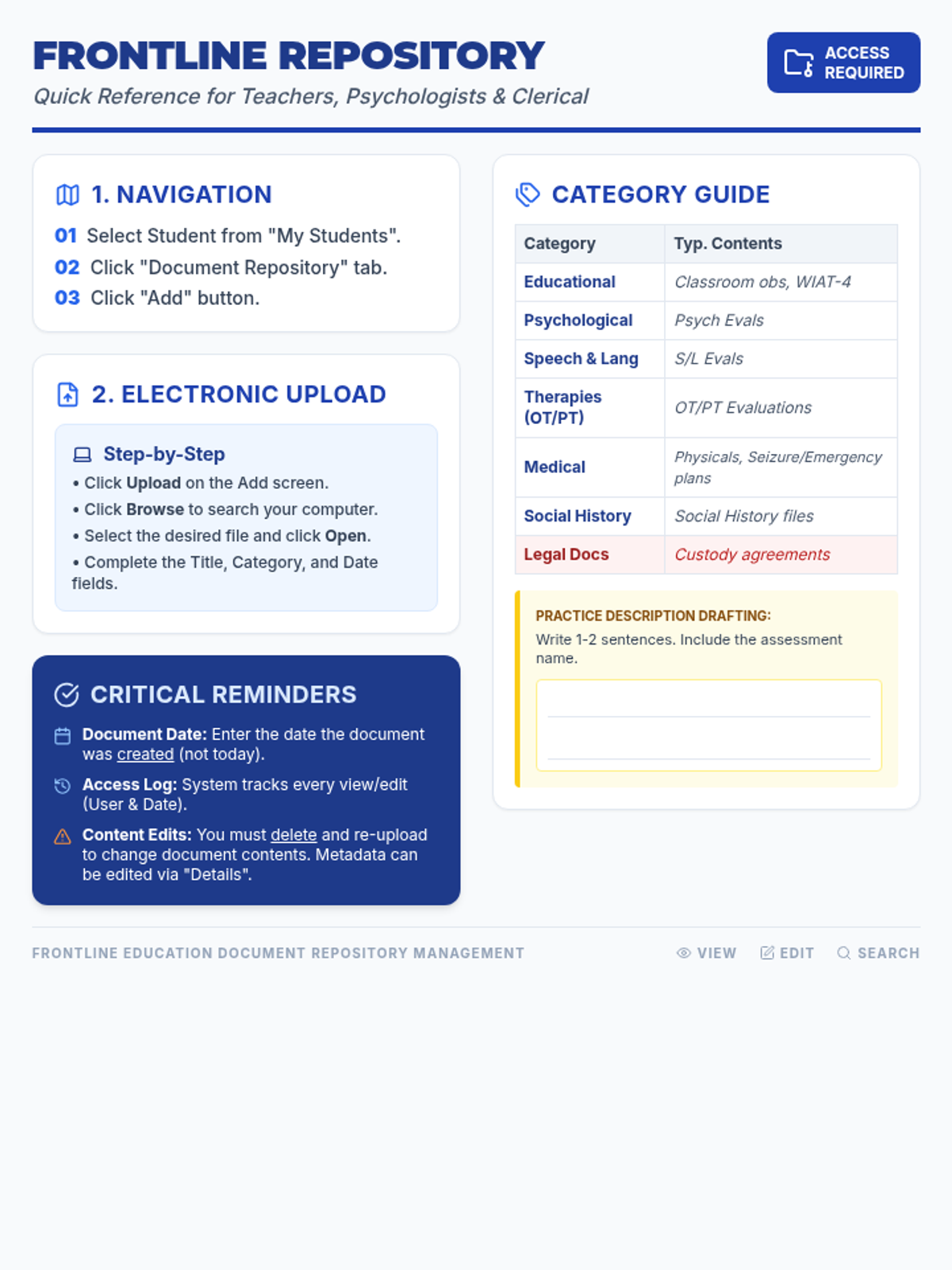
A weekly routine for students to track and reflect on self-created executive functioning goals, promoting metacognition and self-regulation.
A comprehensive lesson designed for adults with mild intellectual disabilities to improve social communication, manage frustration, and build healthy physical habits for diabetes prevention. This lesson provides practical tools for daily self-regulation and wellness tracking.
A foundational lesson for non-verbal students with autism to learn and practice three greeting methods: waving, high-fives, and using an AAC device. Includes a social narrative, choice boards, and individual communication cards.
A comprehensive toolkit for school leaders to conduct effective classroom walkthroughs aligned with the MA DESE Model Rubric for Classroom Teacher Evaluation.
A set of visual communication tools designed for students who struggle with verbalizing emotions and needs, using a cartoon-inspired theme to make communication engaging and accessible.
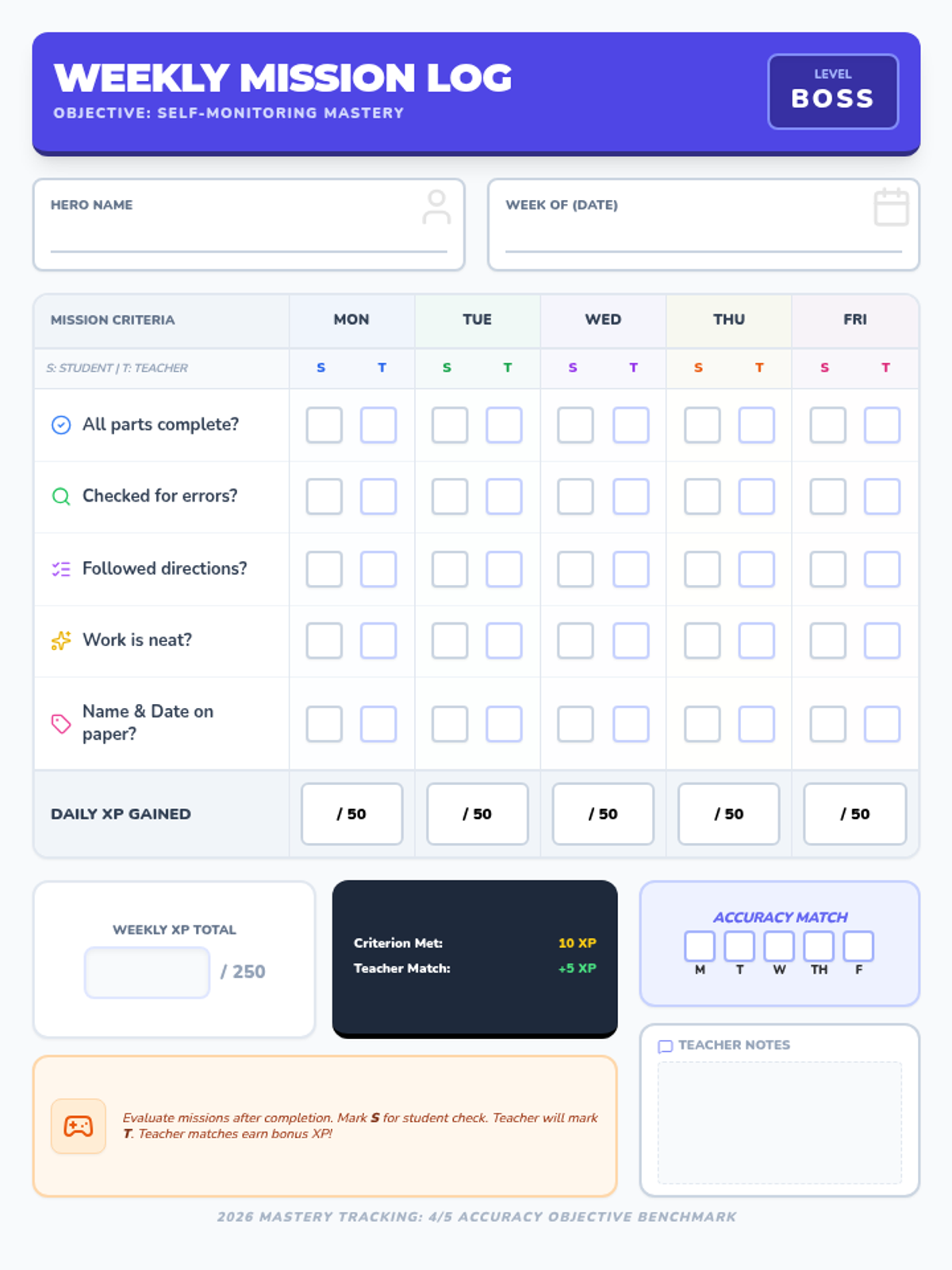
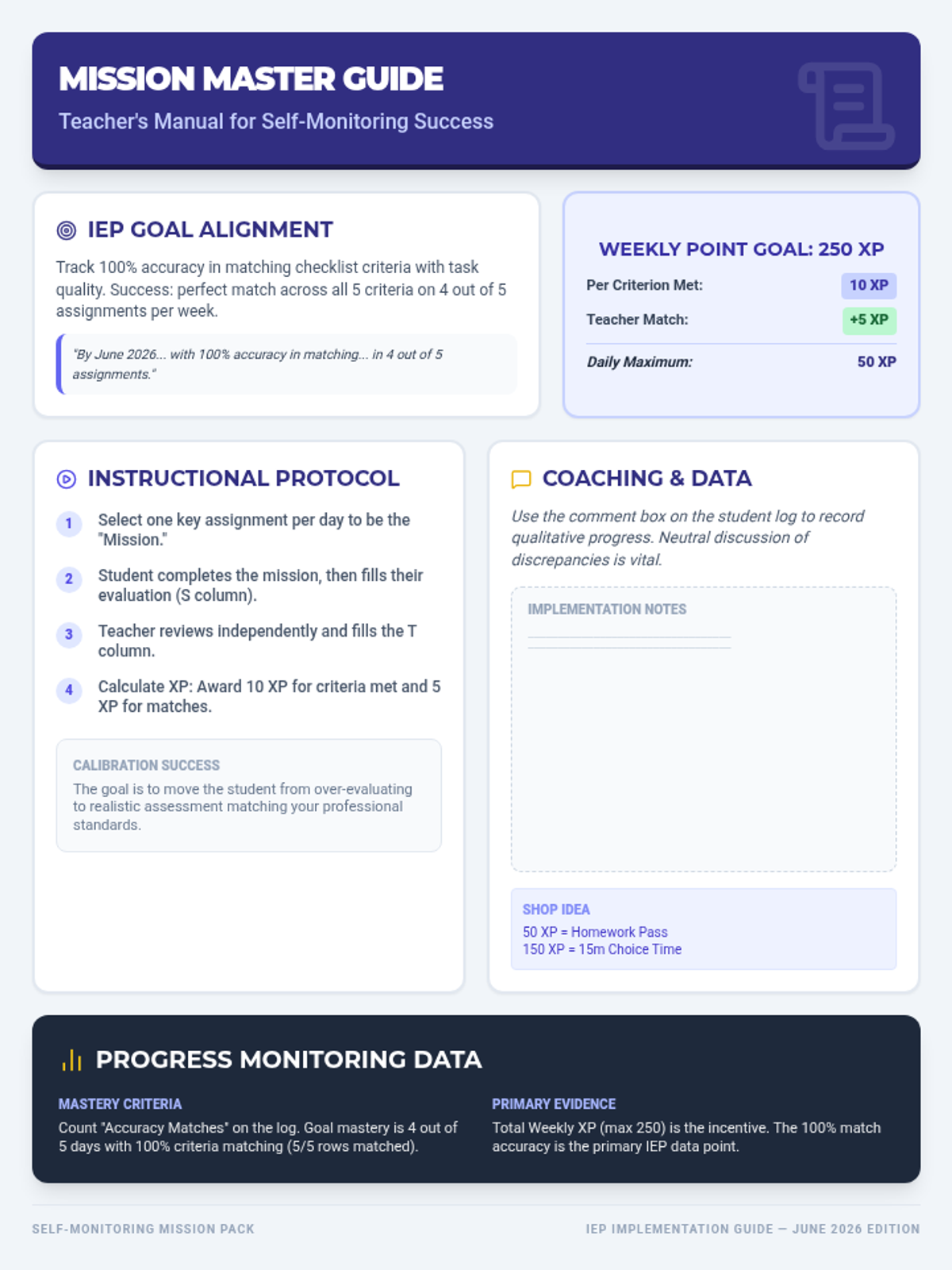
A daily habit-building system for students to monitor their readiness, preparation, and work effort across all subjects. Includes student trackers and teacher implementation guides to foster accountability and self-regulation.
Review all letters, complex line cutting, CVC word sorting, subtraction within 20, and a celebration of 'quiet voice' mastery.
Focus on the letter 'h', shape cutting, 'ap/op' family building, addition within 20, and self-monitoring the 'quiet voice'.
Focus on the letter 'r', curved line cutting, 'an' family CVC words, mixed math within 10, and maintaining a 'quiet voice'.
Focus on the letter 'a', zigzag line cutting, 'at' family building, subtraction within 10, and practicing the 'quiet voice'.
Focus on the letter 's', straight line cutting, 'at' family CVC words, and addition within 10 using visual supports.
Students compose a simple informative report about a bird using a combination of drawing and dictation/writing with high levels of visual support. Focuses on informative writing (W.K.2).
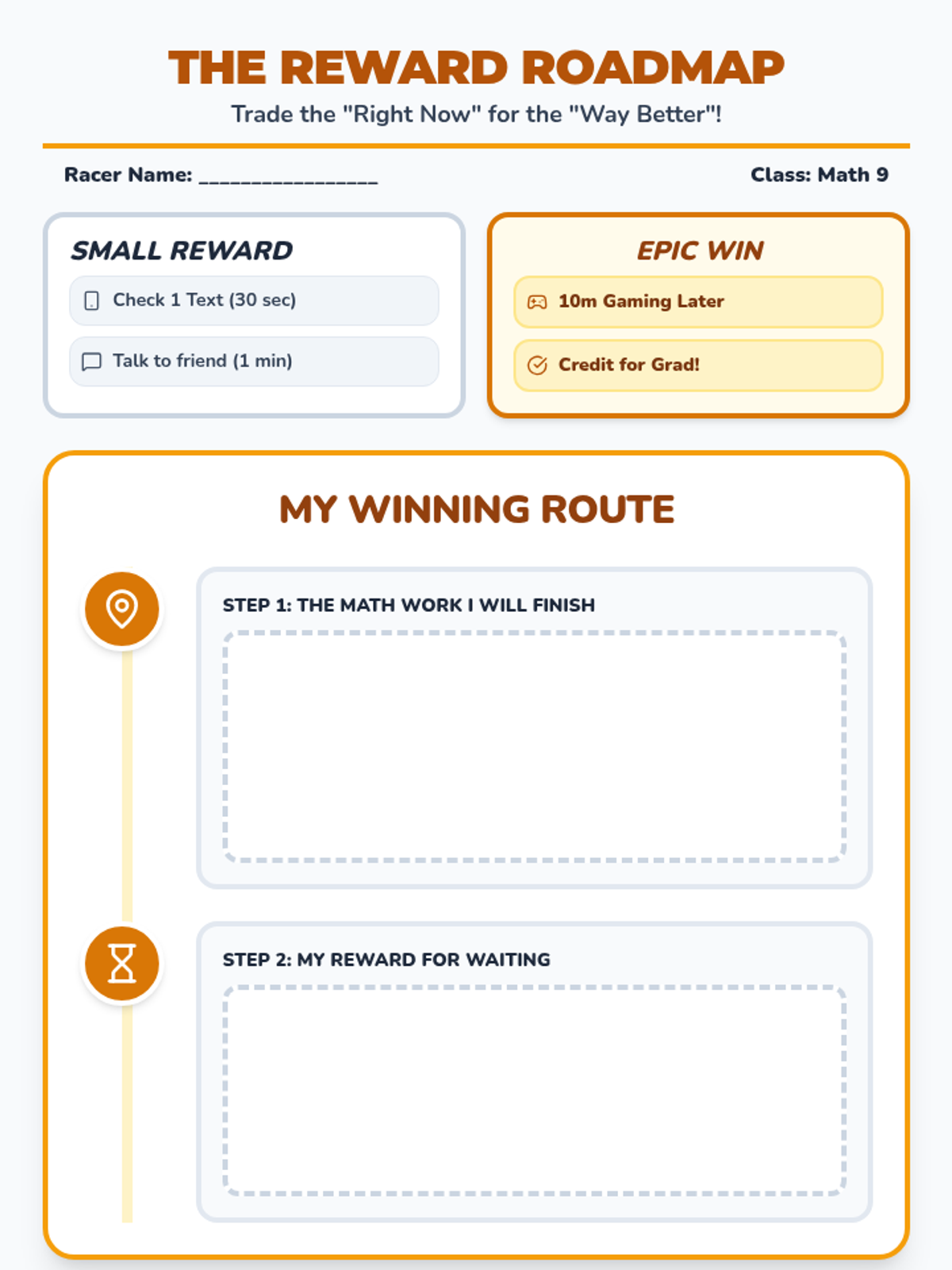
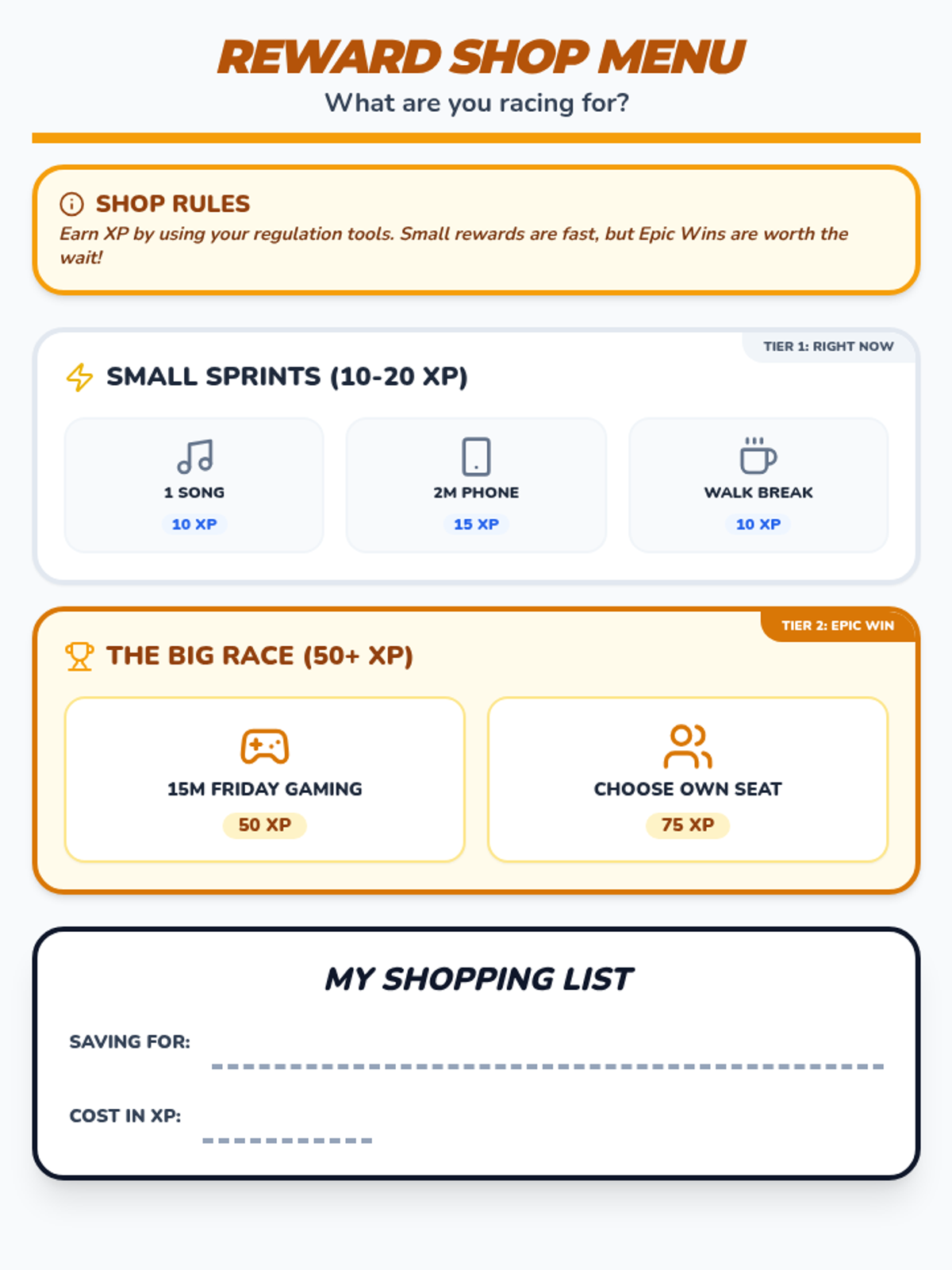
Students participate in shared research to discover how different beaks help birds eat different foods. Focuses on shared research (W.K.7) and answering questions from sources (W.K.8).
Students identify basic bird body parts (wings, feathers, beak, feet) using high-interest visuals and simple labeling tasks. Focuses on gathering information from visual sources (W.K.8).
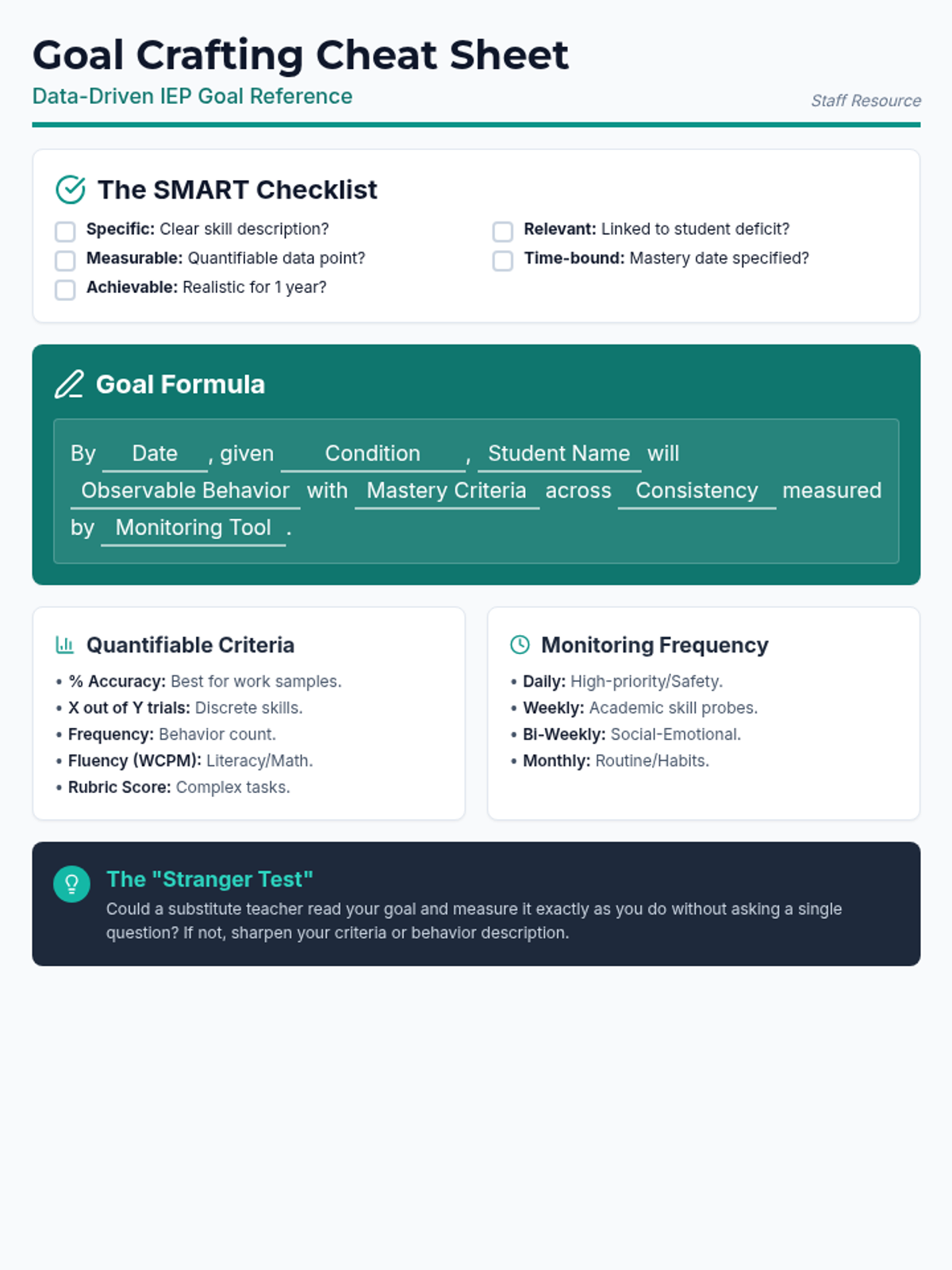
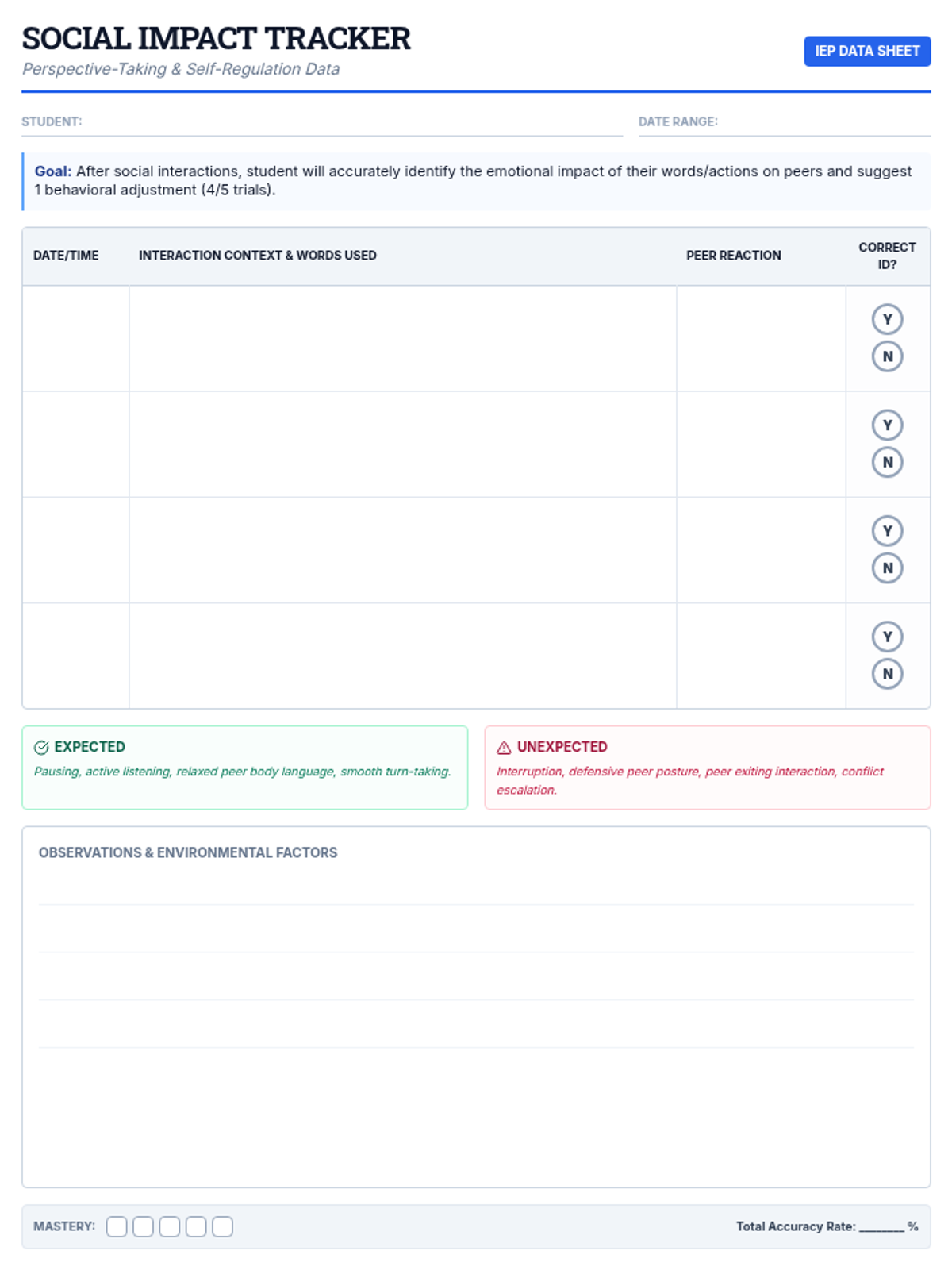
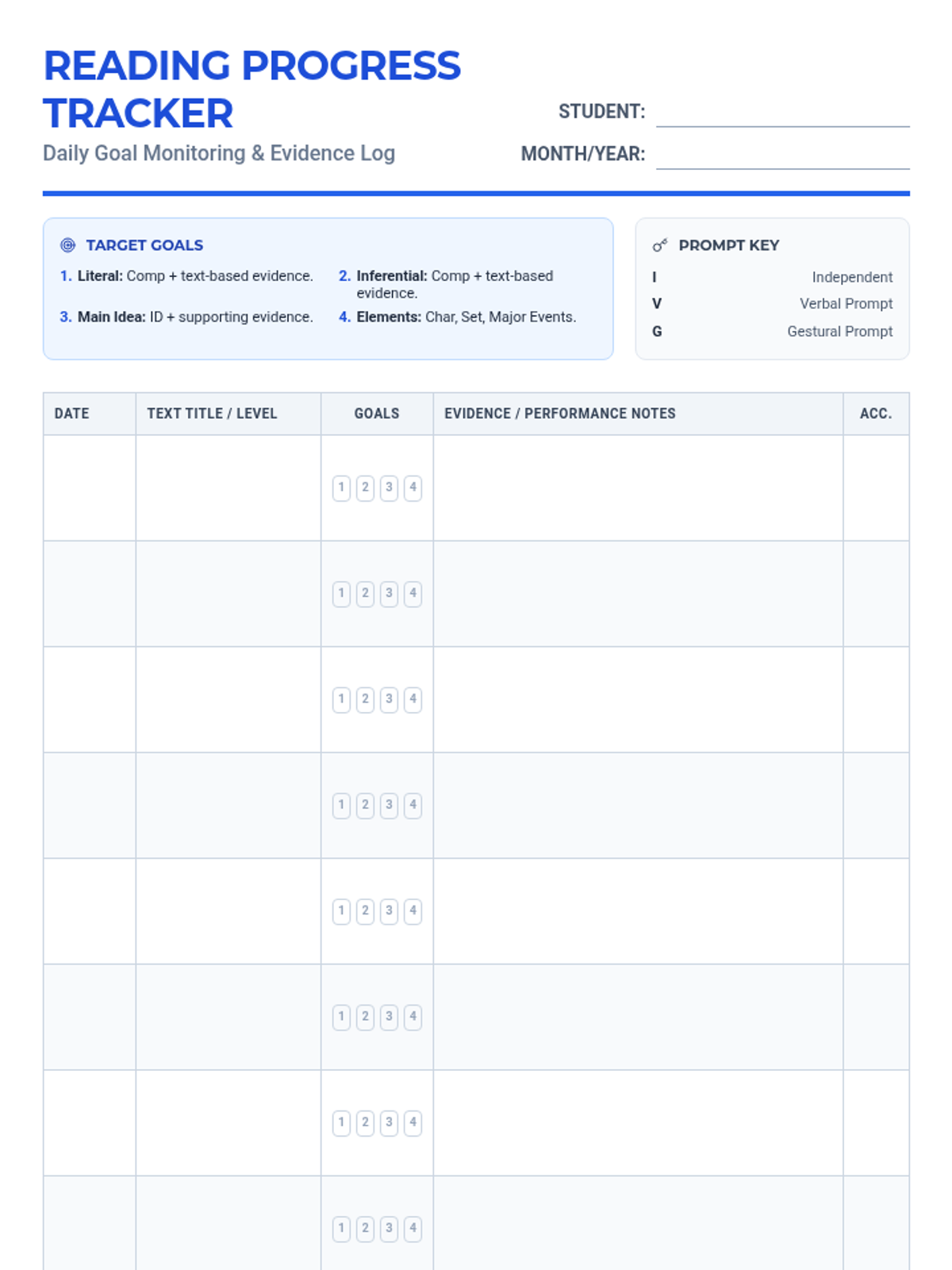
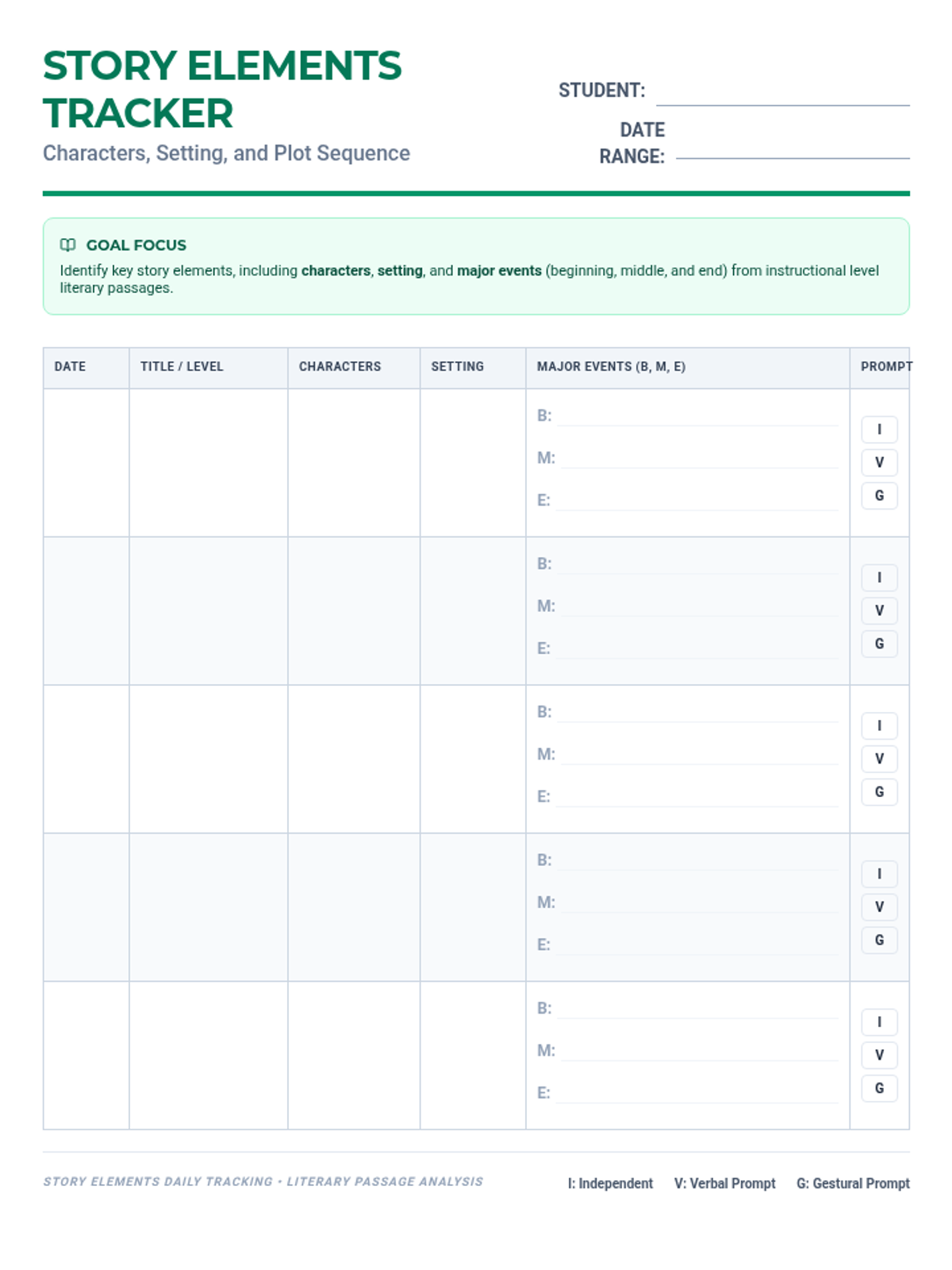
A comprehensive set of templates for special education teachers to track and document student progress toward IEP goals across academic, functional, and behavioral domains.
A comprehensive set of resources for middle school students to master the vocalic /IRE/ sound in all word positions and syllable lengths, featuring a word vault, flashcards, and interactive discussion prompts.
A creative final project for Shakespeare's Macbeth that requires students to synthesize textual evidence with visual art. Students choose a central theme or character arc to illustrate, supporting their artistic choices with cited quotes from the play.
A series of high-interest, low-readability reading comprehension assignments targeting sequencing, main idea, and inference skills across three distinct levels.
A foundational grammar lesson focusing on sentence structure through visual scaffolds and color-coding. Students learn to identify fragments, complete sentences, and run-ons using a 'Construction' metaphor.
A life skills lesson focused on kitchen safety, following recipe directions, and sequencing steps for baking brownies. Designed for high school students with moderate support needs.
A strategic weekly timeline and set of tools for the first four weeks of the school year, focusing on caseload management, IEP compliance, ELL support, and collaborative teaching.
A comprehensive resource kit for the 'Neuro Command Academy' 10-week curriculum, including high-impact TPT product pages and standards-aligned guides.
Foundational tools for assessing student levels and planning instruction based on California Power Standards across grades K-5.
A series of high-impact infographic handouts designed for high school lunch table booths to promote disability awareness and acceptance through myth-busting.
A comprehensive set of tools designed to help teenagers master executive functioning skills, focusing on task management, environmental organization, and self-monitoring using a high-tech, tactical aesthetic.
A comprehensive lesson for high school special education students covering texting etiquette, cyberbullying, privacy, and safety from strangers and scams.
A functional travel training lesson focused on using Google Maps to plan a trip and practicing safety and etiquette on the MBTA. Students will navigate a step-by-step planning process and evaluate safe vs. unsafe behaviors in transit environments.
Students explore how personal hygiene and grooming habits impact the 'Zones' of their coworkers and supervisors in a professional environment.
A focused lesson designed to help students understand the importance of staying in their designated classroom area and following safety protocols to prevent elopement.
A social story and supporting materials designed for a 2nd-grade student with Autism to address writing refusal and the persistence of tasks. The lesson includes a narrative story, a visual feelings worksheet, and a teacher guide for implementation.
A comprehensive lesson for college students on their rights under the ADA, the principles of Universal Design for Learning (UDL), and strategies for effective self-advocacy in higher education settings.
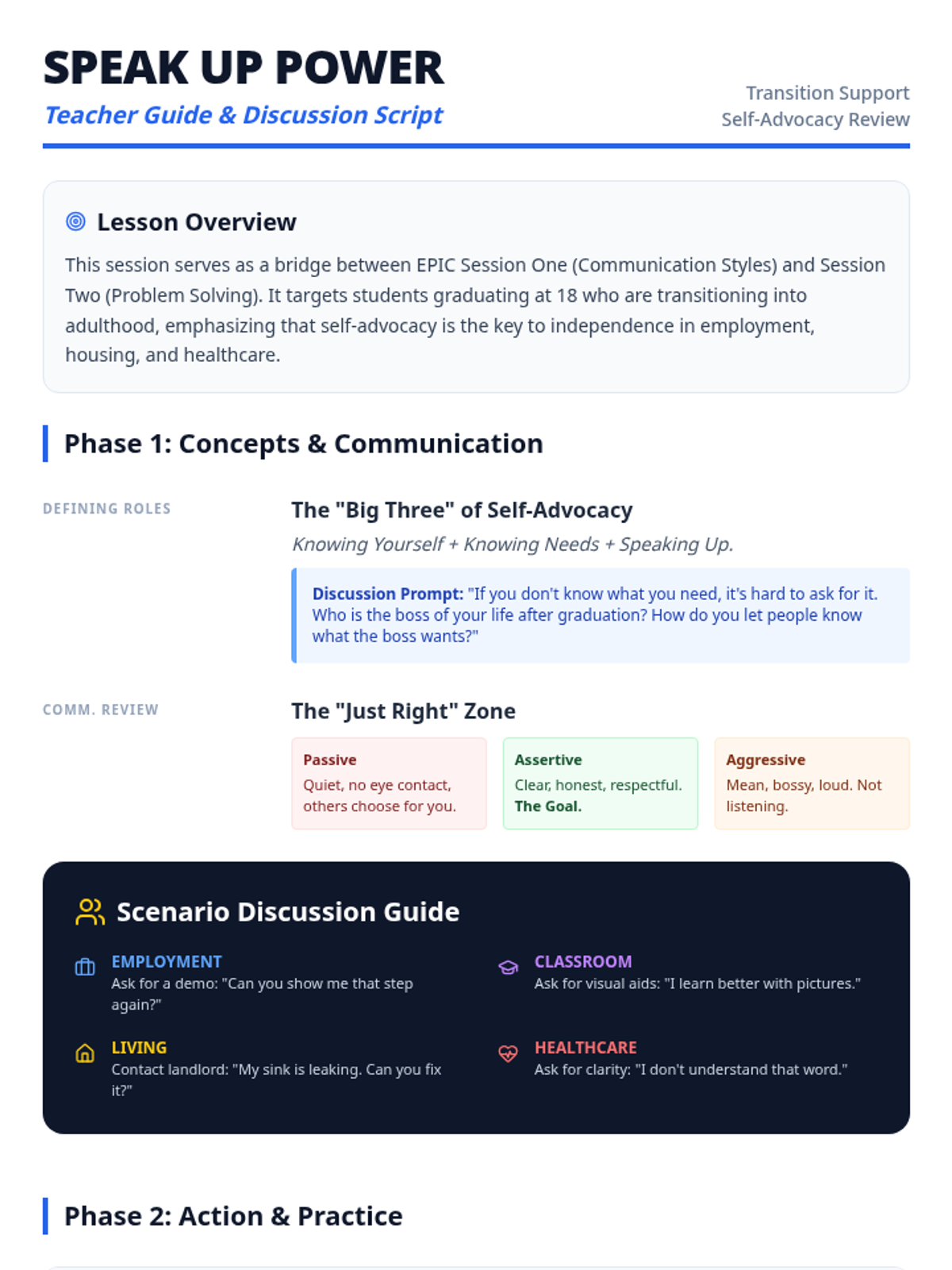
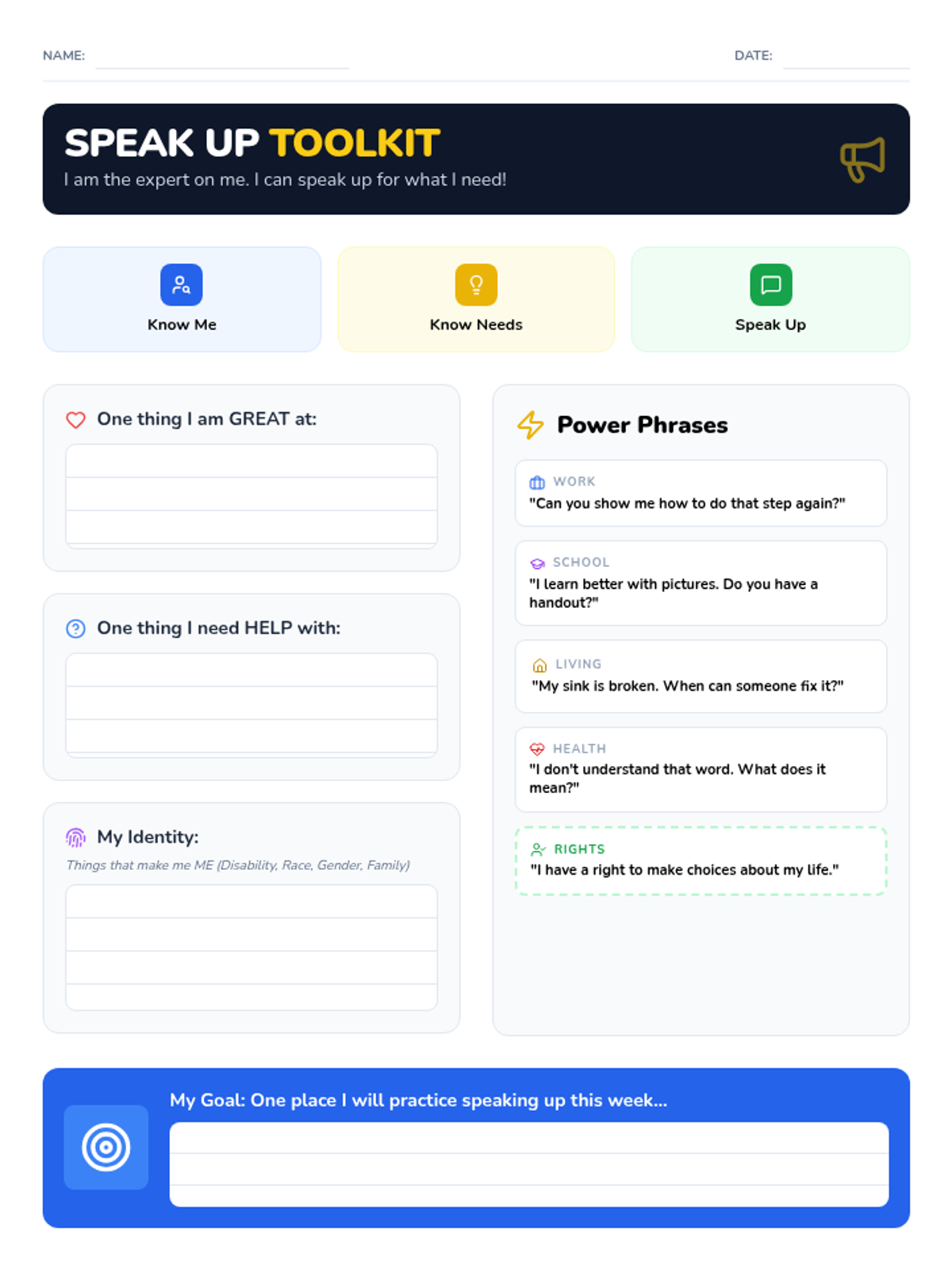
A comprehensive self-advocacy curriculum designed for young adults to navigate school, home, community, and the workplace with confidence. Focuses on personal identity (pronouns), legal rights (ADA/IDEA), and practical communication strategies.
A comprehensive final assessment suite for Romeo and Juliet designed for SPED students, featuring visual supports, graphic organizers, and scaffolded vocabulary tasks.
A collection of marketing and administrative resources for the Brain Boss and Neural Nexus curriculum, including product previews and implementation overviews.
A simplified reading assessment based on the health benefits of reading, designed for students with moderate to severe disabilities at a 1.0-2.0 reading level.