Students will learn how to identify needed items, navigate a grocery flyer, and calculate simple costs to stay within a budget.
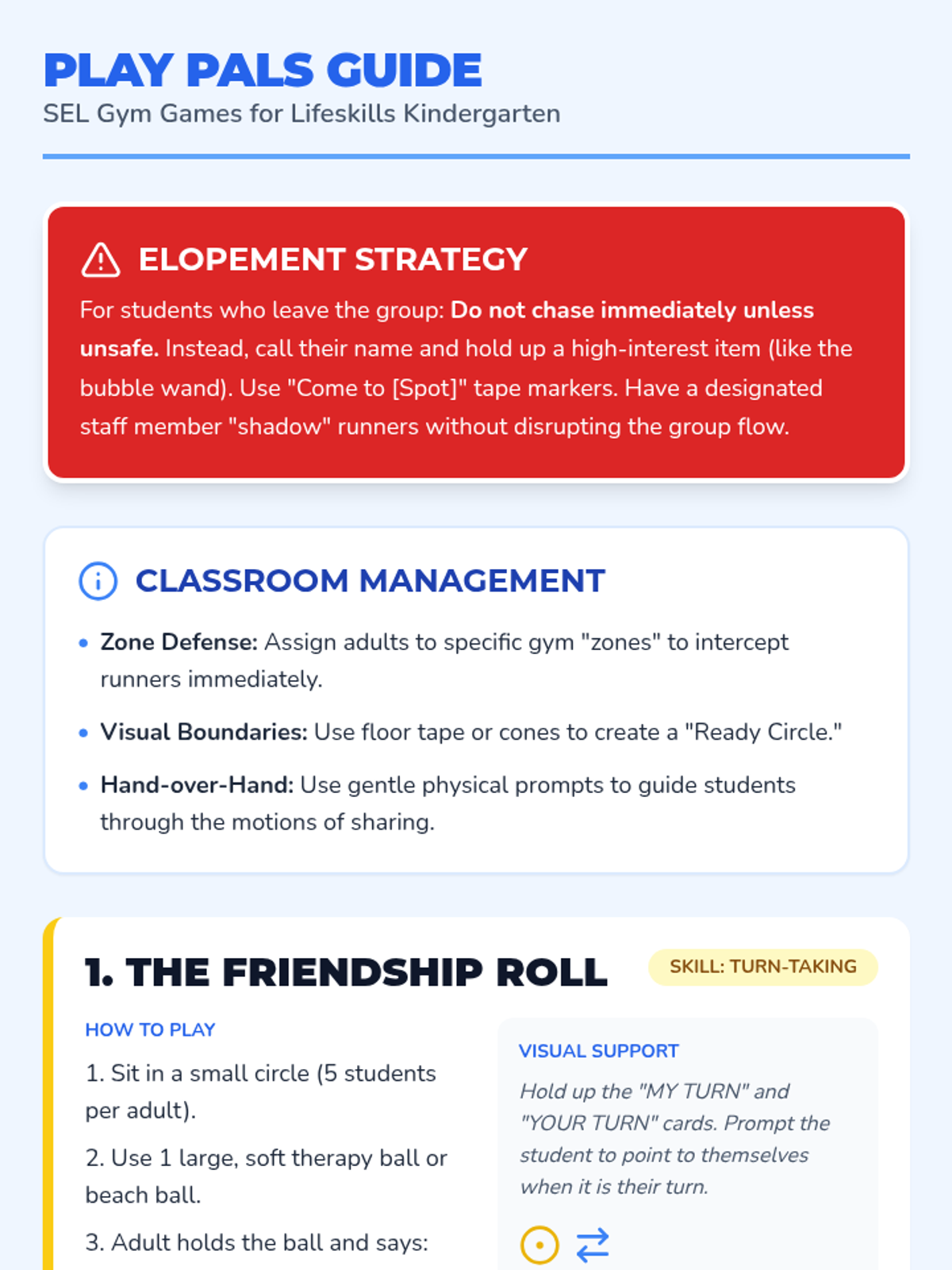
A gym-based lesson for lifeskills kindergartners focusing on foundational social-emotional skills through movement and simple play. The lesson includes high-visibility visual supports and low-complexity games designed to minimize elopement and maximize engagement.
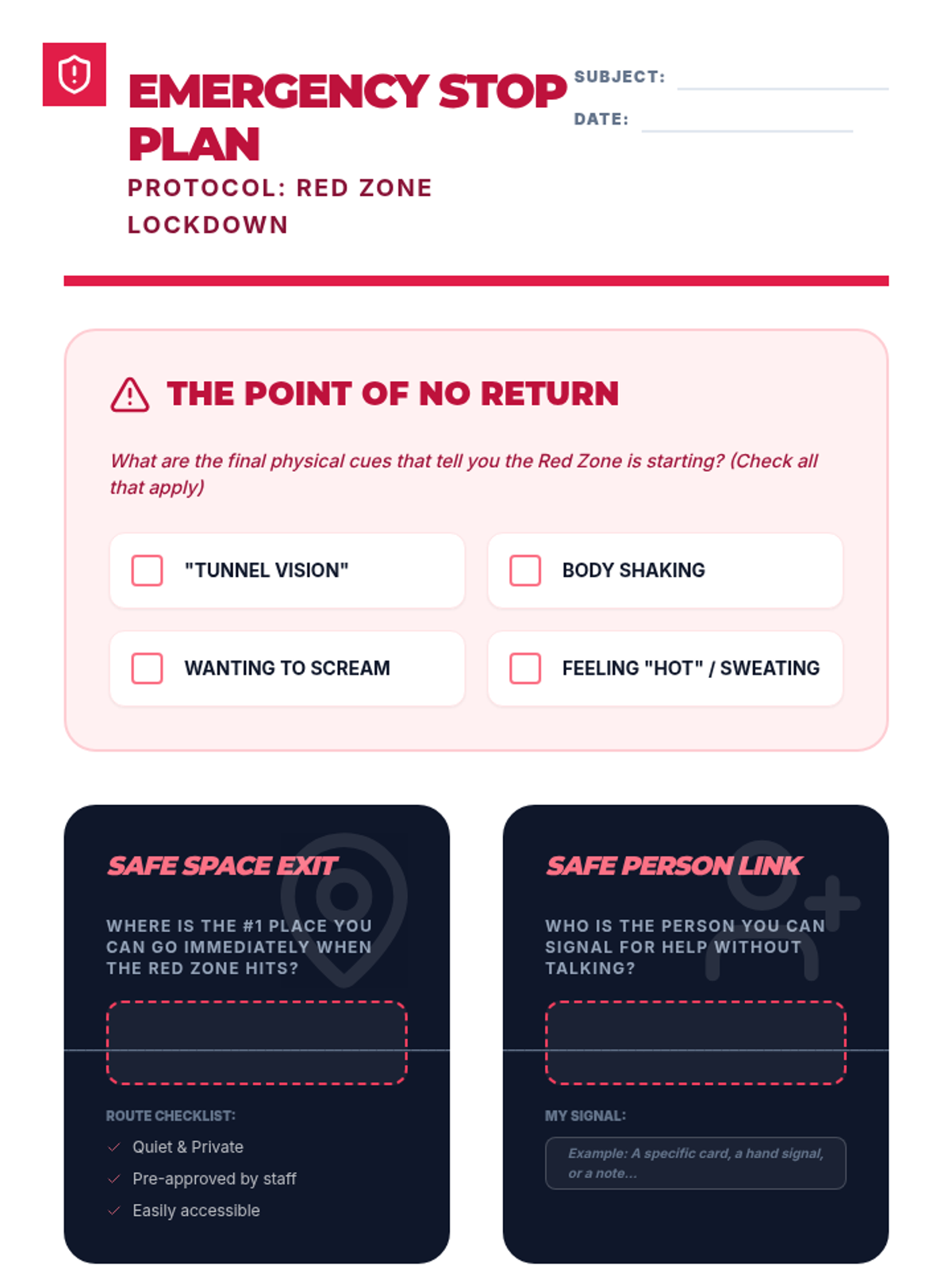
Explores the Red Zone (angry, terrified, out of control) with a focus on 'Emergency Stop' safety plans and the importance of finding a safe space.
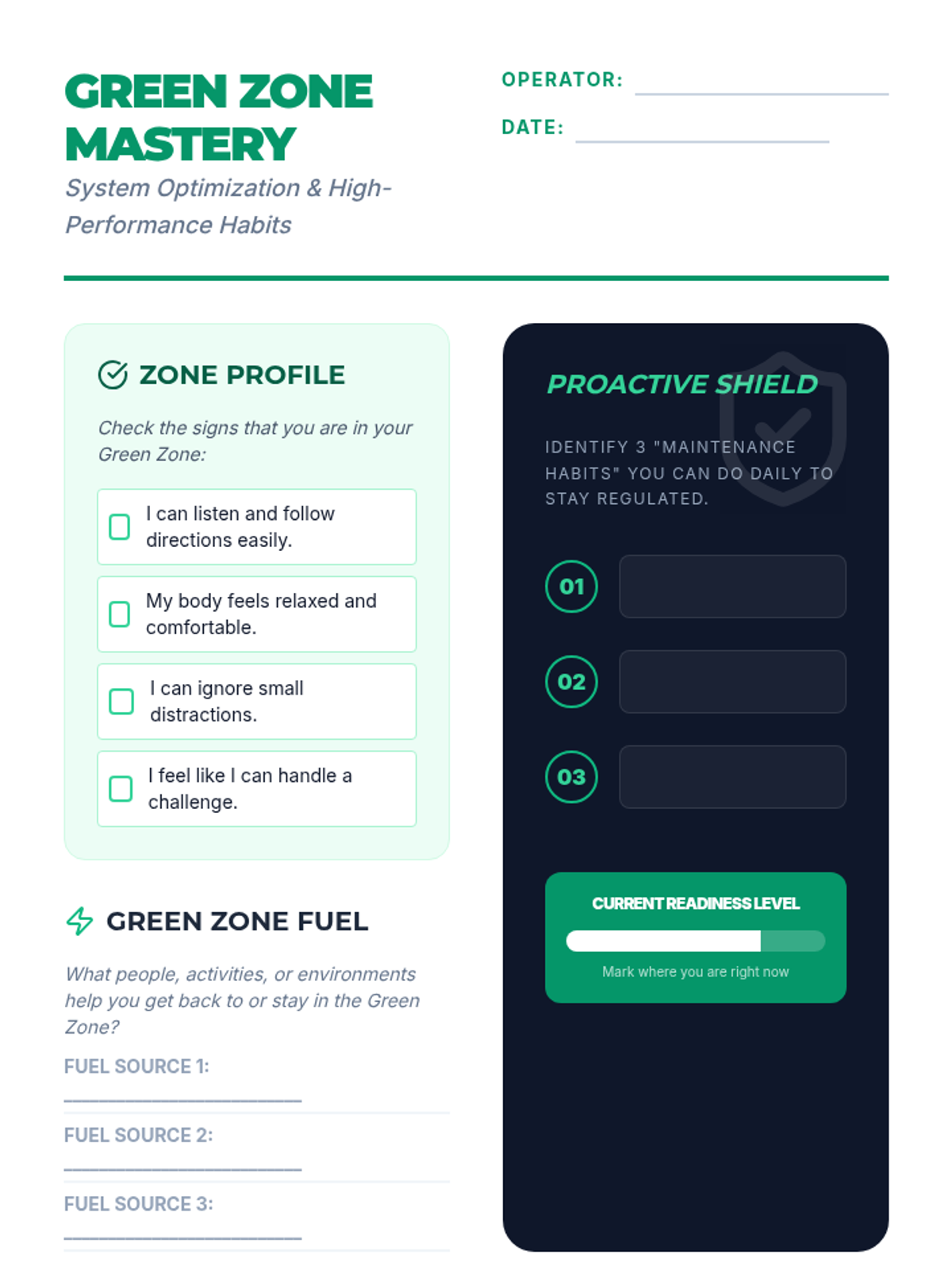
Focuses on identifying the Green Zone (calm, focused, ready) and proactive habits that help students stay in this optimal learning state.
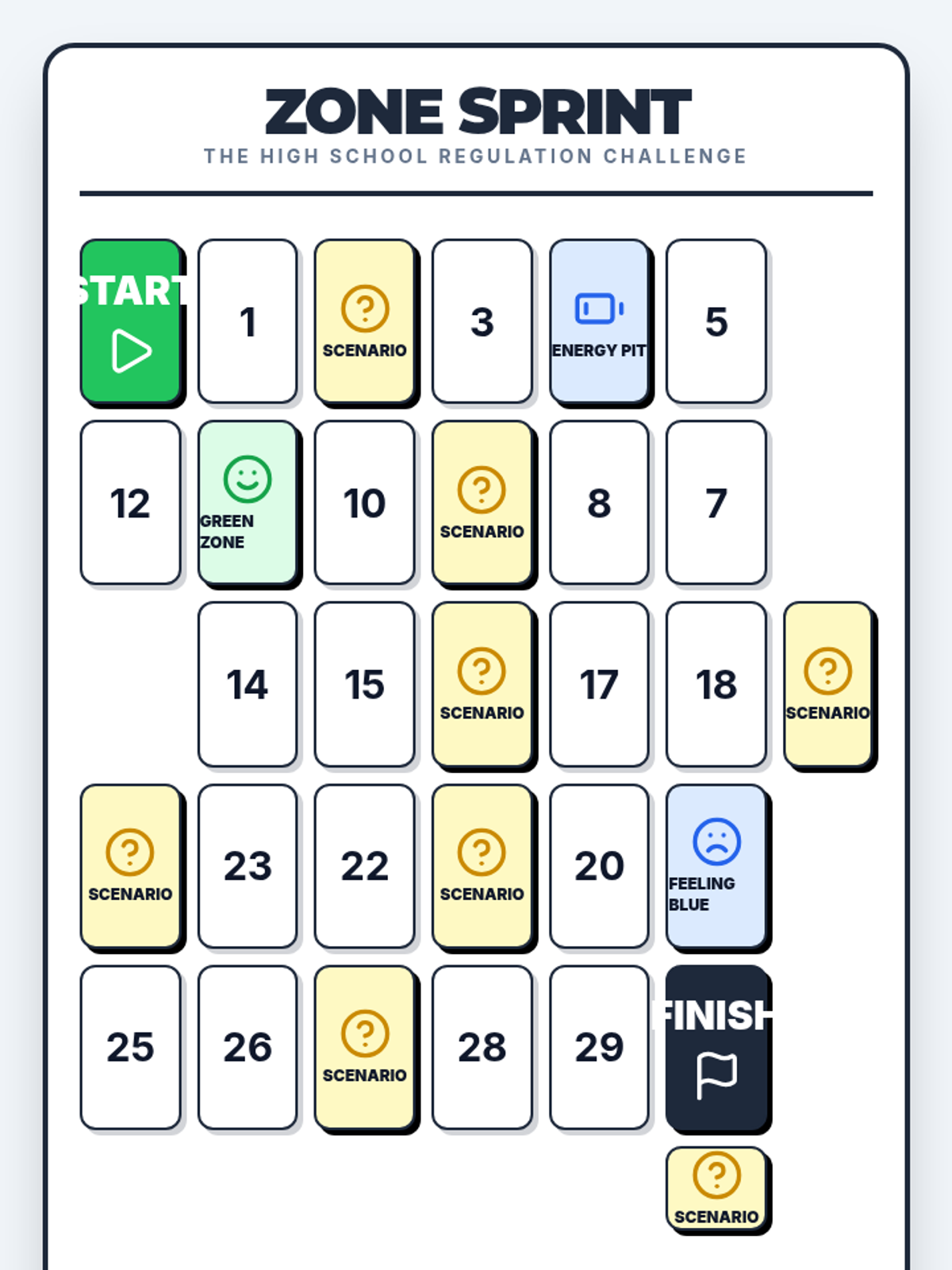
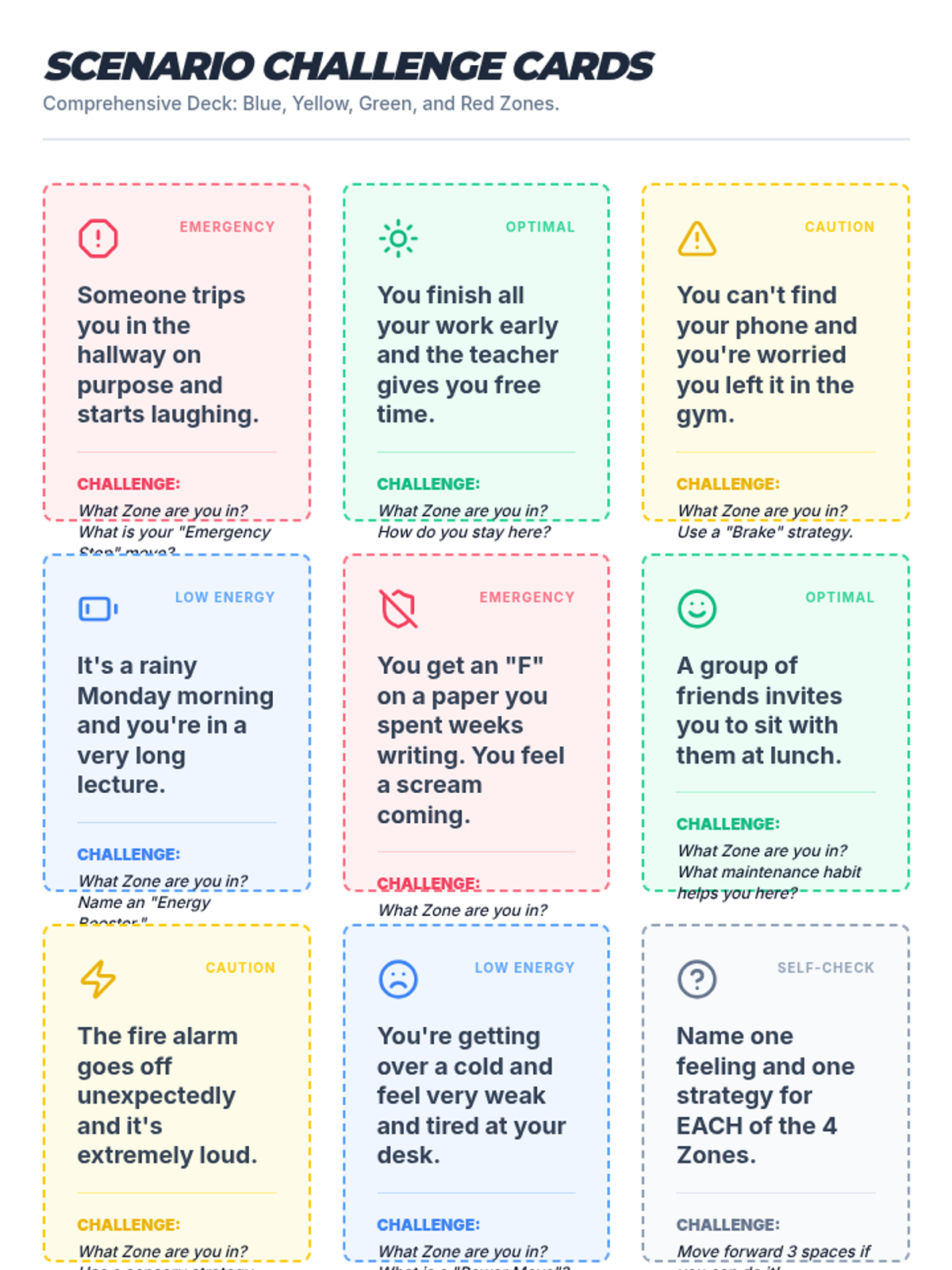
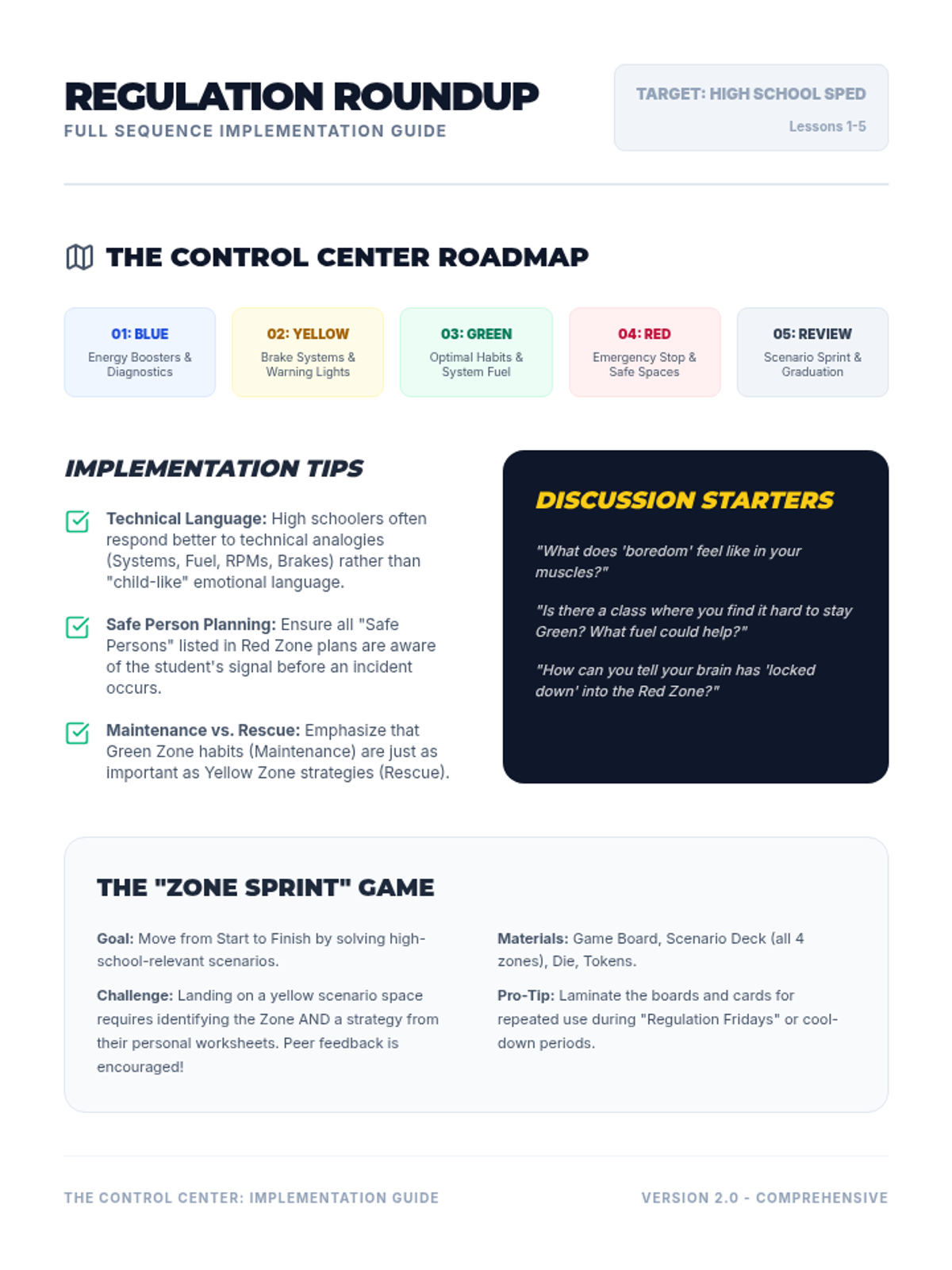
A review lesson using a scenario-based board game to practice identifying zones and selecting appropriate strategies in real-world high school situations.
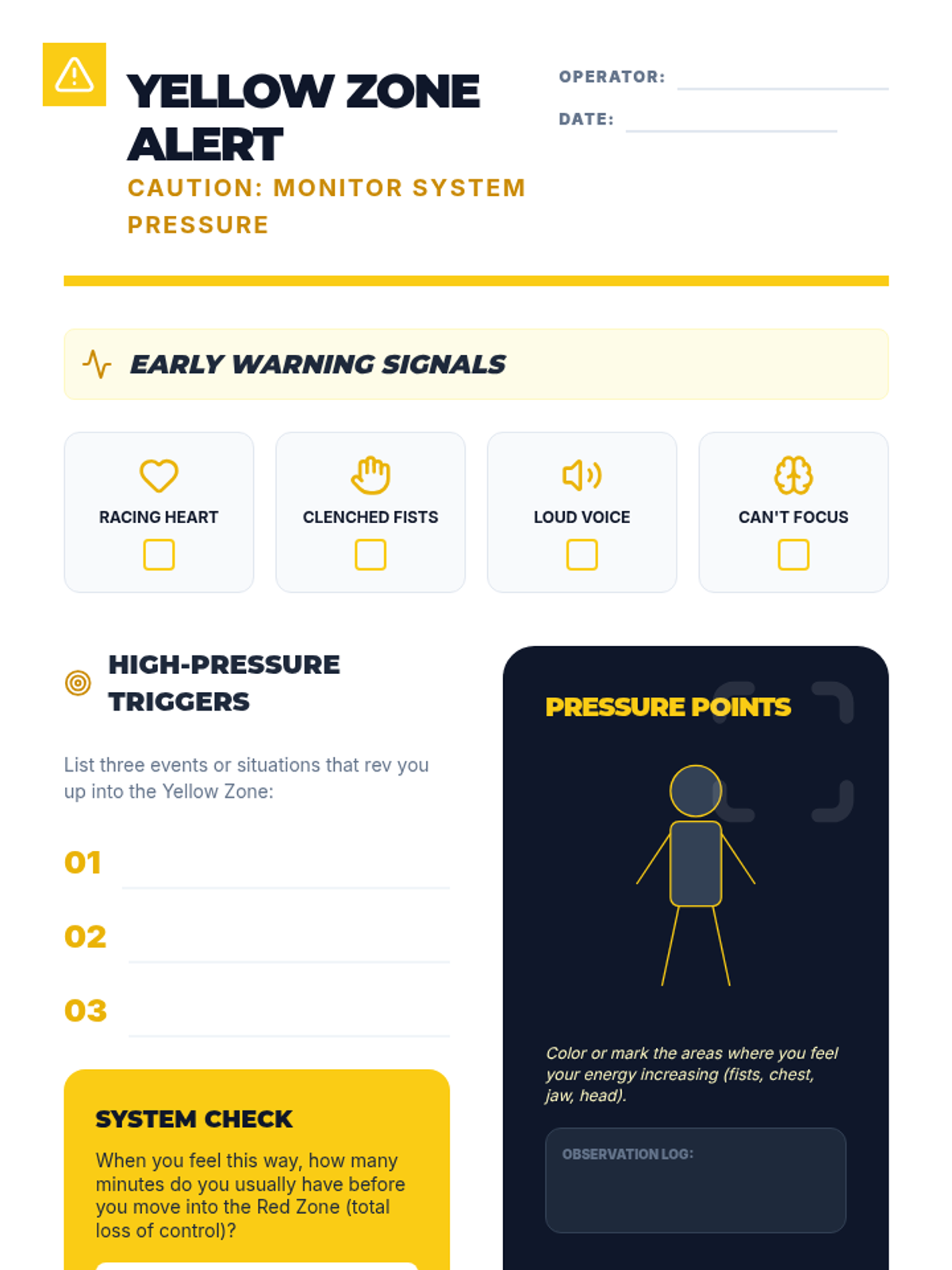
Explores the Yellow Zone (frustrated, anxious, silly, wiggly) by mapping physical sensations and identifying 'Yellow Light' warning signs and 'Brake' strategies.
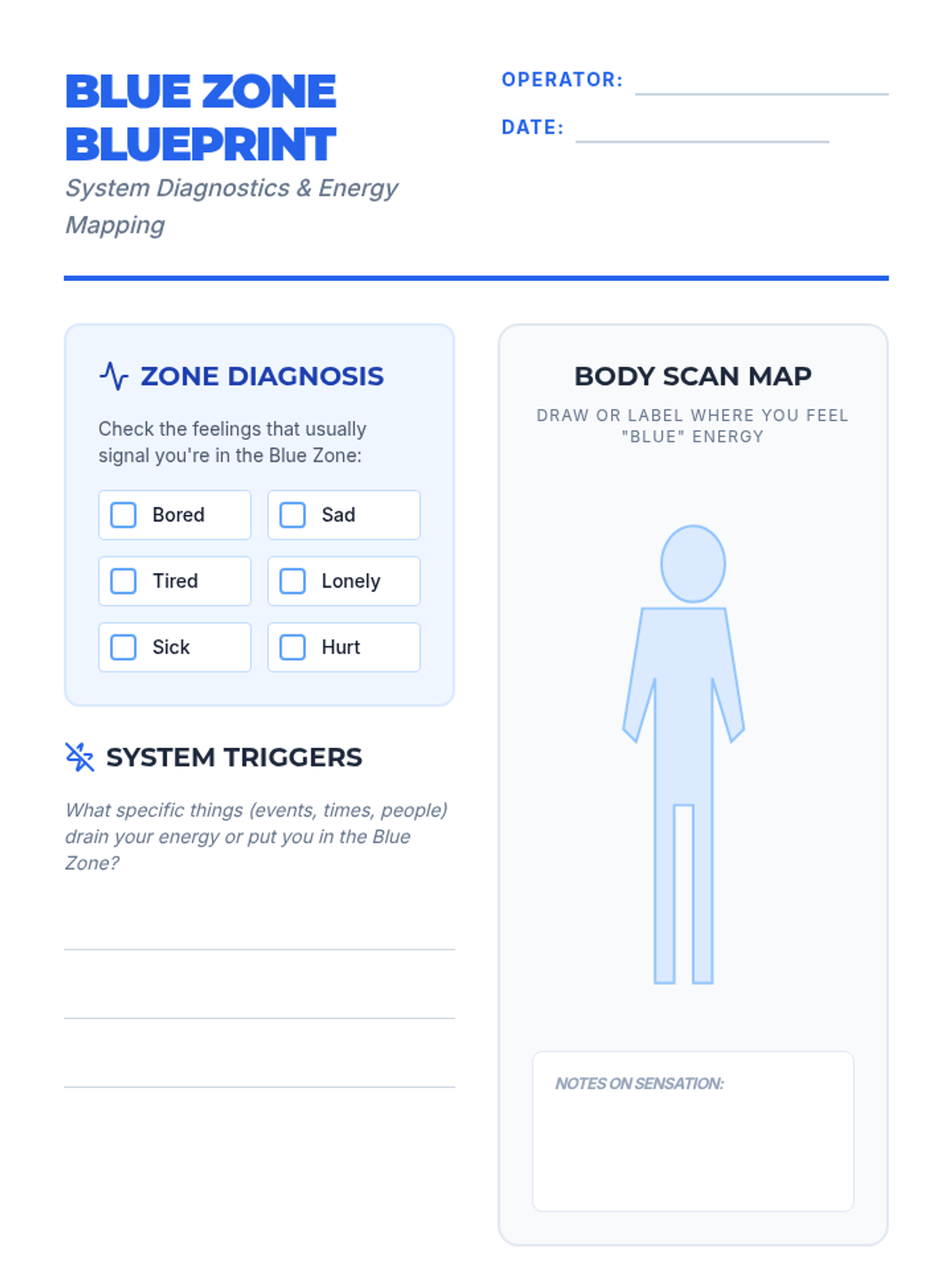
Focuses on identifying the Blue Zone (tired, sad, bored, sick) through physical cues and high-school-relevant triggers, followed by 'Energy Booster' coping strategies.
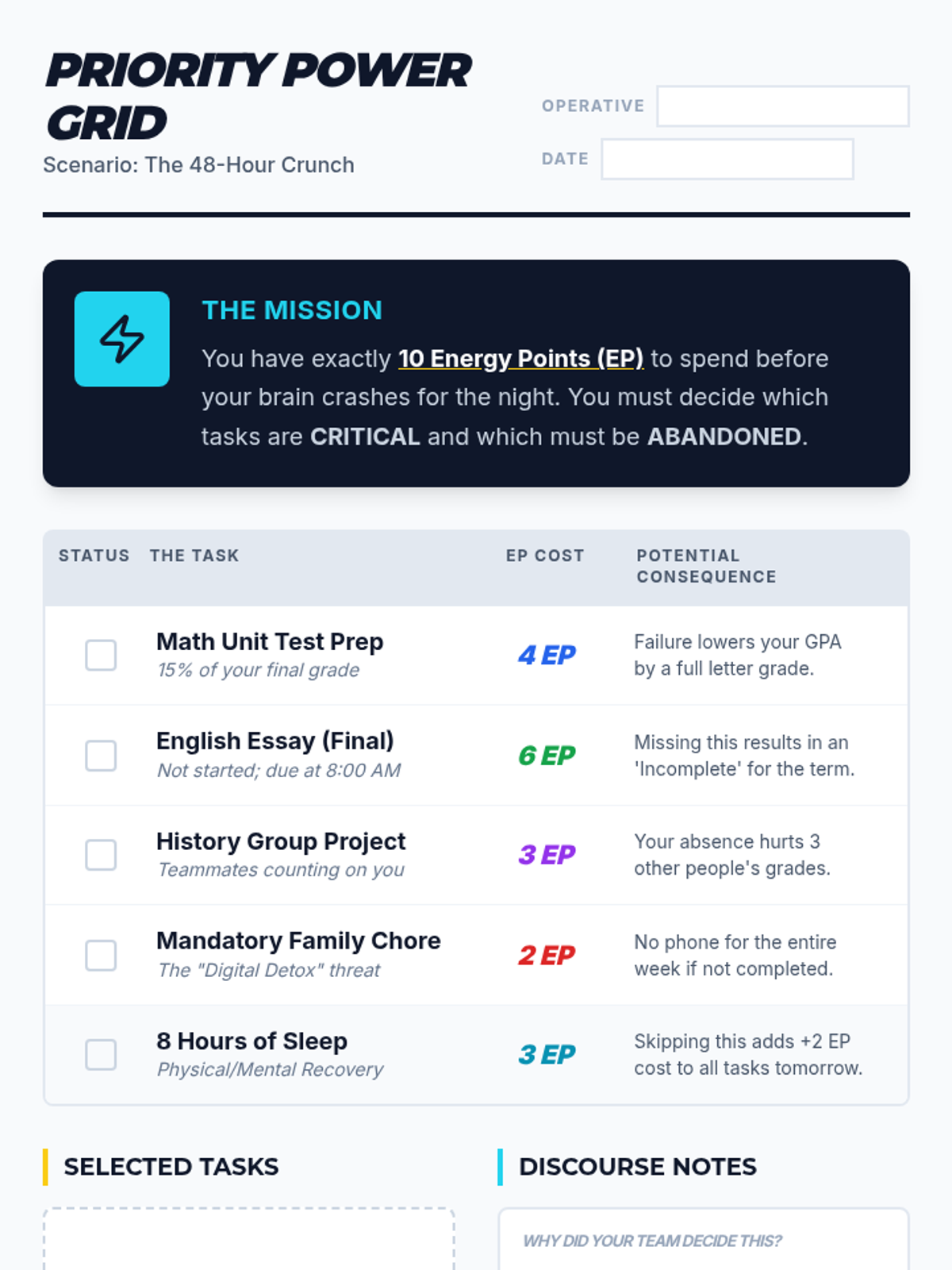
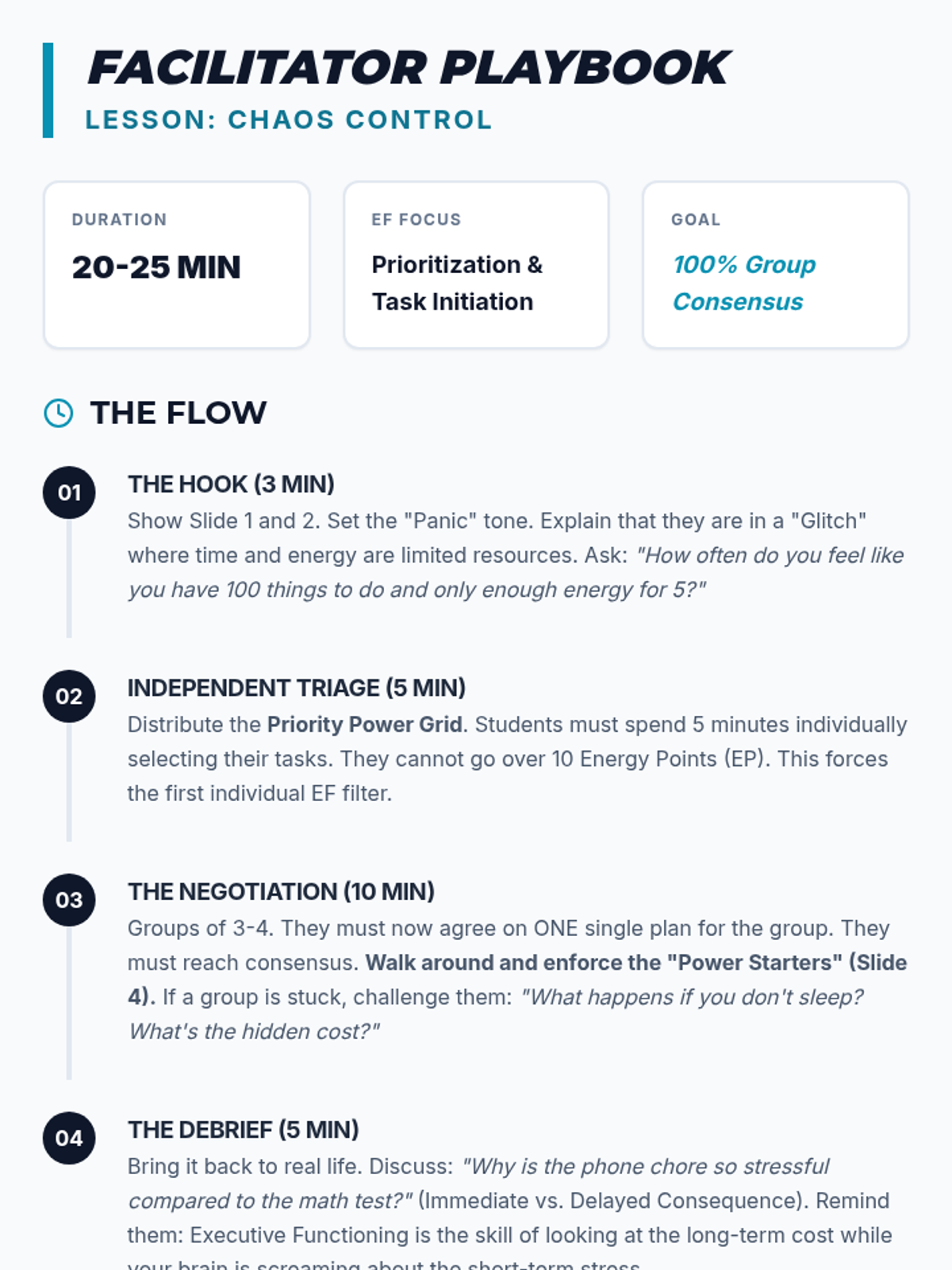
A 20-25 minute high-intensity mini-lesson where students must negotiate and prioritize competing tasks during a high-stress academic scenario.
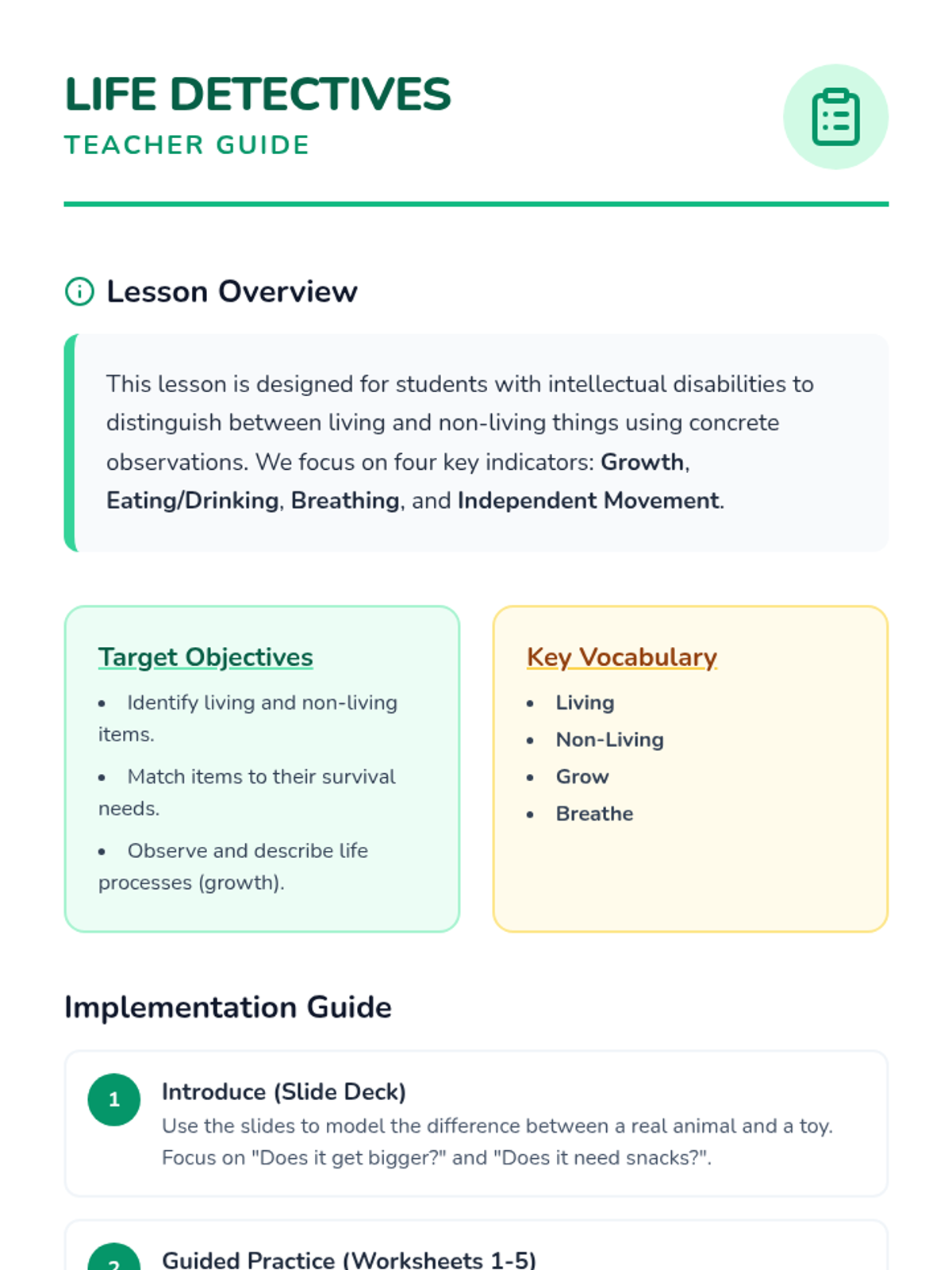
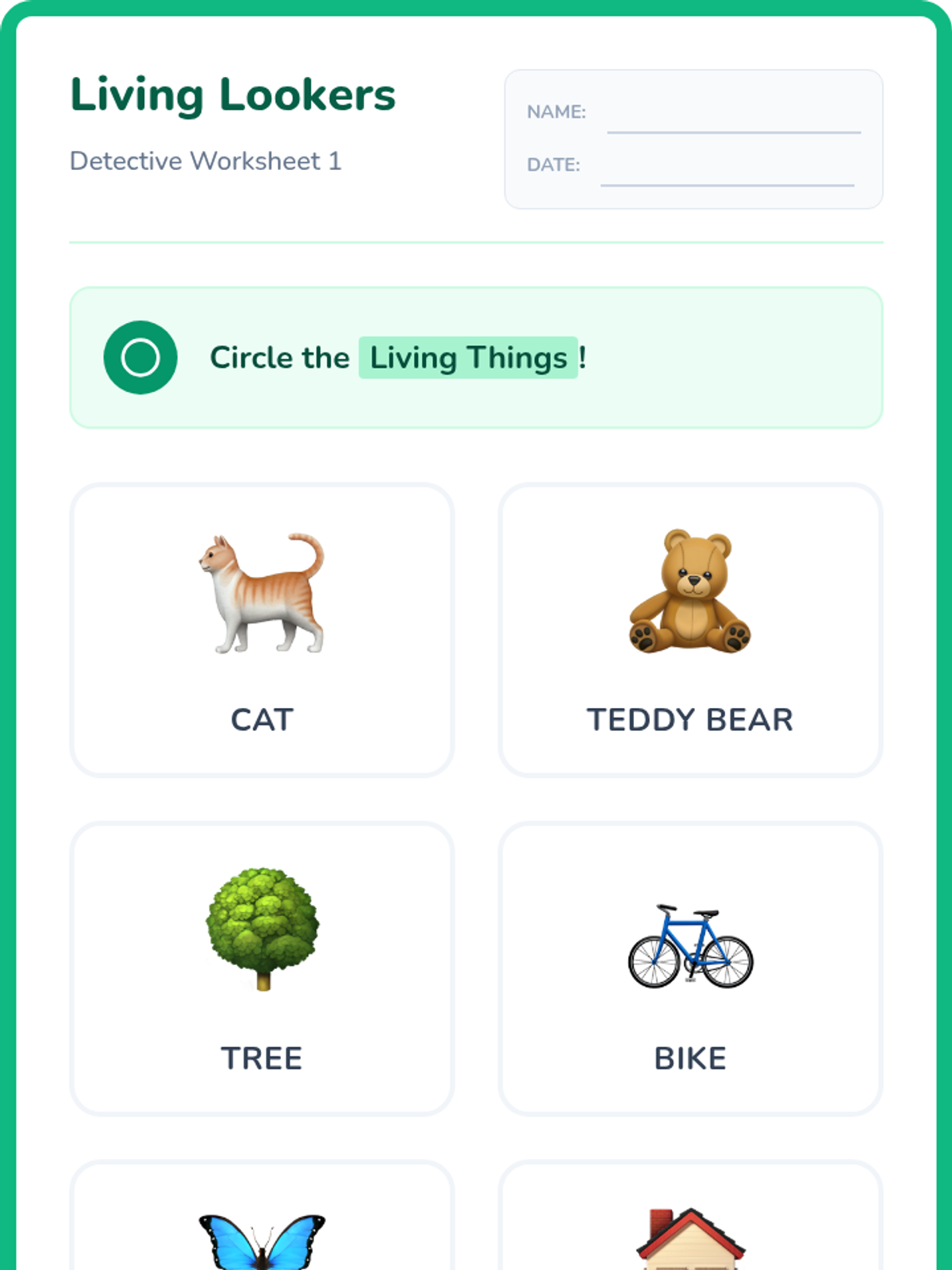
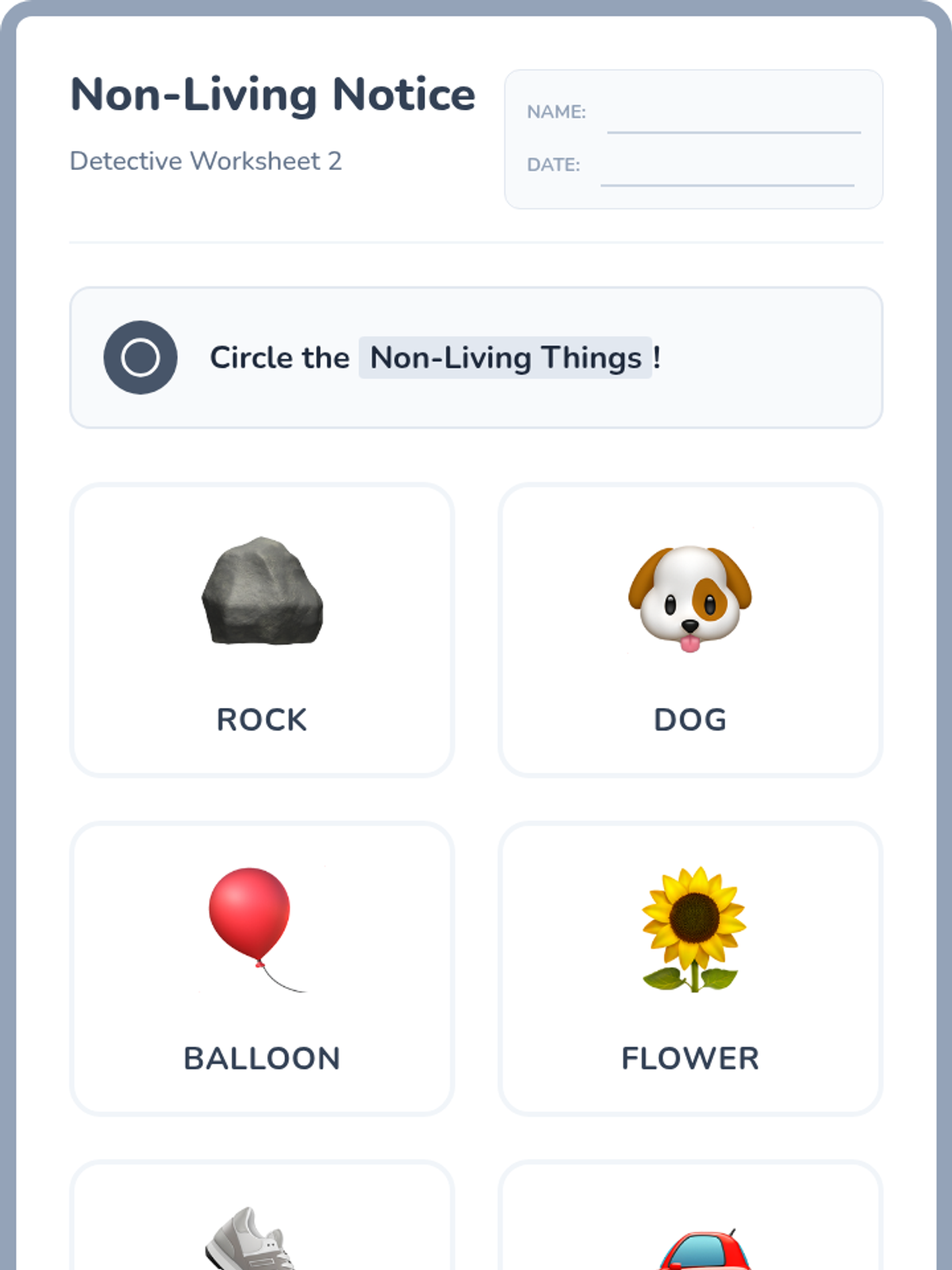
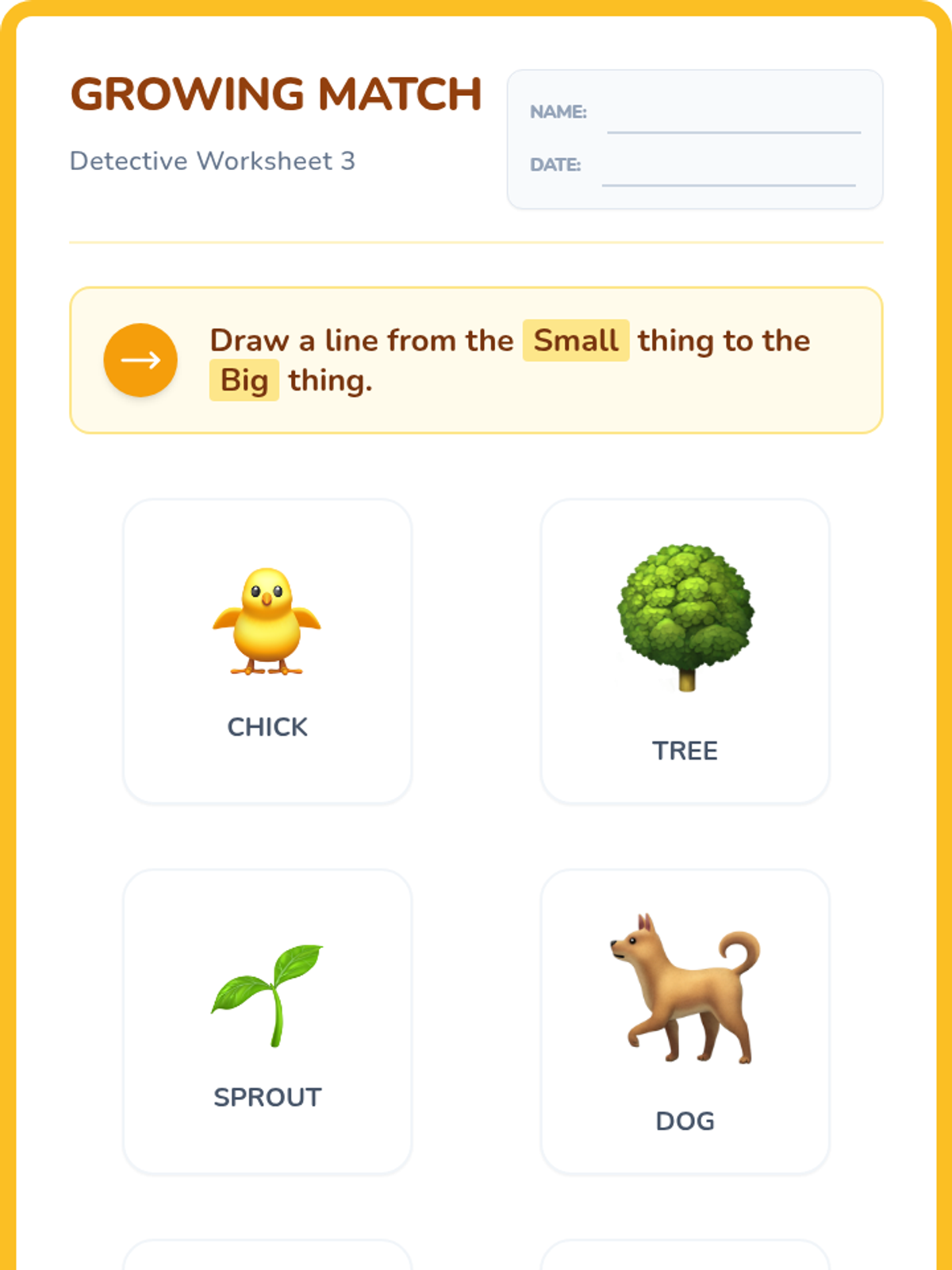
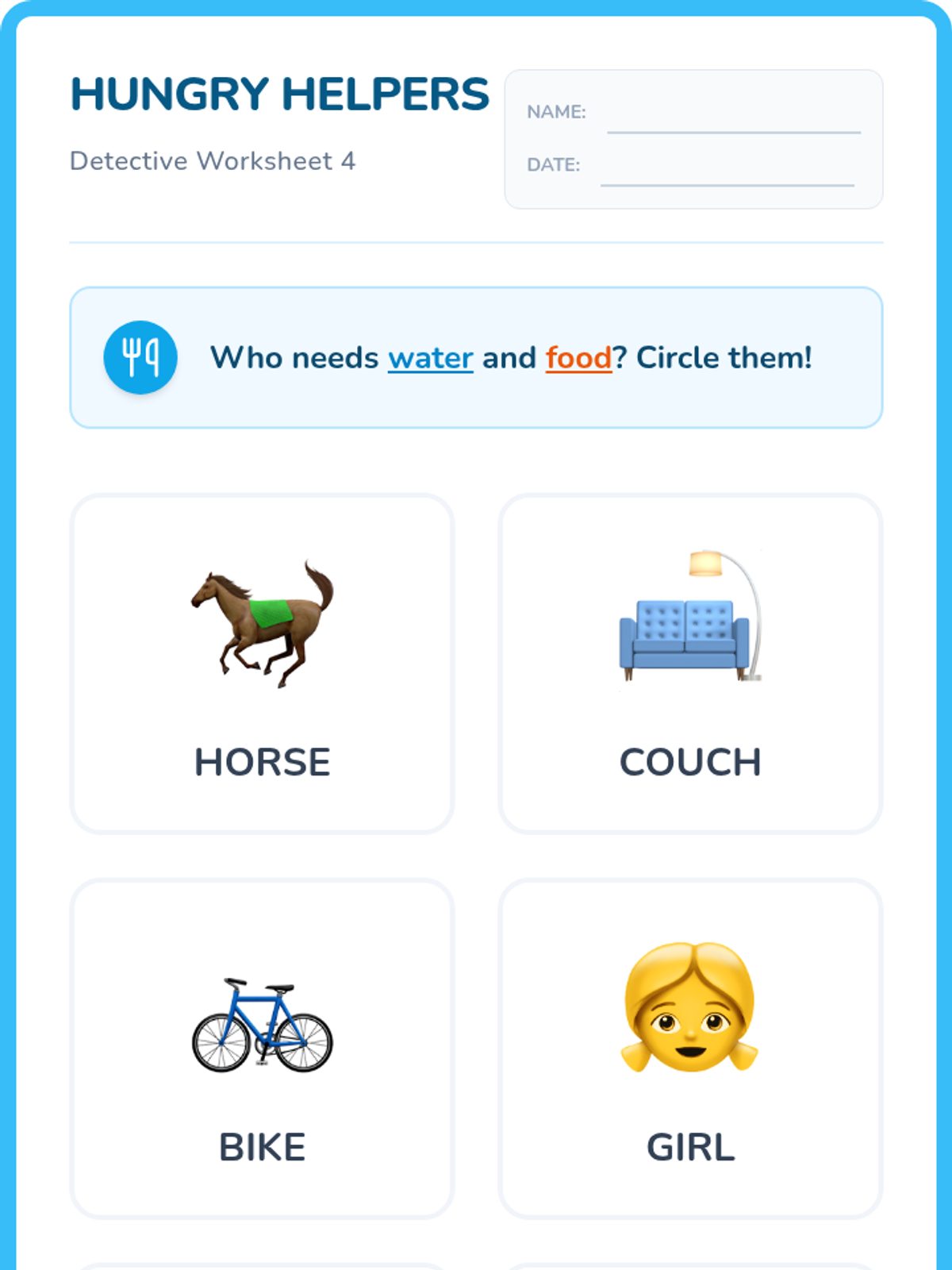
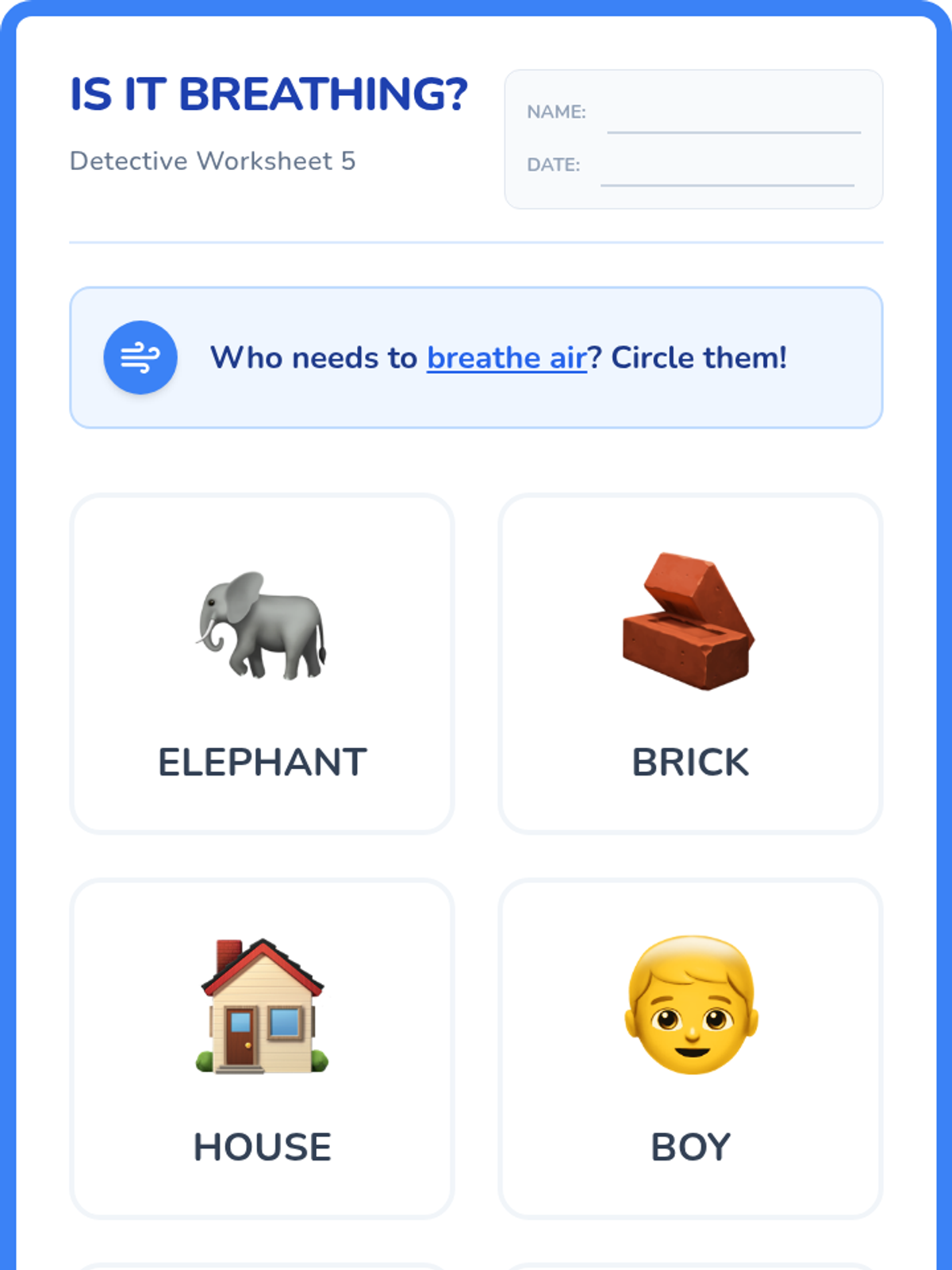
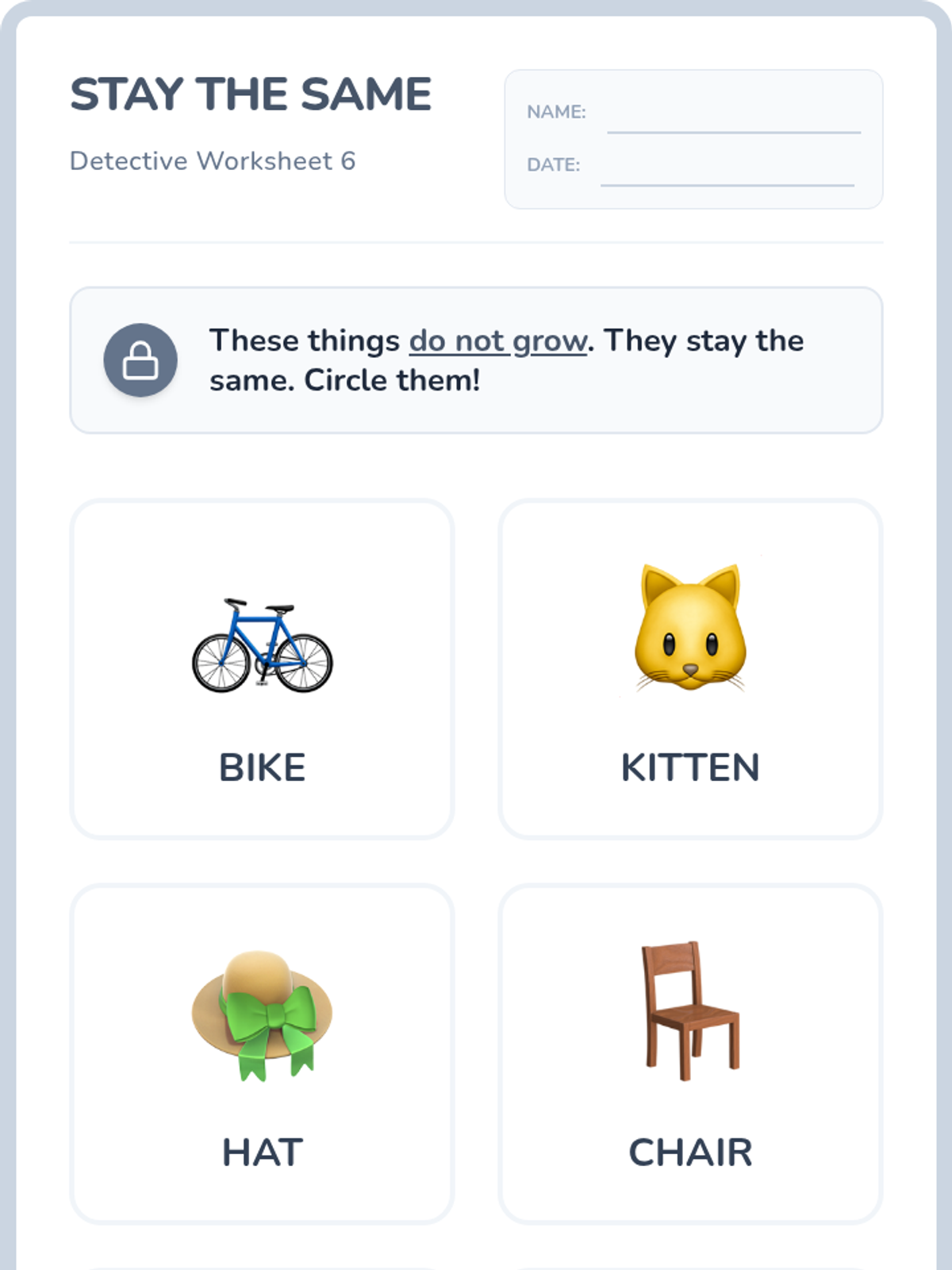
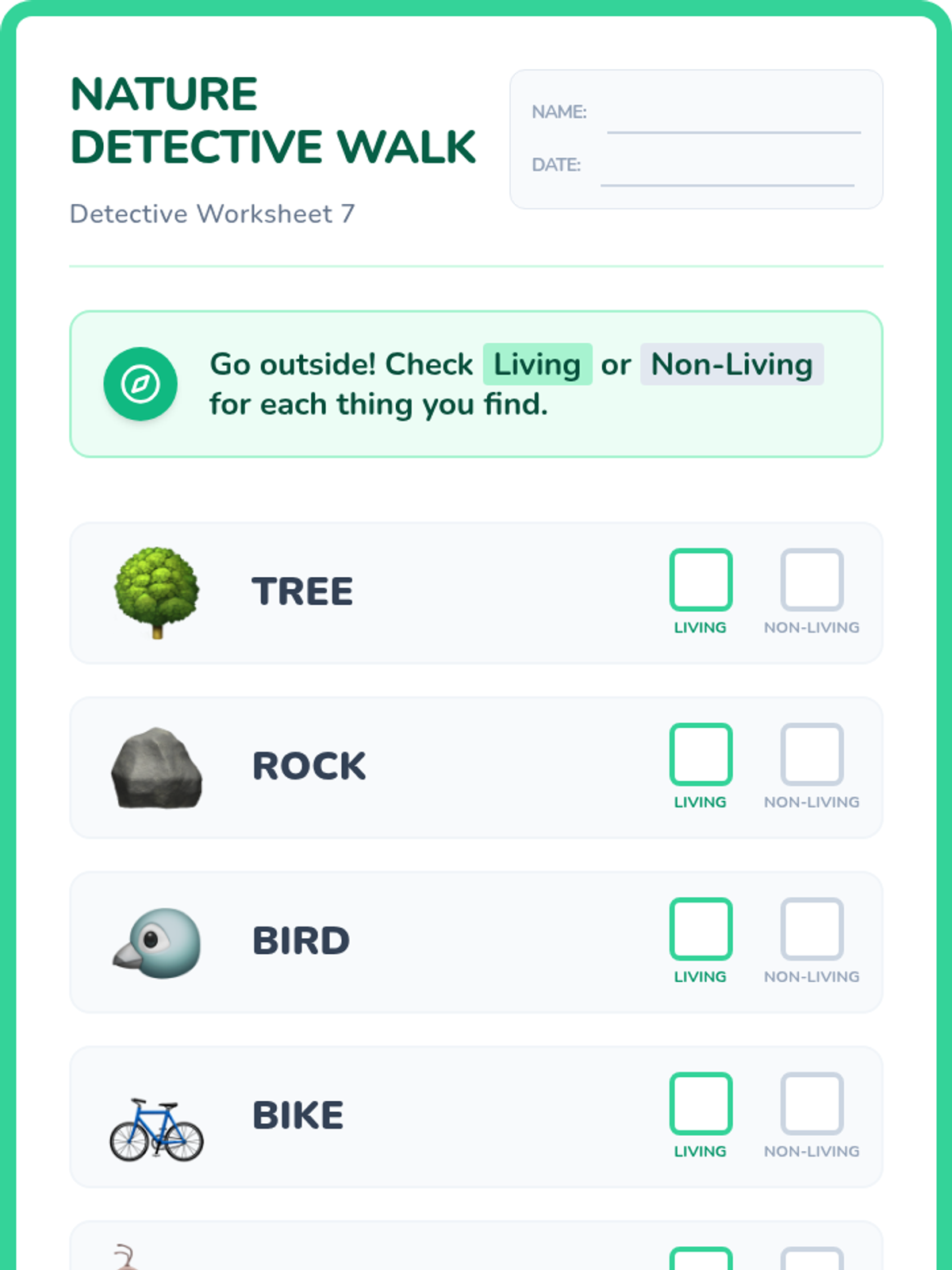
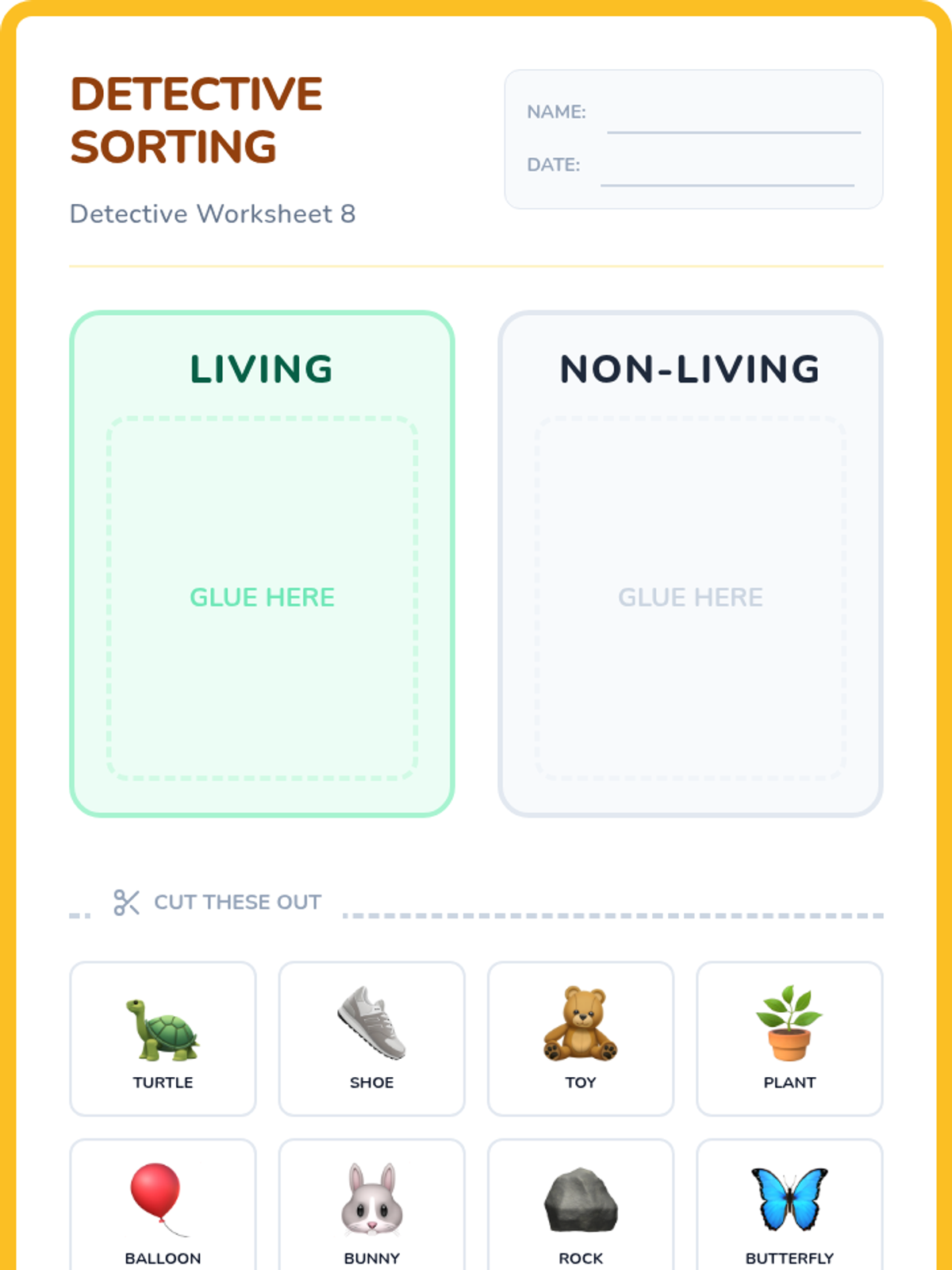
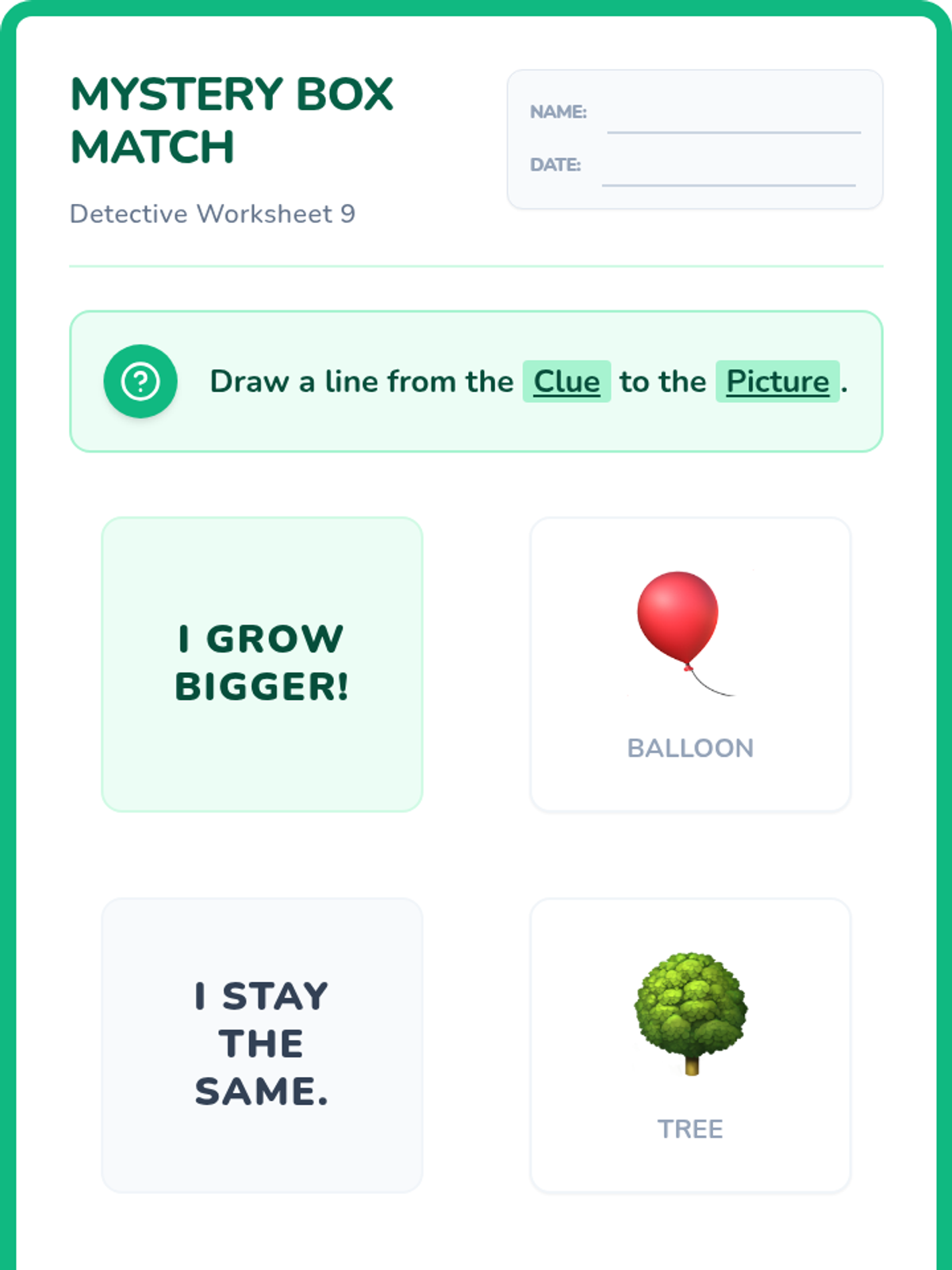
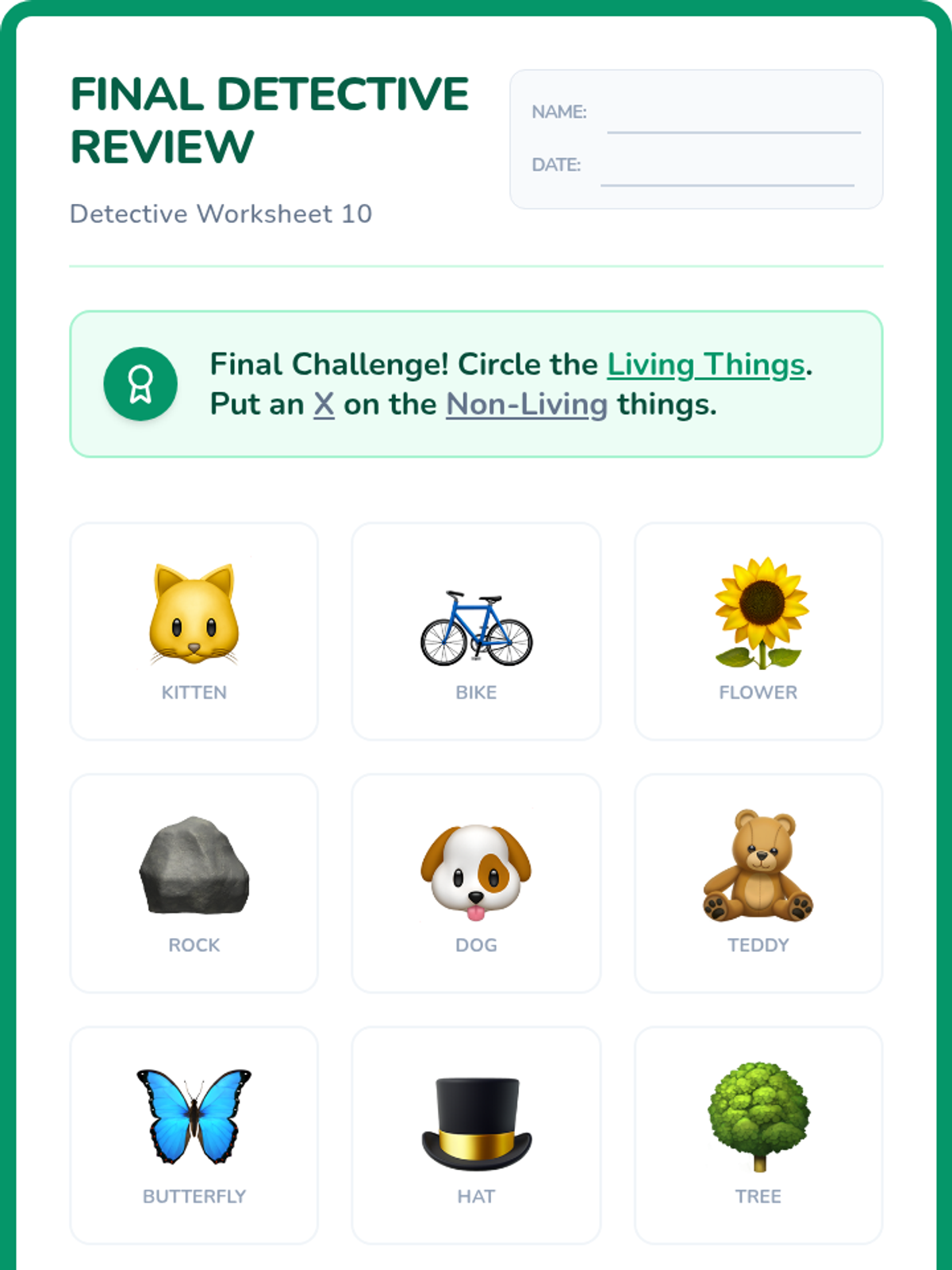
Students will use simple observations to identify living and non-living things based on key characteristics like growth, movement, and the need for food and water.
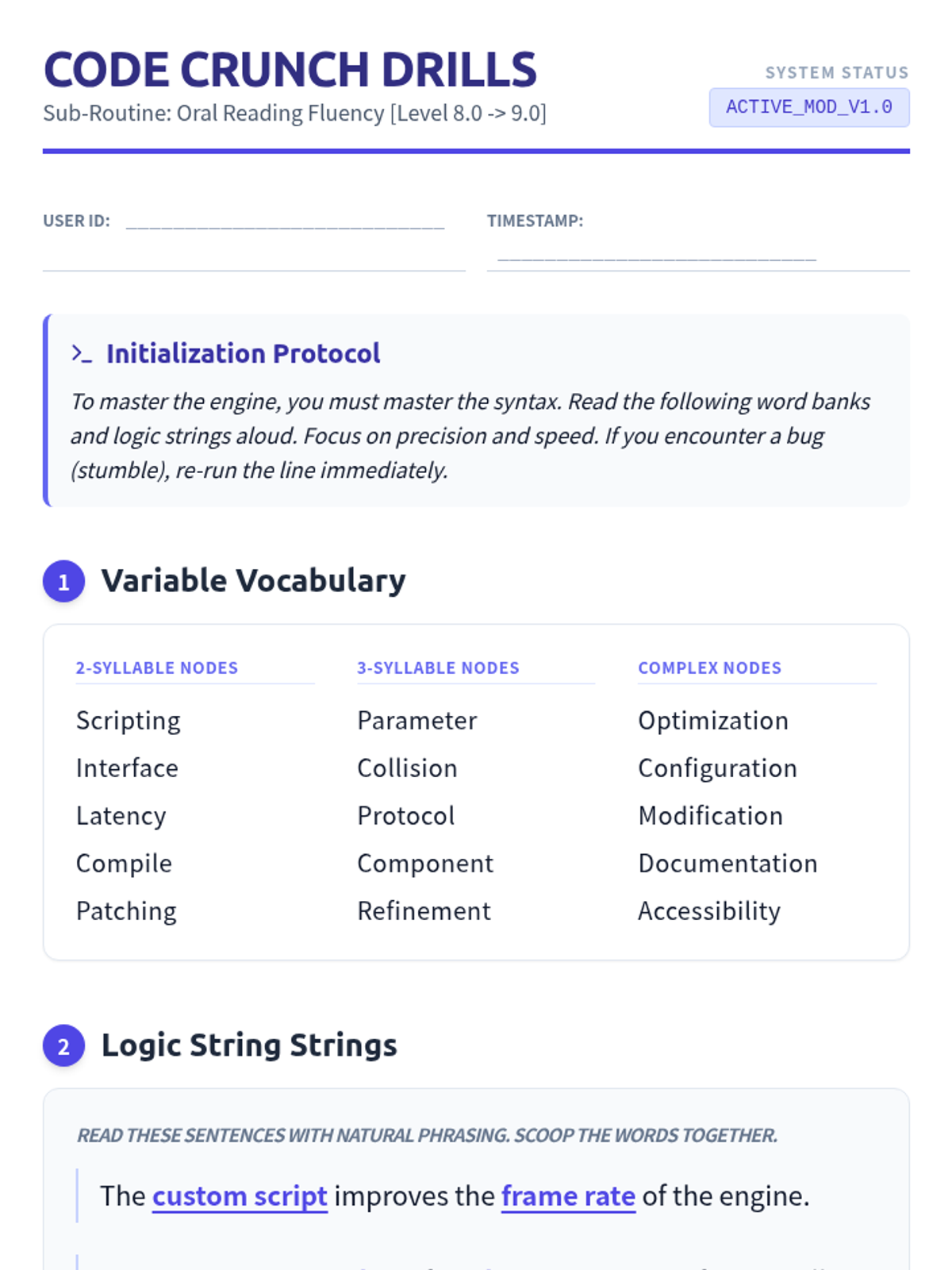
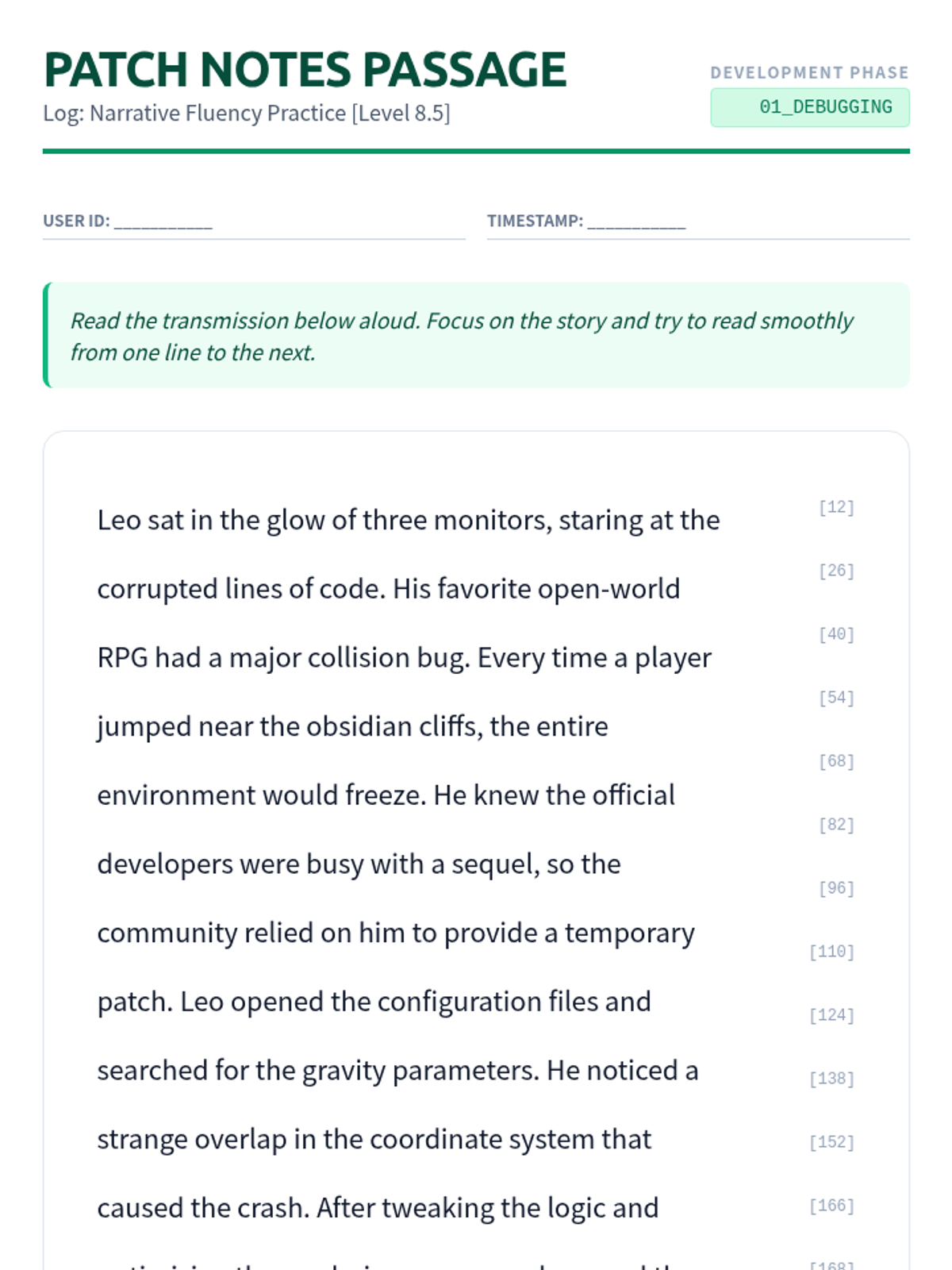
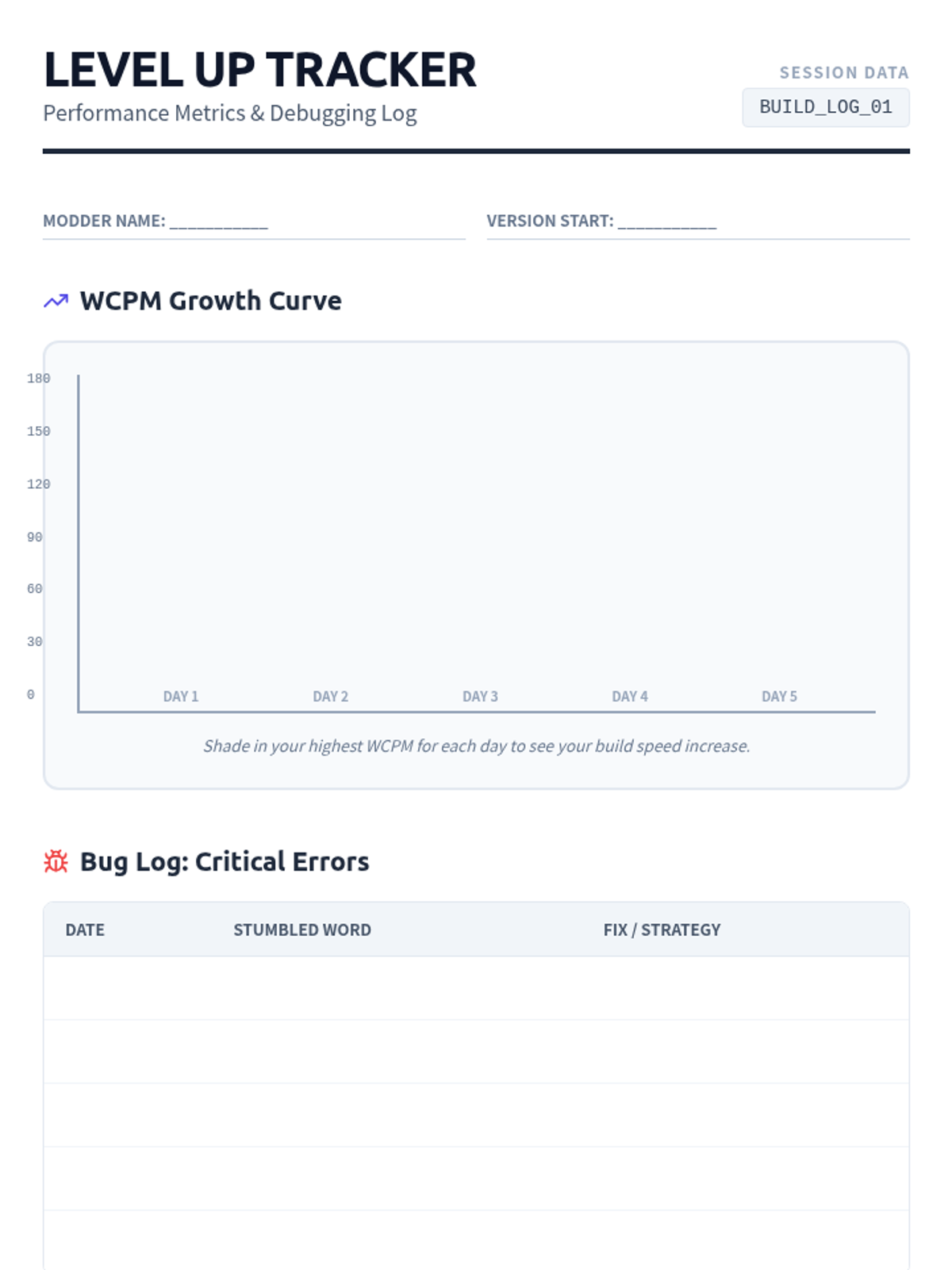
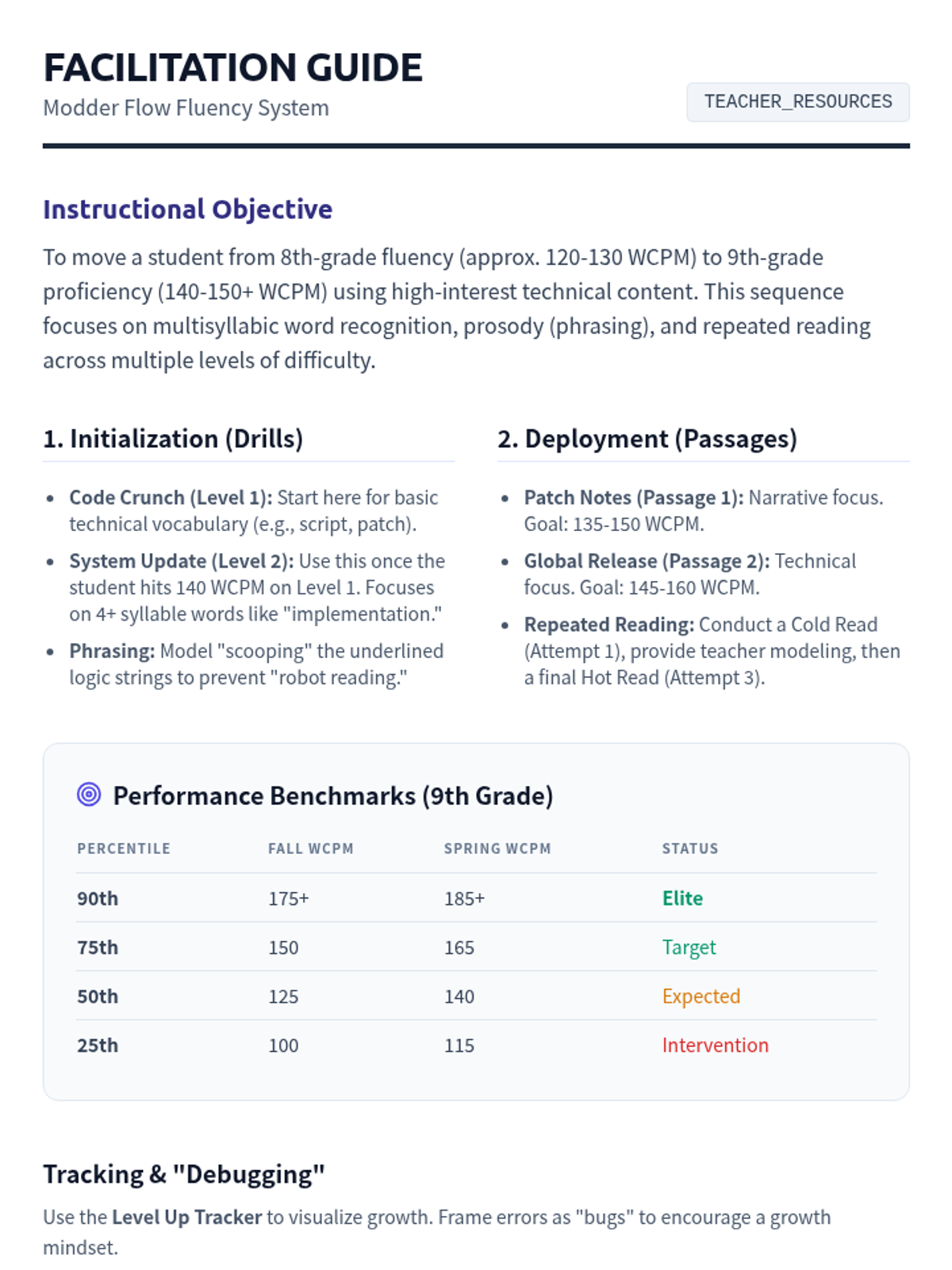
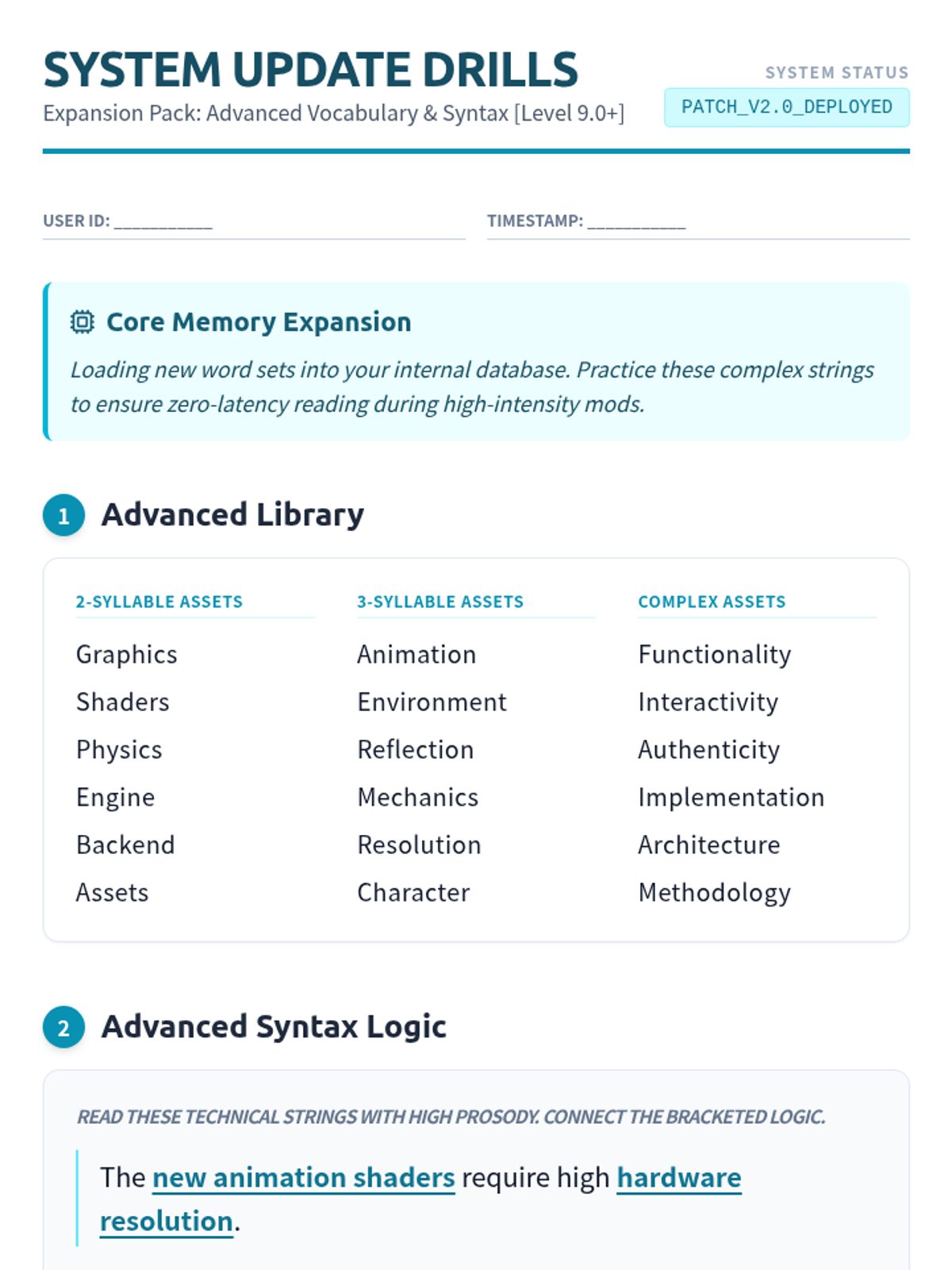
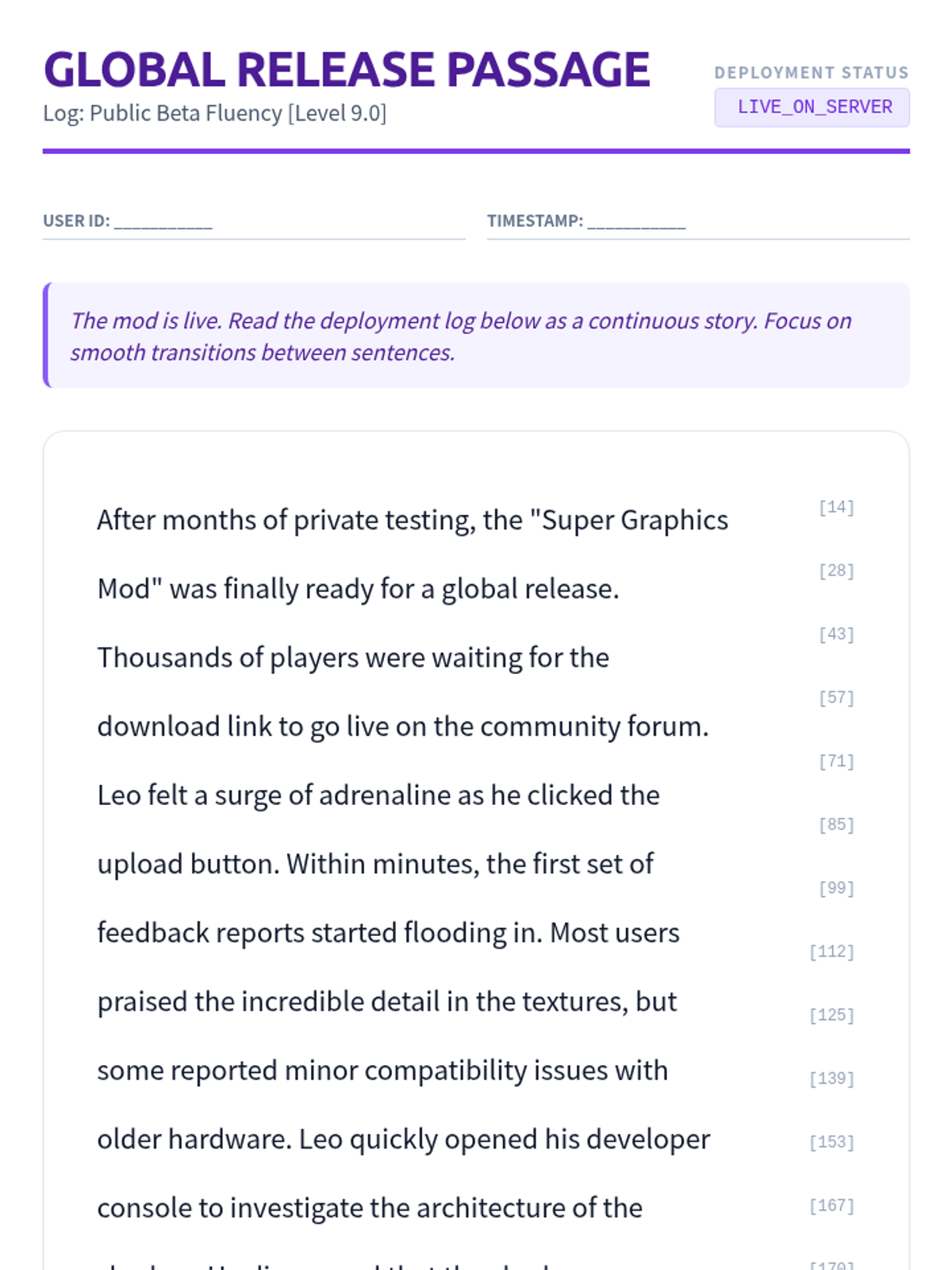
A set of oral reading fluency drills themed around video game modding and software development to engage a 9th grade student reading at an 8th grade level. Includes multisyllabic word lists, phrased sentences, and progress tracking tools.
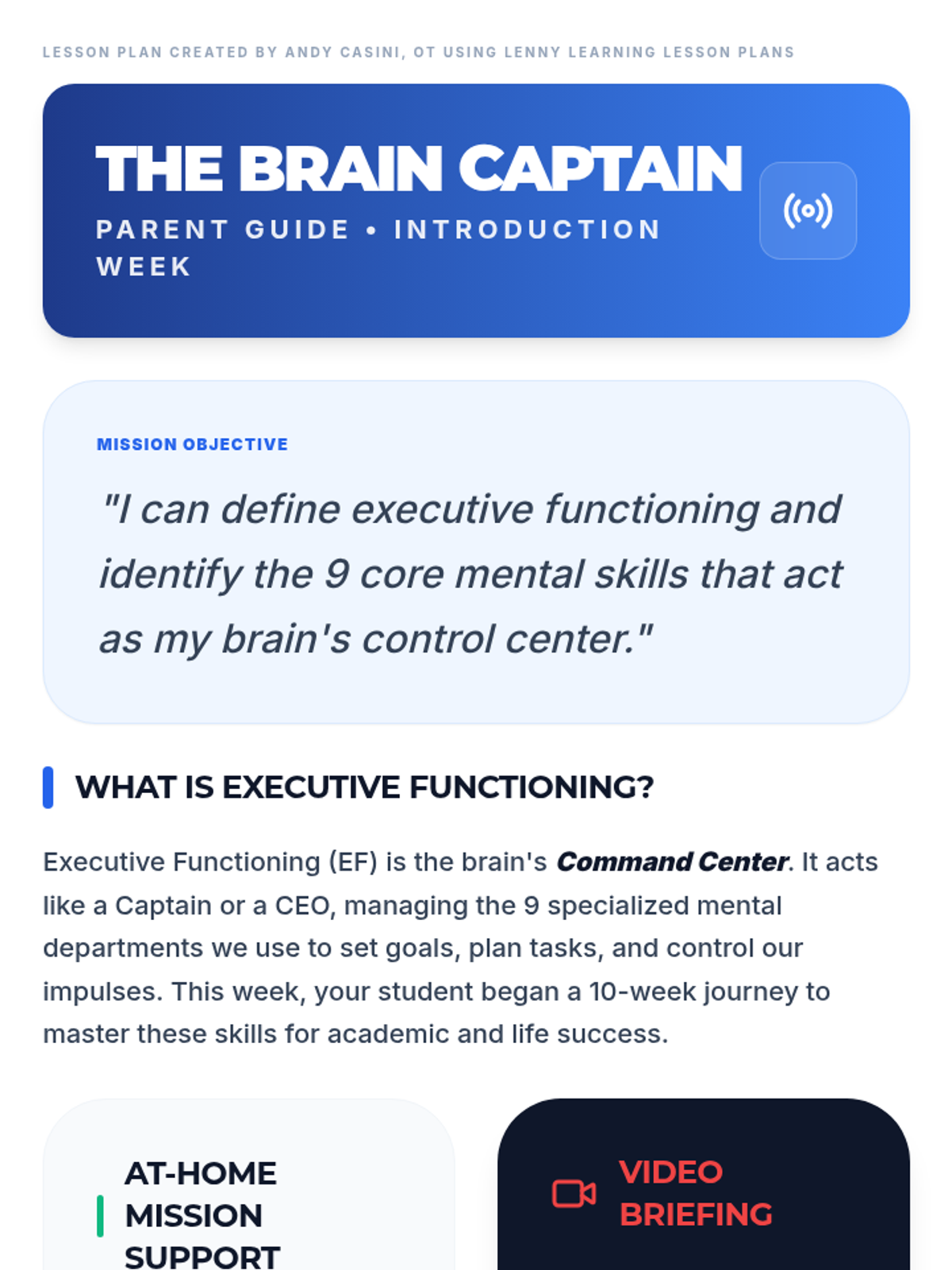
A foundational 60-minute lesson introducing K-3 students to the concept of Executive Functioning using the 'Brain Captain' metaphor. Students explore the 9 core mental departments through interactive group activities and self-reflection.
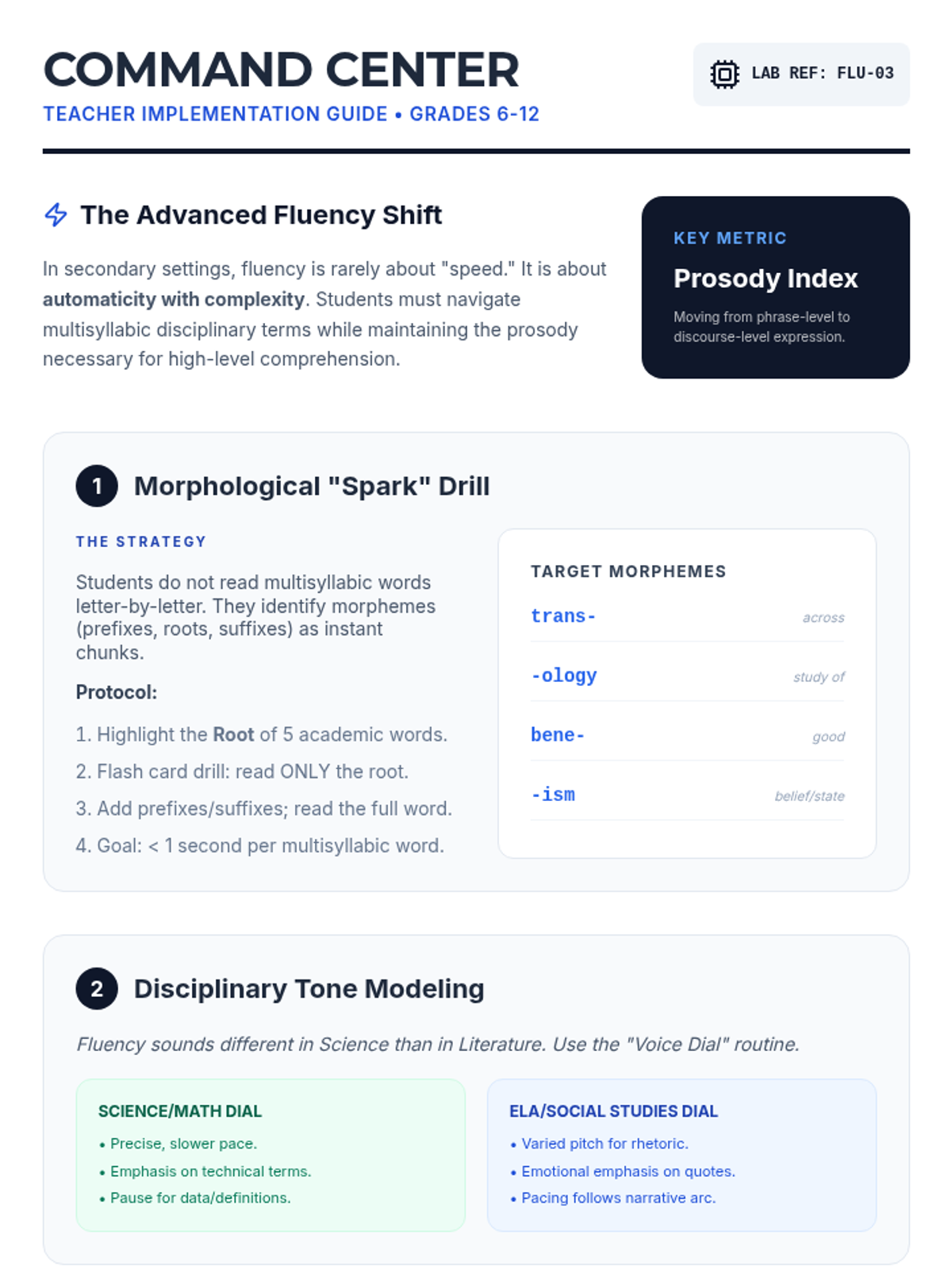
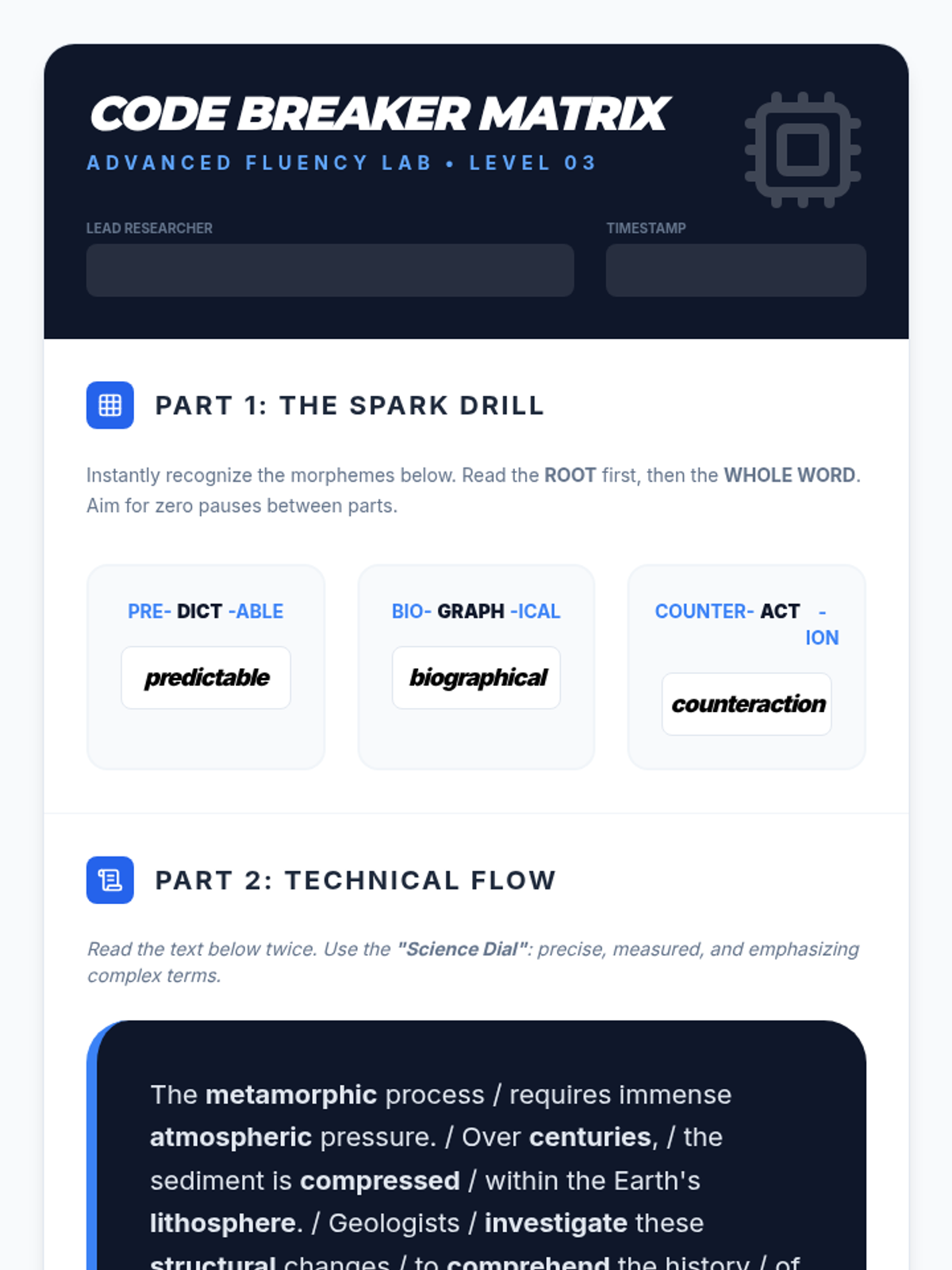
Addresses fluency in complex, multisyllabic texts for 6th-12th grade students, emphasizing morphology and expressive reading in disciplinary contexts.
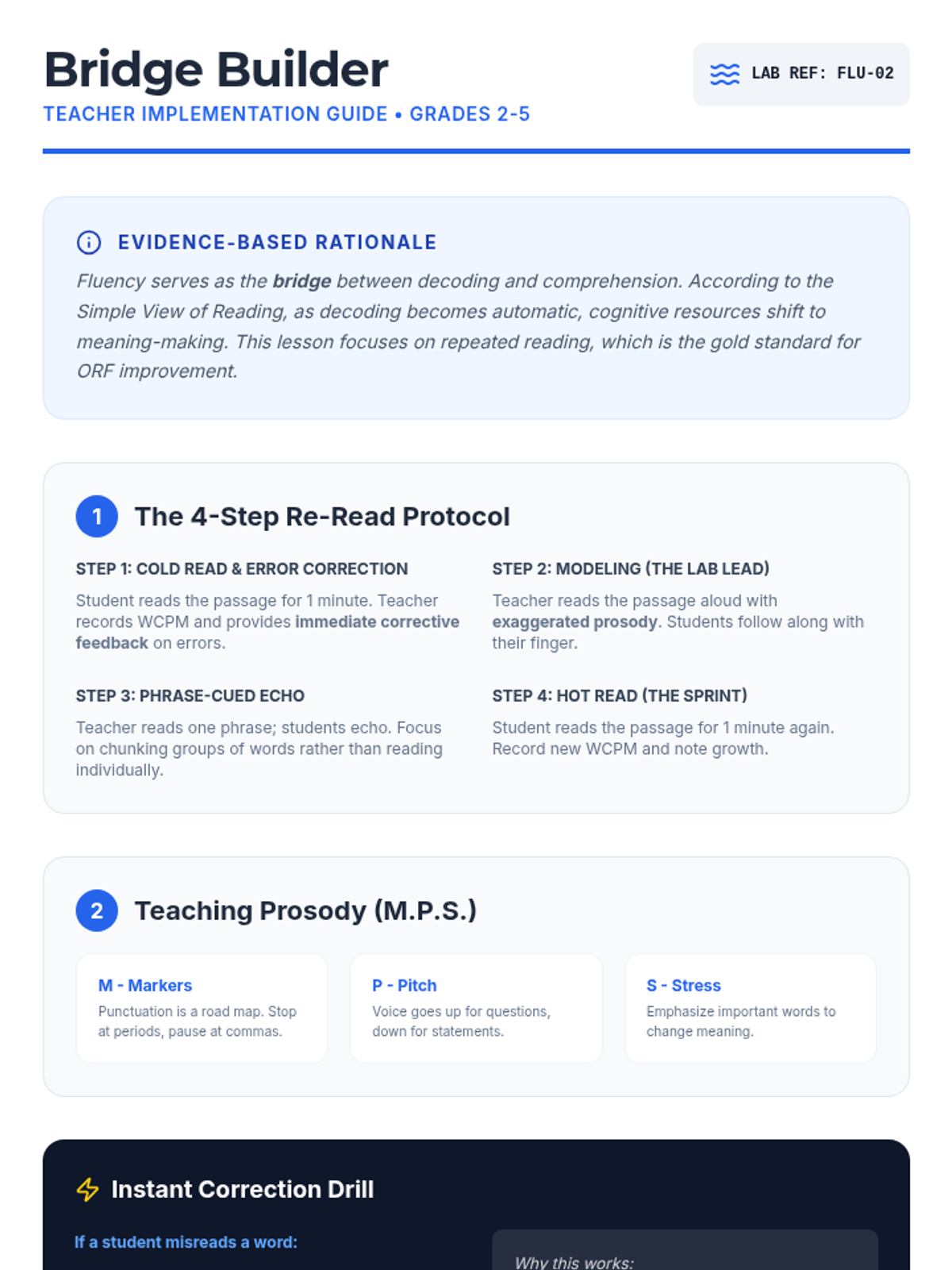
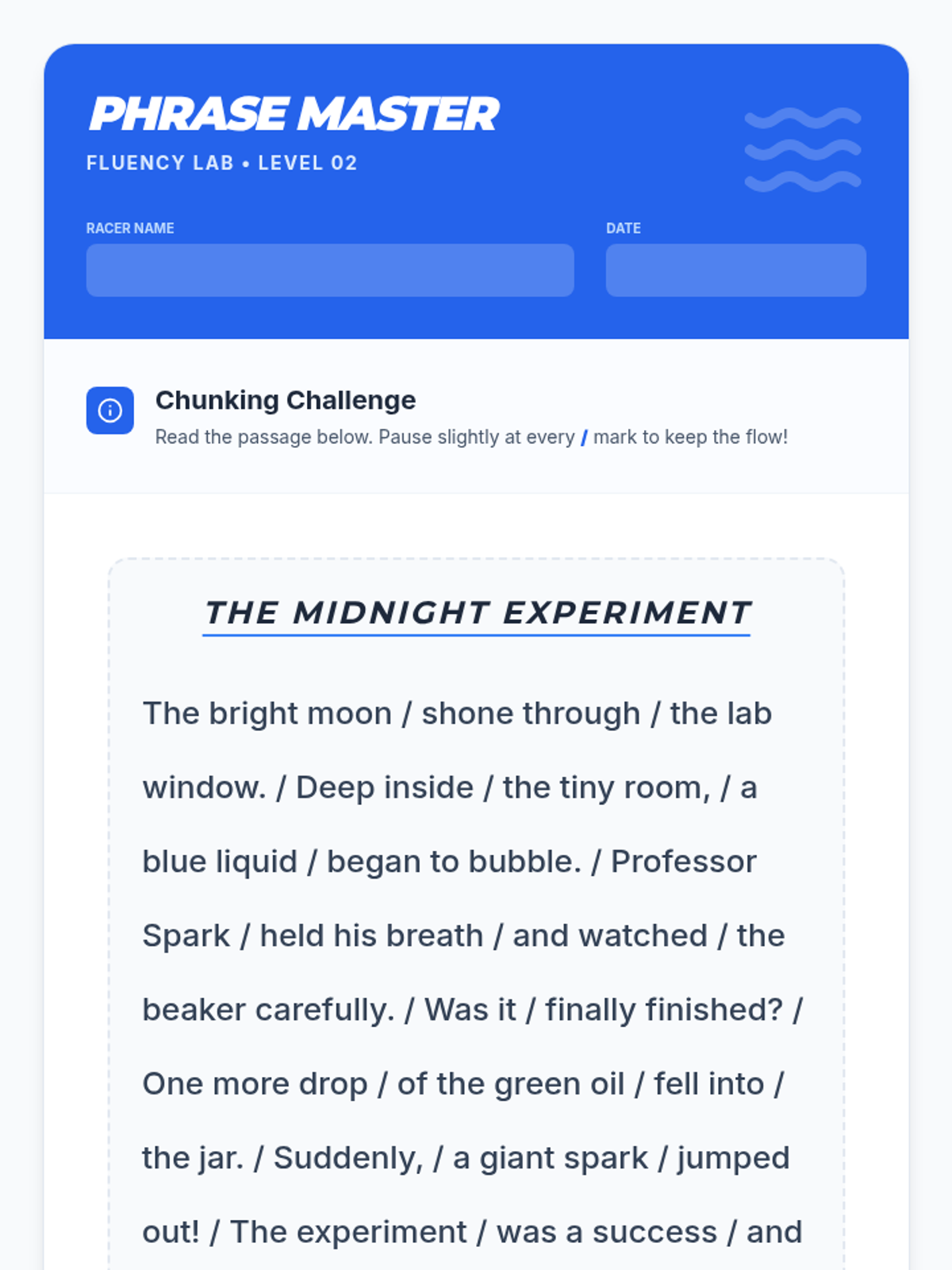
Introduces accuracy, rate, and prosody for 2nd-5th grade learners with a focus on phrase-cued reading and repeated reading techniques.
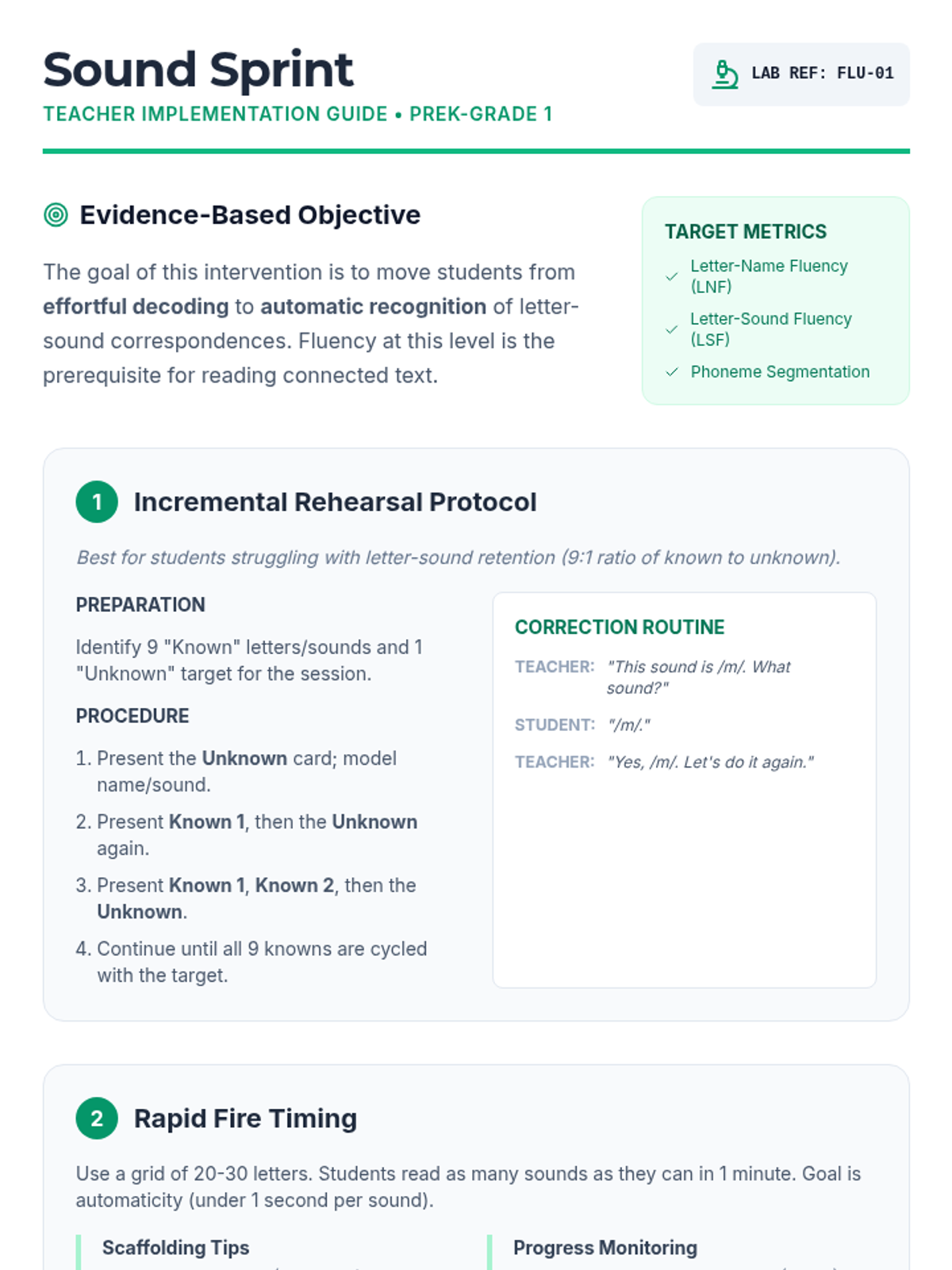
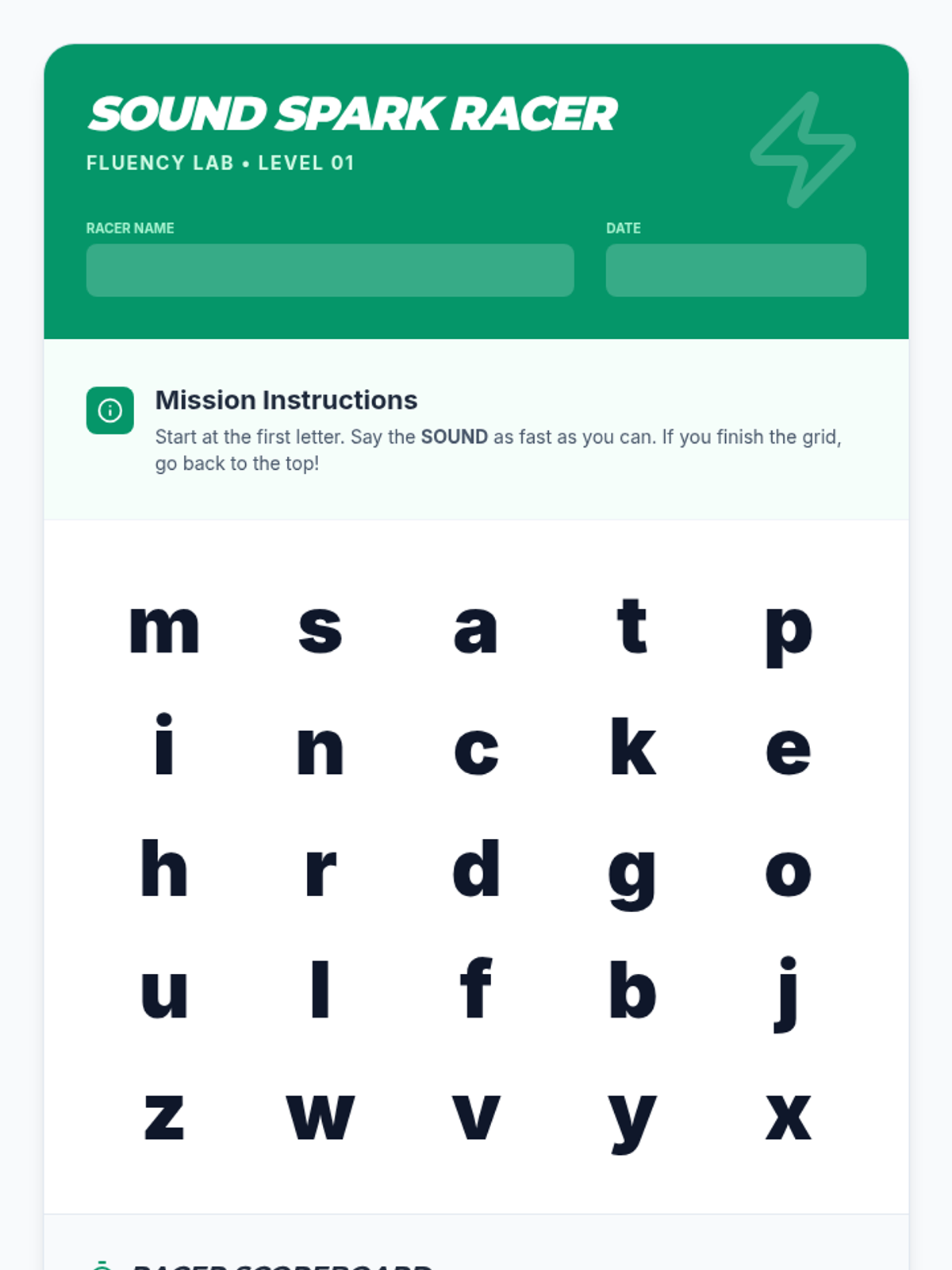
Focused on building letter-name and letter-sound automaticity for PreK-1st grade students using high-frequency practice and evidence-based routines.
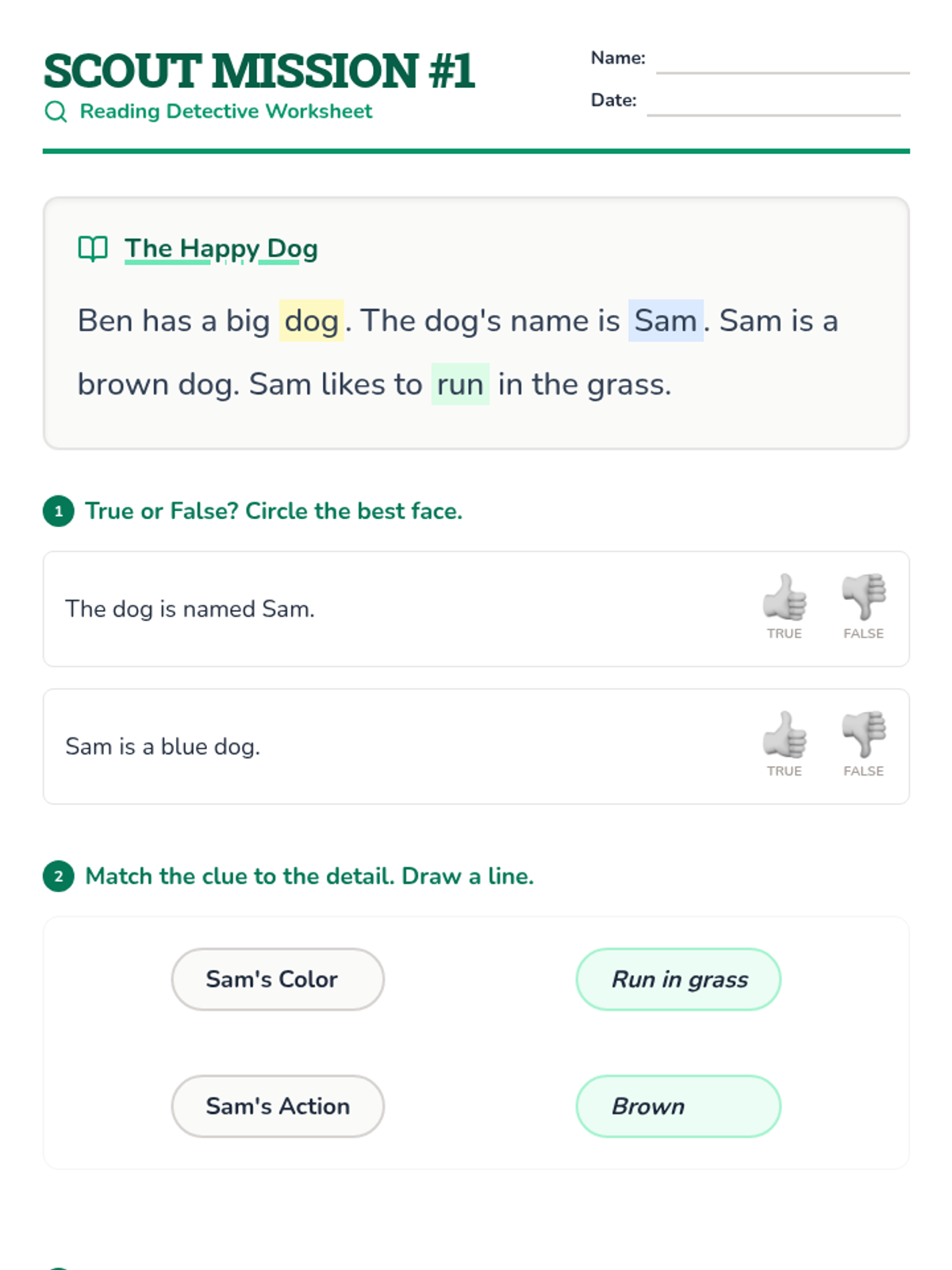
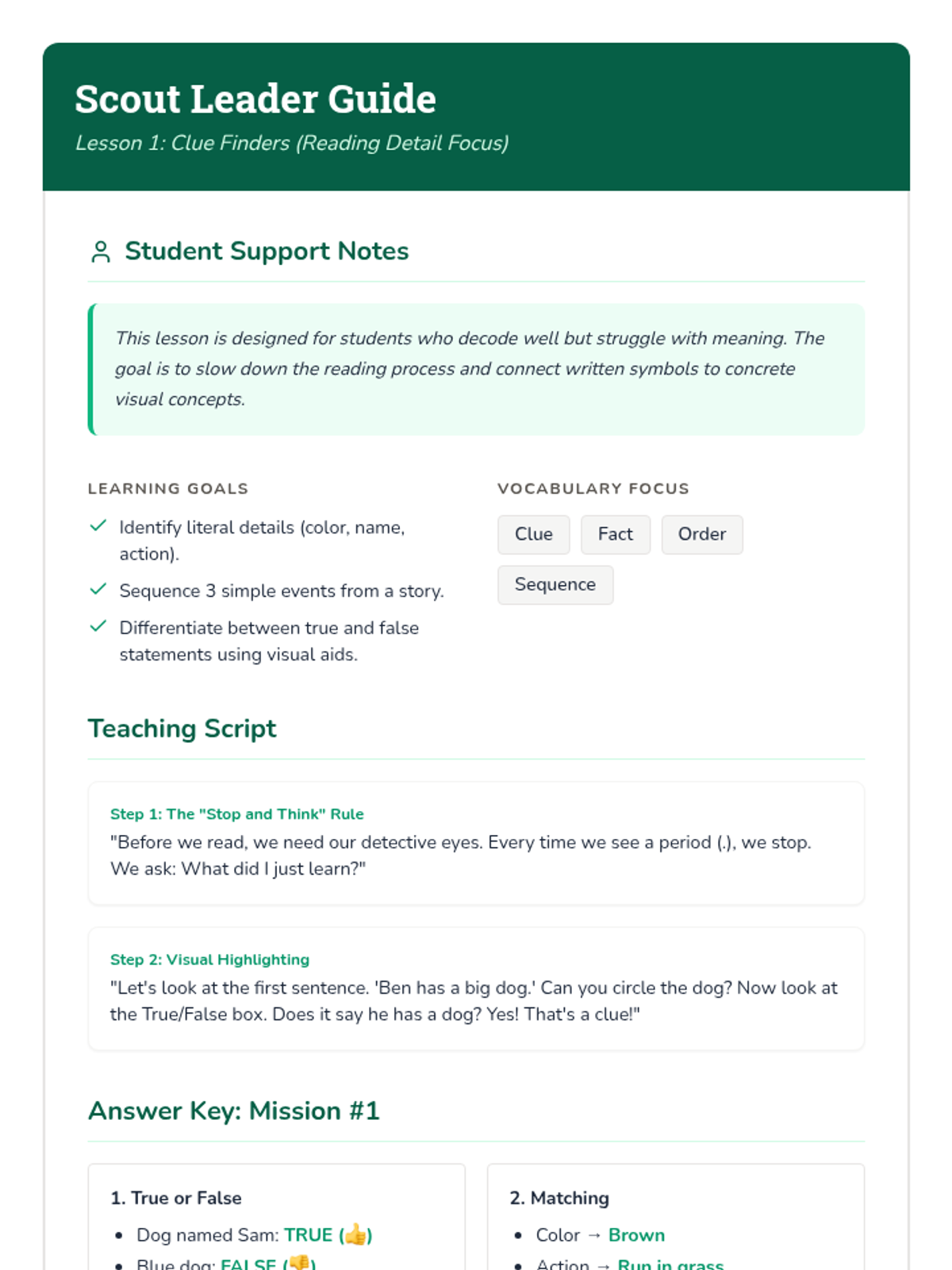
A foundational comprehension lesson for early readers, focusing on identifying key details and sequencing events through visual-heavy interactive tasks.
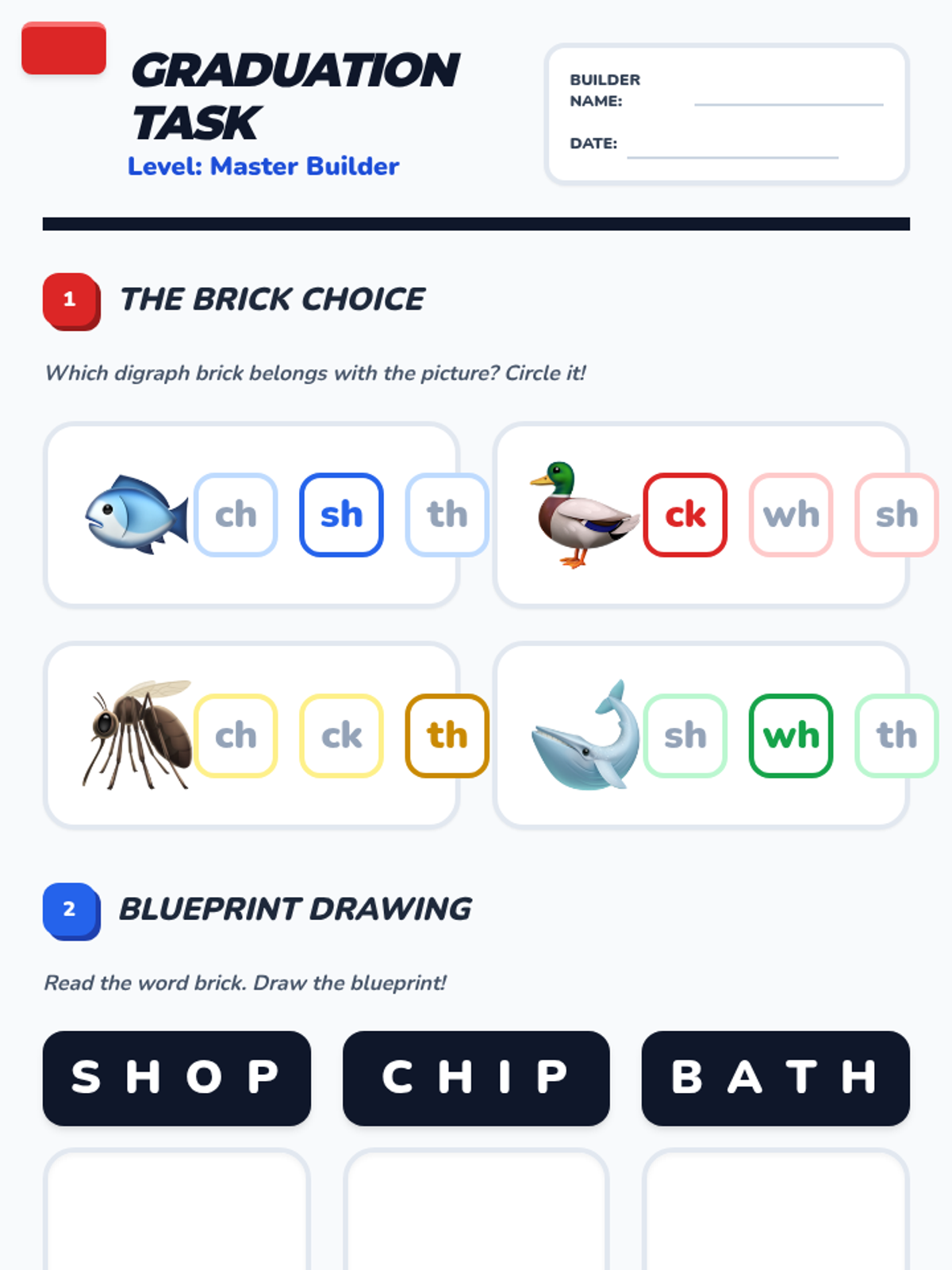
A follow-up lesson focused on building fluency with mixed digraphs, providing cumulative review and a final progress assessment for sh, ch, th, wh, and ck.
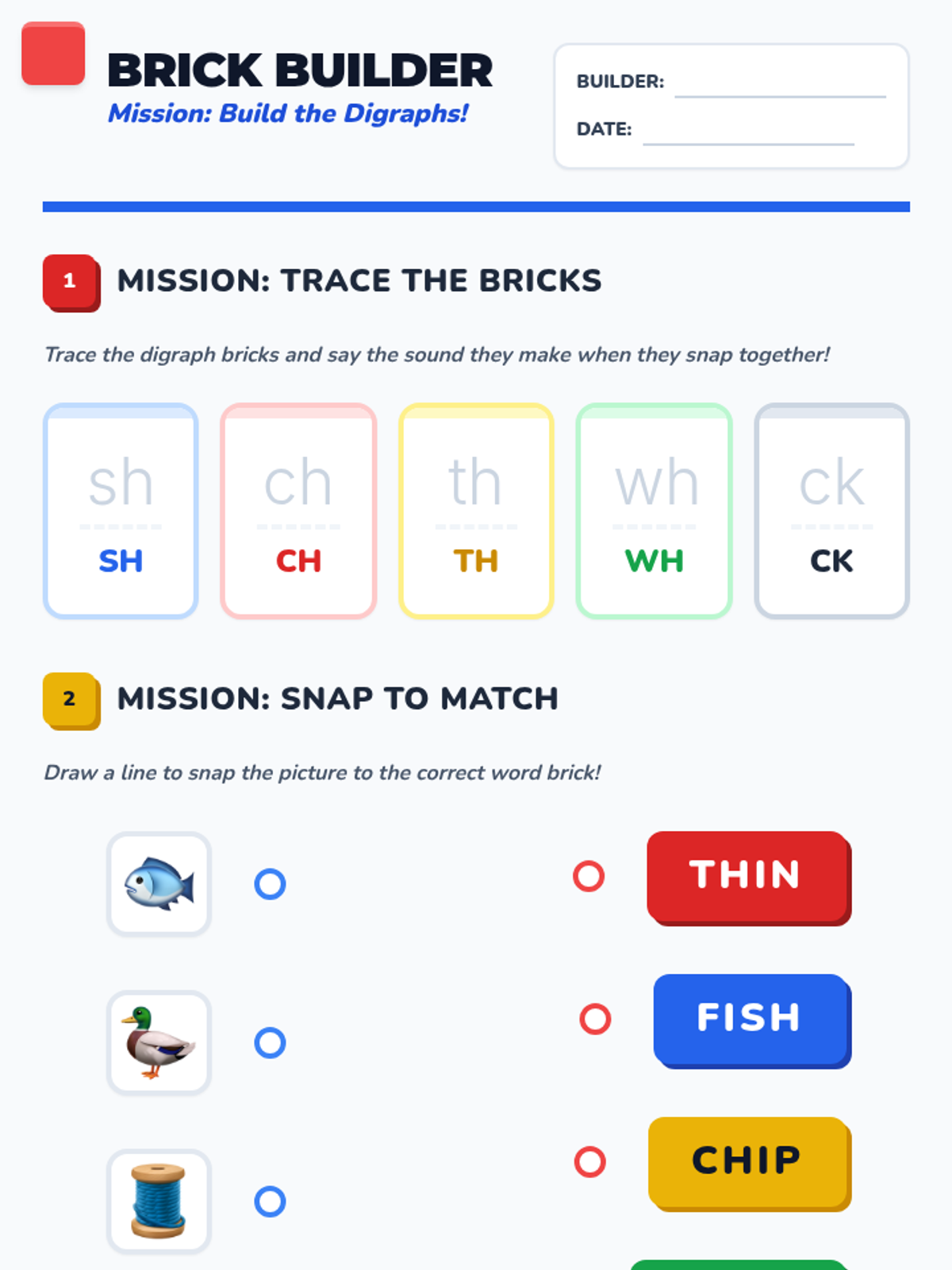
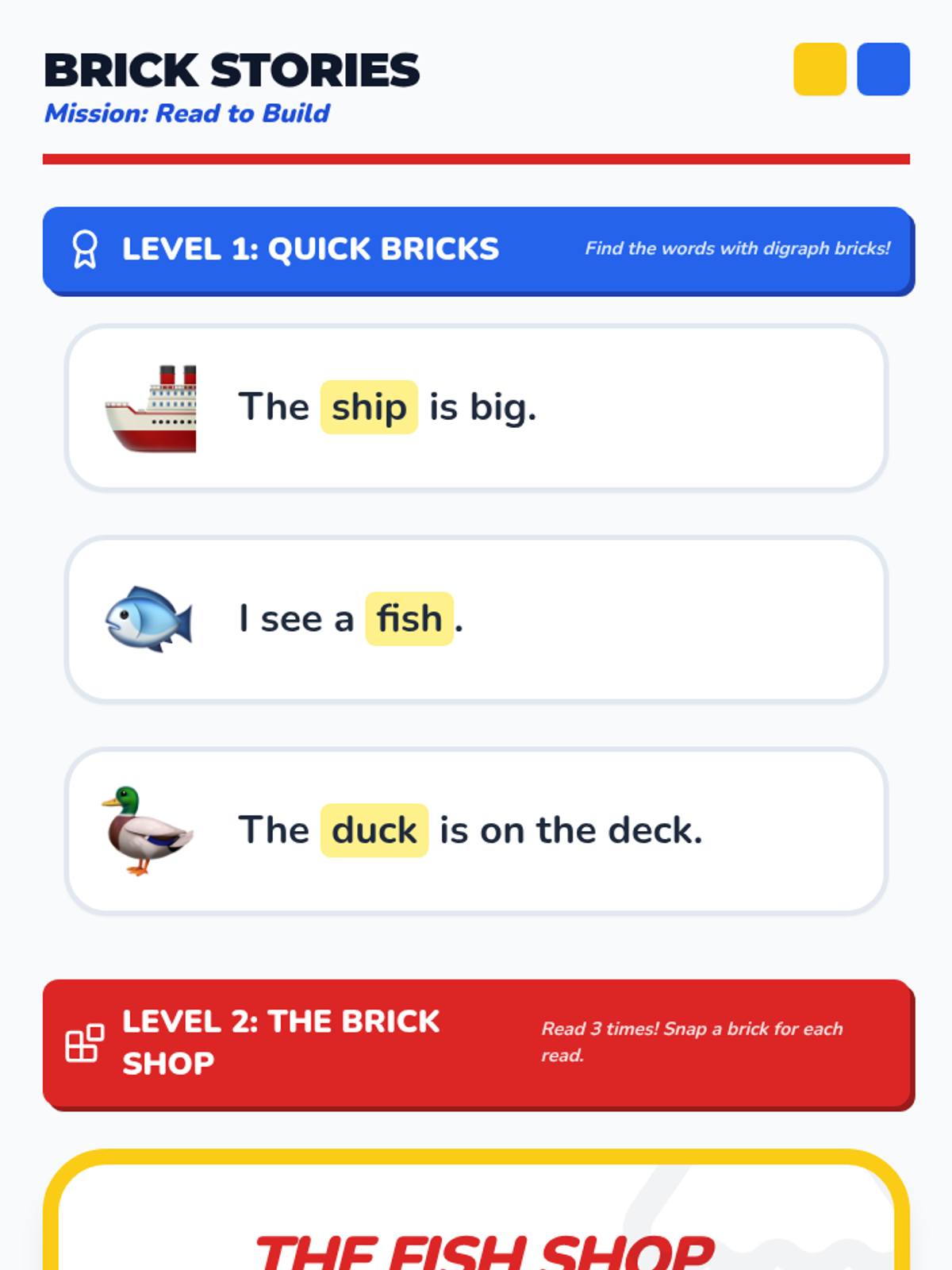
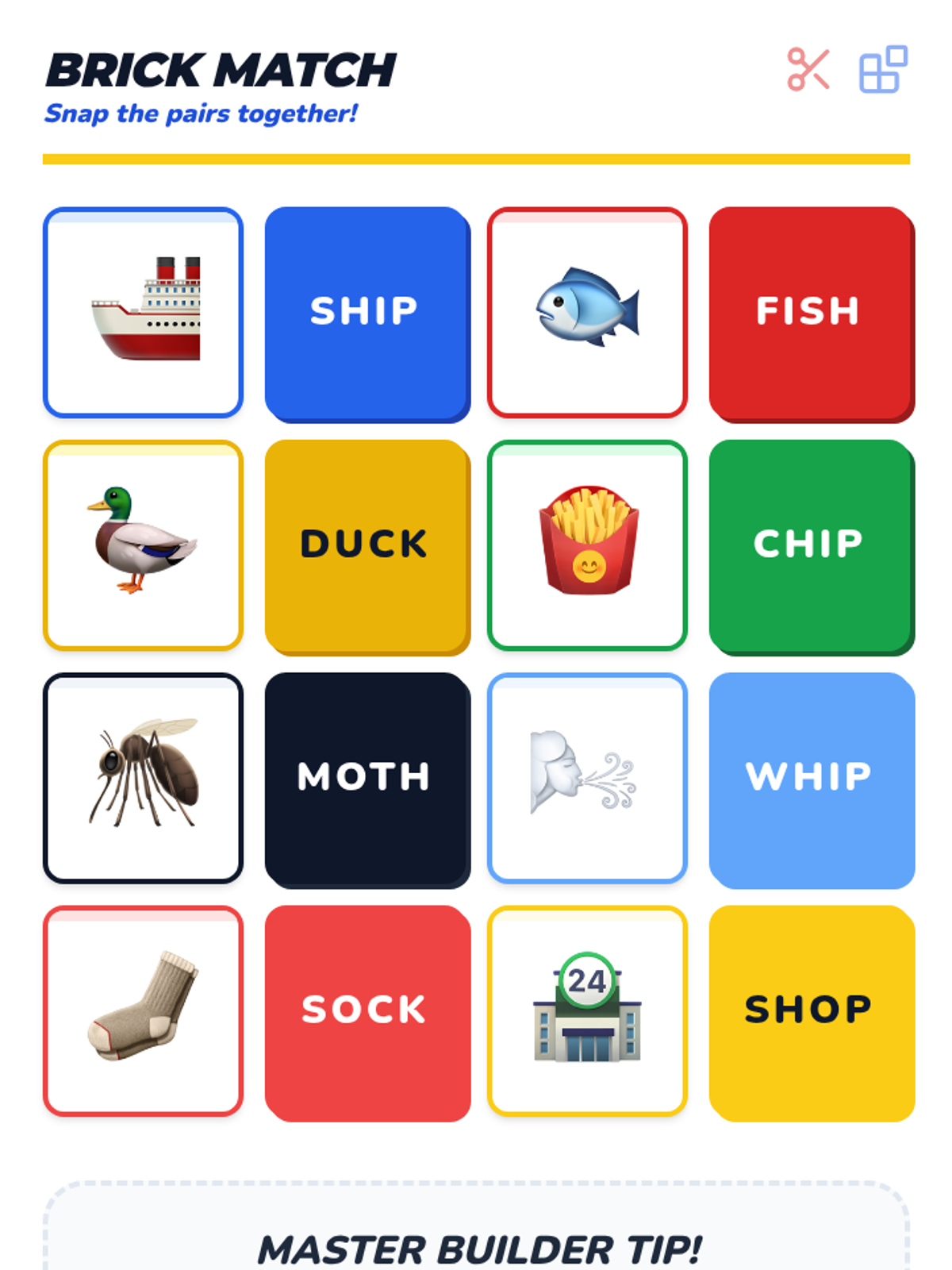
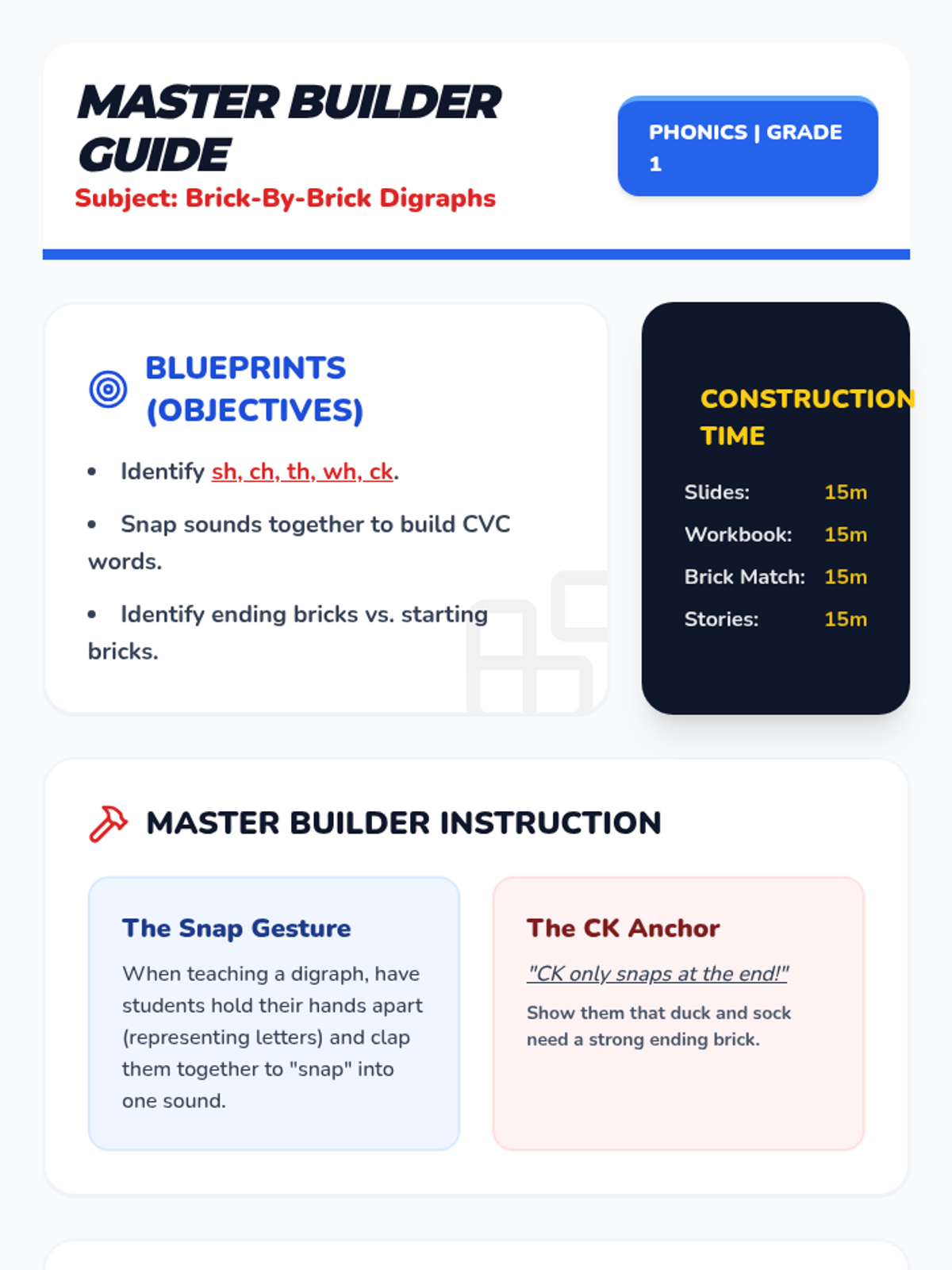
A foundational lesson introducing and practicing common digraphs (sh, ch, th, wh, ck) through multi-sensory activities and differentiated reading tasks using a building-block theme.
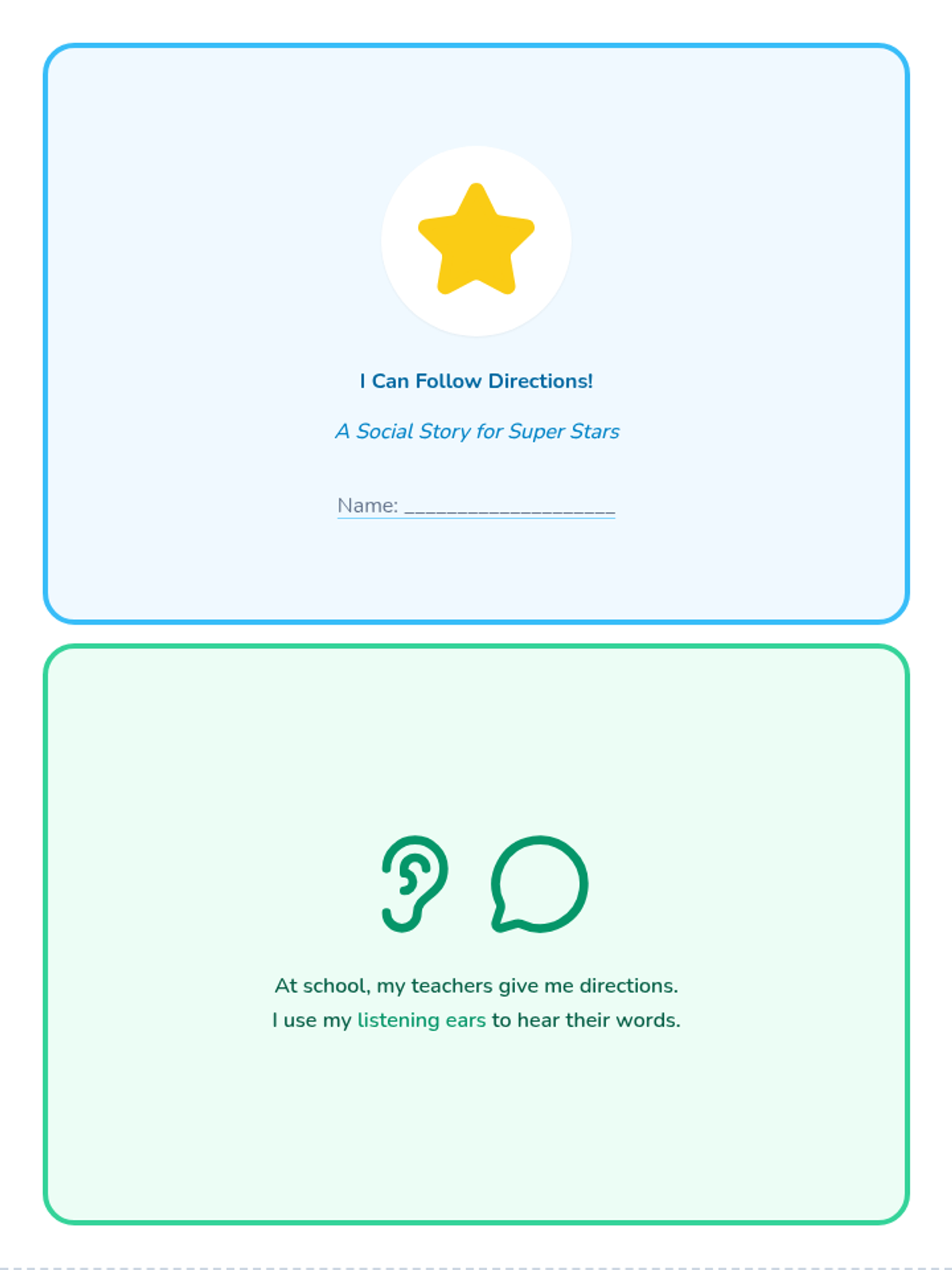
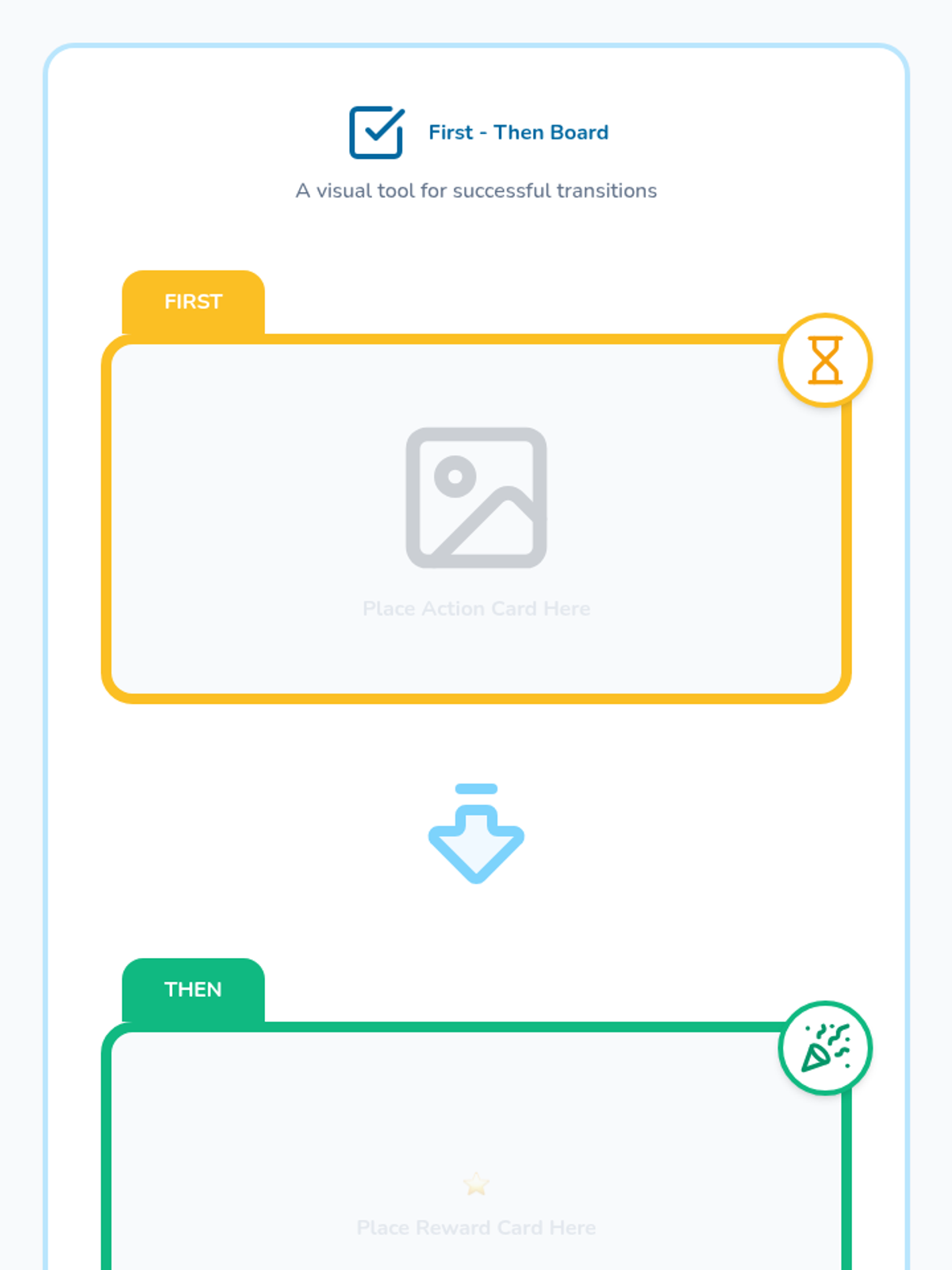
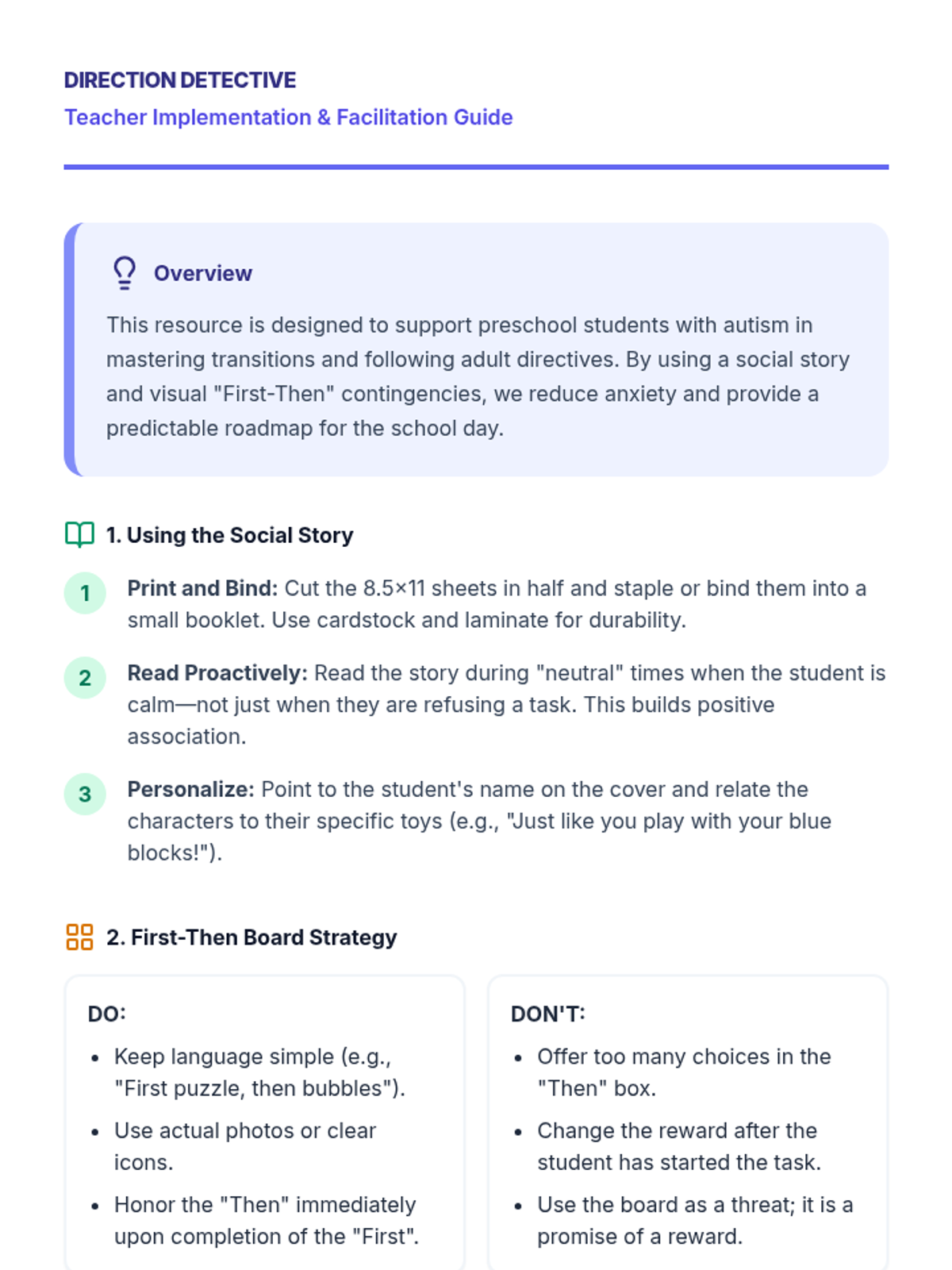
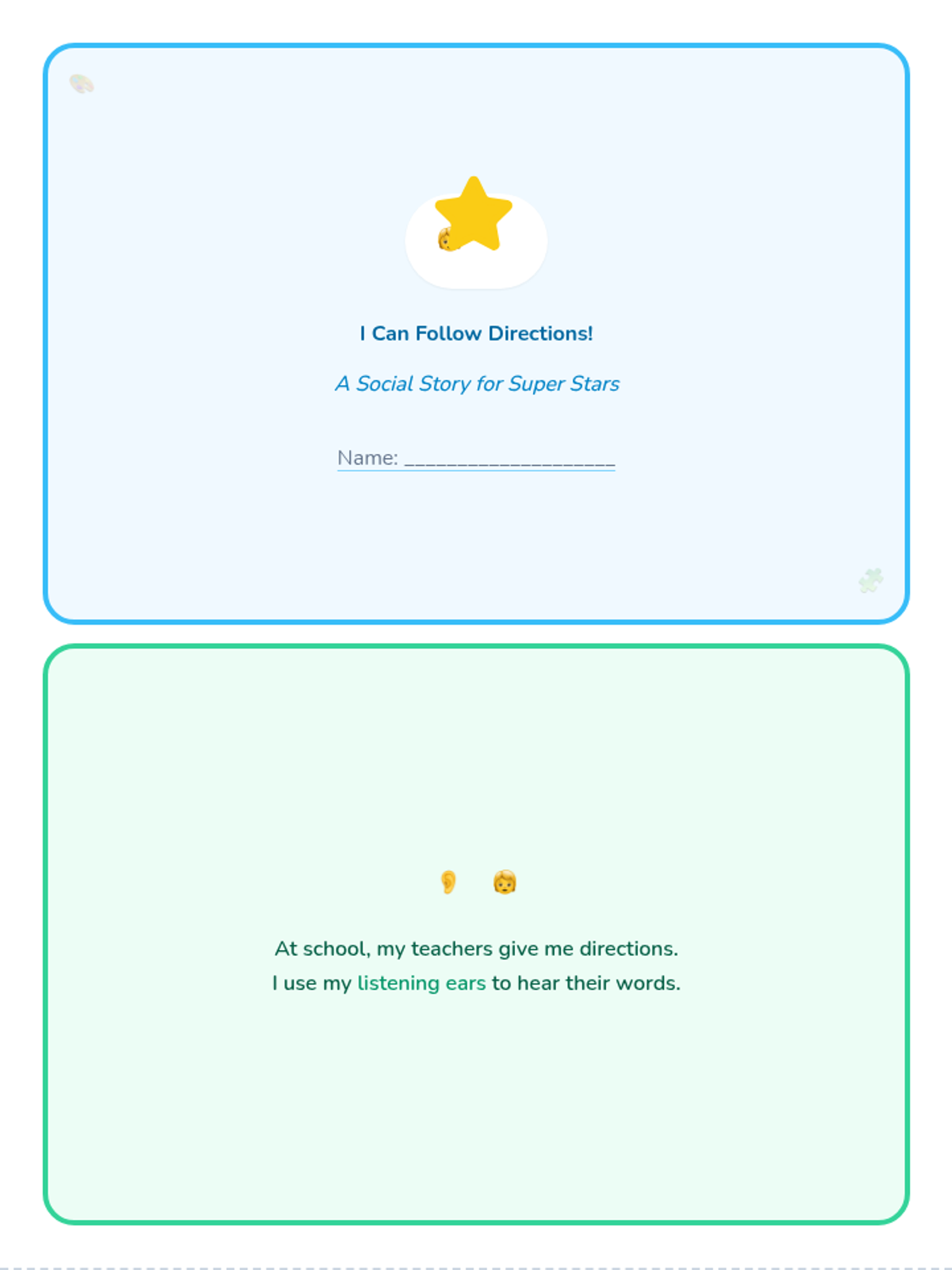
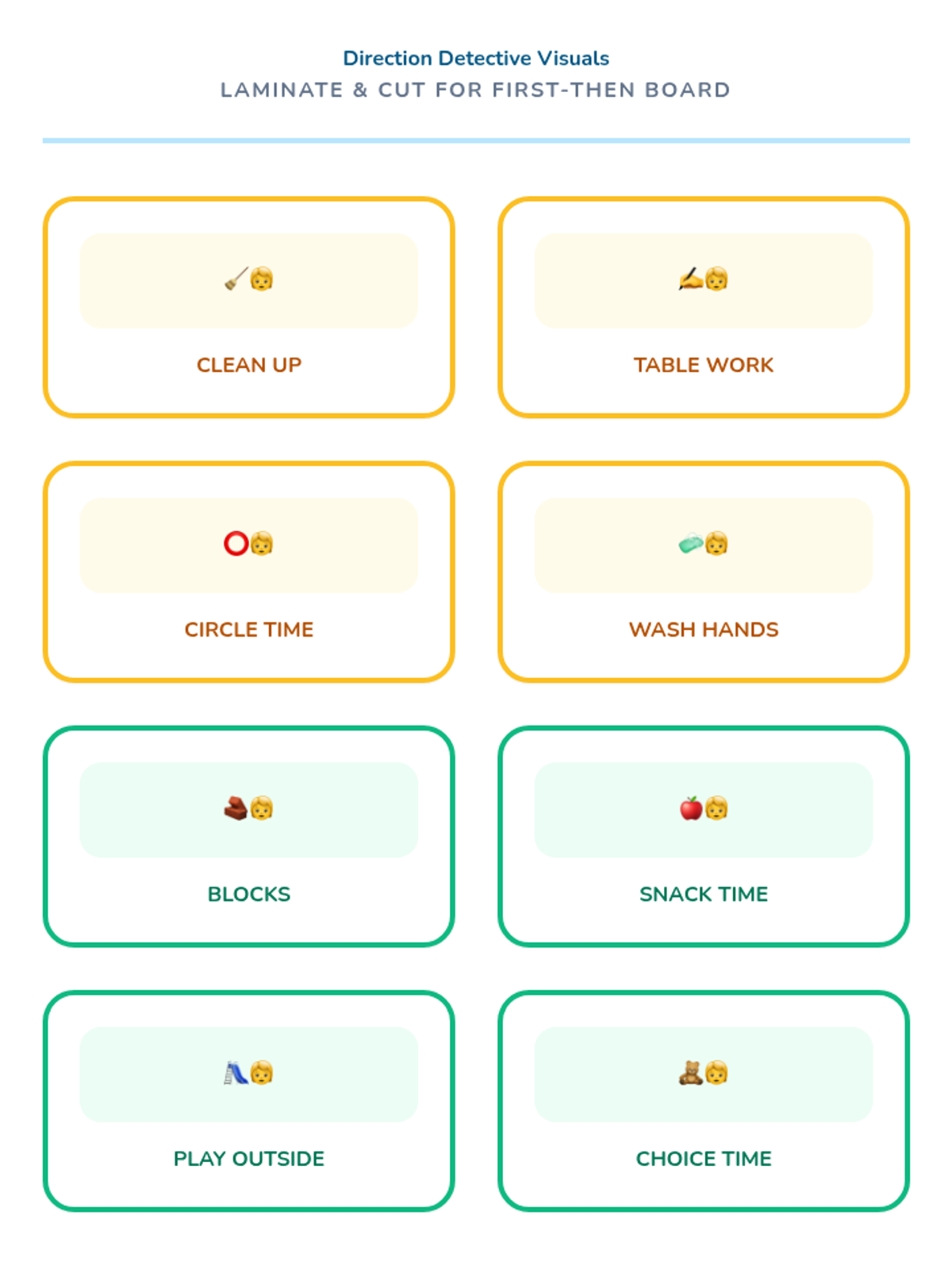
A lesson focused on supporting preschool students with autism in understanding and following directions, especially for non-preferred tasks, using visual supports and a social story.