A set of oral reading fluency drills themed around video game modding and software development to engage a 9th grade student reading at an 8th grade level. Includes multisyllabic word lists, phrased sentences, and progress tracking tools.
Students will use simple observations to identify living and non-living things based on key characteristics like growth, movement, and the need for food and water.
A comprehensive lesson that uses architectural metaphors to teach students how to construct complex sentences using subordinate clauses and logical connectors. Students move from 'foundation' simple sentences to 'multi-story' complex structures.
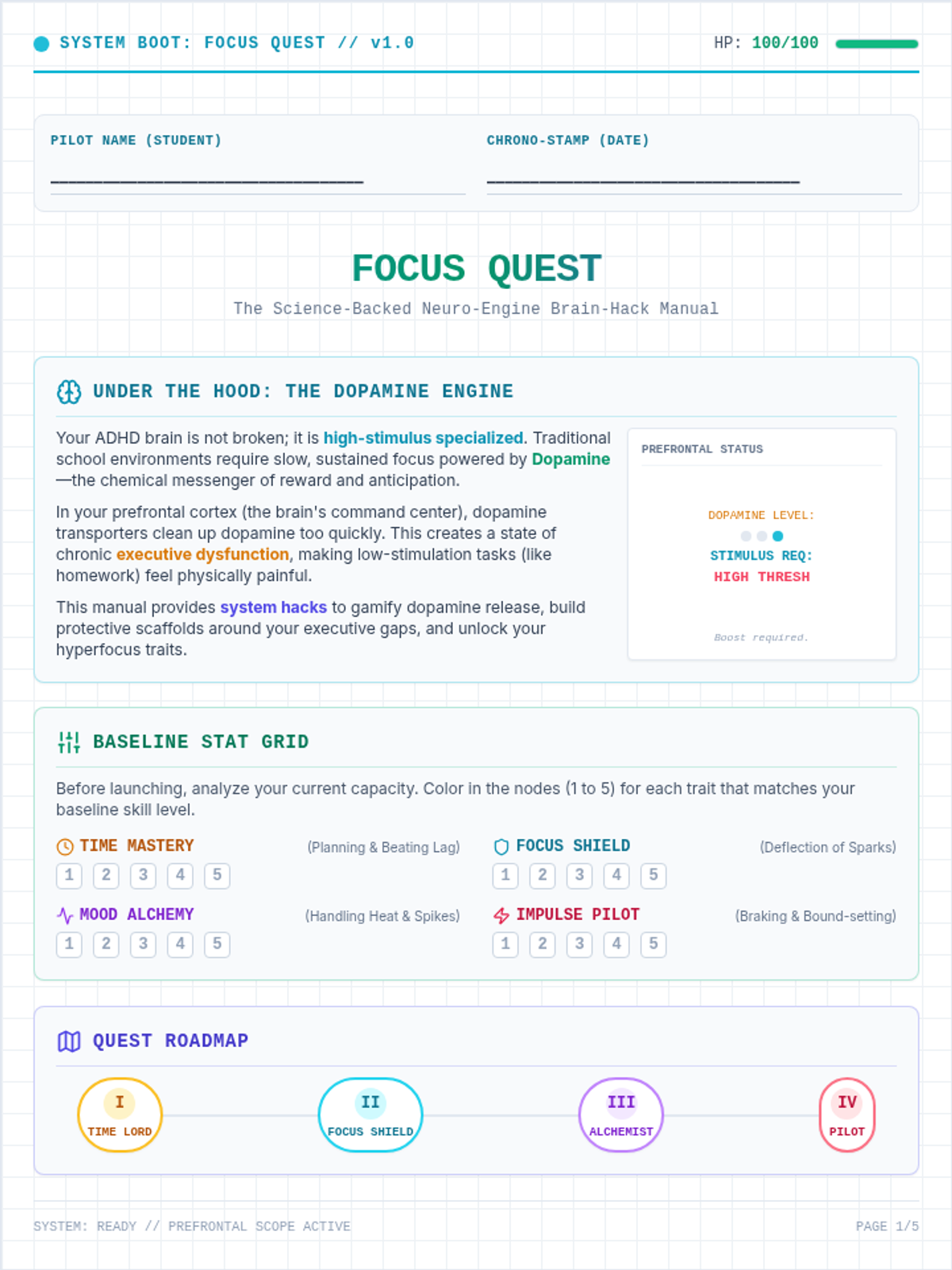
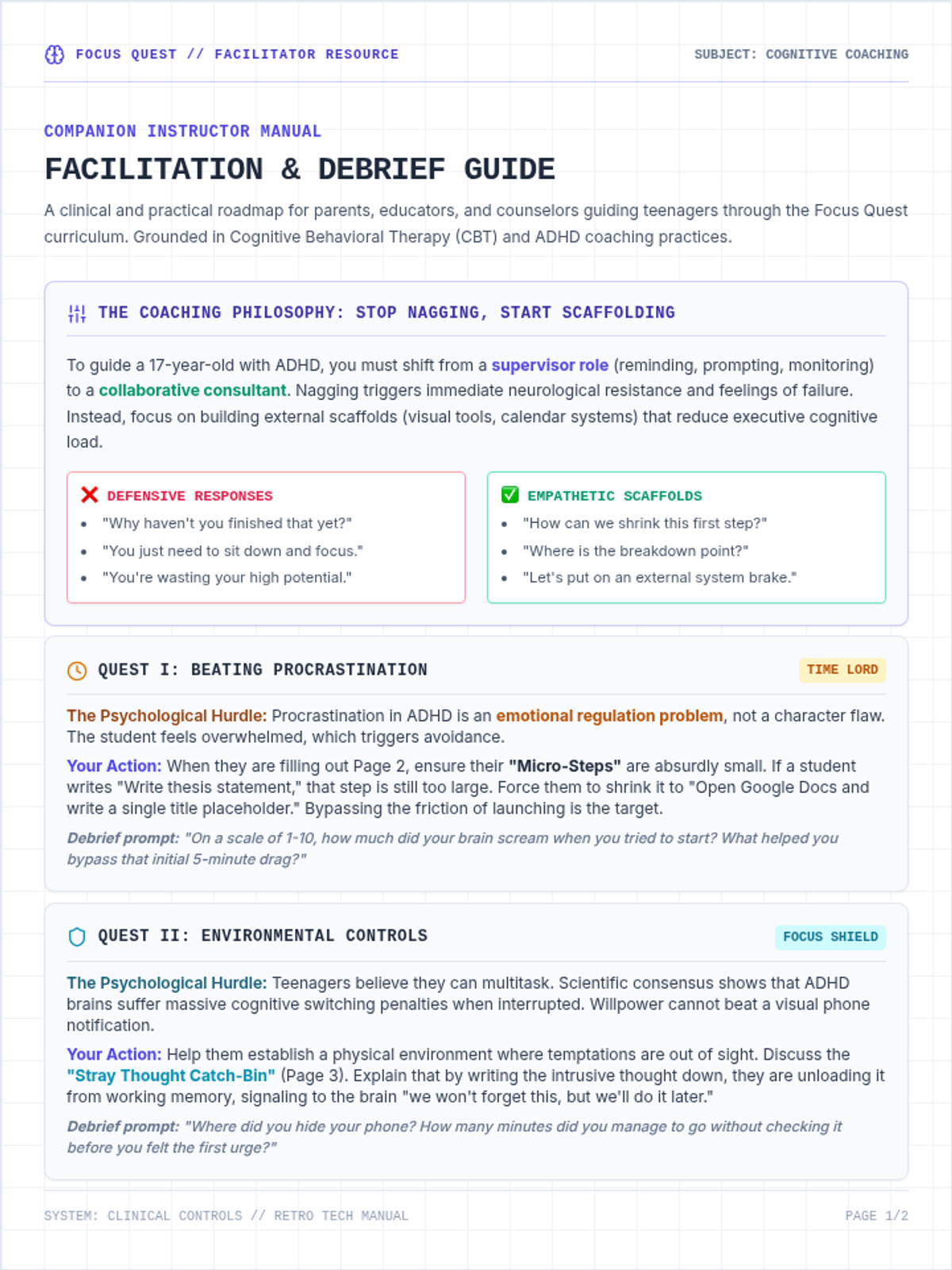
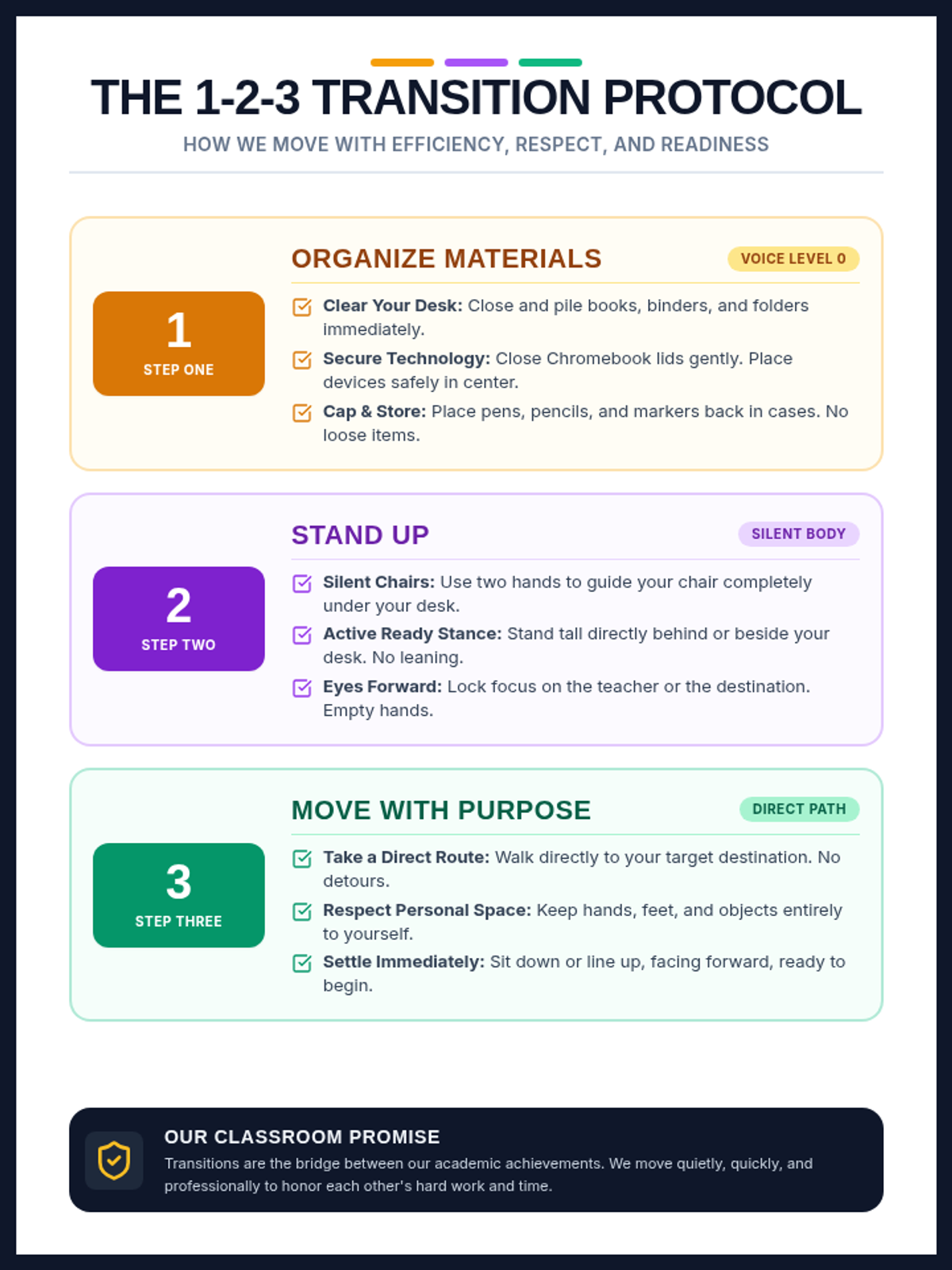
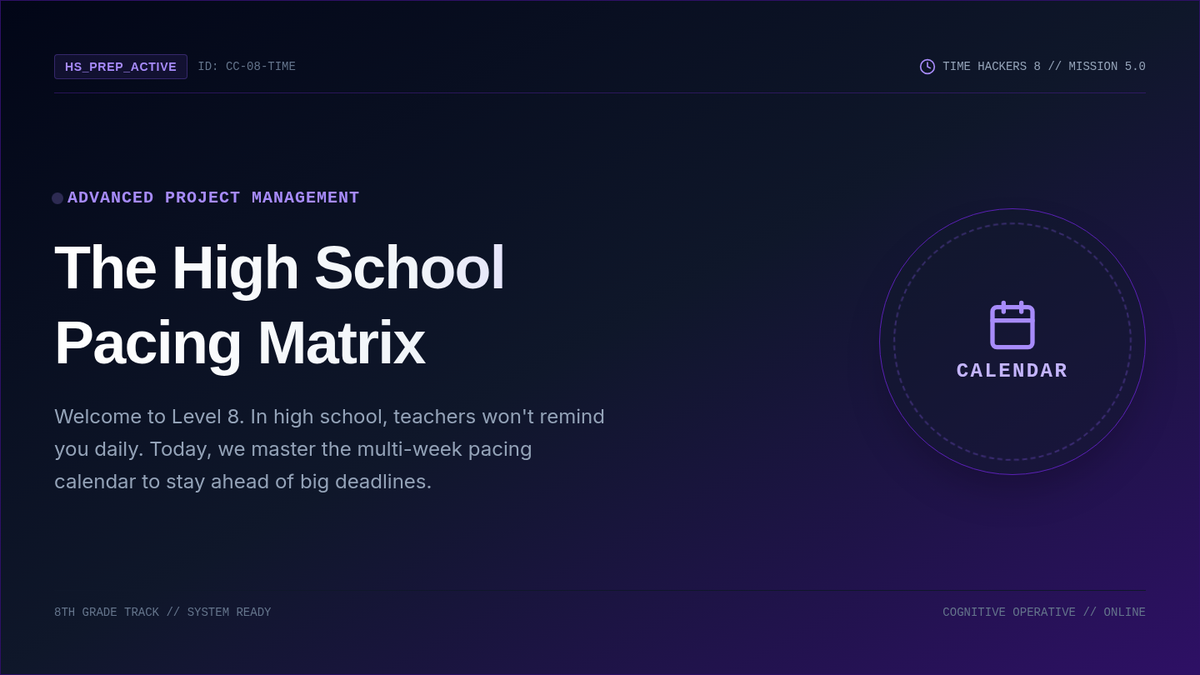
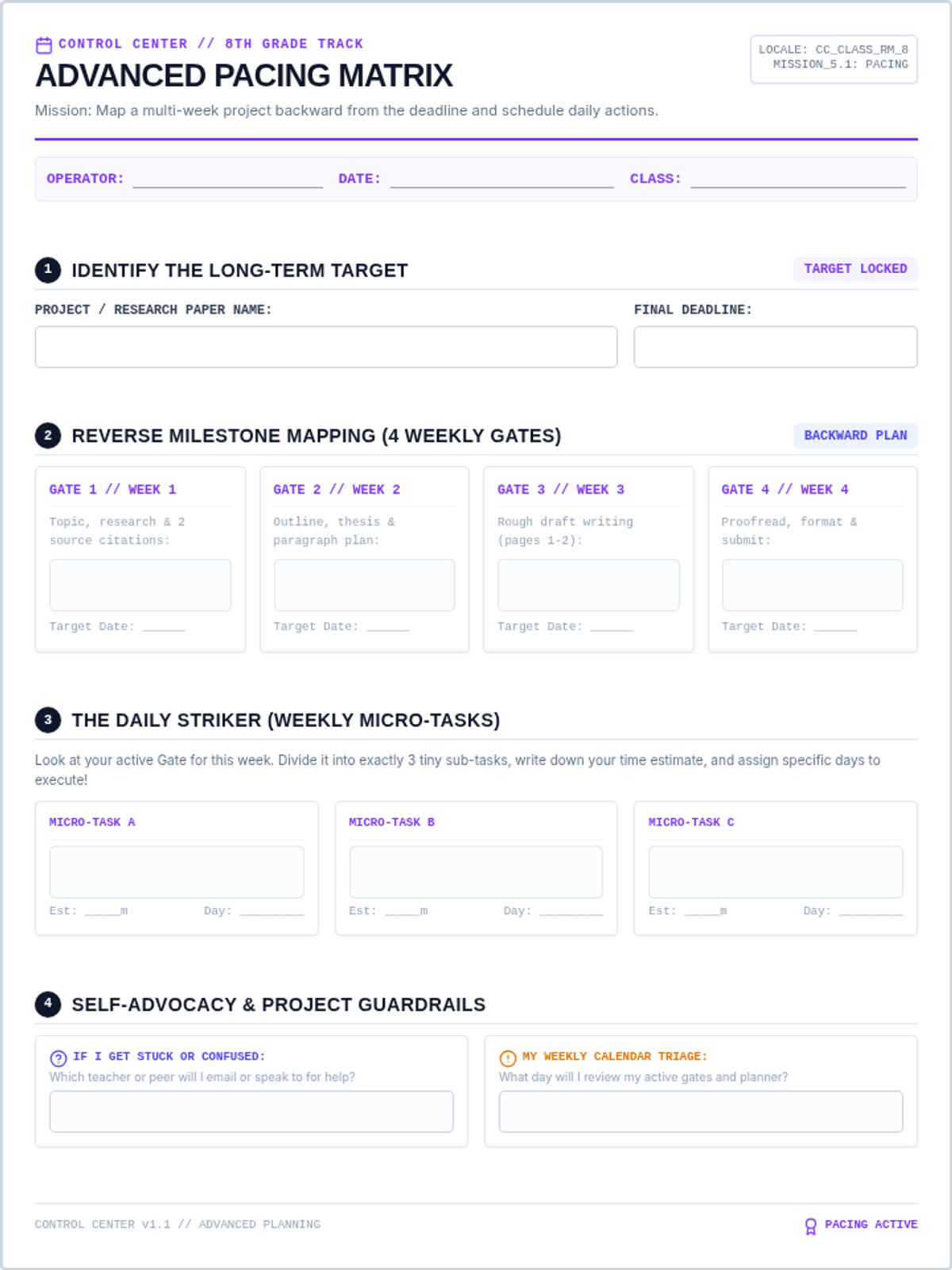
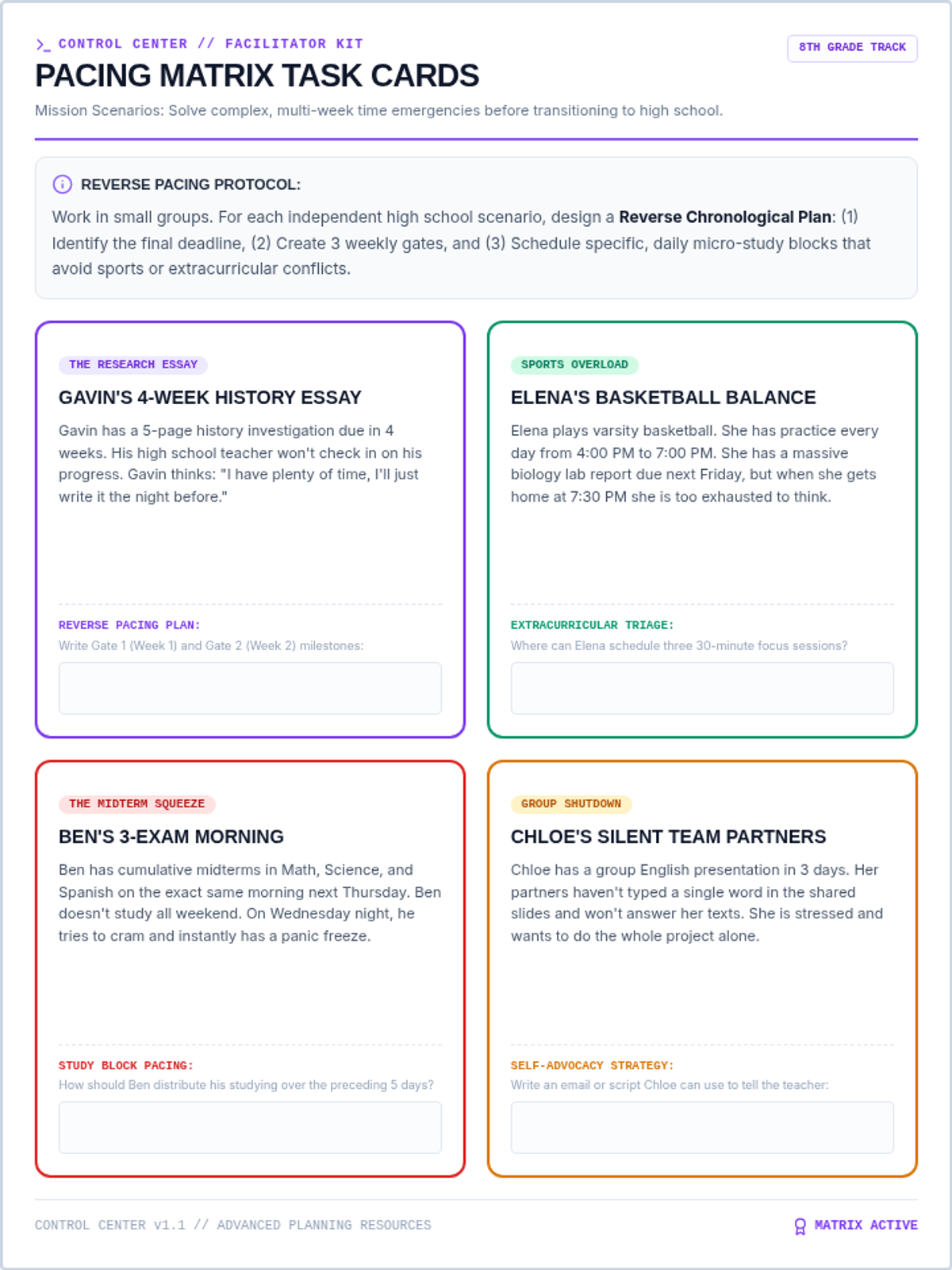
A toolkit of executive function resources including anchor charts and planning sheets to help students master organization and time management.
A comprehensive lesson exploring the human brain's capabilities and the nature of intelligence, featuring an informational text analysis and a multiple intelligences choice board.
This lesson explores the structural elements of dystopian fiction, focusing on how authors use world-building to critique contemporary society. Students analyze classic and modern excerpts before designing their own symbolic 'failed society' map.
A foundational phonics lesson focusing on the glued sounds -all, -am, and -an through visual aids, tracing practice, and blending activities.
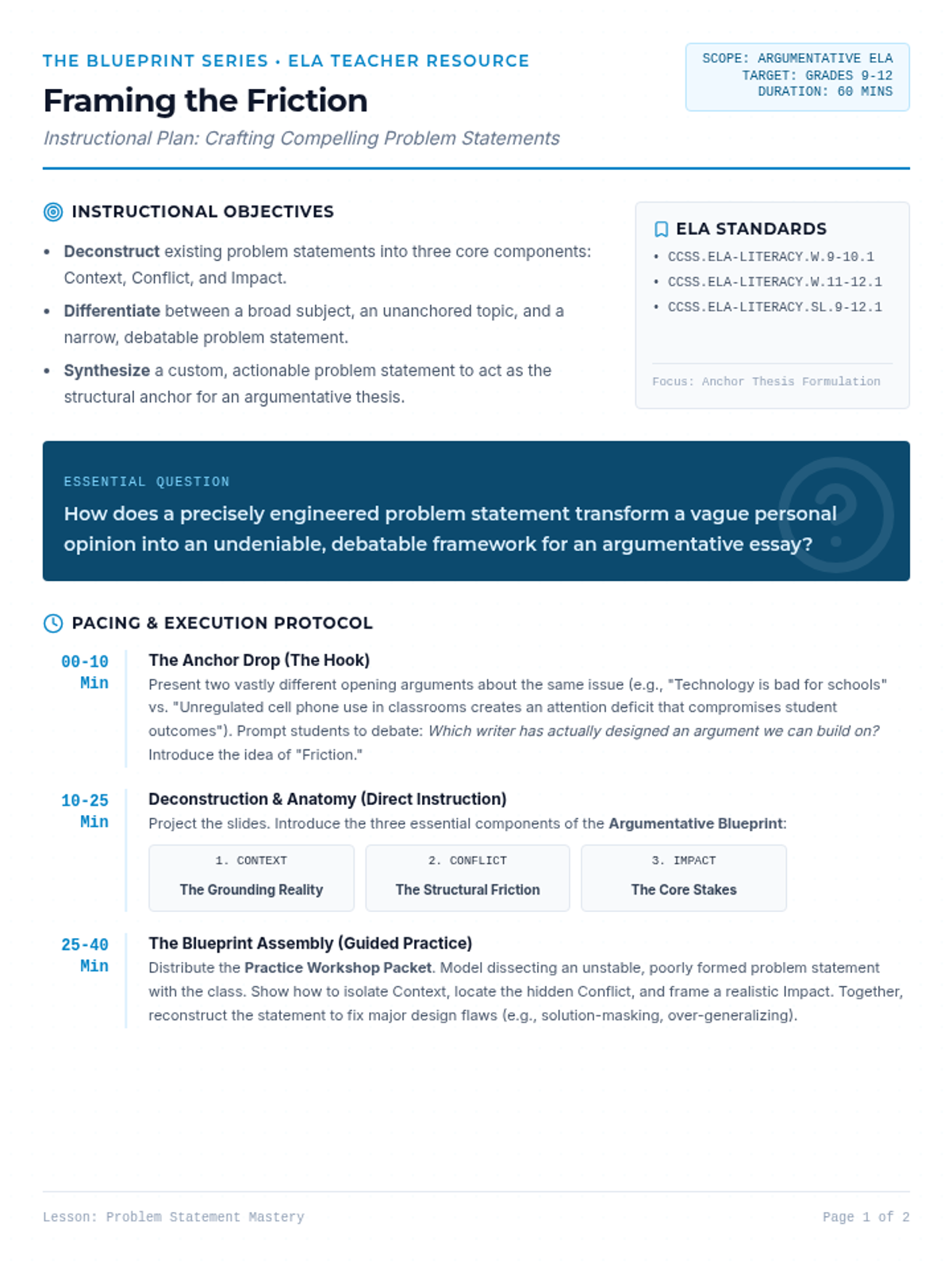
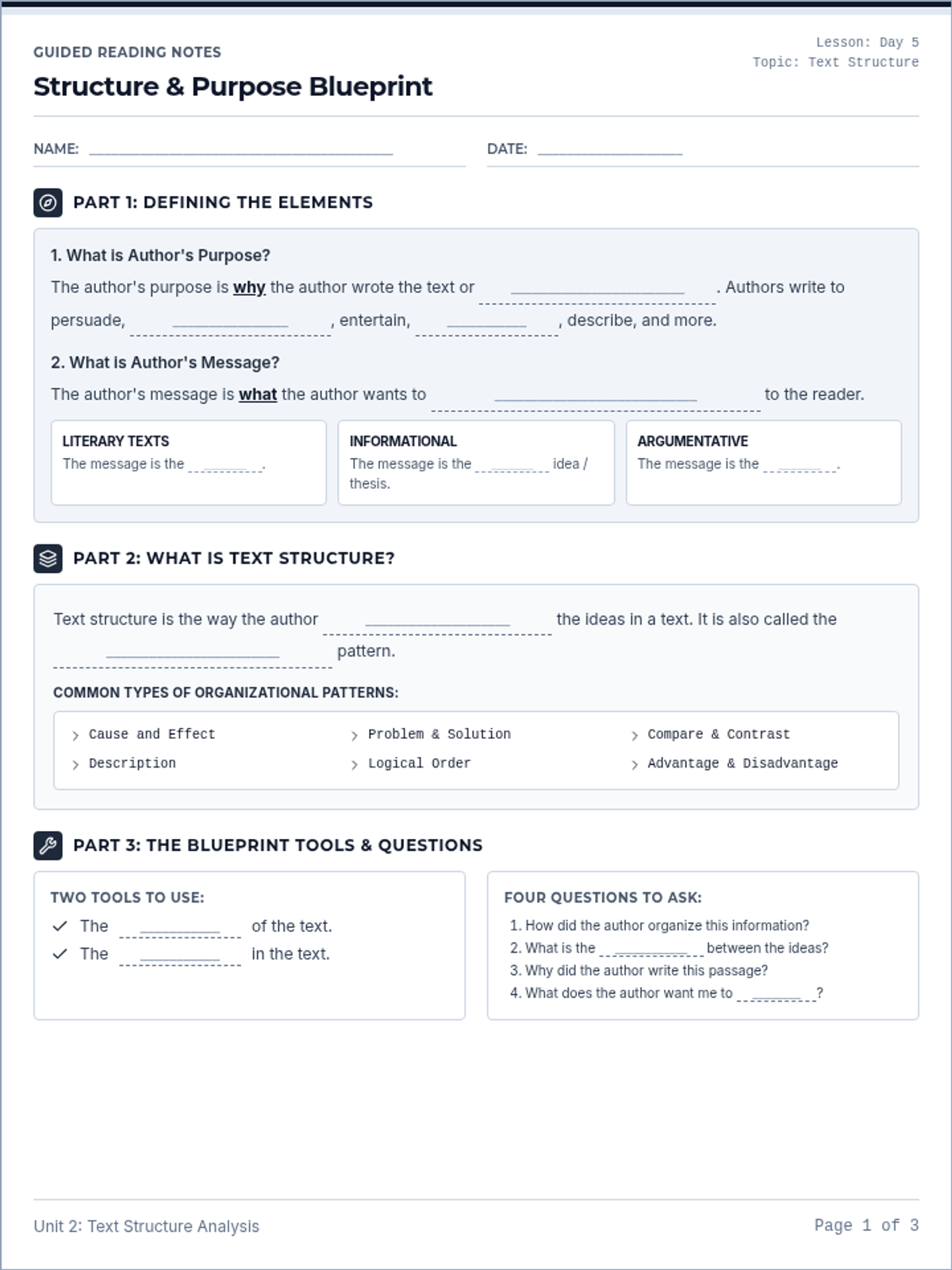
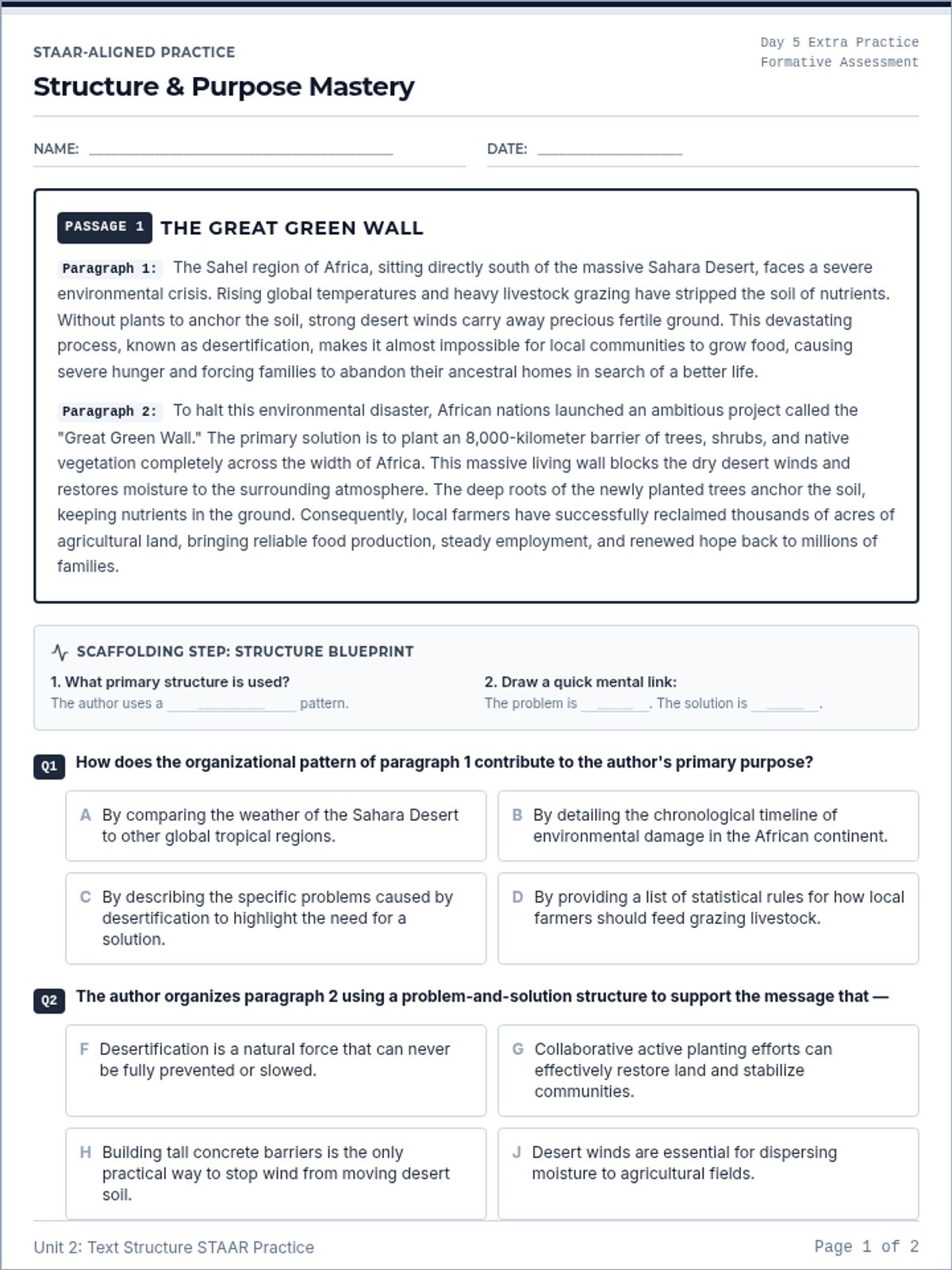
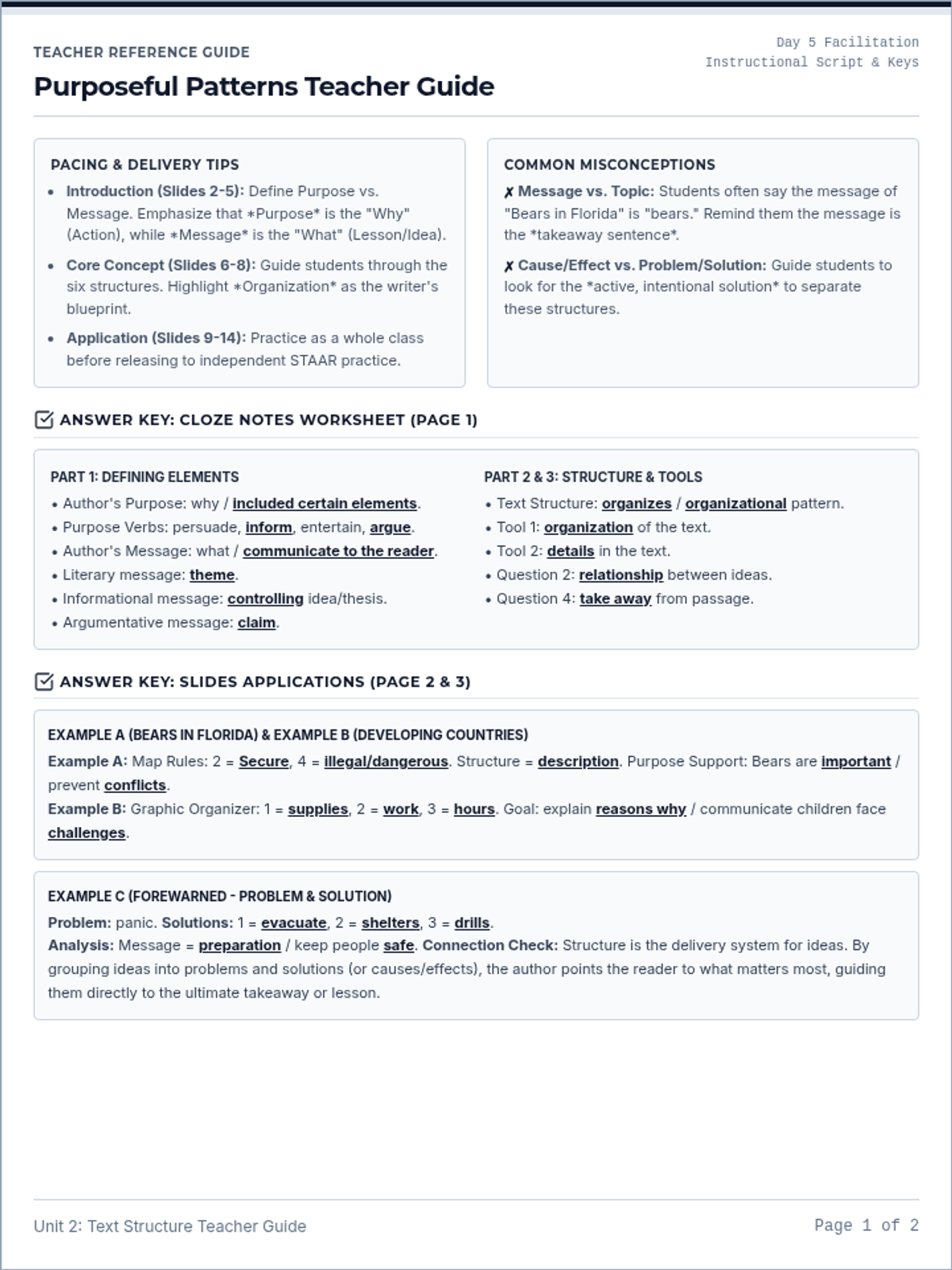
A lesson focused on analyzing how specific parts of a text contribute to the overall structure and the development of an argument through evidence. Students learn to see texts as 'blueprints' where every sentence serves a structural purpose.
An introductory lesson on building simple sentences using the 'Who + Doing What' formula. Students will use visual prompts to construct their own sentences with a focus on capitalization and ending punctuation.
A foundational writing lesson for first-grade students focused on building complete sentences with correct capitalization, punctuation, and grammar using a 'Sentence Builders' theme.
A space-themed fluency lesson for first graders, focusing on nonsense word decoding and sentence structure to build oral reading confidence.
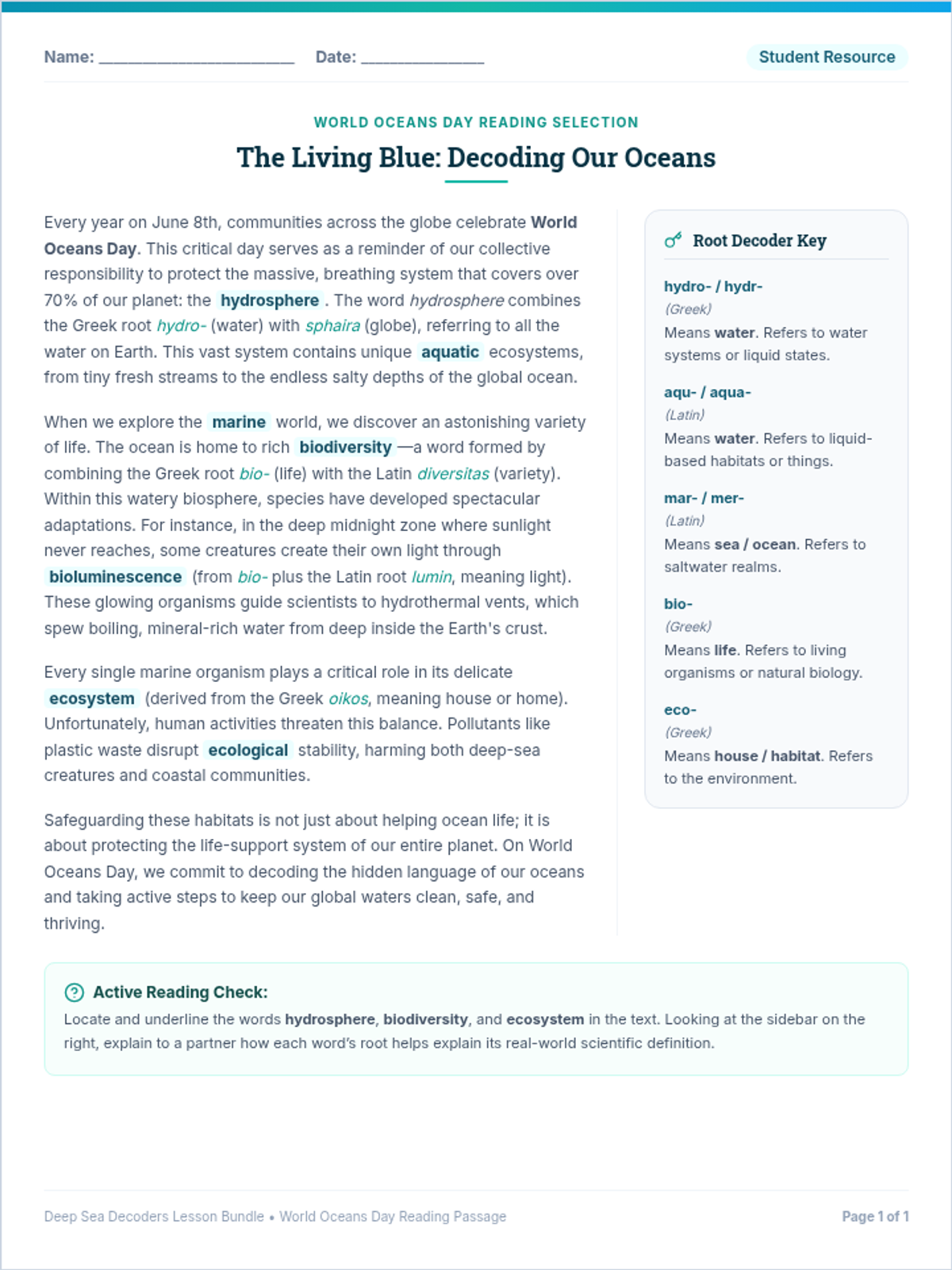
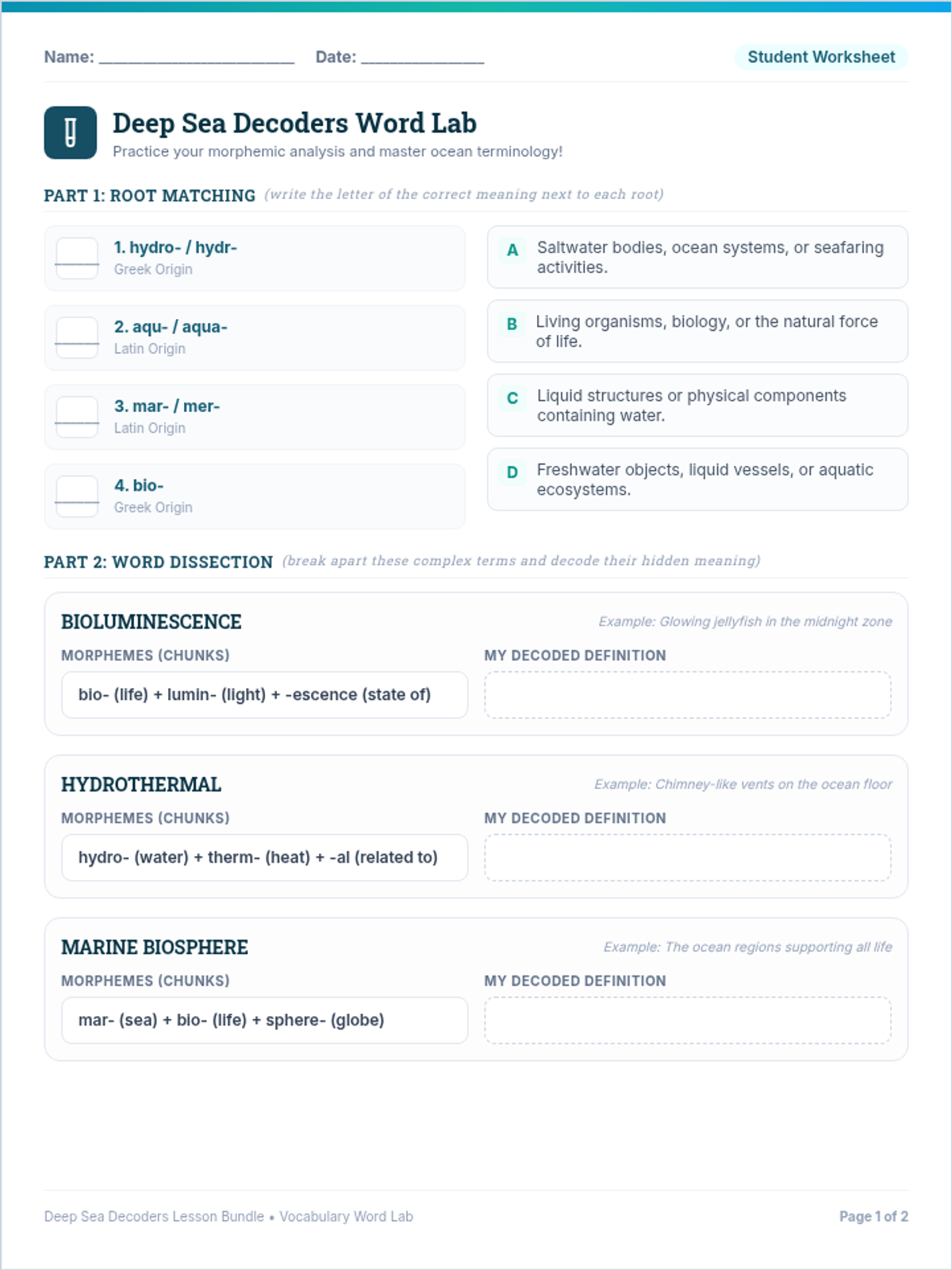
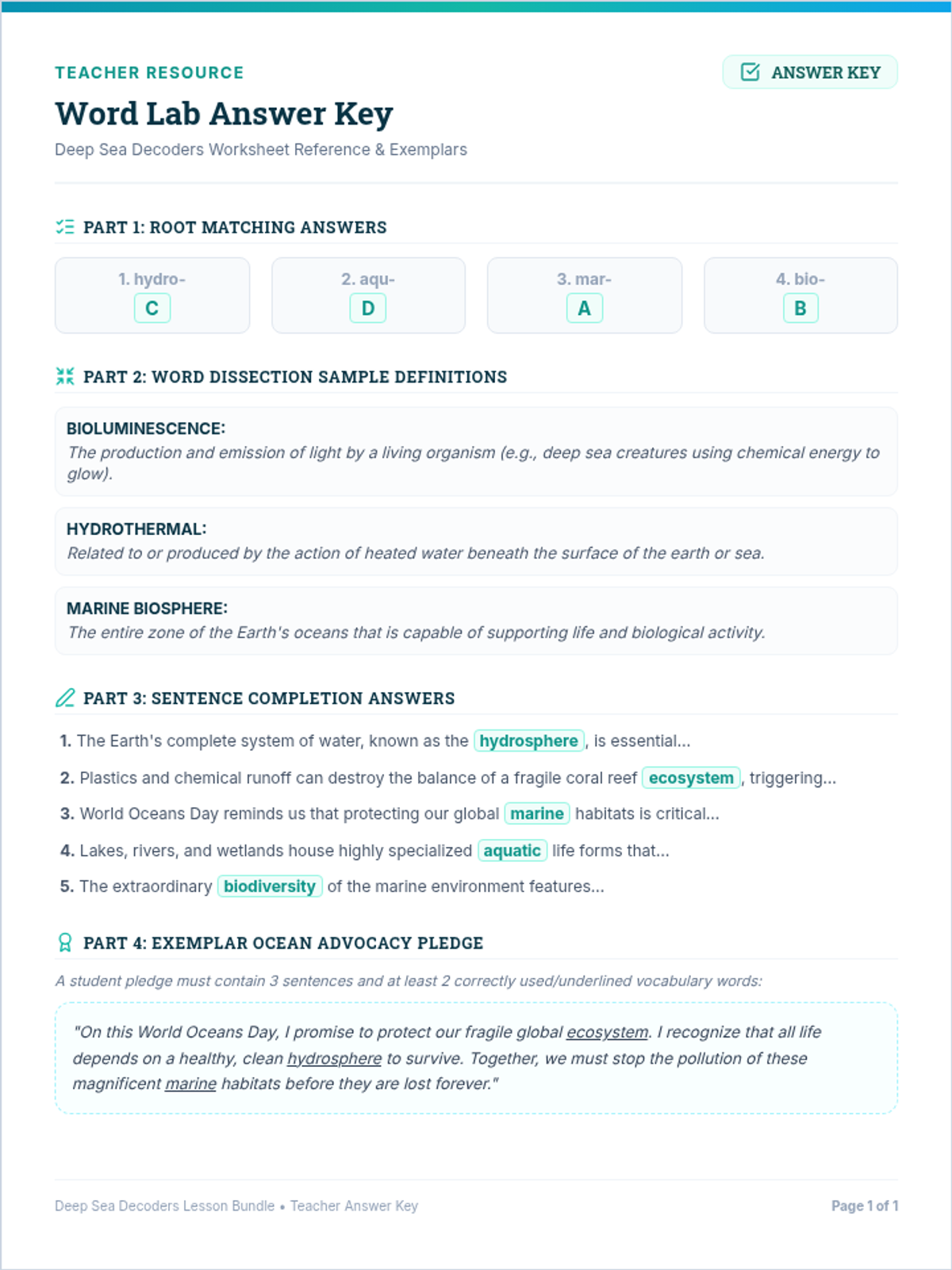
Addresses fluency in complex, multisyllabic texts for 6th-12th grade students, emphasizing morphology and expressive reading in disciplinary contexts.
Introduces accuracy, rate, and prosody for 2nd-5th grade learners with a focus on phrase-cued reading and repeated reading techniques.
Focused on building letter-name and letter-sound automaticity for PreK-1st grade students using high-frequency practice and evidence-based routines.
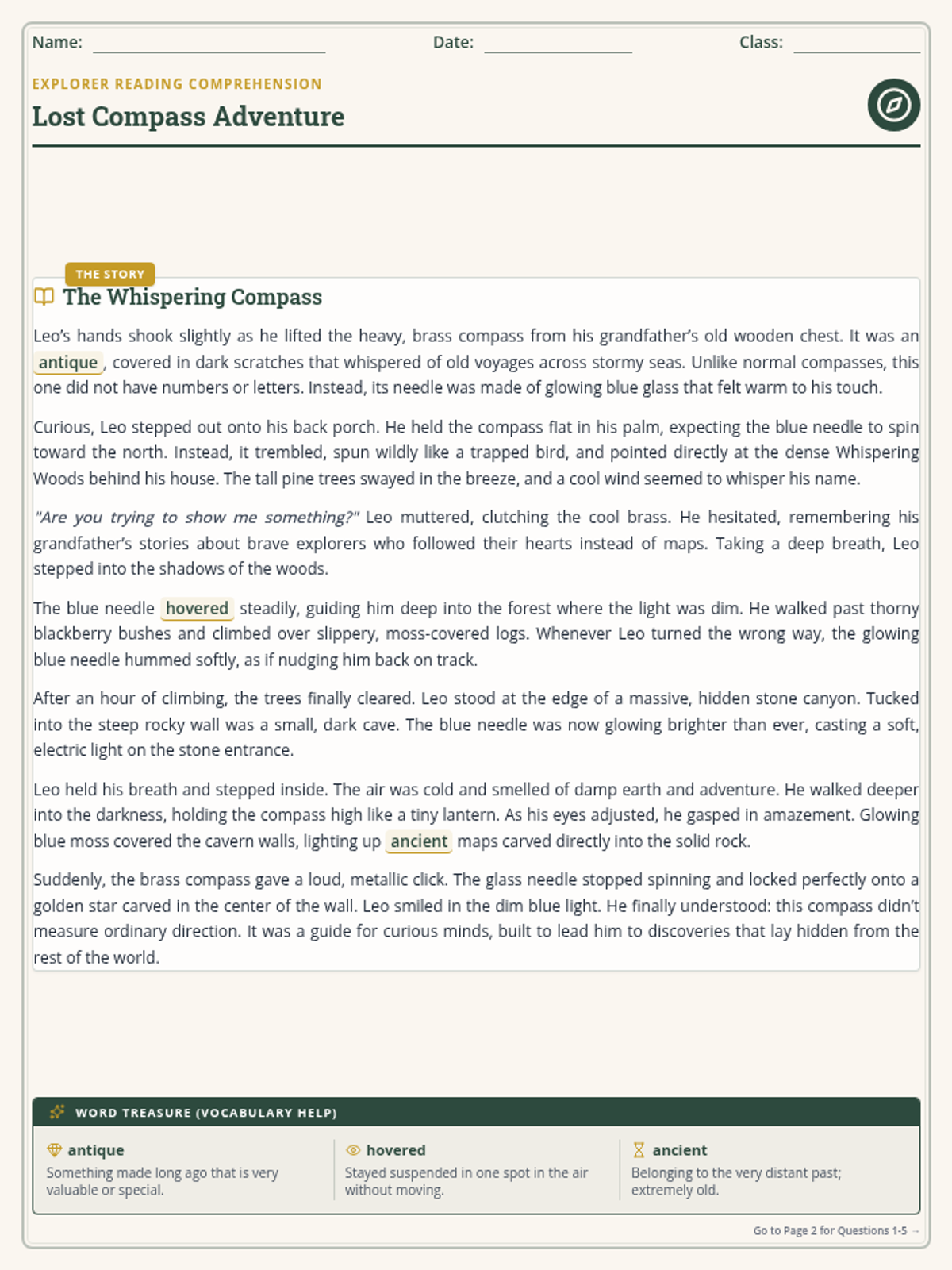
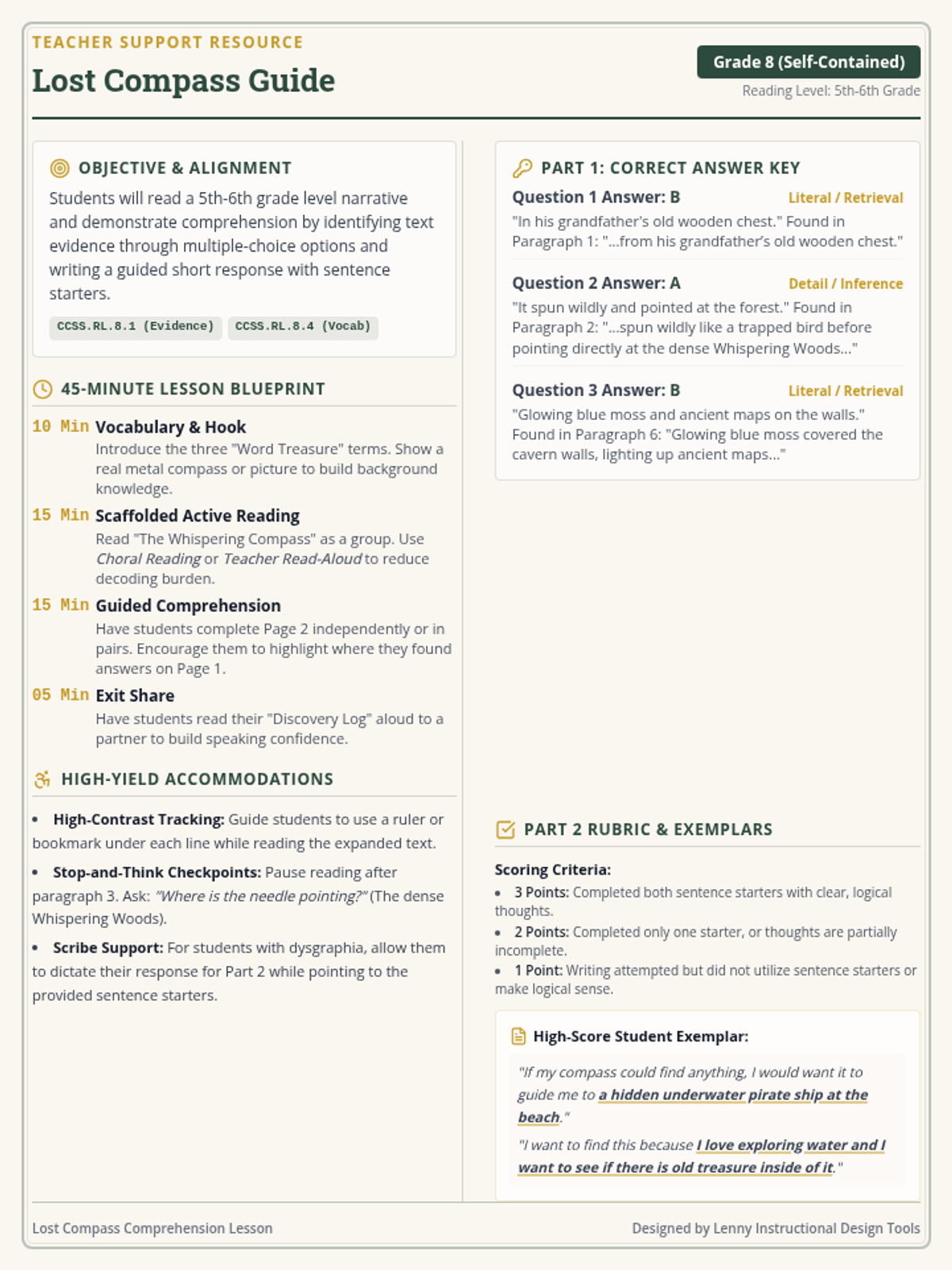
A foundational comprehension lesson for early readers, focusing on identifying key details and sequencing events through visual-heavy interactive tasks.
A follow-up lesson focused on building fluency with mixed digraphs, providing cumulative review and a final progress assessment for sh, ch, th, wh, and ck.
A foundational lesson introducing and practicing common digraphs (sh, ch, th, wh, ck) through multi-sensory activities and differentiated reading tasks using a building-block theme.