A structured social-emotional learning lesson designed for students with autism, focusing on the concrete steps of making and keeping friends through a visual social story and interactive practice.
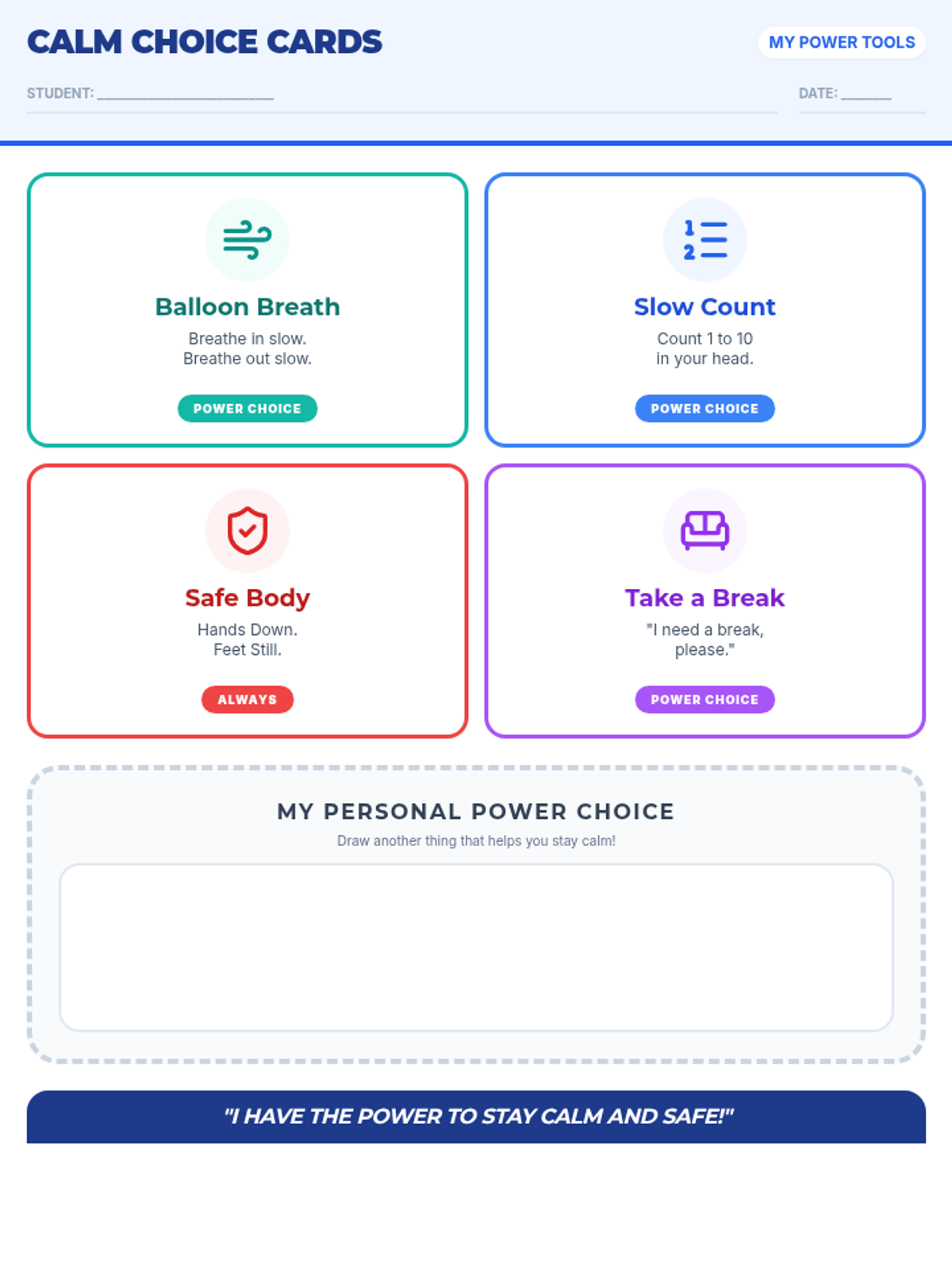
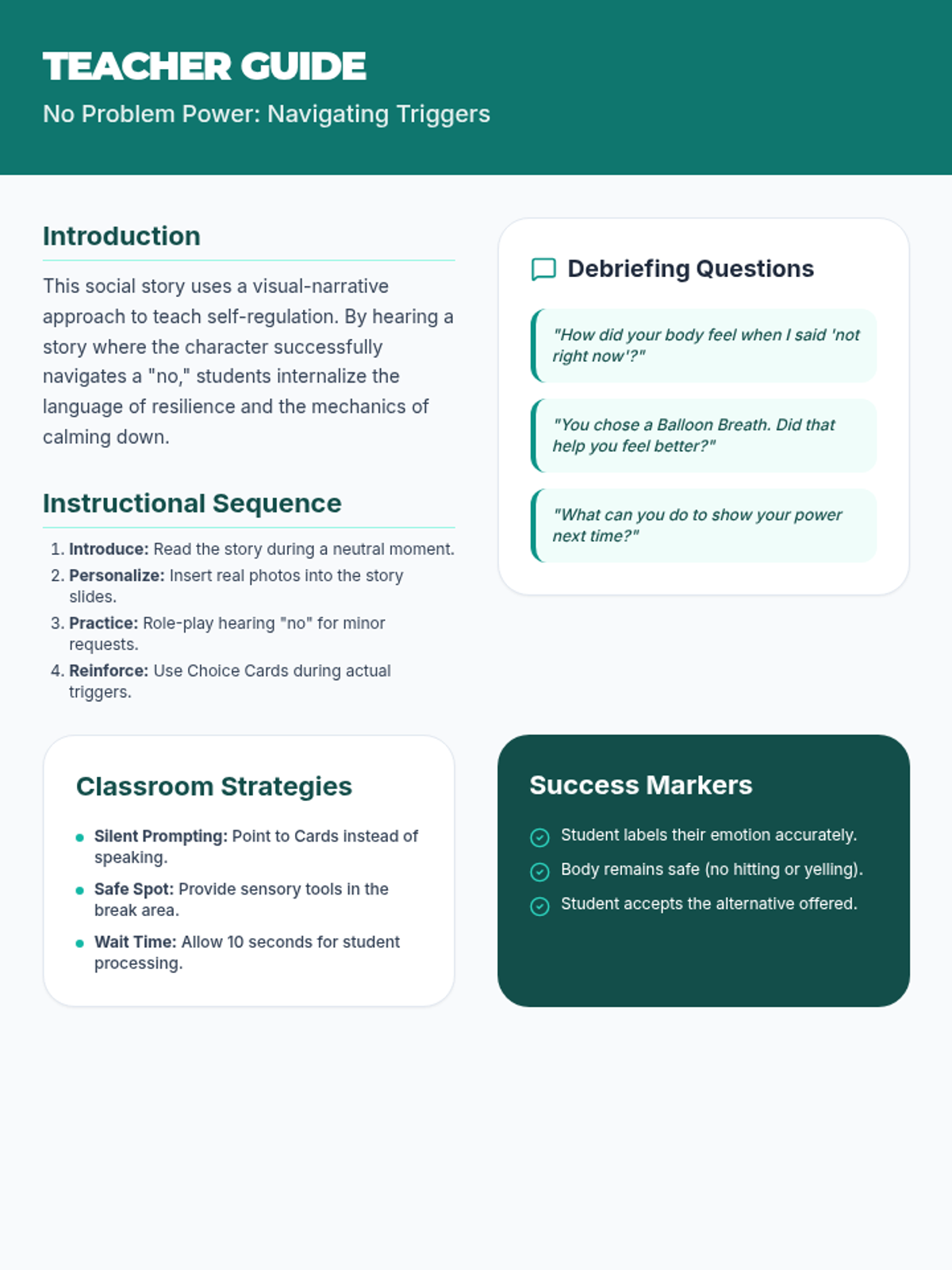
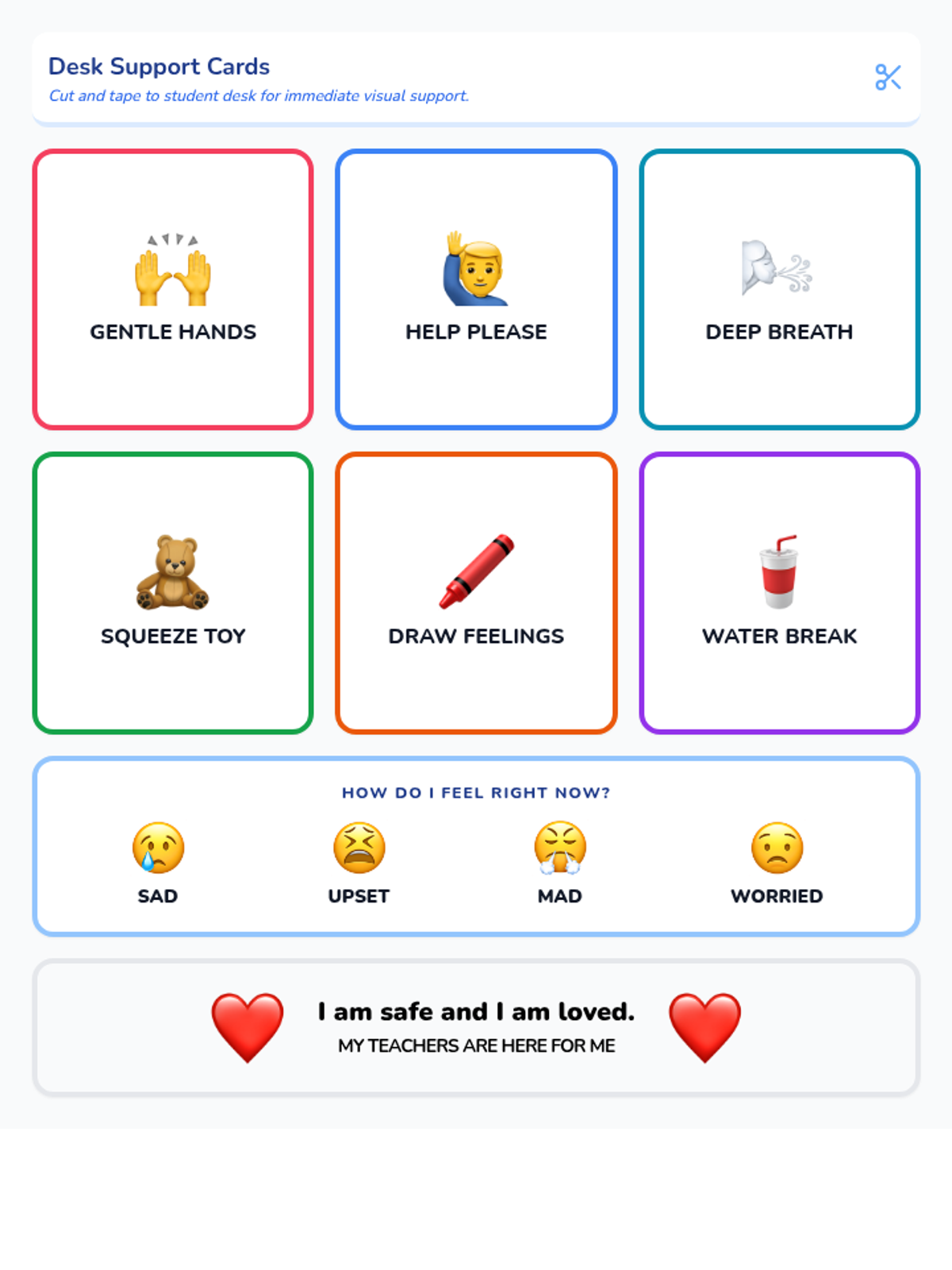
This lesson focuses on helping children navigate the frustration of being told 'no' through a social story and practical calming strategies. It provides visual tools and a narrative to help students recognize their feelings and make safe choices.
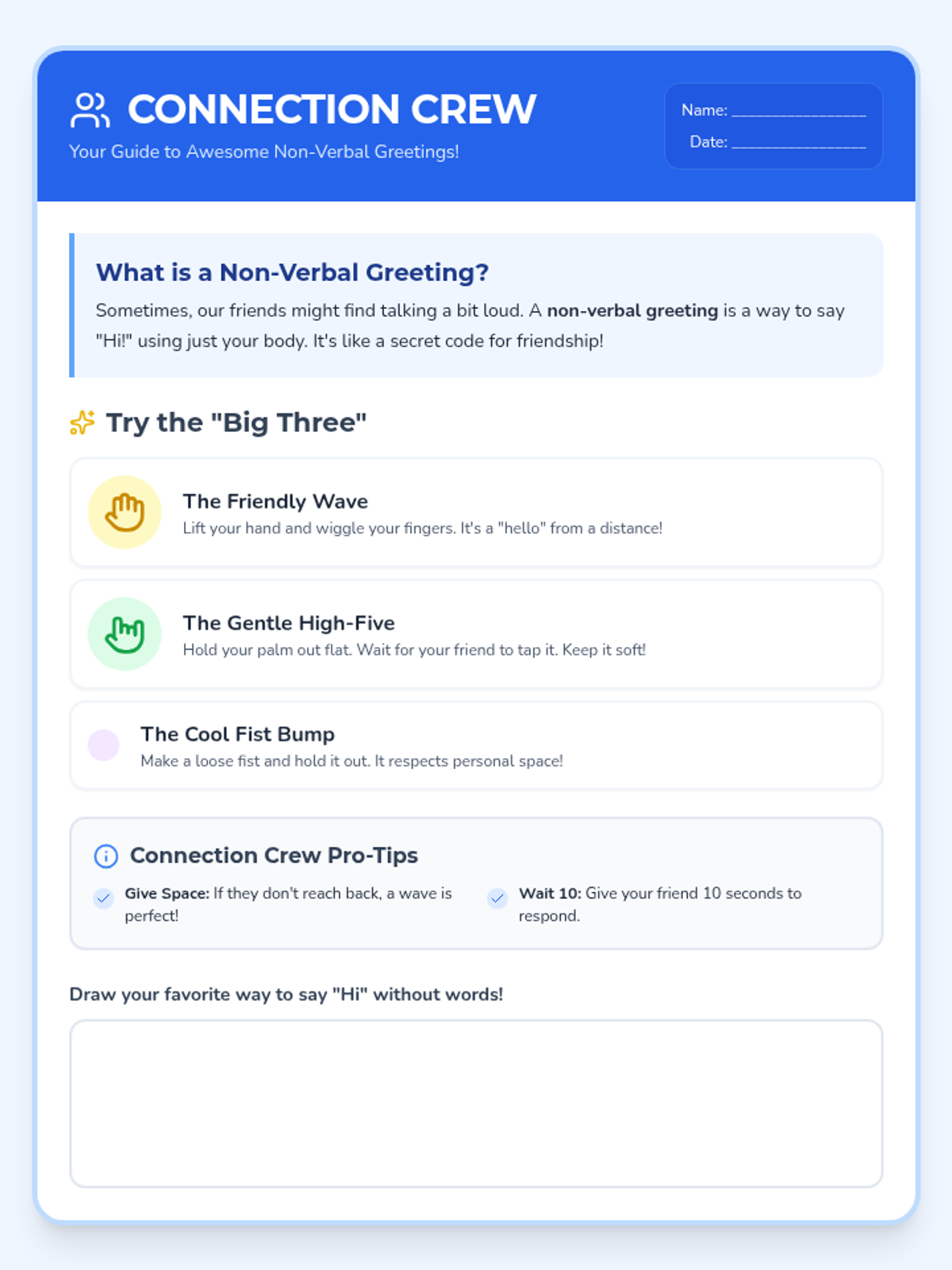
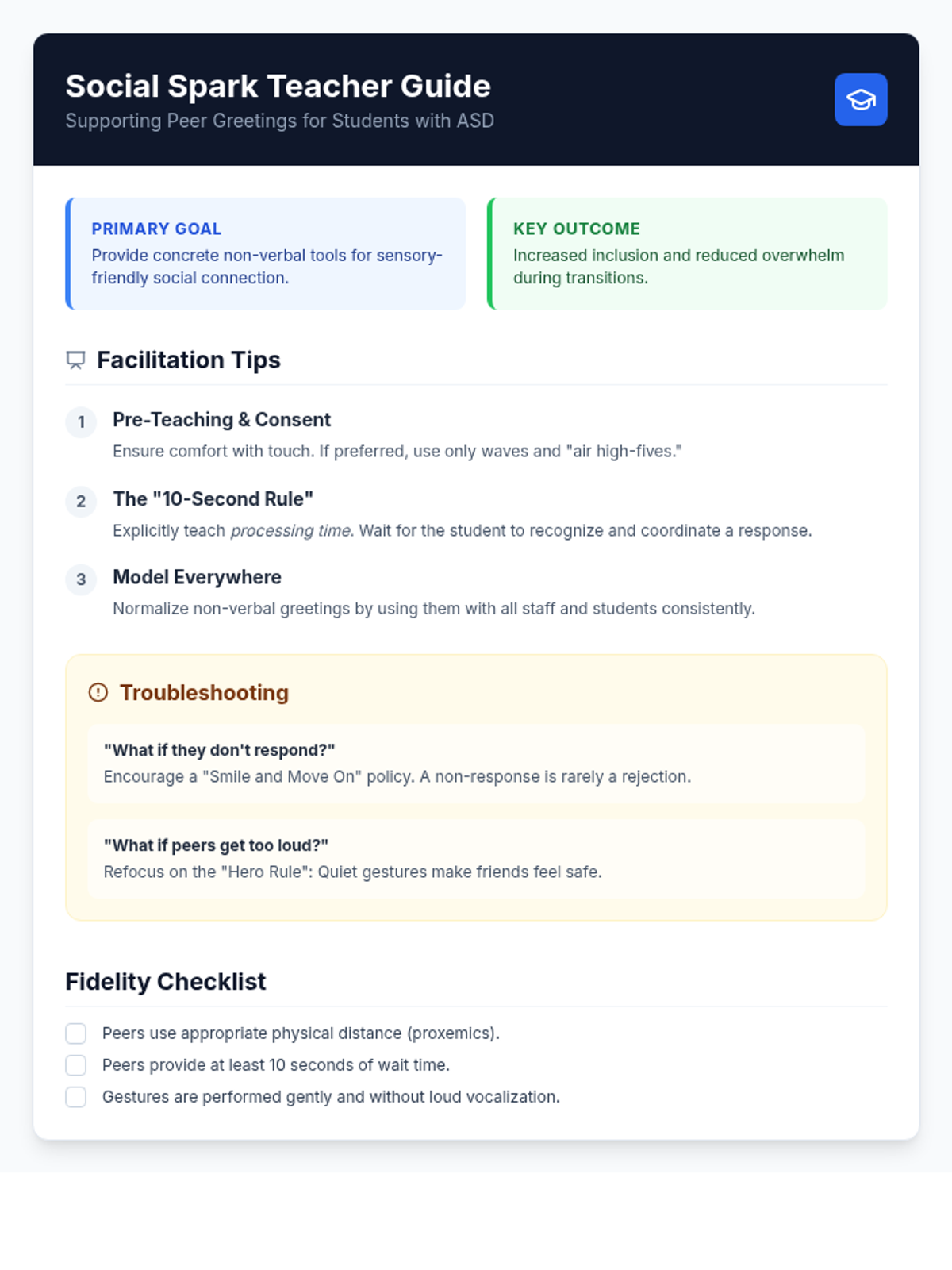
A lesson designed to teach peers how to use non-verbal gestures like waves and high-fives to greet students with ASD, fostering a supportive and inclusive classroom environment.
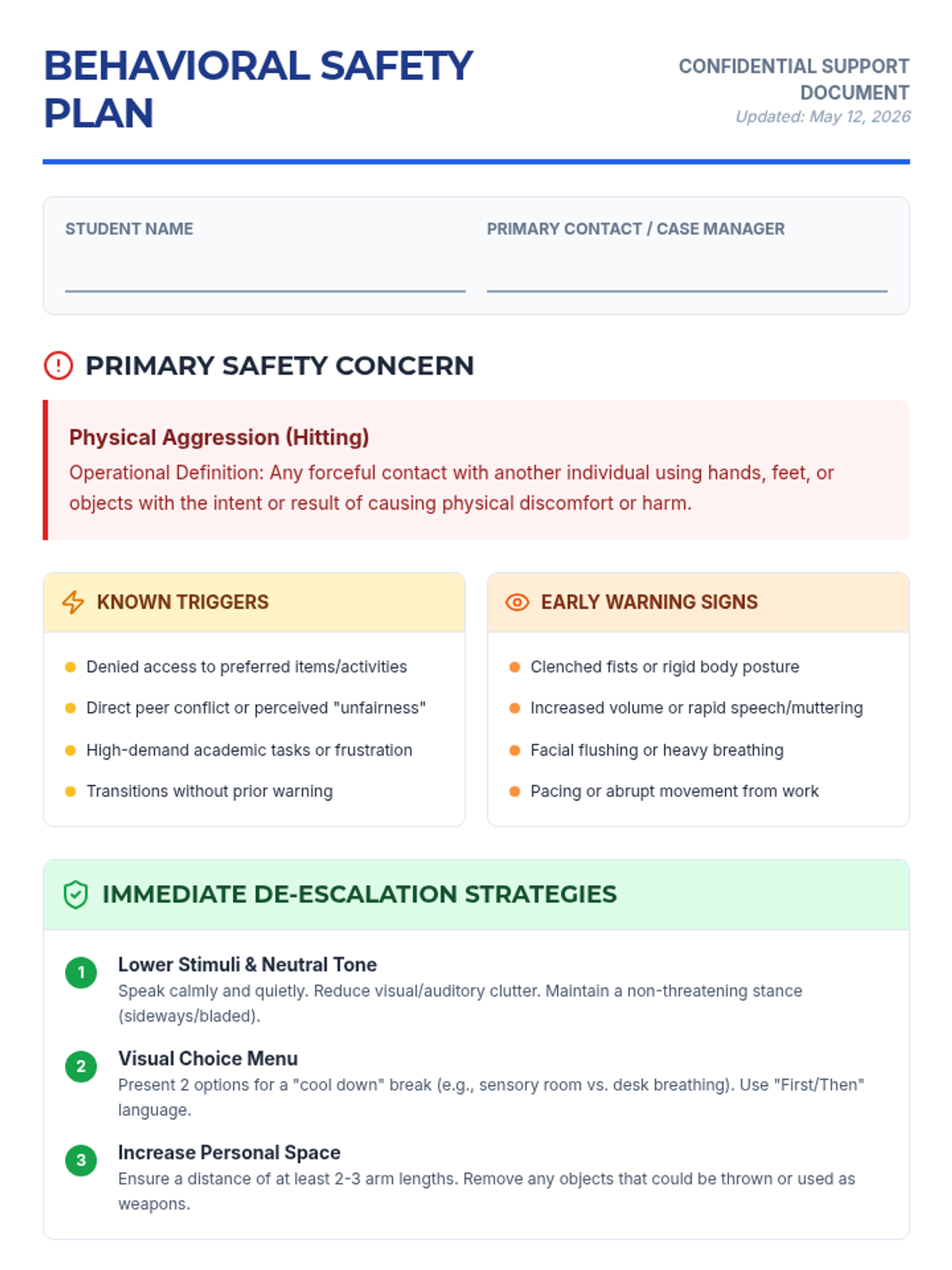
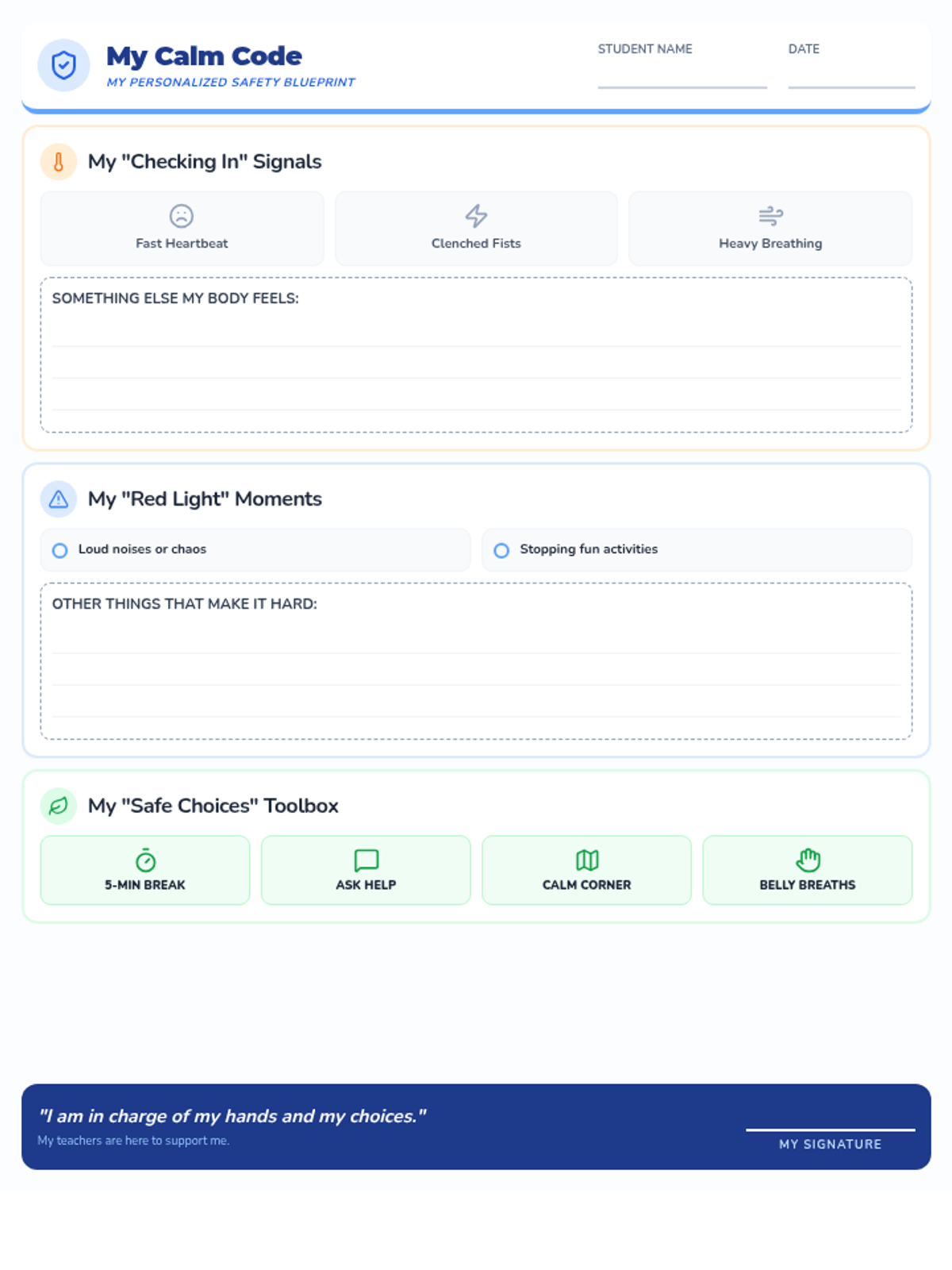
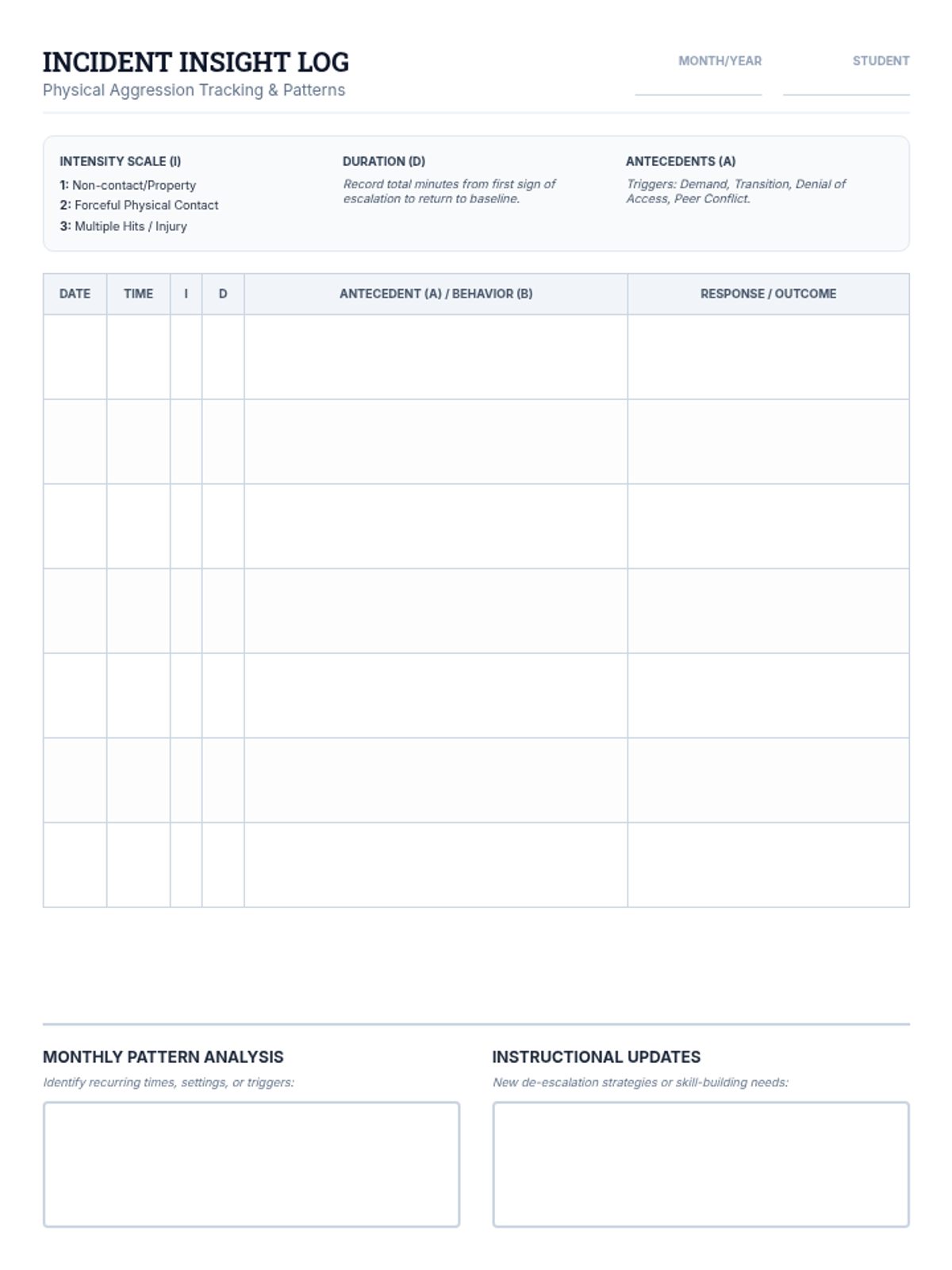
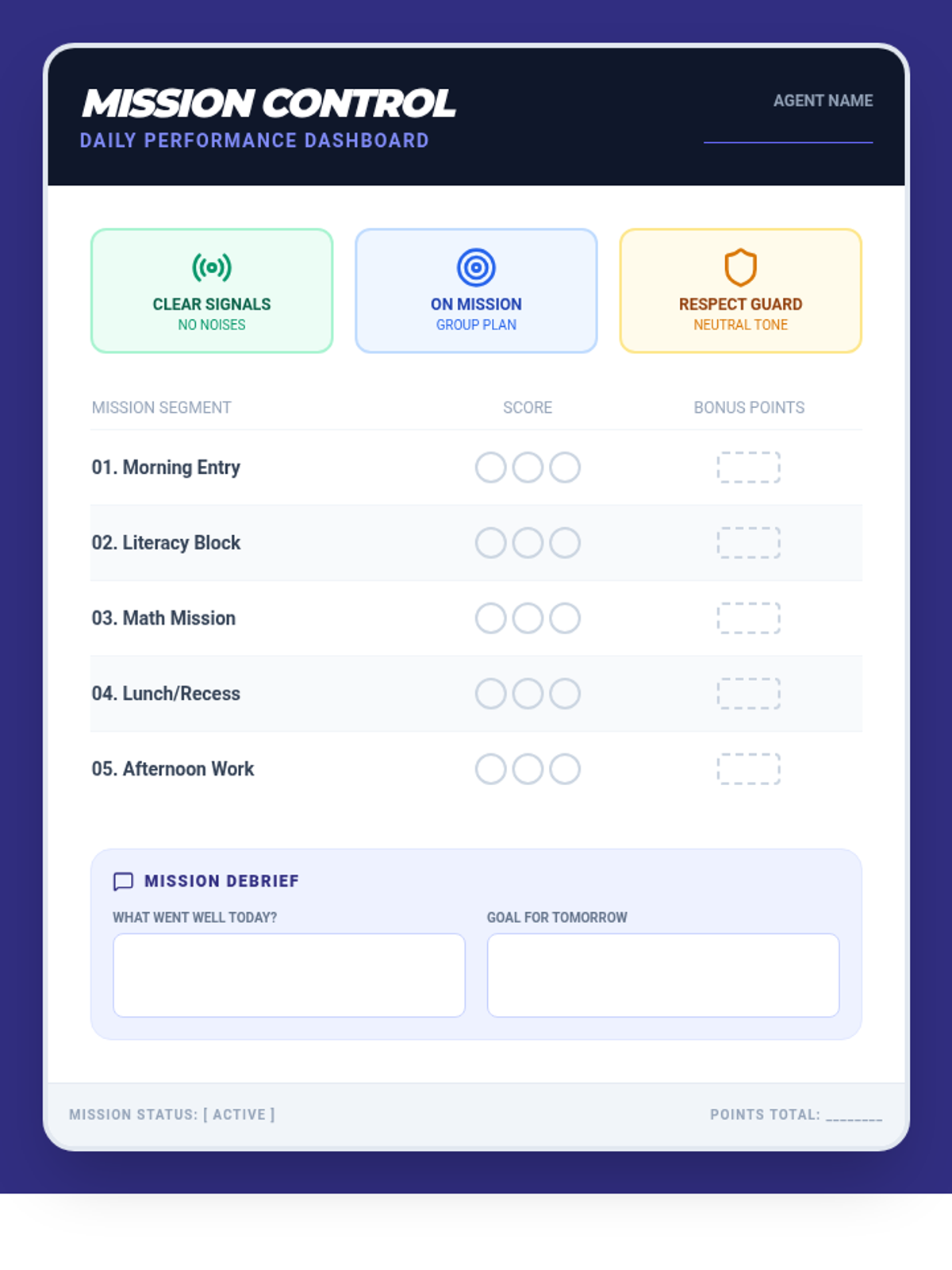
A comprehensive behavioral support package designed to manage and reduce physical aggression through proactive planning, student-led coping strategies, and consistent monitoring.
A final review and celebration of skills learned, focusing on generalizing behaviors to new settings.
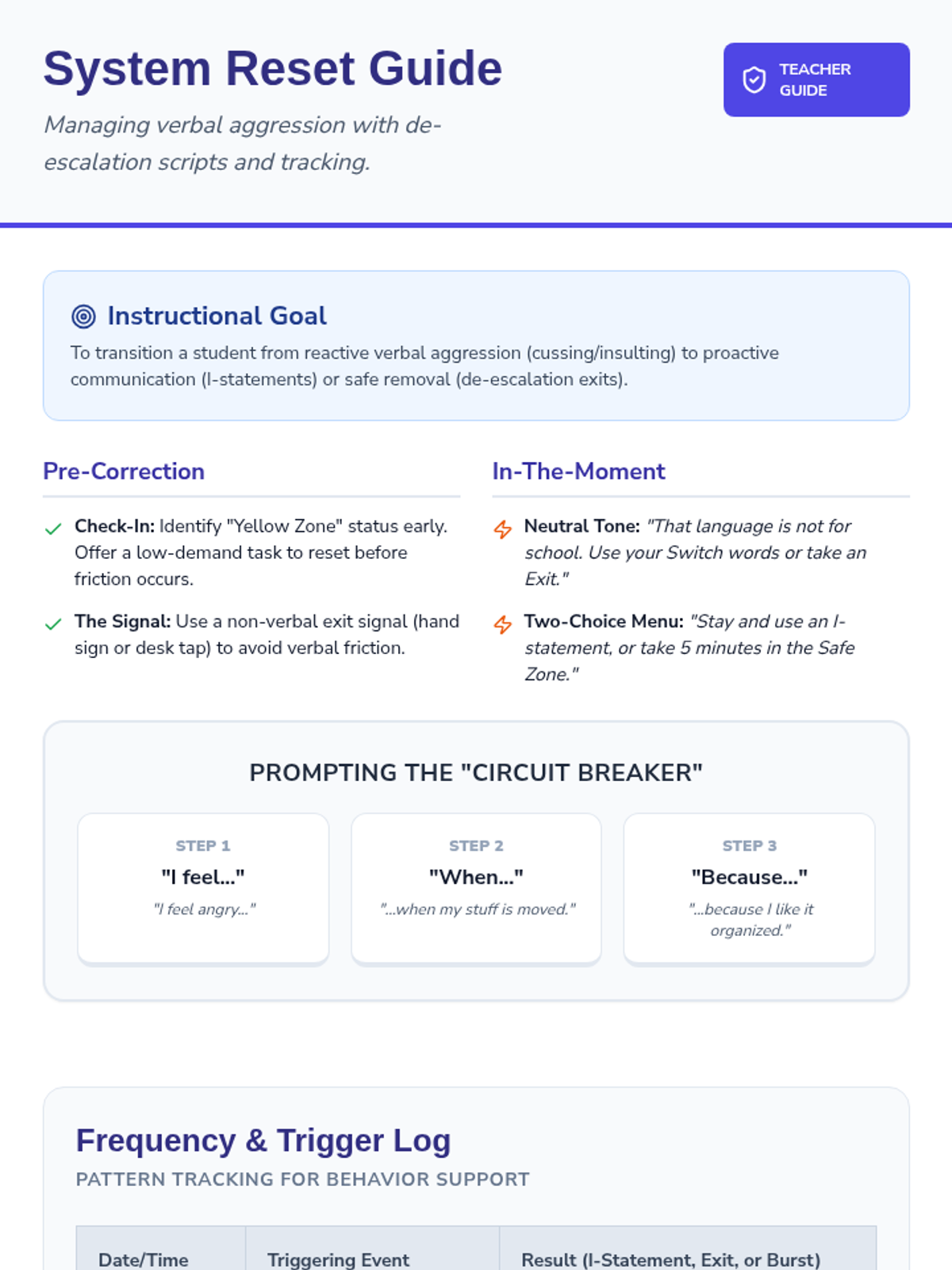
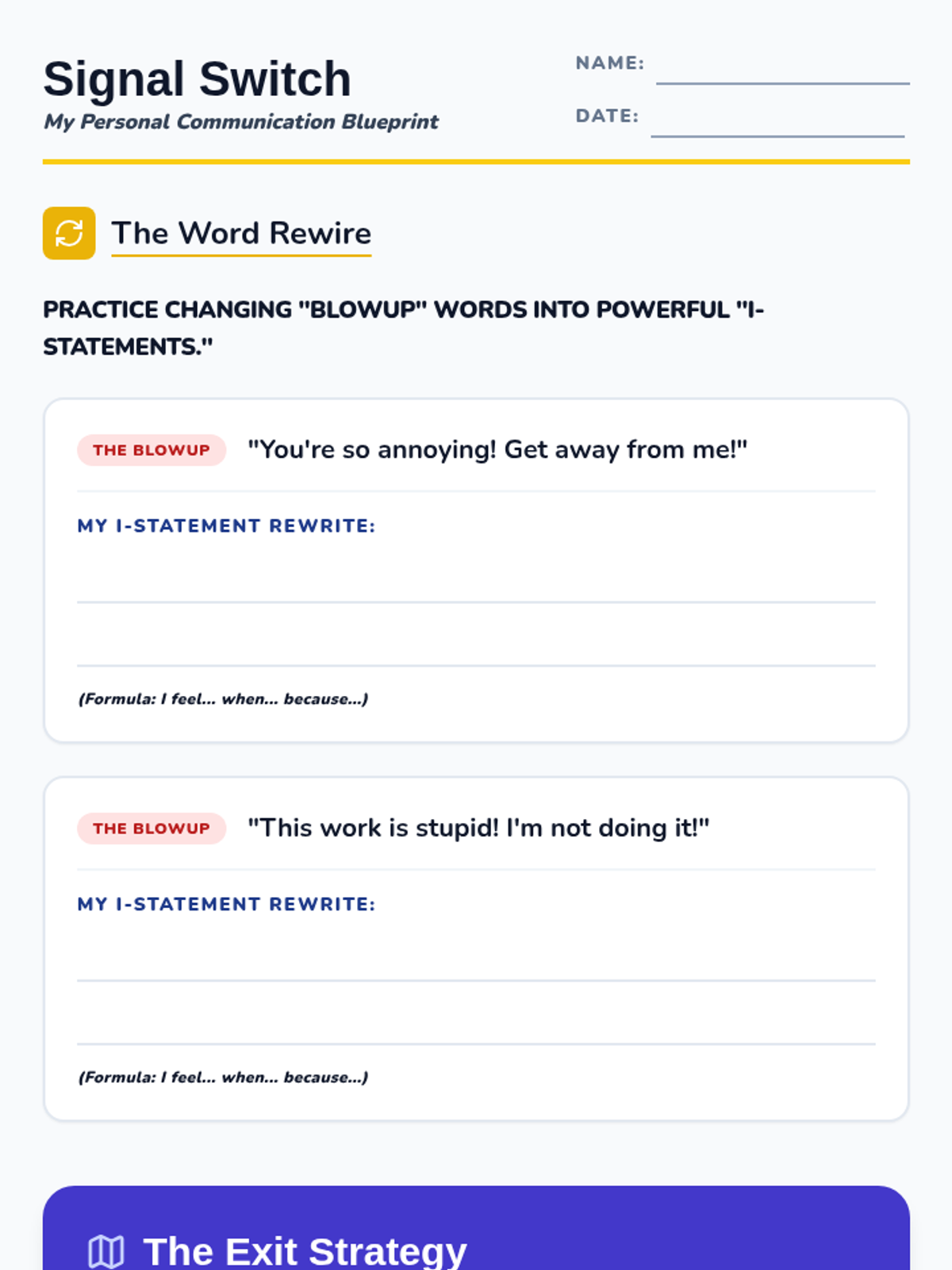
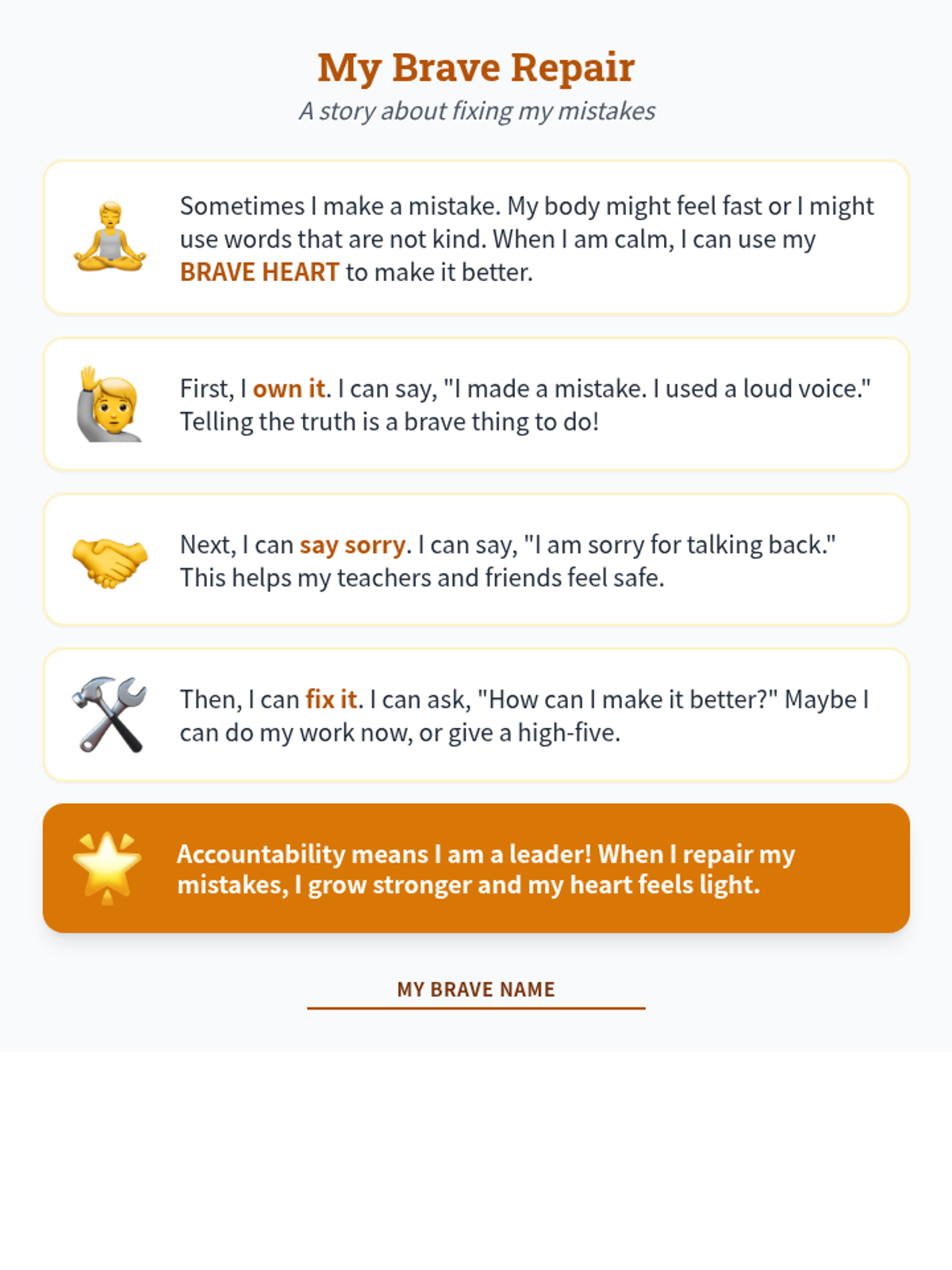
A lesson focused on teaching students with emotional challenges how to replace verbal aggression with 'I statements' and self-removal techniques. Includes strategies for de-escalation and practical communication tools.
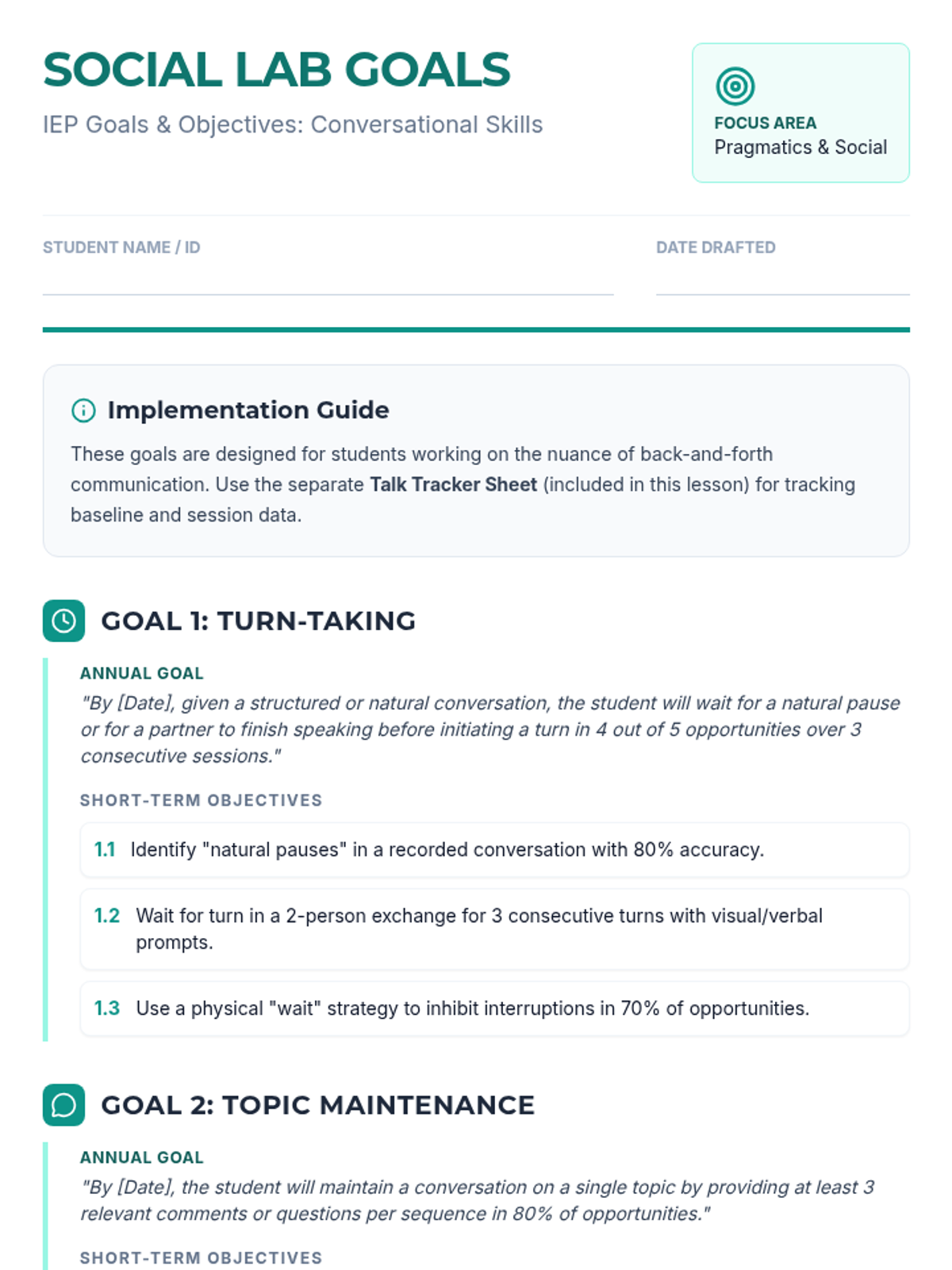
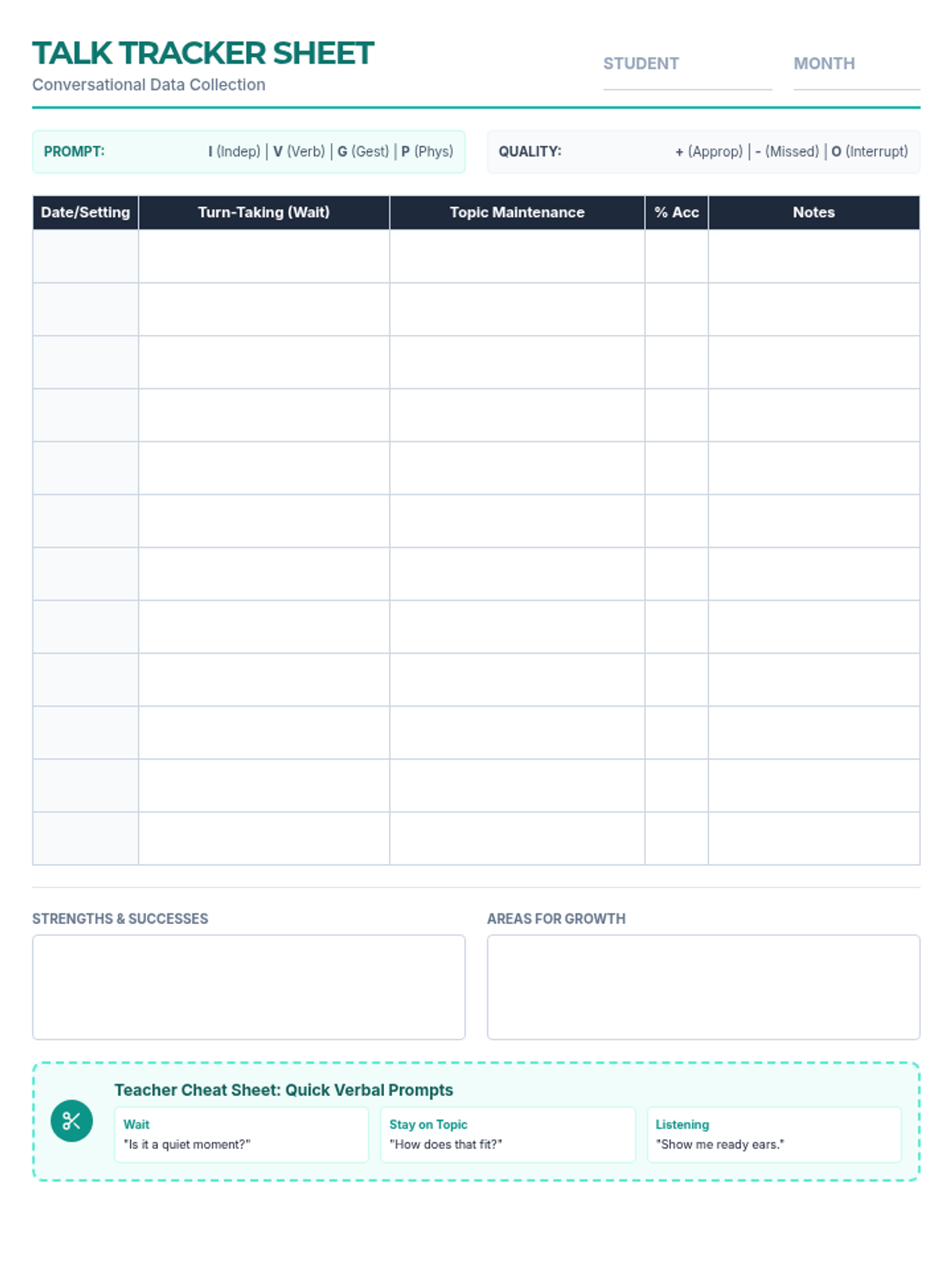
A set of resources designed to help SLPs and educators track and support student progress in conversational turn-taking, topic maintenance, and active listening.
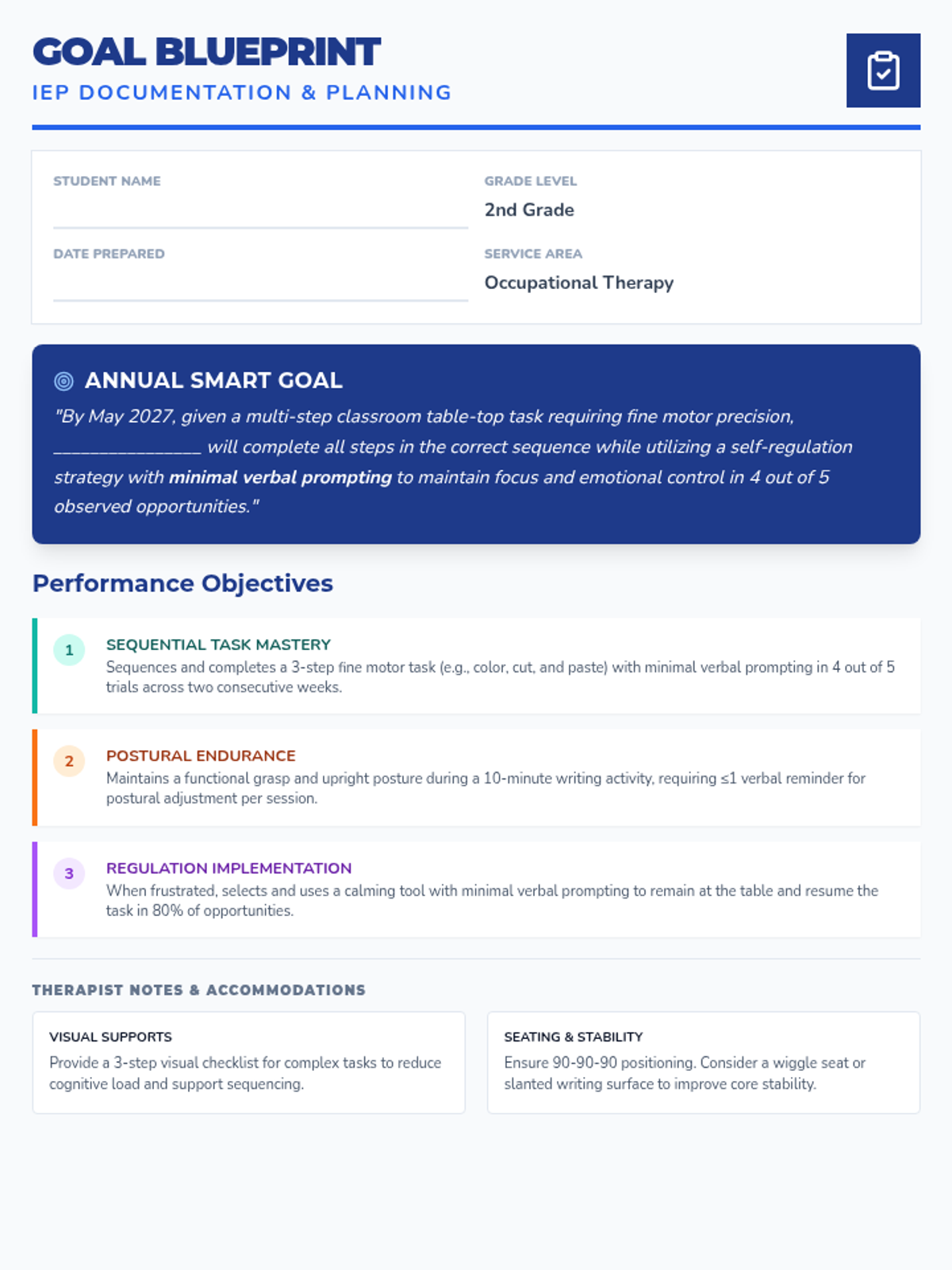
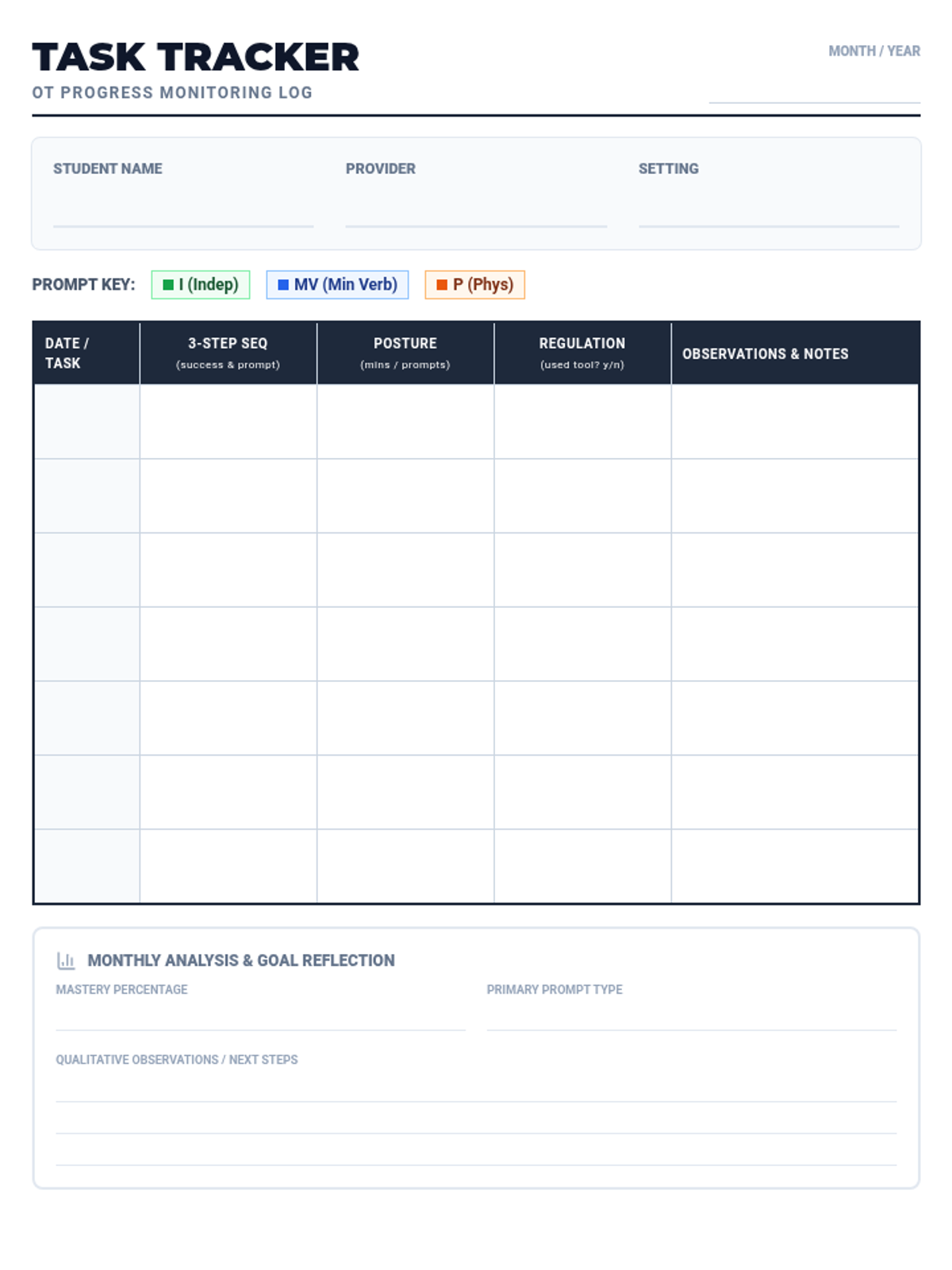
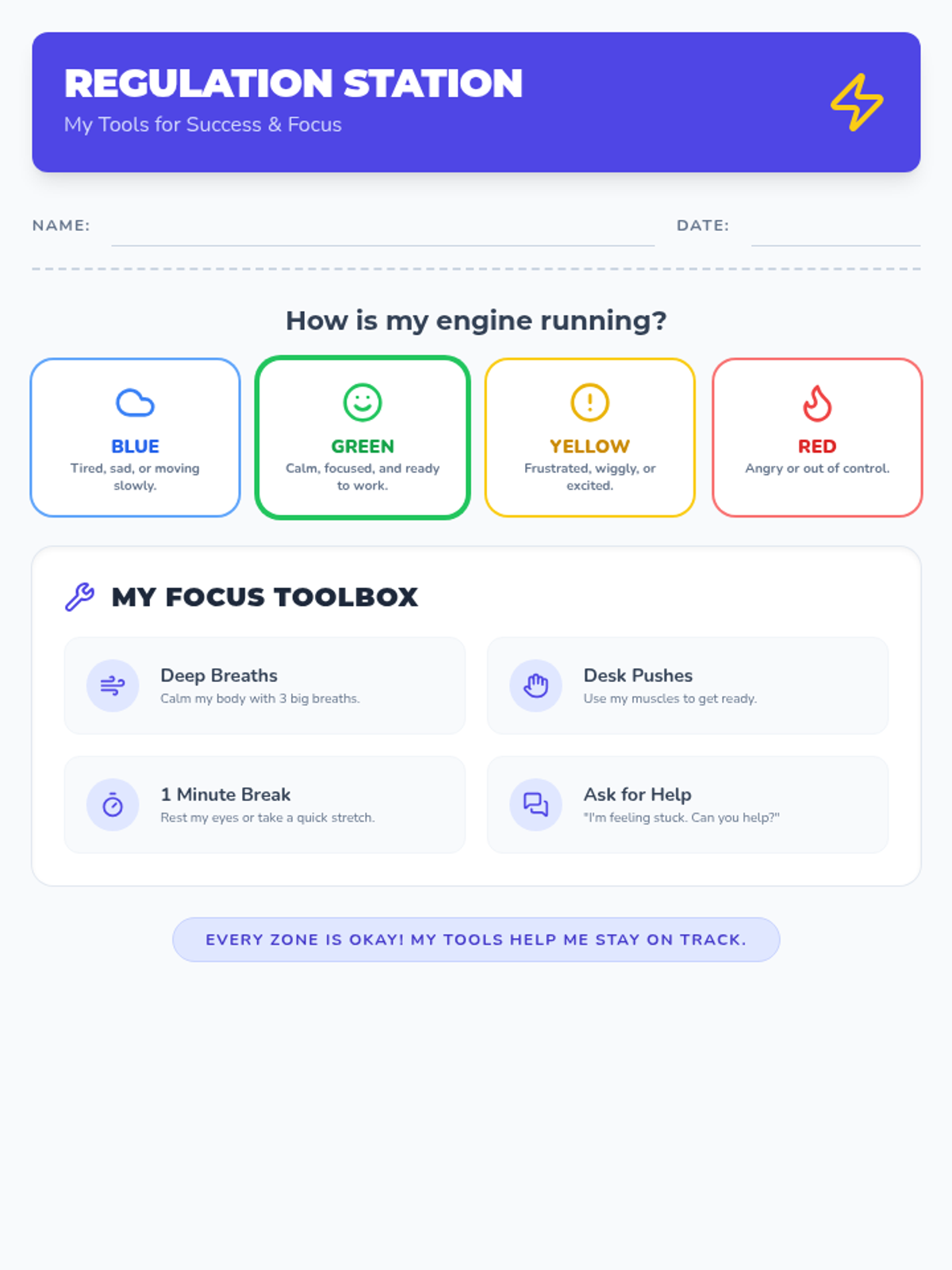
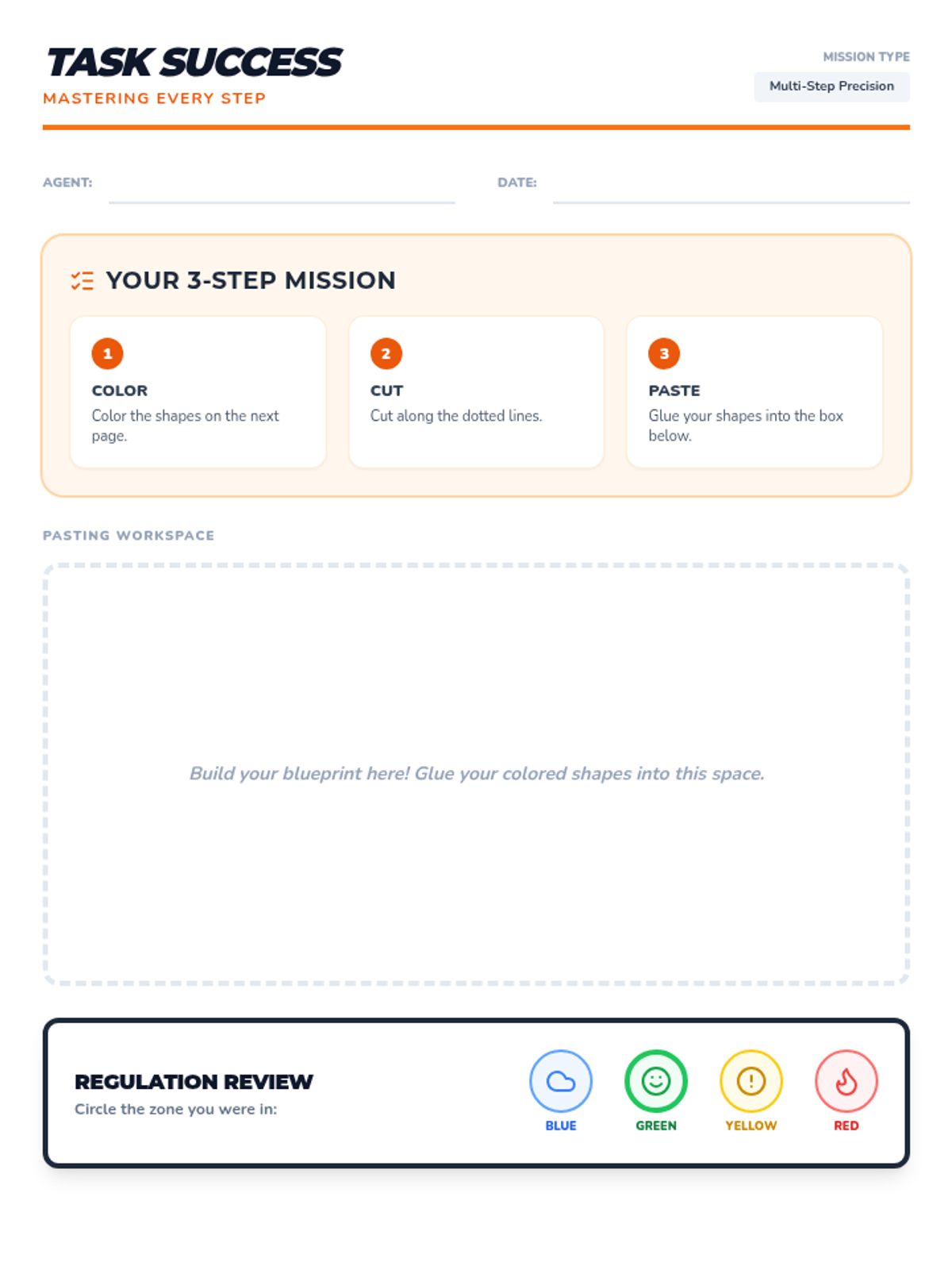
A comprehensive set of resources focused on developing fine motor endurance, executive functioning for multi-step tasks, and emotional regulation strategies for second-grade students.
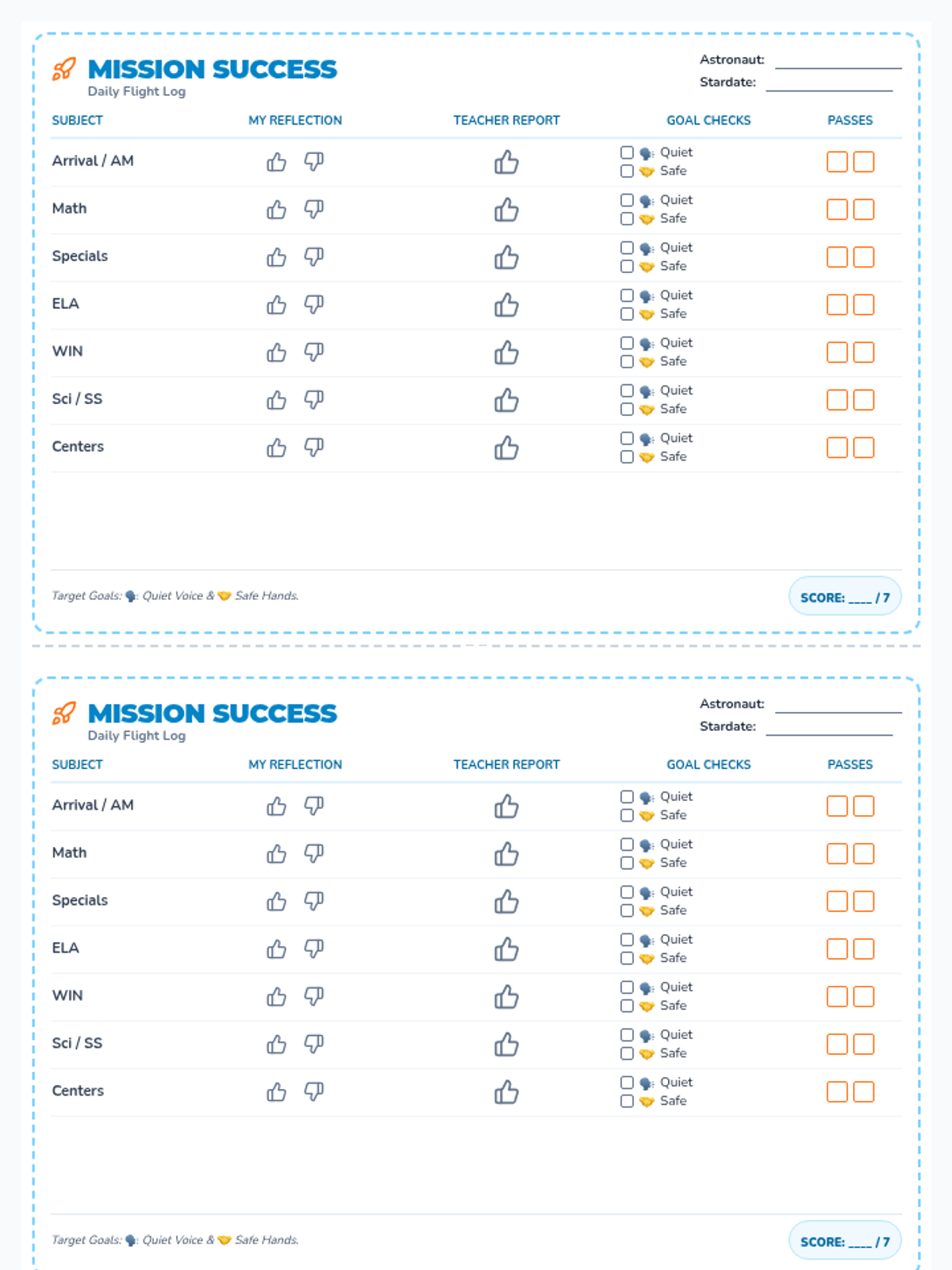
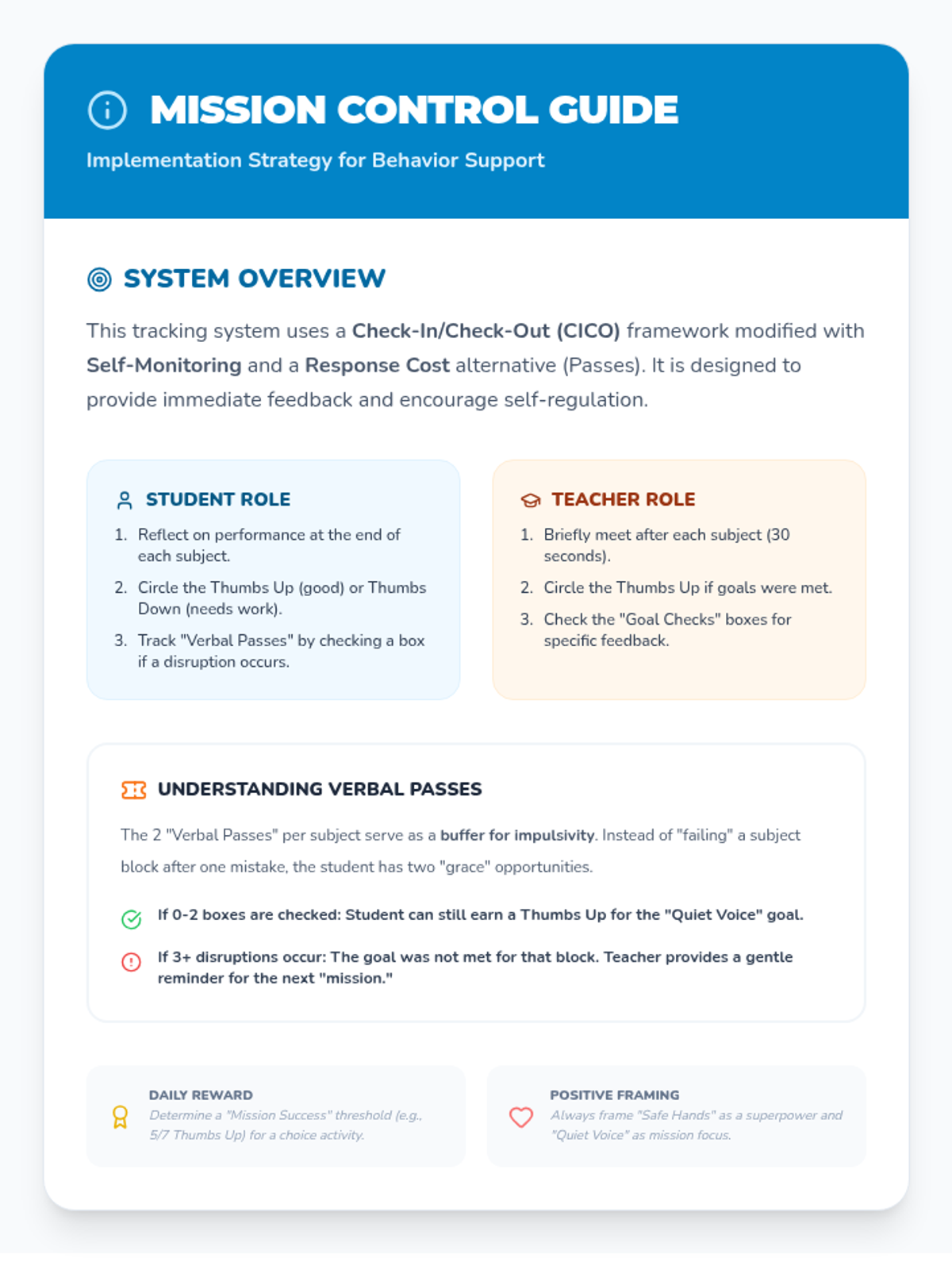
A daily behavior monitoring system using a Check-In/Check-Out (CICO) framework, tailored for a 3rd-grade student with specific behavior goals and self-regulation tools.
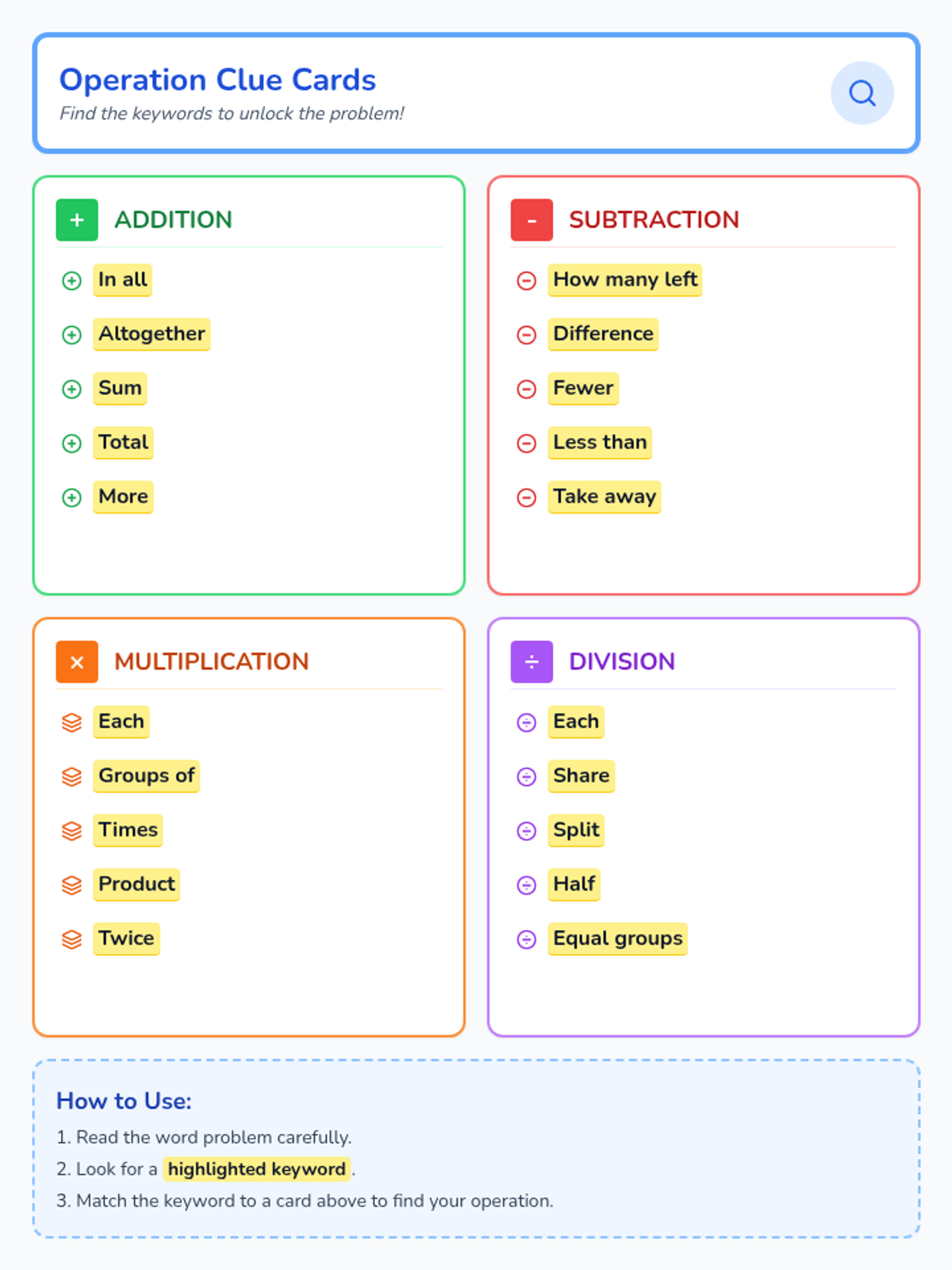
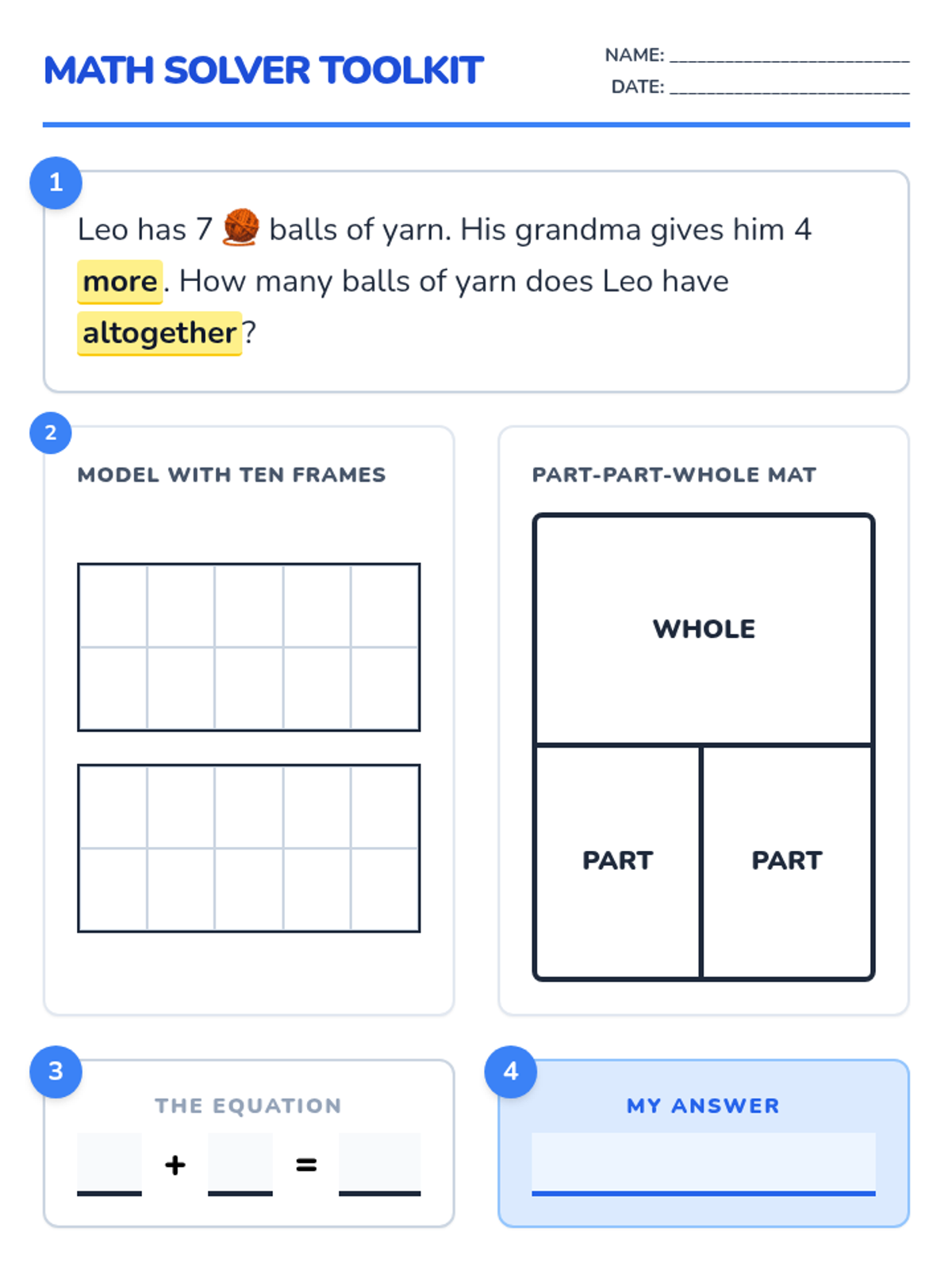
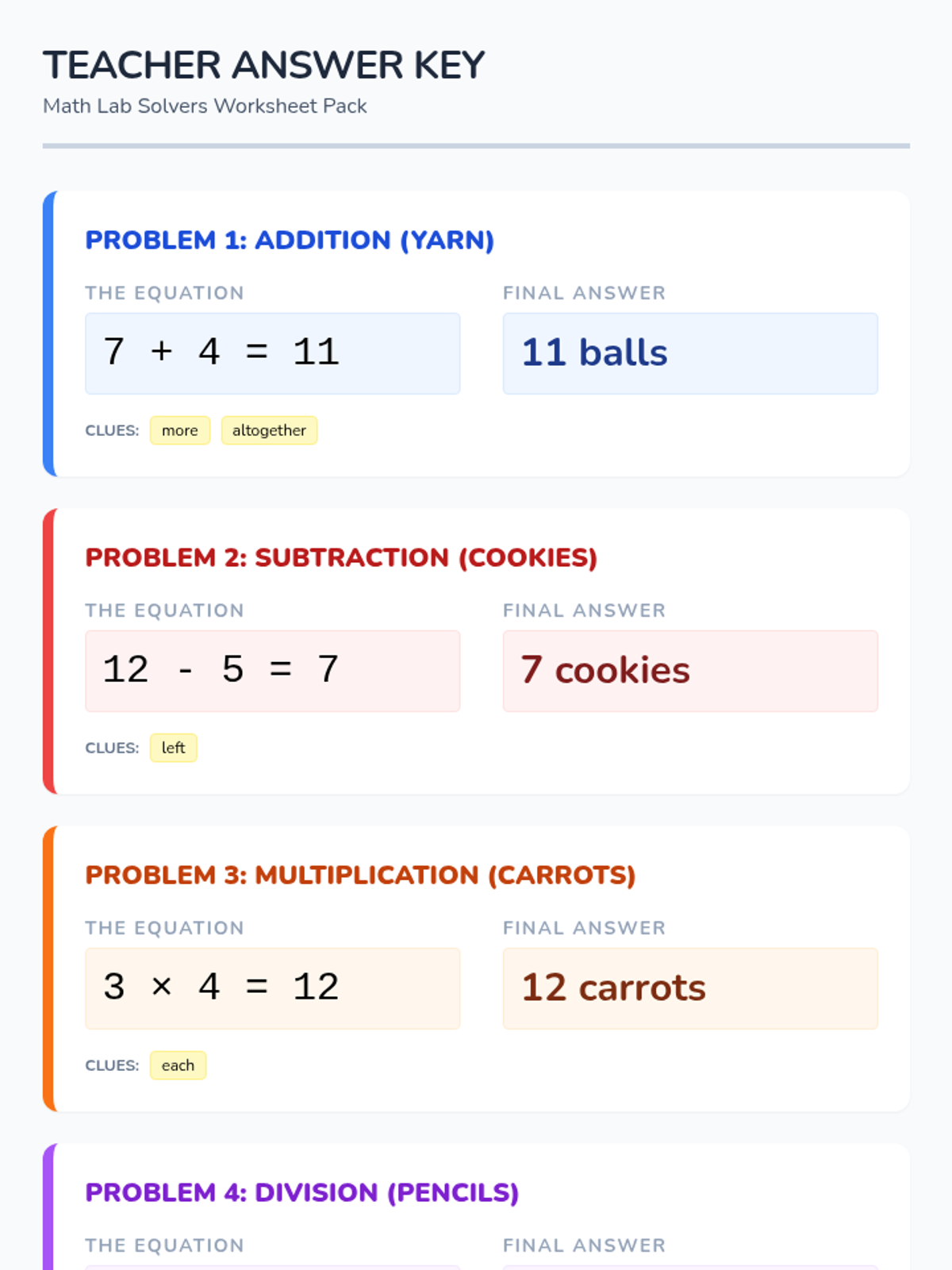
A guided problem-solving lesson for students with IEPs, focusing on using visual tools like ten frames and part-part-whole mats to solve one-step word problems involving all four operations. The lesson emphasizes keyword identification and structured step-by-step processing.
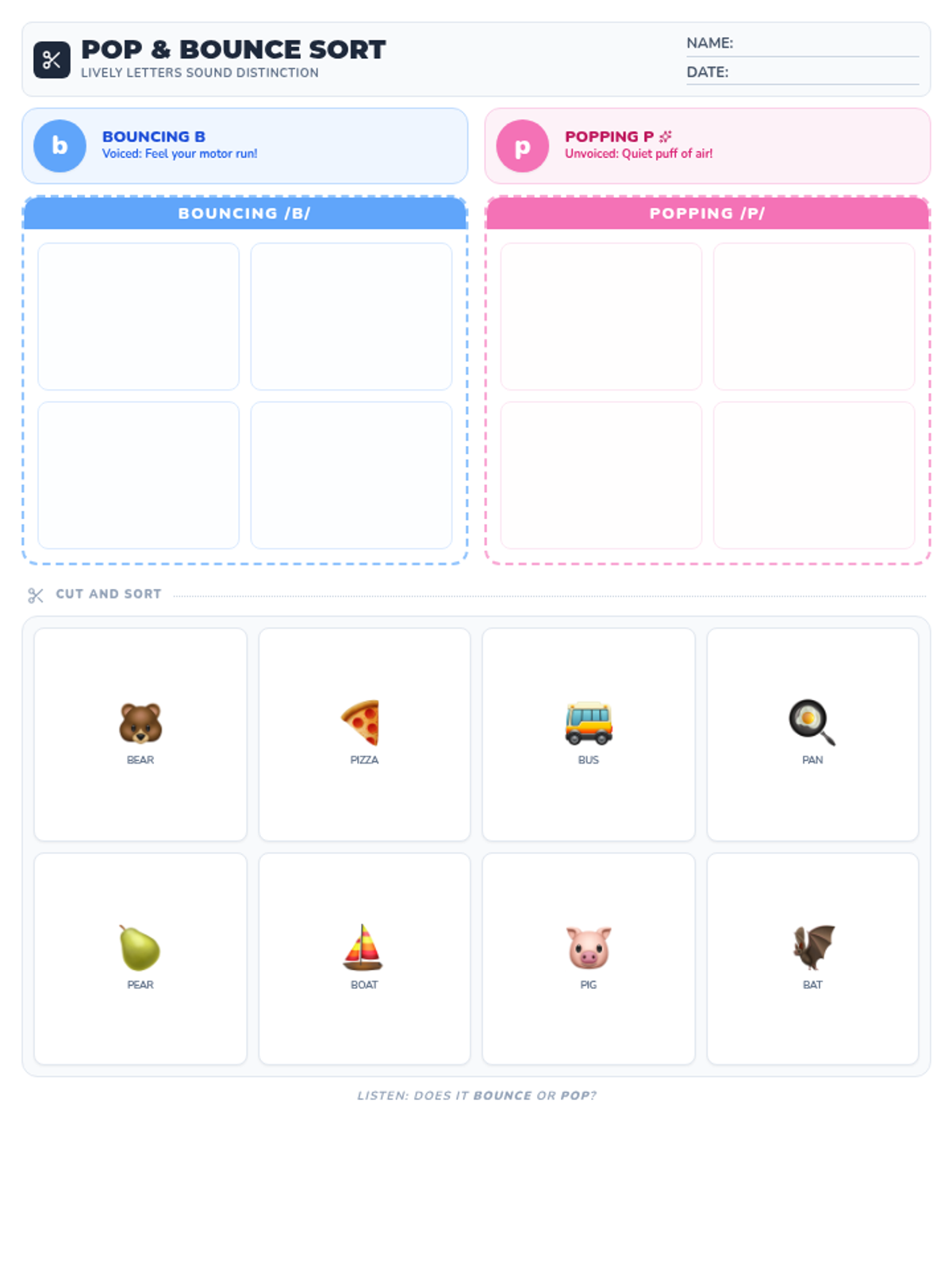
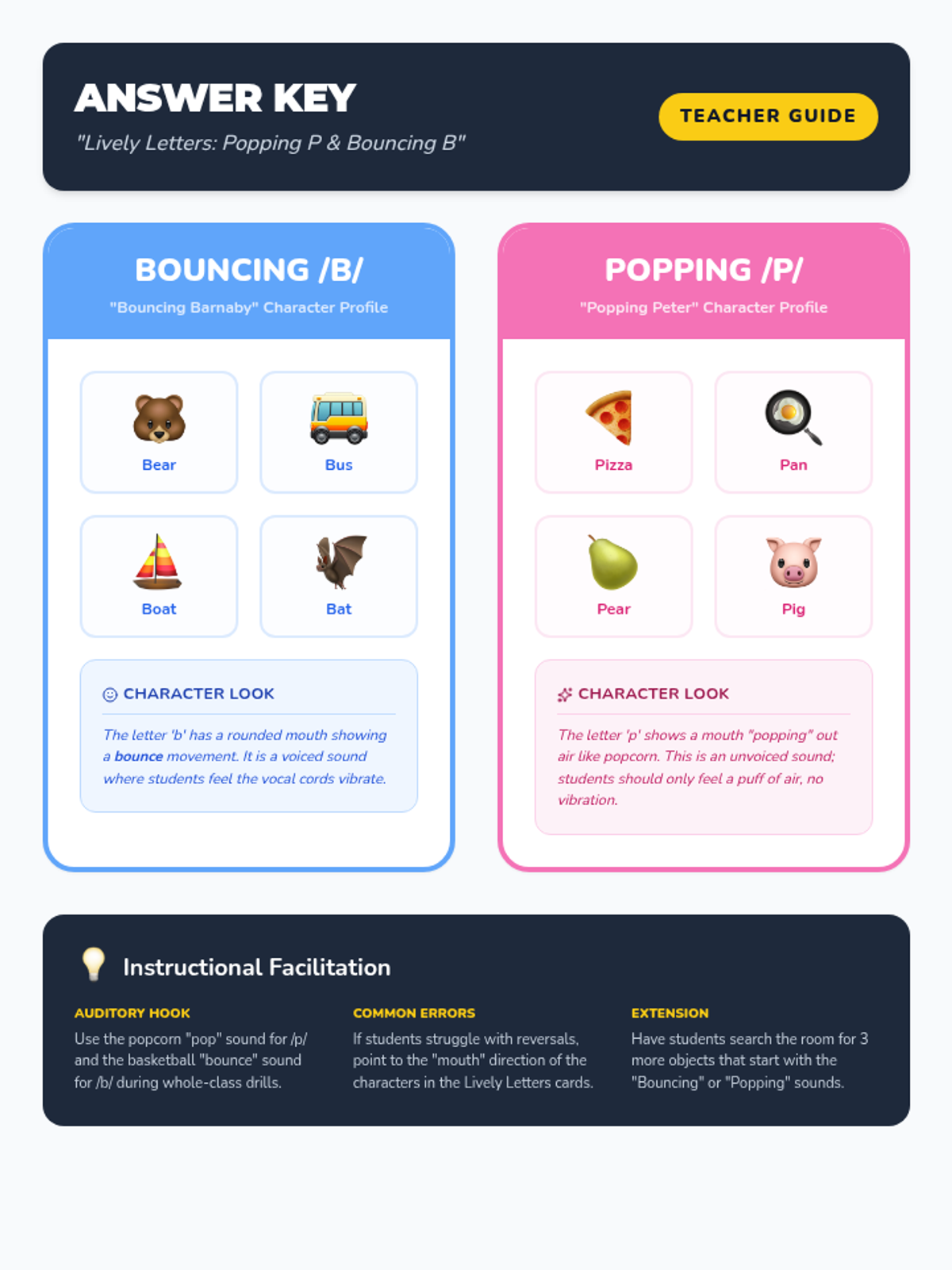
A hands-on phonics activity focusing on the distinction between the 'b' and 'p' sounds using Lively Letters characters and color-coded visual cues. Students will sort pictures based on their initial sounds to reinforce phonemic awareness and letter-sound correspondence.
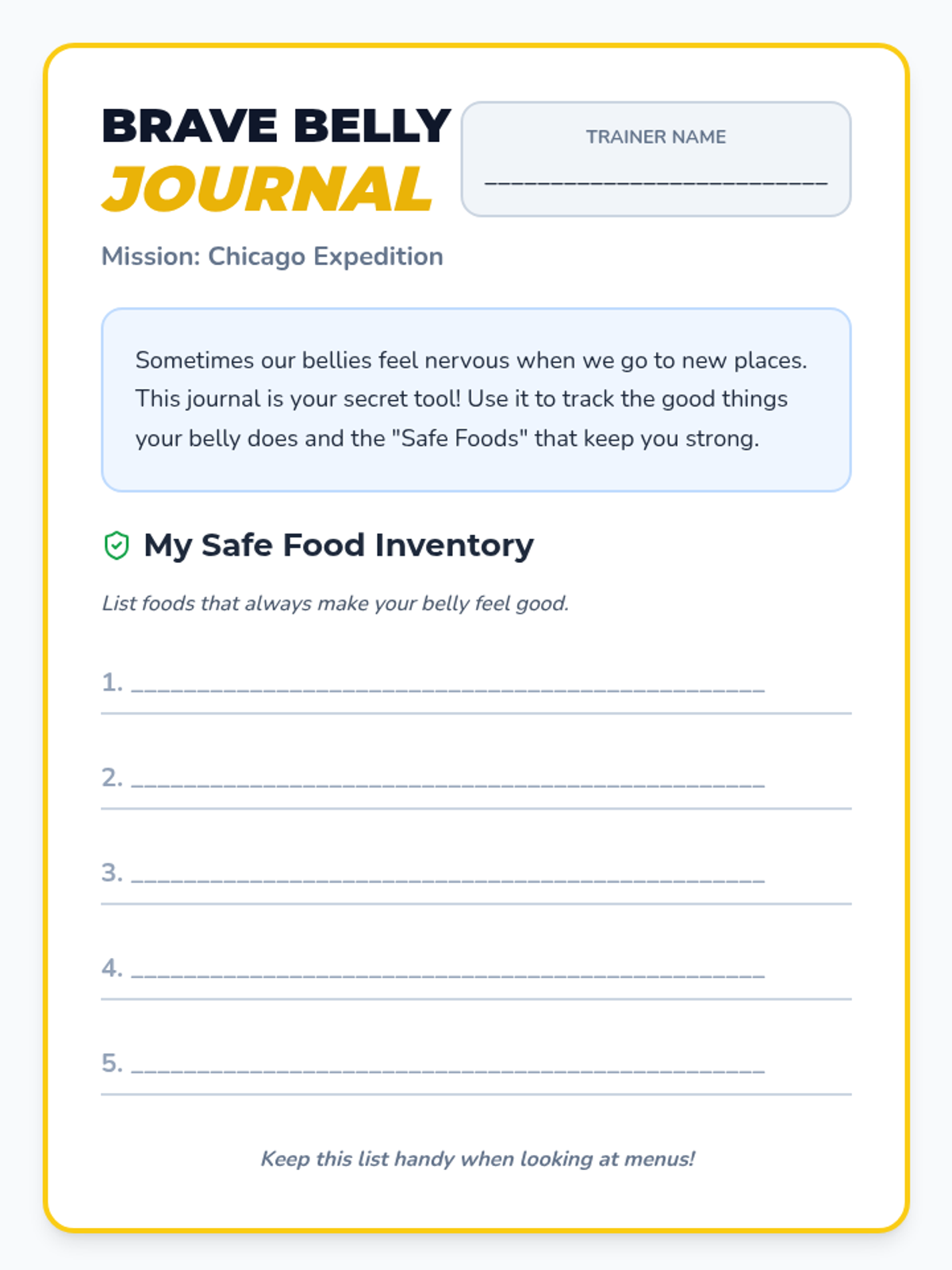
Resources focused on the transition from Boston to Chicago and strategies for managing food-related anxiety during the trip.
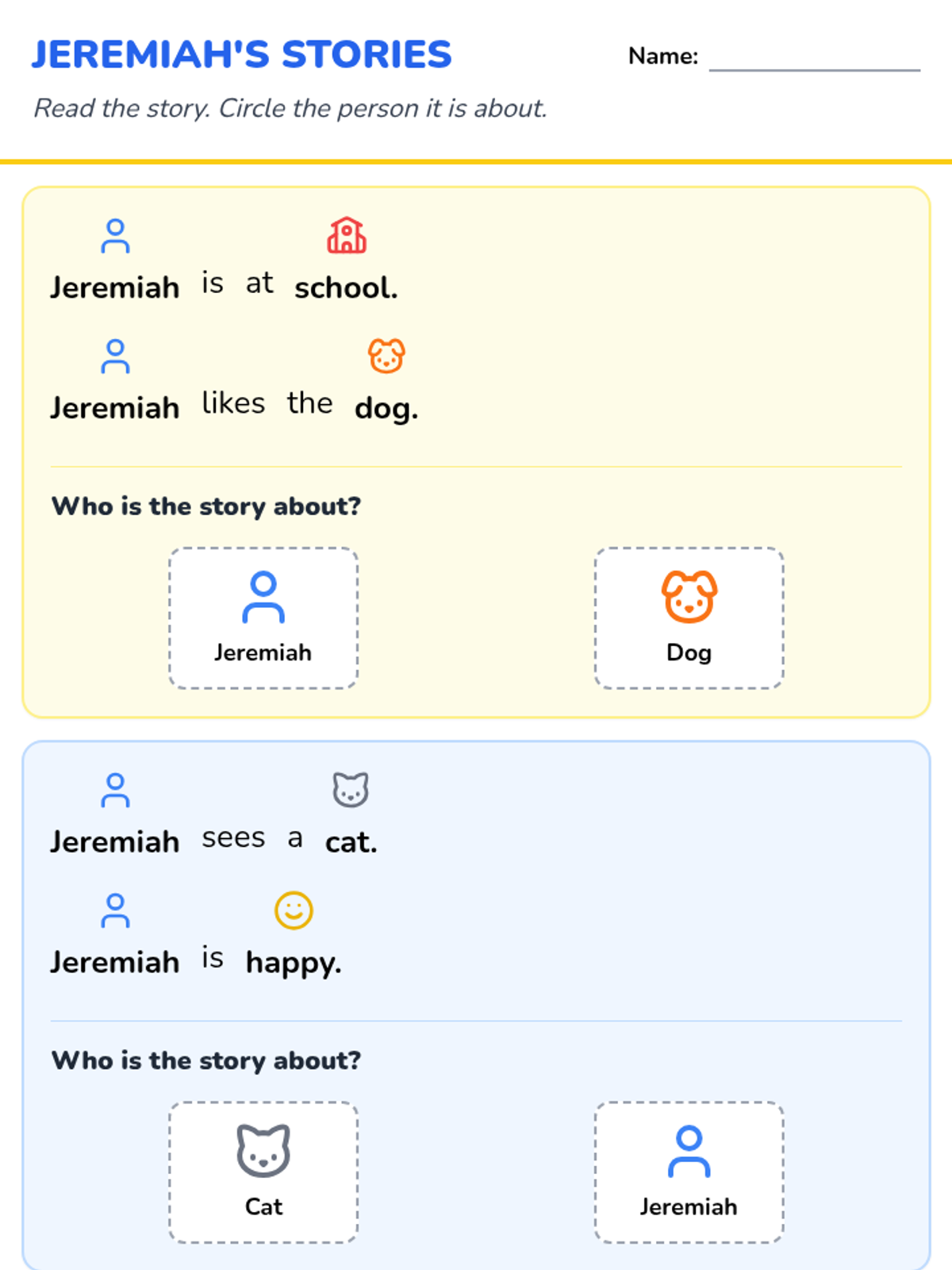
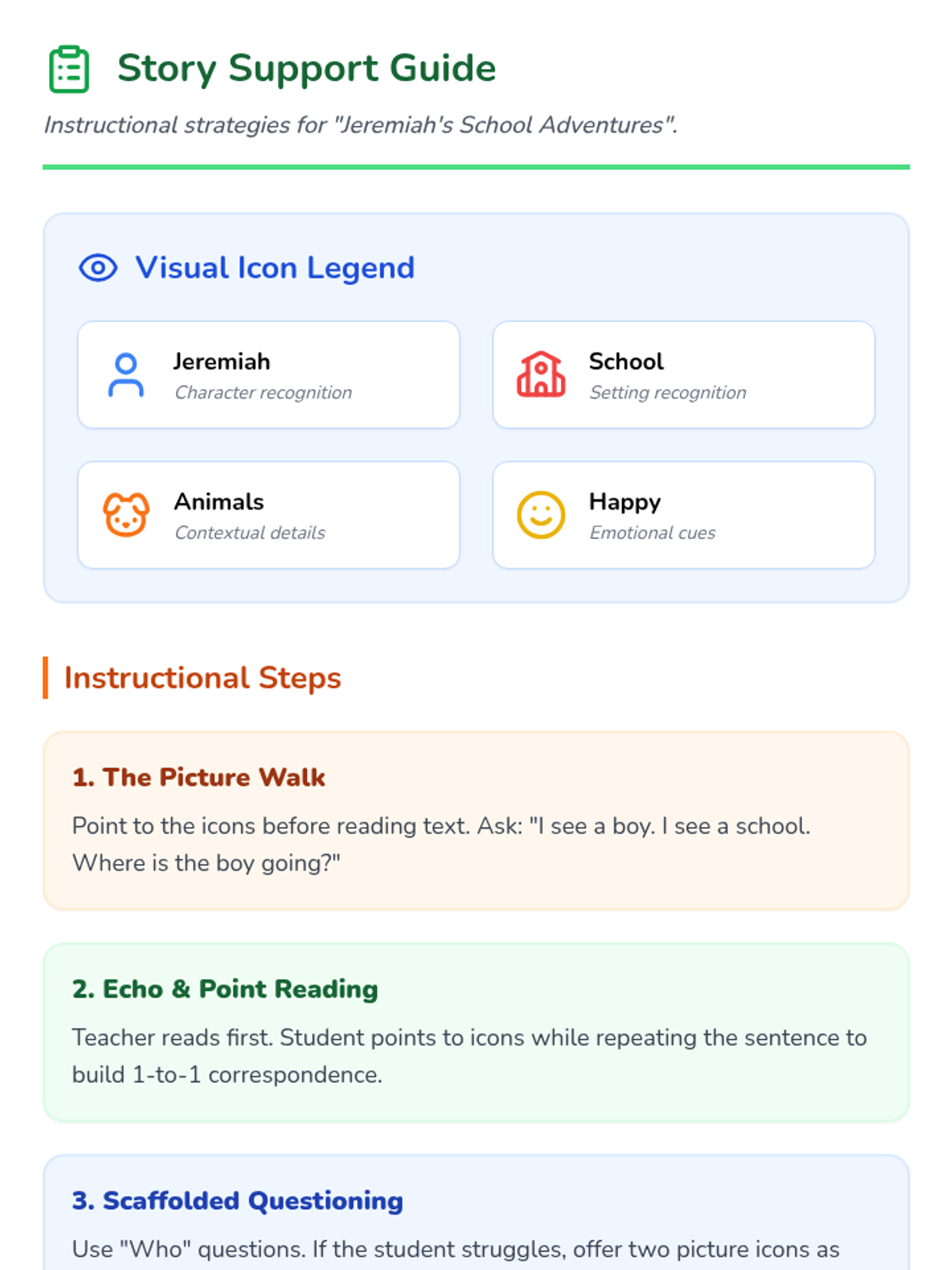
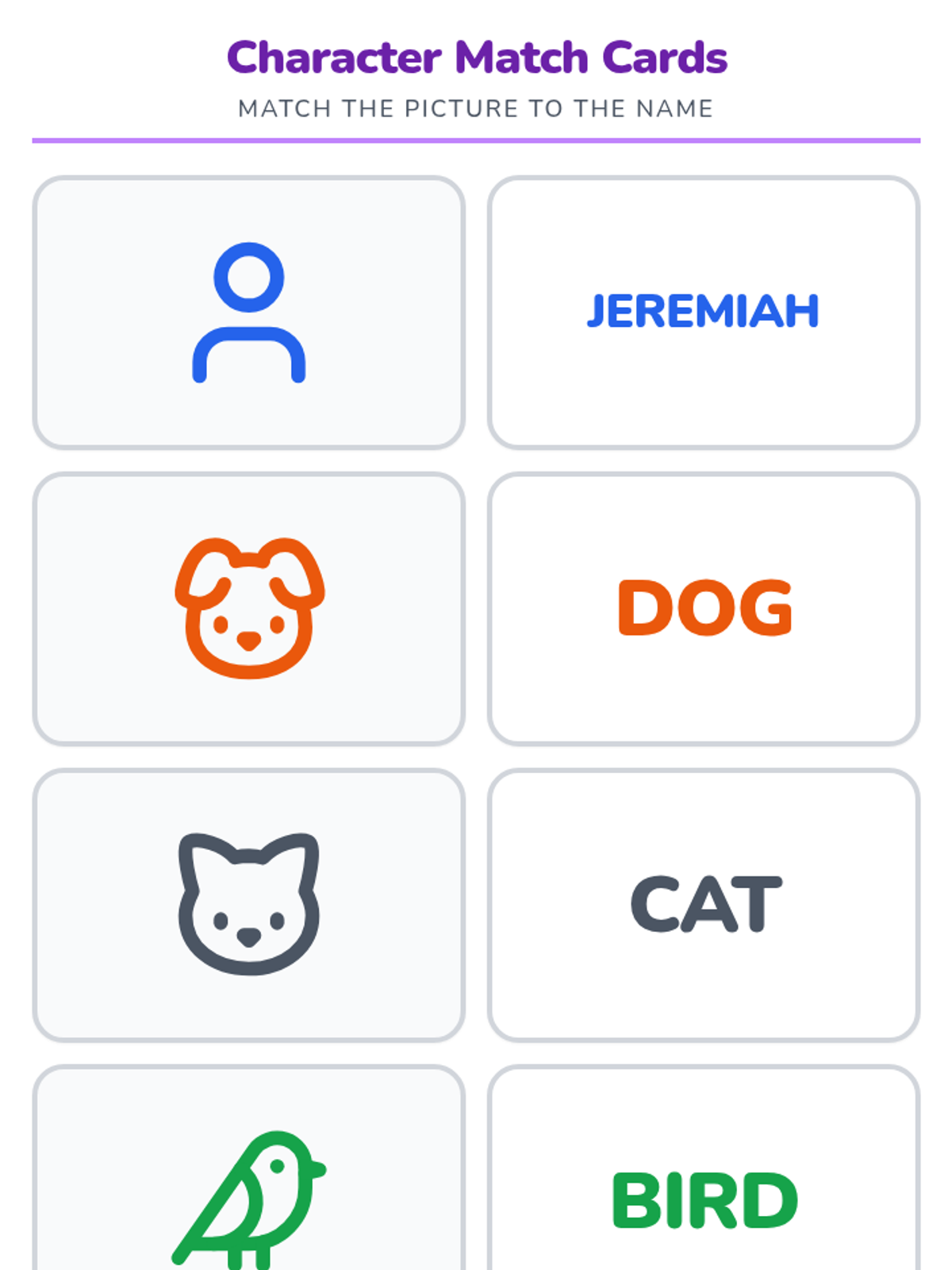
This lesson introduces Jeremiah and uses simple stories to help students practice identifying the main character using visual supports and picture icons.
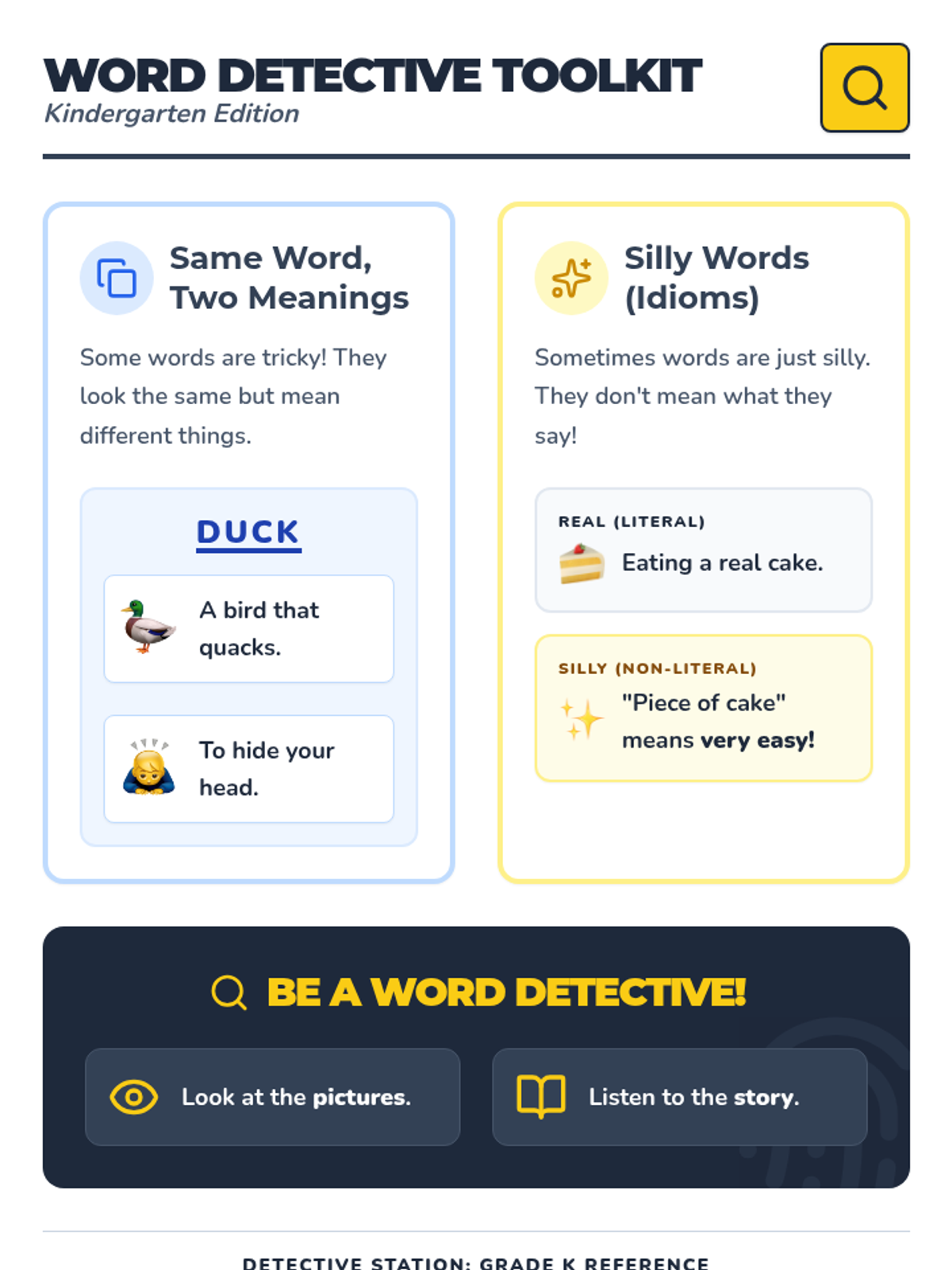
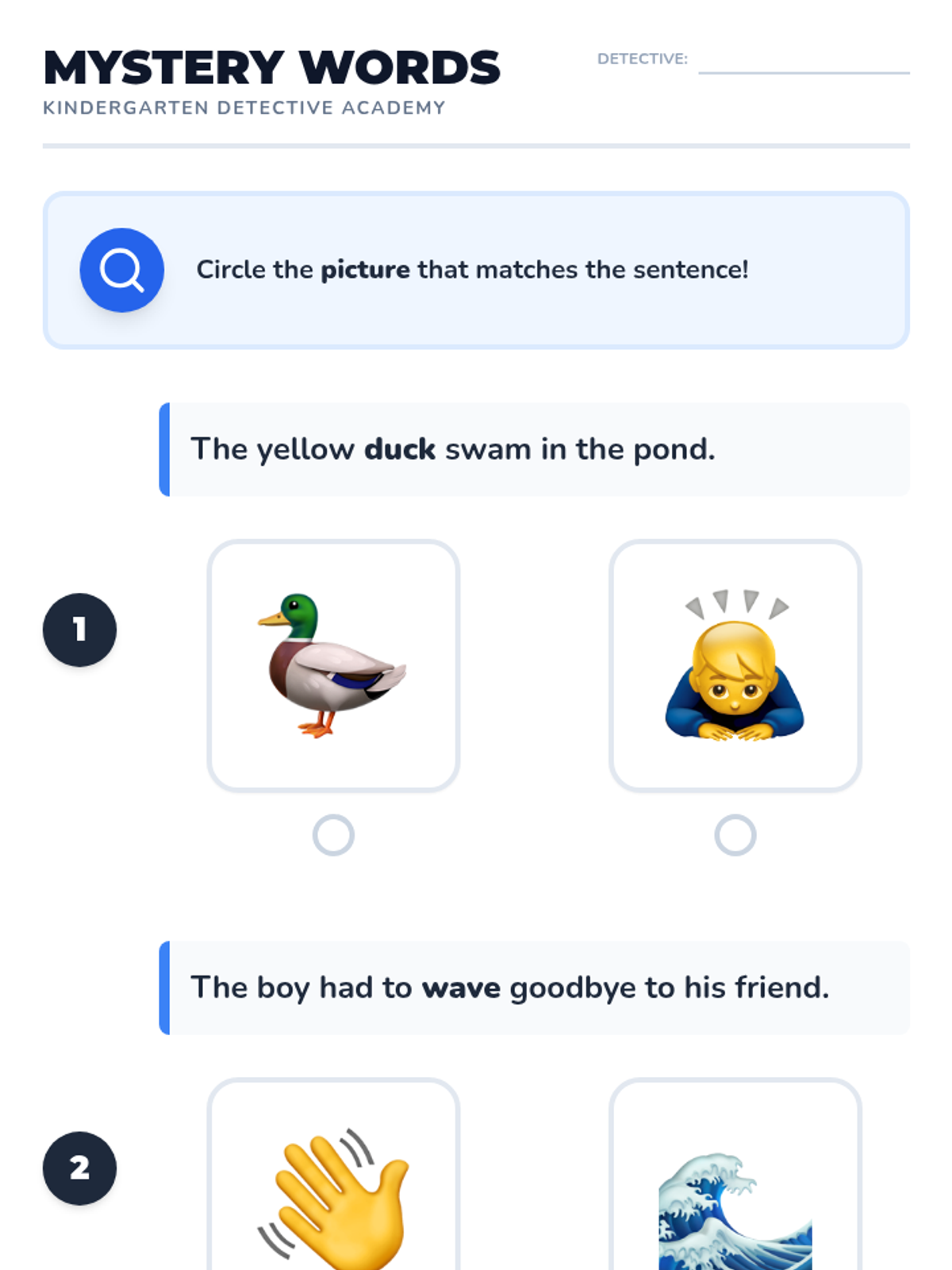
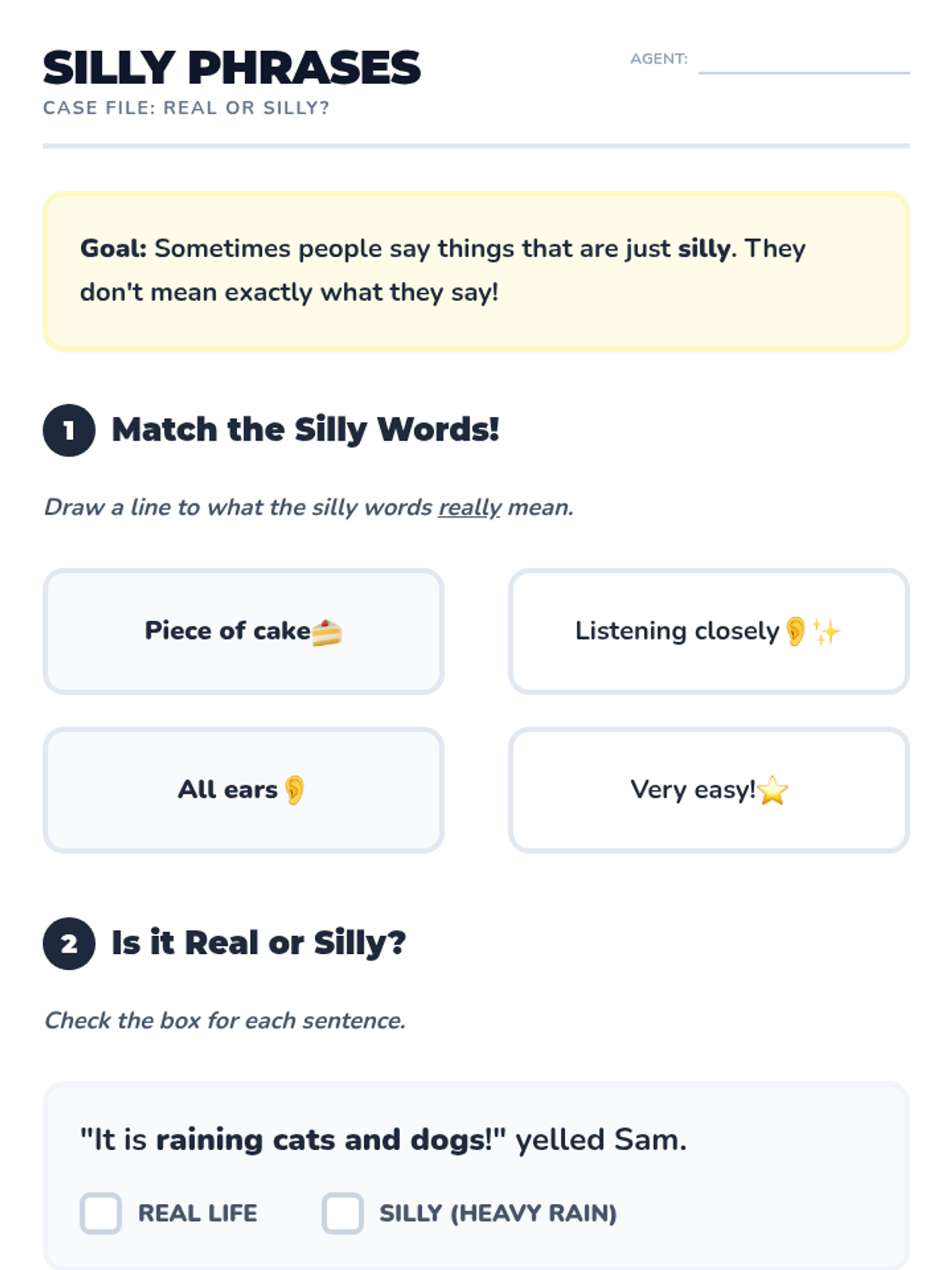
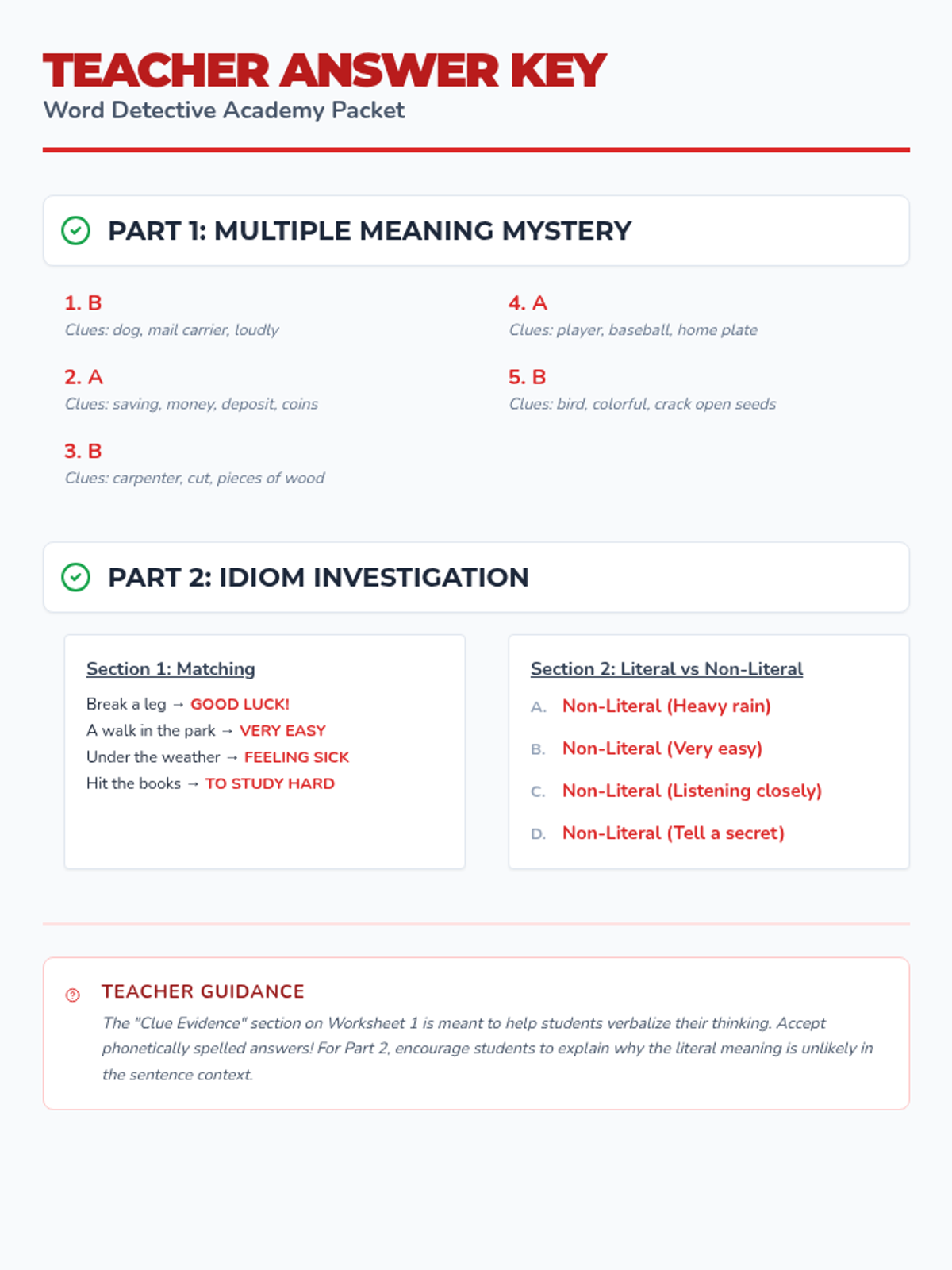
A focused set of activities for EC students to master multiple meaning words and idioms through a detective-themed investigation. Students use context clues to solve linguistic mysteries and distinguish between literal and figurative language.
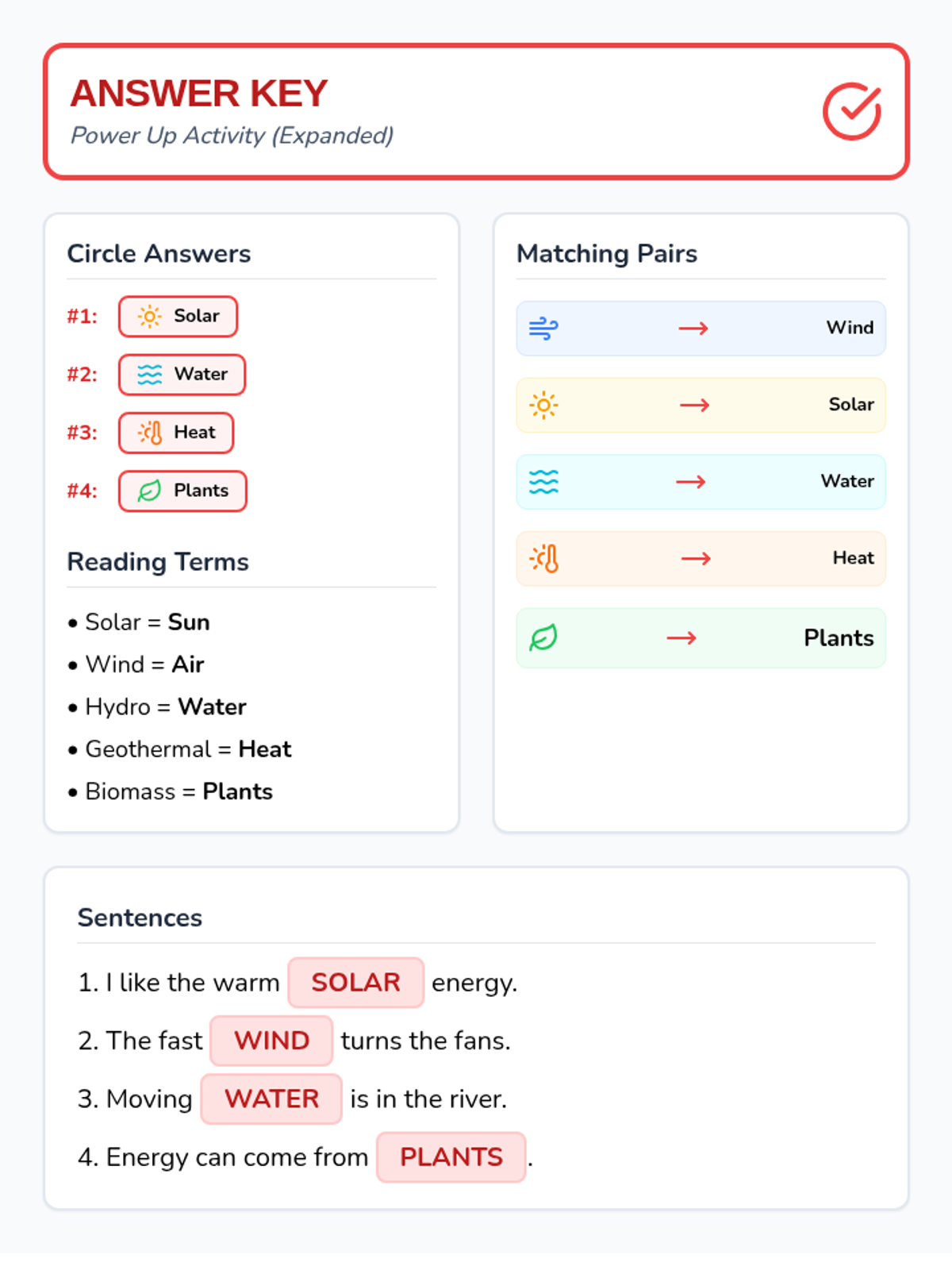
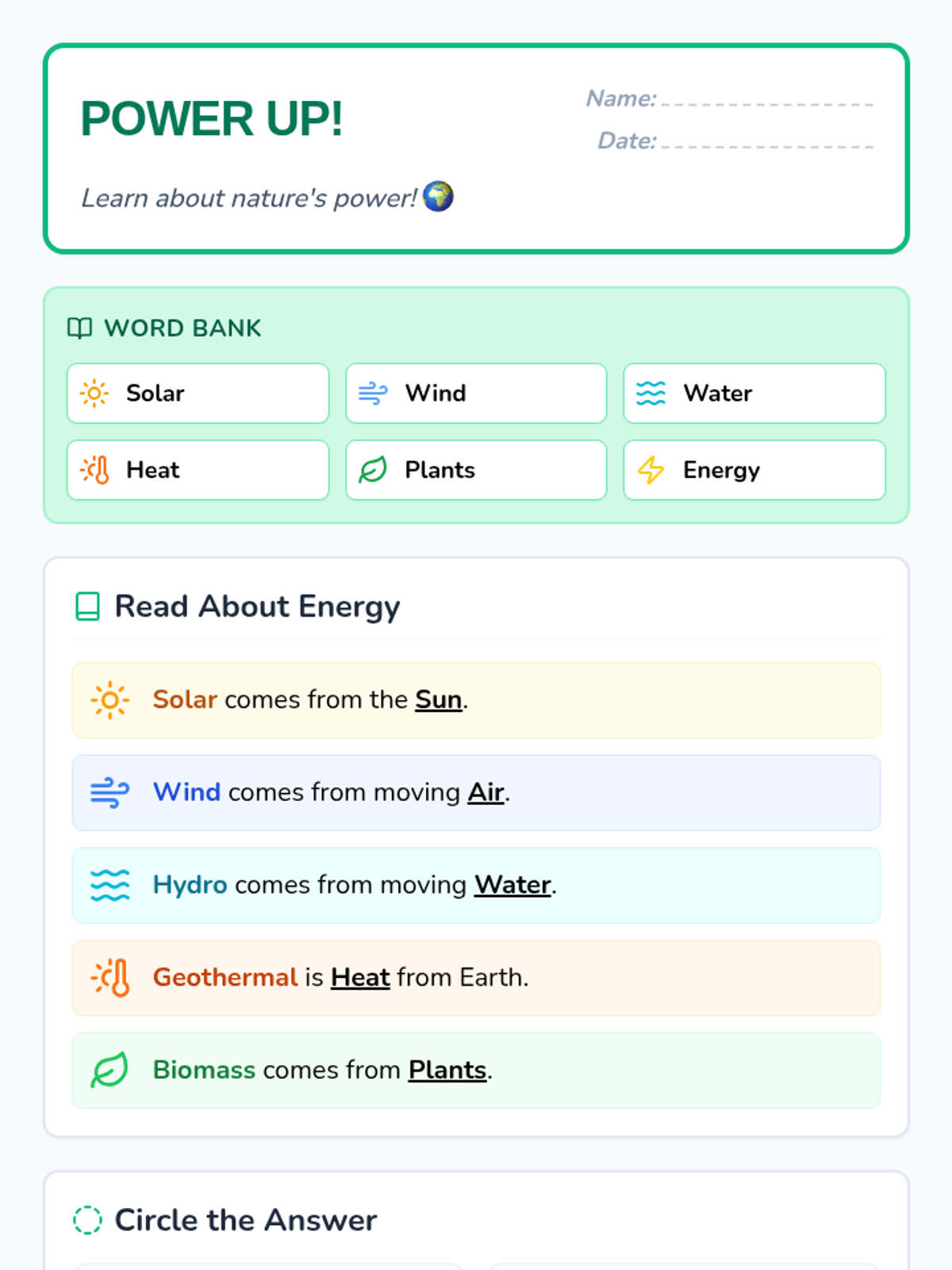
A modified lesson on renewable energy sources designed for students with IEPs, featuring simplified text, visual supports, and accessible activity types like matching and circling.
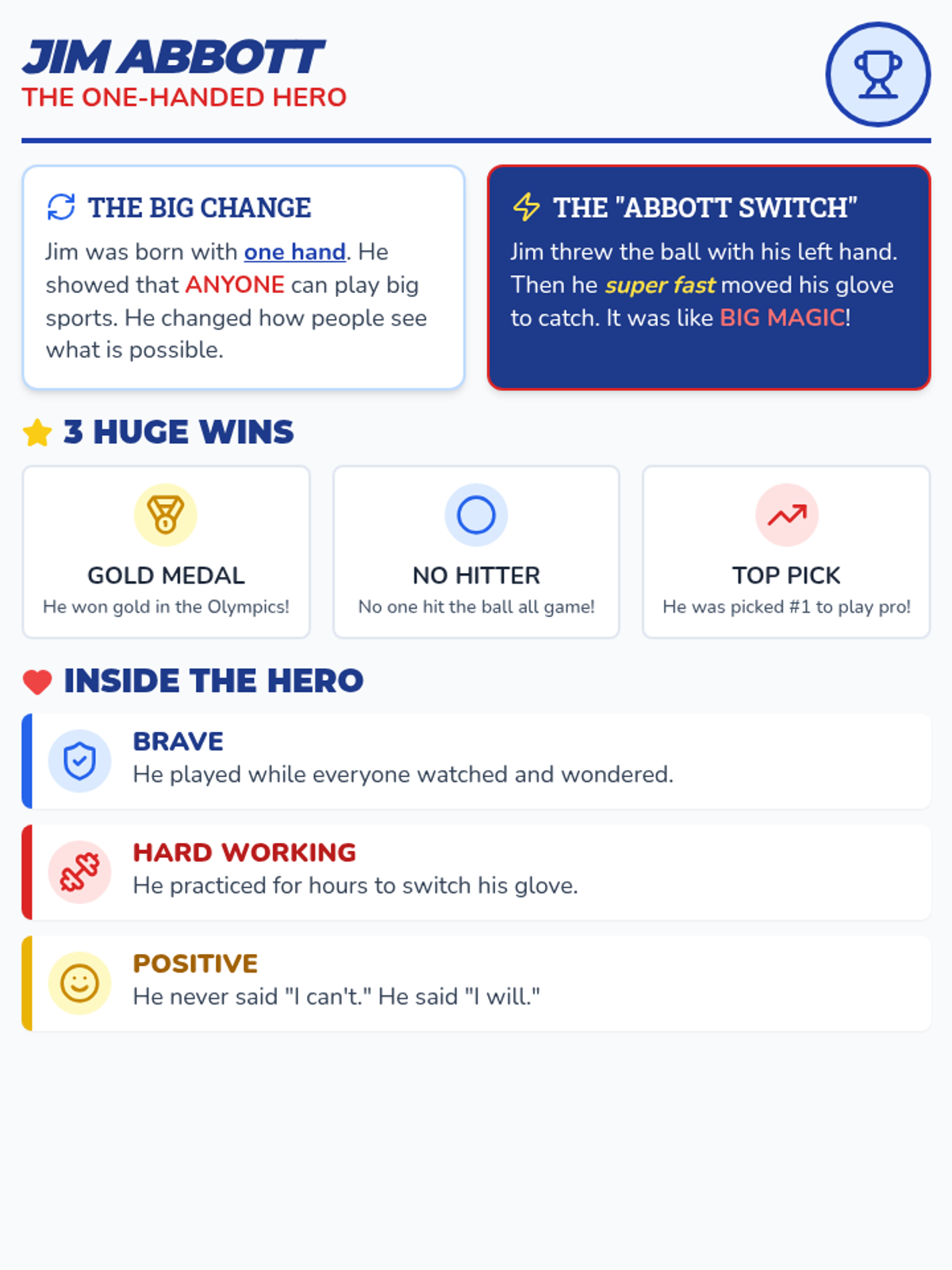
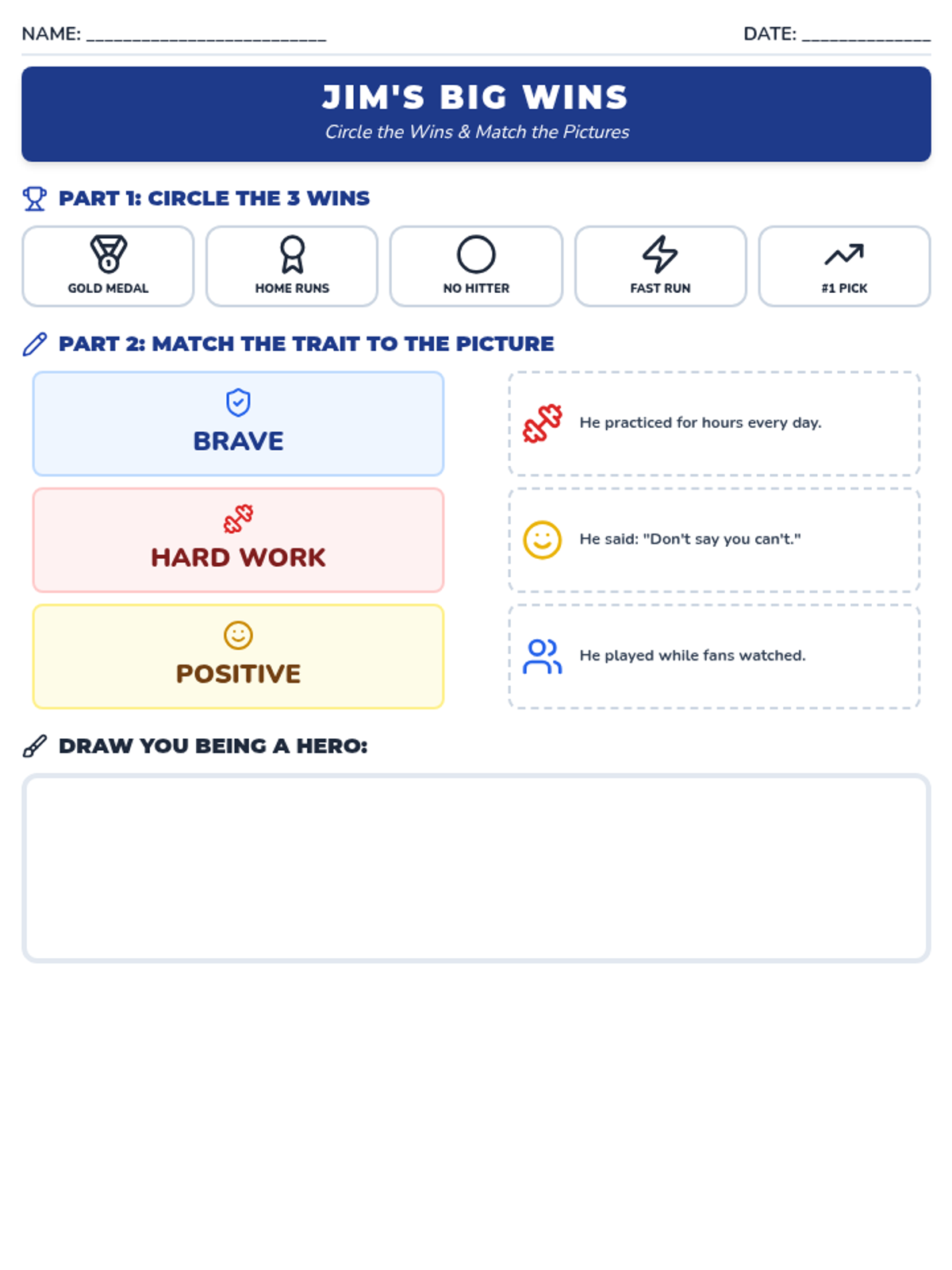
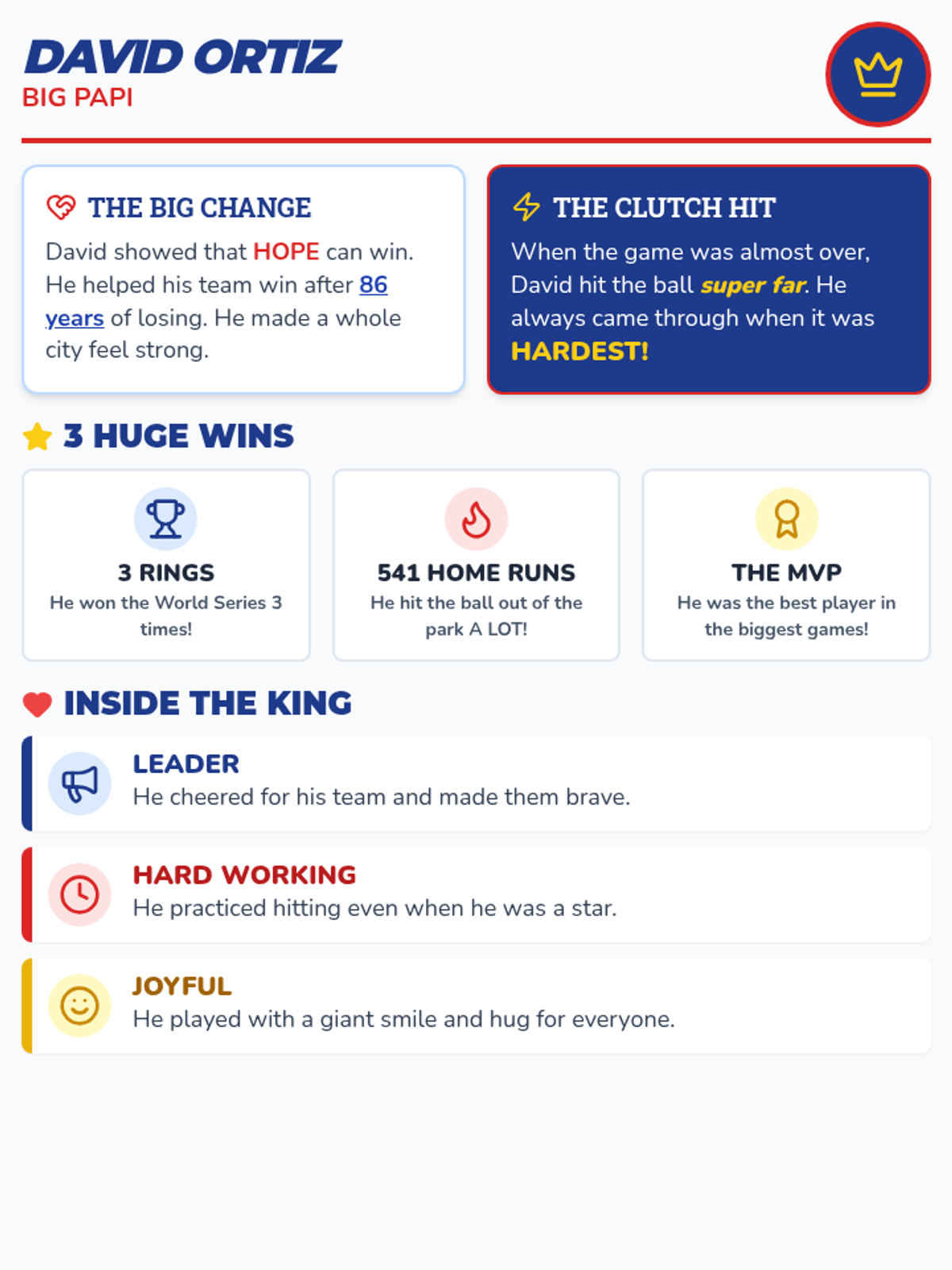
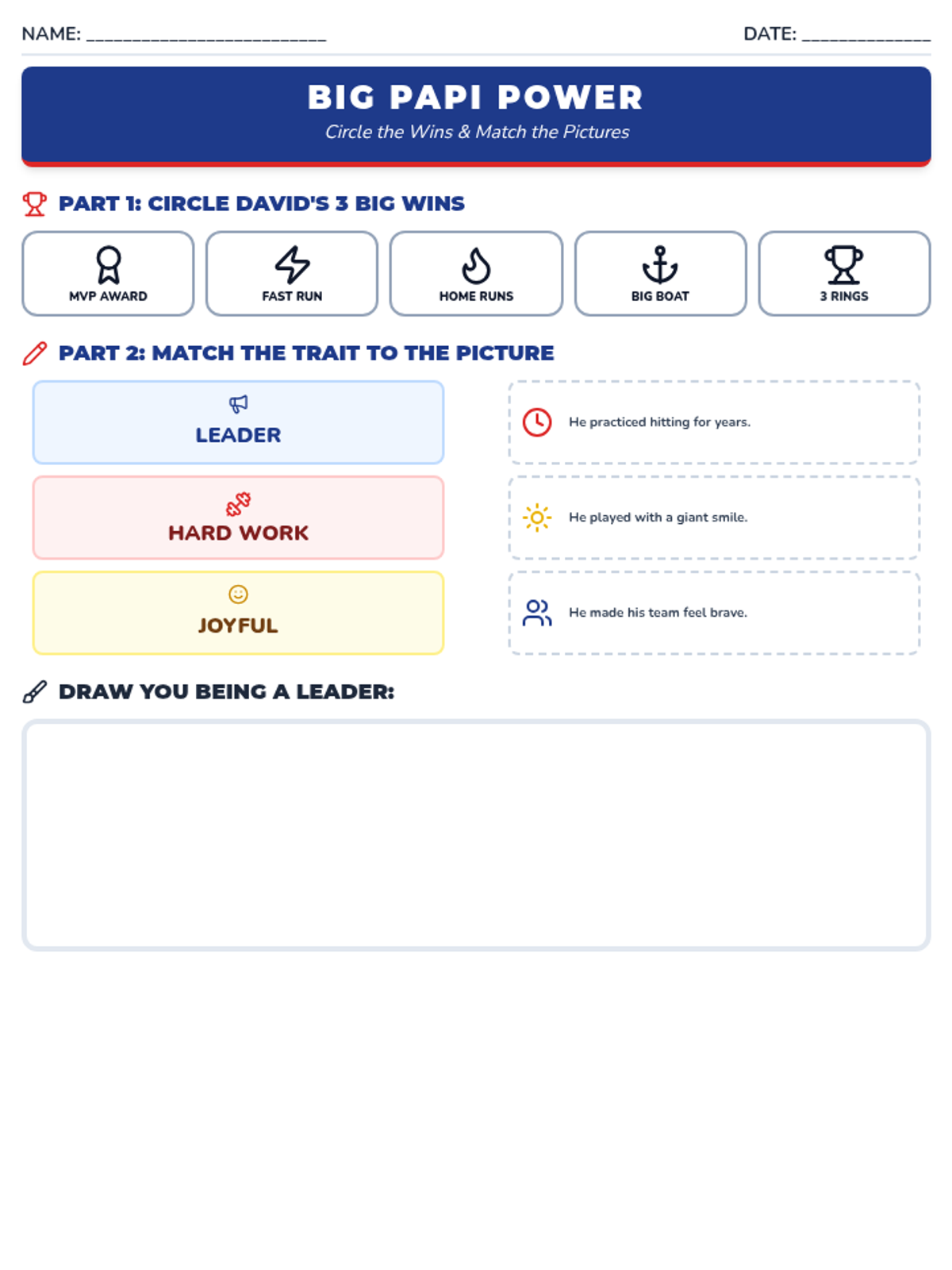
A visual-heavy lesson about baseball legends Jim Abbott and David Ortiz. Designed for 5th grade students who are non-readers or emerging readers, focusing on character traits, major achievements, and how these players changed the game.
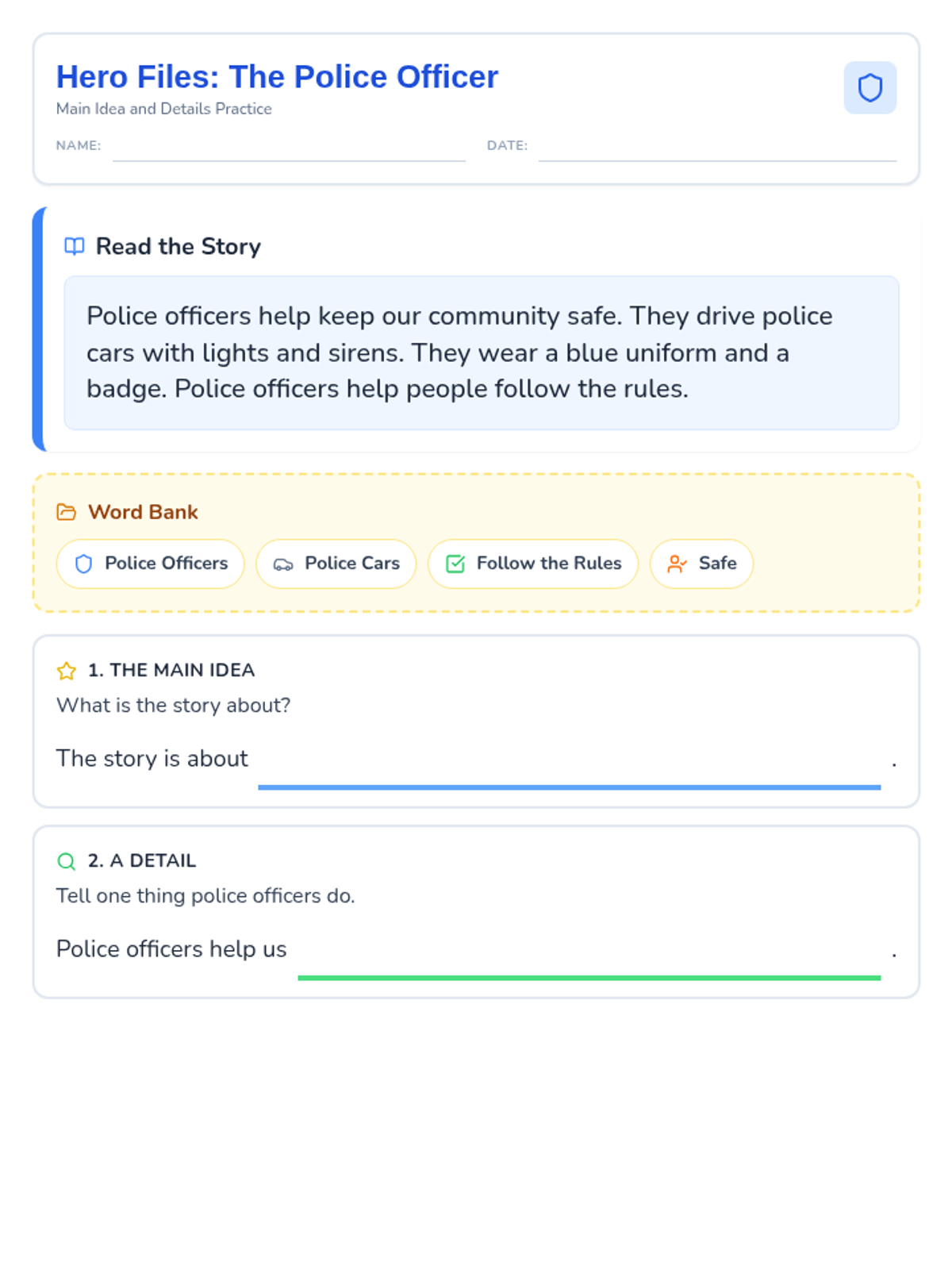
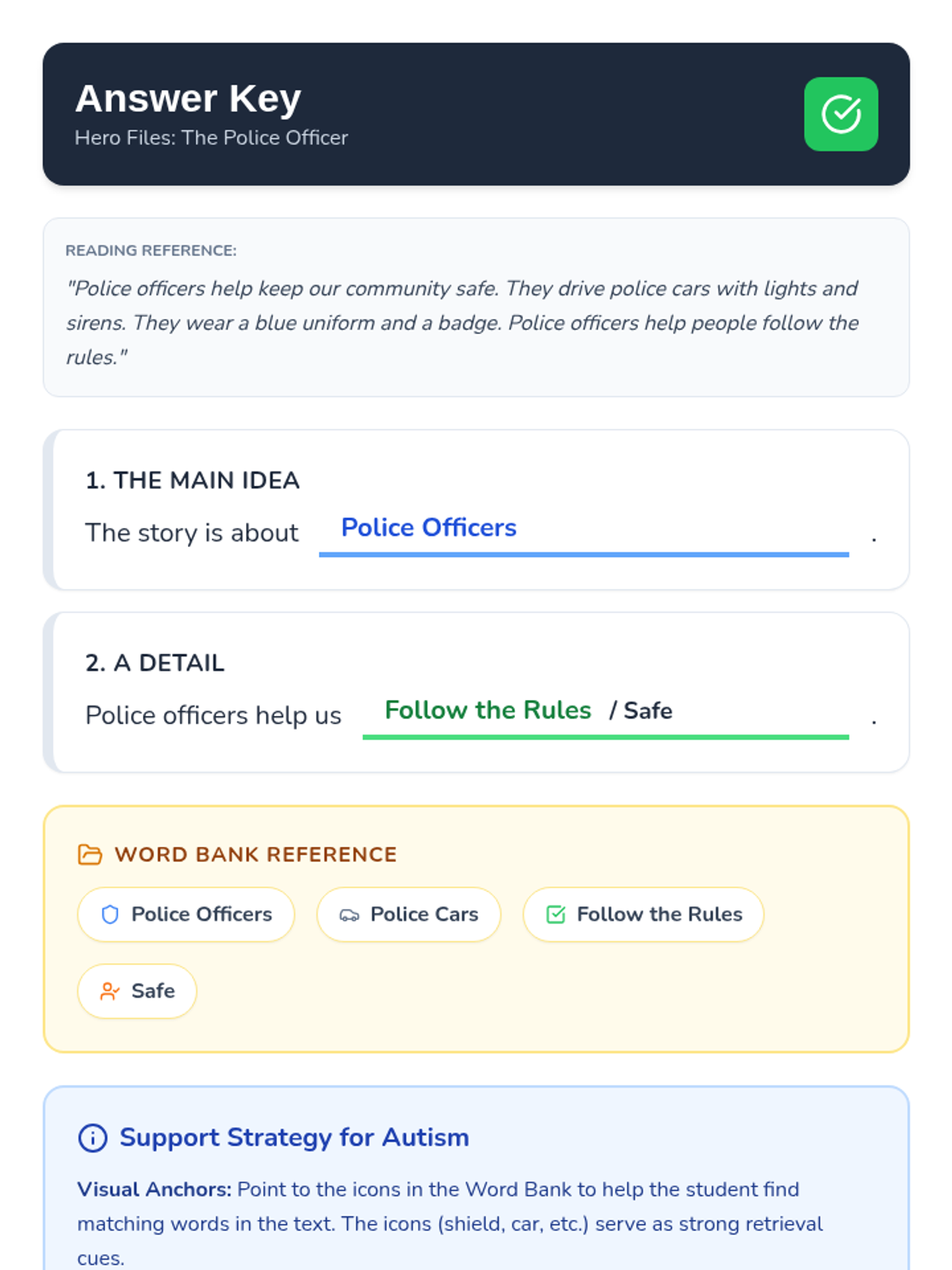
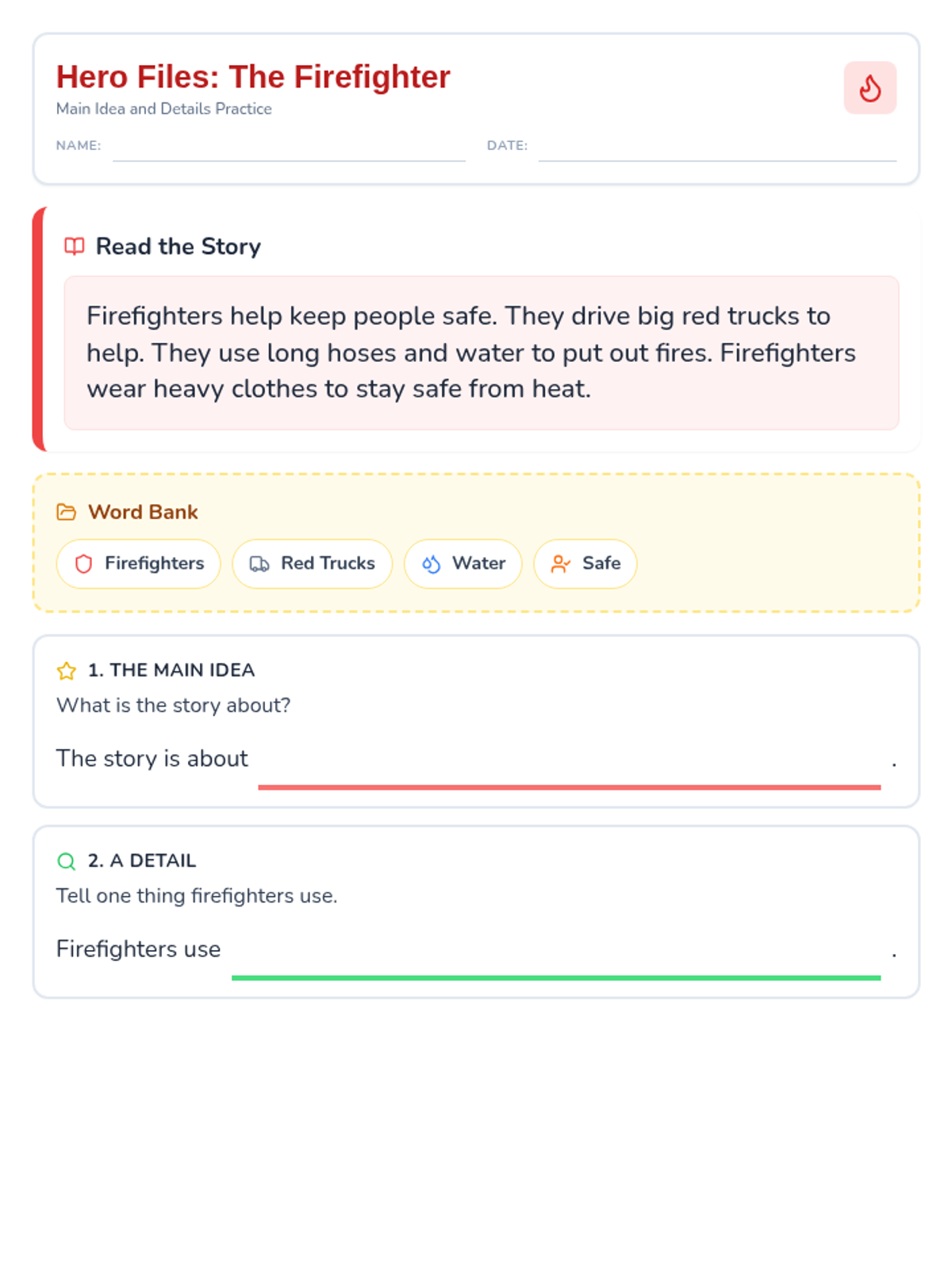
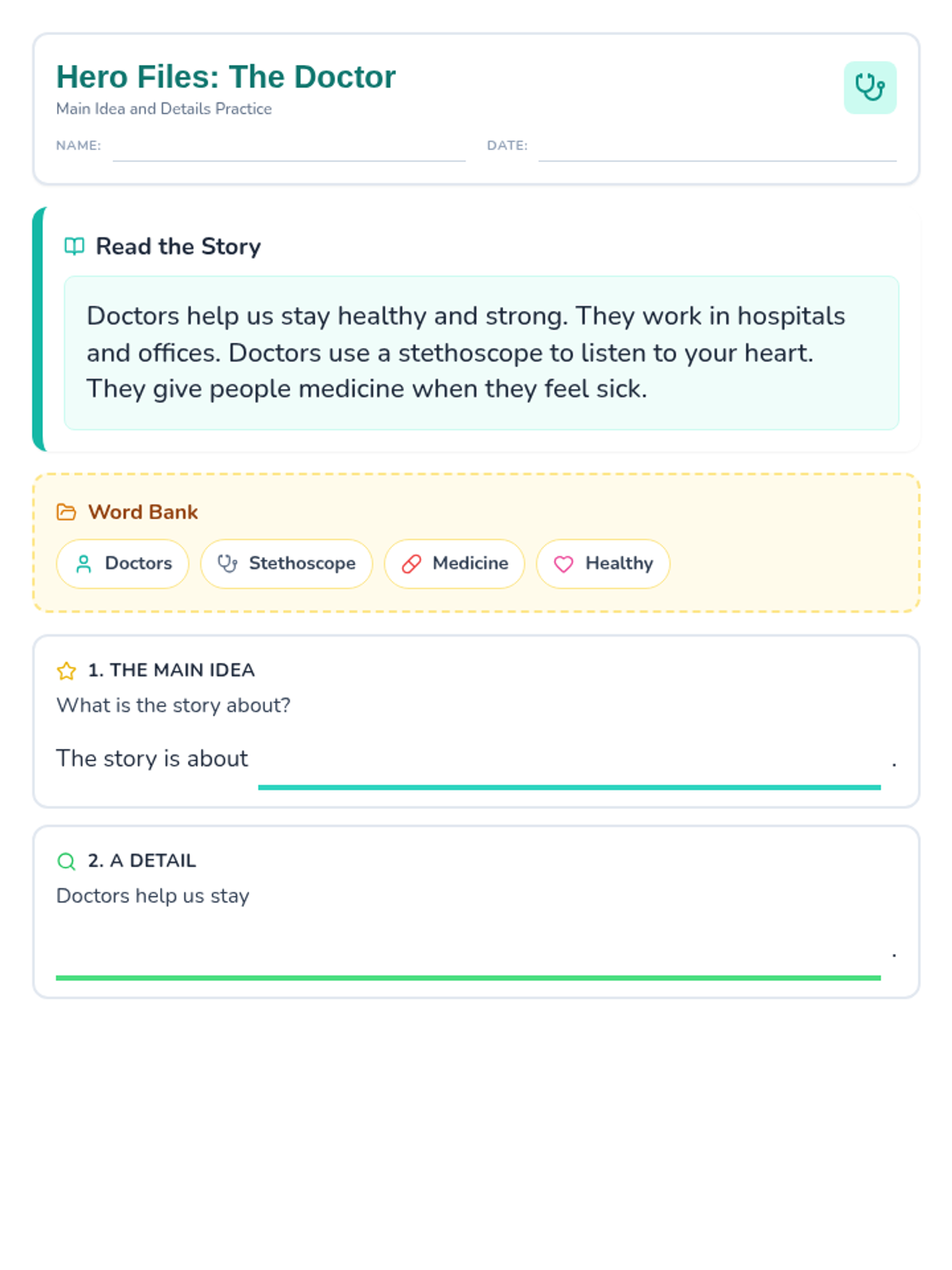
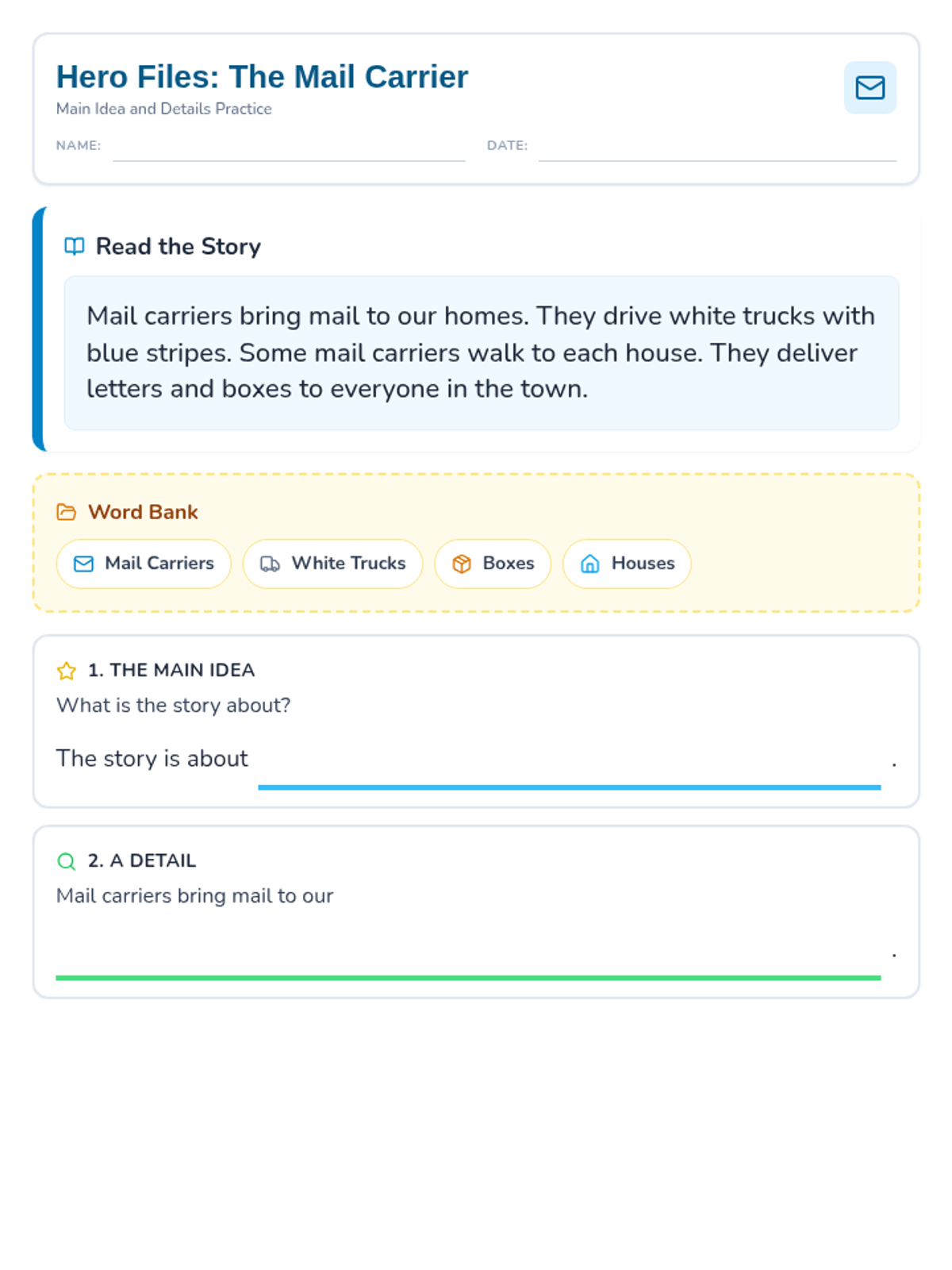
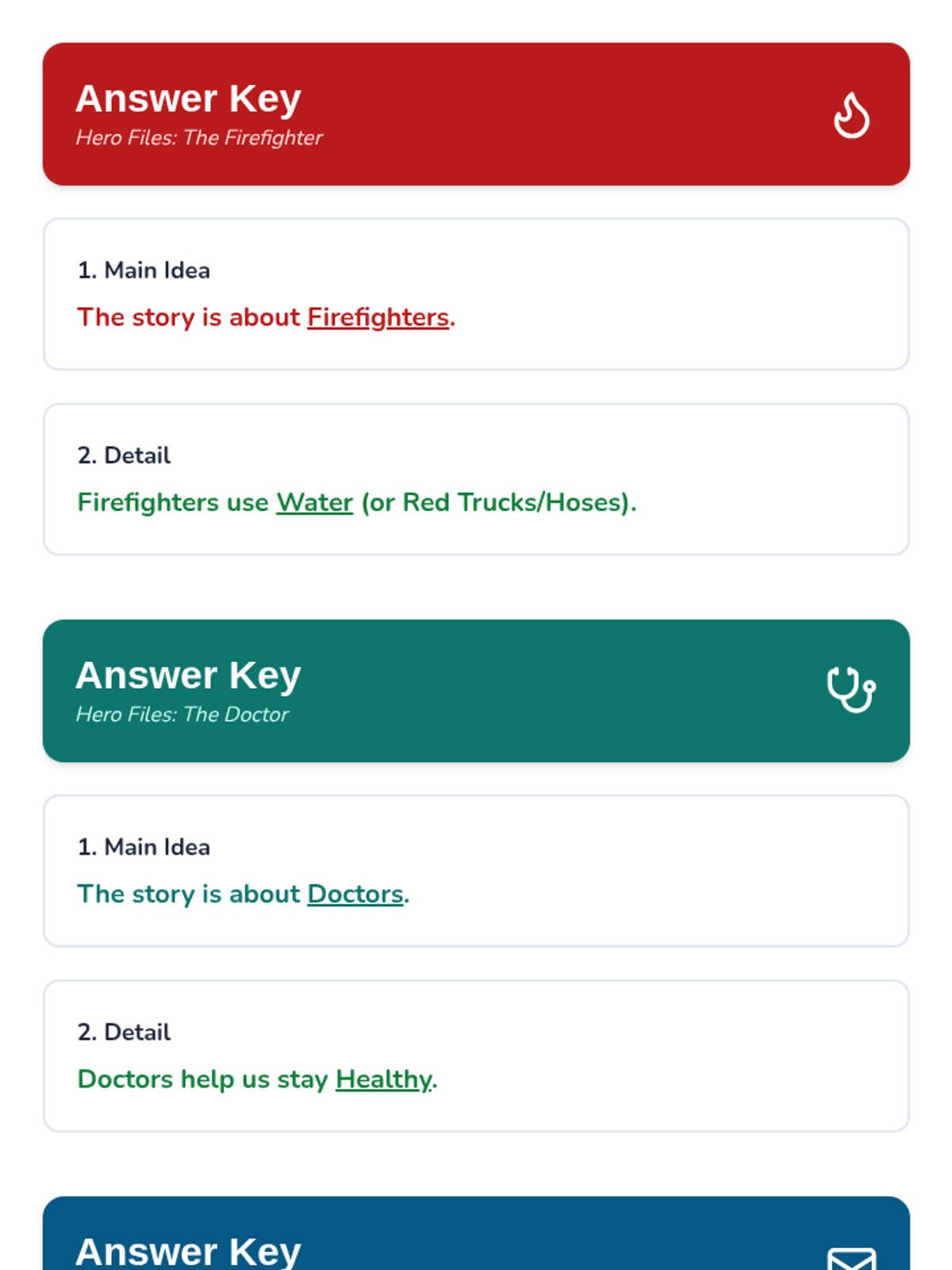
A lesson designed to help students identify the main idea and key details in informational texts about community helpers, using visual supports and sentence frames.
A set of interactive slides designed for speech therapy, focusing on 'When' and 'Why' questions through relatable summer scenarios like beach safety, camping, and sun protection.
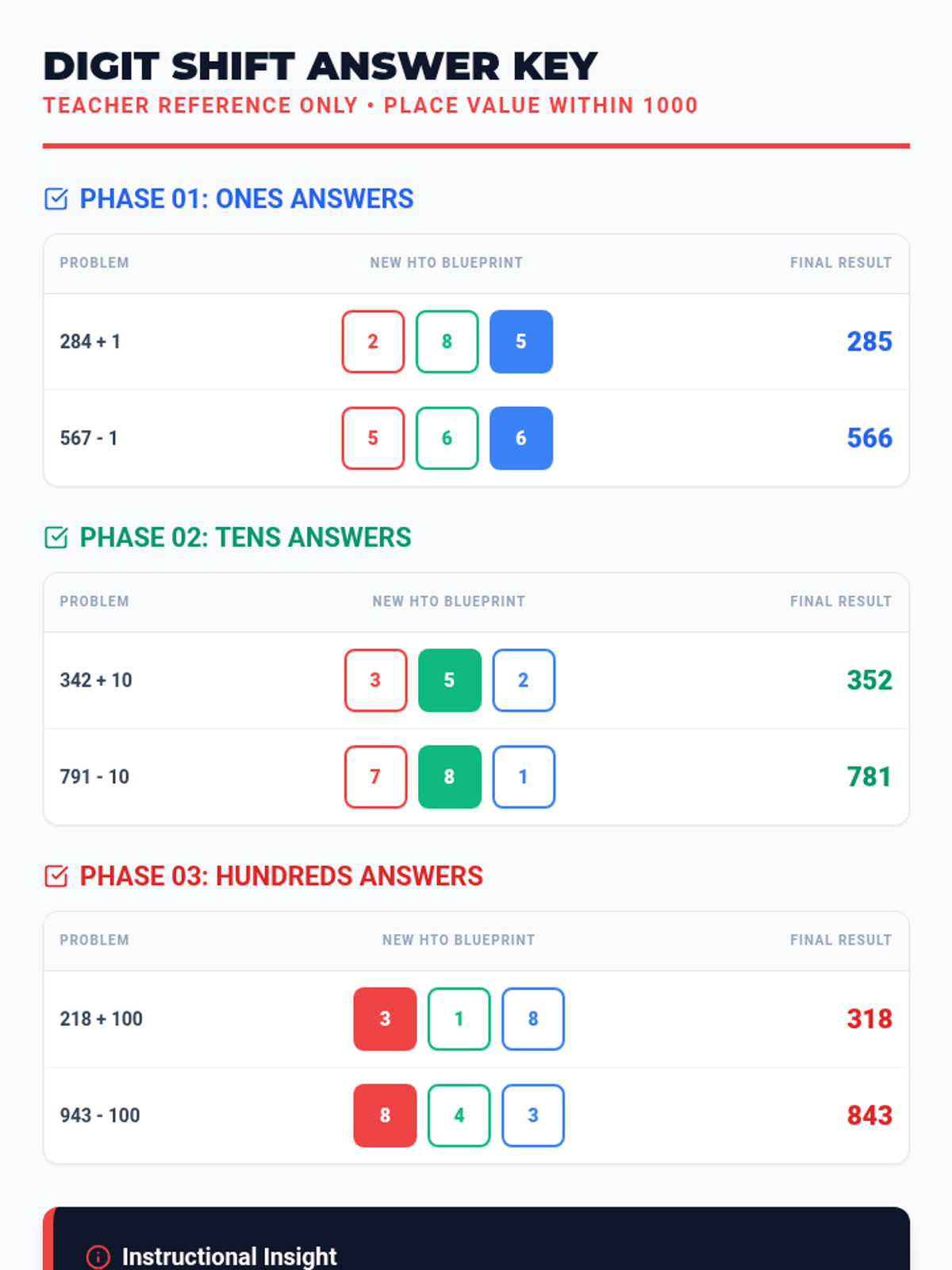
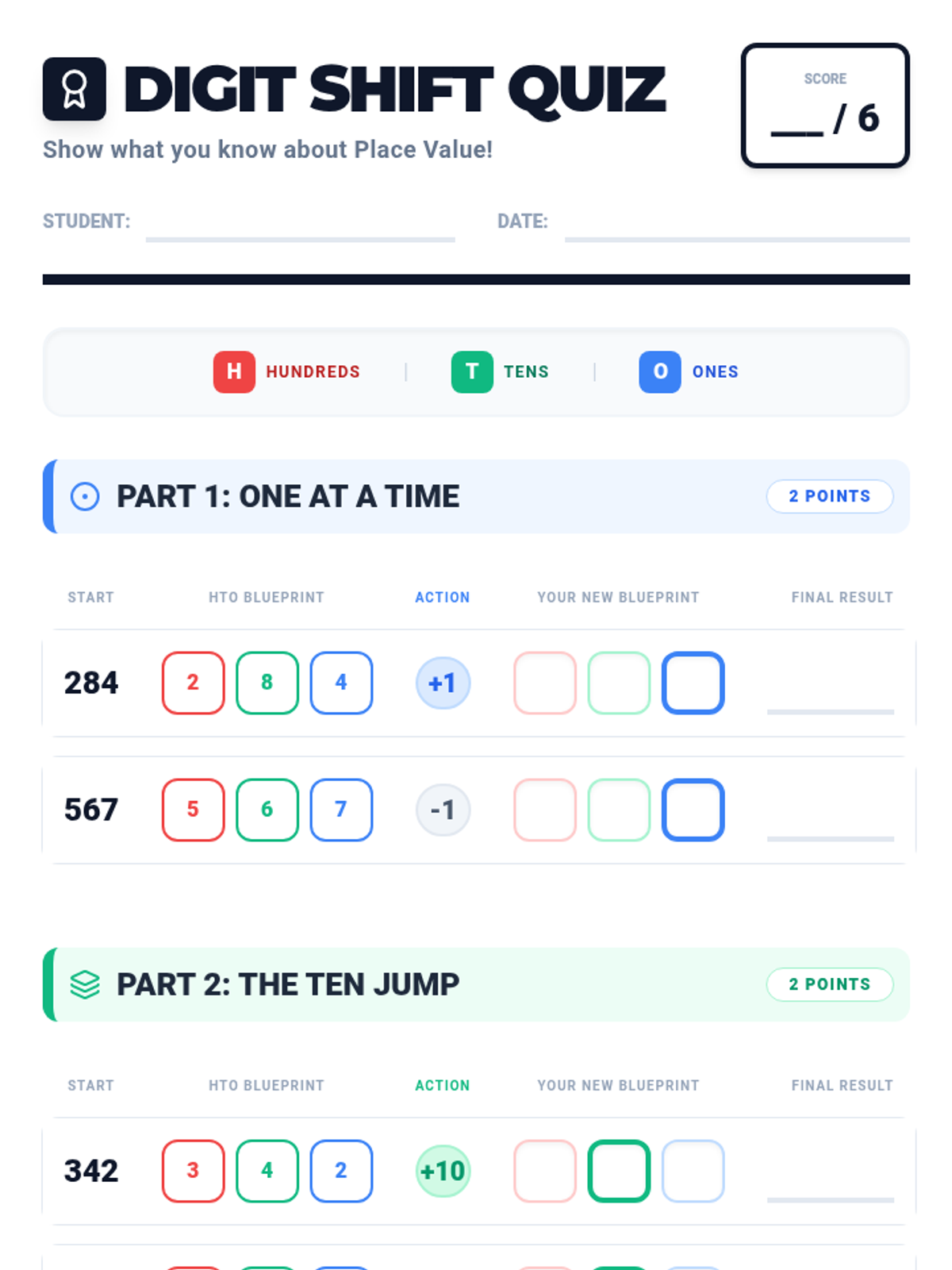
A targeted assessment lesson on place value within 1000, focusing on how digits shift when adding or subtracting 1, 10, or 100. Featuring a visually-supported quiz designed specifically for special education students, with color-coded HTO charts and clear scoring guidelines.
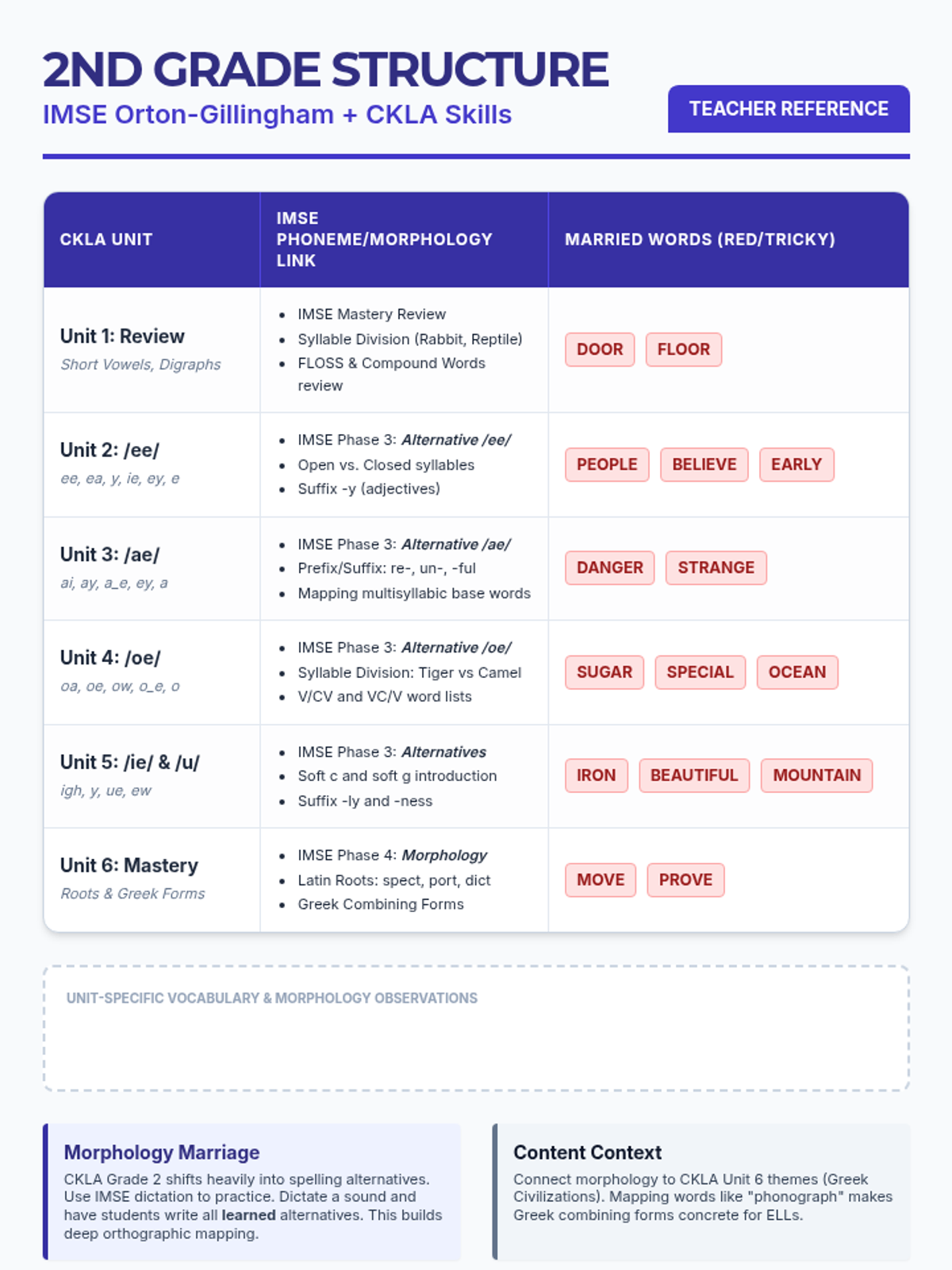
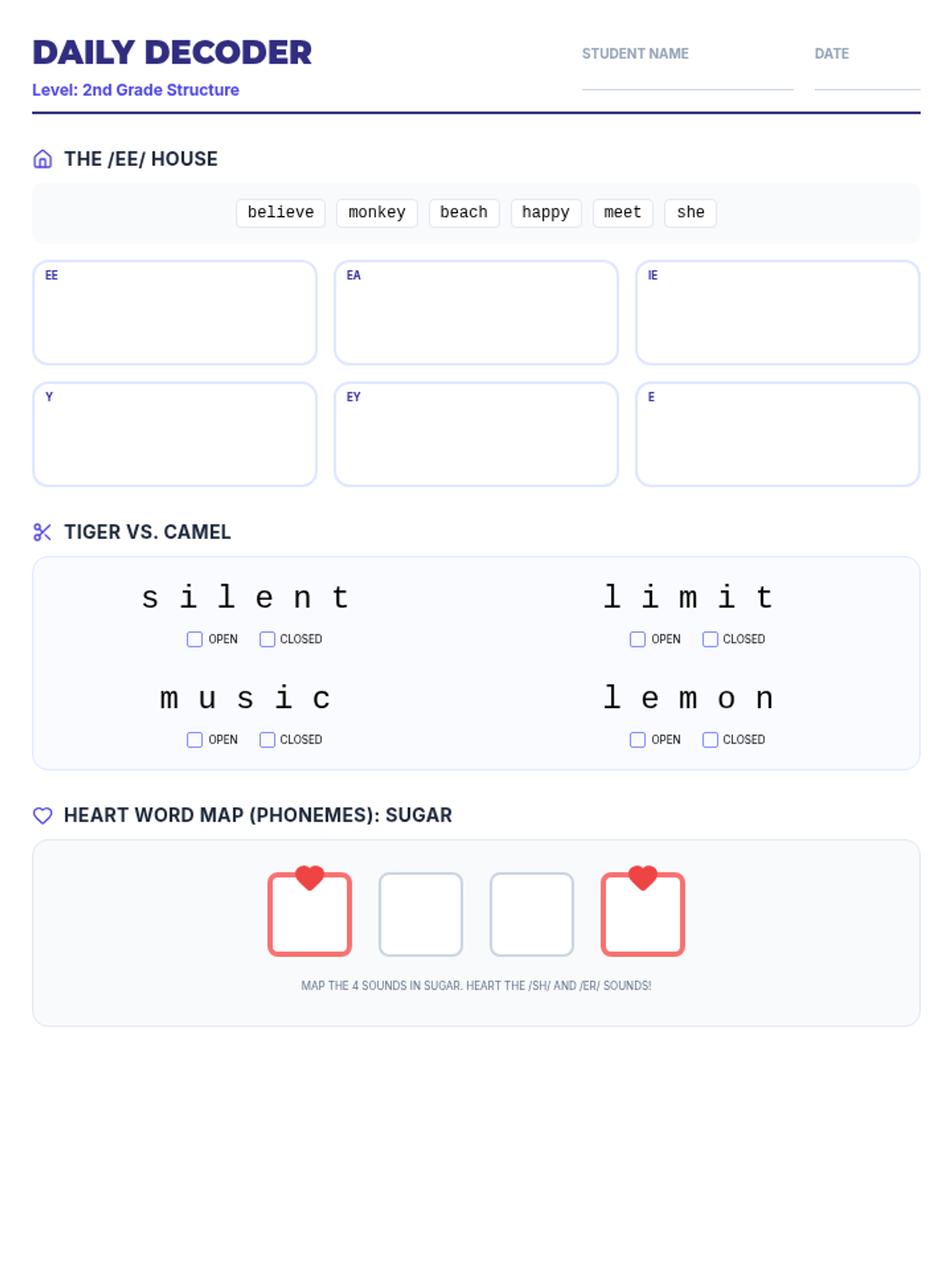
An advanced alignment for Second Grade, synchronizing CKLA's spelling alternative units with IMSE's Phase 3 and 4 morphology and complex vowel team mastery. Supports Tier 3 students in managing high-frequency irregular words and multisyllabic decoding.
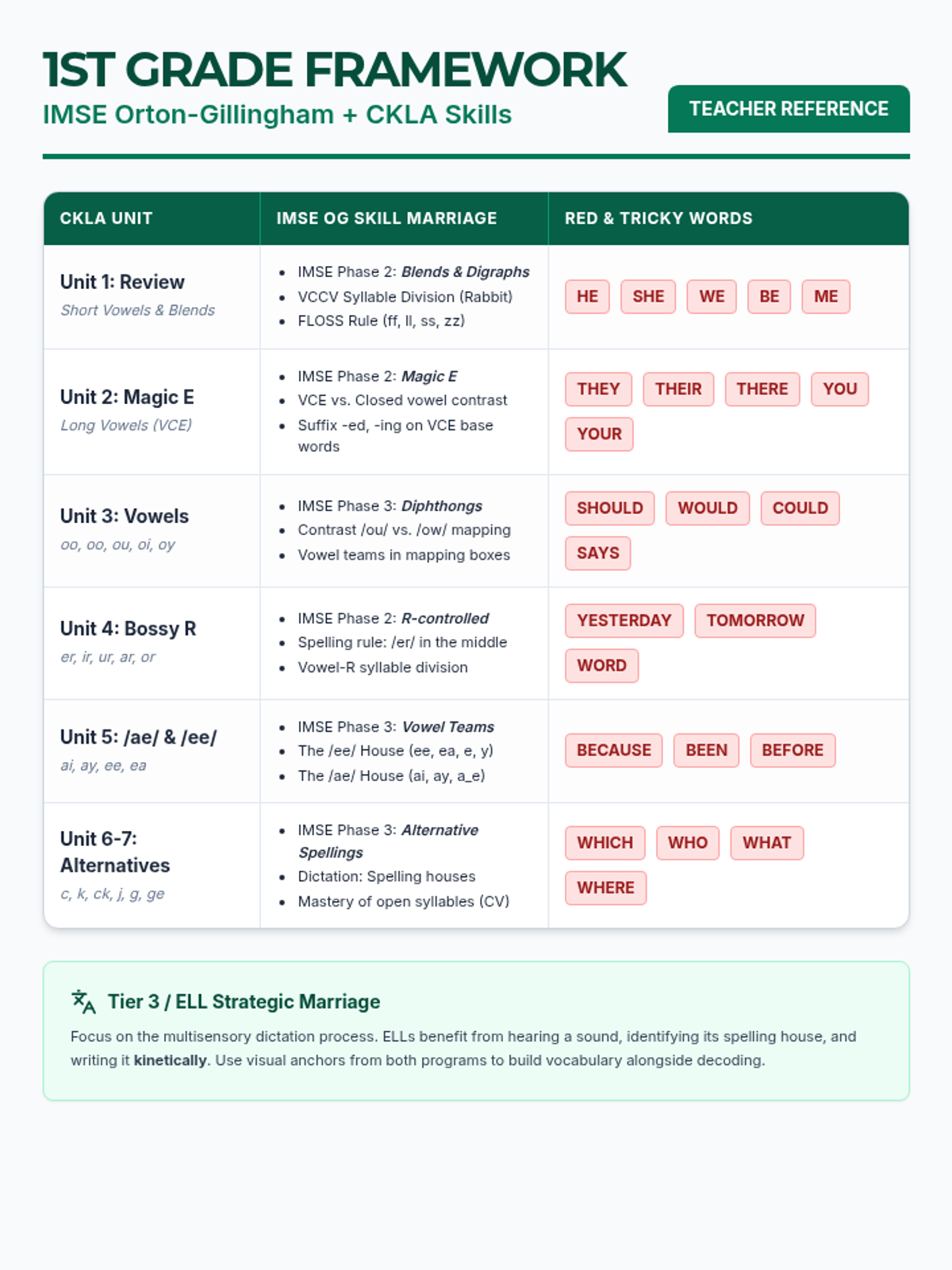
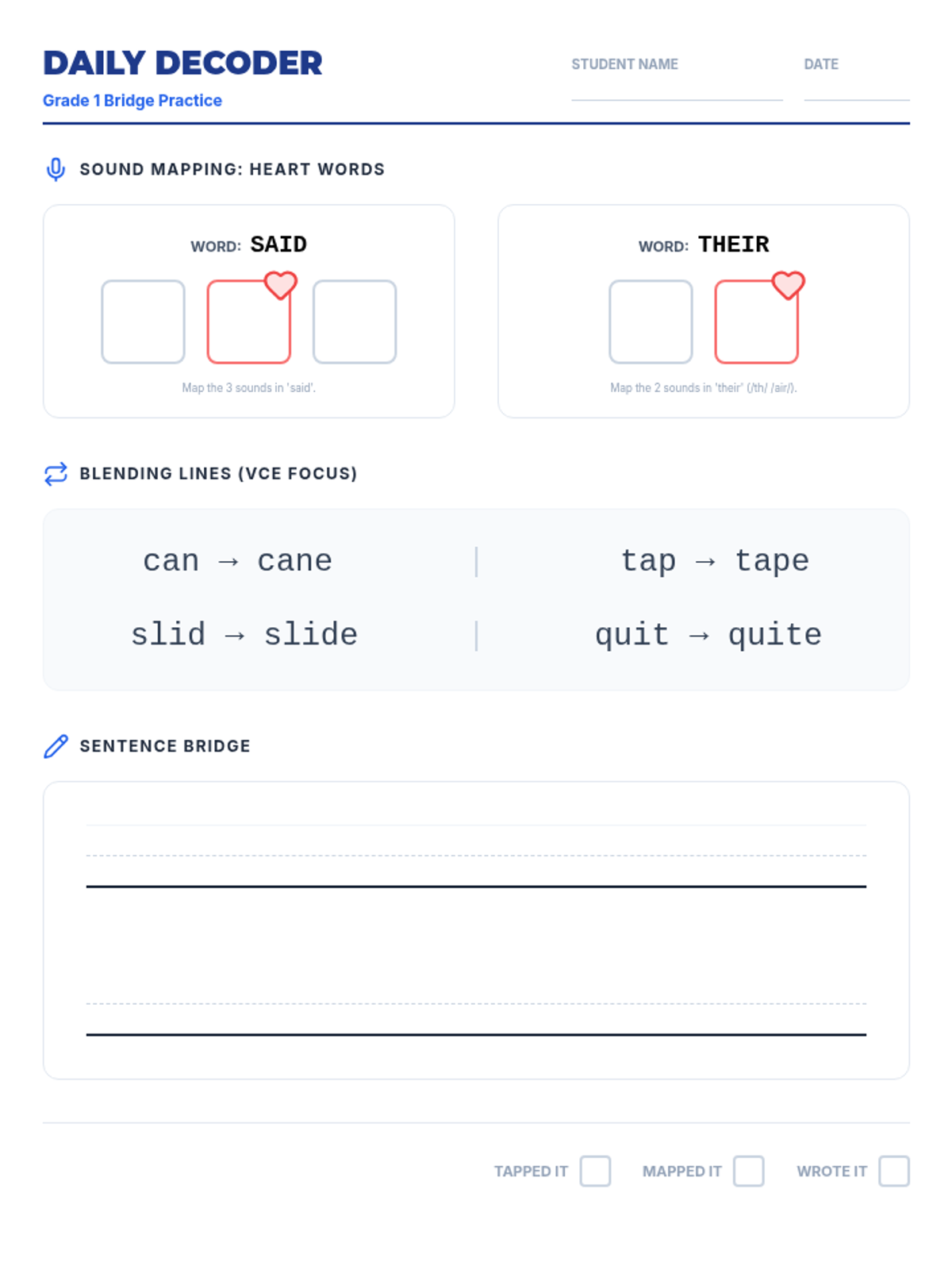
An intermediate alignment for First Grade, marrying CKLA's rapid vowel team introduction with IMSE's systematic digraph, blend, and VCE progression. Emphasizes orthographic mapping and decoding of more complex syllable structures.
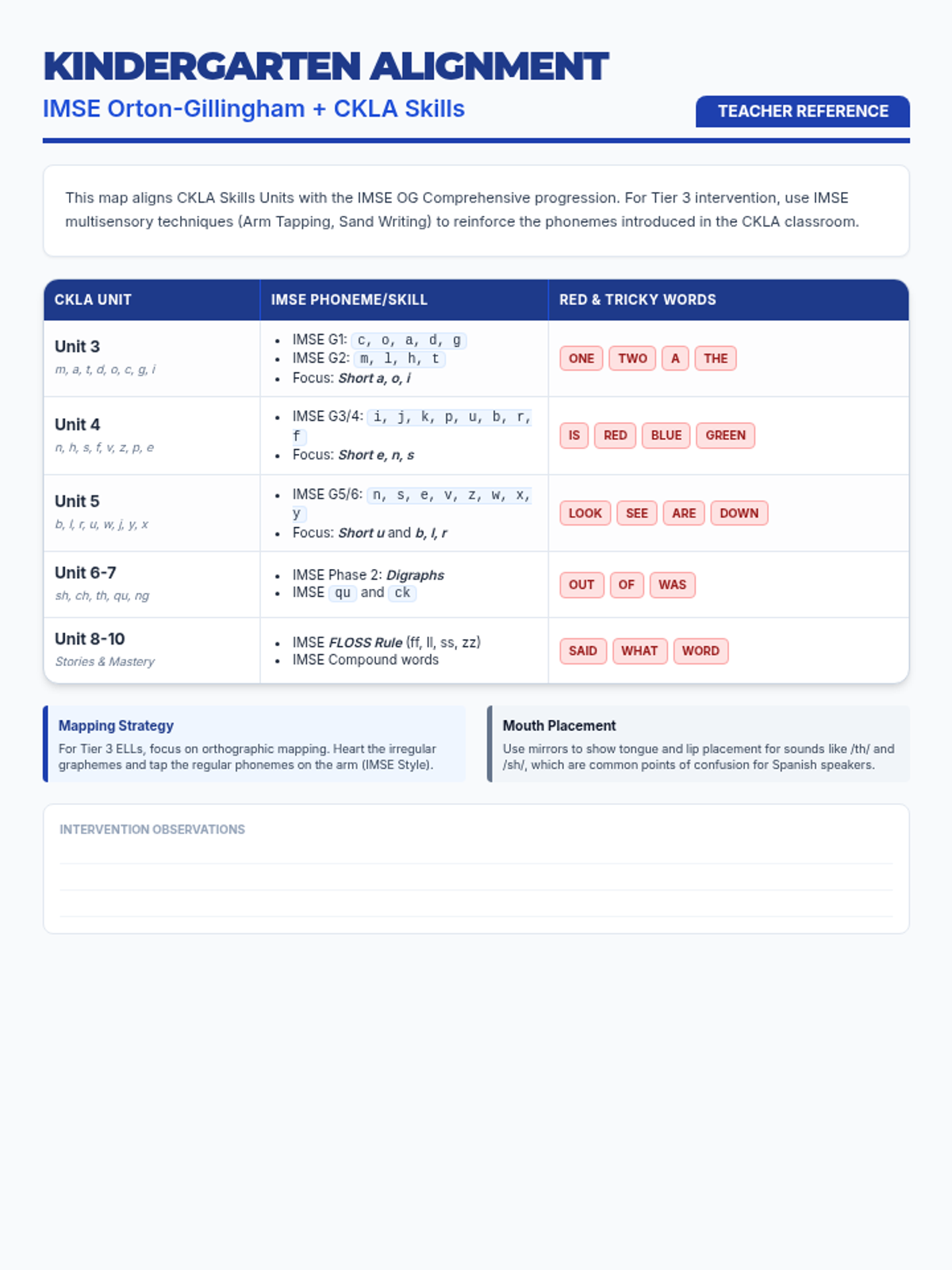
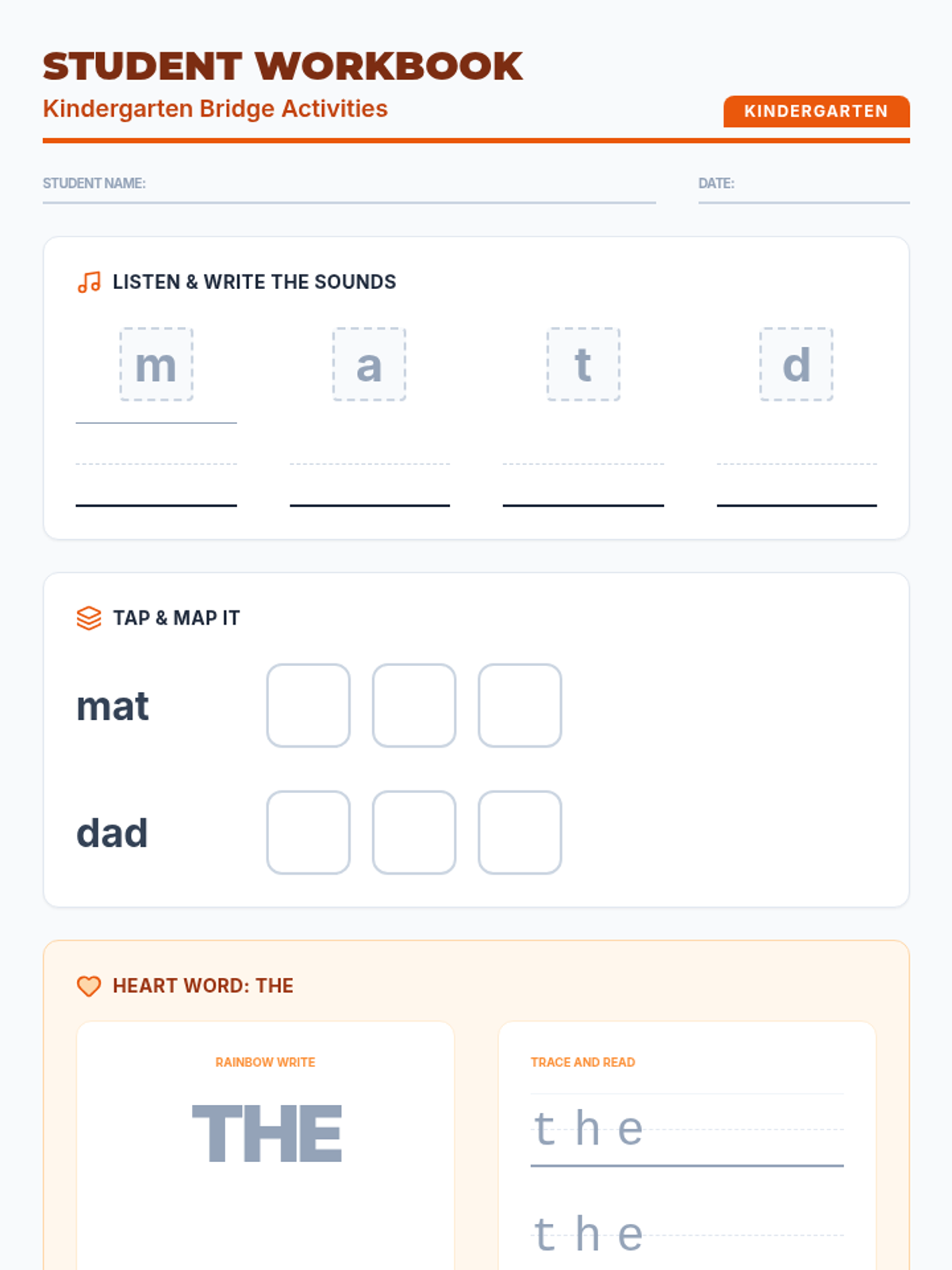
A foundational alignment for Kindergarten students, bridging CKLA's sound-first approach with IMSE's multisensory phonics and red word progression. Focuses on phonemic awareness, basic letter-sound correspondences, and early heart-word mapping.
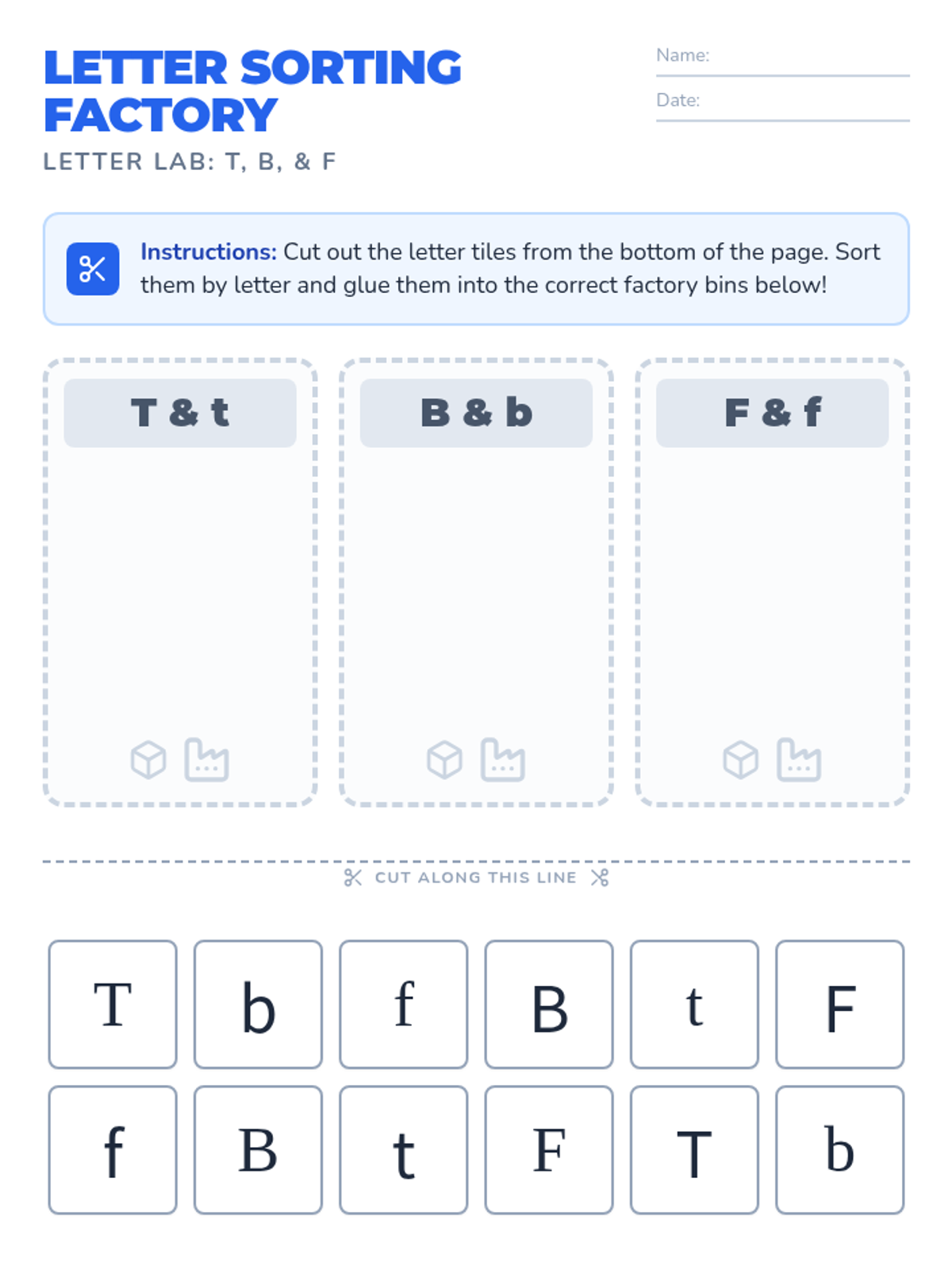
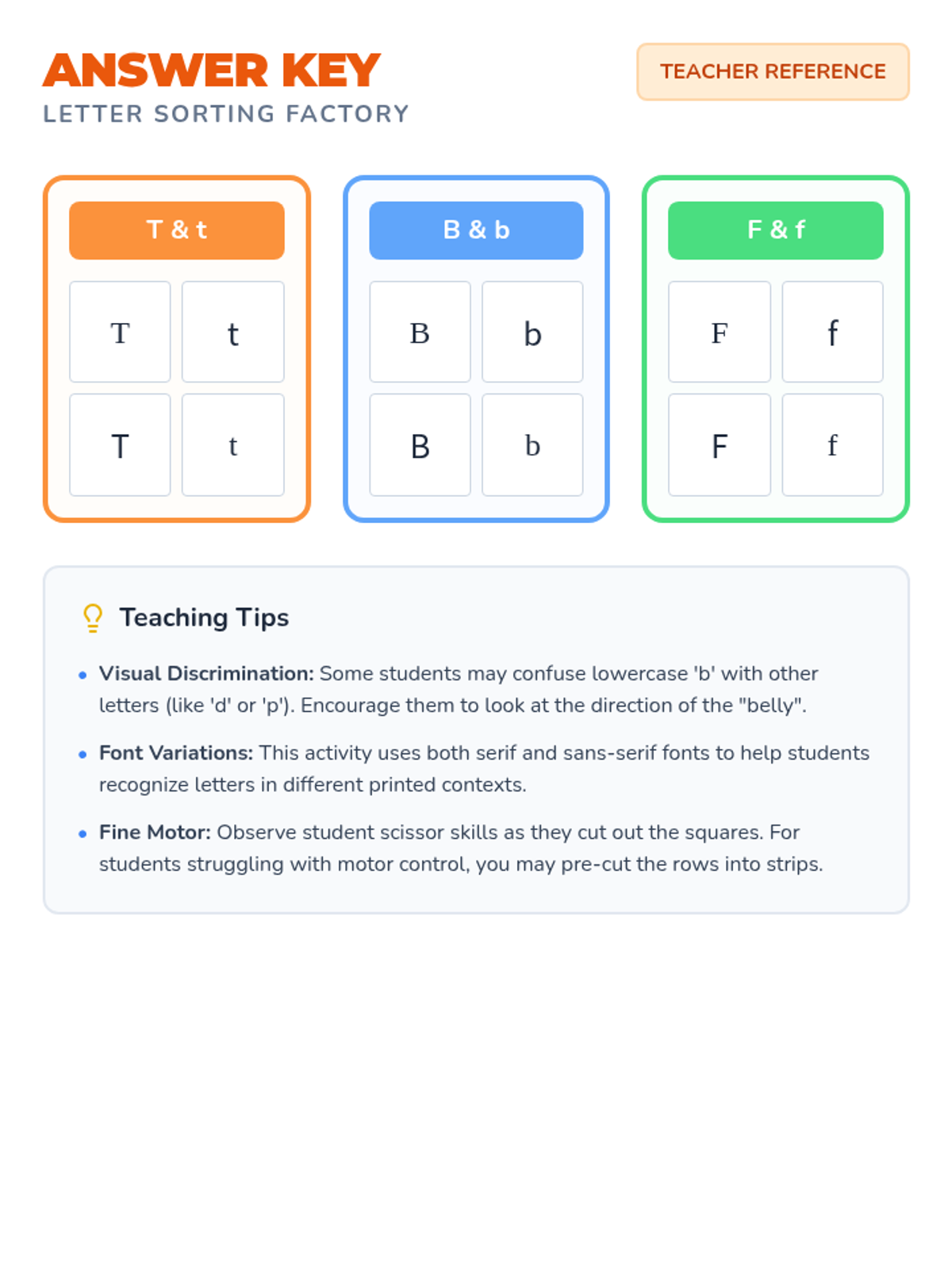
A hands-on lesson focusing on the visual identification and sorting of uppercase and lowercase letters T, B, and F.
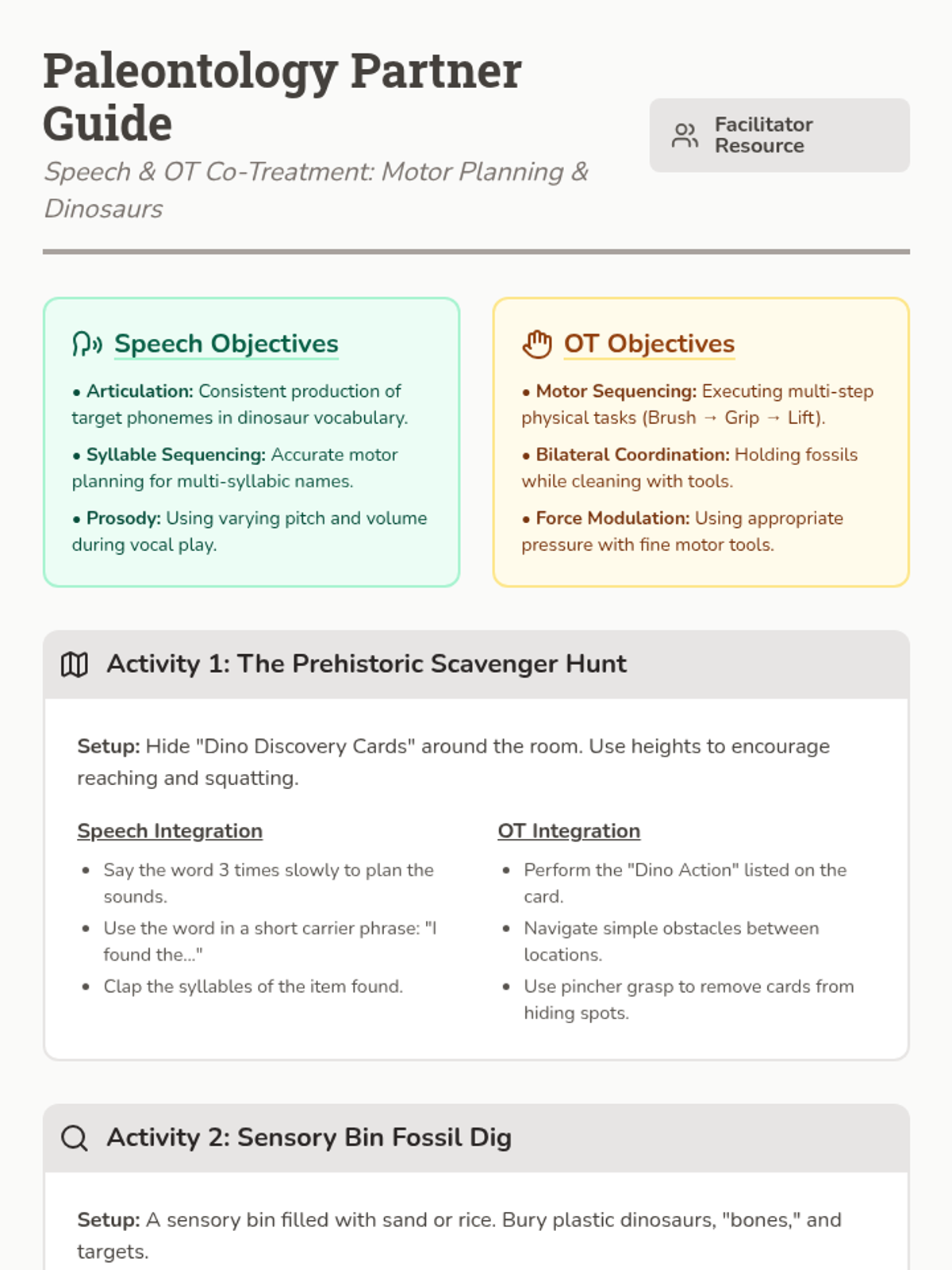
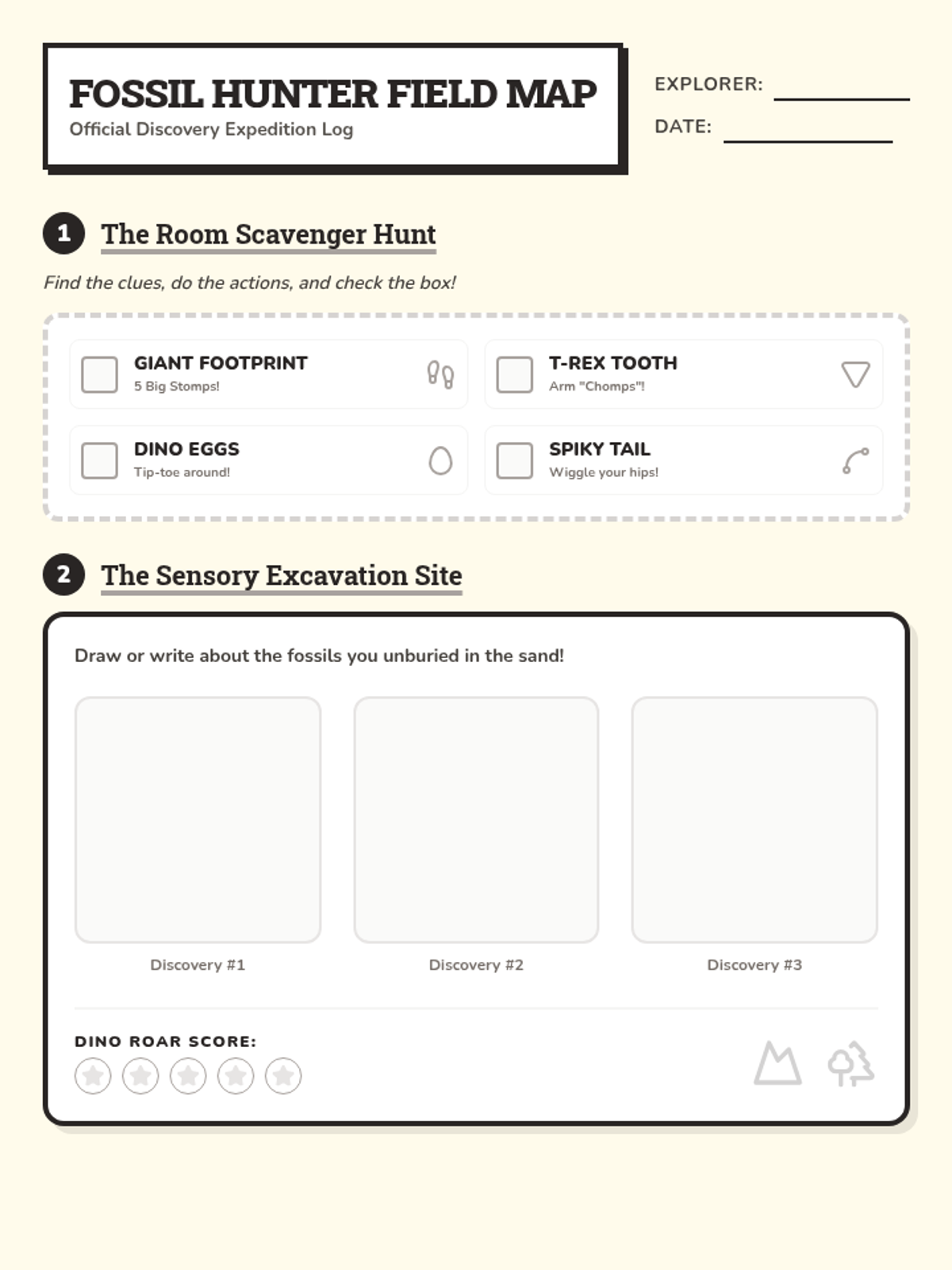
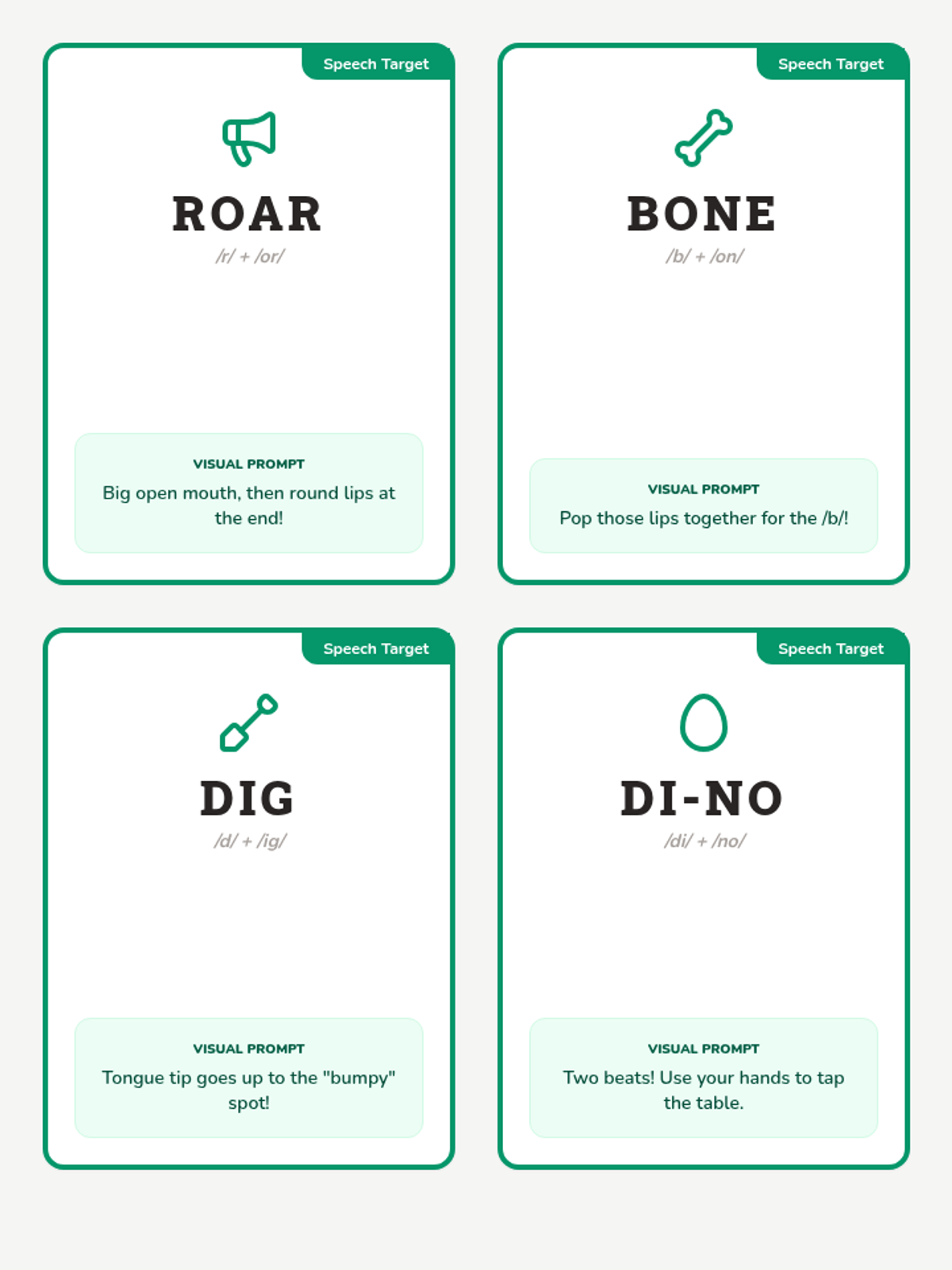
A co-treatment session for Speech-Language Pathology and Occupational Therapy focusing on motor planning through a prehistoric dinosaur excavation and scavenger hunt. Students practice speech sound sequencing alongside fine motor coordination and motor sequencing tasks.
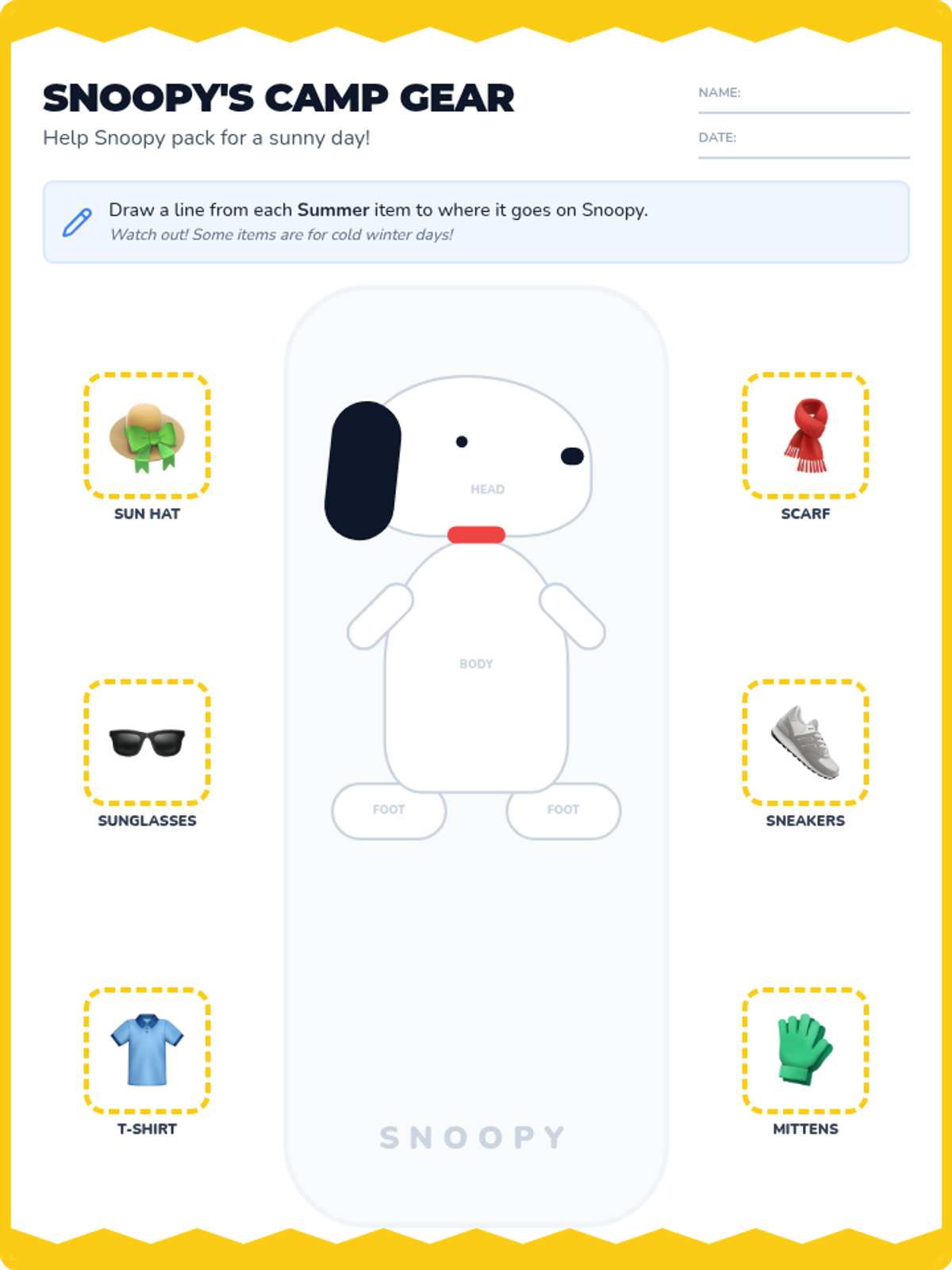
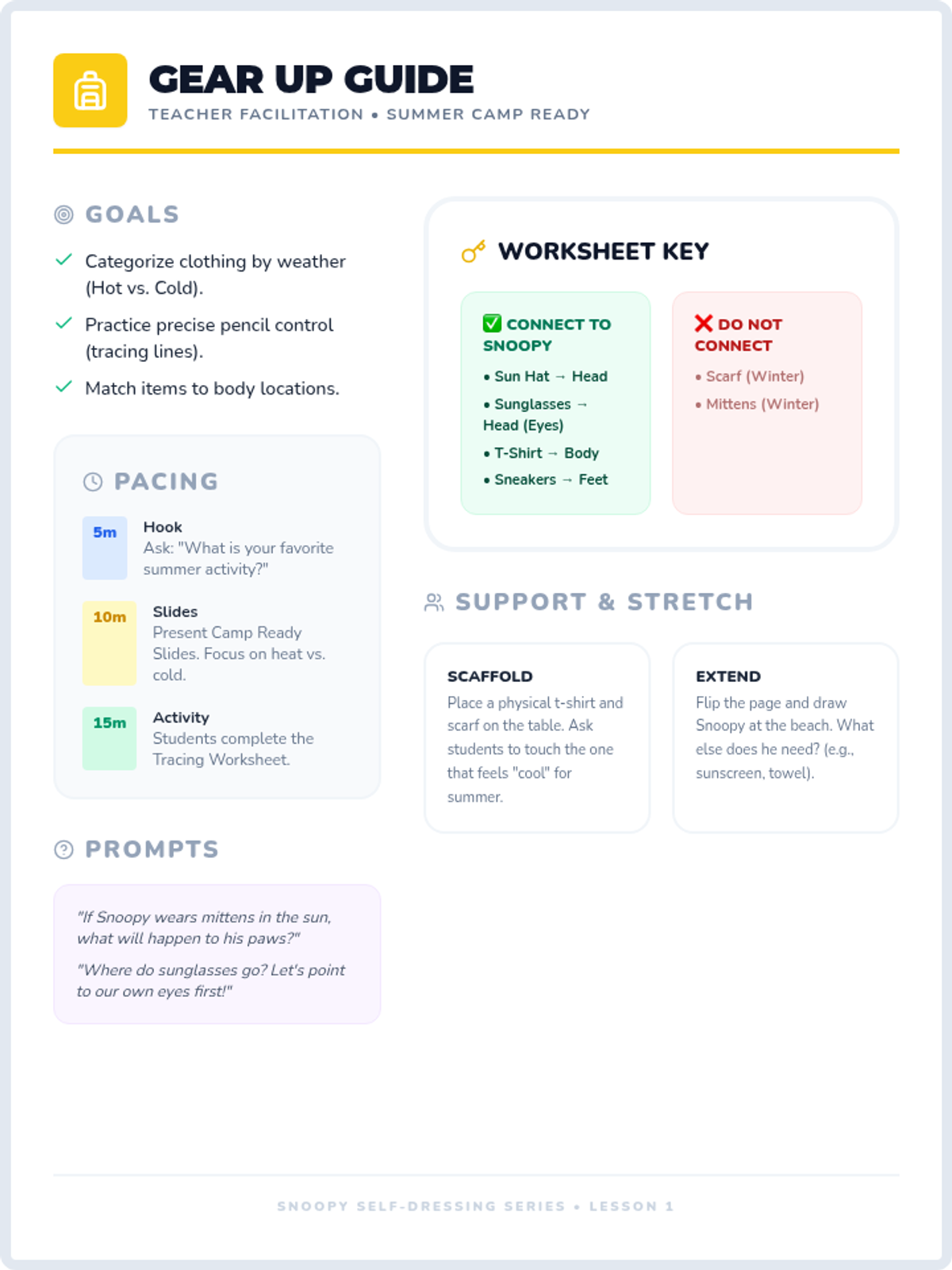
A fun, interactive lesson where students help Snoopy choose the right clothes for summer camp while learning about weather-appropriate attire and practicing fine motor skills.
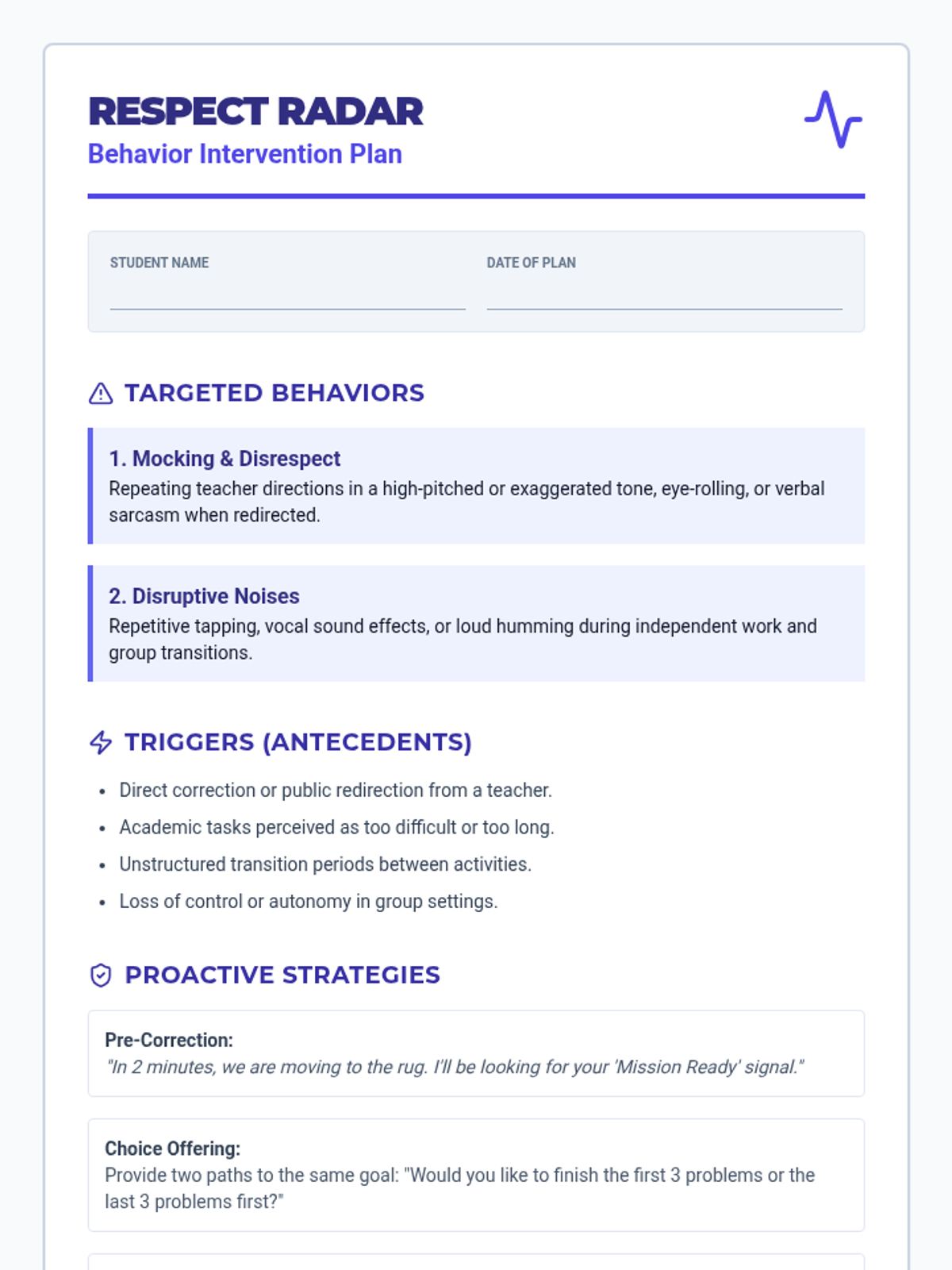
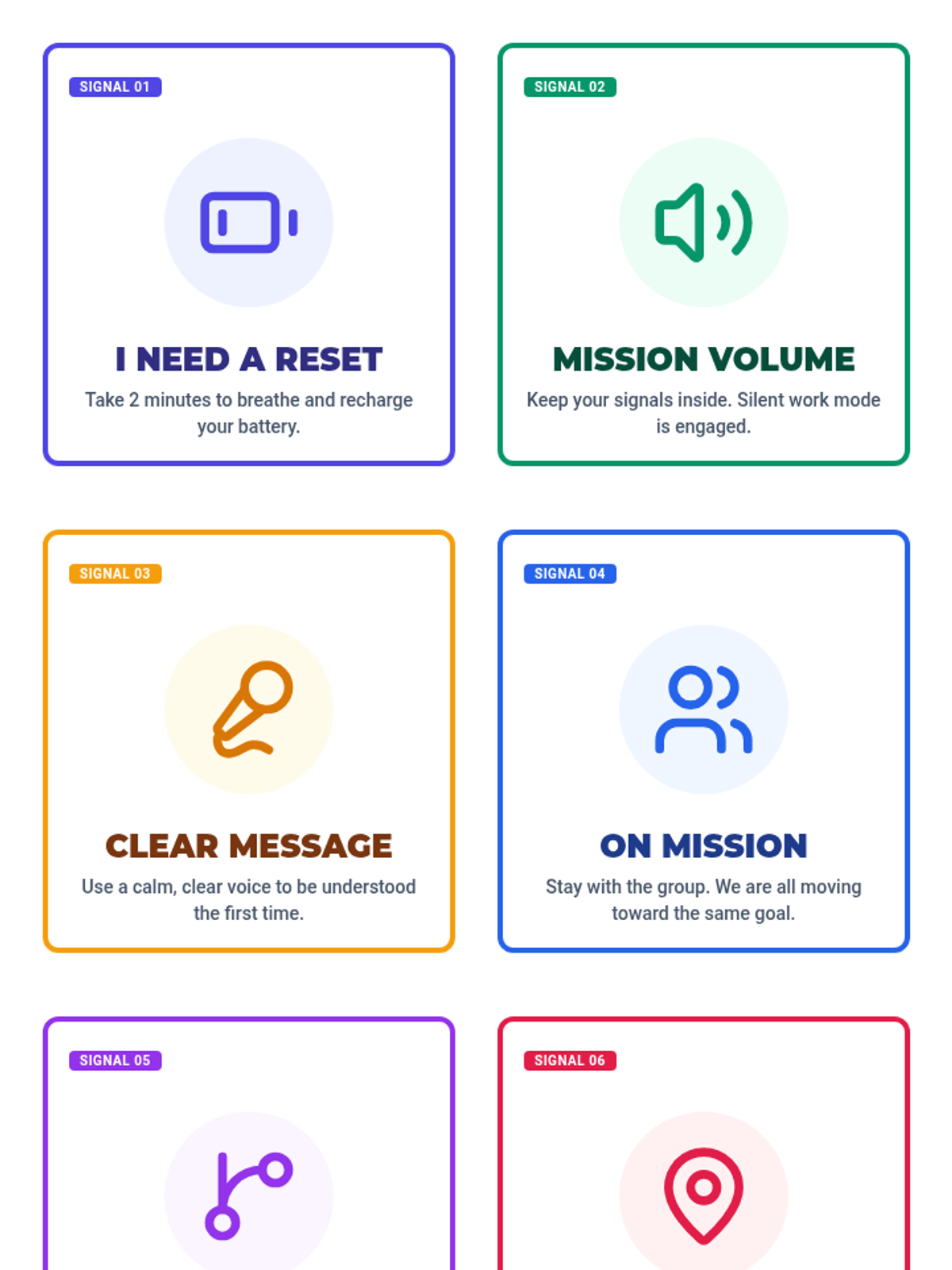
A comprehensive behavior support package designed to address mocking, disrespect, and classroom disruptions through structured interventions and visual cues.
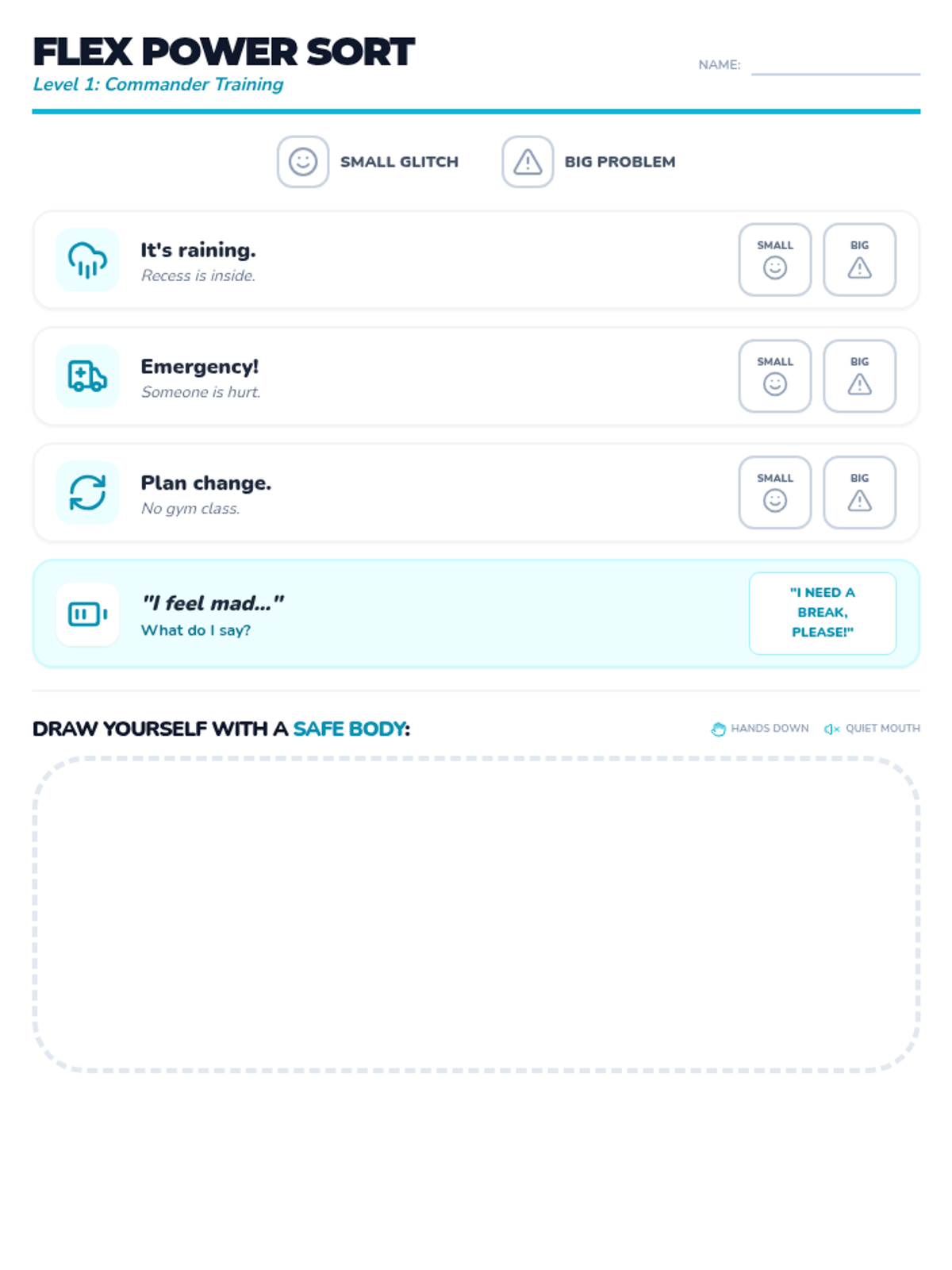
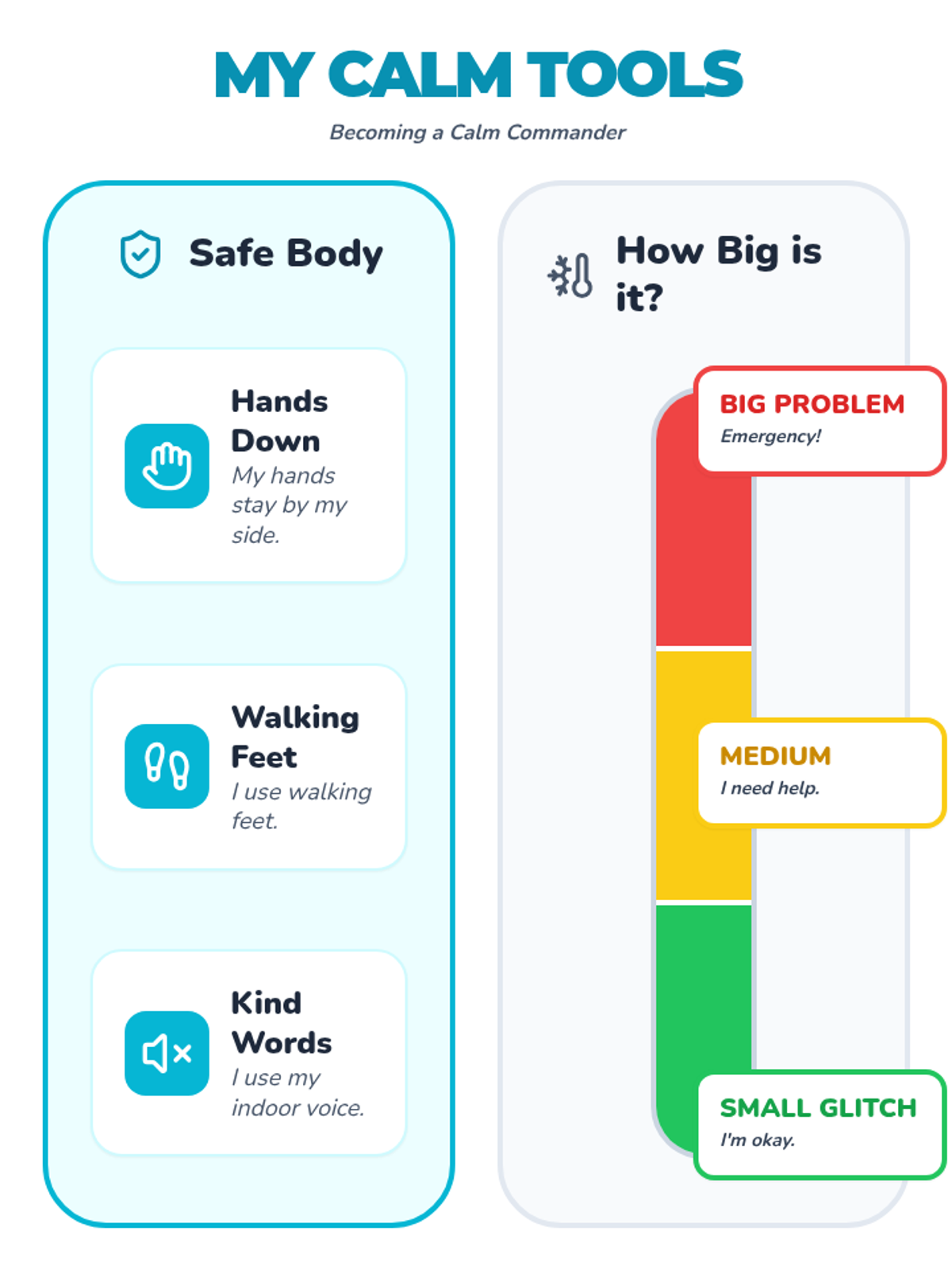
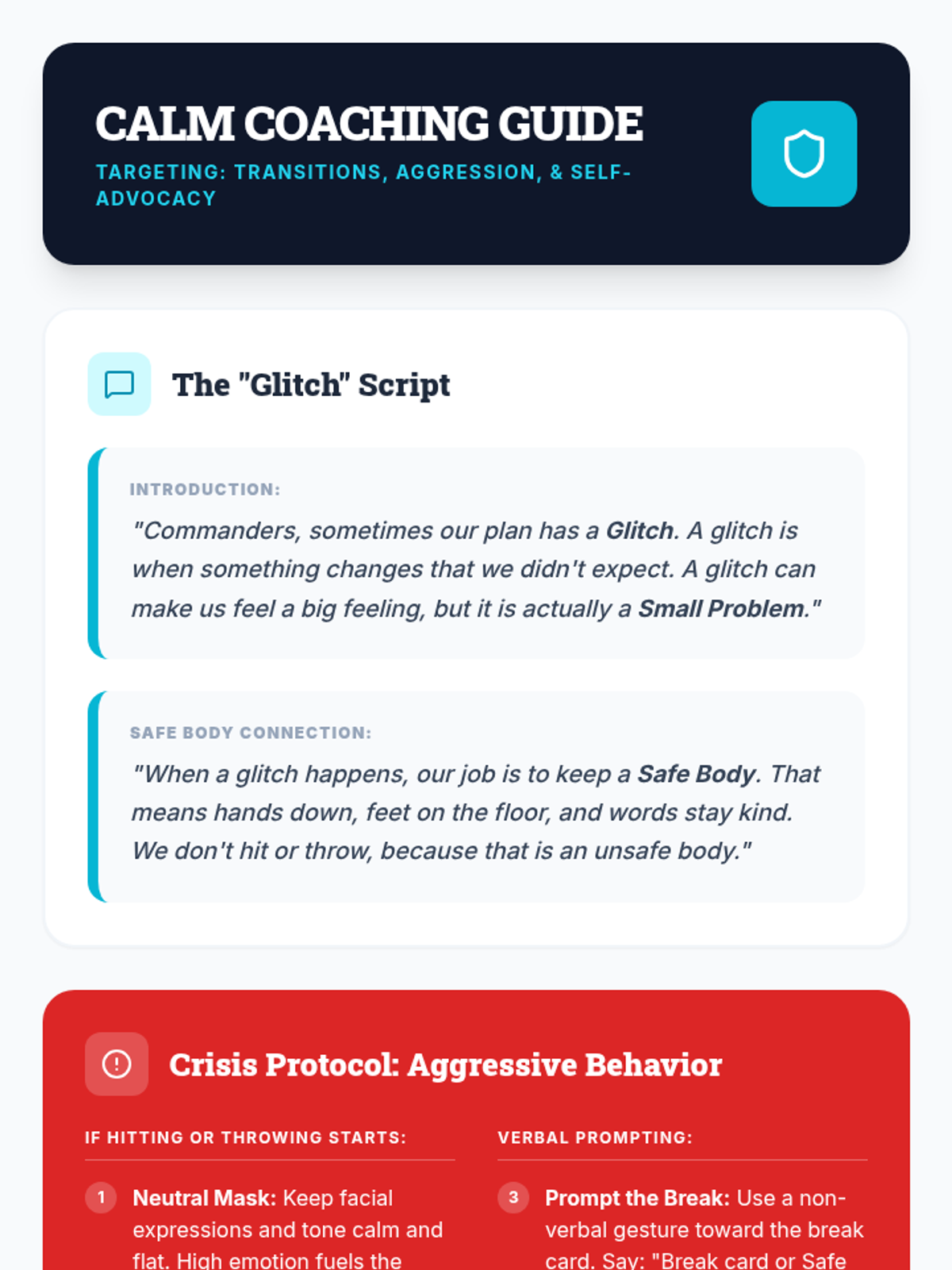
This lesson teaches students to distinguish between big and small problems, maintain a safe body during plan changes, and use a 'break' card effectively.
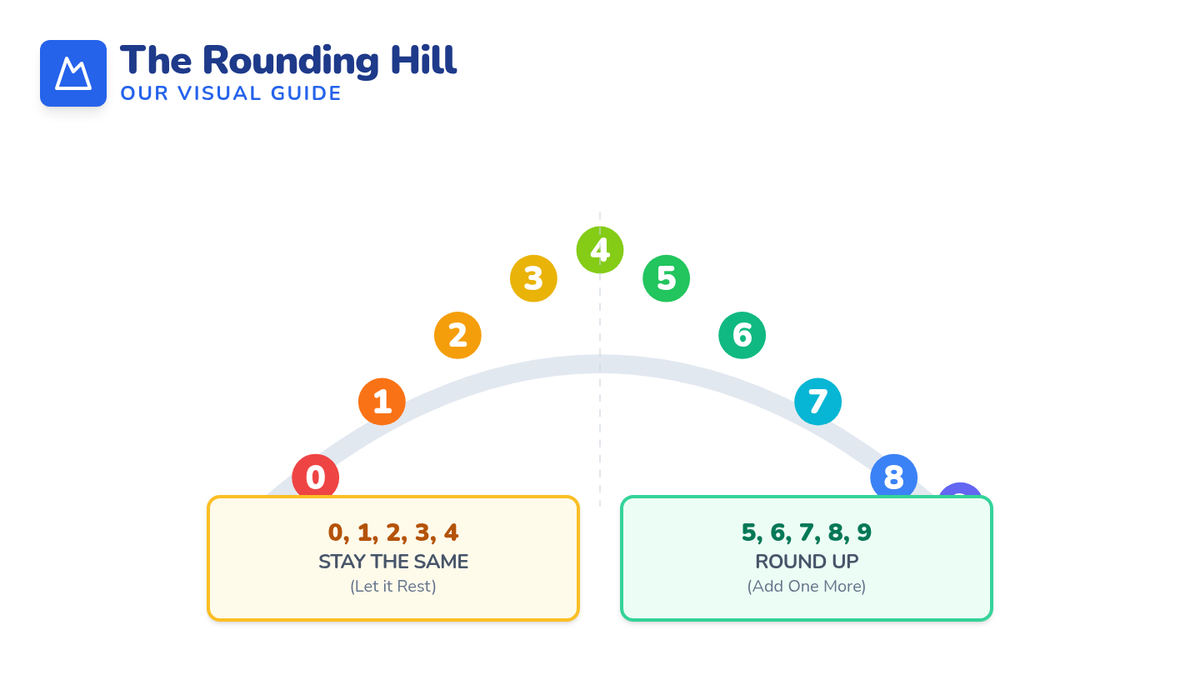
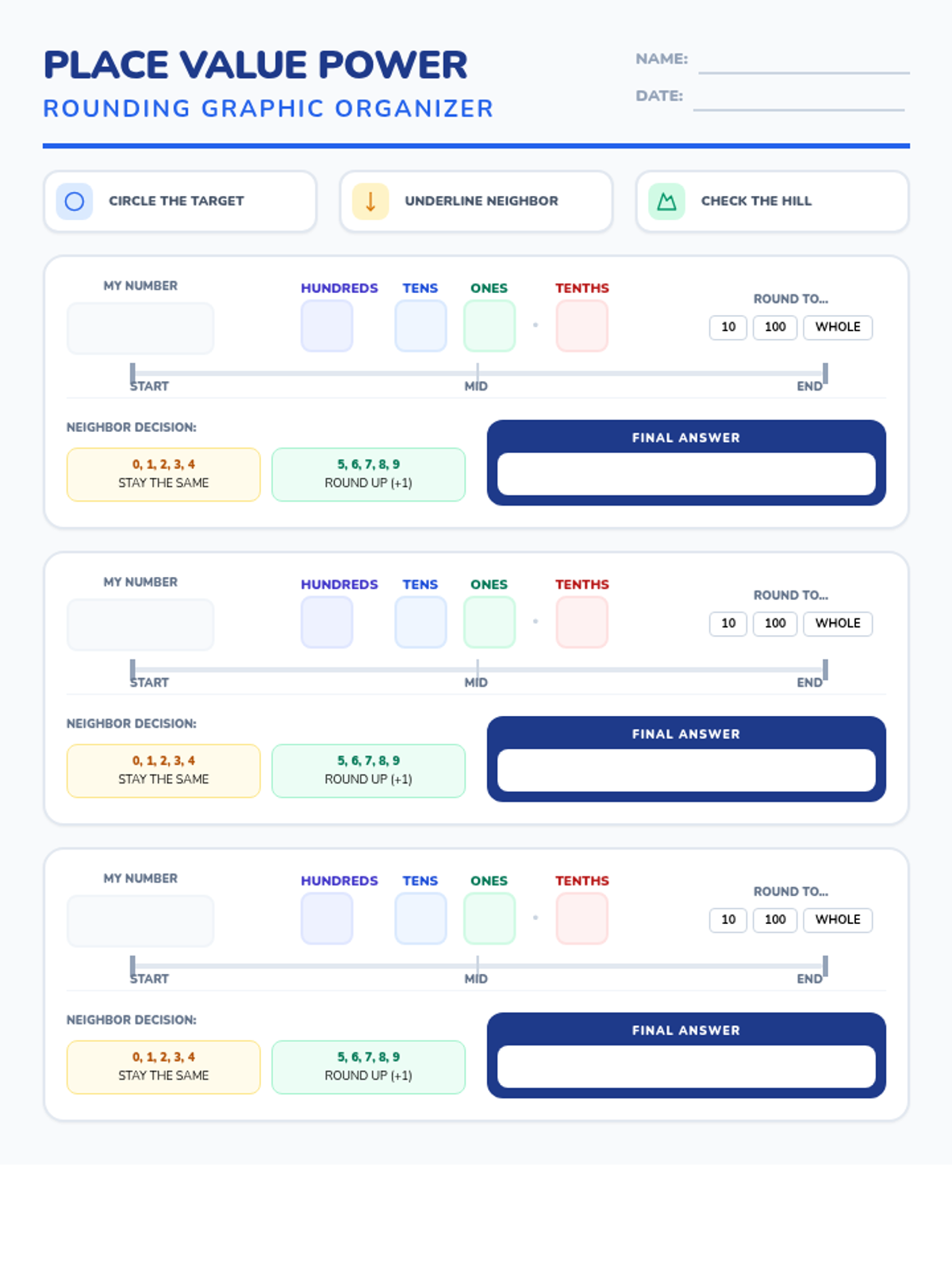
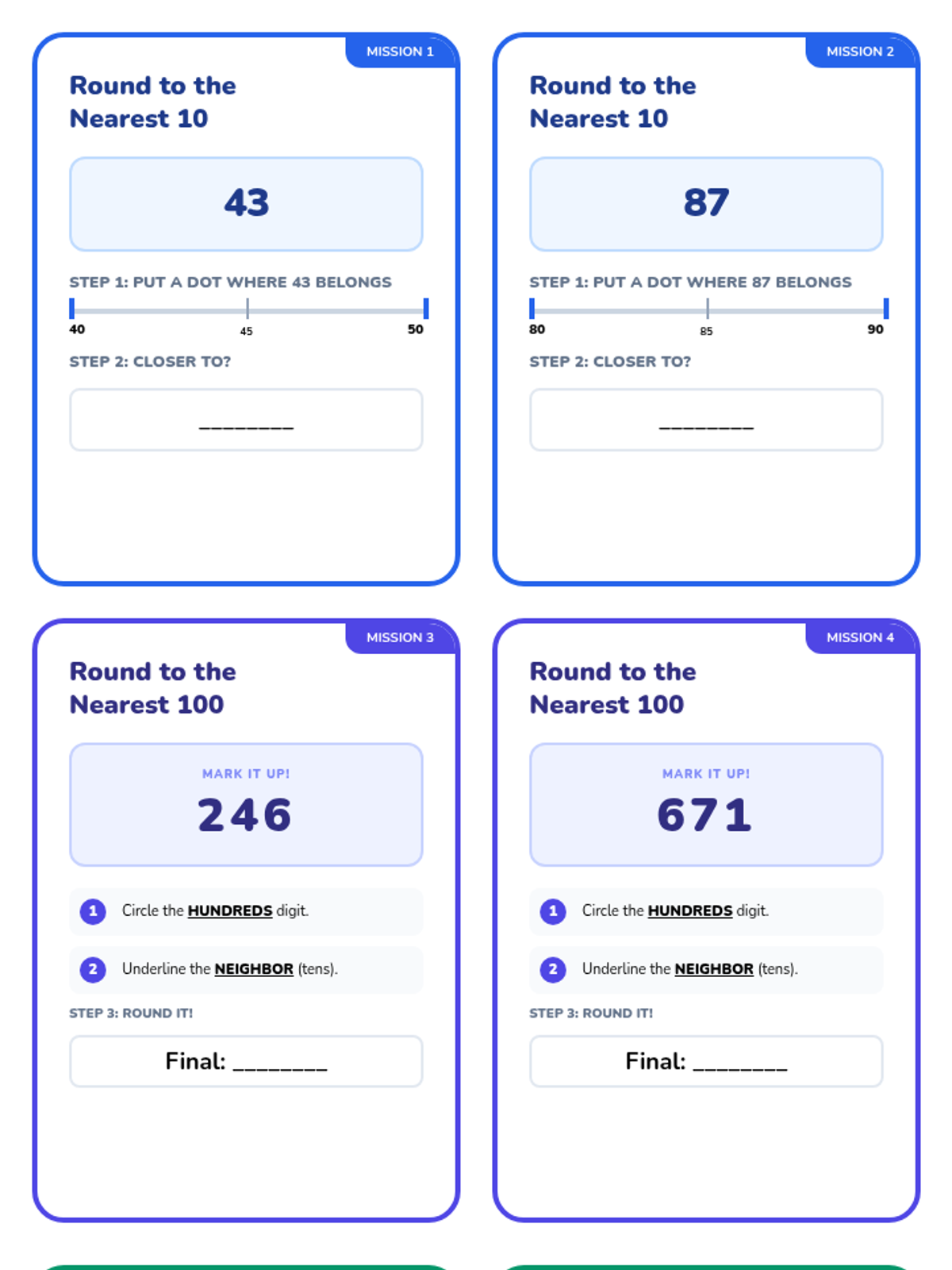
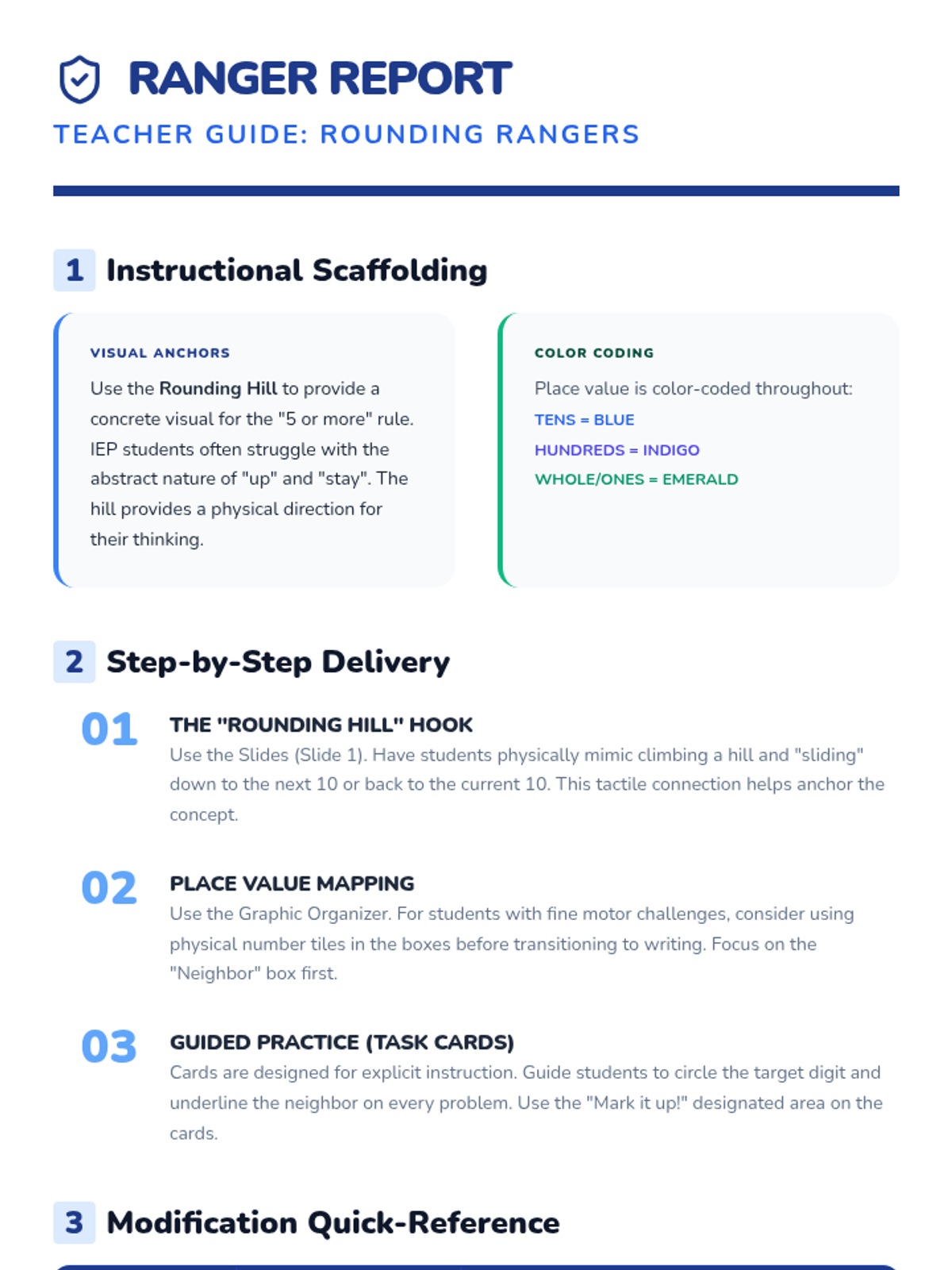
A comprehensive set of visual tools and scaffolds designed to help students with IEPs master rounding to the nearest 10, 100, and whole number using number lines and visual cues.
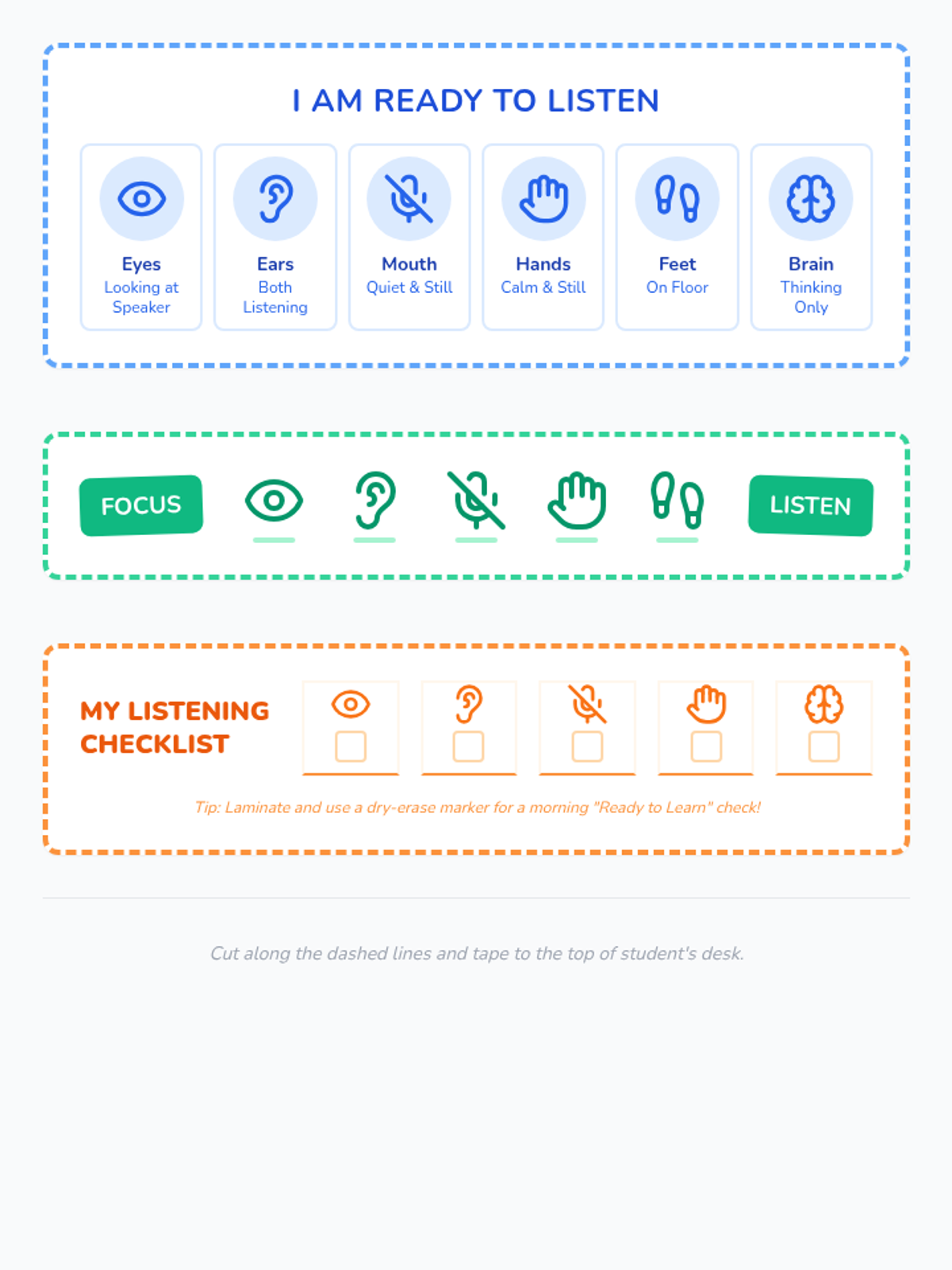
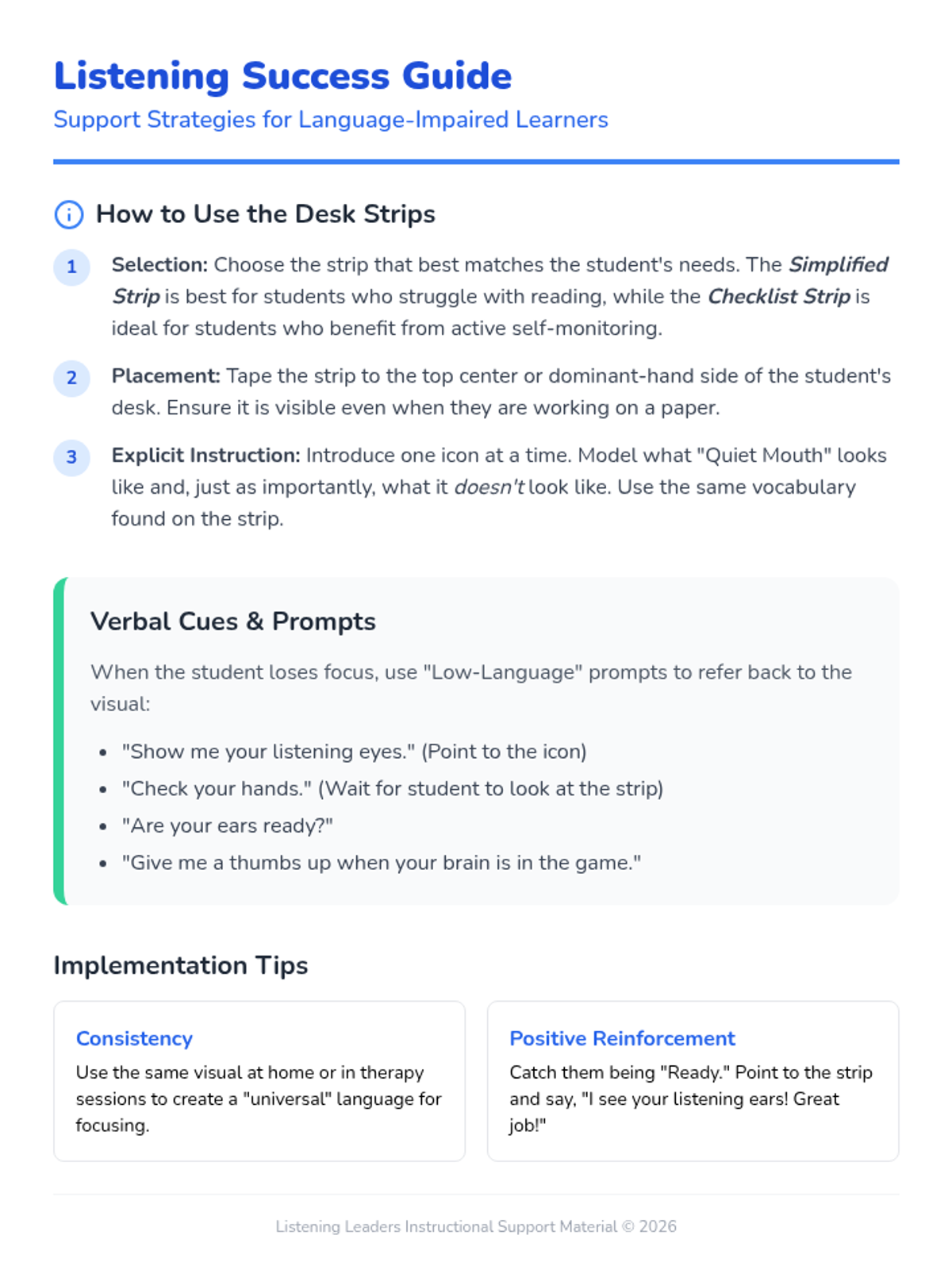
A set of visual supports and instructional strategies designed to help second-grade students, particularly those with language impairments, understand and implement whole-body listening and focusing behaviors.
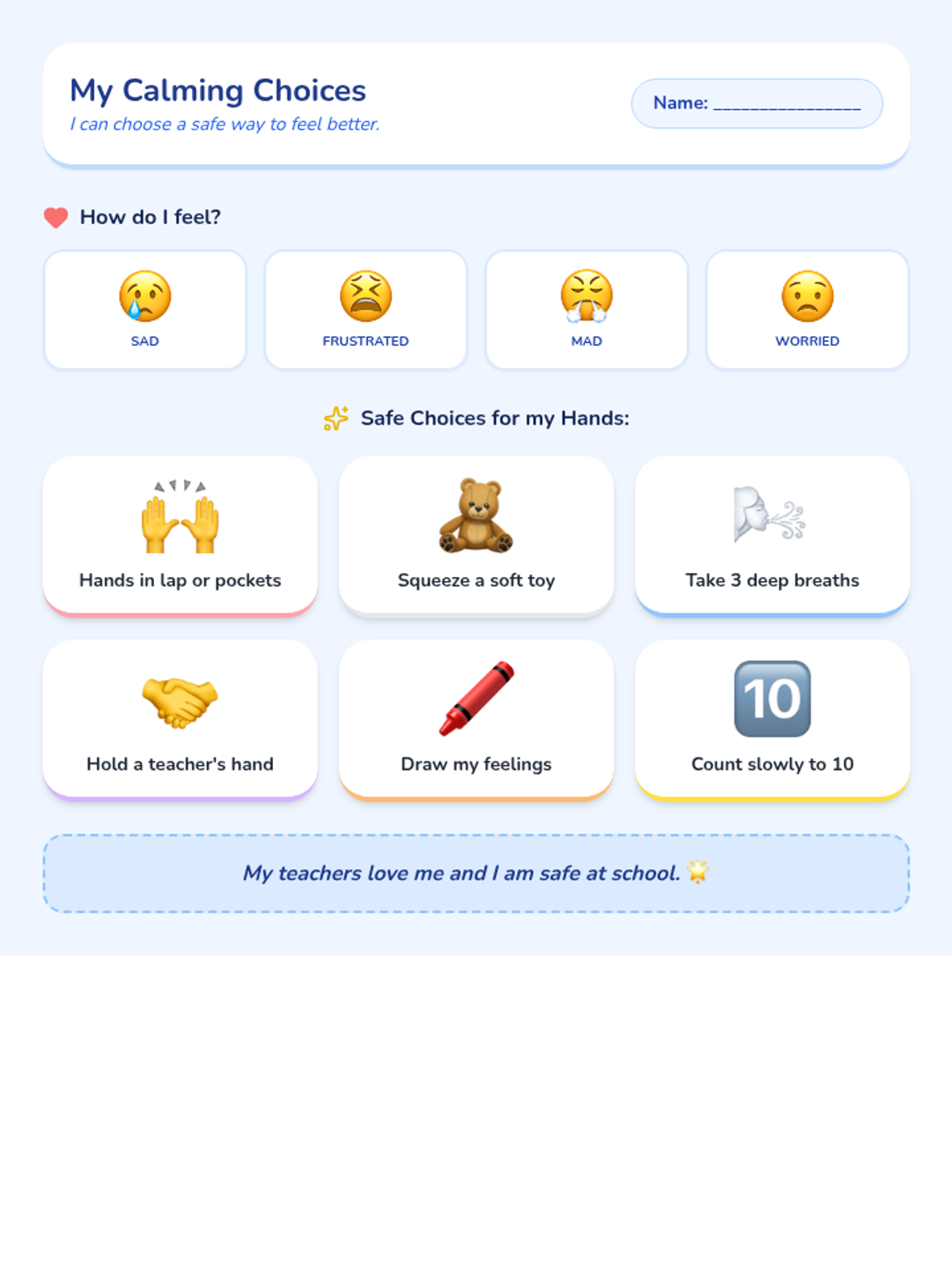
A bundle of support materials designed to help a Kindergarten student navigate academic frustration and emotional regulation while promoting self-safety and connection.
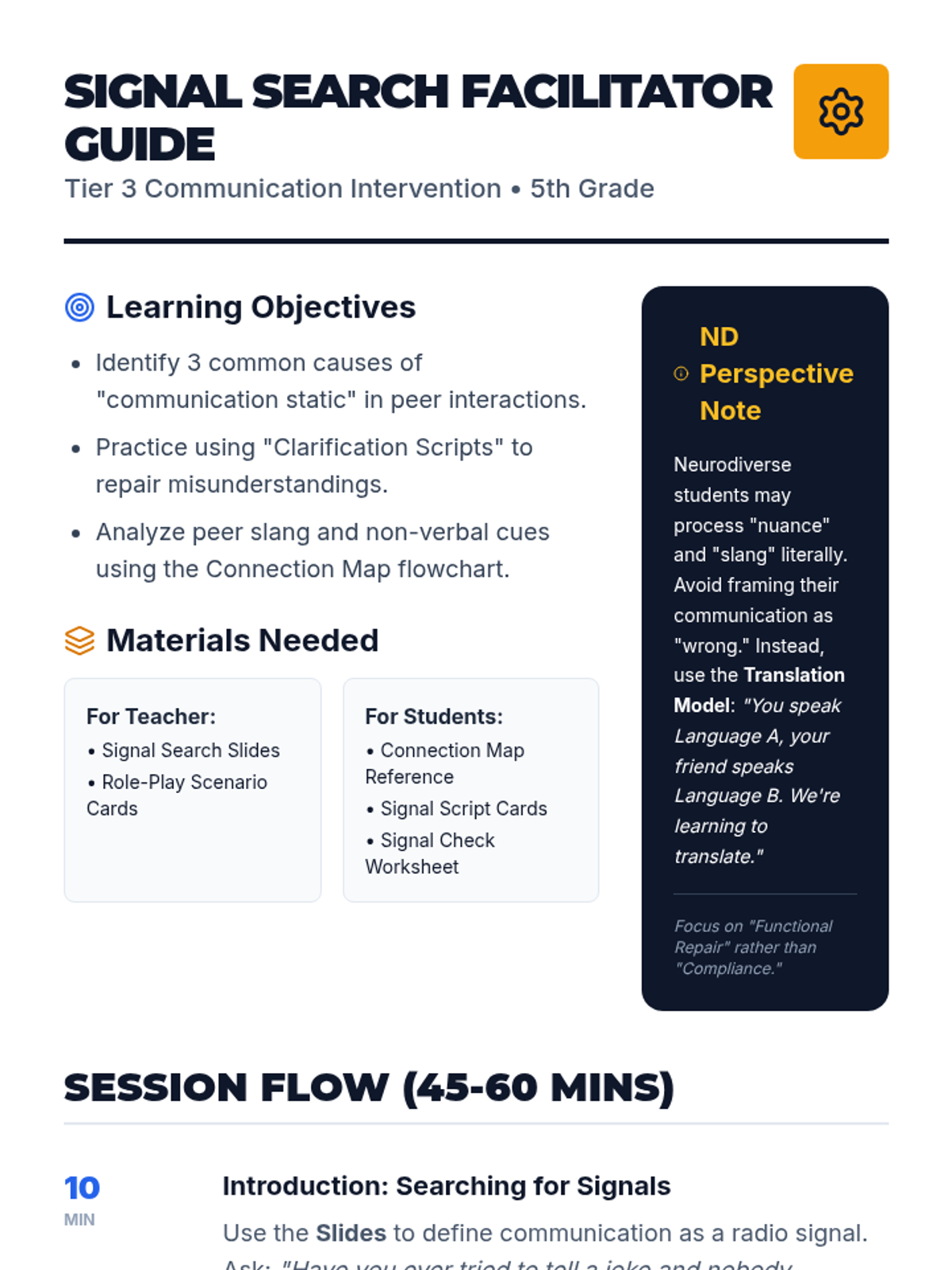
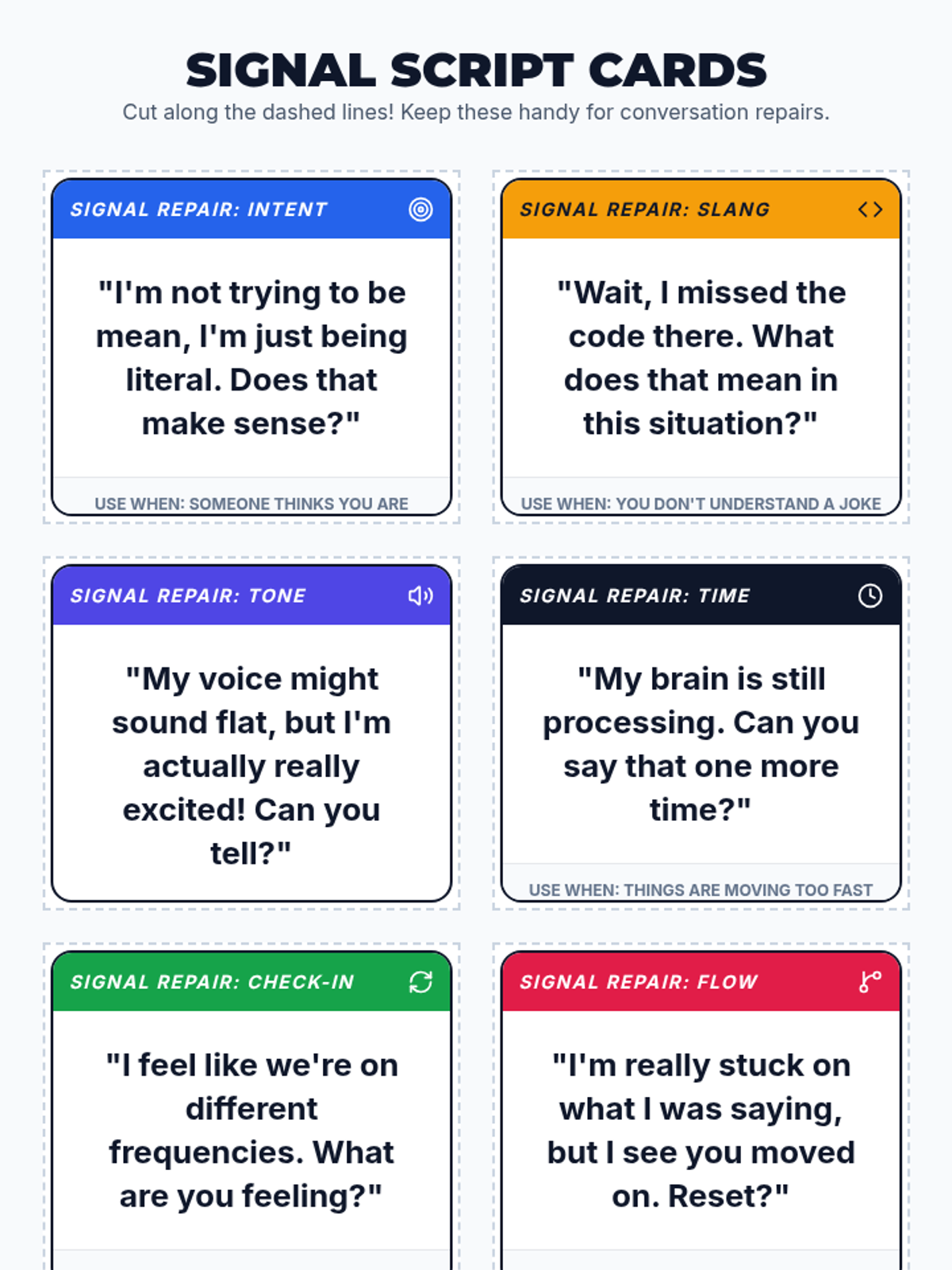
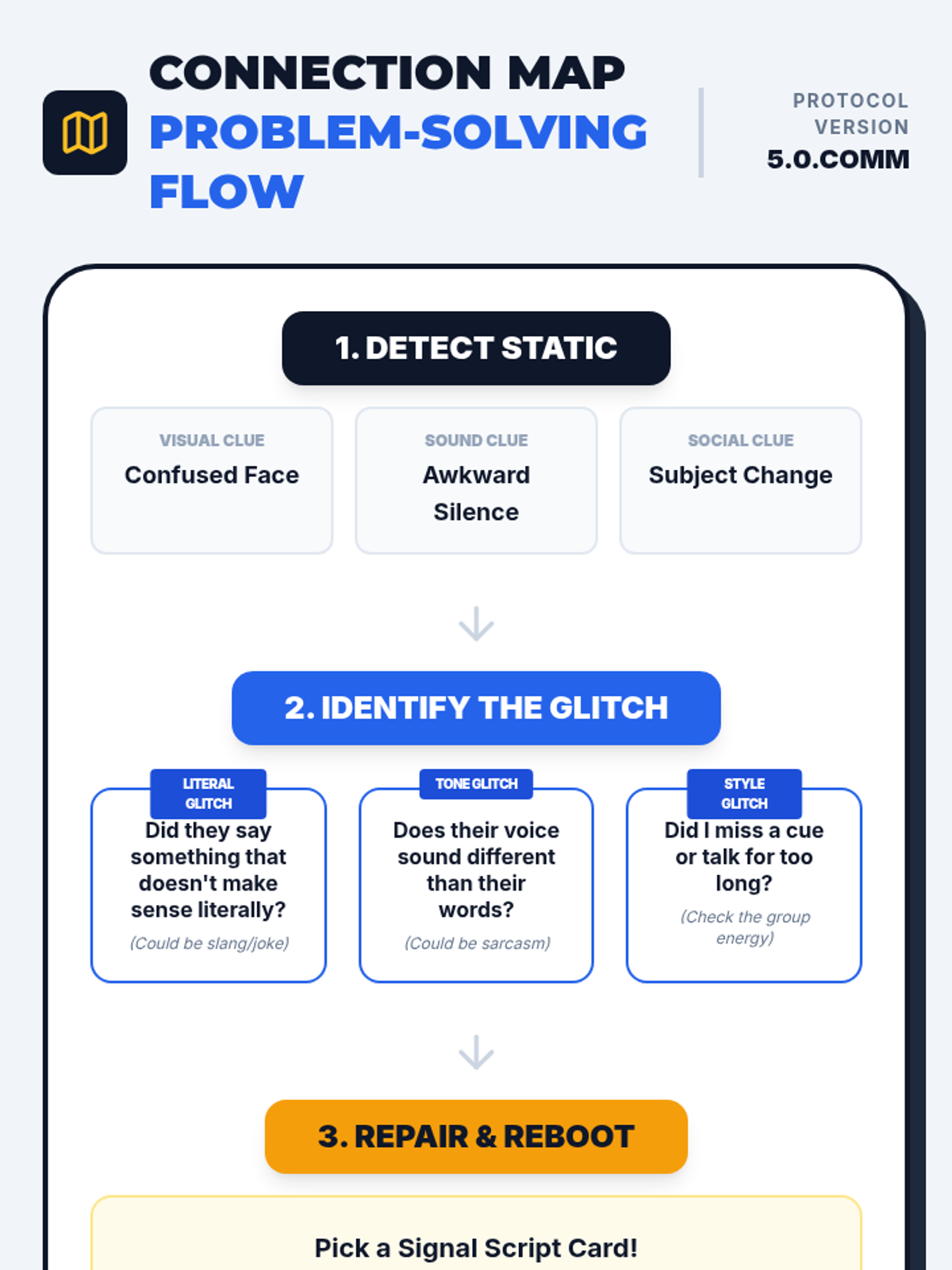
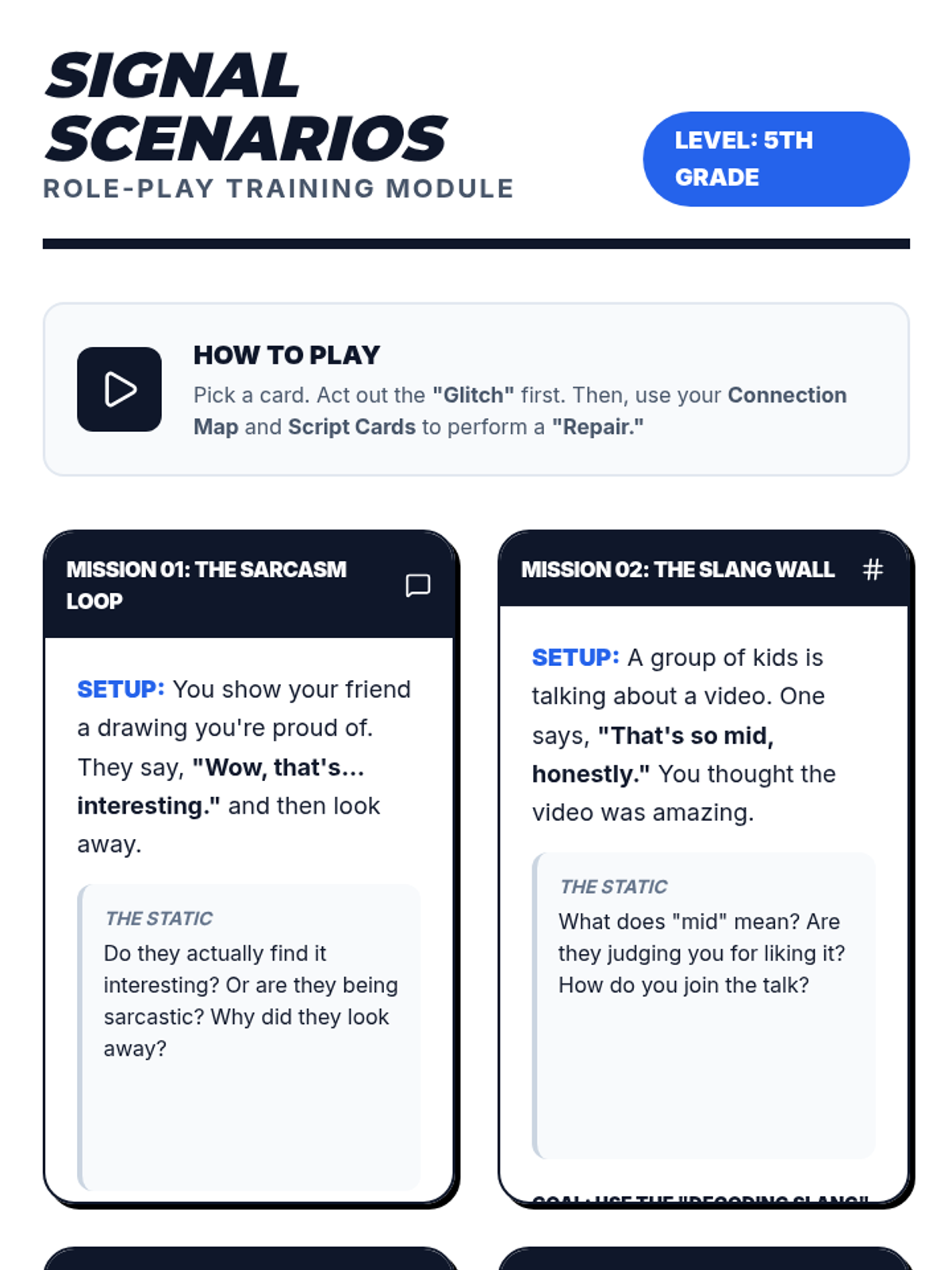
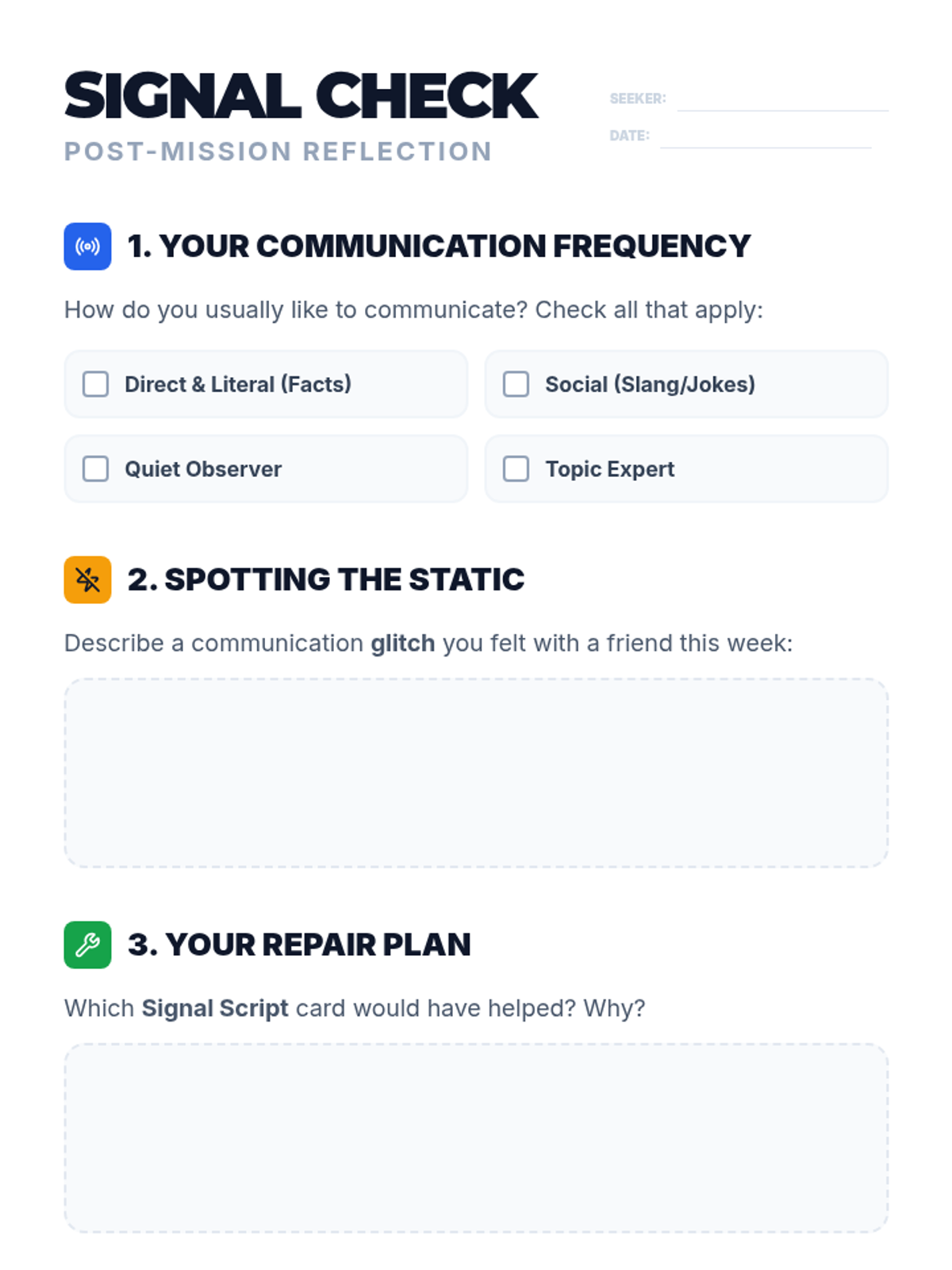
An intensive session where students explore neurodiverse communication styles and practice specific strategies for when their 'signal' isn't being received by friends.
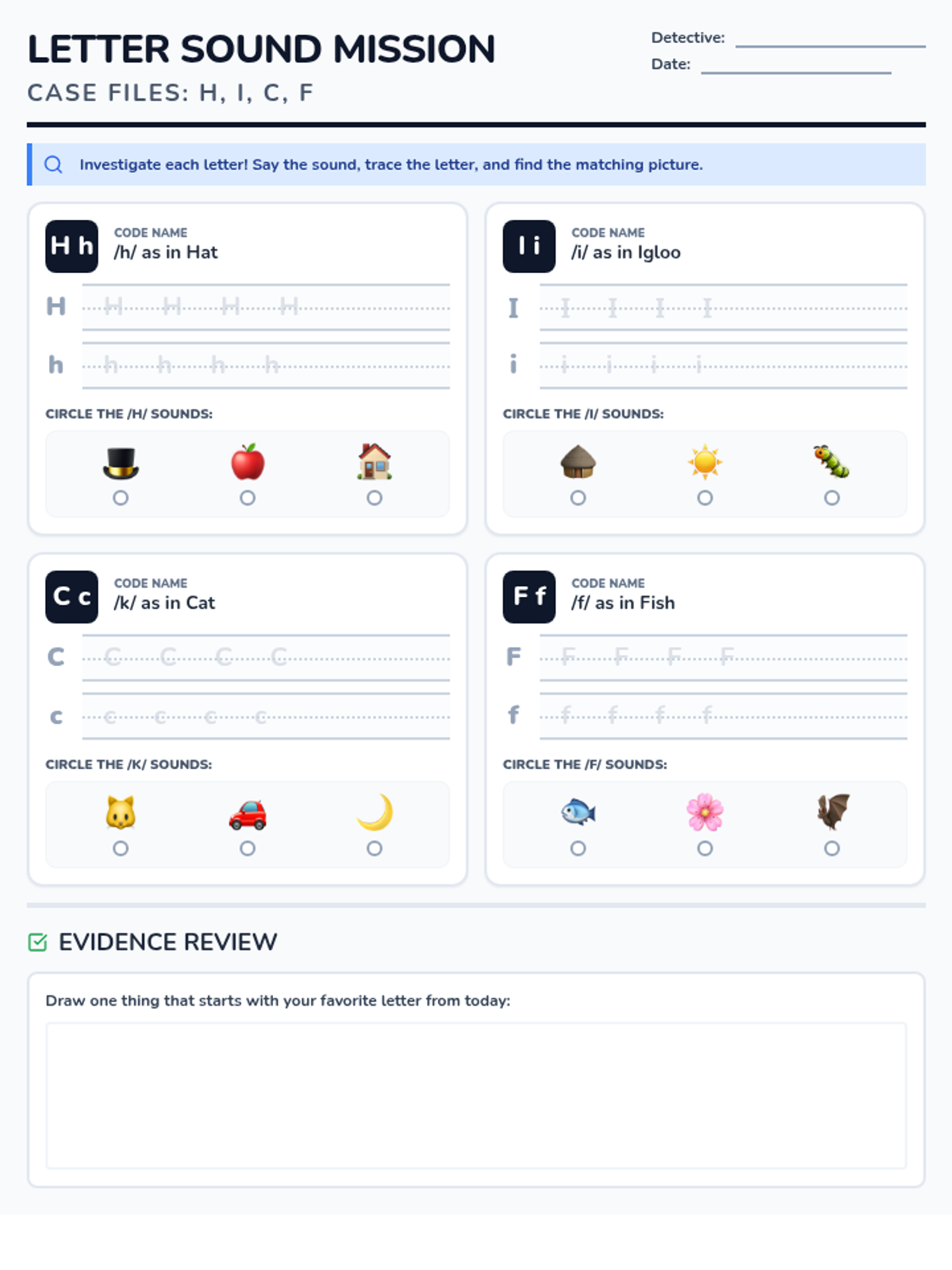
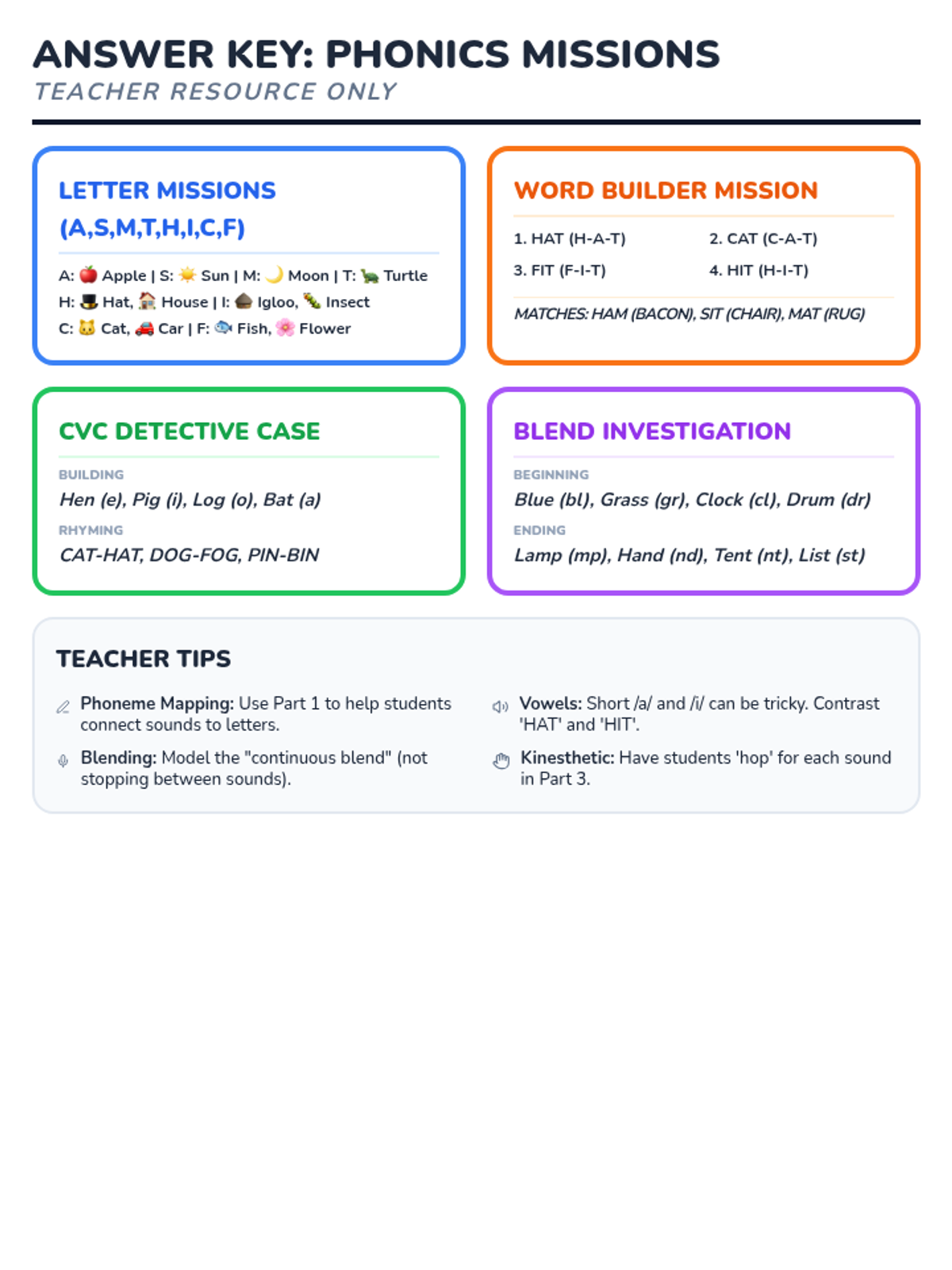
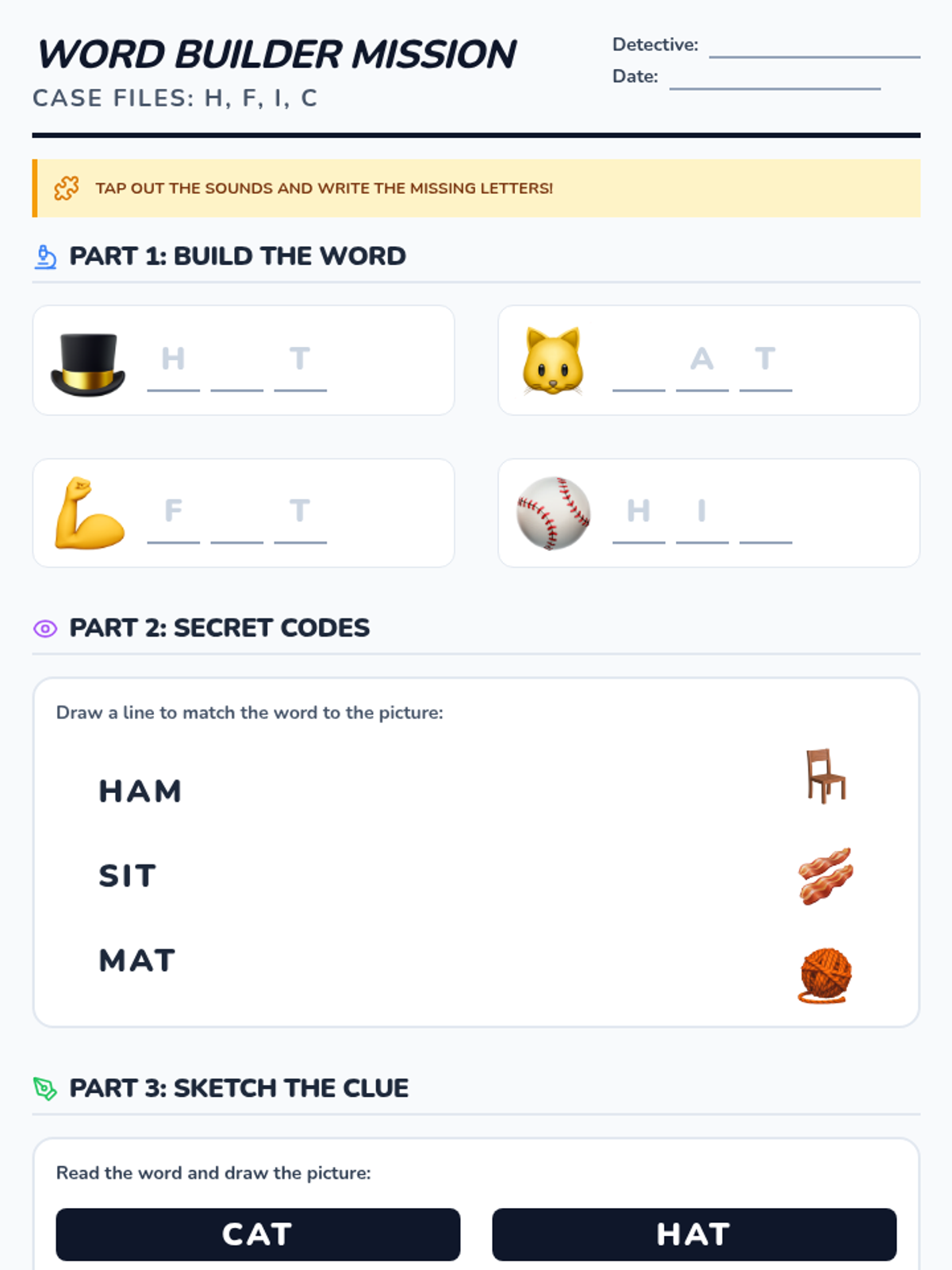
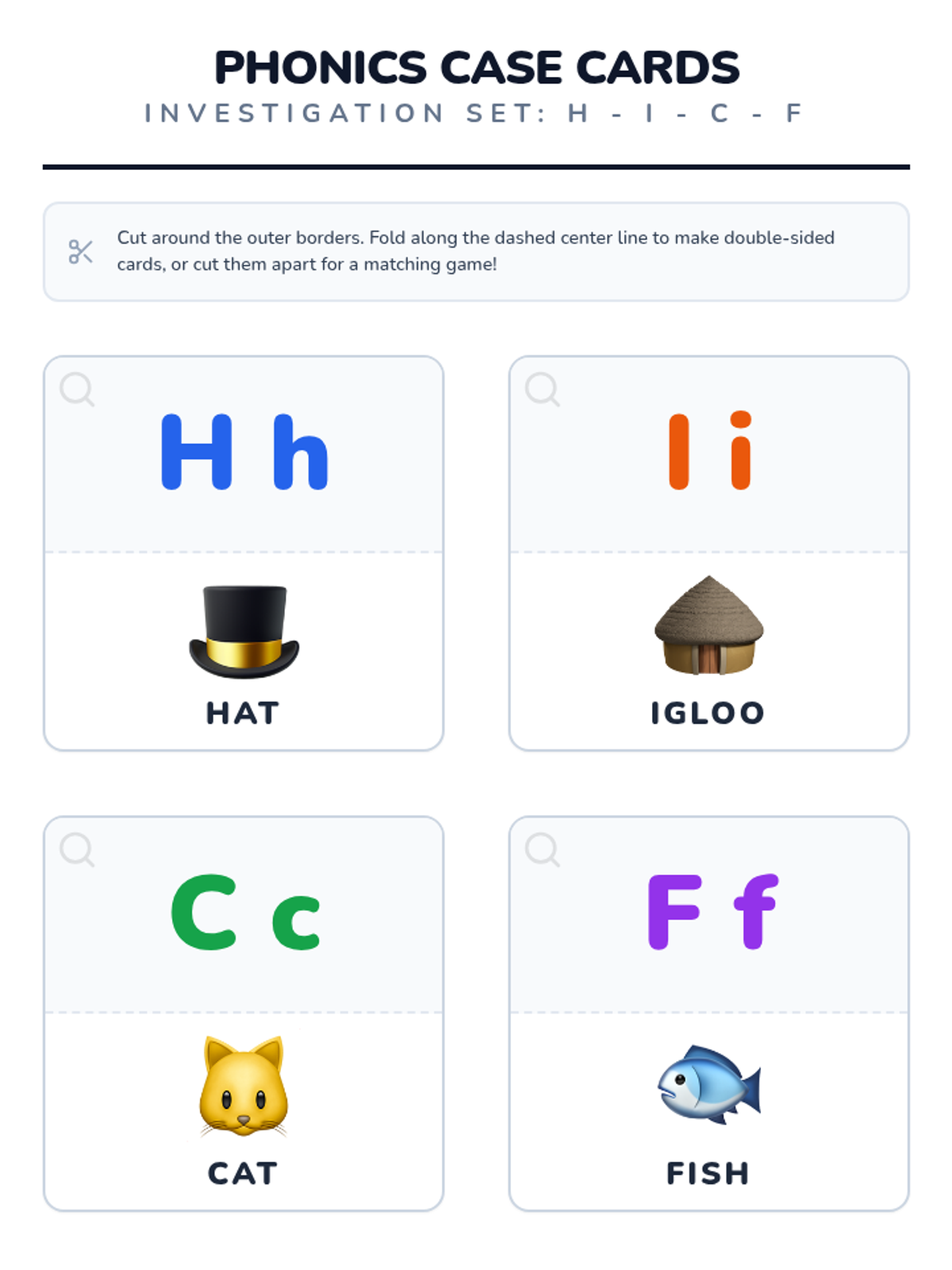
Focuses on foundational phonics skills for the letters H, I, C, and F, including letter recognition, sounds, and CVC word building with a detective theme.
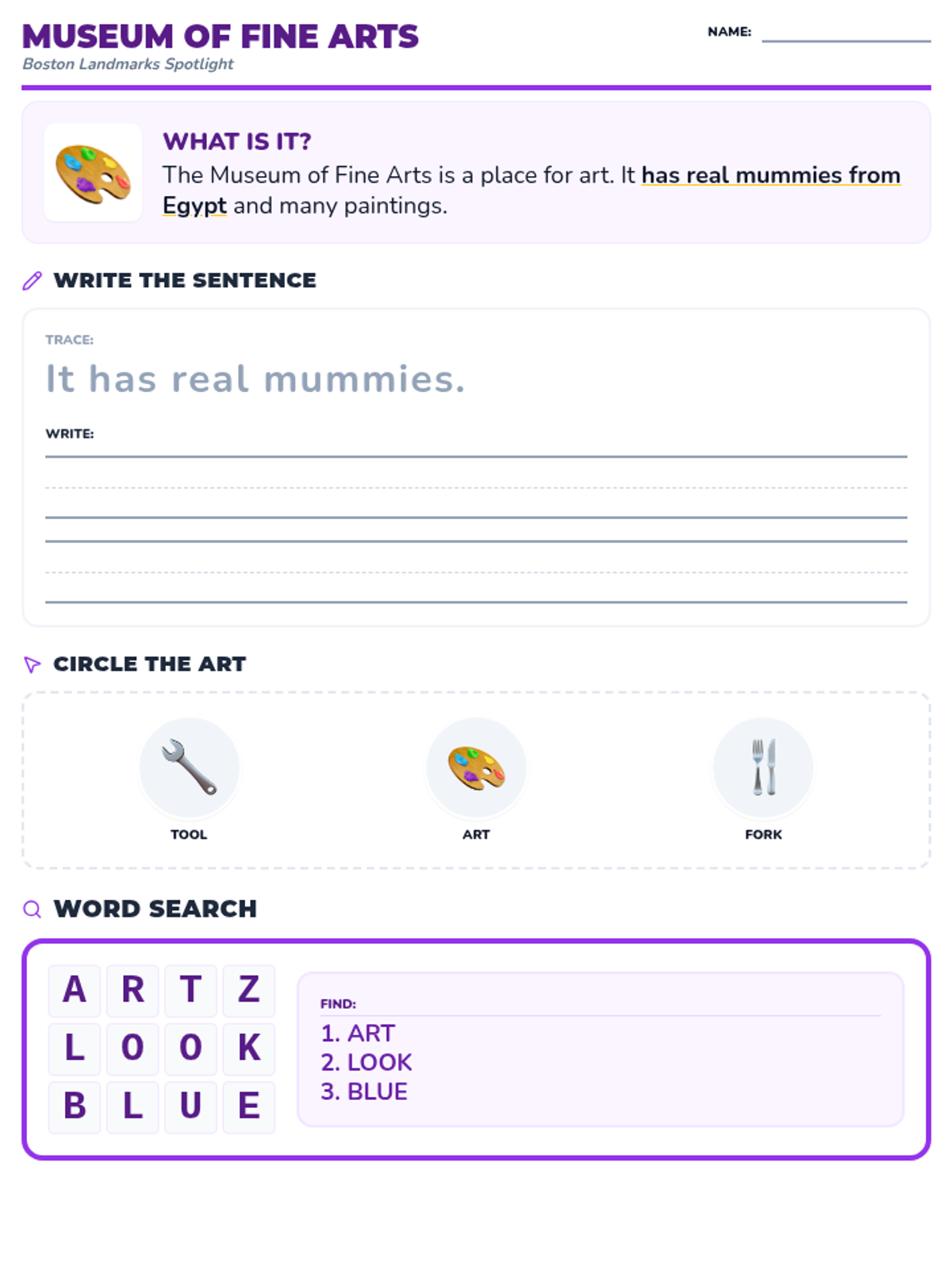
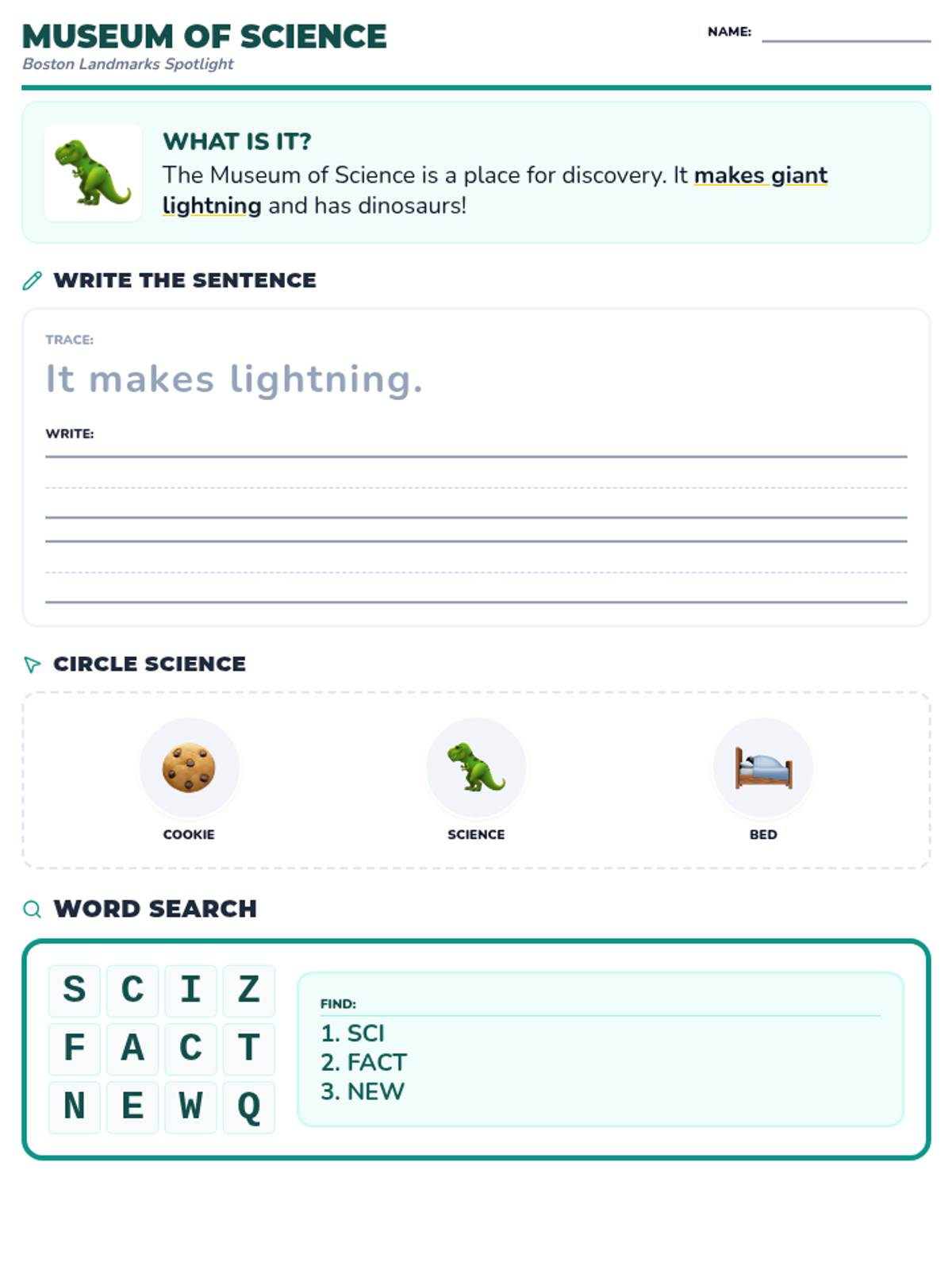
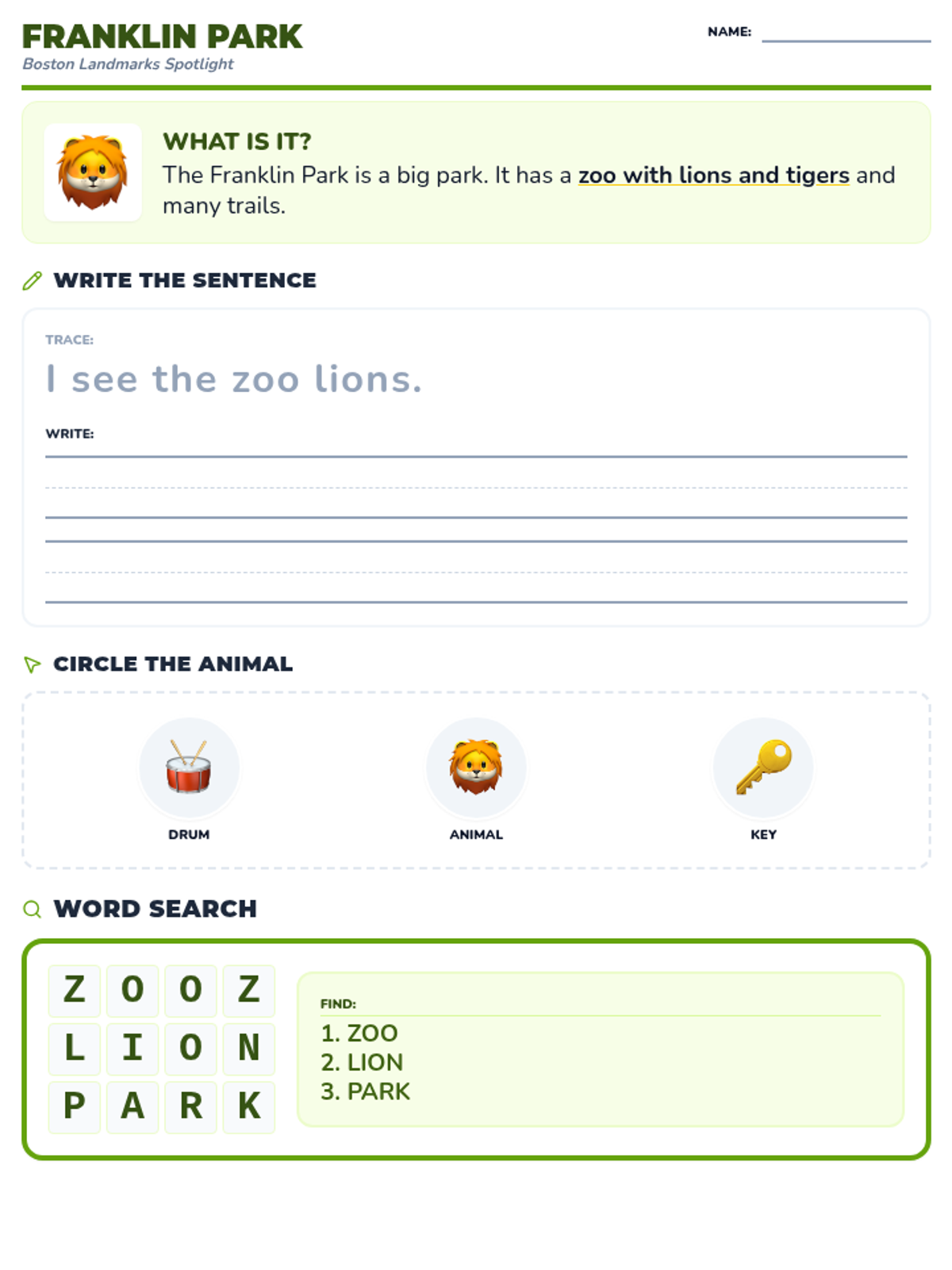
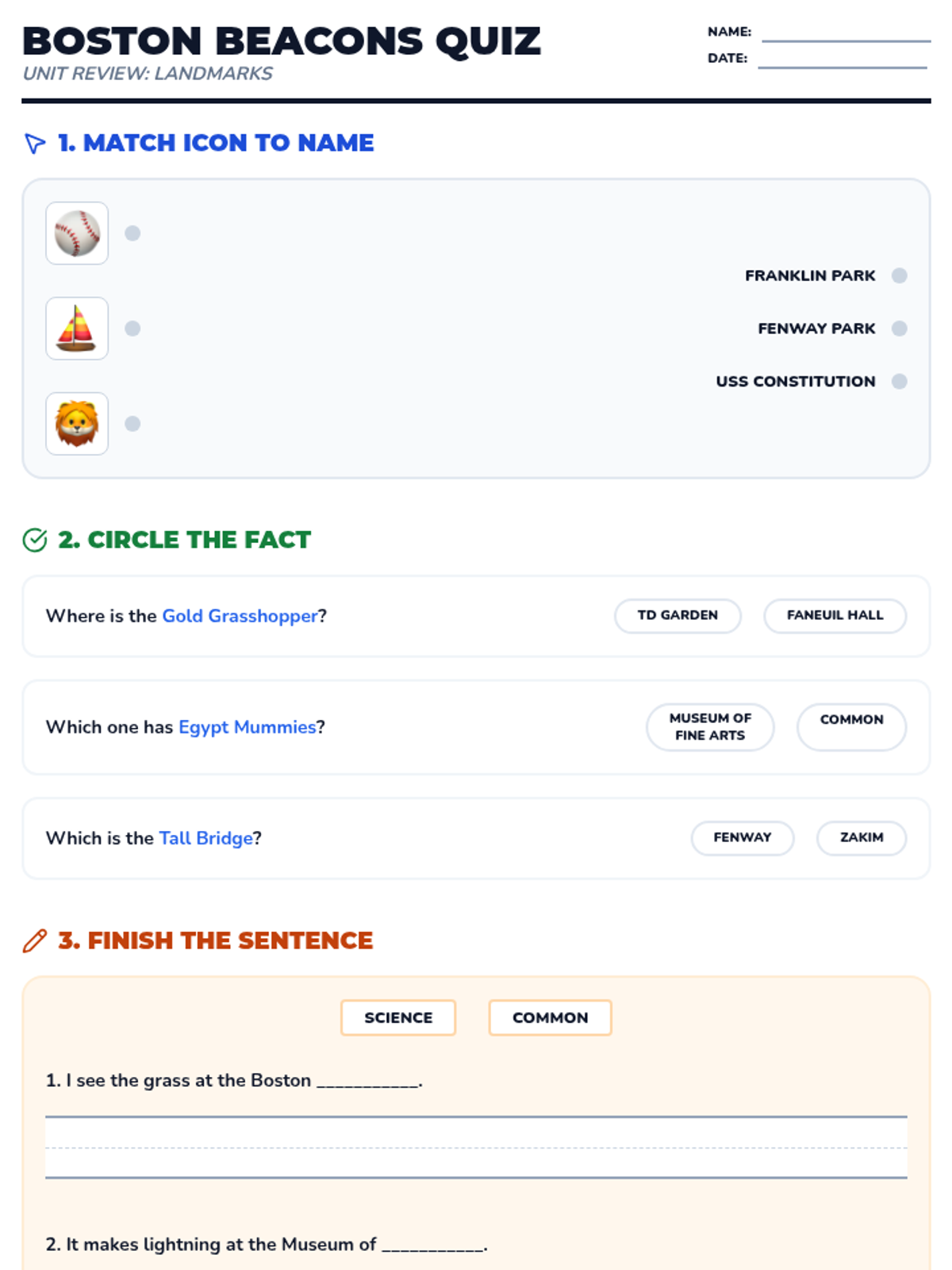
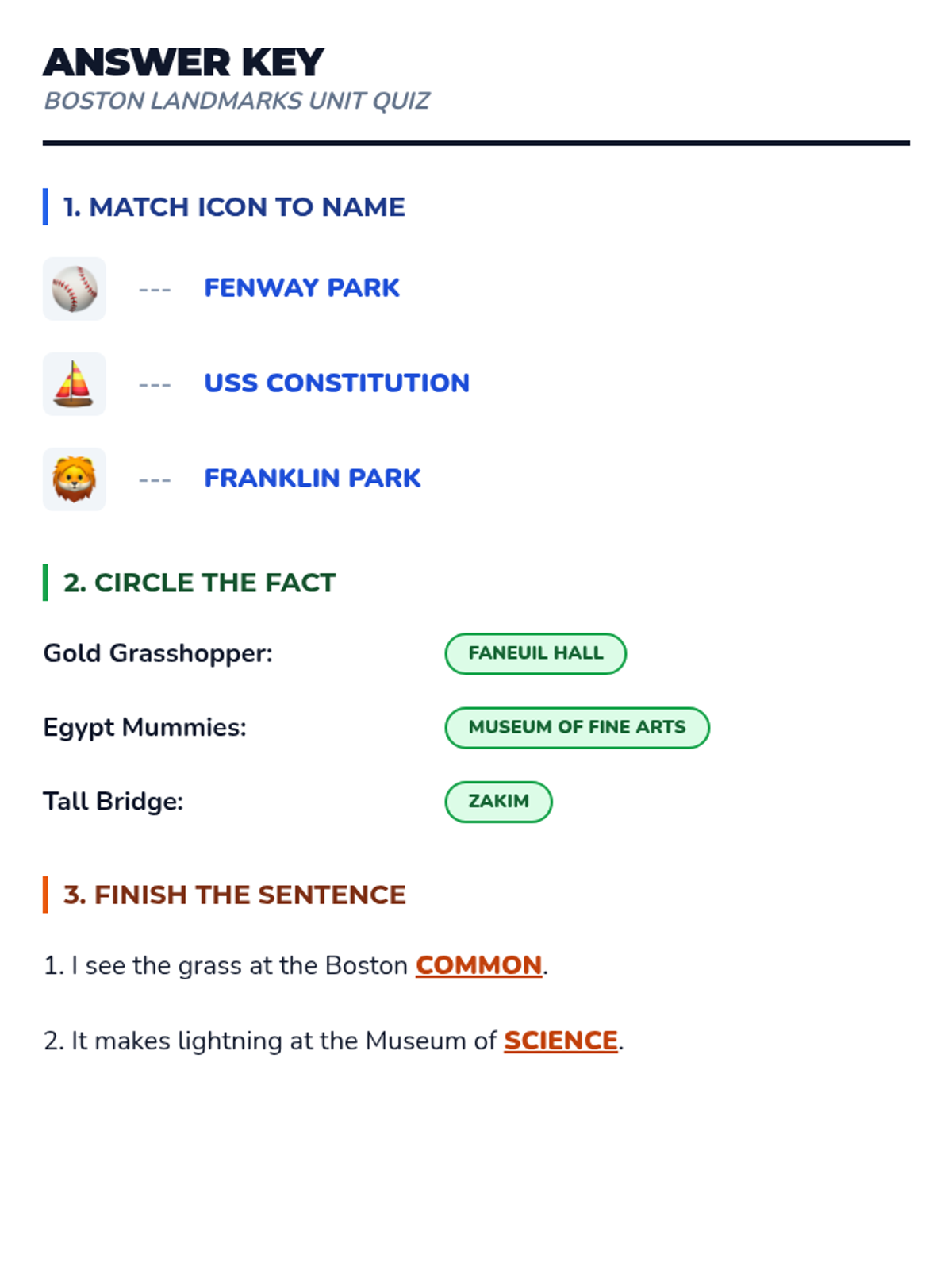
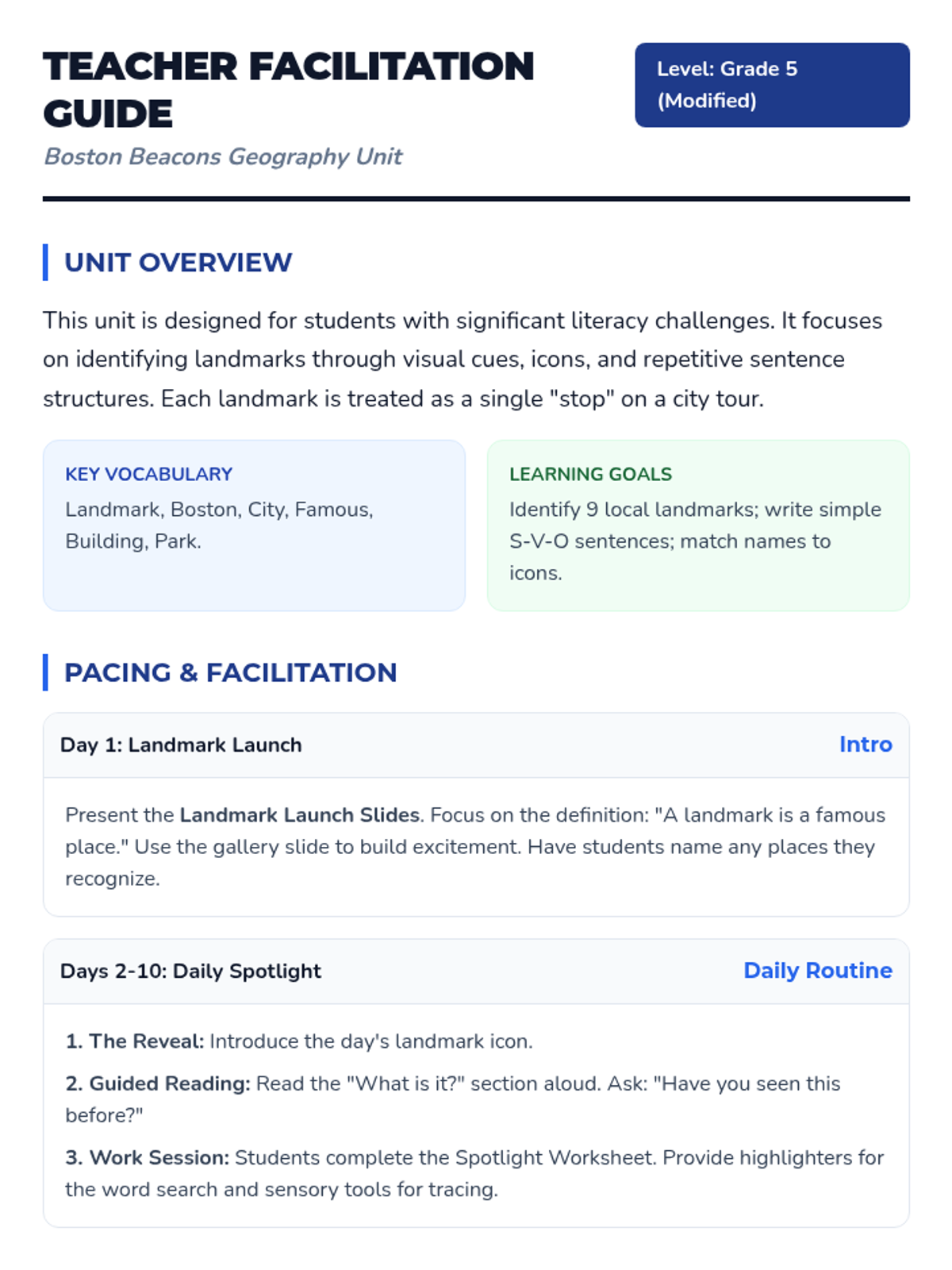
Focuses on centers of learning and nature, including the Museum of Fine Arts, Museum of Science, and Franklin Park. Students engage with visual matching and word recognition activities.
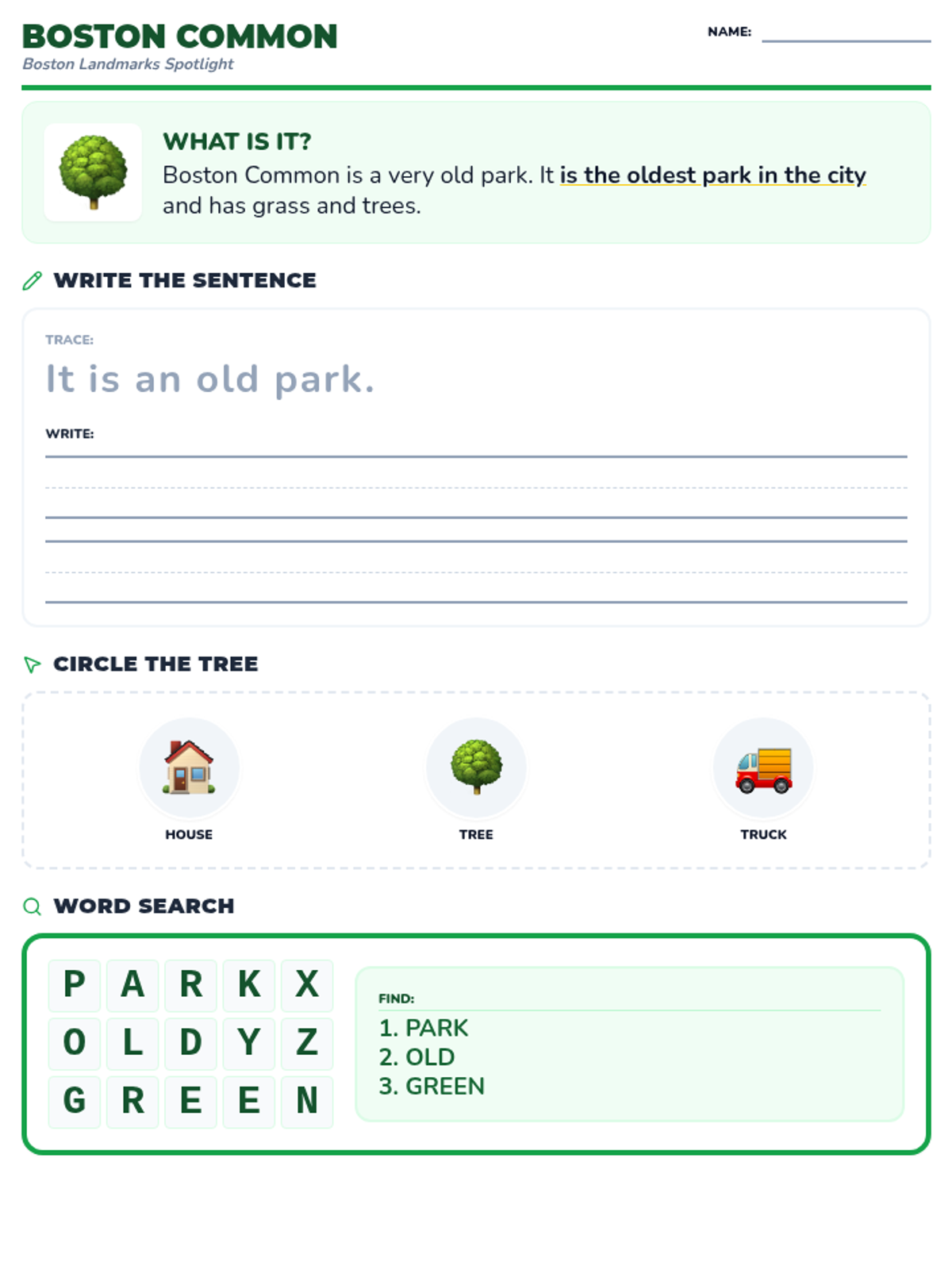
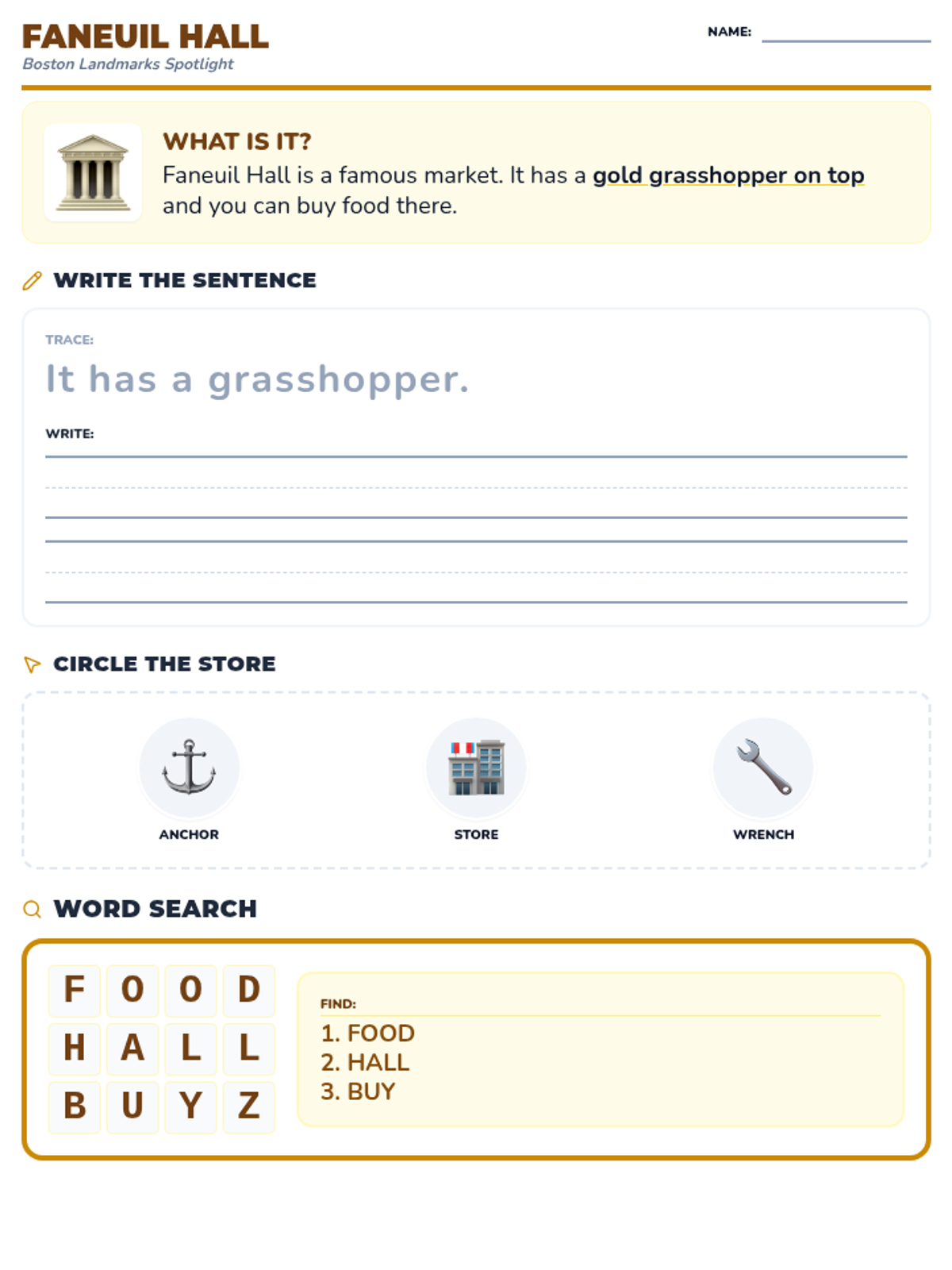
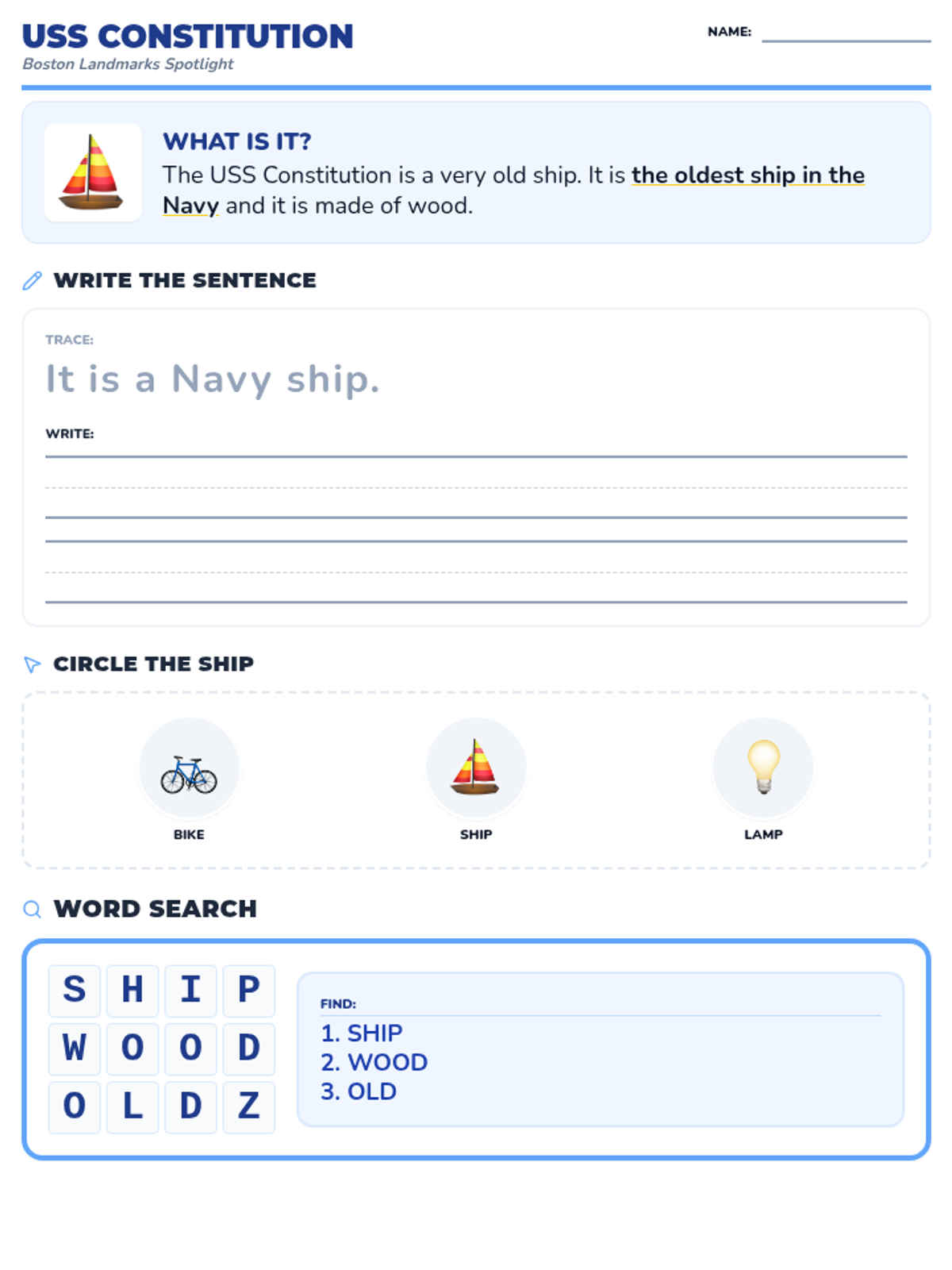
Explores the historical roots of Boston through the Boston Common, Faneuil Hall, and the USS Constitution. Students practice reading simple sentences about the city's past.
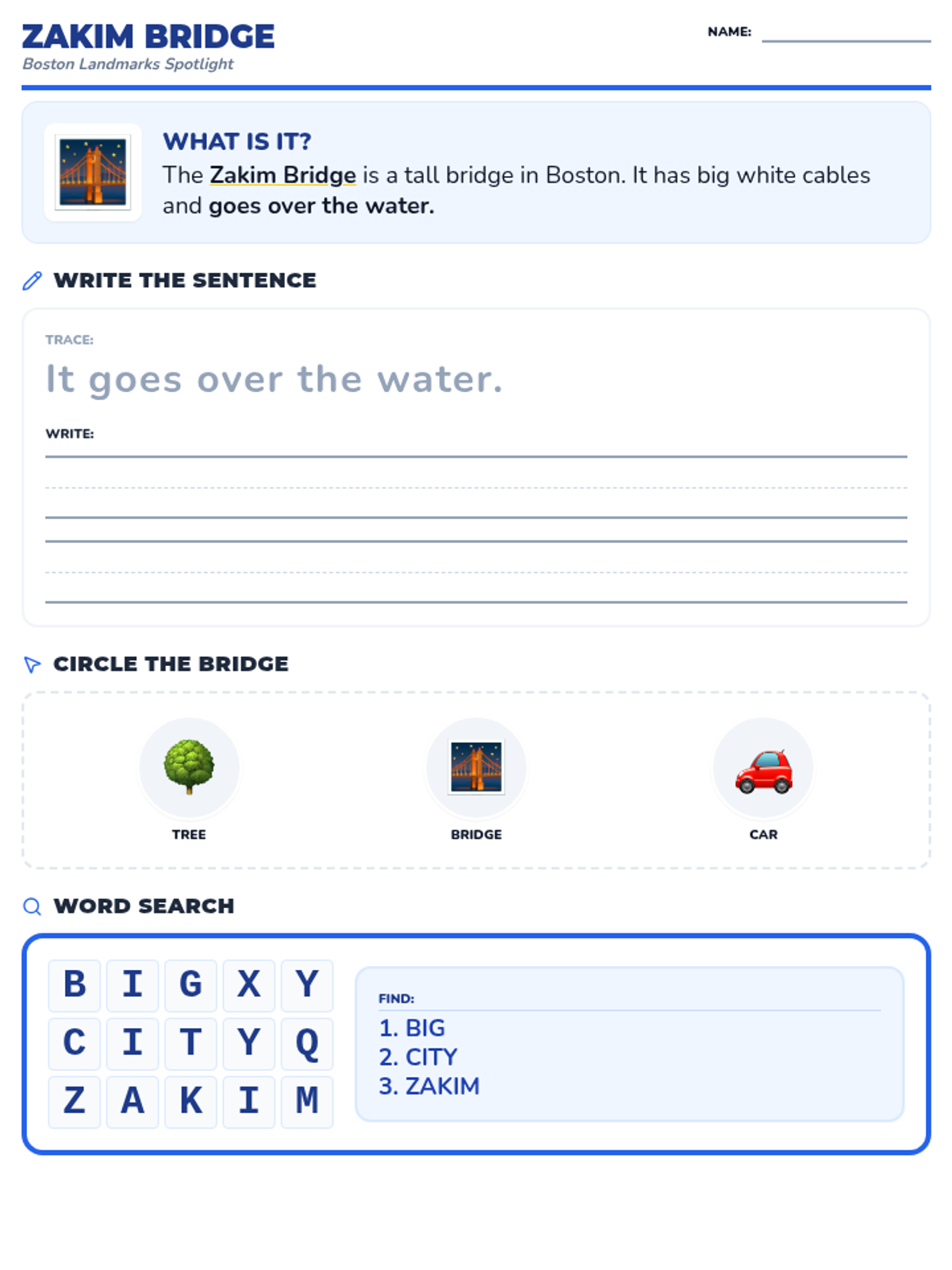
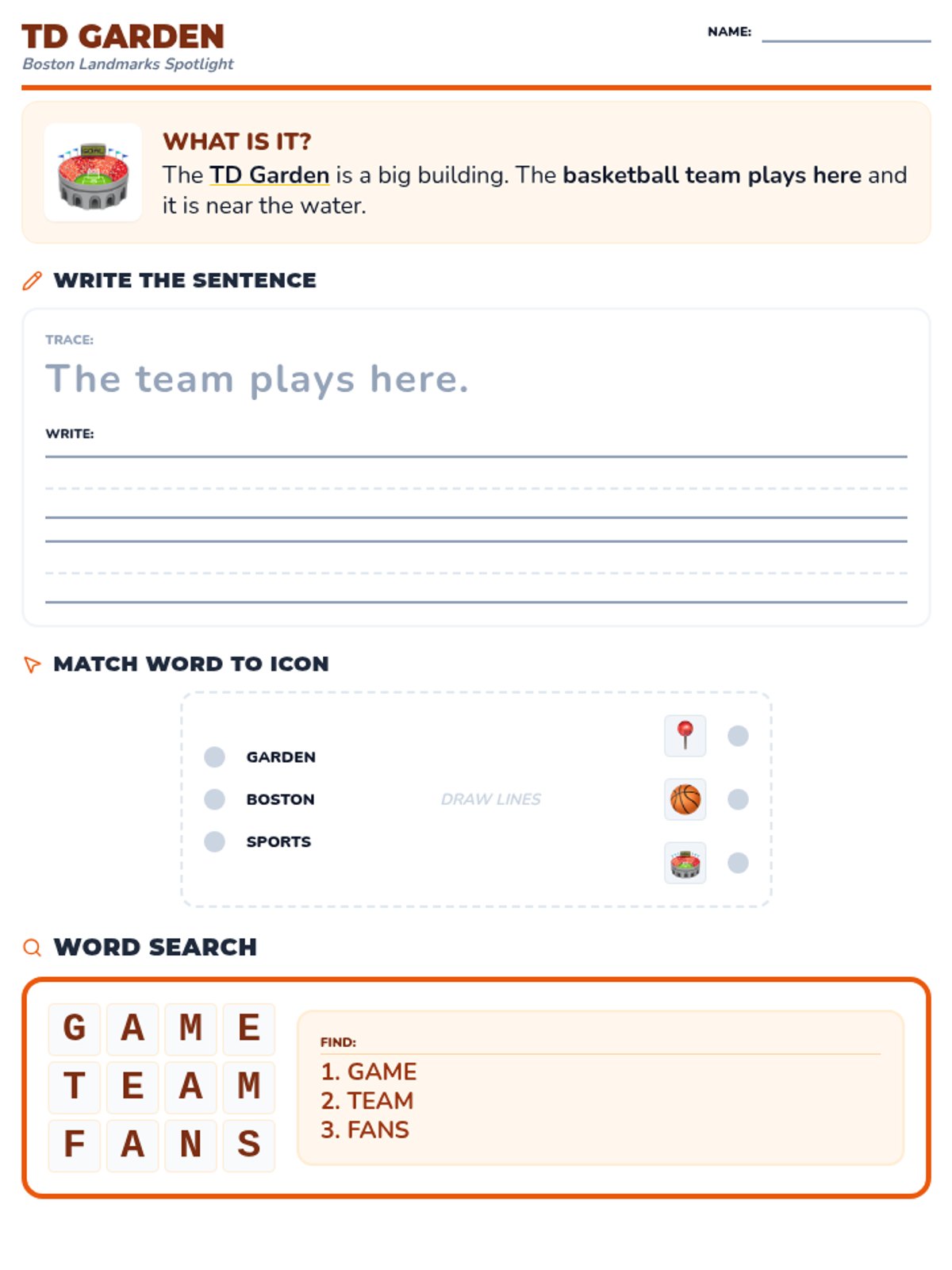
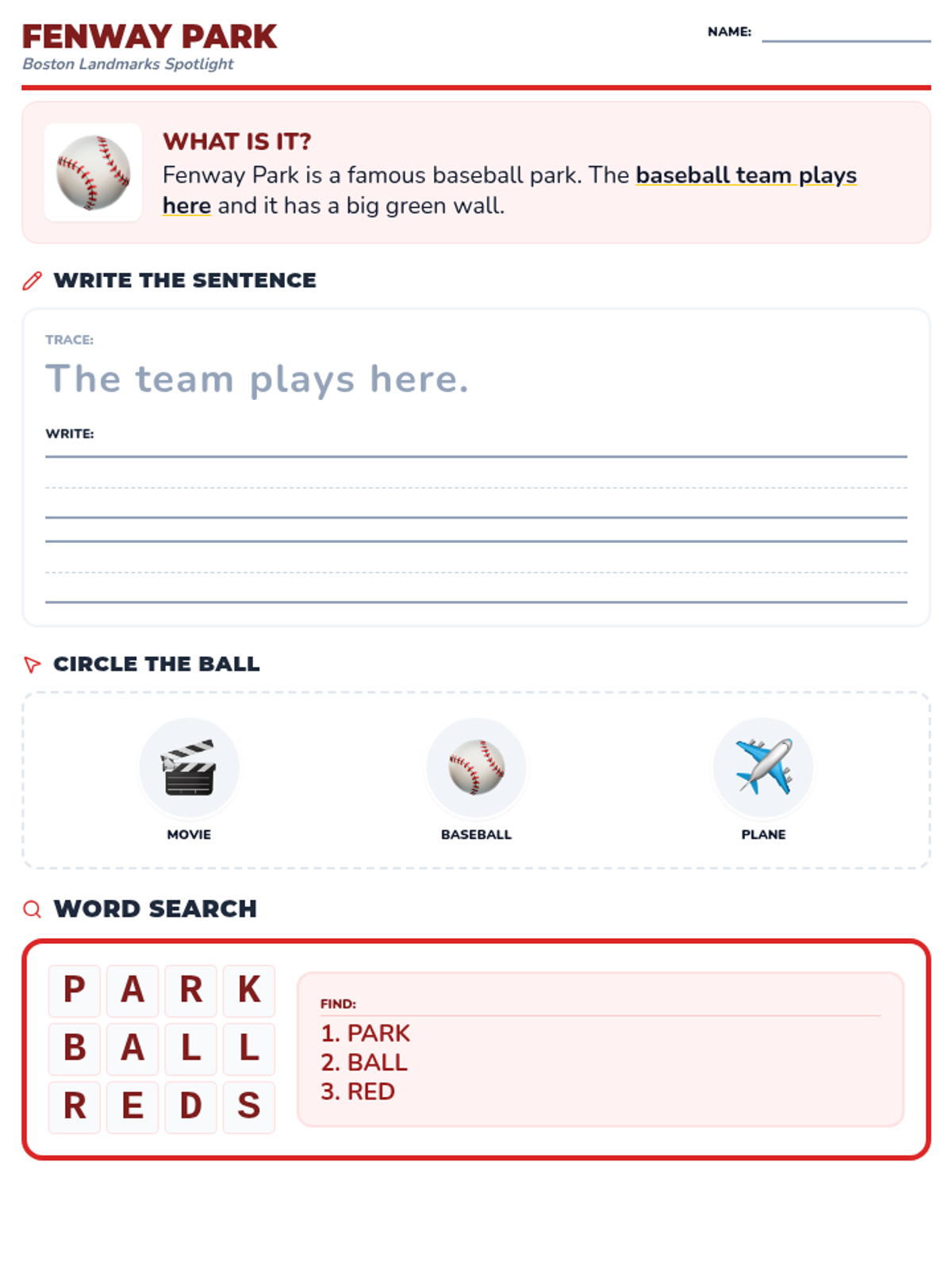
Focuses on the engineering and athletic landmarks of Boston, introducing the Zakim Bridge, TD Garden, and Fenway Park. Students learn to define a landmark and identify these specific modern icons.