A series of highly visual, scaffolded activities designed to introduce fractions to 3rd-grade students with Down Syndrome. The lesson focuses on parts of a whole, unit fractions (1/2 and 1/4), and simple comparisons using concrete visual aids.
A restaurant-themed lesson designed to practice all vocalic /r/ sounds through role-playing and menu navigation. This lesson includes a slide deck for instruction, a themed menu, role-play scripts, and a clinical tracking sheet.
A presentation designed for Exceptional Learners Specialists to choose a 15-minute high-impact briefing for district leaders, focusing on PD implementation in scheduling and services.
A highly visual and hands-on lesson designed to introduce 3rd-grade students to identifying, naming, and finding equivalent fractions using relatable cookie models. This lesson is specifically scaffolded with clear visuals and simplified instructions to support diverse learners, including those with Down syndrome.
Focuses on identifying feelings of fear and excitement, while introducing simple breathing techniques for finding a sense of calm.
A foundational lesson helping students identify and express three core emotions: happy, sad, and mad, using visual supports and interactive modeling.
A set of assessment materials designed for progress monitoring an IEP goal involving 2-digit addition and subtraction without regrouping. Includes a quick 10-problem probe and a more comprehensive 20-problem assessment with tracking tools for teachers.
A comprehensive resource for special education teachers to accurately report UFLI Foundations data in IEP Present Levels (PLAAFP) sections, bridging the gap between foundational progress and grade-level expectations.
A comprehensive framework mapping cross-curricular skills across Grade 11 core subjects: English 3, US History, Chemistry, and Algebra 2. This resource provides a matrix of TEKS alignments and high-impact activity suggestions to foster interdisciplinary learning.
A lesson designed for 5th-grade special education students to identify, understand, and appropriately respond to sarcasm using social cues and context.
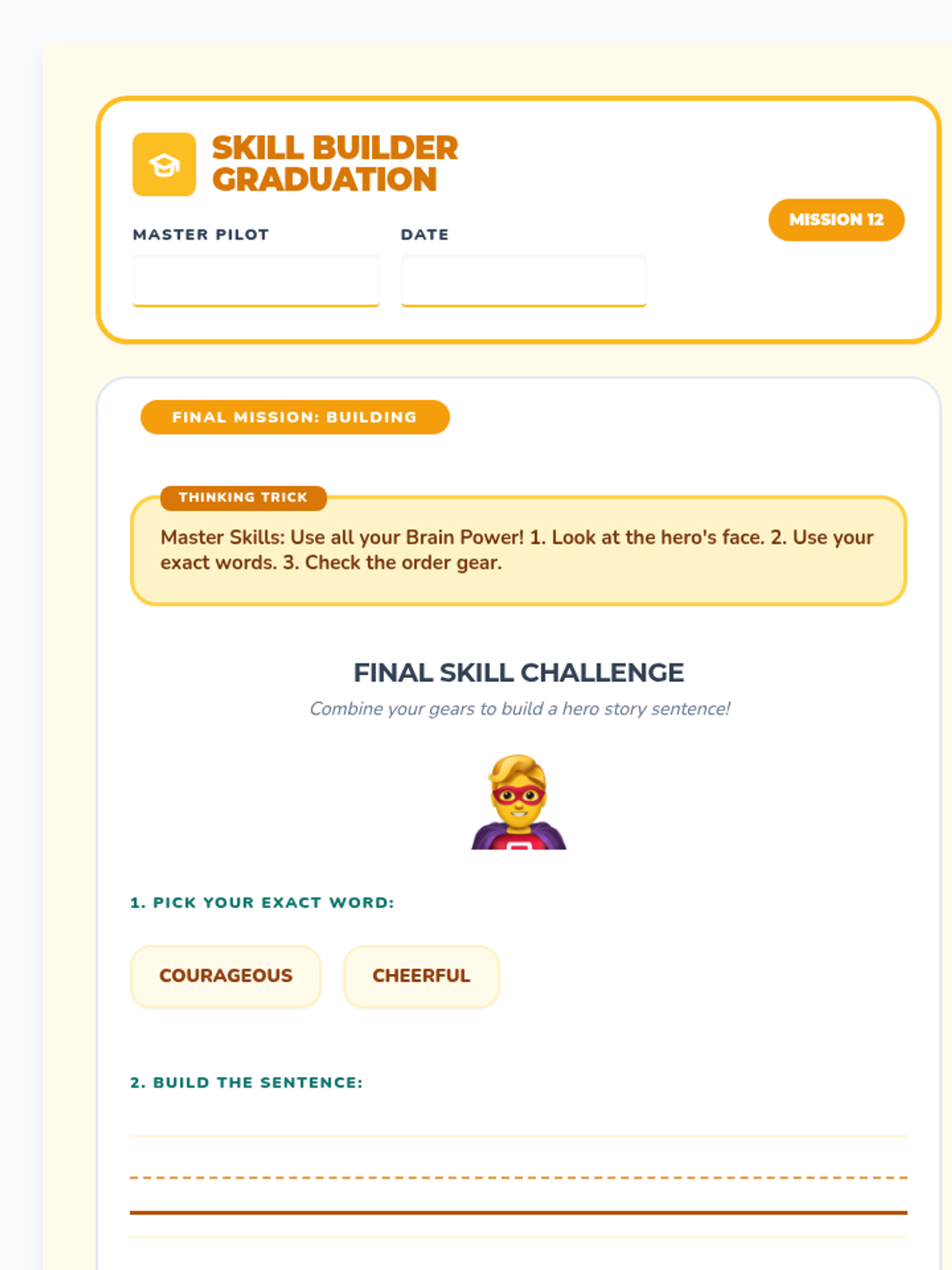
A visually-focused introduction to equivalent fractions using simple shapes and 'bakery' treats, specifically designed with high-contrast visuals and minimal text to support a 3rd-grade student with Down Syndrome.
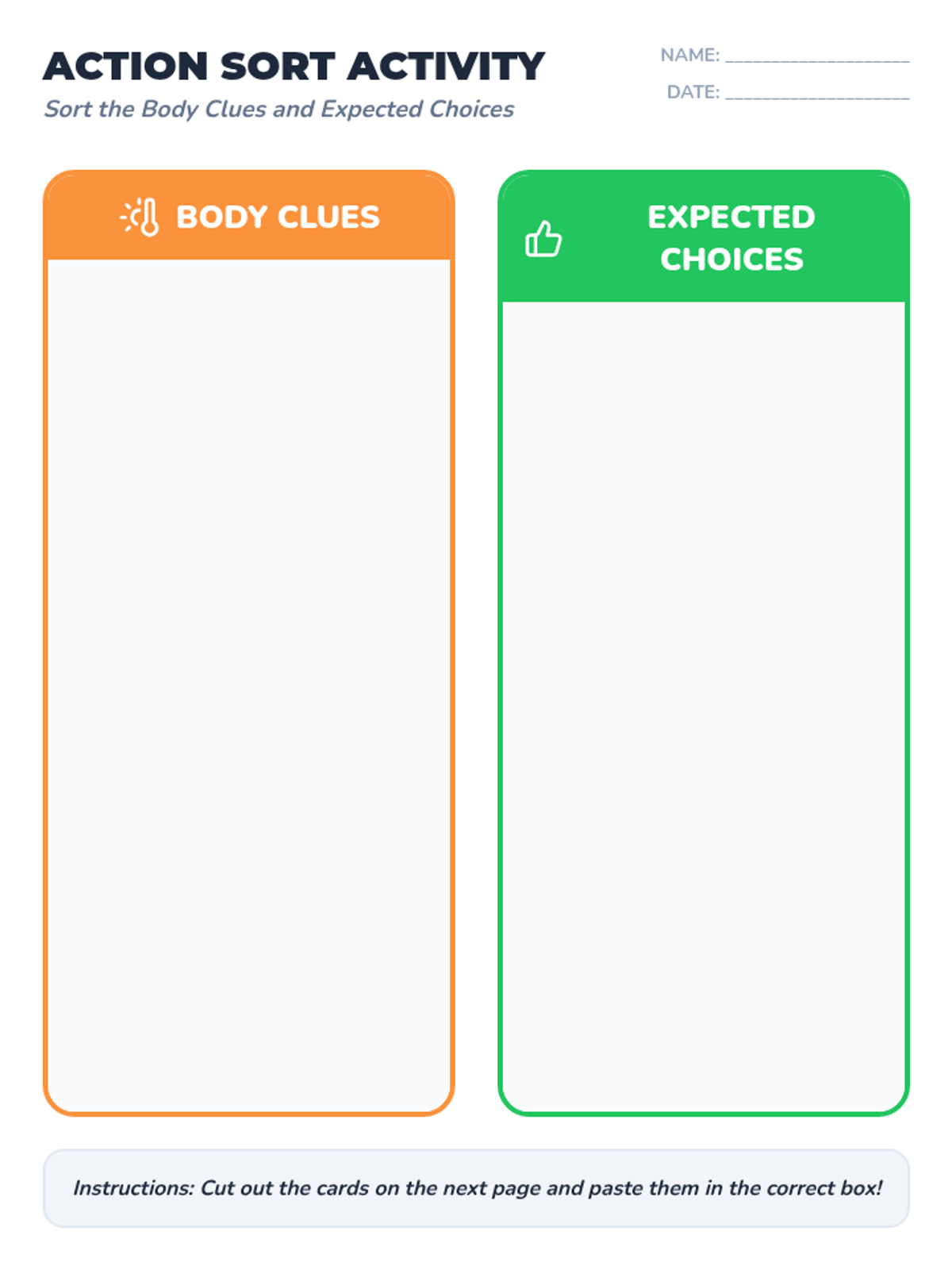
A foundational lesson for students with intellectual disabilities to identify and practice appropriate classroom behaviors like personal space, kind language, and turn-taking through a social story and interactive sorting.
A sophisticated, technical approach to distress tolerance for 2e students, focusing on emotional systems, logical analysis of impulsive vs. regulated behavior, and radical acceptance as a data-driven strategy.
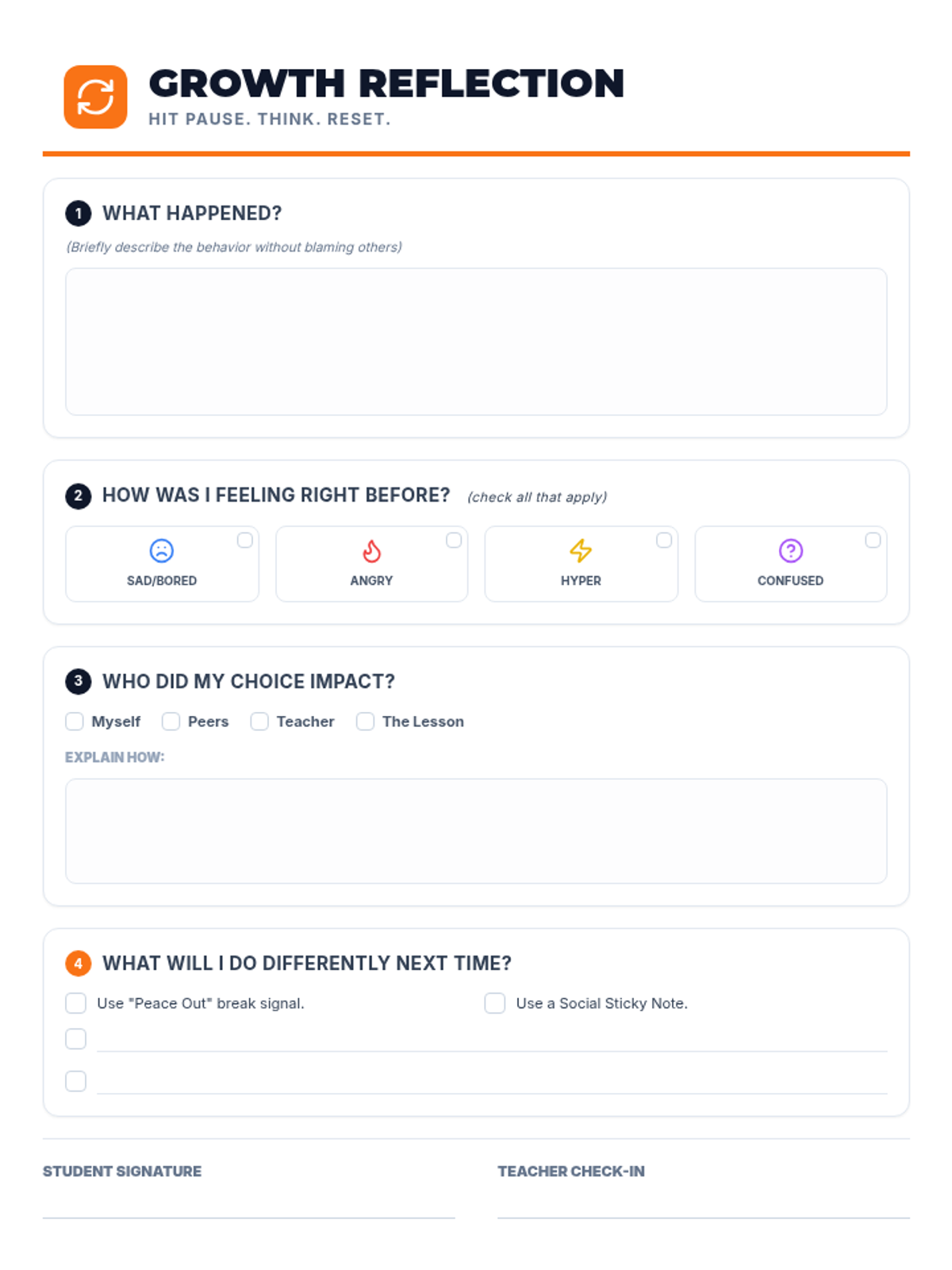
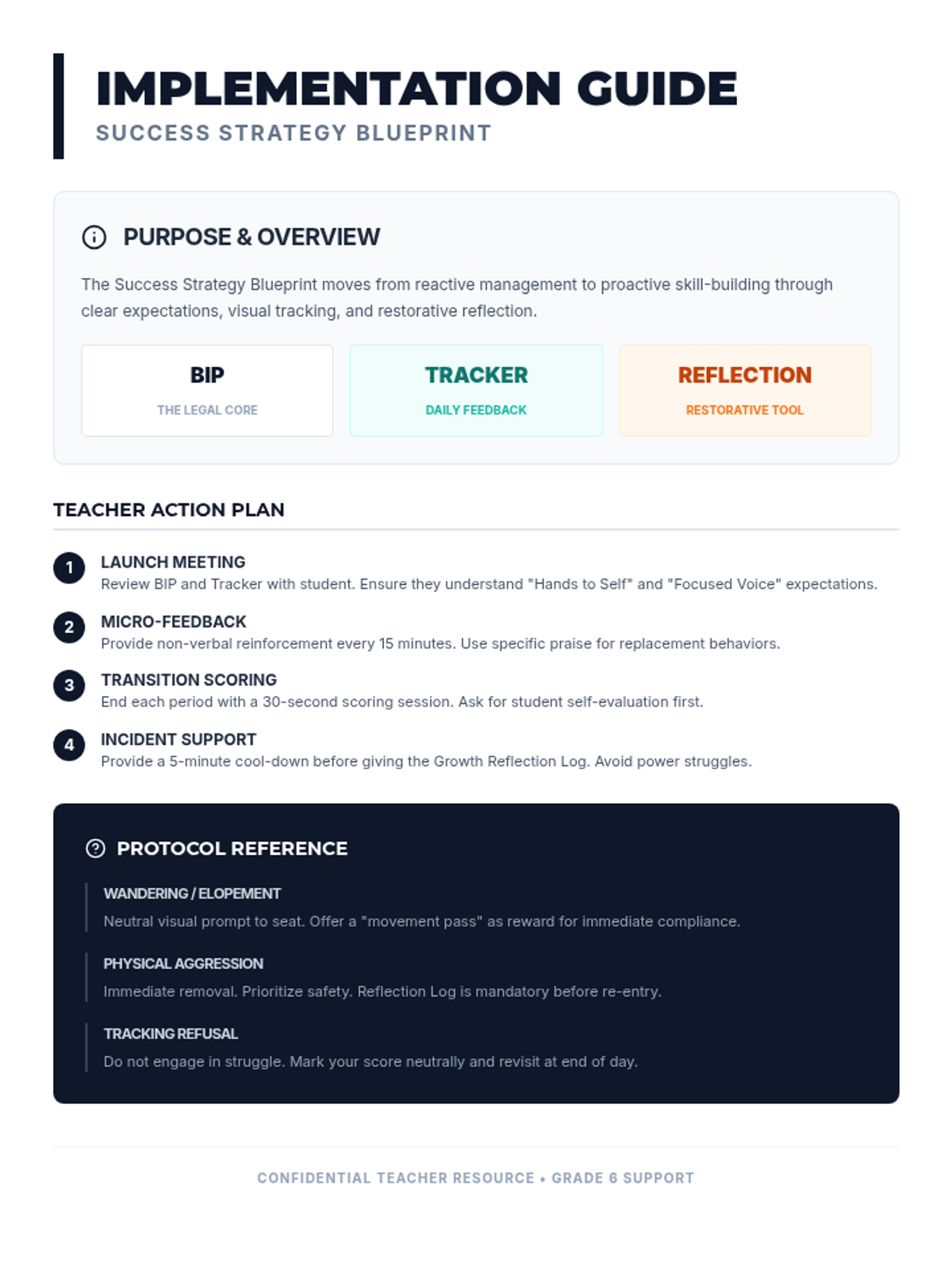
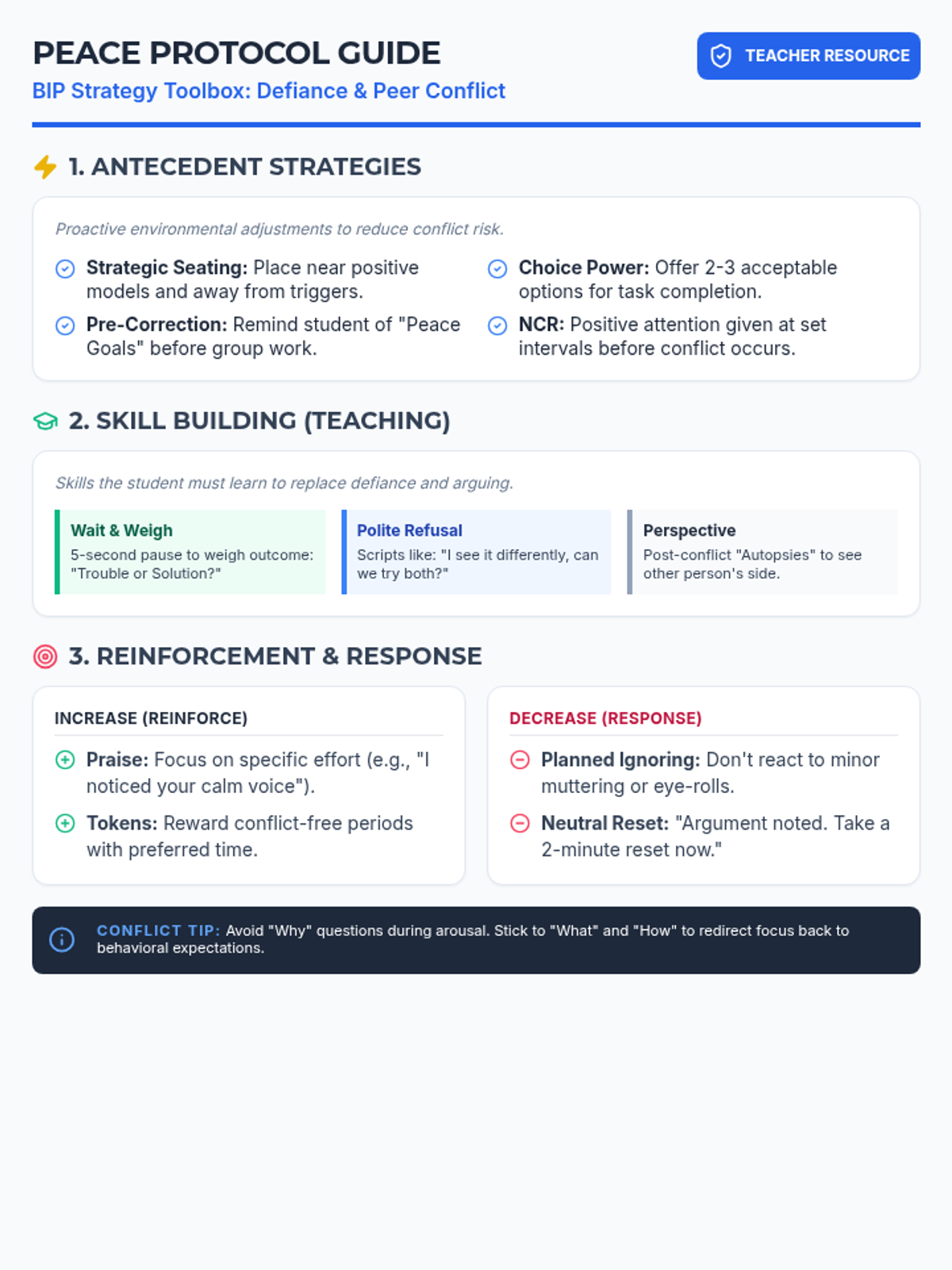
A professional development session for teachers focused on de-escalation strategies and understanding behavioral manifestations of various disability classifications. This lesson aims to shift teacher response from reactive referrals to proactive support using the CPI model and emotional constancy.
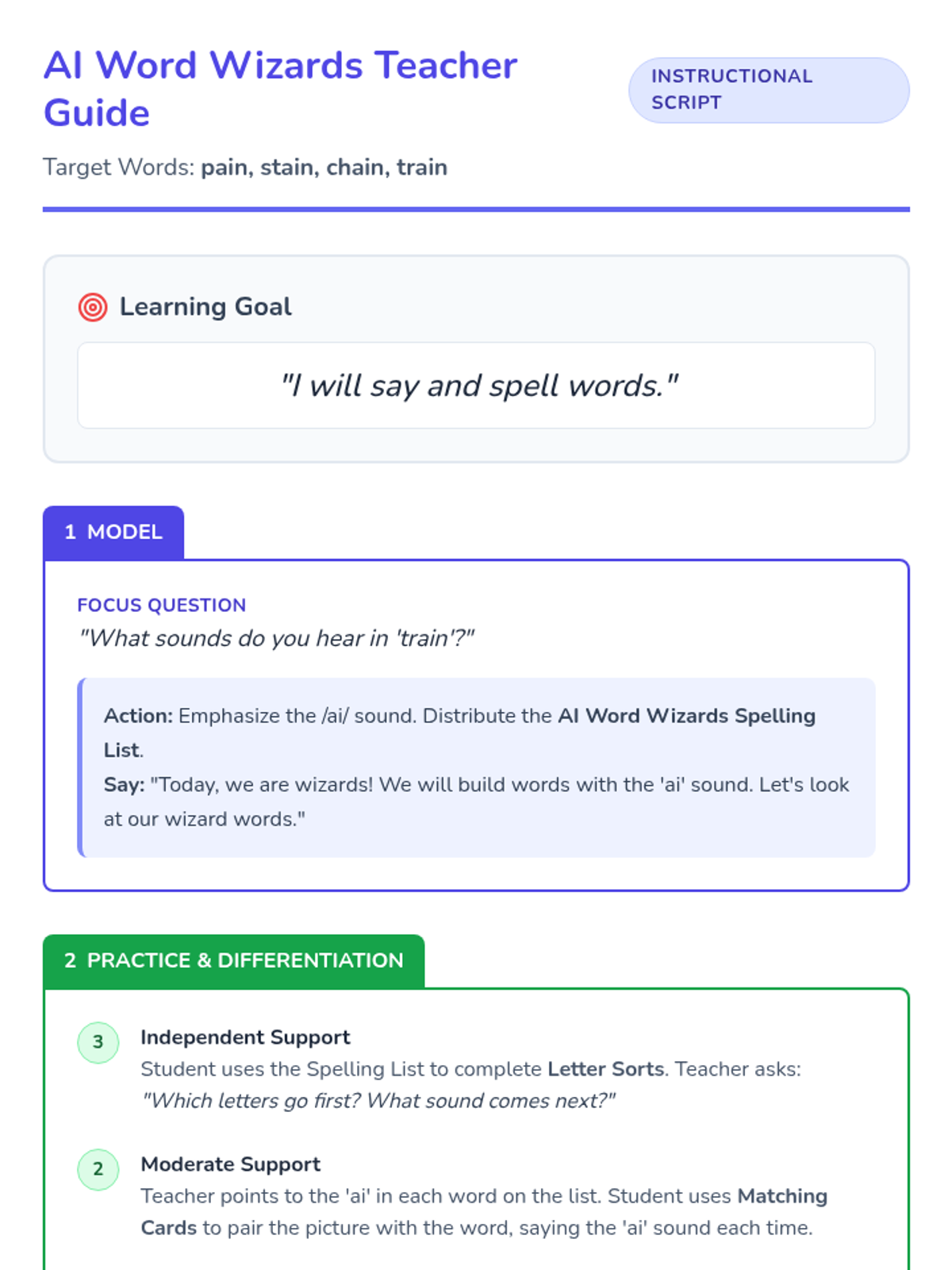
This lesson introduces middle school students in therapeutic settings to the concept of working memory using the 'Mental Workbench' analogy. Students will practice auditory and visual-spatial memory tasks and learn strategies to manage 'cognitive overload' in a supportive environment.
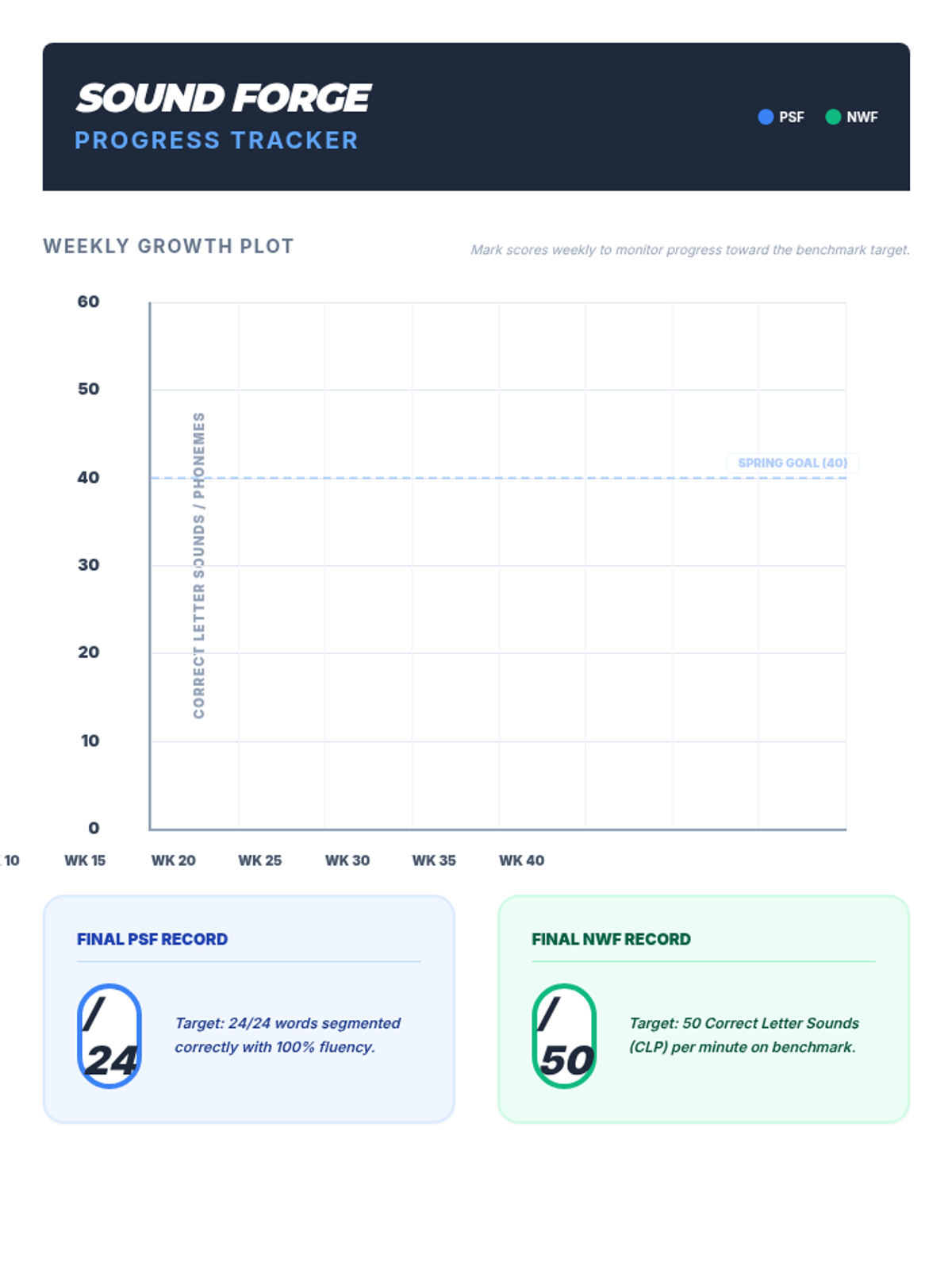
A comprehensive guide on scoring Correct Writing Sequences (CWS) in Writing Curriculum-Based Measurement, focusing on calculating accuracy percentages to monitor student progress.
A culminating project where students reflect on the 8-week journey and create a 'Value Vault' for themselves or Gregor.
Analyzes the end of the novella, Gregor's death, and the family's disturbing relief and new-found 'value'.
Focuses on Part III, the arrival of the boarders, and Gregor becoming a 'nuisance' in his own home.
Analyzes the climax of Part II, the father's return to work, and the symbolic 'apple' attack on Gregor.
Explores the changing relationship between Gregor and Grete, the moving of the furniture, and the concept of 'pity' vs 'value'.
Covers the transition to Part II, focusing on Gregor's physical changes, his new diet, and the loss of his human voice.
A focus on Part I of the novella, exploring the theme of work as identity and the manager's visit as a symbol of surveillance.
A visually-focused lesson for students with ASD to learn about personal space and keeping hands to themselves through picture-based scenarios.
A lesson focused on identifying US coins (penny, nickel, dime, quarter) through visual identification and value matching, designed for students requiring visual support or modified materials.