Executive Edge Presentation
Executive Edge
Supporting ADHD & Autistic Brains at Home
Parent Workshop: Strategies for Regulation & Task Initiation
What is Executive Function?
Think of it as the Air Traffic Controller of the brain.
- Managing attention and focus
- Regulating emotions and reactions
- Starting and finishing tasks
"EF skills are the management system of the brain. When this system is overloaded or underdeveloped, we see 'behaviors' that are actually skill gaps."
Focus One
Self-Regulation & Emotional Control
The ability to manage internal states and respond to the environment with appropriate intensity.
Emotional Intensity
Feelings can go from 0 to 100 in seconds. The 'brakes' are hard to find.
Sensory Overload
A noise or light that seems small to us can feel like a siren to them.
Flexibility Gaps
Unexpected changes in routine trigger a fight-or-flight response.
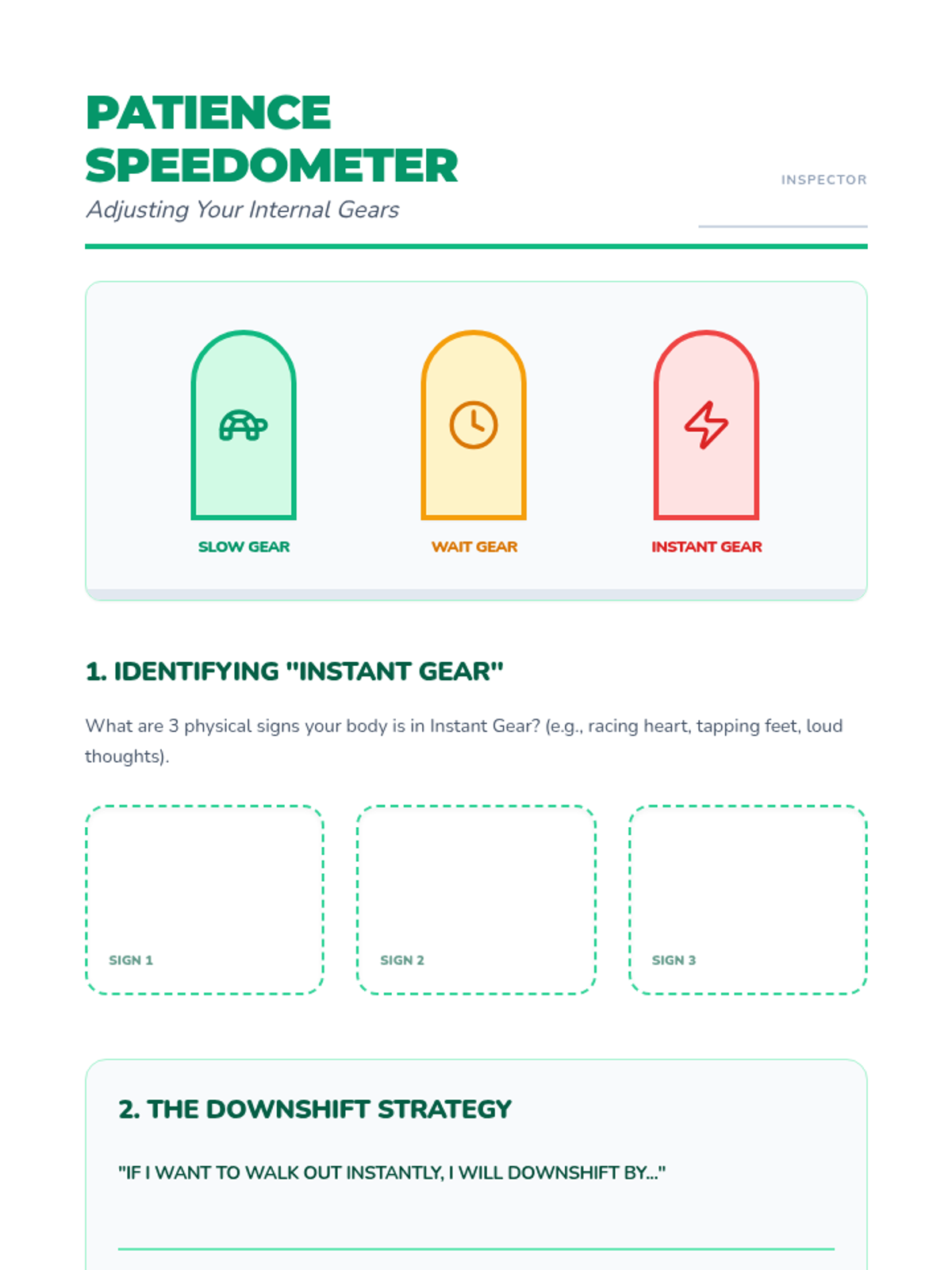
Strategy: How is your engine running?
BLUE
Running Slow: Sad, tired, bored, sick. Need an "up-regulating" activity (jumping, cold water, music).
GREEN
Just Right: Calm, focused, ready to learn. This is our goal state.
YELLOW
Running Fast: Frustrated, silly, wiggly, anxious. Need a "down-regulating" activity (deep pressure, quiet time).
RED
Out of Control: Angry, explosive, terrified. Focus only on Safety and Space. No teaching happens in Red.
Borrowing Your Calm
Co-regulation is the support provided by a caregiver to help a child regulate their emotions.
Lower your volume, slow your breath.
Validate the feeling, not the behavior.
"I'm here when you're ready." (Avoid over-talking)
"A dysregulated adult cannot regulate a dysregulated child."
Focus Two
Task Initiation & Completion
The ability to begin a task in a timely fashion and see it through to the end.
The "Wall of Awful"
The emotional barrier (shame, failure, boredom) that builds up in front of a task, making it feel physically impossible to start.
Executive Overload
"Clean your room" is too big. The brain doesn't know where to start, so it shuts down or switches to a high-dopamine task (YouTube/Games).
The "Dopamine Menu"
ADHD and Autistic brains are often seeking dopamine. We can use this to fuel task initiation by pairing "hard" things with "sparkly" things.
Appetizers (Quick Boosts)
5 mins of dancing, a crunchy snack, a quick joke.
Main Courses (Deep Engagement)
Lego building, painting, gaming, reading a favorite book.
Sides (Task Pairings)
Listening to a podcast while folding laundry, fidgeting while listening.
MENU OF THE DAY
- • Trampoline Jumps (5 mins)
- • Sour Patch Kid (1)
- • Audio Book + Legos
- • Fidget Spinner
- • 10 mins of Minecraft
Visual Scaffolding
Time Timers
Seeing time "disappear" makes it concrete. "5 minutes" is abstract; a red wedge getting smaller is real.
Step-by-Step Lists
"Clean Room" becomes: 1. Put clothes in hamper. 2. Put toys in bin. 3. Make bed. Small wins = Dopamine.
Photo Checklists
A picture of what a "finished" desk looks like. It provides a visual target for the brain to match.
The Power of "Body Doubling"
Simply having another person in the room—doing their own thing—can act as an "anchor" for an ADHD/Autistic brain.
How it works:
You fold laundry while they do homework. You sit and read your book while they clean their toys. Your presence provides the regulatory support they need to stay on task without you needing to nag.
Practical Next Steps
1
Choose ONE strategy to try this week.
2
Audit the sensory environment at home.
3
Replace "Why aren't you..." with "What can I..."
Q&A Session
"Connection over Compliance. Regulation over Requirement."
Contact: schoolcounselor@example.com
Home Strategy Toolkit Handout
Executive Edge
Home Strategy Toolkit
Parent Resource
Topic: EF Support
Self-Regulation
The Engine Speed Metaphor
- Blue: Slow/Sad. Need "Heavy Work" (pushing, pulling).
- Green: Just Right. Ready for tasks.
- Yellow: Fast/Frustrated. Need "Deep Pressure" (squeezes, quiet).
- Red: Out of Control. Stop. Breathe. Safety first.
Co-Regulation Tips
- • The 10-Second Pause: Wait before responding to a meltdown.
- • Voice Matching: If they are loud, go quiet. Don't escalate.
- • Validate Feelings: "I can see you're really frustrated that the Wi-Fi is down. That is hard."
Task Initiation
The "Dopamine Menu"
Pair "Have-to's" with "Sparklies"
Appetizers: Jumping jacks, favorite song.
Sides: Podcasts, fidgets, chewing gum.
Desserts: Video games, Lego, special treat.
Visual Supports
- • Body Doubling: Sit nearby while they work. No talking needed.
- • The 2-Minute Start: "We're just going to do this for 2 minutes."
- • Micro-Lists: Break 1 task into 3 tiny steps.
Workshop Reflection
One specific trigger I noticed this week:
One strategy from today I will try first:
What support do I need to make this work?
Patience over Perfection
Neuro-Affirming Support
Executive Edge Parent Workshop Handout
Dopamine Menu Worksheet
The Dopamine Menu
Fuelling Your Brain for Focus
CHEF NAME
ADHD and Autistic brains work best when they are interested! Use this menu to plan how you'll fuel your brain. Pair "Have-To" tasks (like homework or chores) with "Sparkly" boosters.
Appetizers
Quick 5-minute boosts to jumpstart your engine.
Ex: 1-minute dance party...
Sides
Things you can do WHILE working on a task.
Ex: Listening to a podcast...
Entrées
Deep interest activities for long breaks or rewards.
Ex: 30 mins of Minecraft...
Chef's Specials
High-impact strategies that always work for me.
Ready to cook?
Choose one Appetizer and one Side for your next tough task today!
Executive Edge Facilitator Guide
Facilitator Guide
Executive Edge Workshop
TIME: 60-90 MINS
Workshop Purpose
This workshop is designed to move parents away from a "compliance-based" mindset and toward a "skill-building" and "regulatory" mindset. The goal is to provide immediate, actionable strategies that reduce friction at home for students with ADHD and Autism.
Key Learning Objectives
- Identify executive functioning gaps as skill deficits rather than behavior problems.
- Apply the Engine Speed metaphor to monitor and support self-regulation.
- Design a custom "Dopamine Menu" to improve task initiation at home.
Prep Checklist
- Presentation slides loaded
- Home Toolkit (copies for all)
- Dopamine Menu (copies for all)
- Fidget tools for parents to try
- Chart paper and markers
Session Breakdown
0-10 MINS
Introduction & The "EF Brain"
Speaker Notes: Emphasize that EF is the brain's management system. Validate the exhaustion parents feel.
10-25 MINS
Self-Regulation (Engine Speed)
Discussion Prompt: Ask parents to share what "Yellow Zone" looks like in their house. How do we spot it before it hits Red?
25-45 MINS
Task Initiation (The Menu)
Activity: Have parents start filling out the Dopamine Menu based on their child's specific interests. Encourage them to share "Appetizer" ideas.
45-60 MINS
Implementation & Q&A
Closing: Focus on "Connection over Compliance." Remind them that one small change is enough for this week.
Pro-Tips for Facilitators
Manage the Guilt:
Parents often feel guilty that they haven't been doing this. Frequently reinforce that "When we know better, we do better."
Model Regulation:
If tech fails or a parent becomes heated, model the calm breathing and regulation strategies you are teaching.