A speech-language therapy lesson focusing on identifying and labeling the functions of common everyday objects for early learners. Students will learn to associate objects like spoons, beds, and brushes with their primary actions.
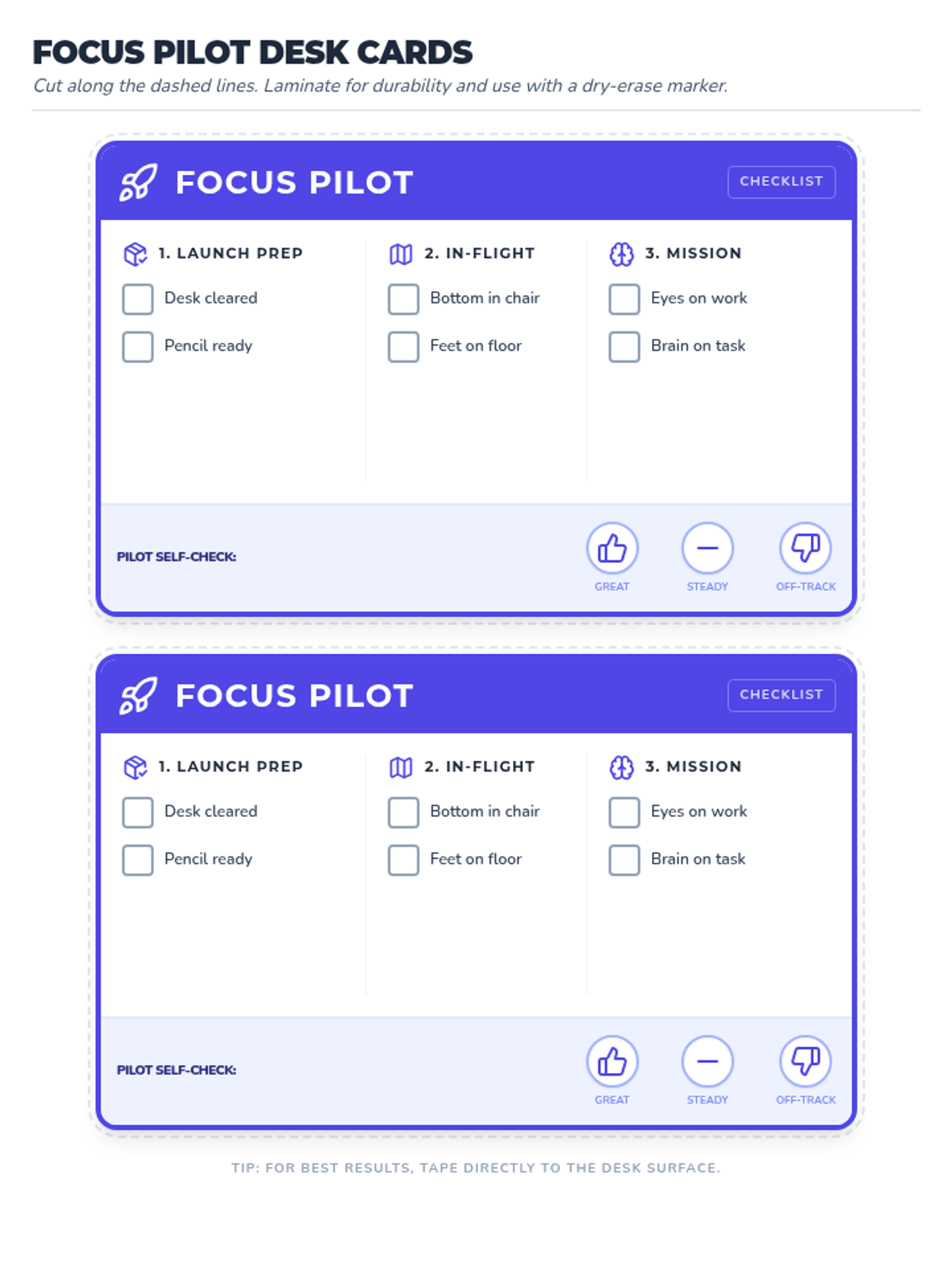
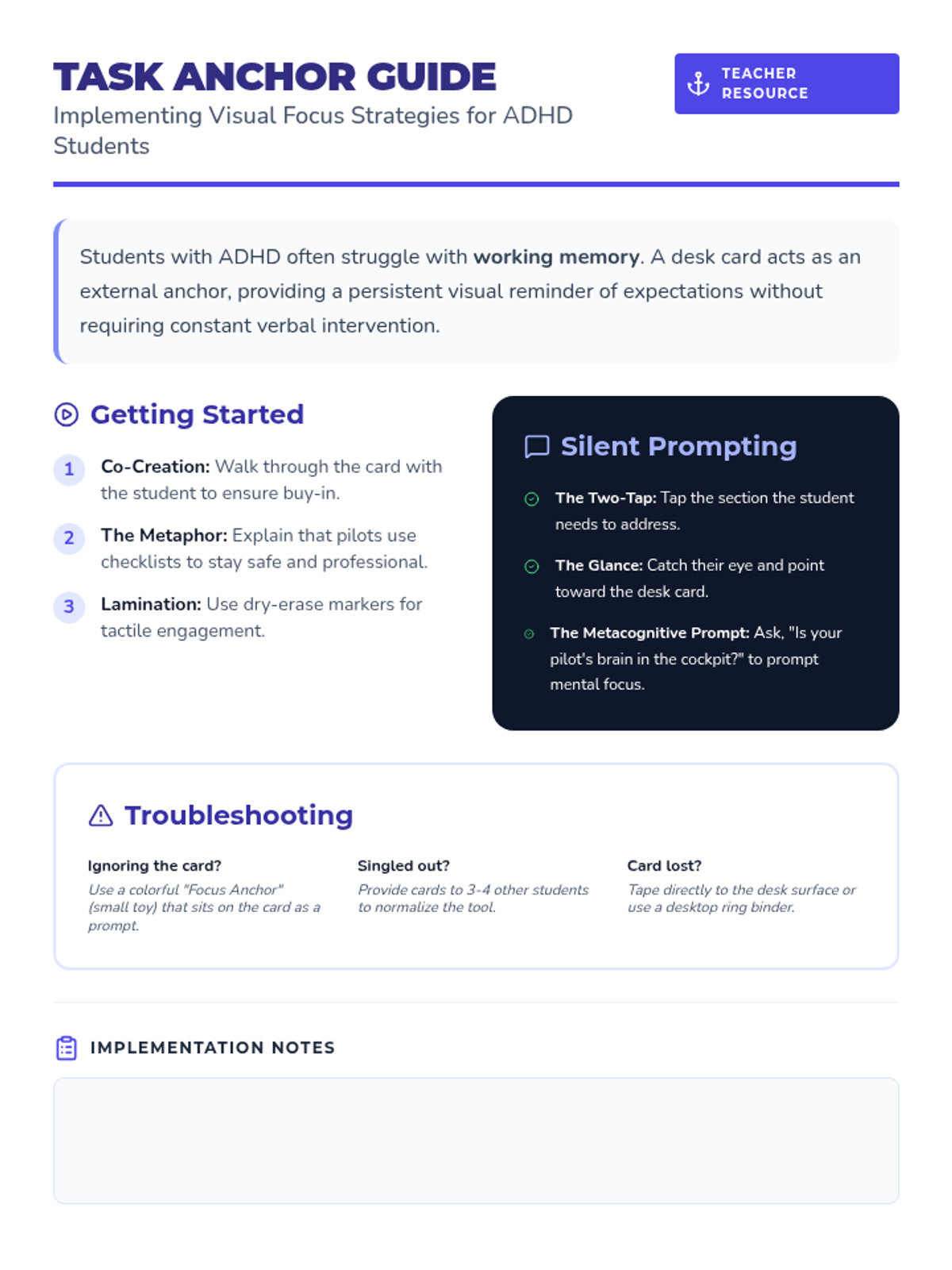
A focused toolkit designed to help students with ADHD improve their executive functioning through visual reminders and self-monitoring strategies.
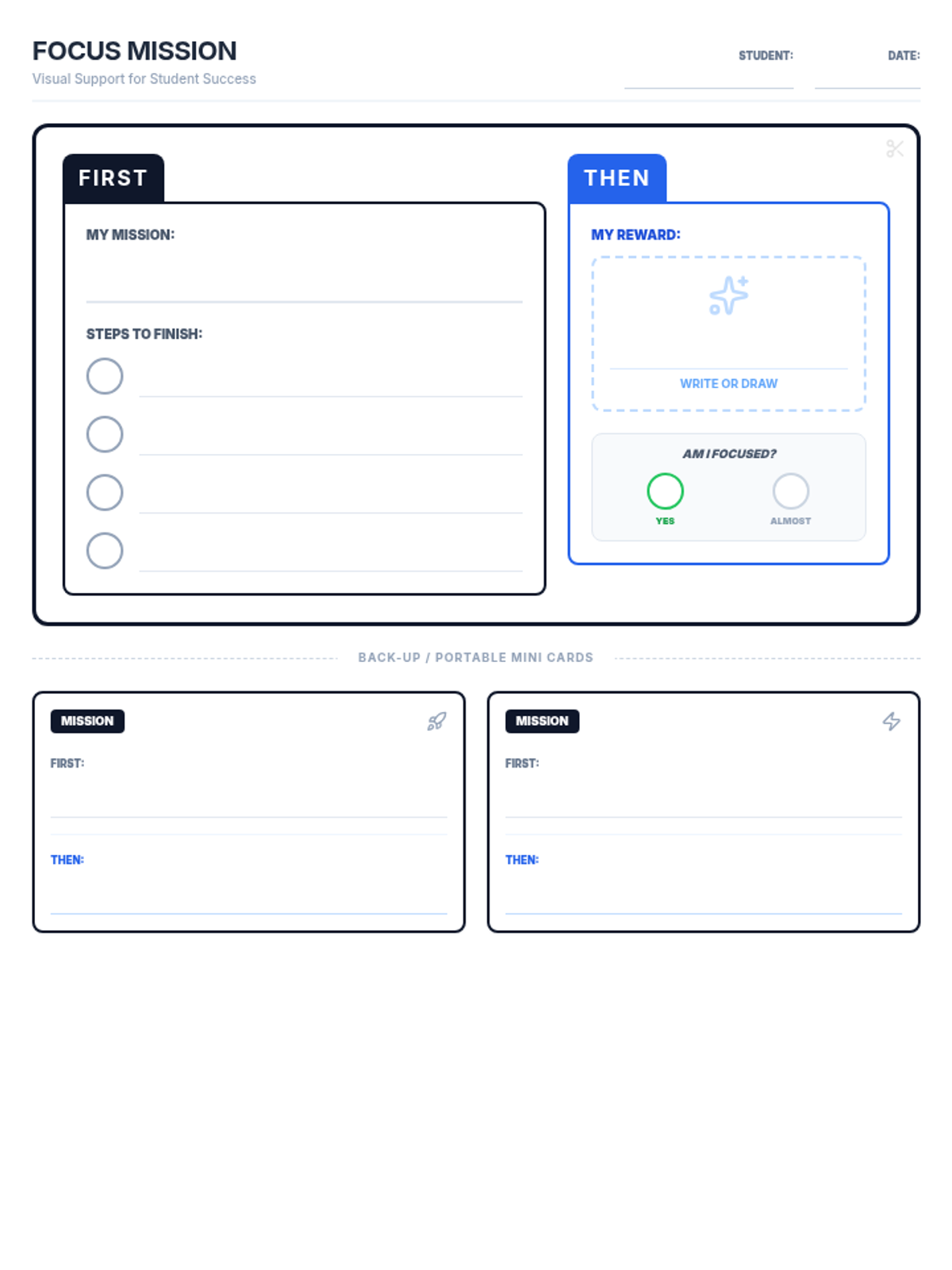
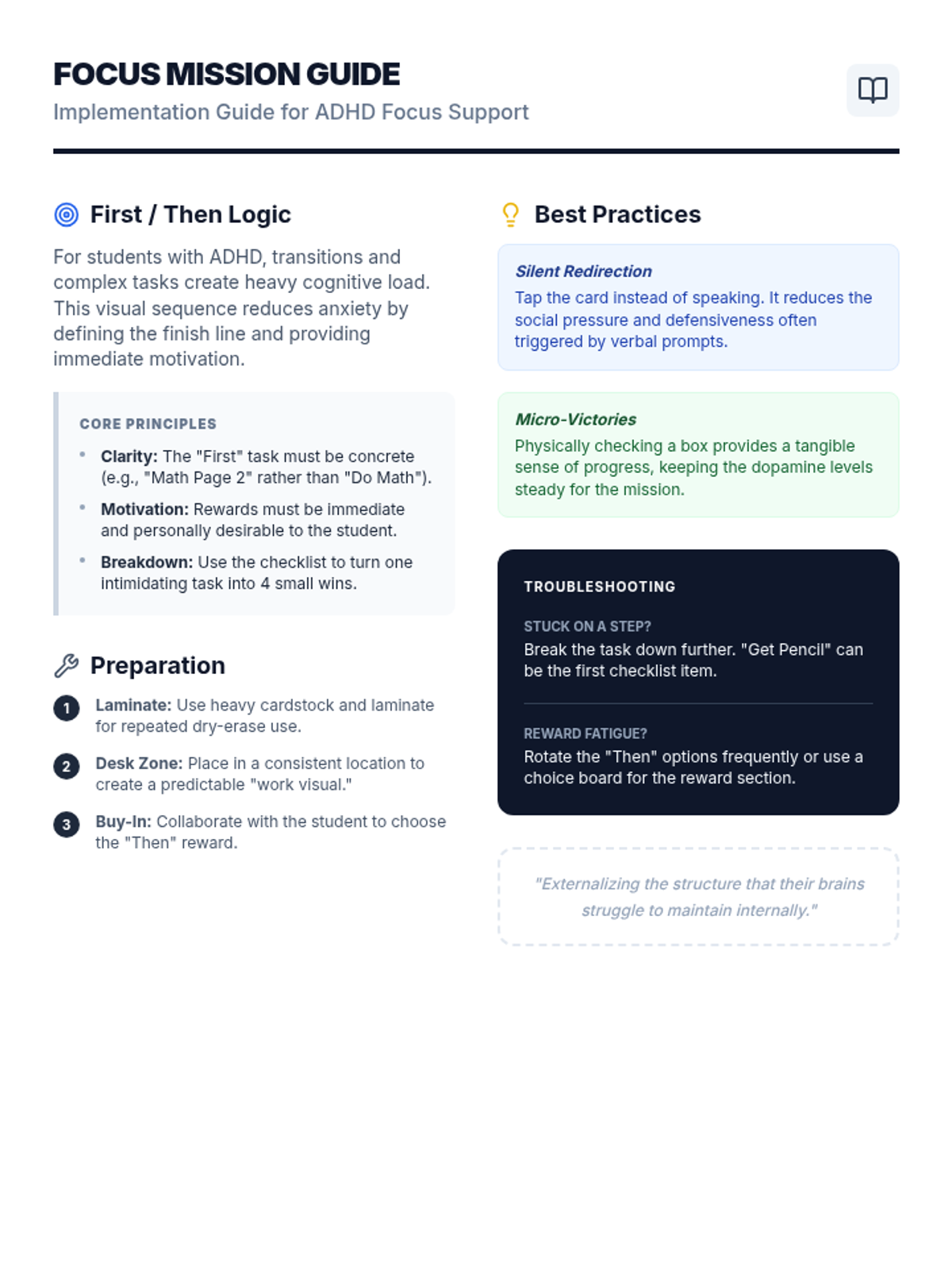
A visual support system using First/Then logic and structured checklists to help students with ADHD maintain focus and manage transitions.
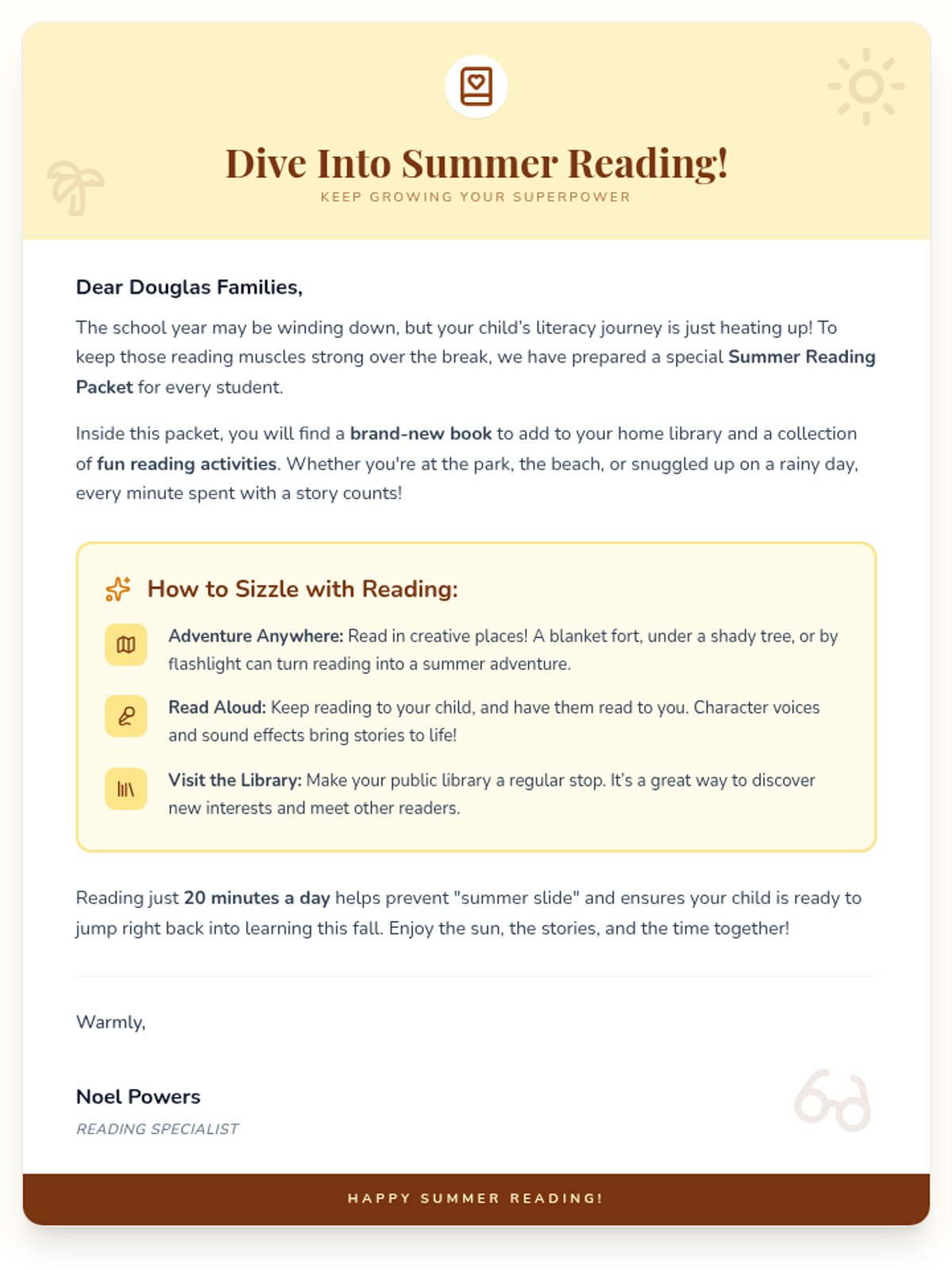
A collection of resources to encourage and track reading progress over the summer break for K-3 students, including a parent letter and activity suggestions.
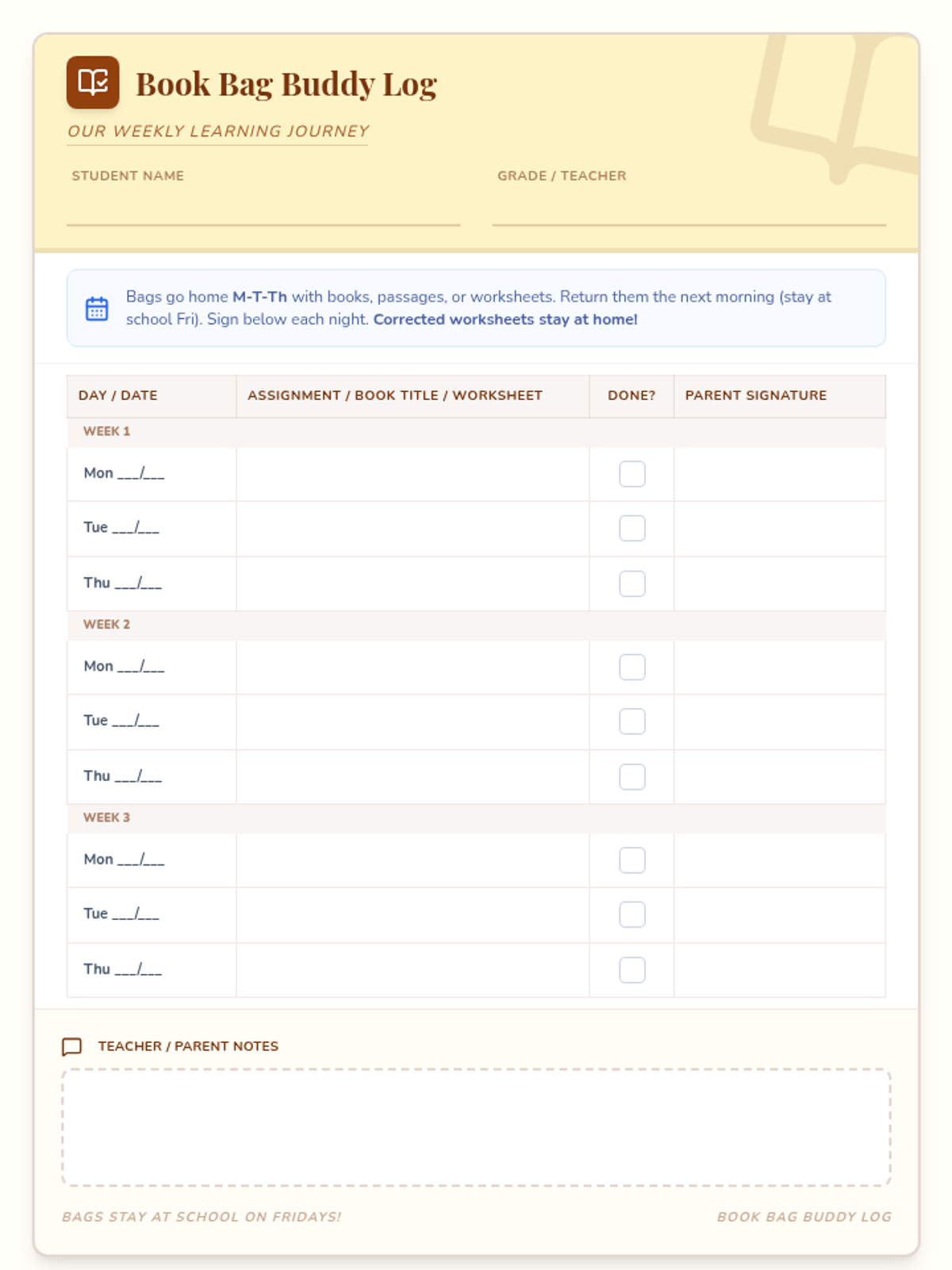
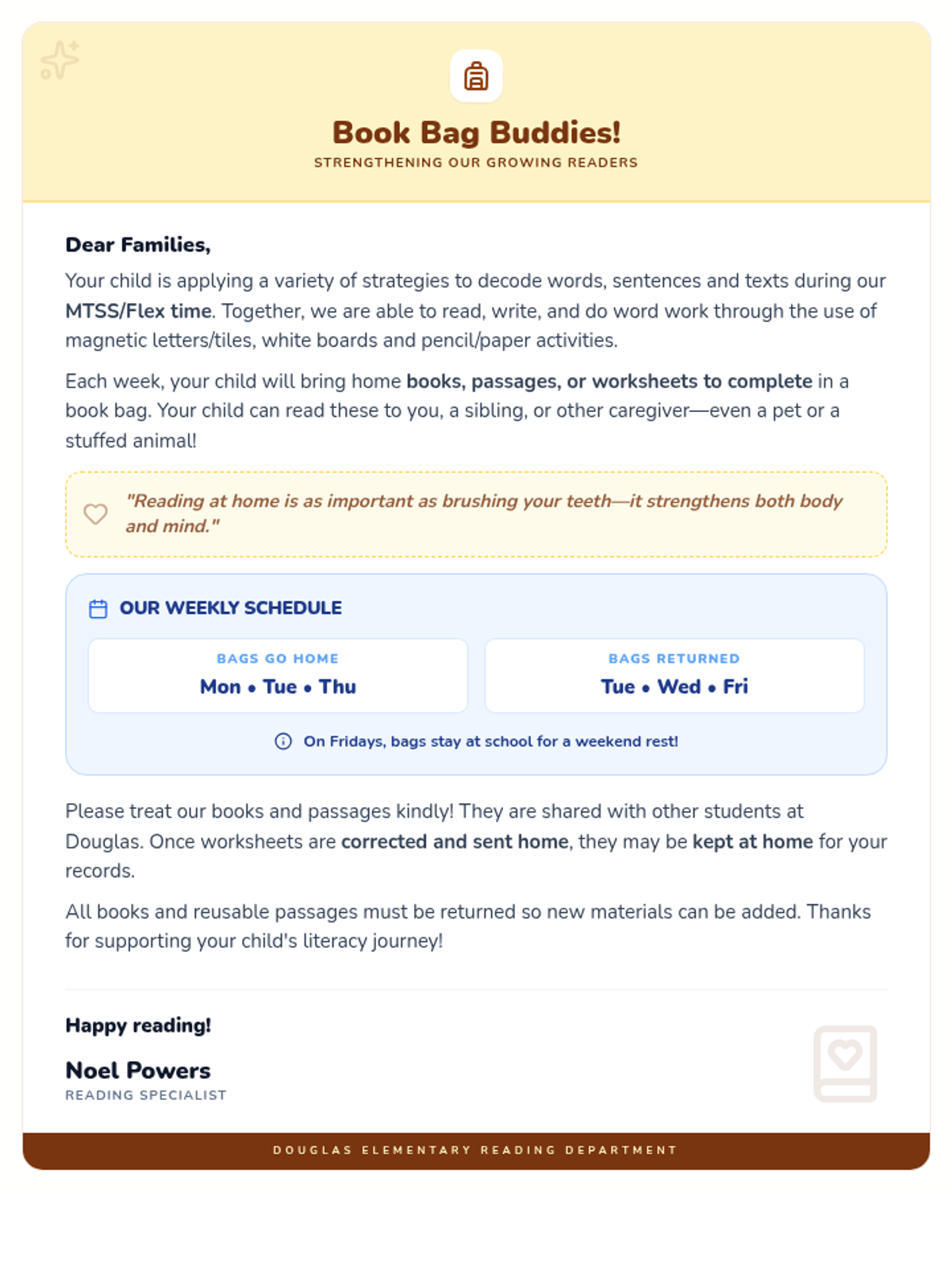
A home-school communication system for K-3 students featuring a homework bag log and an introductory letter for parents, detailing a Monday-Tuesday-Thursday homework schedule.
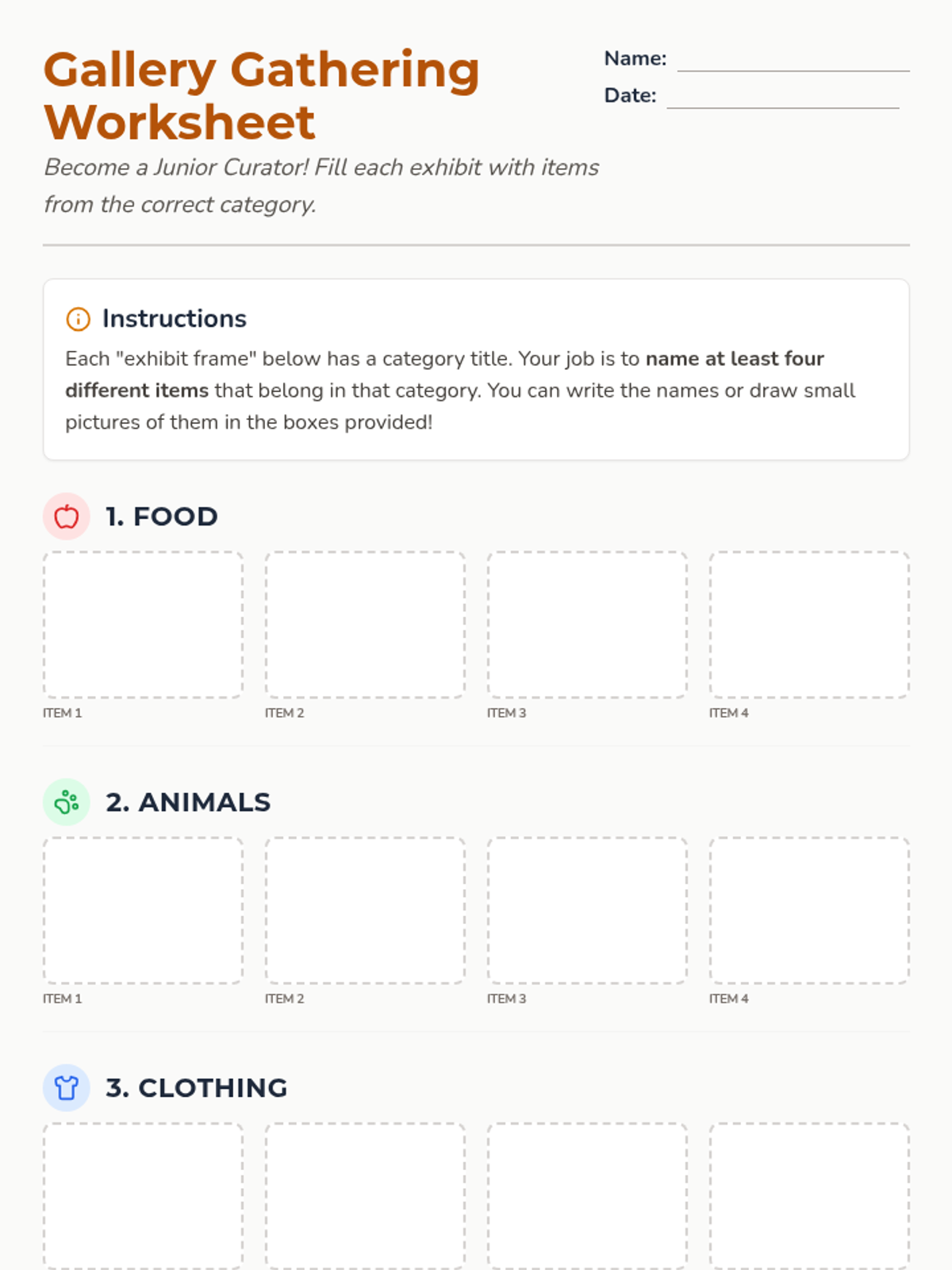
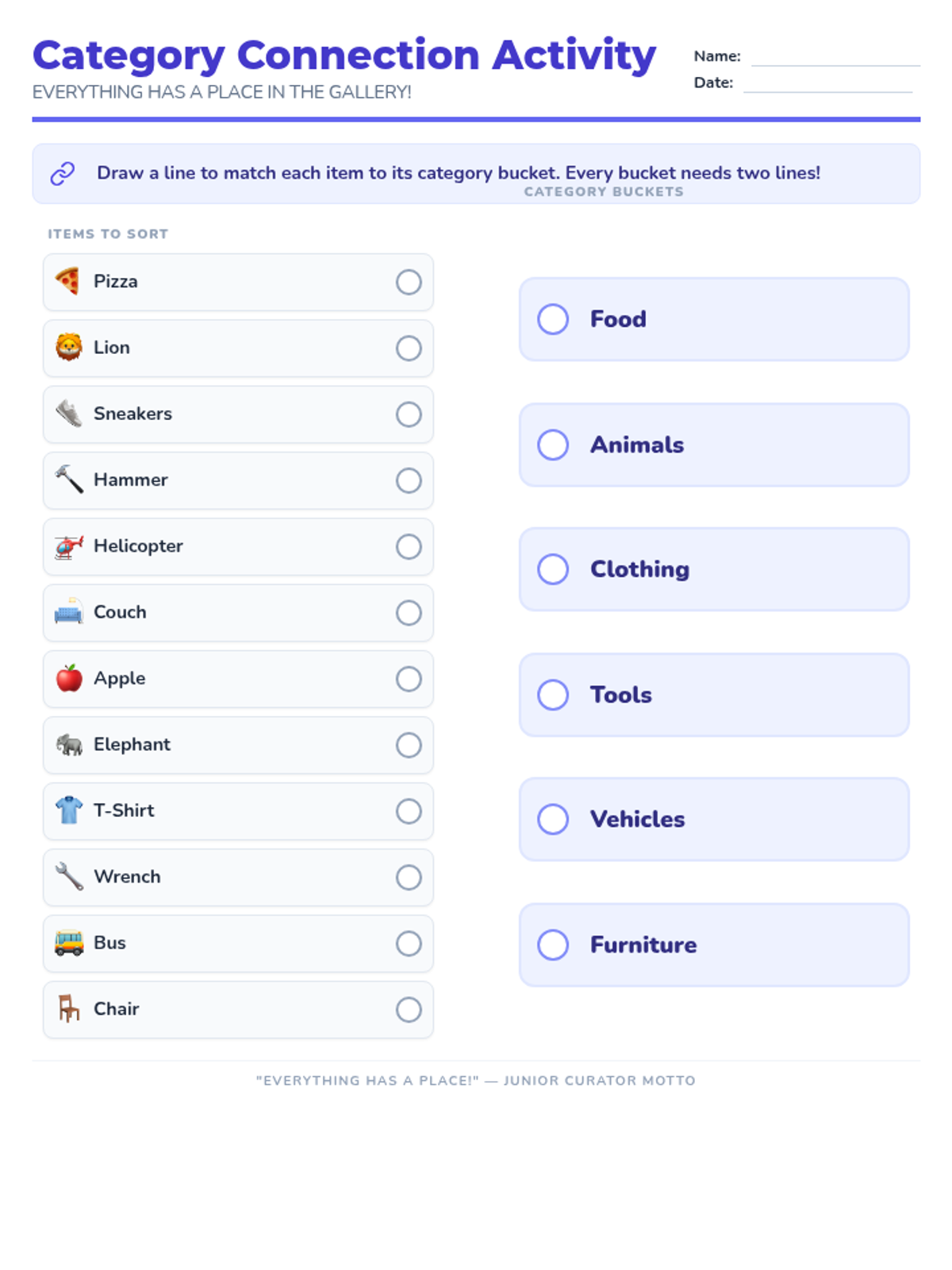
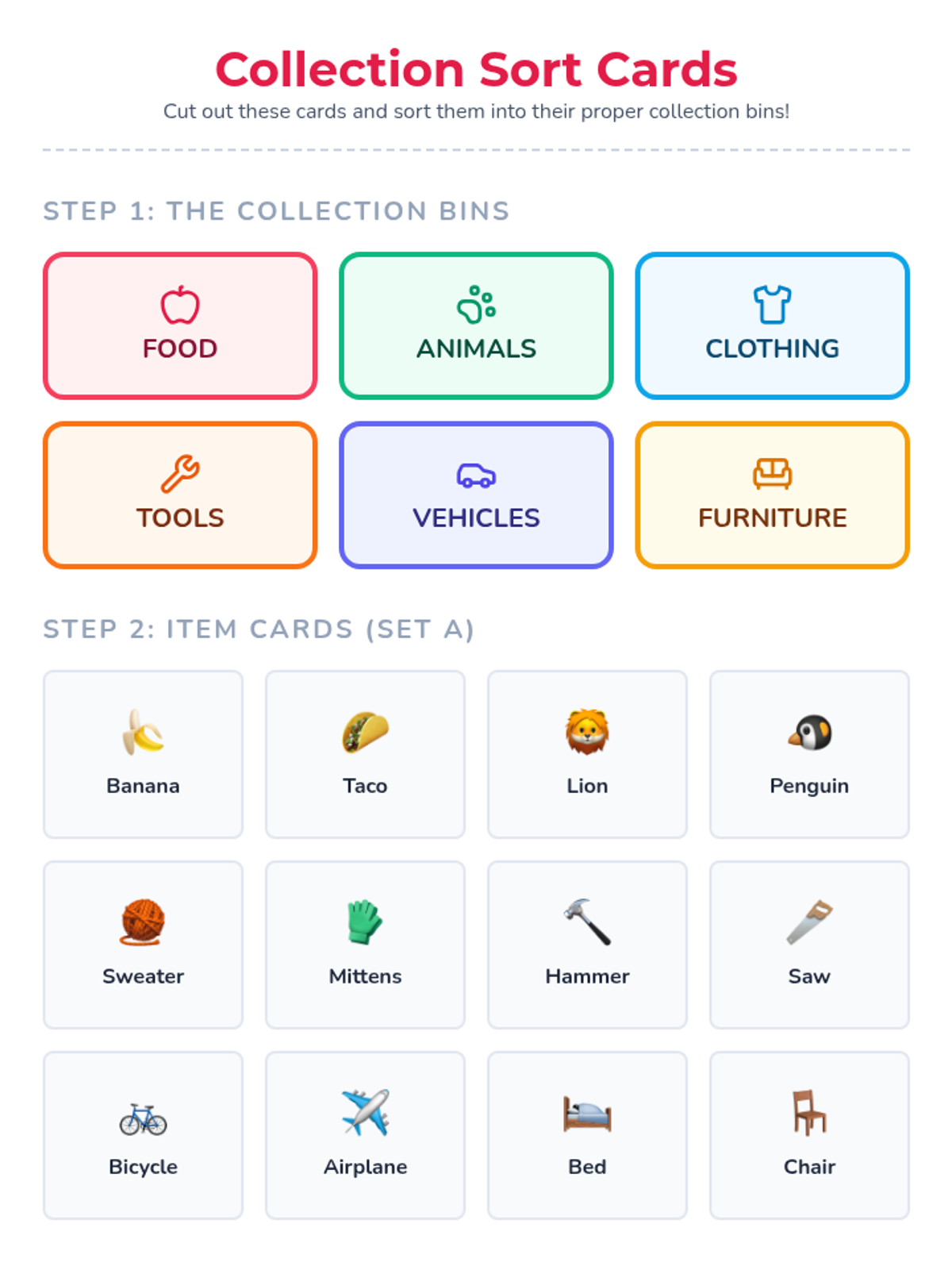
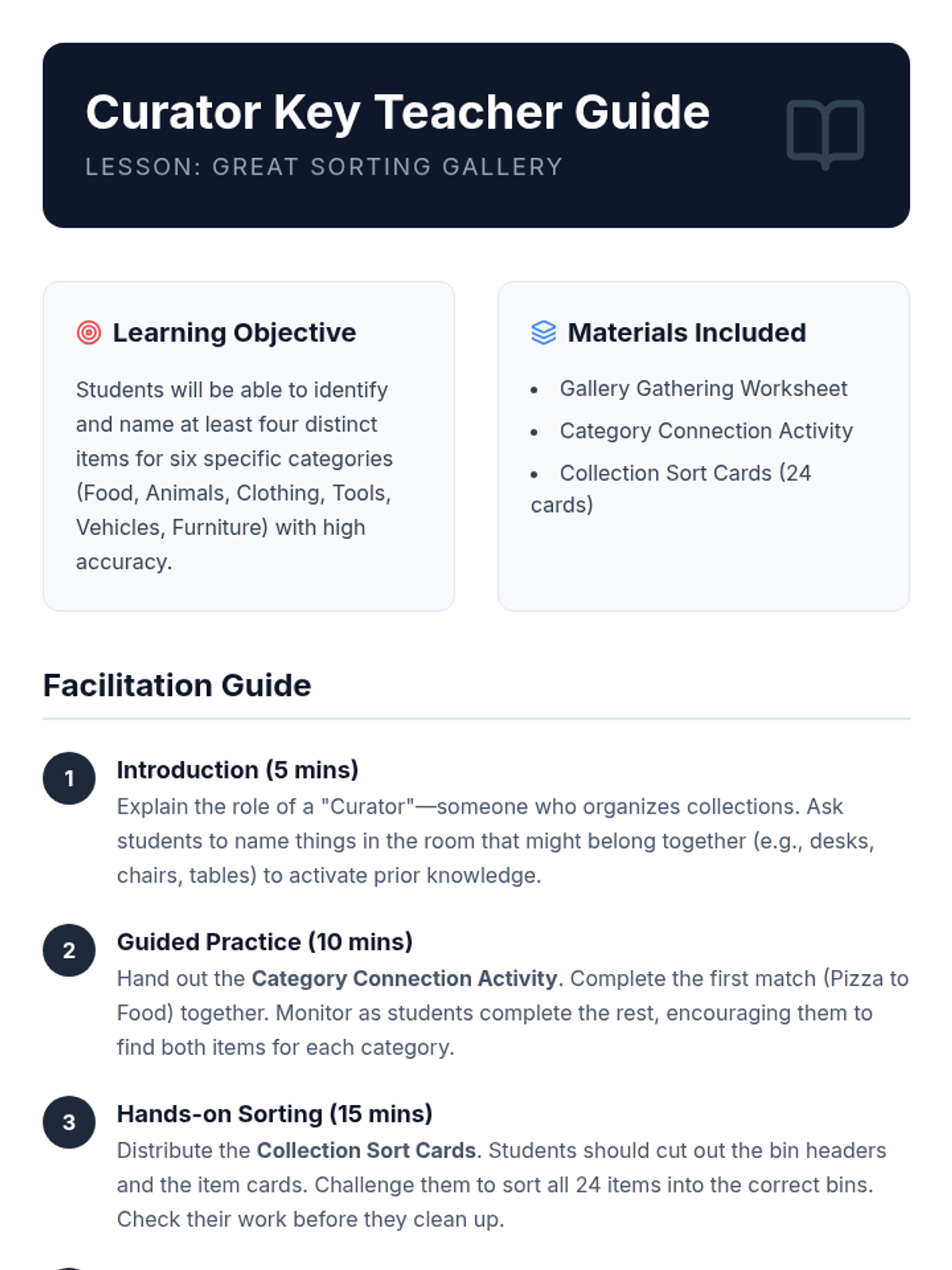
Students will practice classifying and naming items within six specific categories: Food, Animals, Clothing, Tools, Vehicles, and Furniture. Through a variety of interactive and visual tasks, they will demonstrate their ability to generate at least four distinct examples for each category.
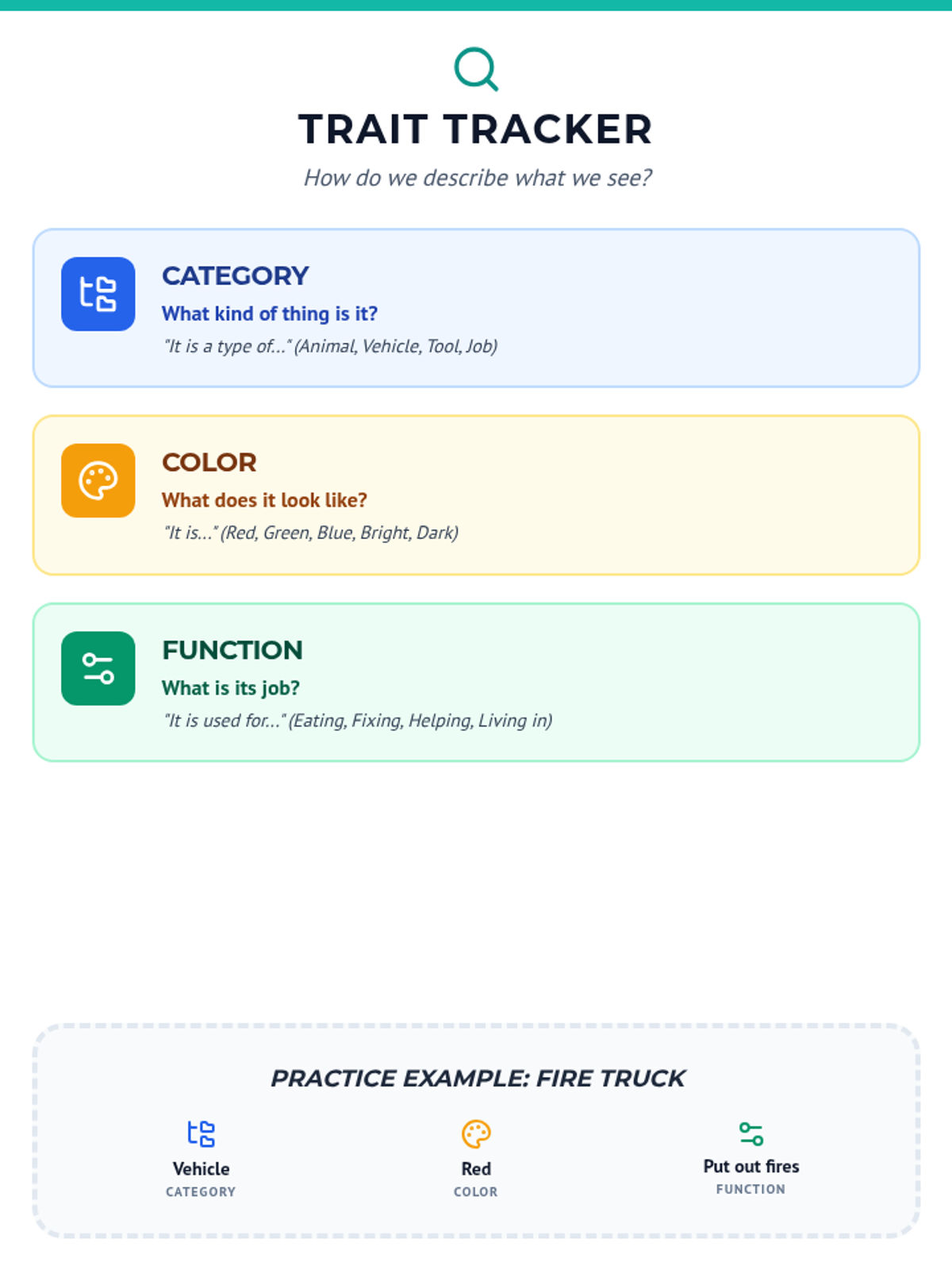
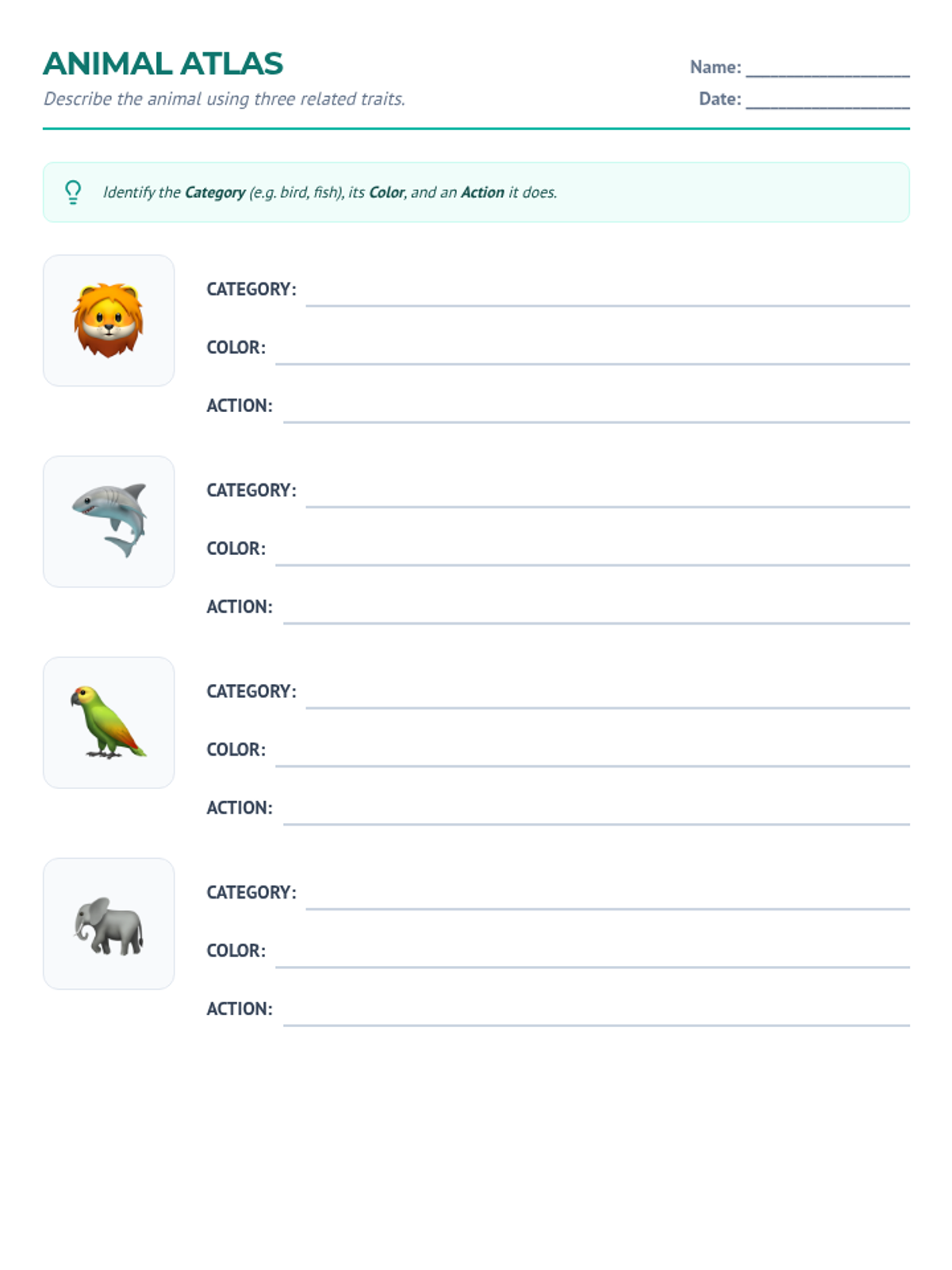
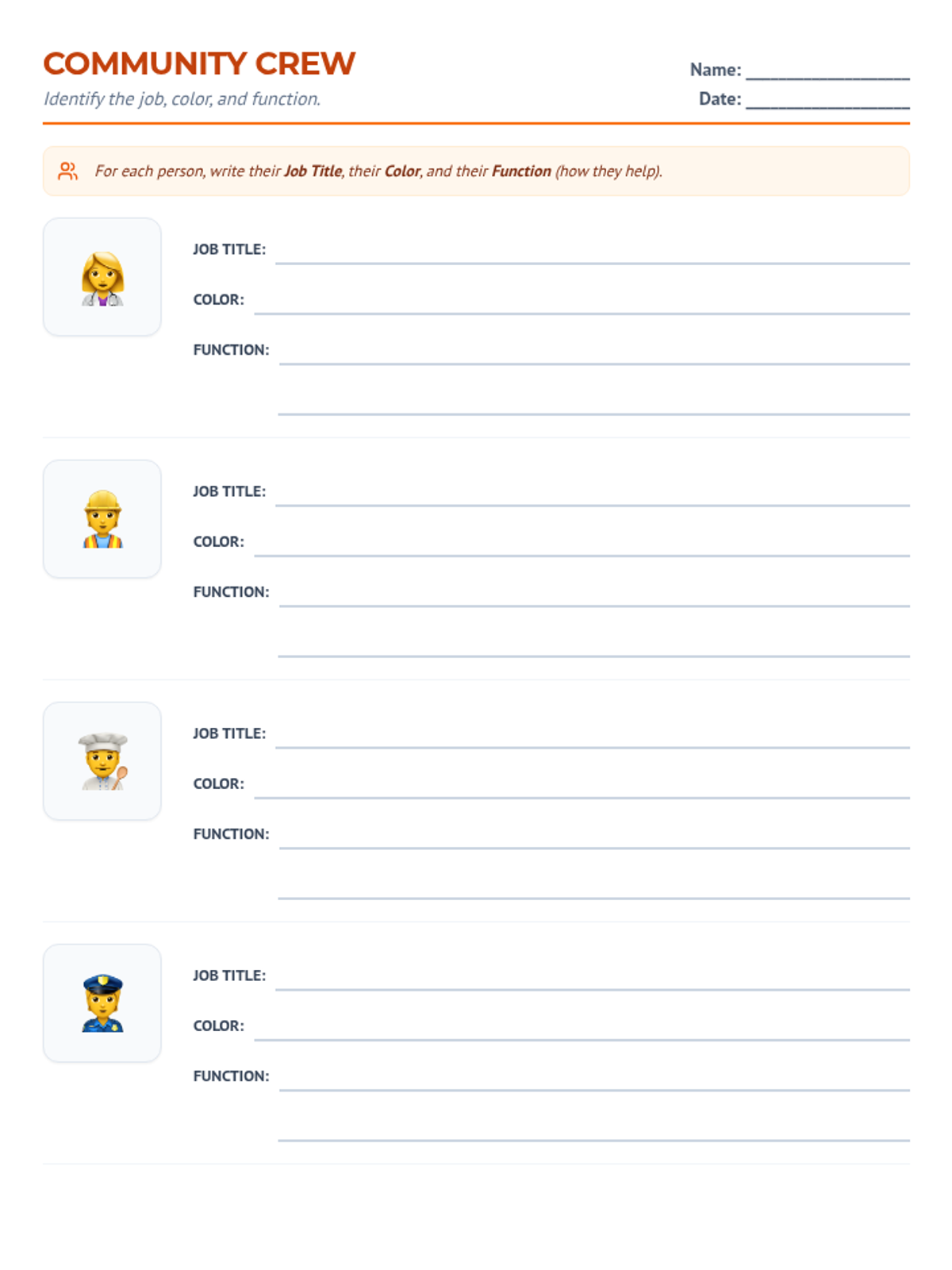
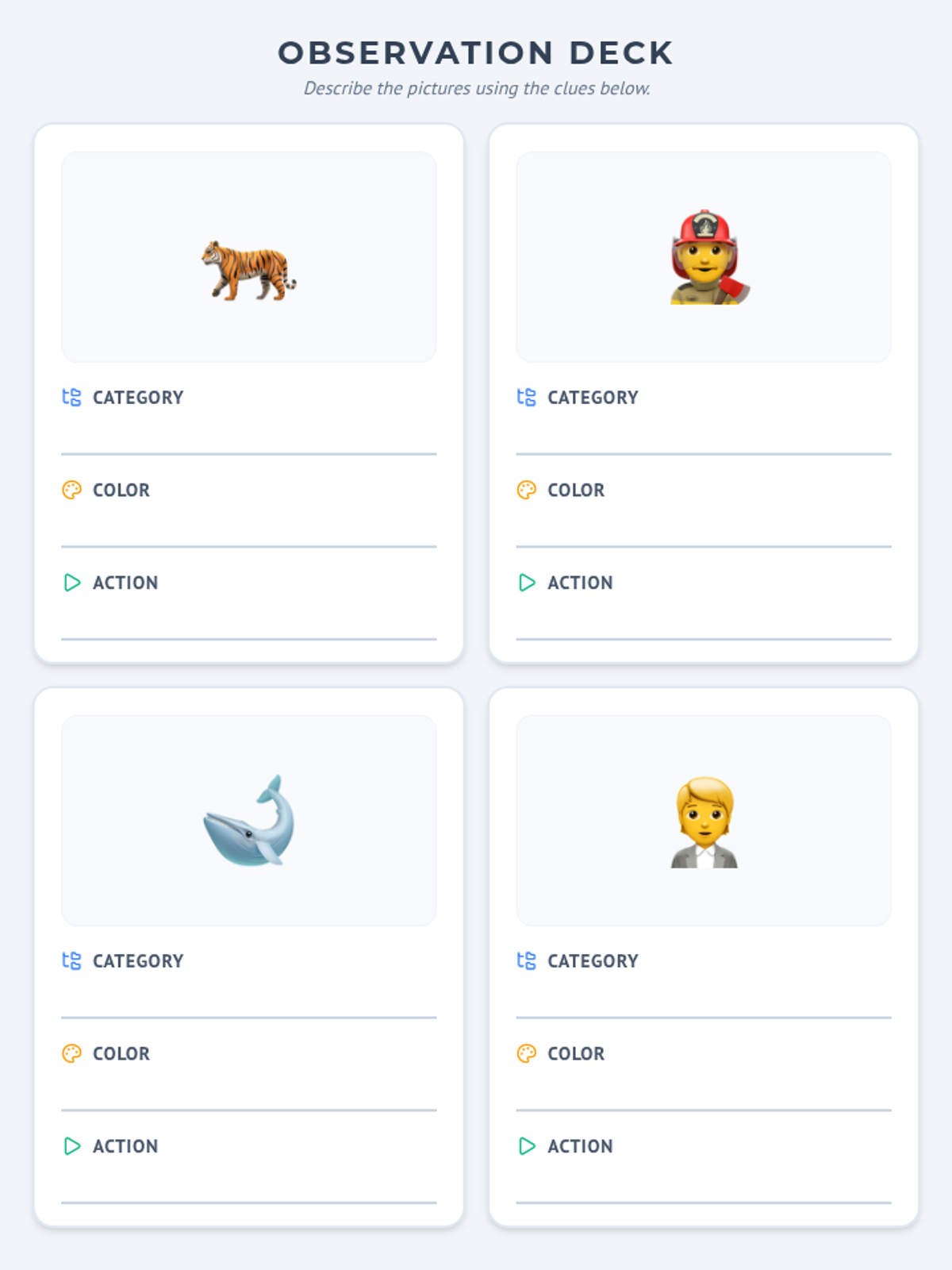
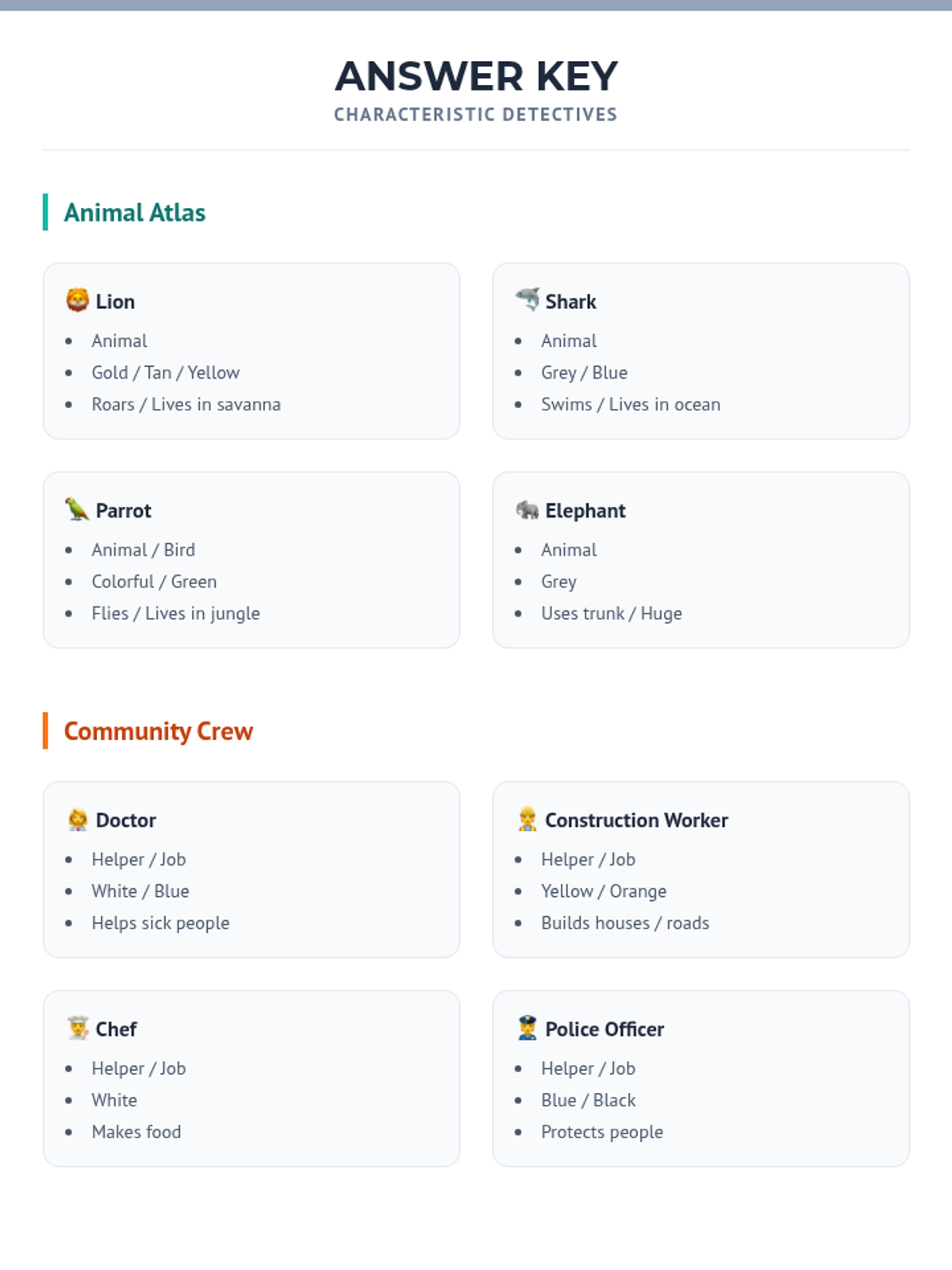
This lesson helps students identify and name three specific characteristics (color, category, and function) for common objects, focusing on animals and community helpers. Students use visual prompts and structured practice to build descriptive language skills.
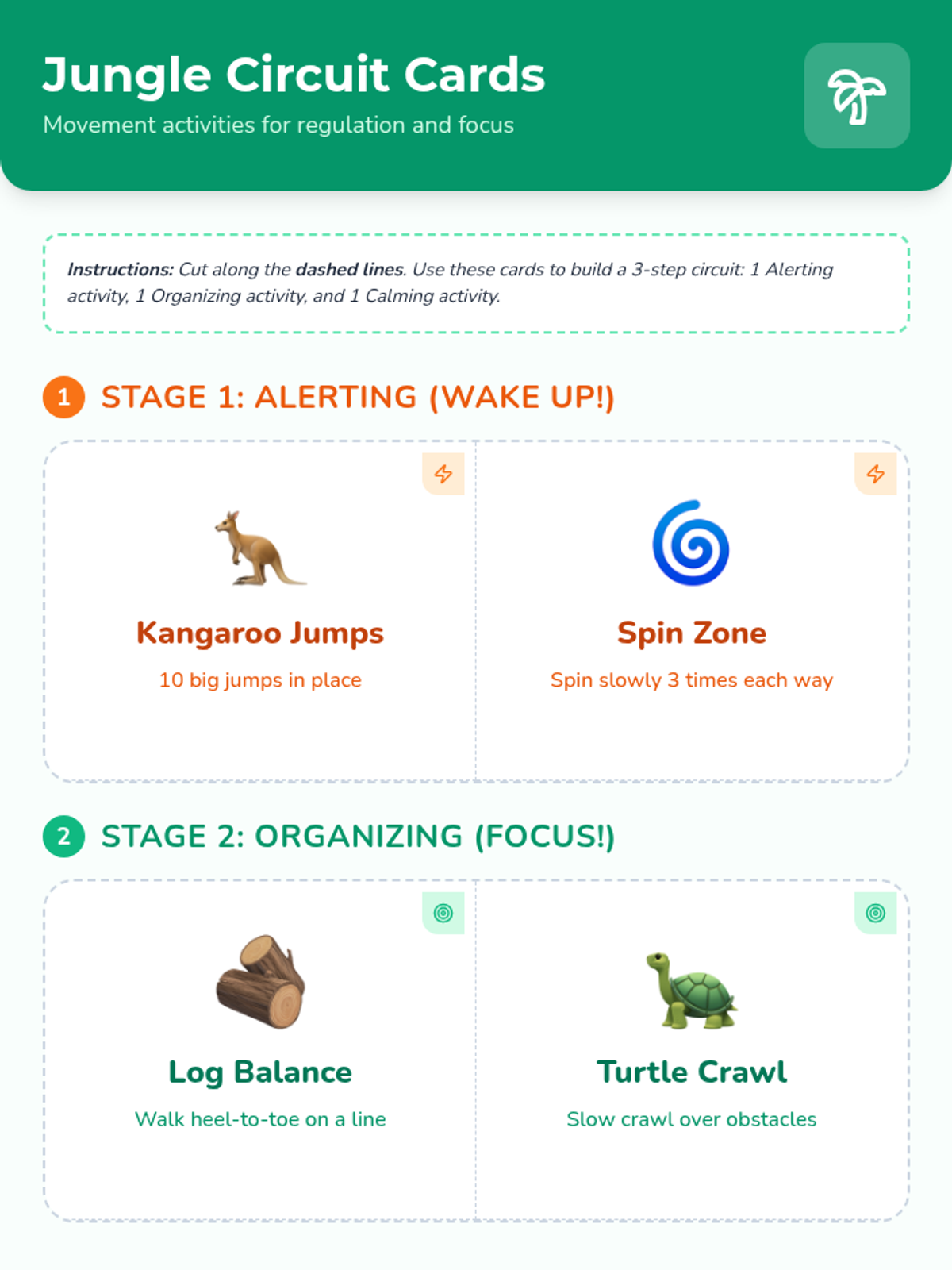
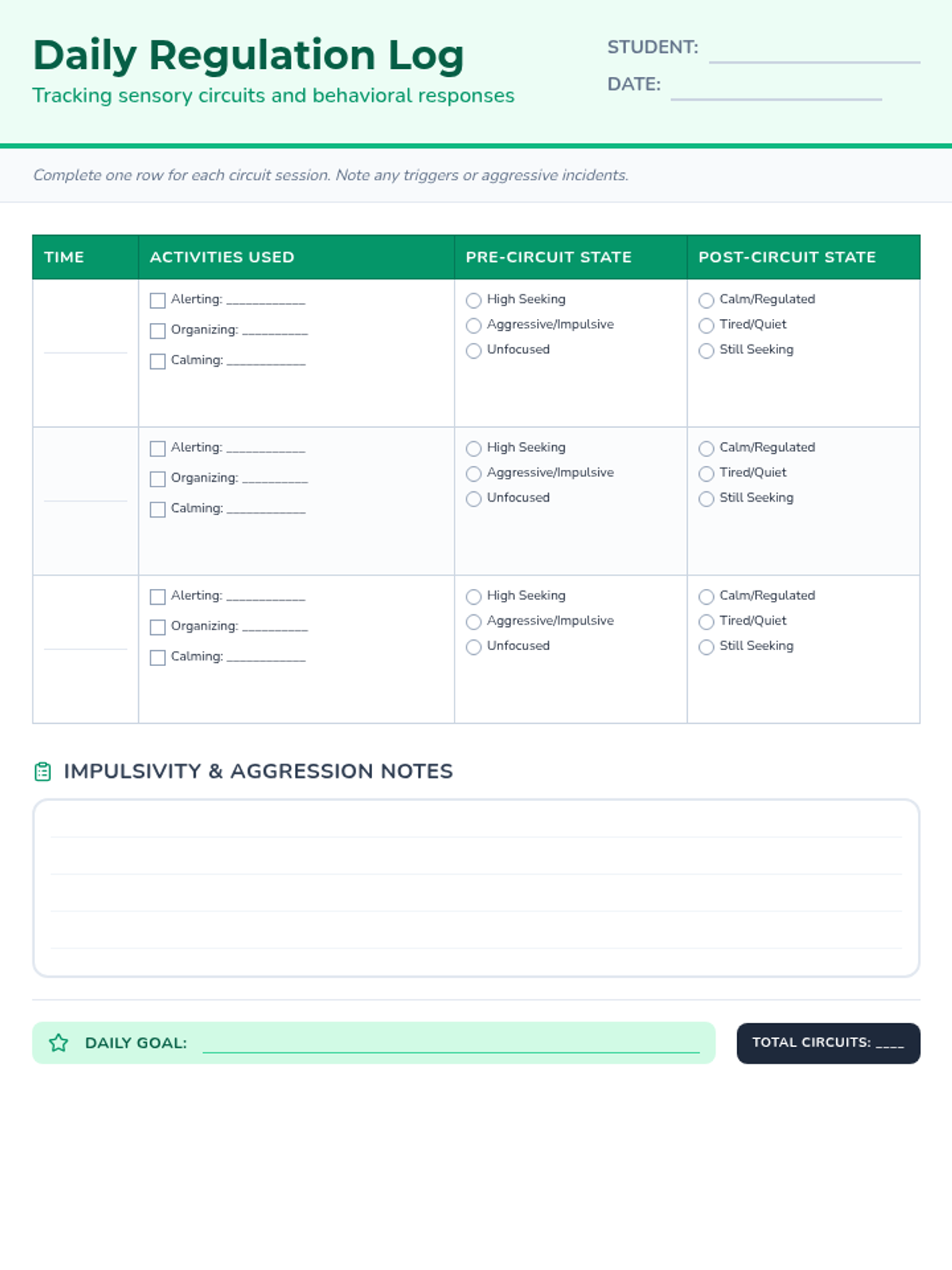
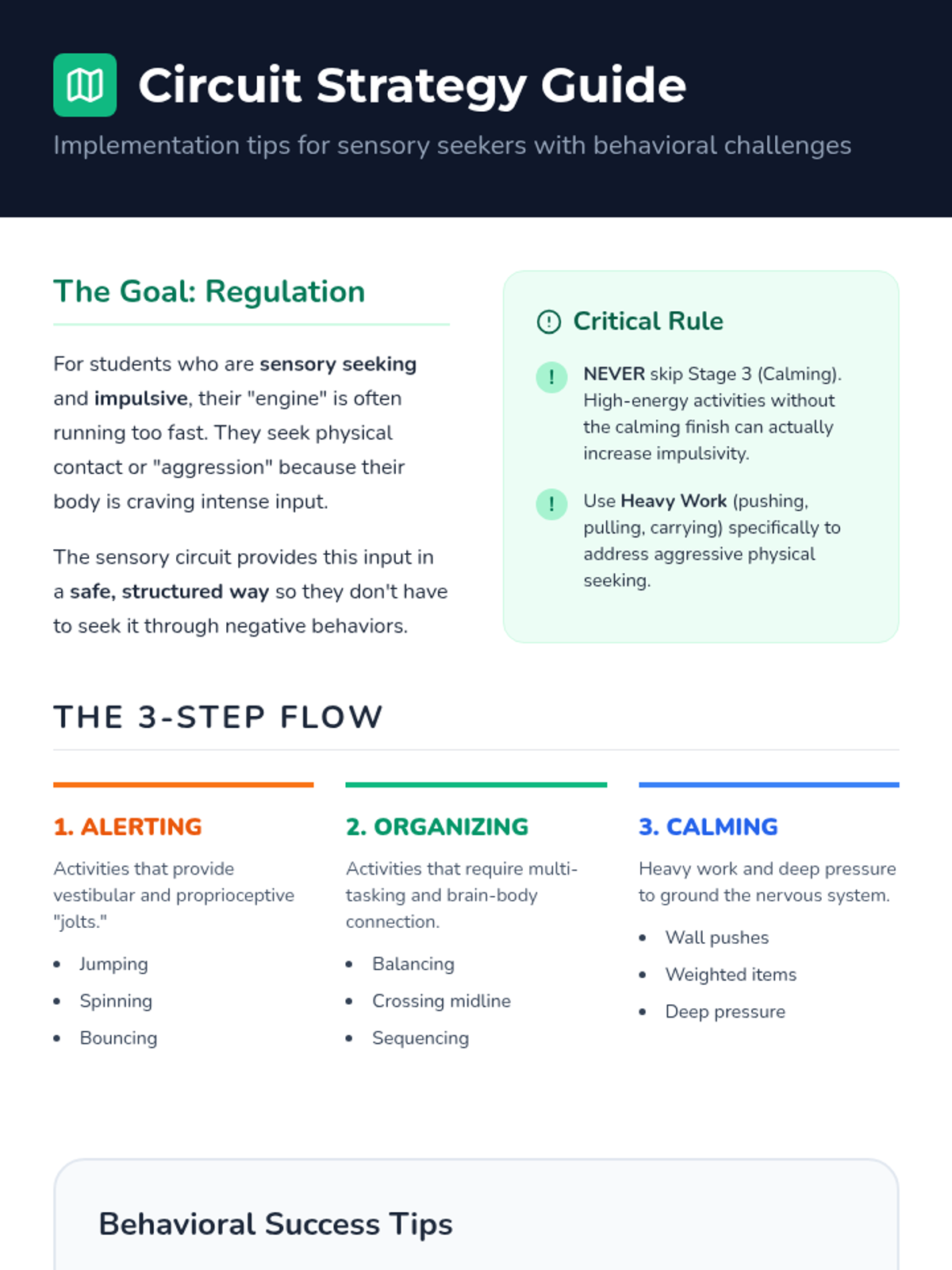
A sensory circuit program designed for preschool students to manage high energy and impulsivity through structured alerting, organizing, and calming activities.
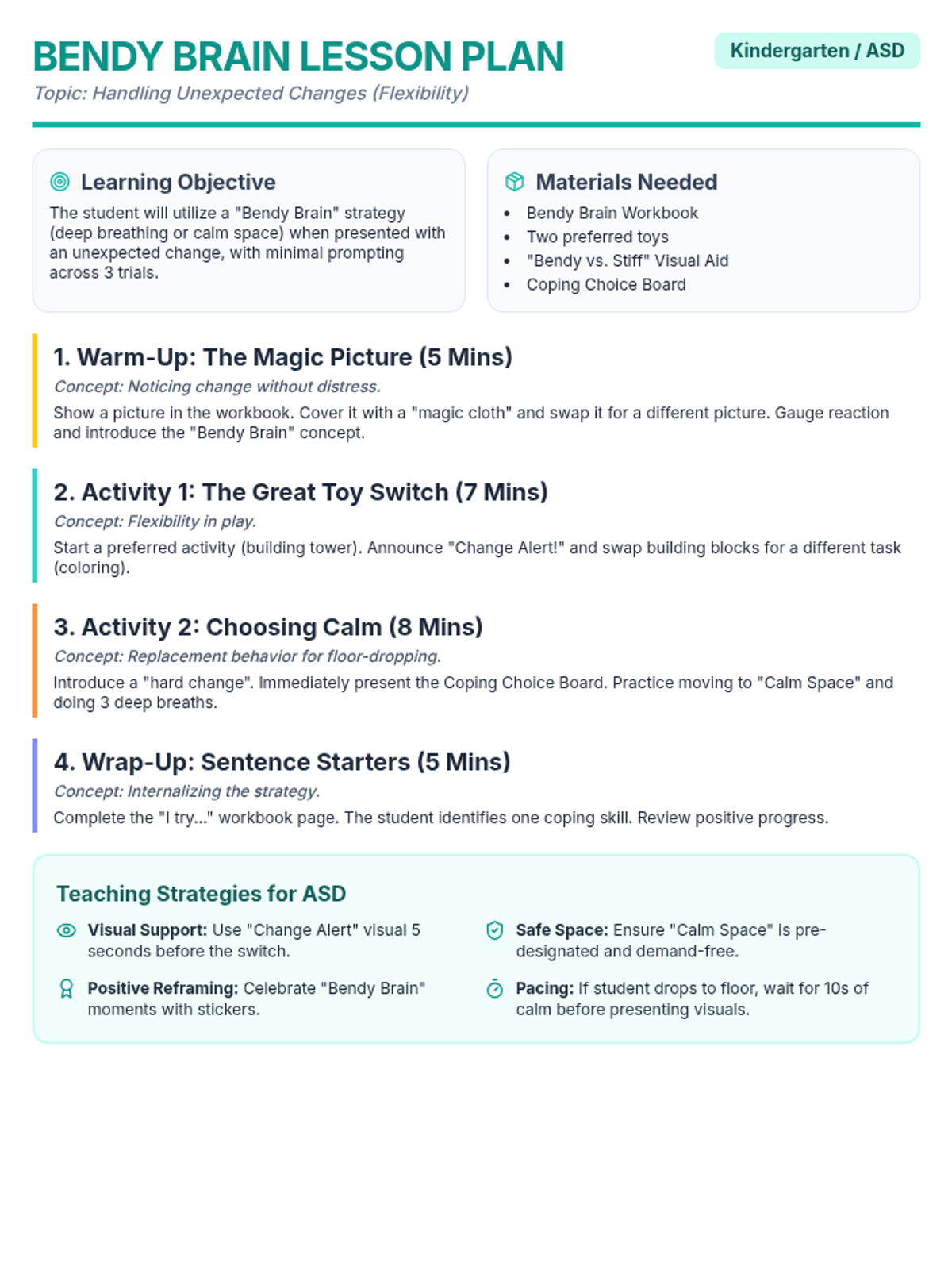
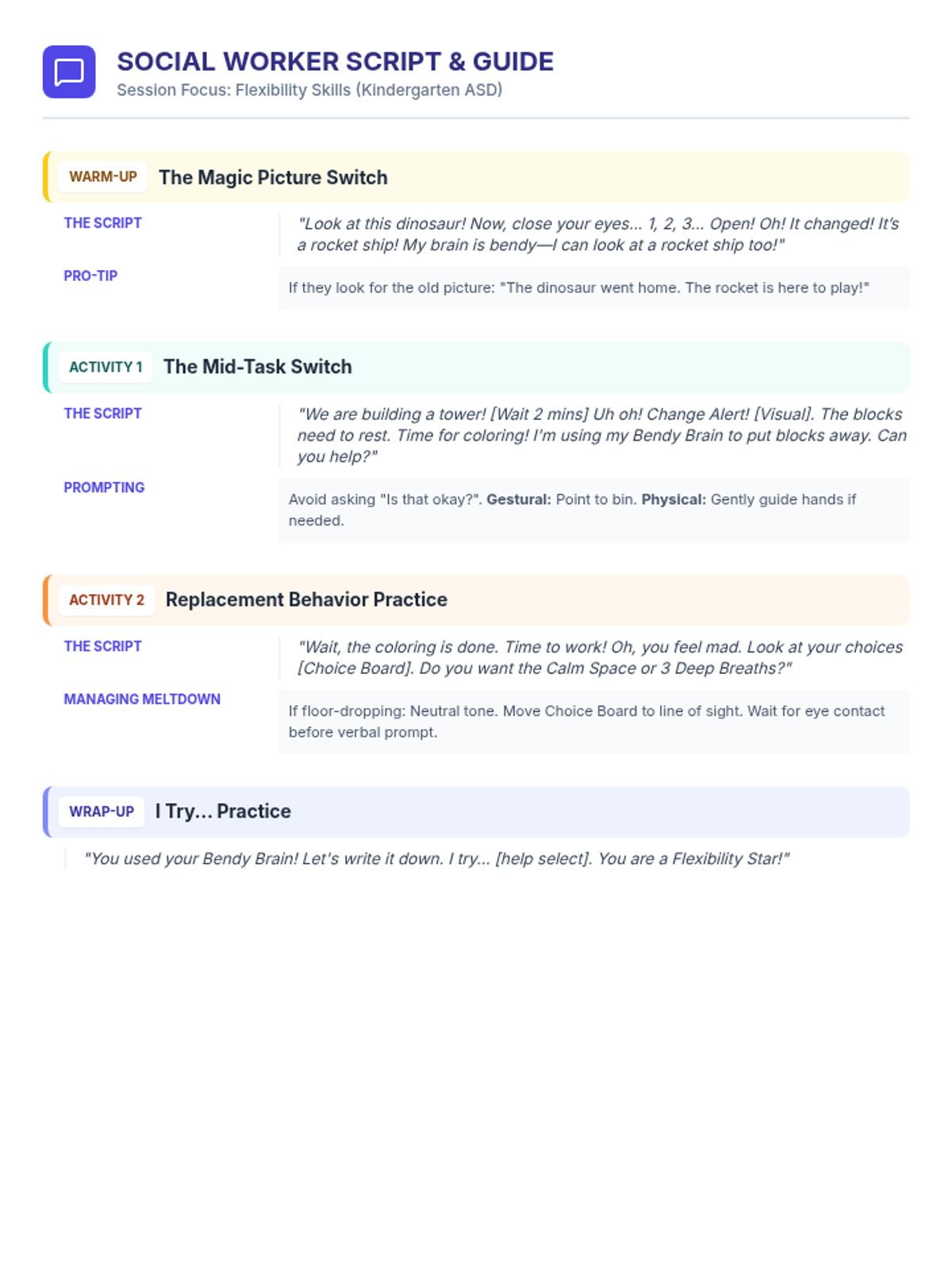
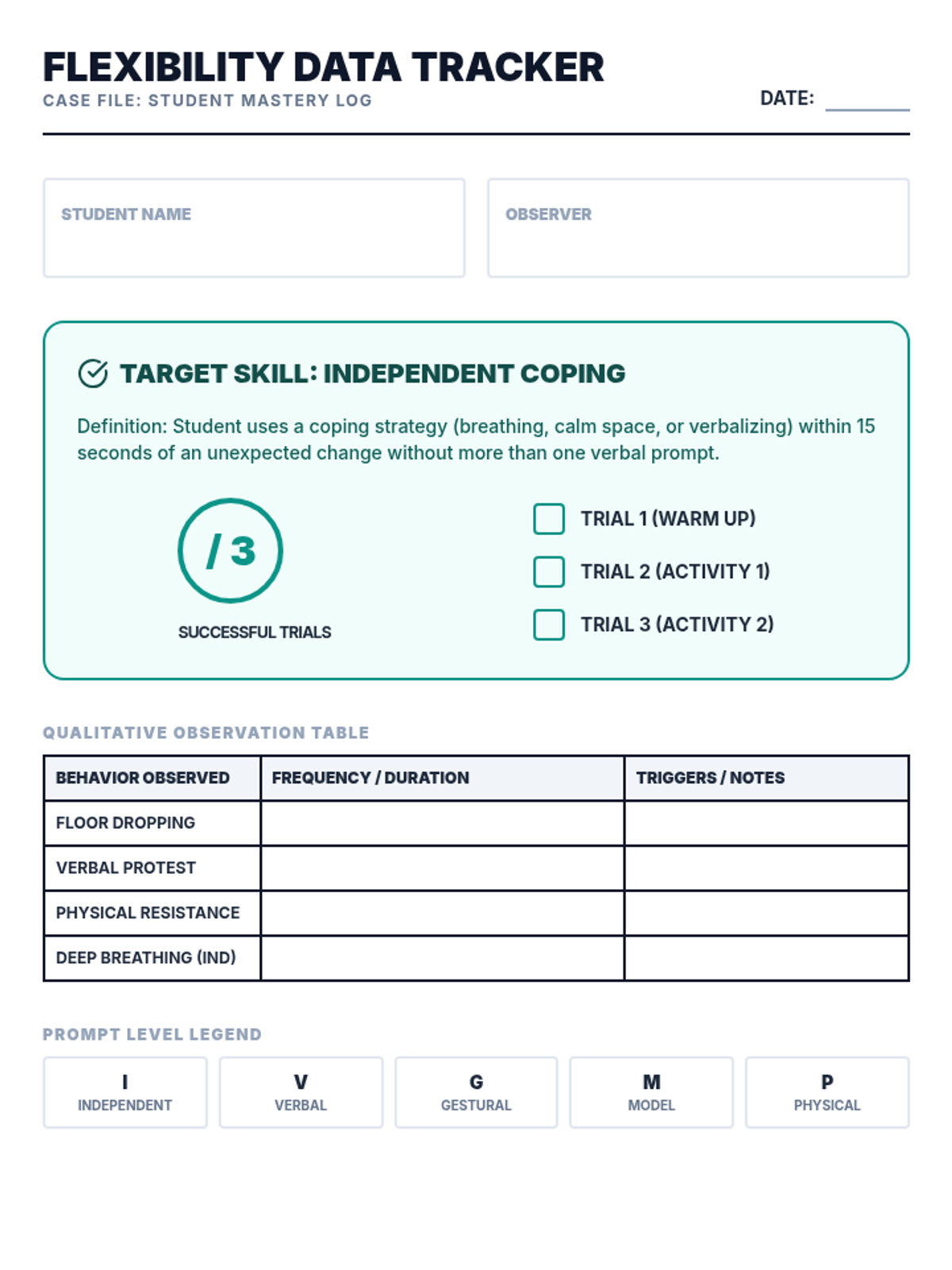
A comprehensive lesson for a kindergarten student with ASD focused on building cognitive flexibility and emotional regulation during unexpected changes. Includes a detailed lesson plan, social worker script, data tracking, and a student workbook.
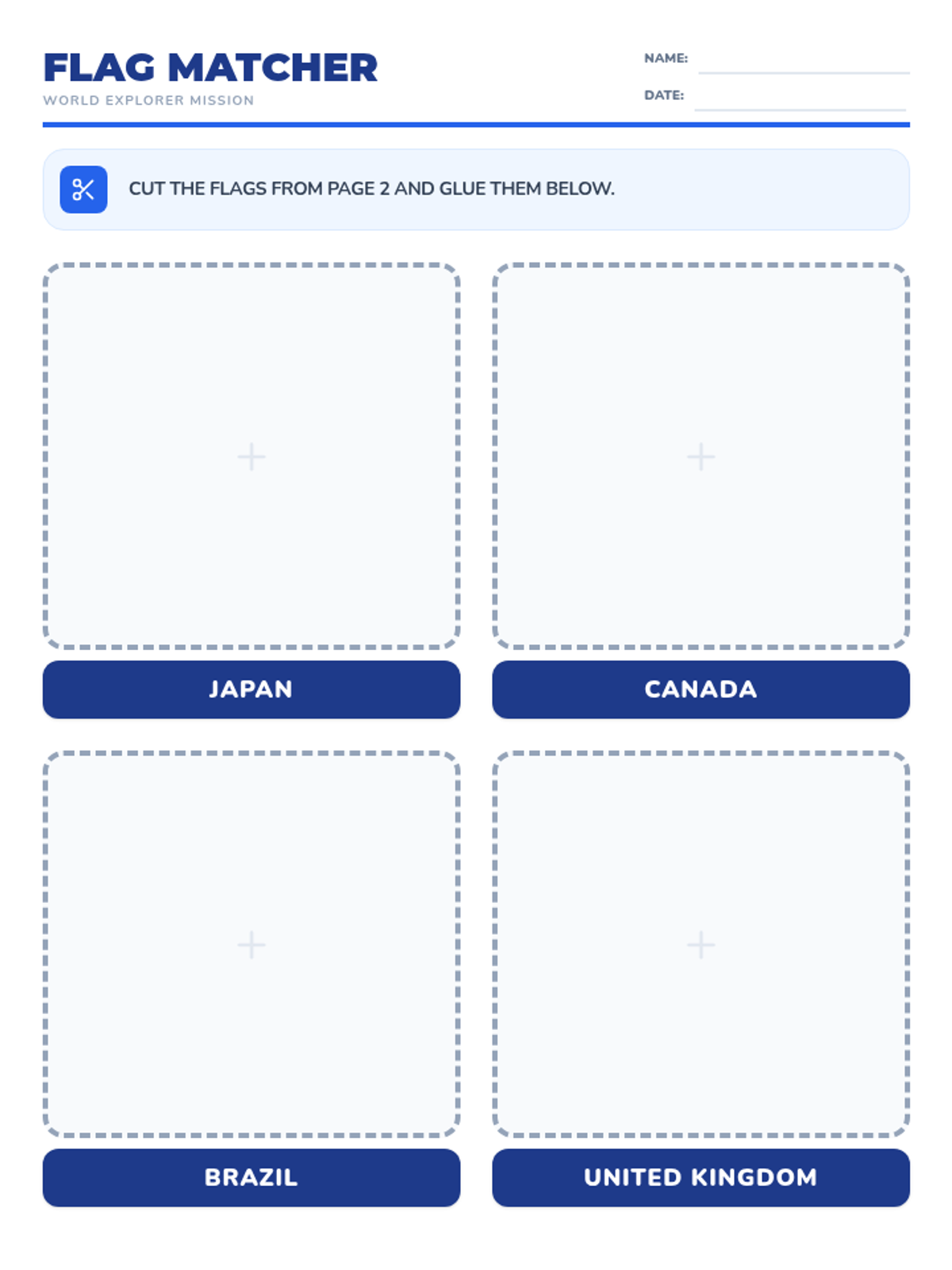
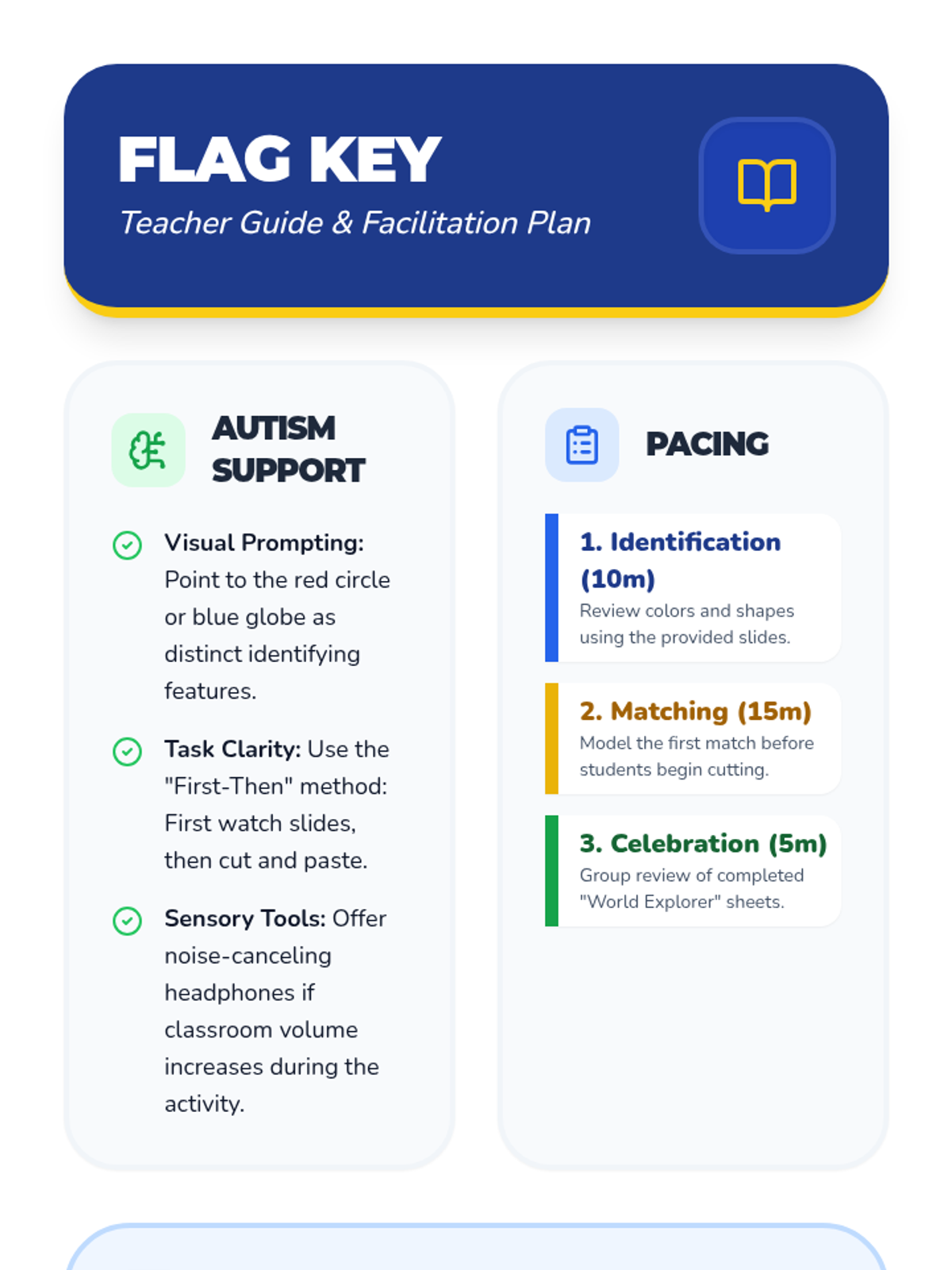
An introductory lesson on world flags designed for students with autism, focusing on visual identification and tactile matching using a structured, high-contrast approach.
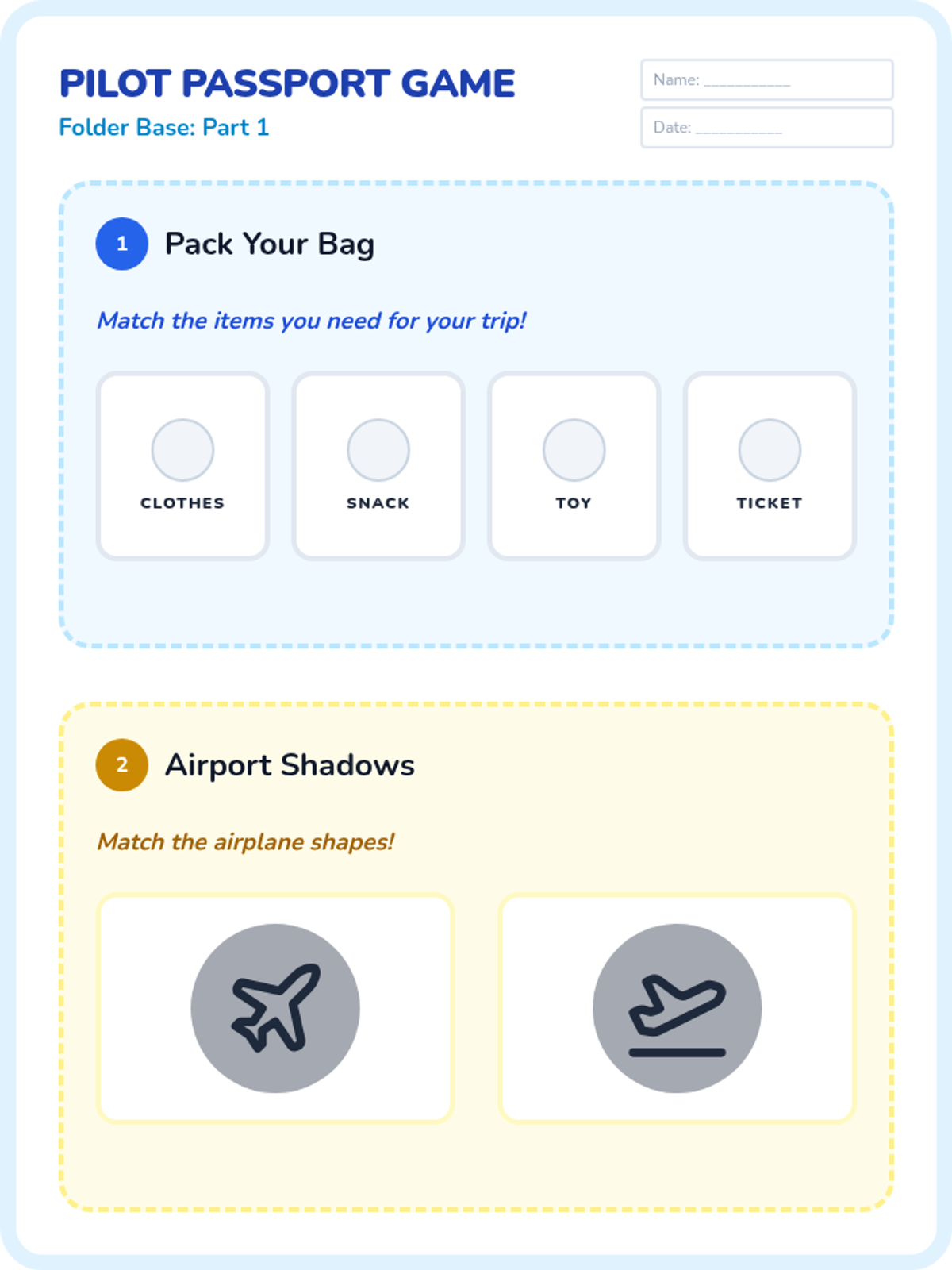
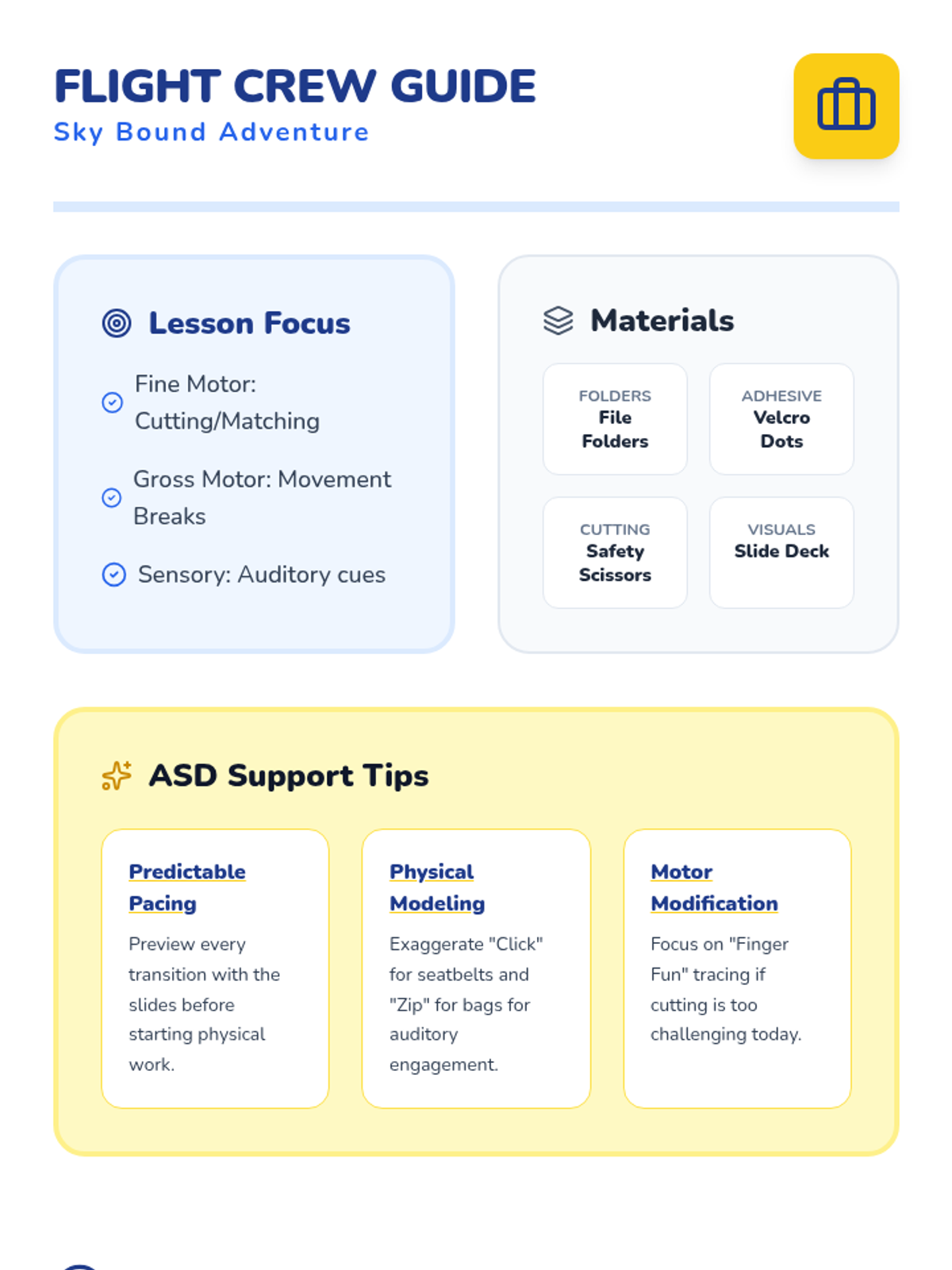
A high-engagement lesson designed for students with autism to explore air travel while developing fine and gross motor skills through visual sequencing and interactive play.
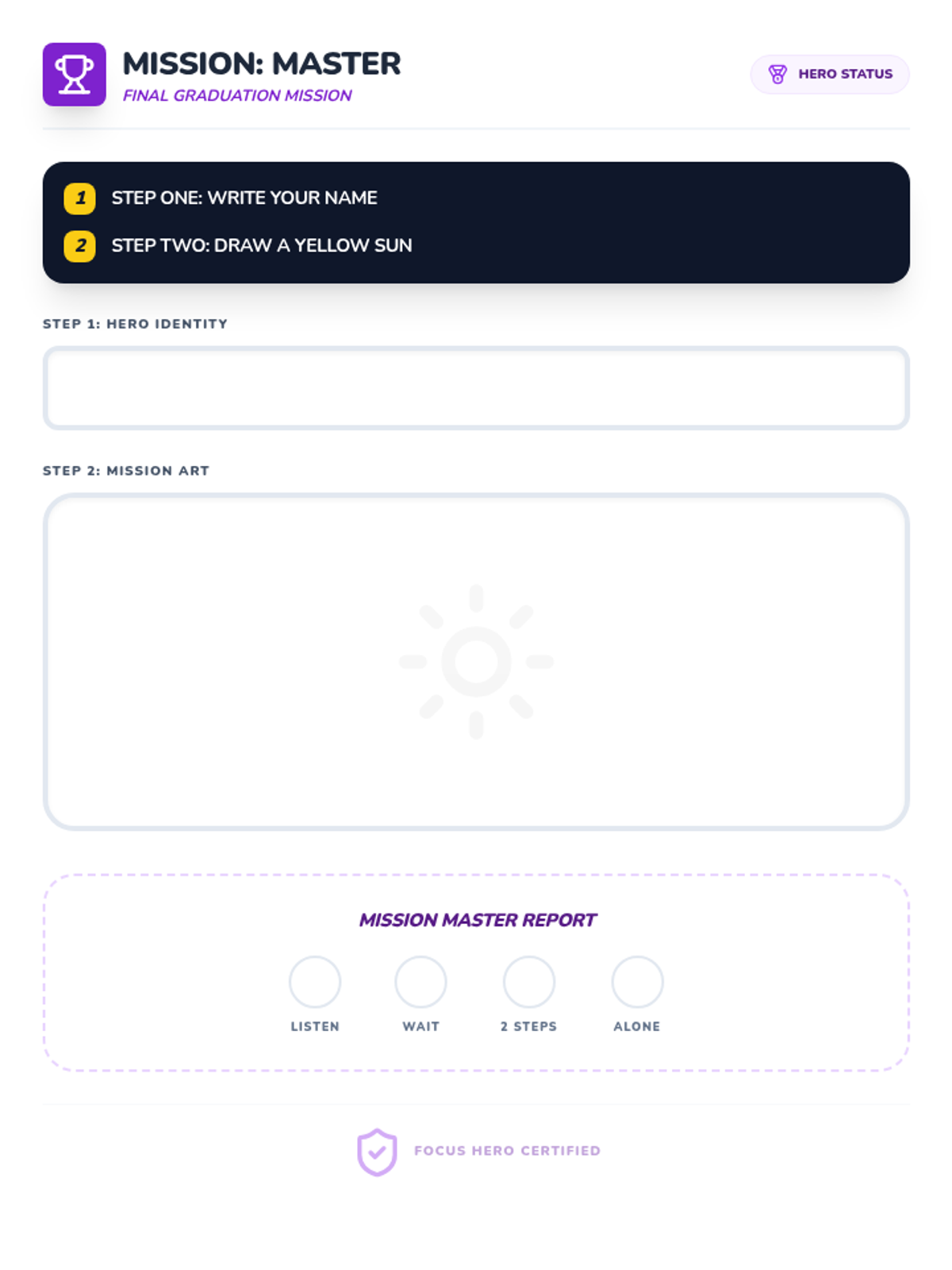
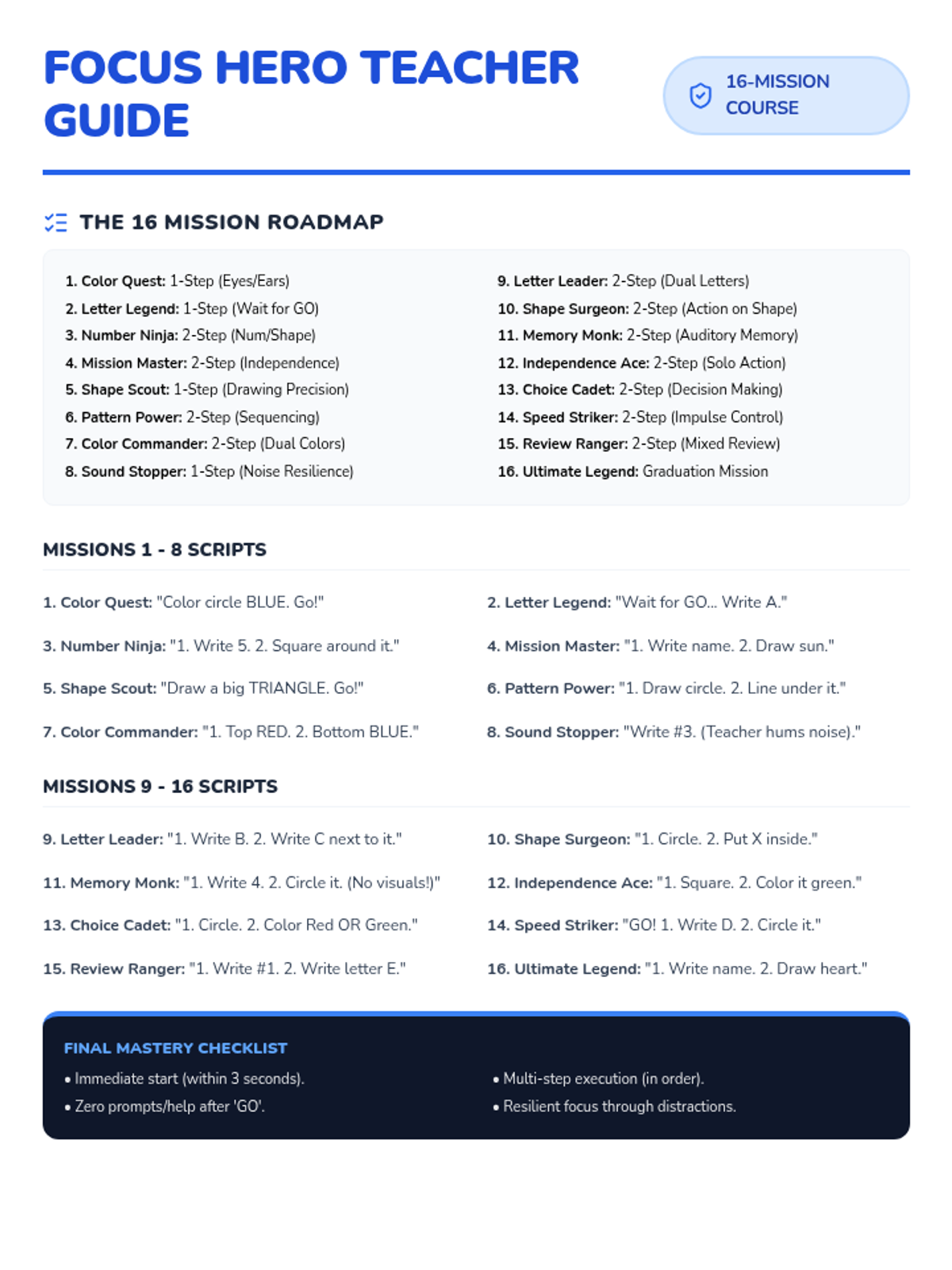
The final graduation mission: complex 2-step directions followed independently for a final assessment.
A mixed review of 2-step directions involving letters, numbers, and shapes.
Focuses on the 'impulse control' aspect of attention: starting the 2-step task immediately after the 'GO' signal.
Introduces 2-step directions where the student must choose between two options (e.g., 'Draw a red OR blue circle').
Students complete 2-step directions without any teacher repetition or prompting after the initial instruction.
Focuses on holding auditory directions in short-term memory without visual support during 2-step tasks.
Precise 2-step tasks: drawing a shape and then performing a specific action on it (like crossing it out).
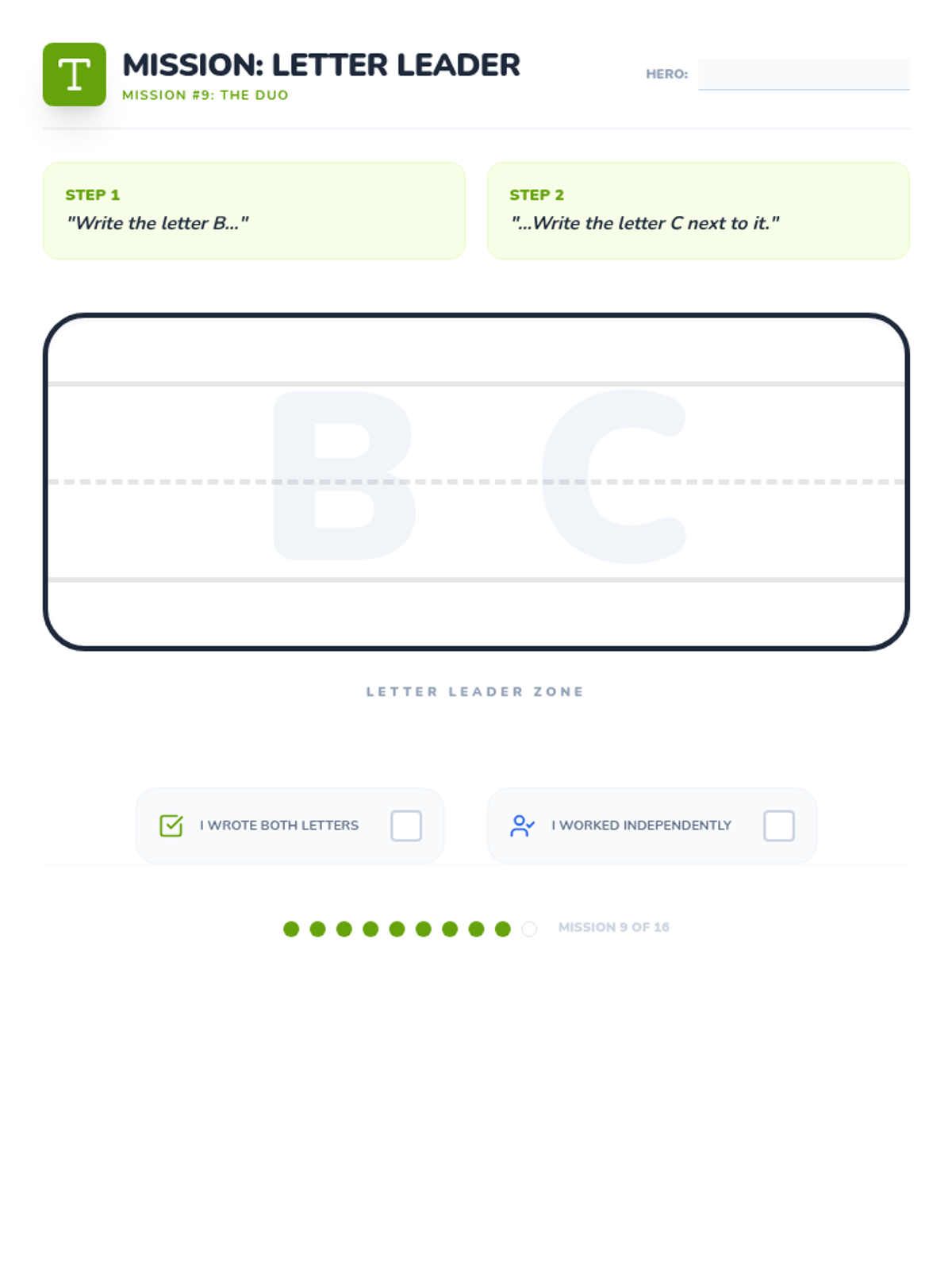
Mastering 2-step directions involving writing two different letters in specific locations.
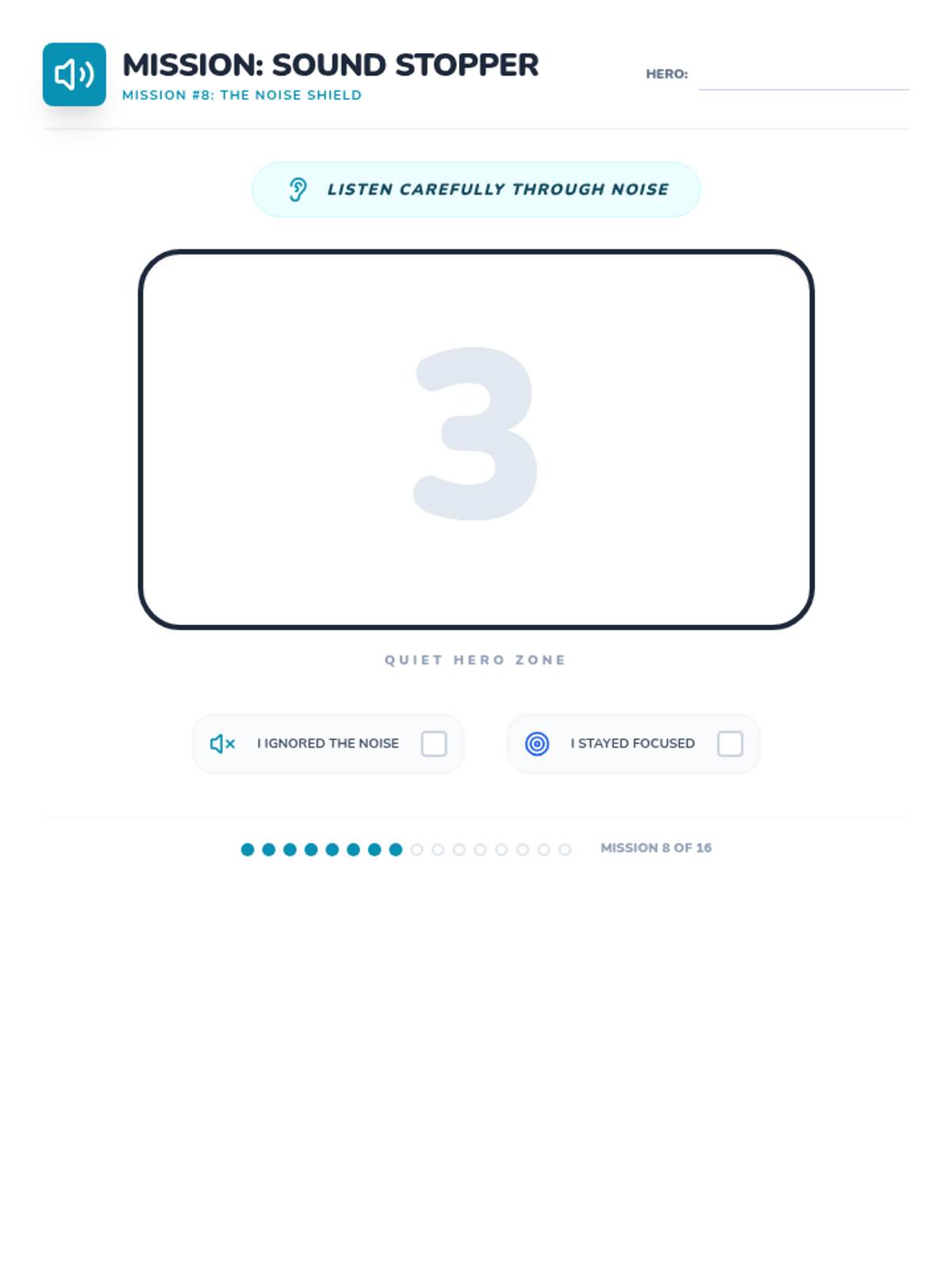
Follows 1-step directions while dealing with a mild auditory distraction to build resilient focus.
A 2-step direction lesson requiring the use of two different colors on specific parts of a drawing.
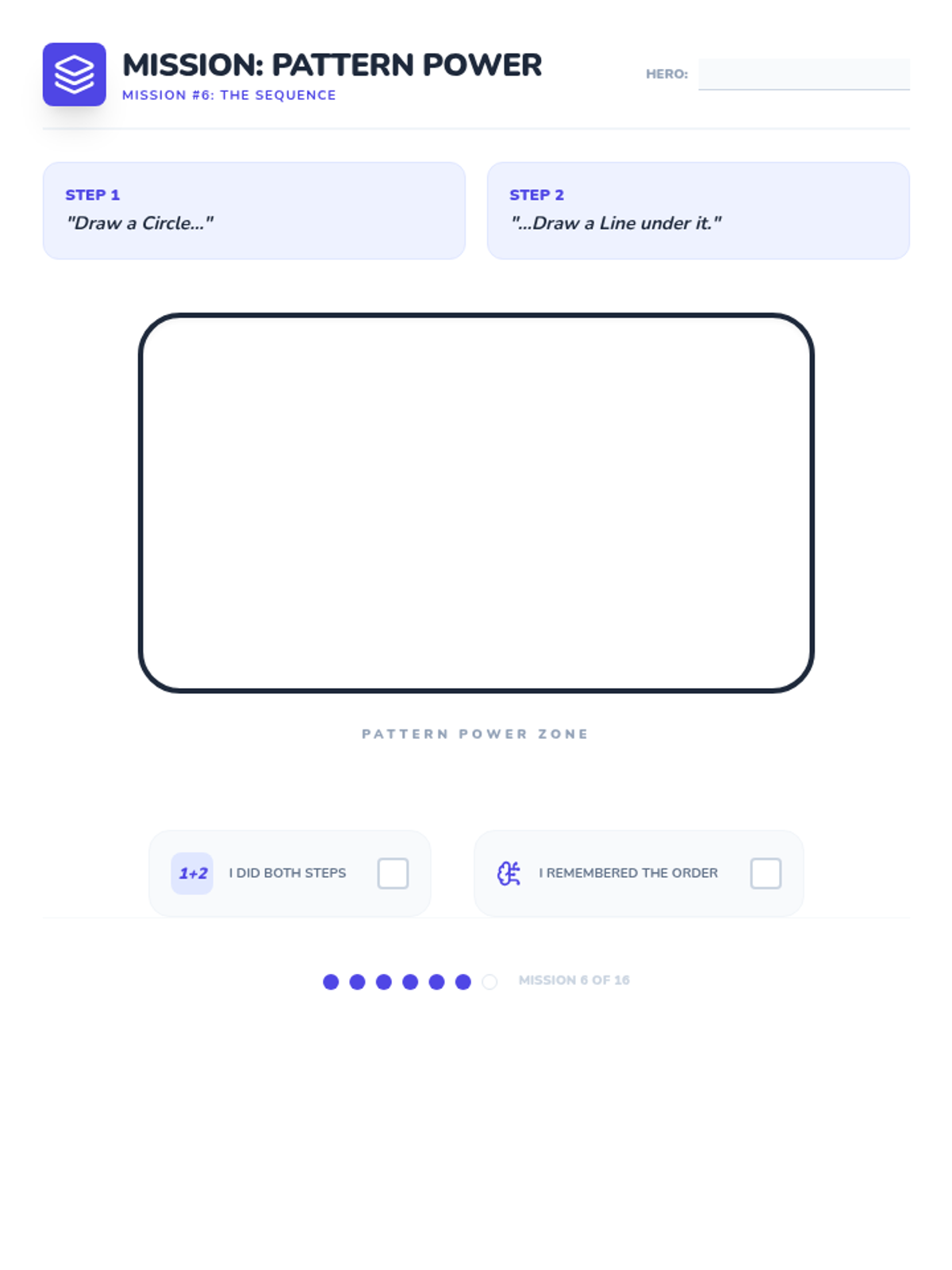
Introduces 2-step directions focused on creating simple patterns, requiring students to sequence two different tasks.
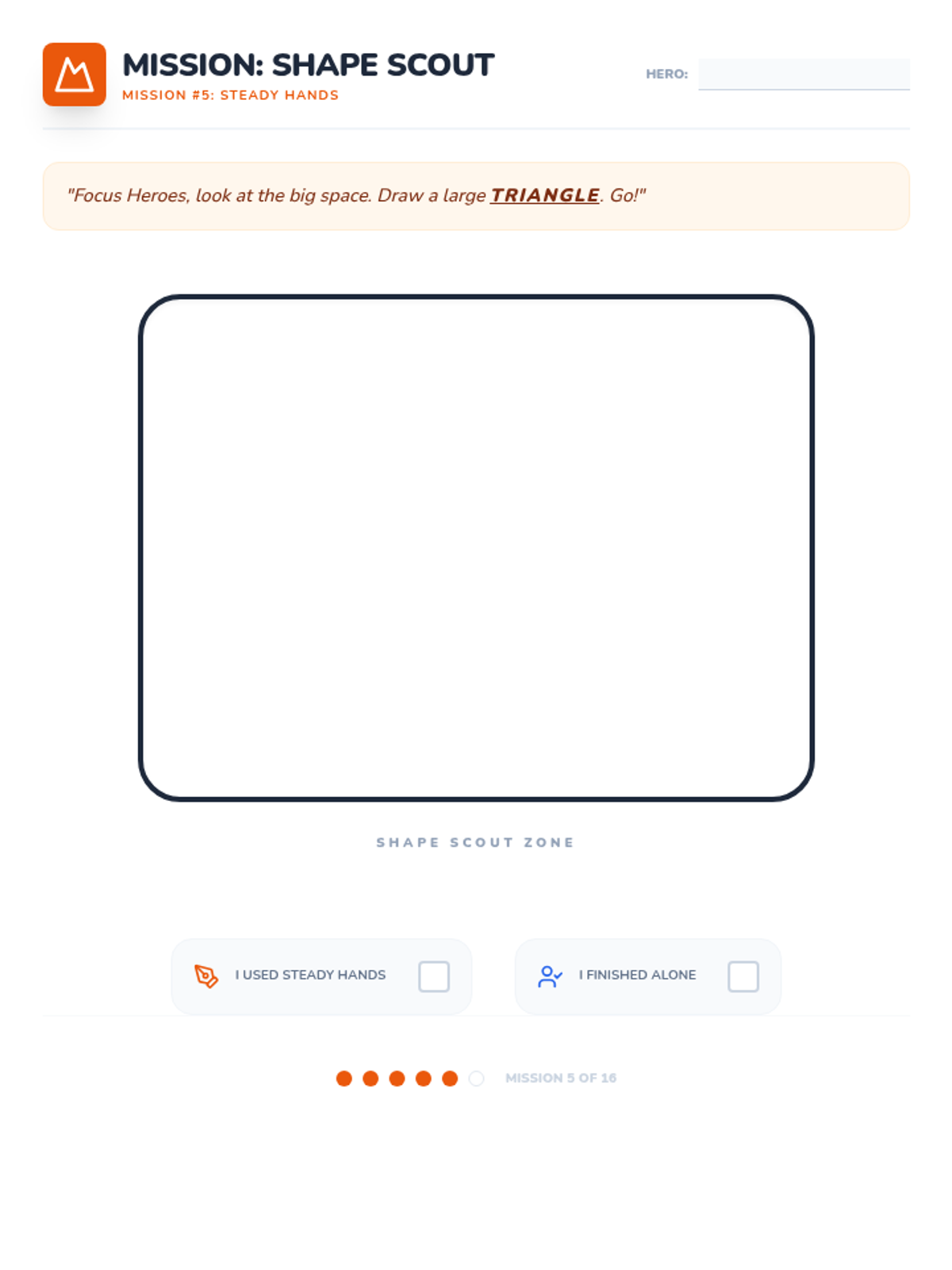
Focuses on single-step directions to draw basic geometric shapes with precision and focus.
The final lesson in the sequence focuses on complete independence, following 2-step directions with mixed kindergarten tasks without teacher prompting.
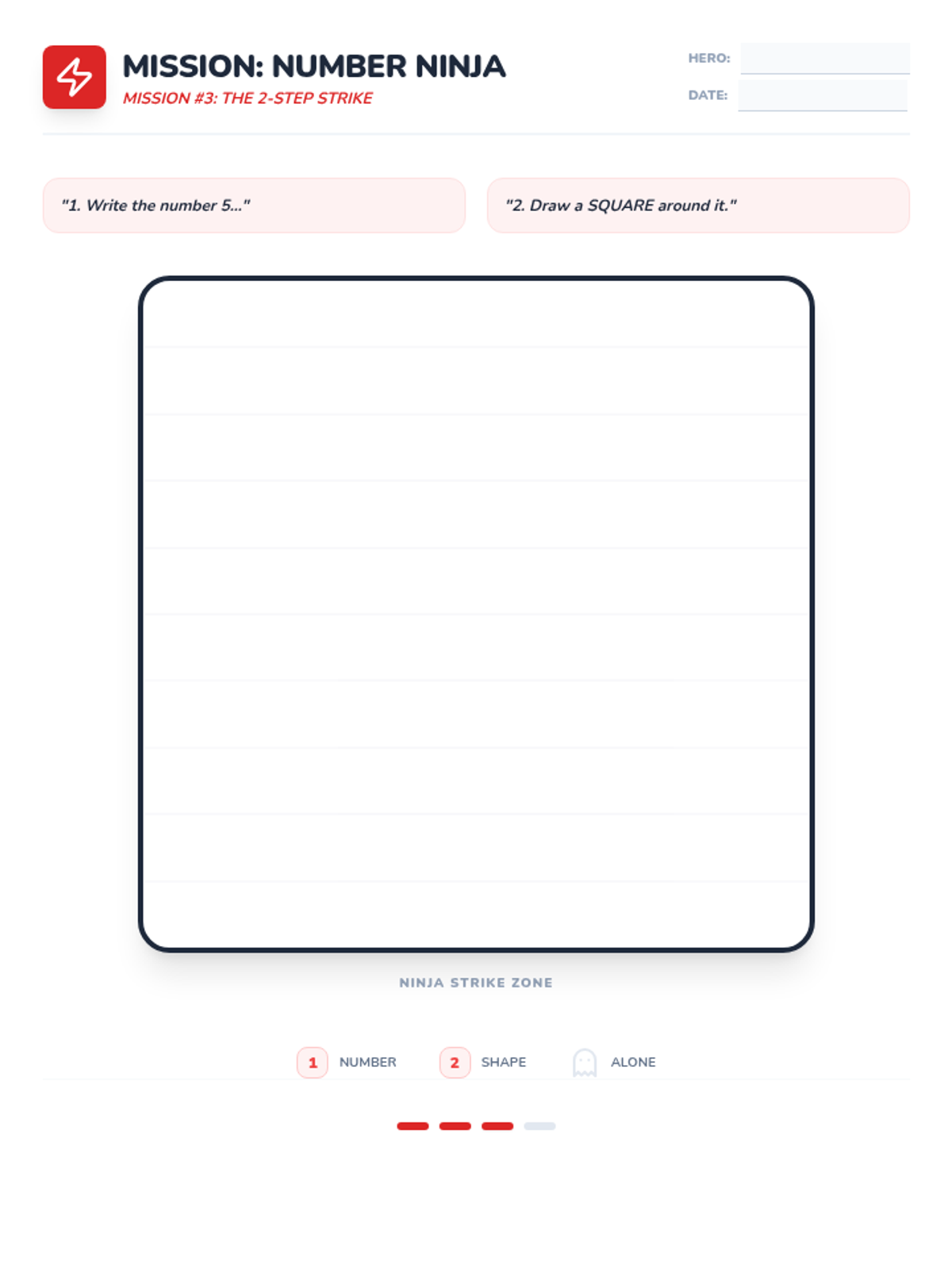
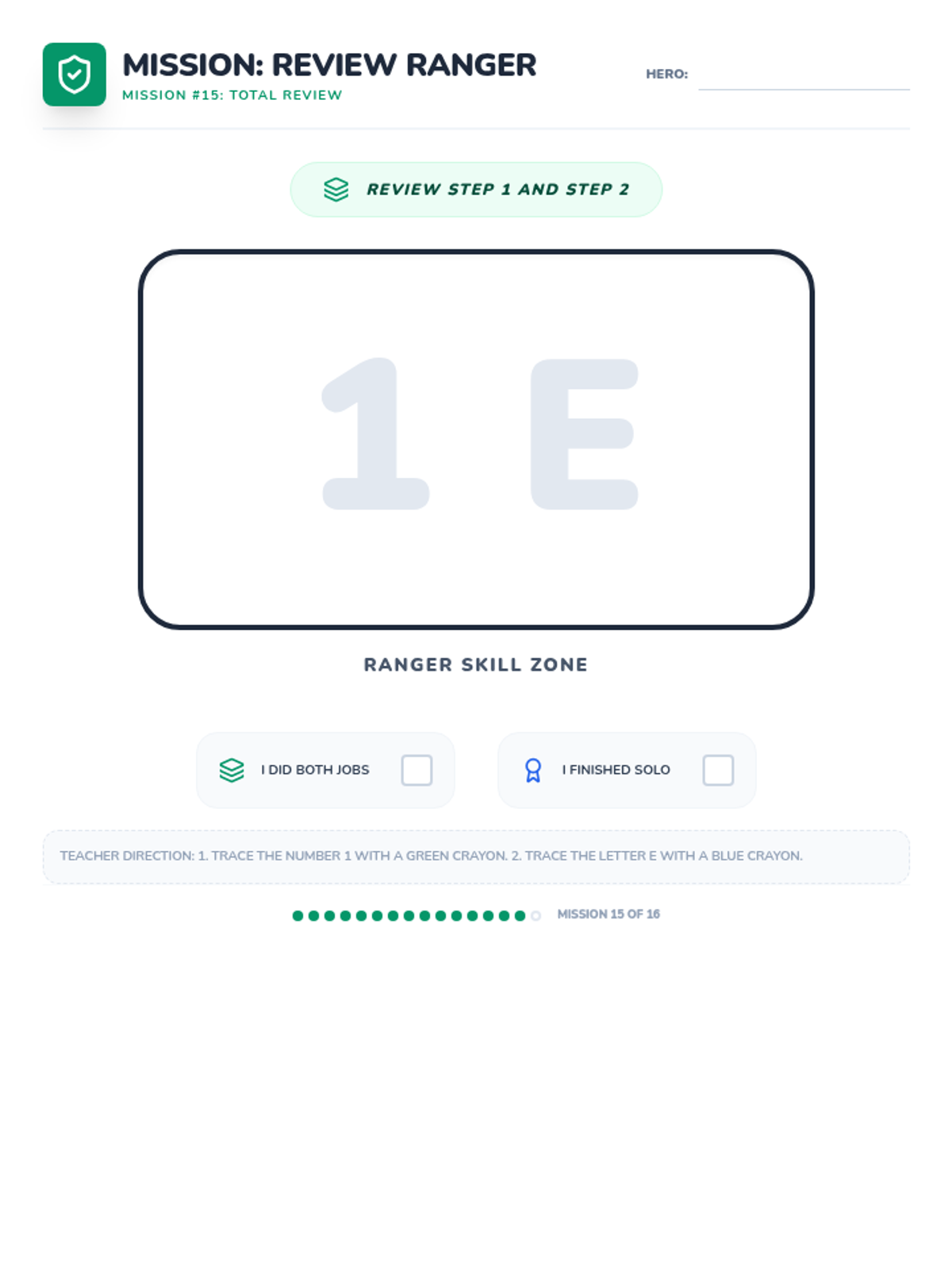
This lesson introduces 2-step directions, requiring students to hold two instructions in memory while completing a number and shape task.
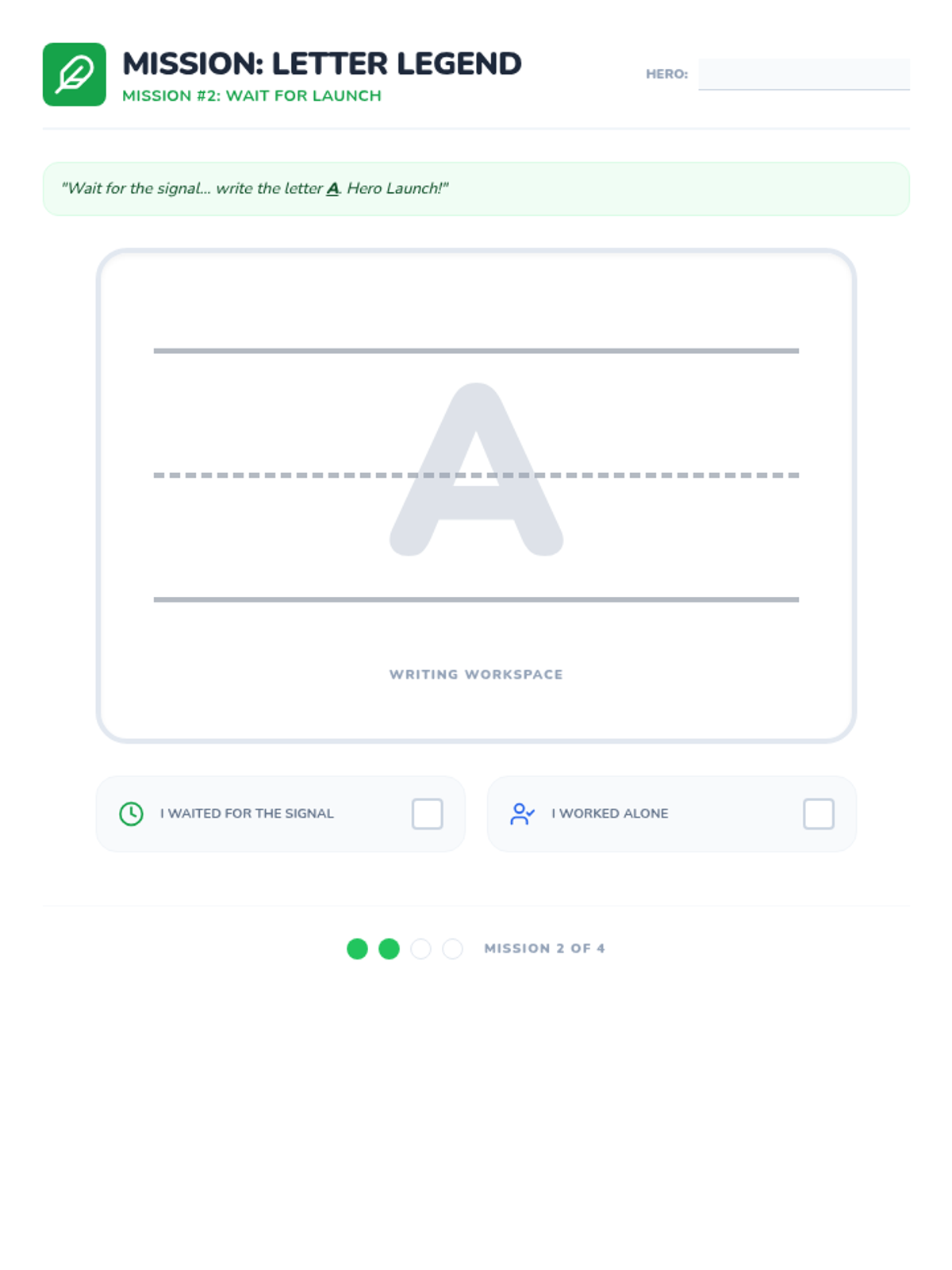
Building on attention skills, this lesson focuses on listening to the entire direction before starting a single-step letter-writing task.
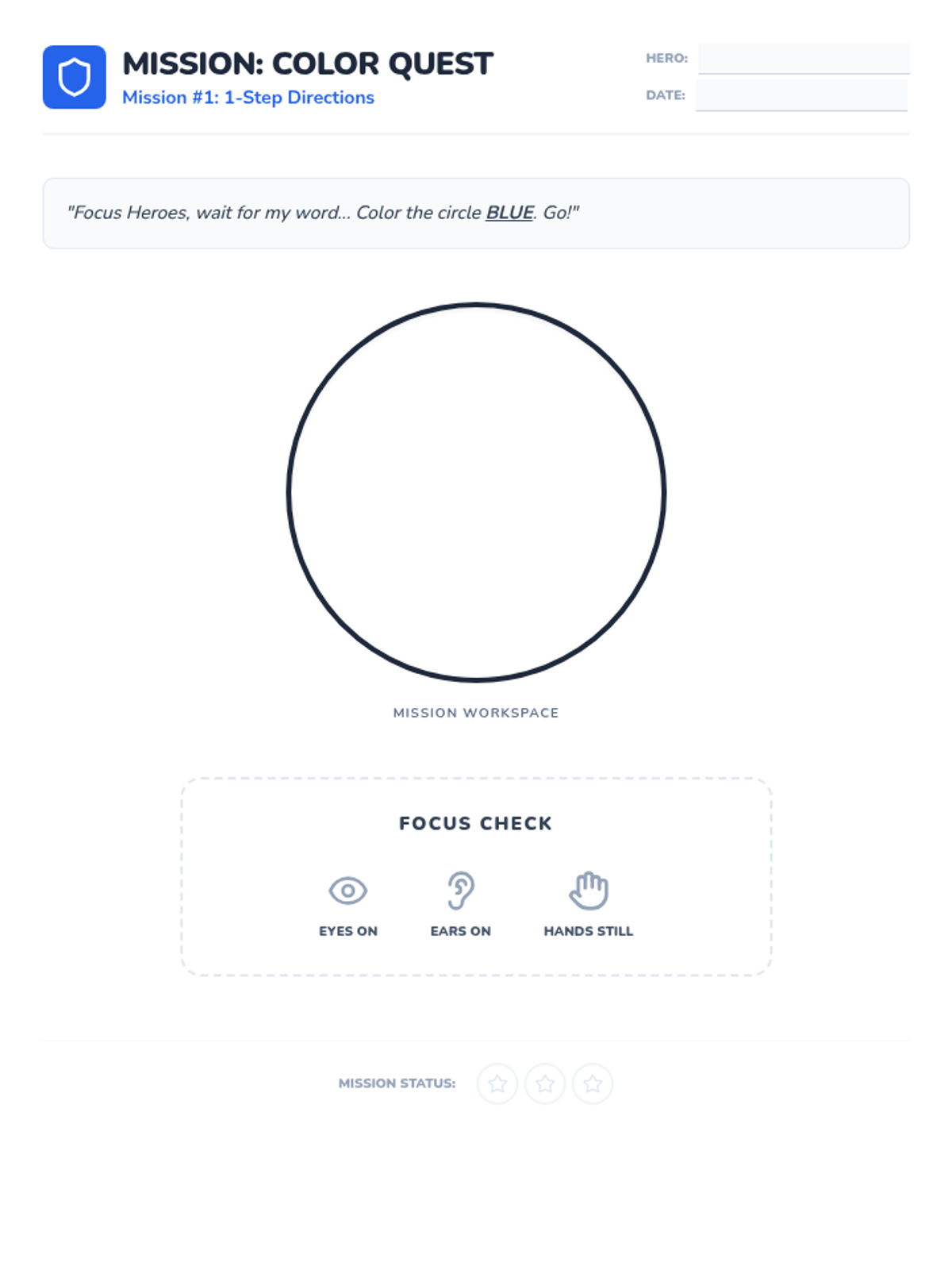
A foundational lesson focusing on maintaining eye contact and quiet bodies to hear and follow a single-step direction involving coloring.
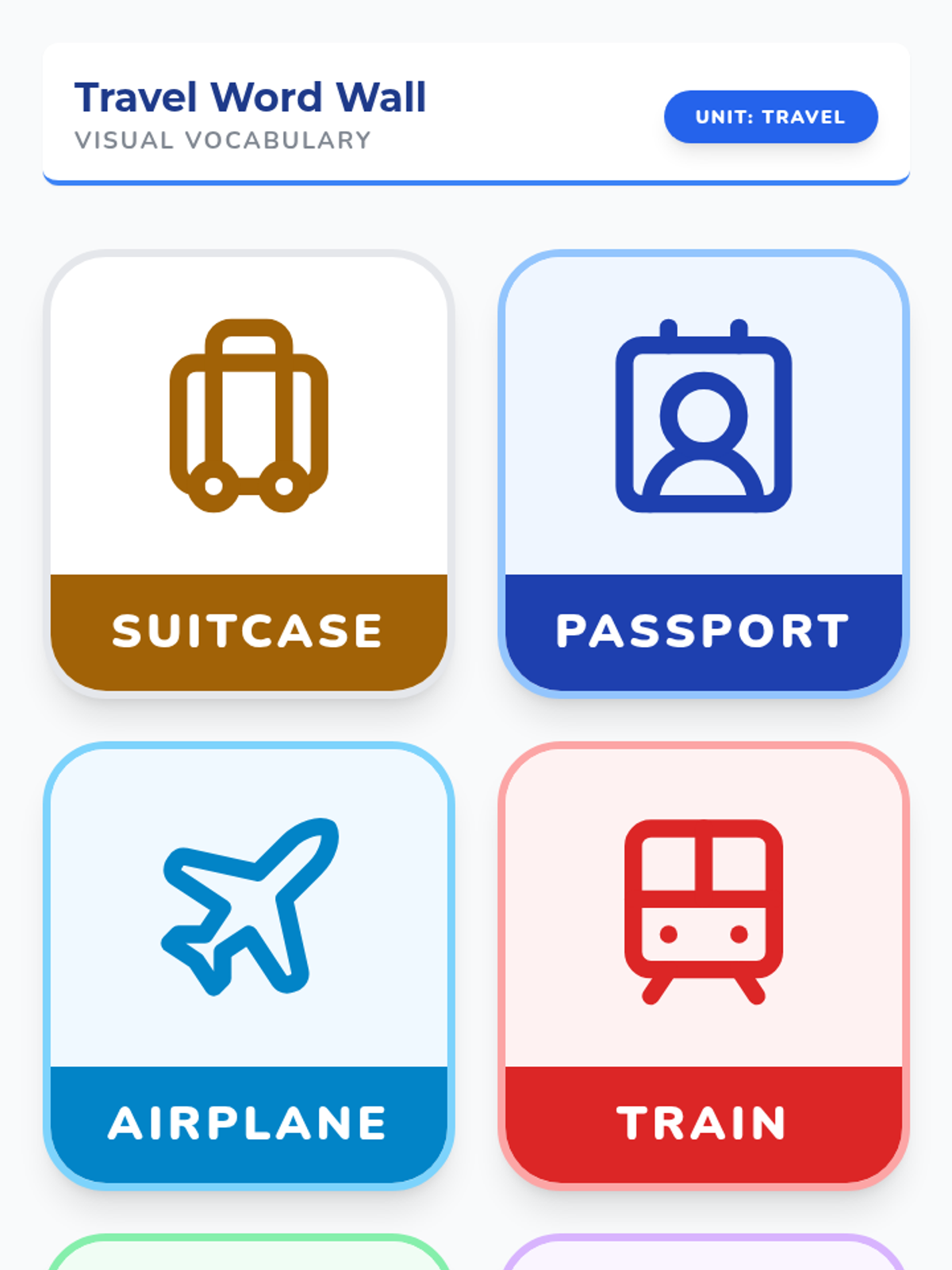
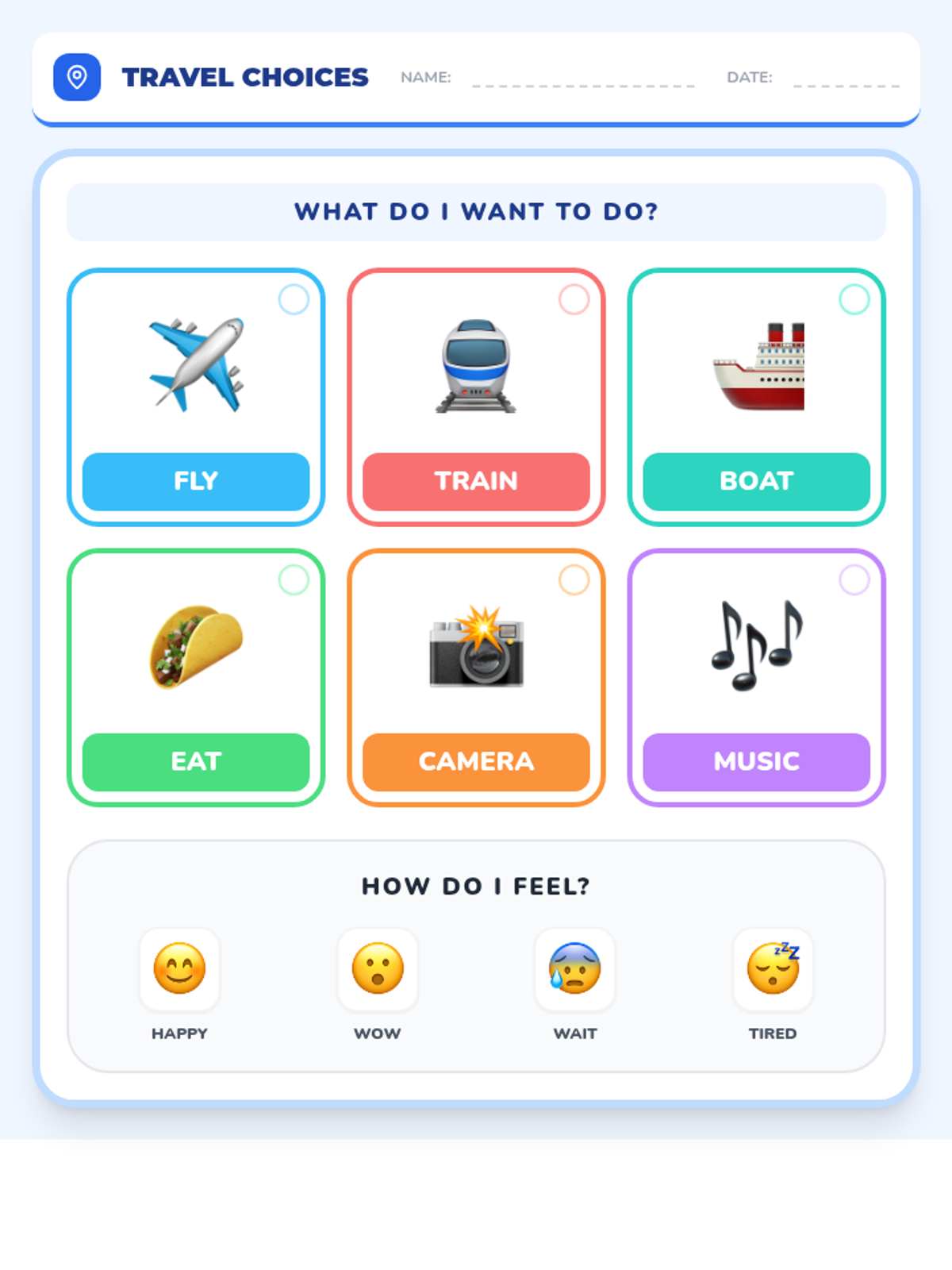
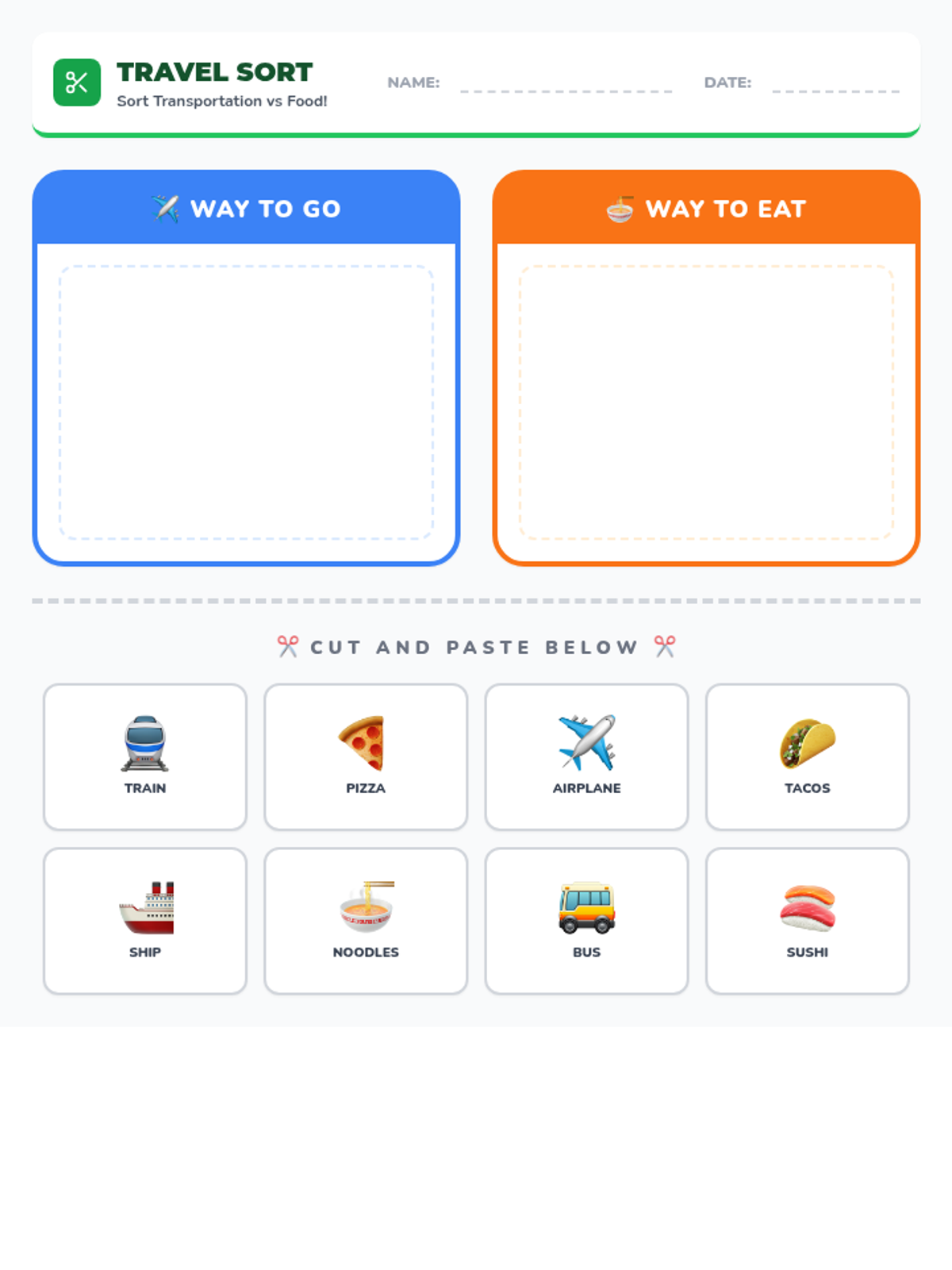
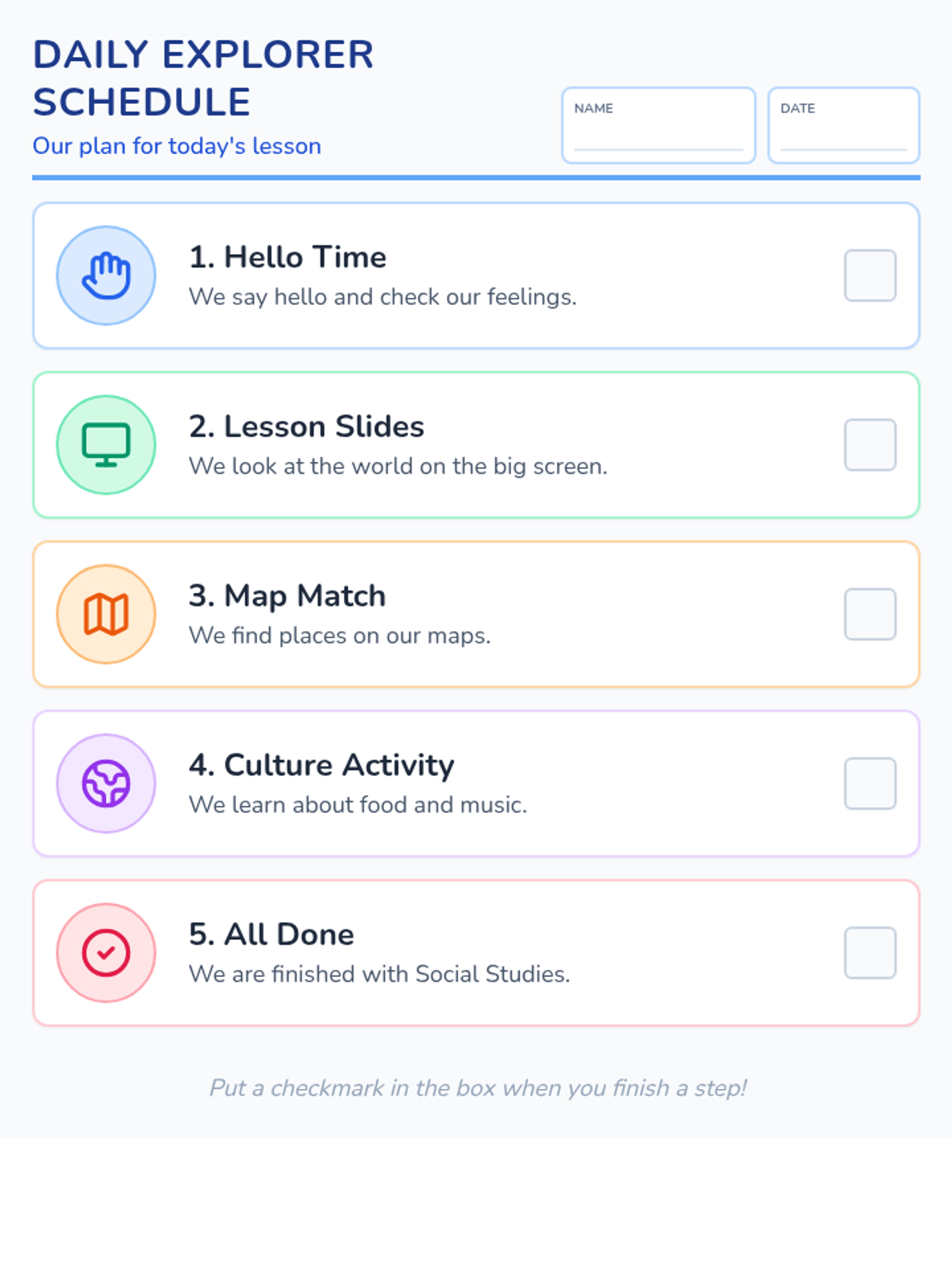
A sensory-focused social studies lesson for elementary students with autism, exploring world travel through sights, sounds, transportation, and traditions. The lesson emphasizes visual supports and structured activities to build understanding of global diversity.
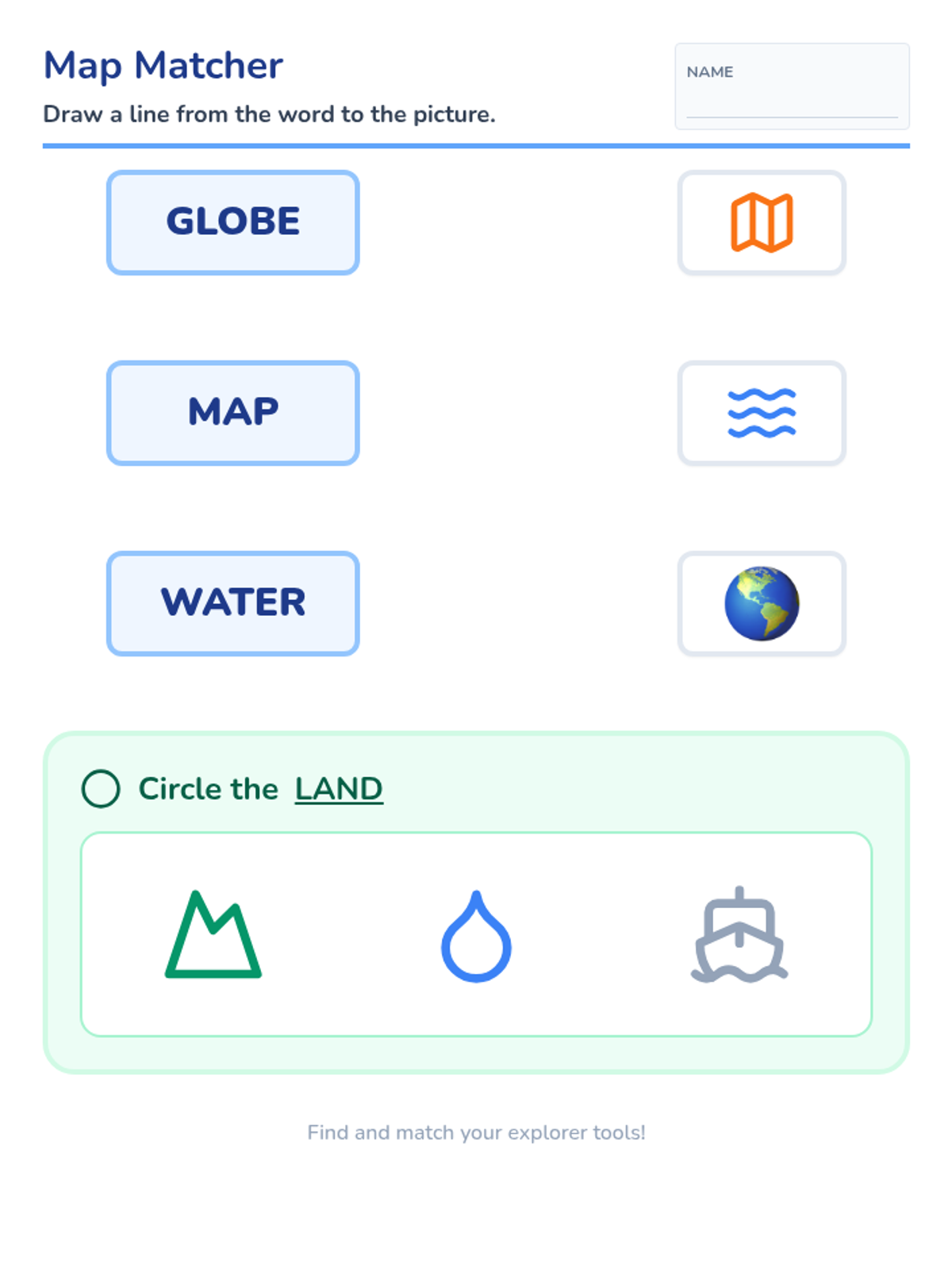
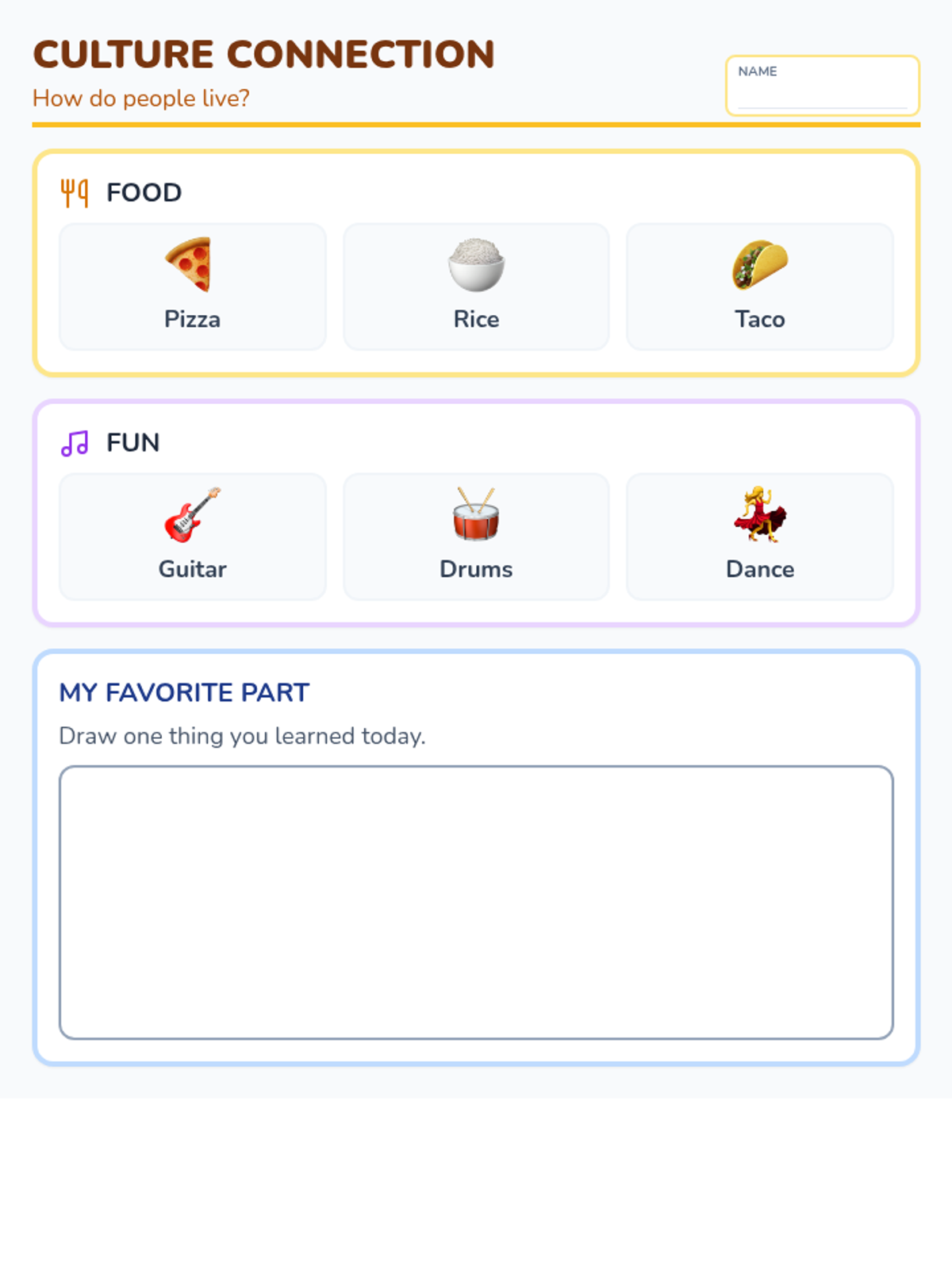
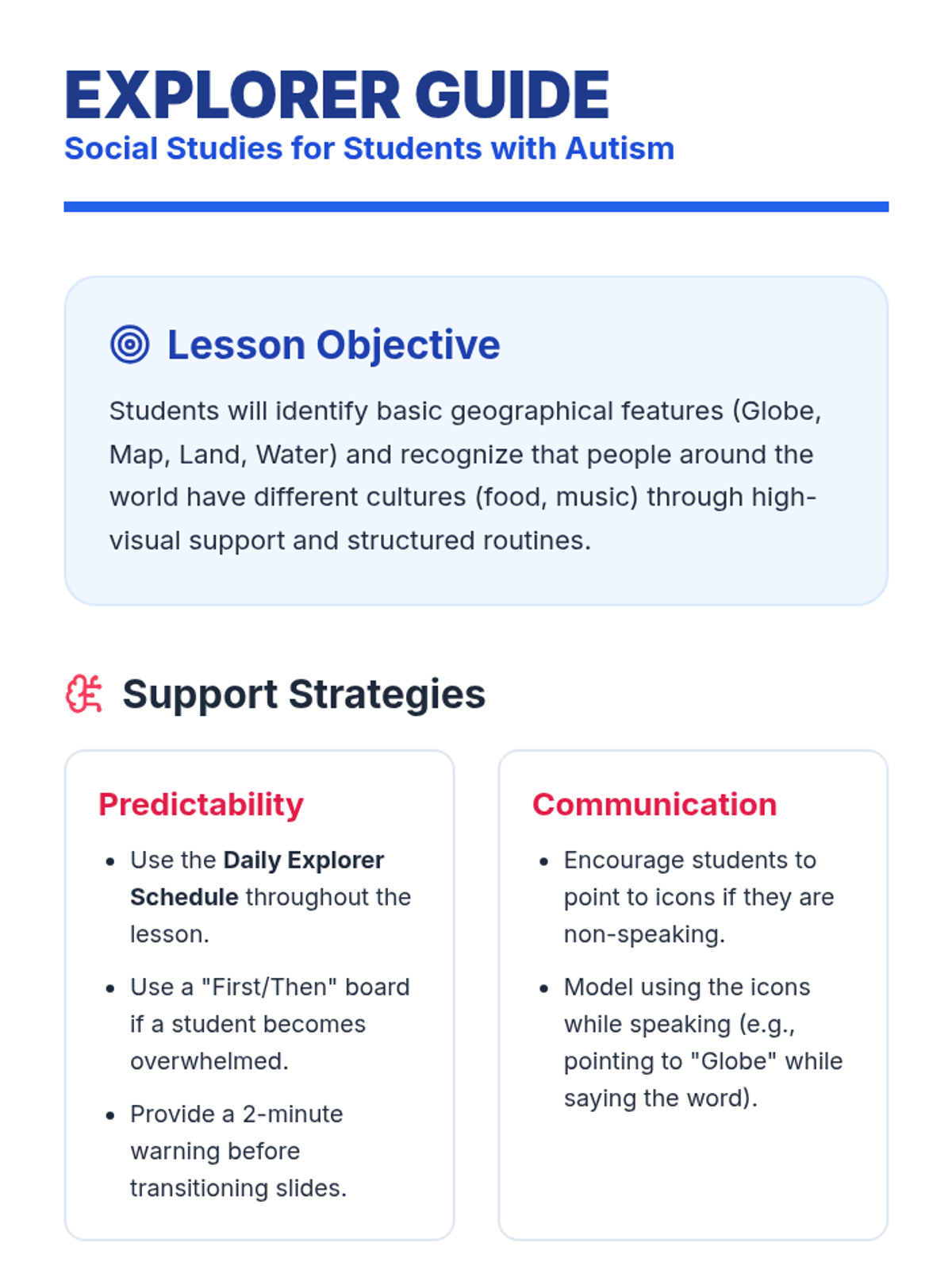
An introductory social studies lesson for elementary students with autism, focusing on basic map skills and cultural diversity through high-visual support and structured routines.
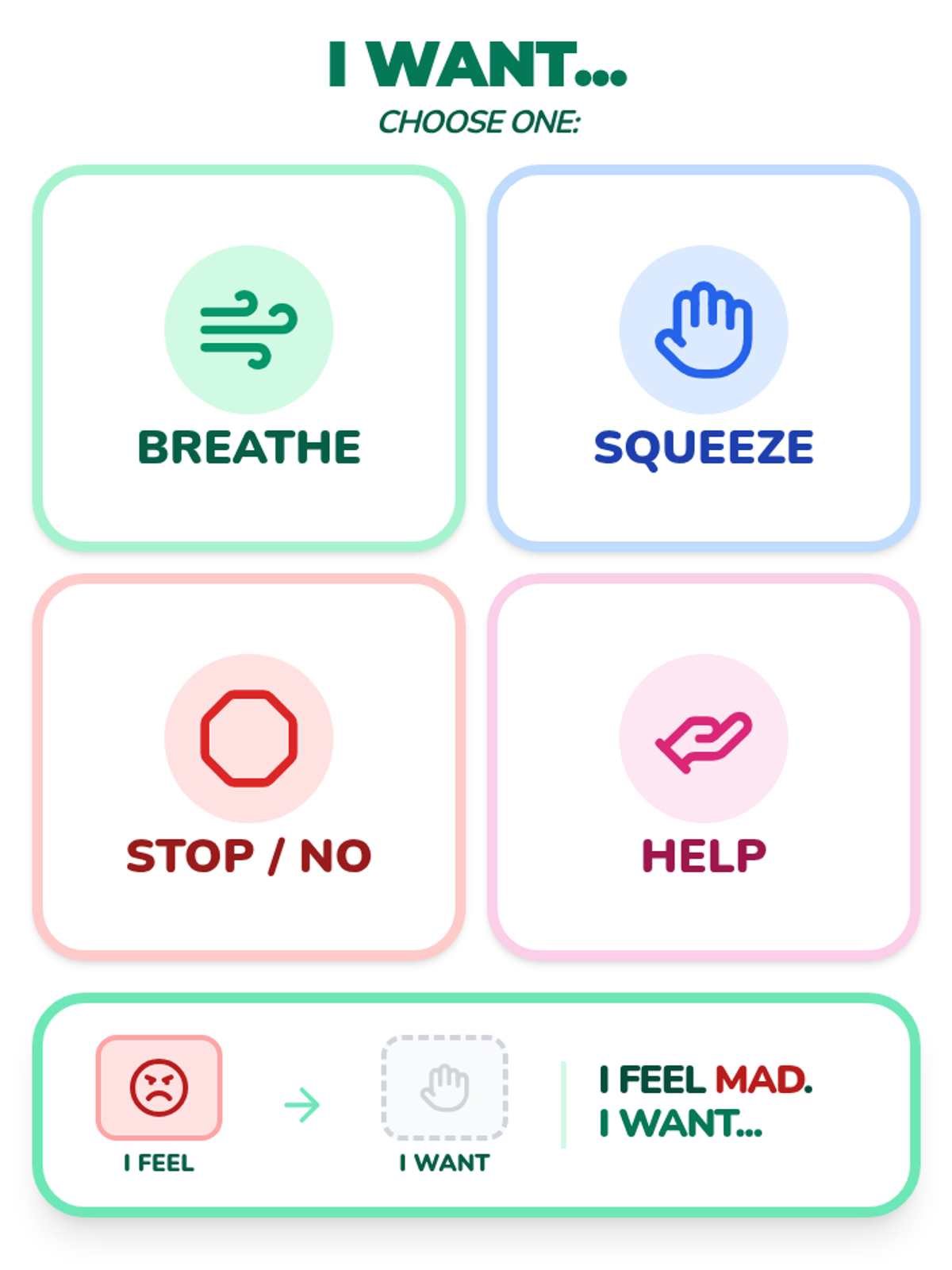
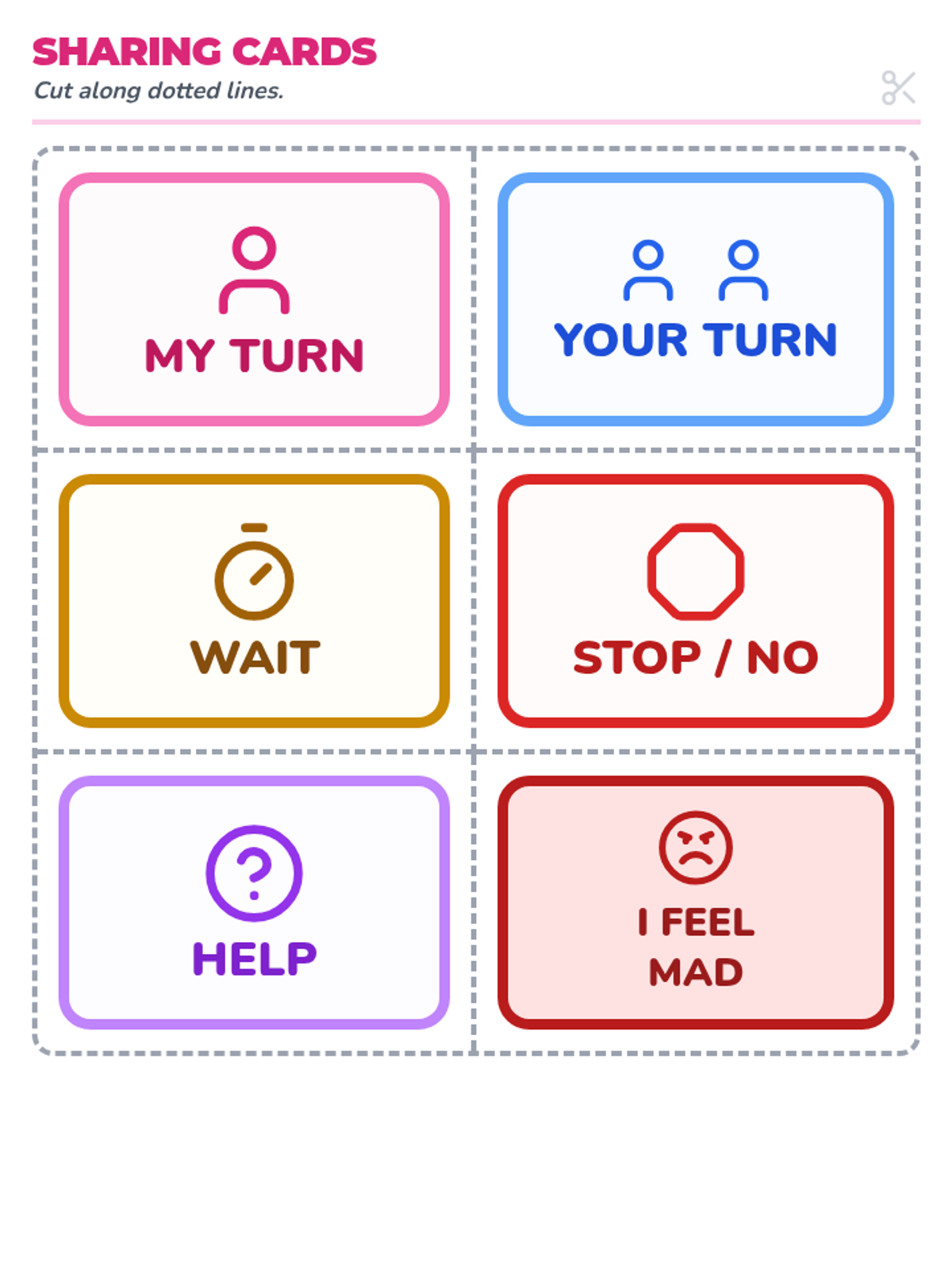
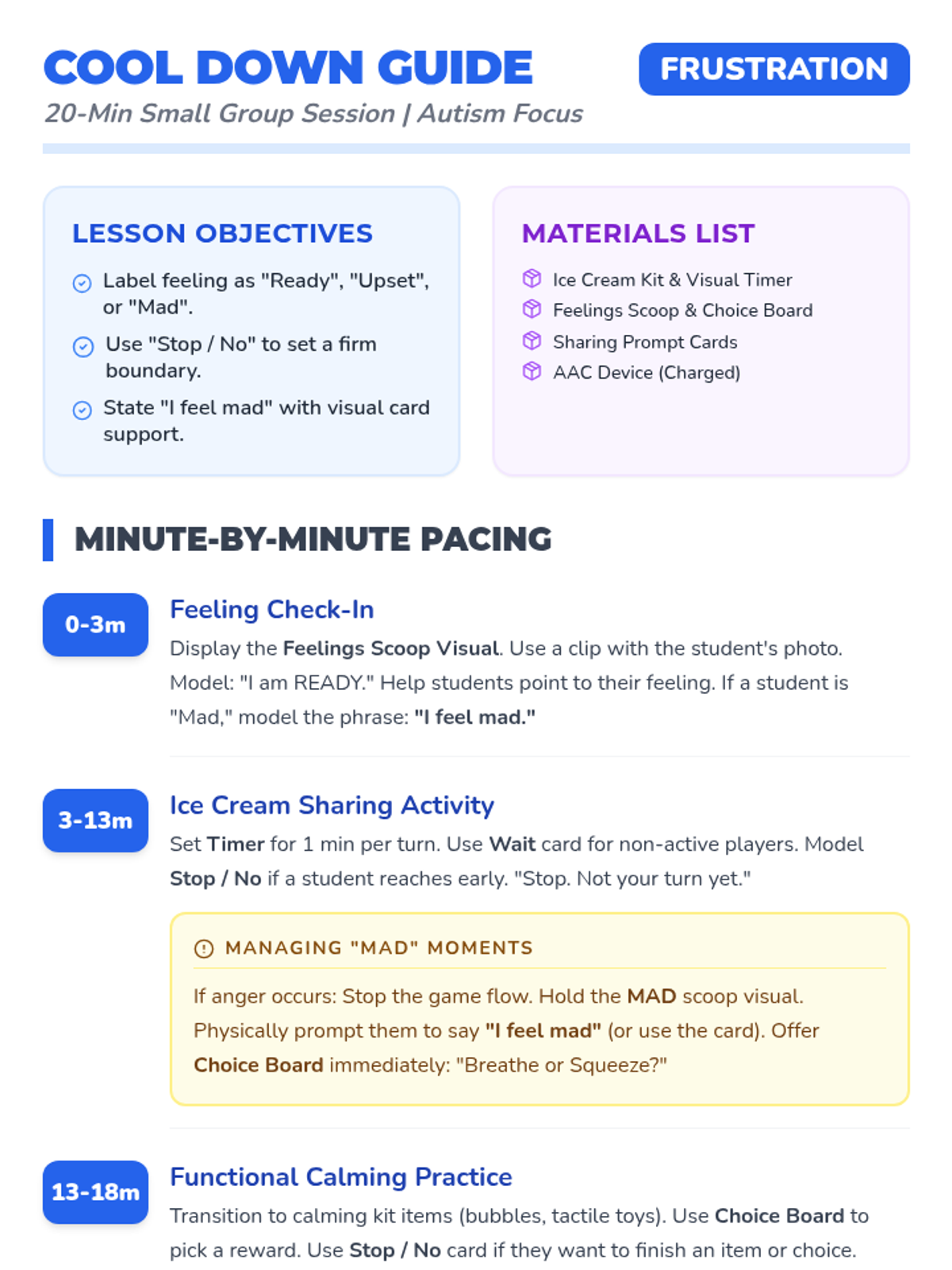
A 20-minute targeted social-emotional lesson for students with autism, focusing on managing frustration during turn-taking activities using an ice cream theme. Includes visual supports for emotion regulation and calming strategies.
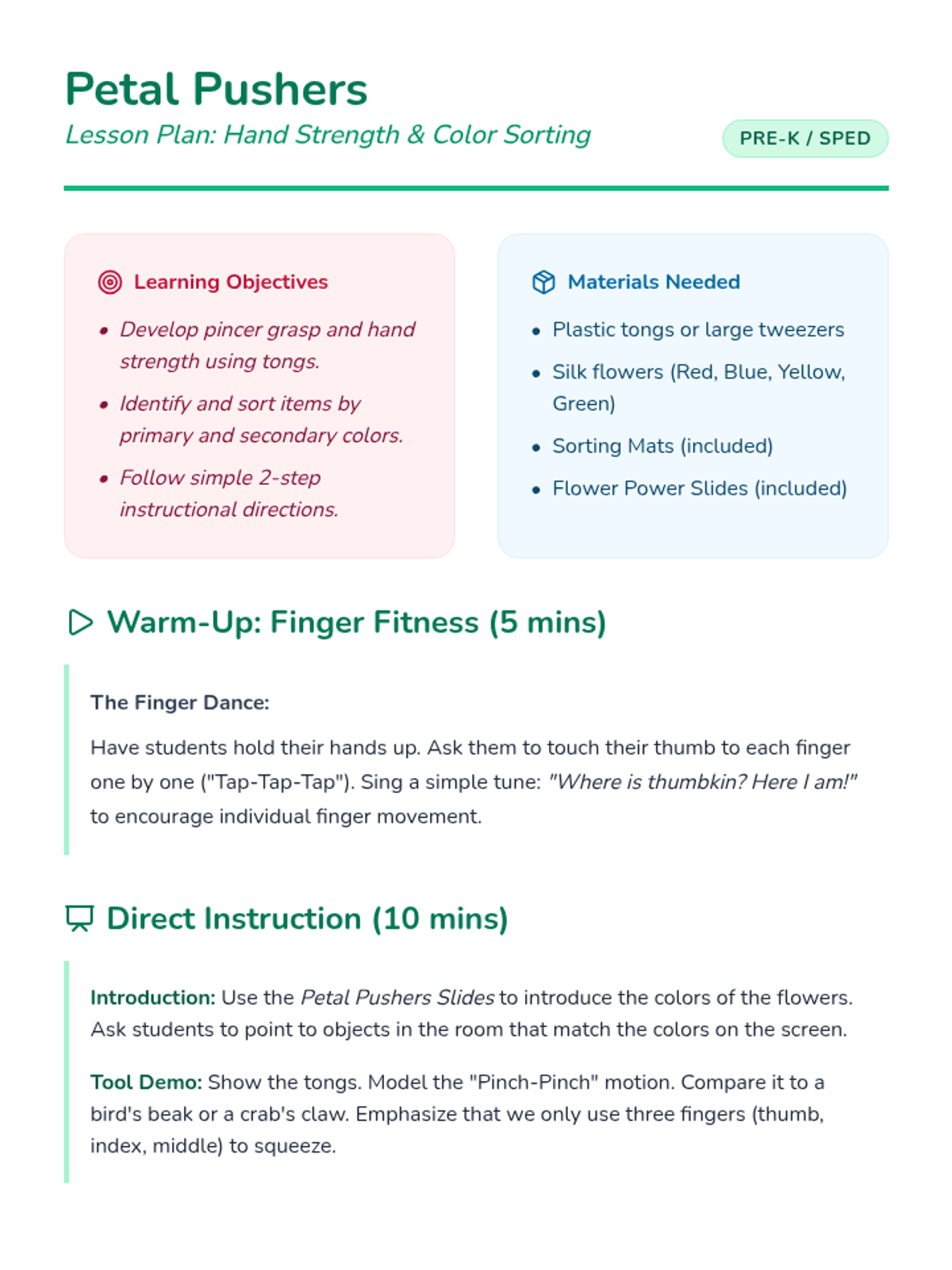
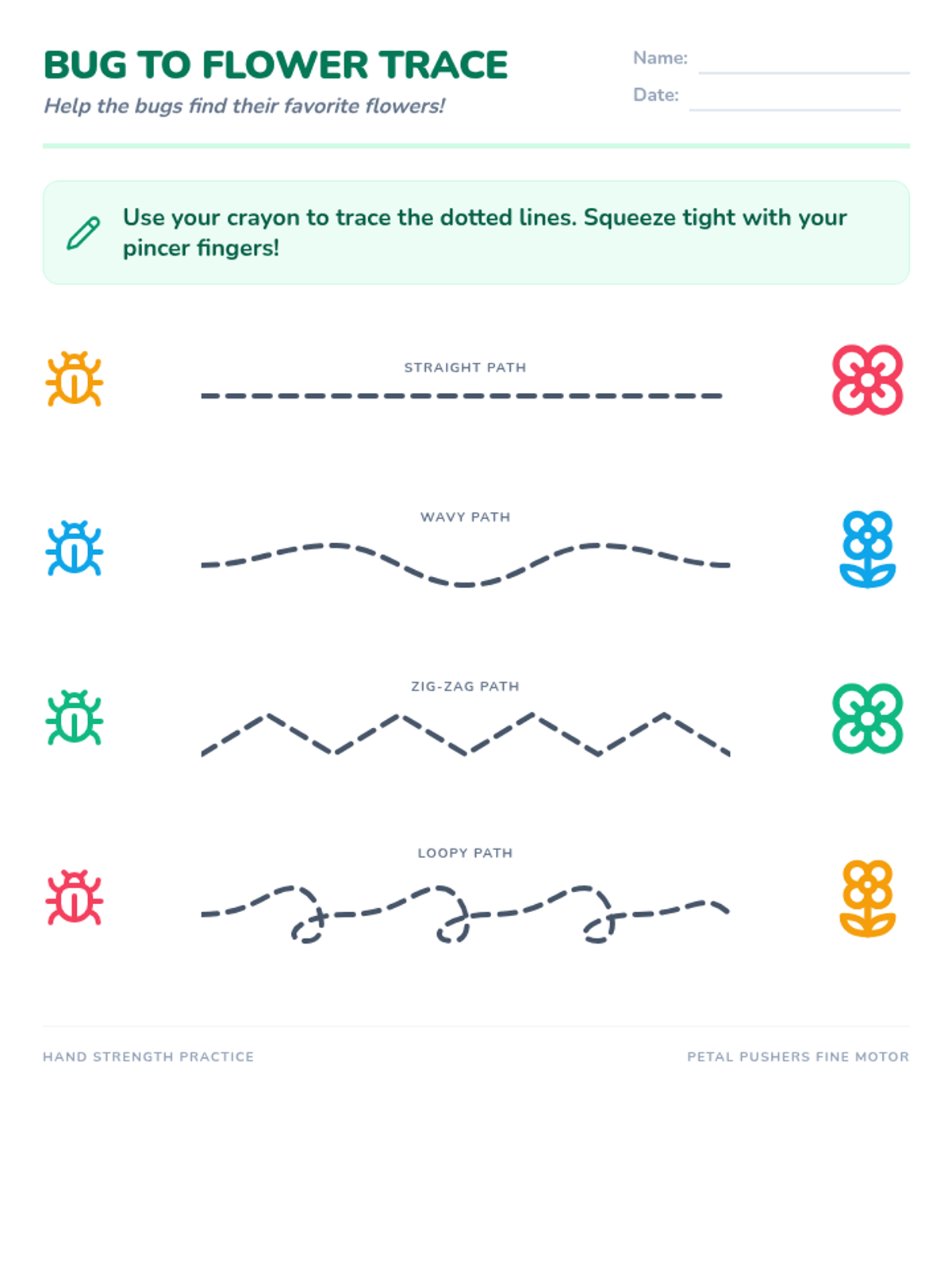
A fine motor development lesson focused on hand strength and pincer grasp using tongs to sort silk flowers by color. Designed for Pre-K learners with developmental delays to bridge the gap between play and writing readiness.
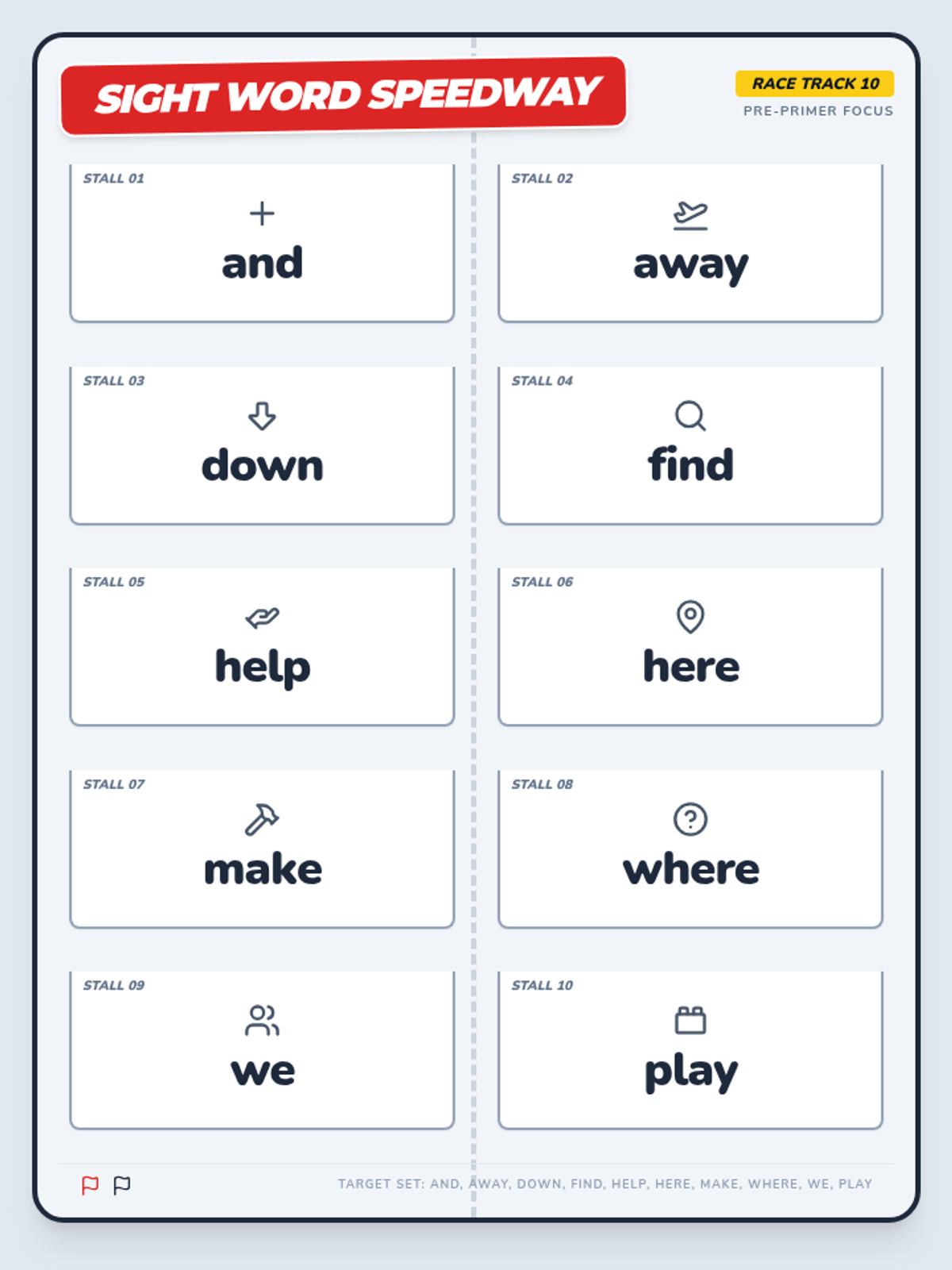
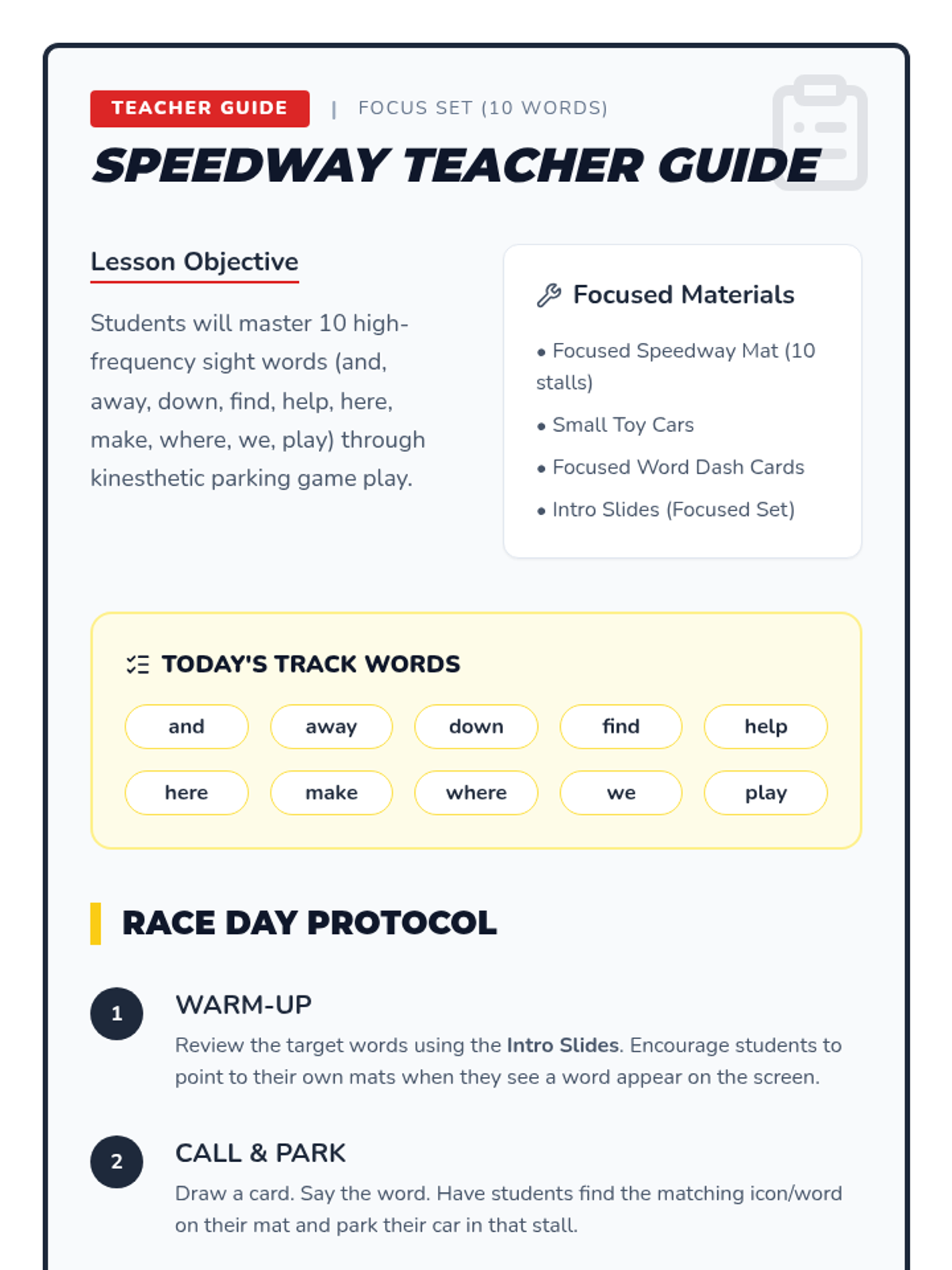
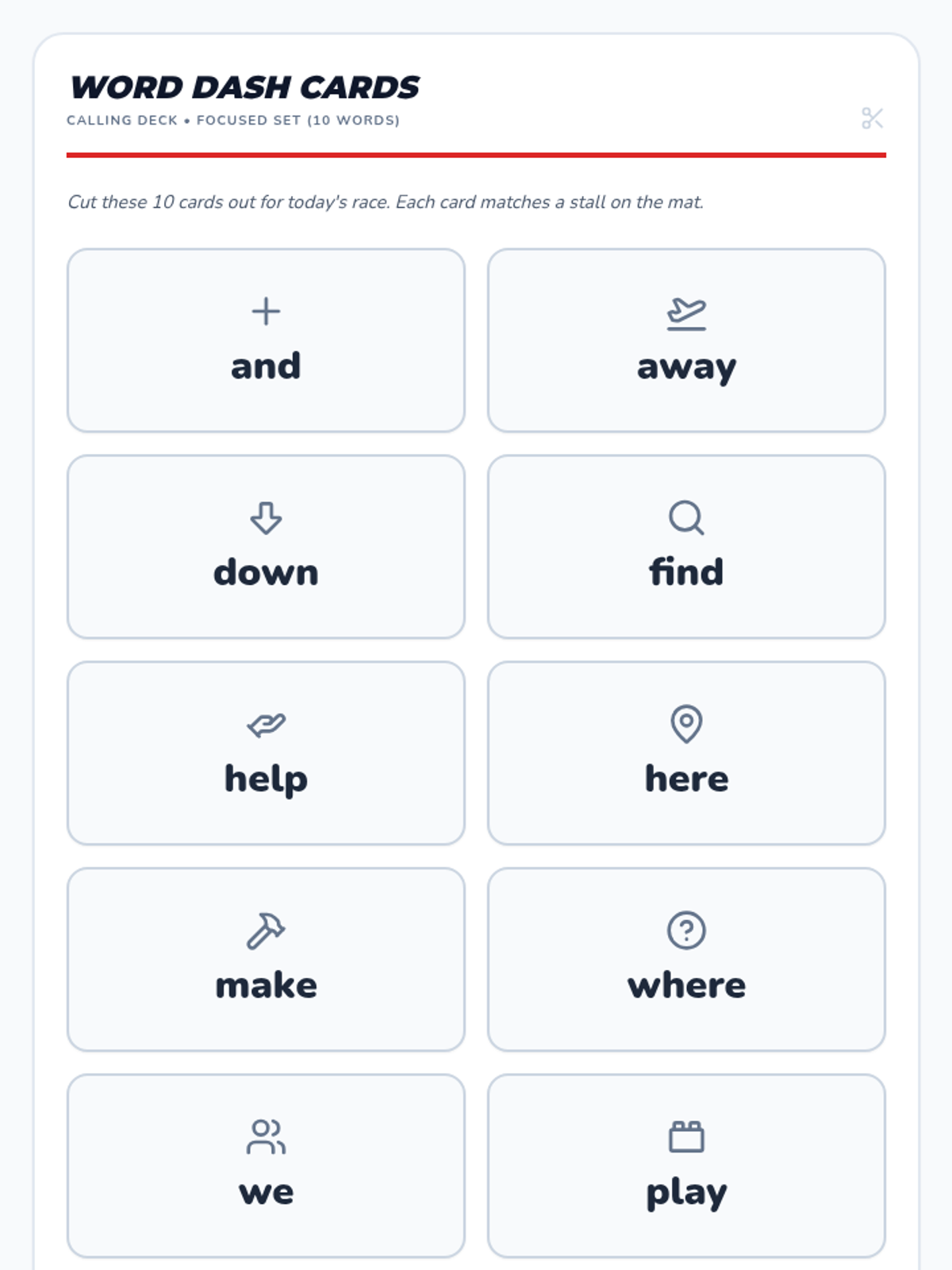
A high-octane sight word practice lesson where students park toy cars on matching word spots to build fluency with Pre-Primer Dolch words.
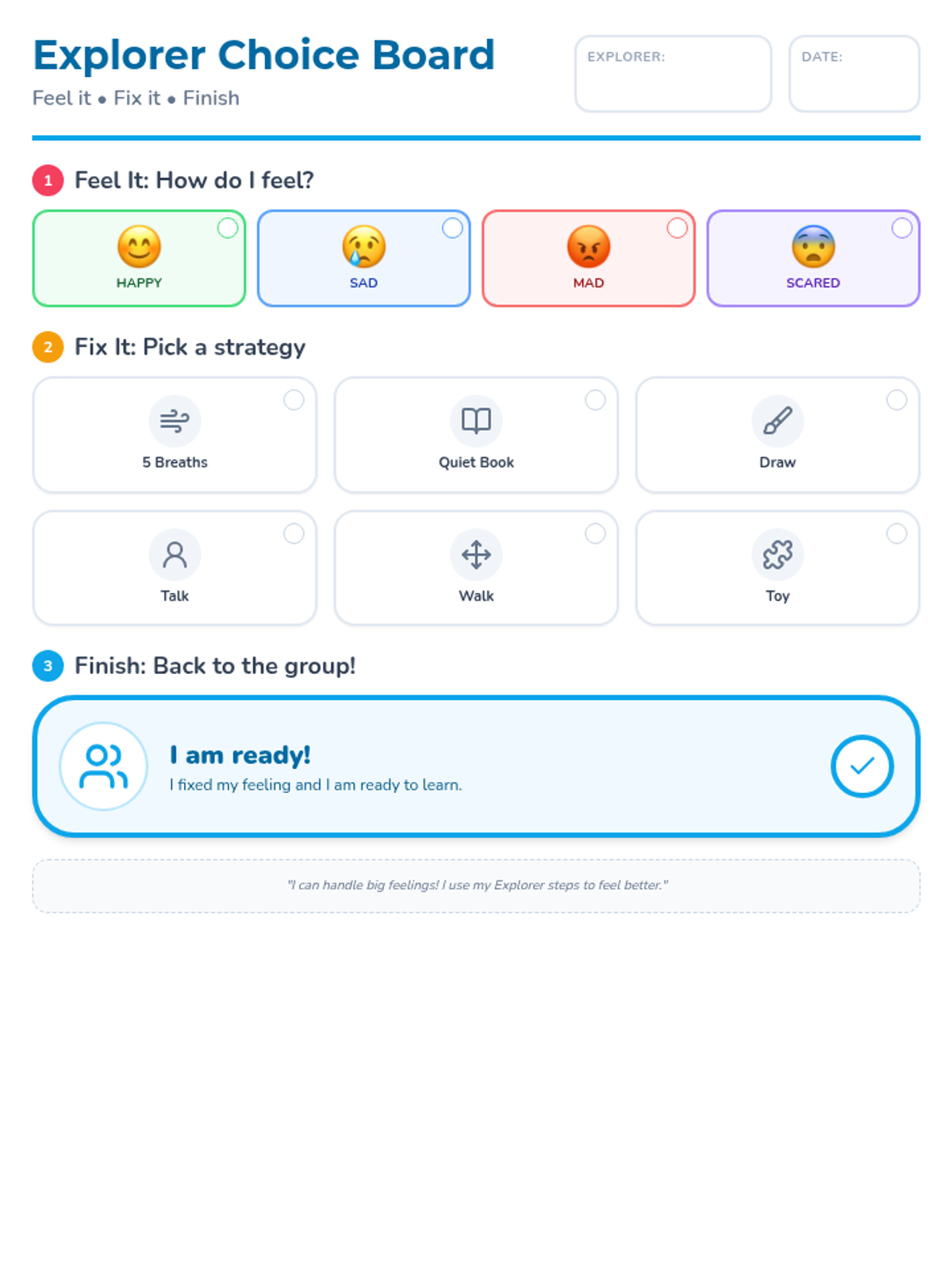
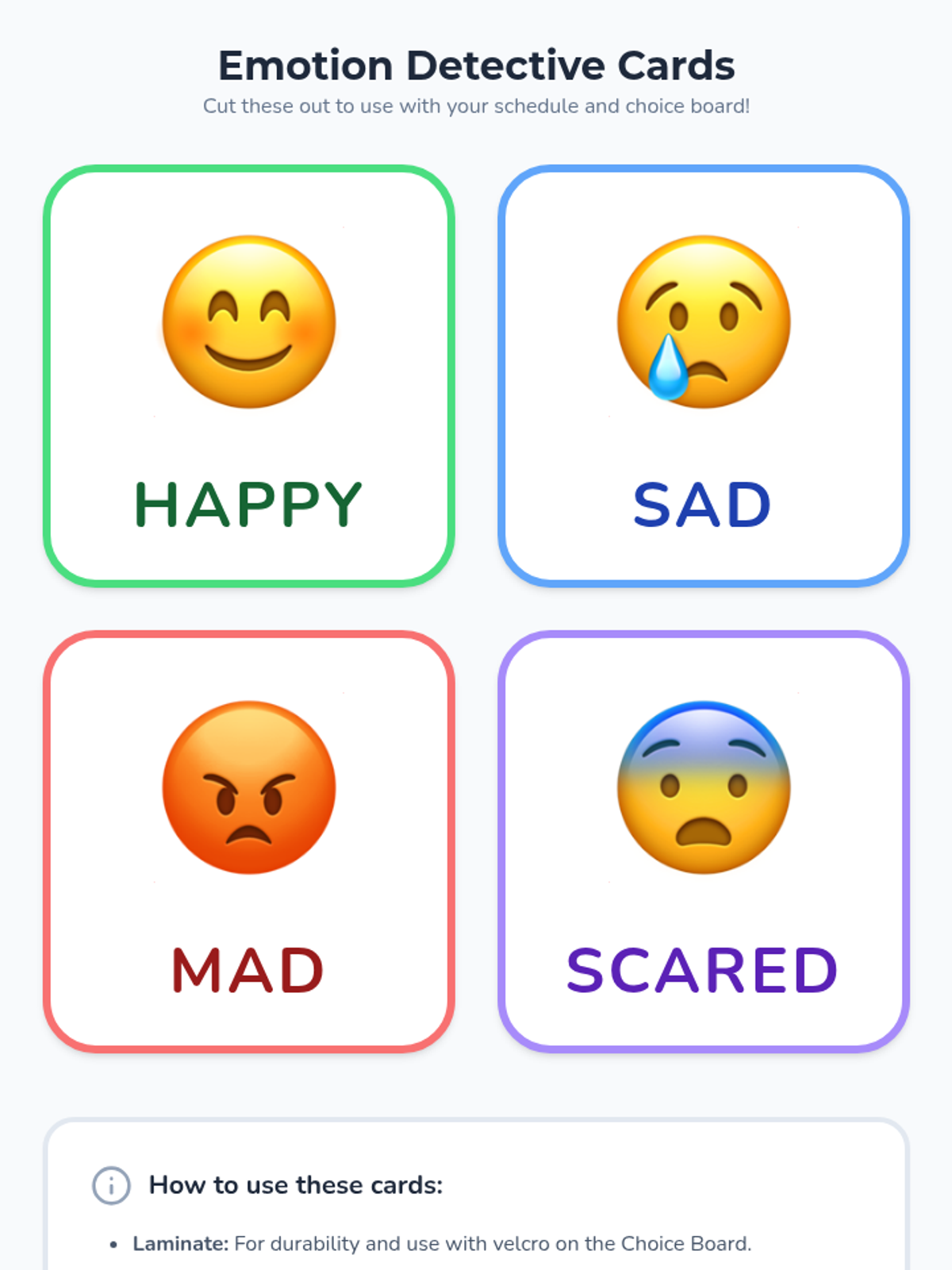
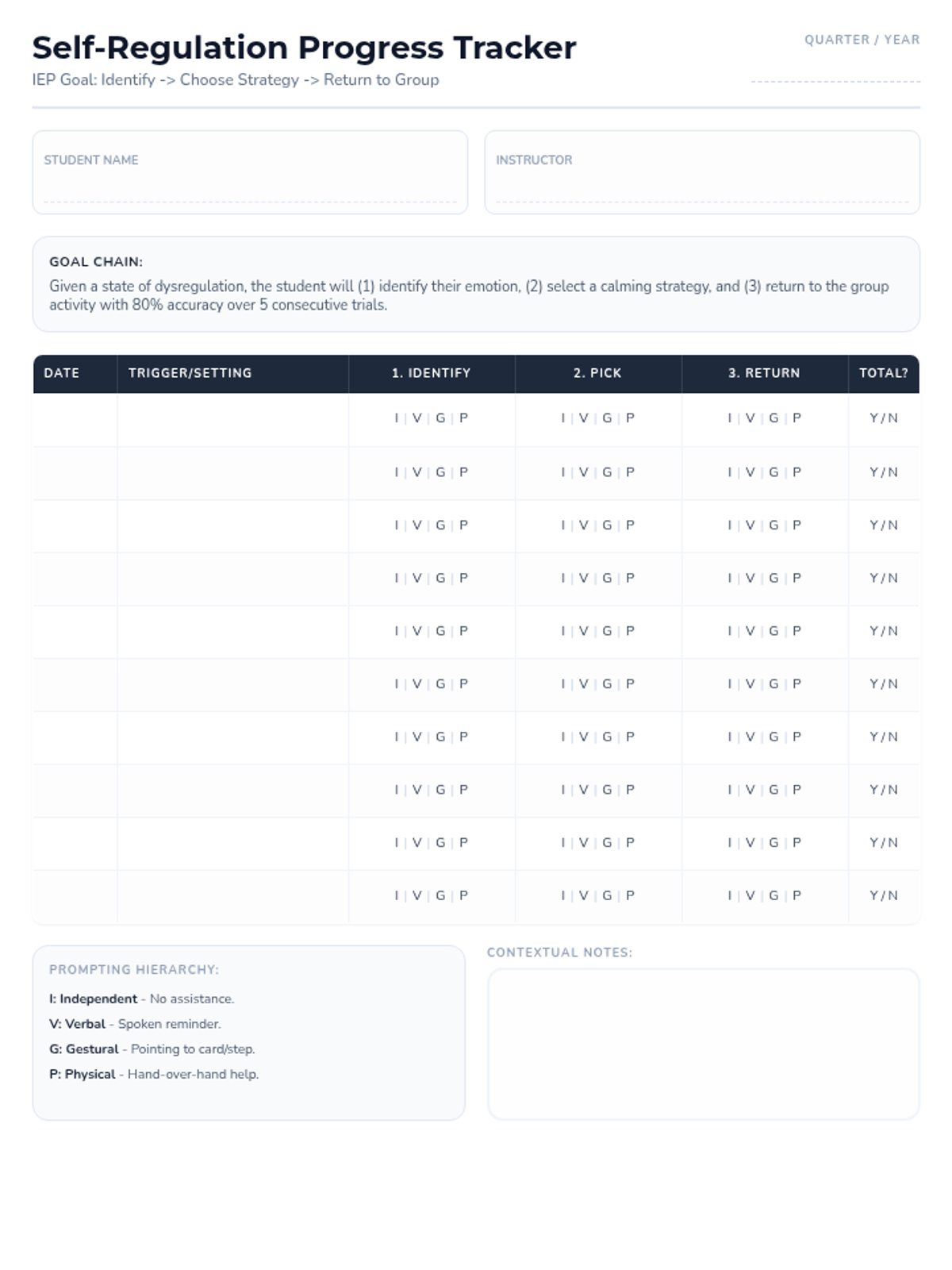
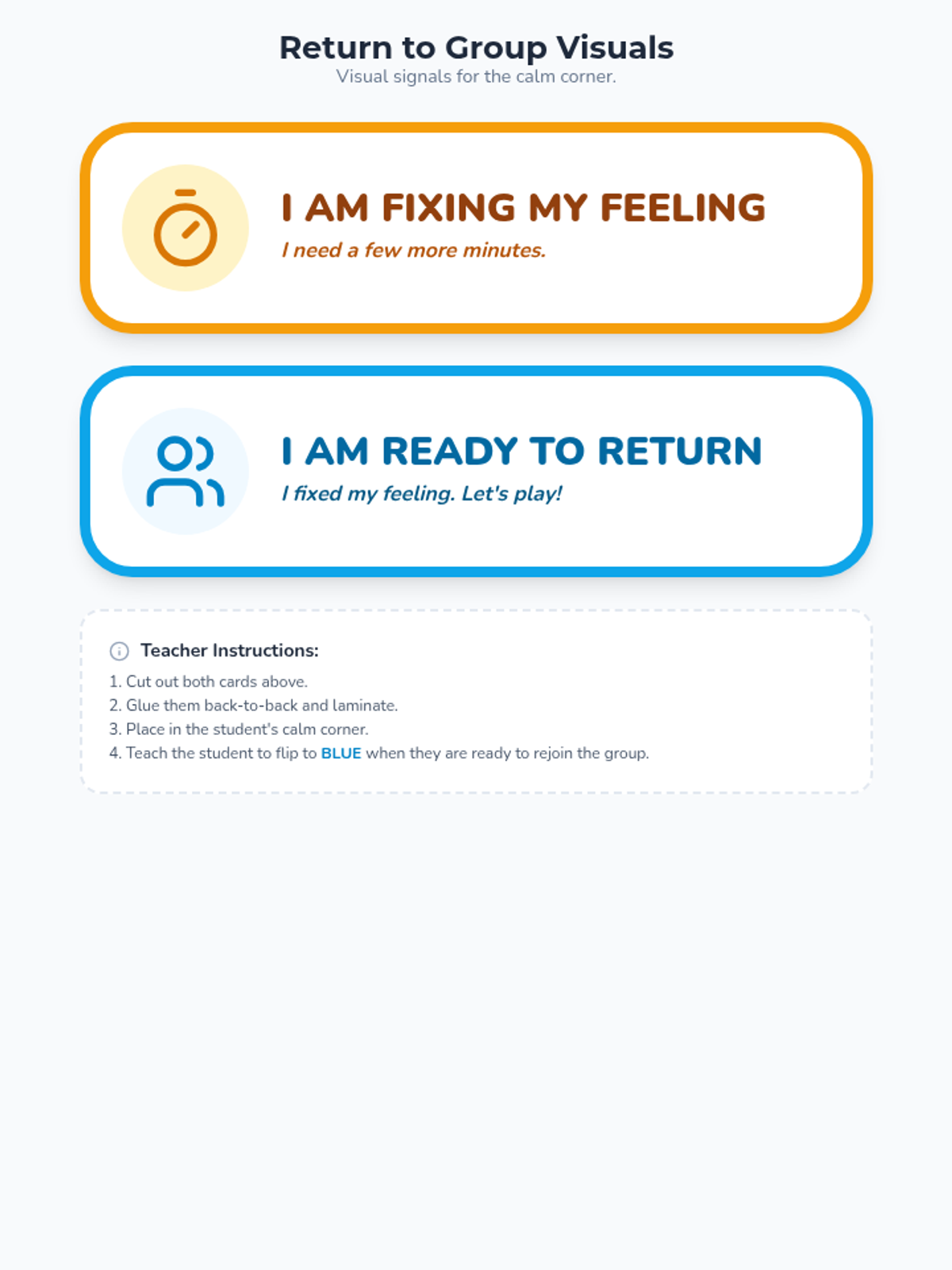
A comprehensive self-regulation lesson for kindergarteners focused on the sequence of identifying an emotion, selecting an appropriate calming strategy, and successfully returning to the group activity.
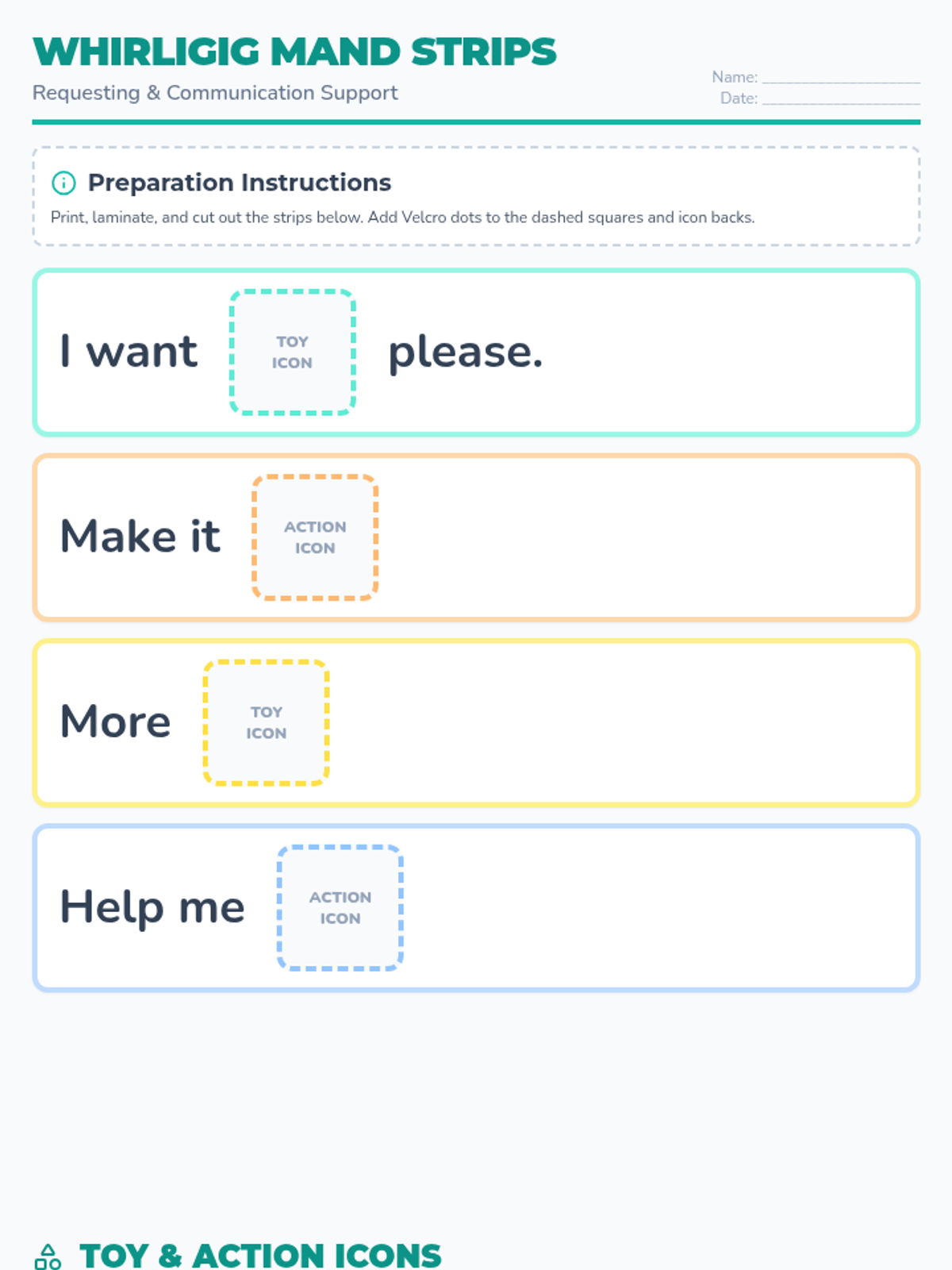
A lesson focused on developing requesting (manding) skills using various spinning toys through visual sentence starters and icon support.
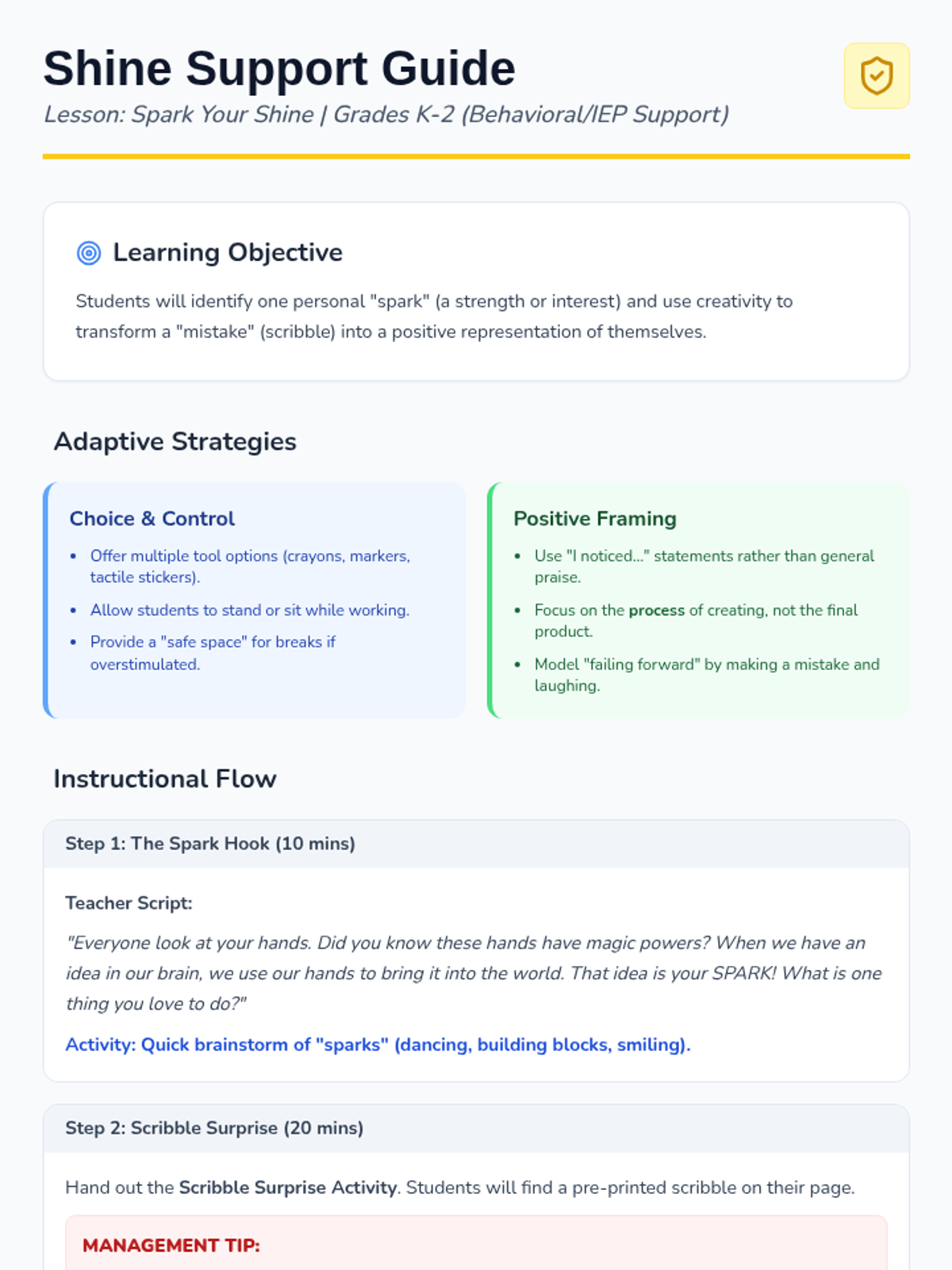
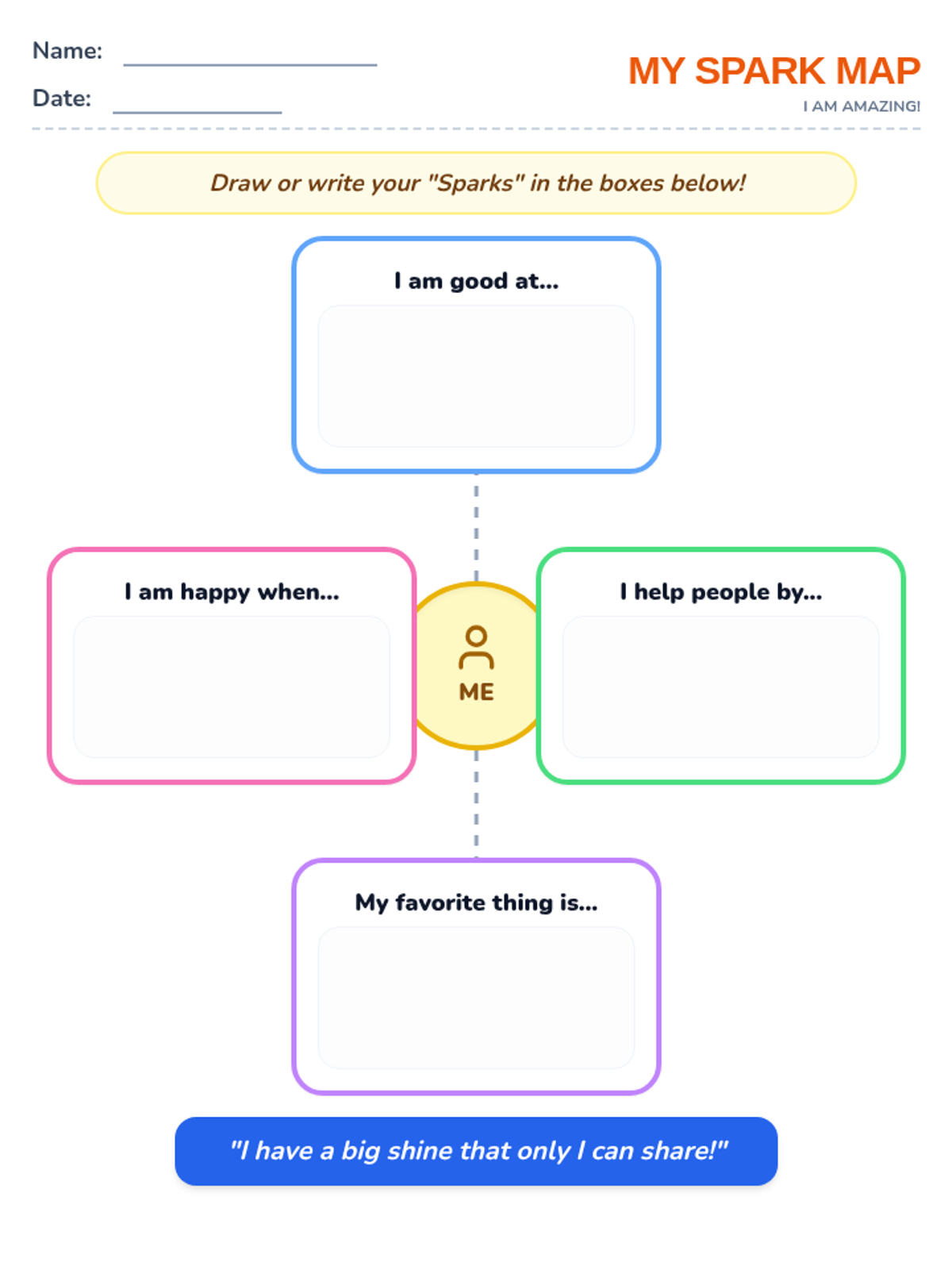
A lesson designed for K-2 students with behavioral challenges and IEPs, focusing on how creativity helps build a positive self-image and self-esteem. Students explore their unique 'sparks' through hands-on art and reflection.
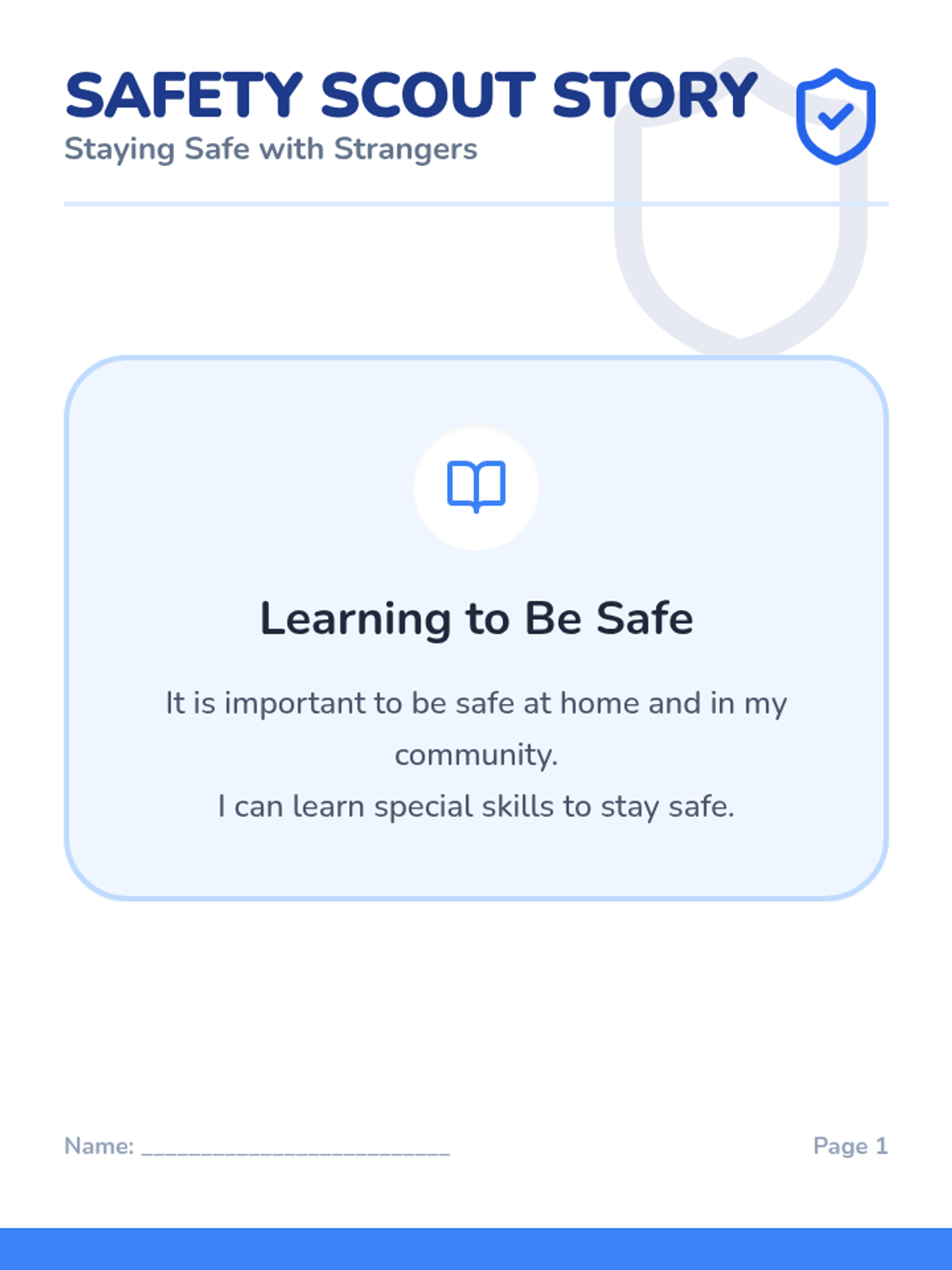
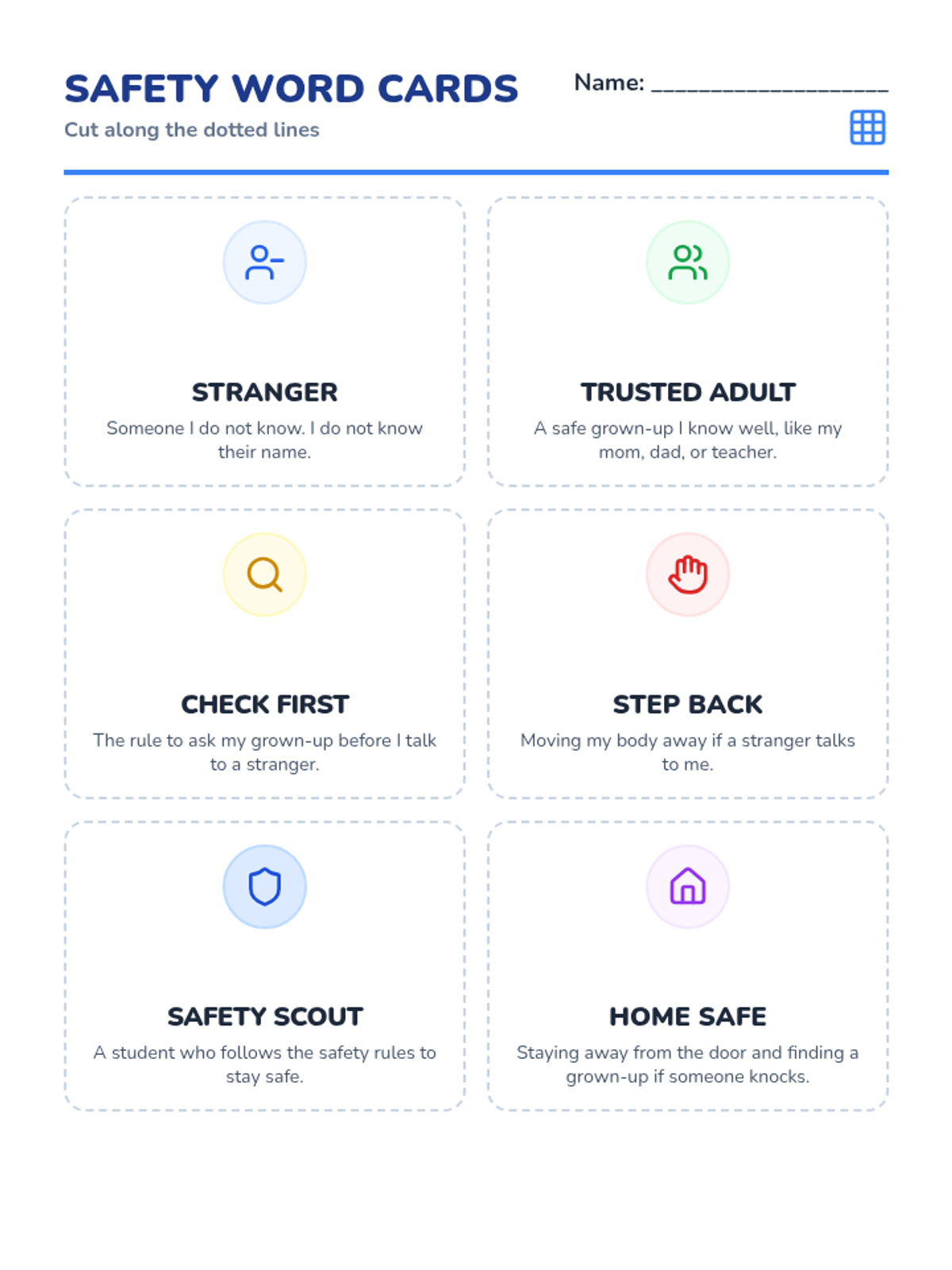
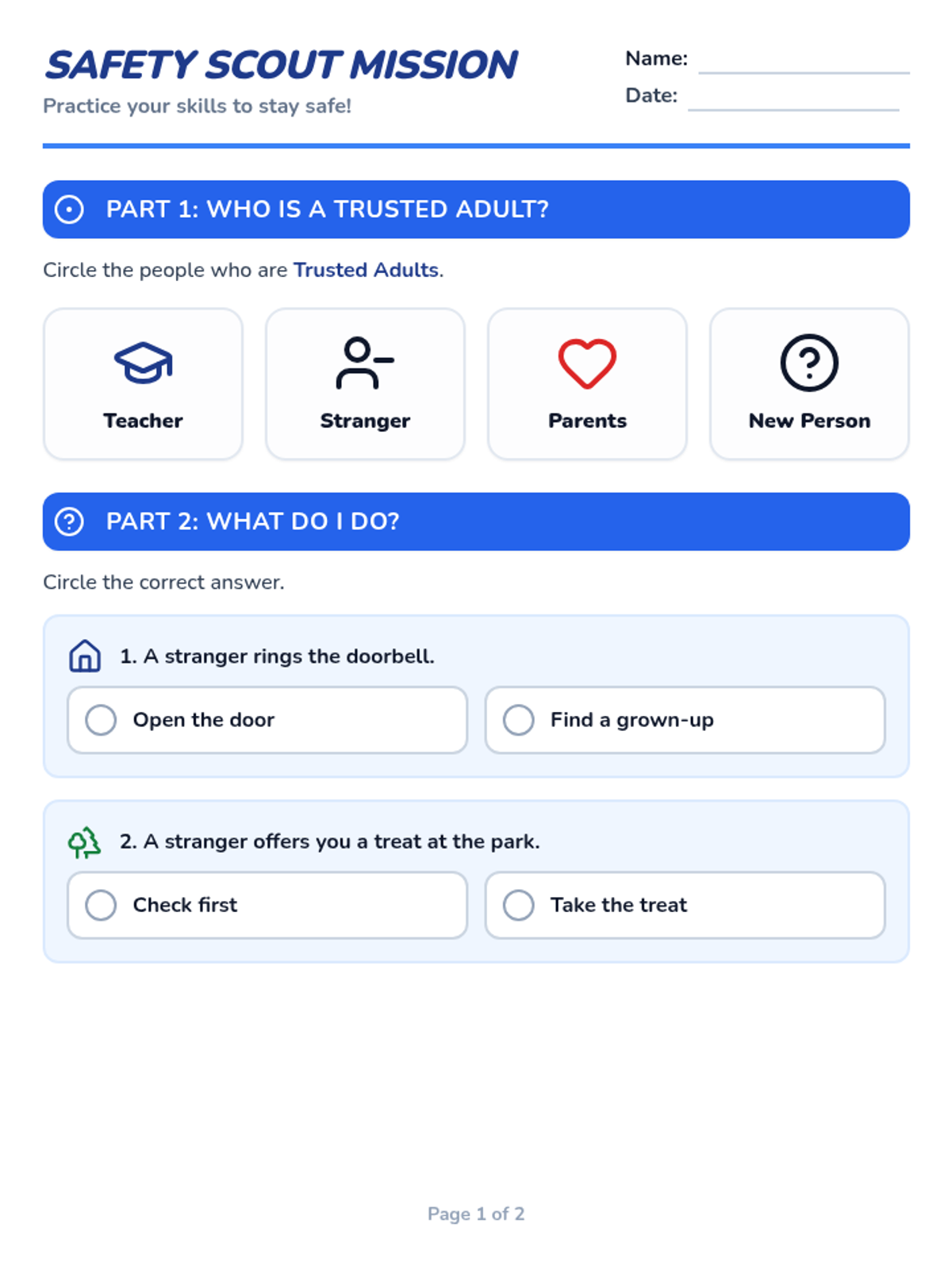
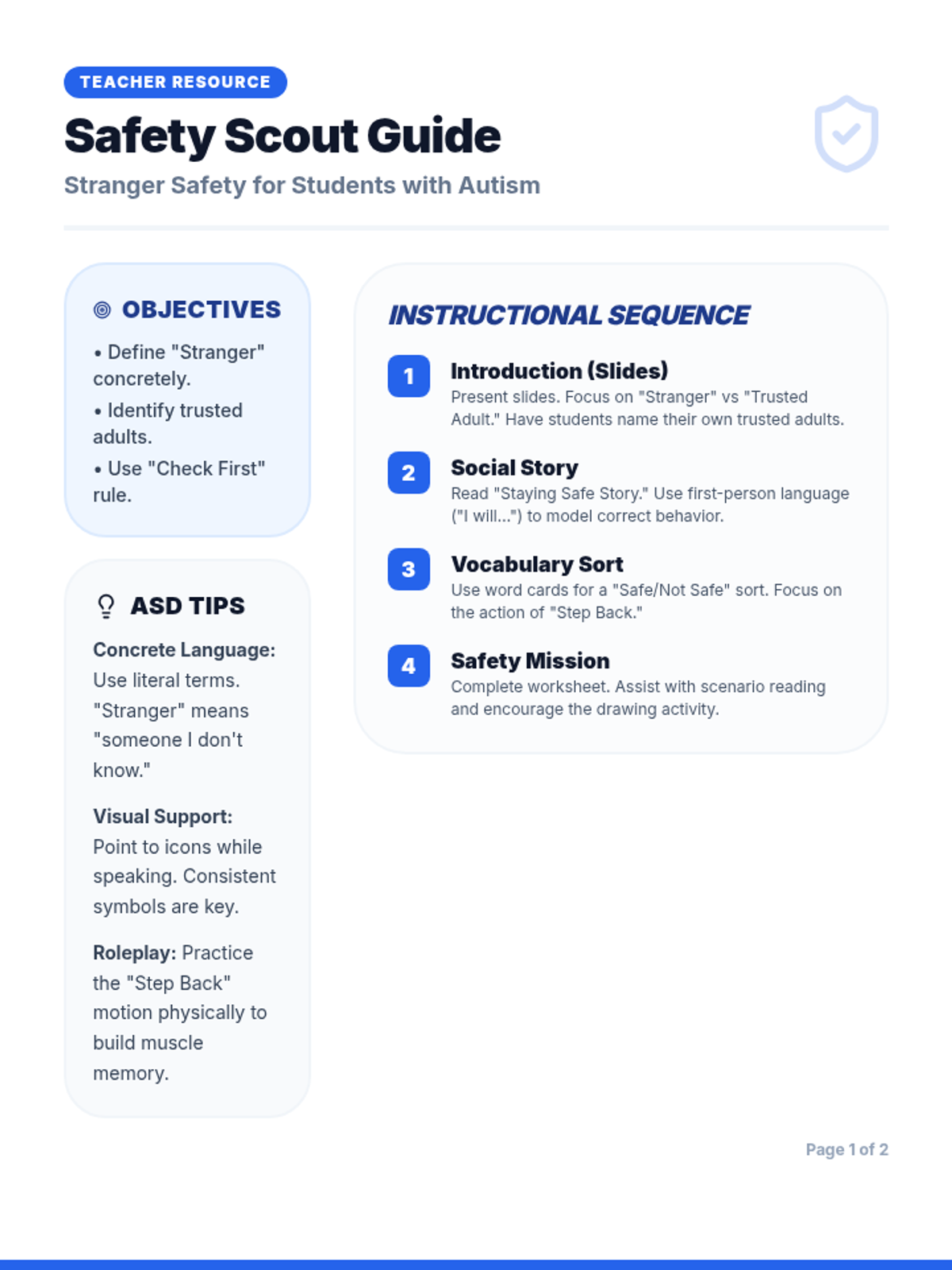
A comprehensive lesson designed for elementary students with autism to learn and practice safety rules regarding strangers at home and in the community. Includes a social story, visual supports, and interactive practice.
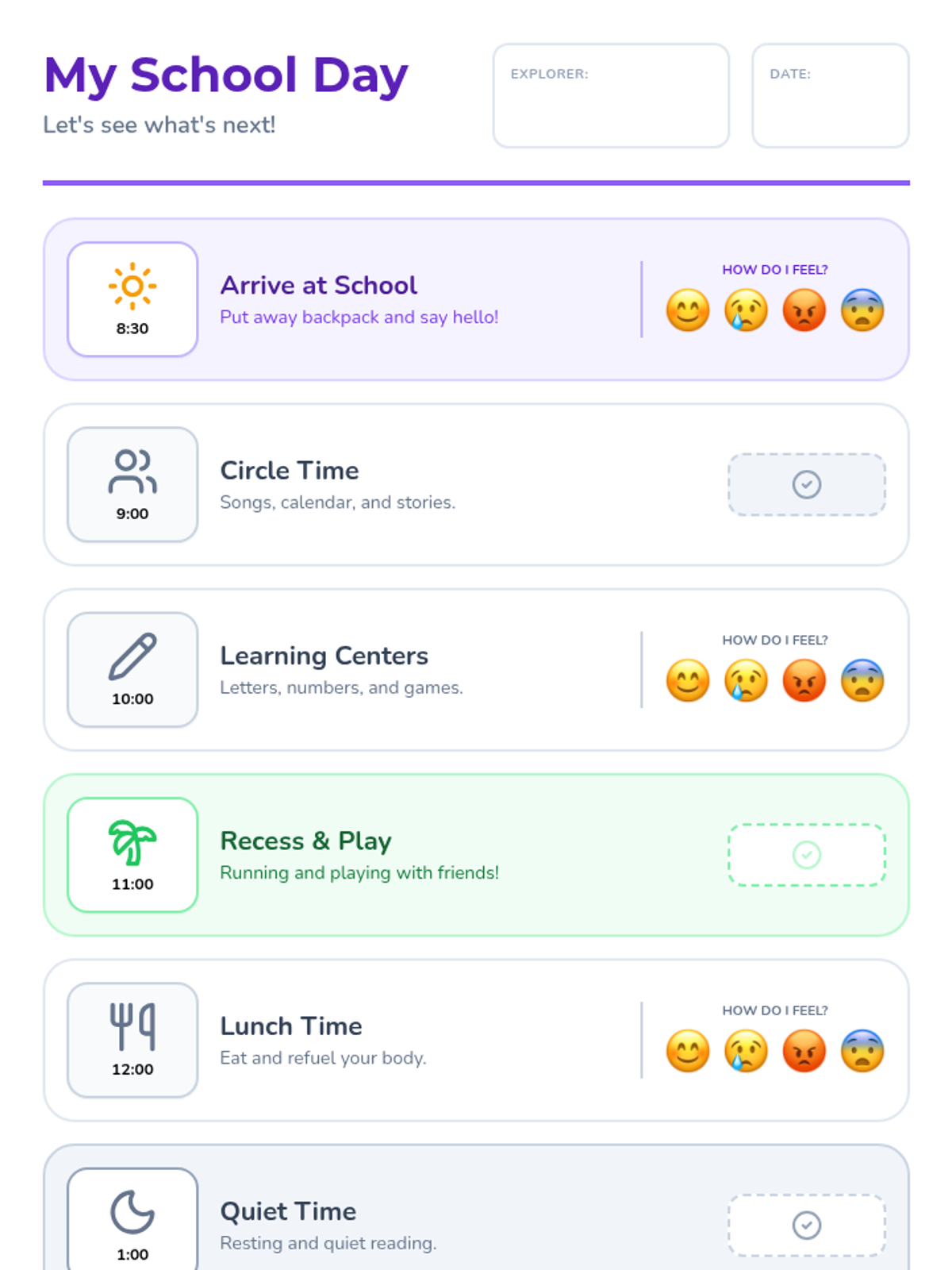
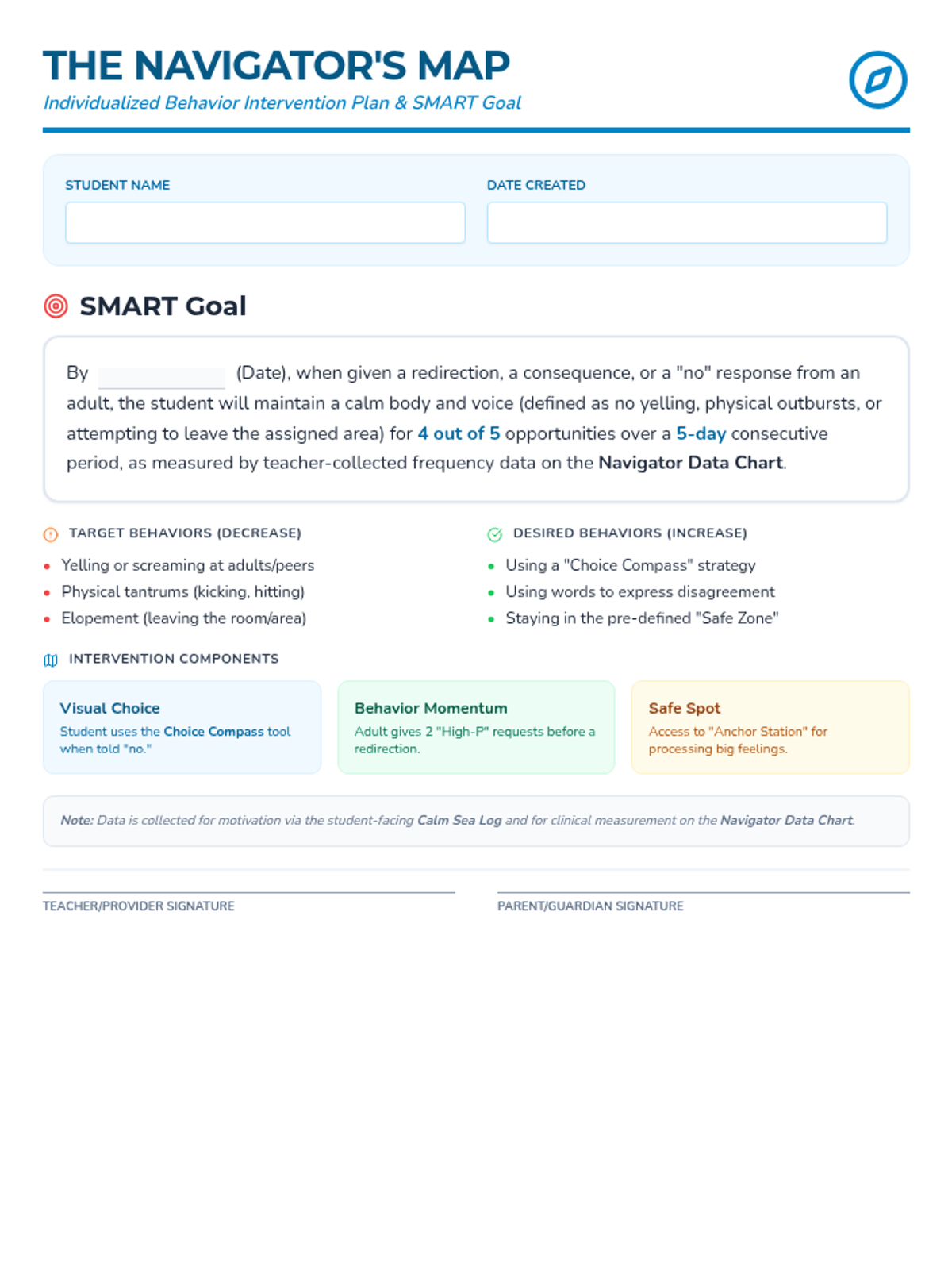
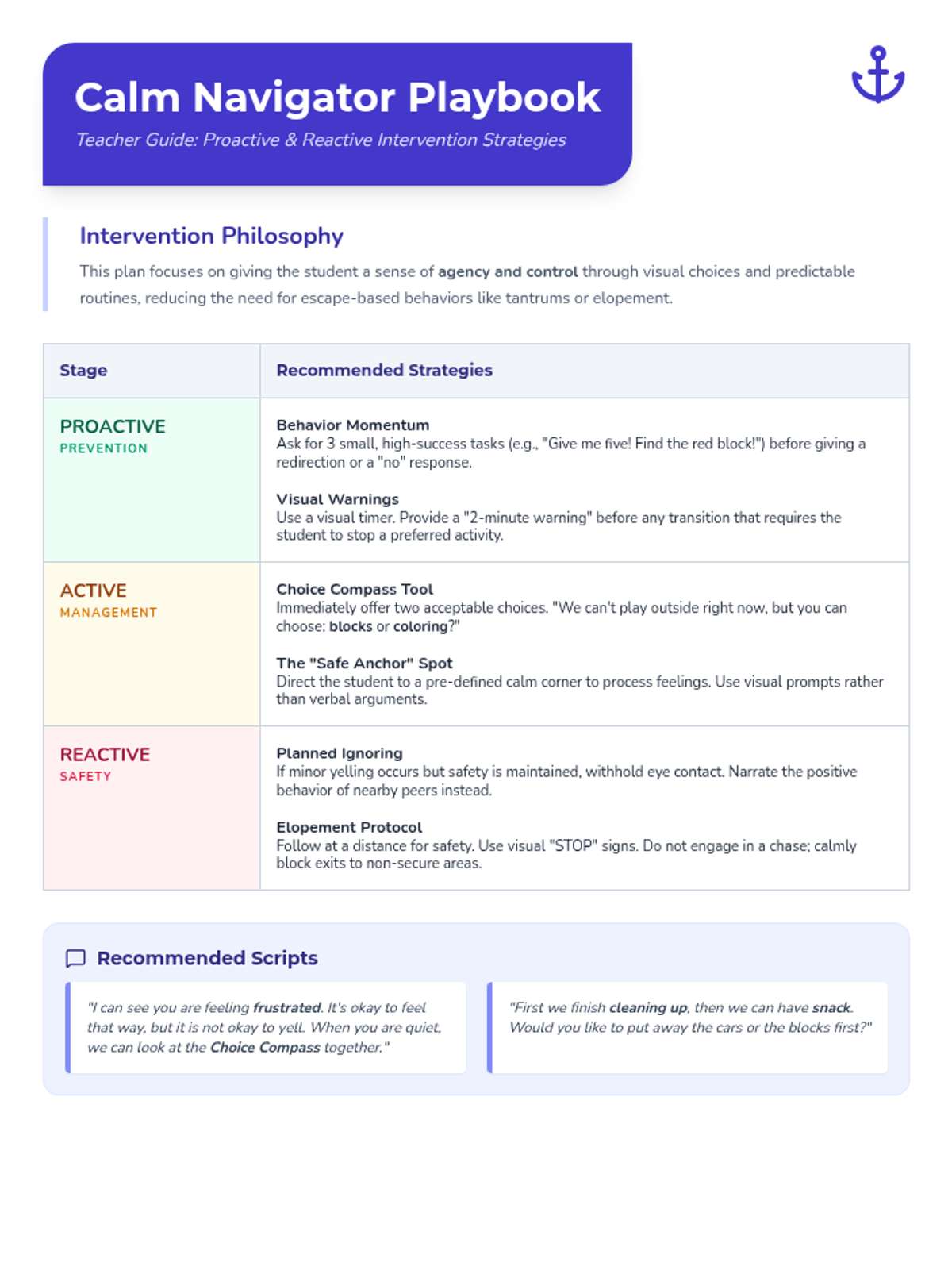
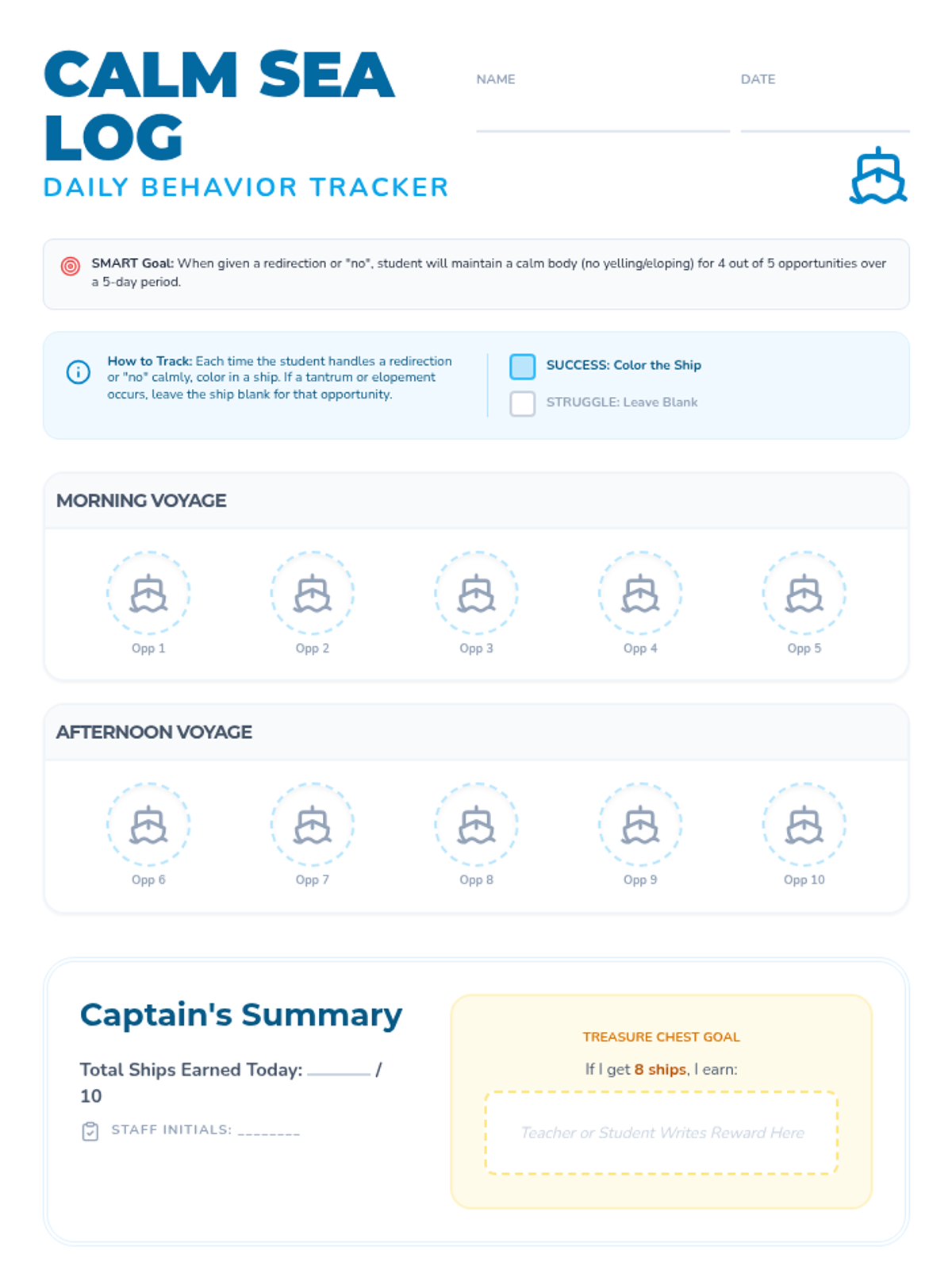
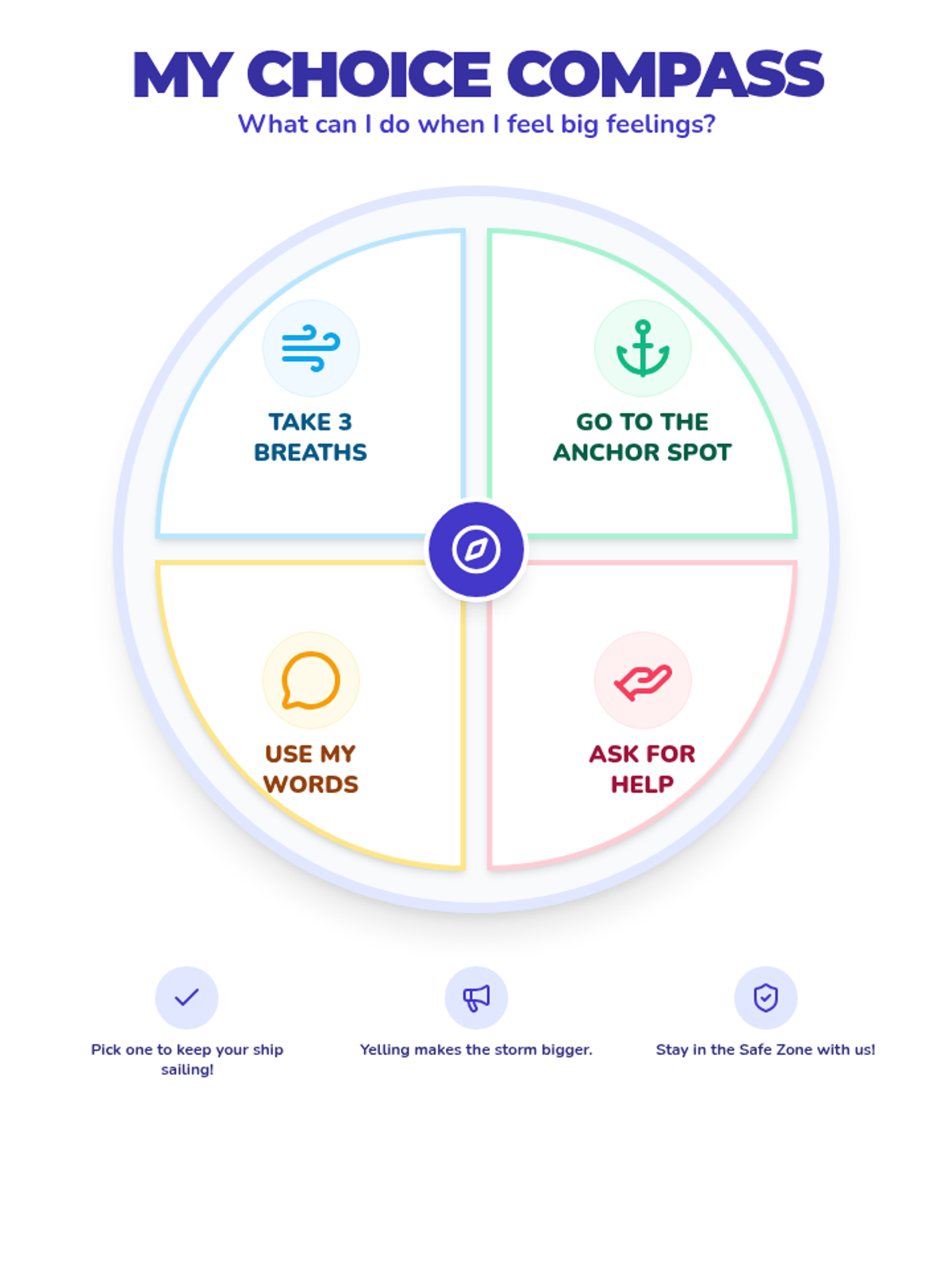
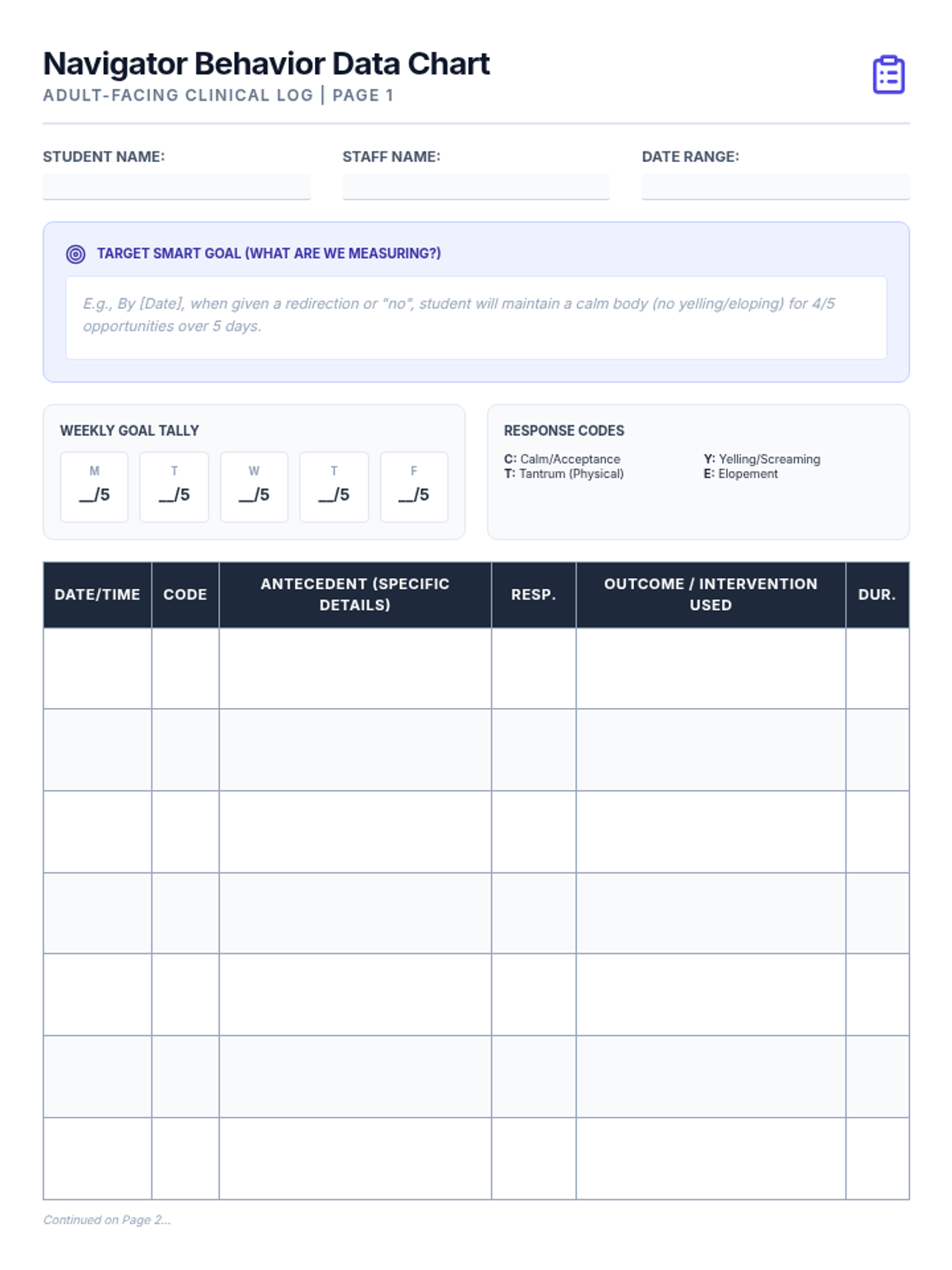
A comprehensive behavior intervention plan for a kindergarten student struggling with transitions, redirections, and emotional regulation. This lesson provides a teacher guide, a student-facing tracking tool, a formalized SMART goal document, and a visual choice aid.
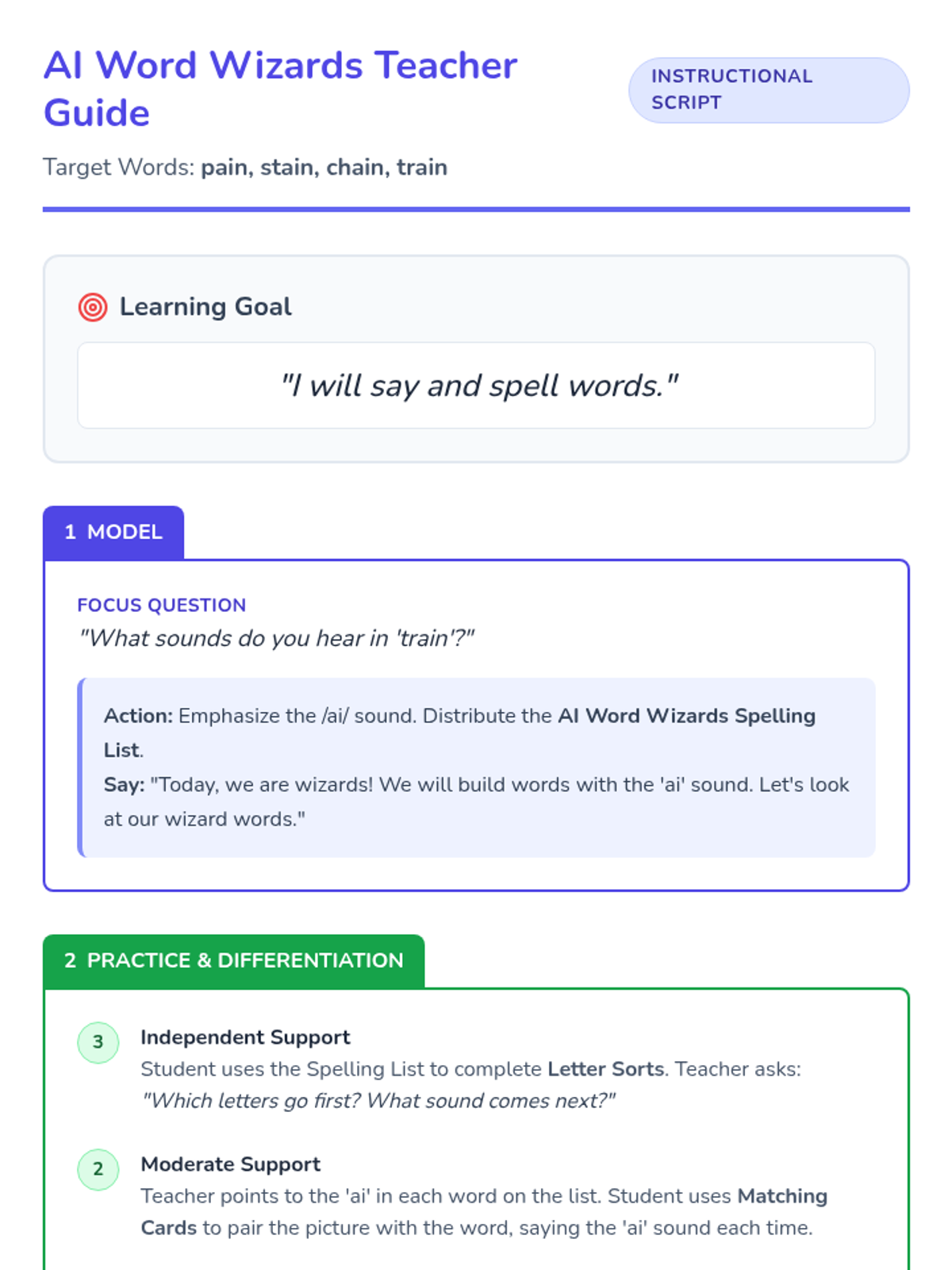
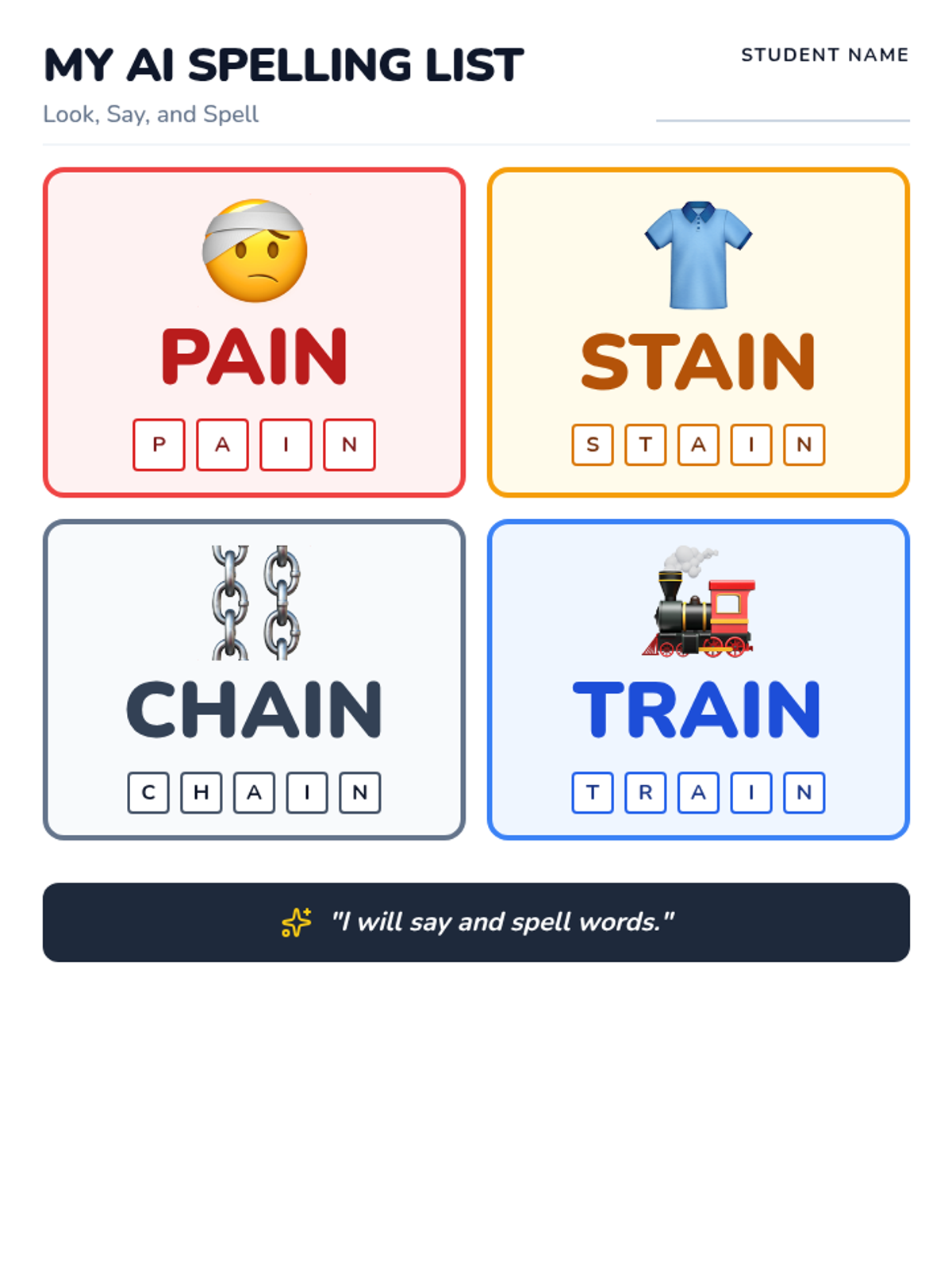
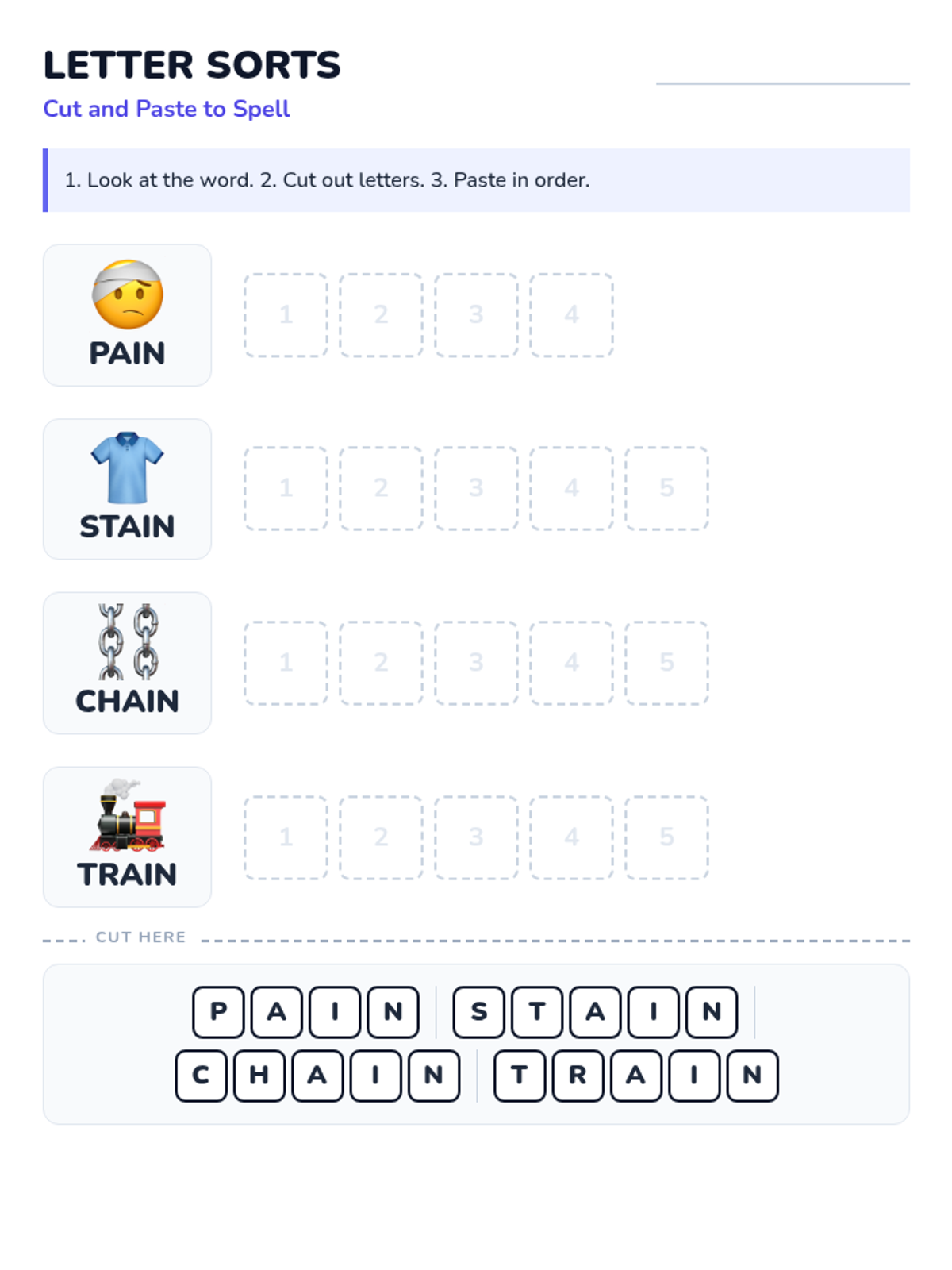
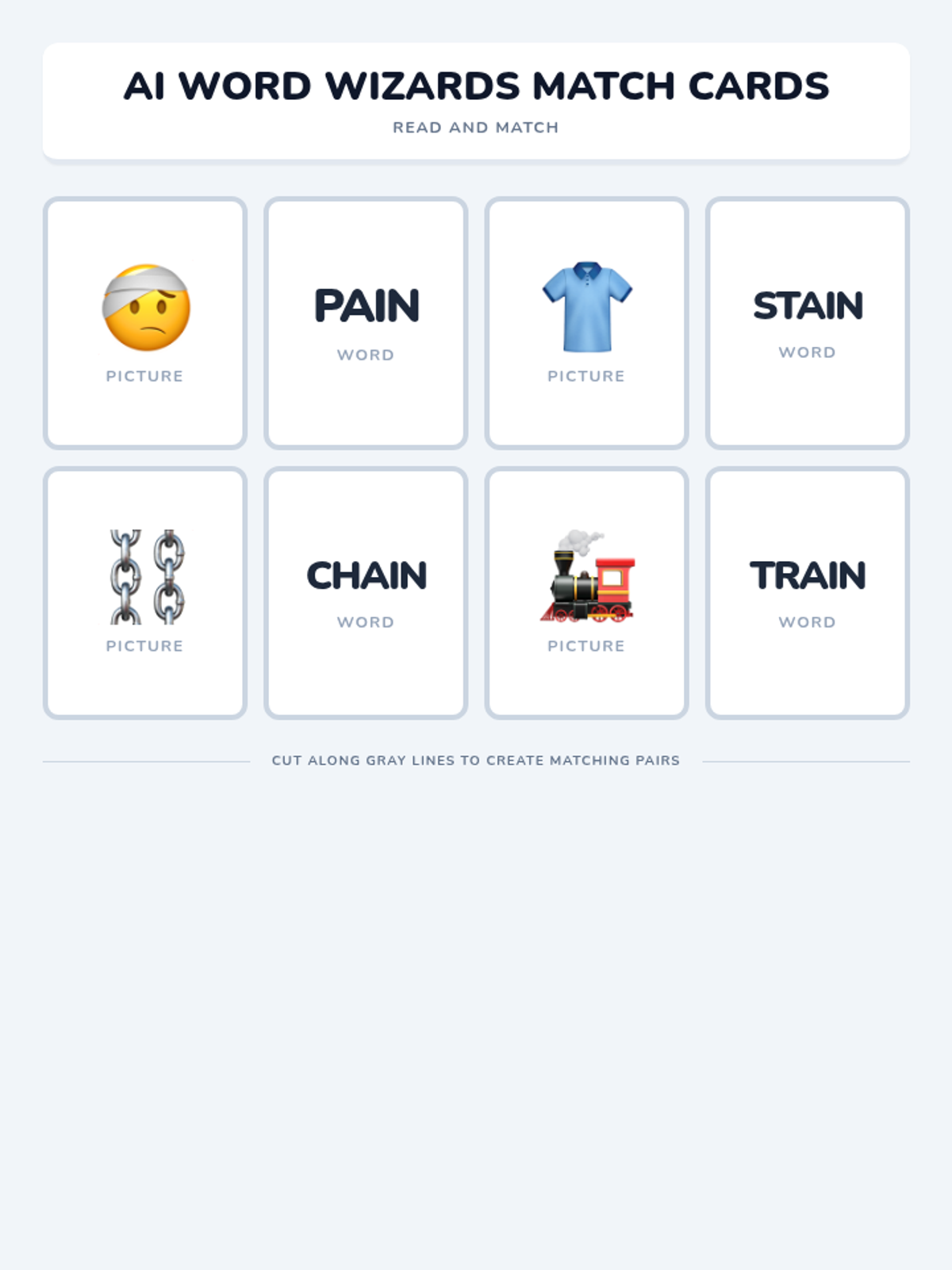
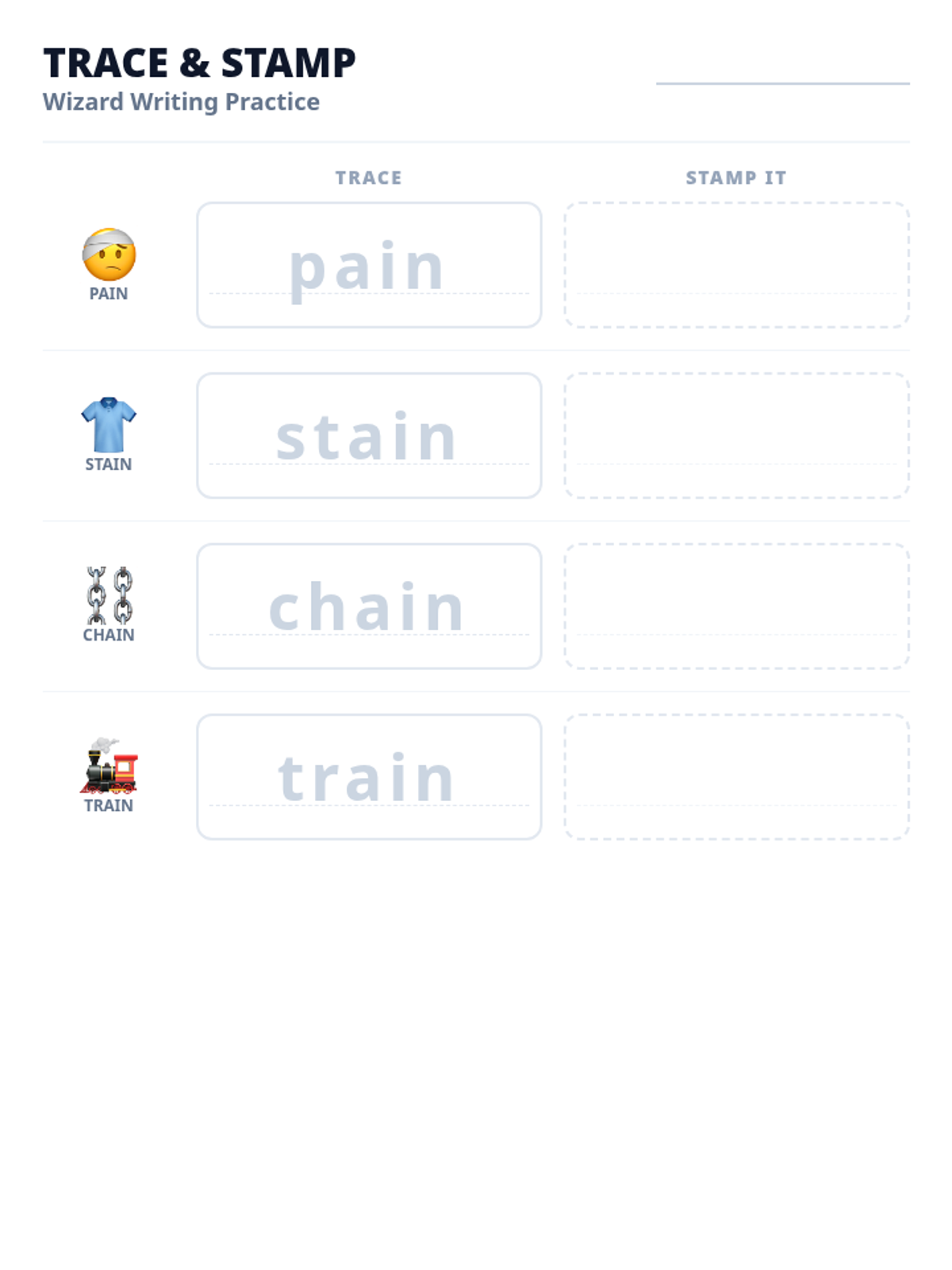
A lesson focusing on words with the 'ai' digraph: pain, stain, chain, and train. This lesson uses the Model-Practice-Review framework with strong visual cues and tactile cut-and-paste activities.
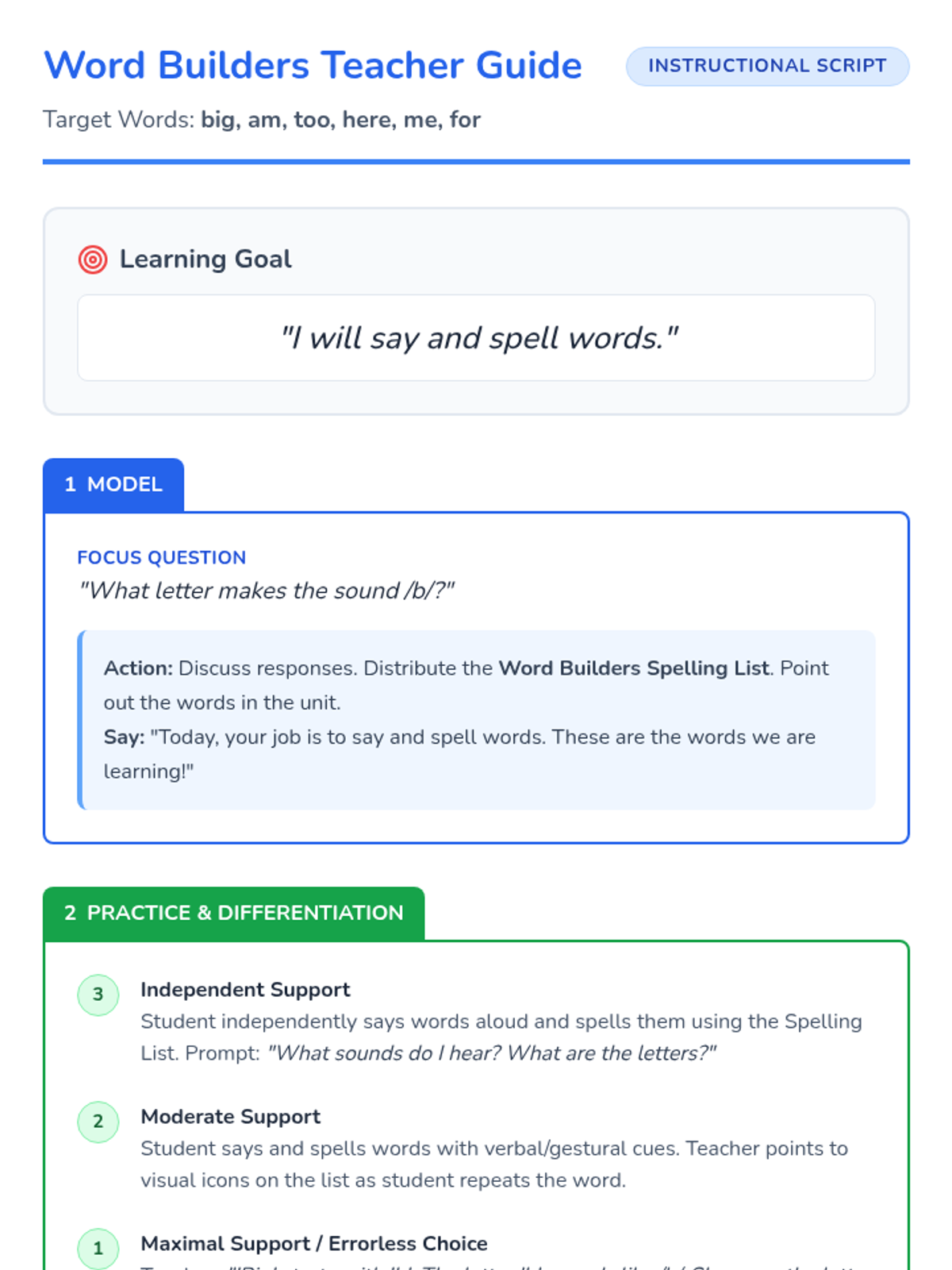
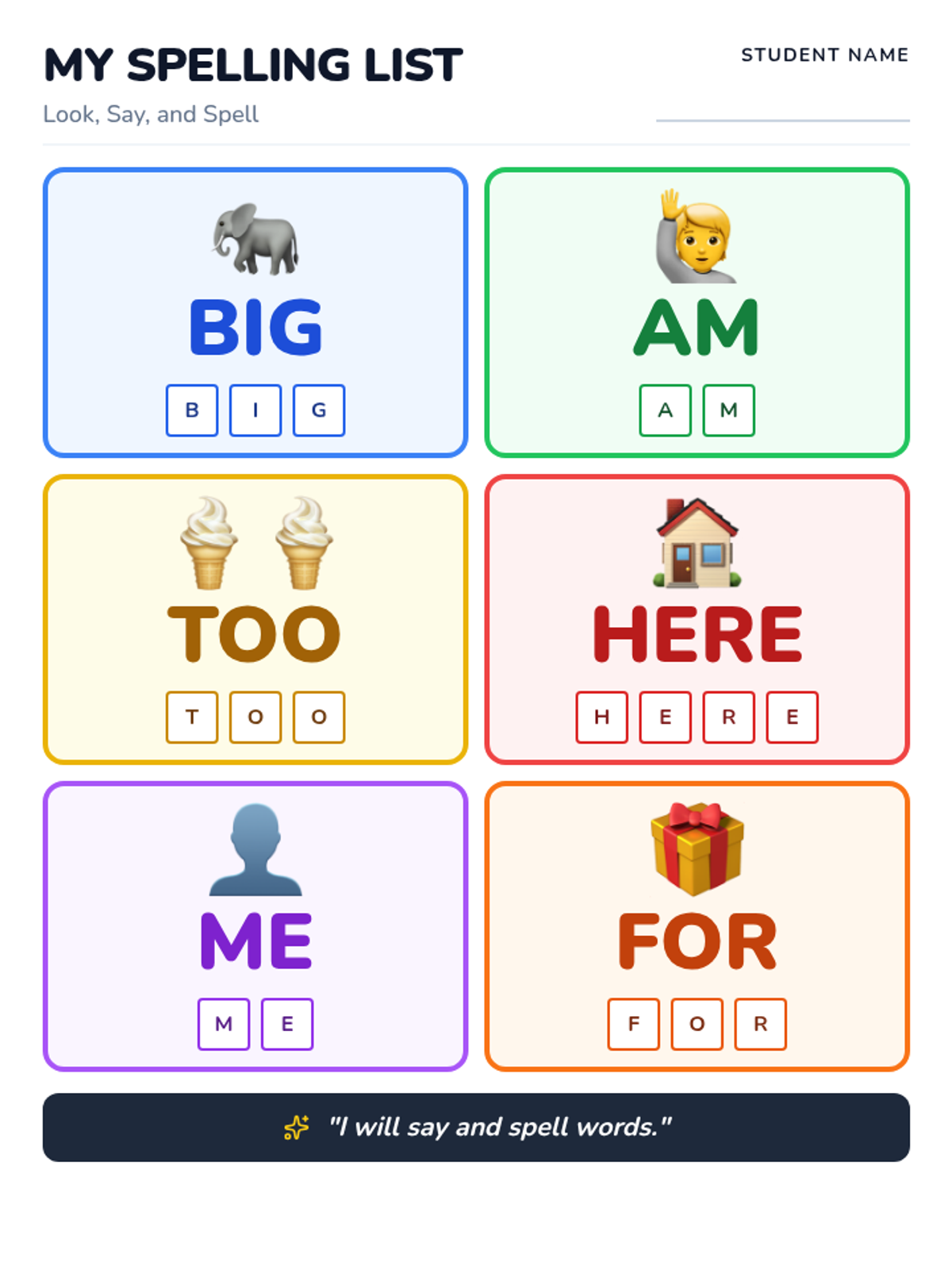
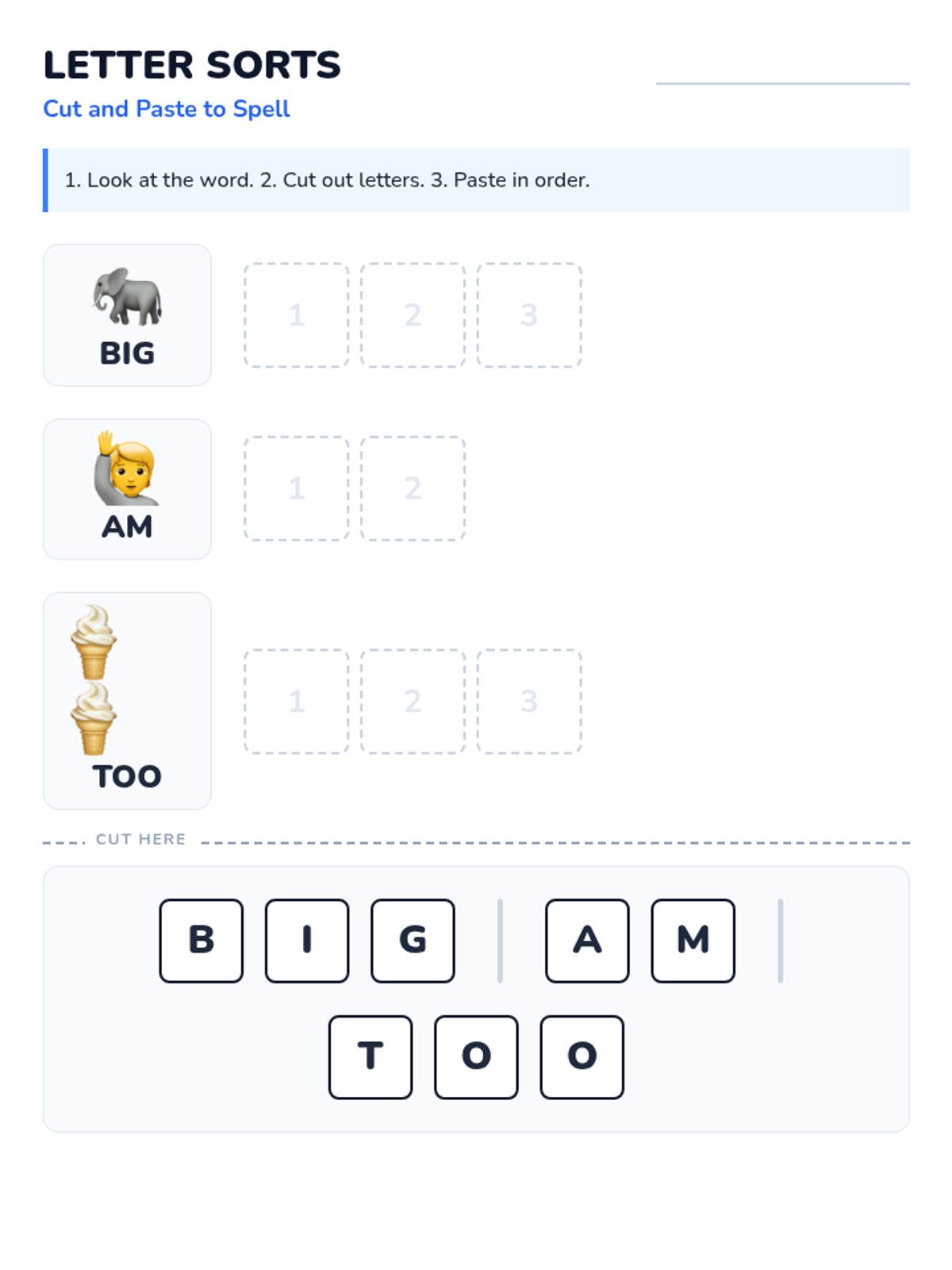
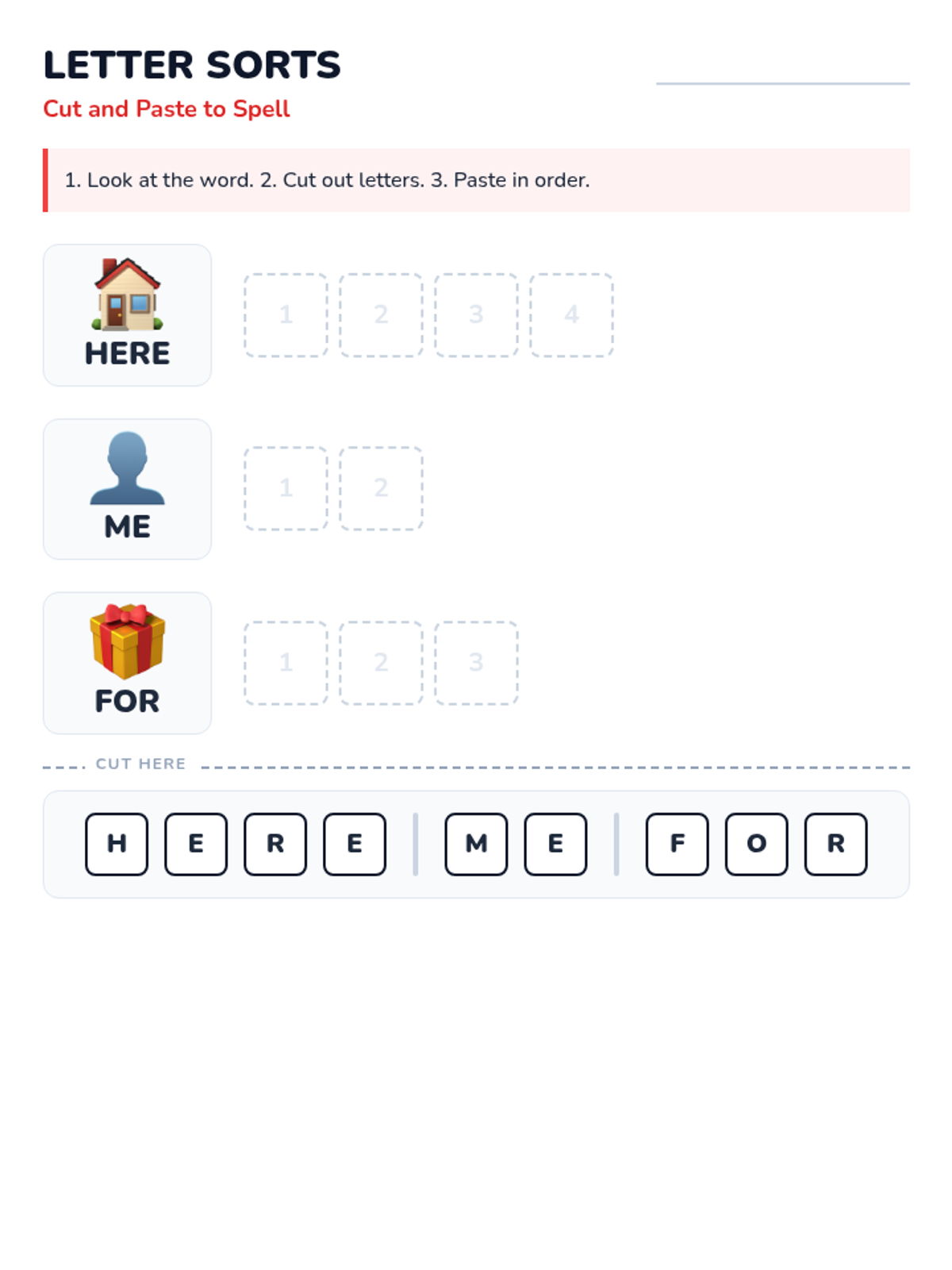
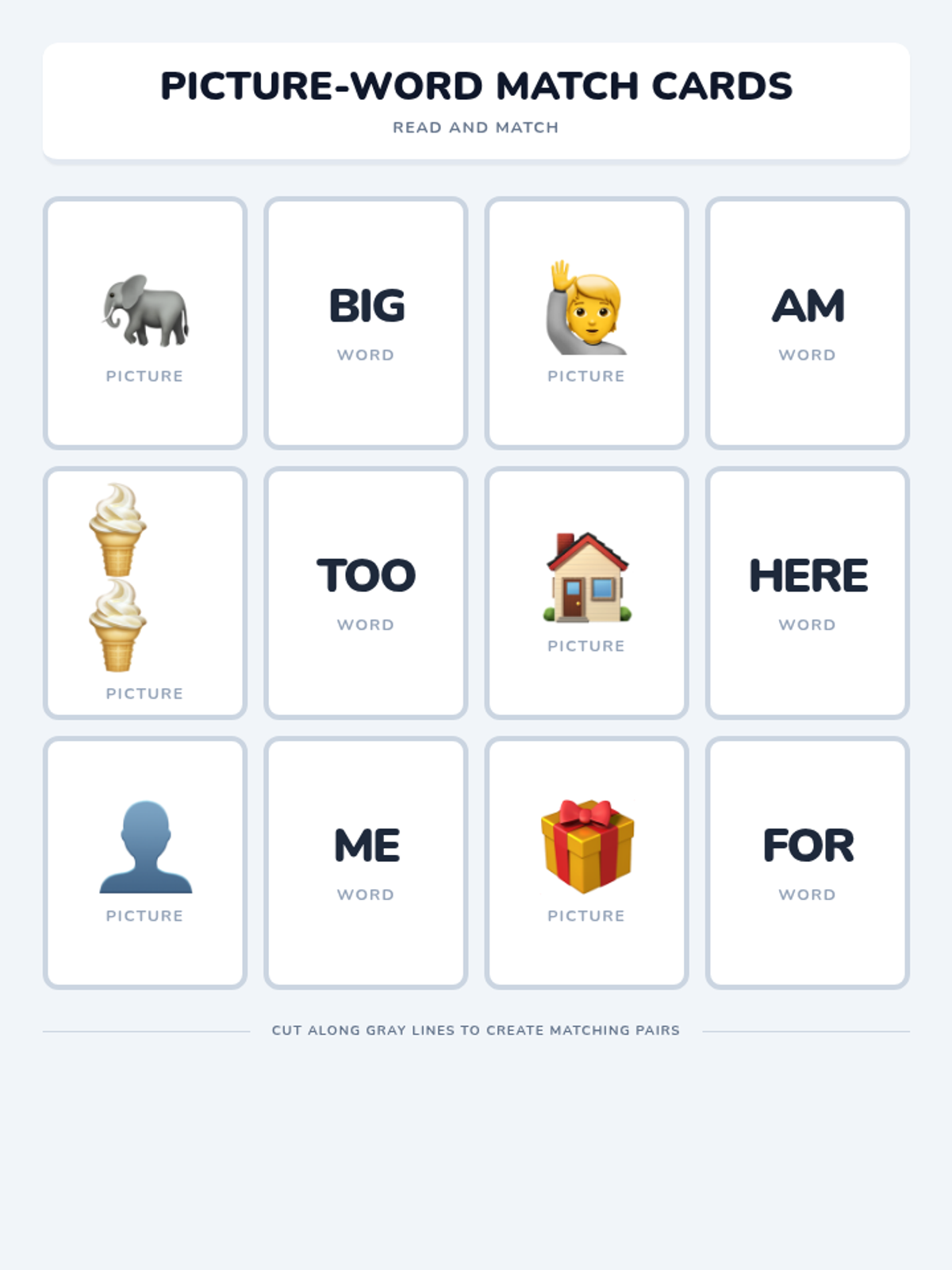
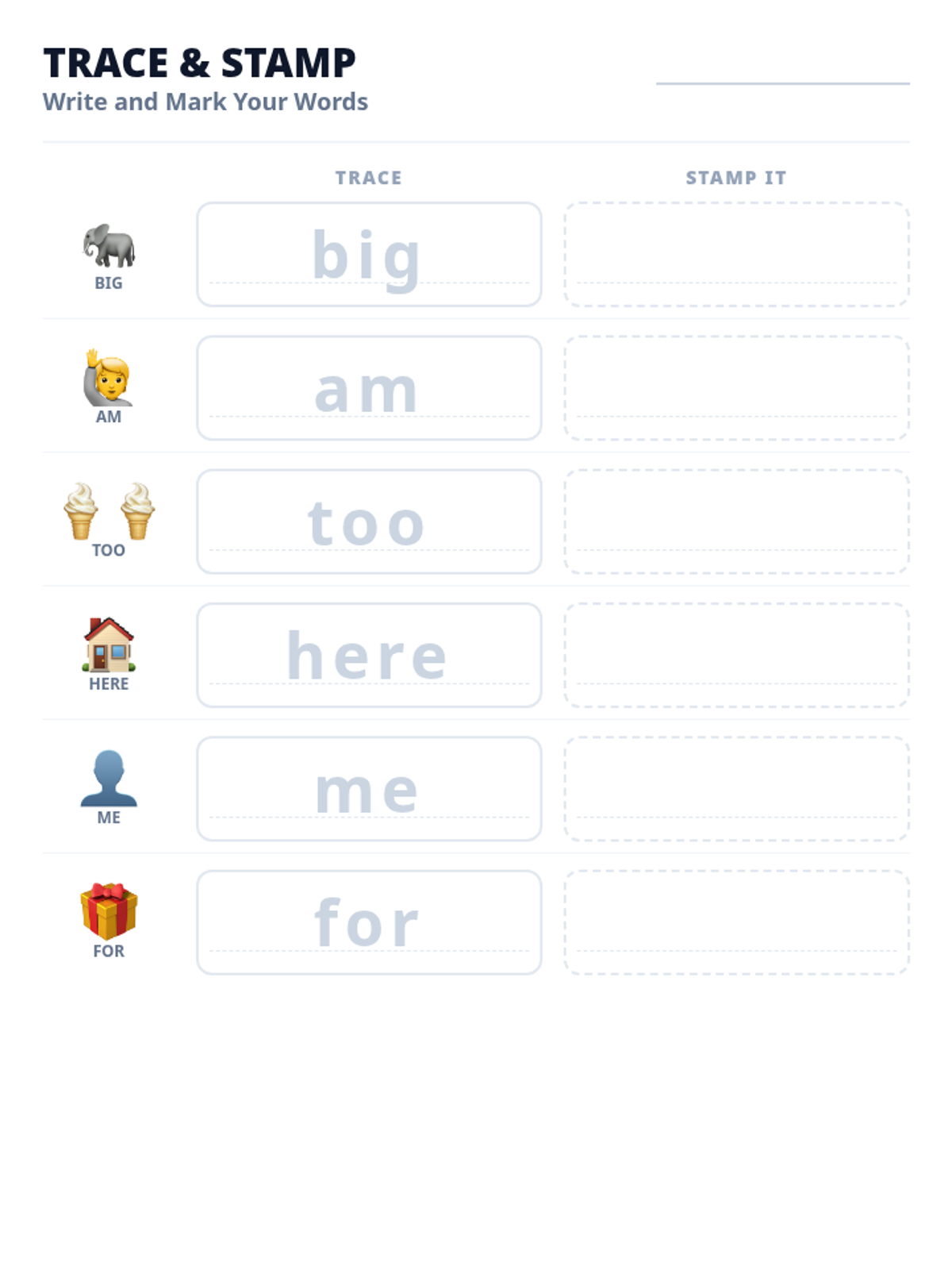
An introductory lesson focusing on building word recognition and spelling skills through letter sorting, matching, and tracing activities. This lesson provides differentiated support for learners with minimal language skills.
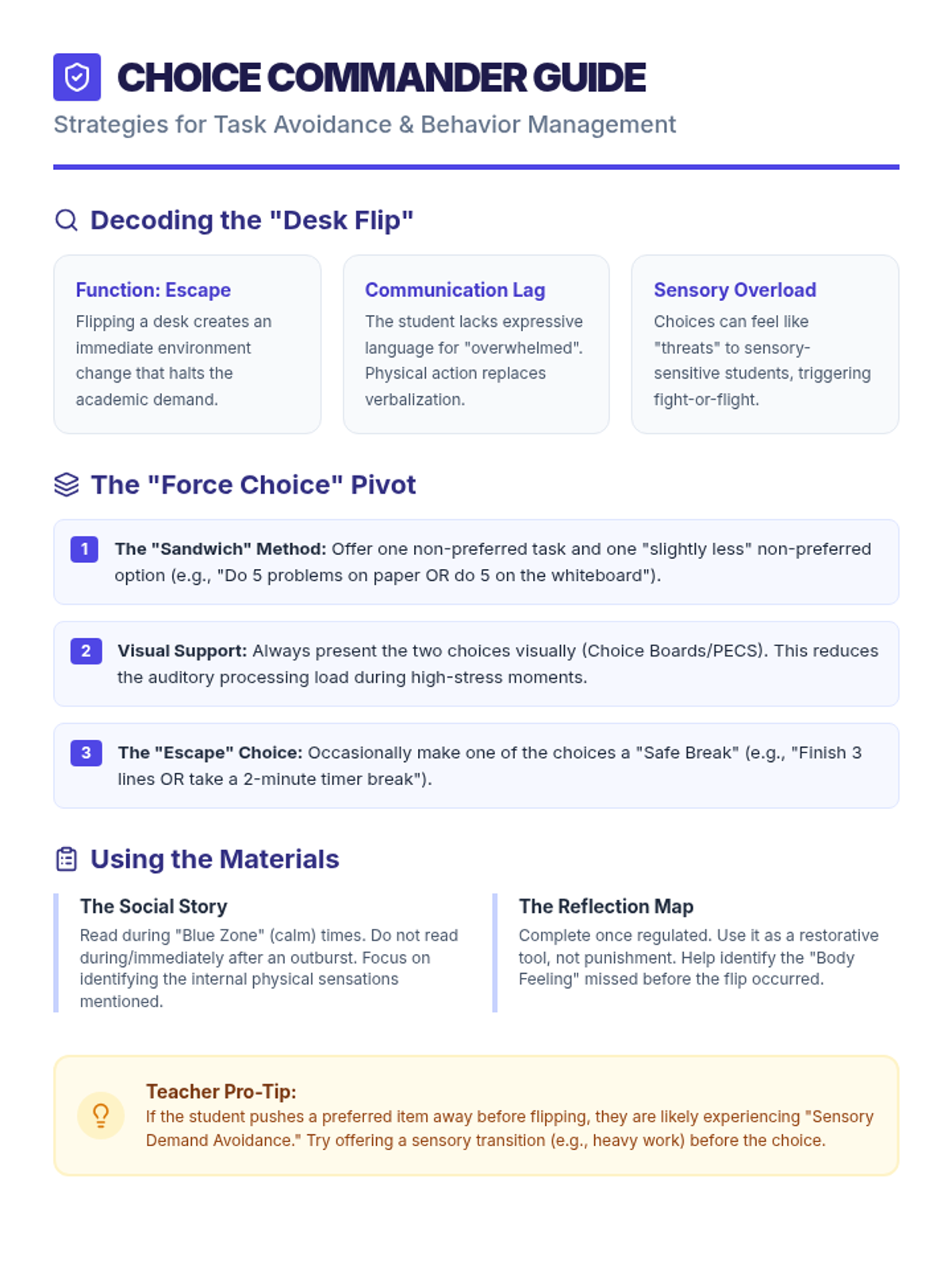
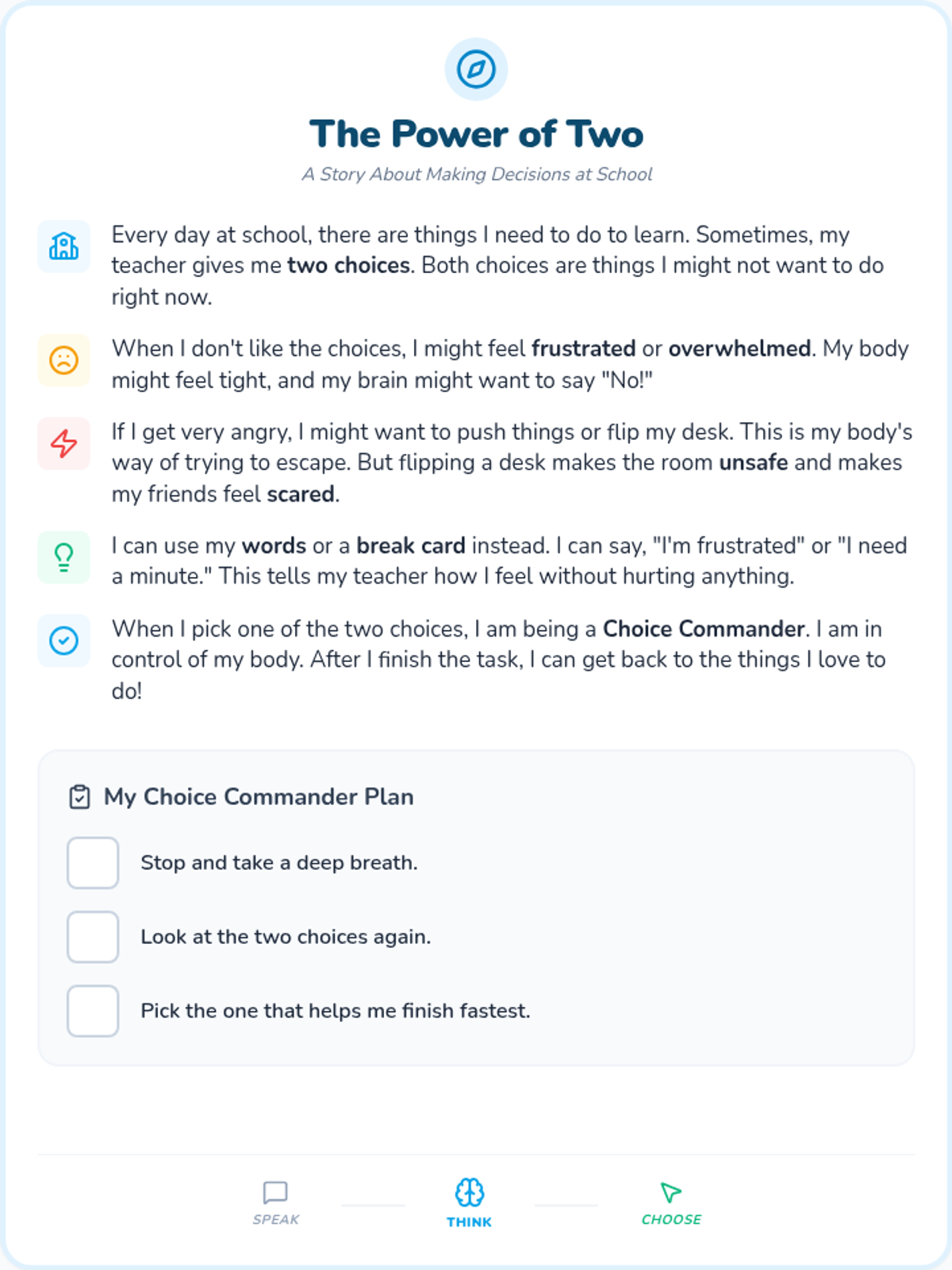
A lesson focused on helping students manage frustration when presented with non-preferred choices, providing a social story for perspective-taking and a reflection tool for post-meltdown processing.
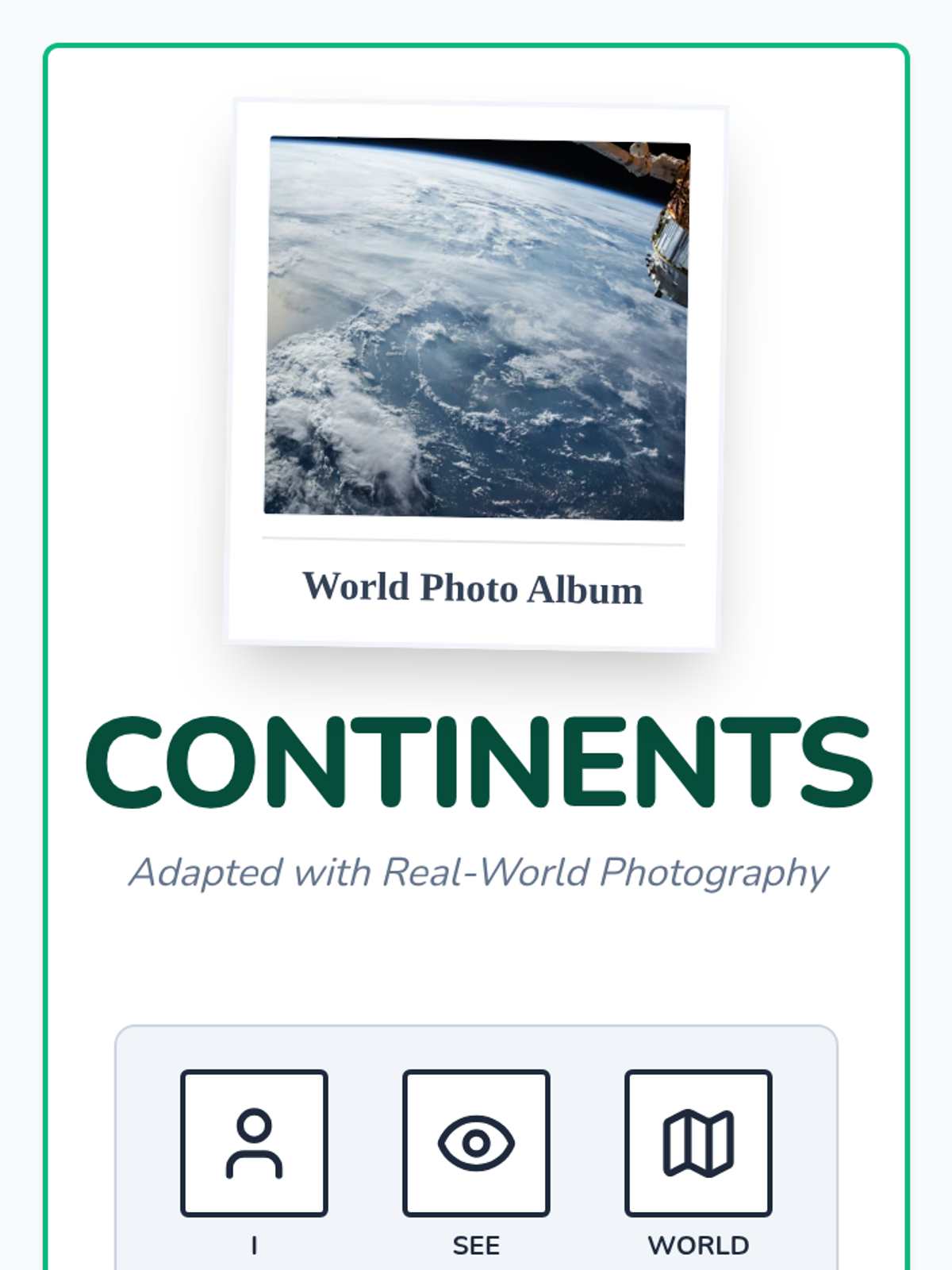
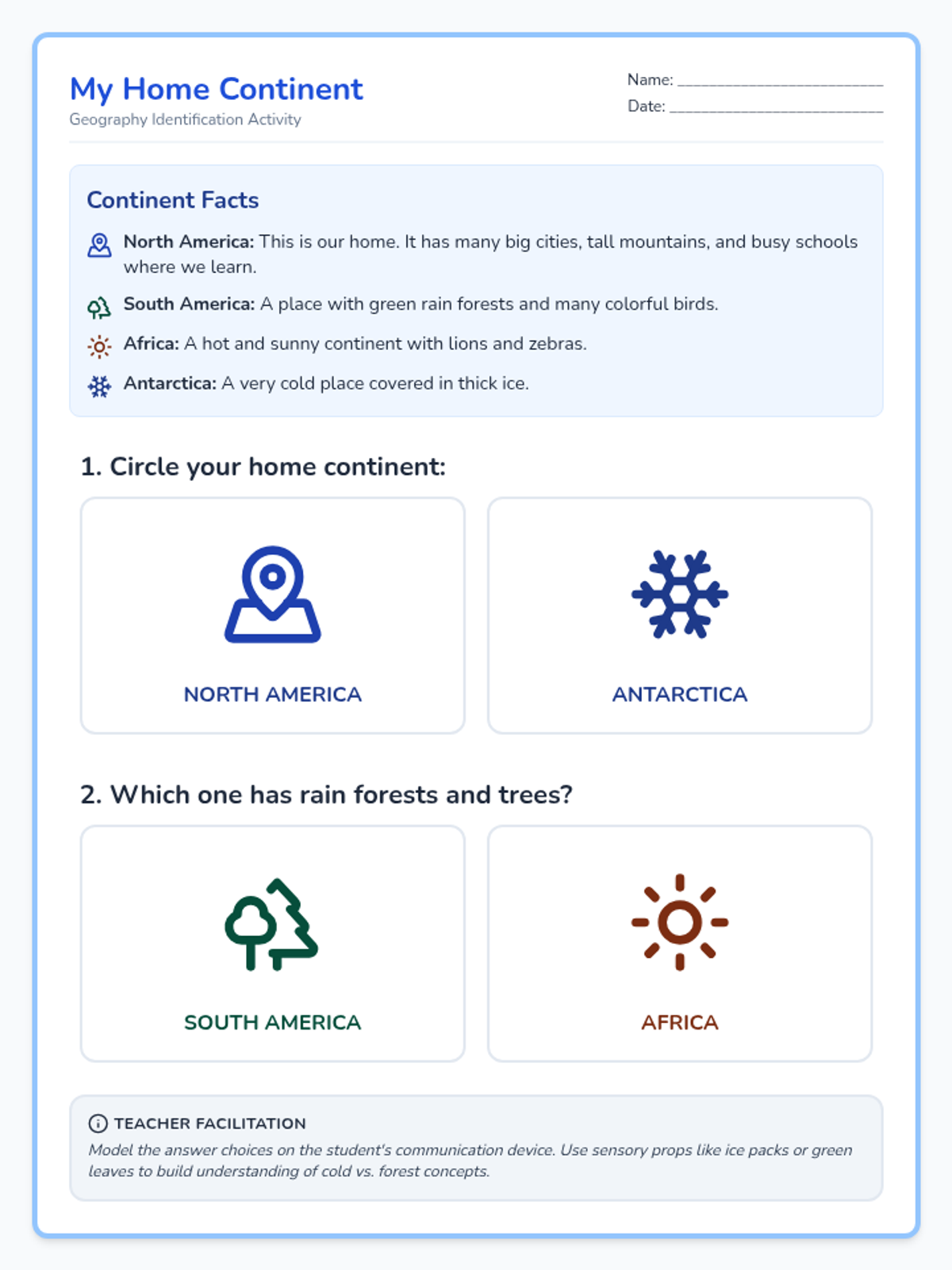
A lesson introducing the seven continents with a special focus on North America, using symbol-supported text to help students identify global geography.
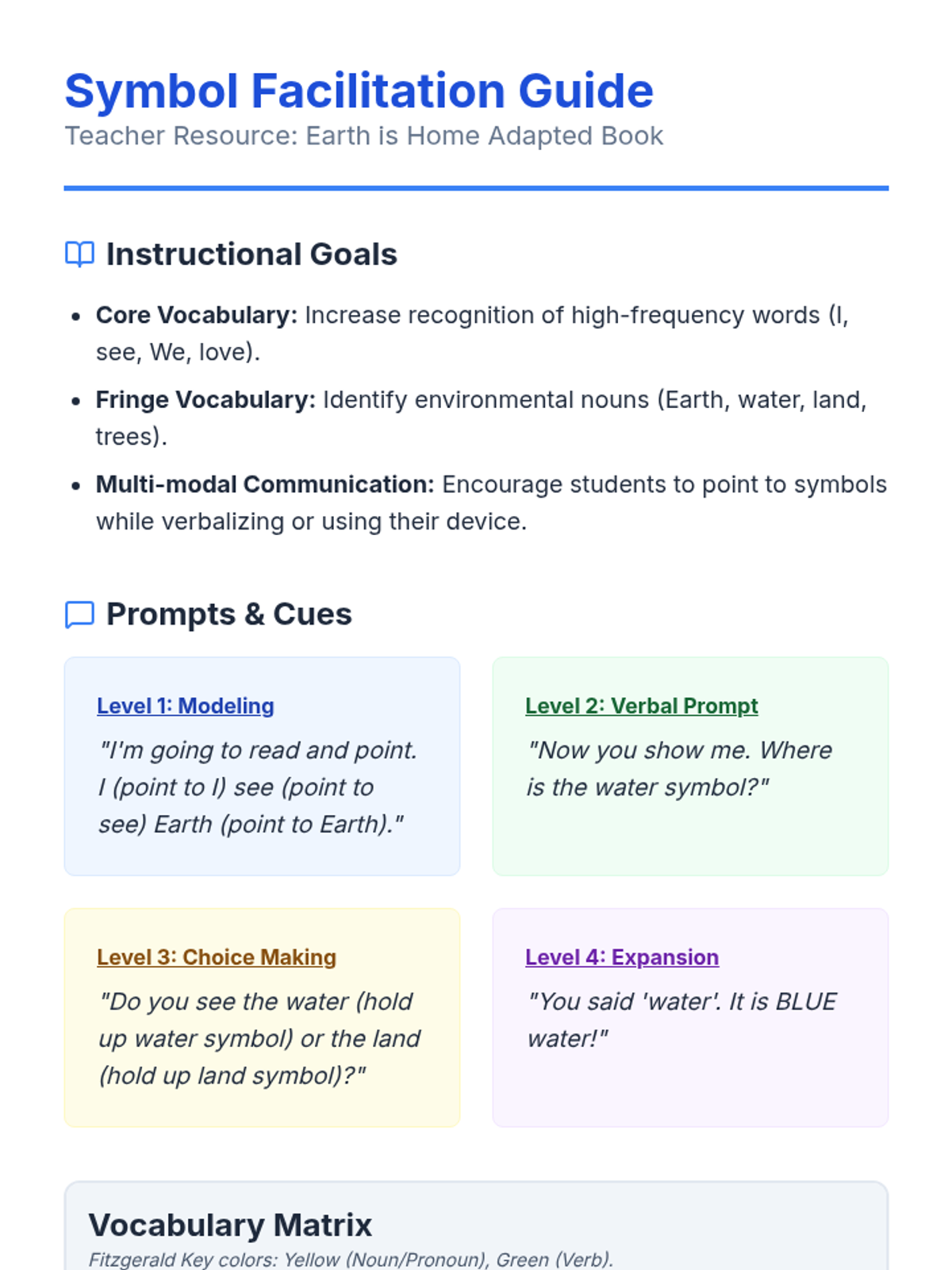
A foundational lesson introducing the Earth, water, land, and the people who live on our planet using core and fringe vocabulary symbols.
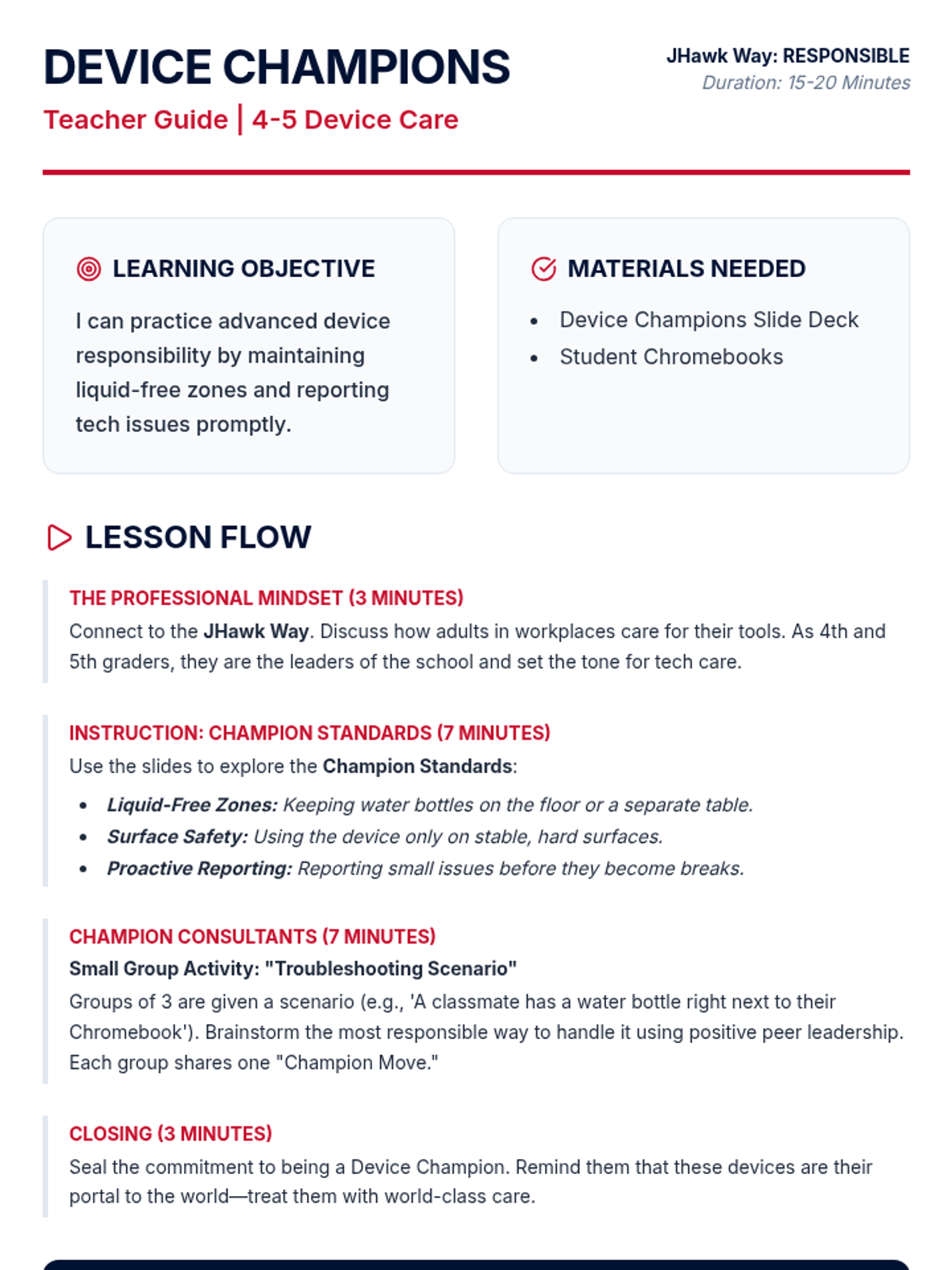
A 15-20 minute lesson for 4-5 students focused on advanced device responsibility, including proper closure, charging habits, and liquid-free zones.
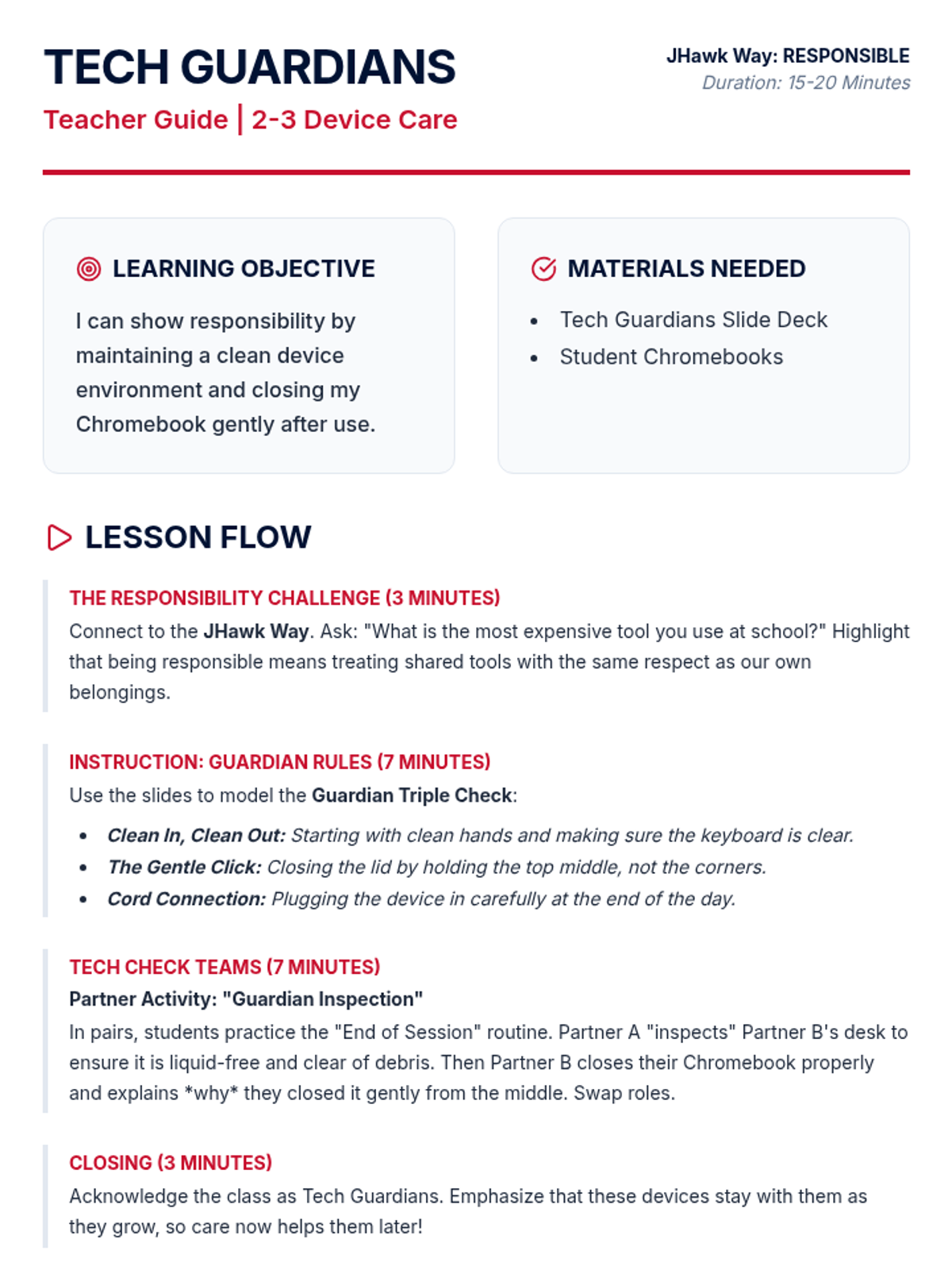
A 15-20 minute lesson for 2-3 students on responsible Chromebook care, emphasizing clean environments and gentle handling, aligned with PBIS standards.