A lesson designed for K-2 students with behavioral challenges and IEPs, focusing on how creativity helps build a positive self-image and self-esteem. Students explore their unique 'sparks' through hands-on art and reflection.
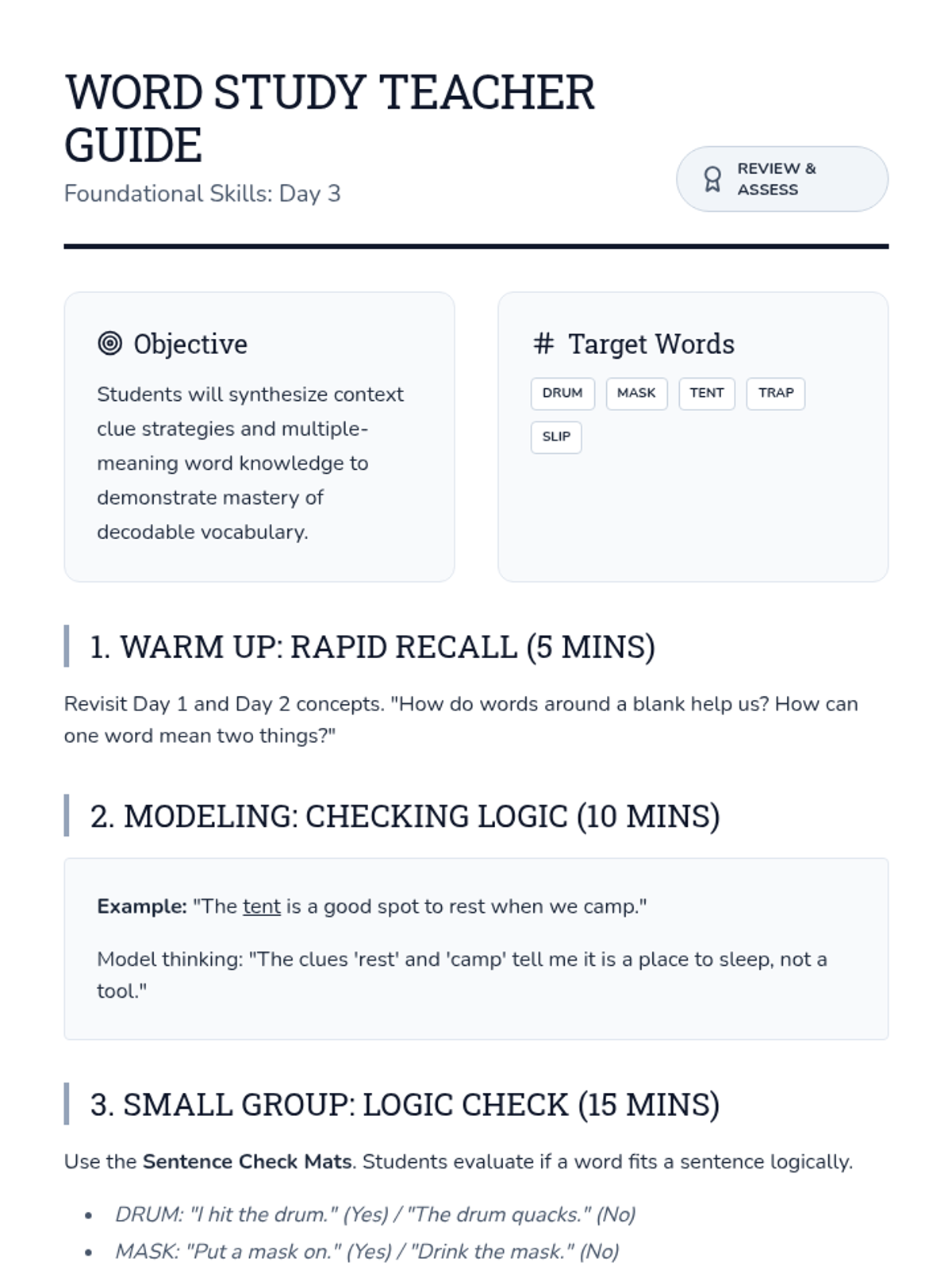
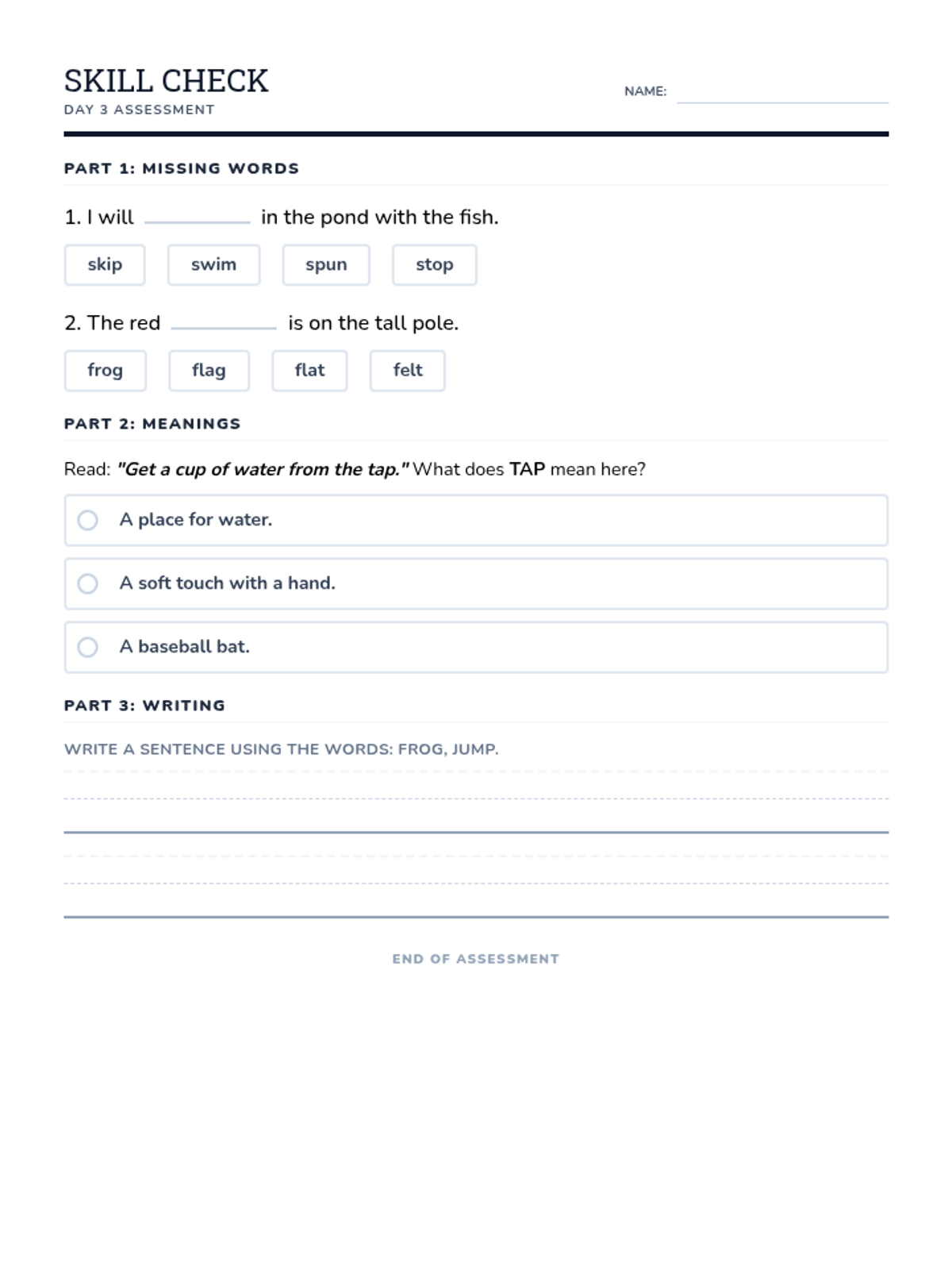
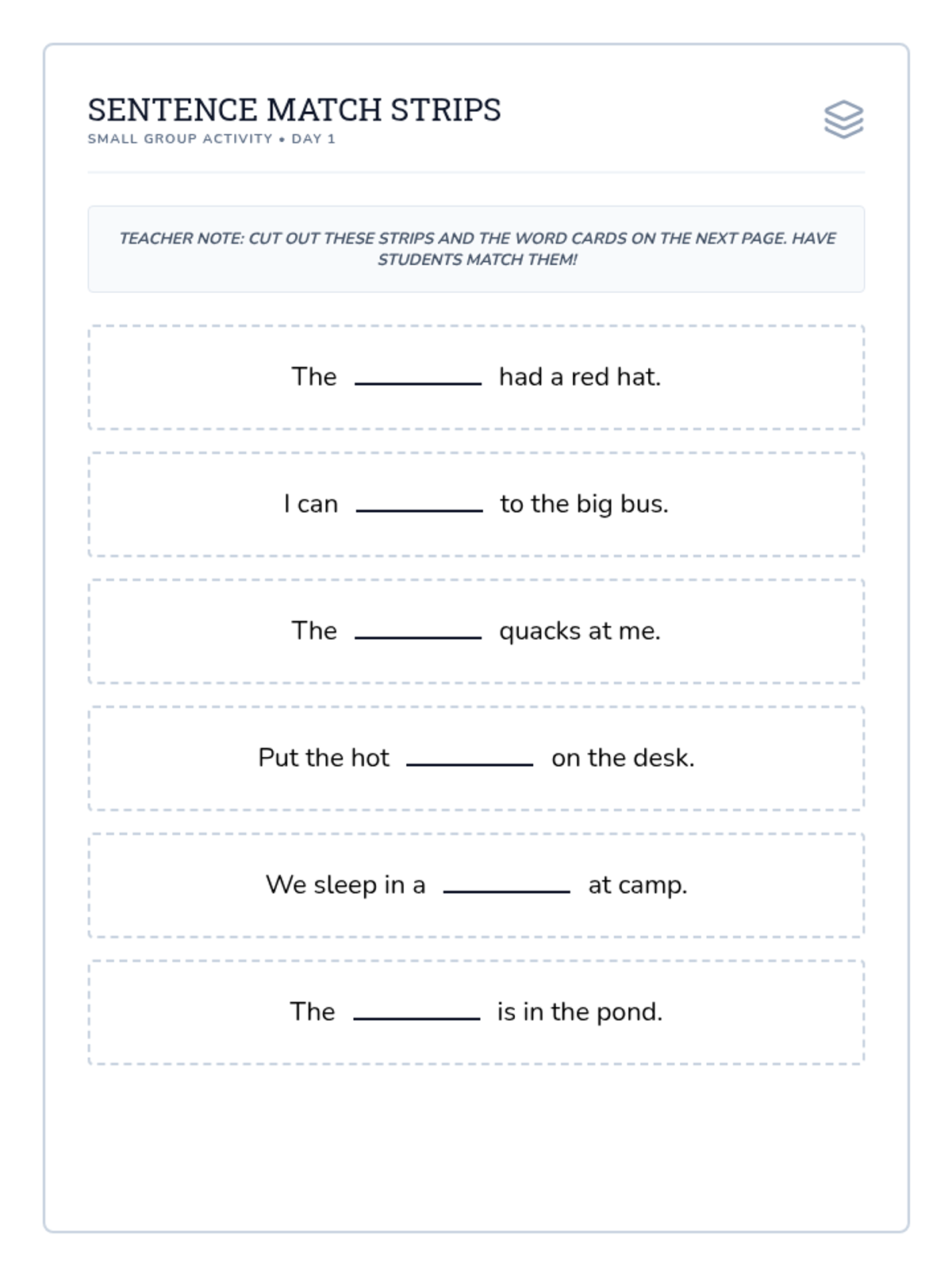
Reinforces vocabulary through sentence building and synthesis of context clue strategies, culminating in a 'Master Detective' assessment.
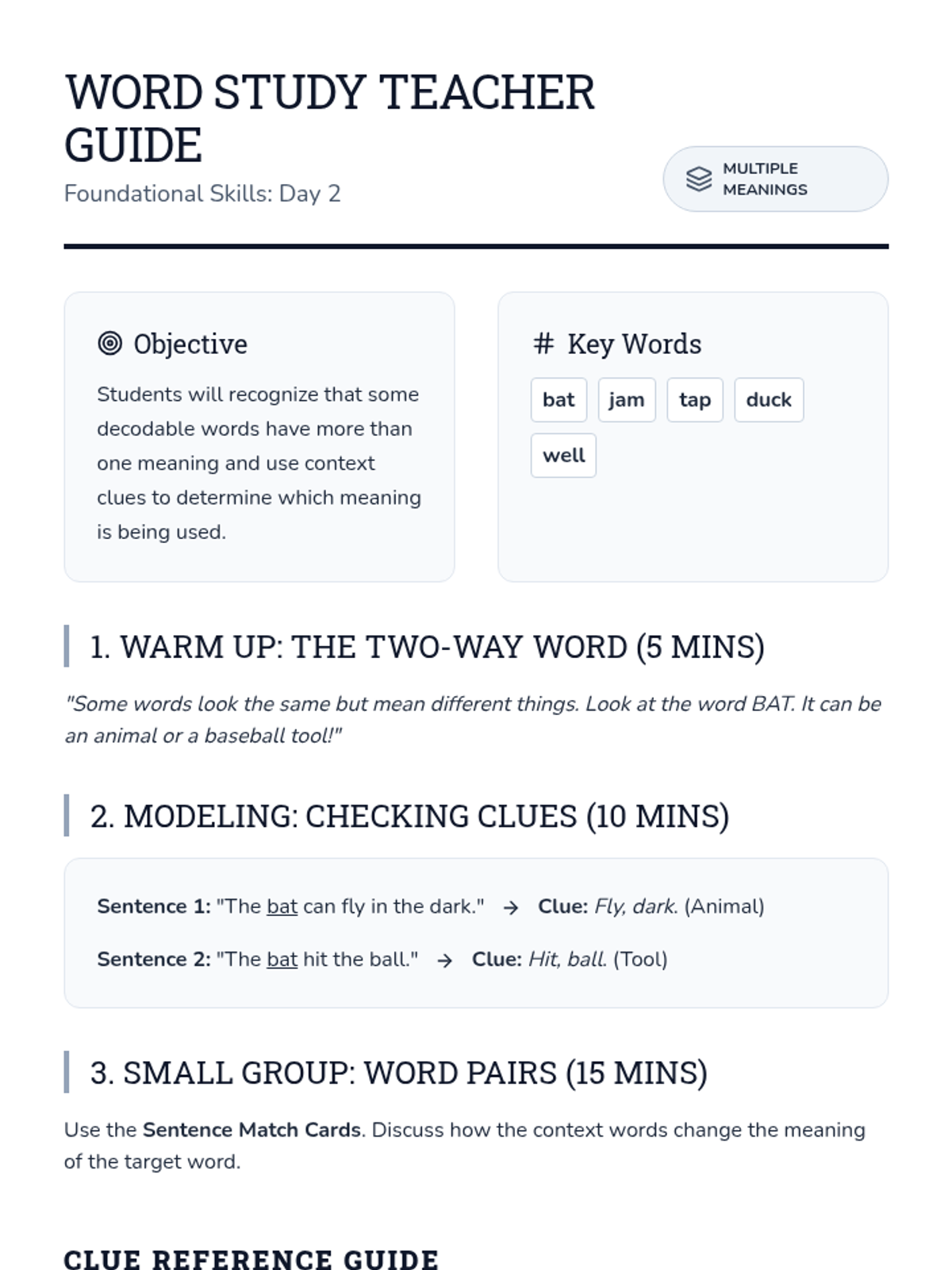
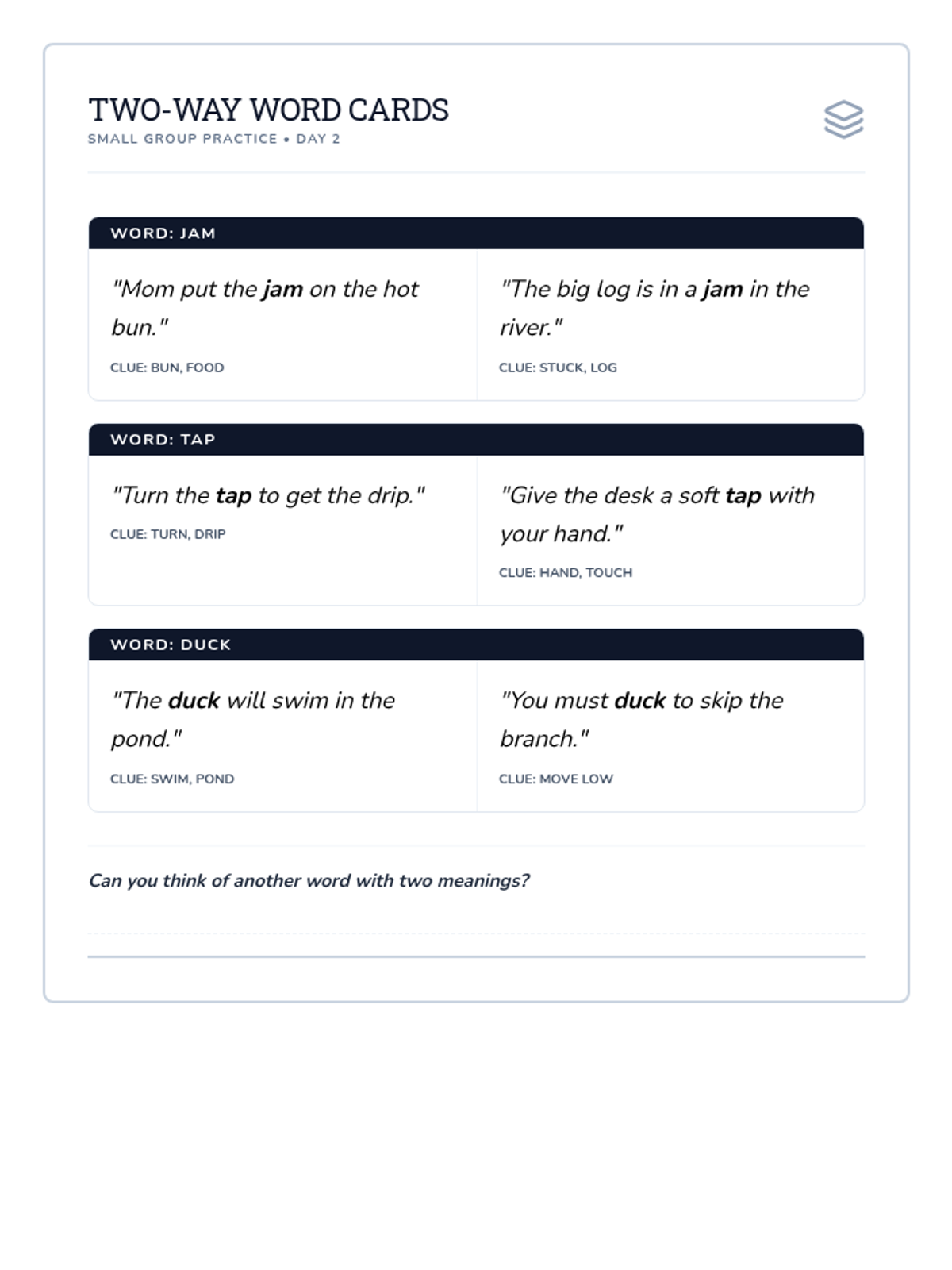
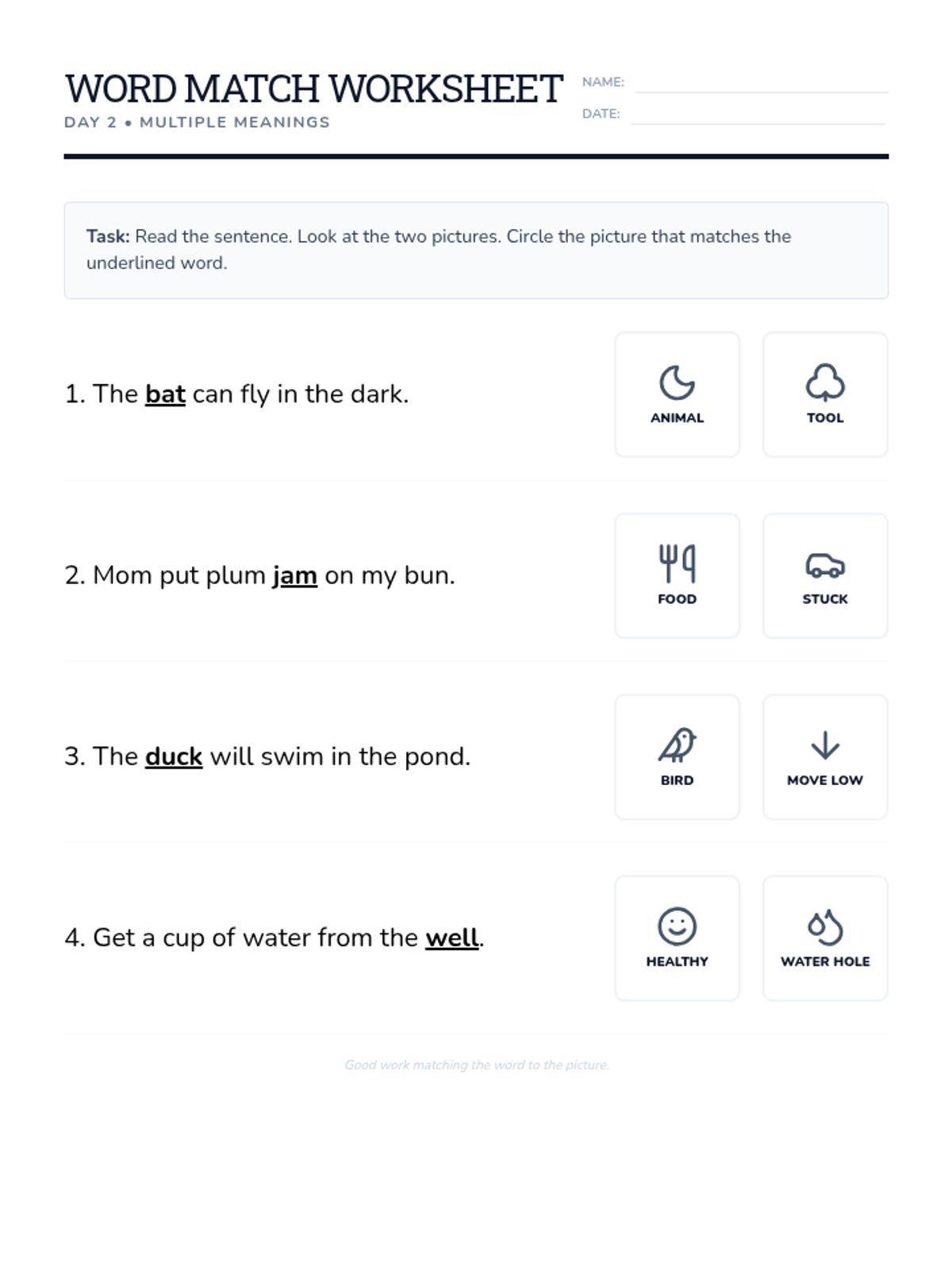
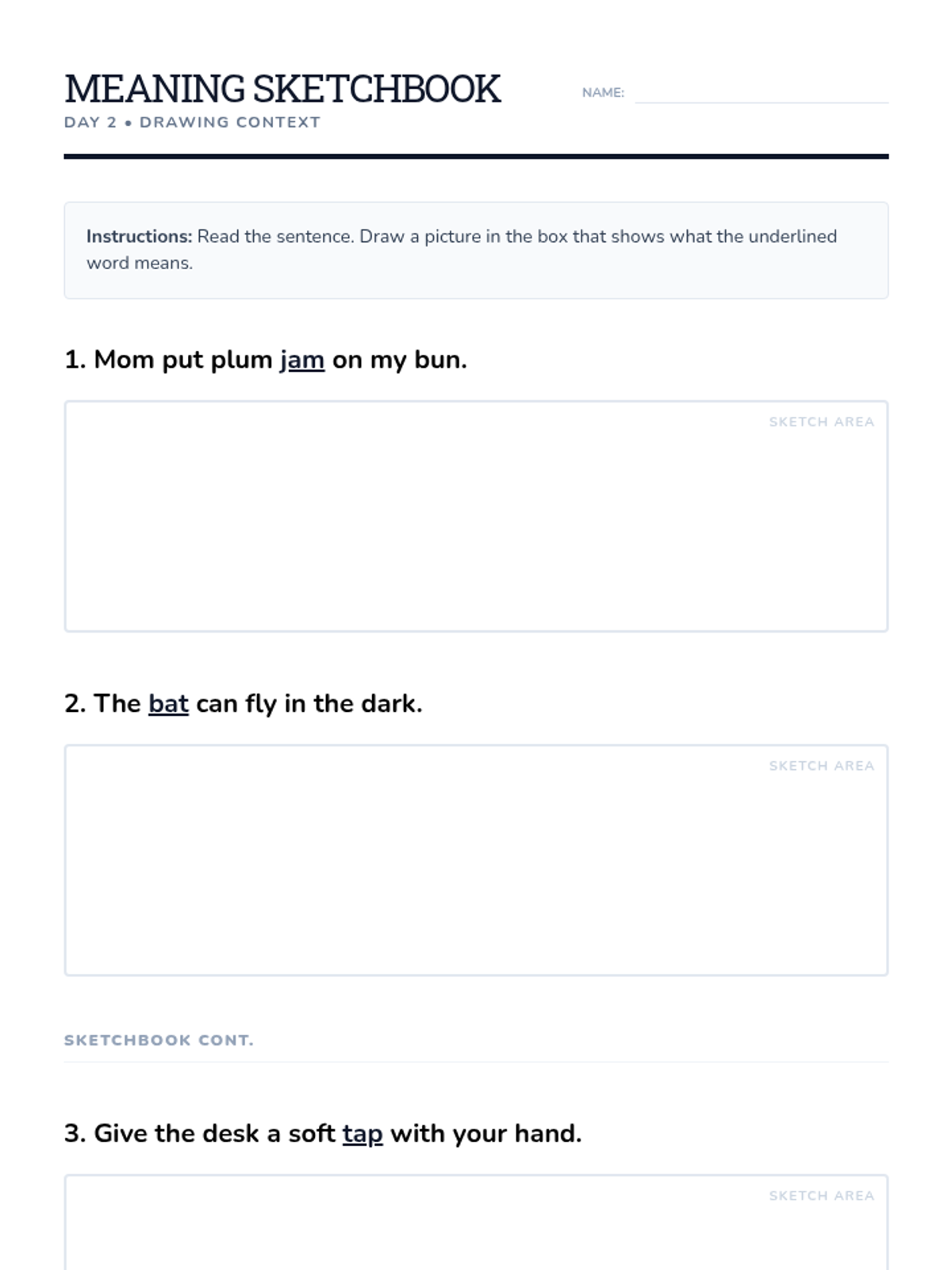
Introduces decodable multiple-meaning words (e.g., bat, jam, tap) and teaches students how to use context to determine which meaning is intended.
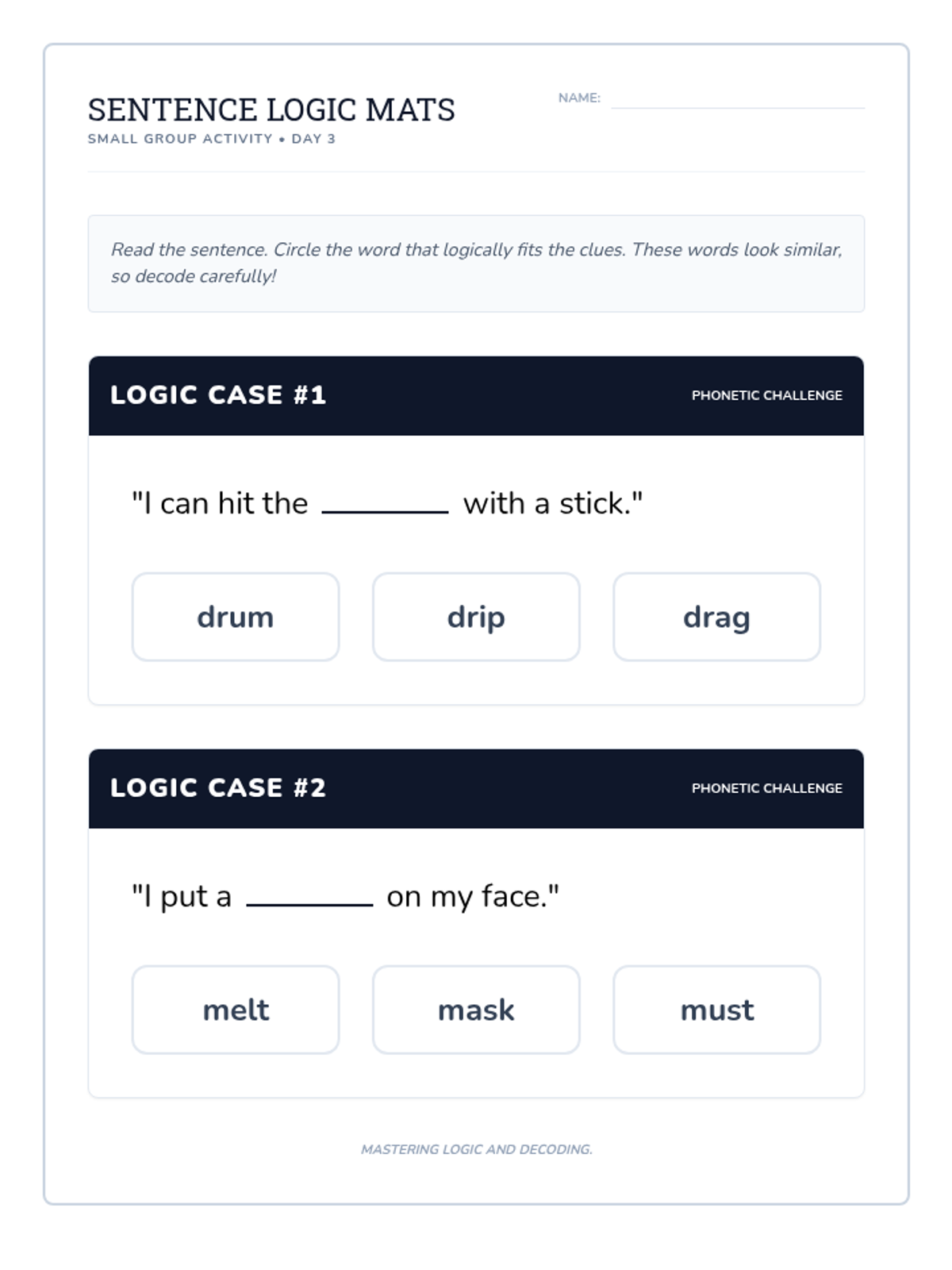
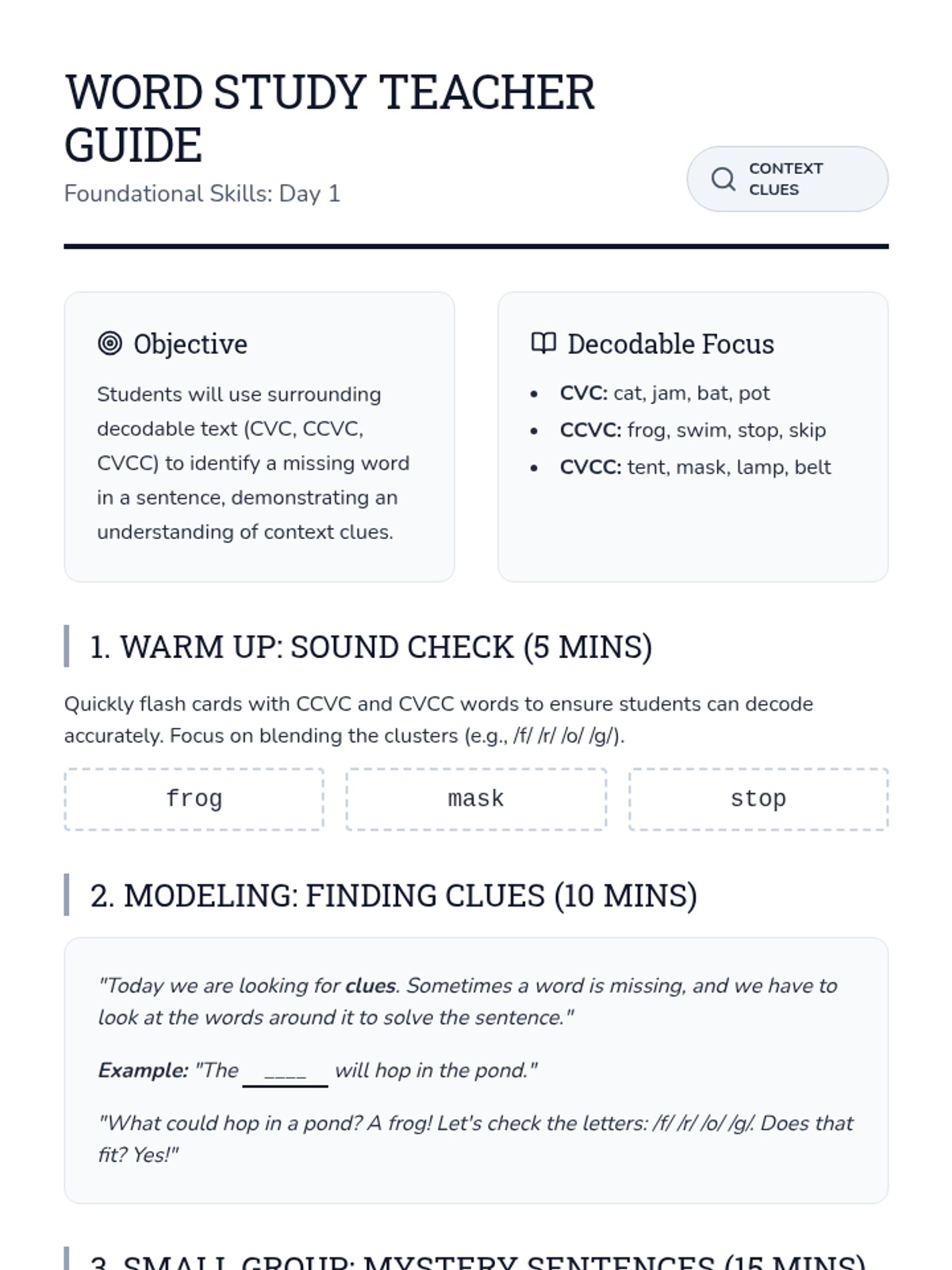
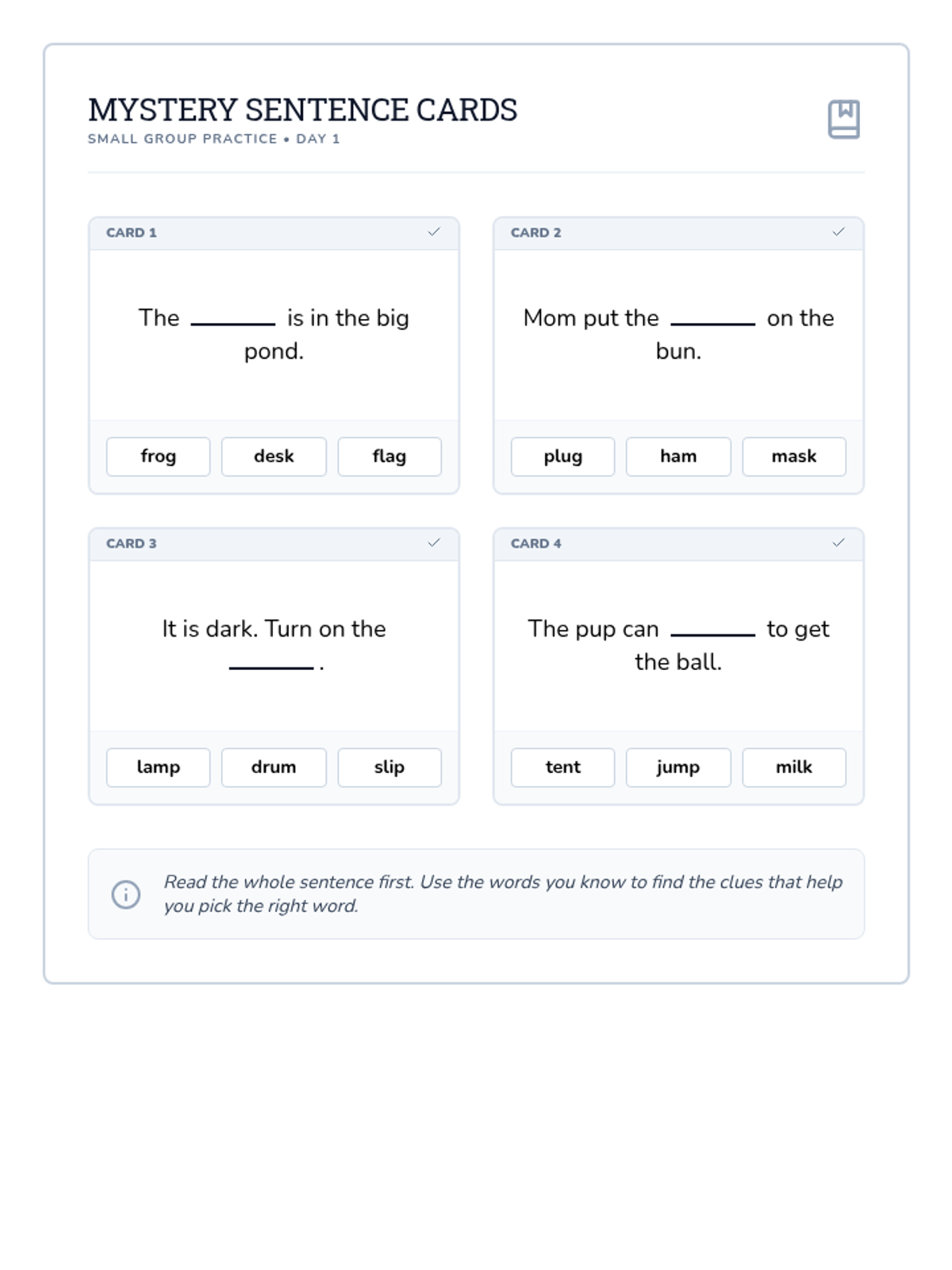
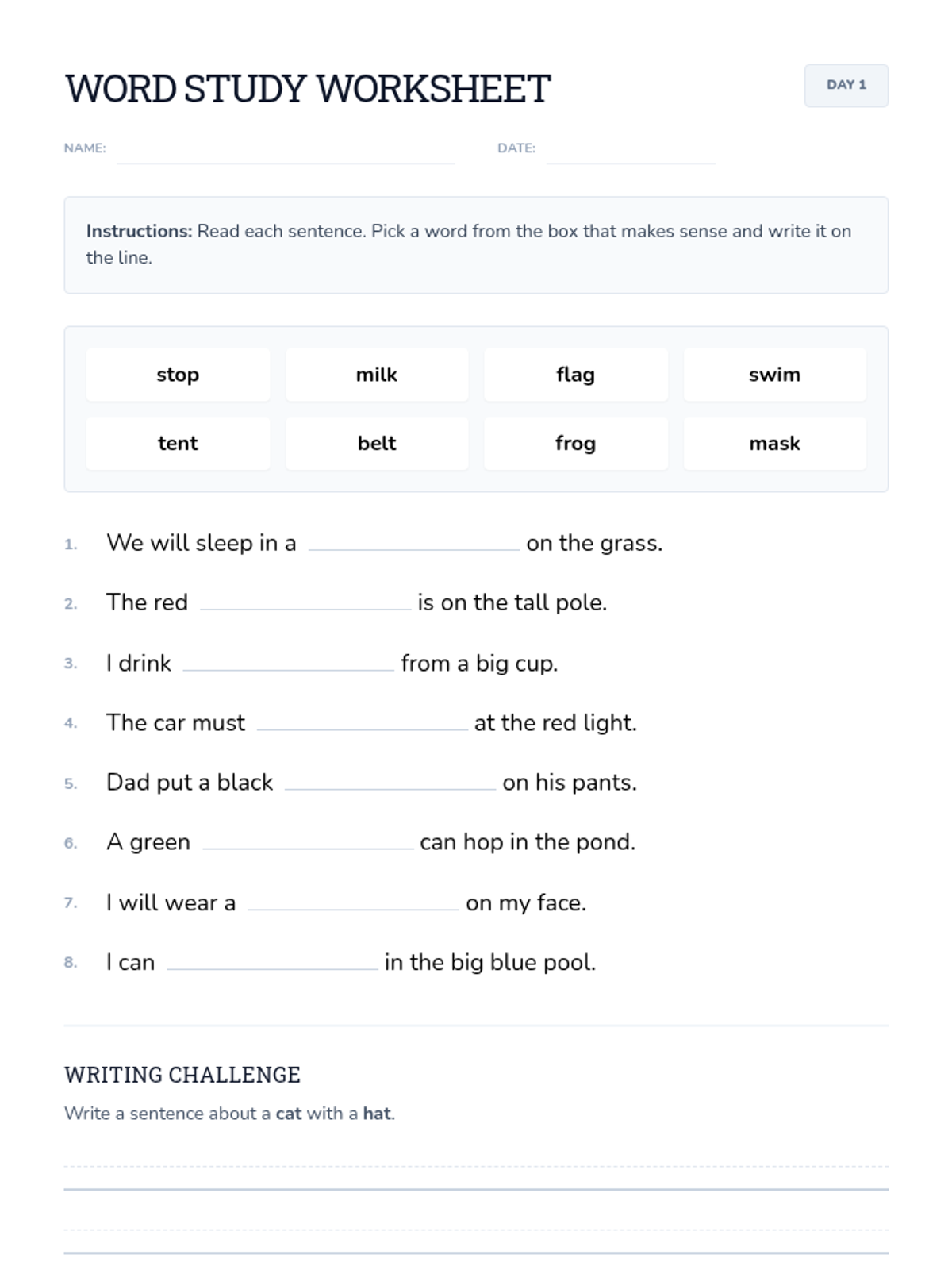
Focuses on using surrounding decodable text as context clues to identify missing CVC, CCVC, and CVCC words. Students act as 'clue hunters' to solve sentence mysteries.
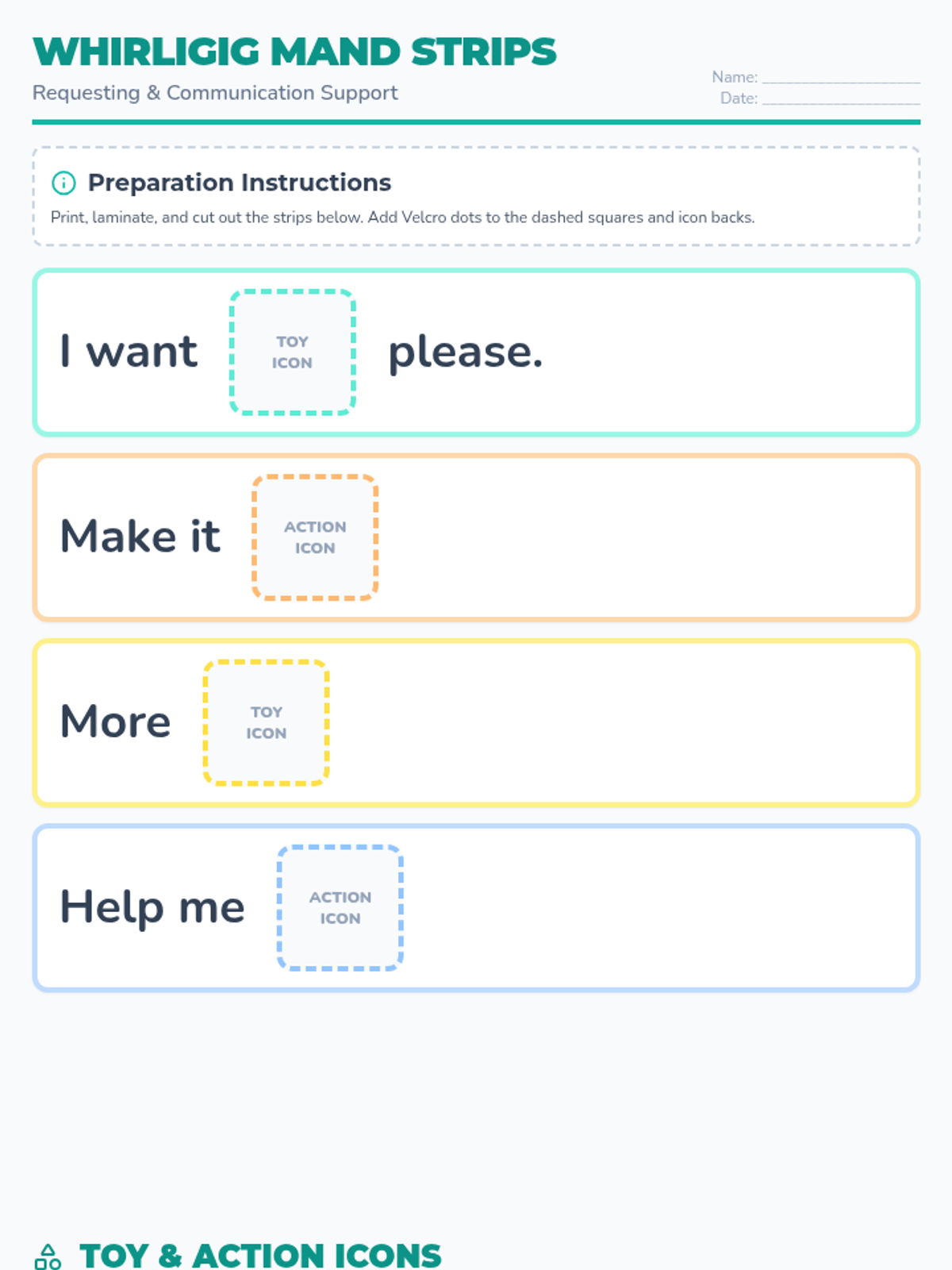
A lesson focused on developing requesting (manding) skills using various spinning toys through visual sentence starters and icon support.
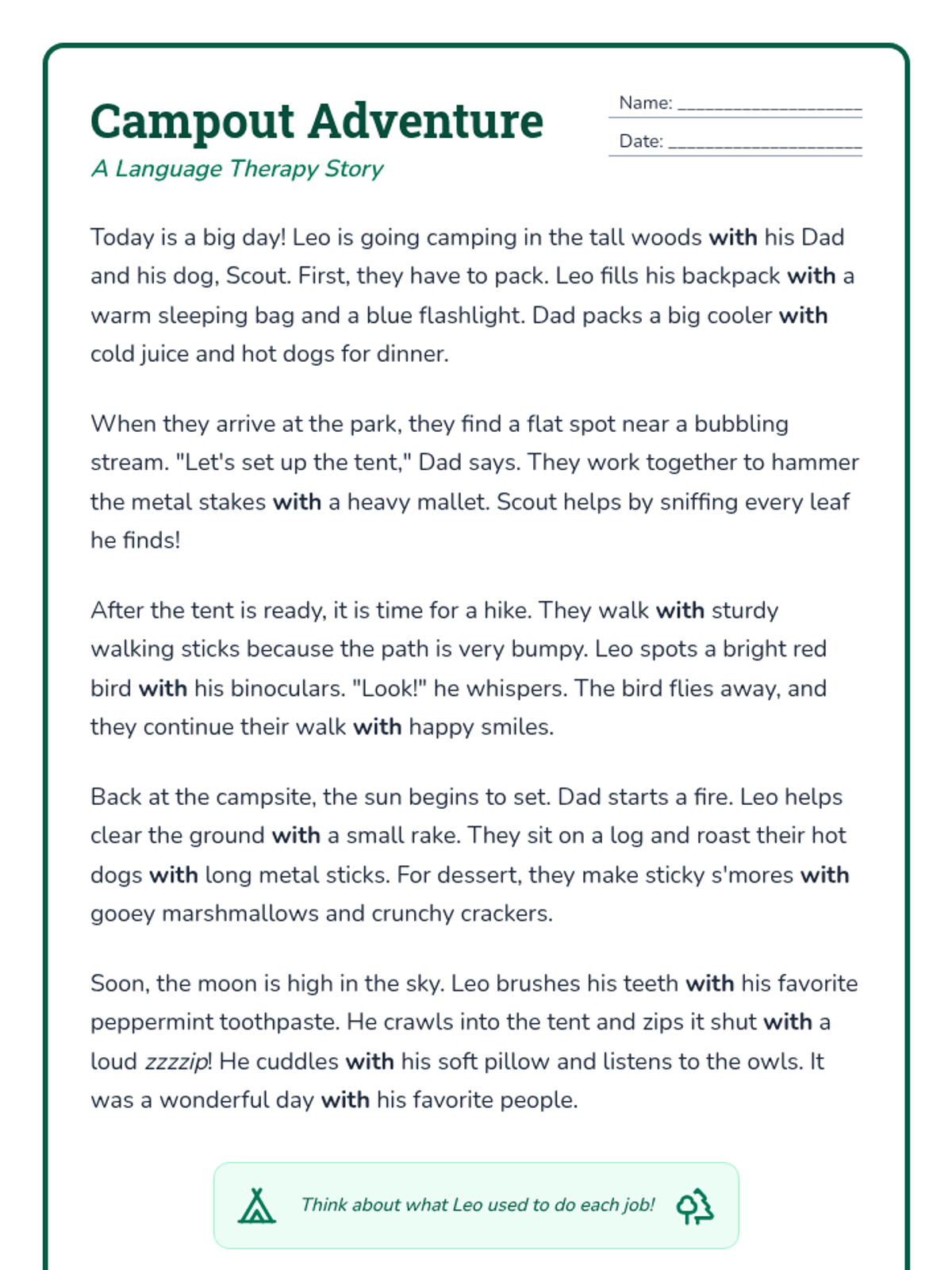
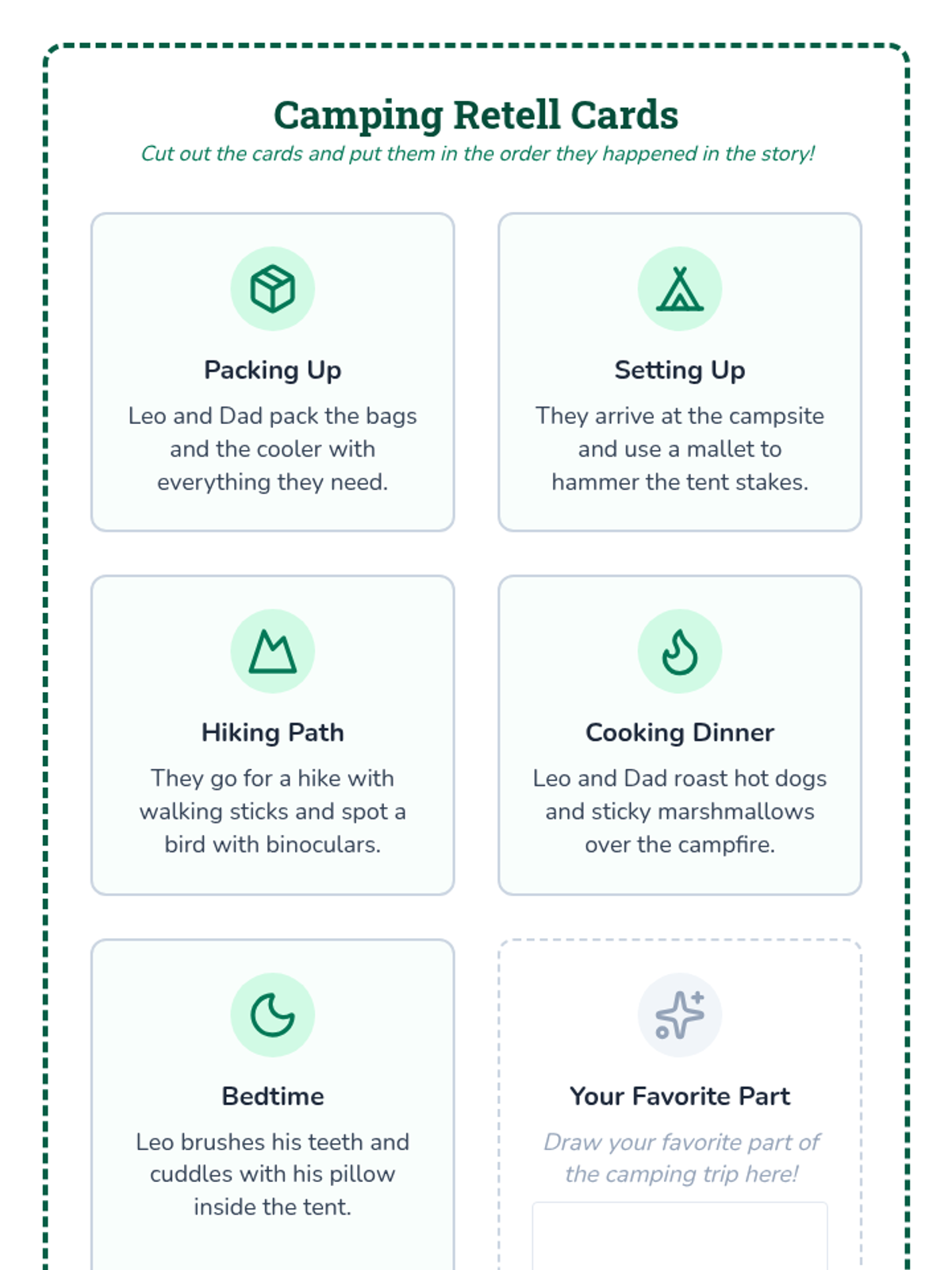
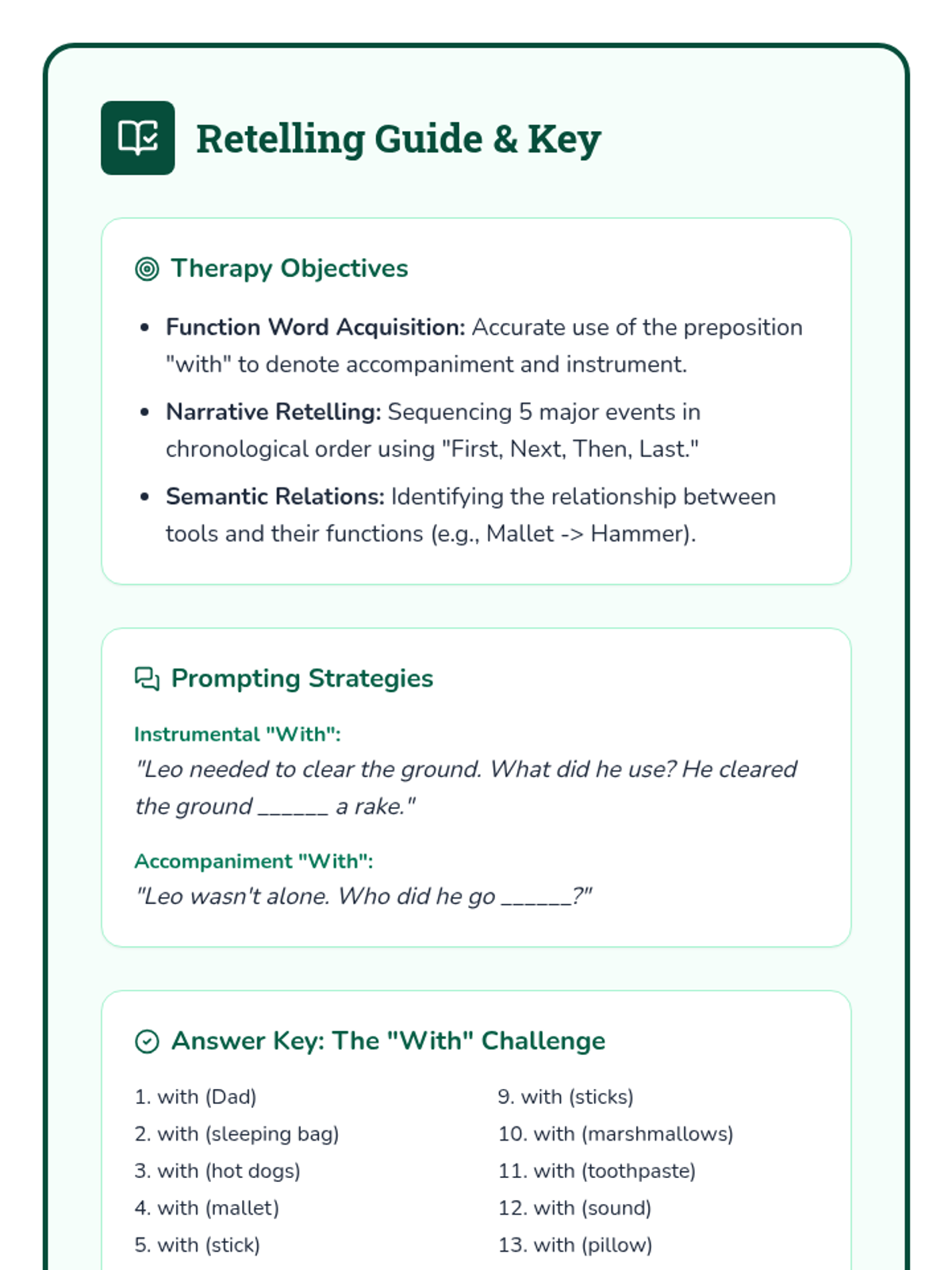
A language therapy lesson designed for 2nd grade students to practice sequencing and the use of the function word 'with' through a camping-themed narrative.
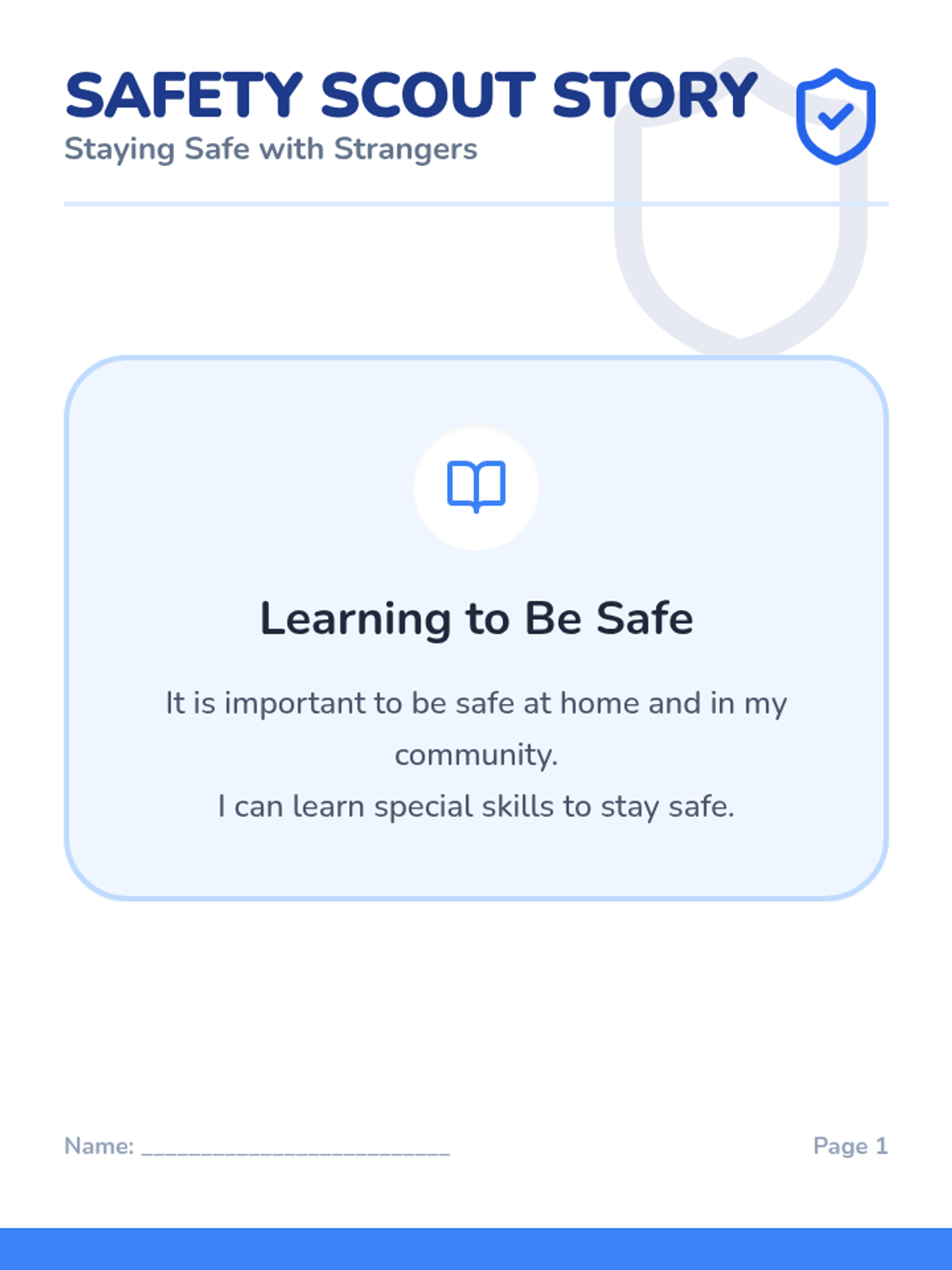
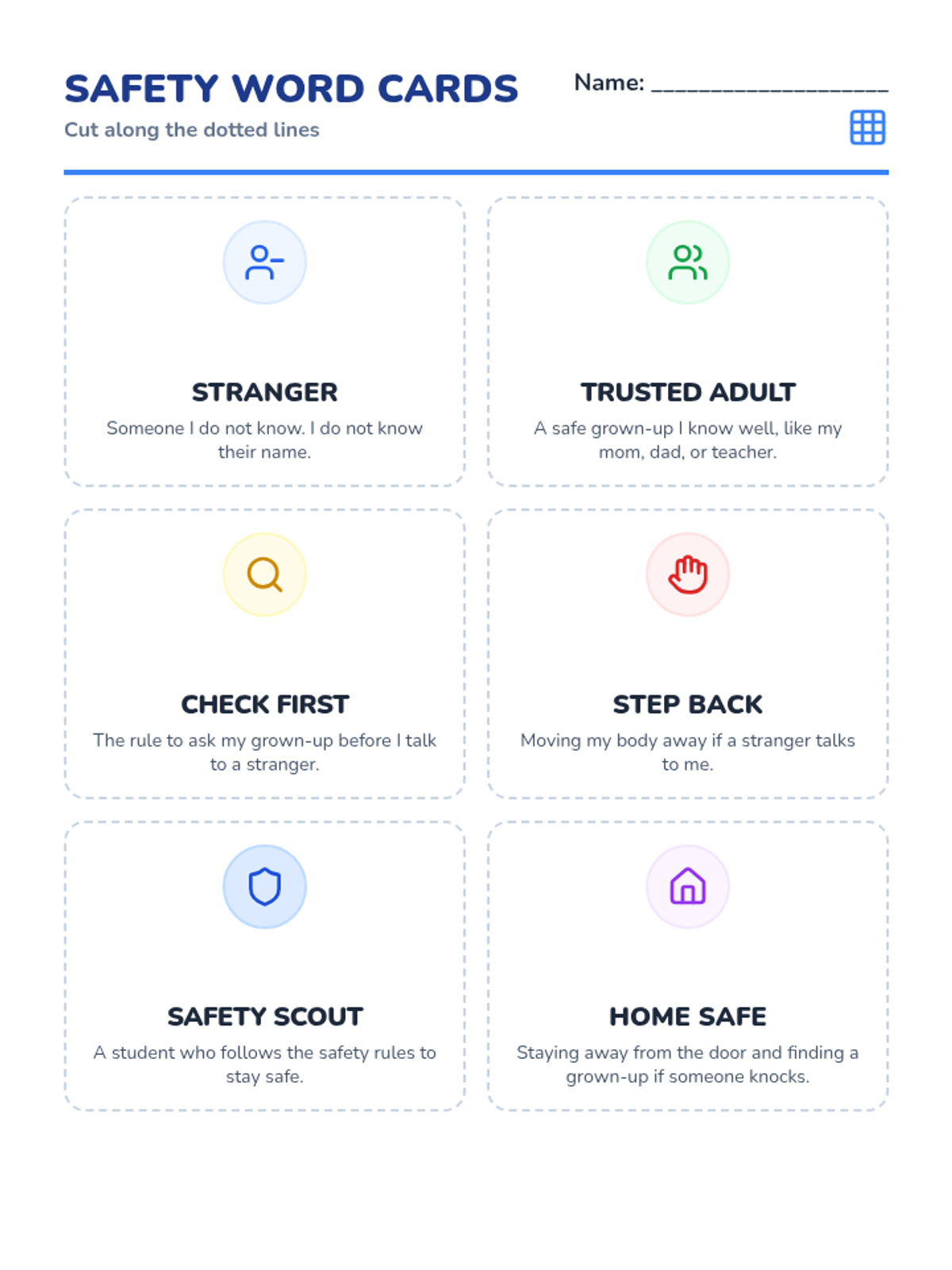
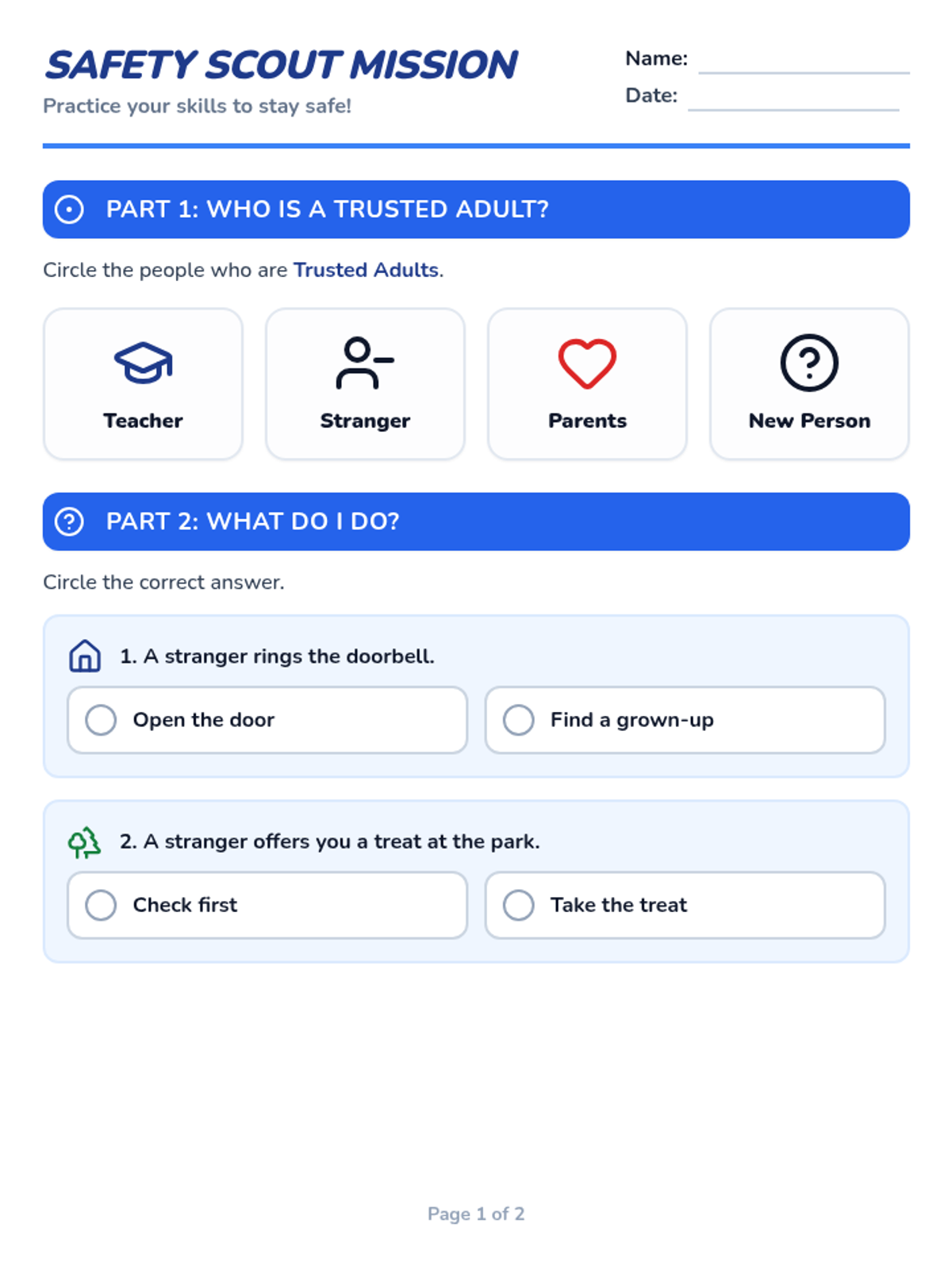
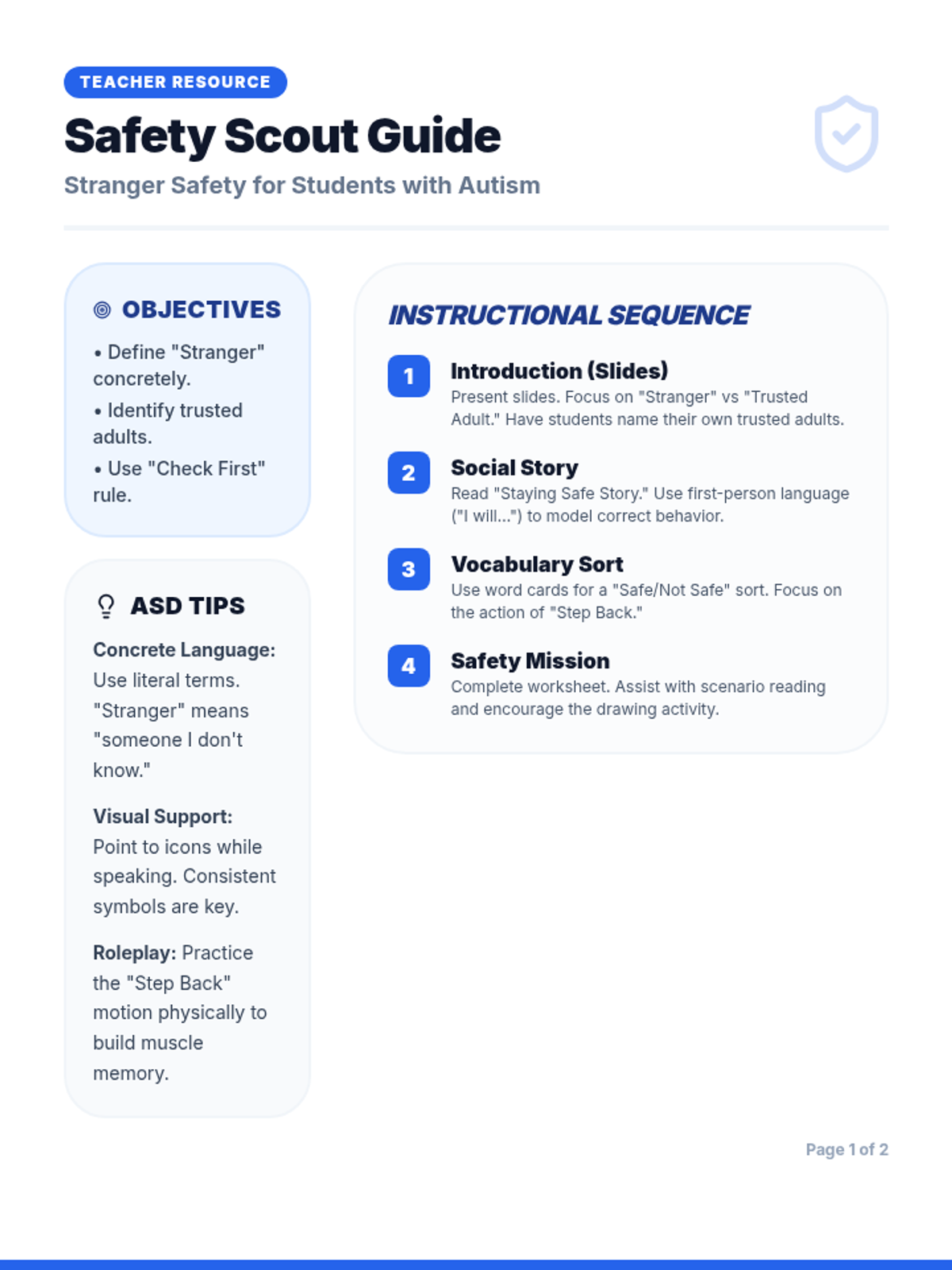
A comprehensive lesson designed for elementary students with autism to learn and practice safety rules regarding strangers at home and in the community. Includes a social story, visual supports, and interactive practice.
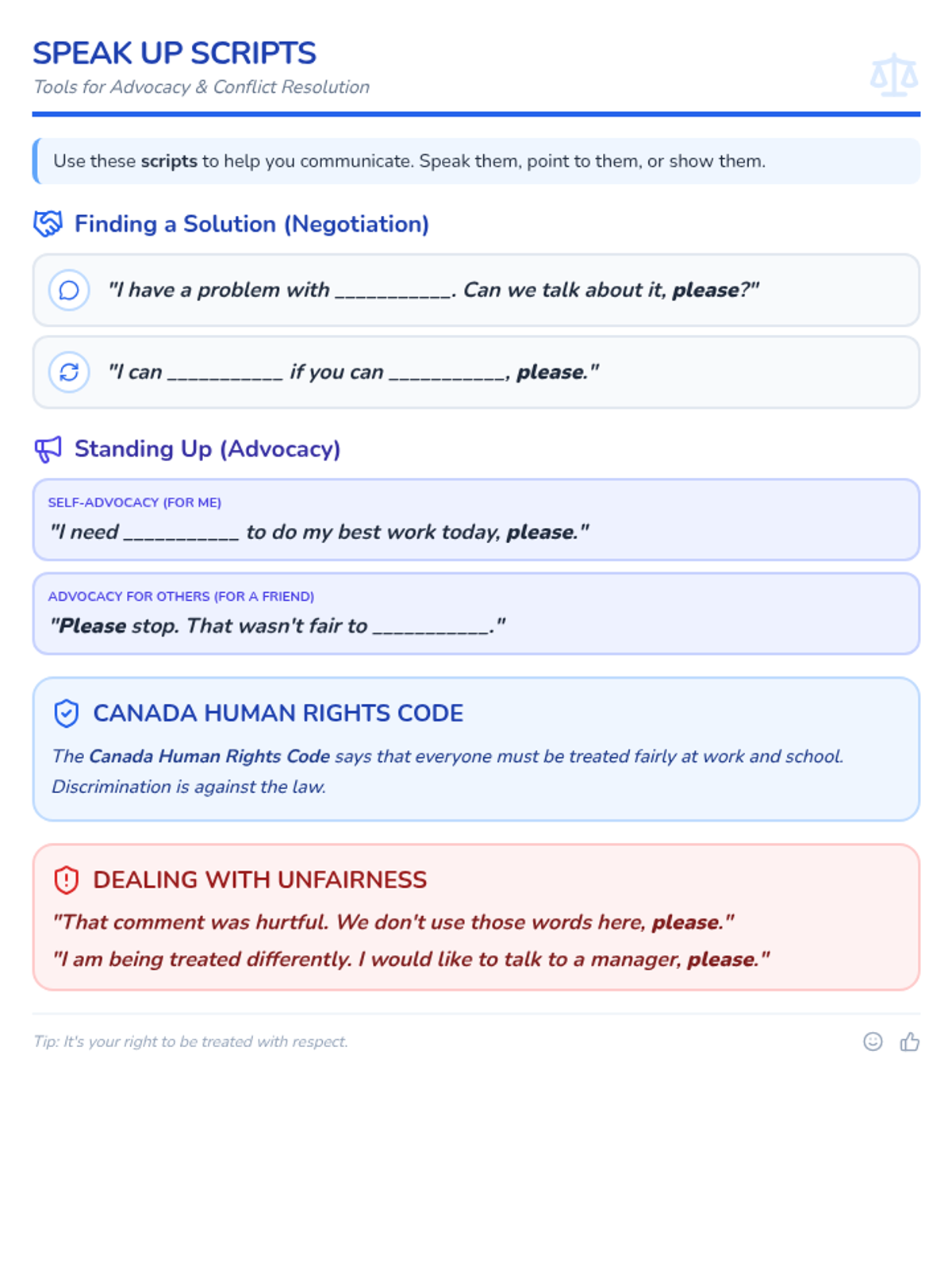
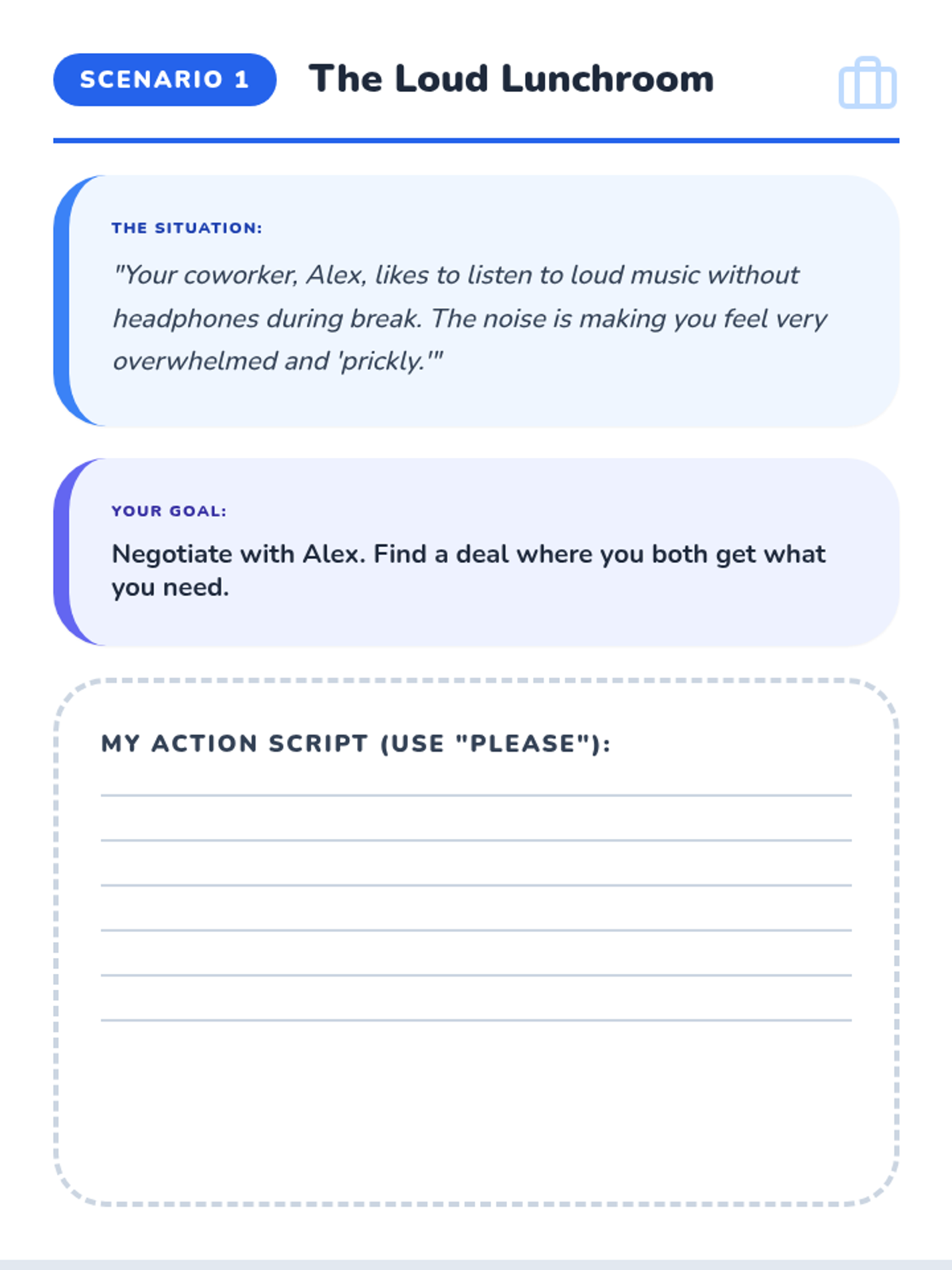
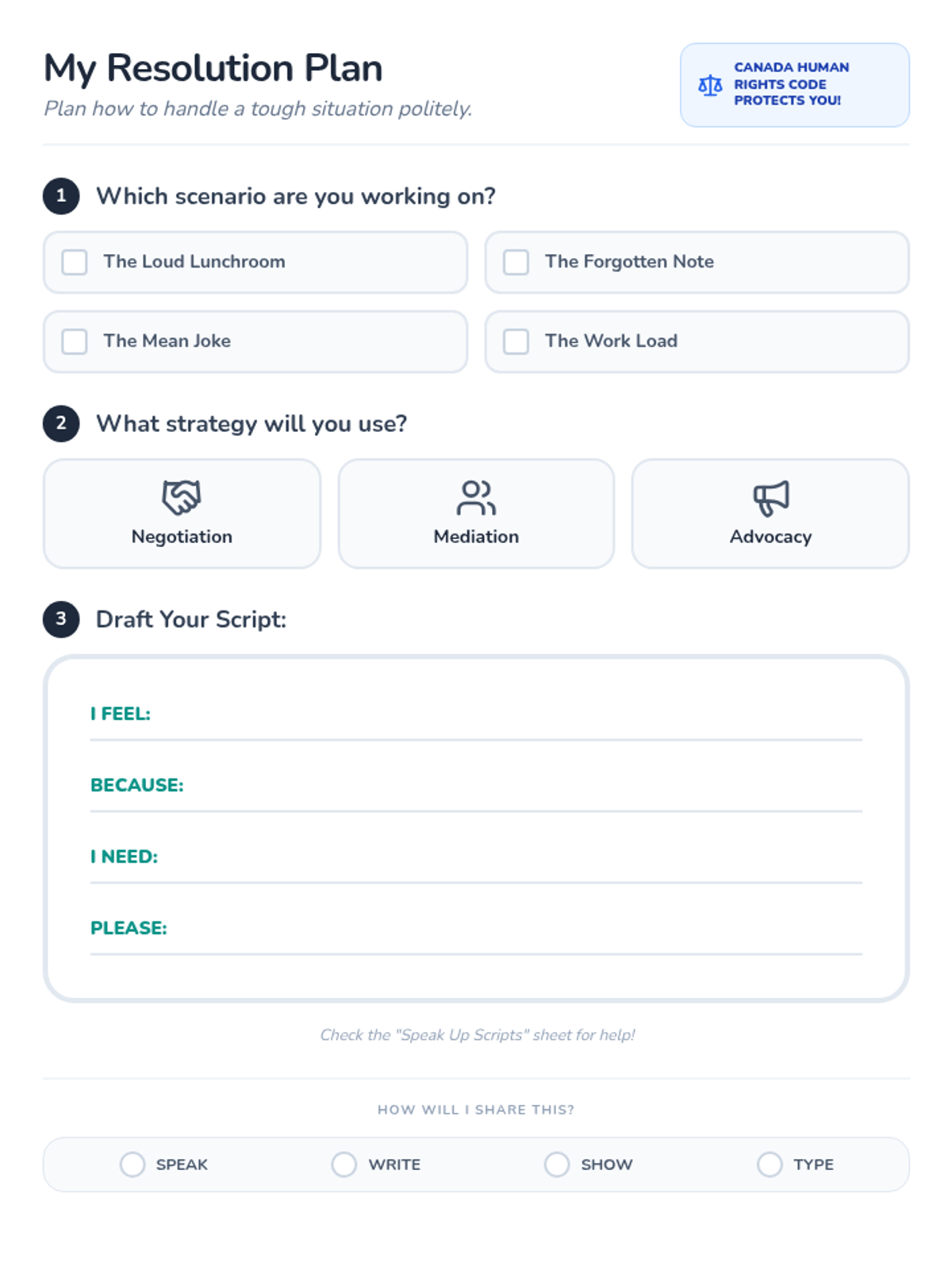
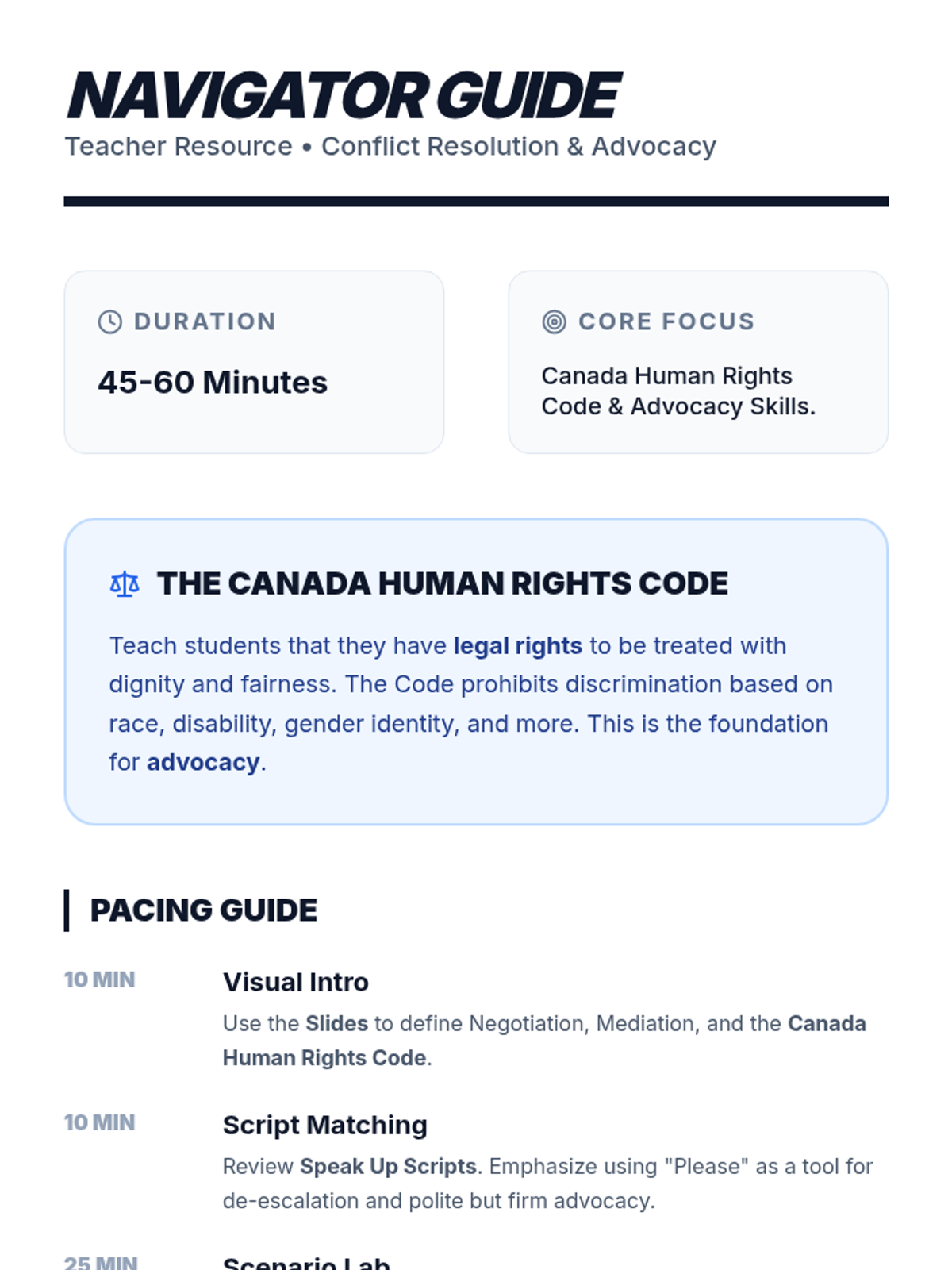
A high-school level lesson focusing on conflict resolution (negotiation, mediation) and self-advocacy in workplace and post-secondary settings, specifically designed for students with autism and learning disabilities.
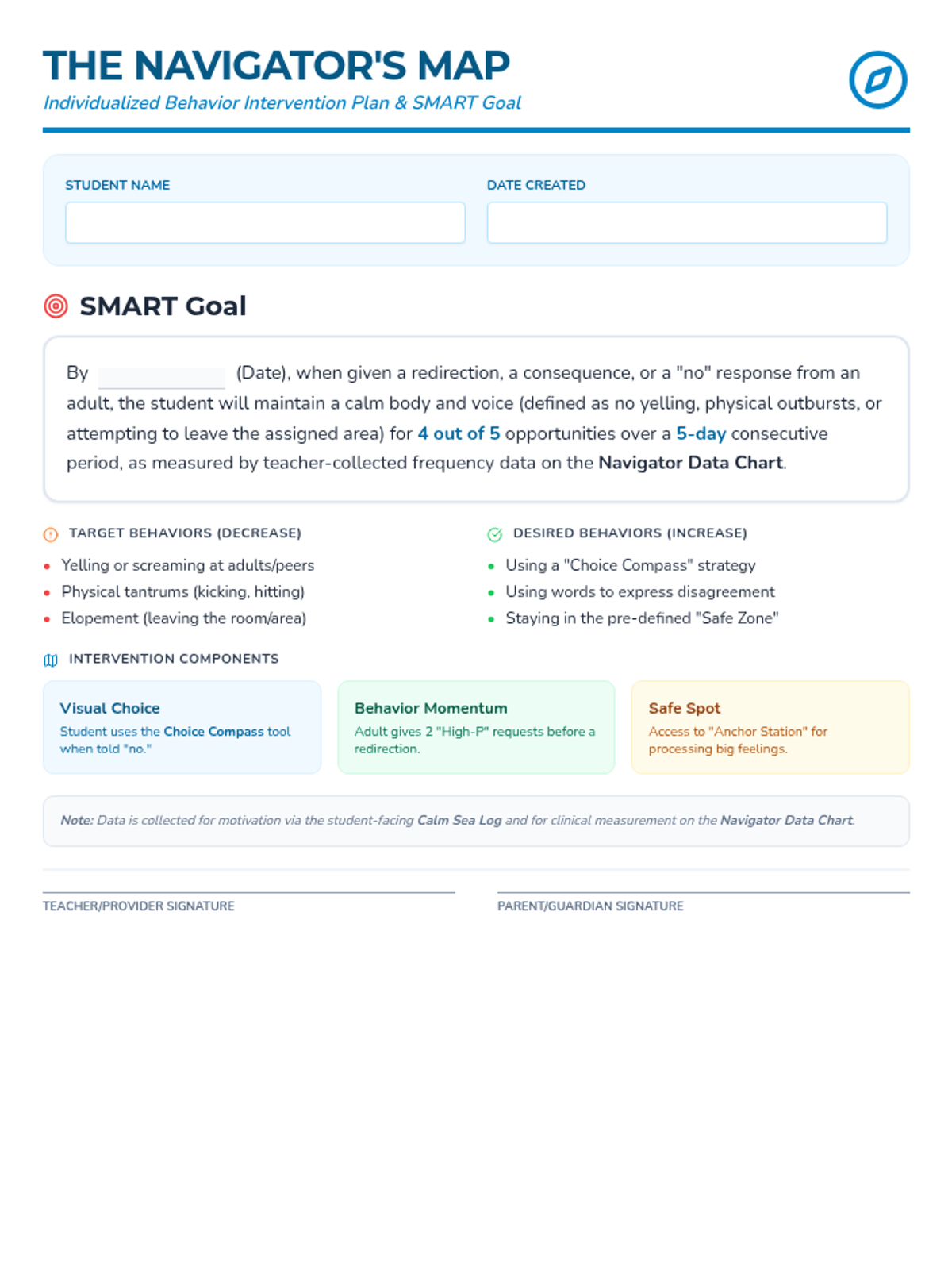
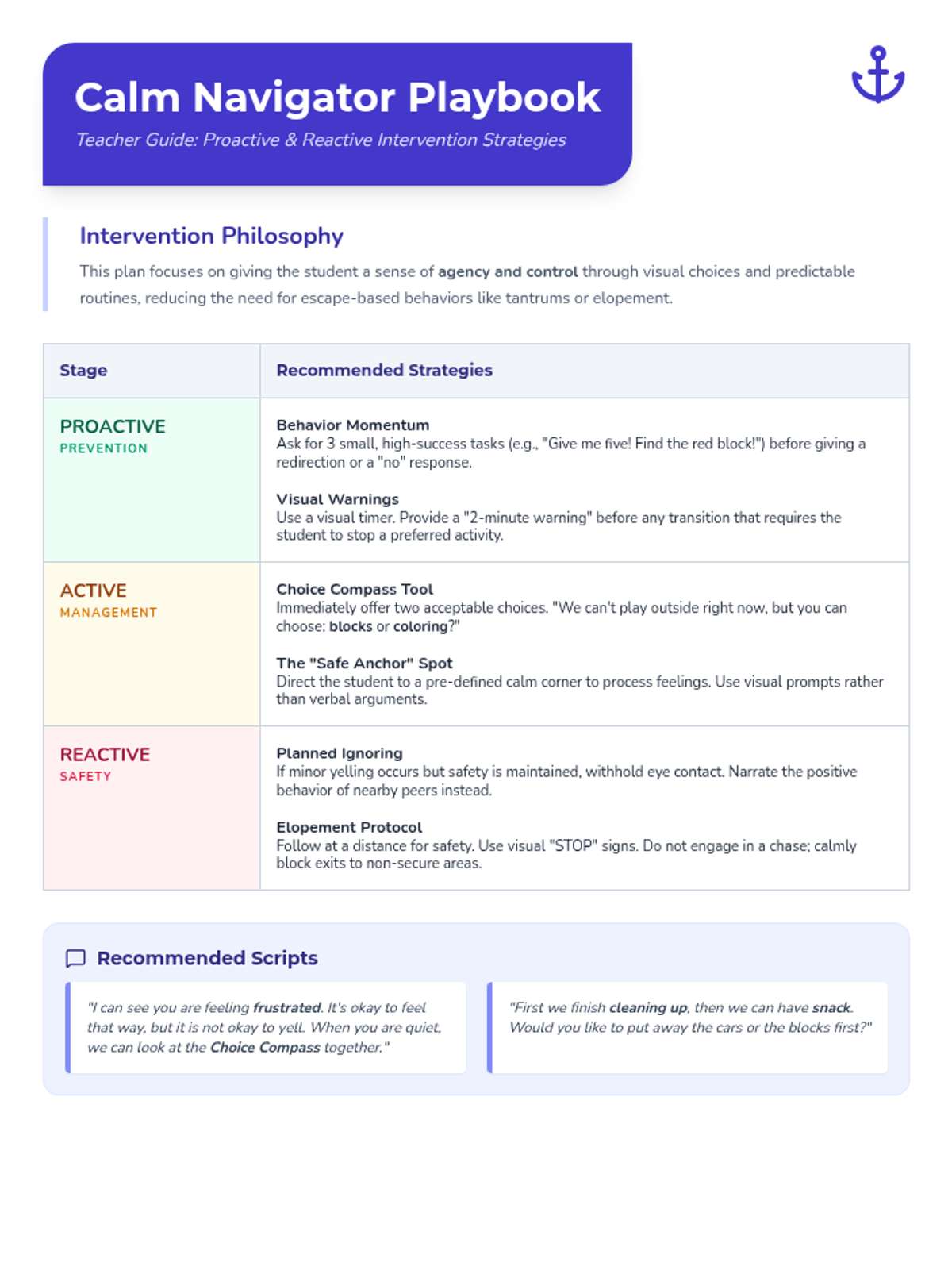
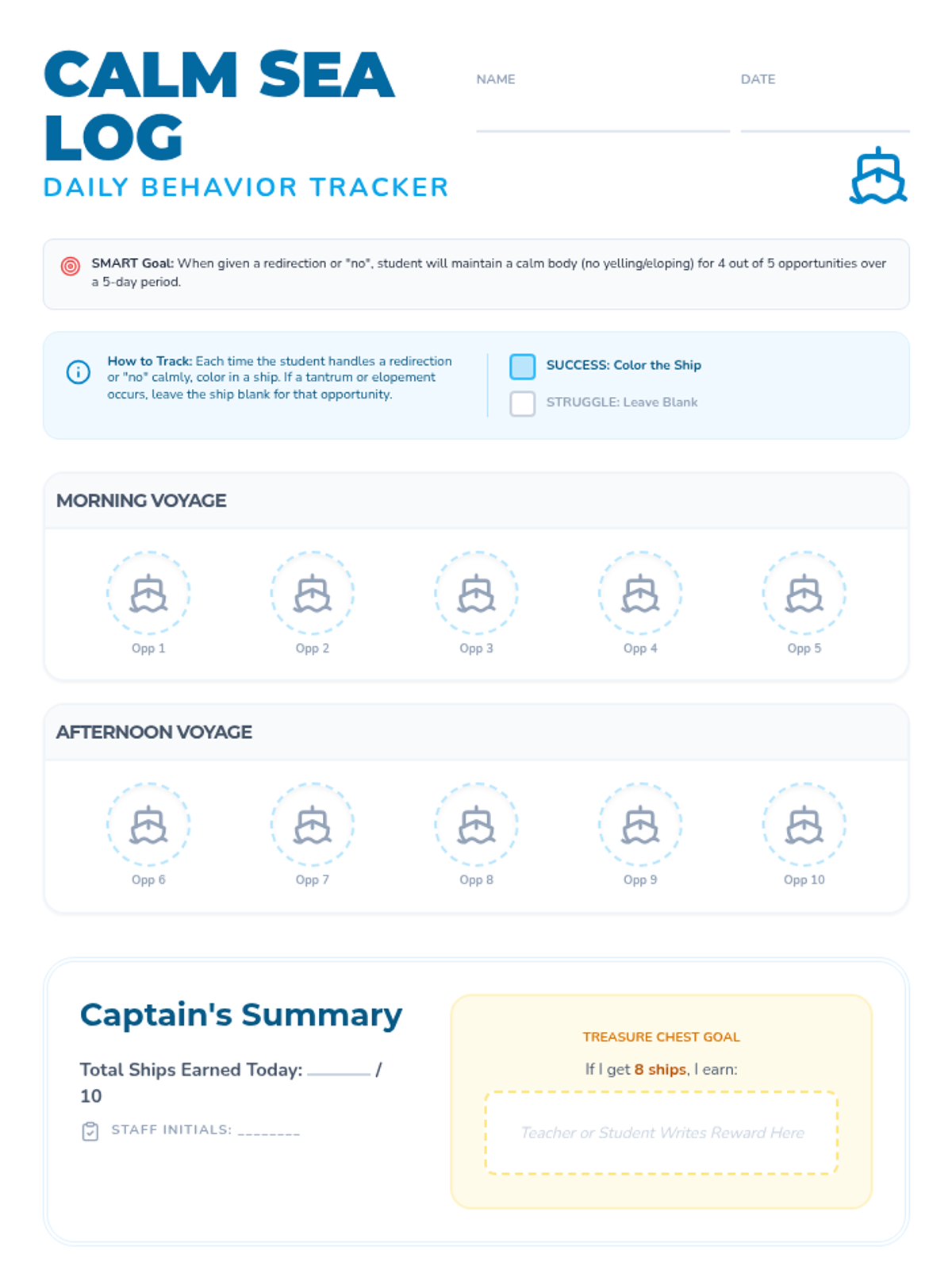
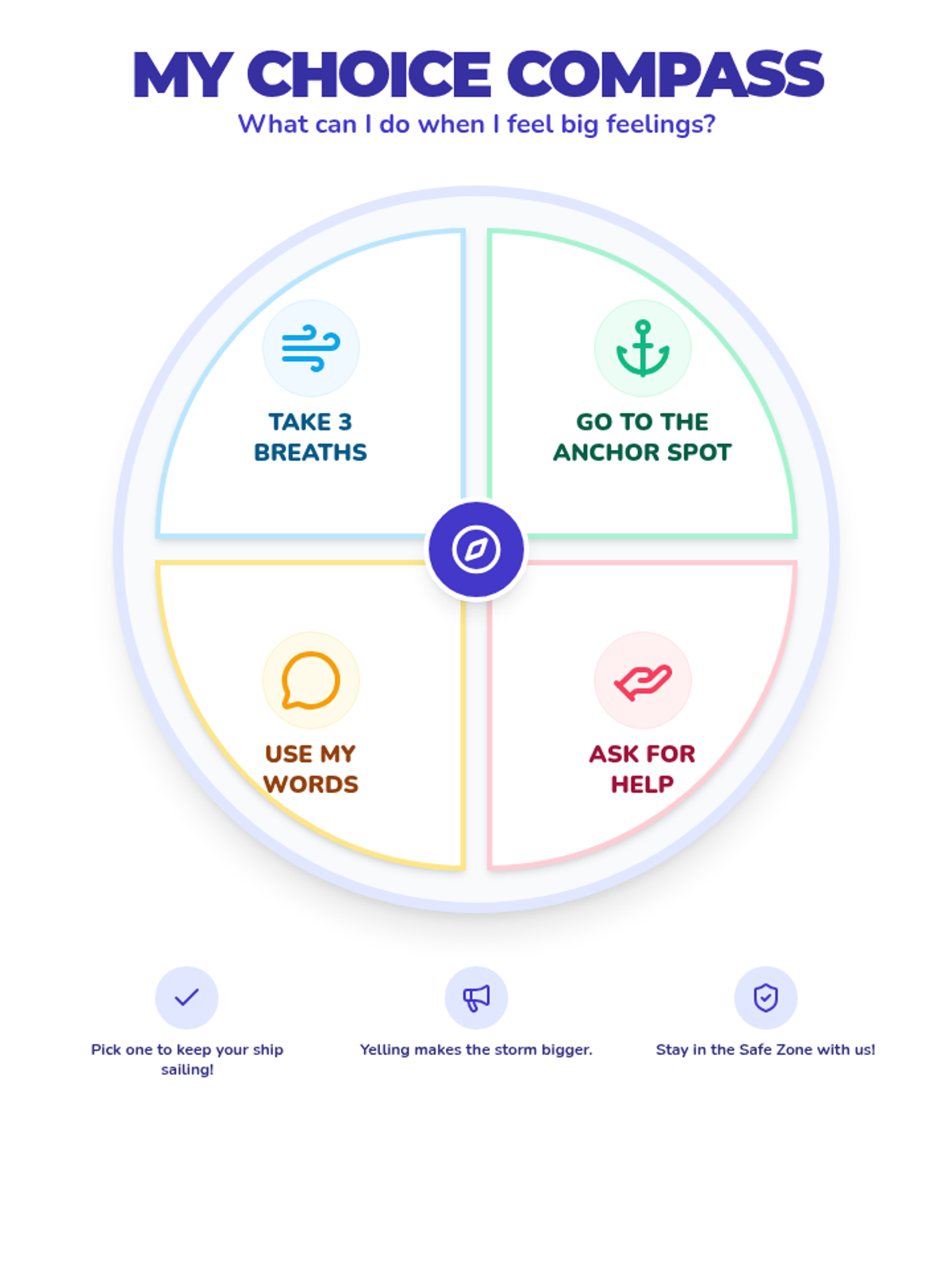
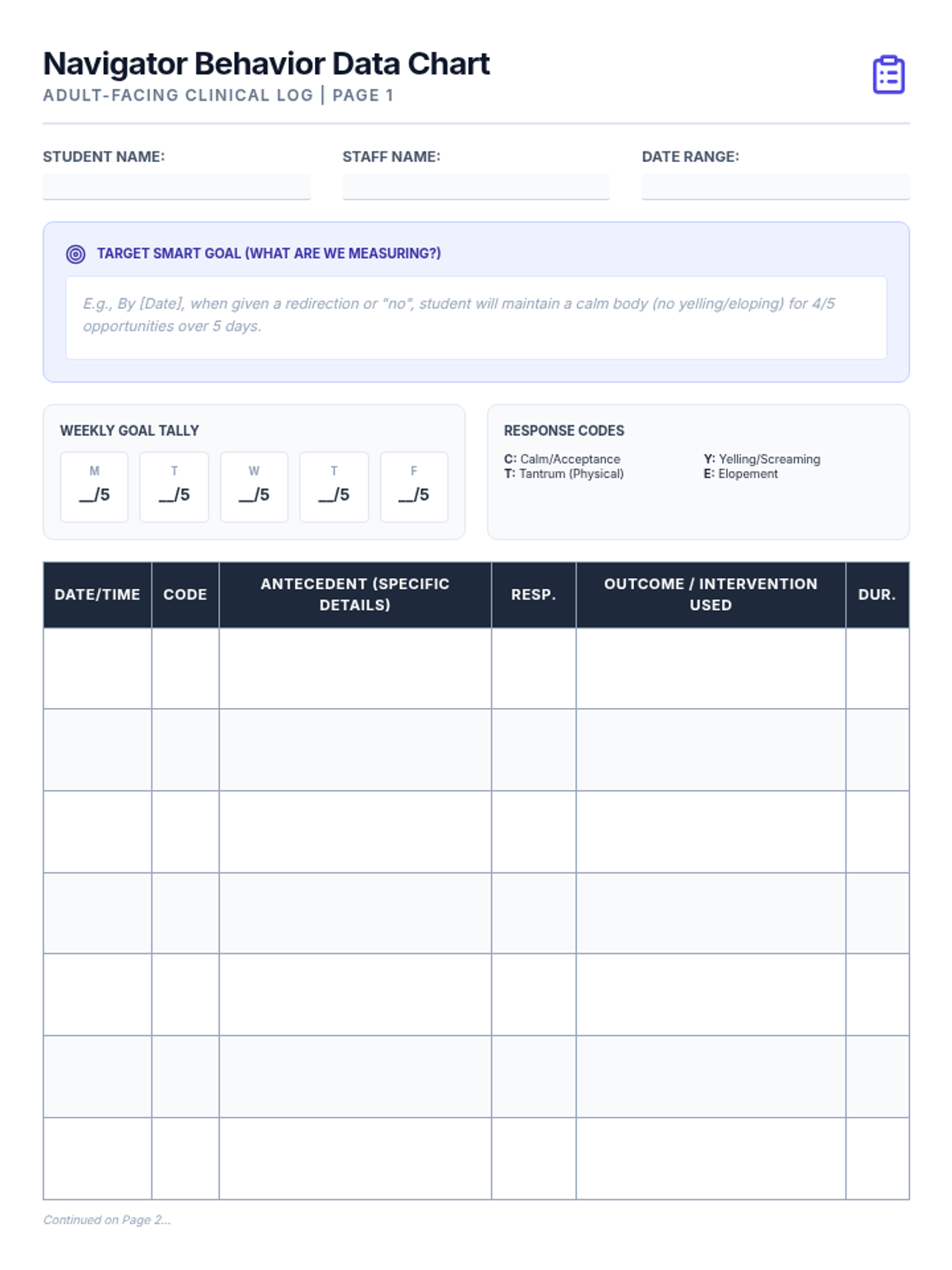
A comprehensive behavior intervention plan for a kindergarten student struggling with transitions, redirections, and emotional regulation. This lesson provides a teacher guide, a student-facing tracking tool, a formalized SMART goal document, and a visual choice aid.
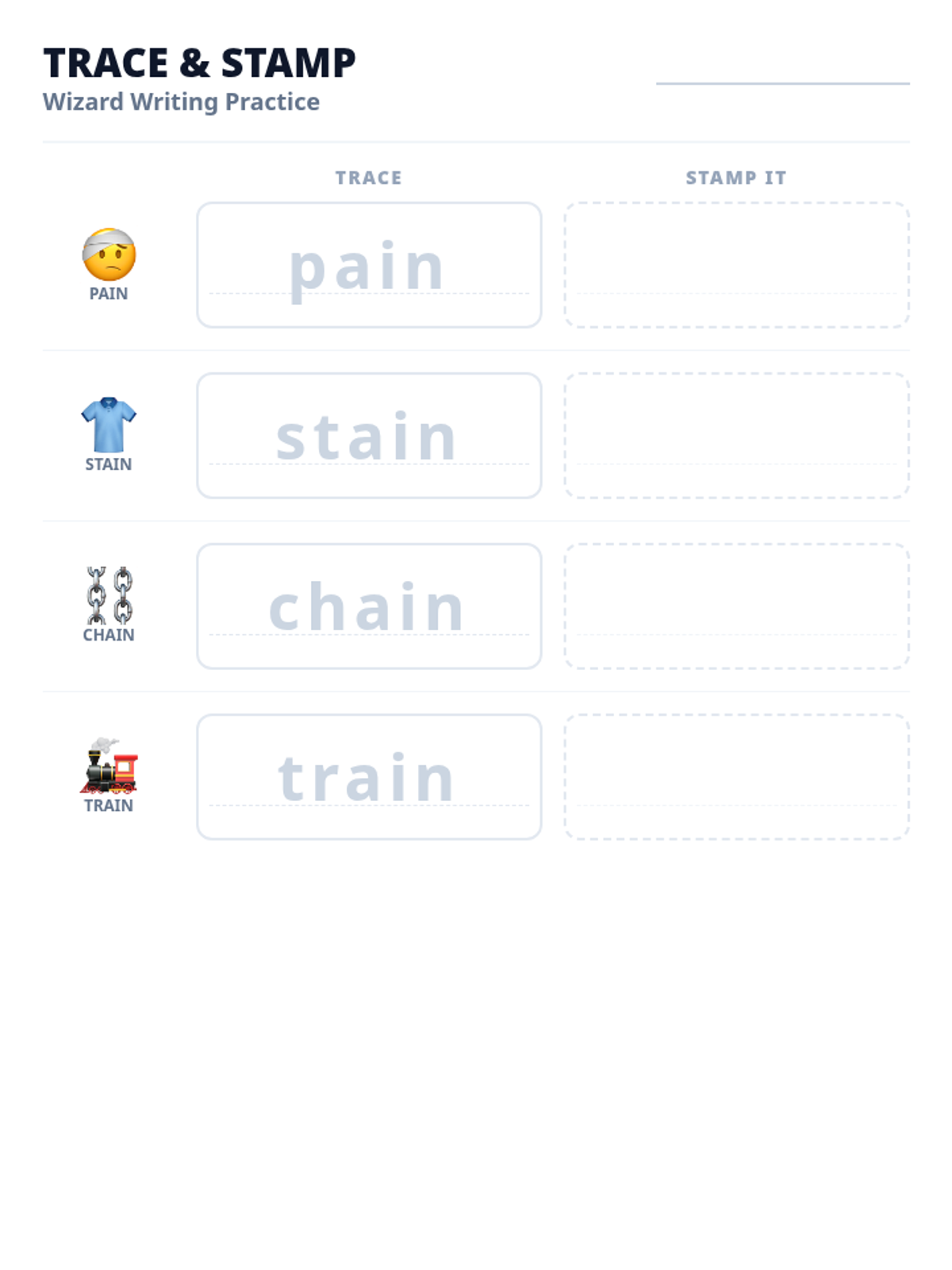
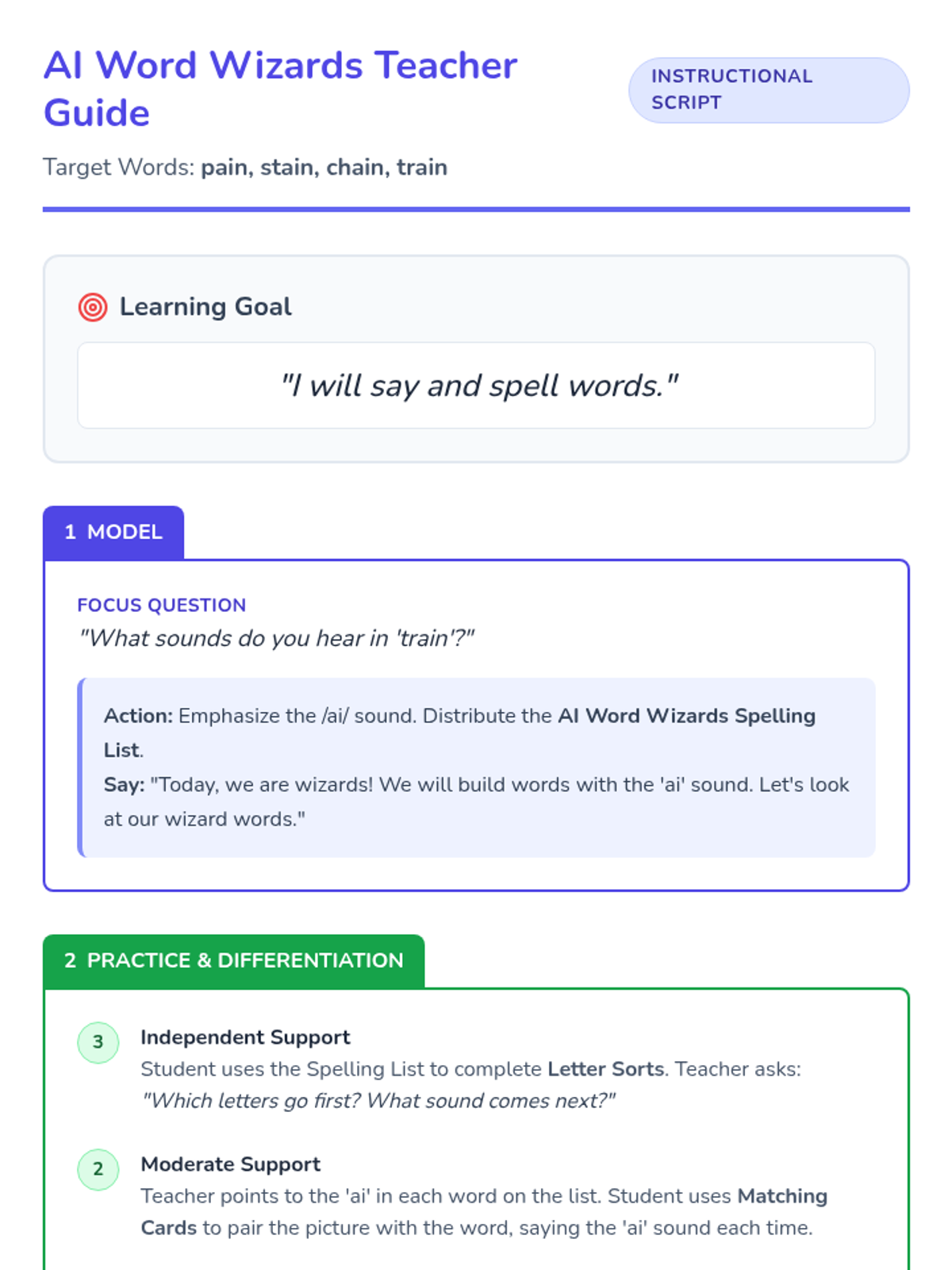
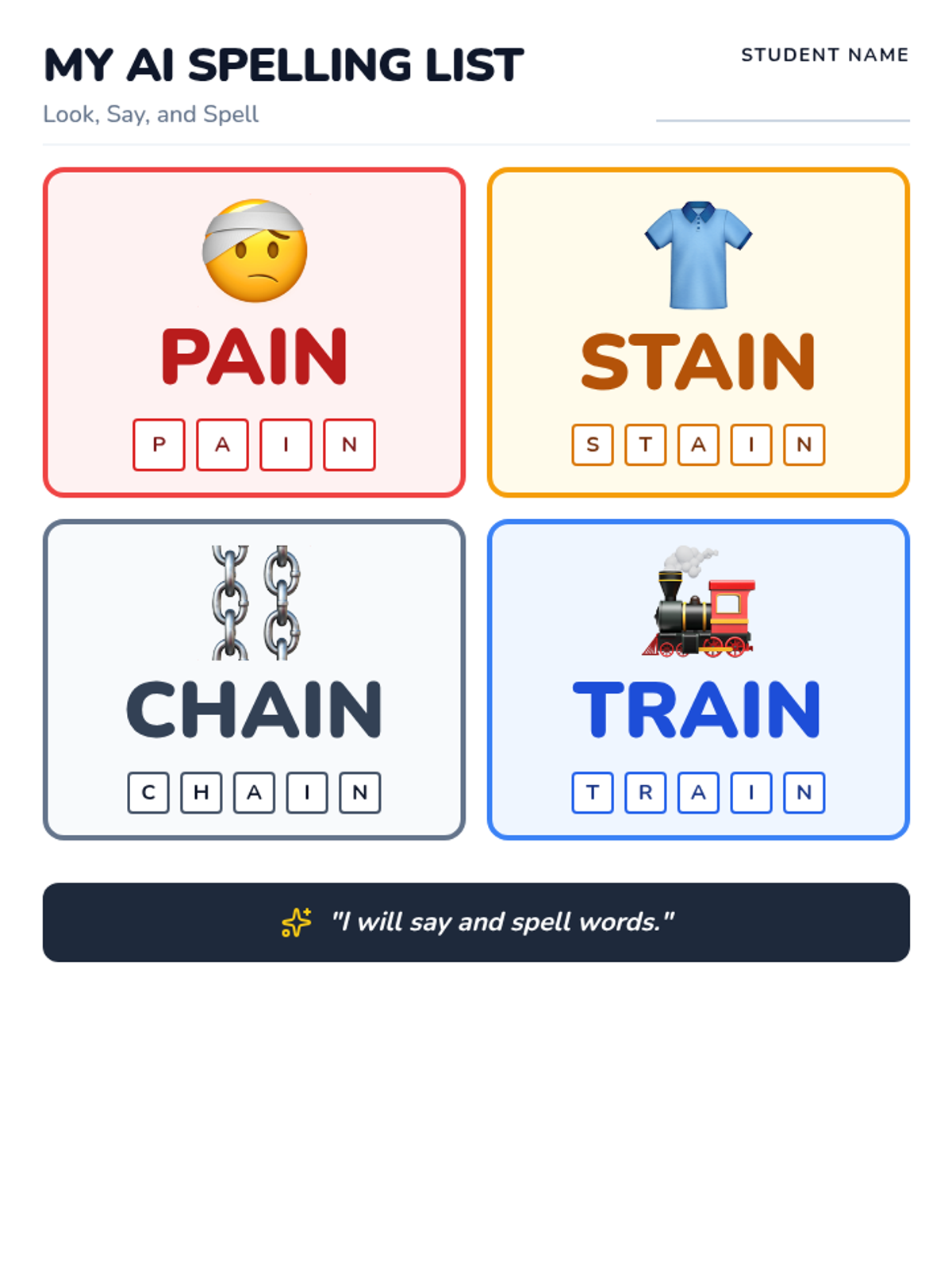
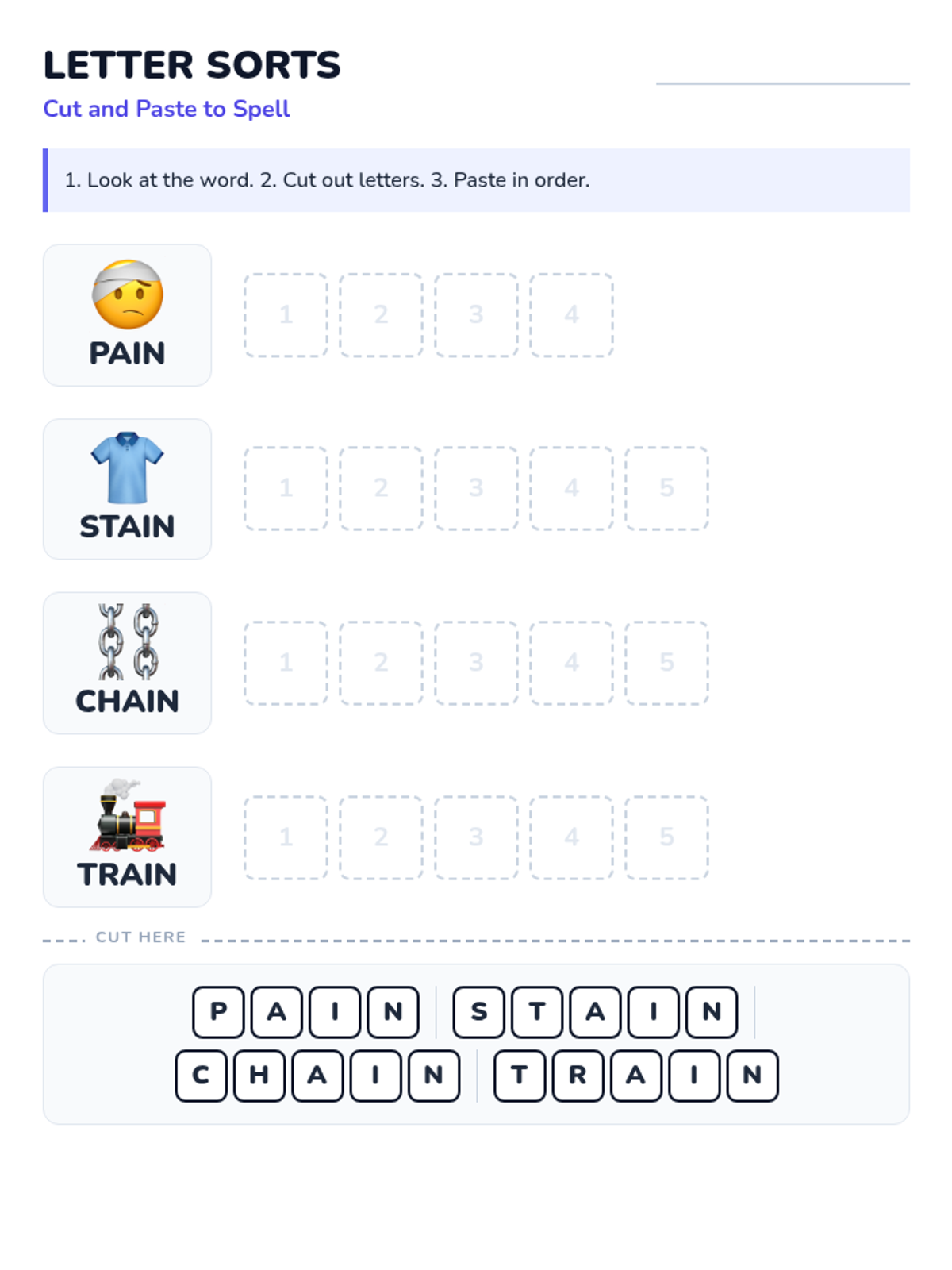
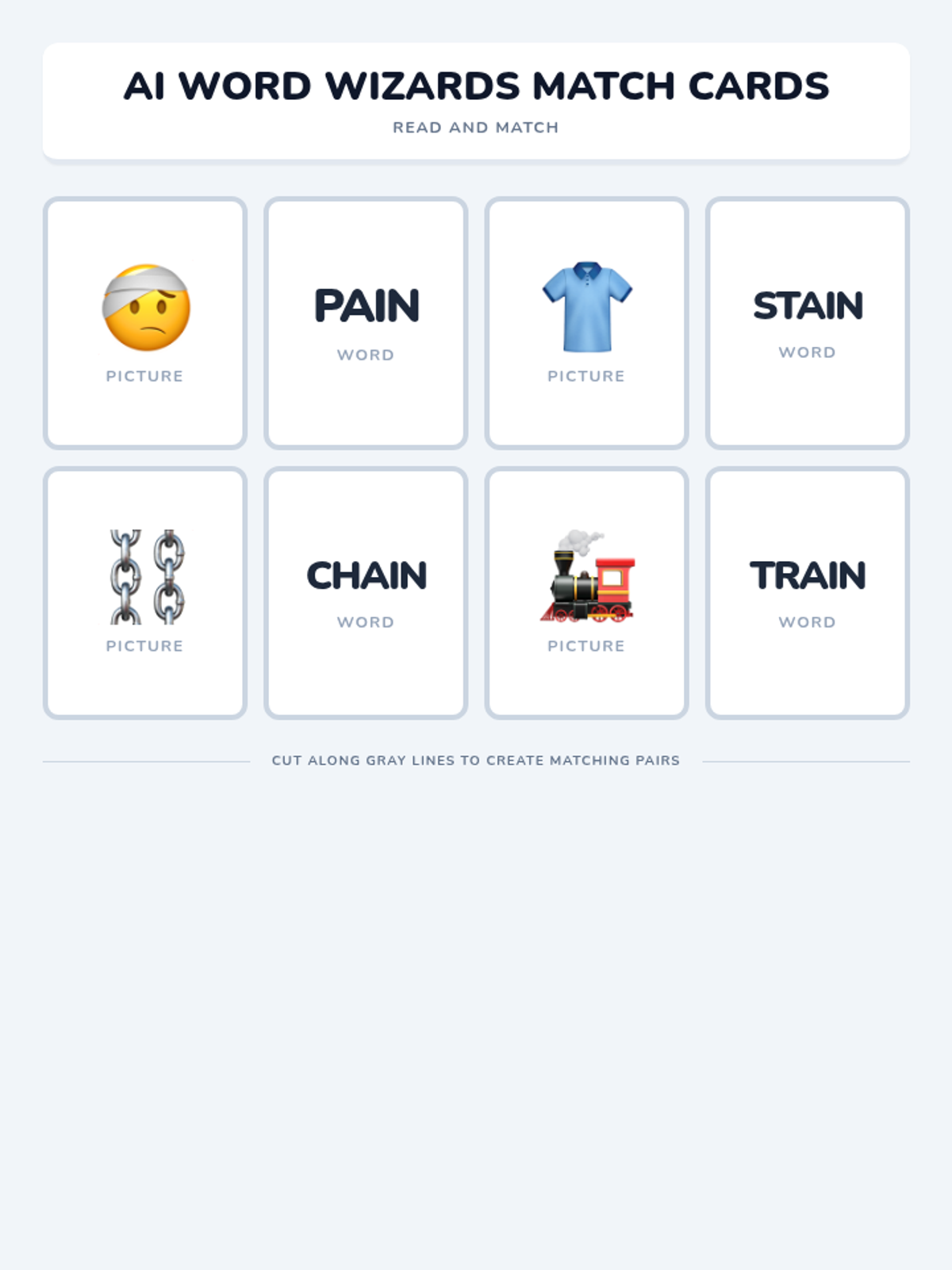
A lesson focusing on words with the 'ai' digraph: pain, stain, chain, and train. This lesson uses the Model-Practice-Review framework with strong visual cues and tactile cut-and-paste activities.
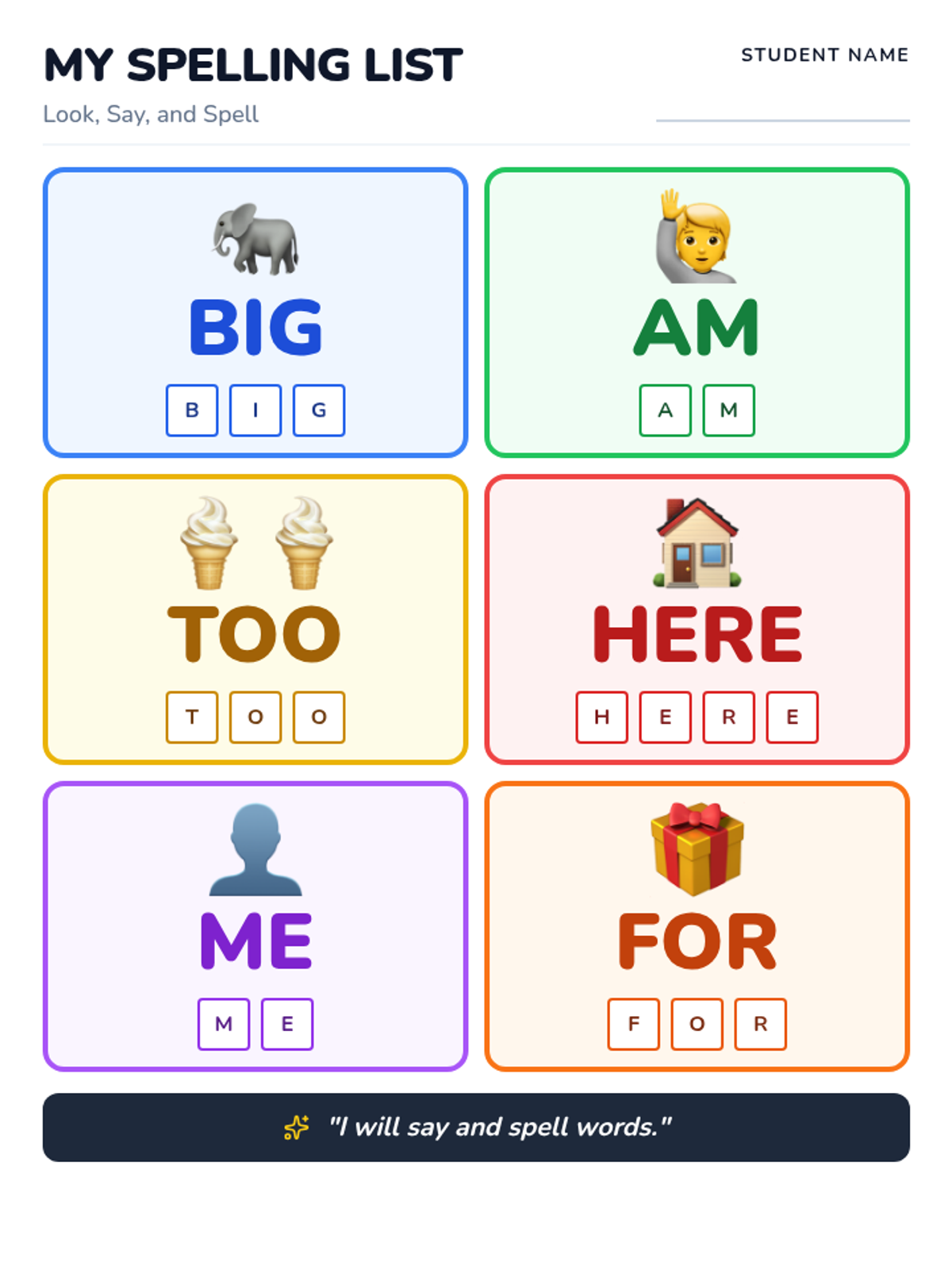
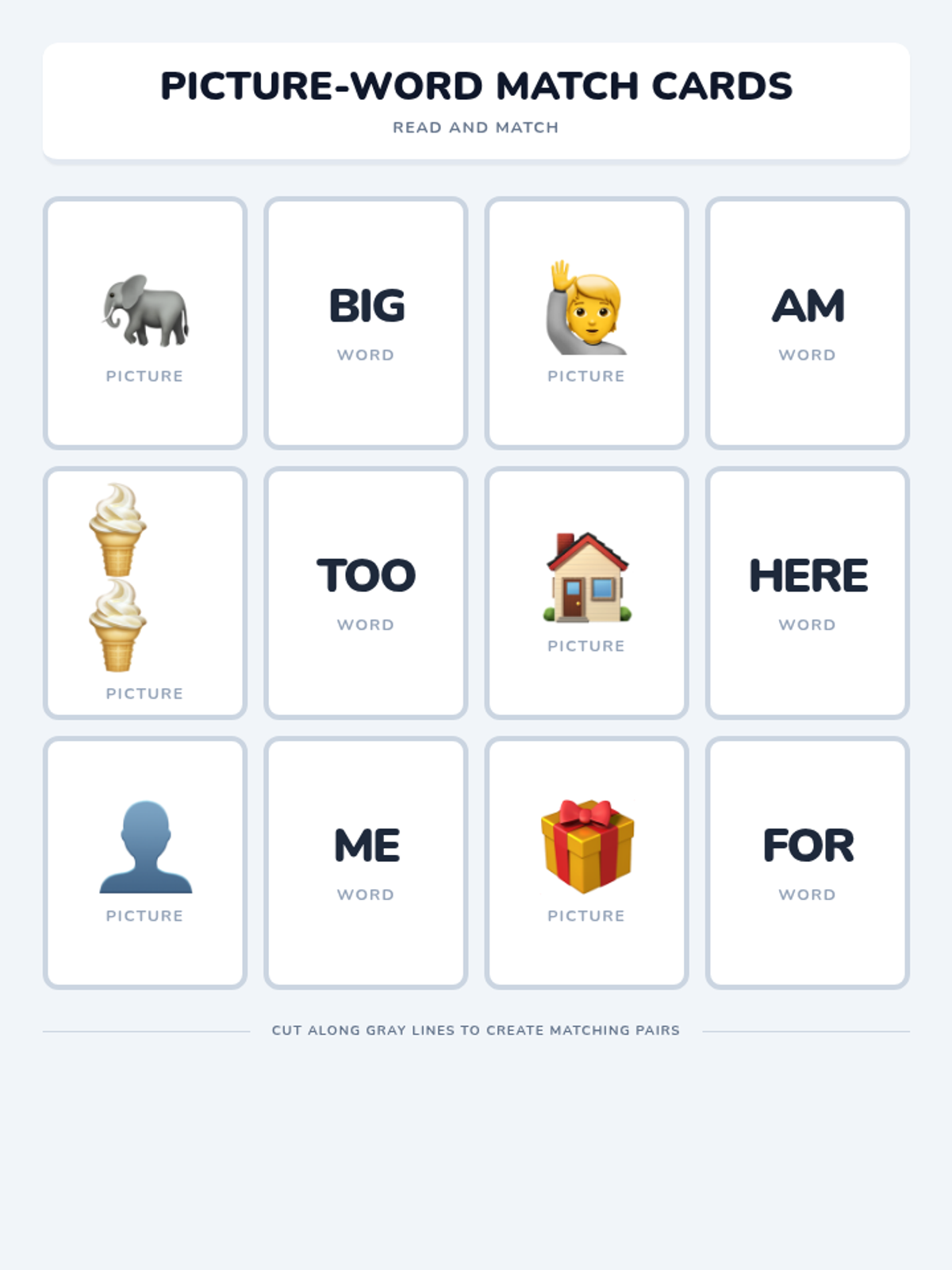
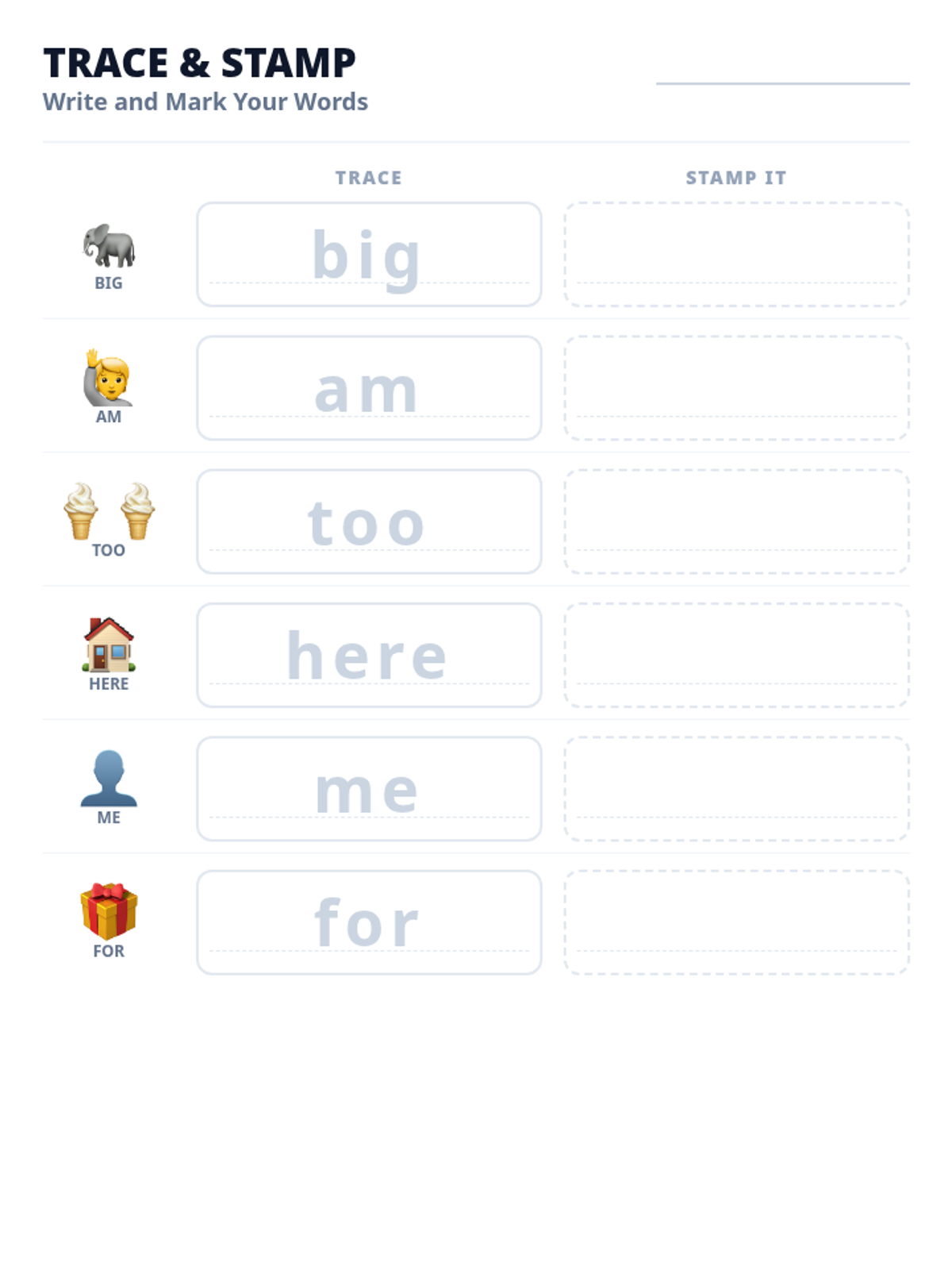
An introductory lesson focusing on building word recognition and spelling skills through letter sorting, matching, and tracing activities. This lesson provides differentiated support for learners with minimal language skills.
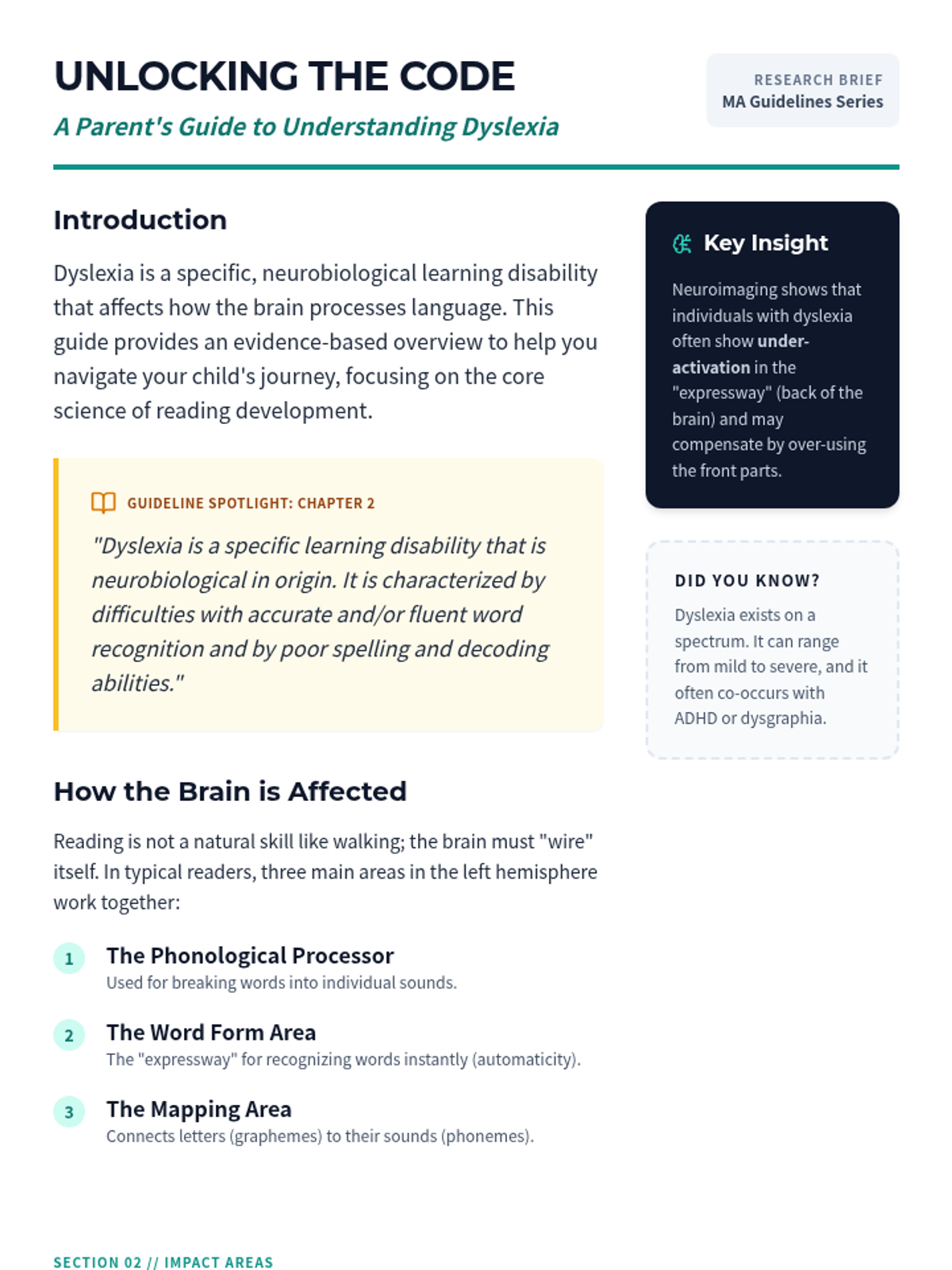
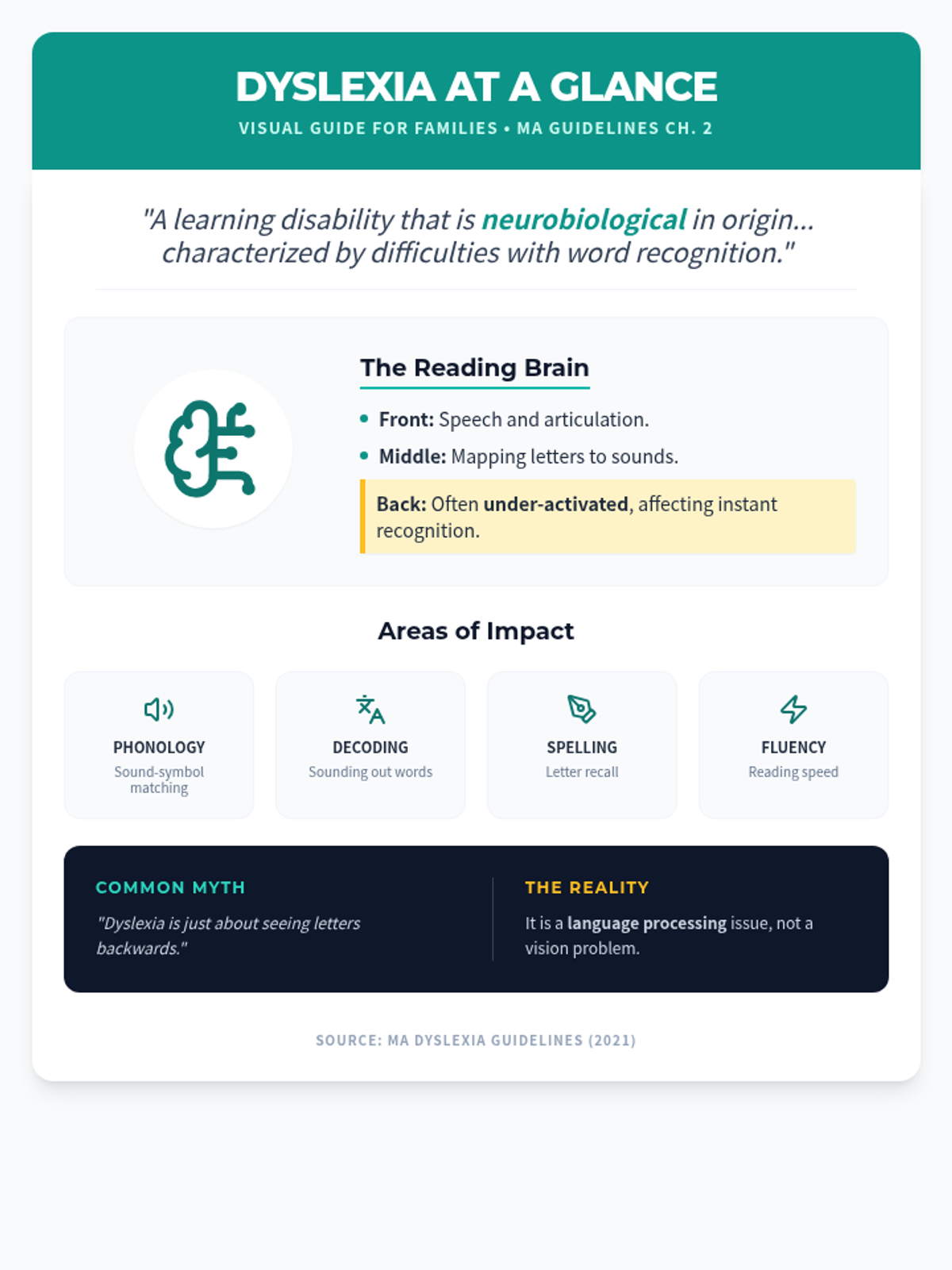
A comprehensive suite of resources designed to help parents and guardians understand the neurobiological roots of dyslexia, its specific impacts on reading development, and common misconceptions. This lesson provides a deep dive into evidence-based information derived from the Massachusetts Dyslexia Guidelines.
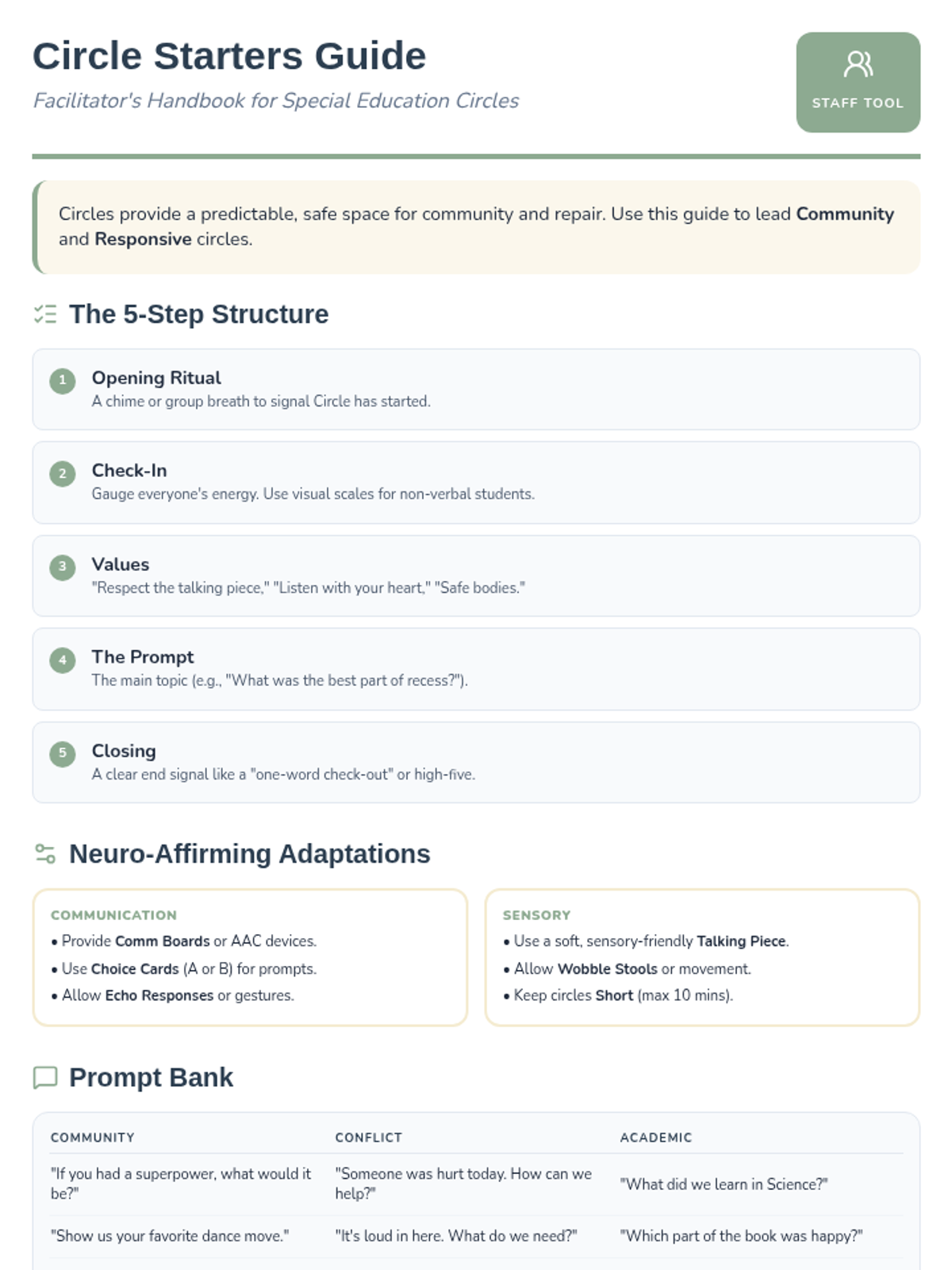
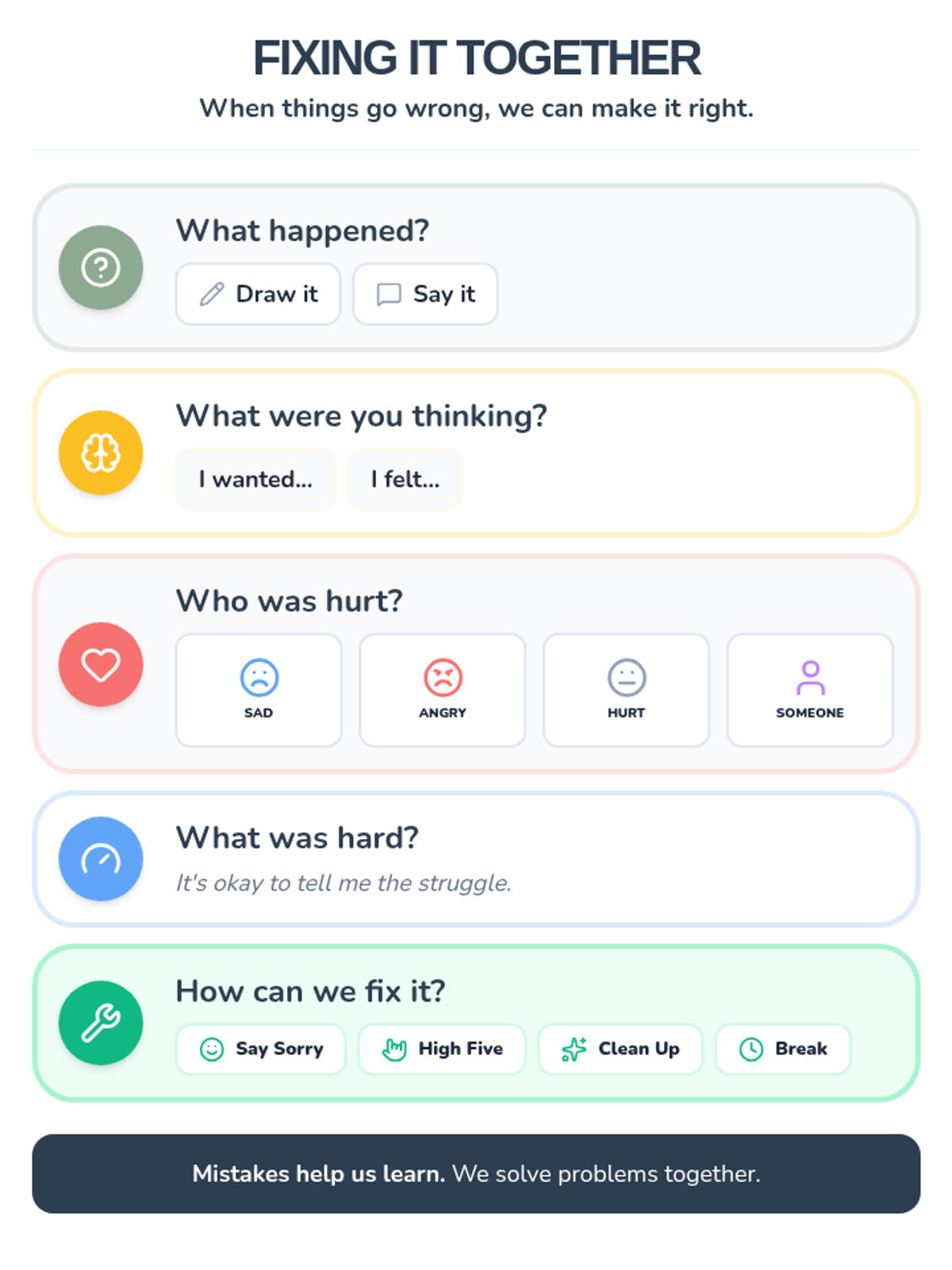
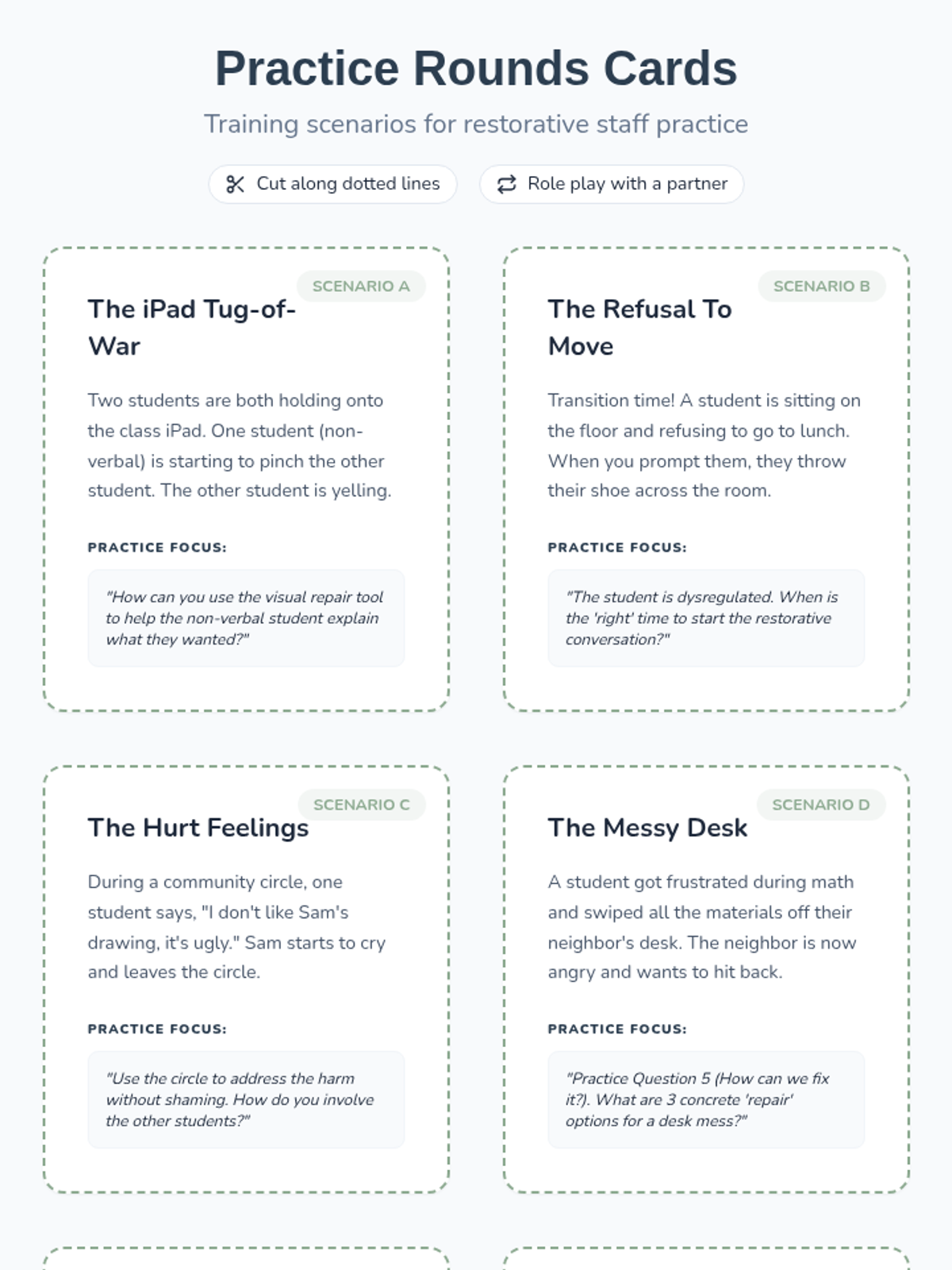
A comprehensive staff training module on implementing restorative practices in special education settings, focusing on neurodiversity-affirming approaches and visual supports.
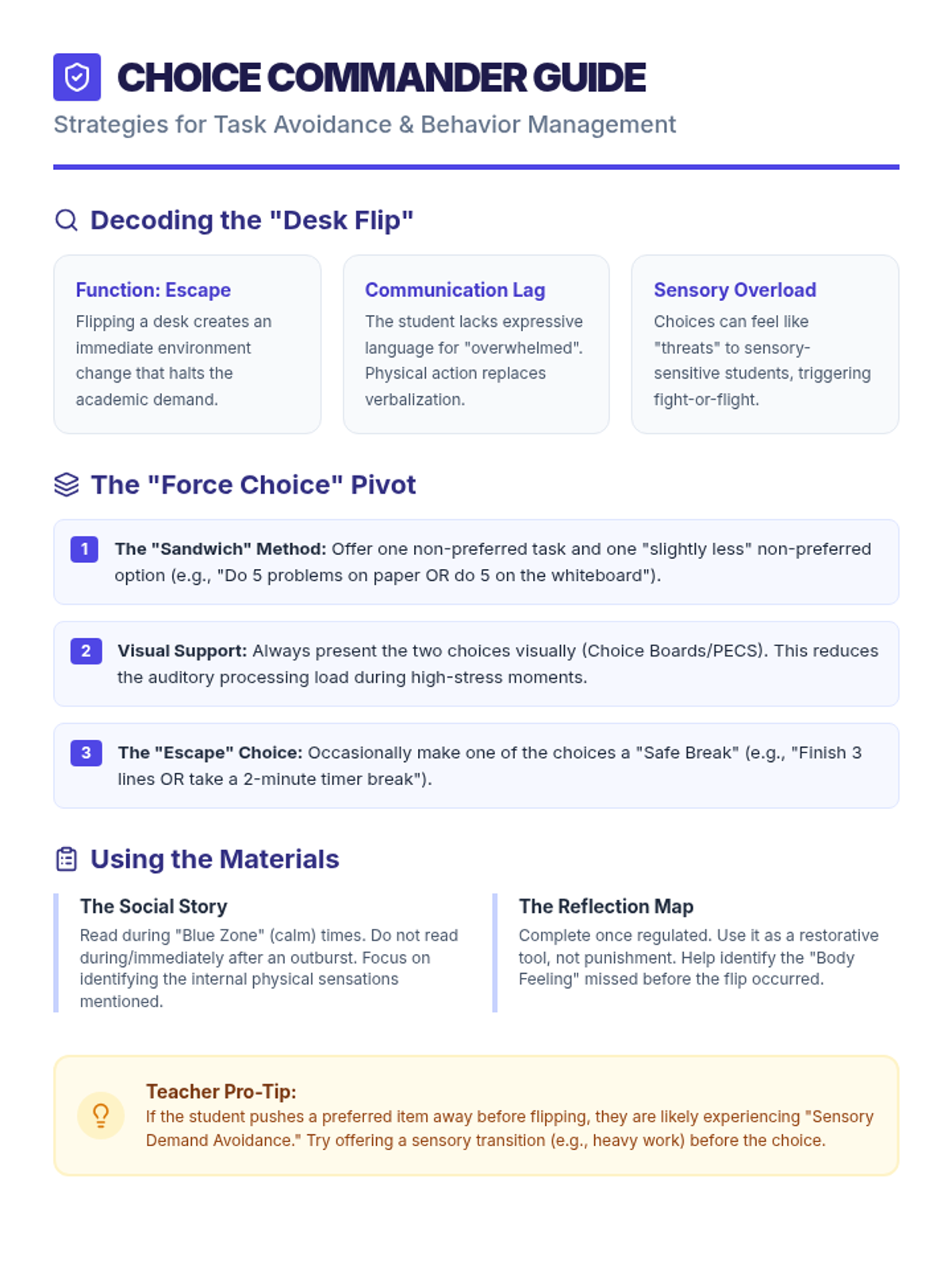
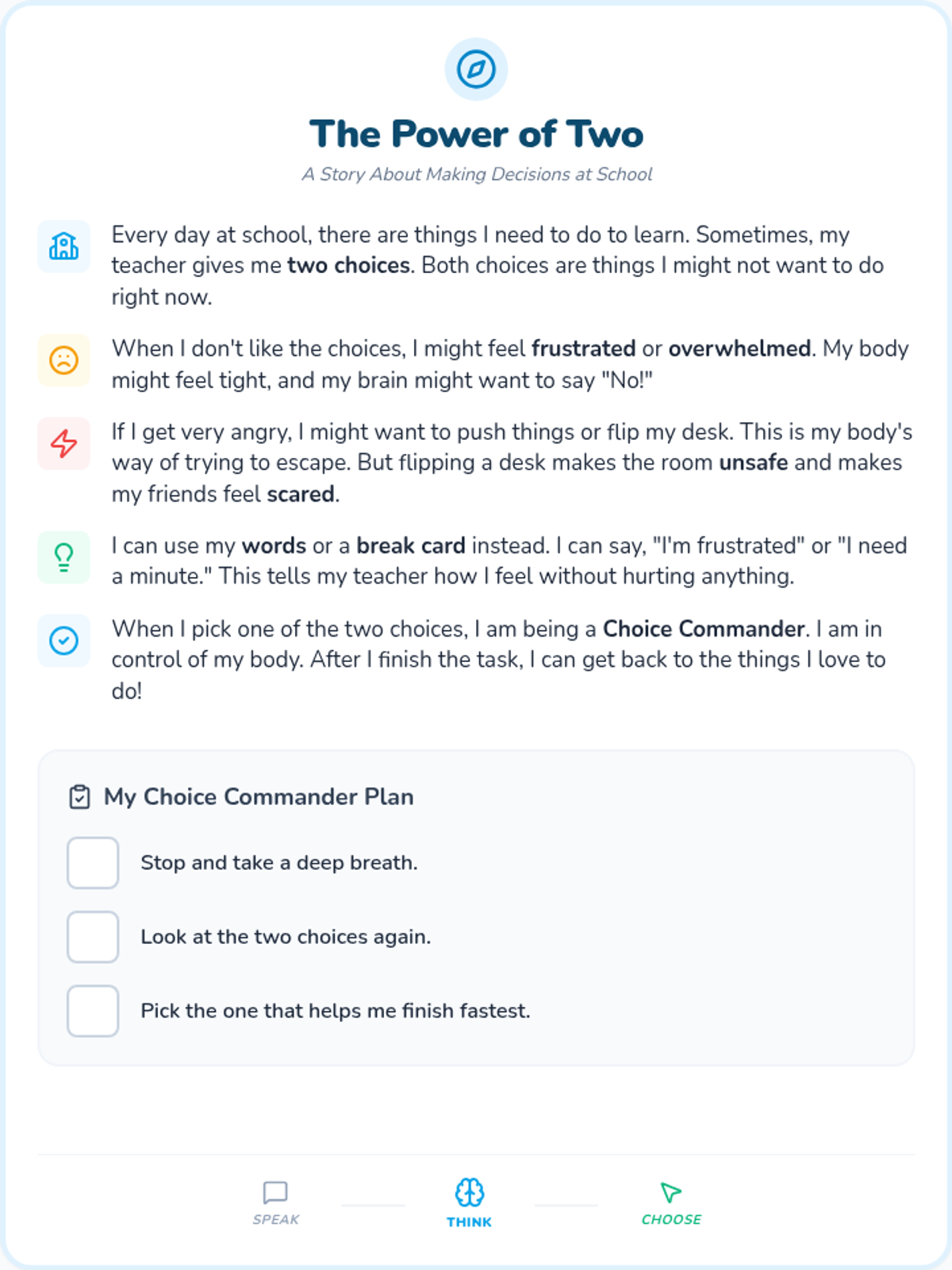
A lesson focused on helping students manage frustration when presented with non-preferred choices, providing a social story for perspective-taking and a reflection tool for post-meltdown processing.
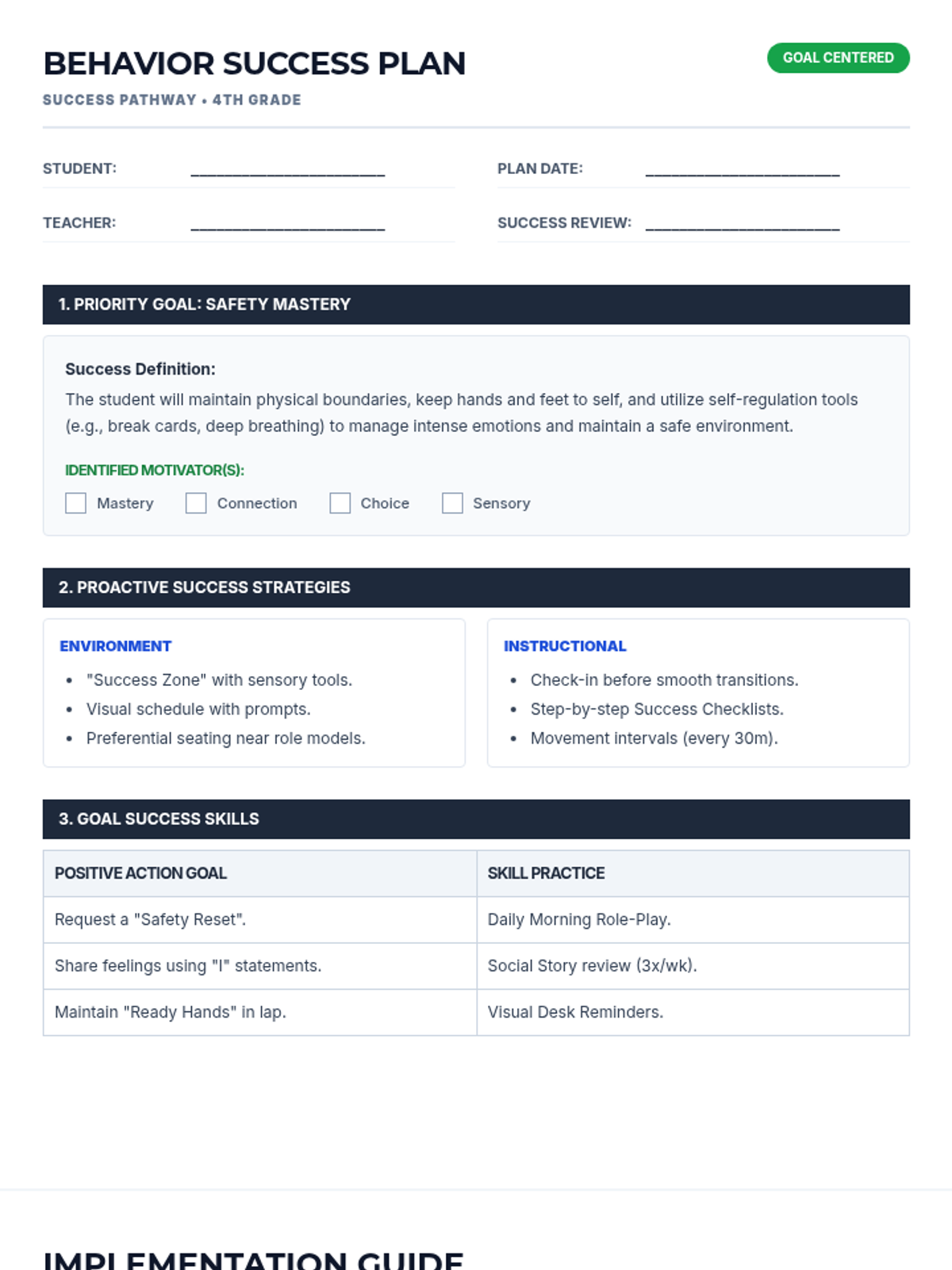
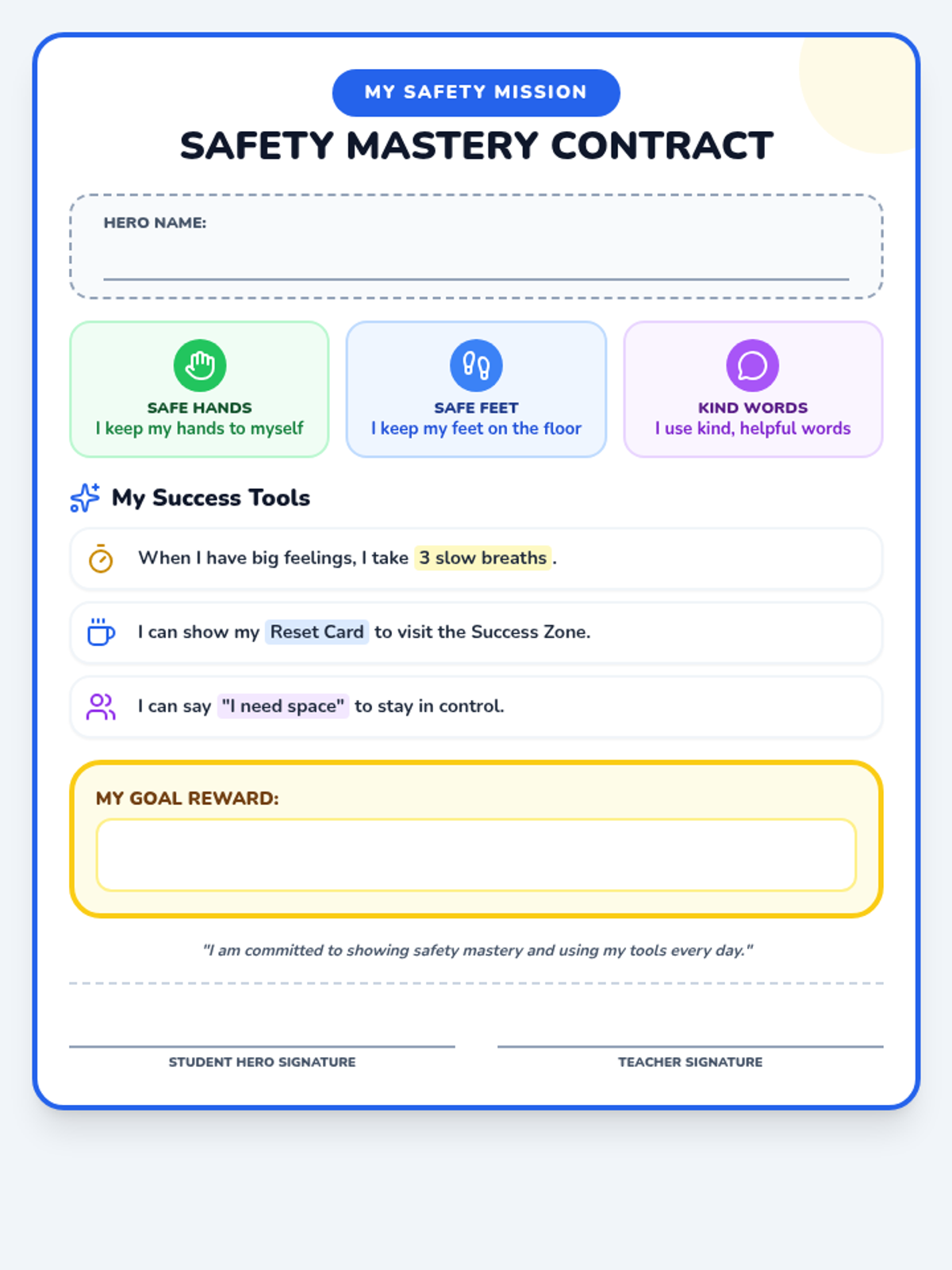
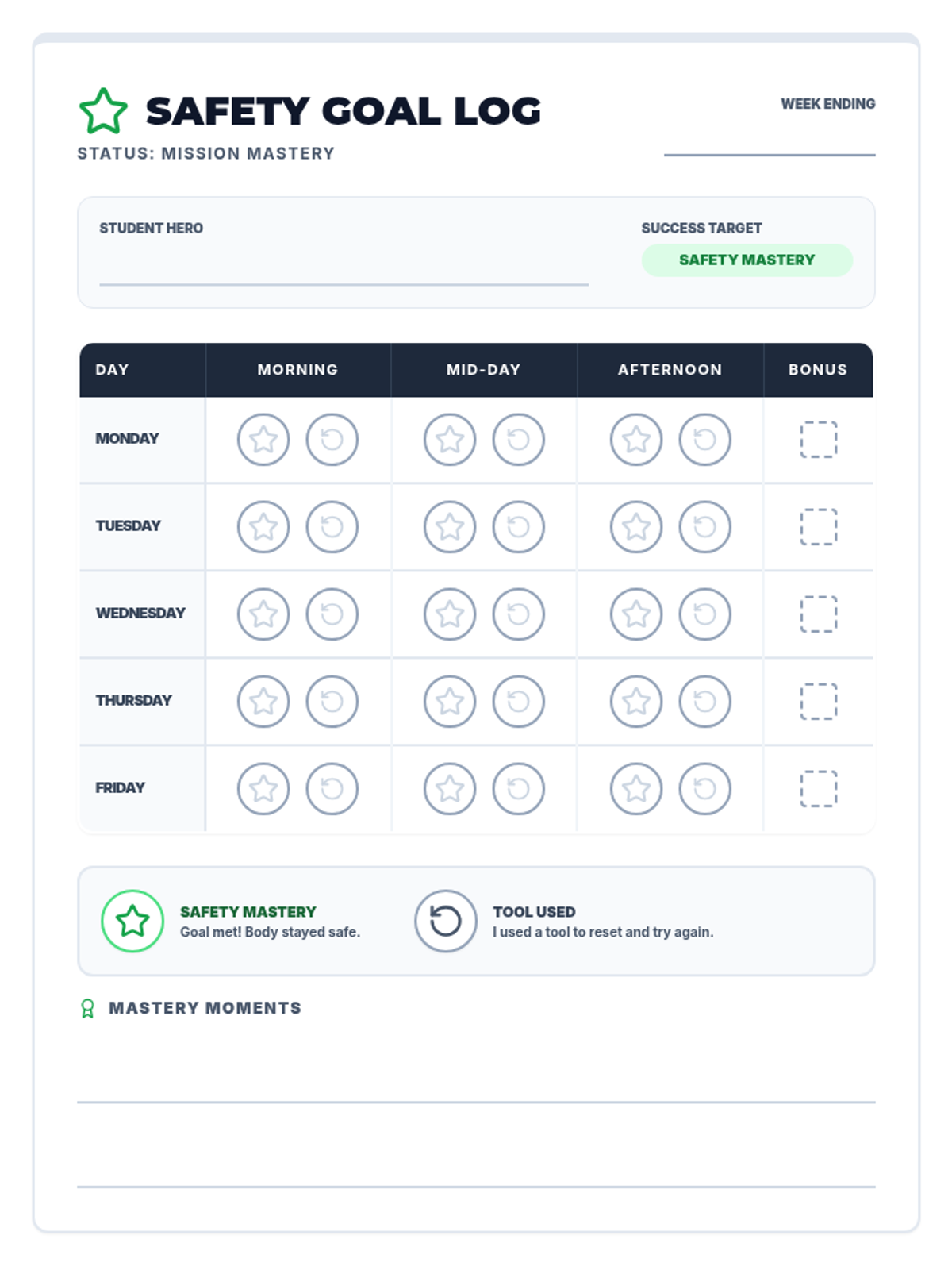
A comprehensive behavior intervention package designed for a 4th-grade student struggling with physical aggression, focusing on 'safe body' replacement behaviors and structured support.
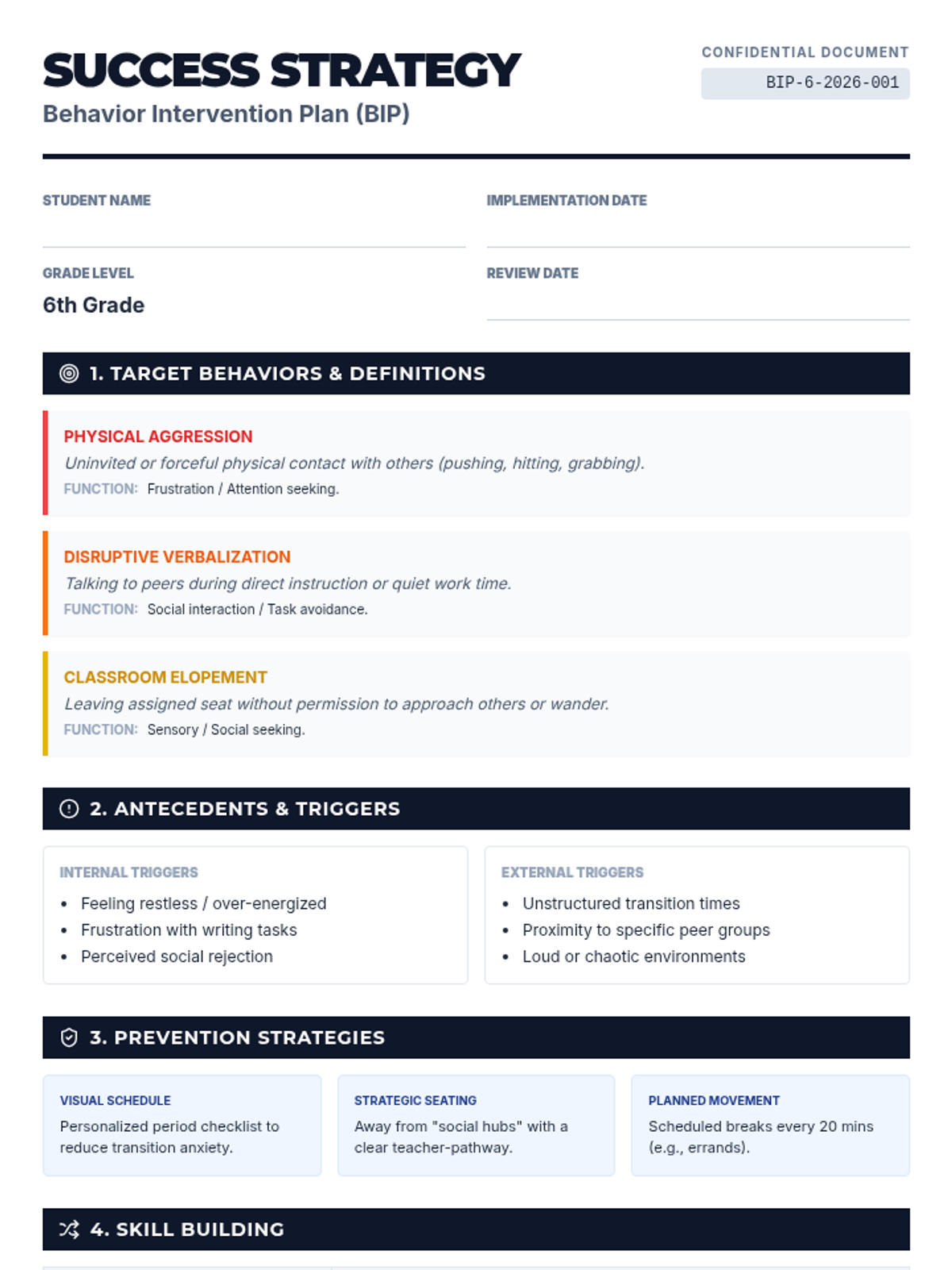
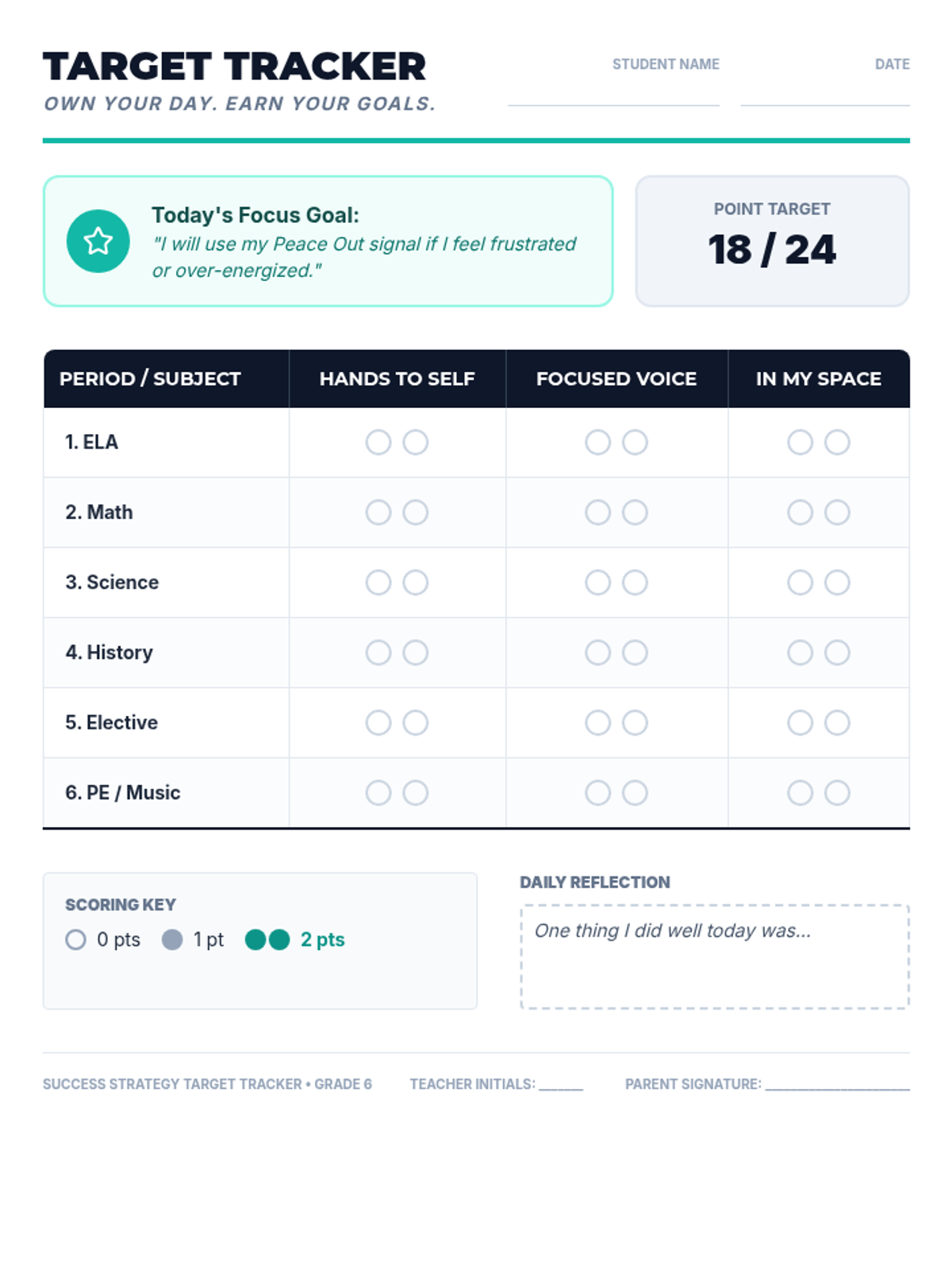
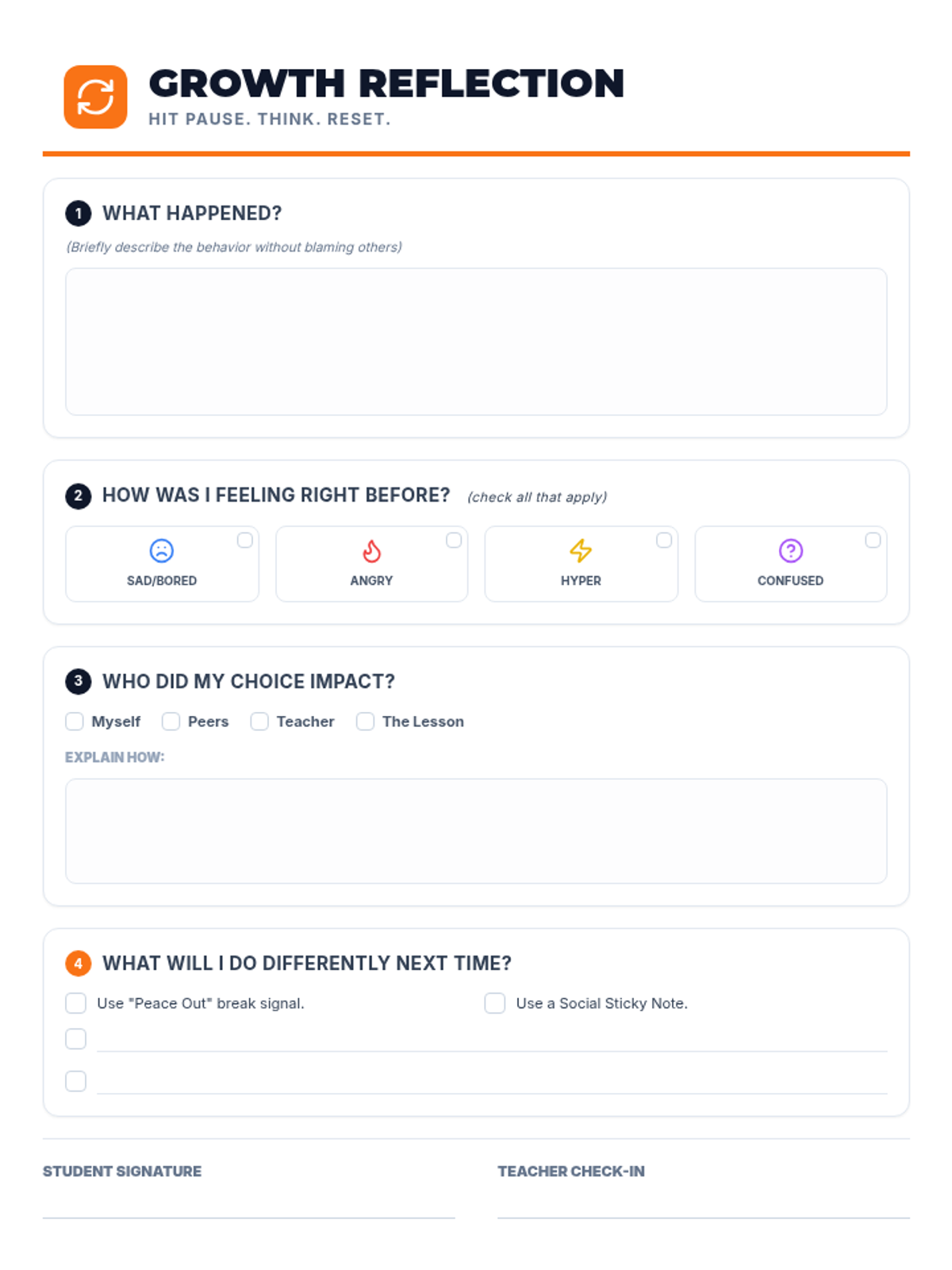
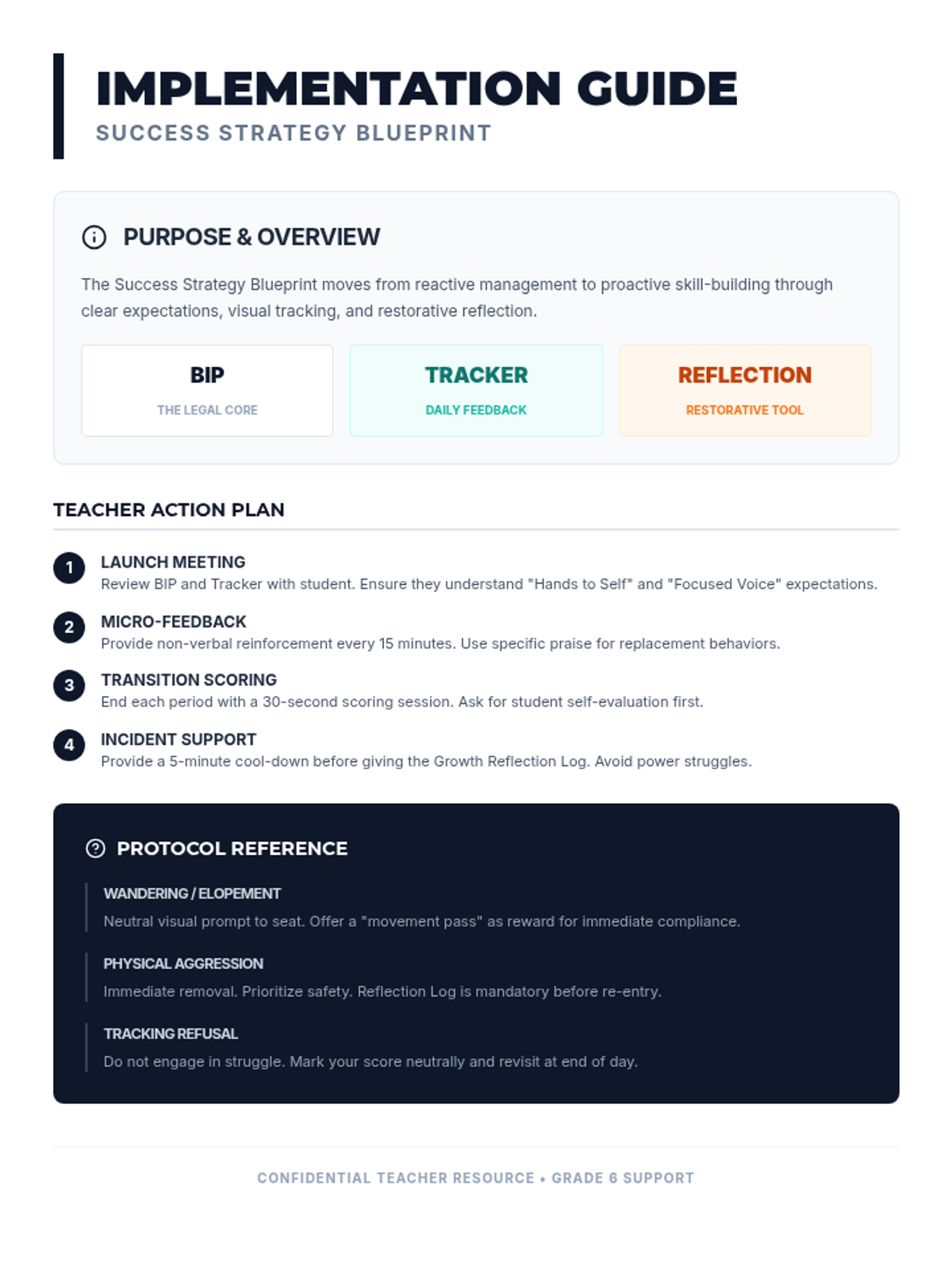
A comprehensive behavior intervention package for a 6th-grade student focusing on physical boundaries, focused communication, and classroom navigation.
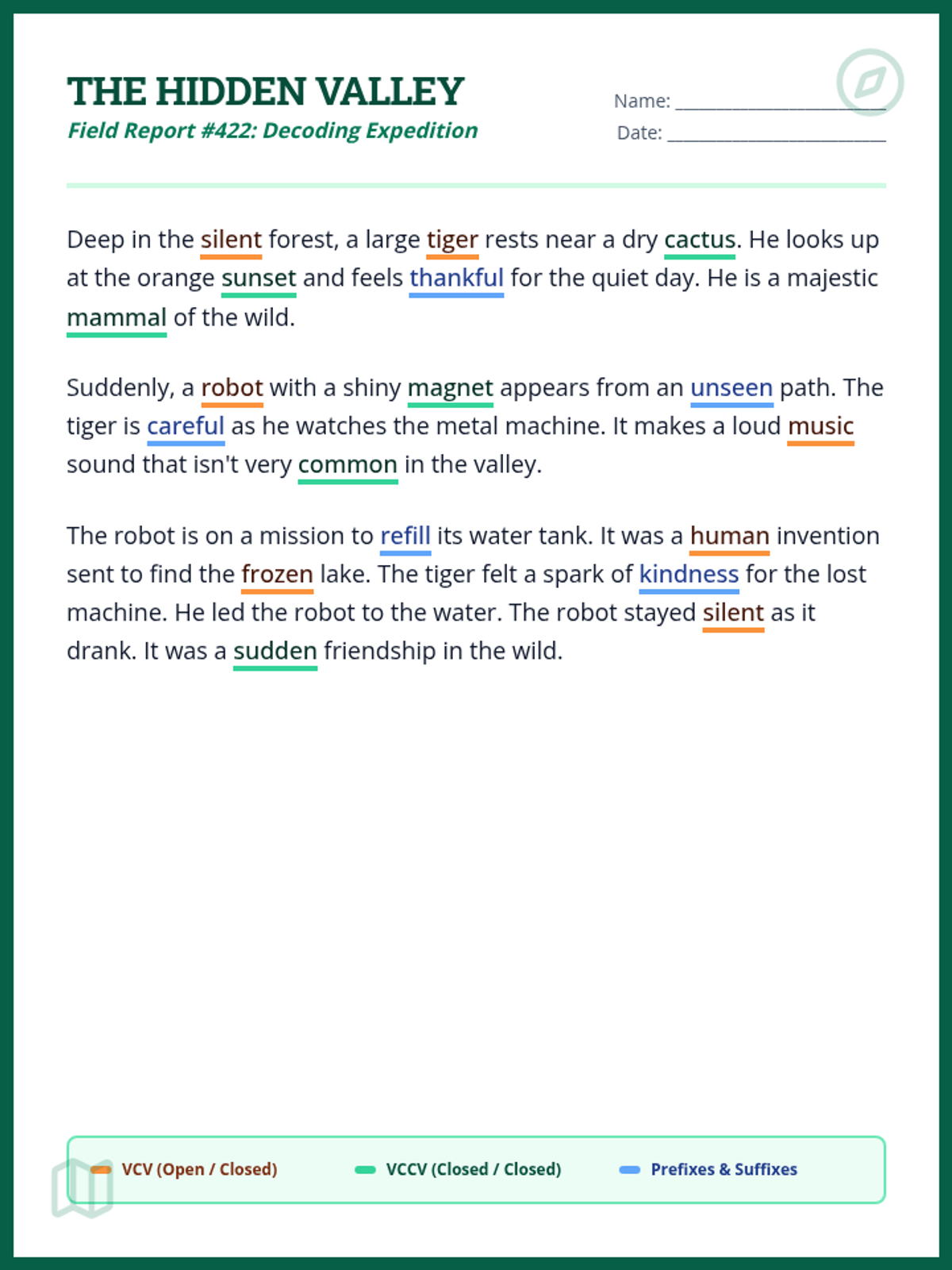
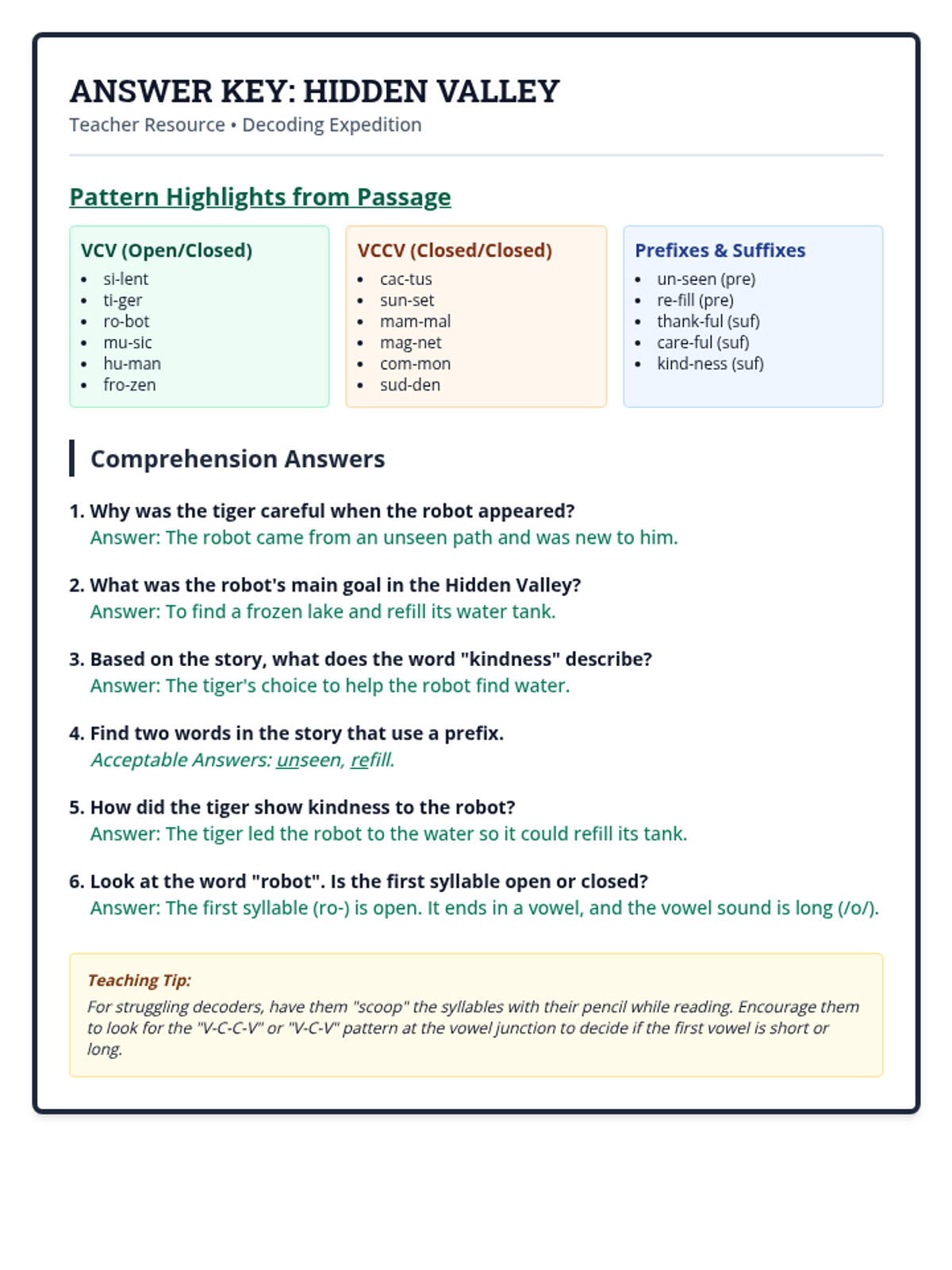
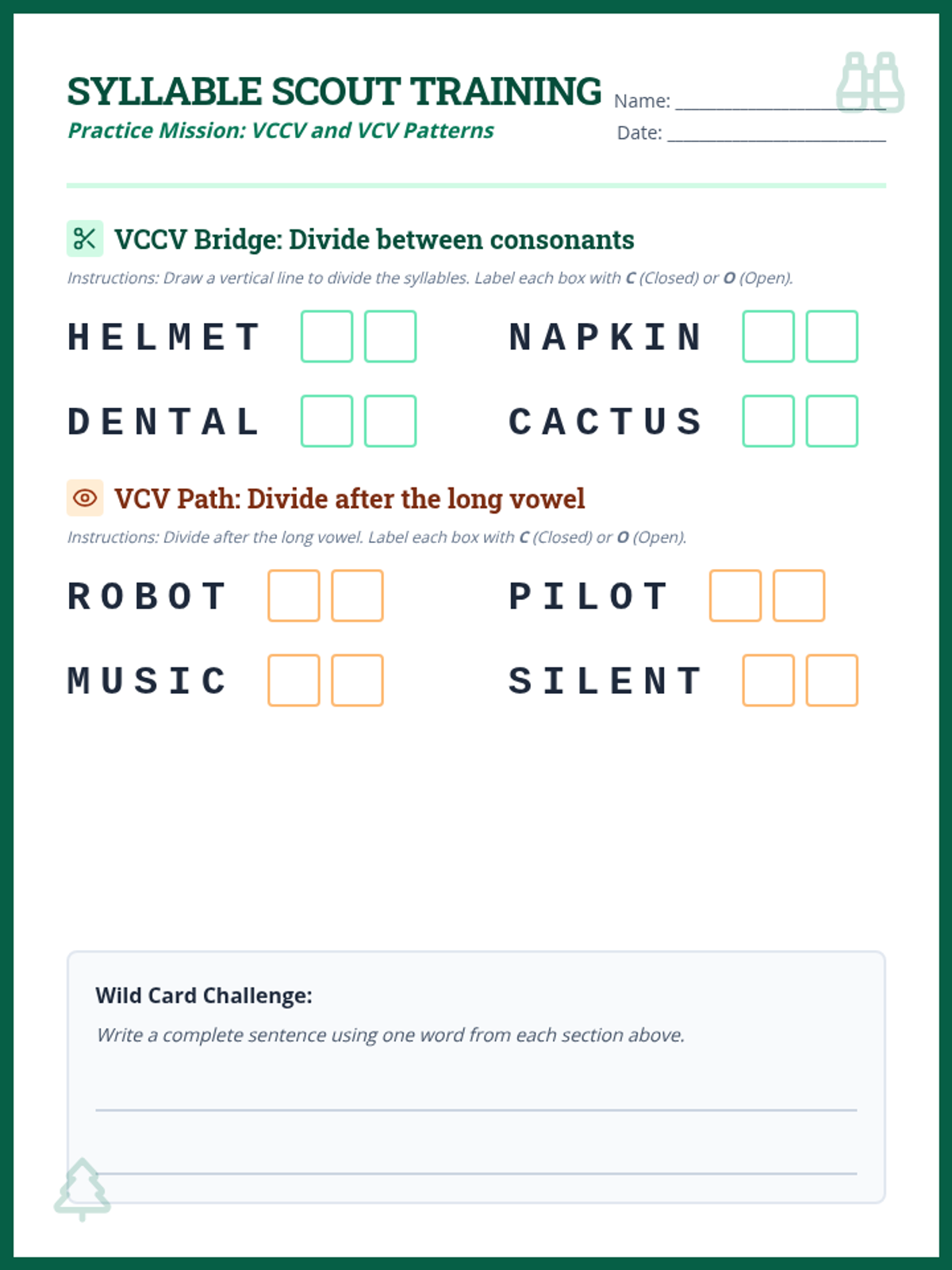
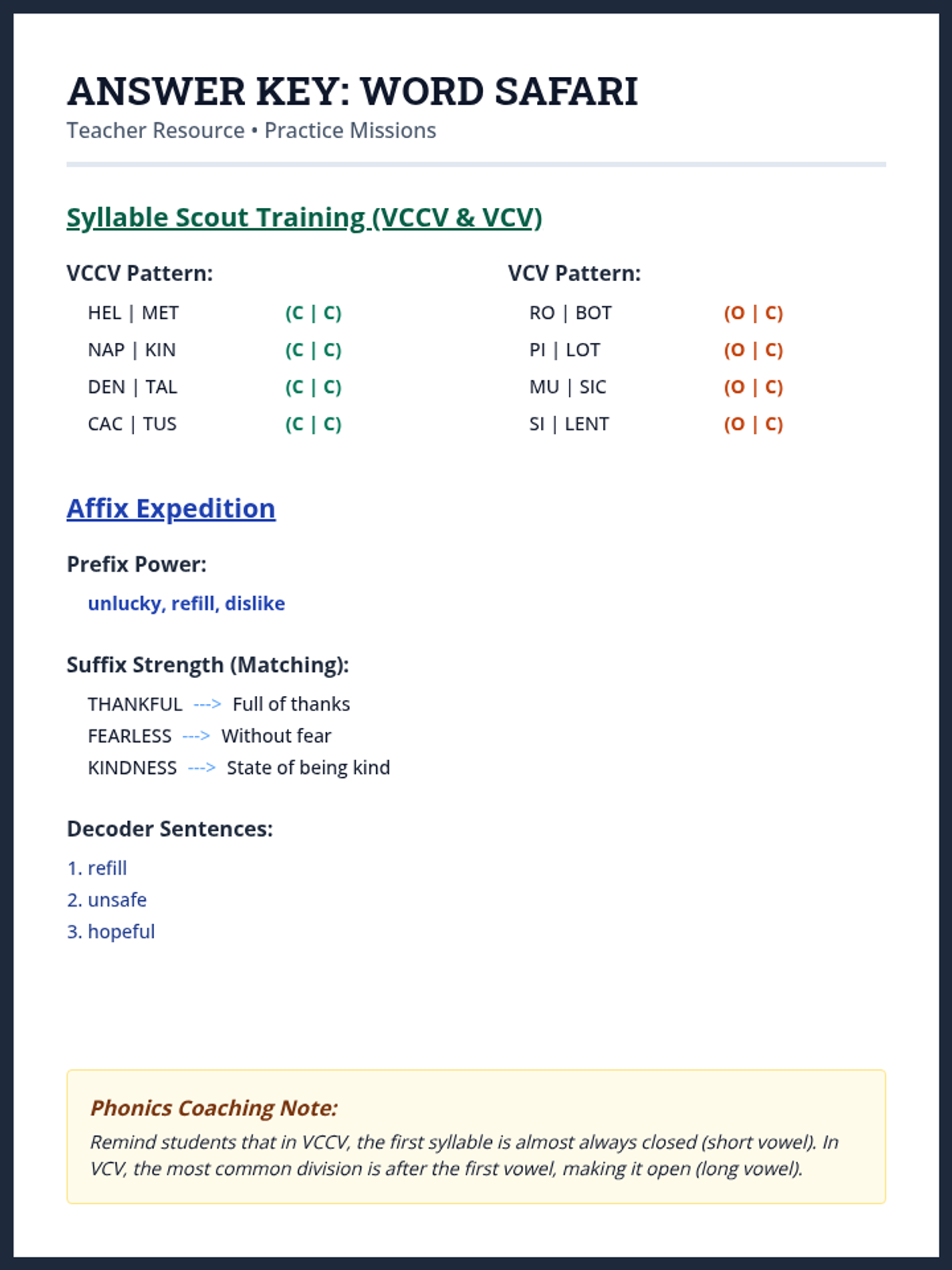
A lesson focused on decoding VCCV and VCV syllable patterns, along with common prefixes and suffixes, through an engaging reading passage and comprehension check.
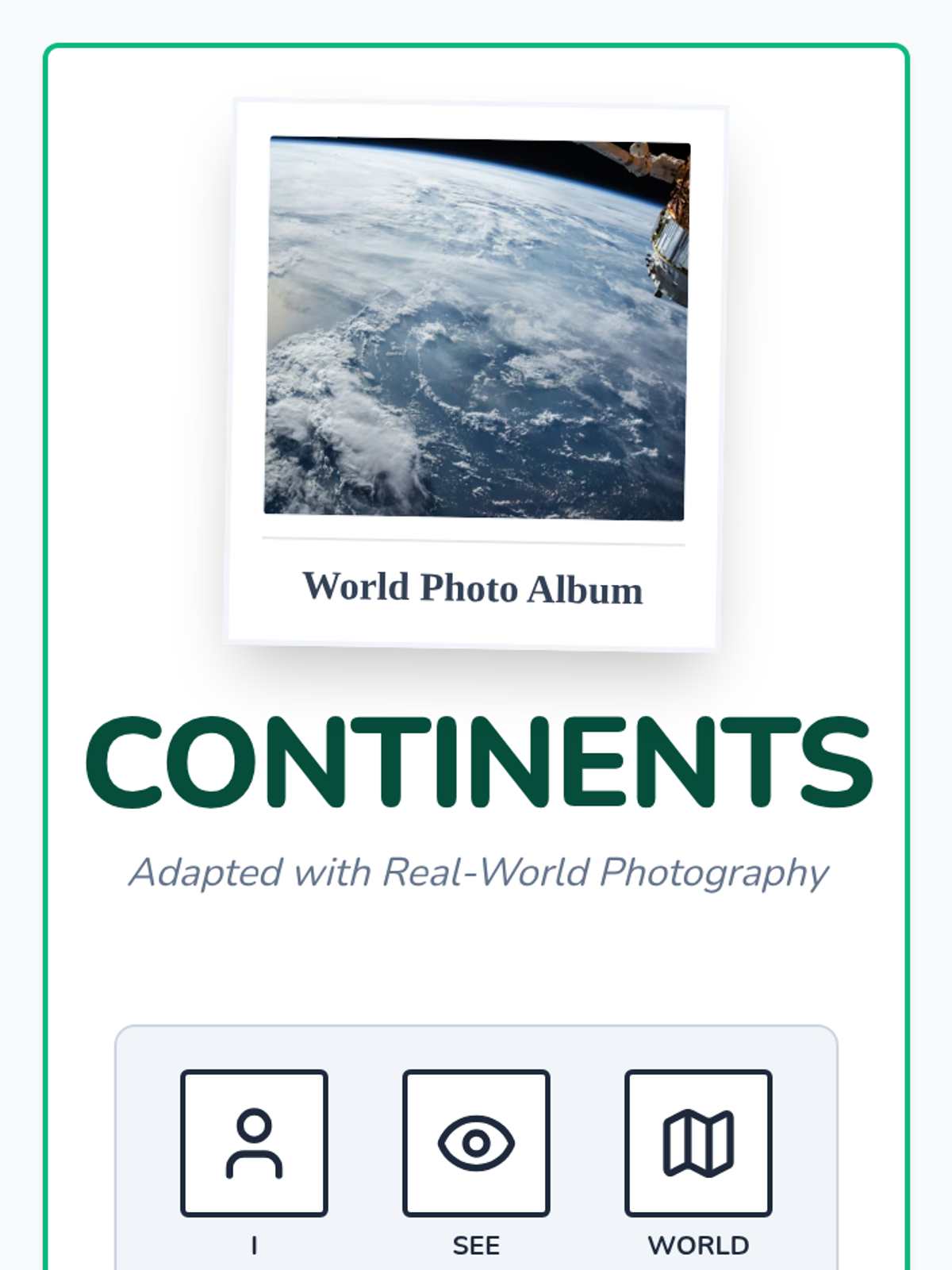
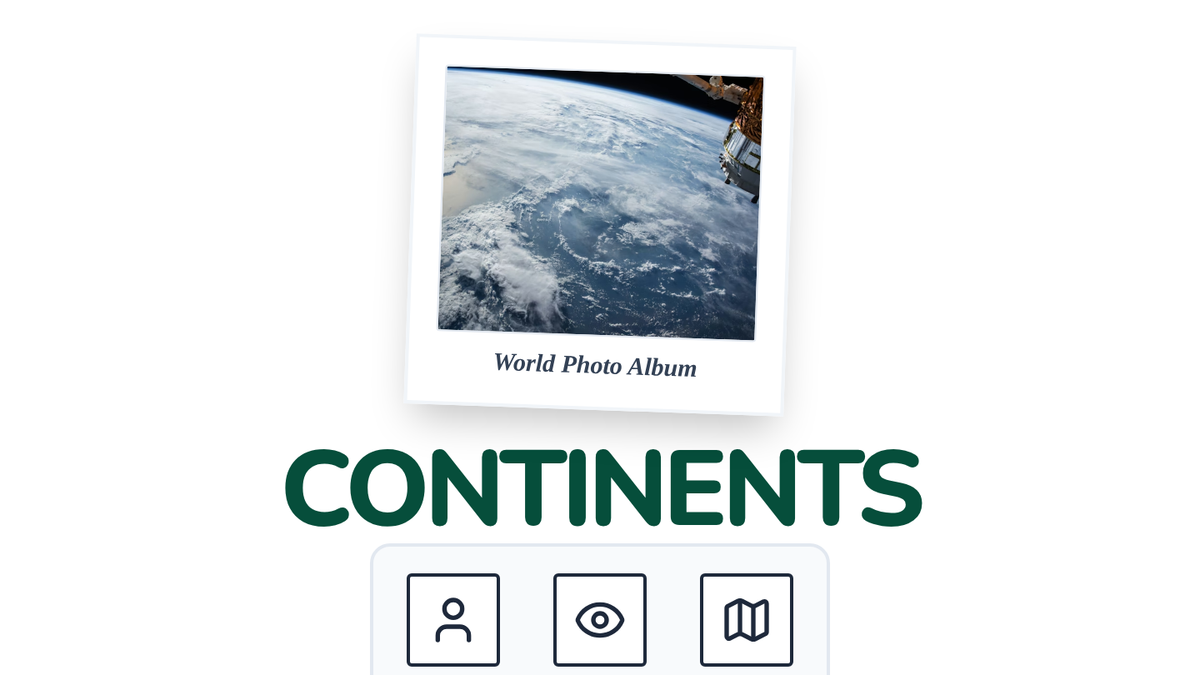
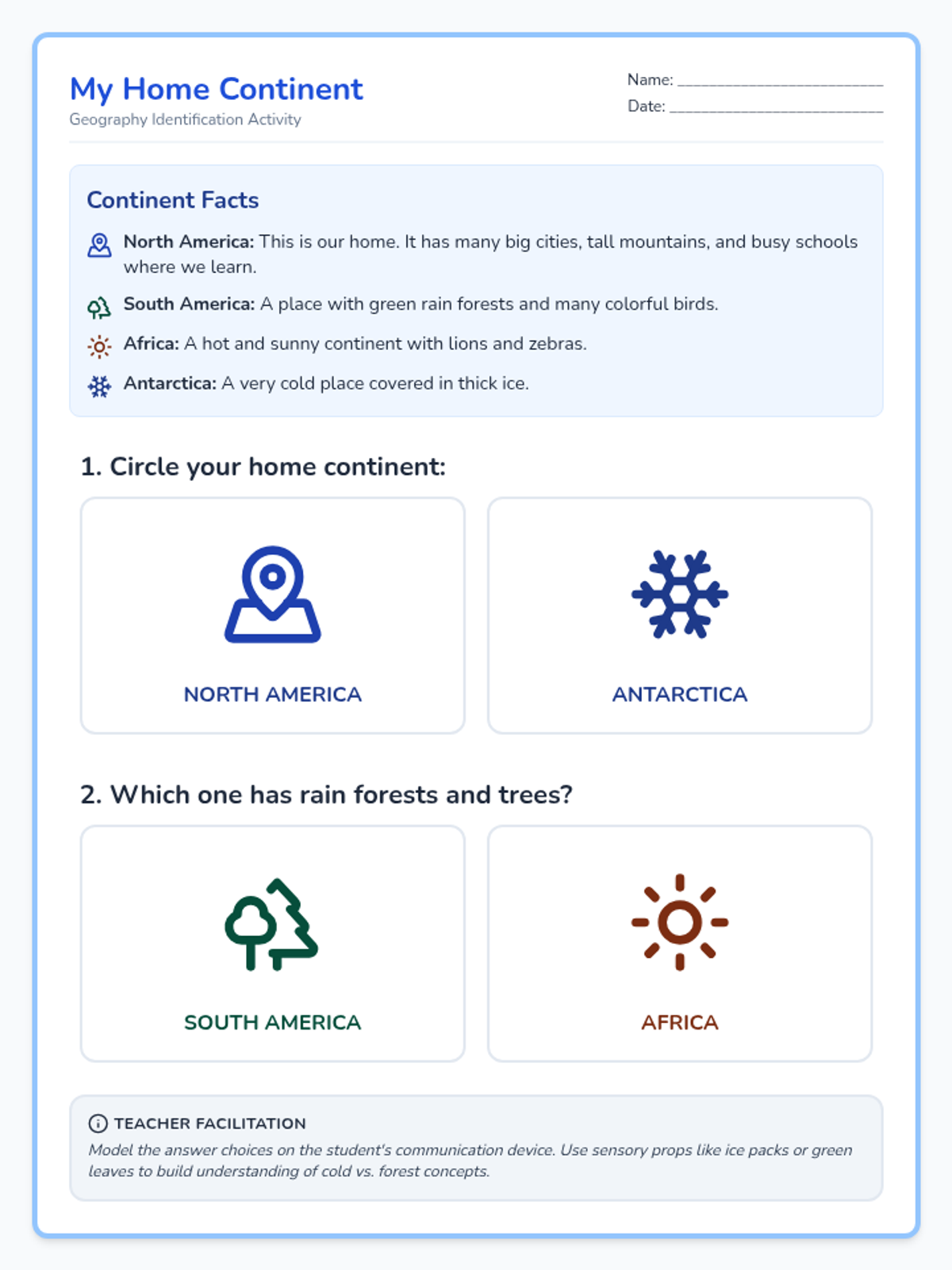
A lesson introducing the seven continents with a special focus on North America, using symbol-supported text to help students identify global geography.
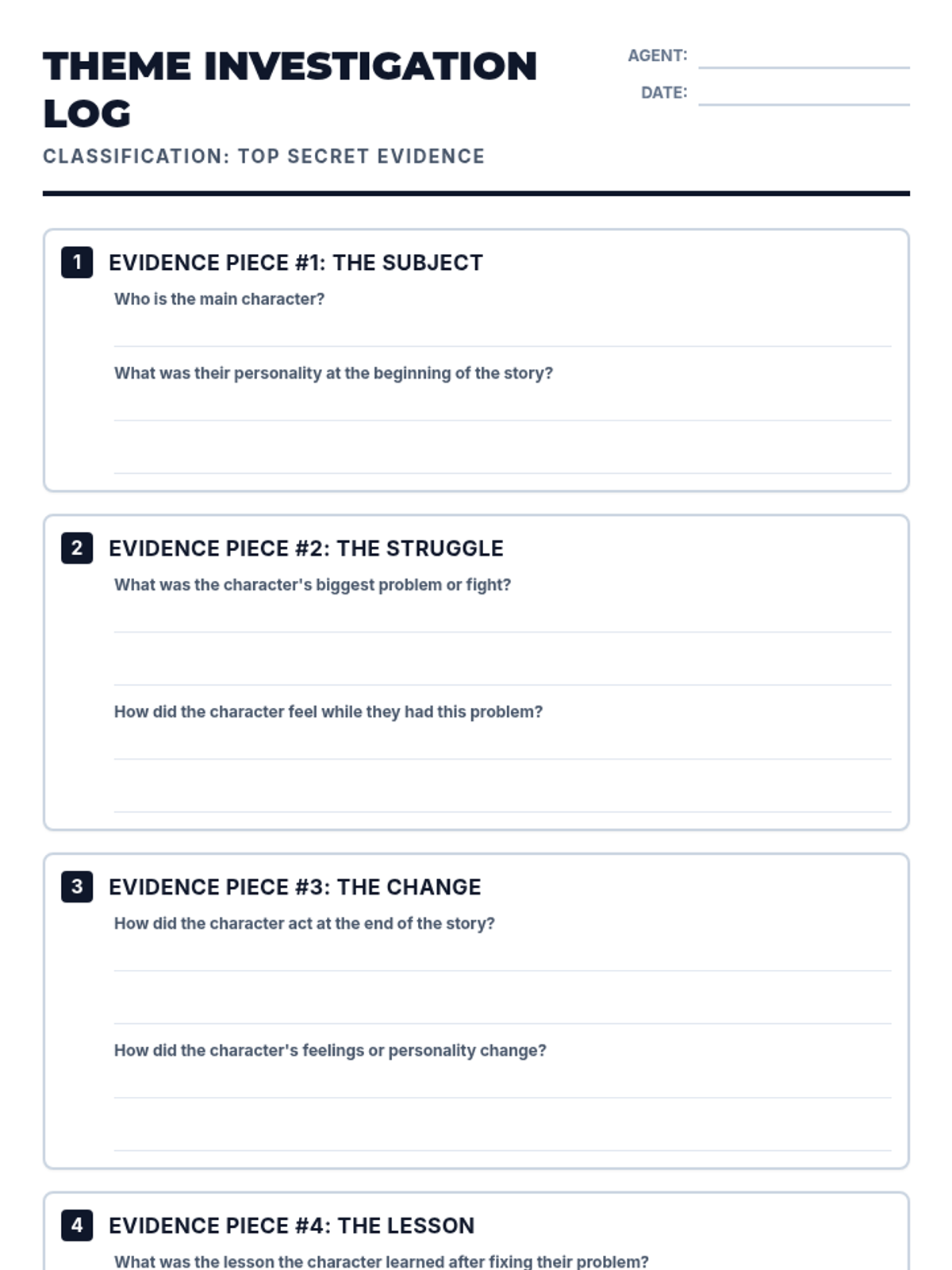
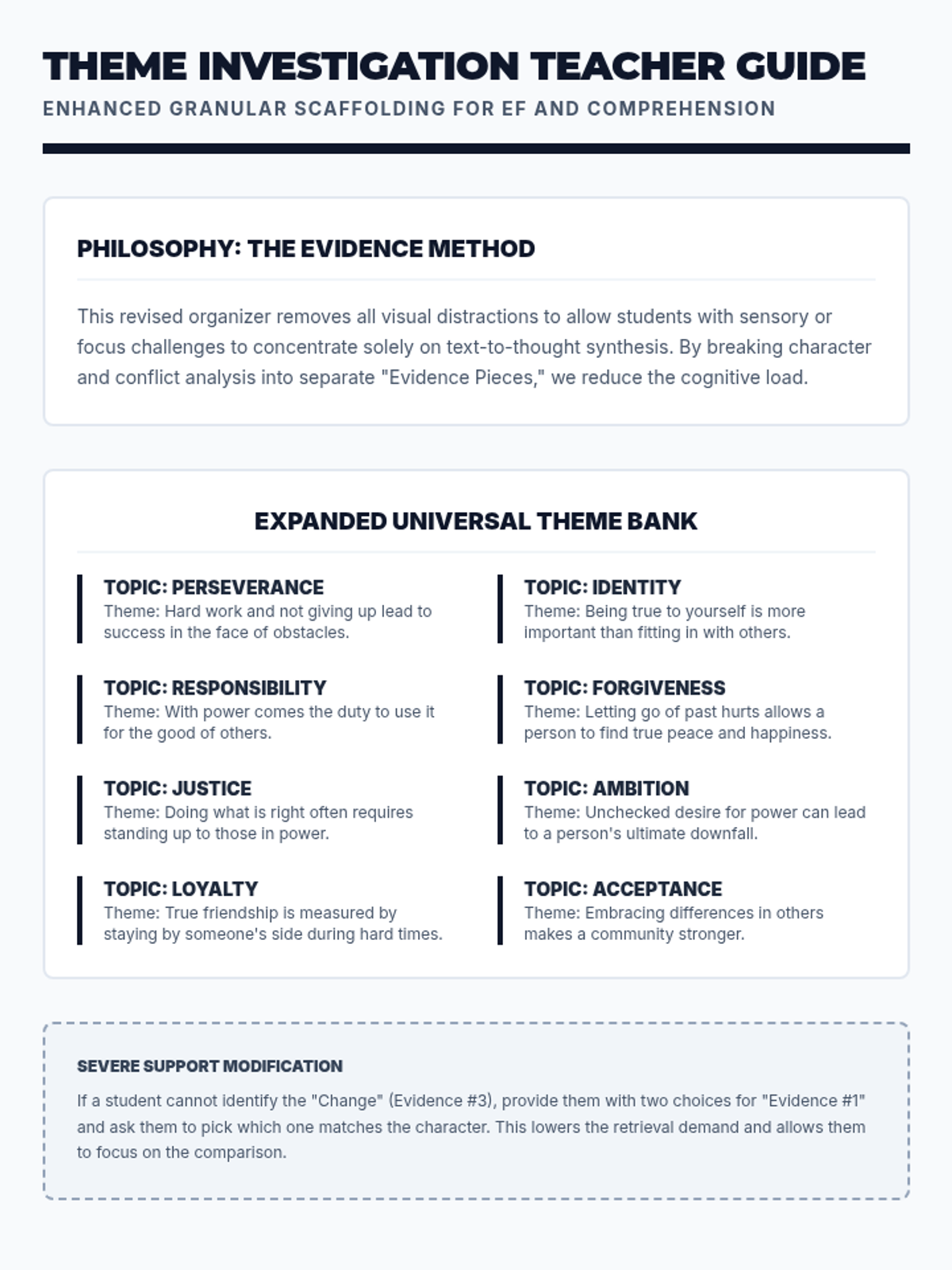
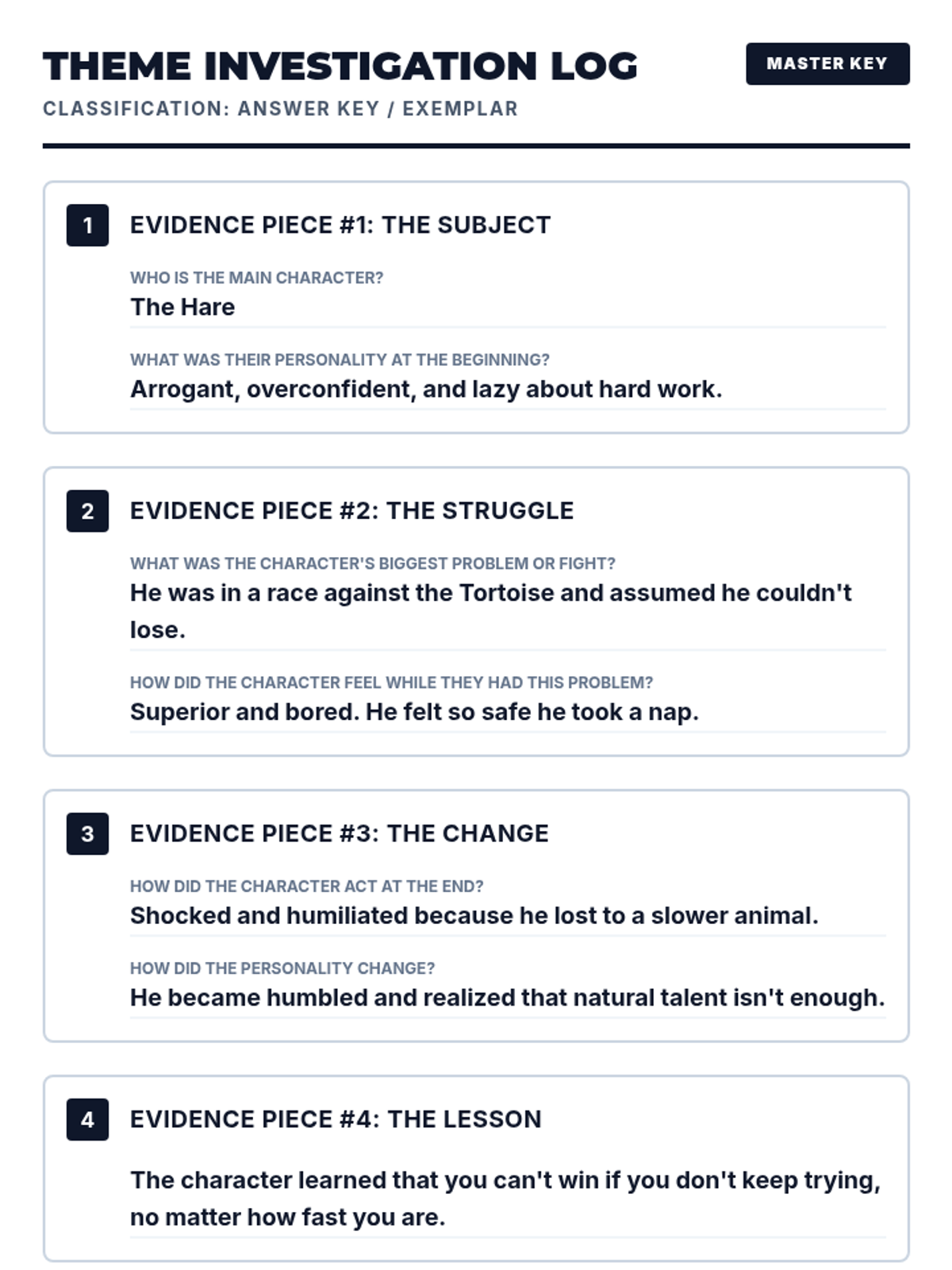
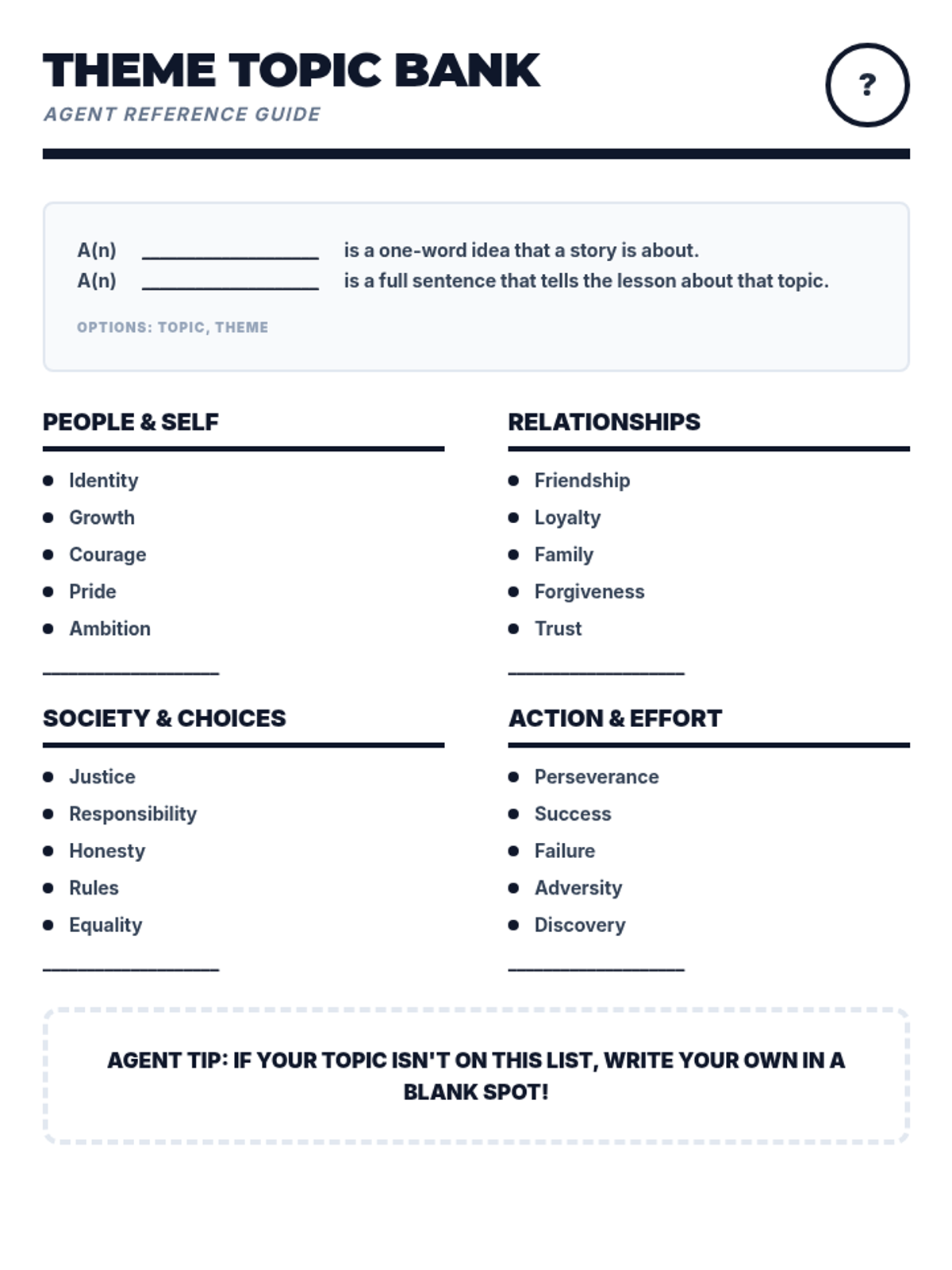
A structured approach to identifying themes in literature using a detective-themed graphic organizer designed for students with executive function and comprehension challenges.
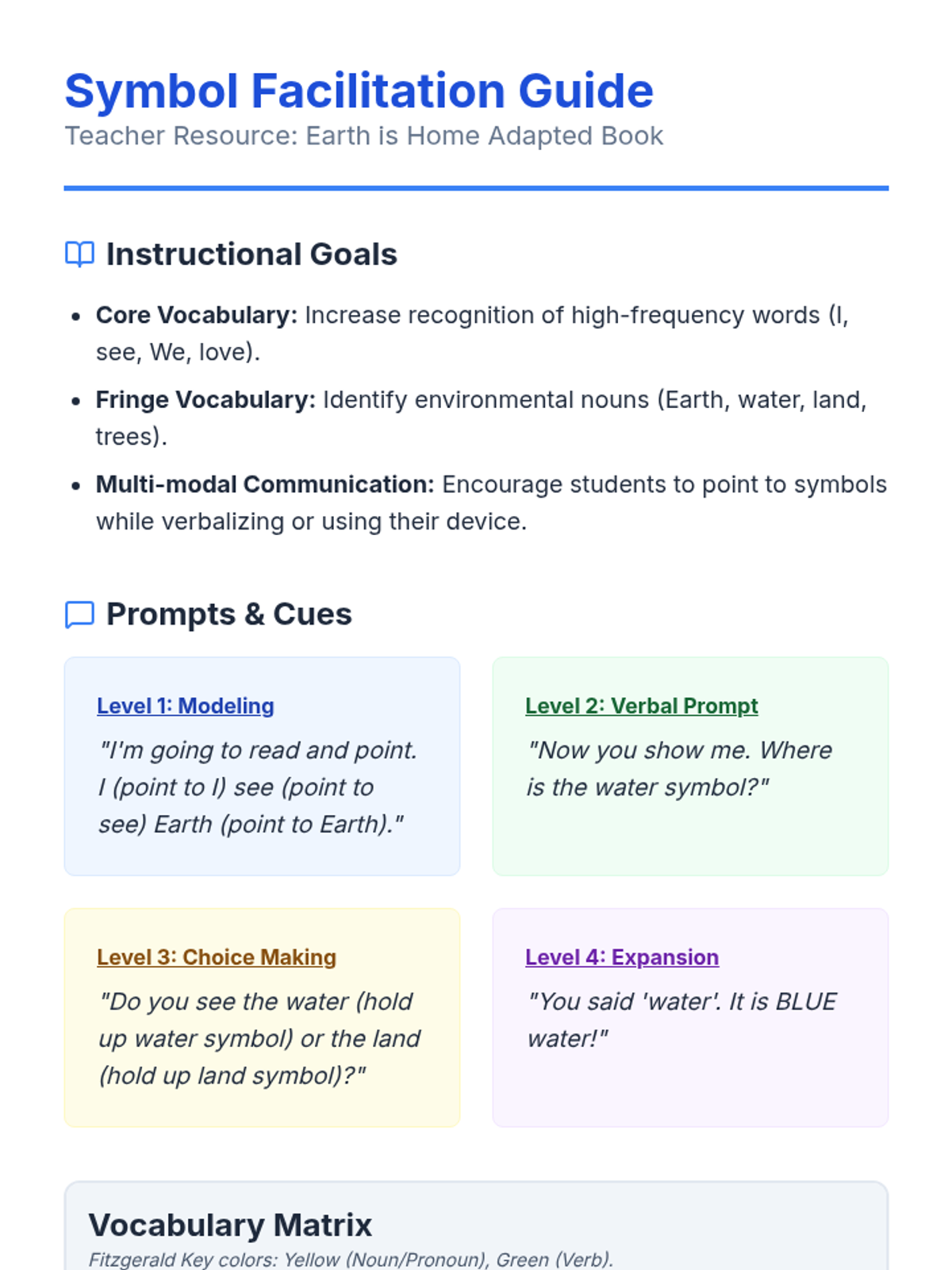
A foundational lesson introducing the Earth, water, land, and the people who live on our planet using core and fringe vocabulary symbols.
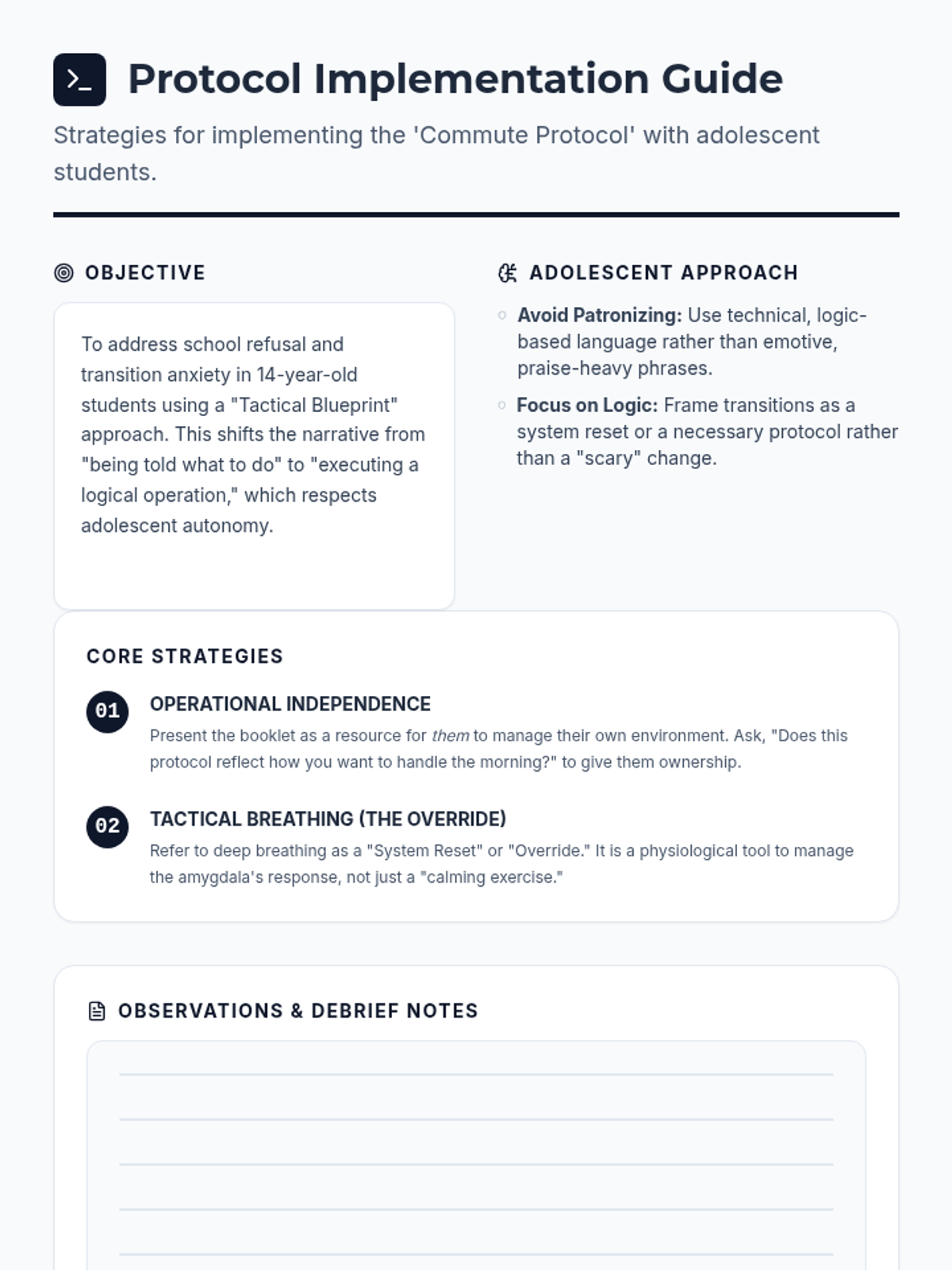
A comprehensive social story and implementation guide designed to help middle school students with emotional disabilities successfully navigate the transition from home to school via the van.
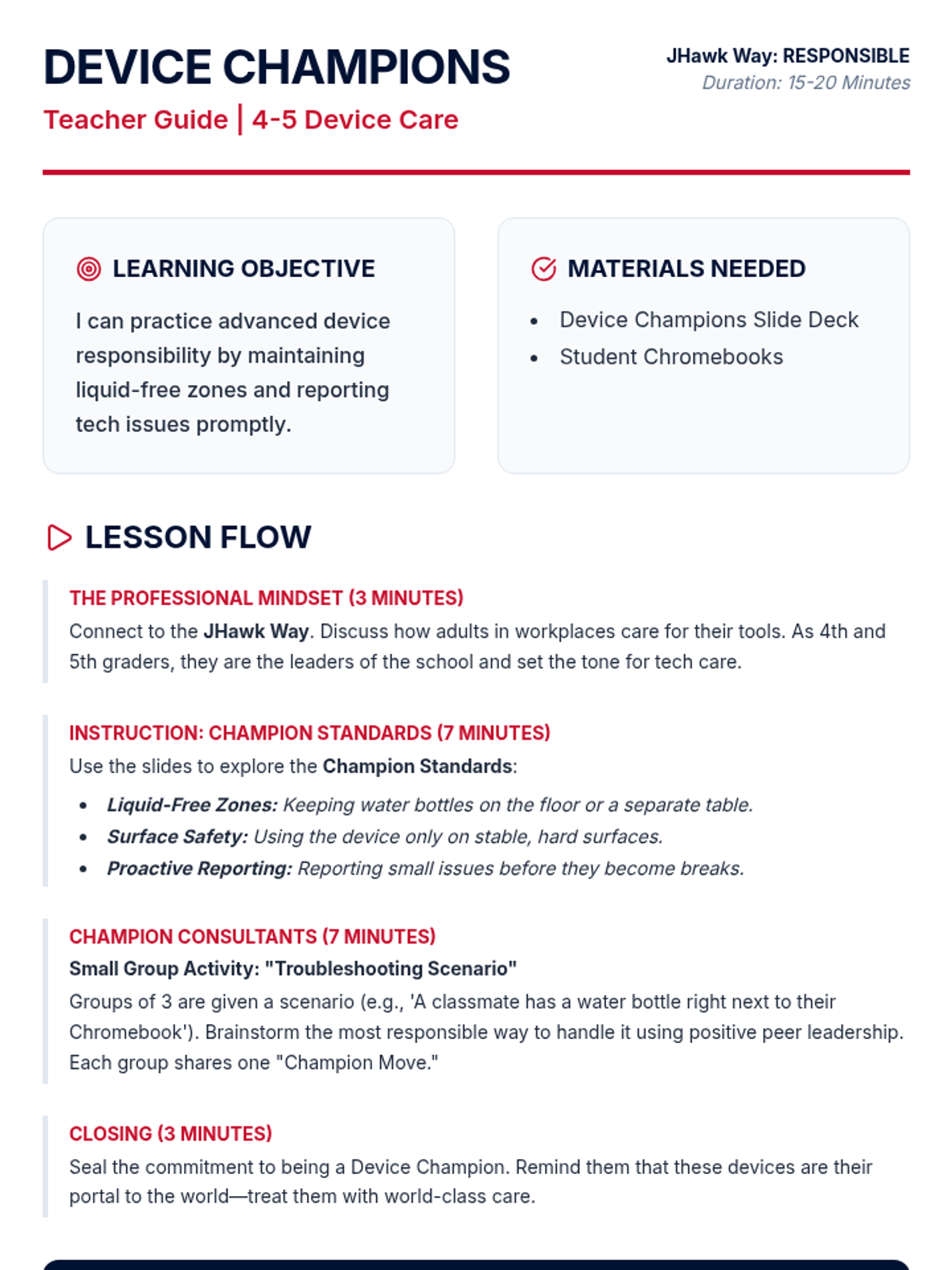
A 15-20 minute lesson for 4-5 students focused on advanced device responsibility, including proper closure, charging habits, and liquid-free zones.
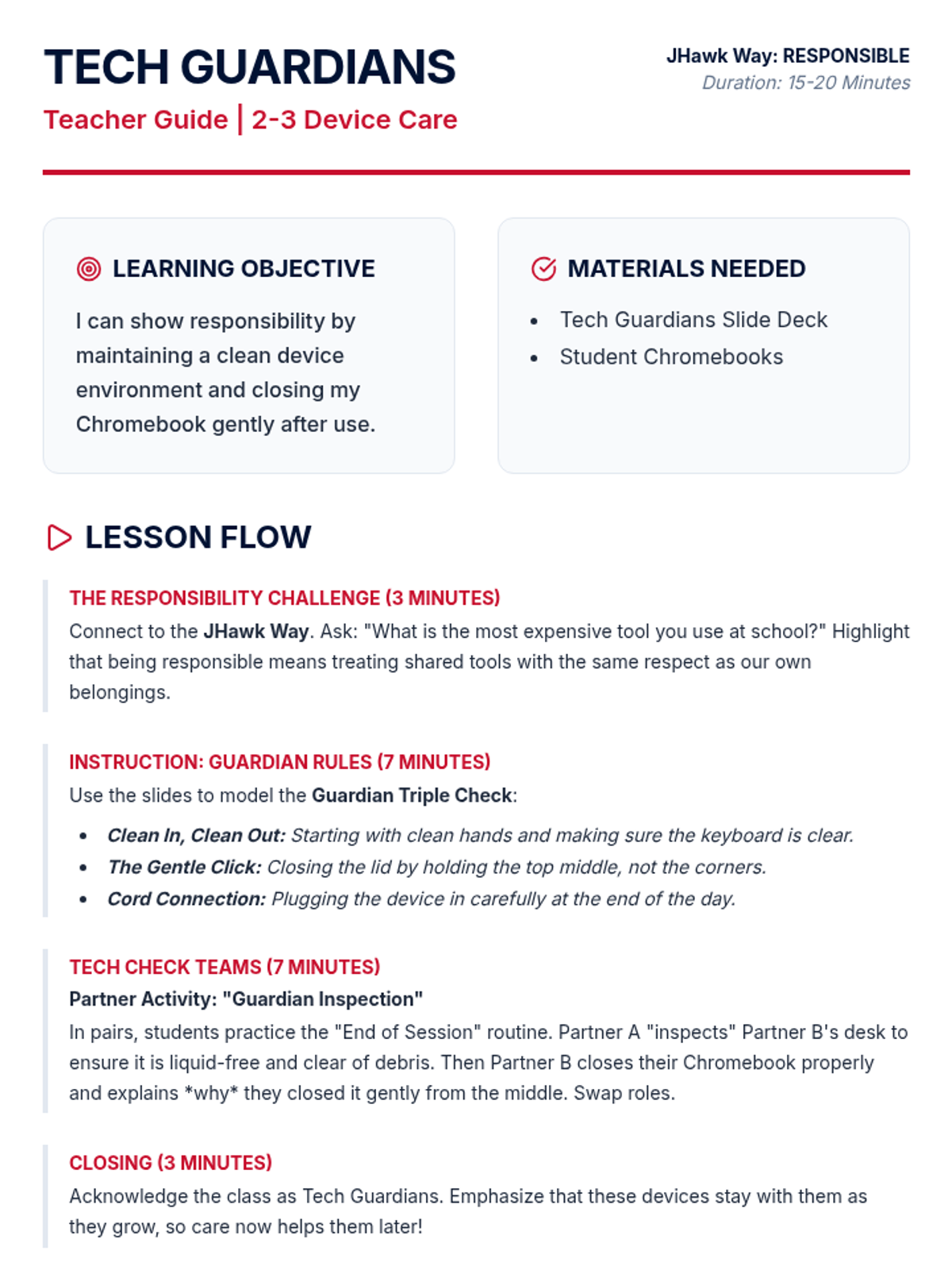
A 15-20 minute lesson for 2-3 students on responsible Chromebook care, emphasizing clean environments and gentle handling, aligned with PBIS standards.
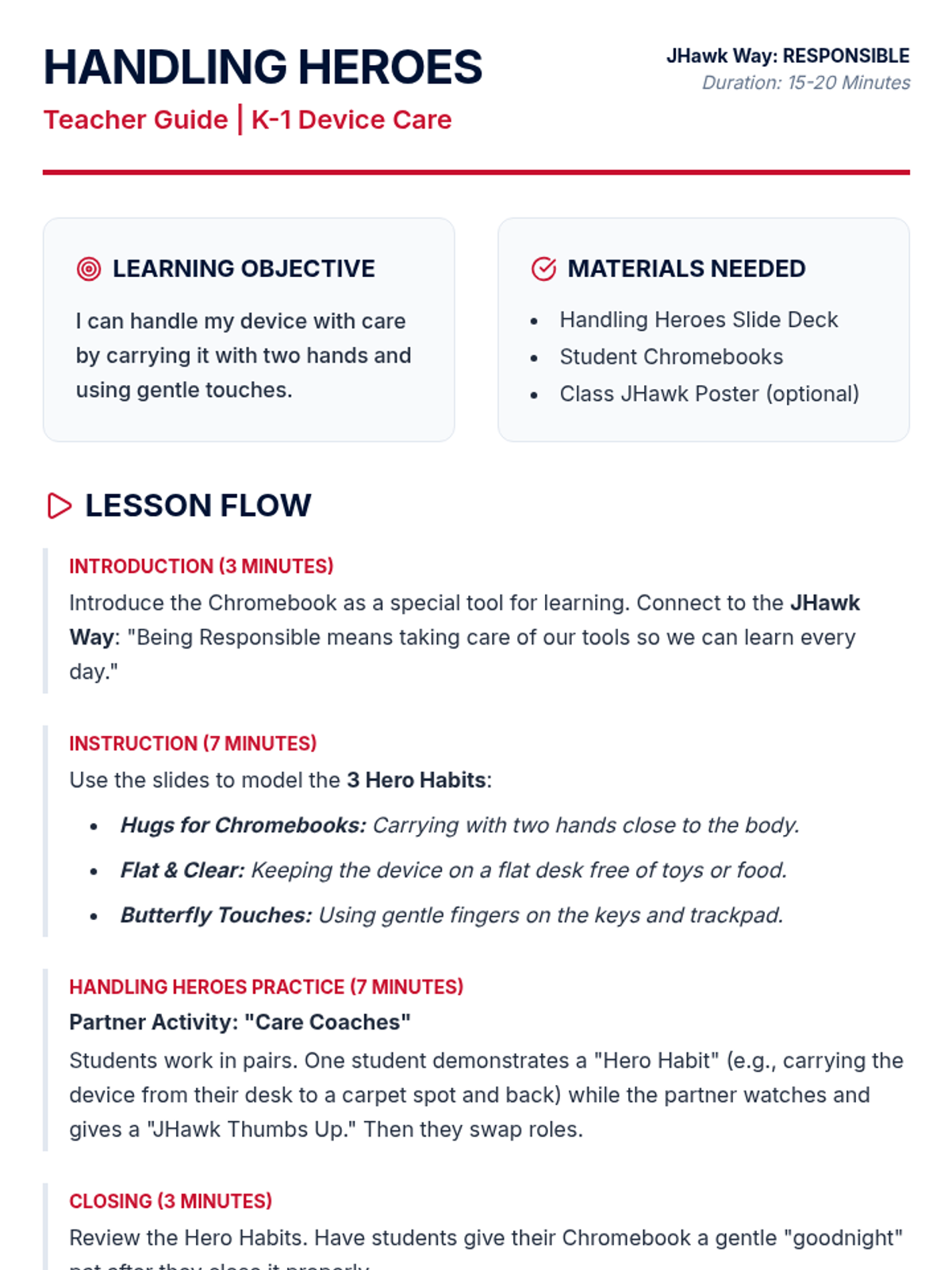
A 15-20 minute lesson for K-1 students focused on the basics of carrying and using Chromebooks responsibly, using positive framing and collaborative practice.
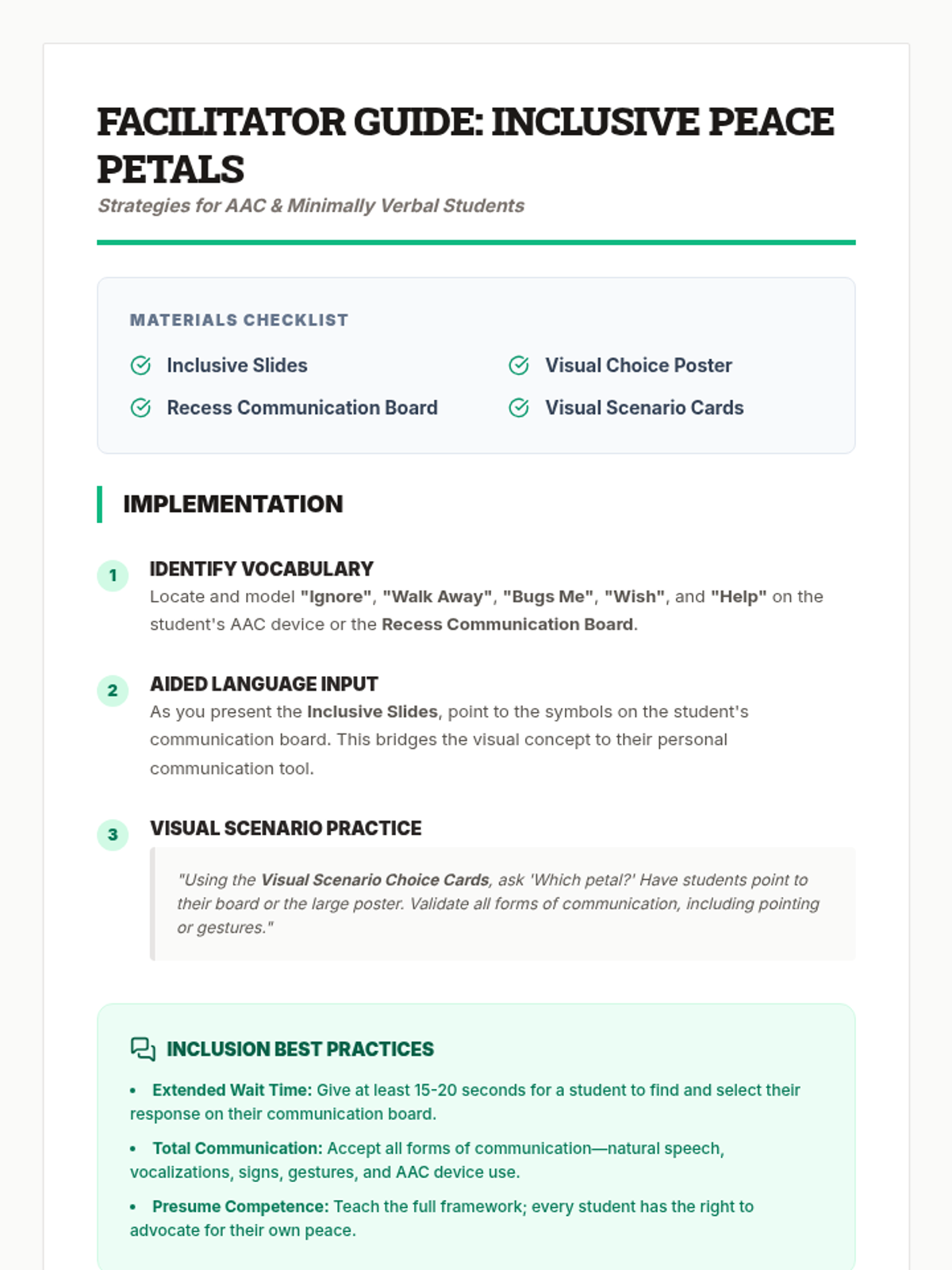
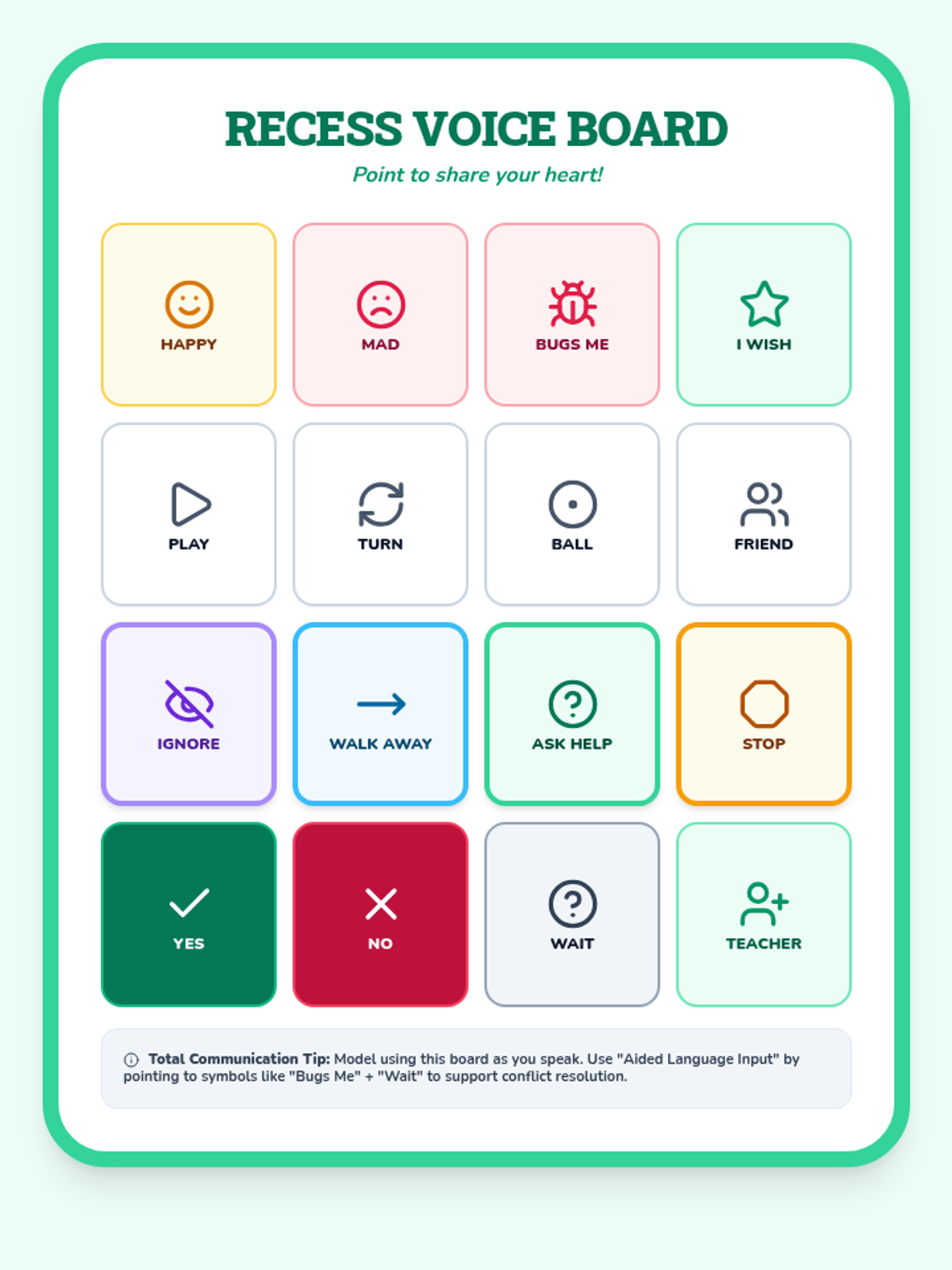
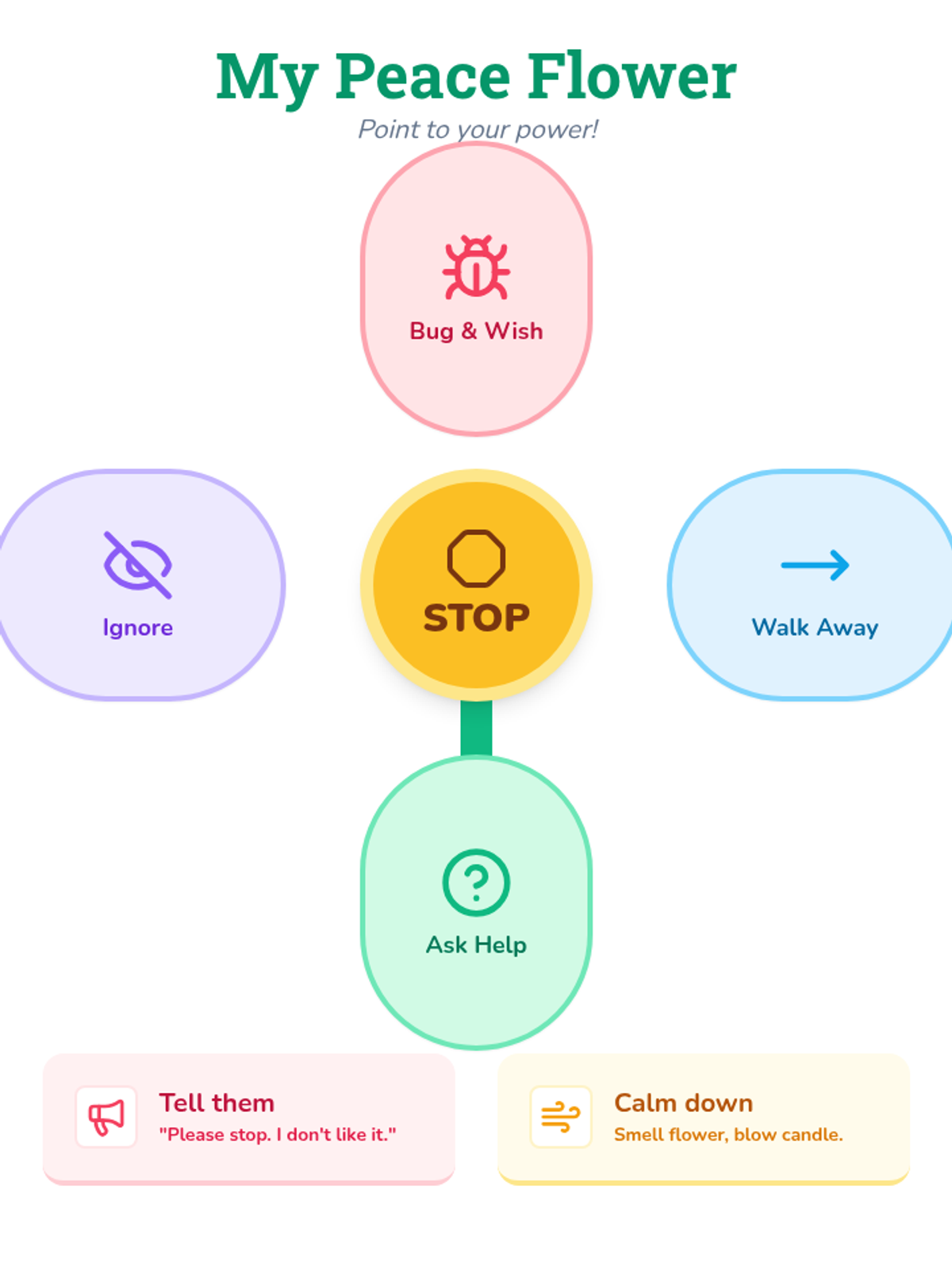
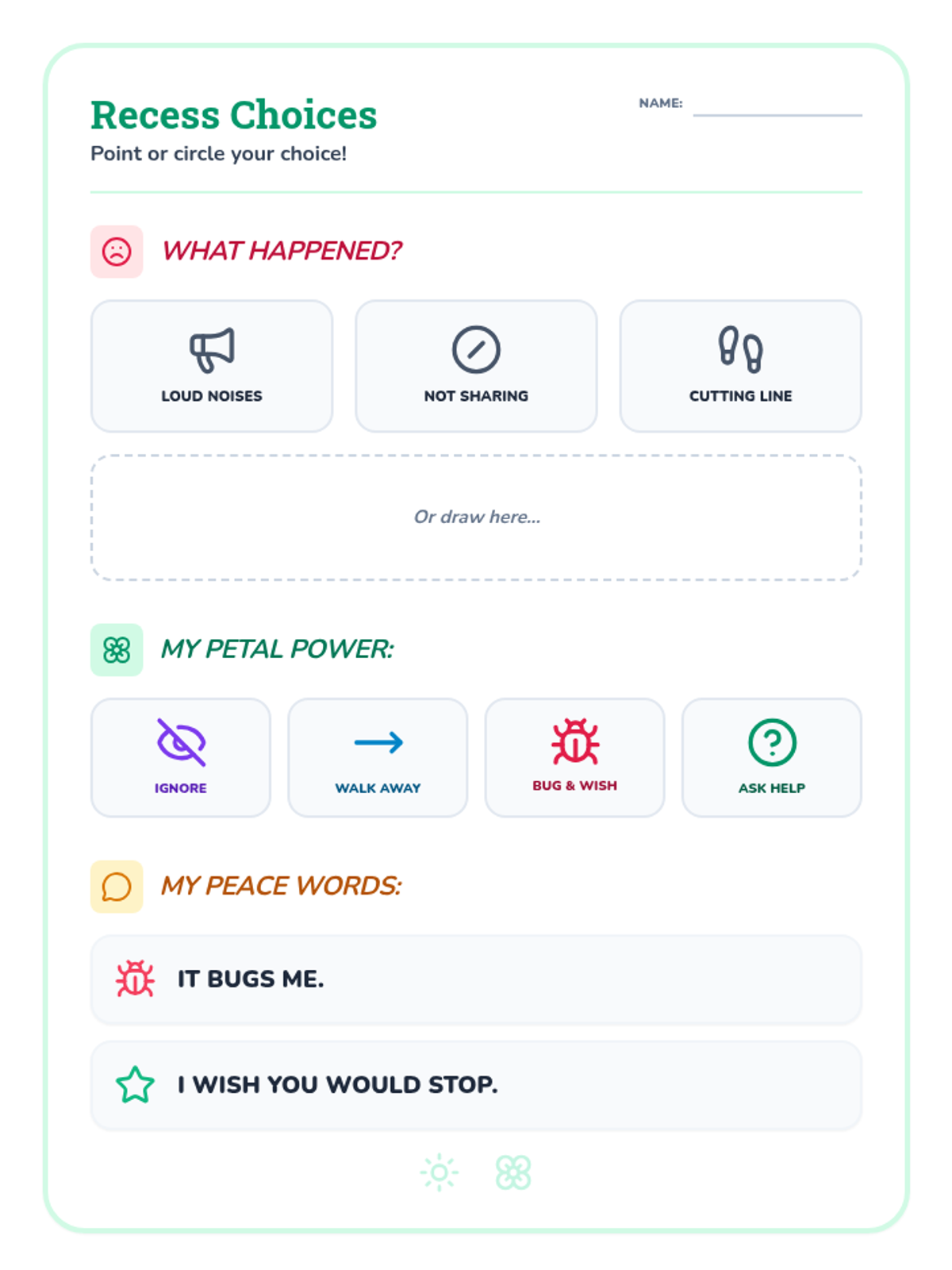
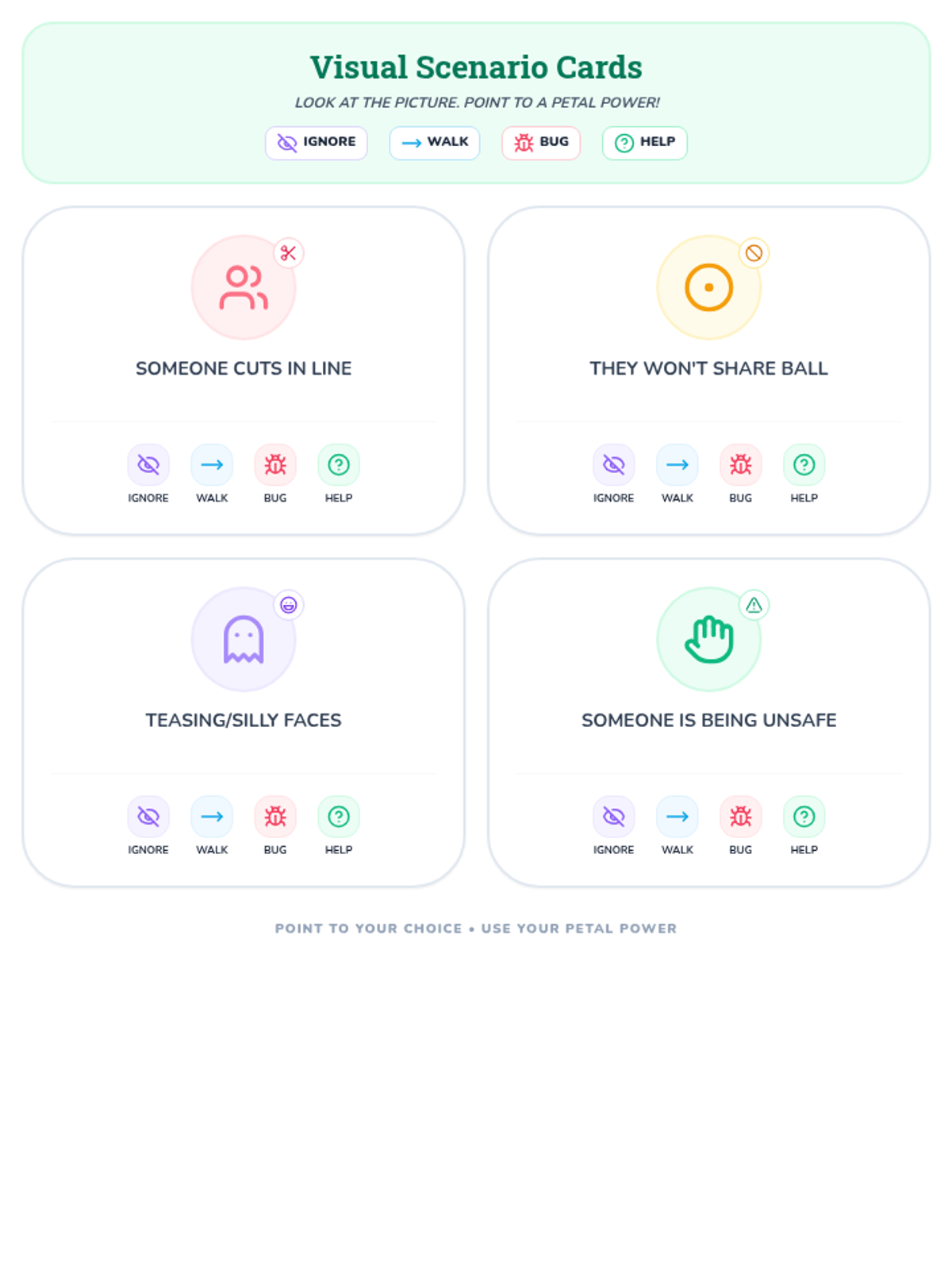
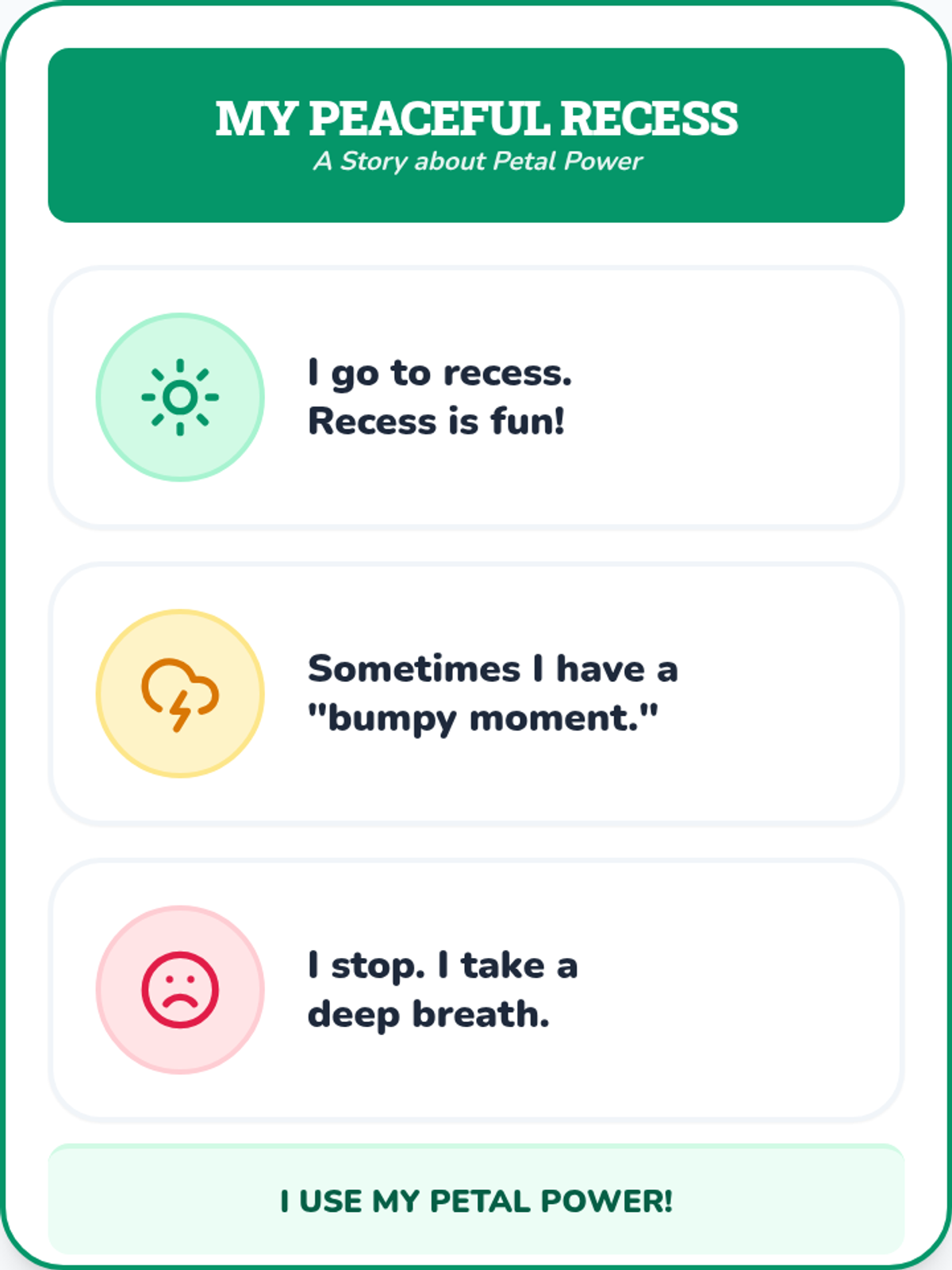
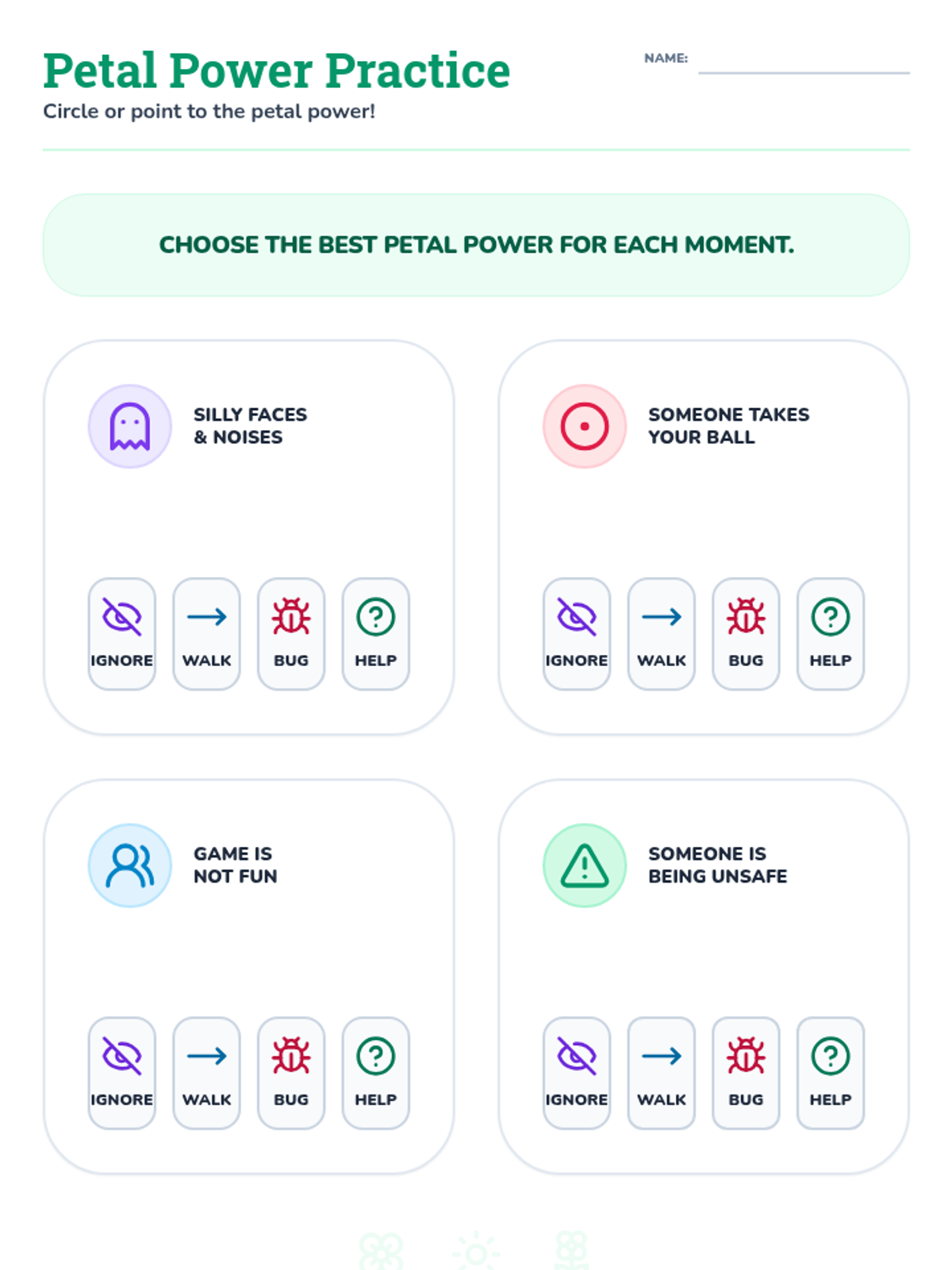
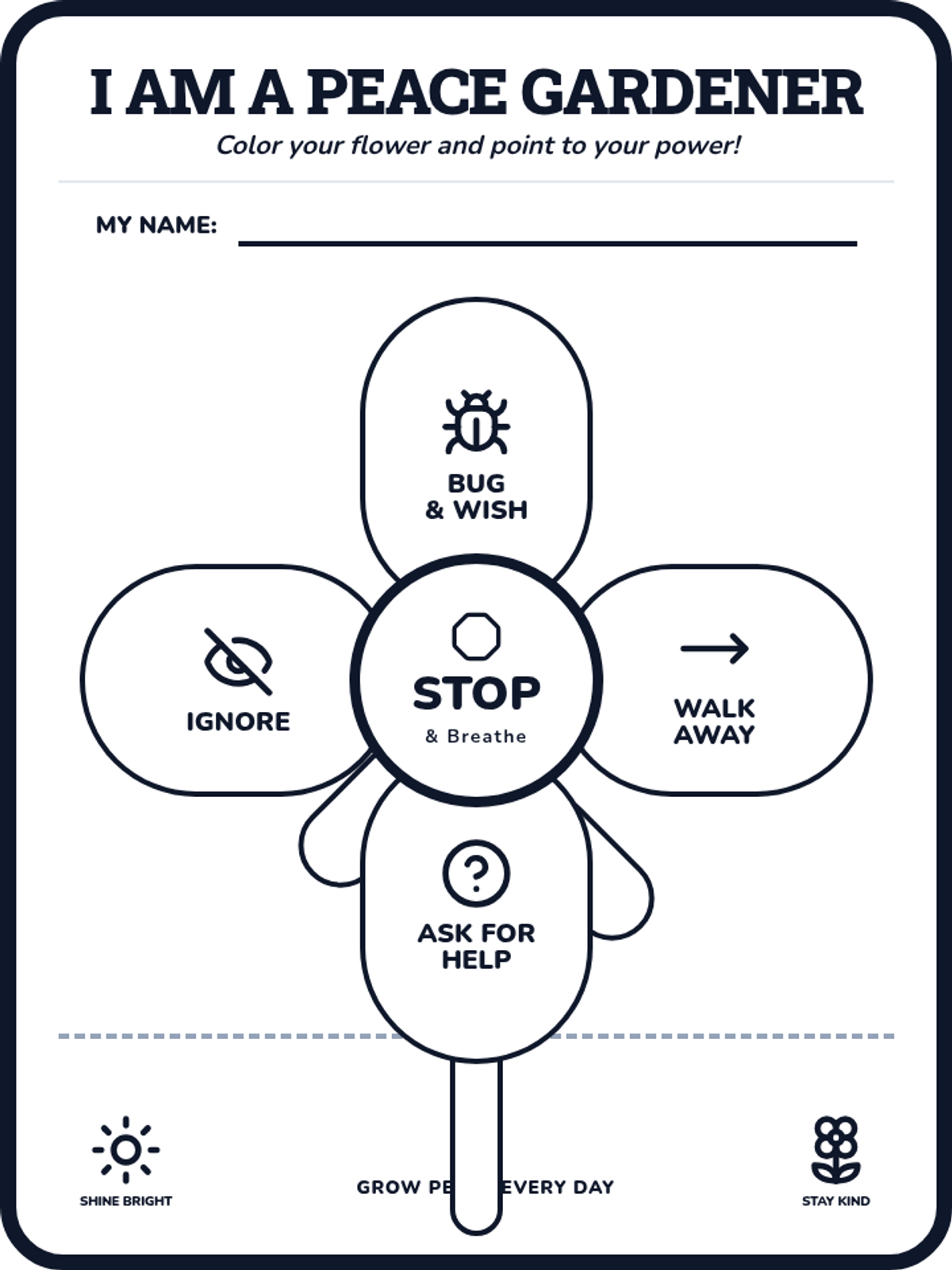
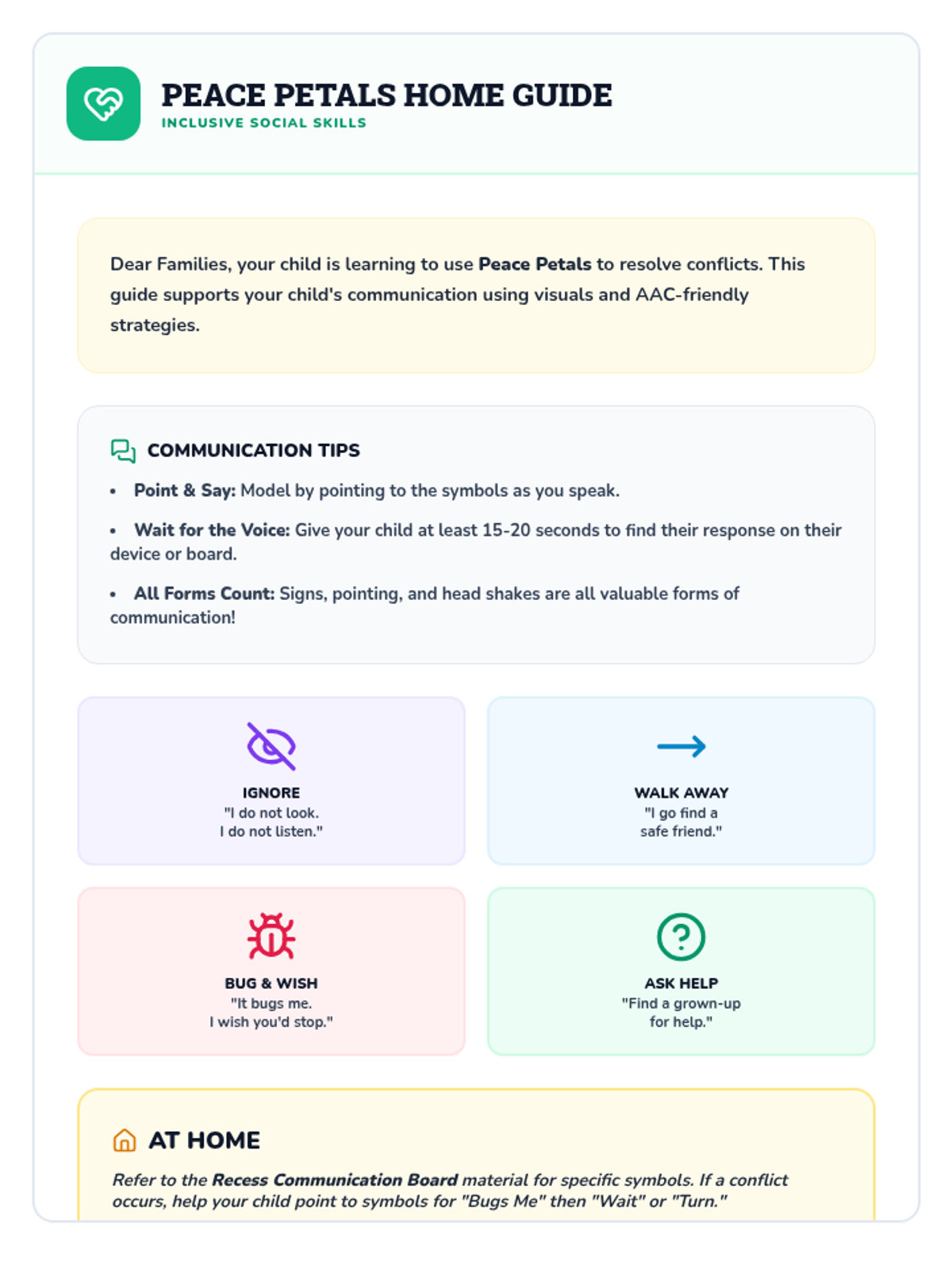
A gentle, flower-themed lesson for elementary students to learn social-emotional strategies for resolving conflicts during recess using the 'Peace Petals' framework.