A comprehensive lesson for a kindergarten student with ASD focused on building cognitive flexibility and emotional regulation during unexpected changes. Includes a detailed lesson plan, social worker script, data tracking, and a student workbook.
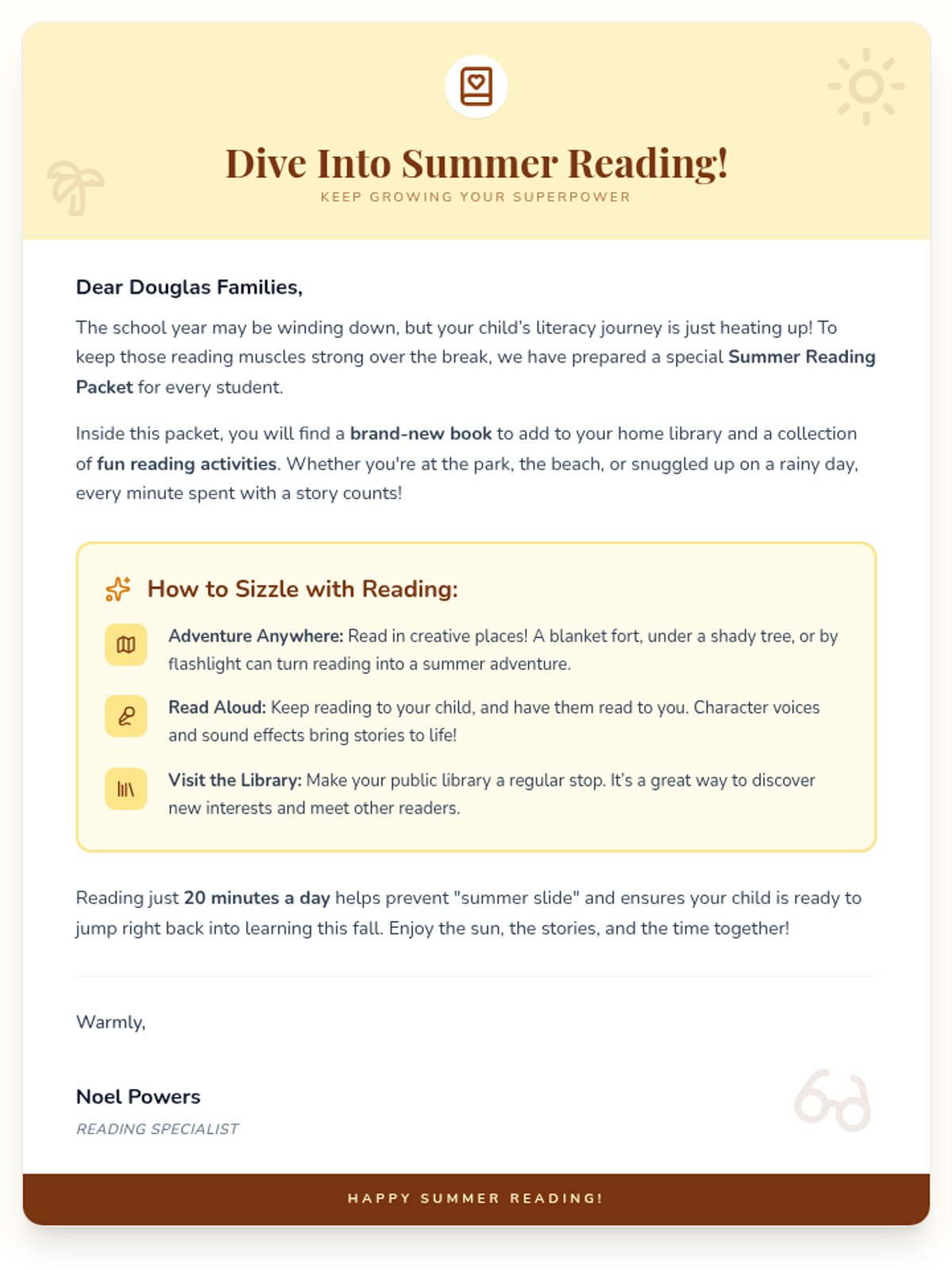
A collection of resources to encourage and track reading progress over the summer break for K-3 students, including a parent letter and activity suggestions.
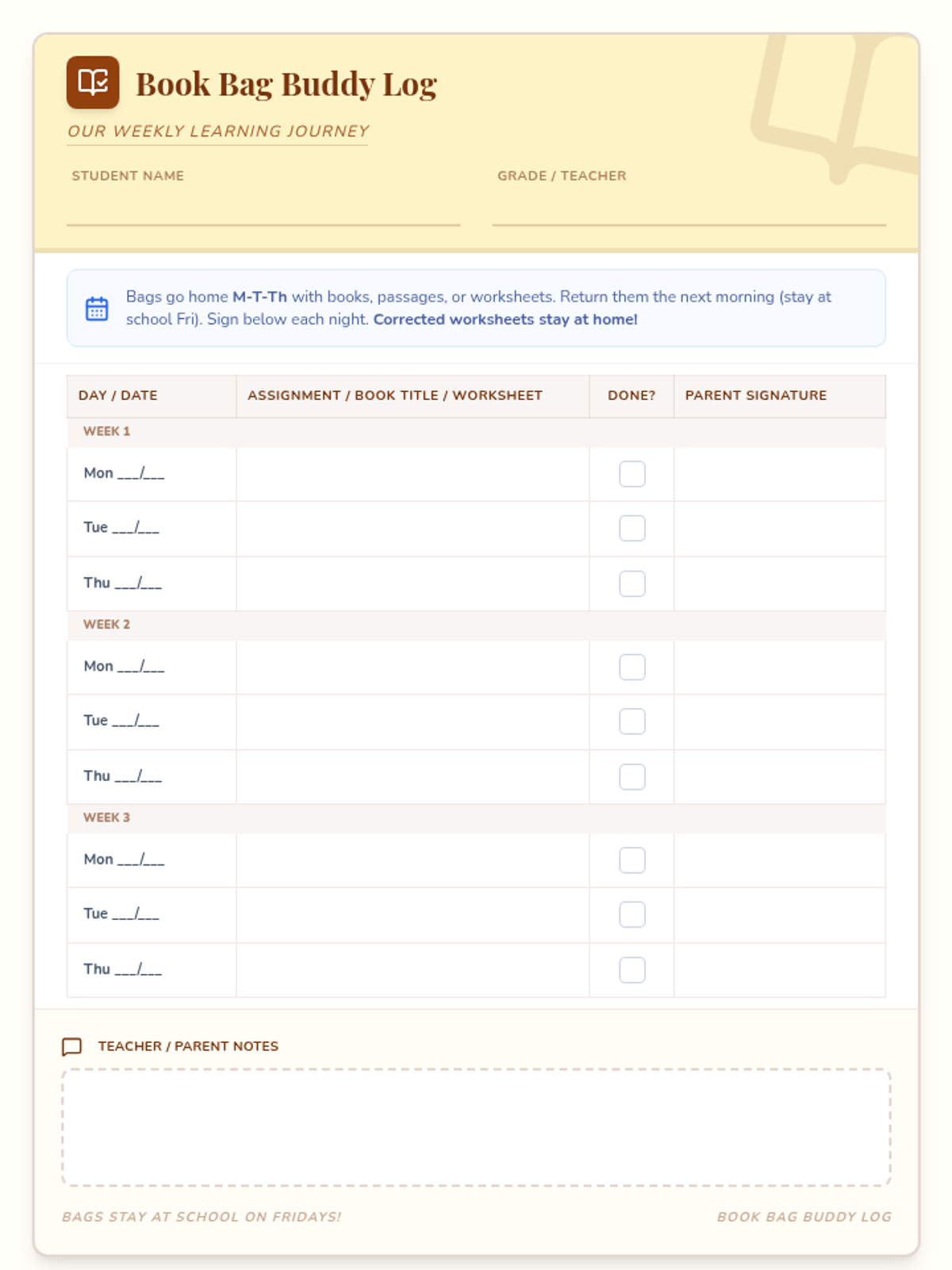
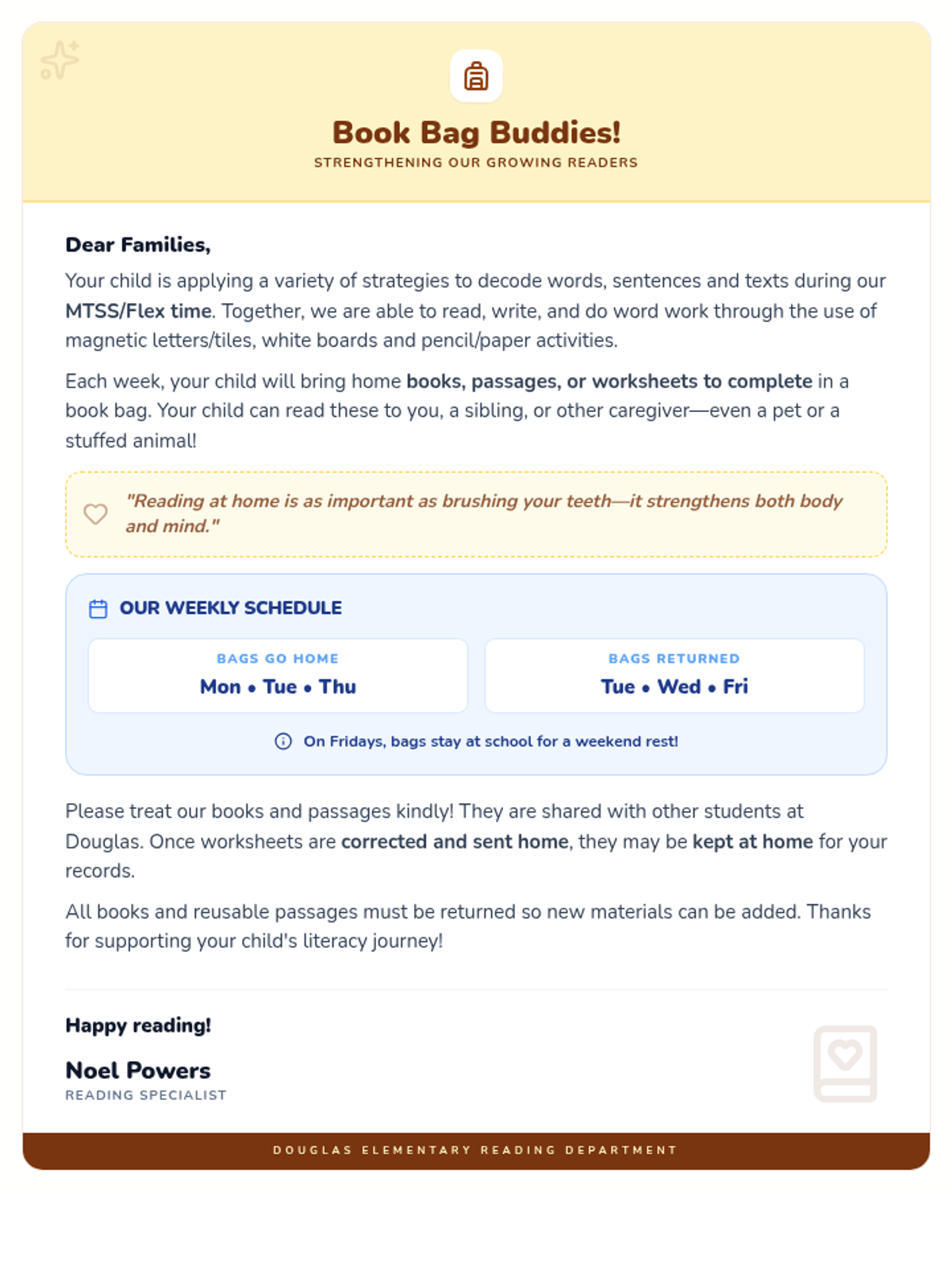
A home-school communication system for K-3 students featuring a homework bag log and an introductory letter for parents, detailing a Monday-Tuesday-Thursday homework schedule.
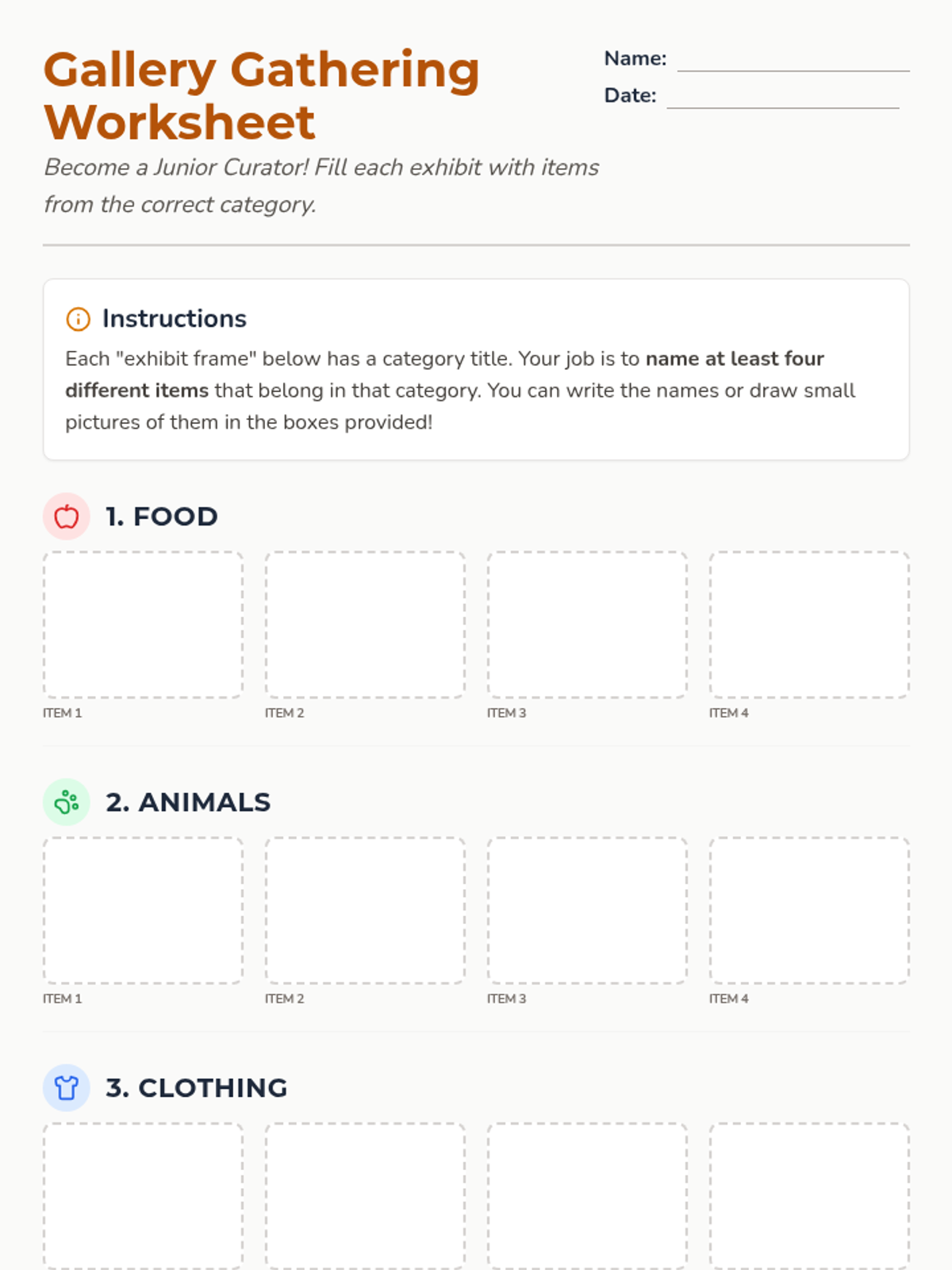
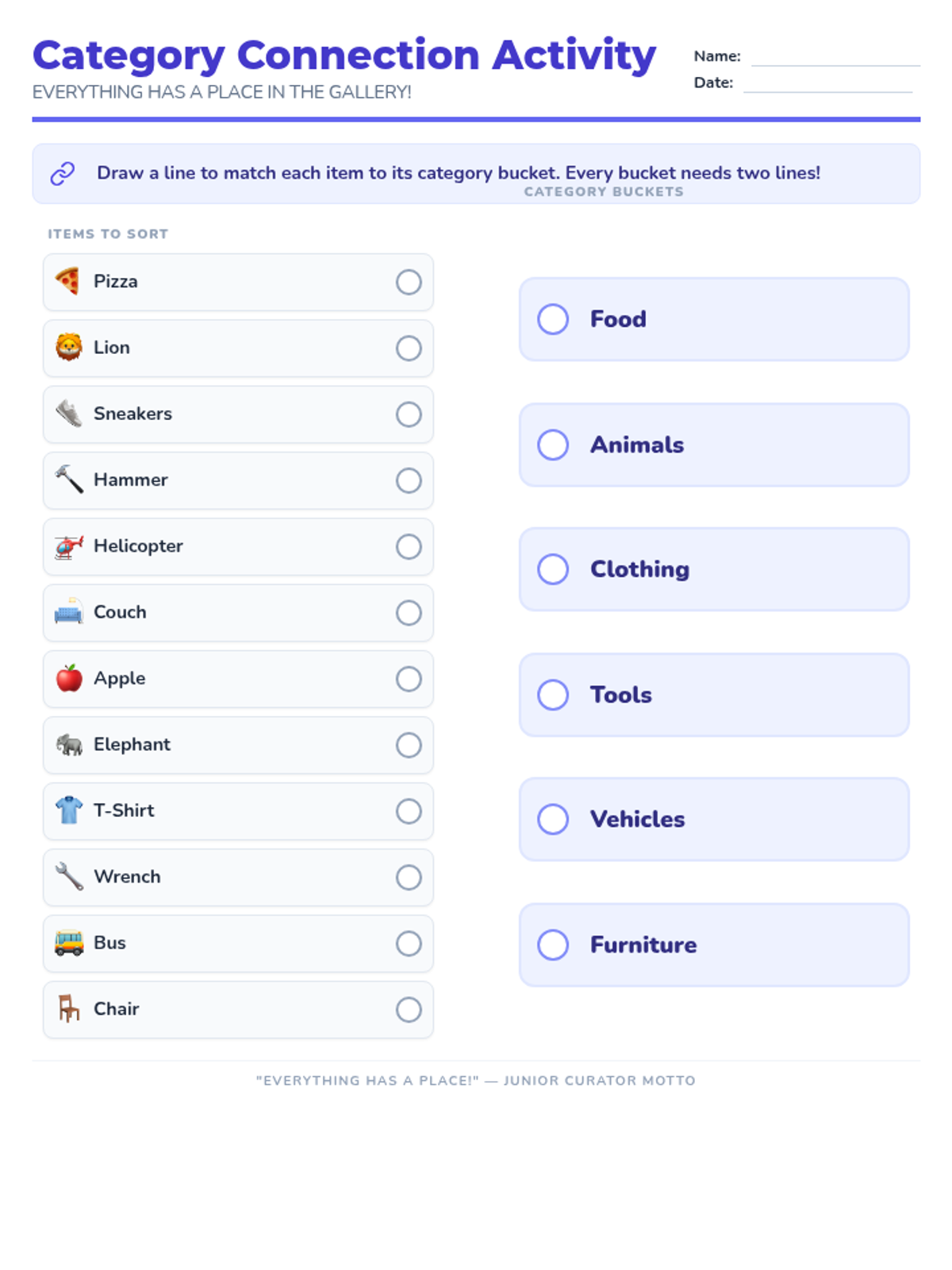
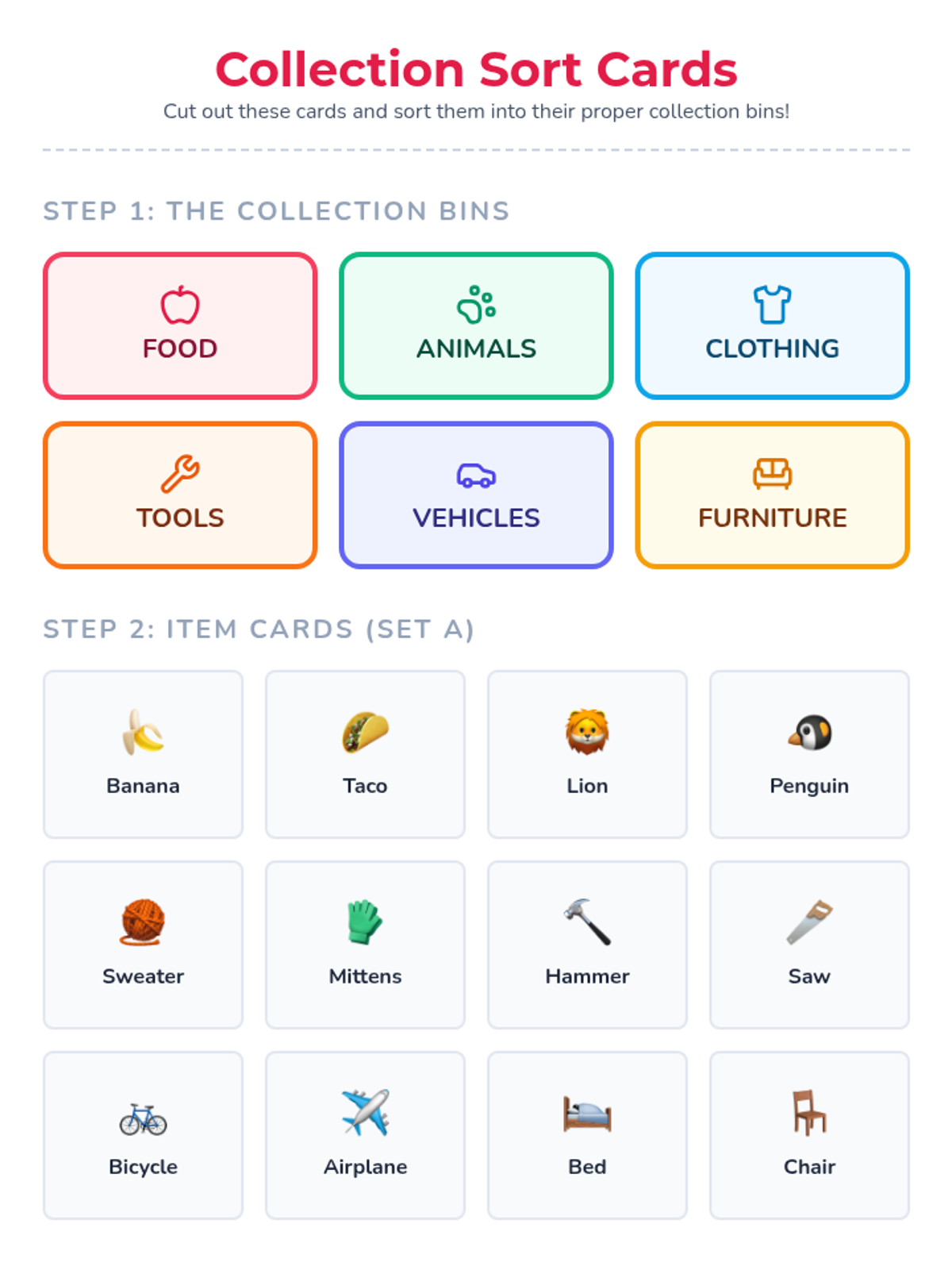
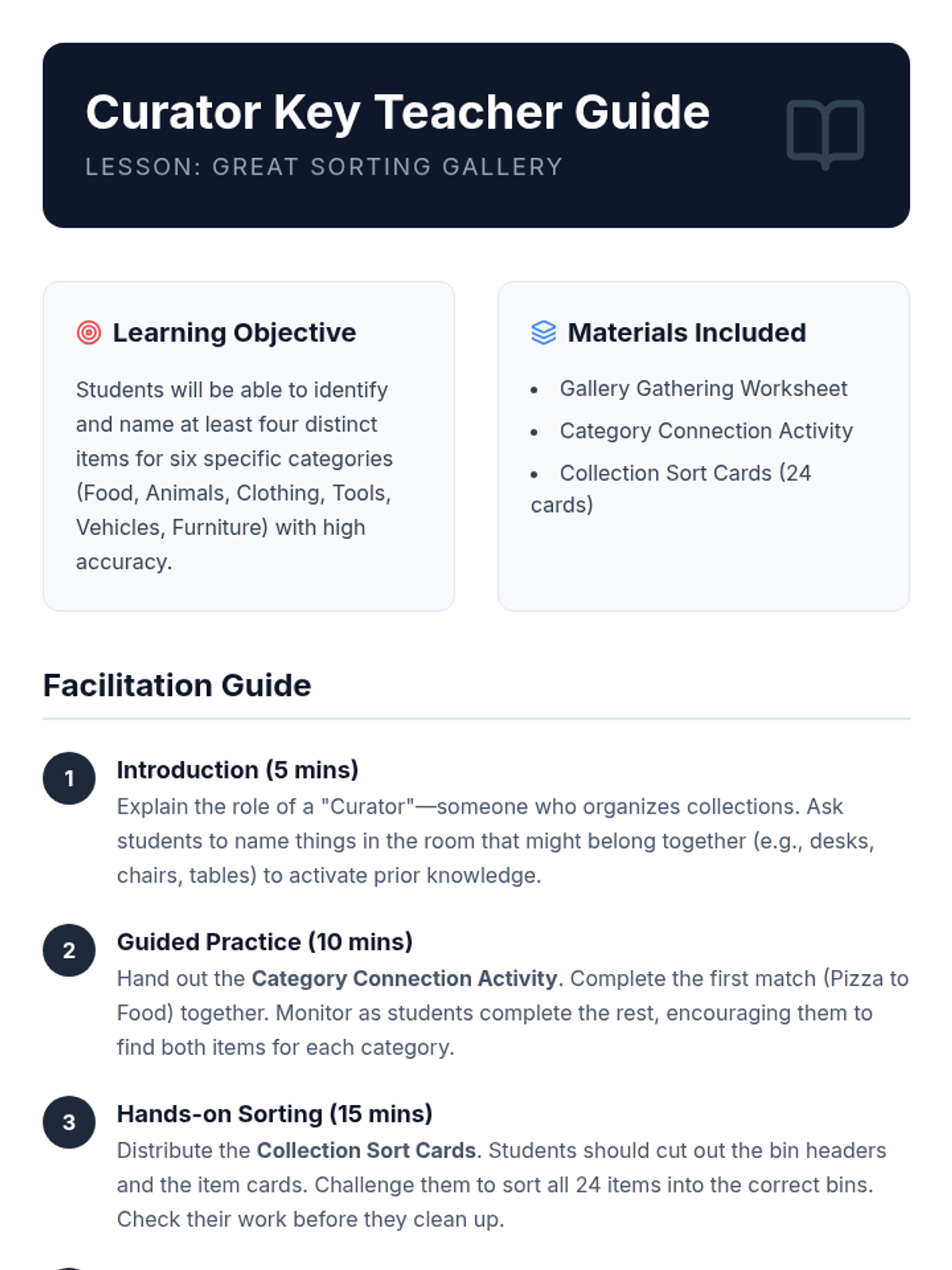
Students will practice classifying and naming items within six specific categories: Food, Animals, Clothing, Tools, Vehicles, and Furniture. Through a variety of interactive and visual tasks, they will demonstrate their ability to generate at least four distinct examples for each category.
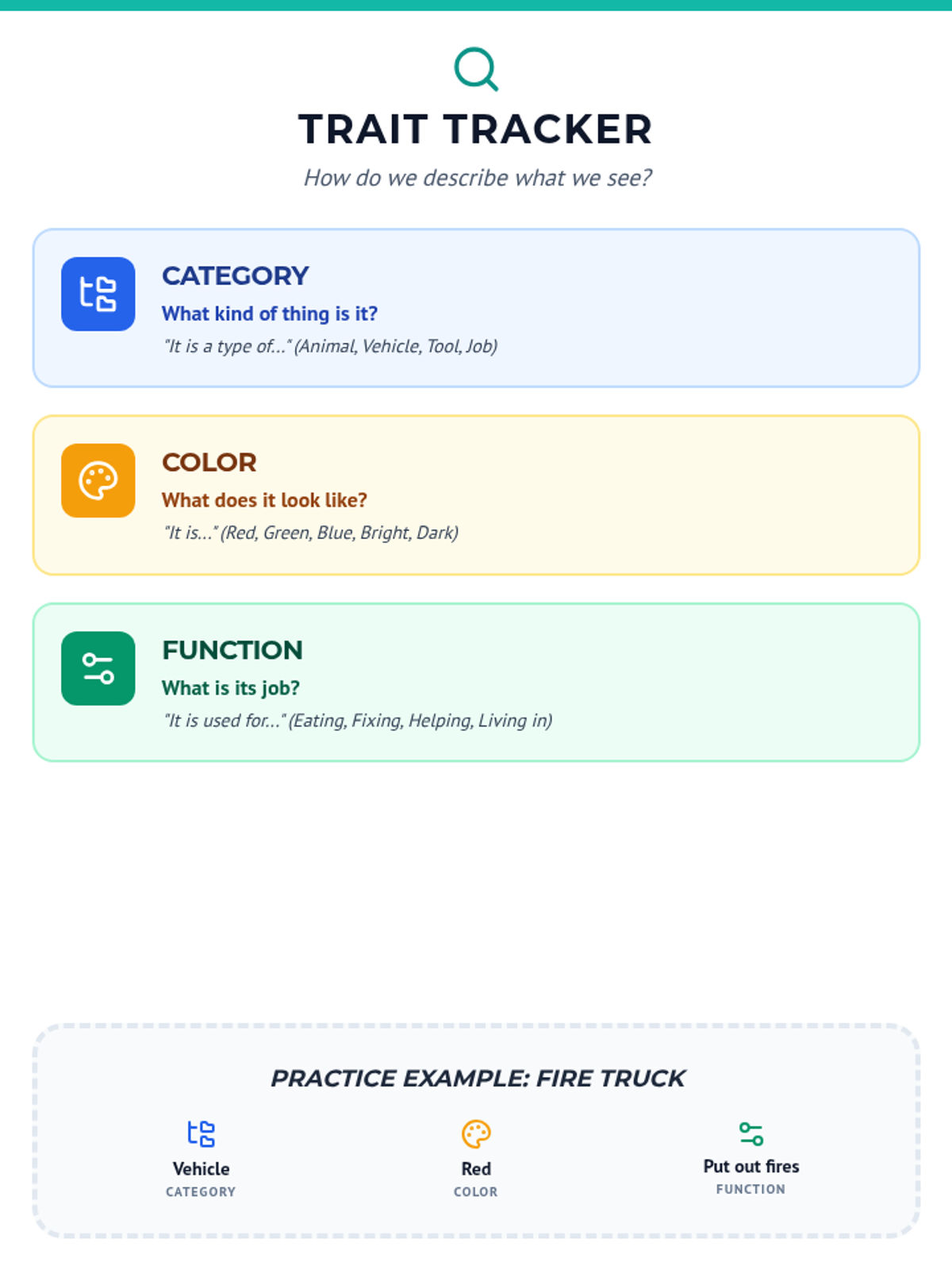
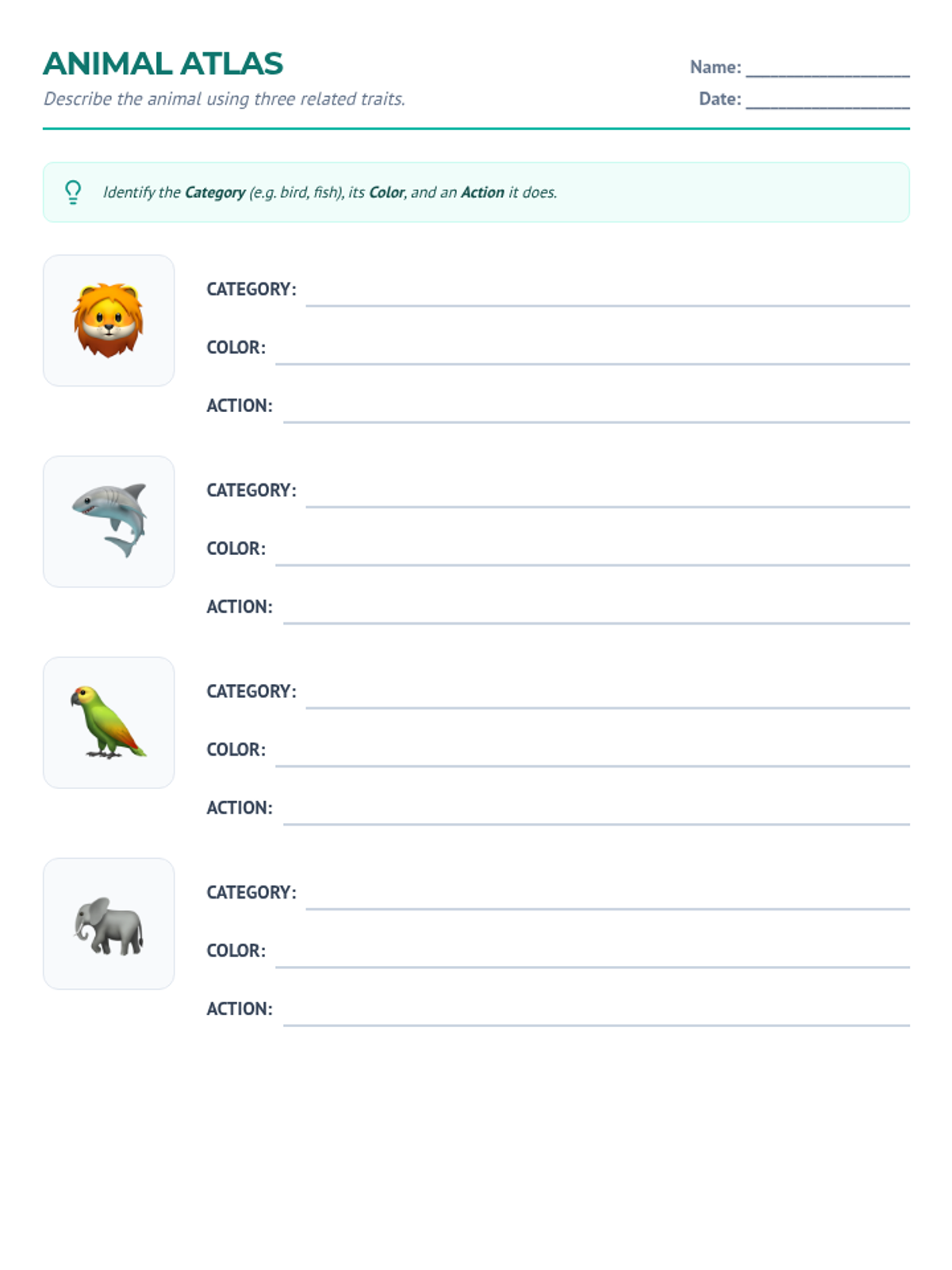
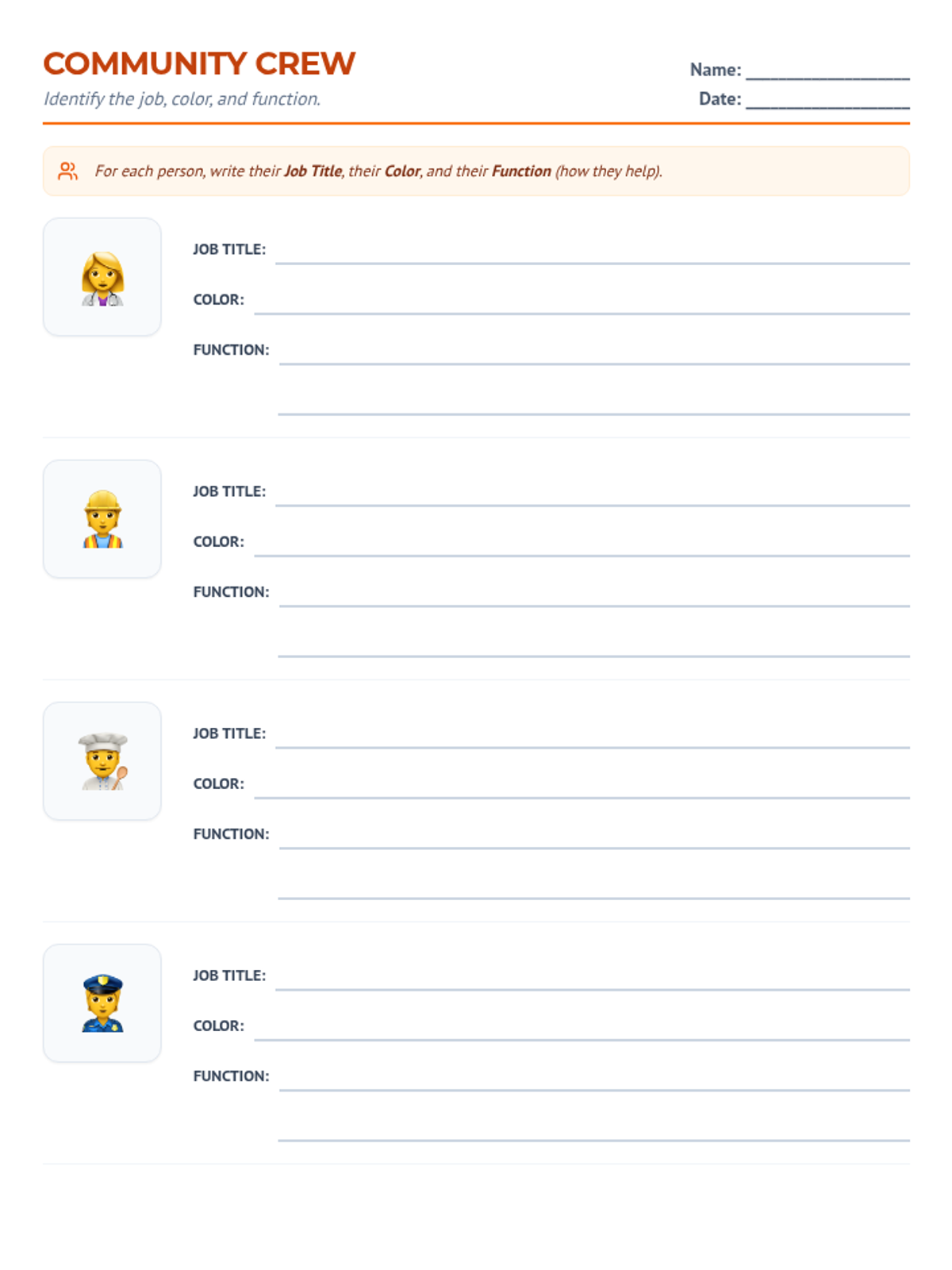
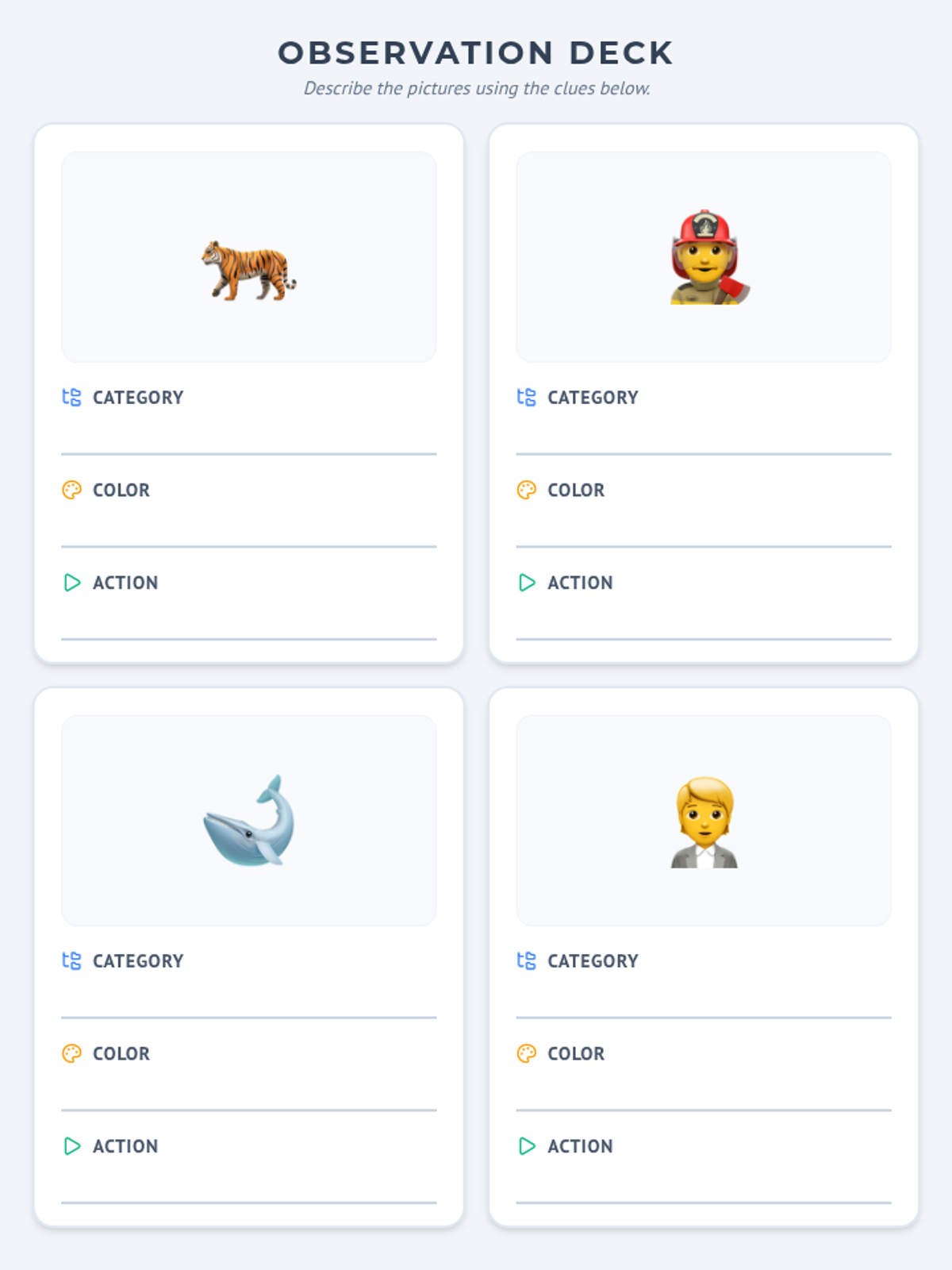
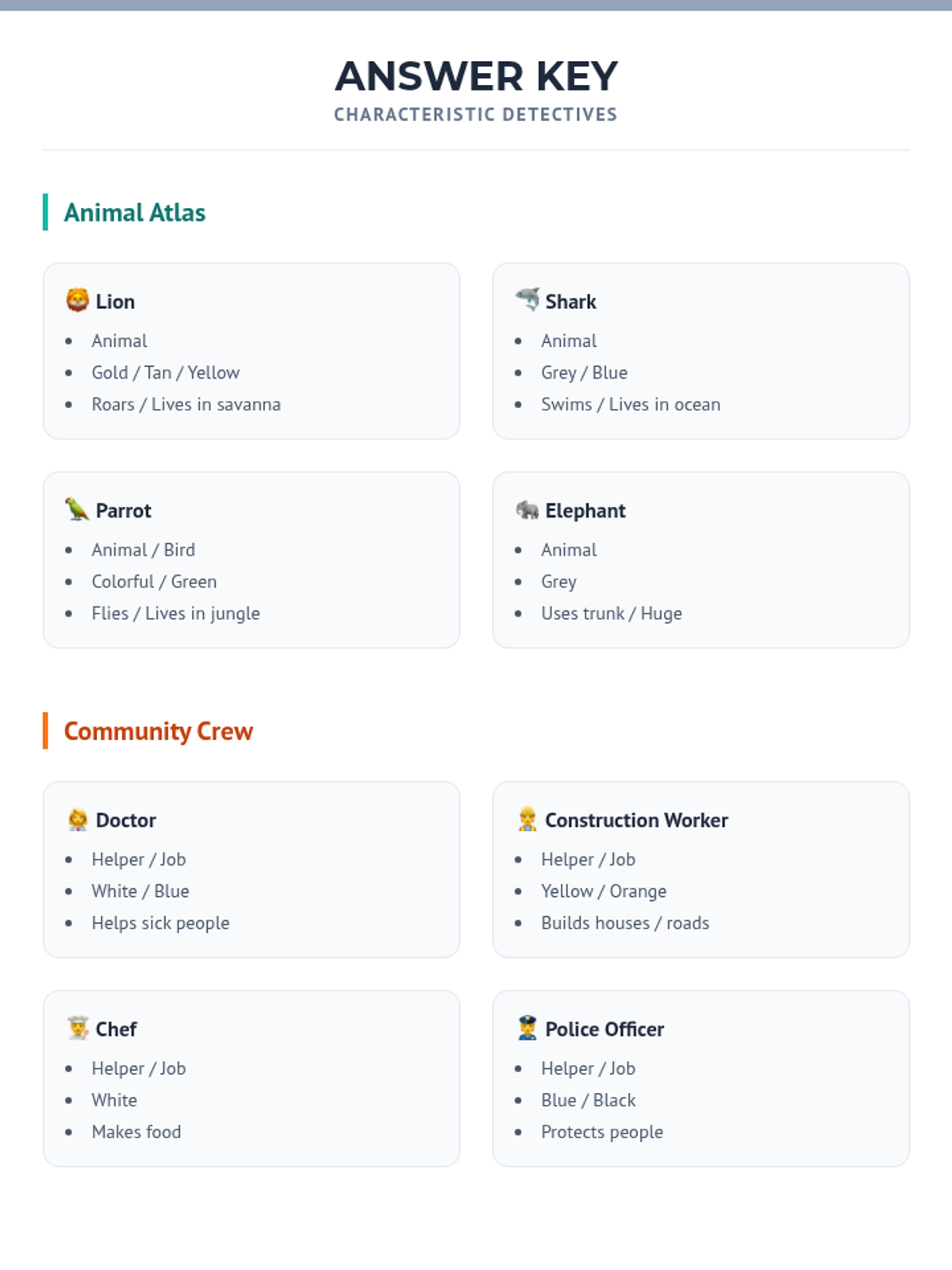
This lesson helps students identify and name three specific characteristics (color, category, and function) for common objects, focusing on animals and community helpers. Students use visual prompts and structured practice to build descriptive language skills.
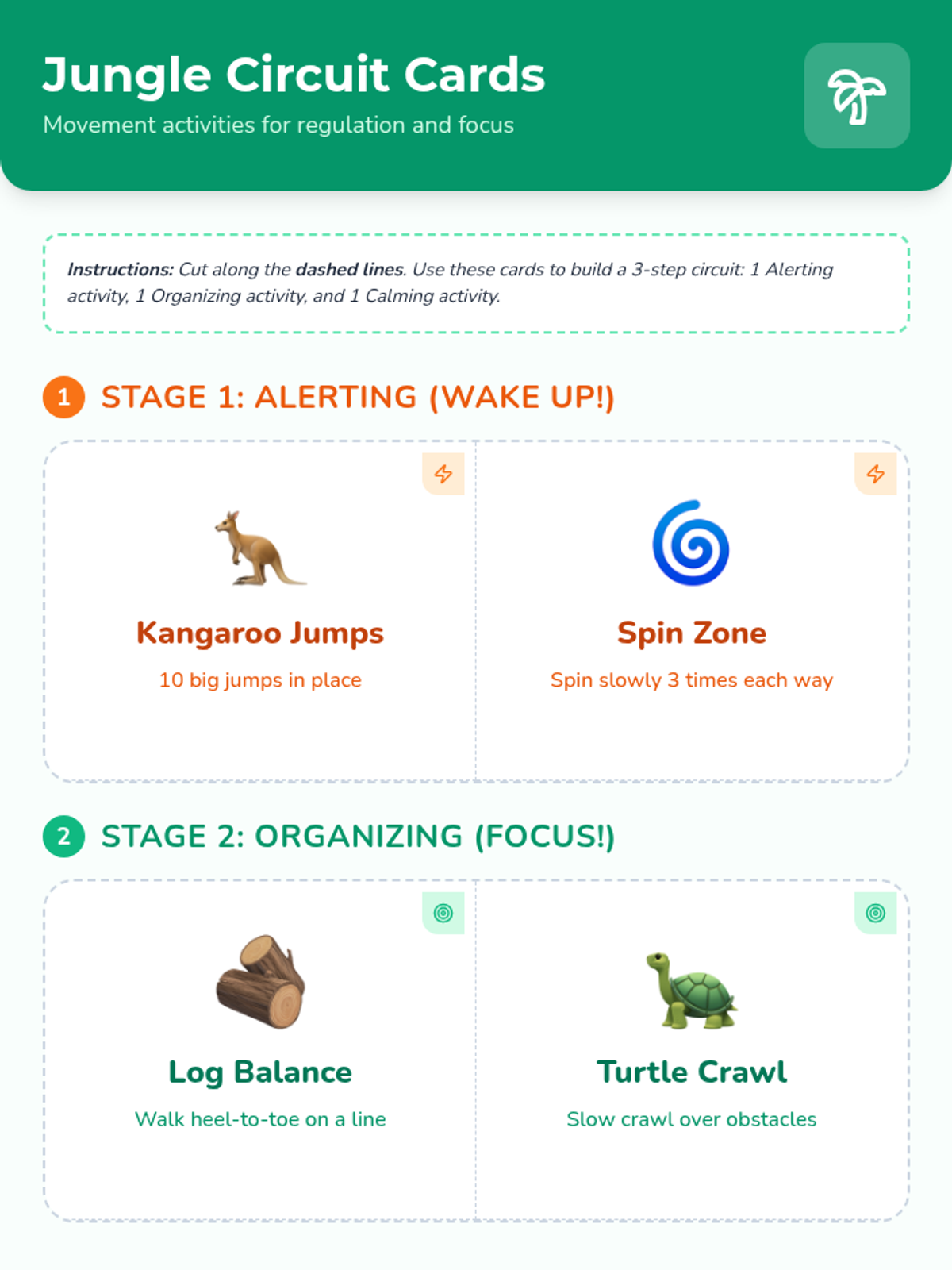
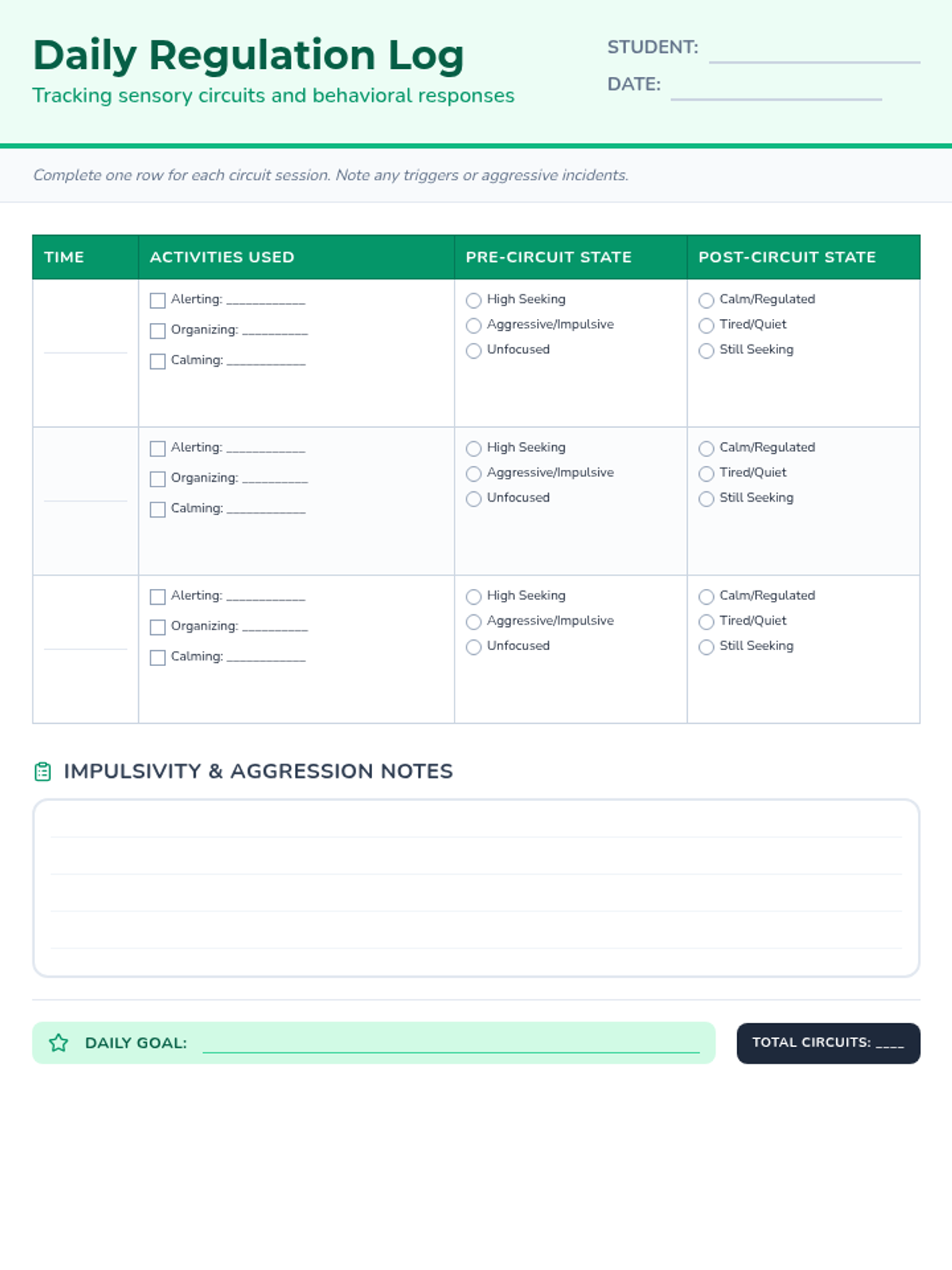
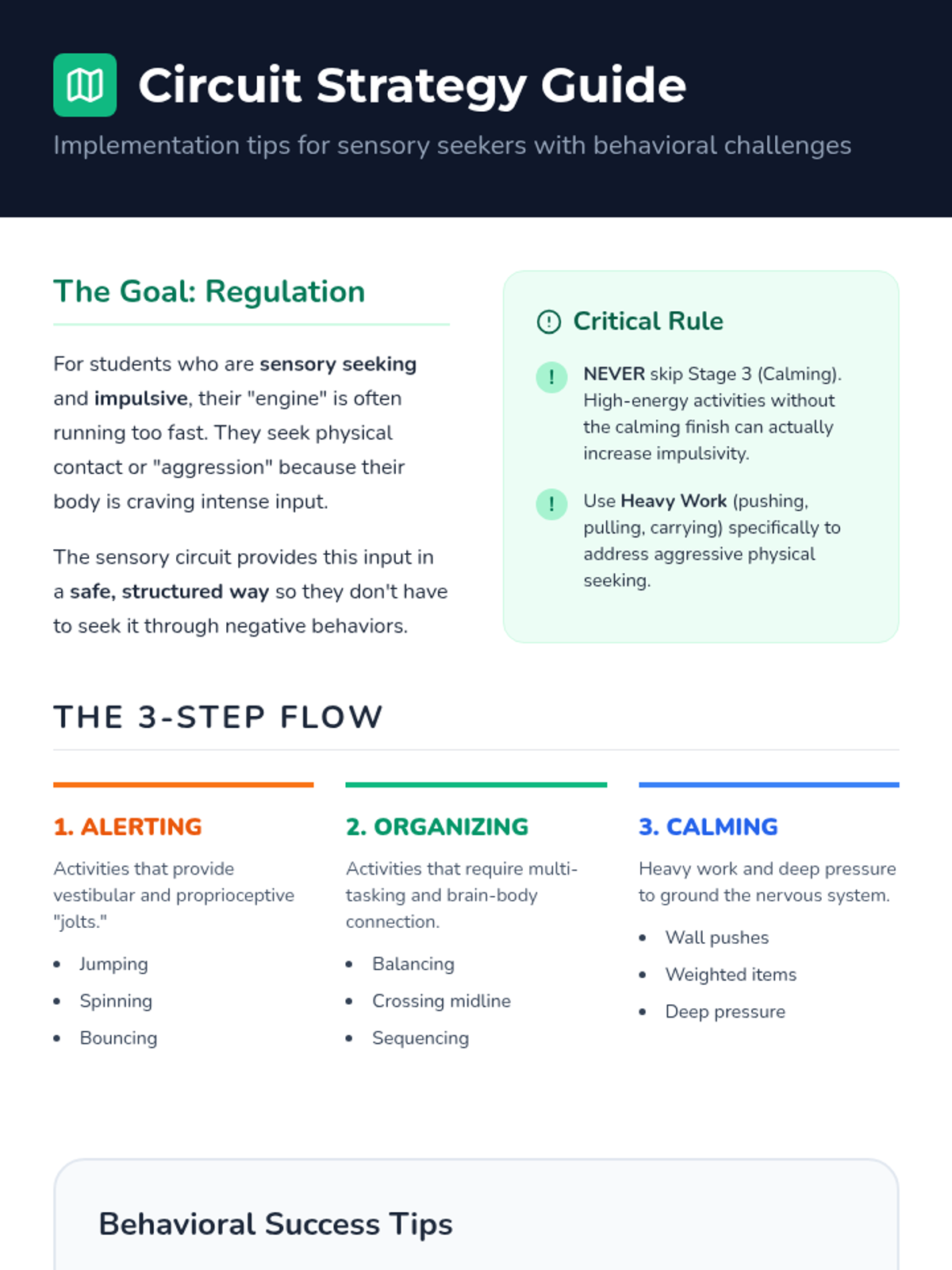
A sensory circuit program designed for preschool students to manage high energy and impulsivity through structured alerting, organizing, and calming activities.
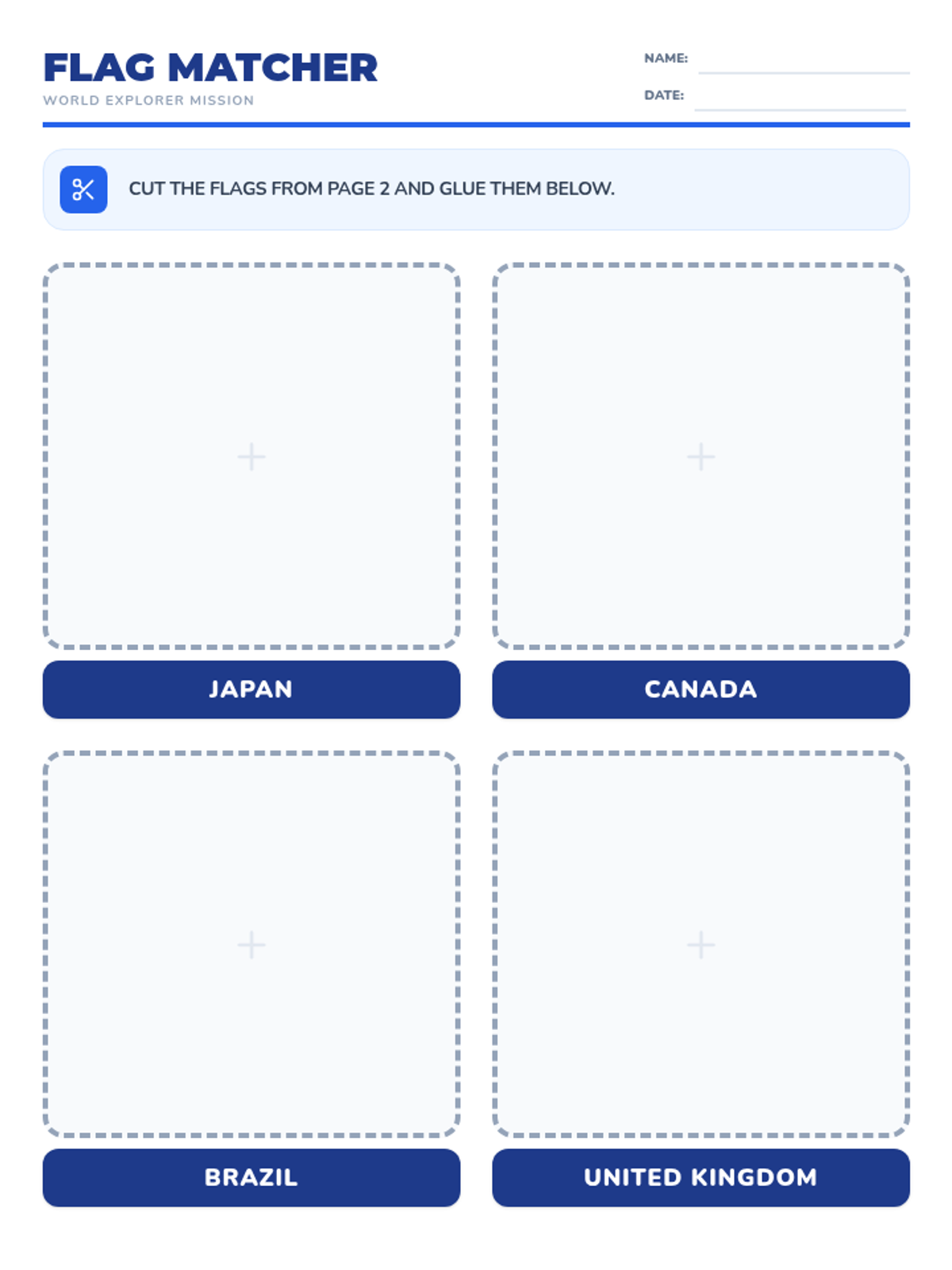
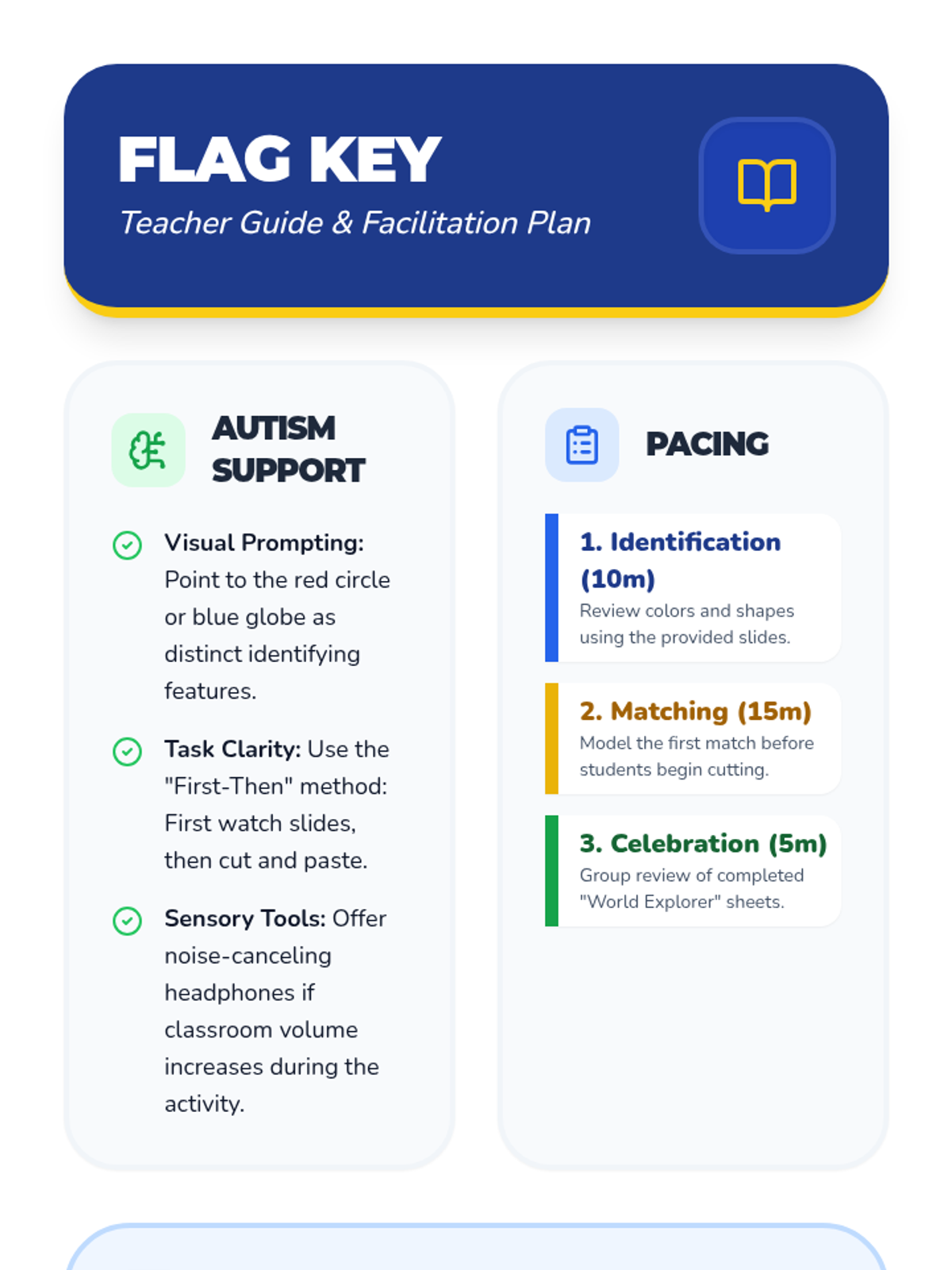
An introductory lesson on world flags designed for students with autism, focusing on visual identification and tactile matching using a structured, high-contrast approach.
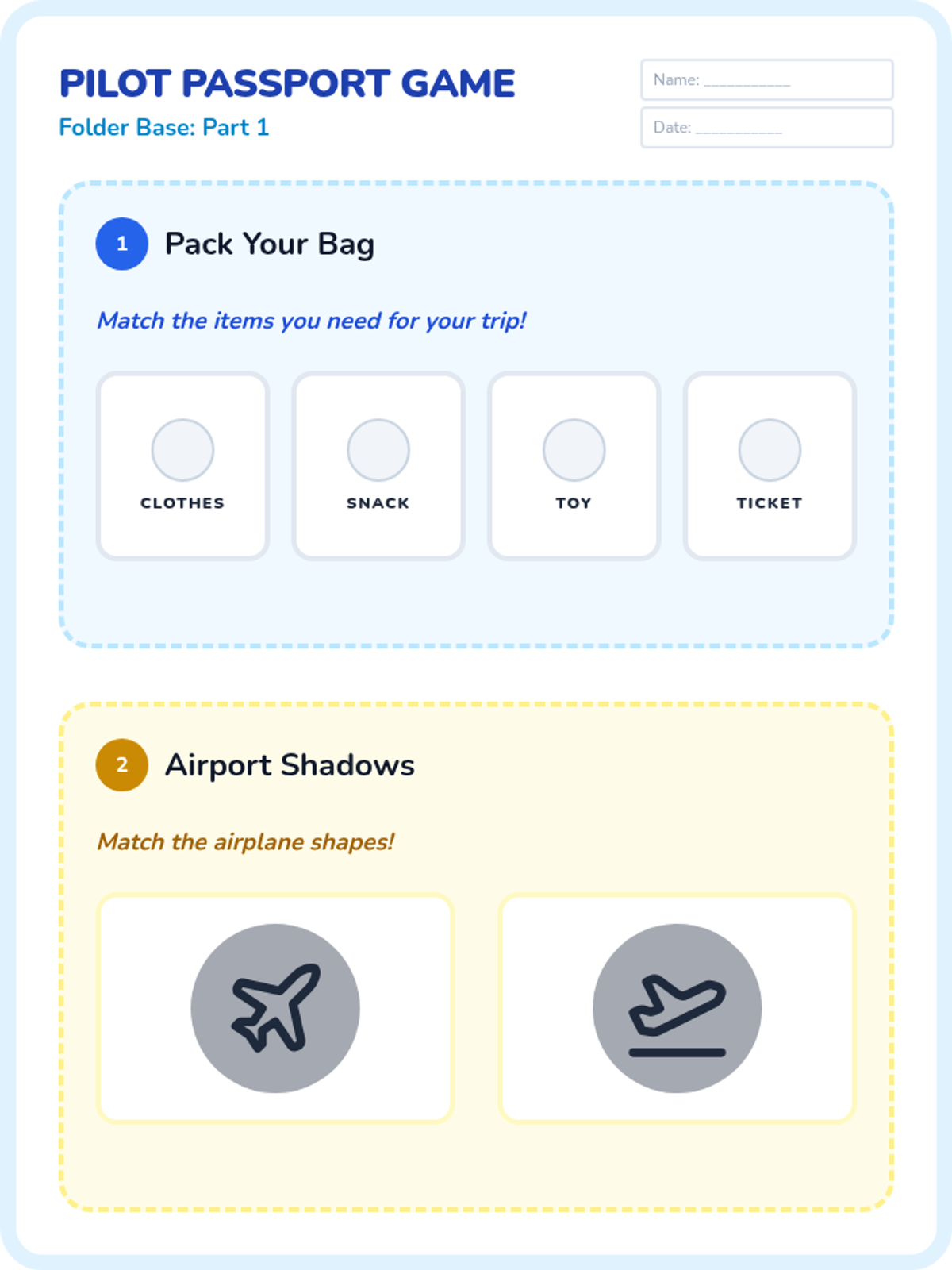
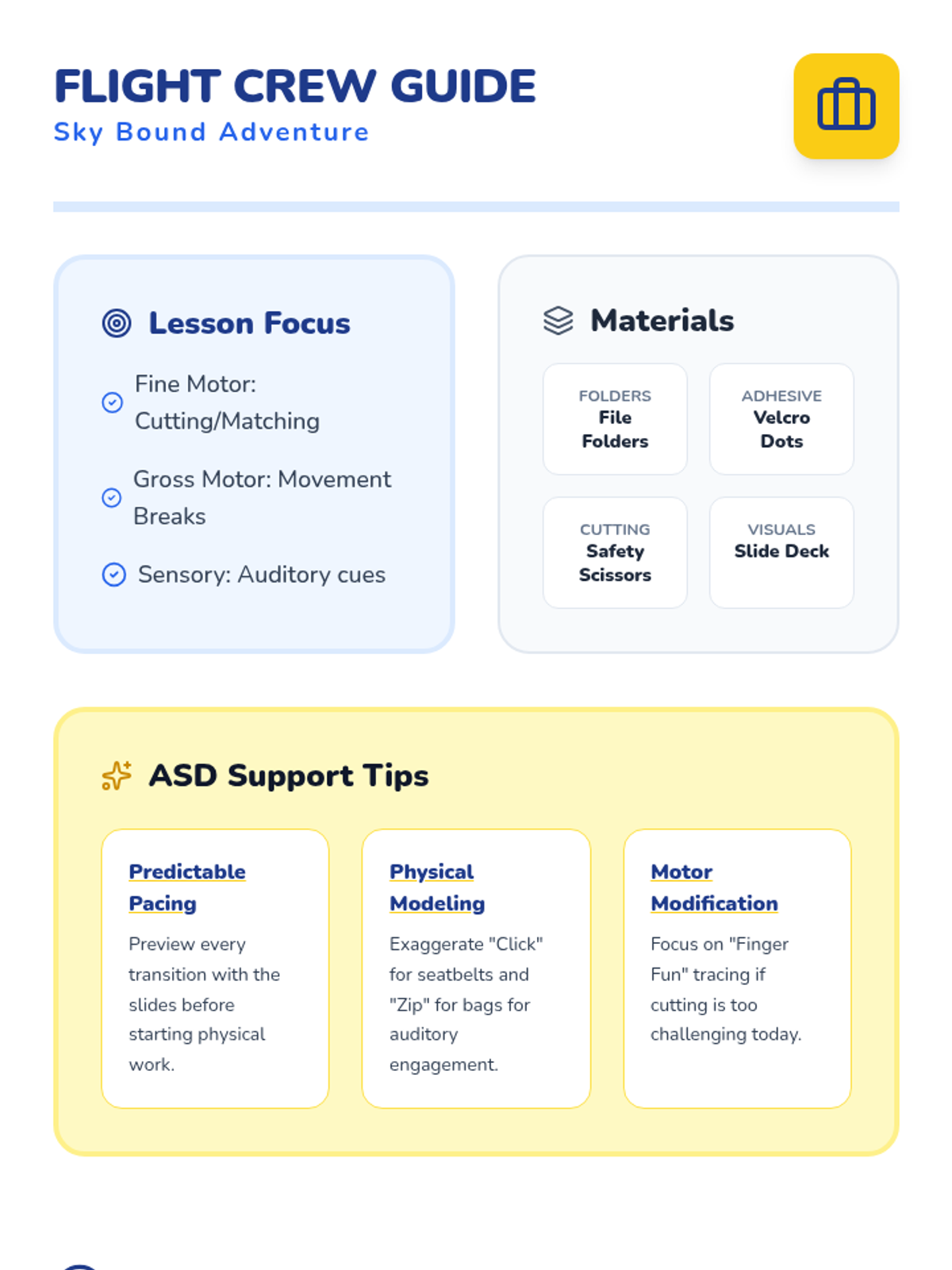
A high-engagement lesson designed for students with autism to explore air travel while developing fine and gross motor skills through visual sequencing and interactive play.
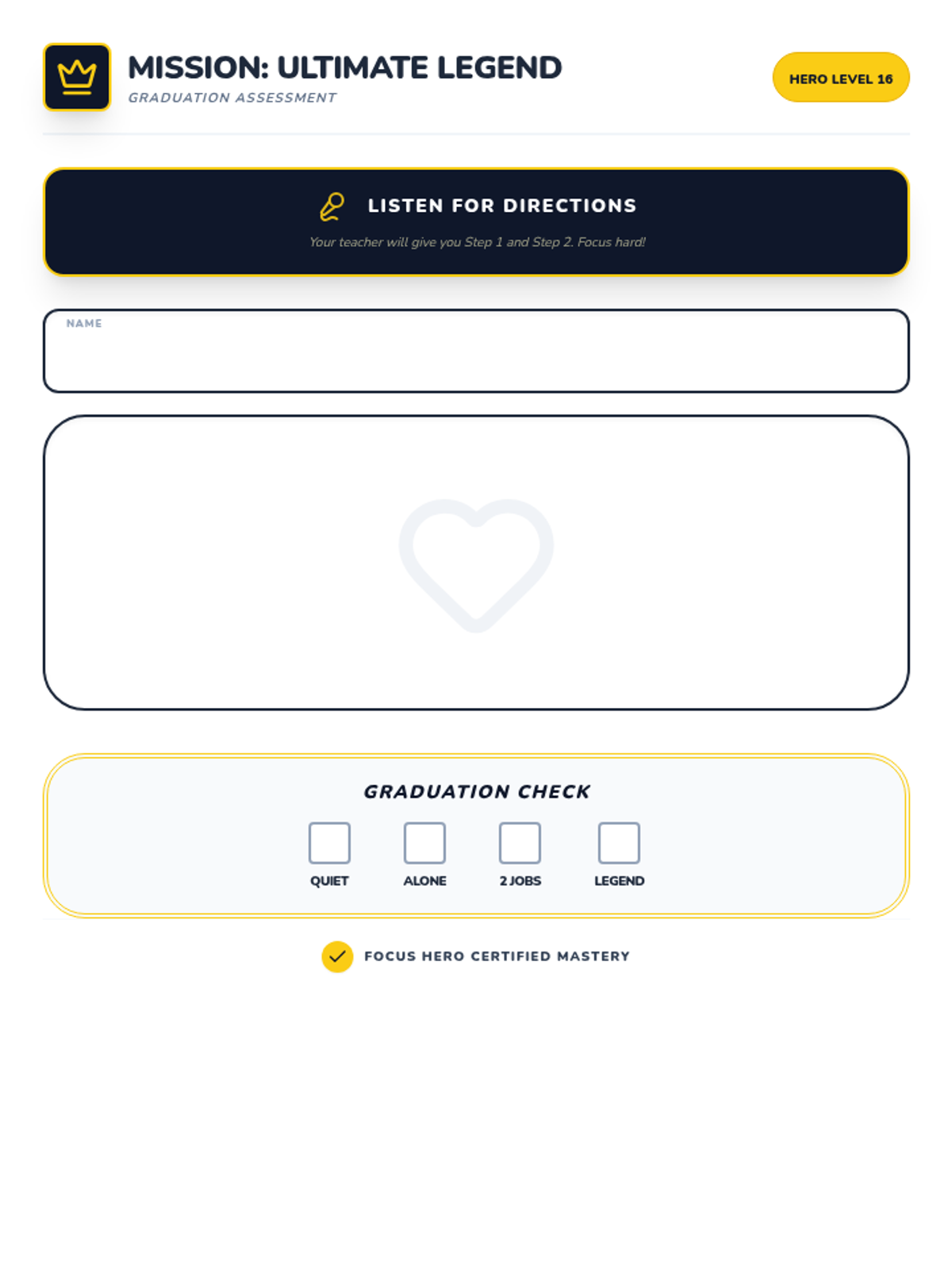
The final graduation mission: complex 2-step directions followed independently for a final assessment.
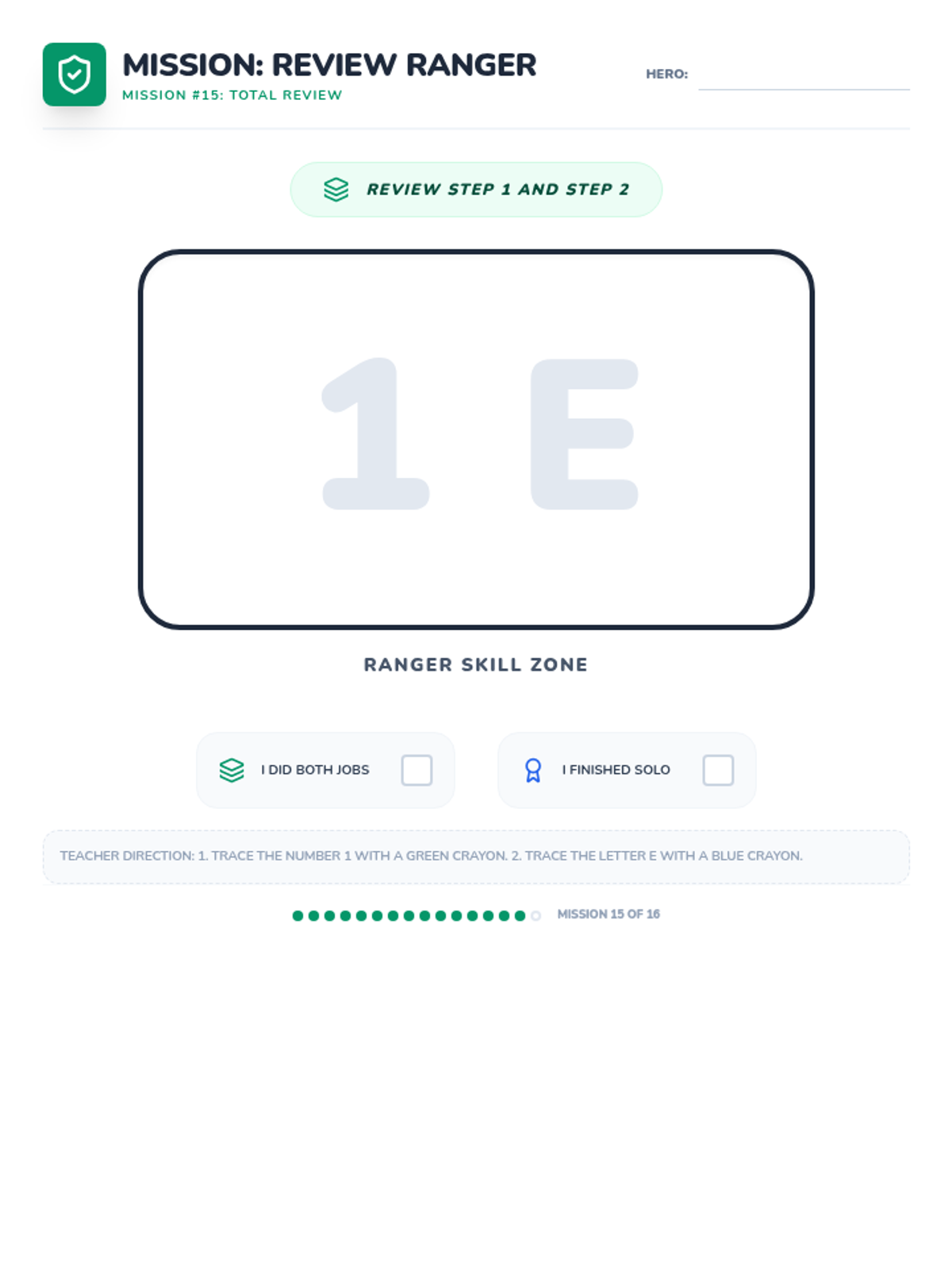
A mixed review of 2-step directions involving letters, numbers, and shapes.
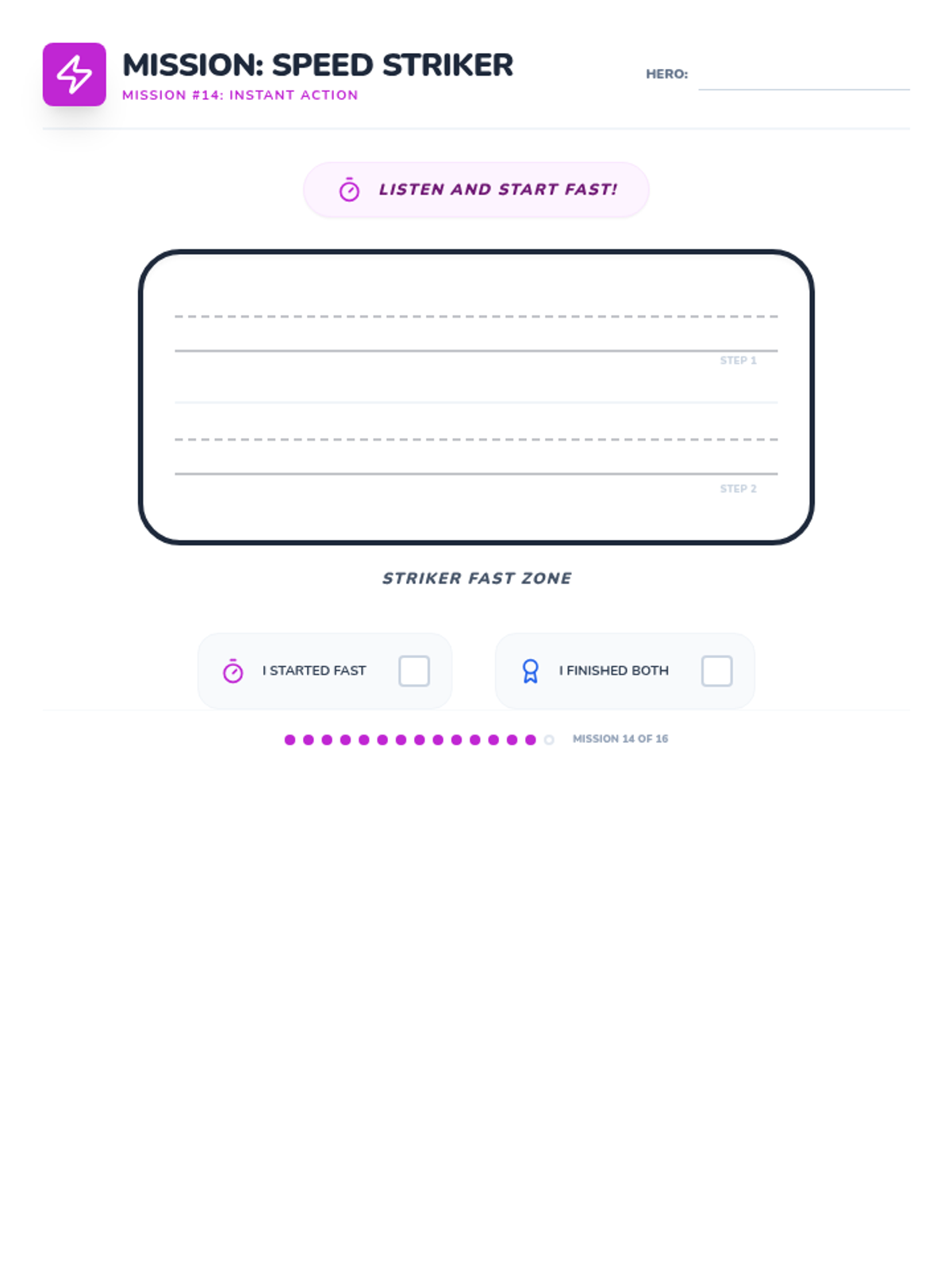
Focuses on the 'impulse control' aspect of attention: starting the 2-step task immediately after the 'GO' signal.
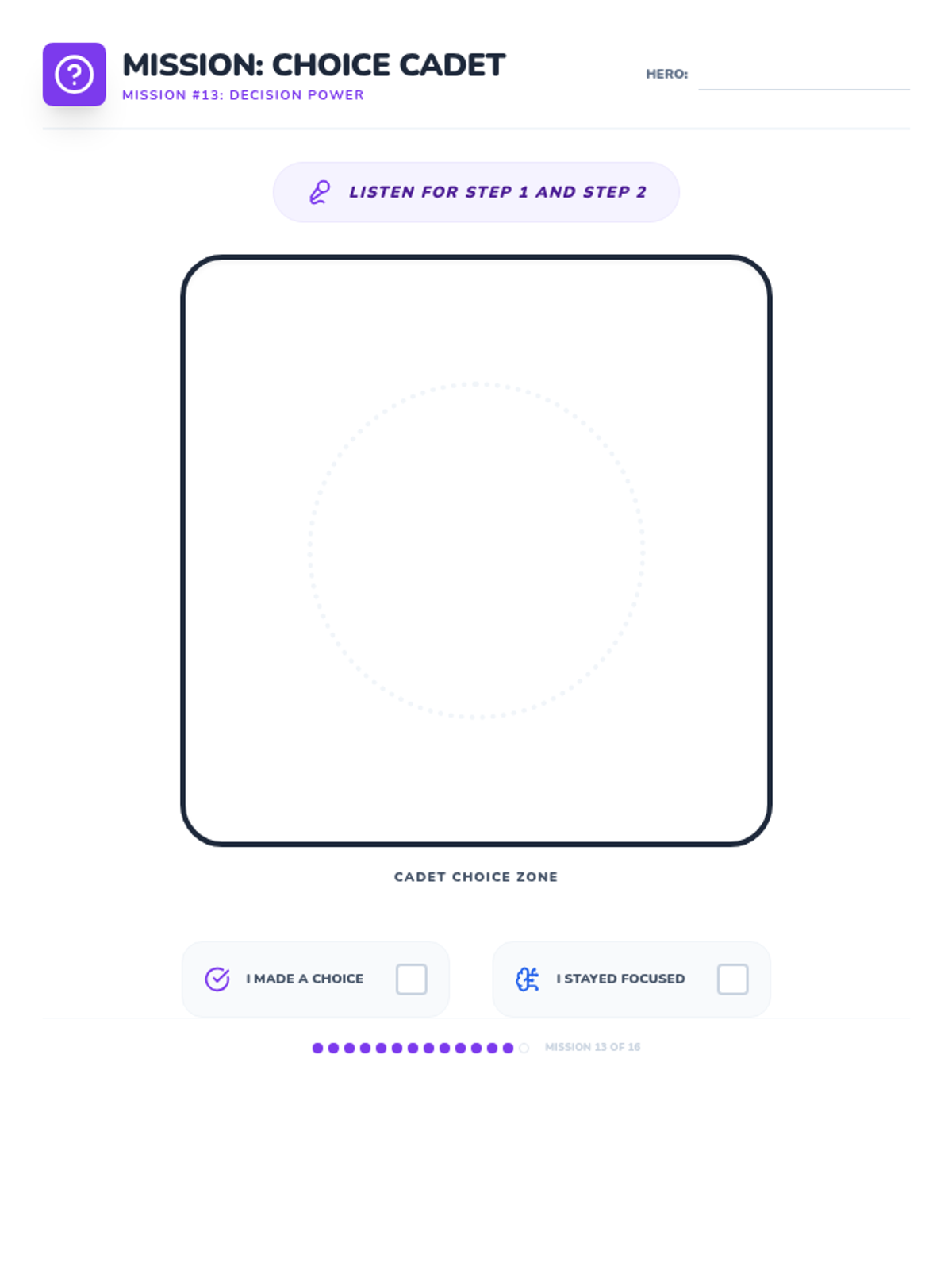
Introduces 2-step directions where the student must choose between two options (e.g., 'Draw a red OR blue circle').
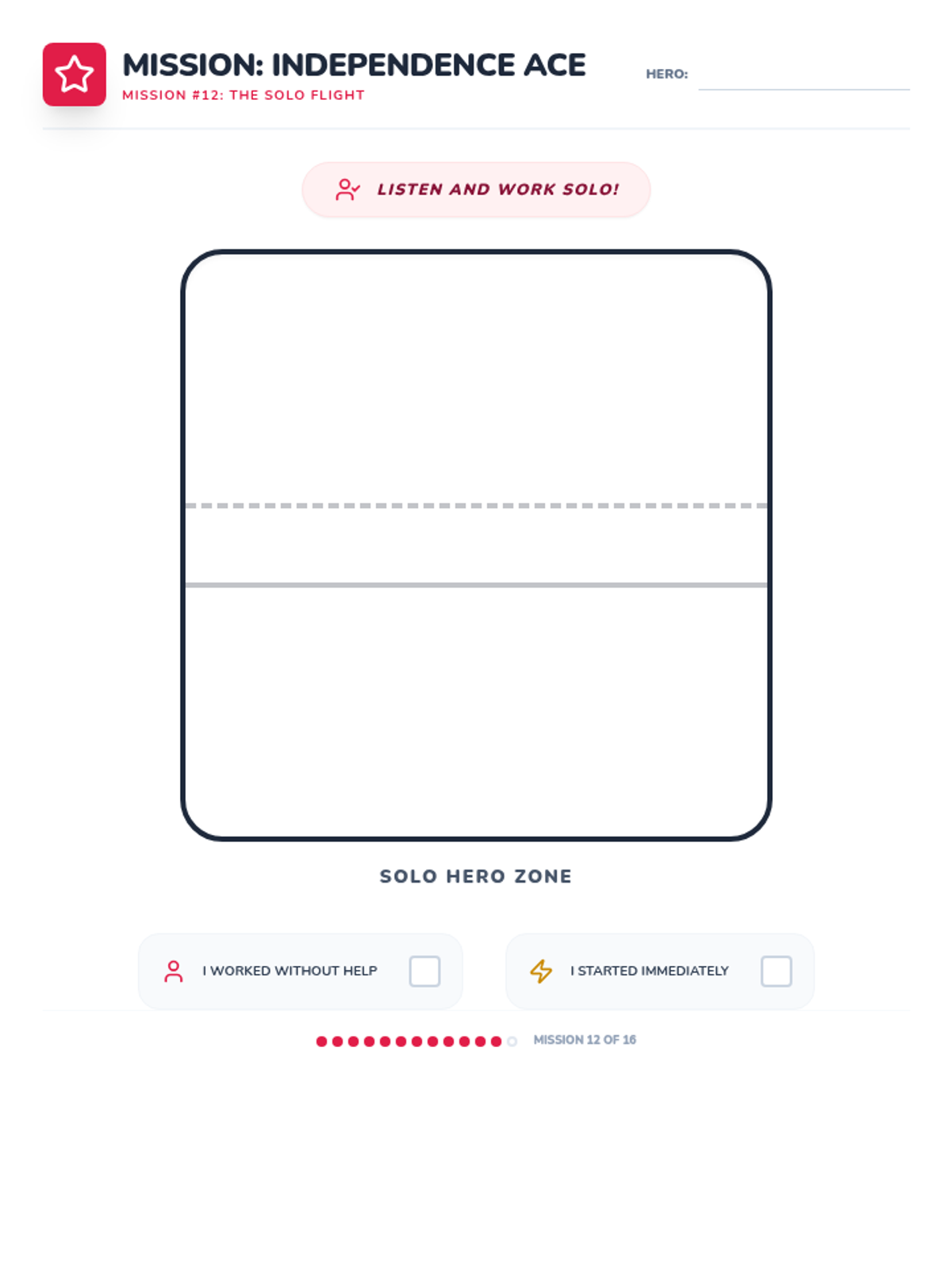
Students complete 2-step directions without any teacher repetition or prompting after the initial instruction.