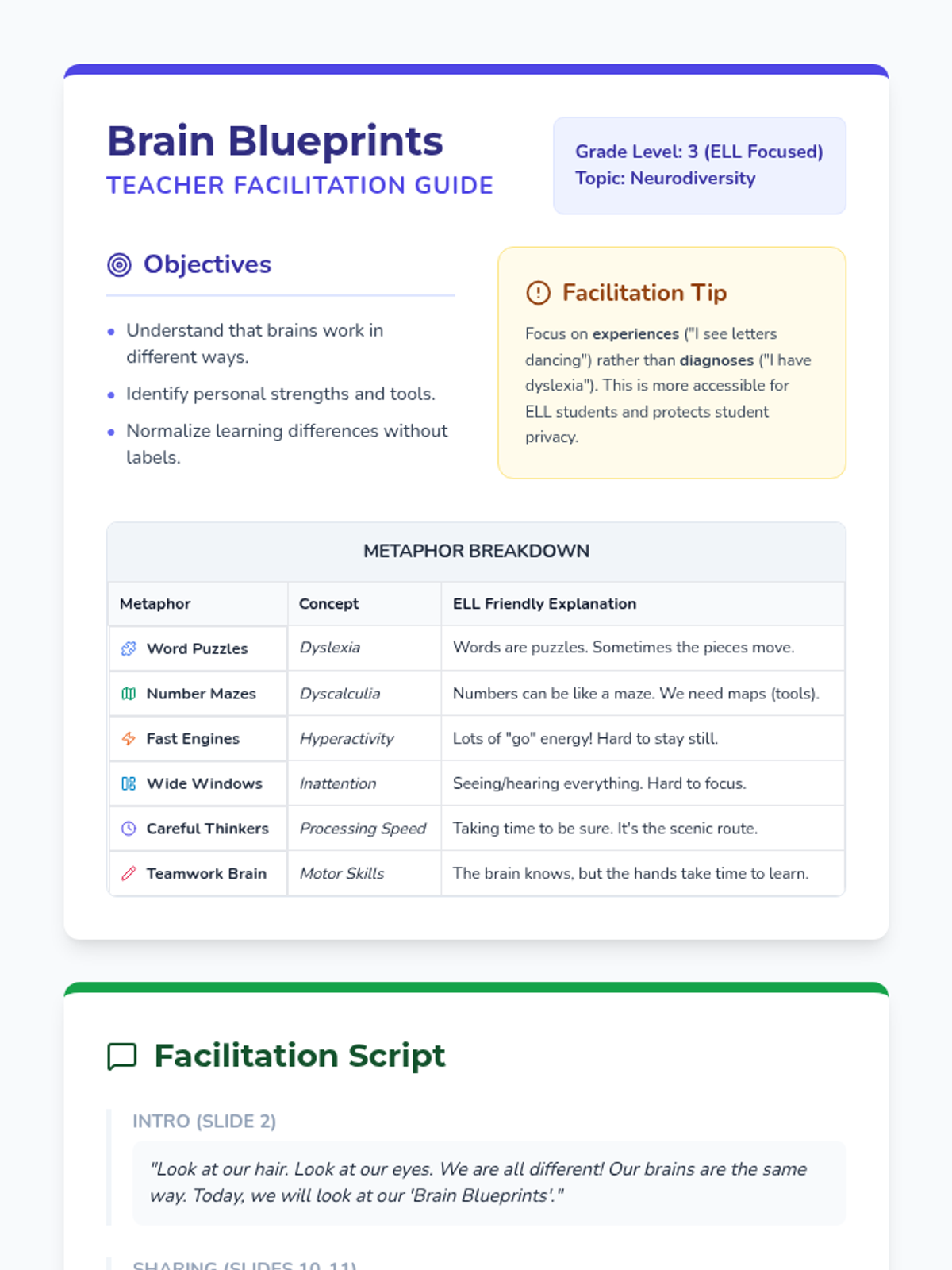
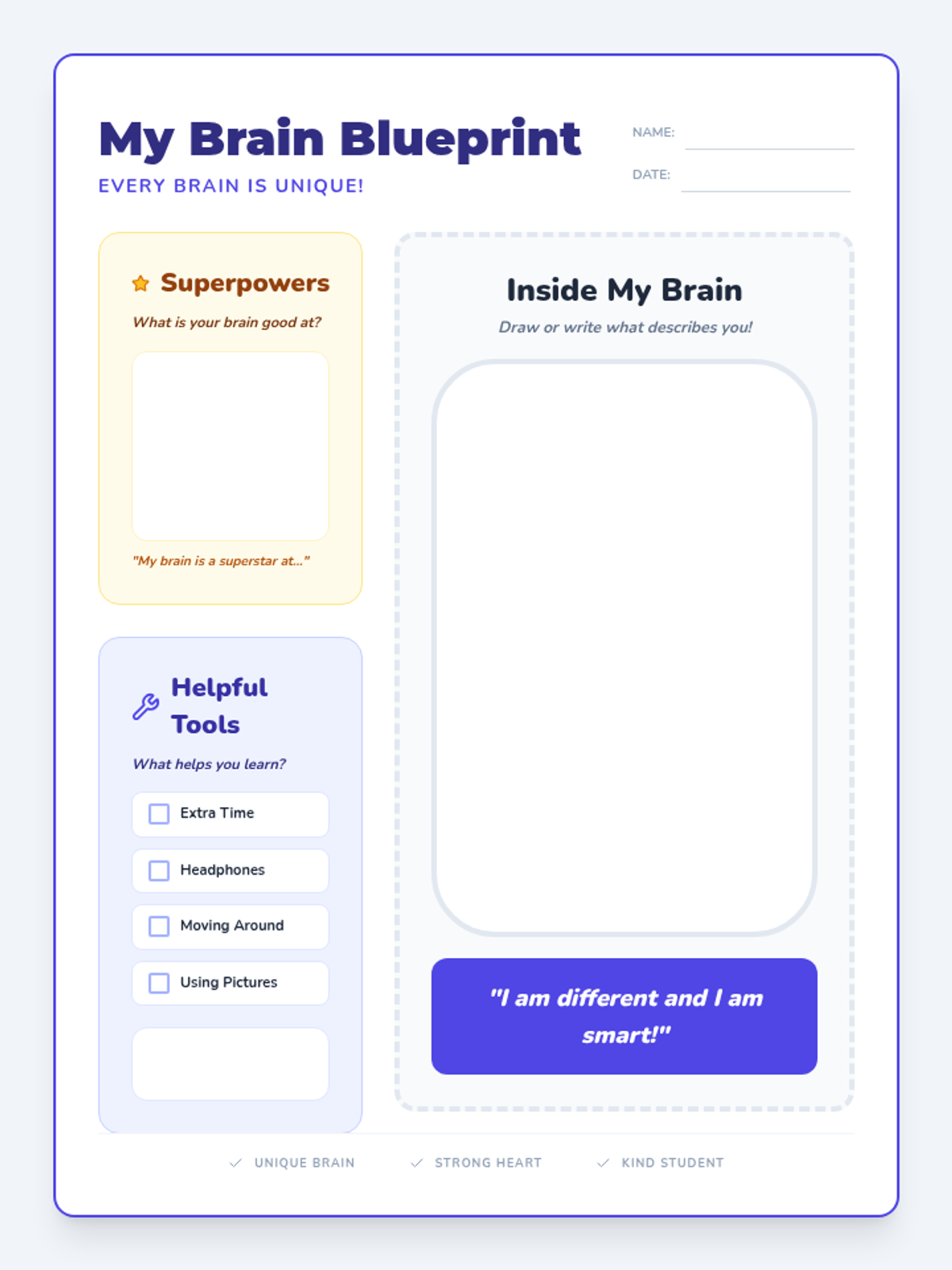
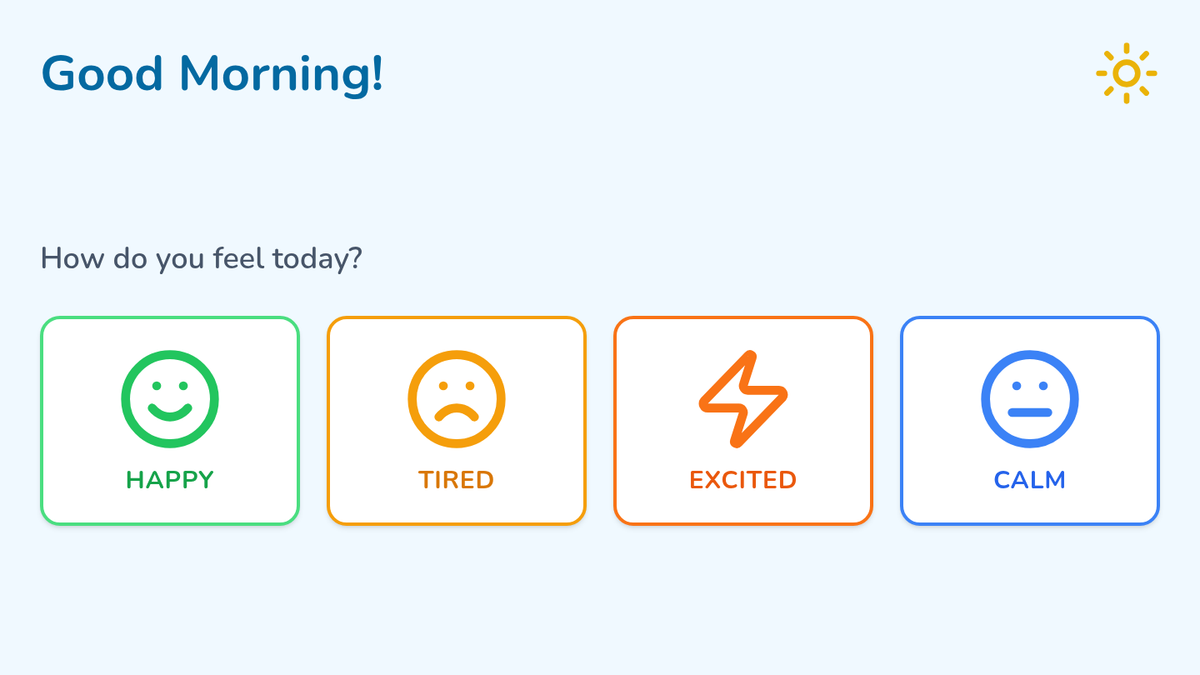
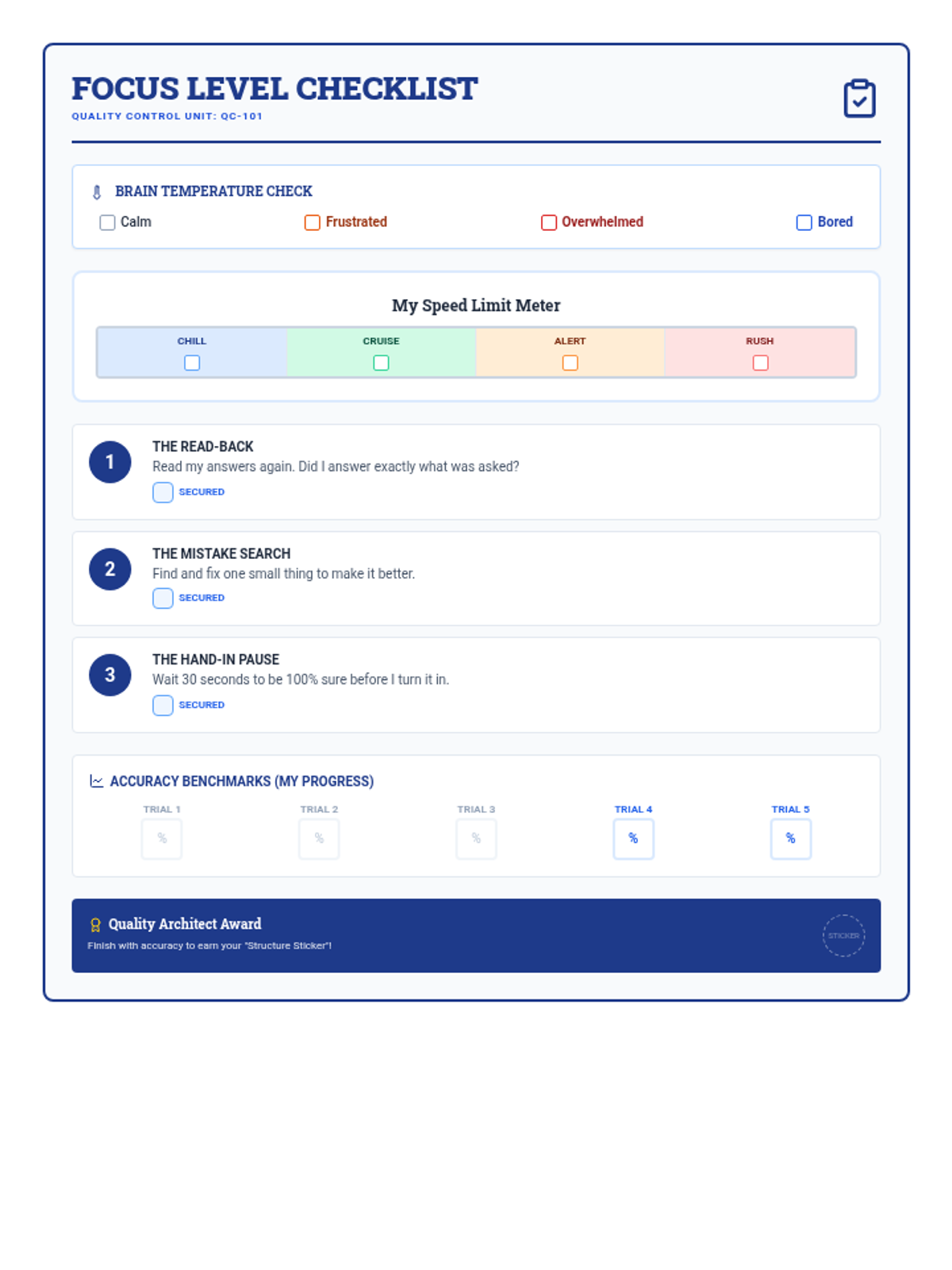
A morning meeting lesson designed for Grade 3 ELL students to introduce the concept of neurodiversity and learning differences. The lesson focuses on celebrating different ways of thinking and functioning without using clinical labels.
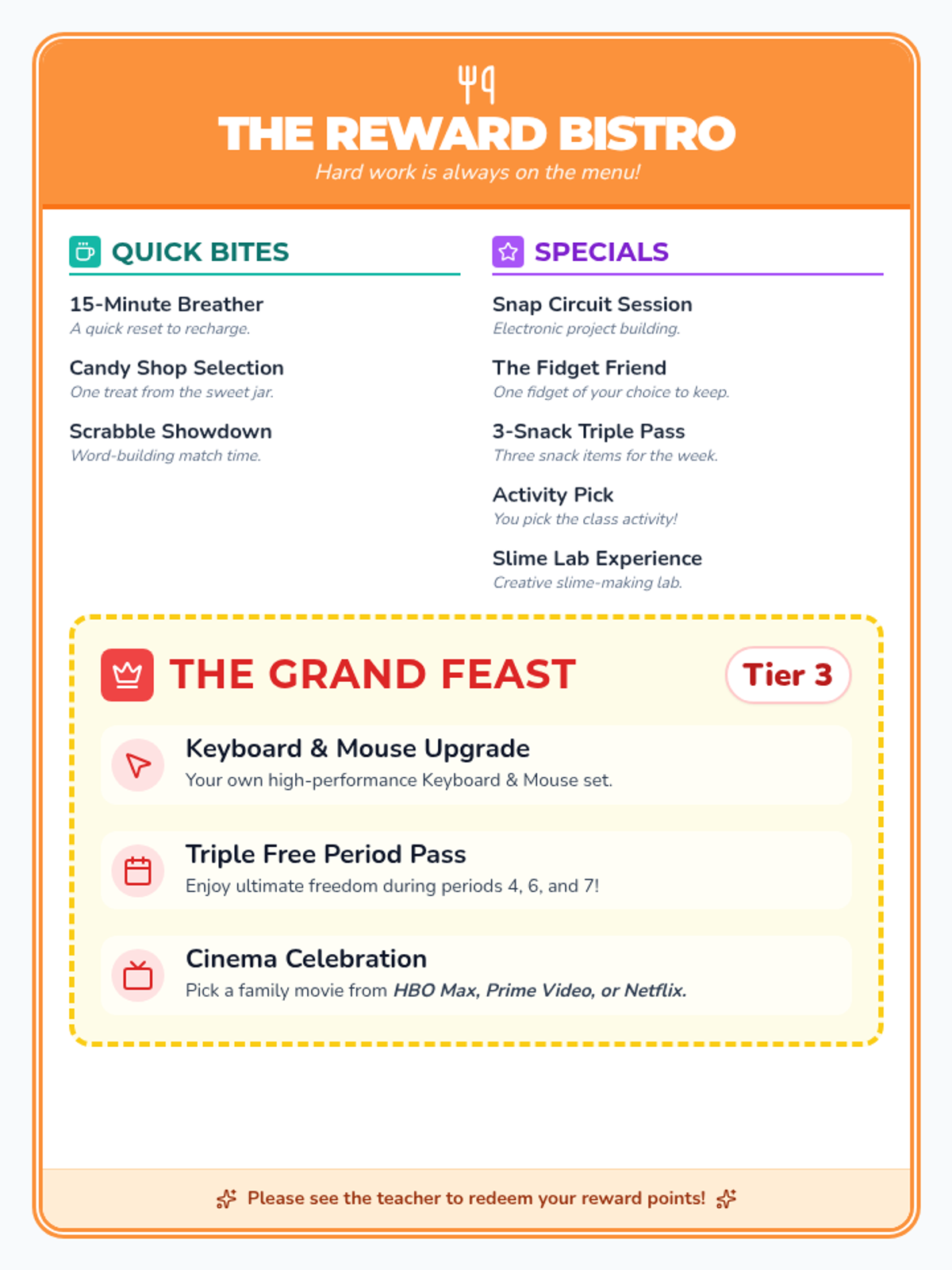
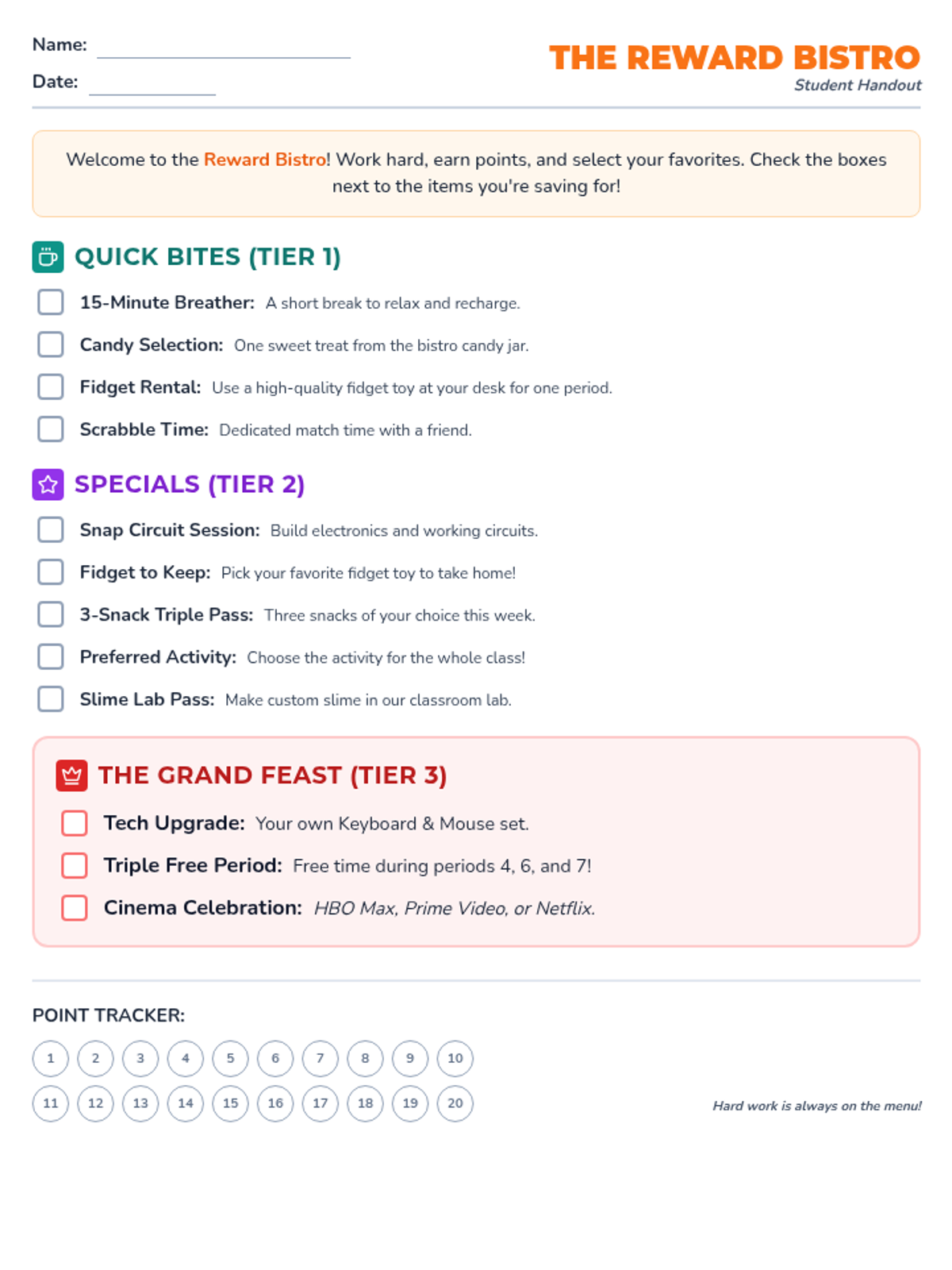
A collection of materials for managing a classroom reward system based on a diner theme, including a large-format poster and student-facing handouts.
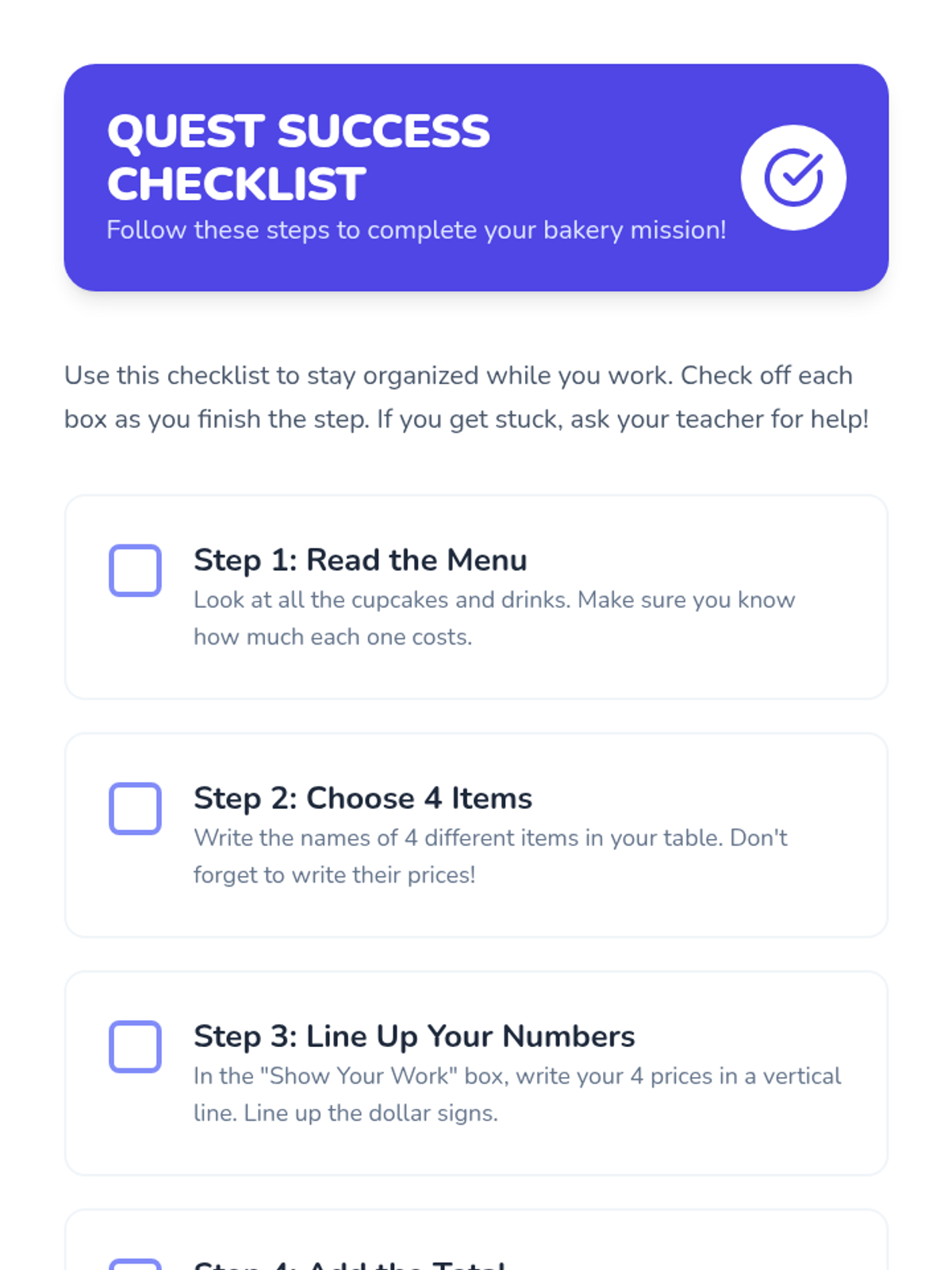
A morning meeting lesson designed to introduce Grade 3 ELL students to the concept of neurodiversity and different learning styles. The lesson focuses on understanding individual needs and strengths without using clinical labels for the students, emphasizing that every brain is unique and valuable.

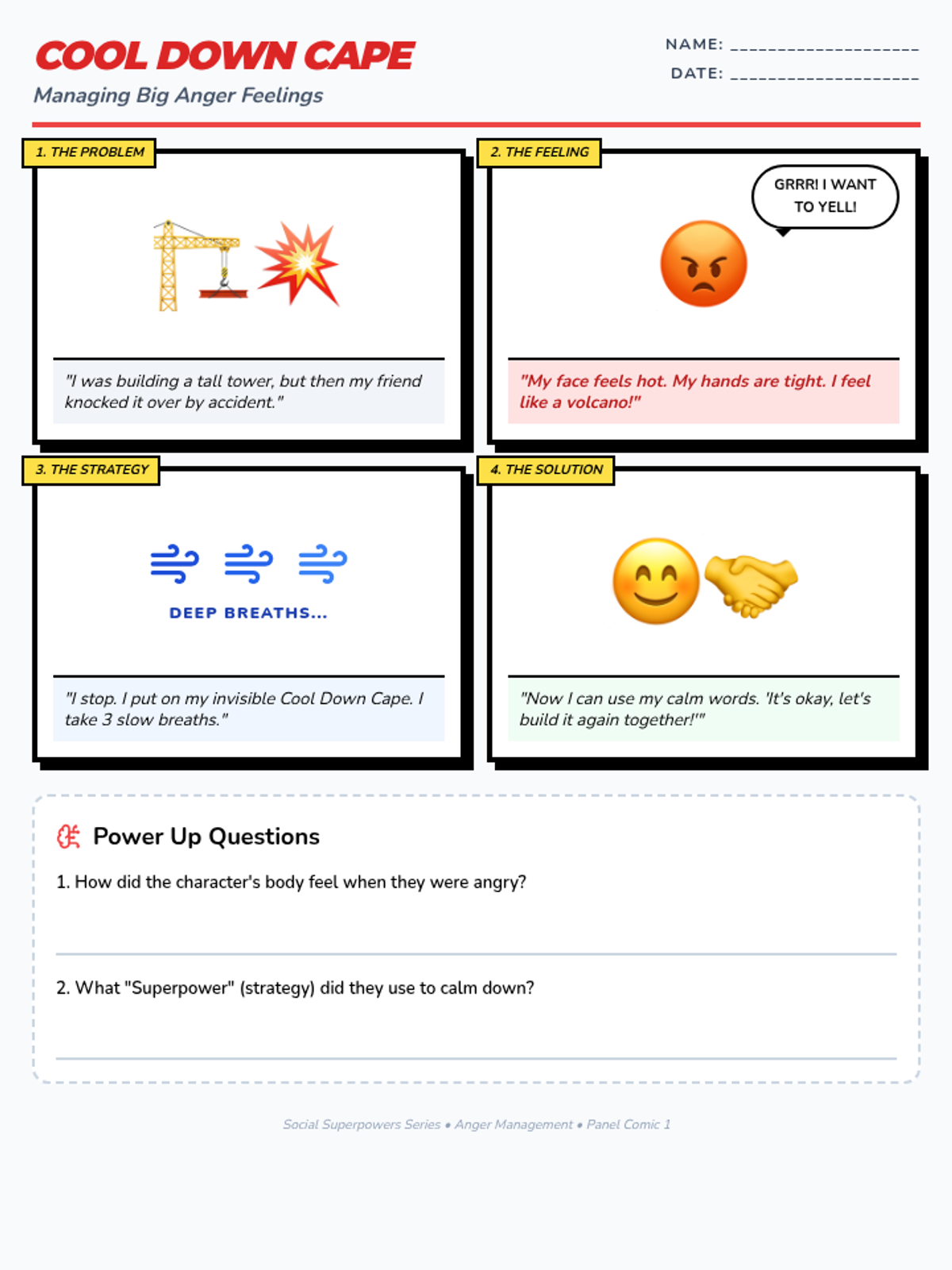
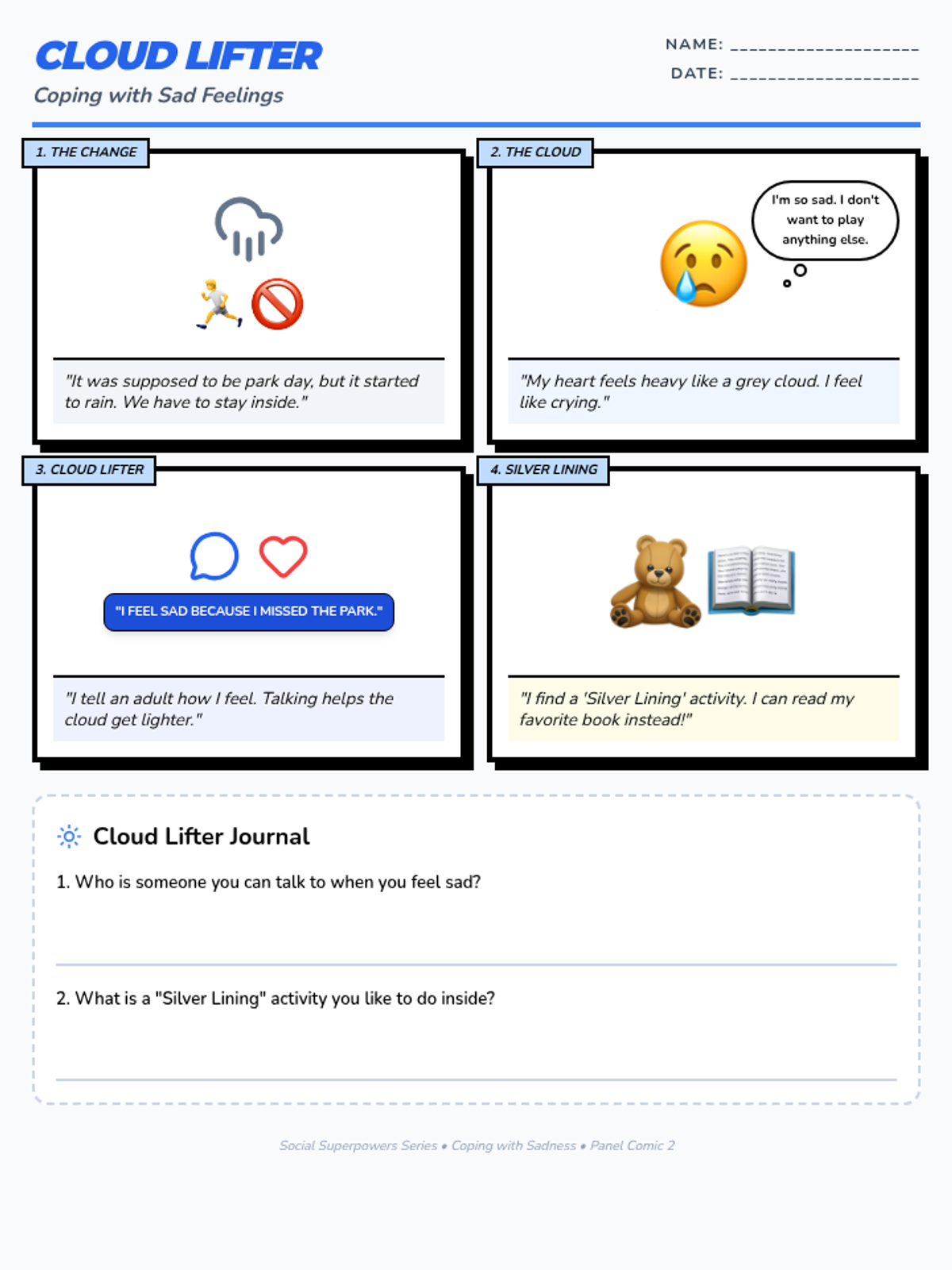
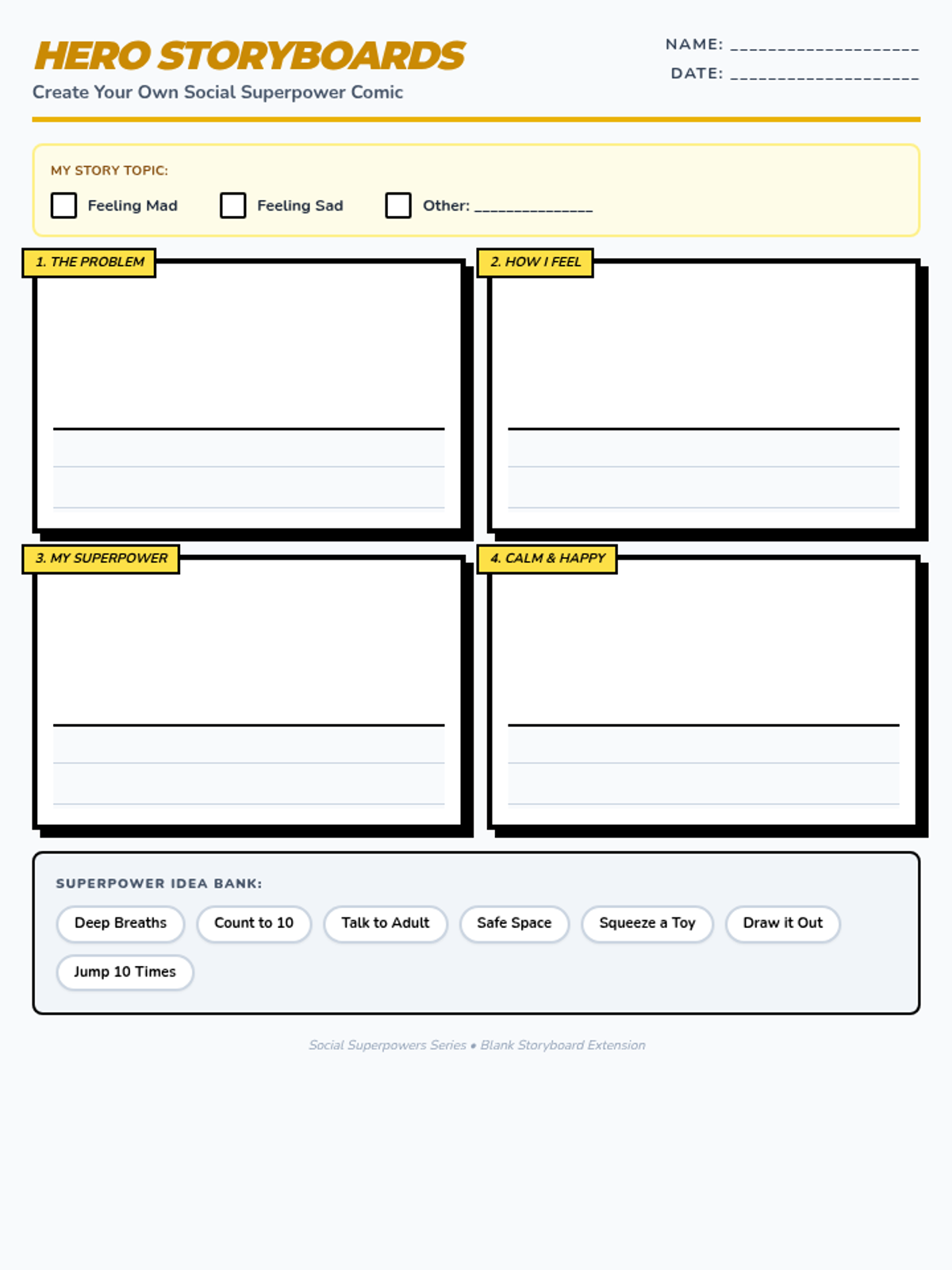
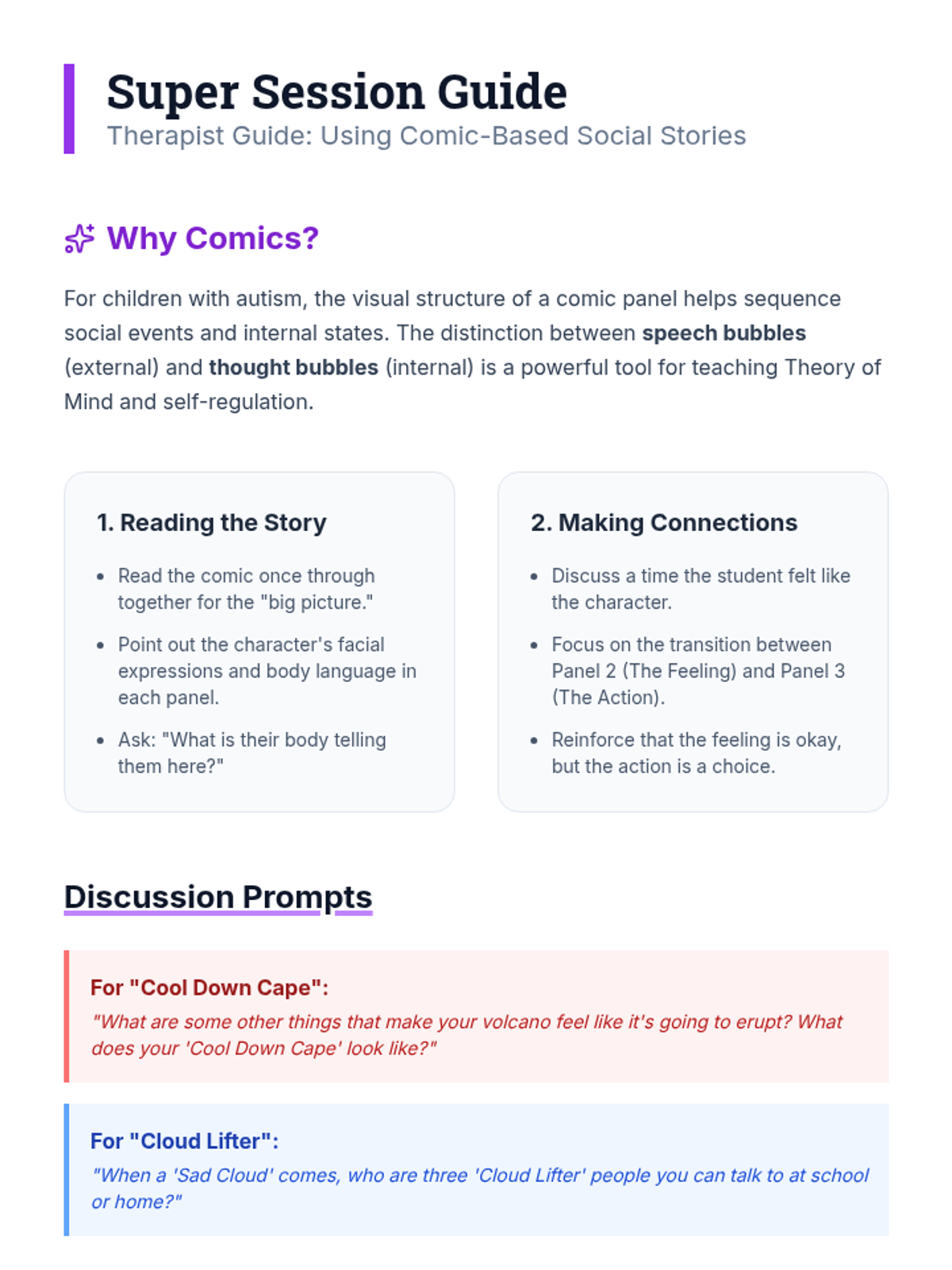
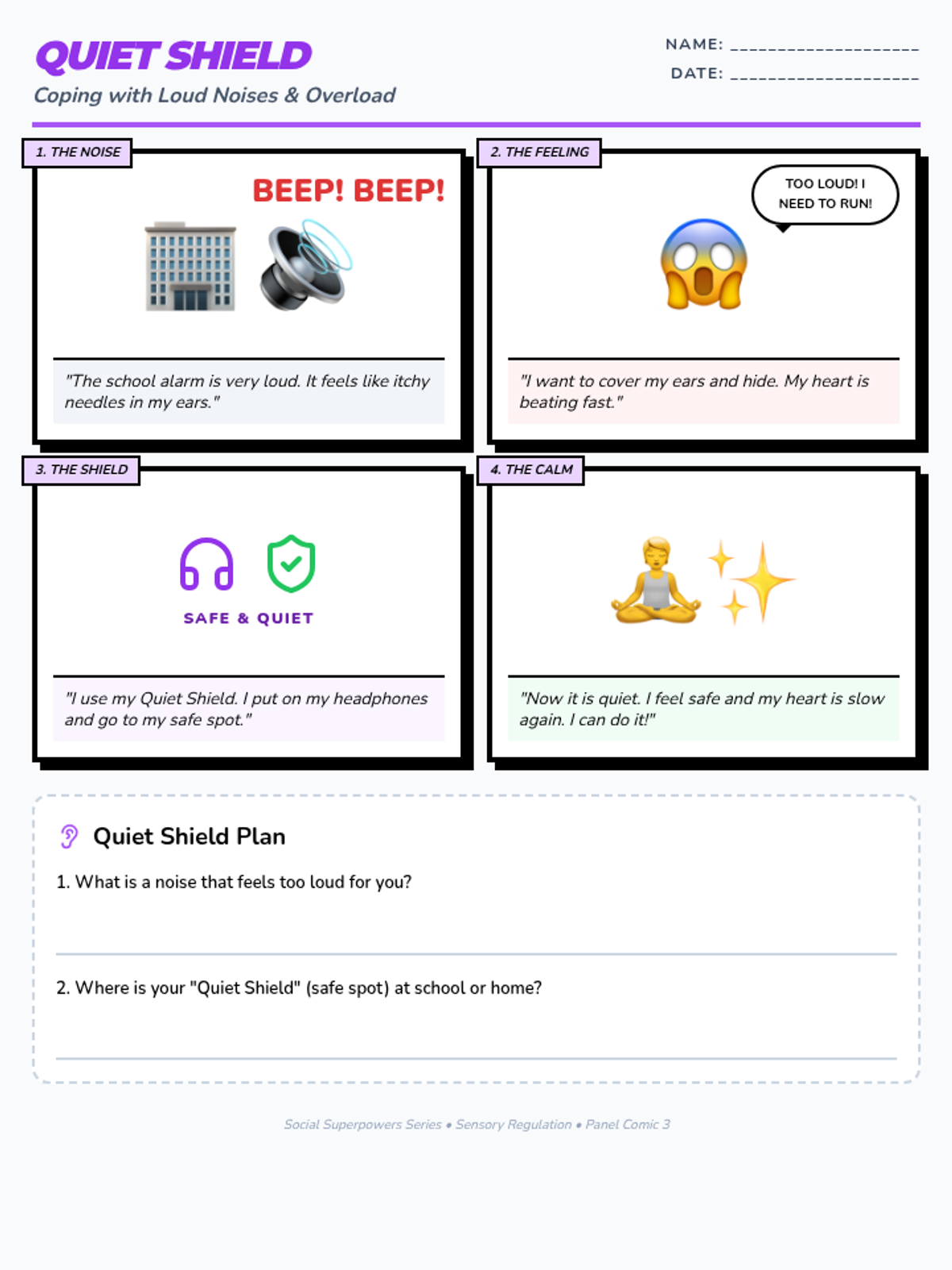
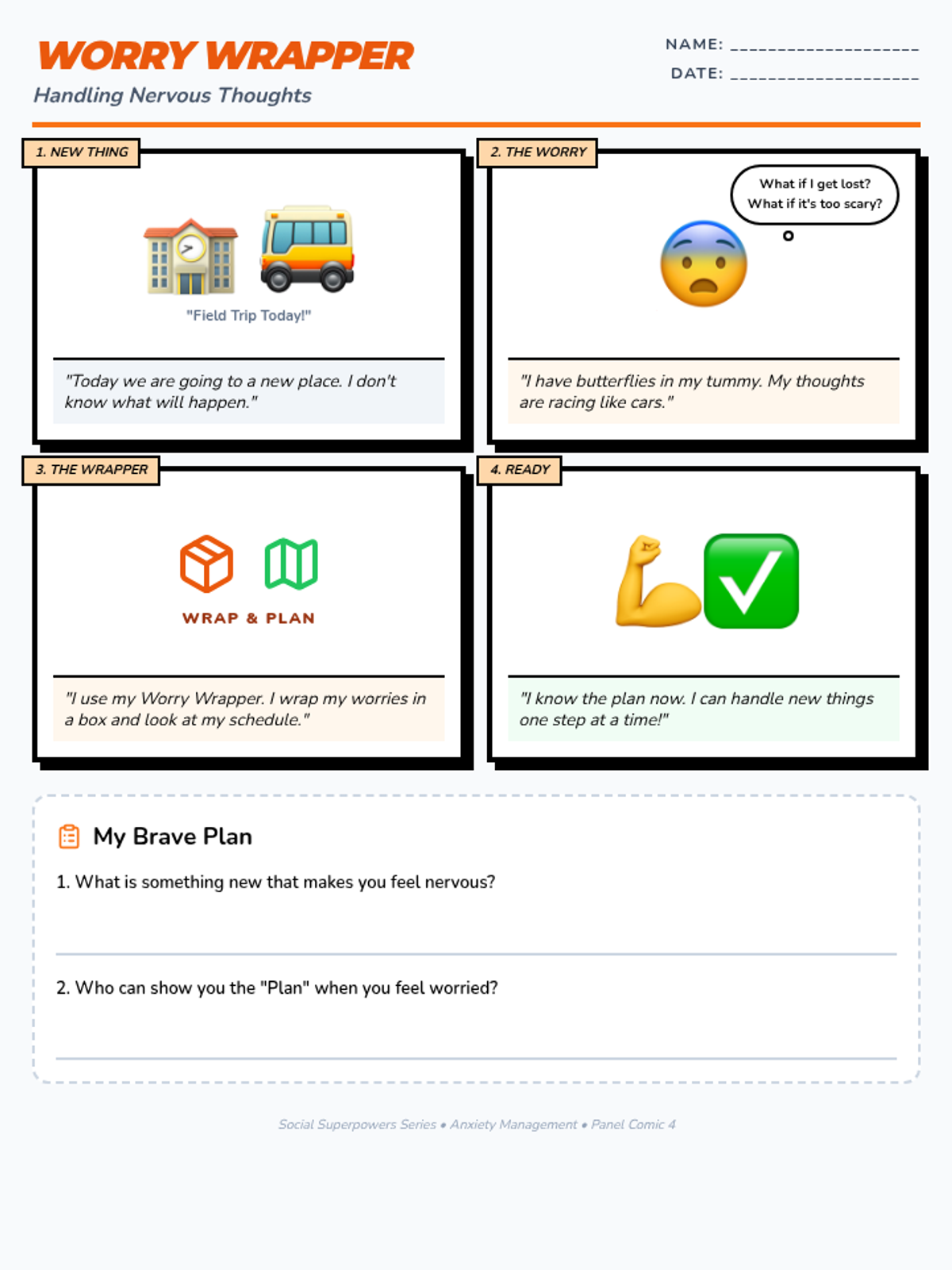
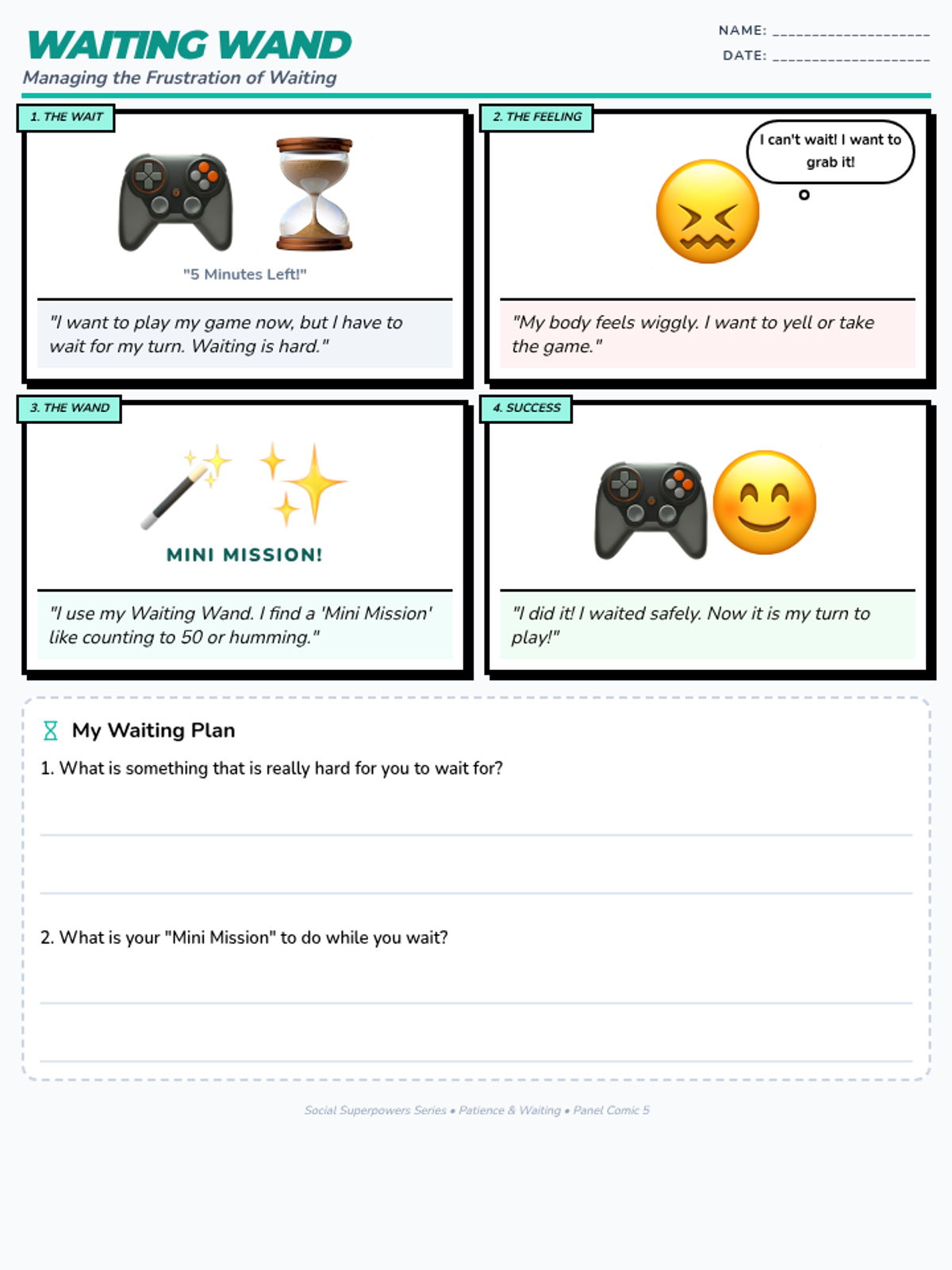
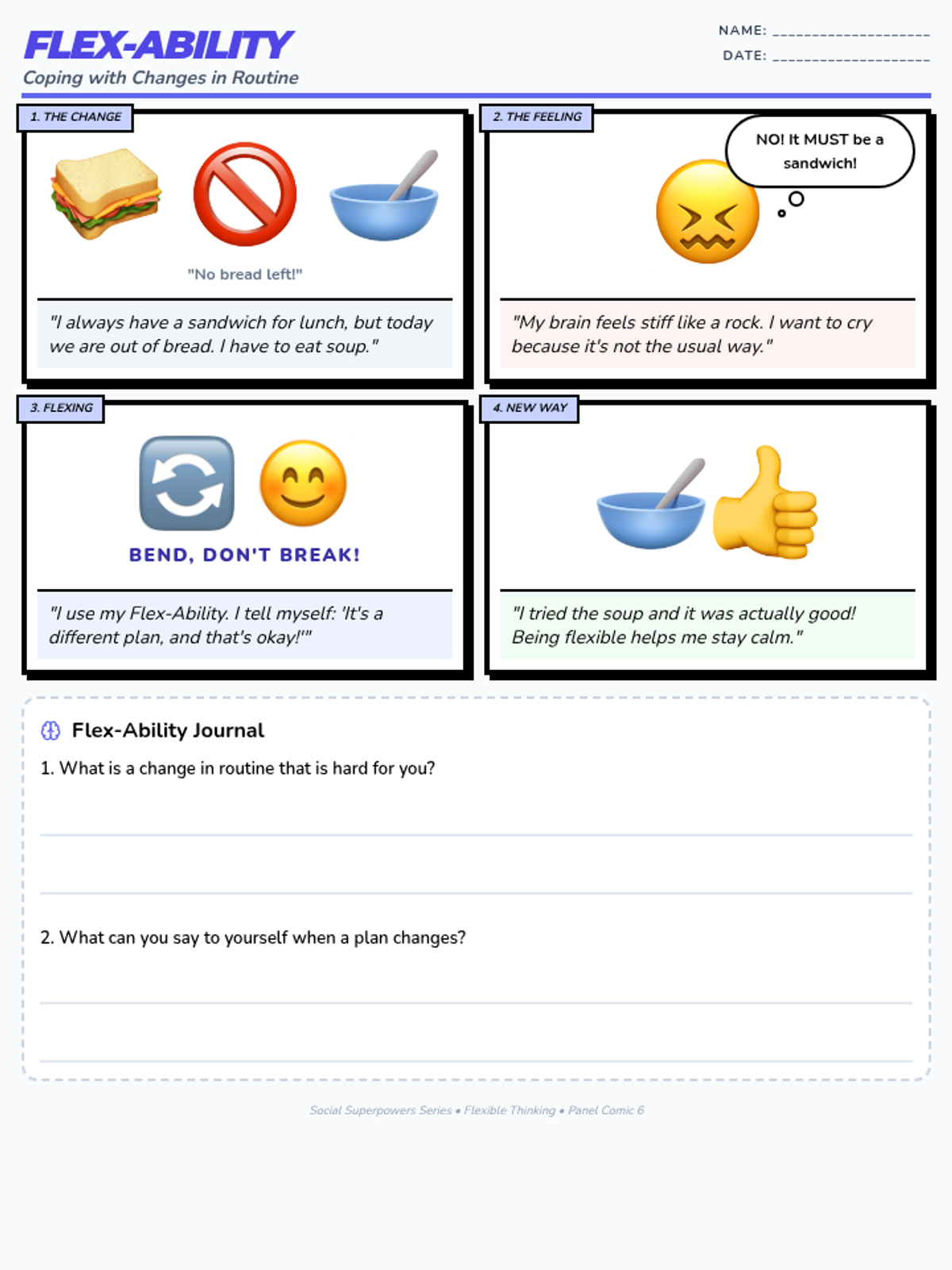
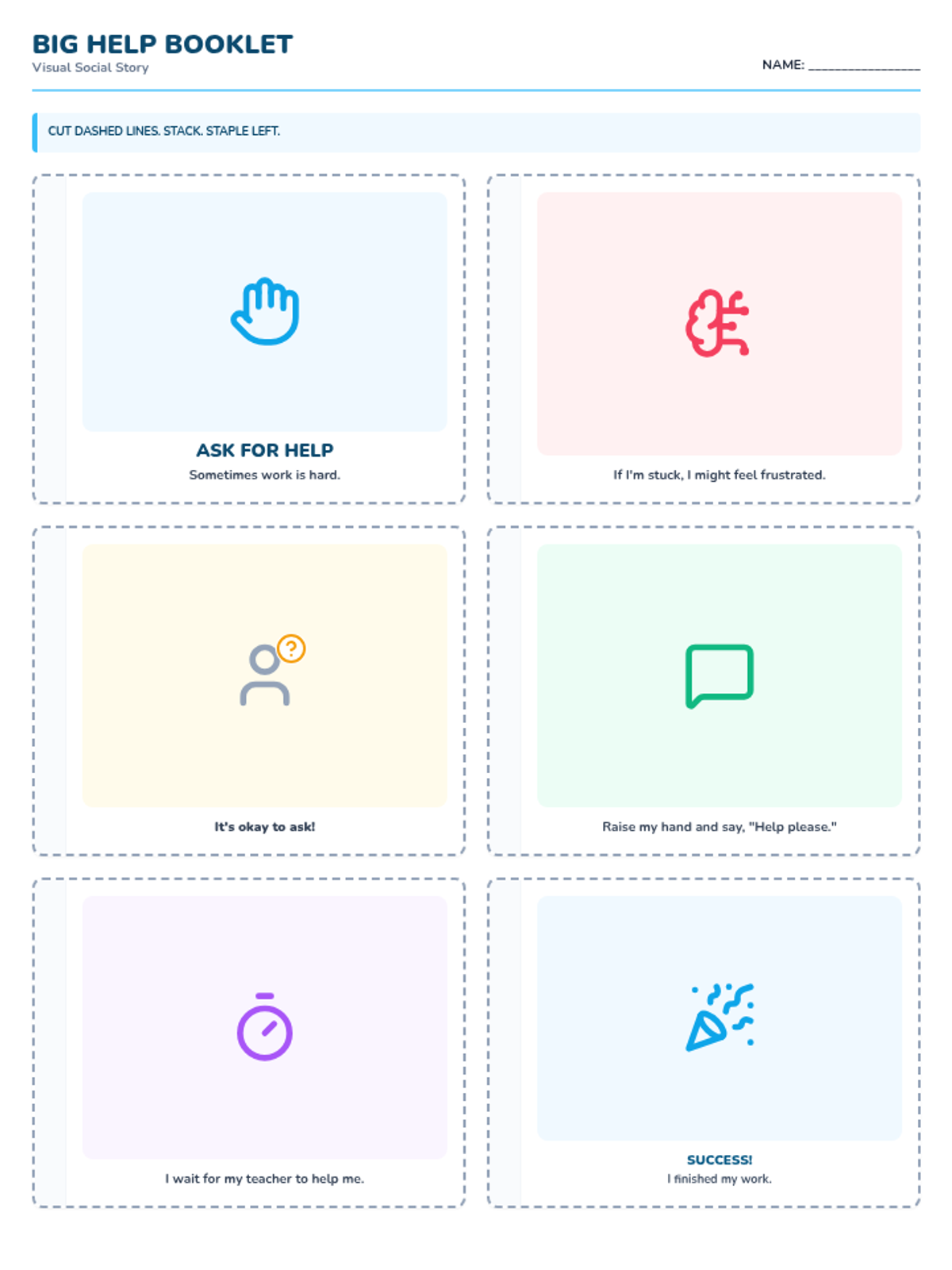
A collection of comic-based social stories and activities designed for a 7-year-old student with autism to explore anger management and coping with sadness during therapy sessions.
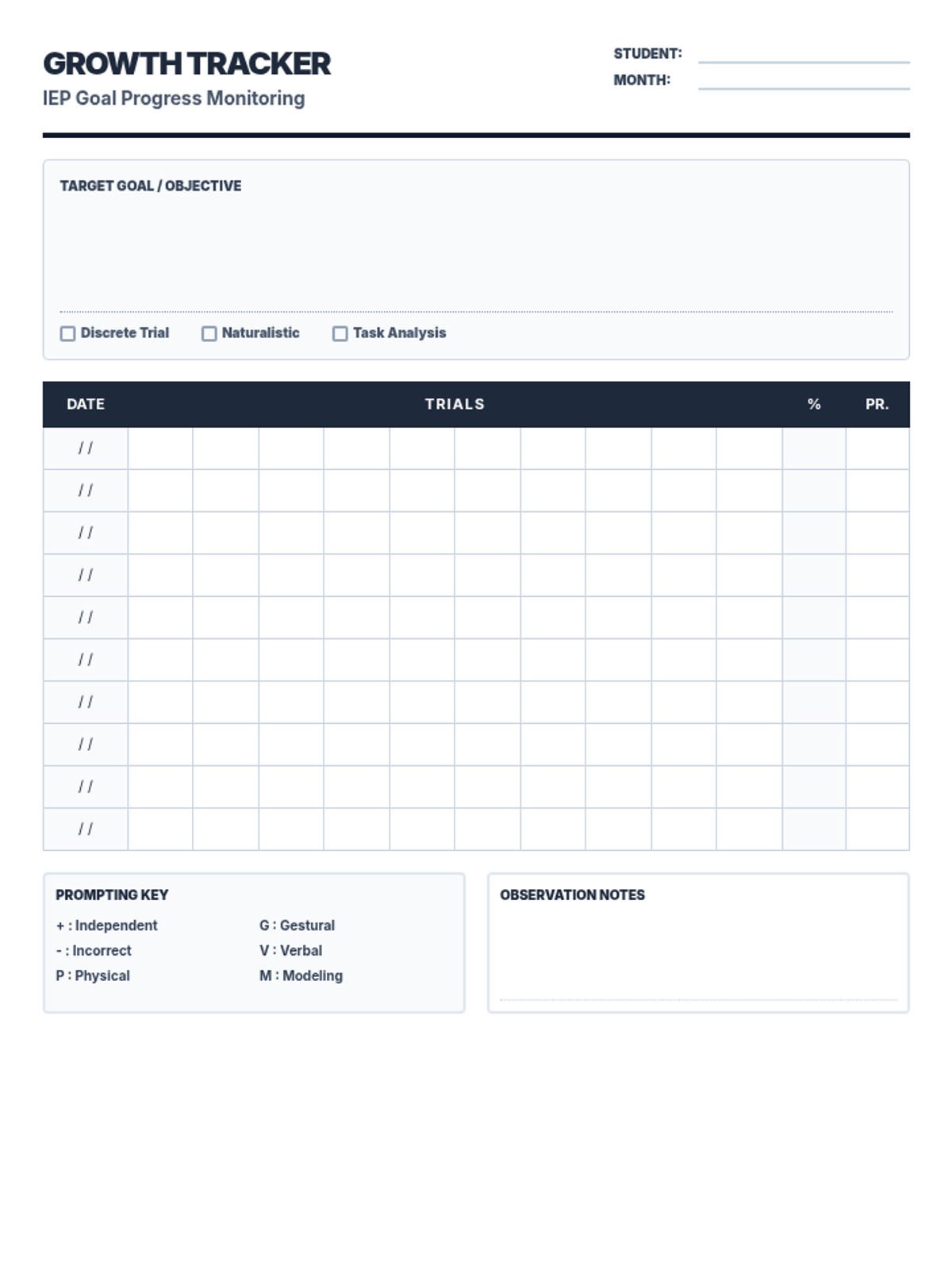
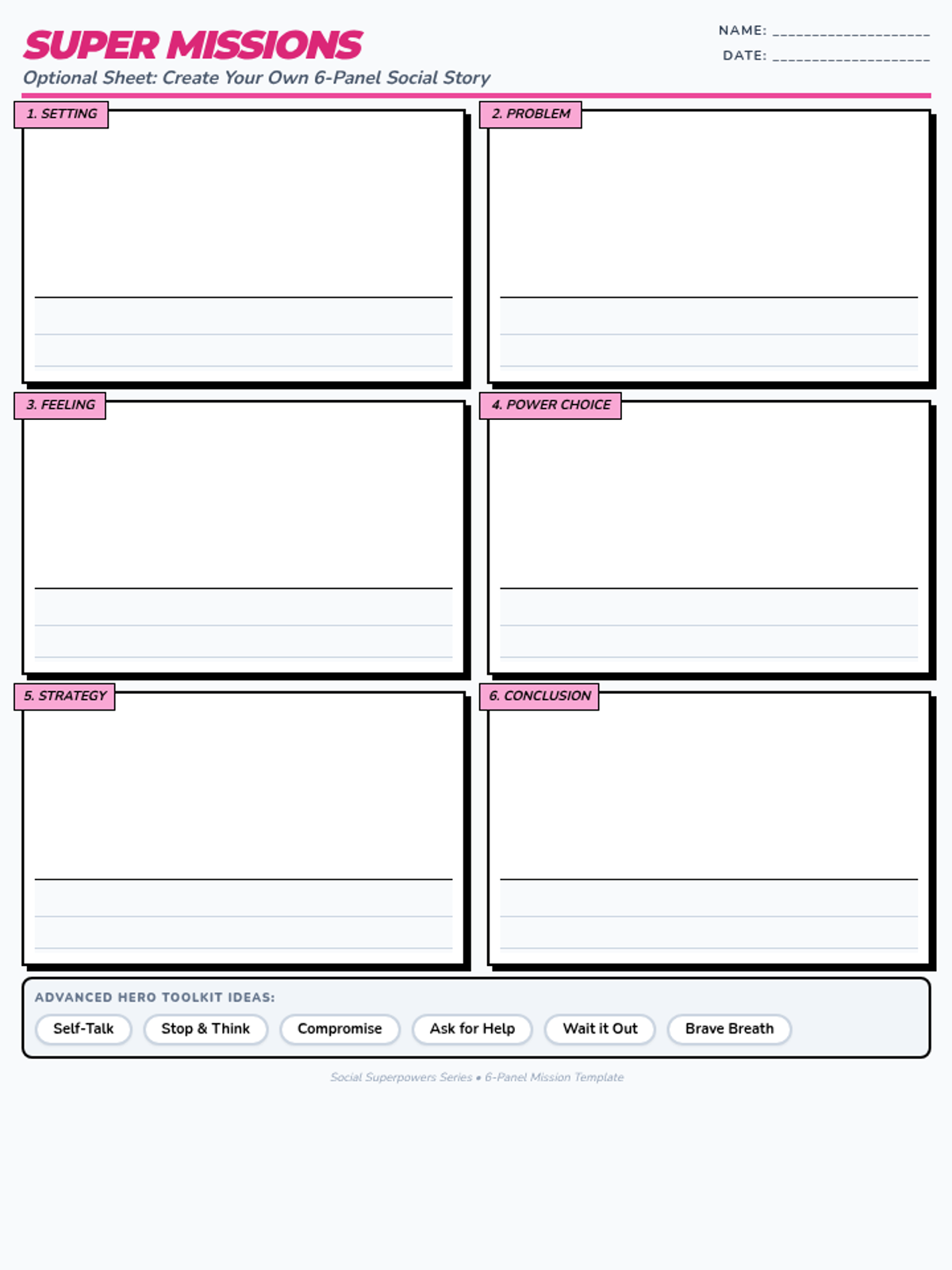
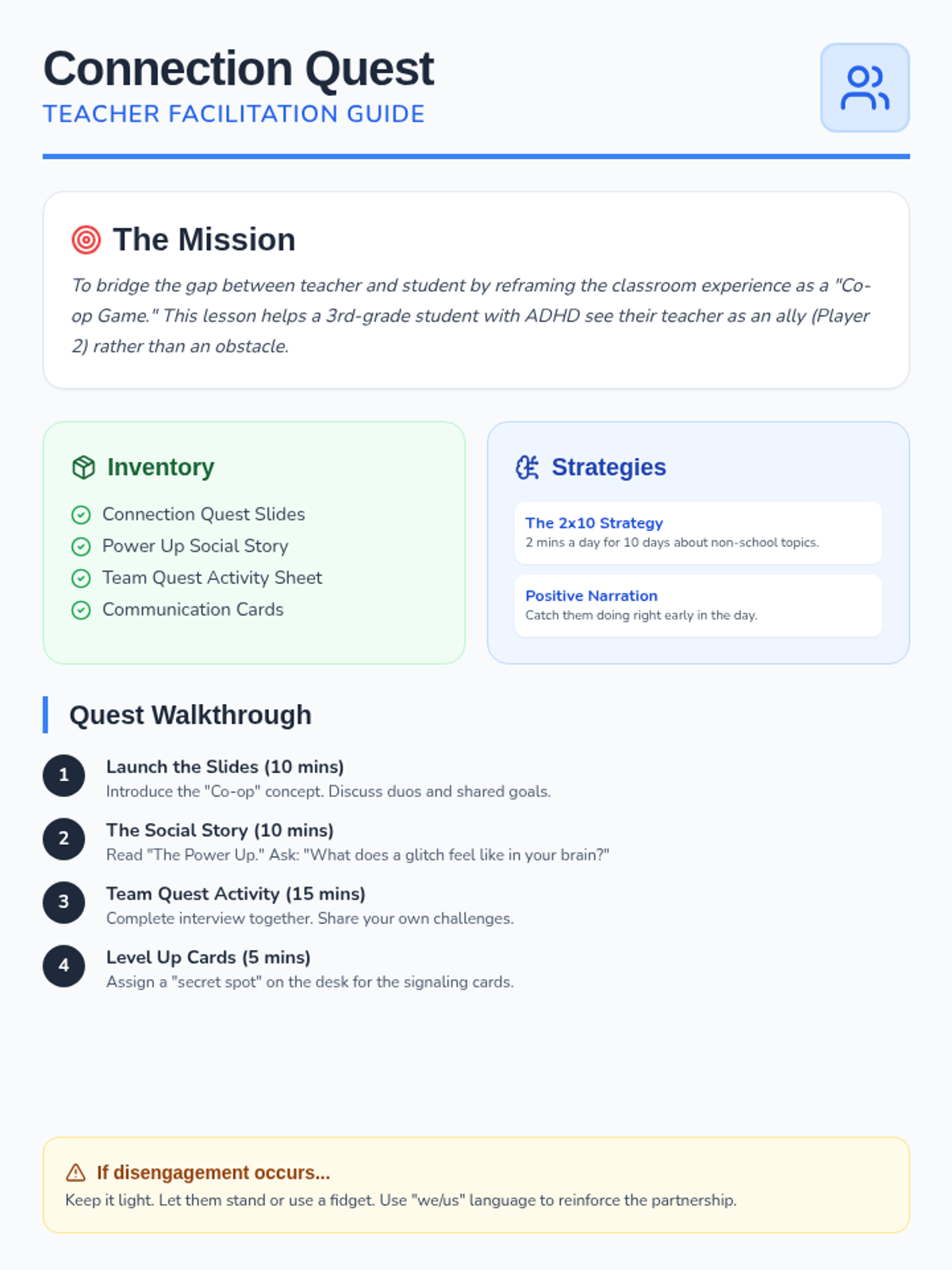
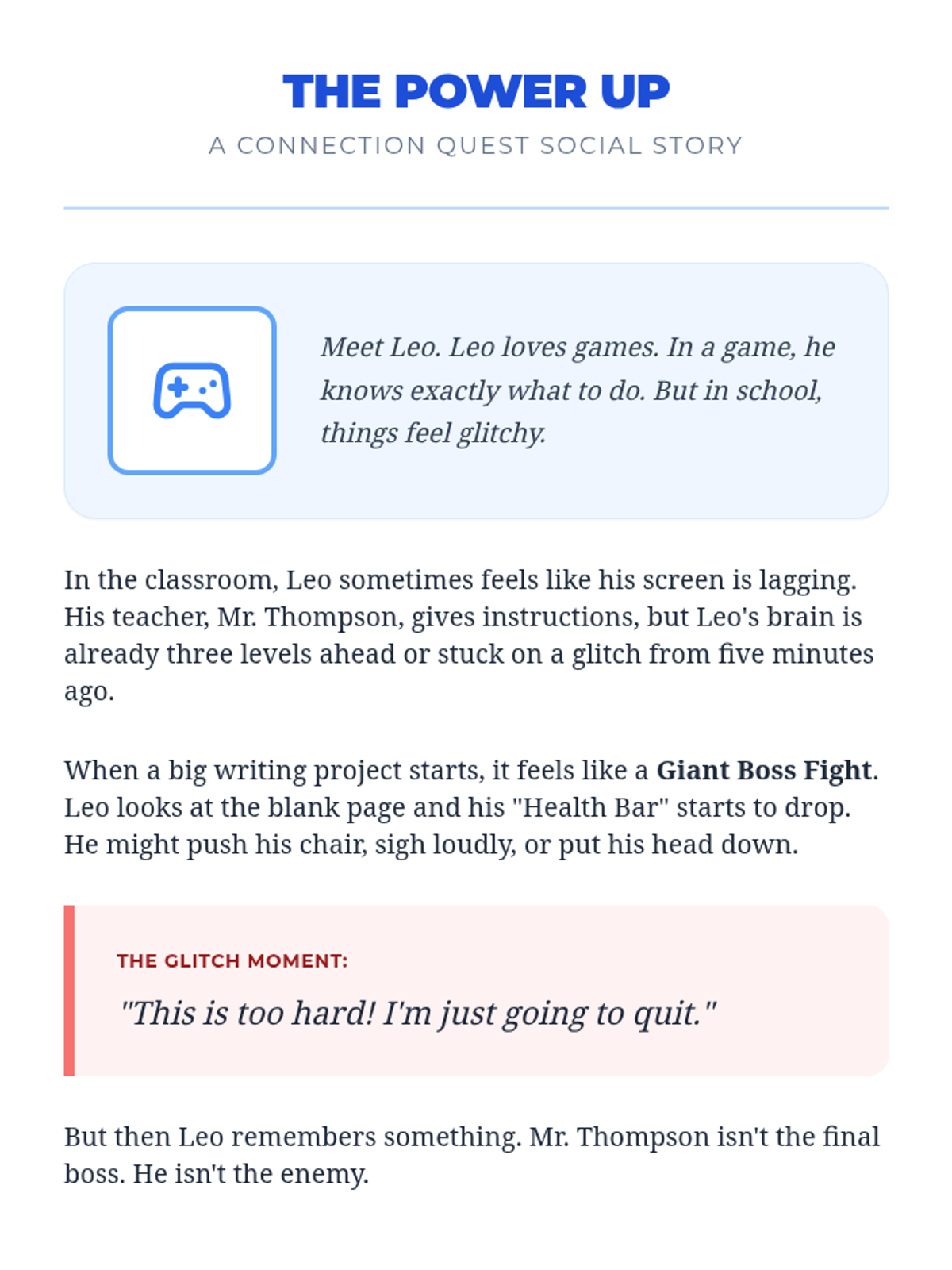
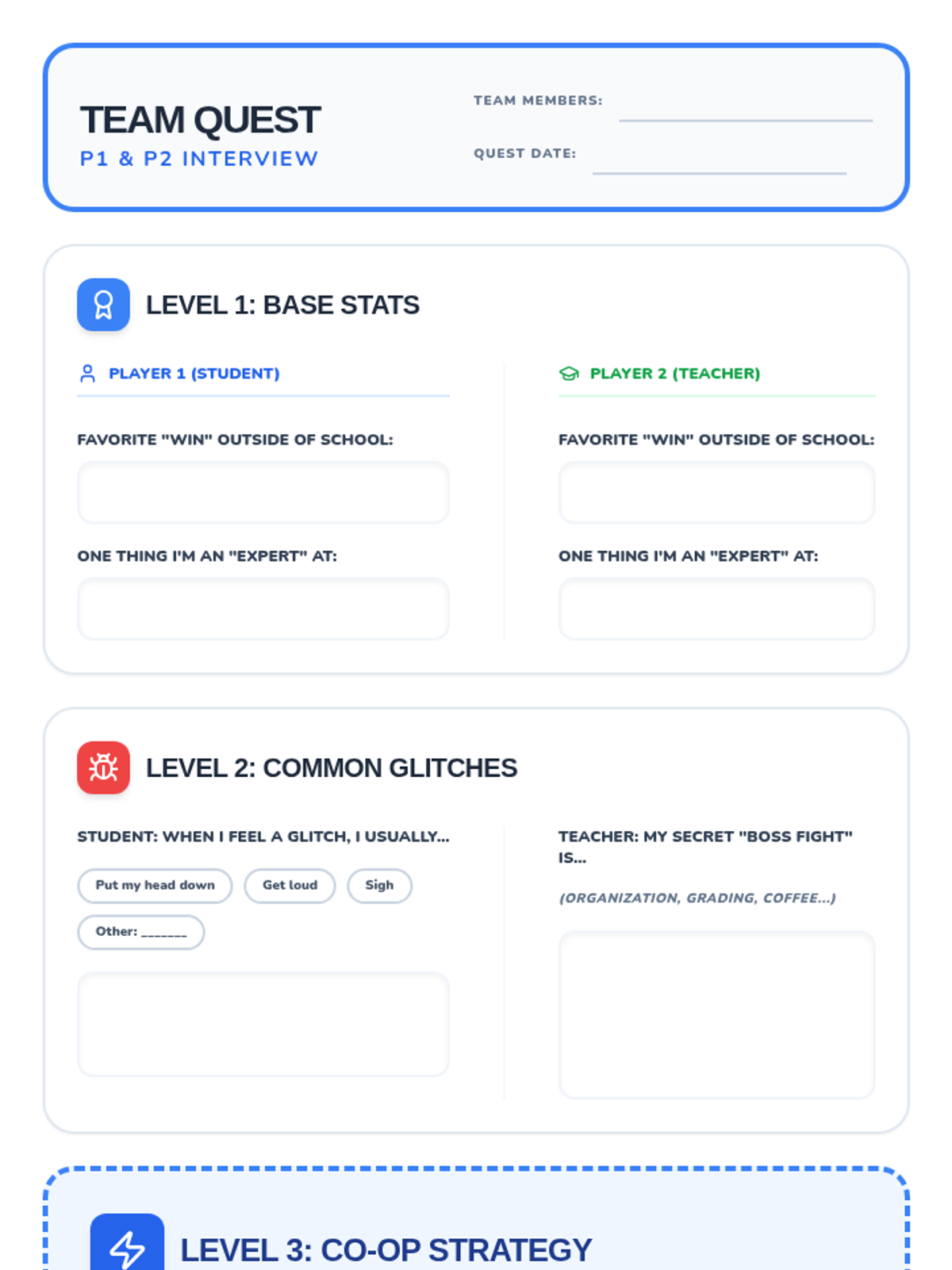
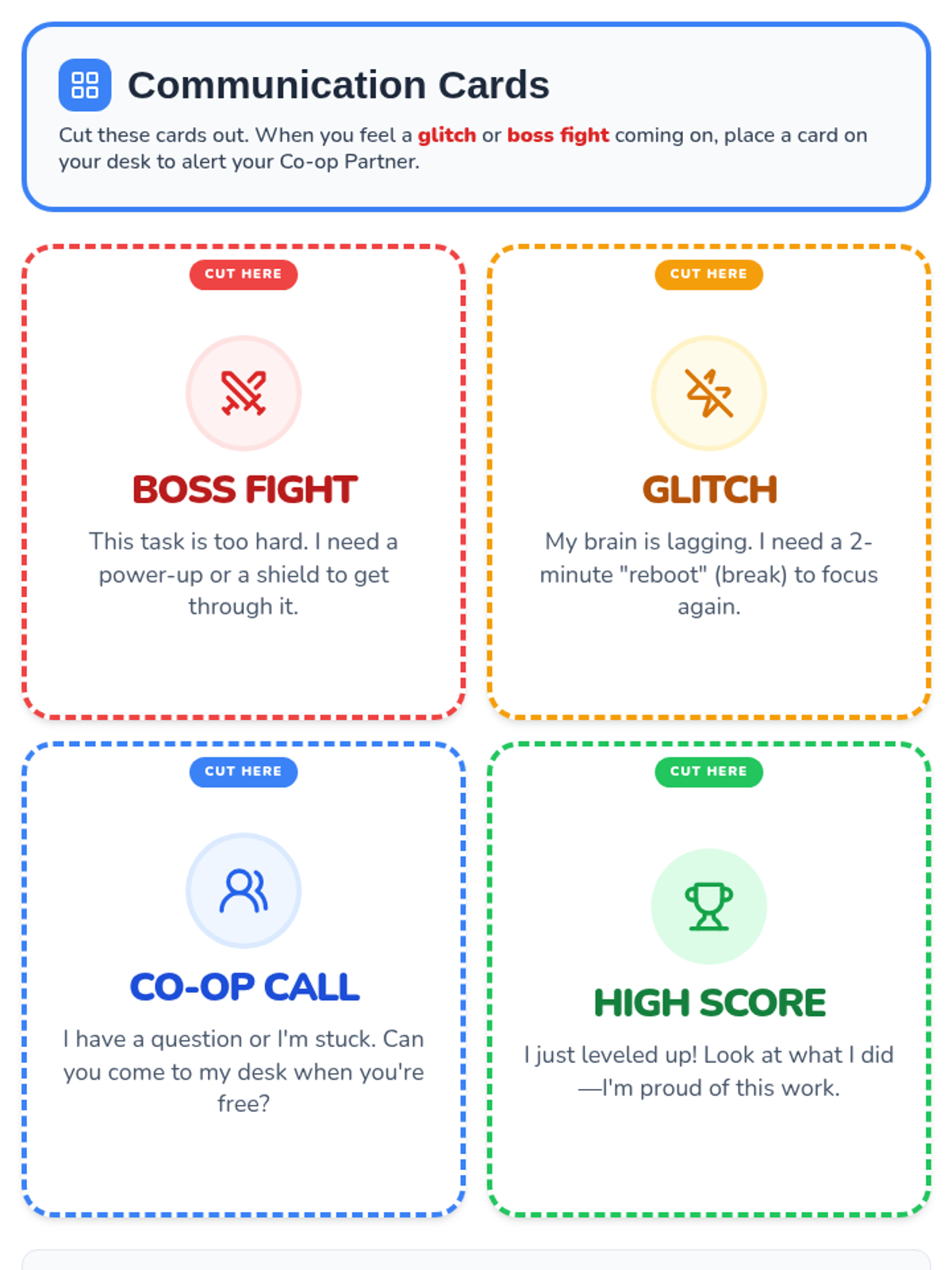
A lesson designed to help a 3rd grade student with ADHD build a positive working relationship with their teacher through a gaming-inspired 'co-op' metaphor. Focuses on shared goals, communication, and mutual understanding to reduce academic frustration and behavioral challenges.
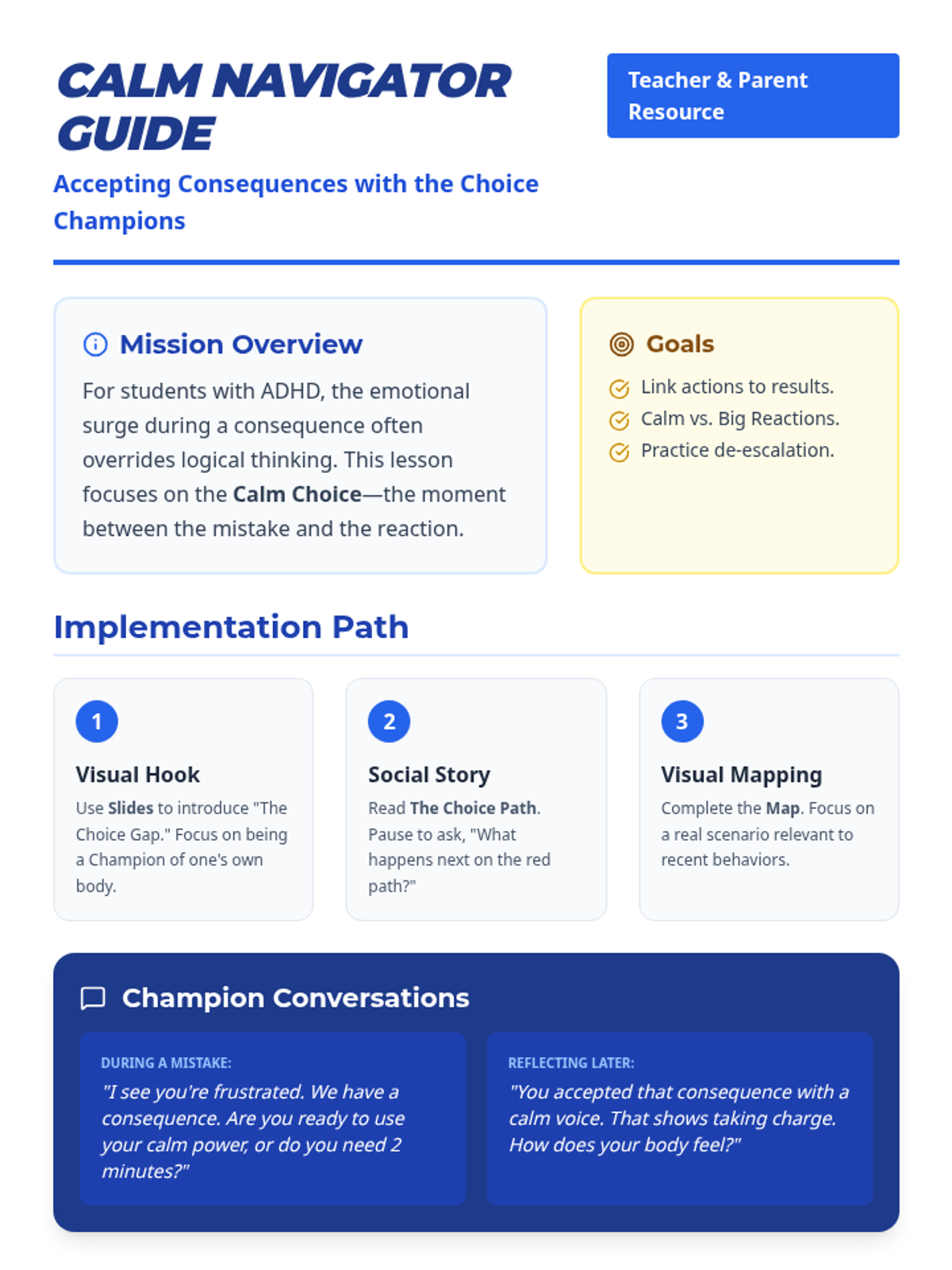
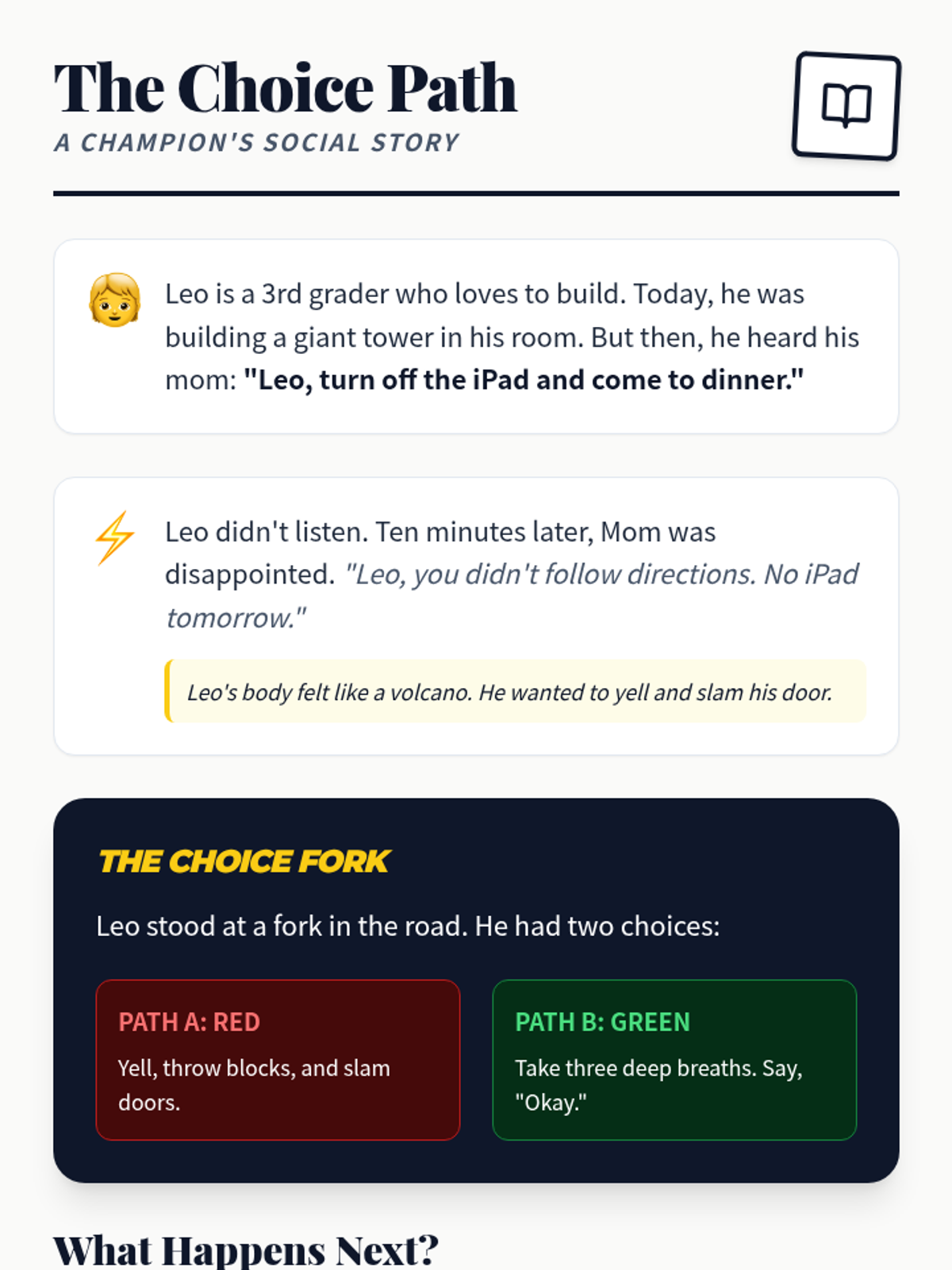
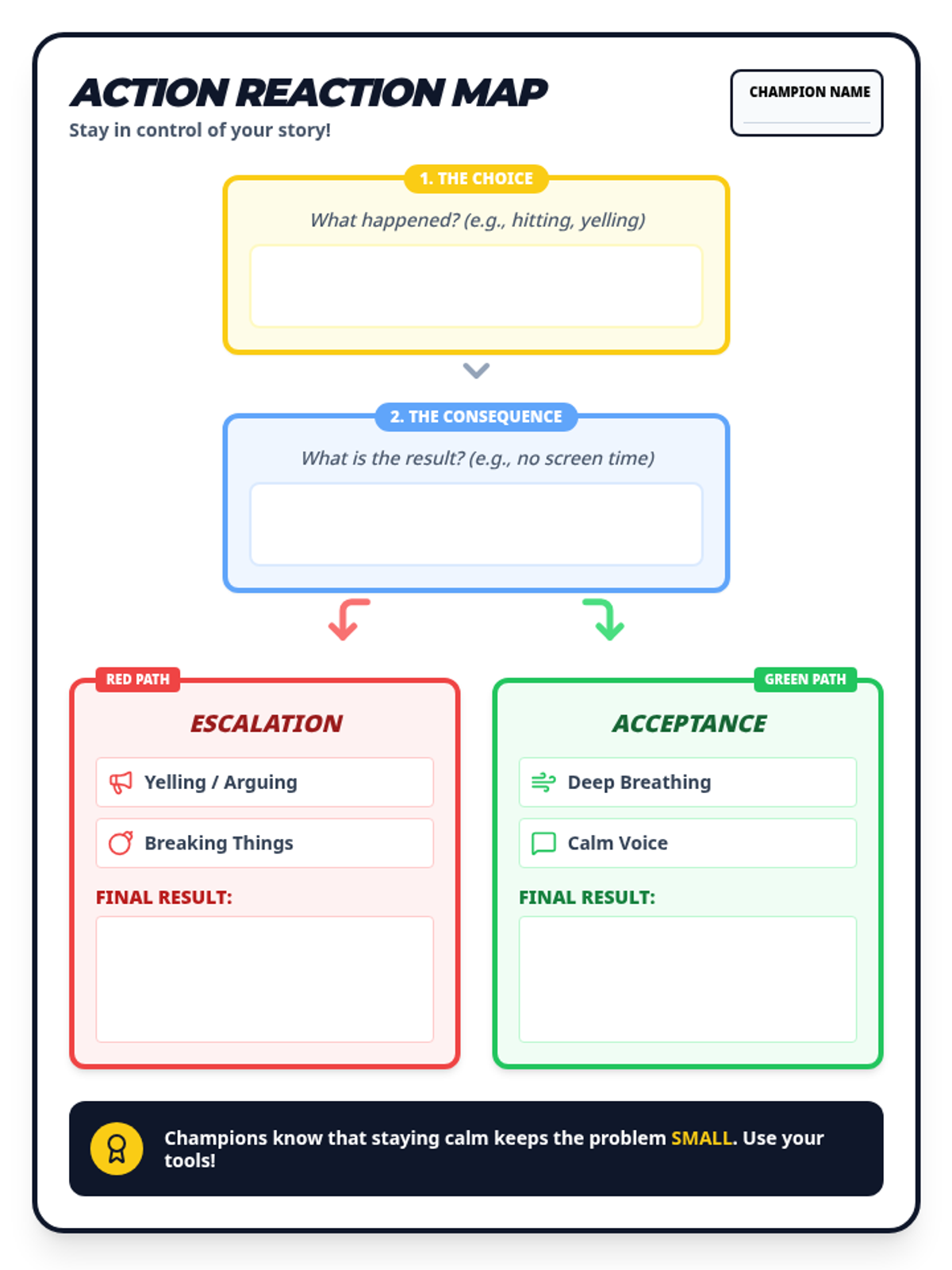
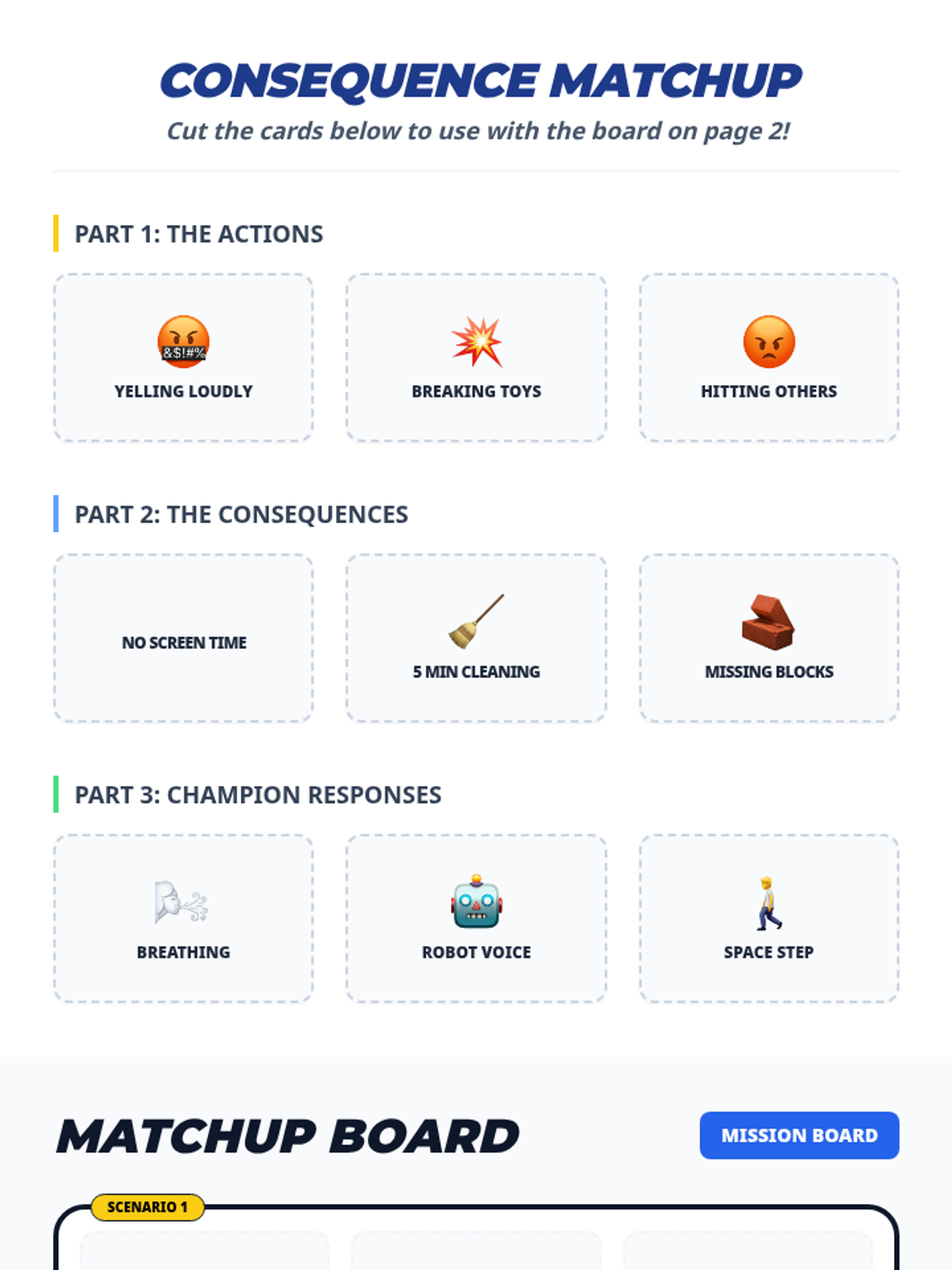
A comprehensive social skills lesson designed to help students with ADHD understand and practice accepting consequences through visual mapping and structured storytelling.
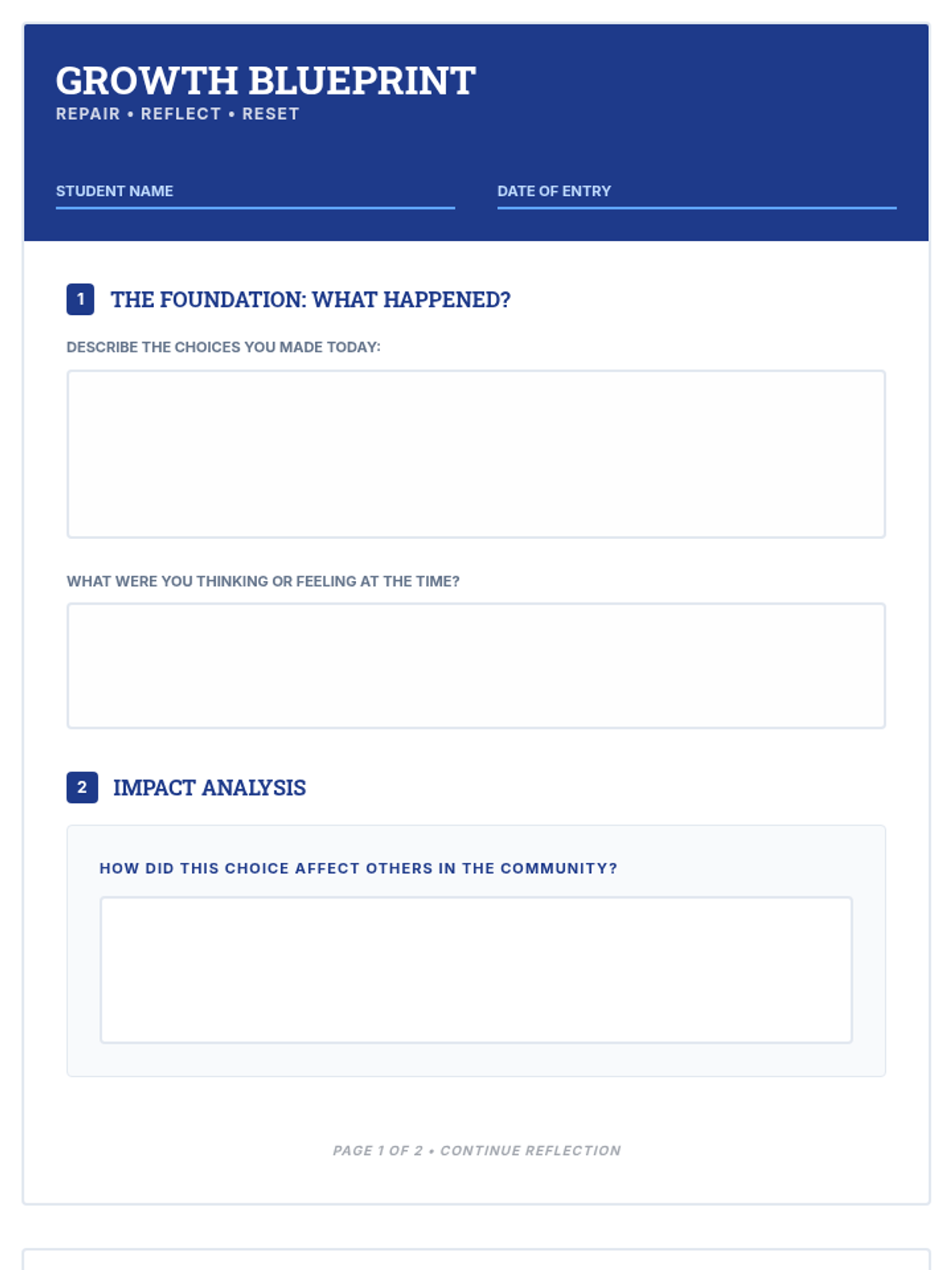
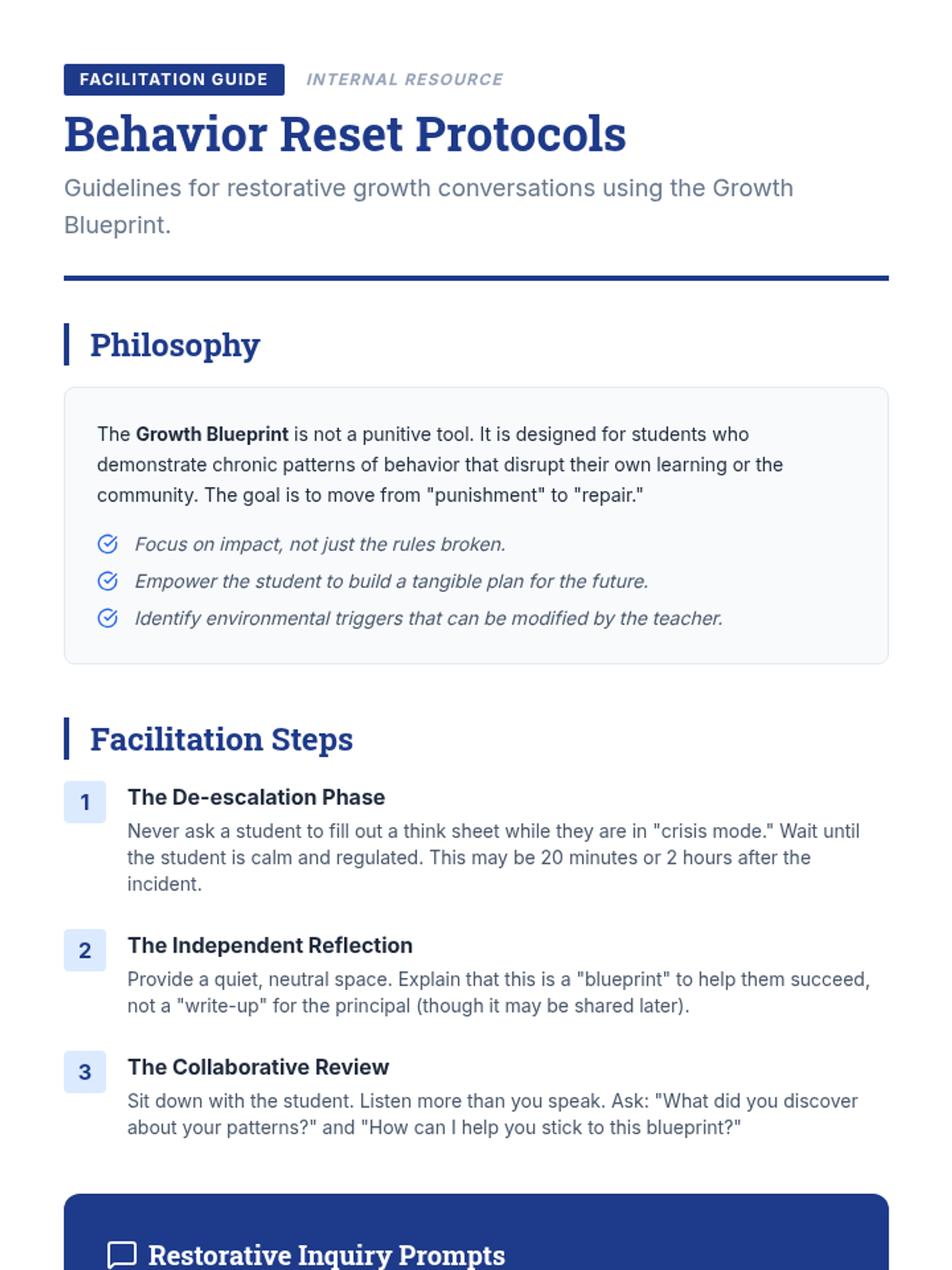
A restorative approach to addressing chronic behavior patterns, focusing on reflection, impact analysis, and collaborative goal setting.
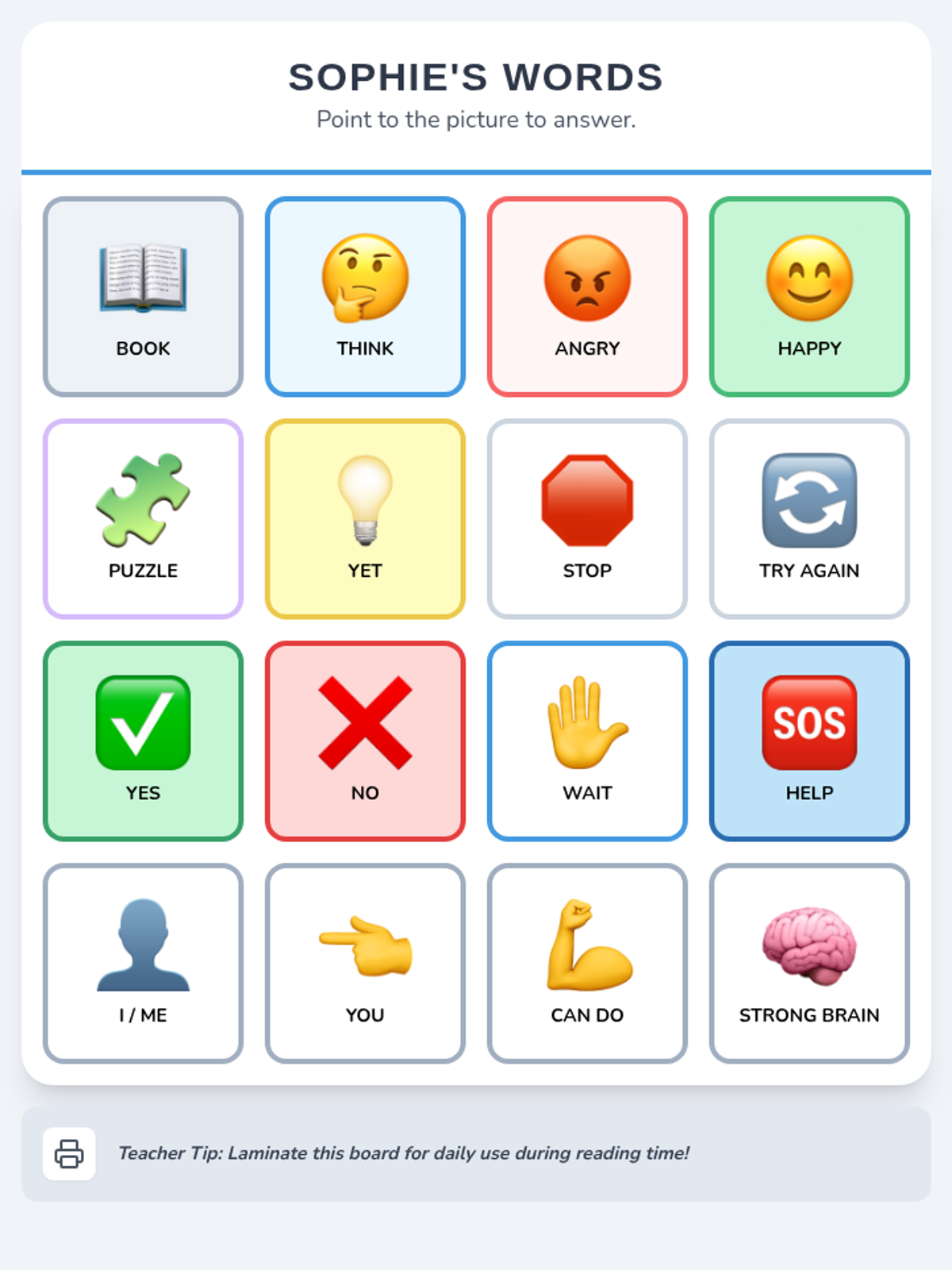
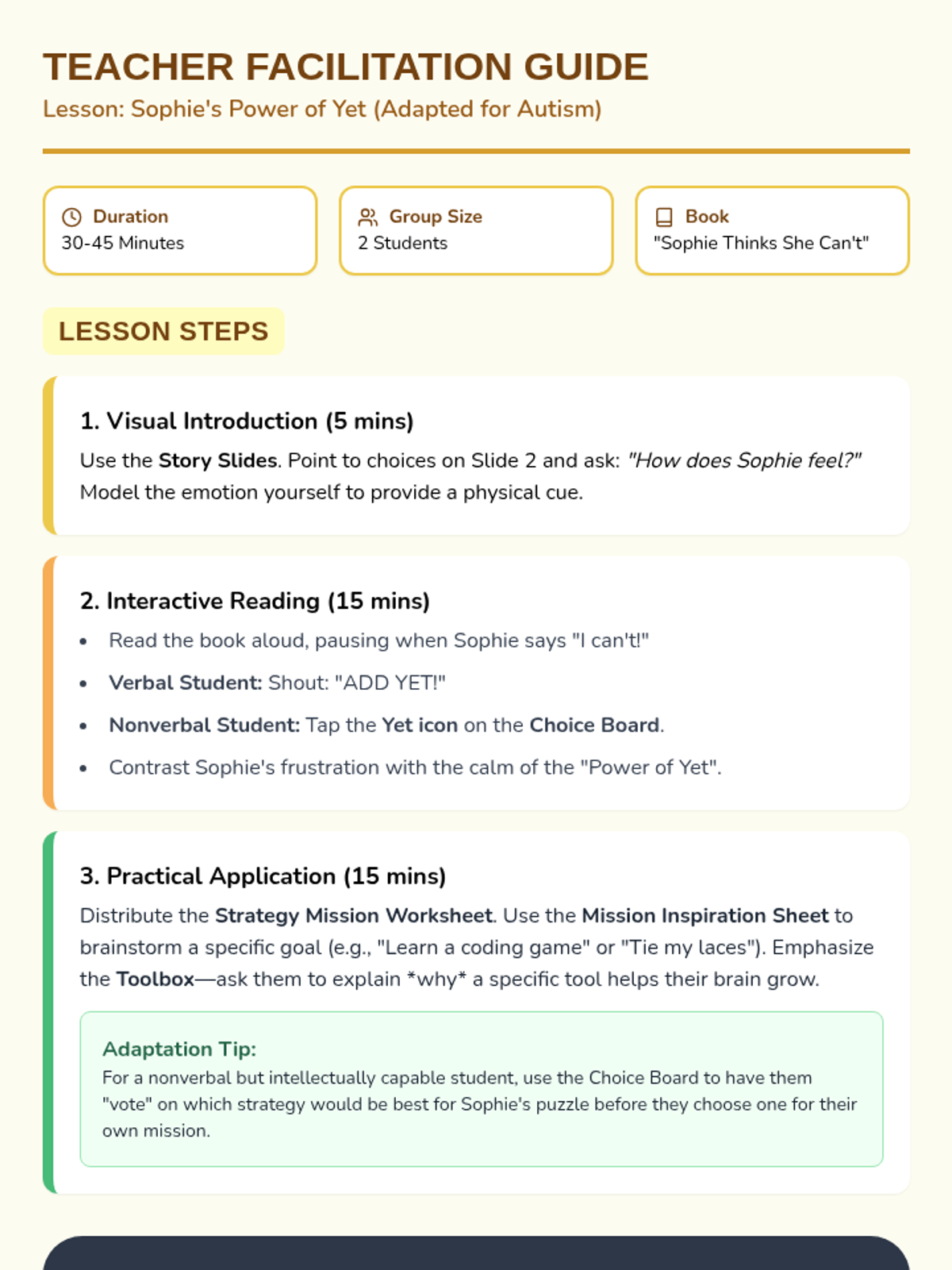
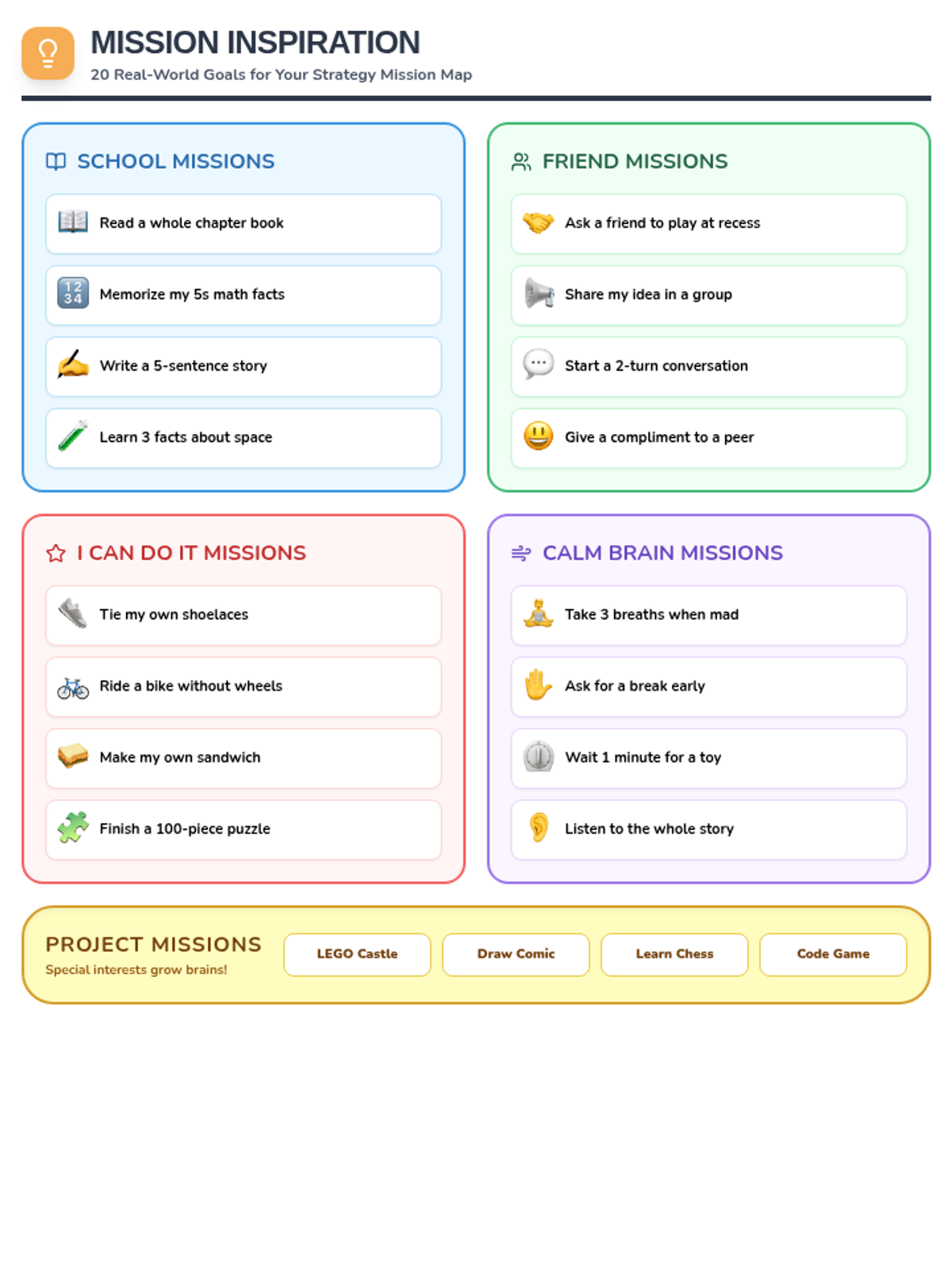
This lesson explores perseverance and the 'Power of Yet' through the book 'When Sophie Thinks She Can't' by Molly Bang. It features visual supports and adapted interaction methods specifically designed for 3rd-grade students with autism, including those who are nonverbal.
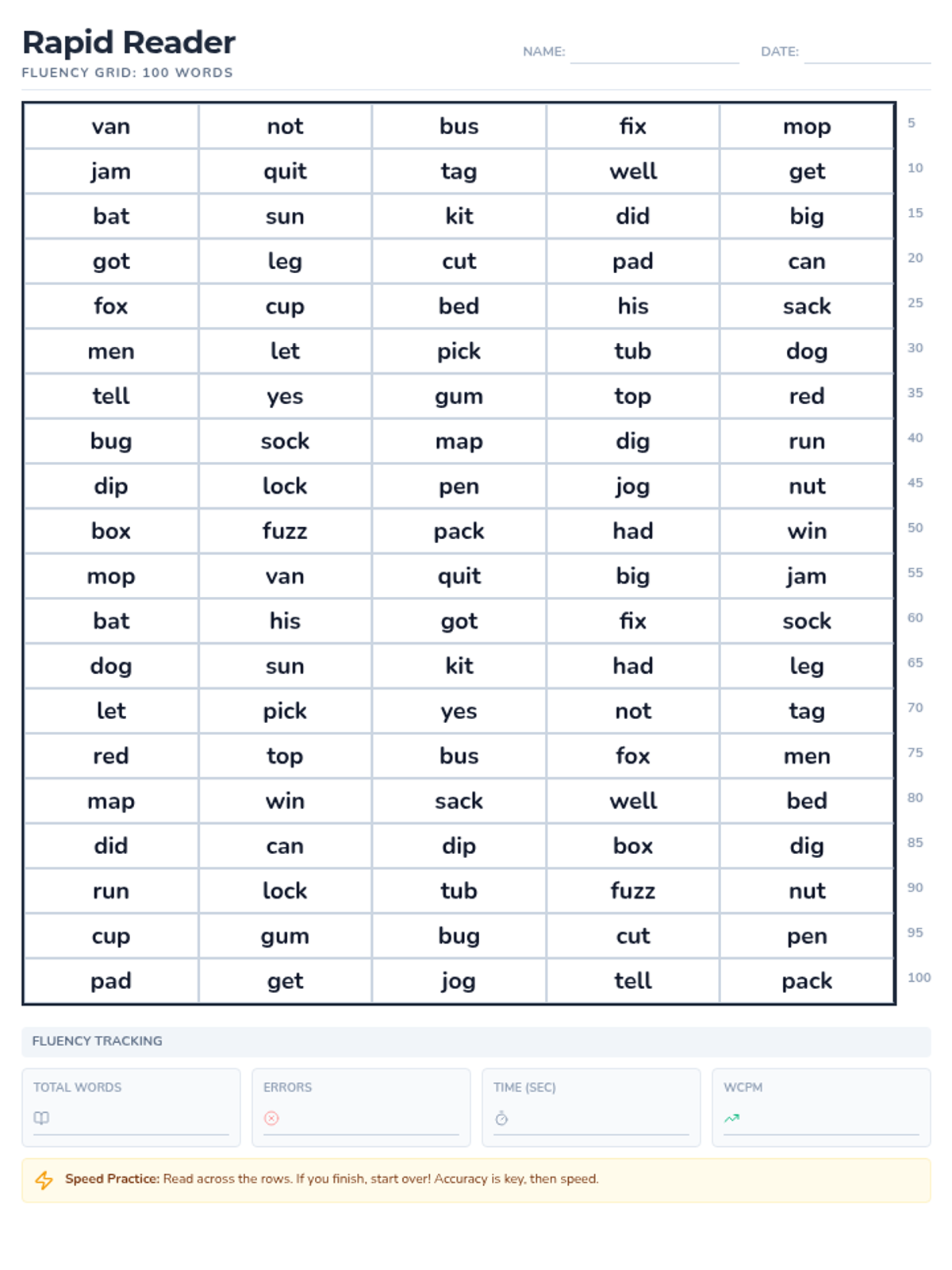
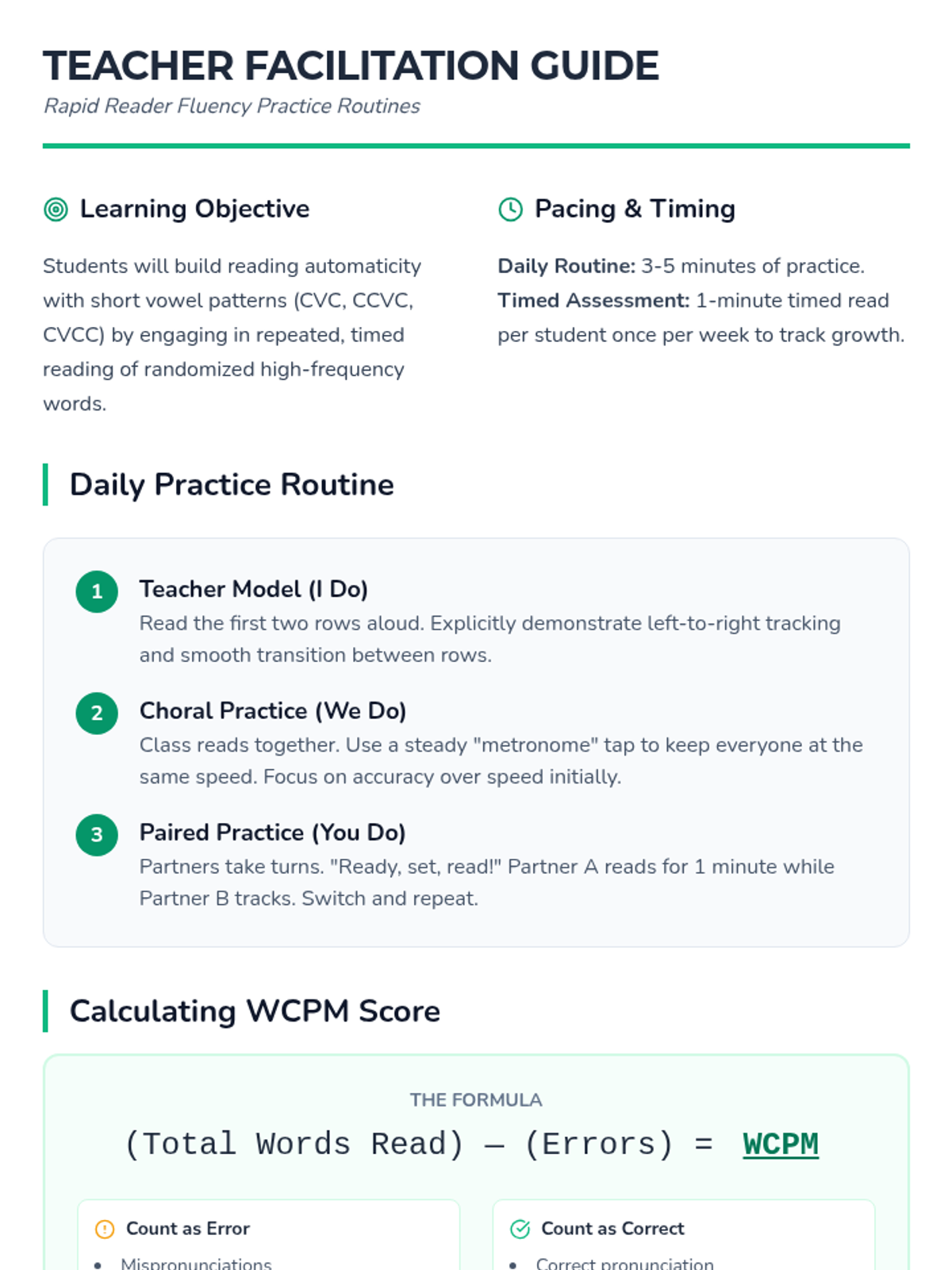
A series of materials designed to build reading speed and accuracy through targeted word practice.
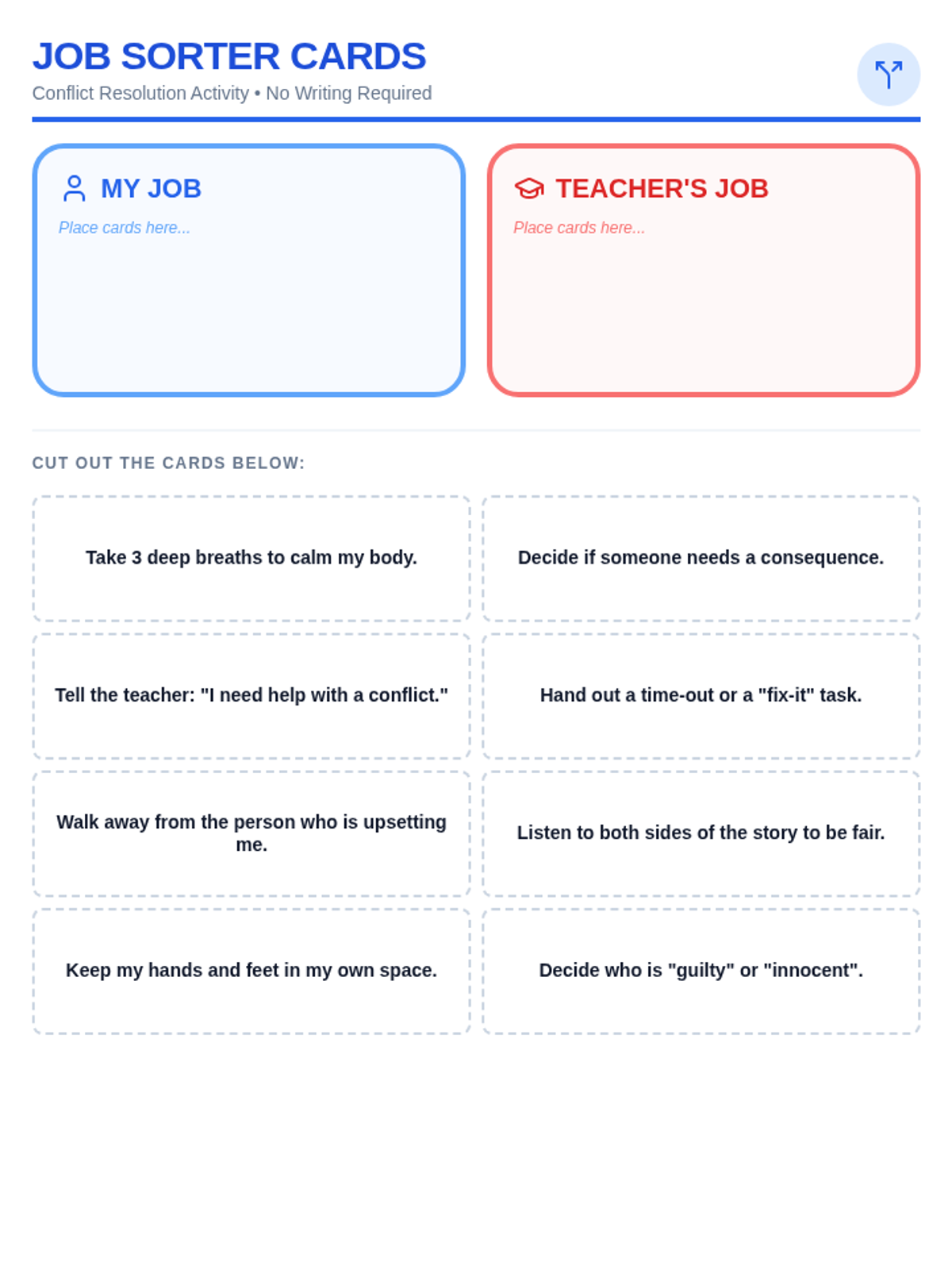
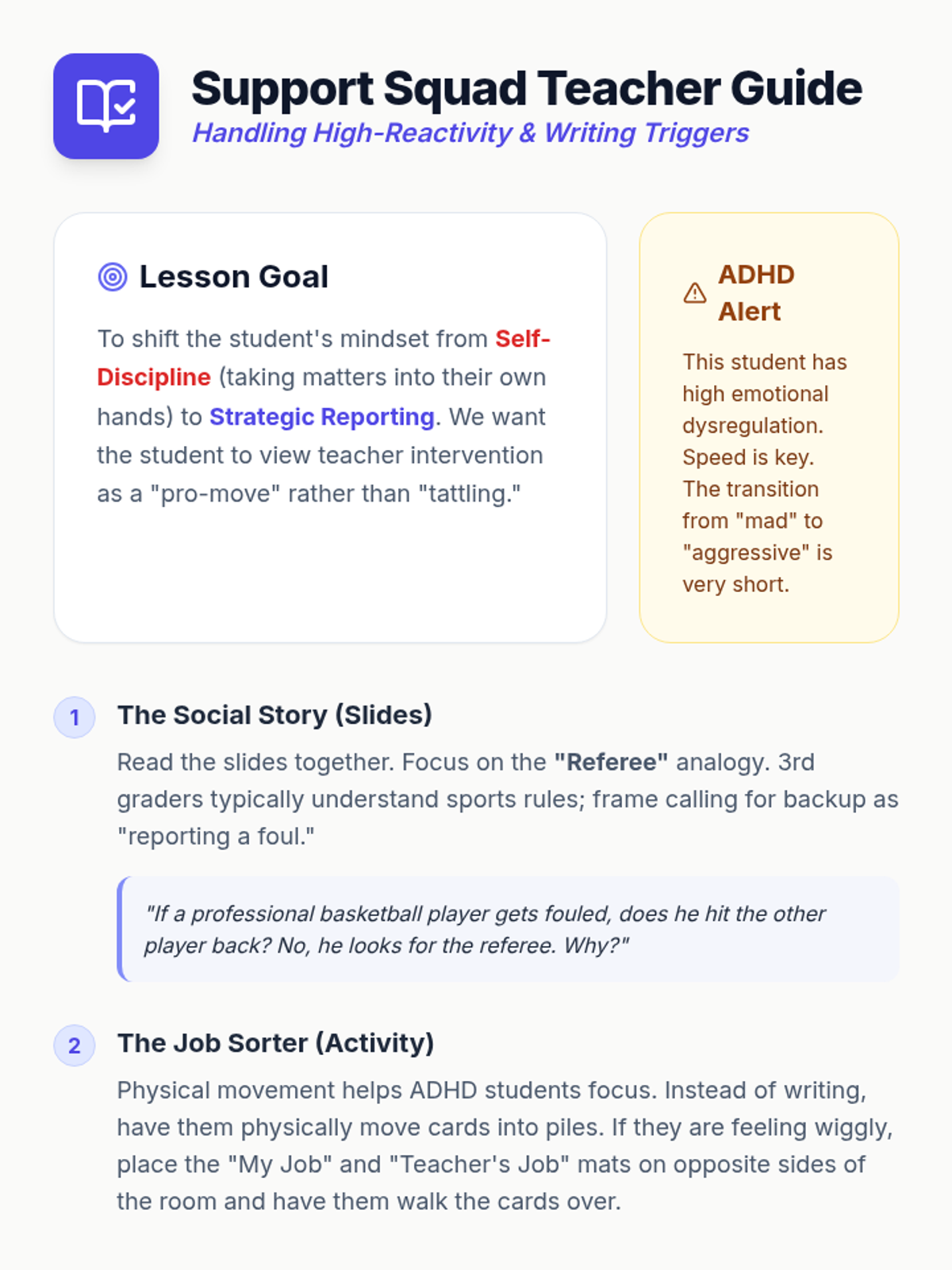
A social skills lesson designed for a 3rd-grade student with ADHD, focusing on replacing physical aggression with seeking teacher support during peer conflicts. The lesson utilizes a visual social story and a hands-on sorting activity to avoid writing triggers.
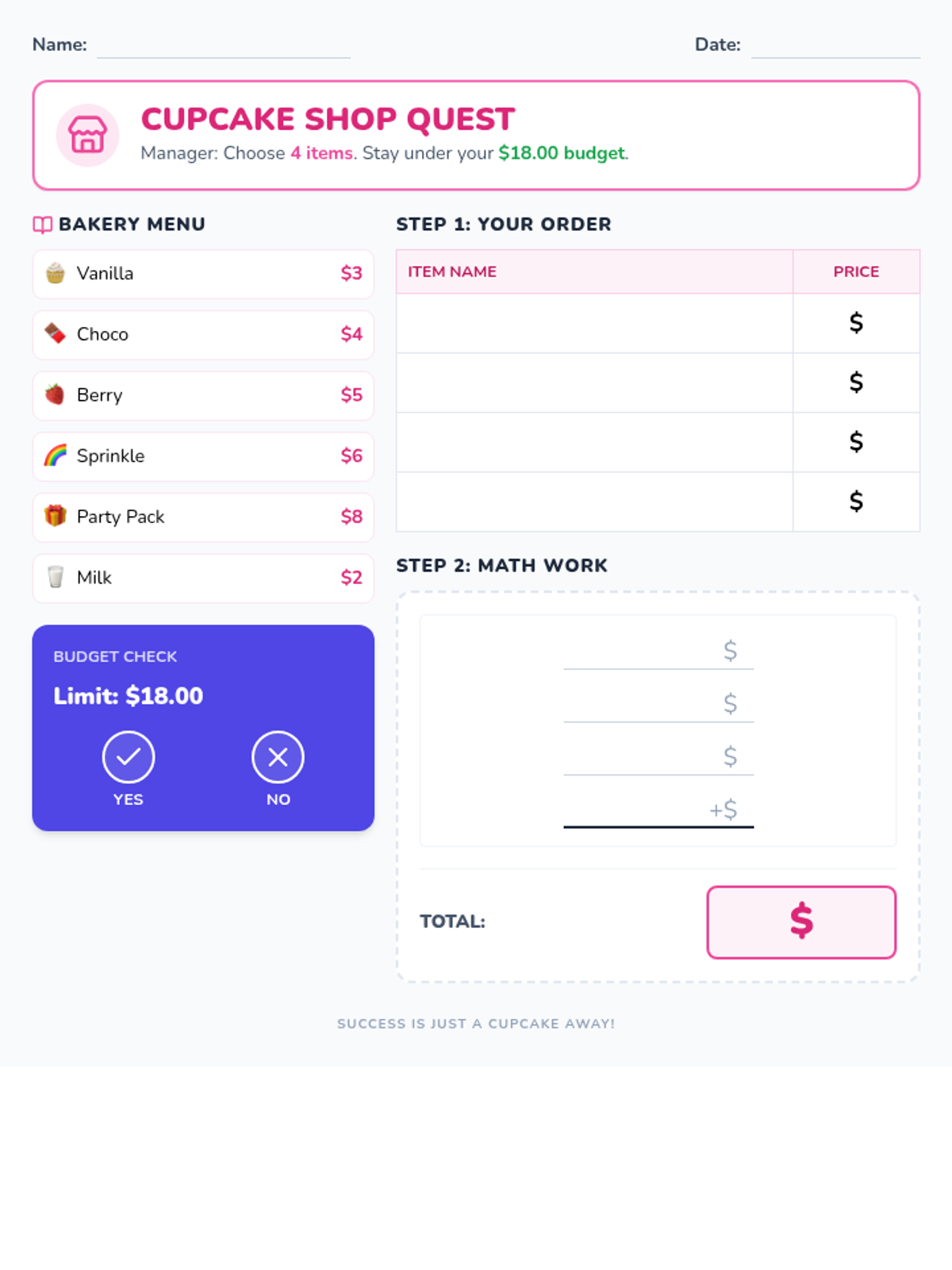
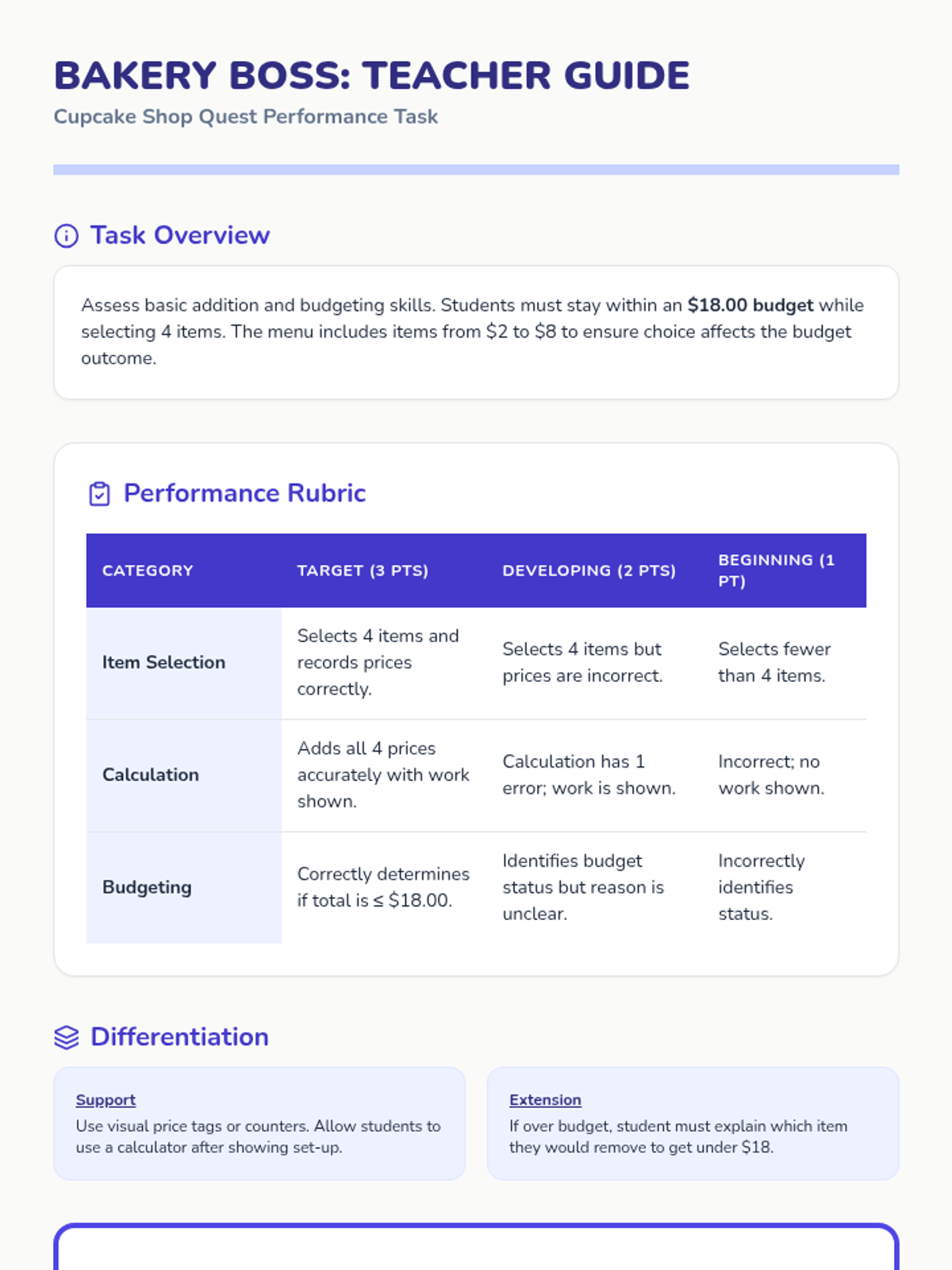
A real-world math performance task where students manage a bakery order, calculate costs, and stay within a budget. Designed with heavy scaffolding and visual support for special education students.
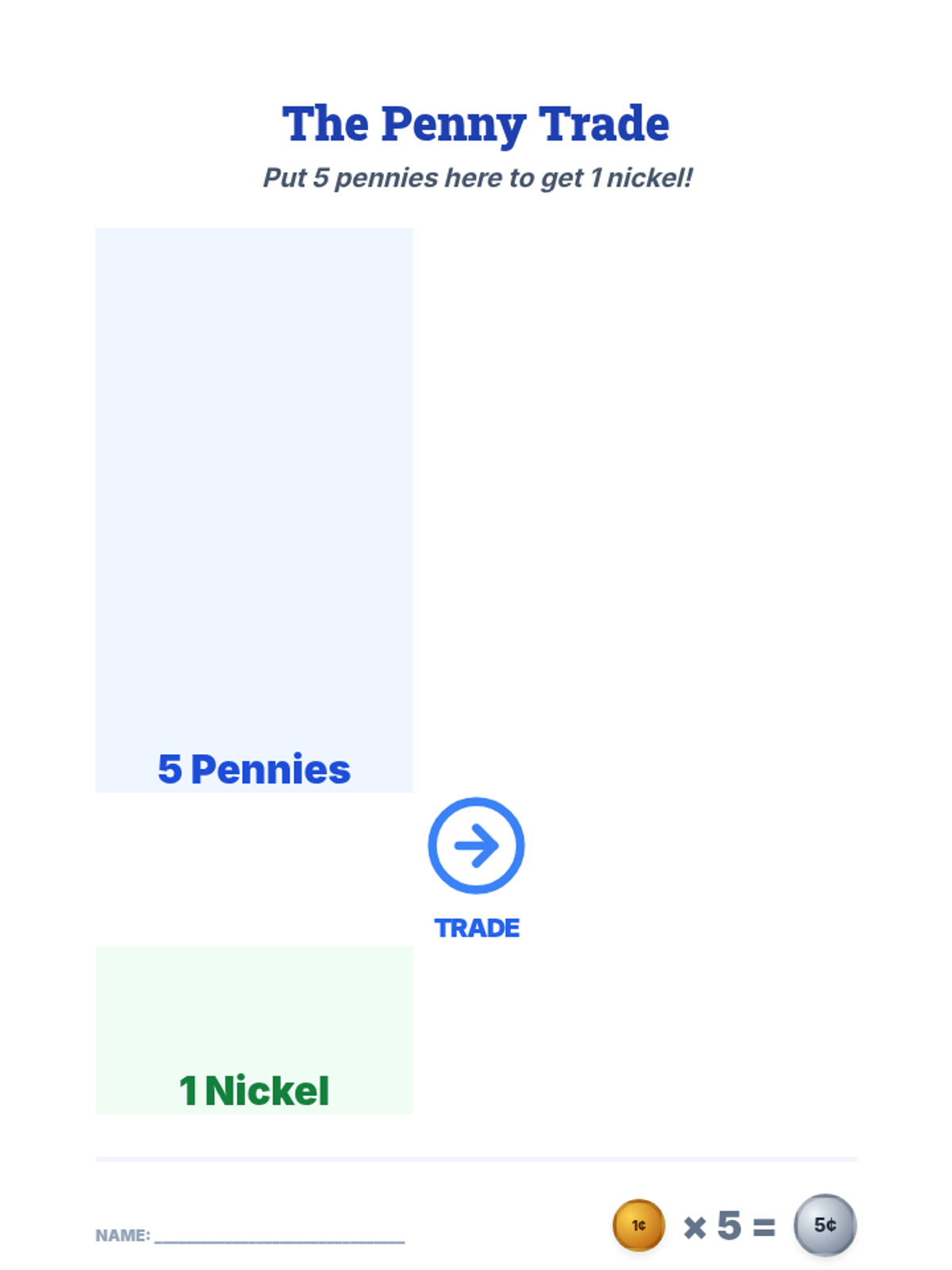
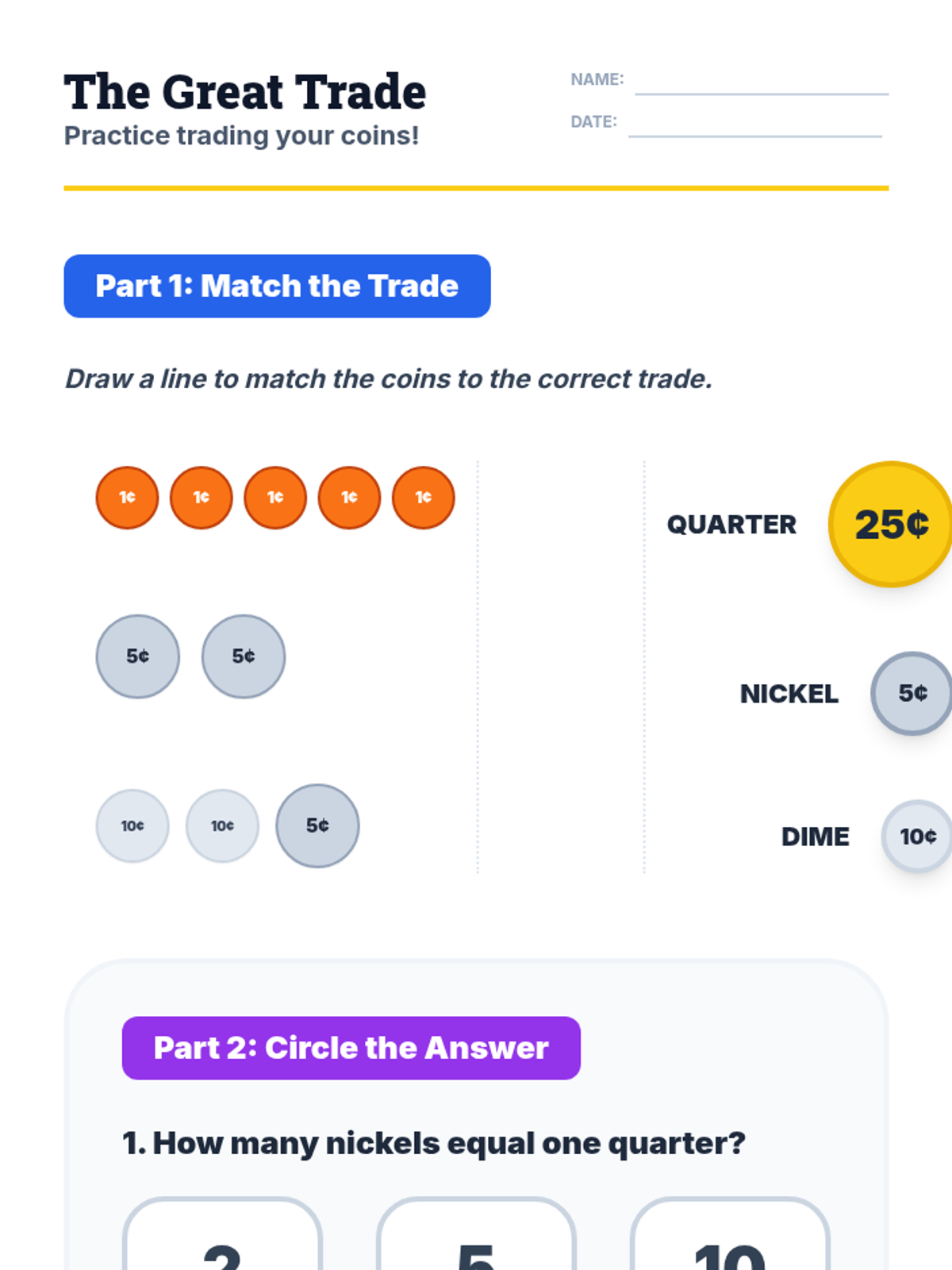
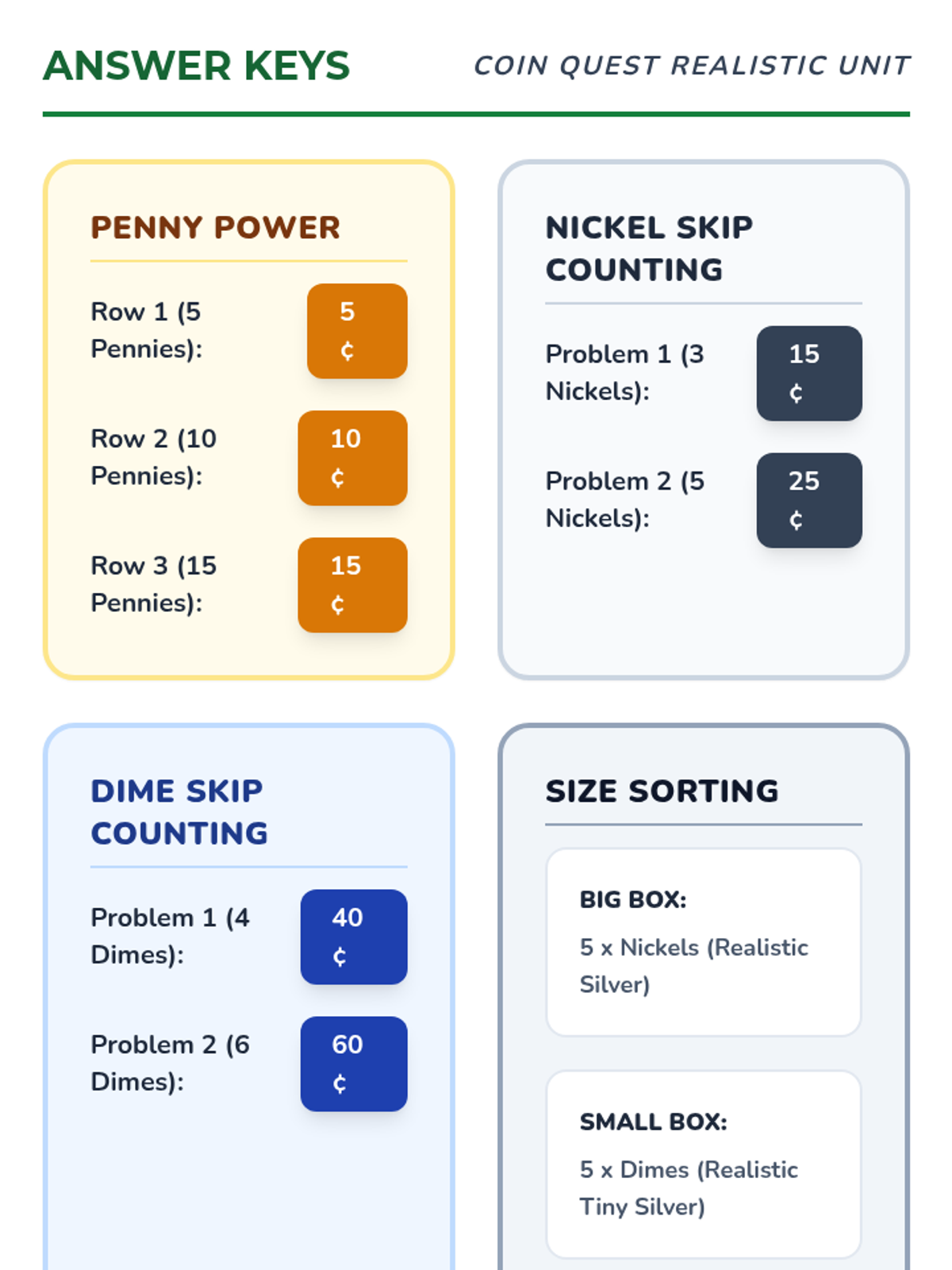
An introduction to coin equivalencies and the quarter, focusing on hands-on trading between pennies, nickels, dimes, and quarters.
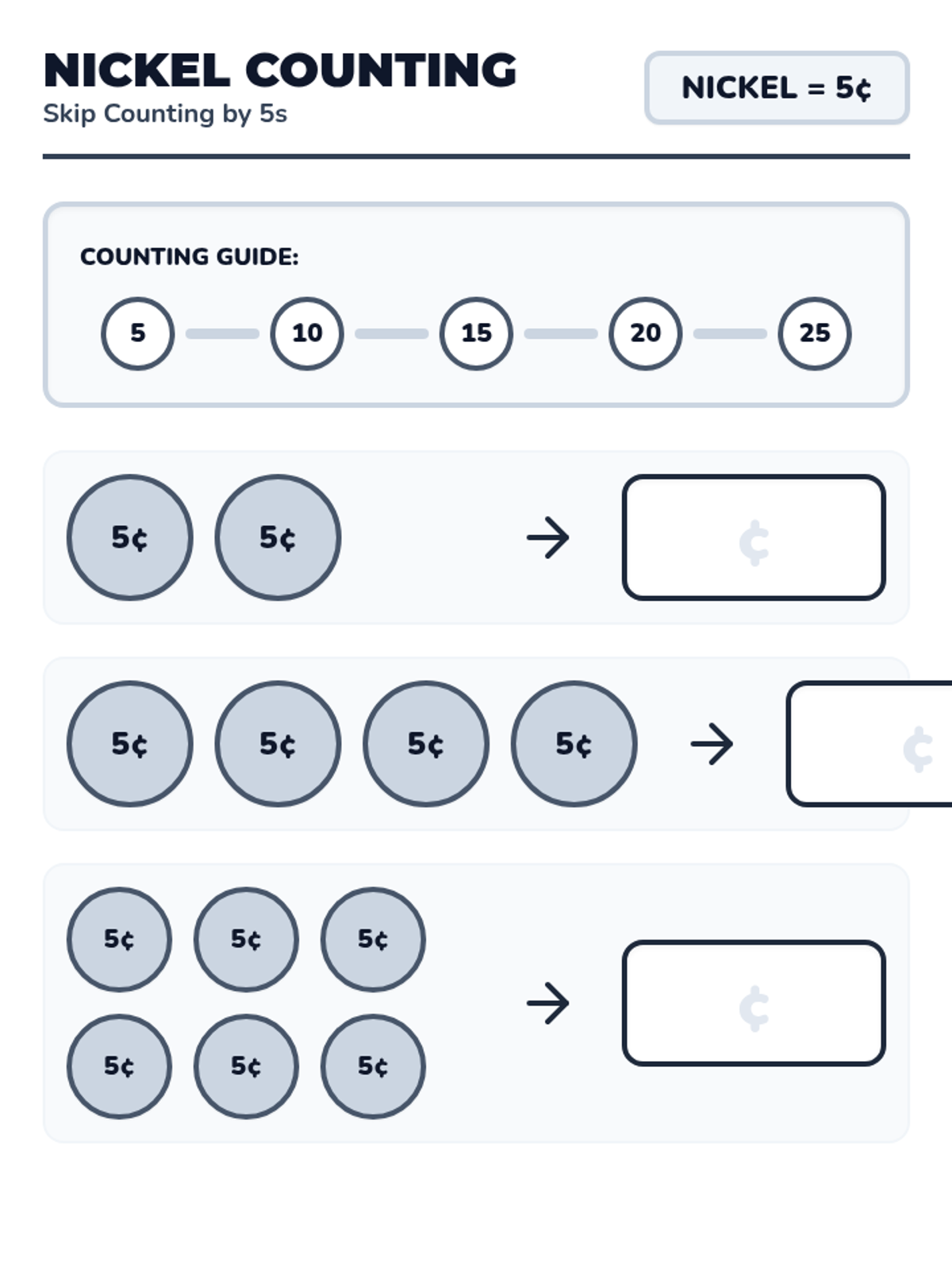
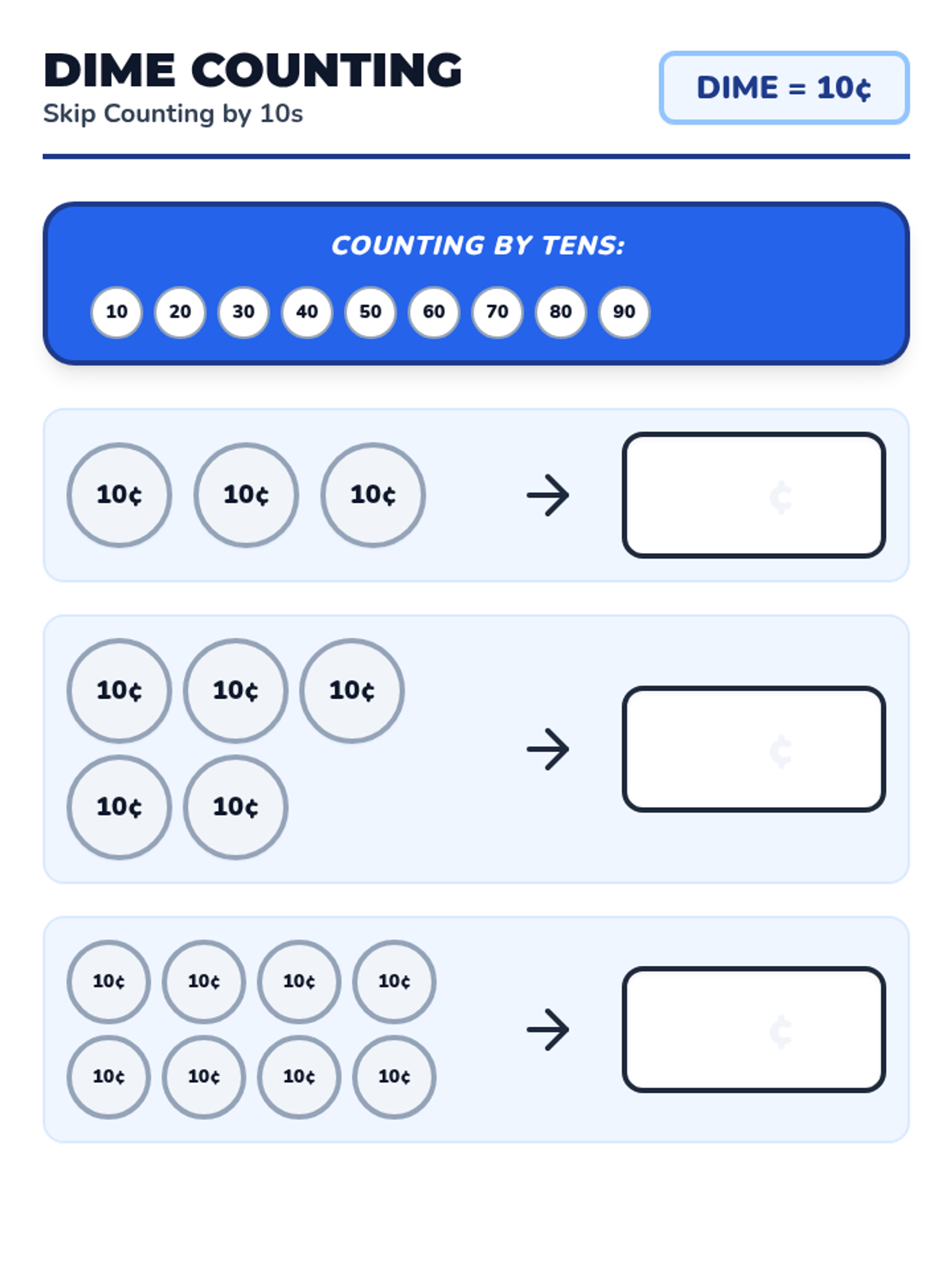
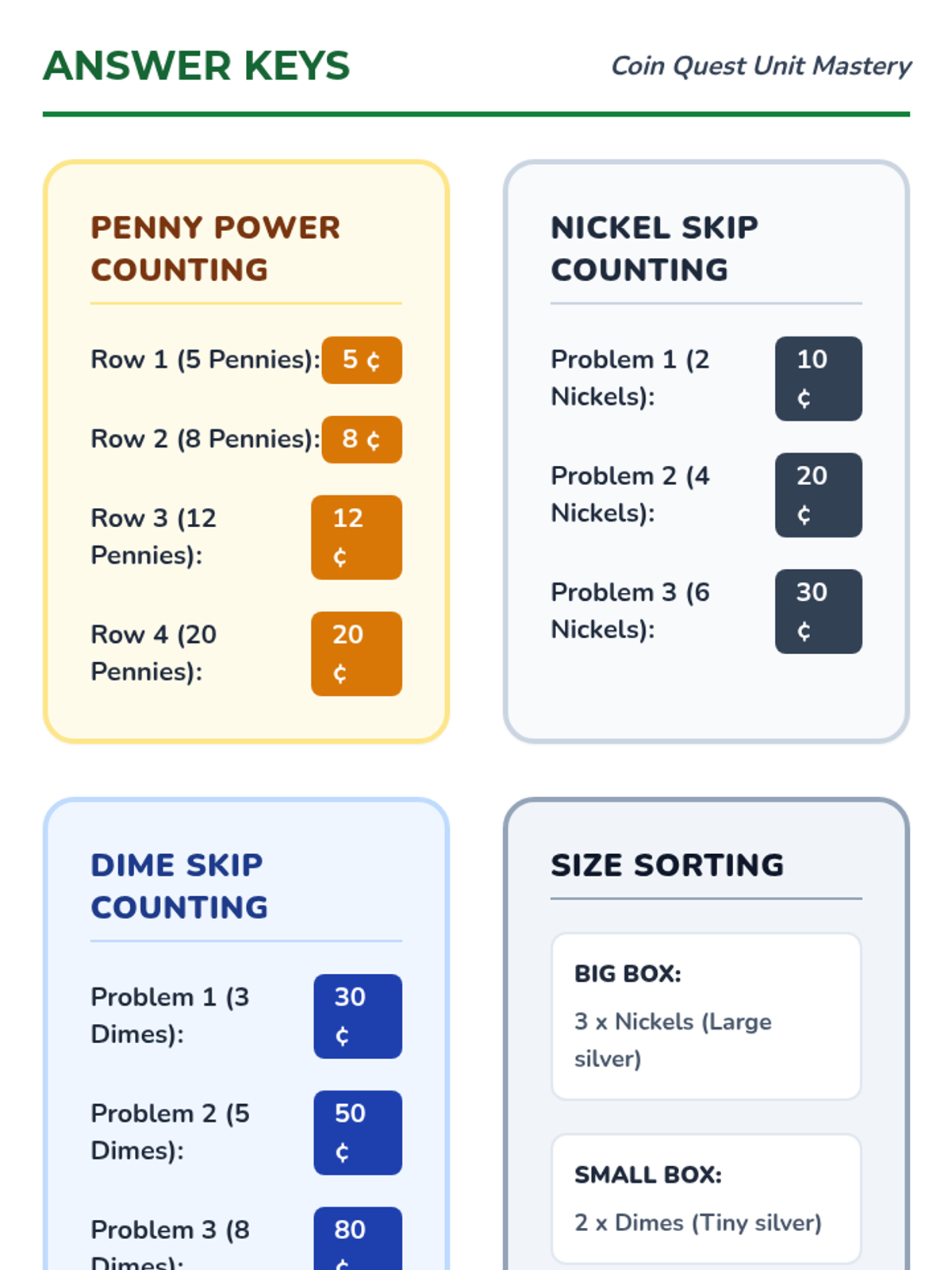
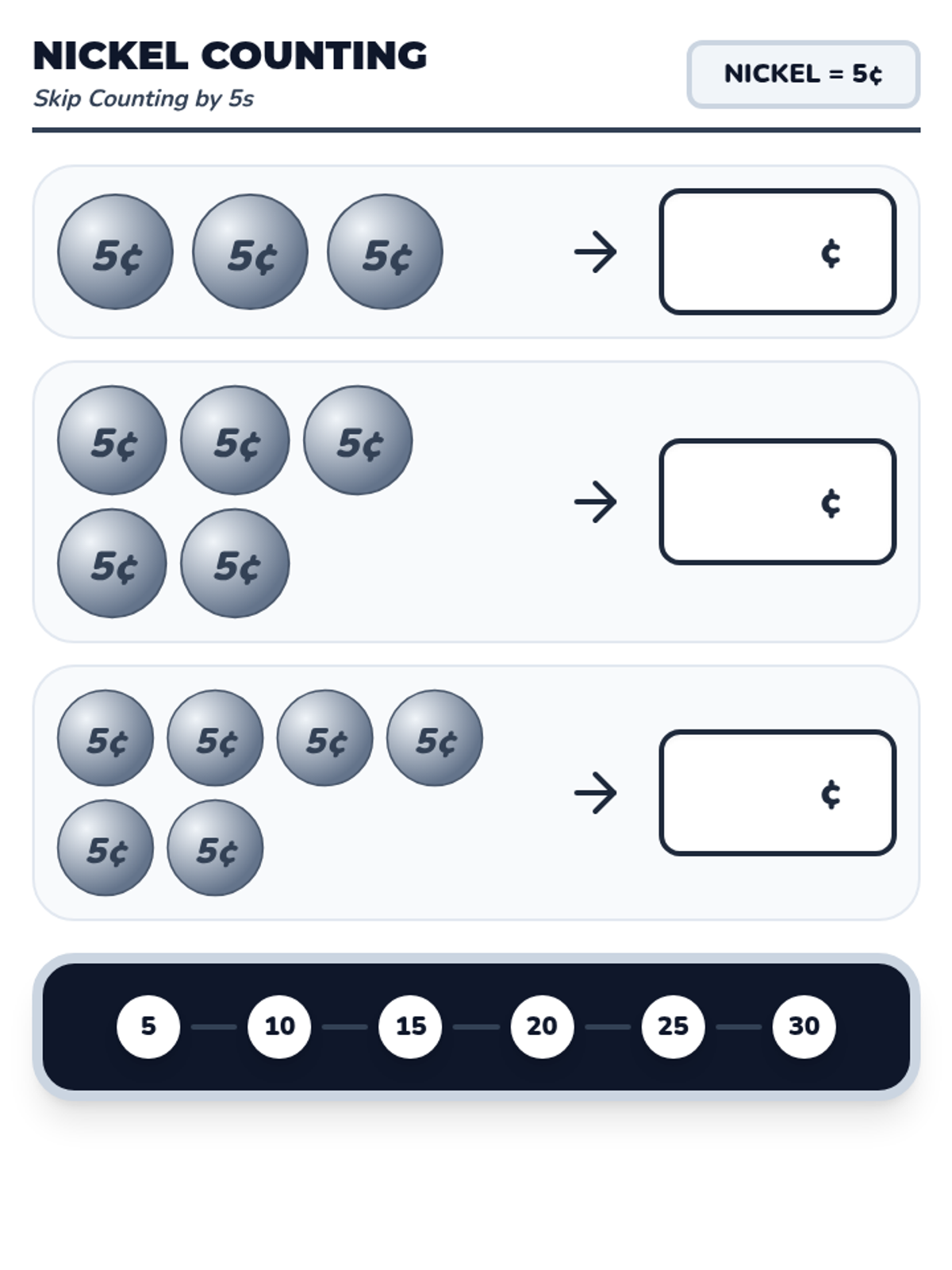
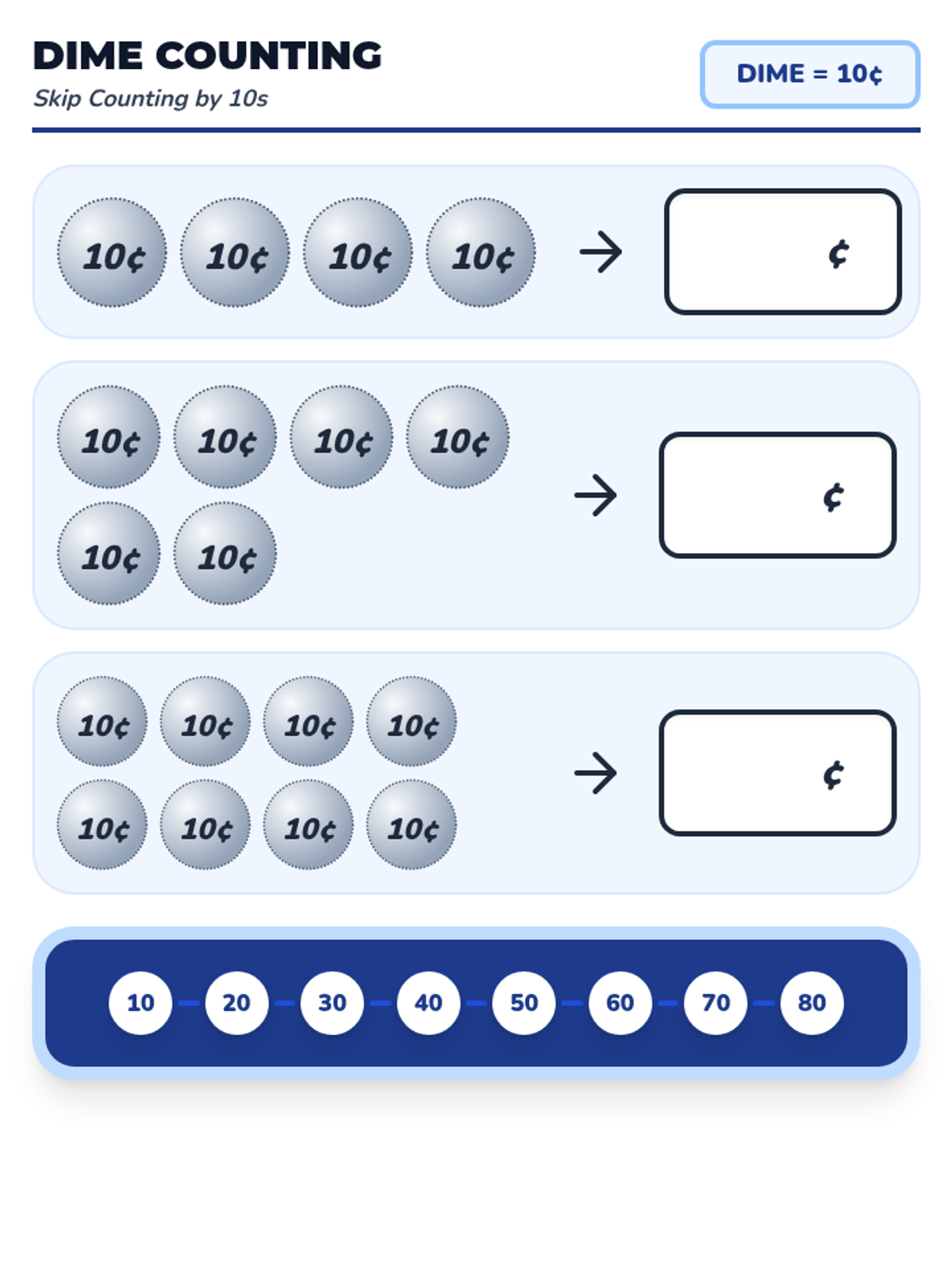
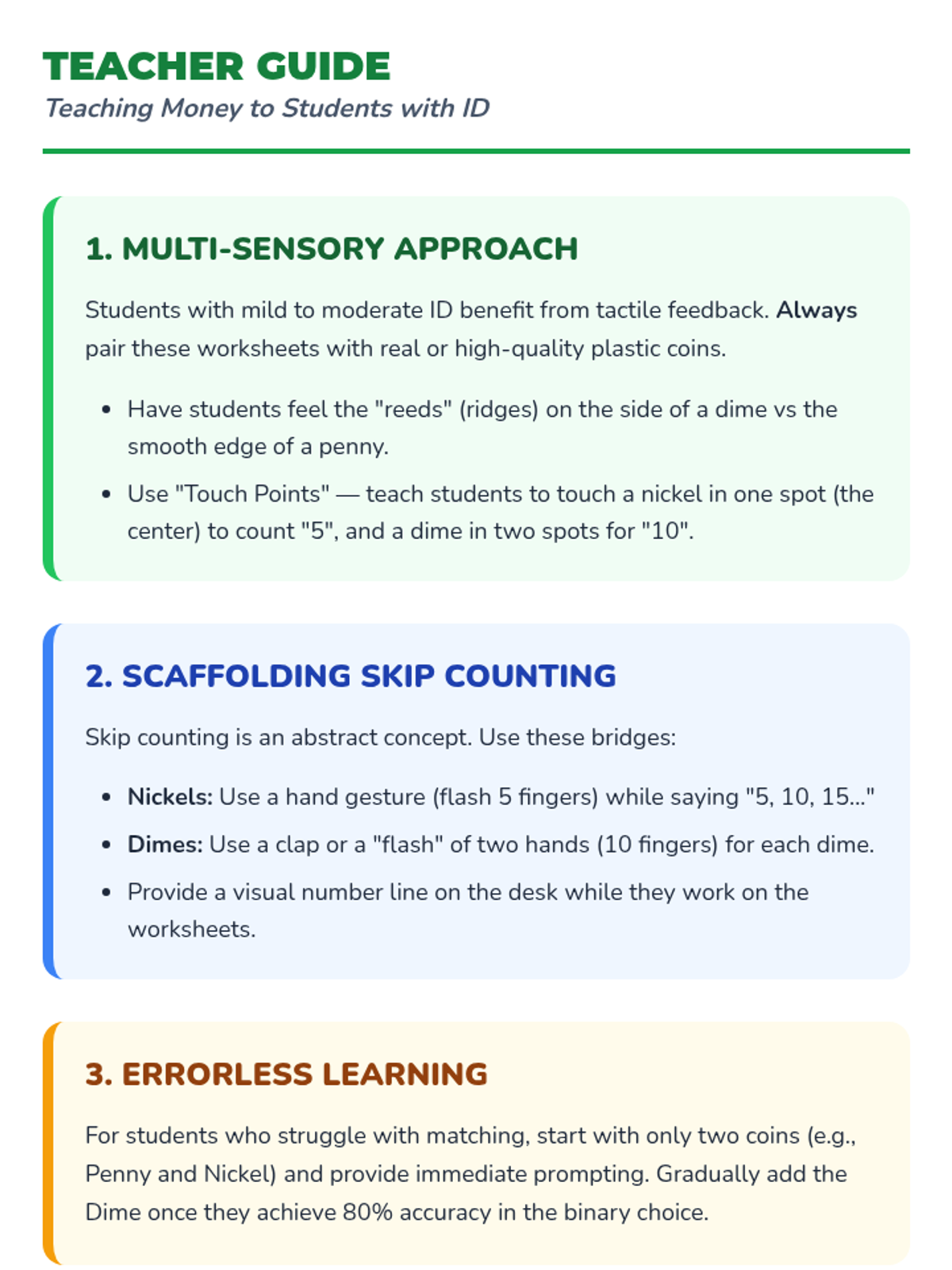
Introduction to skip counting by 5s and 10s using nickels and dimes with visual number lines and touch points.
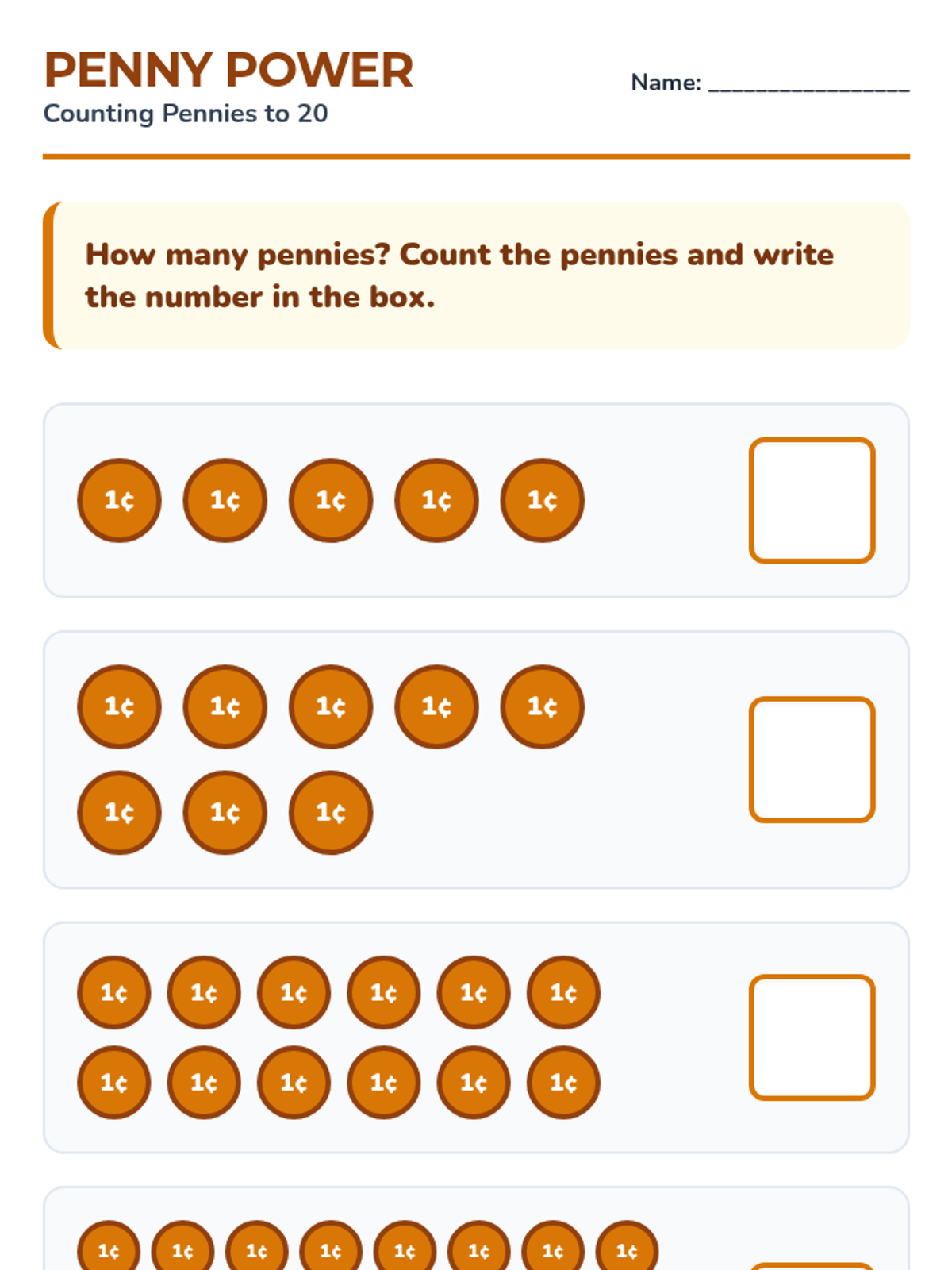
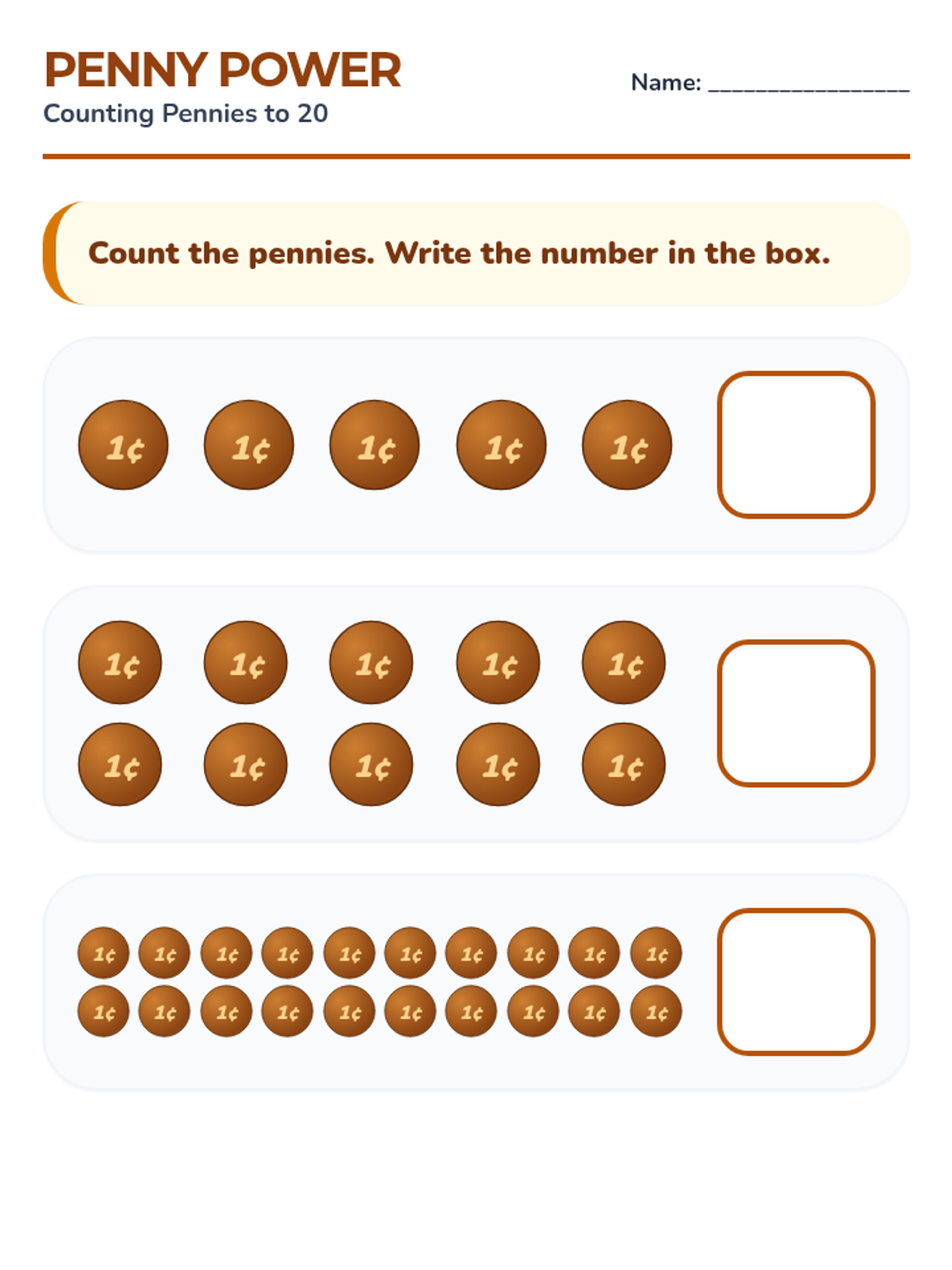
Focus on counting pennies up to 20 using 1:1 correspondence and visual supports.
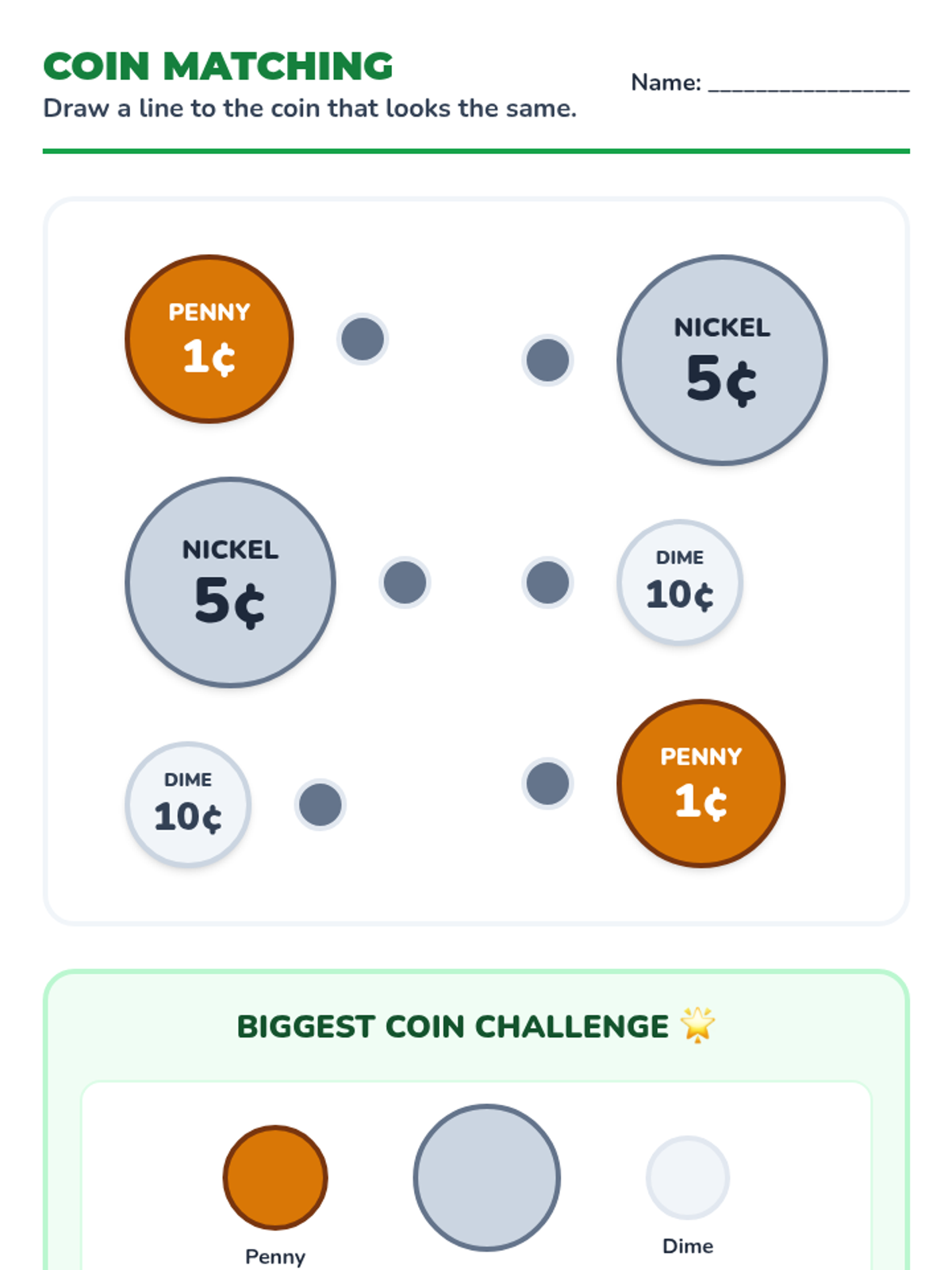
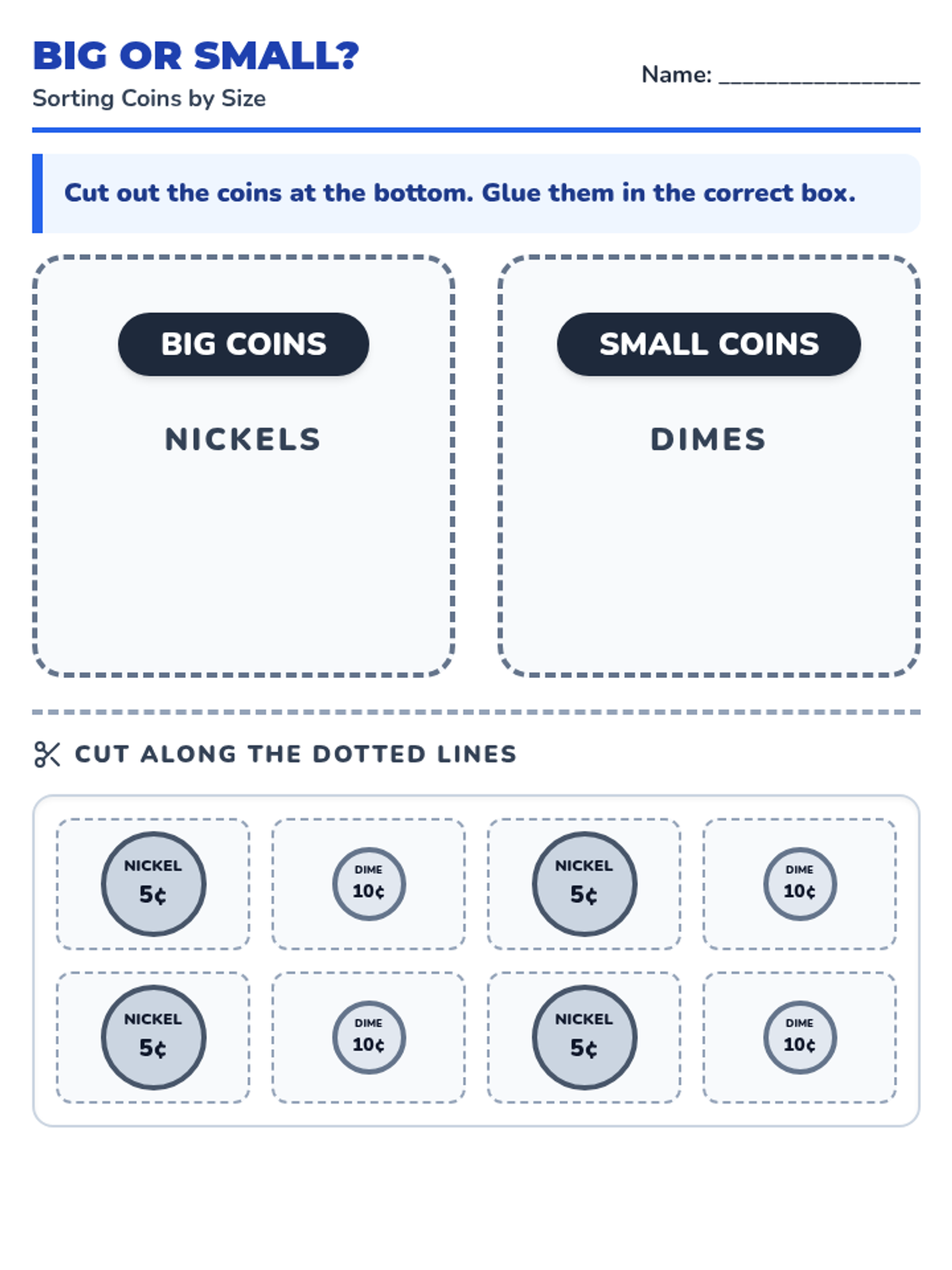
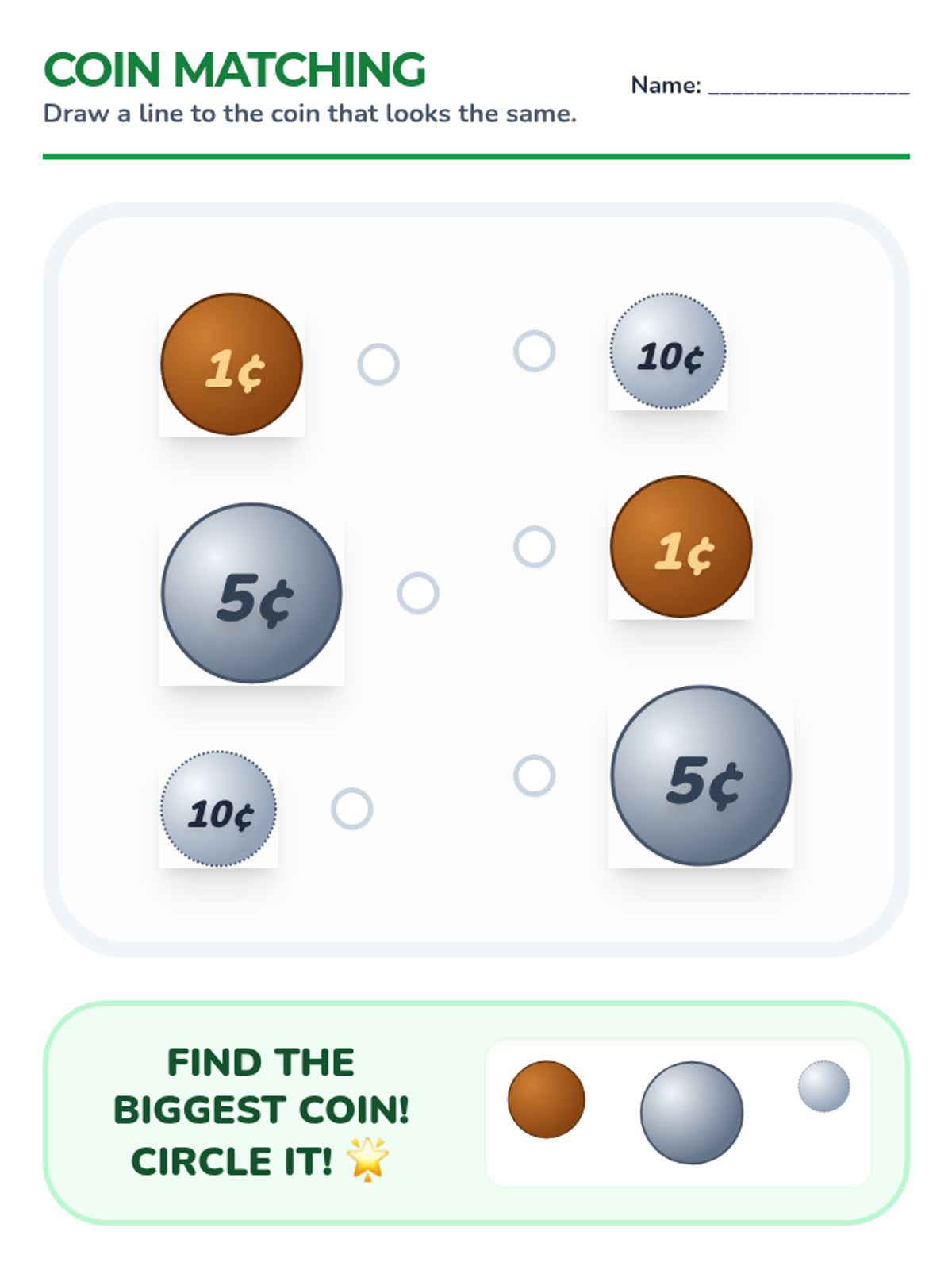
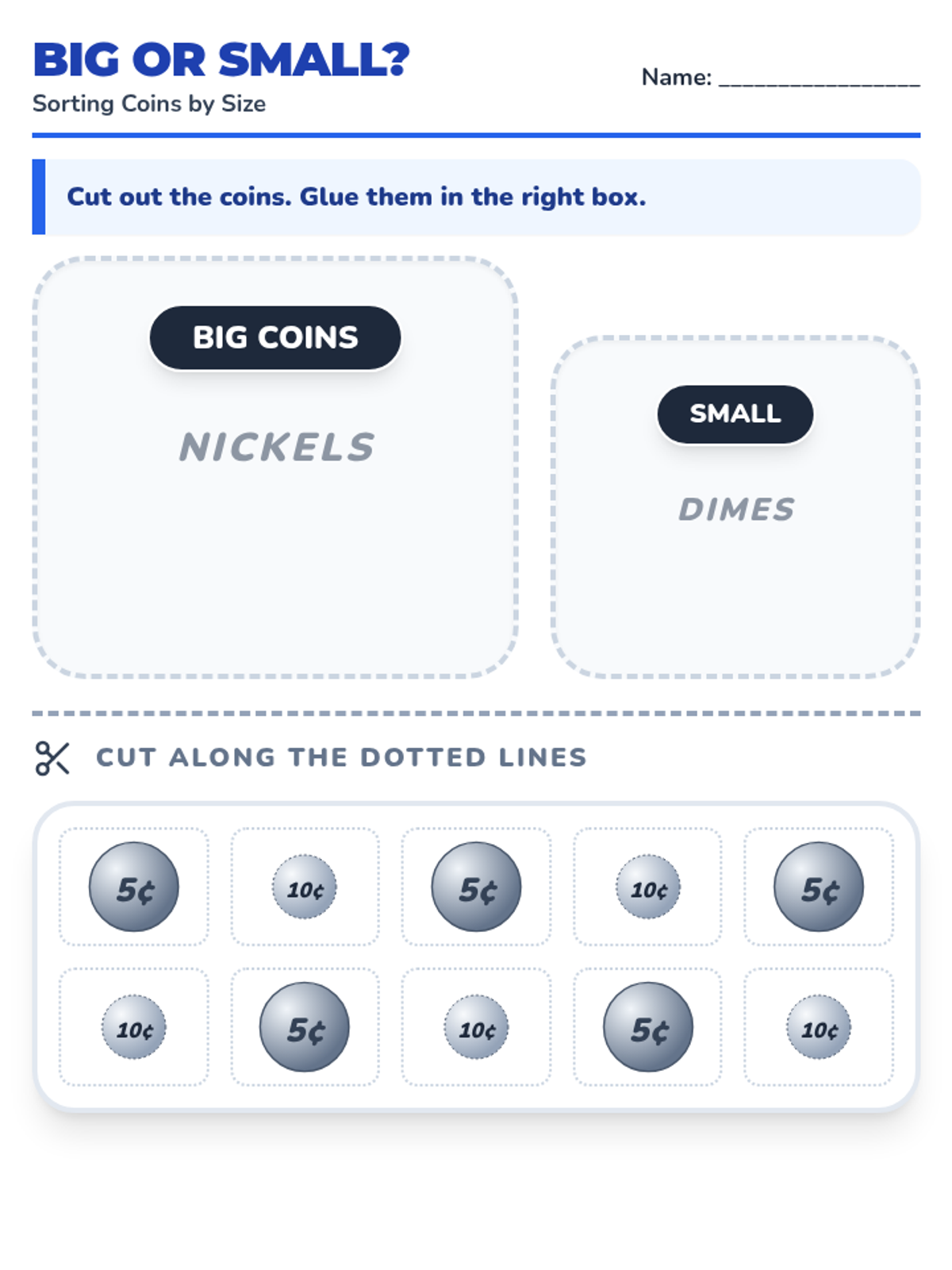
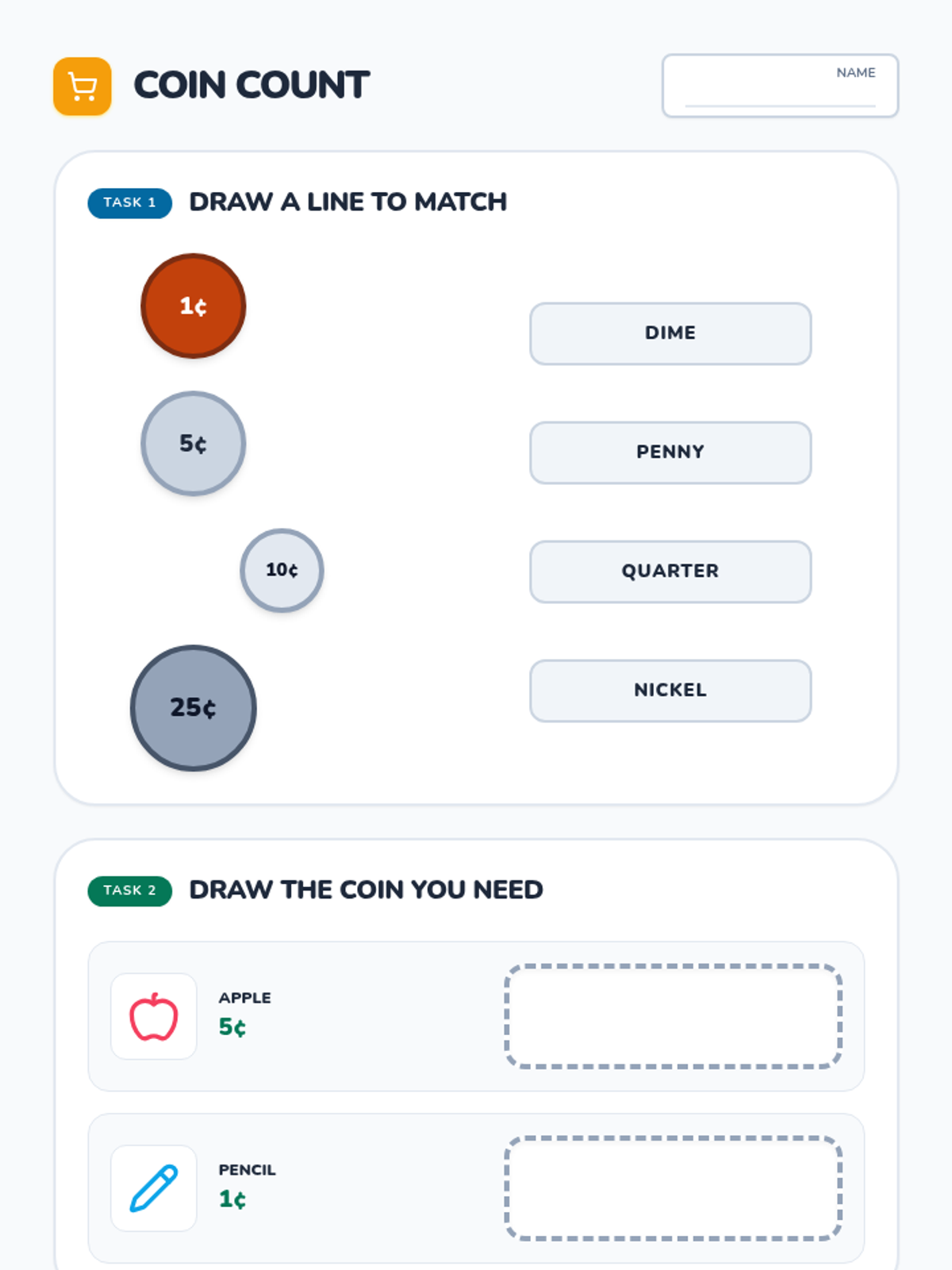
Introduction to identifying pennies, nickels, and dimes through visual matching and physical size comparison.
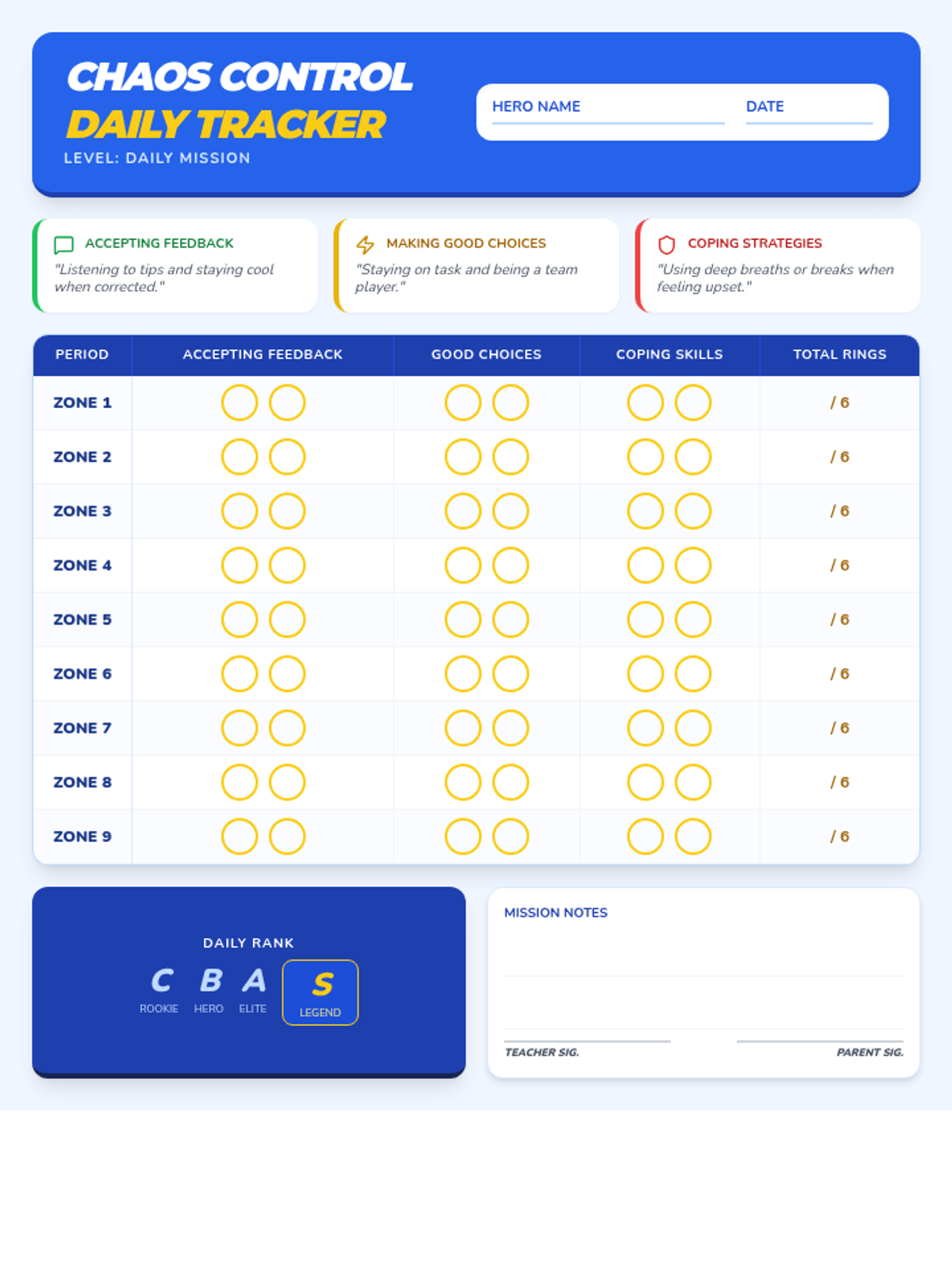
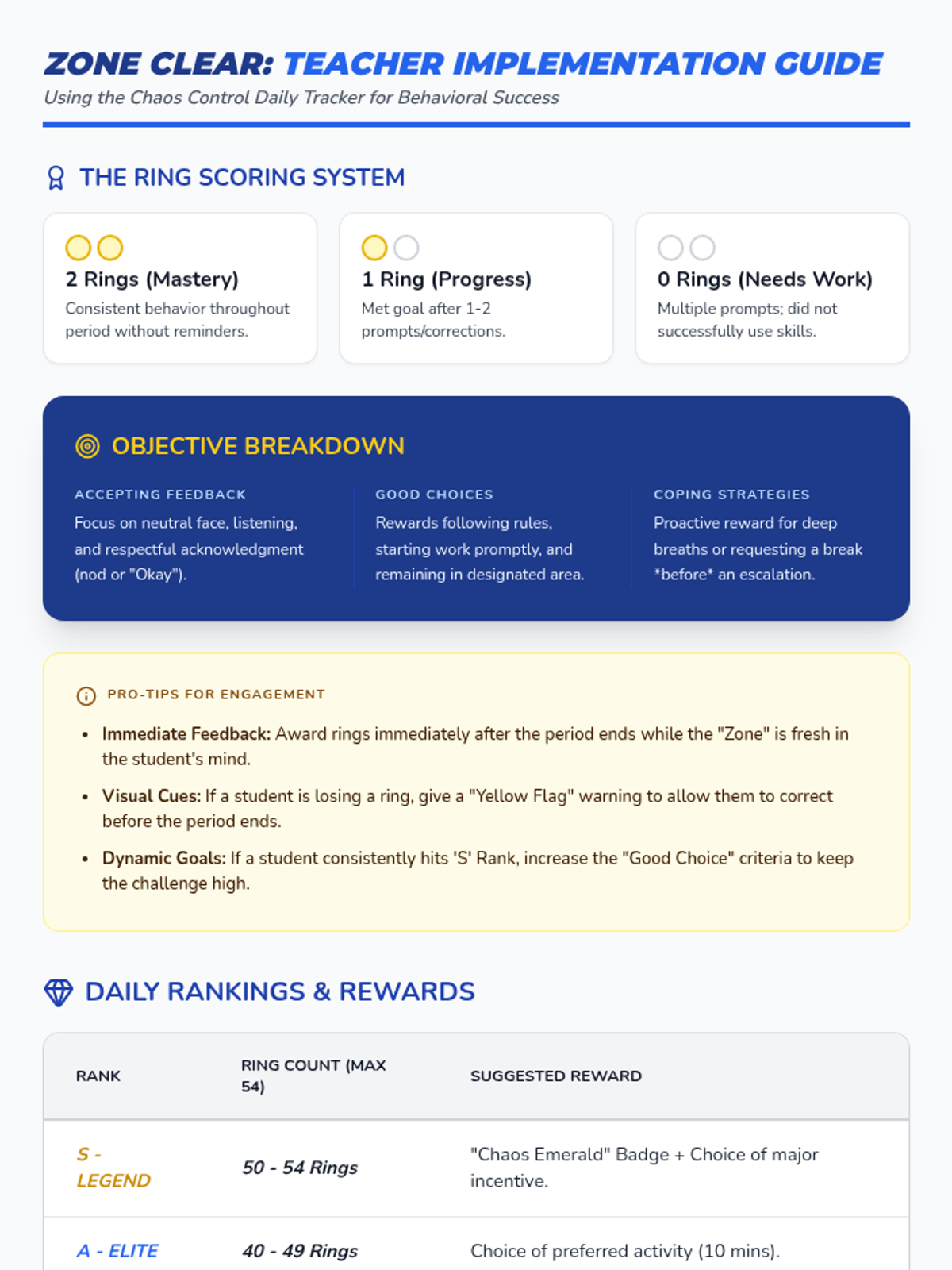
A behavior management system inspired by high-speed adventures to help students track their daily goals across nine periods. This lesson includes a student tracking sheet and a teacher guide for implementation.
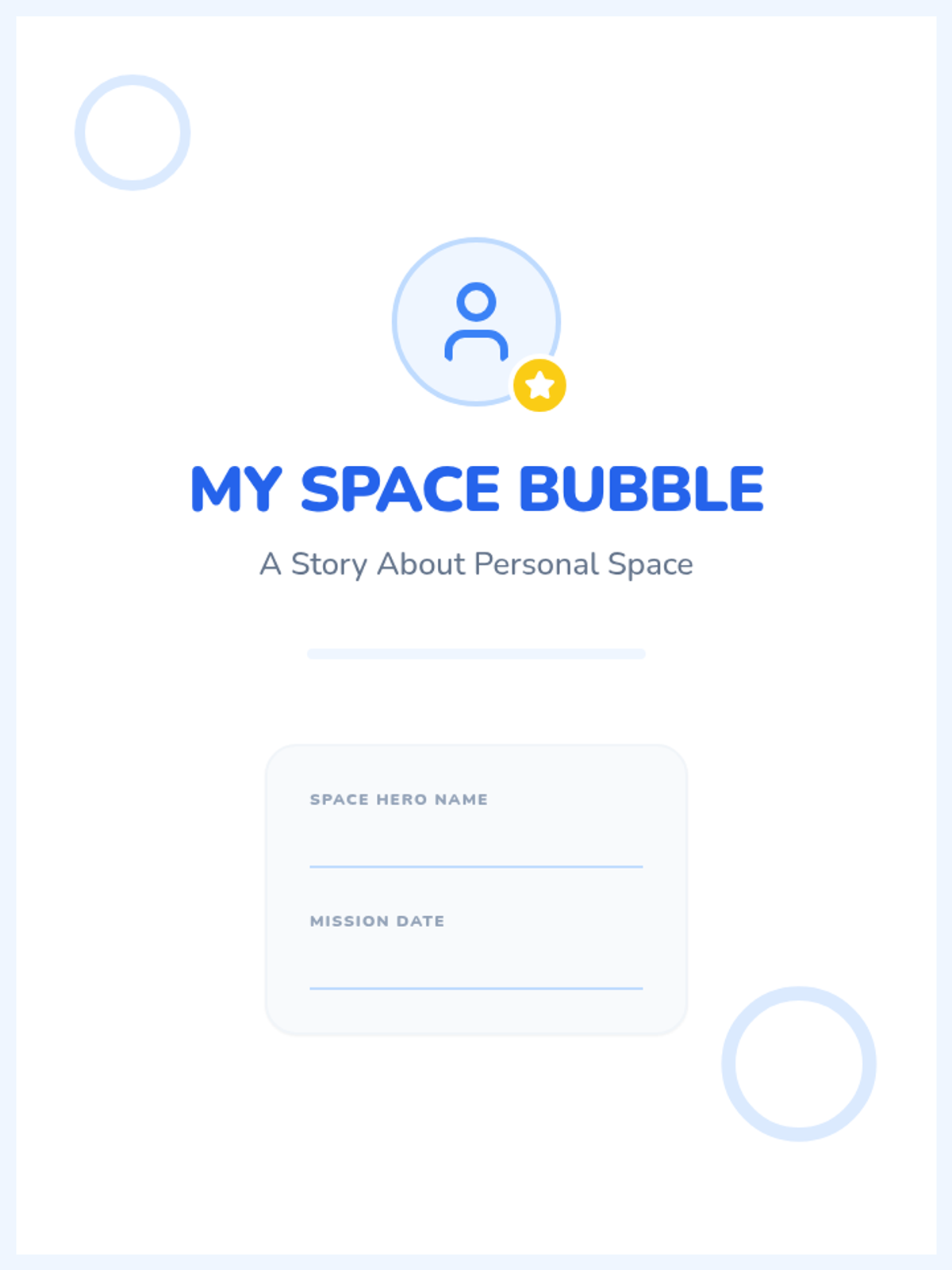
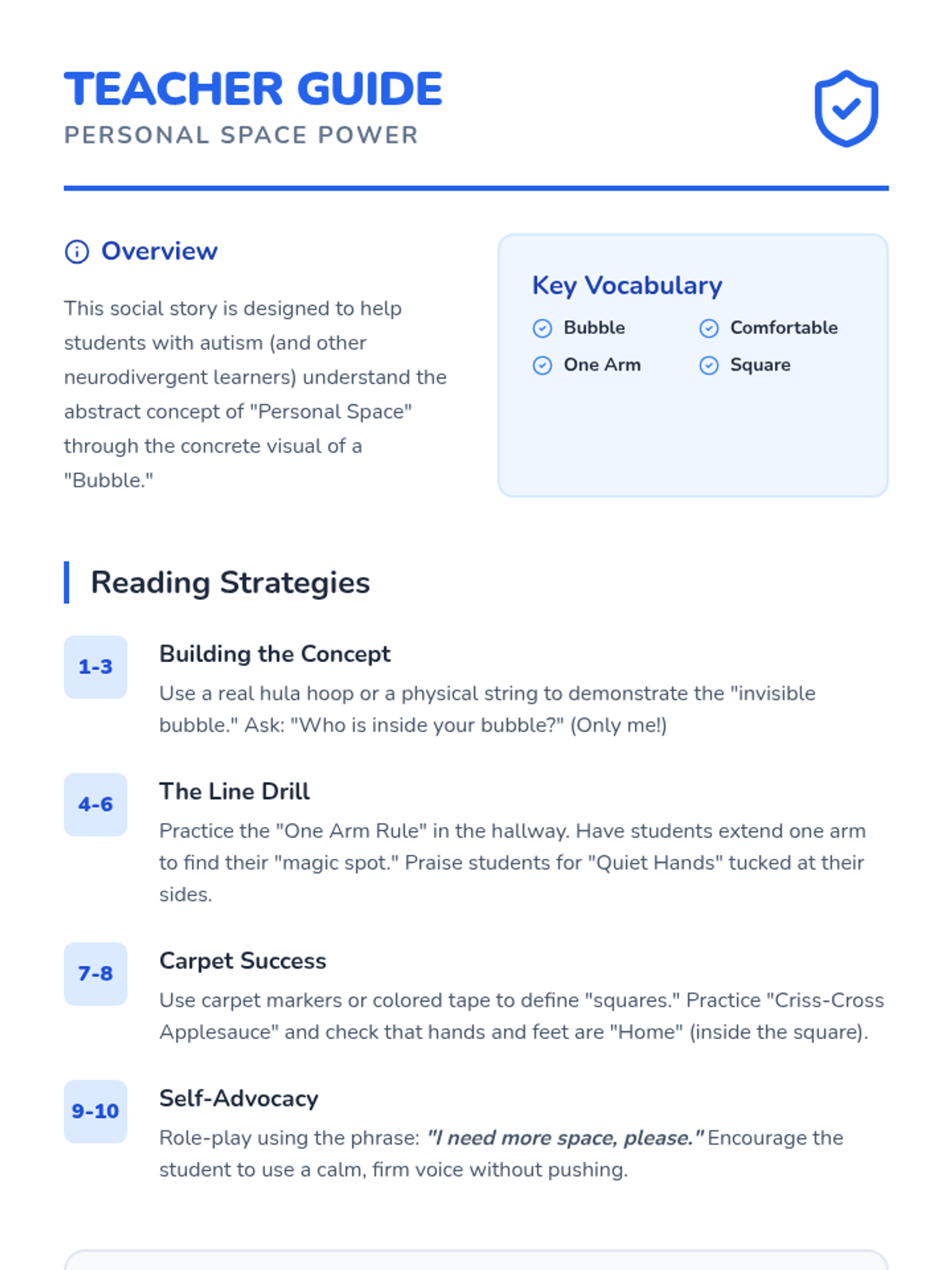
A lesson focused on teaching personal space boundaries to students, specifically targeting transitions like standing in line and floor-time activities like sitting on the carpet. This lesson uses a social story format to provide clear, visual, and predictable expectations.
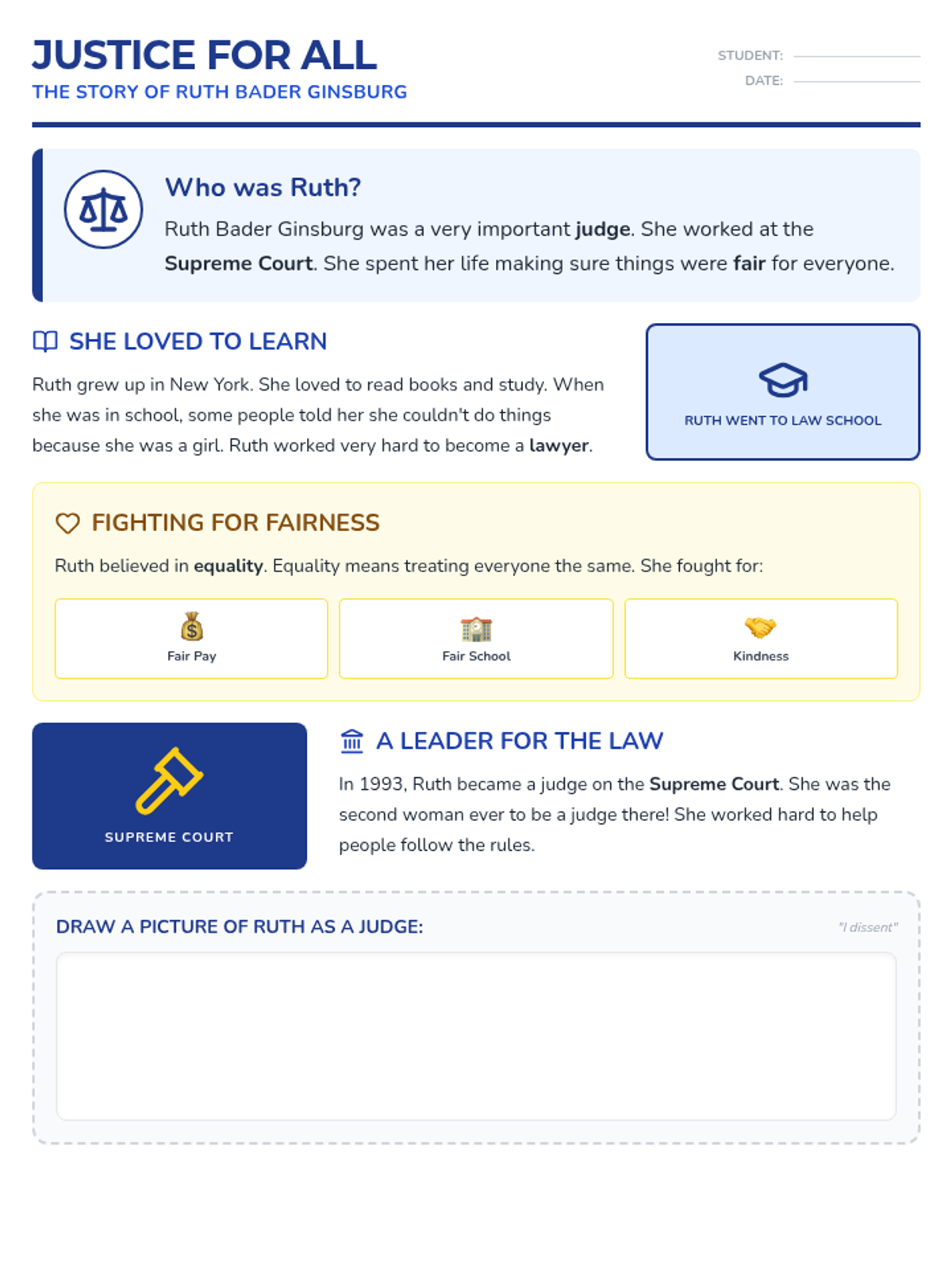
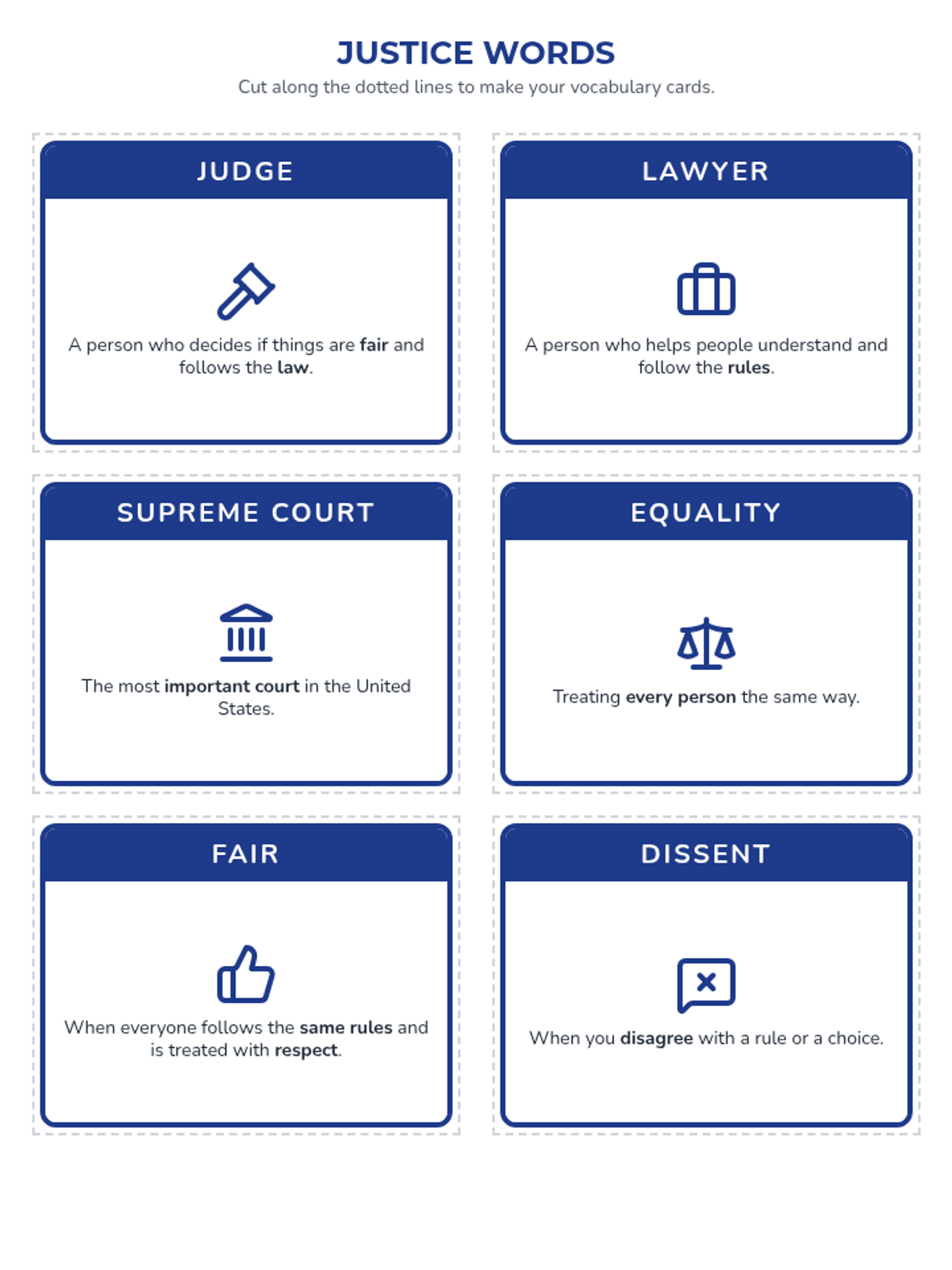
A lesson focused on the life and impact of Ruth Bader Ginsburg, designed with visual supports and simplified language for students with autism.
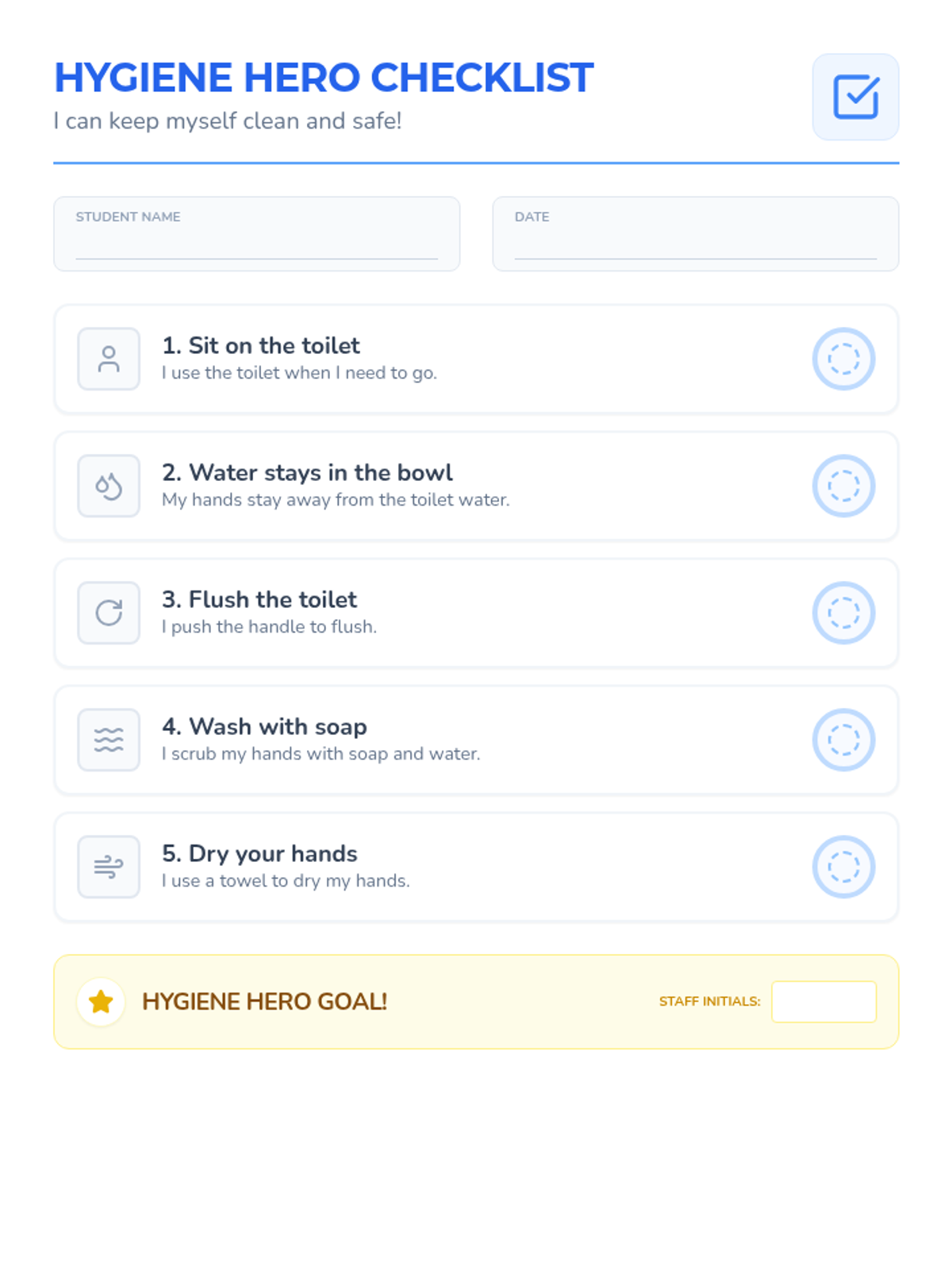
A social story and supporting materials to help students understand bathroom hygiene, focusing on not touching toilet water and practicing proper hand washing.
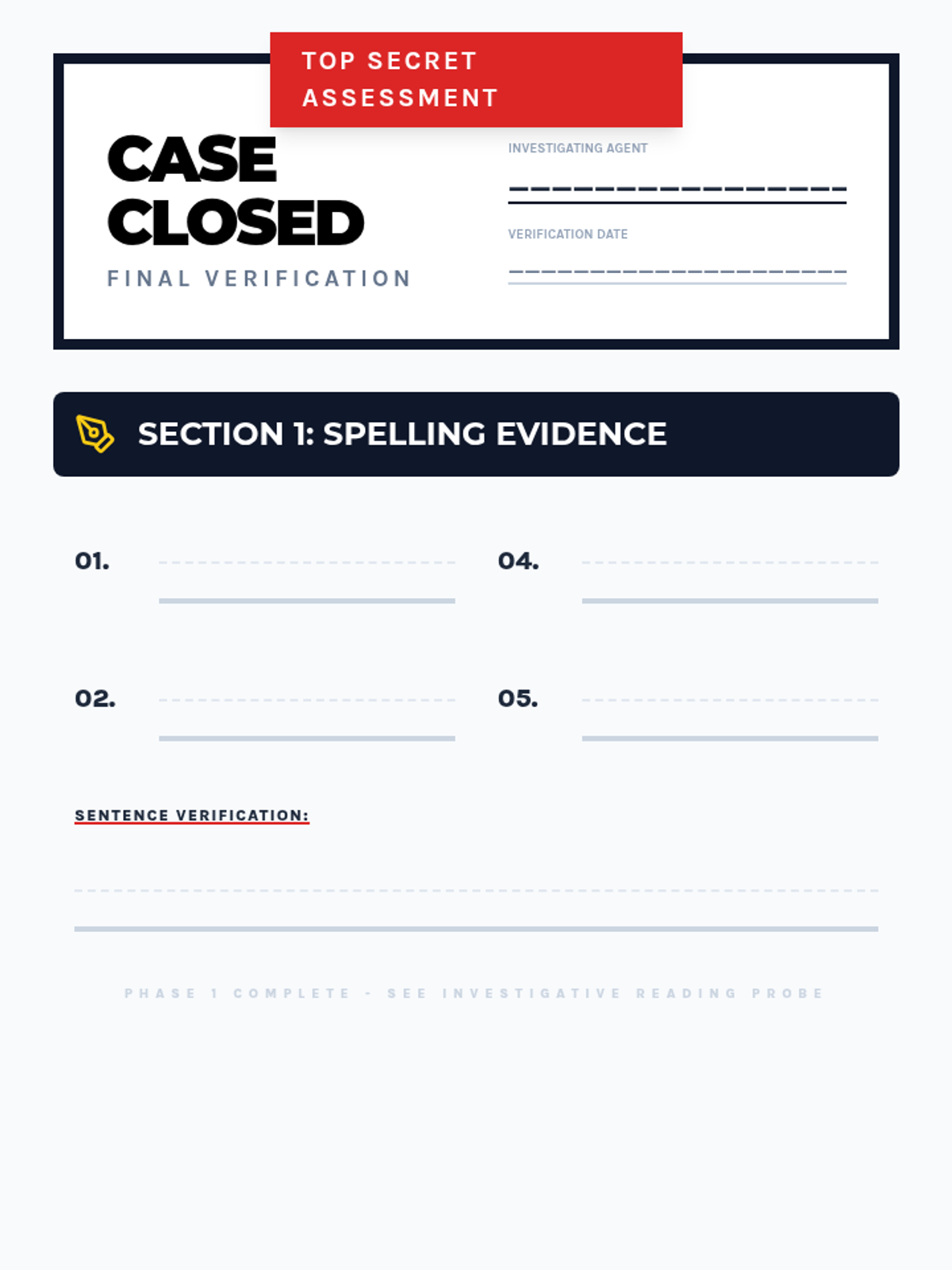
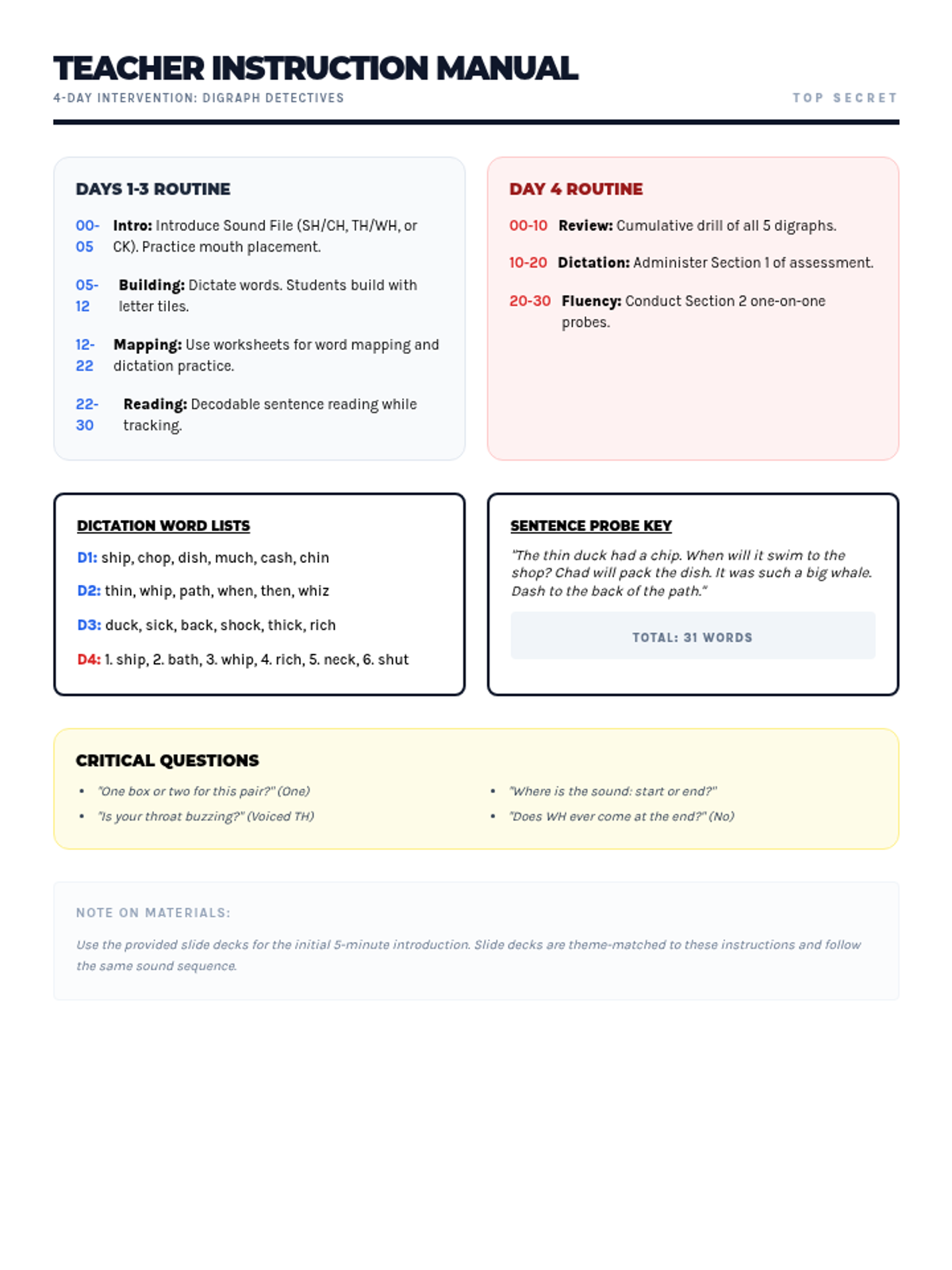
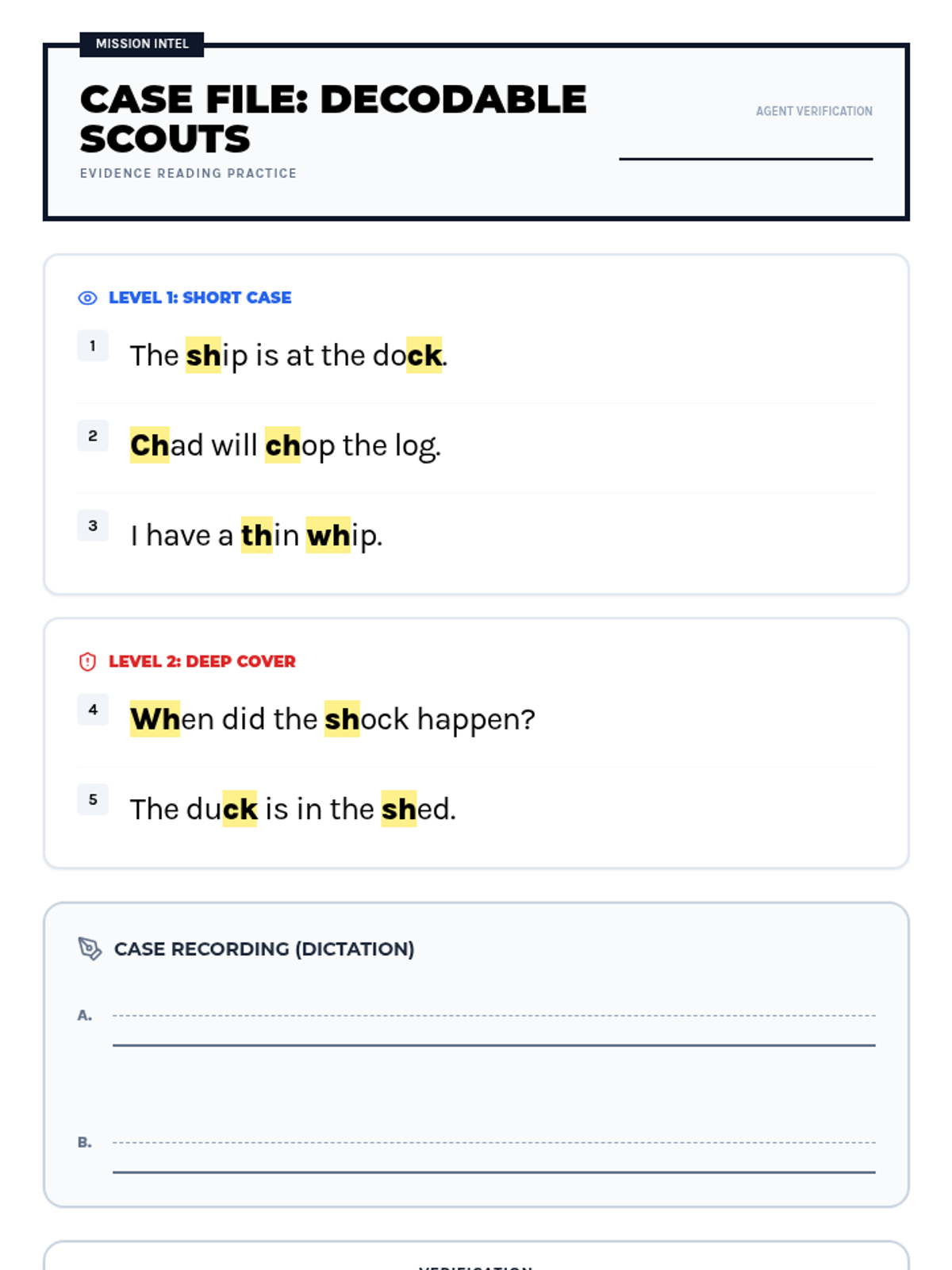
Cumulative review of all five digraphs followed by a formal spelling dictation and oral reading fluency assessment.
Focus on the ending digraph 'ck' and a comprehensive review of all H-brothers and the 'ck' snap.
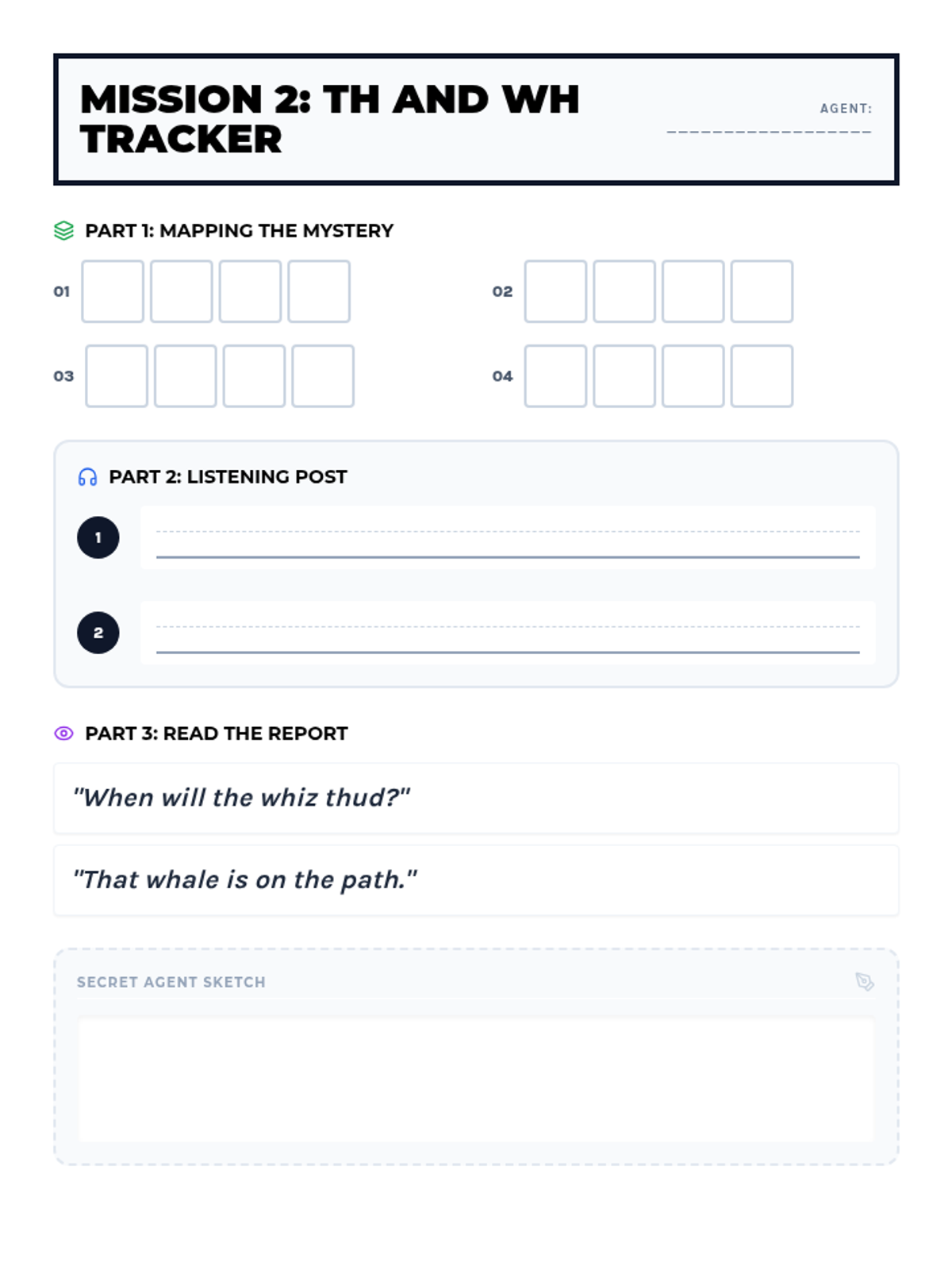
Exploration of the digraphs 'th' and 'wh' with a focus on breathy versus vocalized sounds and question words.
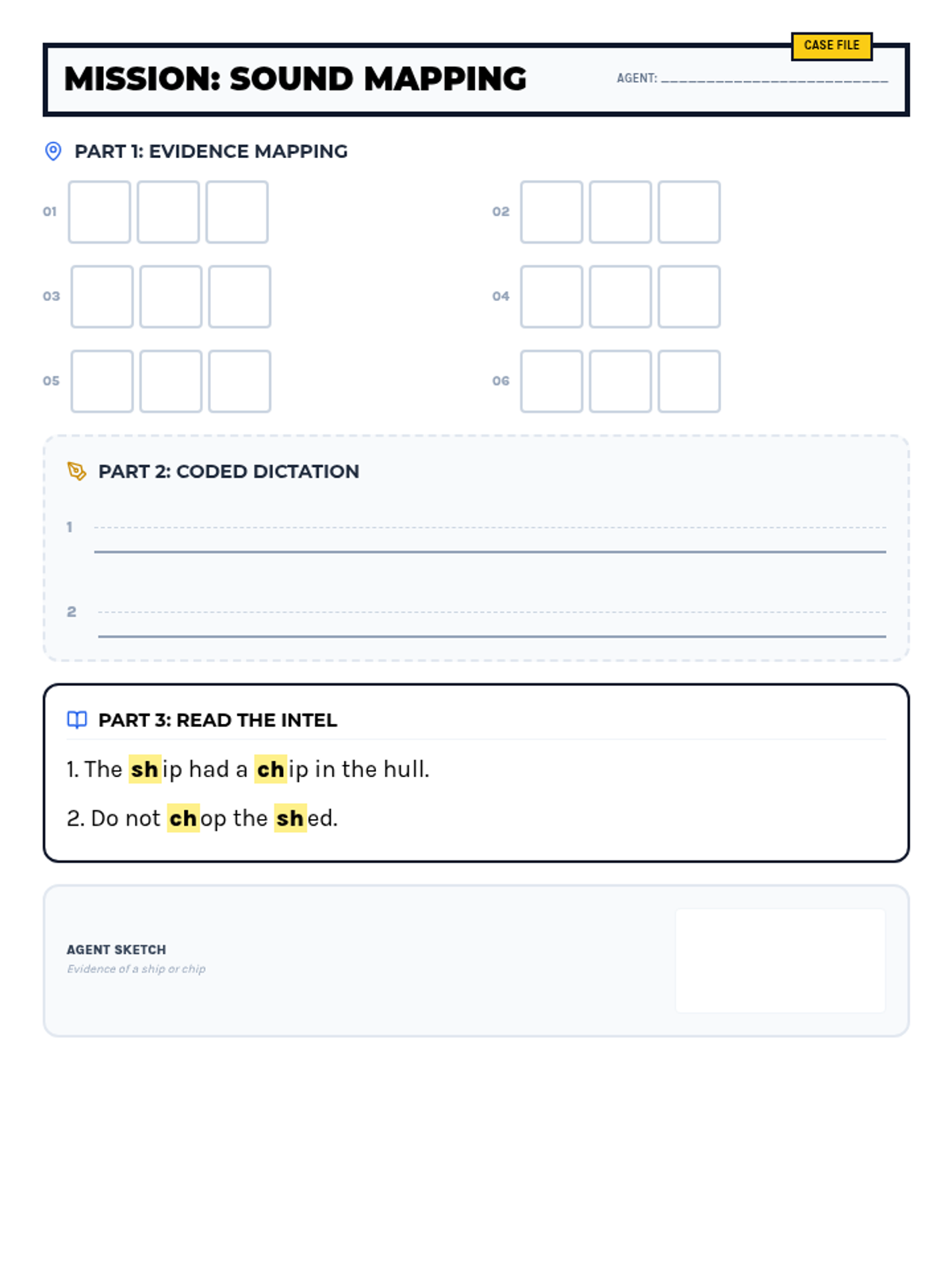
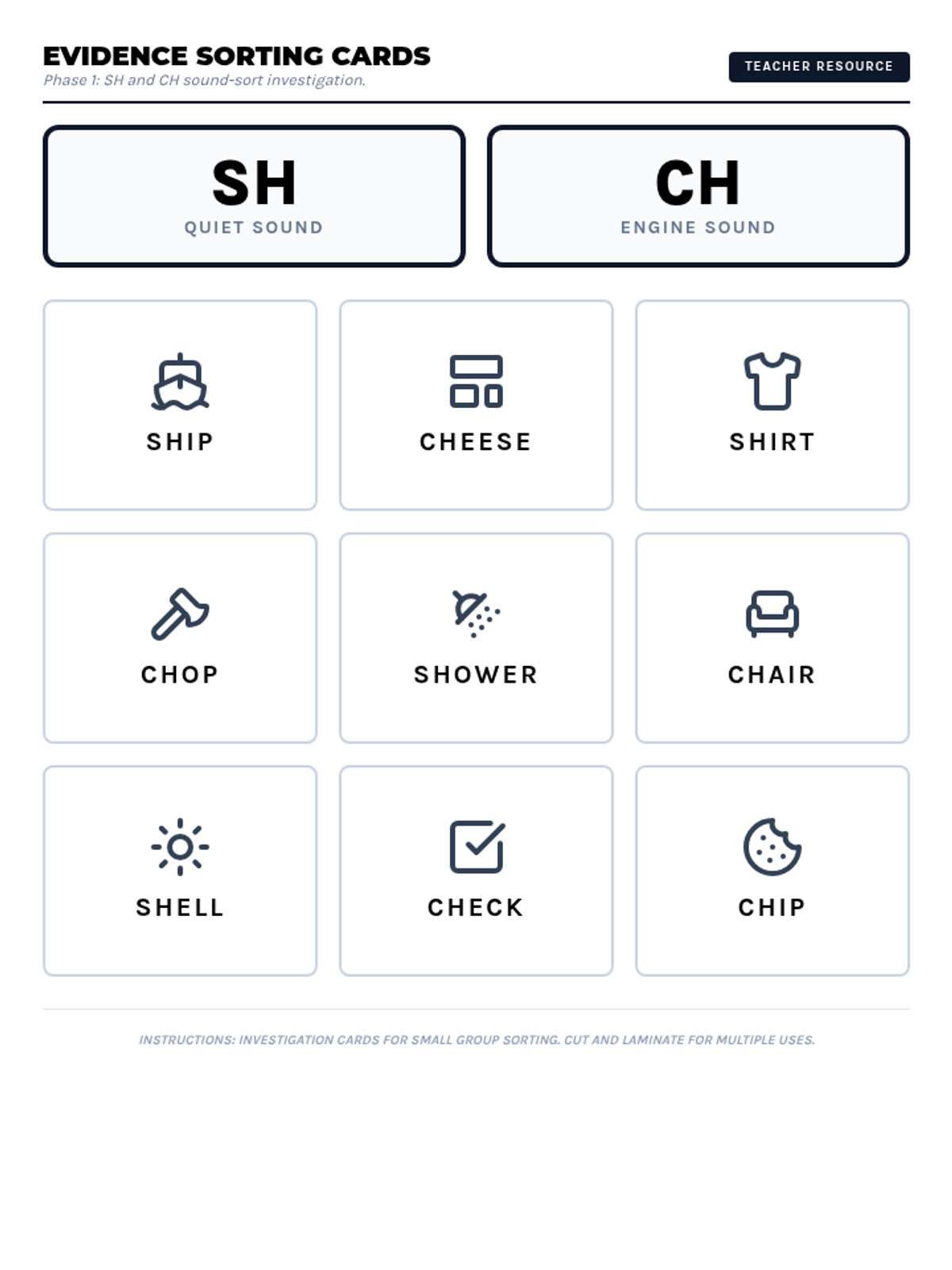
Introduction to the digraphs 'sh' and 'ch' through word mapping, letter tile building, and evidence sorting.
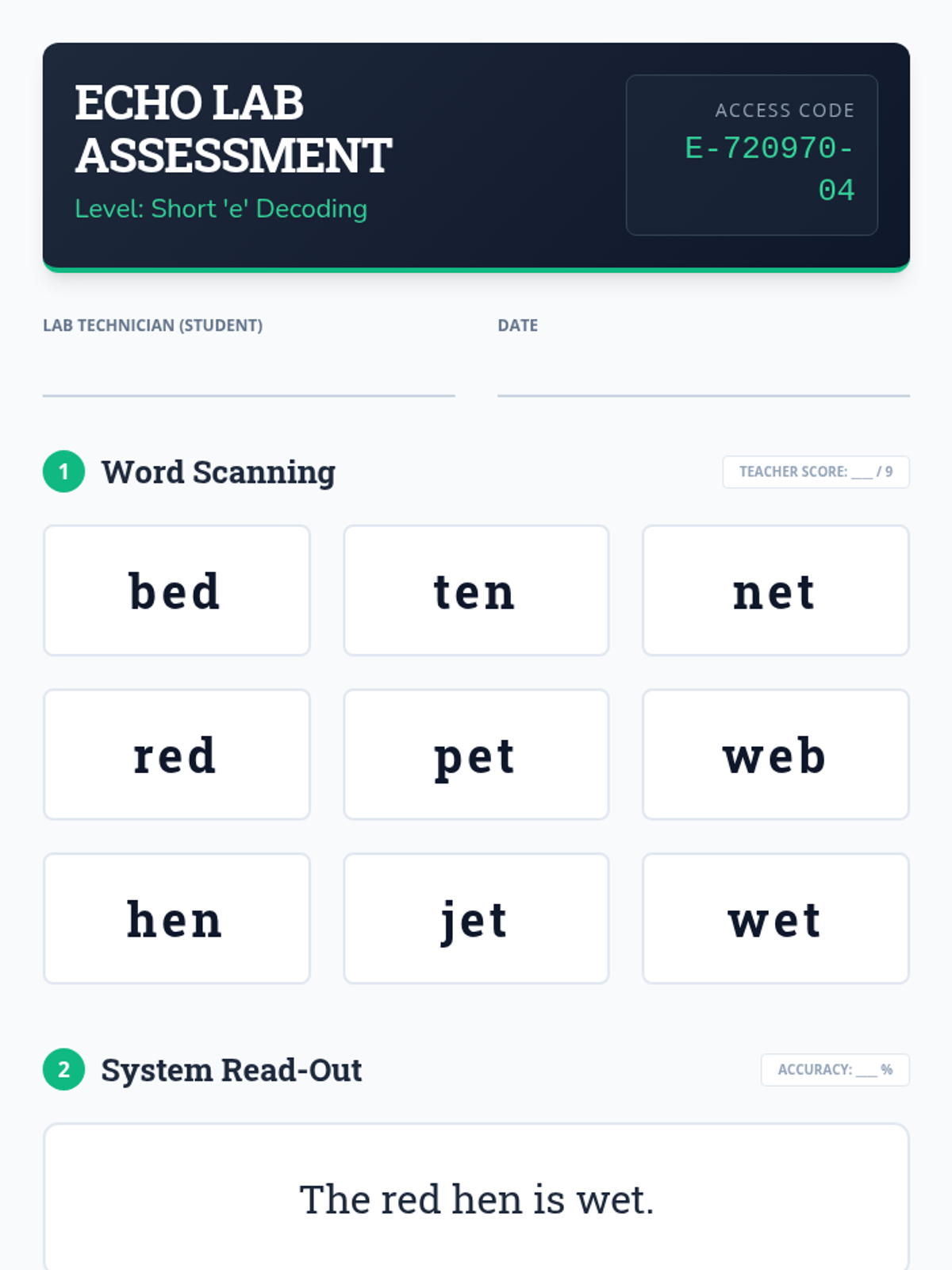
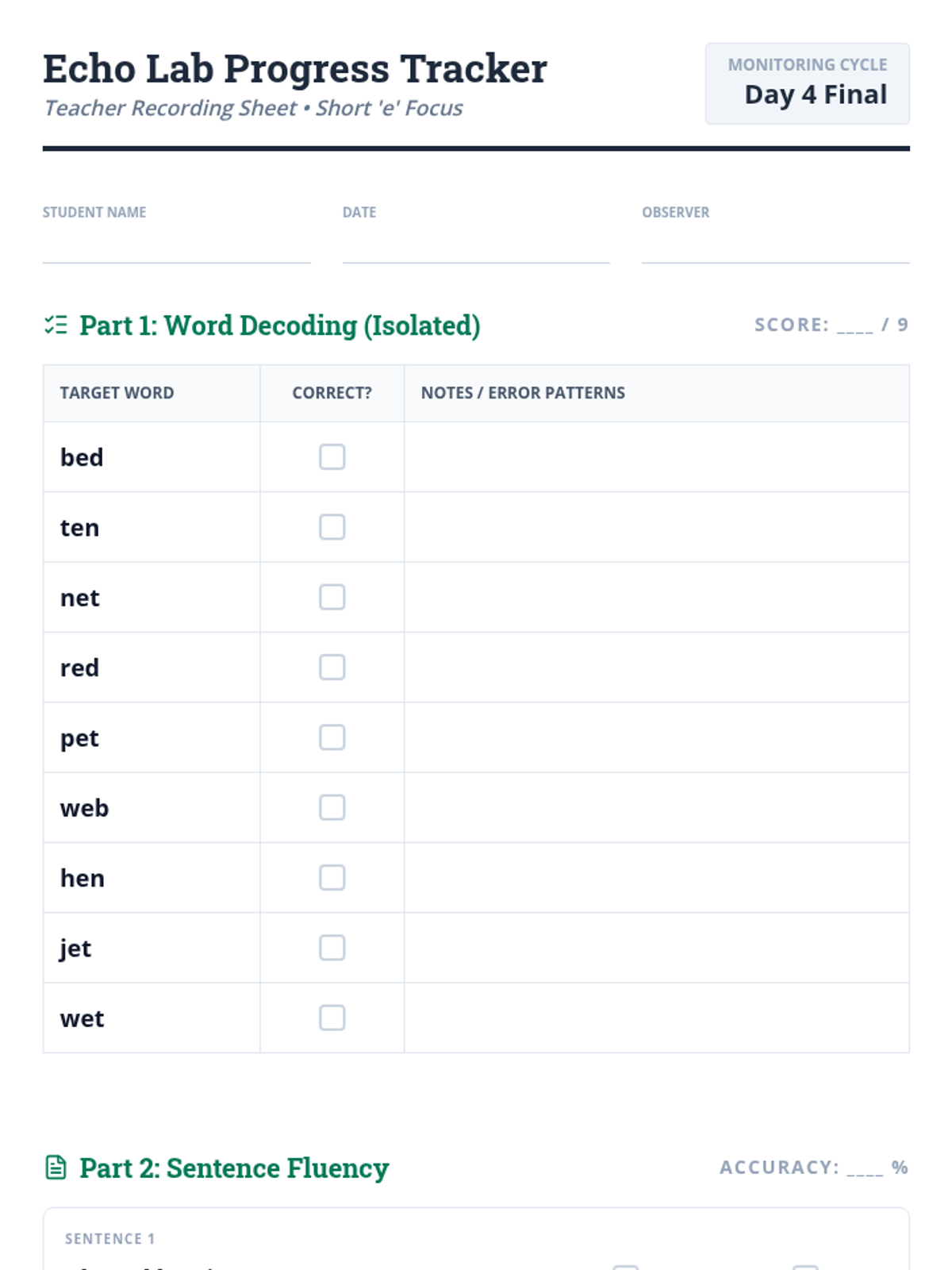
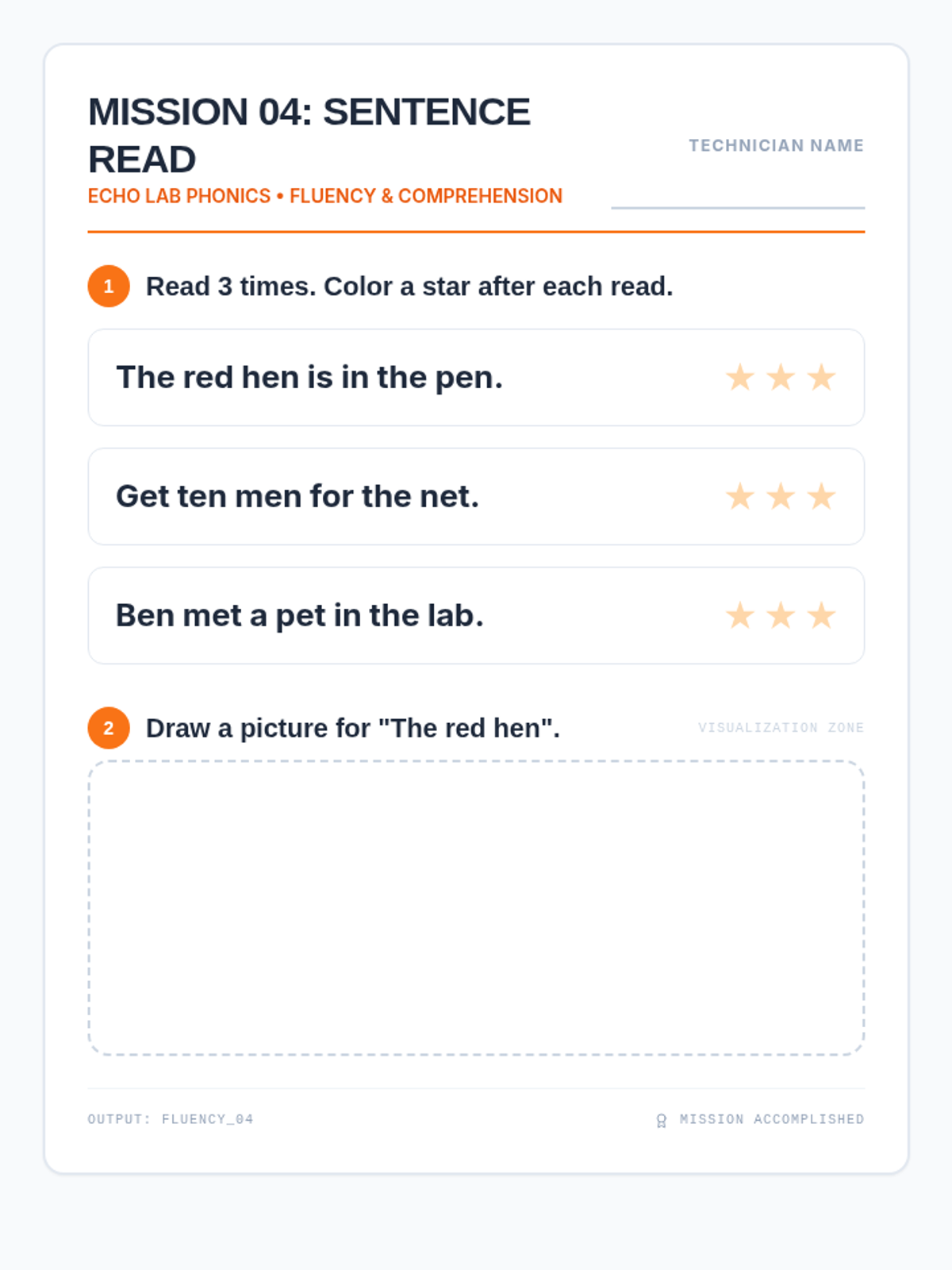
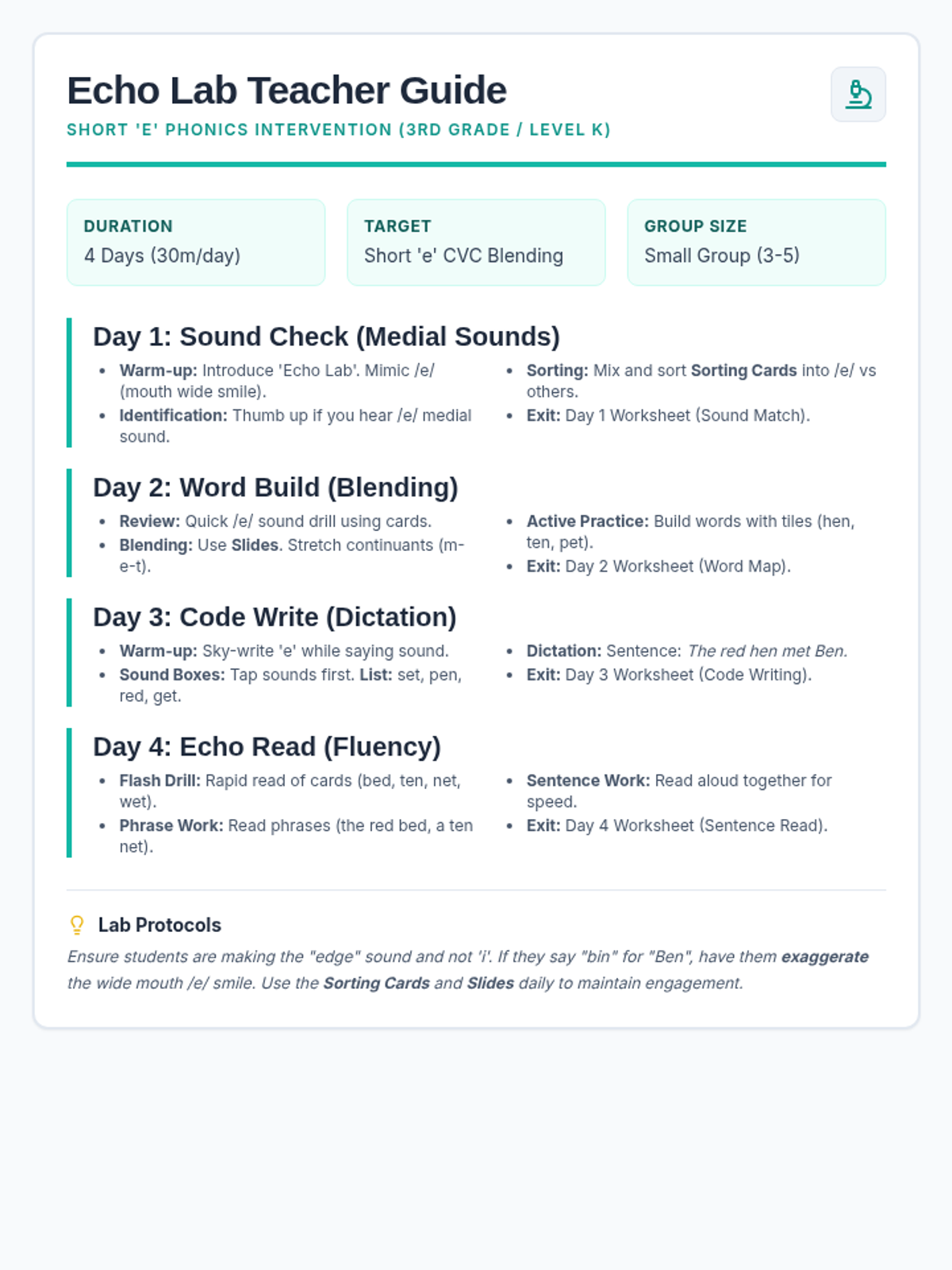
Applying short 'e' decoding skills to reading full sentences with a focus on fluency and comprehension.
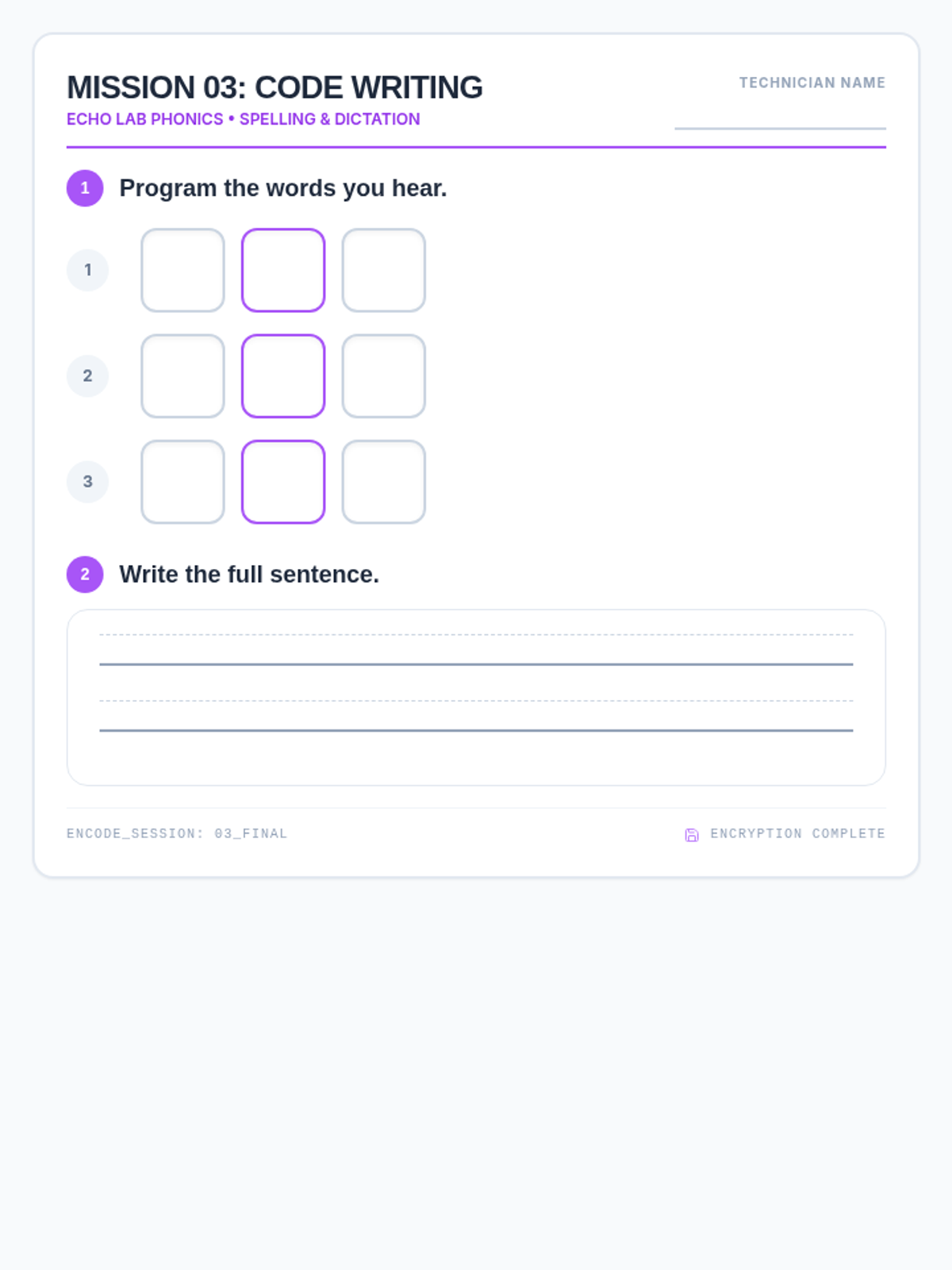
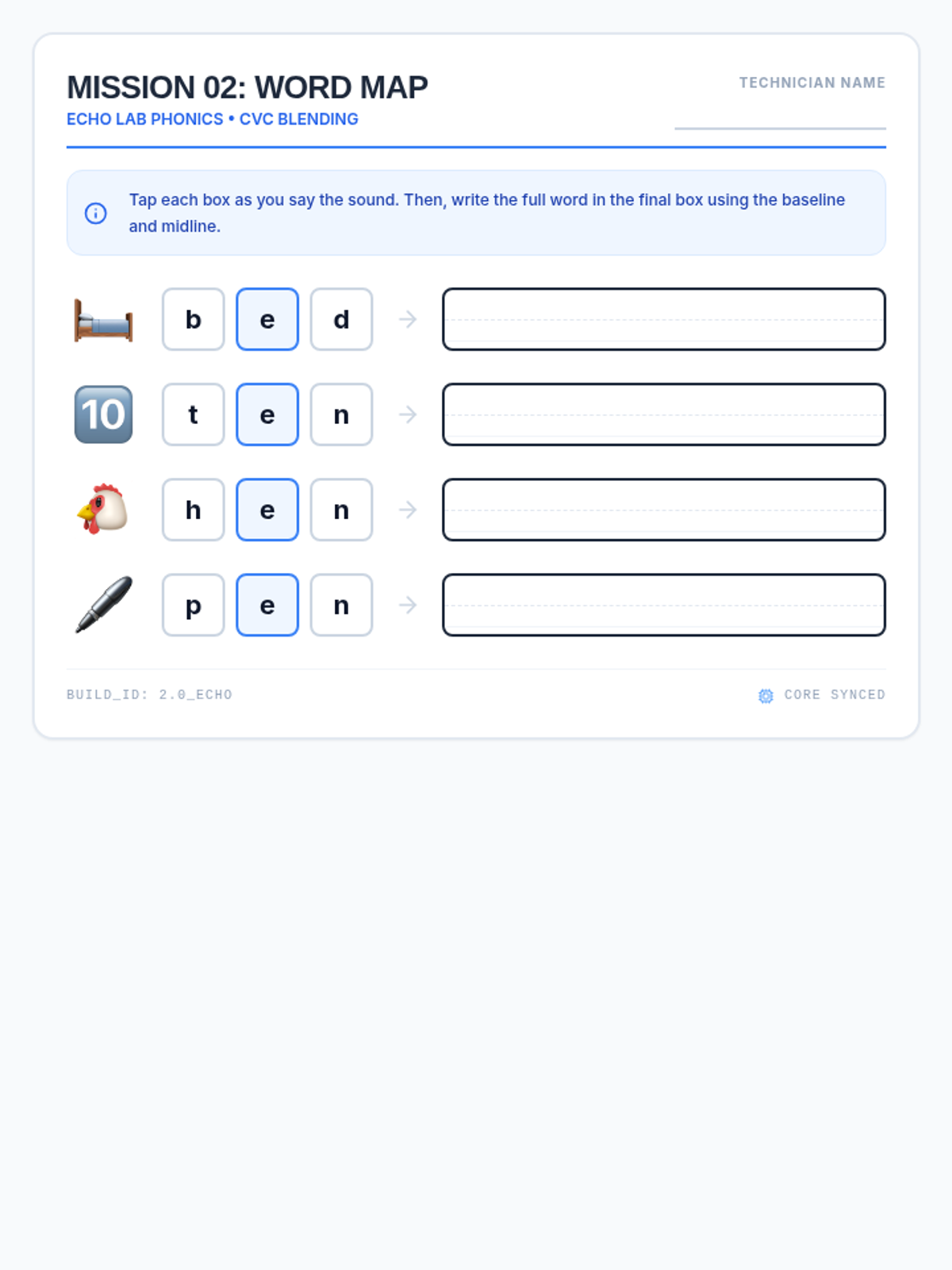
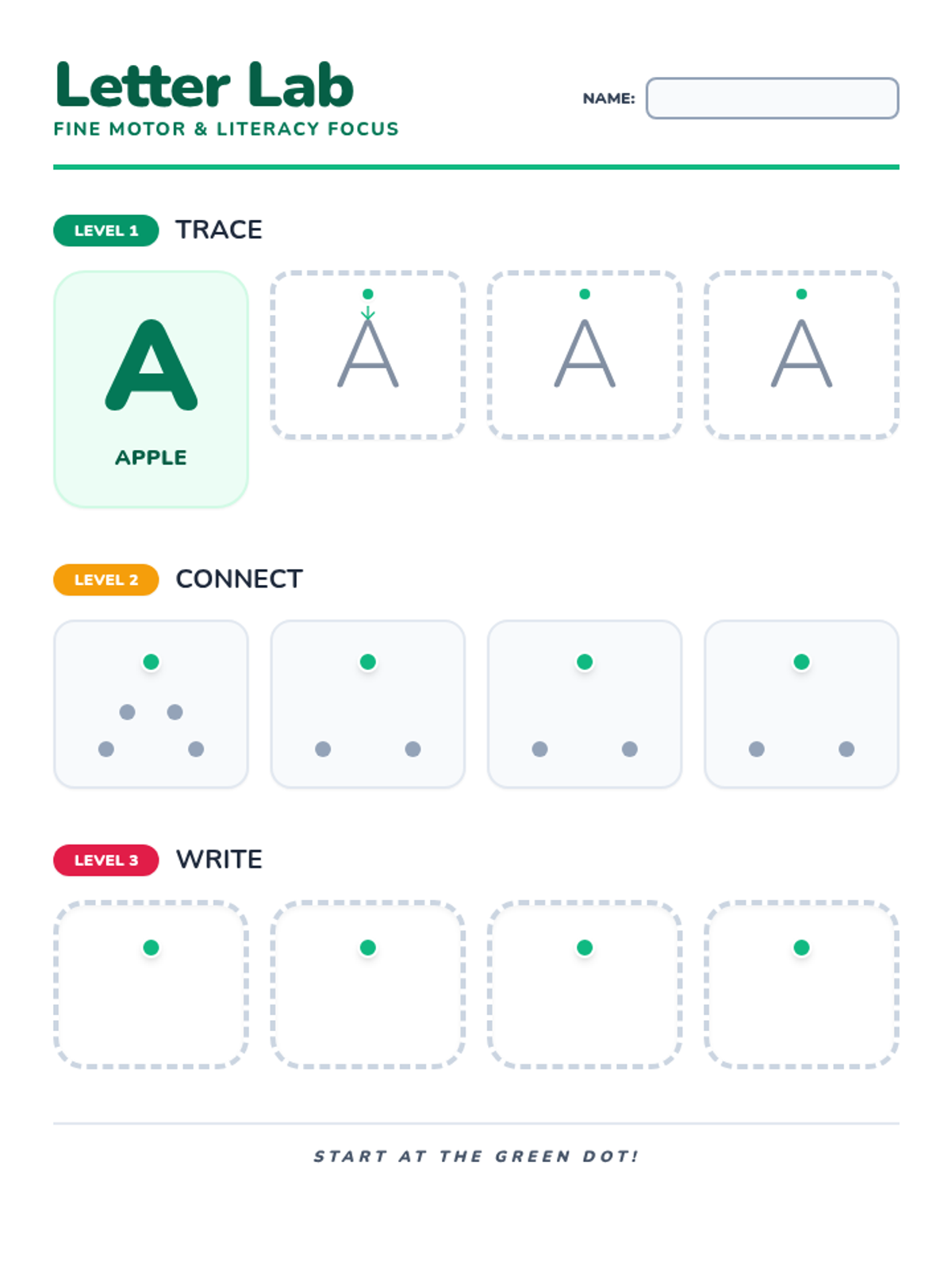
Practicing encoding through spelling and dictation, where students 'program' words by writing them based on sounds.
Focus on blending consonants with the short 'e' vowel to decode CVC words, using 'Power Blending' techniques.
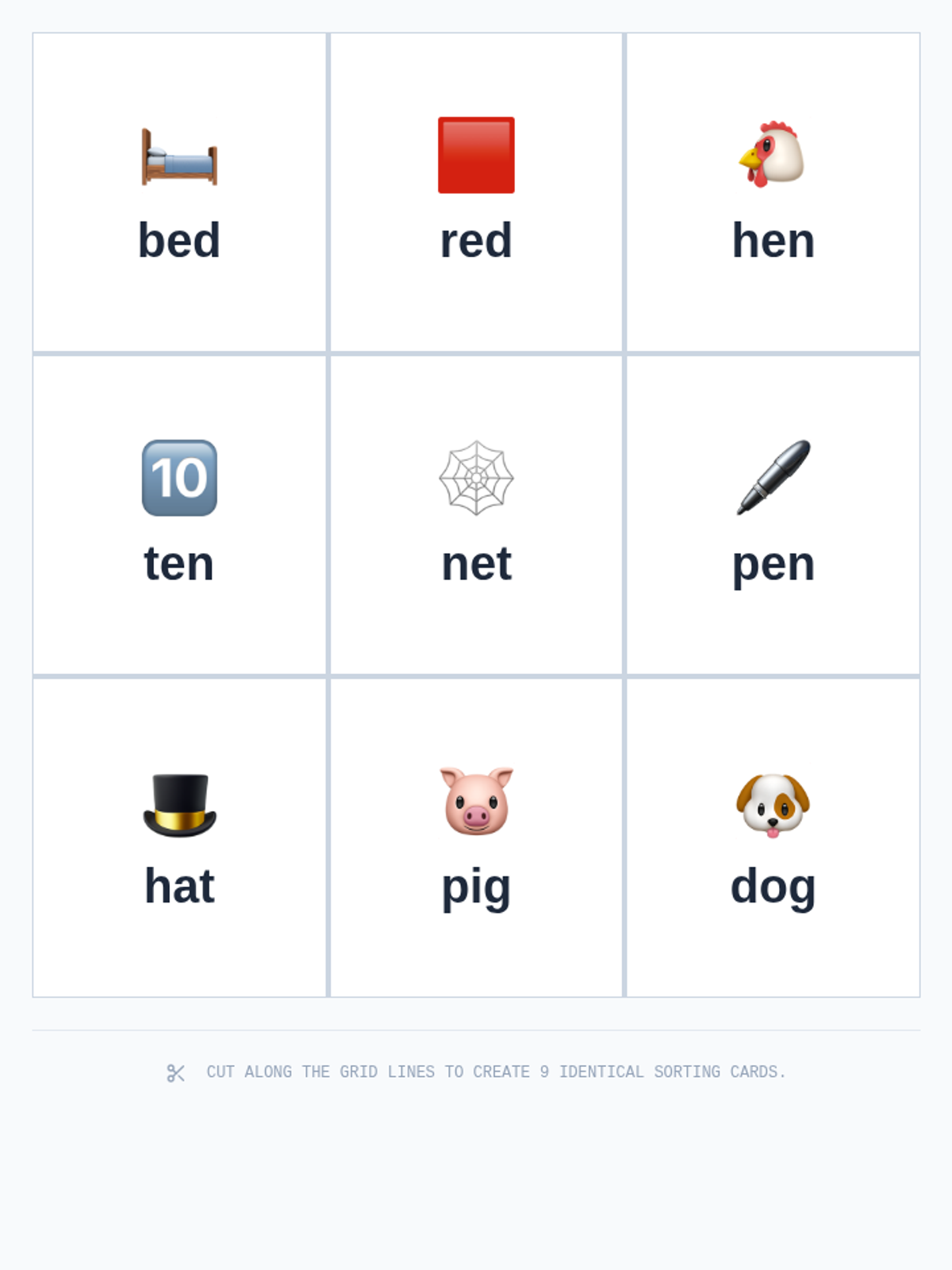
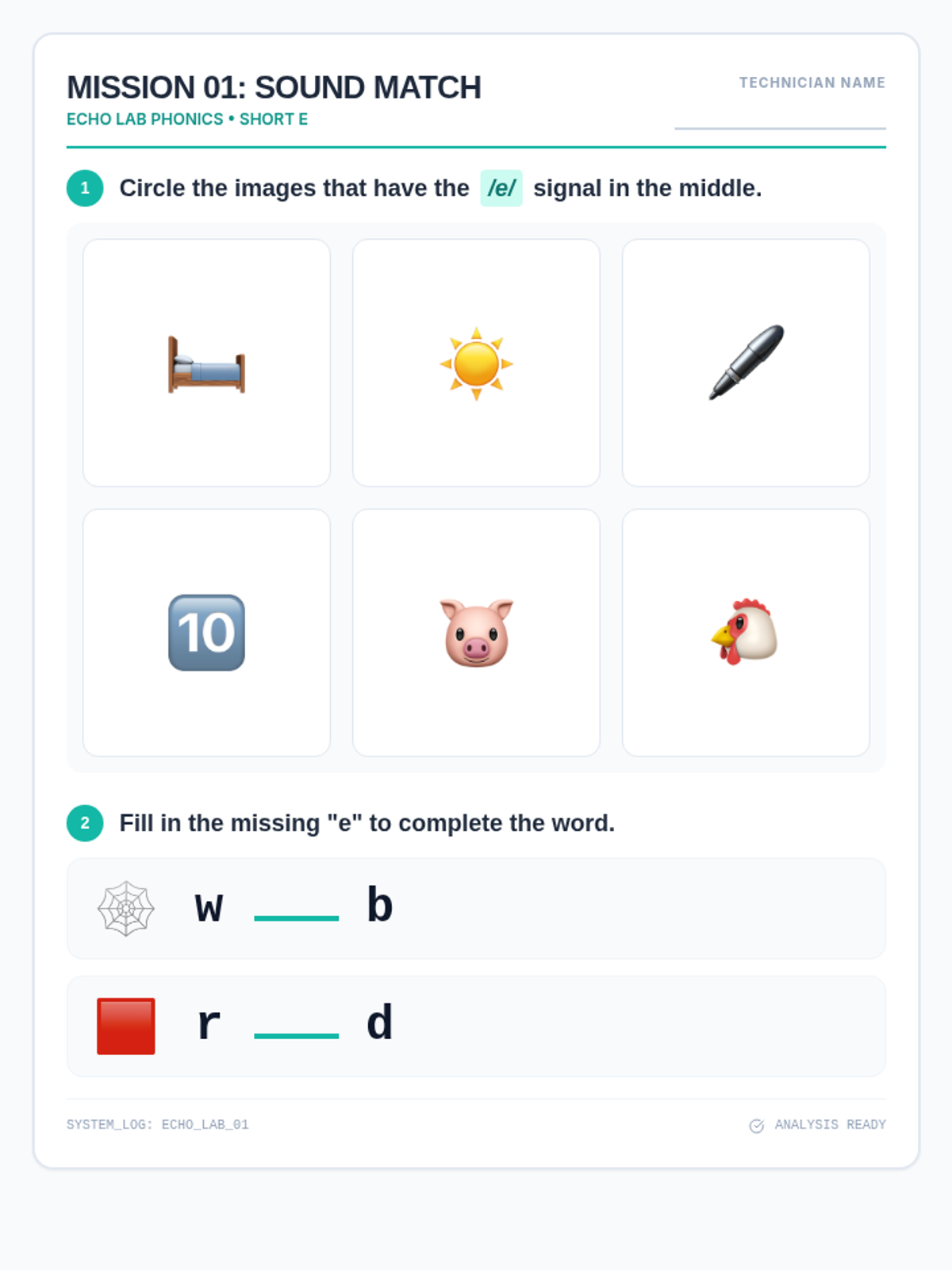
Introduction to the short 'e' sound, focusing on auditory discrimination and identifying the medial /e/ sound in CVC words within the Echo Lab environment.
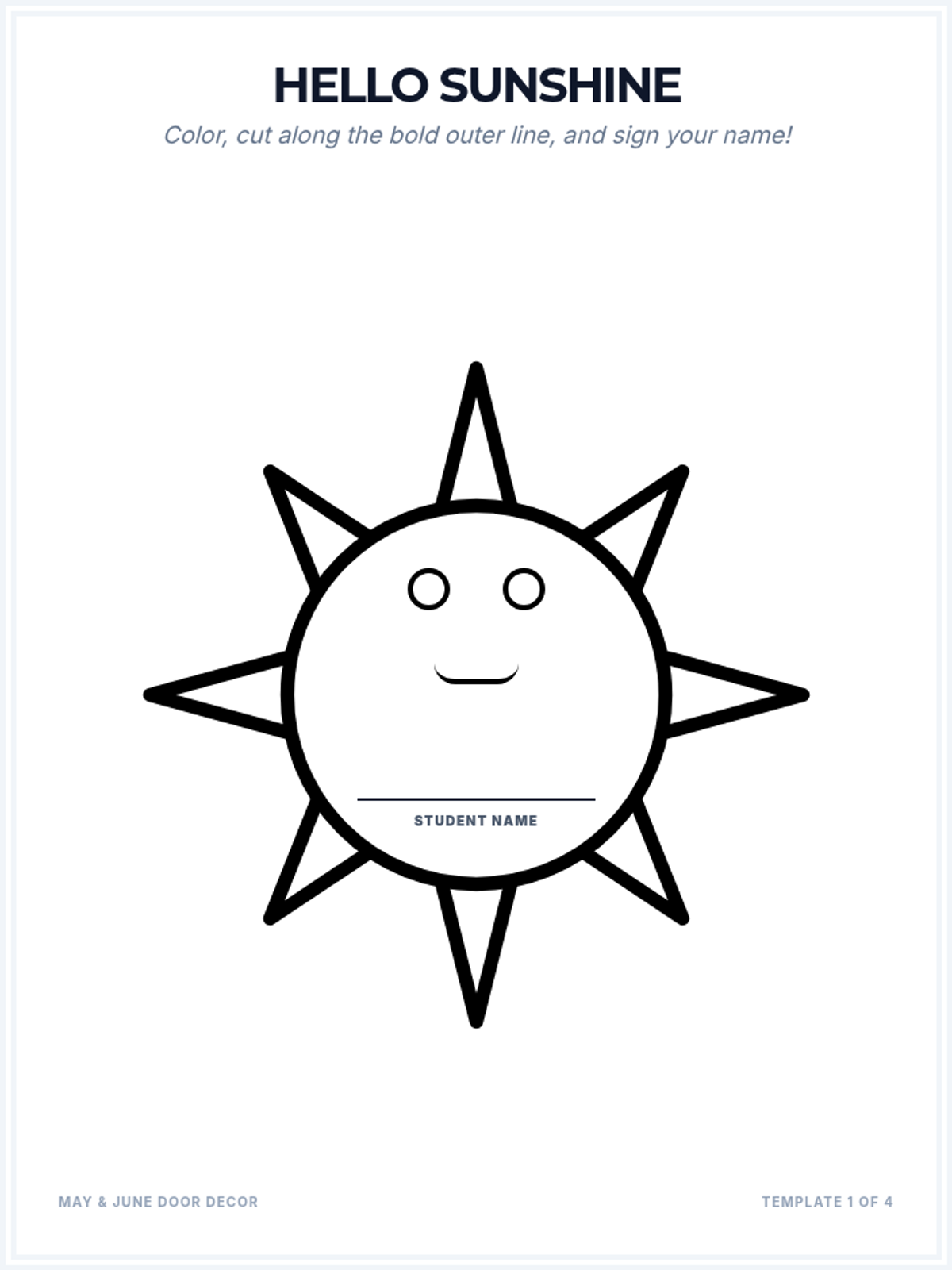
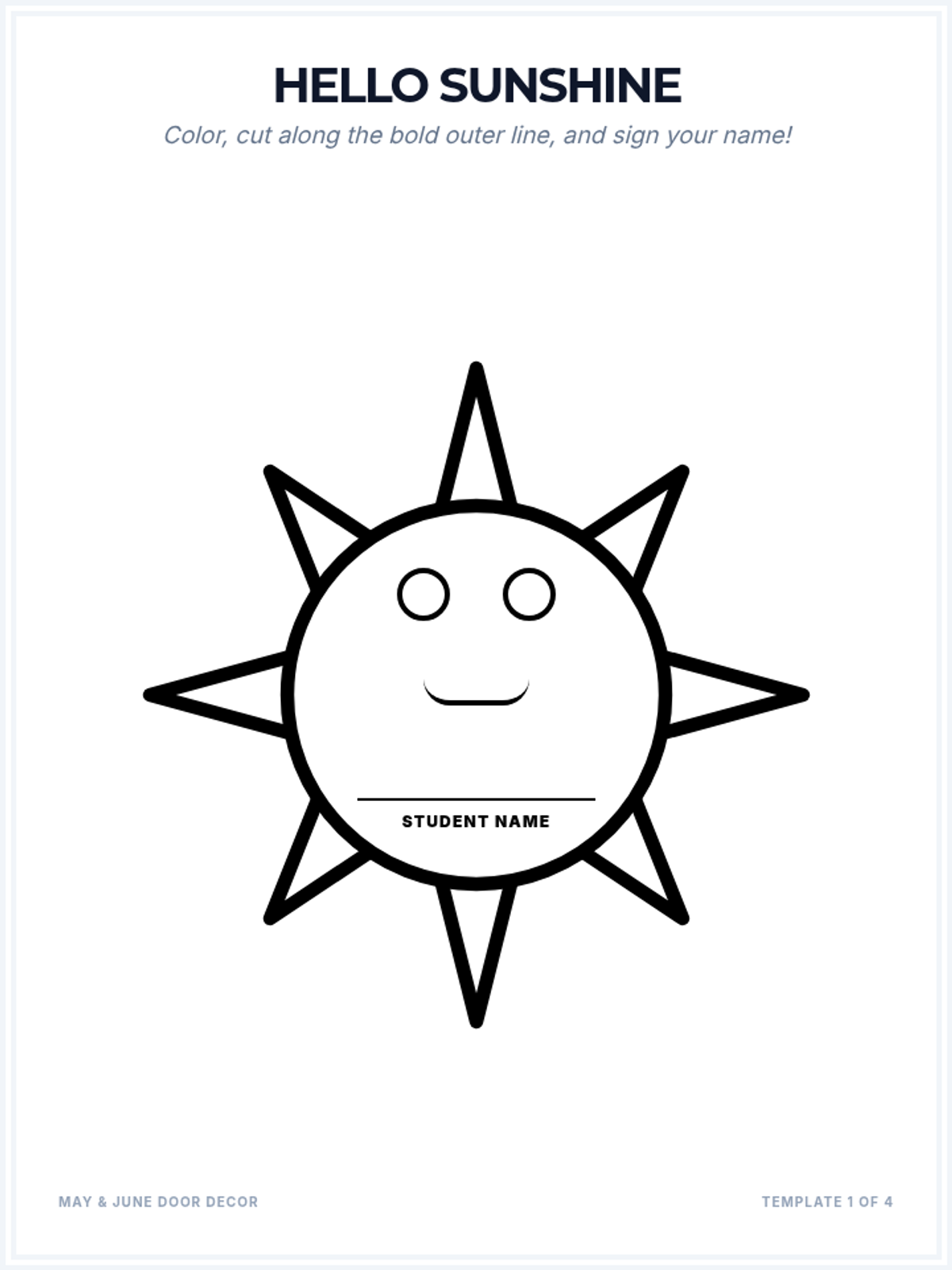
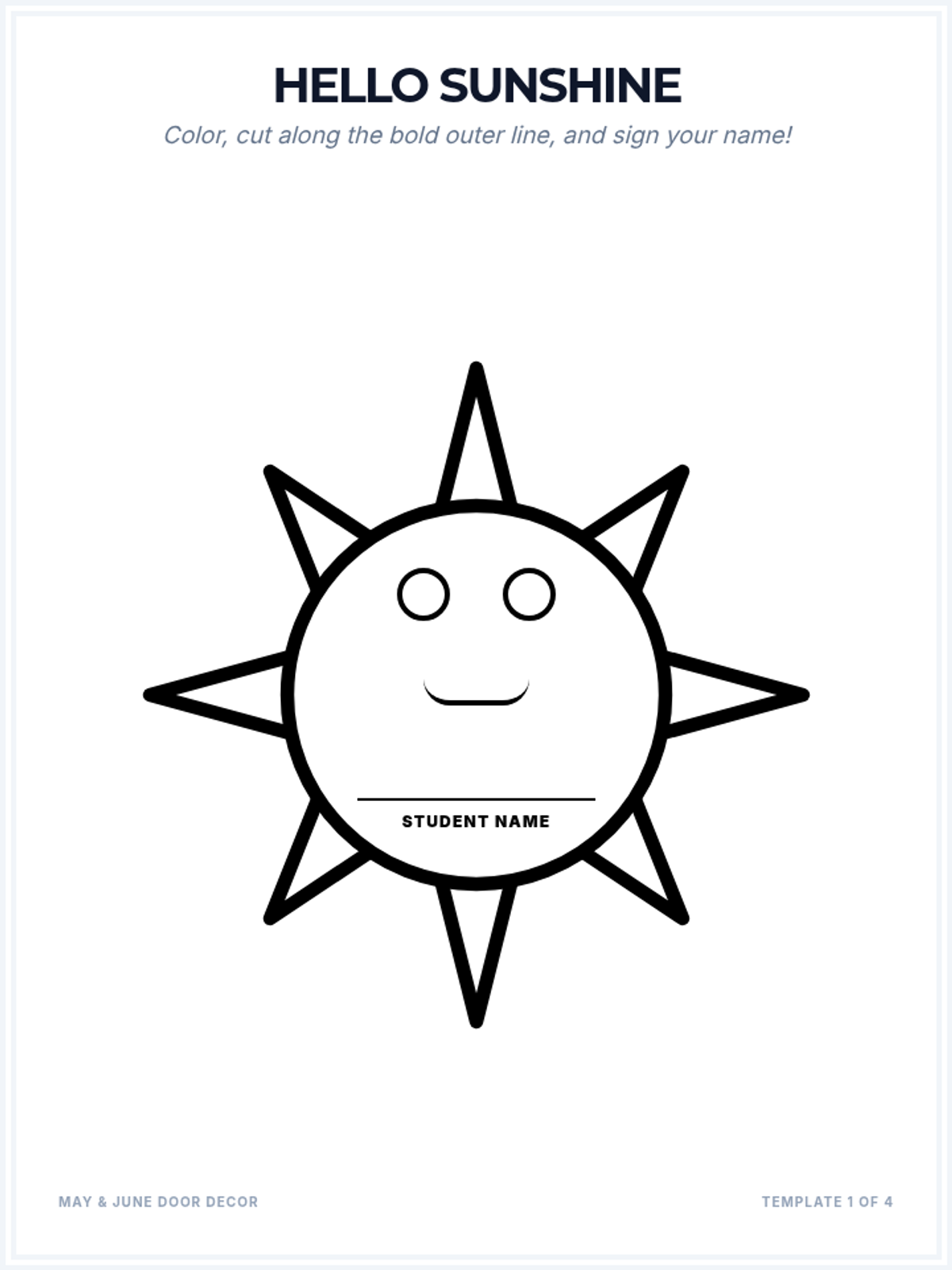
Easy-to-cut seasonal templates for classroom door decoration, featuring spring and summer motifs for student coloring and personalization.
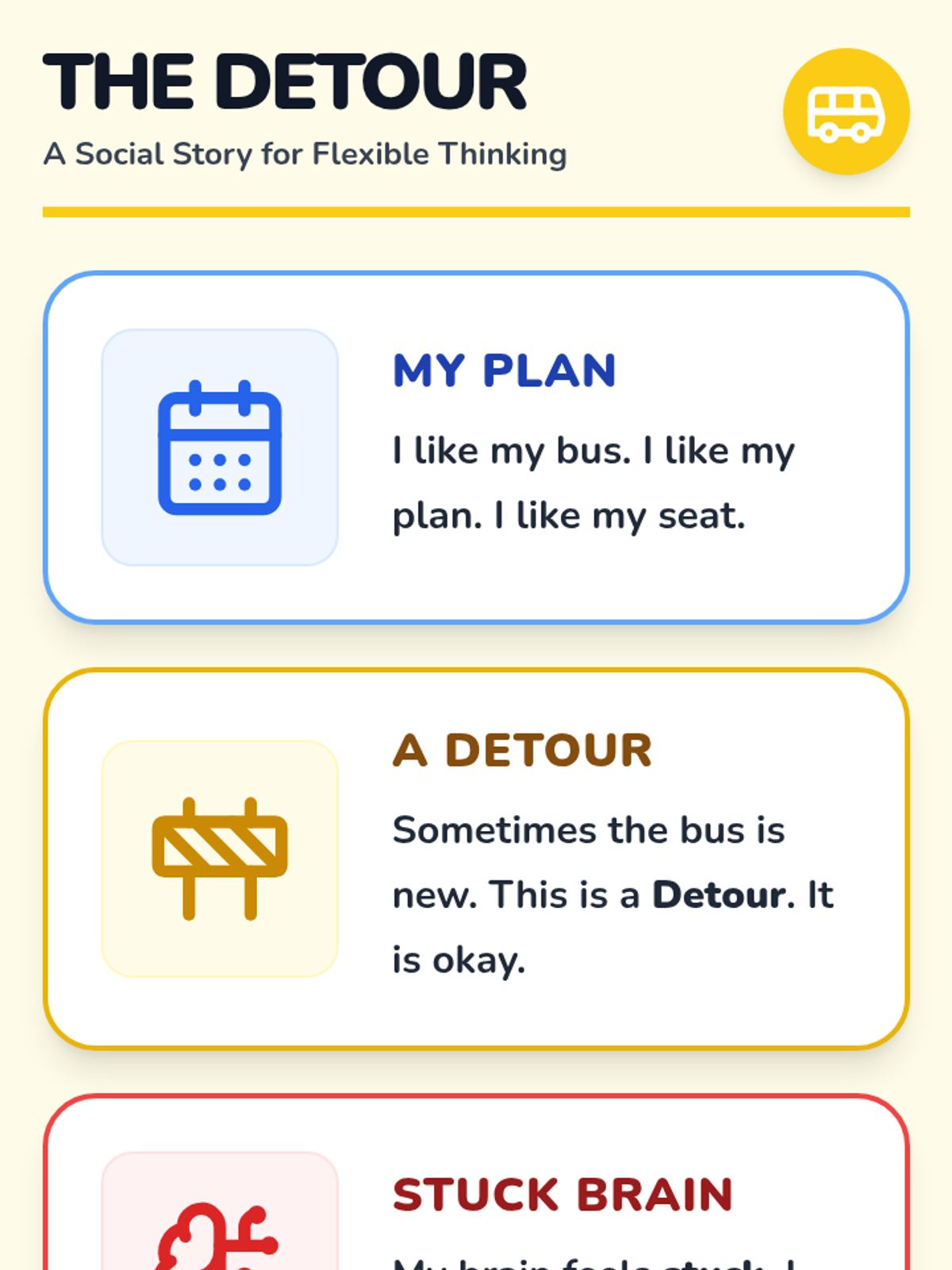
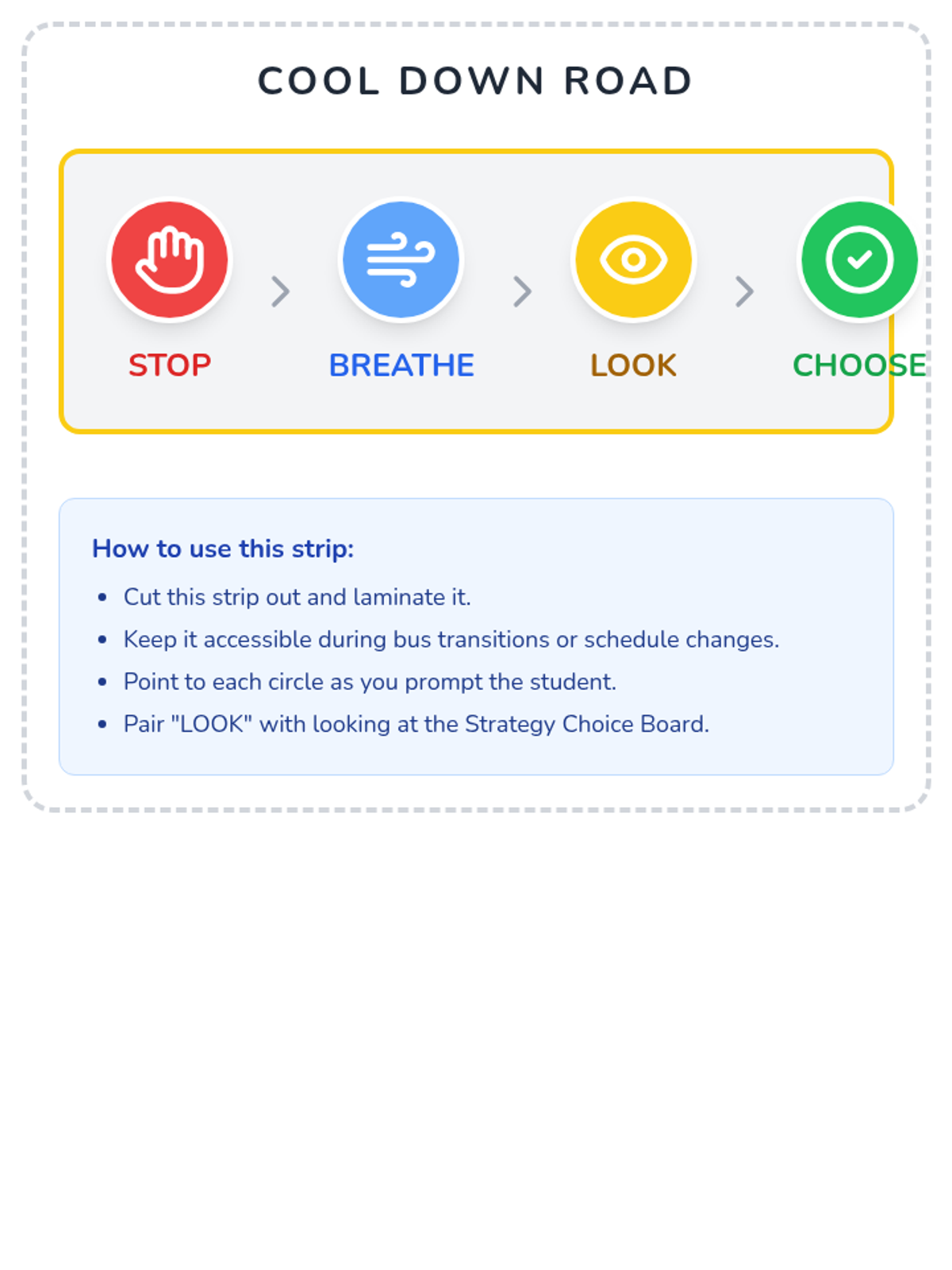
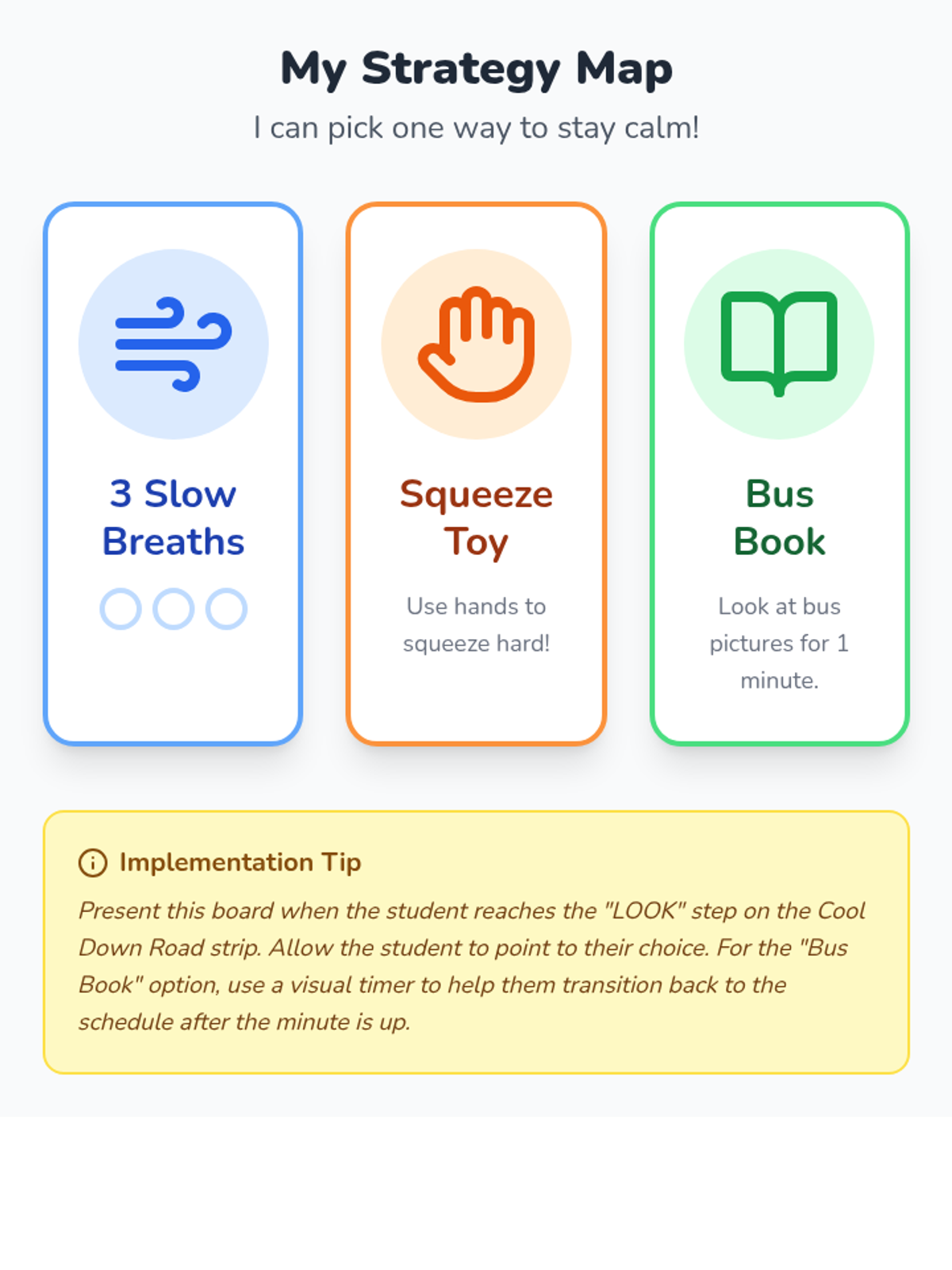
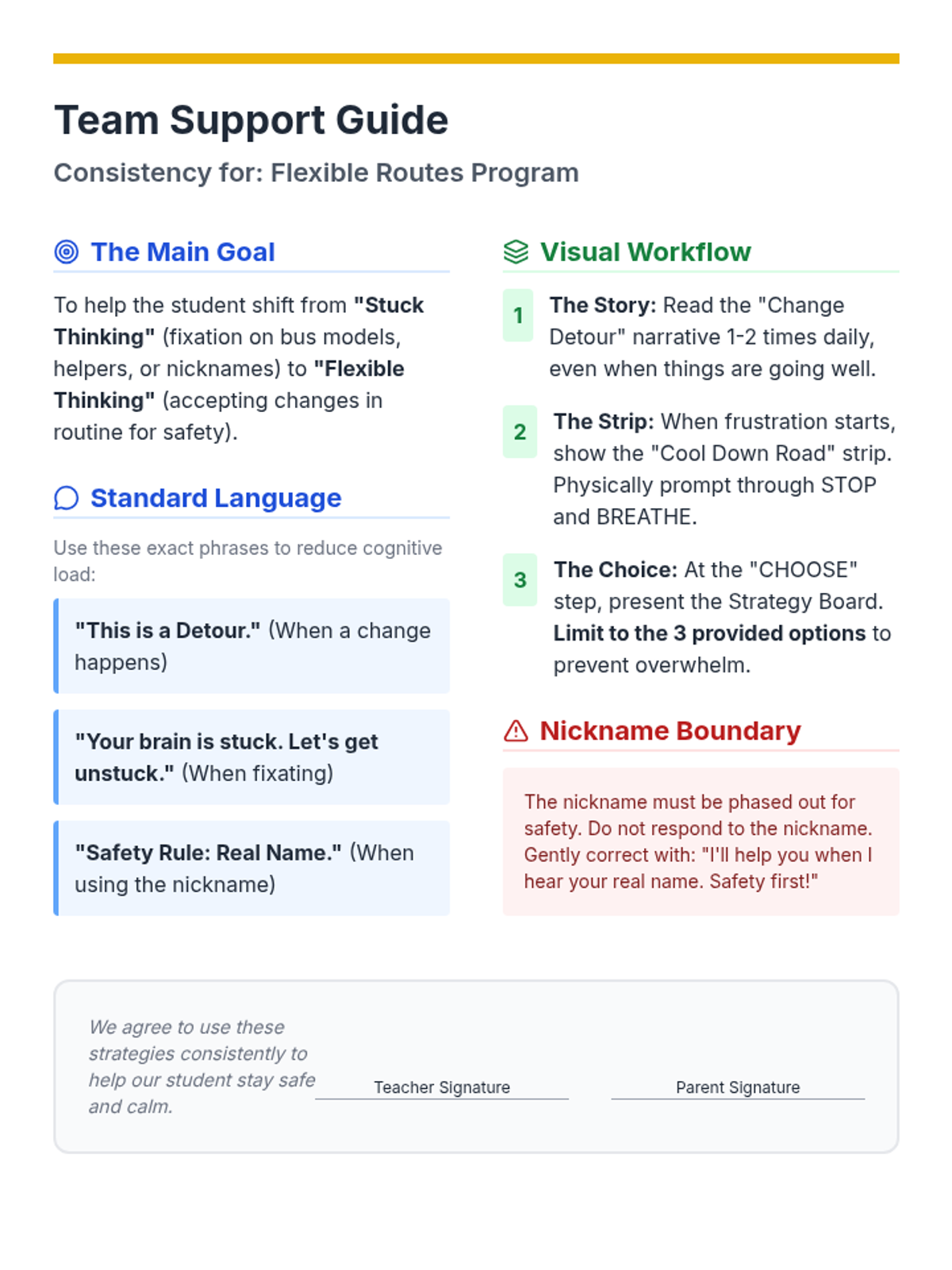
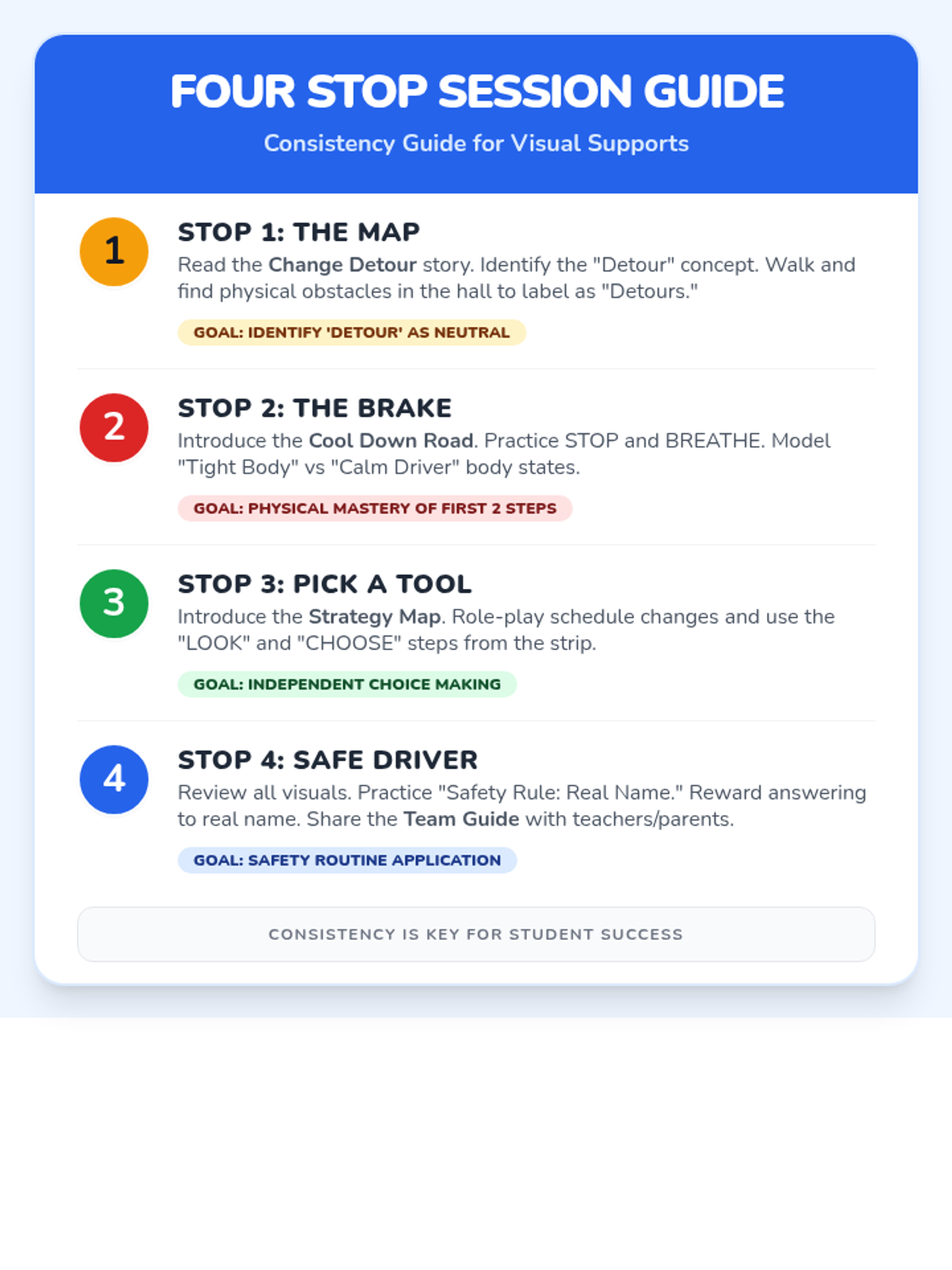
A series of sessions focused on helping a student navigate schedule changes, fixations, and safety routines using a bus-themed visual system. This lesson provides a social narrative, calming tools, and a guide for consistent adult support.
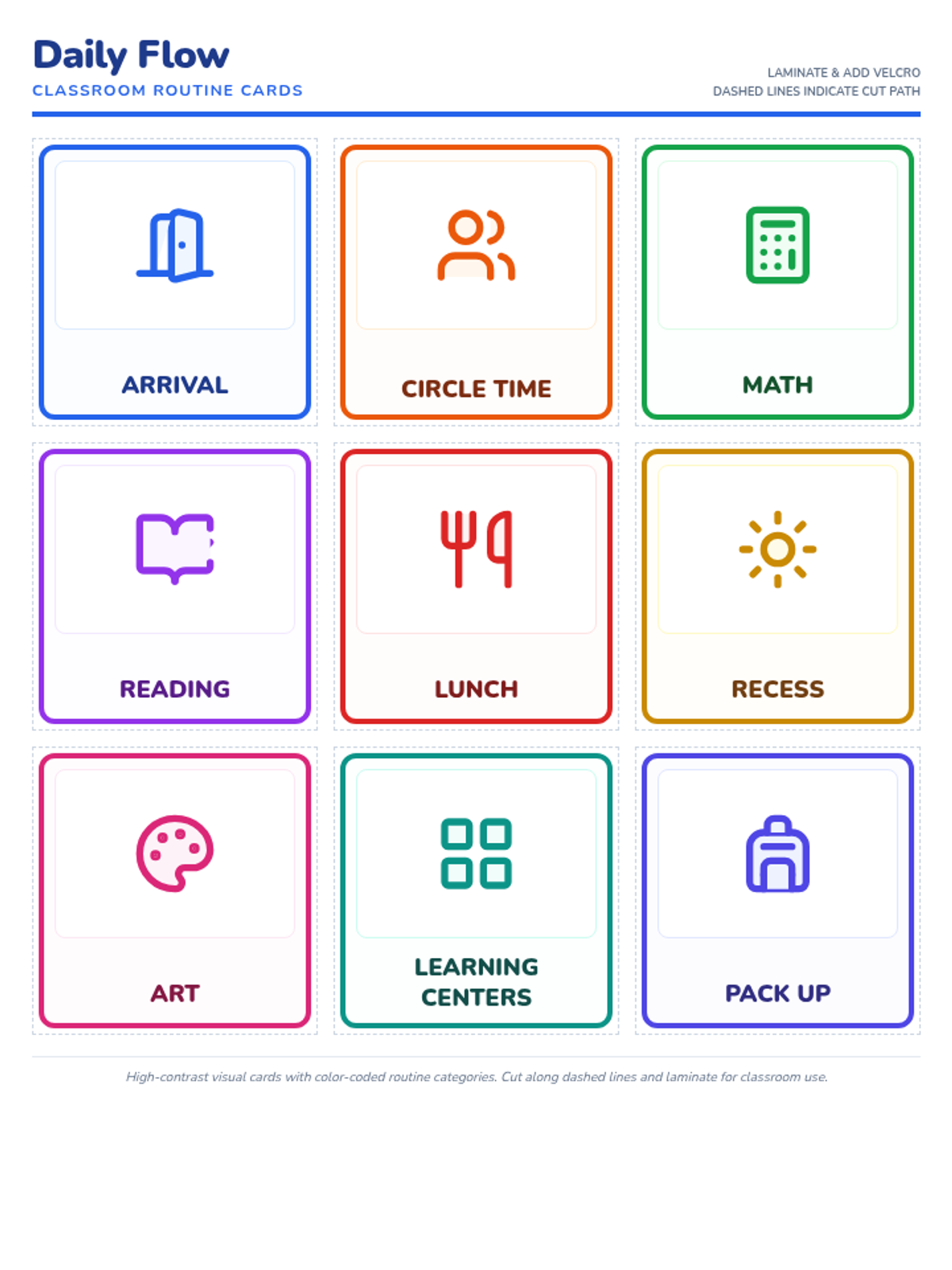
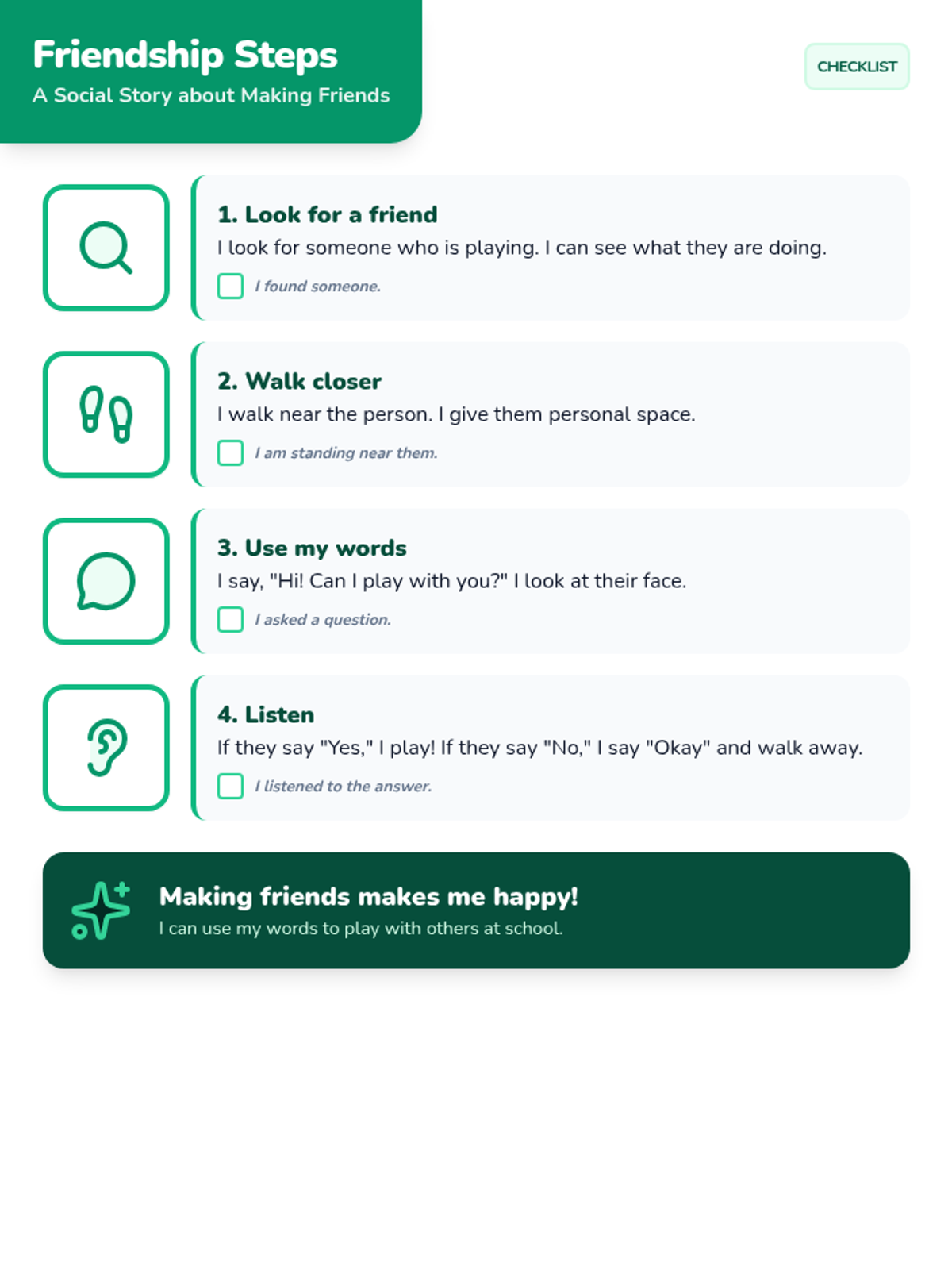
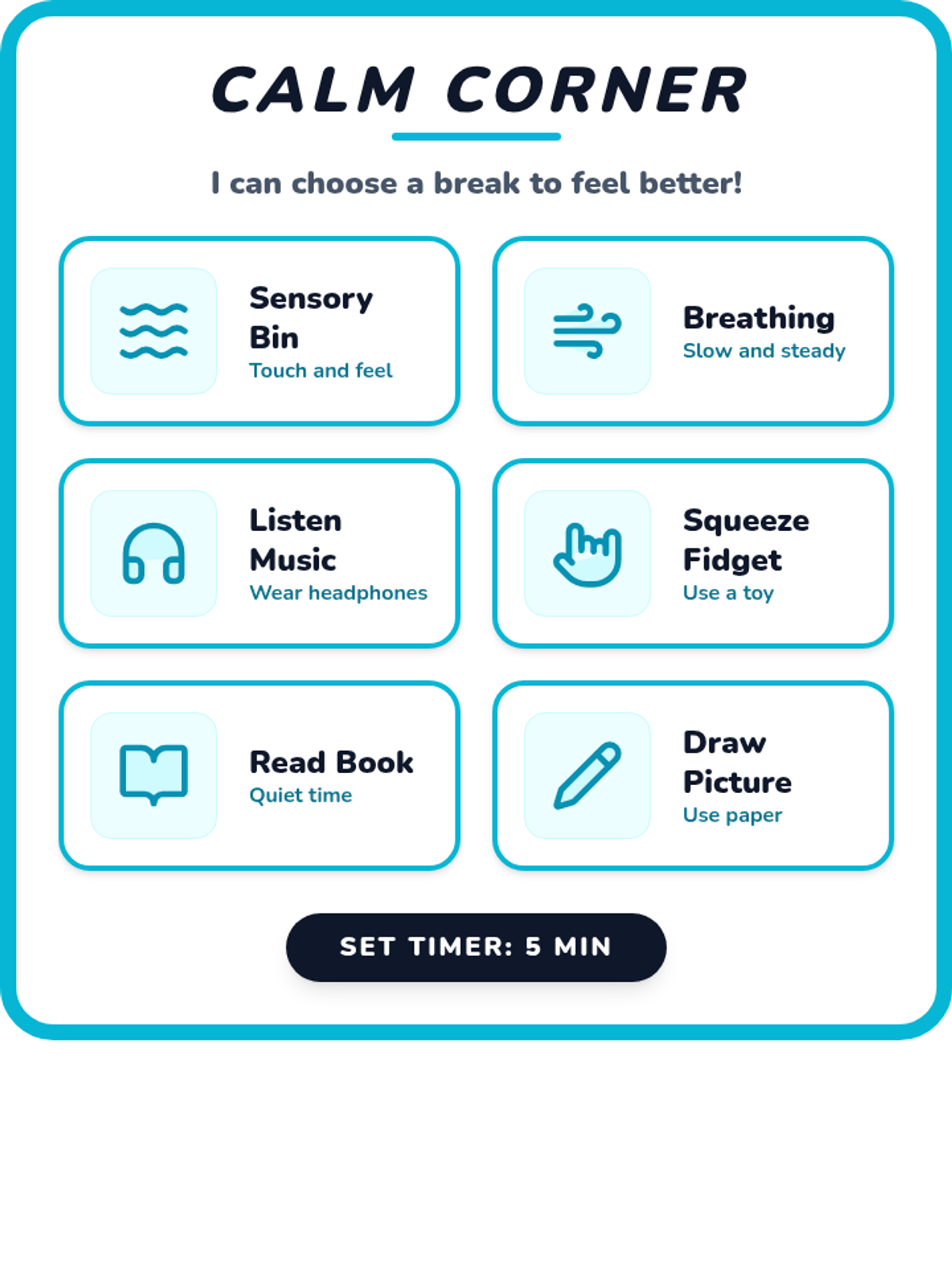
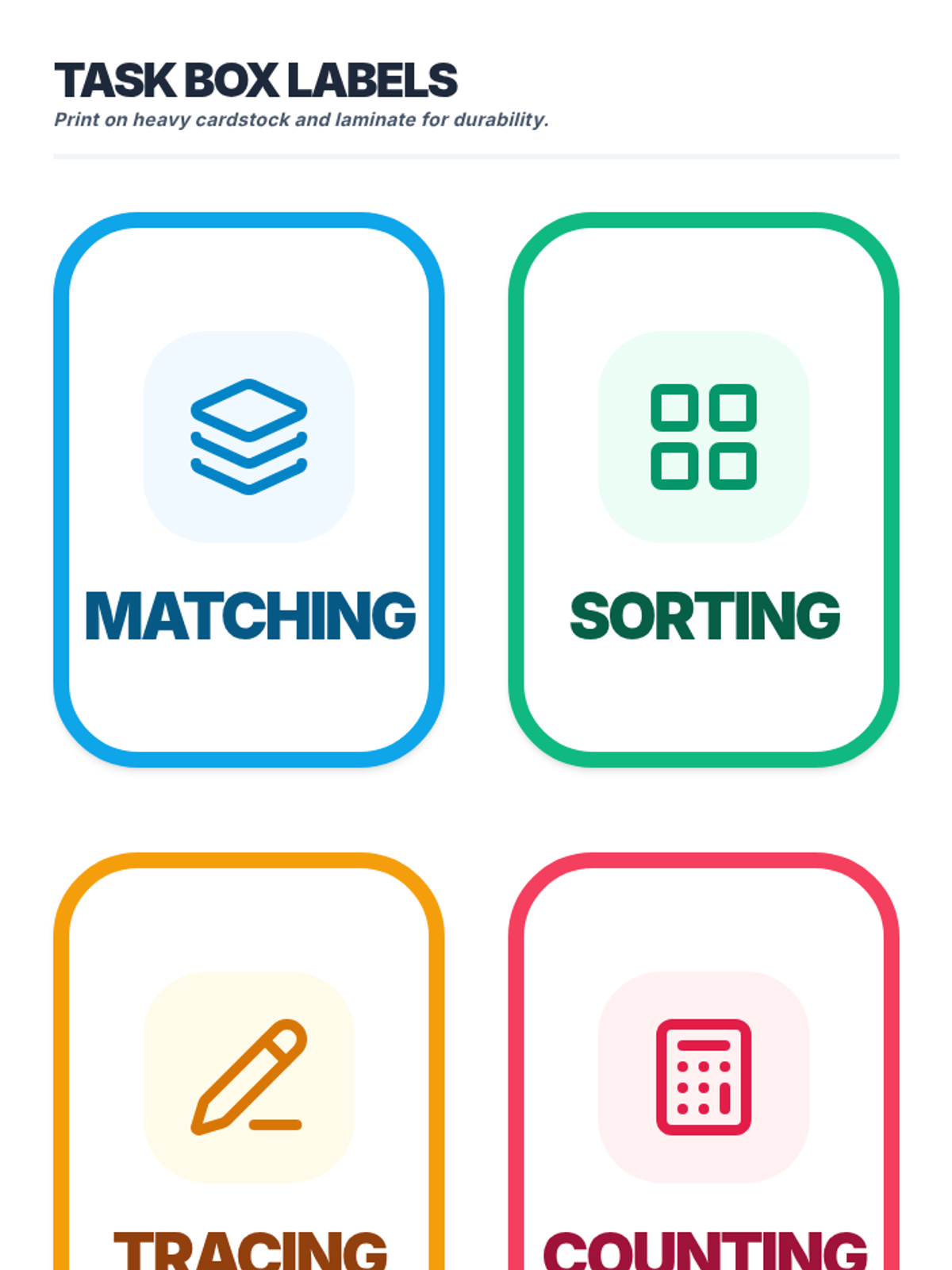
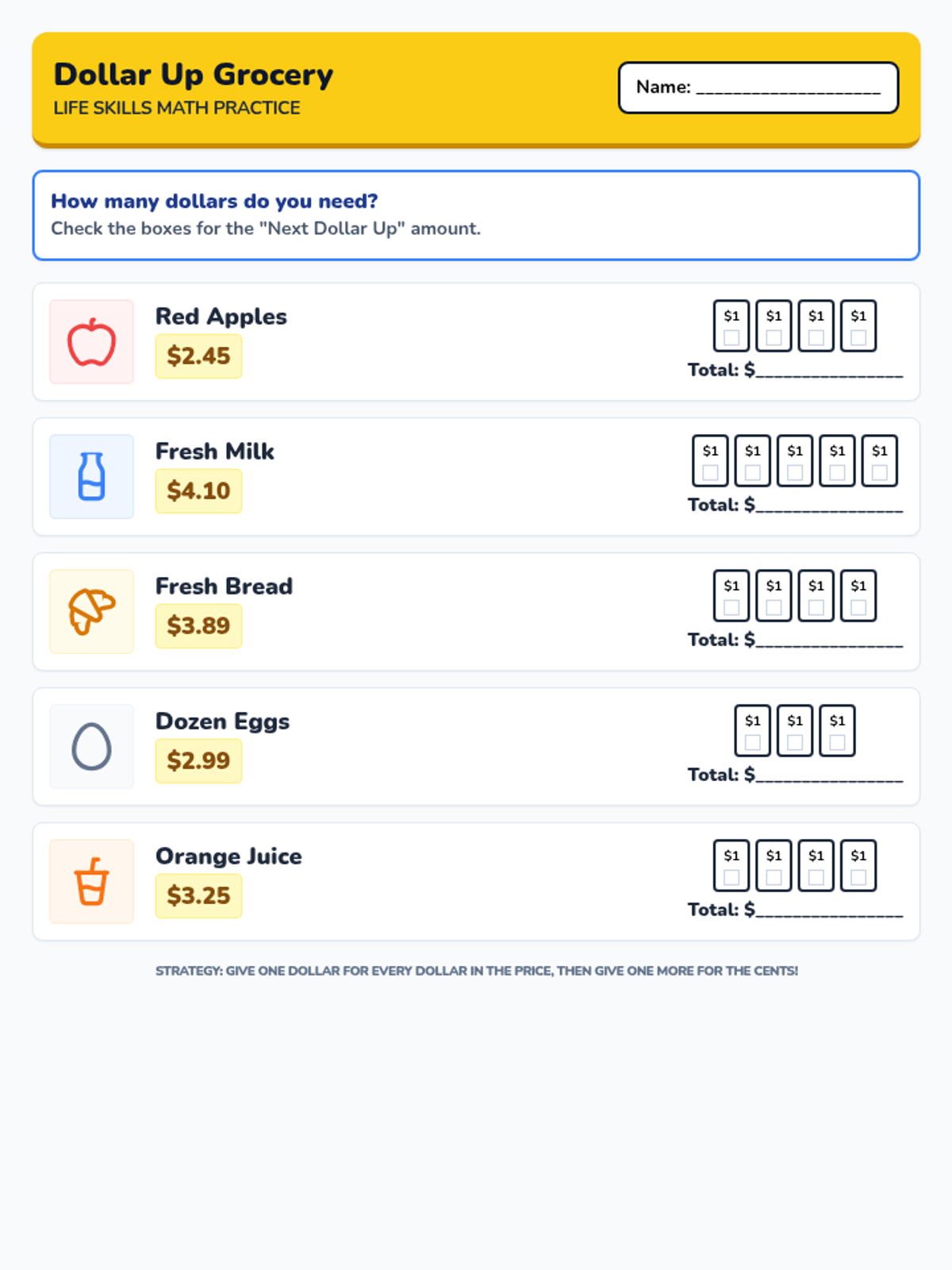
A comprehensive collection of specialized educational resources designed to support classroom routines, social-emotional learning, life skills math, and individual student needs.
A starter kit of foundational materials focusing on daily routines, communication, and basic academic skills for diverse learners.
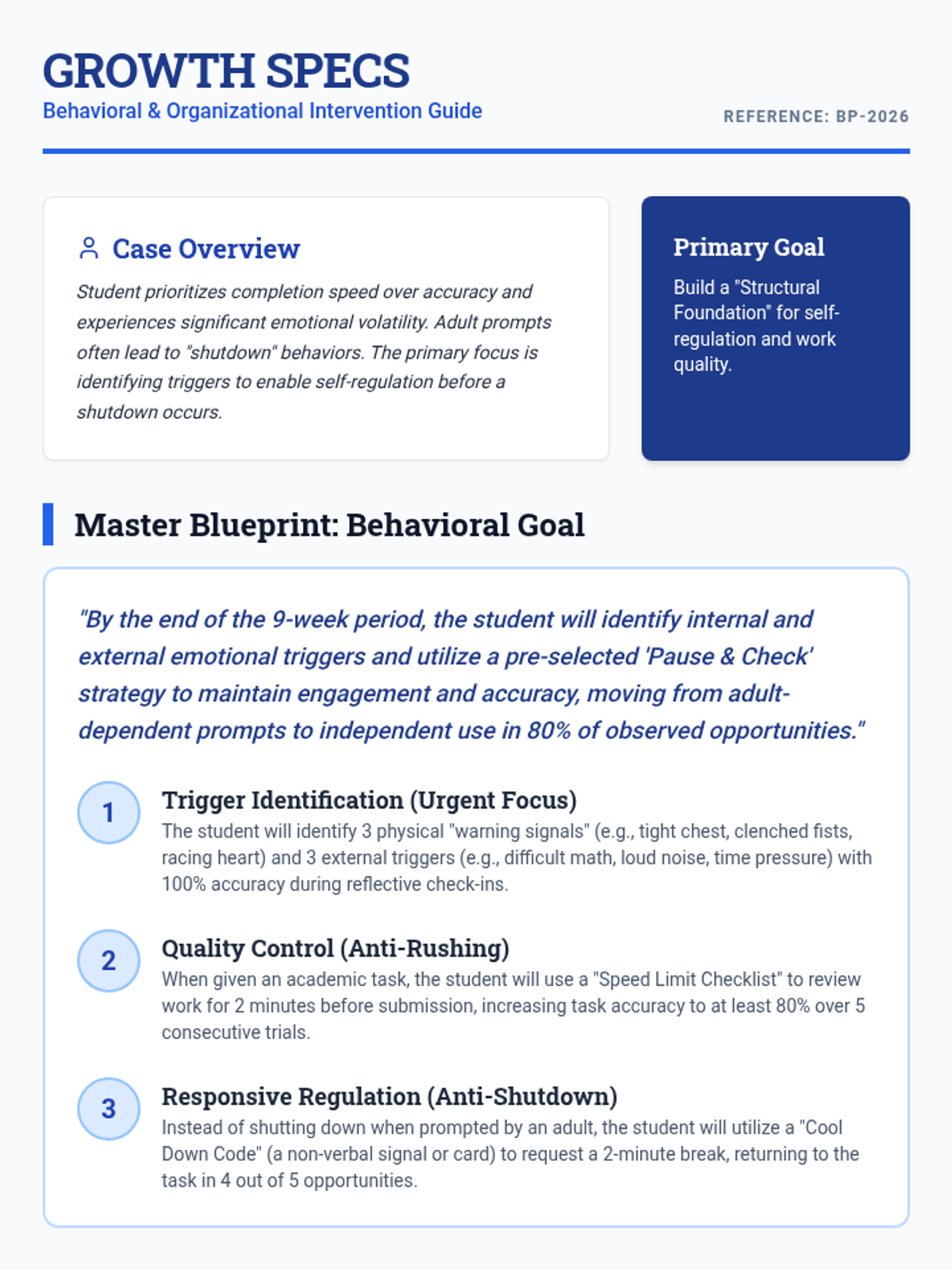
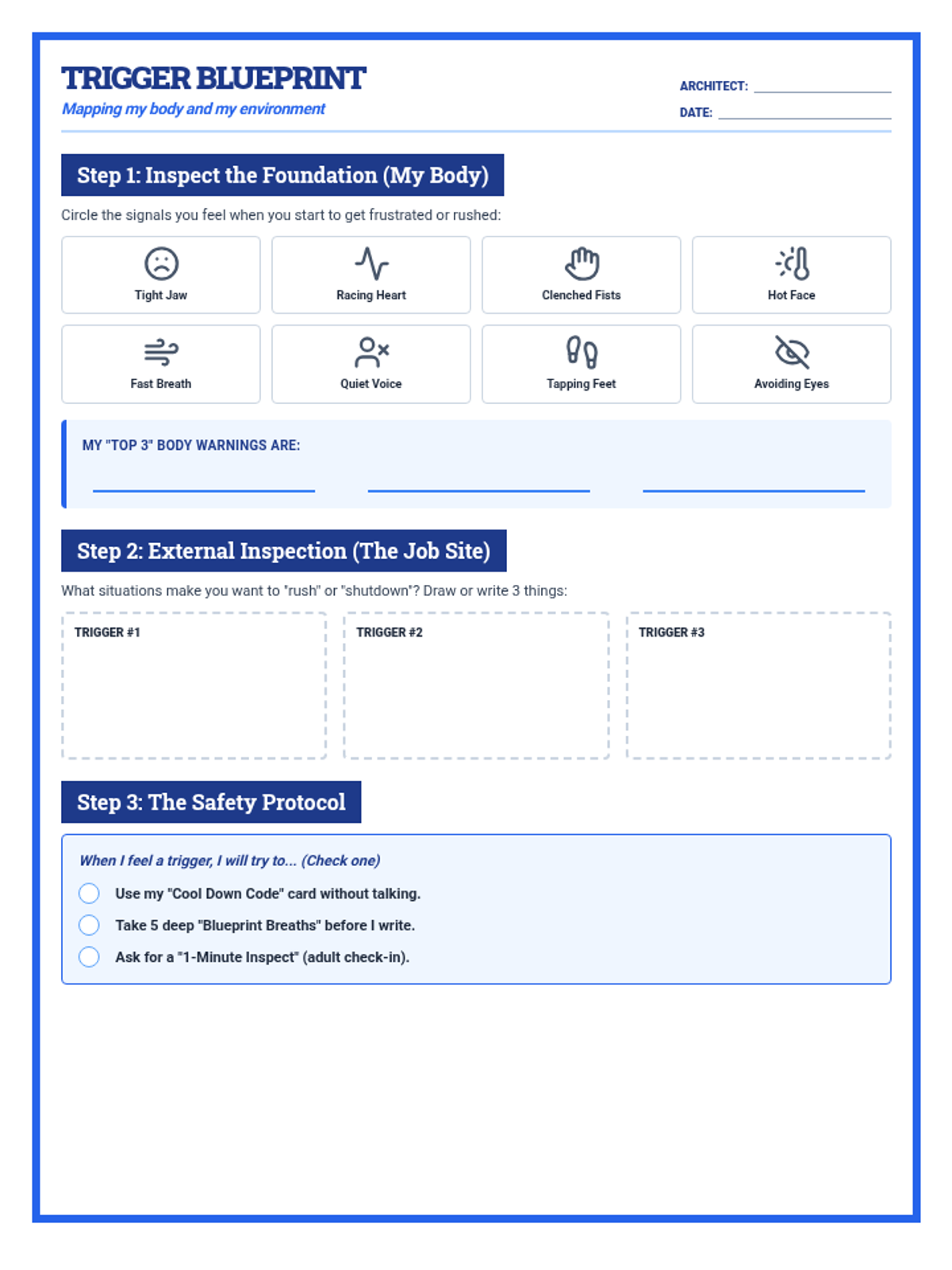
A comprehensive intervention plan focused on identifying emotional triggers, managing work speed, and preventing emotional shutdowns through self-regulation strategies.