A 5-day summer occupational therapy program for 4th and 5th graders themed around a 'Secret Agent Academy'. It focuses on fine motor precision, finger dexterity, pencil control, and handwriting alignment through highly engaging, covert missions.
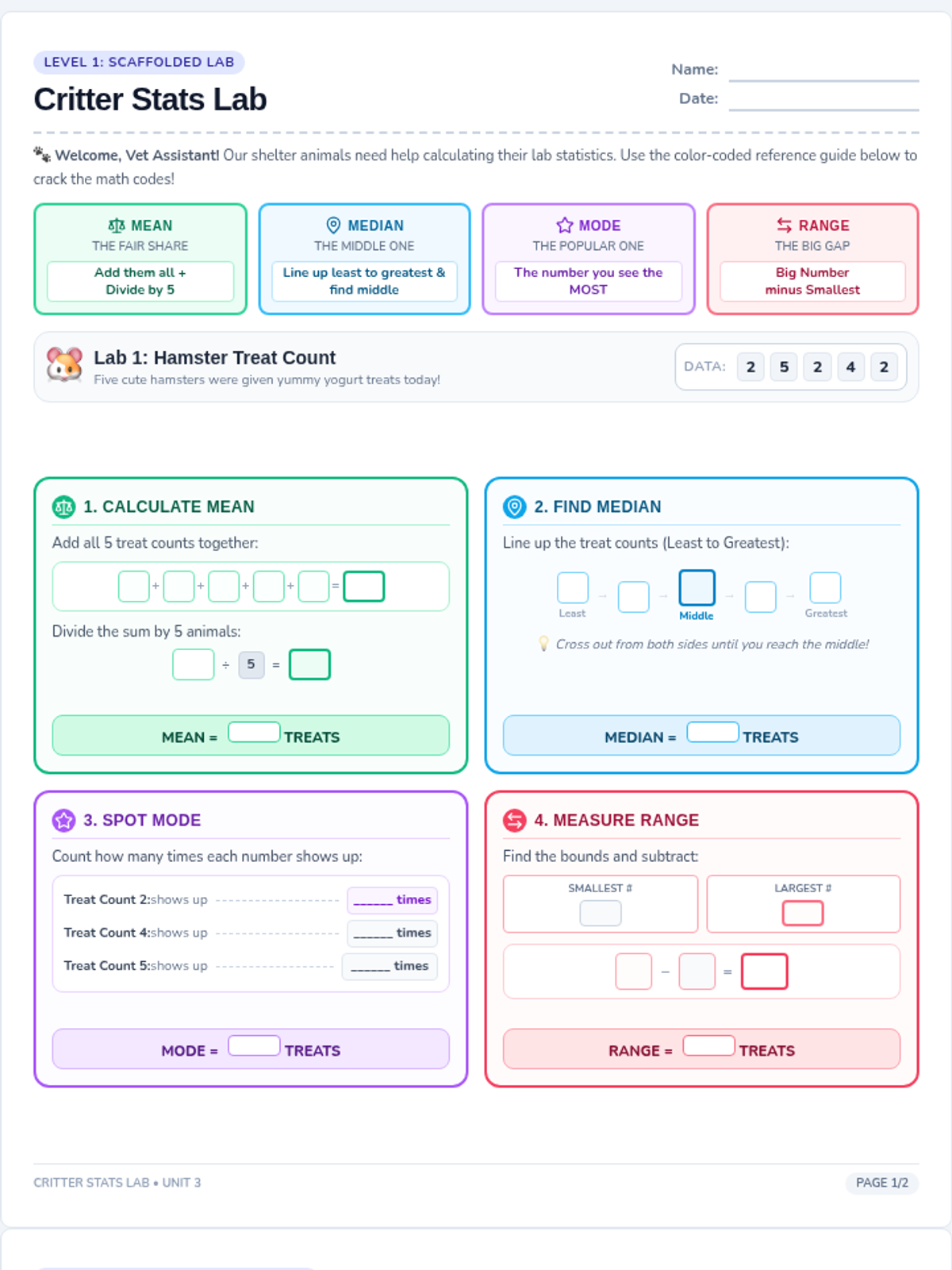
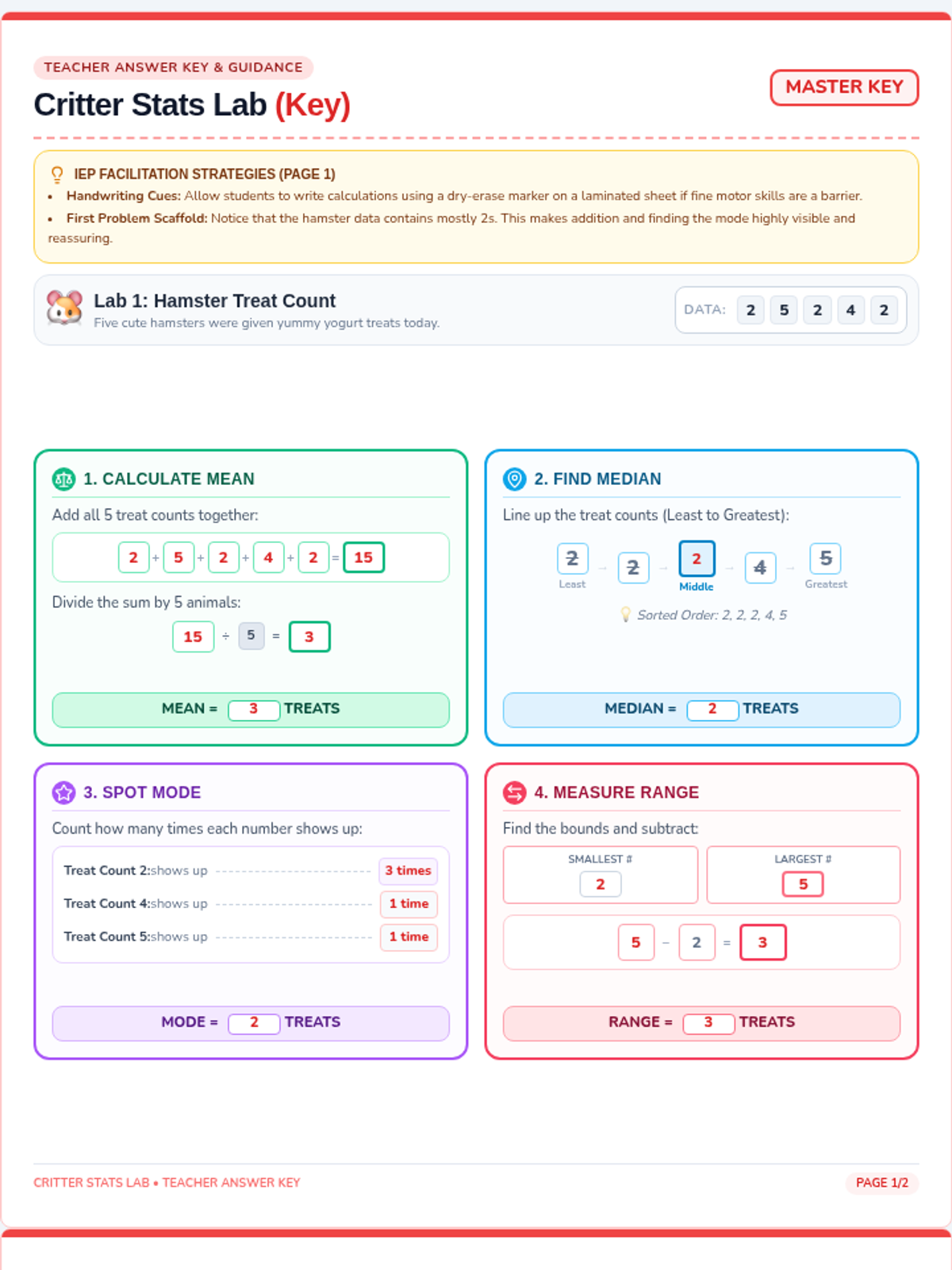
A highly visual, color-coded math lesson introducing mean, median, mode, and range to IEP students using adorable pet shelter statistics. Highly structured layout with minimal text density and supportive visual cues.
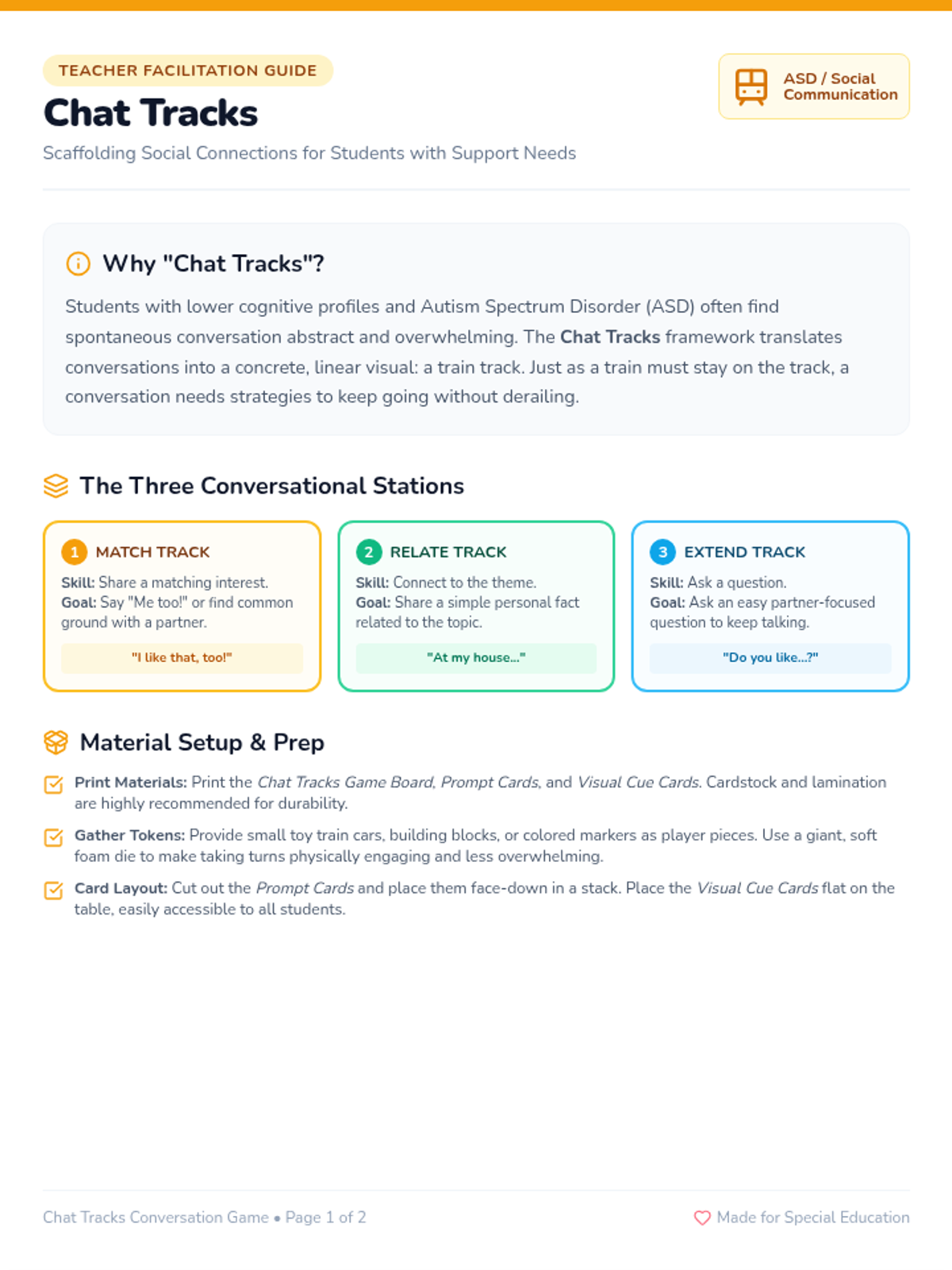
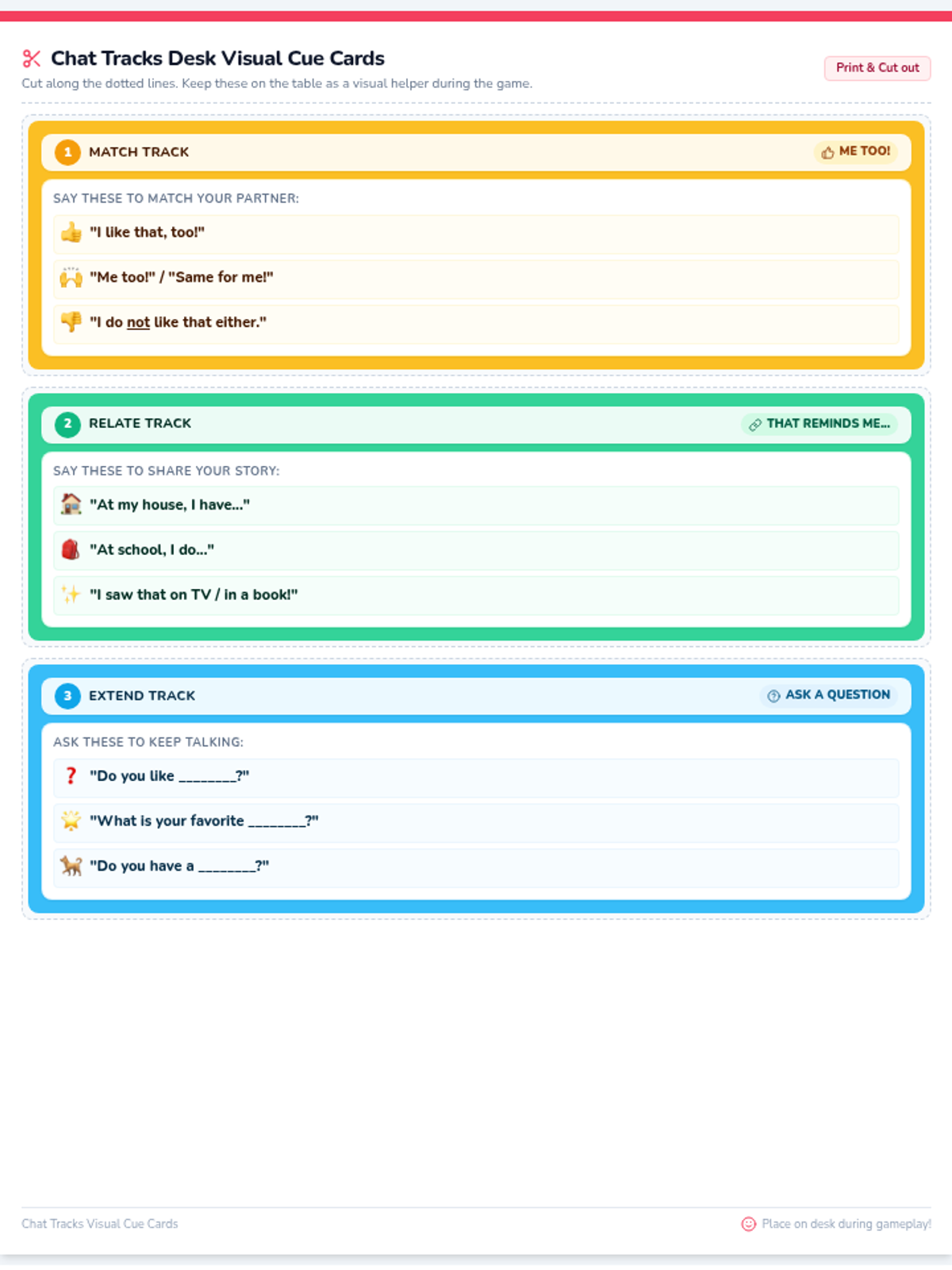
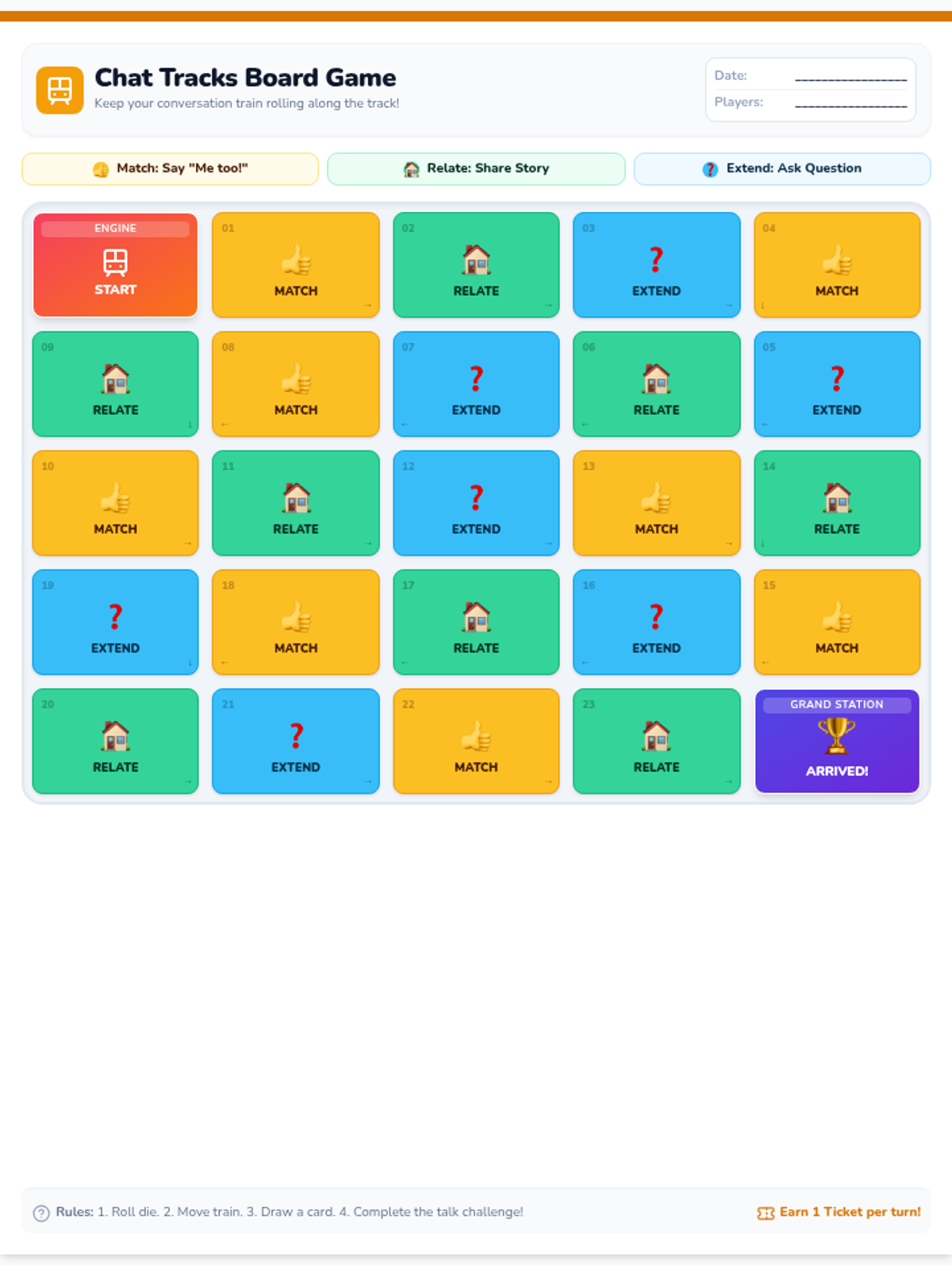
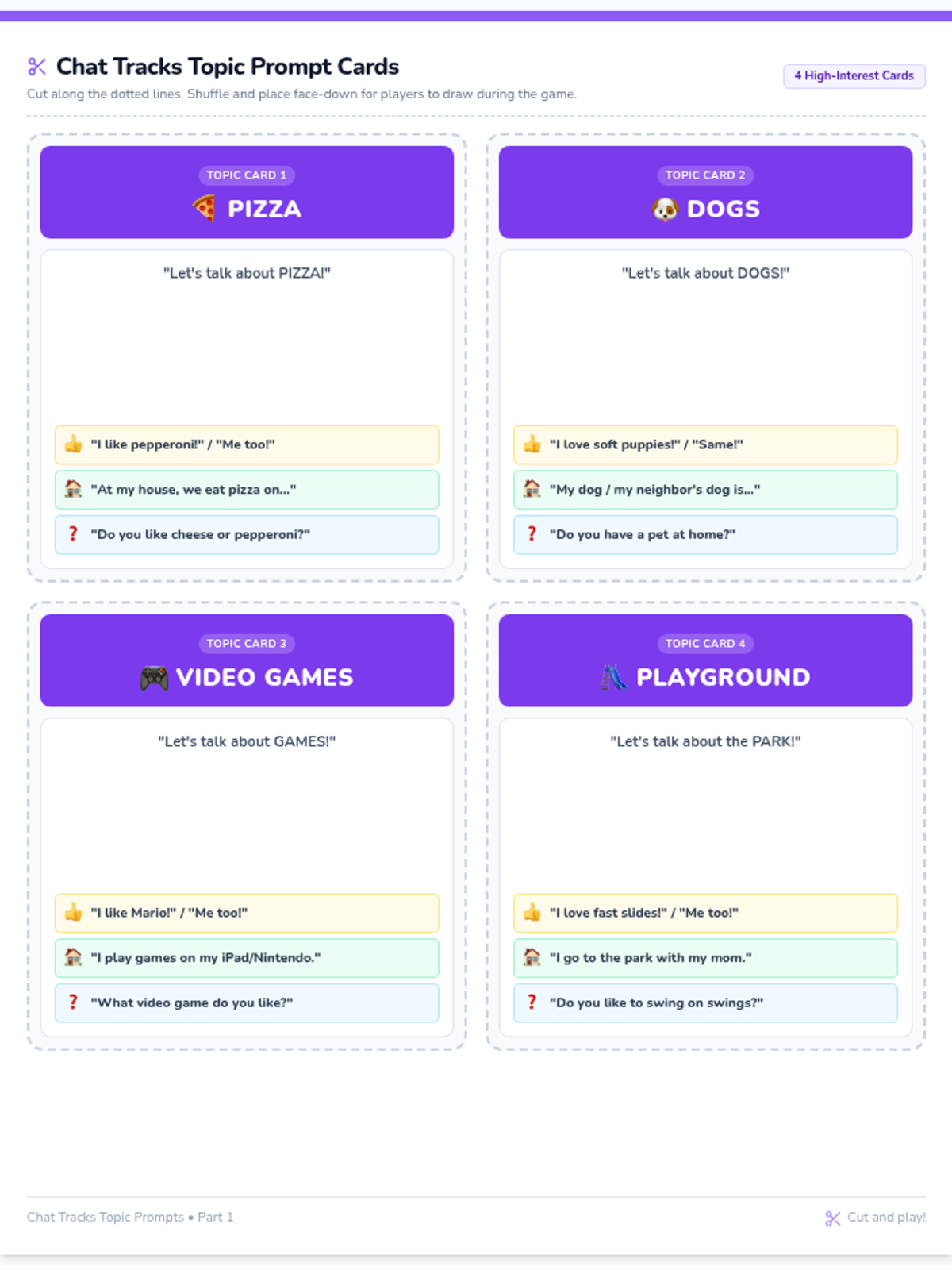
A structured, visual-first conversational game designed for speech therapists, special education teachers, and paraprofessionals to support low-cognitive students with Autism Spectrum Disorder (ASD). The lesson uses a concrete train-track motif to scaffold three essential conversational skills: sharing matching interests, relating to topics, and extending dialogue.
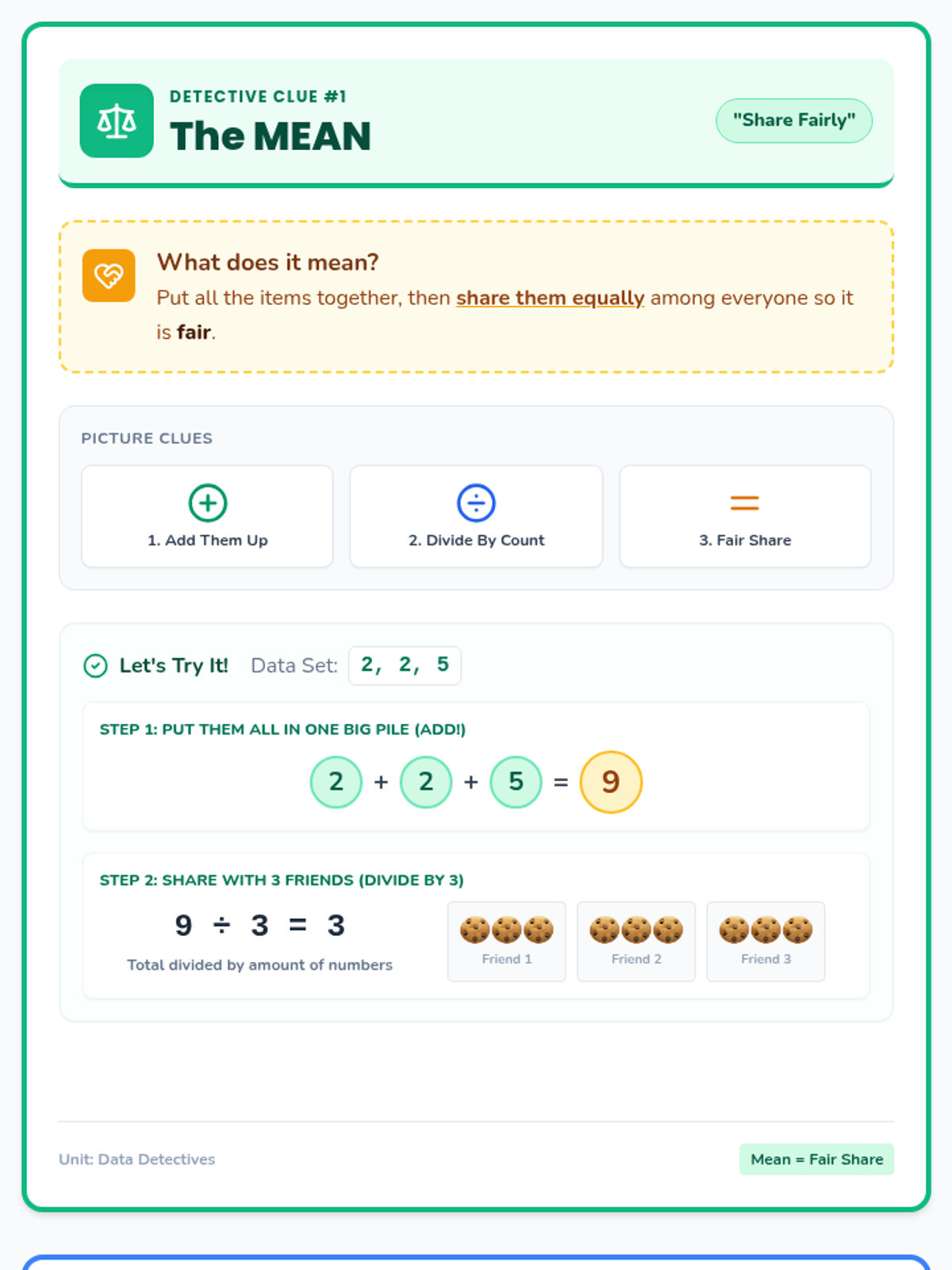
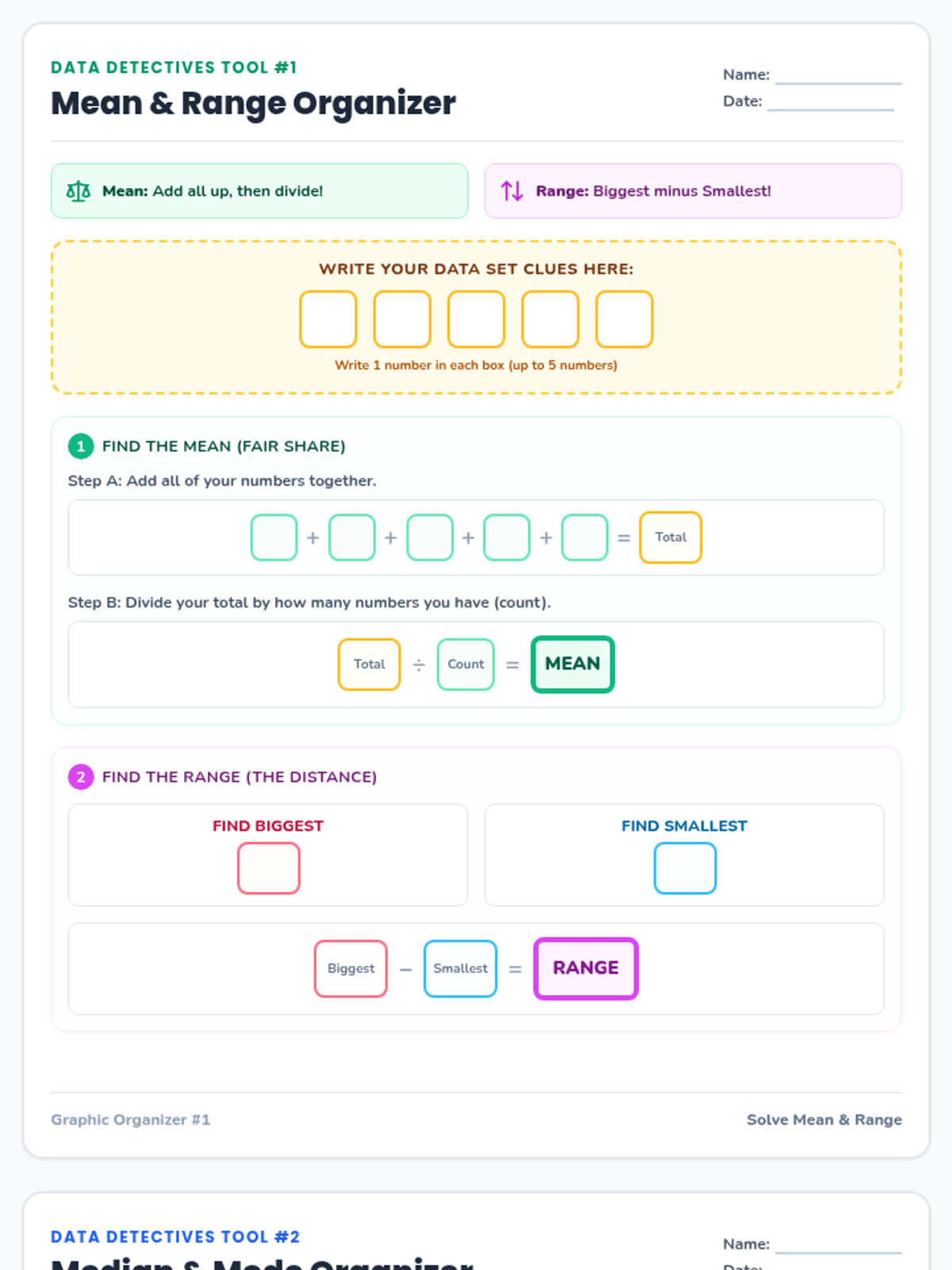
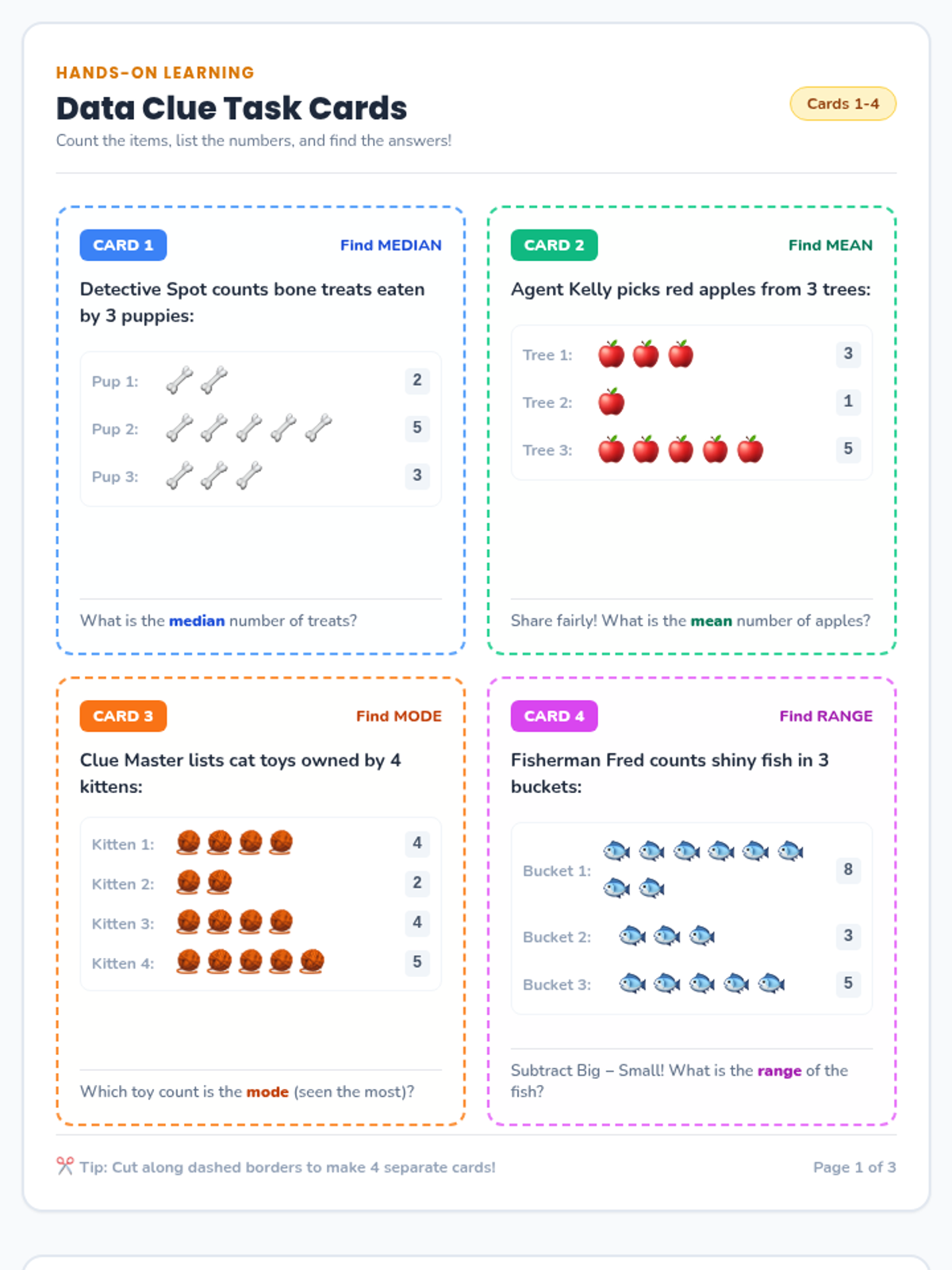
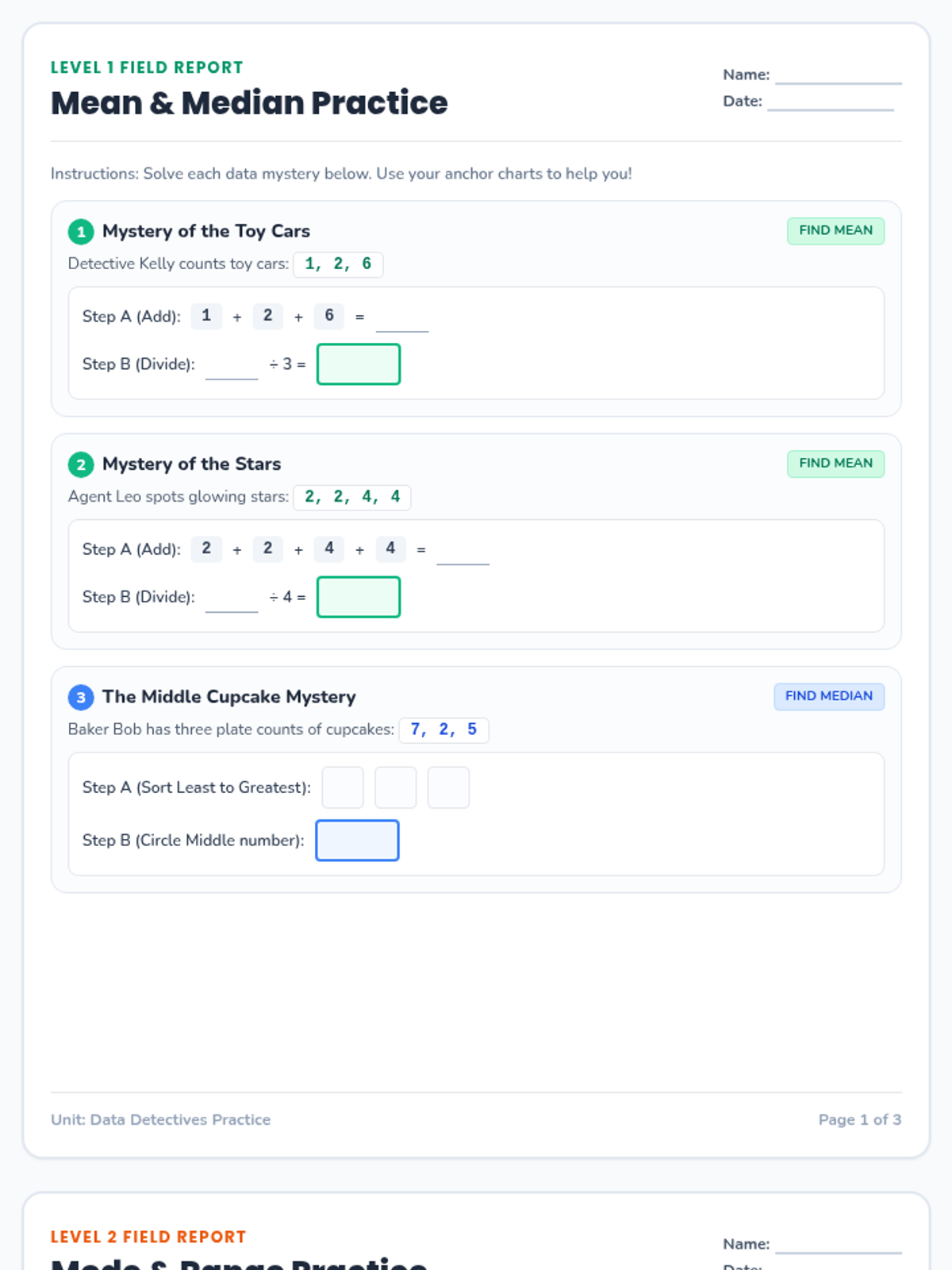
A modified, highly visual math lesson on Mean, Median, Mode, and Range tailored for IEP students. Features visual anchor charts with picture symbols, step-by-step color-coded graphic organizers, task cards with hands-on counting counters, and highly scaffolded worksheets.
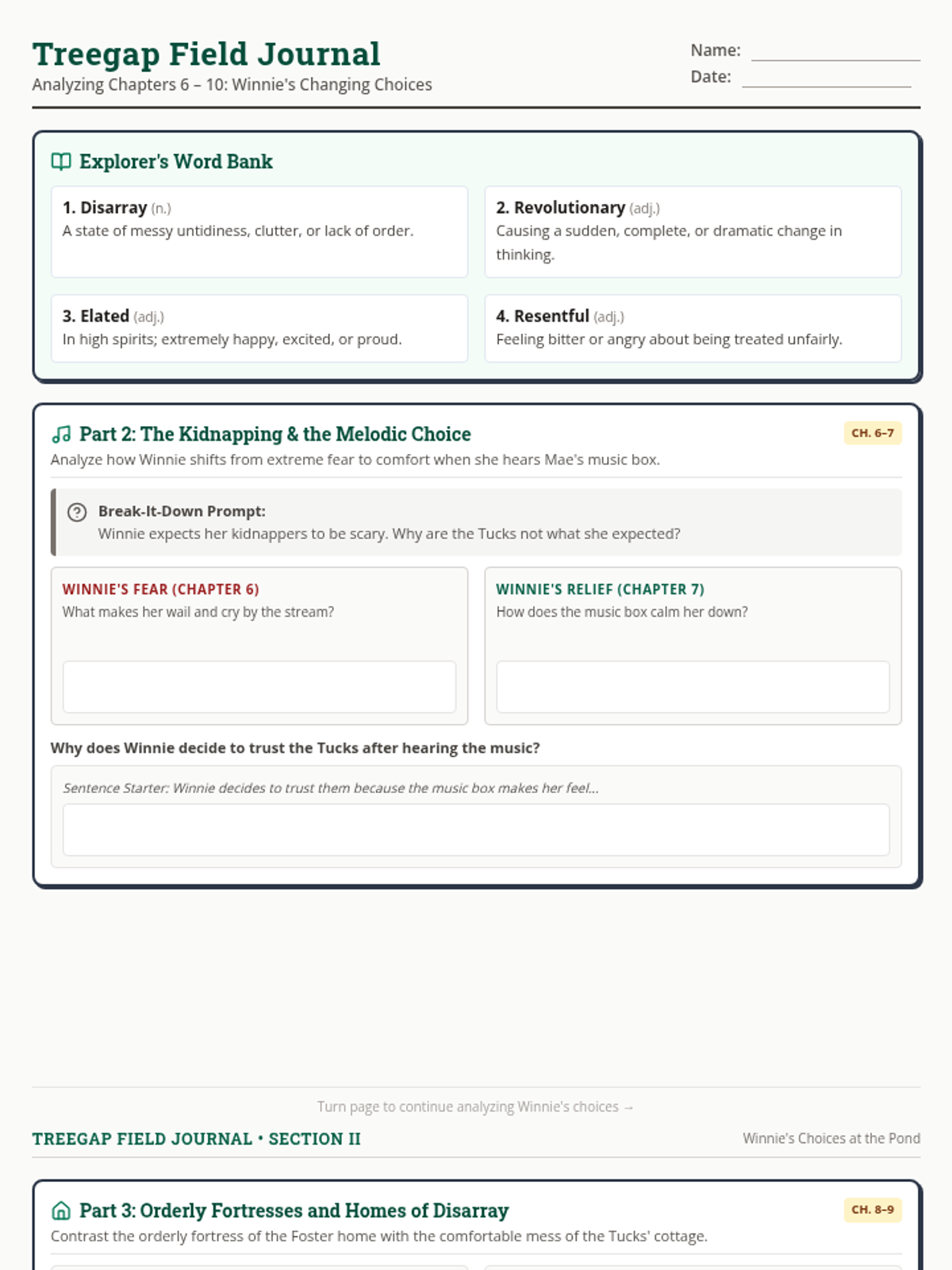
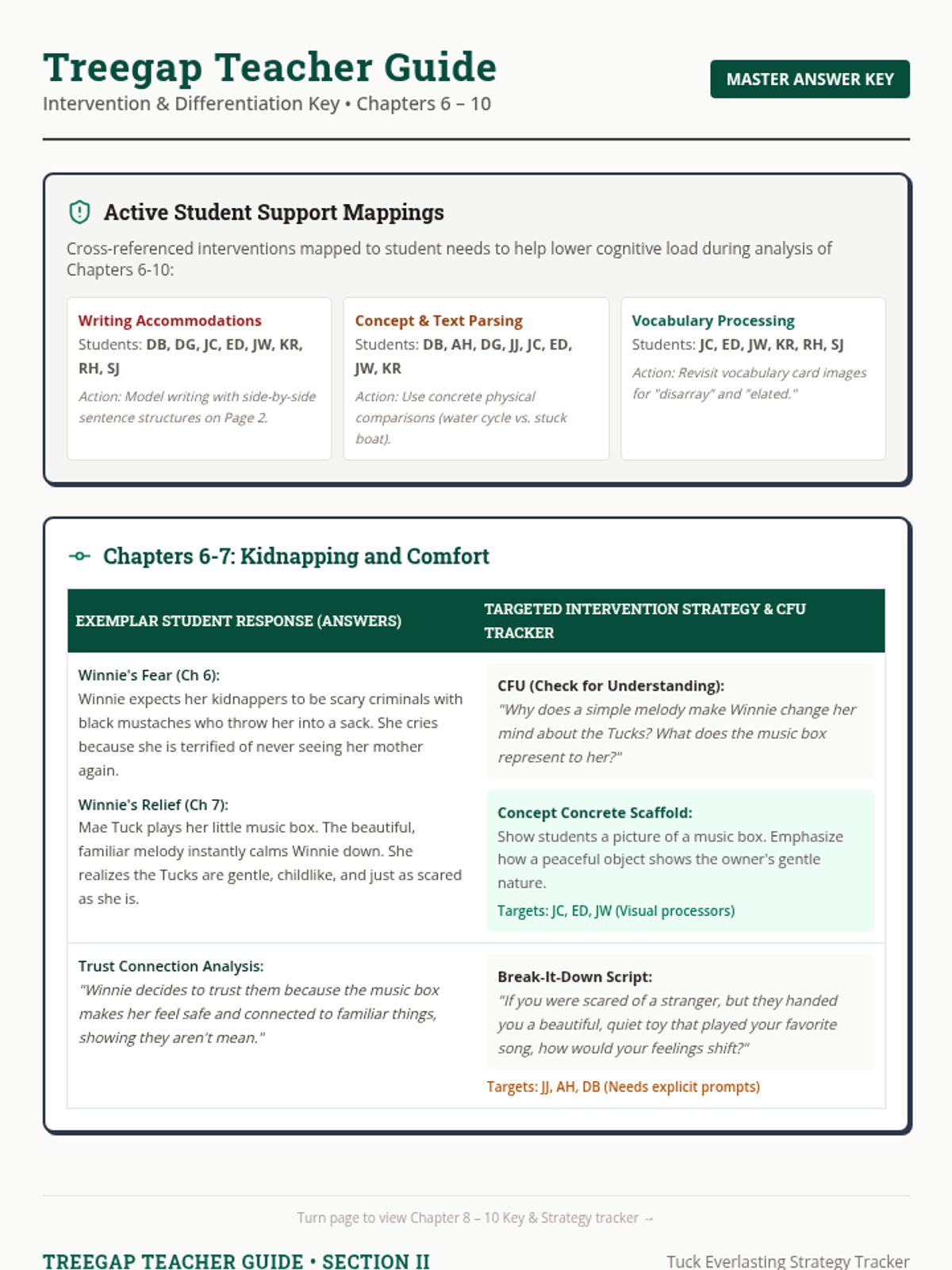
A detailed literary exploration of Chapters 6-10 of Natalie Babbitt's Tuck Everlasting. Students analyze Winnie's reactions to the Tucks' messy, timeless lifestyle compared to her own orderly home, focusing on her growing internal choices and the concept of living outside the wheel of life.
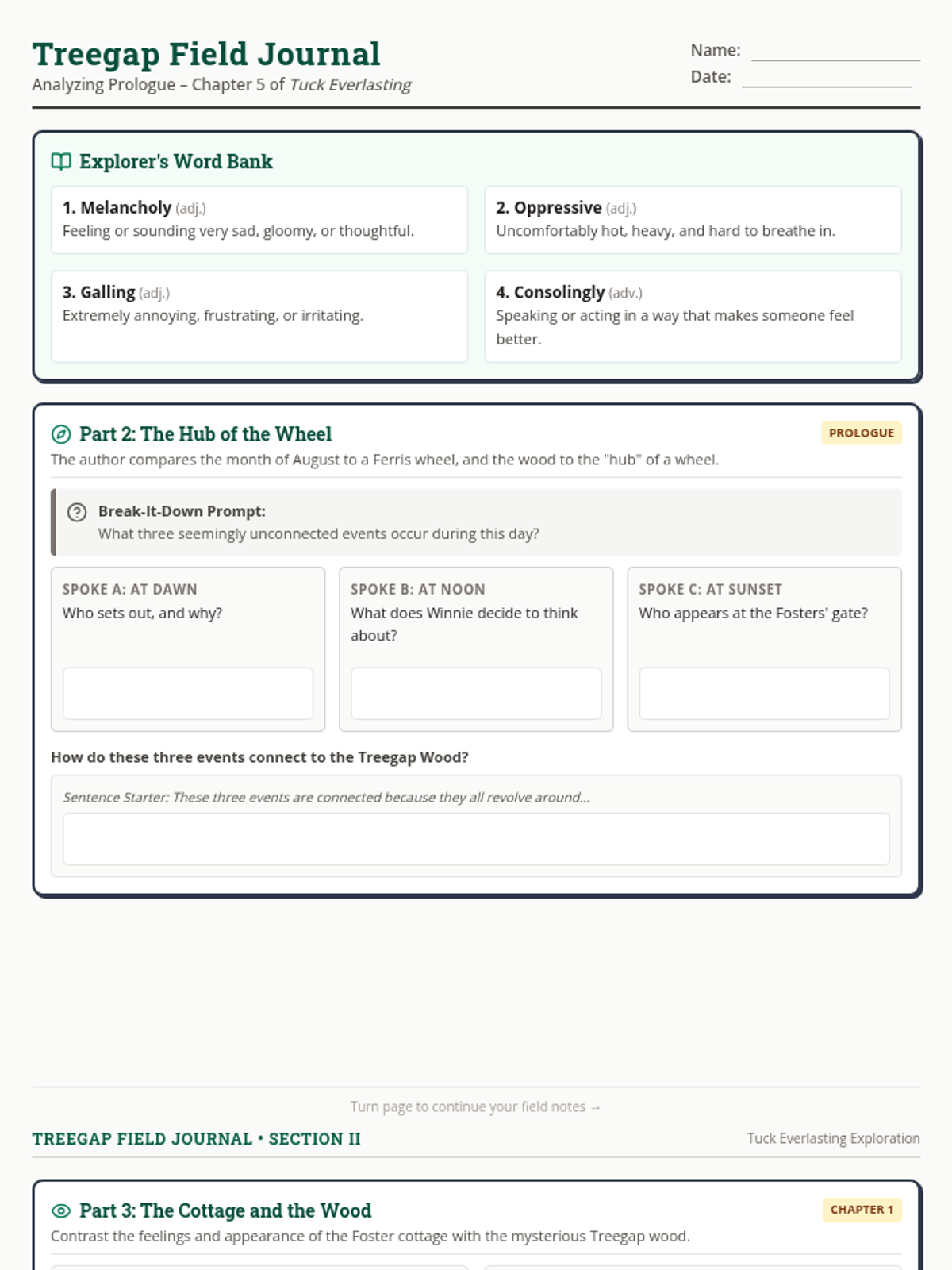
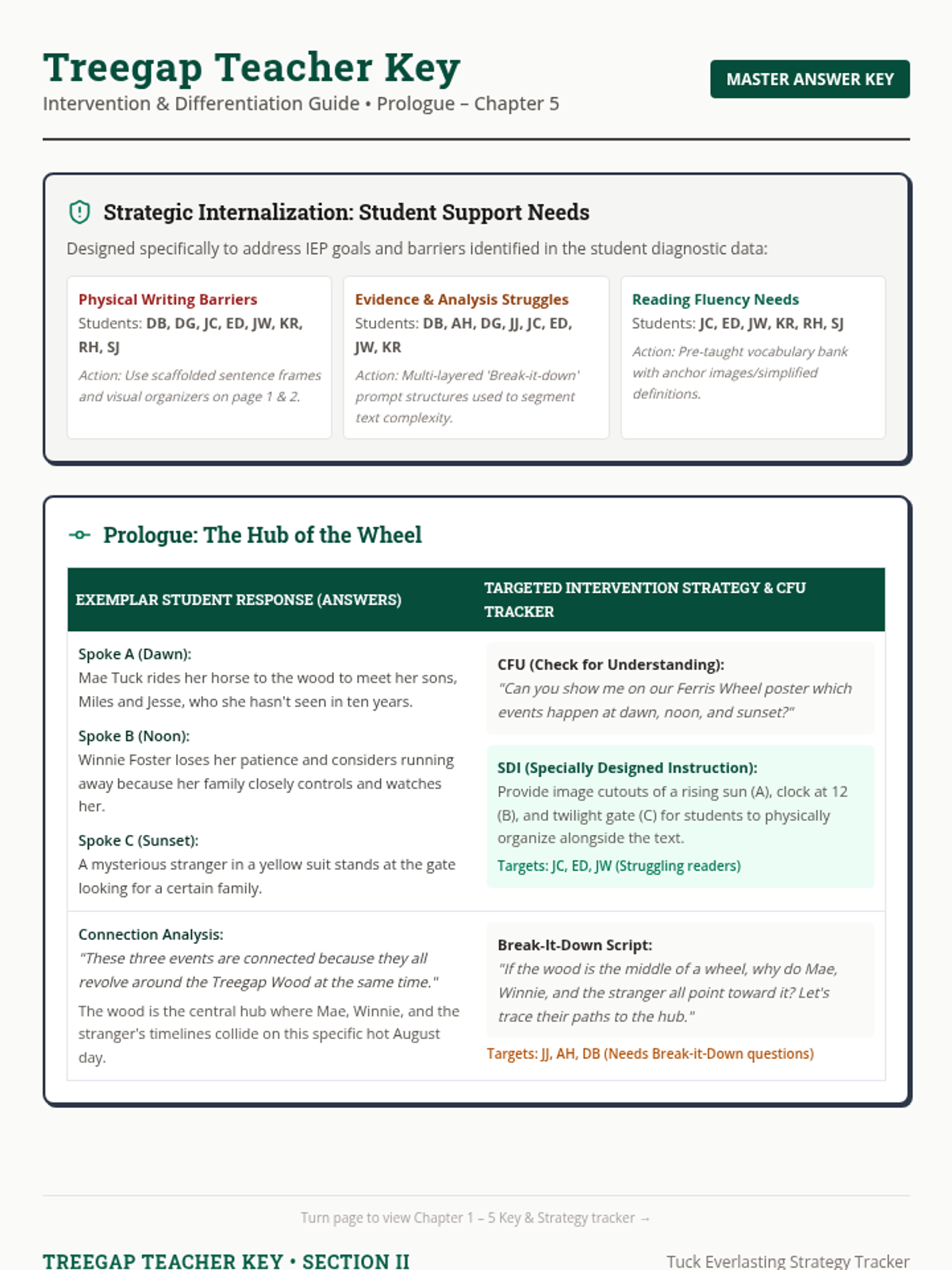
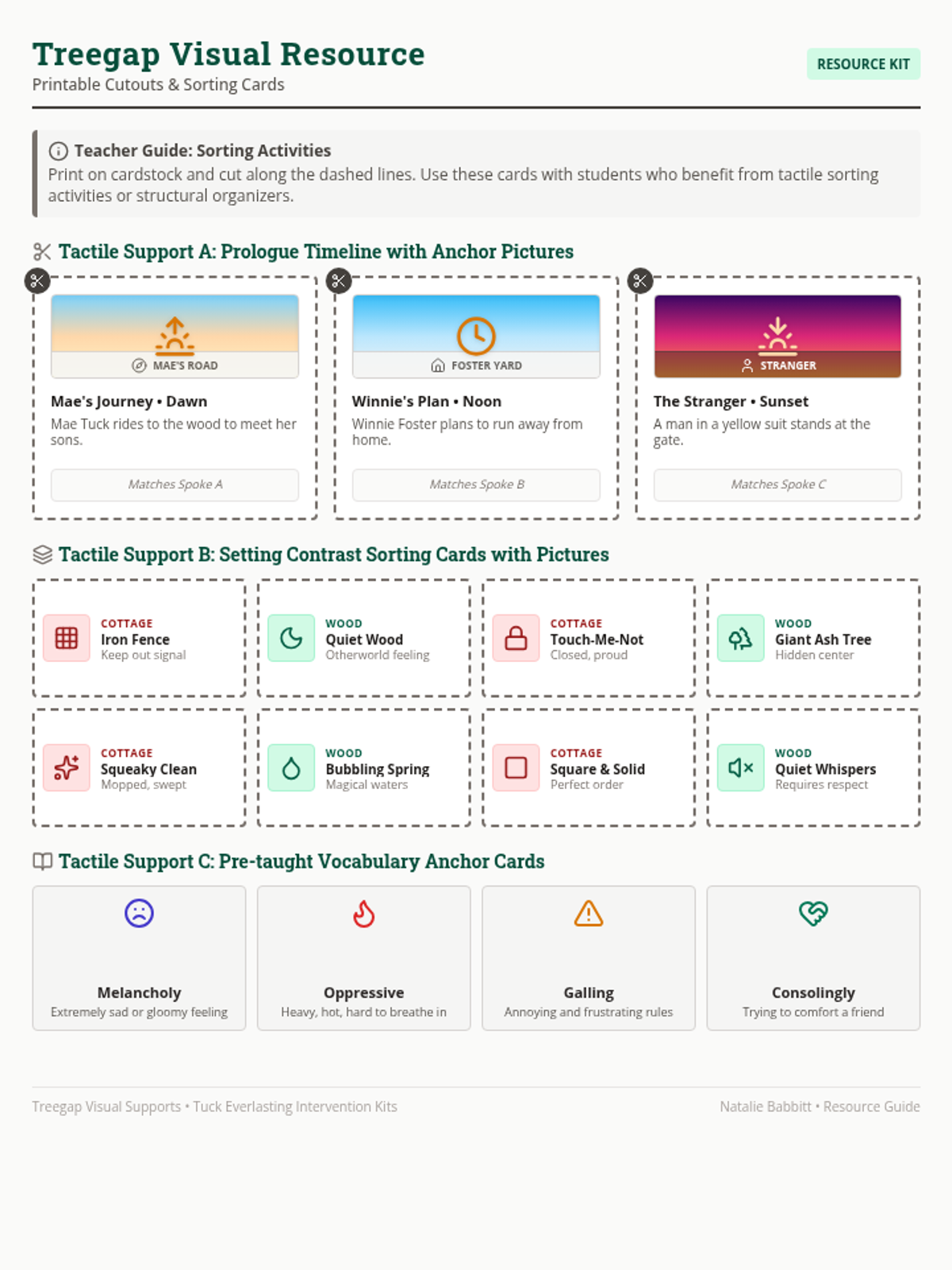
A literary investigation of the prologue through chapter 5 of Natalie Babbitt's Tuck Everlasting. Students explore setting contrasts and the mysterious meeting between Winnie and Jesse, while teachers leverage structured scaffolds and checks for understanding.
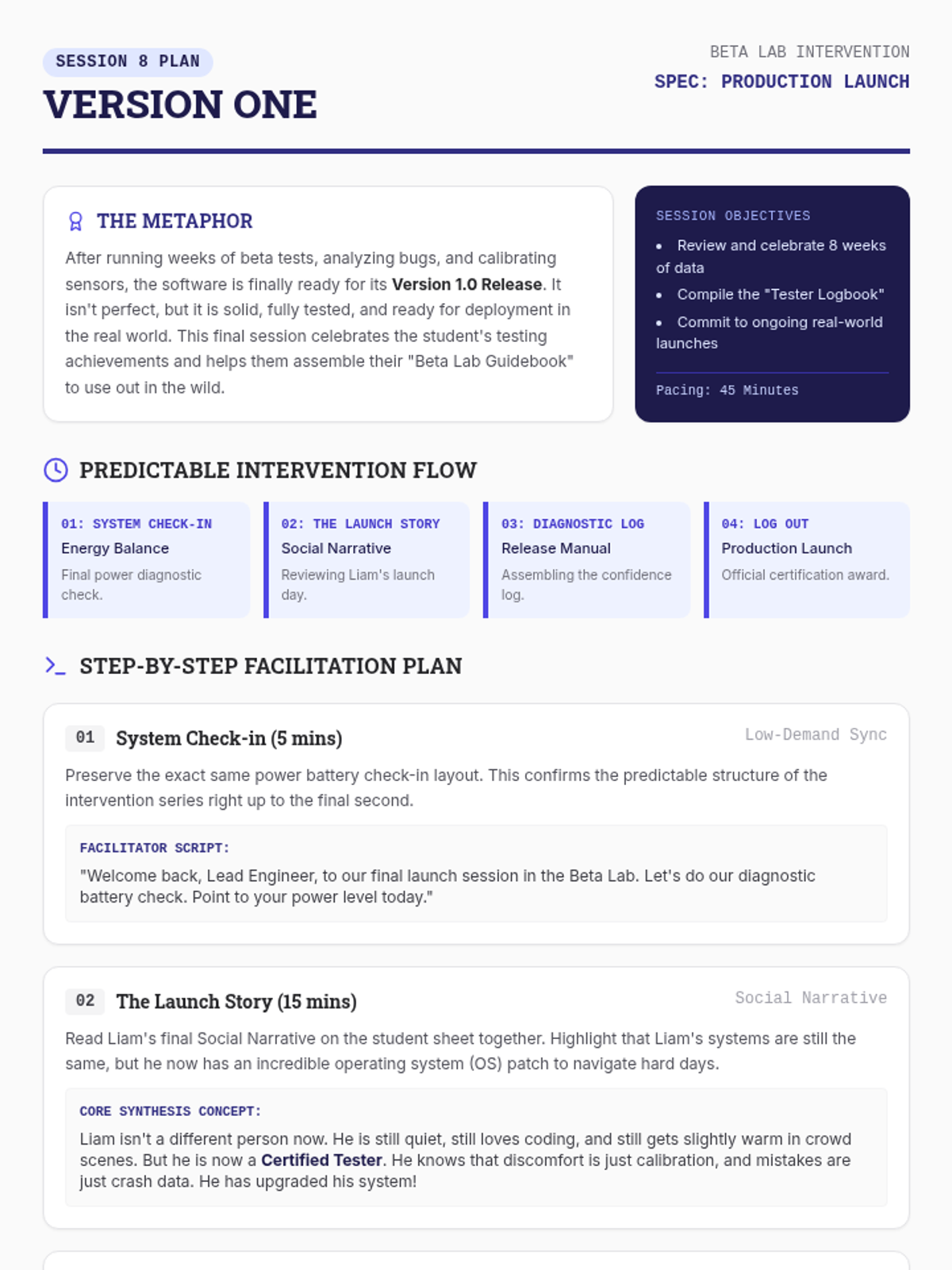
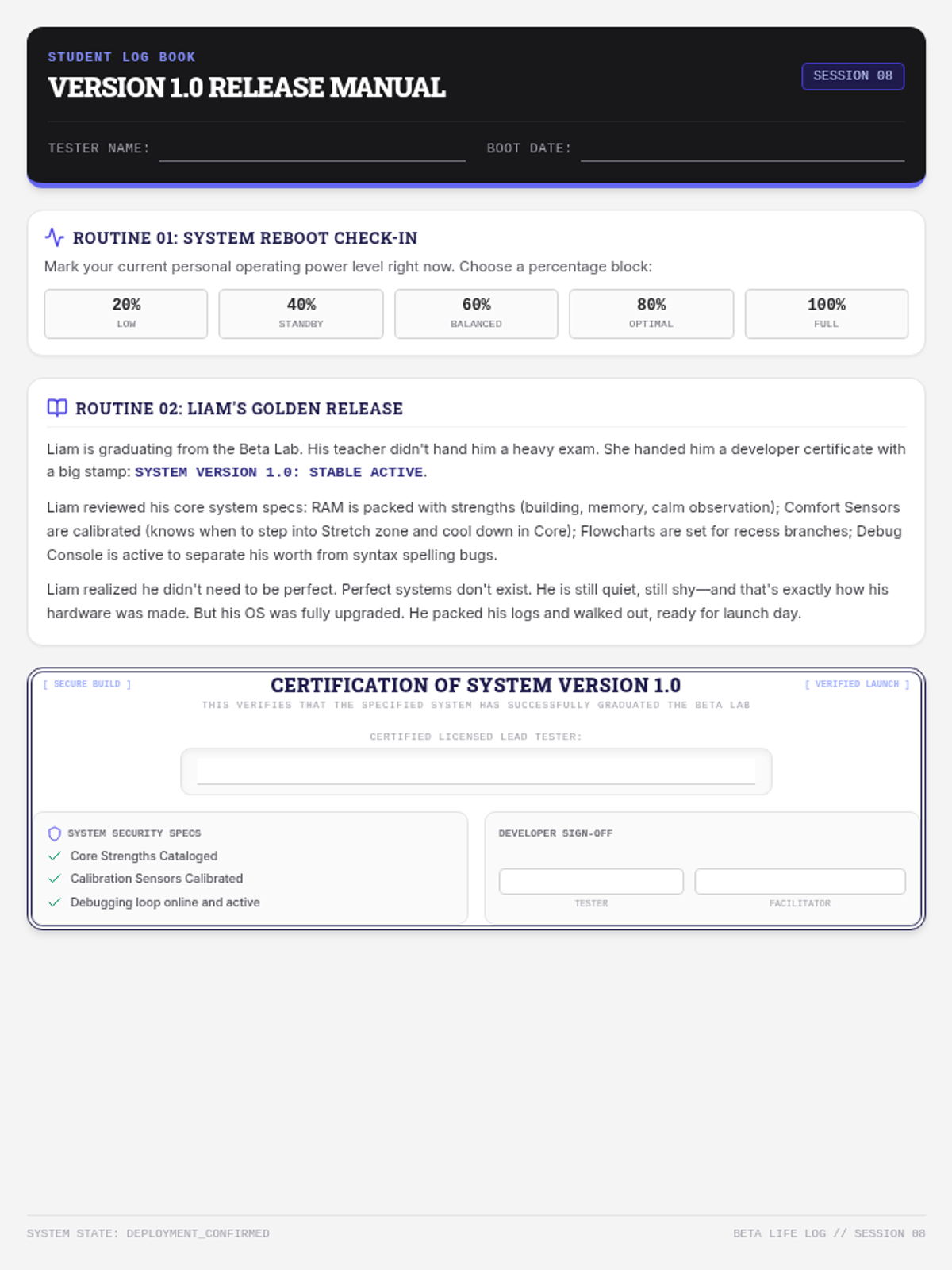
Session 8 synthesizes the 8-week journey. The student compiles their logs into a personalized confidence guide and celebrates their testing achievements.
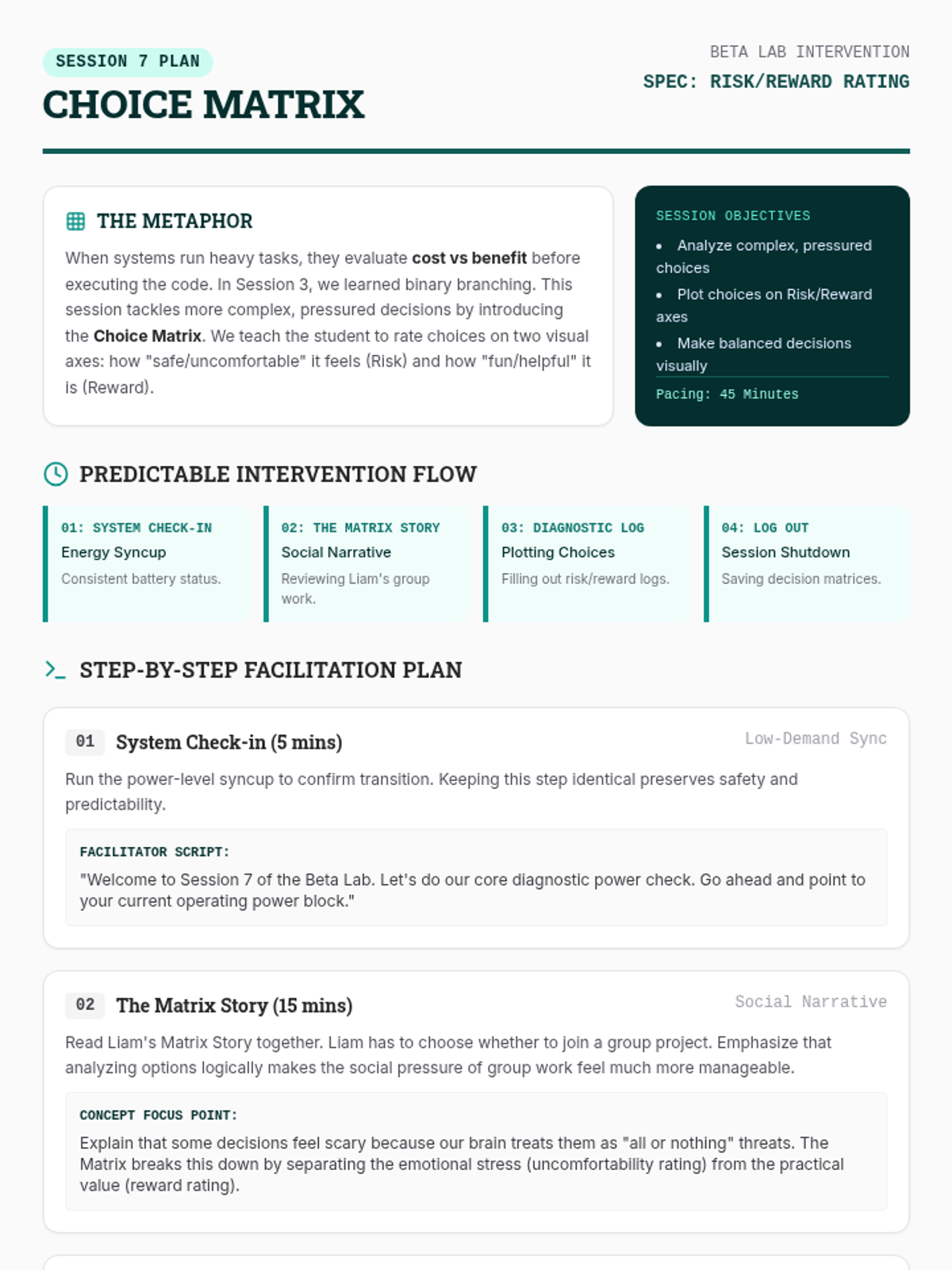
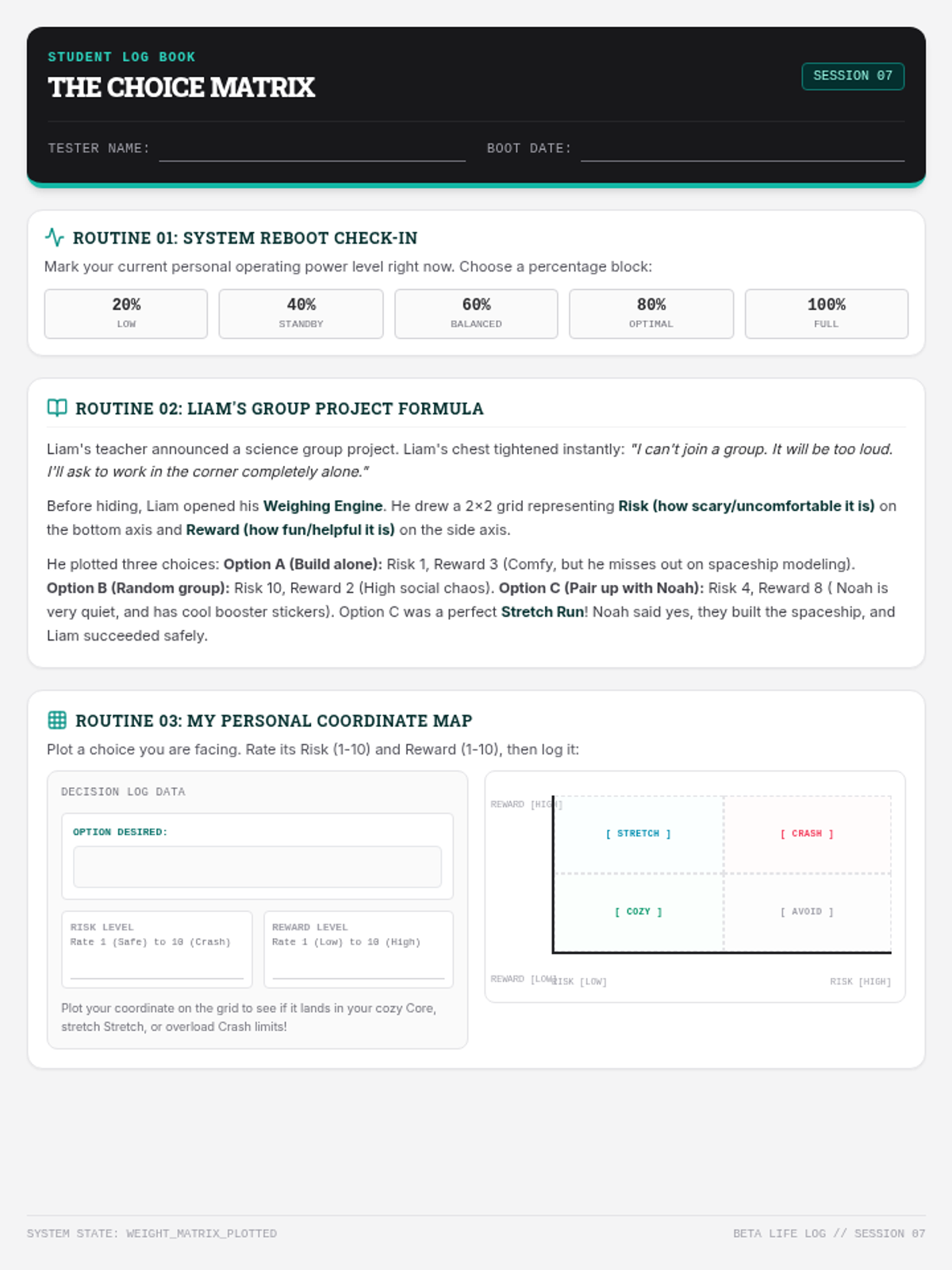
Session 7 explores more complex decisions under pressure, teaching the student how to weigh risks and rewards using a simple visual rating tool.
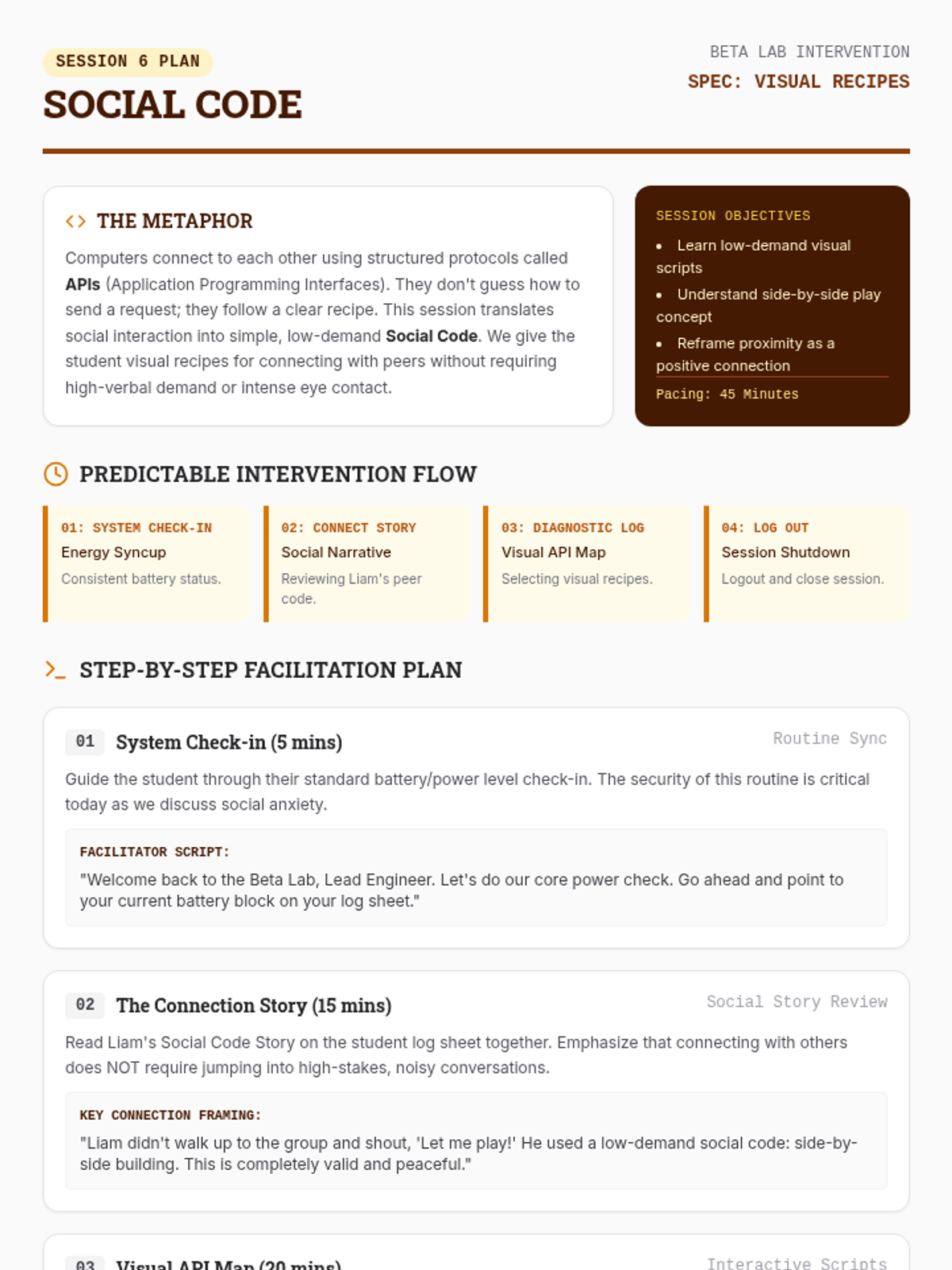
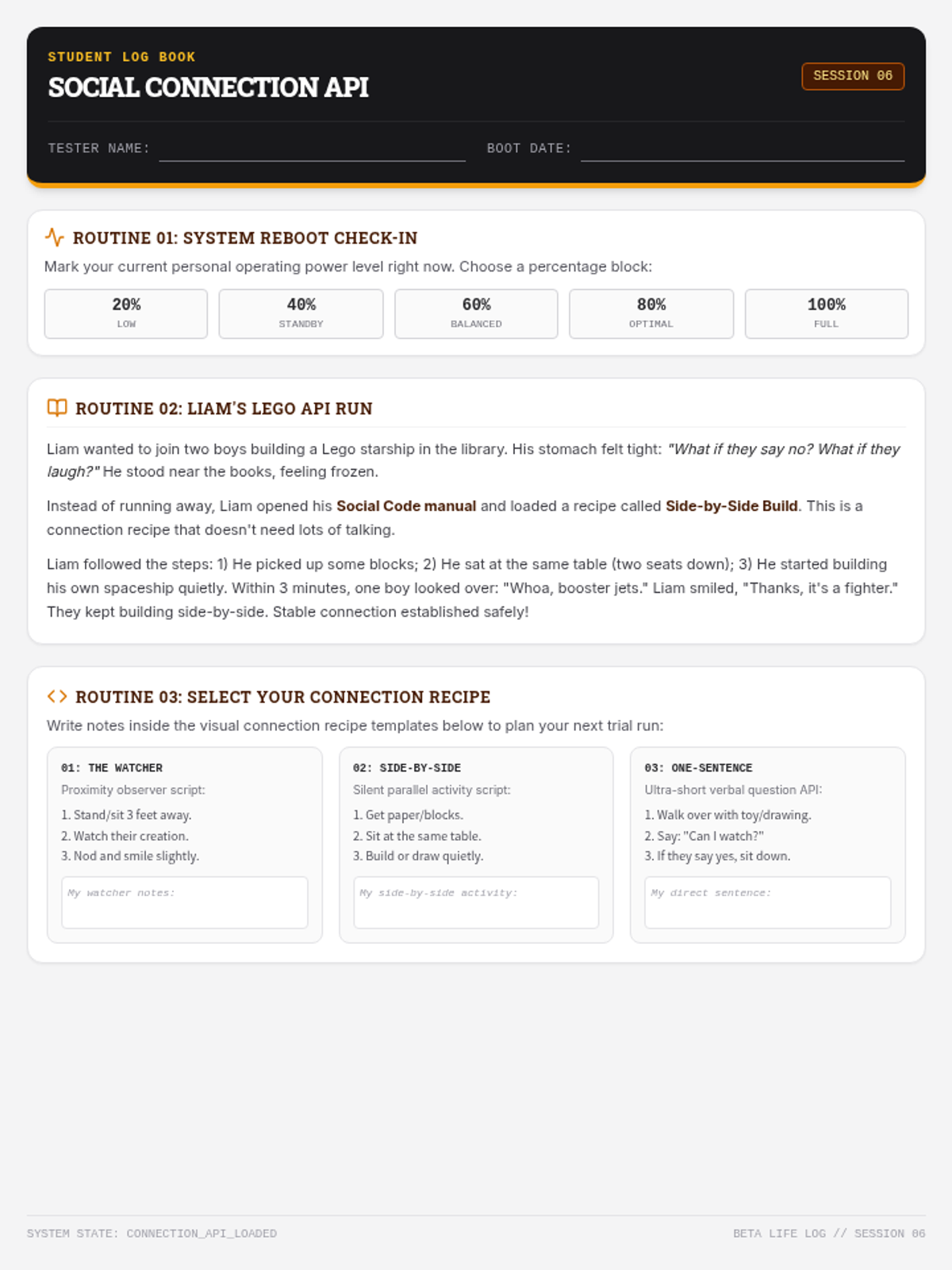
Session 6 addresses social interactions. The student learns low-demand social scripts and structured visual recipes for peer connection.
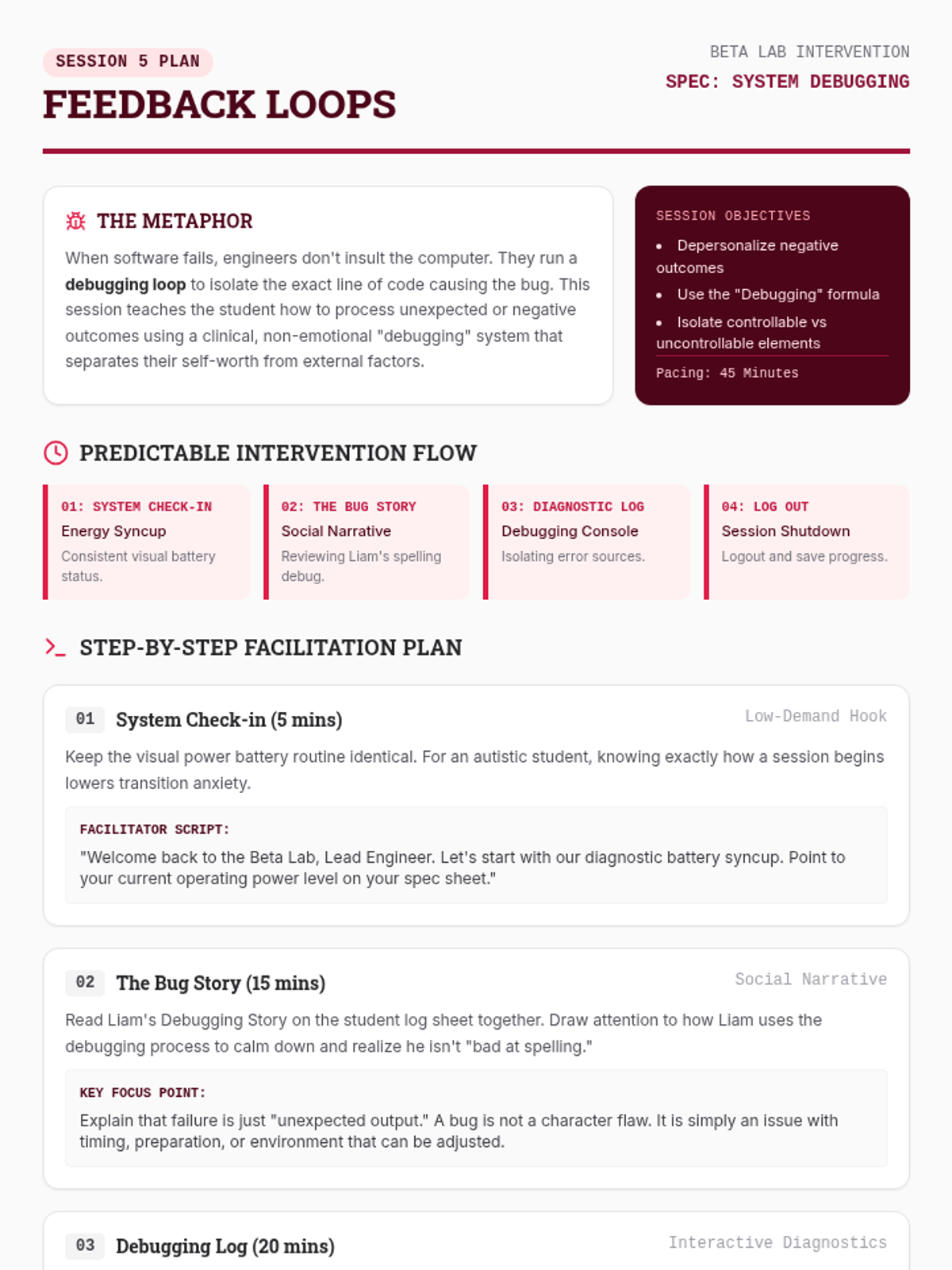
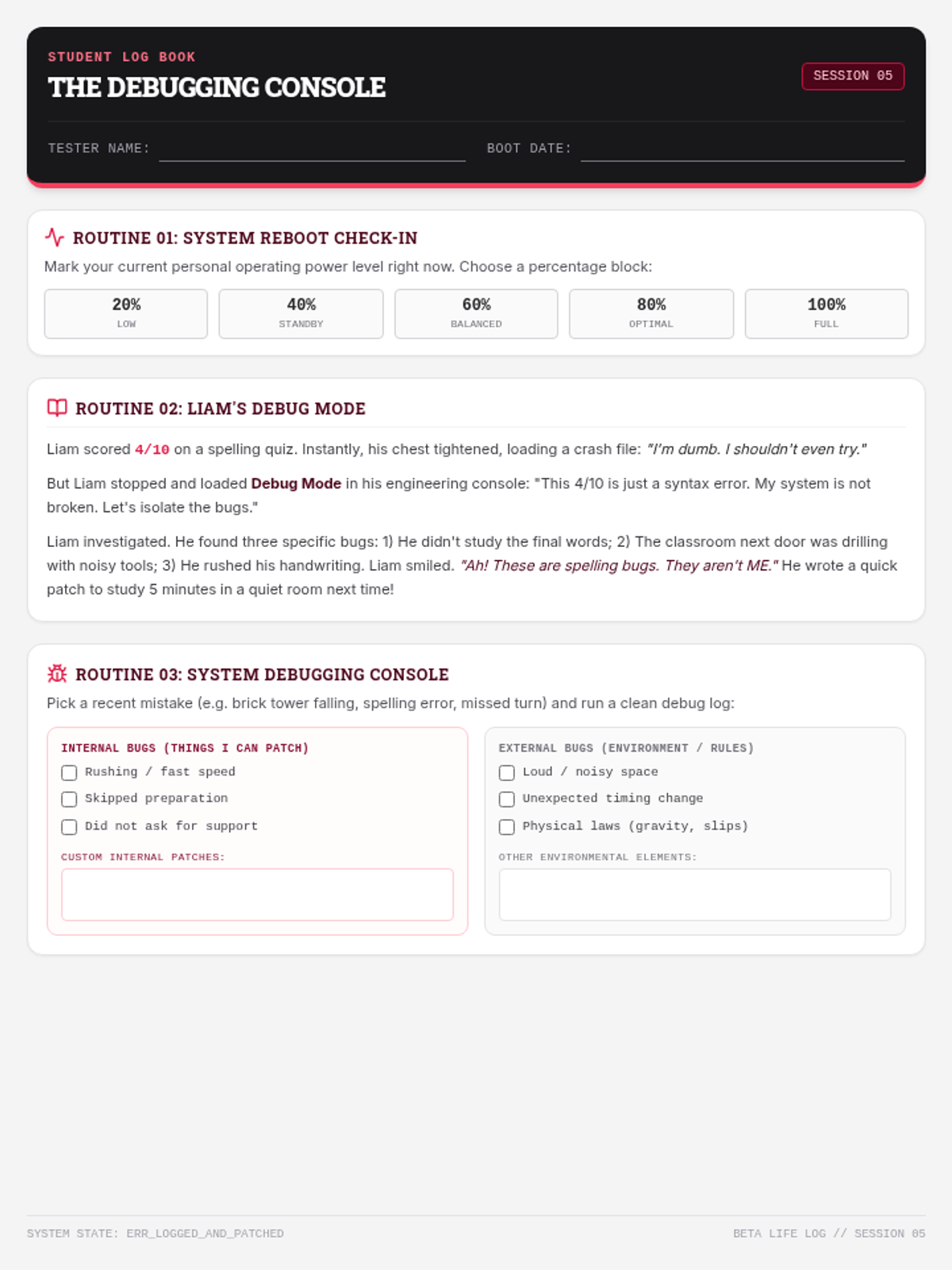
Session 5 covers processing unexpected outcomes. The student learns to analyze results without self-blame, using a structured "trail debugging" framework.
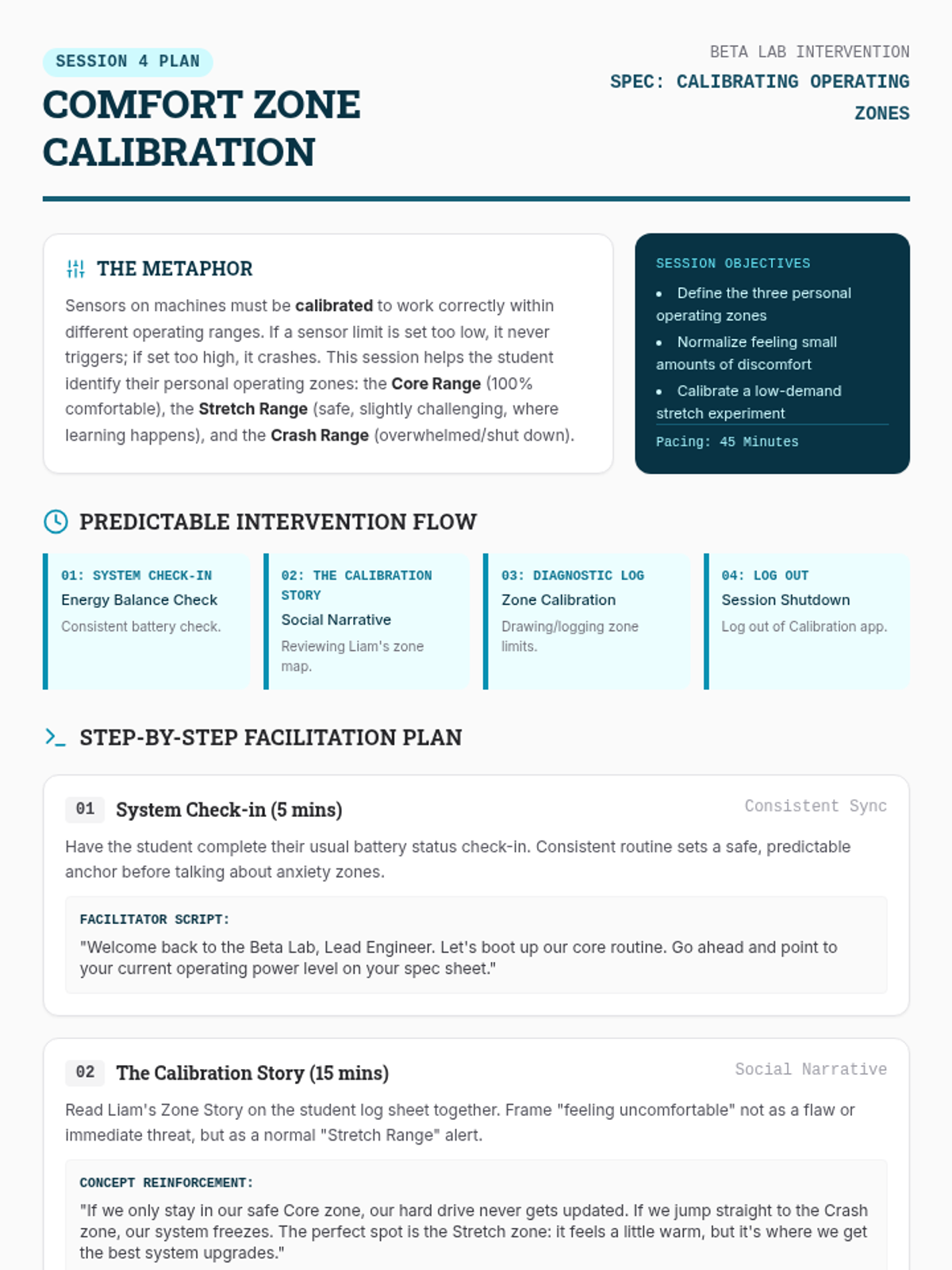
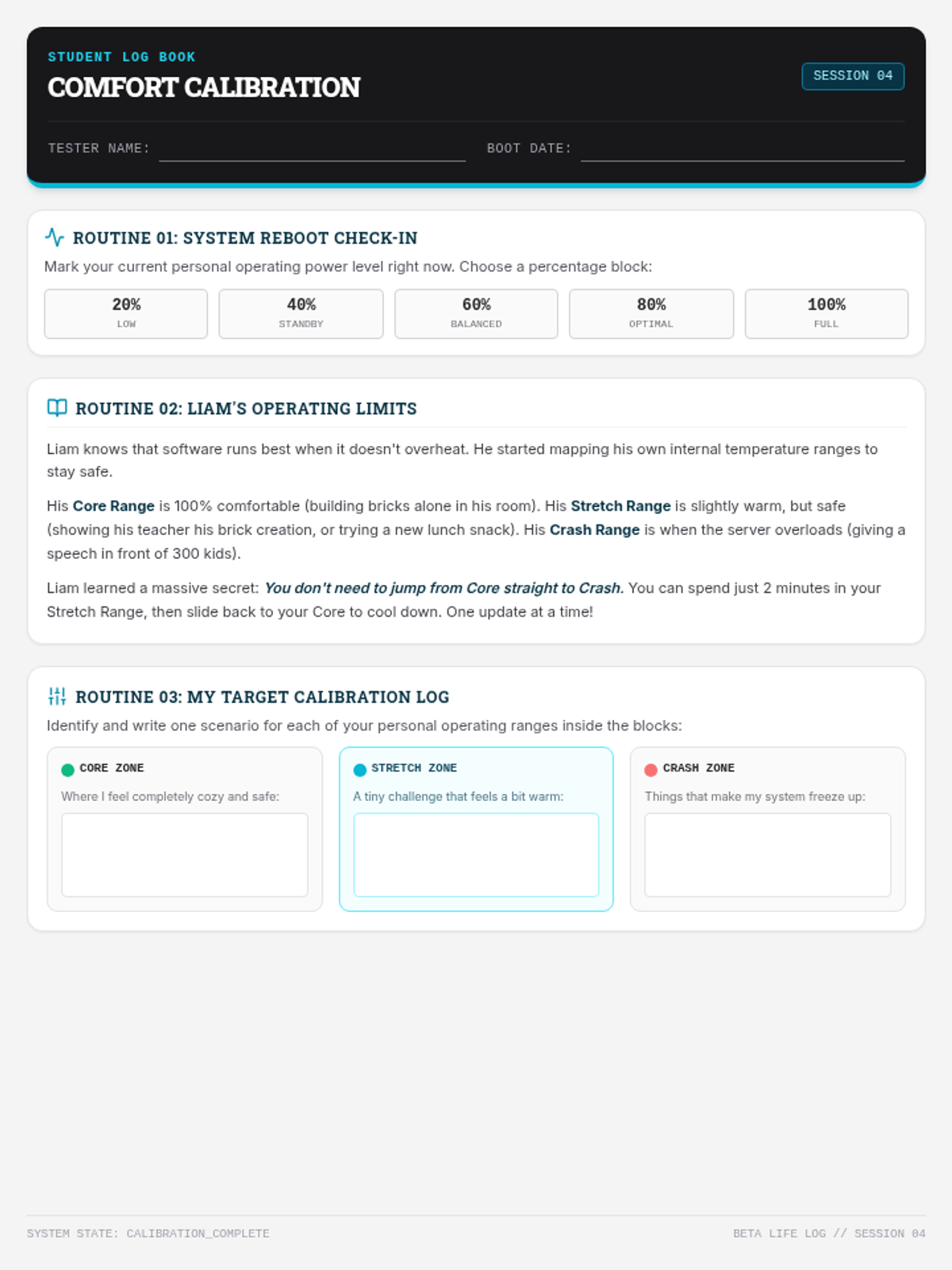
Session 4 focuses on gradually expanding the comfortable operating zone by setting up and running tiny, controlled trials in a safe environment, mapping Core, Stretch, and Storm zones.
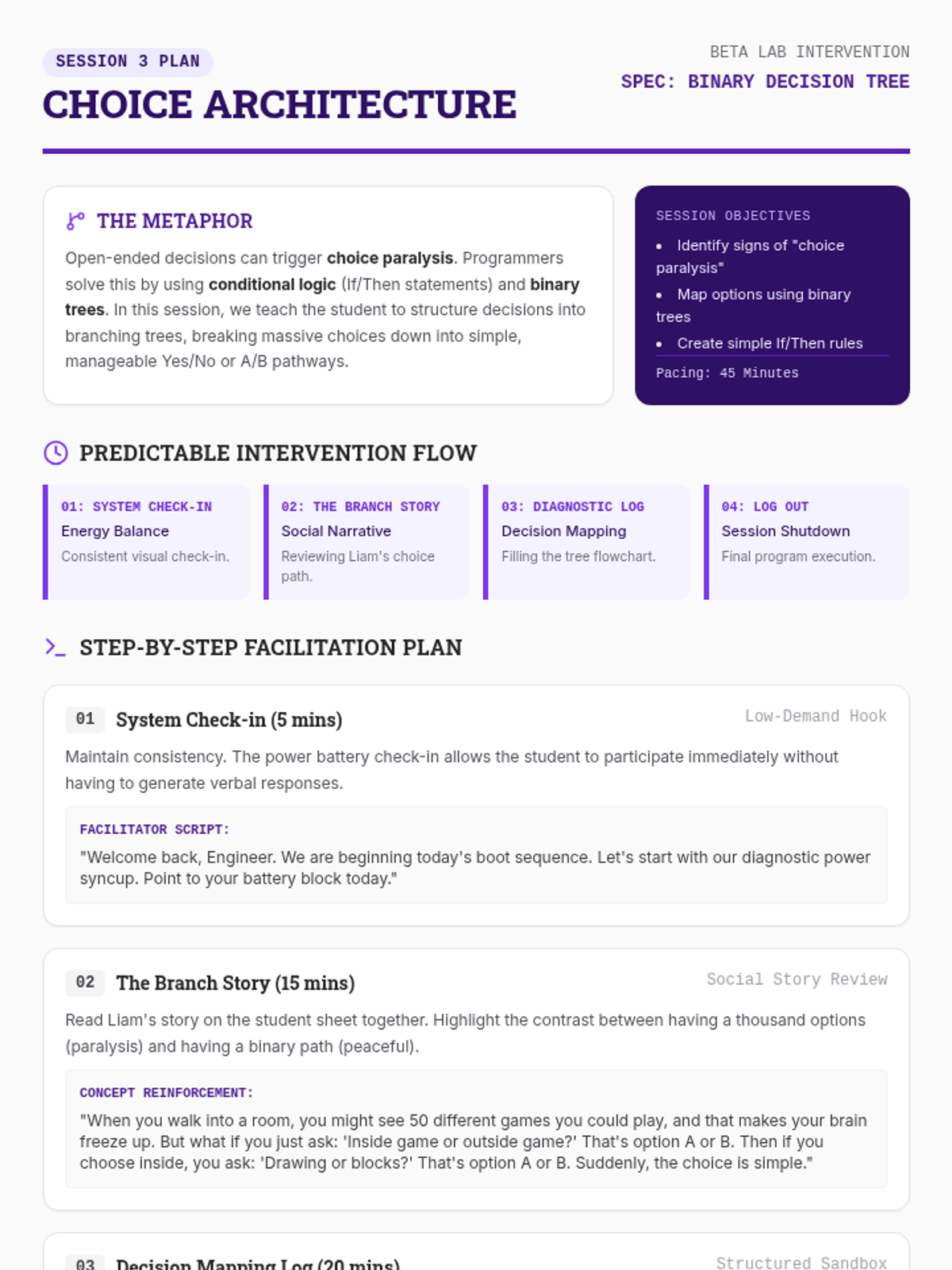
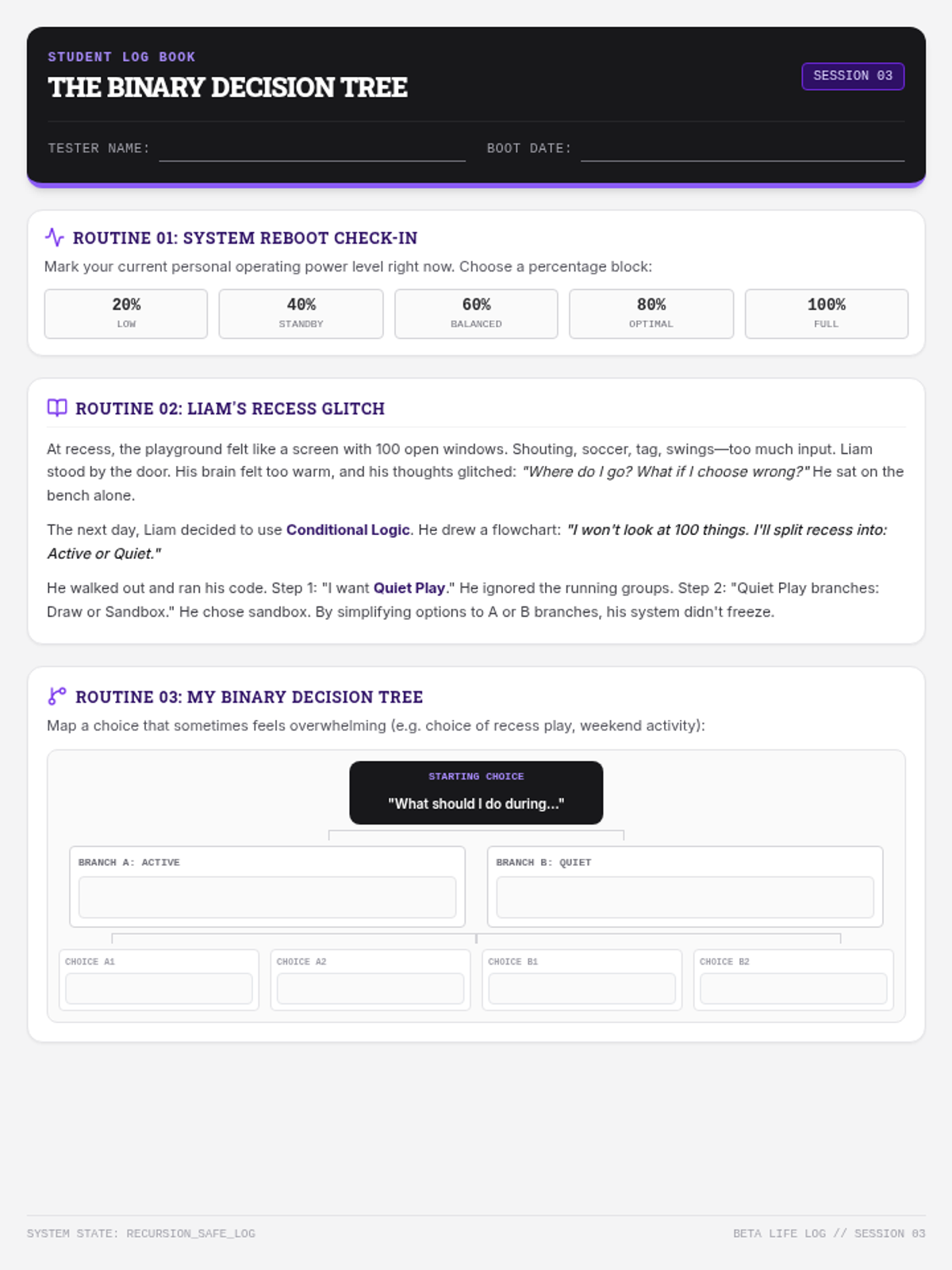
Session 3 introduces structured decision-making. The student learns to map decisions into binary "trail forks," reducing cognitive overload and paralysis.
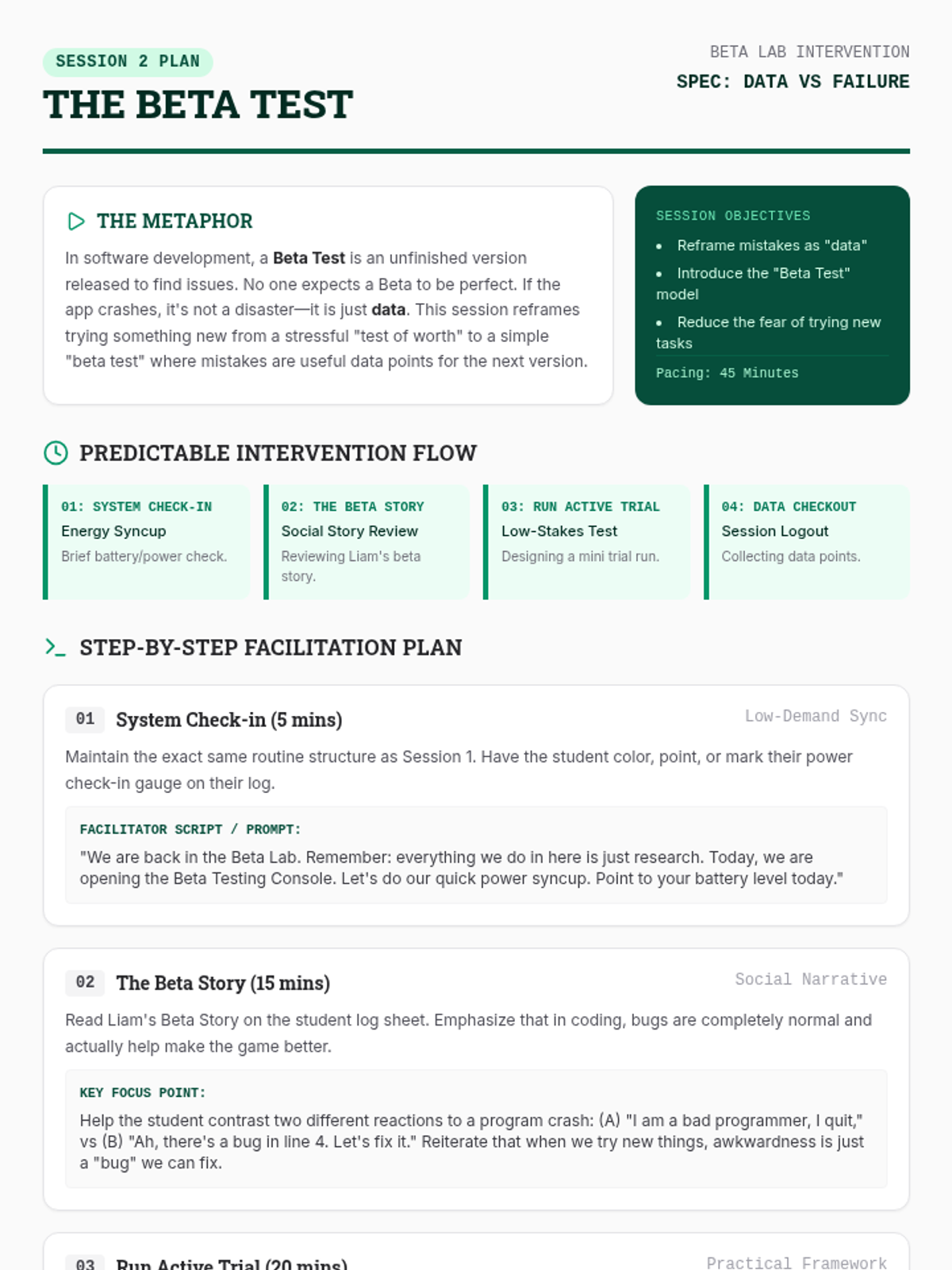
Session 2 re-frames the fear of trying new things. The student learns to treat new activities as low-stakes "scouting runs" where mistakes are just "terrain map data."
Session 1 establishes the "Field Guide" and "Wildwood Scouting" metaphor, helping the student identify their individual strengths as "field gear specs" to build baseline confidence.
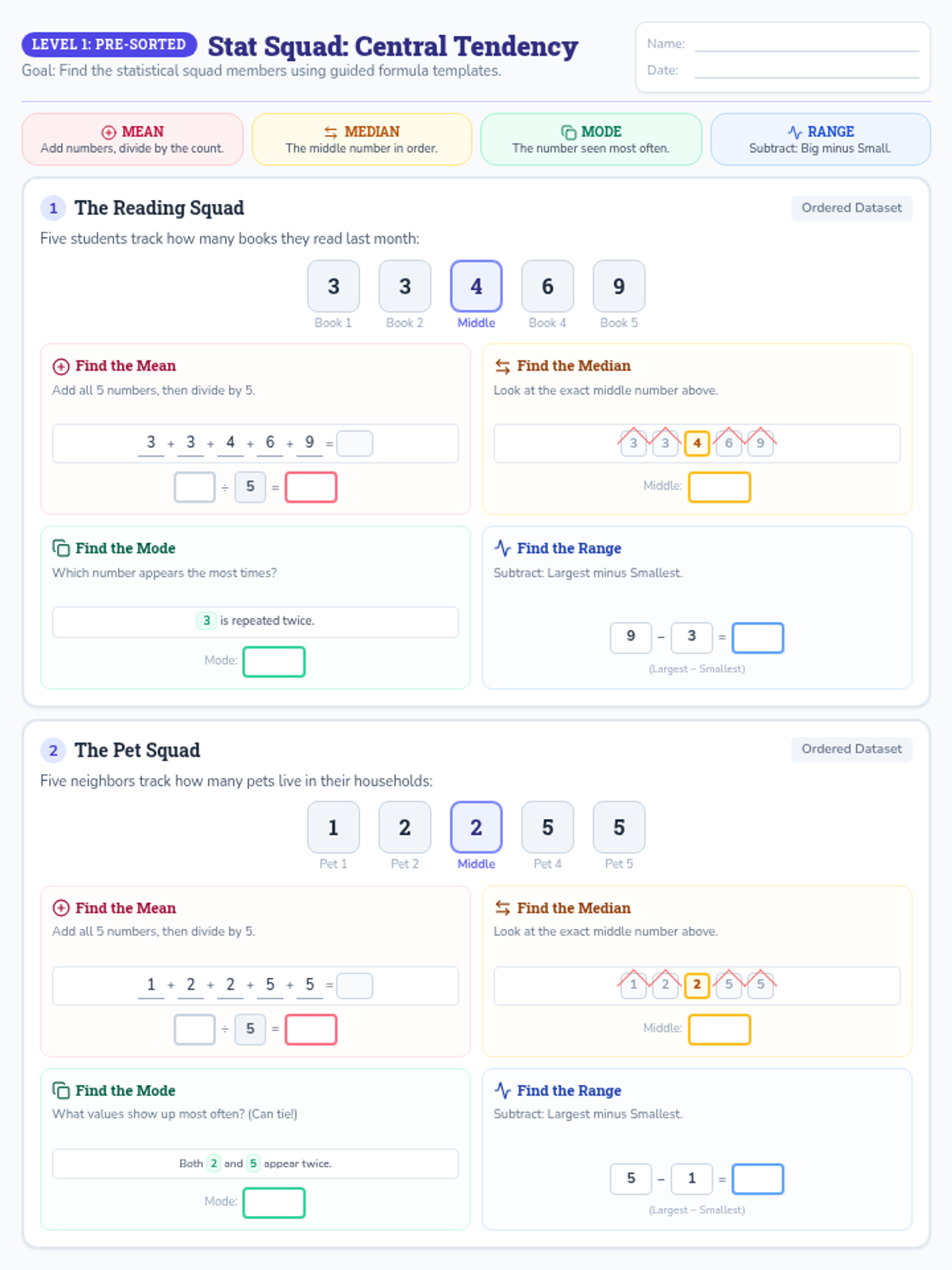
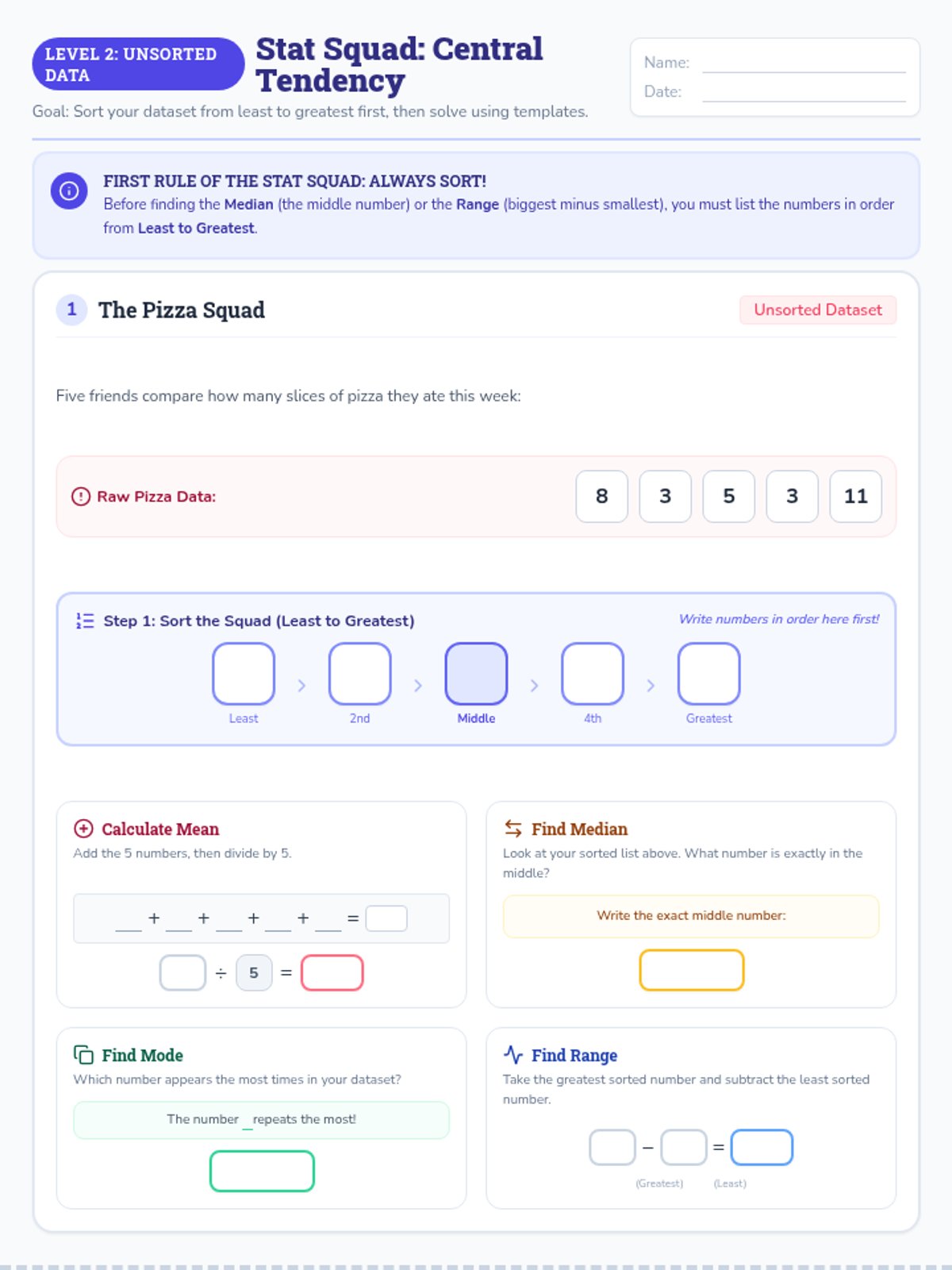
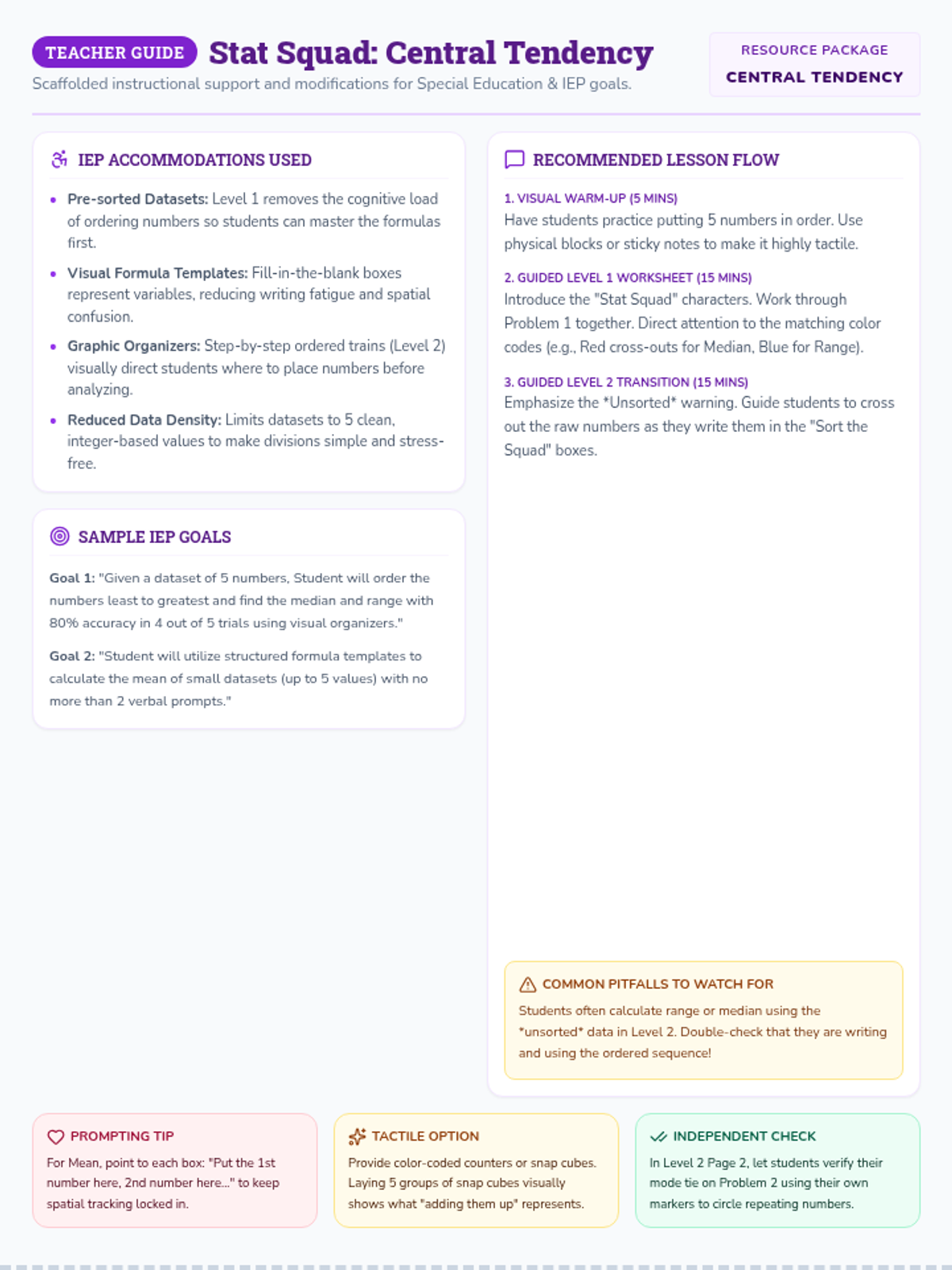
A highly scaffolded, visual lesson on mean, median, mode, and range tailored specifically for students with IEPs and learning differences. Features structured fill-in-the-blank formula templates, graphic organizers, and leveled worksheets.
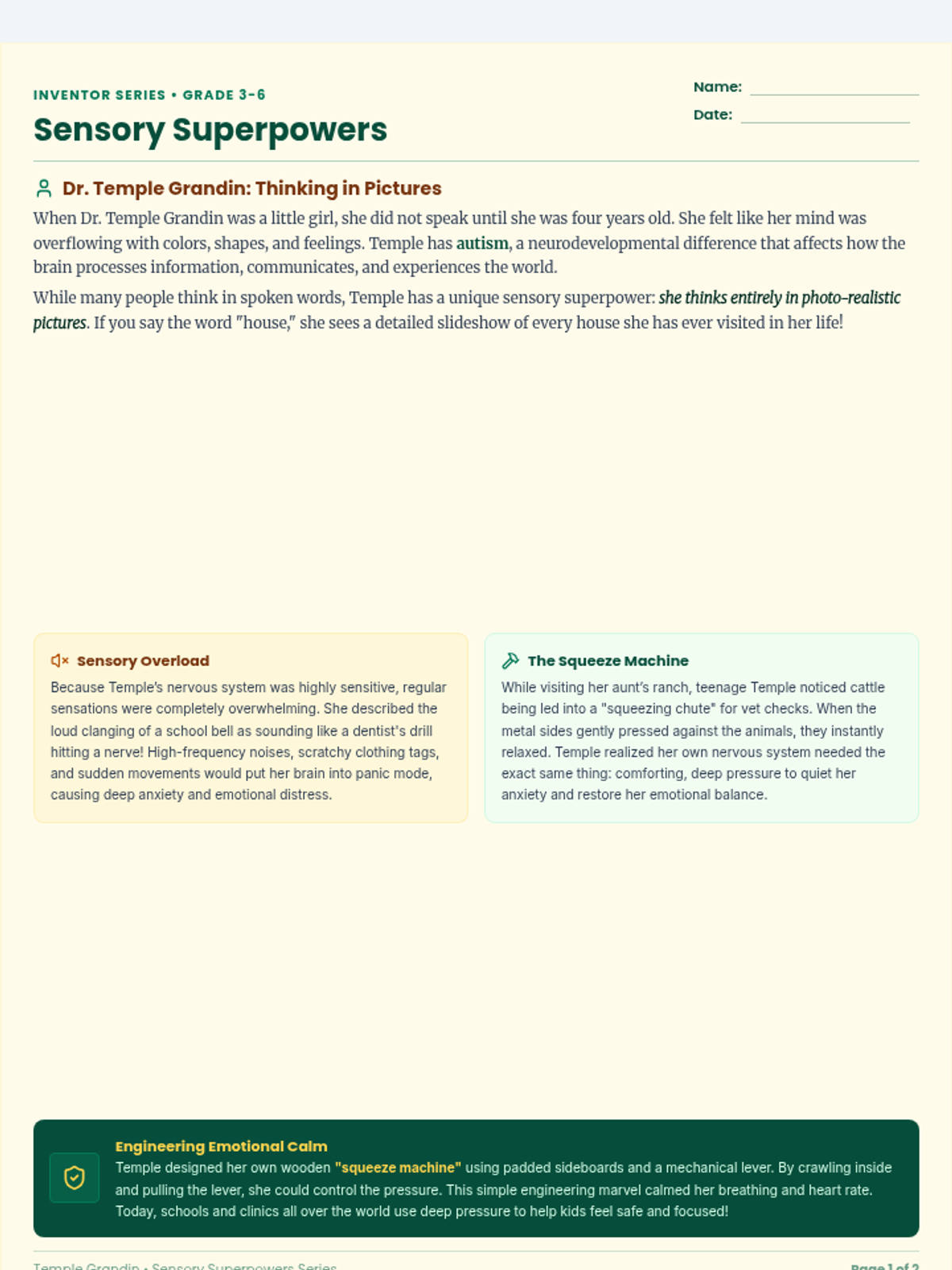
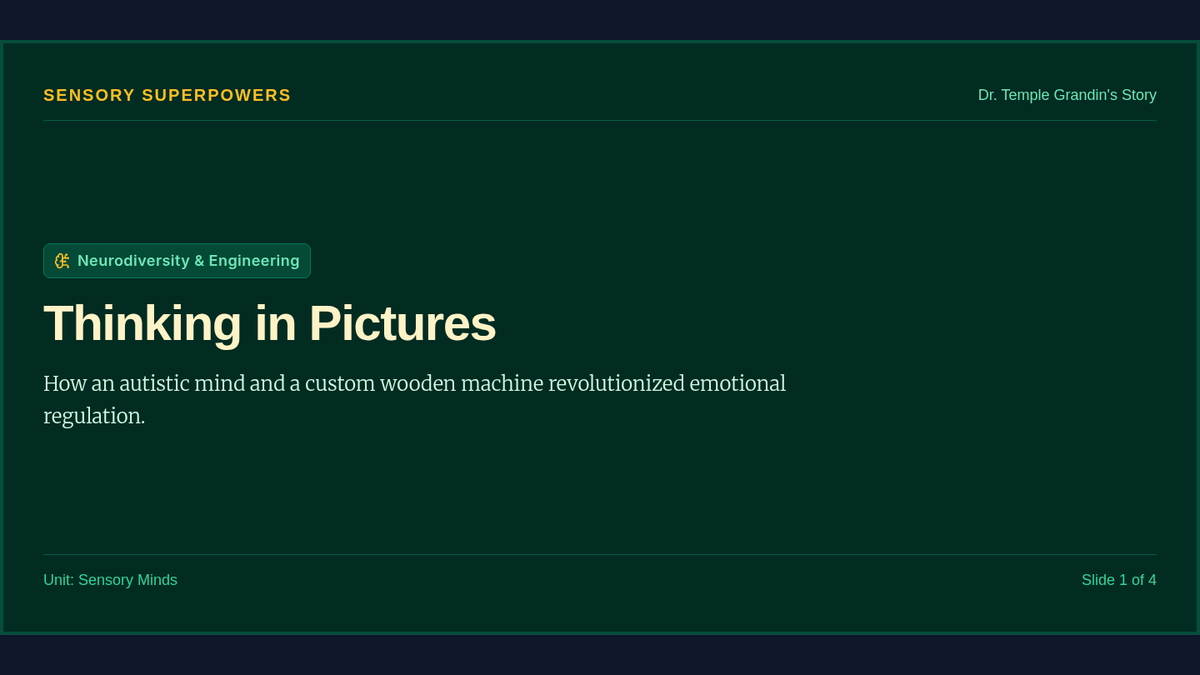
An inspiring lesson exploring the life of Dr. Temple Grandin, her experiences with autism, and how she used her unique sensory perspective and engineering skills to design emotional regulation tools like the 'squeeze machine'. Students read a biography, explore real-world examples of sensory regulation, and reflect on their own sensory needs.
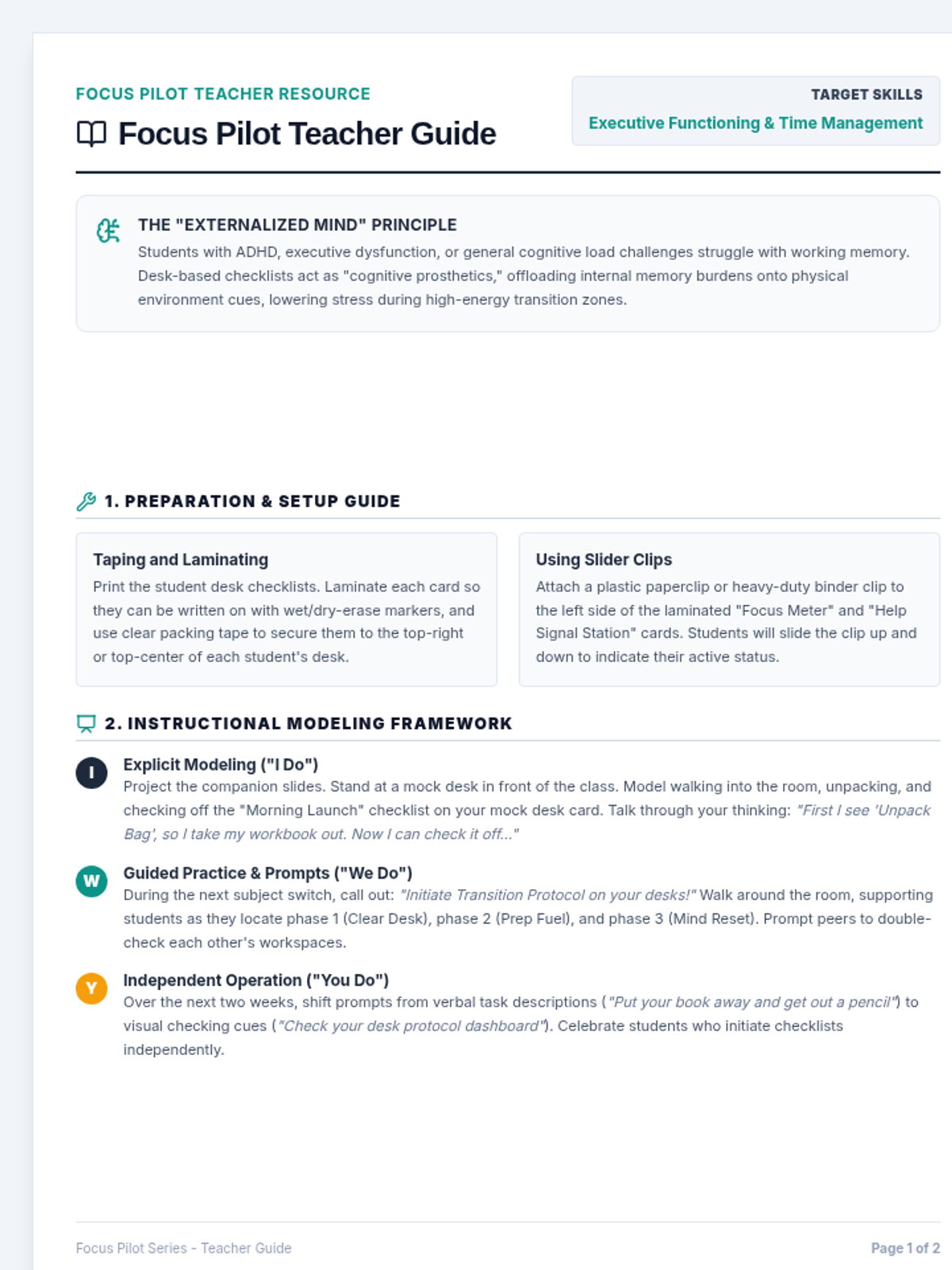
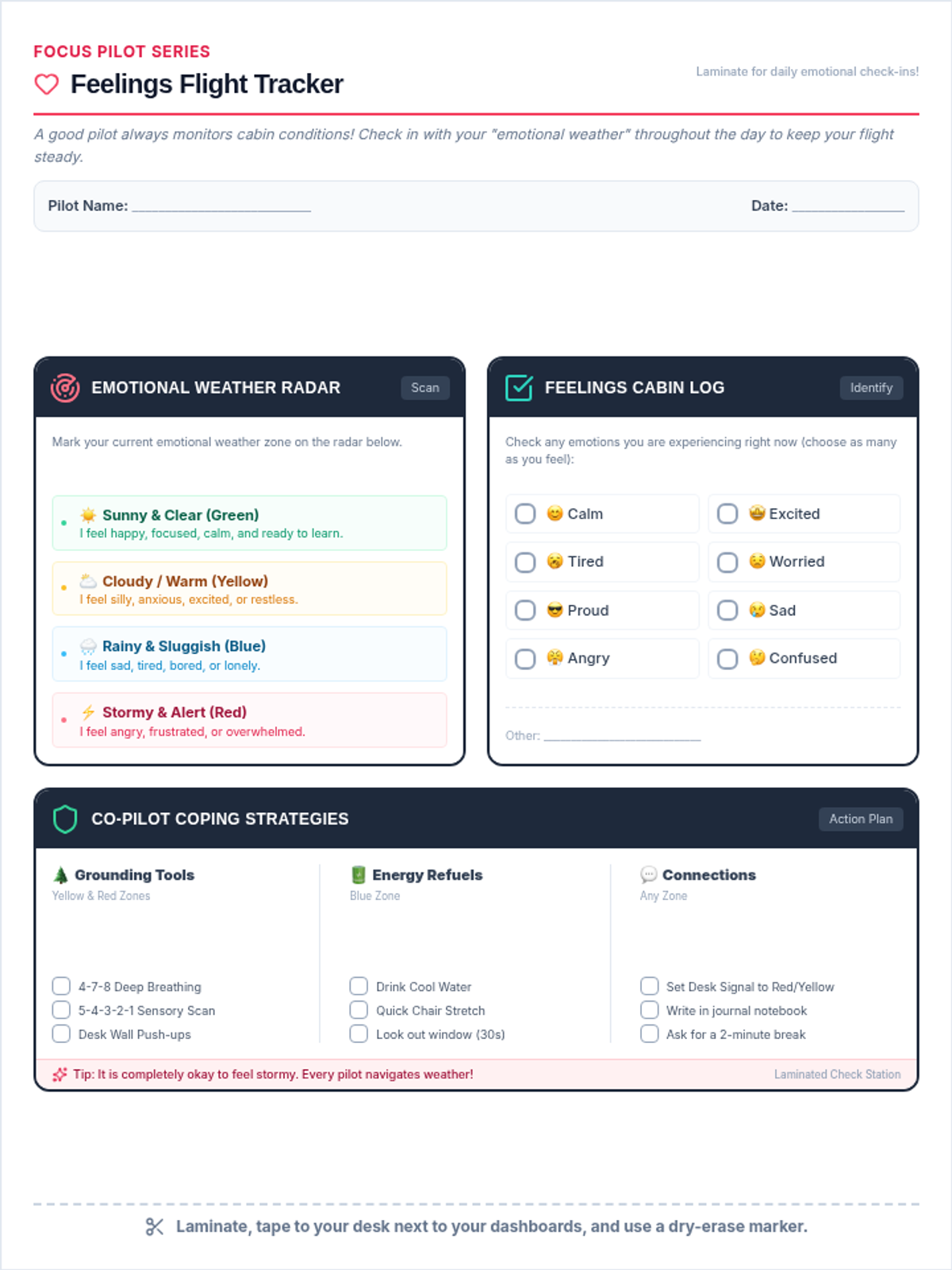
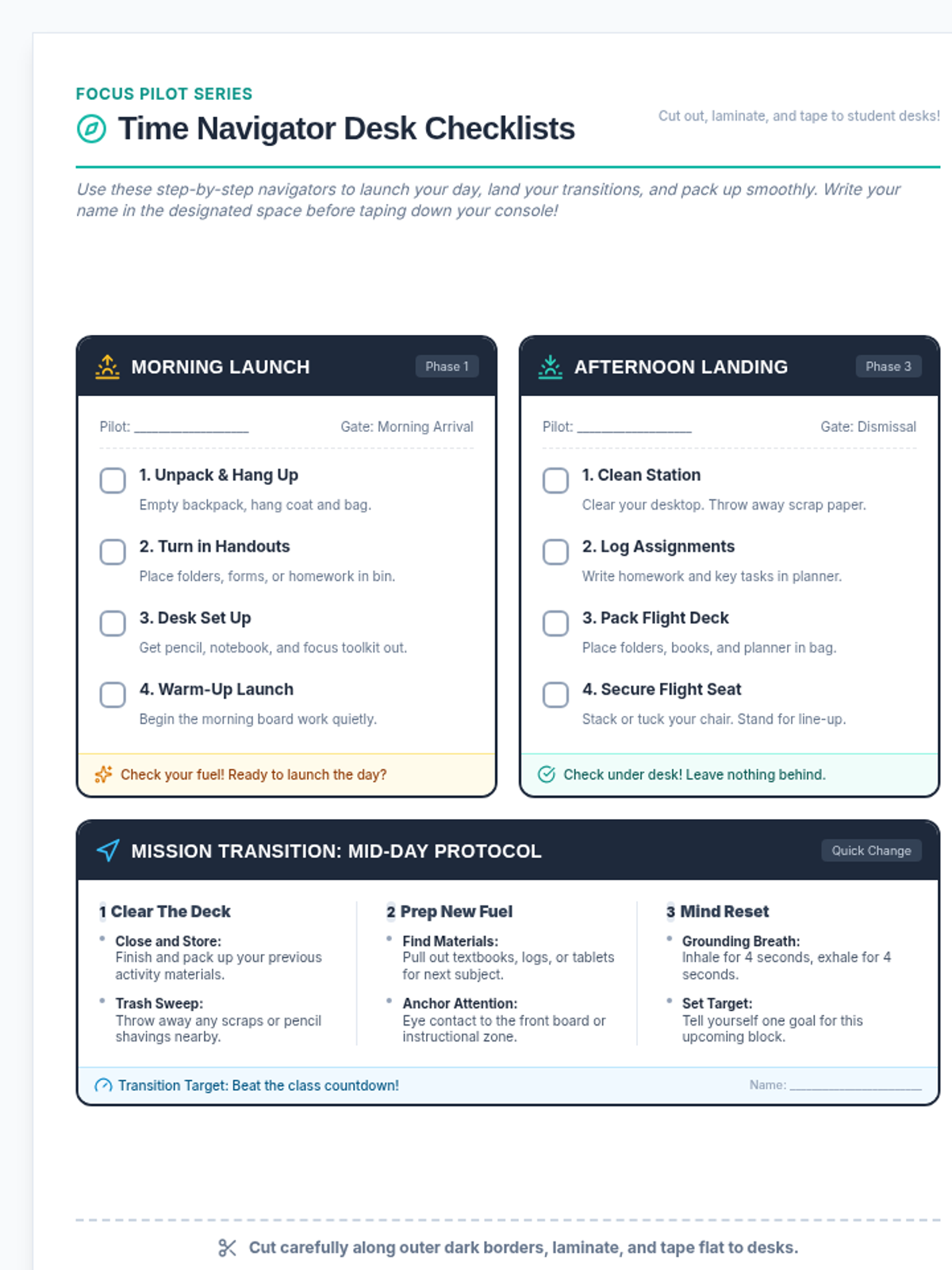
A collection of executive functioning resources designed to help students master school-day transitions, arrival, and dismissal routines using visual desk checklists, a modeled presentation, and a comprehensive teacher guide.
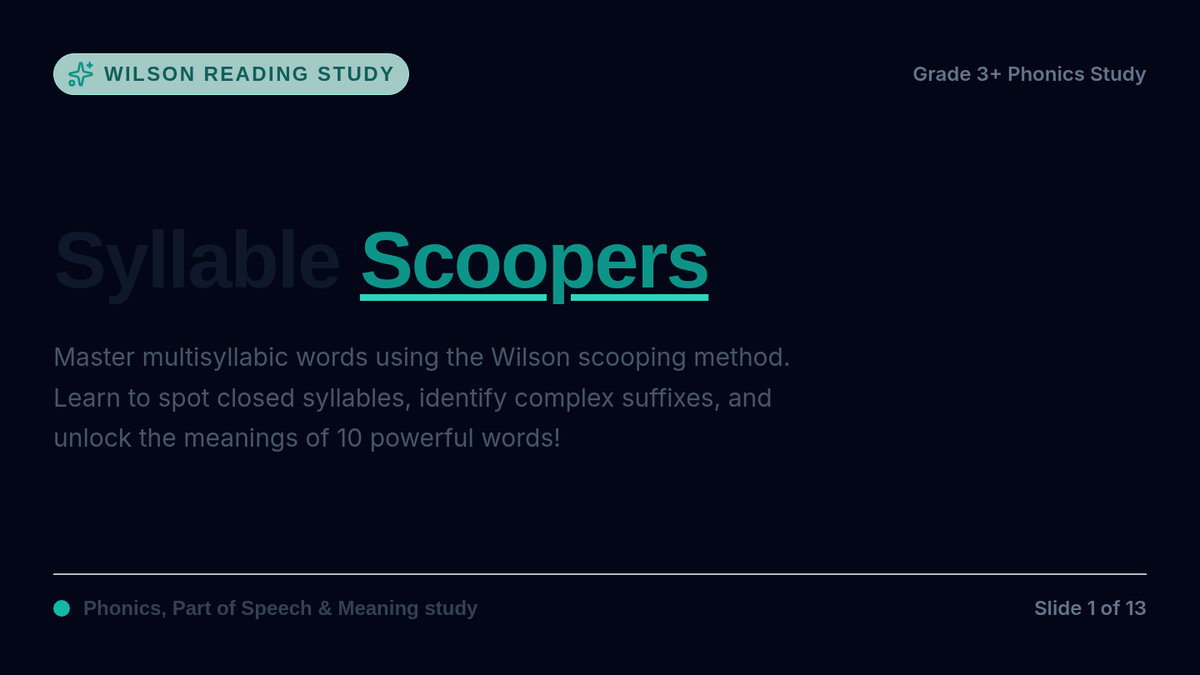
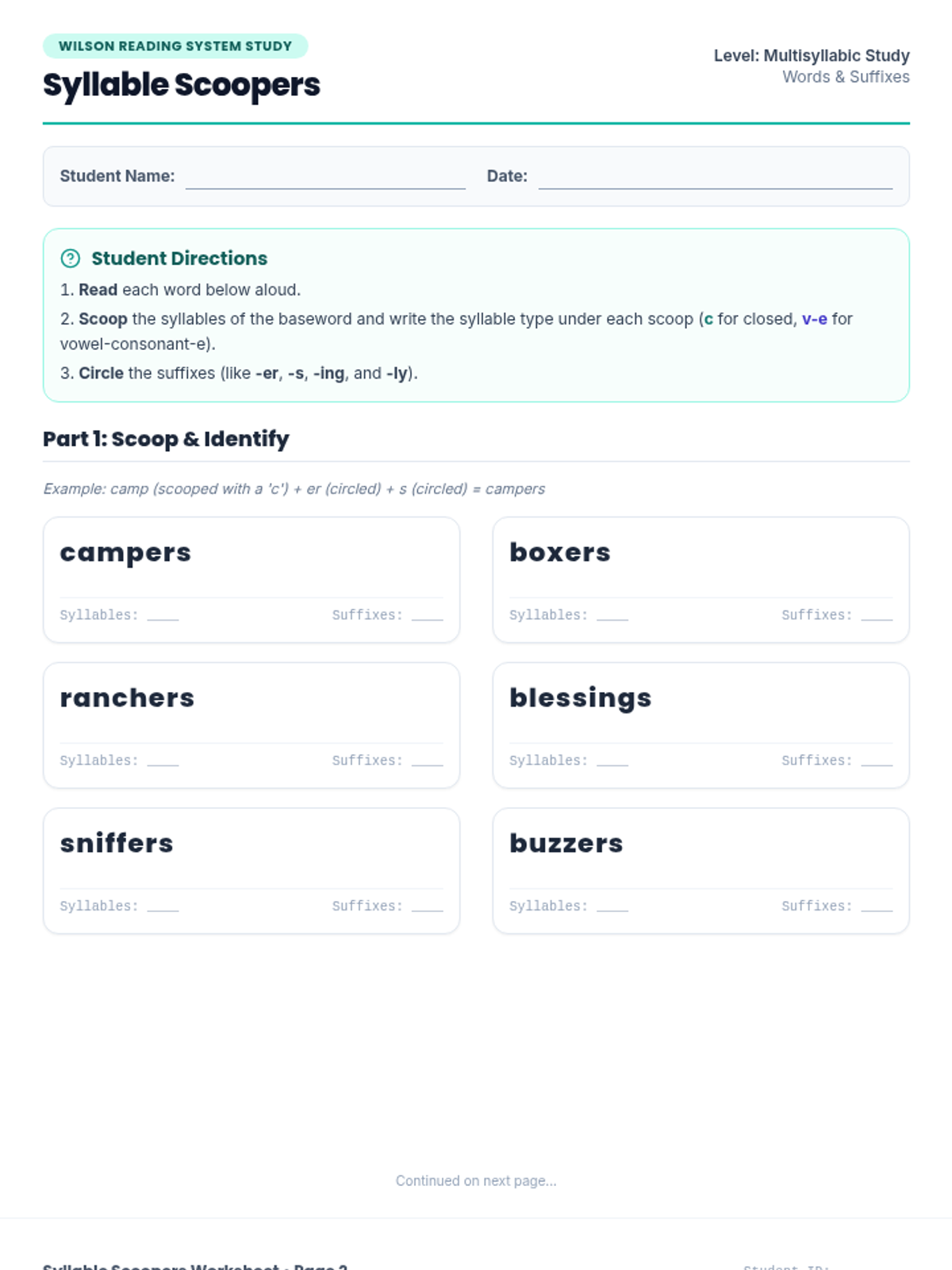
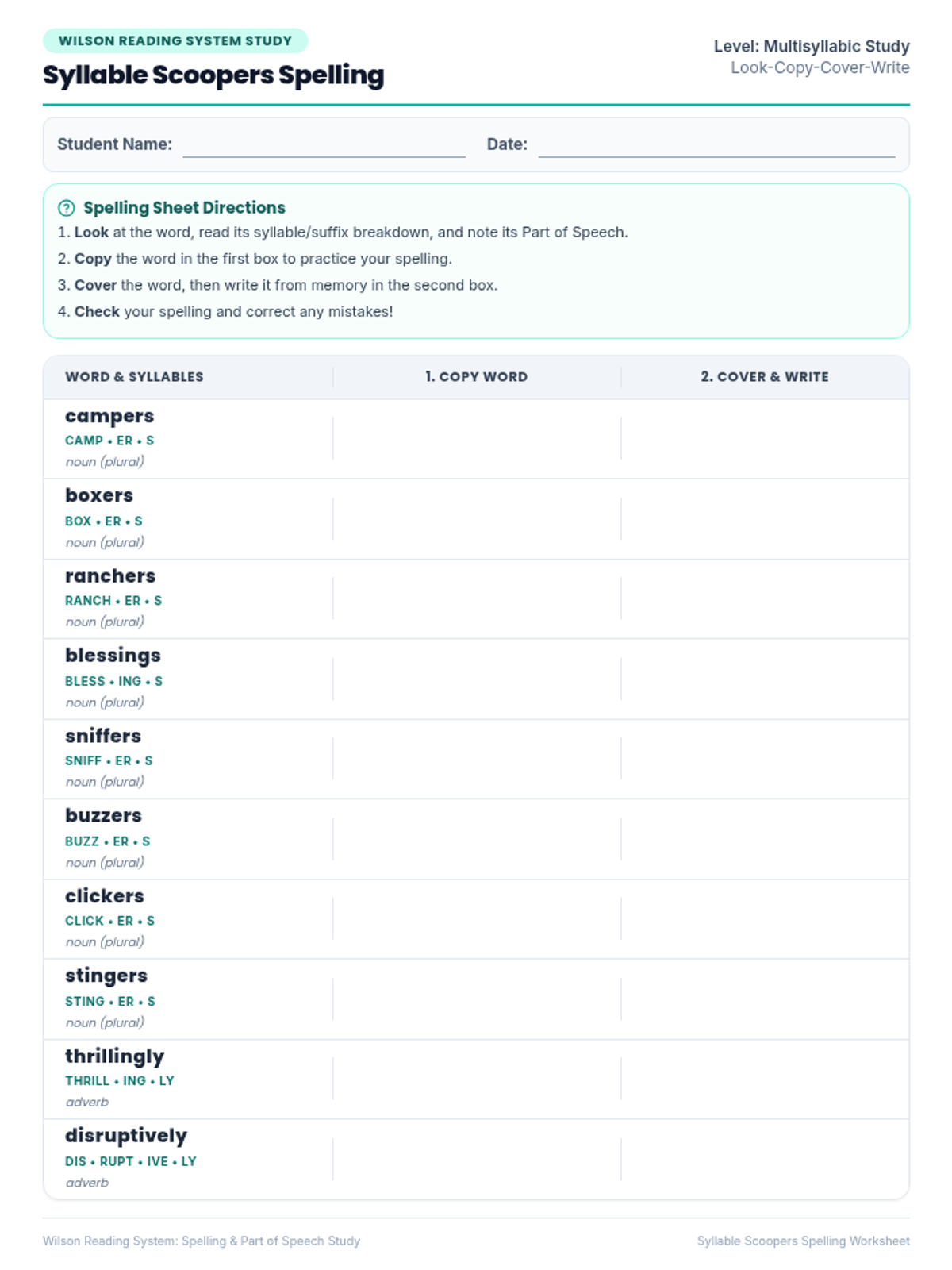
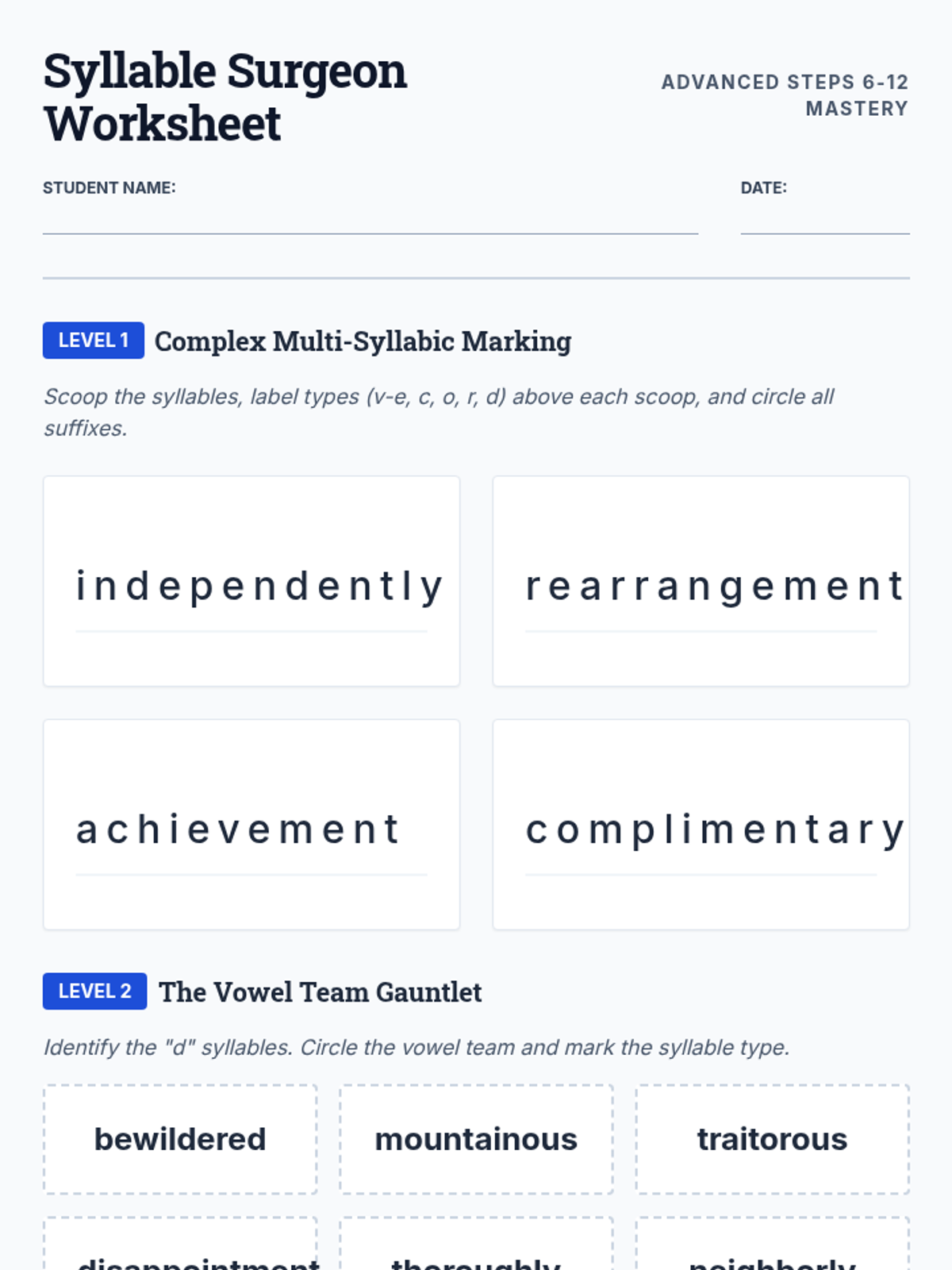
A comprehensive Wilson-aligned study of multisyllabic words and suffixes. Students practice syllable division using visual scooping and explore word meanings.
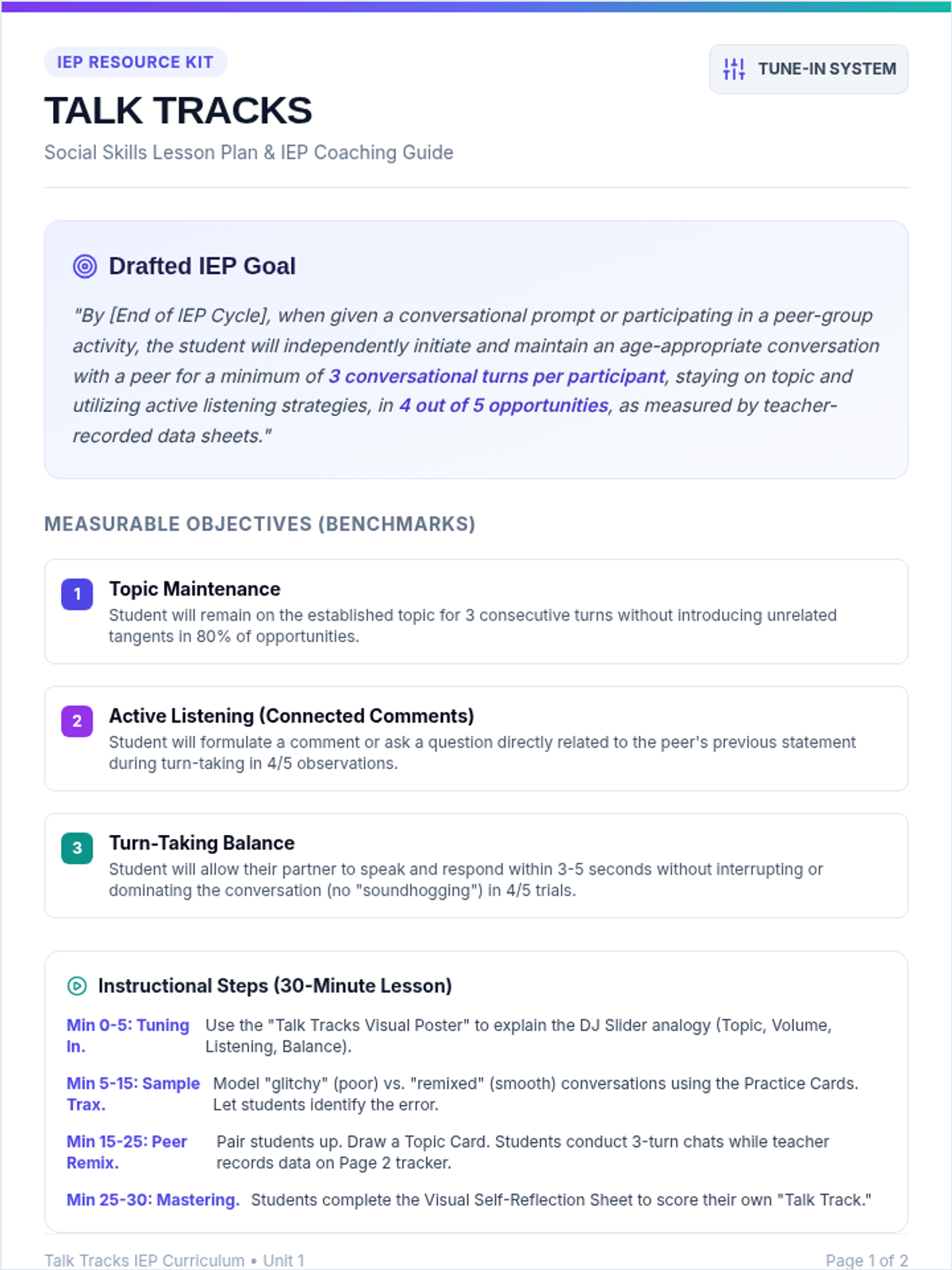
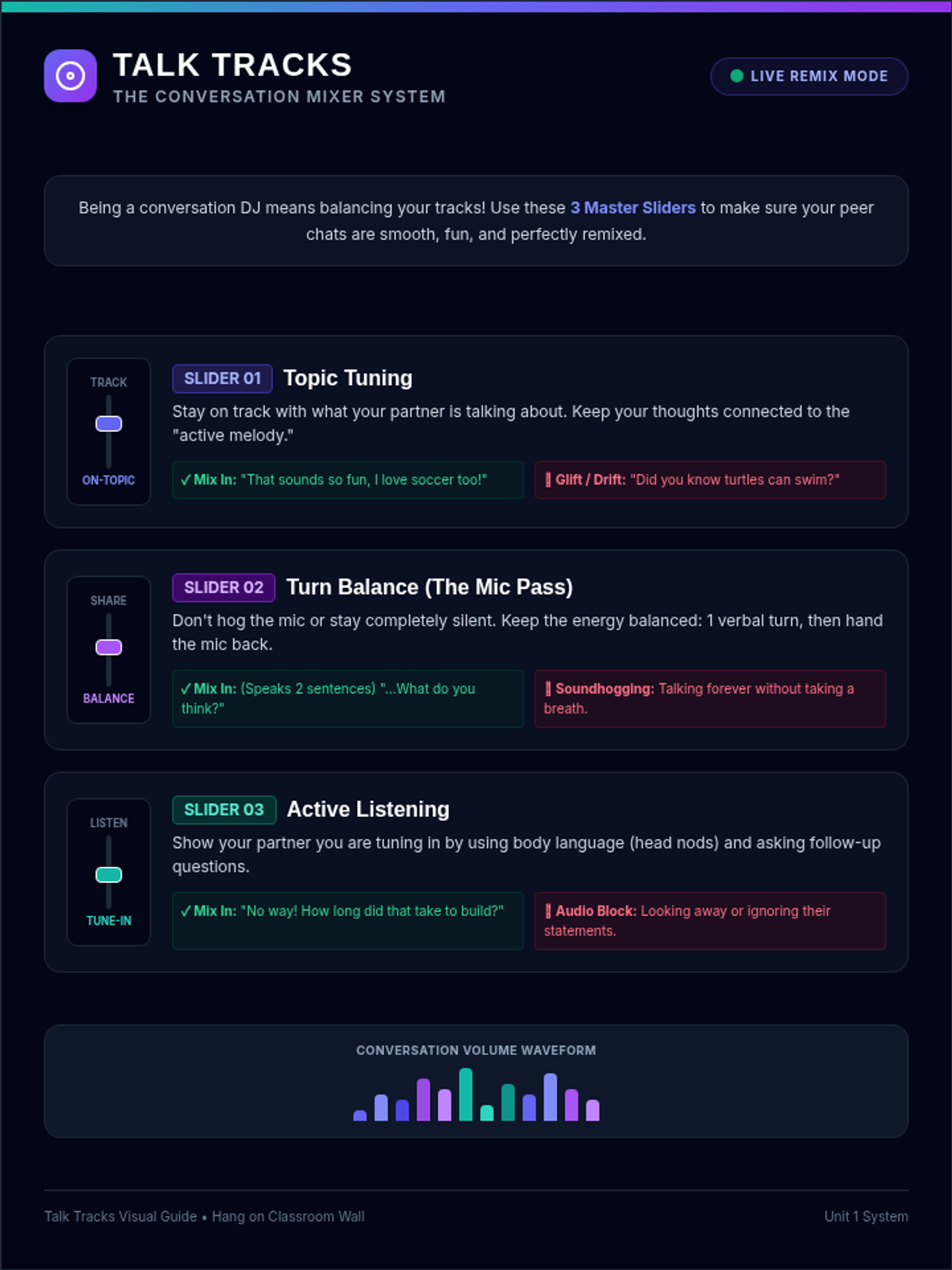
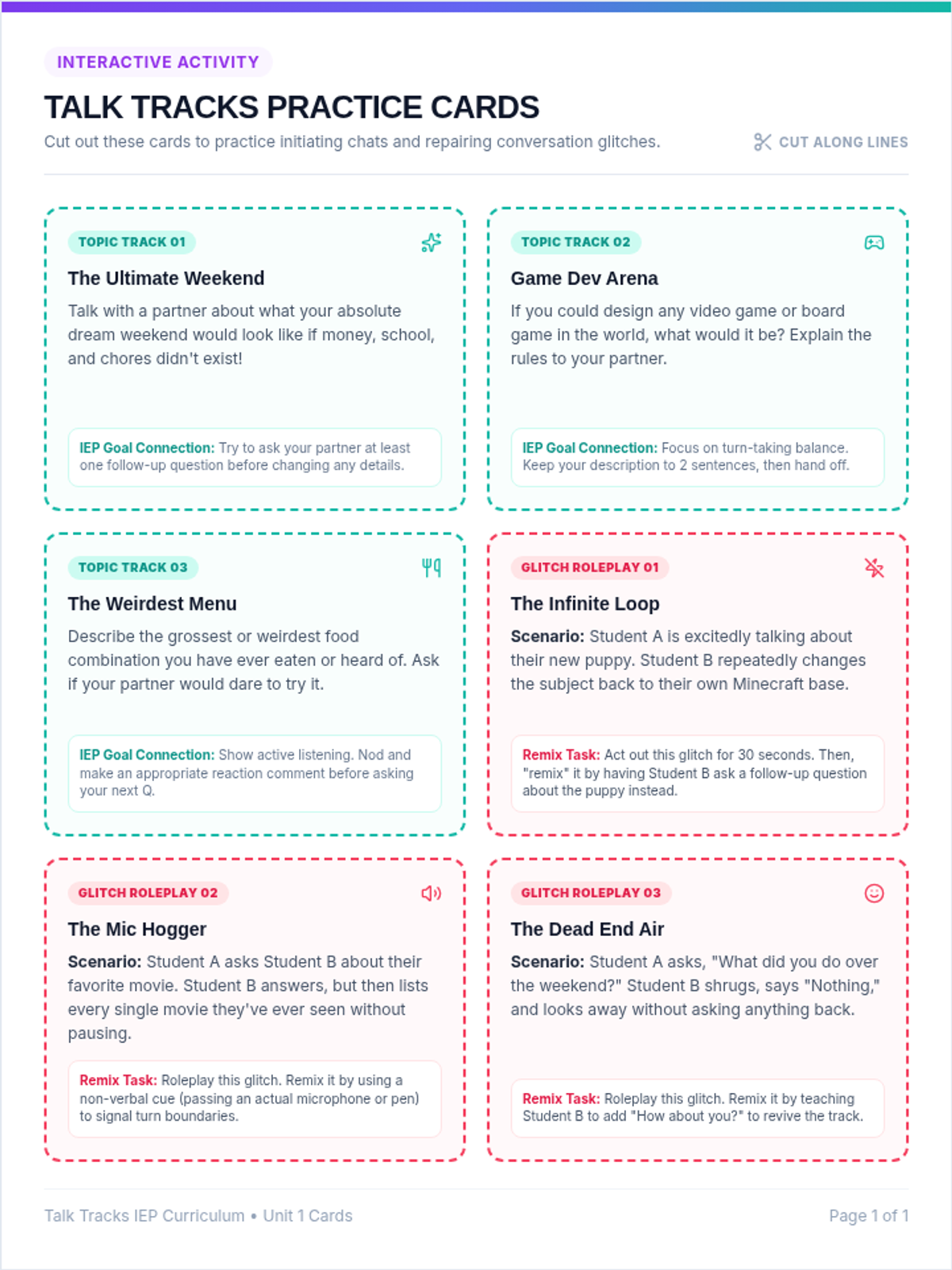
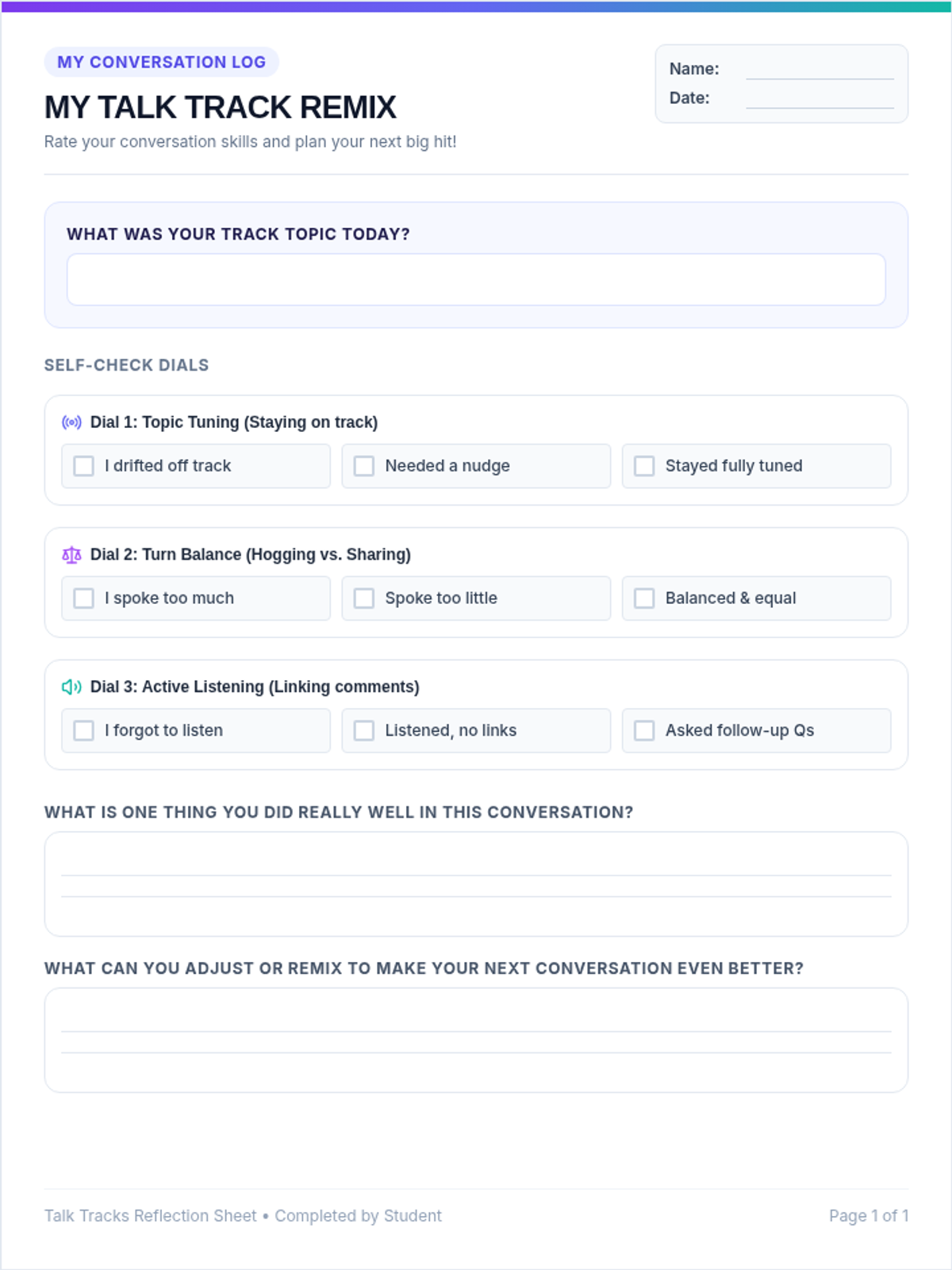
A comprehensive social skills lesson package designed to teach, practice, and track progress on conversational turn-taking, topic maintenance, and active listening for elementary and middle school students with social communication IEP goals.
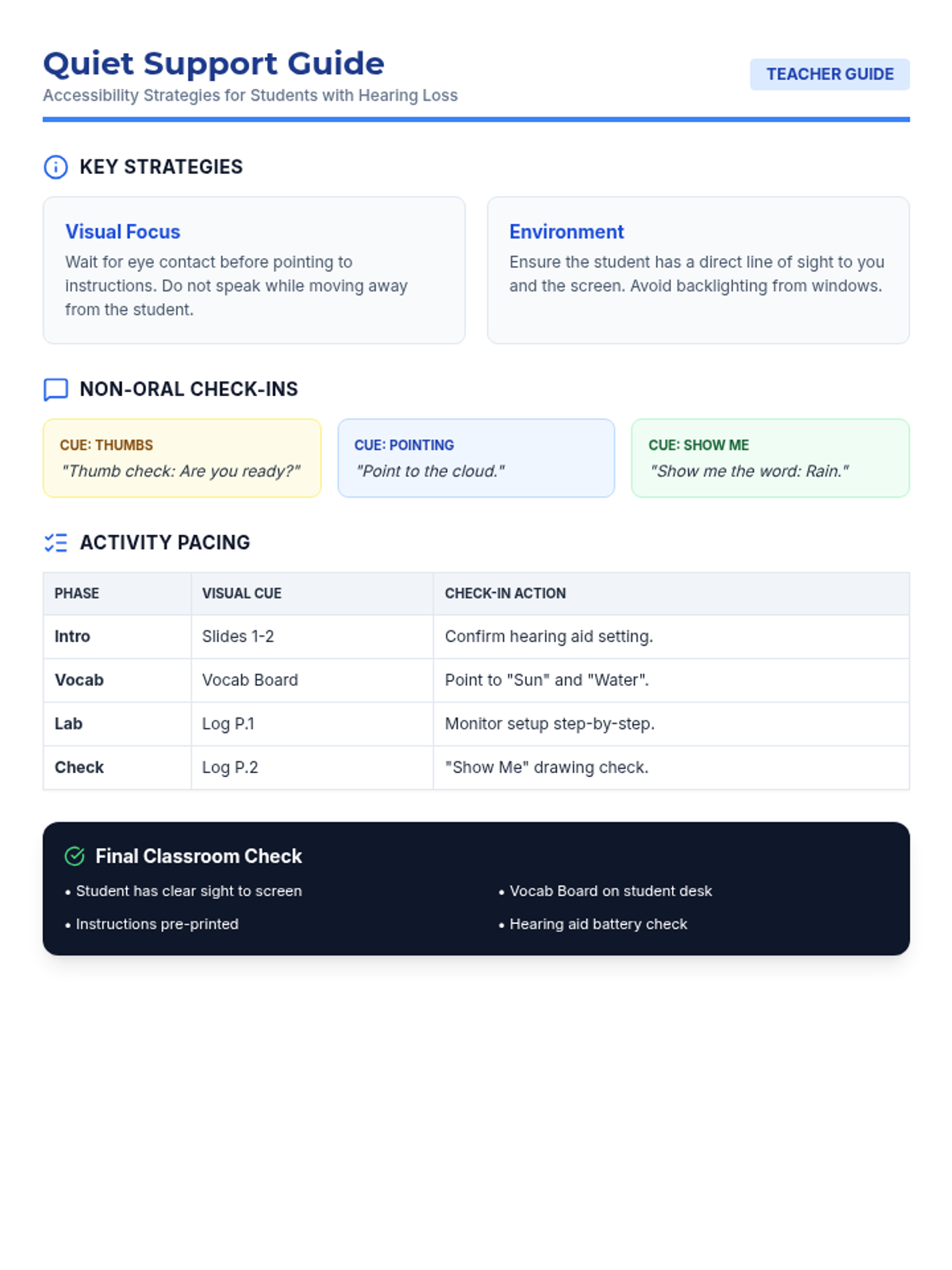
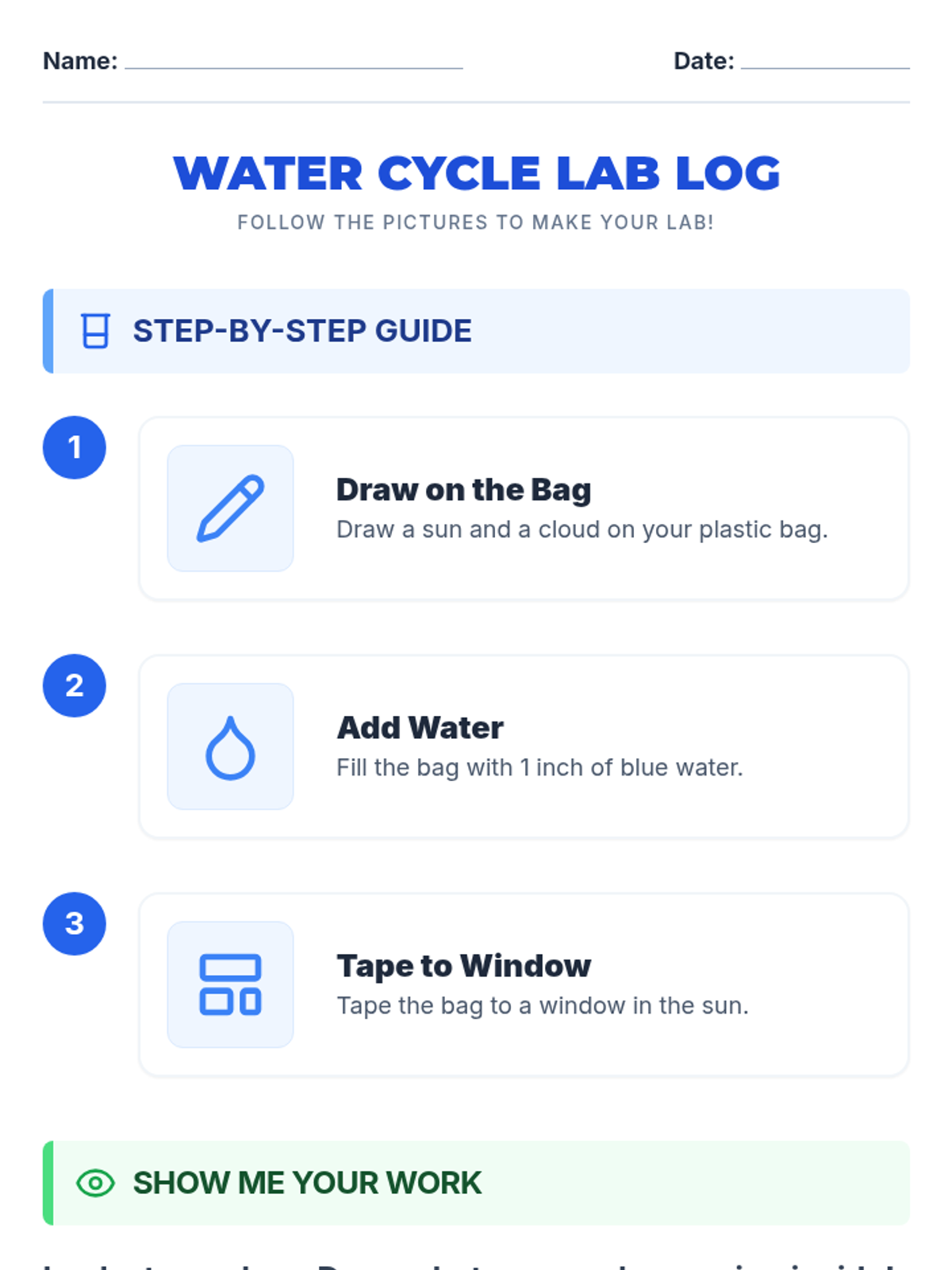
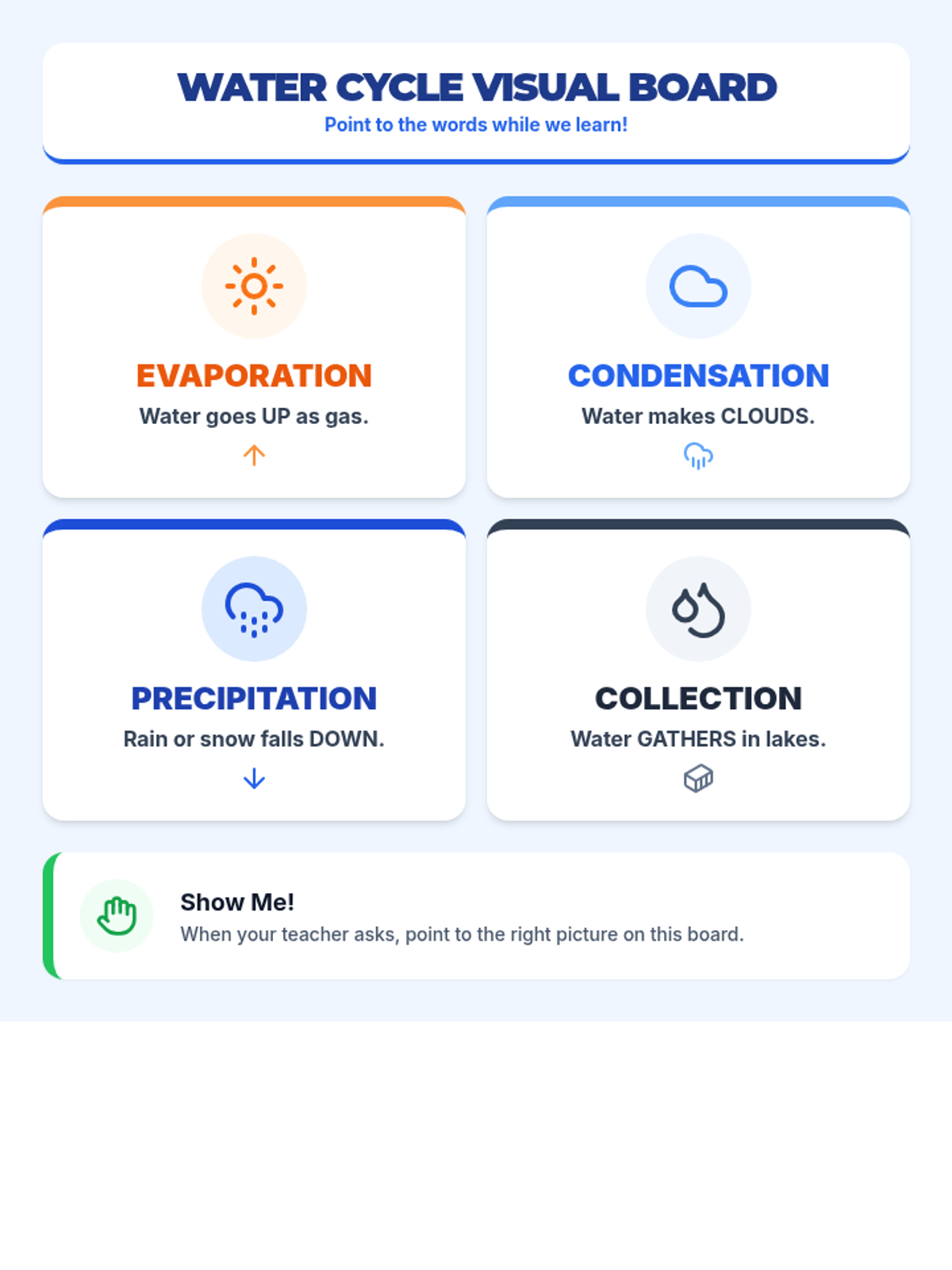
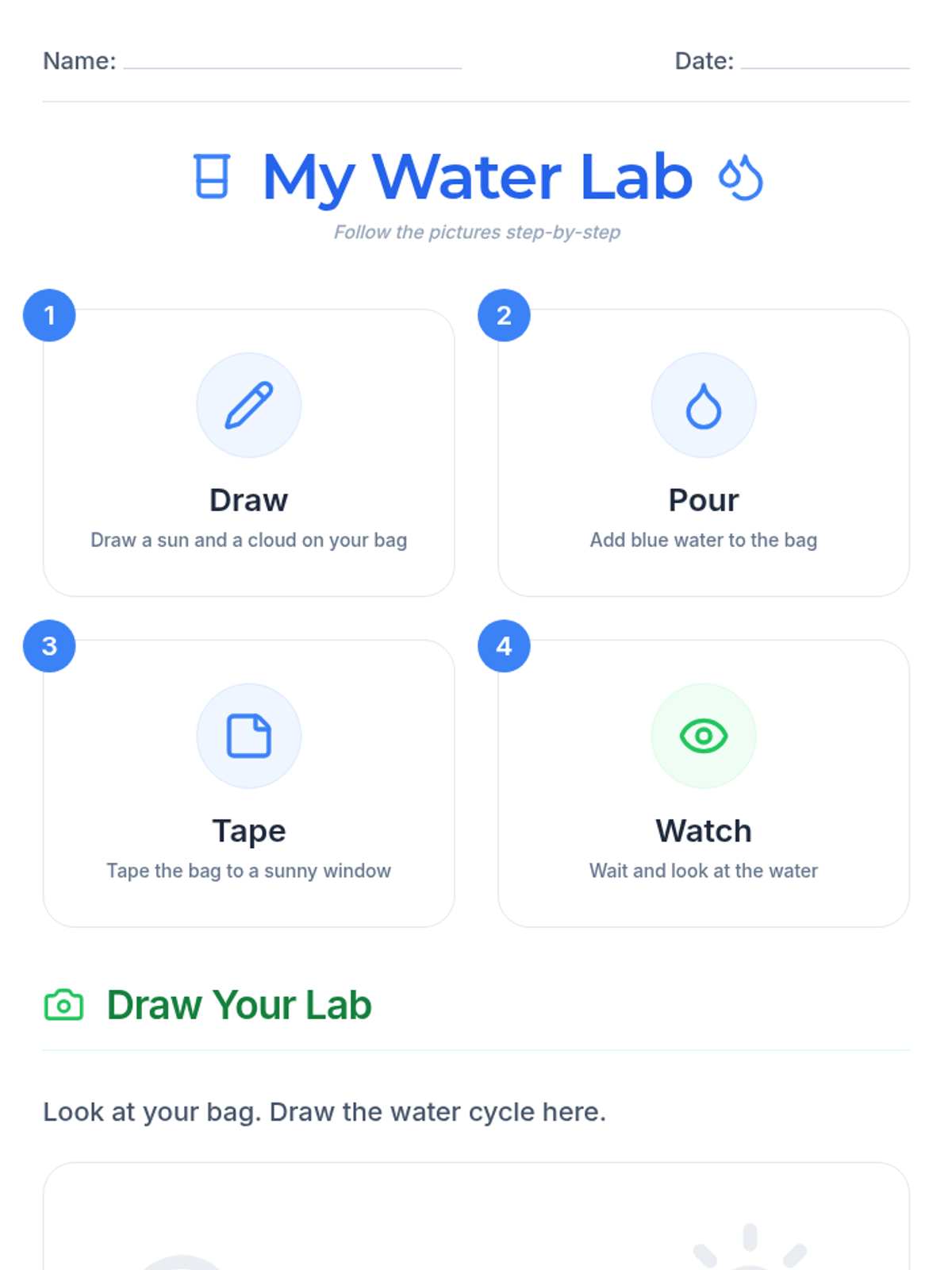
A visually-rich lesson on the water cycle designed for students with hearing loss. It emphasizes written instructions, picture cues, and non-oral understanding checks to ensure accessibility.
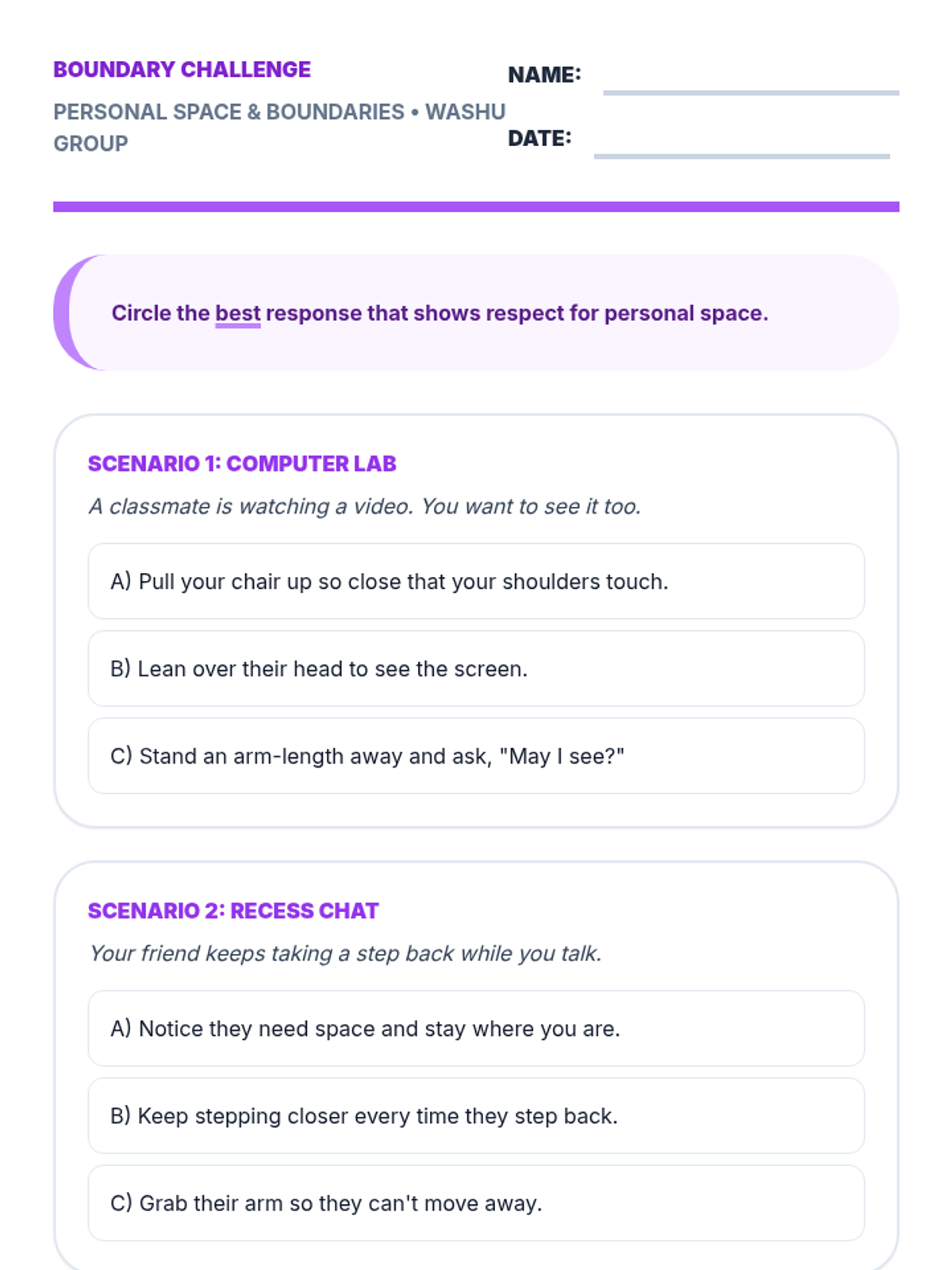
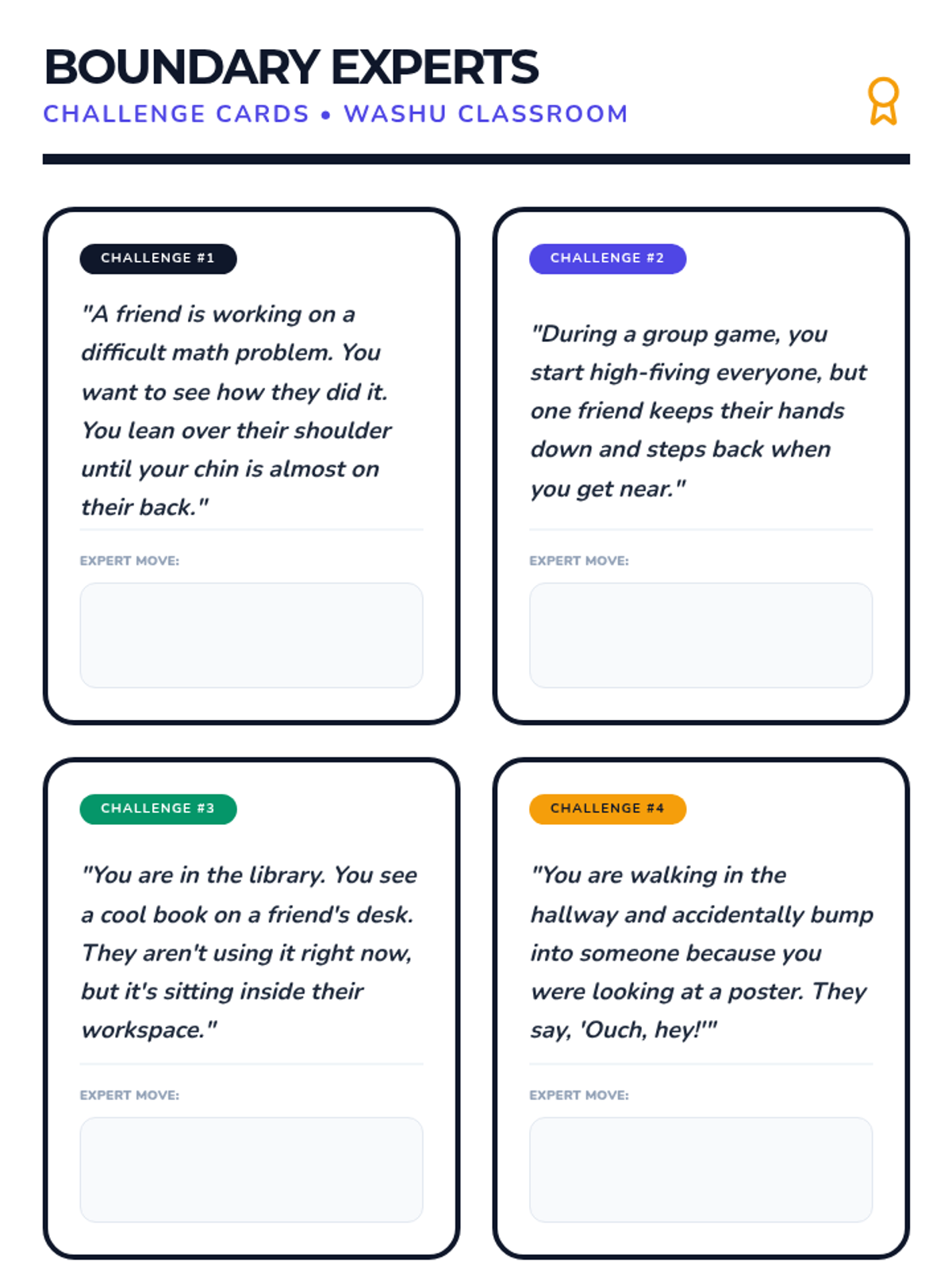
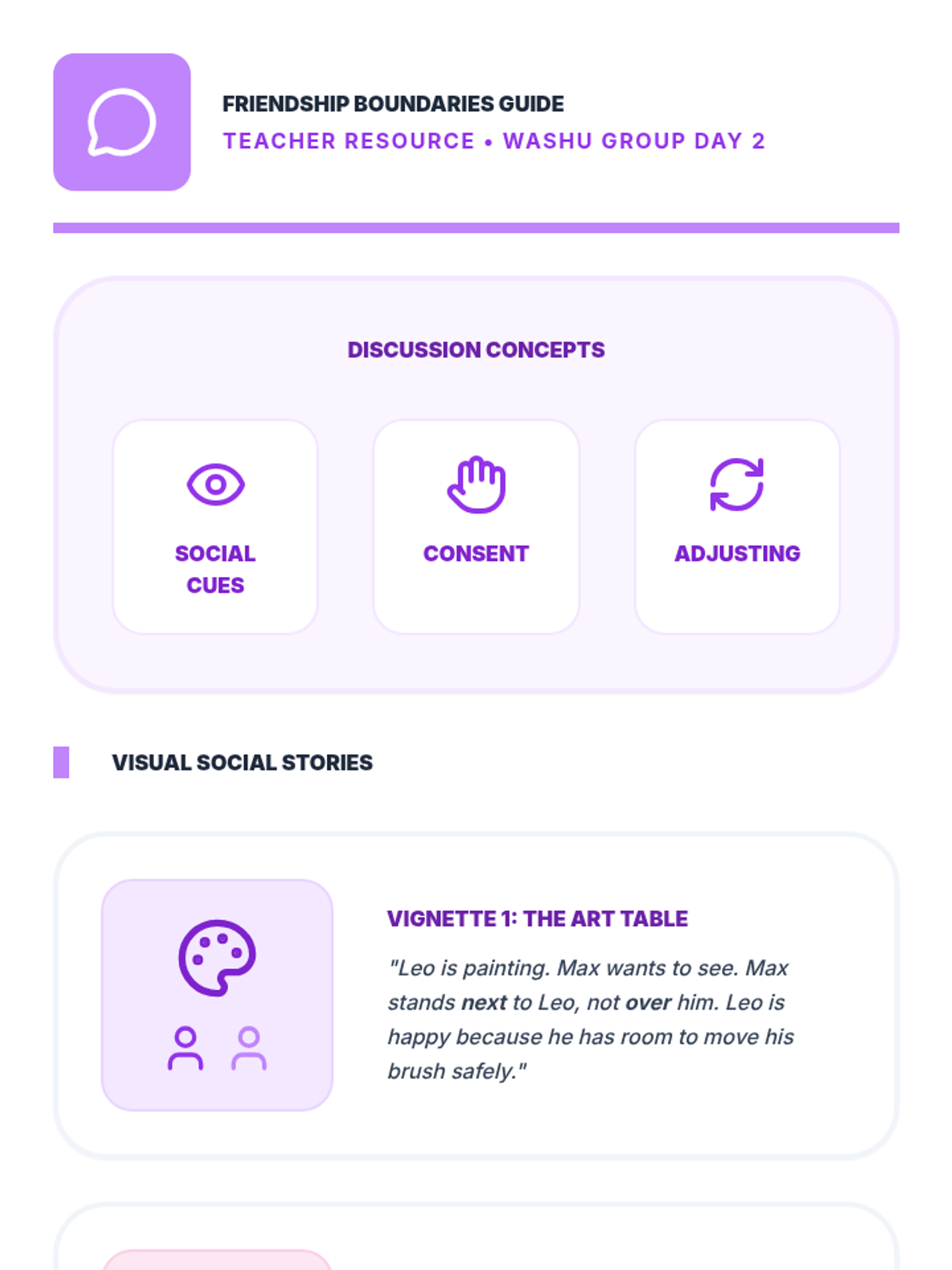
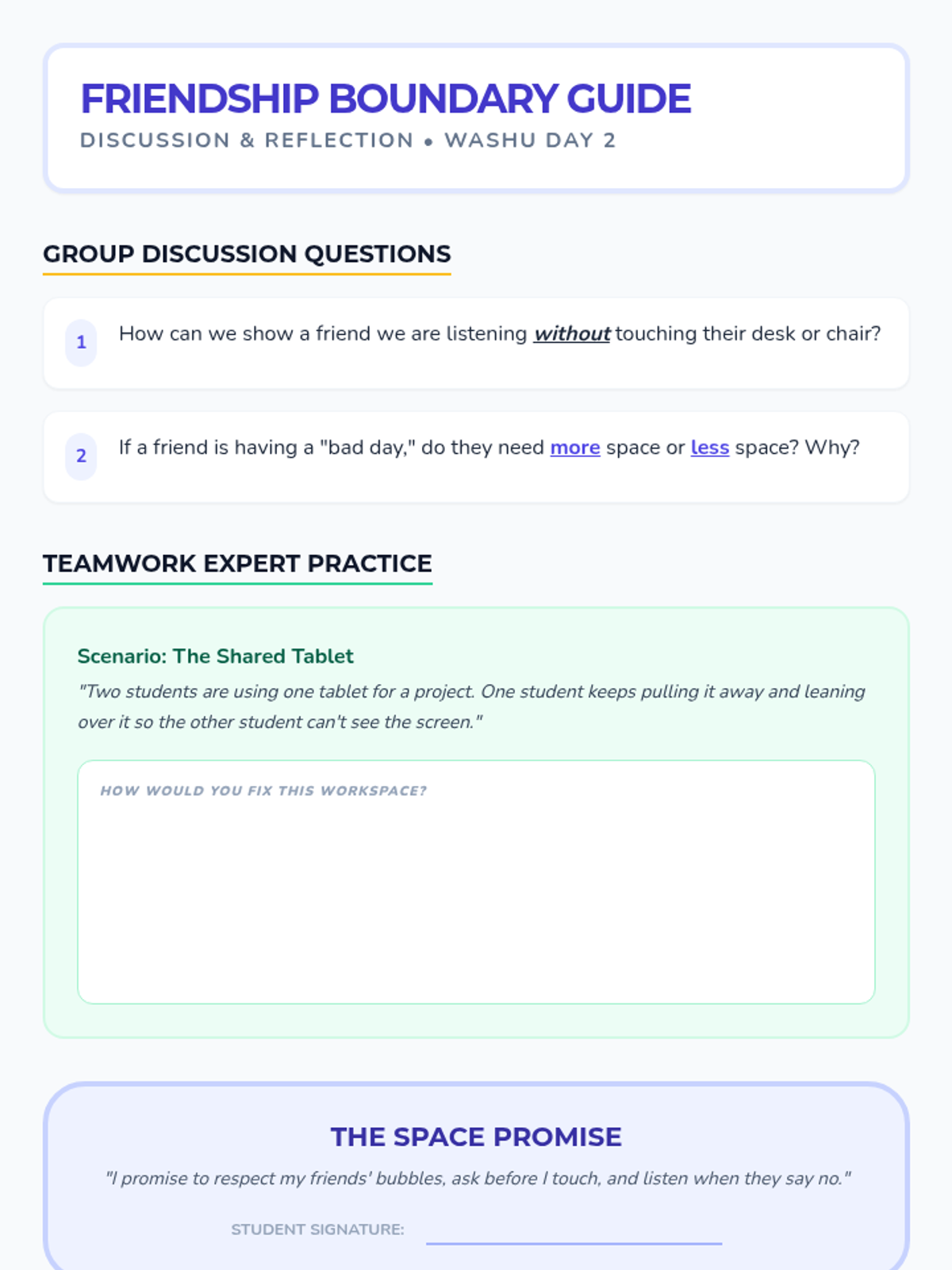
Advanced boundary application for WashU students, focusing on social challenges and respecting personal space within friendships and group work.
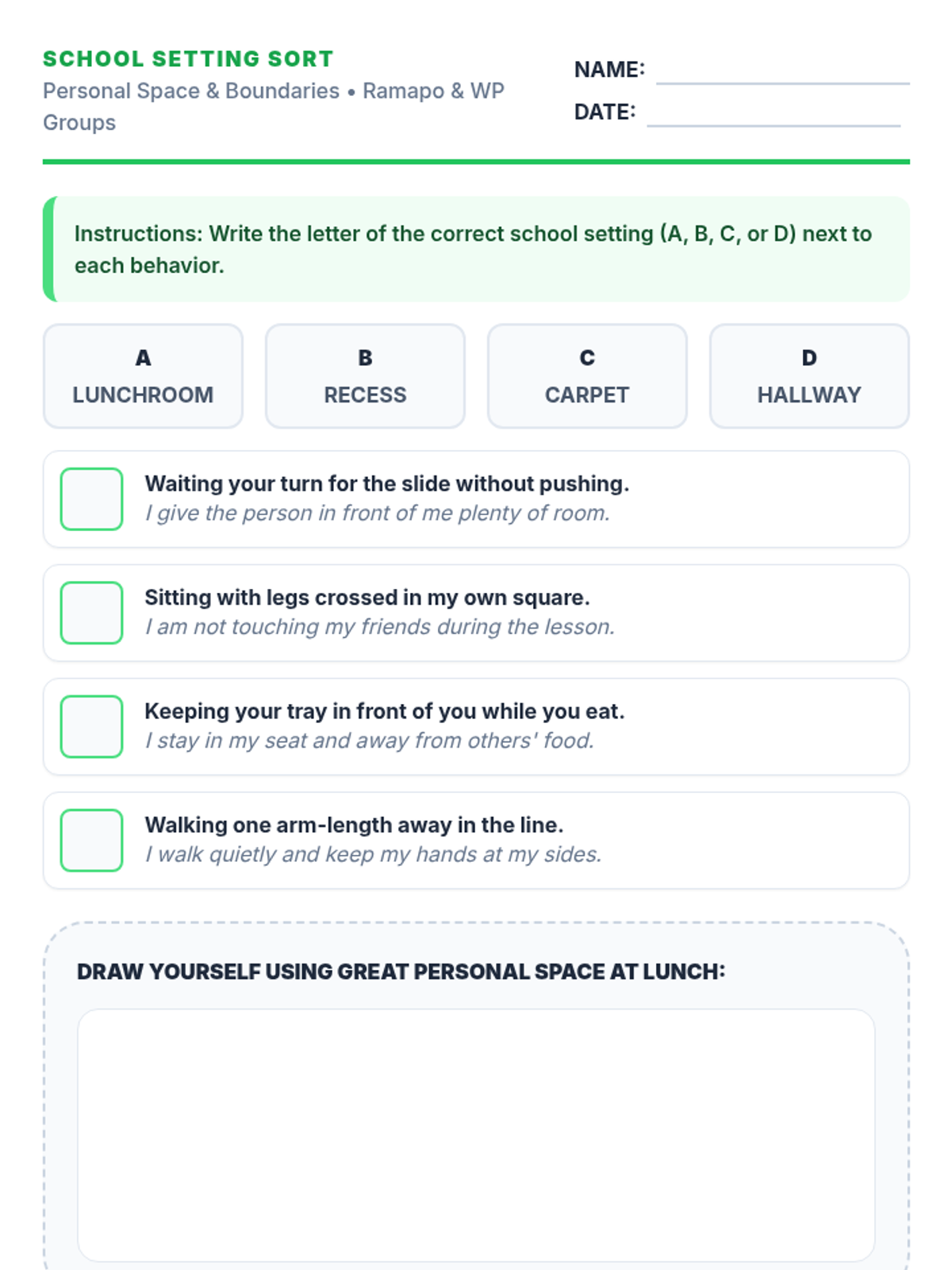
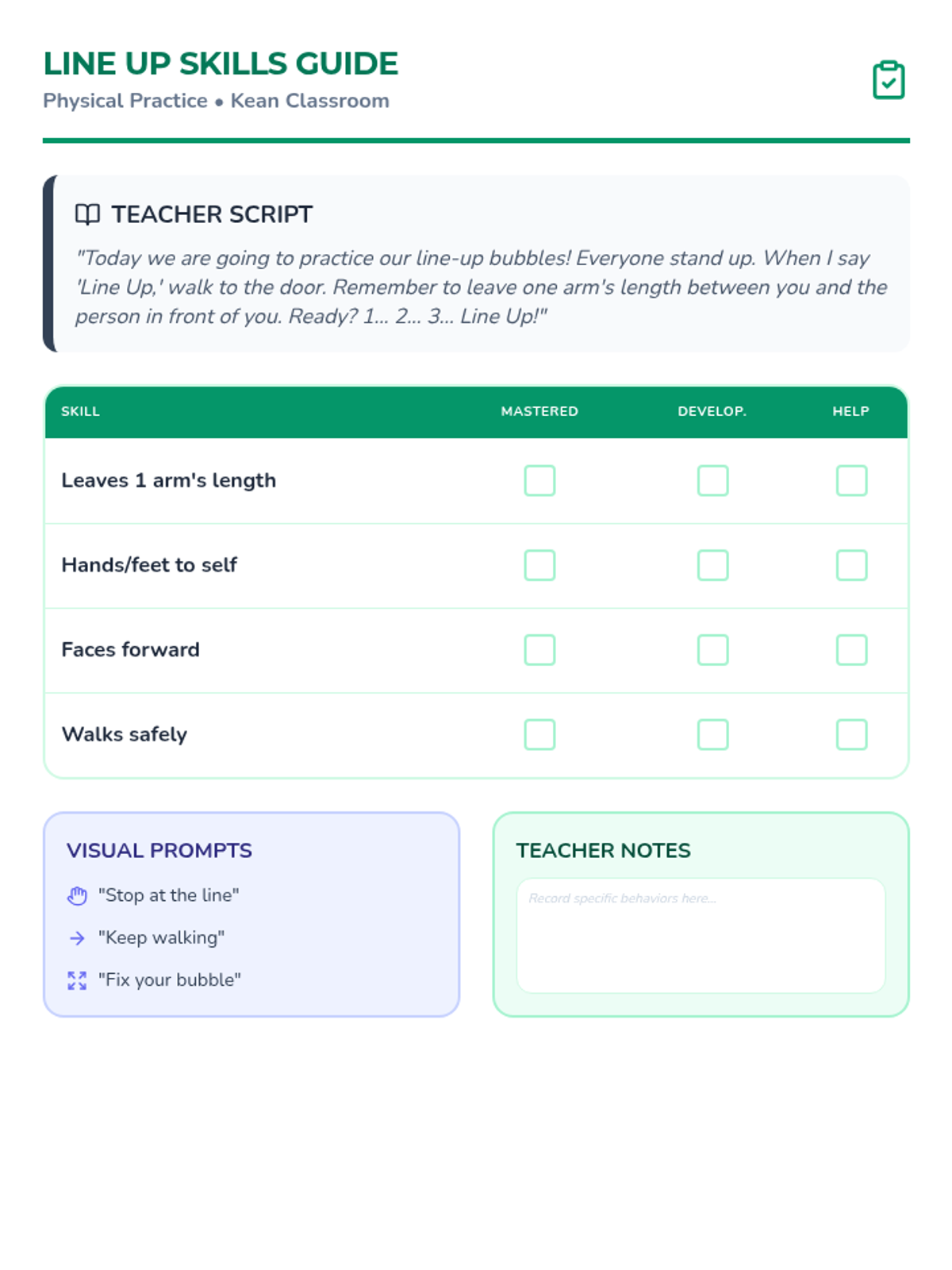
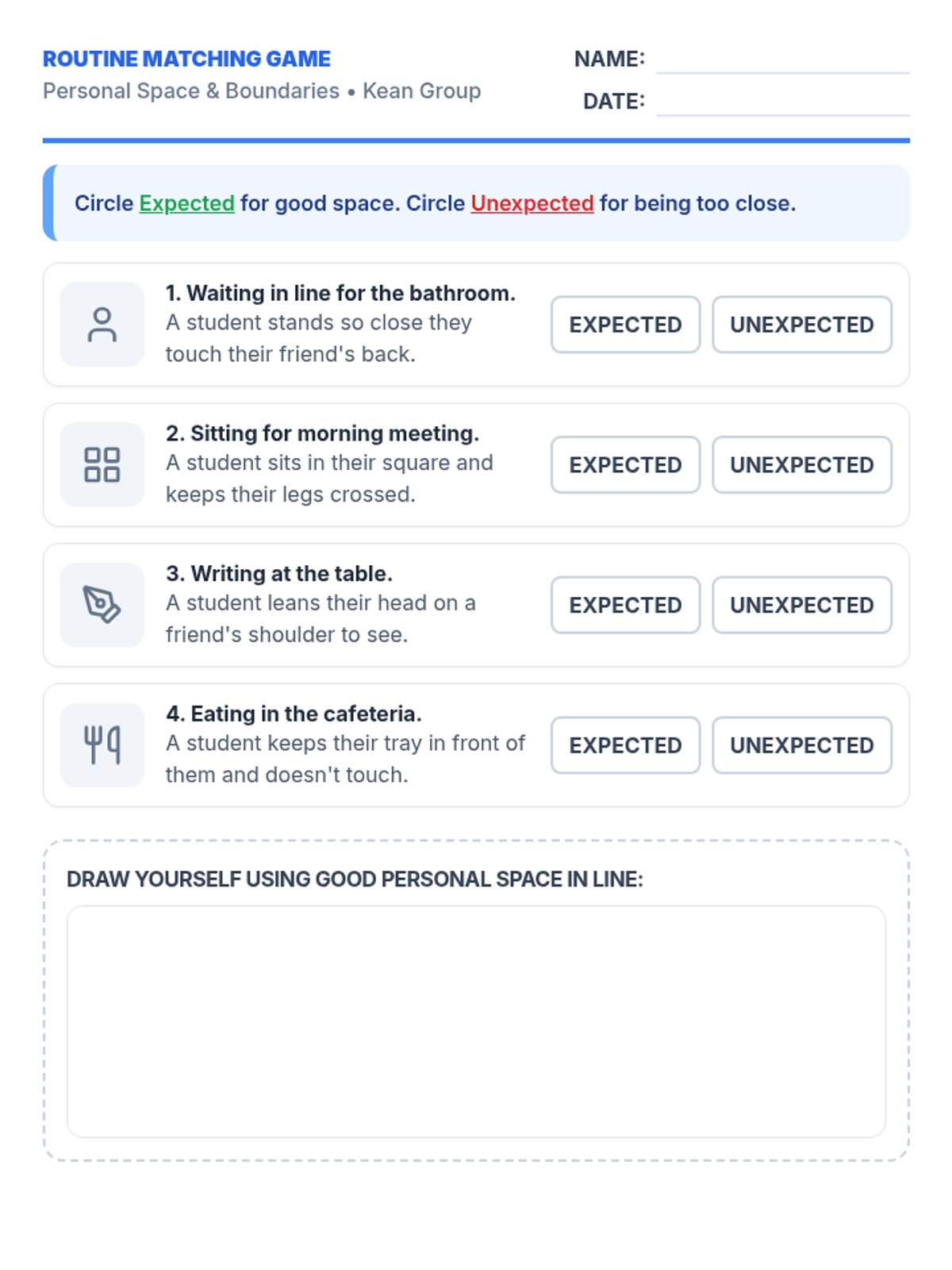
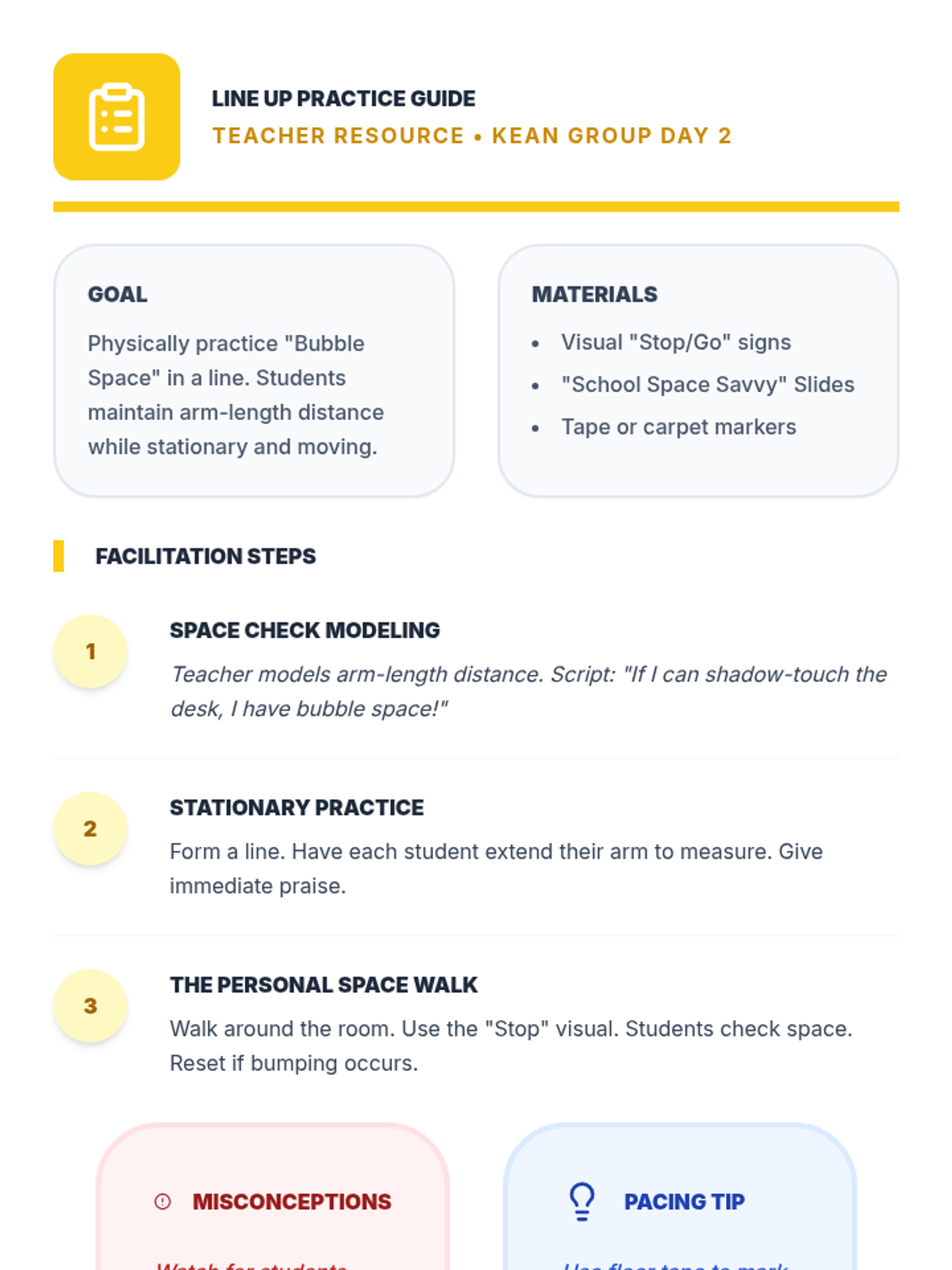
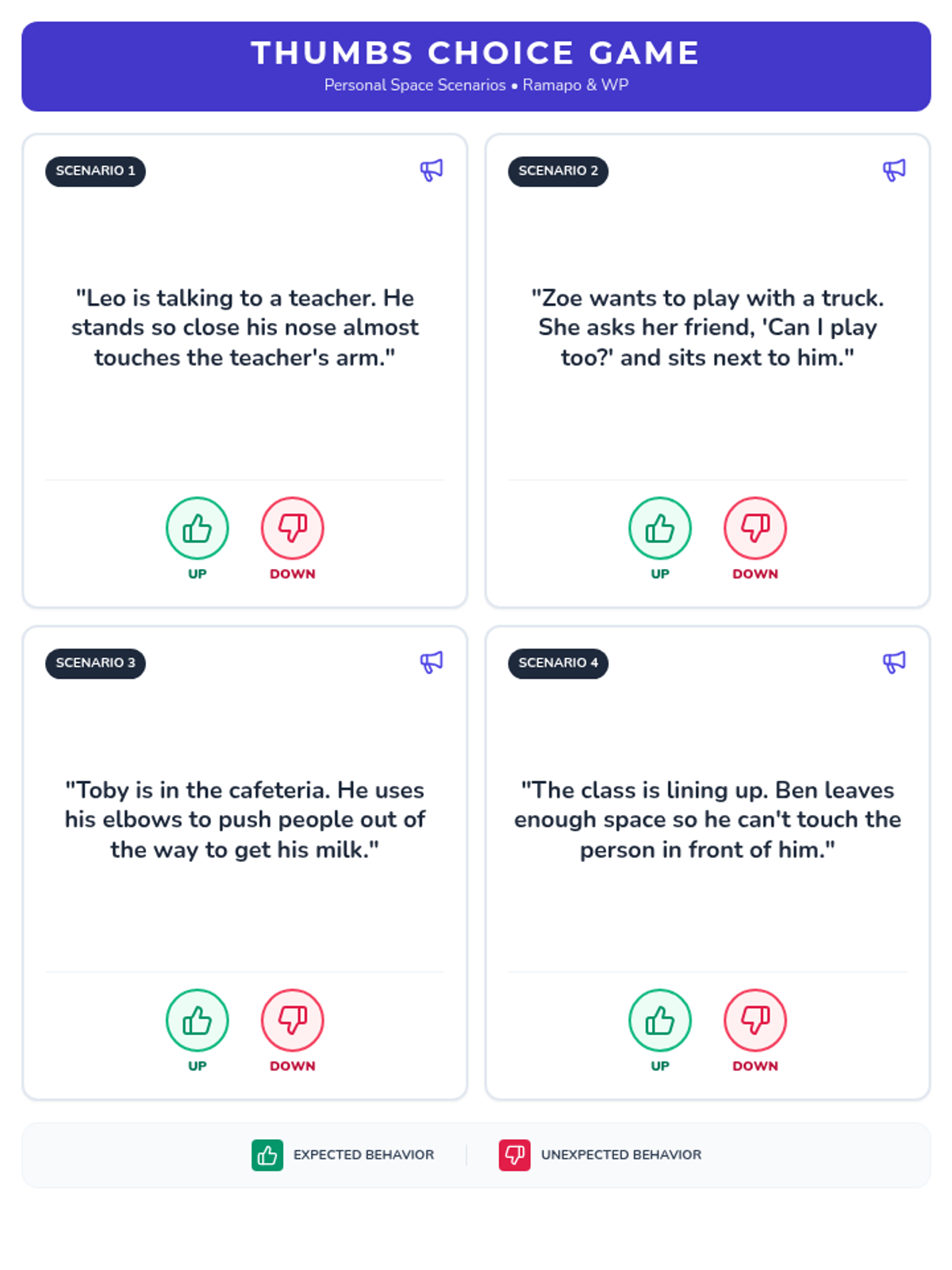
Involves hands-on practice for Kean (lining up) and sorting activities for Ramapo/WP to categorize expected vs. unexpected behaviors in specific school settings.
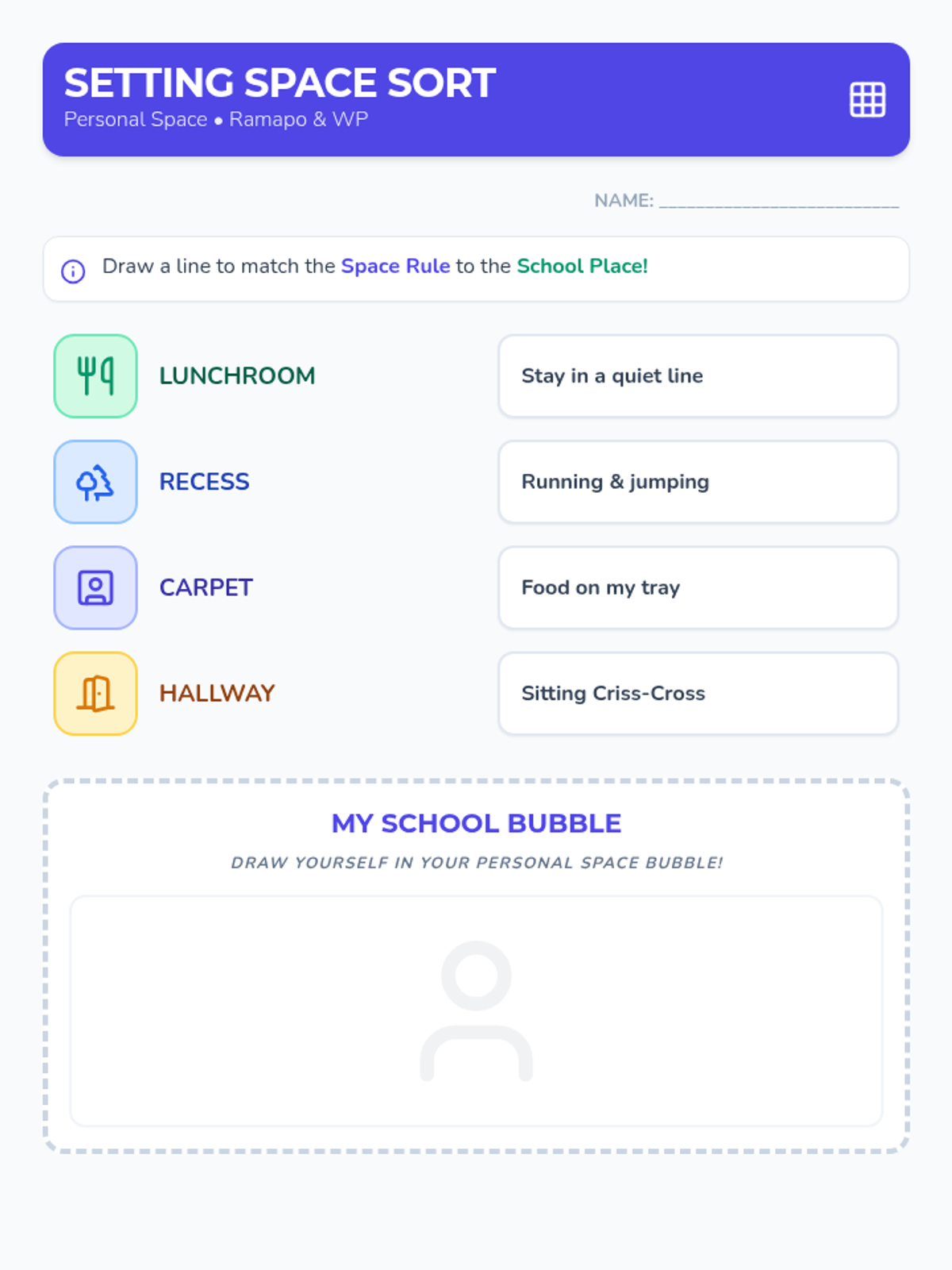
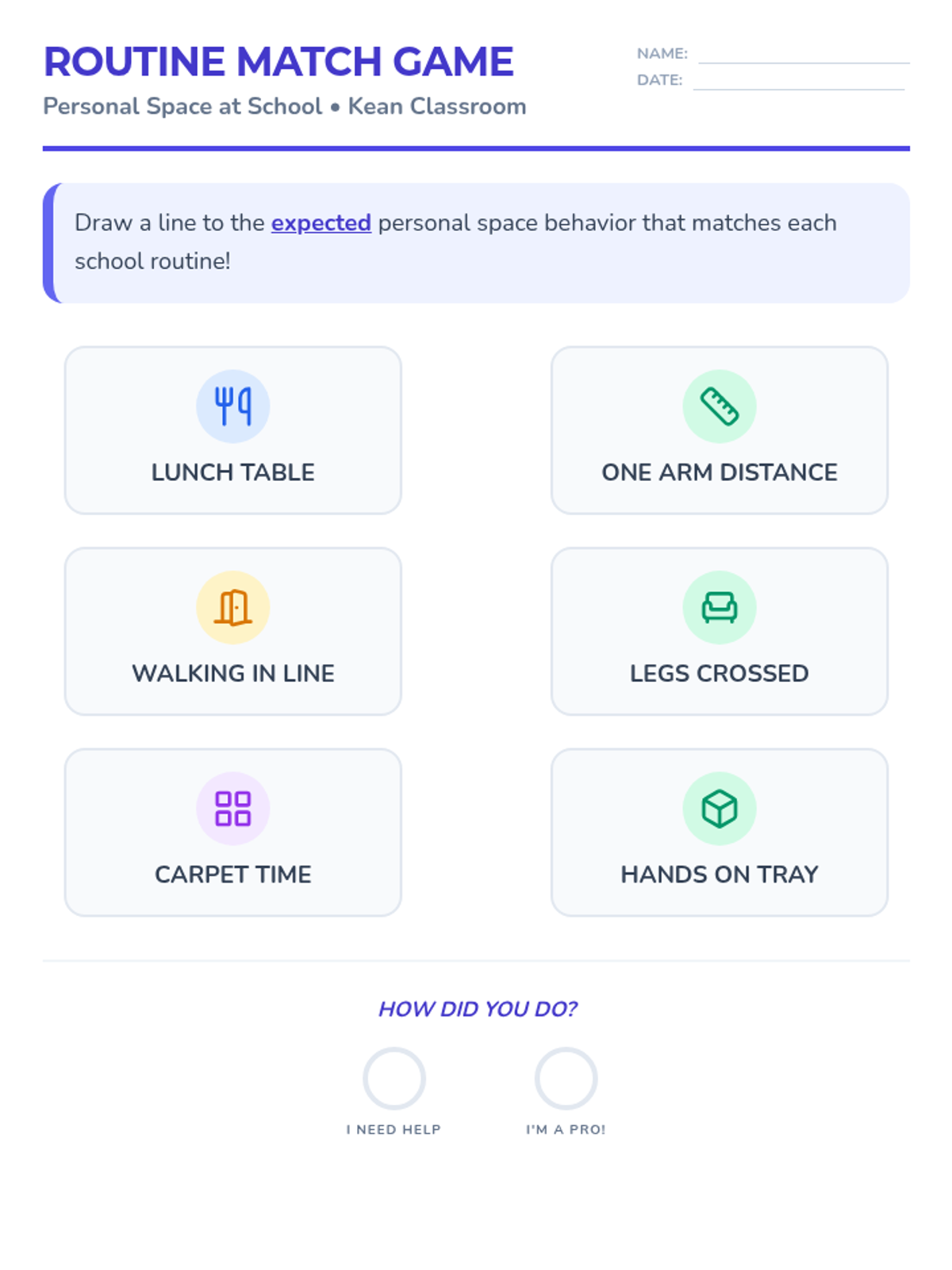
Focuses on identifying and practicing correct personal space behaviors during school routines such as lunch, recess, and transitions for Kean, Ramapo, and WP students.
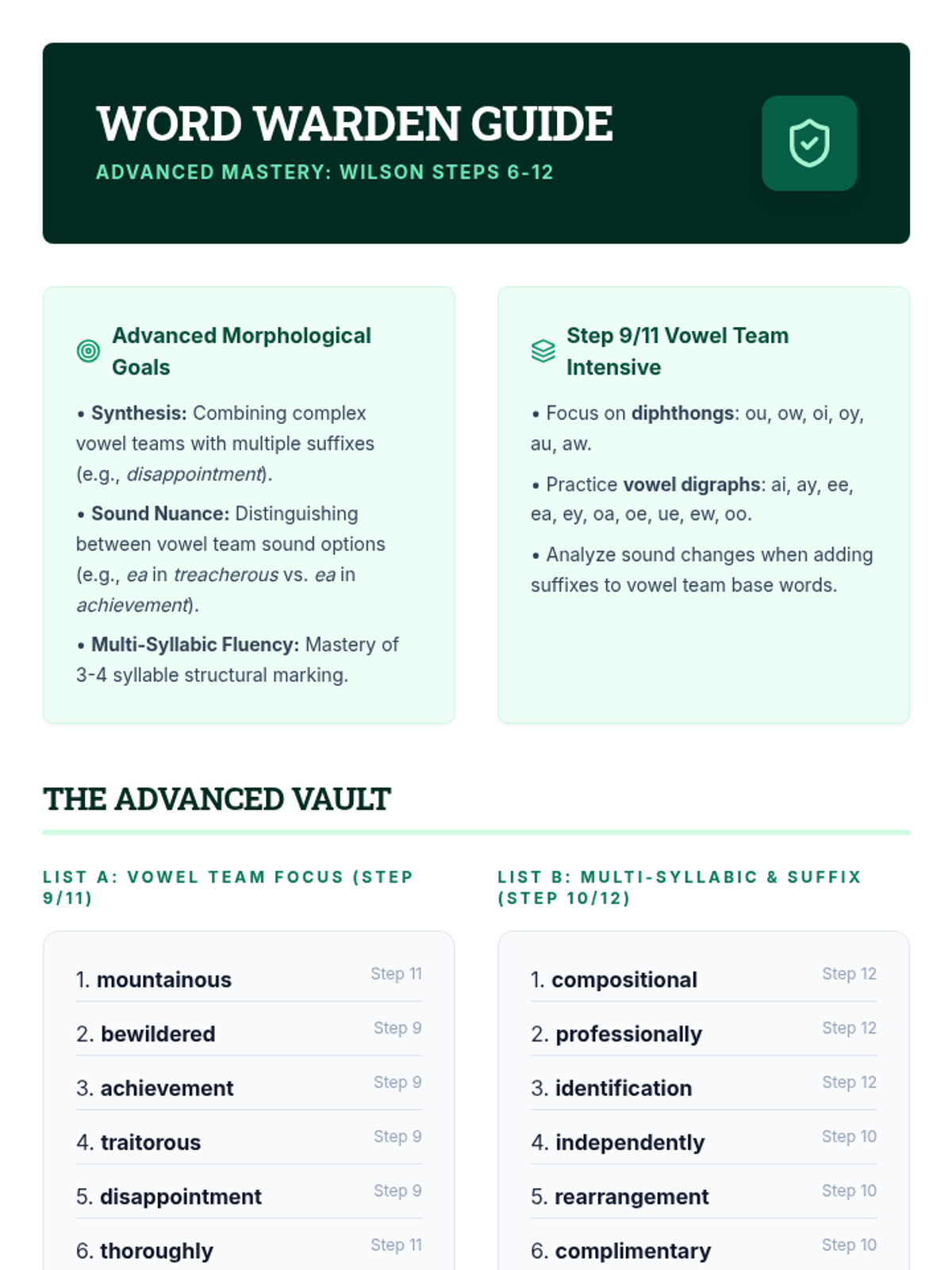
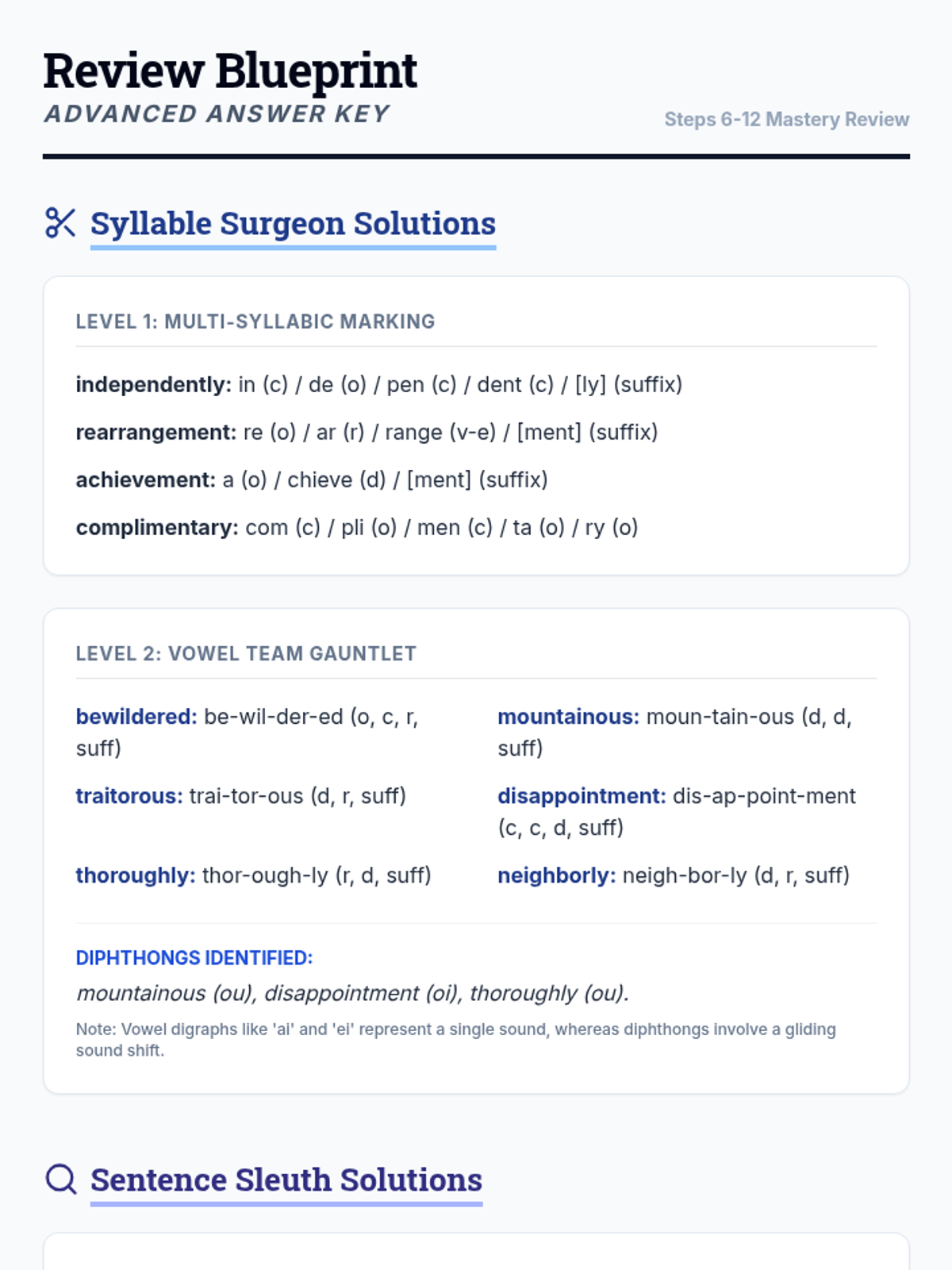
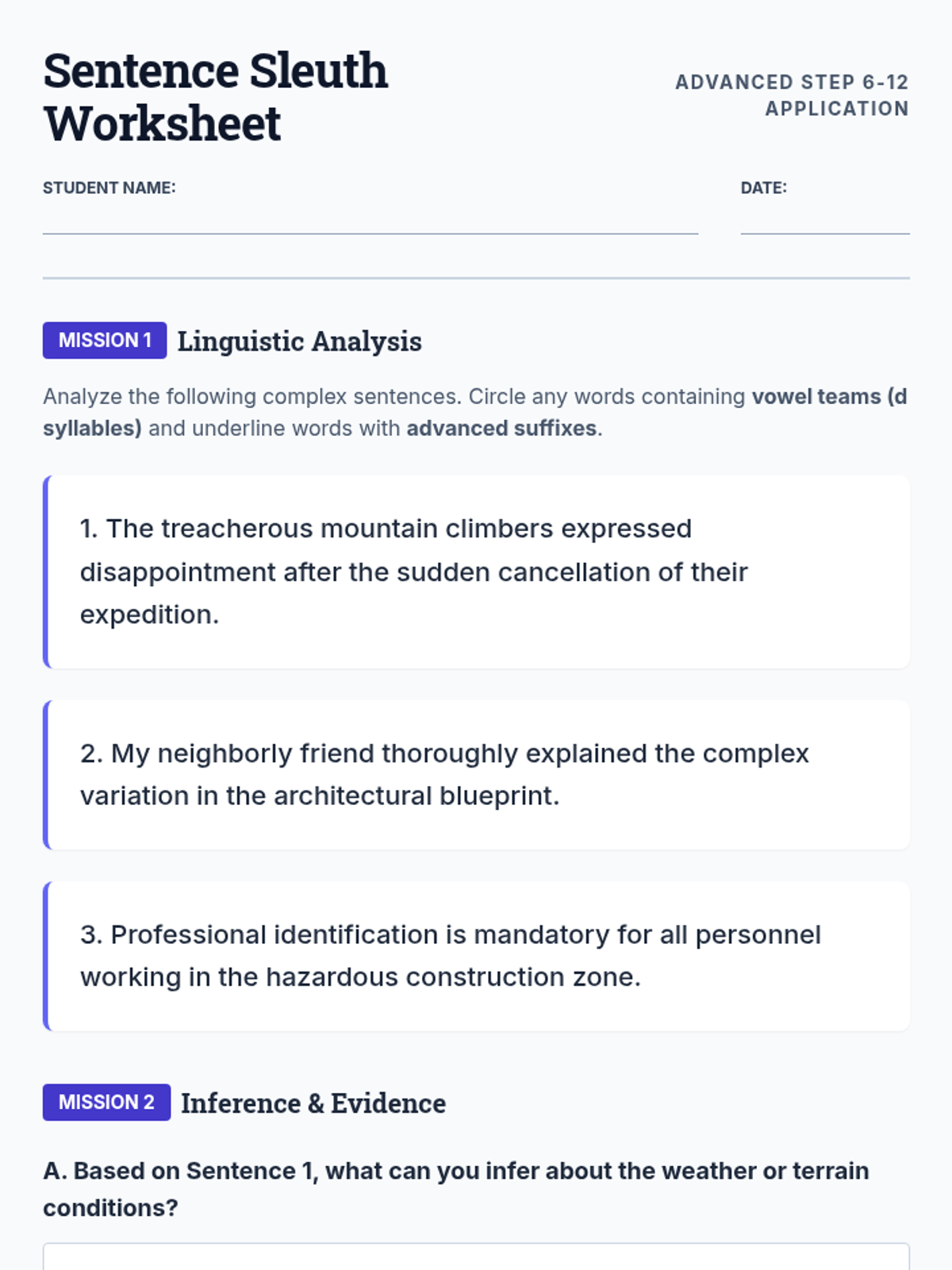
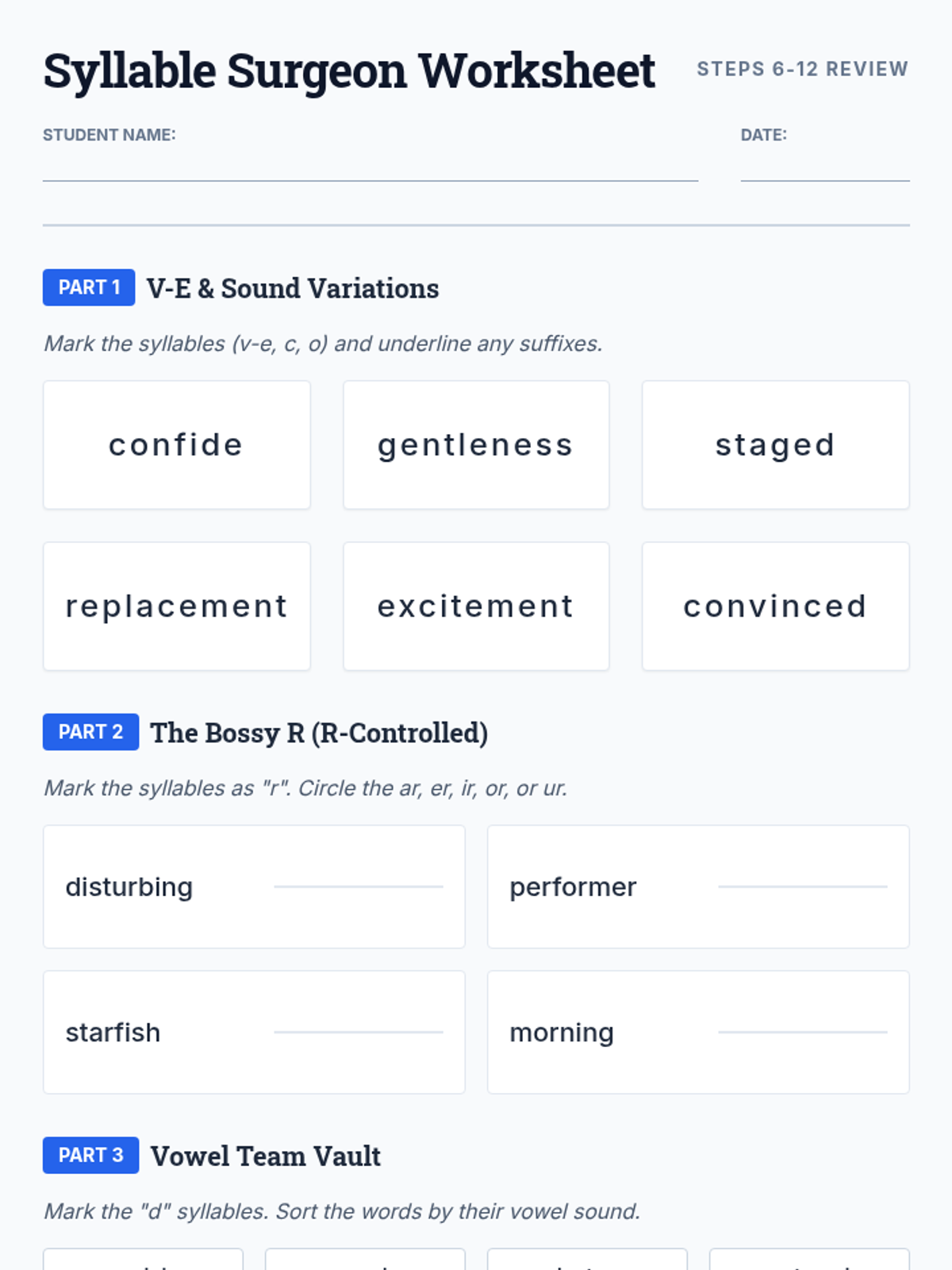
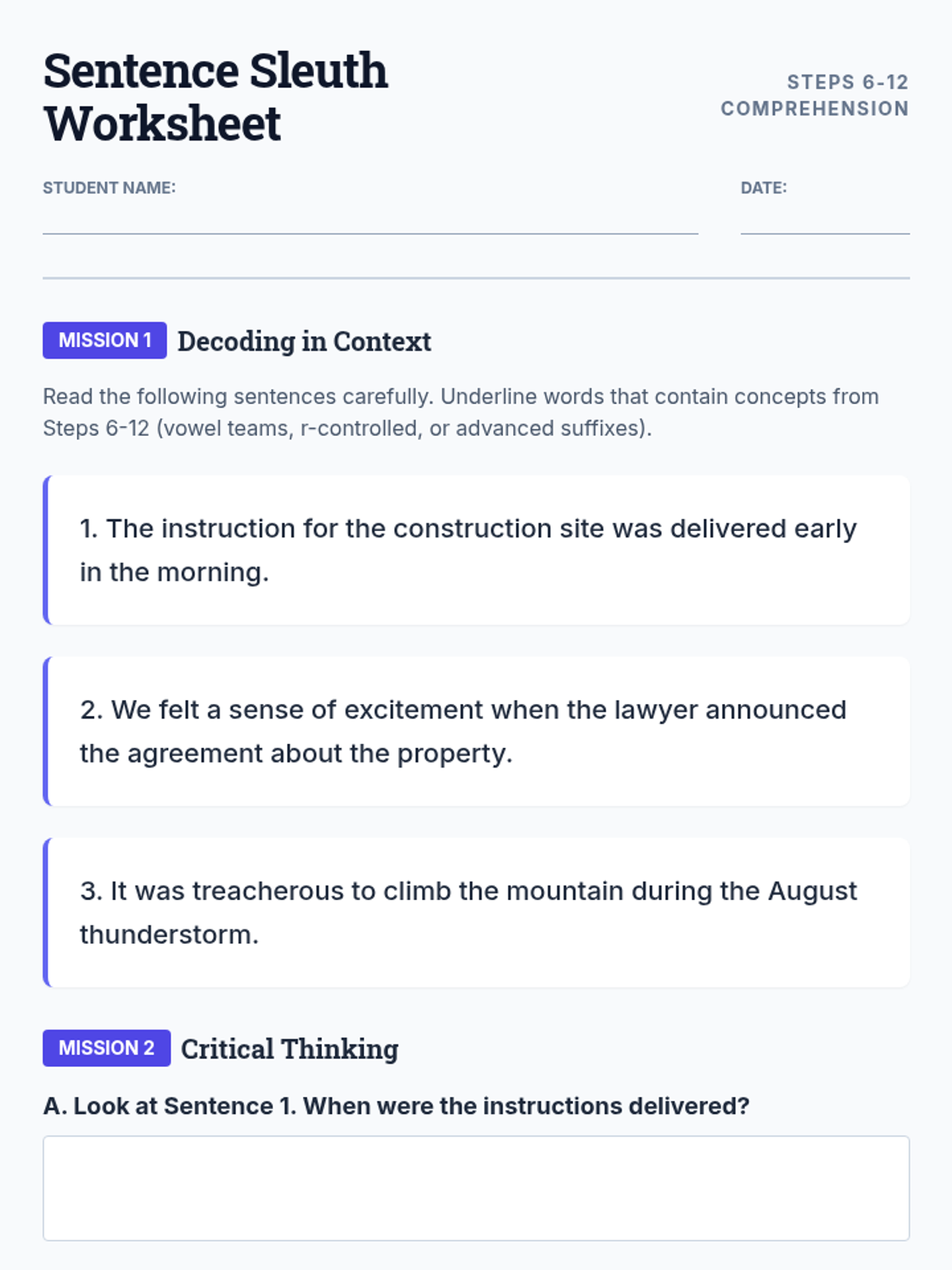
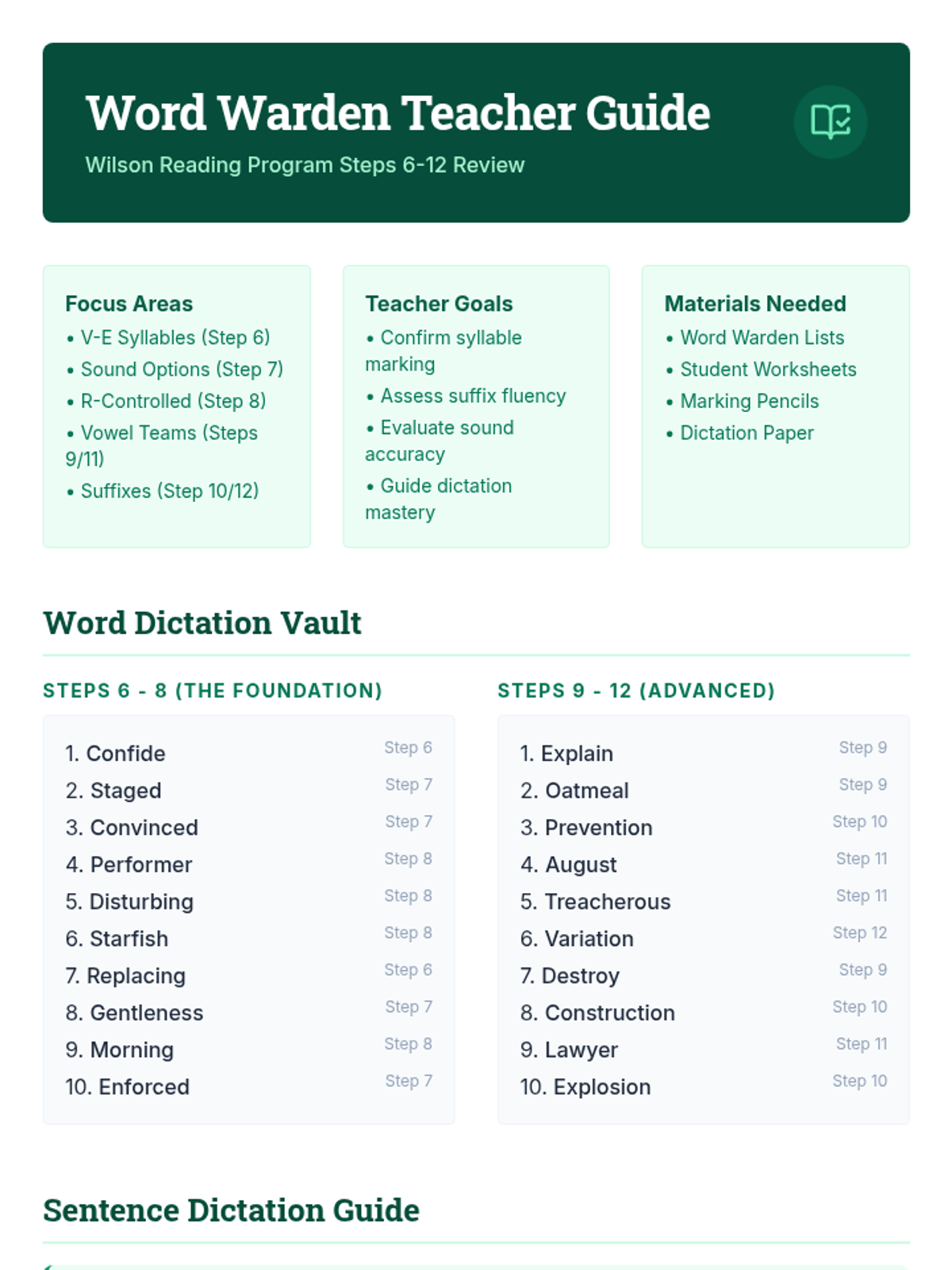
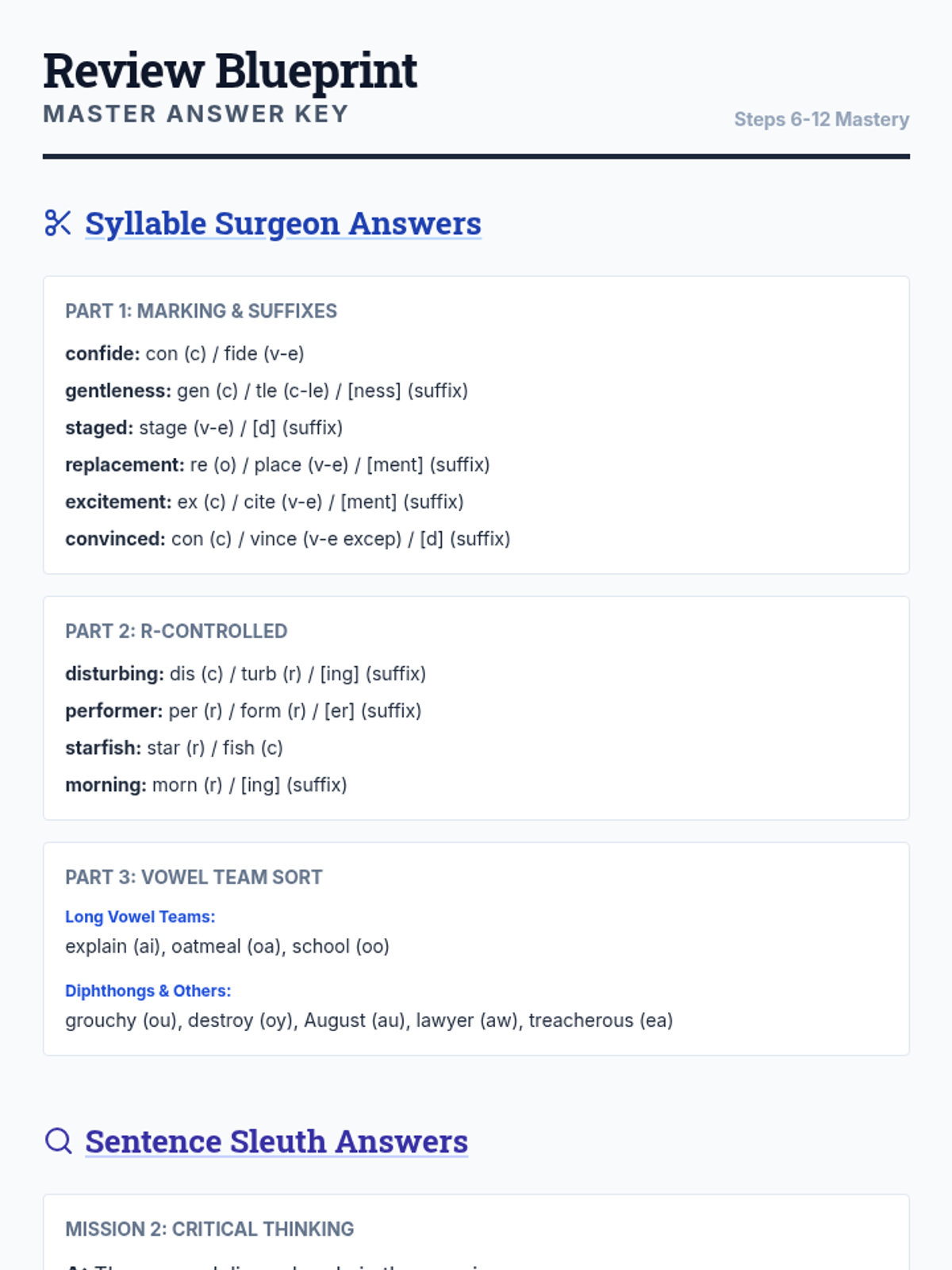
A comprehensive review unit for Wilson Reading Program Steps 6 through 12, focusing on syllable marking, complex suffix patterns, r-controlled vowels, and vowel digraphs.
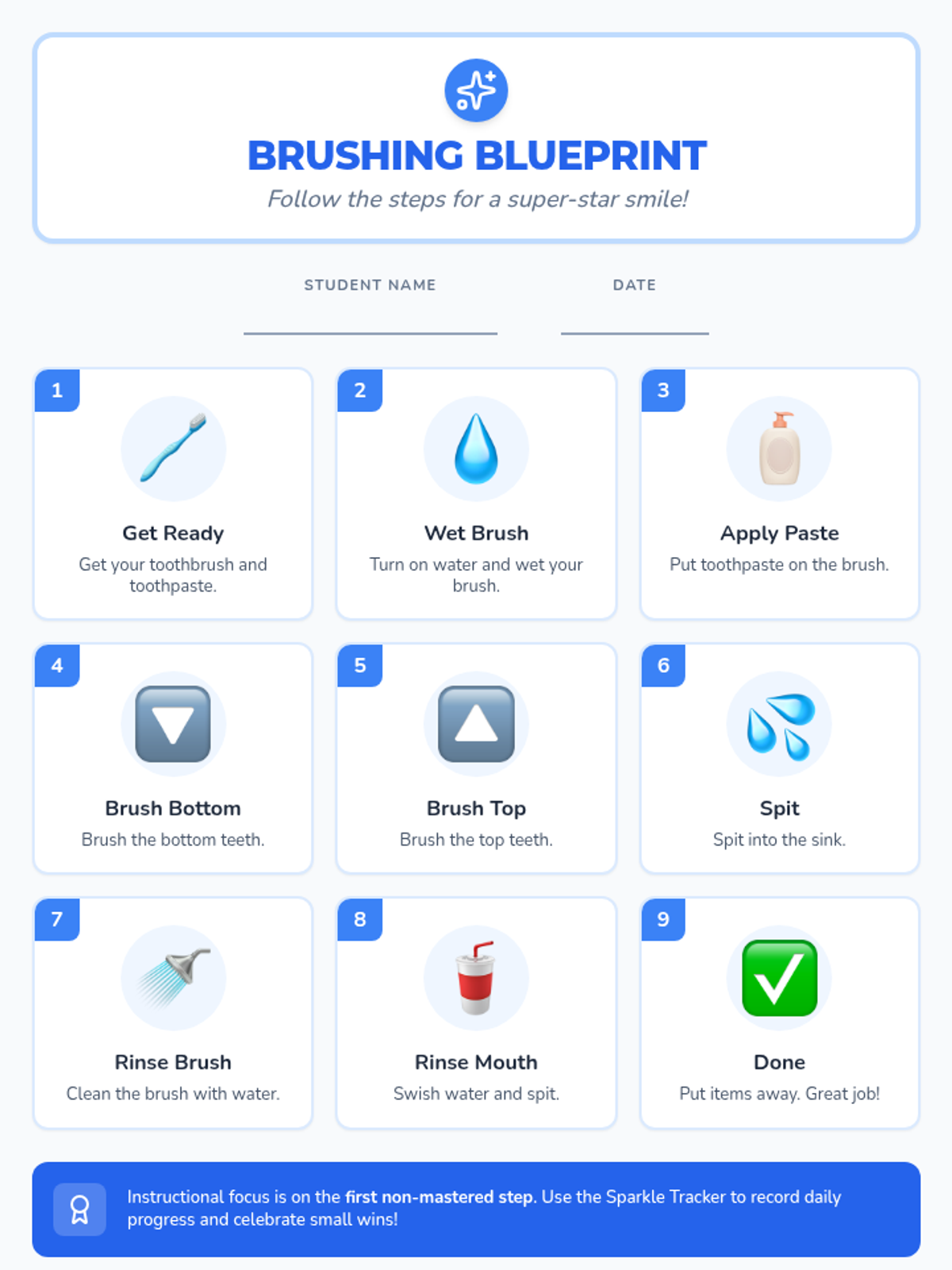
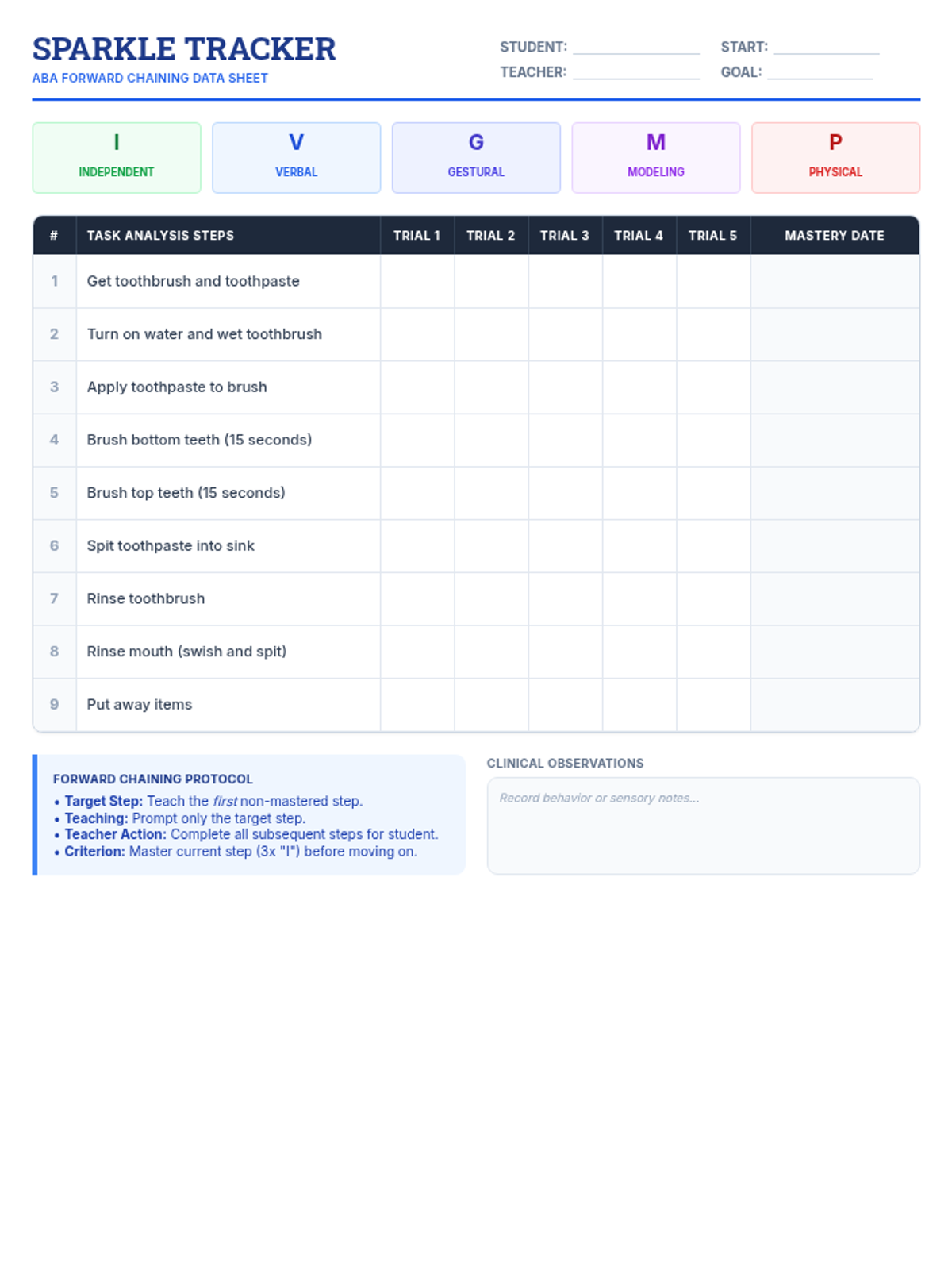
A comprehensive ABA program for teaching independent tooth brushing using a forward chaining approach, complete with visual aids and data tracking.
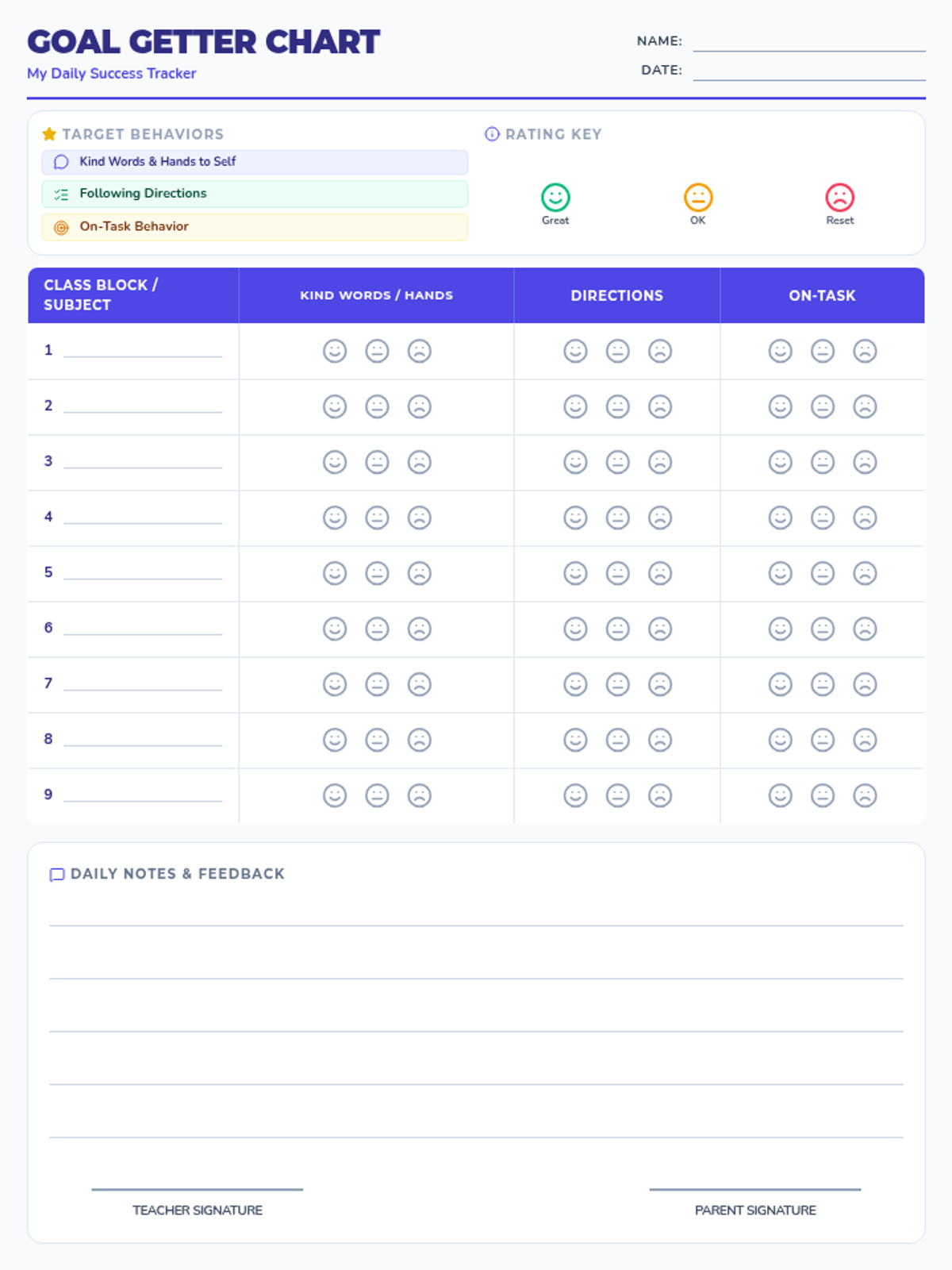
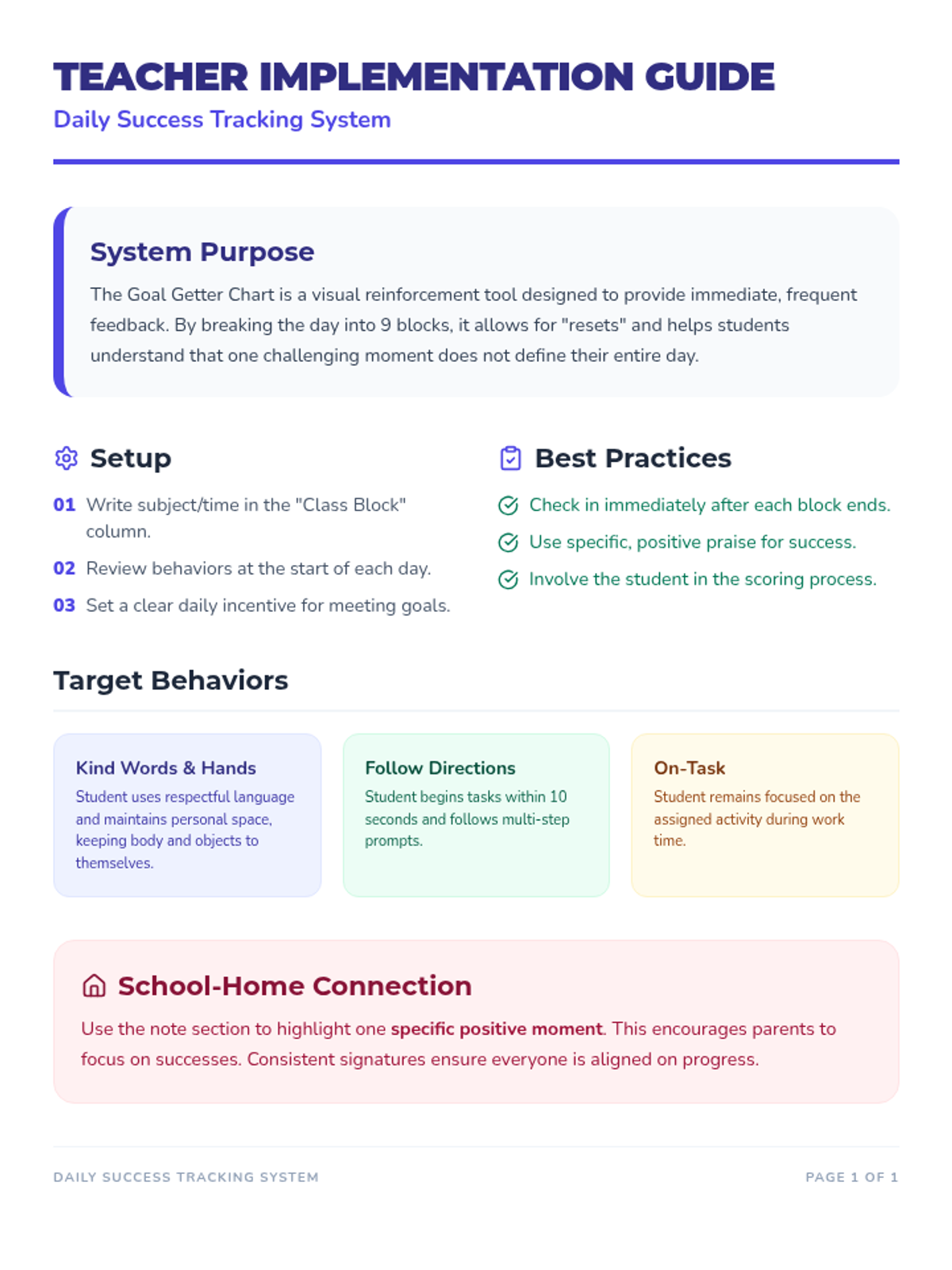
A daily behavior tracking system designed to help students visualize and monitor their social and academic goals through a 9-block school day.
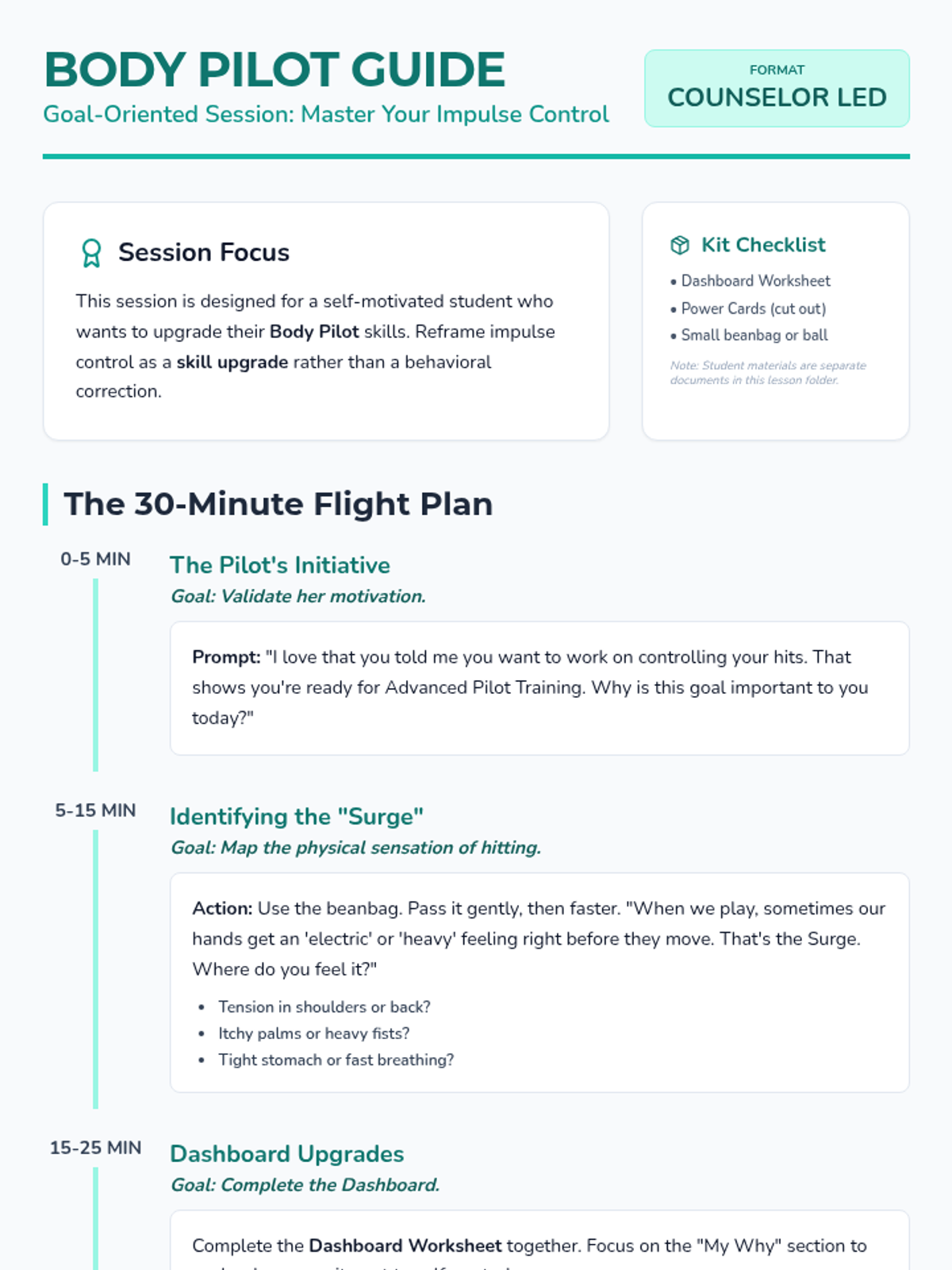
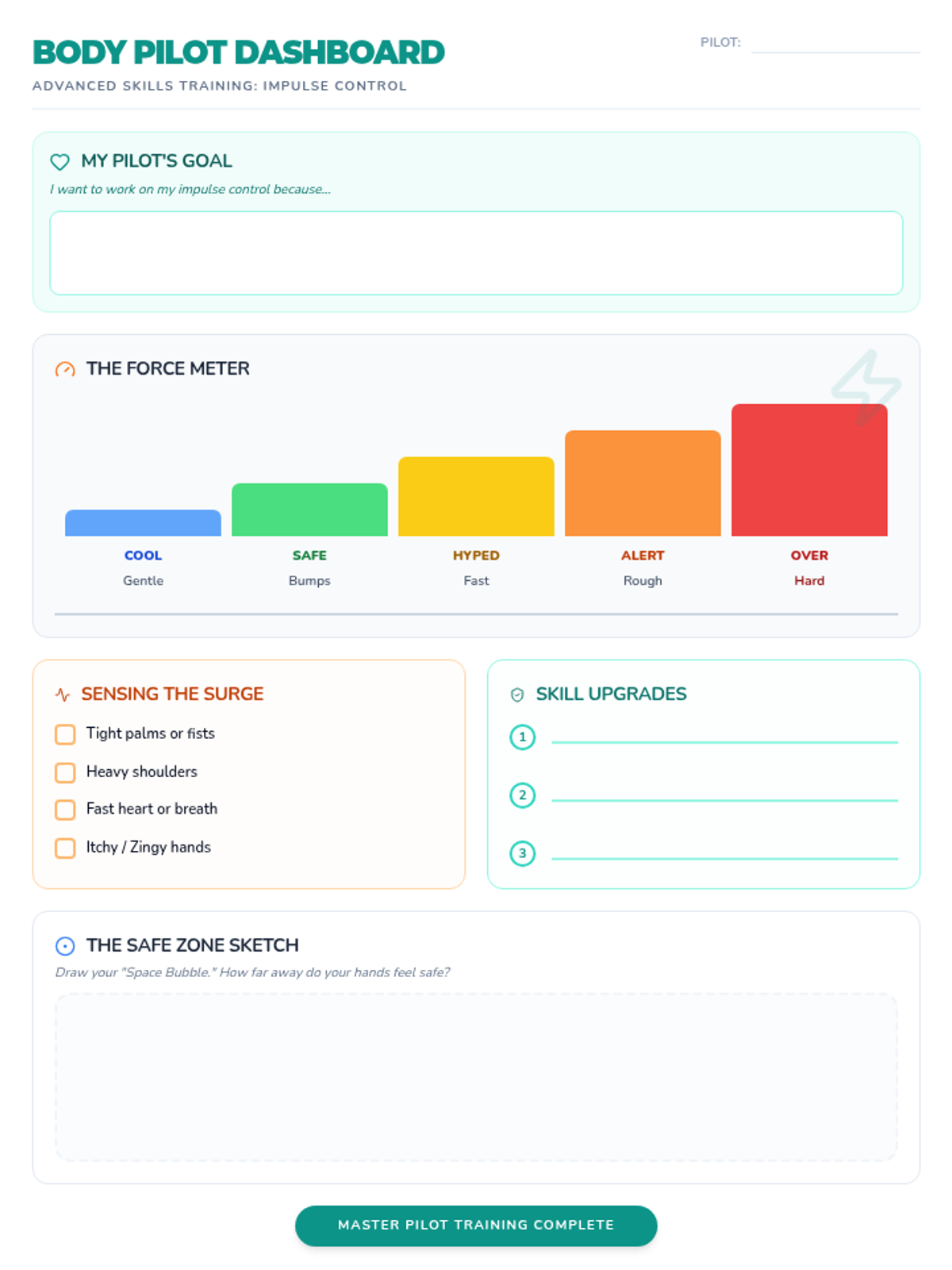
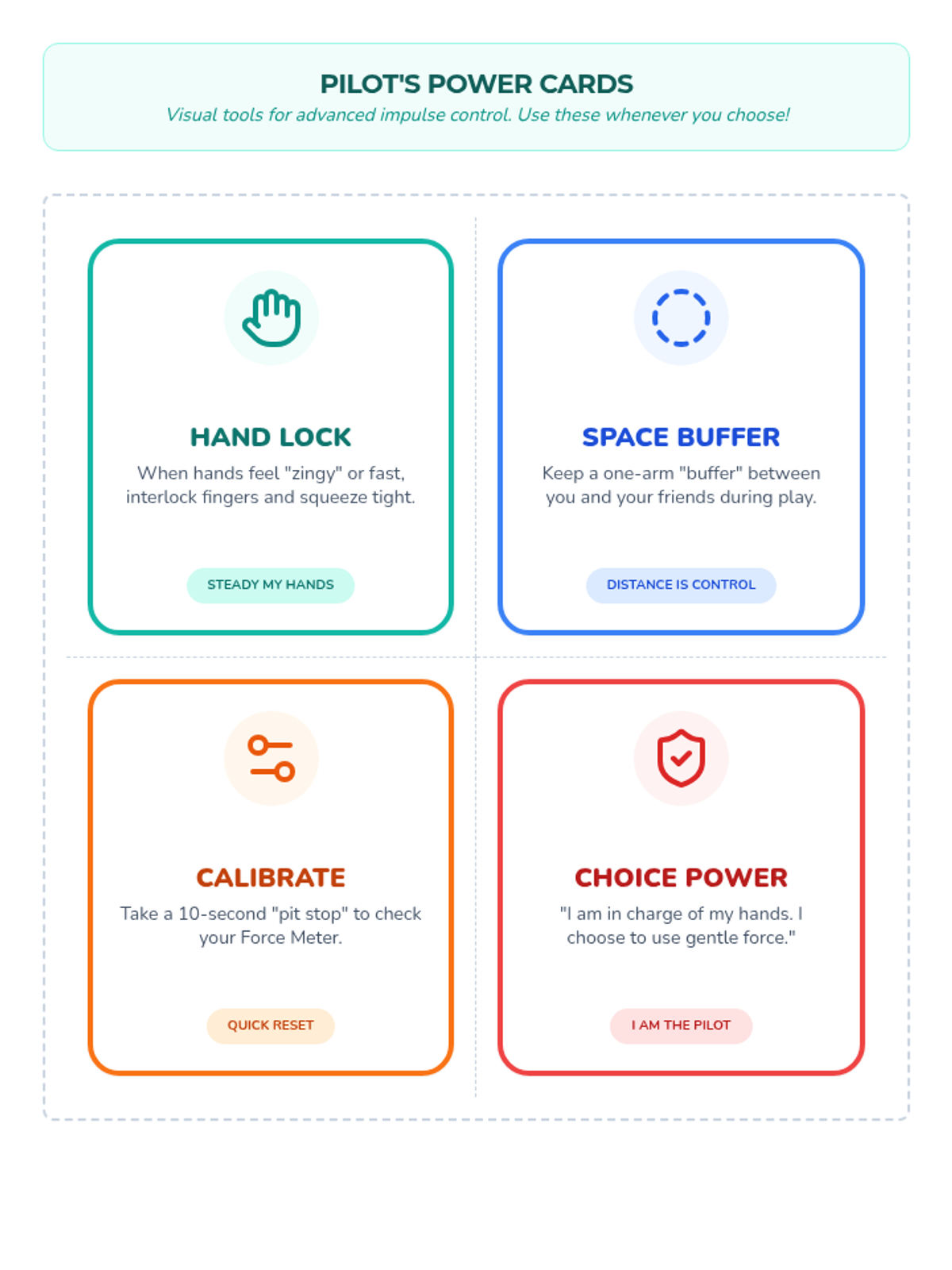
A 30-minute counseling session focused on helping students with autism understand and control physical impulses, specifically addressing 'play fighting' and personal space boundaries using the 'Body Pilot' metaphor.
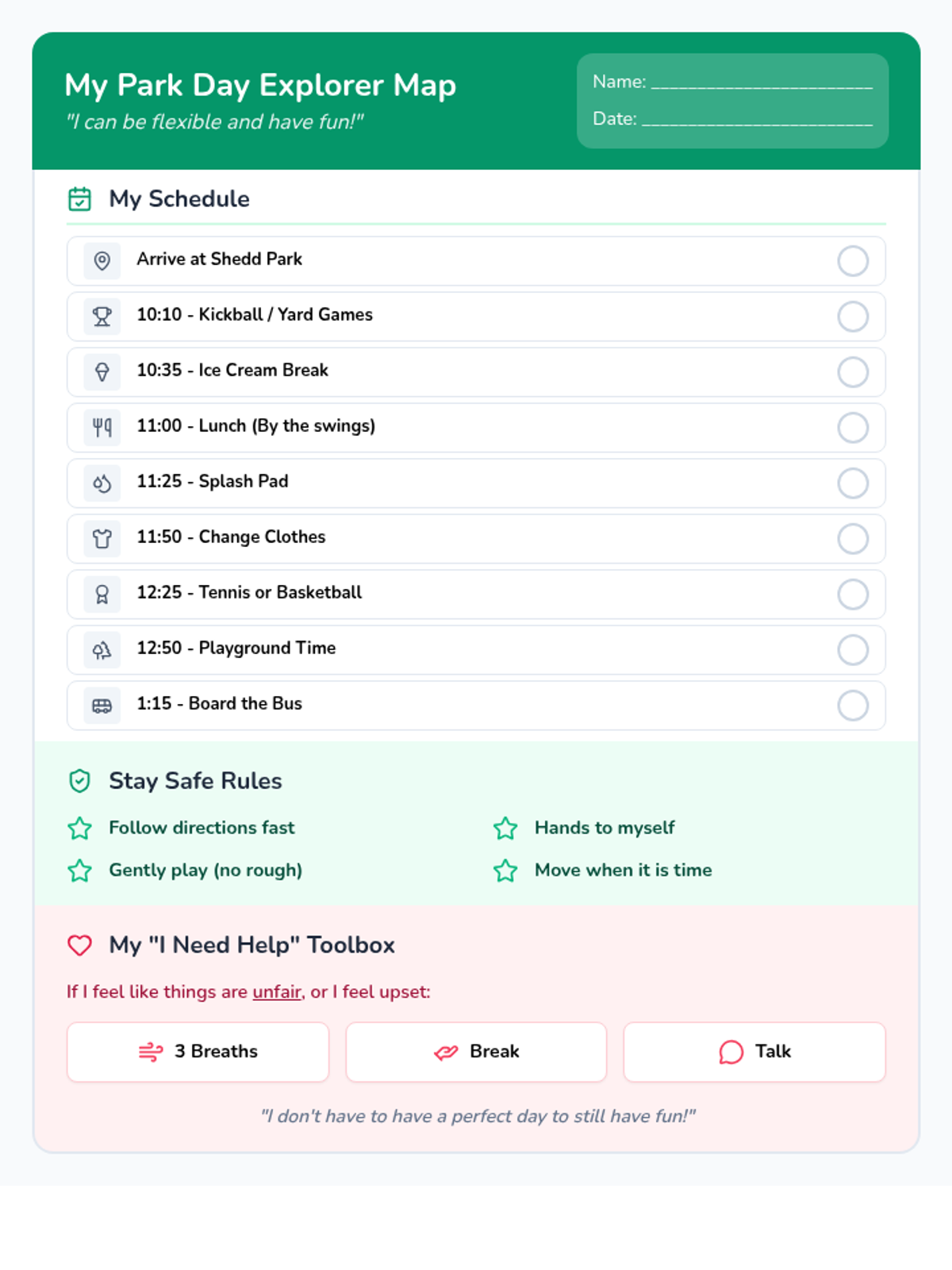
A social story and visual schedule designed to help a 4th grade student navigate a field trip to Shedd Park, focusing on flexibility, emotional regulation, and routine changes.
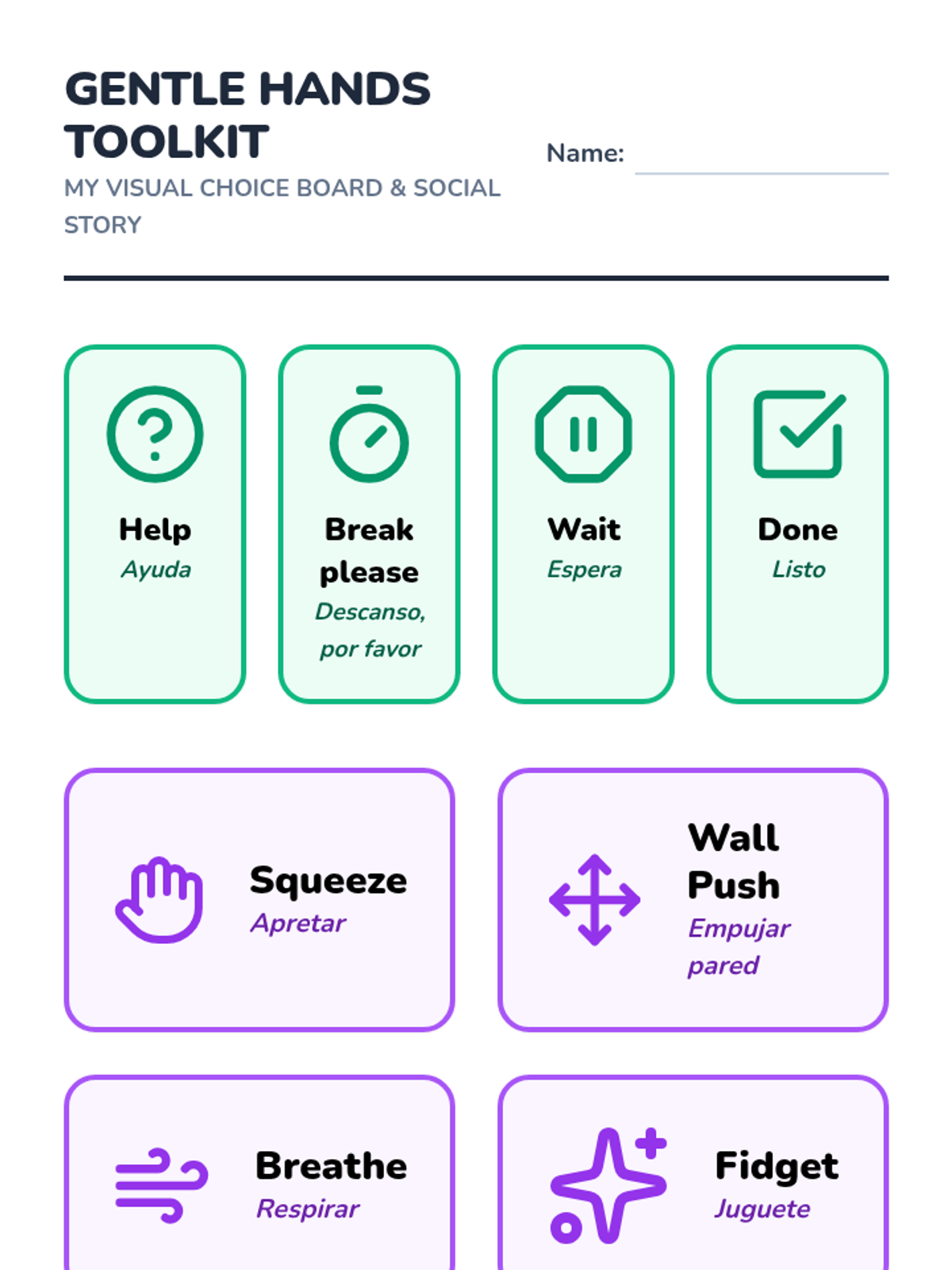
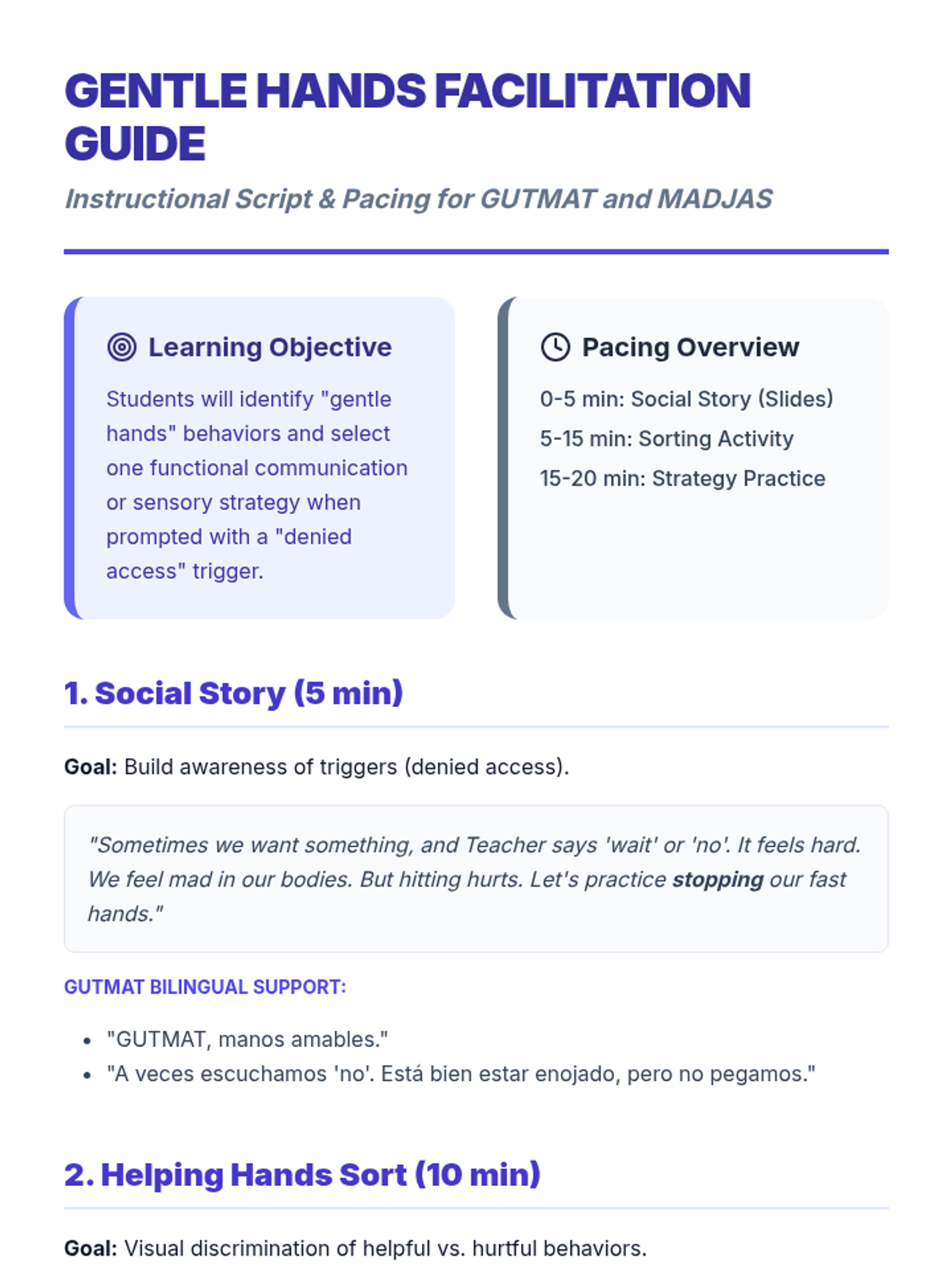
A 20-minute intensive counseling lesson focused on 'Gentle Hands' and 'Hands to Self' techniques. Includes a social story, role-play scenarios, and a visual choice board to replace hitting with functional communication.
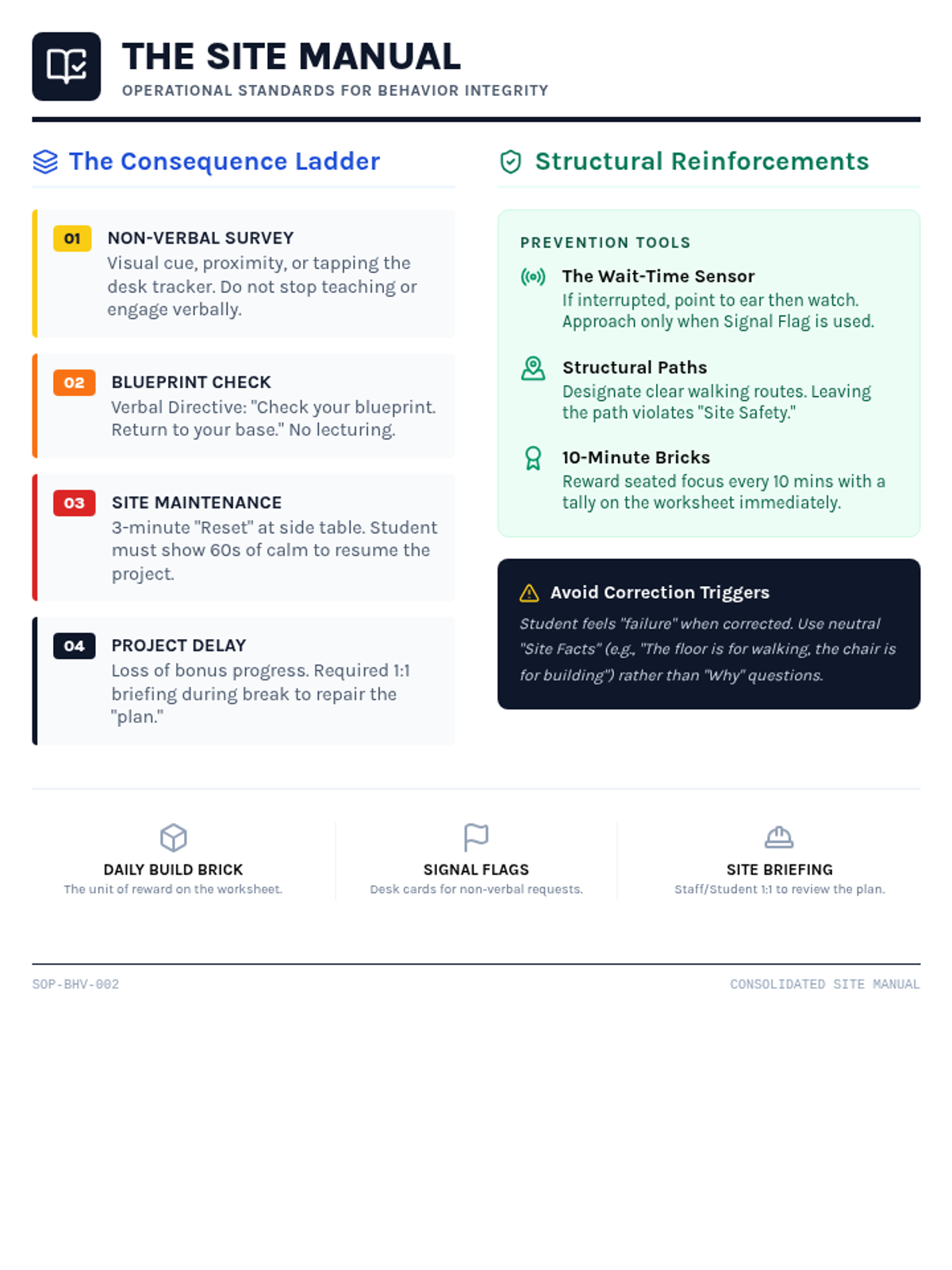
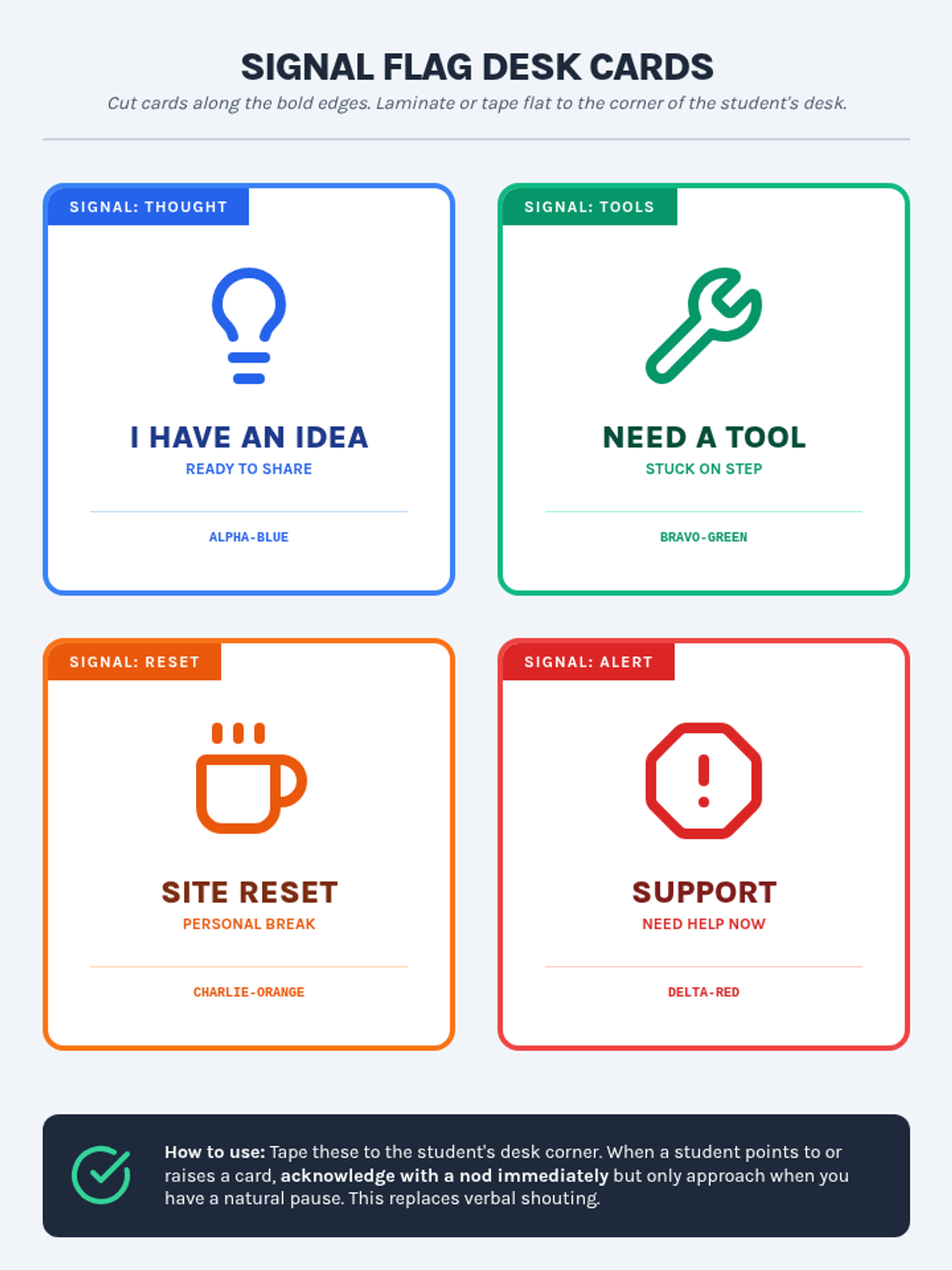
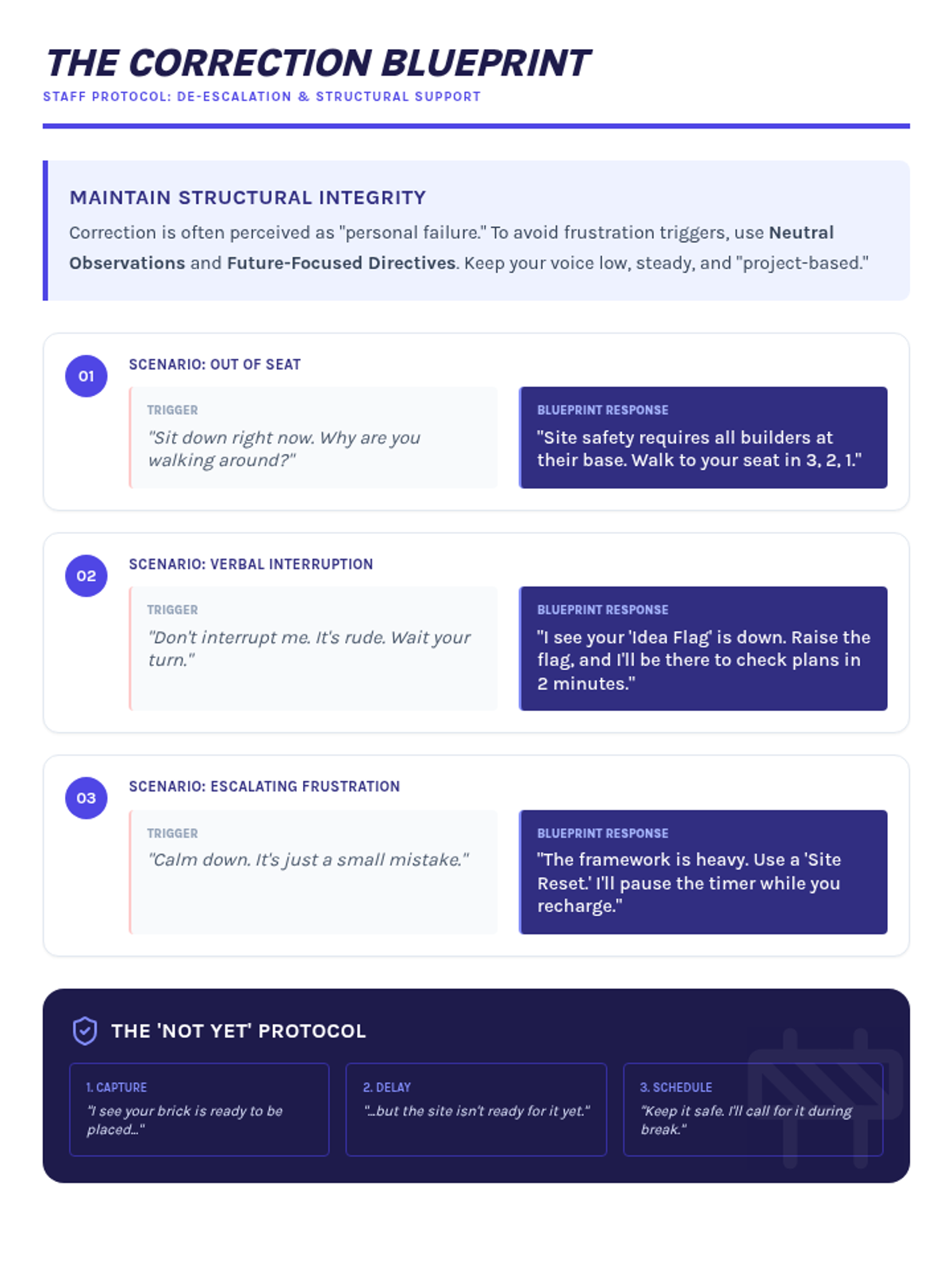
Focuses on the immediate implementation of behavioral structures to reduce interruptions and manage seat-staying through visual mapping and clear staff protocols.
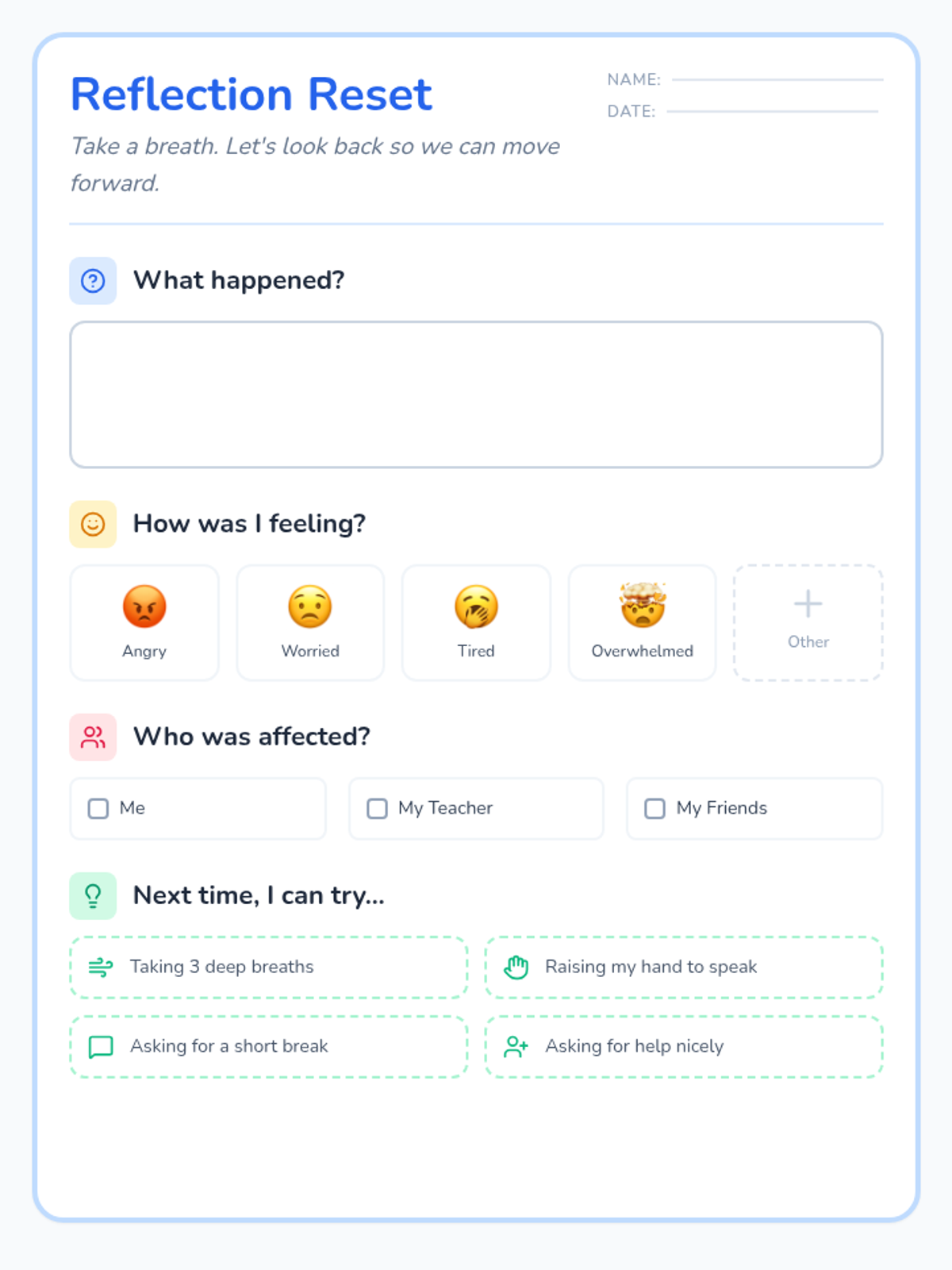
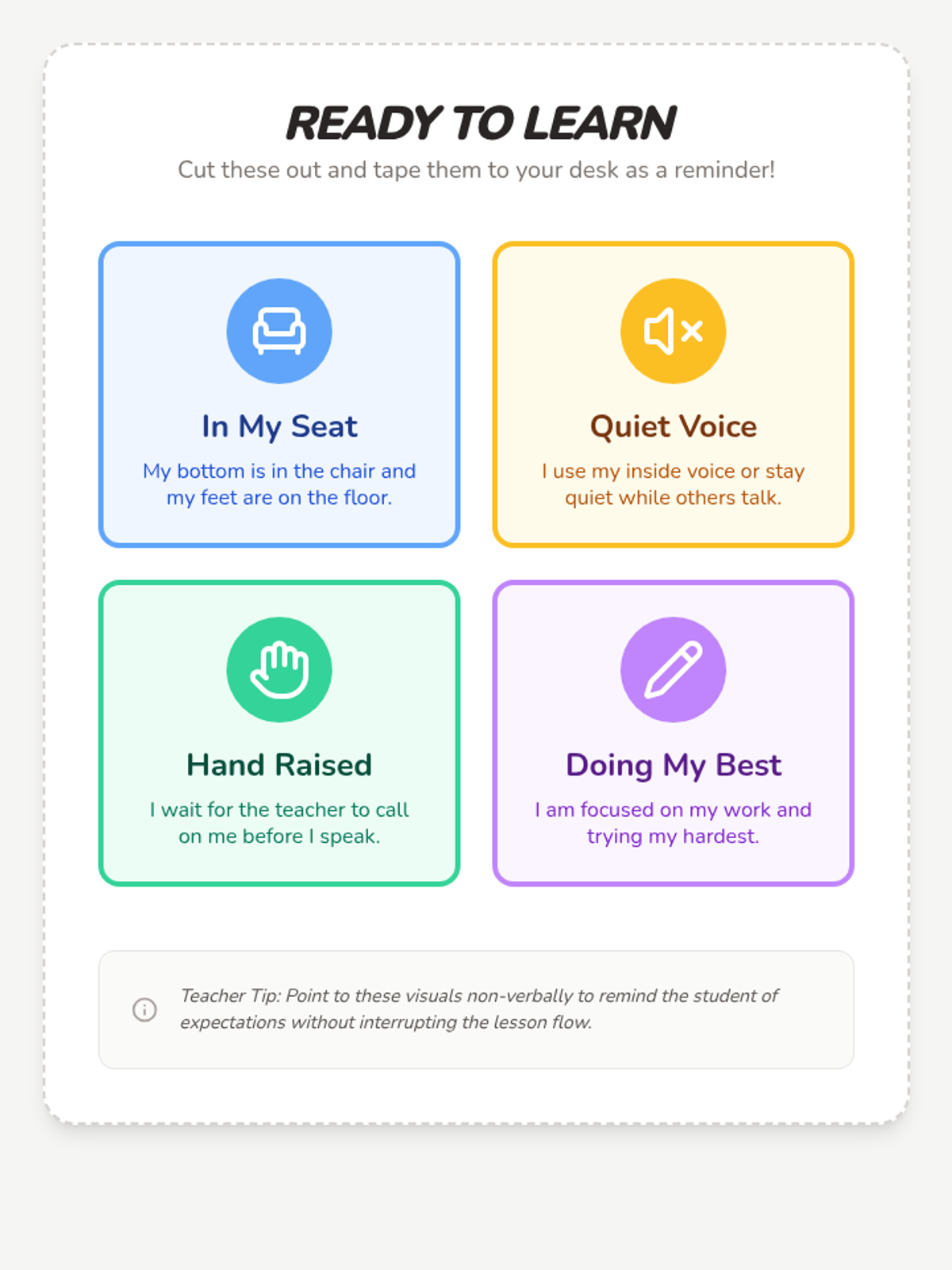
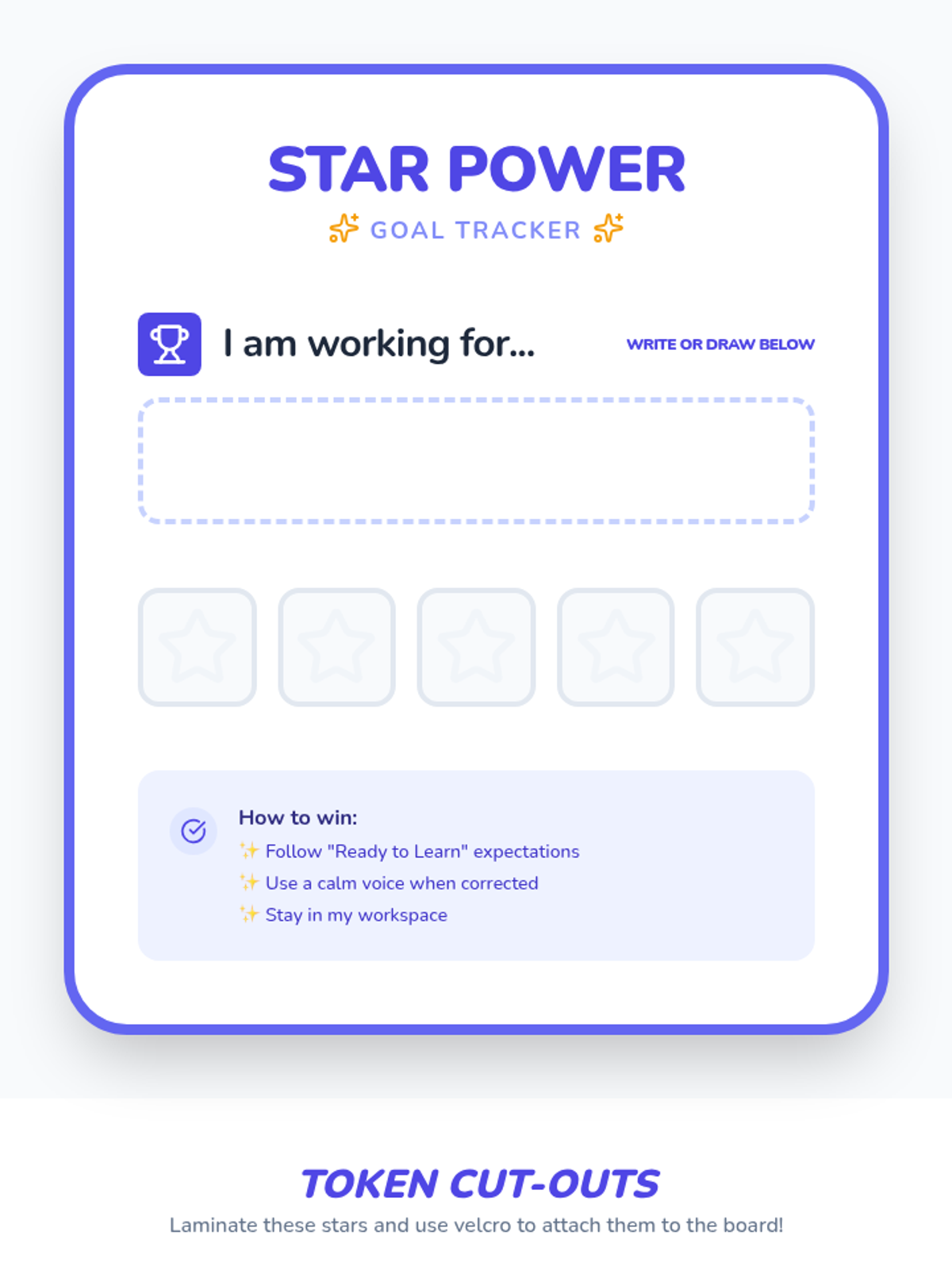
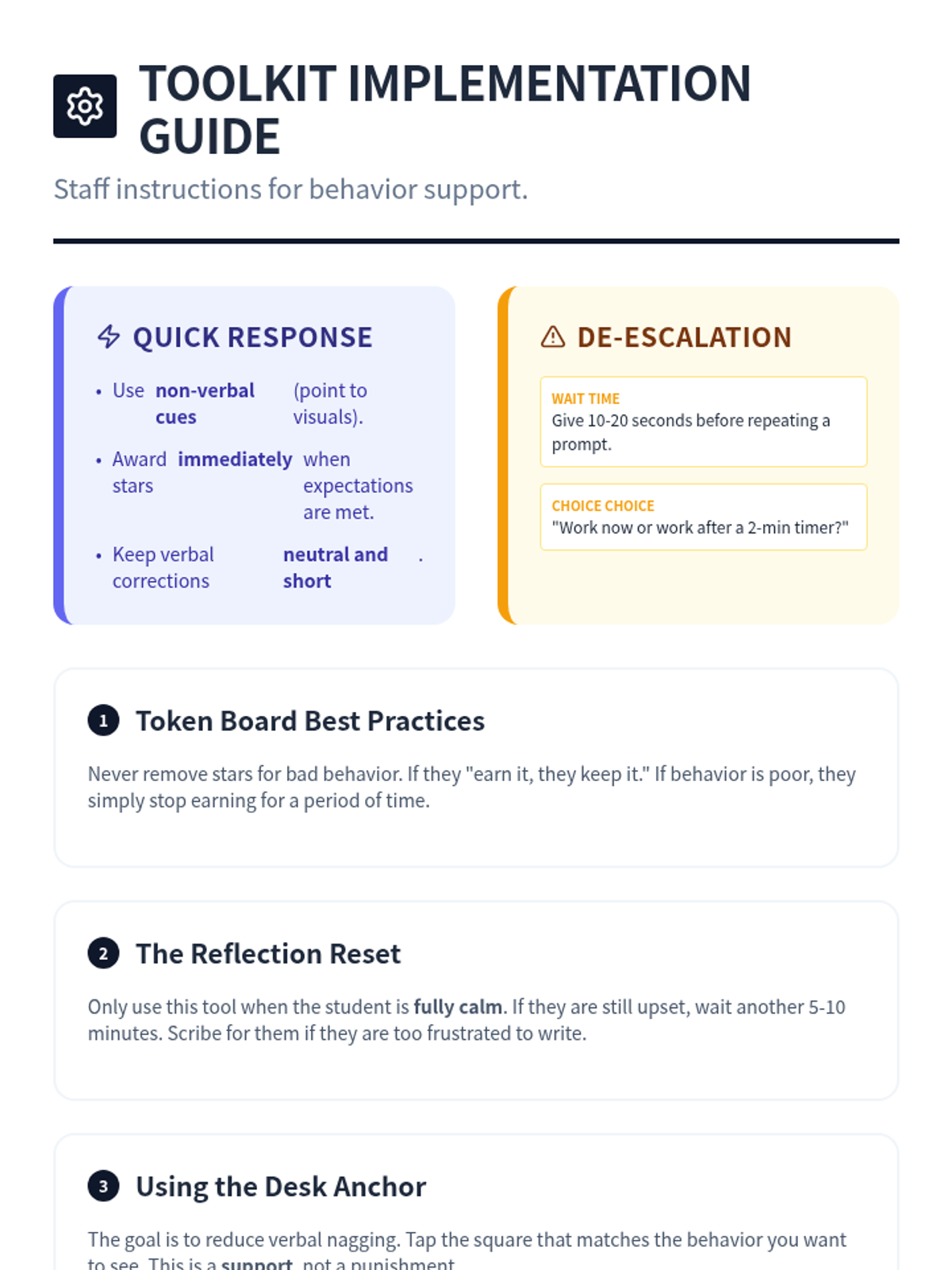
A practical toolkit of behavioral supports designed to help students stay focused, manage frustration, and track progress toward positive choices.
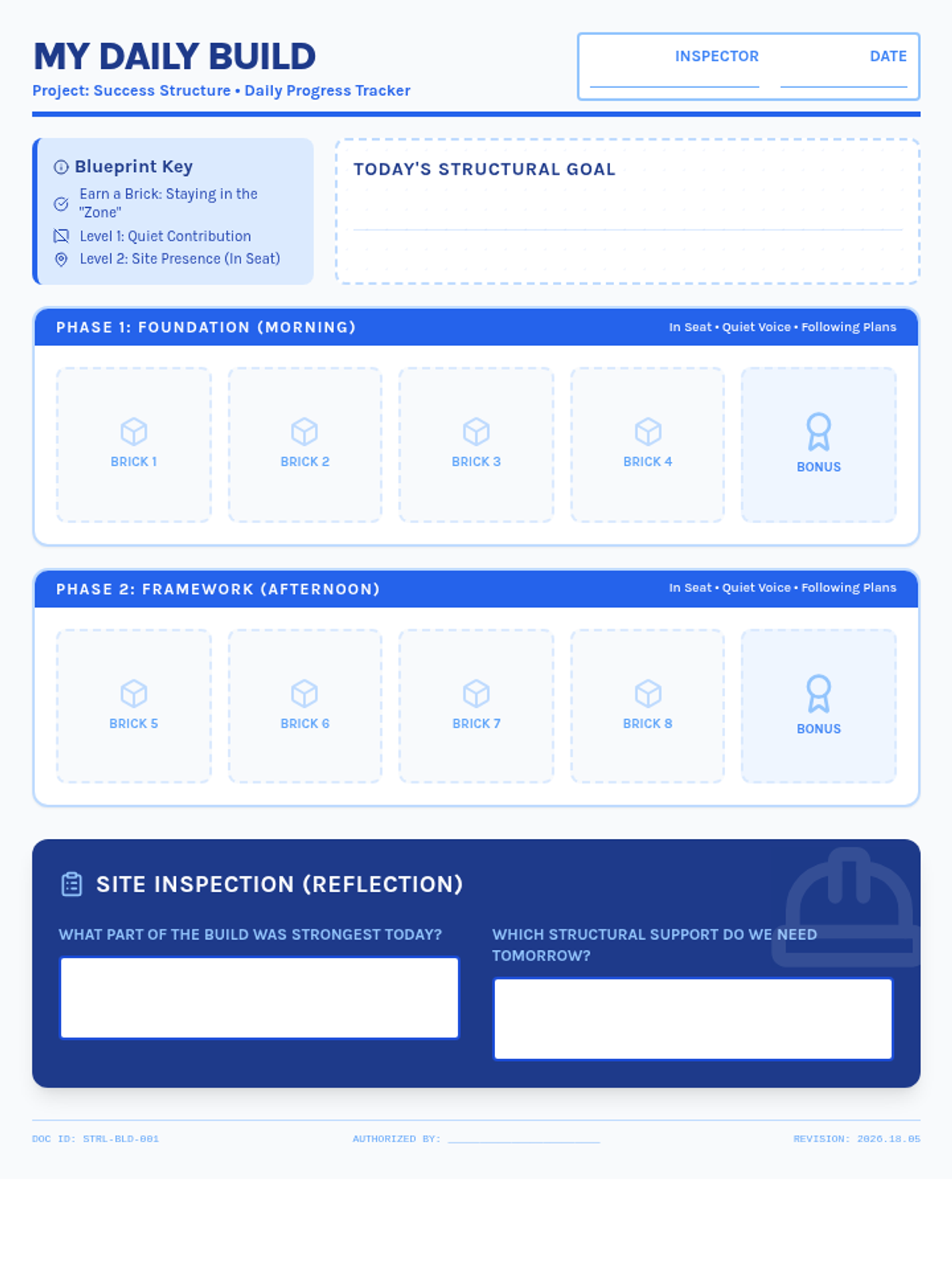
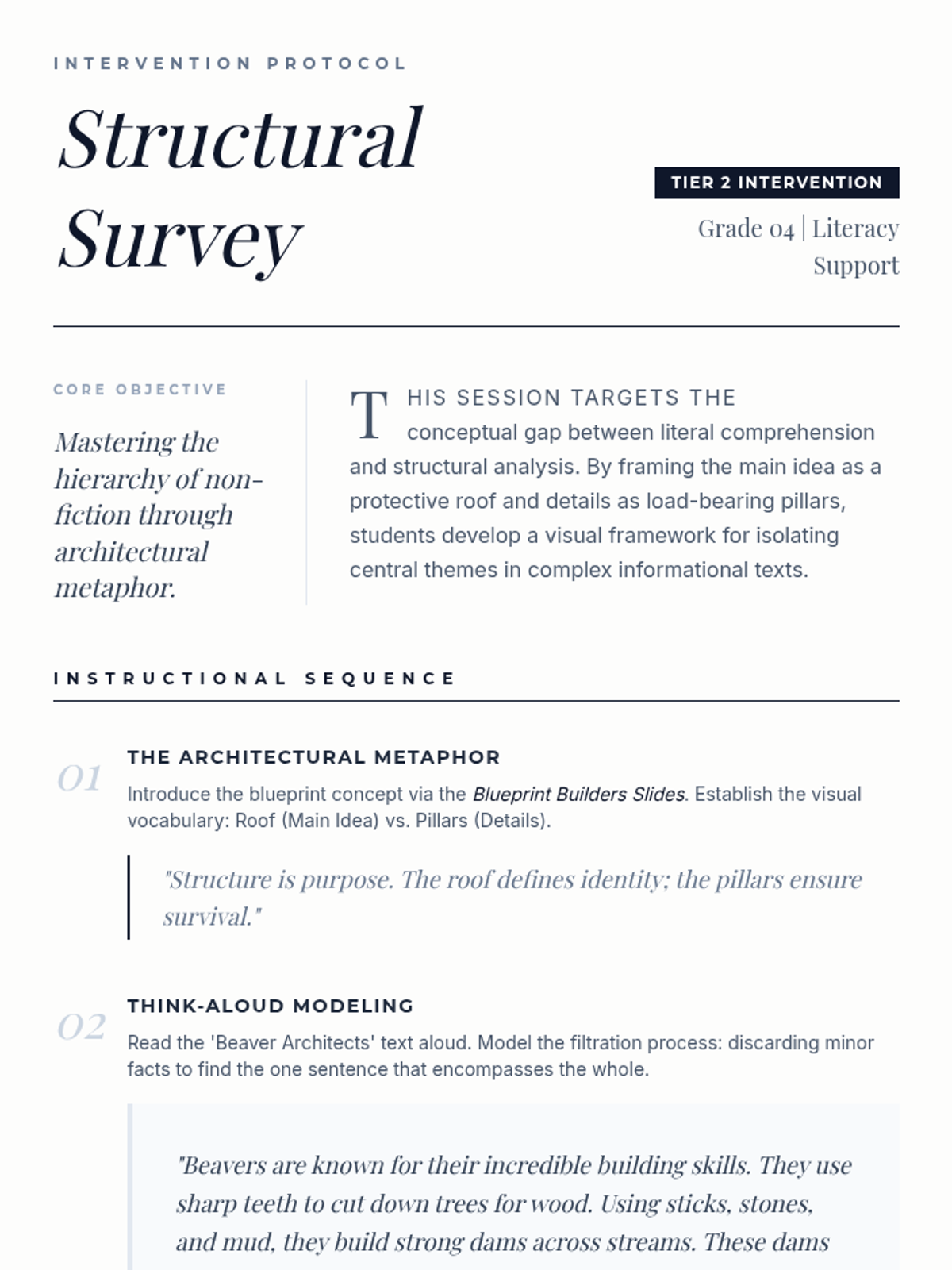
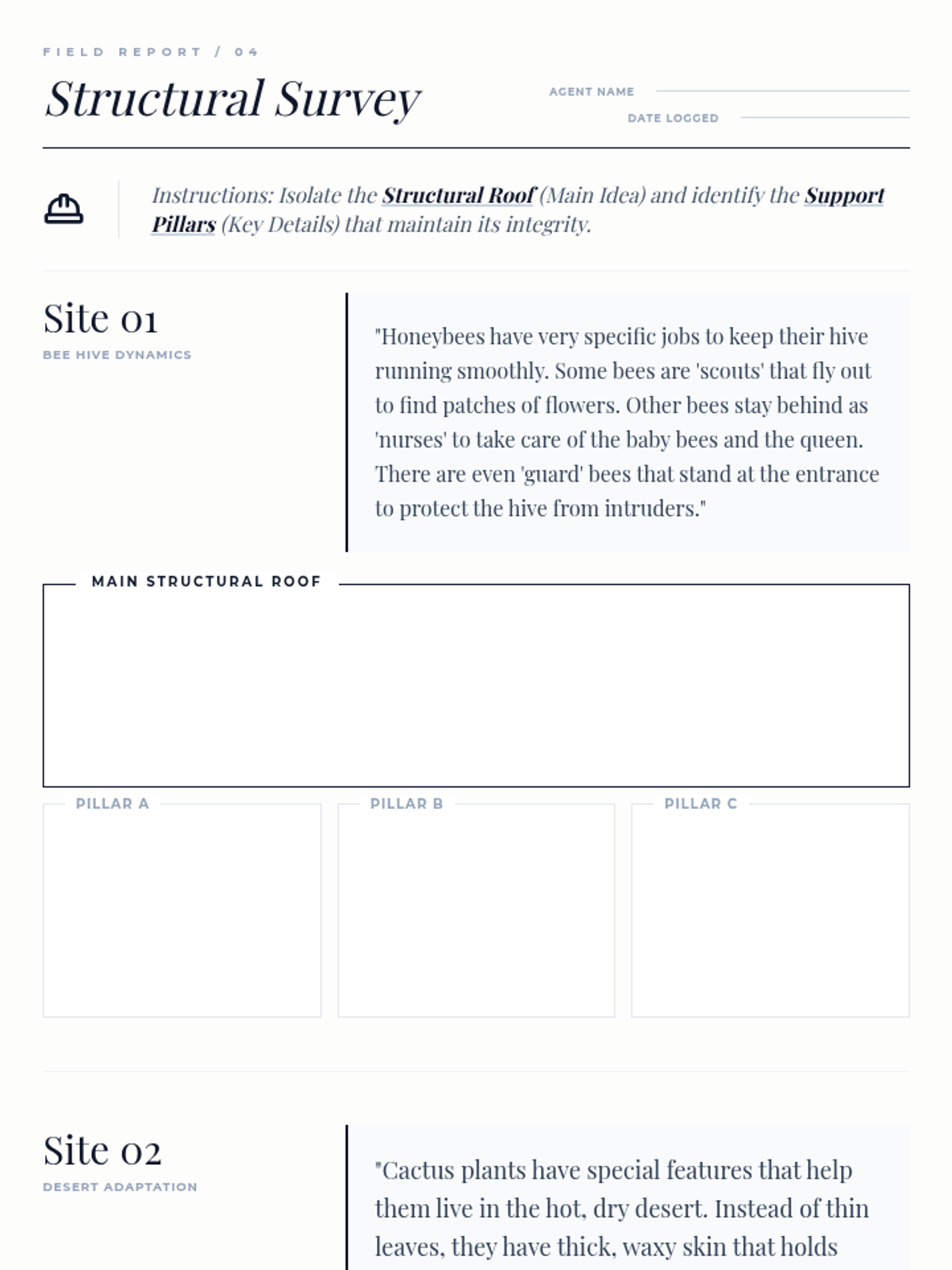
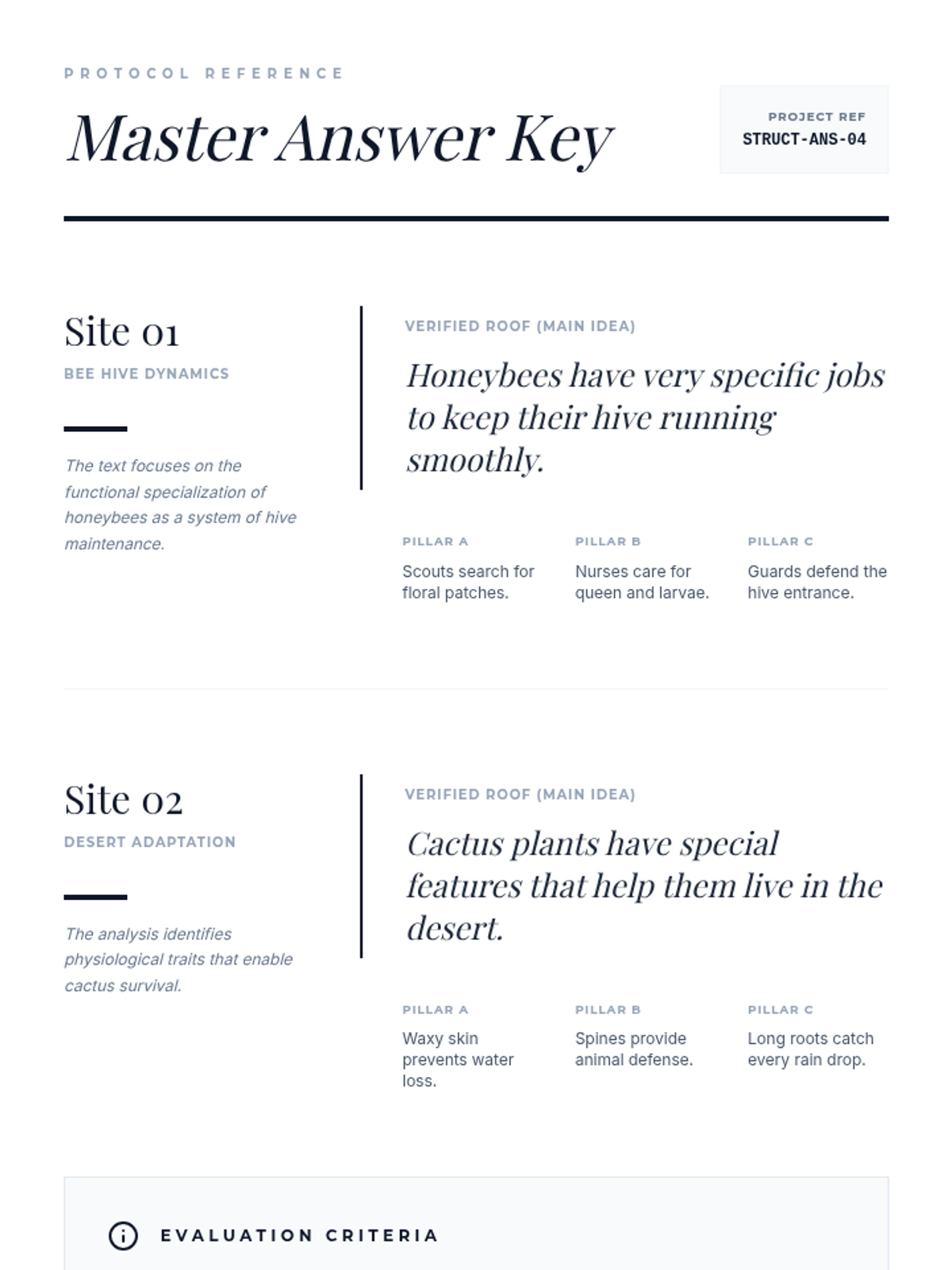
A Tier 2 intervention lesson focused on identifying the main idea and supporting details using a construction and blueprint theme. Students learn to distinguish the 'big structure' from the 'supporting pillars' in non-fiction texts.
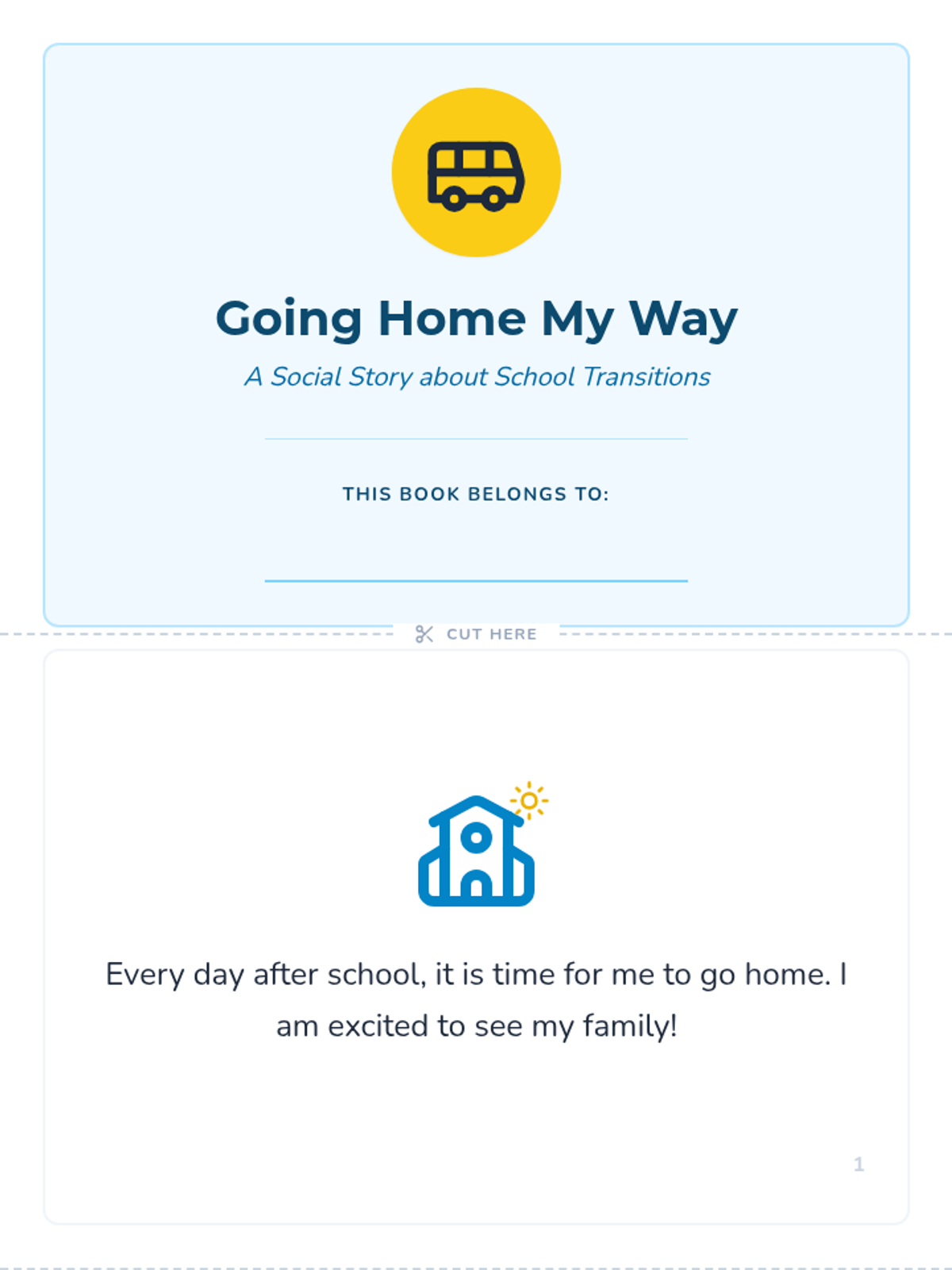
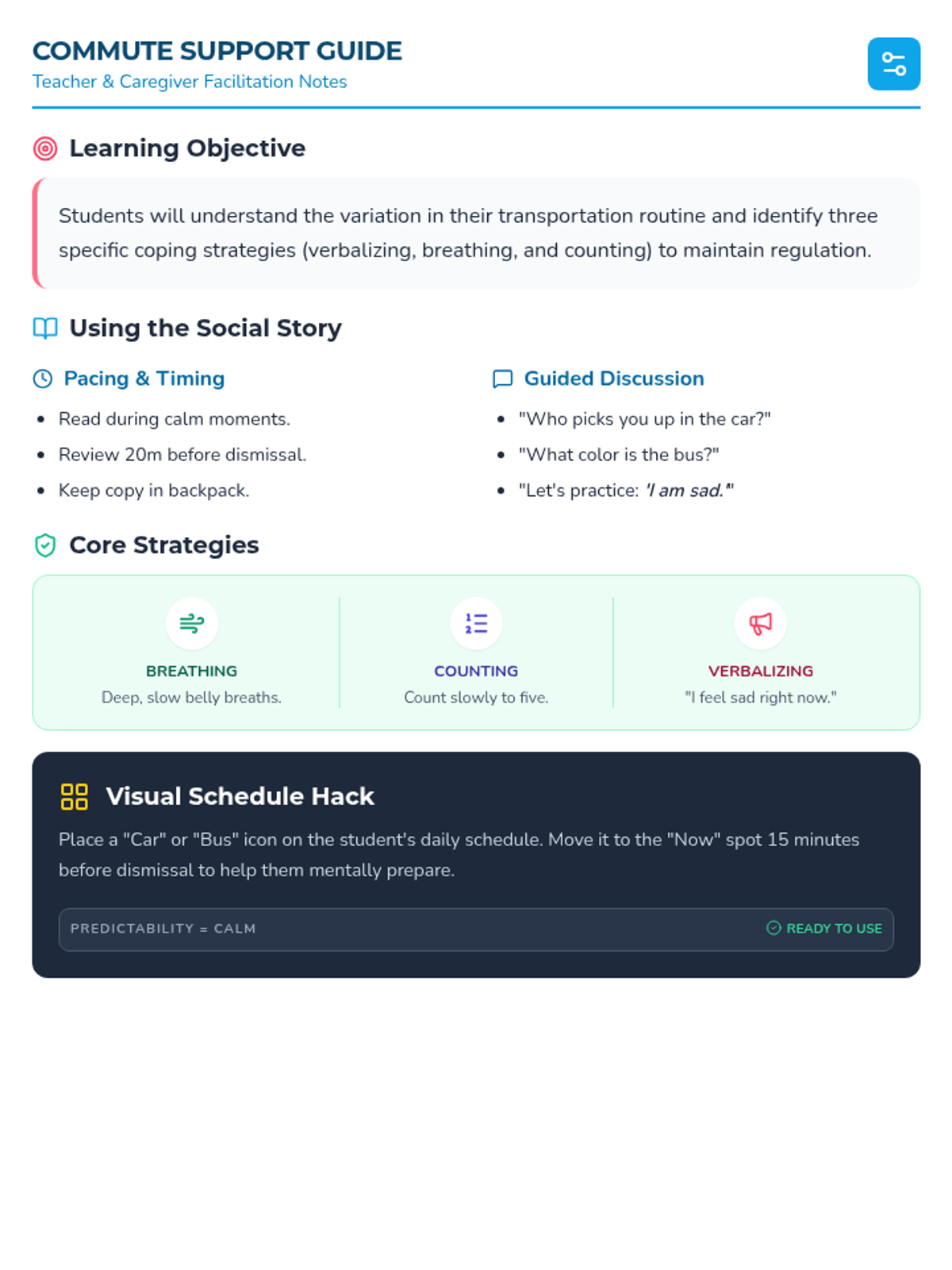
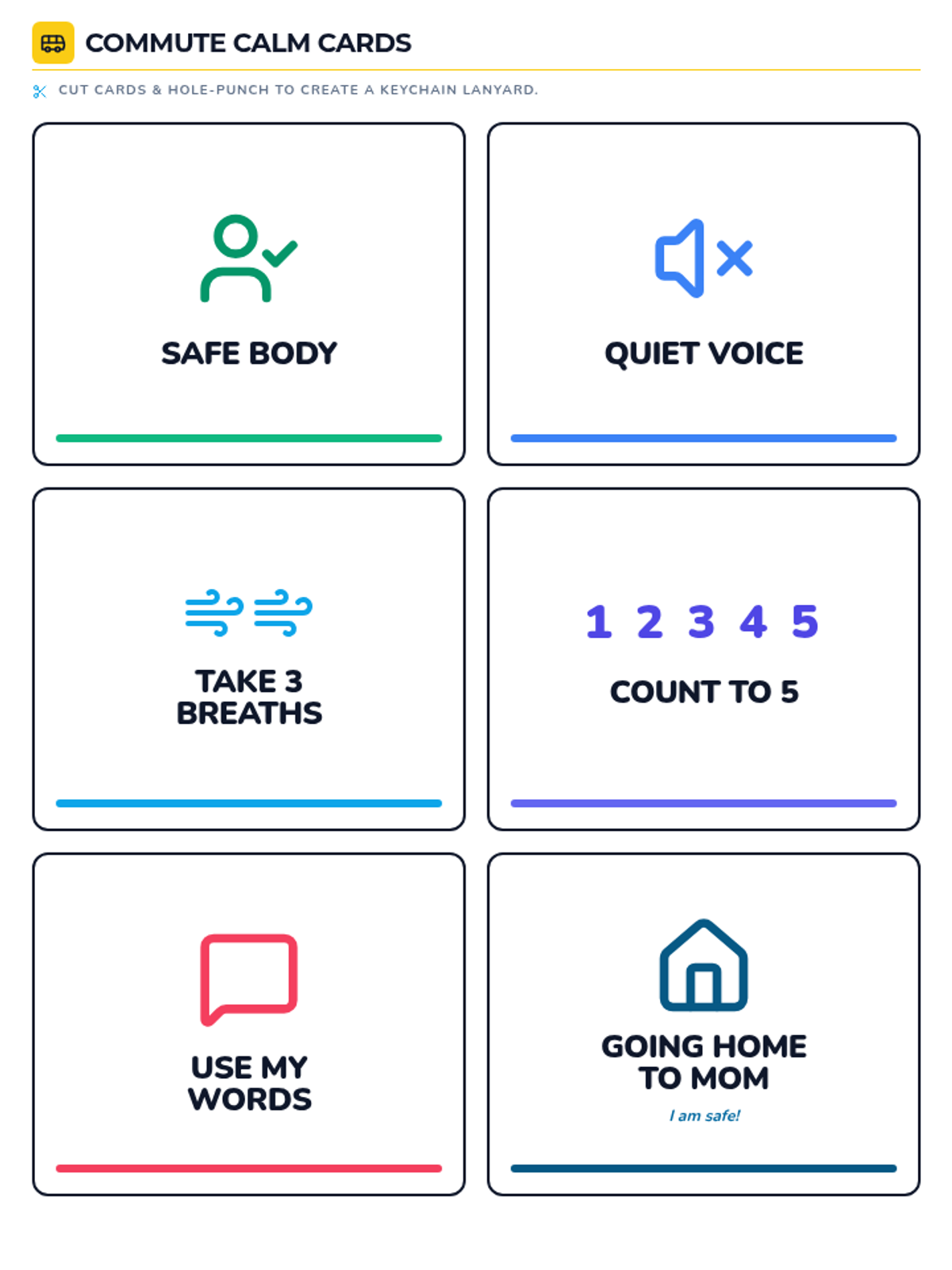
A supportive lesson designed to help students navigate changes in their after-school routine, focusing on the transition between being picked up by a parent and taking the bus. Includes a personalized social story and coping strategies for emotional regulation during transit.
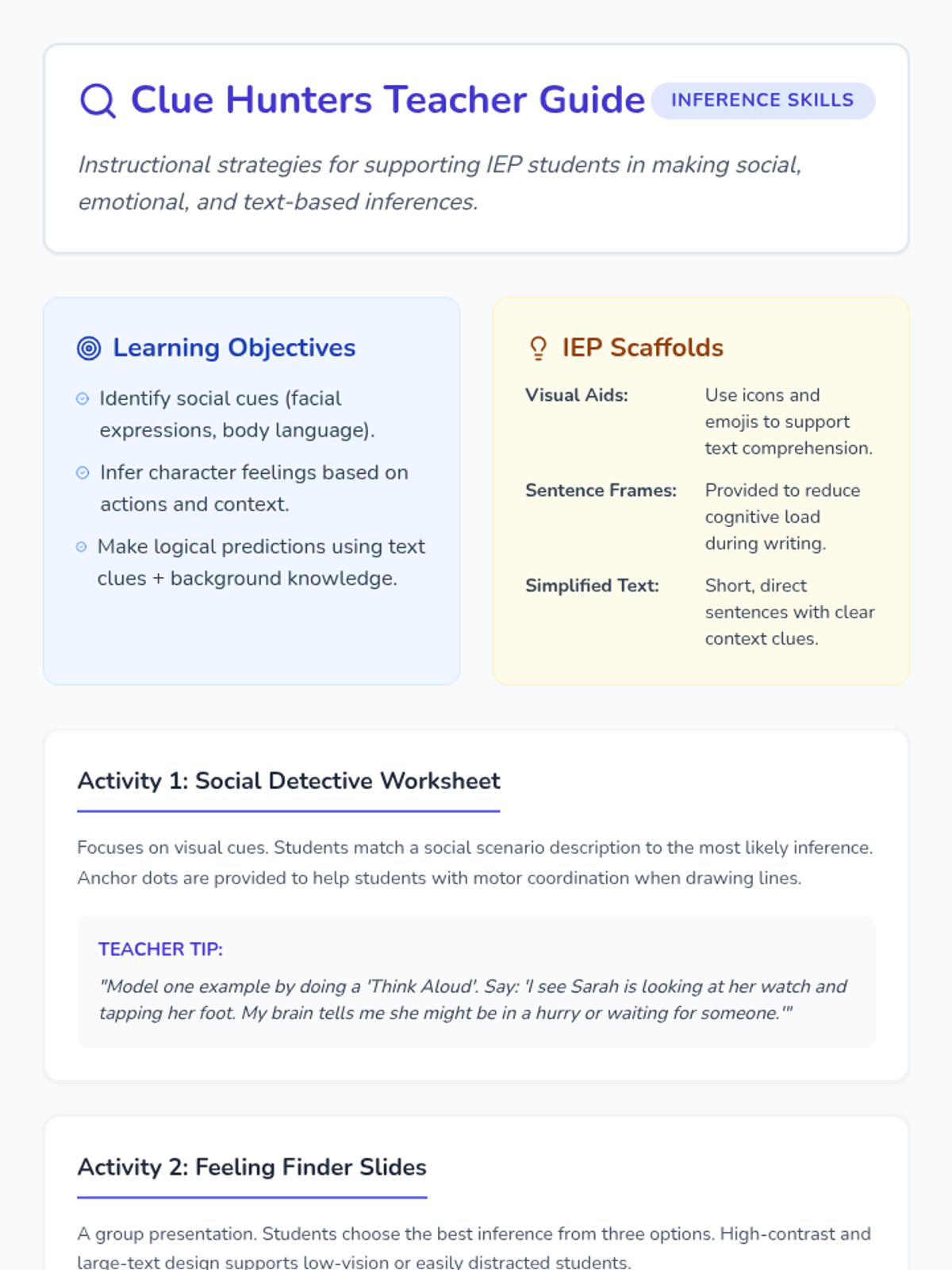
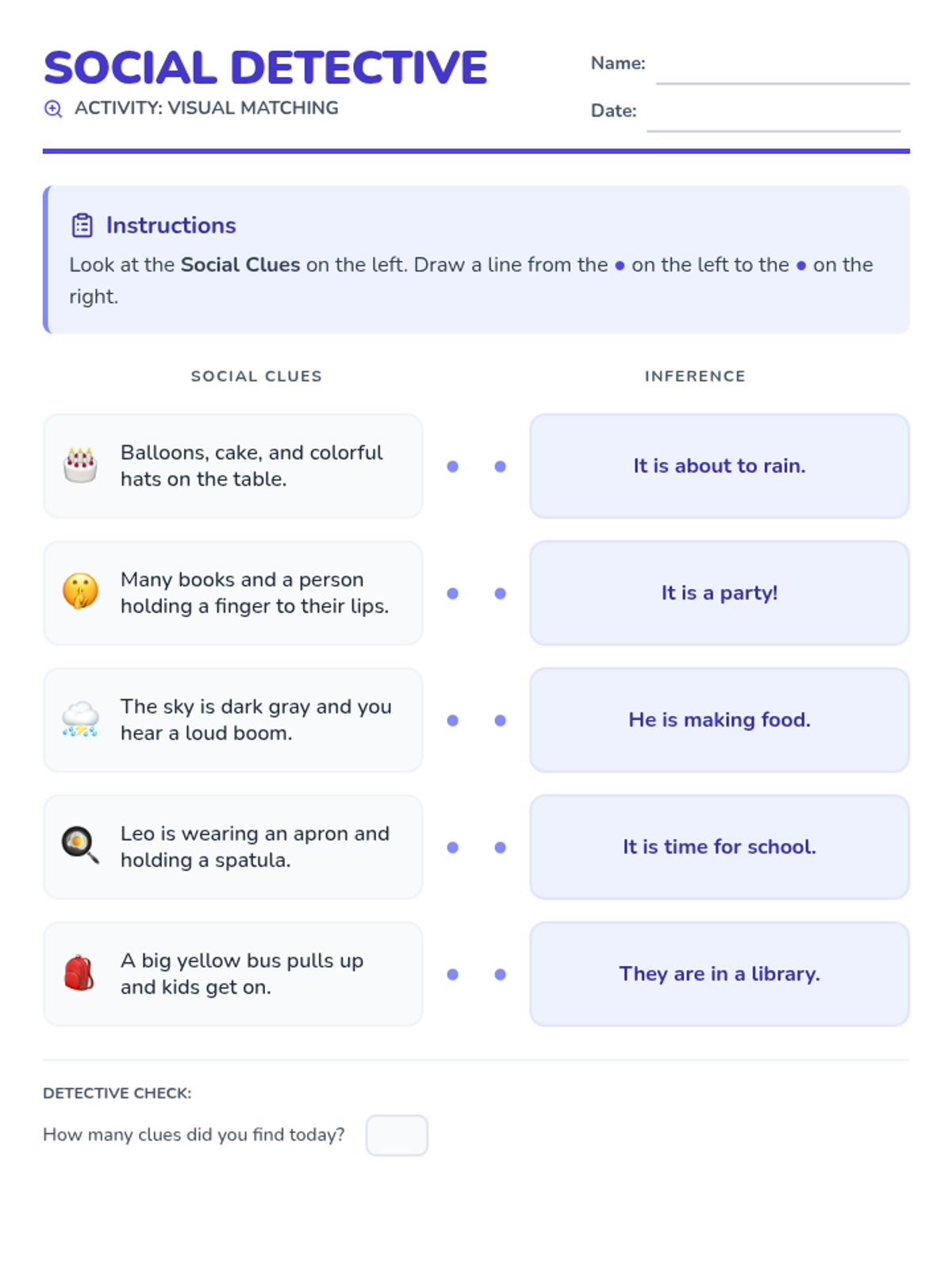
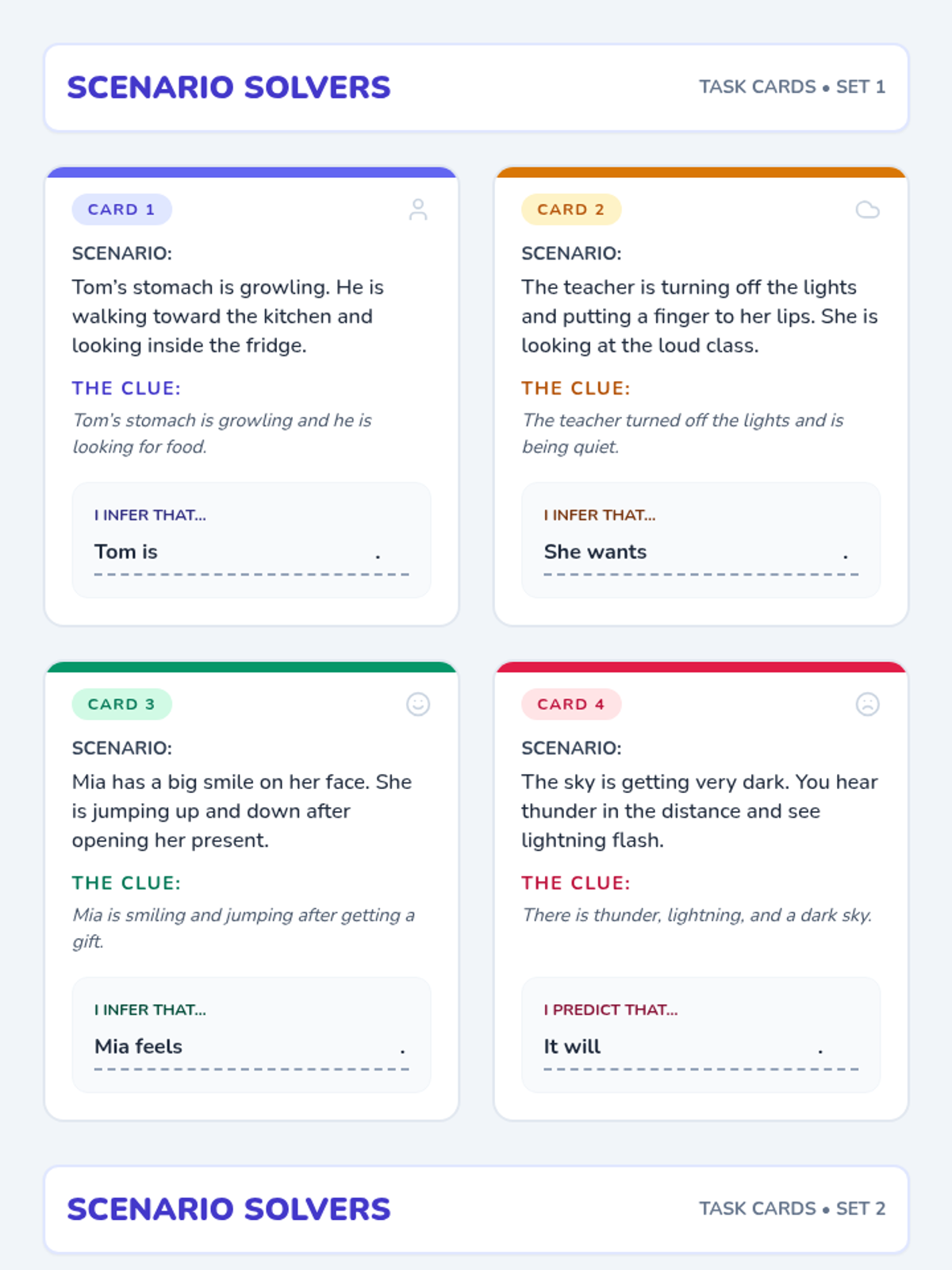
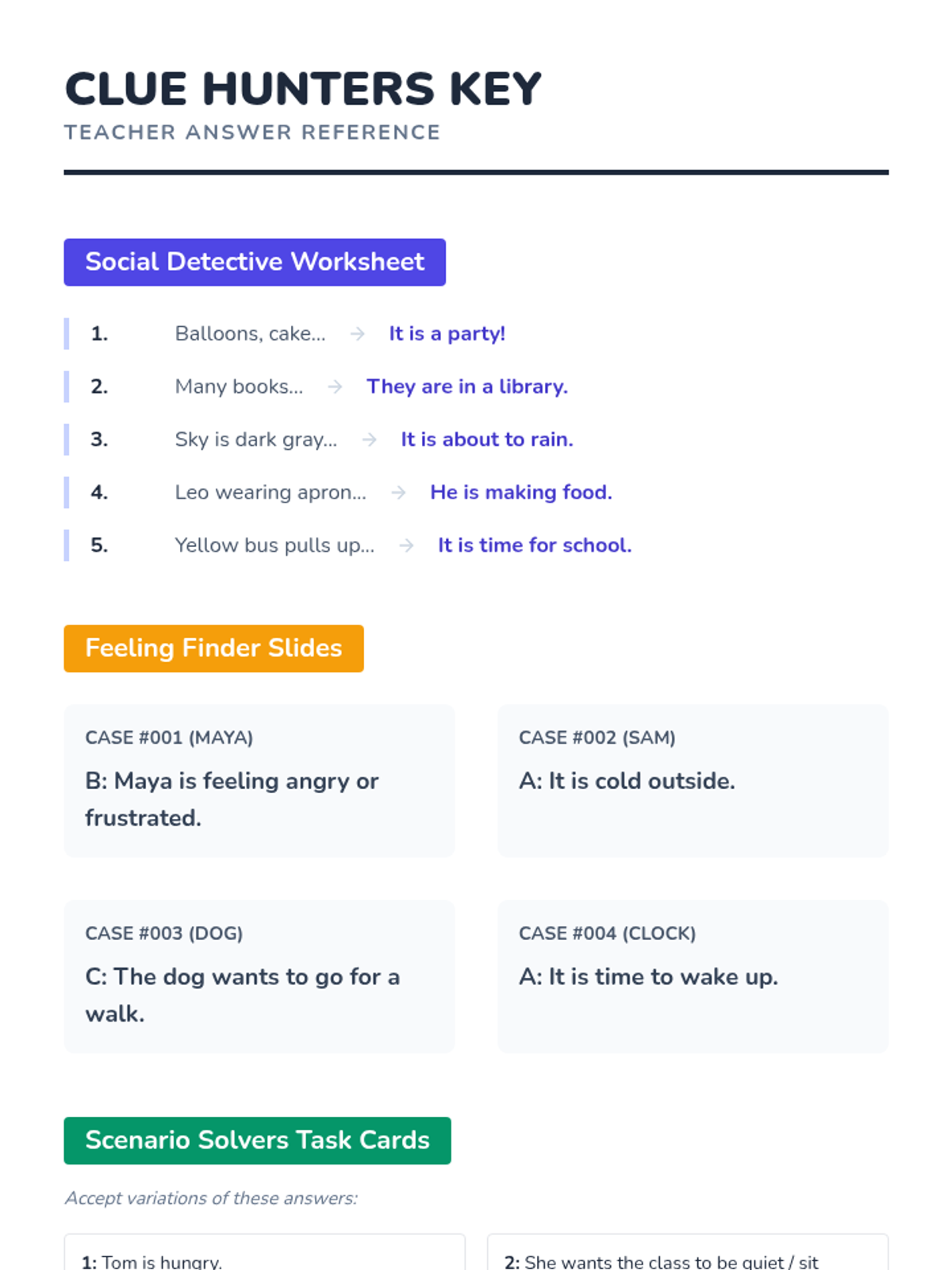
A lesson focused on teaching inference skills through social cues, character feelings, and text-based predictions, specifically designed with scaffolds for IEP students.
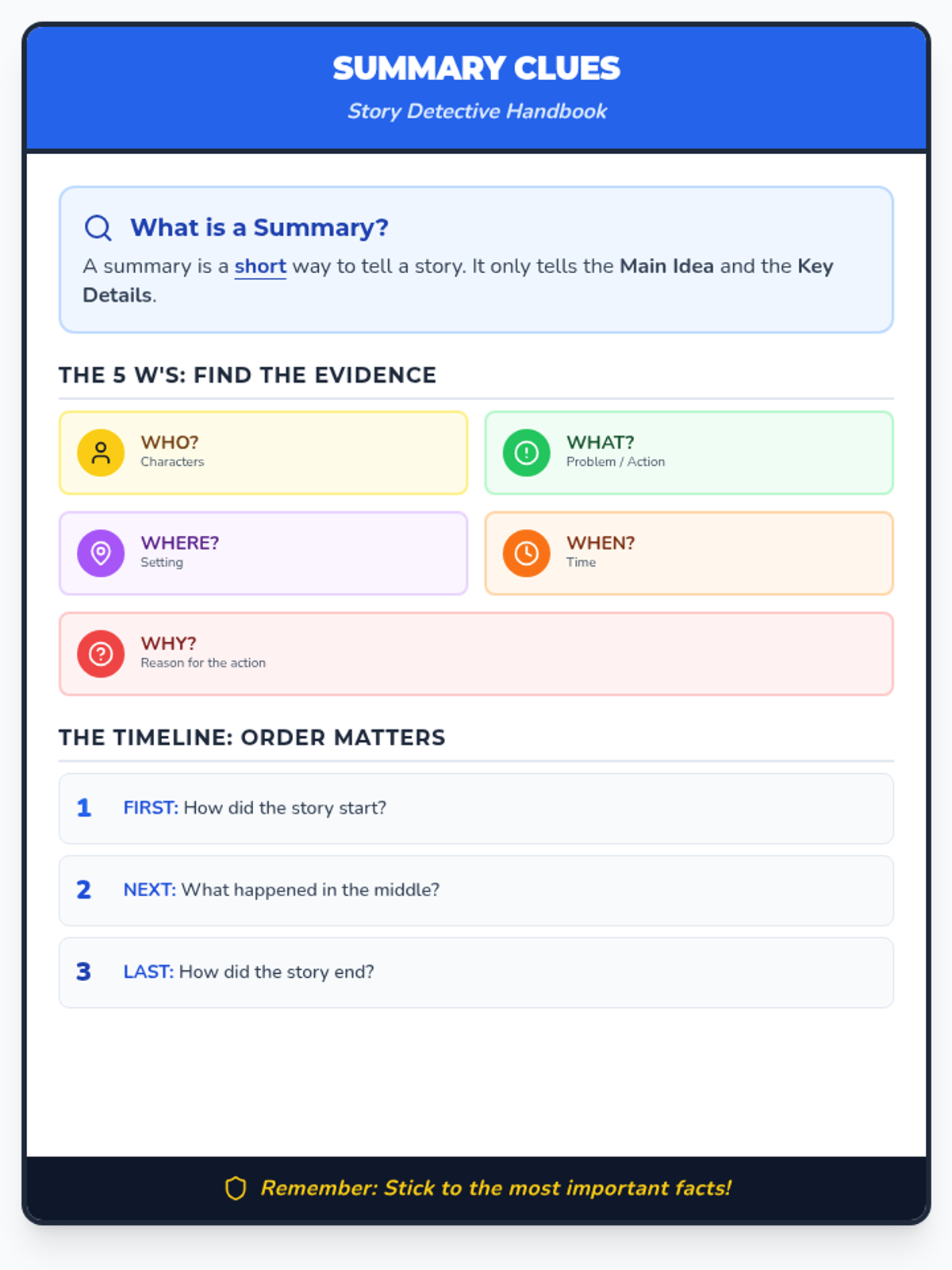
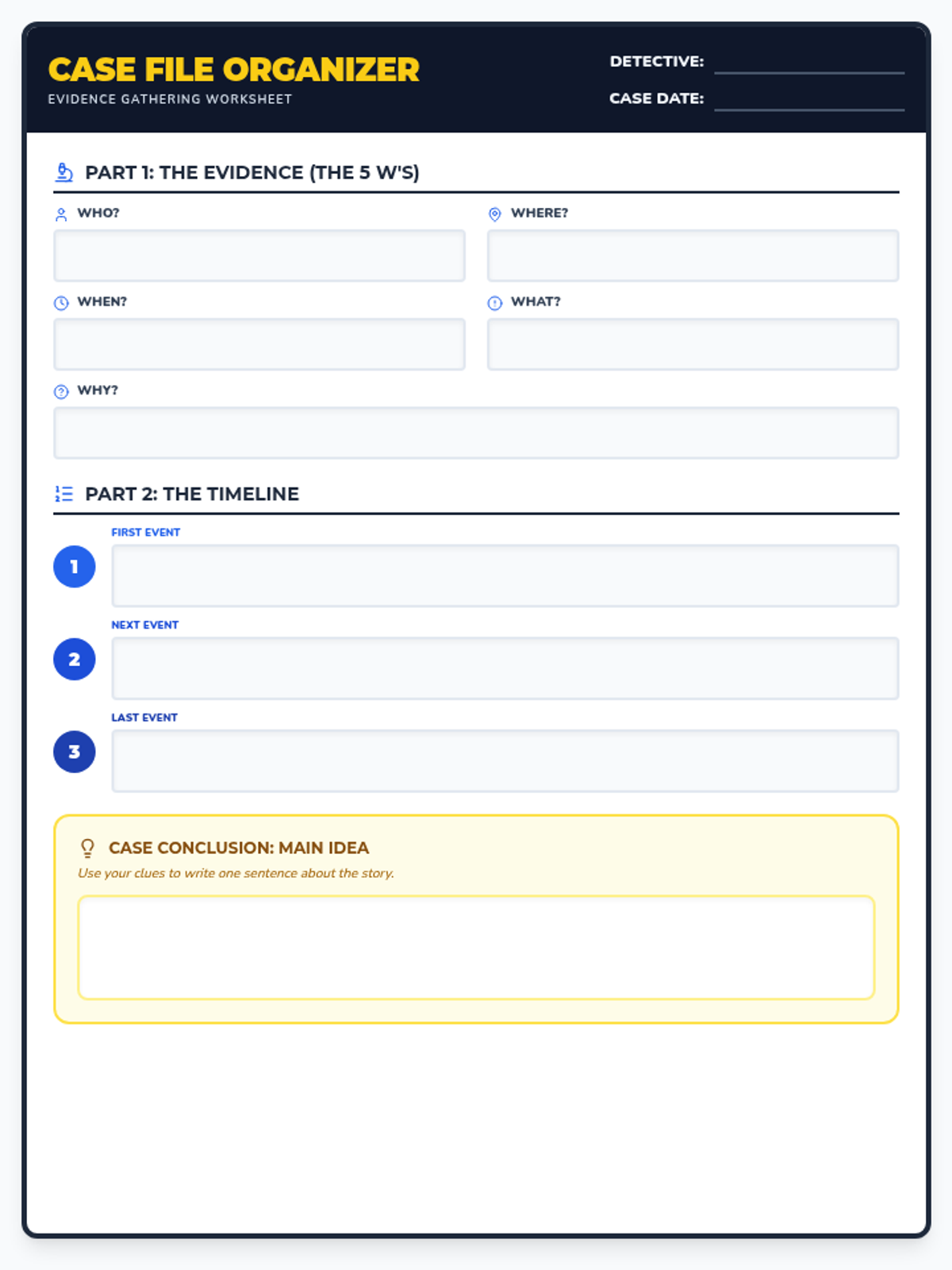
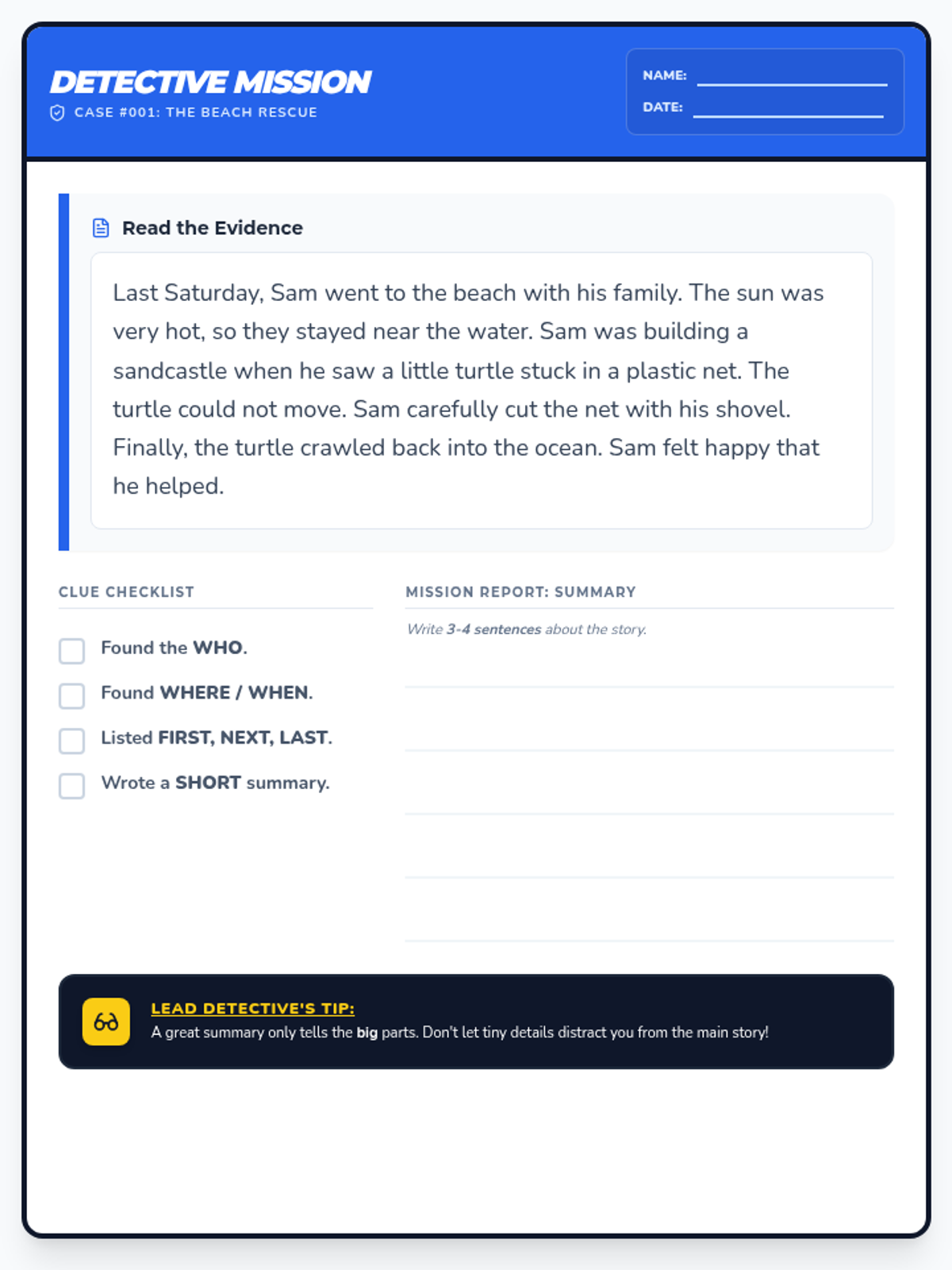
Students learn to identify the main idea, key details, and sequence of events in a story using 'The 5 Ws' as a detective-themed framework.
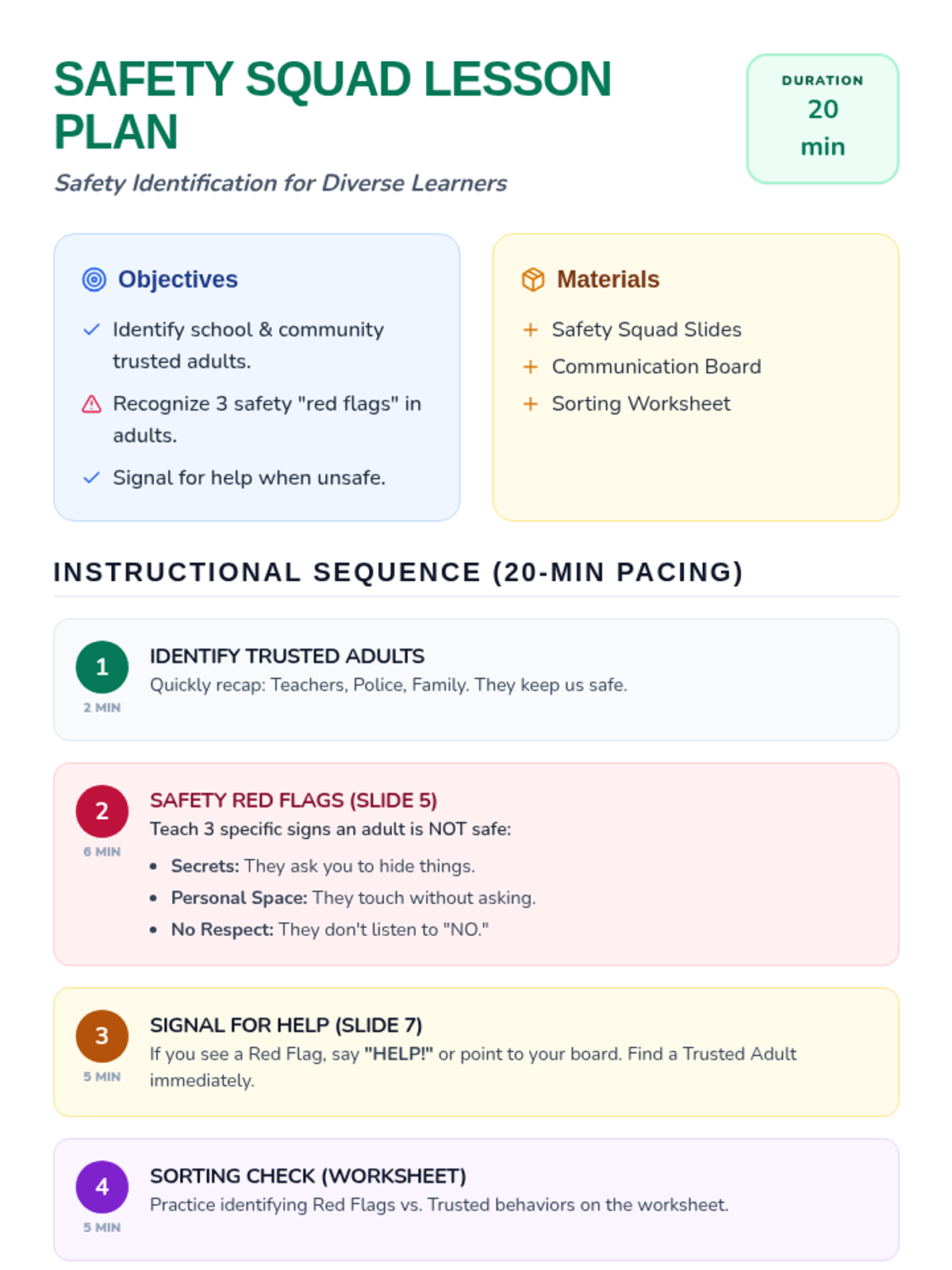
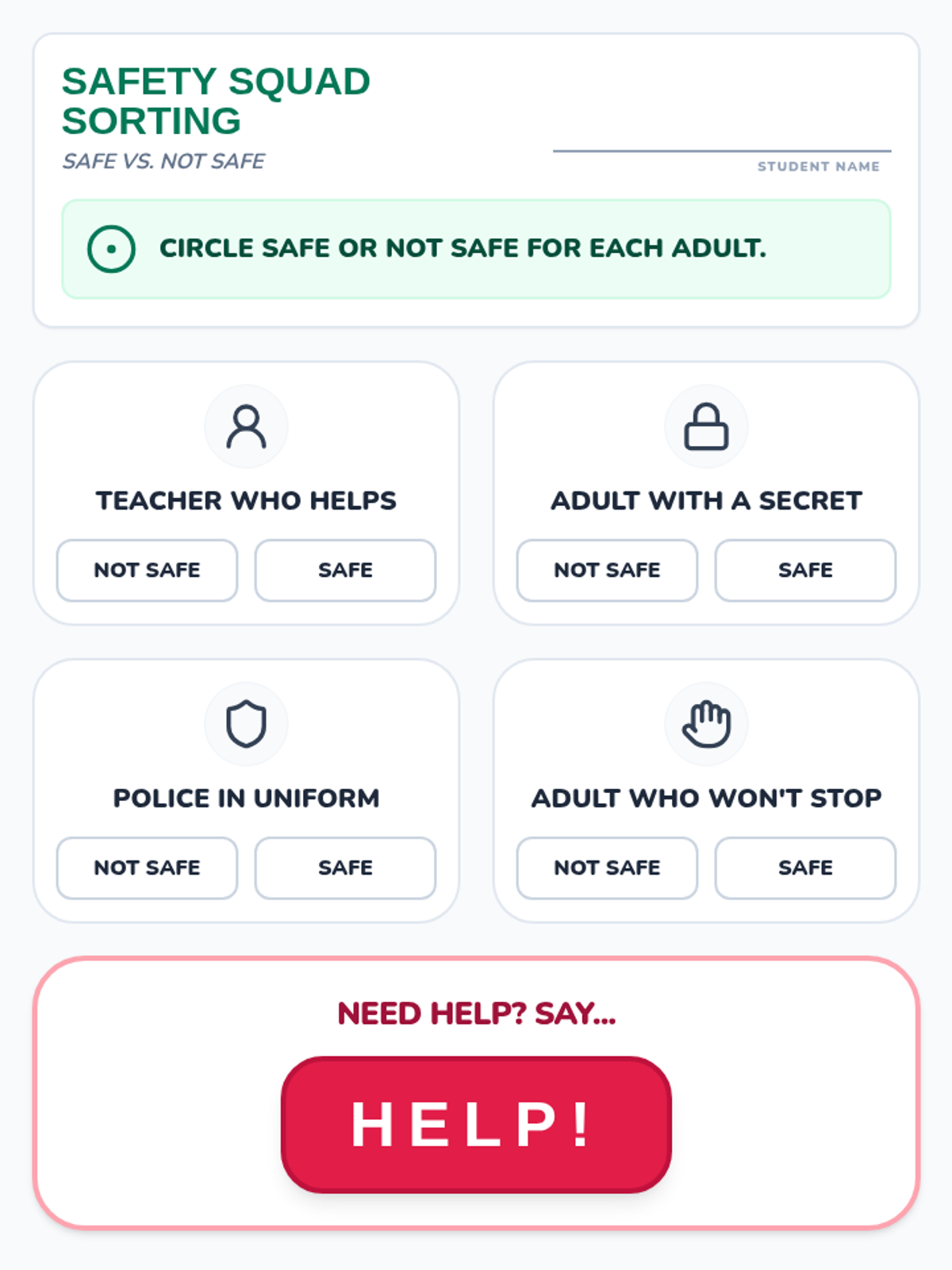
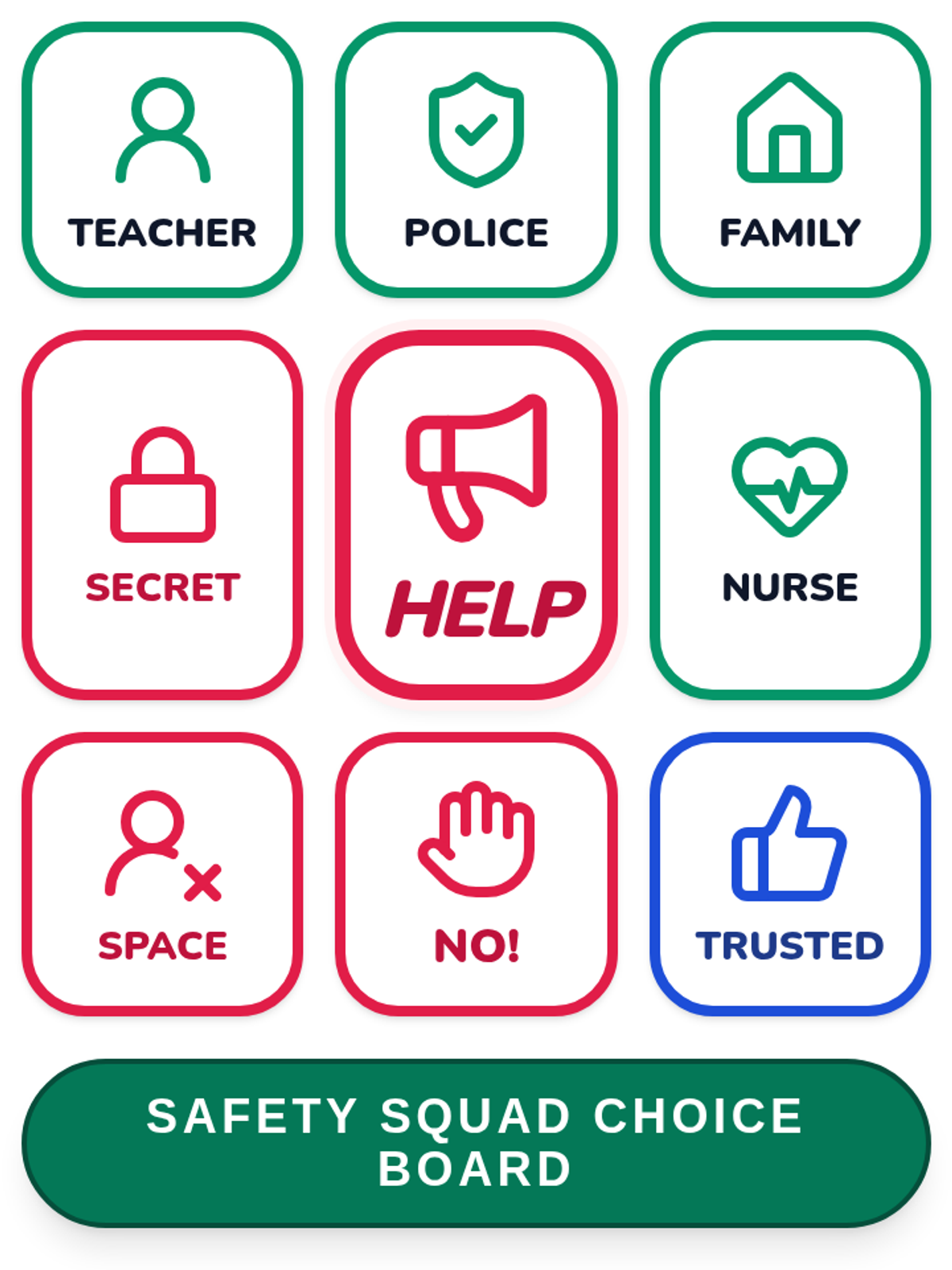
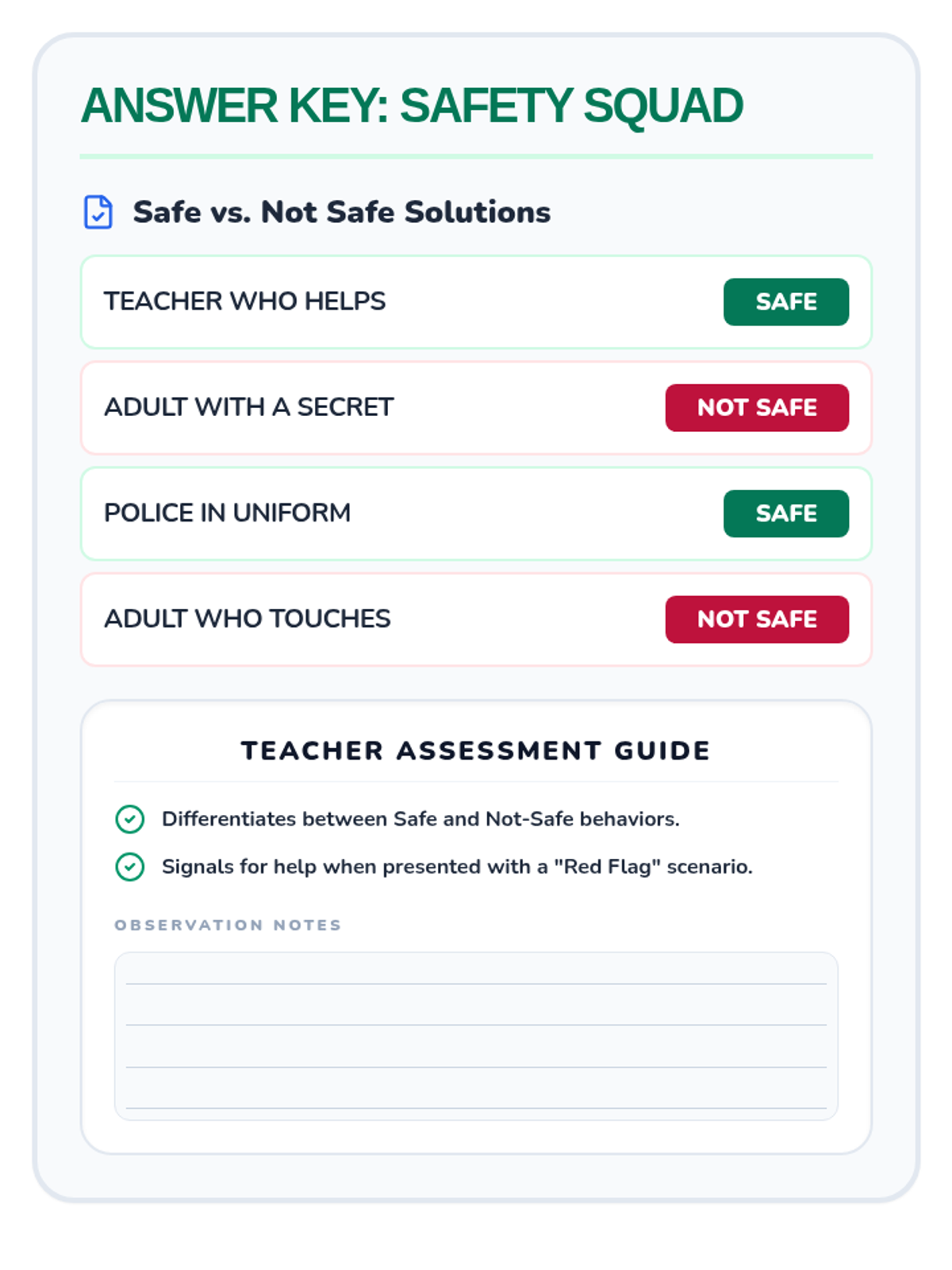
A highly visual lesson designed for students with severe disabilities to identify trusted adults at school, at home, and in the community. Includes multi-sensory prompts and clear visual supports.
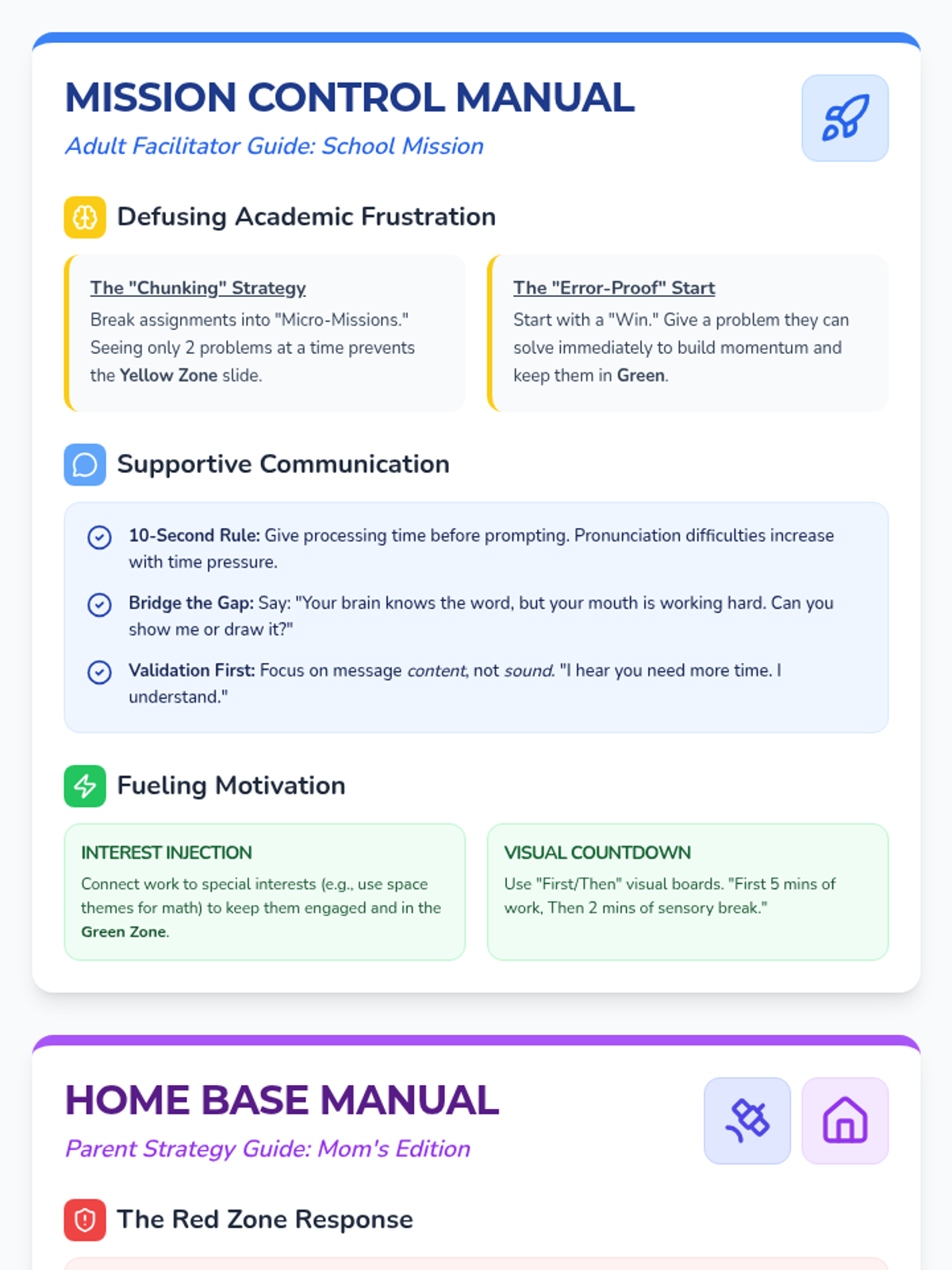
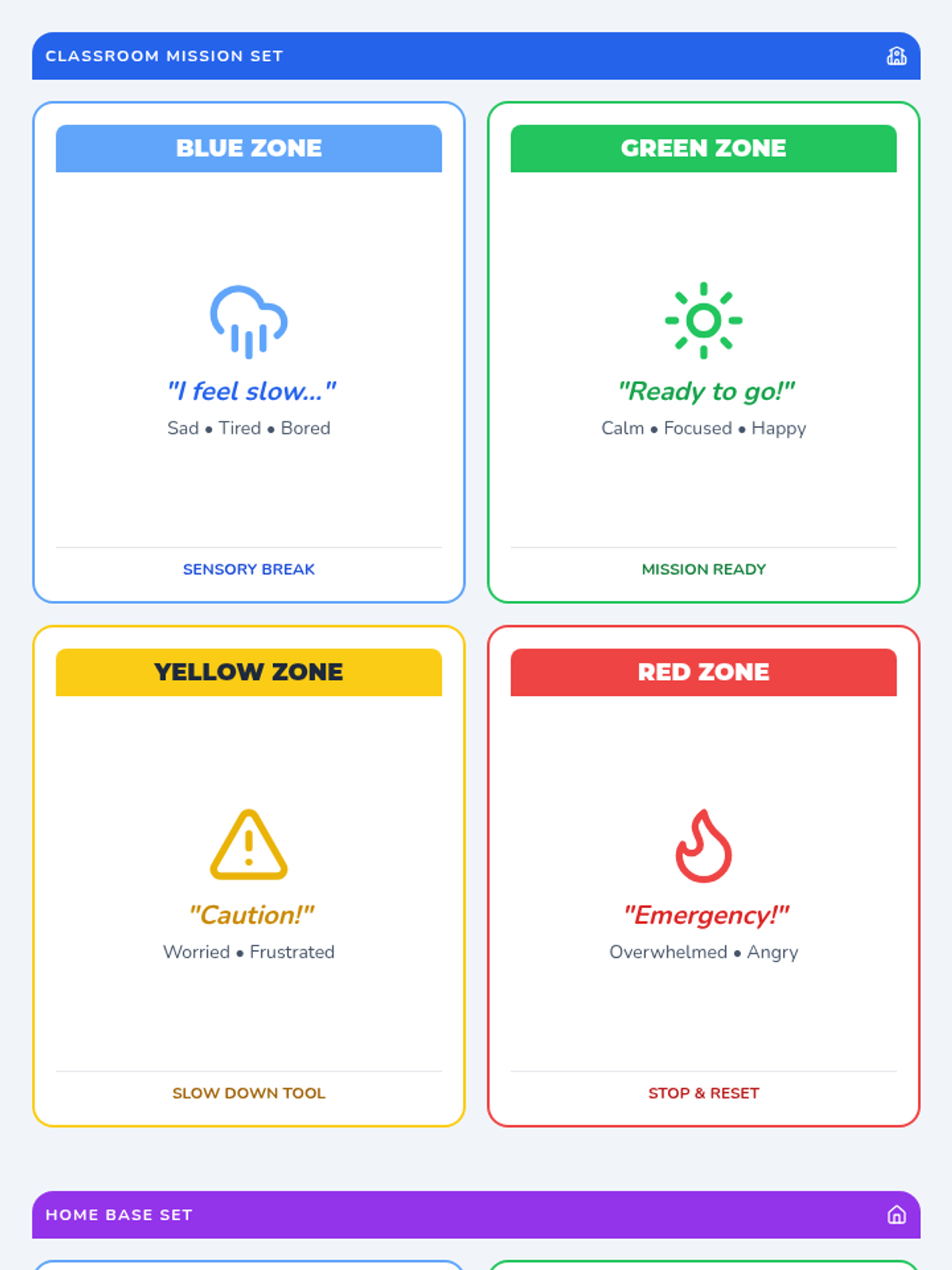
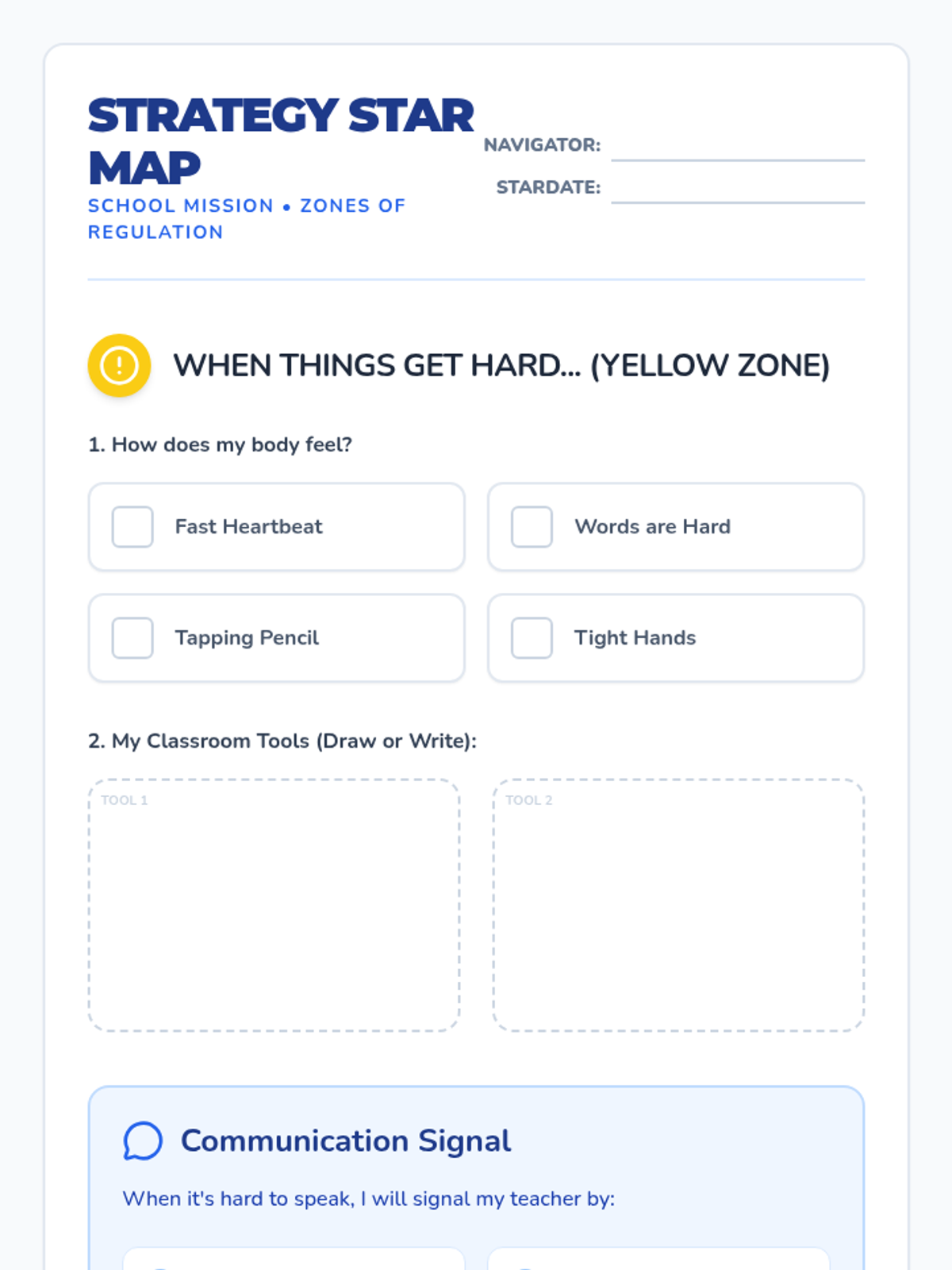
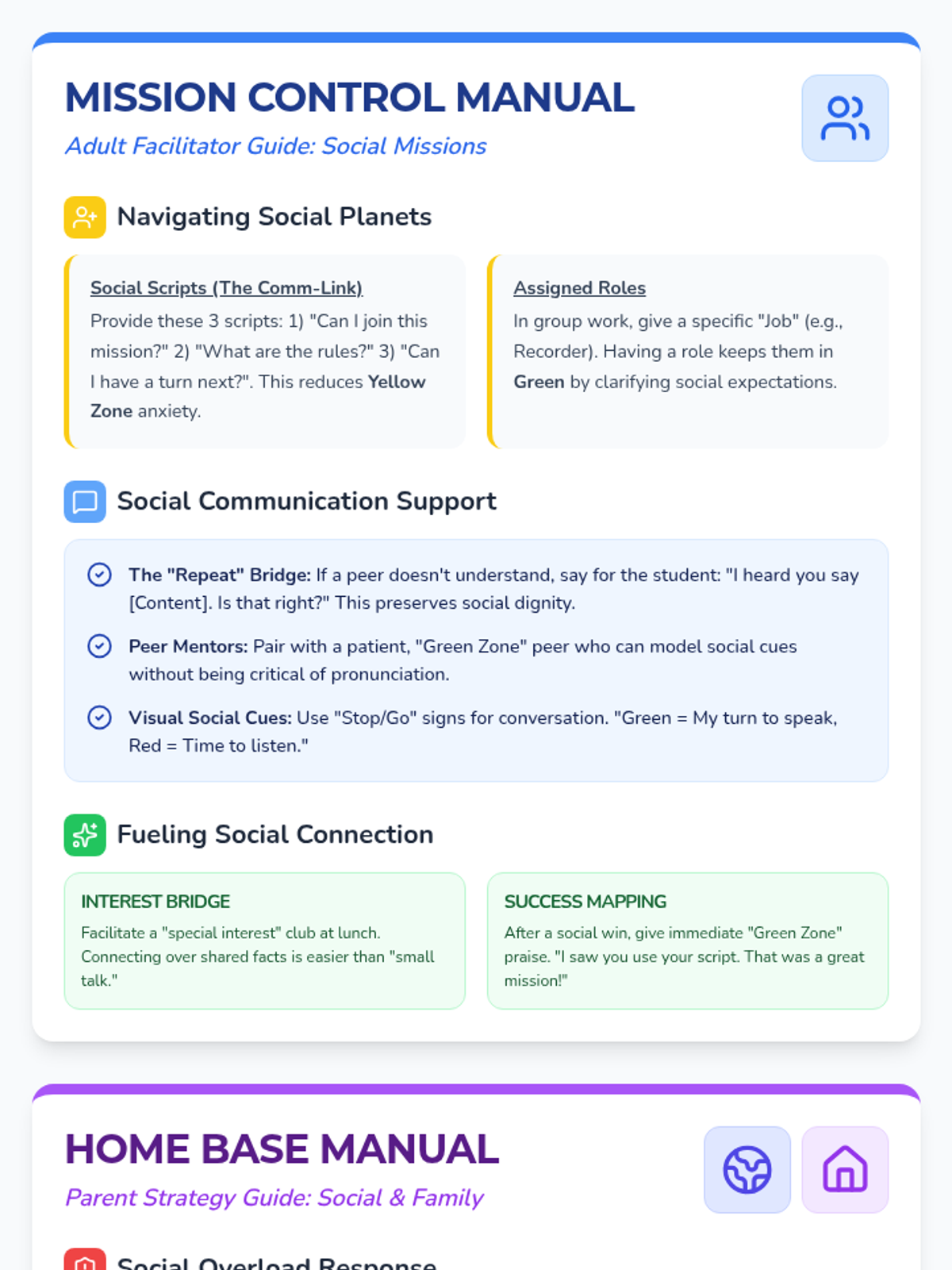
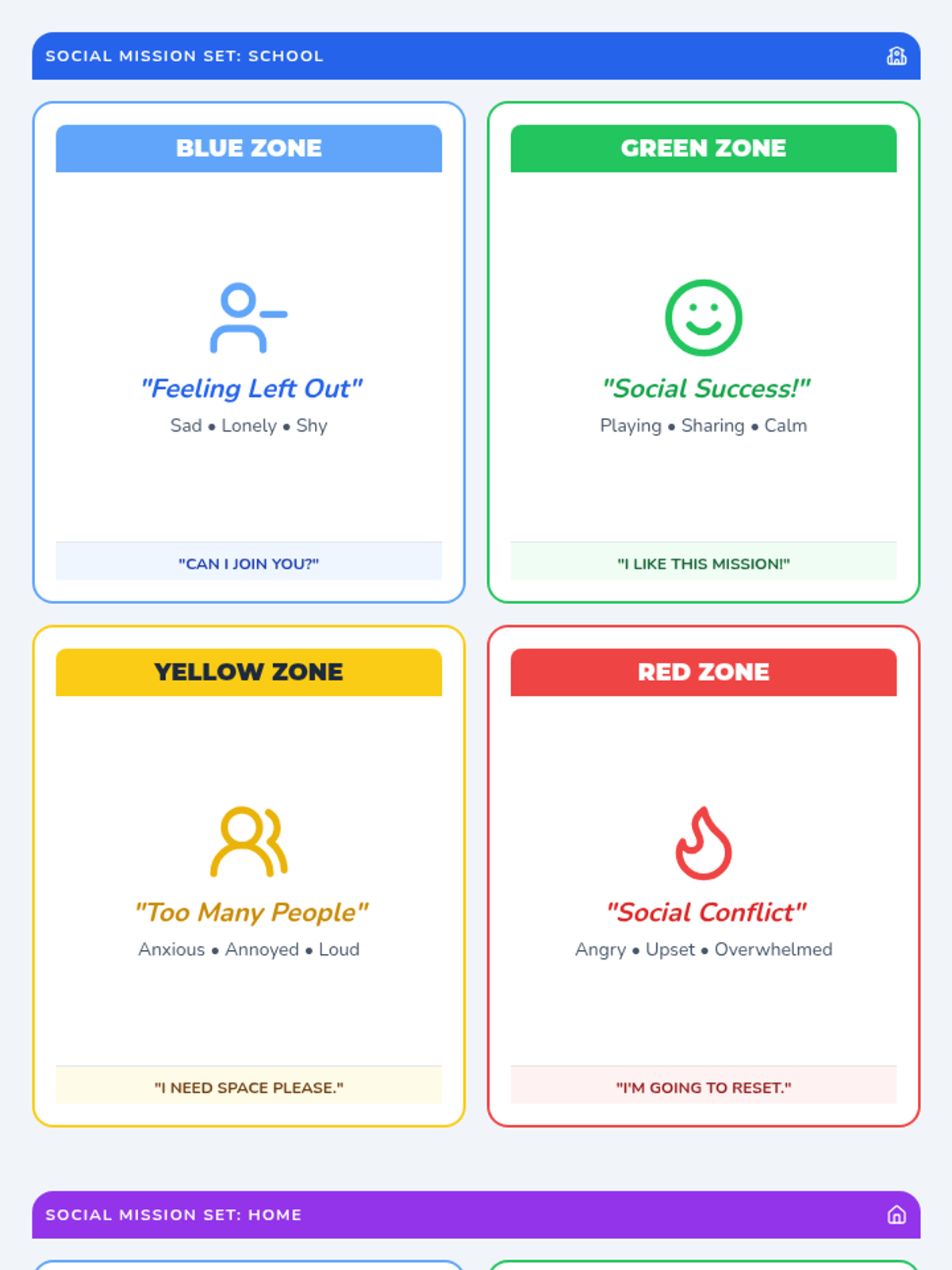
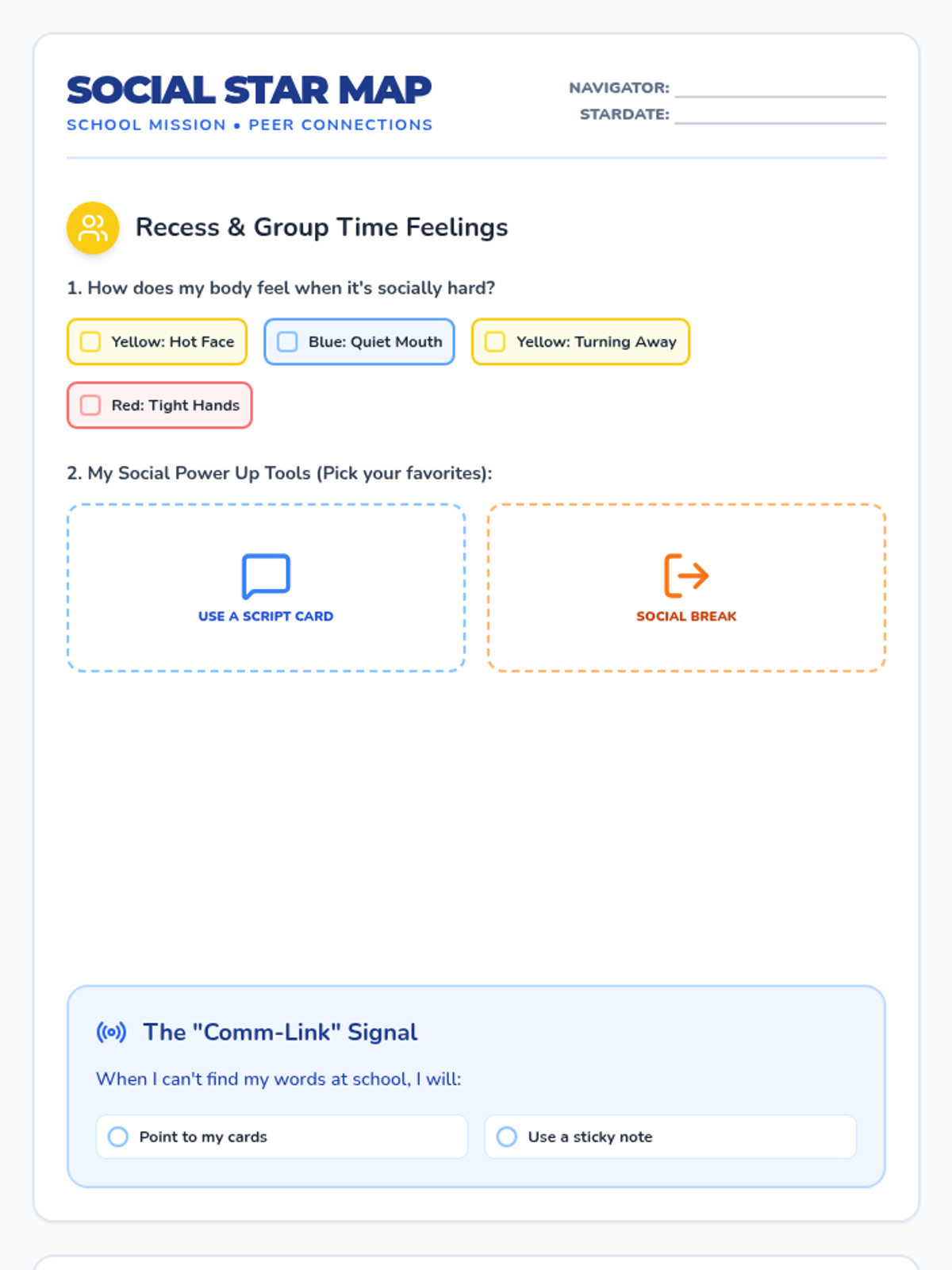
A set of resources designed to bridge regulation strategies between school and home, providing consistent language and visual supports for a student facing academic and communication challenges.