A highly scaffolded, visual lesson on mean, median, mode, and range tailored specifically for students with IEPs and learning differences. Features structured fill-in-the-blank formula templates, graphic organizers, and leveled worksheets.
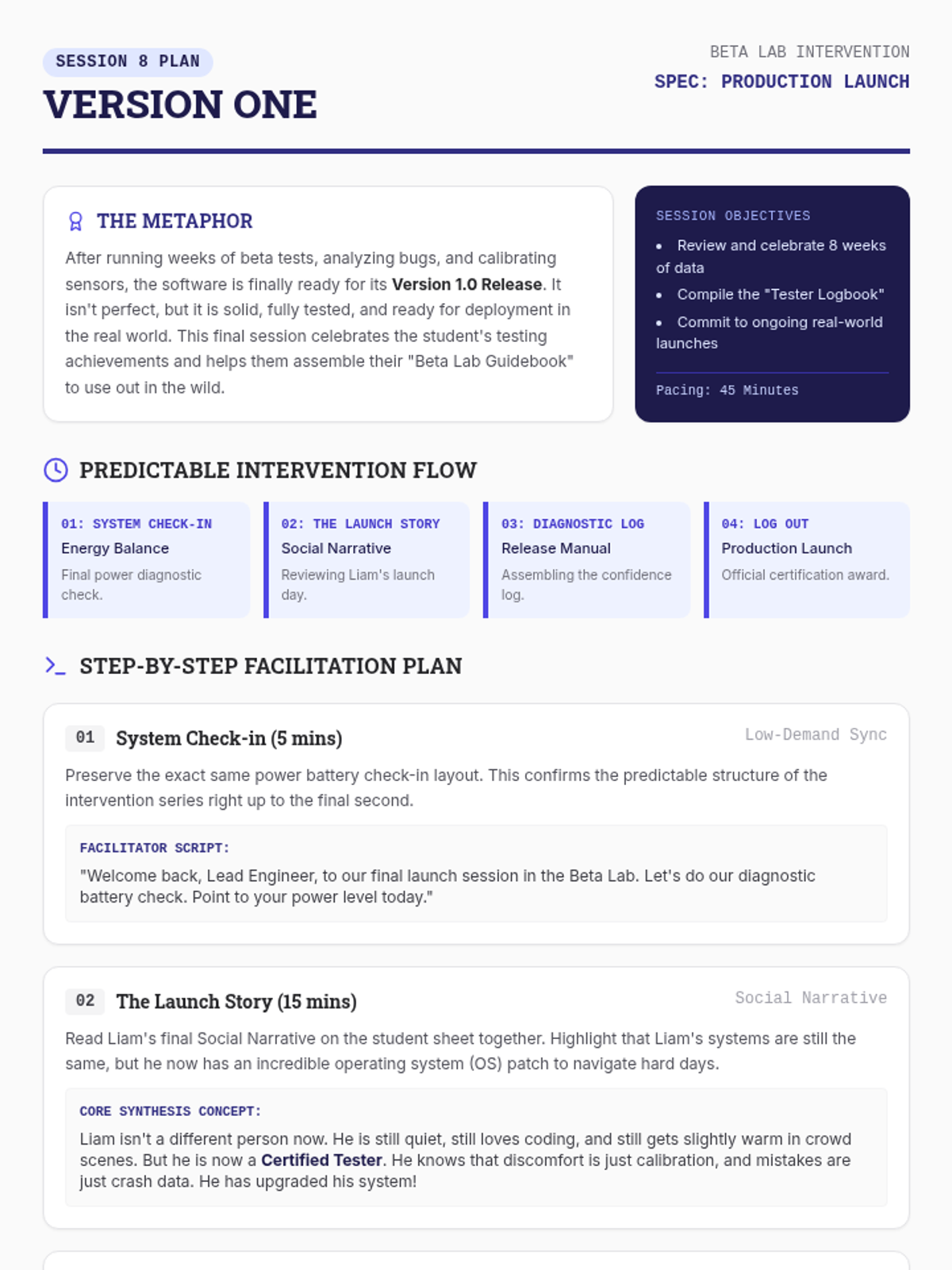
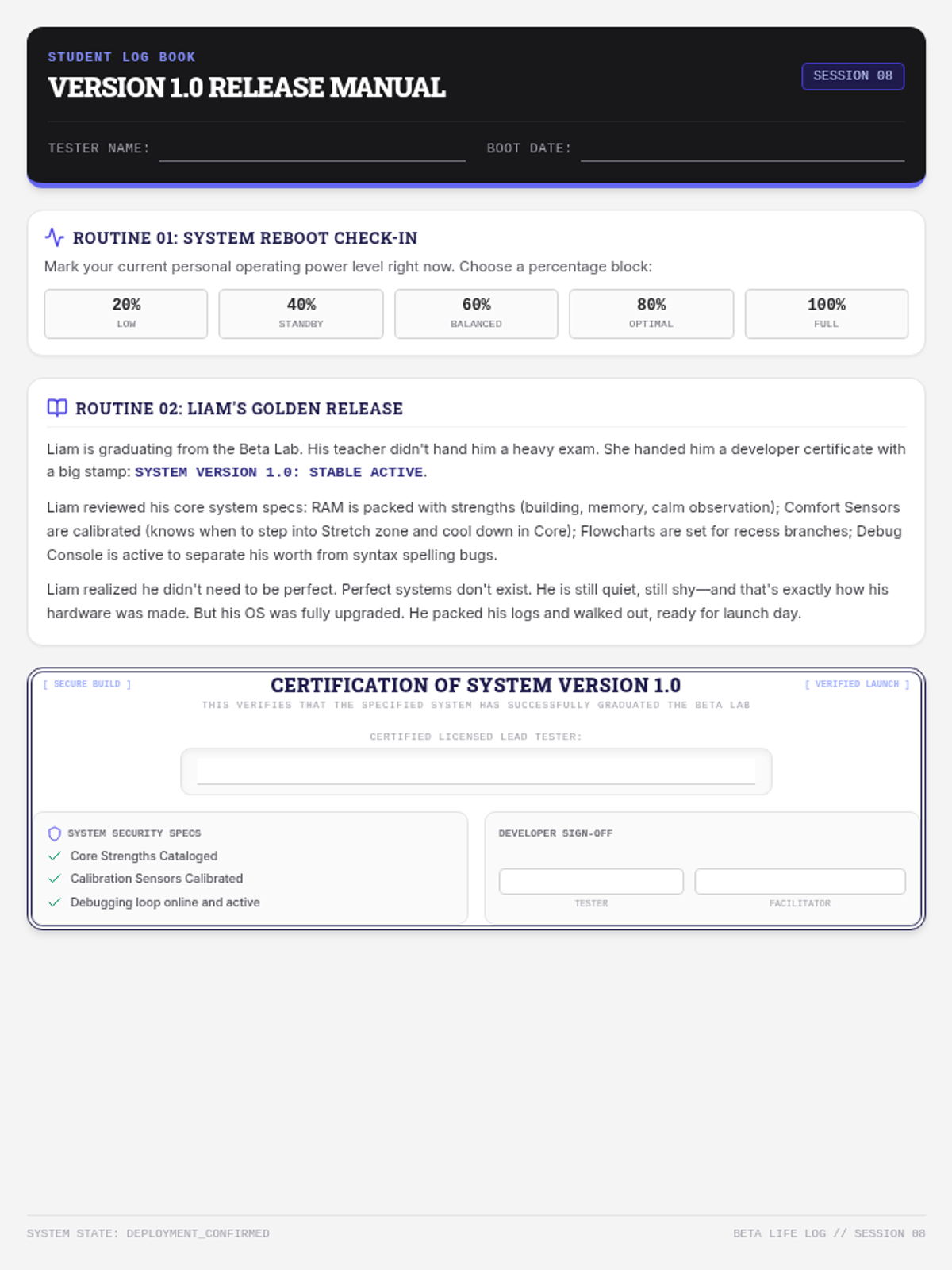
Session 8 synthesizes the 8-week journey. The student compiles their logs into a personalized confidence guide and celebrates their testing achievements.
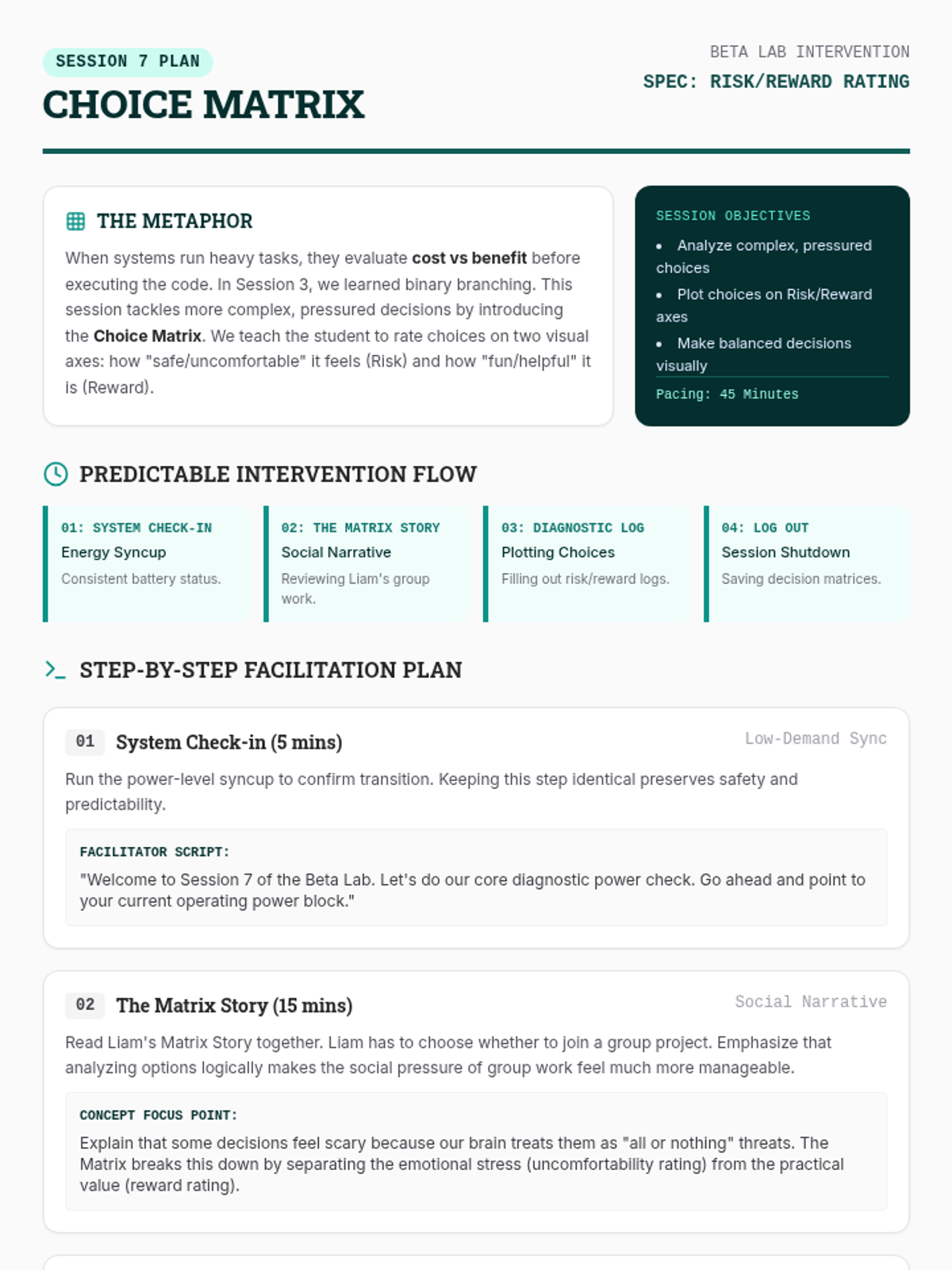
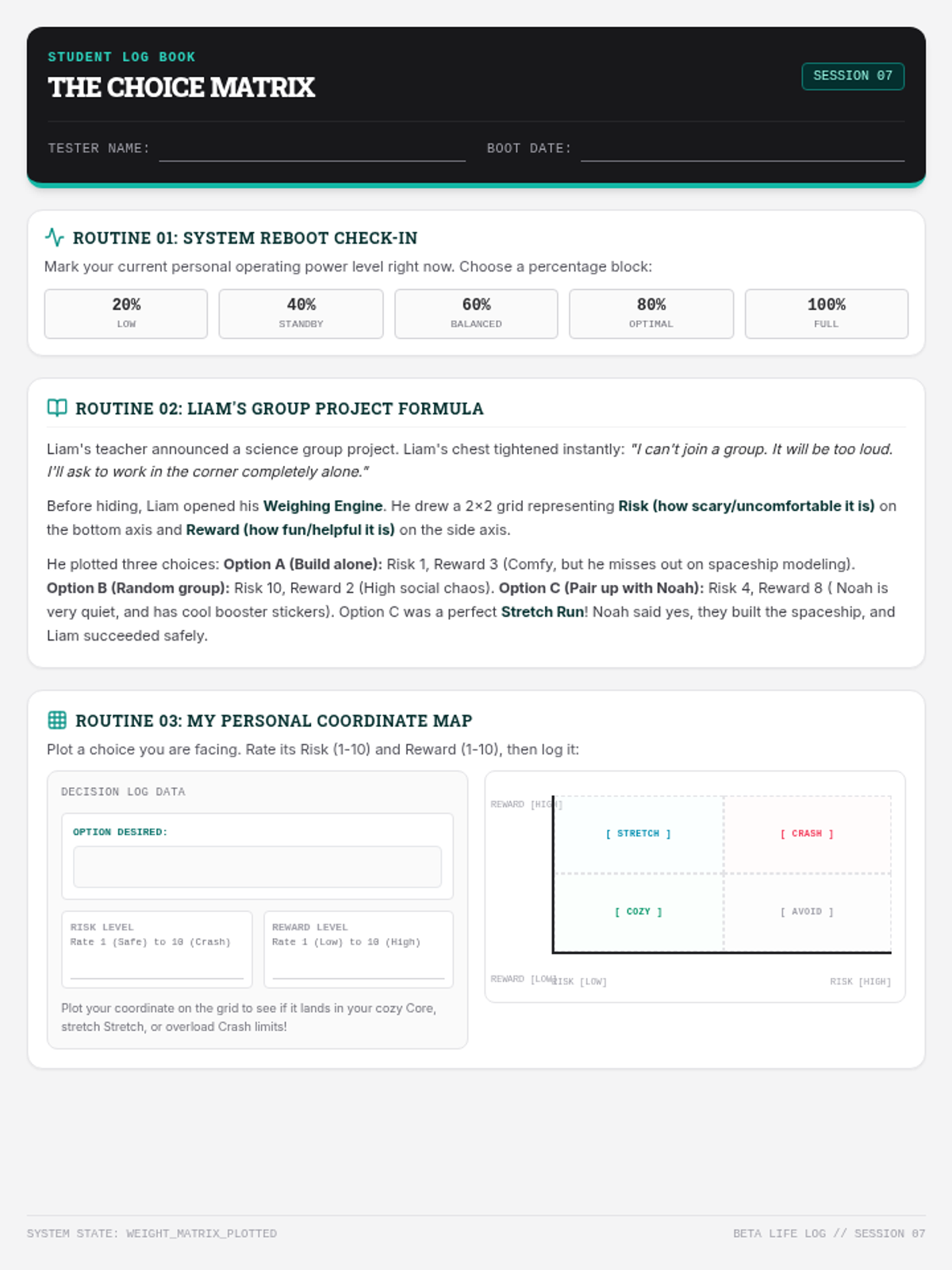
Session 7 explores more complex decisions under pressure, teaching the student how to weigh risks and rewards using a simple visual rating tool.
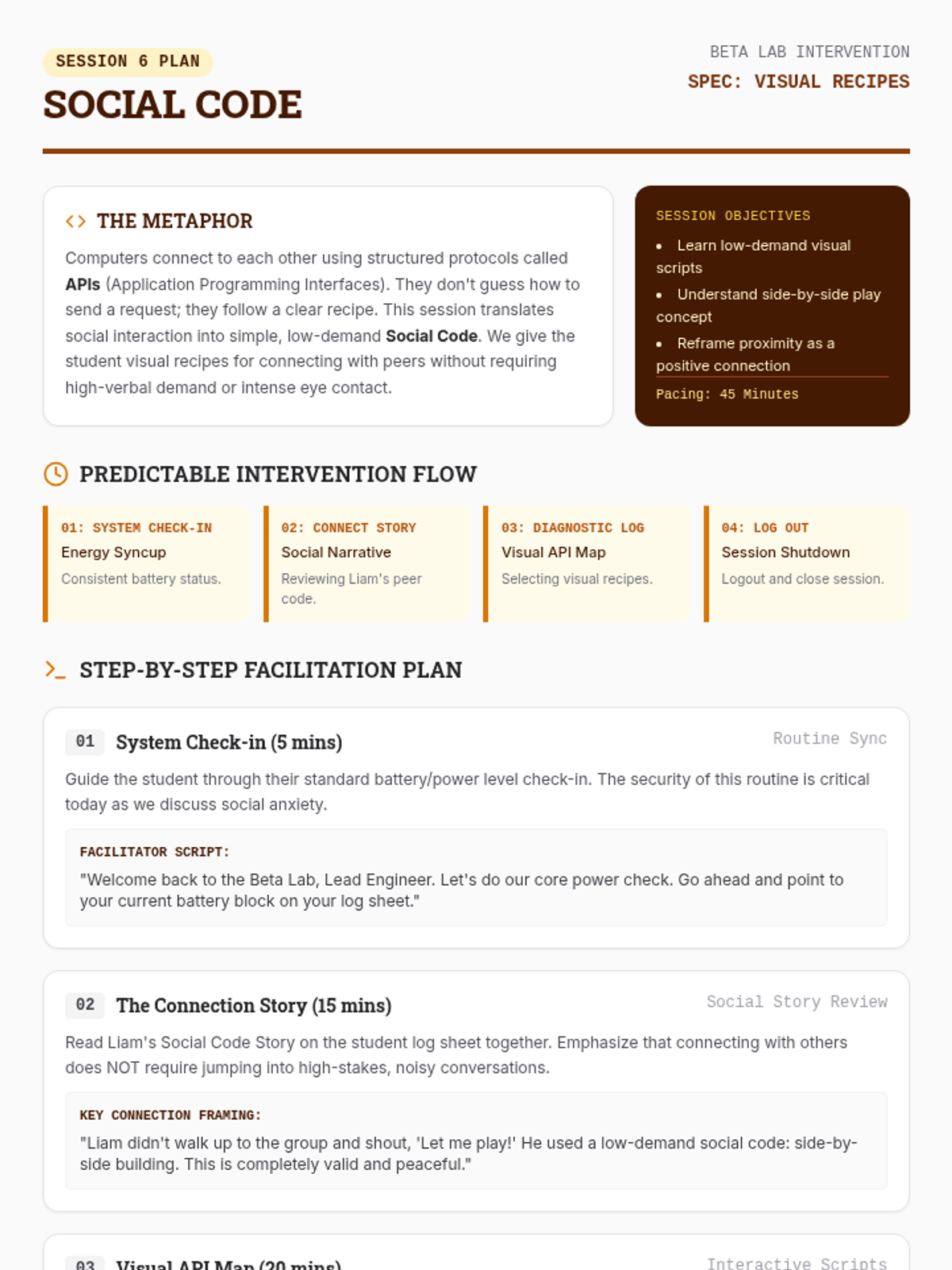
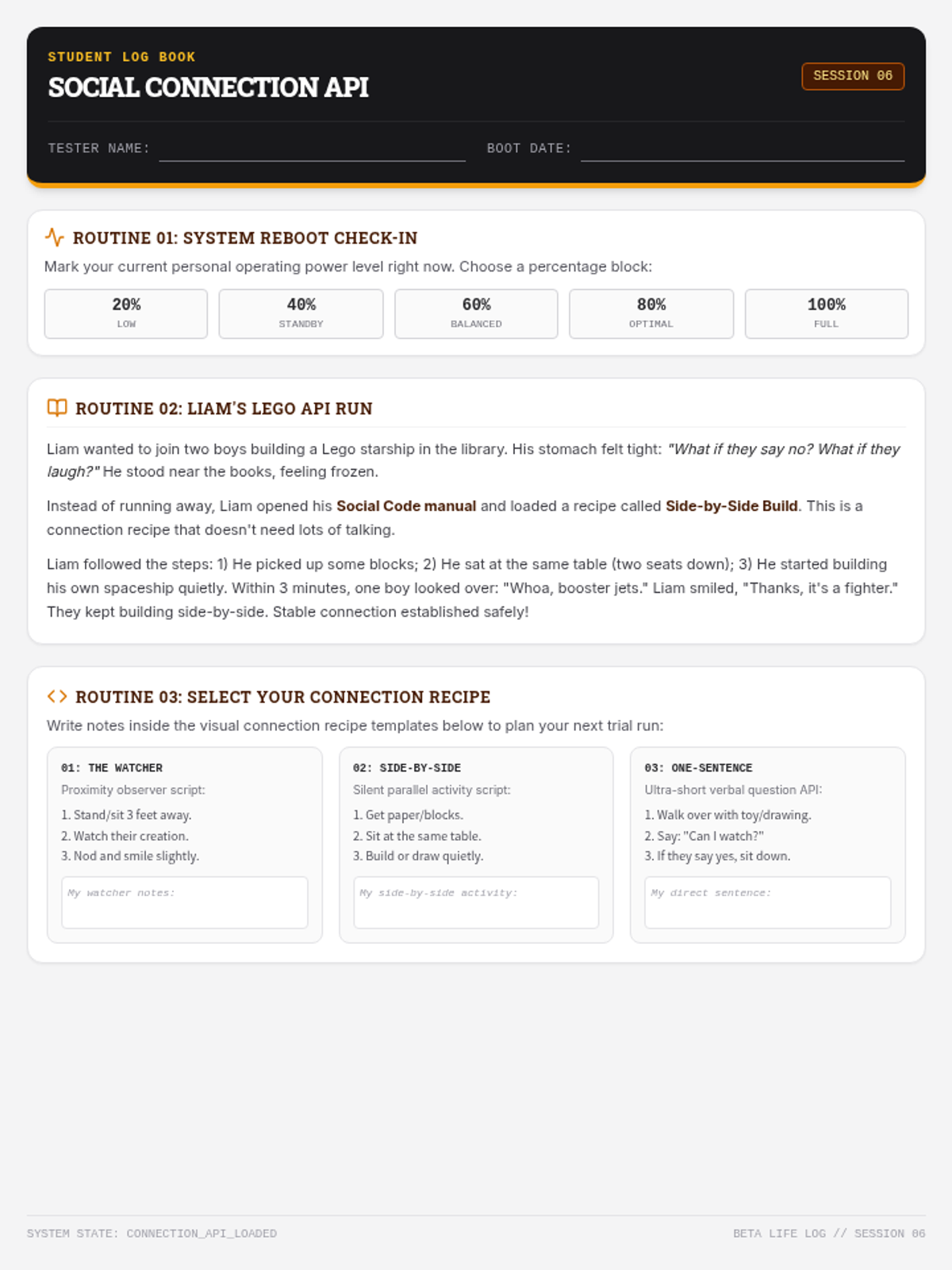
Session 6 addresses social interactions. The student learns low-demand social scripts and structured visual recipes for peer connection.
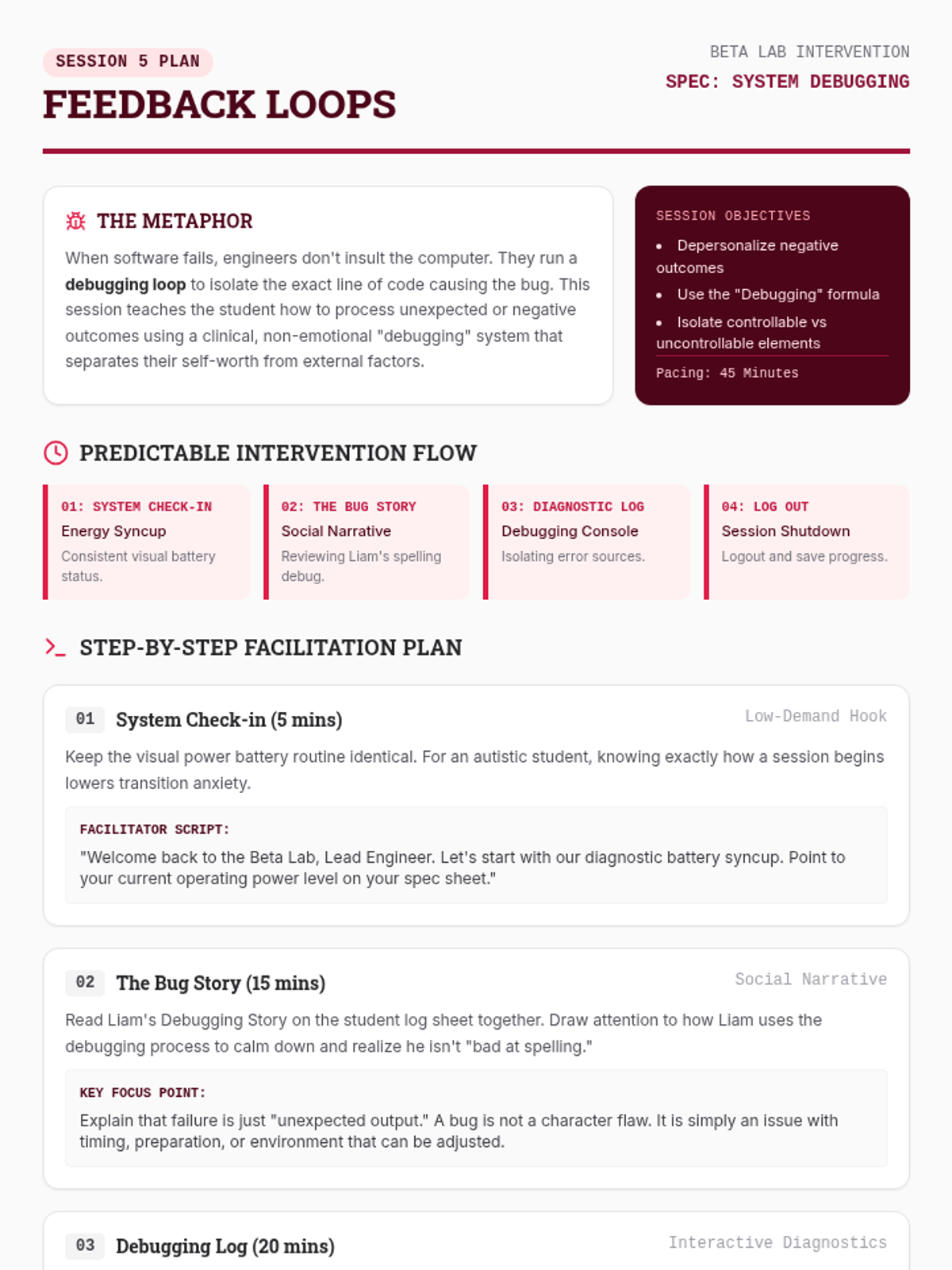
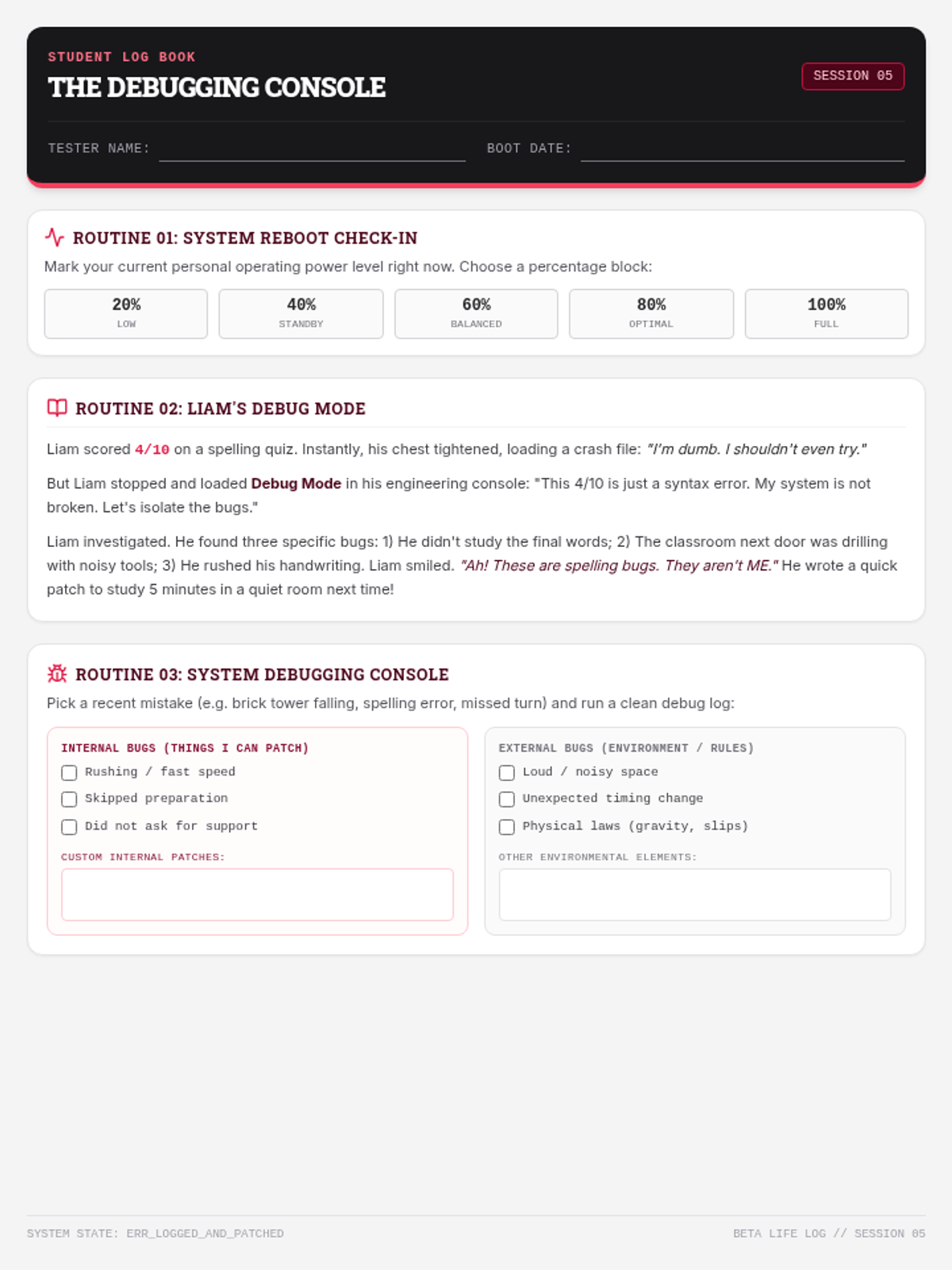
Session 5 covers processing unexpected outcomes. The student learns to analyze results without self-blame, using a structured "trail debugging" framework.
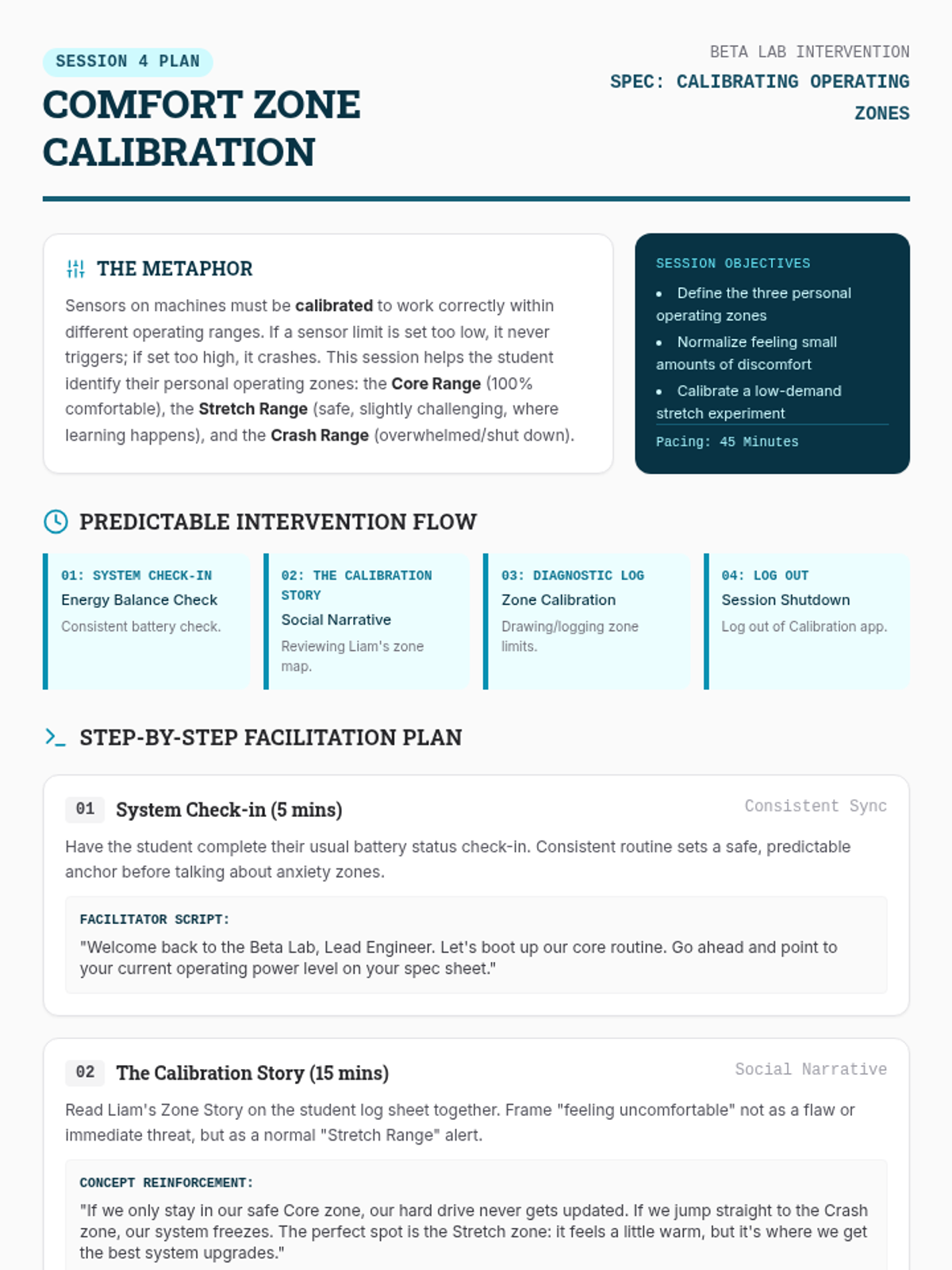
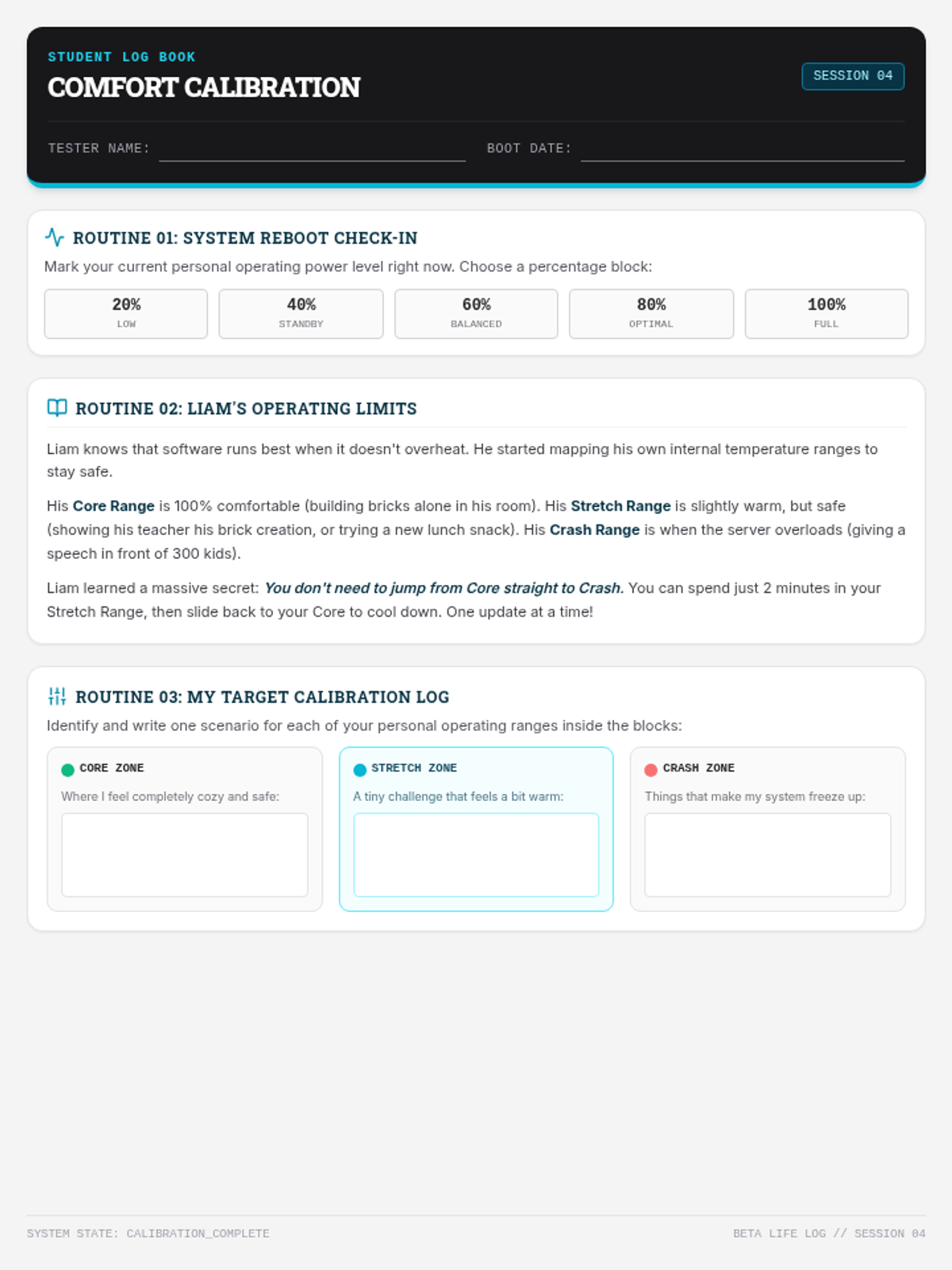
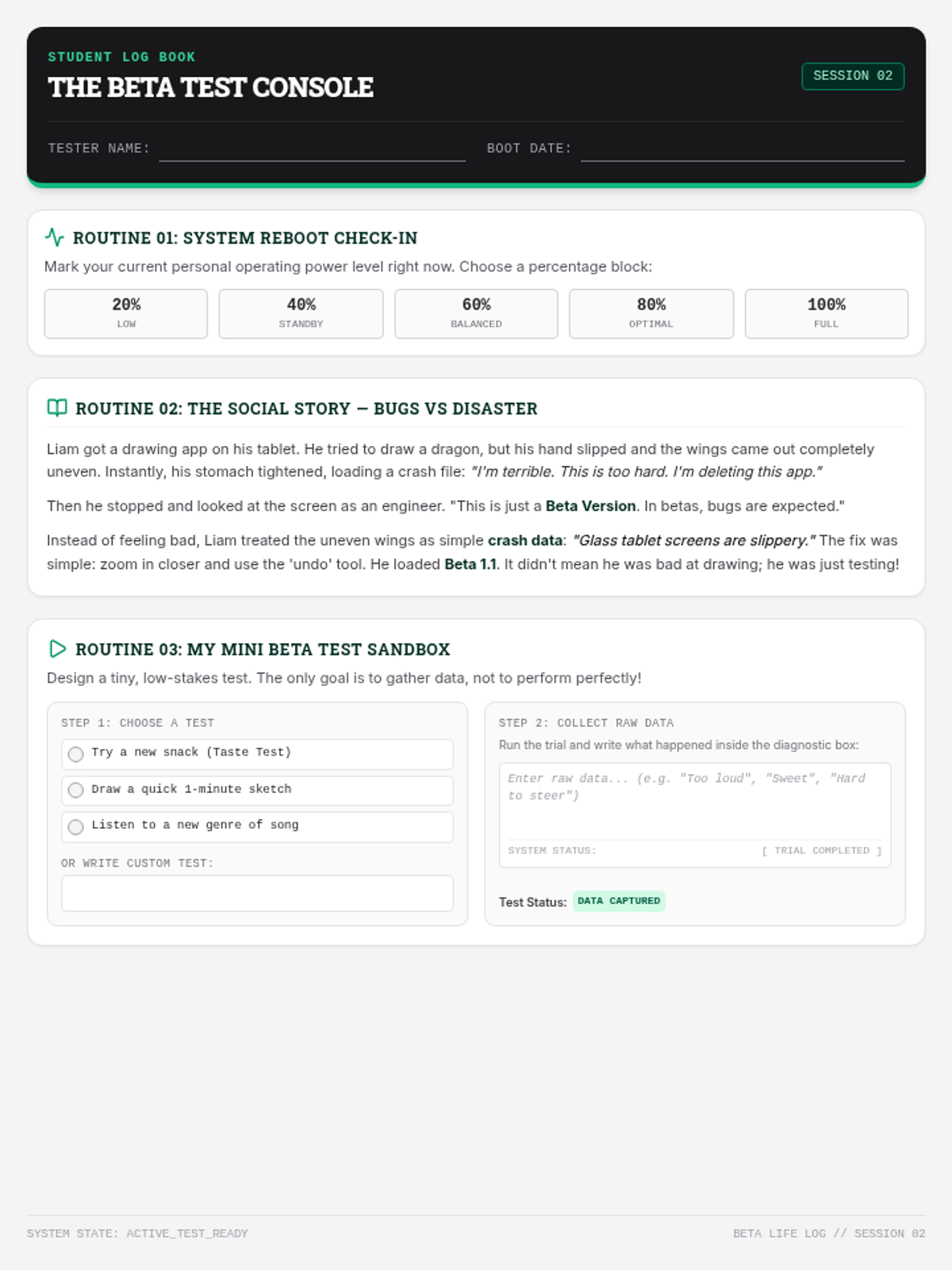
Session 4 focuses on gradually expanding the comfortable operating zone by setting up and running tiny, controlled trials in a safe environment, mapping Core, Stretch, and Storm zones.
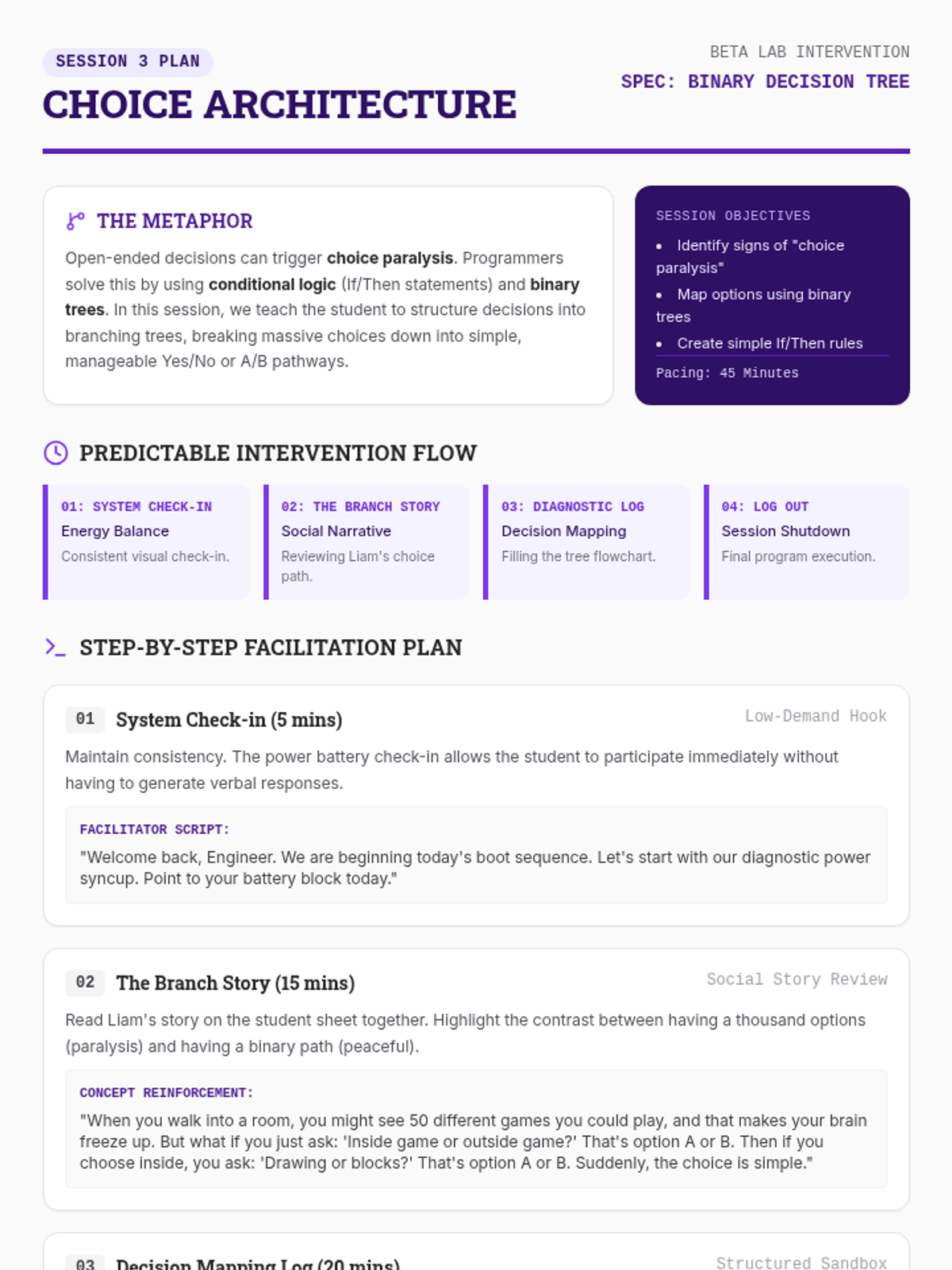
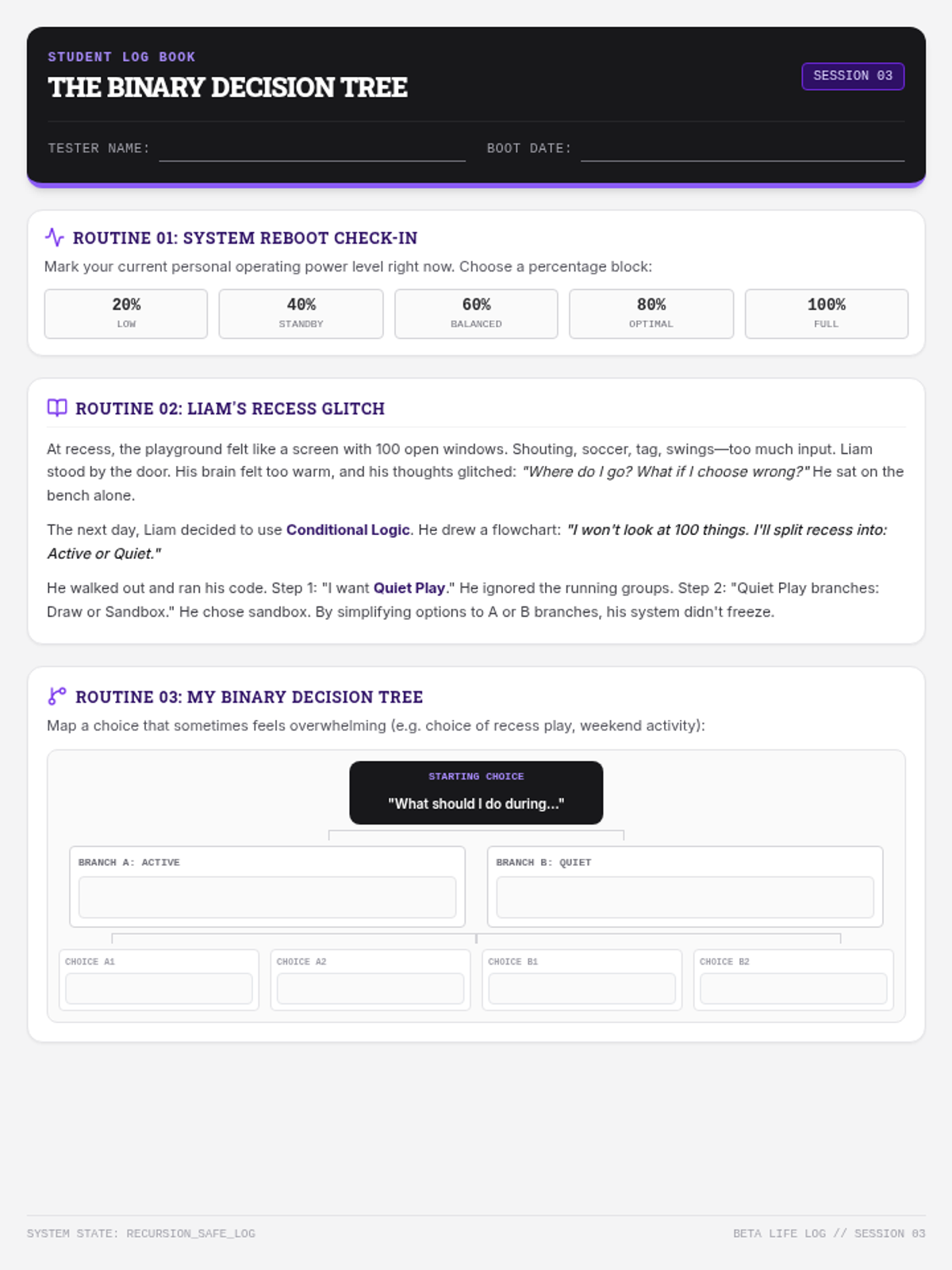
Session 3 introduces structured decision-making. The student learns to map decisions into binary "trail forks," reducing cognitive overload and paralysis.
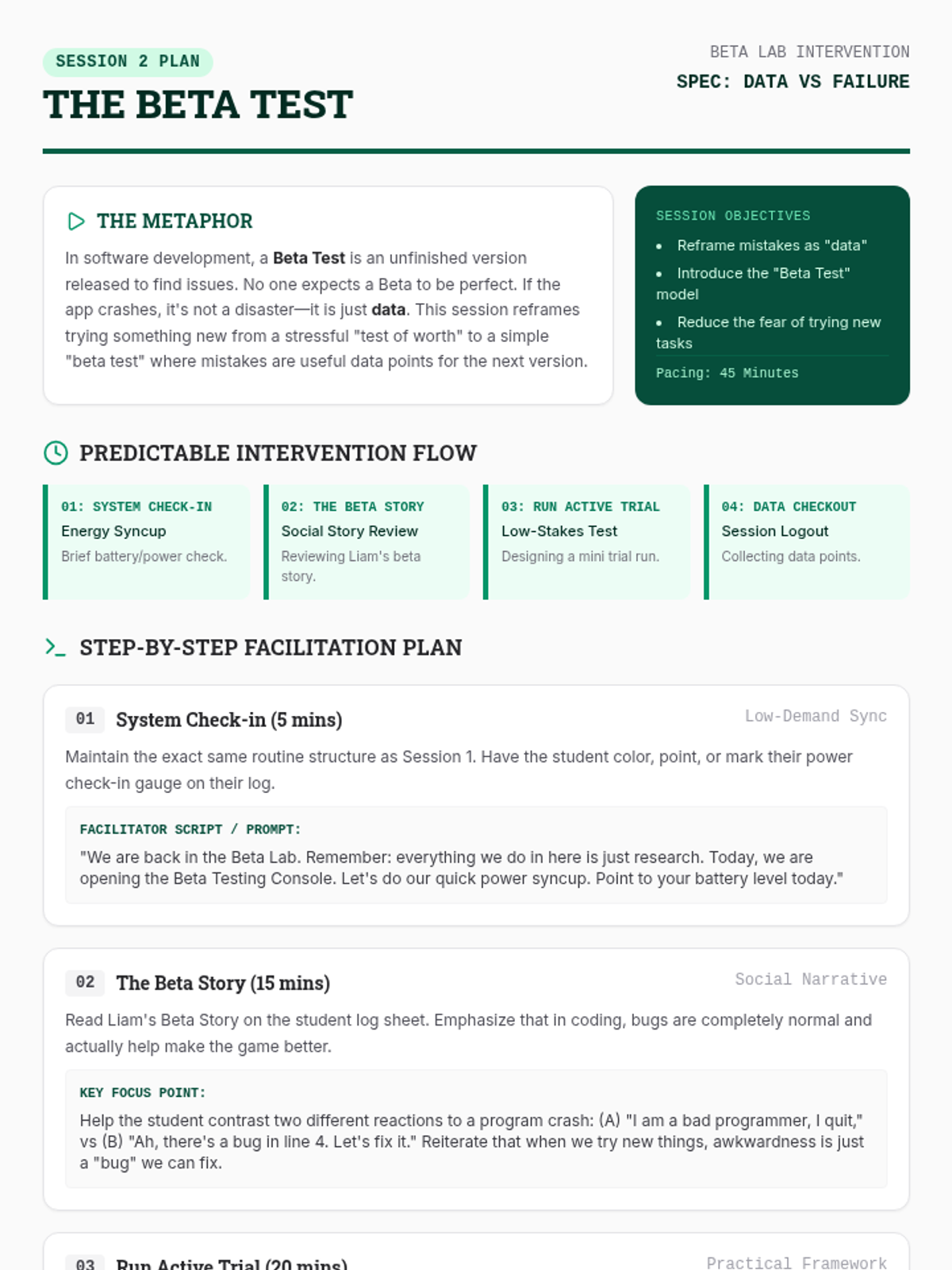
Session 2 re-frames the fear of trying new things. The student learns to treat new activities as low-stakes "scouting runs" where mistakes are just "terrain map data."
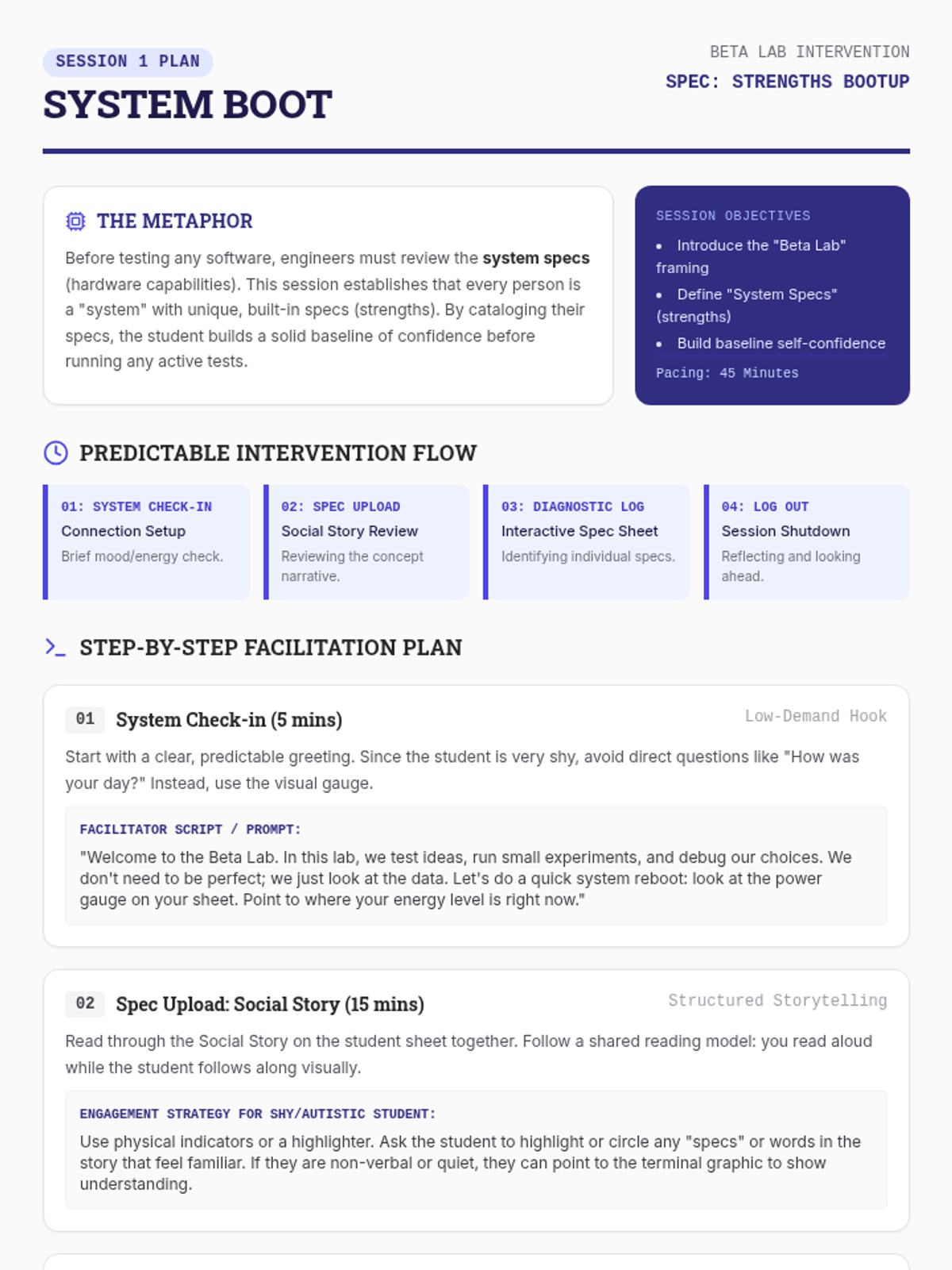
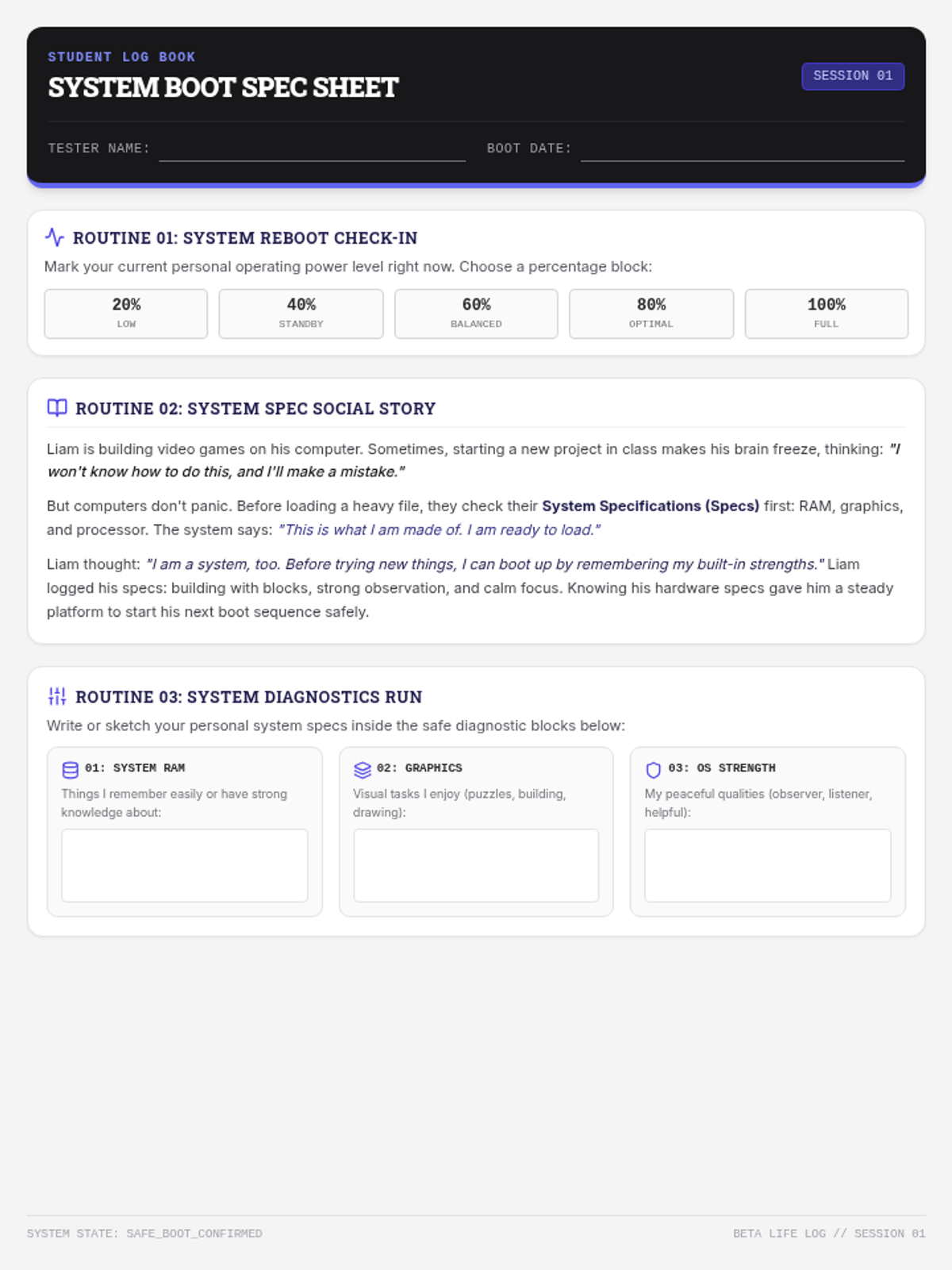
Session 1 establishes the "Field Guide" and "Wildwood Scouting" metaphor, helping the student identify their individual strengths as "field gear specs" to build baseline confidence.
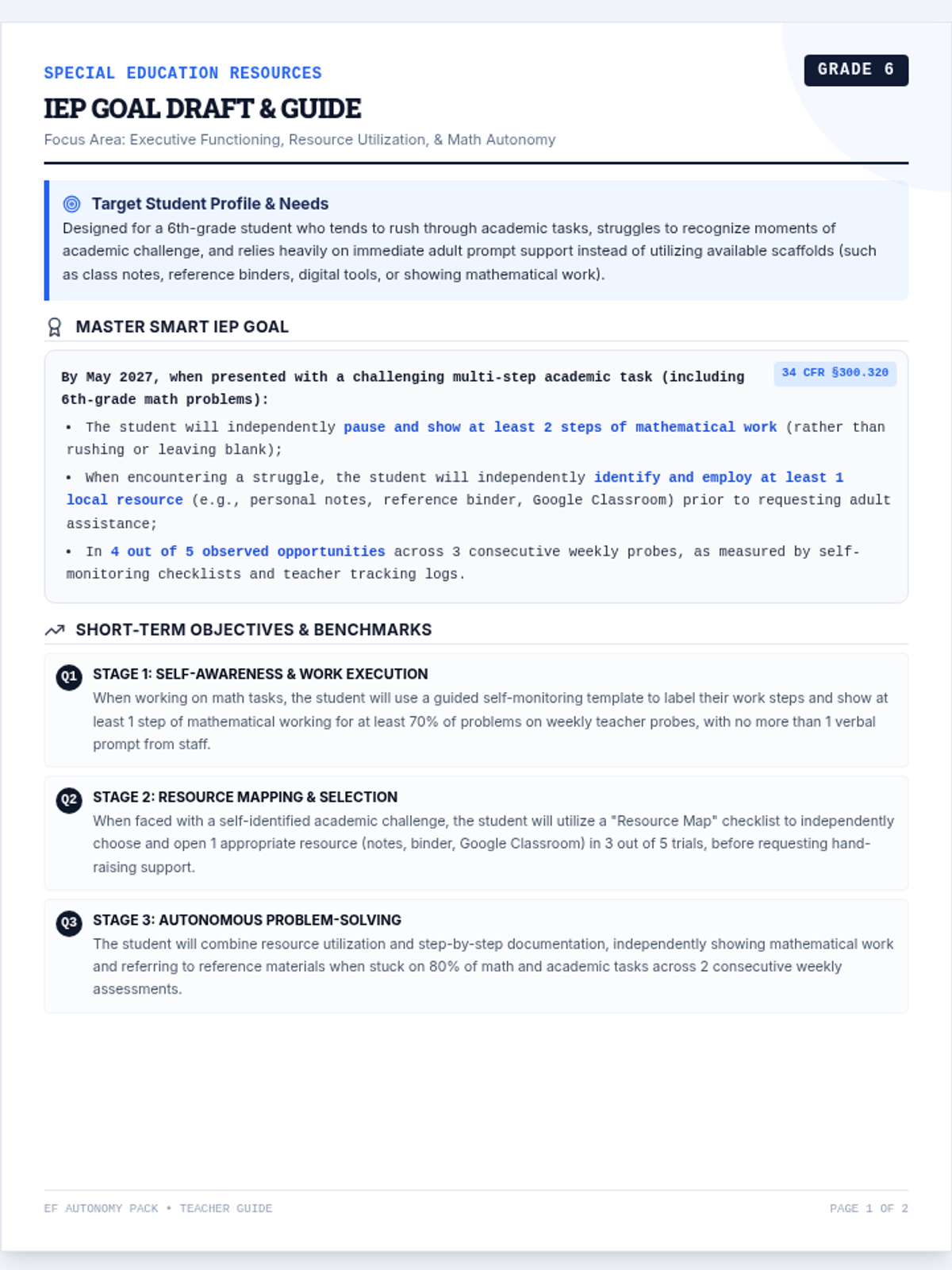
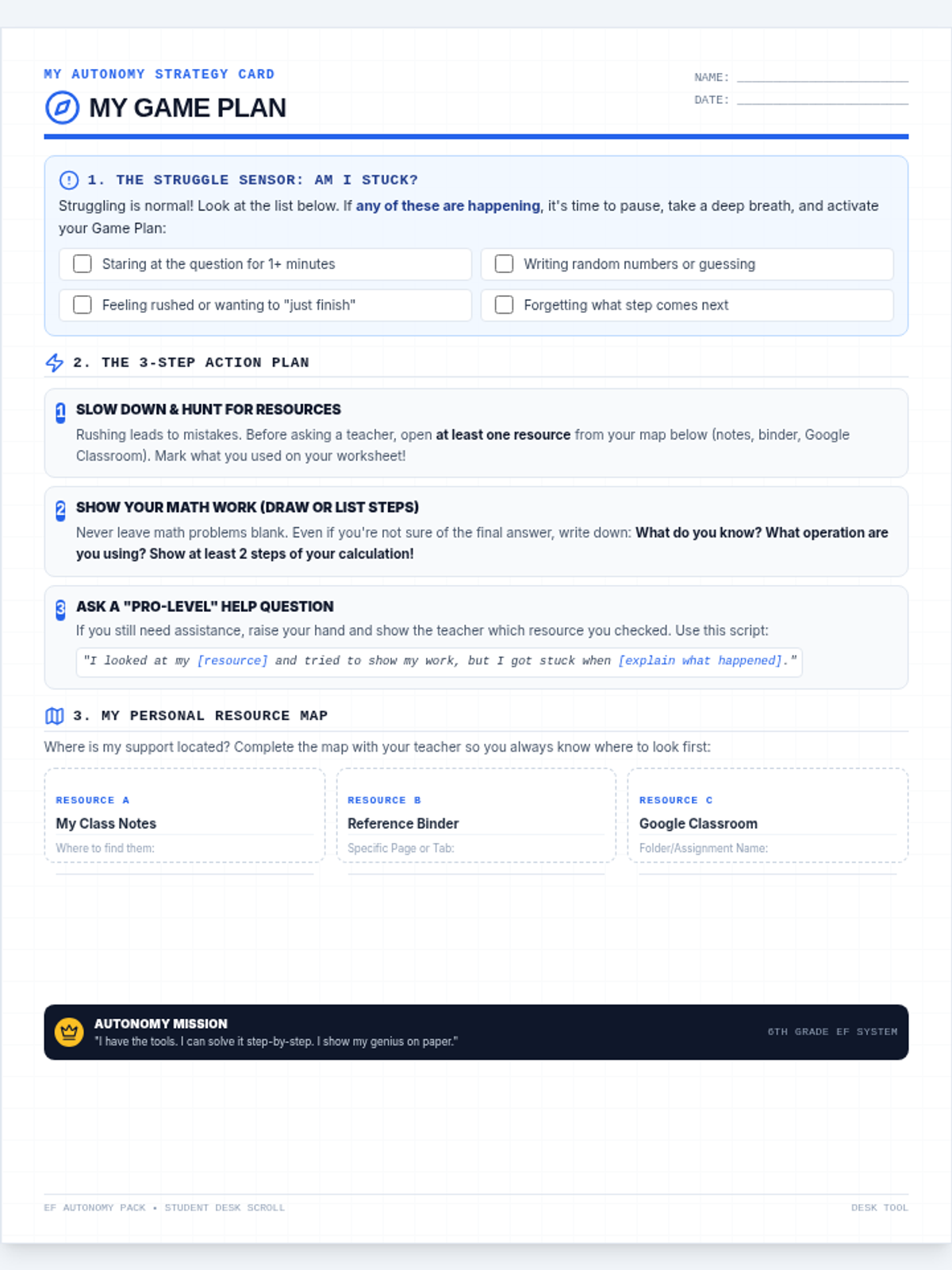
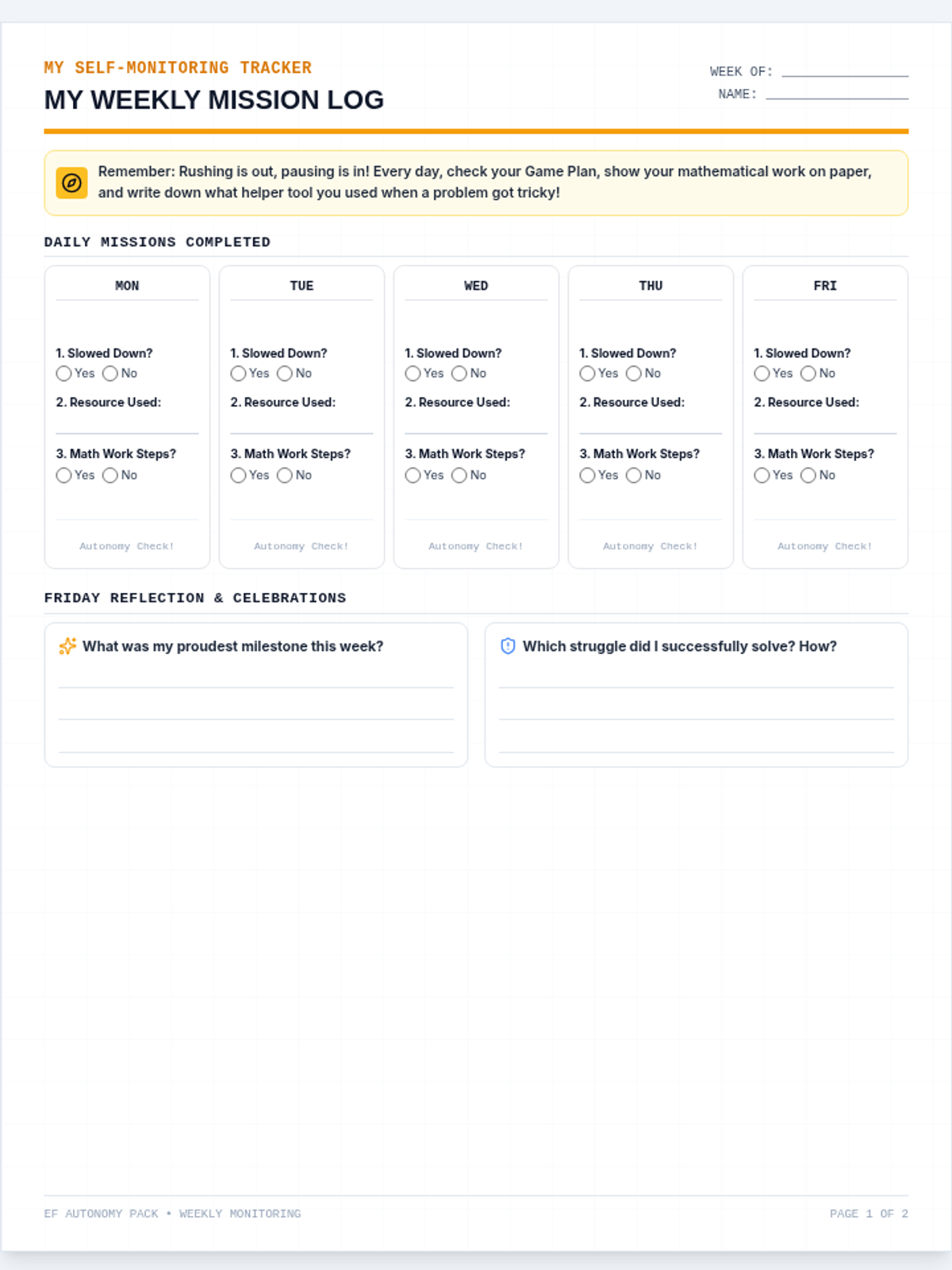
A comprehensive IEP goal draft and progress tracking system designed for a sixth-grade student to build autonomy, utilize resources, show math work, and self-monitor during struggles.
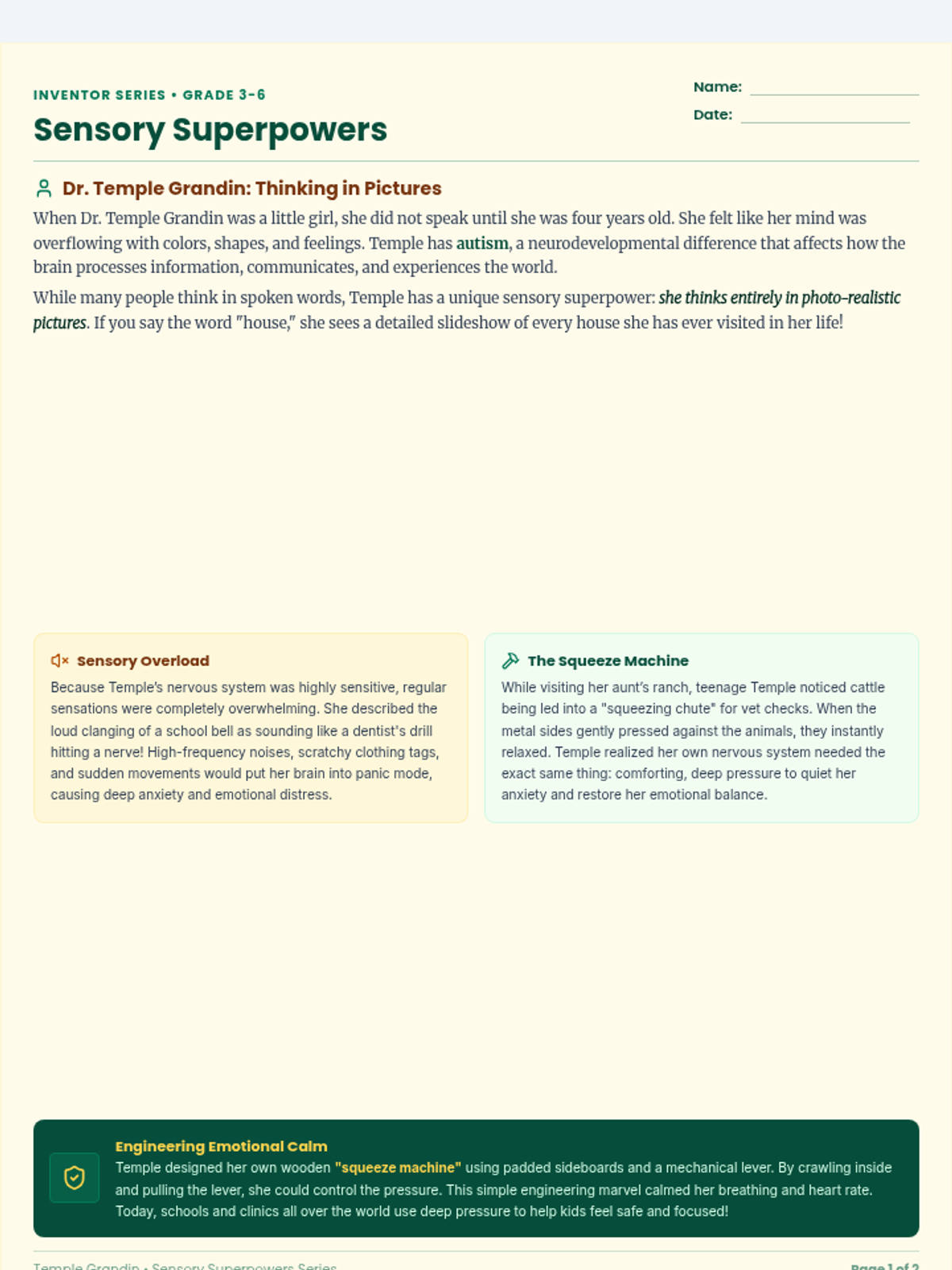
An inspiring lesson exploring the life of Dr. Temple Grandin, her experiences with autism, and how she used her unique sensory perspective and engineering skills to design emotional regulation tools like the 'squeeze machine'. Students read a biography, explore real-world examples of sensory regulation, and reflect on their own sensory needs.
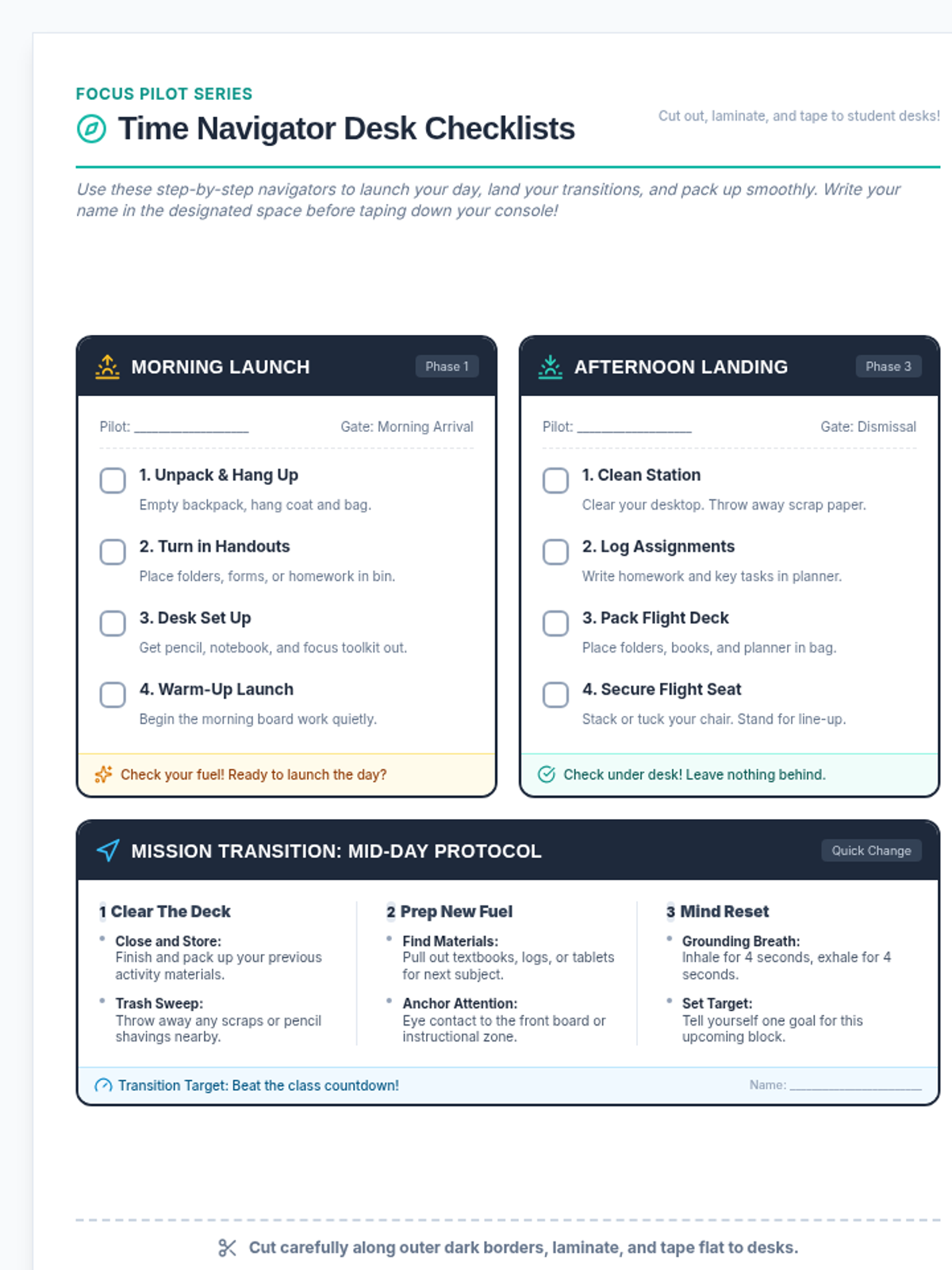
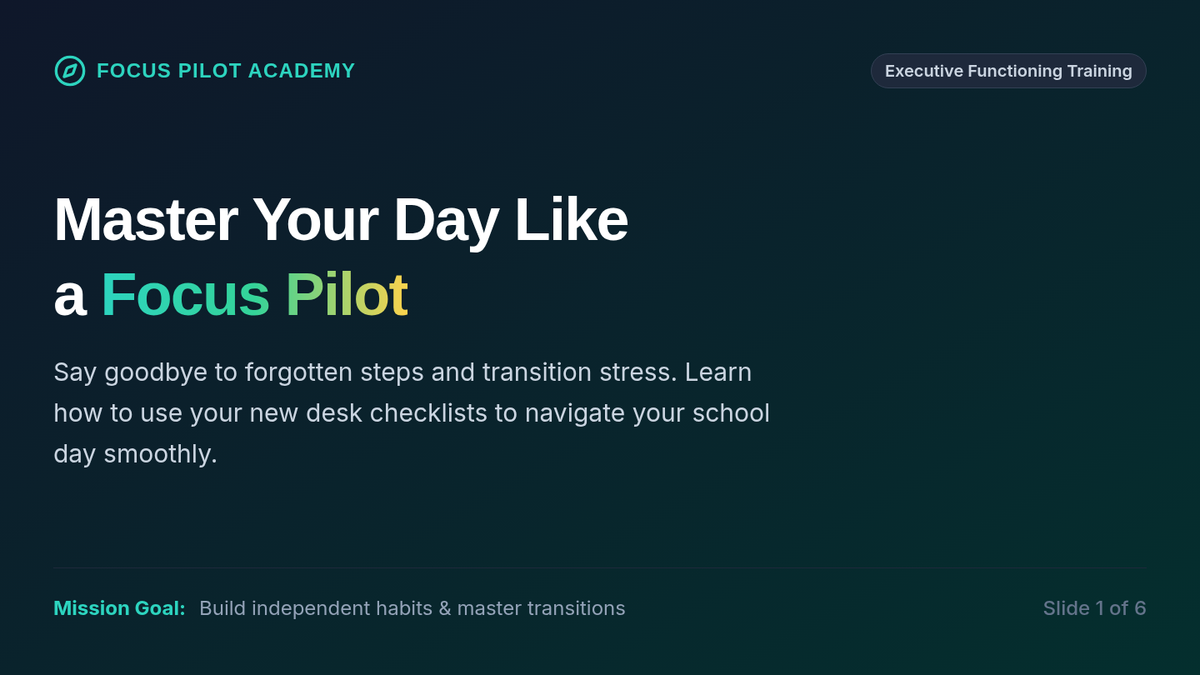
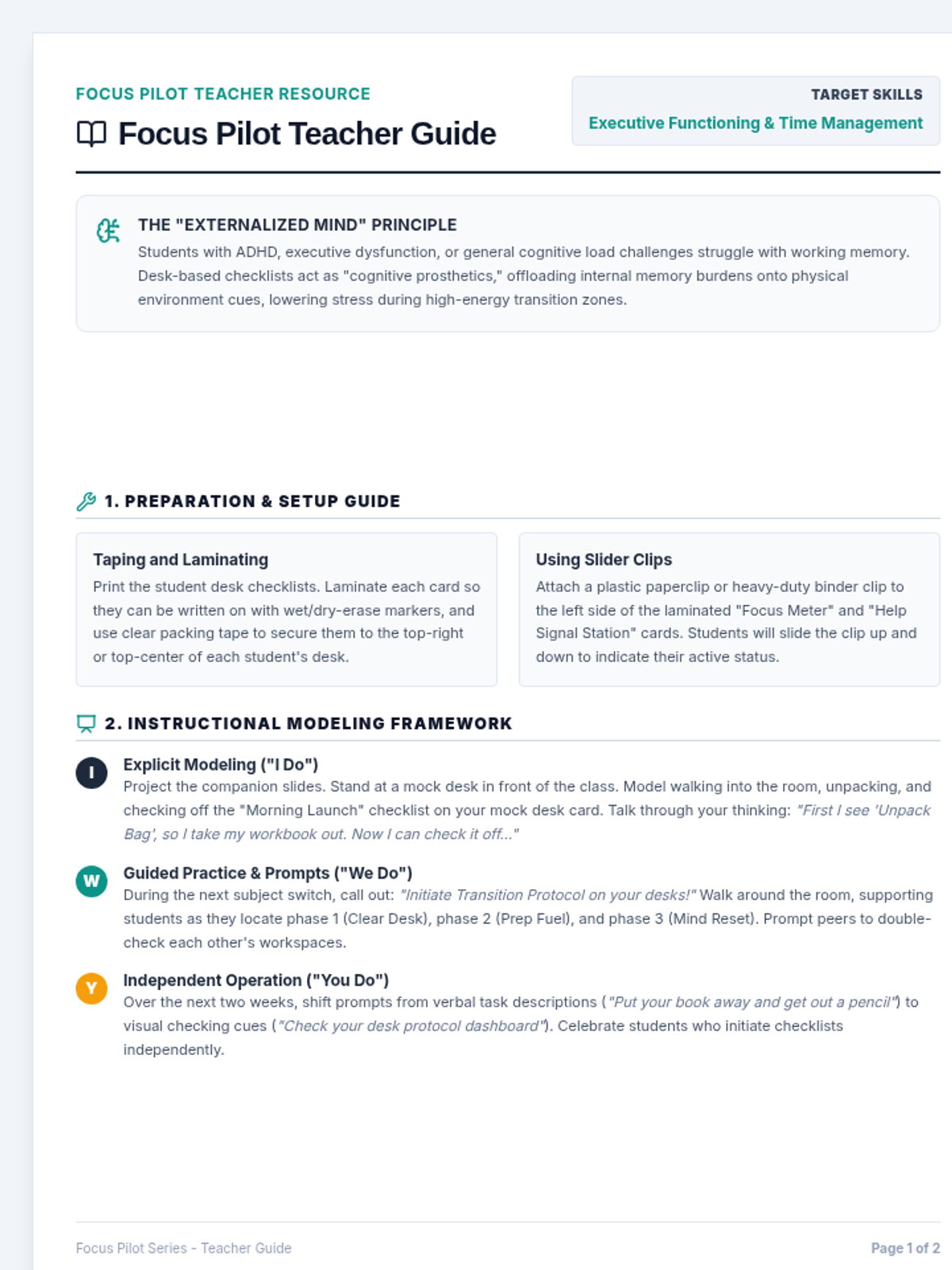
A collection of executive functioning resources designed to help students master school-day transitions, arrival, and dismissal routines using visual desk checklists, a modeled presentation, and a comprehensive teacher guide.
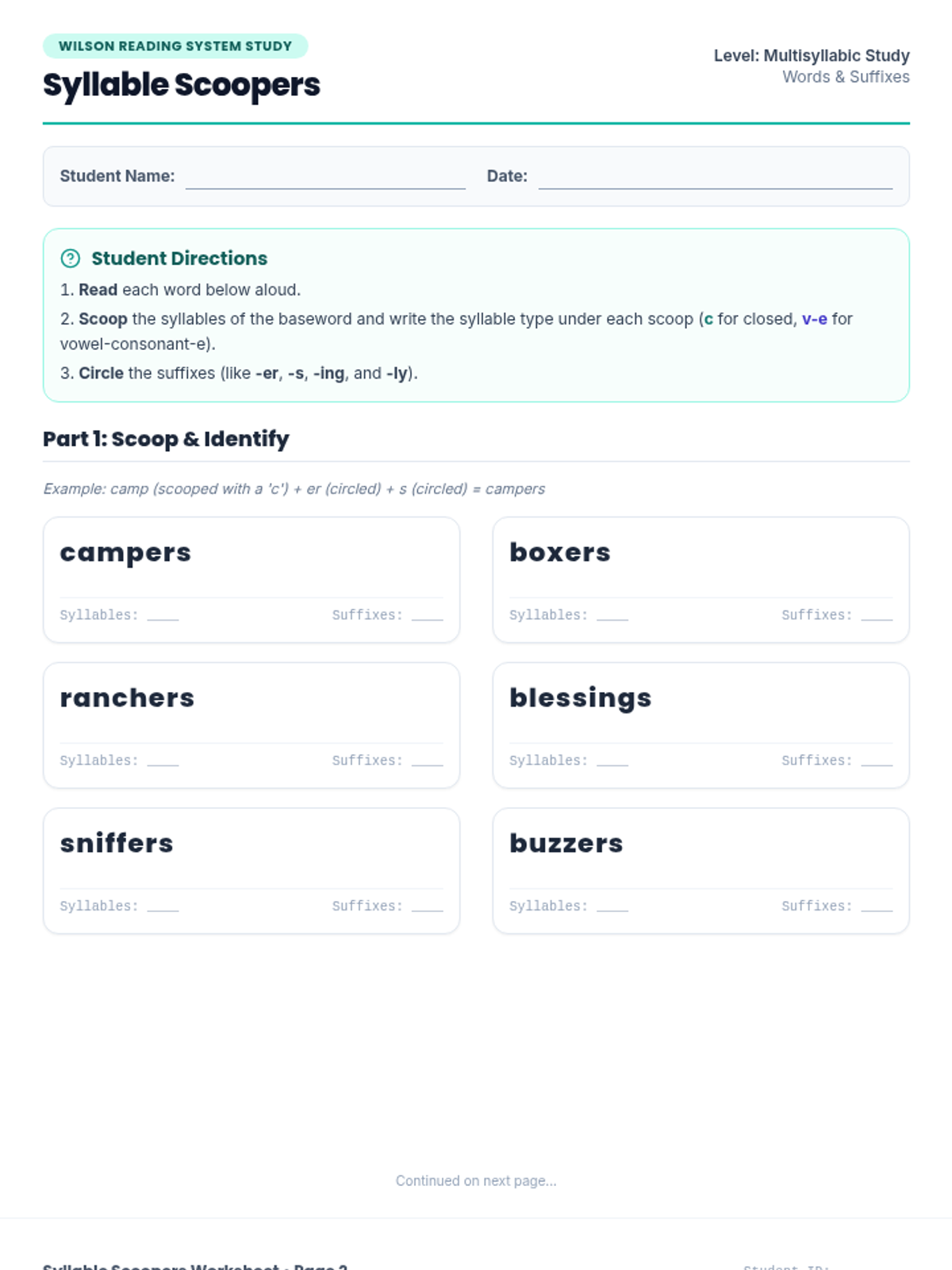
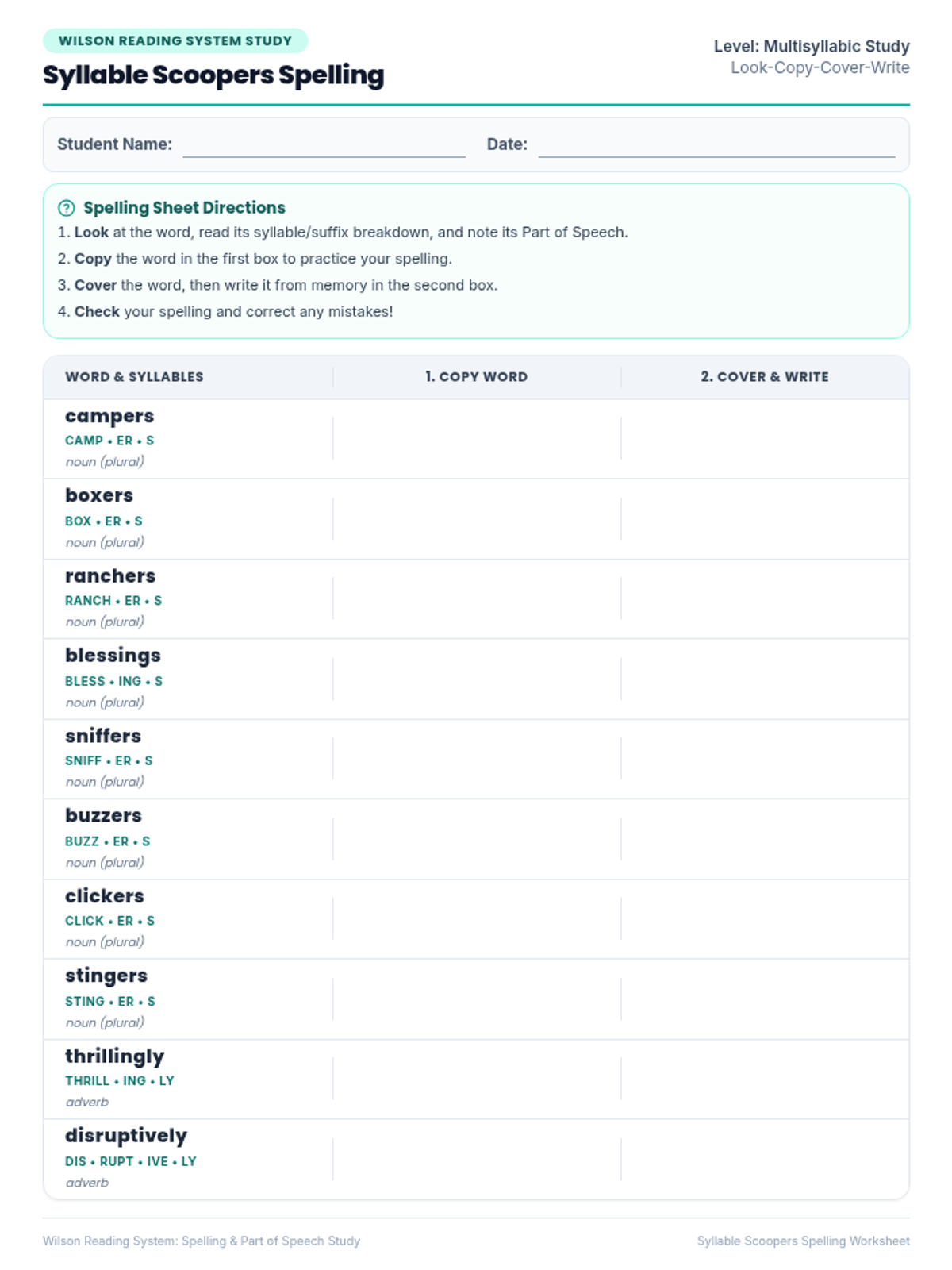
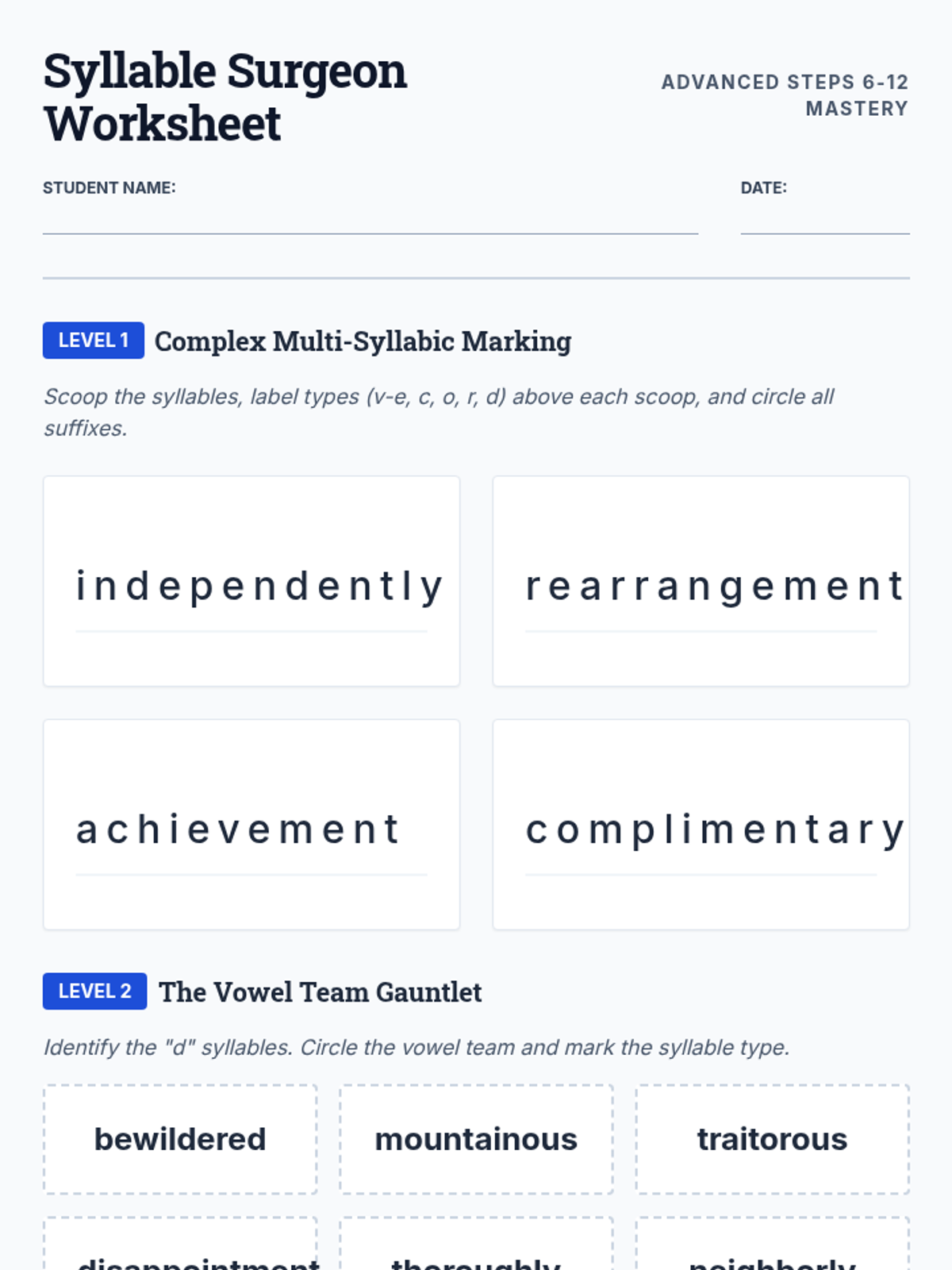
A comprehensive Wilson-aligned study of multisyllabic words and suffixes. Students practice syllable division using visual scooping and explore word meanings.
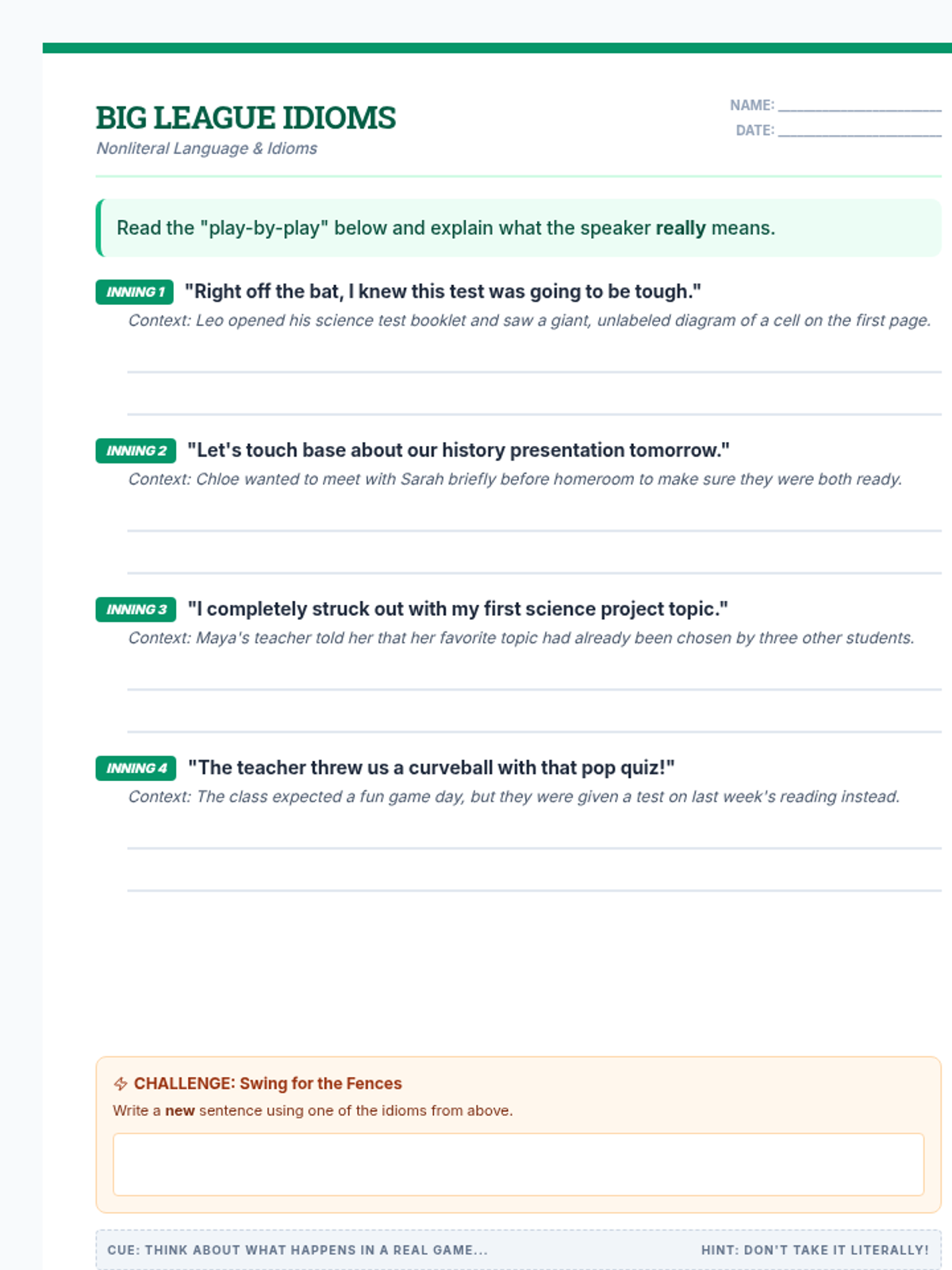
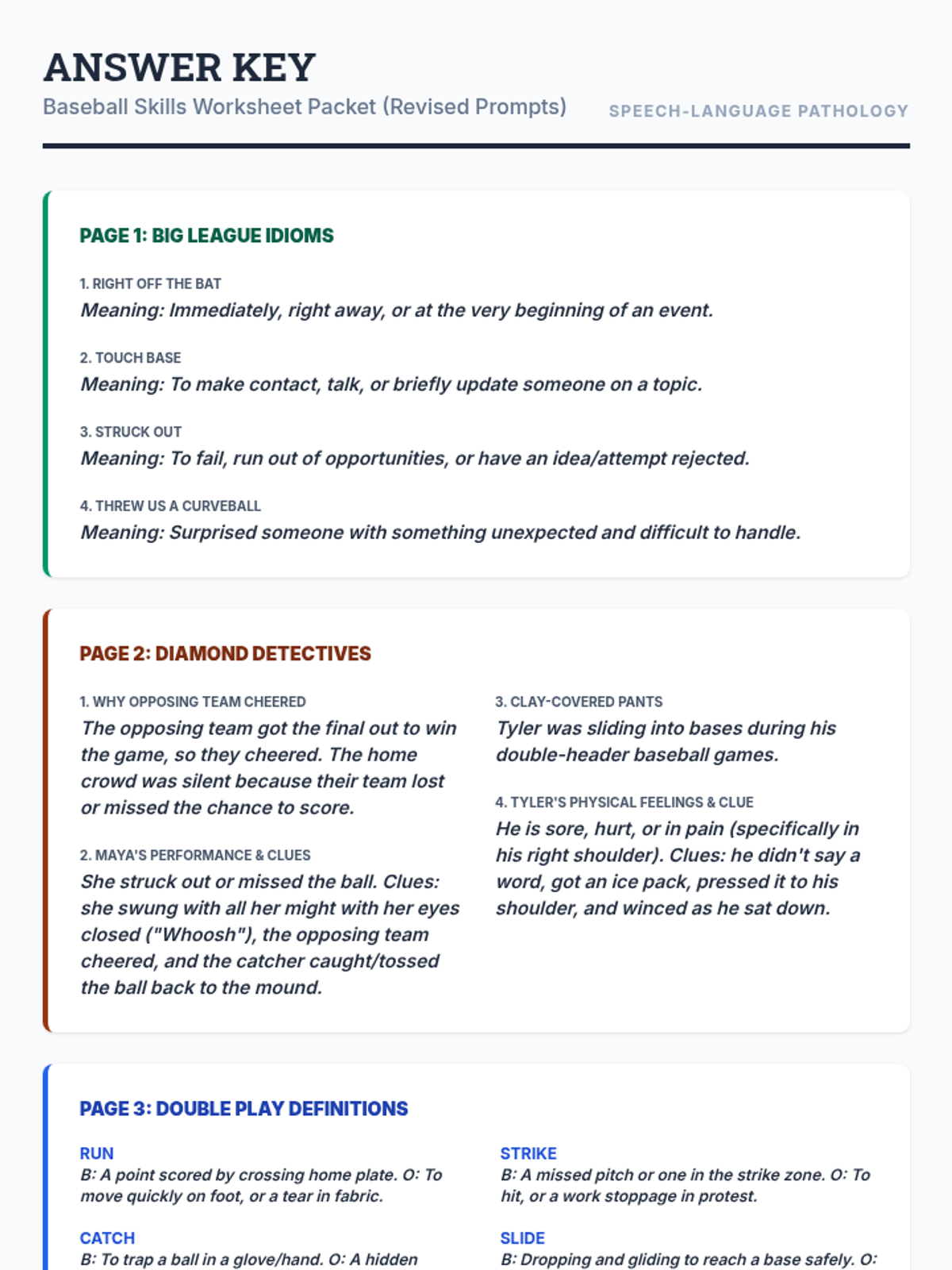
A 5-page baseball-themed worksheet packet and answer key designed for a 6th-grade student to practice nonliteral language, inference, multiple meaning words, and identifying communication breakdowns.
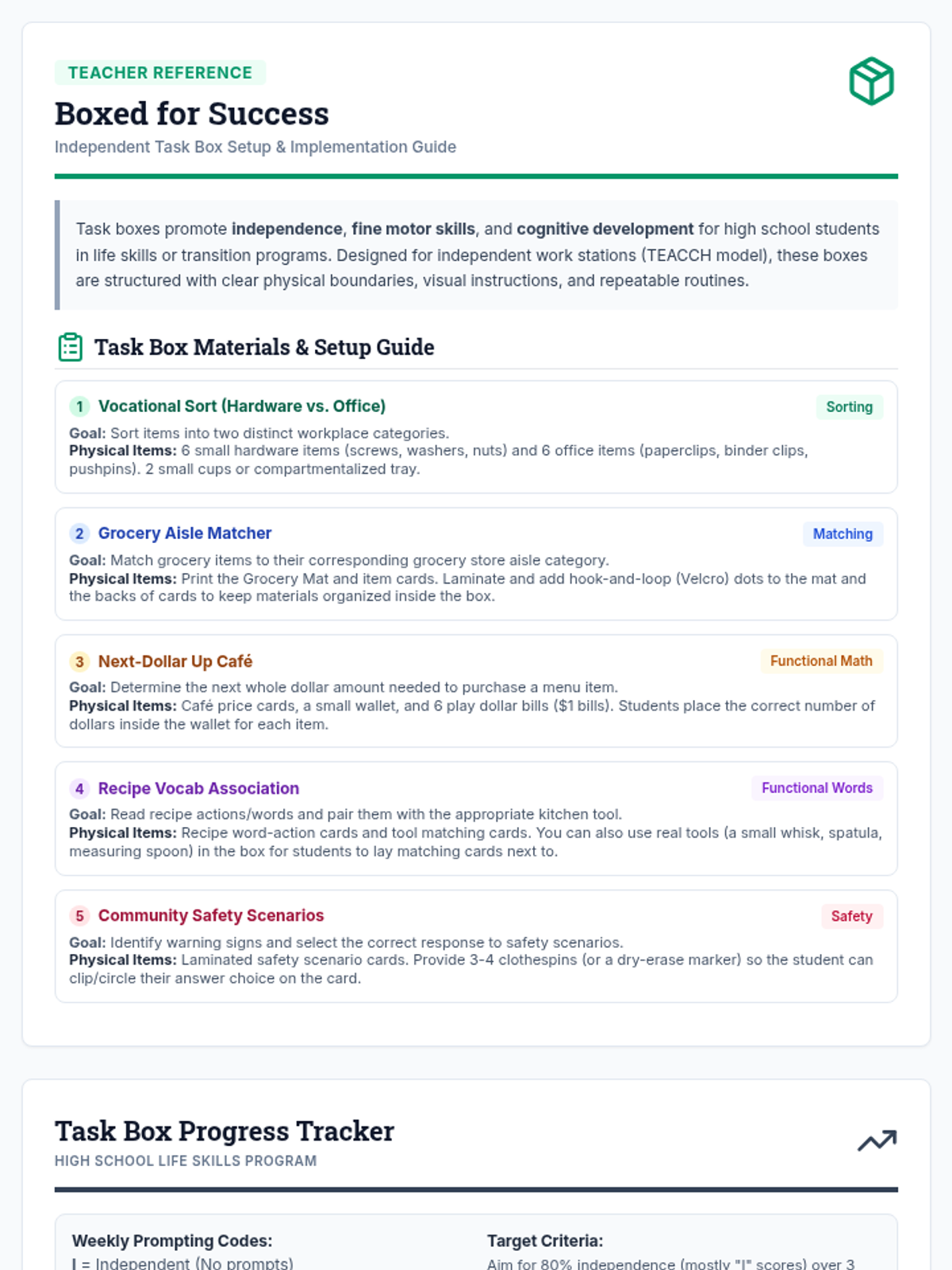
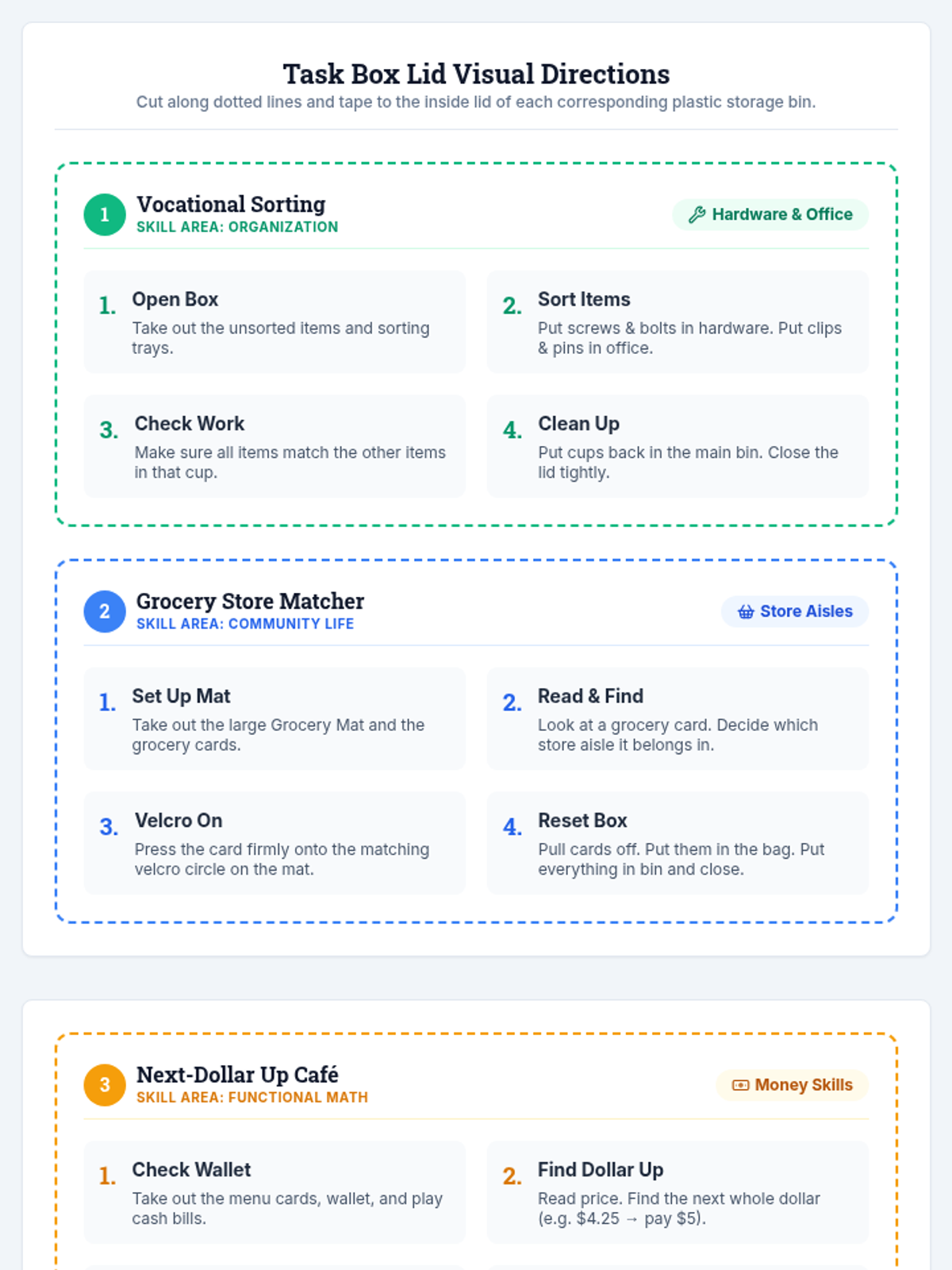
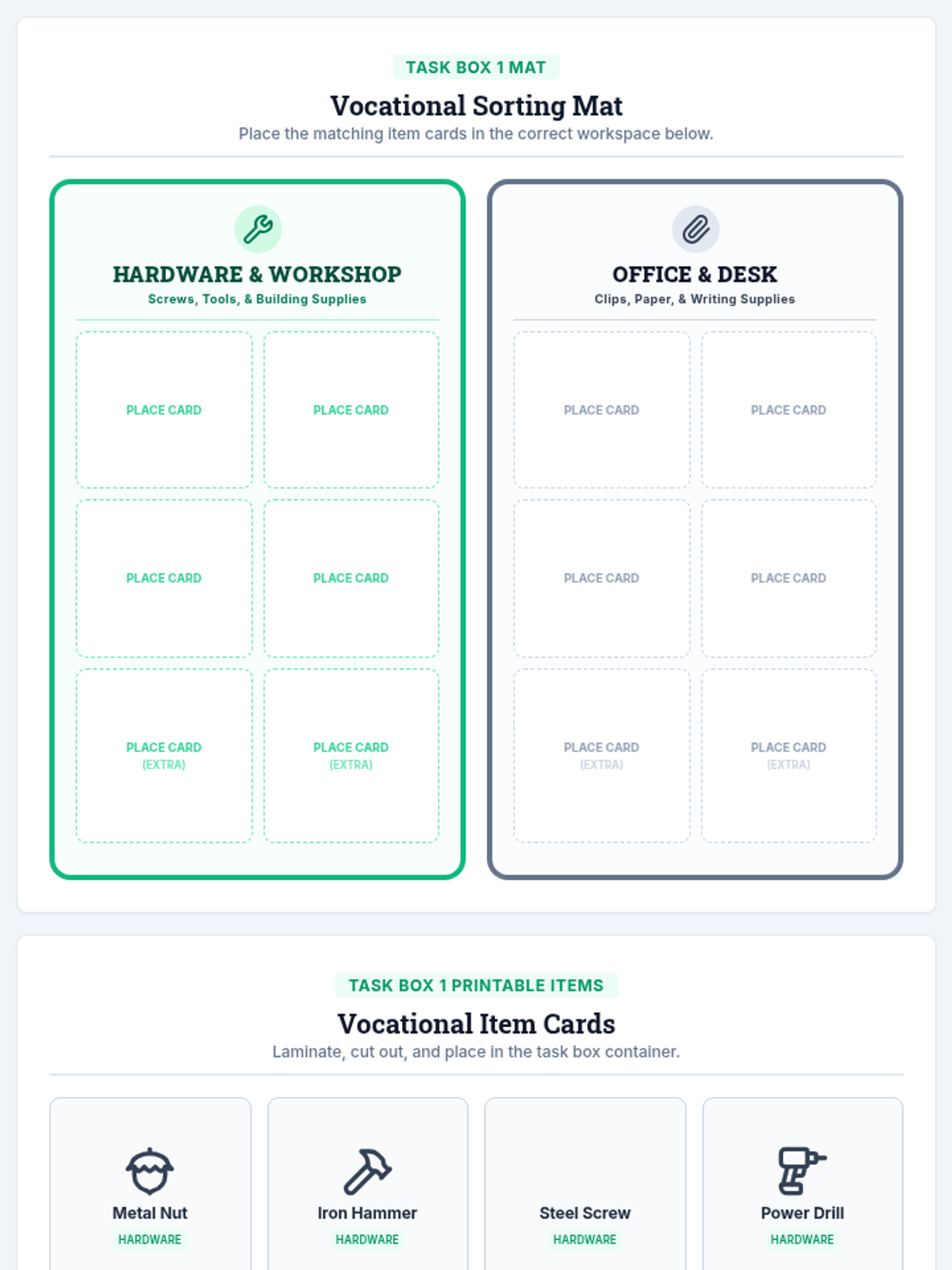
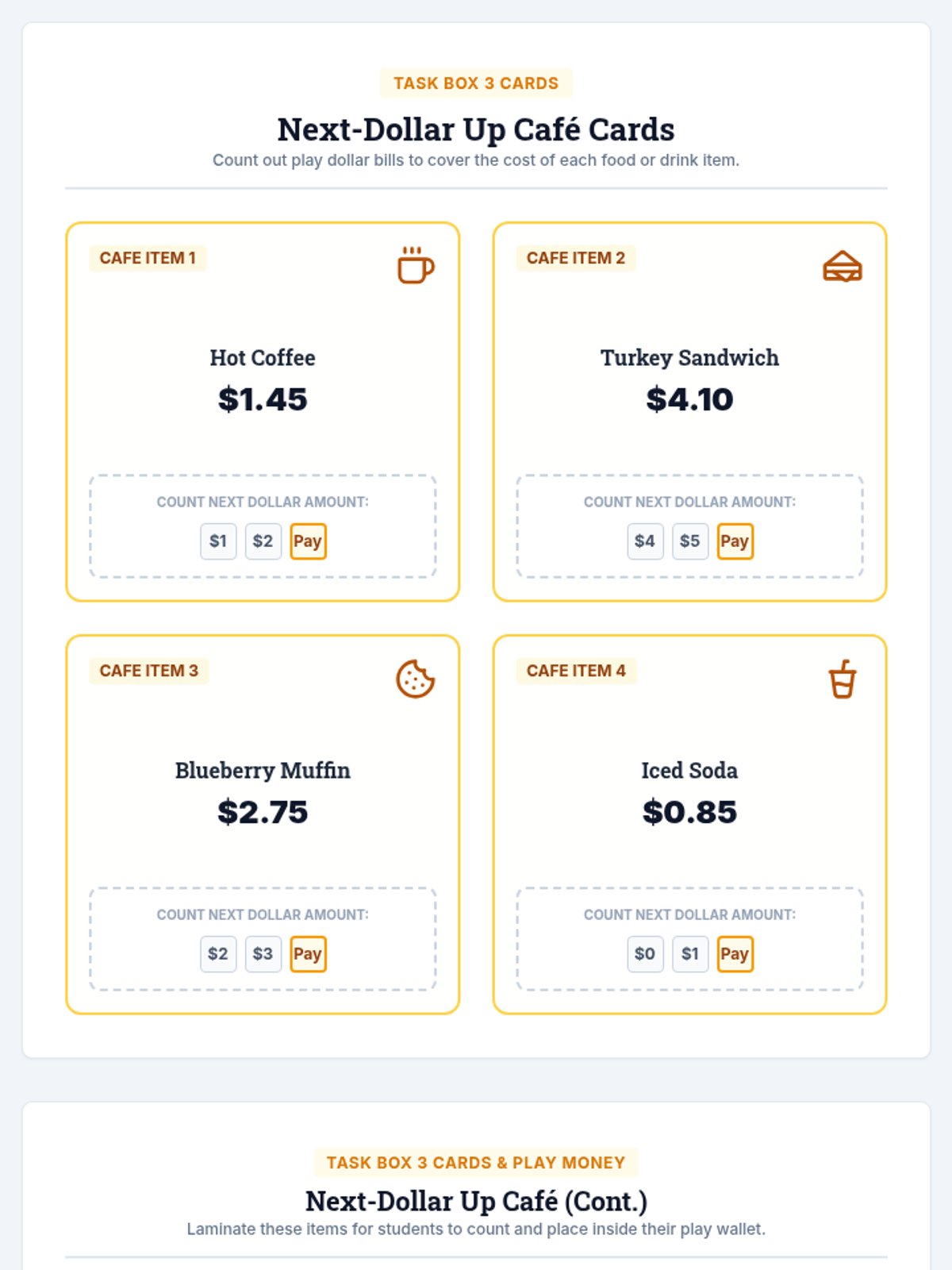
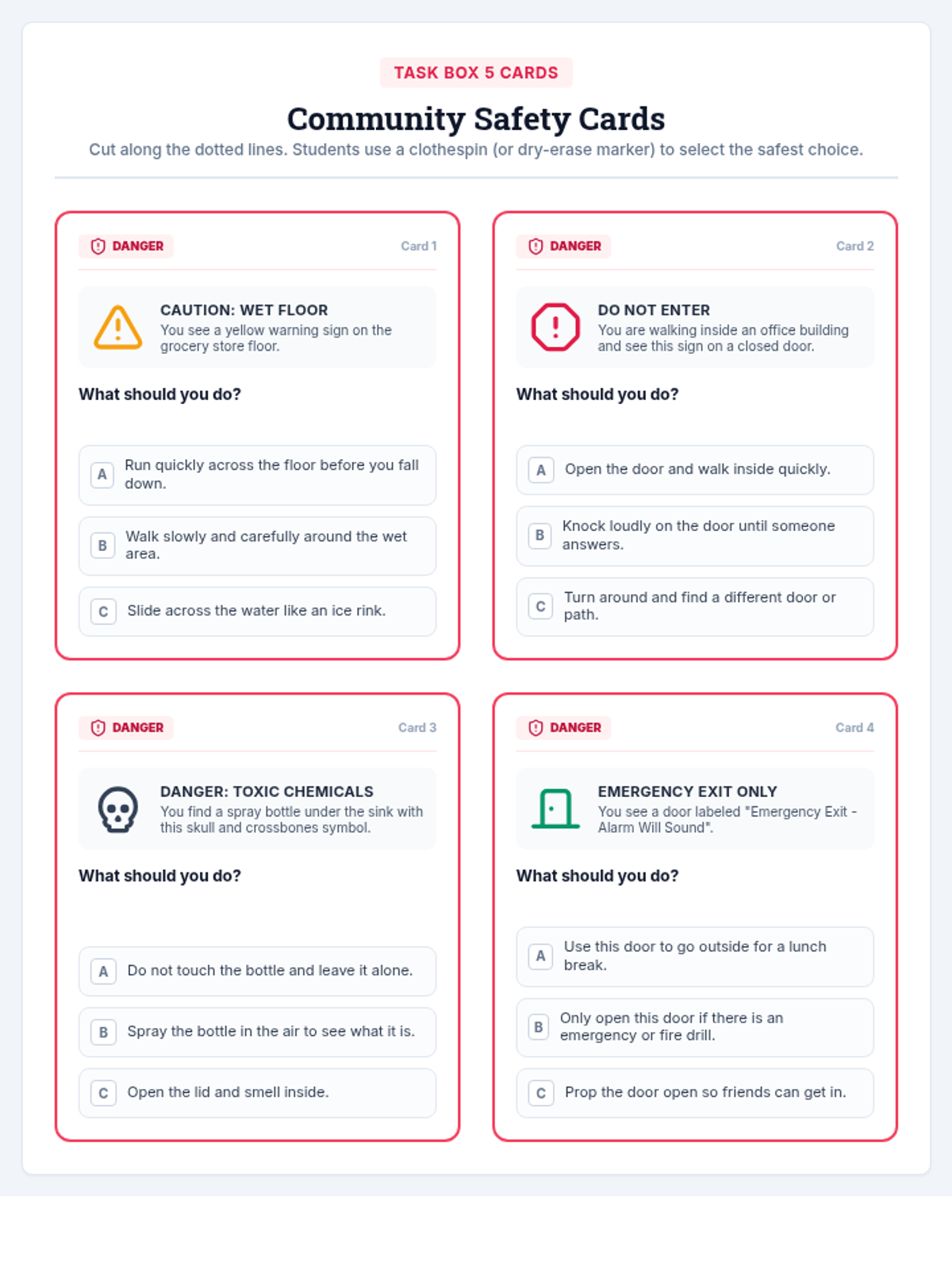
A comprehensive set of age-appropriate independent task boxes for high school life skills classrooms, targeting sorting, matching, math, words, and community safety. Includes teacher setup guides, student visual directions, and printable task card assets.
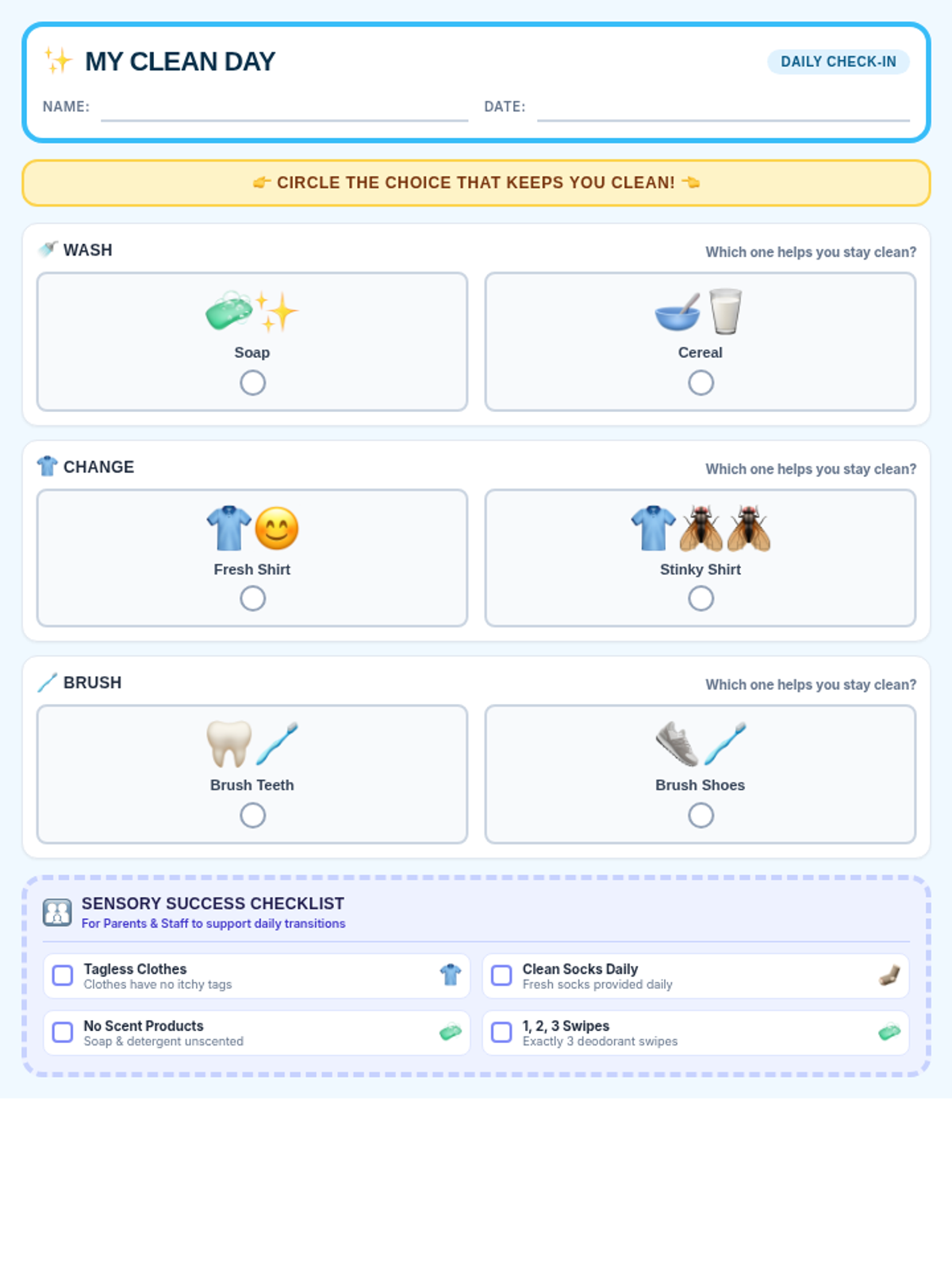
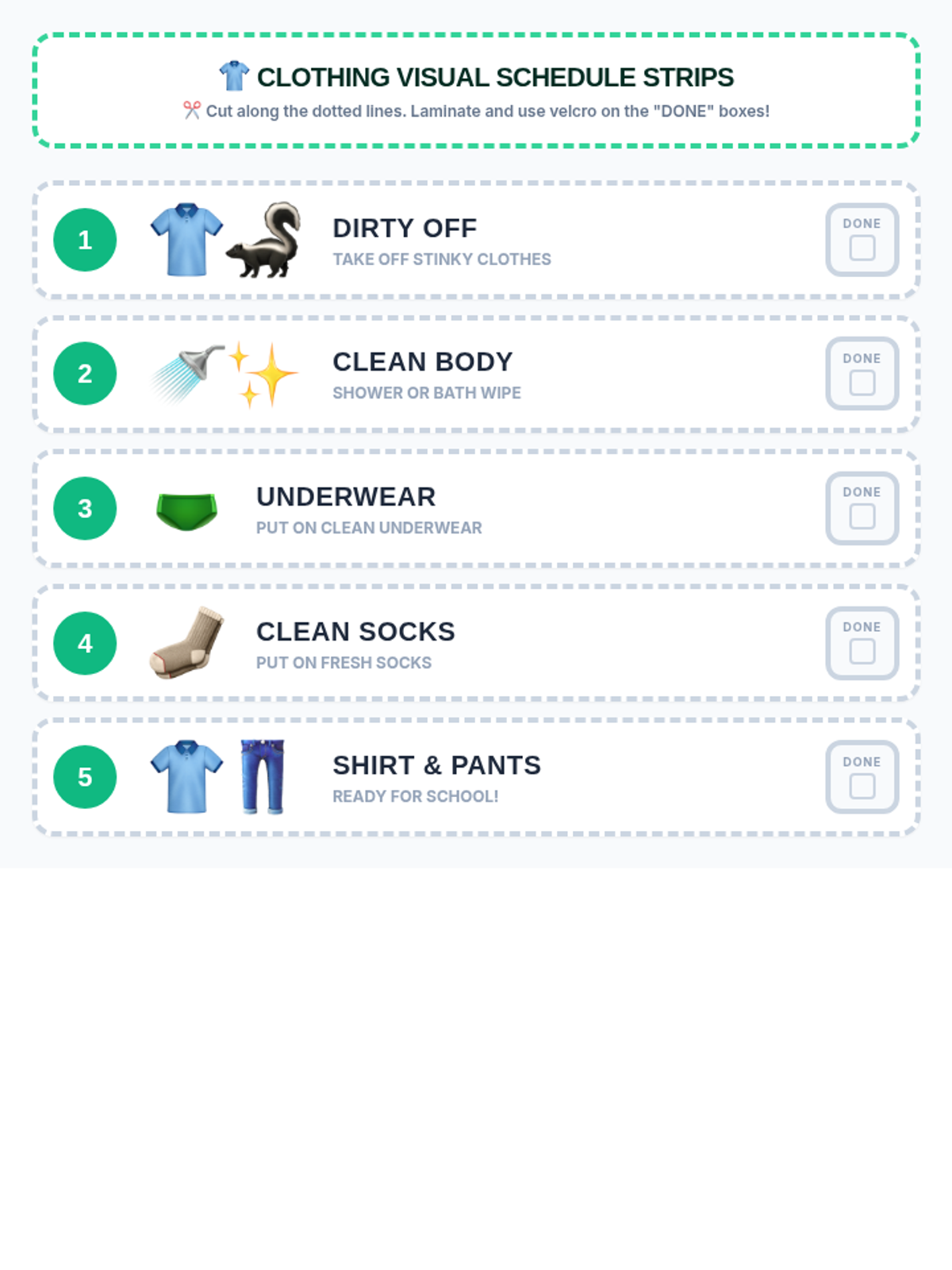
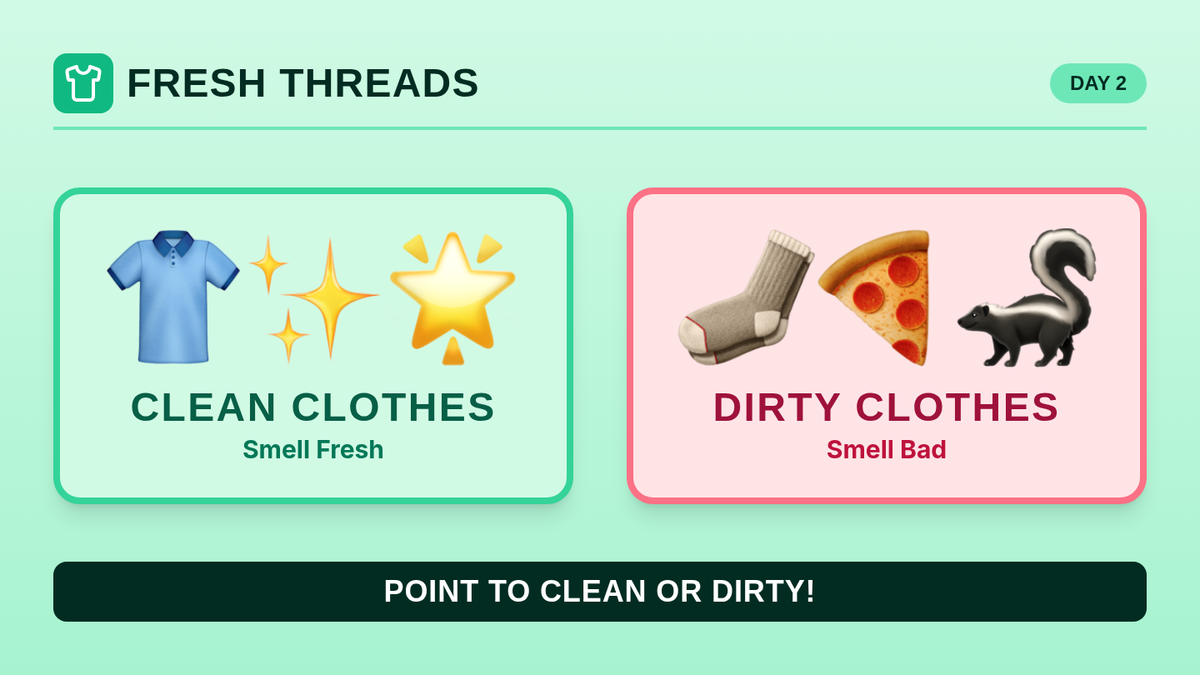
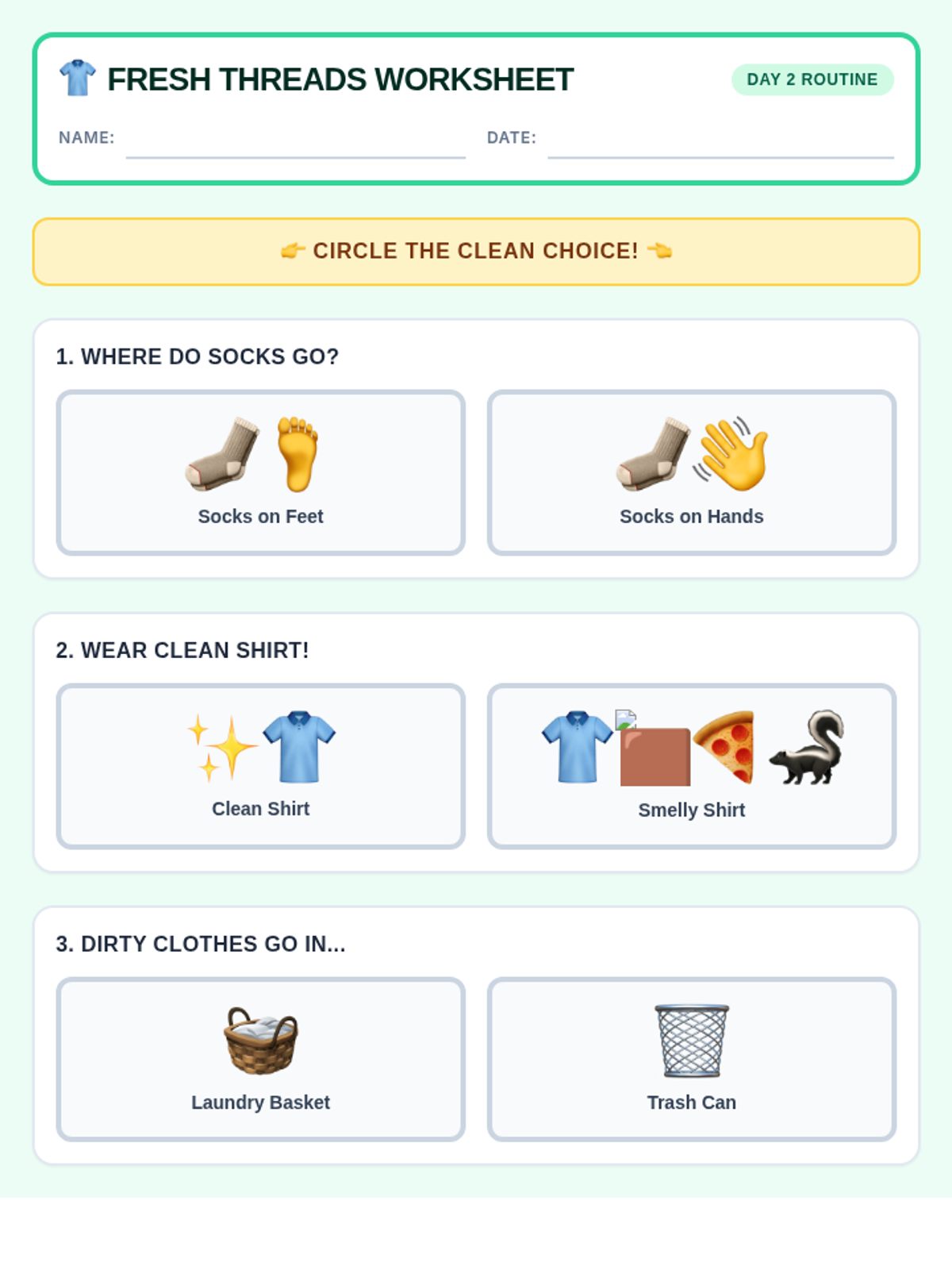
Focuses on the sensory-sensitive transition of changing clothes daily, identifying clean vs. dirty clothes, and managing sensory sensitivities (tags, seams, scents). It includes visual absurdity games (e.g., socks on hands, pizza stinky shirts) and visual routines.
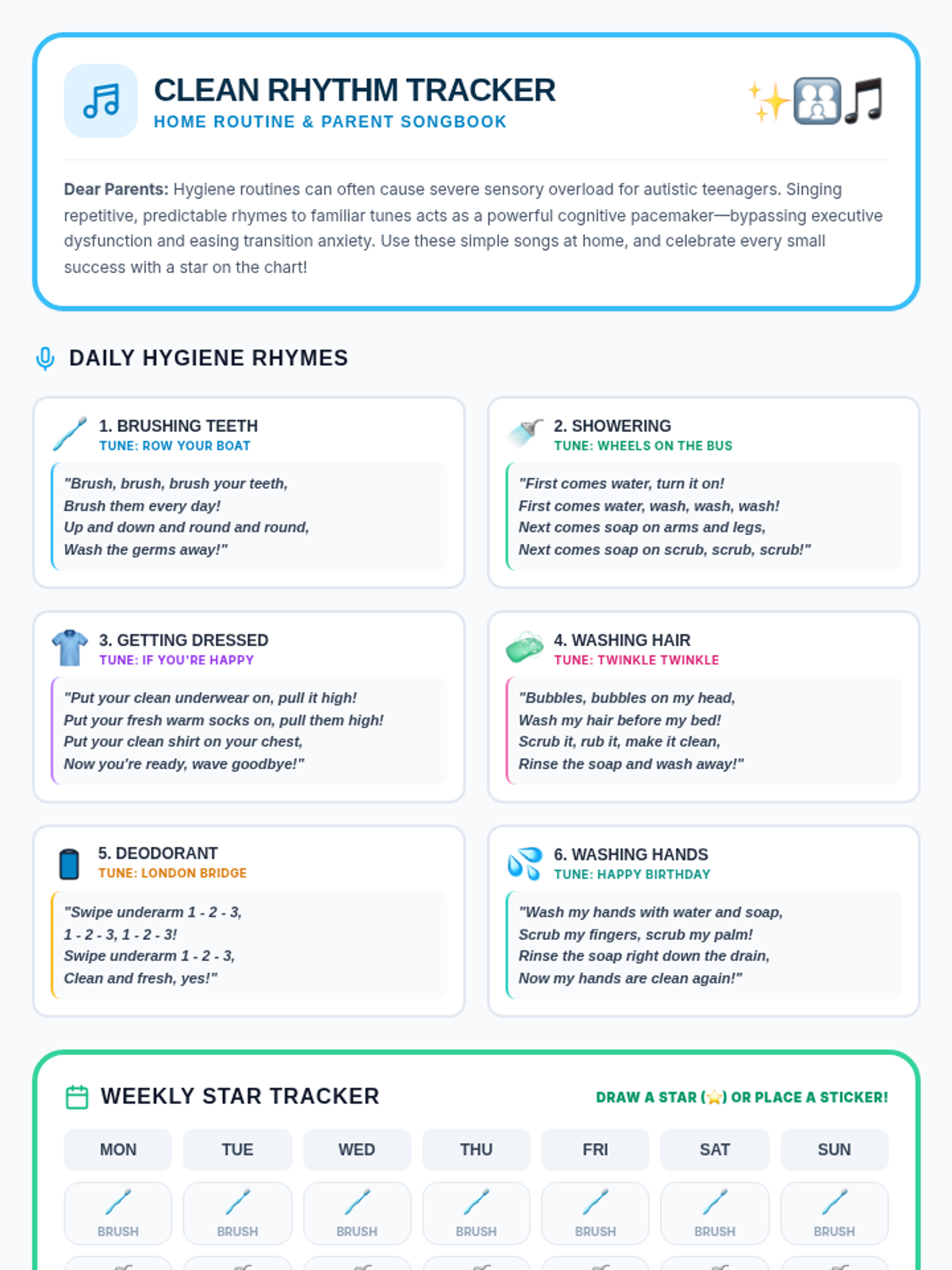
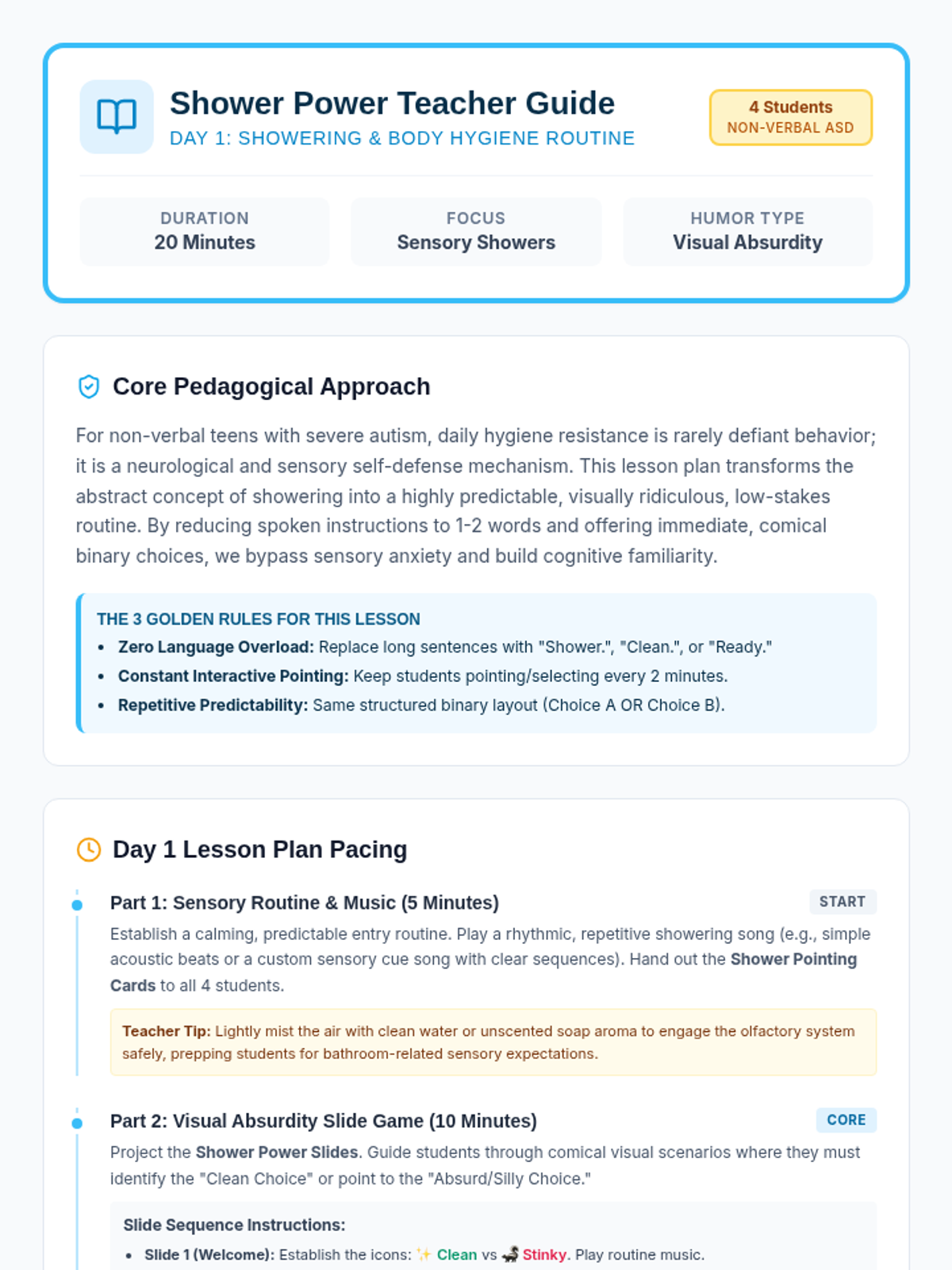
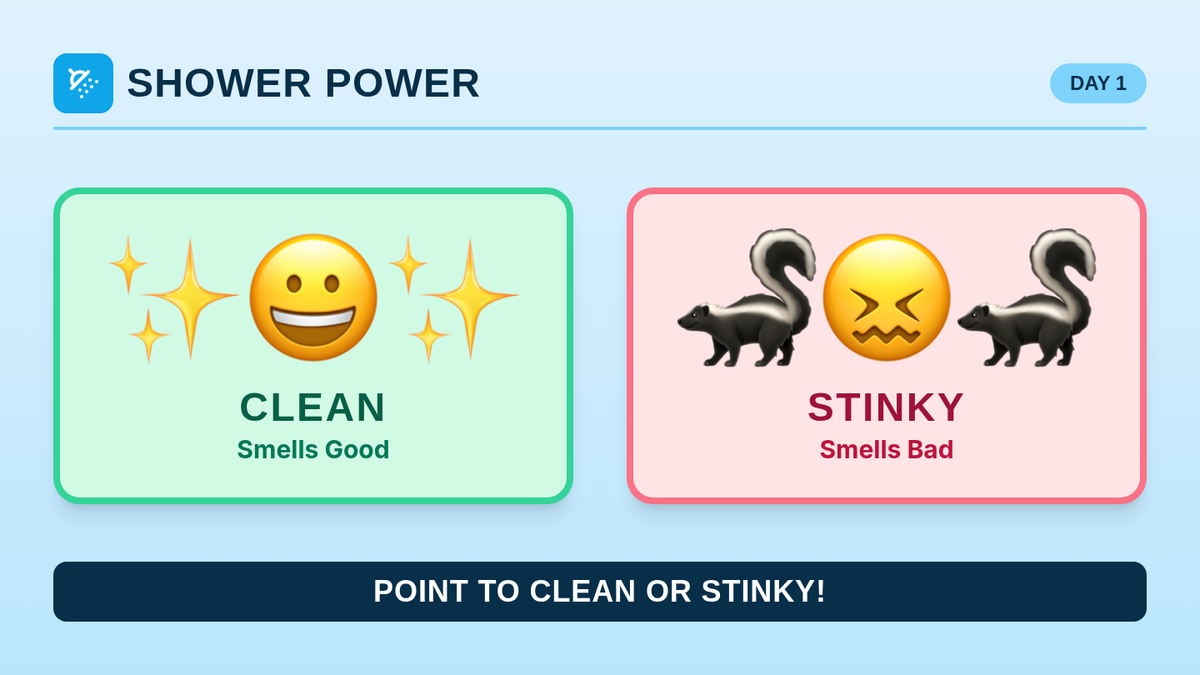
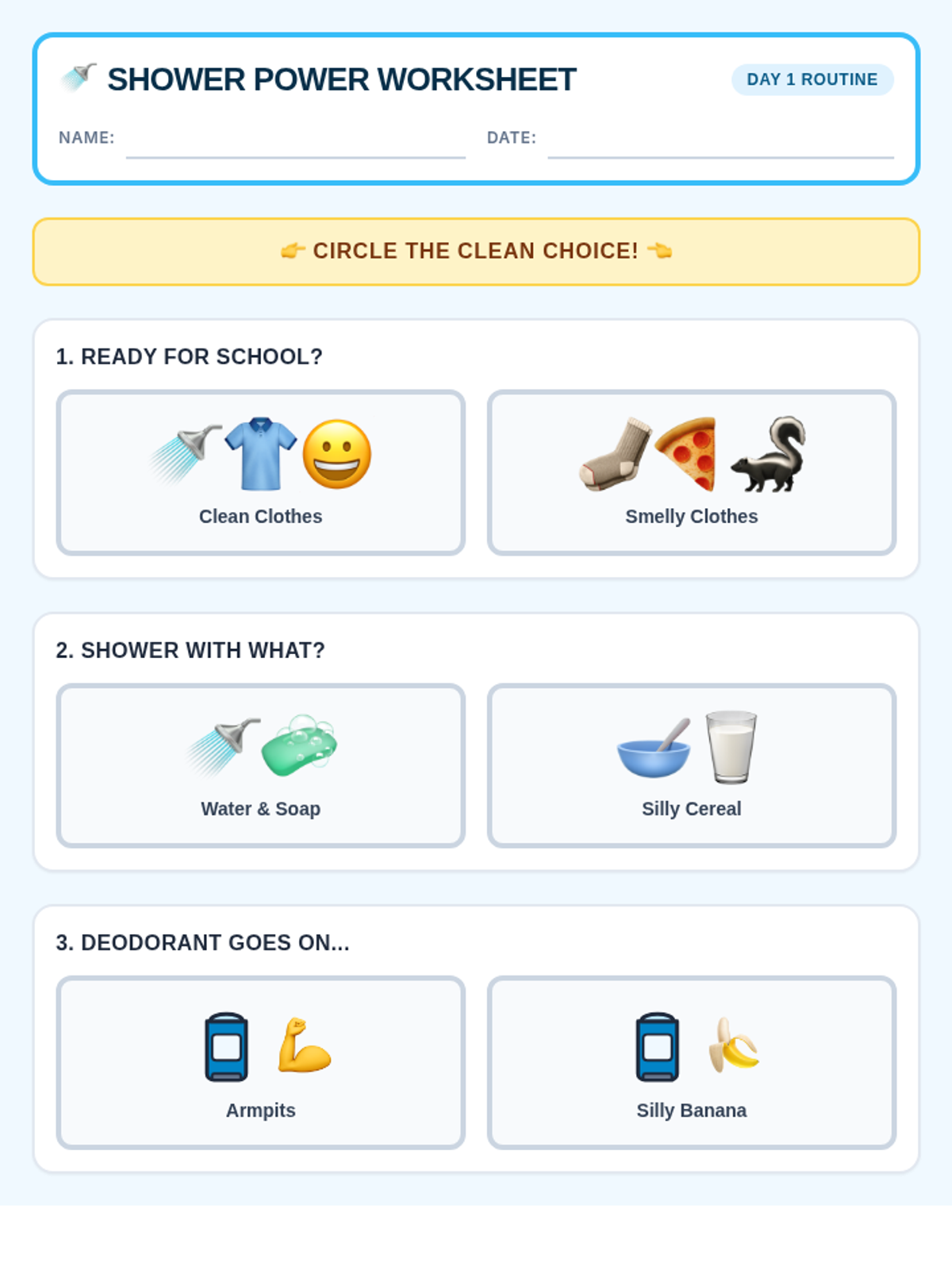
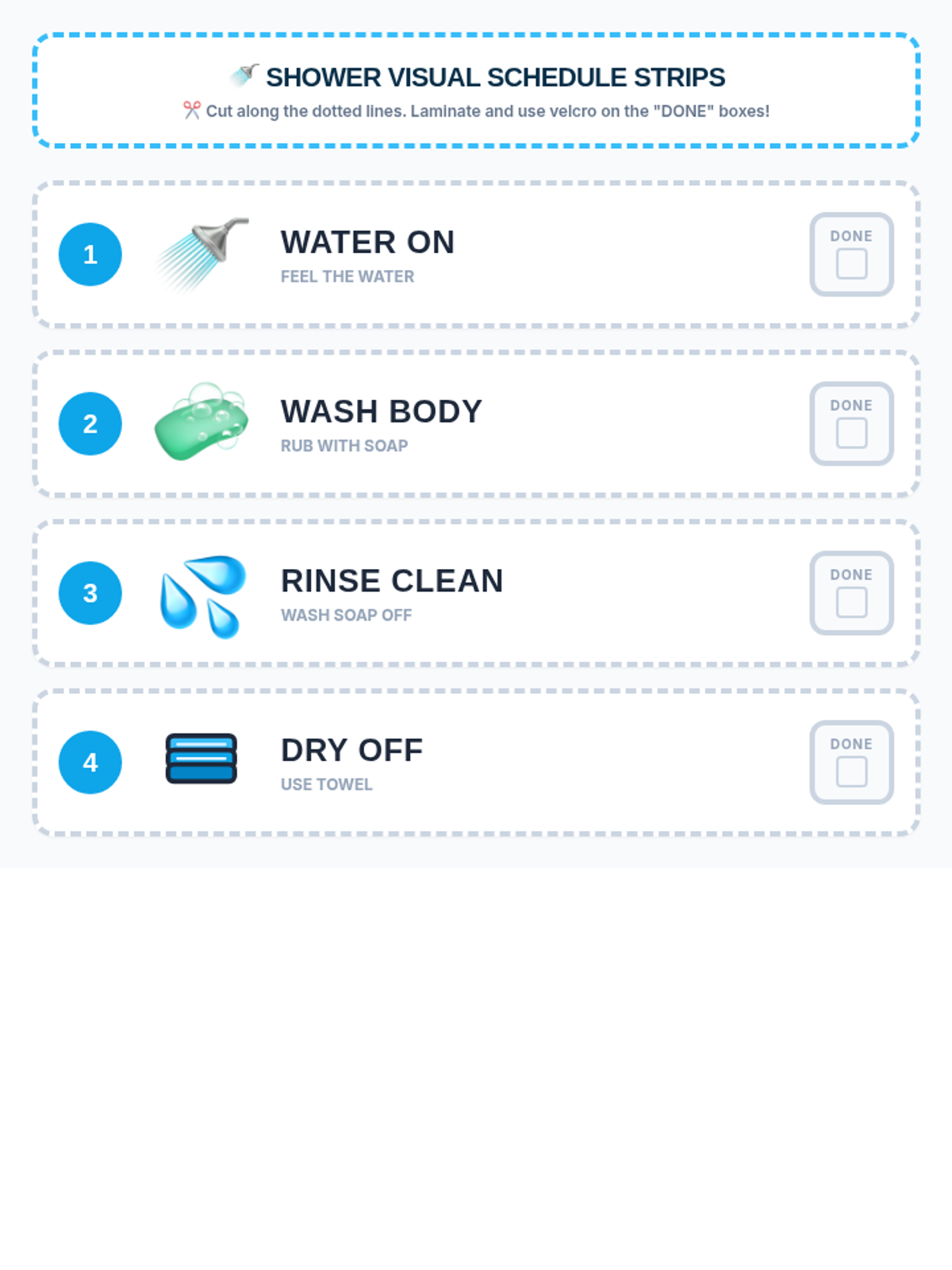
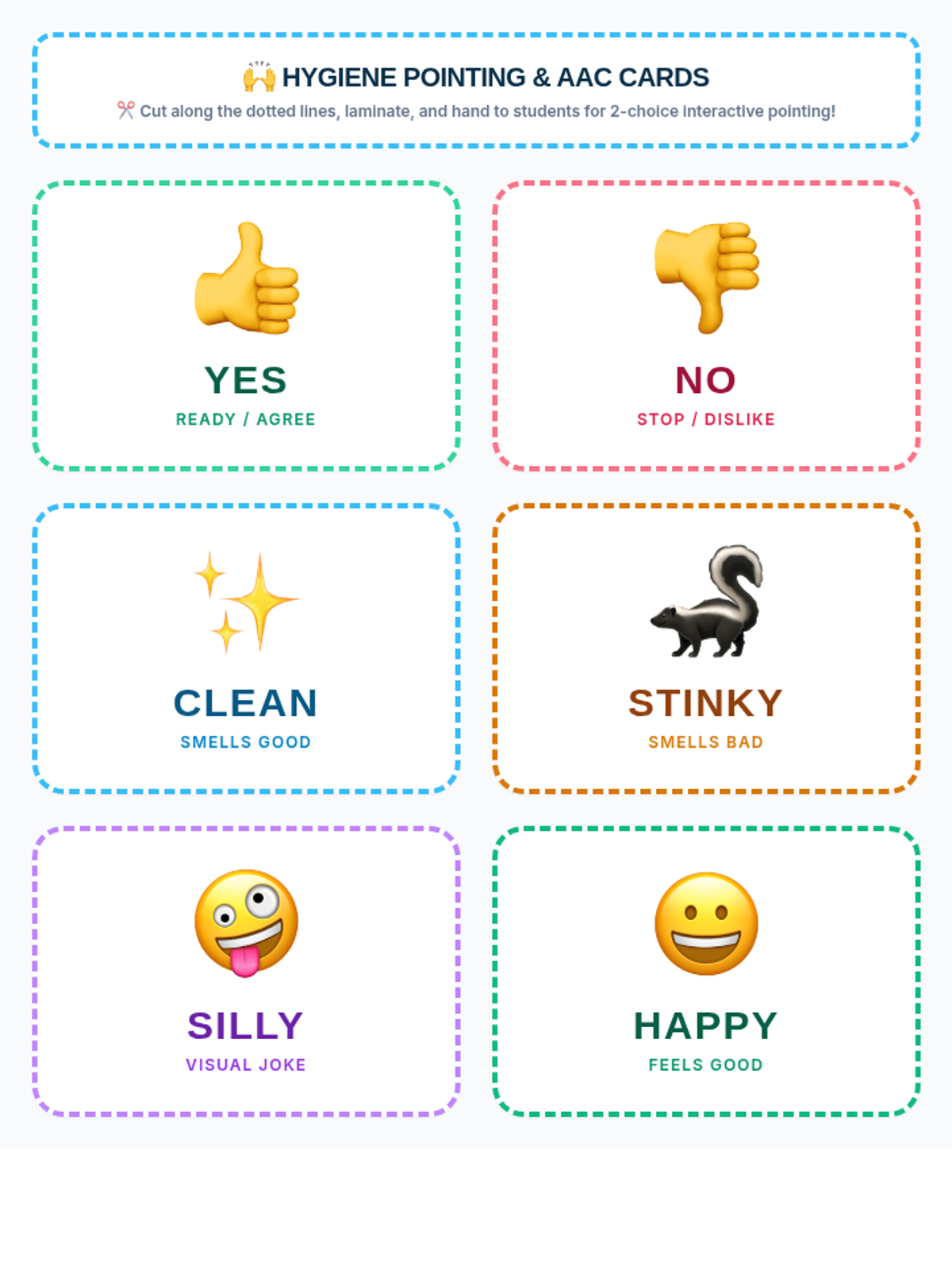
Focuses on sensory-friendly showering routines, washing the body and hair, and using deodorant. It features visual absurdity humor (e.g., showering with cereal, putting deodorant on a banana) and 2-choice visual pointing activities.
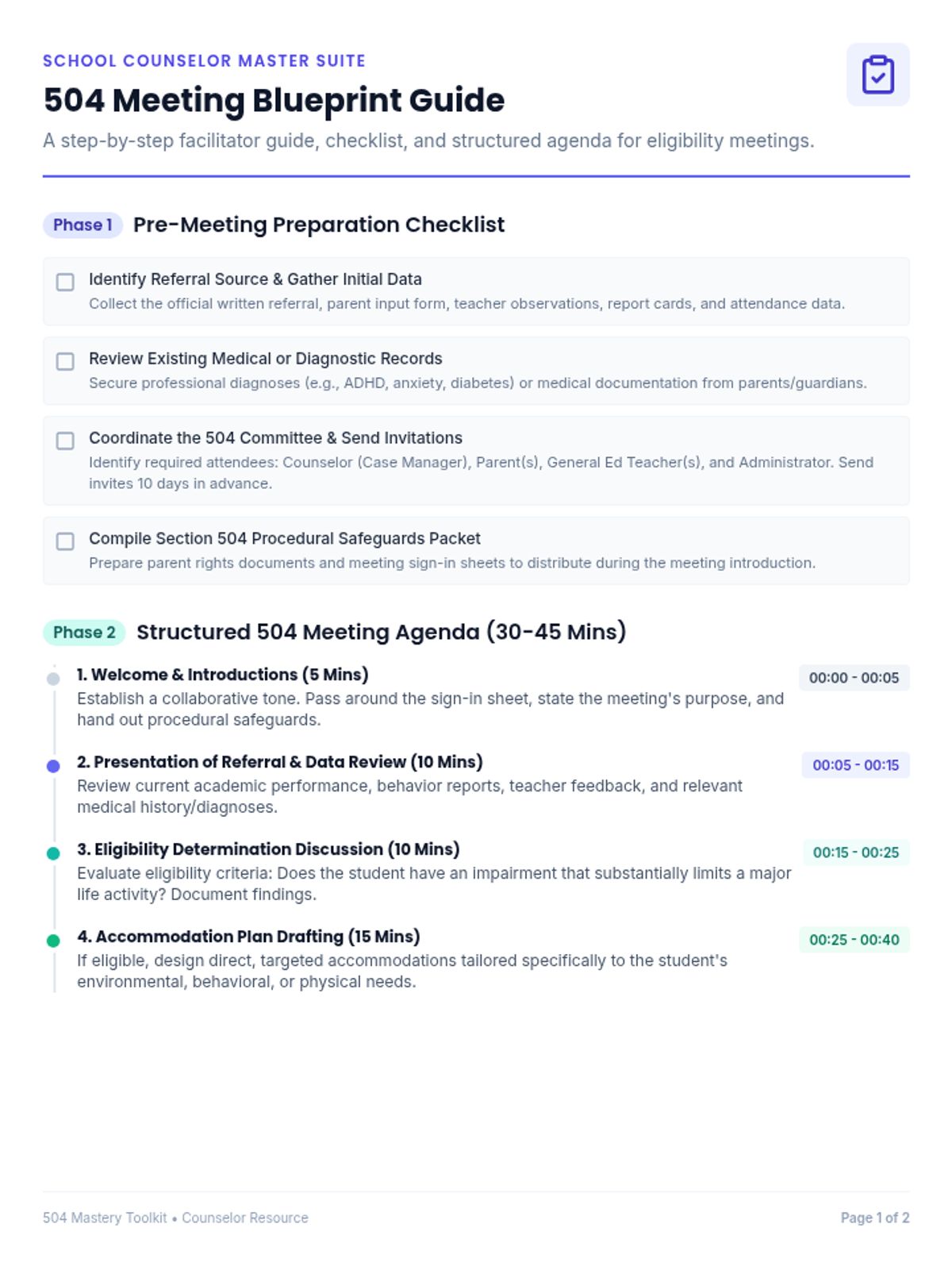
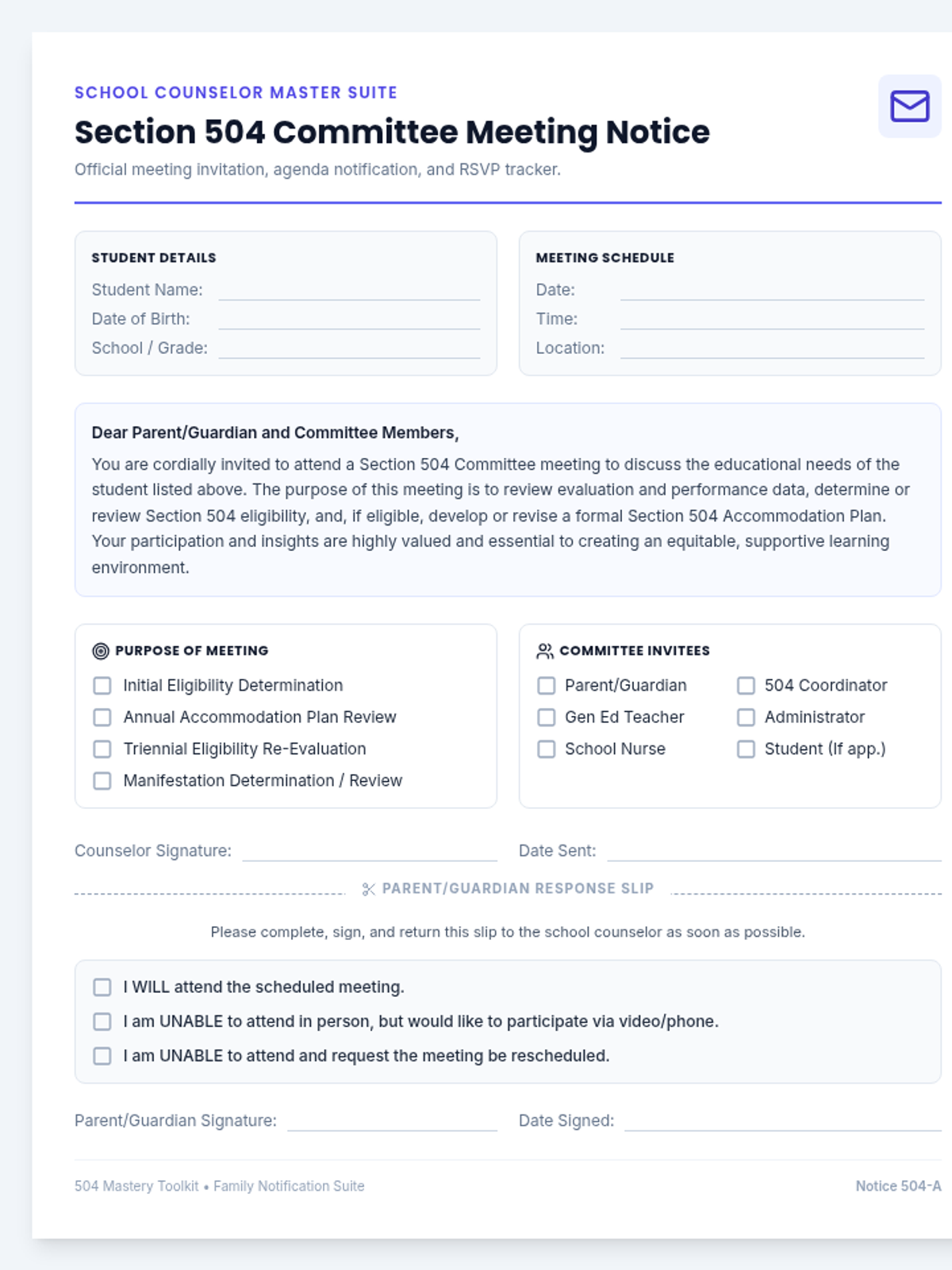
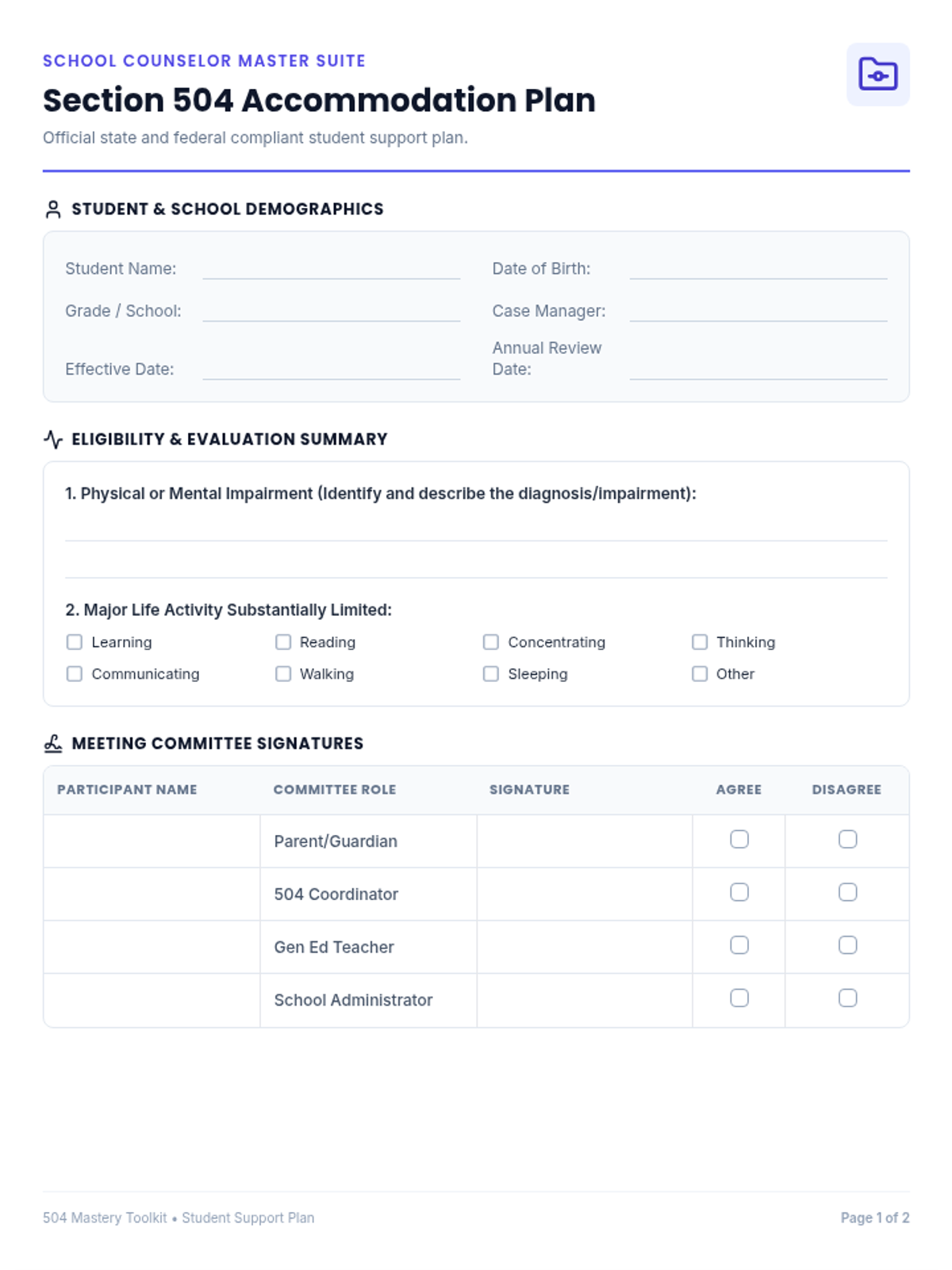
A comprehensive toolkit for school counselors outlining the Section 504 eligibility meeting process, complete with a step-by-step checklist, meeting agenda, meeting invitation template, and formal accommodation plan.
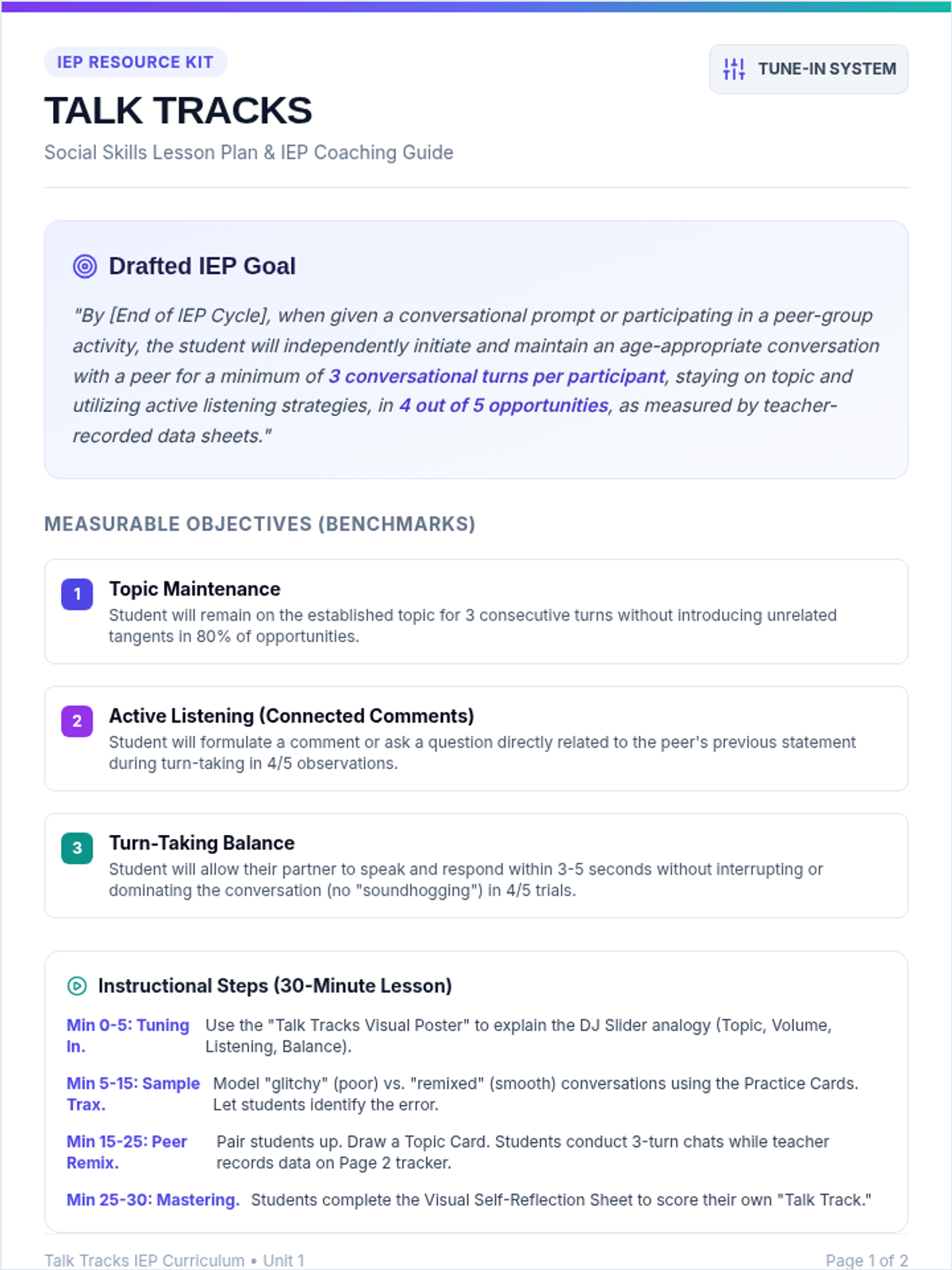
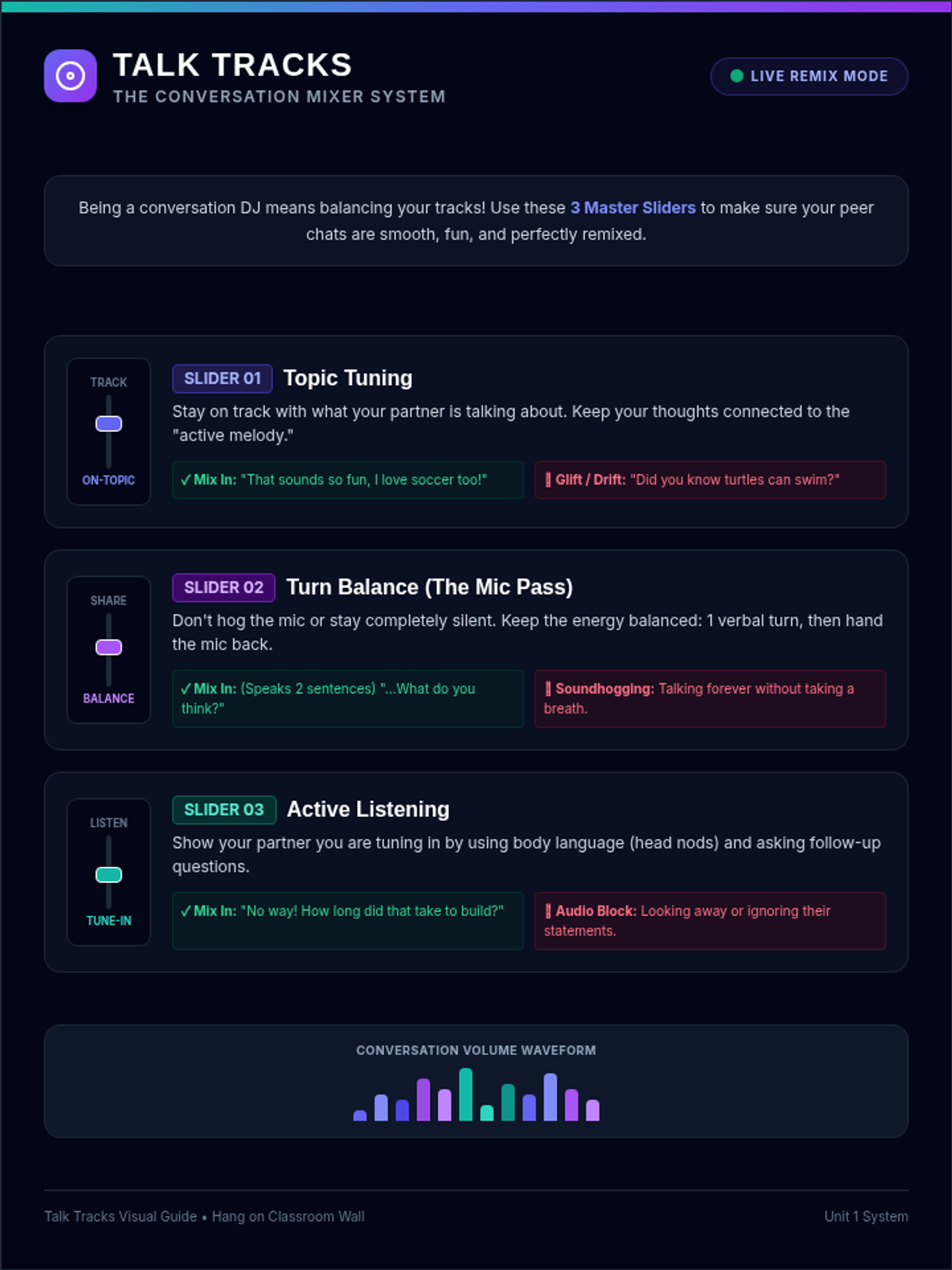
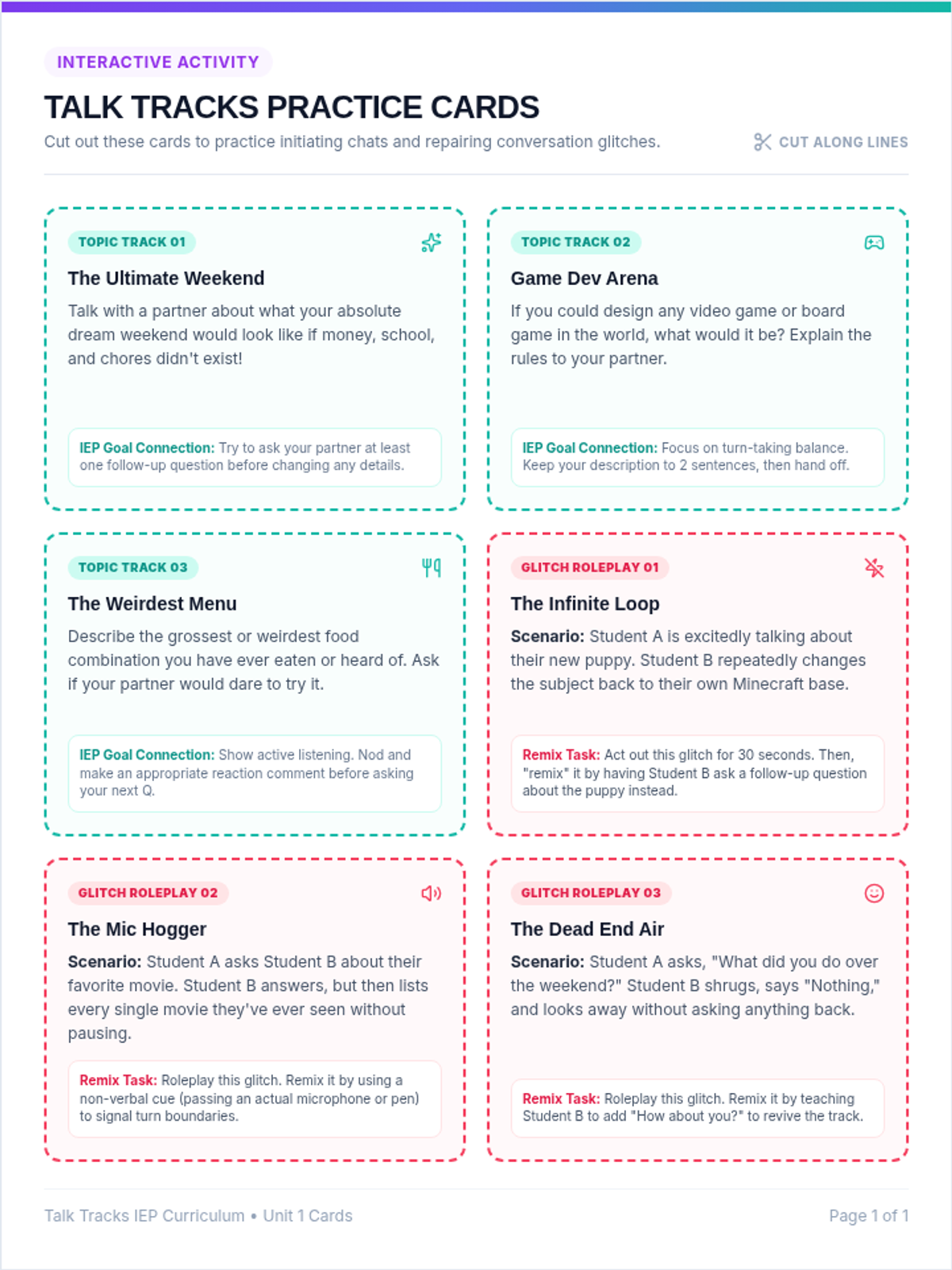
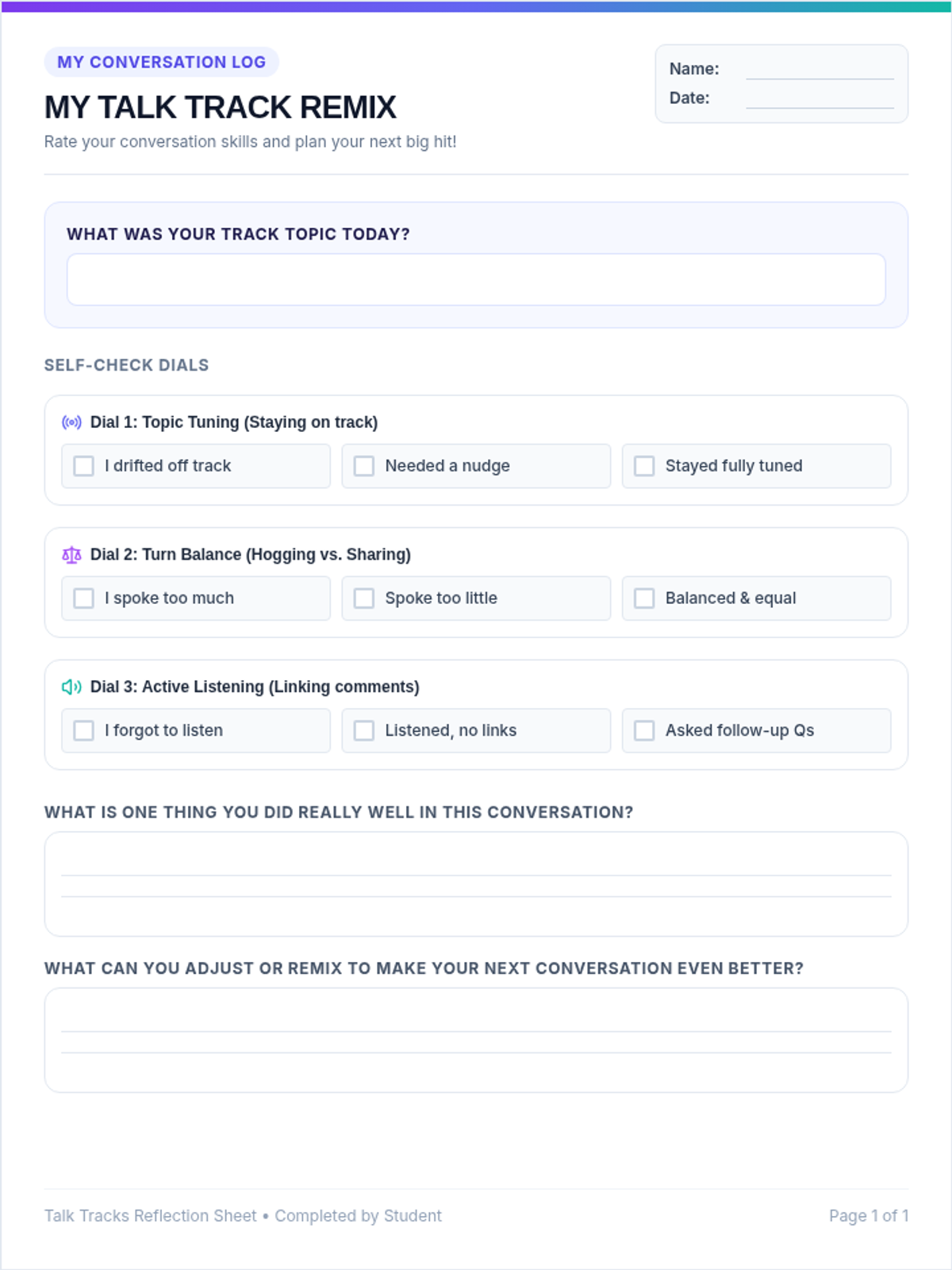
A comprehensive social skills lesson package designed to teach, practice, and track progress on conversational turn-taking, topic maintenance, and active listening for elementary and middle school students with social communication IEP goals.
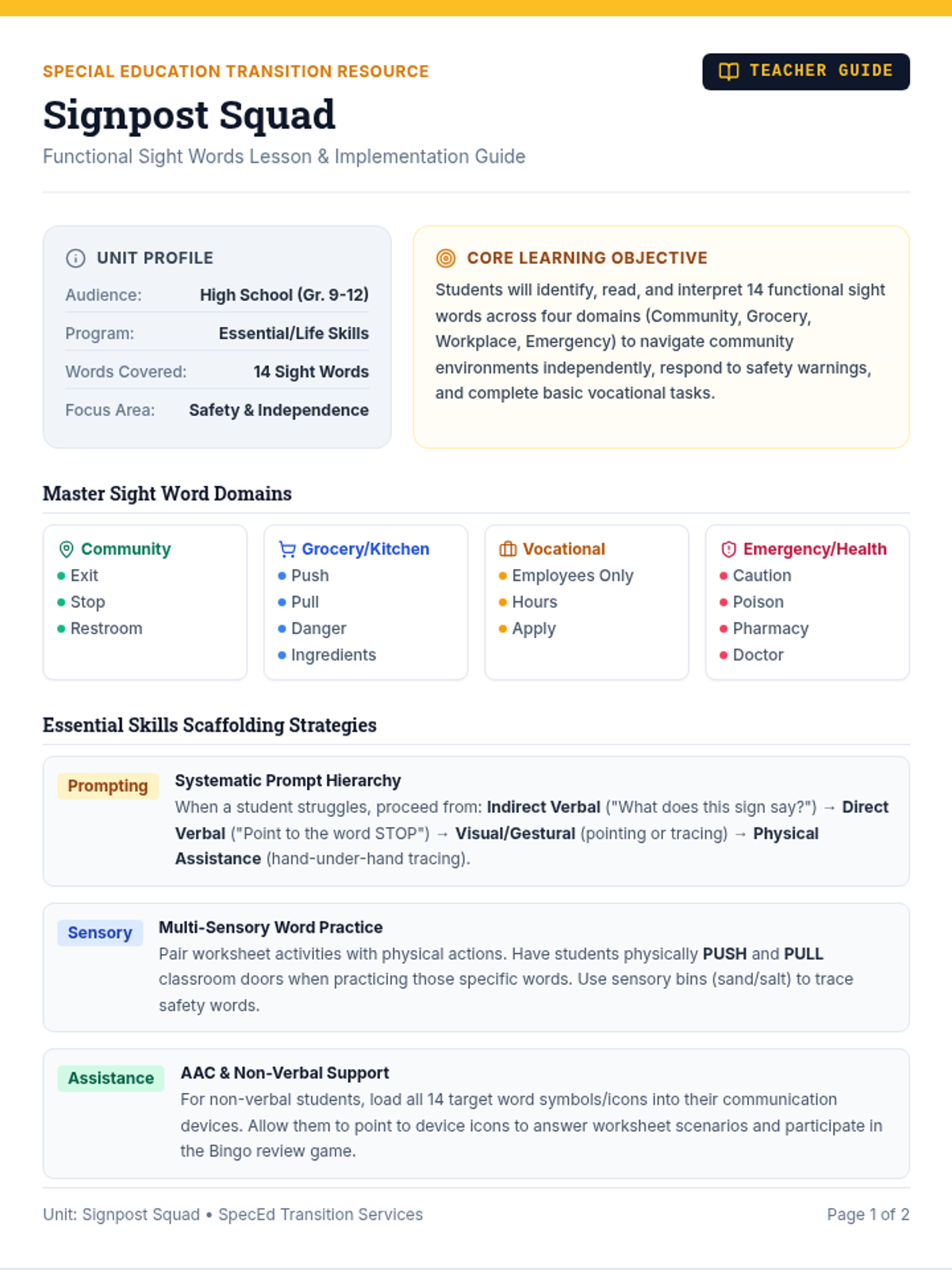
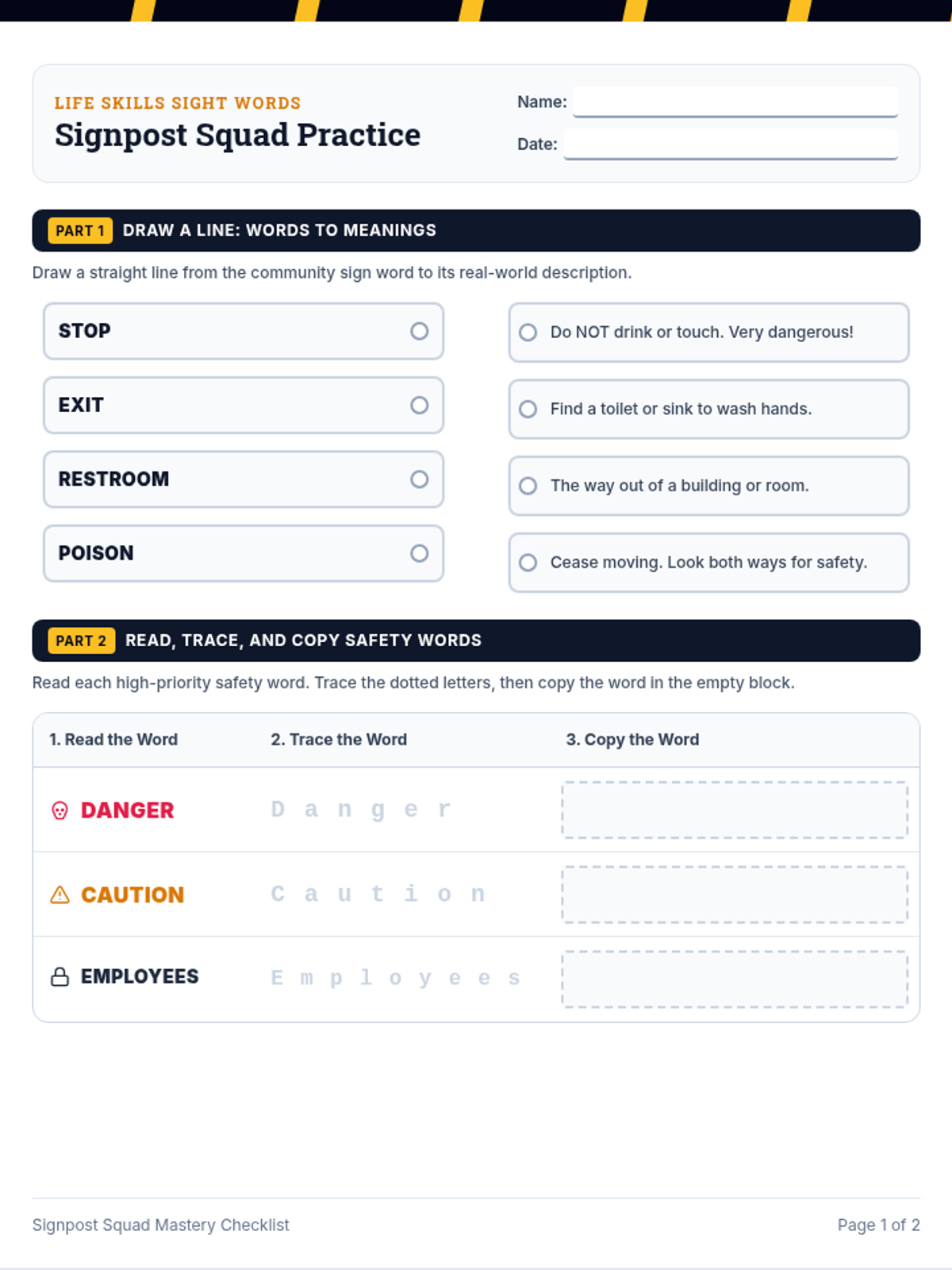
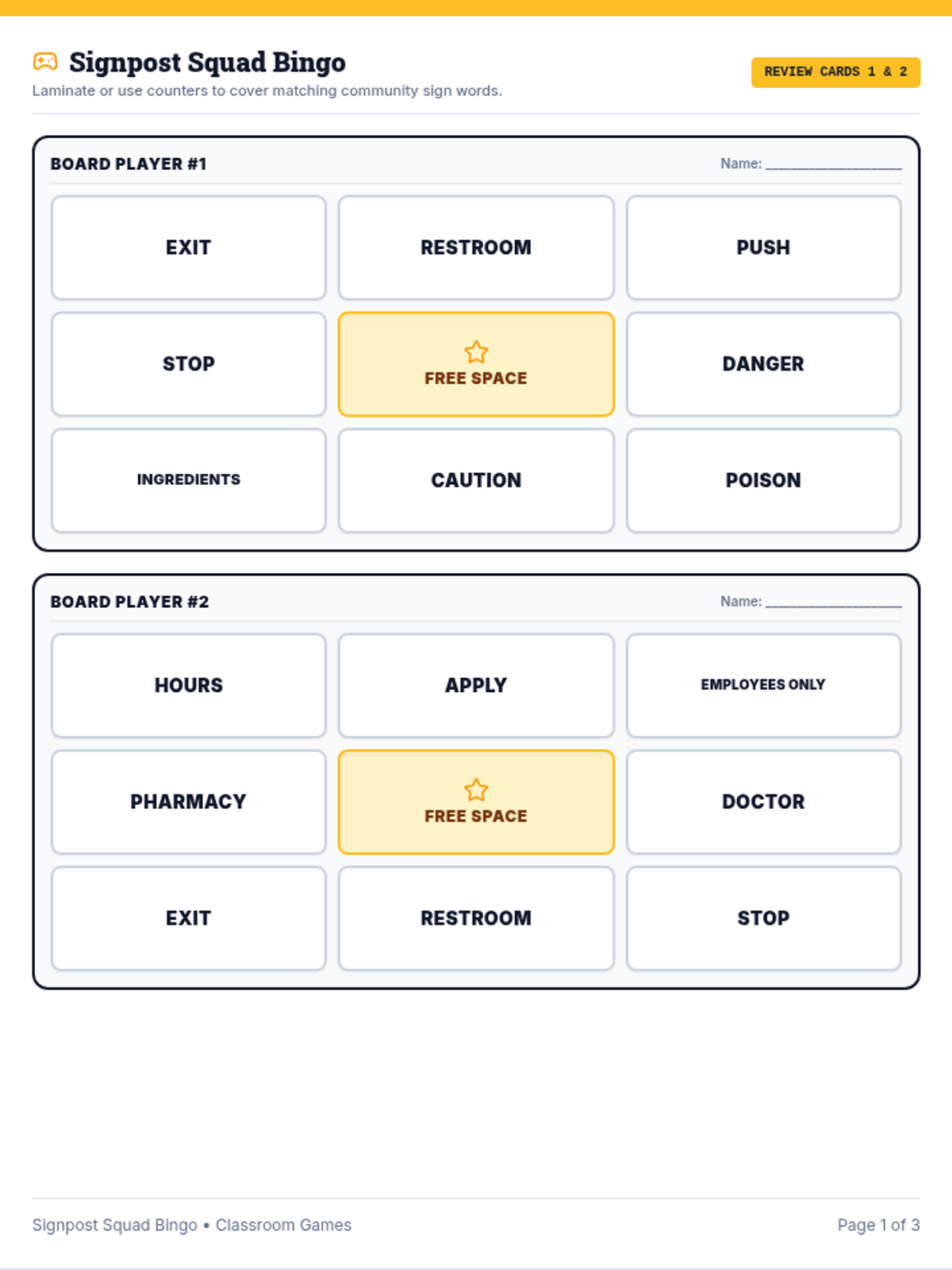
A functional life-skills unit focused on mastering 14 crucial community, workplace, emergency, and grocery sight words. Designed with high-contrast, age-appropriate layouts specifically for high school transition and special education classrooms.
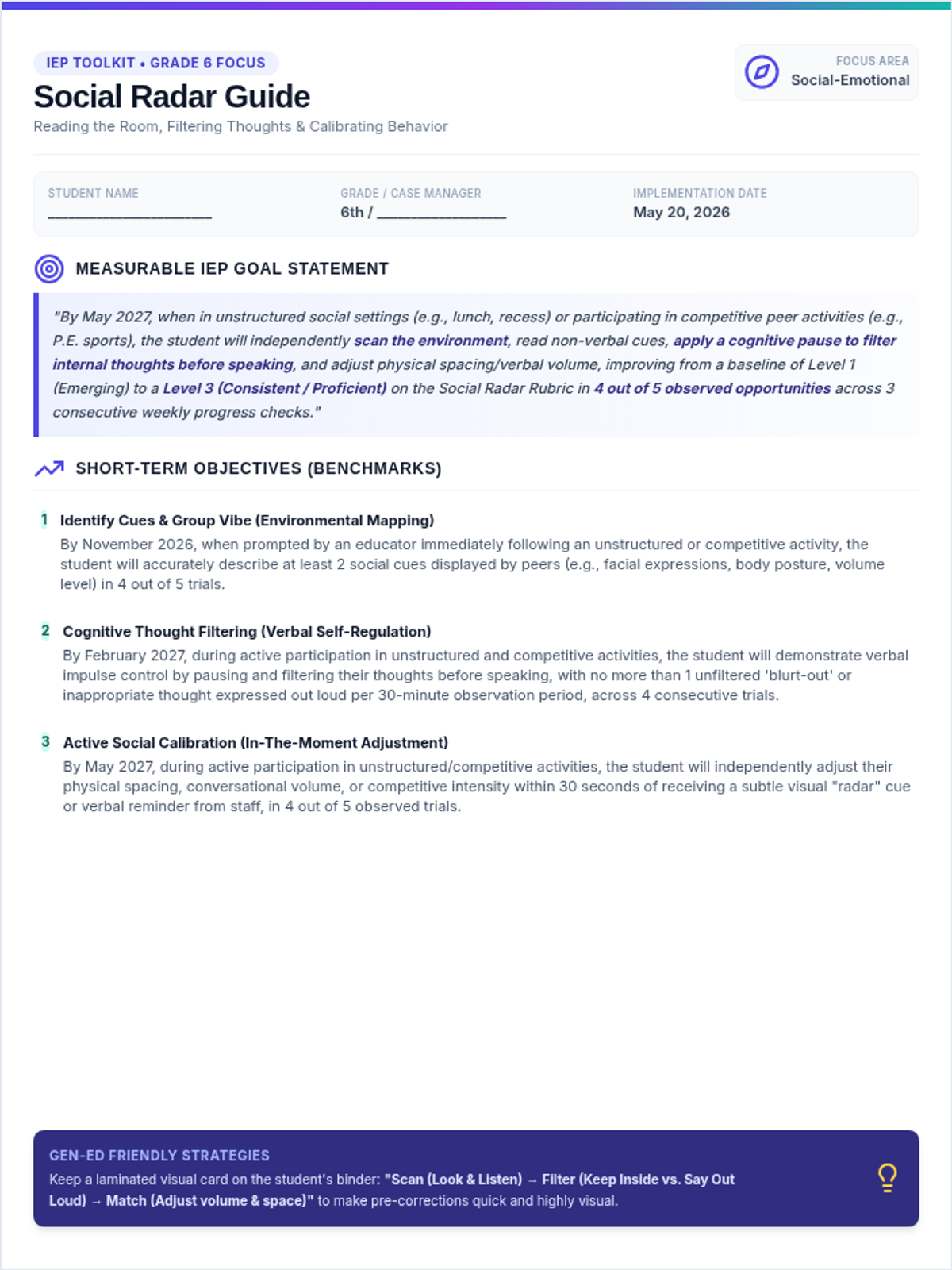
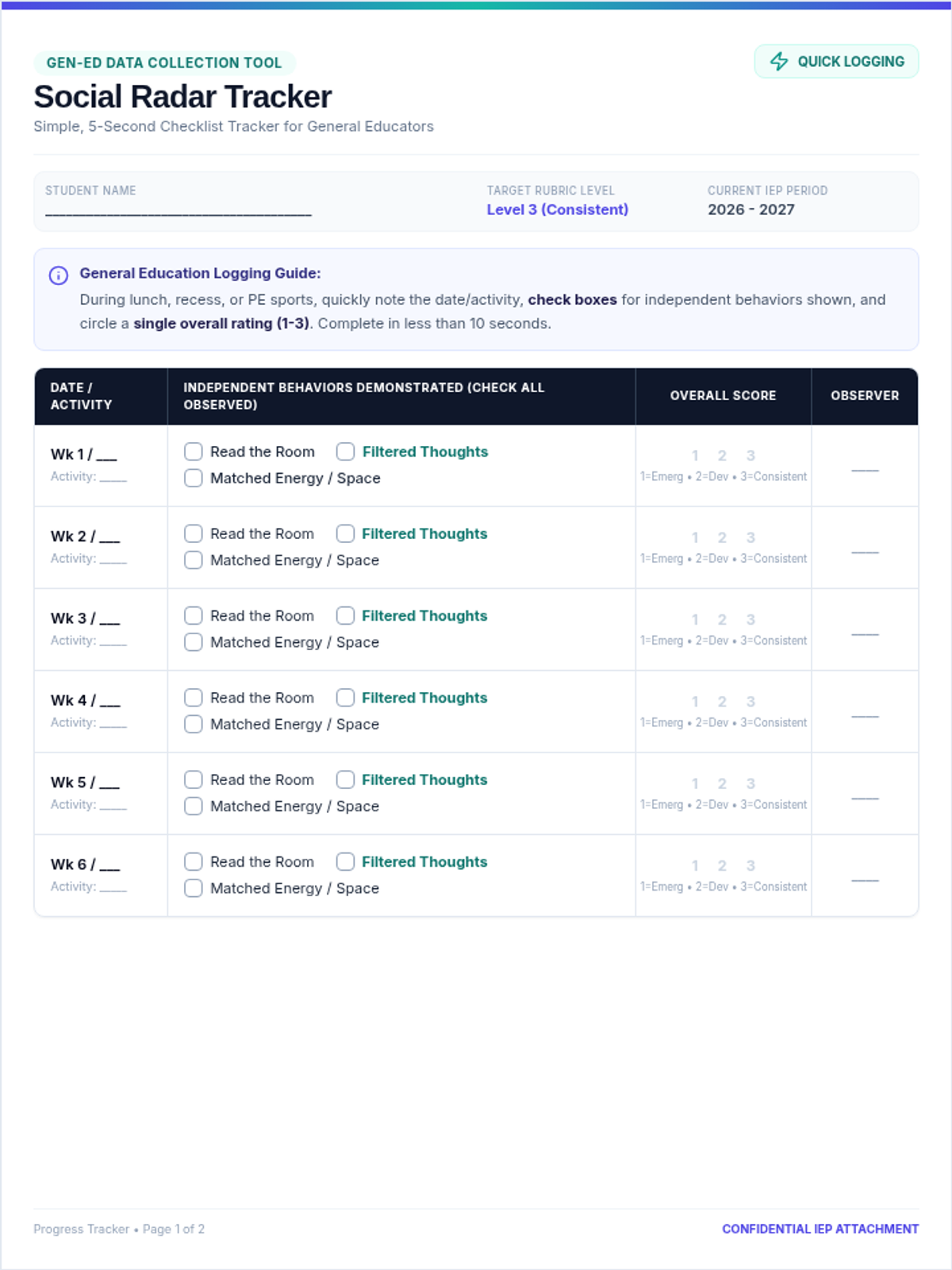
An IEP toolkit featuring a measurable social-emotional goal, a concrete evaluation rubric, and weekly progress monitoring trackers specifically designed to help a 6th-grade student navigate unstructured social settings and competitive activities.
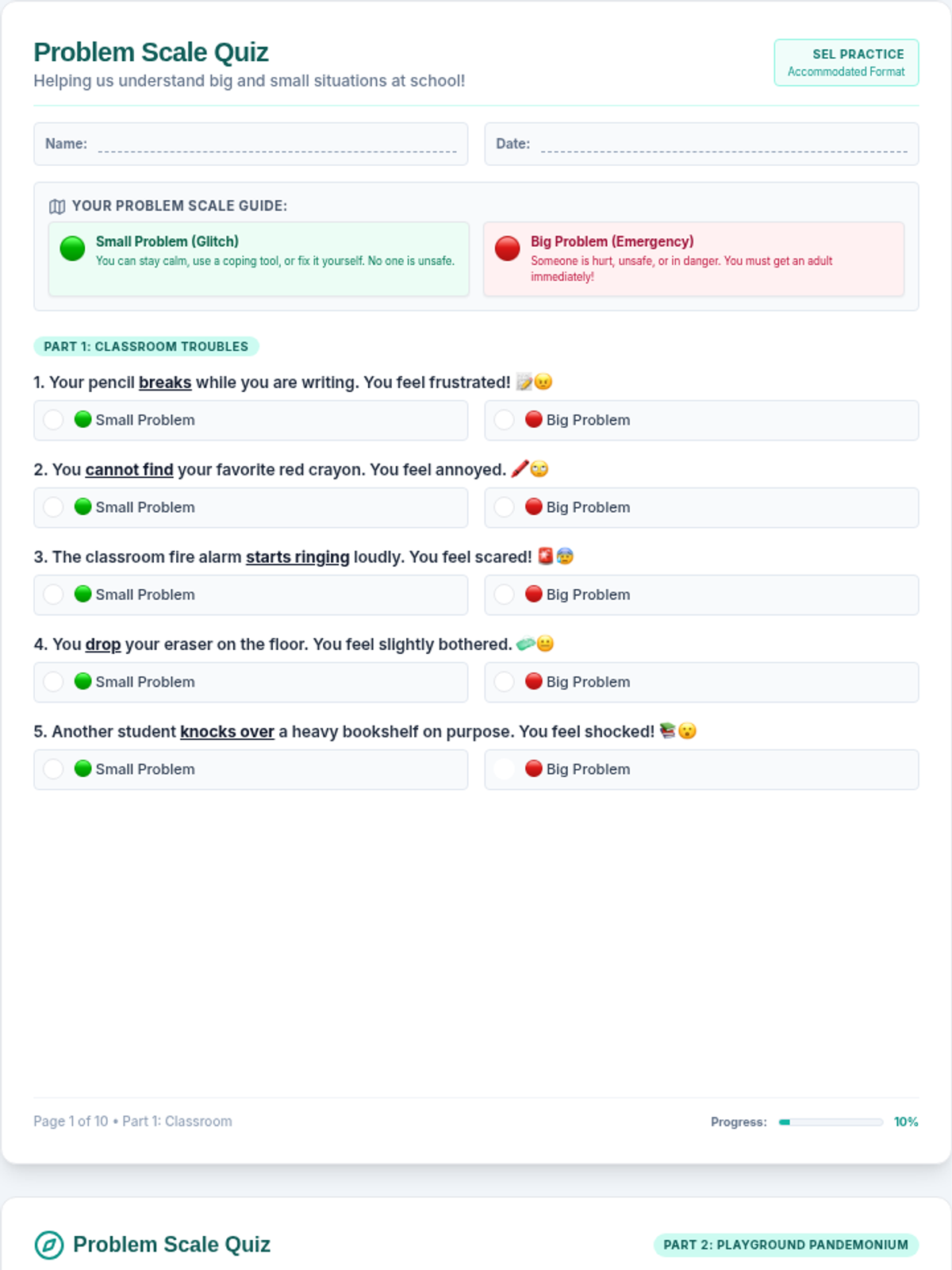
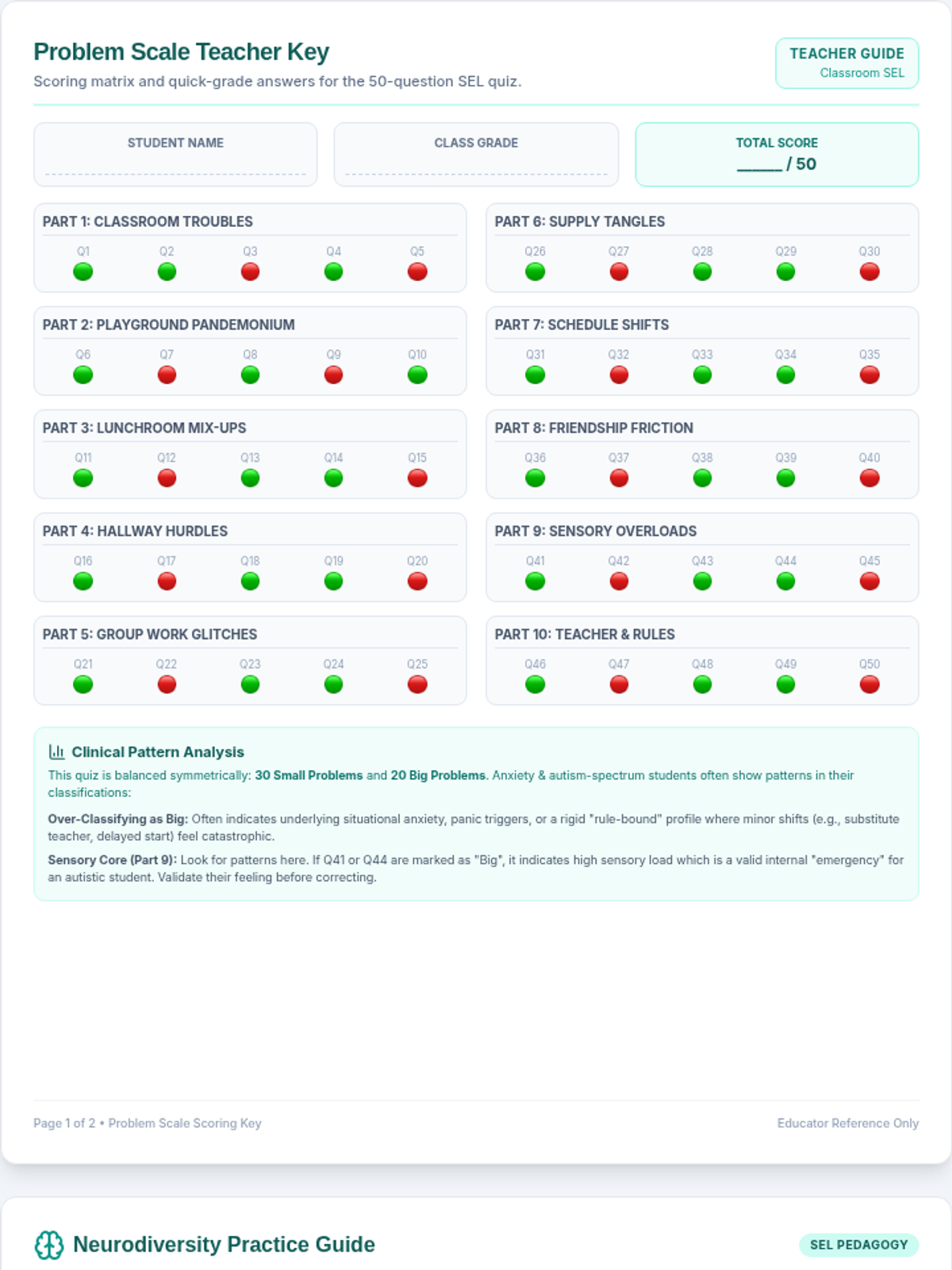
A specialized social-emotional learning lesson focused on helping neurodivergent 2nd and 3rd graders categorize school challenges. Features a comprehensive, highly accommodated 50-question quiz and a teacher's scoring key.
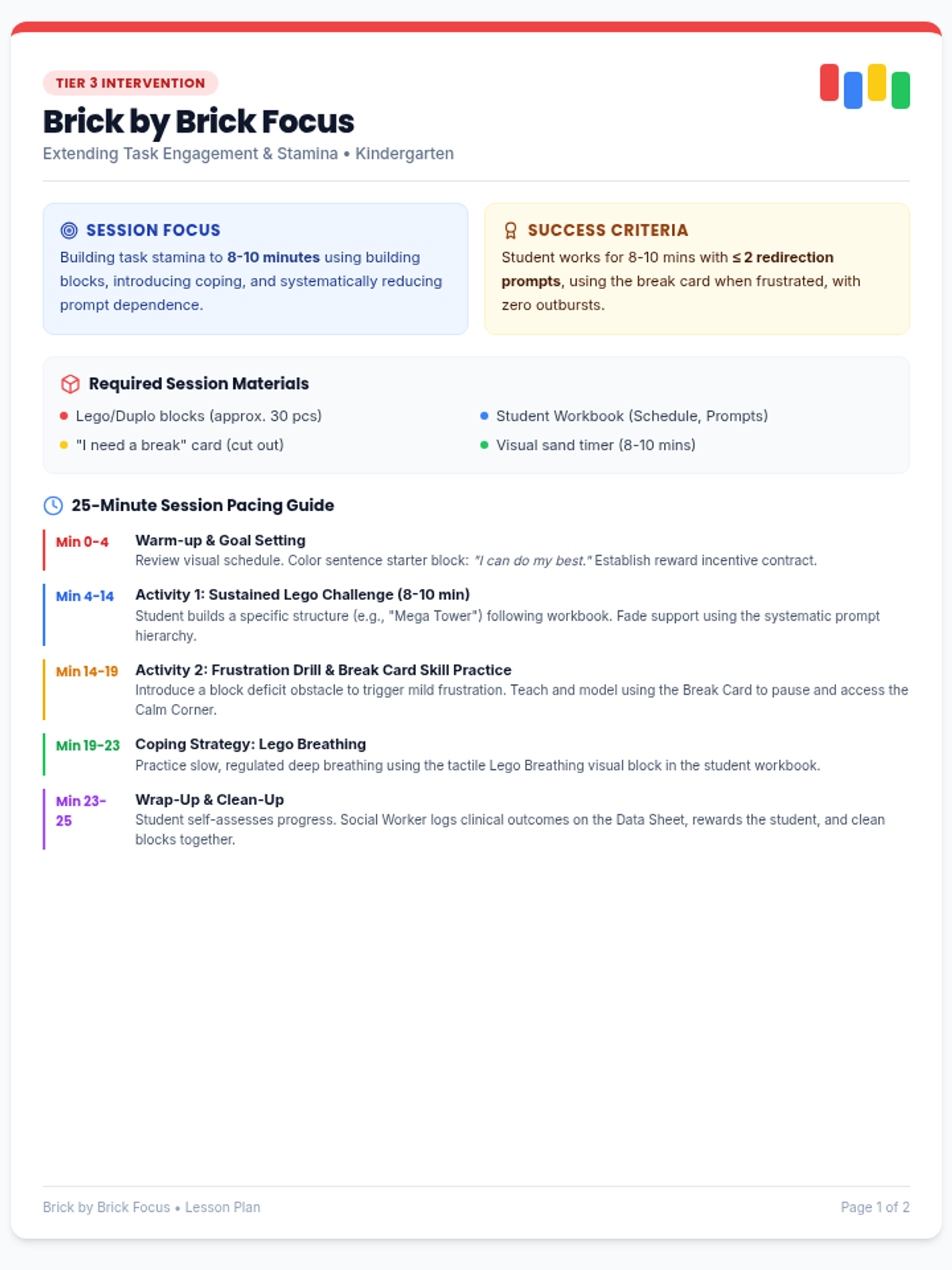
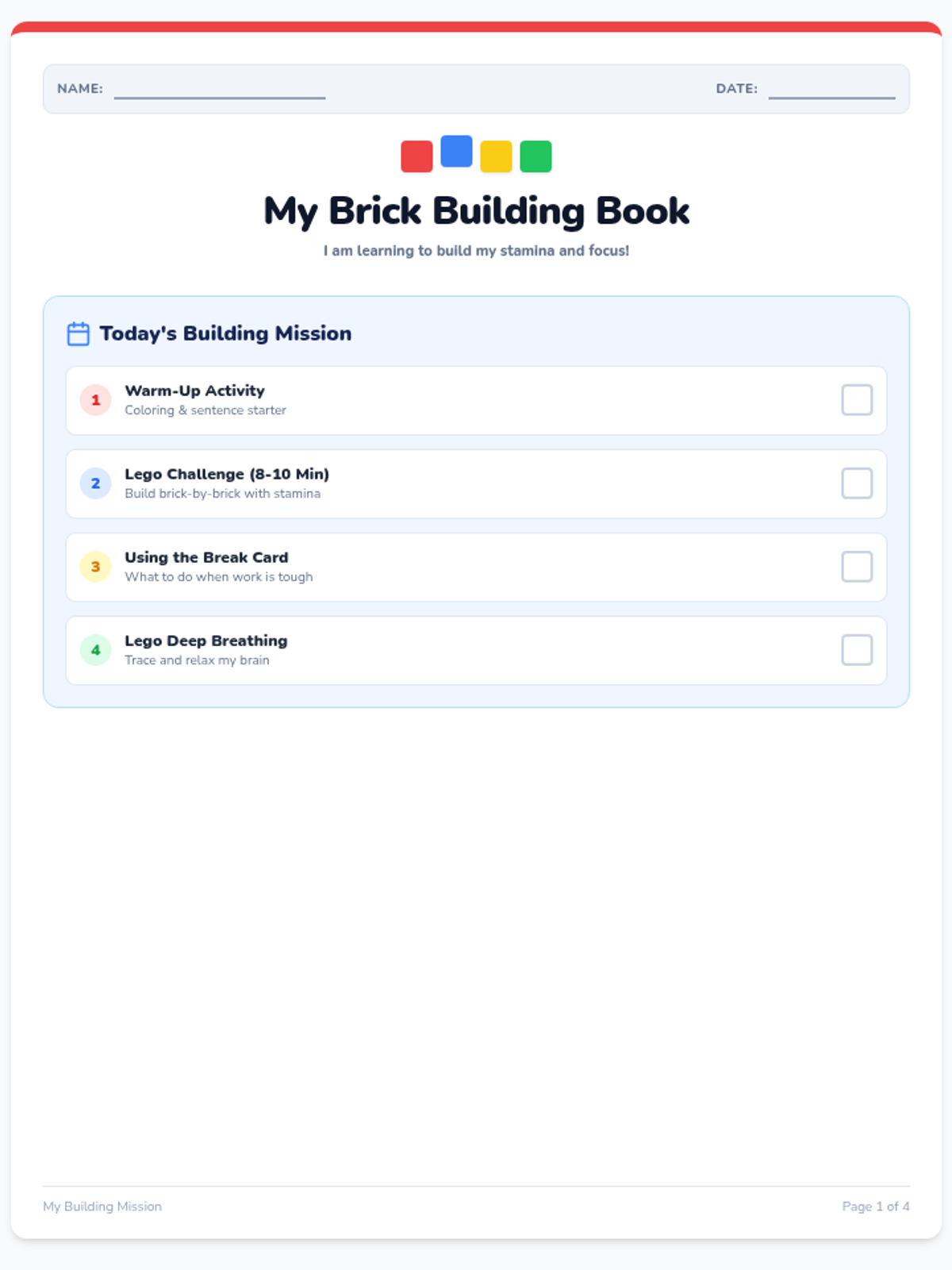
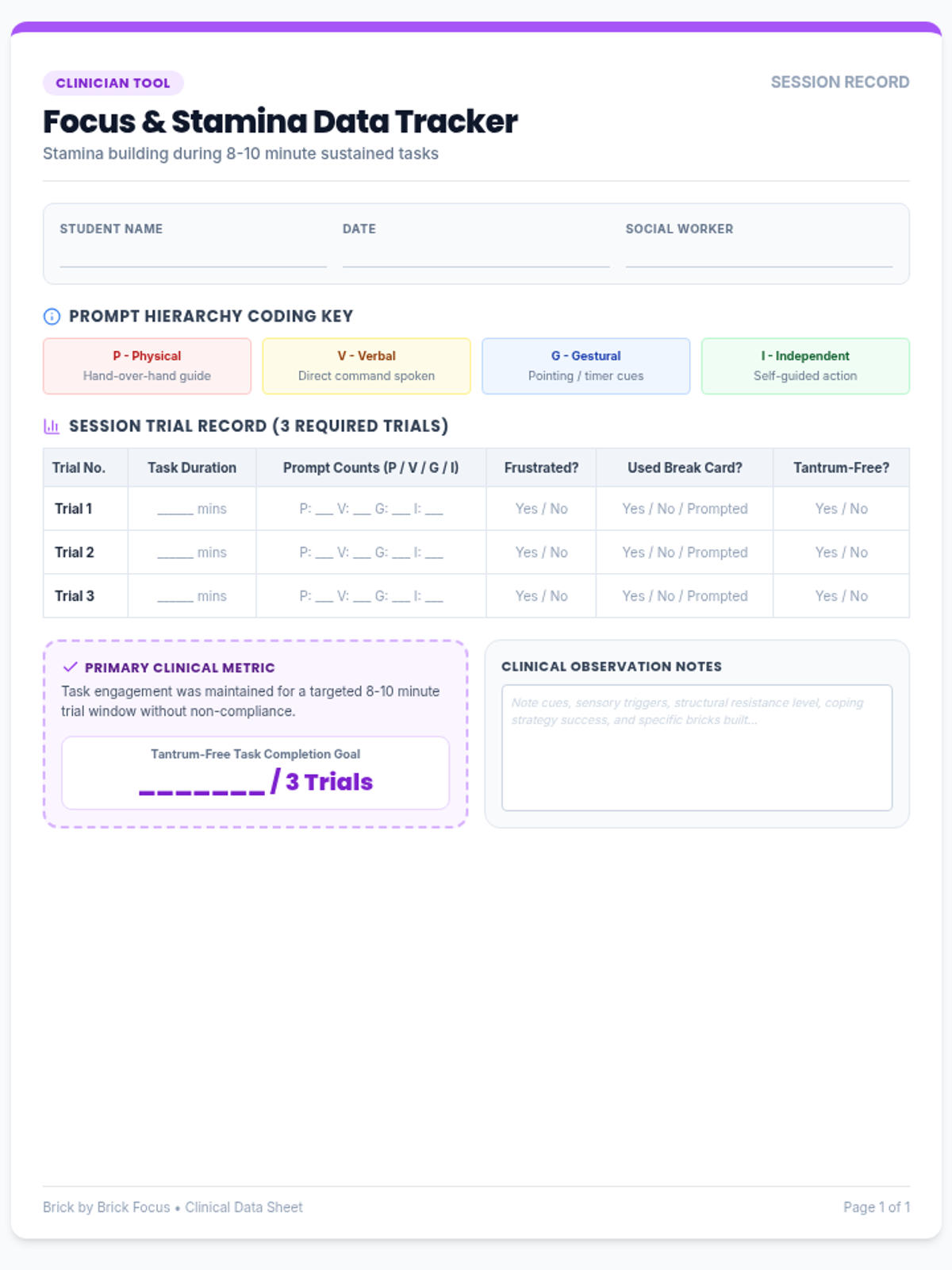
A comprehensive individual intervention lesson designed for kindergarten students to build stamina and task engagement for up to 8-10 minutes using interactive Lego and building activities, minimizing prompt dependence.
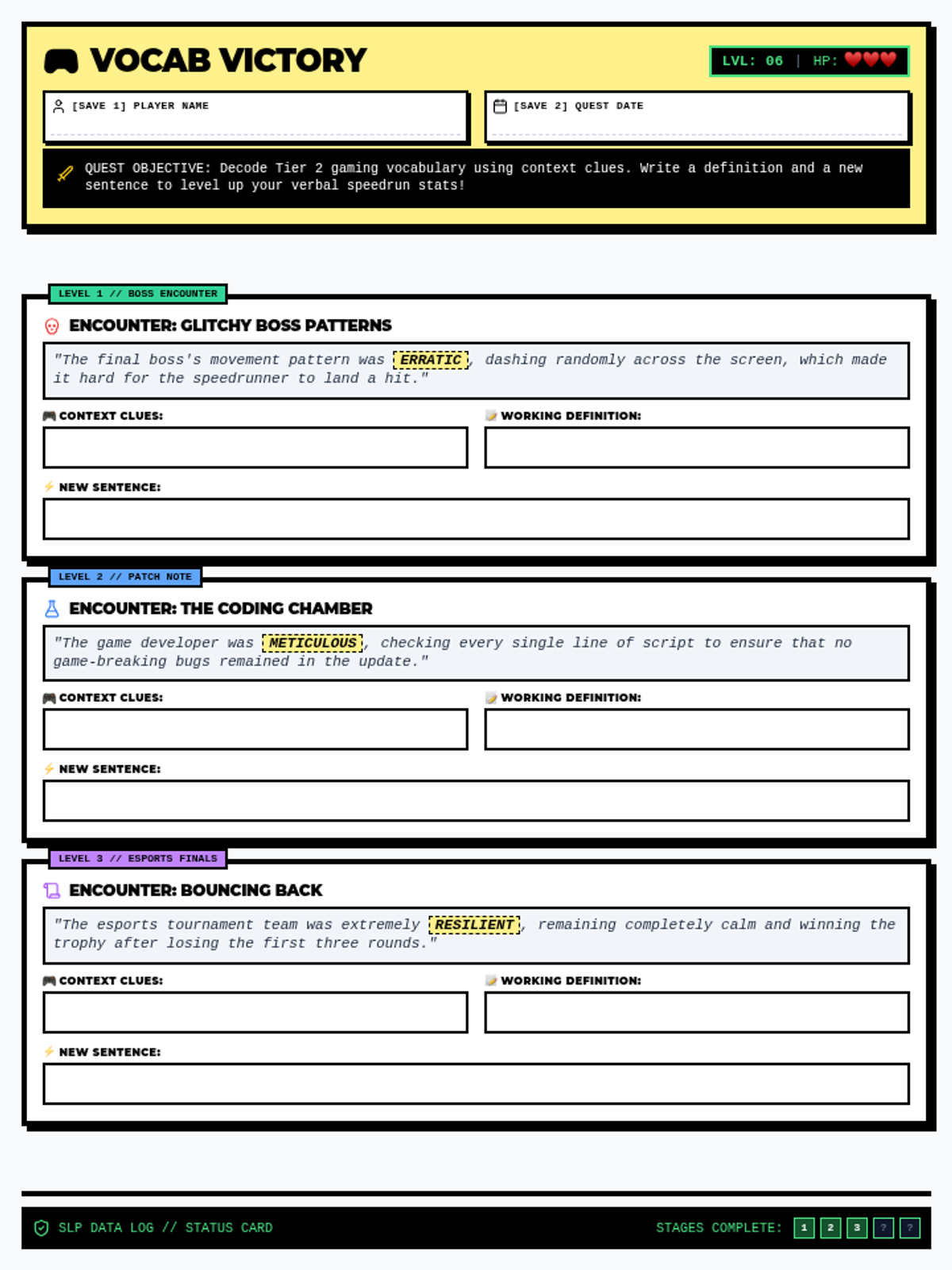
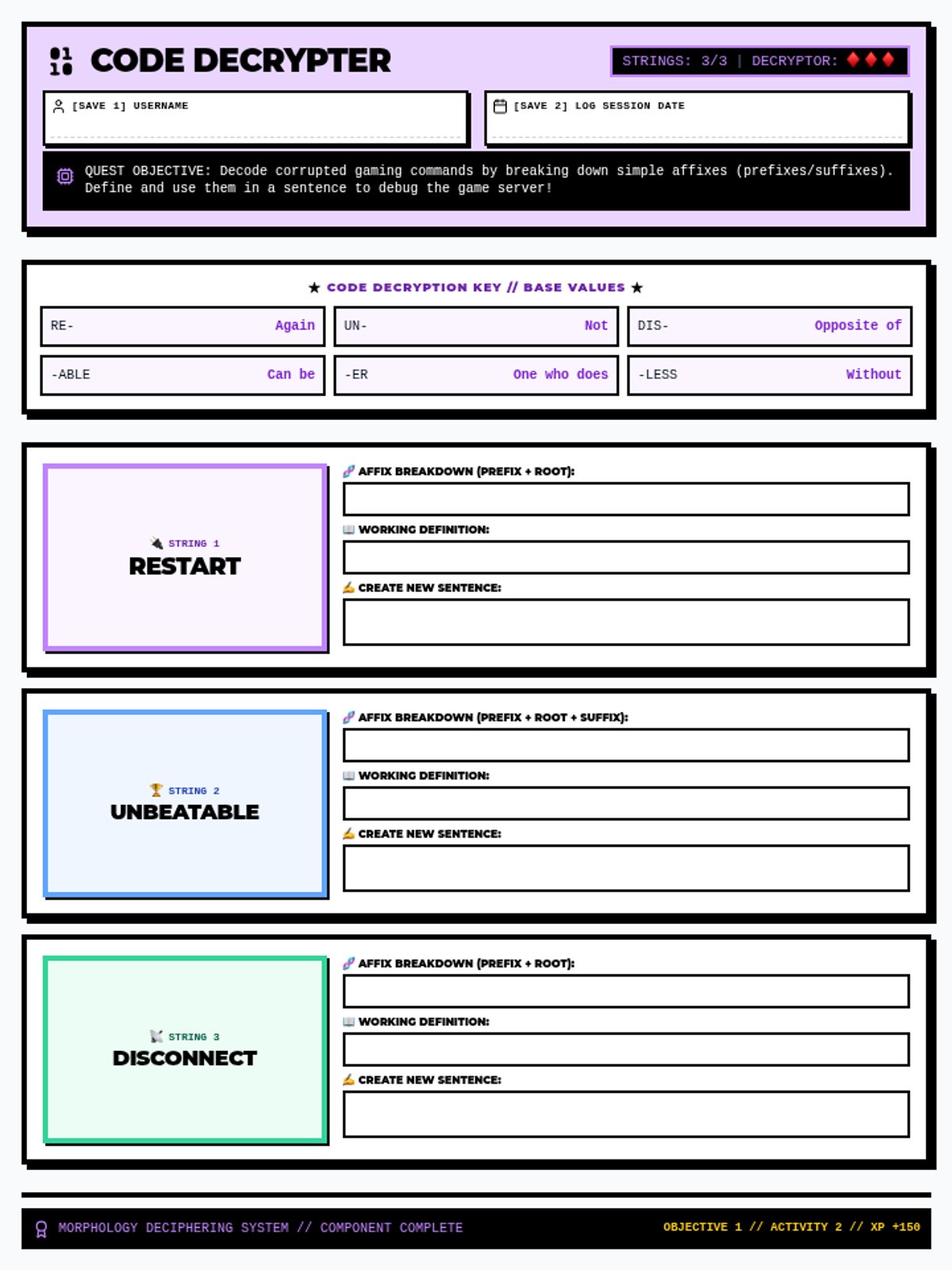
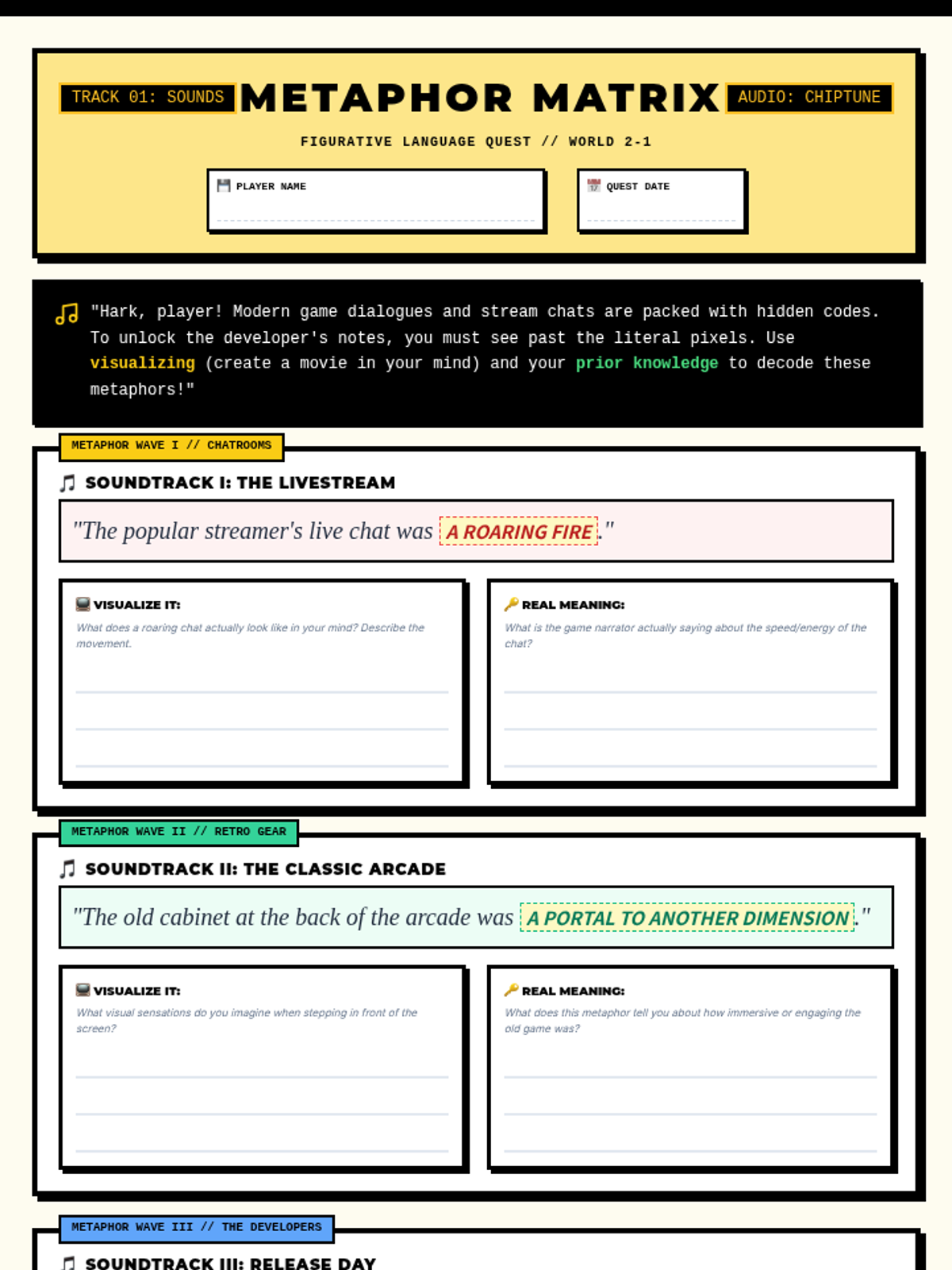
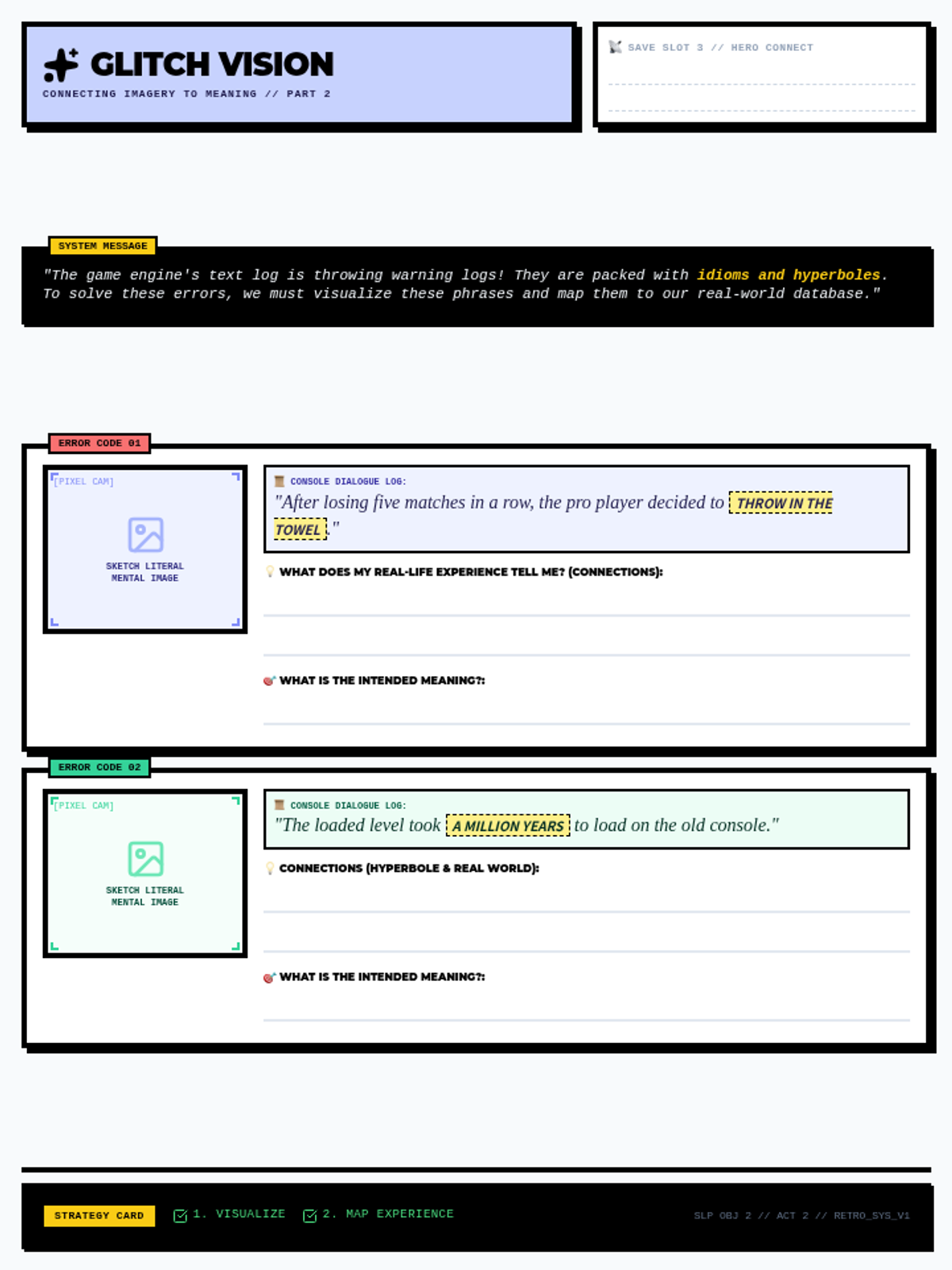
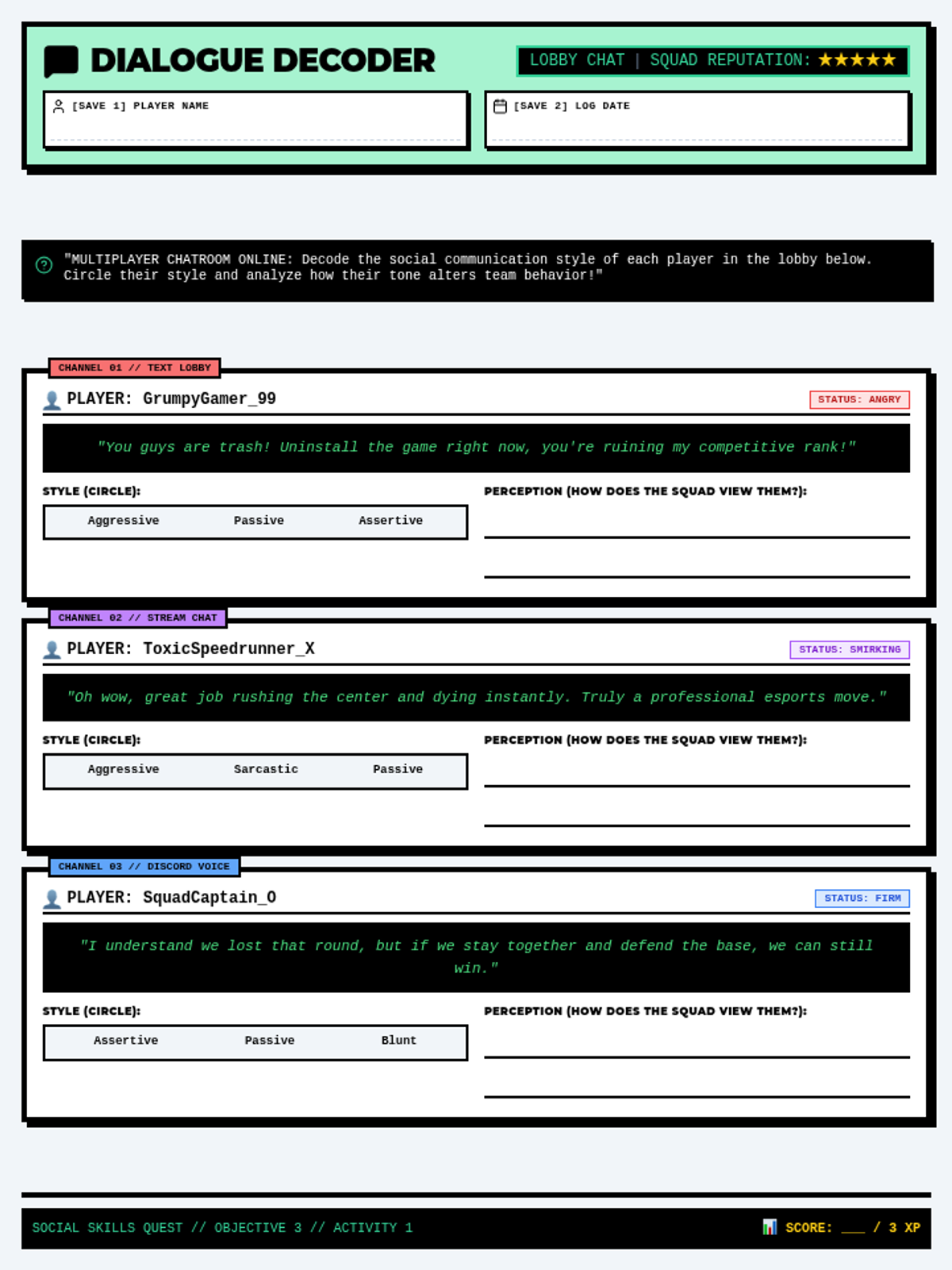
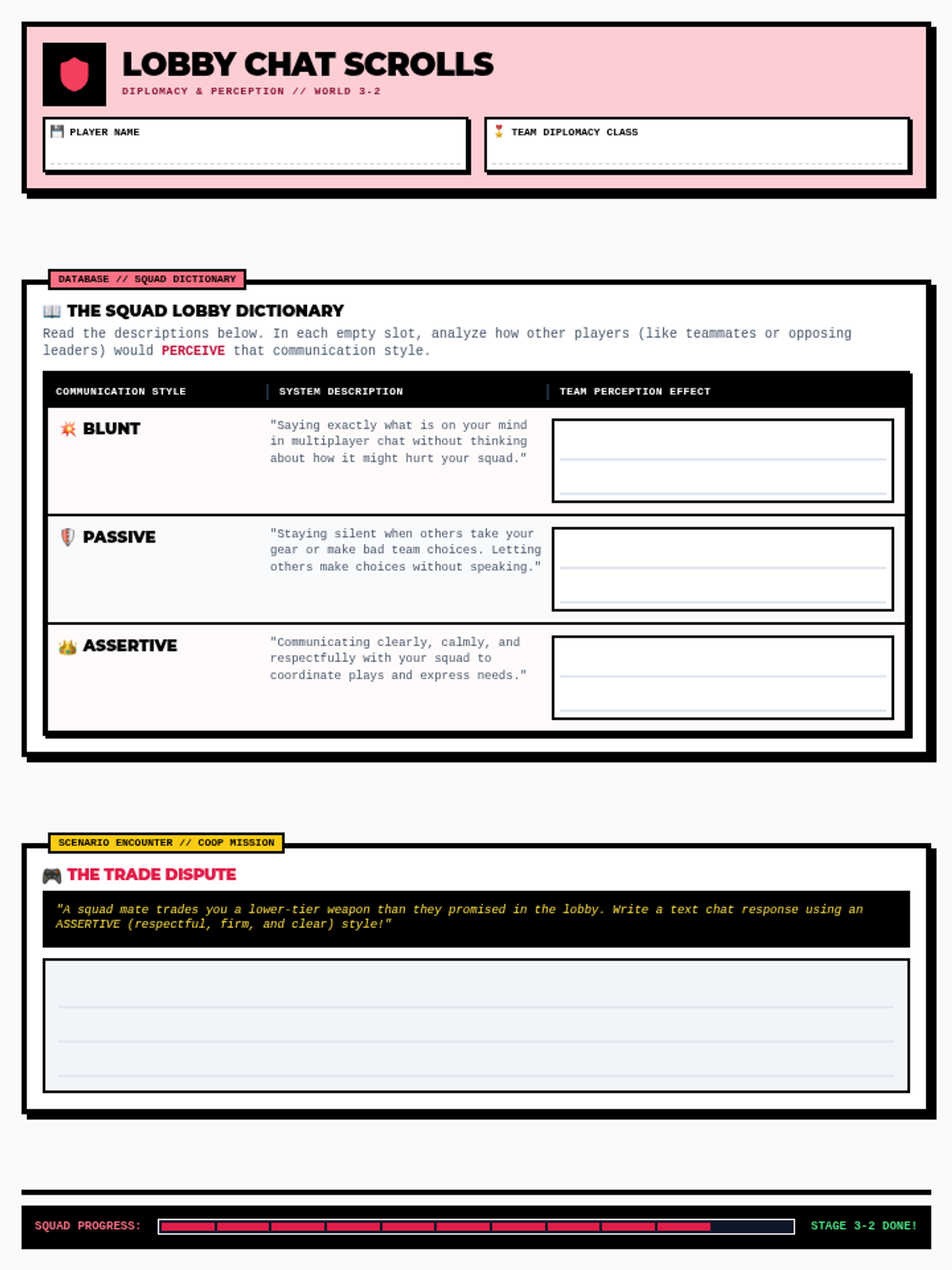
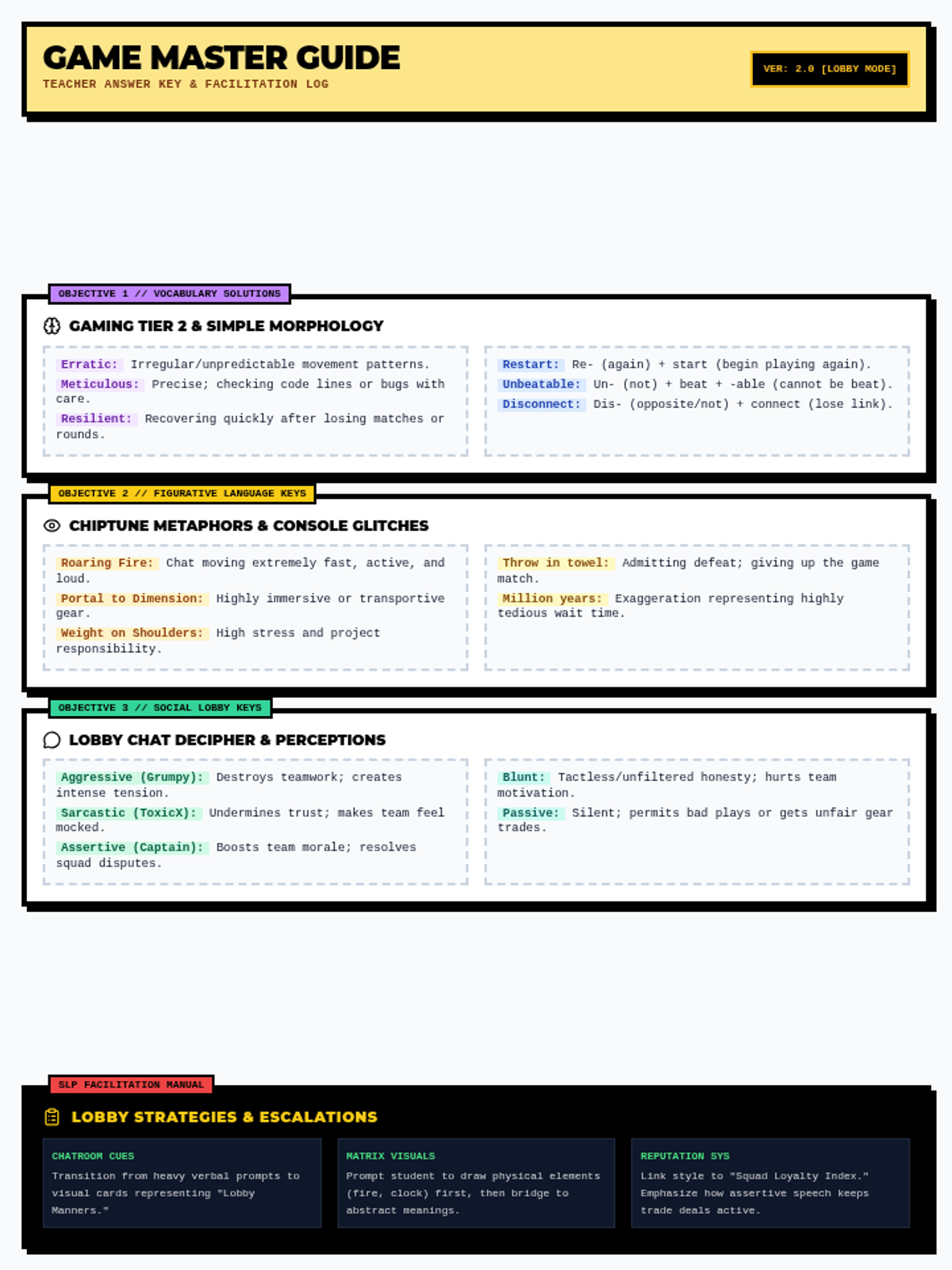
A comprehensive set of speech-language therapy activities designed for 6th-grade students, focusing on Tier 2 vocabulary, figurative language comprehension, and communication style identification through a Fantasy Quest video game theme.
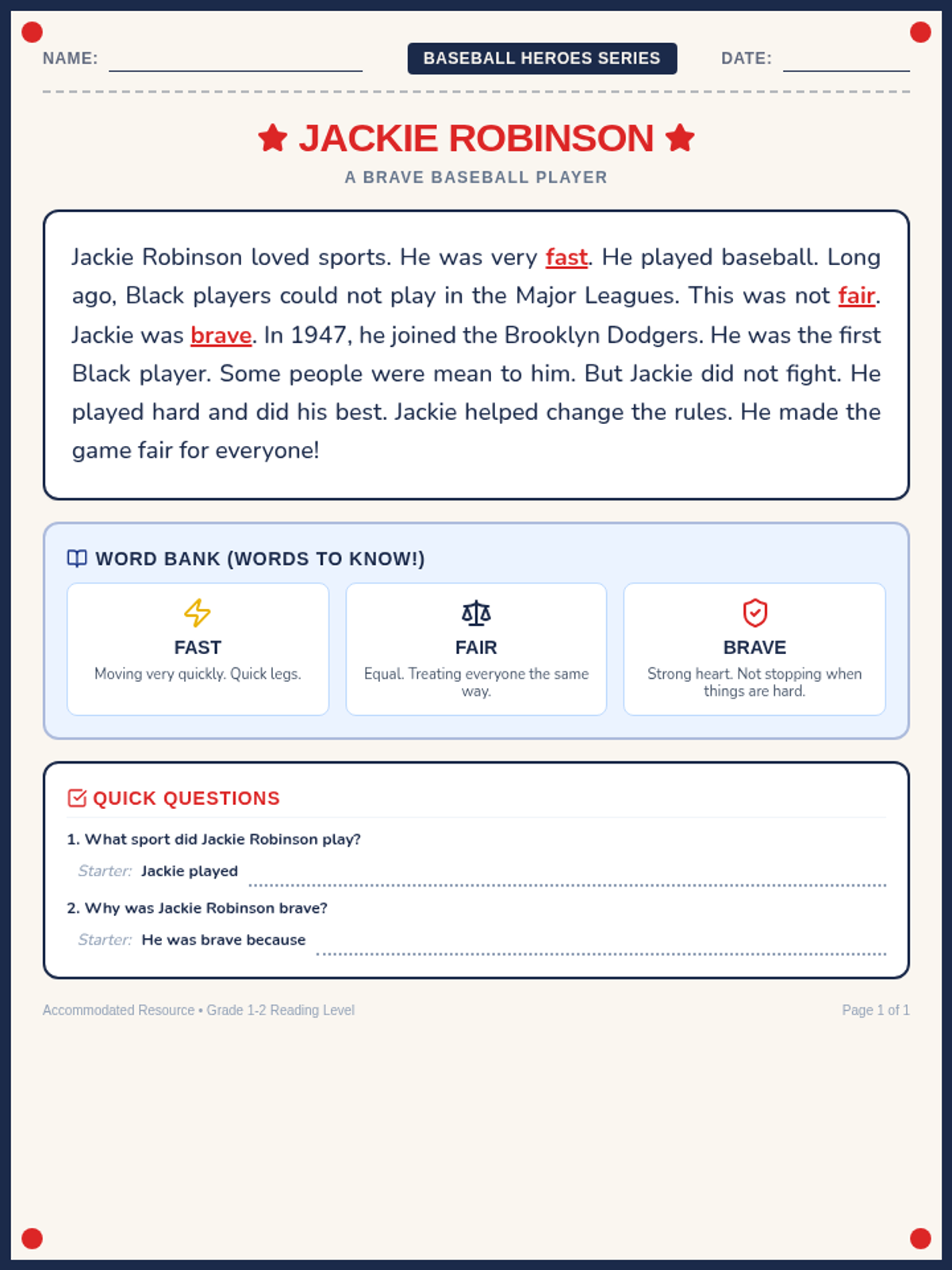
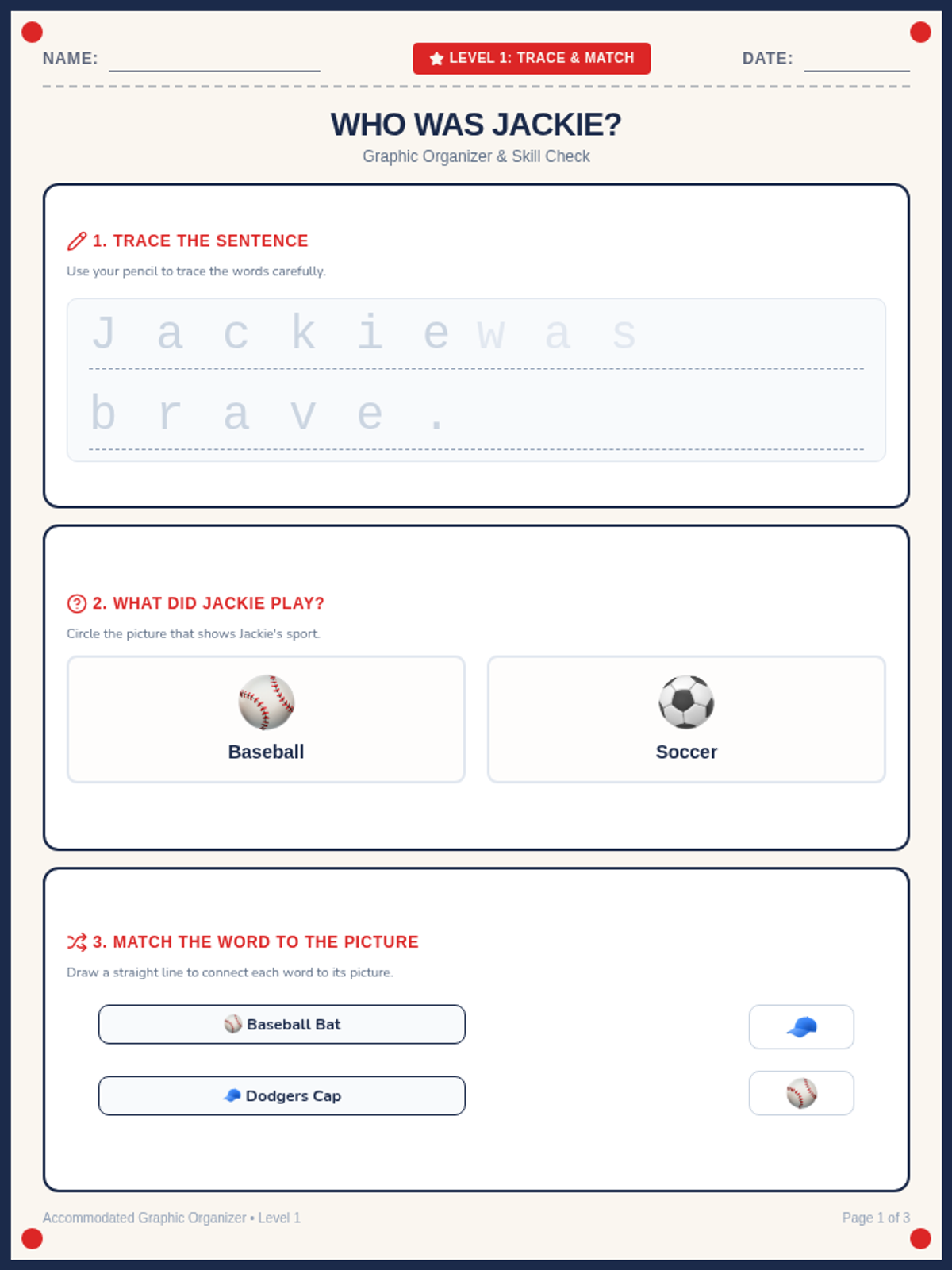
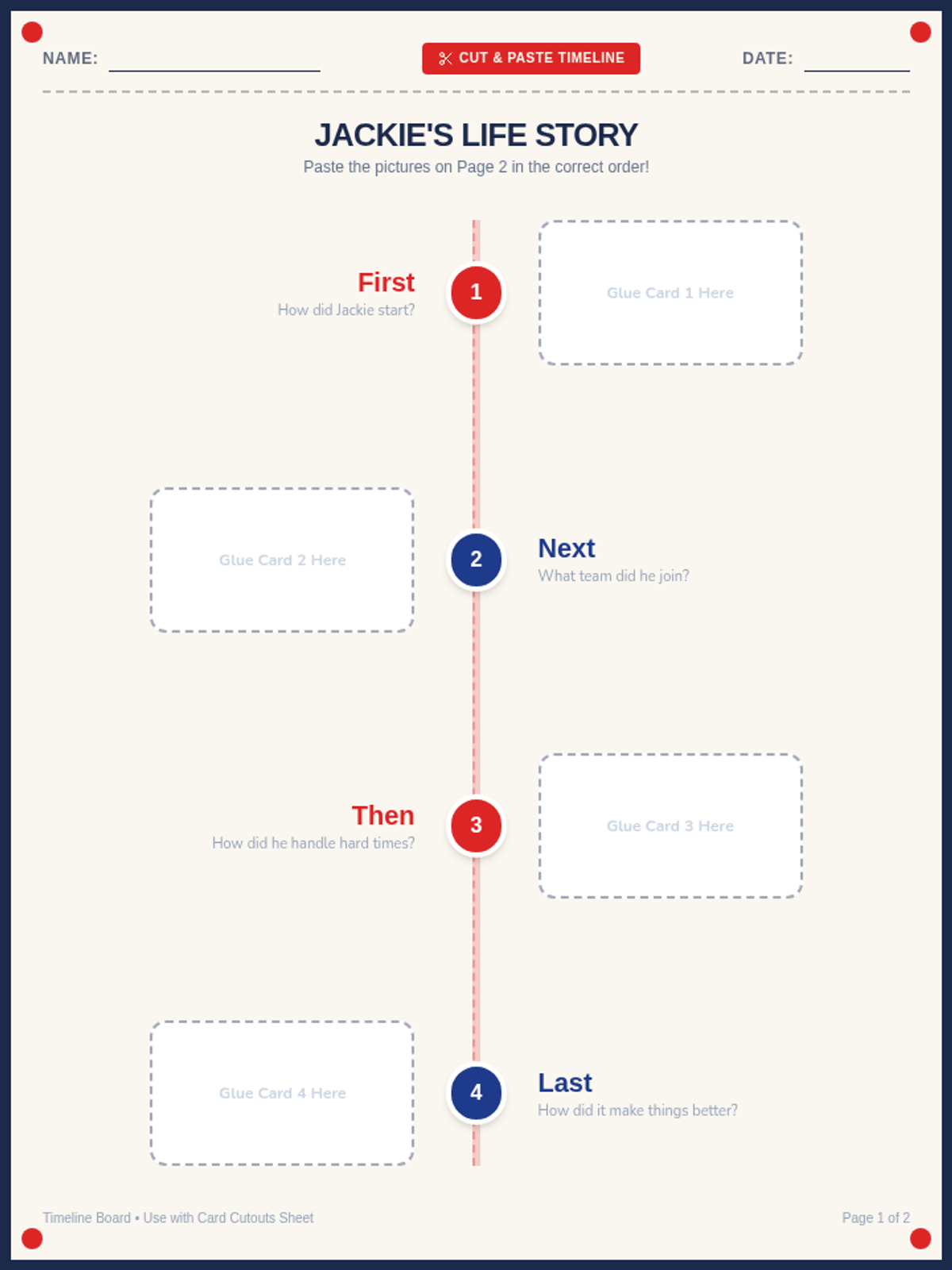
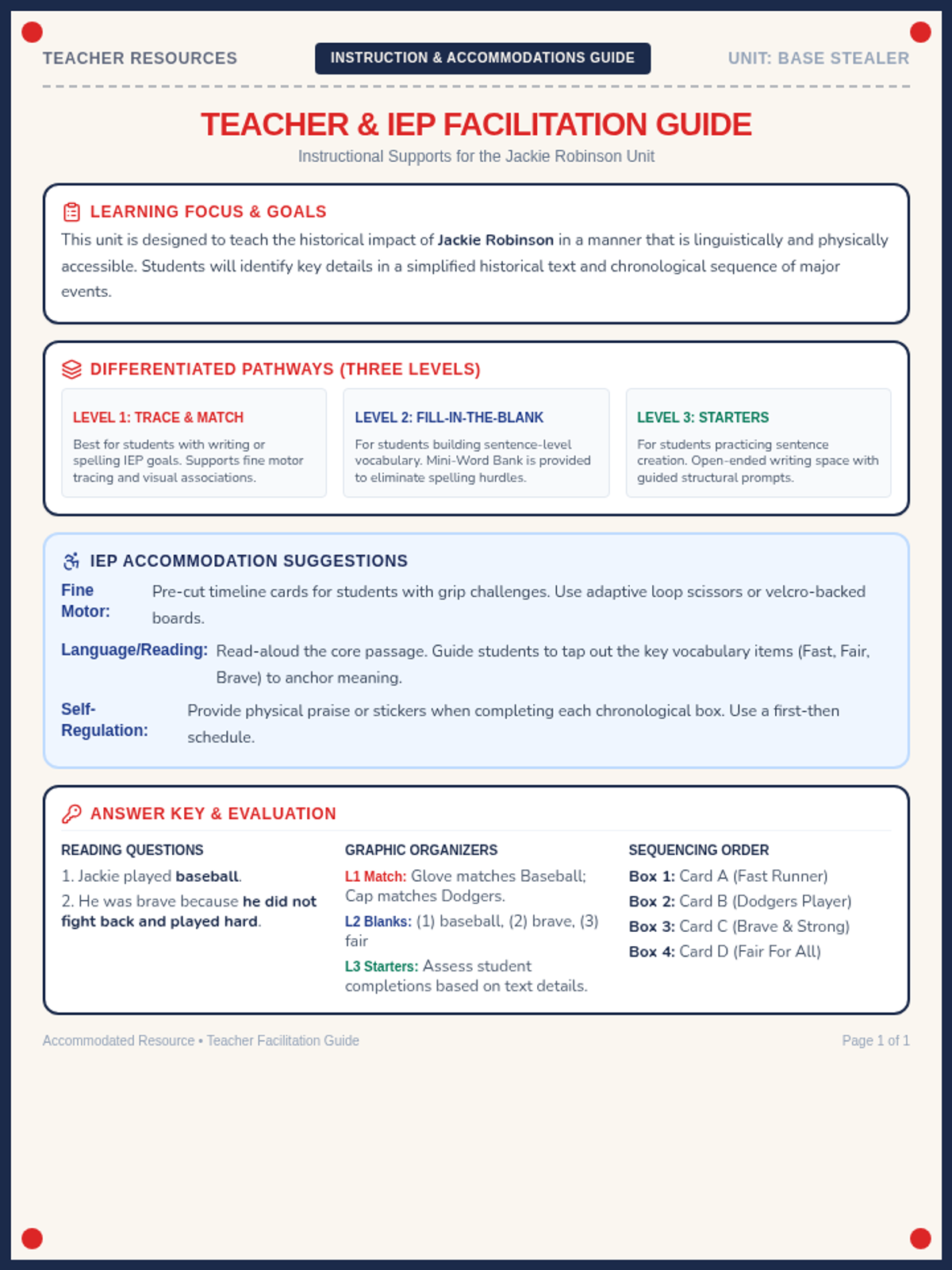
A highly accessible lesson on Jackie Robinson designed for 1st-2nd grade reading levels and IEP accommodations. Includes a simplified reading passage, three levels of differentiated graphic organizers, a visual cut-and-paste sequencing timeline, and a teacher guide.
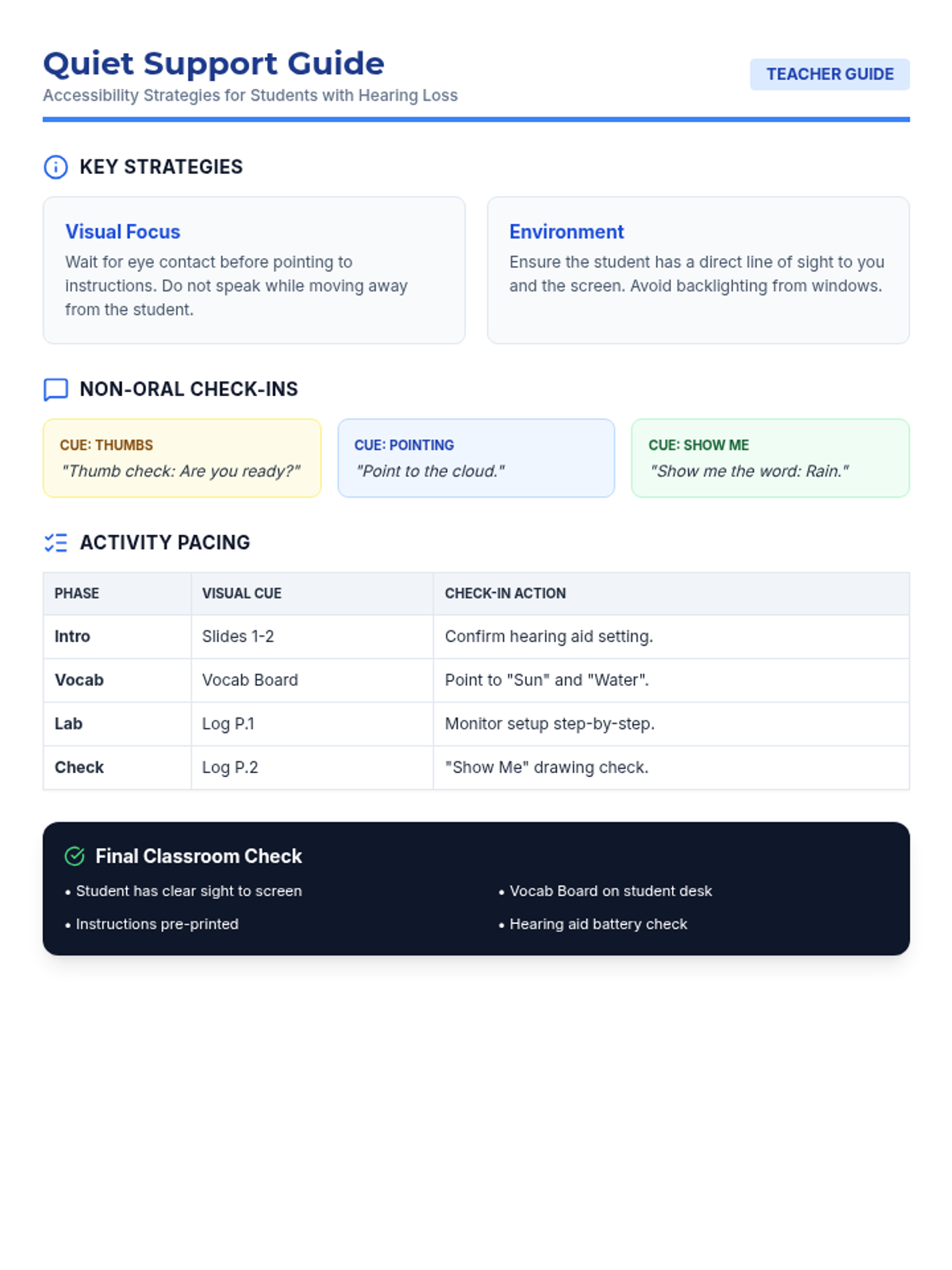
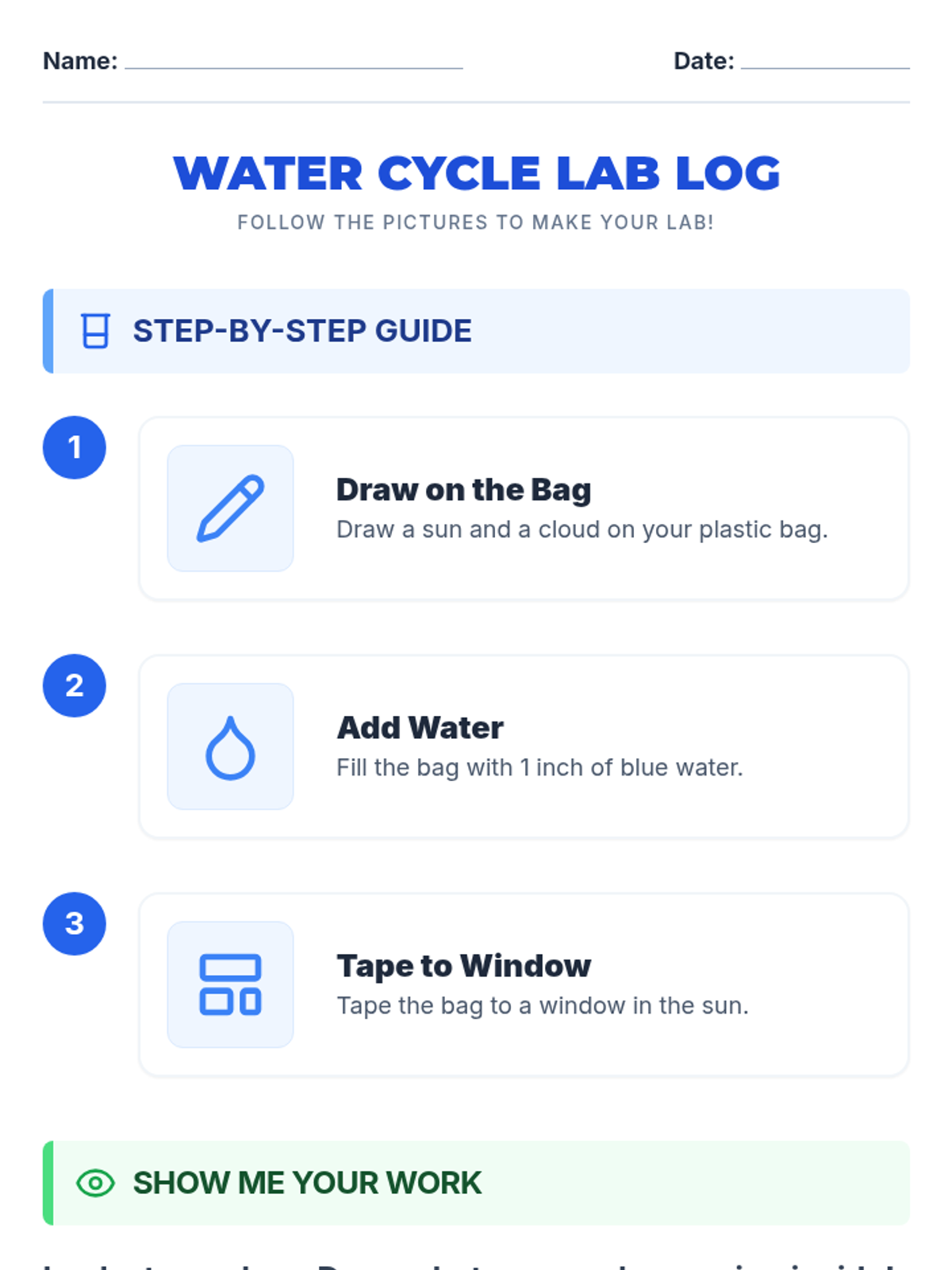
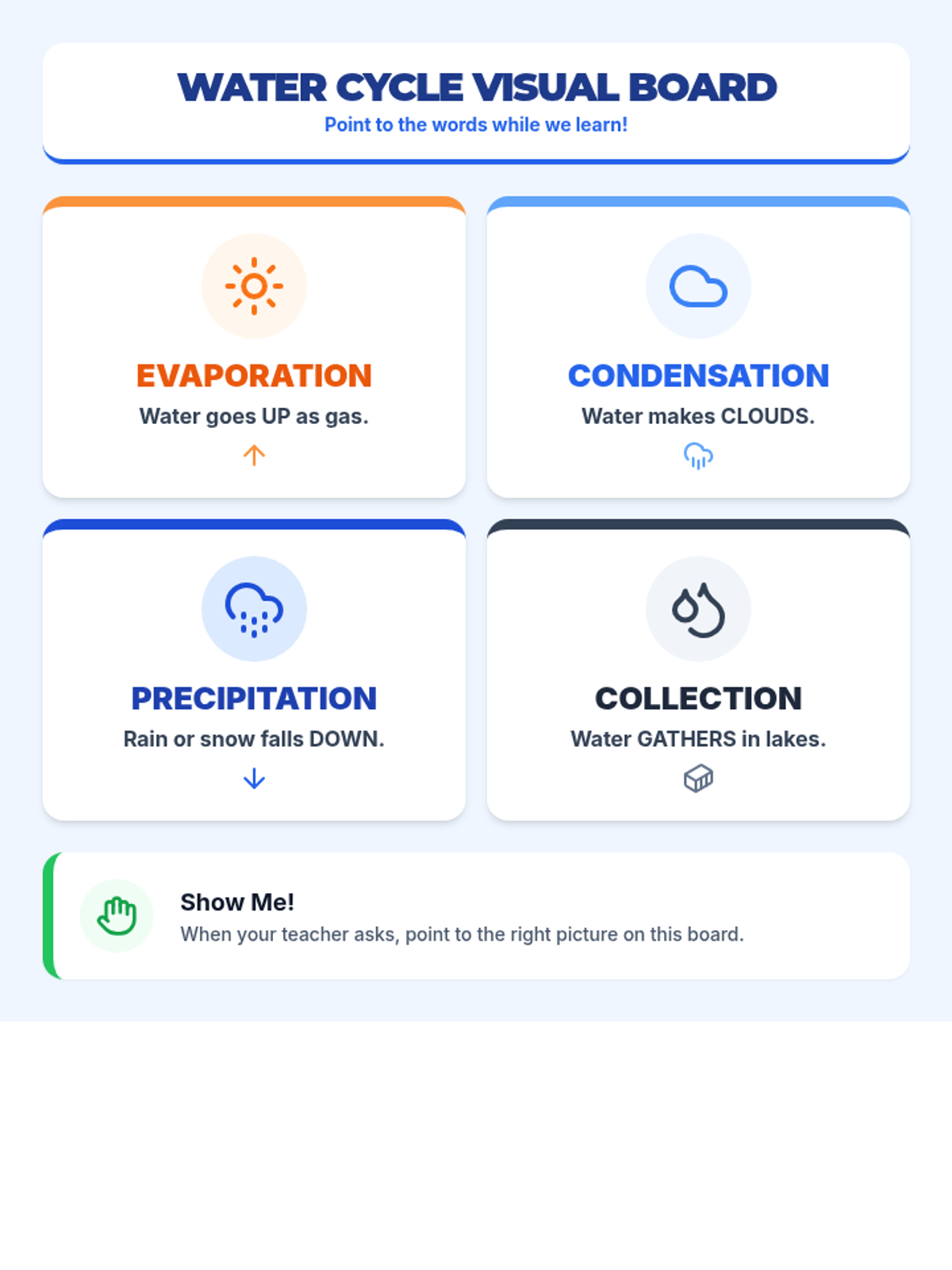
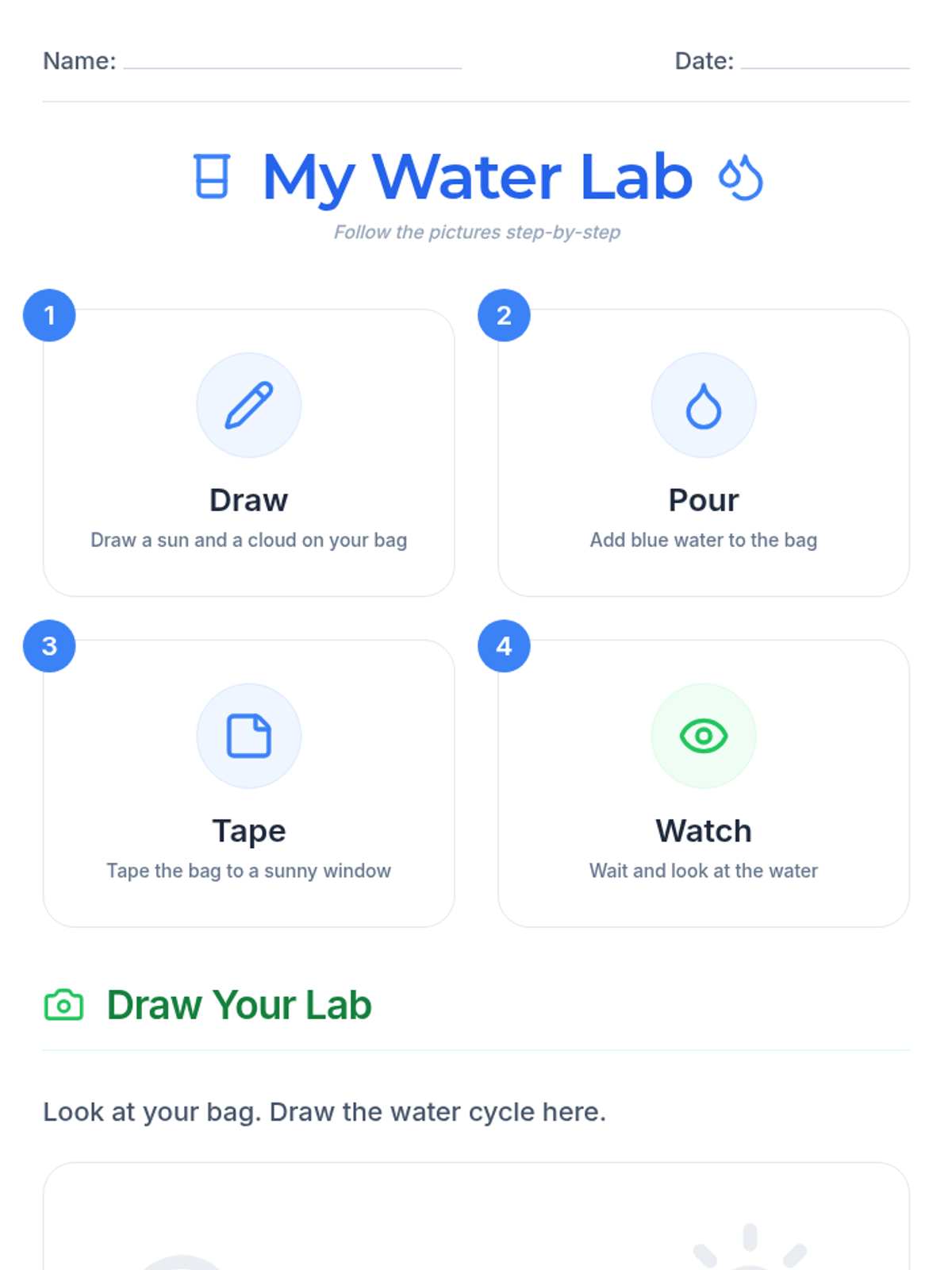
A visually-rich lesson on the water cycle designed for students with hearing loss. It emphasizes written instructions, picture cues, and non-oral understanding checks to ensure accessibility.
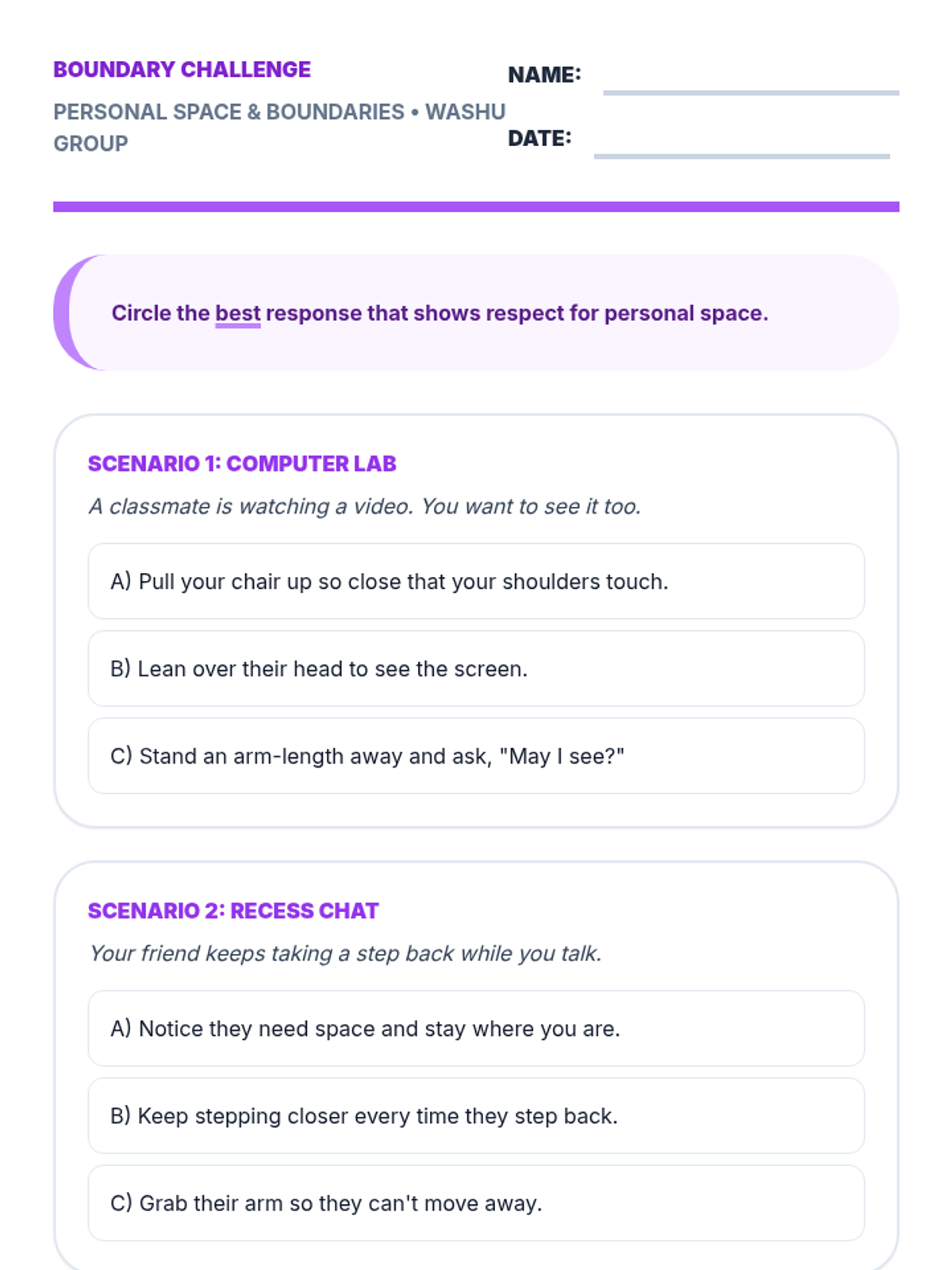
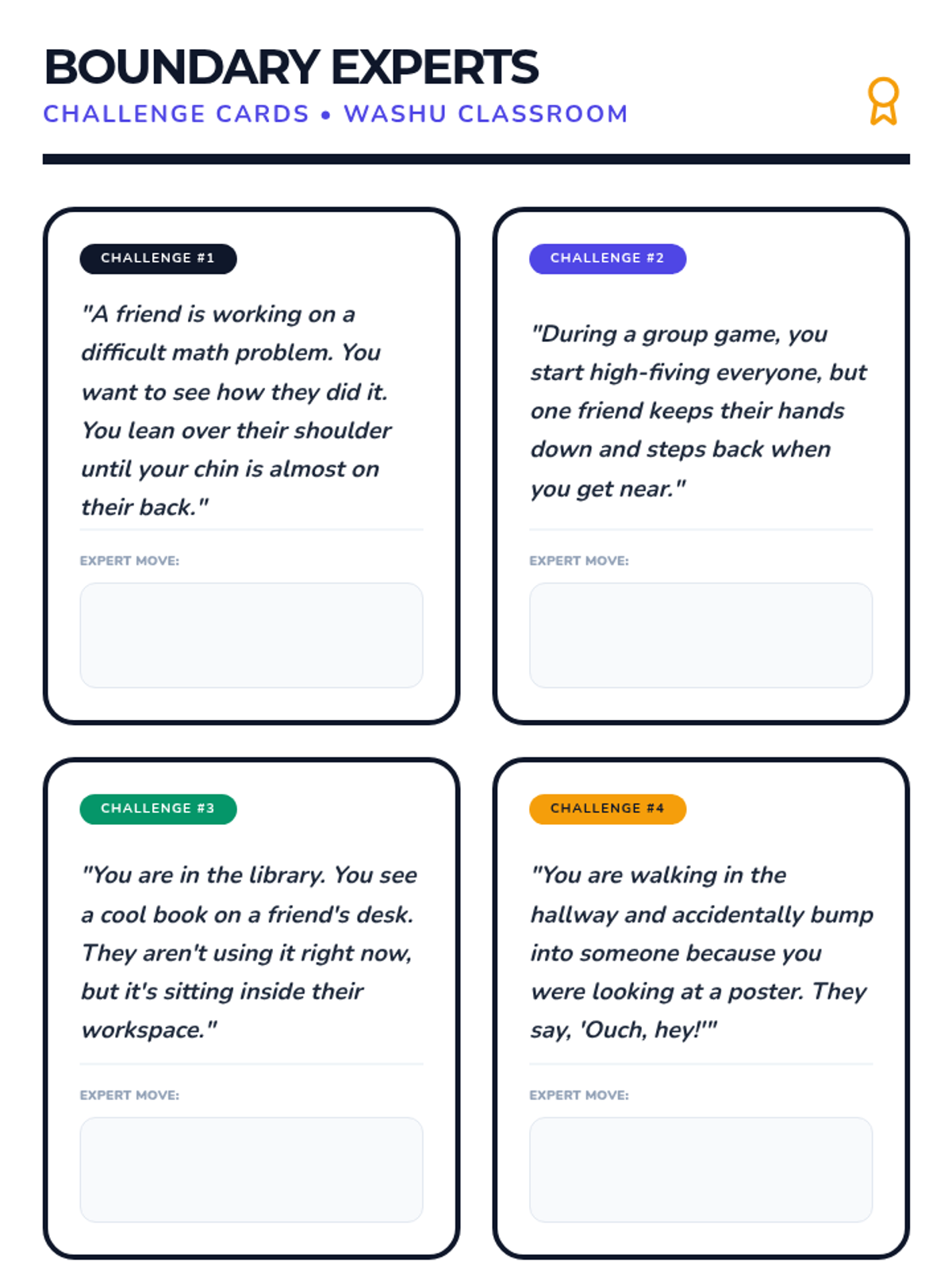
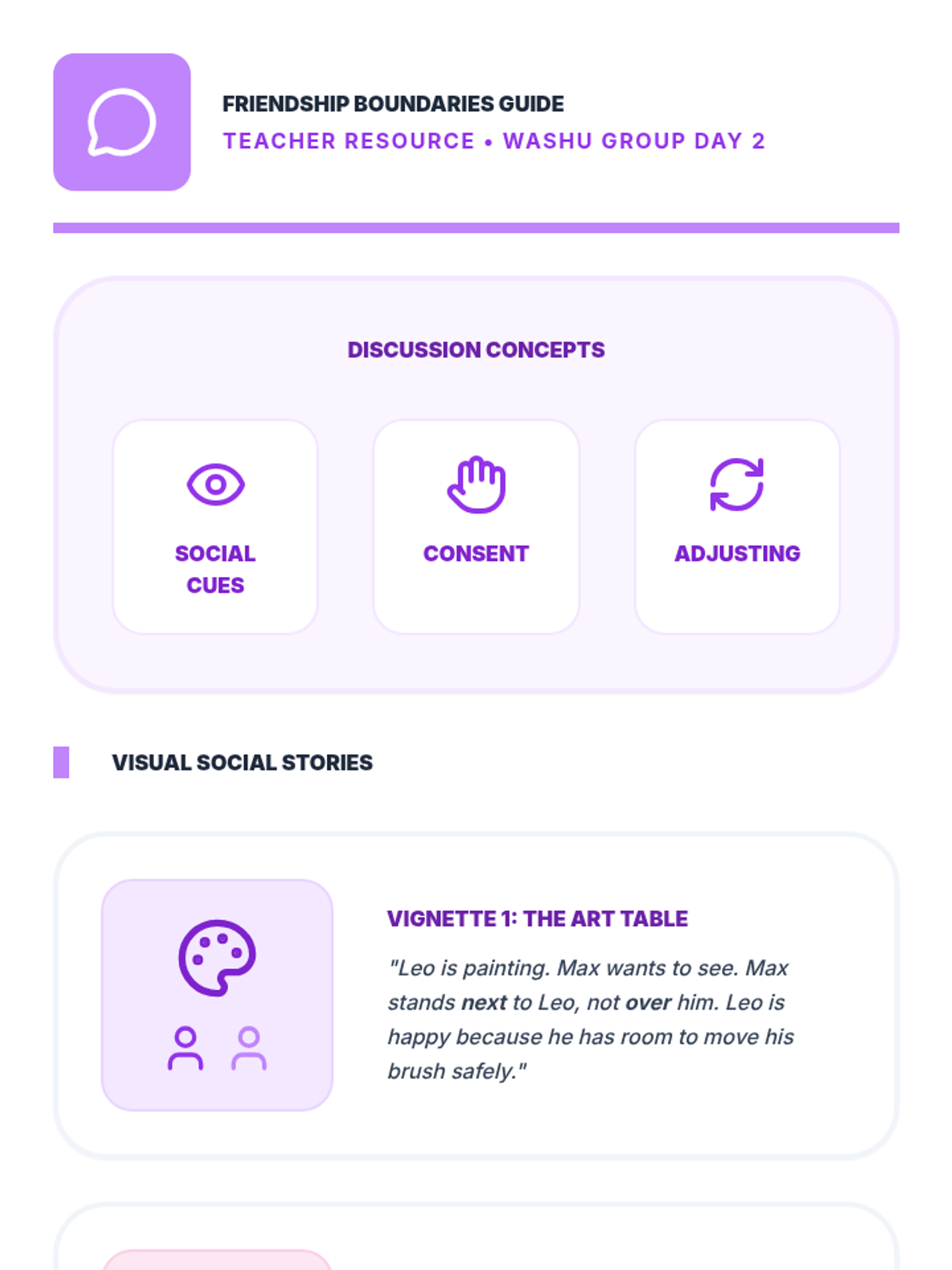
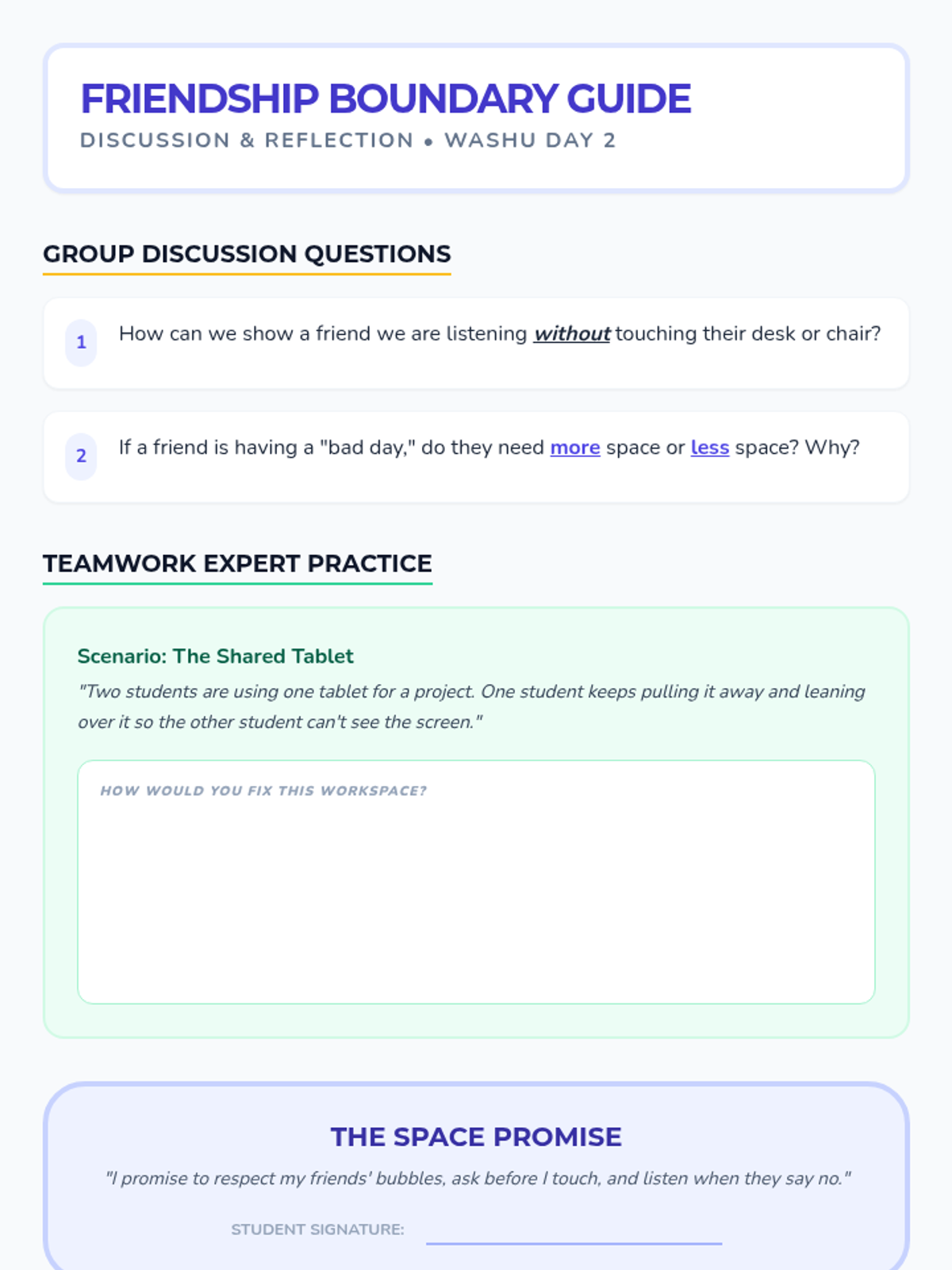
Advanced boundary application for WashU students, focusing on social challenges and respecting personal space within friendships and group work.
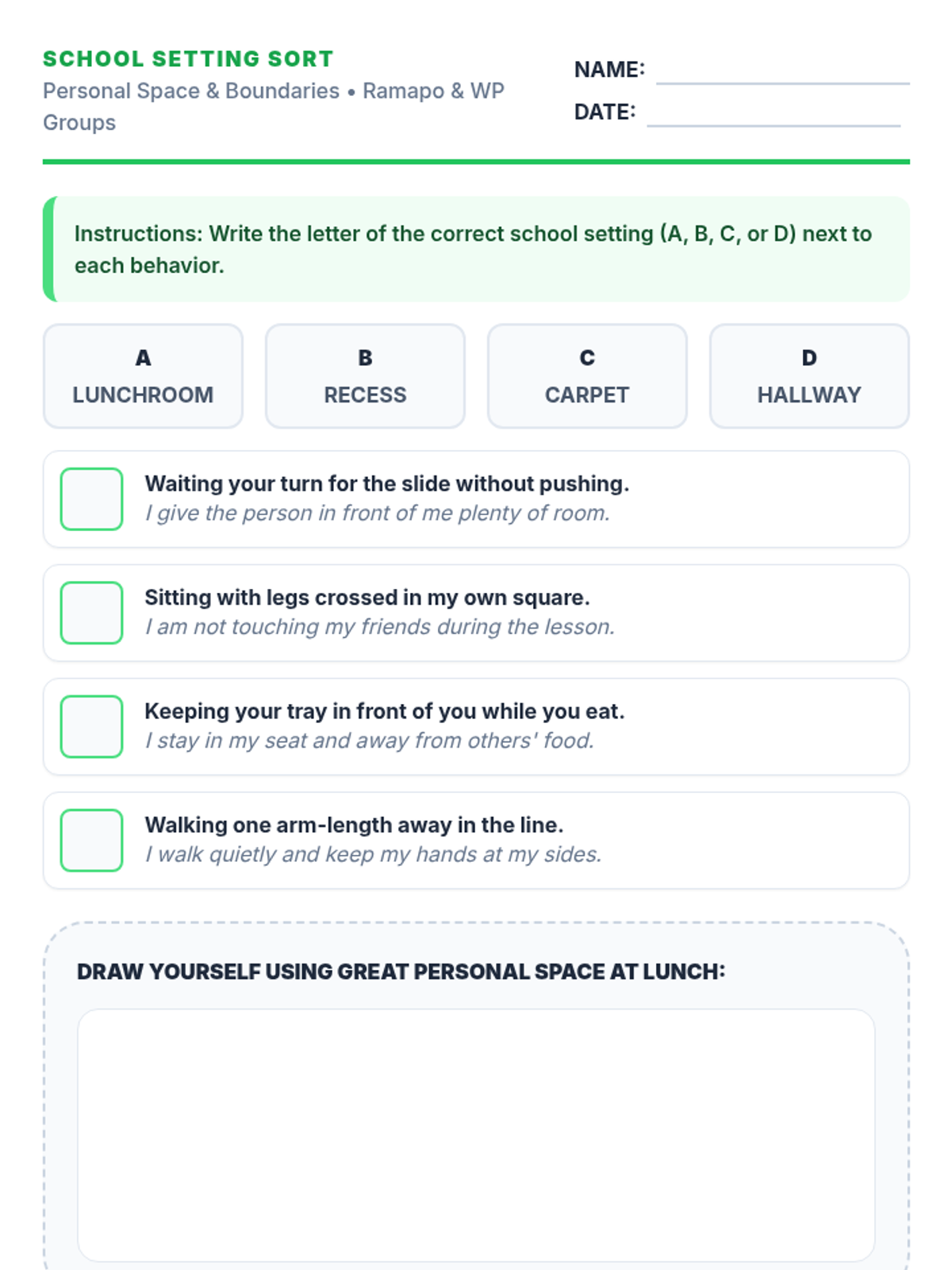
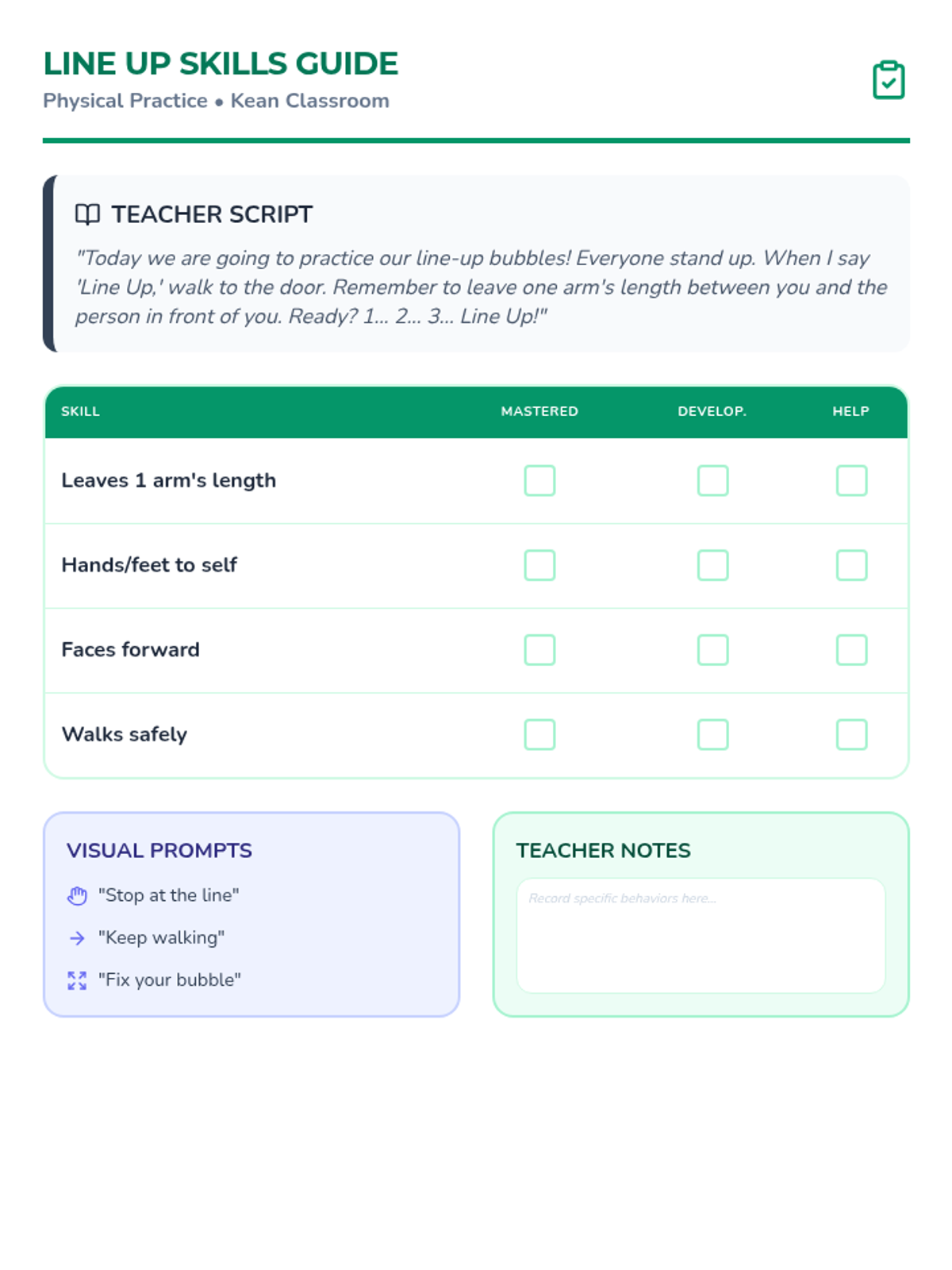
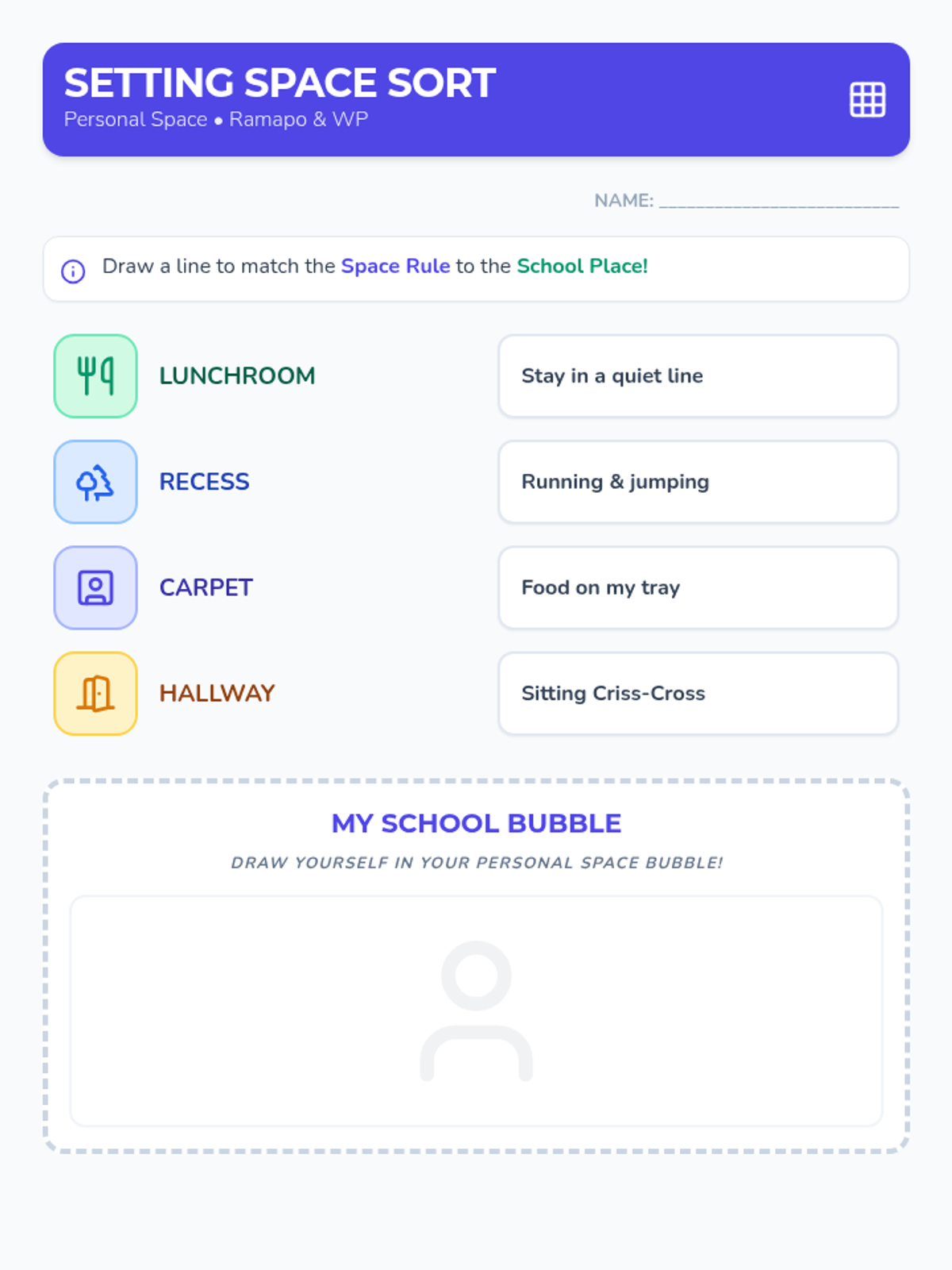
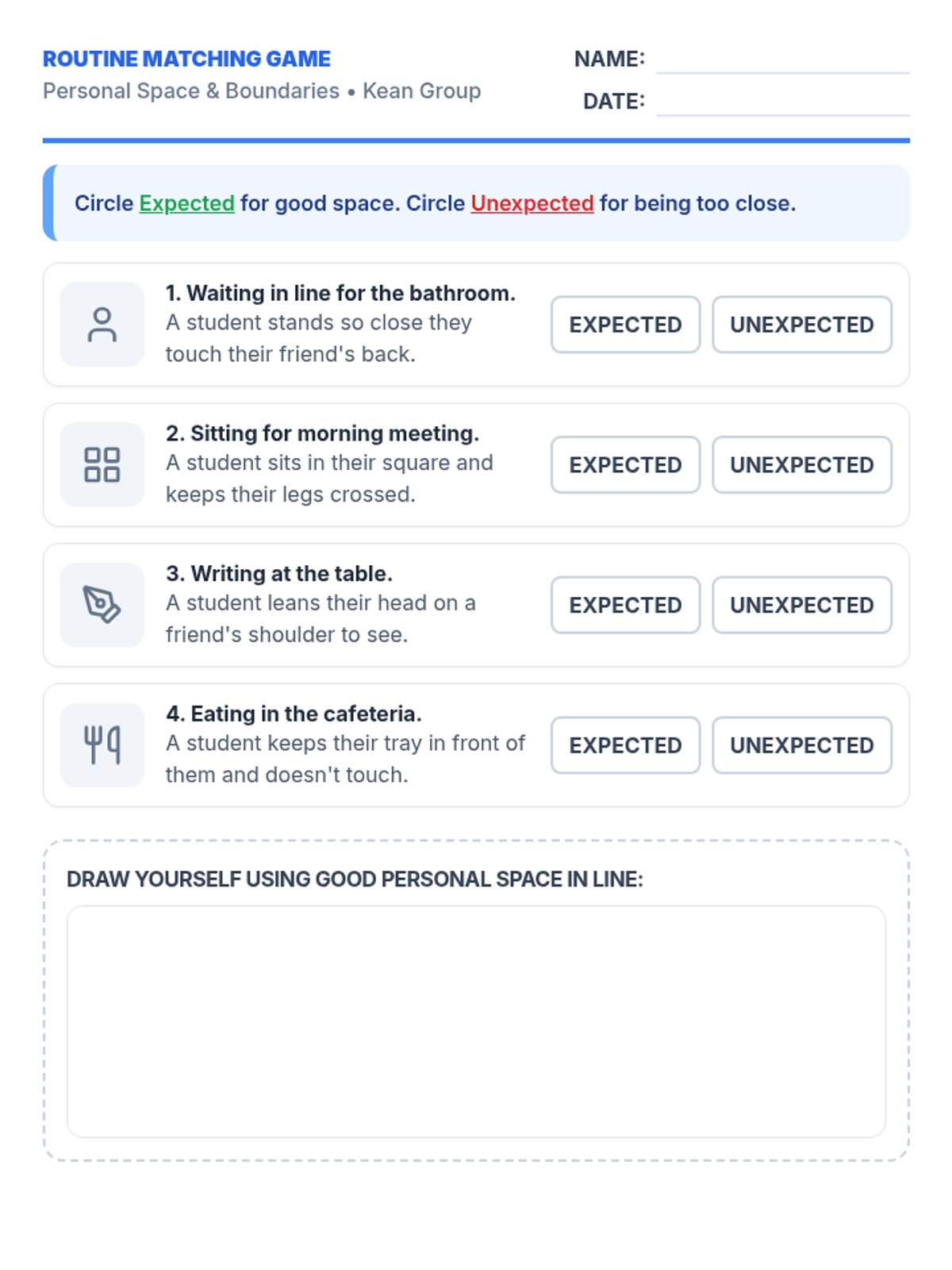
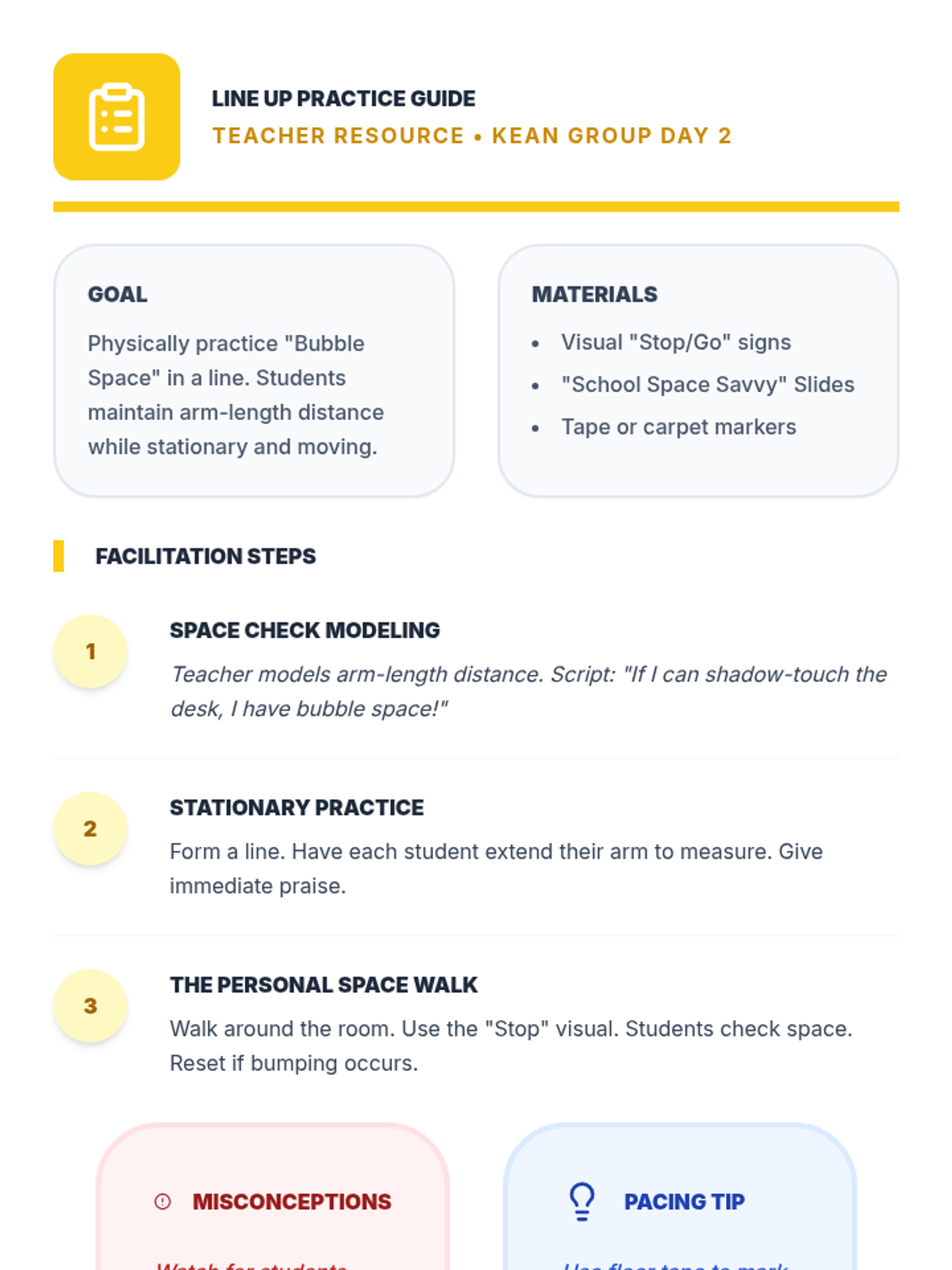
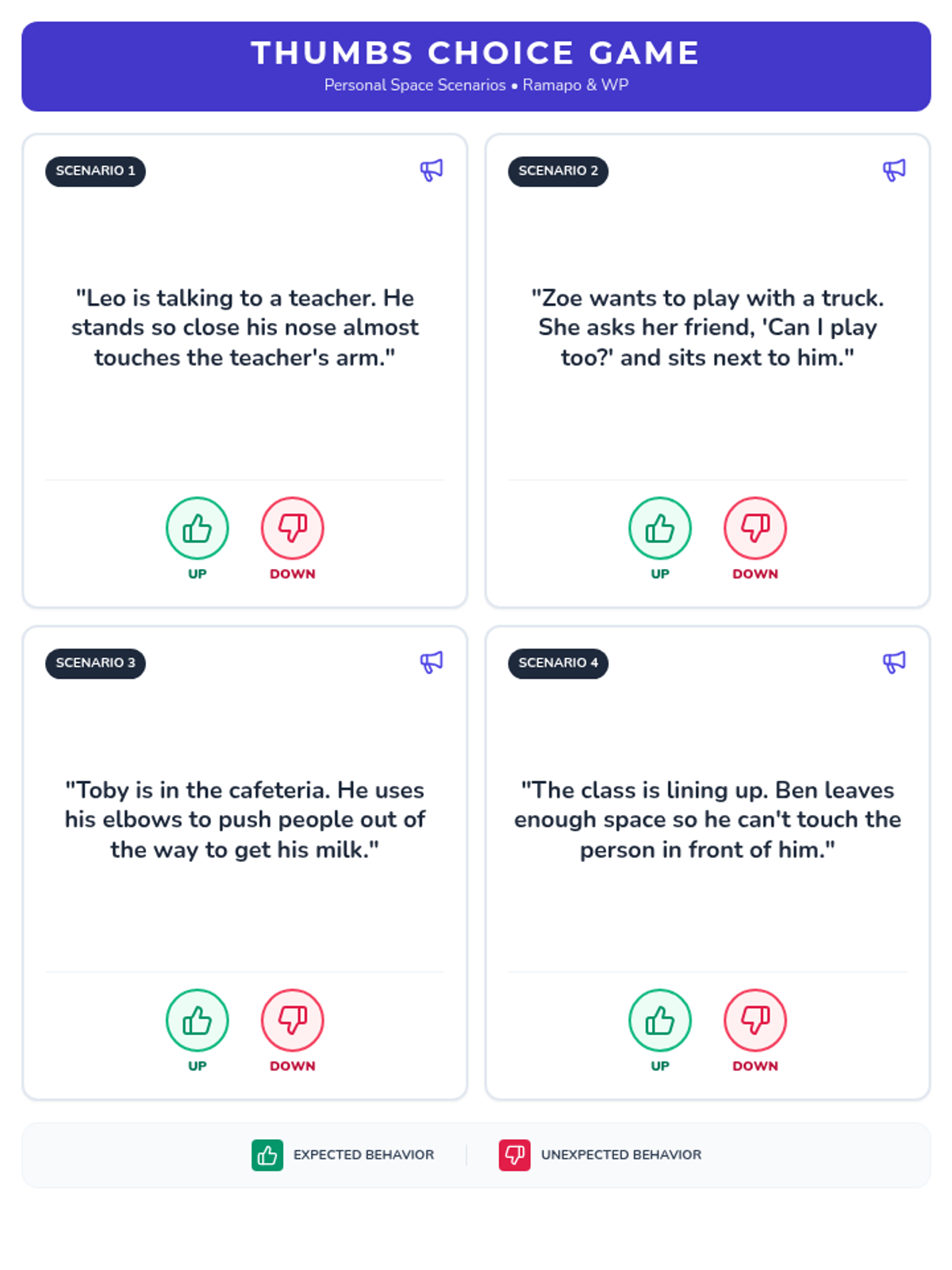
Involves hands-on practice for Kean (lining up) and sorting activities for Ramapo/WP to categorize expected vs. unexpected behaviors in specific school settings.
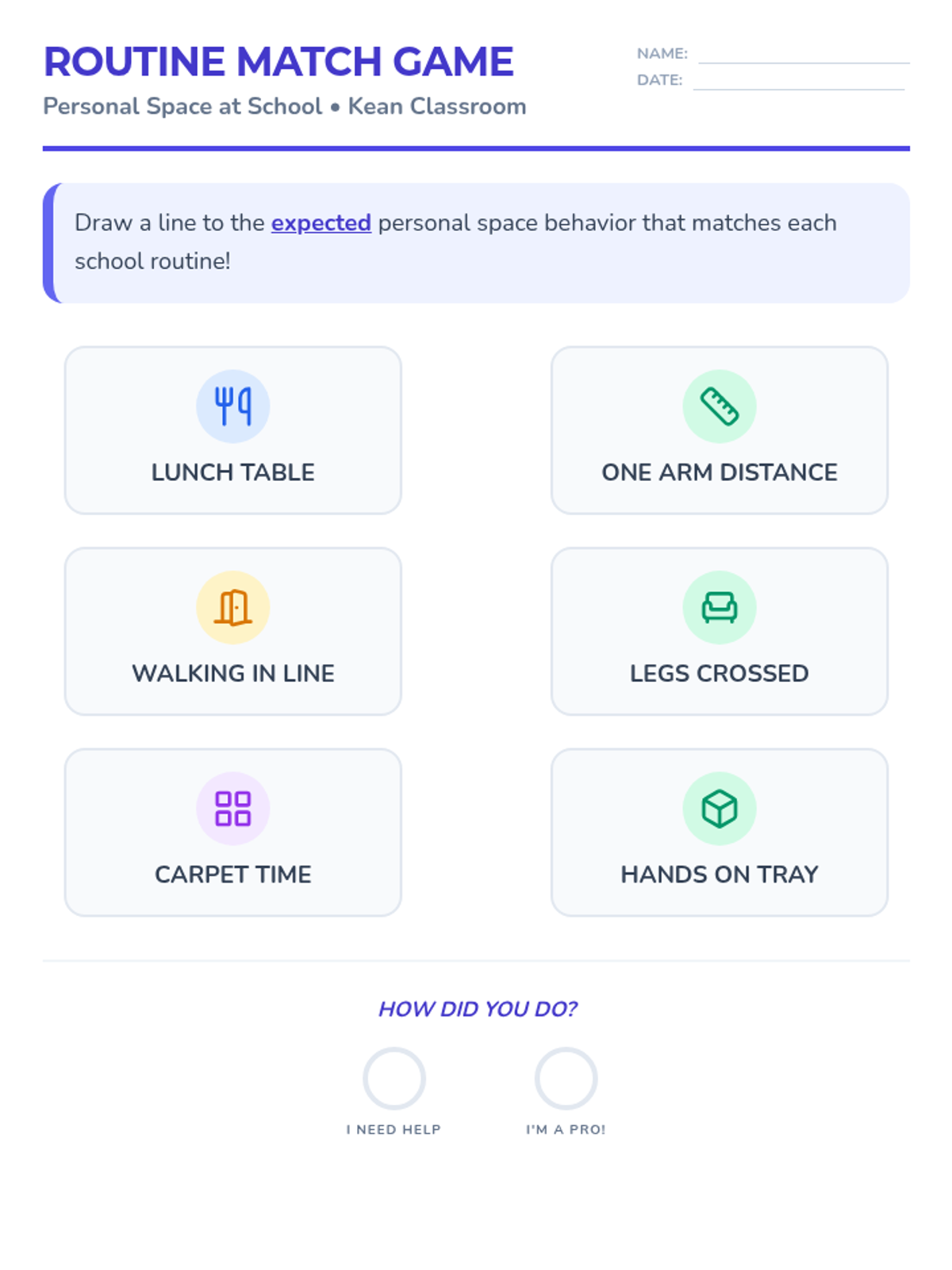
Focuses on identifying and practicing correct personal space behaviors during school routines such as lunch, recess, and transitions for Kean, Ramapo, and WP students.
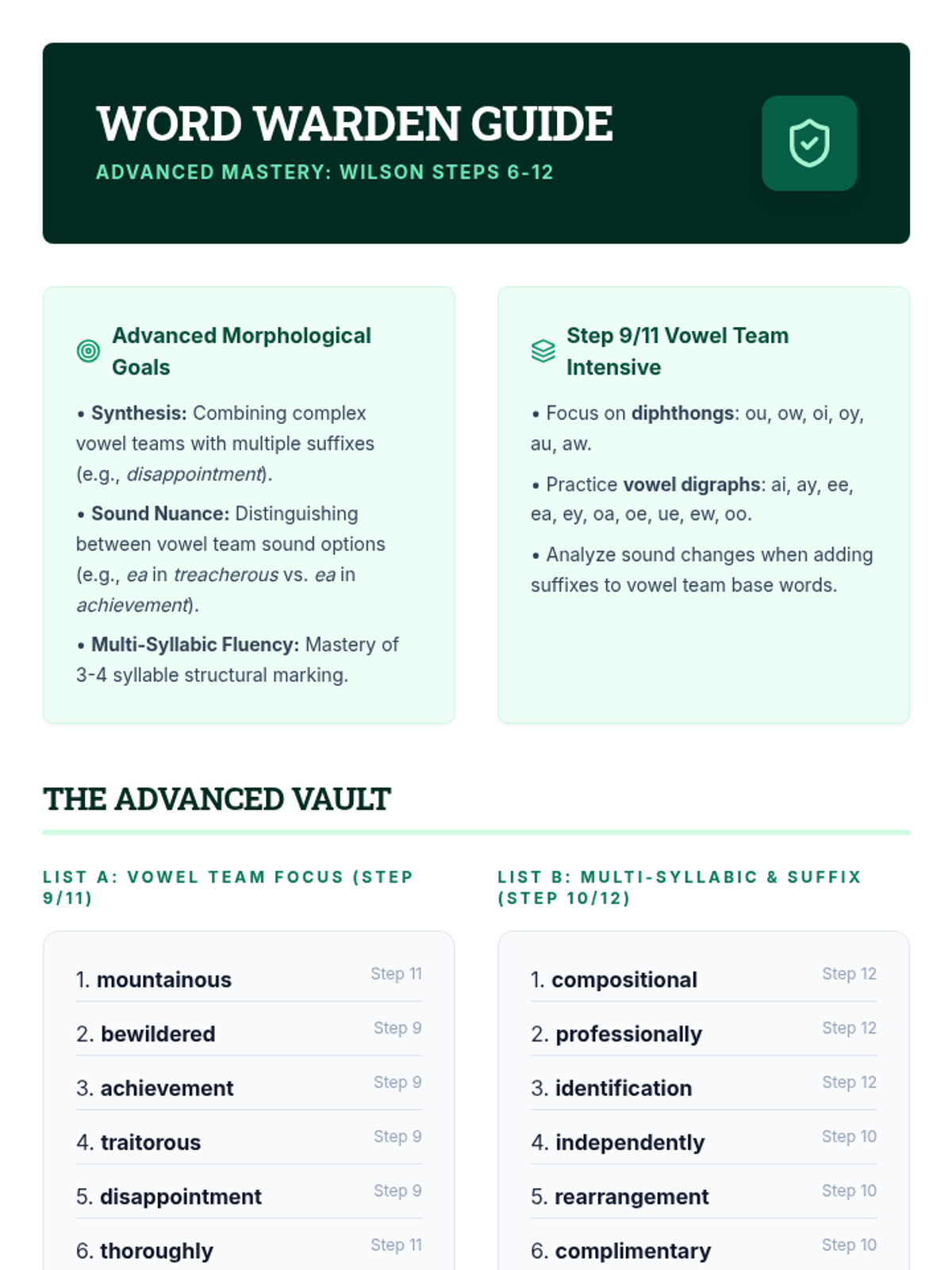
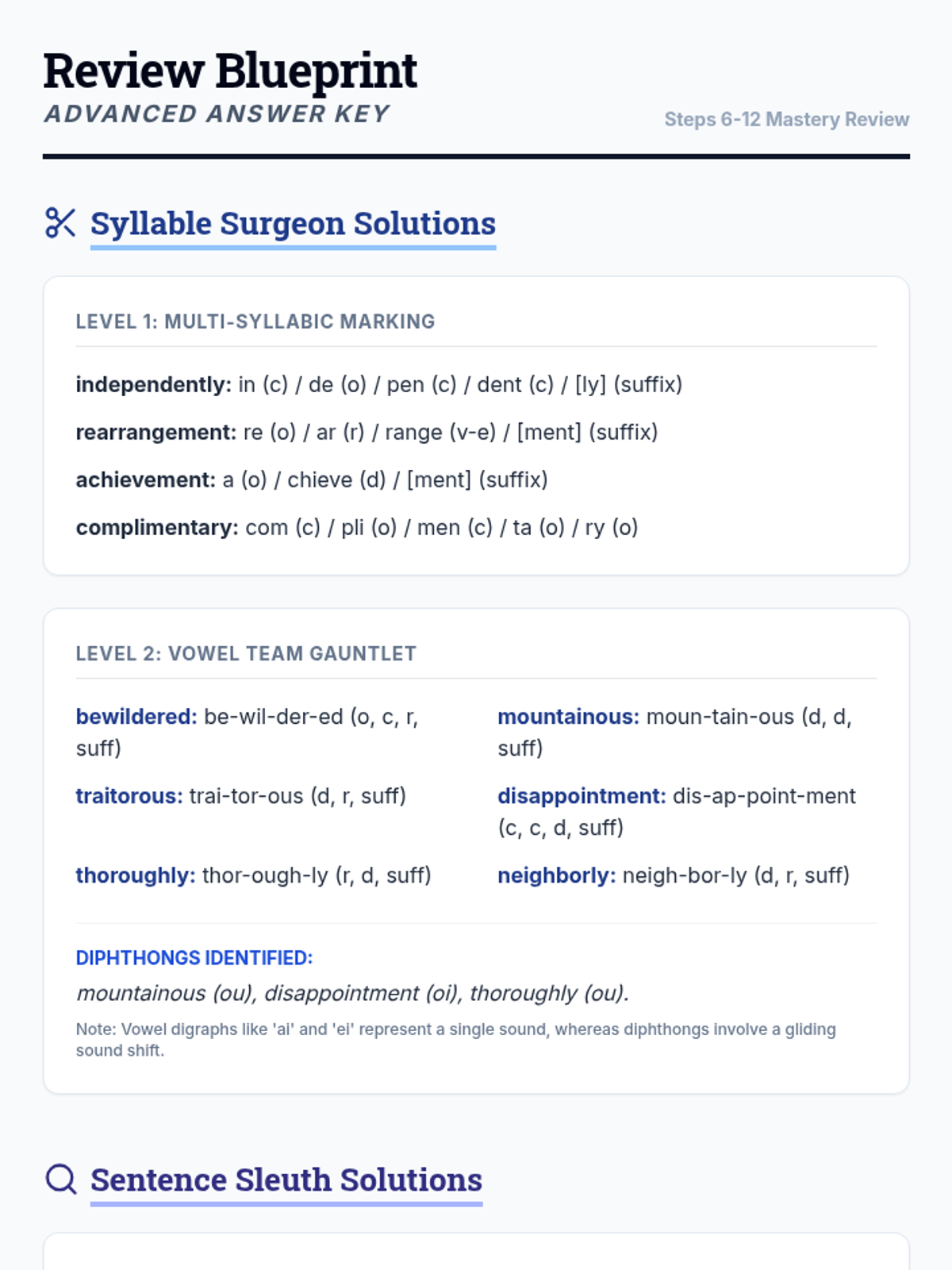
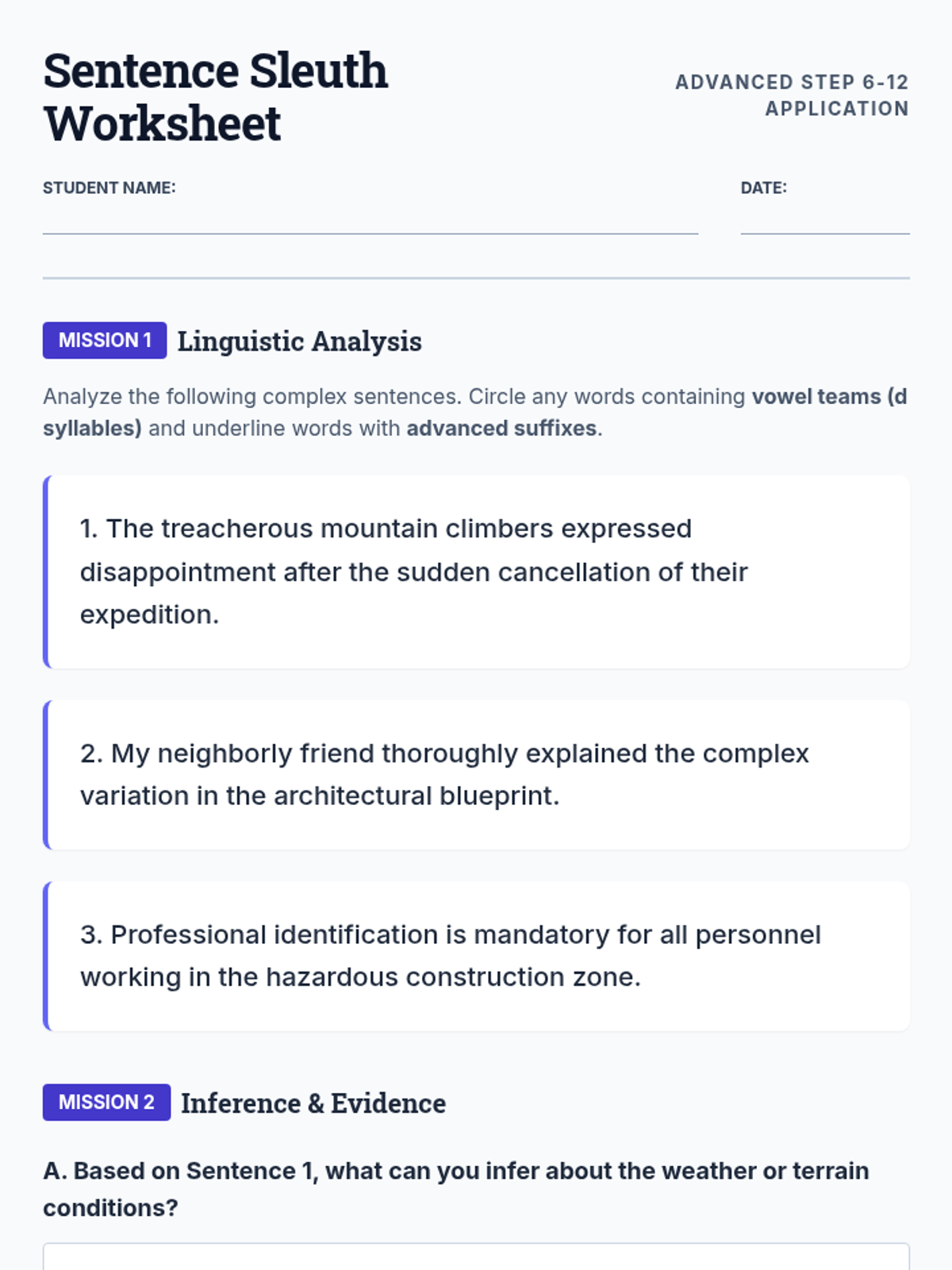
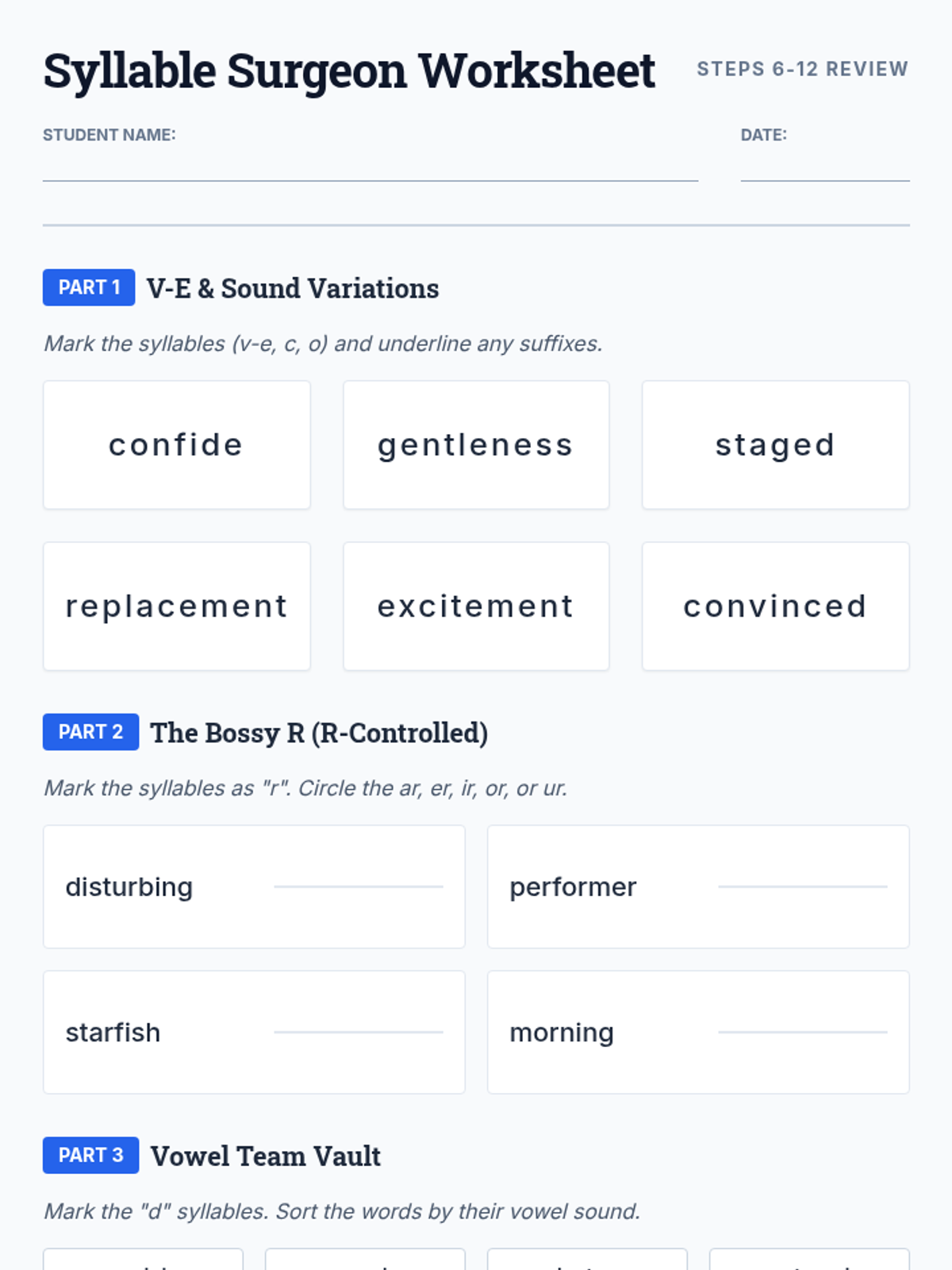
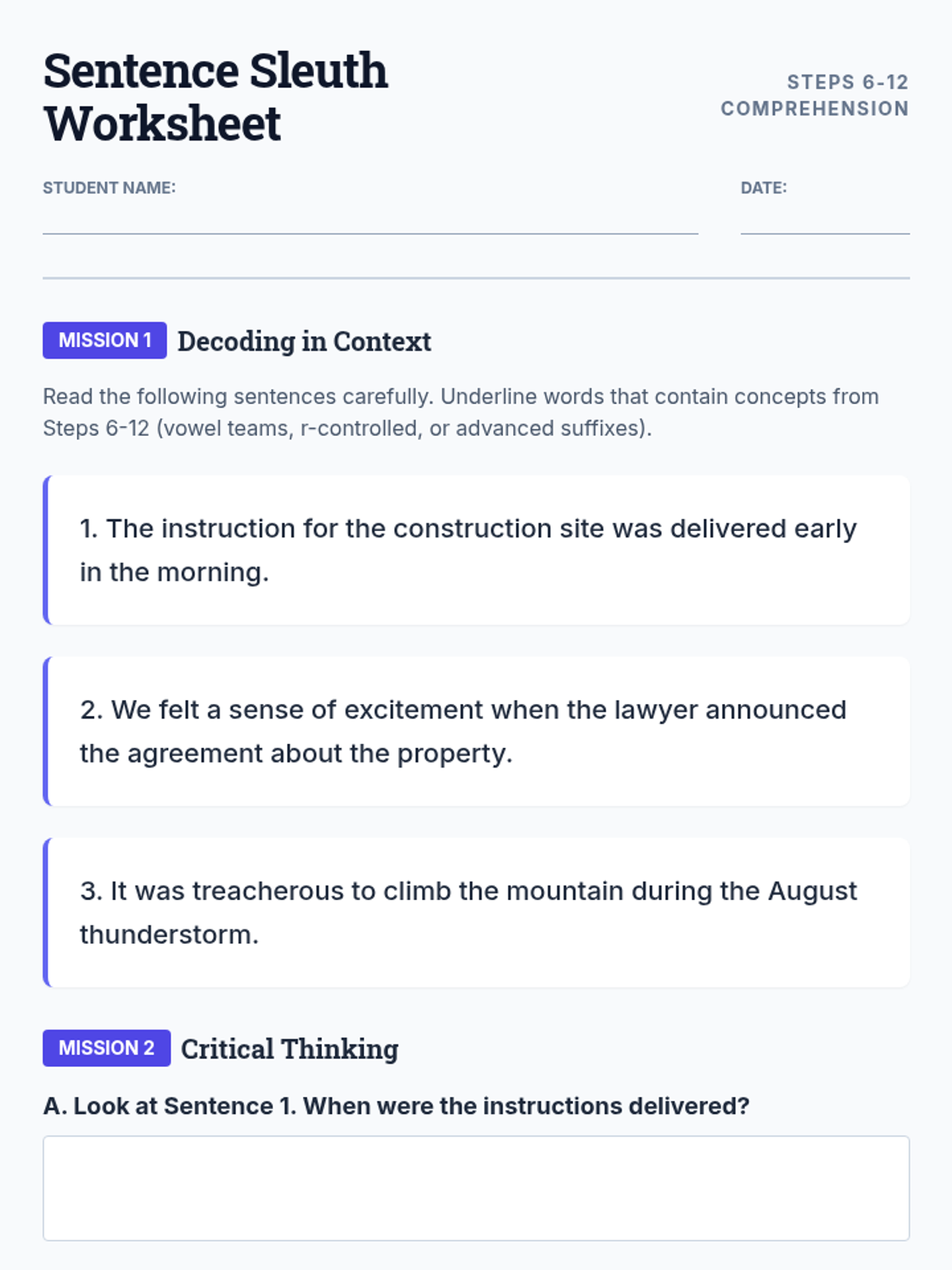
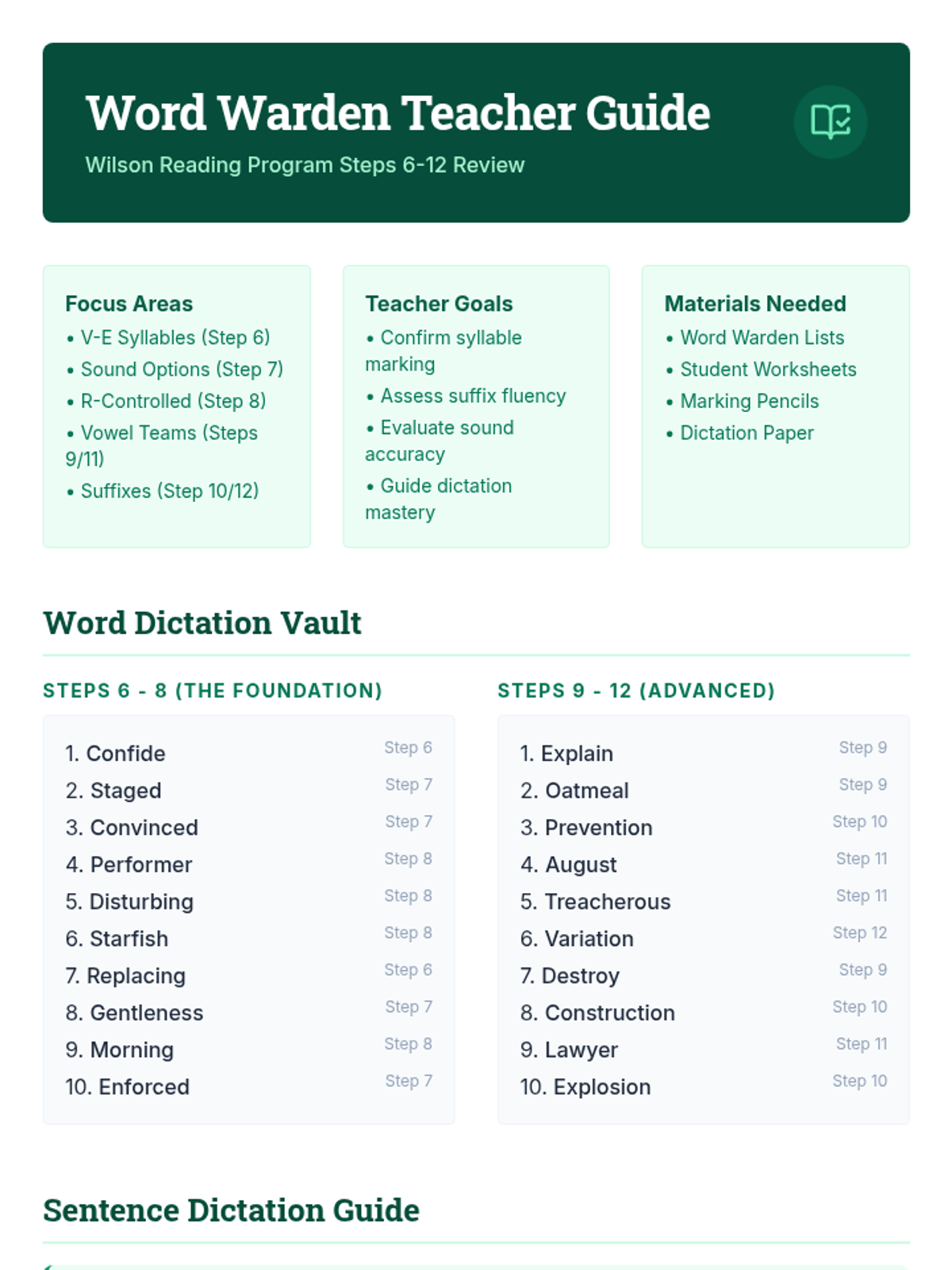
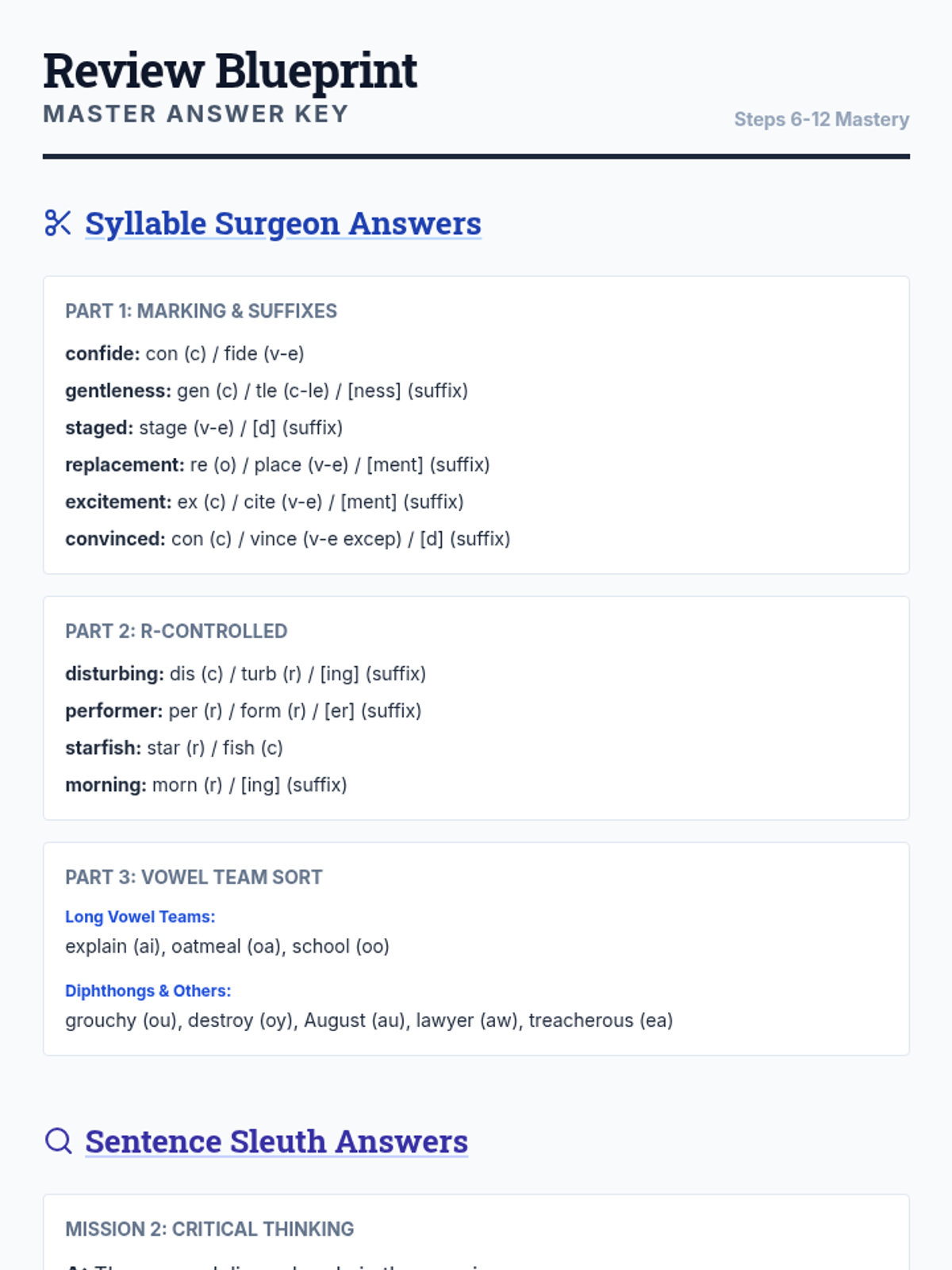
A comprehensive review unit for Wilson Reading Program Steps 6 through 12, focusing on syllable marking, complex suffix patterns, r-controlled vowels, and vowel digraphs.
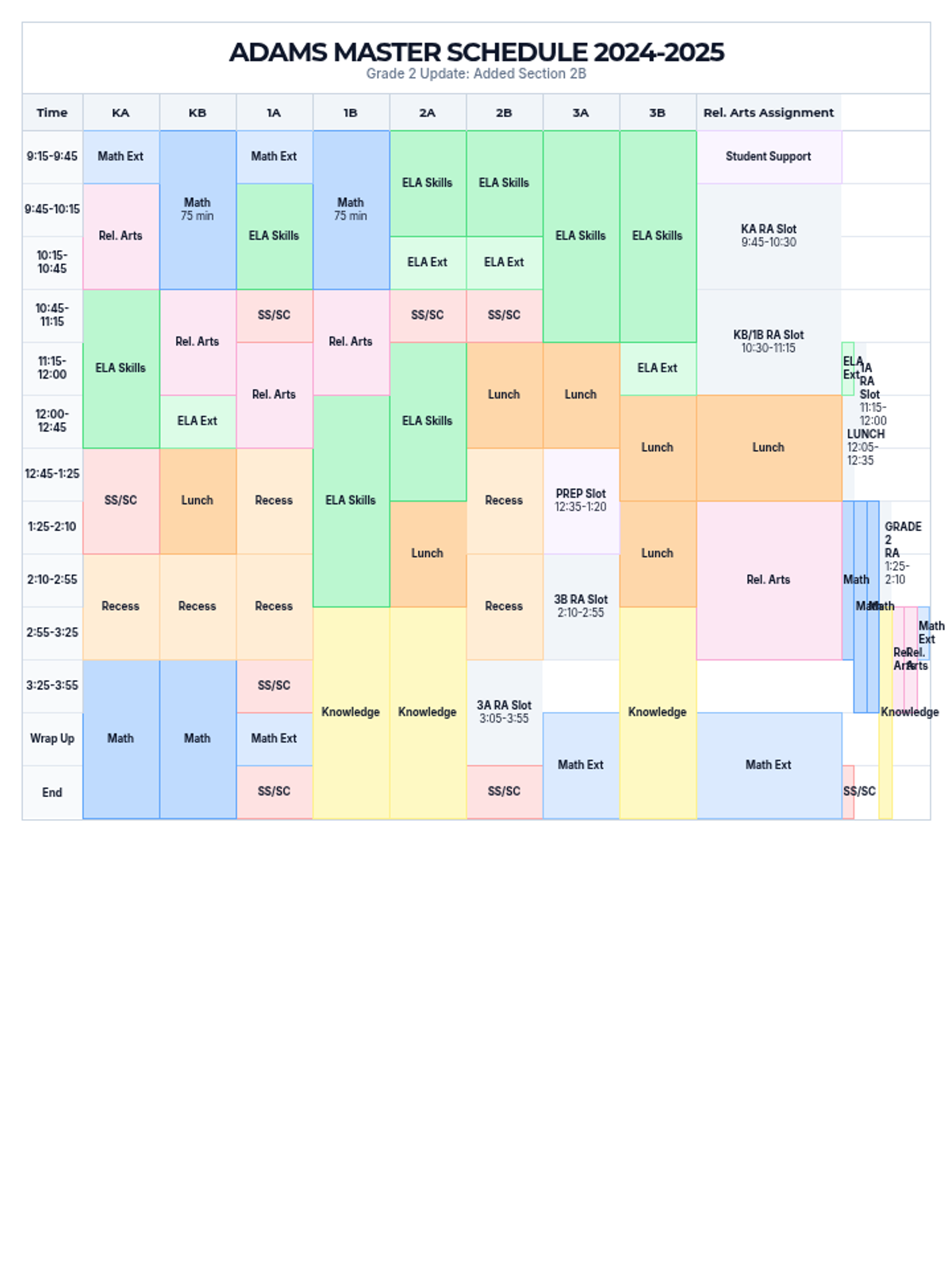
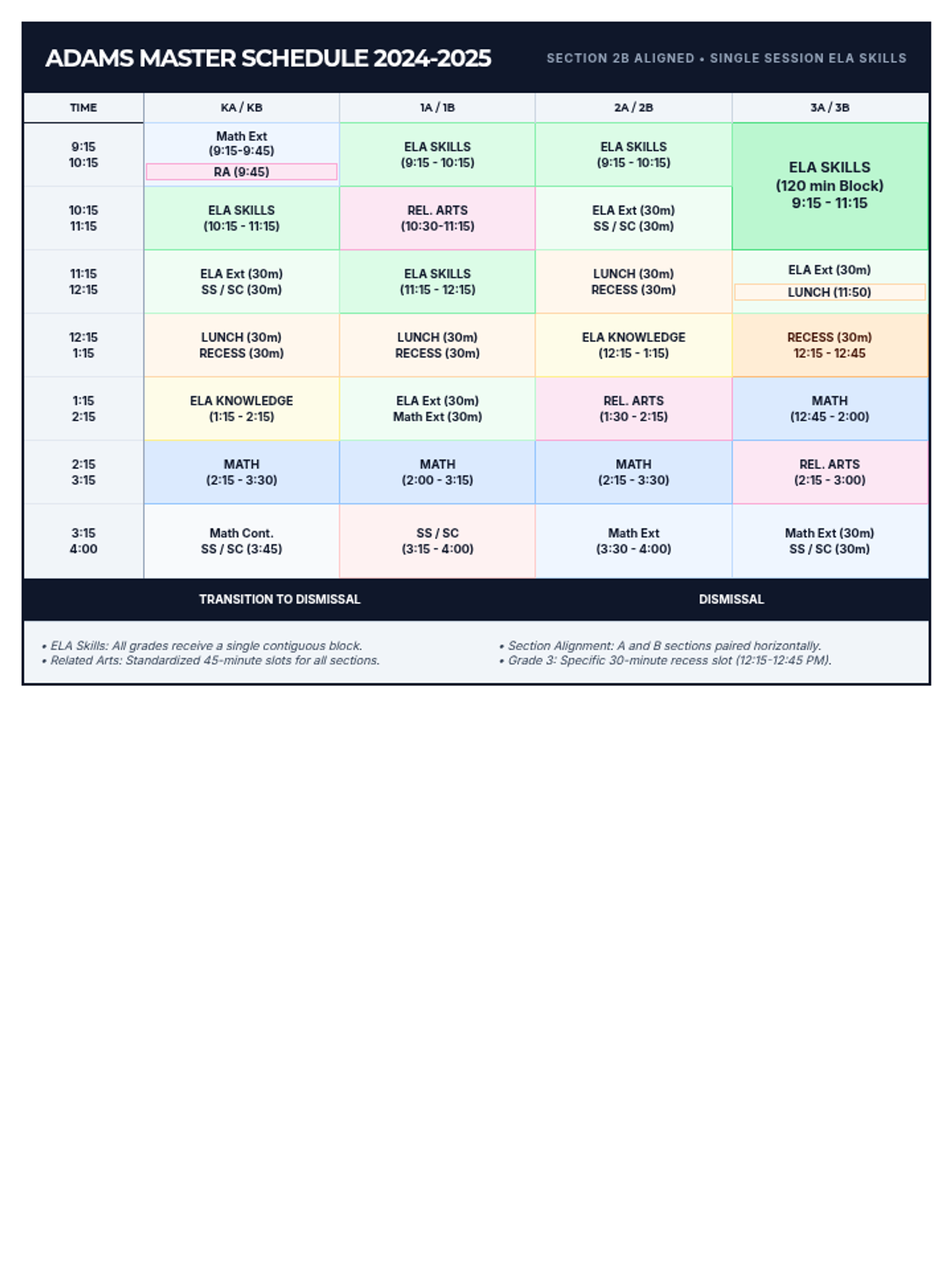
A revised master schedule for Adams Elementary, including a newly added 2B section for second grade.
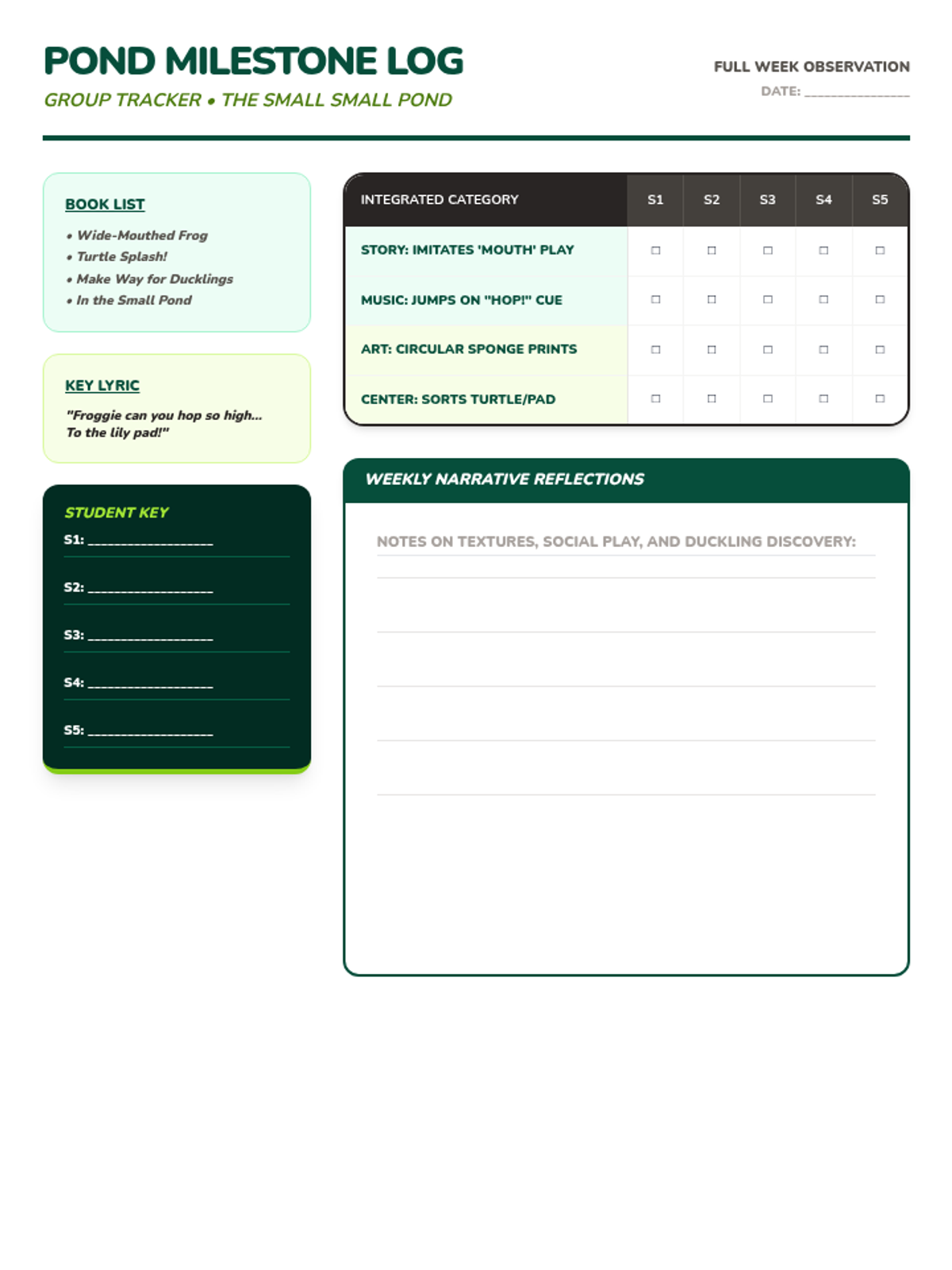
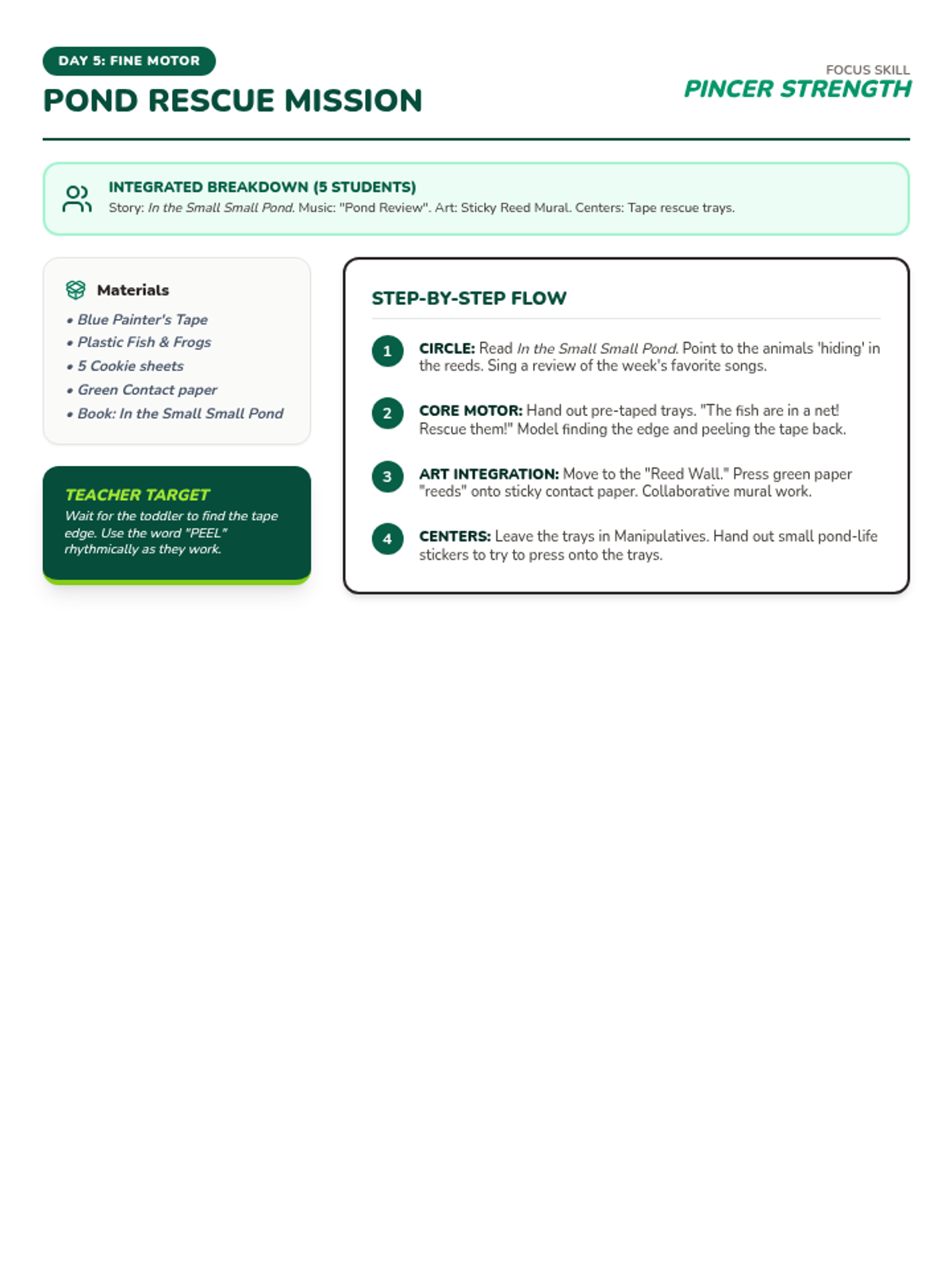
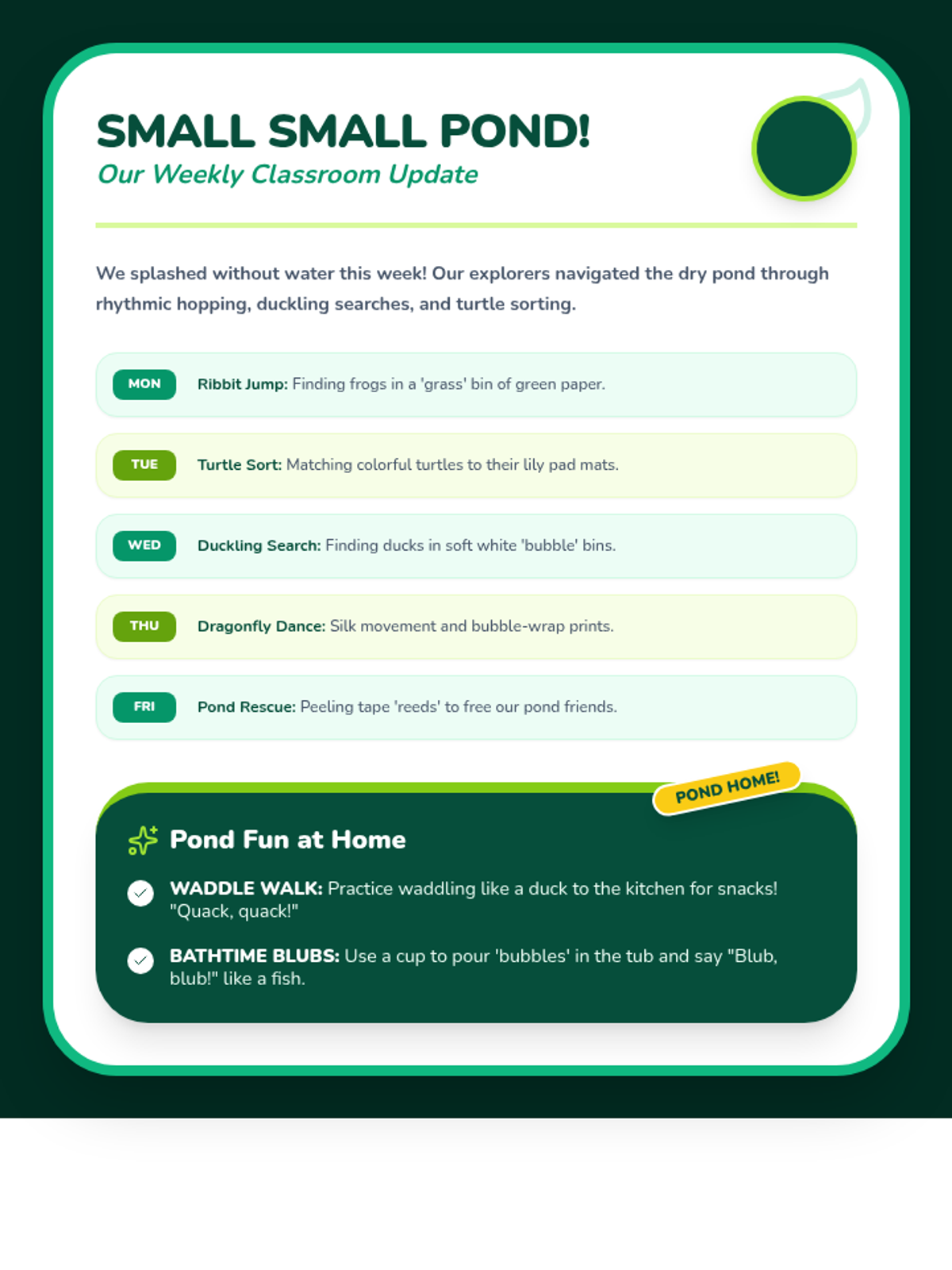
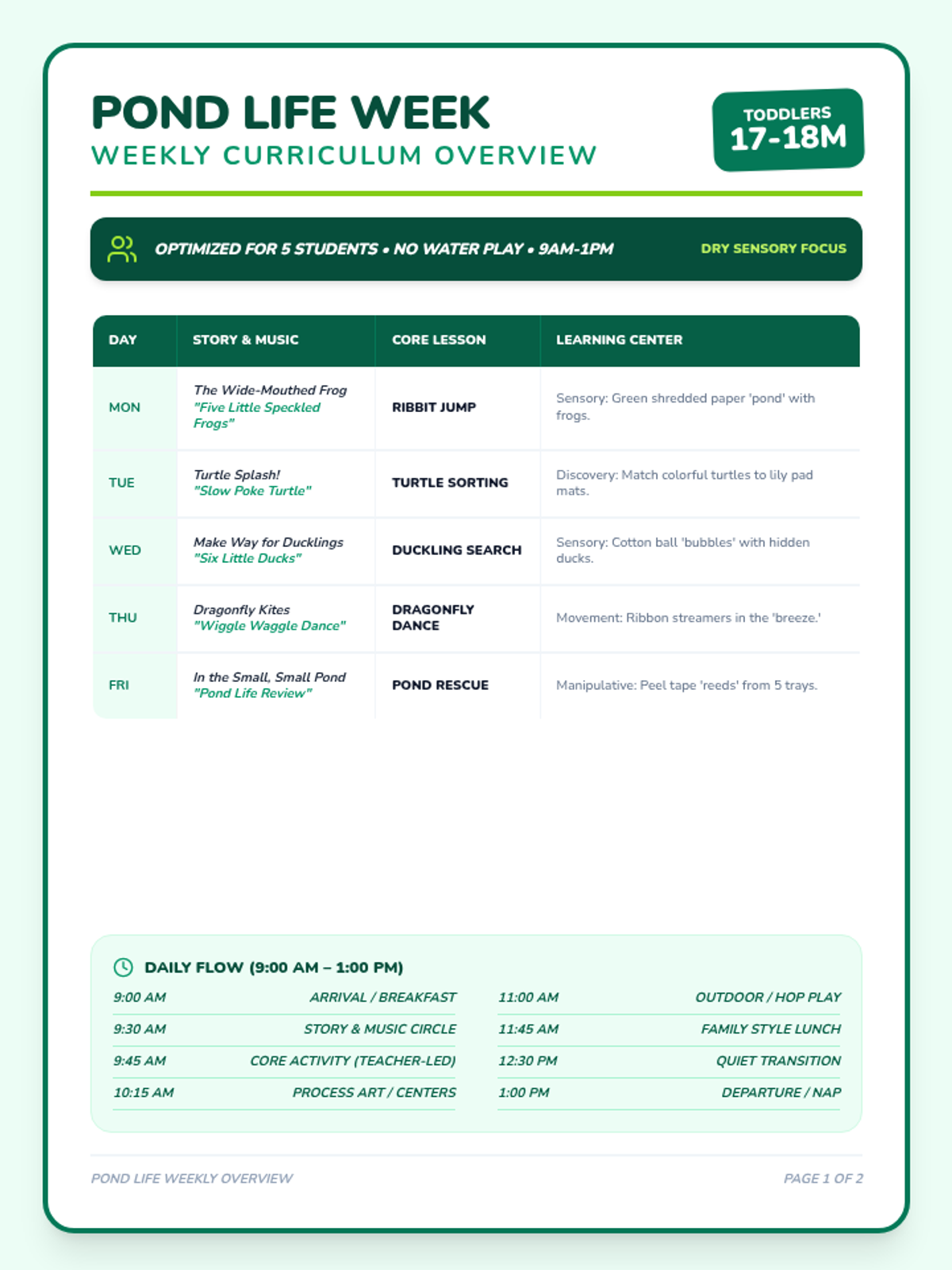
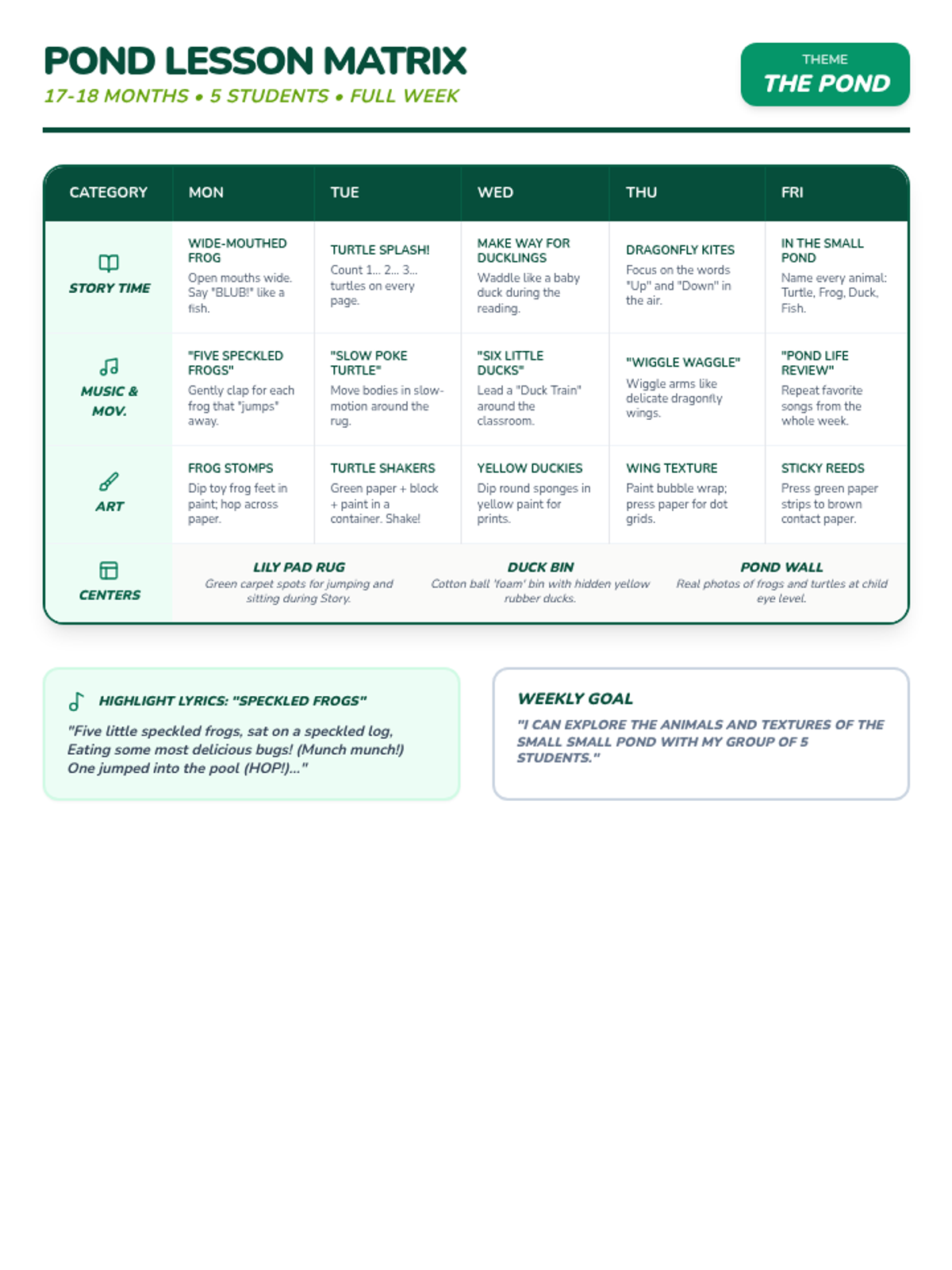
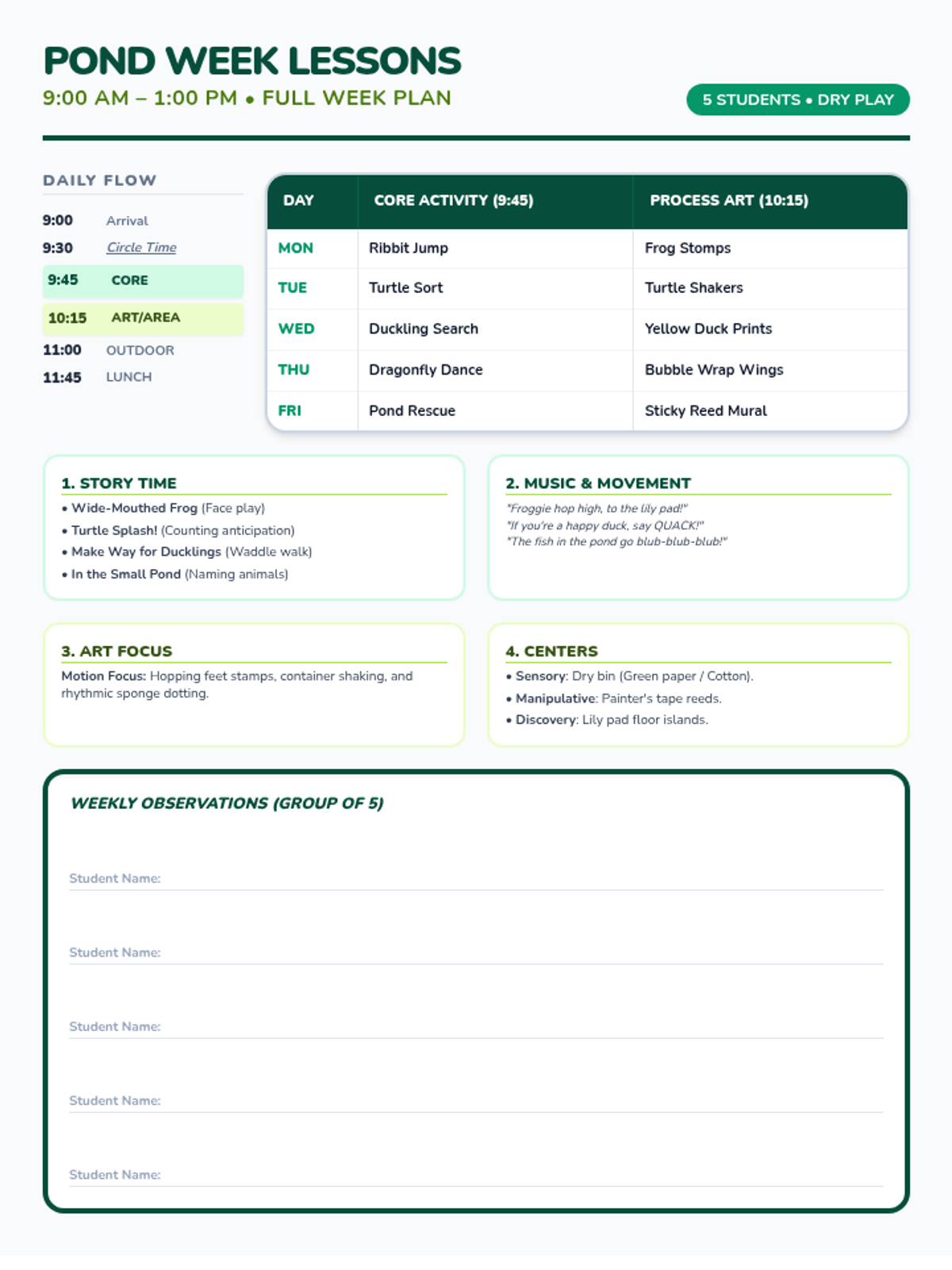
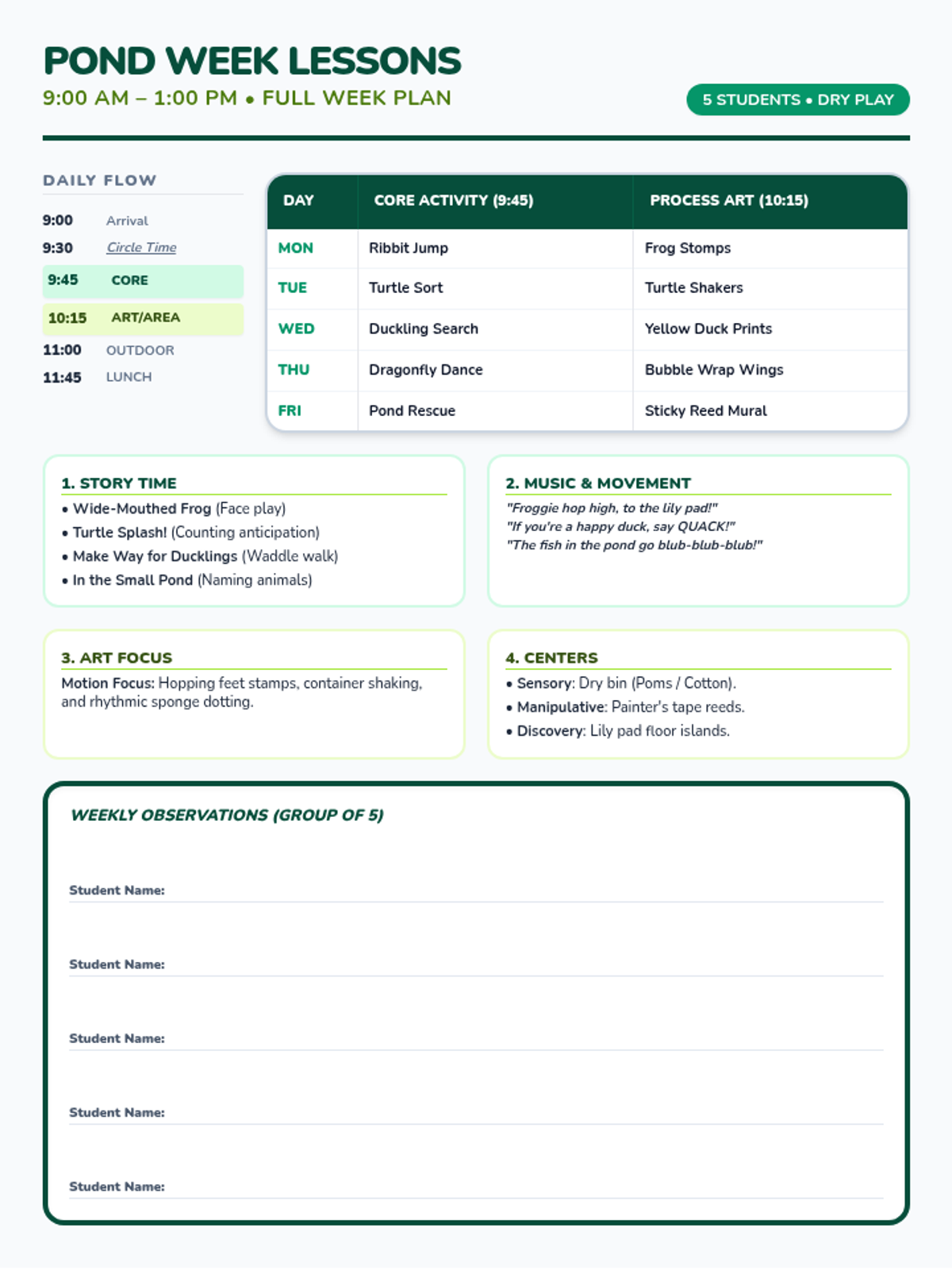
Challenges fine motor strength as toddlers 'rescue' pond animals from painter's tape 'reeds.'
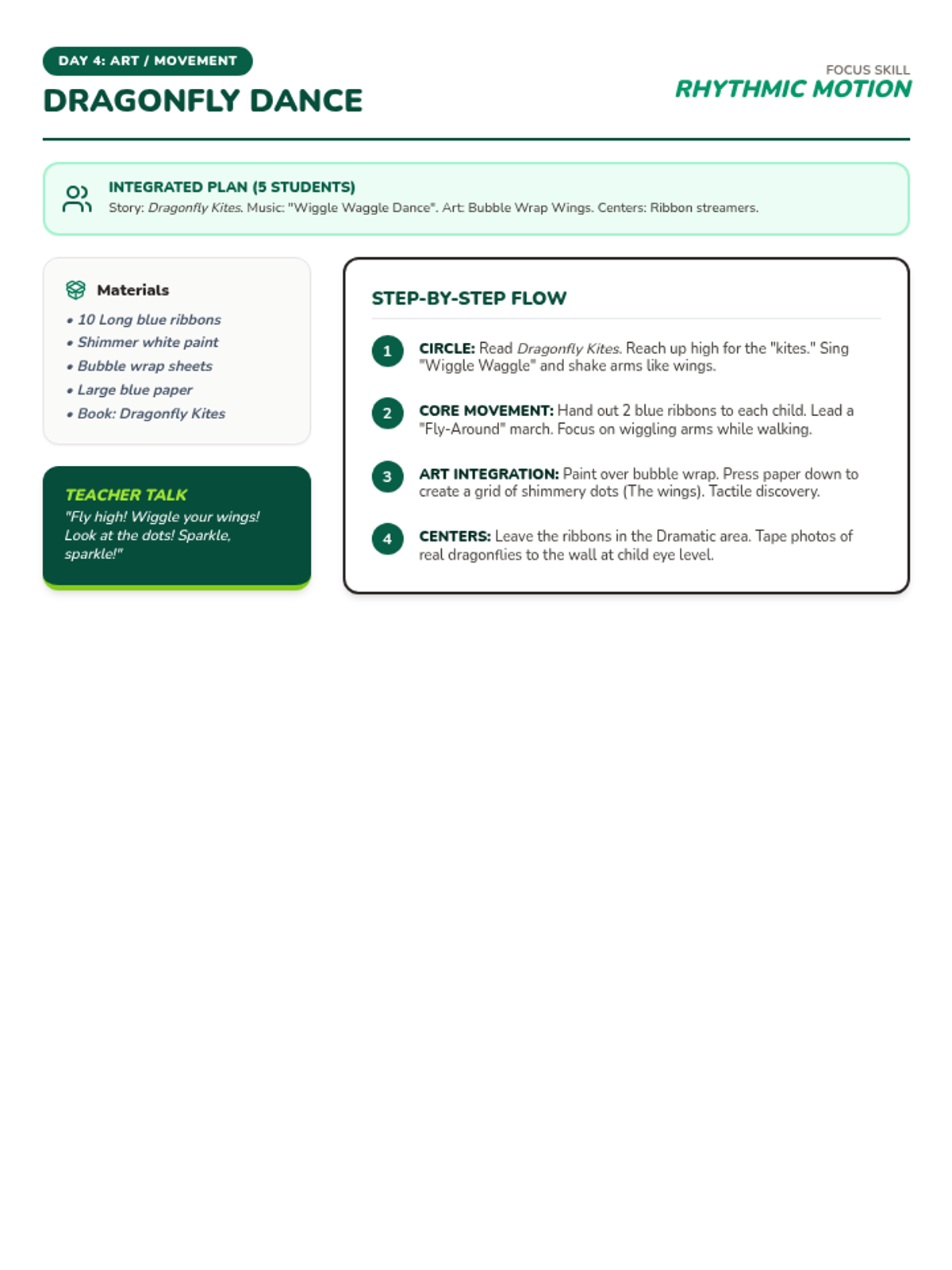
Explores rhythmic movement and pattern-making through dragonfly-themed silk play and wing stamping.
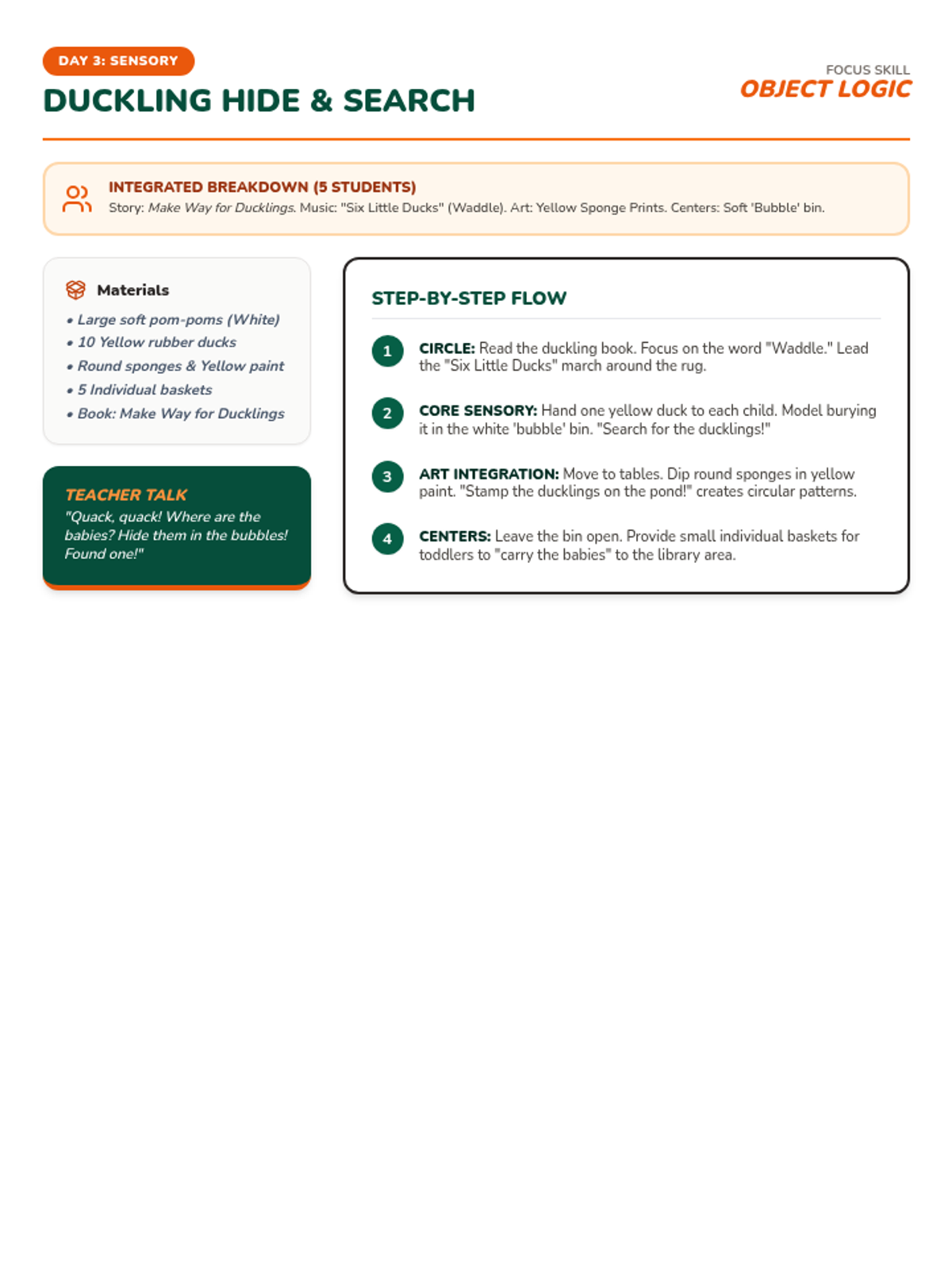
A dry sensory experience searching for ducklings hidden among soft 'bubble' pom-poms or cotton balls.
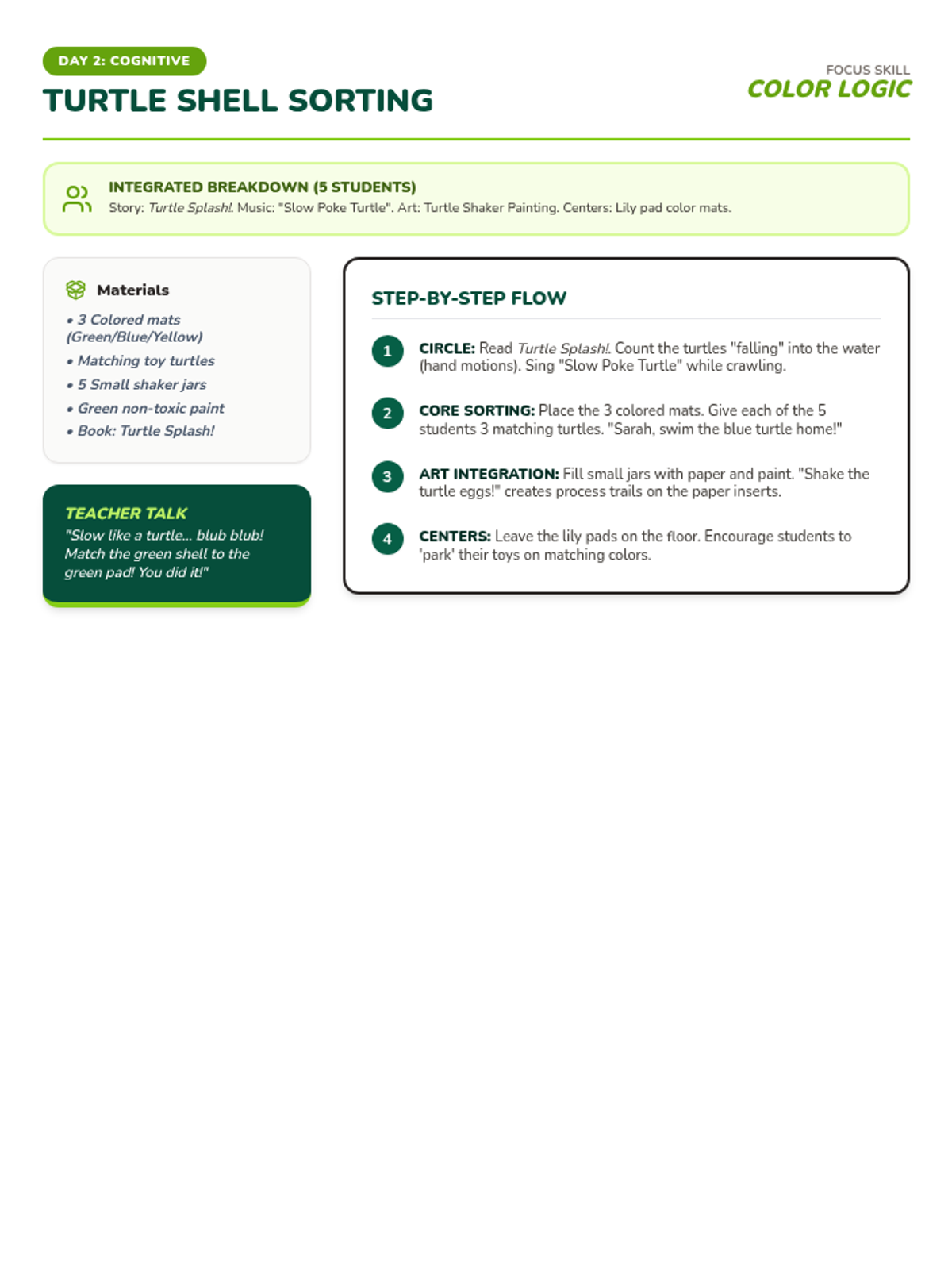
Introduces color discrimination by matching colorful toy turtles to corresponding colored lily pad mats.
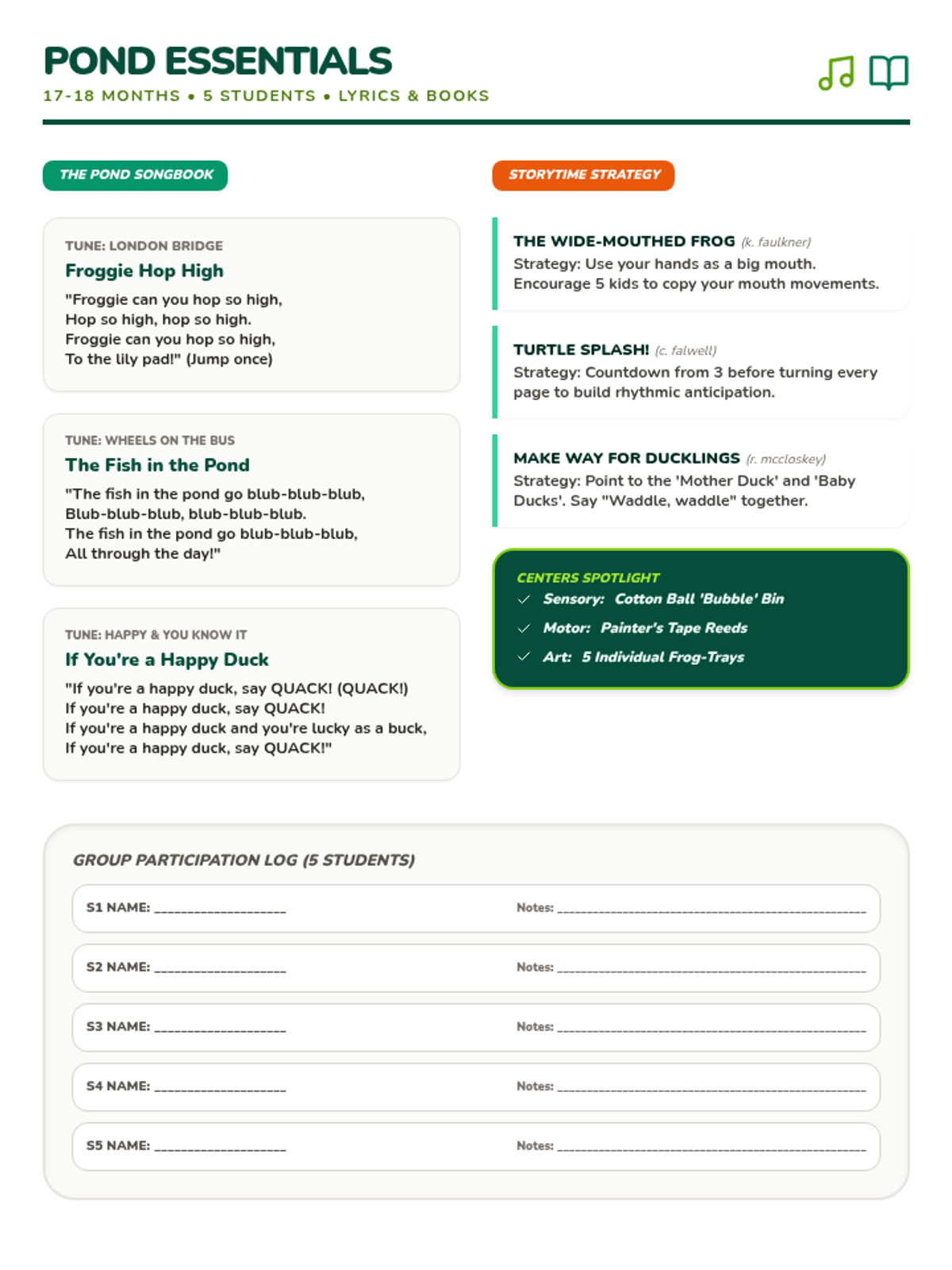
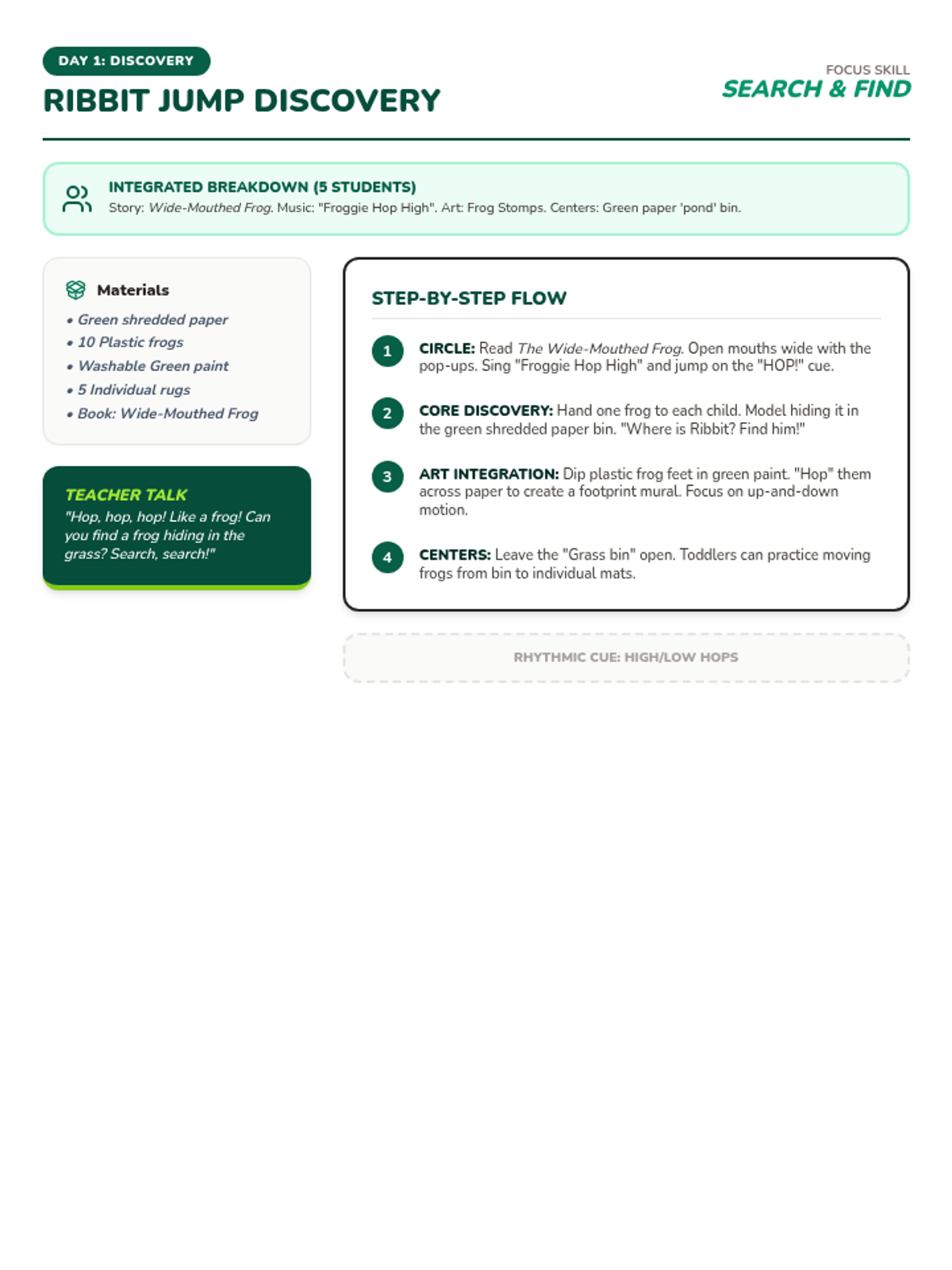
Focuses on gross motor movement and object discovery as toddlers search for plastic frogs hidden in a 'pond' of green shredded paper.