A specialized social-emotional learning lesson focused on helping neurodivergent 2nd and 3rd graders categorize school challenges. Features a comprehensive, highly accommodated 50-question quiz and a teacher's scoring key.
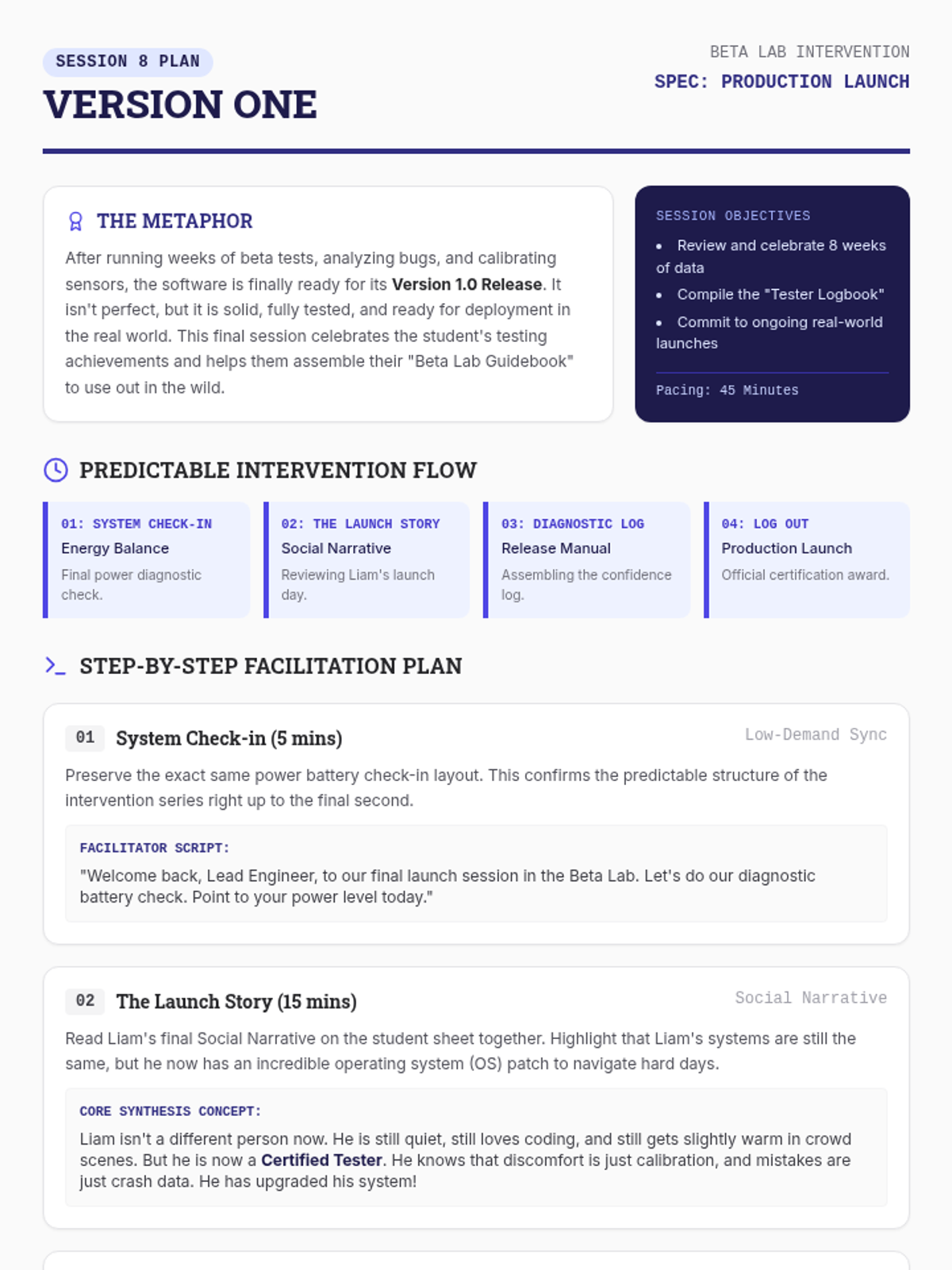
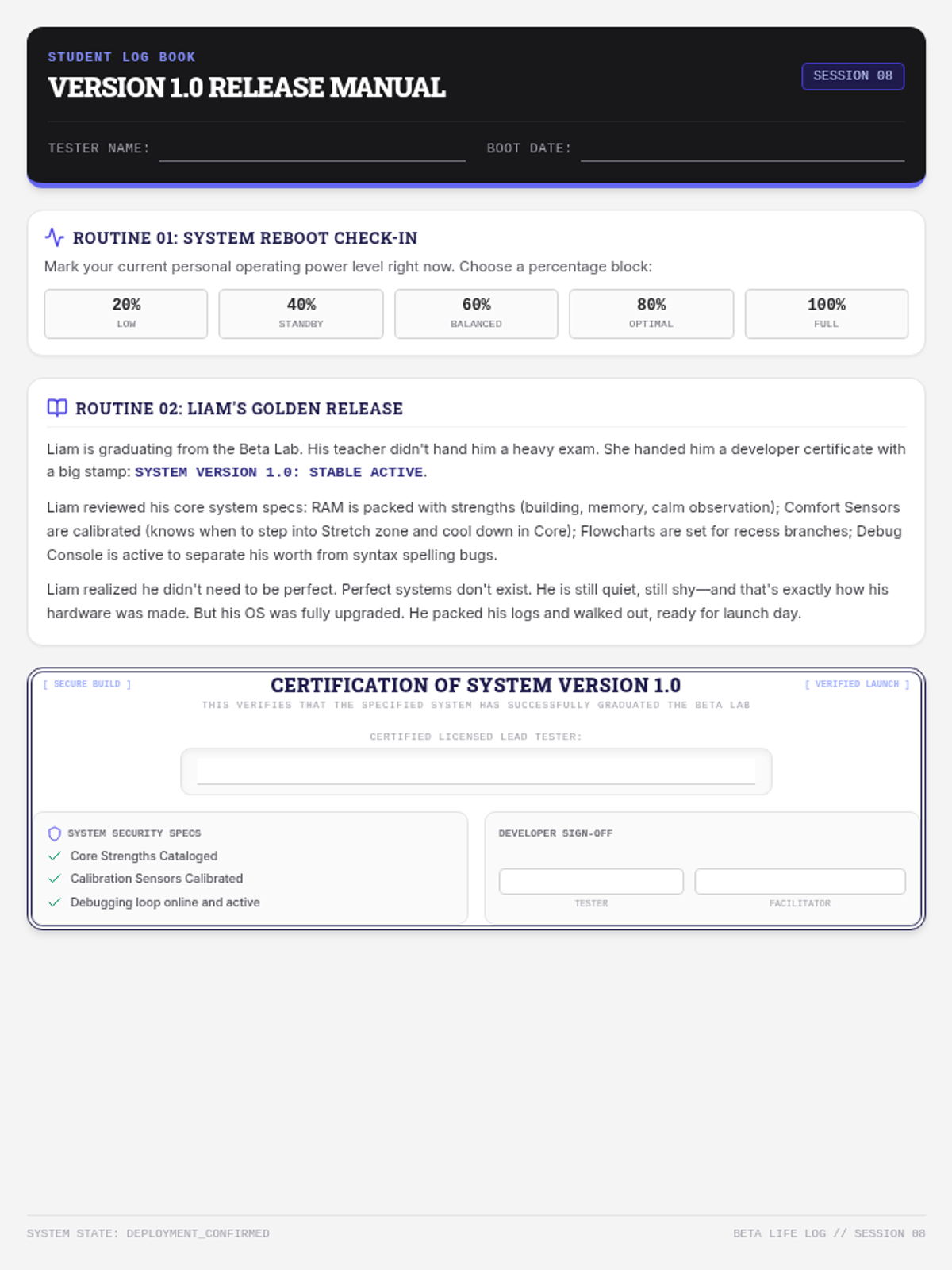
Session 8 synthesizes the 8-week journey. The student compiles their logs into a personalized confidence guide and celebrates their testing achievements.
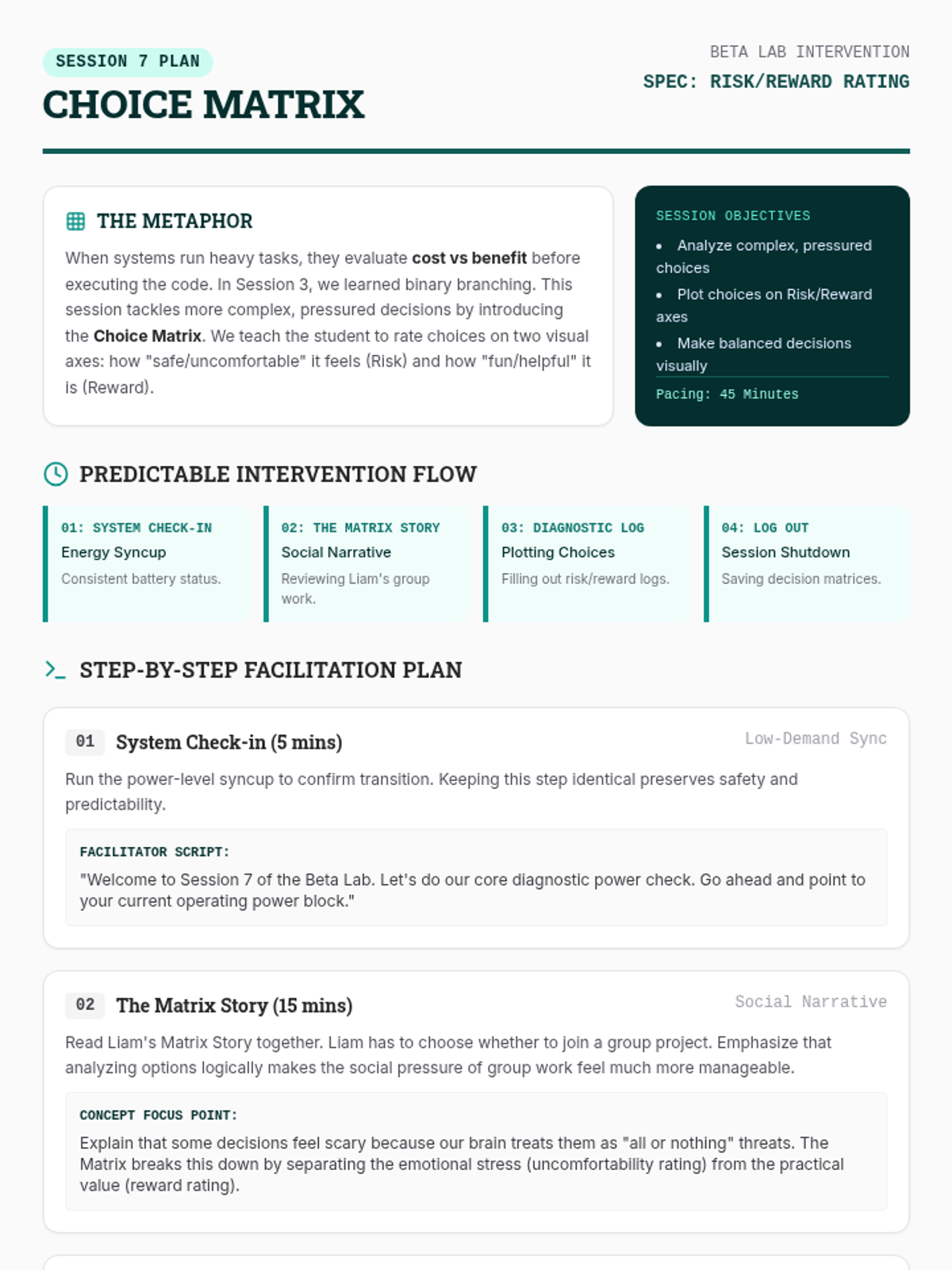
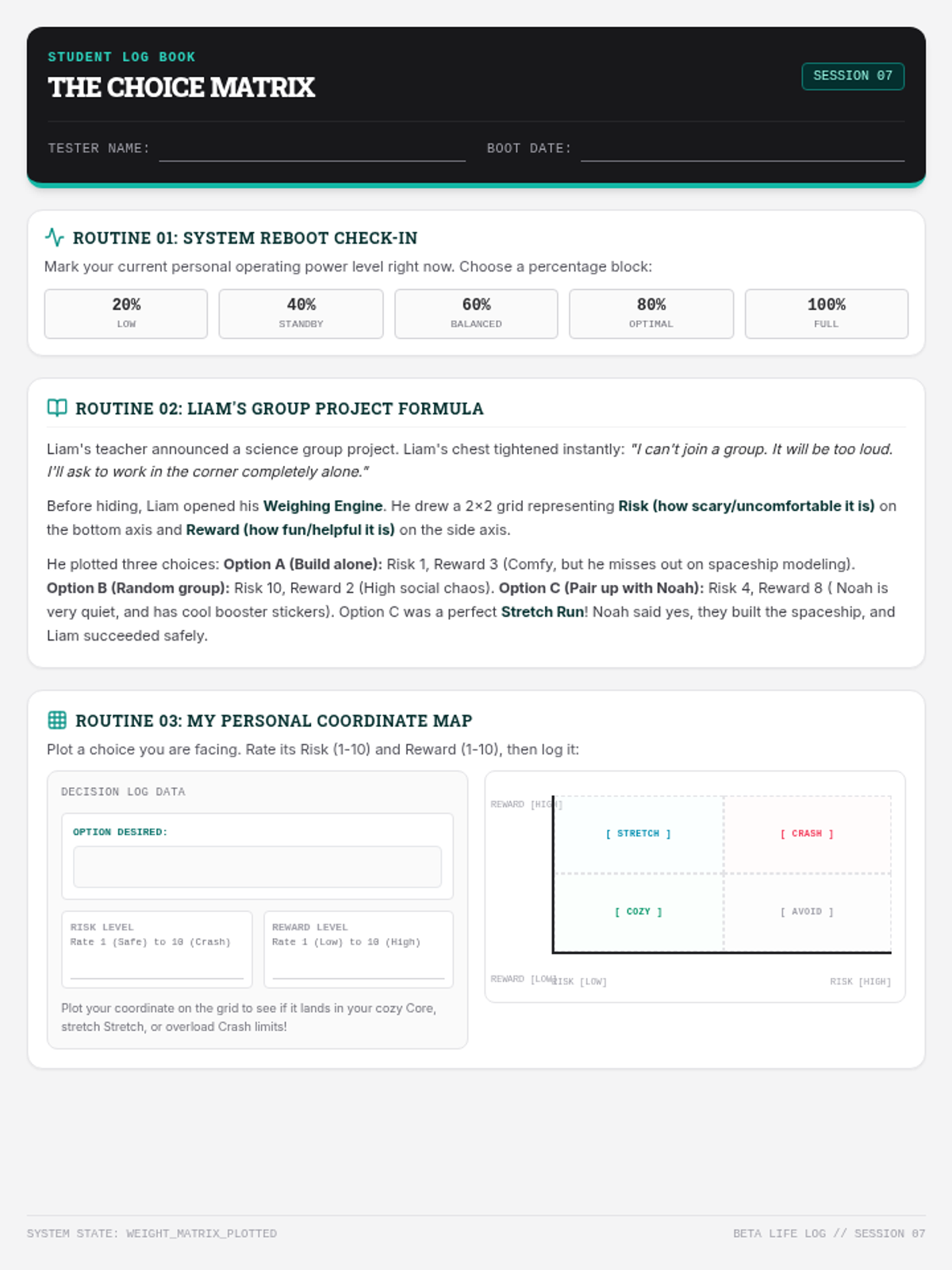
Session 7 explores more complex decisions under pressure, teaching the student how to weigh risks and rewards using a simple visual rating tool.
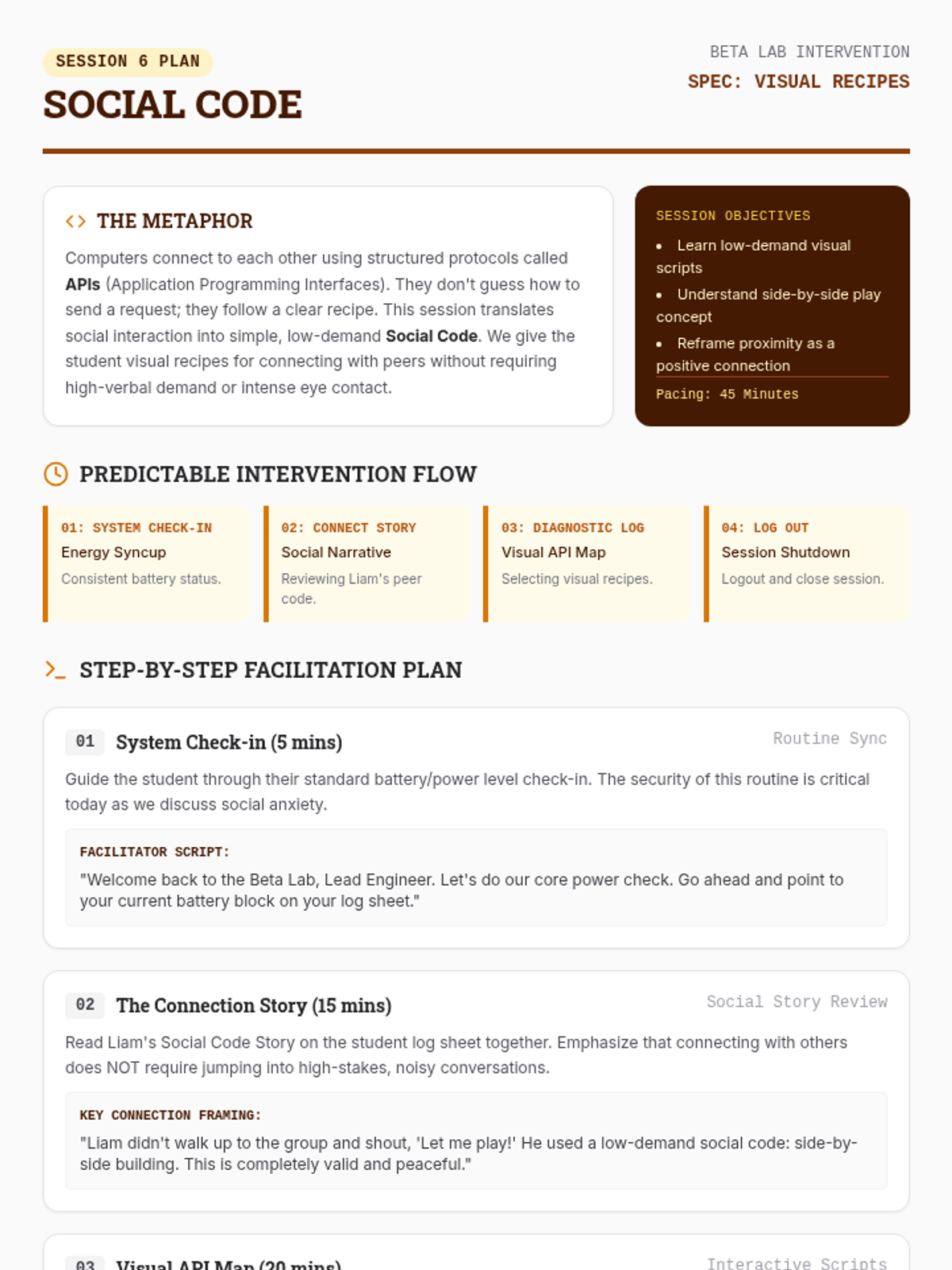
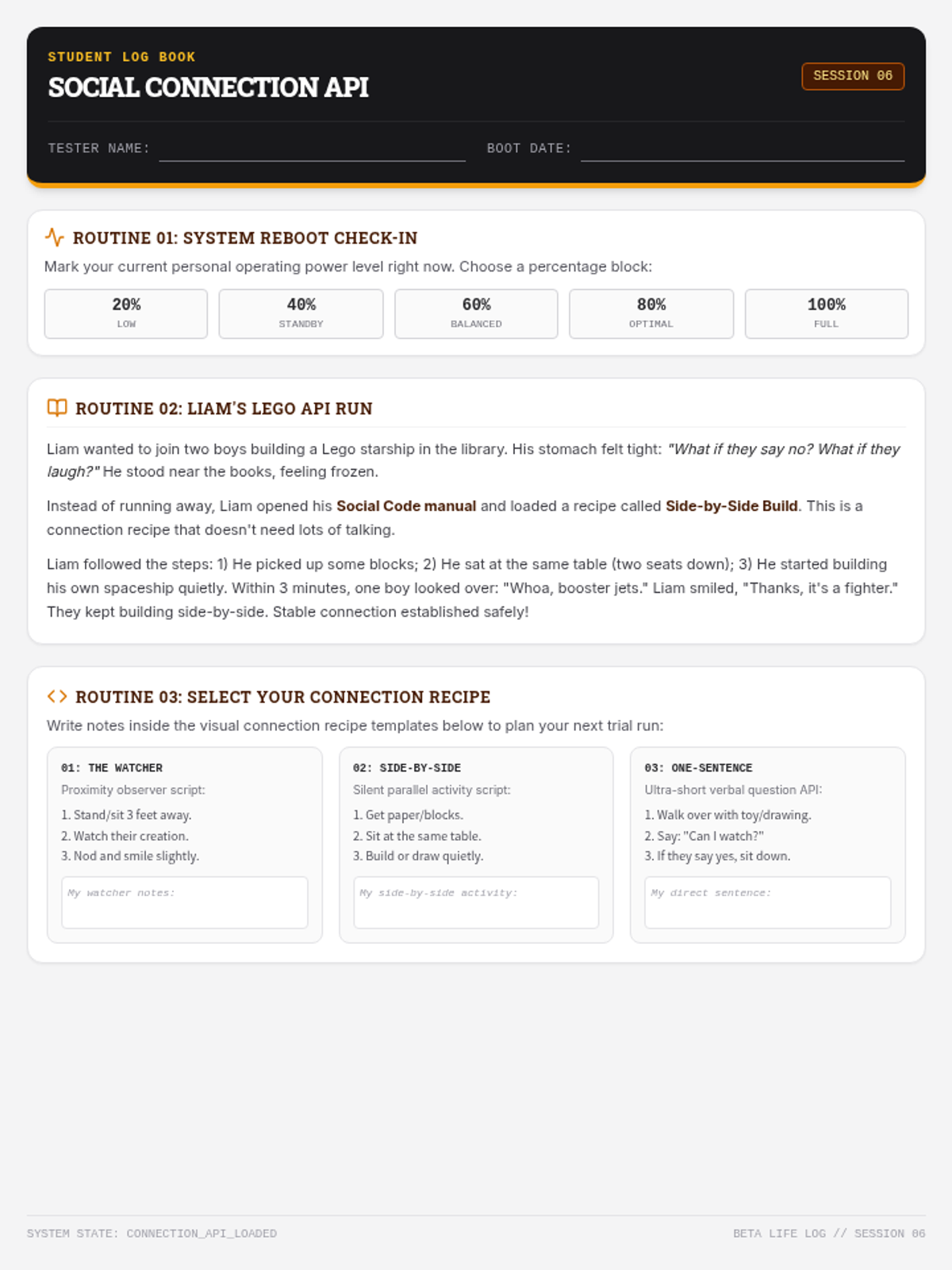
Session 6 addresses social interactions. The student learns low-demand social scripts and structured visual recipes for peer connection.
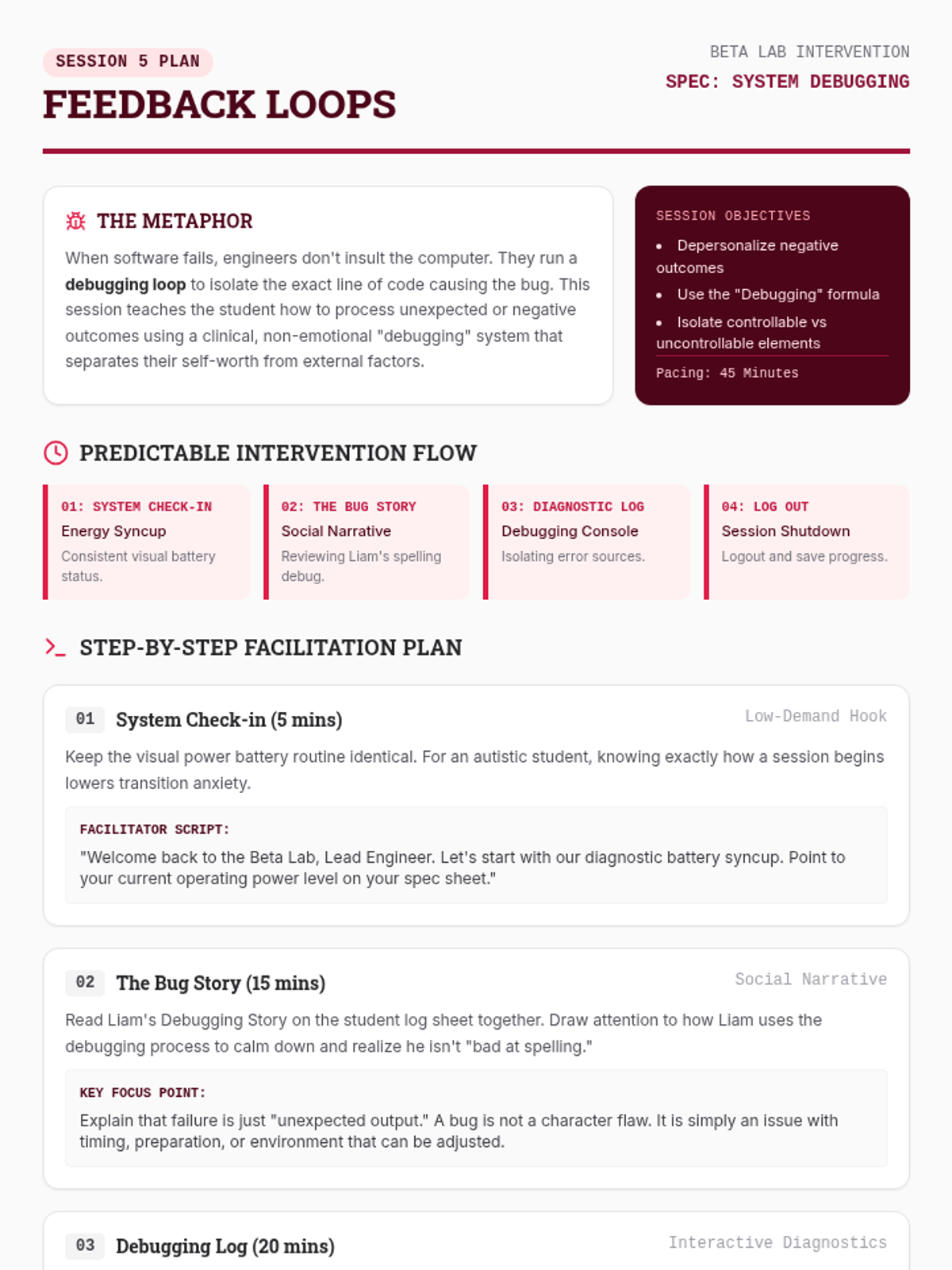
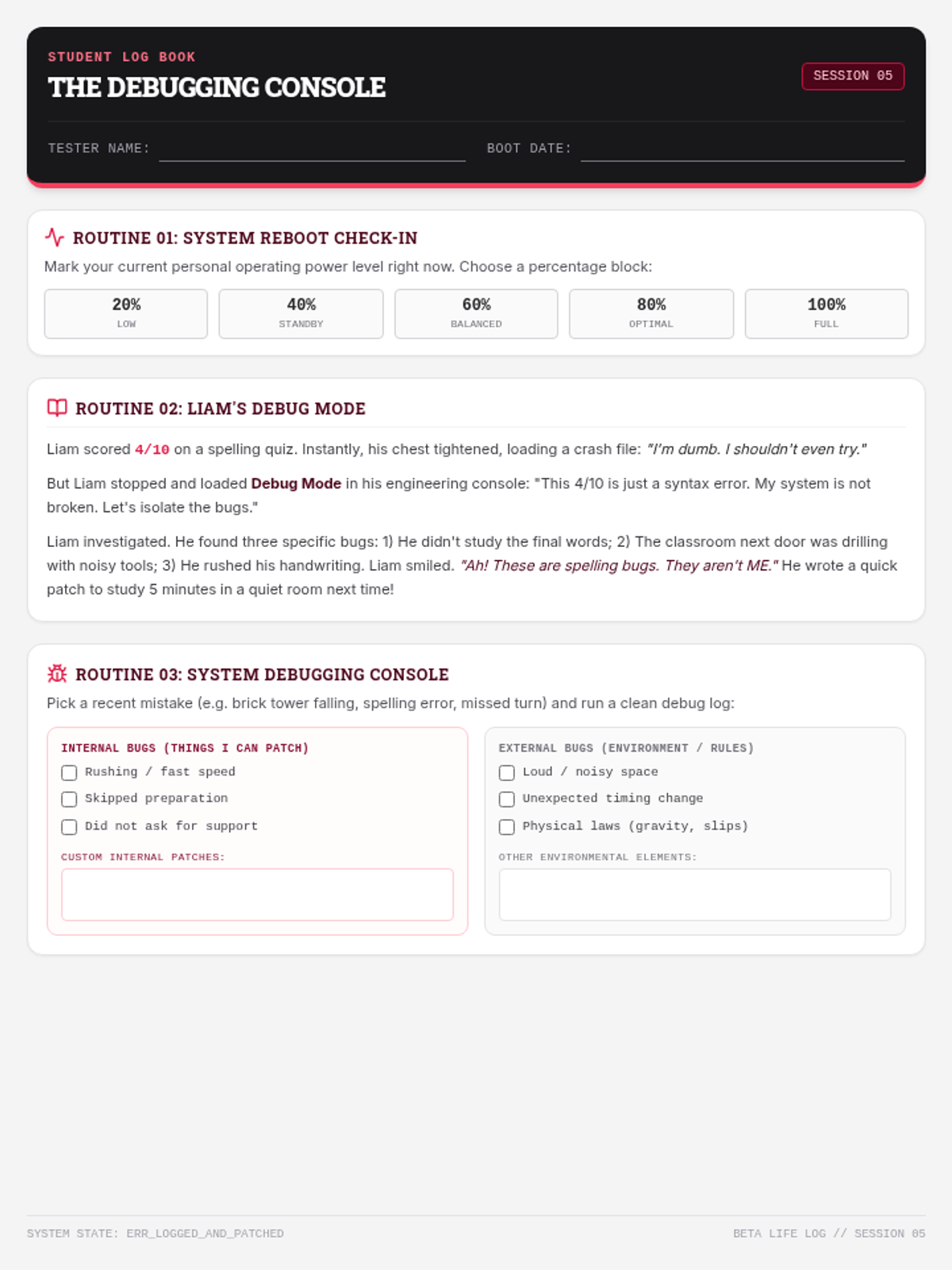
Session 5 covers processing unexpected outcomes. The student learns to analyze results without self-blame, using a structured "trail debugging" framework.
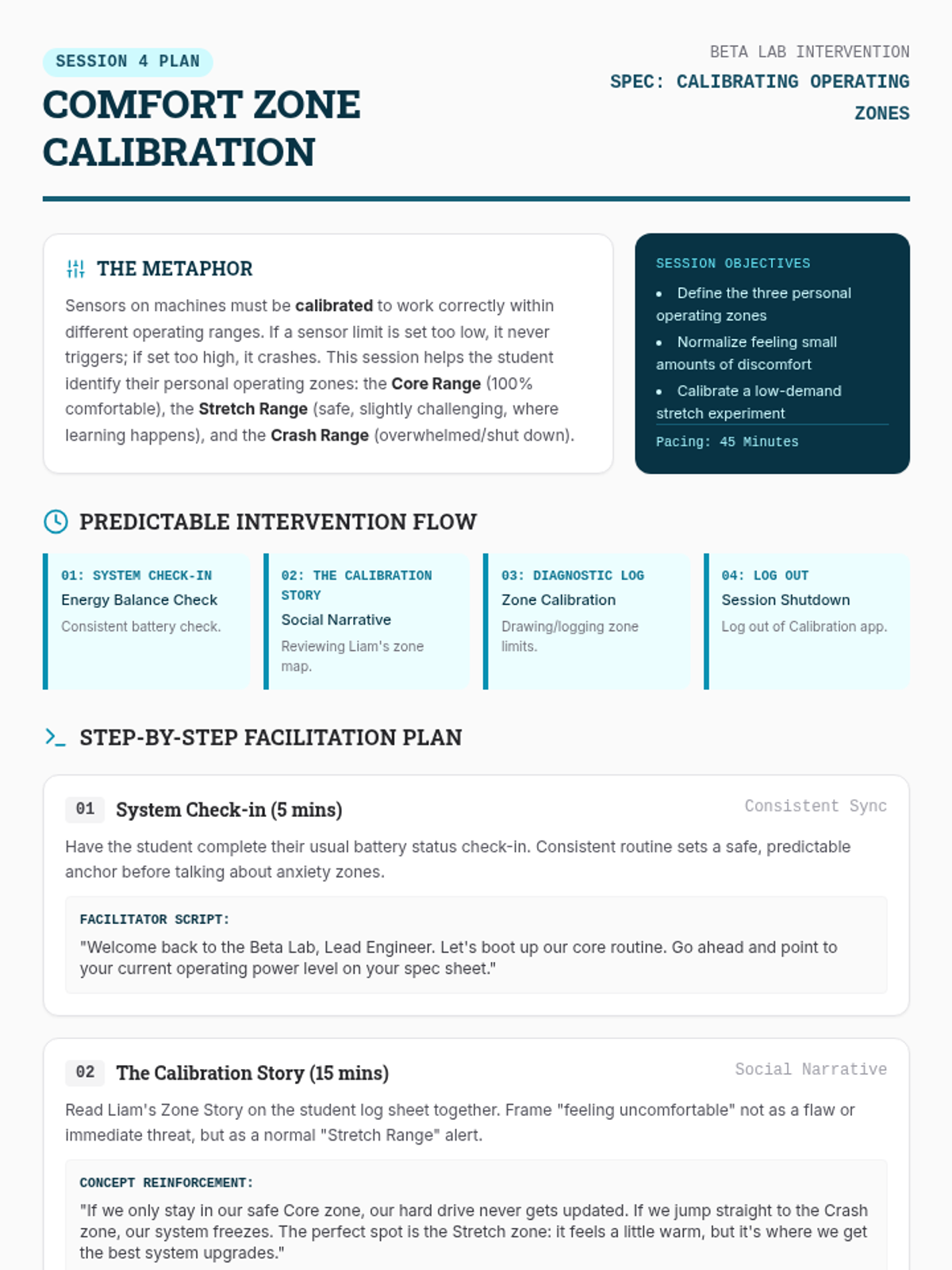
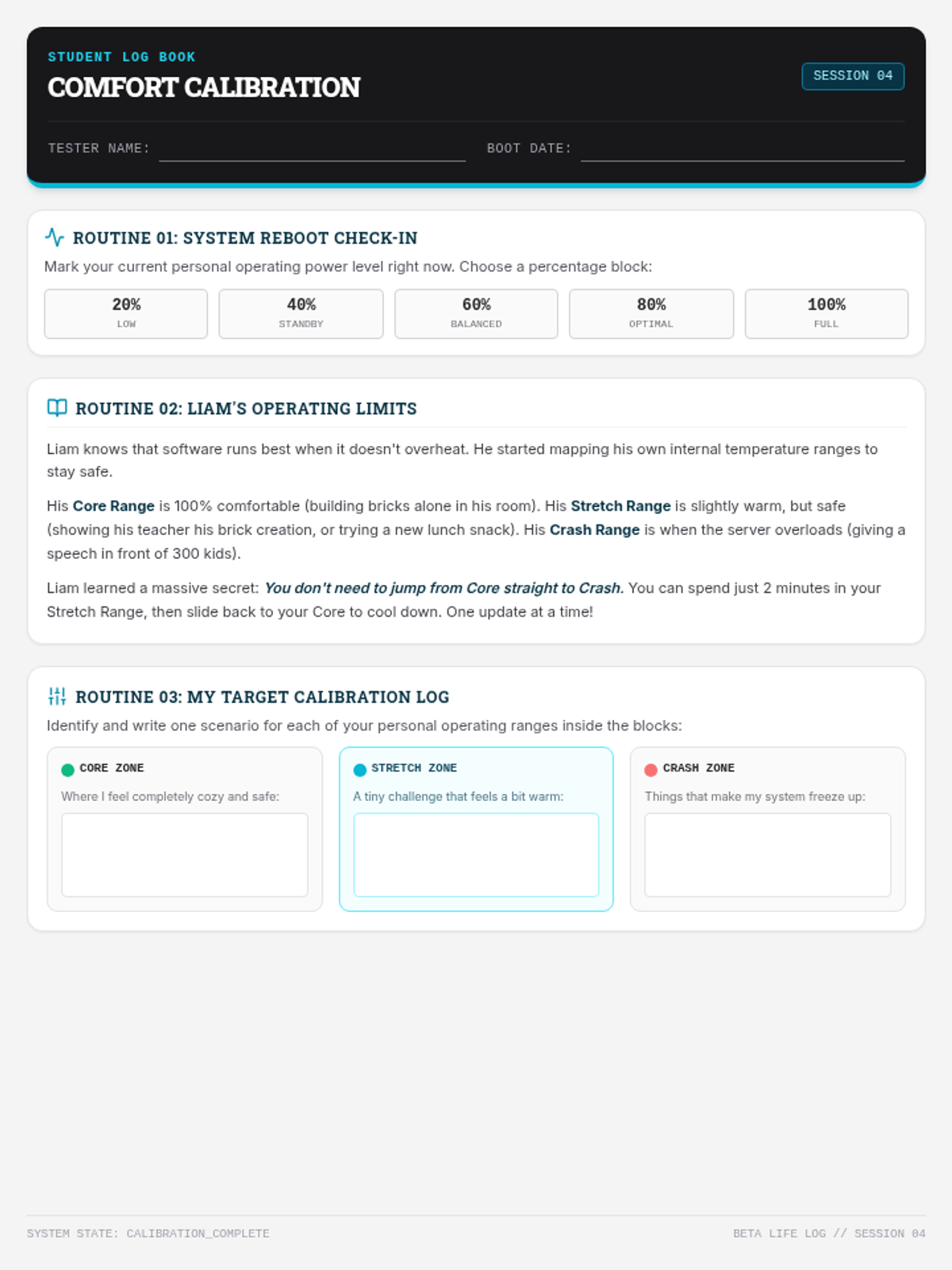
Session 4 focuses on gradually expanding the comfortable operating zone by setting up and running tiny, controlled trials in a safe environment, mapping Core, Stretch, and Storm zones.
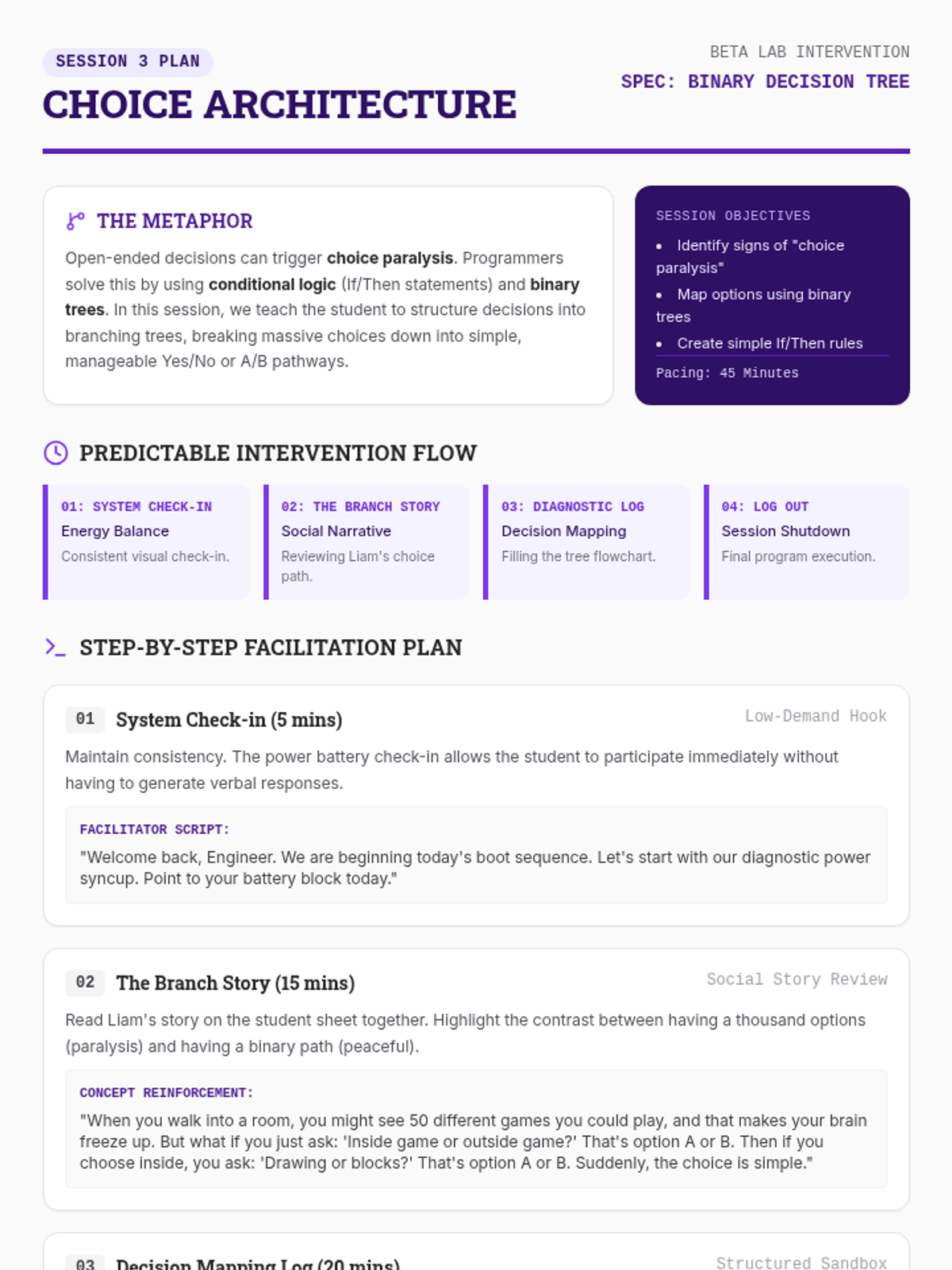
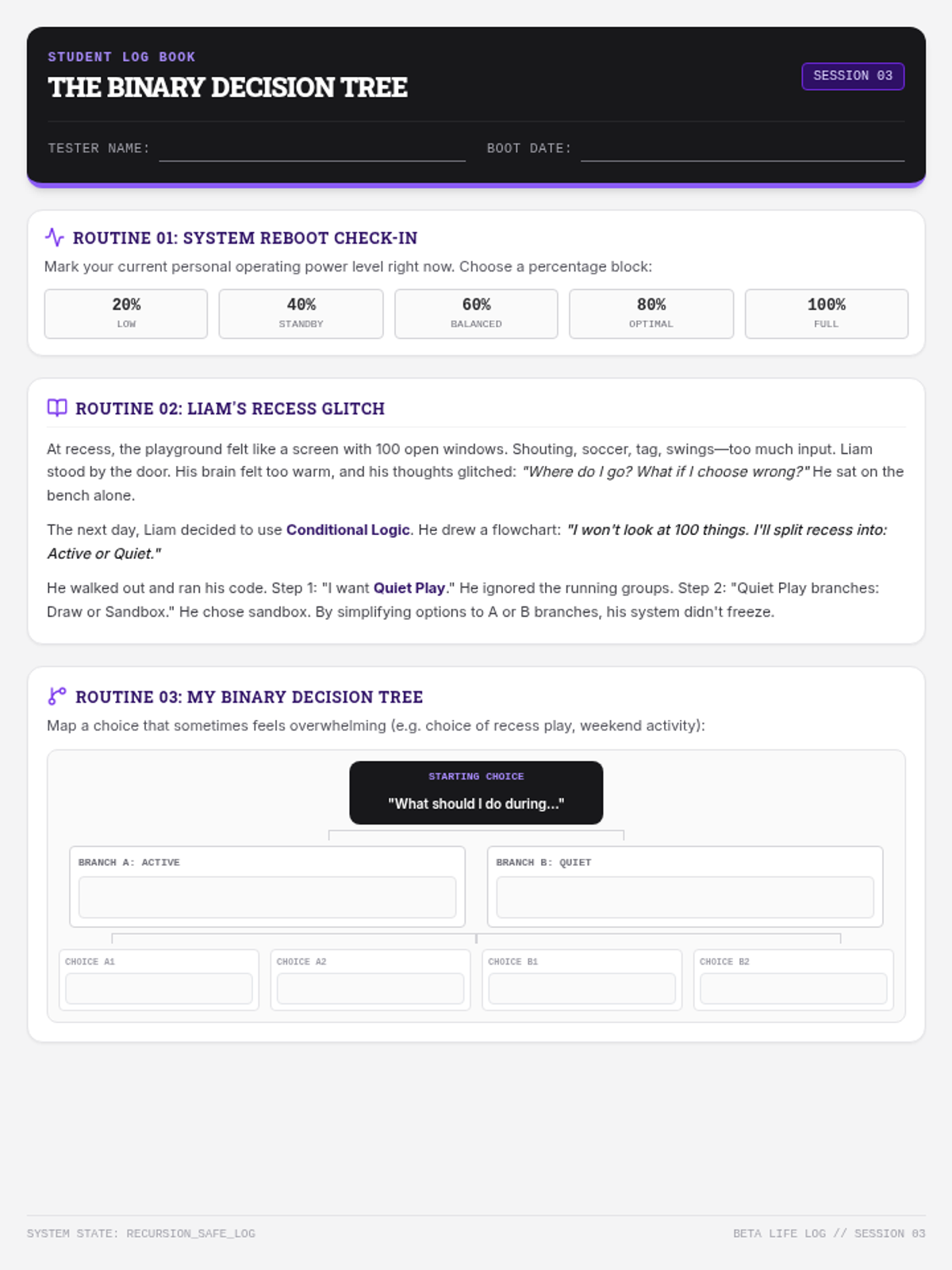
Session 3 introduces structured decision-making. The student learns to map decisions into binary "trail forks," reducing cognitive overload and paralysis.
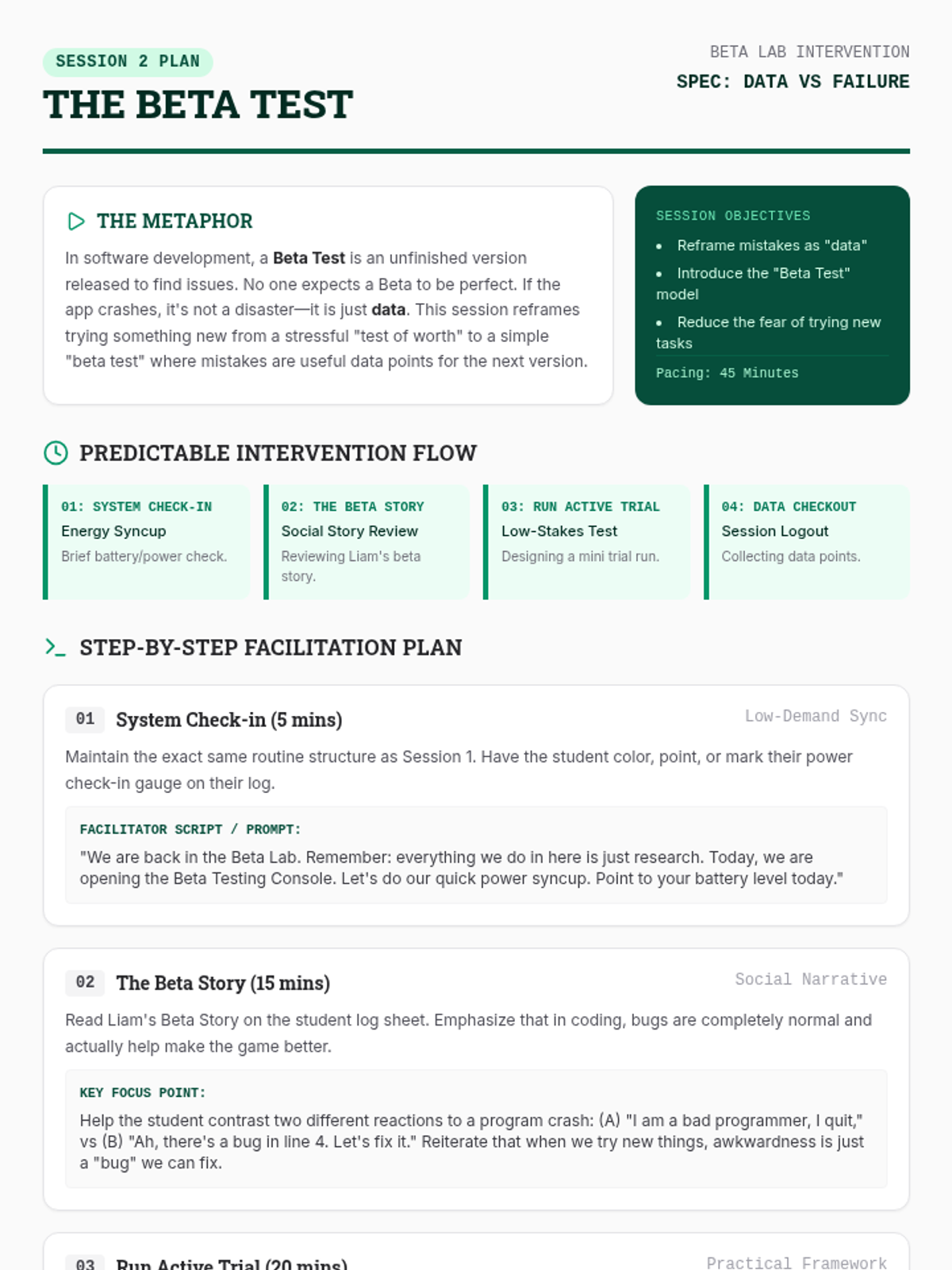
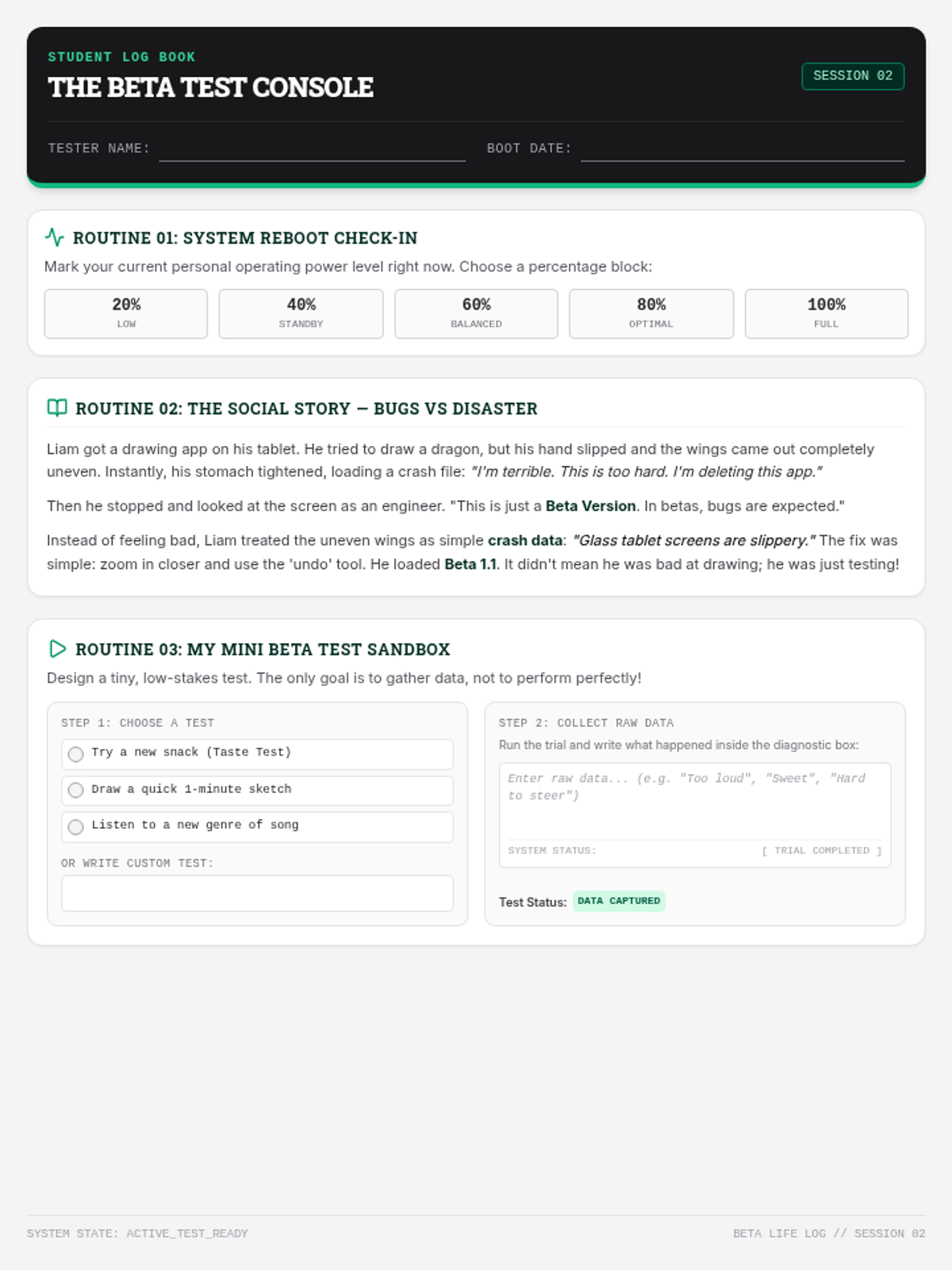
Session 2 re-frames the fear of trying new things. The student learns to treat new activities as low-stakes "scouting runs" where mistakes are just "terrain map data."
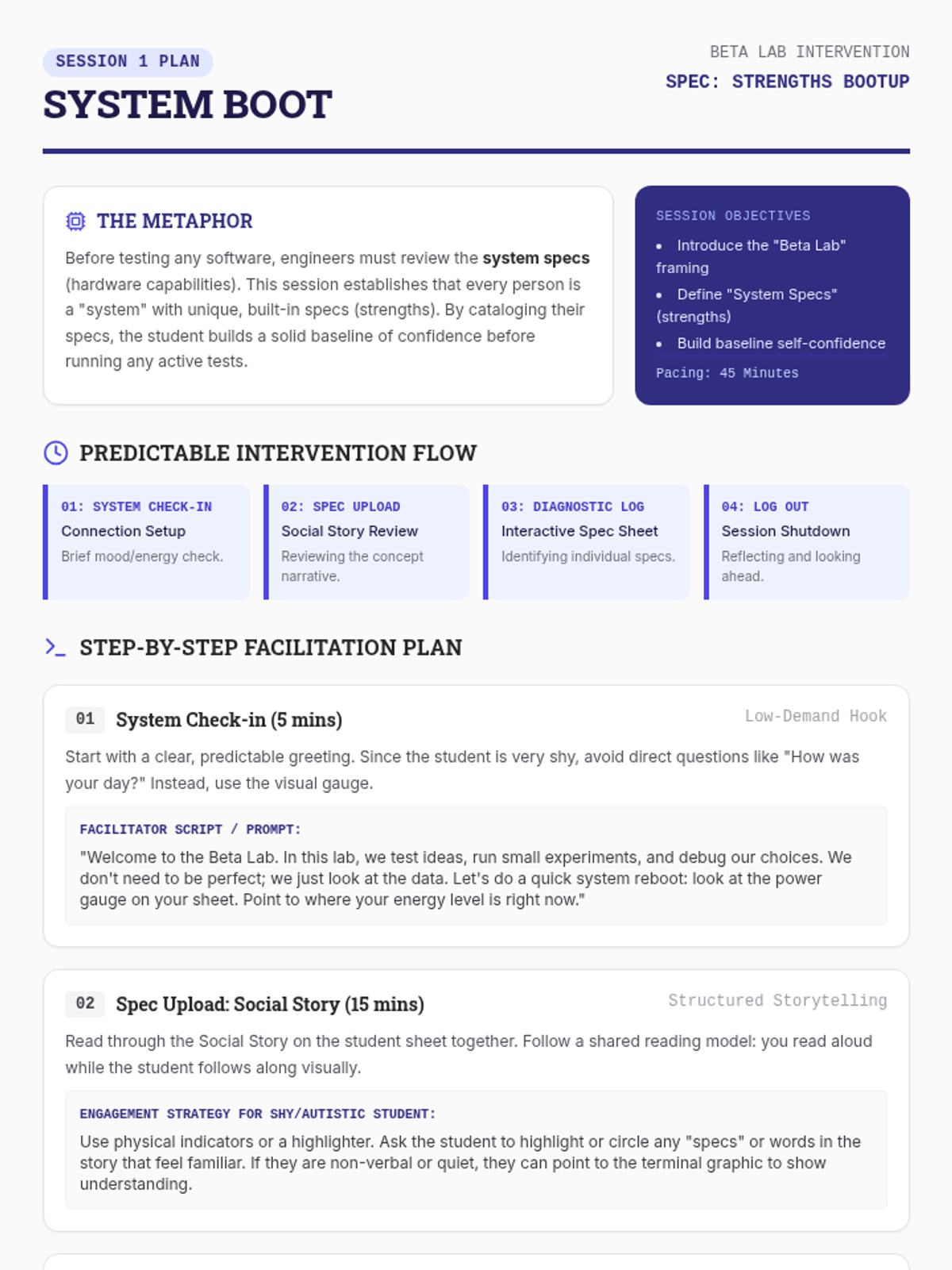
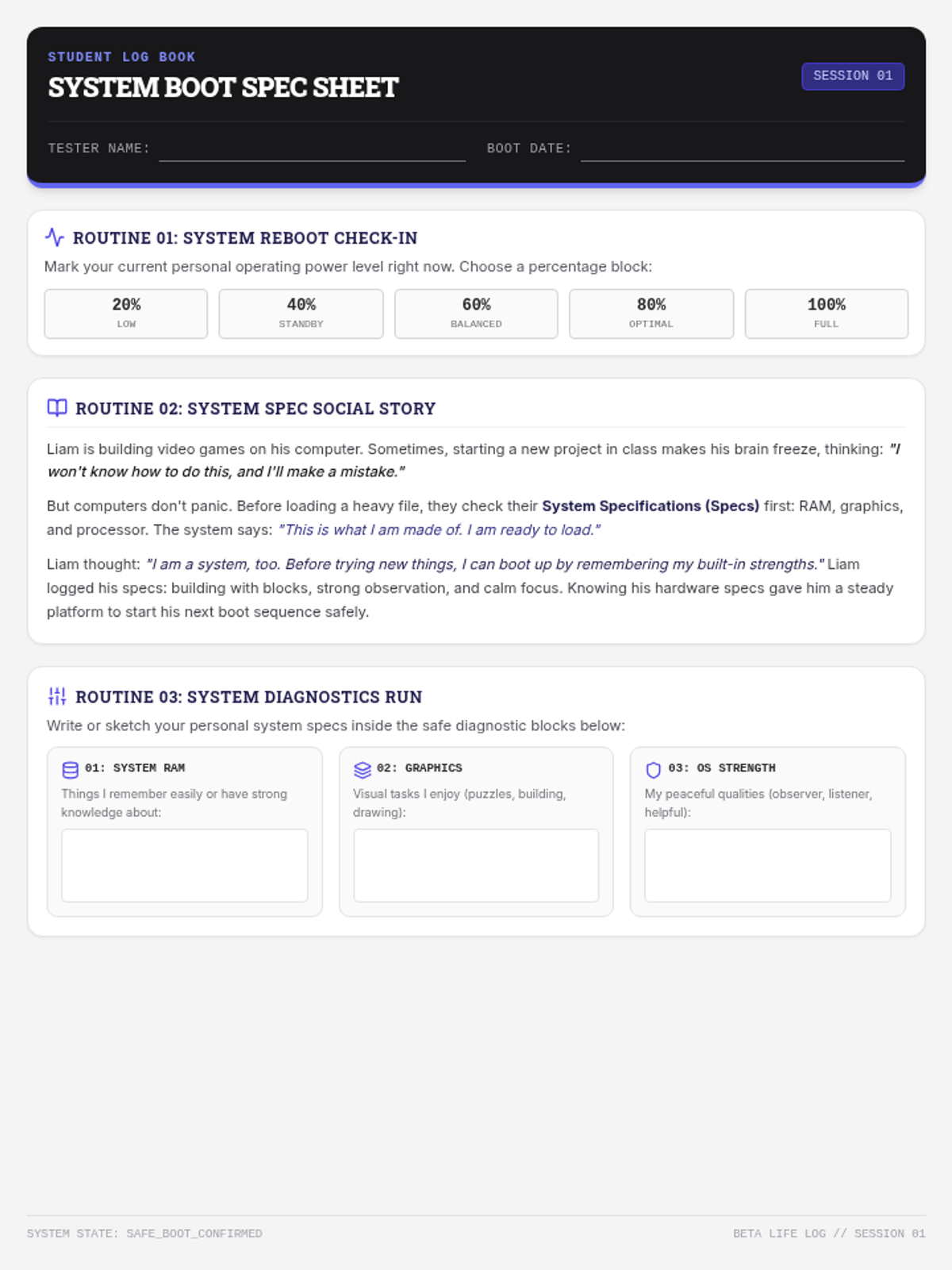
Session 1 establishes the "Field Guide" and "Wildwood Scouting" metaphor, helping the student identify their individual strengths as "field gear specs" to build baseline confidence.
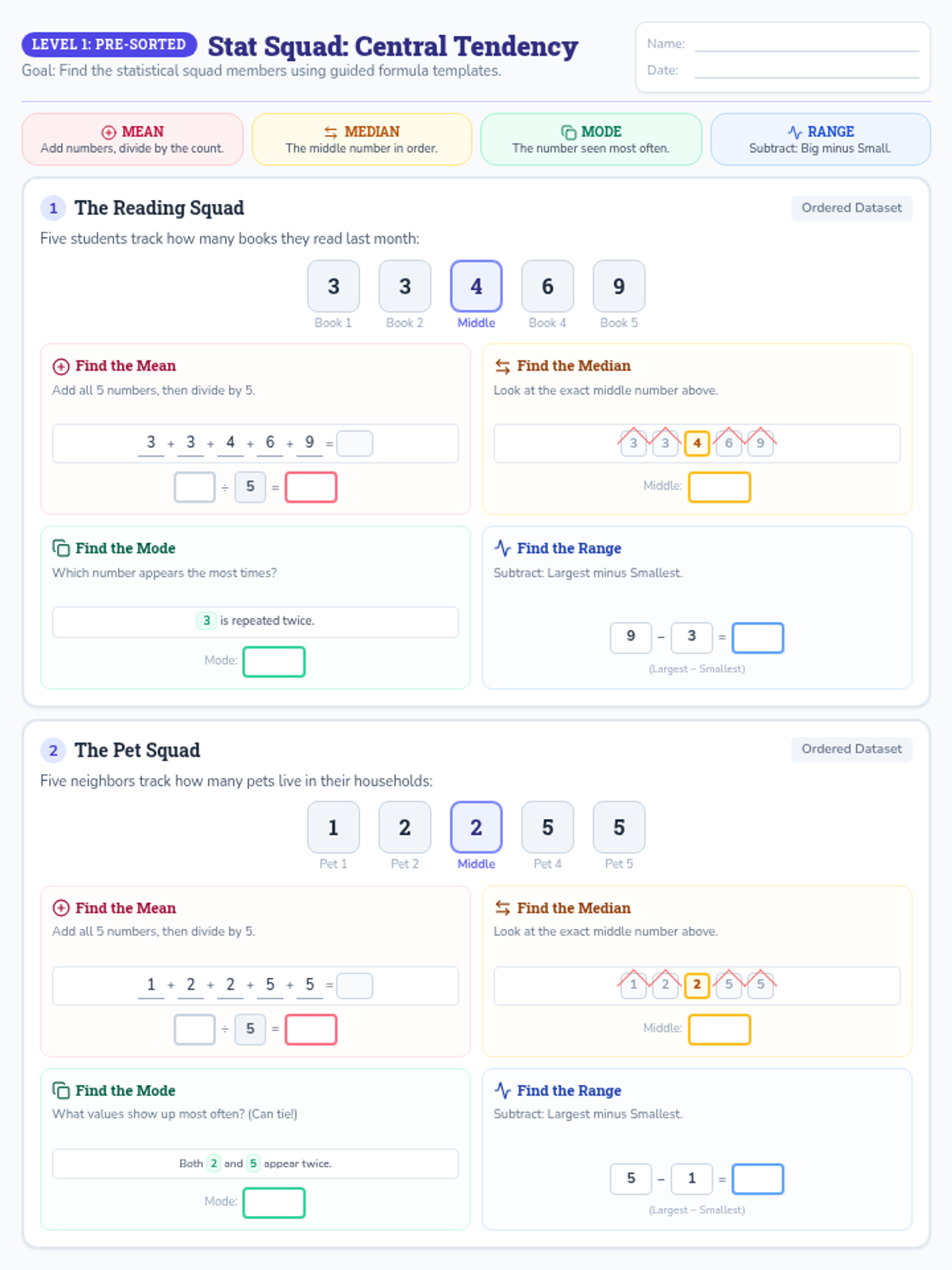
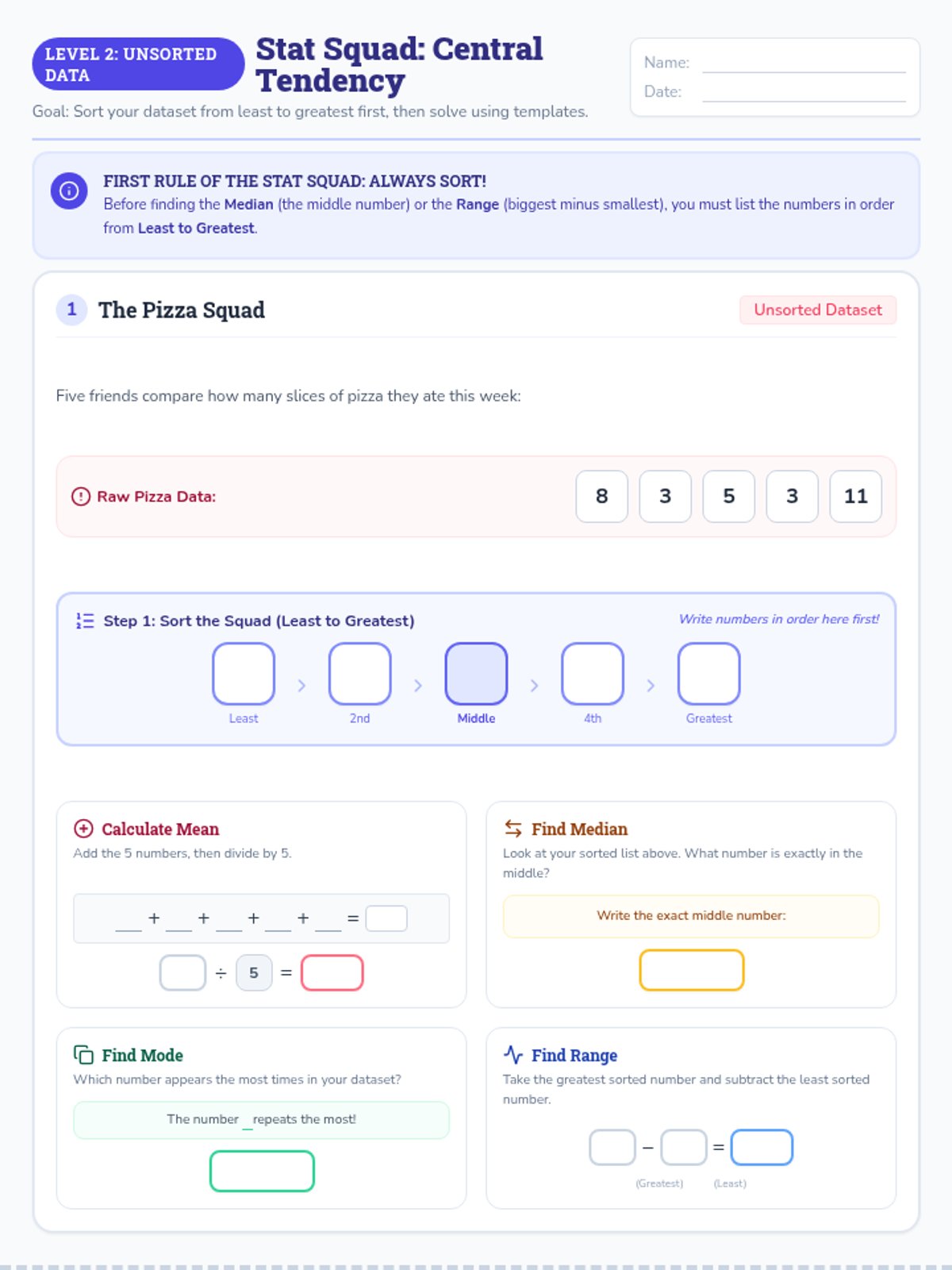
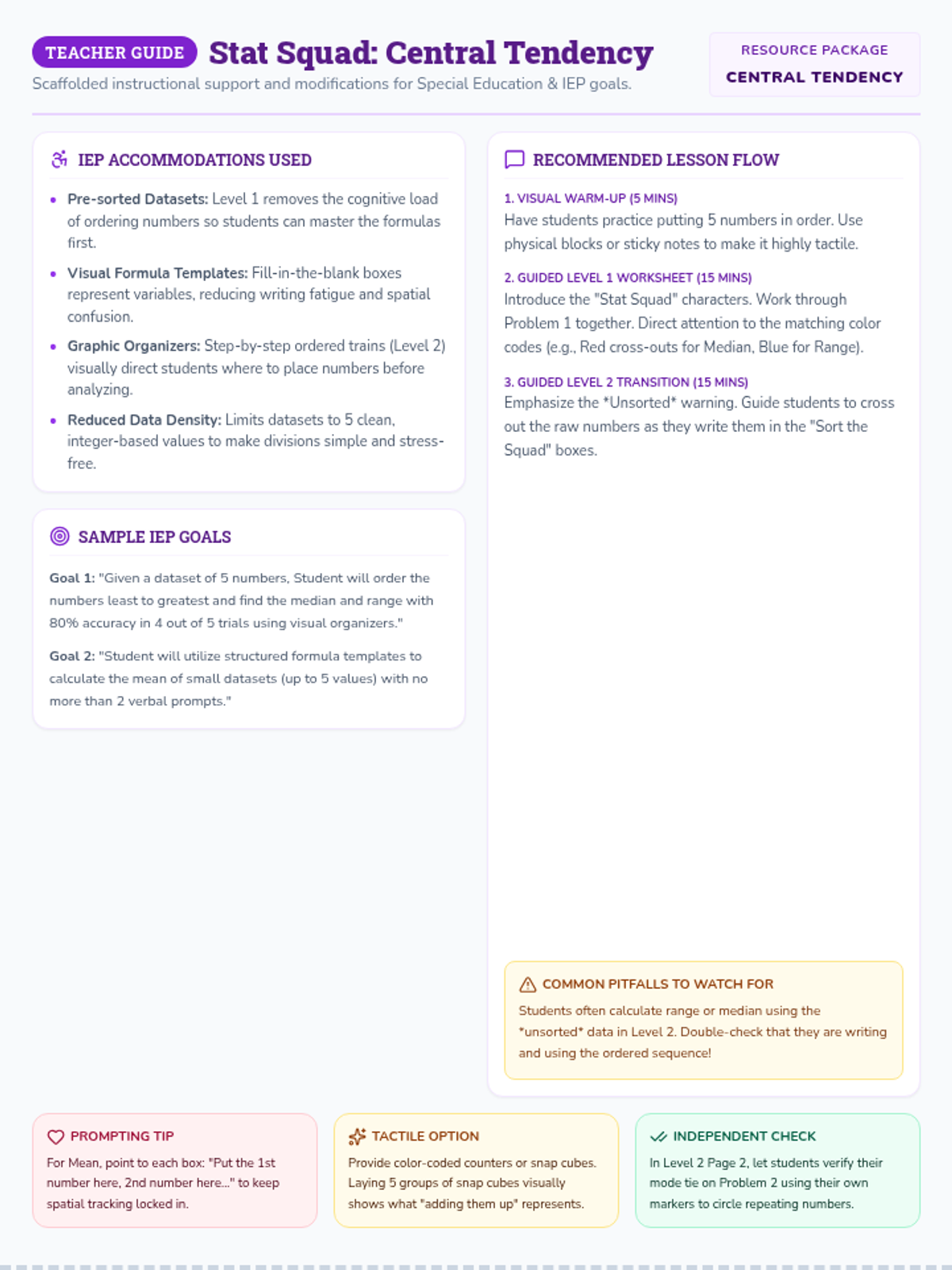
A highly scaffolded, visual lesson on mean, median, mode, and range tailored specifically for students with IEPs and learning differences. Features structured fill-in-the-blank formula templates, graphic organizers, and leveled worksheets.
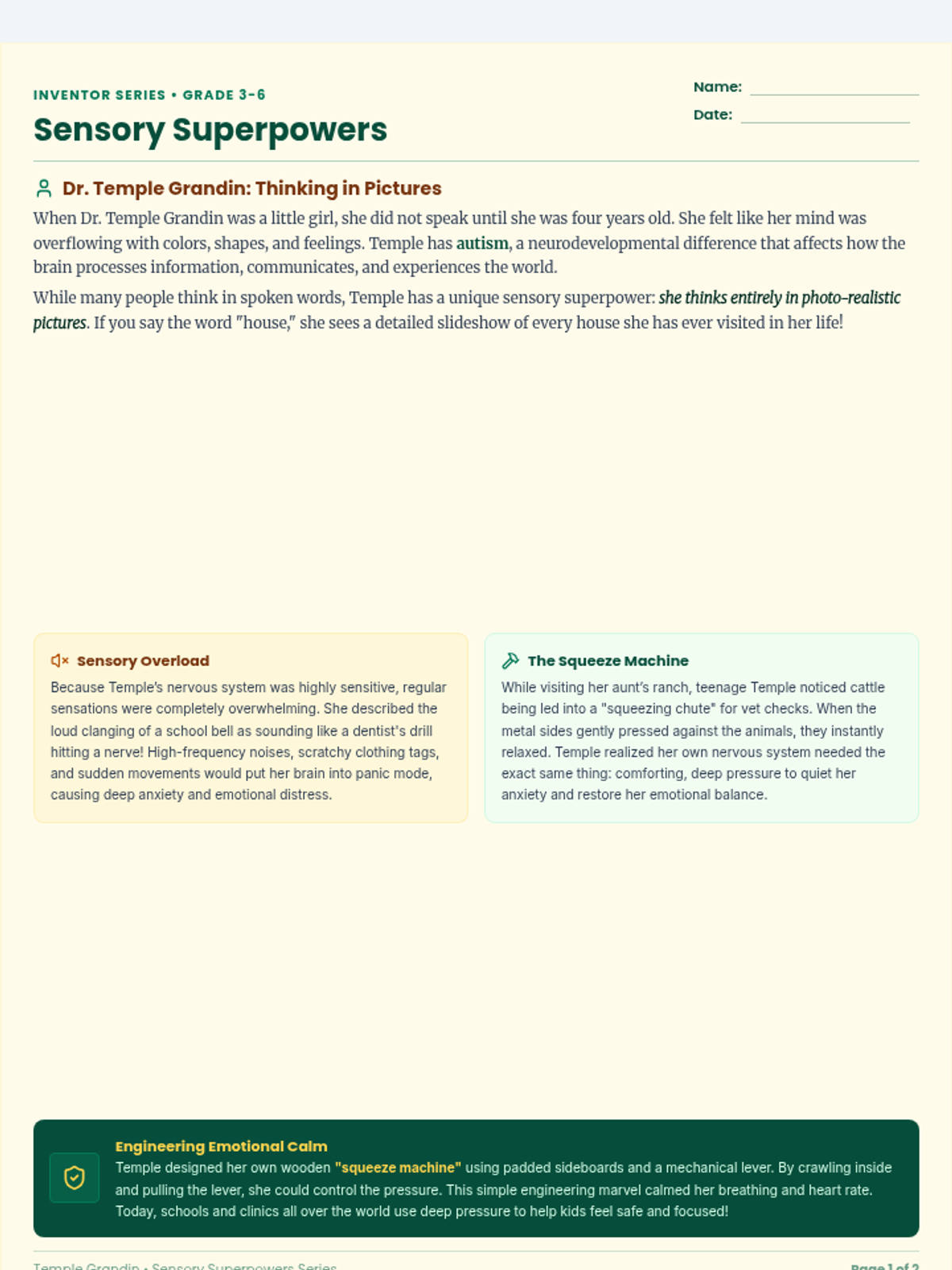
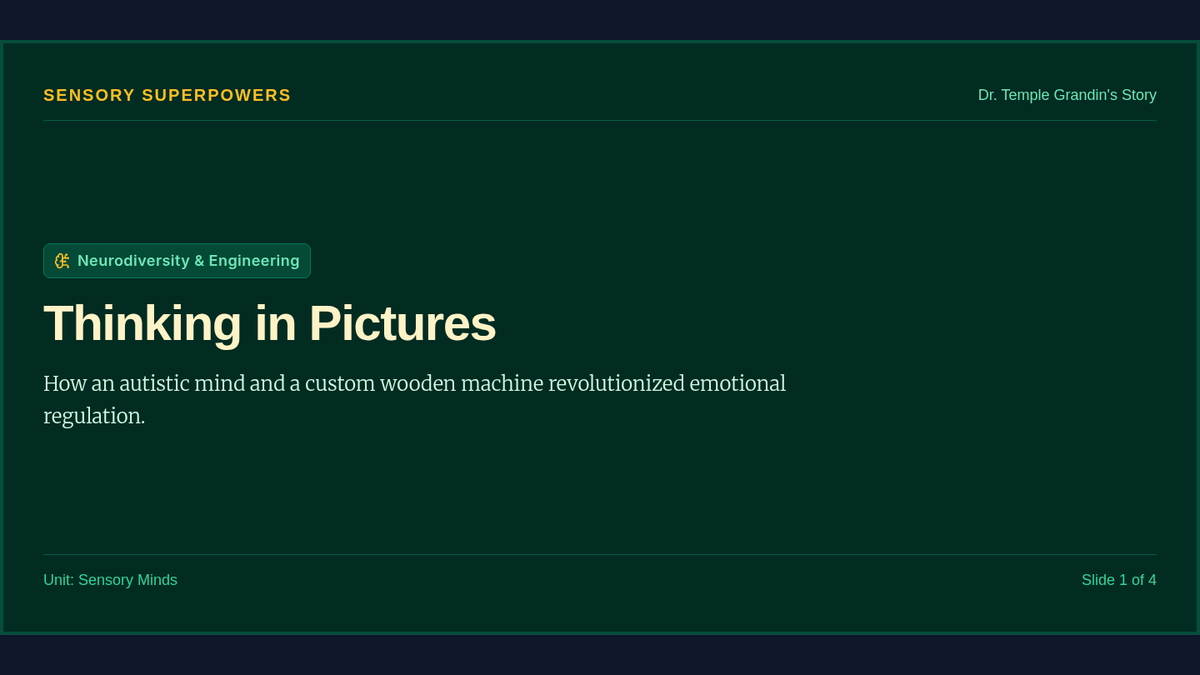
An inspiring lesson exploring the life of Dr. Temple Grandin, her experiences with autism, and how she used her unique sensory perspective and engineering skills to design emotional regulation tools like the 'squeeze machine'. Students read a biography, explore real-world examples of sensory regulation, and reflect on their own sensory needs.
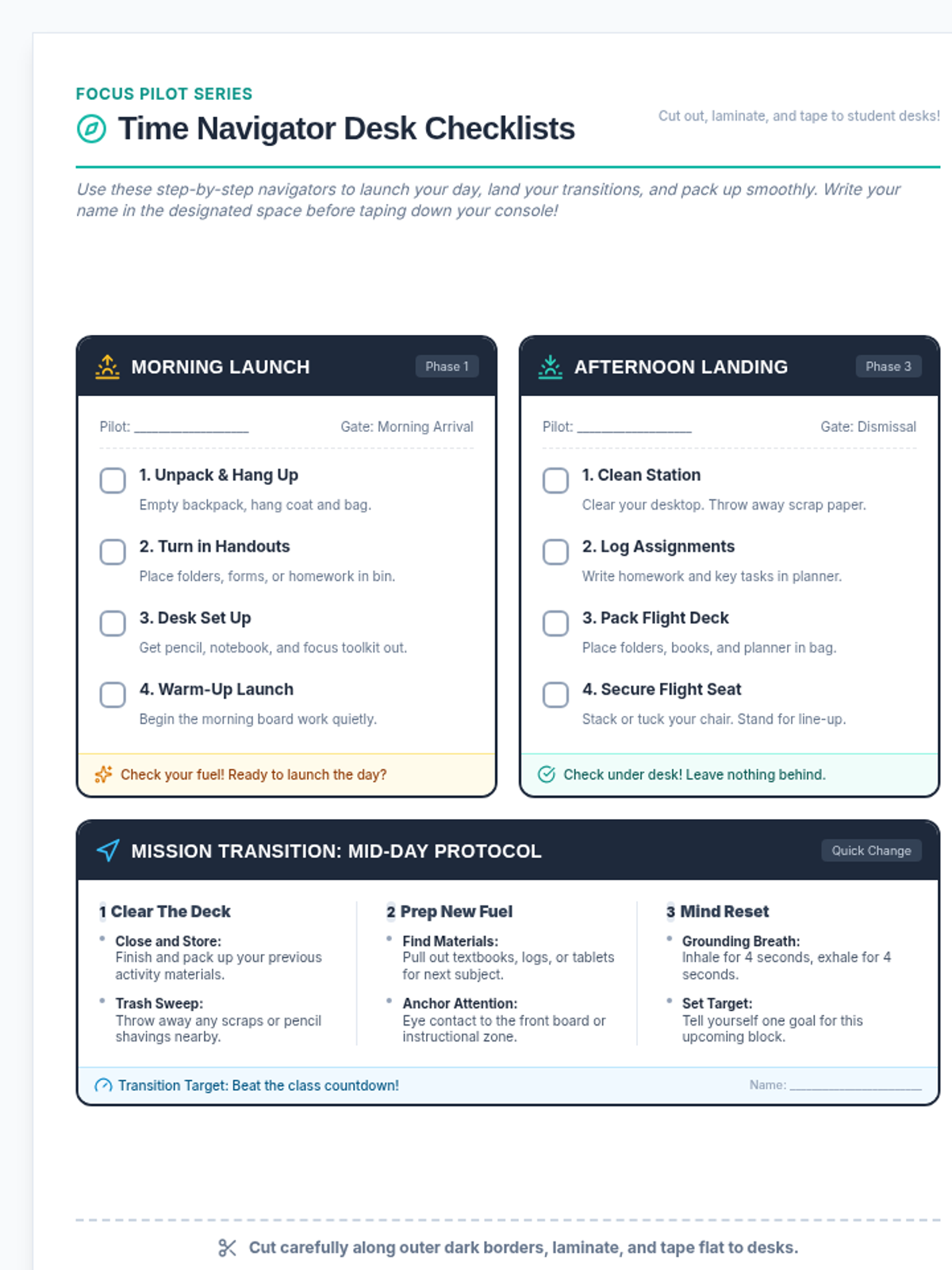
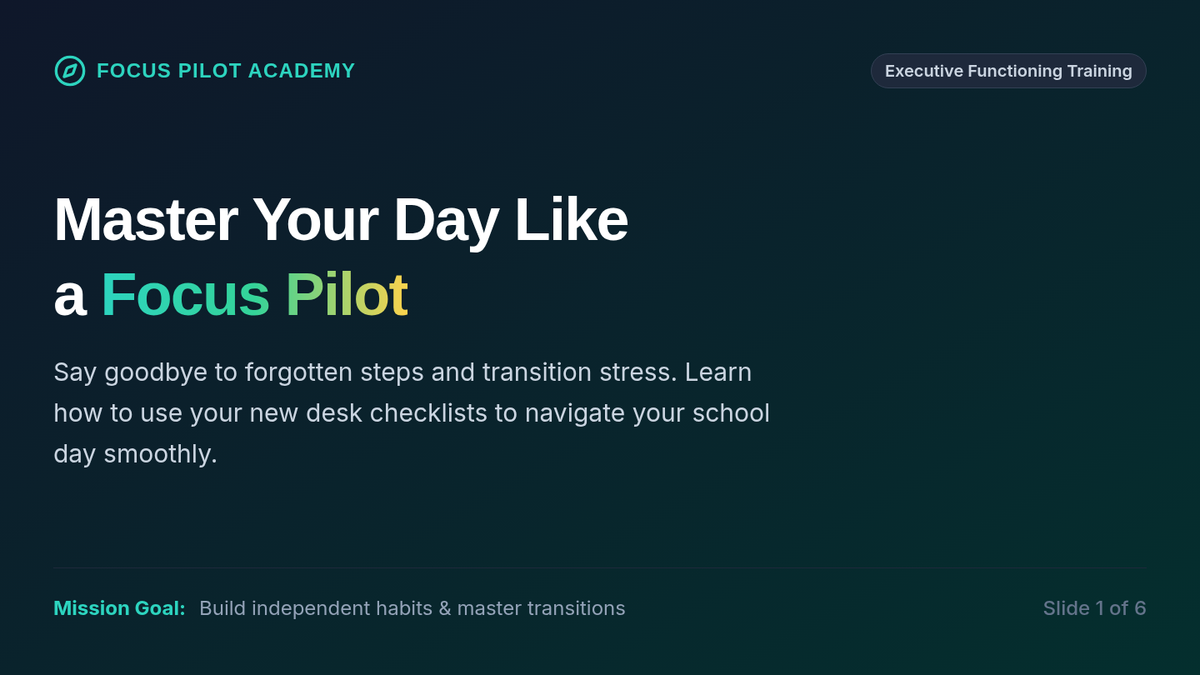
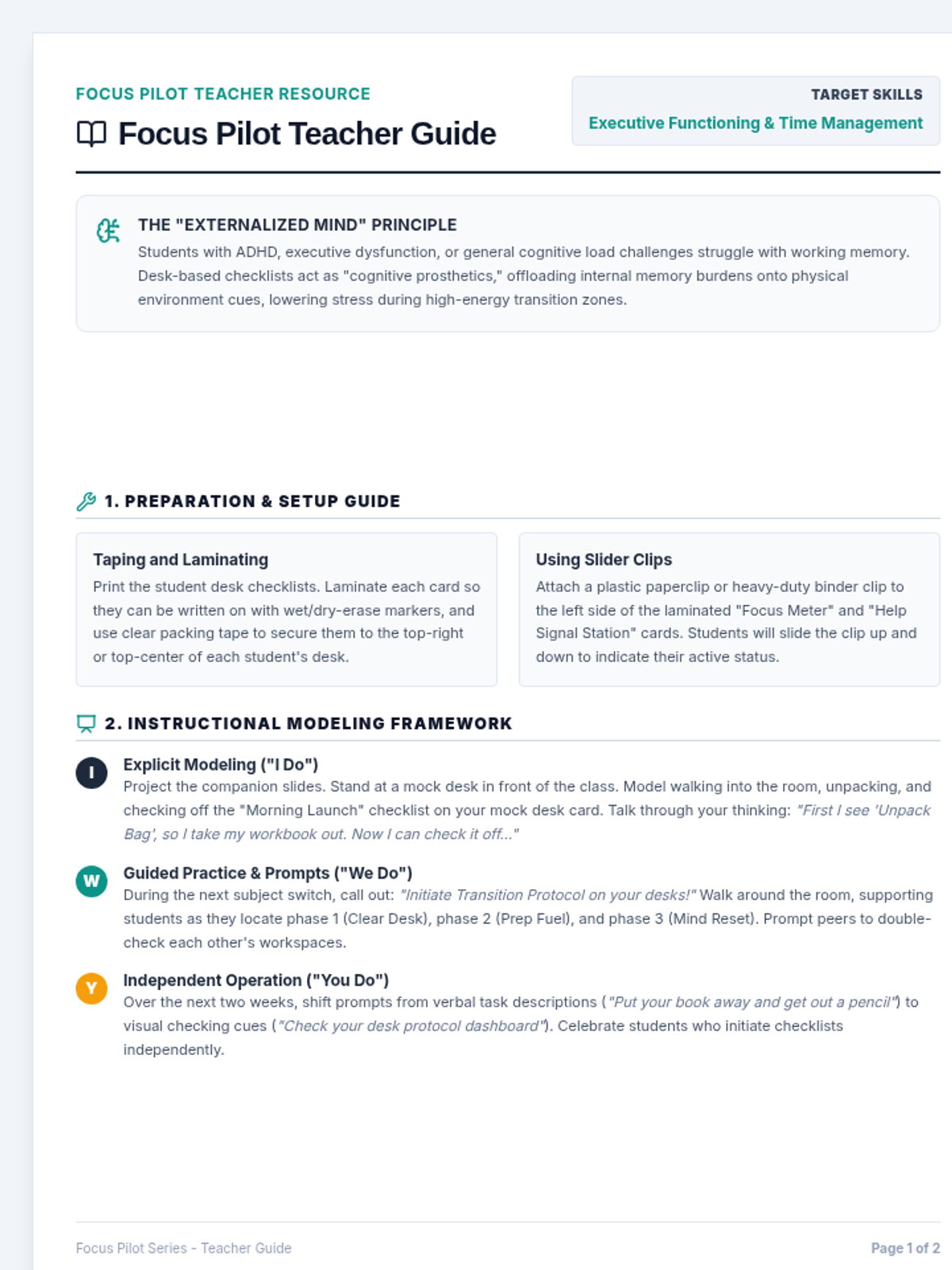
A collection of executive functioning resources designed to help students master school-day transitions, arrival, and dismissal routines using visual desk checklists, a modeled presentation, and a comprehensive teacher guide.
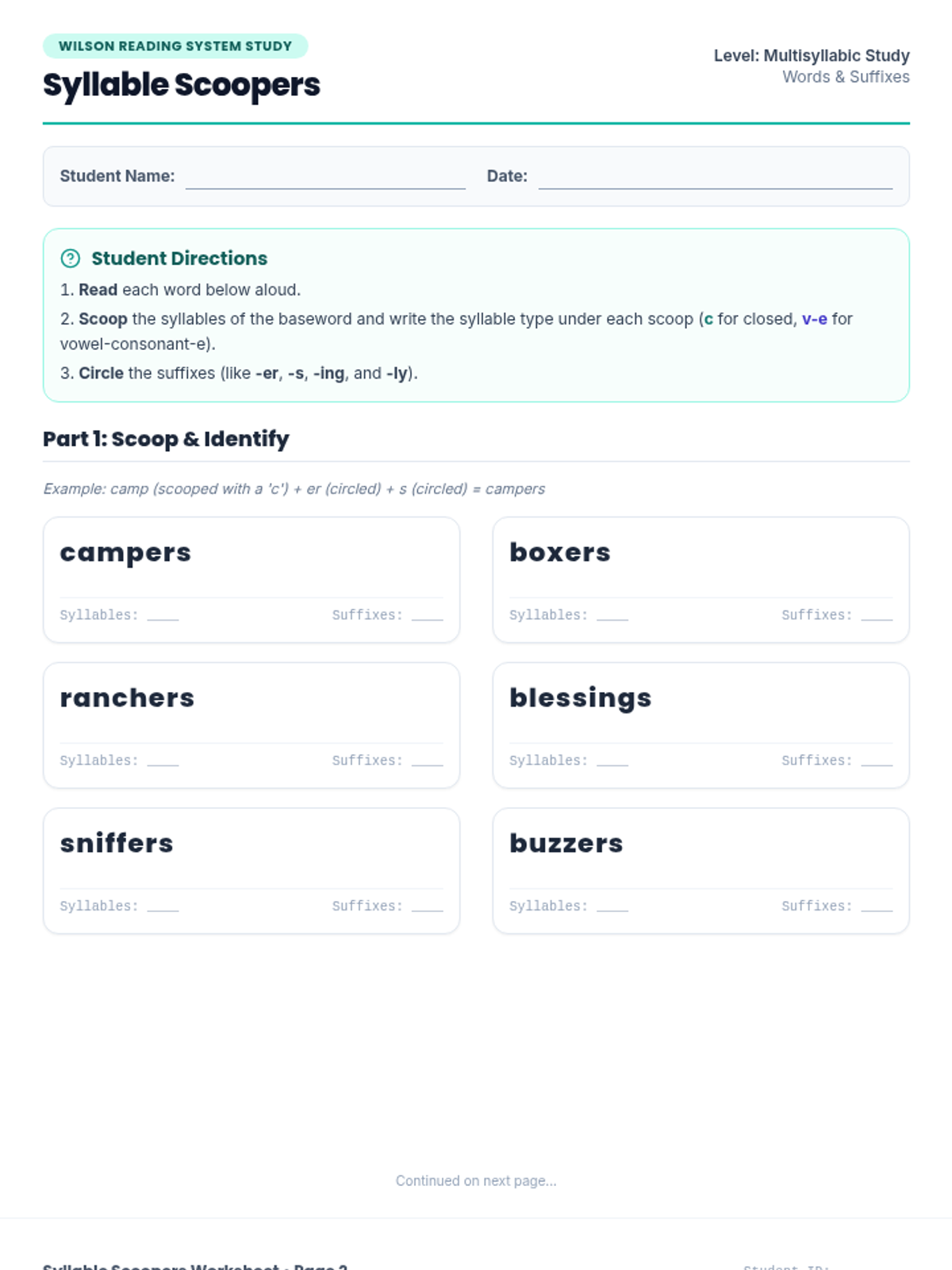
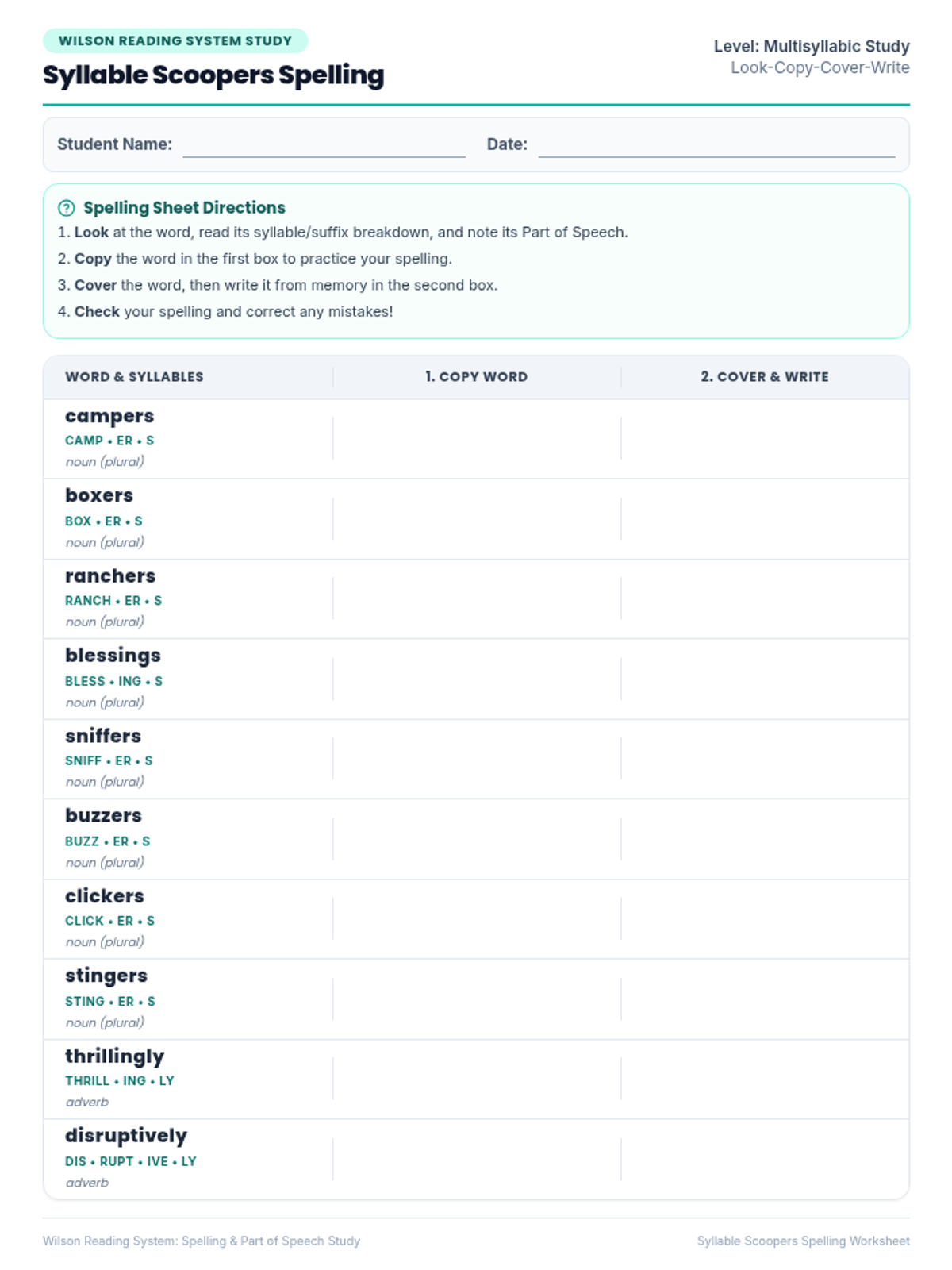
A comprehensive Wilson-aligned study of multisyllabic words and suffixes. Students practice syllable division using visual scooping and explore word meanings.
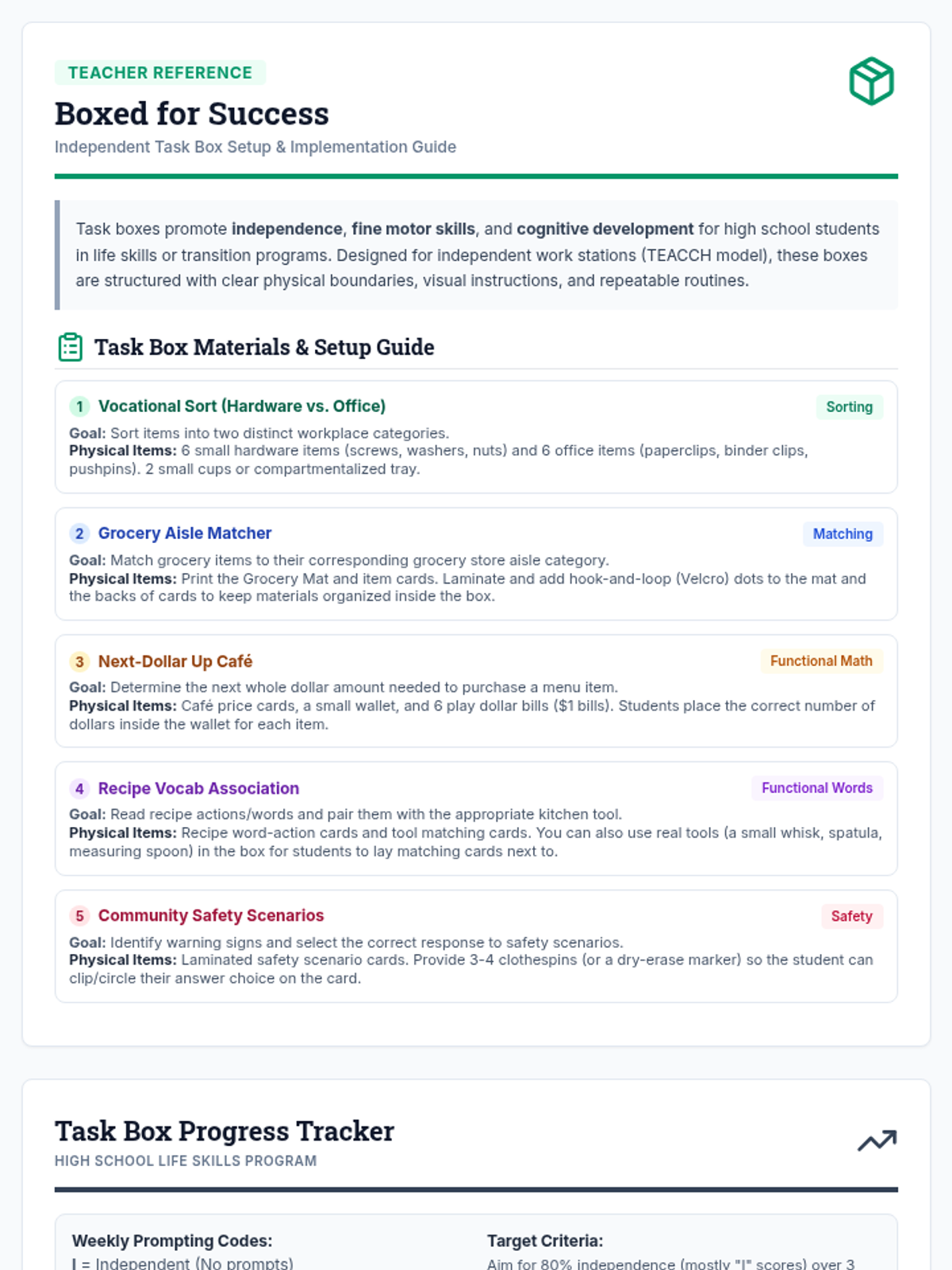
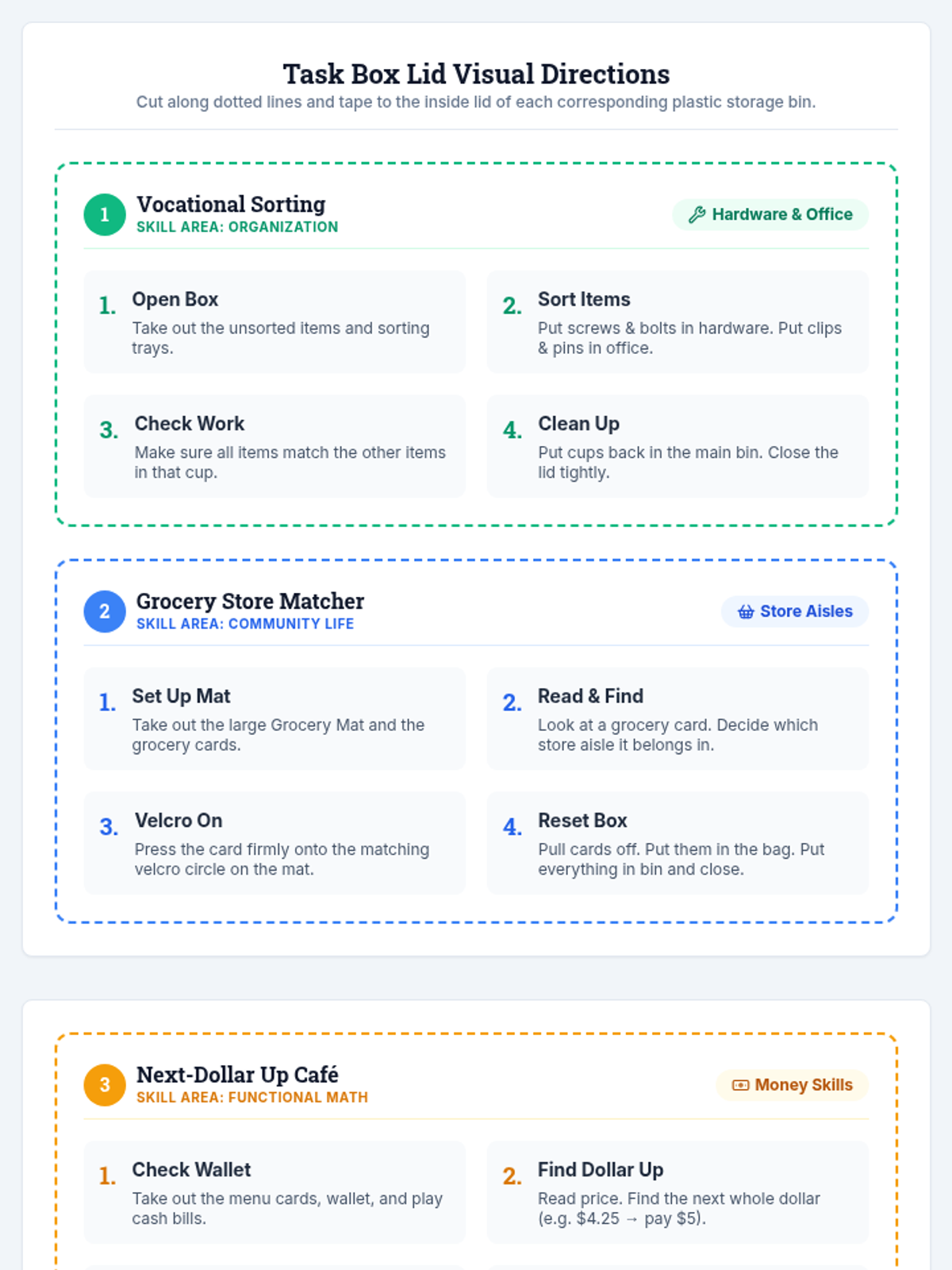
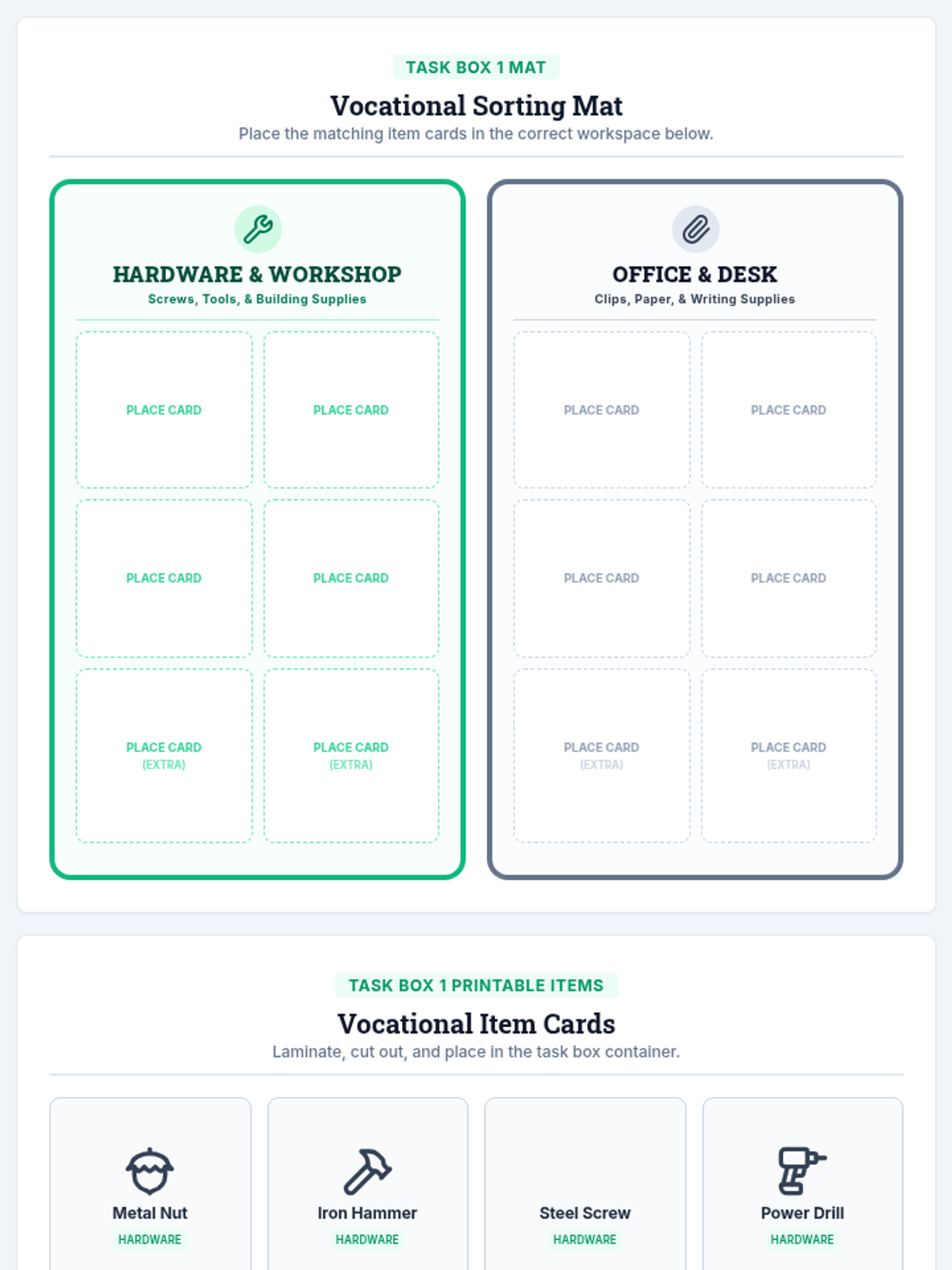
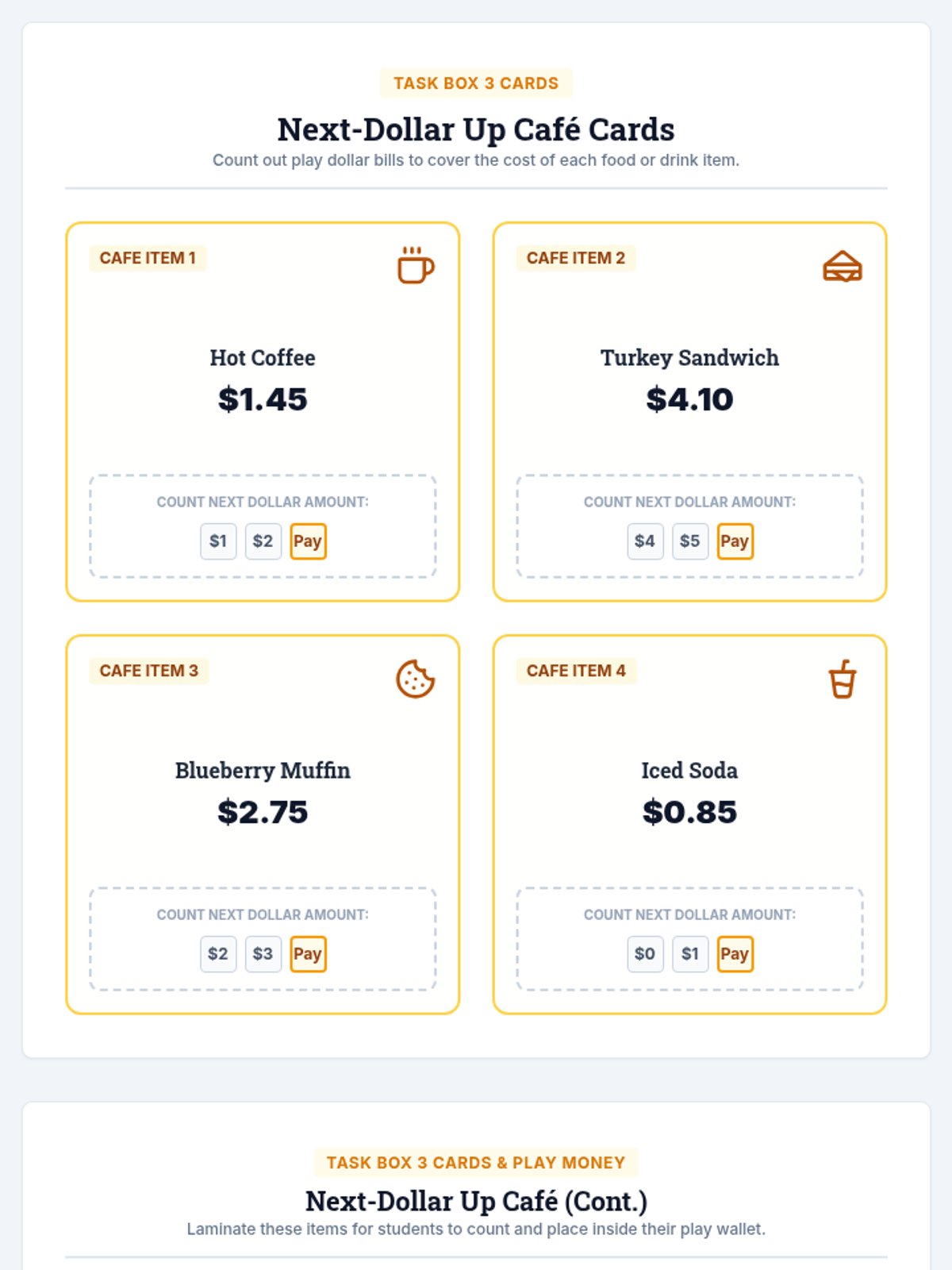
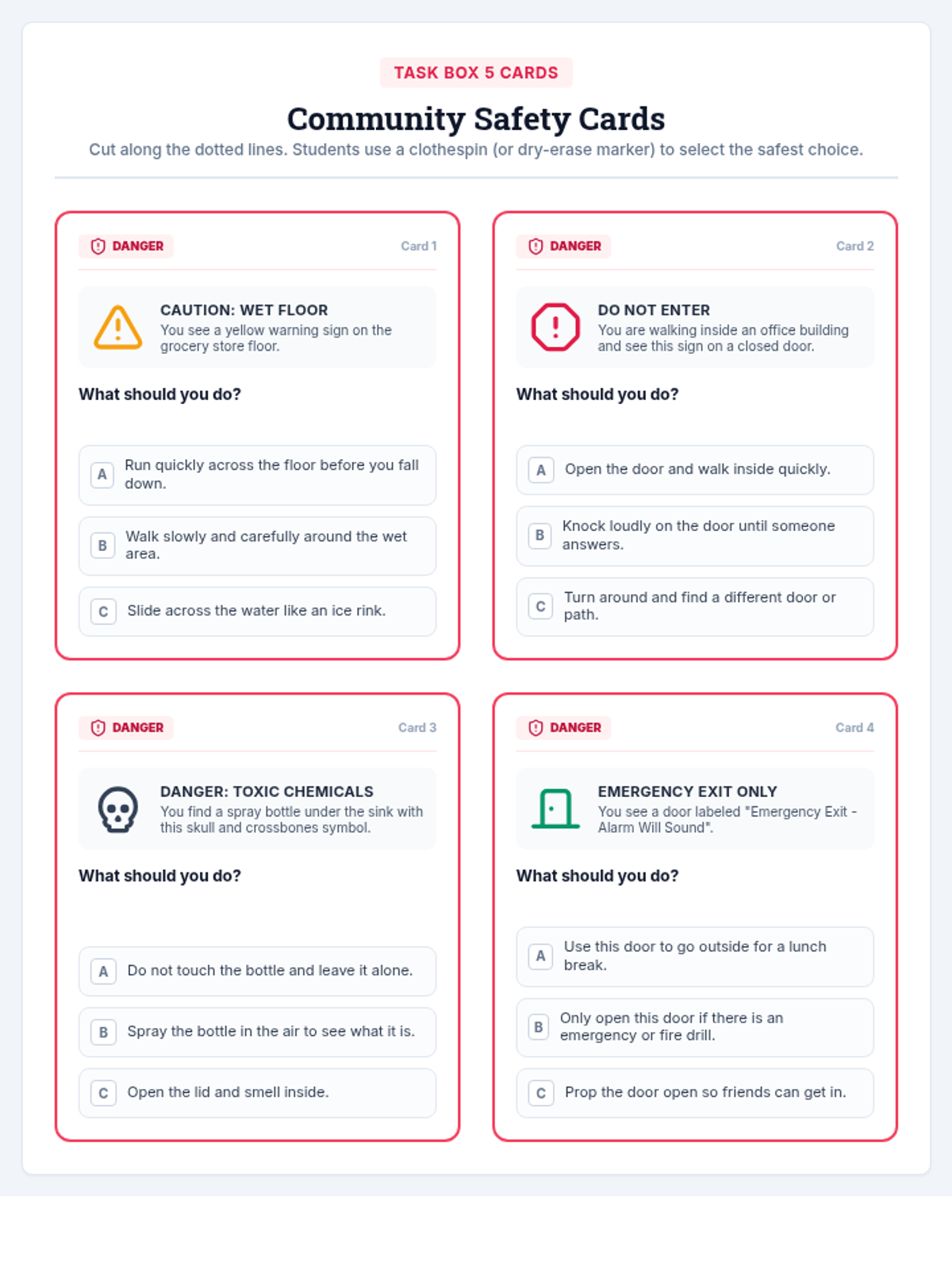
A comprehensive set of age-appropriate independent task boxes for high school life skills classrooms, targeting sorting, matching, math, words, and community safety. Includes teacher setup guides, student visual directions, and printable task card assets.
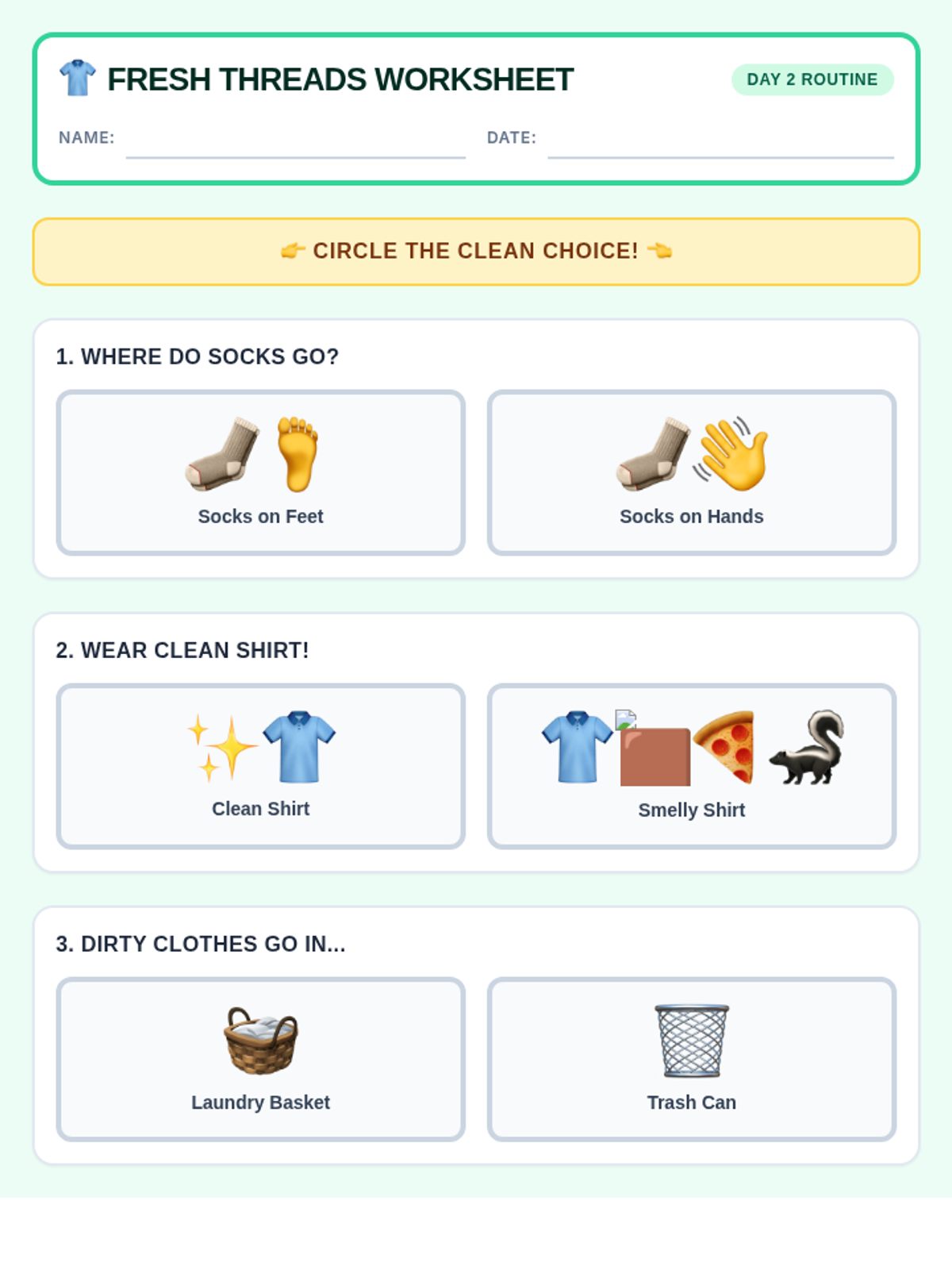
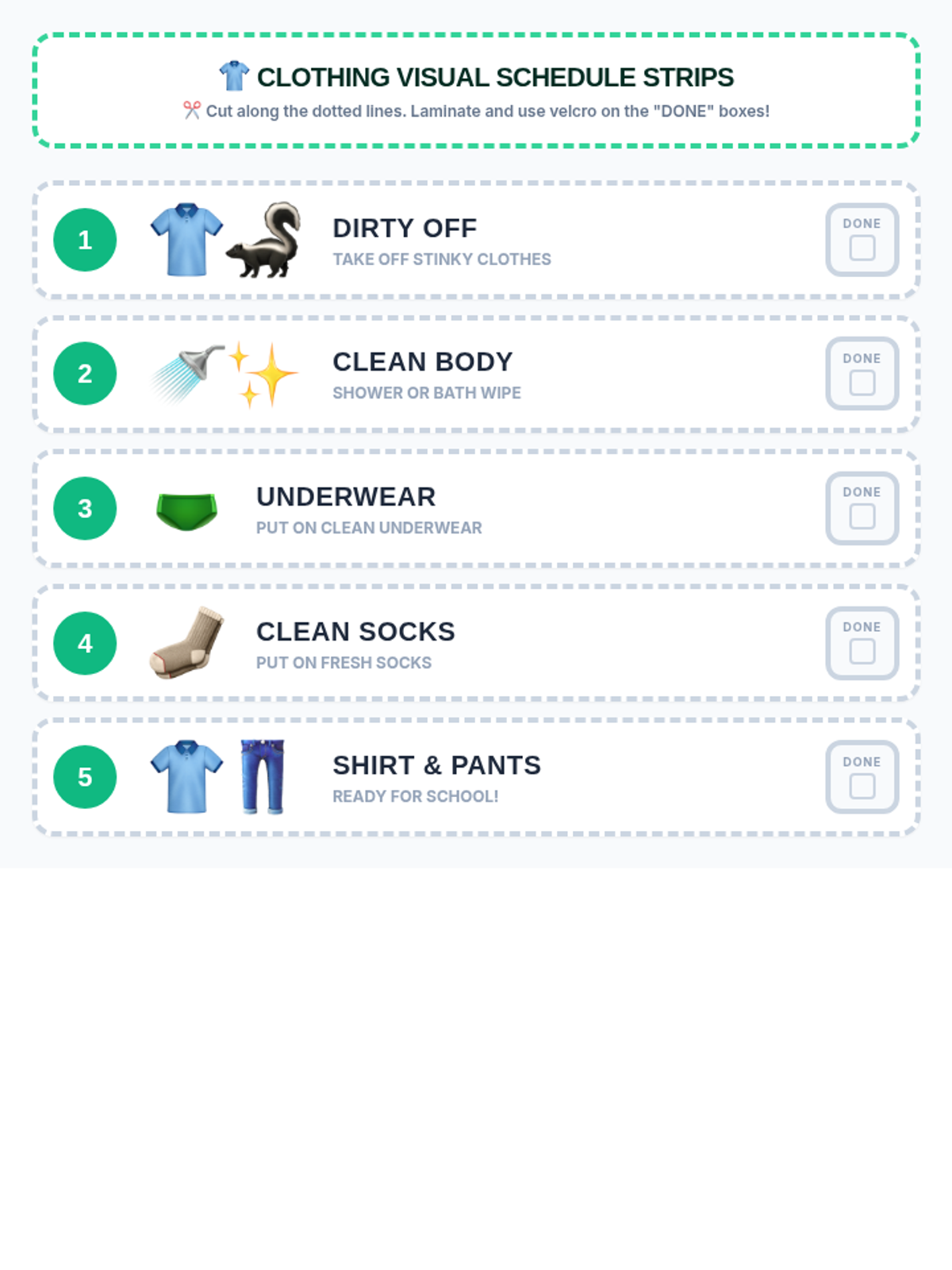
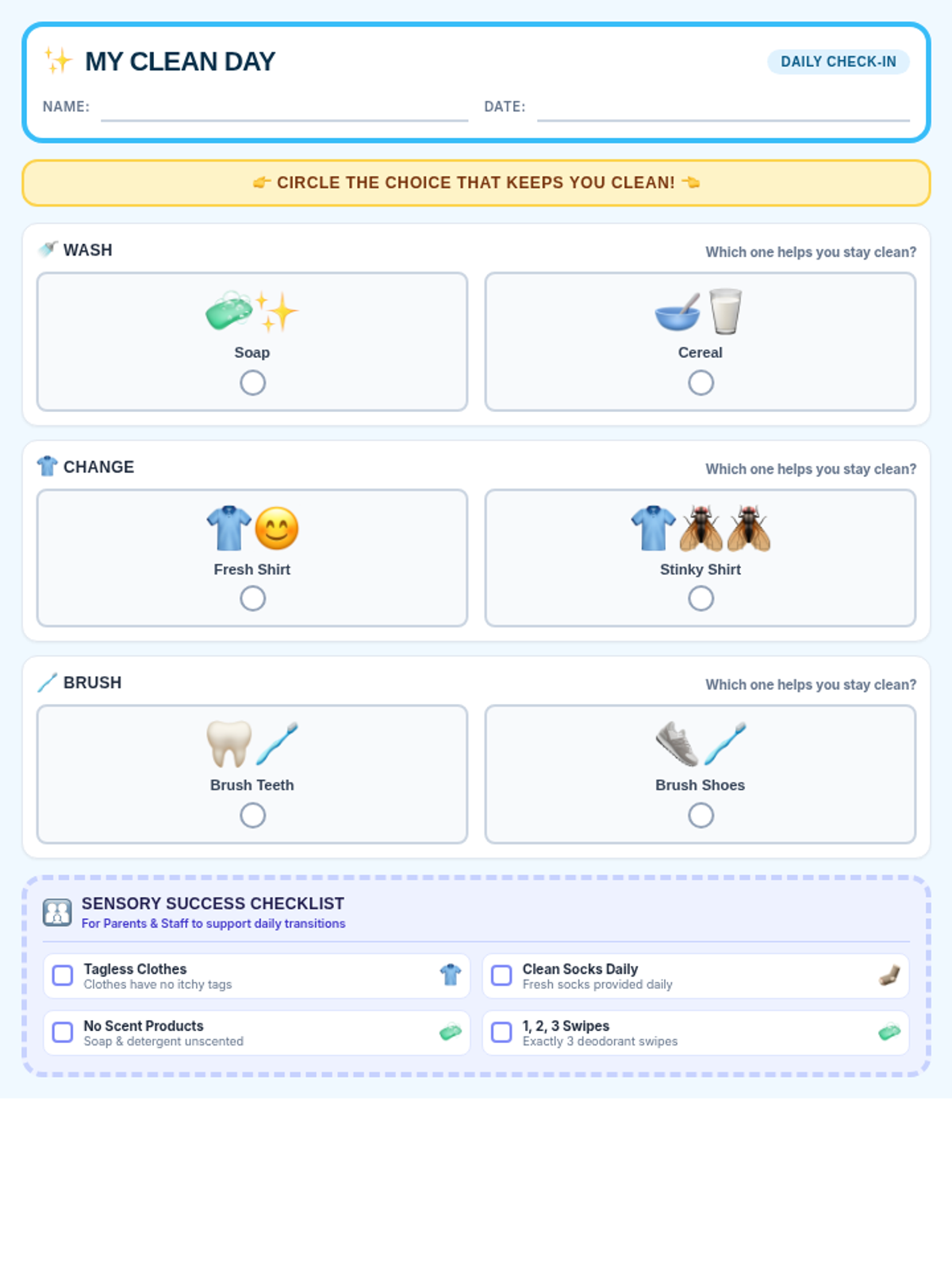
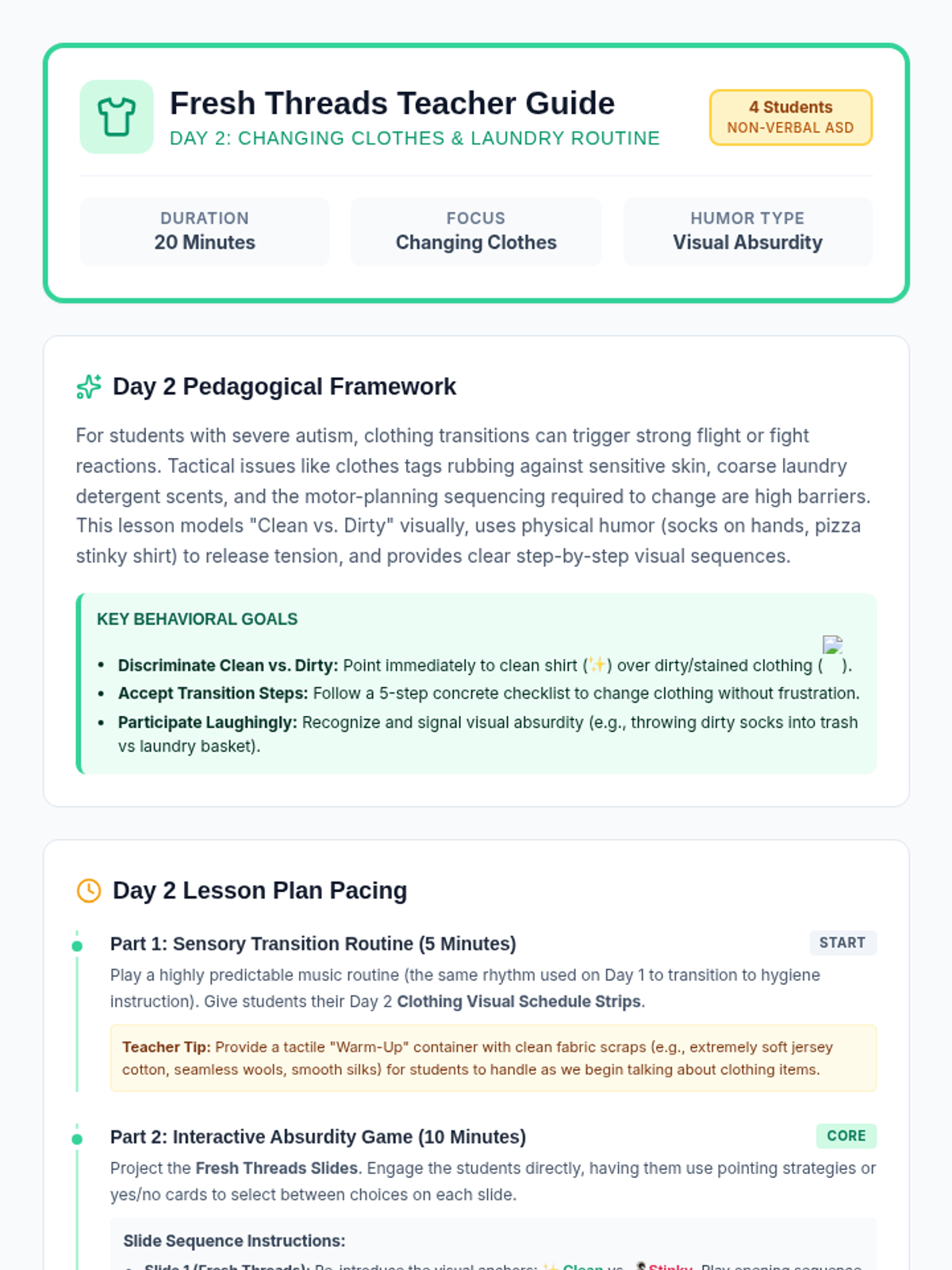
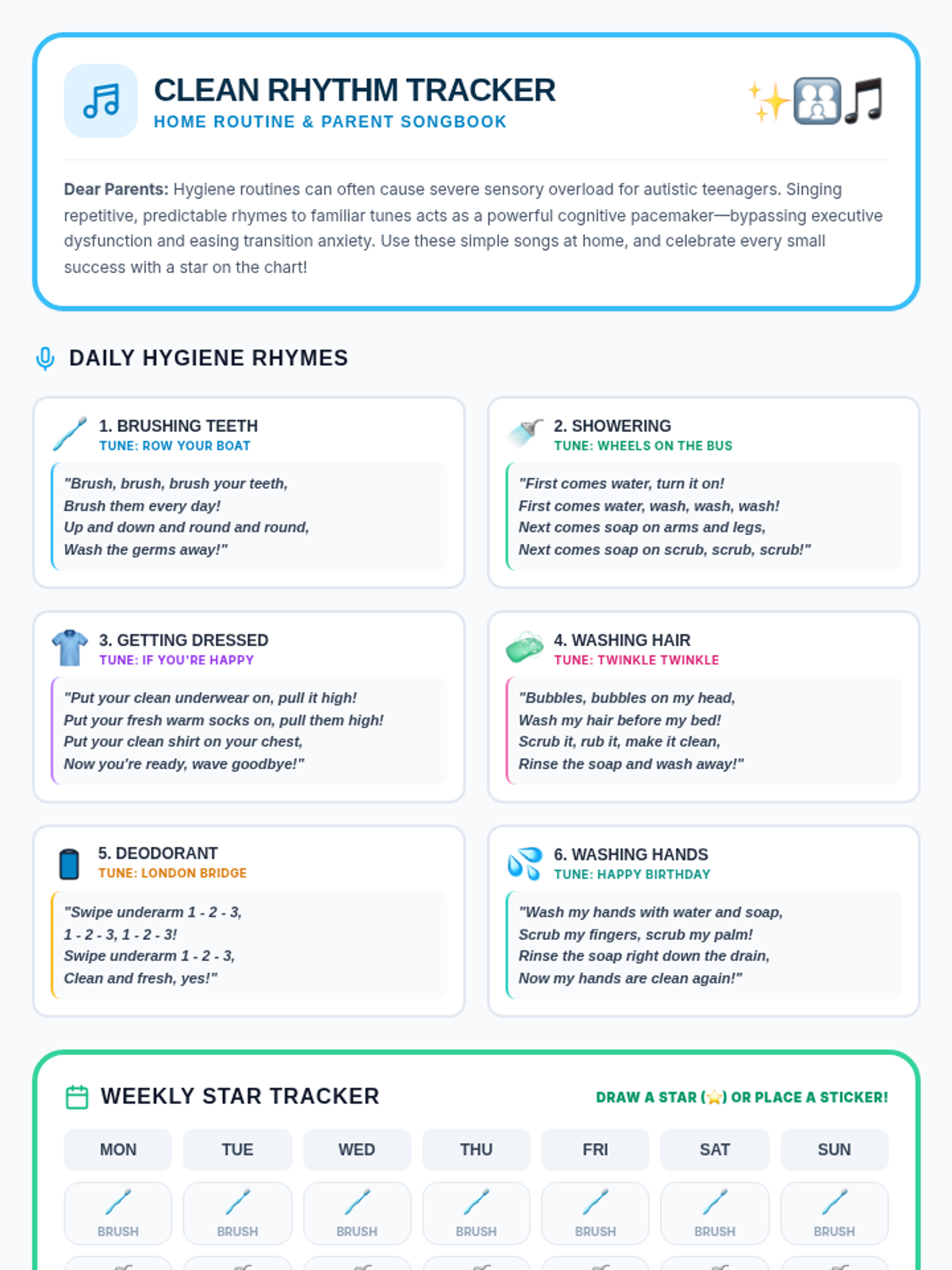
Focuses on the sensory-sensitive transition of changing clothes daily, identifying clean vs. dirty clothes, and managing sensory sensitivities (tags, seams, scents). It includes visual absurdity games (e.g., socks on hands, pizza stinky shirts) and visual routines.