A comprehensive 4th Grade social communication sequence focusing on decoding idioms. Students move from understanding literal vs. figurative language to using context clues and creating visual representations of common social phrases.
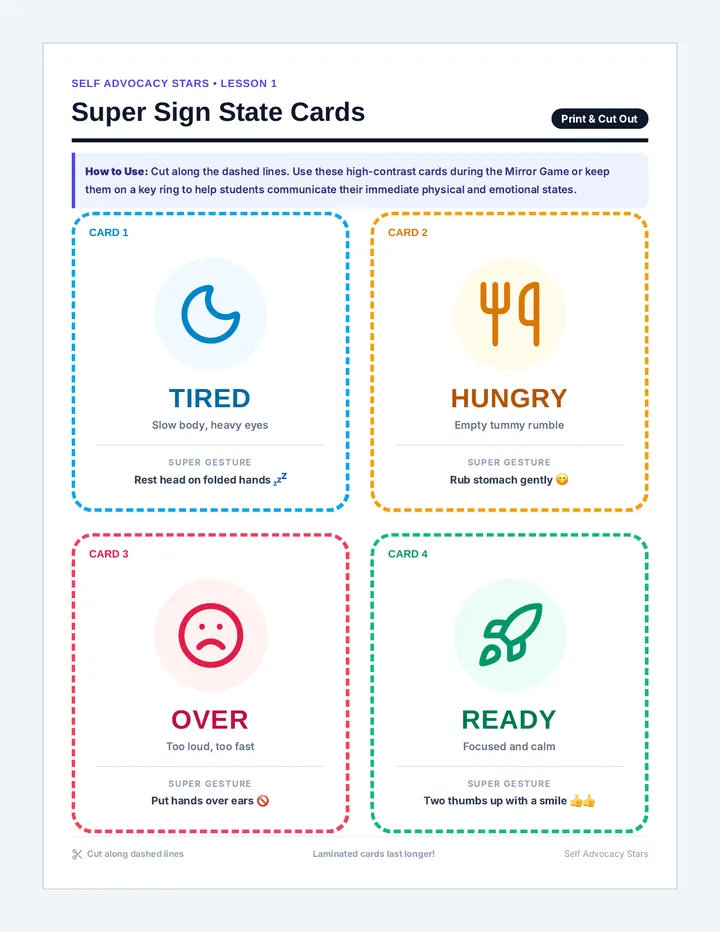
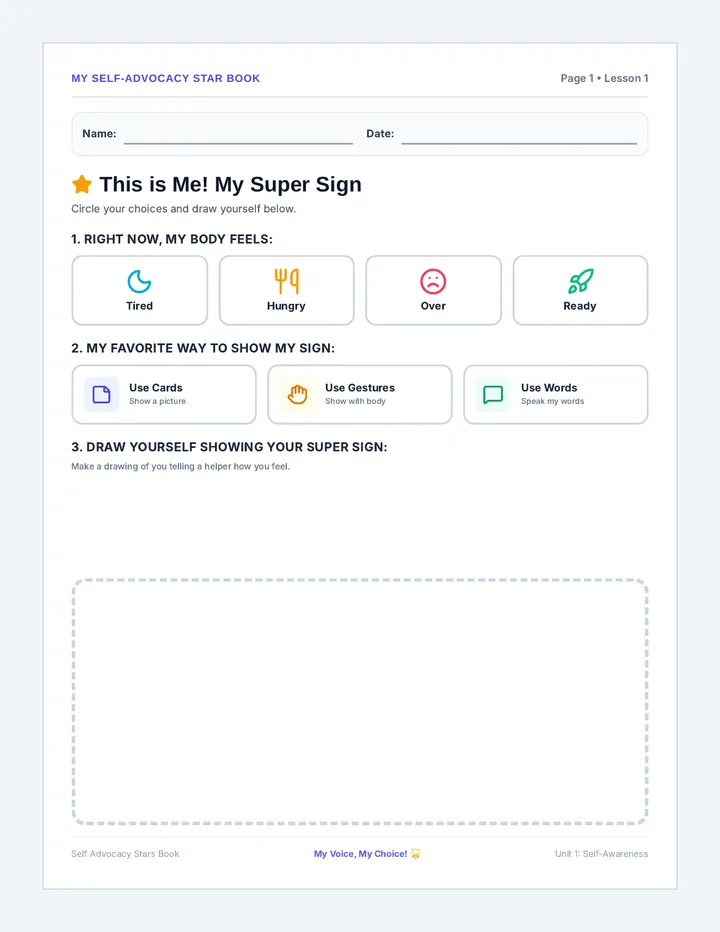
A visual and interactive self-advocacy curriculum designed specifically for students with intellectual disabilities and diverse communication styles. This foundational series empowers students to express feelings, request assistance, and make independent choices through highly structured group games, partner interactions, and individual visual communication books.
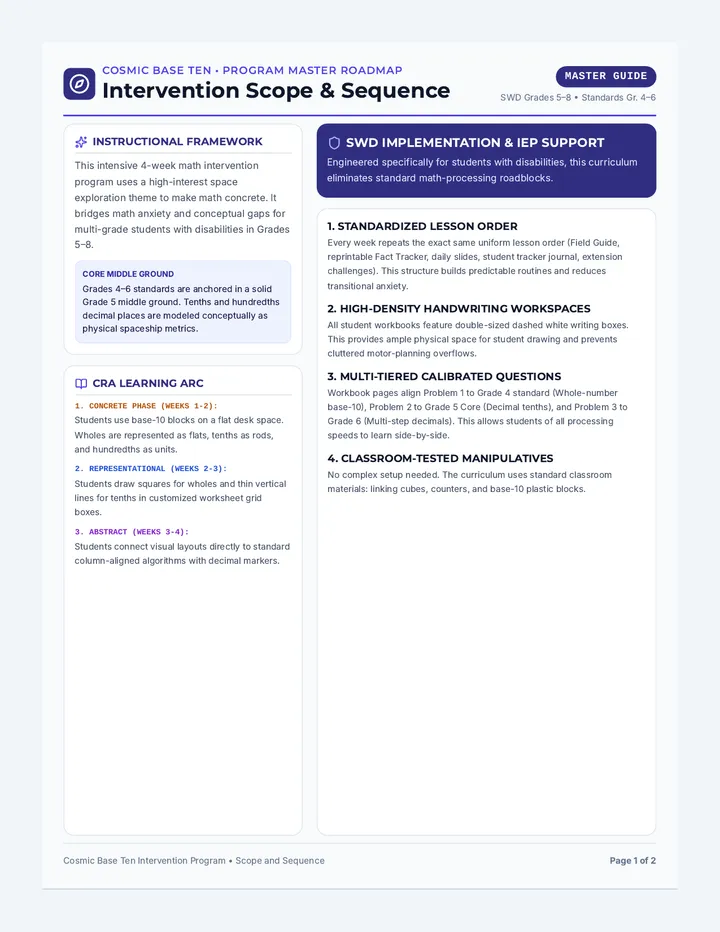
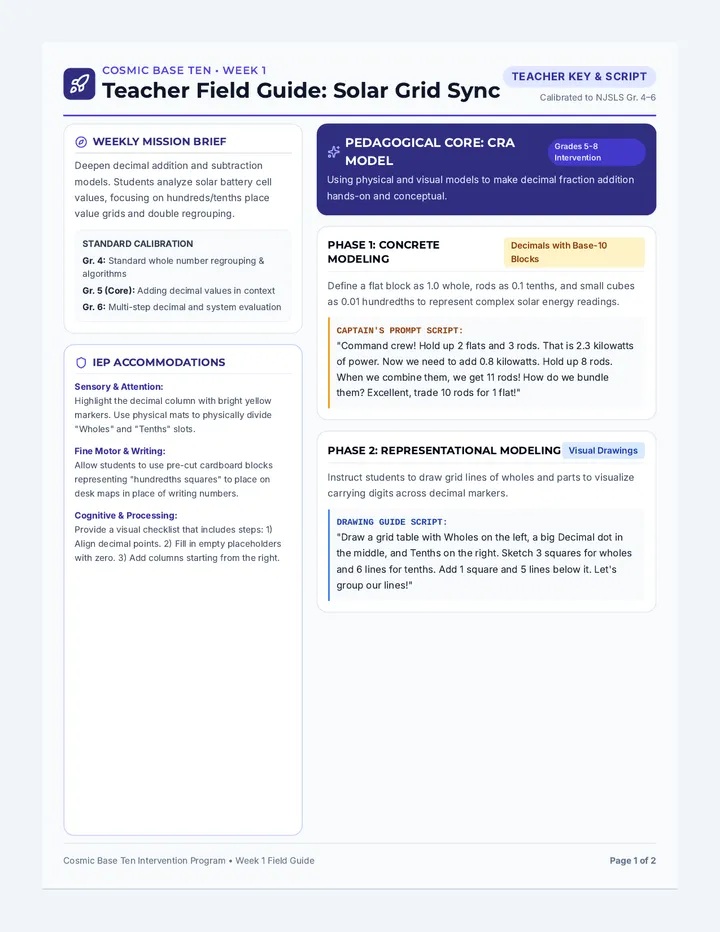
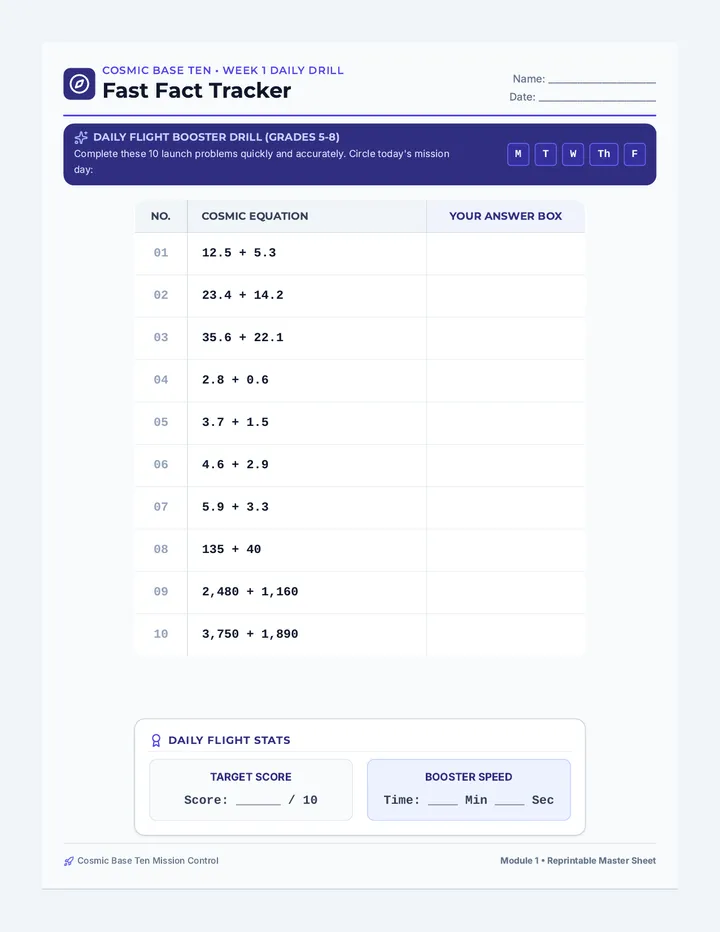
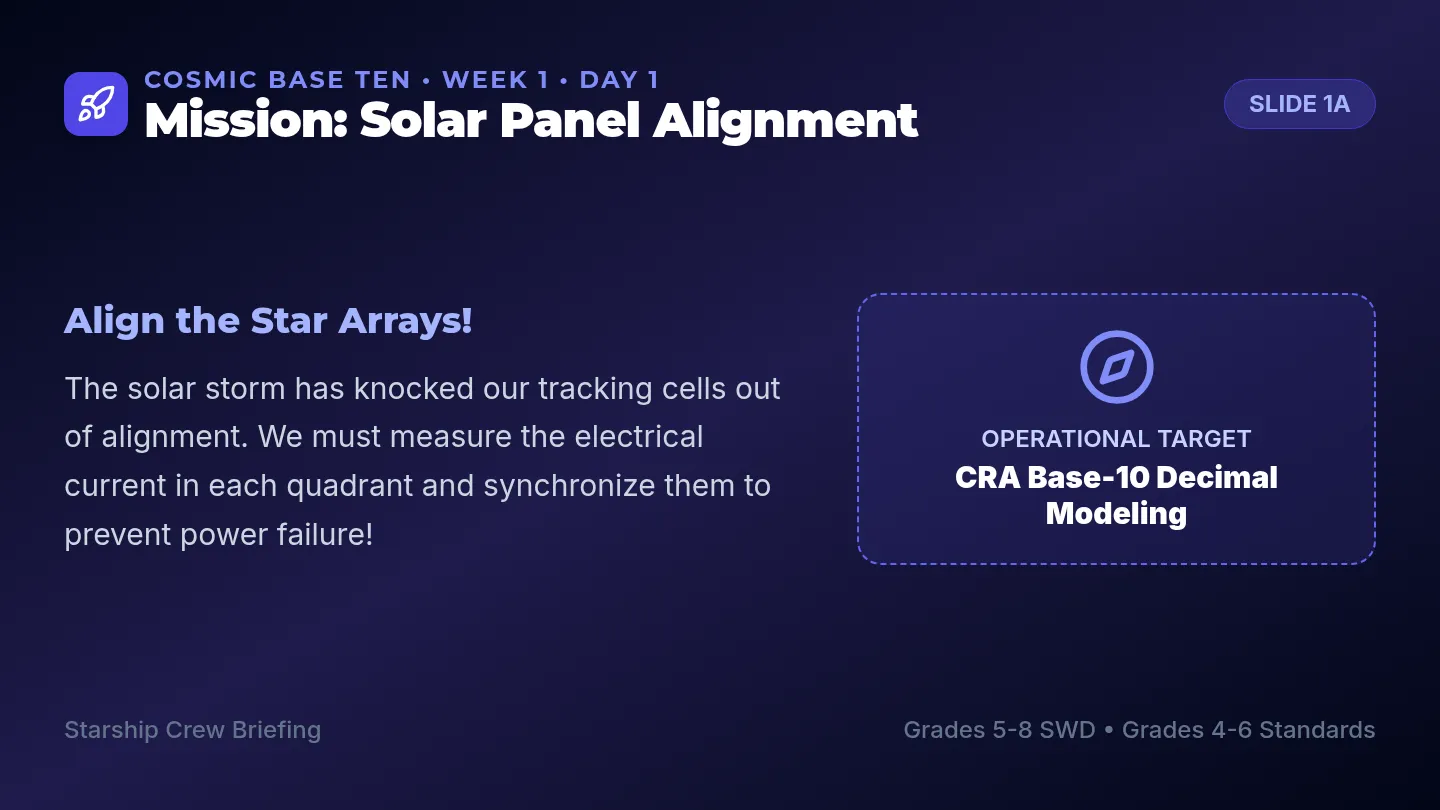
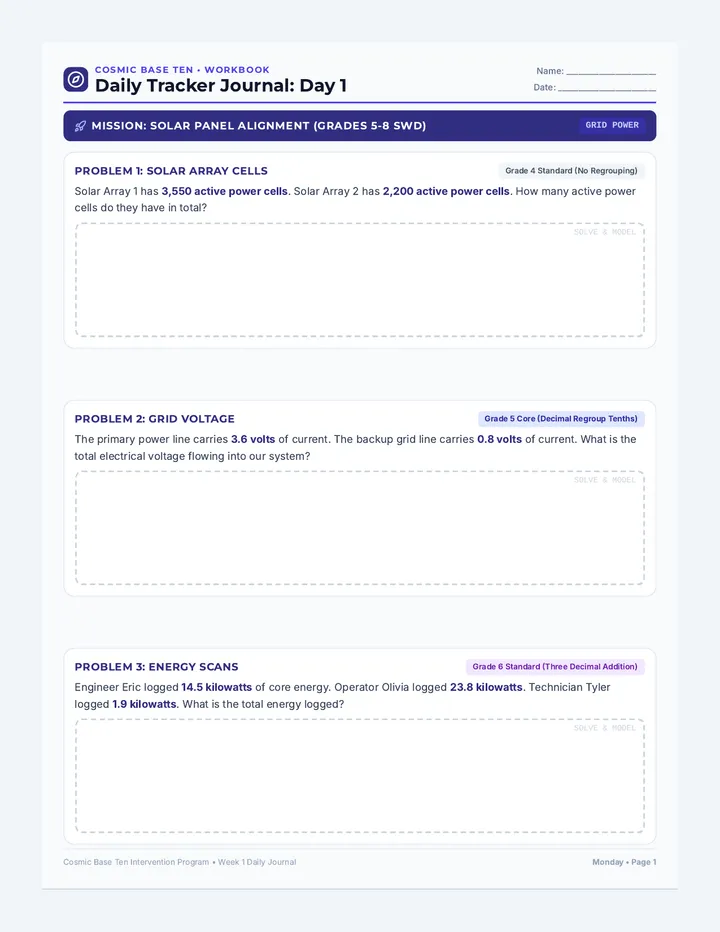
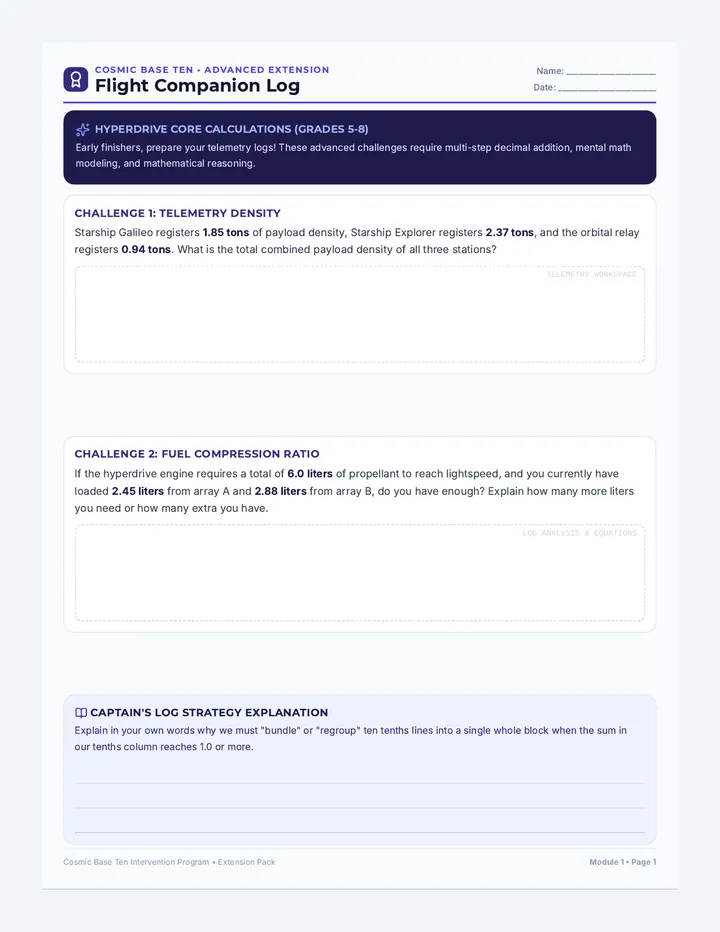
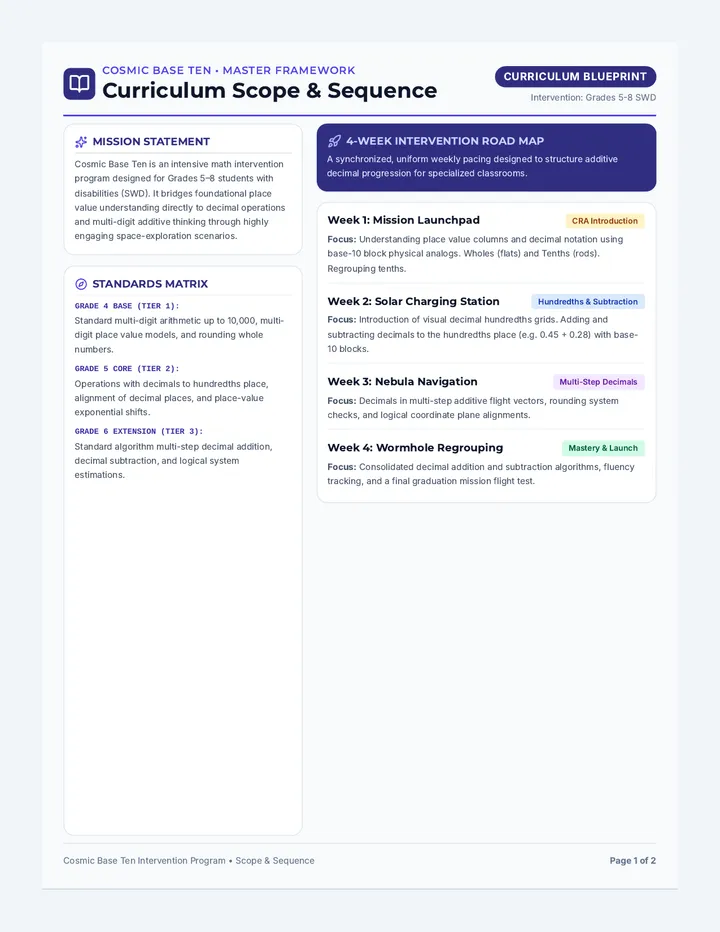
A 4-week intensive math intervention program set in a space exploration universe, designed for multi-grade students with disabilities in Grades 5–8. It covers additive thinking, place value, and decimal regrouping, anchored in Grades 4–6 standards with a Grade 5 core middle ground.
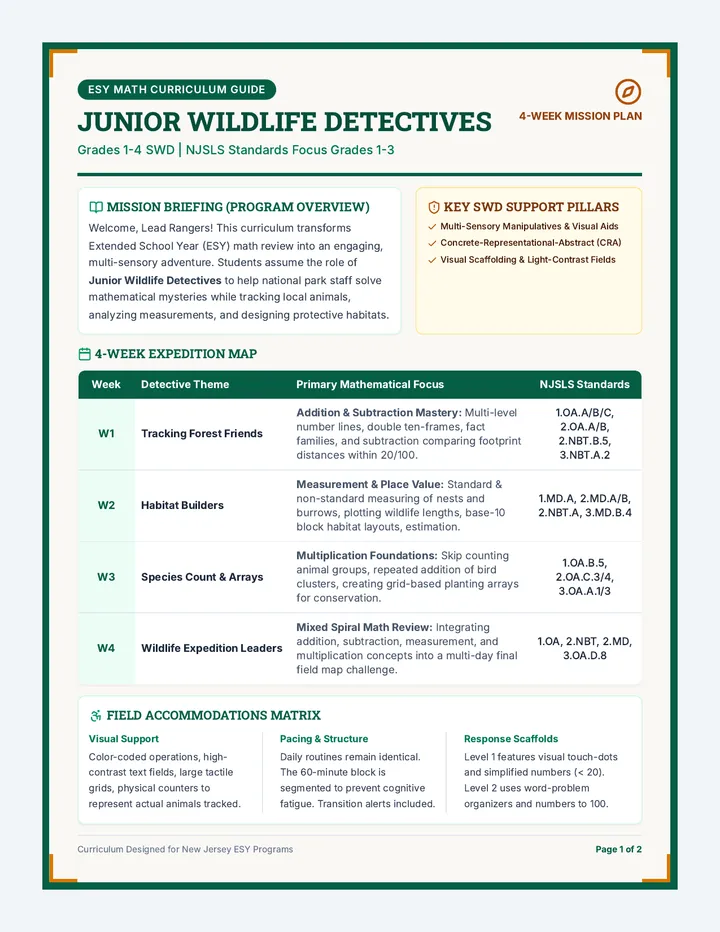
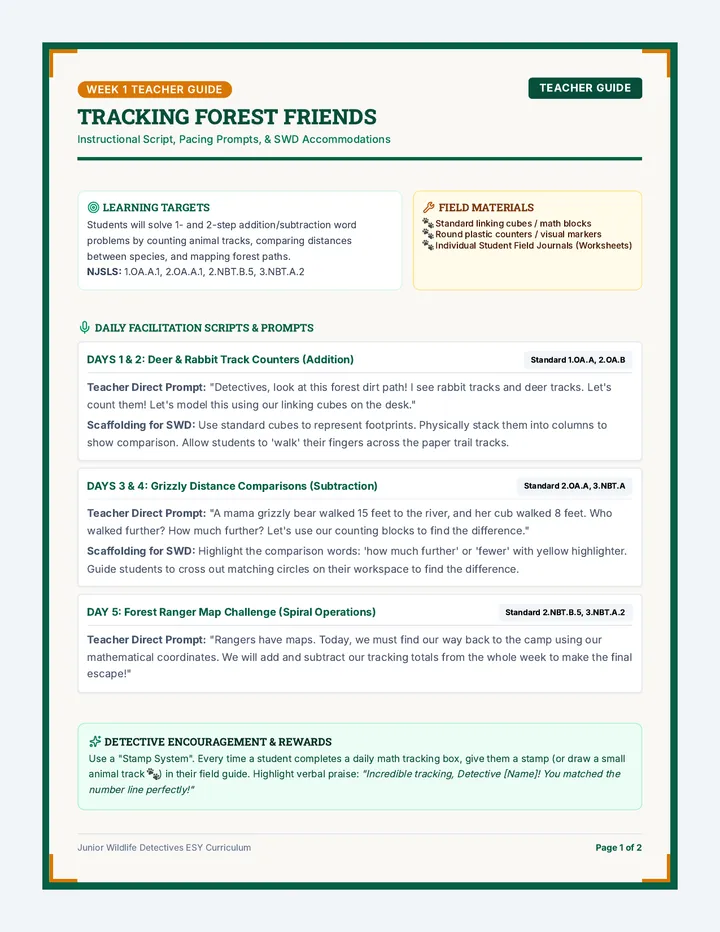
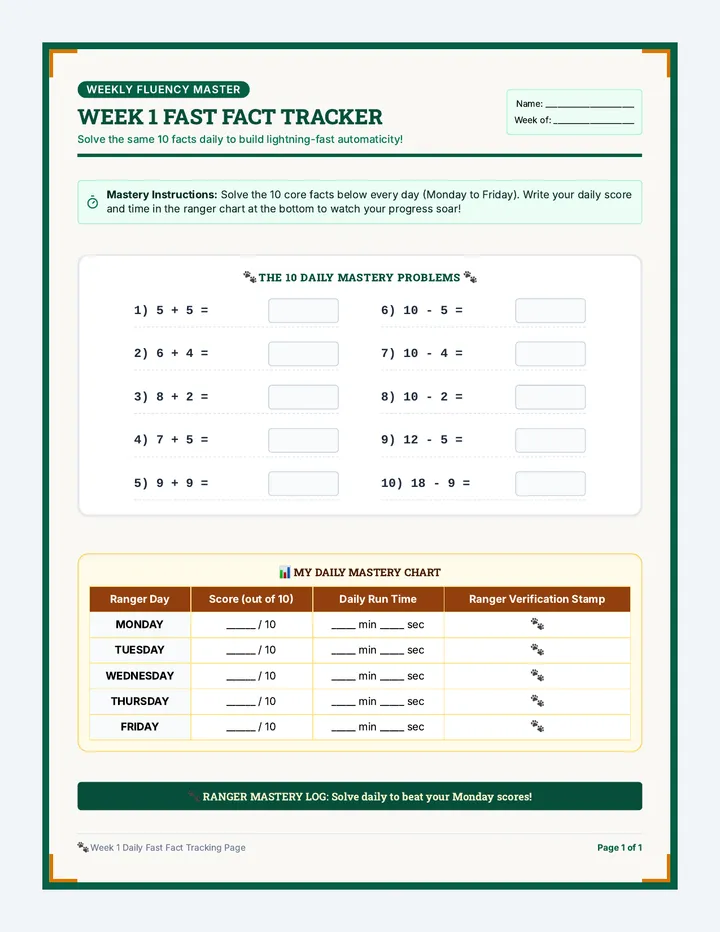
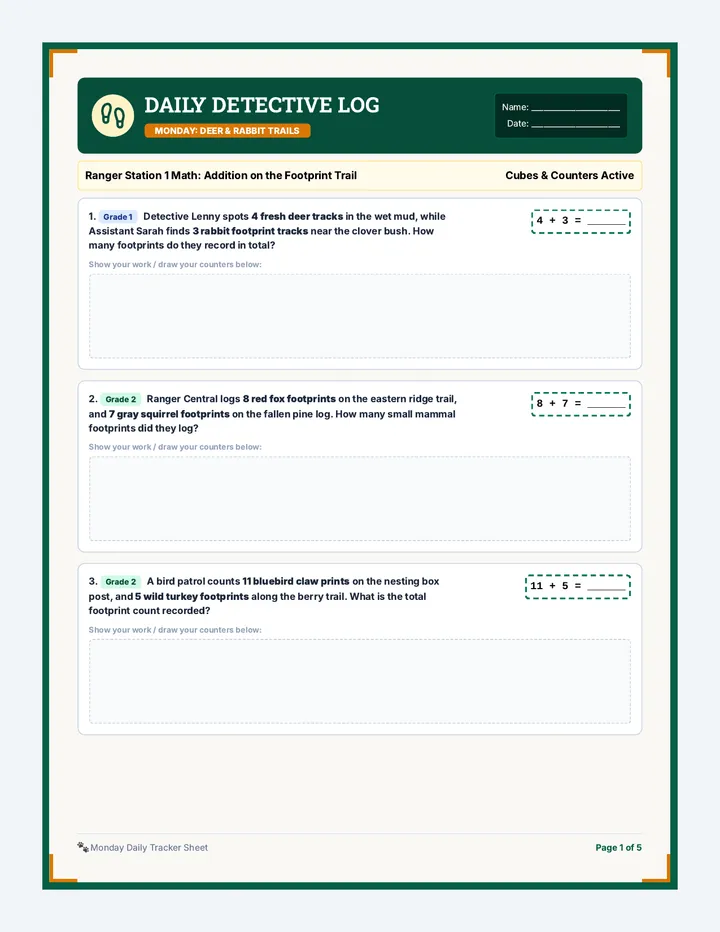
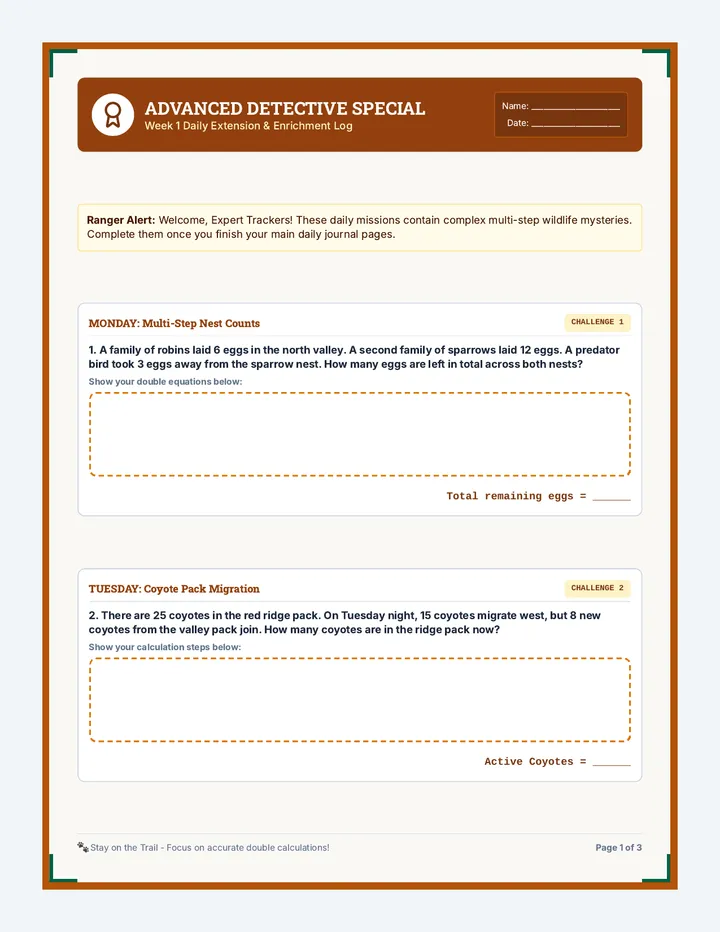
A 4-week Extended School Year (ESY) Math curriculum for Students with Disabilities (SWD) in grades 1-4. Using an engaging 'Junior Wildlife Detectives' theme, students track animals, measure habitats, and categorize species while mastering addition, subtraction, place value, and multiplication foundations aligned with NJ Student Learning Standards (NJSLS) for grades 1-3.
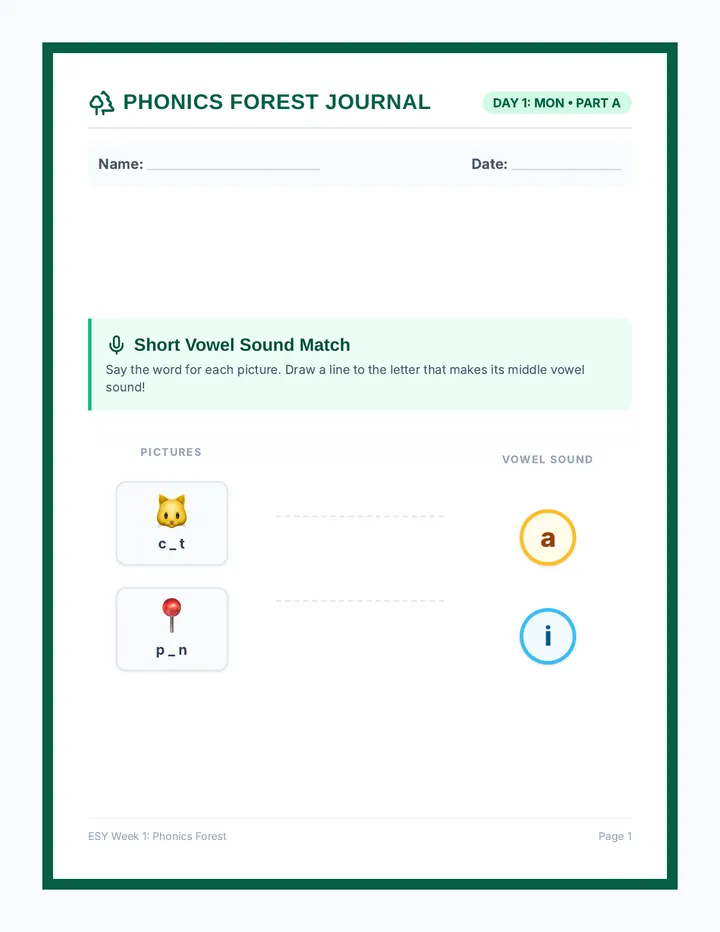
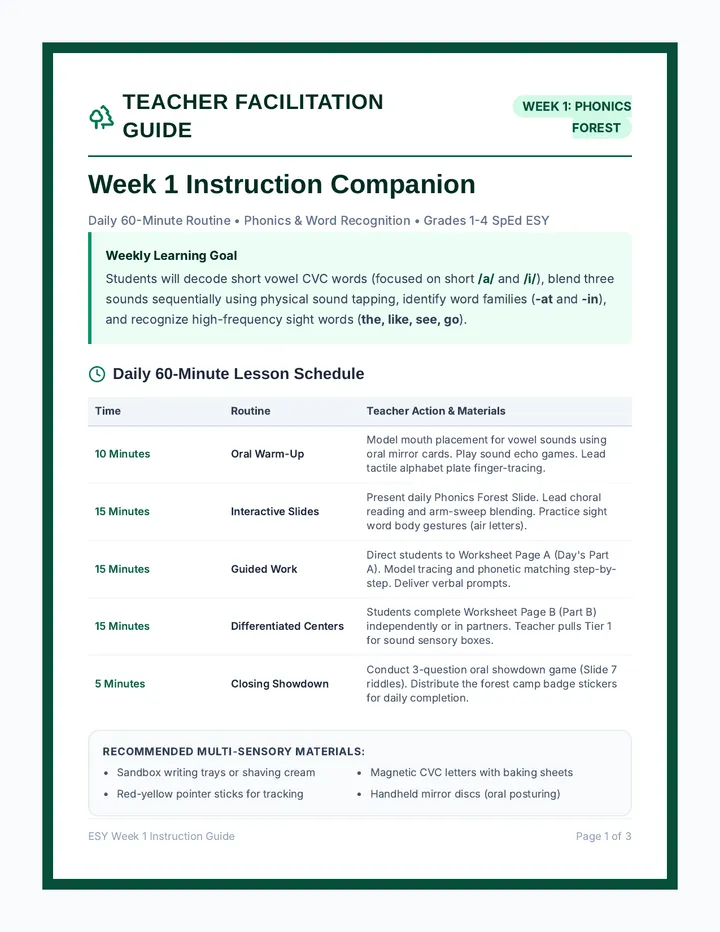
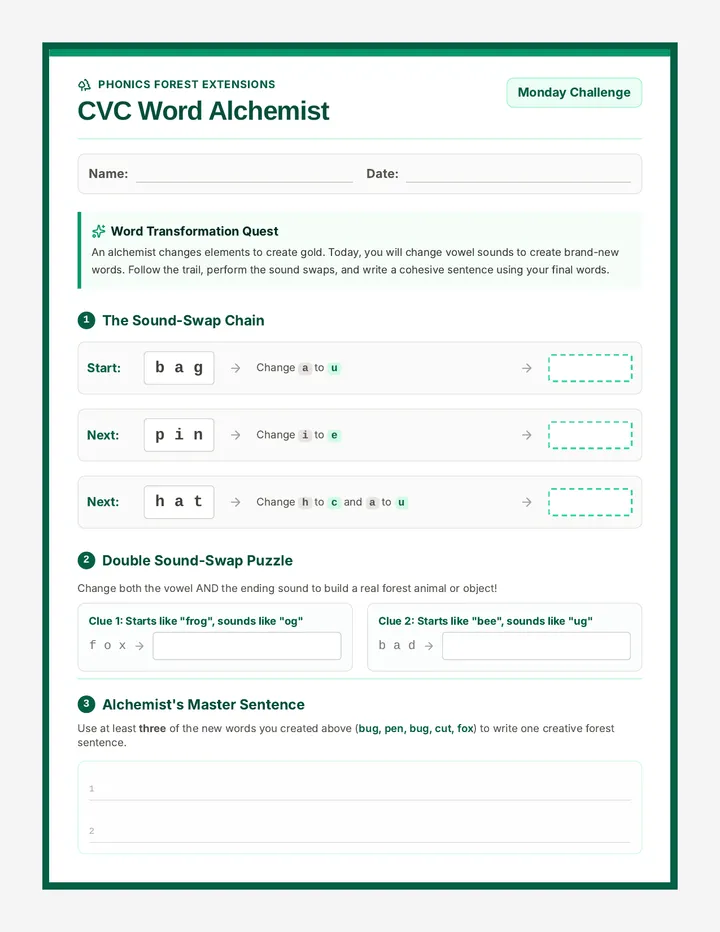
A comprehensive 4-week ELA curriculum designed for Special Education Extended School Year (ESY) programs, serving grades 1-4 with differentiated activities, daily visual slides, and hands-on, multi-sensory support.
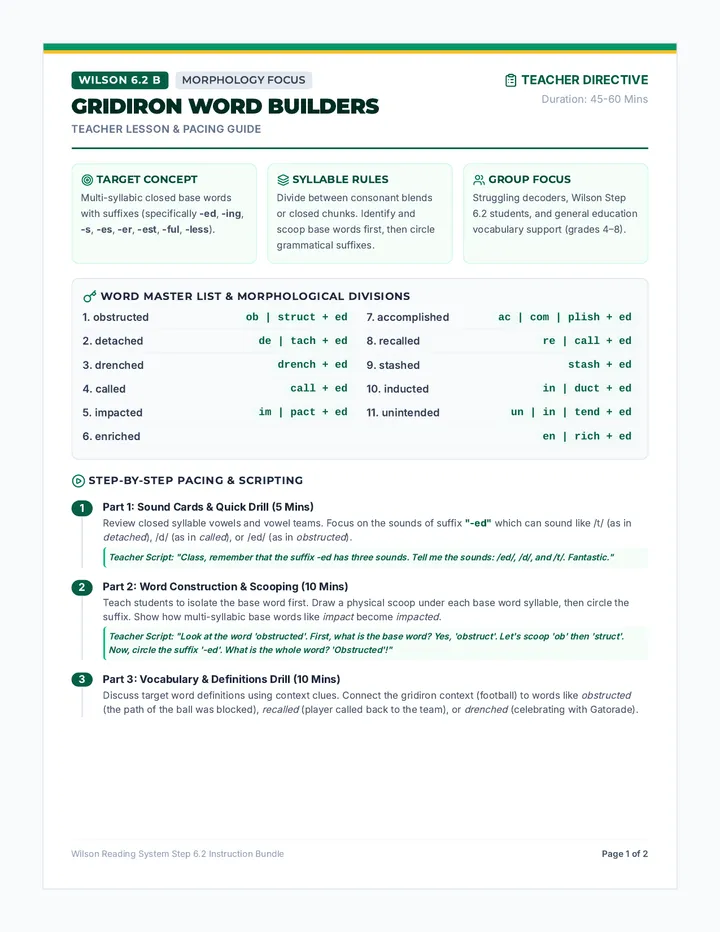
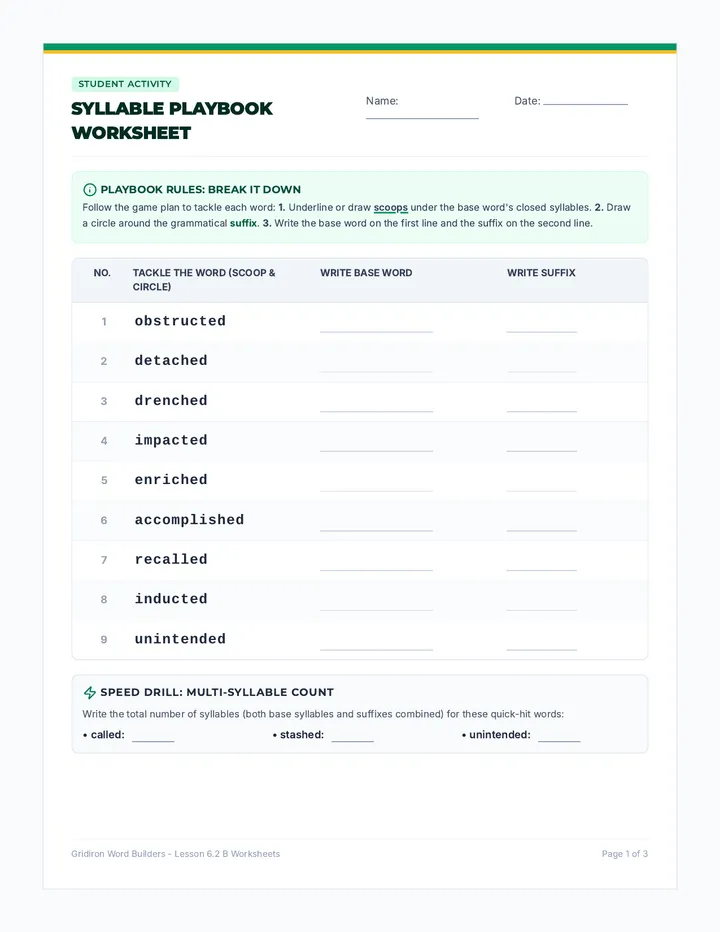
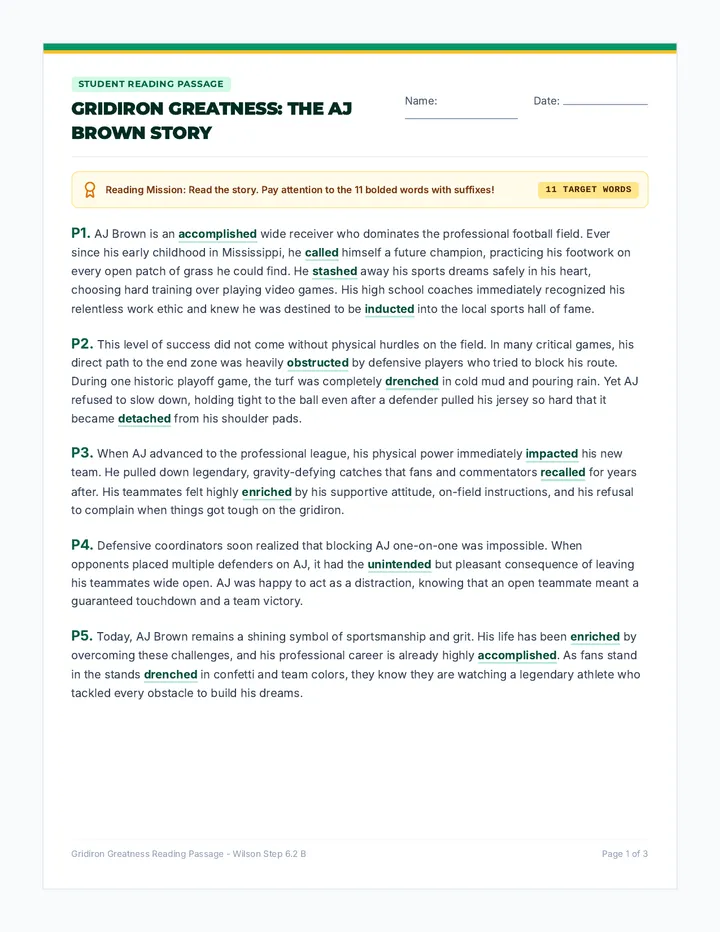
A structured literacy unit aligned with Wilson Step 6.2, focusing on multi-syllabic words with suffixes. Students engage with high-interest passages about popular icons while mastering syllable division and spelling patterns.
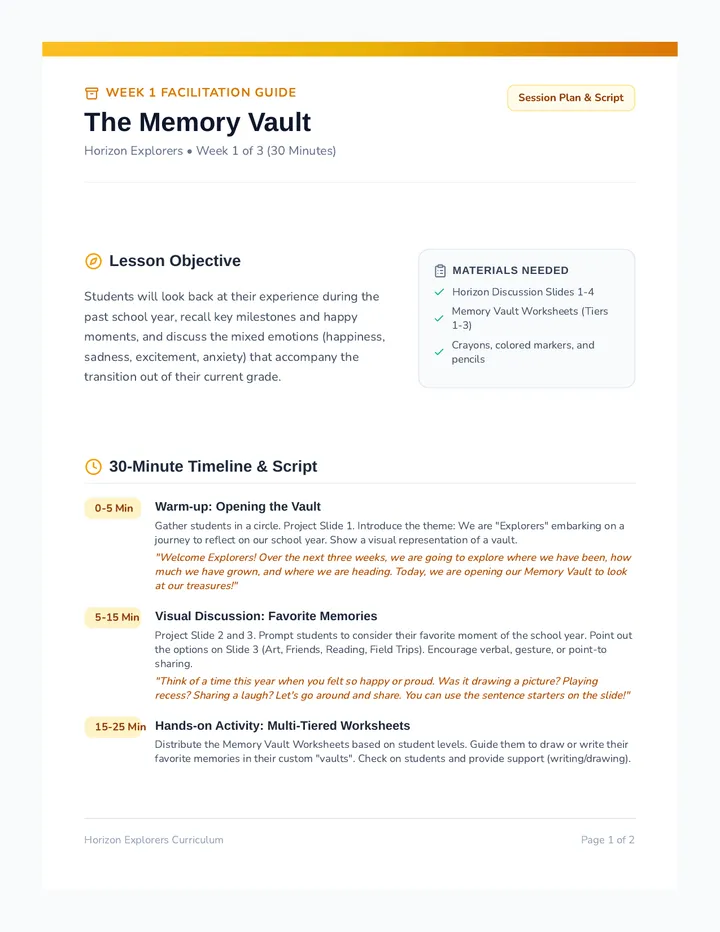
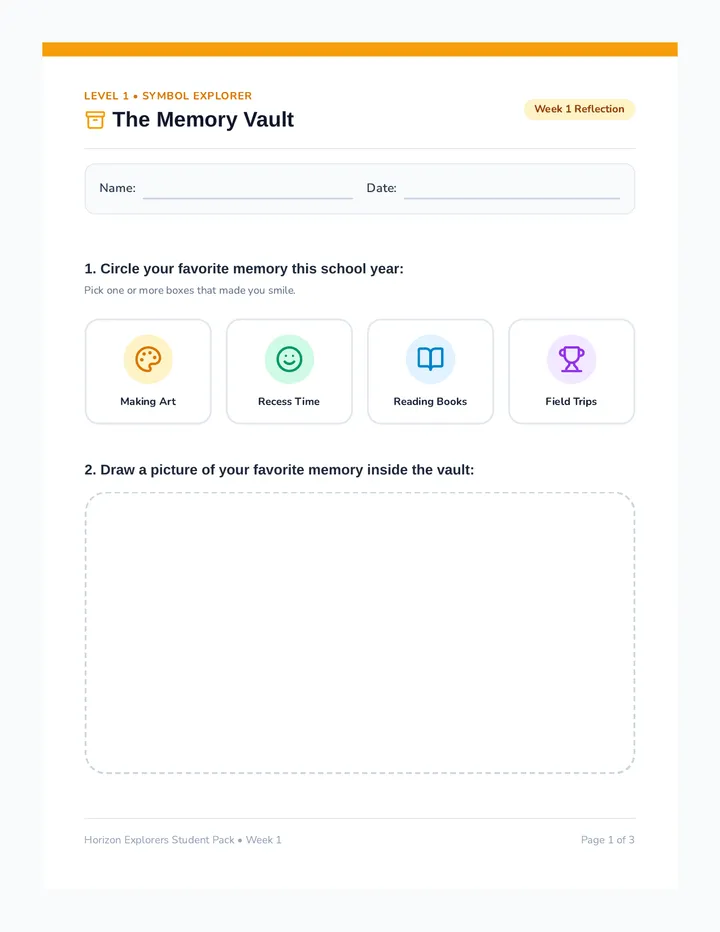
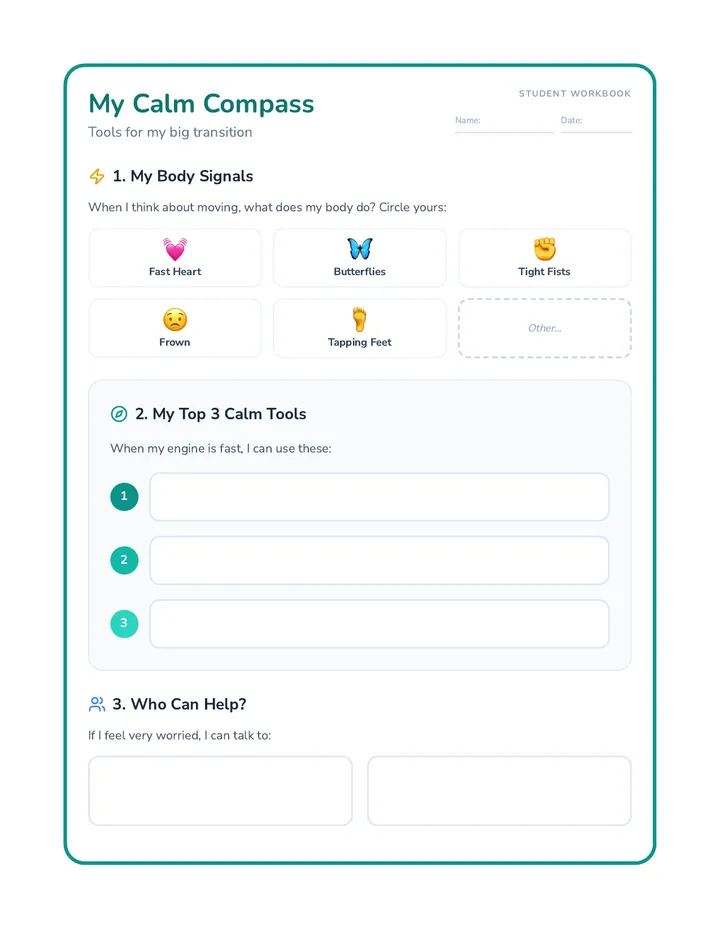
A therapeutic and accessible 3-week reflection and transition unit for diverse learners. It supports processing end-of-year feelings, celebrating personal growth, and managing change with interactive slide prompts and three hands-on, high-interest printable craft keepsakes.
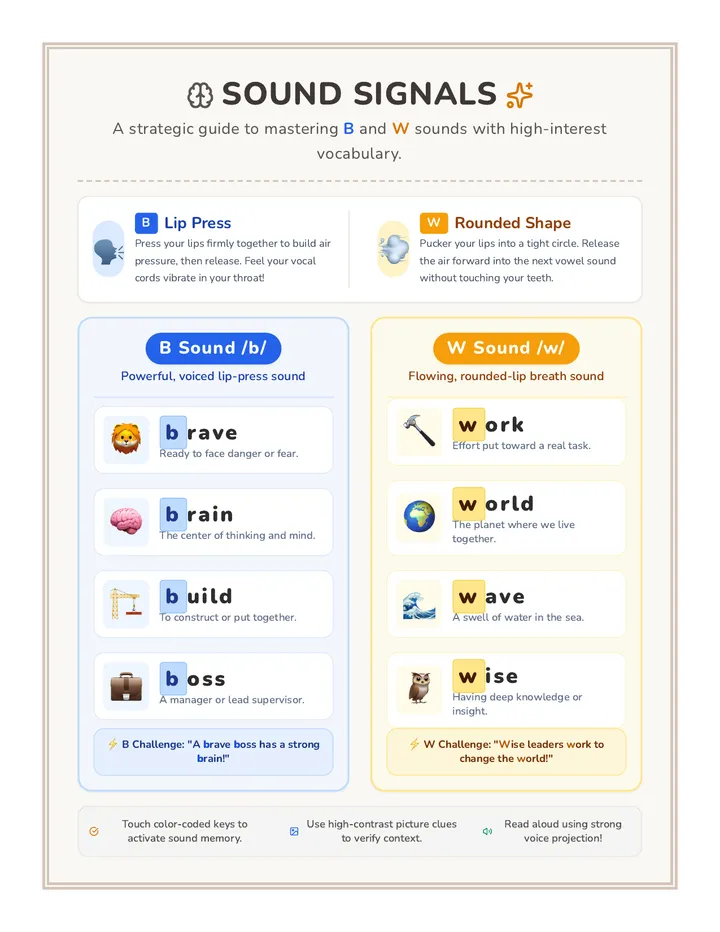
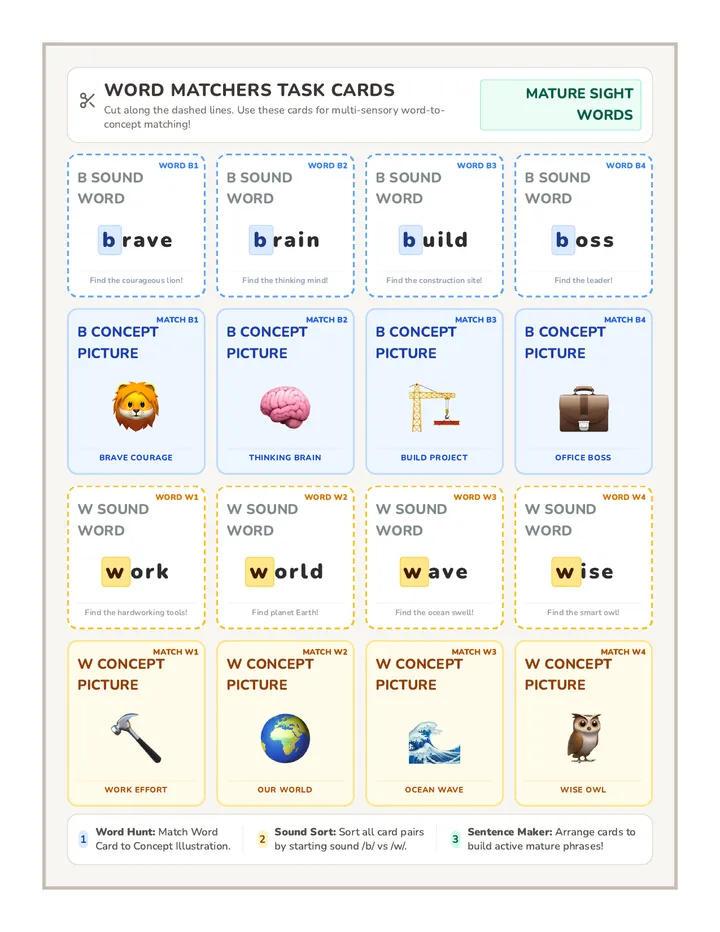
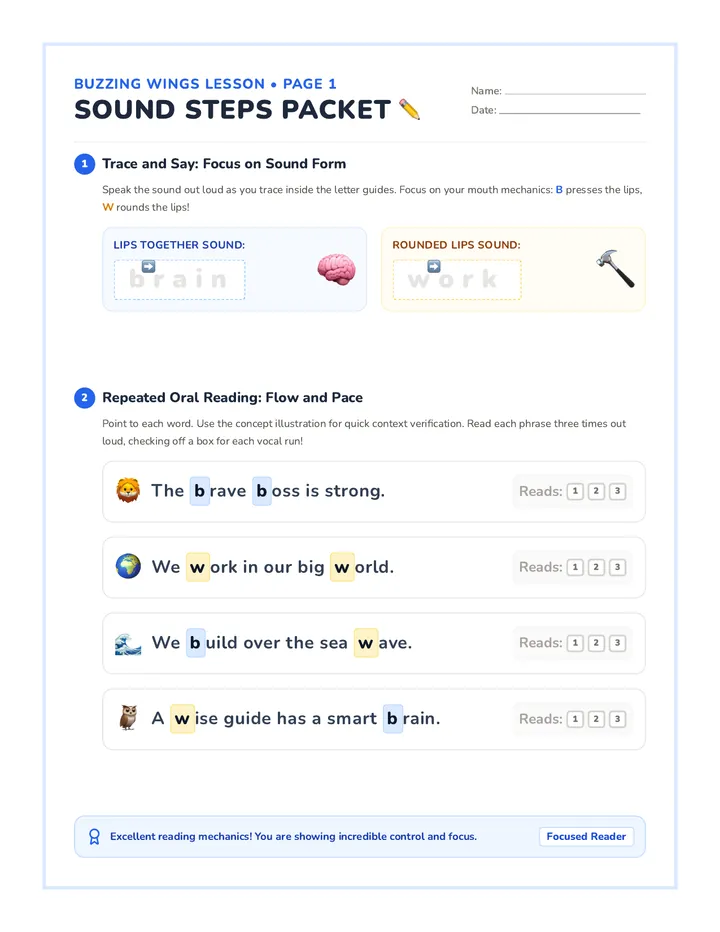
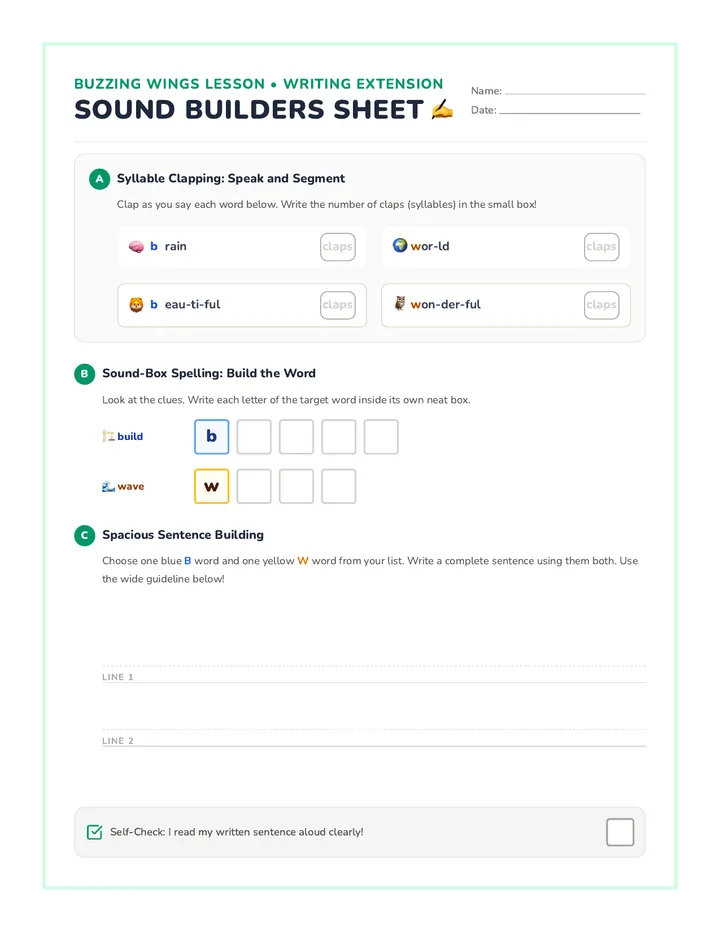
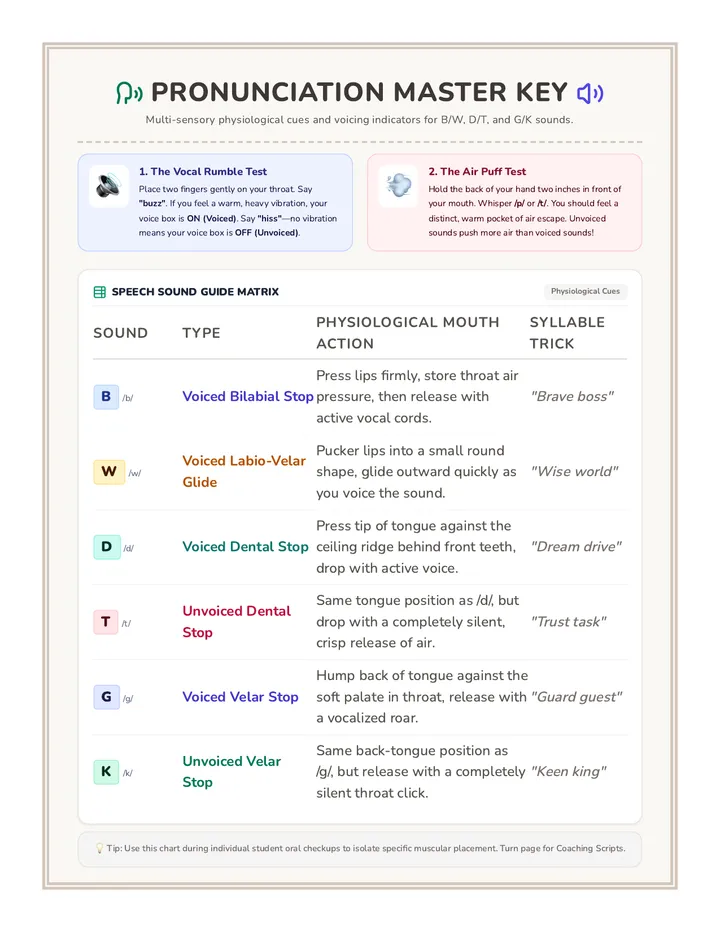
A multi-sensory, dyslexia-supportive reading and decoding unit focusing on core letter-sound associations, sight-word automaticity, and confident oral articulation. Tailored for struggling readers through visual anchoring, physical games, and multi-step assessment routines.
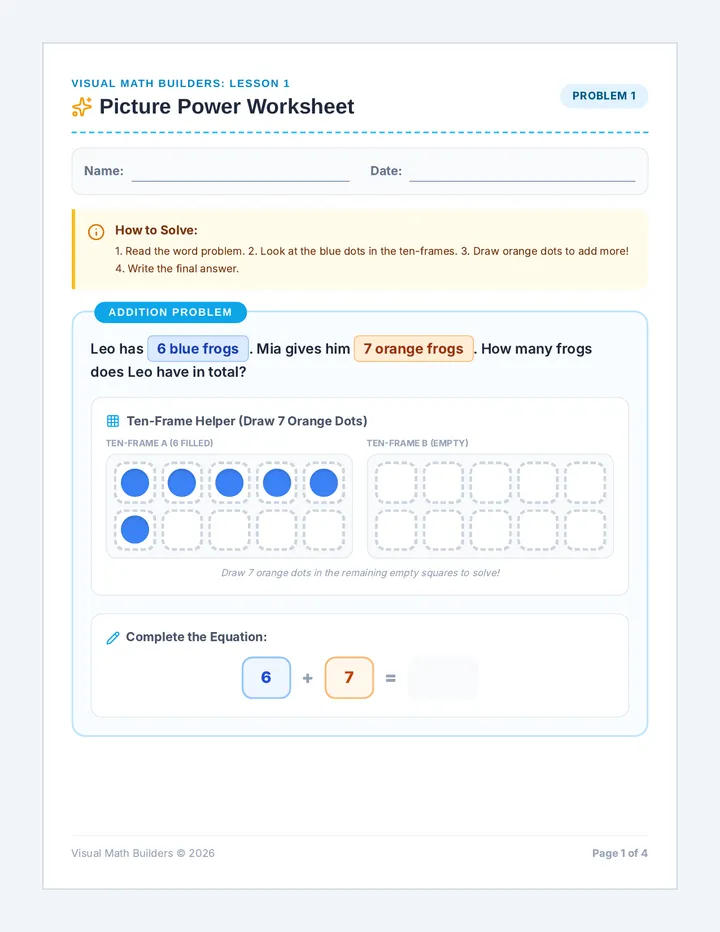
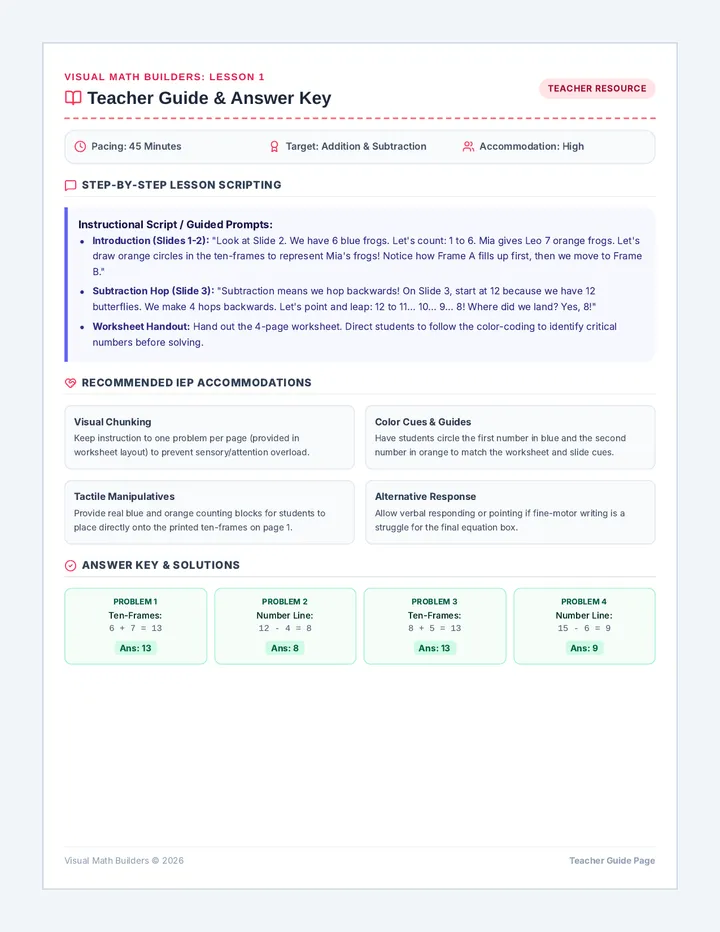
A highly scaffolded math sequence designed for IEP students, featuring intensive visual support, step-by-step graphic organizers, and structured math tasks to build confidence and independence in word problems.
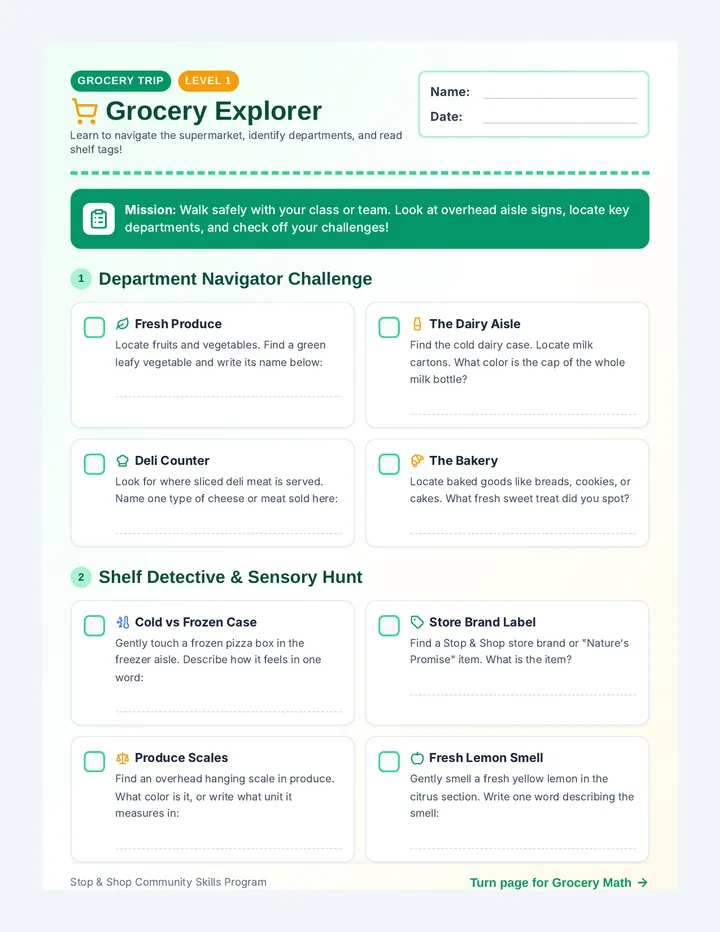
A functional life skills and practical mathematics sequence designed to help students navigate community retail and grocery stores, manage a budget, and build independent living skills.
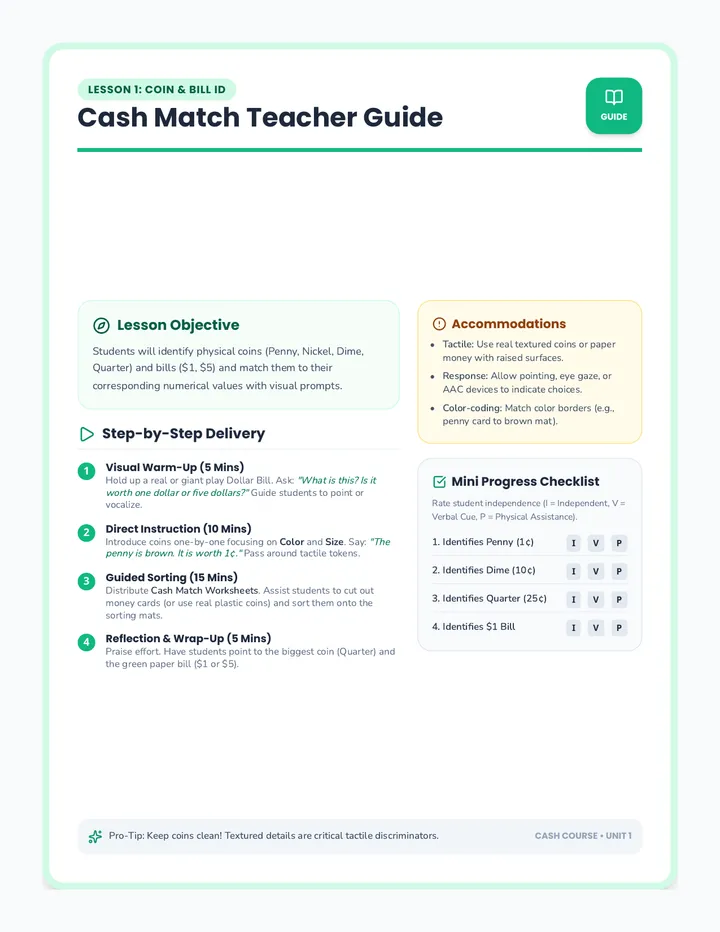
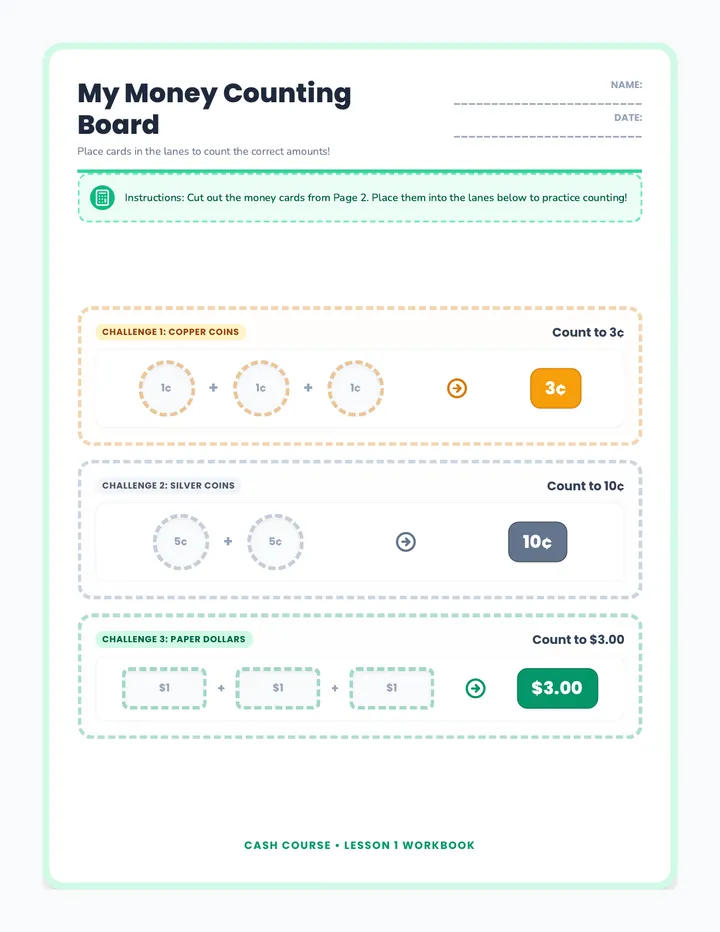
A highly visual, step-by-step sequence designed for students with significant intellectual and learning disabilities. The unit focuses on real-life money skills: coin/bill identification, the next-dollar-up strategy, simple store purchases up to five dollars, and basic wants vs. needs budgeting.
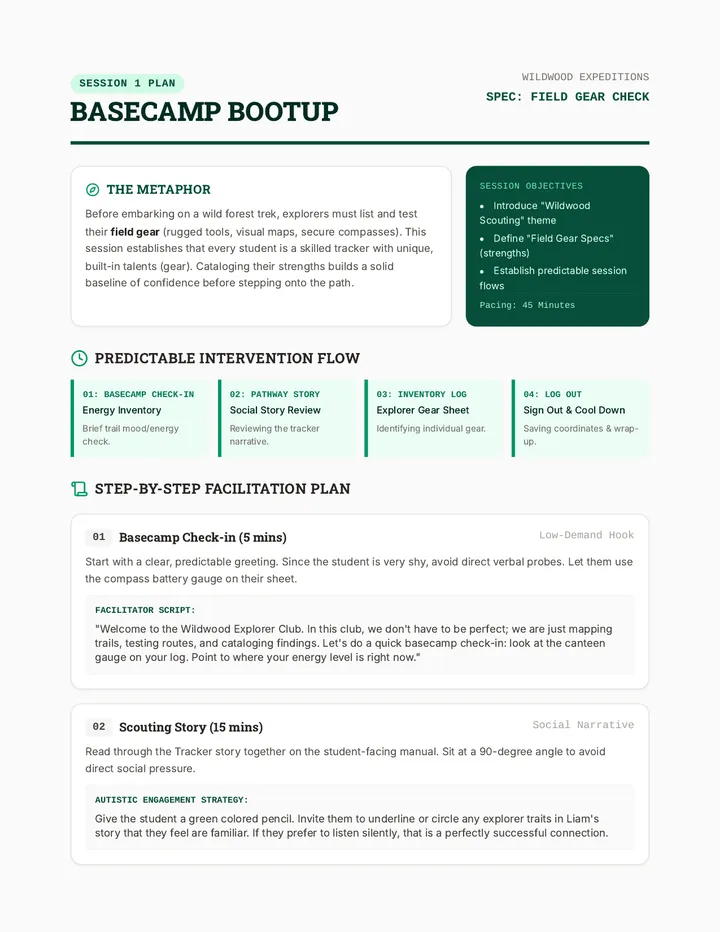
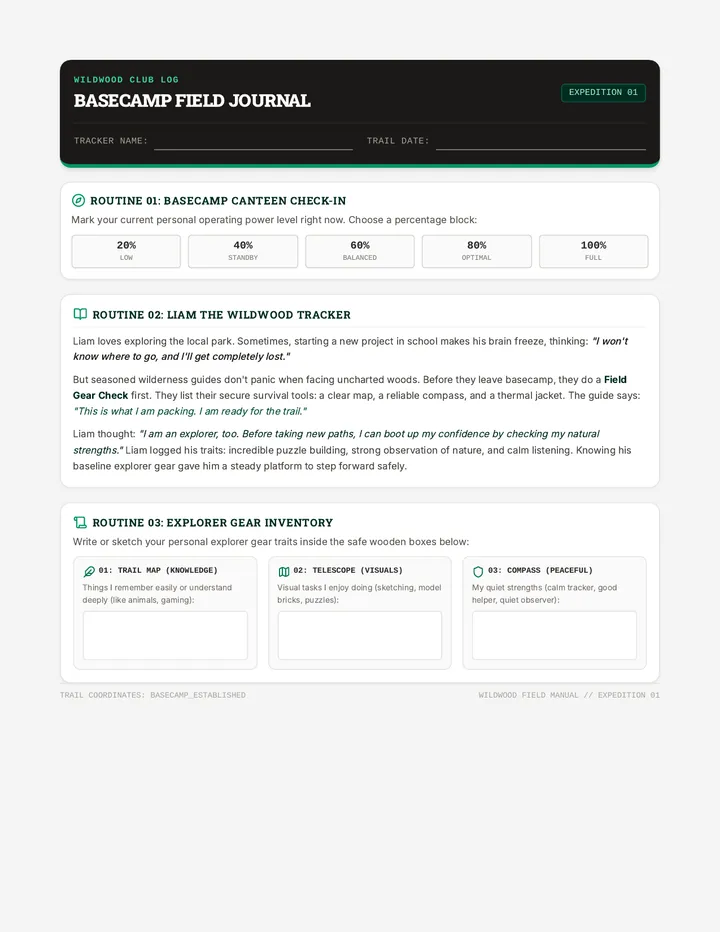
An 8-week social-emotional intervention sequence designed for neurodivergent and shy students. It uses a "Field Guide" and "Wildwood Scouting" metaphor to build self-confidence, ease the anxiety of trying new things, and structure decision-making.
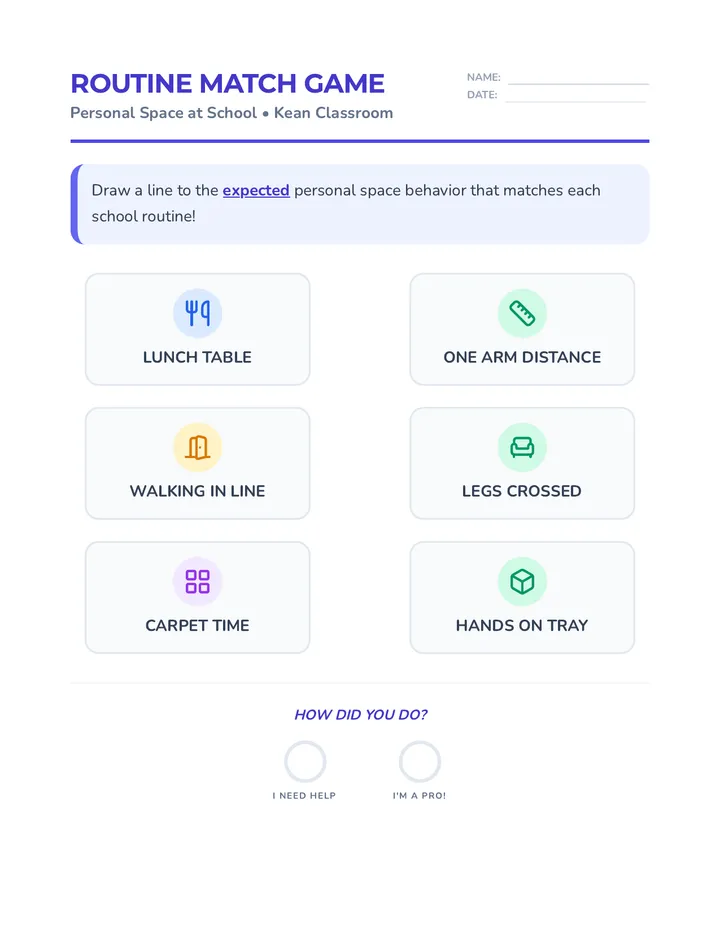
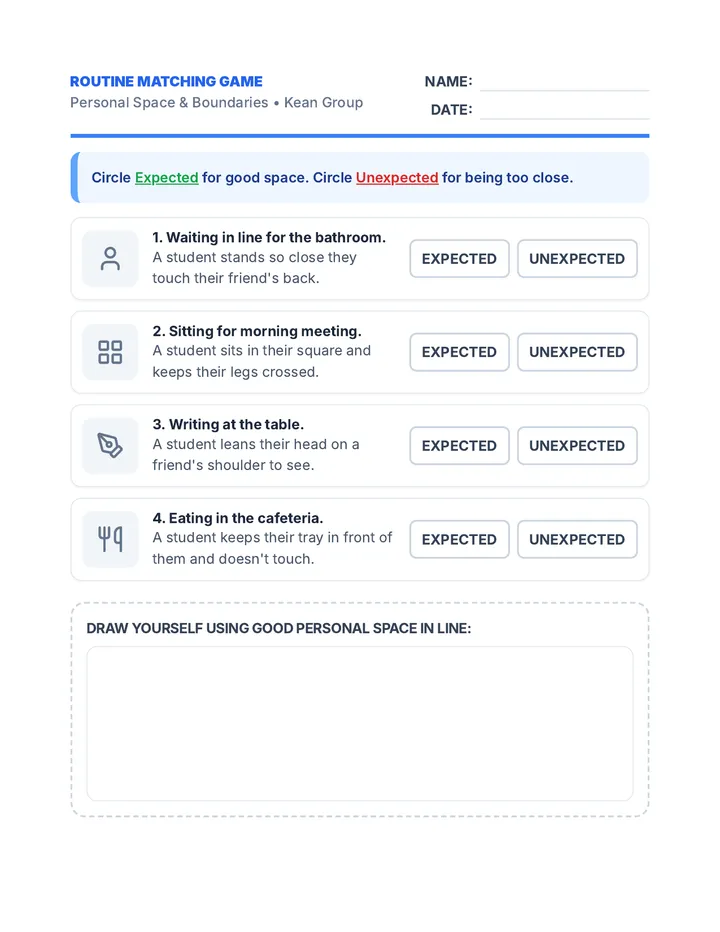
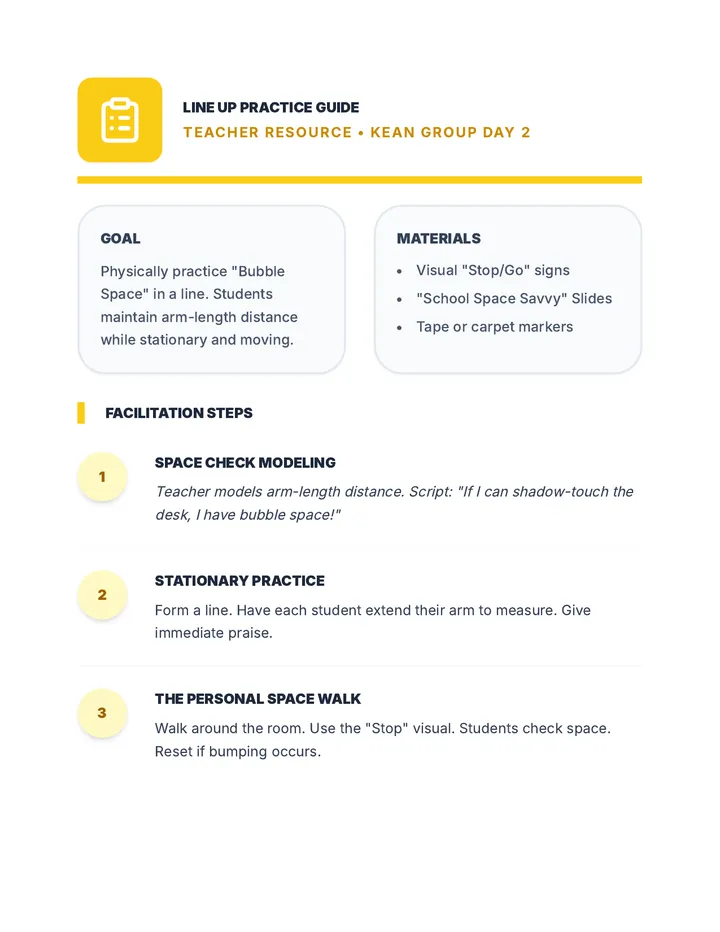
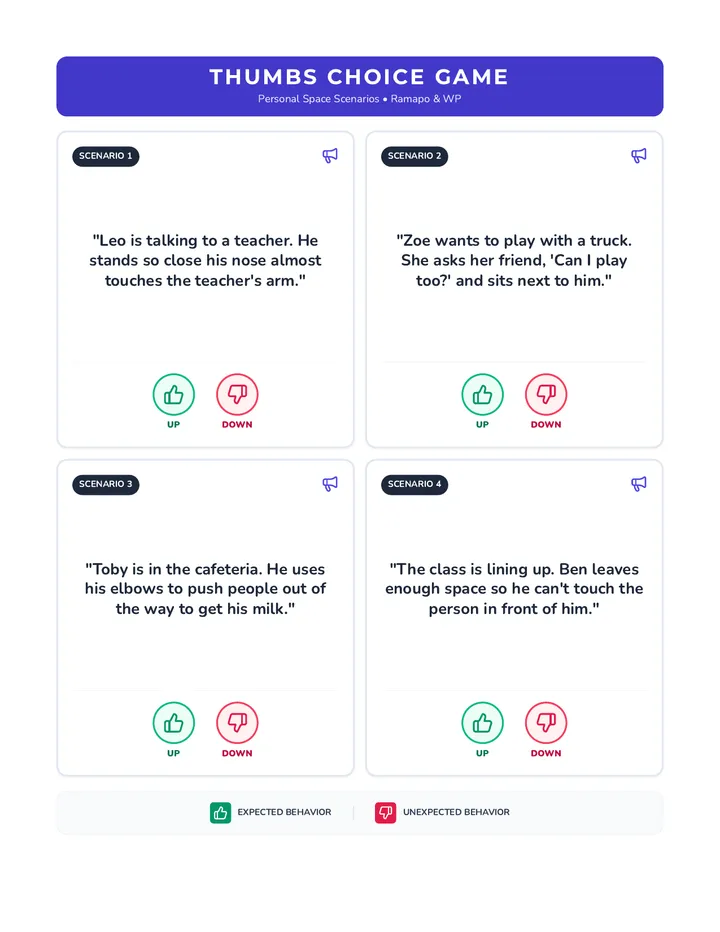
A comprehensive social skills unit focusing on personal space and boundaries across various school settings and routines for the week of May 25th. This unit differentiates for four distinct classroom groups (Kean, Ramapo, WP, and WashU) with tailored social stories and activities.
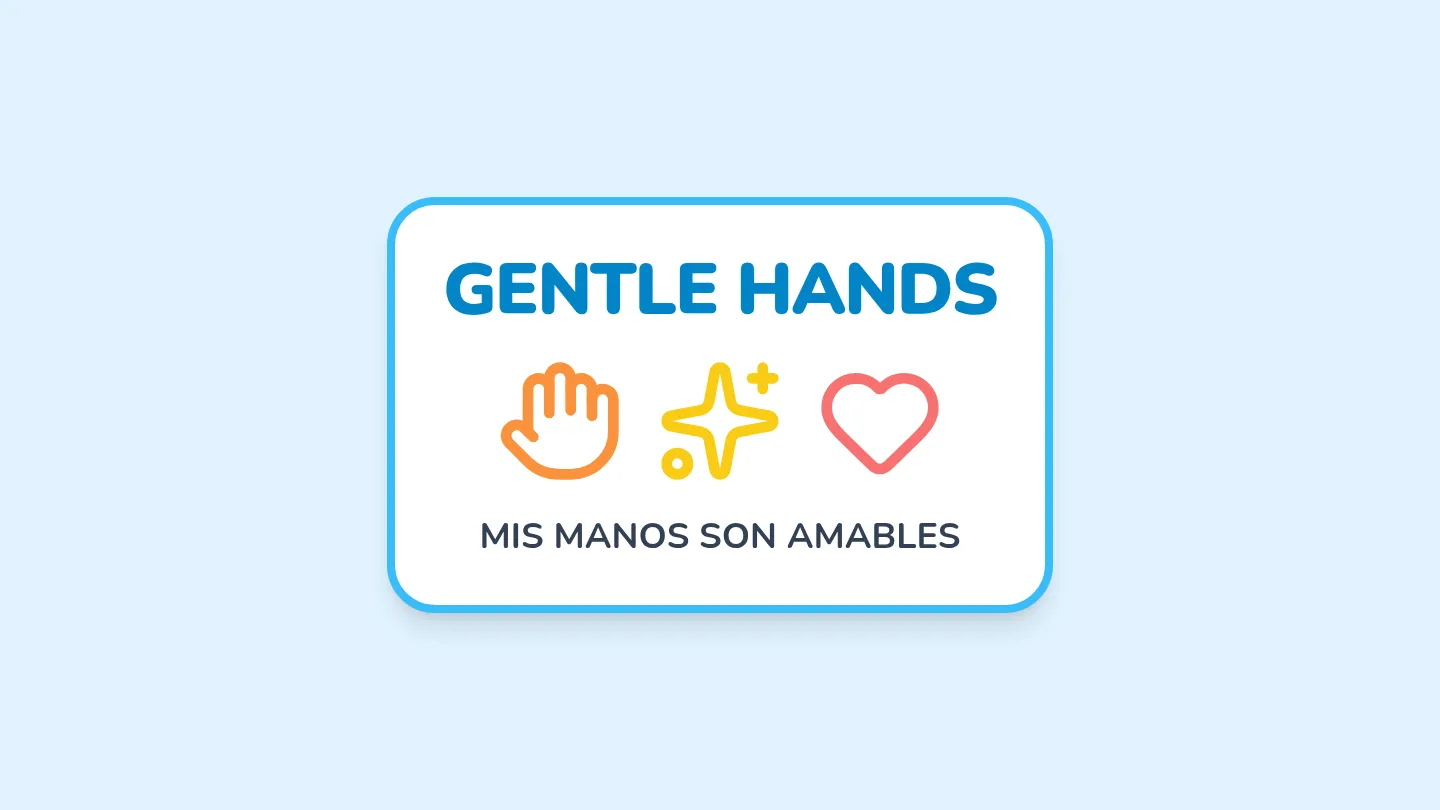
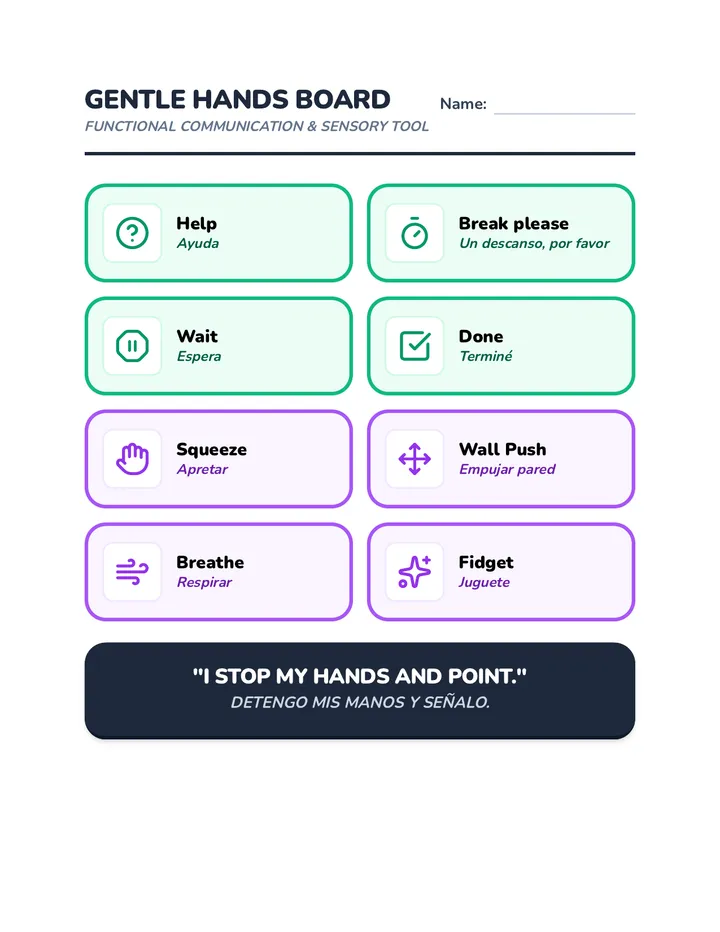
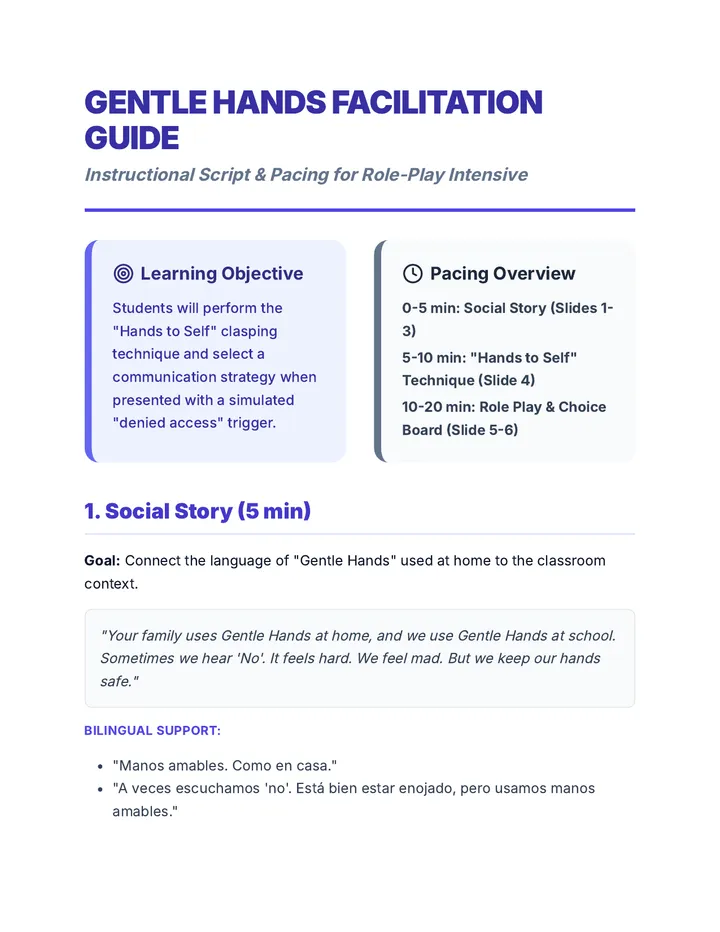
A specialized counseling sequence focused on replacing physical aggression with functional communication and sensory regulation for students with high-needs autism. This sequence emphasizes 'Gentle Hands' and provides visual tools for managing frustration when denied access.
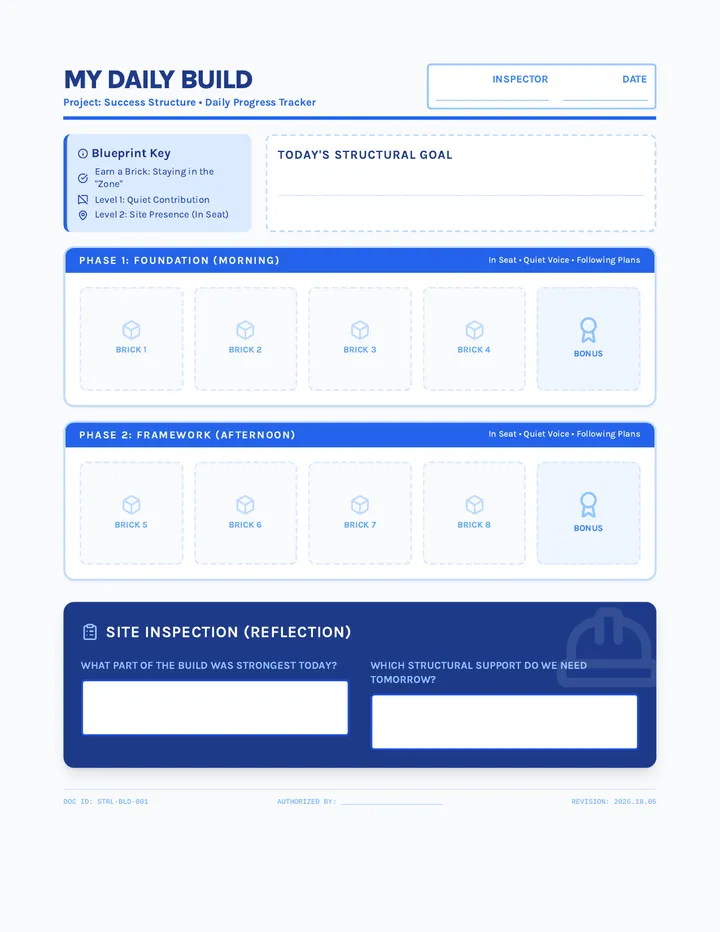
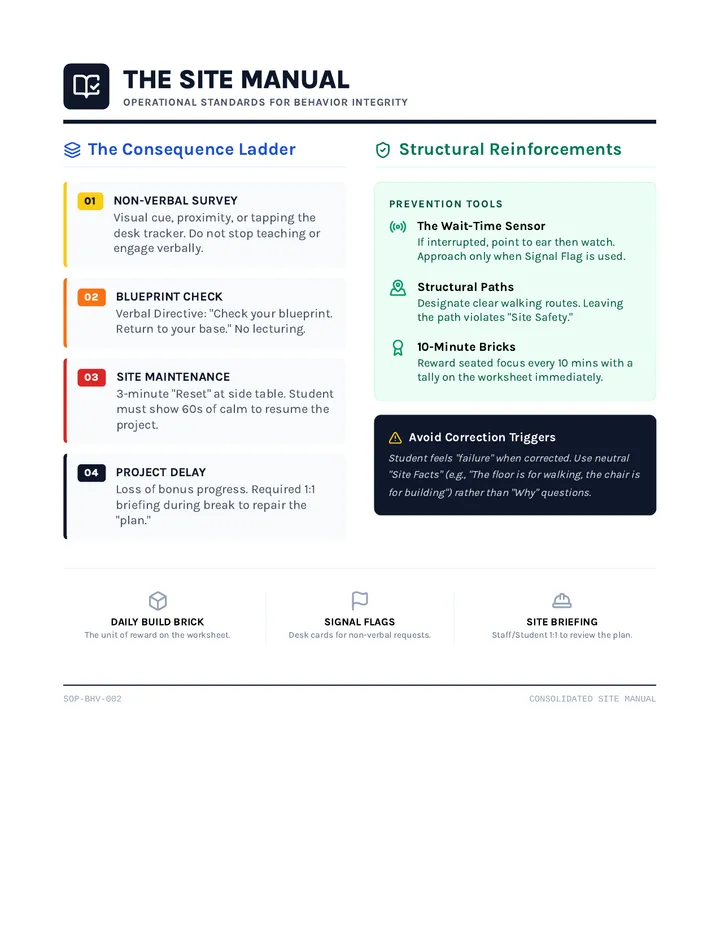
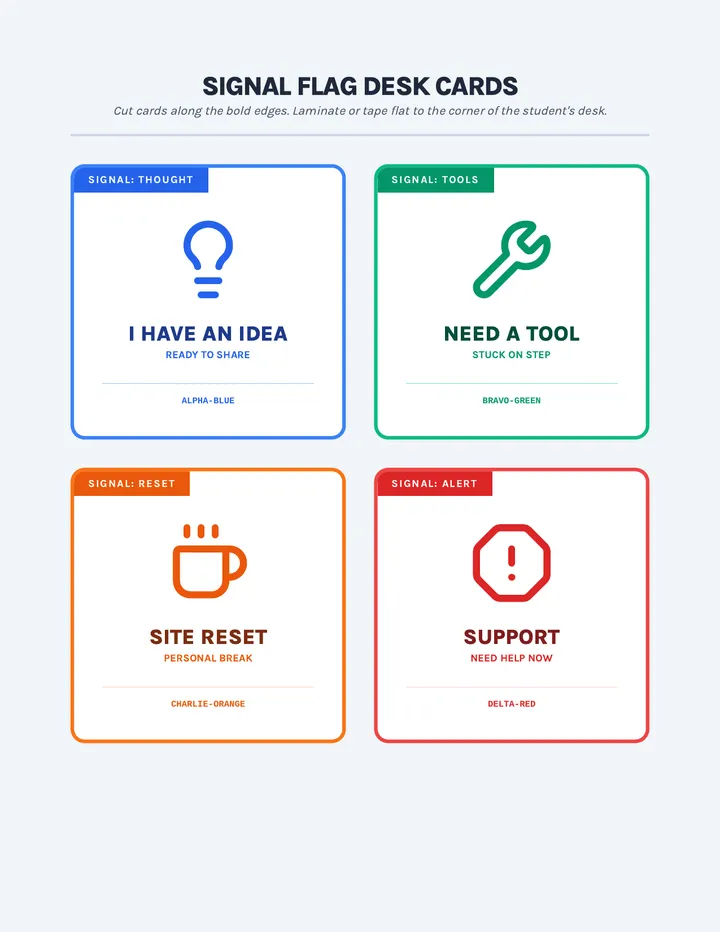
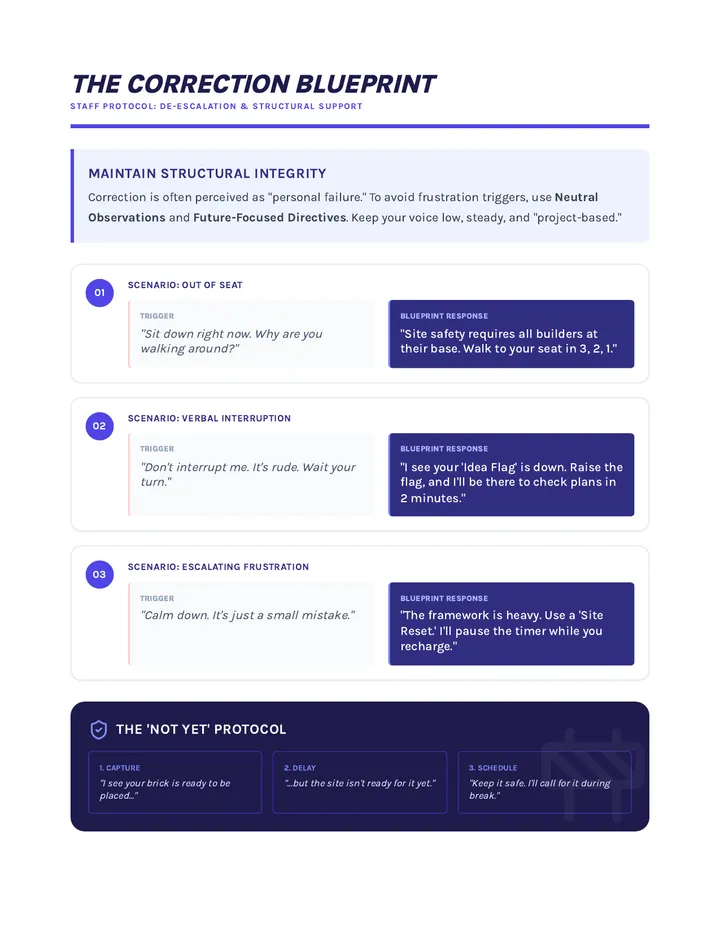
A behavior support system designed like an architectural blueprint, focusing on building self-regulation, reducing interruptions, and establishing clear structural boundaries for student success.
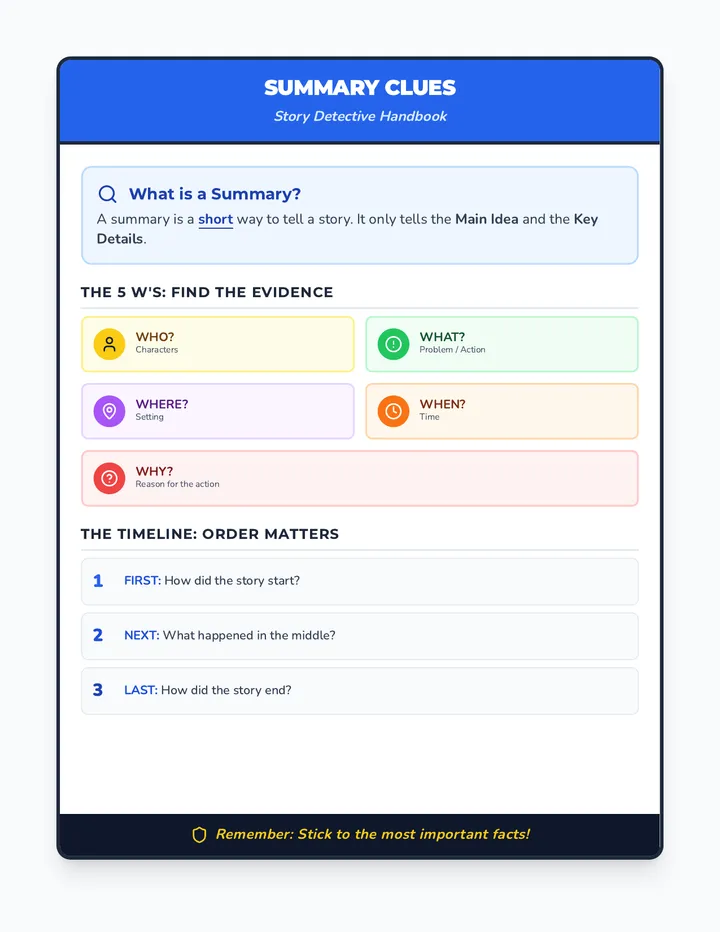
A foundational literacy unit focused on breaking down stories into their most important parts using the 5 Ws and sequencing. Designed with scaffolds for students with IEPs.
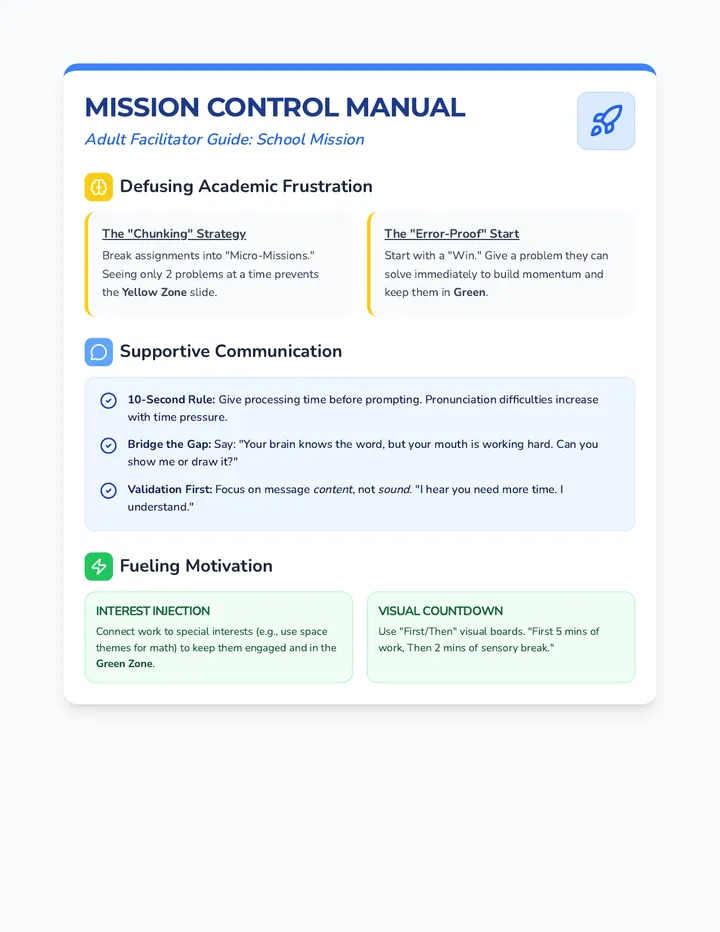
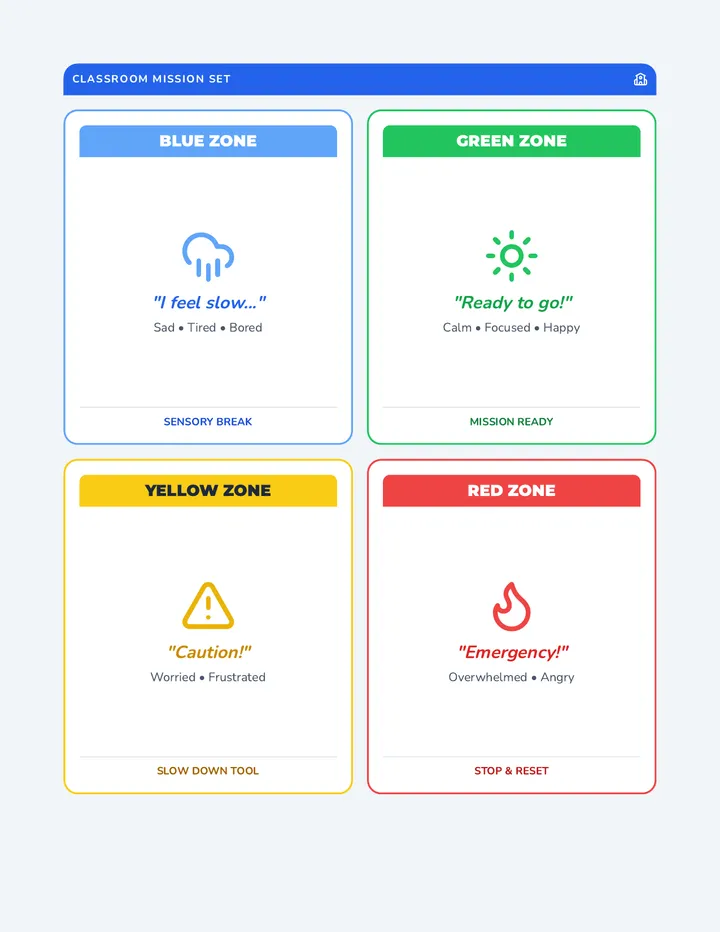
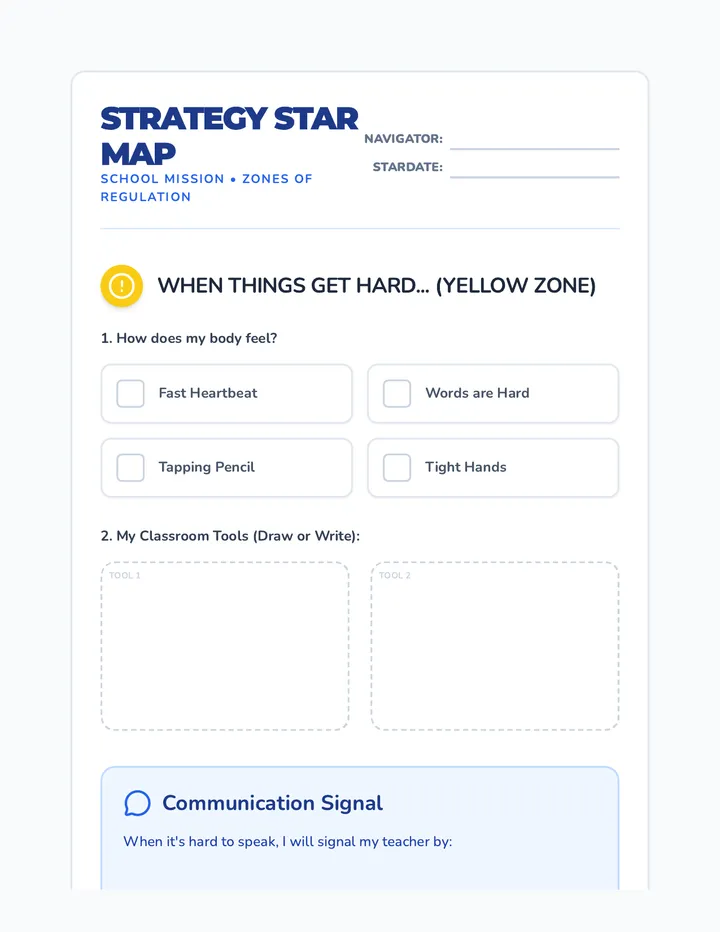
A comprehensive regulation system for a 4th-grade student with autism, focused on academic frustration, motivation, and communication support using the Zones of Regulation framework. Includes strategies for both classroom and home environments.
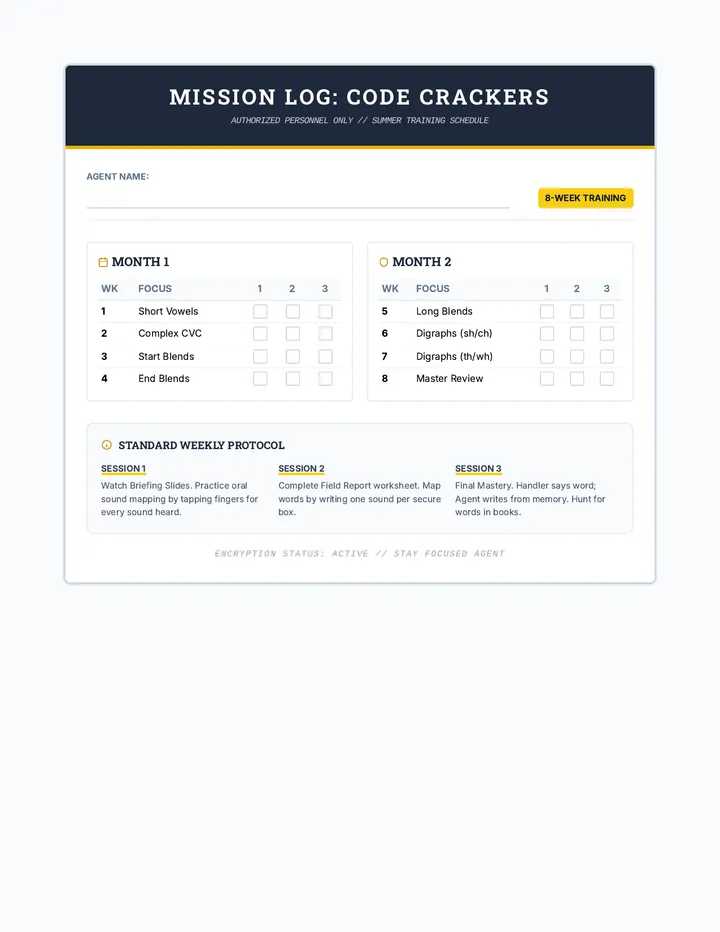
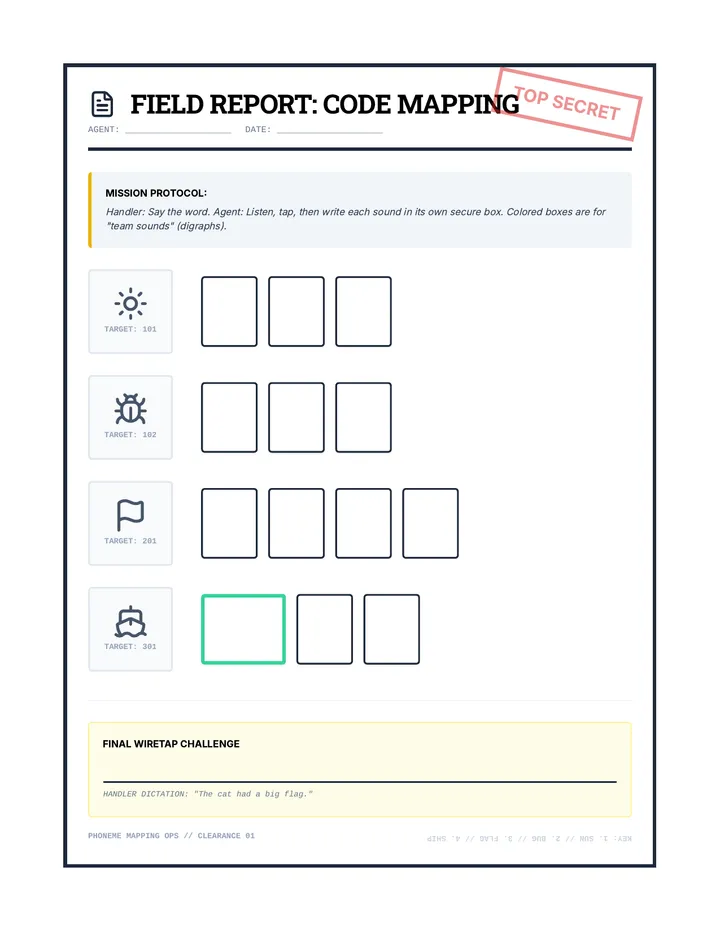
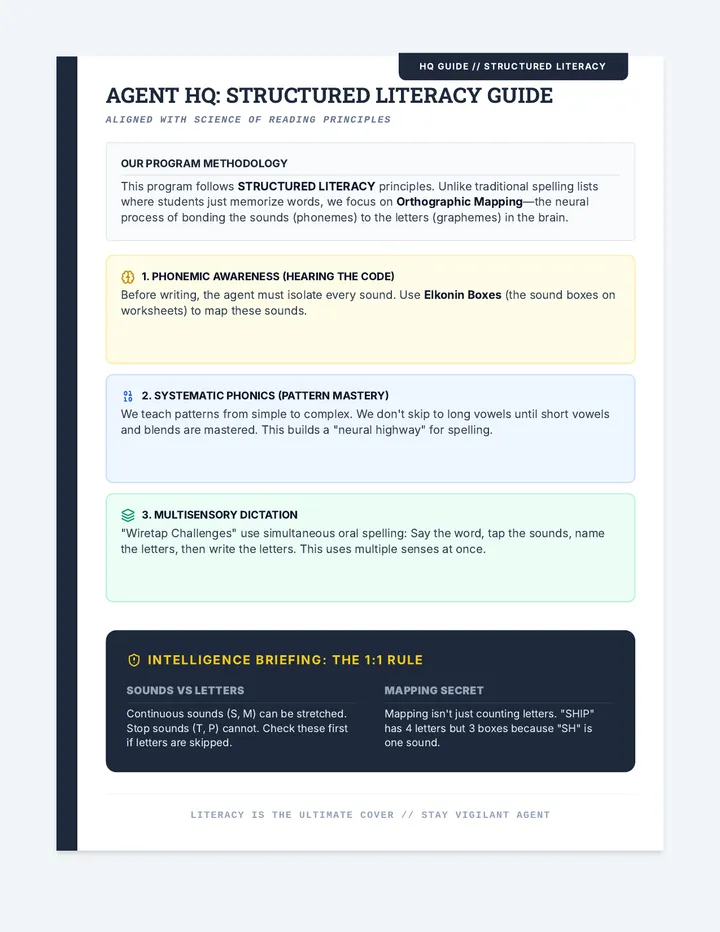
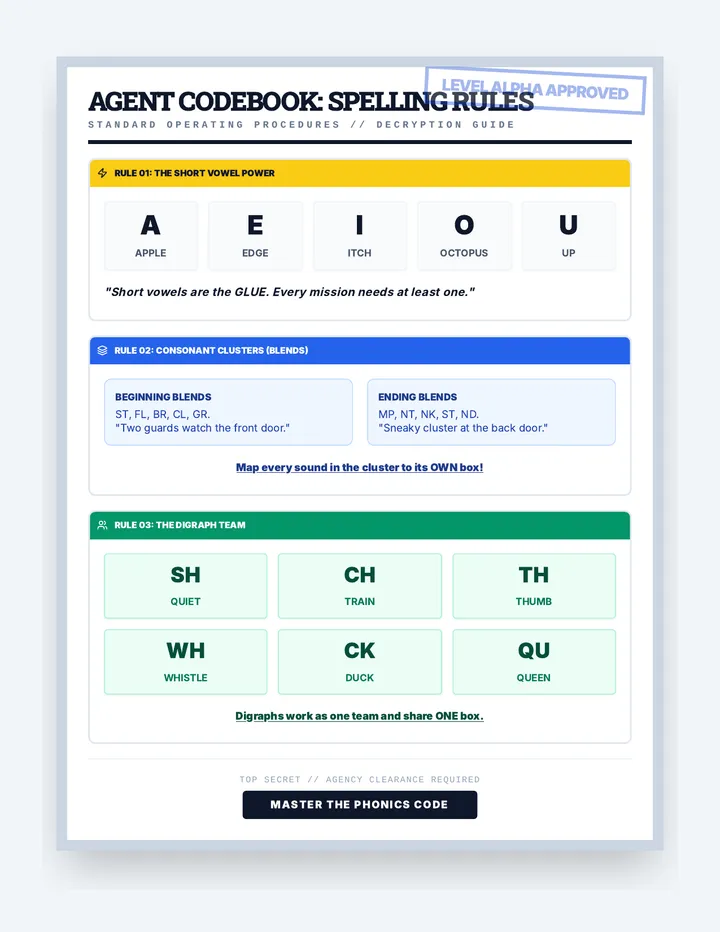
A 2-month summer spelling program for a 10-year-old boy, focusing on CVC words, blends, and digraphs through a 'Secret Agent' detective theme. Designed for 3 sessions per week, it emphasizes phonemic awareness and structured literacy.
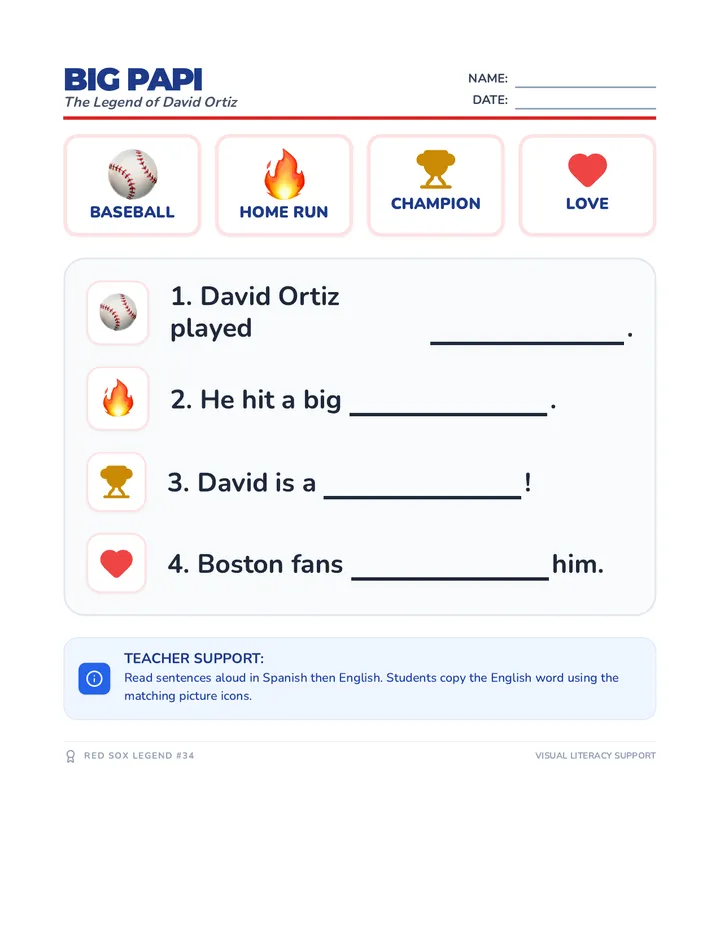
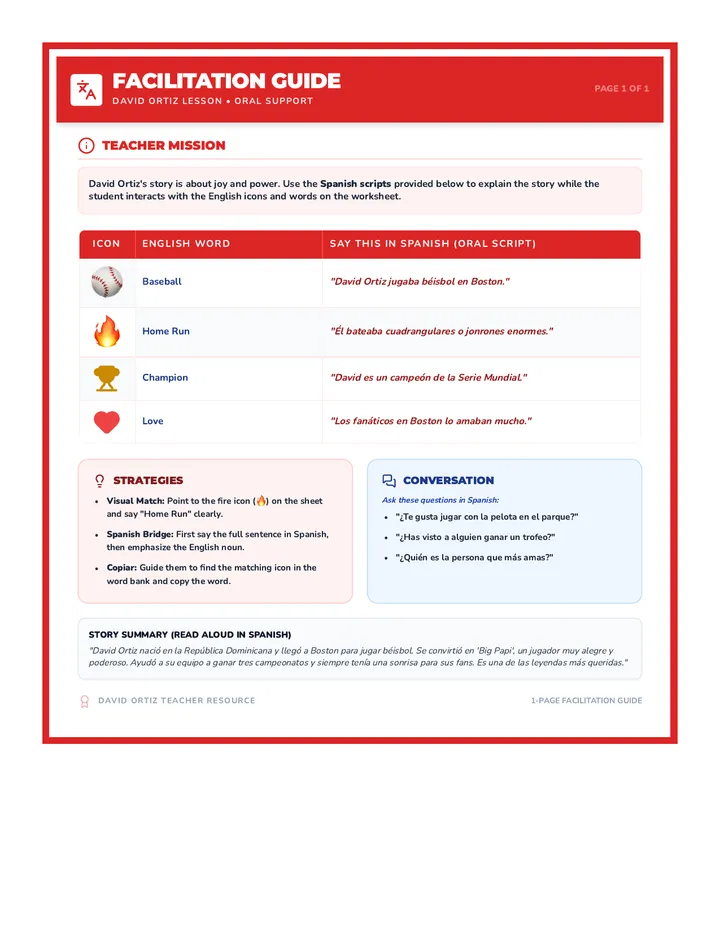
A series of lessons focused on baseball legends, designed for students with limited literacy and English language learners.
A five-session executive functioning program for 4th-grade students, using a 'Championship Mindset' dance and performance theme. Students learn to identify their dance strengths, manage distractions, decode complex choreography (prompts), set goals, and implement strategies for task completion.
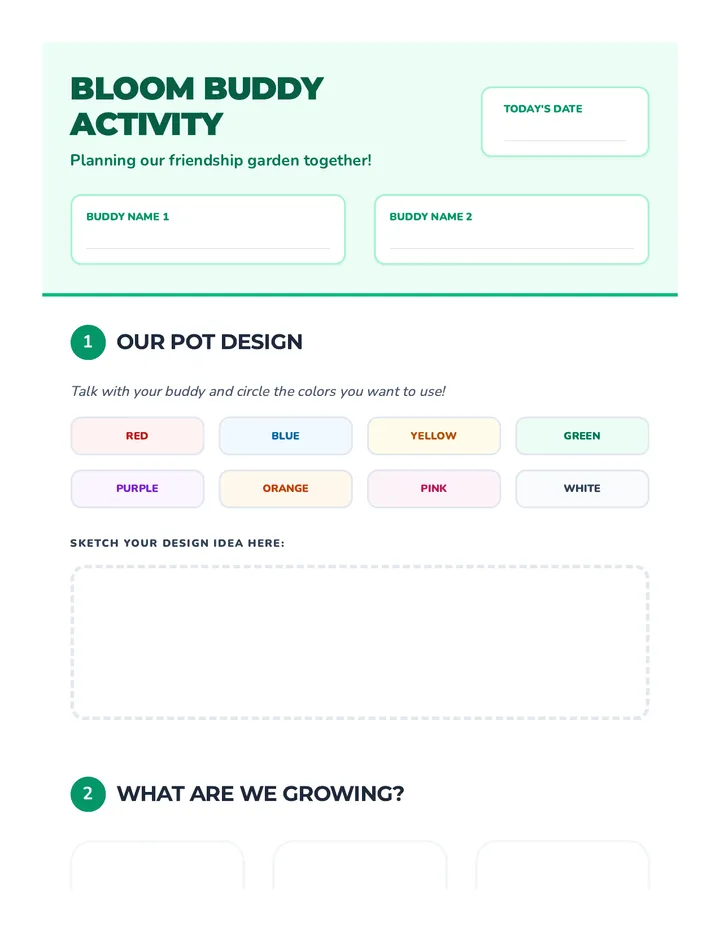
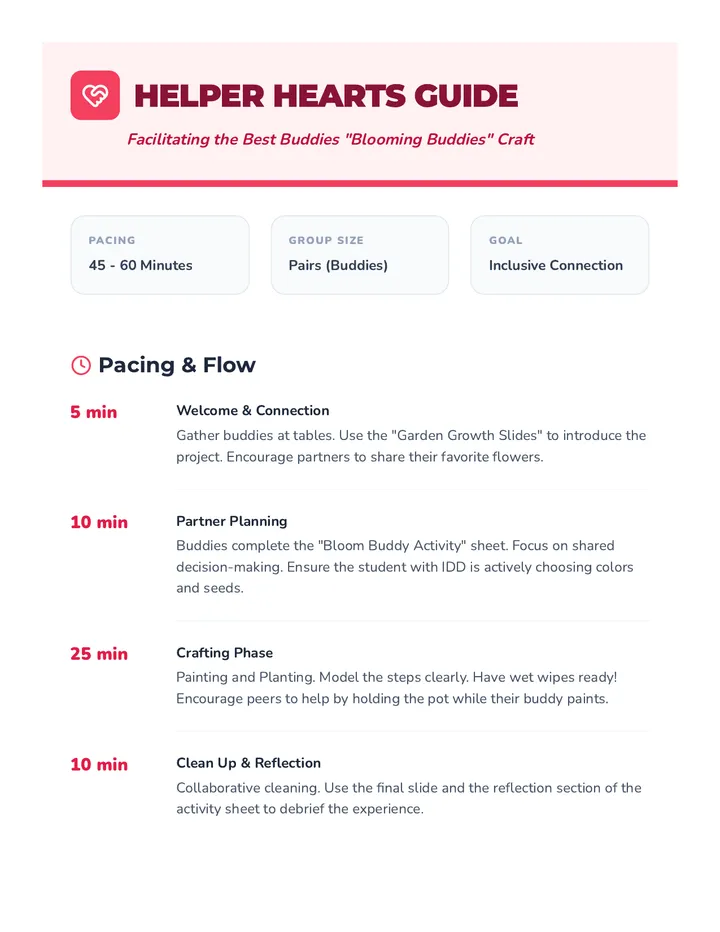
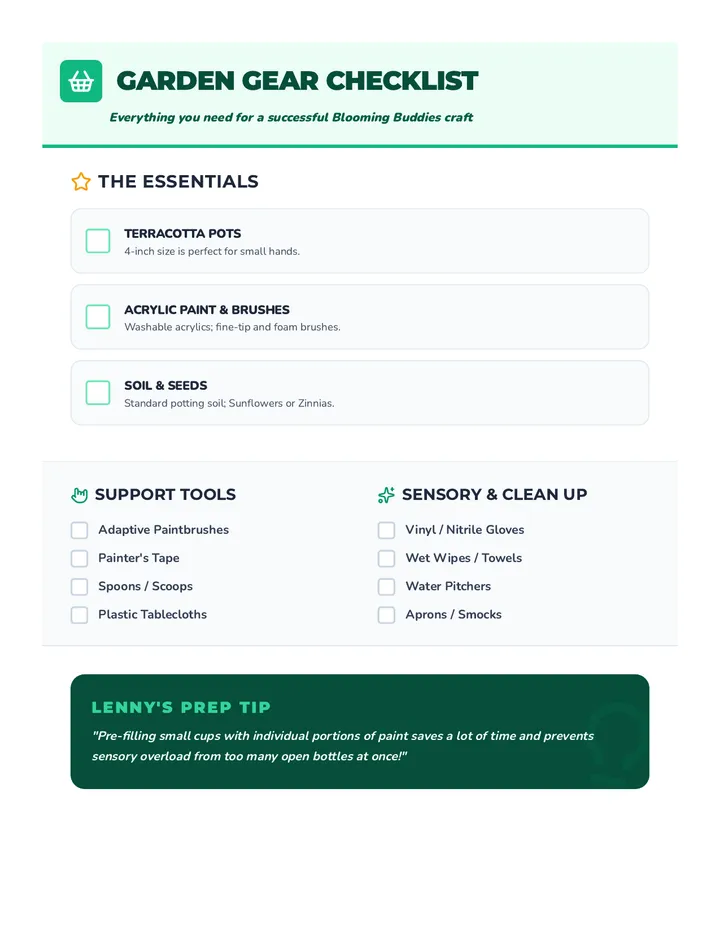
A series of collaborative lessons designed for Best Buddies pairs to foster social connection through shared creative projects, from gardening to storytelling.
A series of professional-style modules designed to teach elementary-level core standards in Science, ELA, and Math through a high-school-inspired lens. These materials use sophisticated design and terminology to maintain student dignity while providing essential scaffolding for comprehension and skill-building.
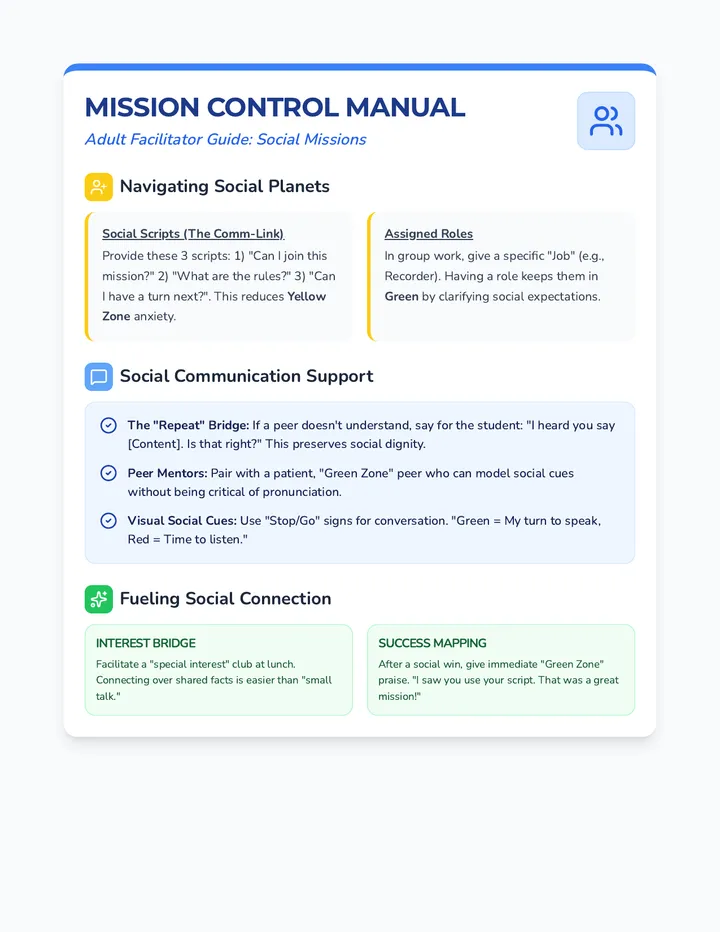
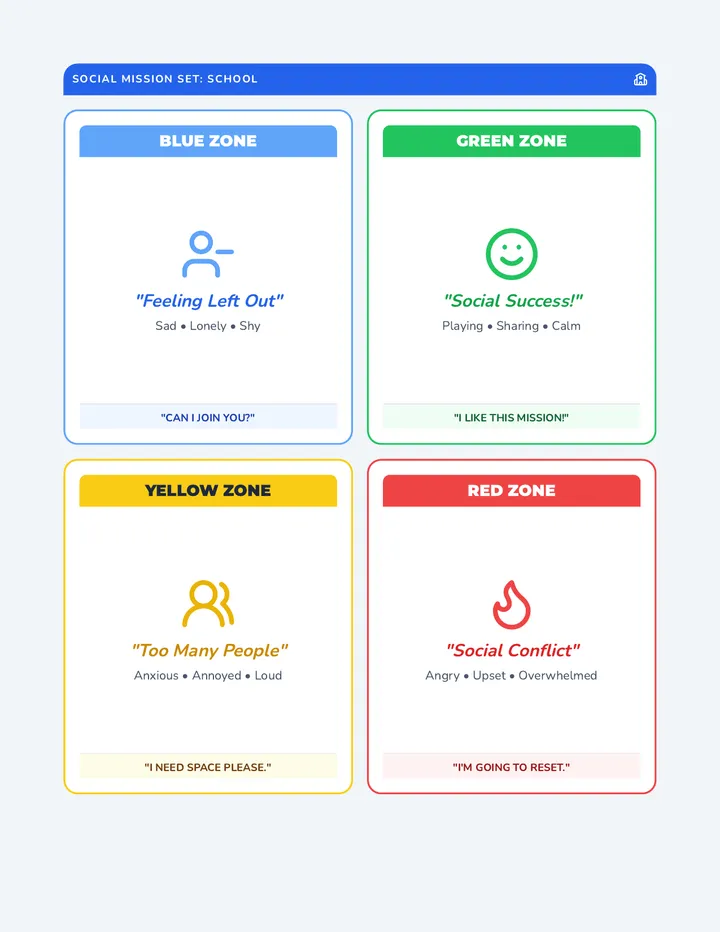
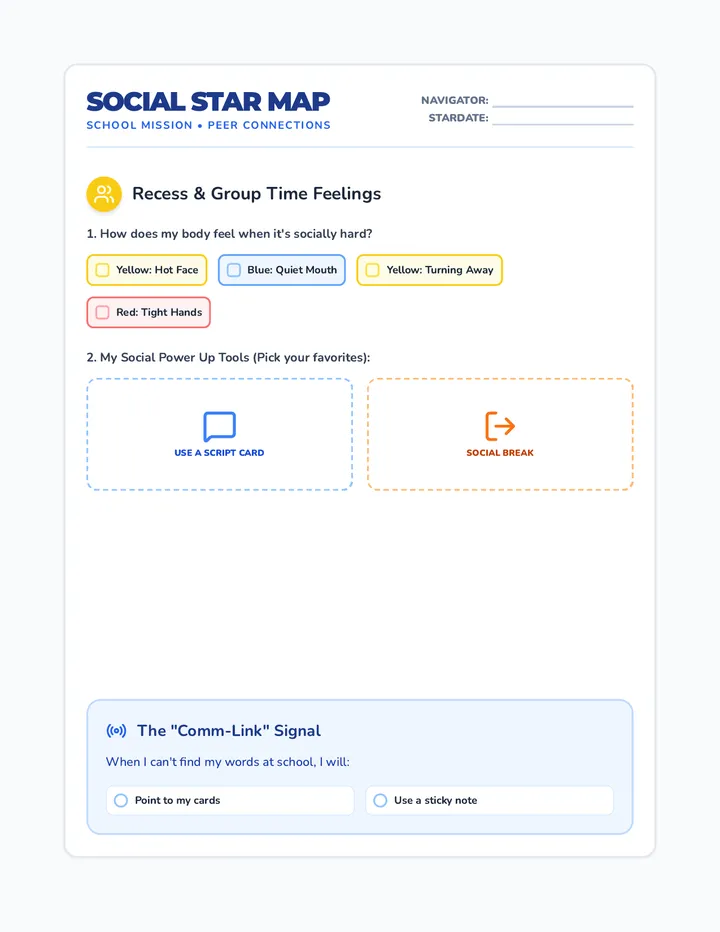
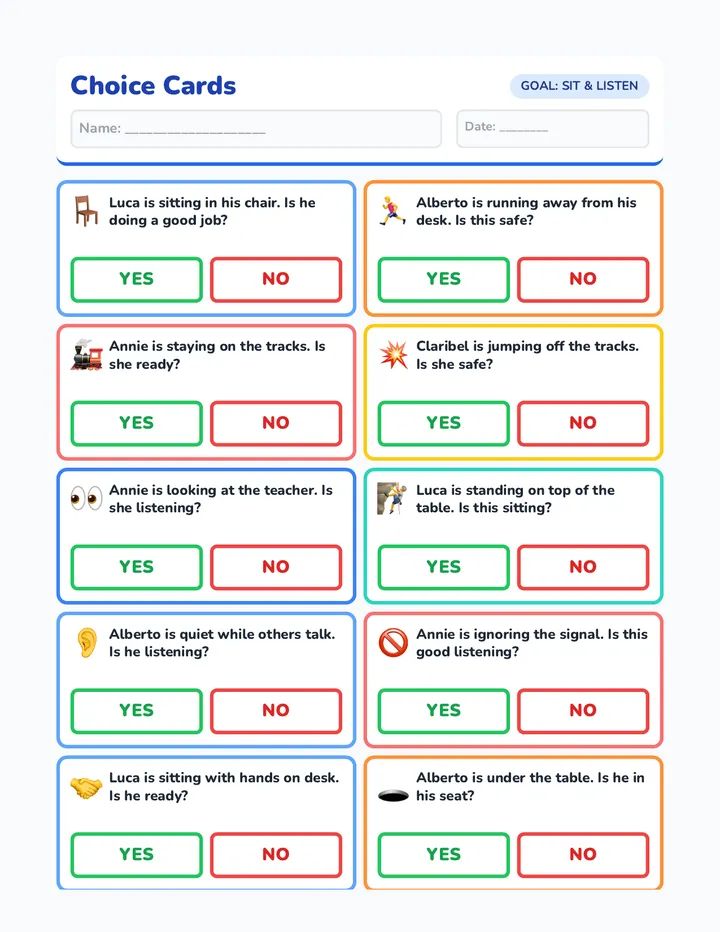
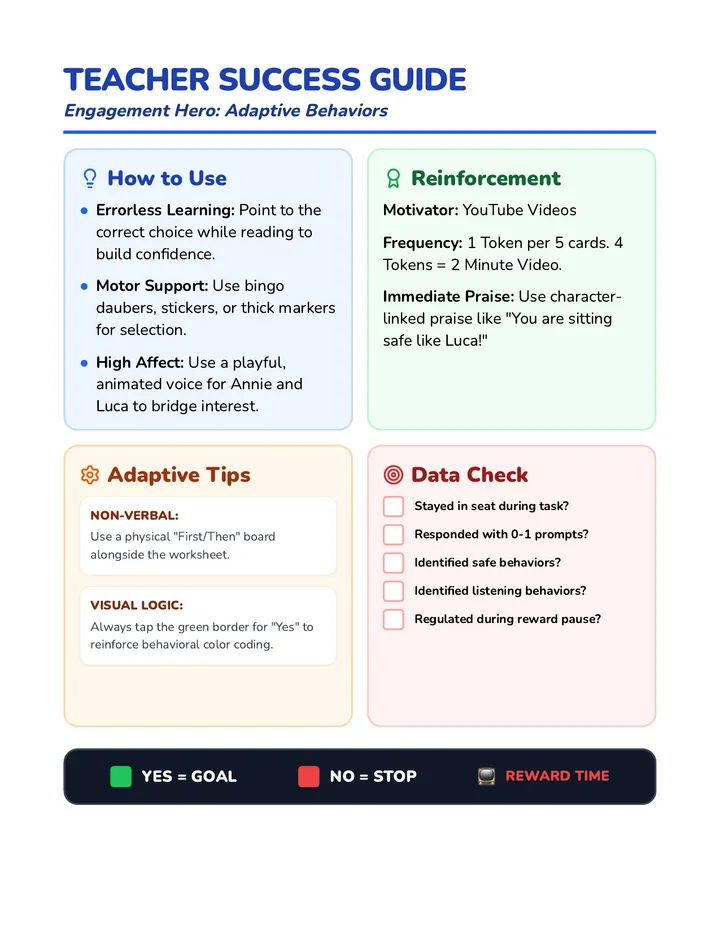
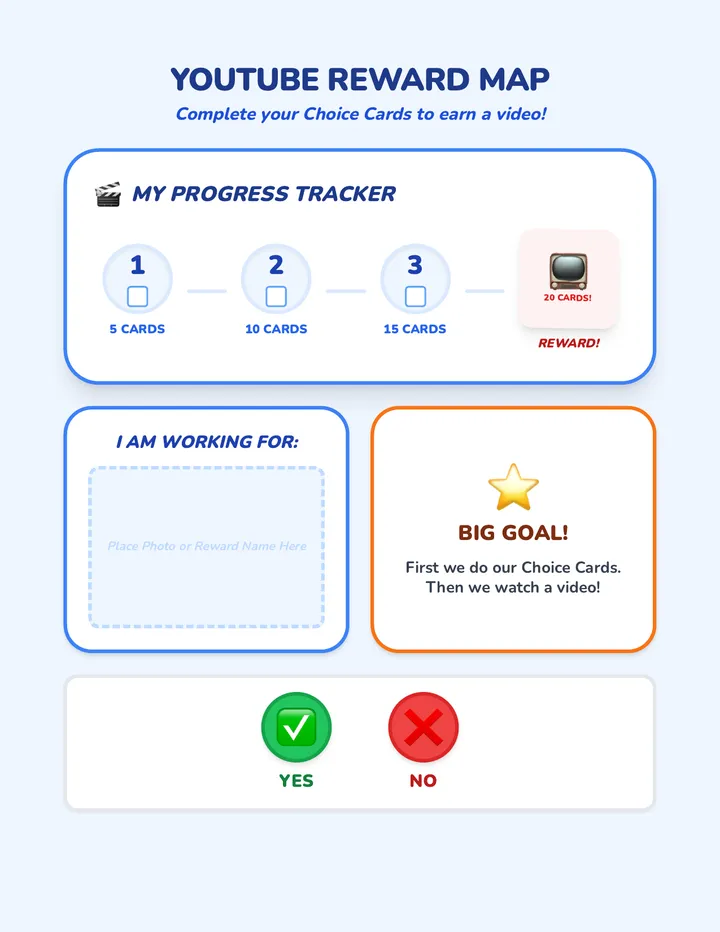
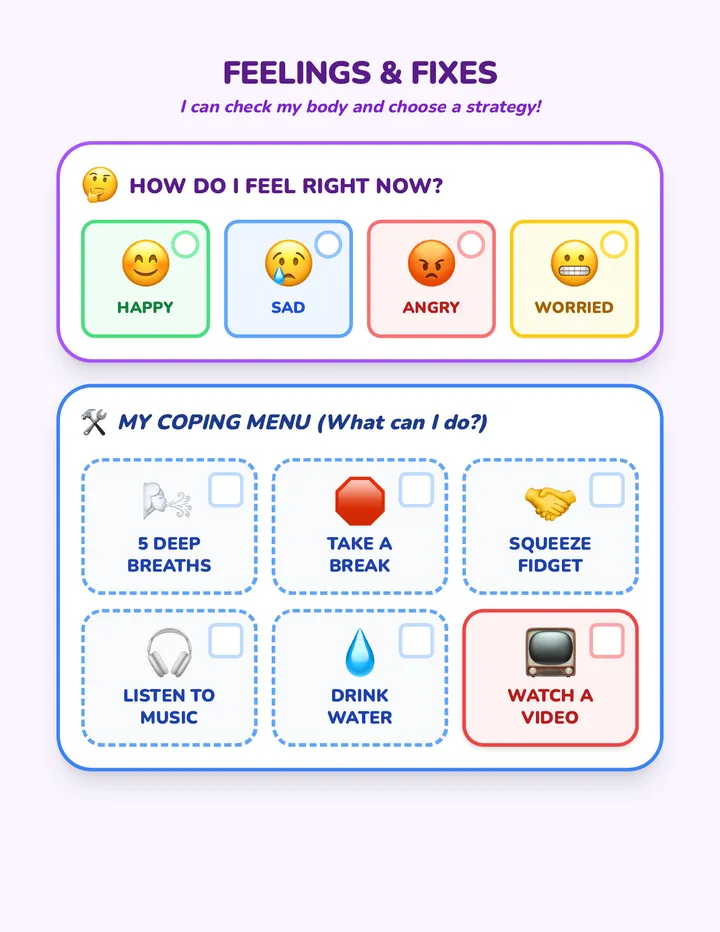
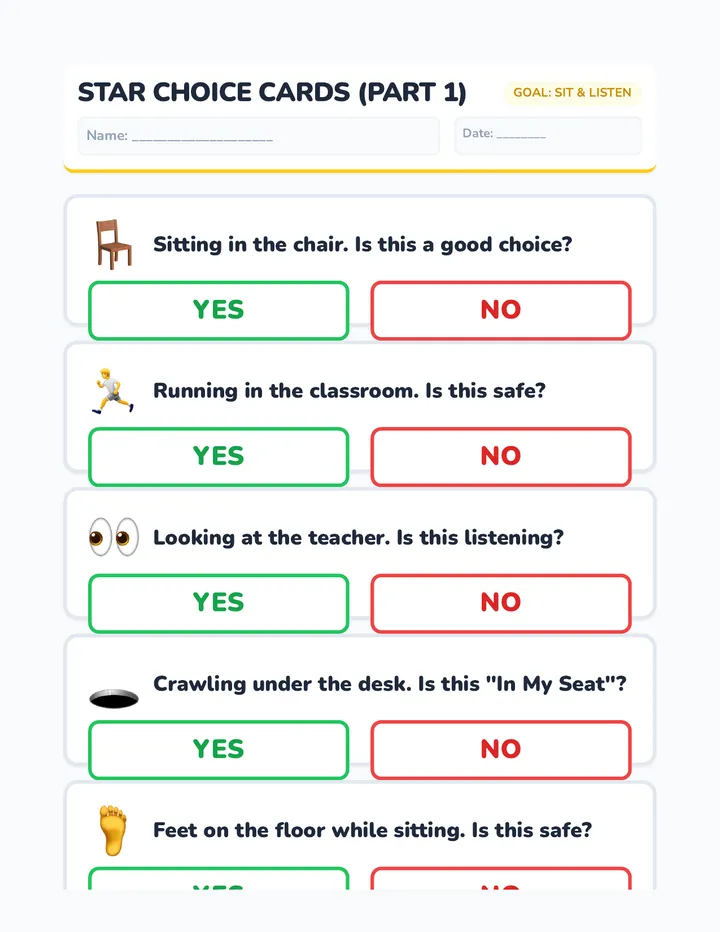
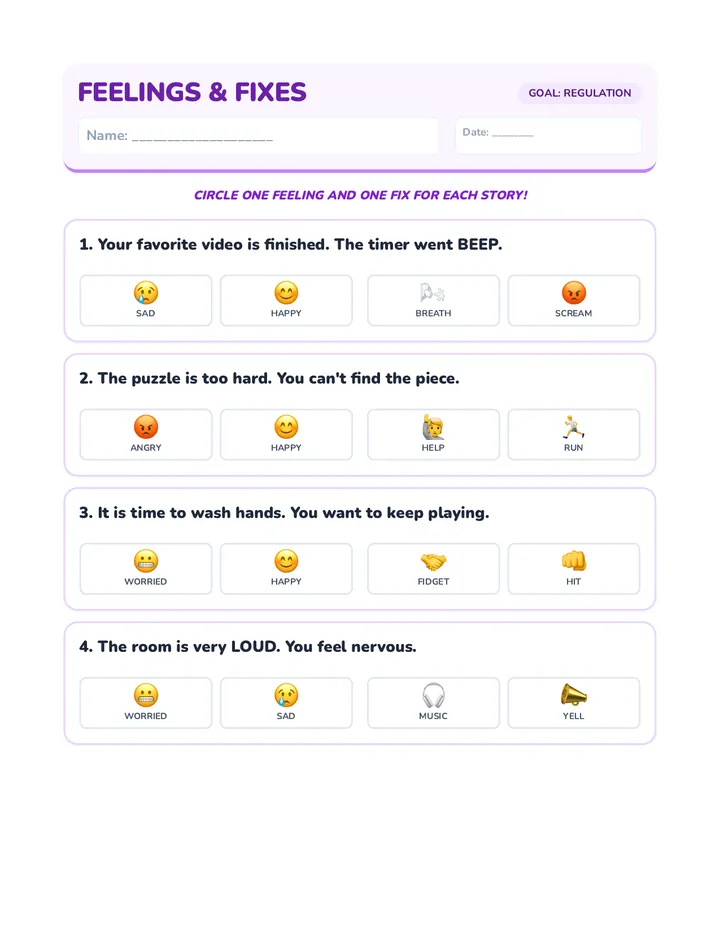
A collection of adaptive social skills and behavior lessons for students with autism, focusing on classroom engagement, emotional regulation, and social boundaries.
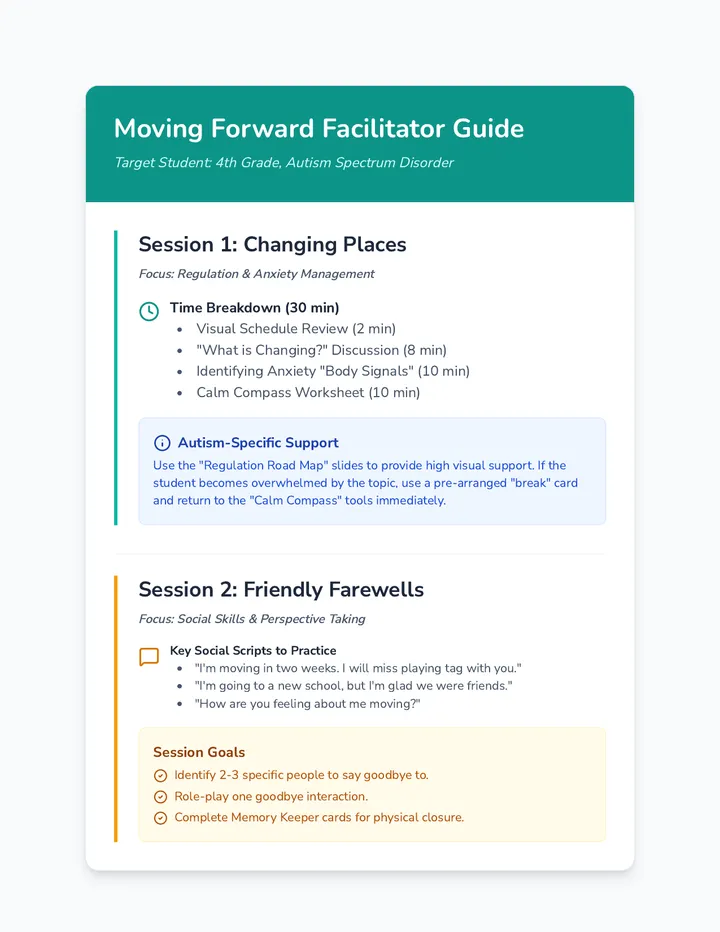
A two-session social-emotional sequence designed for a 4th-grade student with autism to navigate the transition of moving away. The sequence focuses on emotional regulation, perspective-taking, and the practical social skills of saying goodbye.
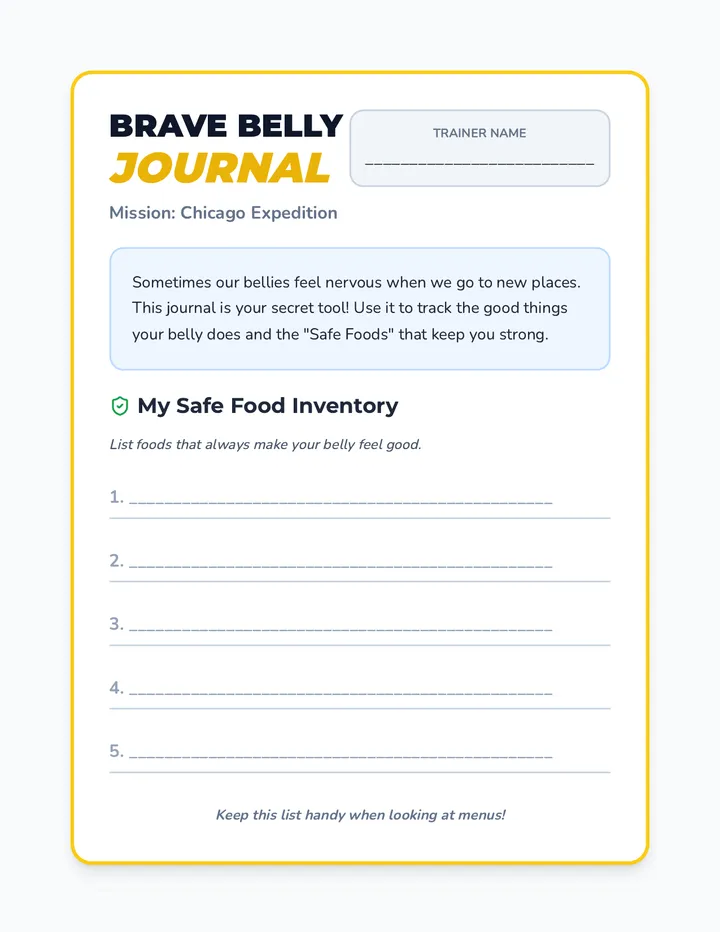
A collection of resources to help a student prepare for a trip to Chicago for Pokemon Go-Fest, focusing on managing travel anxiety and food-related concerns.
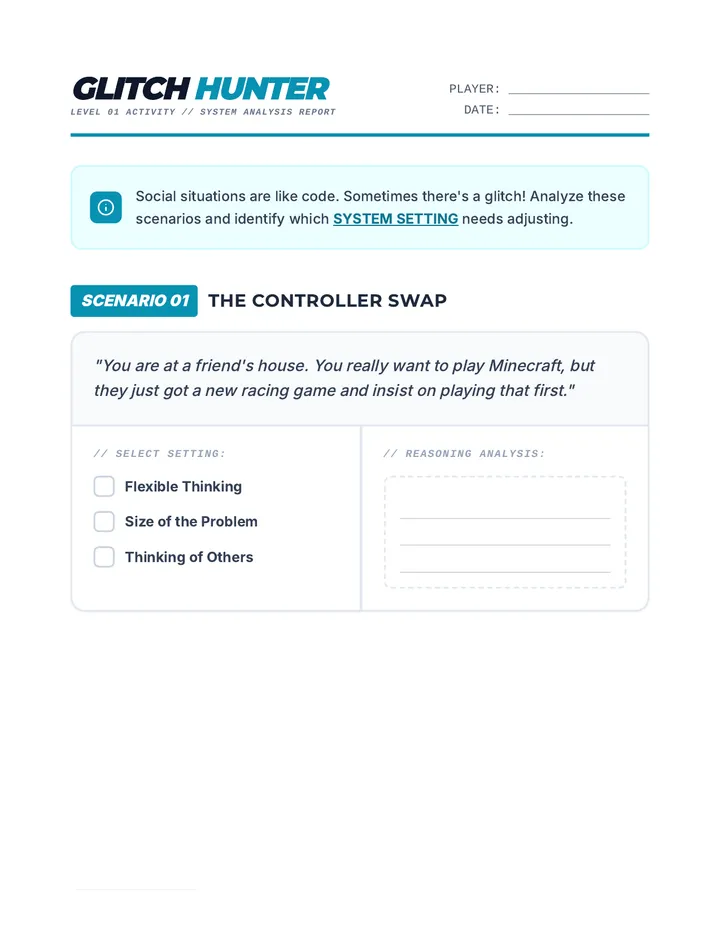
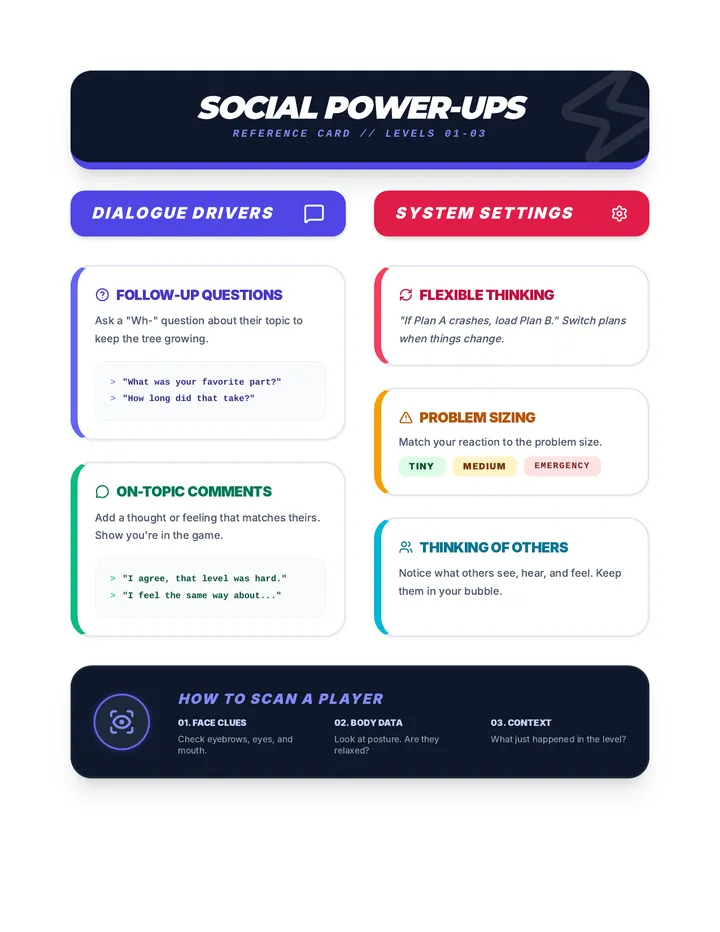
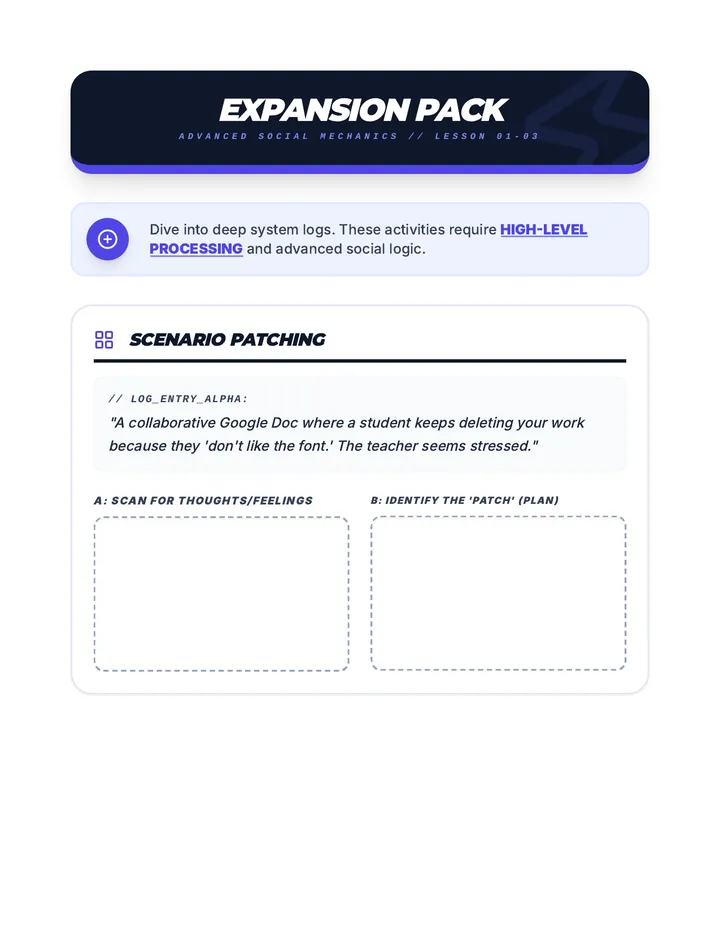
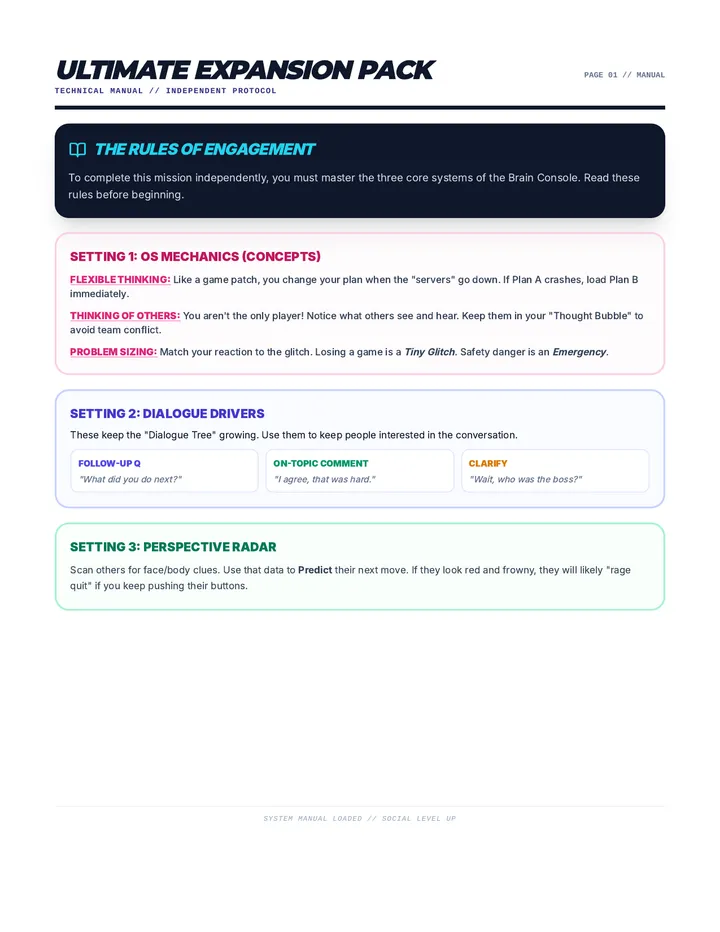
A video game-themed social skills sequence designed for high-ability students with autism. It uses gaming metaphors like 'glitches,' 'dialogue trees,' and 'system scans' to teach Social Thinking concepts, conversation drivers, and perspective-taking.
An 8-week summer speech therapy program focusing on the production of the initial /l/ sound, designed as weekly take-home packets for parents and children. Each week builds in complexity from isolation to conversation within a cohesive nautical 'Lighthouse' theme.
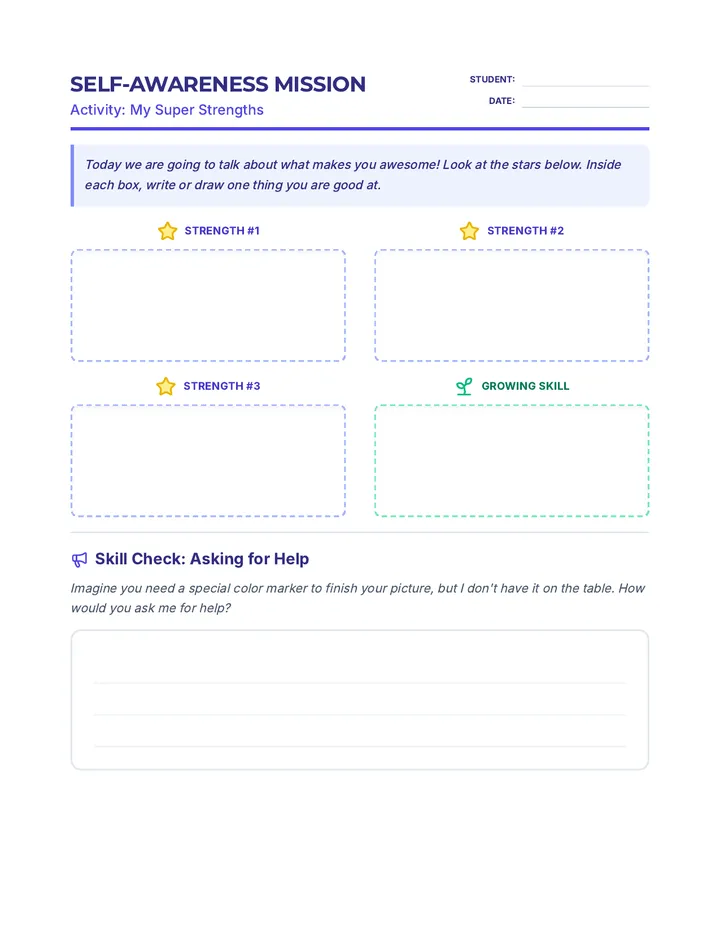
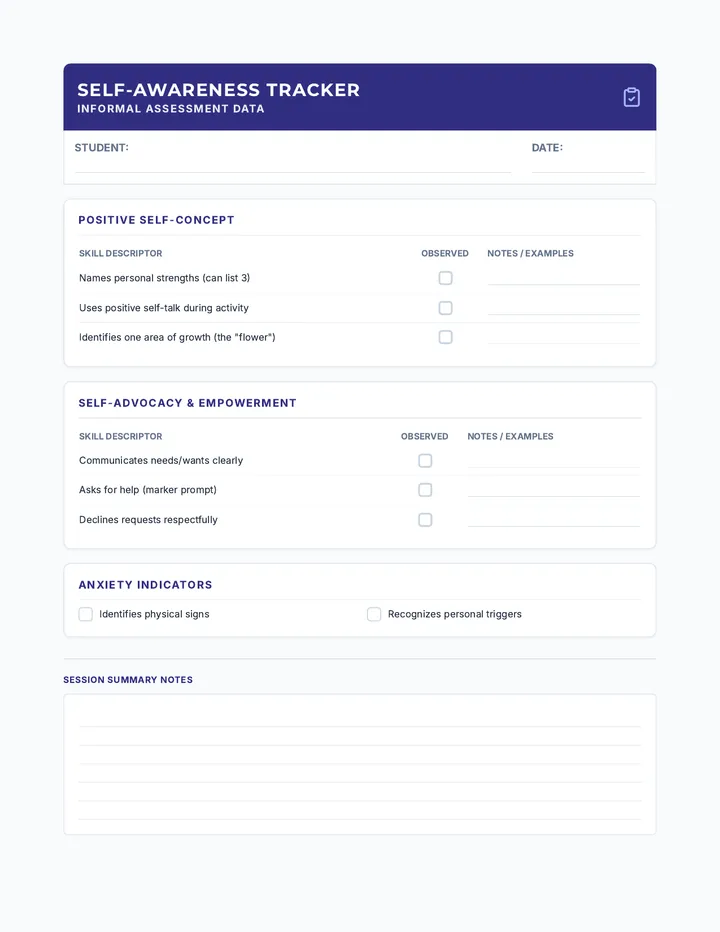
A series of five 15-minute assessment sessions designed for 3rd-5th grade special education students to collect data on key SEL competencies including Self-Awareness, Self-Management, Emotions, Relationship Skills, and Decision-Making.
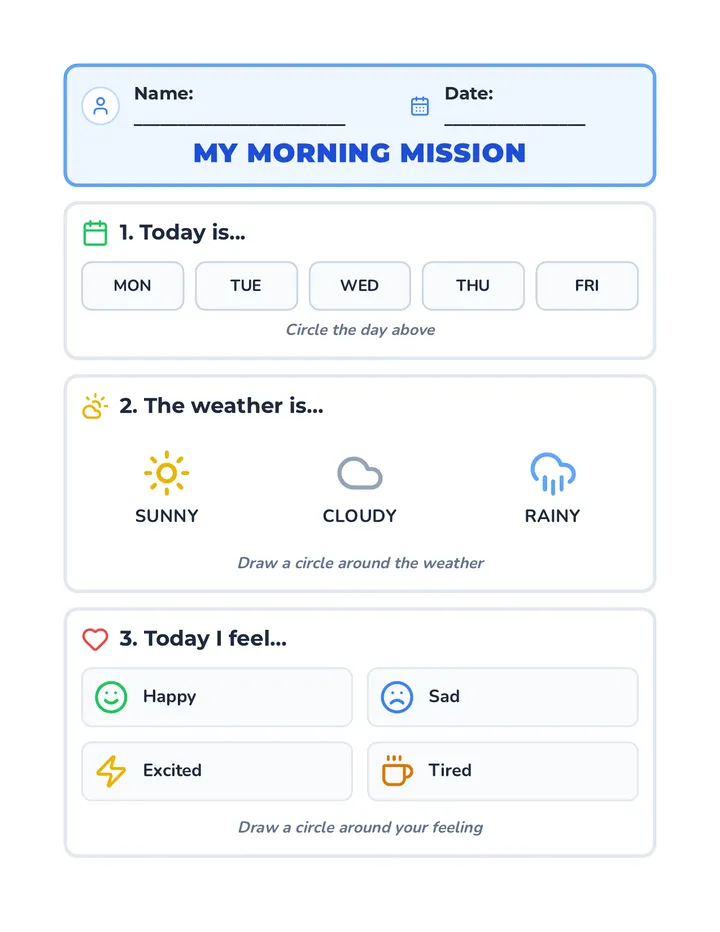
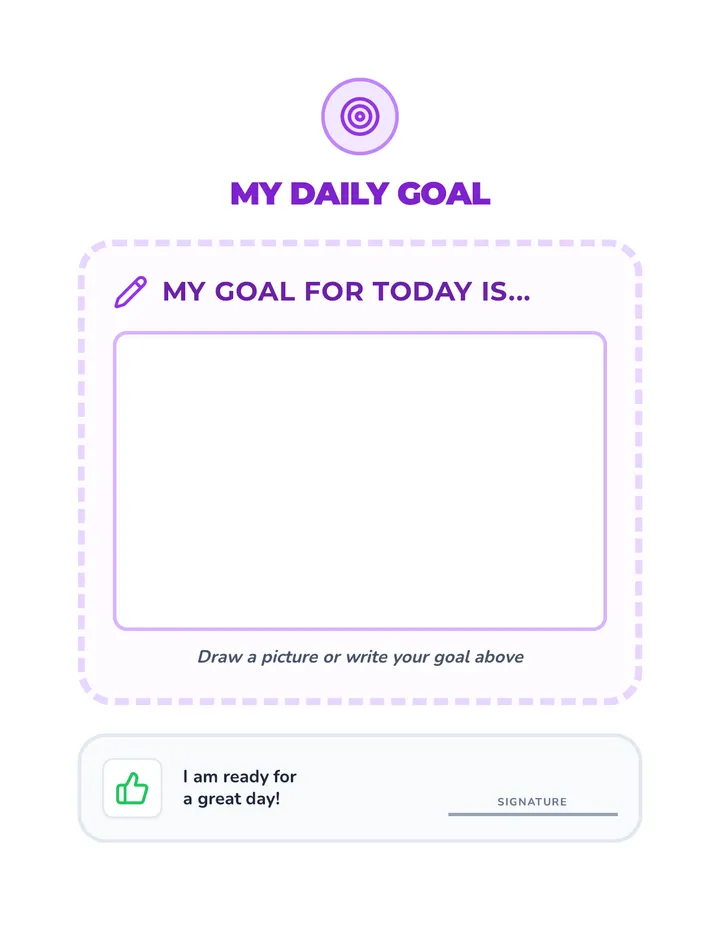
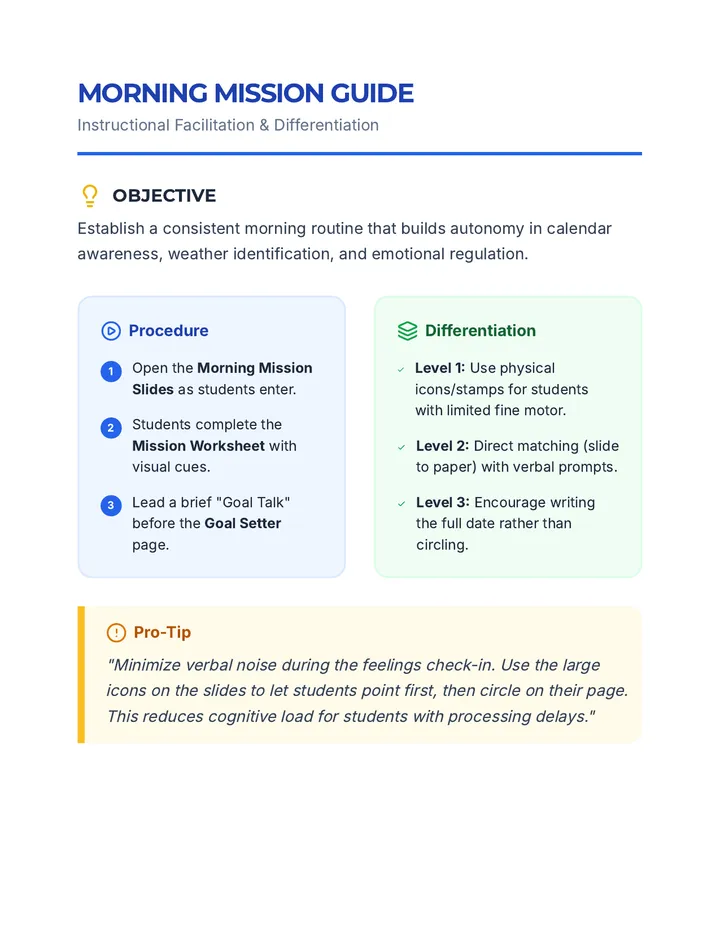
A series of daily morning activities designed for special education classrooms, focusing on routine, emotional regulation, and basic life skills with high visual support.
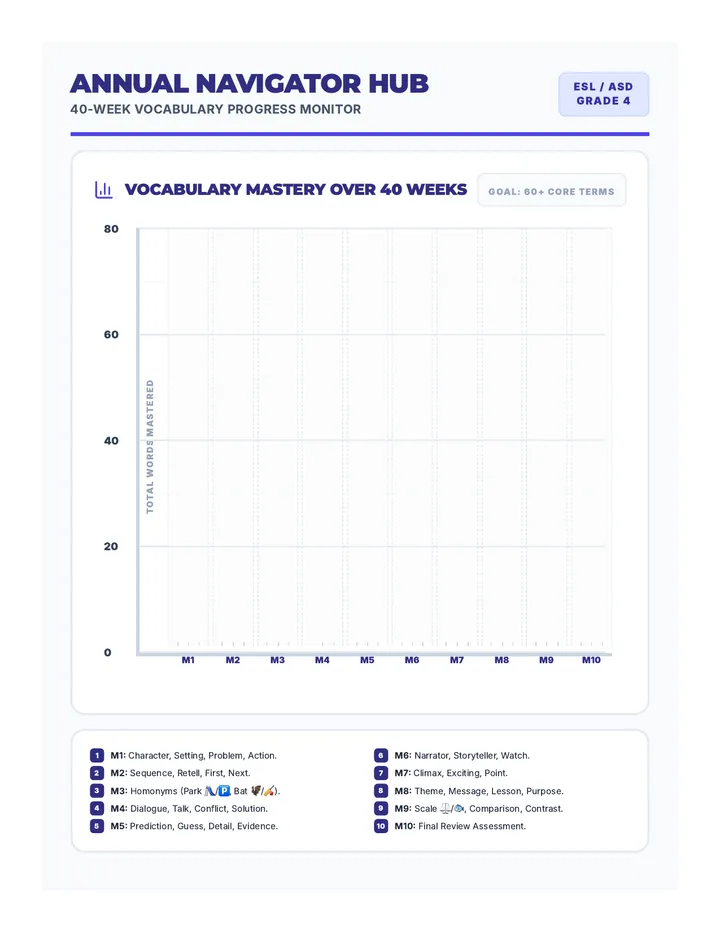
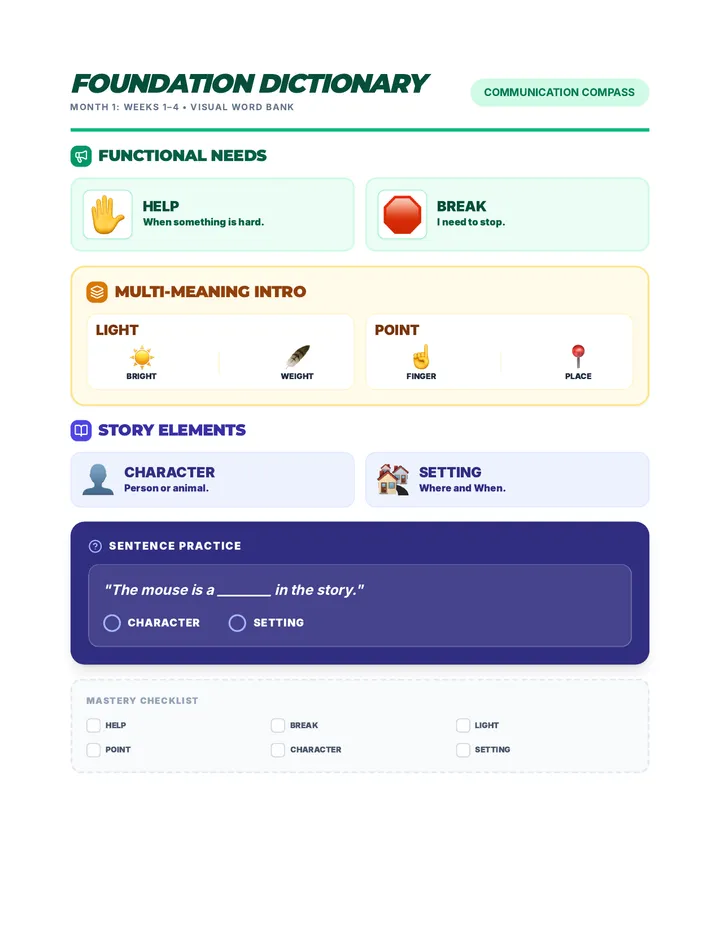
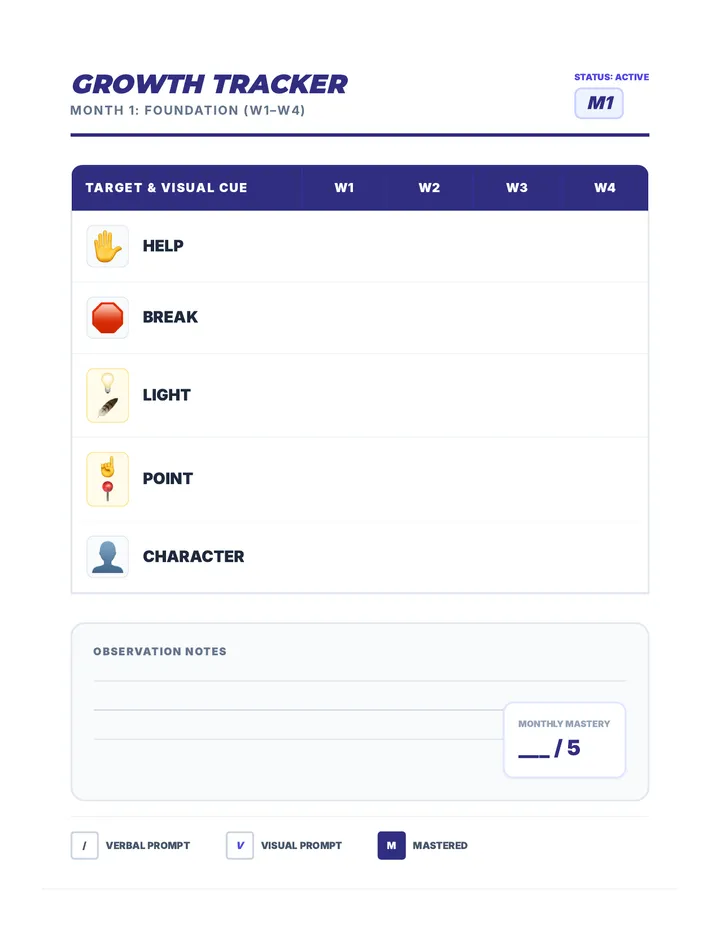
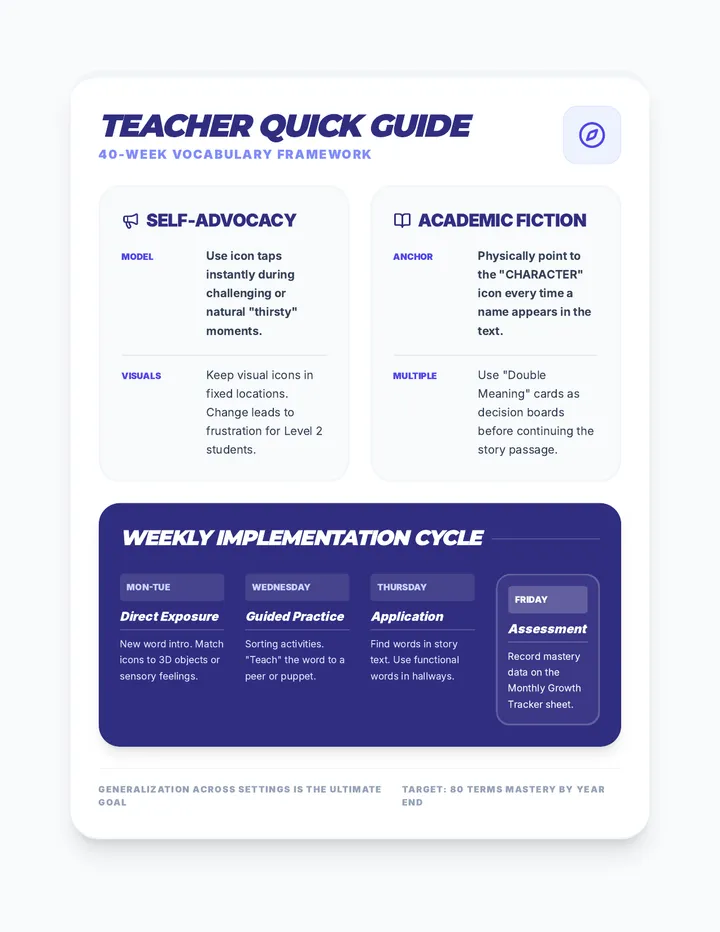
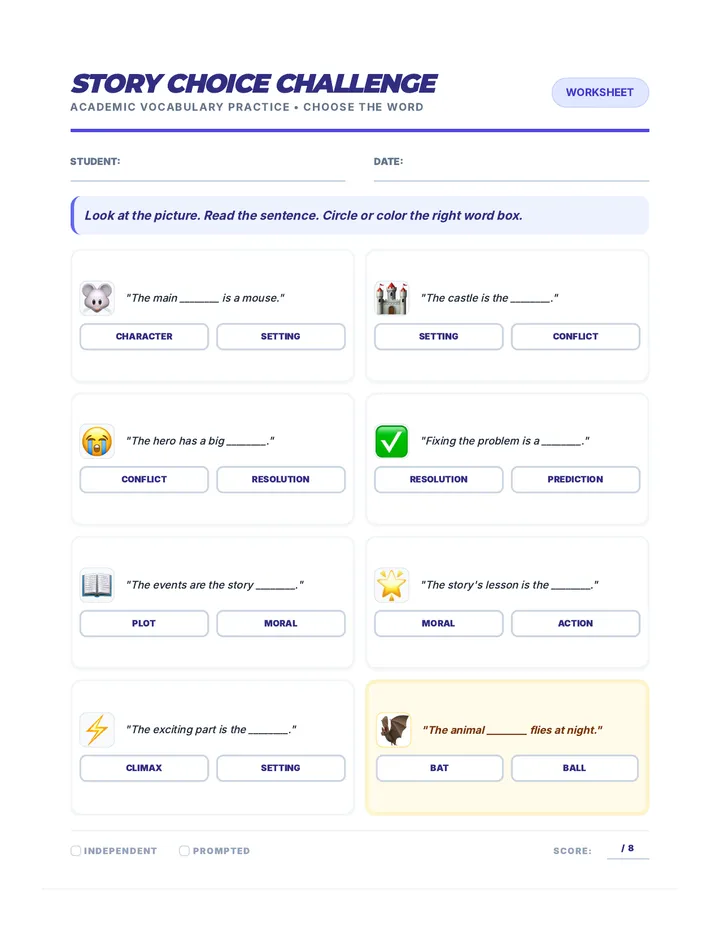
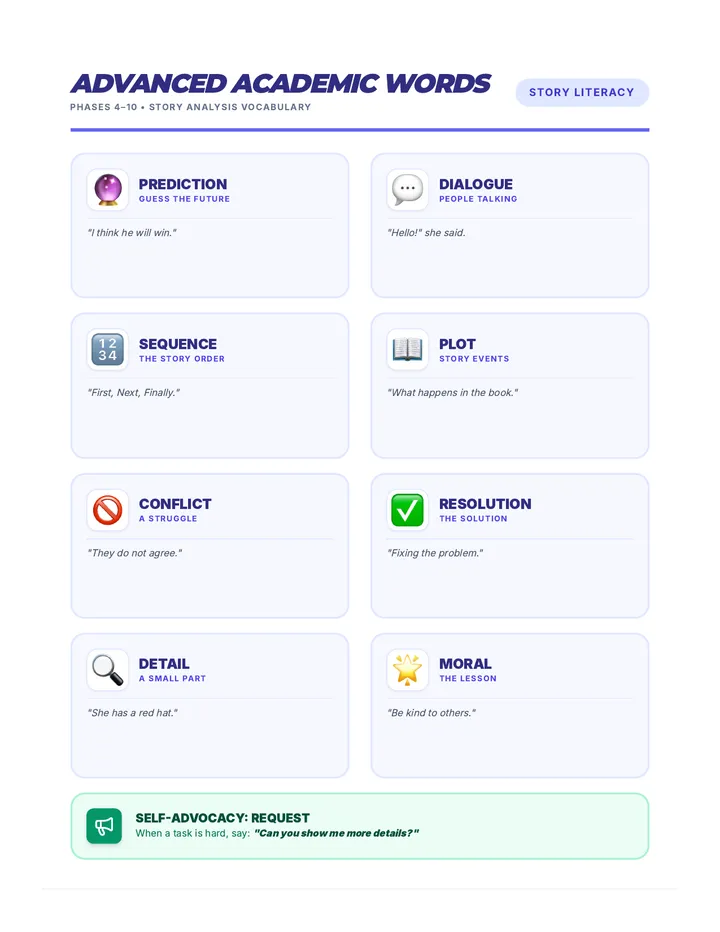
A comprehensive 40-week vocabulary intervention and progress monitoring system for a 4th-grade ESL student with Level 2 Autism. The program focuses on functional self-advocacy, 3rd/4th grade fiction-based academic vocabulary, and multiple-meaning words with high visual support.
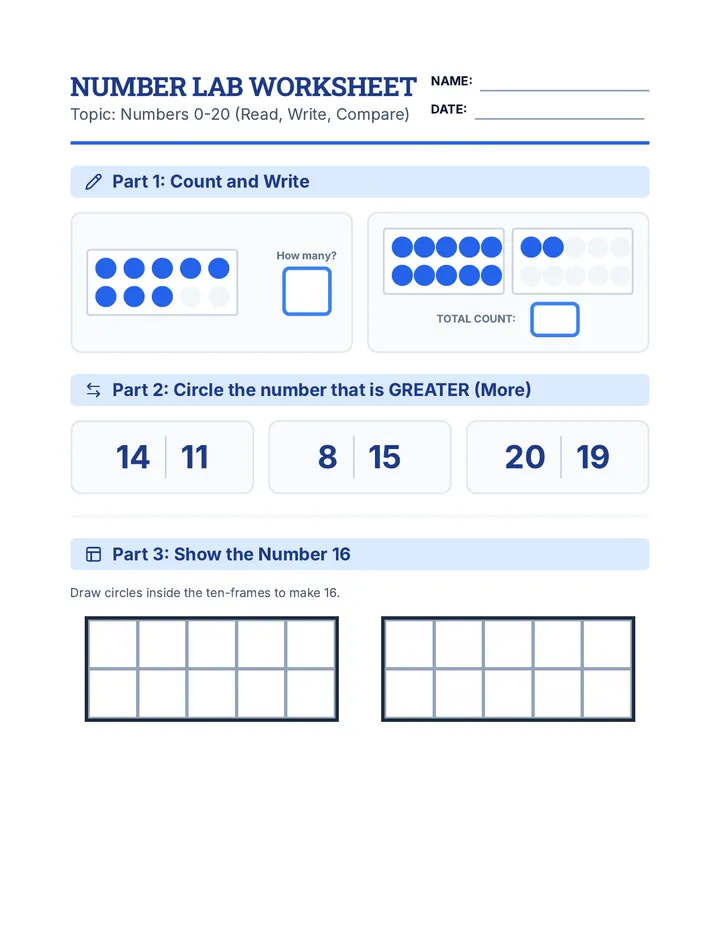
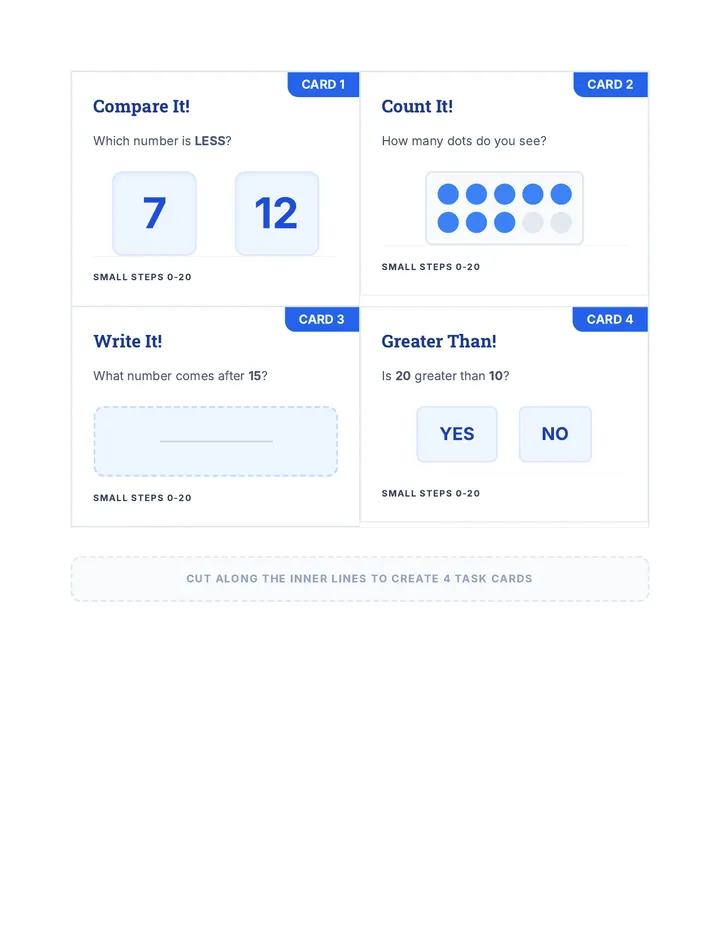
A comprehensive math sequence designed for IEP students, focusing on building number sense from 0 to 1,000 through visual models, scaffolded practice, and hands-on activities.
A 40-week reading comprehension program focusing on literal 'WH' questions using visual supports and word stems.
A foundational literacy sequence designed for EC students in grades 3-5, focusing on phonemic awareness, sight word recognition, and basic comprehension through a 'Secret Agent' theme. Students engage in 'decoding' missions that build confidence and reading fluency.
A comprehensive collection of scaffolded writing resources designed for RSP students to master opinion writing across various support levels, specifically tailored for end-of-year progress reports.
An intensive 40-week structured literacy intervention designed for 4th-grade students with significant dyslexia, moving from basic letter-sound correspondence to advanced morphology.