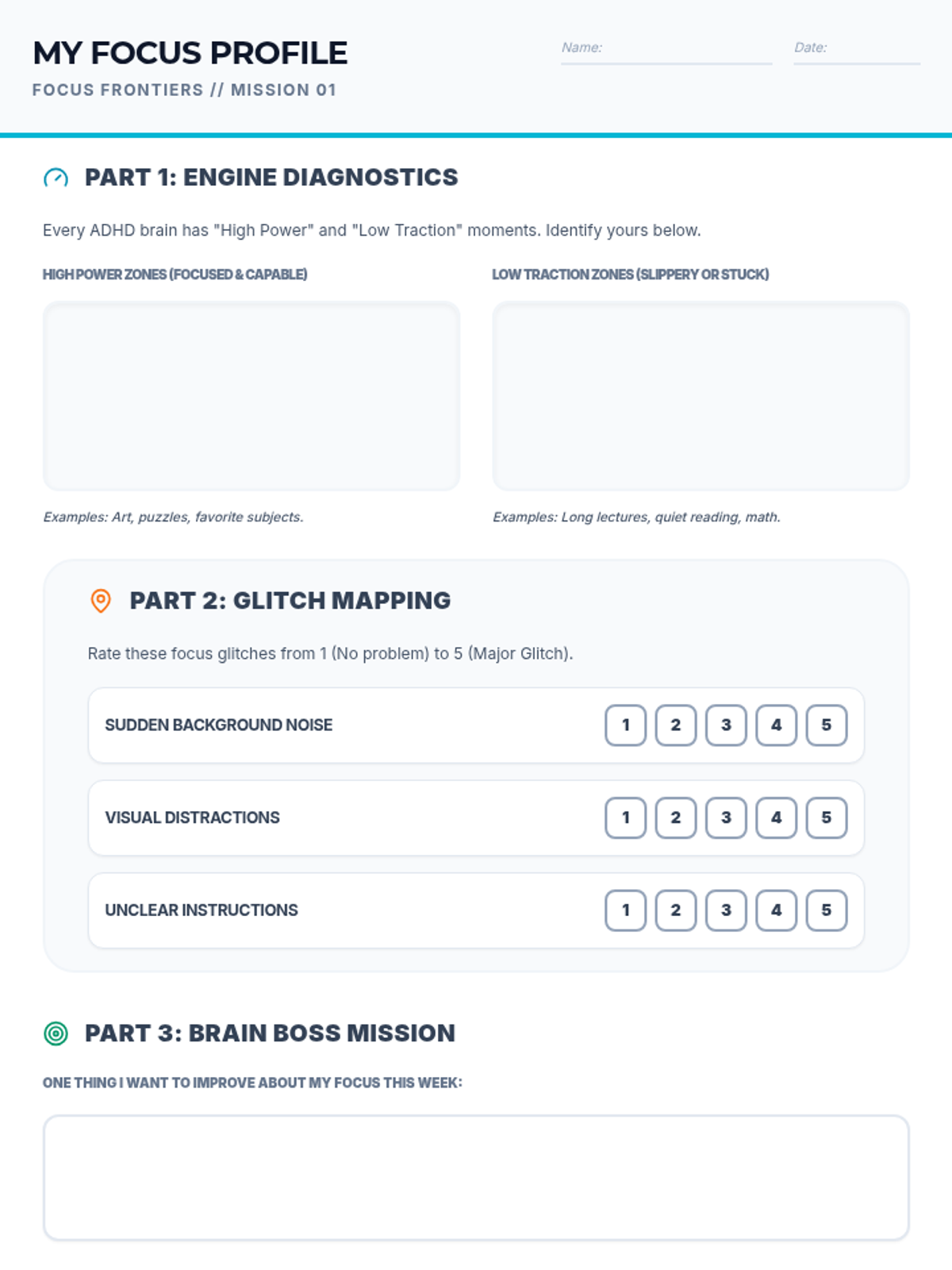
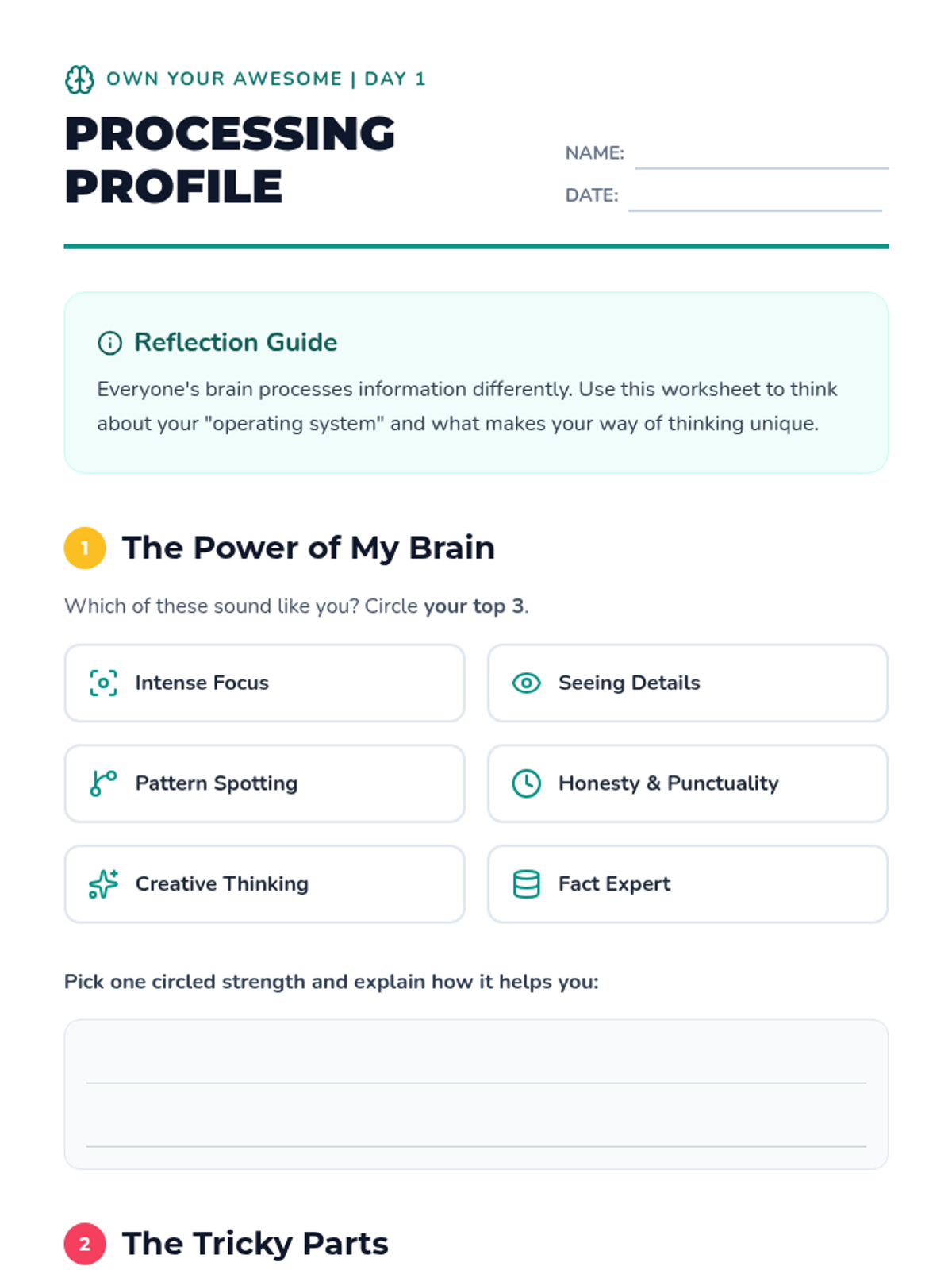
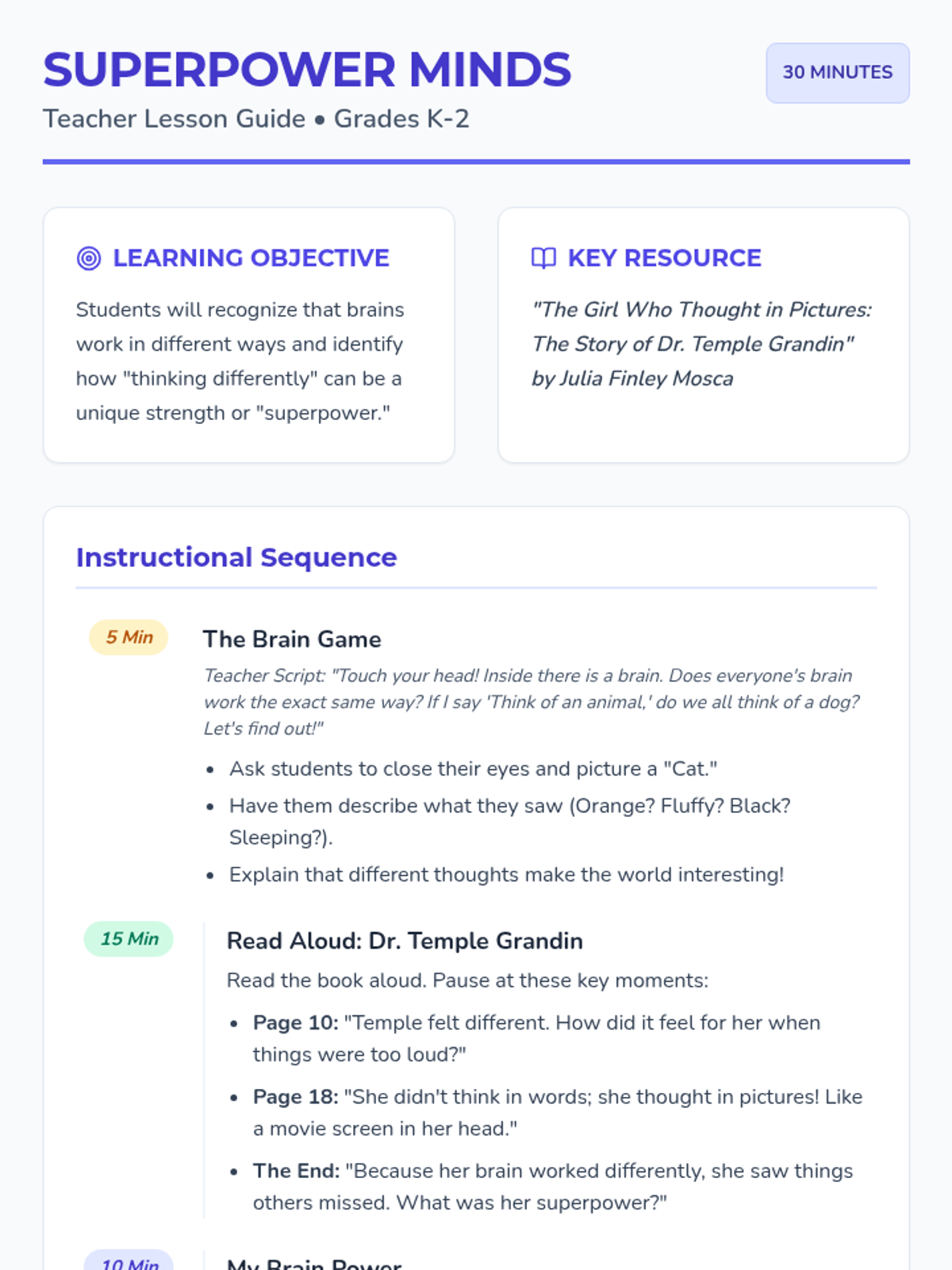
A multi-session, personalized coaching program designed to empower students with executive functioning strategies. Students explore their unique brain functions and build a custom toolkit to tackle task initiation and organization challenges.
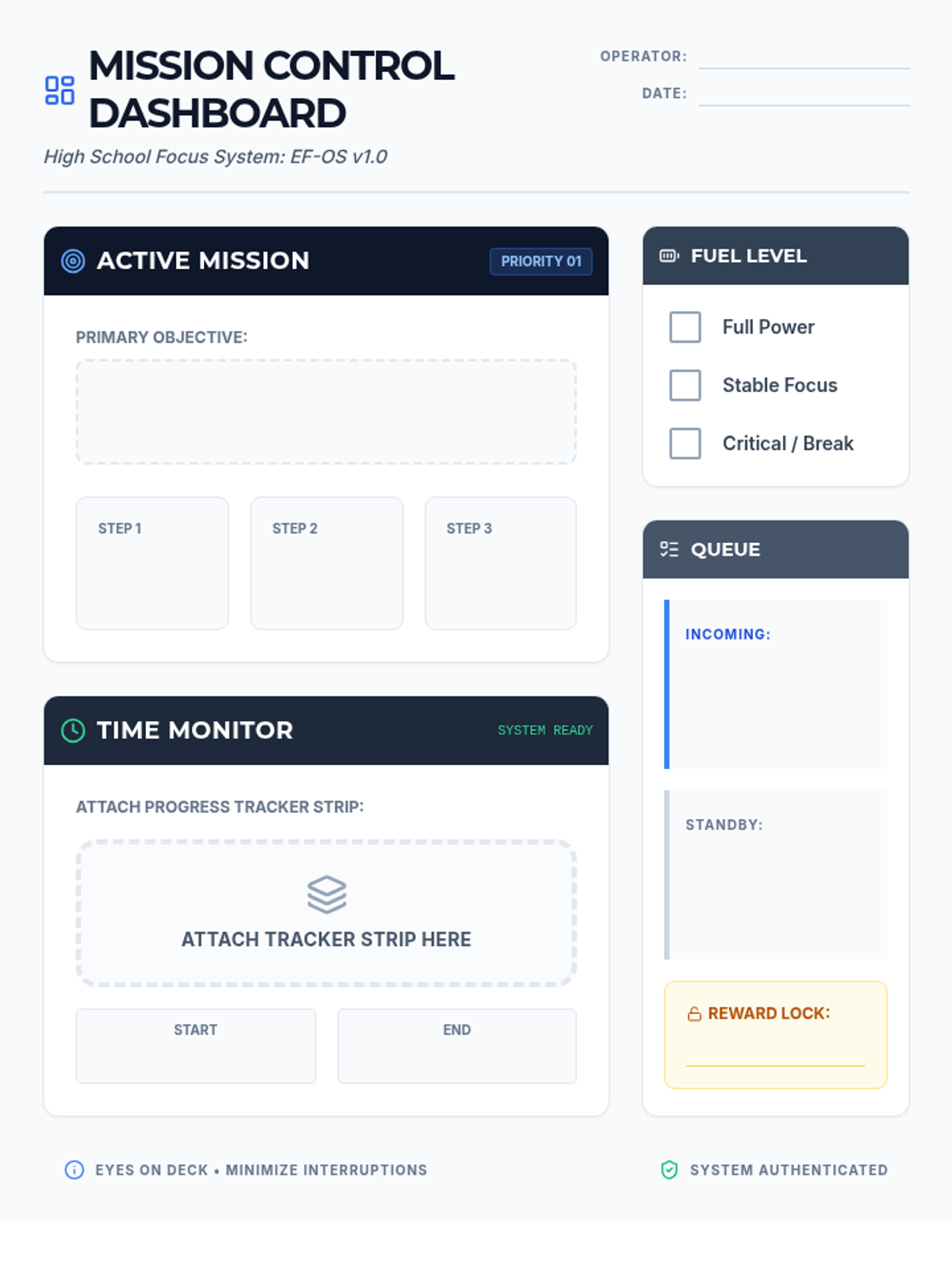
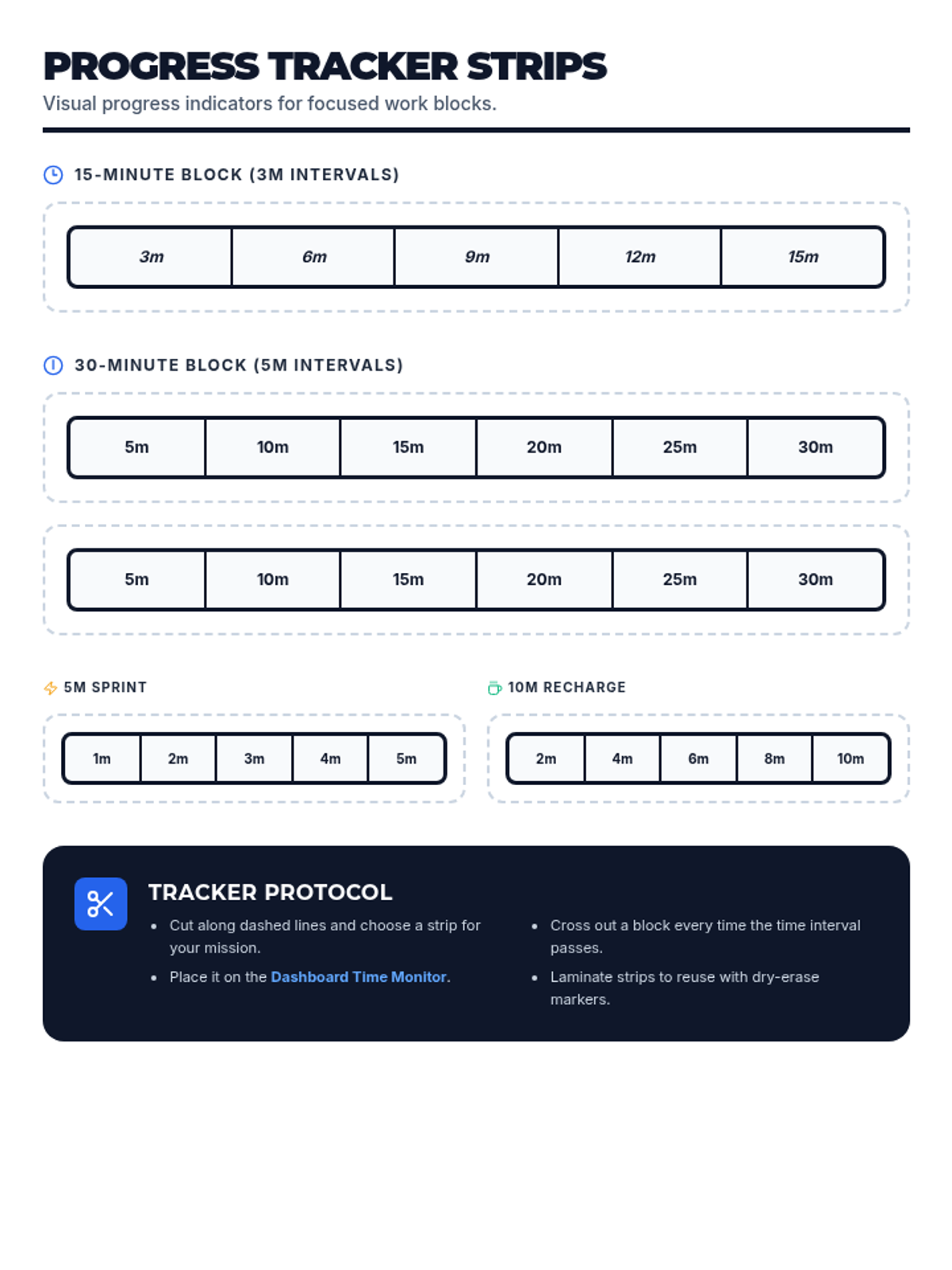
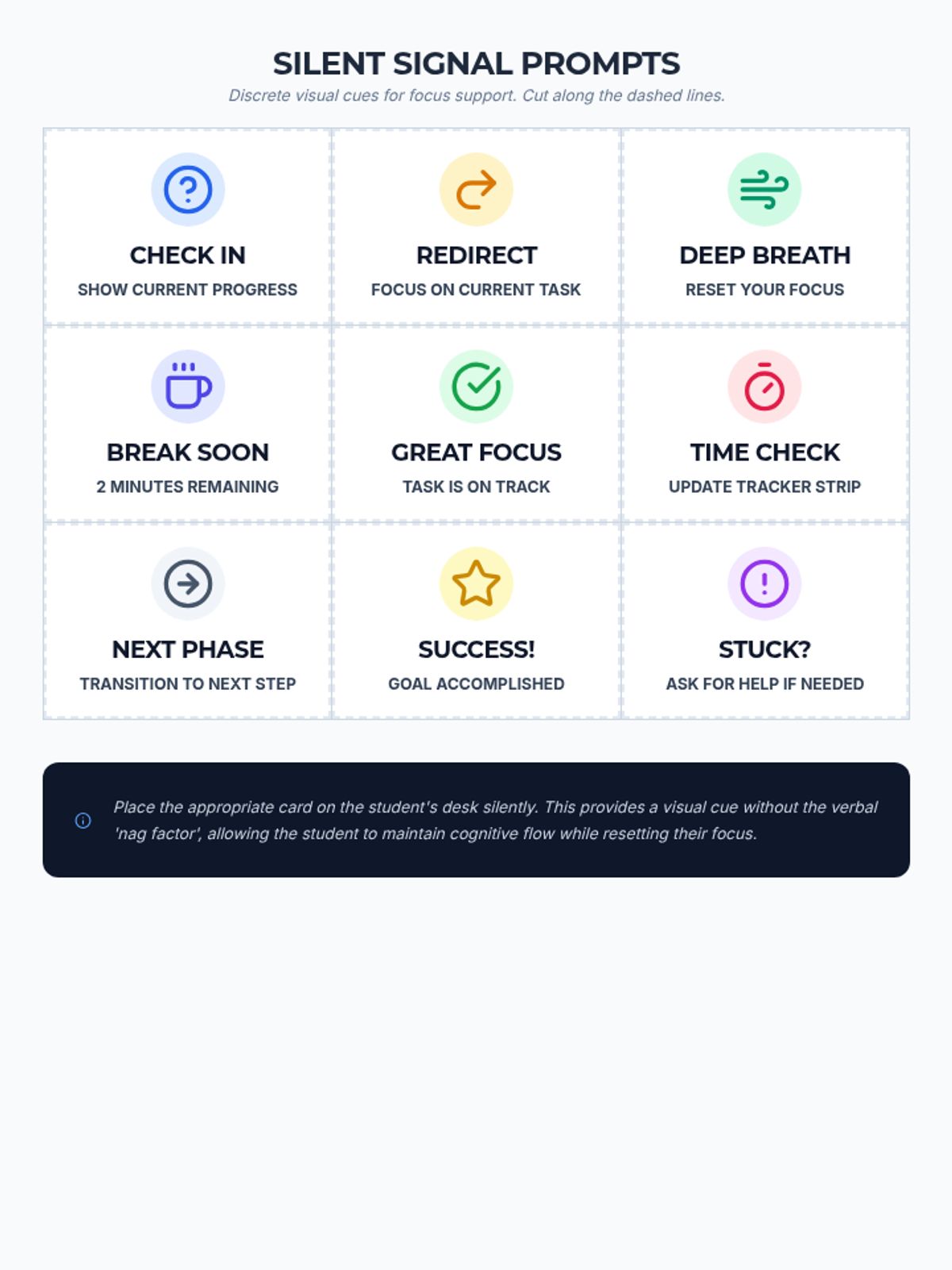
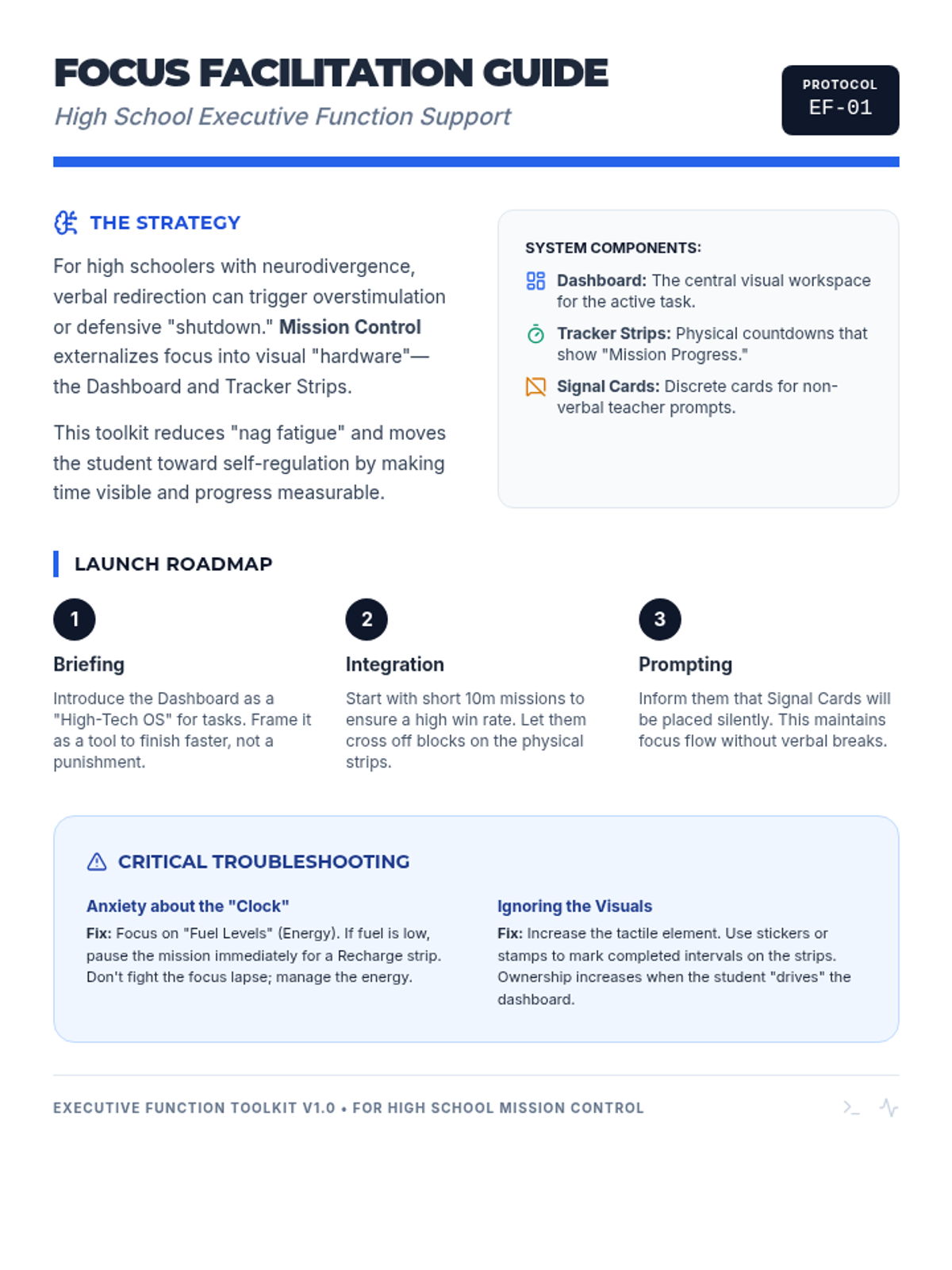
A series of executive functioning supports and instructional strategies aimed at improving focus and task completion for neurodivergent high school students.
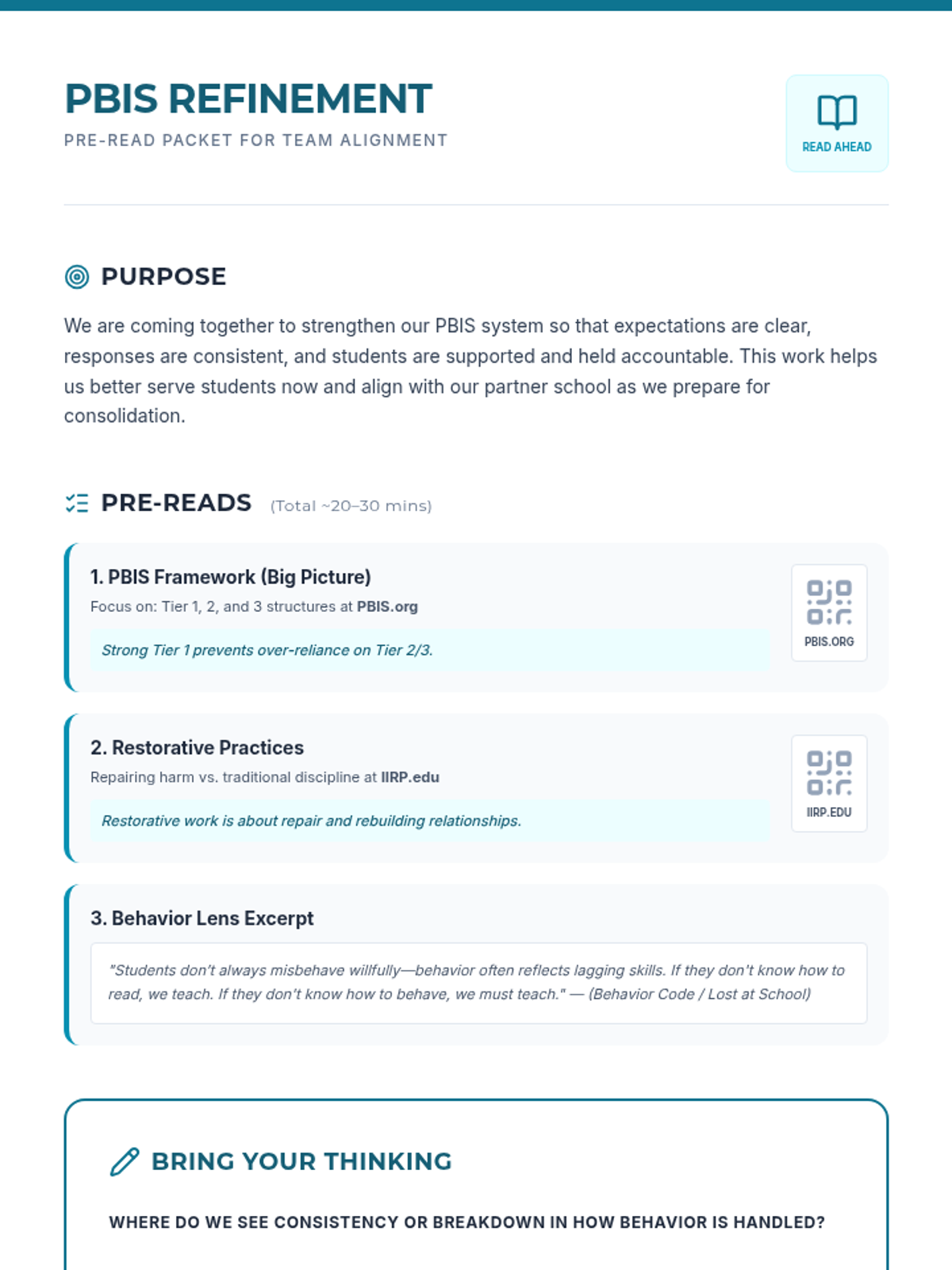
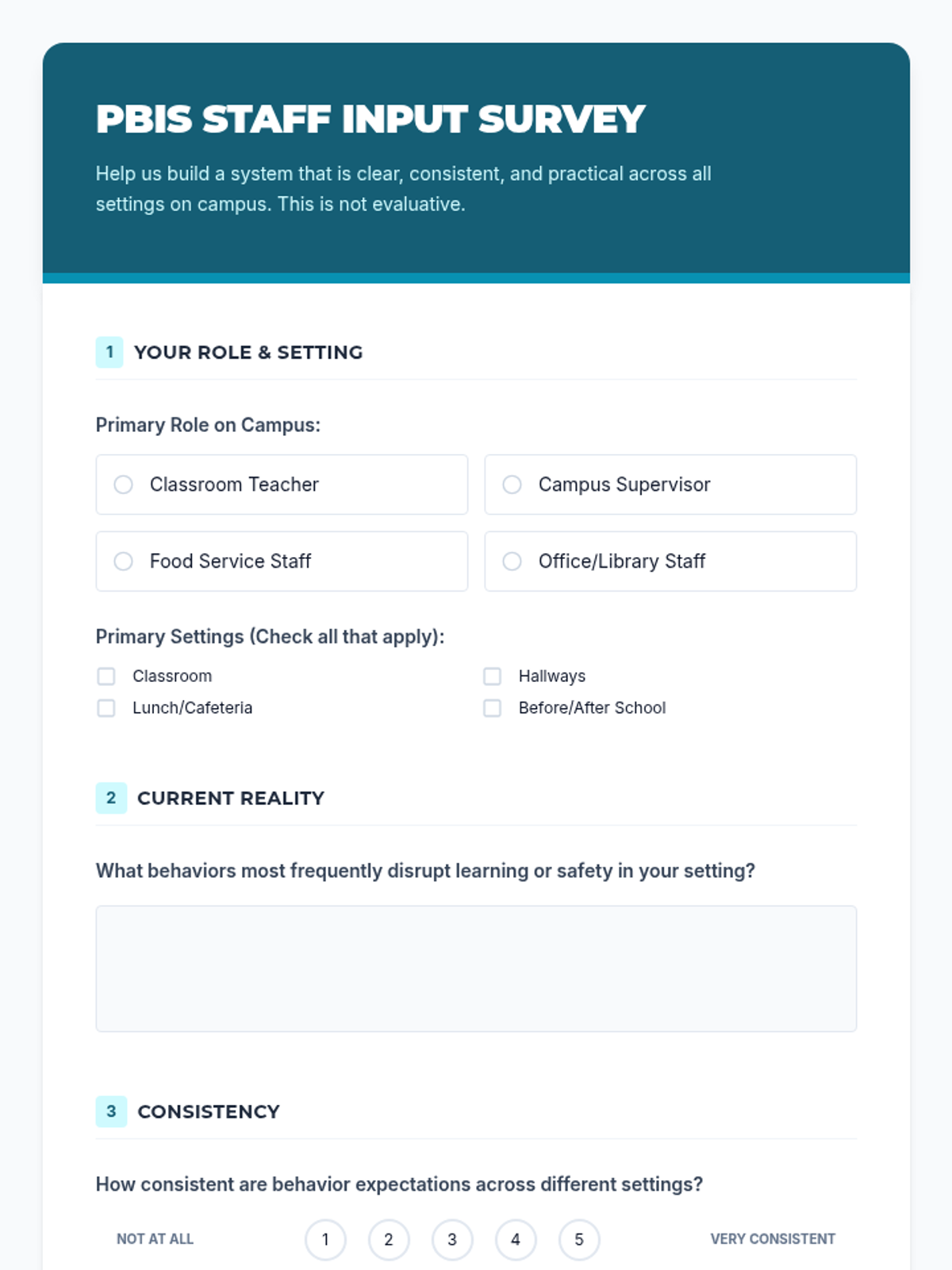
A comprehensive sequence designed to refine and align school-wide PBIS systems, featuring facilitation materials for staff workshops and practical implementation tools for teachers and students.
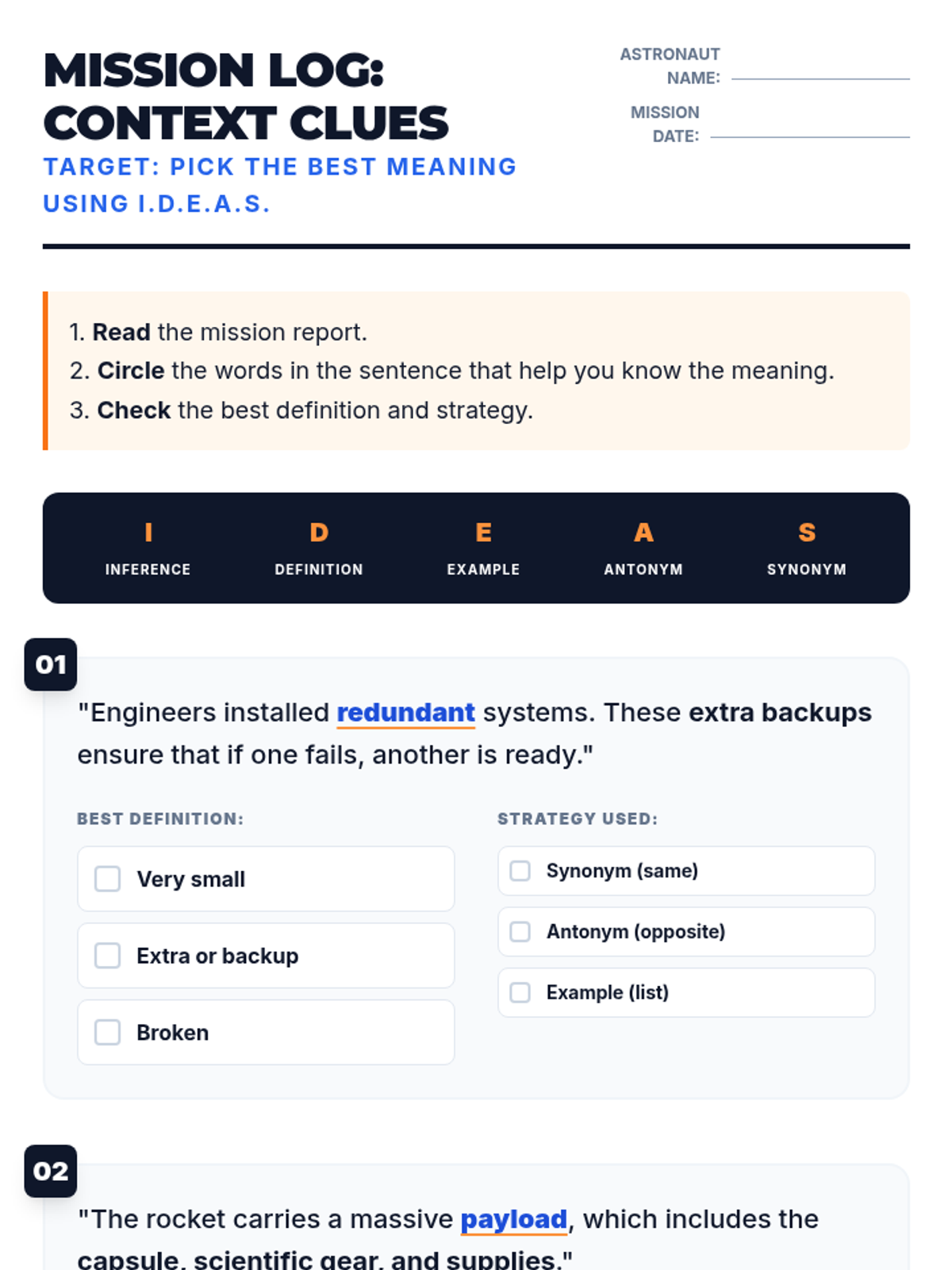
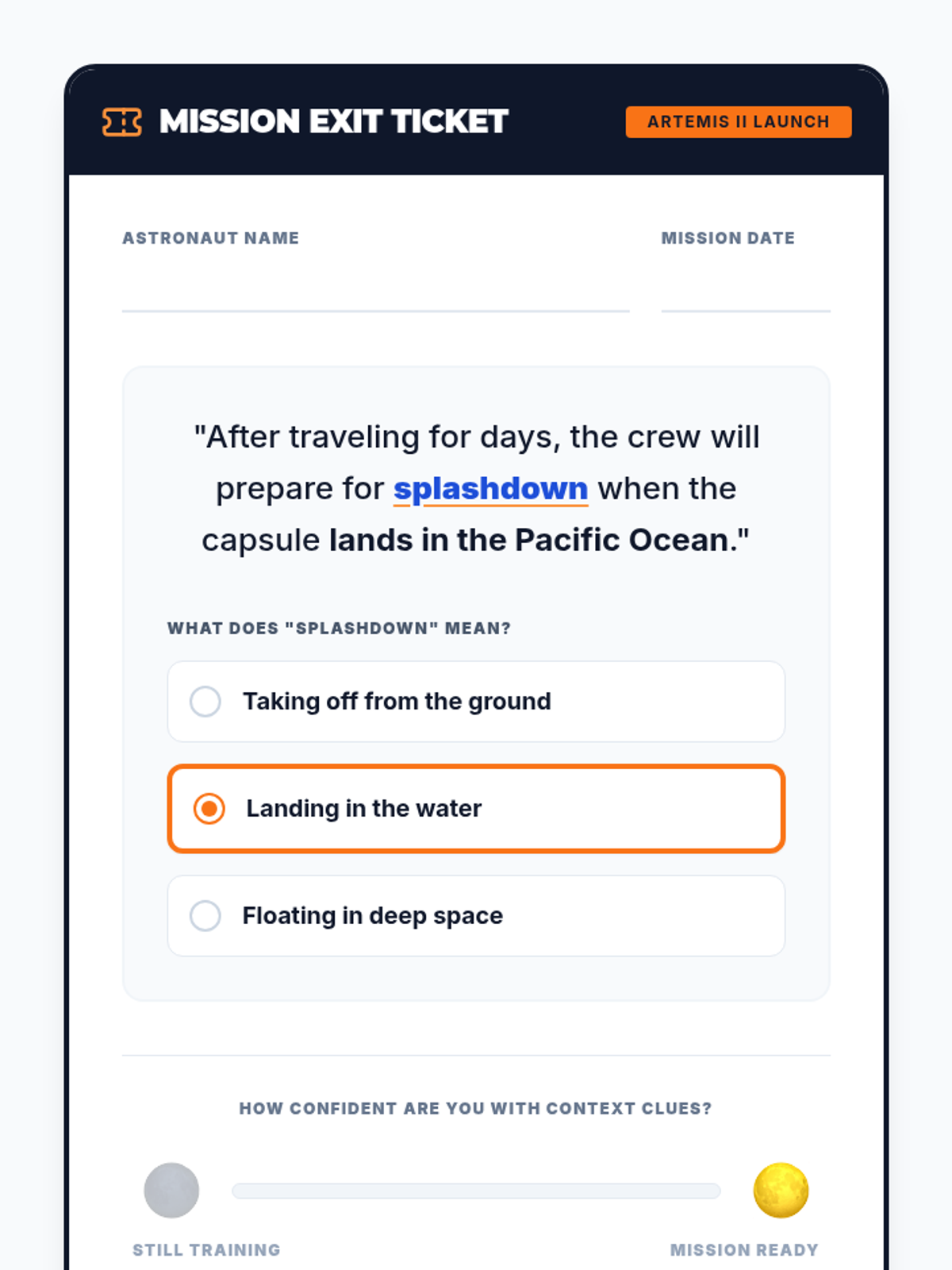
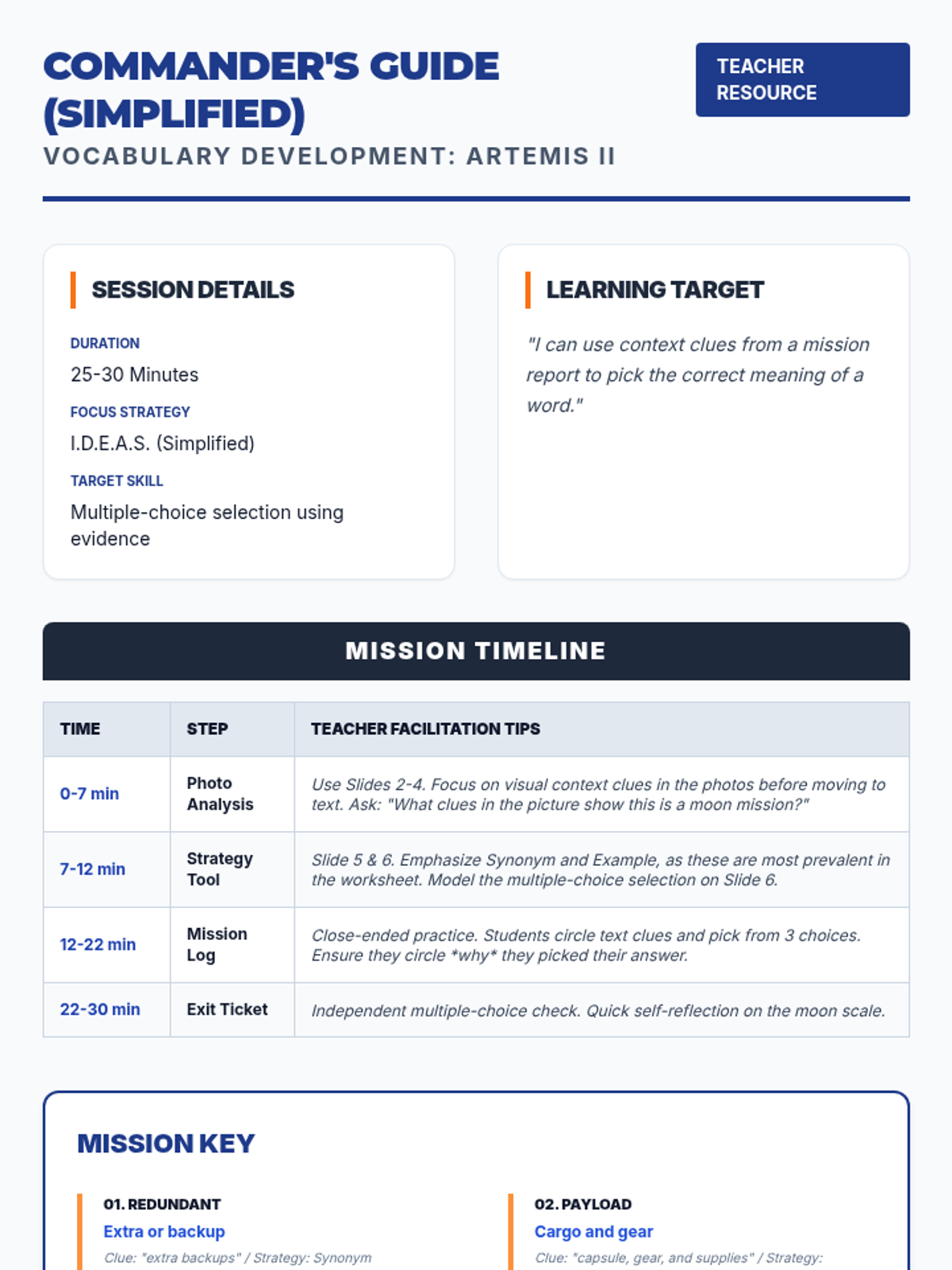
A multi-part speech-language therapy unit for middle schoolers focused on vocabulary development through the lens of NASA's Artemis II mission. Students use context clues strategies (IDEAS) to master mission-specific terminology.
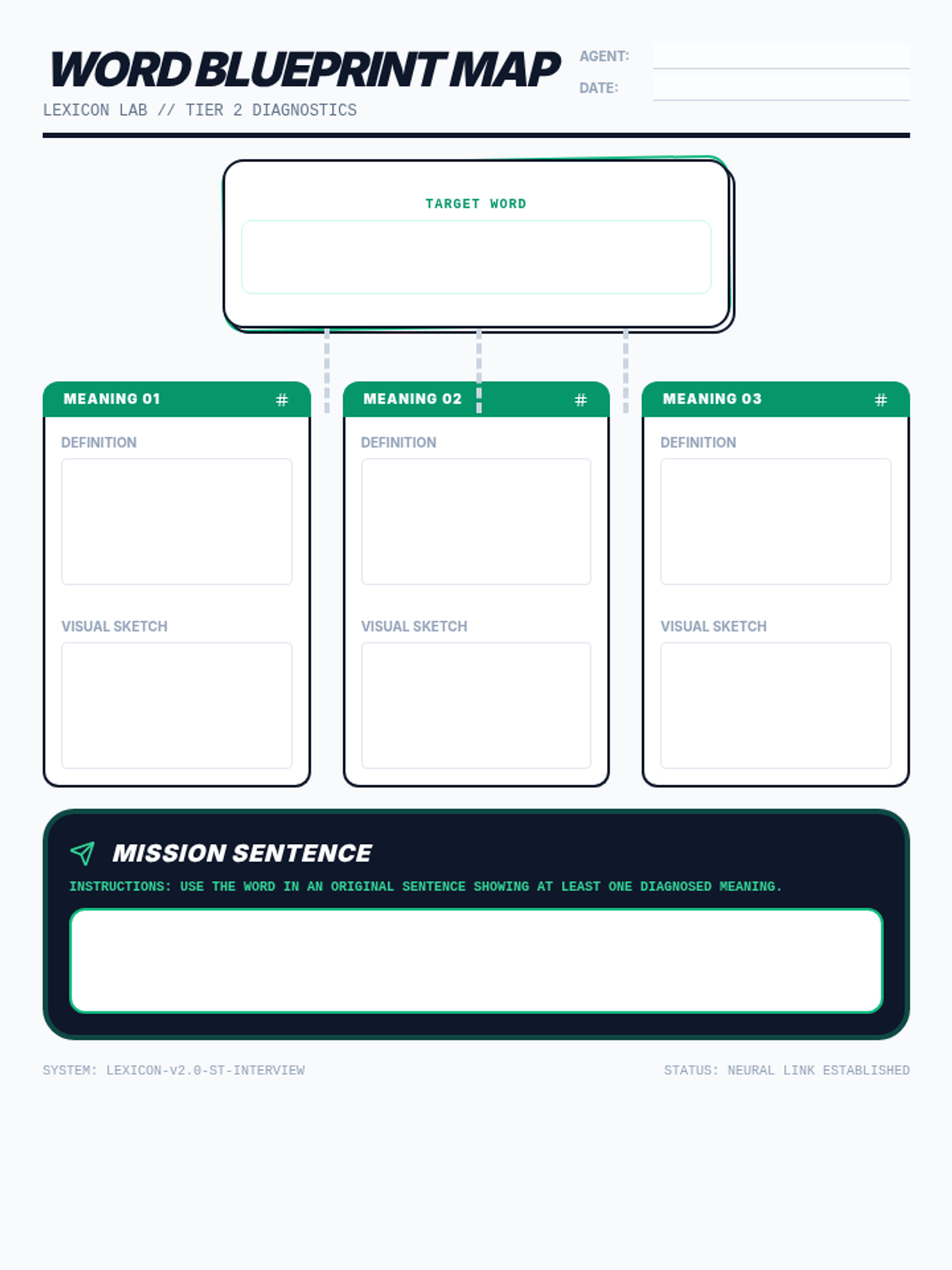
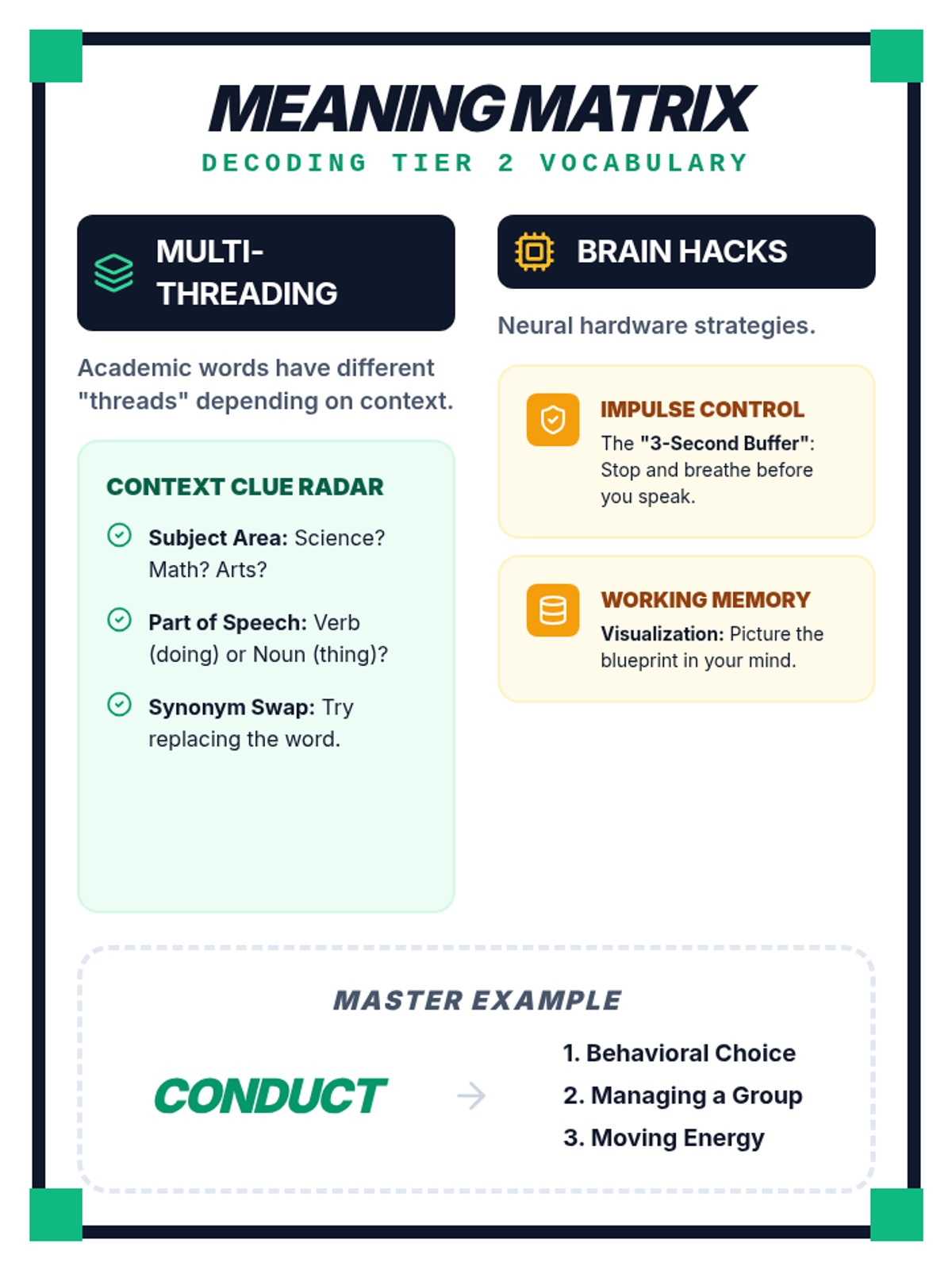
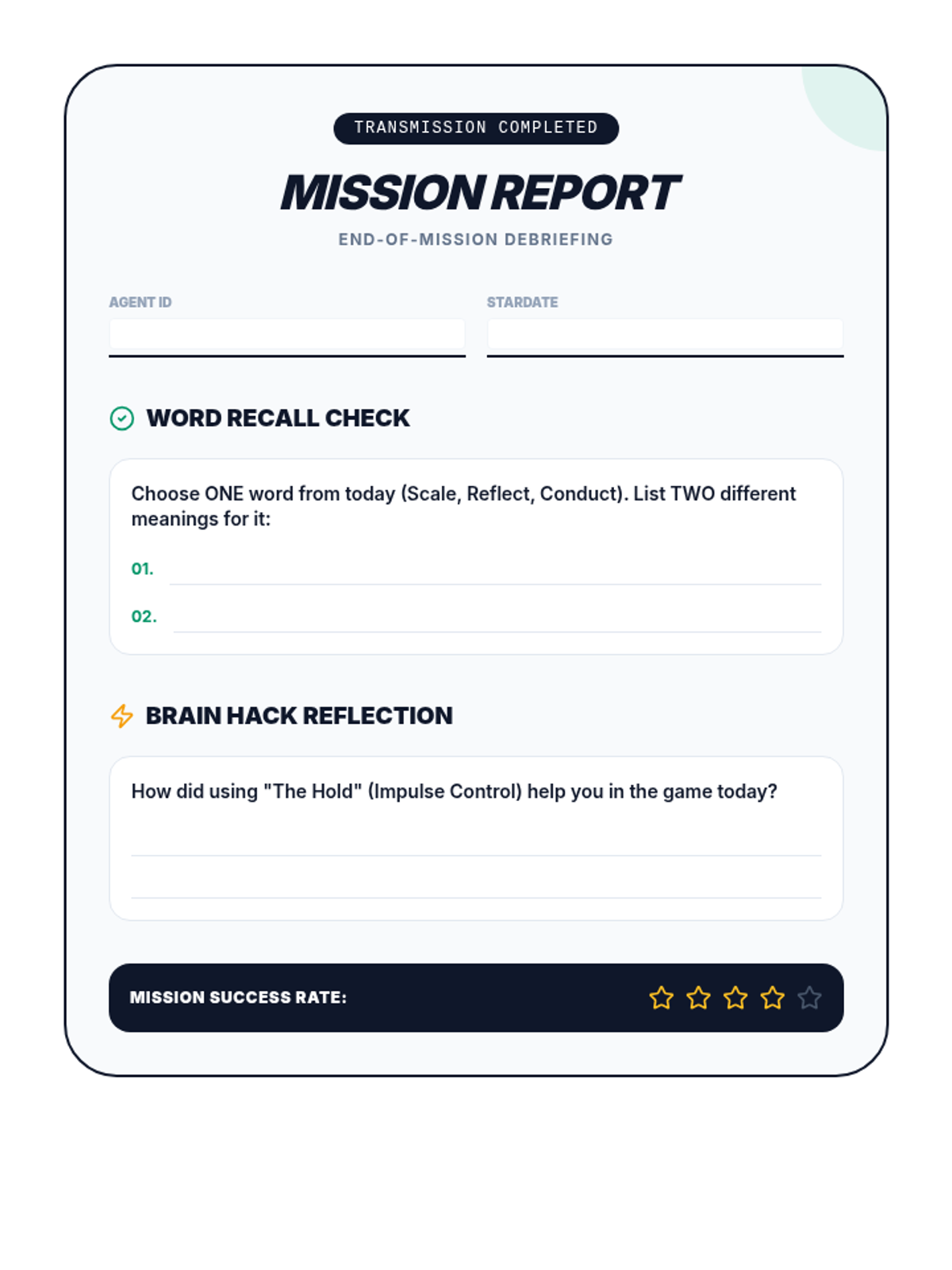
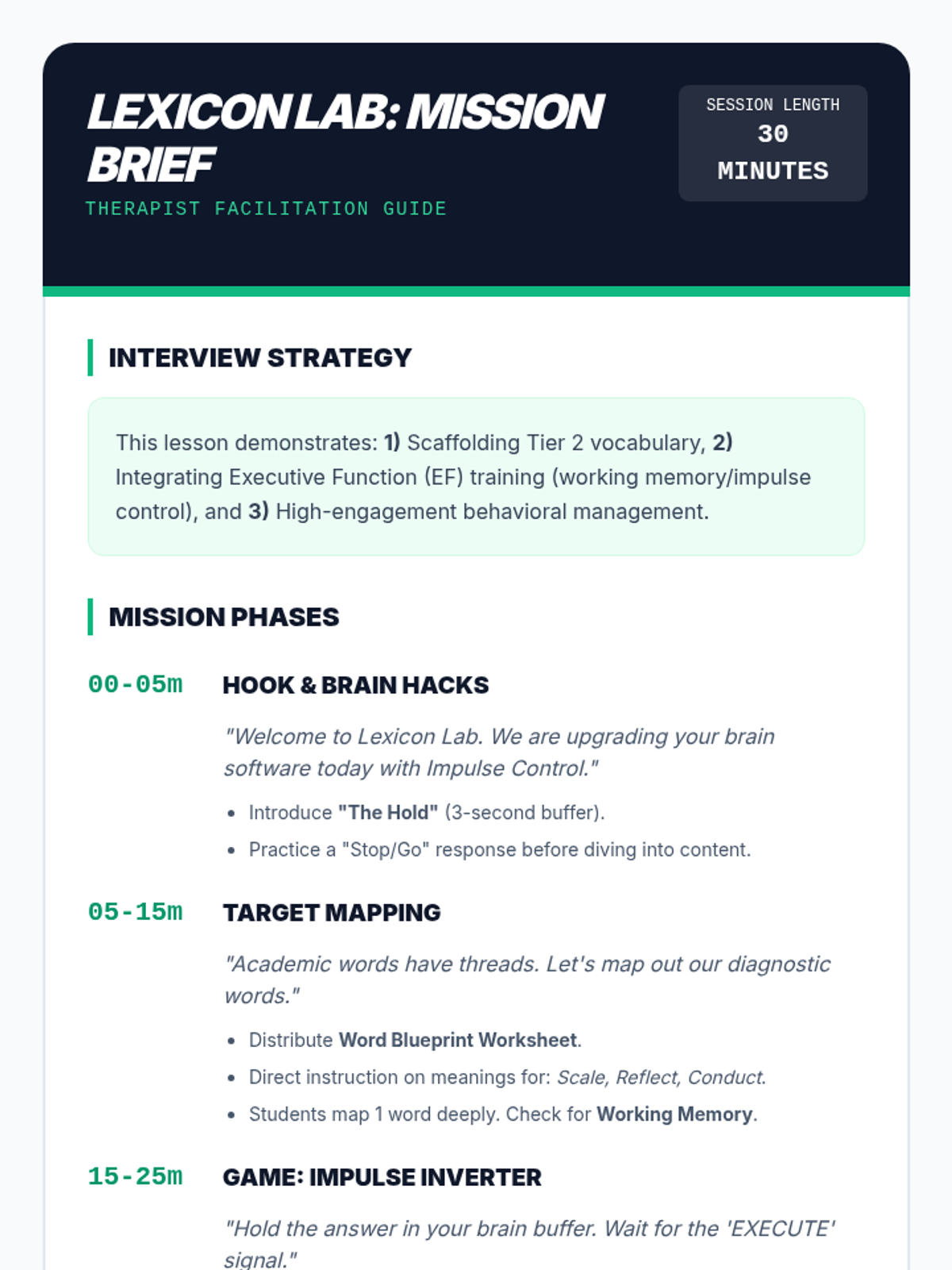
A collection of fast-paced, high-engagement speech-language therapy lessons for middle schoolers. Each mission targets Tier 2 academic vocabulary and multiple meaning words, integrated with executive function 'brain hacks' to improve impulse control and working memory in academic settings.
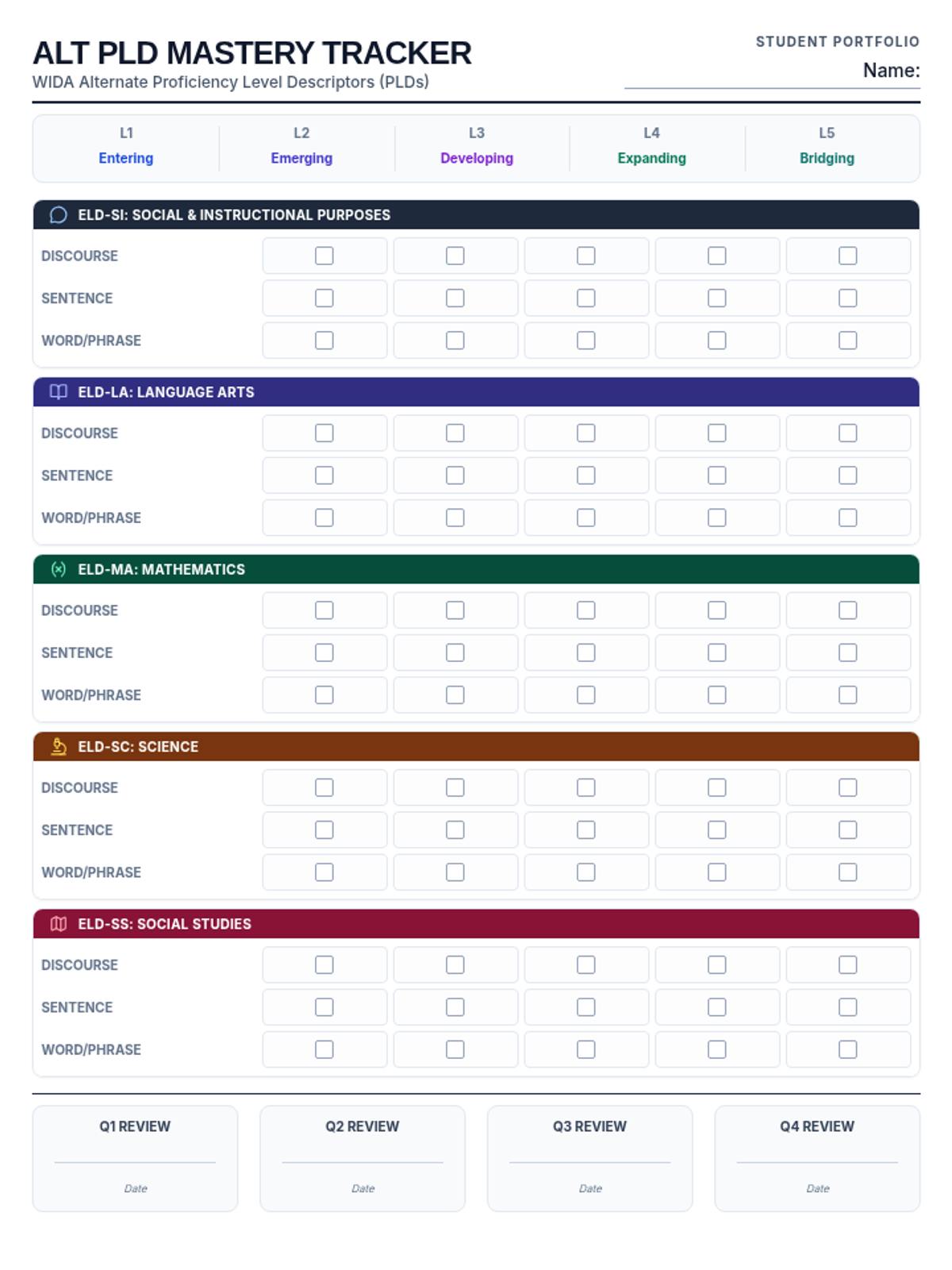
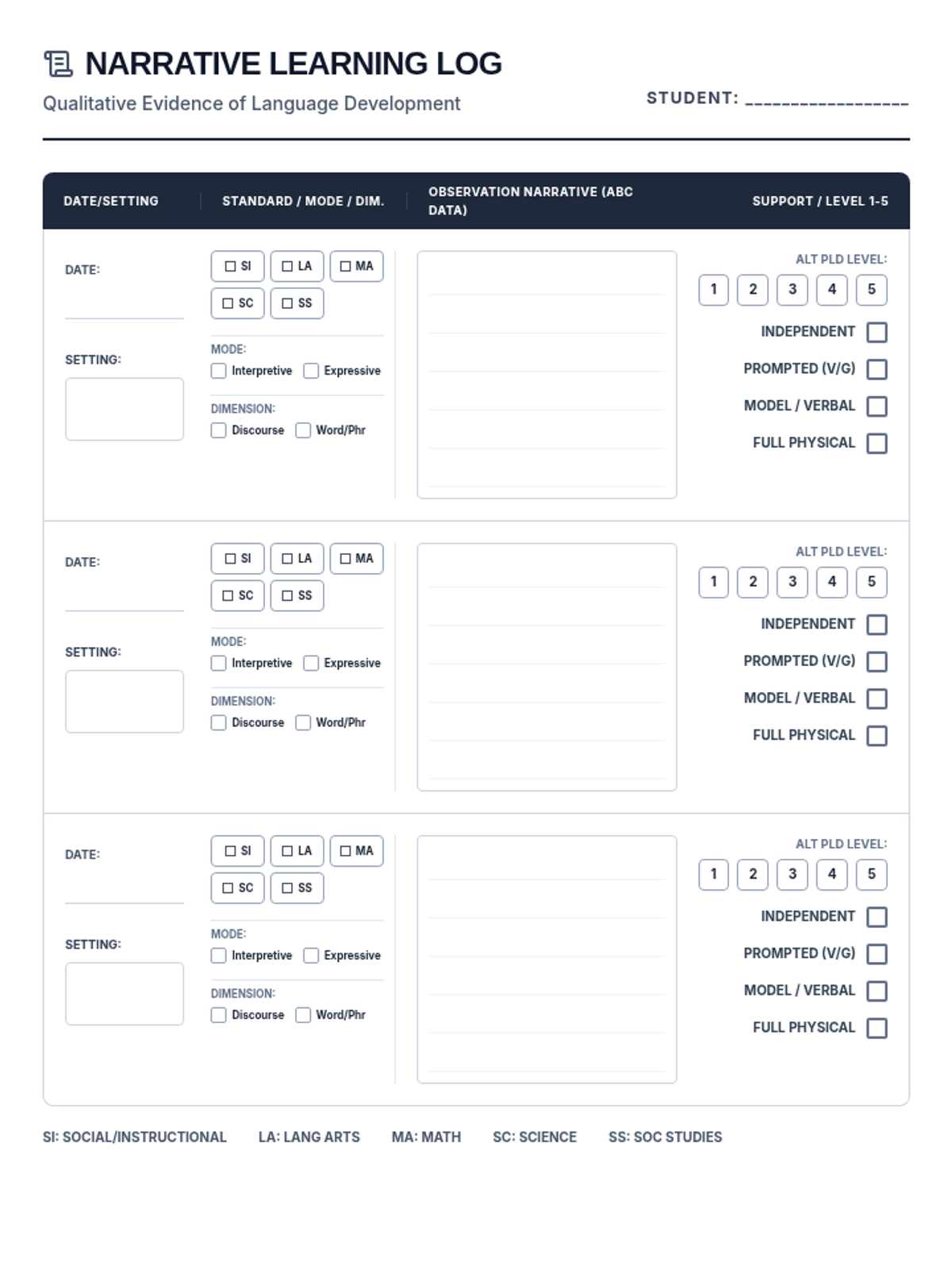
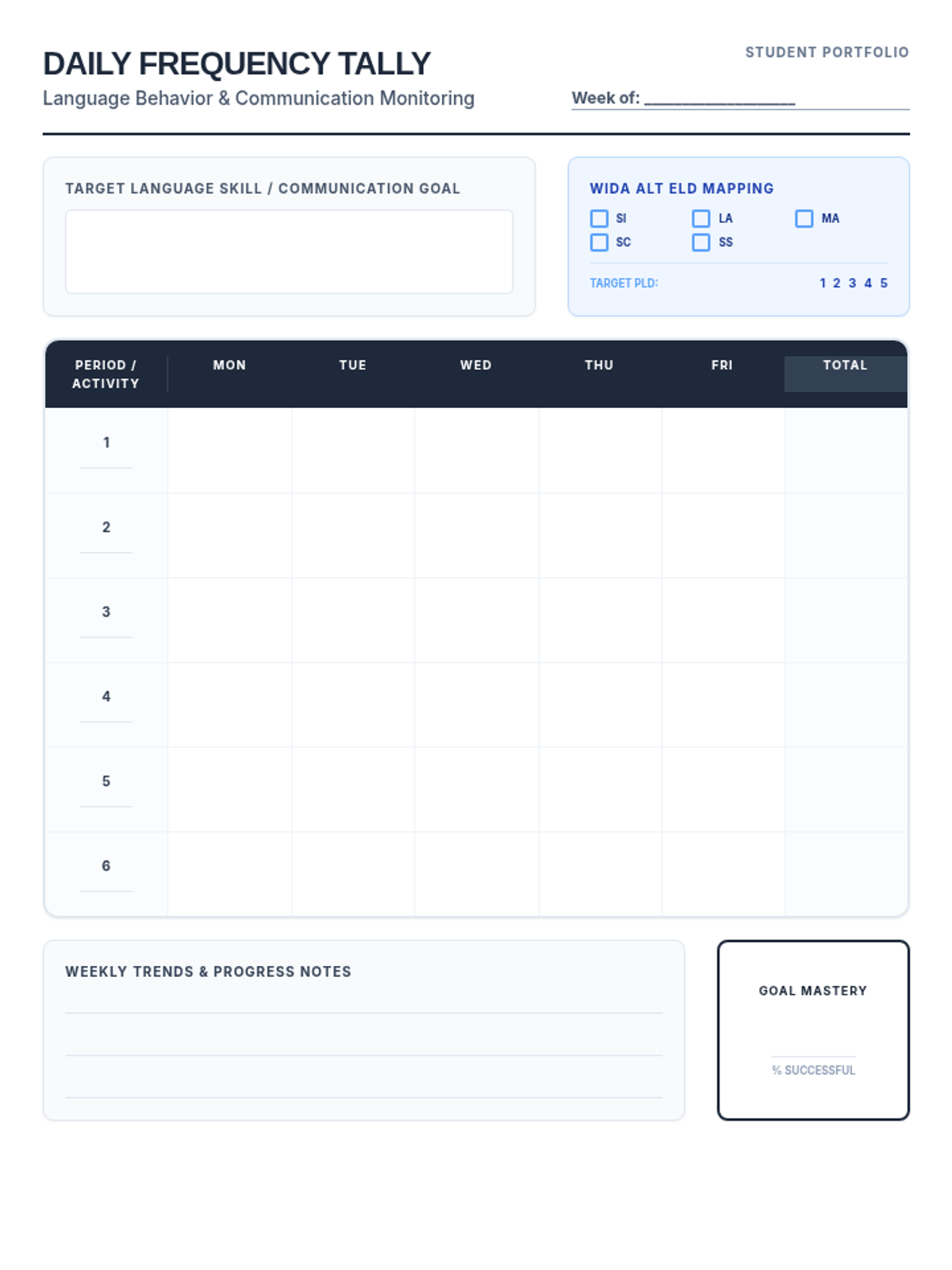
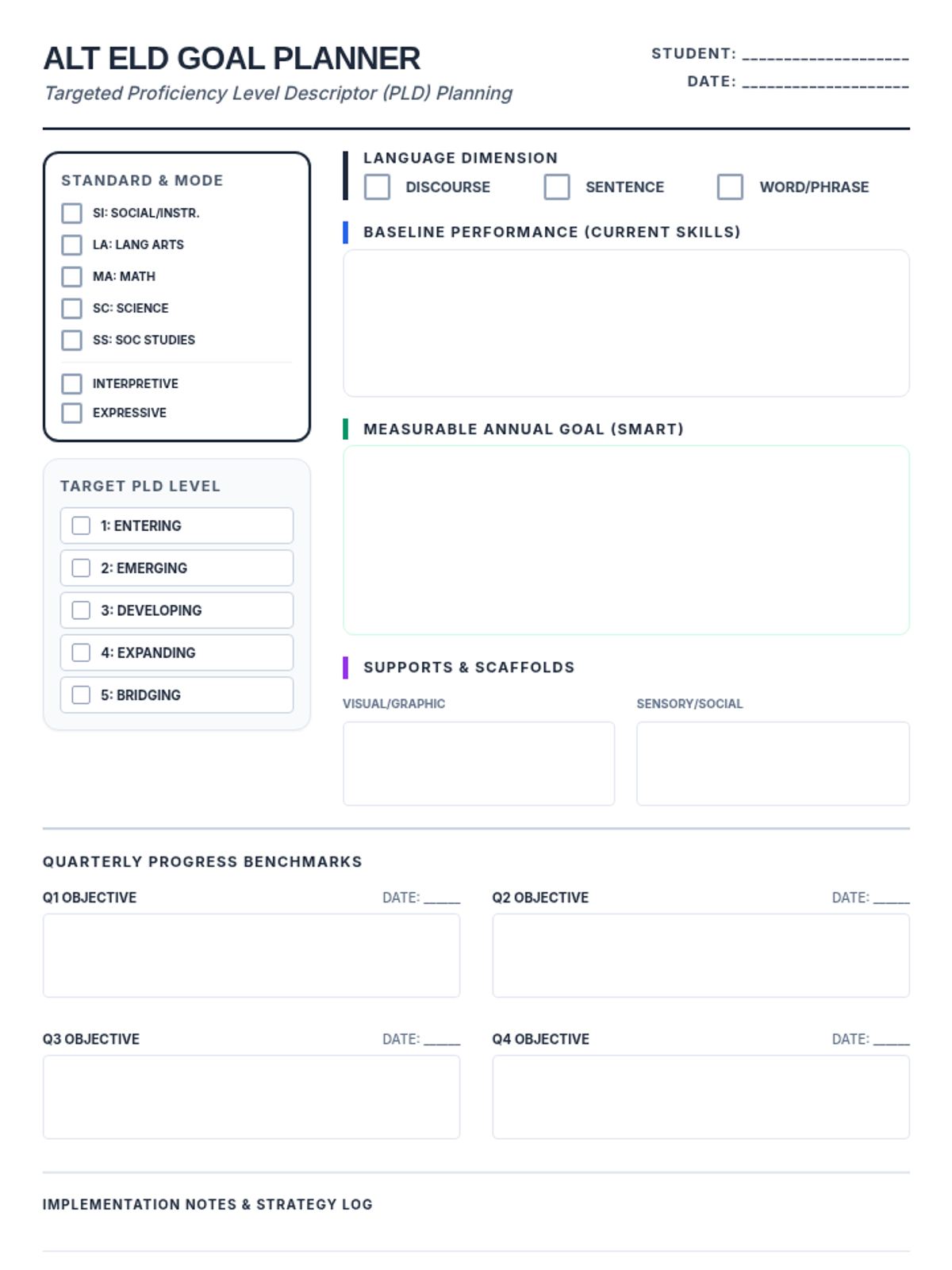
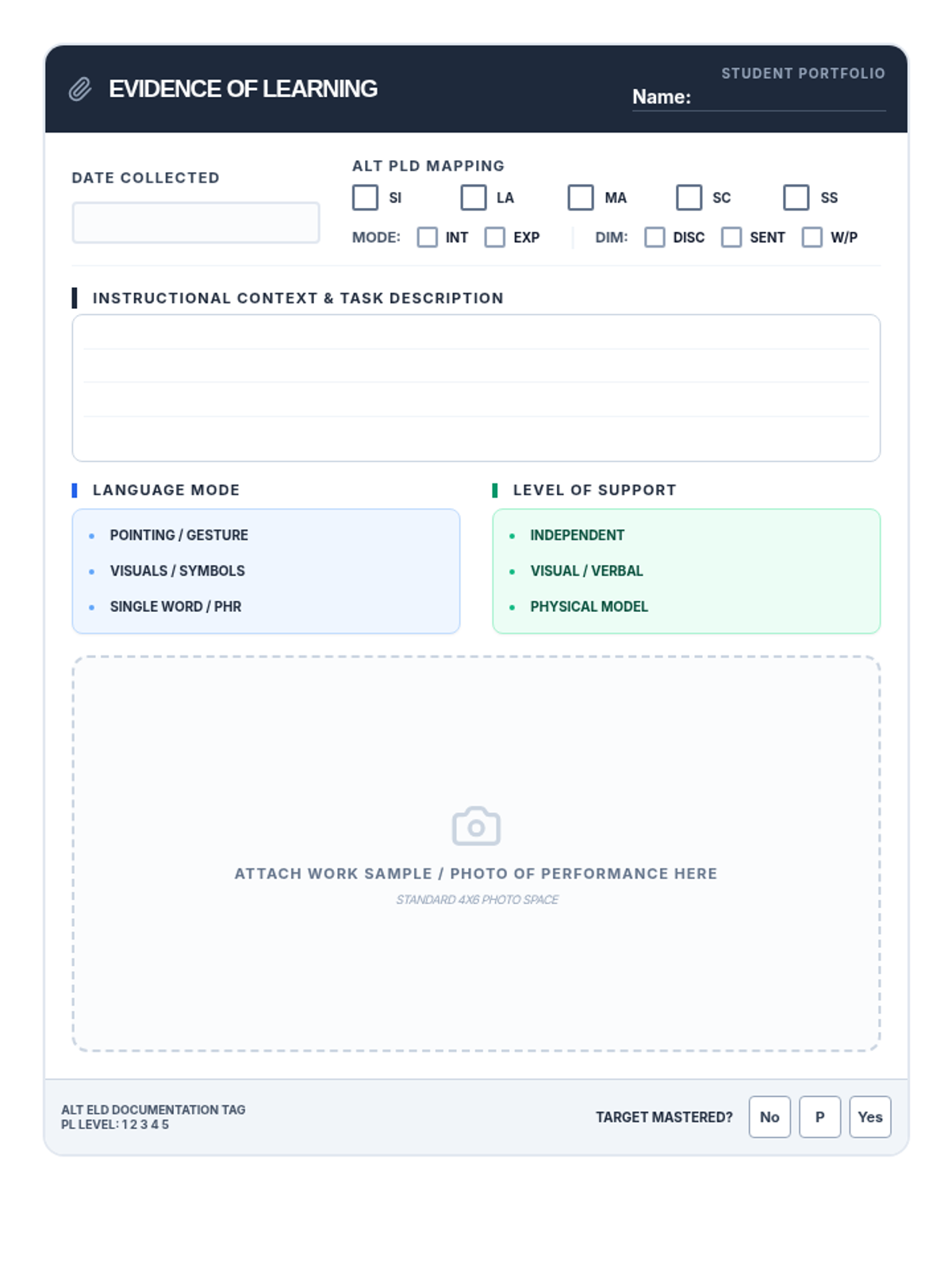
A comprehensive suite of progress tracking templates designed for students with ASD who are English Learners, aligned with the five WIDA Alternate ELD Standards. This set includes narrative logs, frequency tallies, and goal-setting sheets to simplify documentation and data-driven instruction.
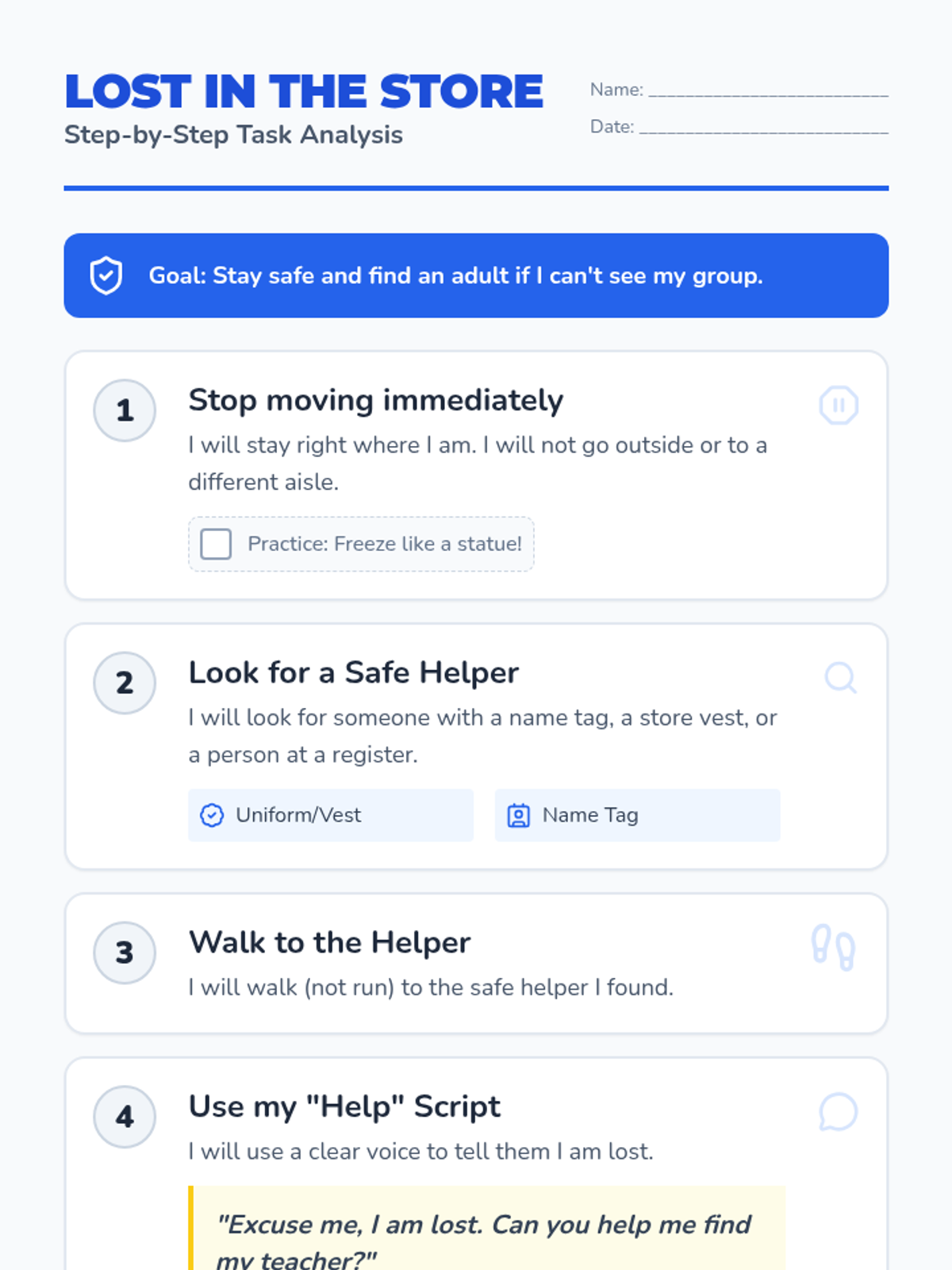
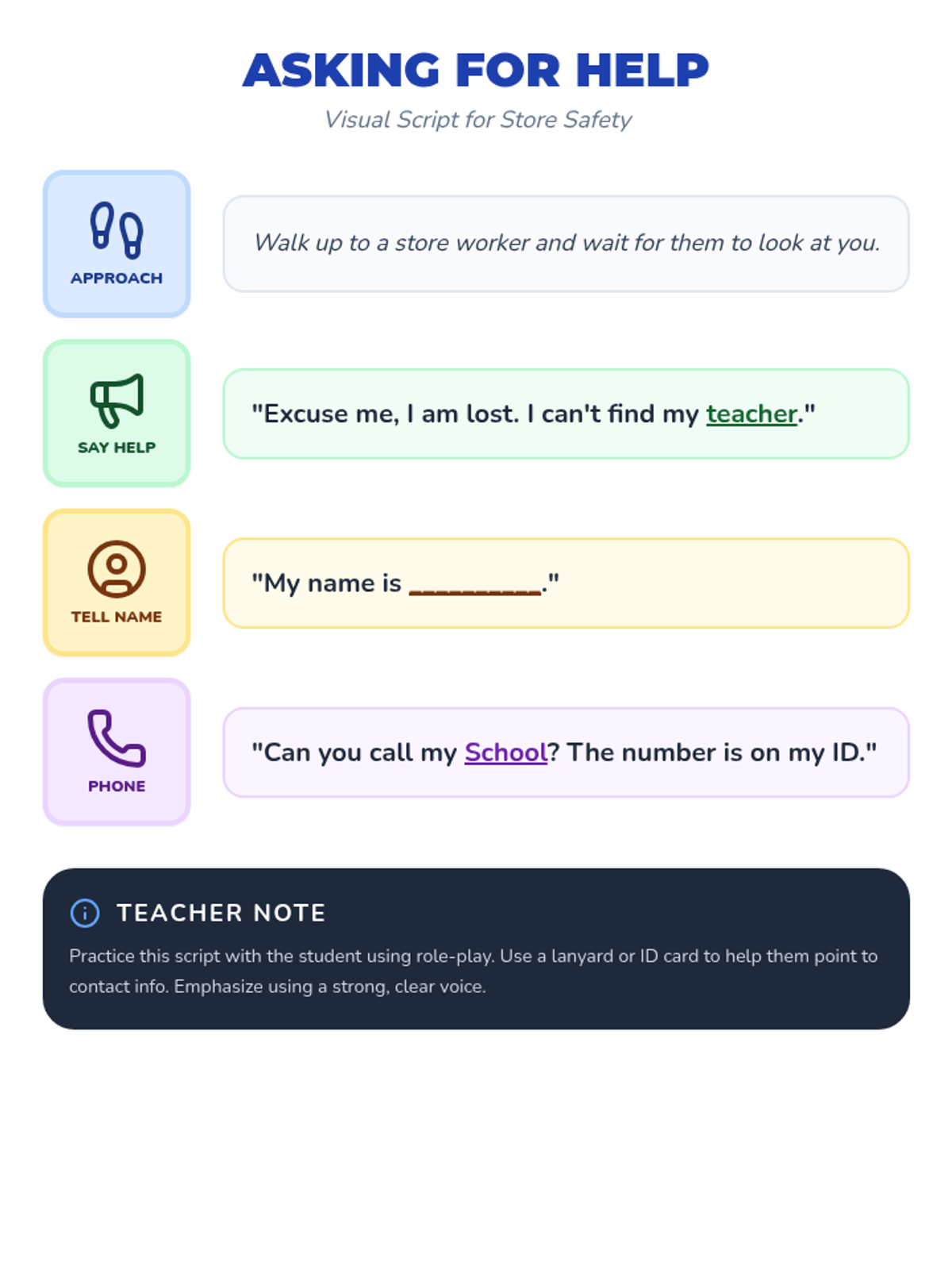
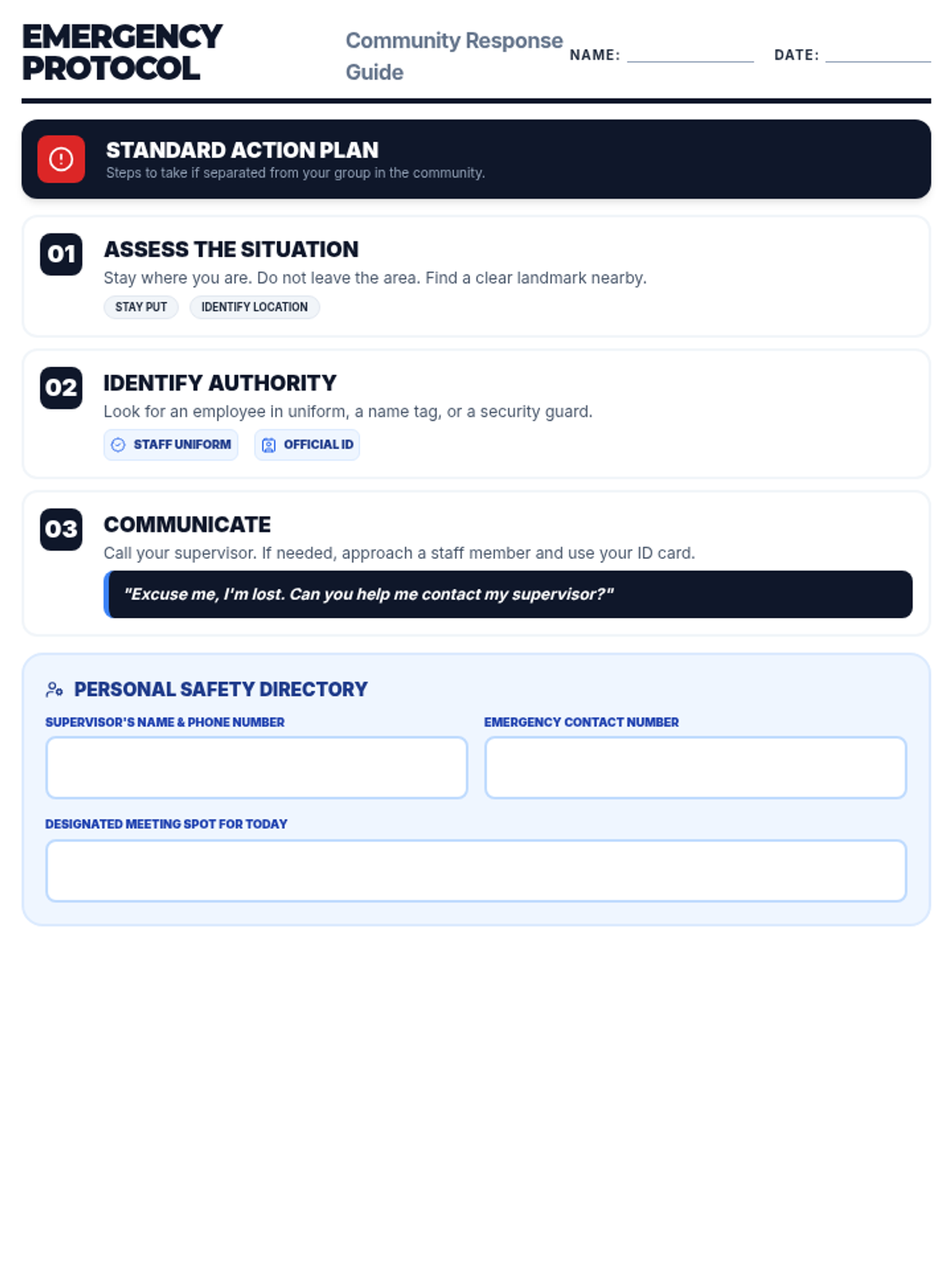
A transition-focused safety program for young adults (18-22), teaching independence in community settings and effective response to emergency situations including retail, outdoor, and transportation environments.
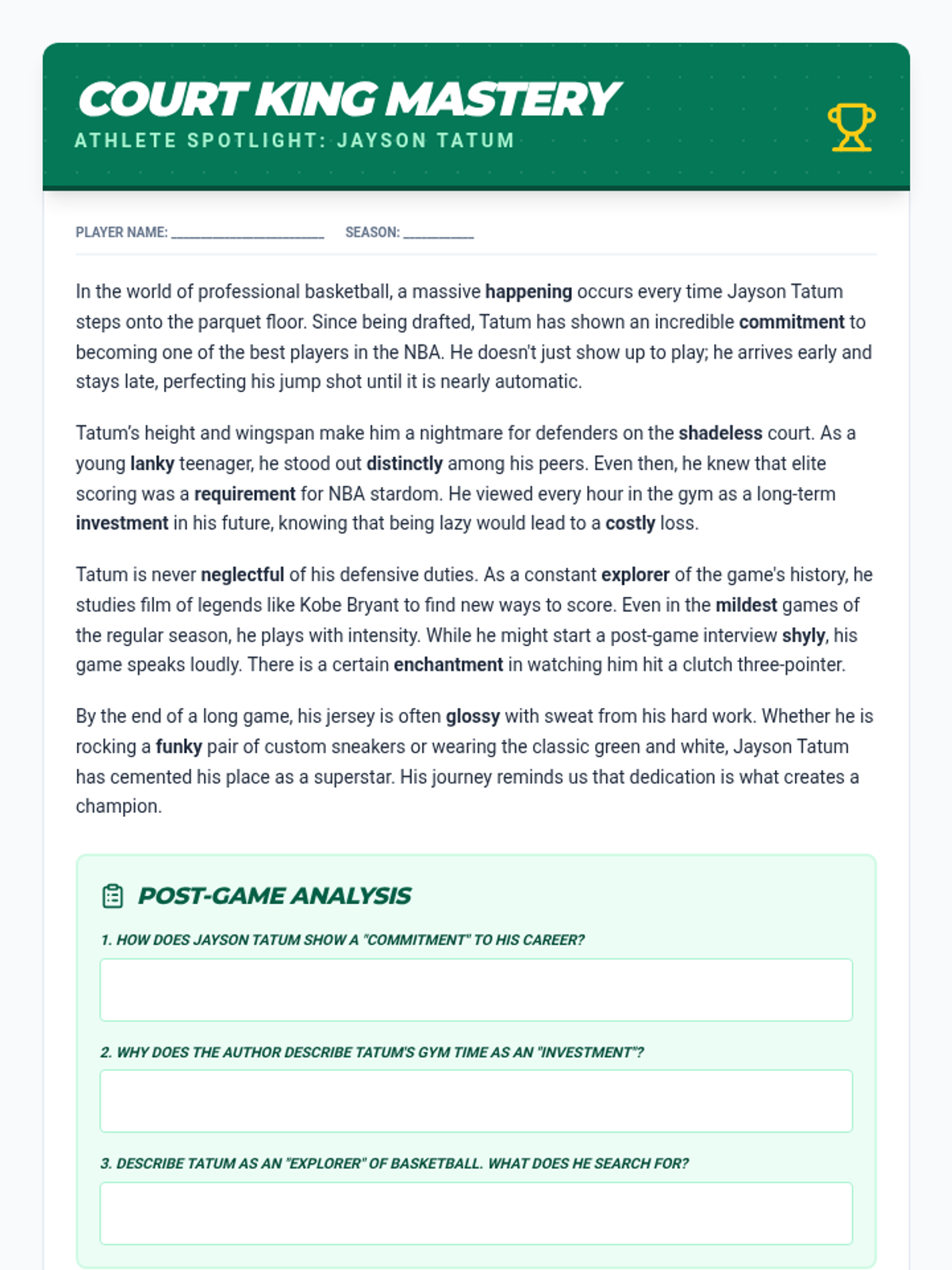
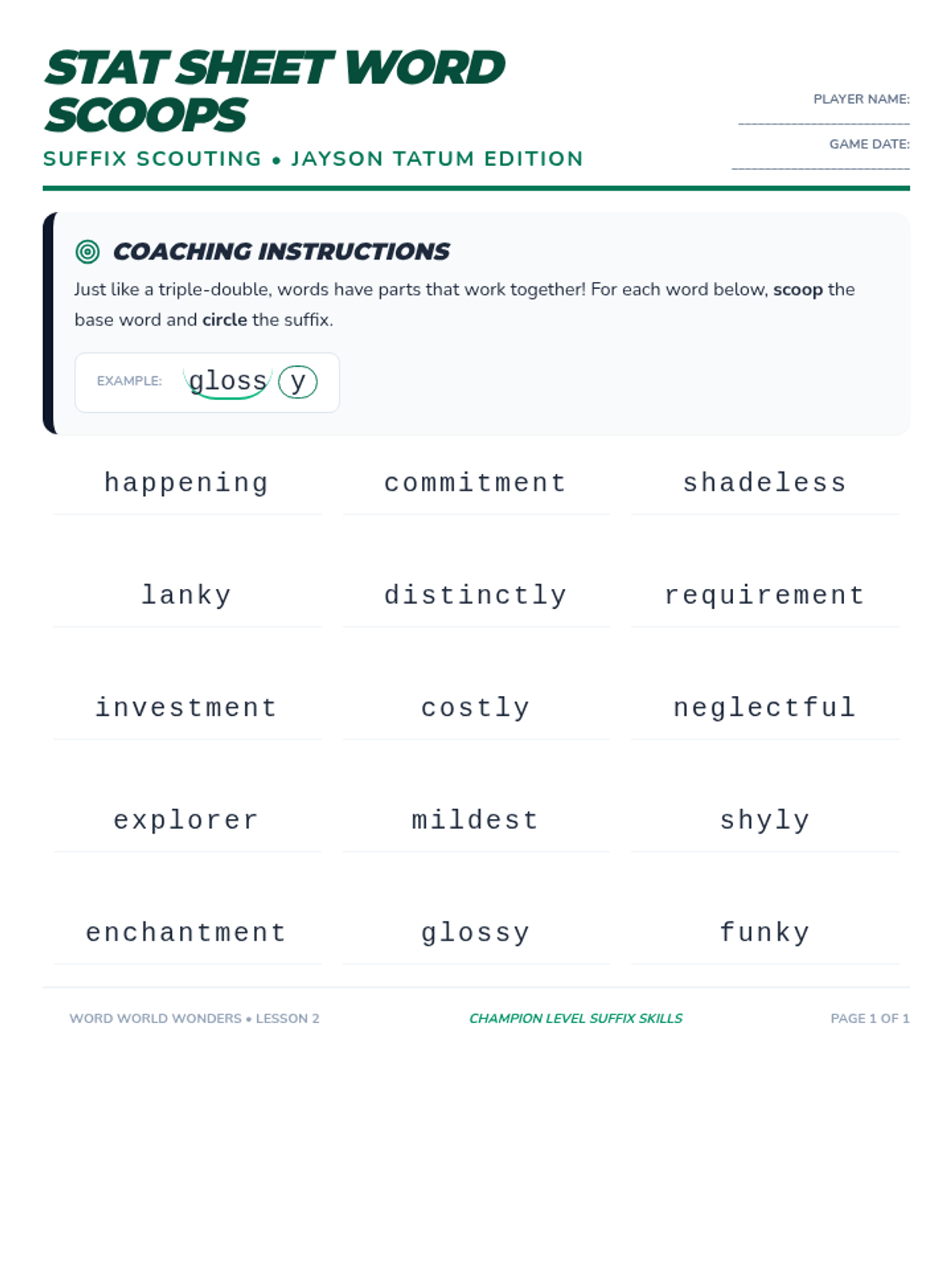
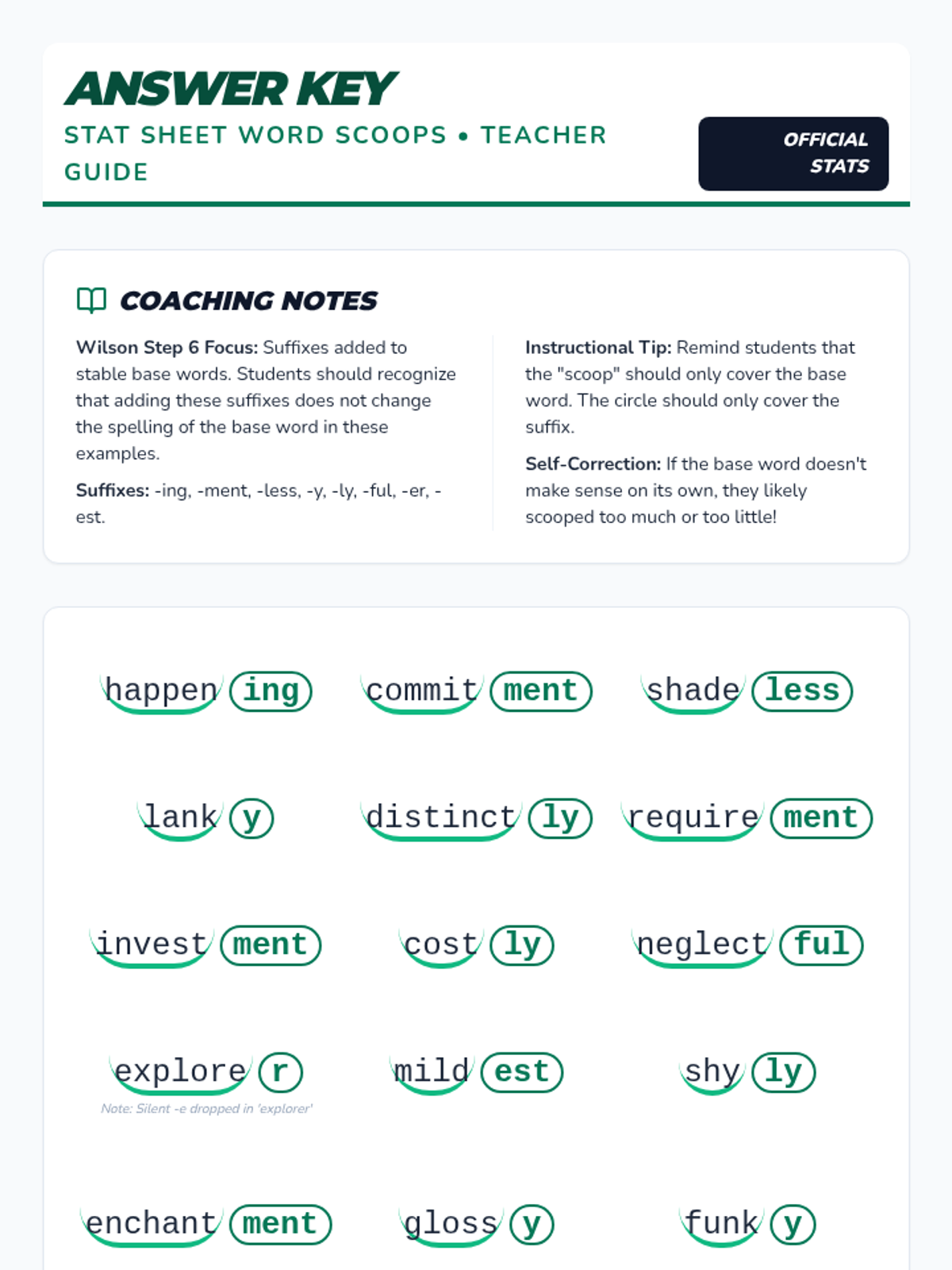
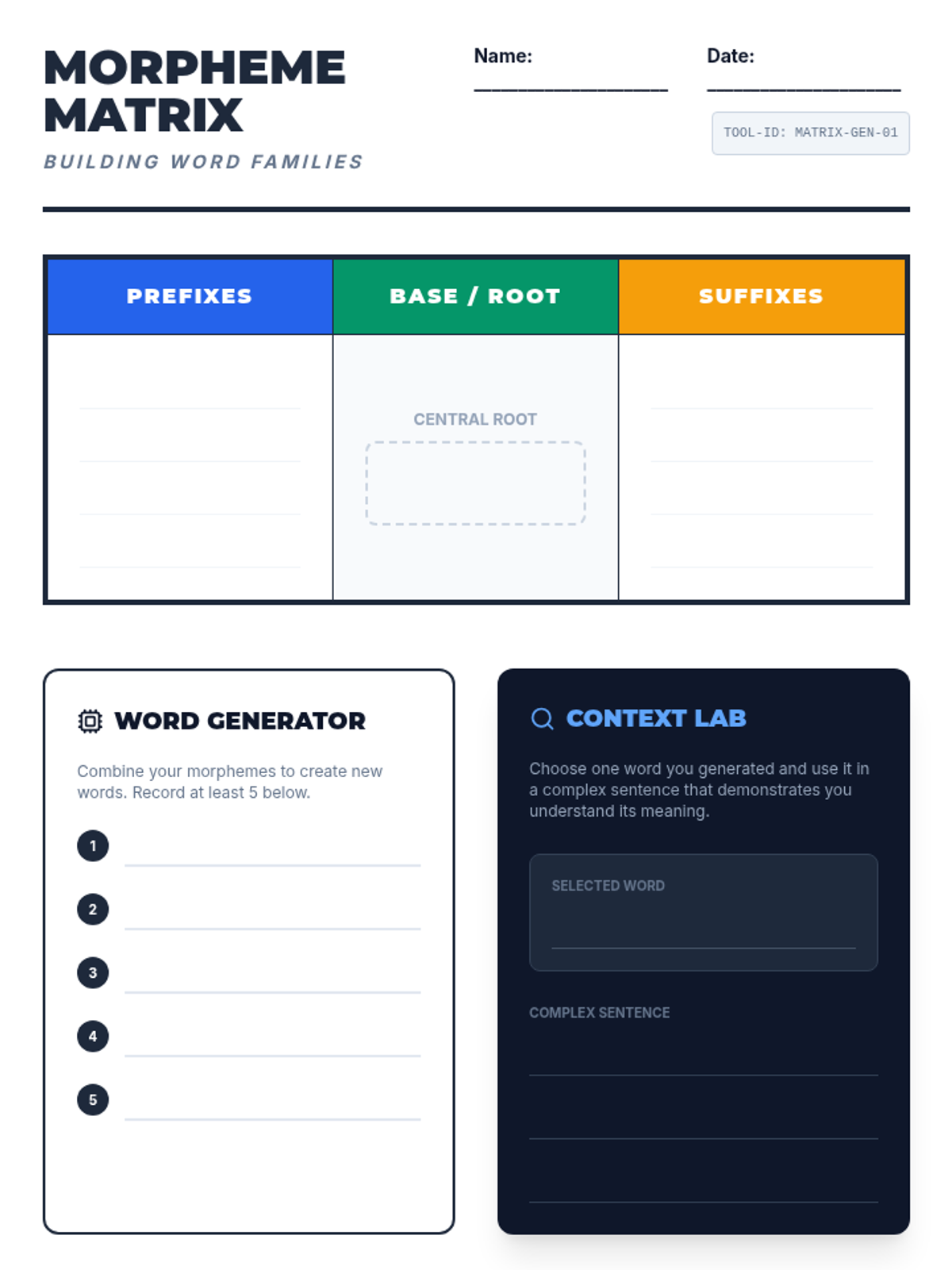
A multi-themed word study sequence that explores suffixes and base words through diverse real-world contexts, from the African savanna to the professional basketball court.
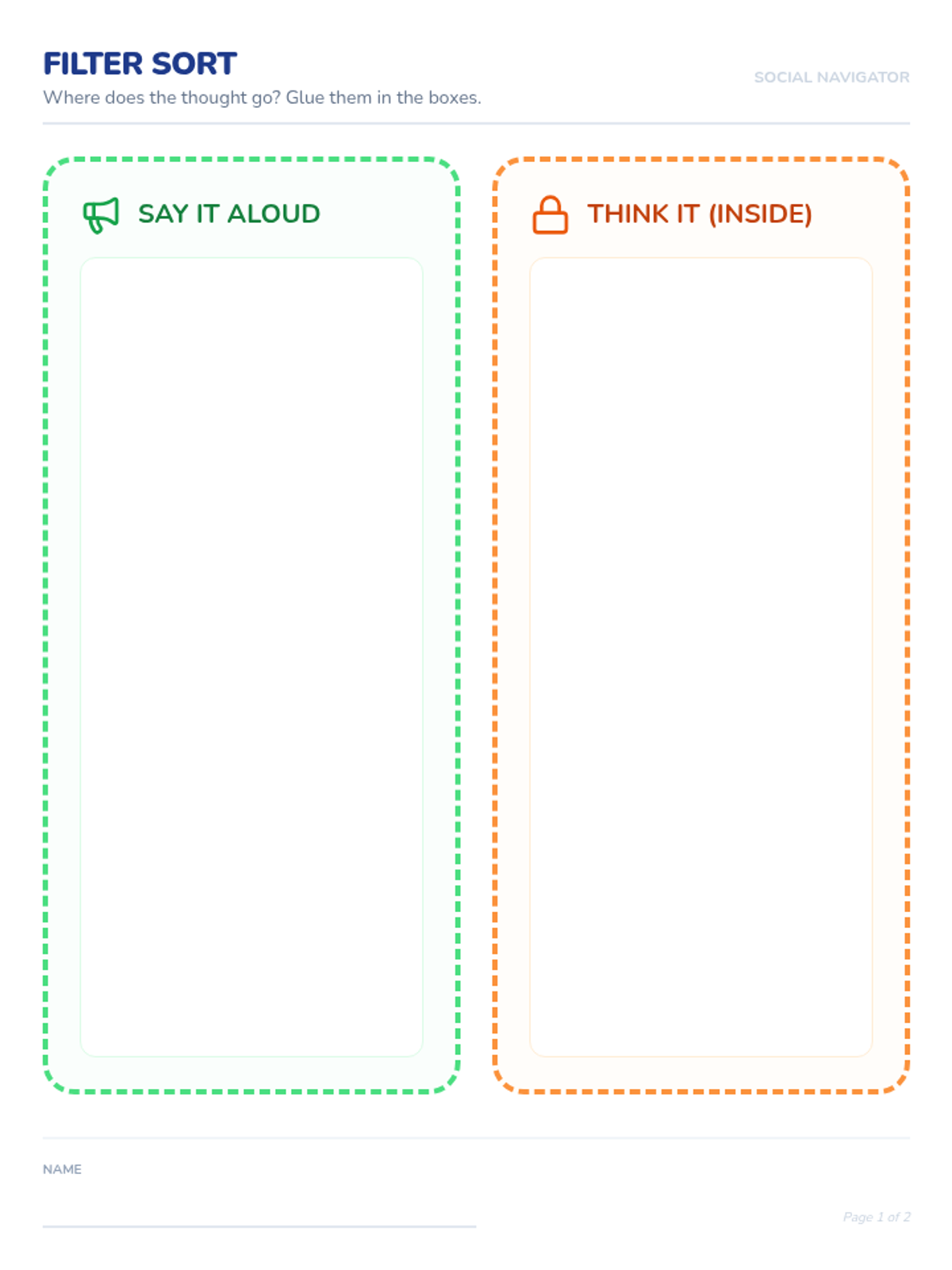
A series of lessons designed for middle school students with intellectual disabilities to develop social communication and self-advocacy skills. The unit focuses on the 'Social Filter' (knowing when to speak) and the 'Help Signal' (knowing when and how to ask for teacher assistance).
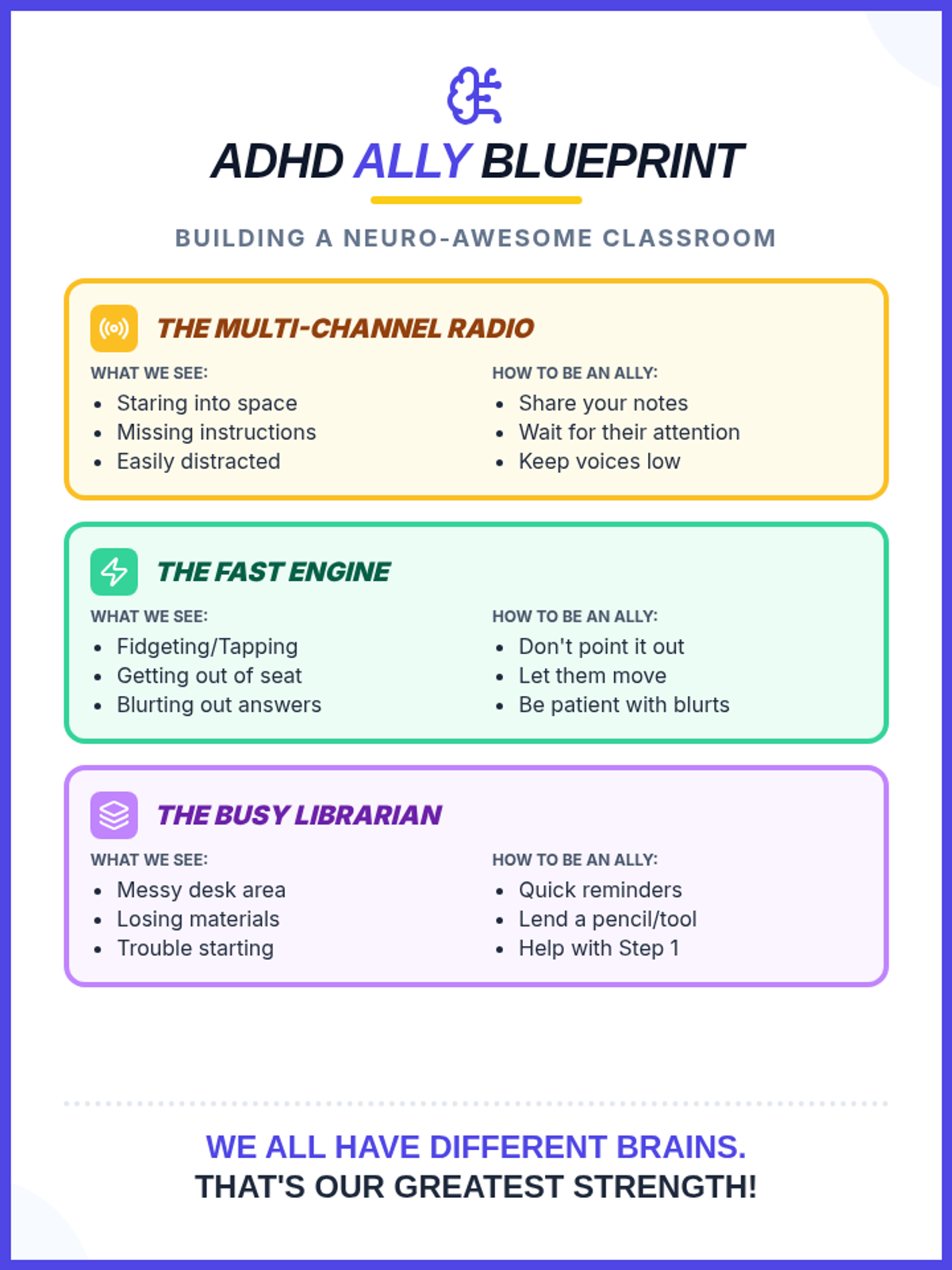
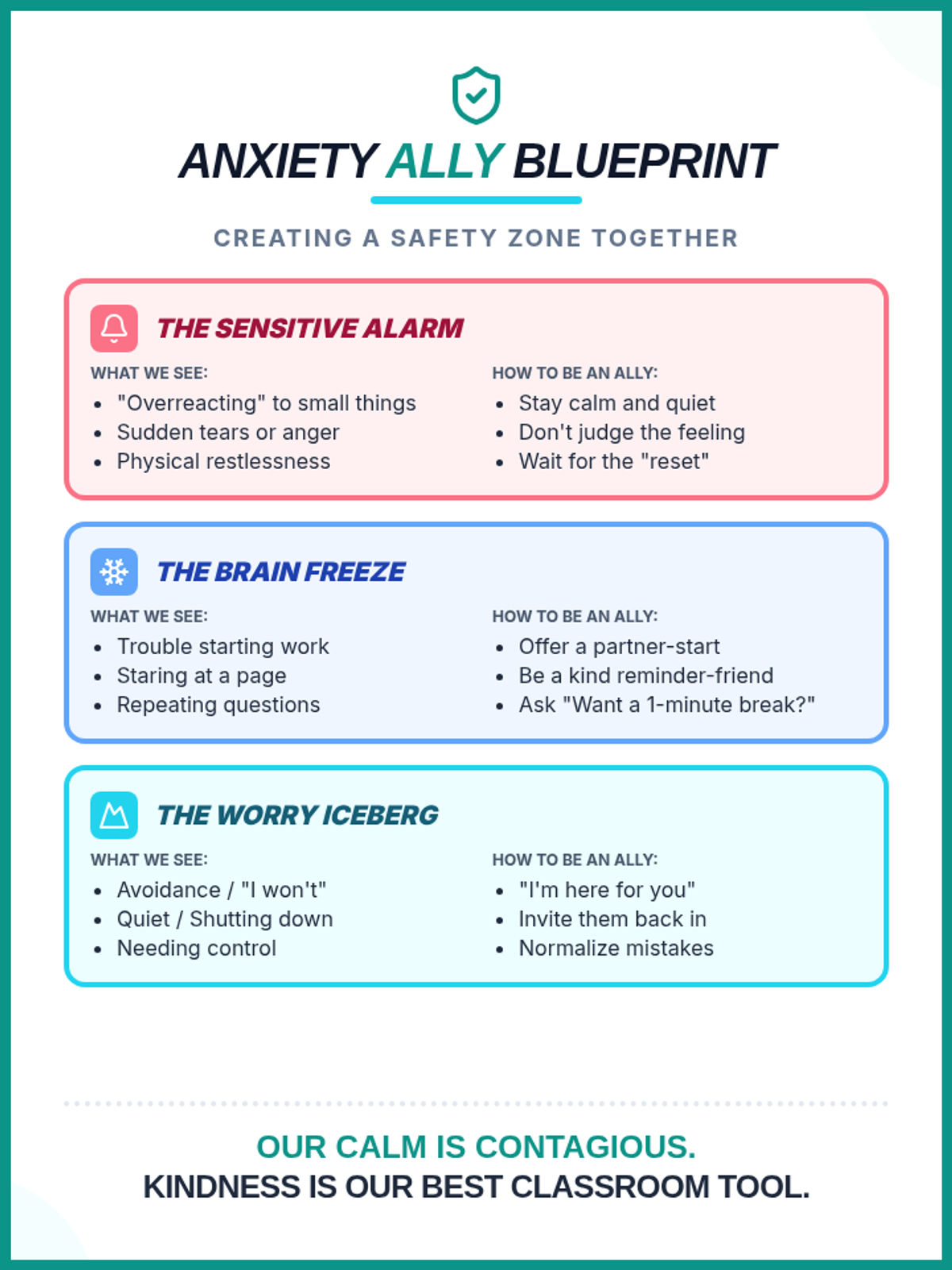
A collection of lessons designed to build a neurodiversity-affirming classroom culture. Students explore different ways of thinking and learning, such as ADHD and Anxiety, through relatable analogies and practical allyship strategies.
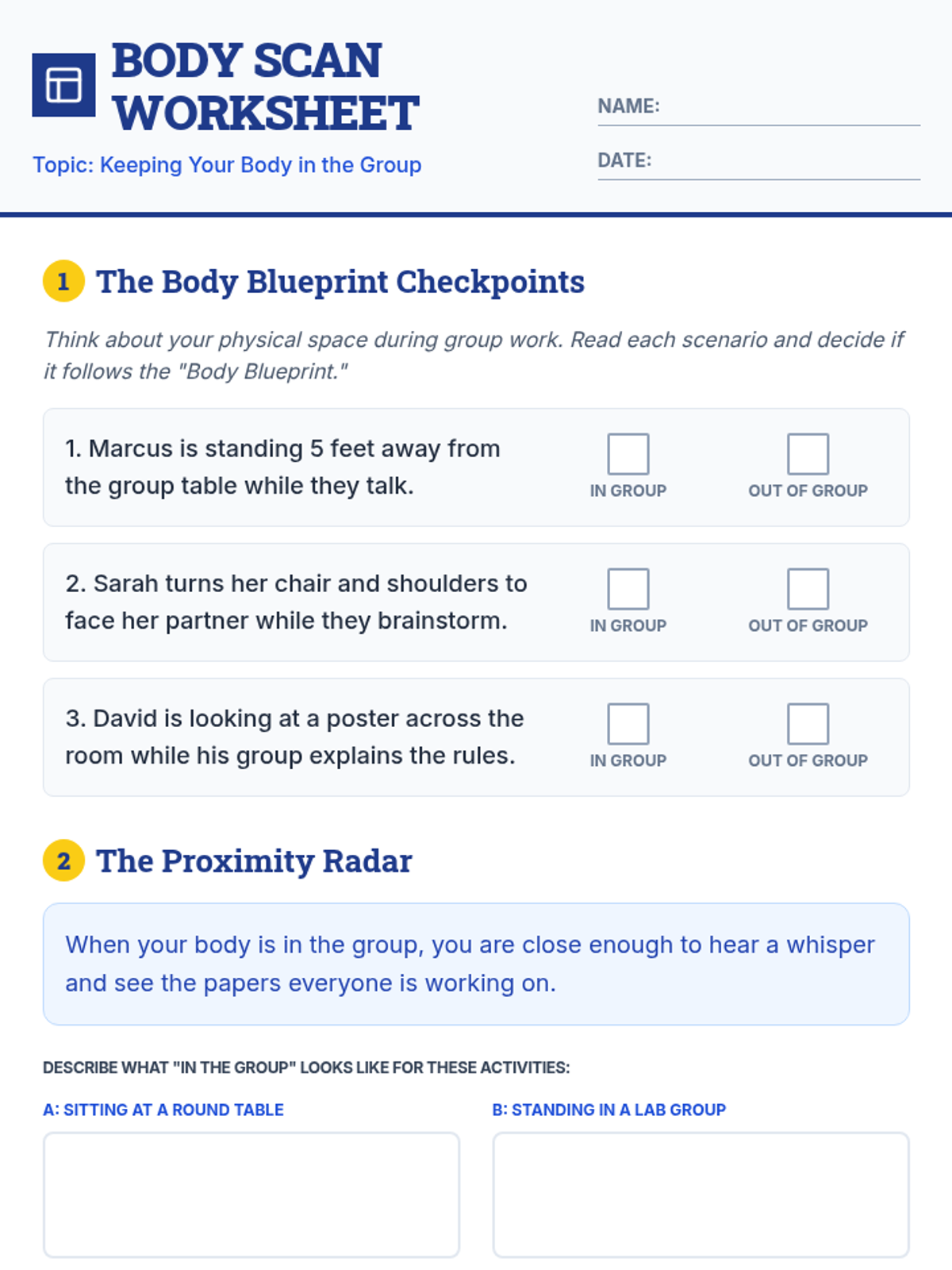
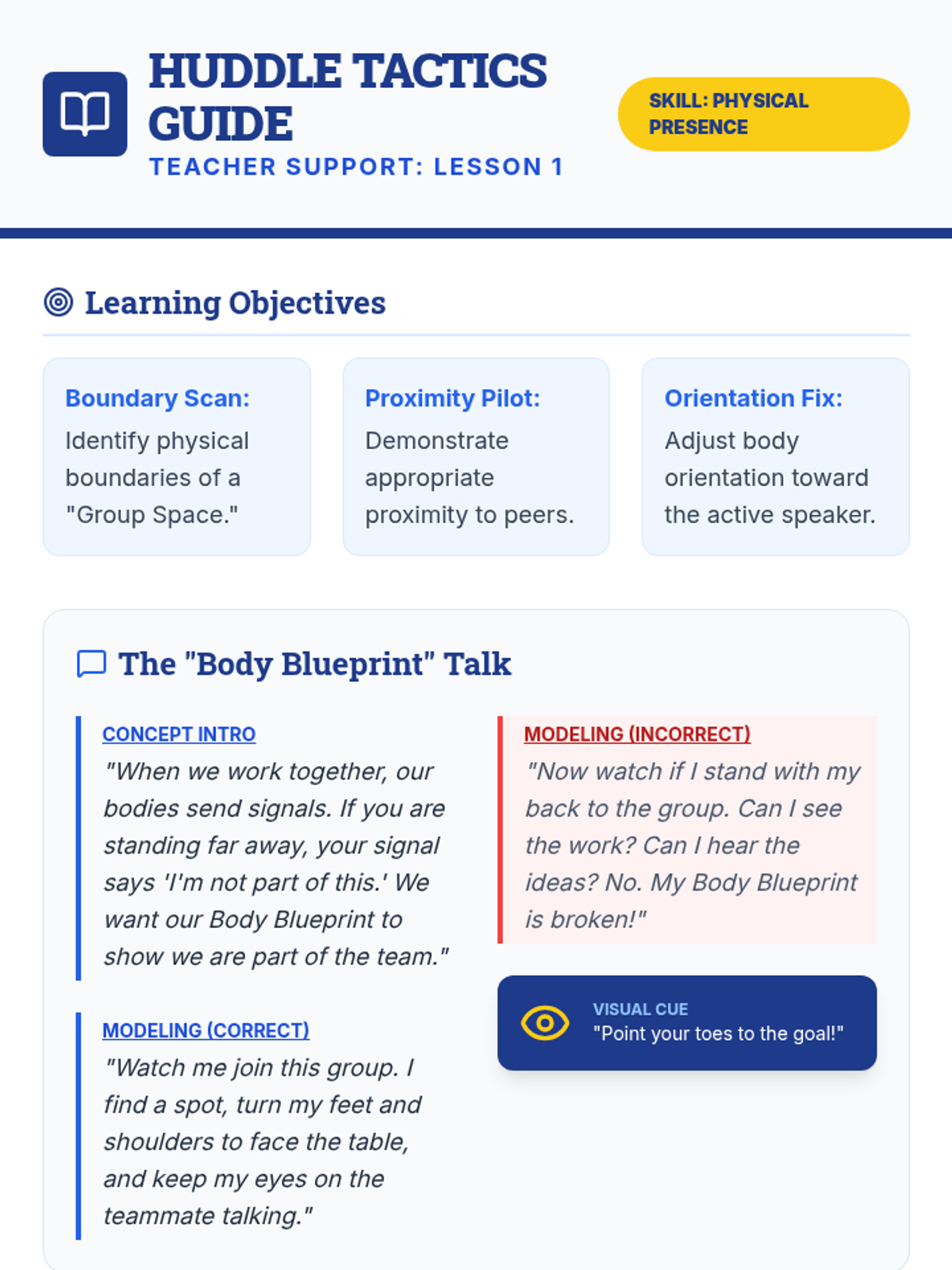
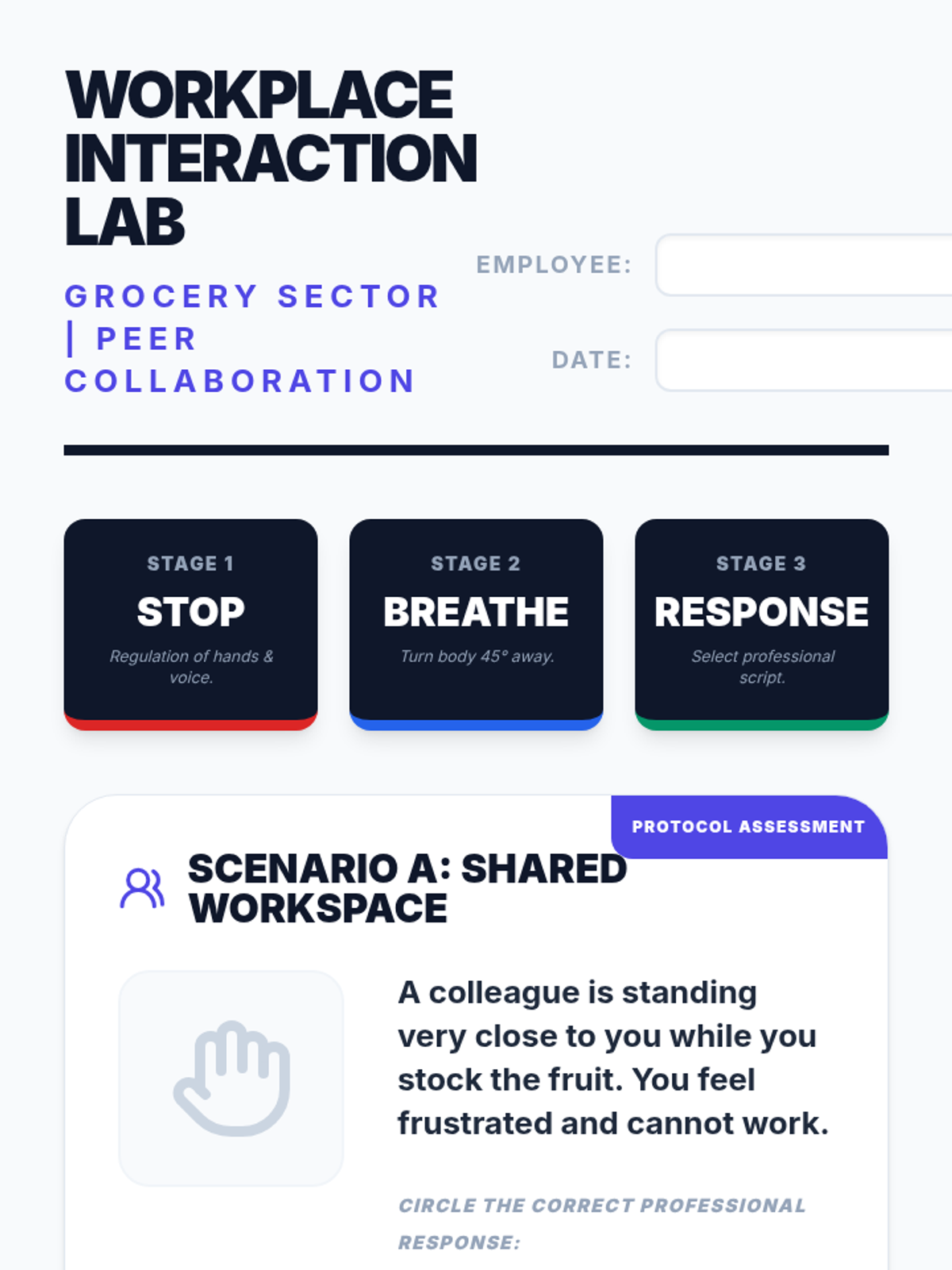
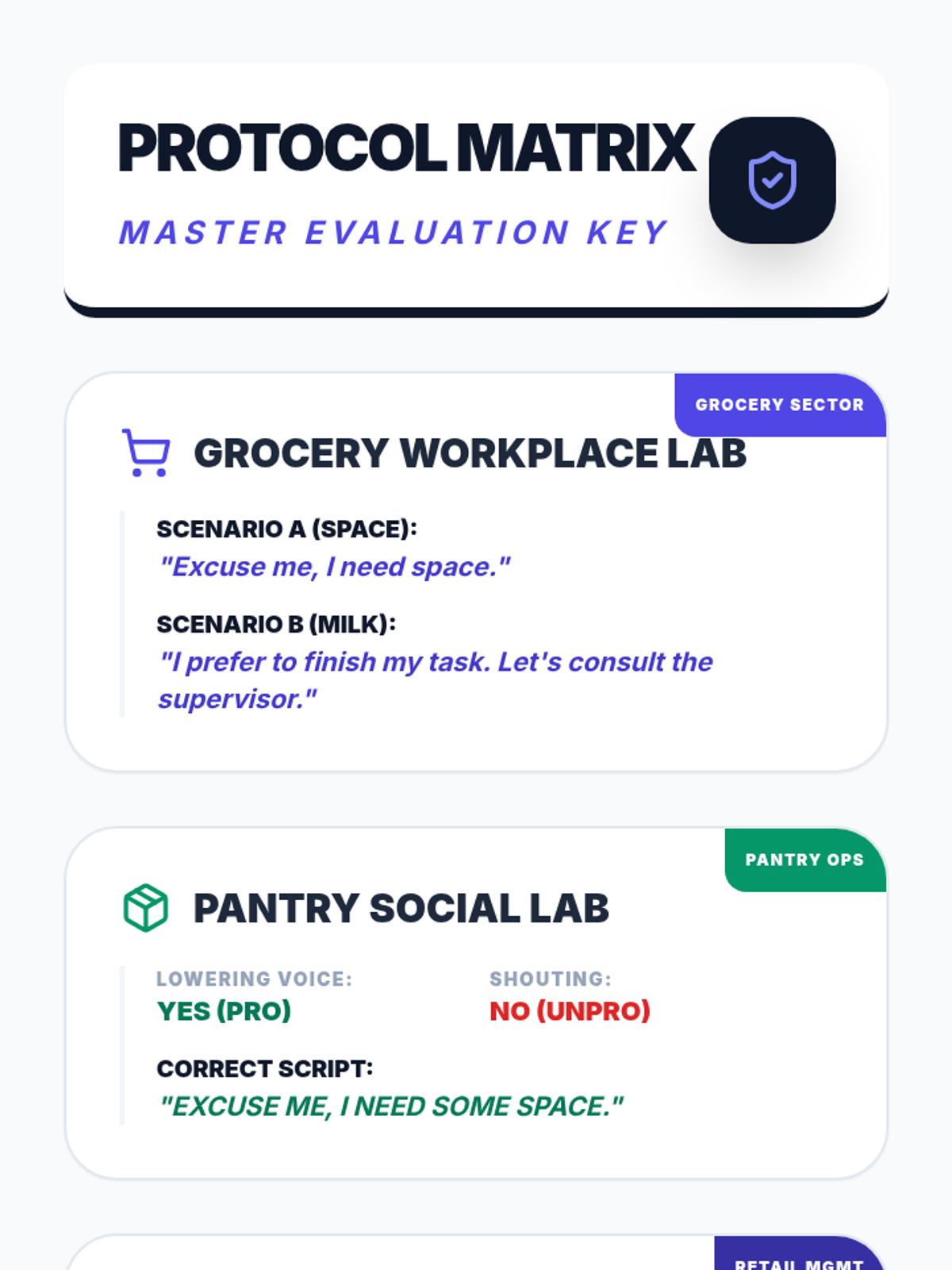
A structured social skills sequence designed for middle schoolers with autism, focusing on physical presence, mental engagement, and cooperative task completion in group settings. The sequence uses a 'Technical Blueprint' theme to provide concrete, visual frameworks for abstract social concepts.
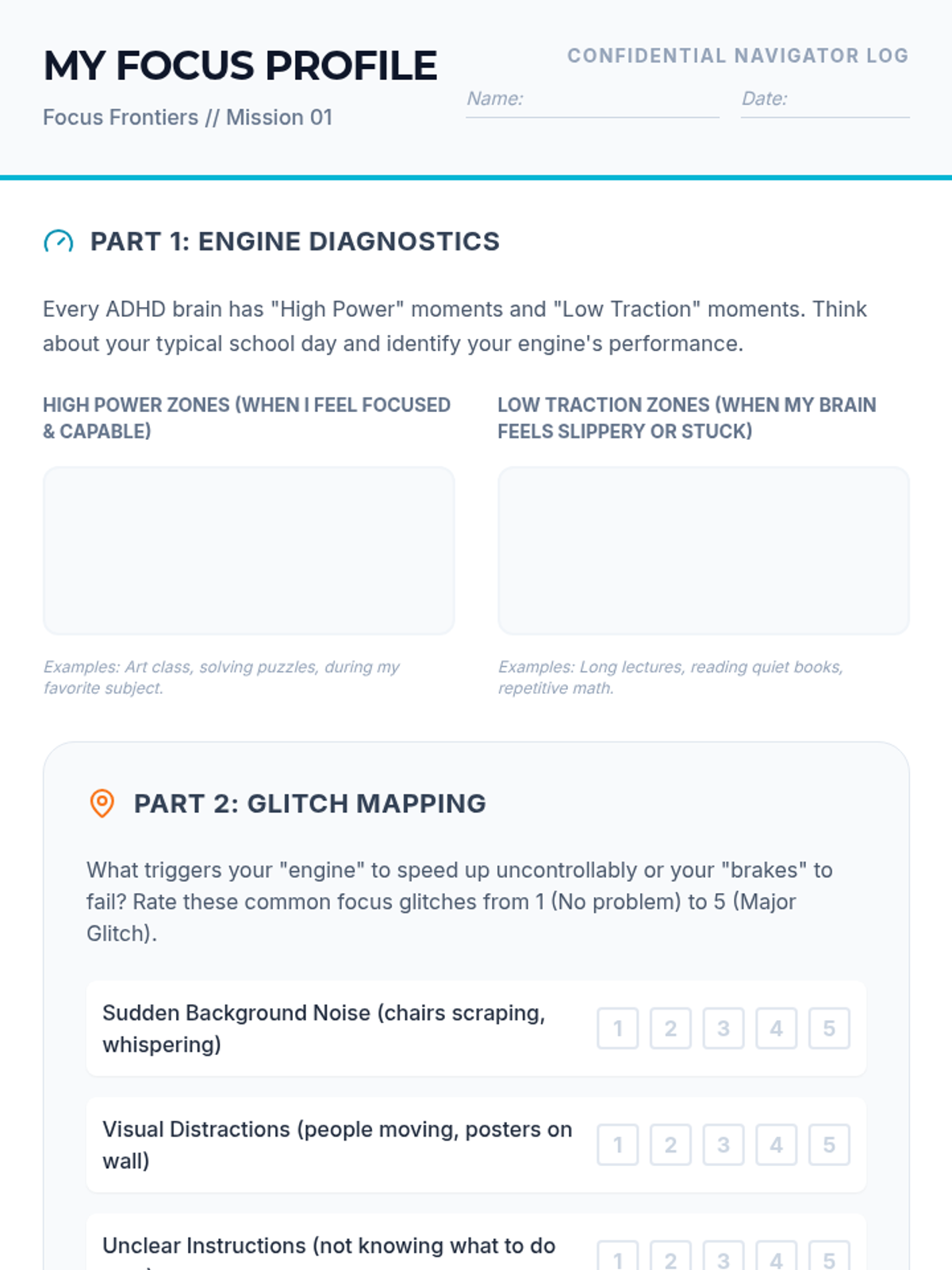
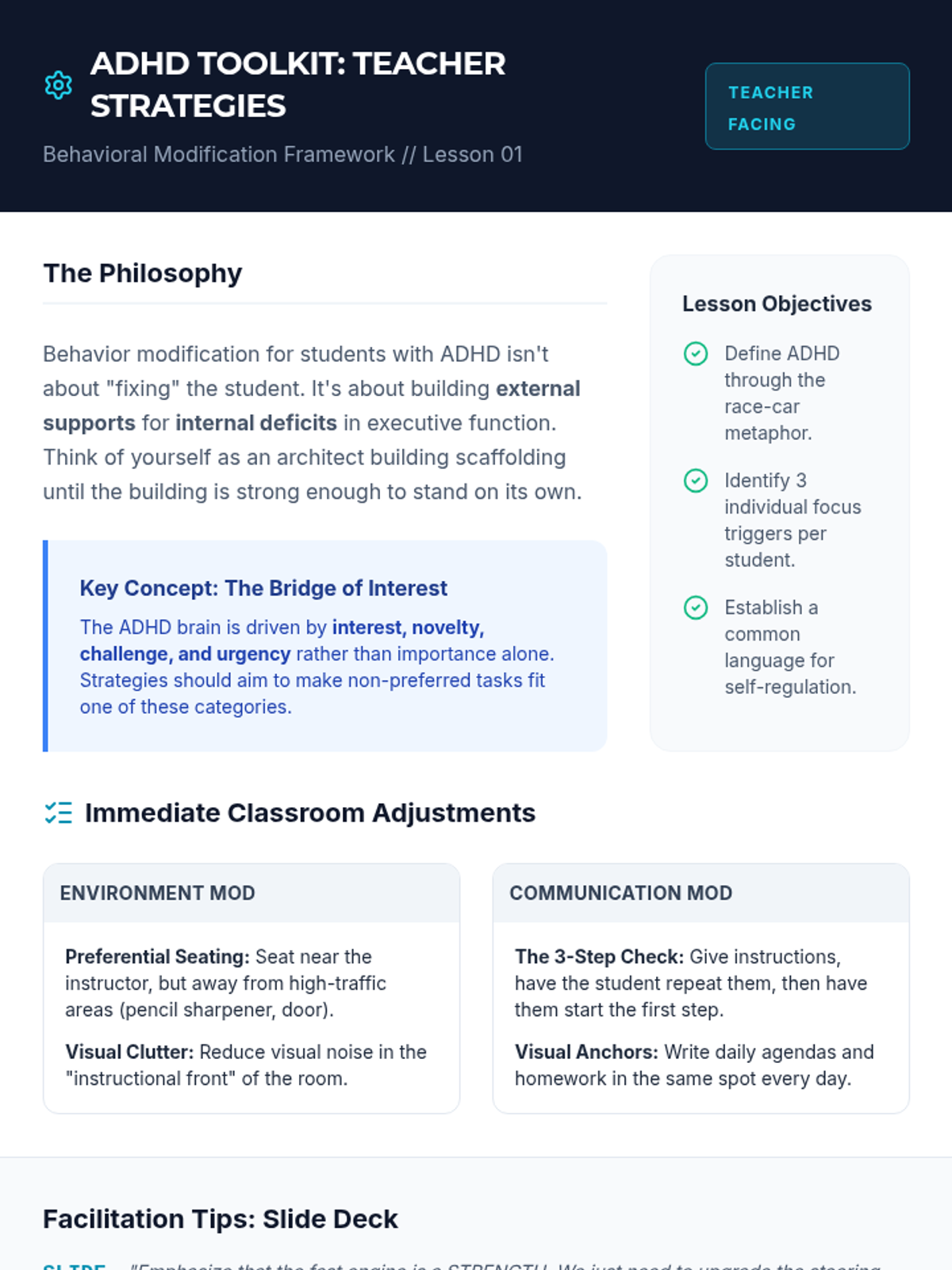
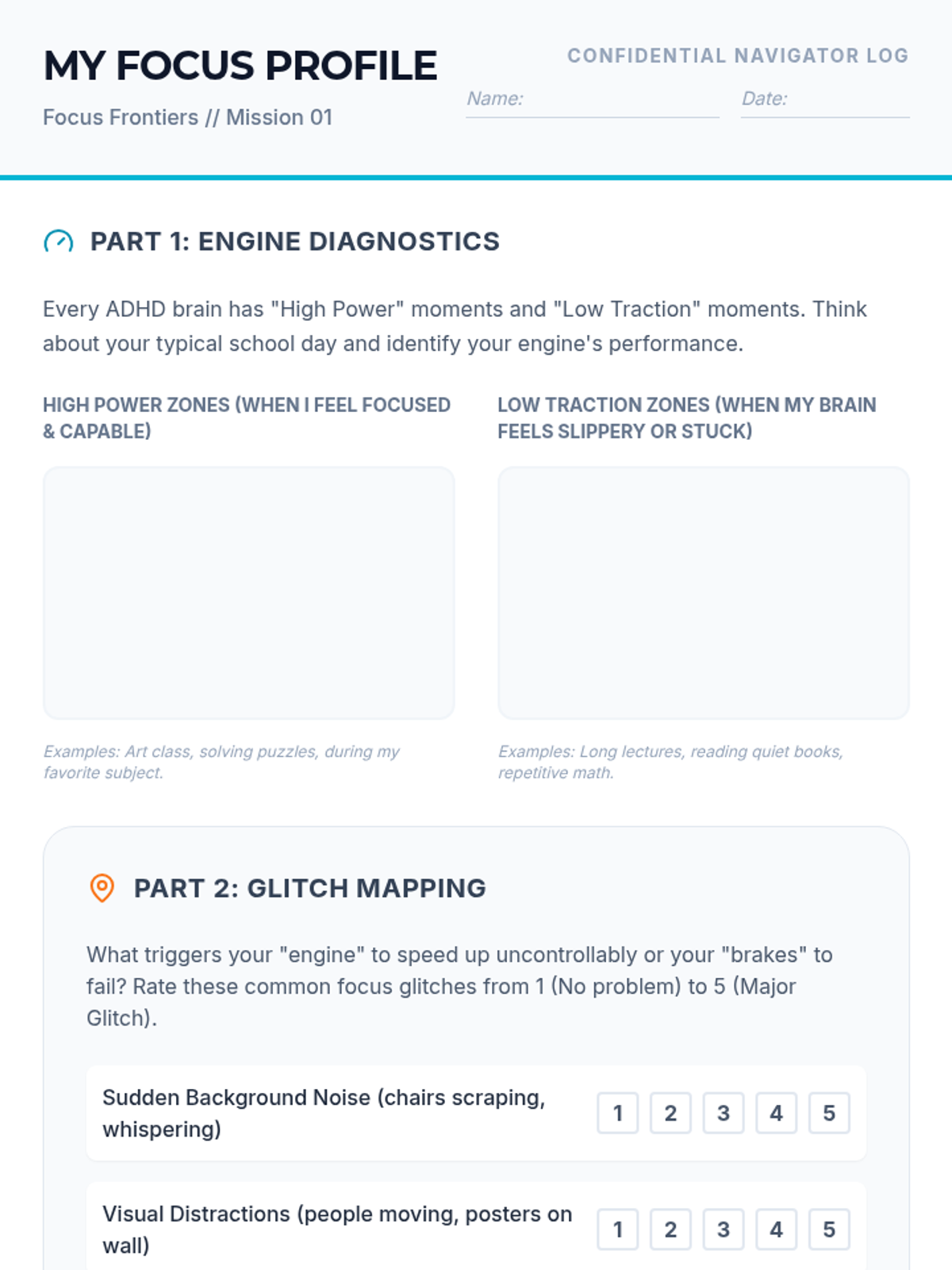
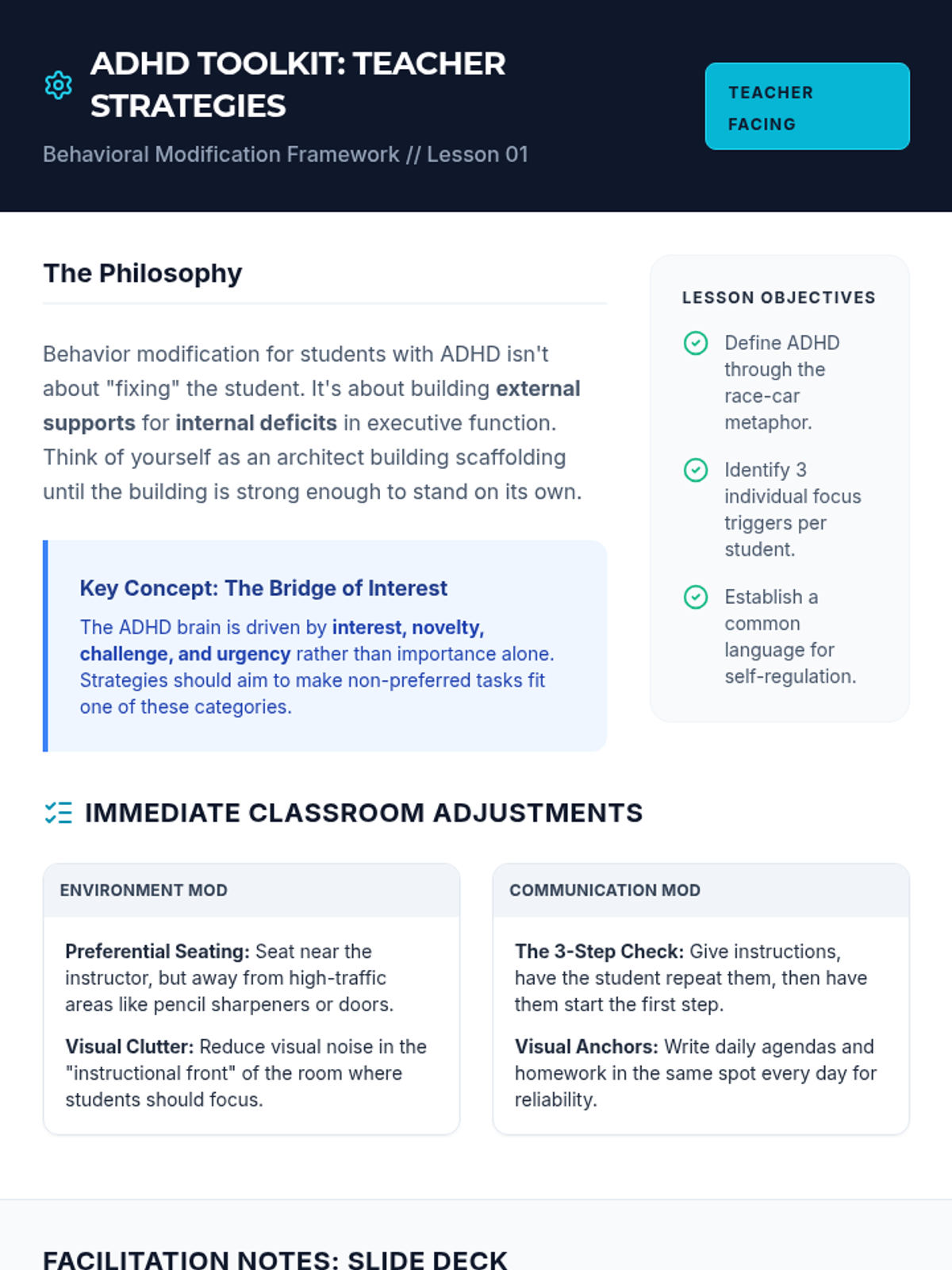
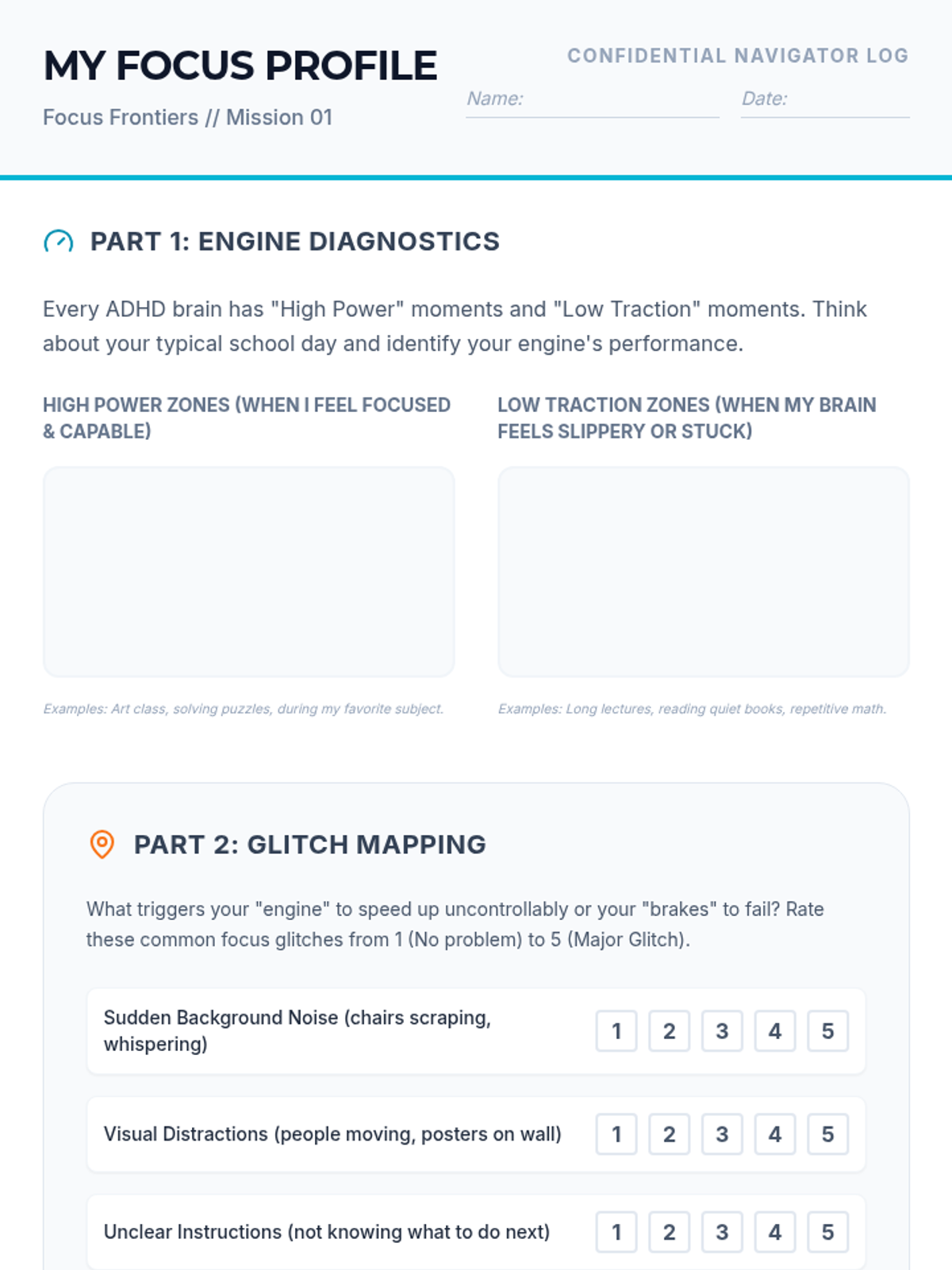
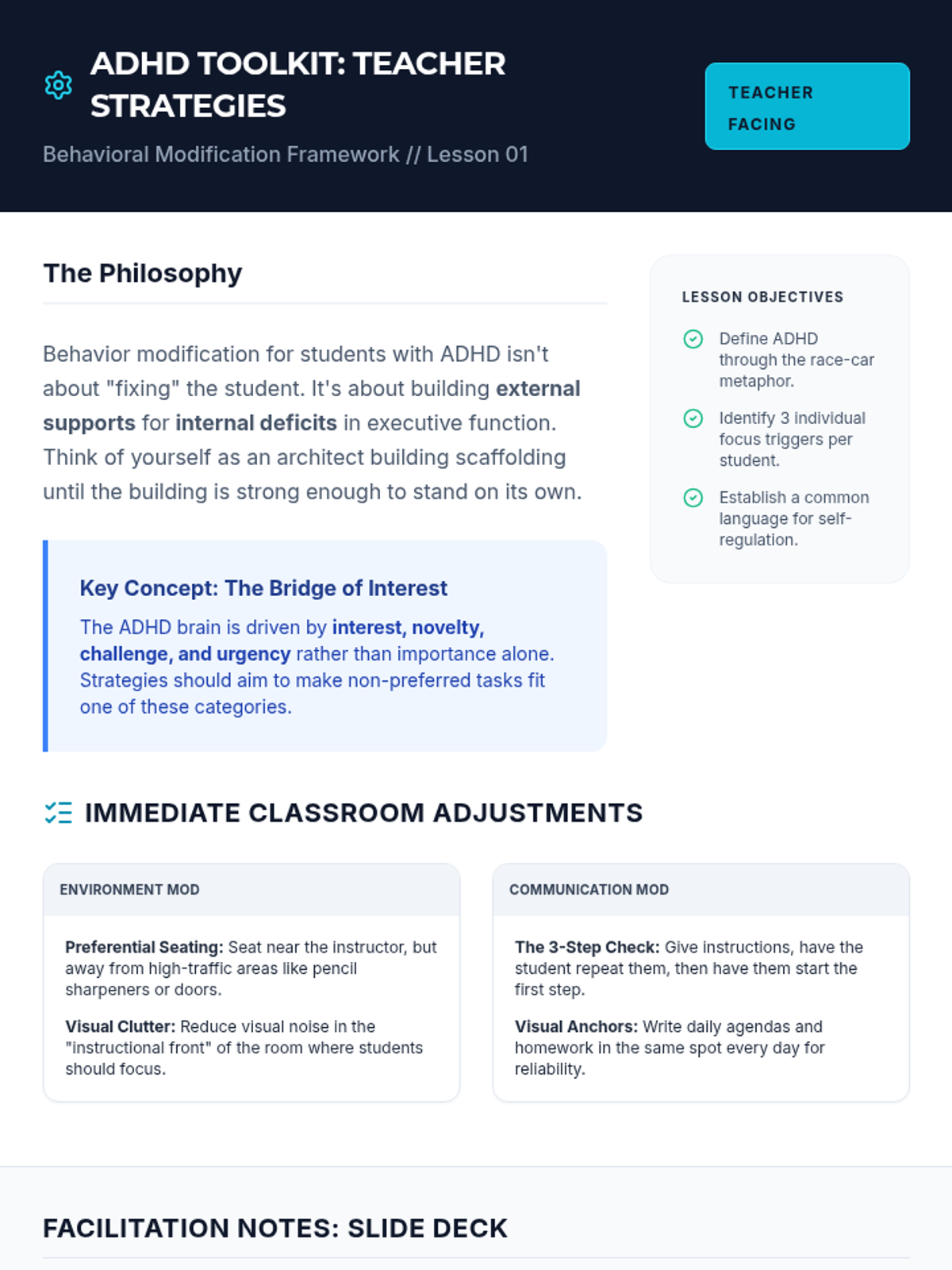
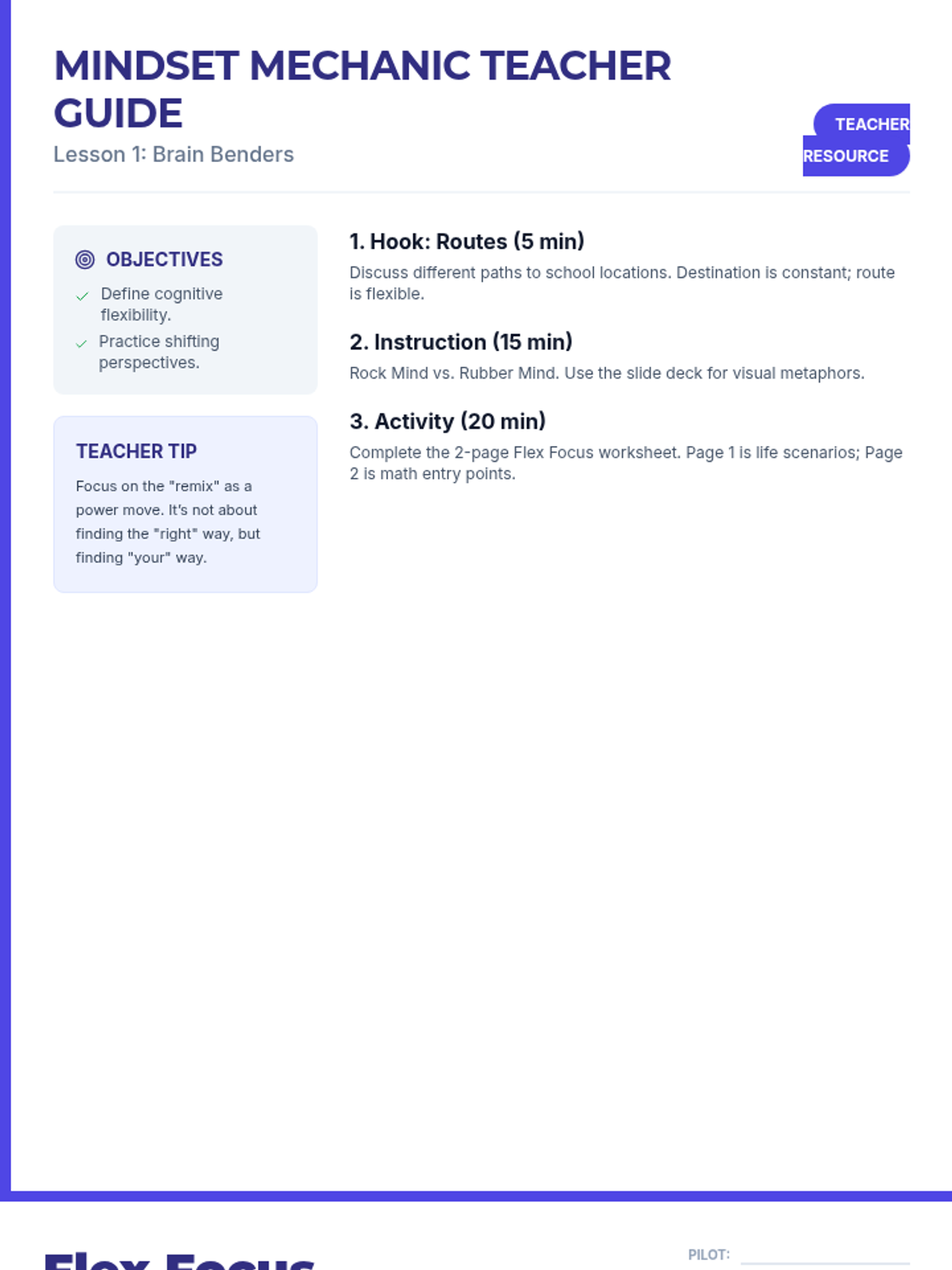
A comprehensive program designed to help students with ADHD understand their brain, develop self-regulation strategies, and implement behavioral systems for success. The sequence provides both instructional content for students and strategic guidance for educators.
A comprehensive 2-week unit designed for autistic students to explore their identity, identify personal strengths and needs, and master self-advocacy skills in school, work, and community settings.
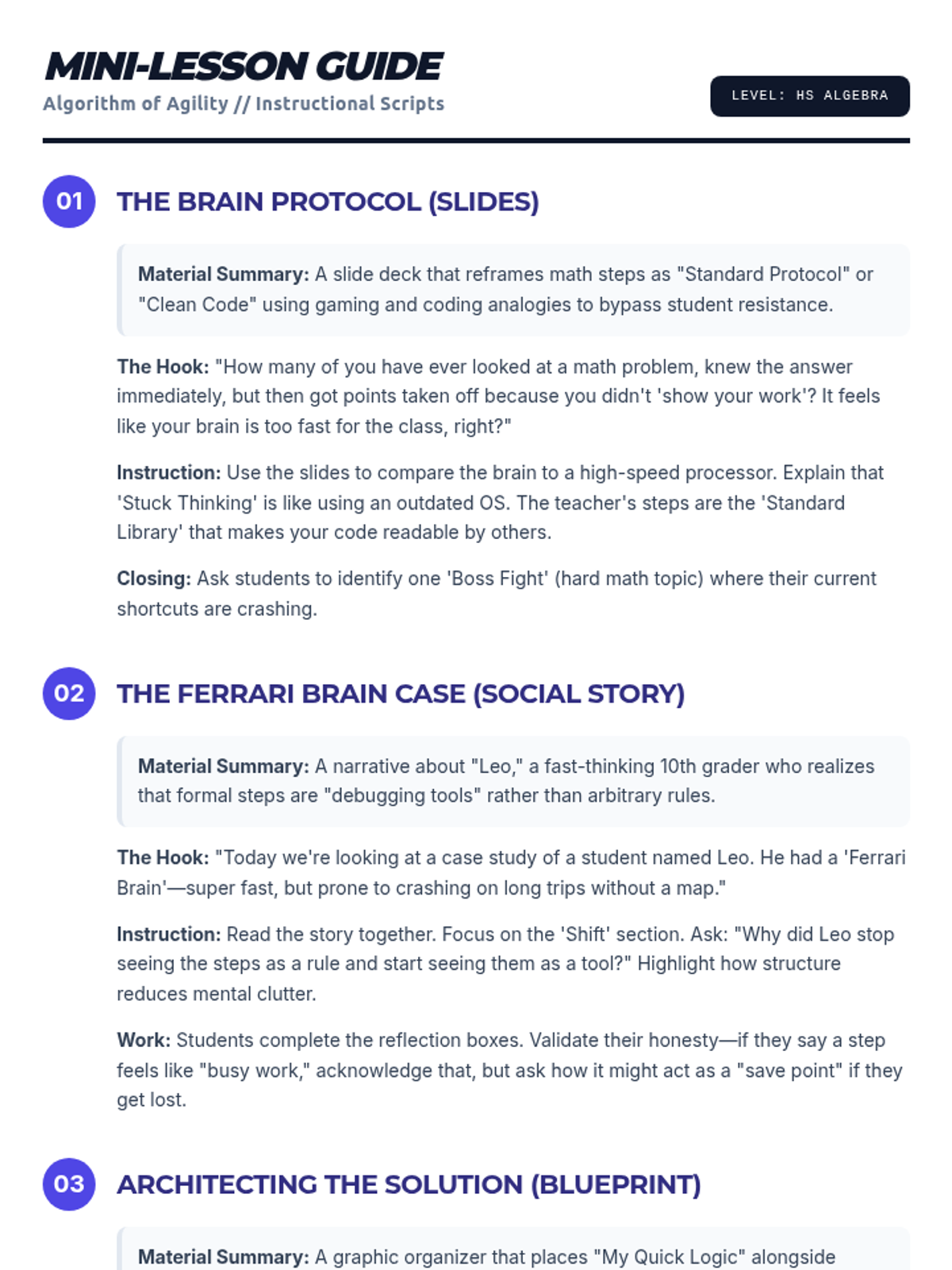
A comprehensive curriculum designed for high school students to develop cognitive flexibility in mathematics, specifically addressing the transition from intuitive problem-solving to structured algebraic methods.
A high-school level sequence designed to build cognitive flexibility in algebra for students with ASD. The unit focuses on moving from a rigid 'one-way' mindset to exploring multiple valid problem-solving pathways to reduce resistance and increase engagement.
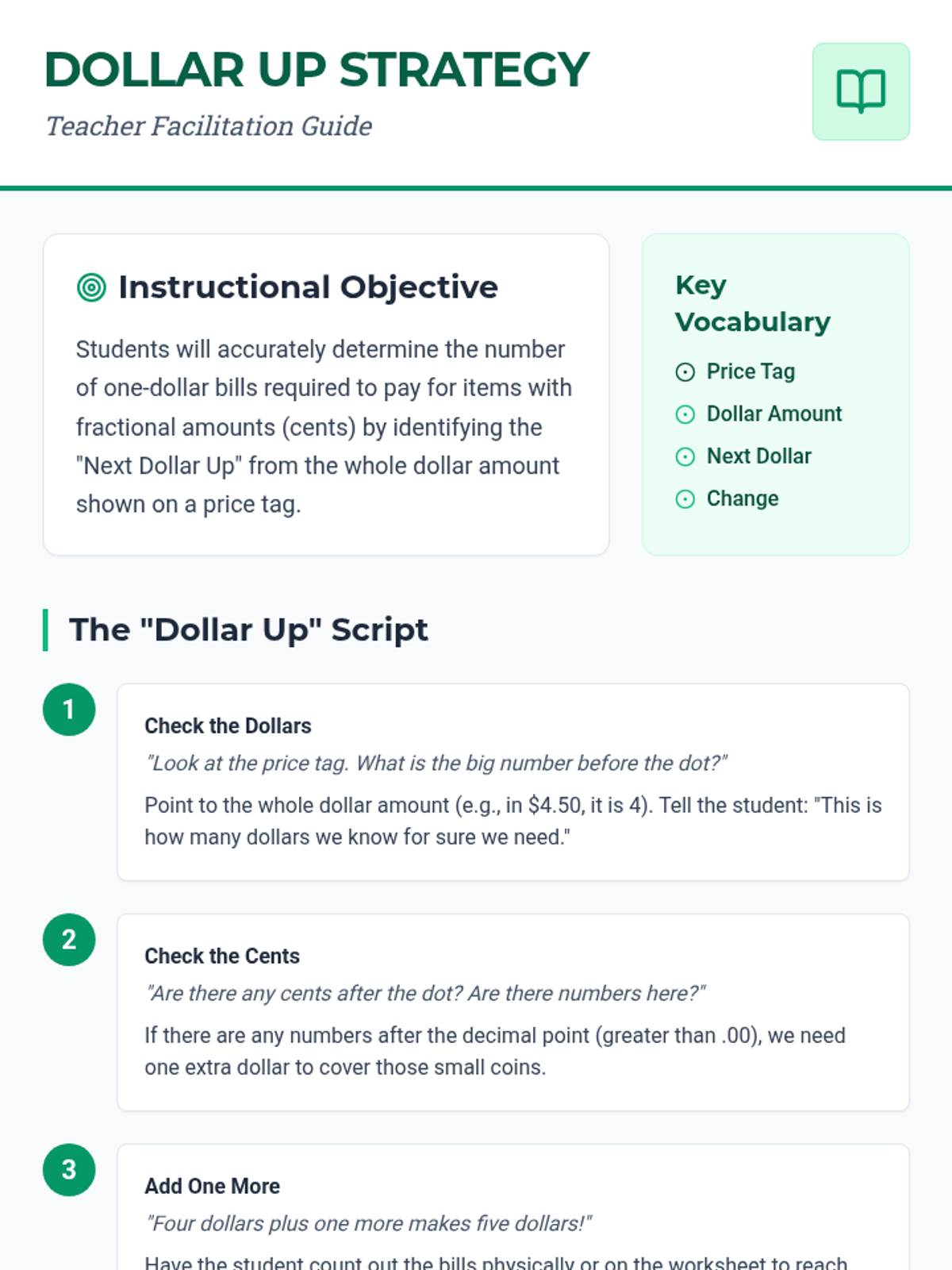
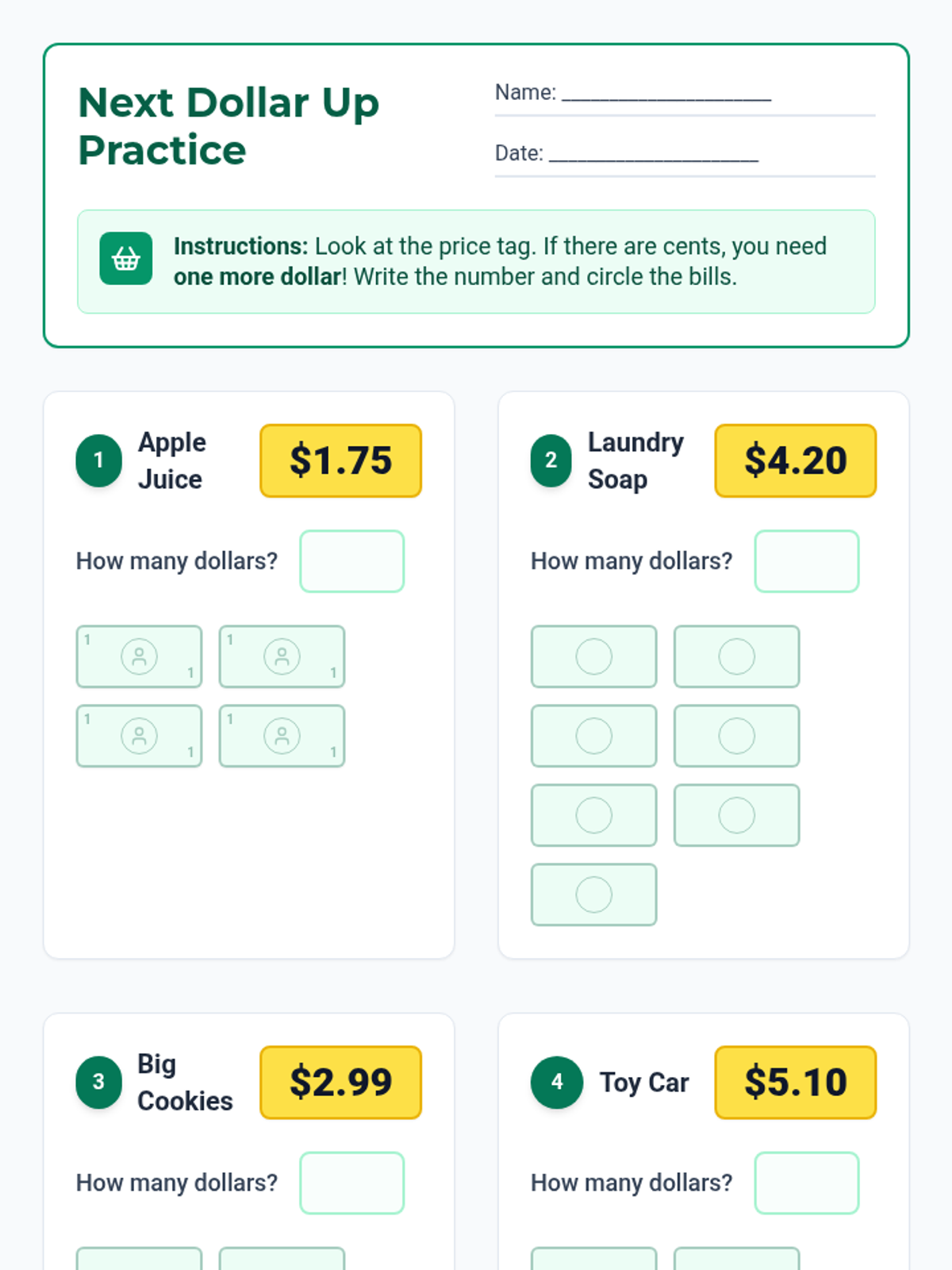
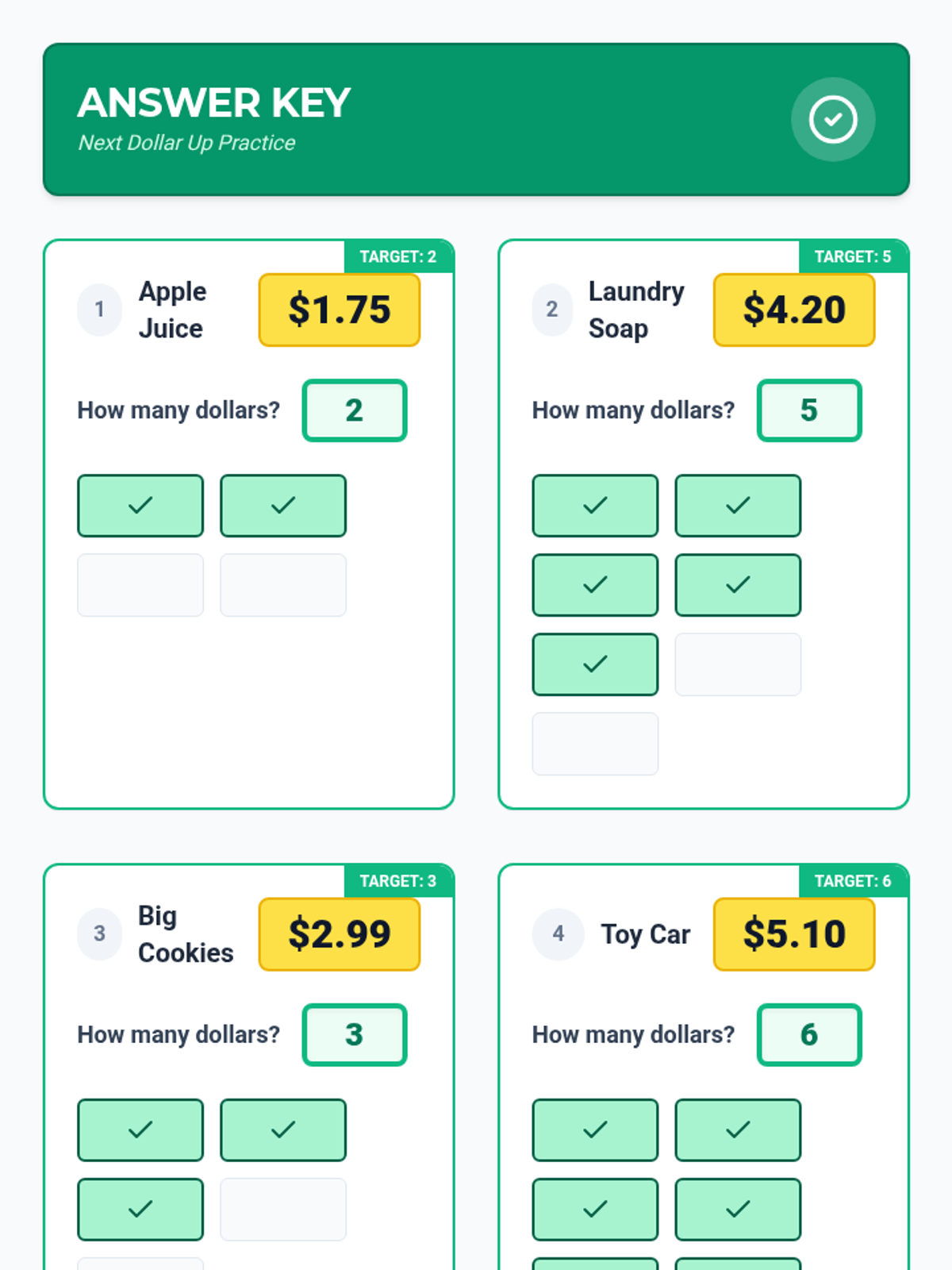
A series of functional math lessons focusing on essential life skills for independent living, starting with the Next Dollar Up method for purchasing items.
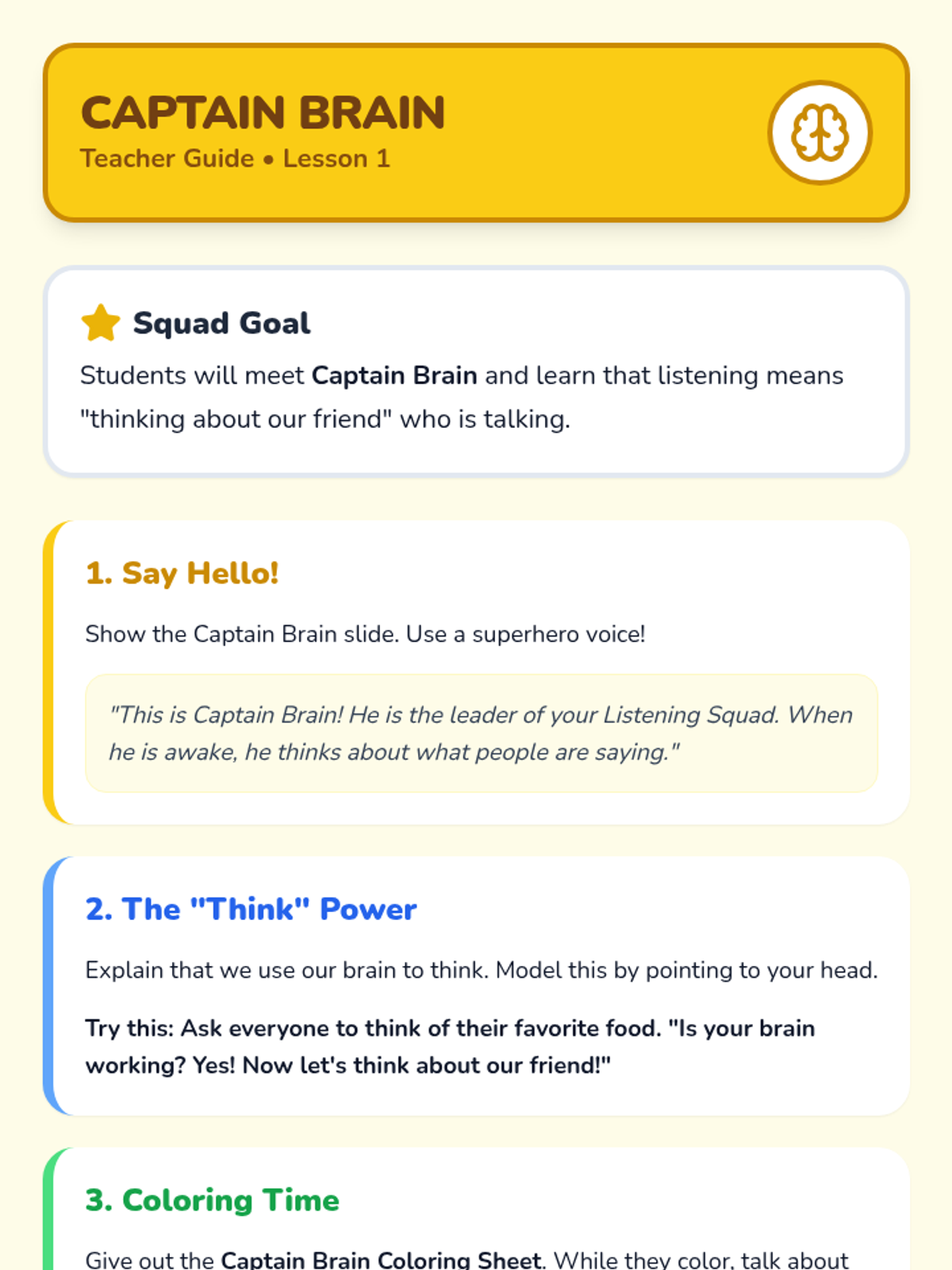
A 5-lesson sequence for high school students with severe intellectual disabilities, using a 'Super Listening Squad' theme. Each lesson focuses on a 'Body Friend' that helps students listen and regulate through simplified visual supports and repetitive routines.
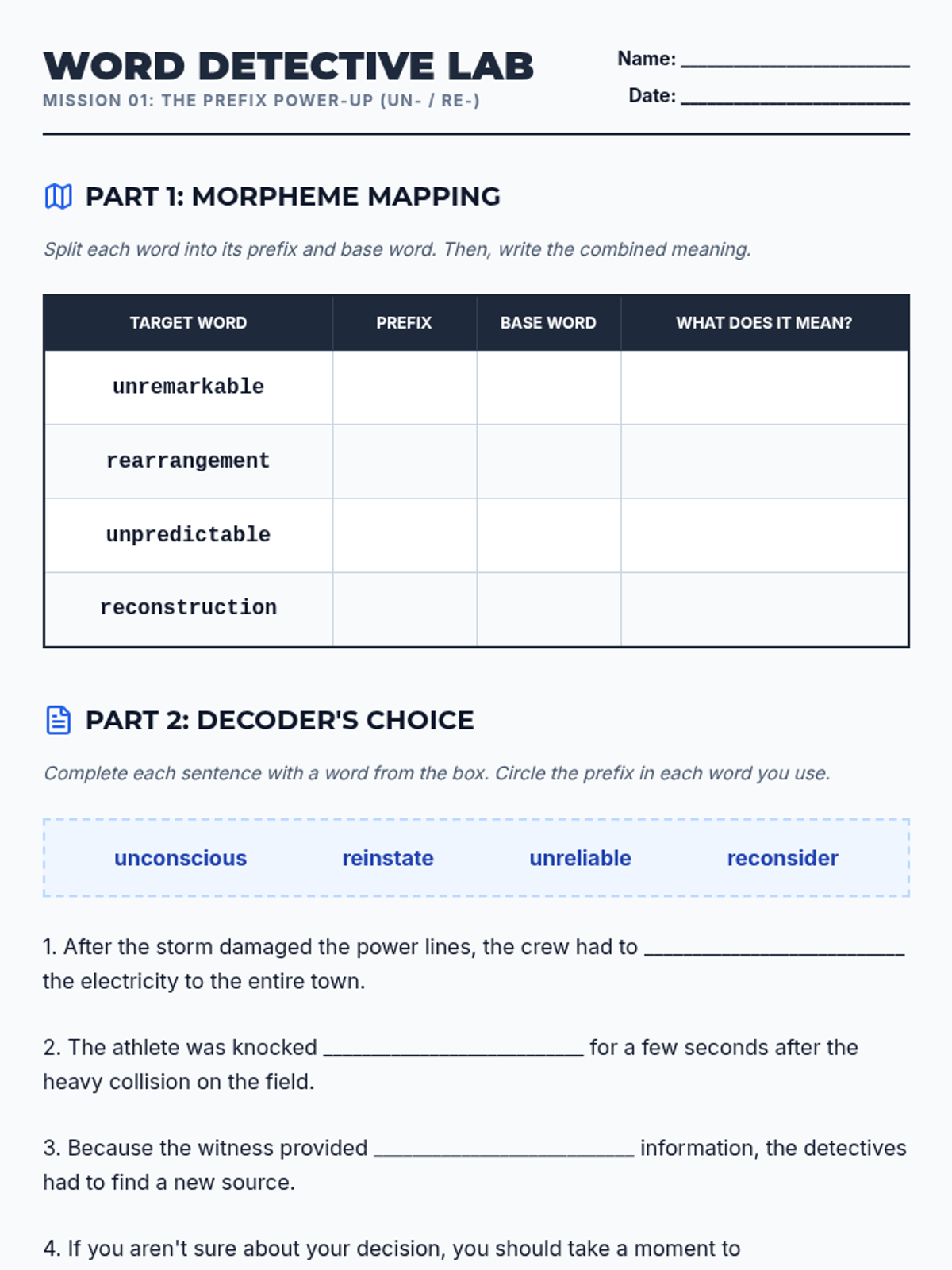
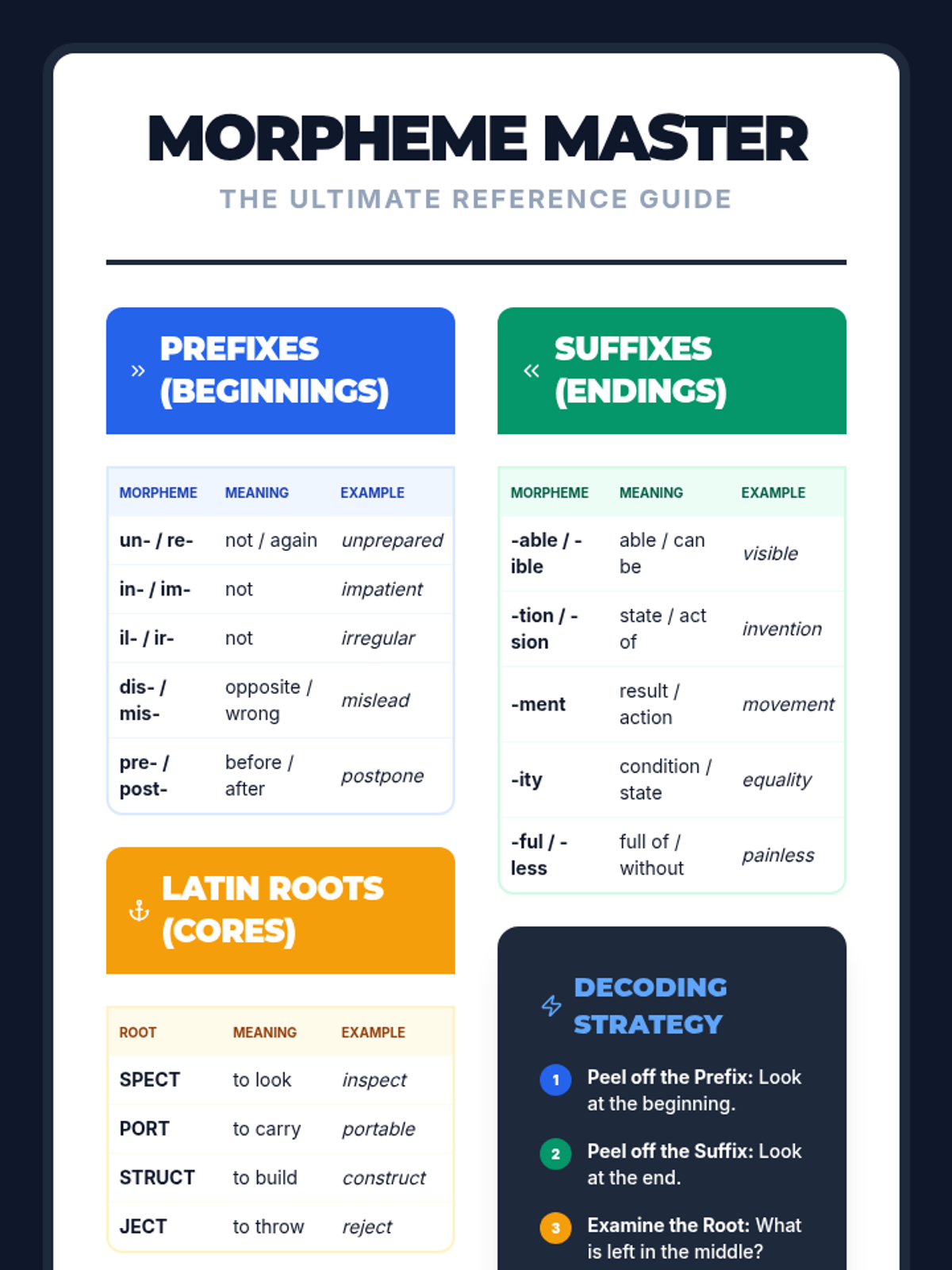
A dual-unit intervention sequence for 6th grade Tier 2 decoding. Unit 1 focuses on Morphology (Lessons 1-15). Unit 2 focuses on Syllable Types and Division Patterns (Lessons 16-30) through an architectural blueprint theme.
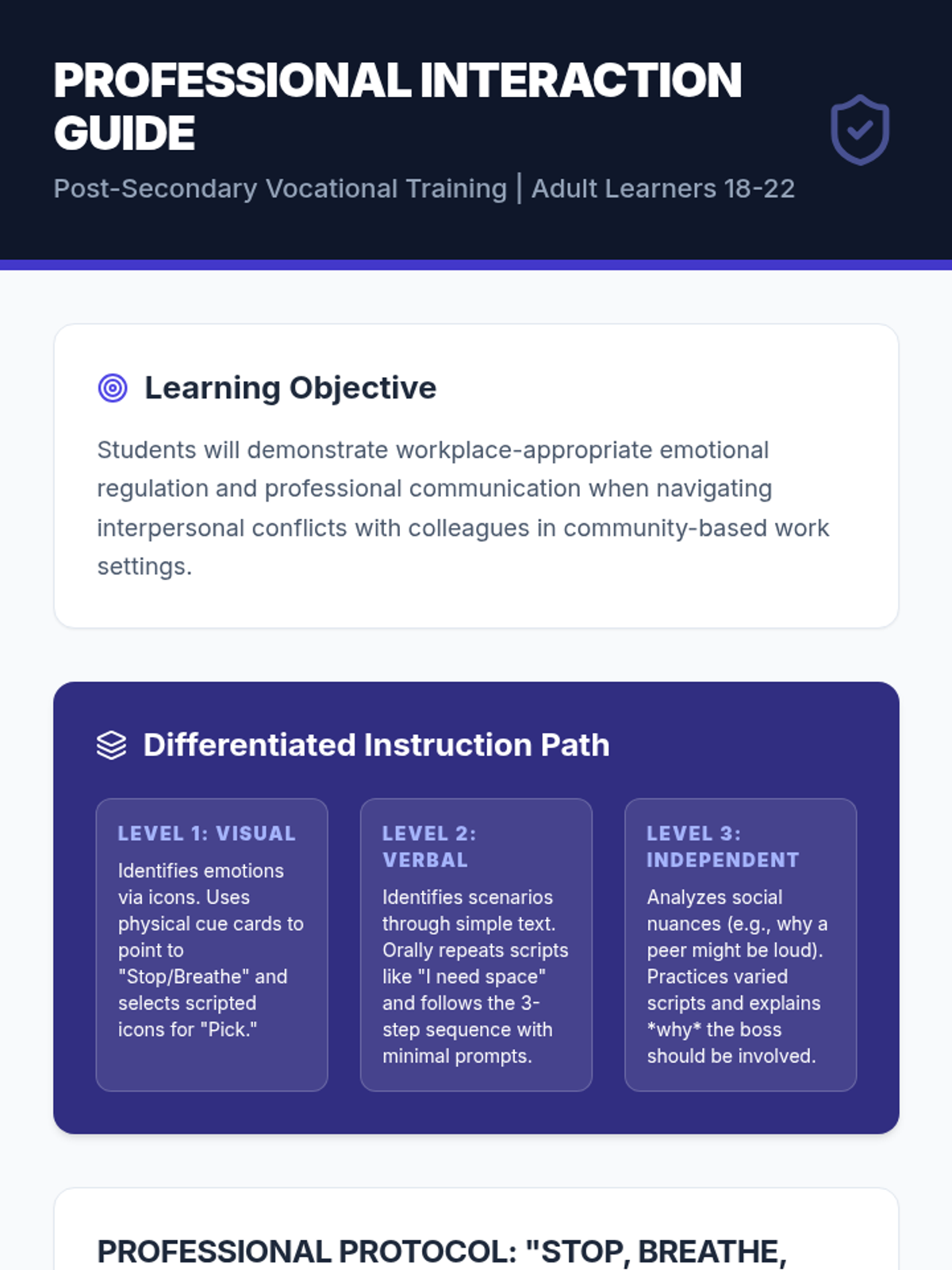
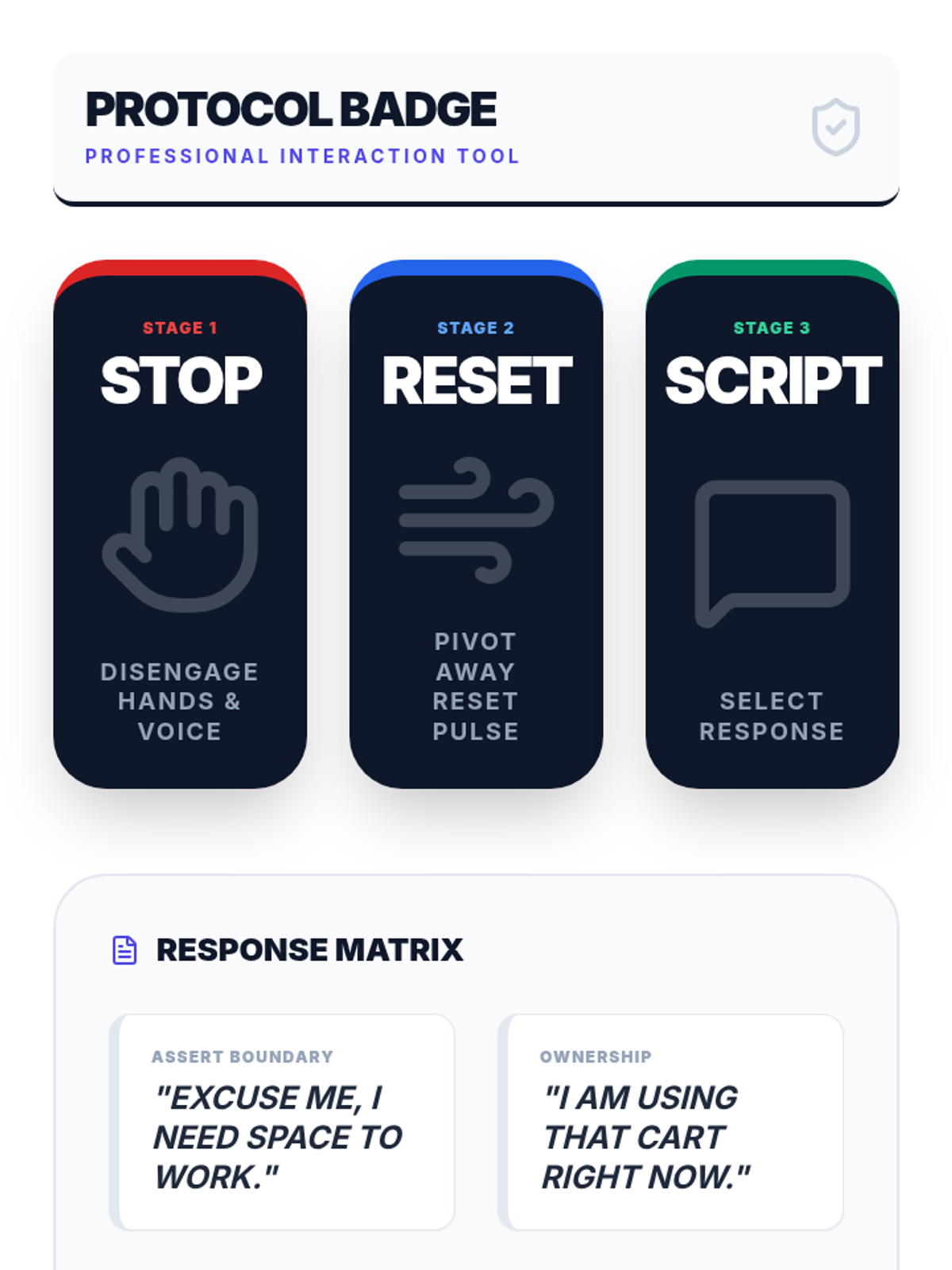
A vocational skills sequence for students with severe special needs (ages 18-22) focusing on conflict resolution in community-based work settings using simple visual cues.
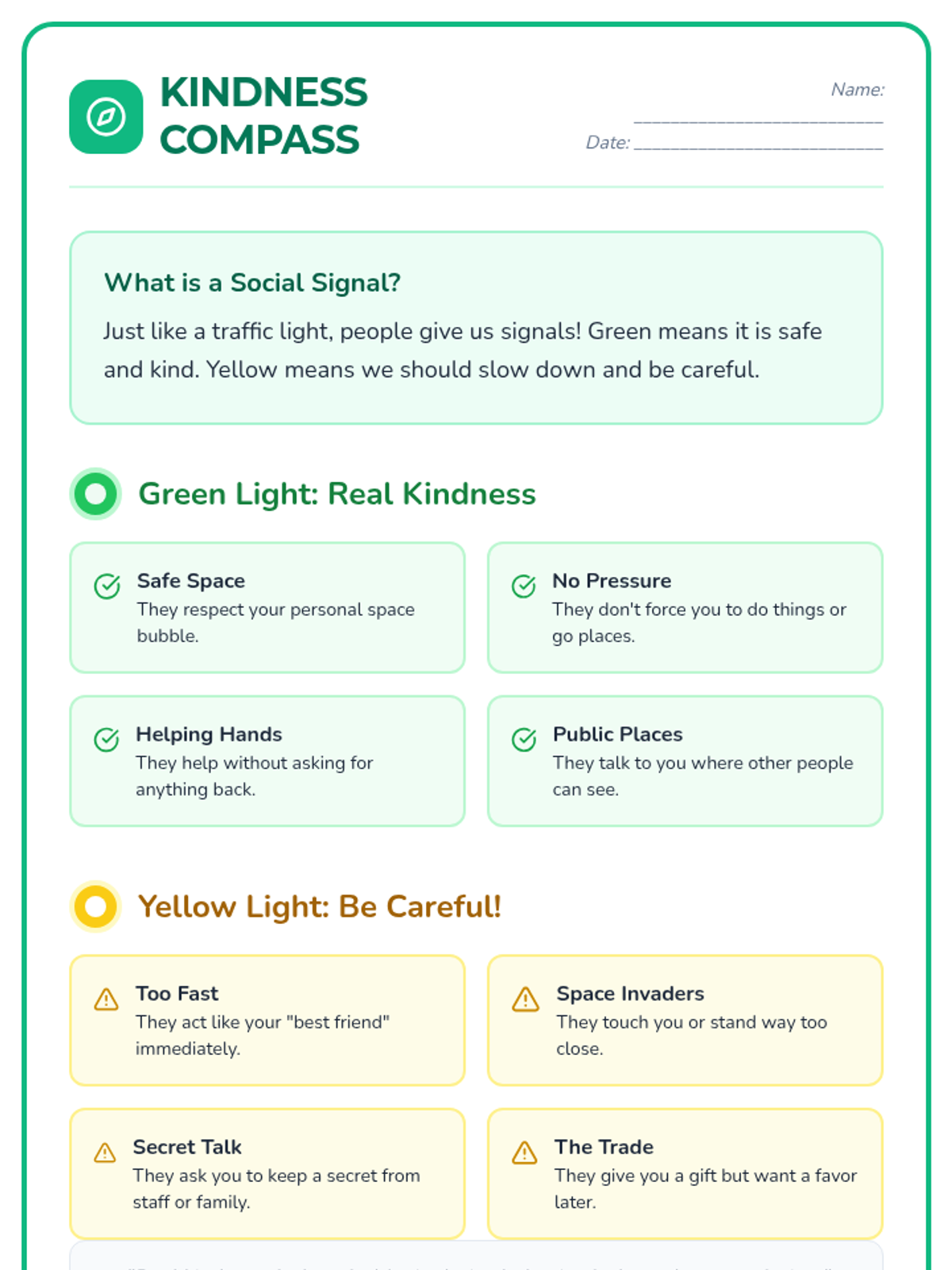
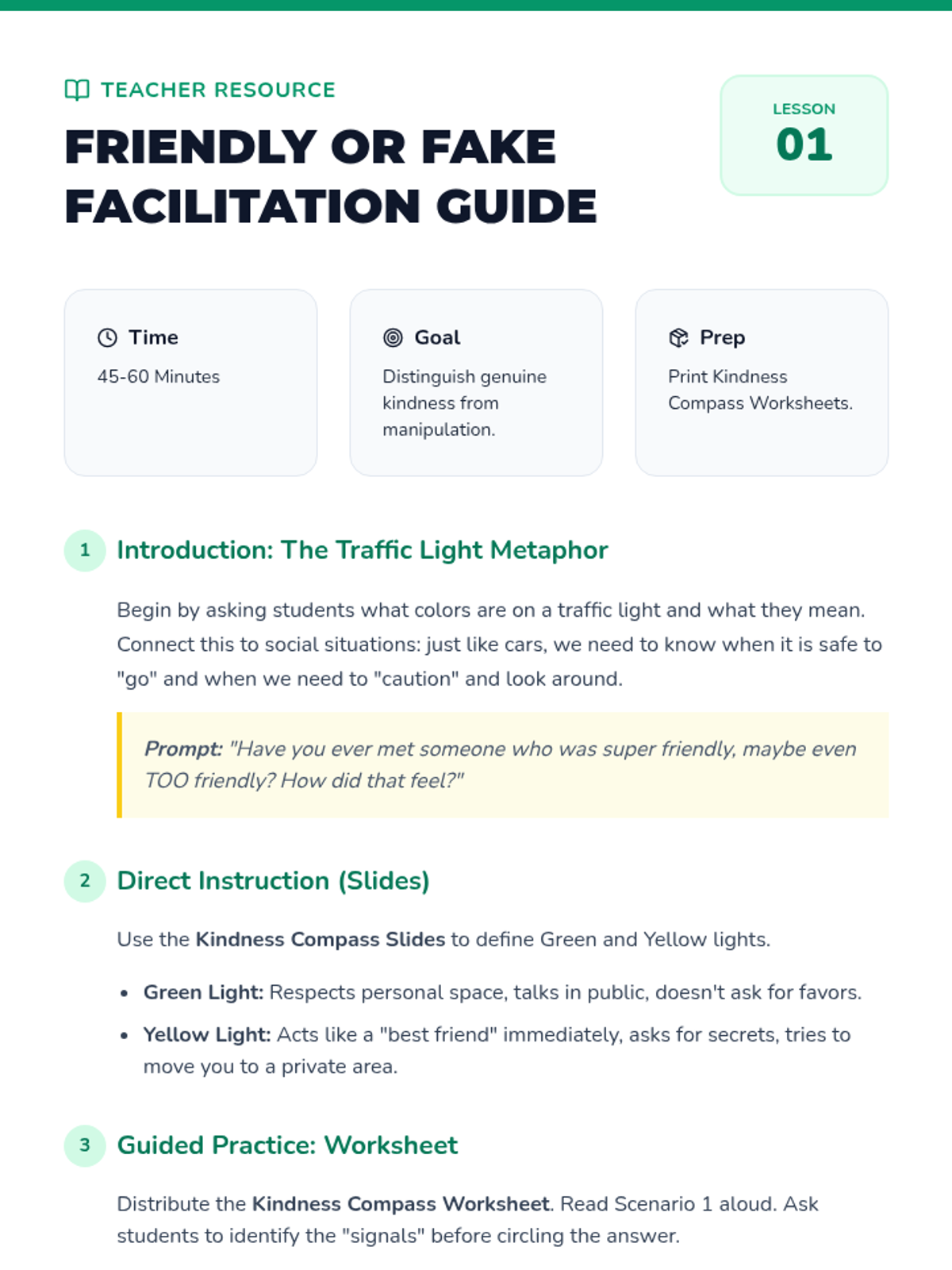
A comprehensive 5-lesson series designed for high school students with intellectual disabilities, Down Syndrome, and autism. The series uses a 'Social Signals' framework to help students distinguish between genuine kindness and manipulative behavior, fostering independence and safety in community settings.
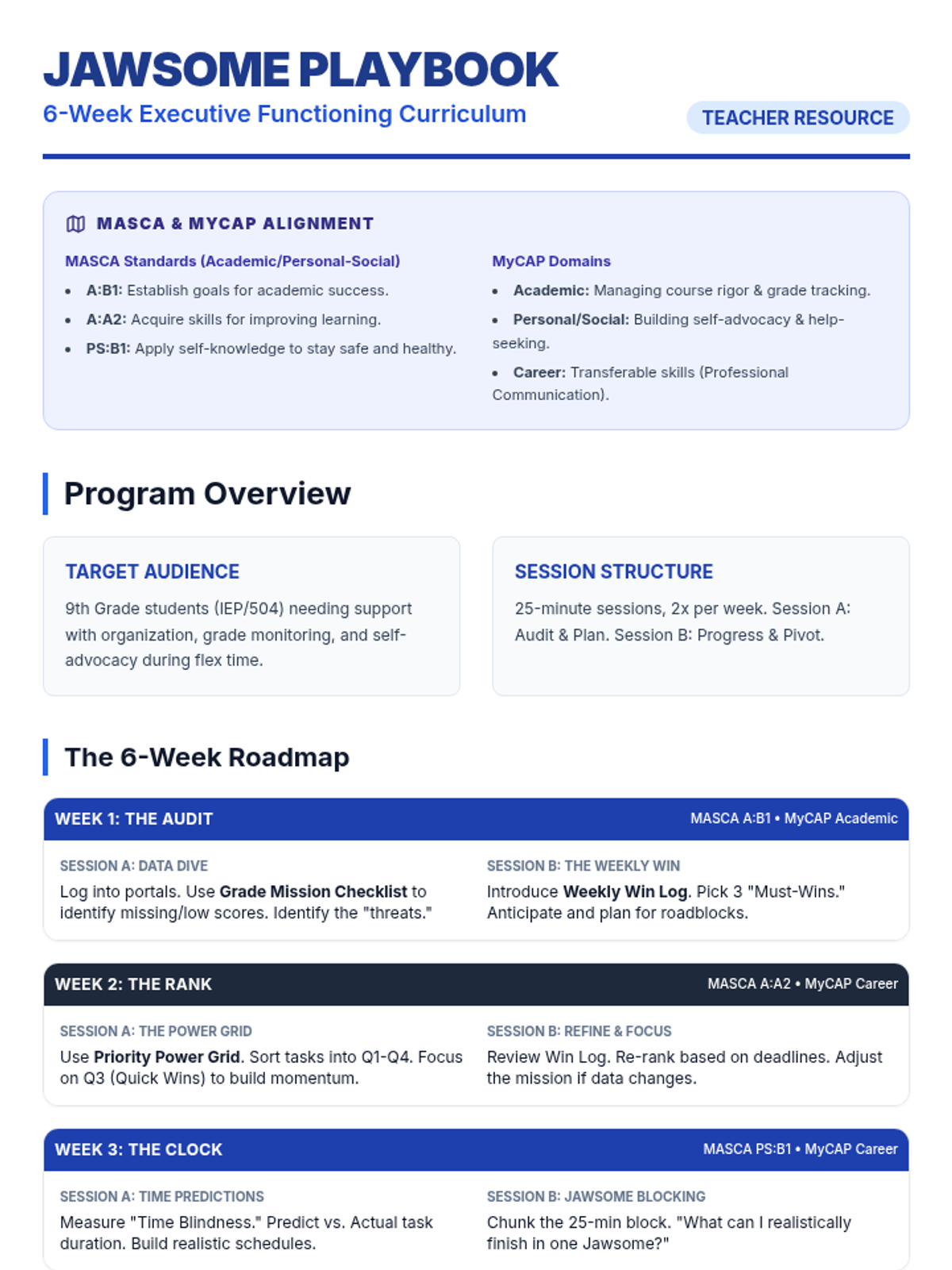
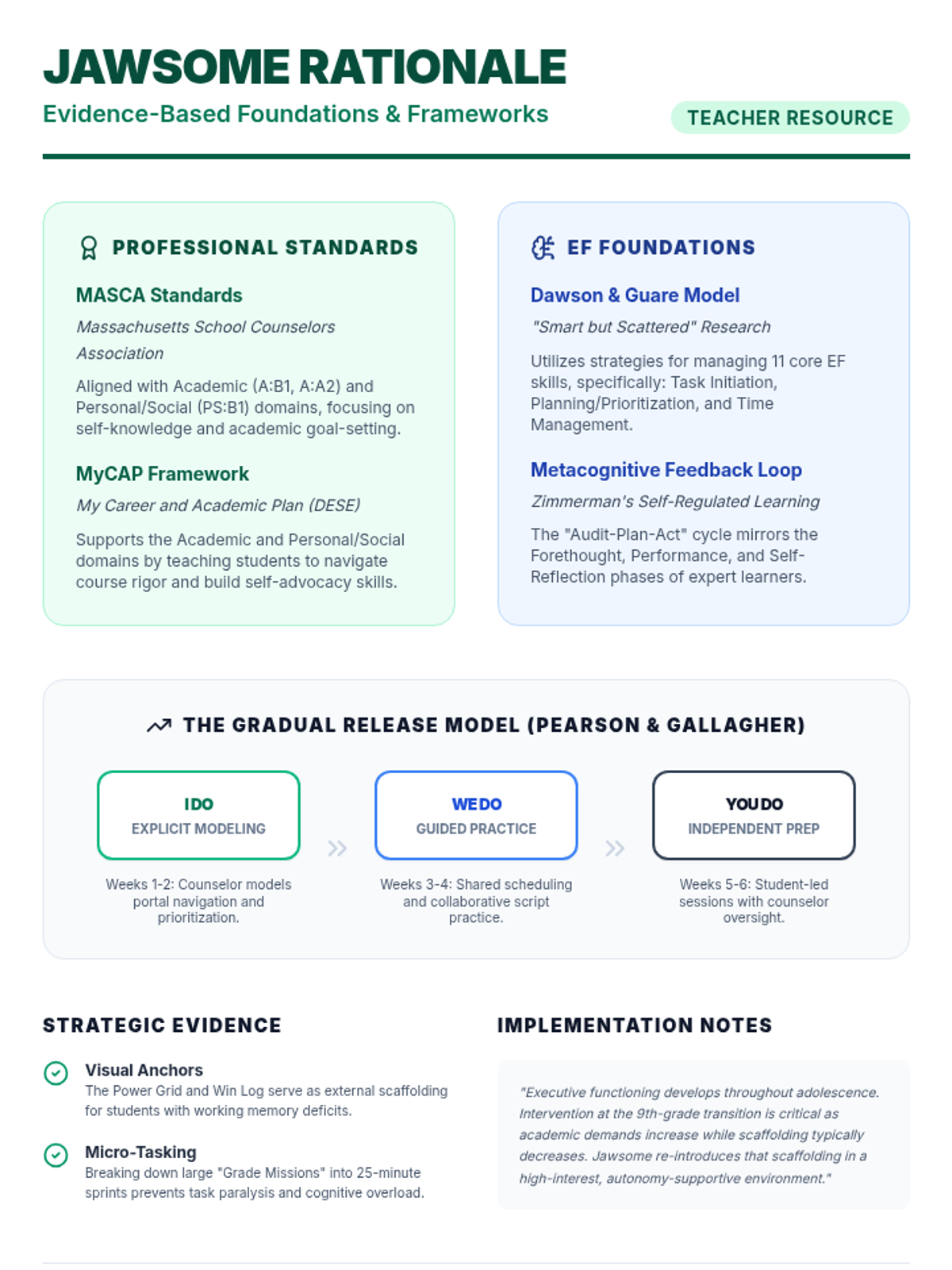
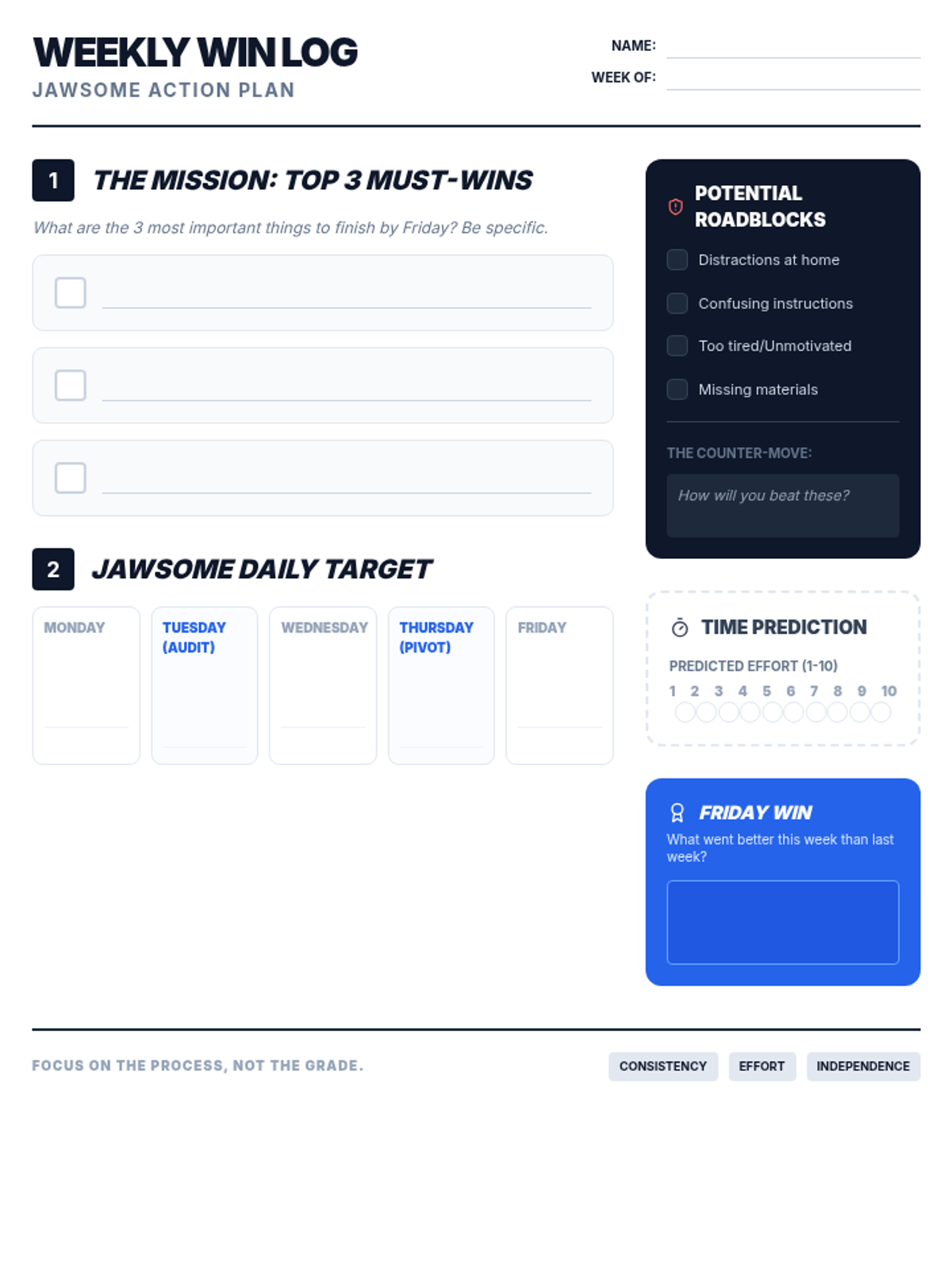
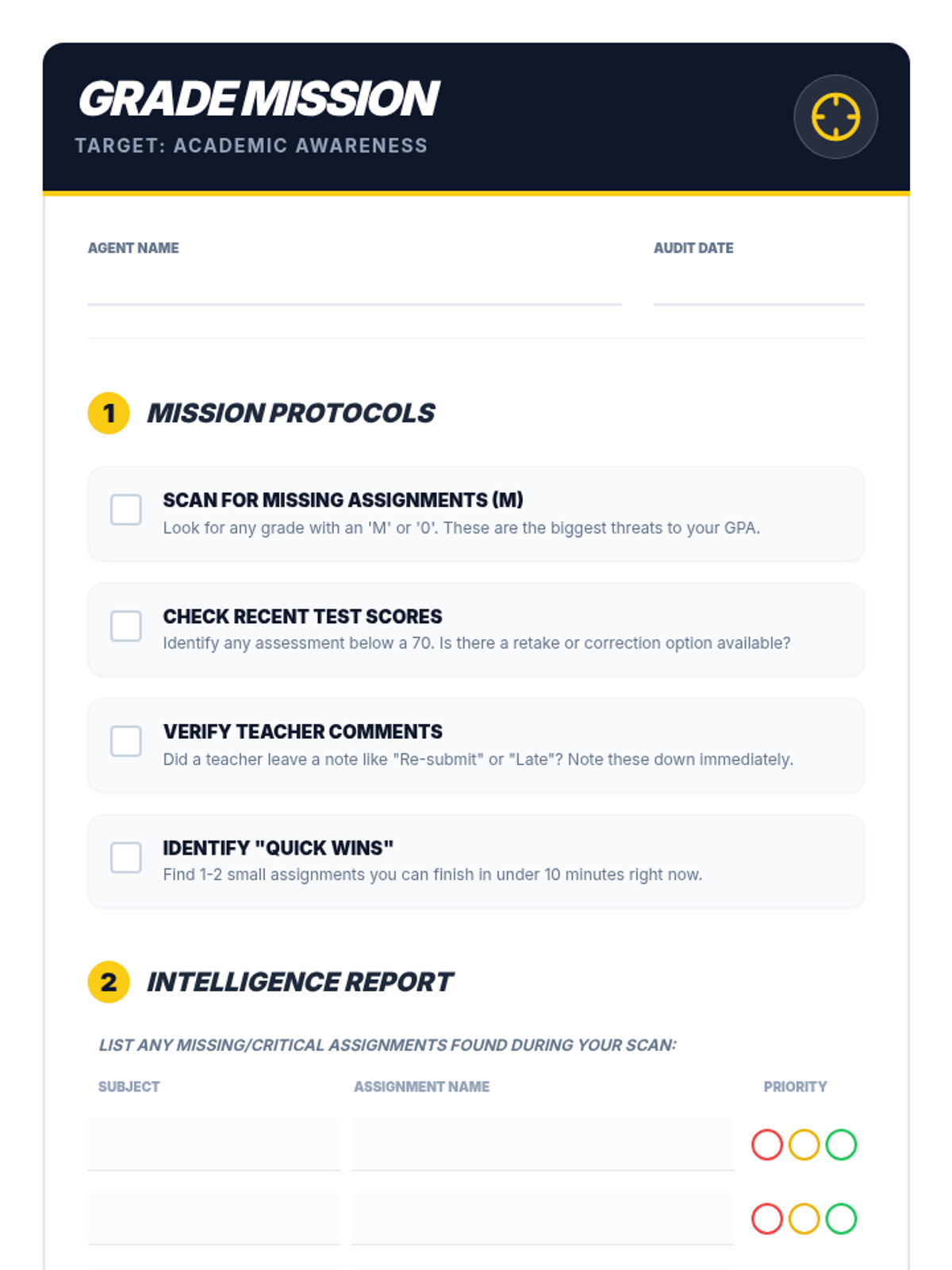
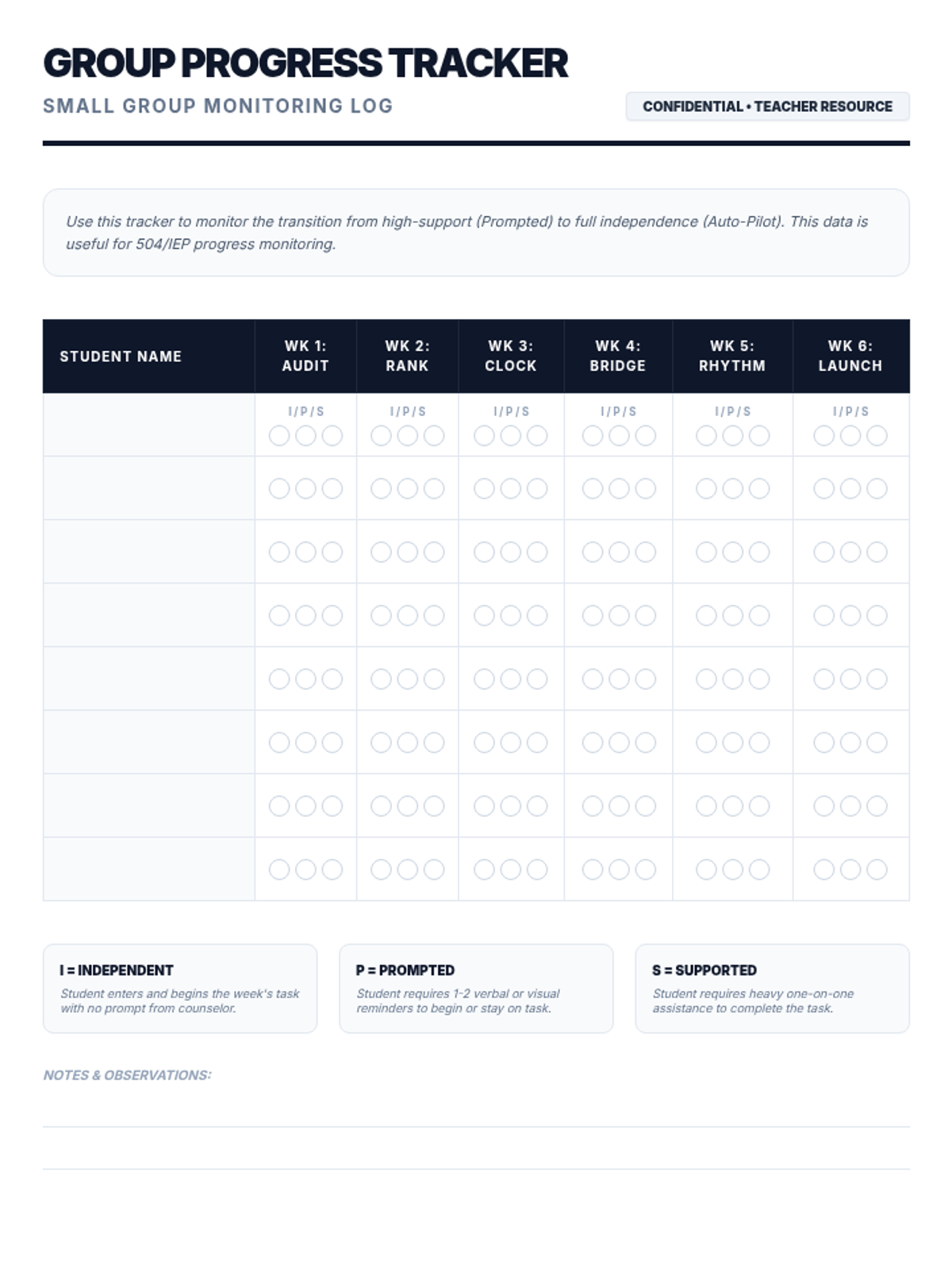
A 6-week executive functioning curriculum for 9th-grade boys designed for 25-minute small group sessions. Focuses on grade monitoring, task prioritization, and teacher communication to build independence.
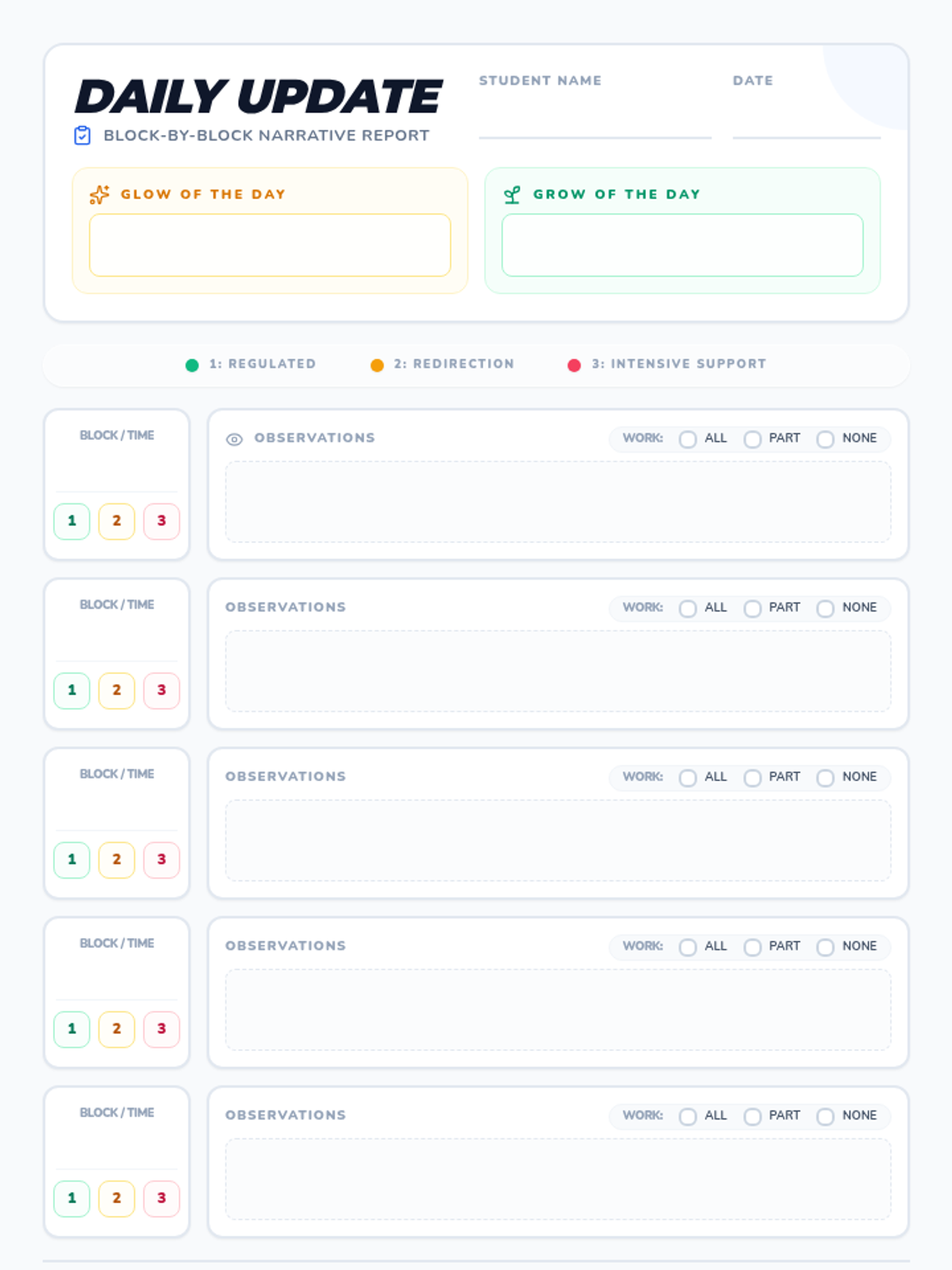
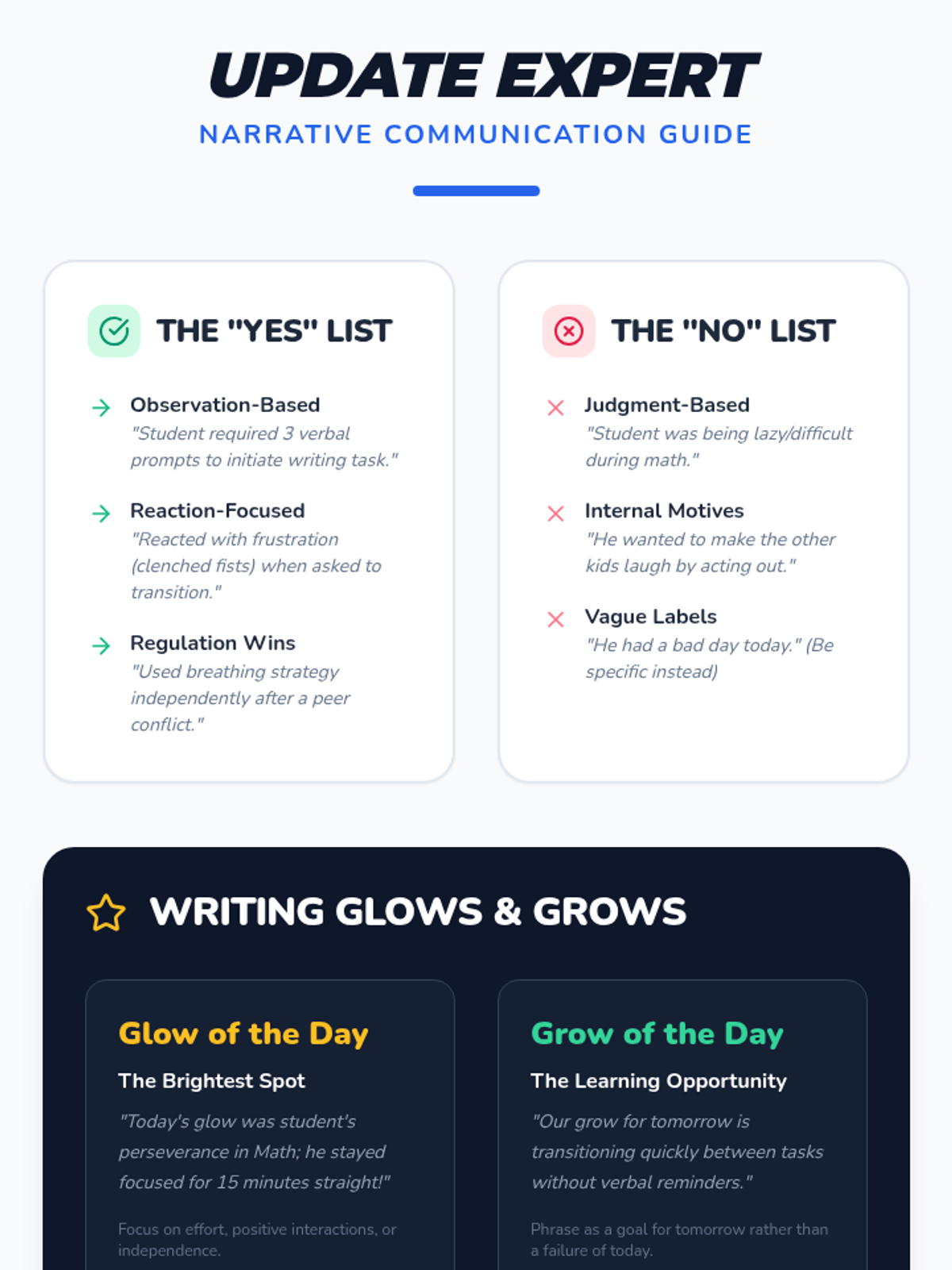
A collection of tools and guides for educators to monitor student behavior and progress, facilitating clear communication between school and home.
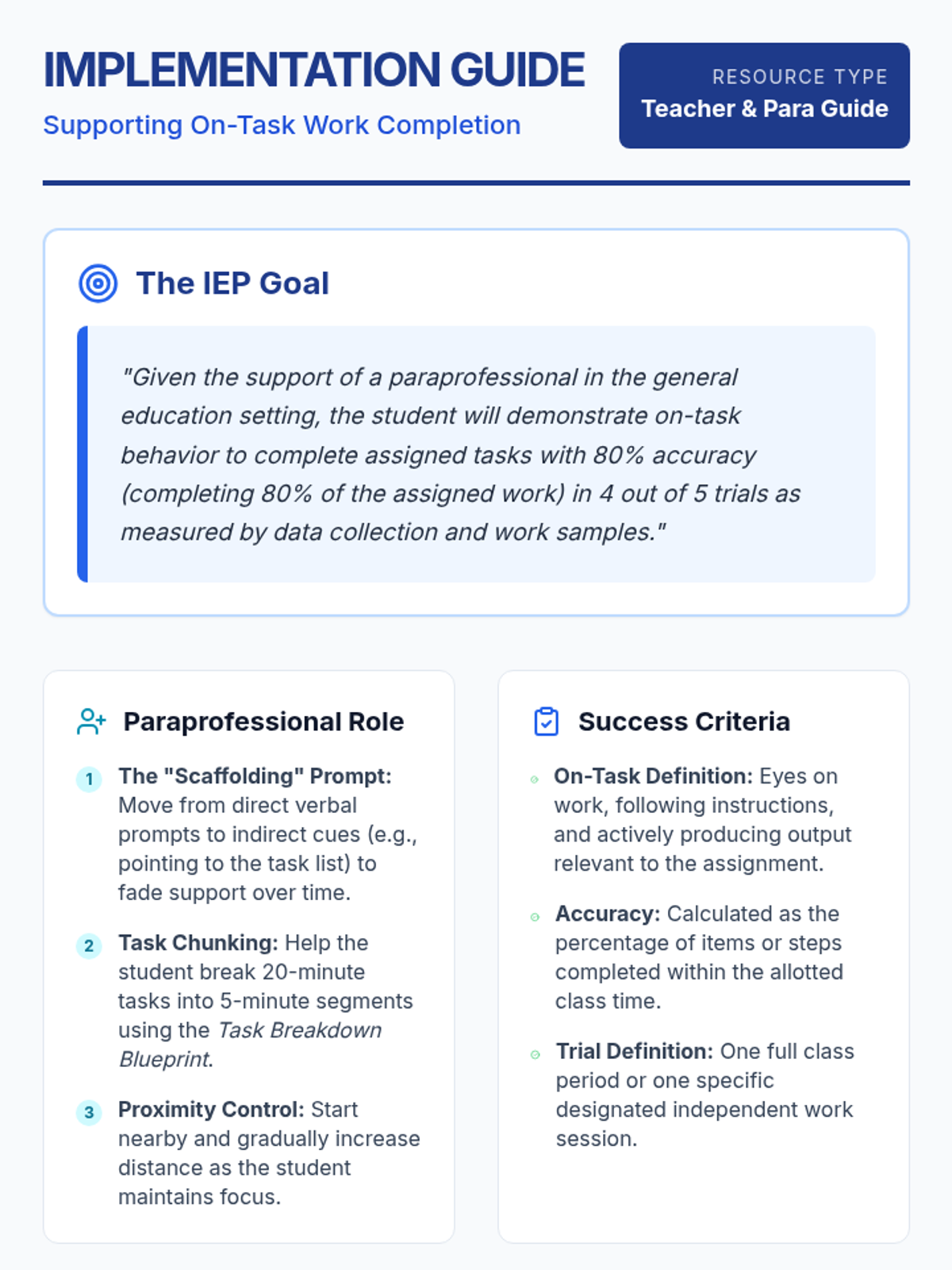
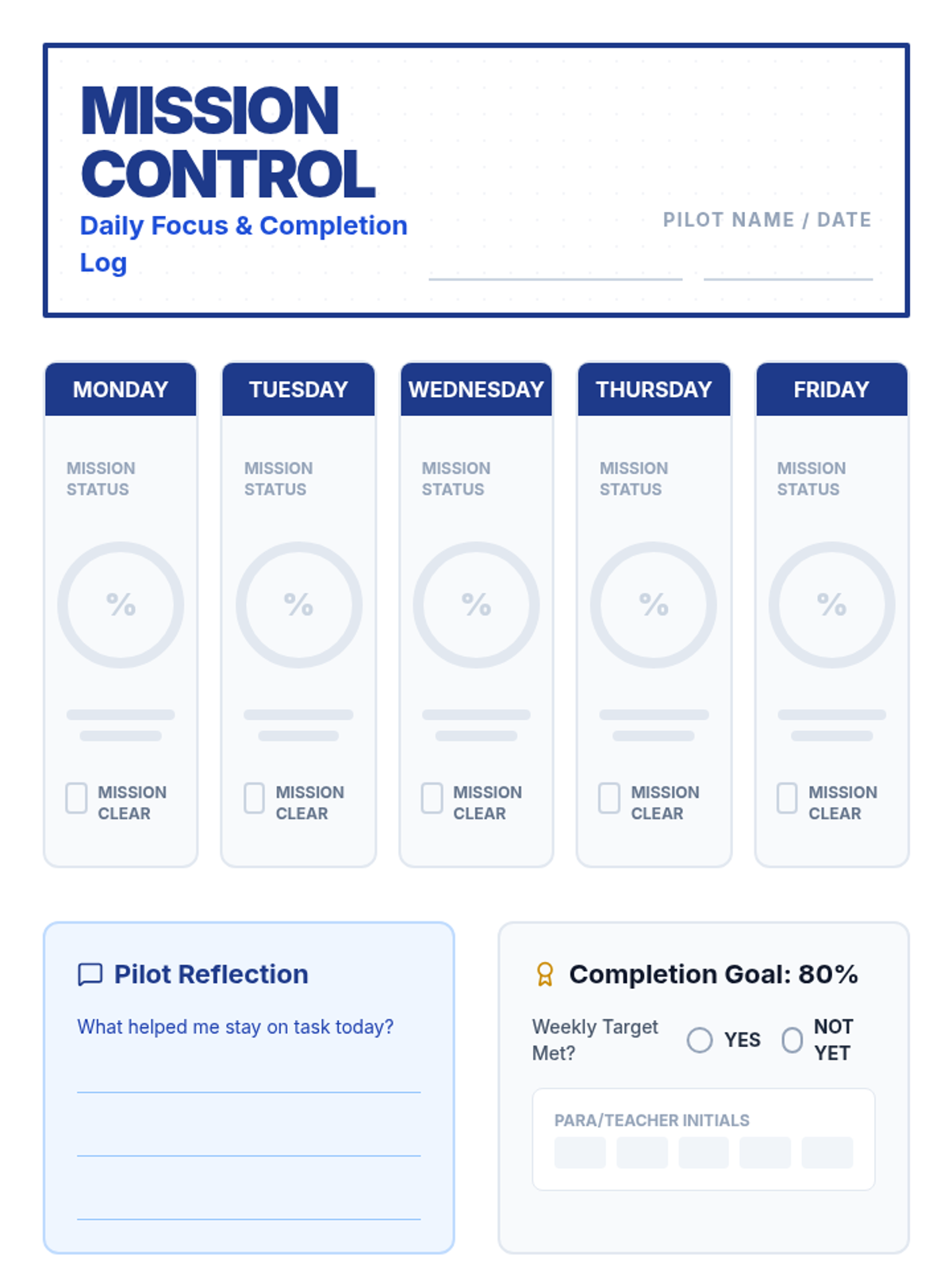
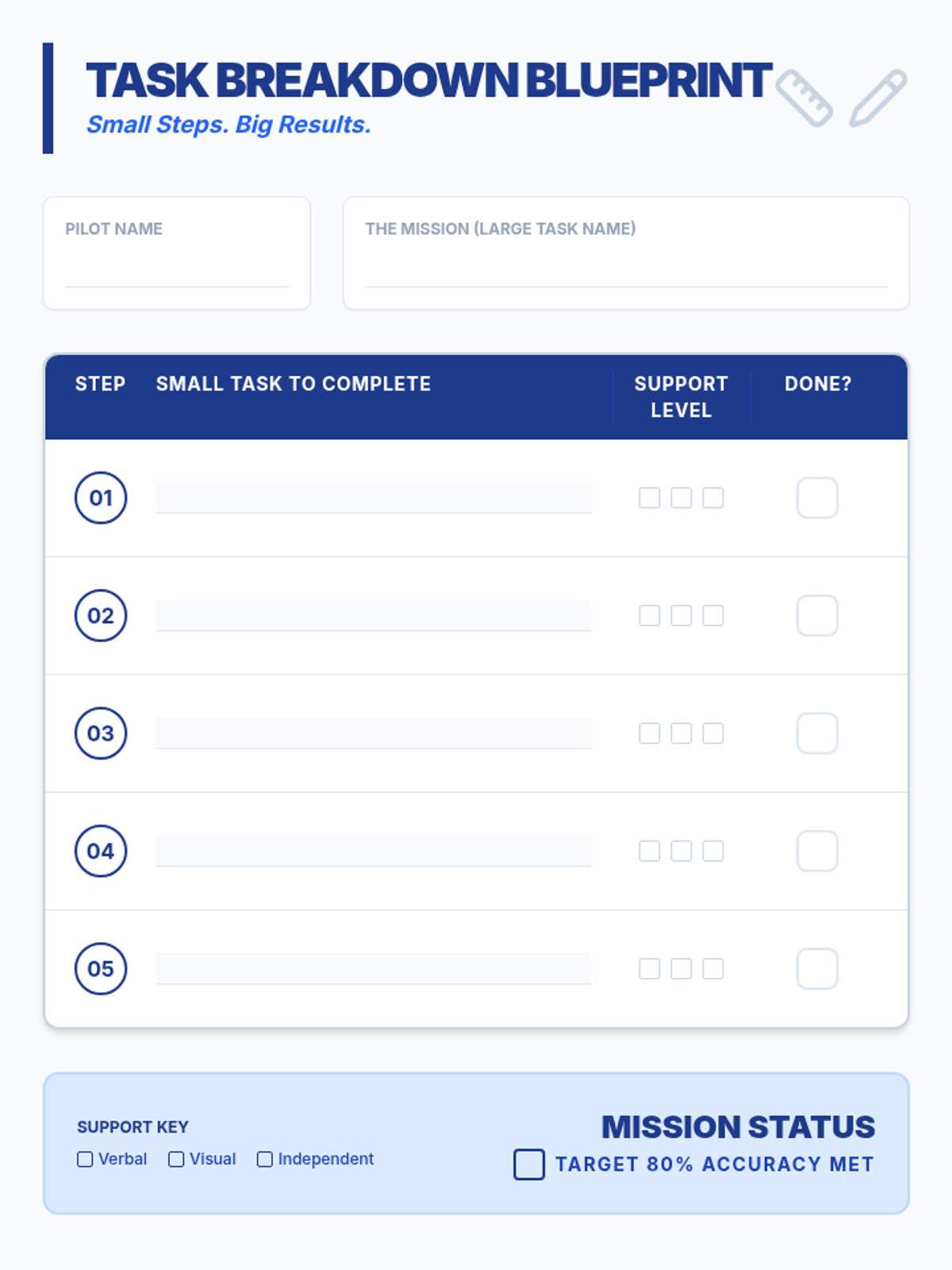
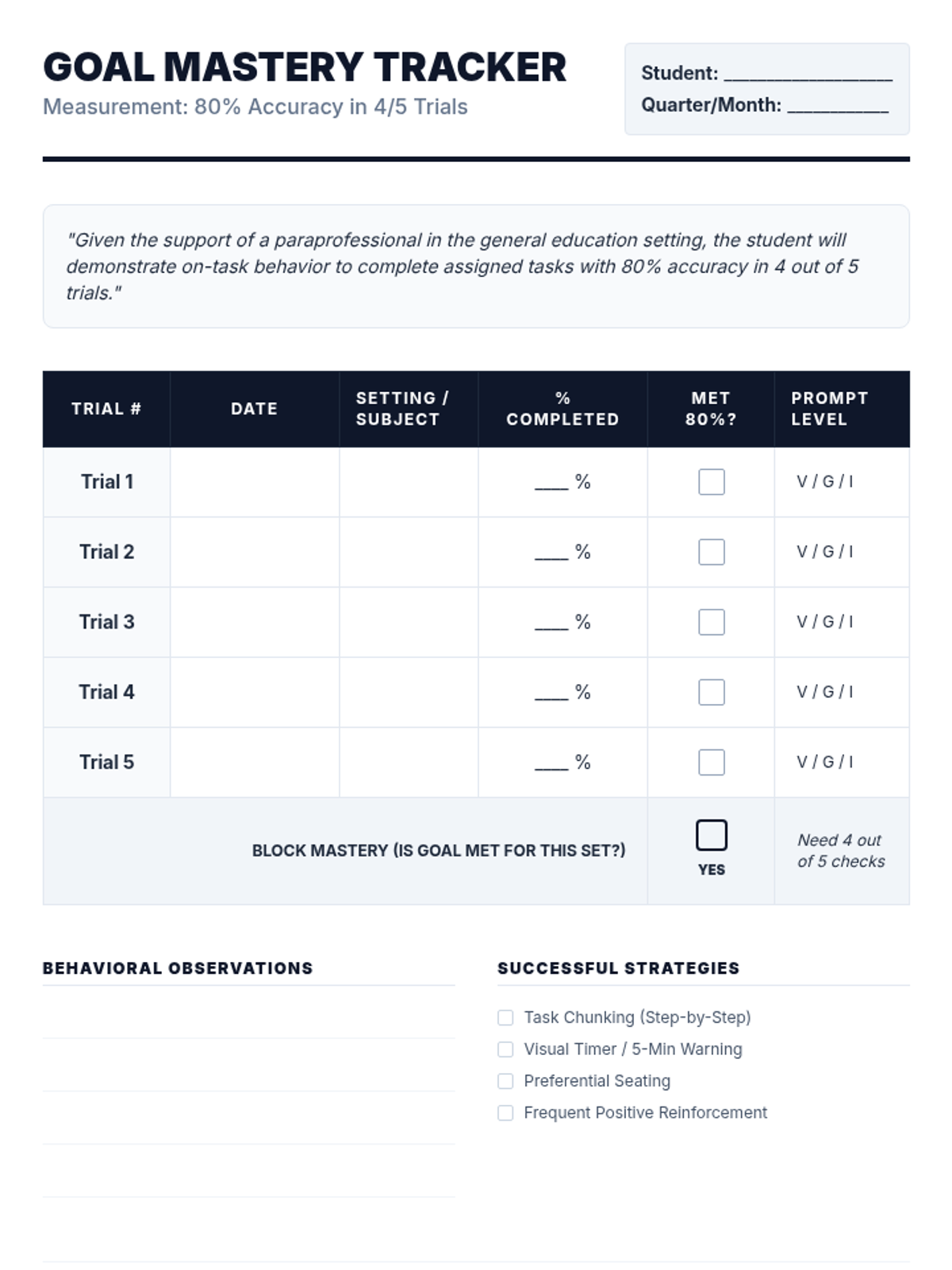
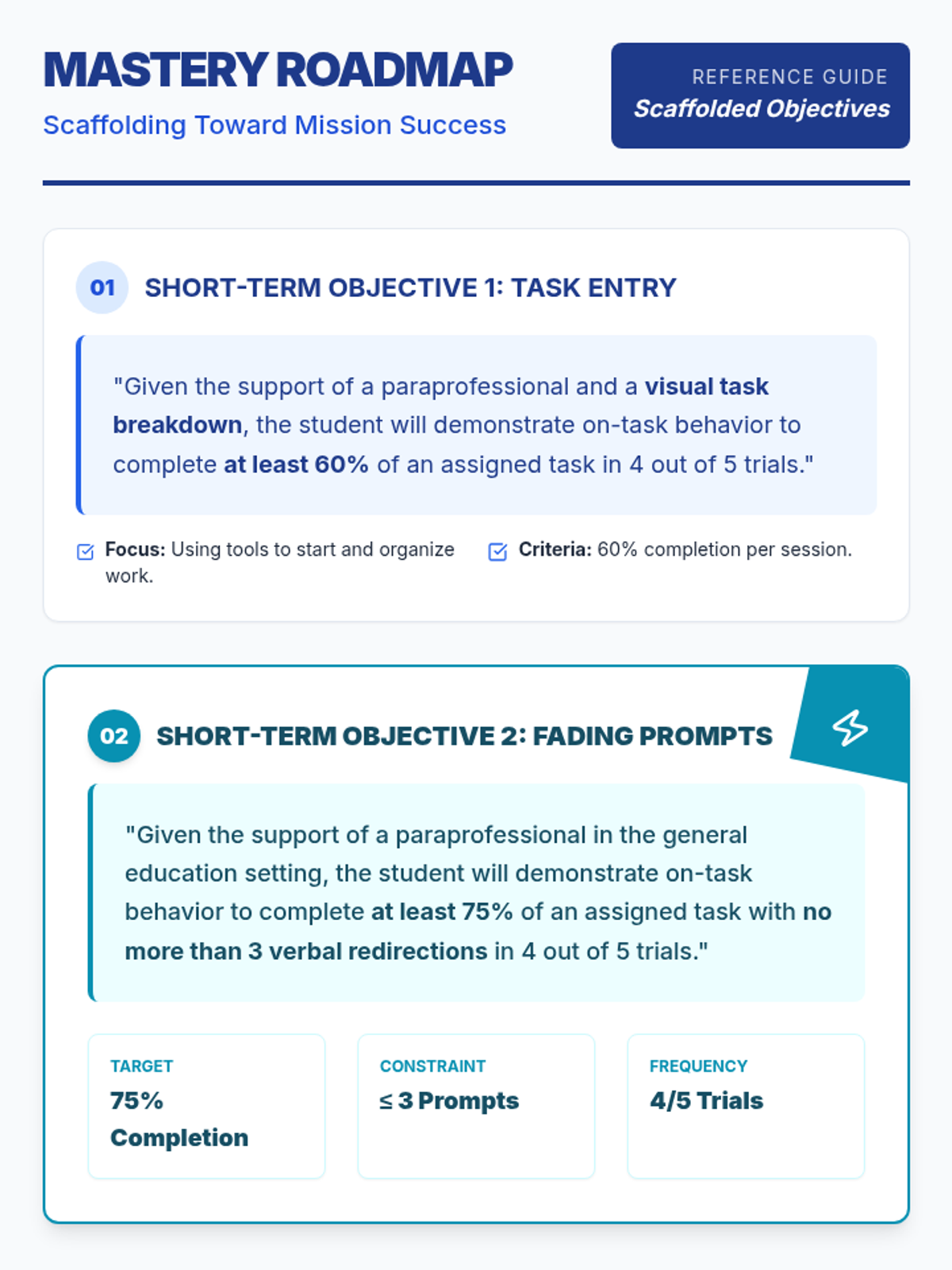
A comprehensive program for students receiving paraprofessional support to build independence through work completion strategies and academic organizational habits.
A comprehensive series of 30-minute lessons tailored for different grade levels (K-10) to foster understanding, empathy, and advocacy regarding autism and neurodiversity. Each lesson uses age-appropriate literature to ground the conversation.
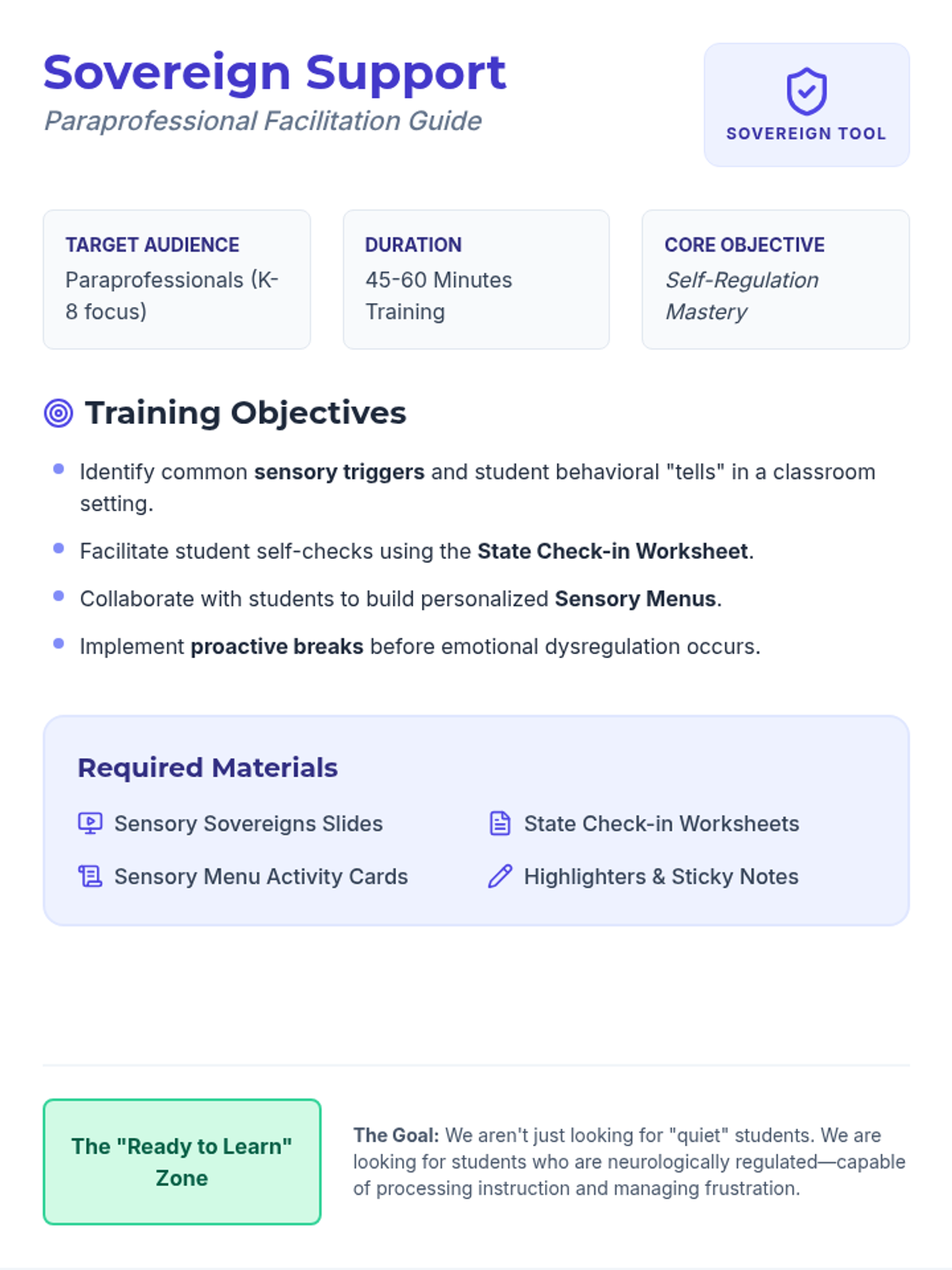
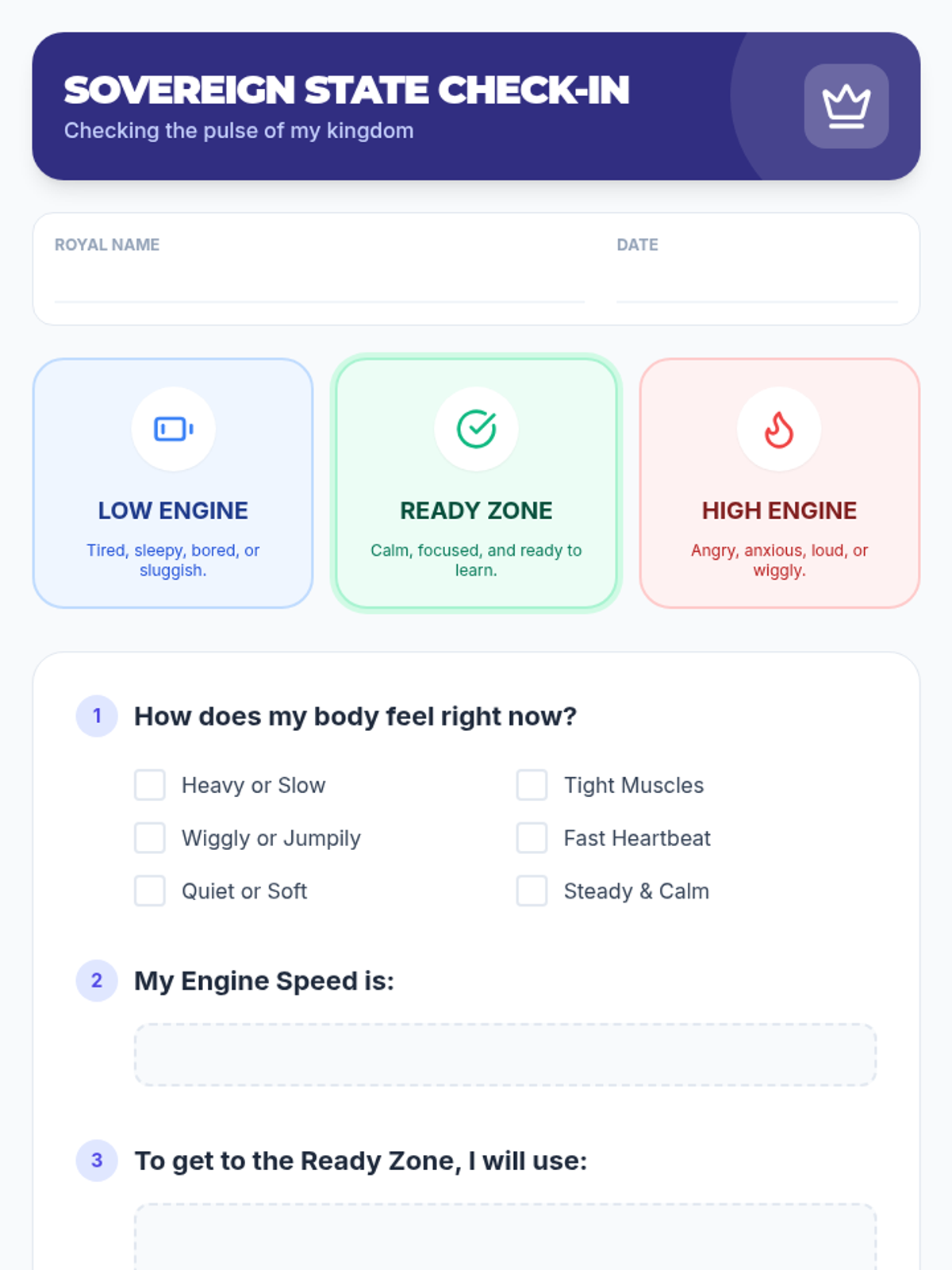
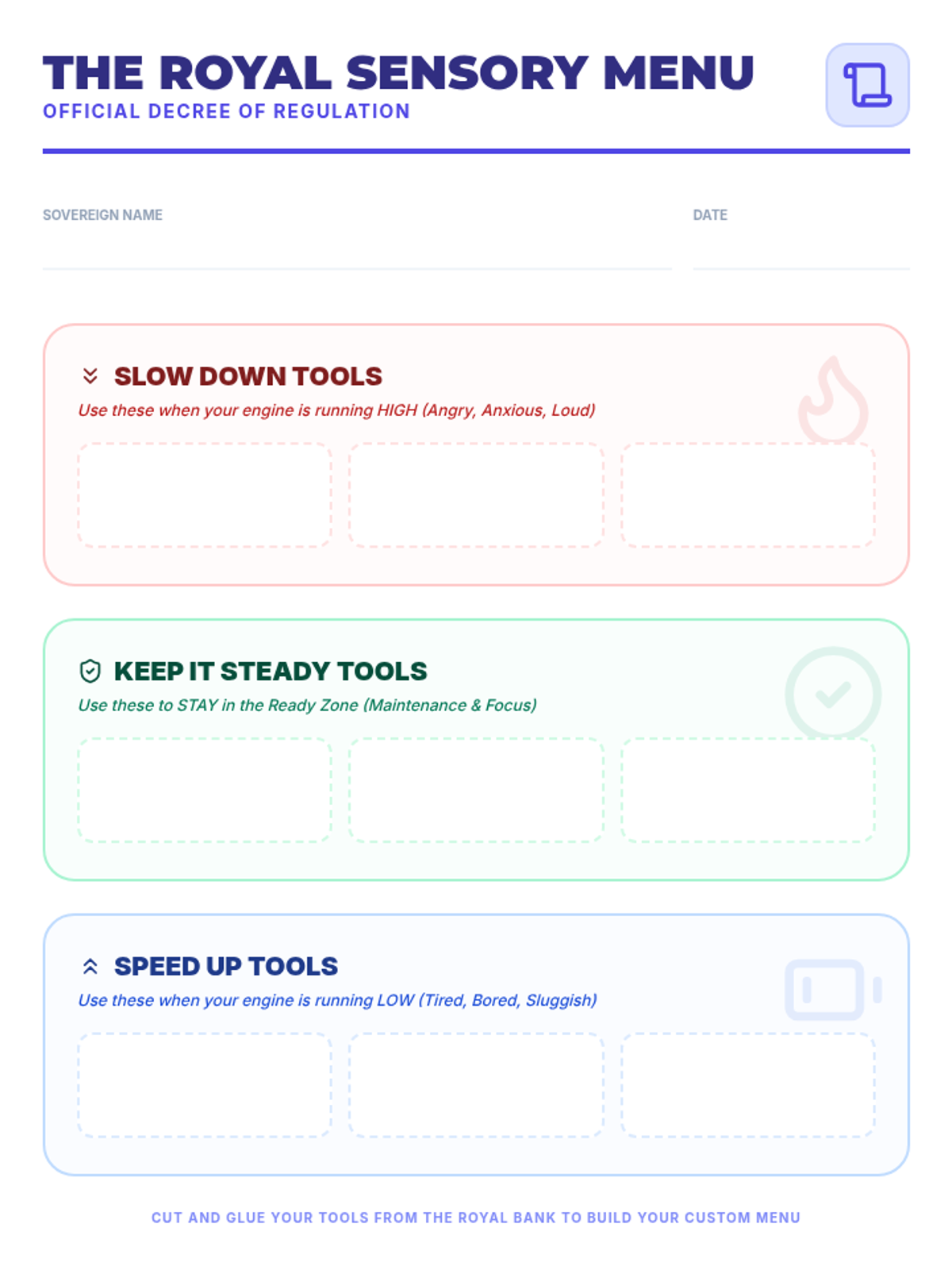
A comprehensive training module for paraprofessionals to support K-8 students in sensory regulation. It focuses on identifying internal states, building sensory menus, and implementing proactive breaks to maintain a 'ready to learn' zone.
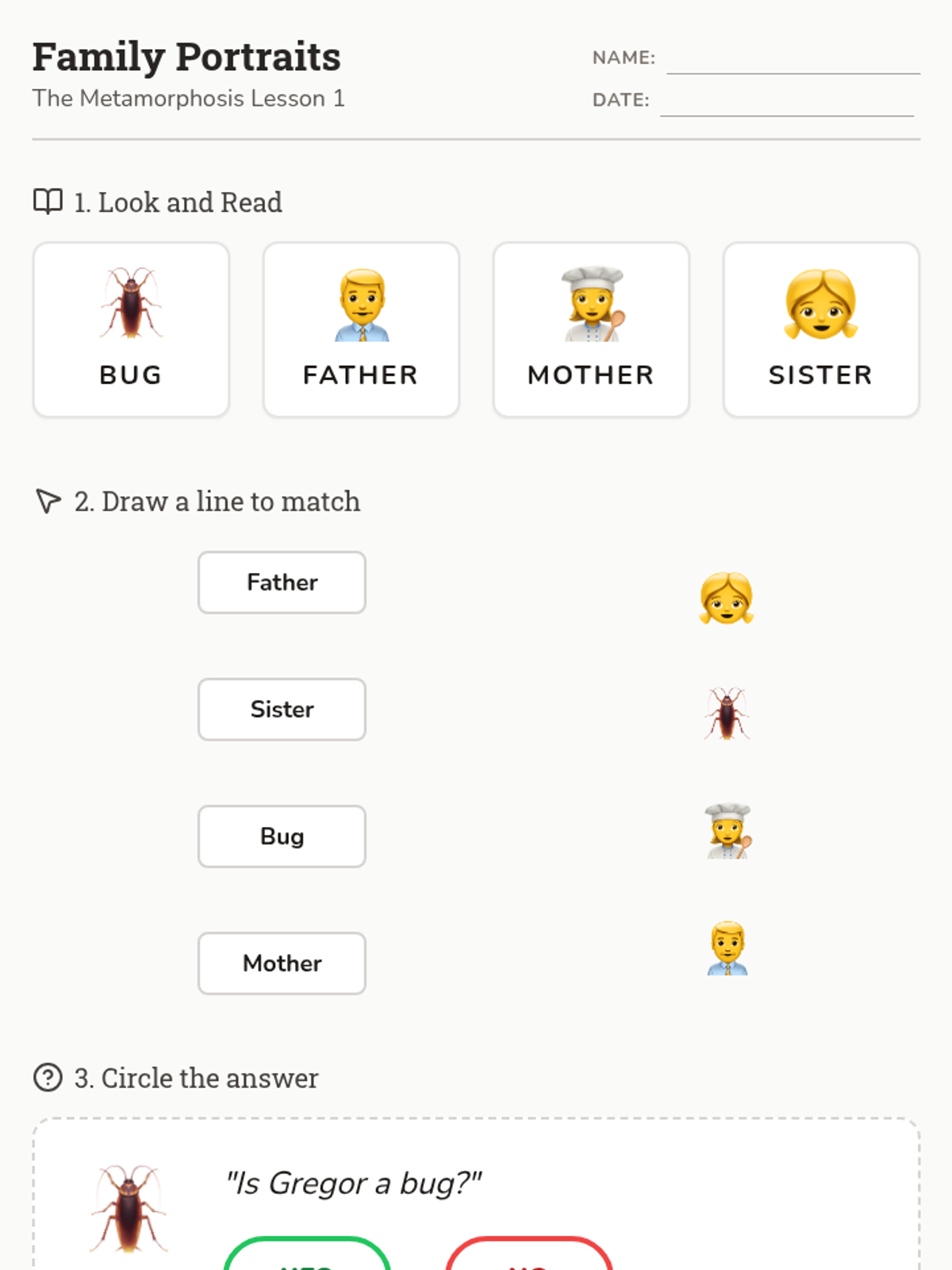
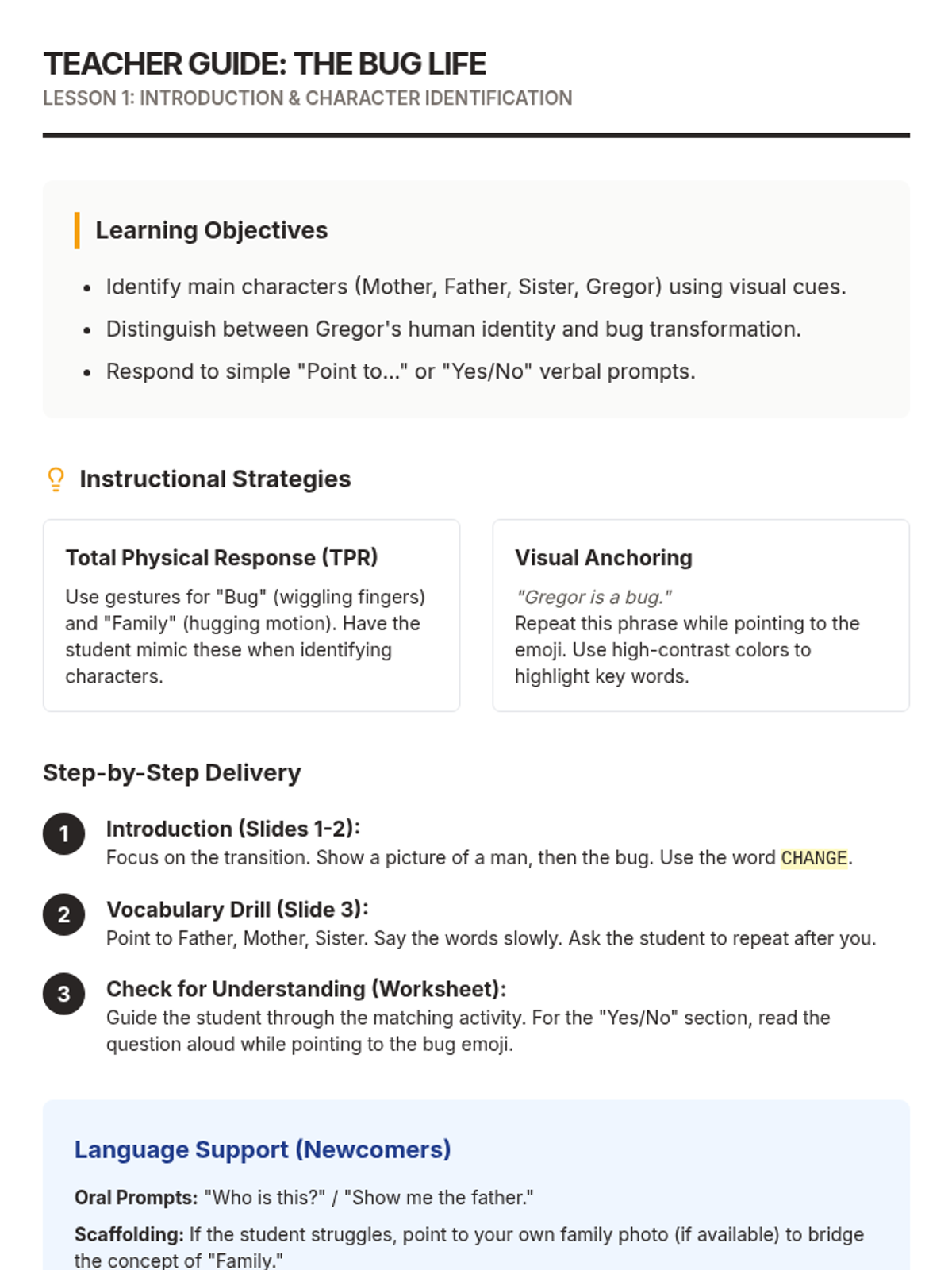
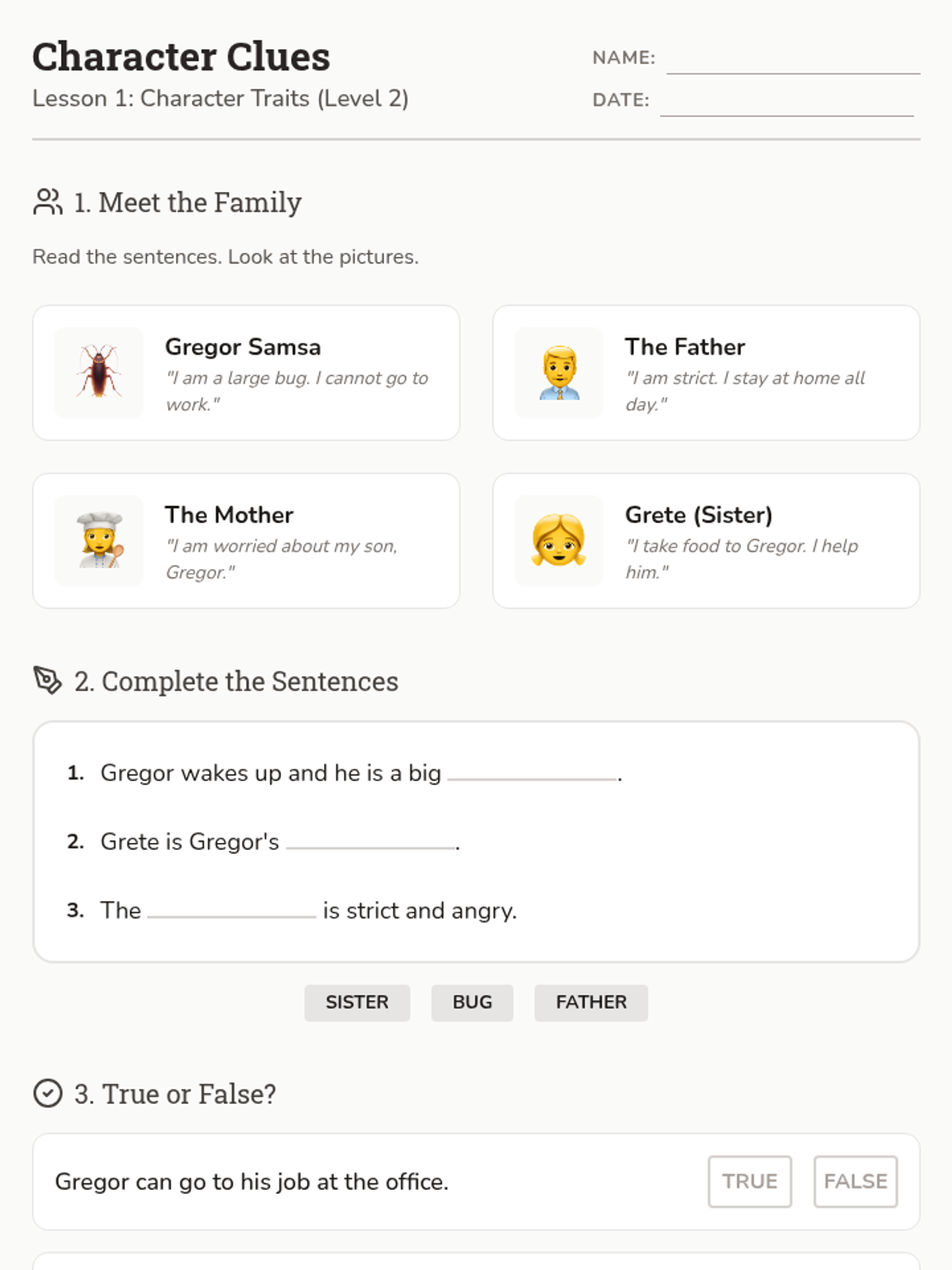
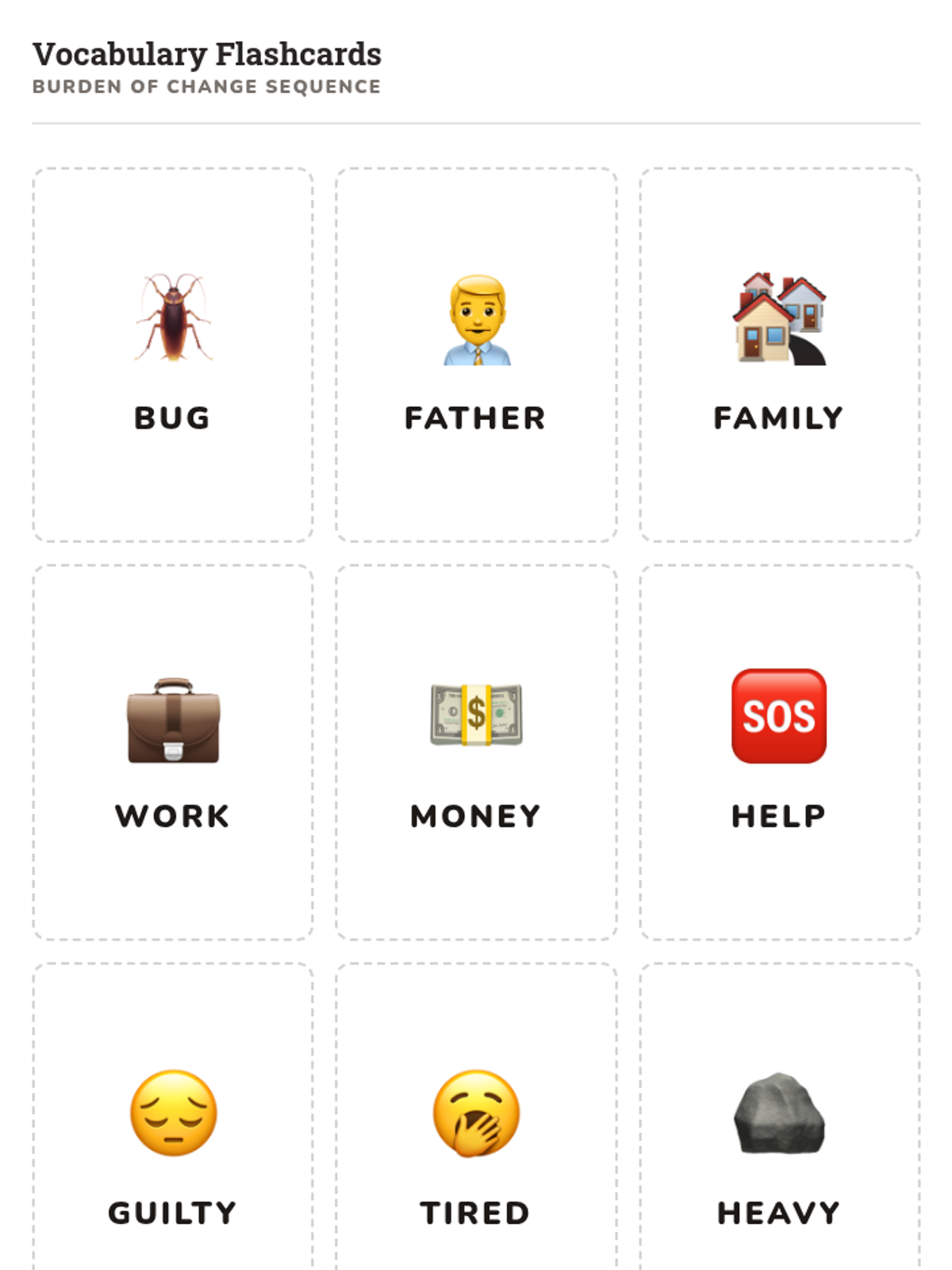
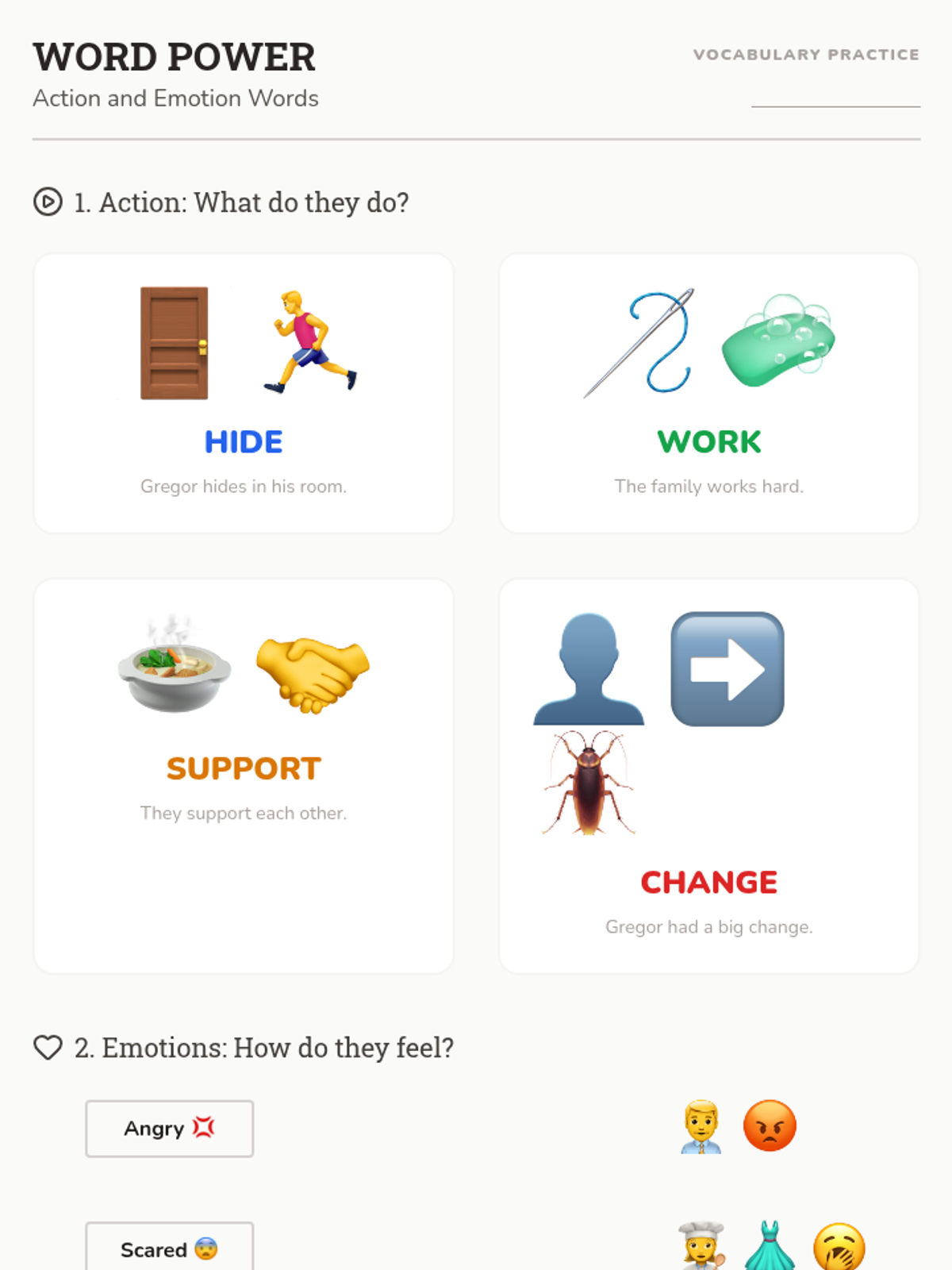
This 5-lesson sequence introduces a 10th-grade newcomer EL student to the theme of family responsibility and guilt in The Metamorphosis. Using heavy visual scaffolding, simple vocabulary, and structured graphic organizers, the lessons build toward a final Claim-Evidence-Reasoning paragraph.
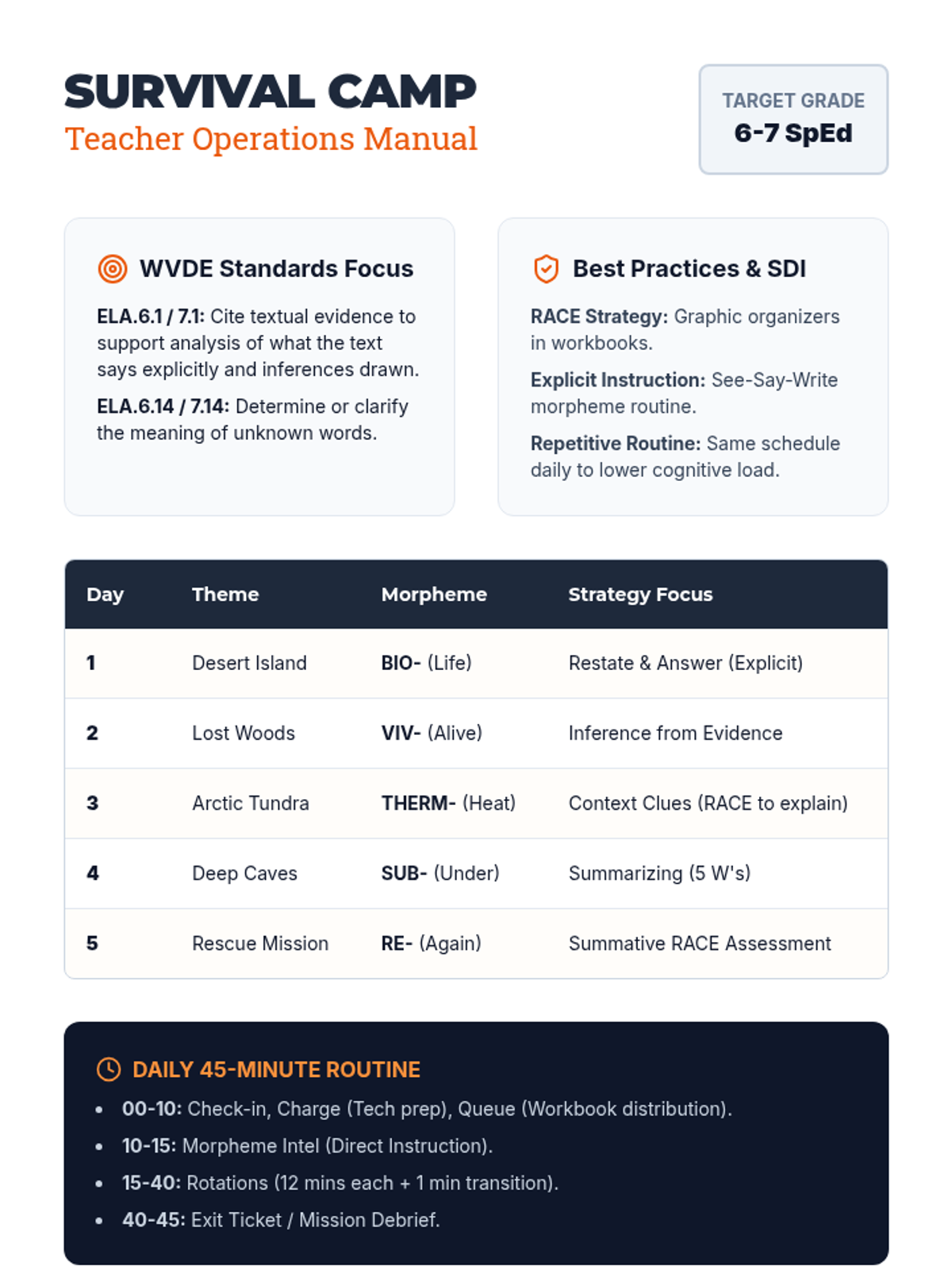
A 5-day ELA test prep intensive for 6th-7th grade special education students, themed around outdoor survival. This sequence focuses on WVDE ELA standards for citing textual evidence using the RACE strategy and daily morpheme work.
A series of thematic handwriting programs designed to improve fine motor skills and penmanship through daily practice sessions centered around fascinating educational topics like biology and history.