A two-session sequence designed for 6th graders with communication disabilities, focusing on reducing classroom drama through effective communication, empathy, and social-emotional skills.
A collection of parent-facing resources for supporting sensory processing and proprioception at home for students across all age ranges, from elementary to high school.
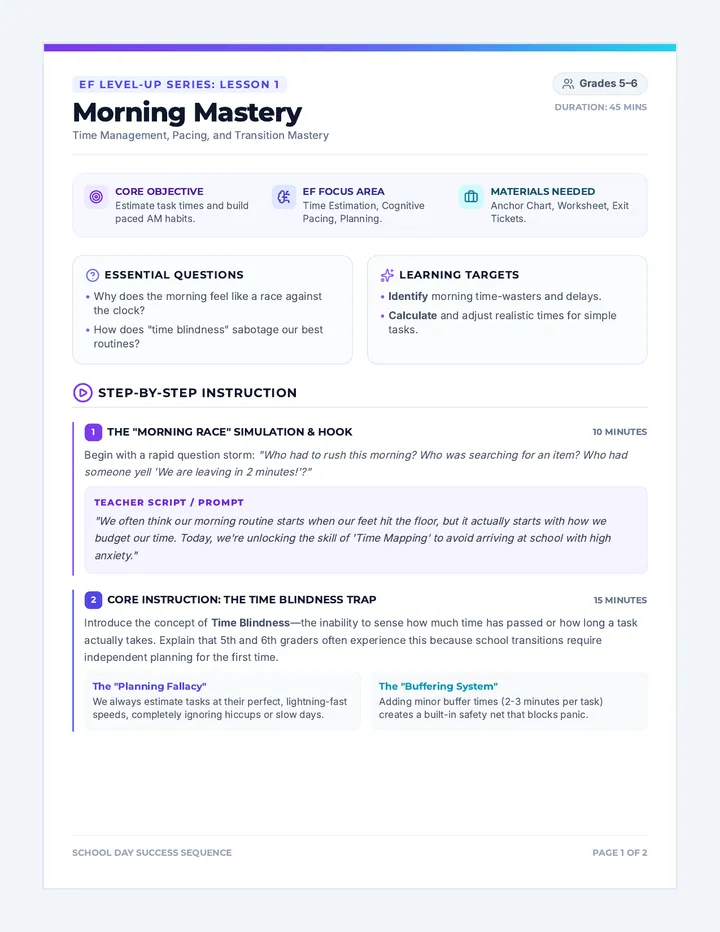
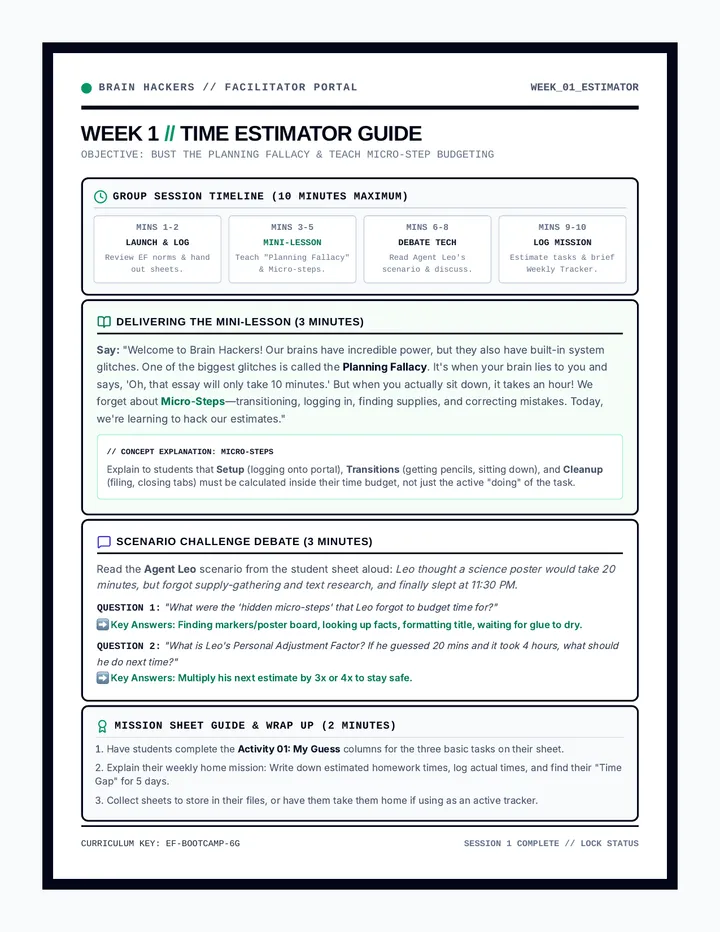
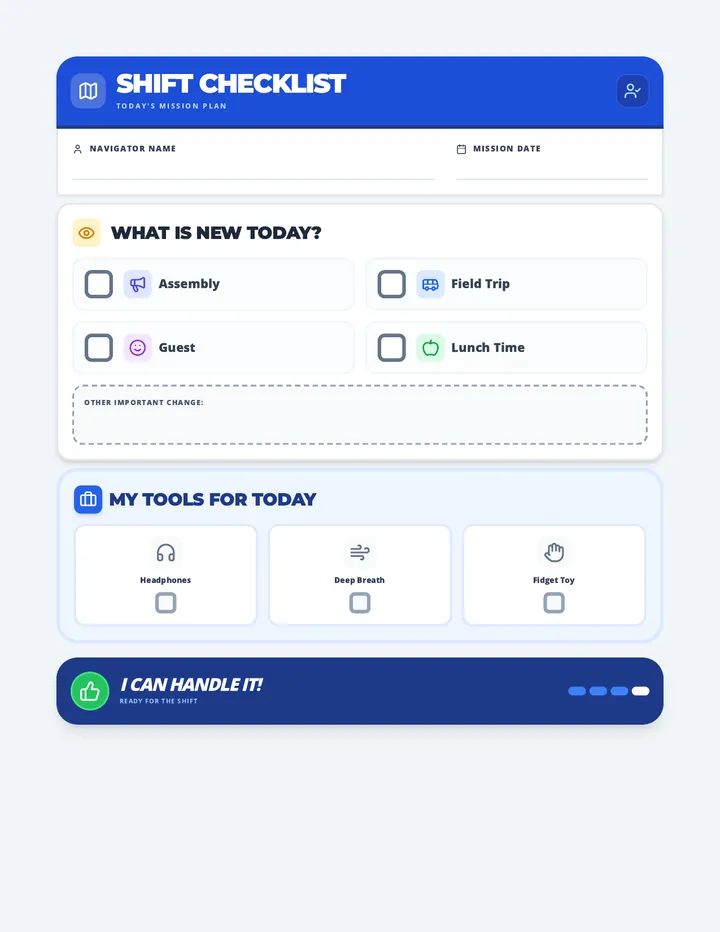
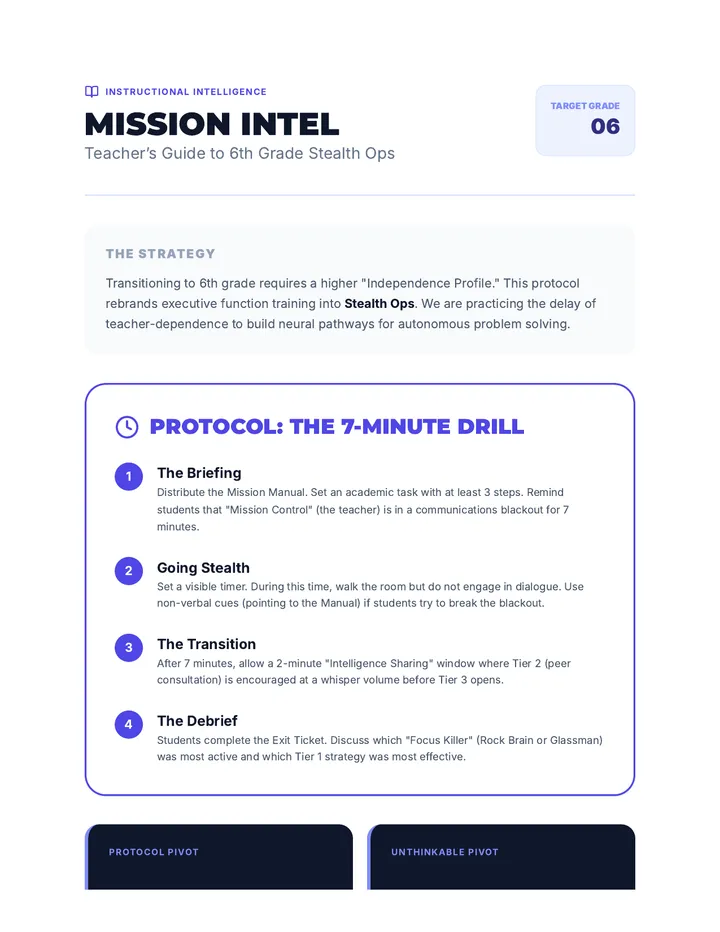
A 4-lesson transition program designed for 6th graders with ADHD, focusing on executive functioning, social-emotional learning, and academic strategies using a NASA-inspired 'Mission Control' theme.
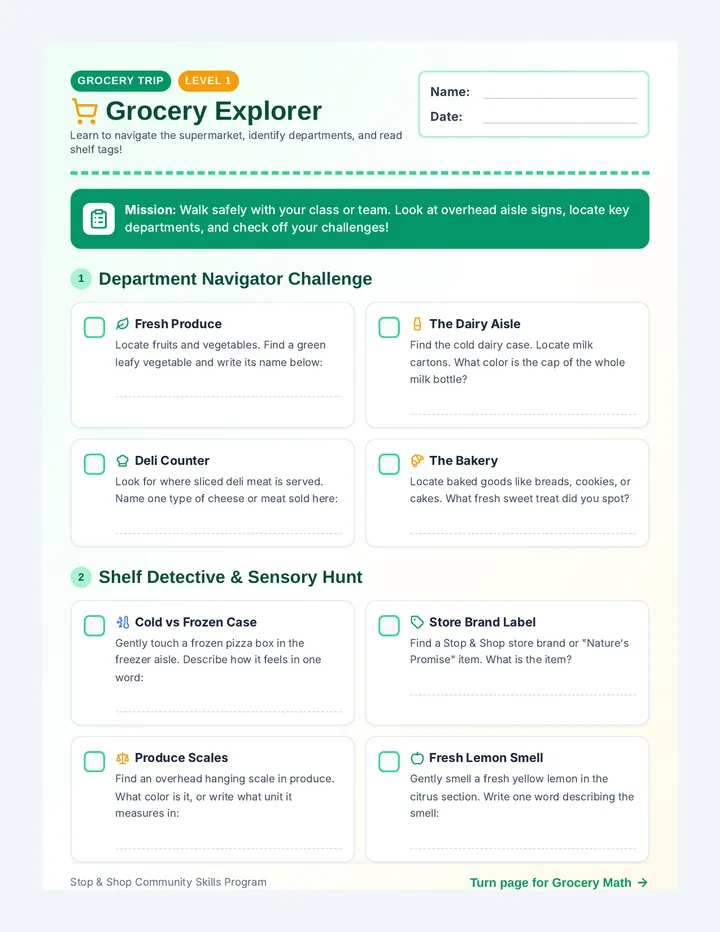
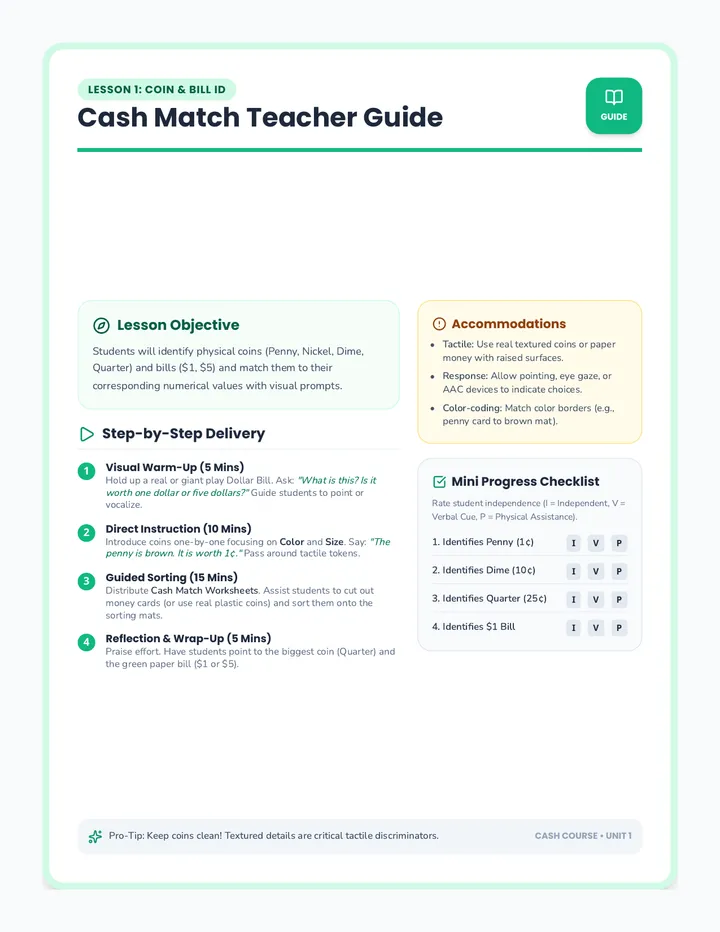
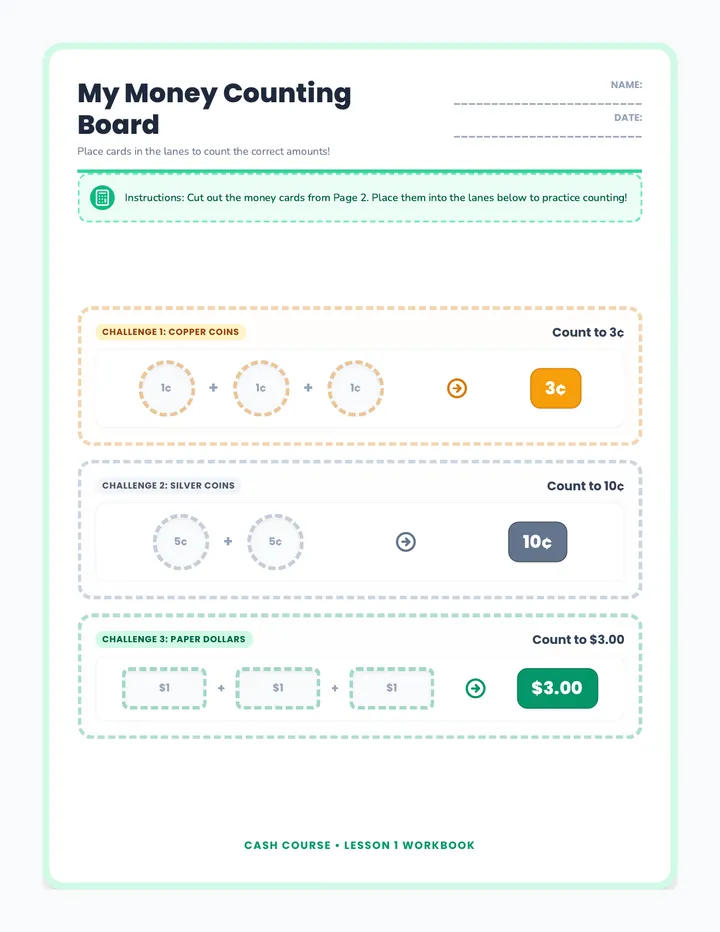
A series of three progressive lessons for special education students to master money word problems, from basic change-making to multi-step calculations with tax. Includes visual aids and simplified vocabulary to support diverse learners.
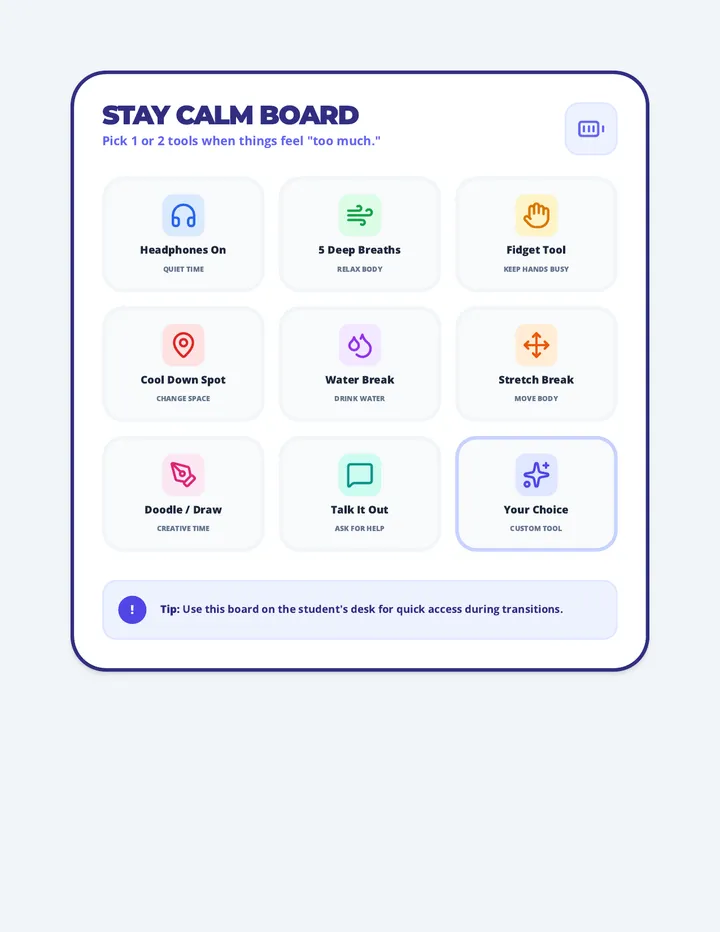
A sequence focused on transitioning a student from prompted to independent use of a self-regulation routine (breathing, timing, and sensory tools) across various real-world environments.
A series of lessons designed to help ADHD and AuDHD students understand their unique brain 'operating systems,' develop self-advocacy, and build resilience through growth mindset strategies.
A 36-week social communication curriculum for children with Level 1 autism and ADHD, focusing on the nuances of the Emotion Wheel through 15-minute weekly lessons.
A series of highly visual, low-reading-level microwave recipes designed to build independent living skills through simple mug-based snacks.
A comprehensive 20-day phonics and decoding sequence designed for middle school students with IEPs, focusing on short vowels, complex consonant blends, and multisyllabic word strategies. Using a 'Decoding Lab' theme, this unit provides explicit instruction, teacher scripts, and age-appropriate practice to build reading fluency and confidence.
A comprehensive unit for The Giver tailored for students with high cognitive abilities but low decoding levels, focusing on visual storytelling and deep conceptual discussion.
A series of resources and protocols designed to foster a restorative culture within a school environment, prioritizing accountability and relationship repair over punishment.
A collection of tools and guides for educators to monitor student behavior and progress, facilitating clear communication between school and home.
A set of four intensive intervention lessons based on the 'Burger Battles' article. Two lessons focus on prefix fluency (re-, in-, pro-) and timed readings, while two lessons focus on comprehension through author's purpose and text response.
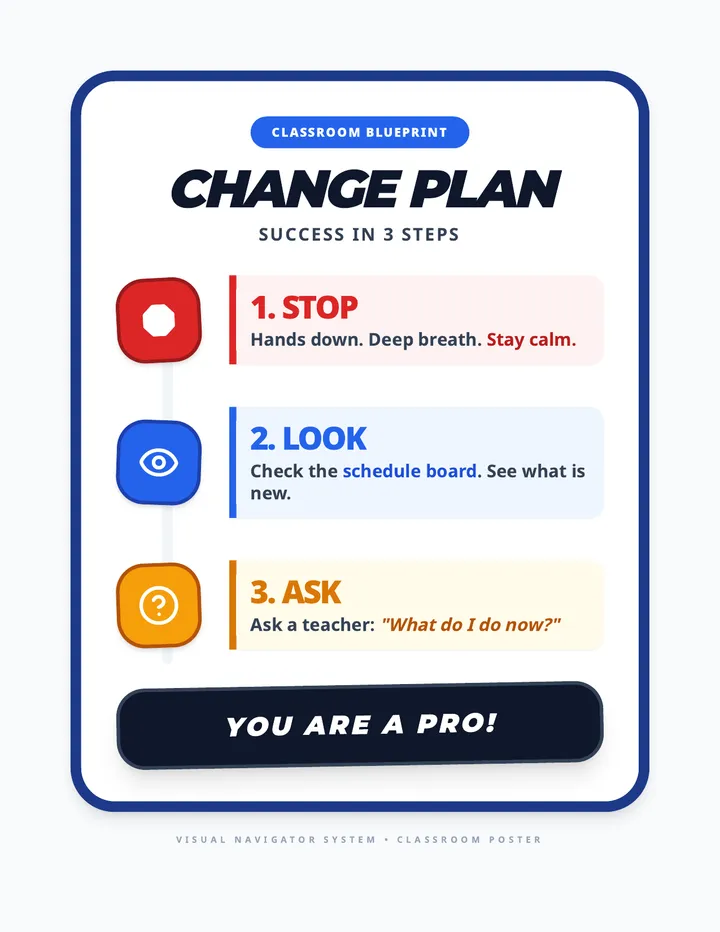
A sequence designed for a 13-year-old student with ADHD, OCD, and anxiety to build patience and manage impulsivity in high-stress classroom situations. Focuses on waiting for permission during overstimulation and navigating the delay when requesting help after a period of refusal.
A comprehensive sequence designed to refine and align school-wide PBIS systems, featuring facilitation materials for staff workshops and practical implementation tools for teachers and students.
A multi-part speech-language therapy unit for middle schoolers focused on vocabulary development through the lens of NASA's Artemis II mission. Students use context clues strategies (IDEAS) to master mission-specific terminology.
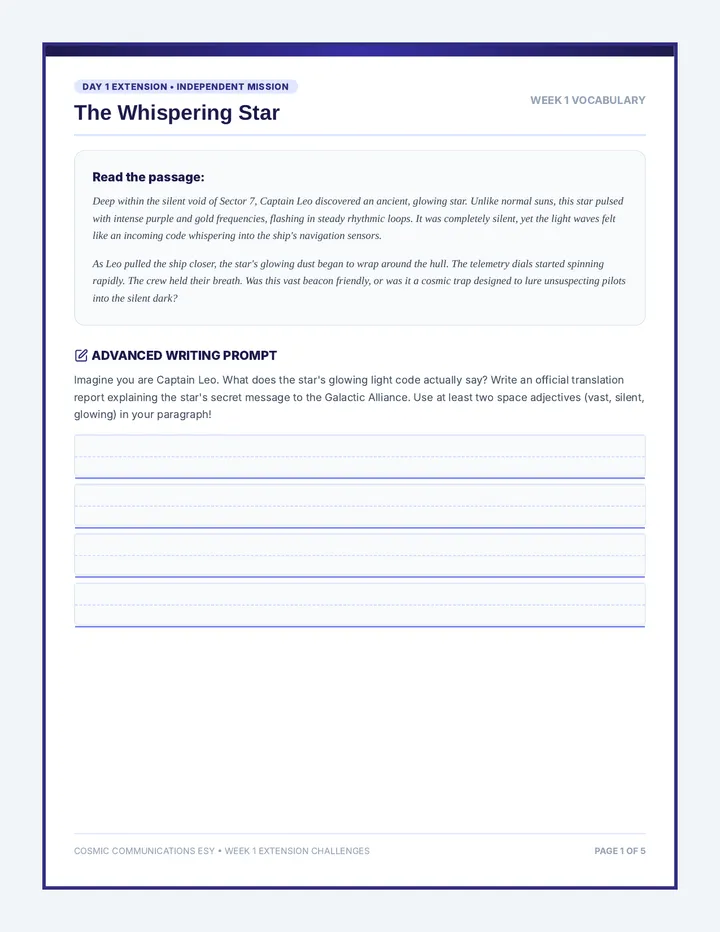
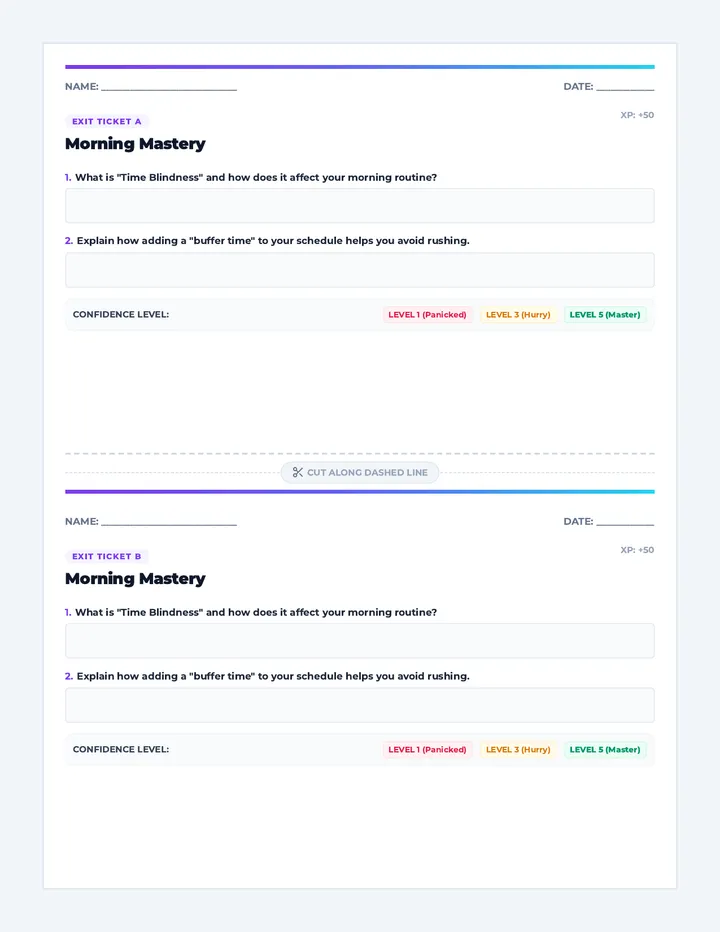
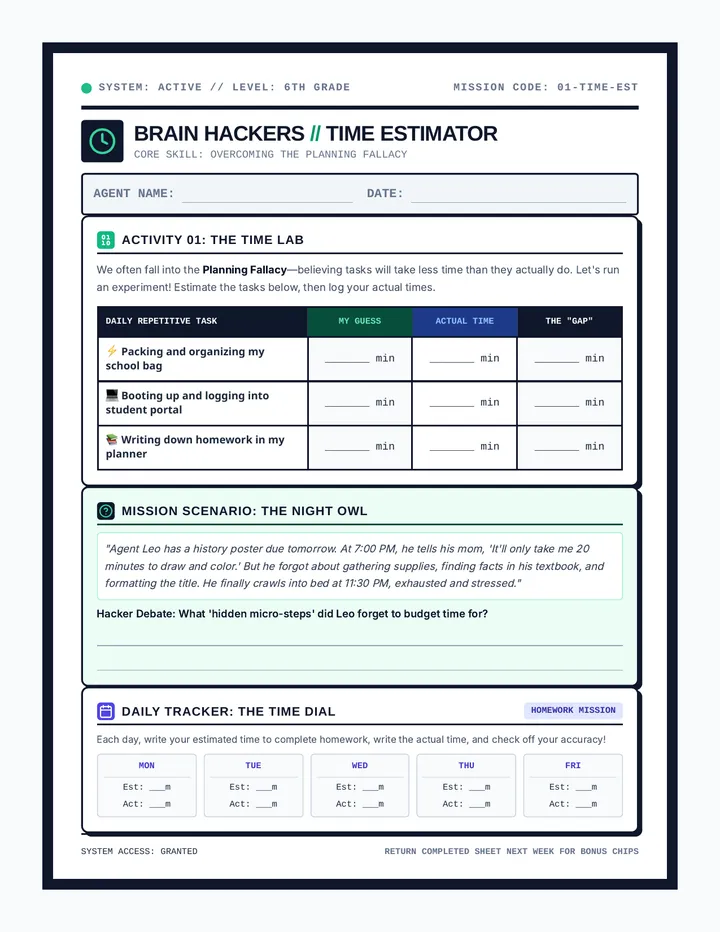
A collection of fast-paced, high-engagement speech-language therapy lessons for middle schoolers. Each mission targets Tier 2 academic vocabulary and multiple meaning words, integrated with executive function 'brain hacks' to improve impulse control and working memory in academic settings.
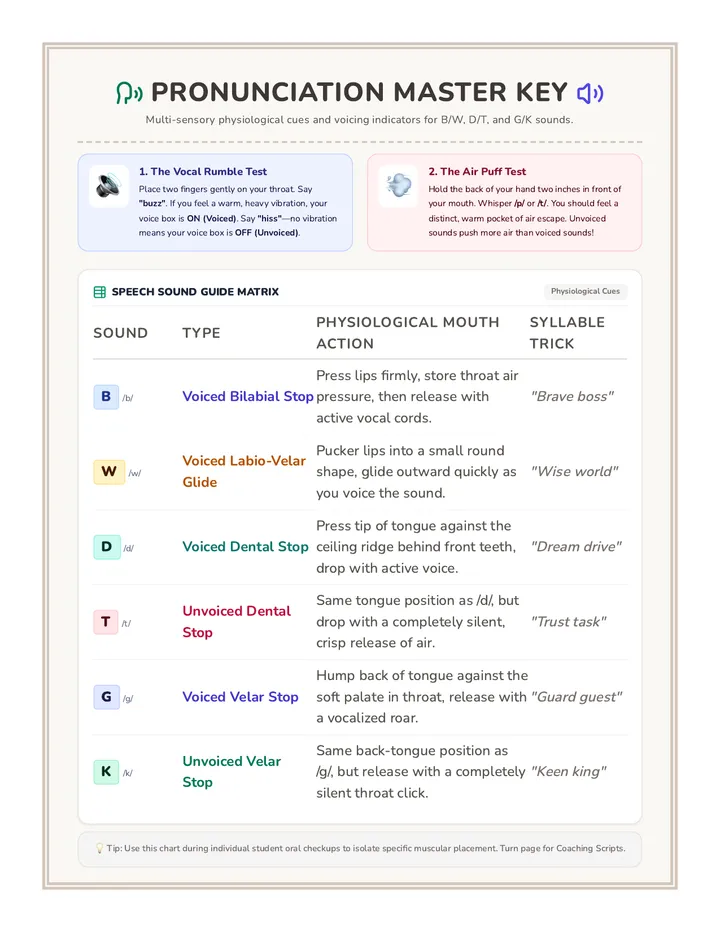
A comprehensive suite of progress tracking templates designed for students with ASD who are English Learners, aligned with the five WIDA Alternate ELD Standards. This set includes narrative logs, frequency tallies, and goal-setting sheets to simplify documentation and data-driven instruction.
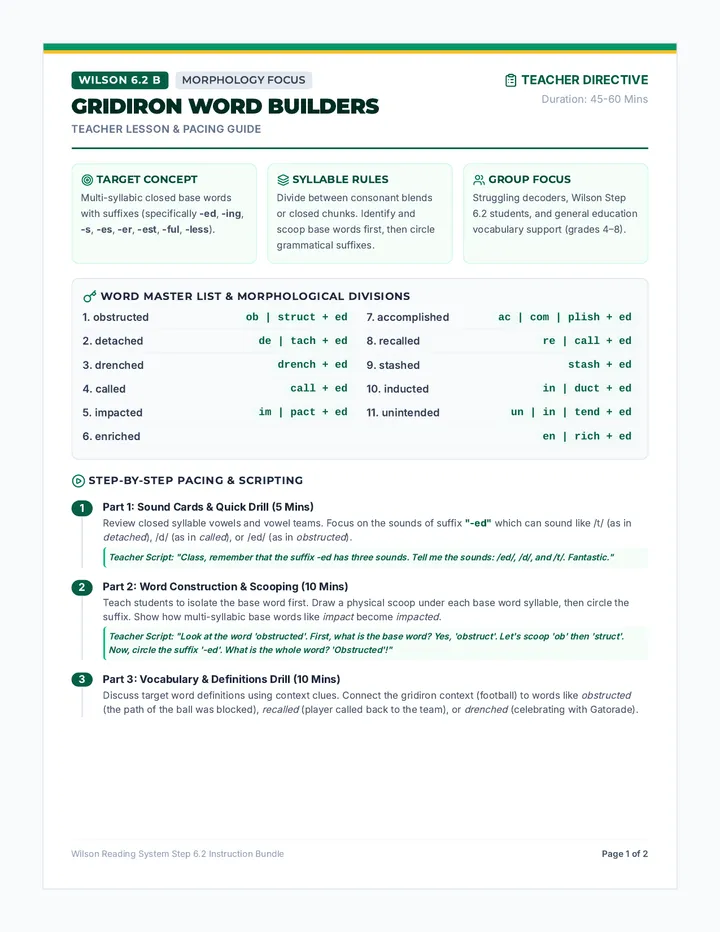
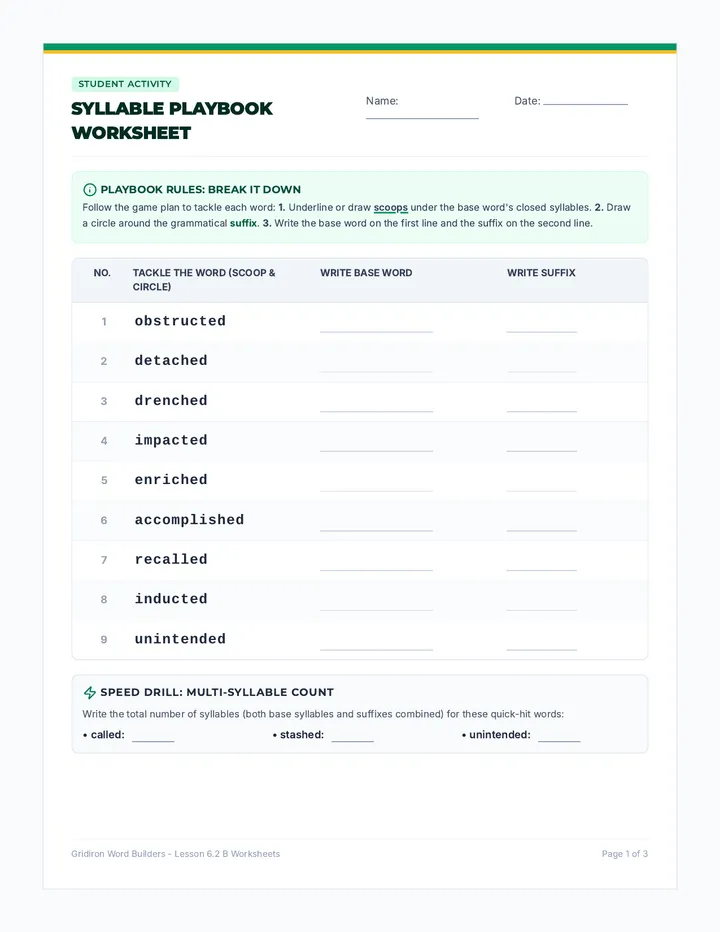
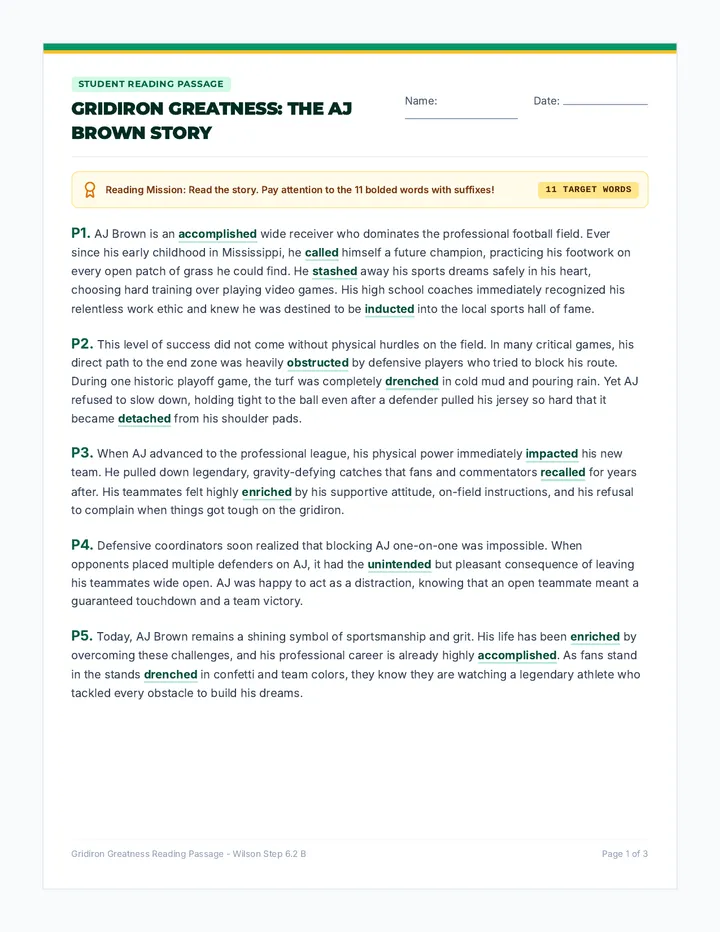
A multi-themed word study sequence that explores suffixes and base words through diverse real-world contexts, from the African savanna to the professional basketball court.
A series of lessons designed for middle school students with intellectual disabilities to develop social communication and self-advocacy skills. The unit focuses on the 'Social Filter' (knowing when to speak) and the 'Help Signal' (knowing when and how to ask for teacher assistance).