Empowers students to recognize when they are stuck or confused and provides a clear protocol for asking a teacher for help, emphasizing that seeking assistance is a productive tool for learning.
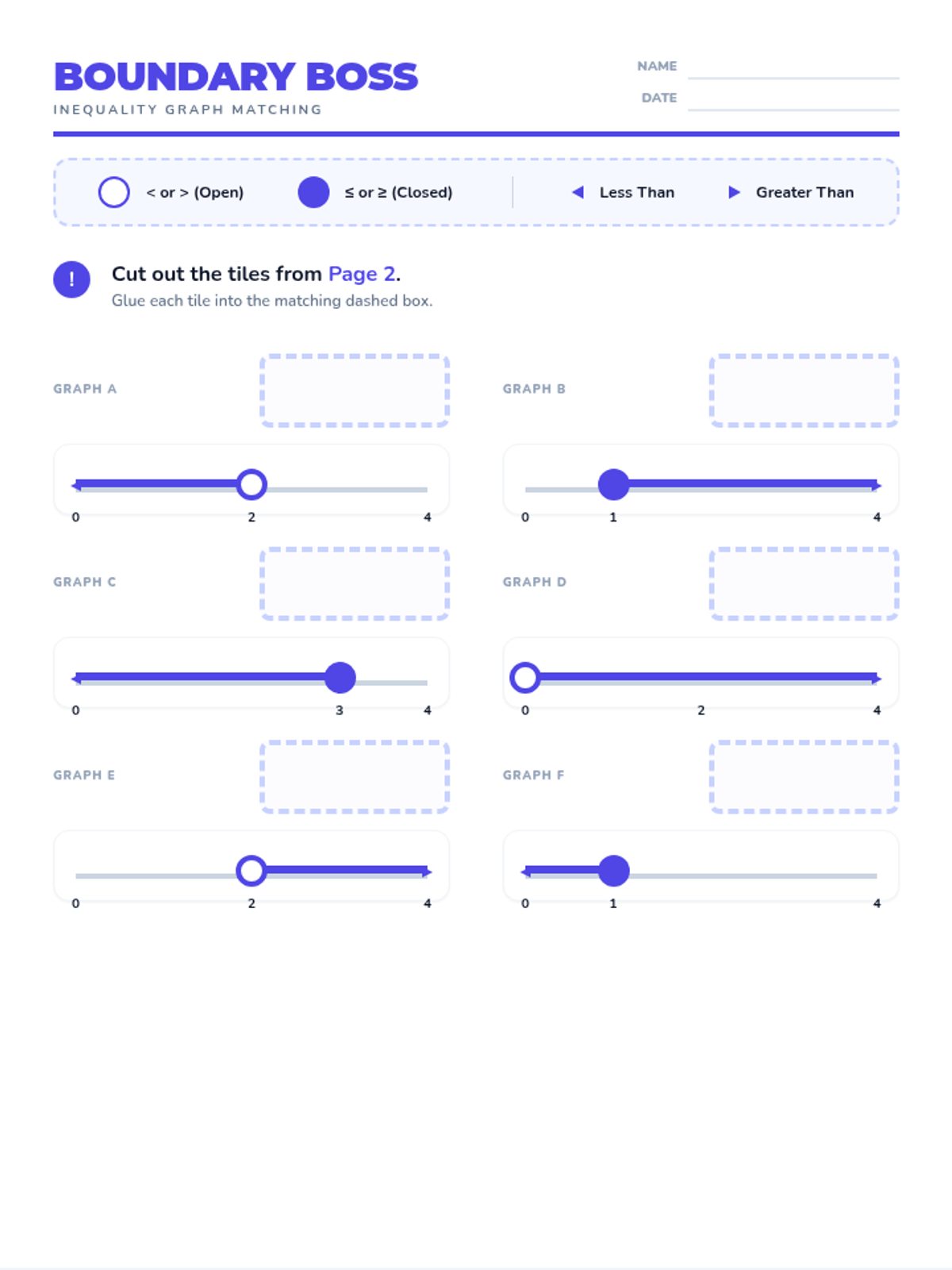
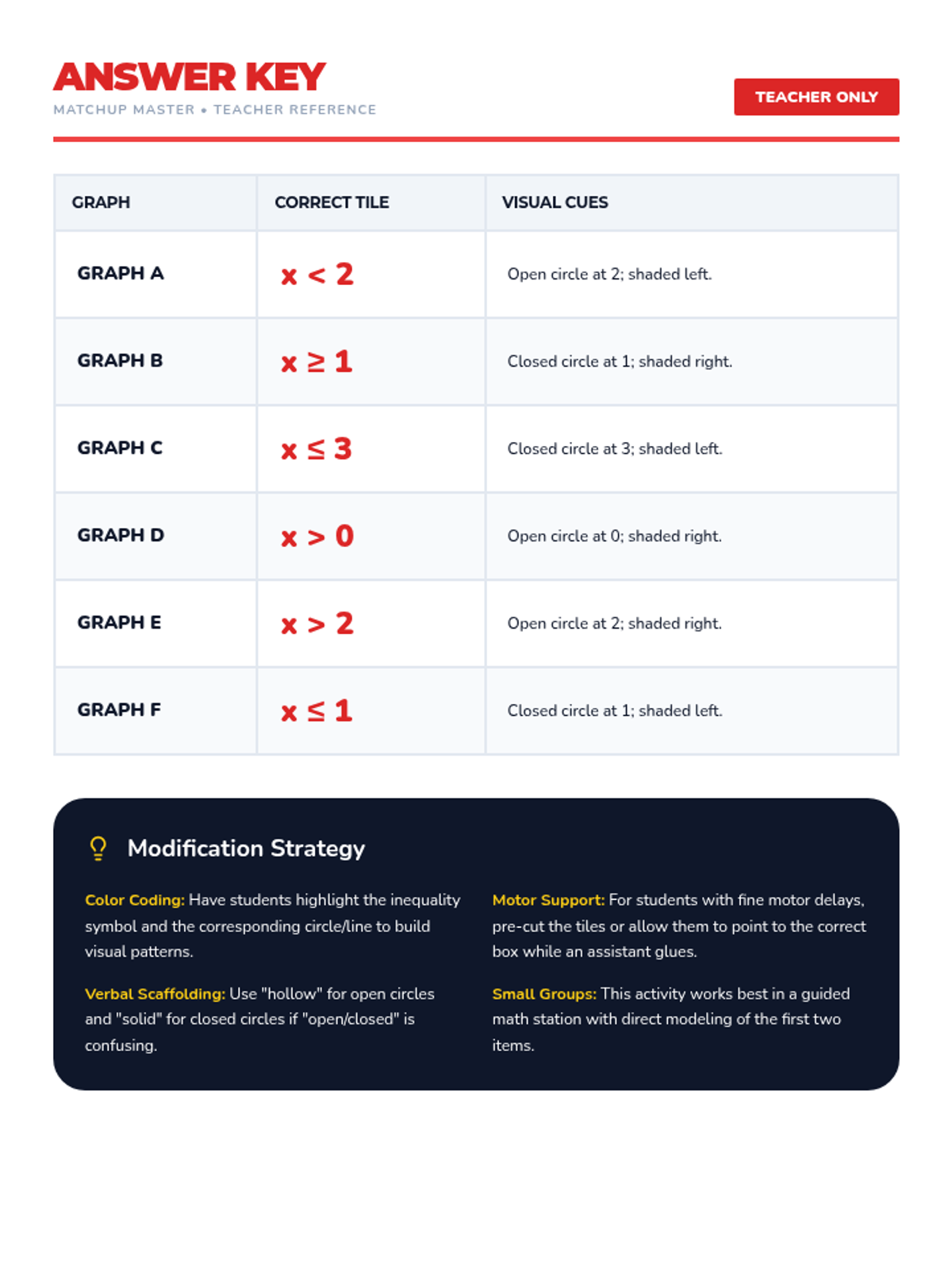
A modified lesson on graphing inequalities specifically designed for students with IEPs, focusing on symbol identification and visual matching. The lesson includes instructional slides, a hands-on cut-and-paste activity, and a teacher answer key.
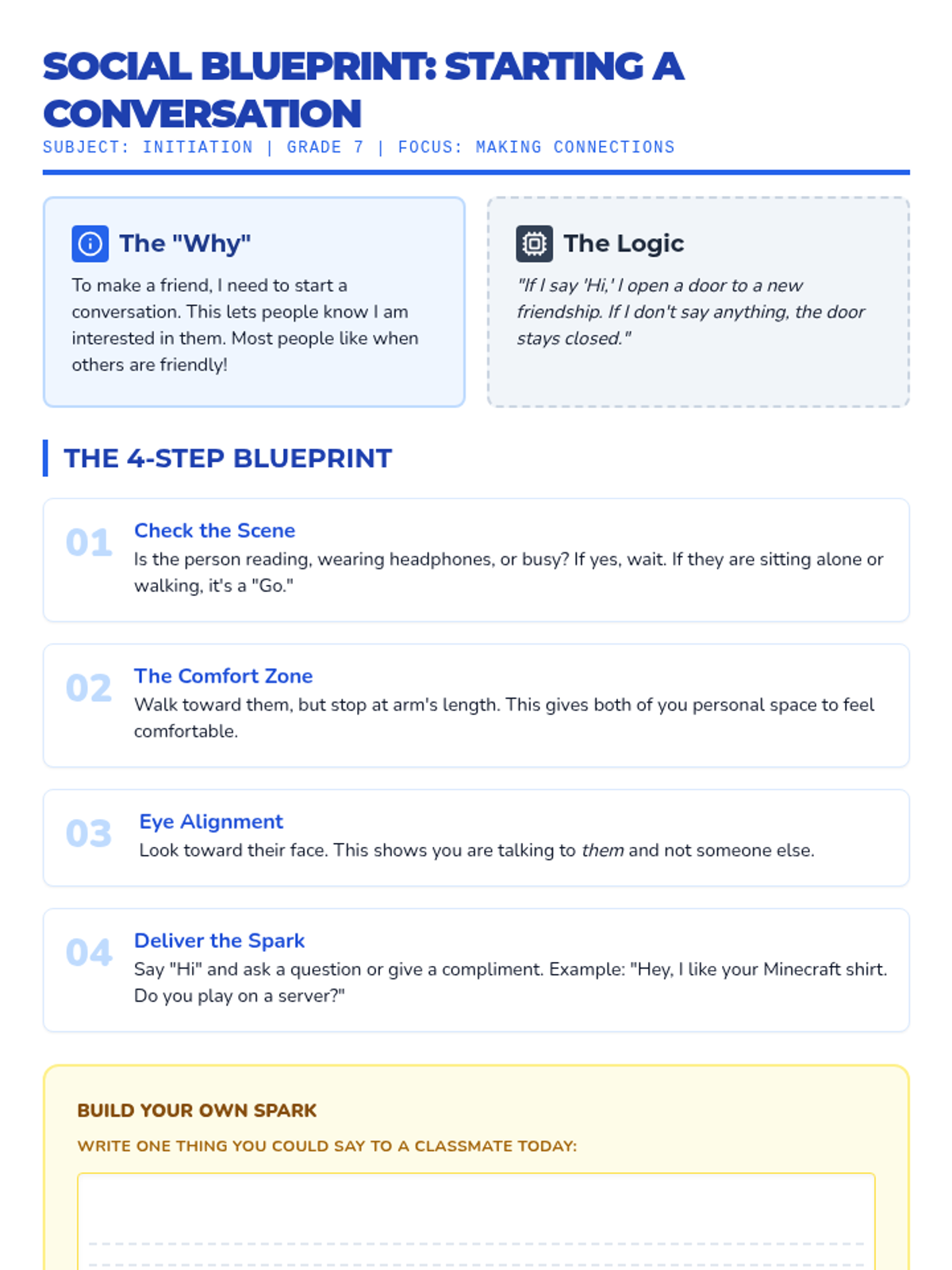
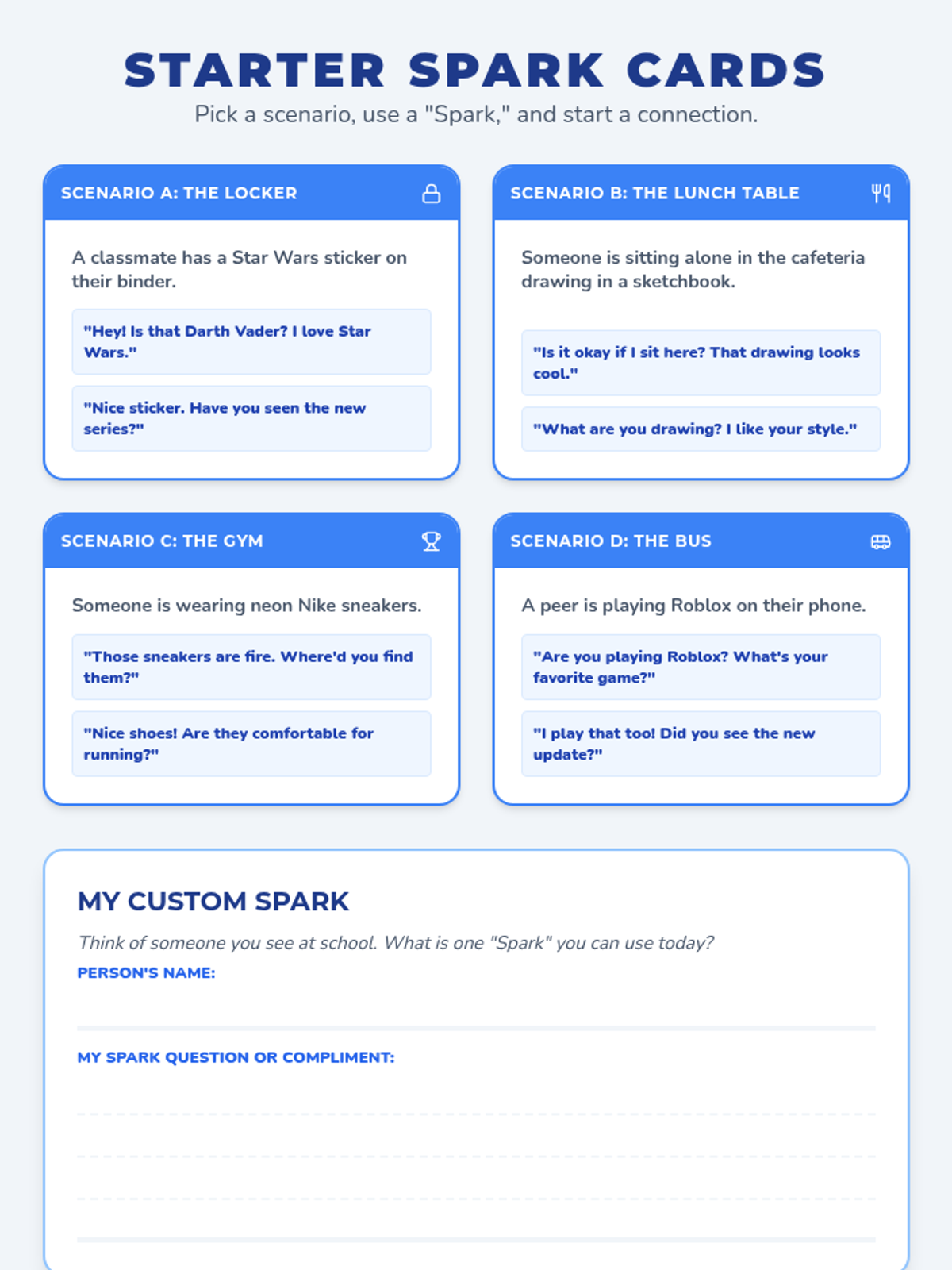
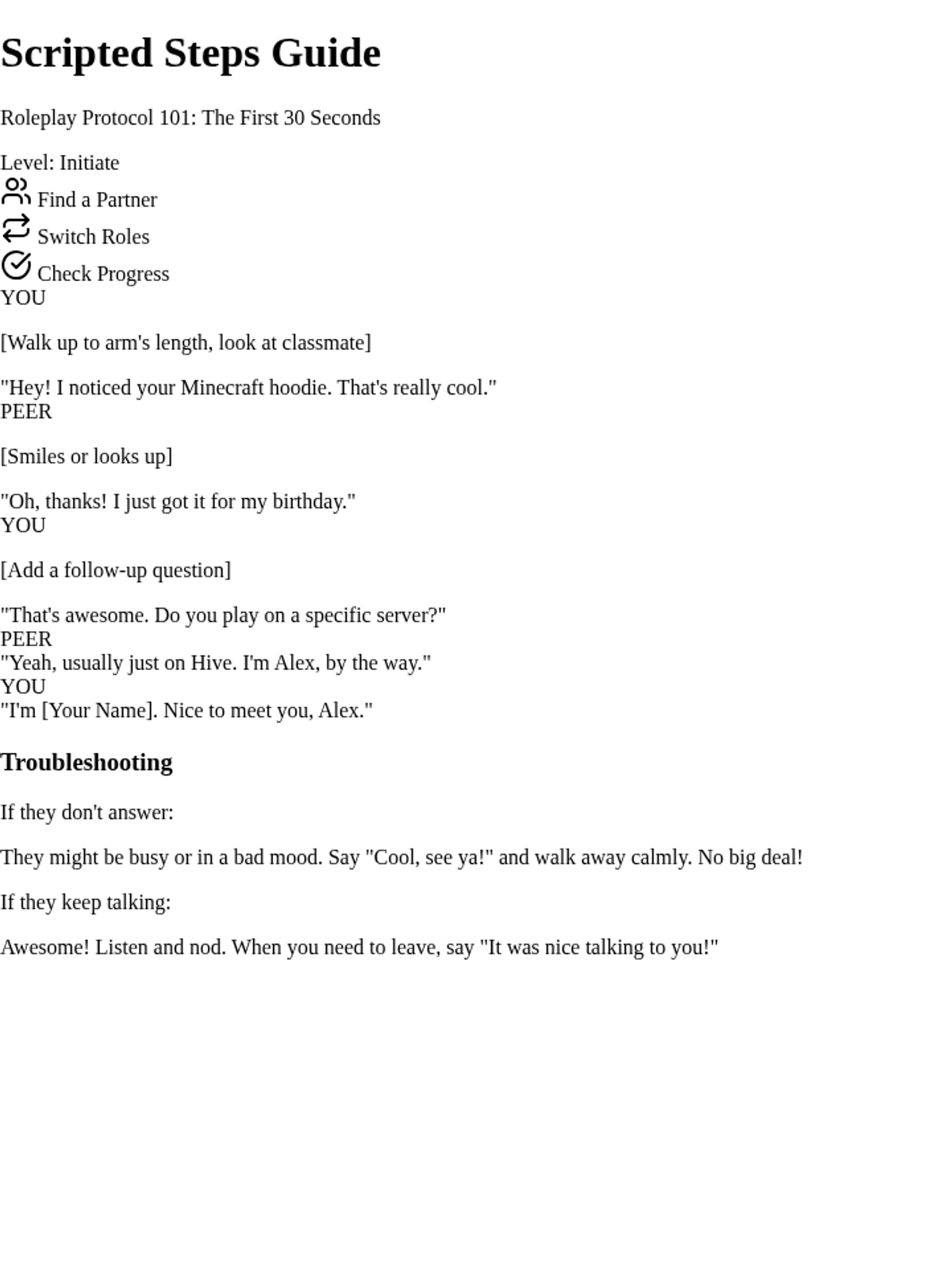
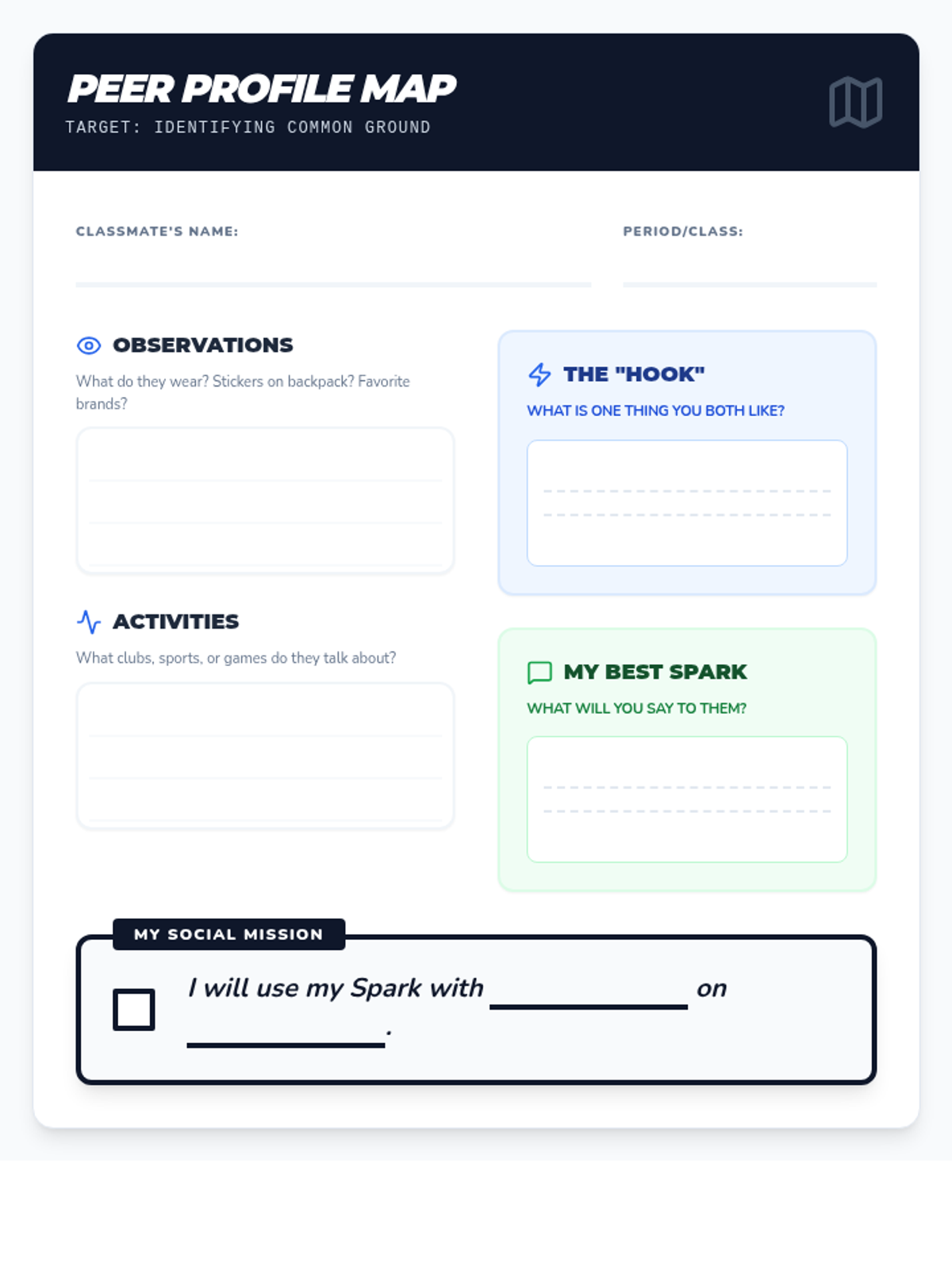
A targeted 15-minute intervention designed for 7th-grade students with autism to learn and practice initiating conversations with peers using structured visual supports and explicit scripts.
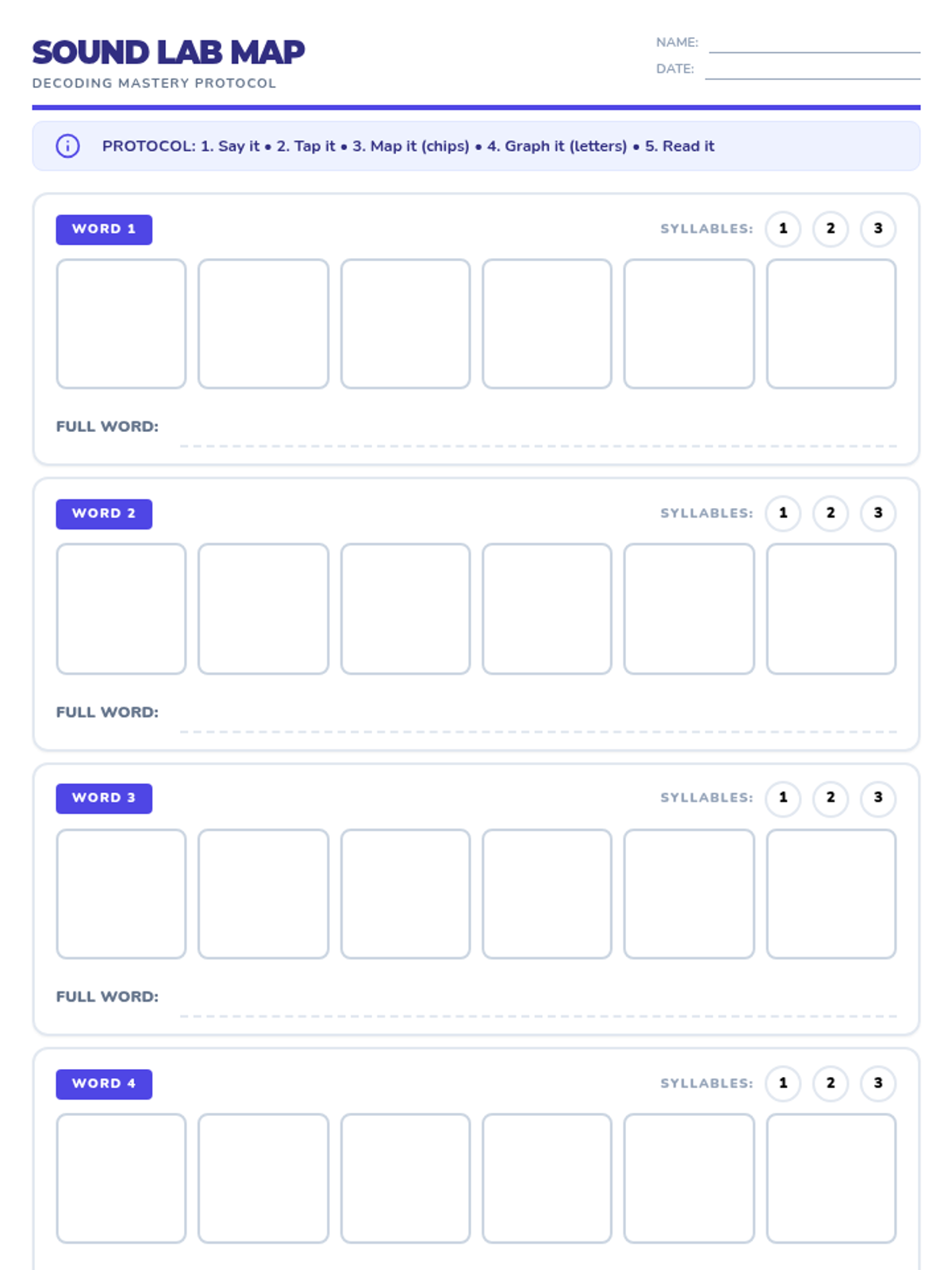
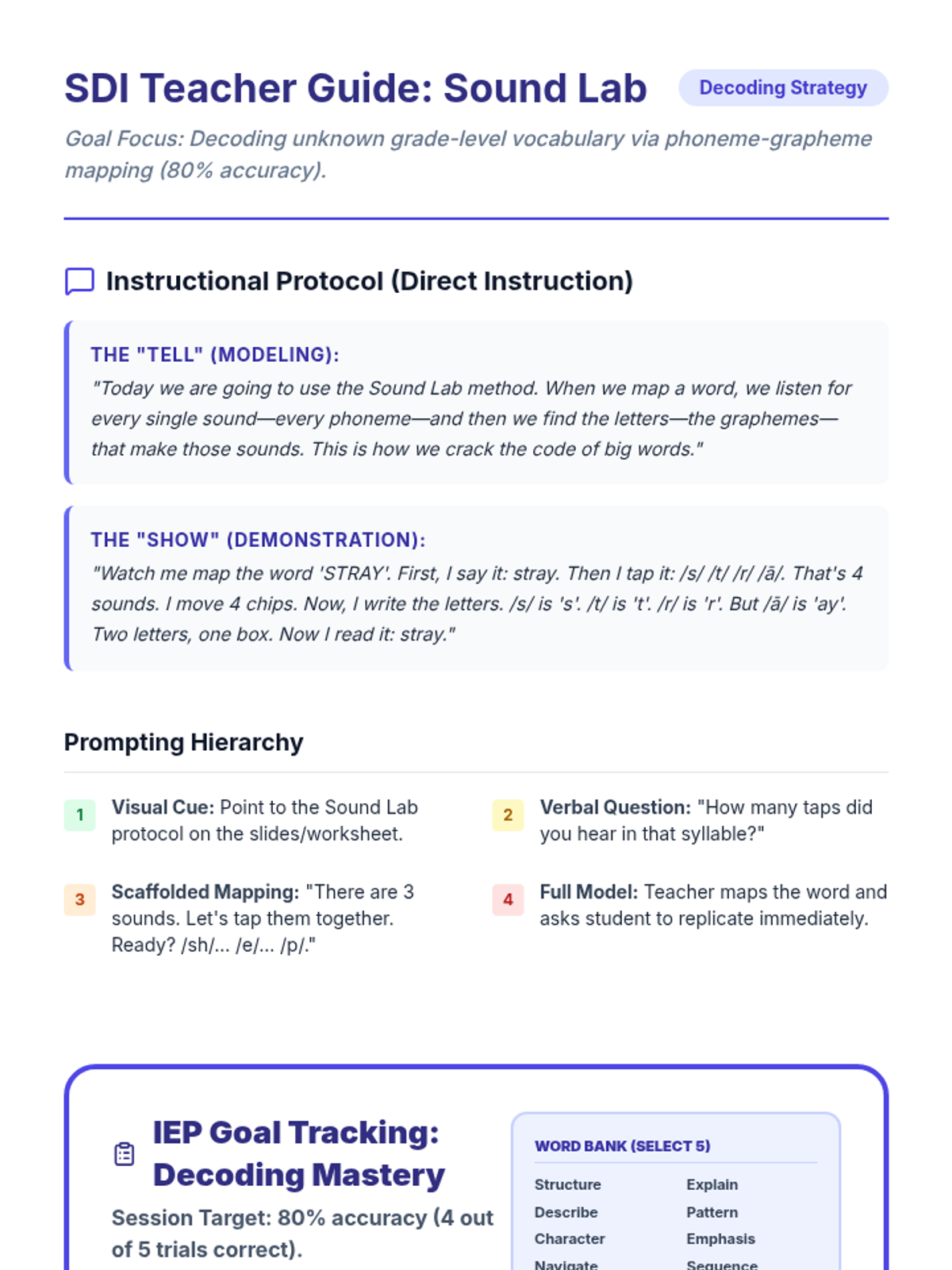
A direct instruction lesson focused on phoneme-grapheme mapping to help students decode grade-level vocabulary. This lesson provides a structured "Sound Lab" approach to breaking down unknown words into their individual sounds and corresponding letters.
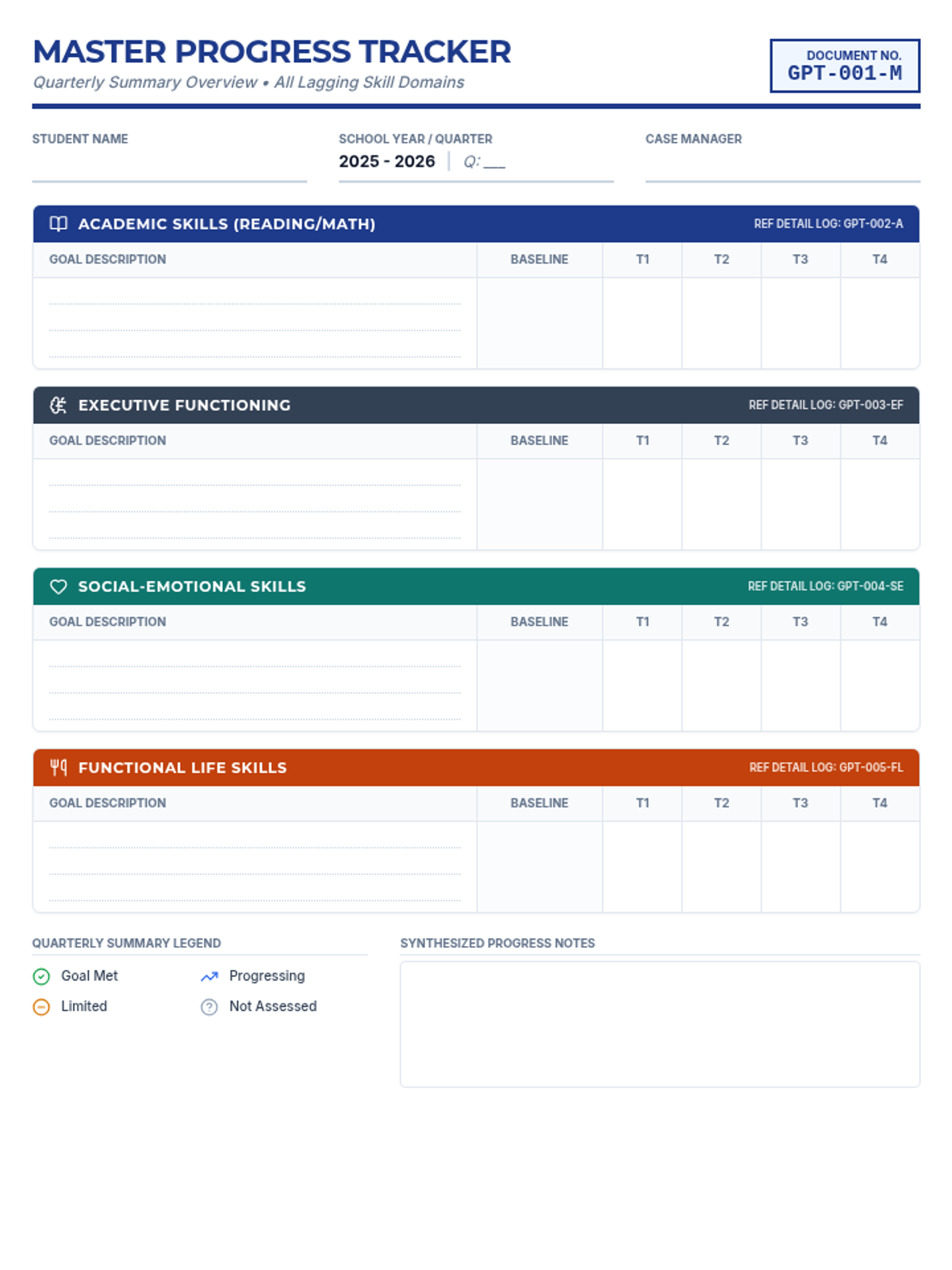
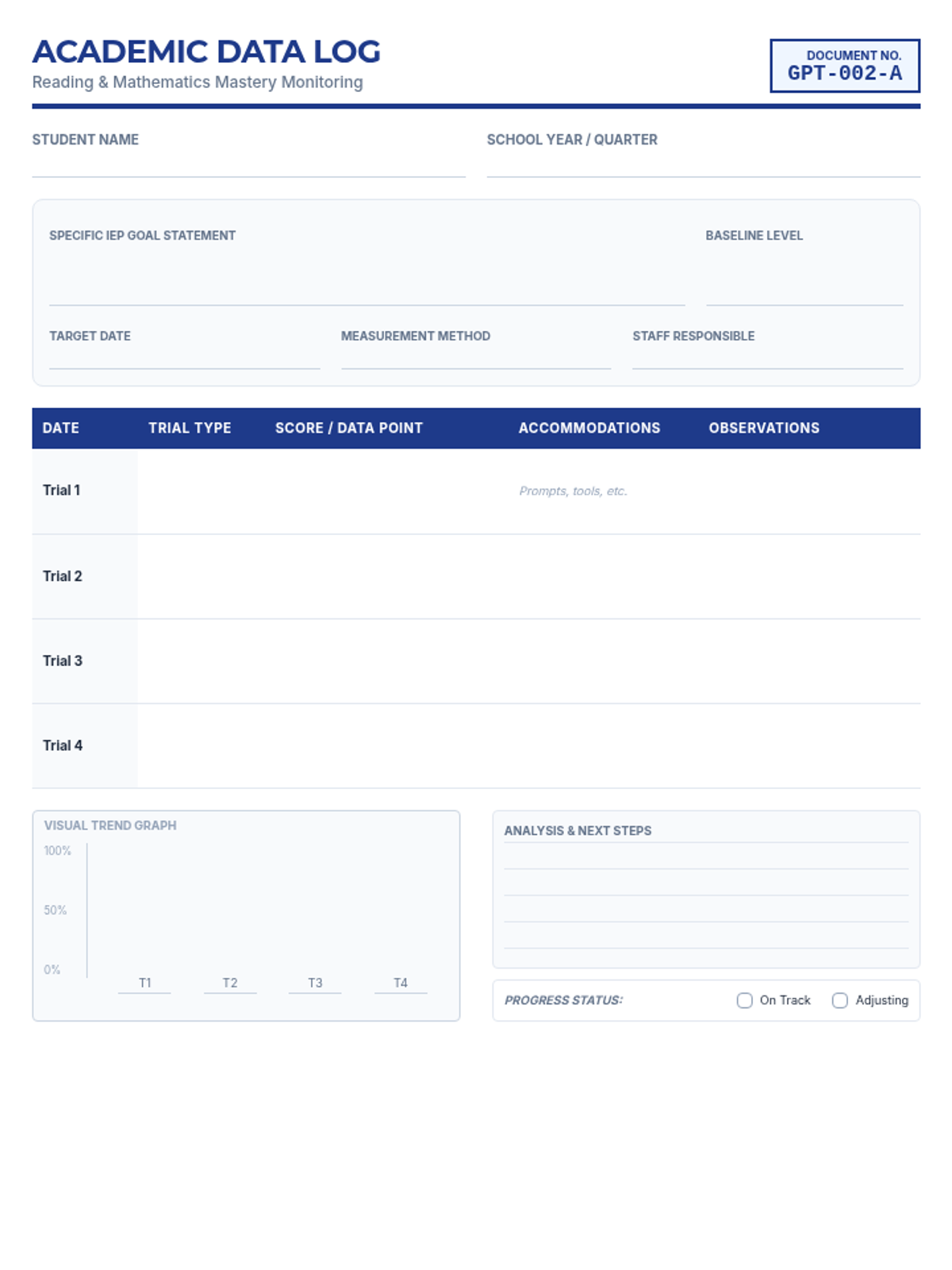
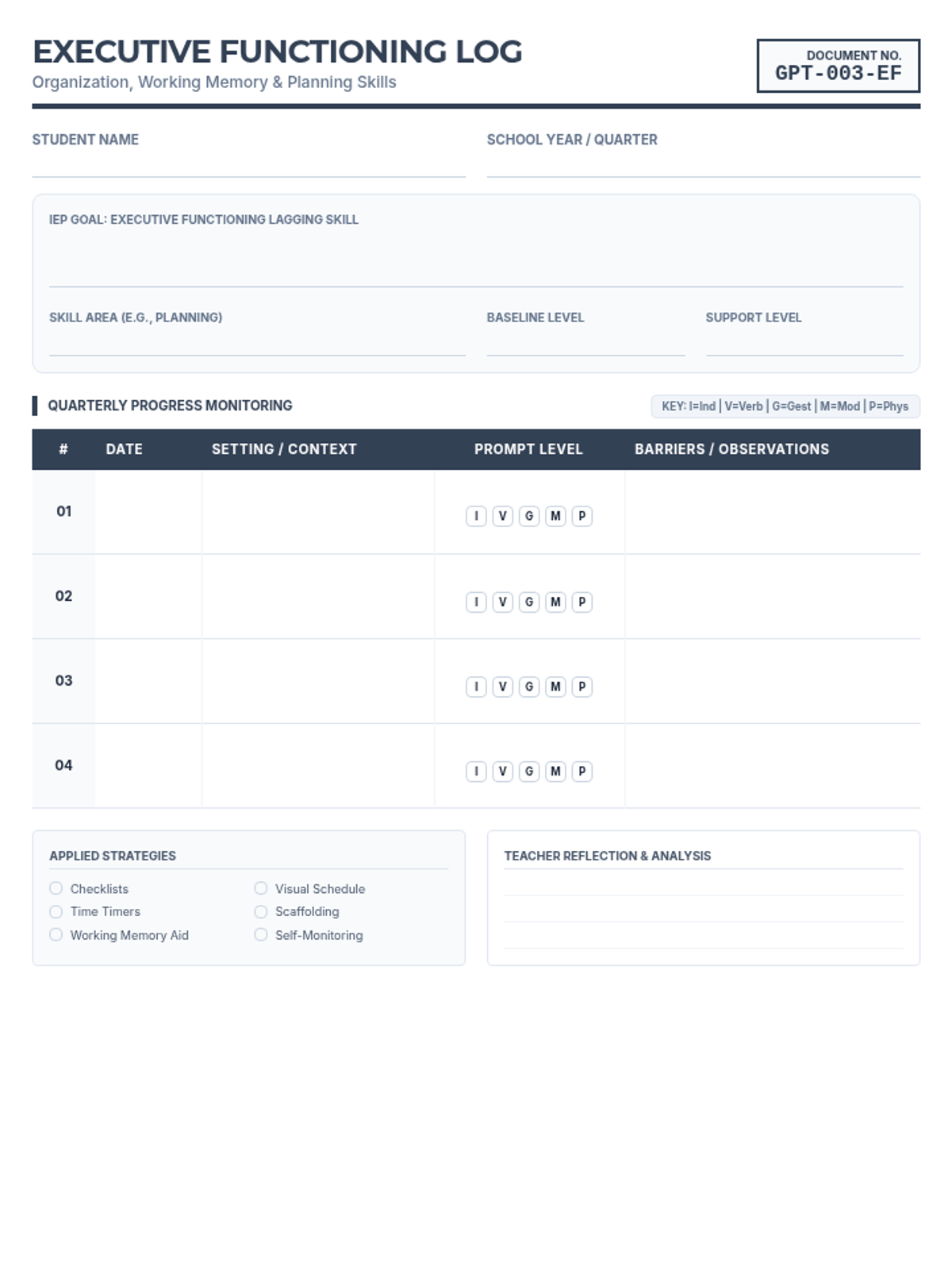
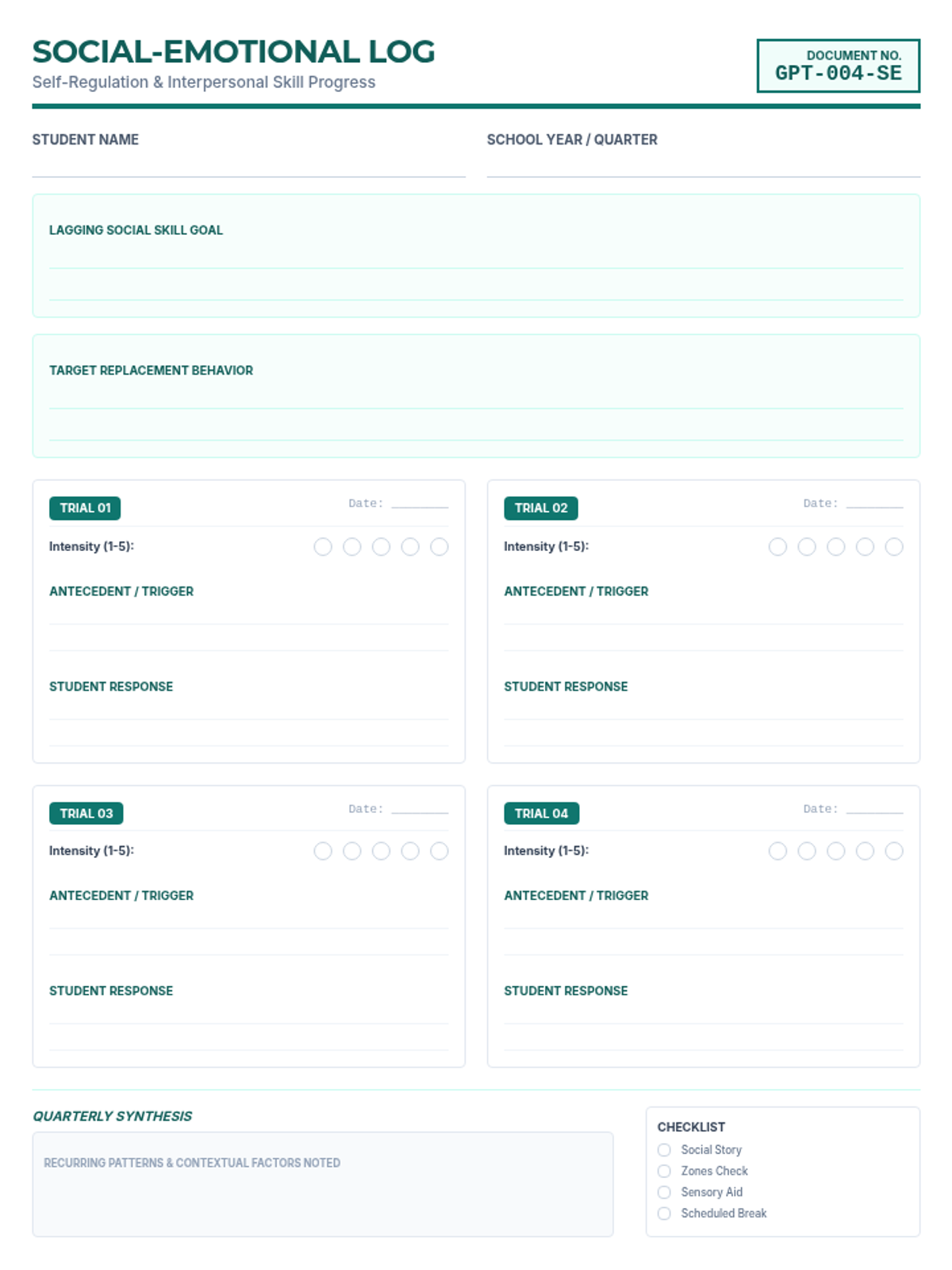
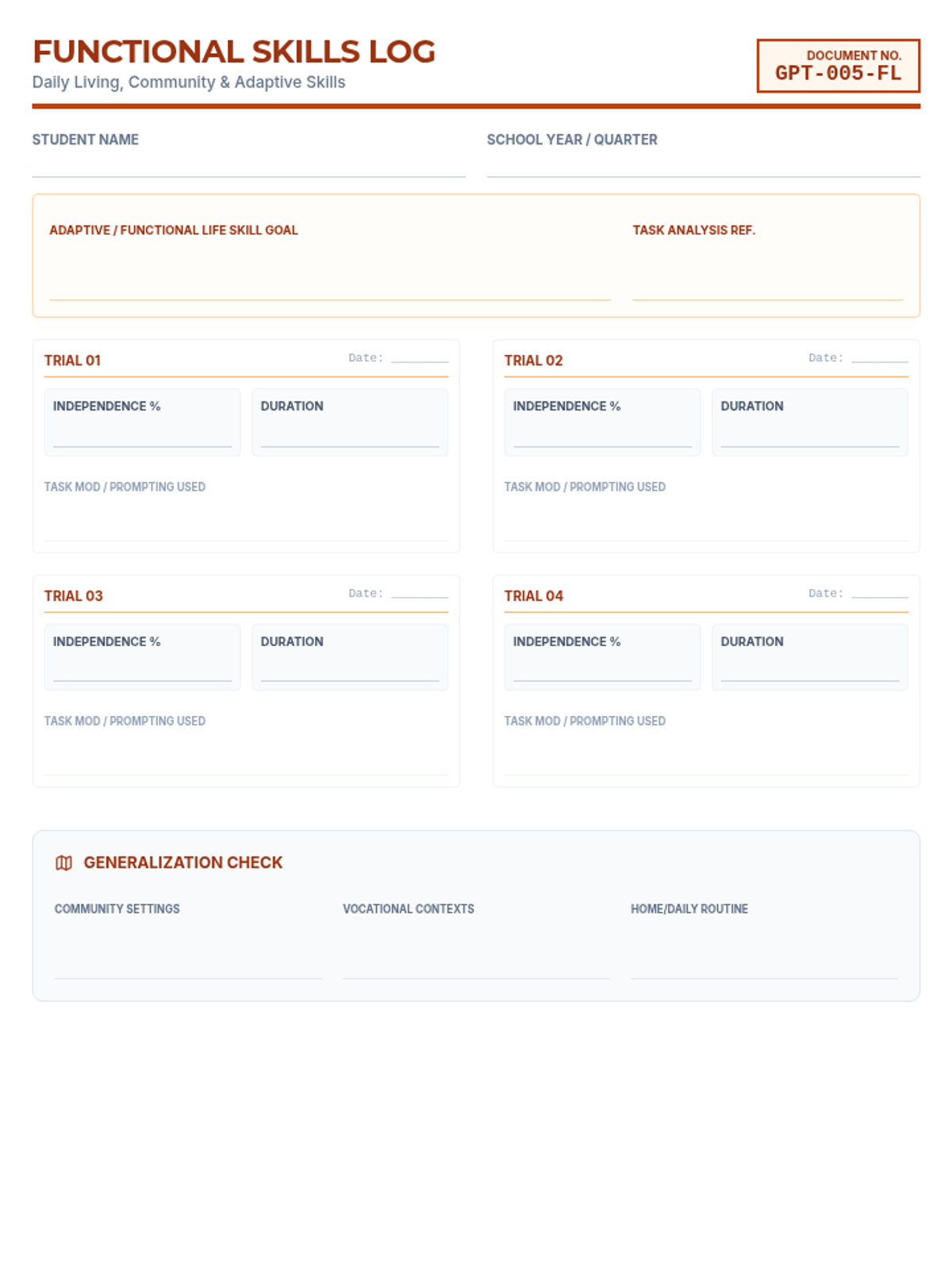
A comprehensive system for tracking IEP progress across multiple lagging skills, including a master overview and specialized data logs for Academic, Executive Functioning, Social-Emotional, and Functional Life Skills.
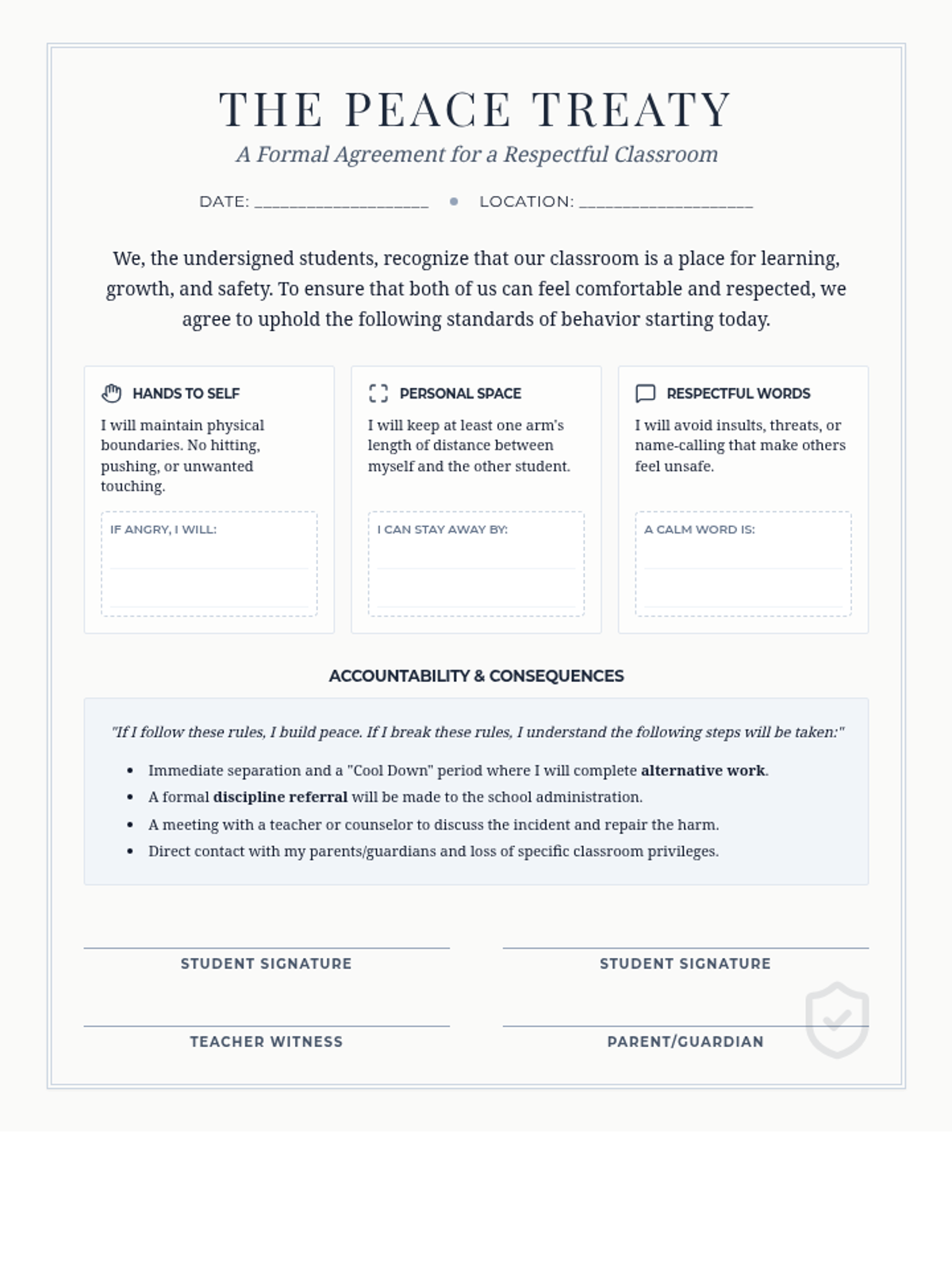
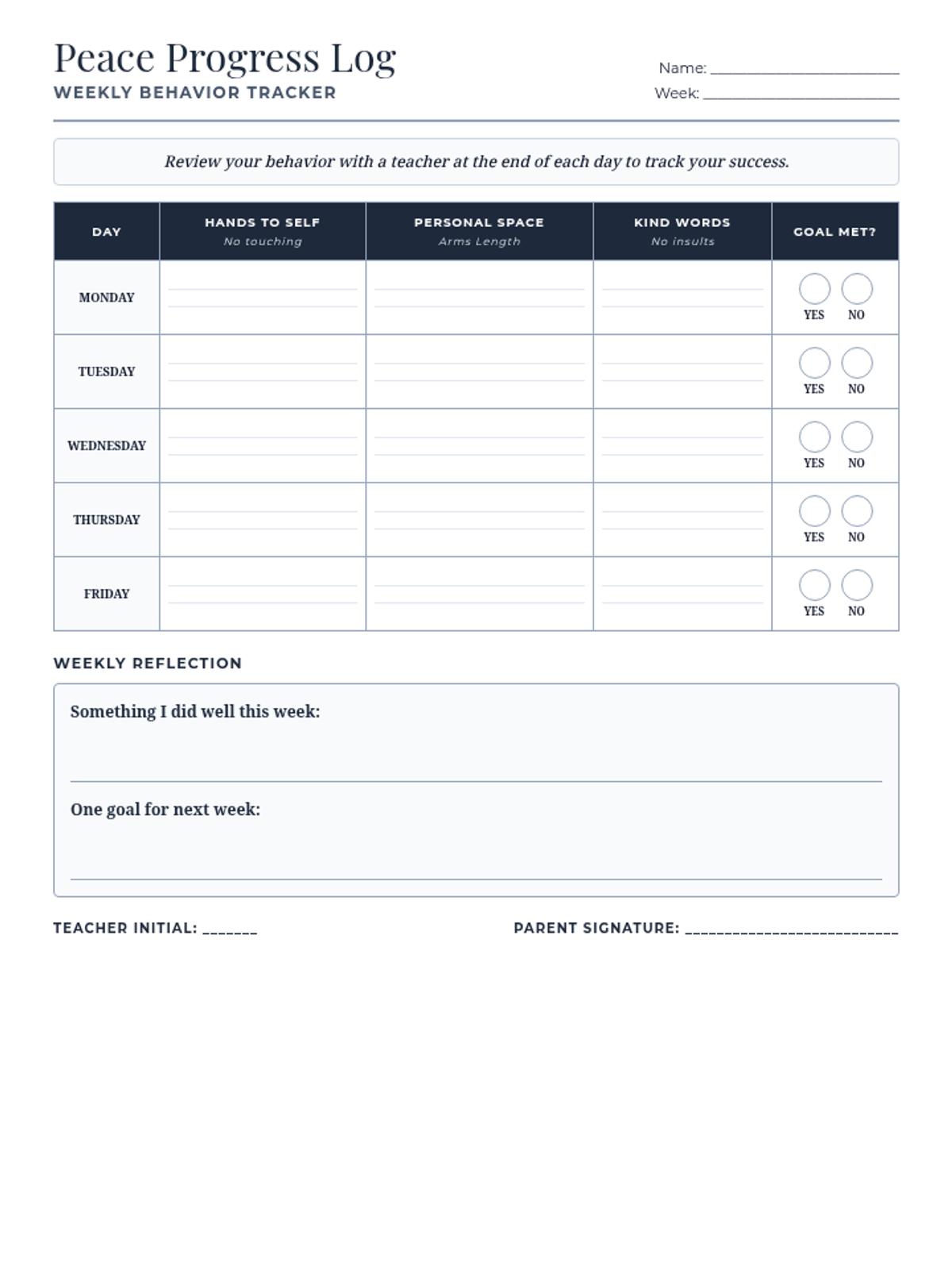
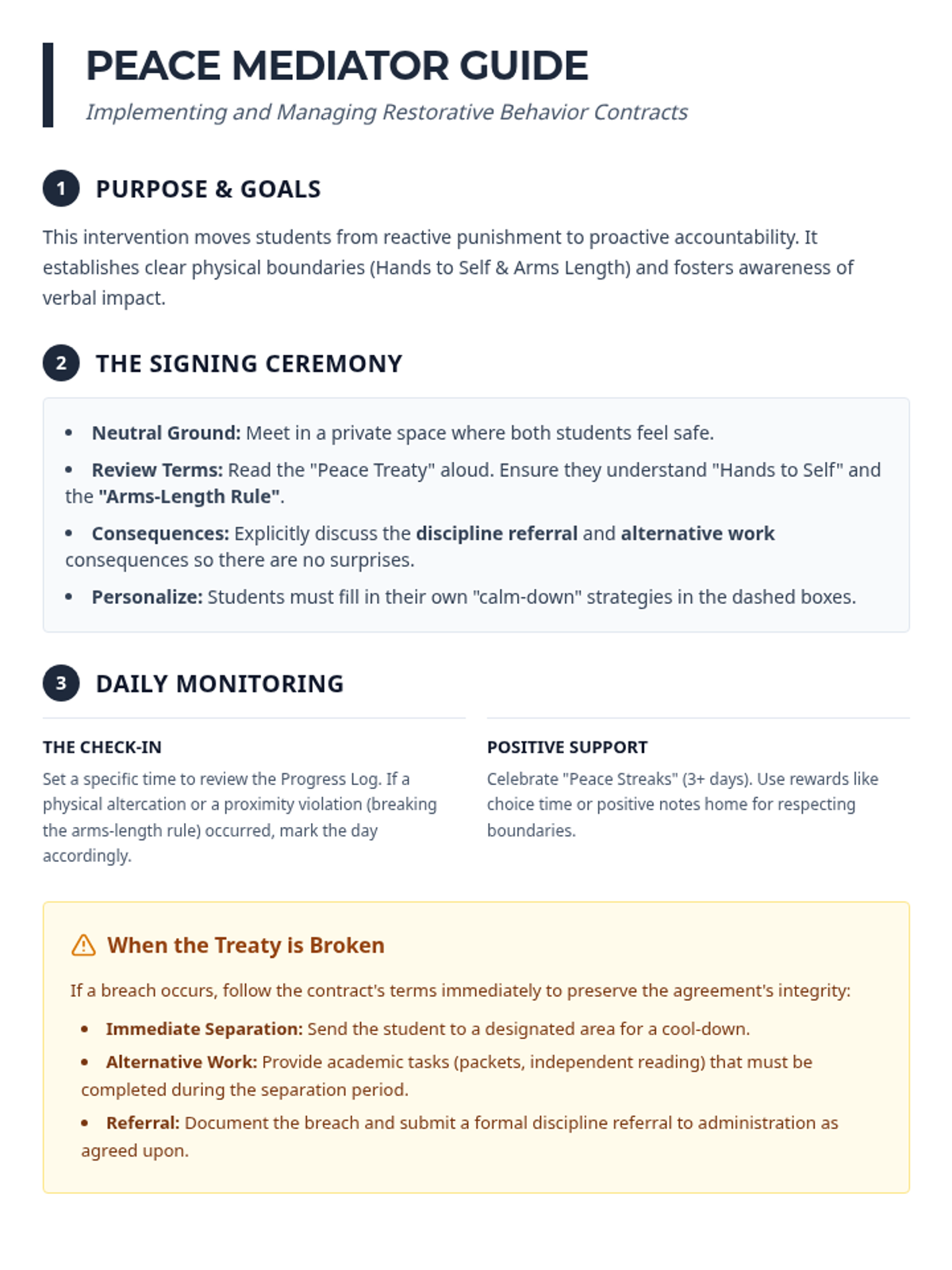
A restorative behavioral intervention focused on resolving physical conflict and verbal aggression through a formal behavior contract and daily progress tracking.
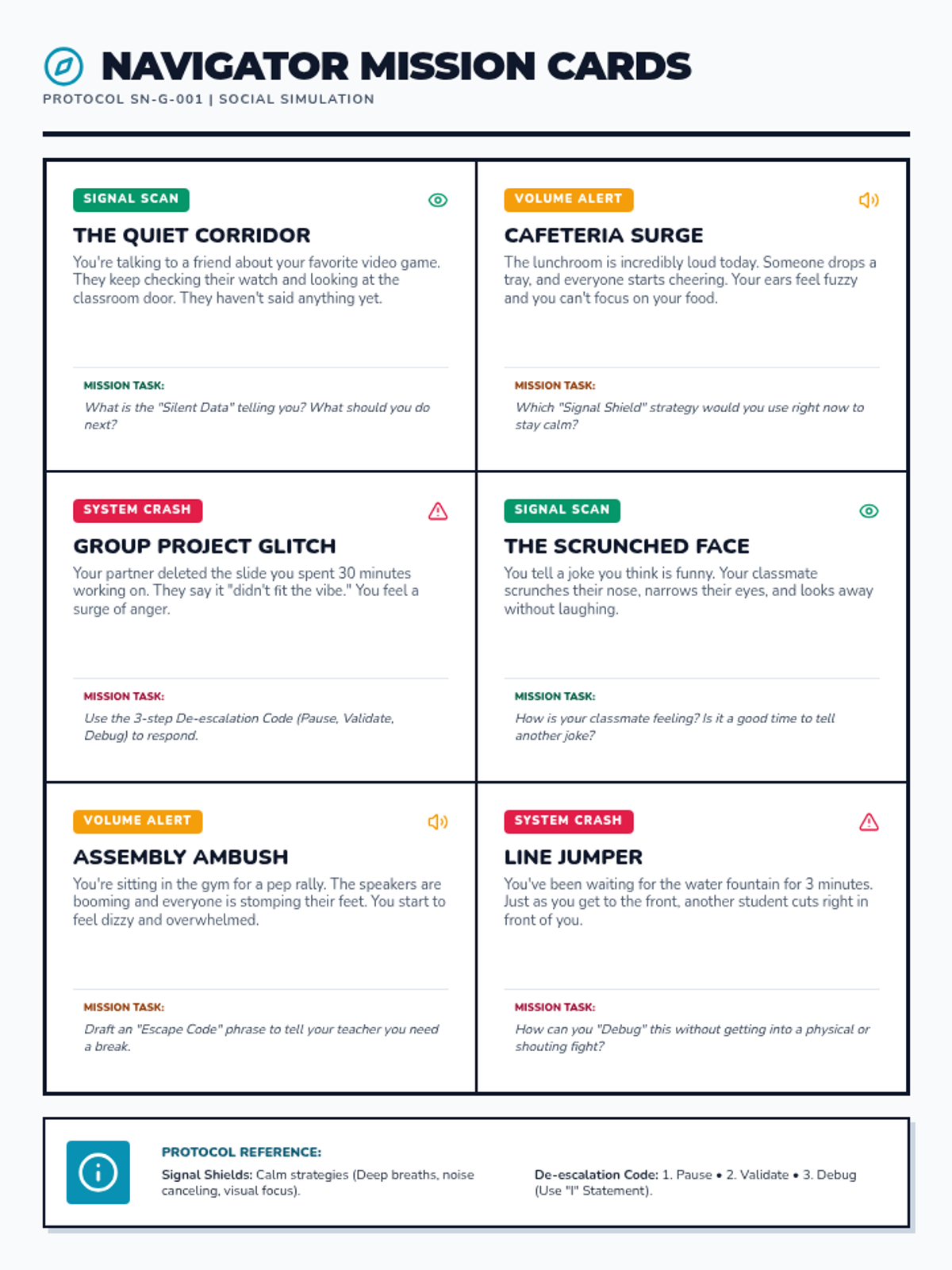
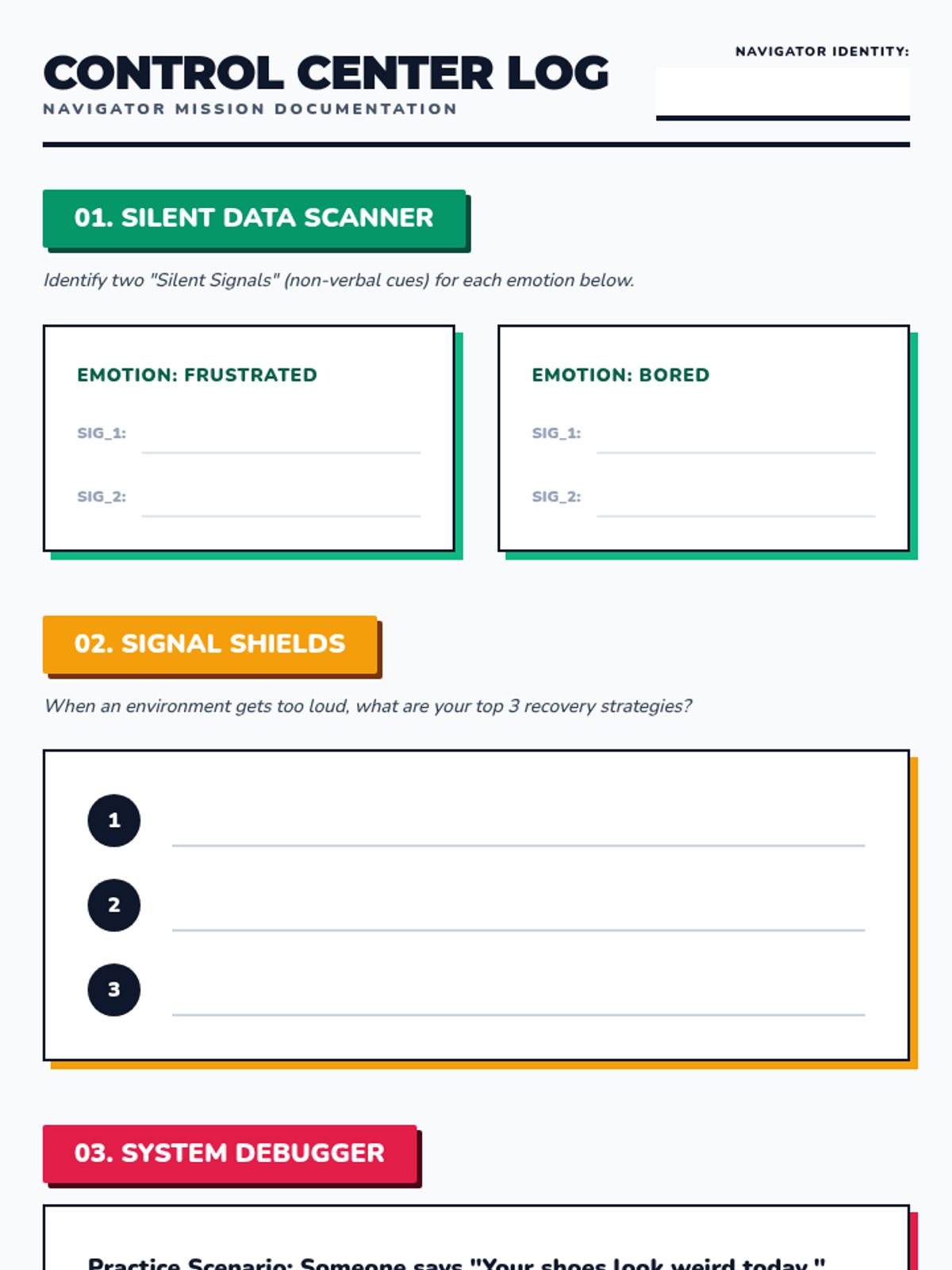
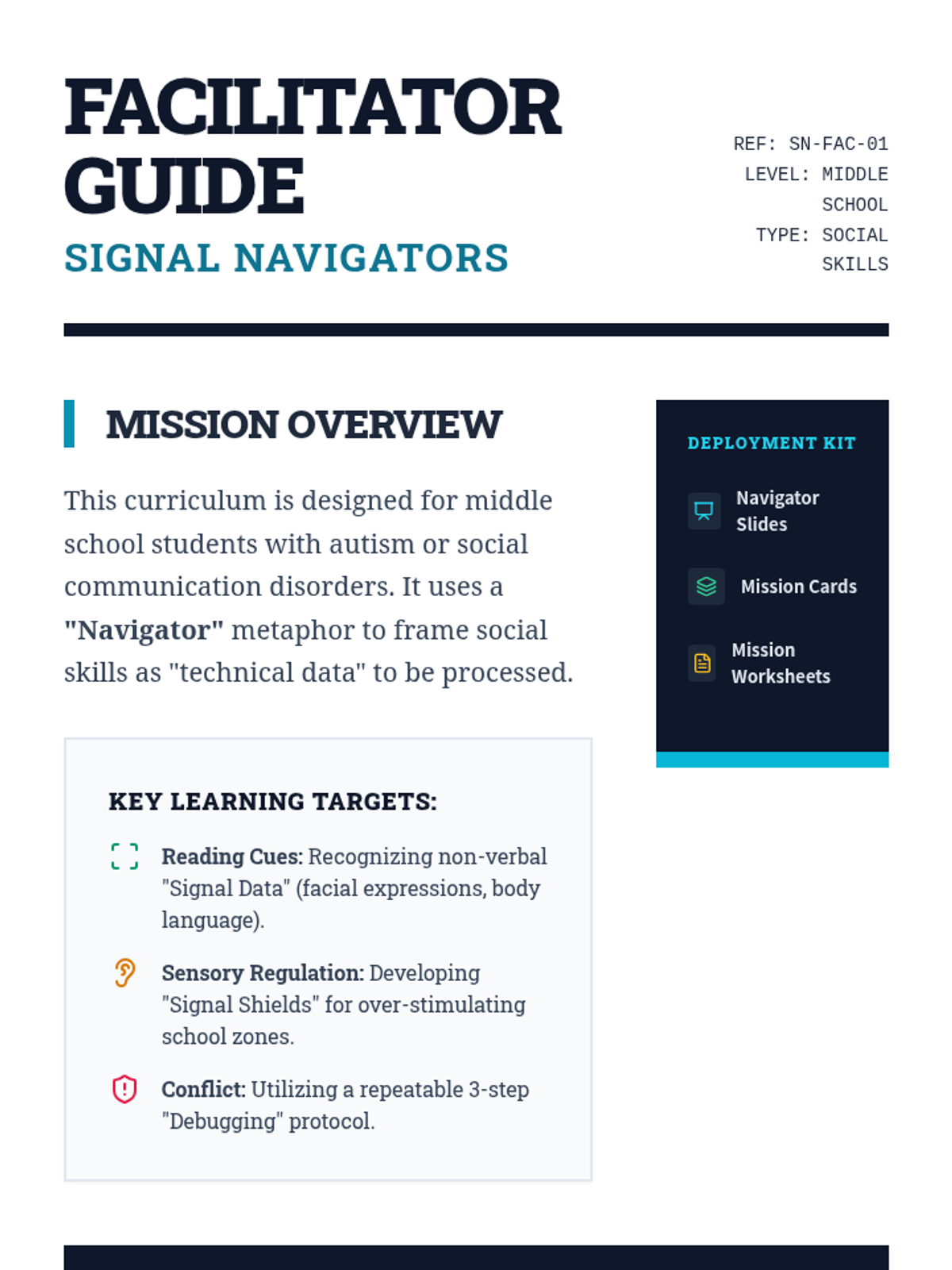
A social skills lesson for middle schoolers focusing on non-verbal cues, sensory regulation in loud environments, and conflict management through a 'Signal Navigators' simulation theme.
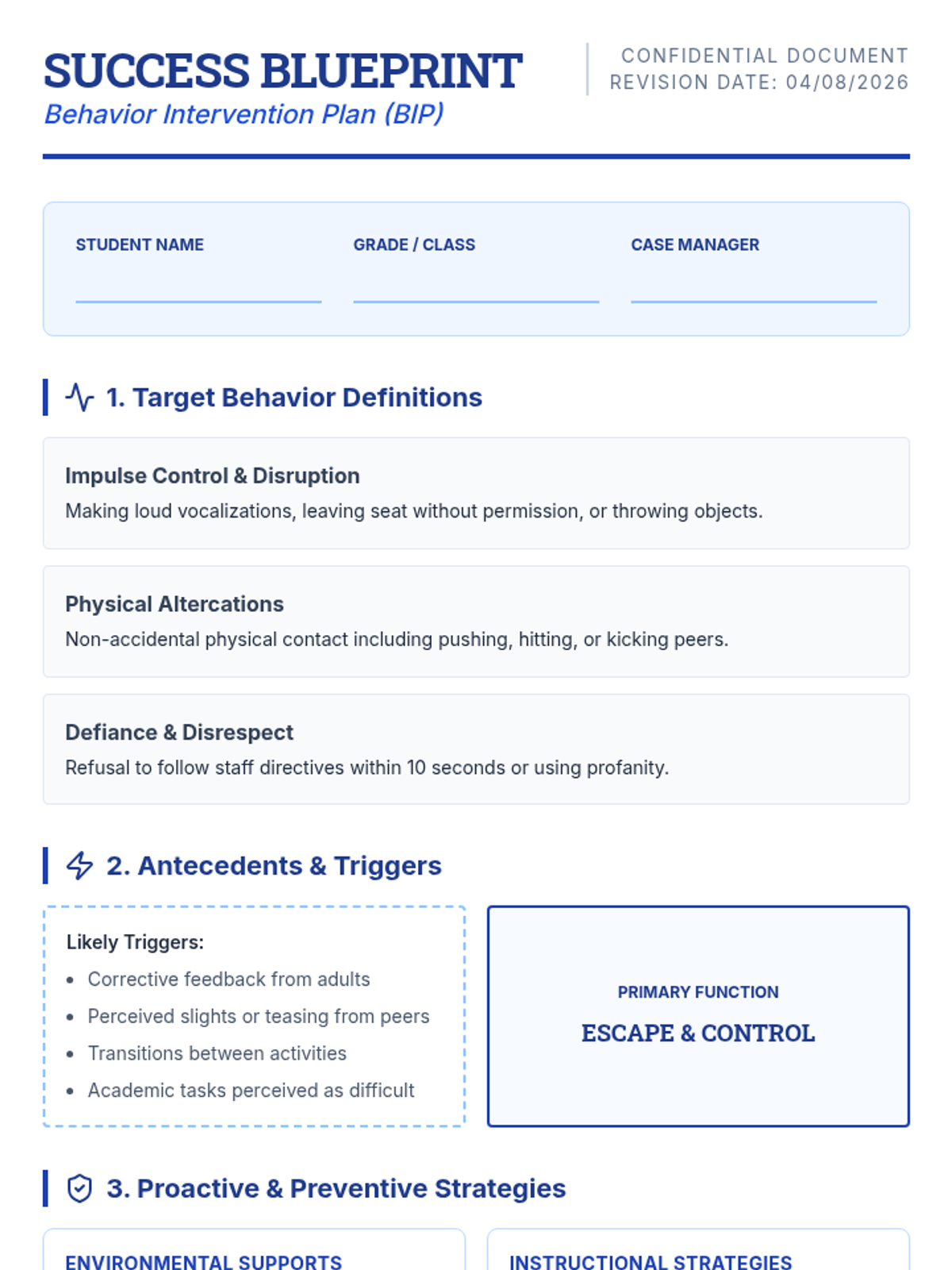
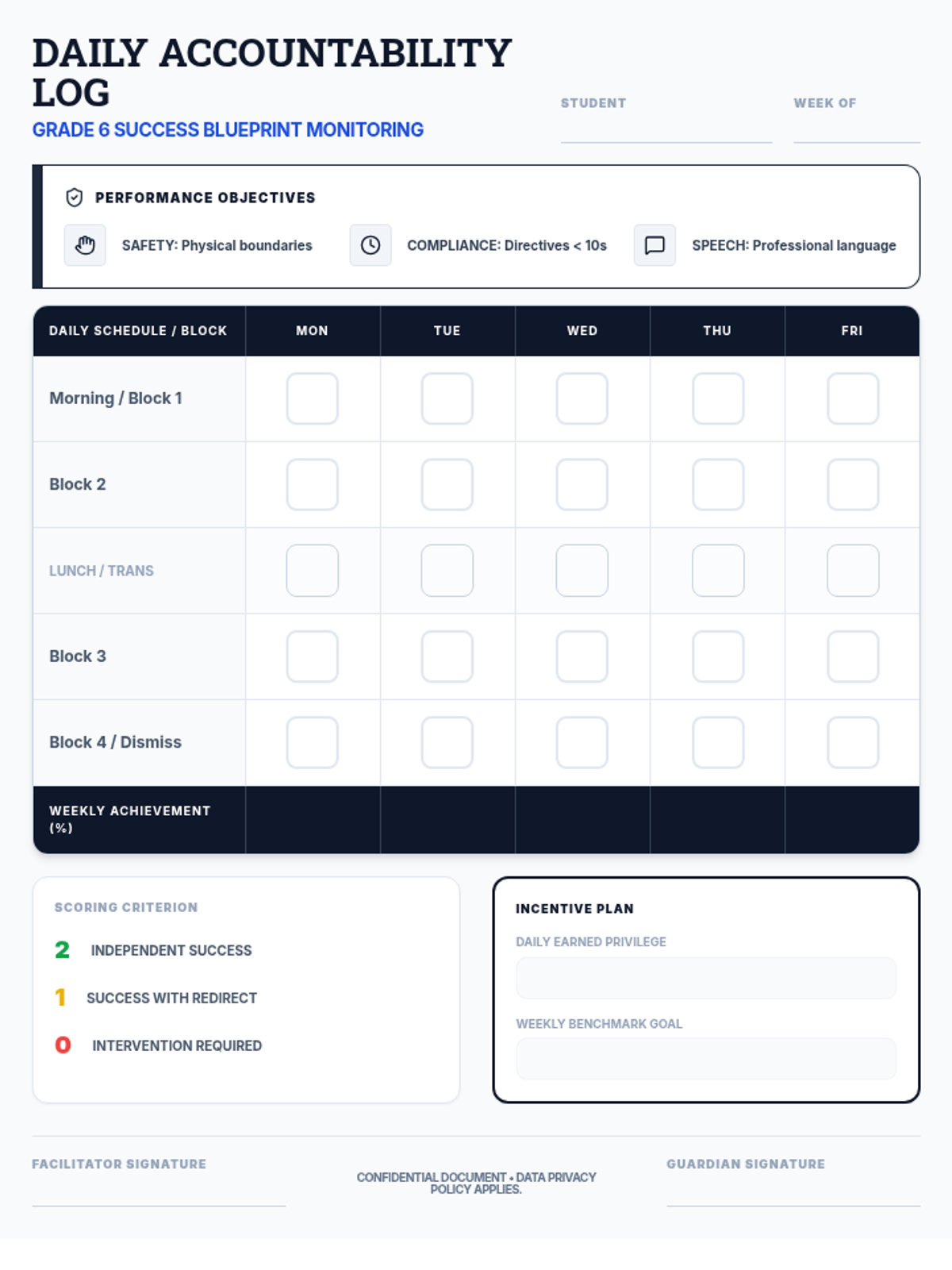
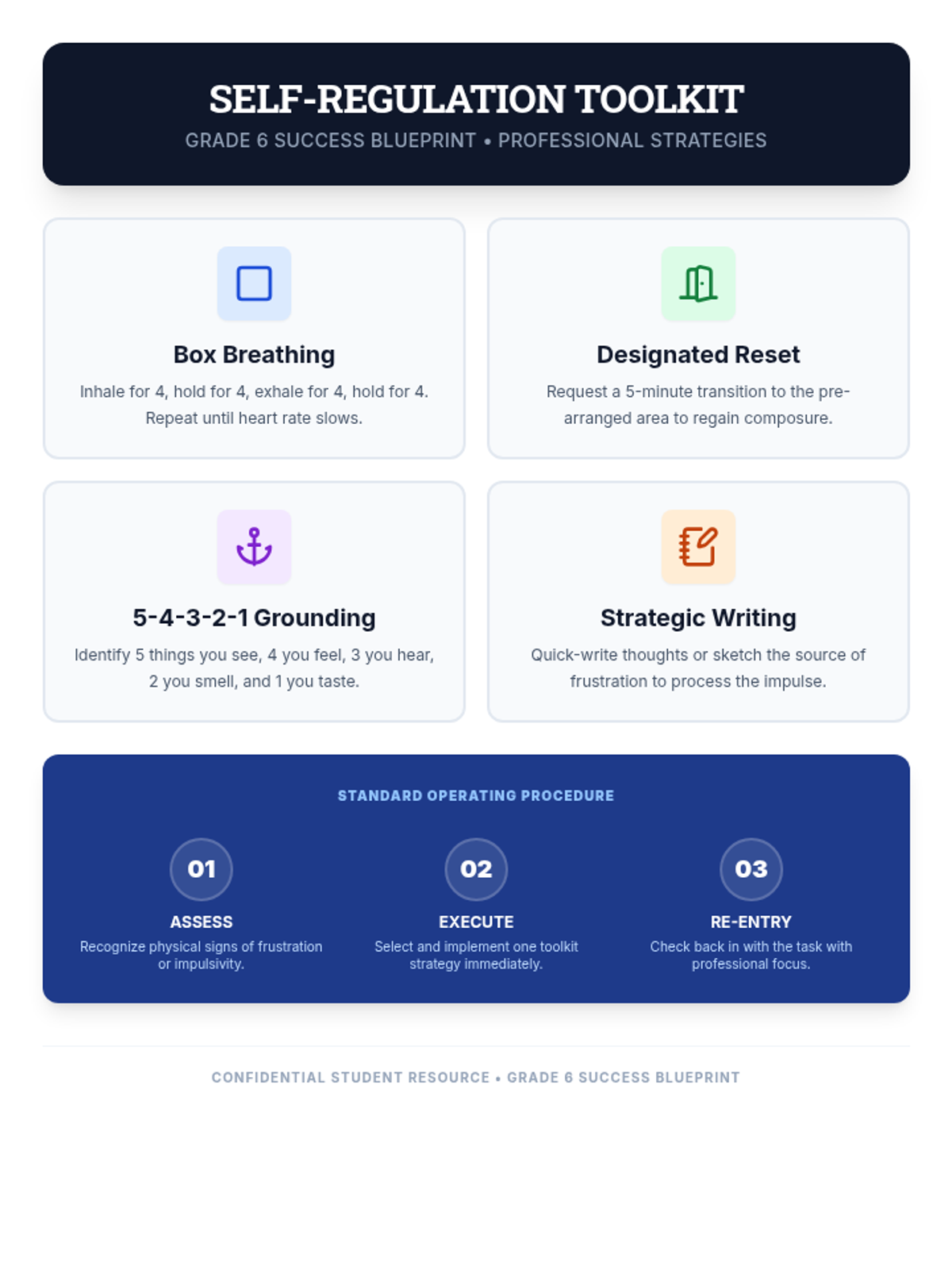
A comprehensive behavior intervention plan and tracking system designed to support students with impulse control and defiance through structured support and monitoring.
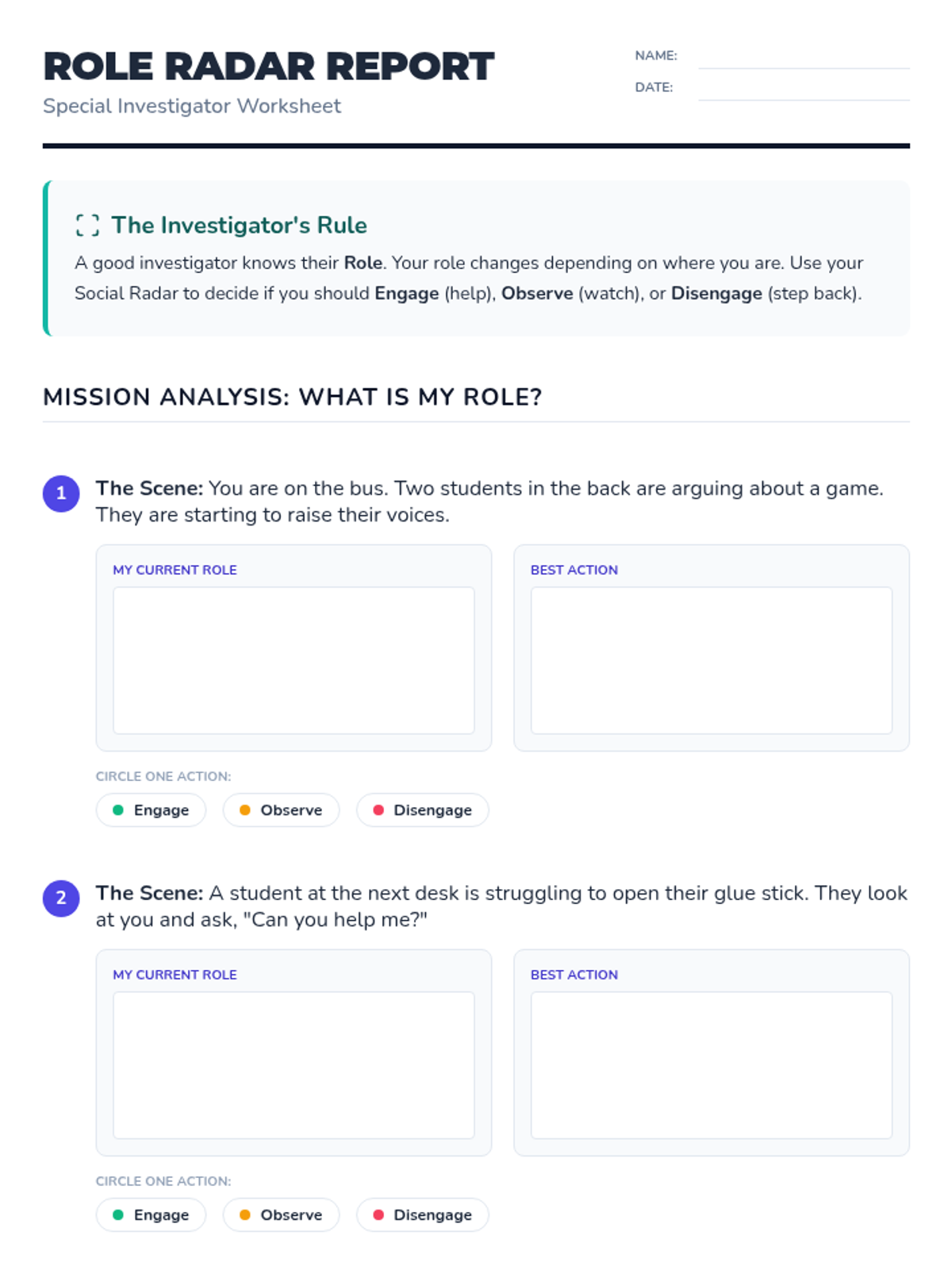
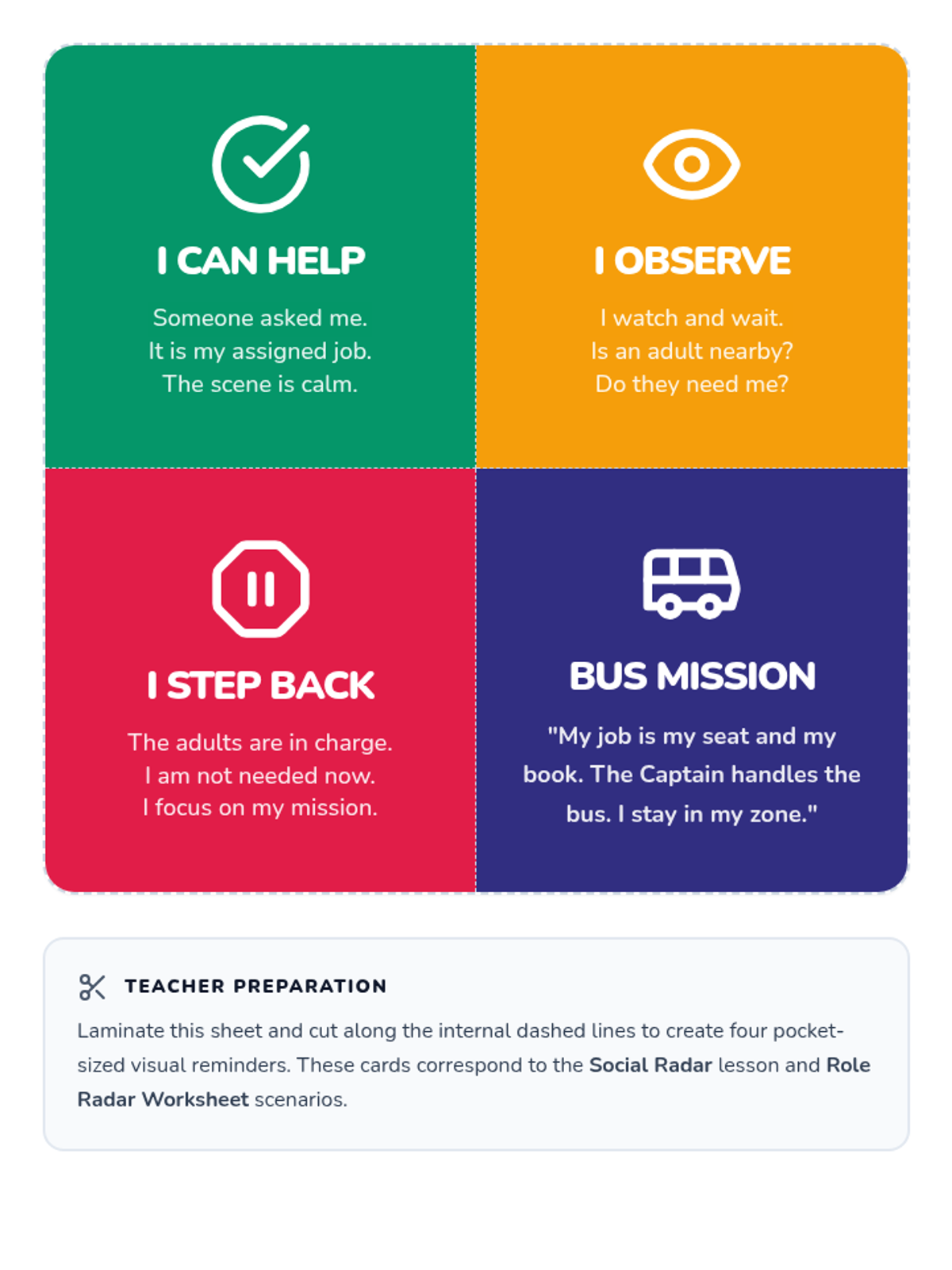
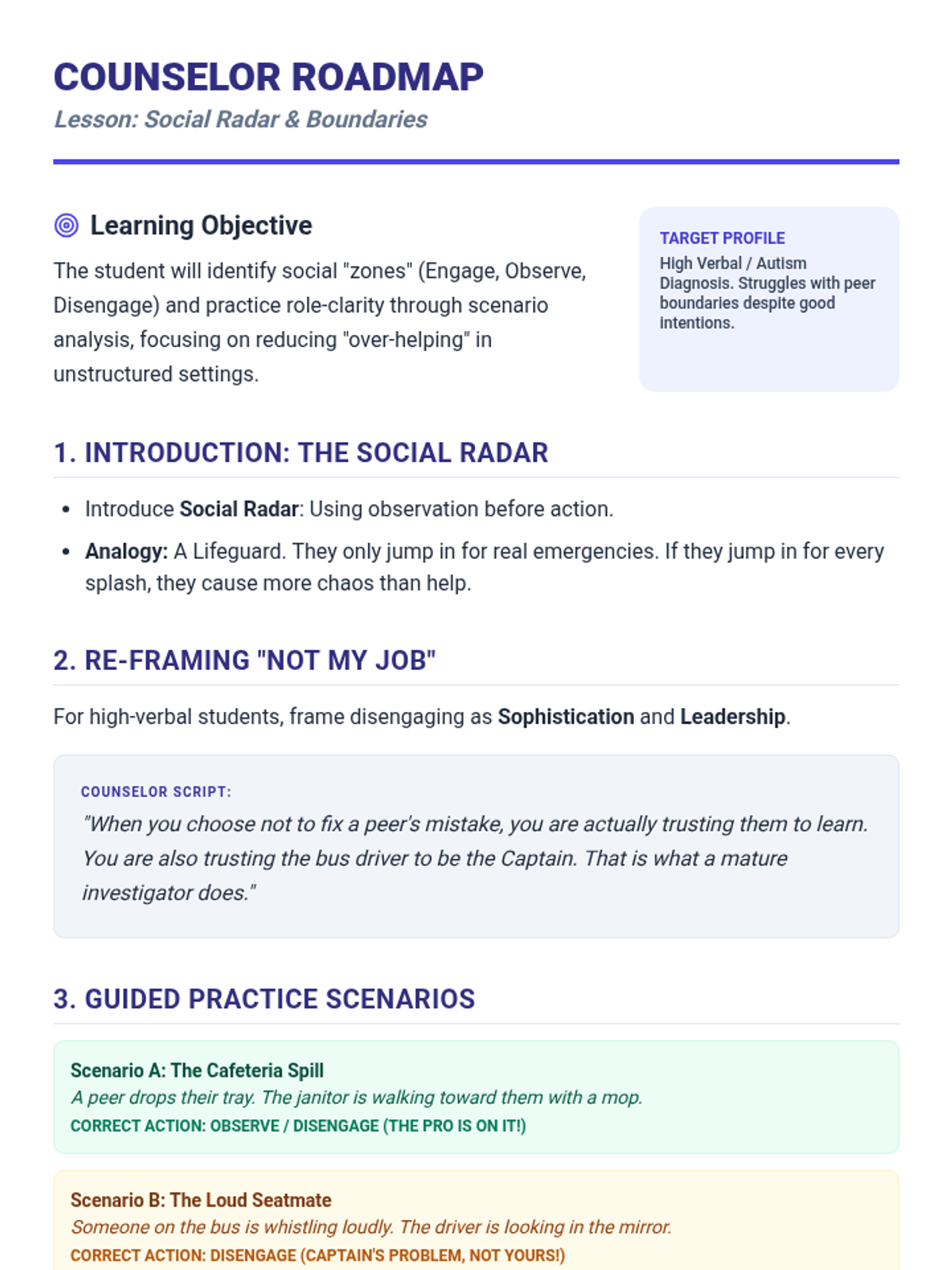
A social-emotional learning lesson focused on helping students with autism understand social boundaries, role clarity, and knowing when to disengage from peer interactions, particularly in unstructured settings like the school bus.
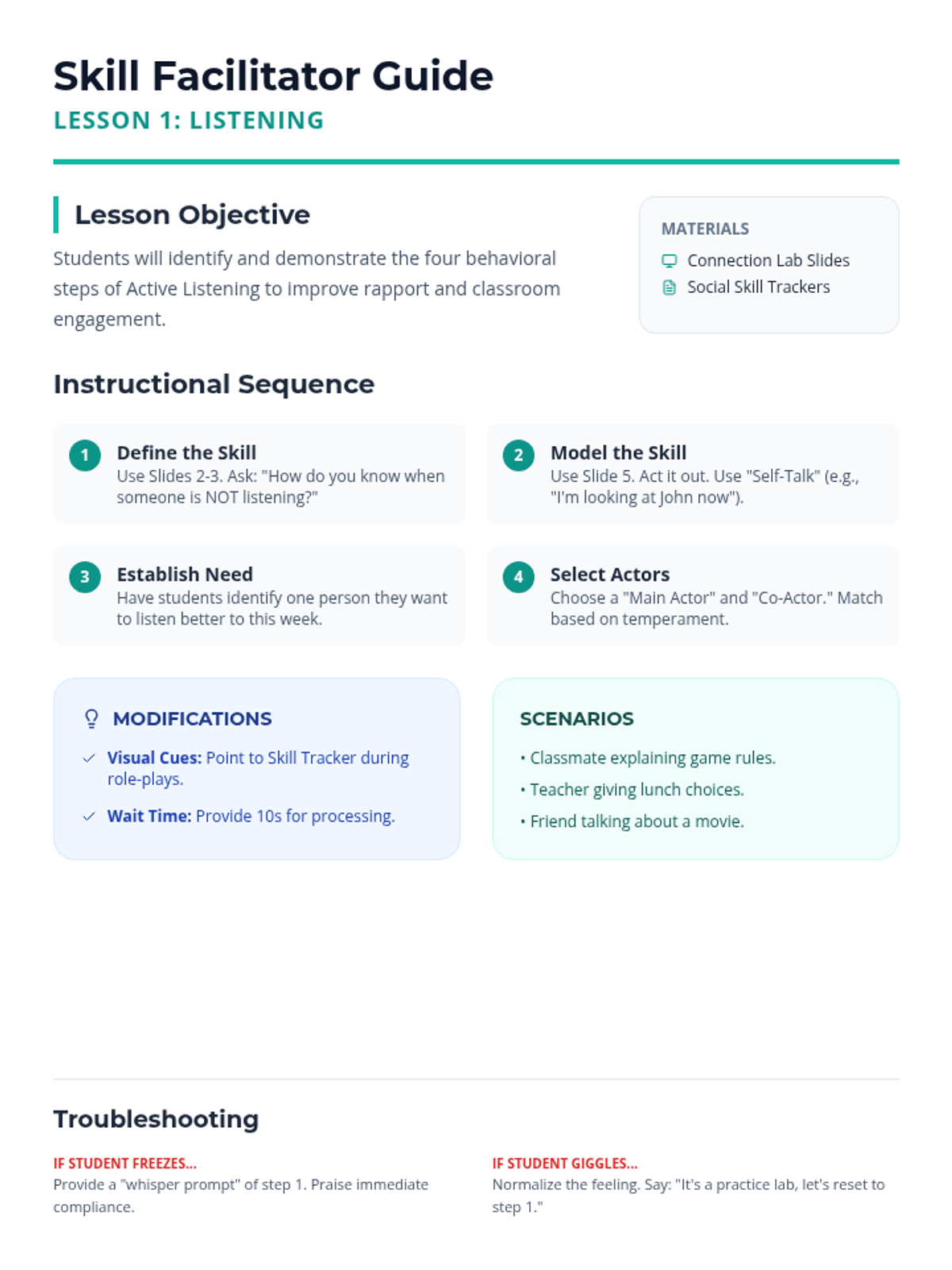
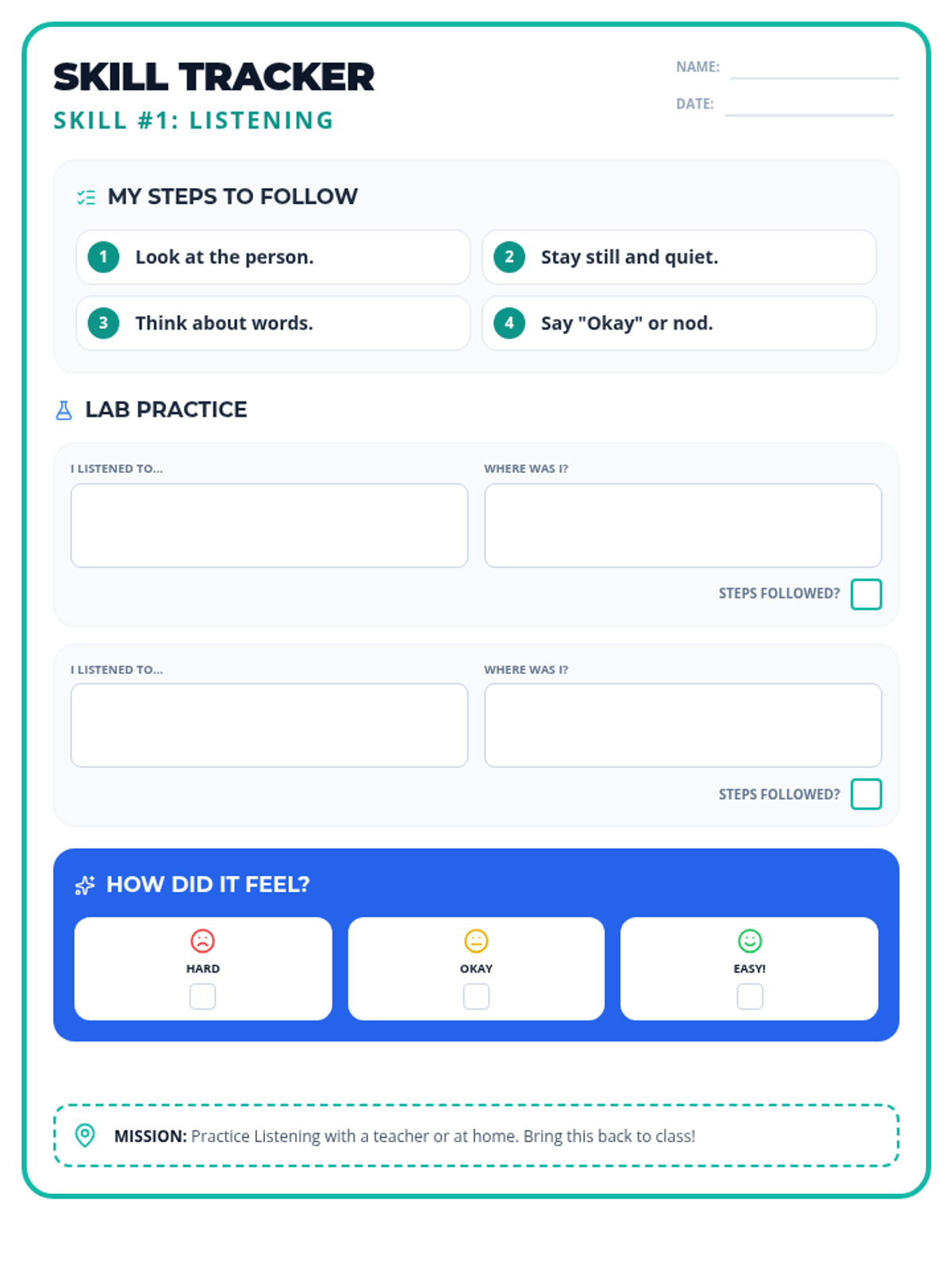
The foundational lesson for Skillstreaming, introducing the concept of social skills and focusing on the essential skill of Active Listening for middle schoolers with moderate special needs.
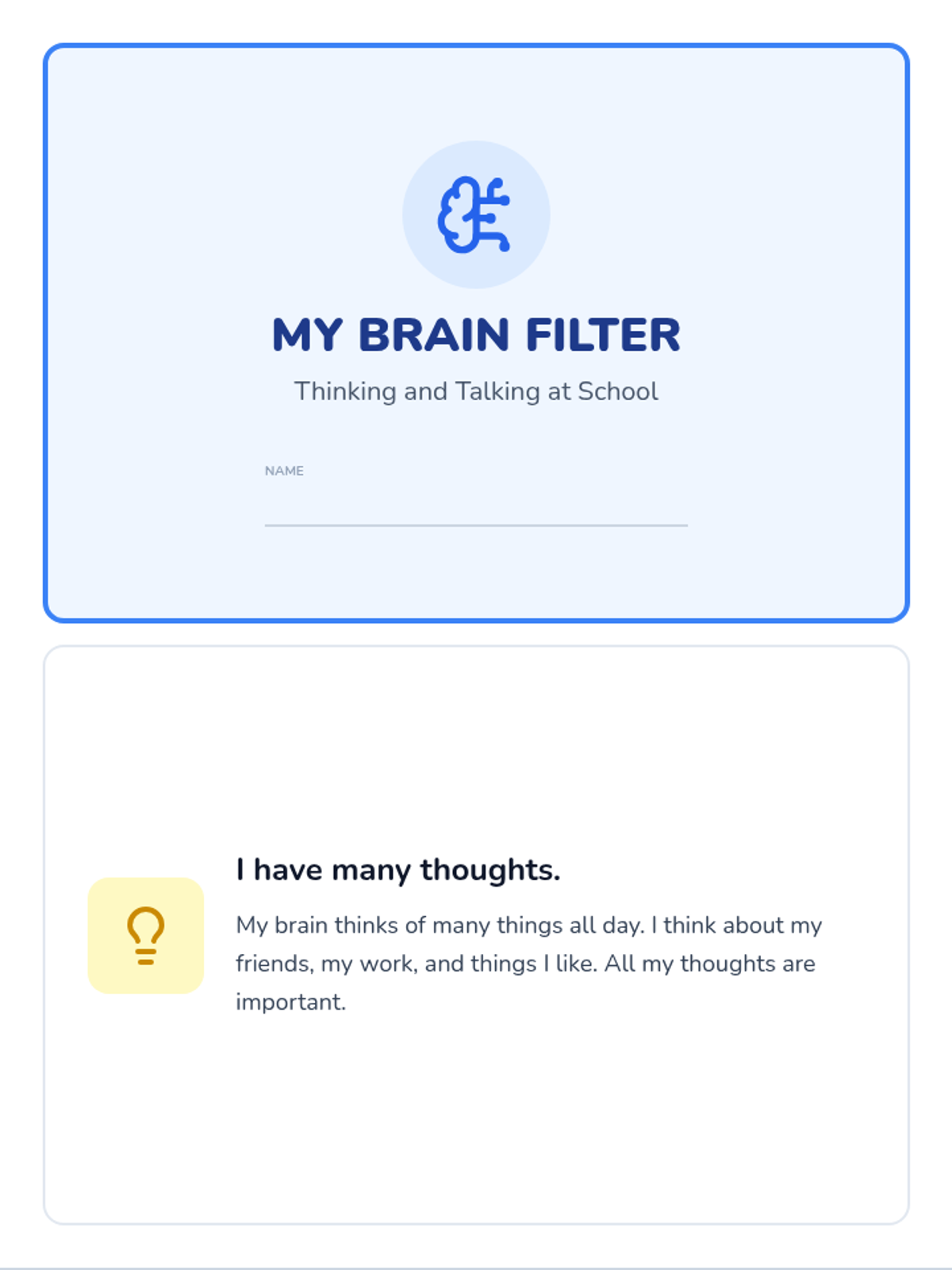
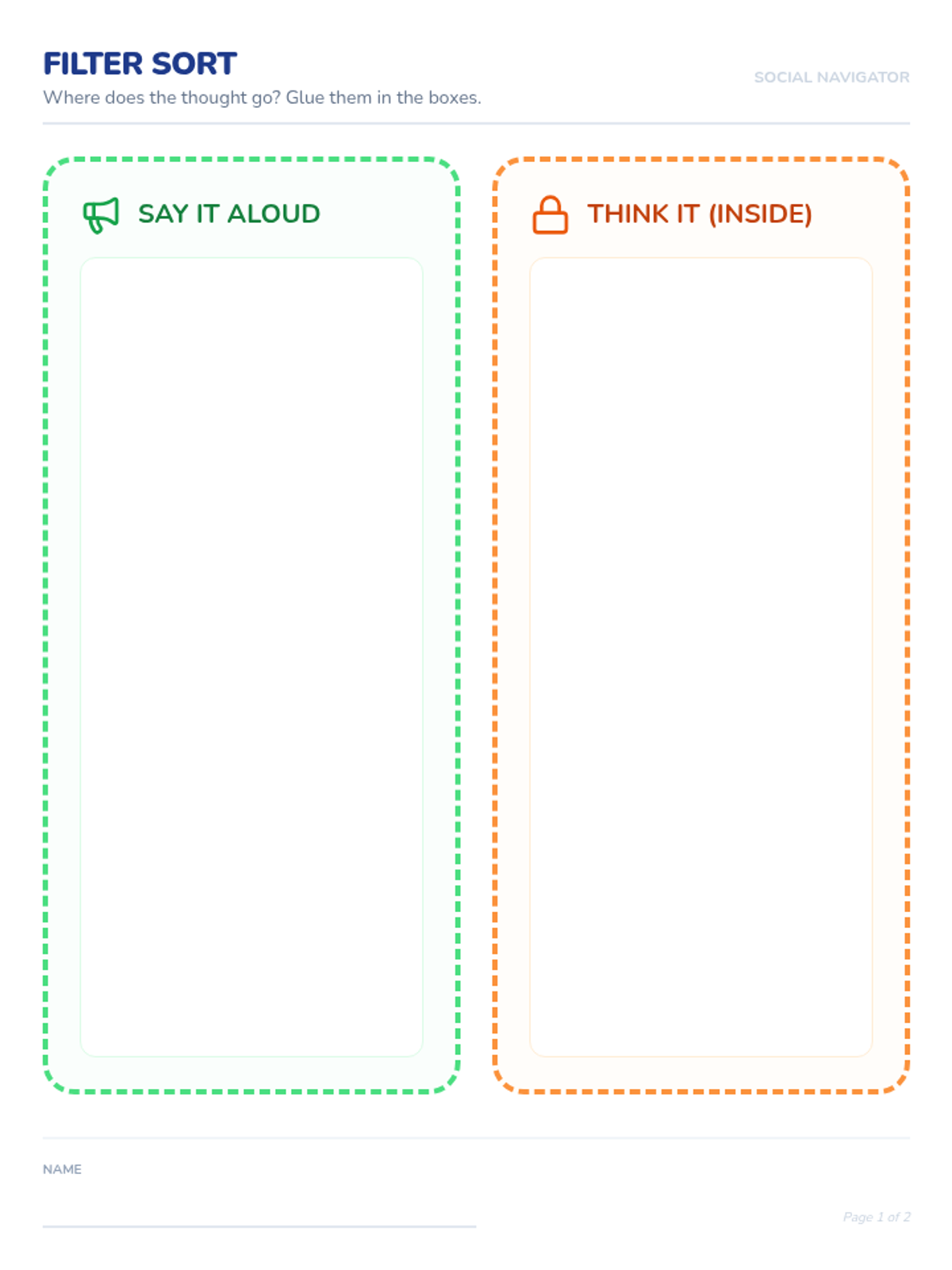
Teaches the concept of the 'Brain Filter'—distinguishing between private thoughts that should stay in our heads and public words that are okay to say aloud, with a focus on middle school social situations.
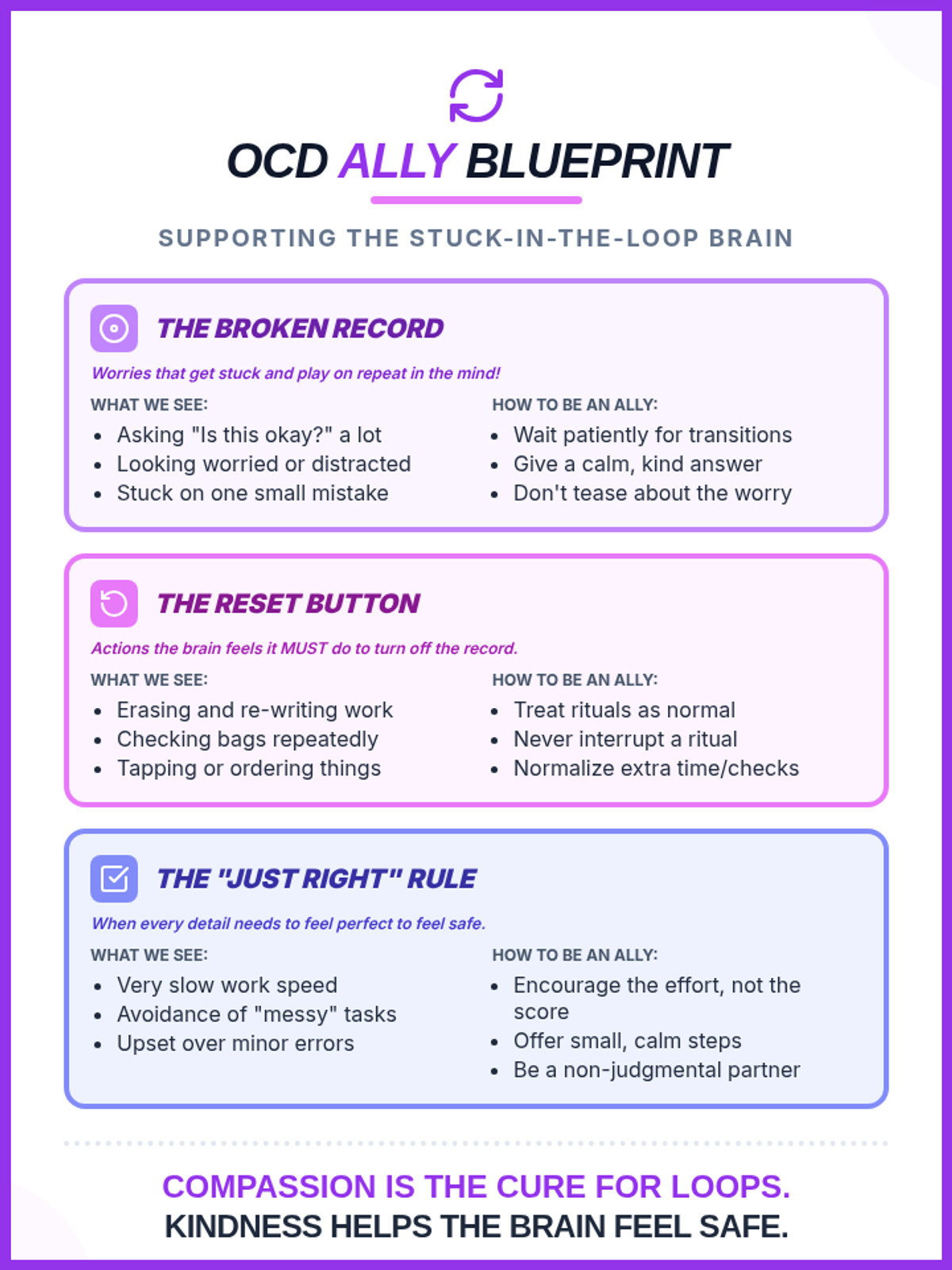
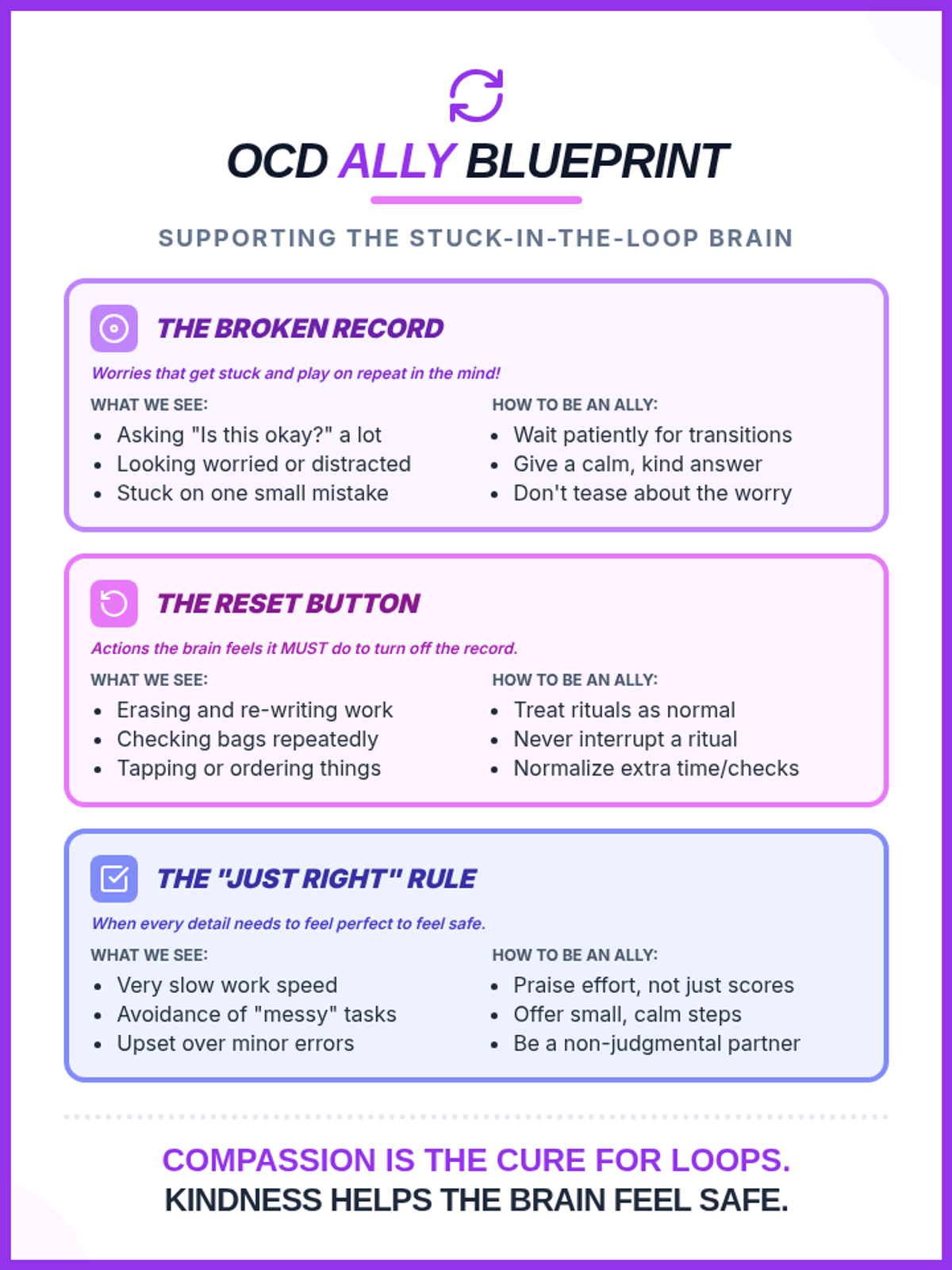
A neurodiversity-affirming lesson that uses the 'Broken Record' and 'Reset Button' analogies to help students understand the experience of OCD. It focuses on the difference between obsessions and compulsions, reframes repetitive behaviors, and provides practical ways for classmates to be supportive allies.
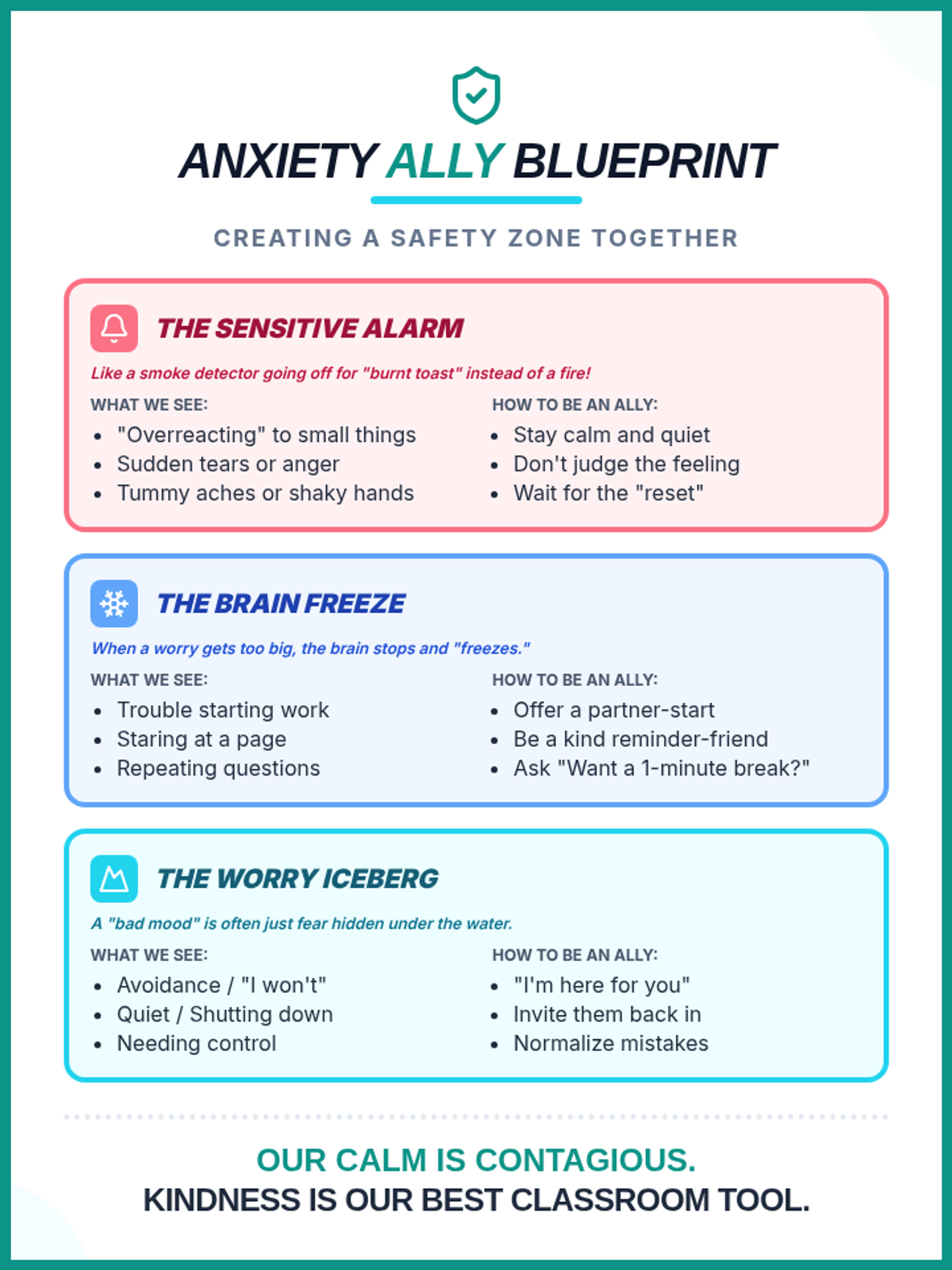
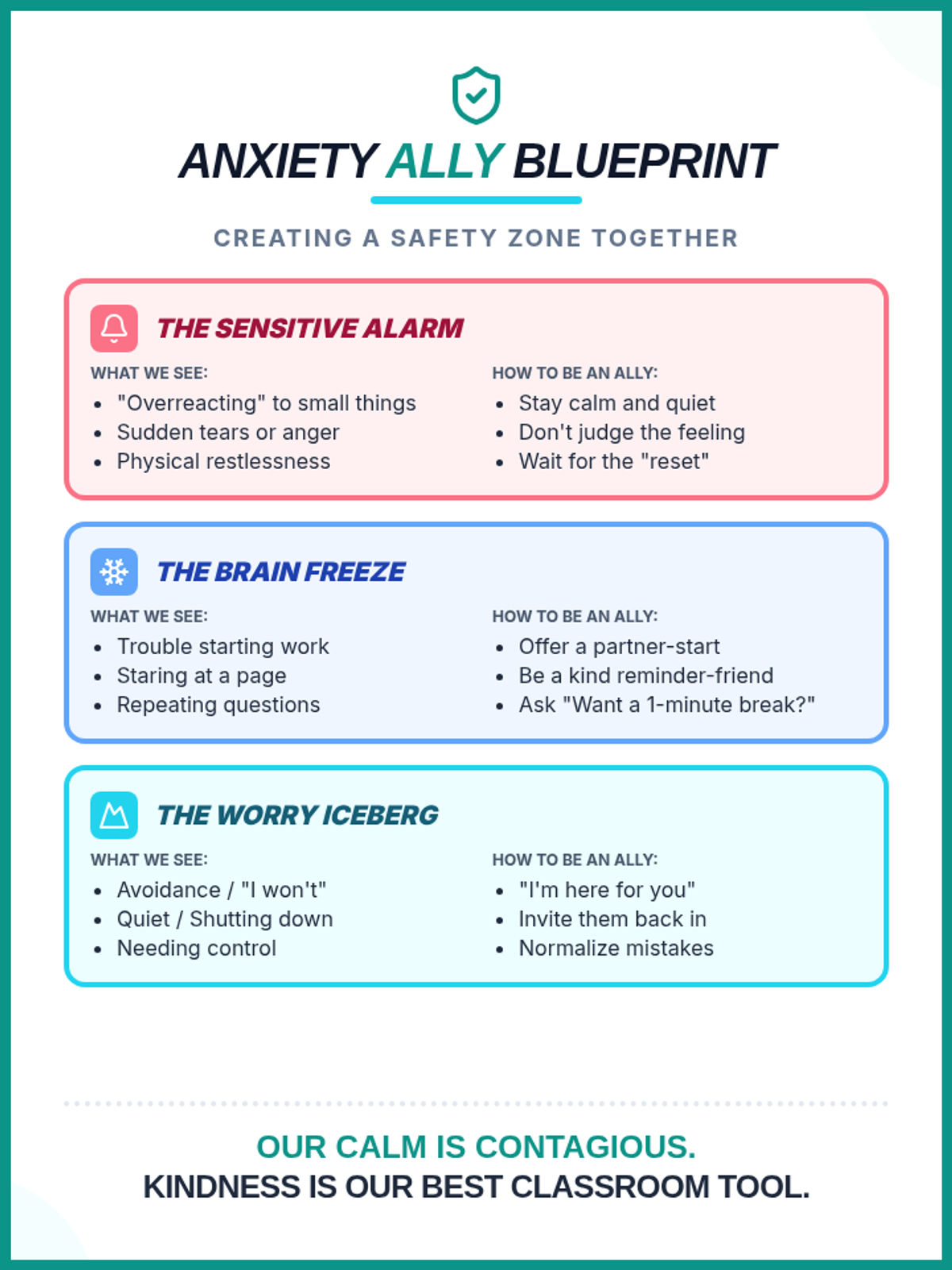
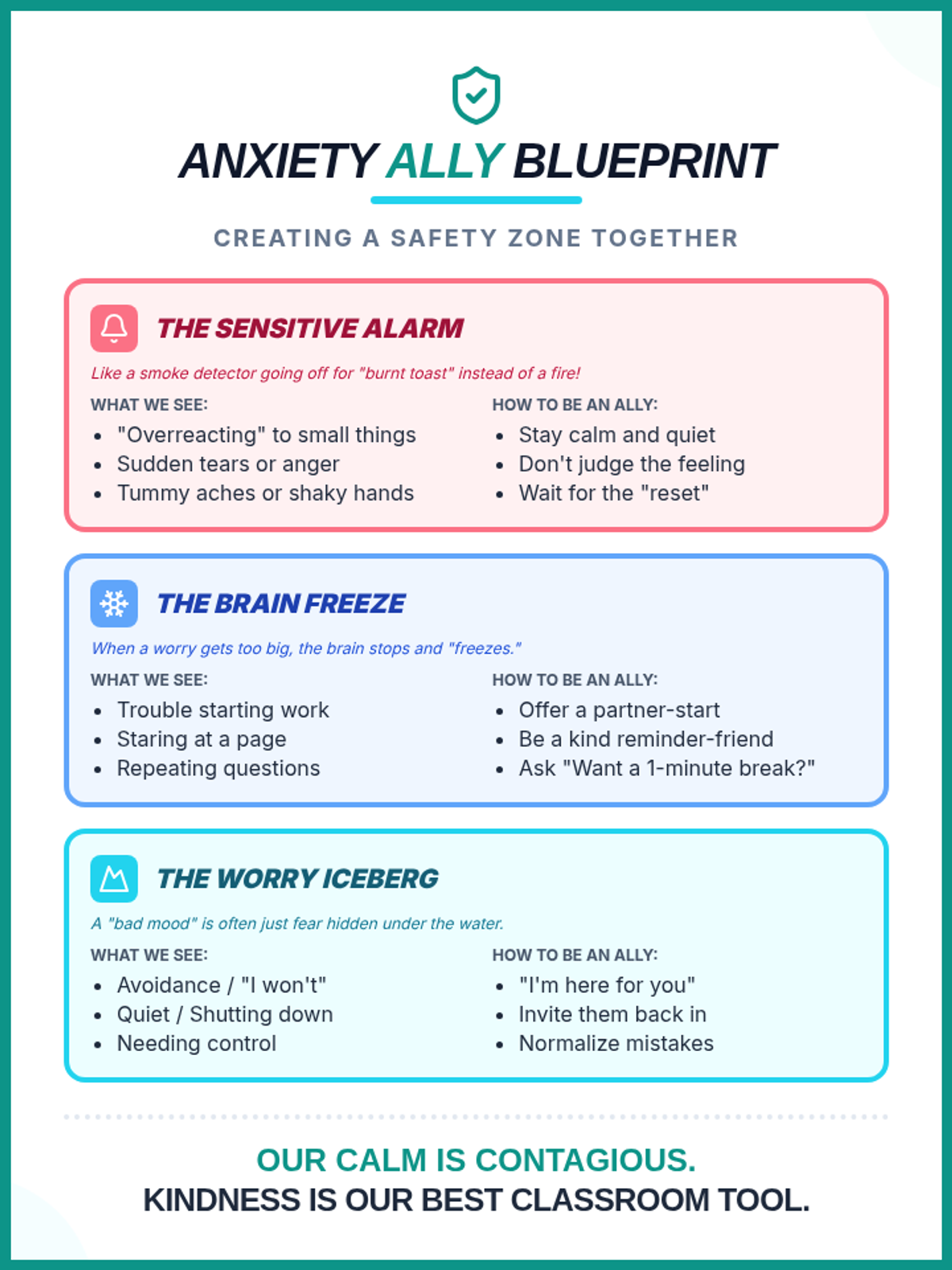
A compassionate and neurodiversity-affirming lesson that uses the 'Sensitive Smoke Detector' and 'Brain Freeze' analogies to help students understand the experience of anxiety. It focuses on empathy, physical symptoms, and practical ways to support classmates during moments of worry.
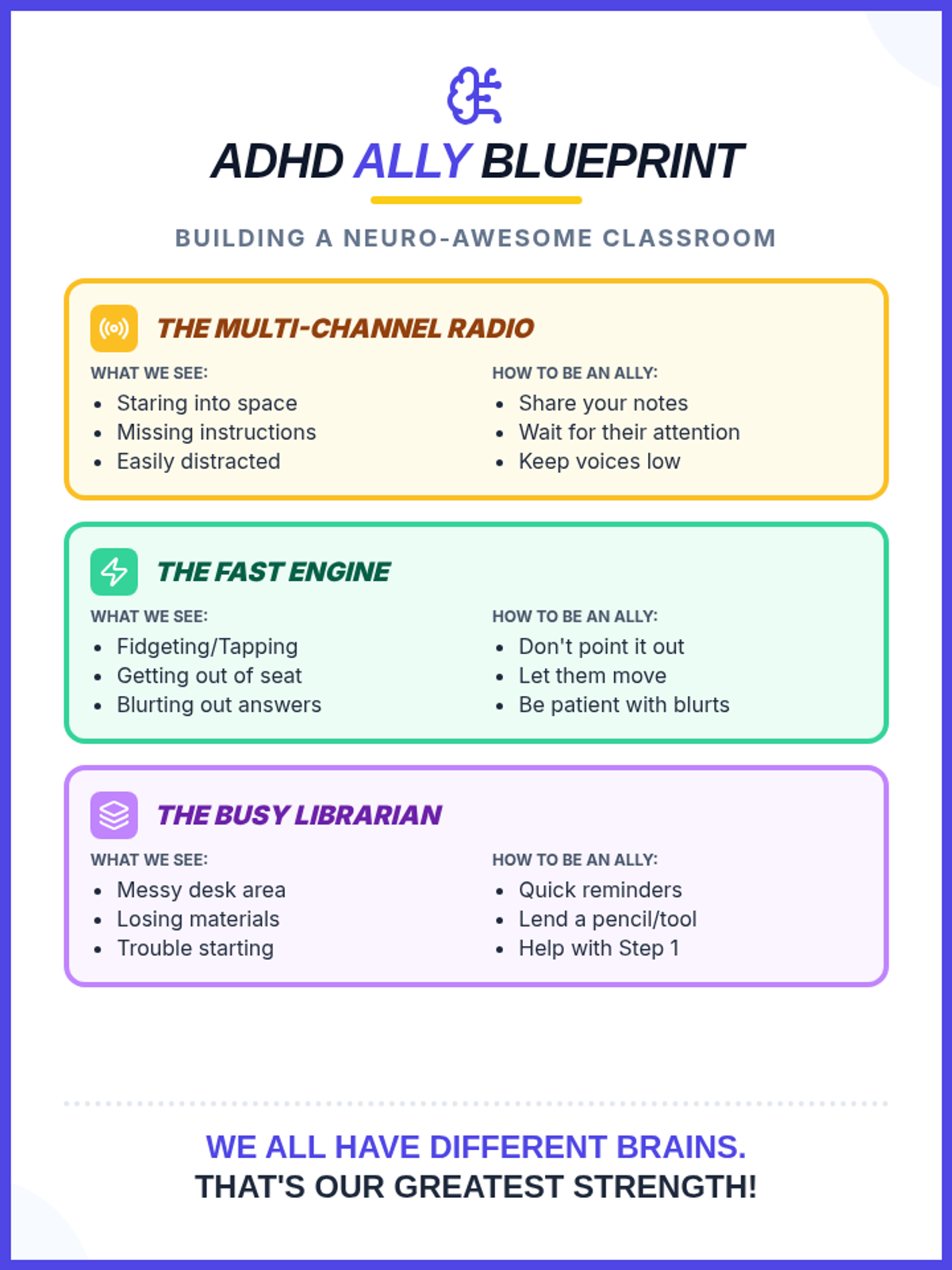
A neurodiversity-affirming lesson designed to help students understand the ADHD experience through analogies like 'The Fast Engine' and 'The Busy Librarian.' It covers focus, hyperactivity, and executive function to build empathy and allyship in the classroom.
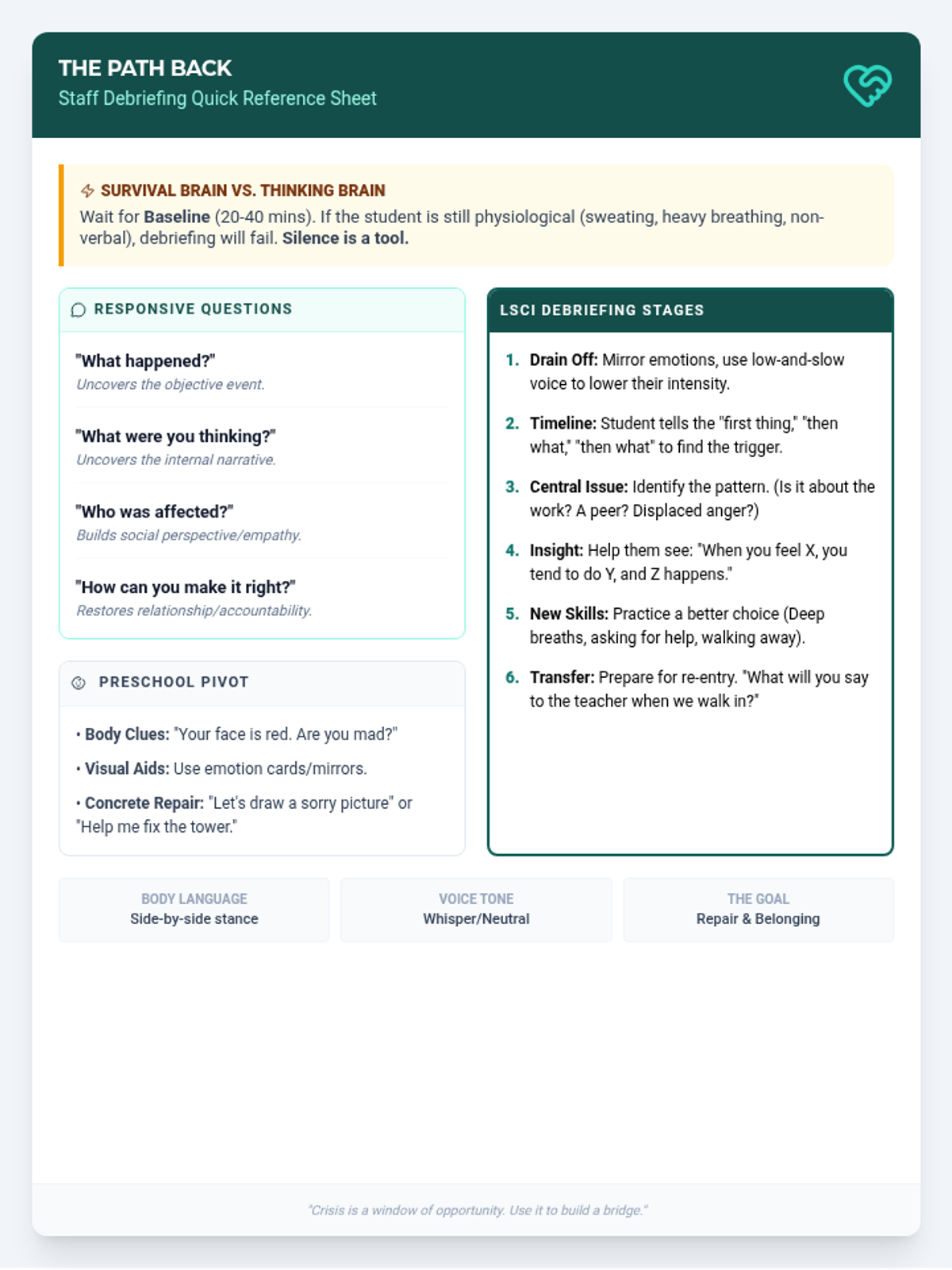
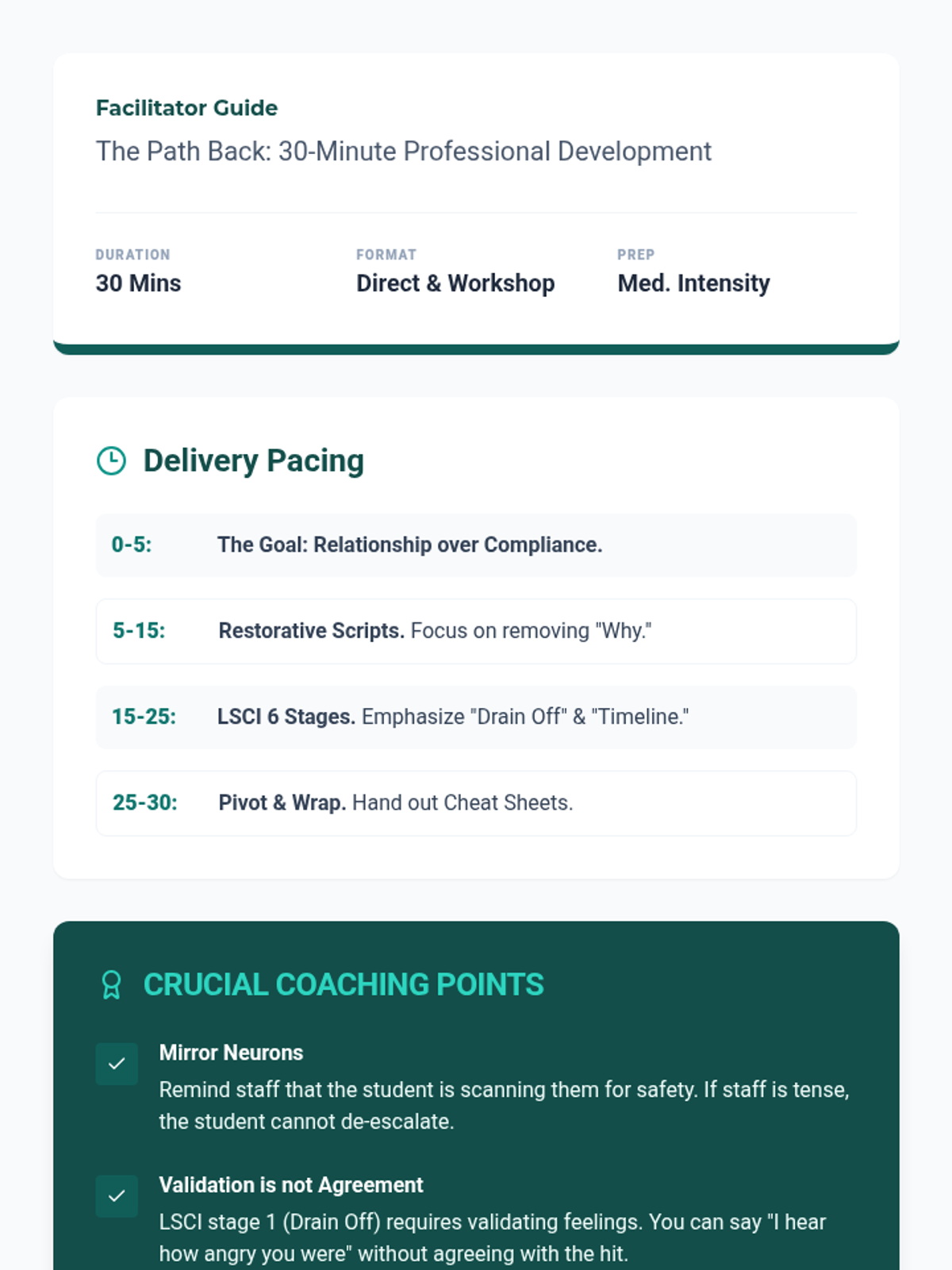
A 30-minute professional development session for K-8 and preschool behavior staff focusing on restorative questioning and the LSCI debriefing framework to repair relationships after behavioral incidents.
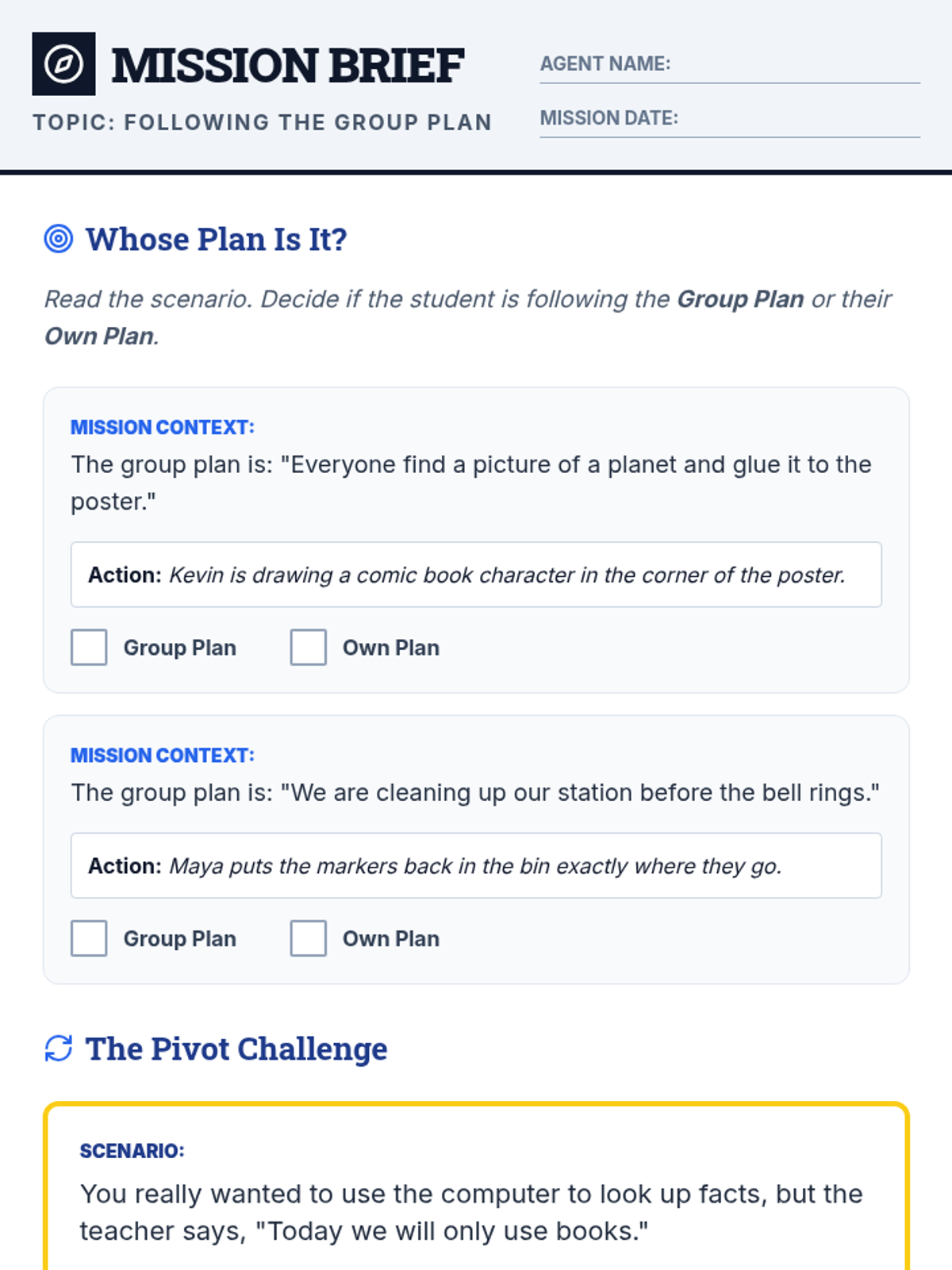
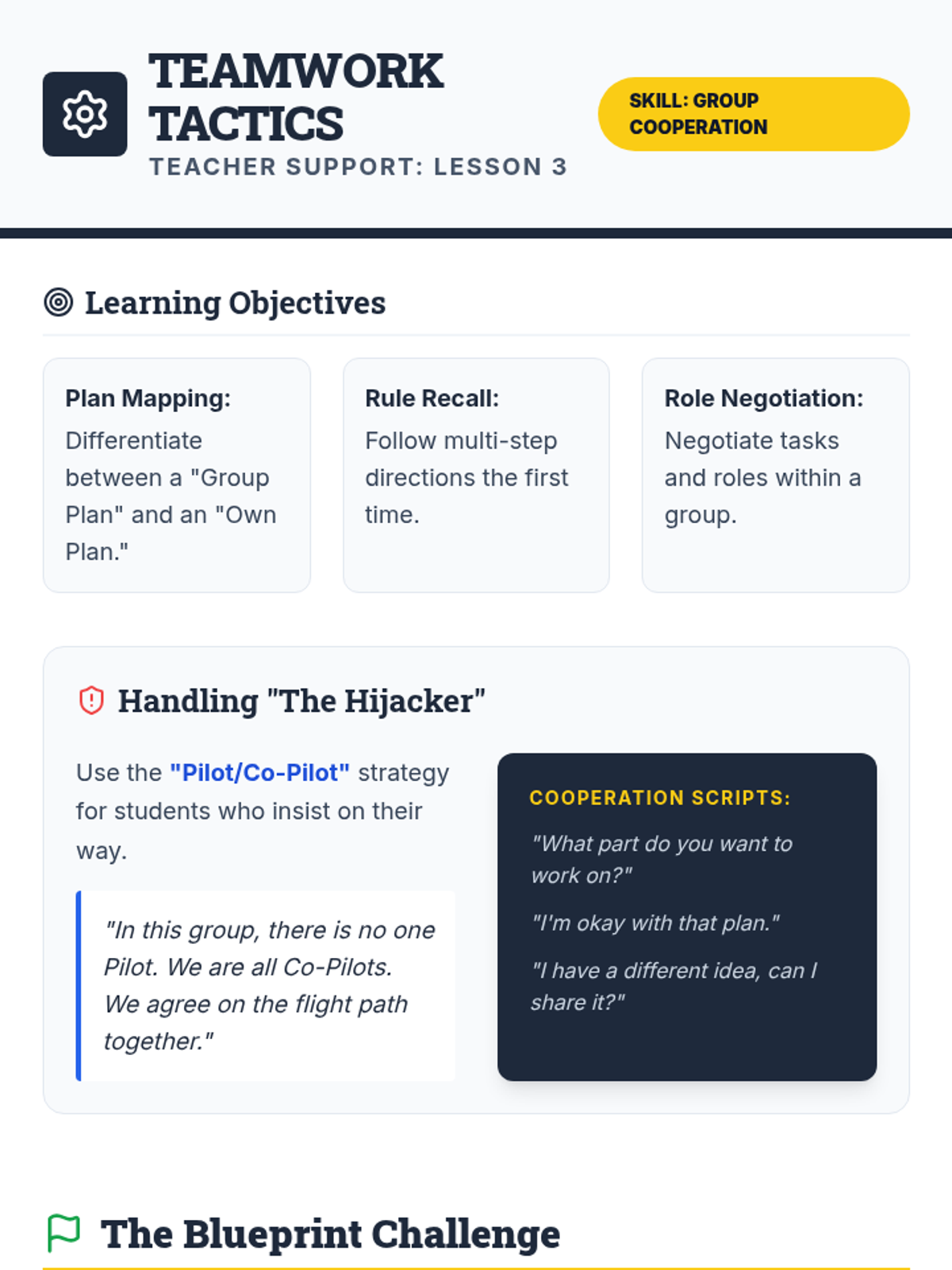
Focuses on 'Following the Group Plan' by teaching students to prioritize shared goals over individual preferences and follow group rules the first time.
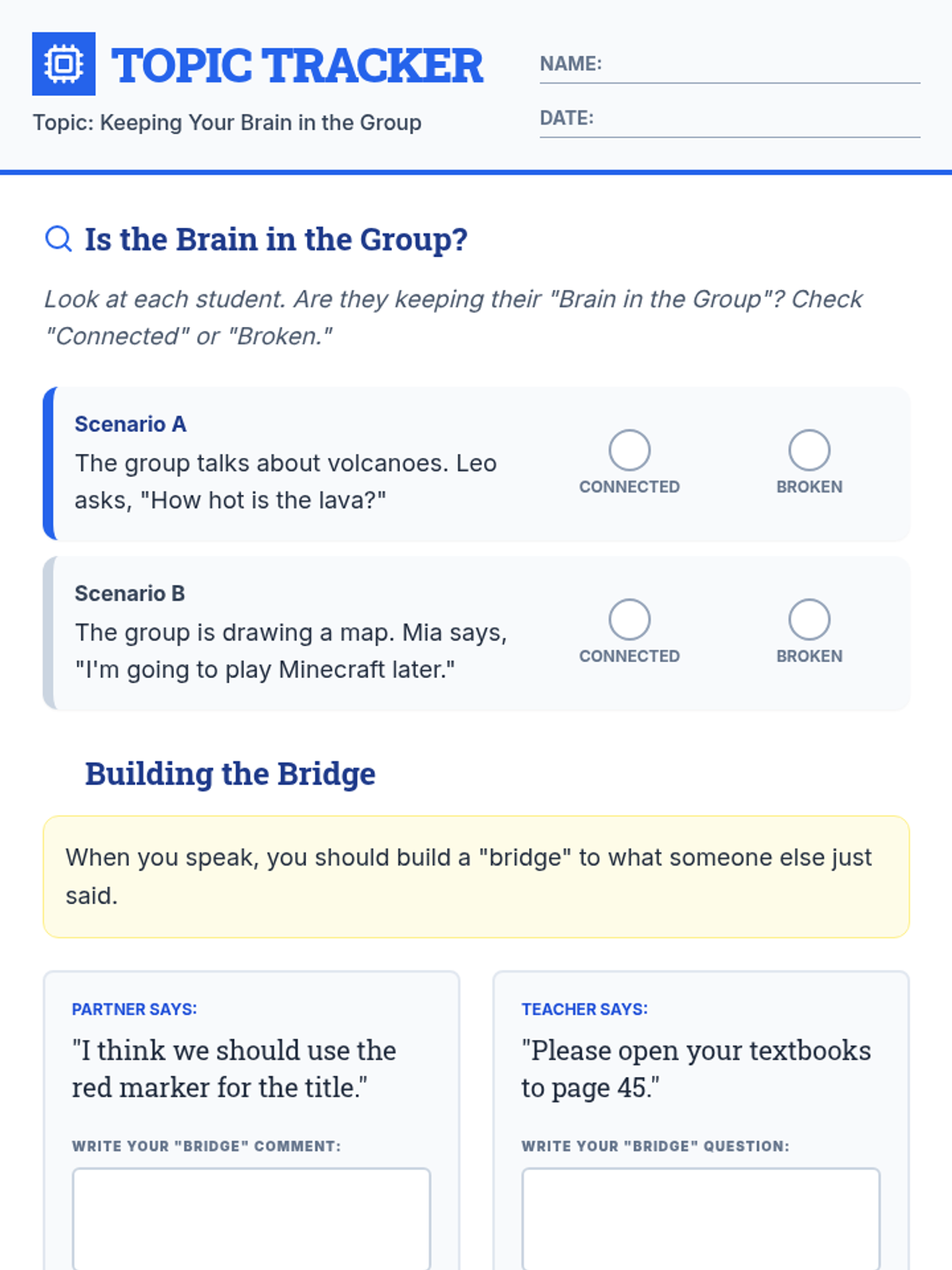
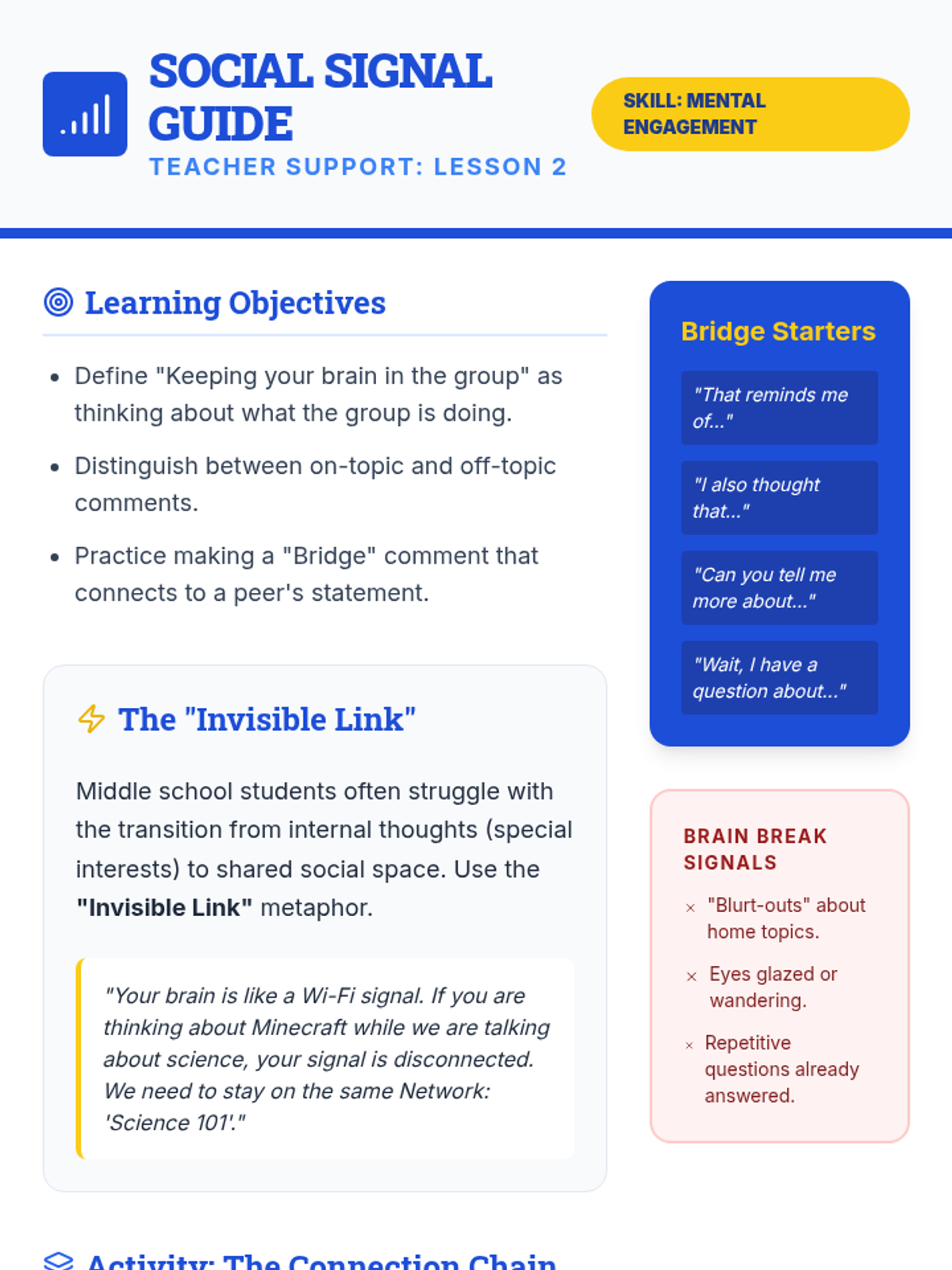
Focuses on 'Keeping Your Brain in the Group' by teaching students to stay on-topic, show interest in others' thoughts, and contribute relevant comments.