A highly visual lesson explaining photosynthesis using the metaphor of 'making a snack' from the sun. Designed for 1st-grade cognitive levels with simple vocabulary and clear diagrams.
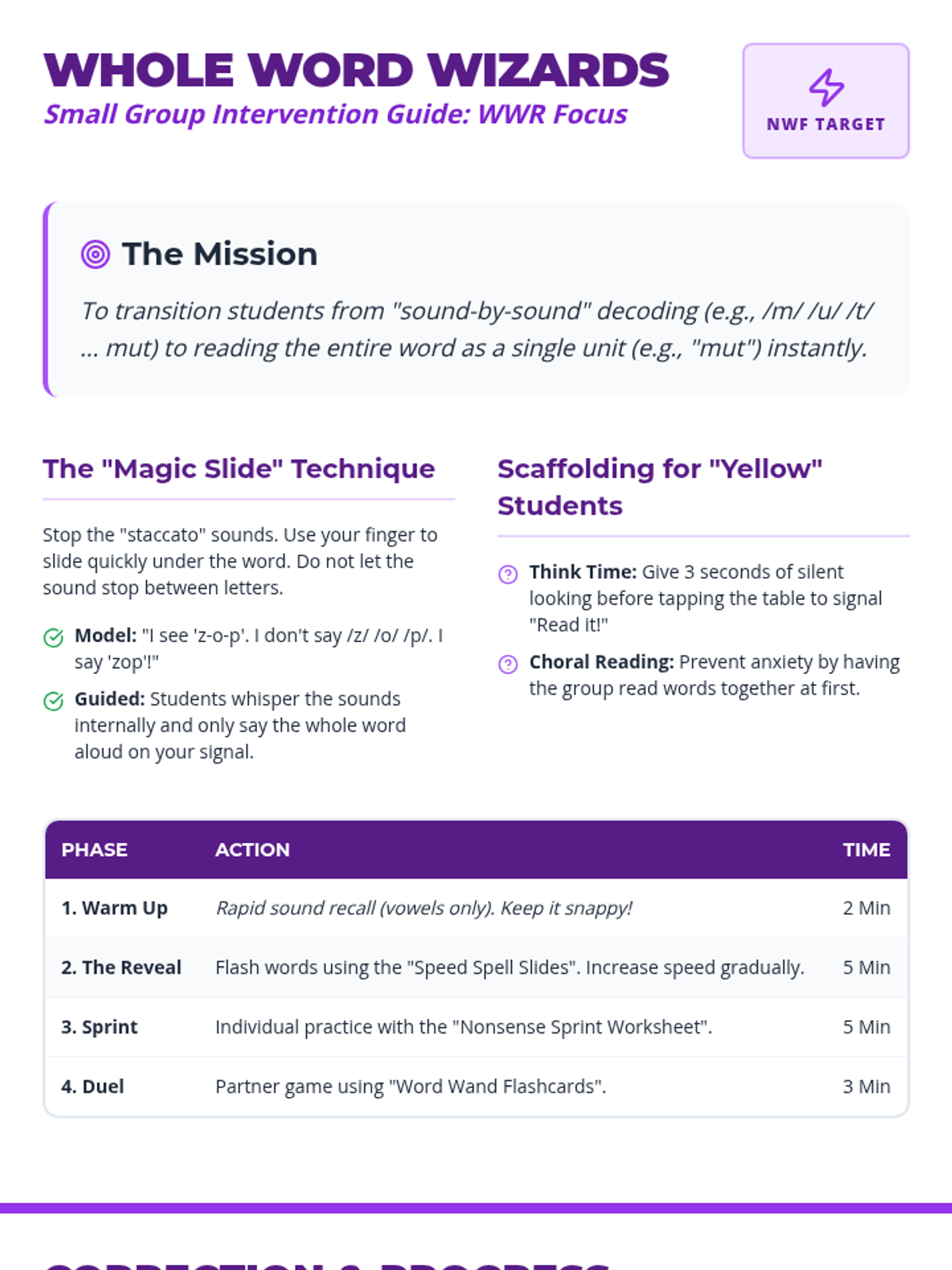
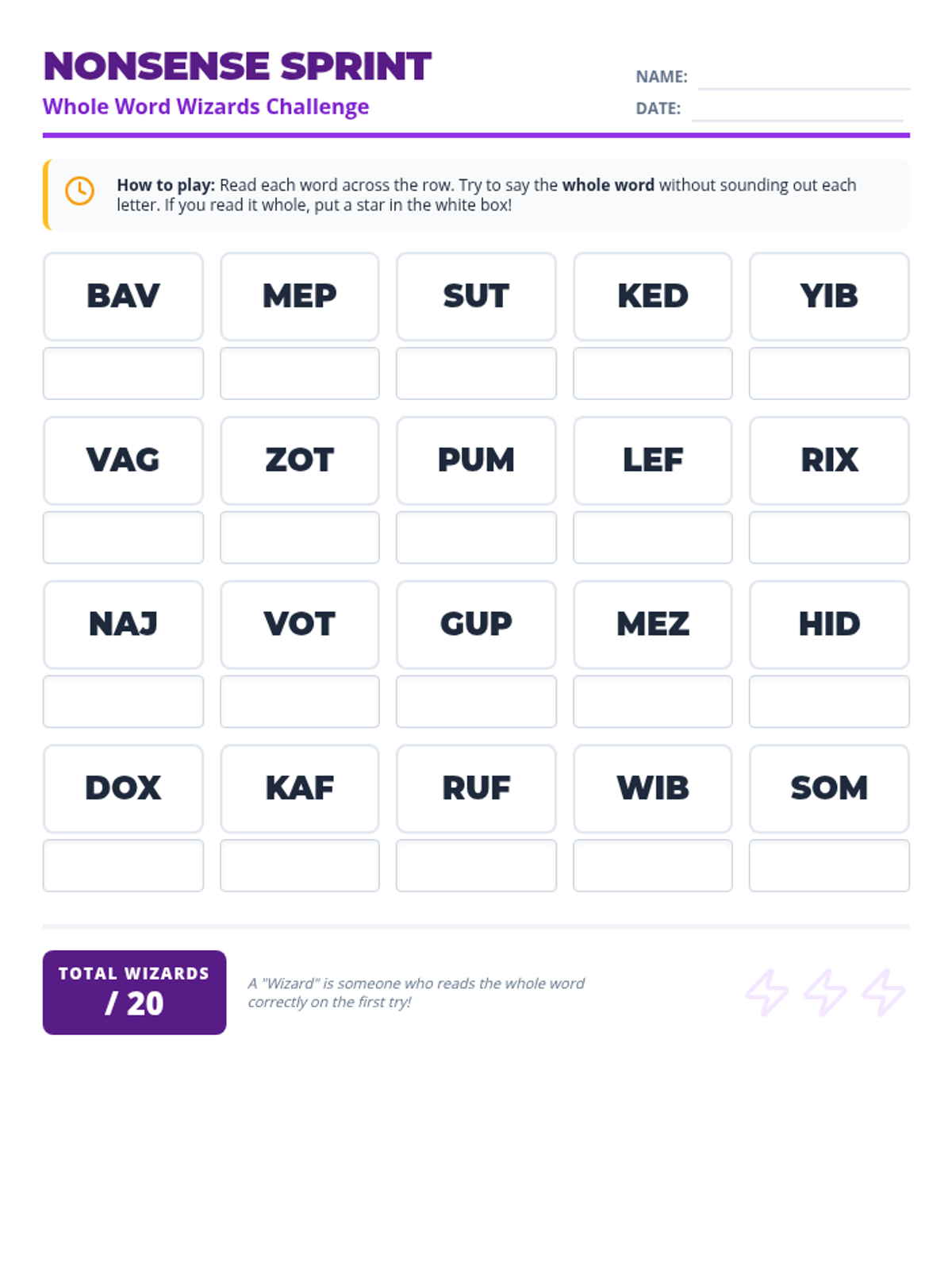
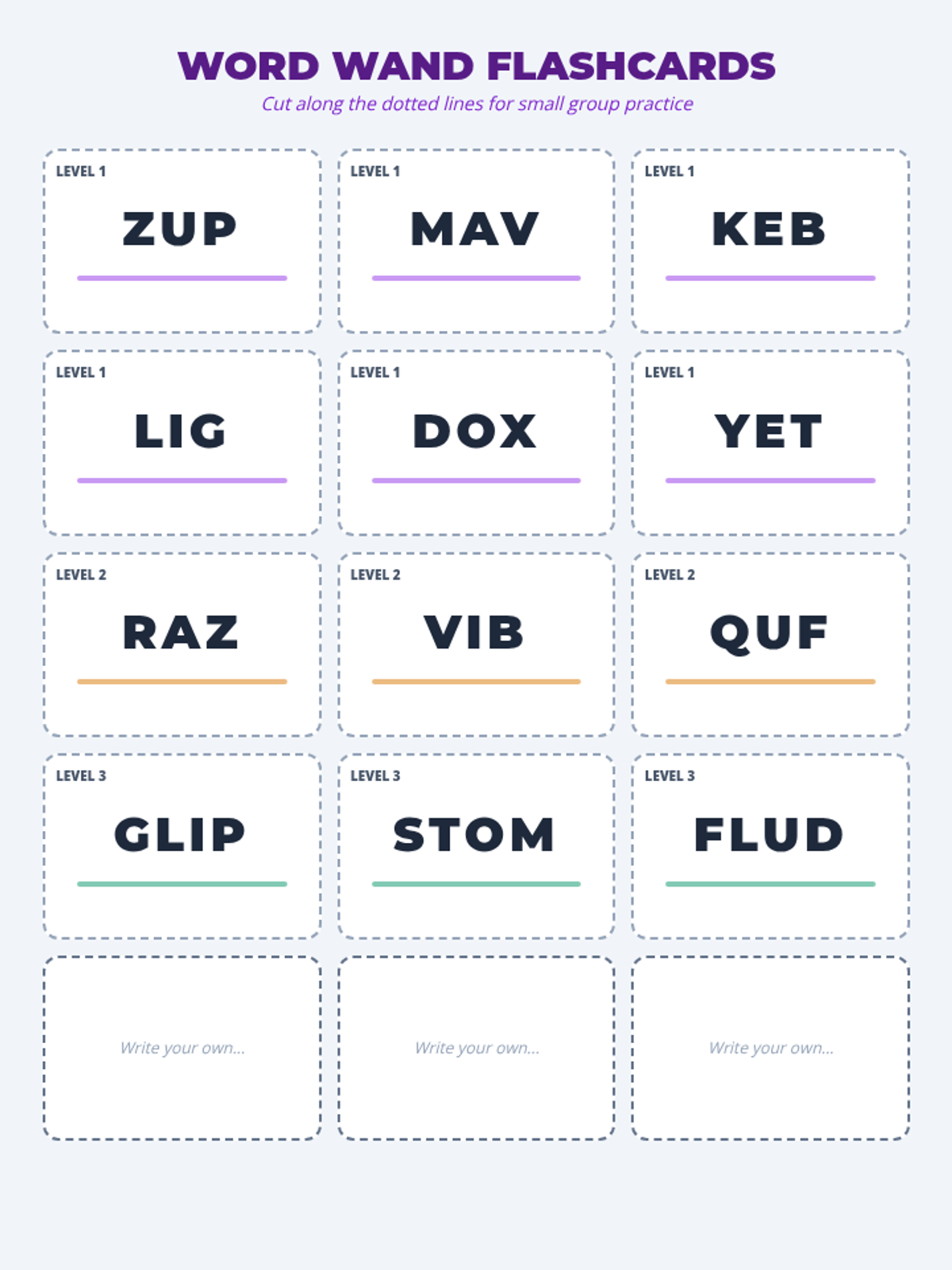
A small group intervention lesson designed to move students from sound-by-sound decoding to reading nonsense words as whole units (WWR). Includes rapid-fire practice, continuous blending techniques, and competitive reading games.
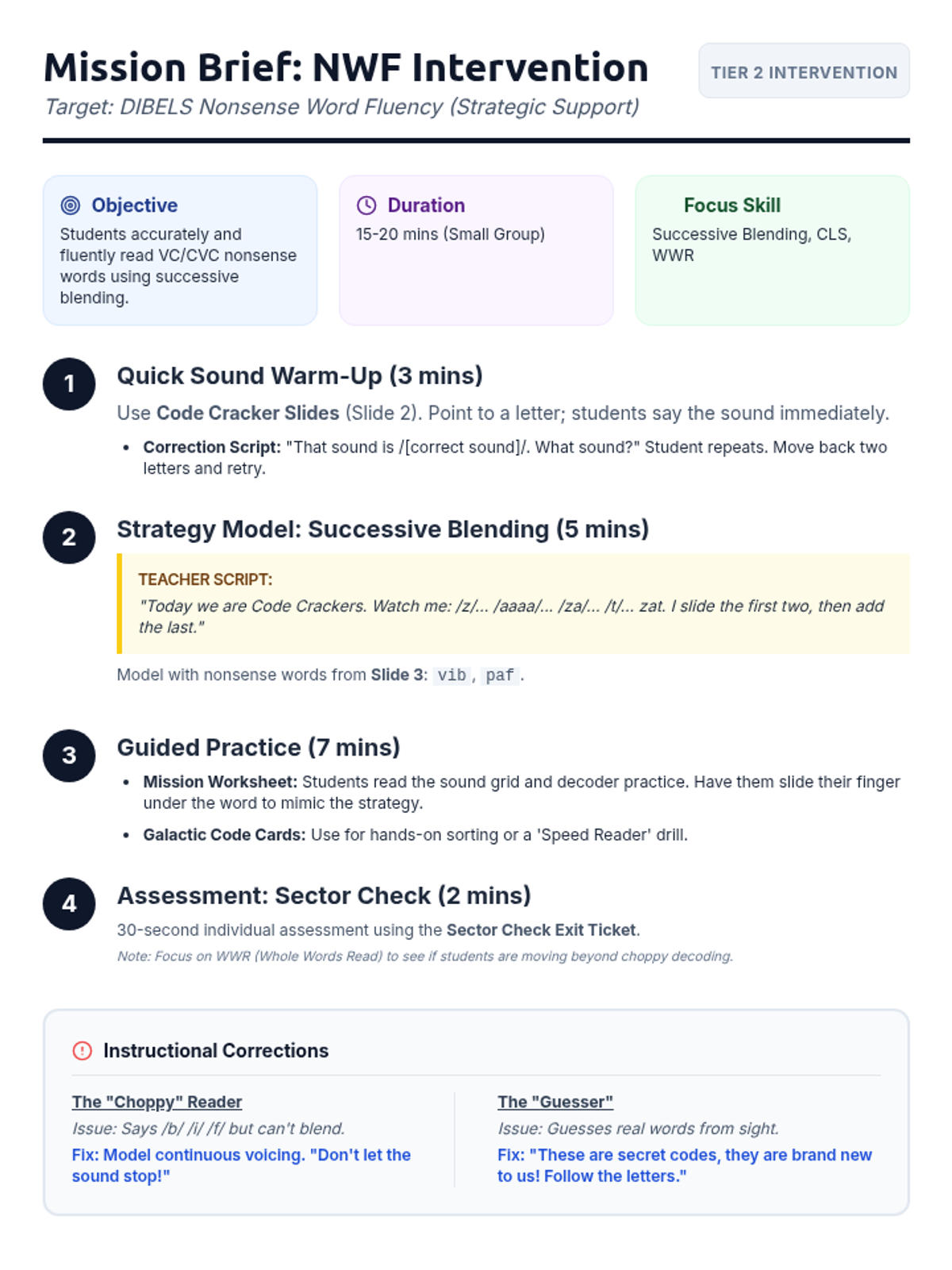
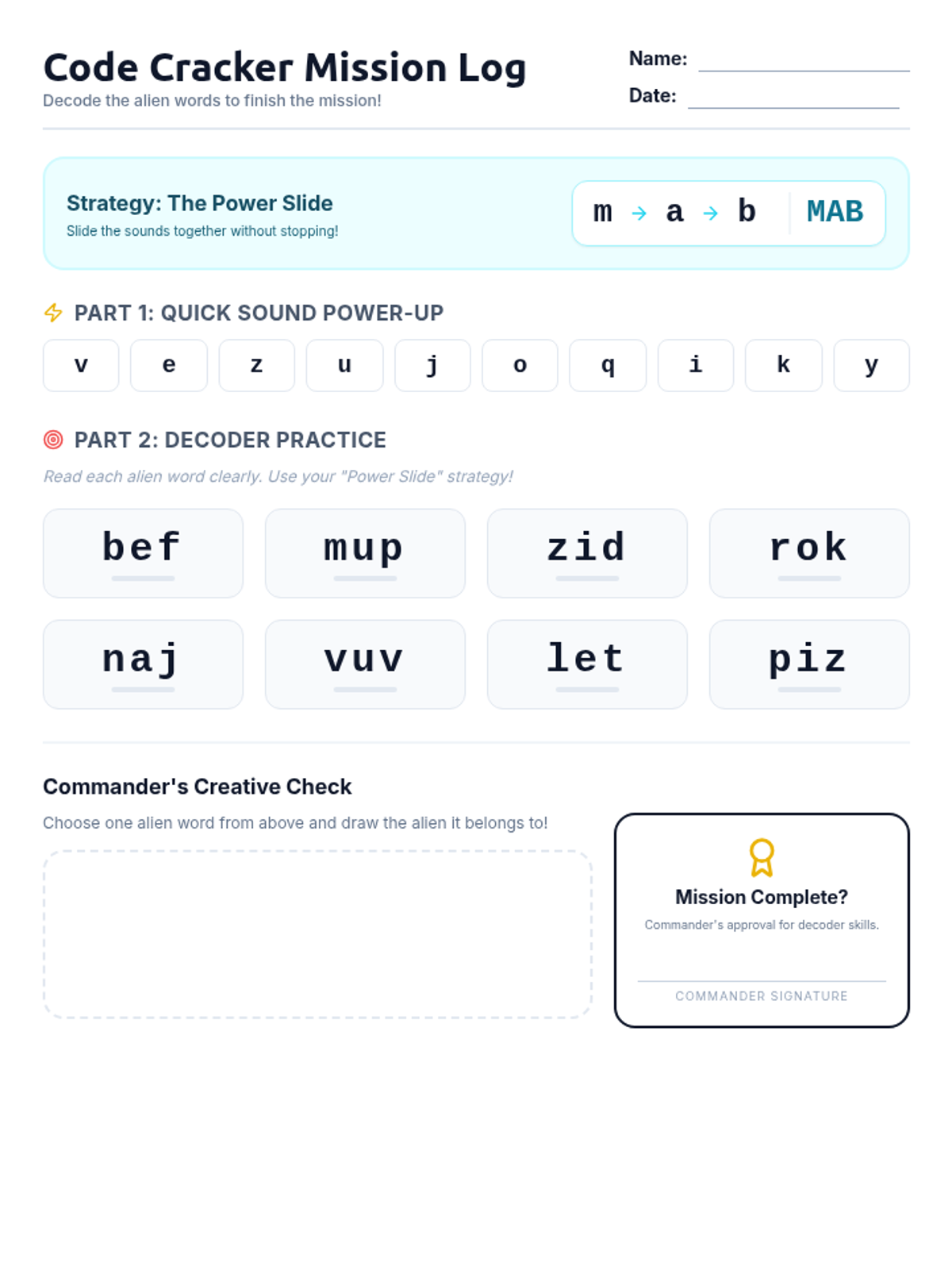
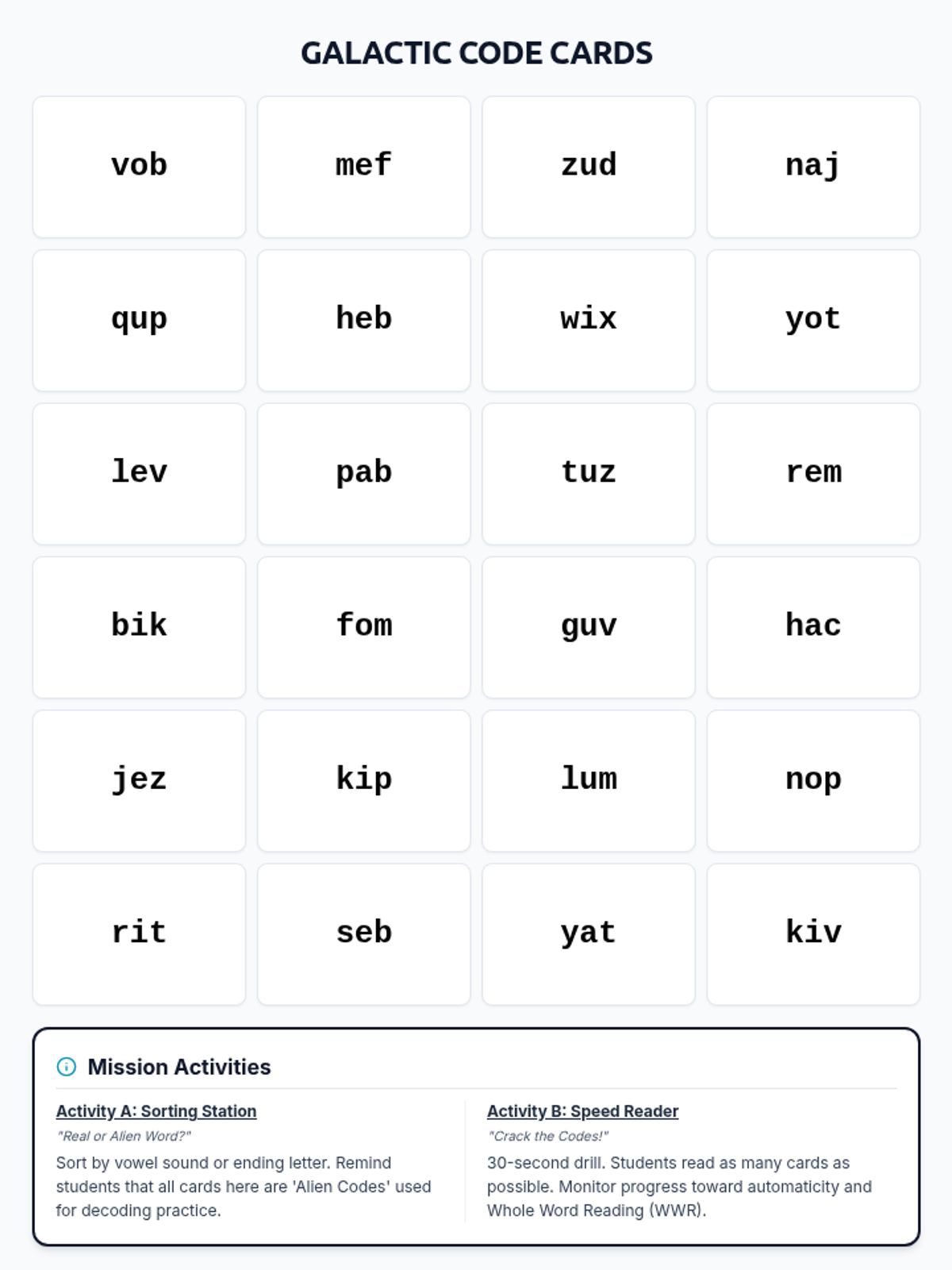
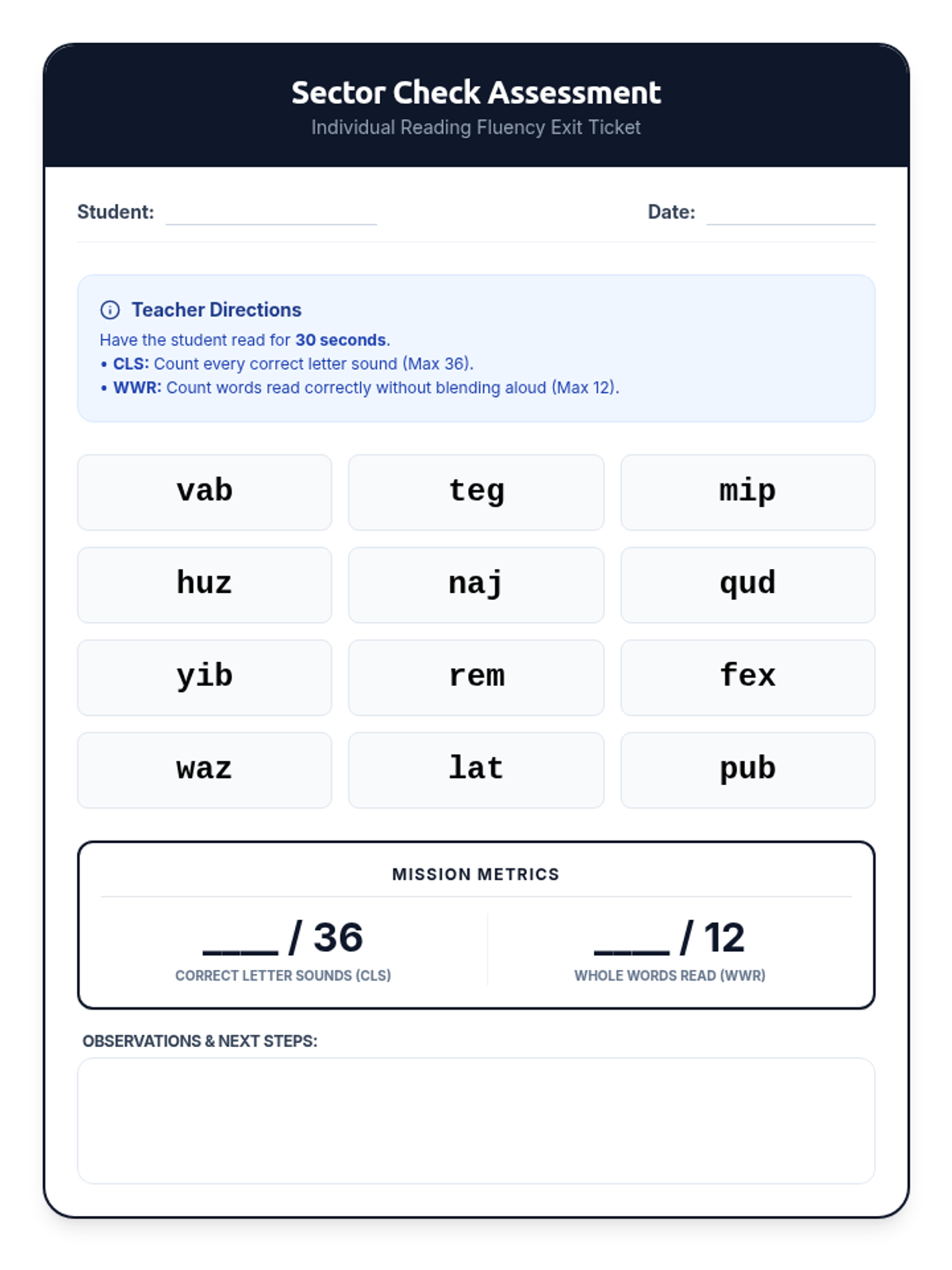
A targeted intervention lesson for students requiring strategic support in nonsense word fluency, focusing on successive blending and automaticity with CVC patterns.
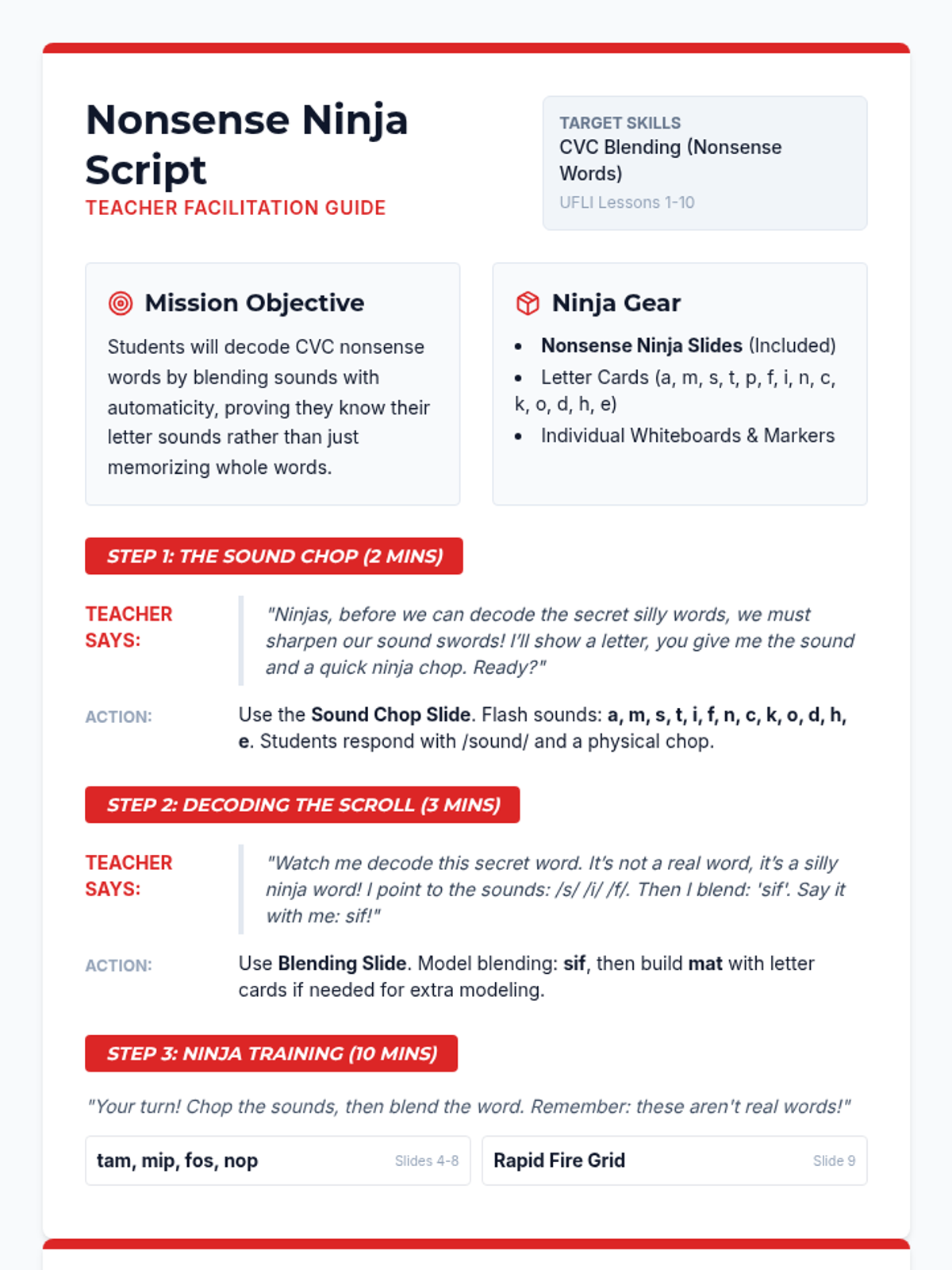
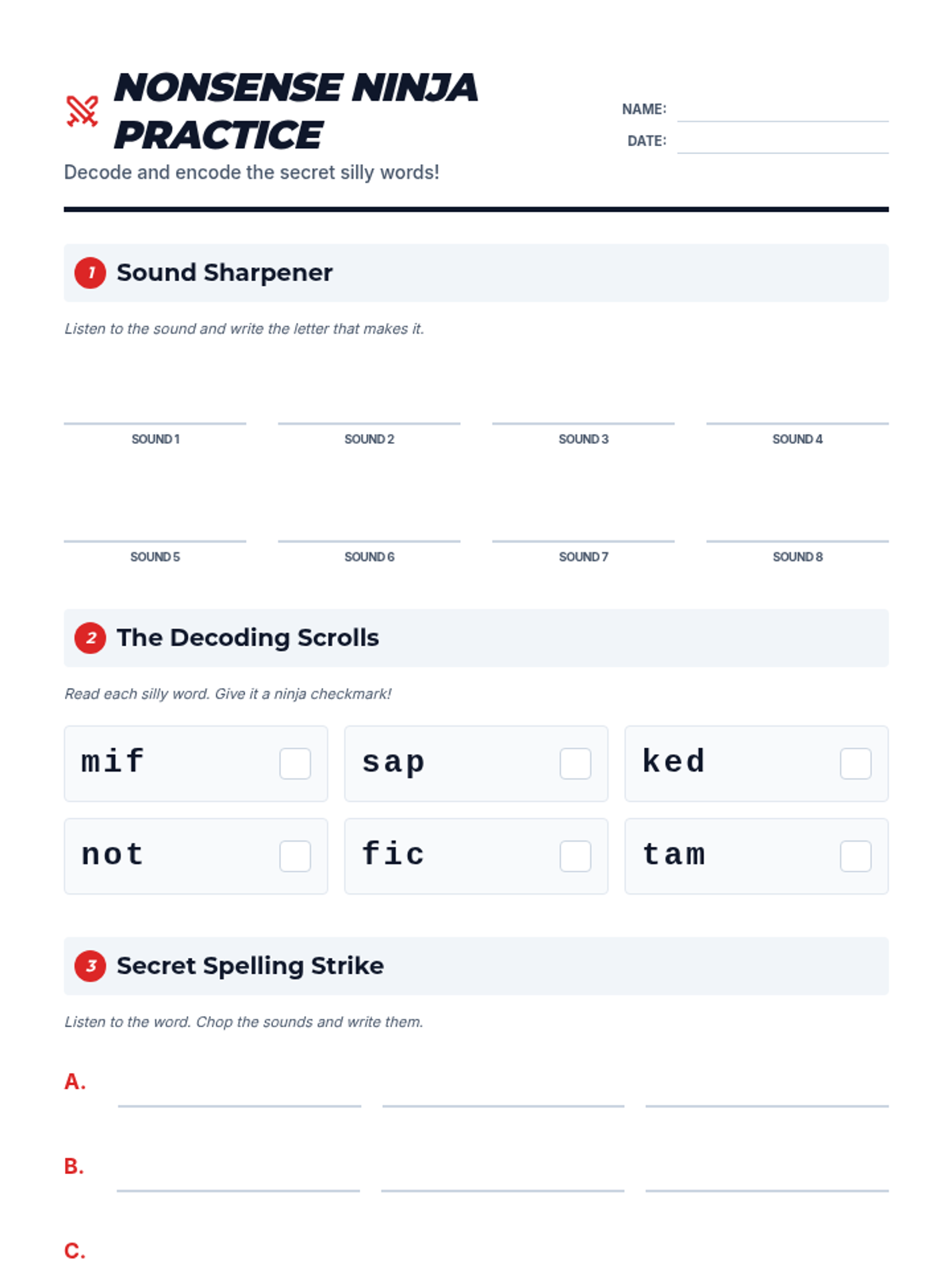
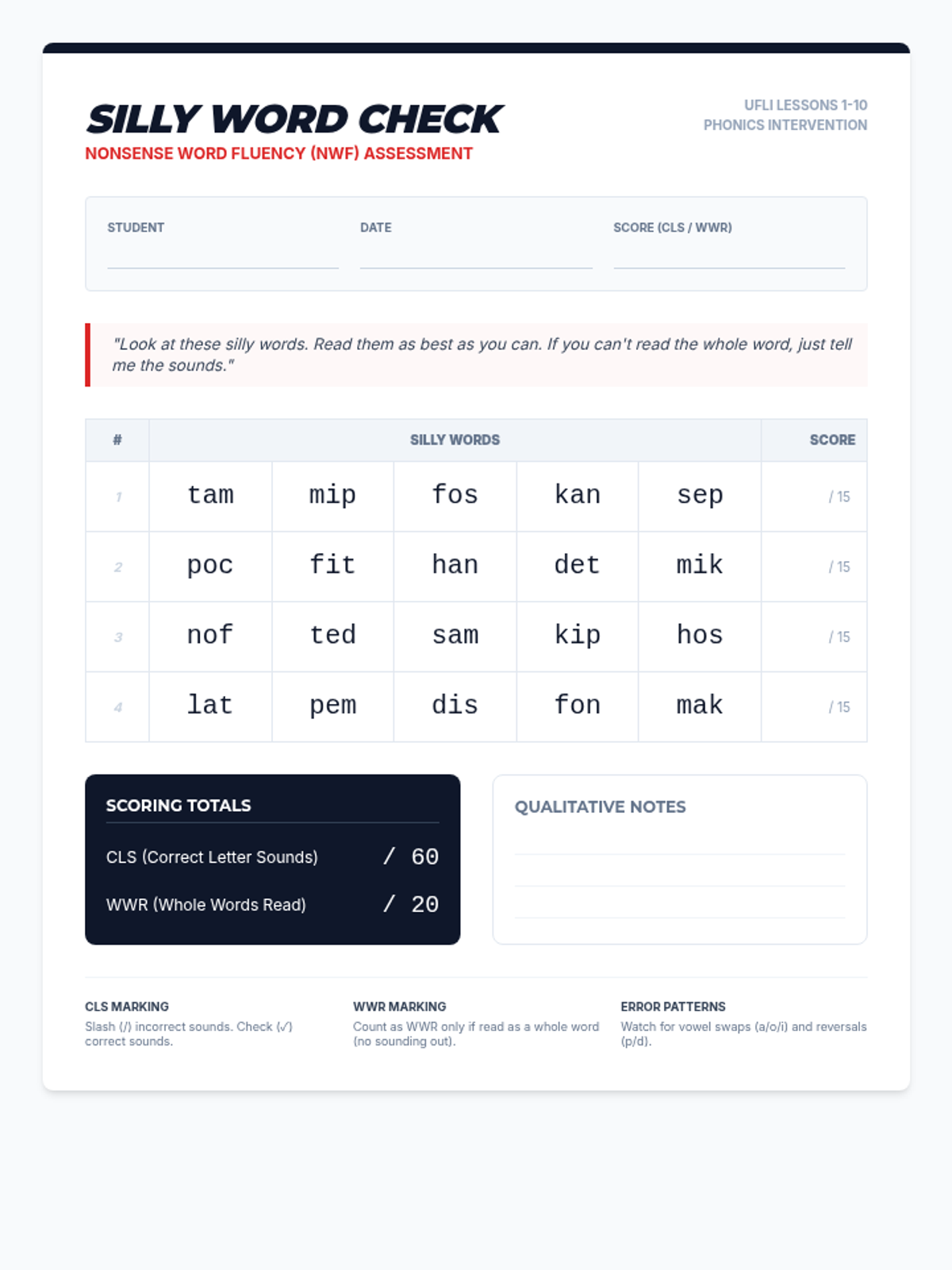
A small group intervention lesson focused on decoding CVC nonsense words using letters from UFLI lessons 1-10. Includes teacher scripts, visual drills, and student practice.
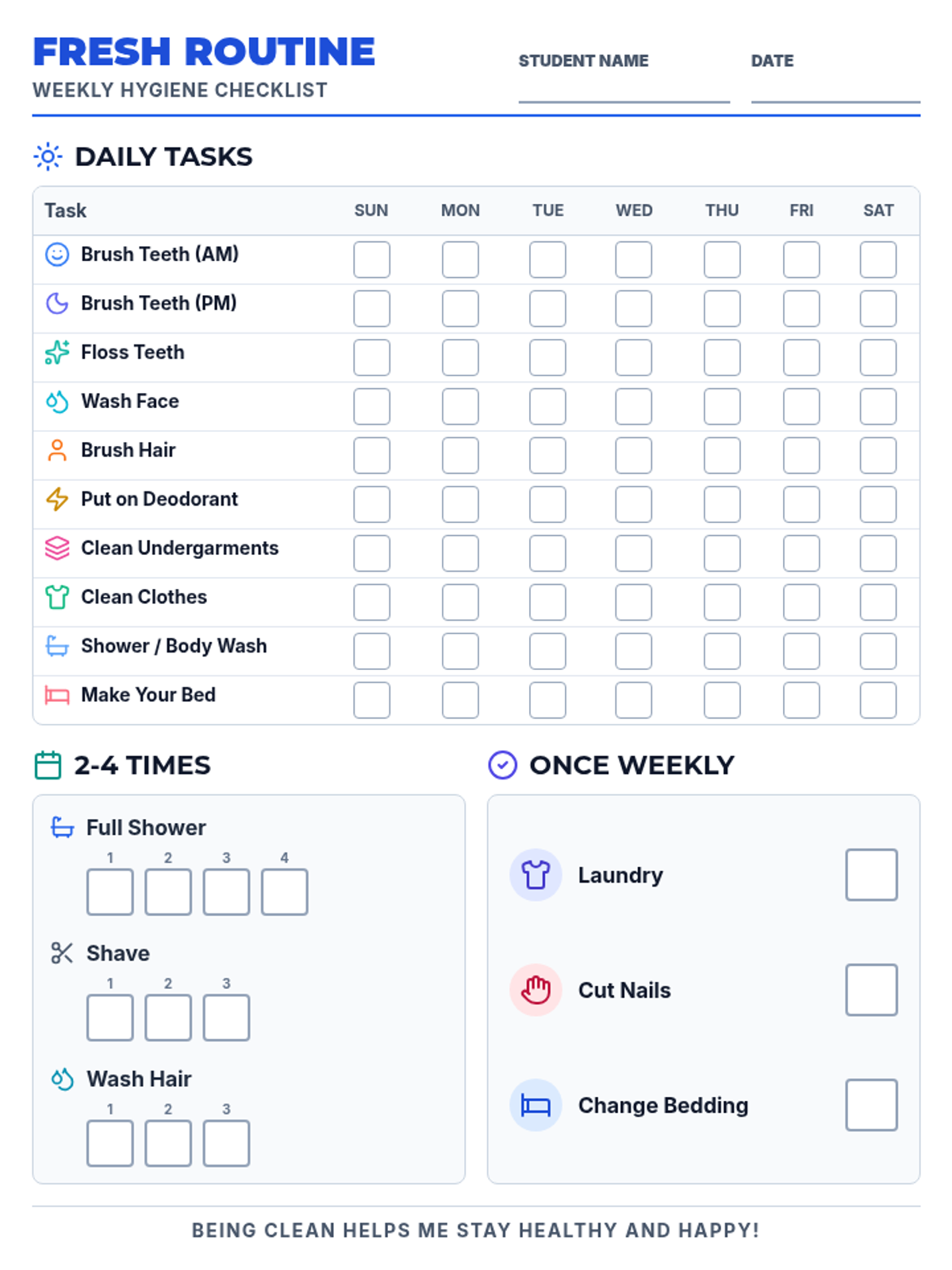
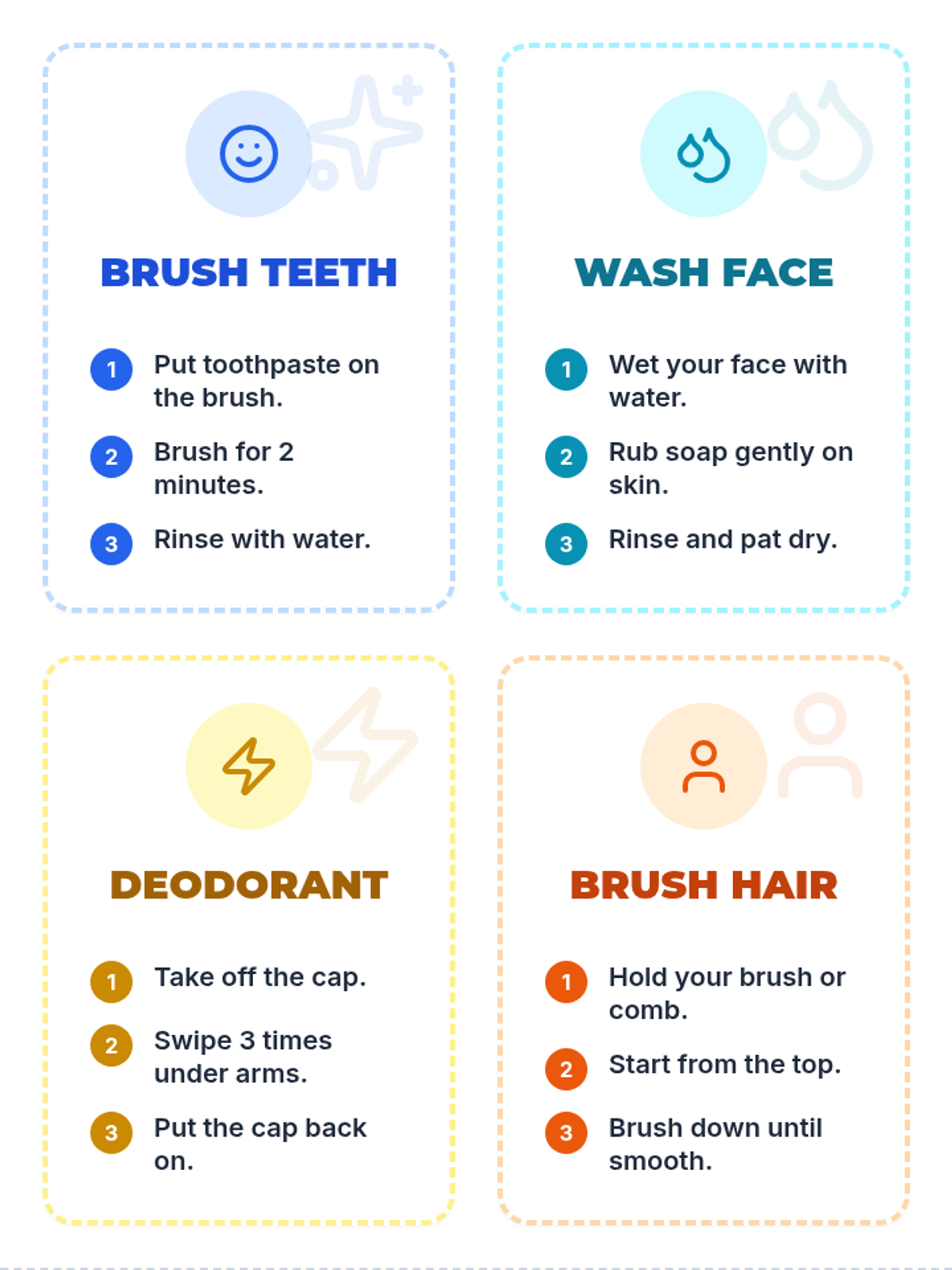
A comprehensive lesson on daily and weekly hygiene routines for high school students with intellectual disabilities. It includes tracking tools and visual supports for independent living.
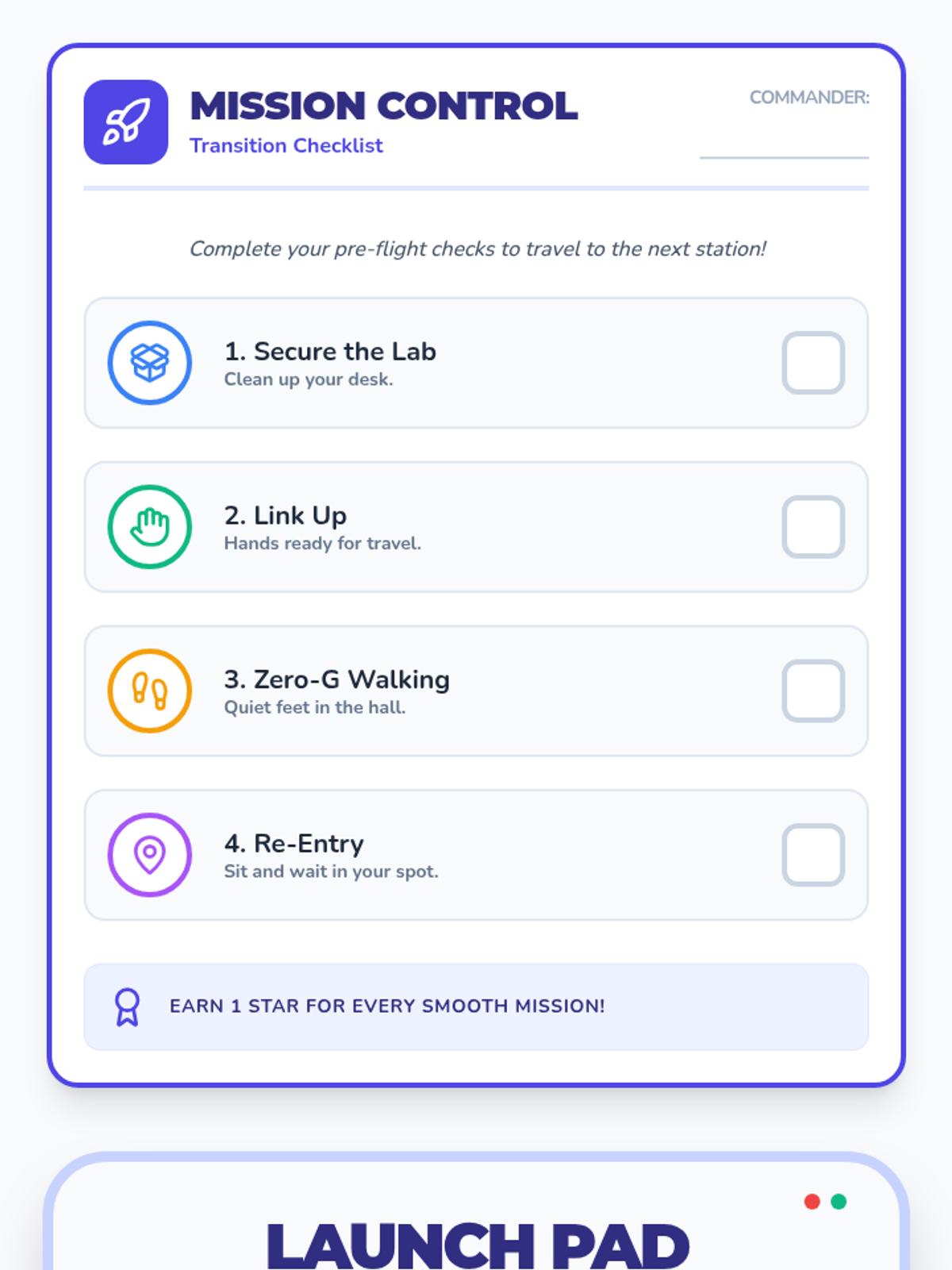
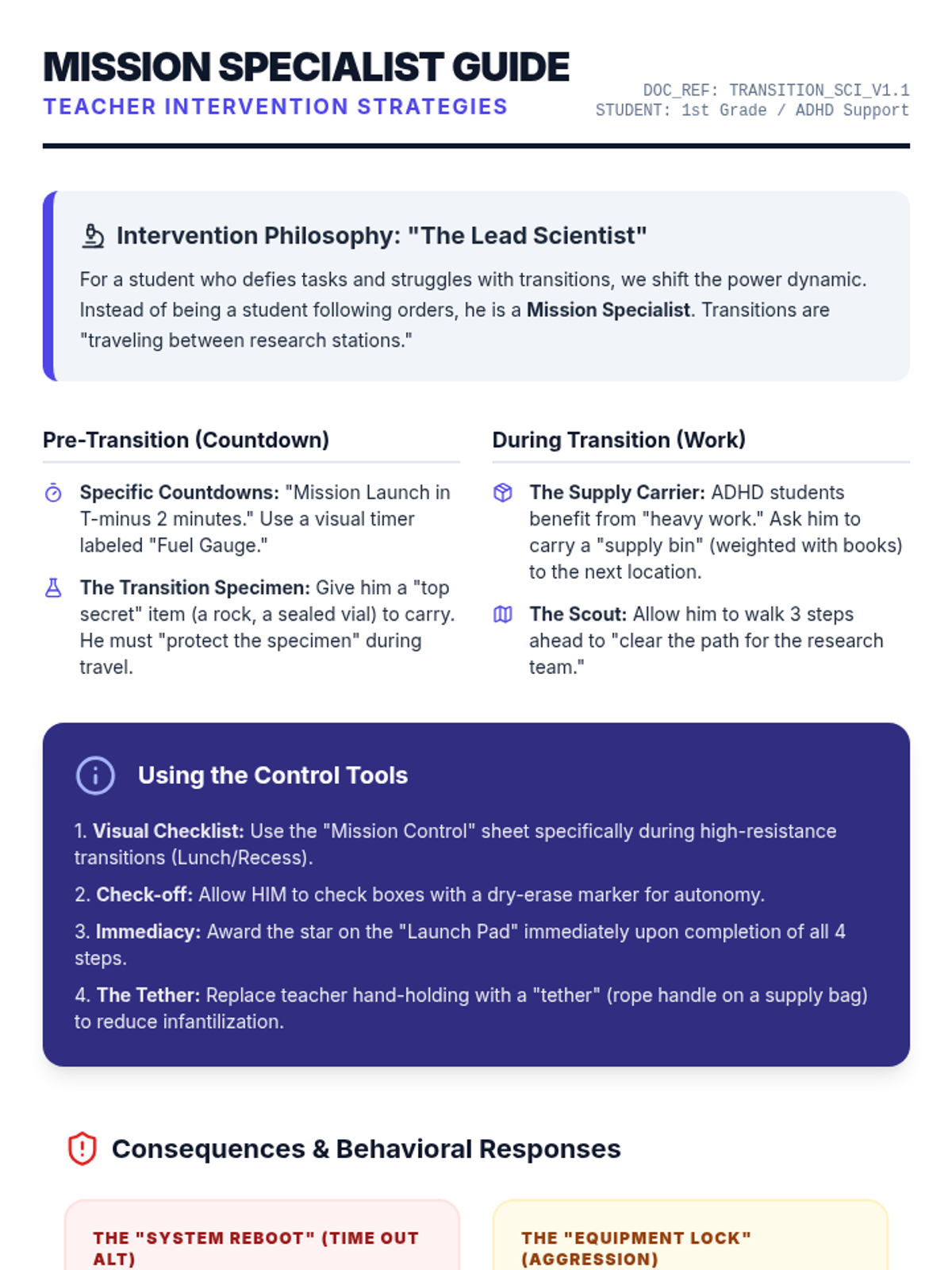
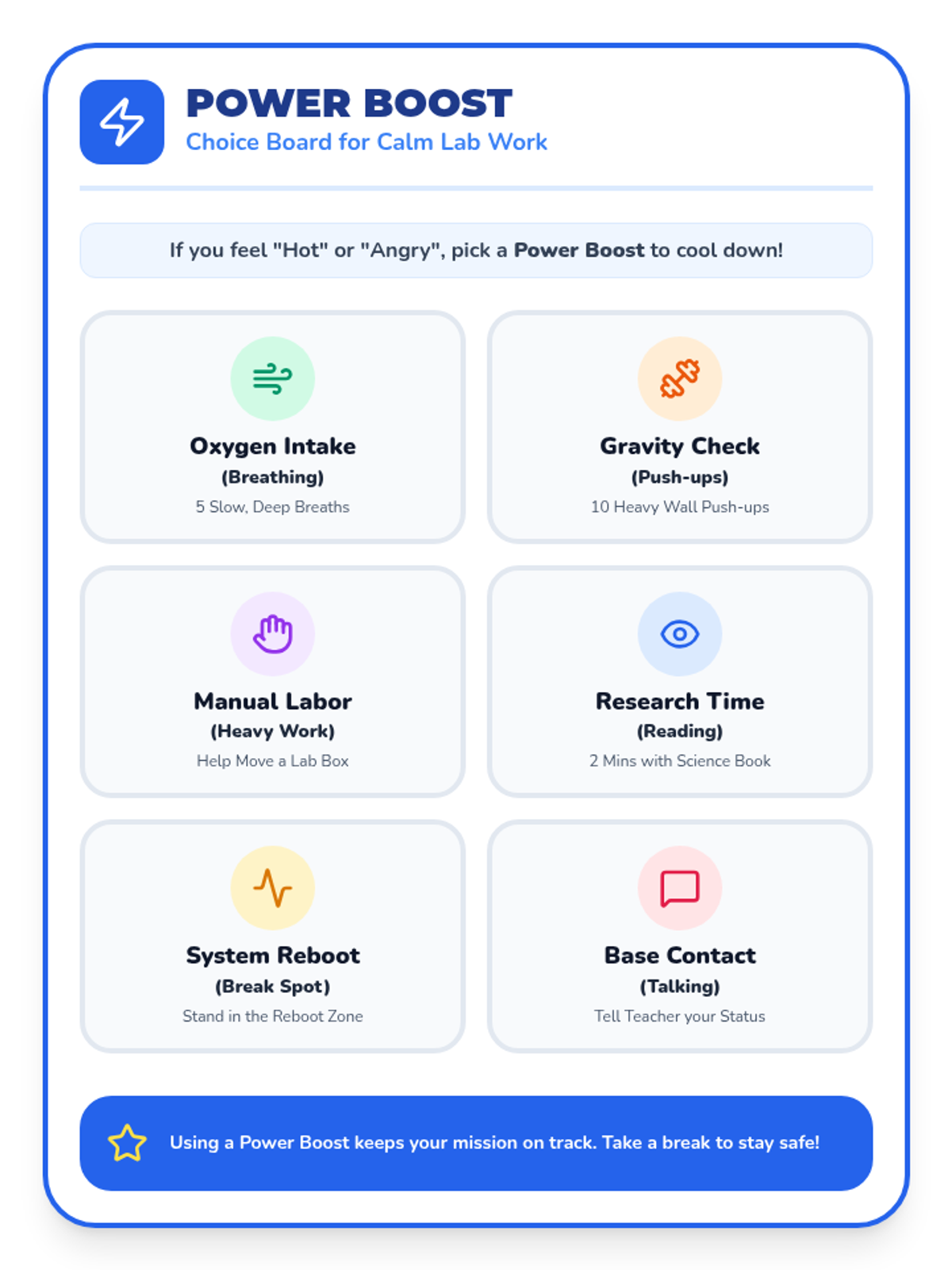
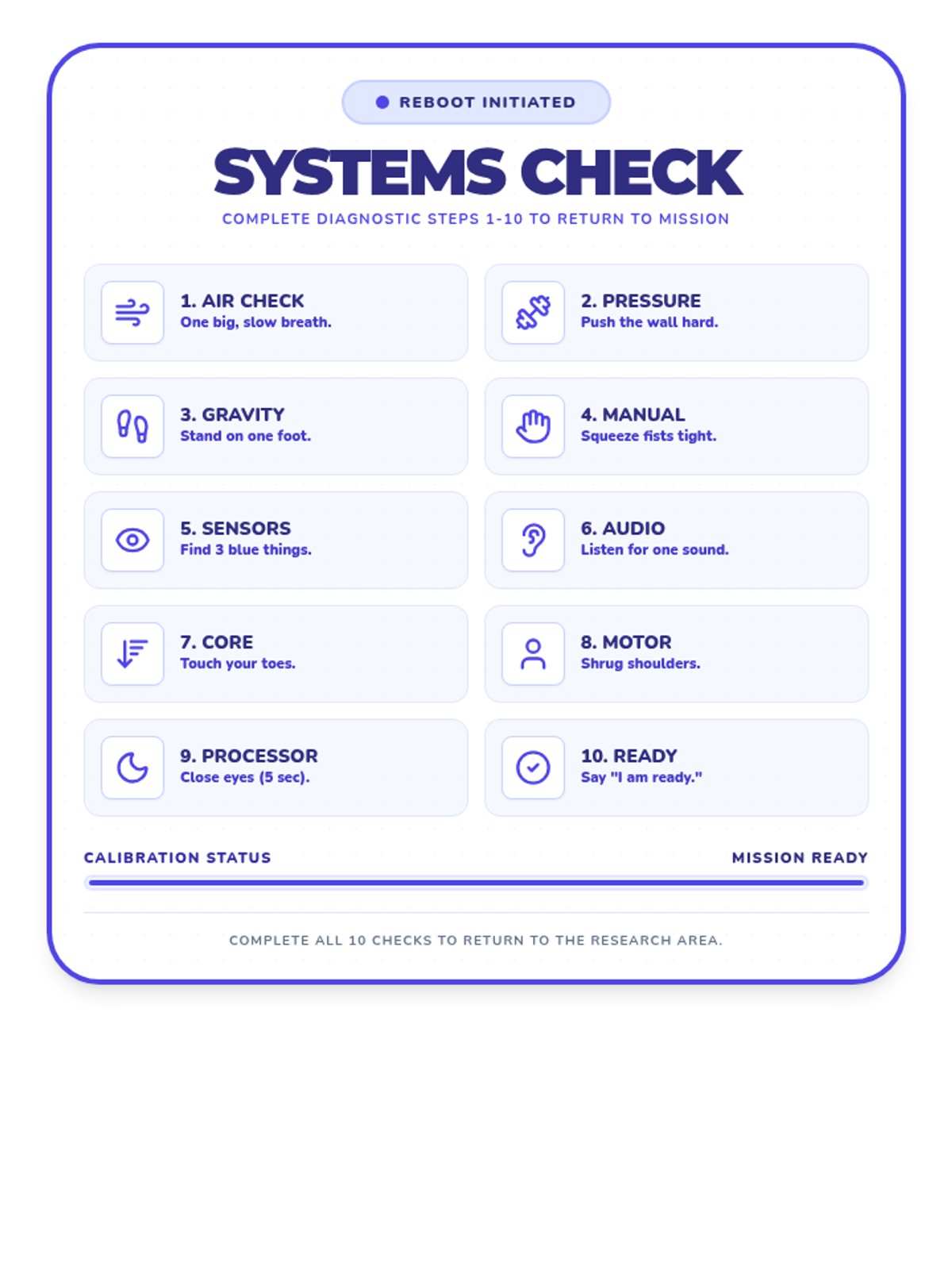
Focused tools for managing transitions using a space and lab mission theme. Includes visual trackers, reward systems, and teacher strategies to reduce defiance and aggression during movement between tasks.
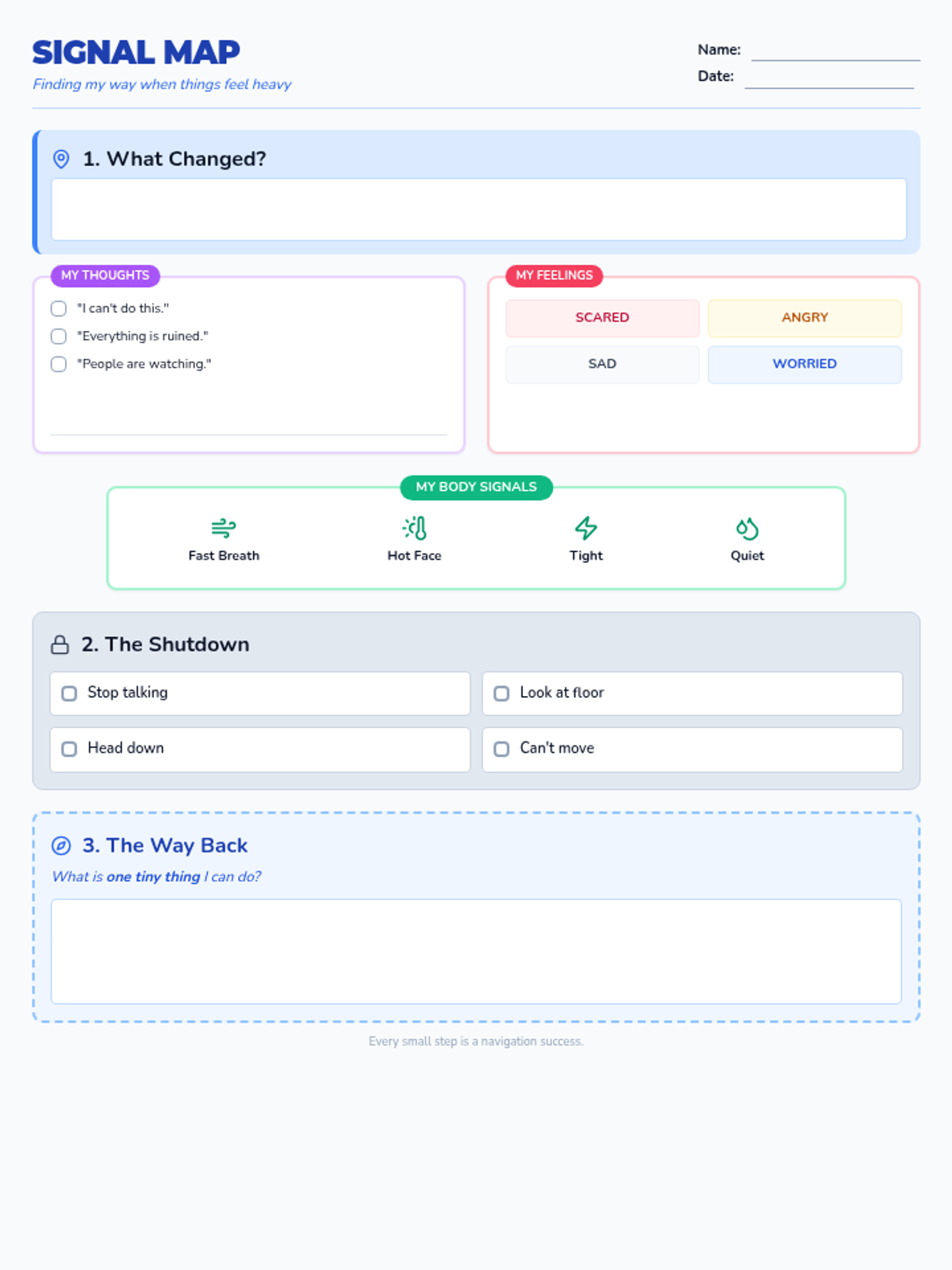
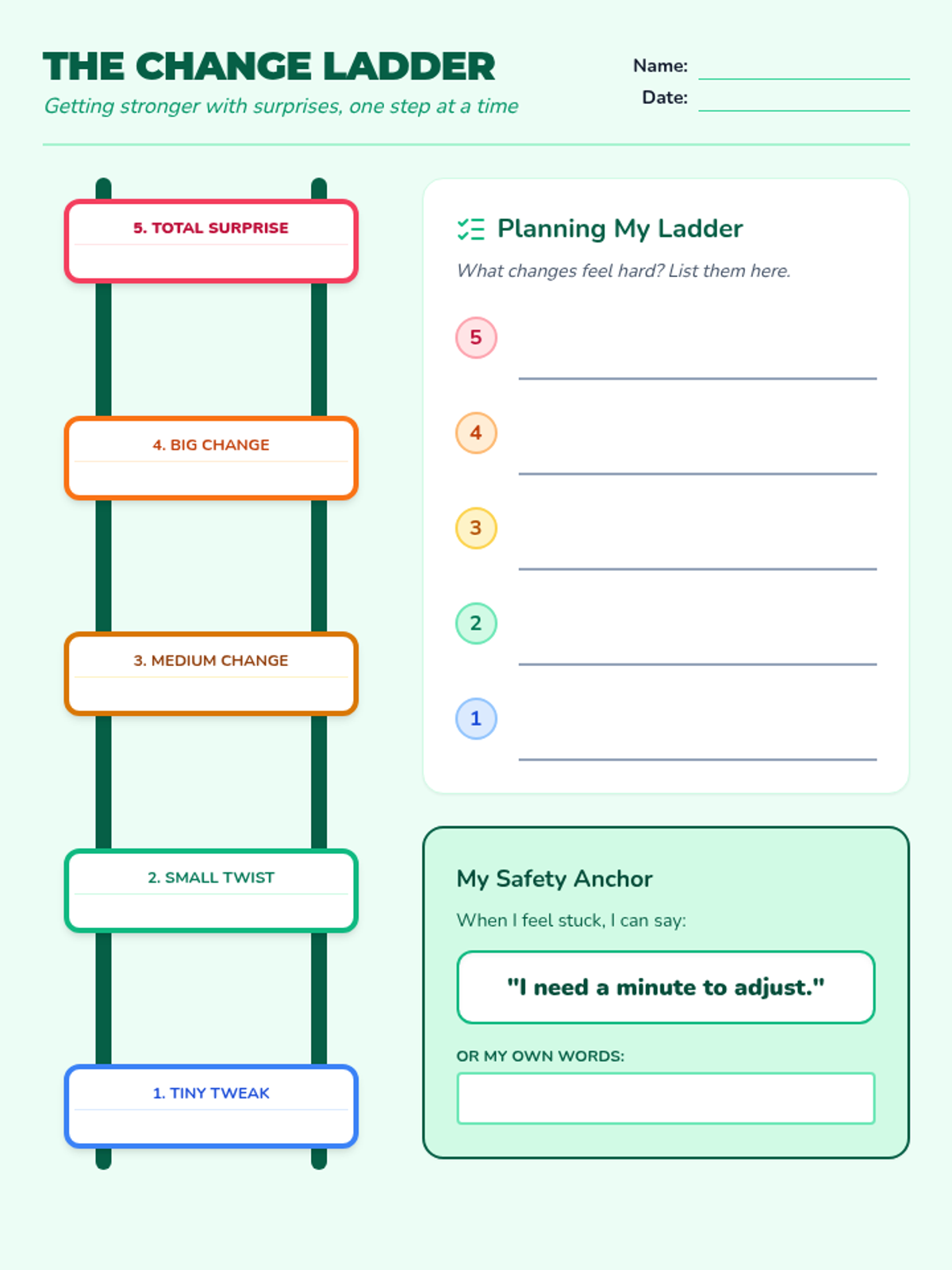
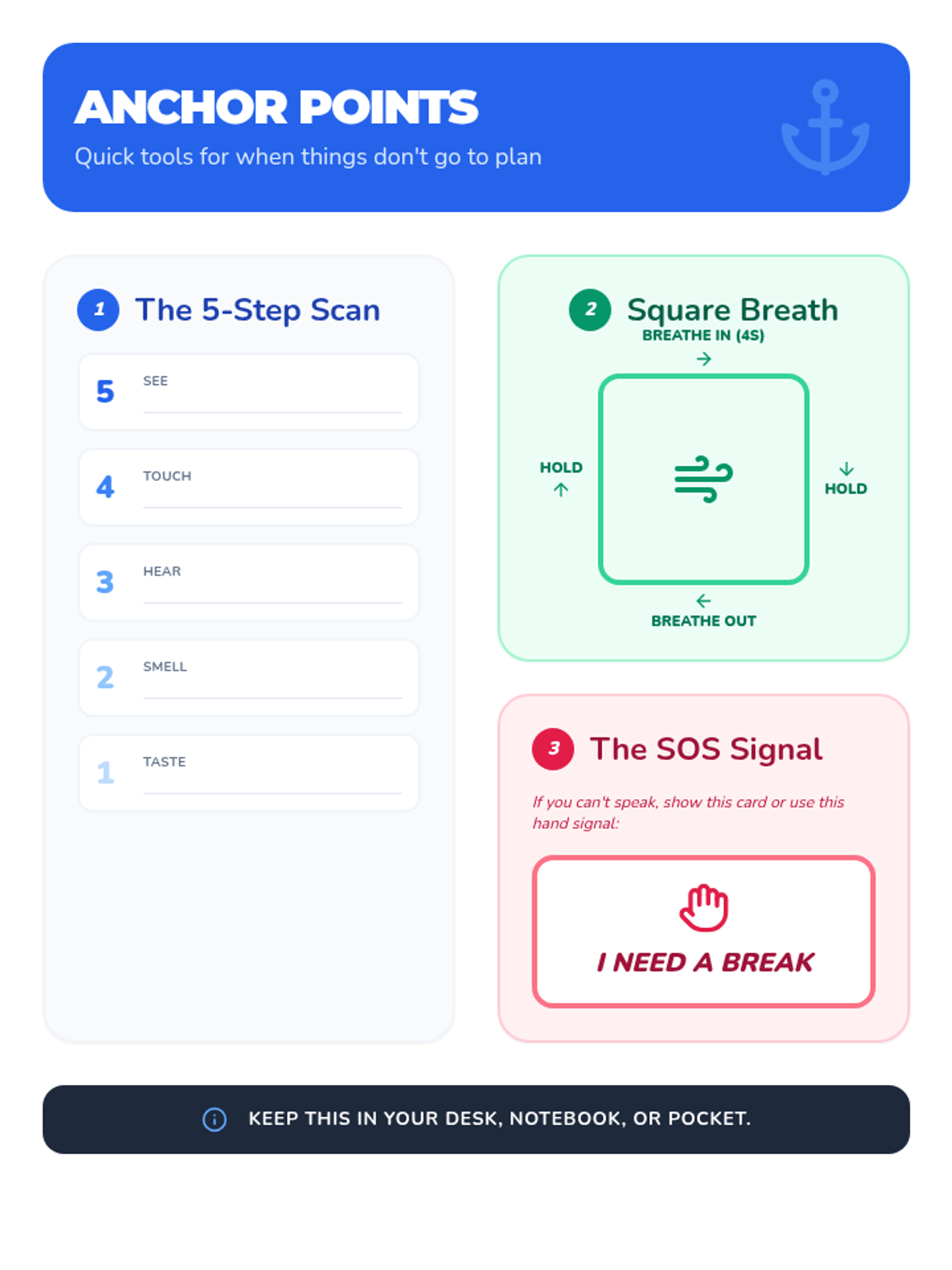
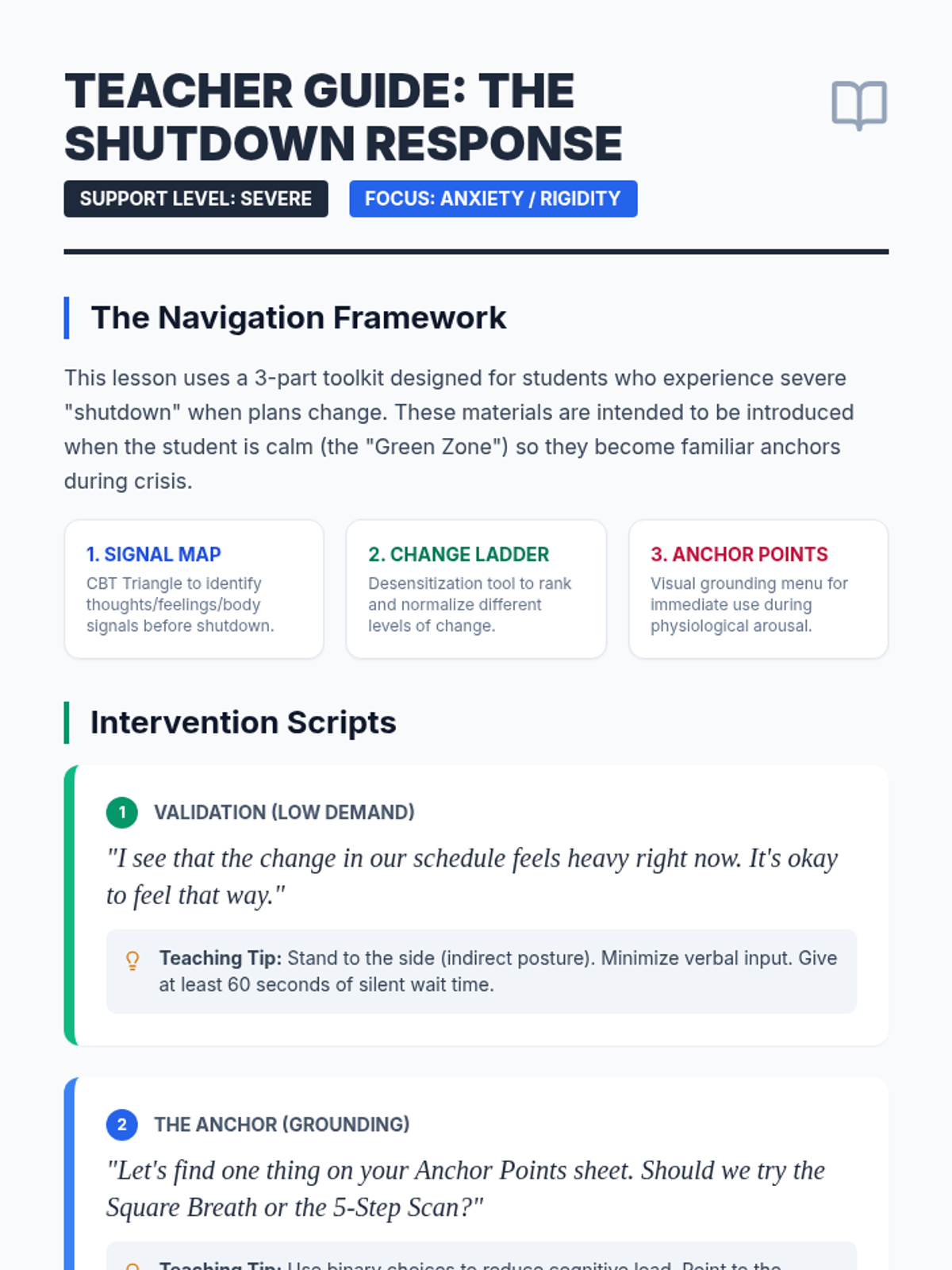
A comprehensive set of visual tools designed to help students with high anxiety navigate the 'shutdown' response and build resilience against unexpected changes using CBT principles.
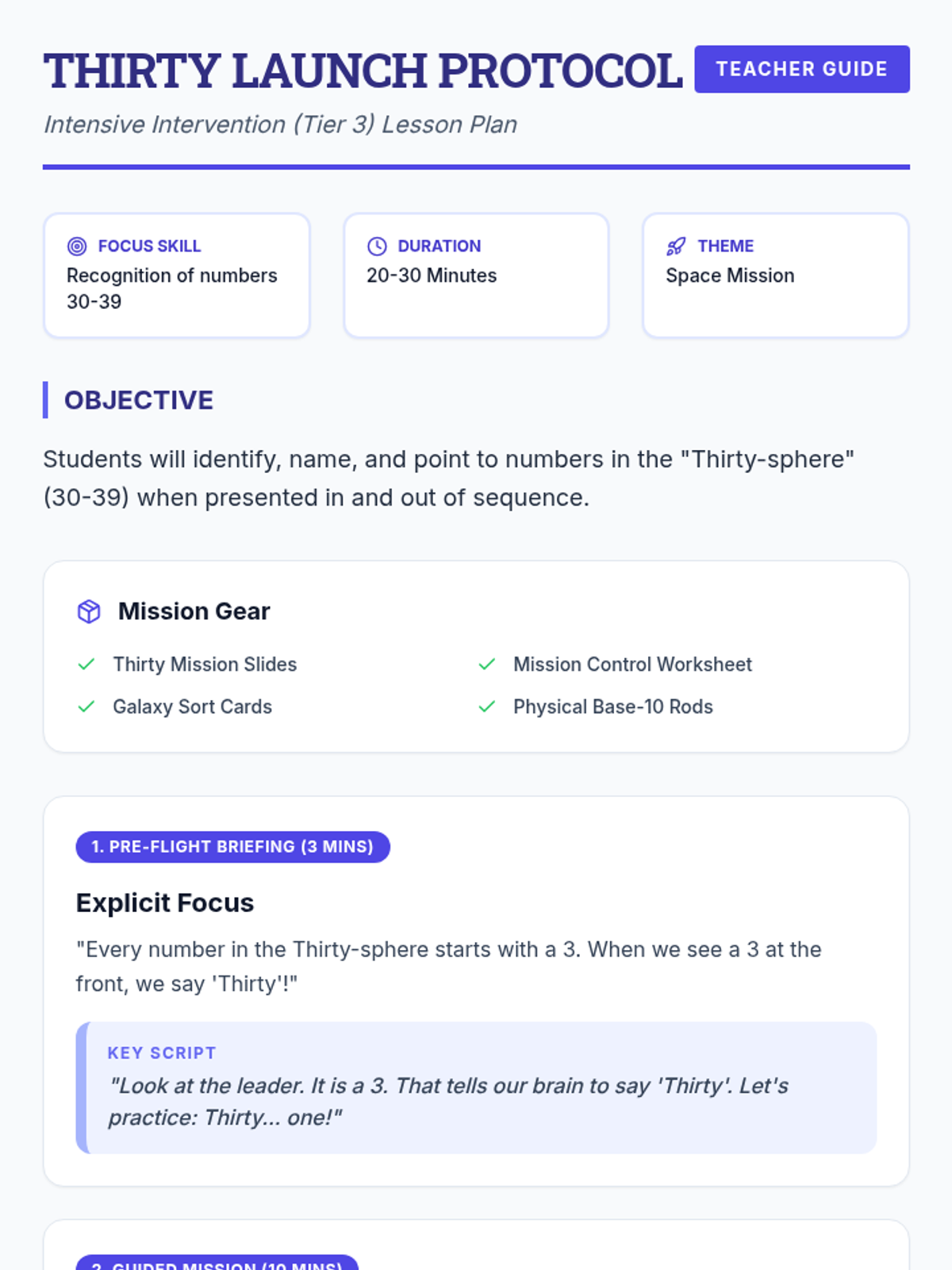
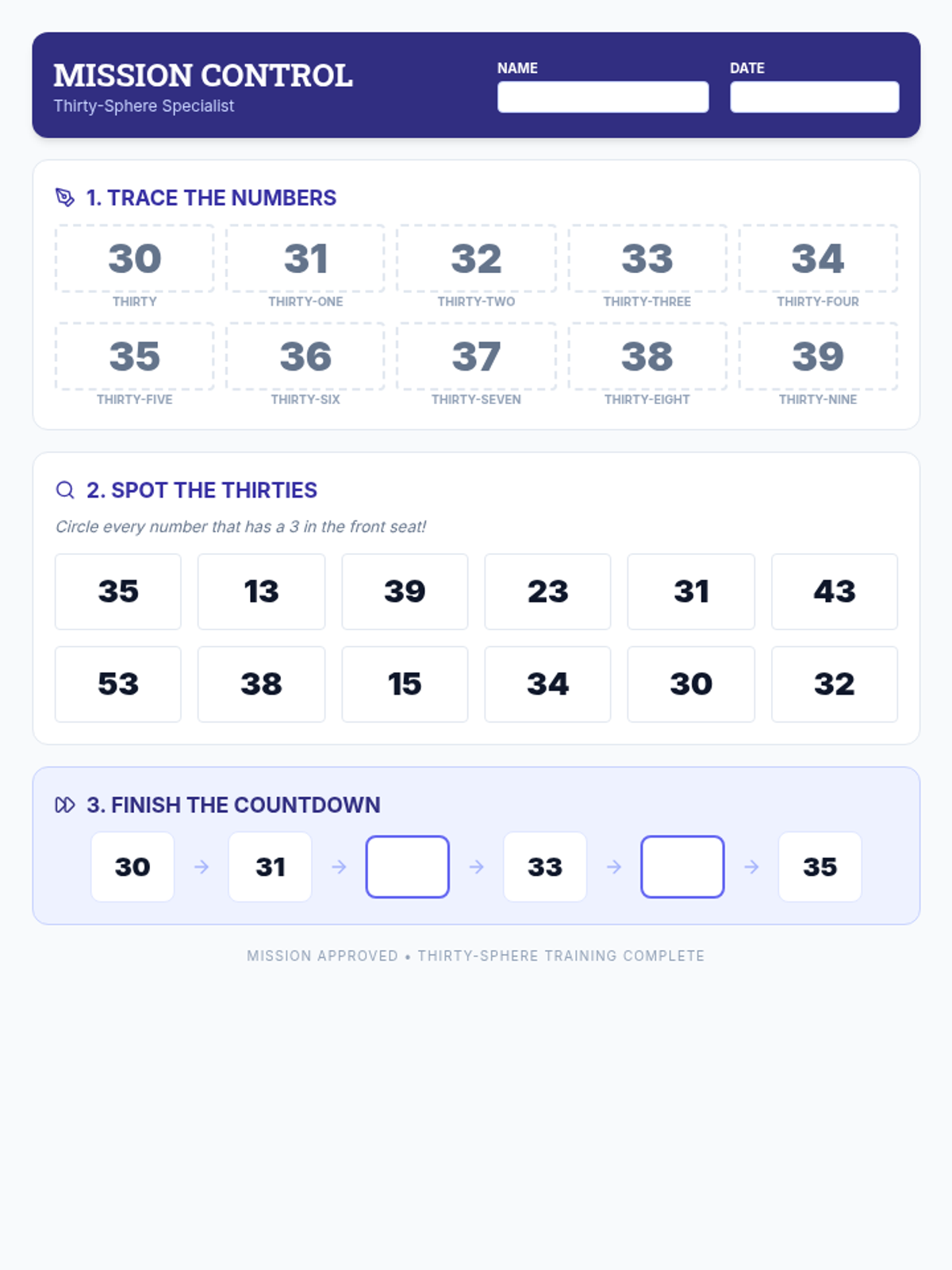
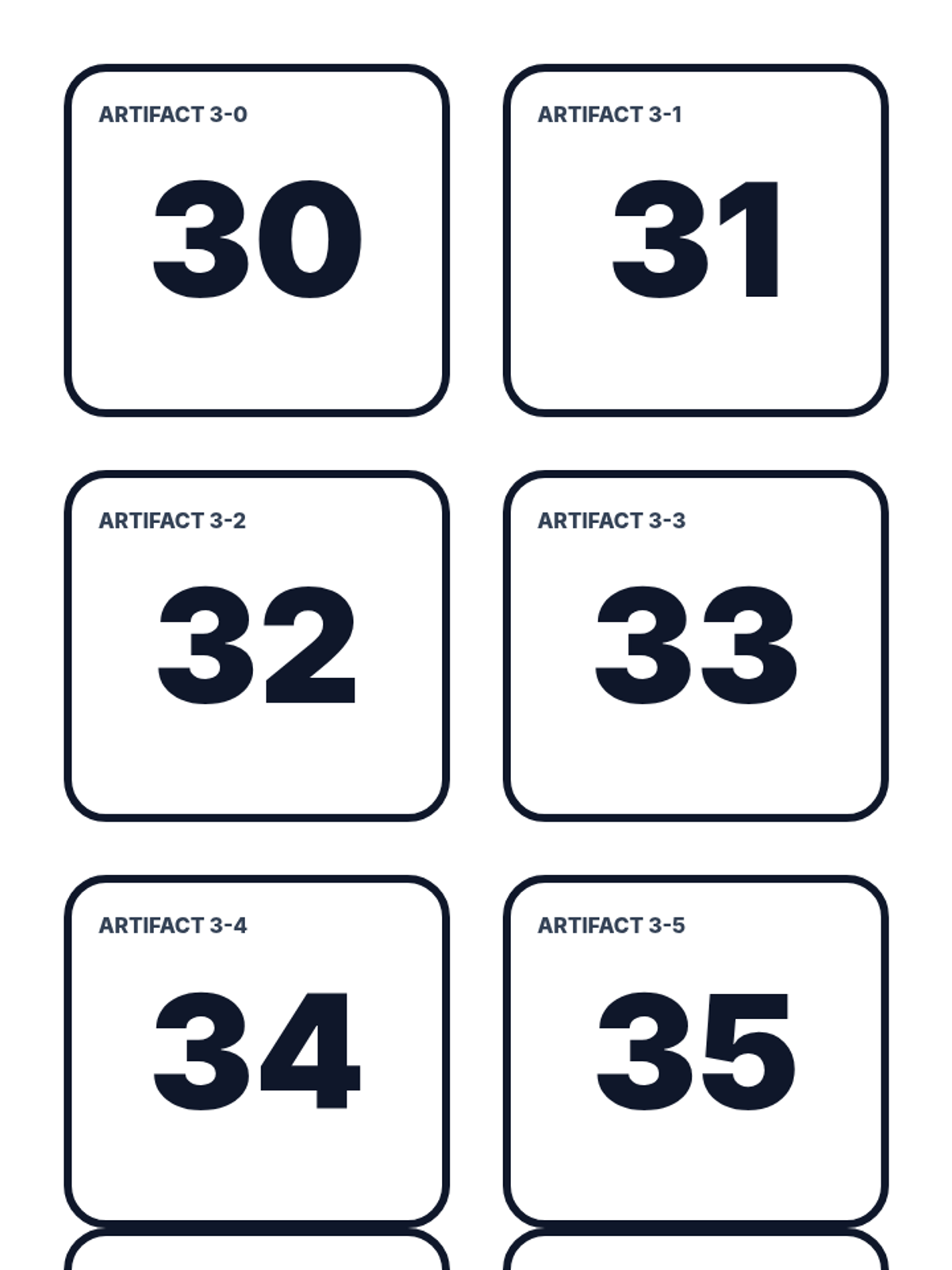
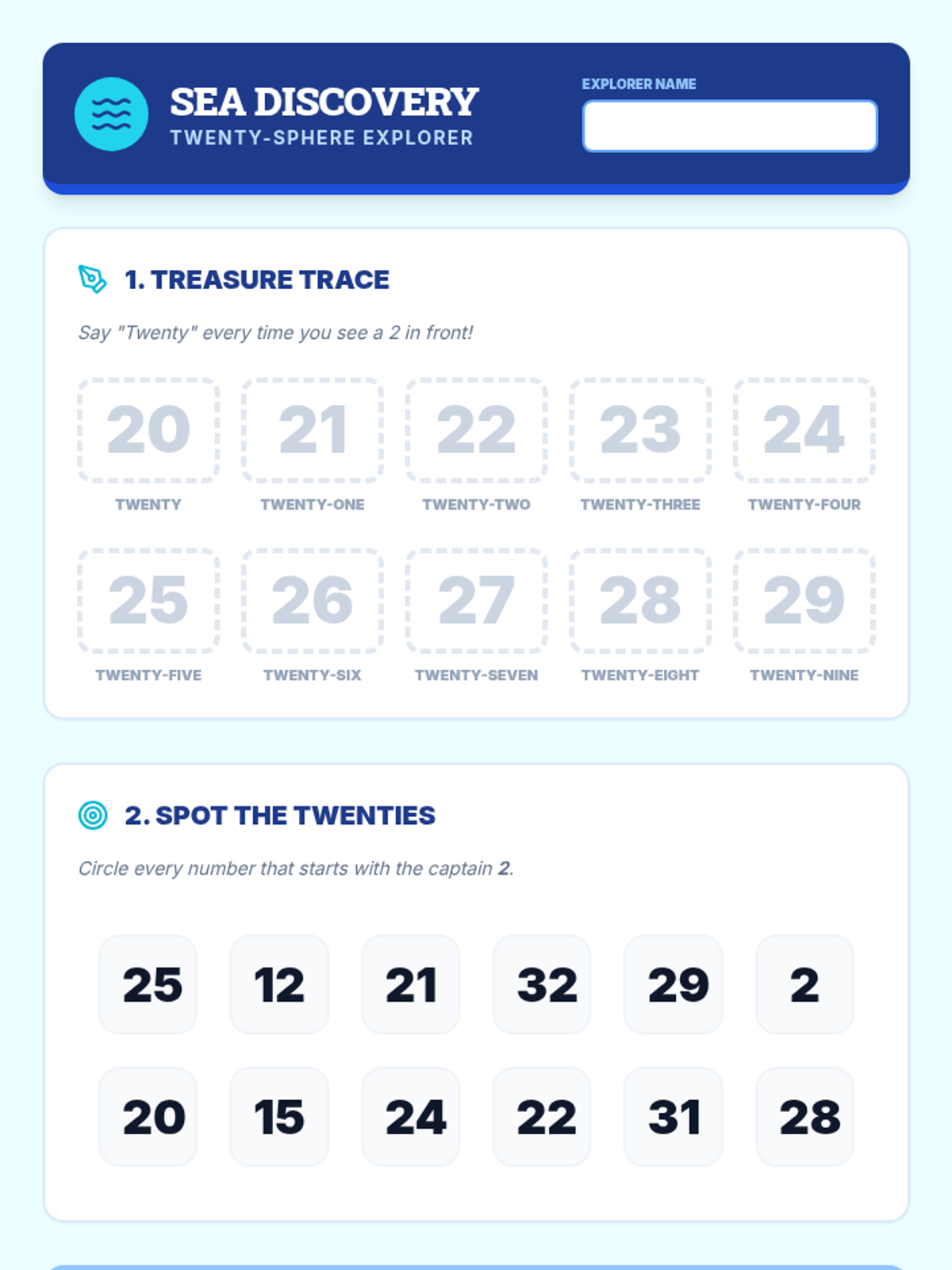
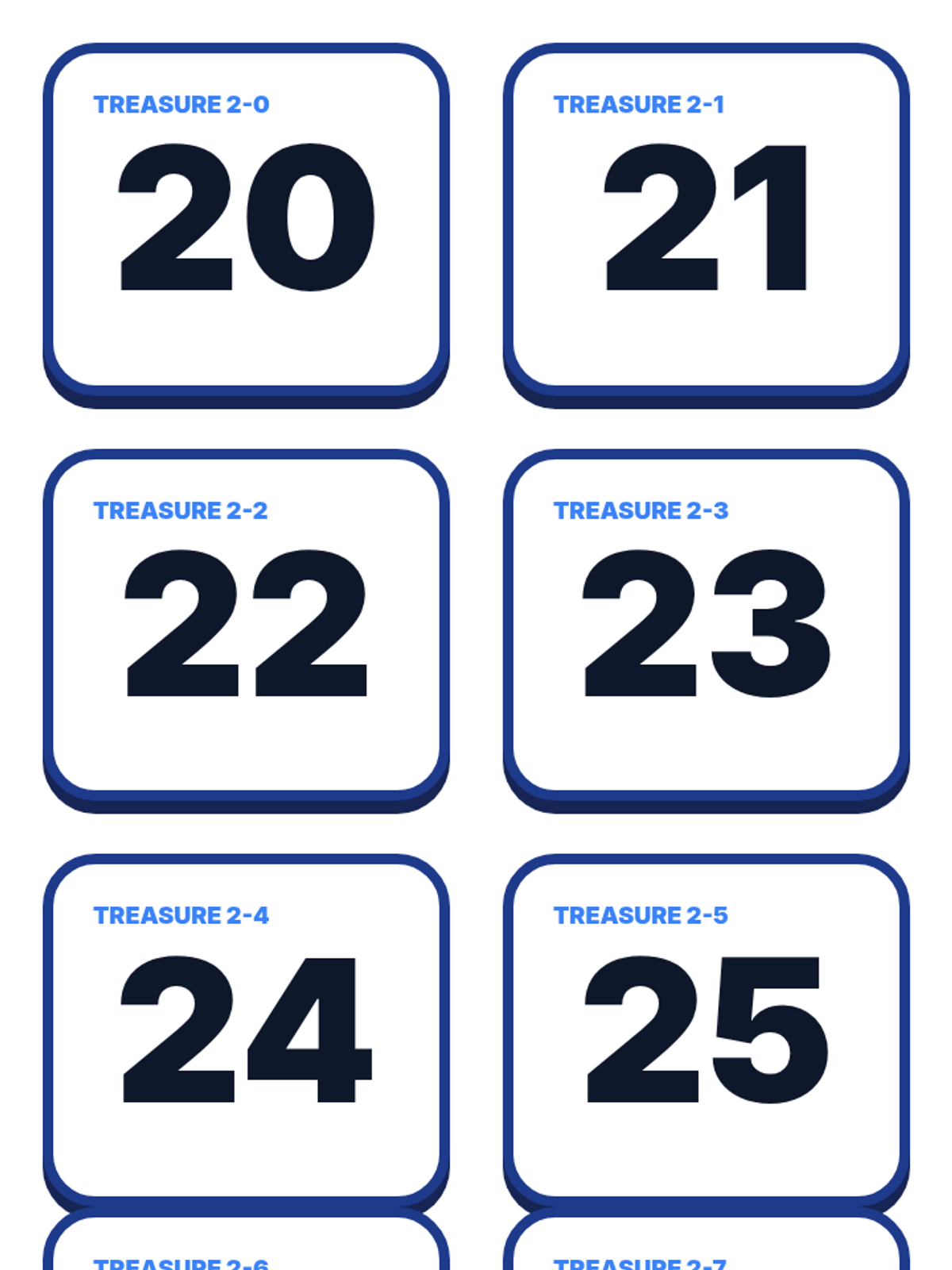
An intensive intervention lesson for Tier 3 students to master recognizing and naming numbers 30-39 through a high-engagement space mission theme.
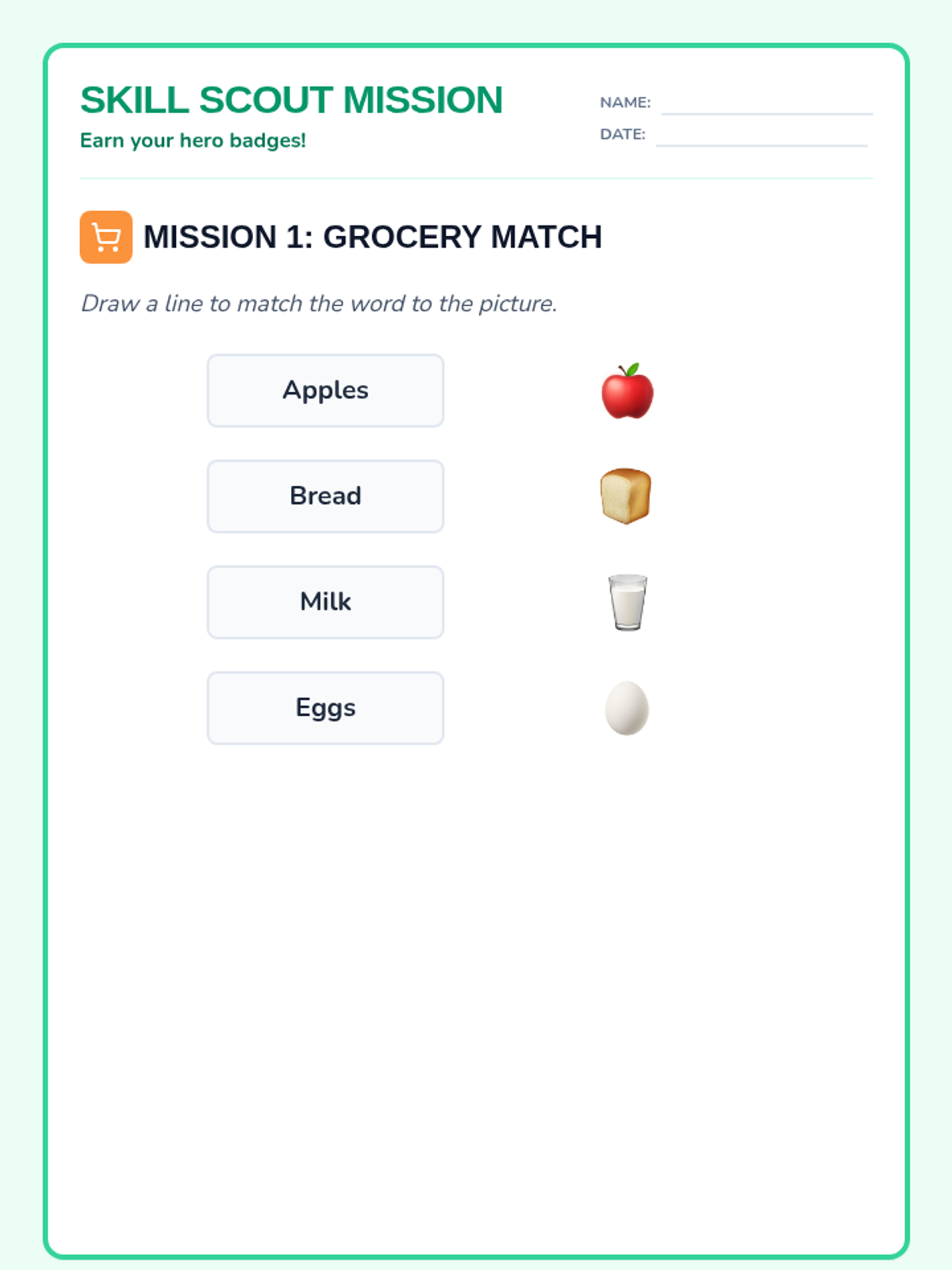
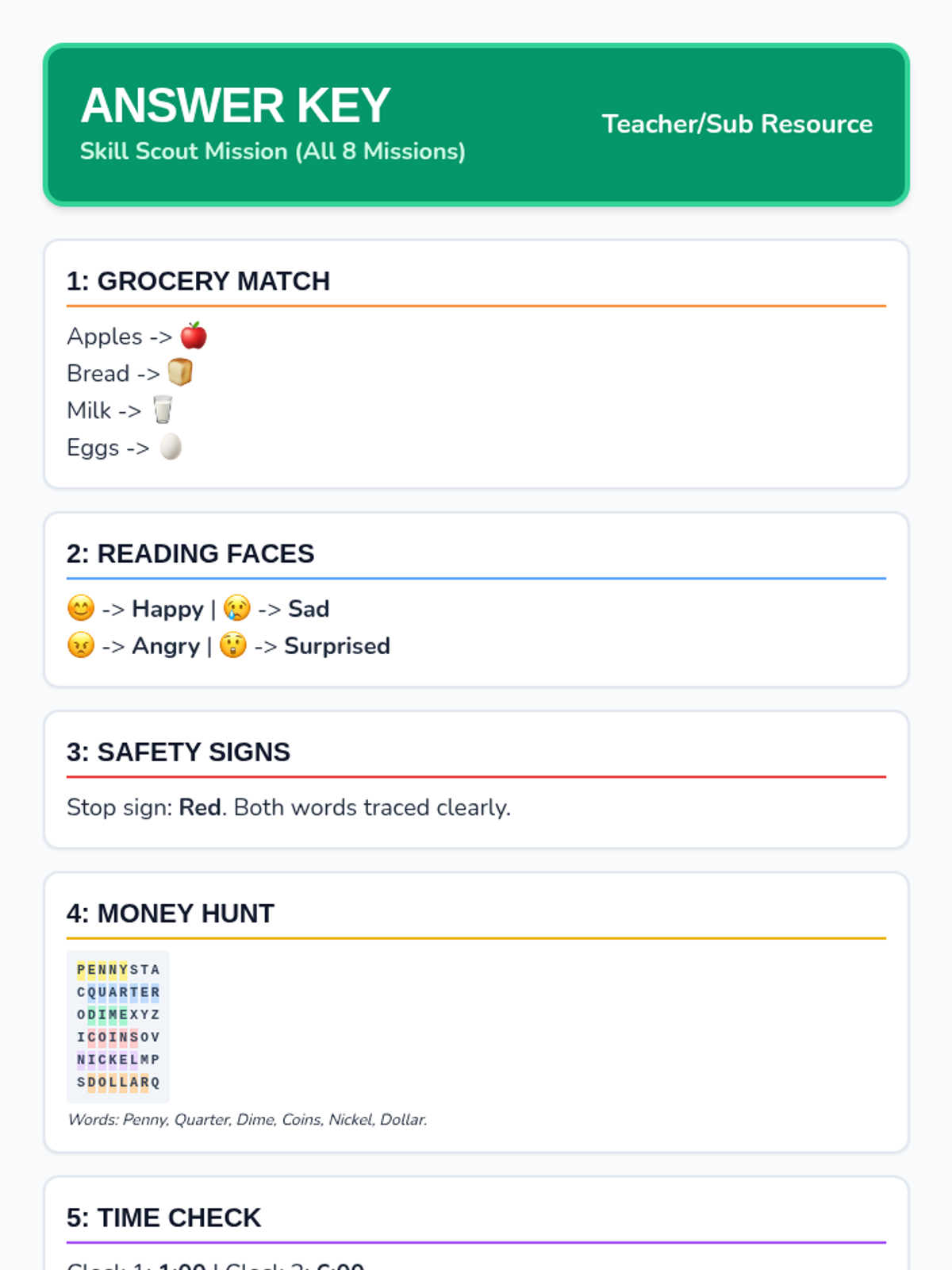
A fun and engaging life skills lesson focusing on essential daily tasks like grocery shopping, emotional literacy, safety awareness, and money identification.
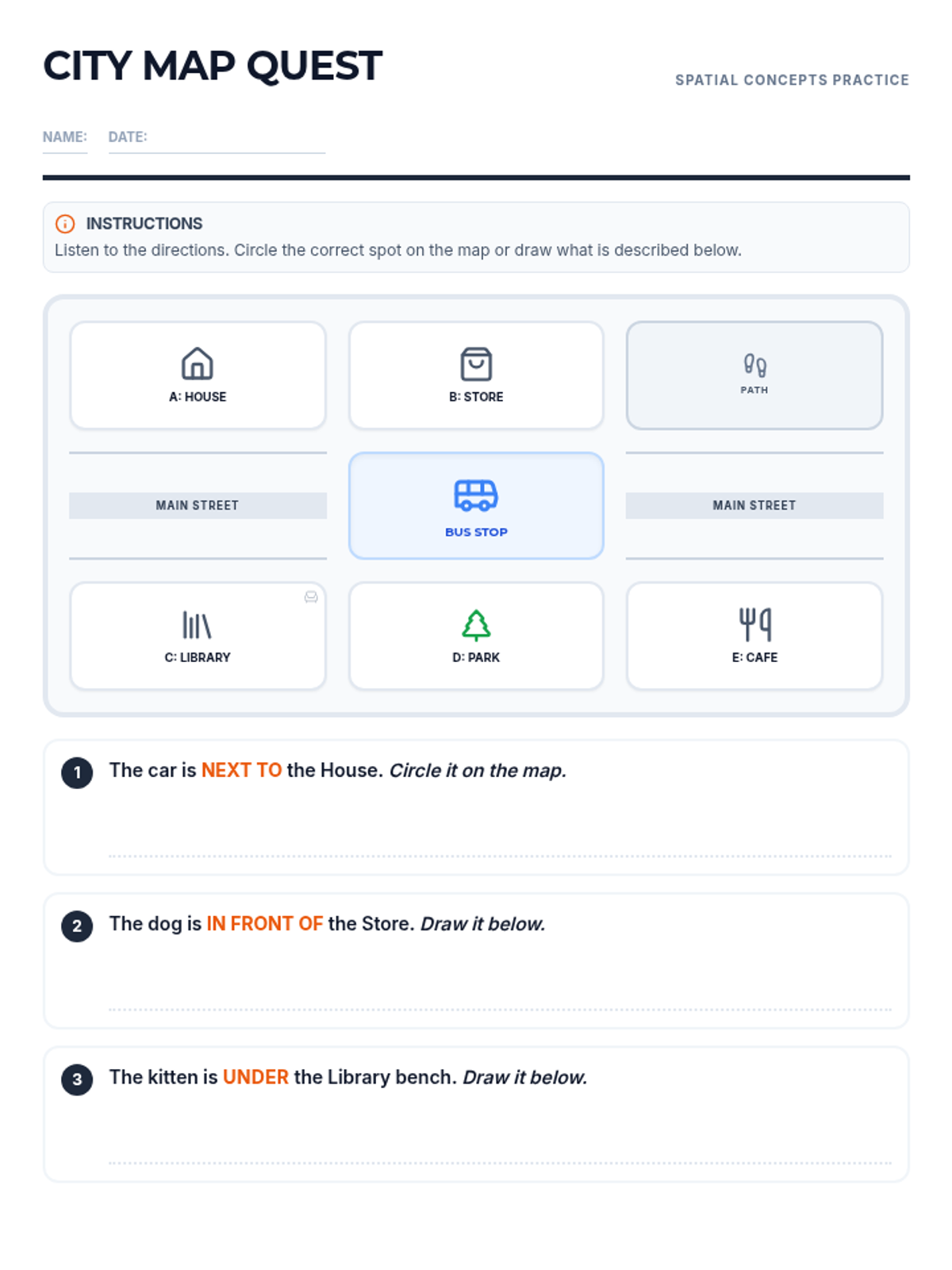
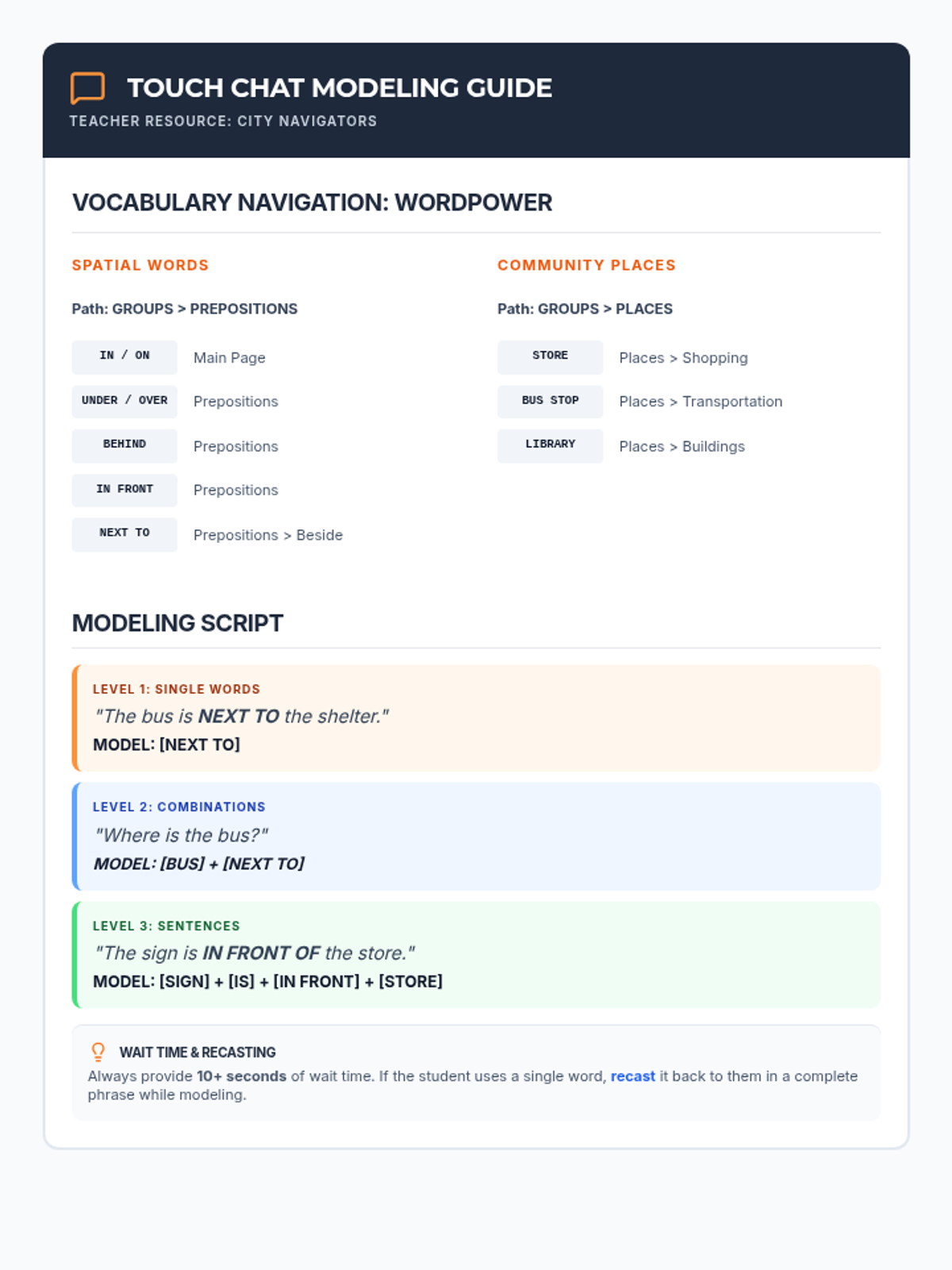
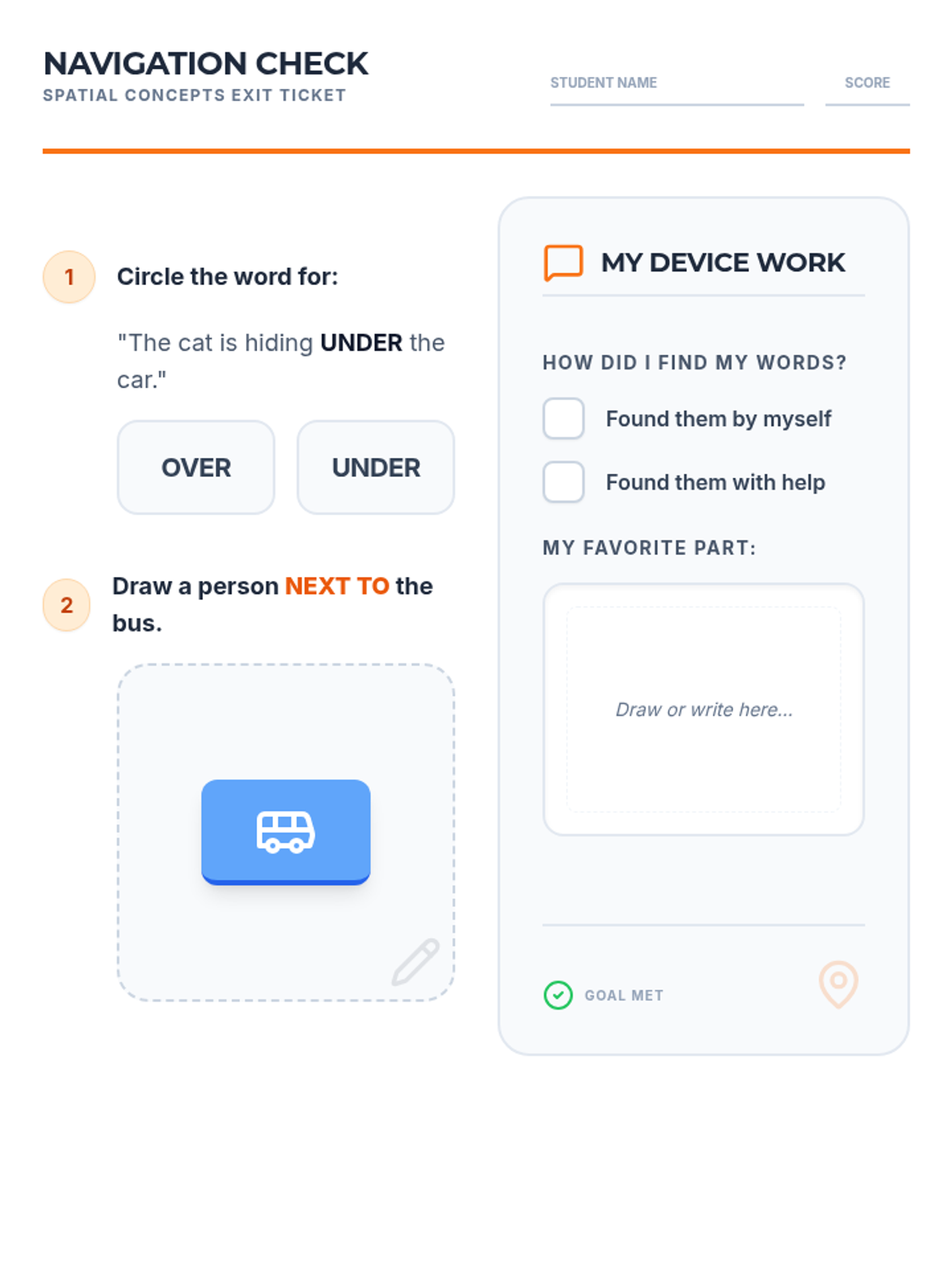
A functional communication lesson focused on using spatial concepts (in, on, under, over, behind, in front of, next to) within a community navigation context. Designed for AAC users (Touch Chat/Wordpower) to improve following directions and descriptive language.
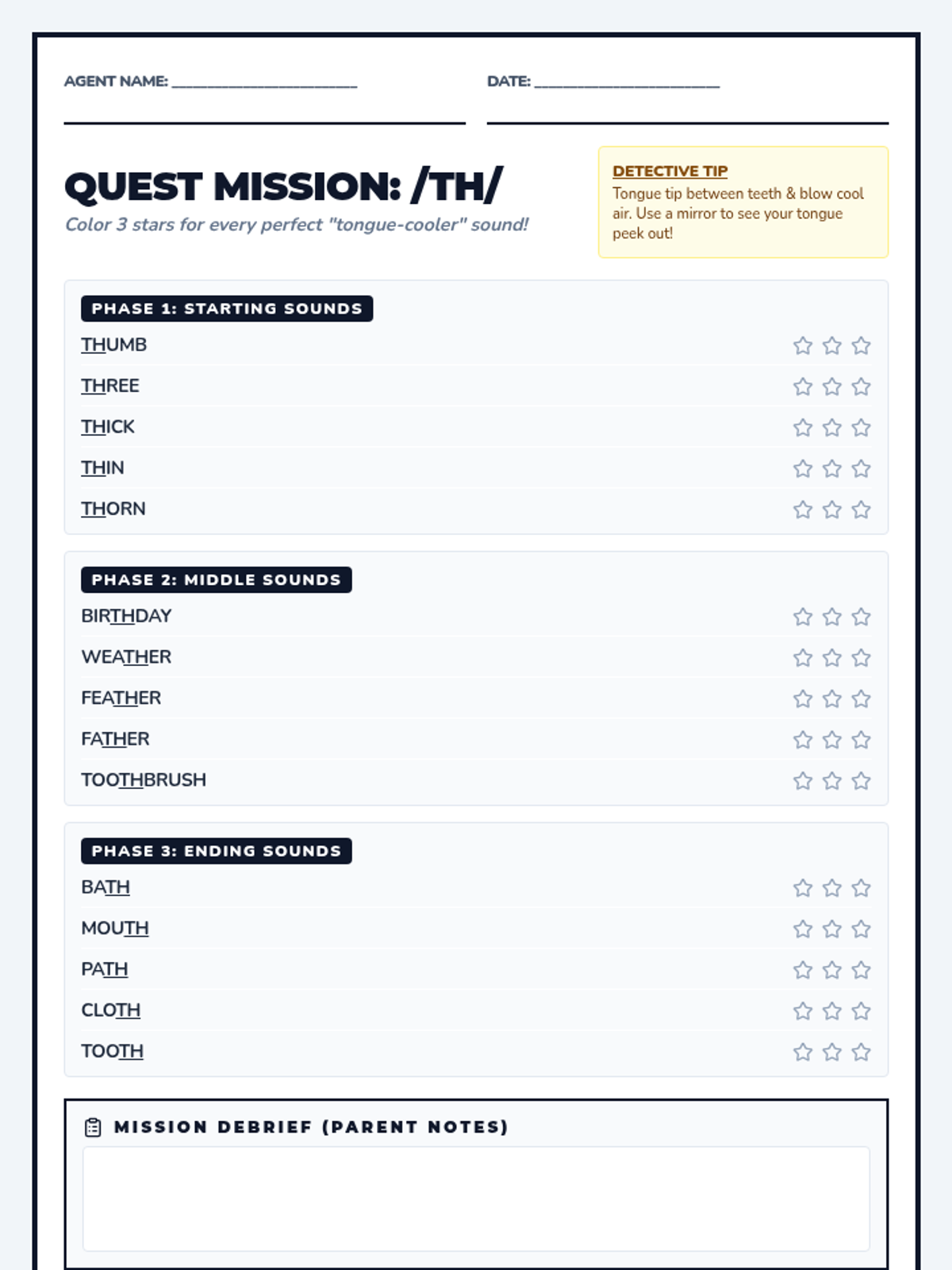
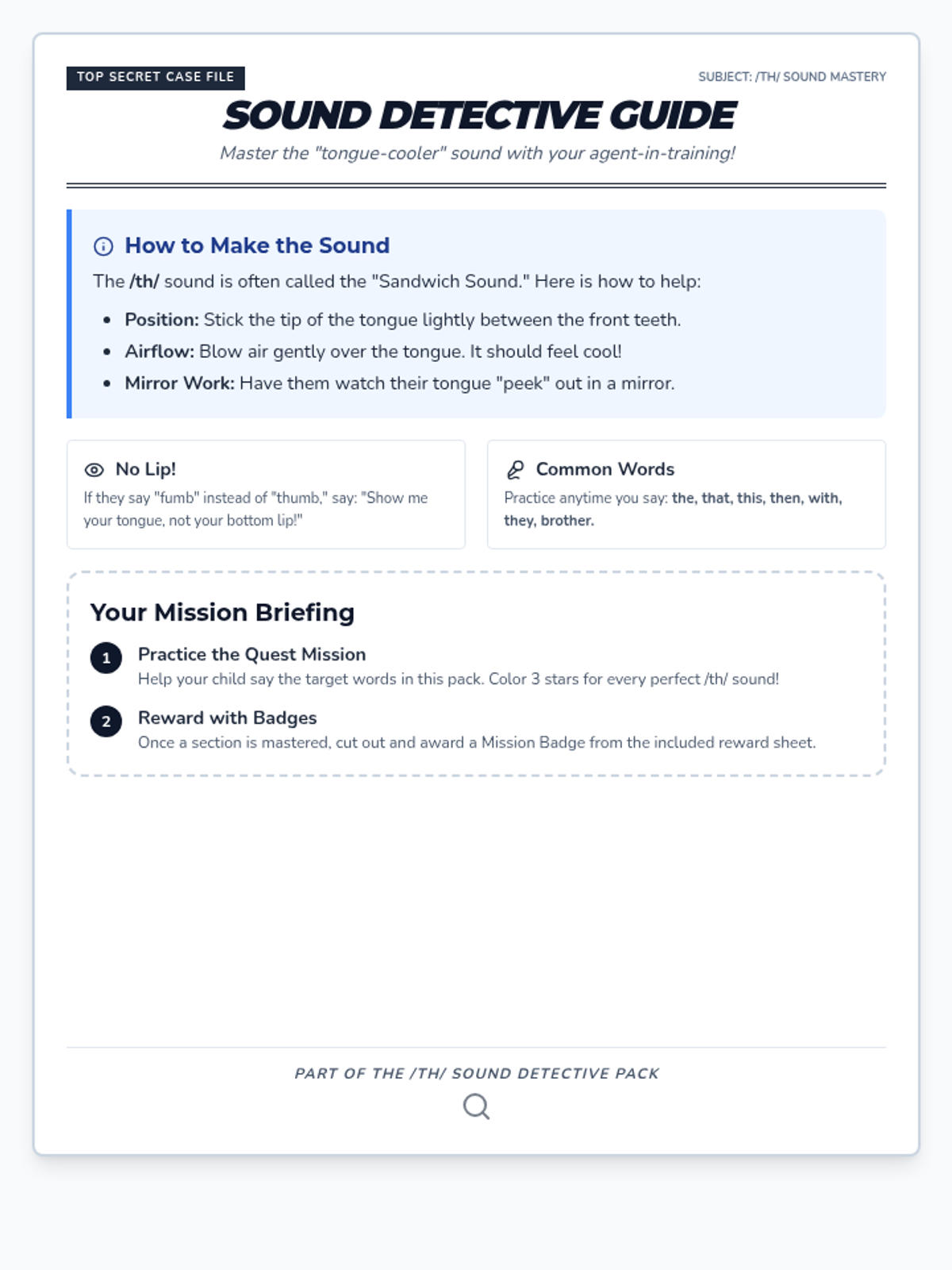
A fun, home-based practice set designed for first-grade students to master the /th/ sound in all word positions with parent support.
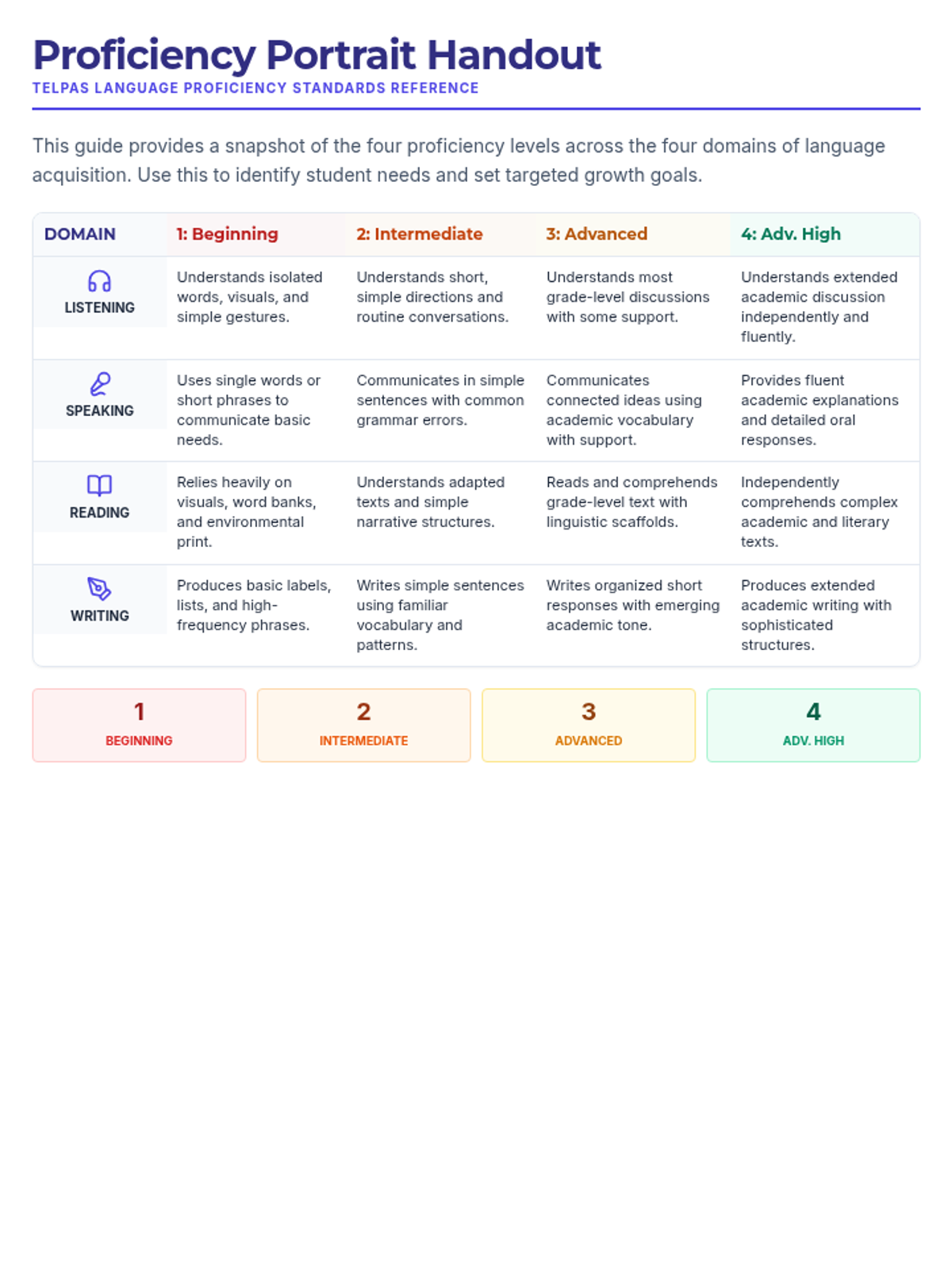
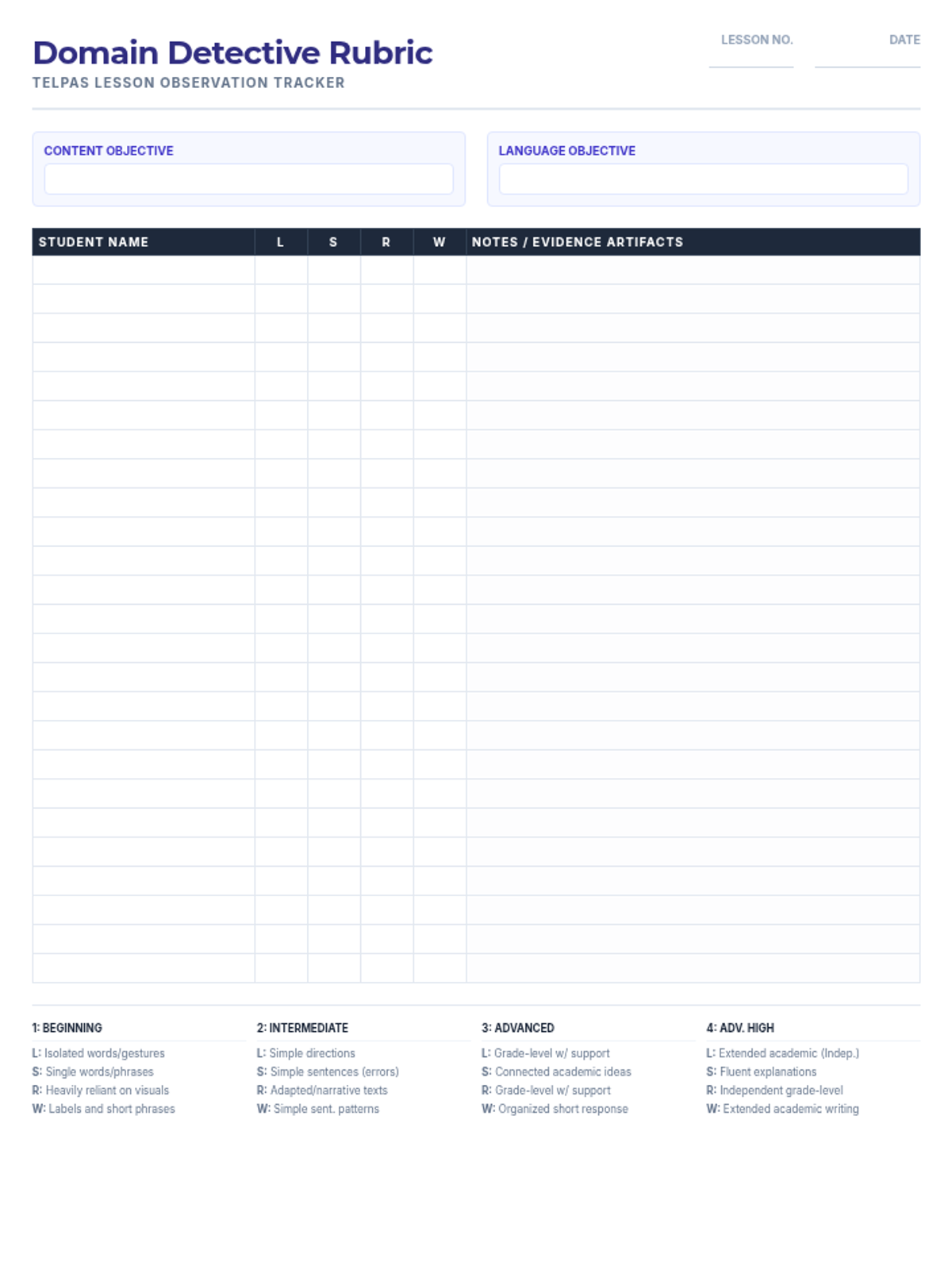
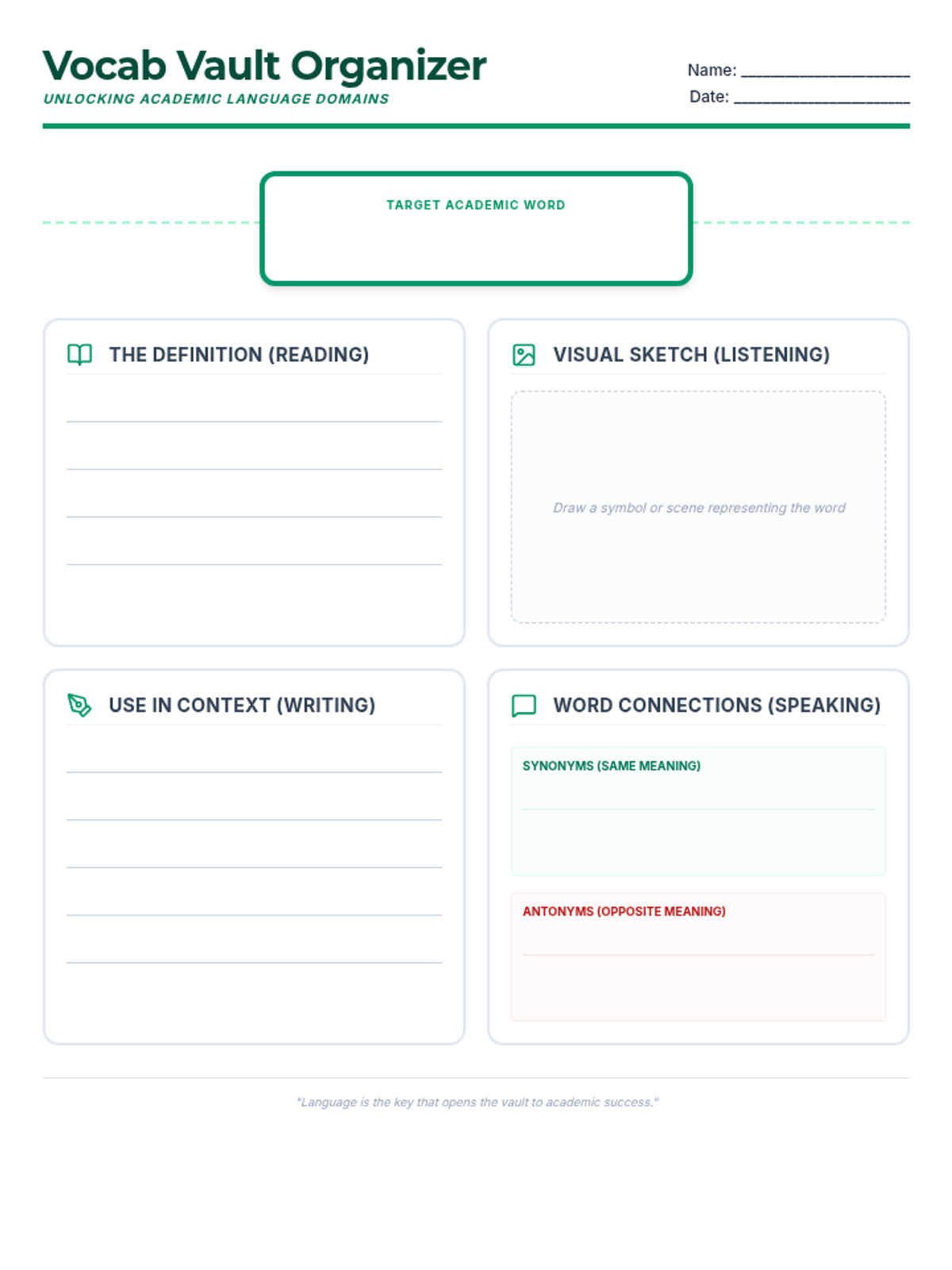
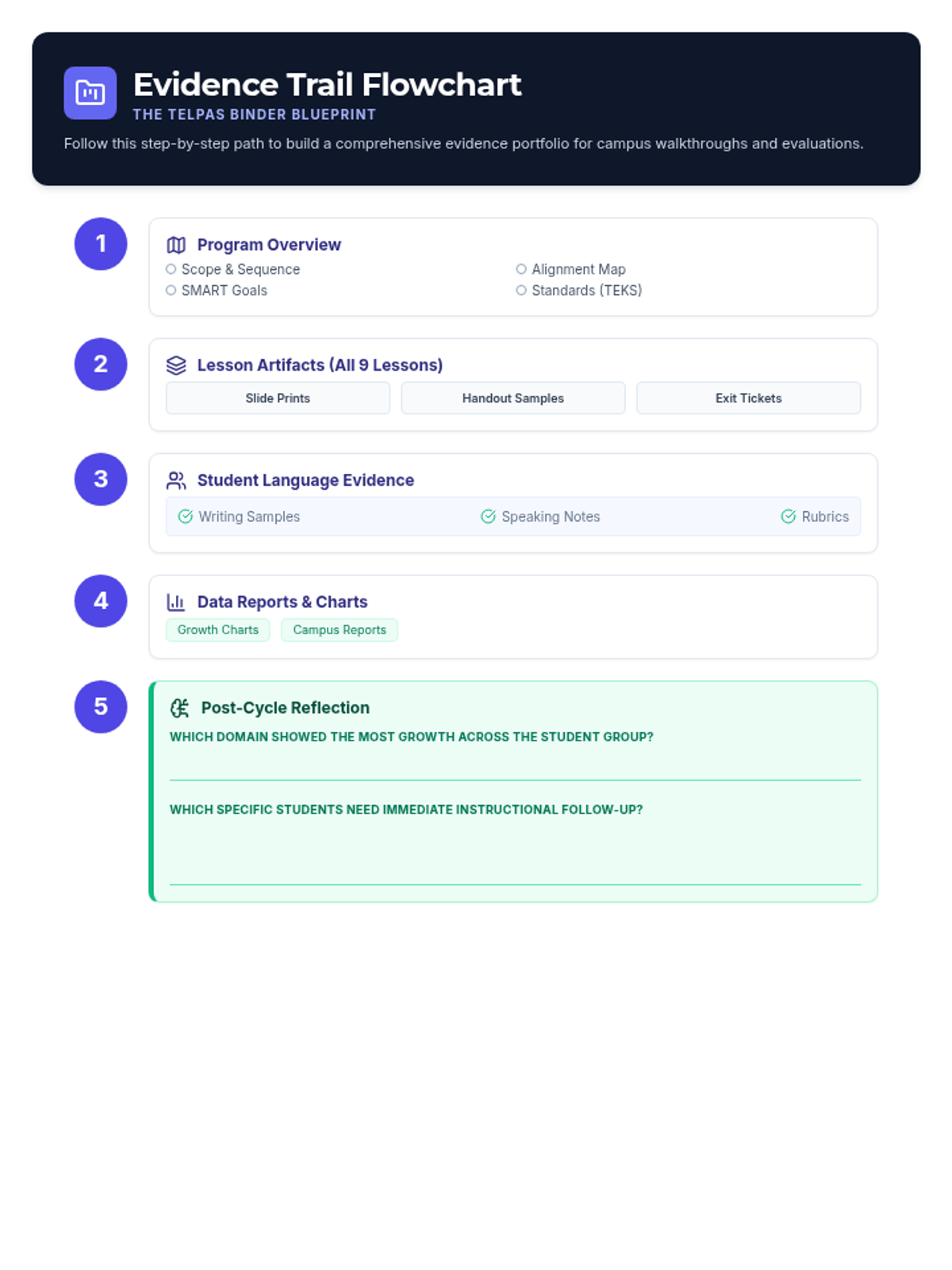
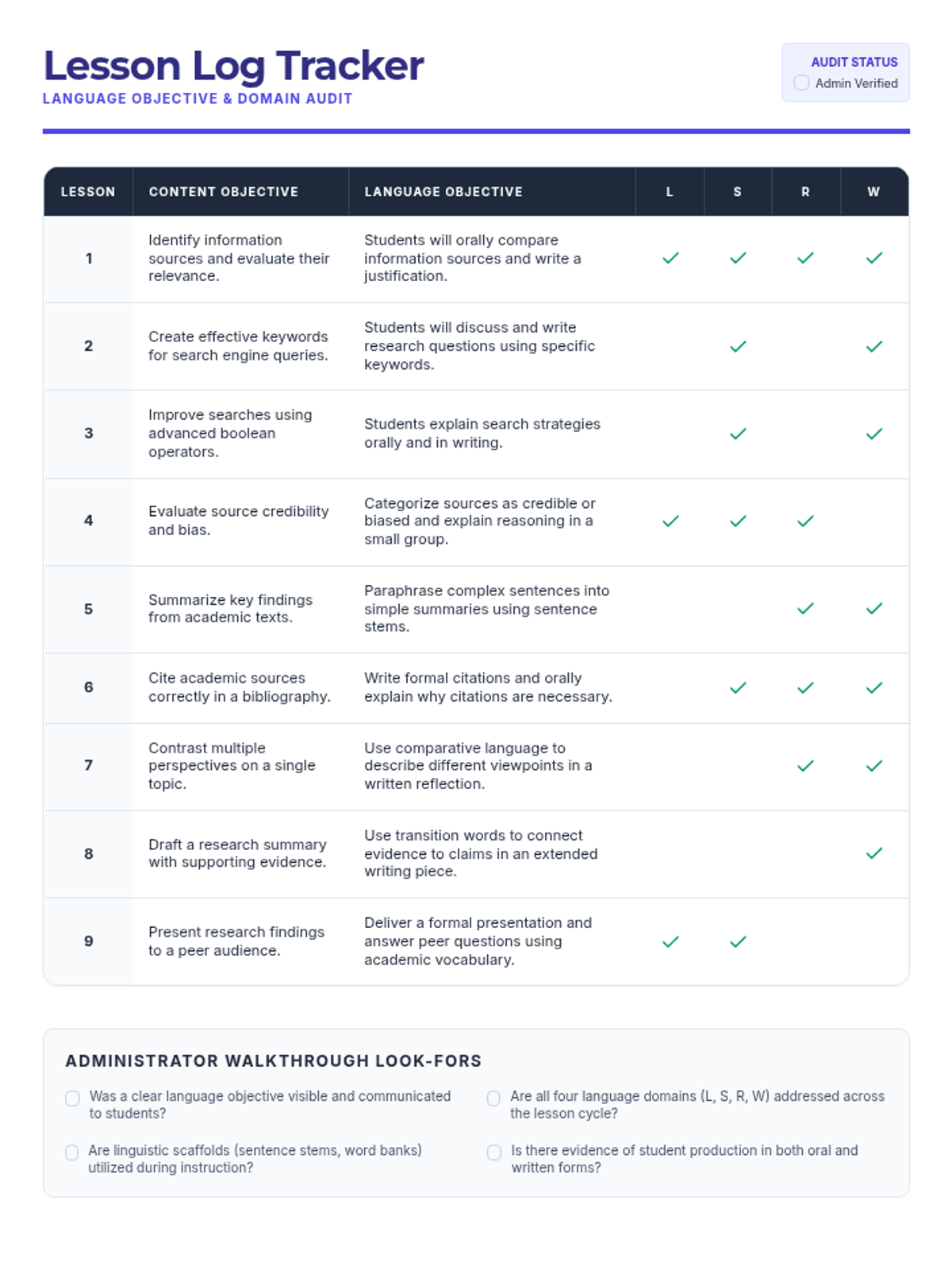
A comprehensive toolkit for teachers to track, document, and support student English language proficiency growth using TELPAS criteria across all four domains.
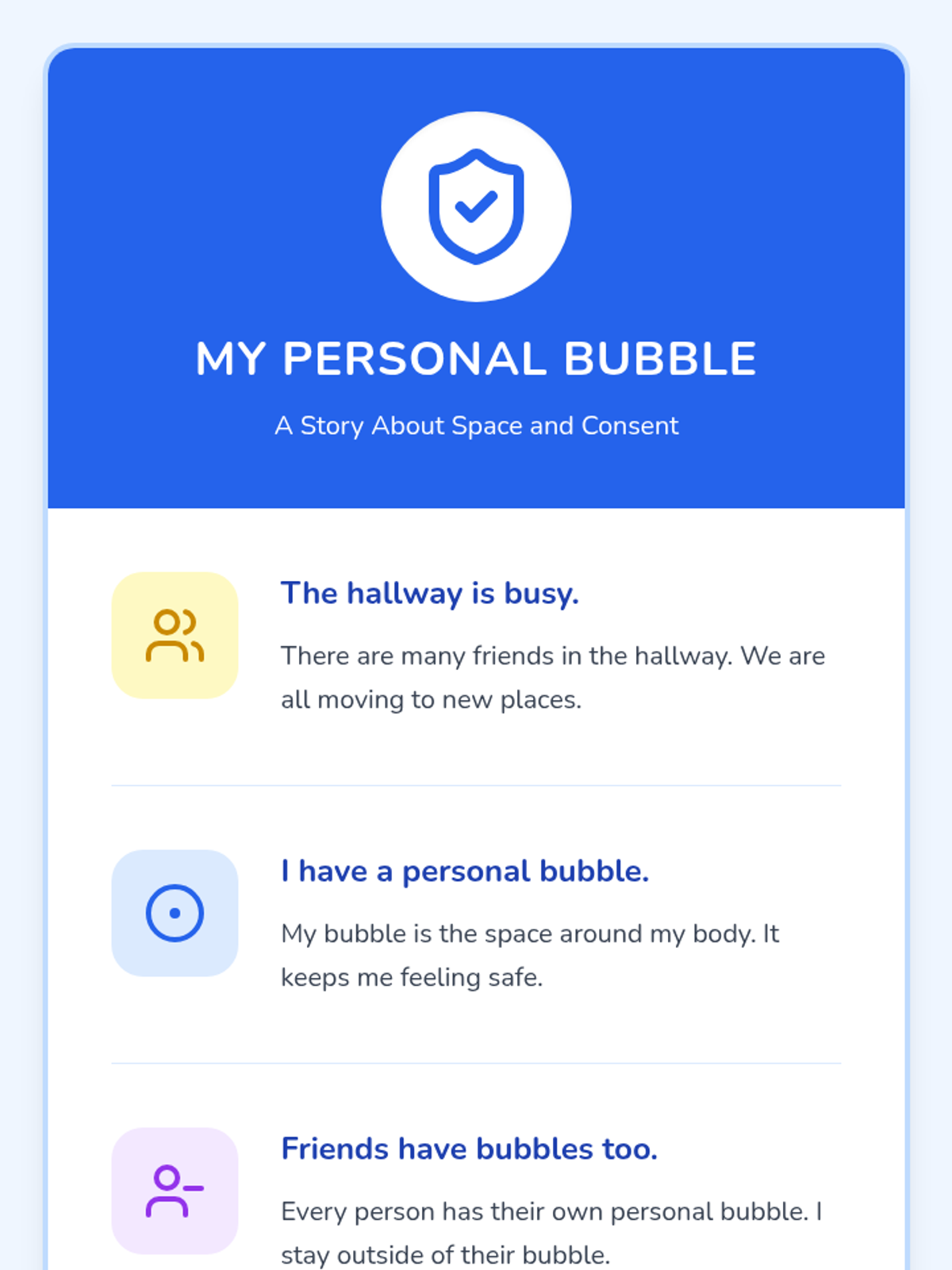
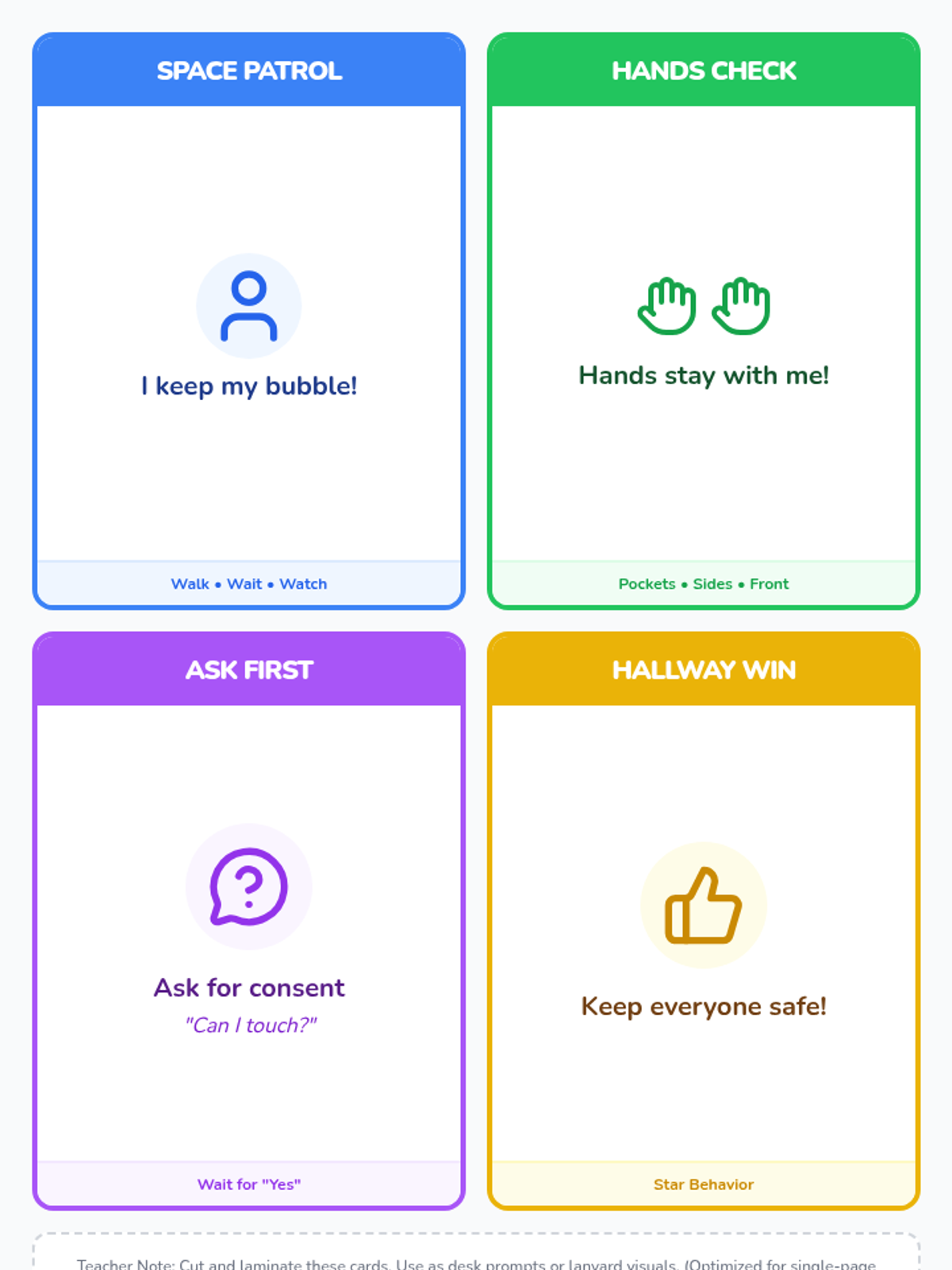
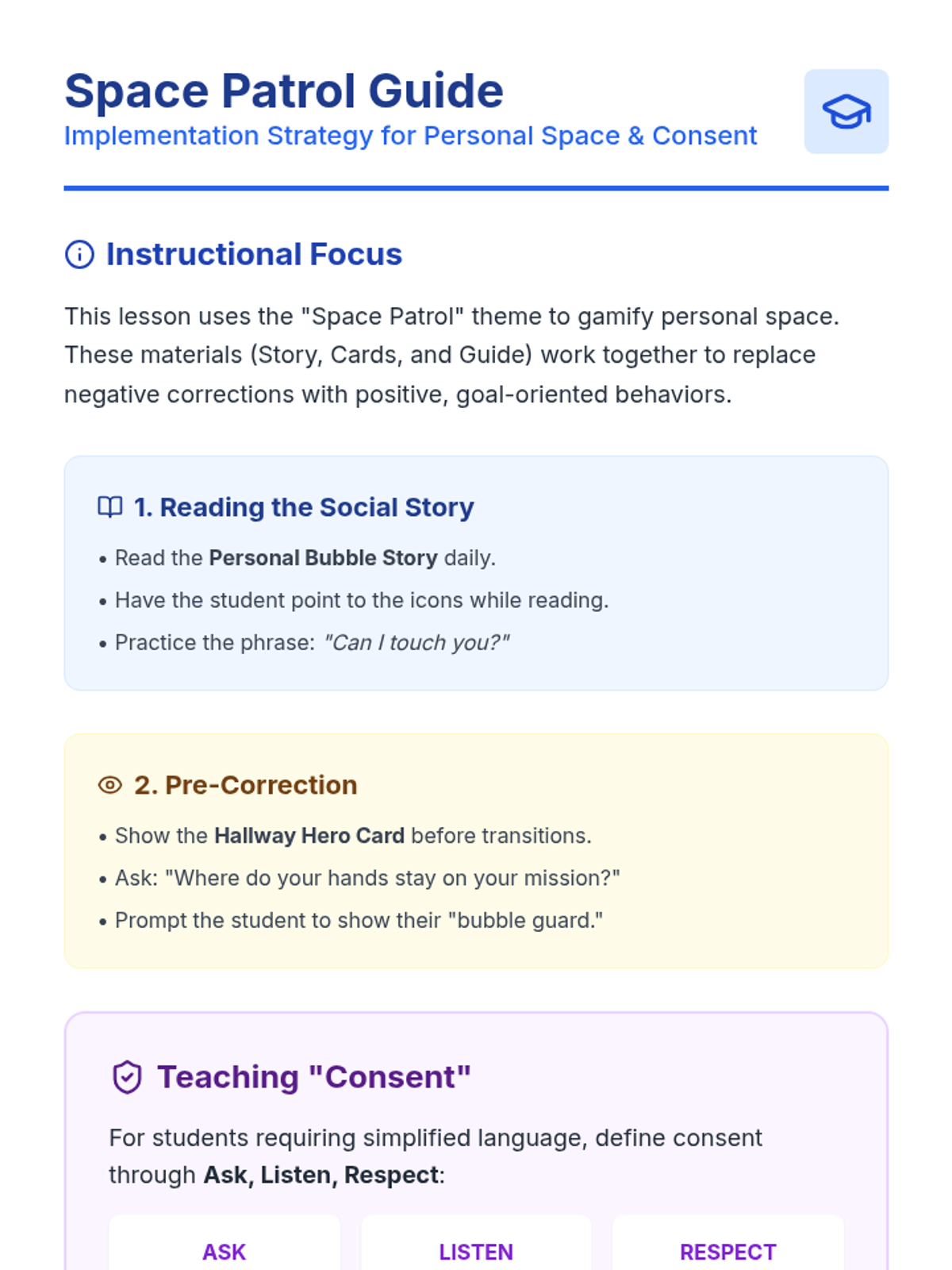
A social story and visual support system designed to teach students about personal space, consent, and appropriate behavior during unstructured hallway transitions.
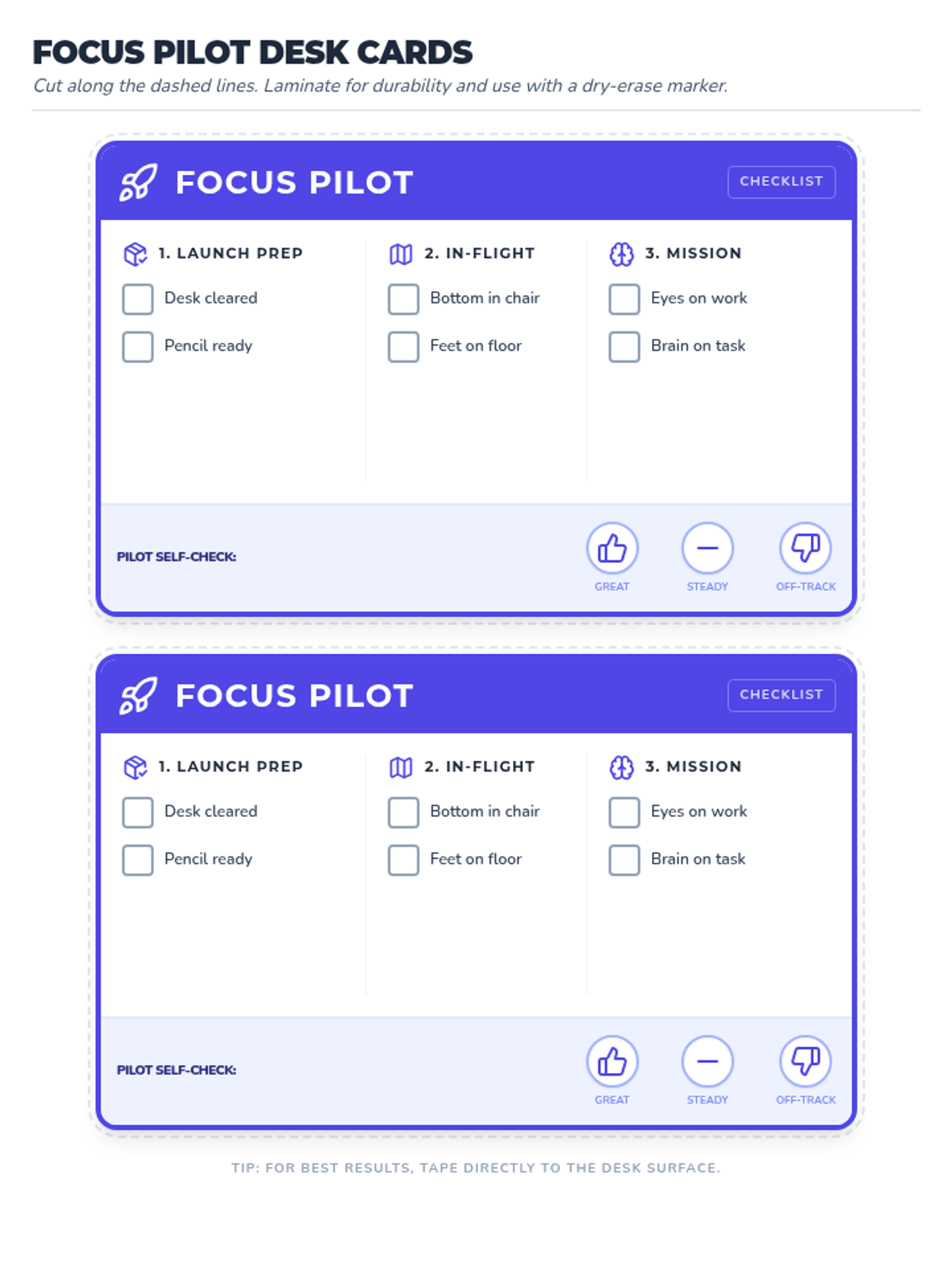
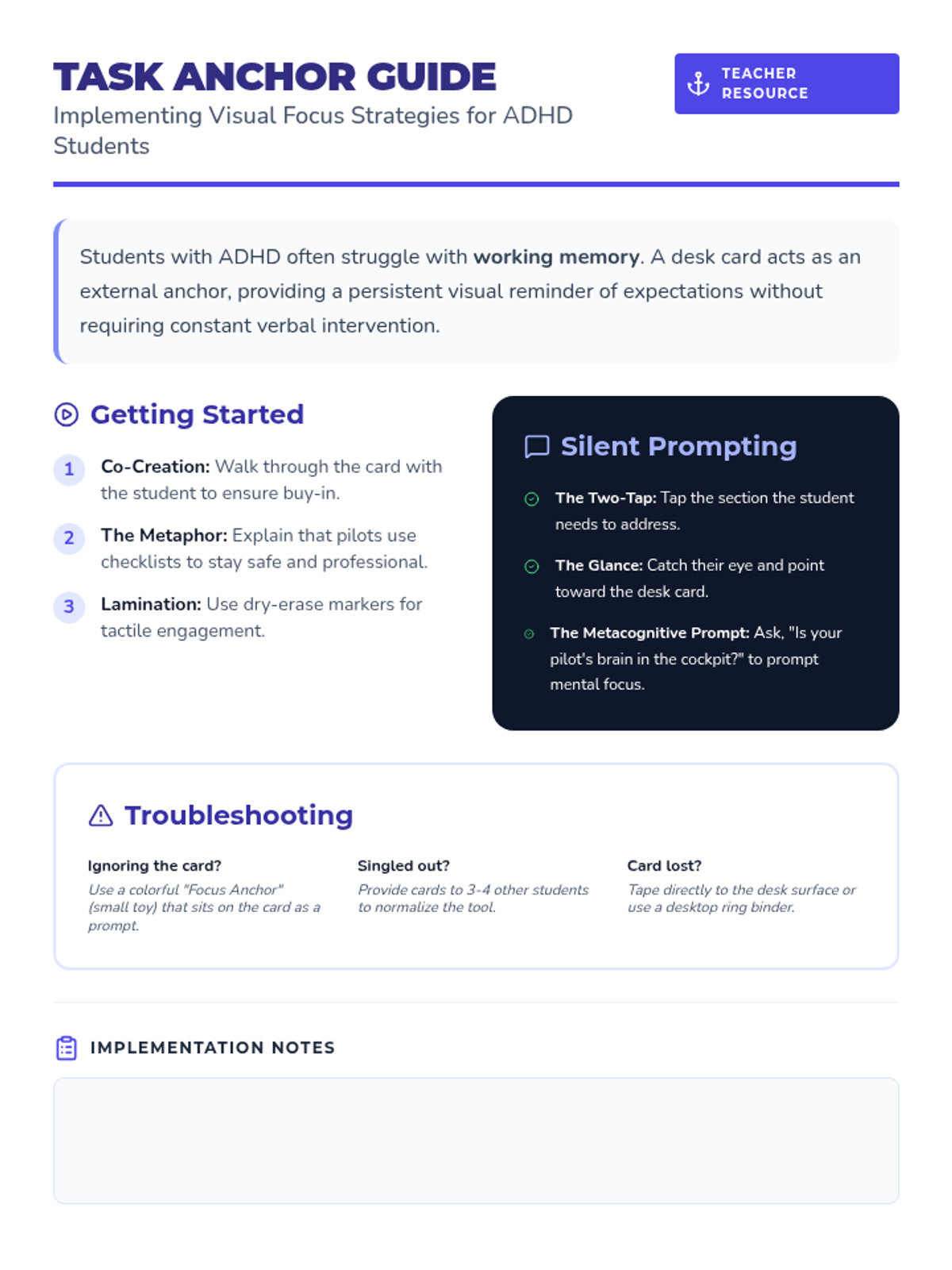
A focused toolkit designed to help students with ADHD improve their executive functioning through visual reminders and self-monitoring strategies.
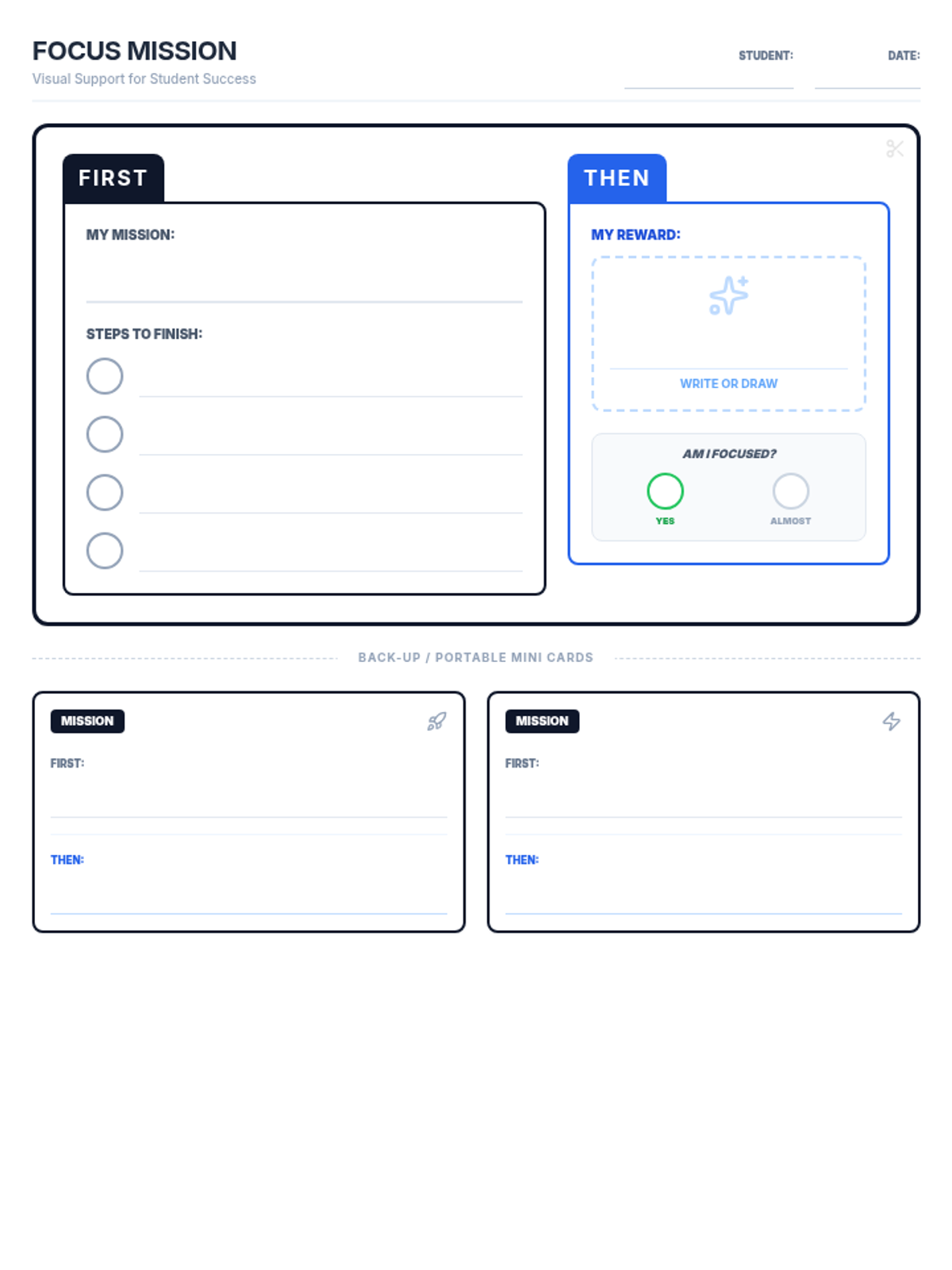
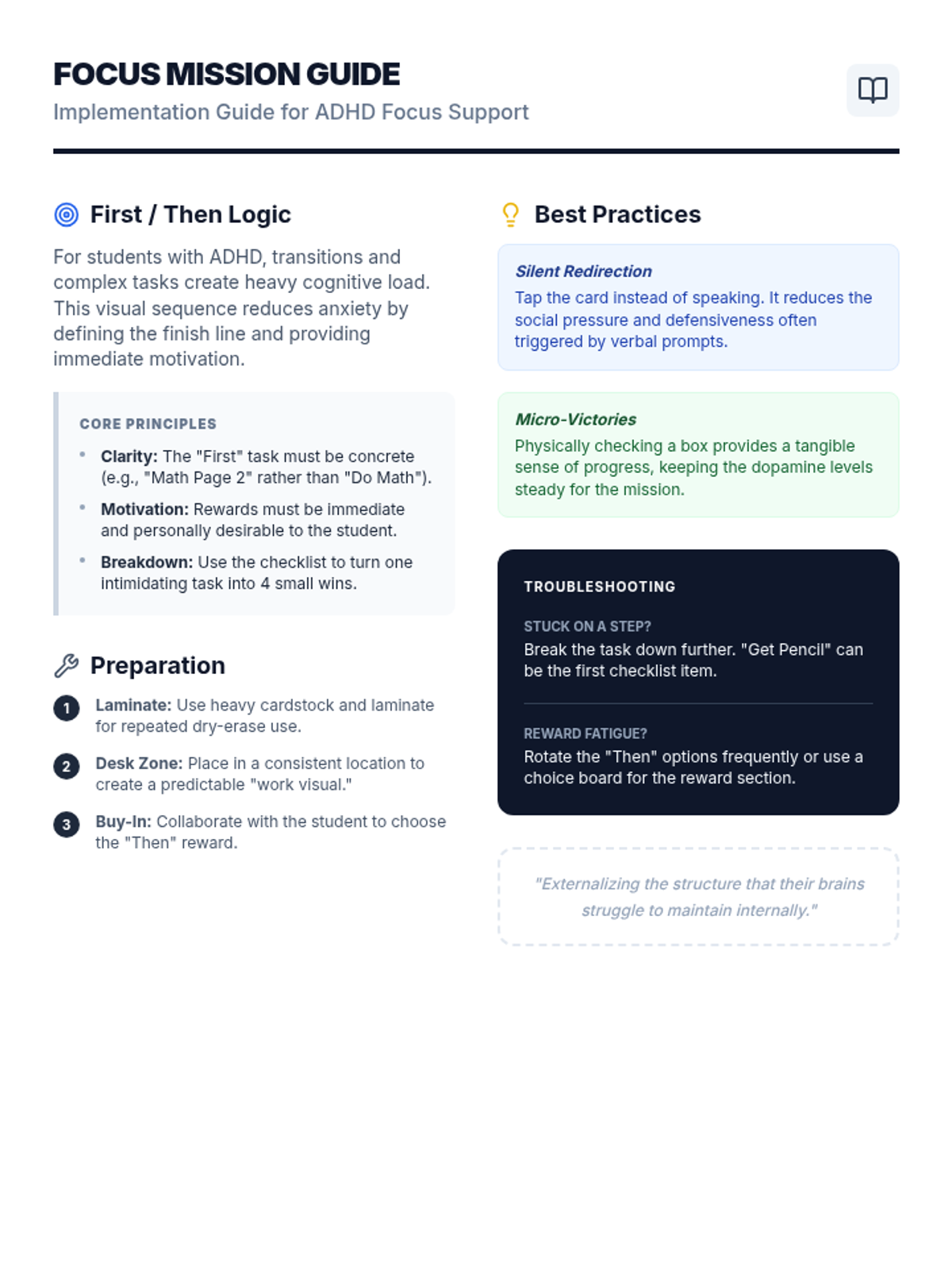
A visual support system using First/Then logic and structured checklists to help students with ADHD maintain focus and manage transitions.
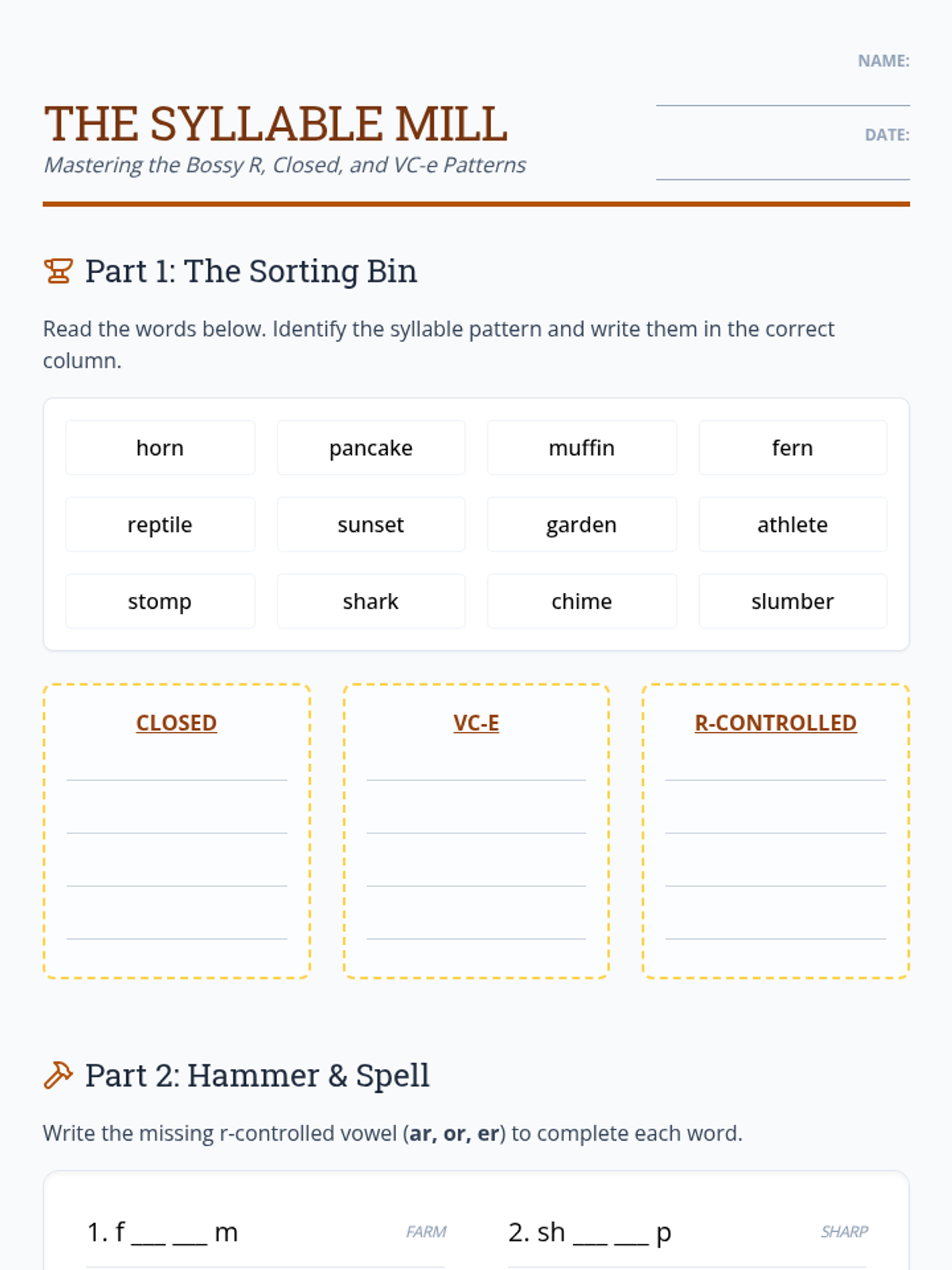
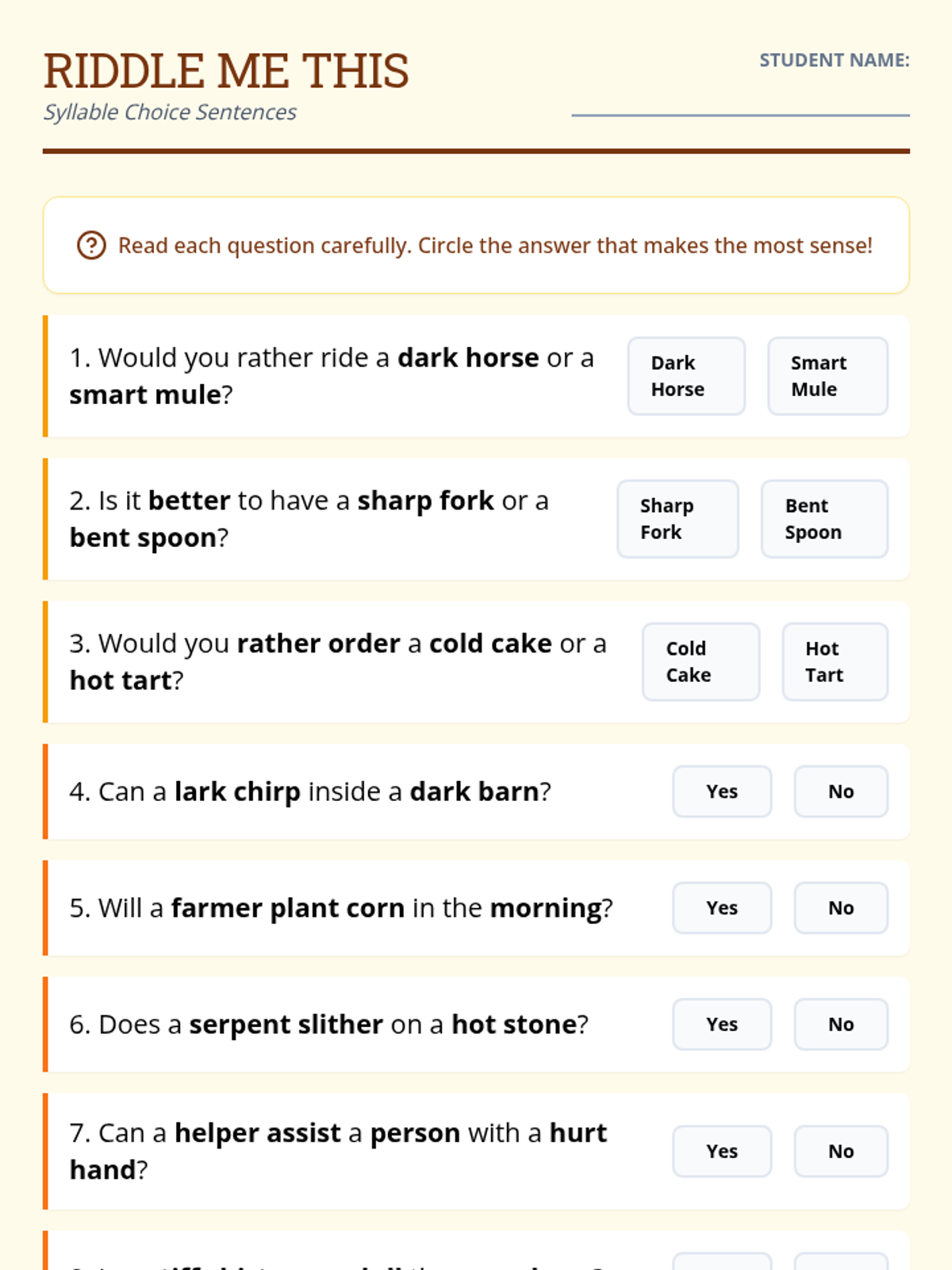
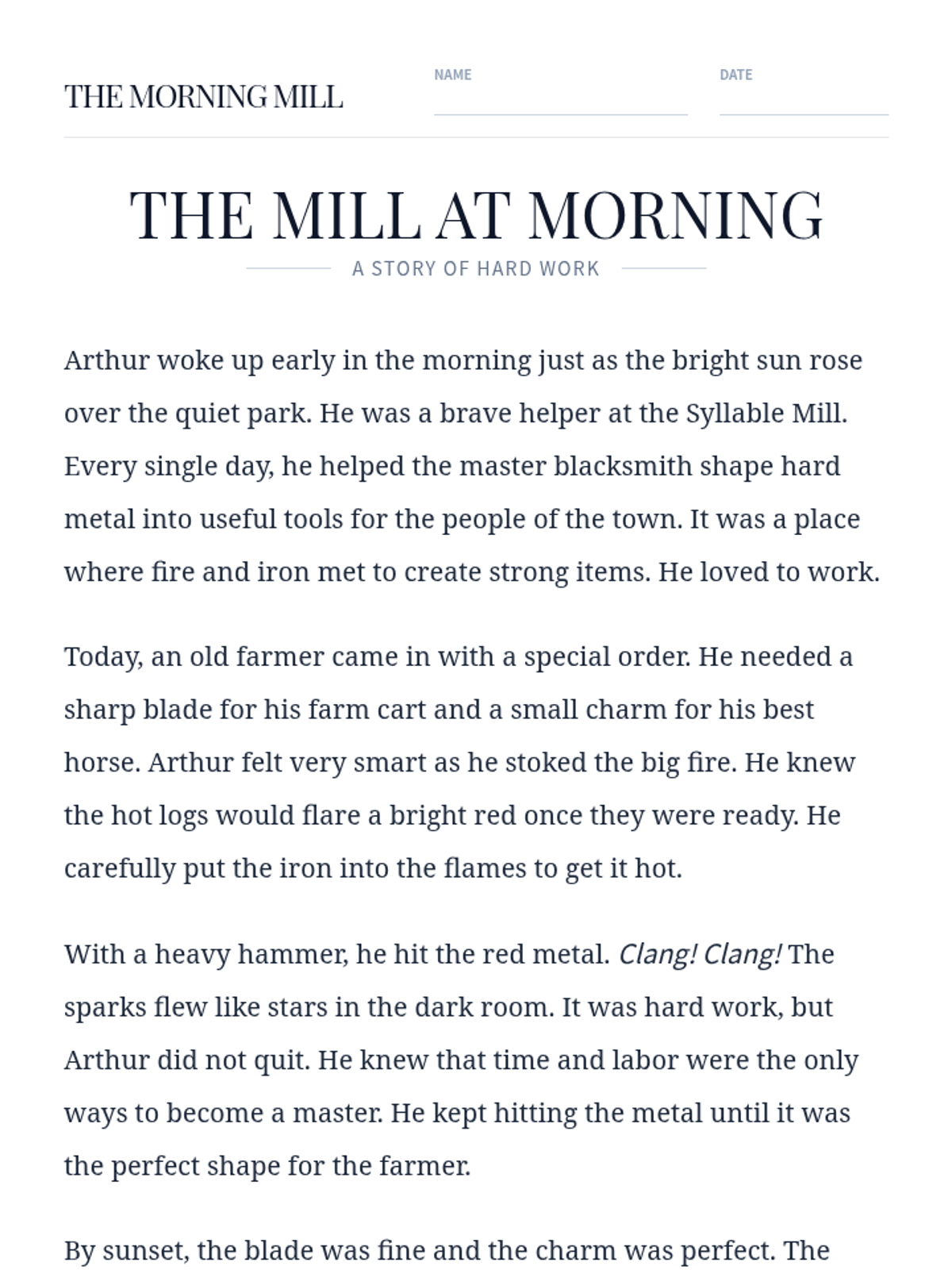
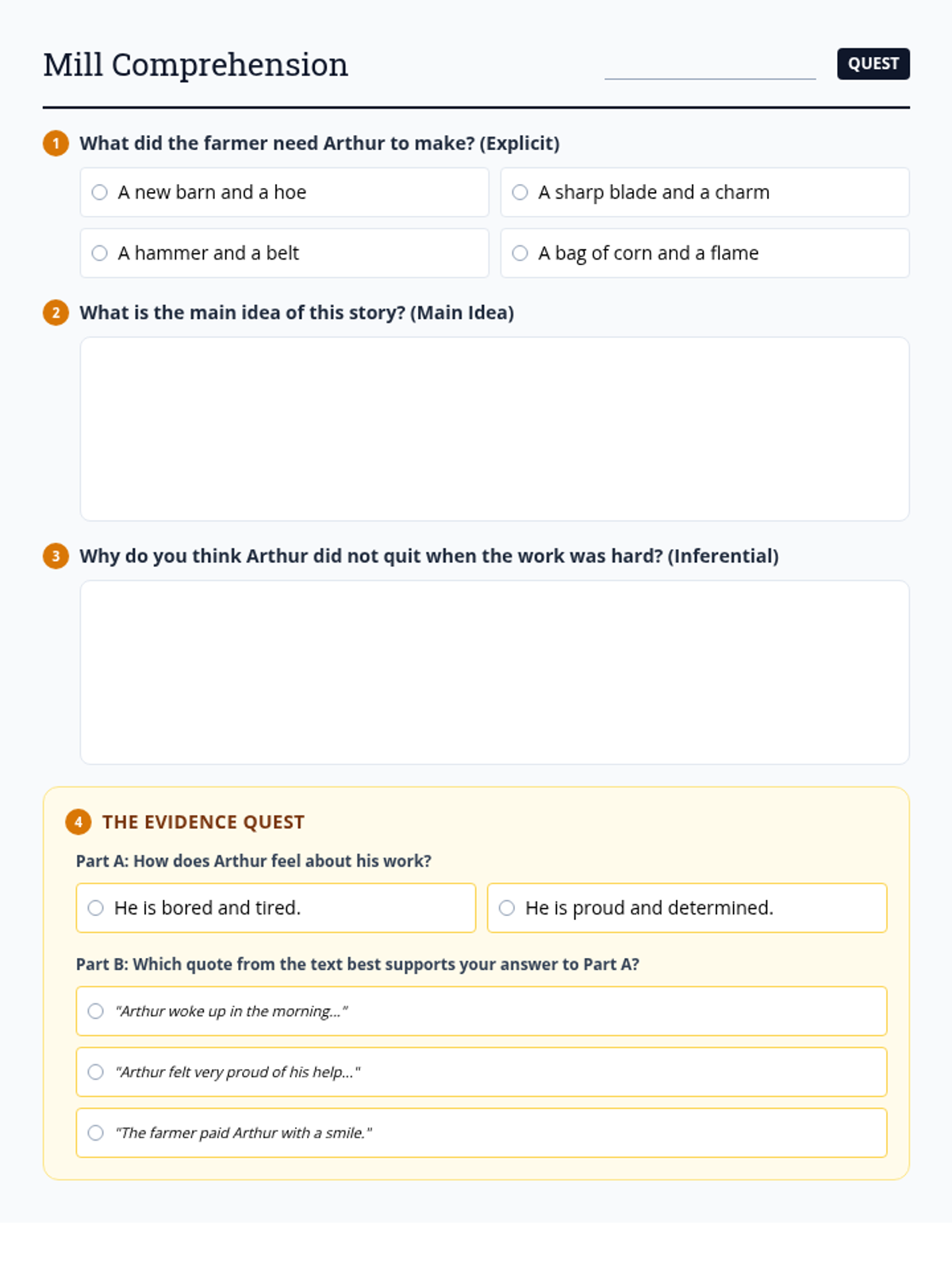
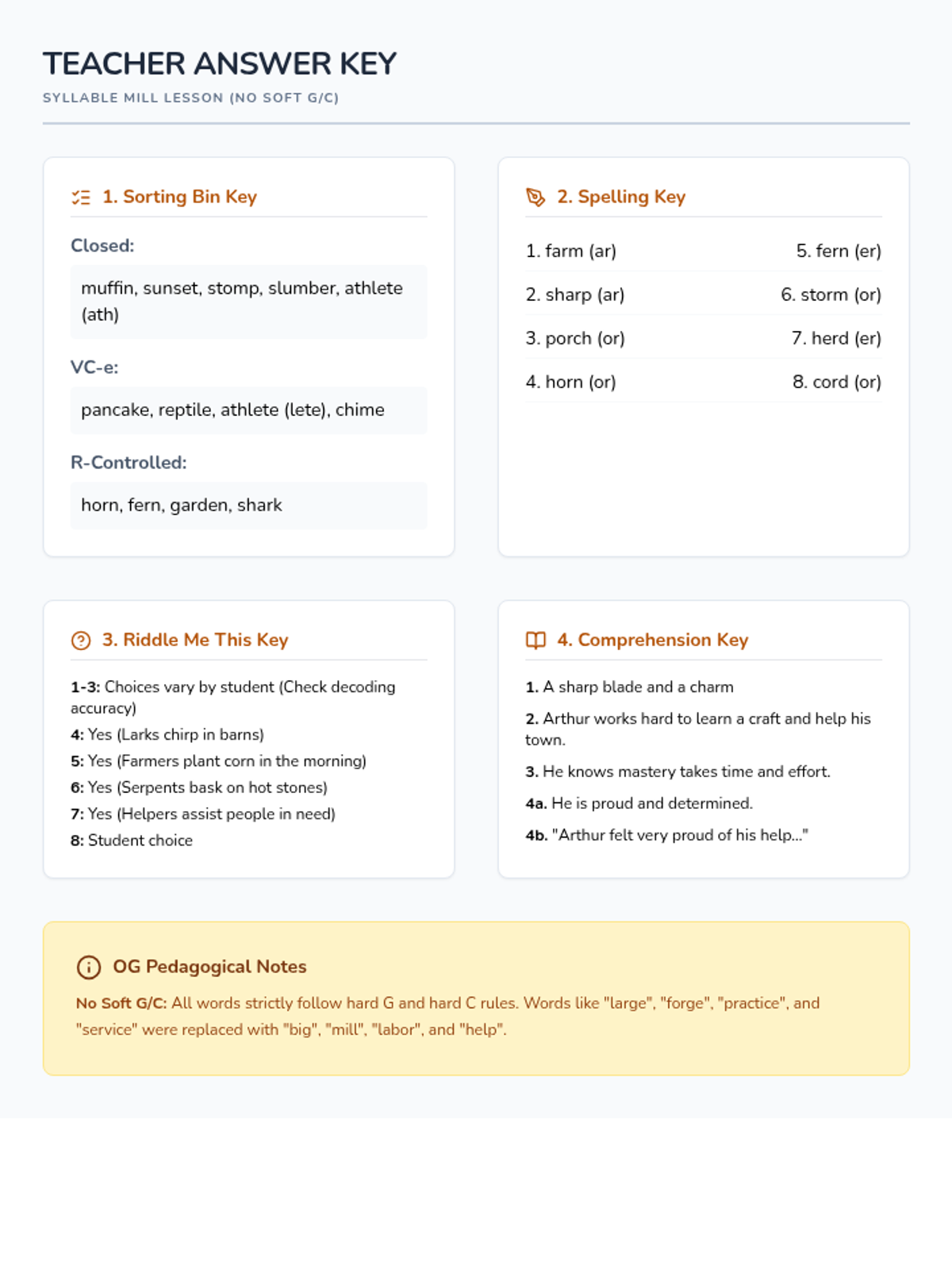
A comprehensive Orton-Gillingham lesson focusing on R-controlled syllables (ar, or, er, ir, ur) with a review of Closed and VC-e patterns. Includes word reading, interactive riddle sentences, an original reading passage, and in-depth comprehension questions. Strictly excludes soft g and soft c words.
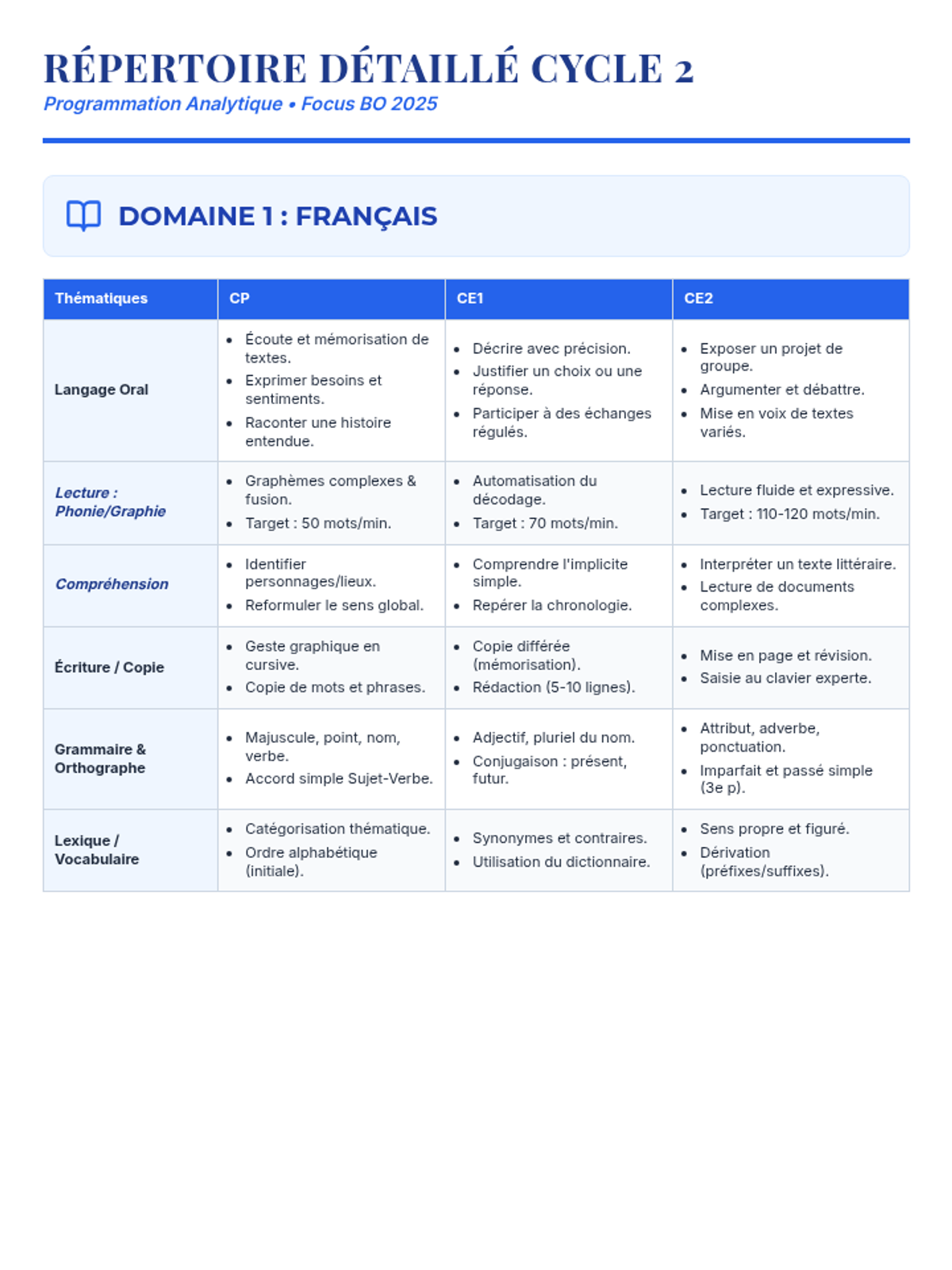
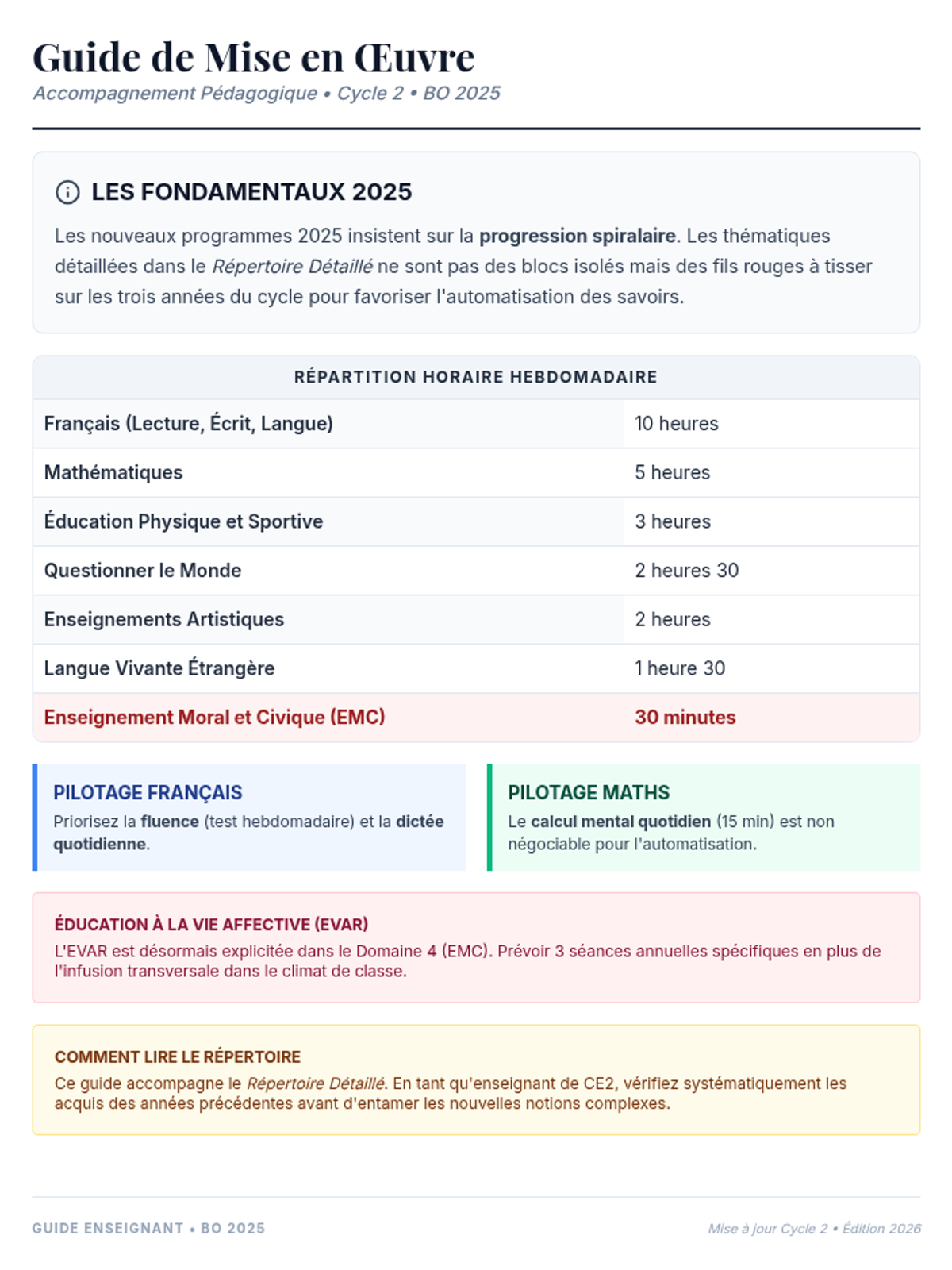
Une programmation complète pour le Cycle 2 basée sur les nouveaux programmes de 2025, structurée par thématiques et par année (CP, CE1, CE2) pour toutes les matières.
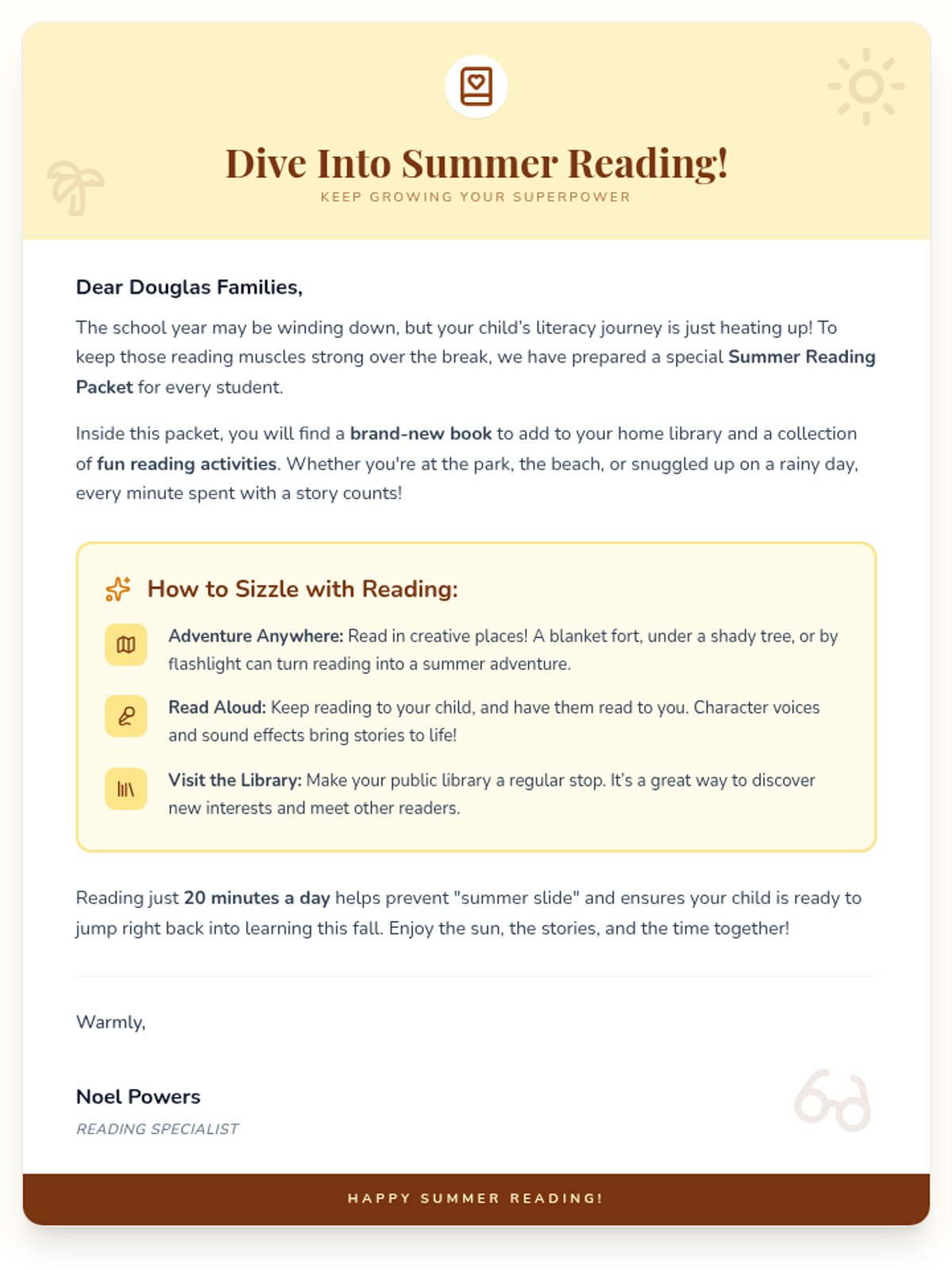
A collection of resources to encourage and track reading progress over the summer break for K-3 students, including a parent letter and activity suggestions.
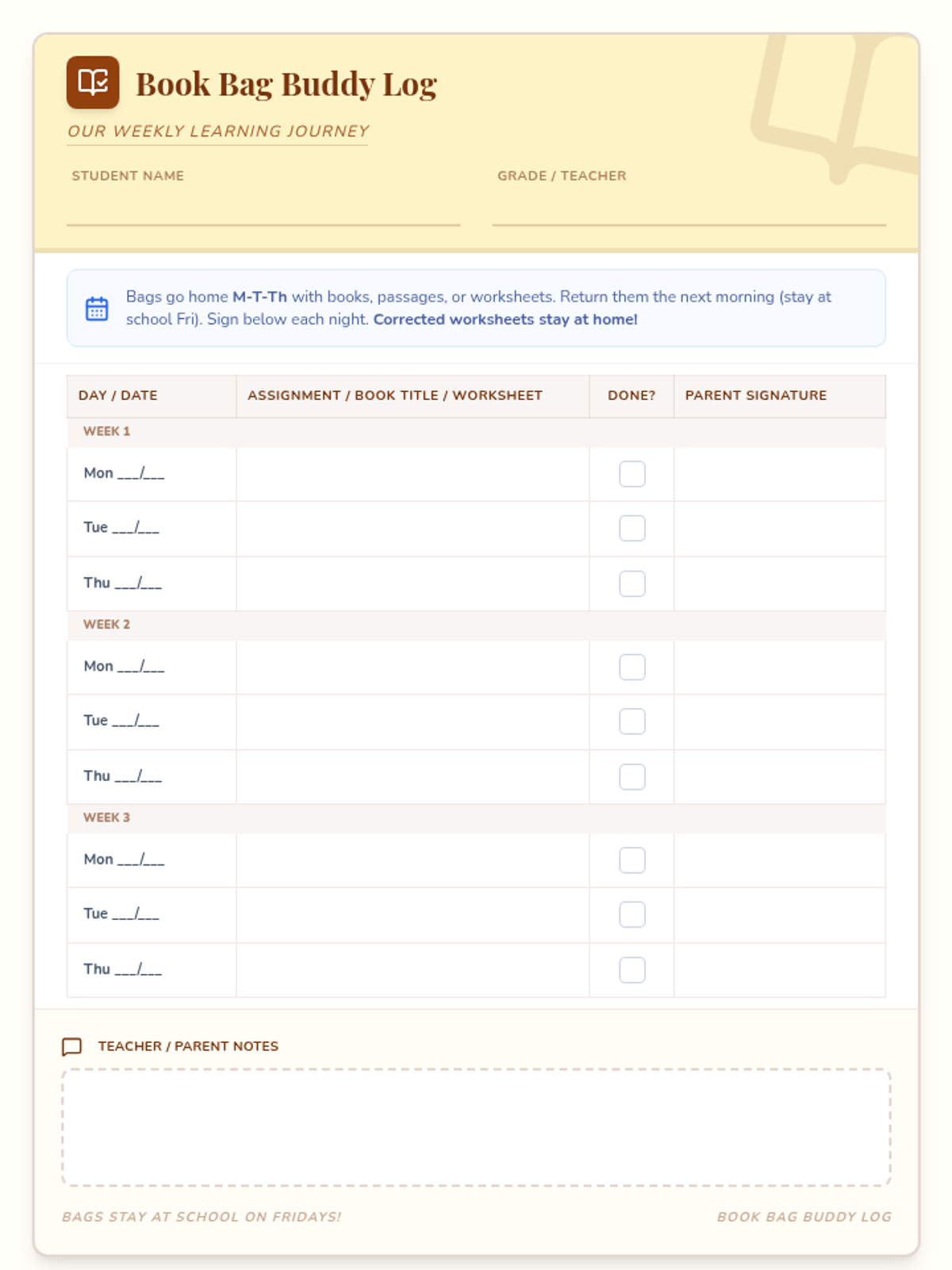
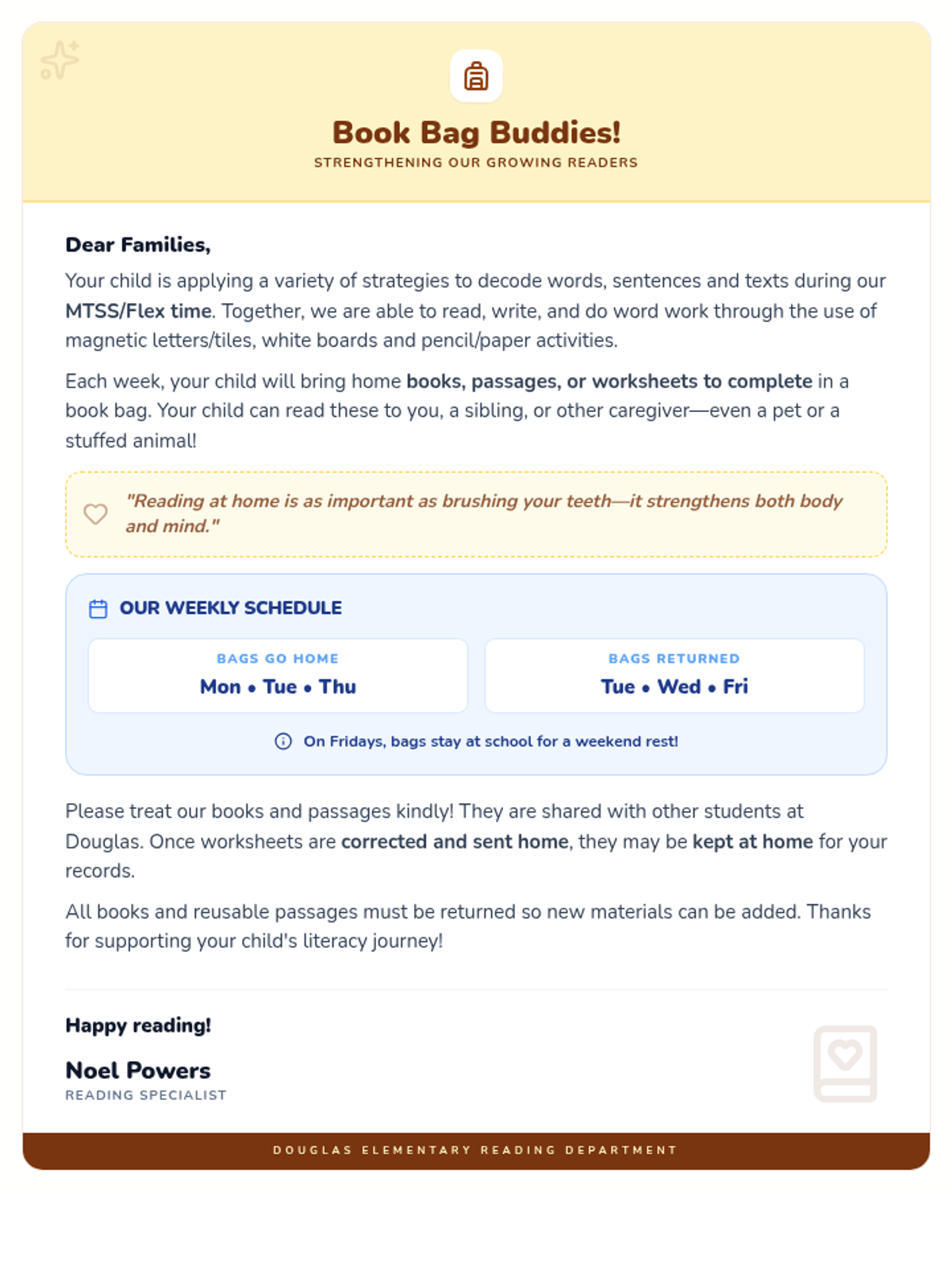
A home-school communication system for K-3 students featuring a homework bag log and an introductory letter for parents, detailing a Monday-Tuesday-Thursday homework schedule.
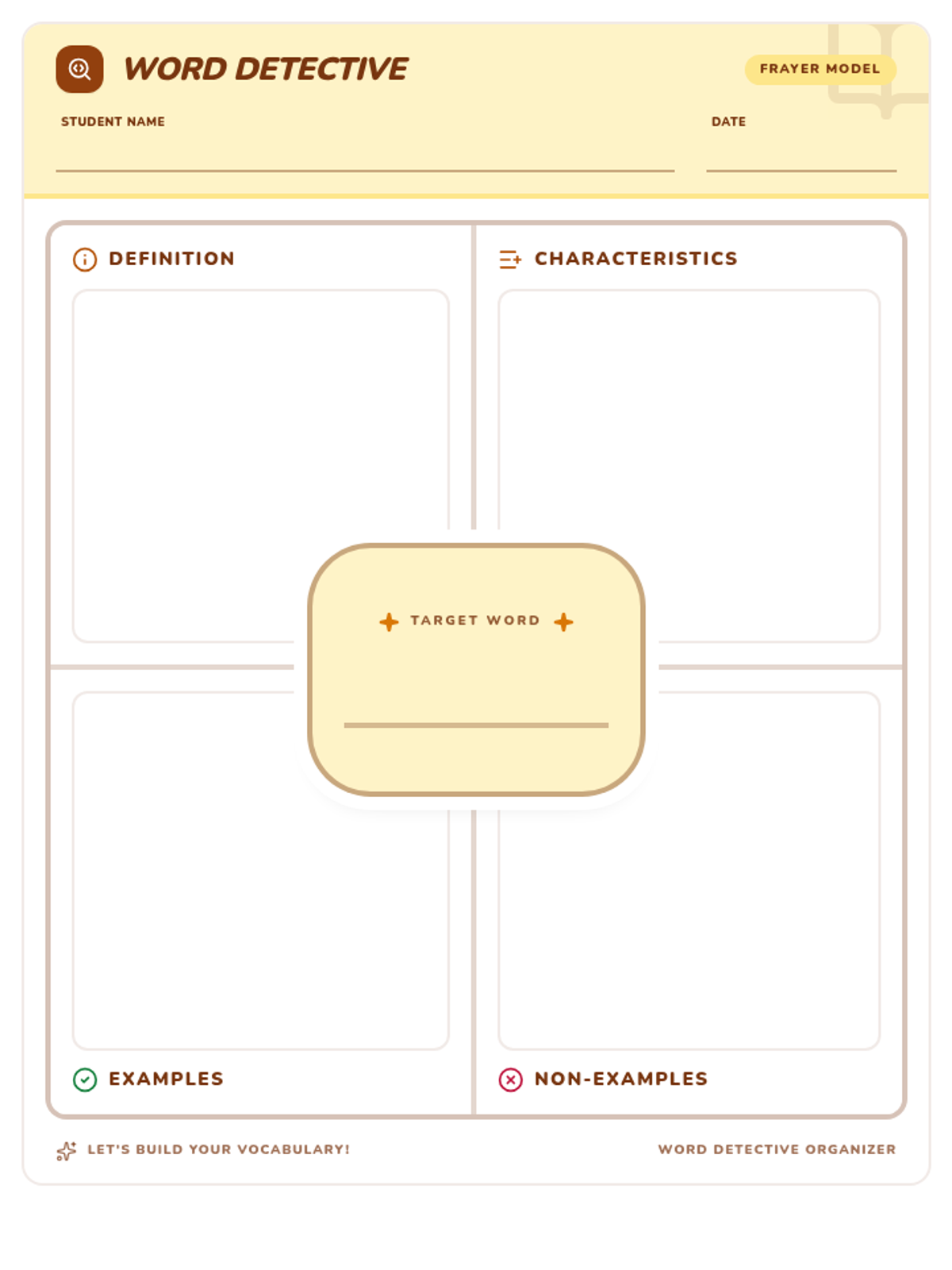
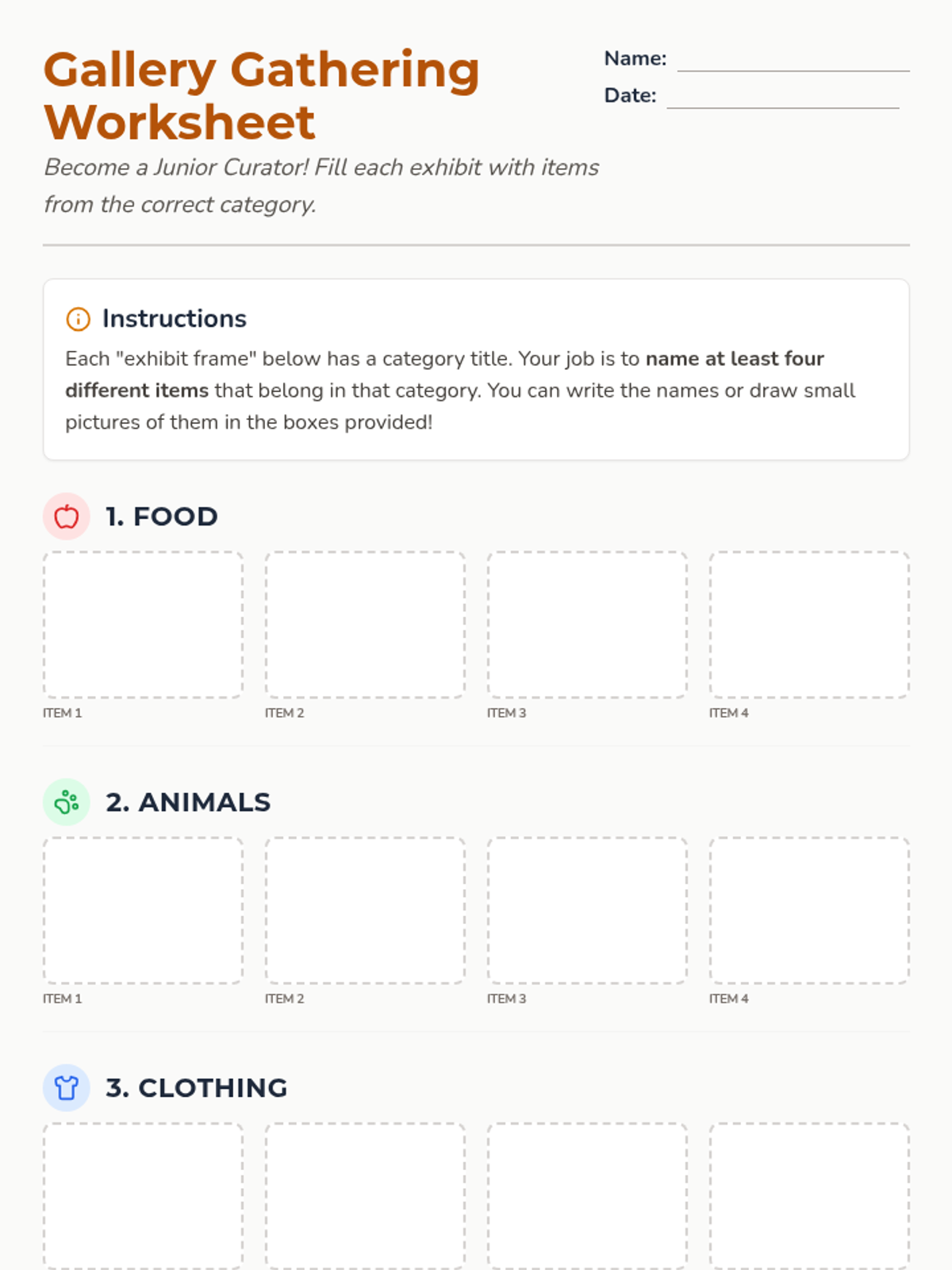
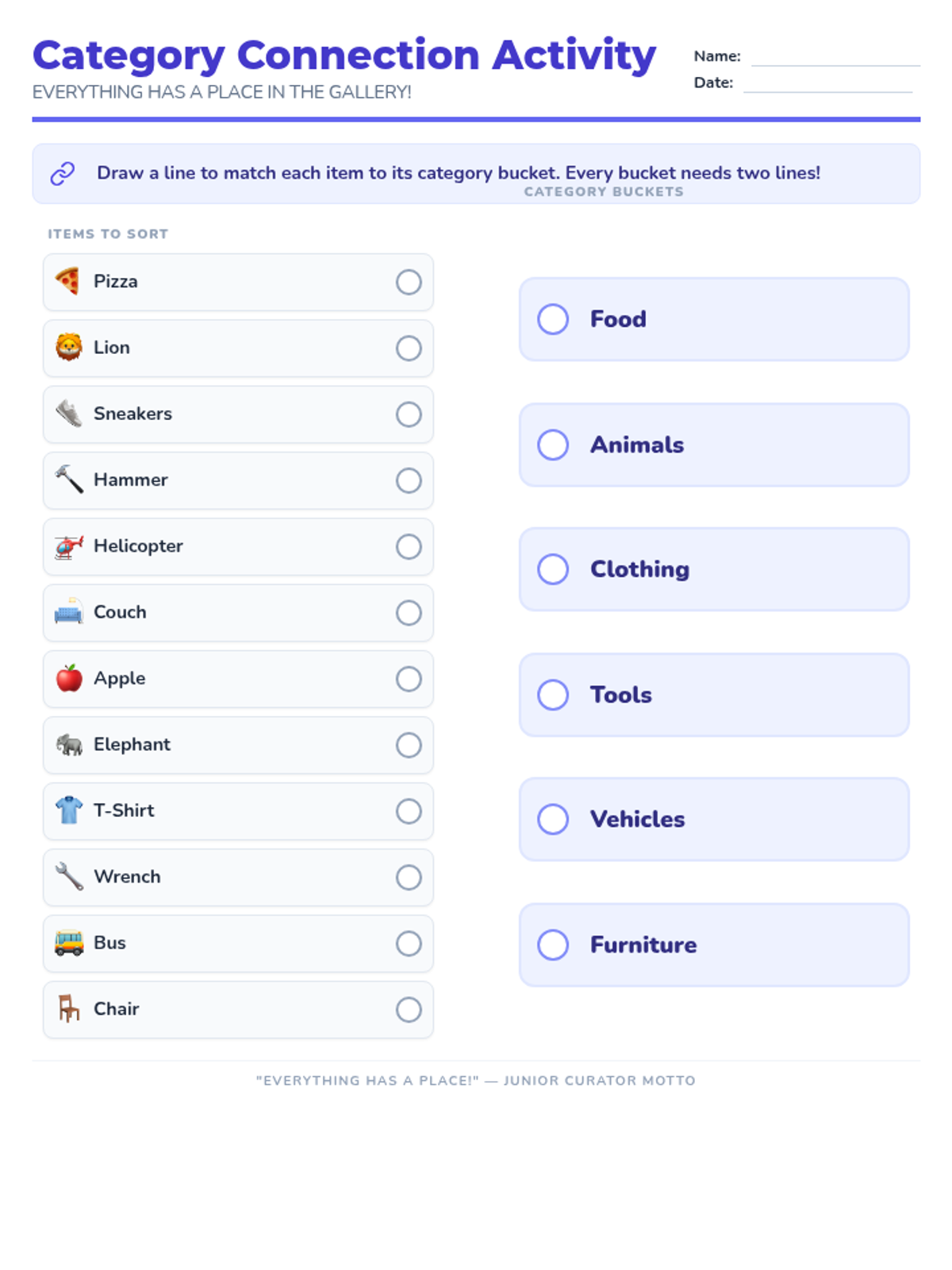
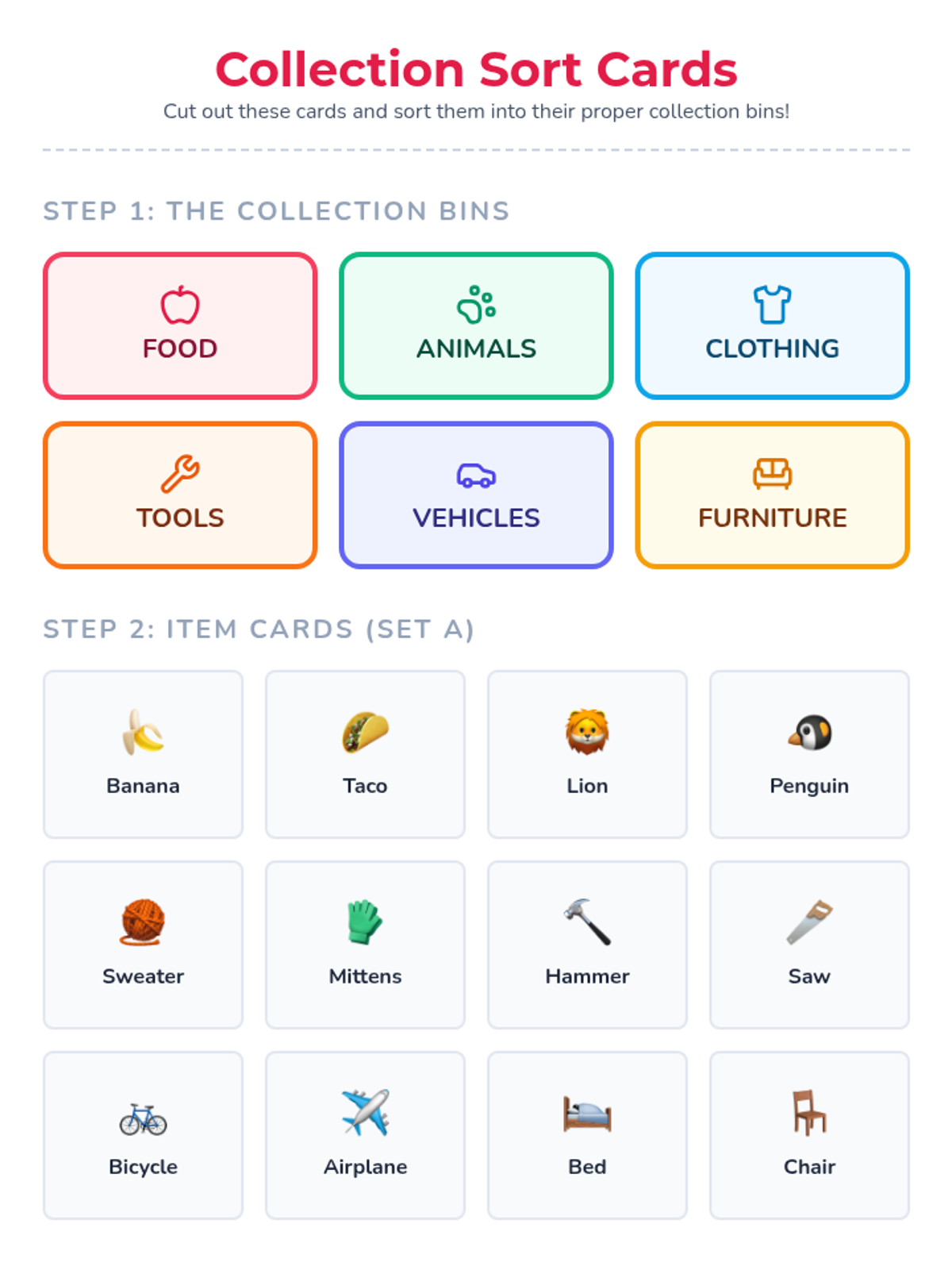
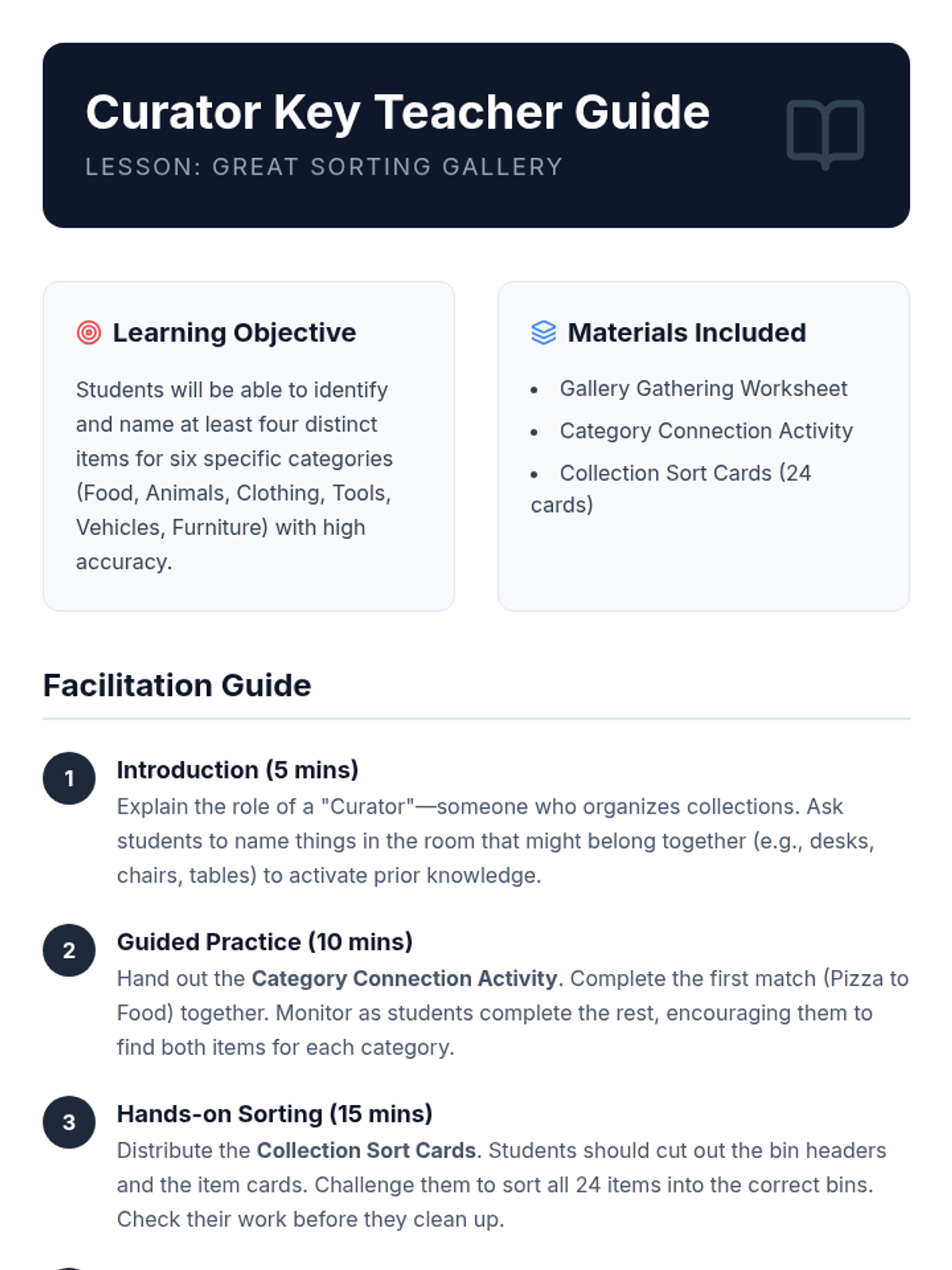
Students will practice classifying and naming items within six specific categories: Food, Animals, Clothing, Tools, Vehicles, and Furniture. Through a variety of interactive and visual tasks, they will demonstrate their ability to generate at least four distinct examples for each category.
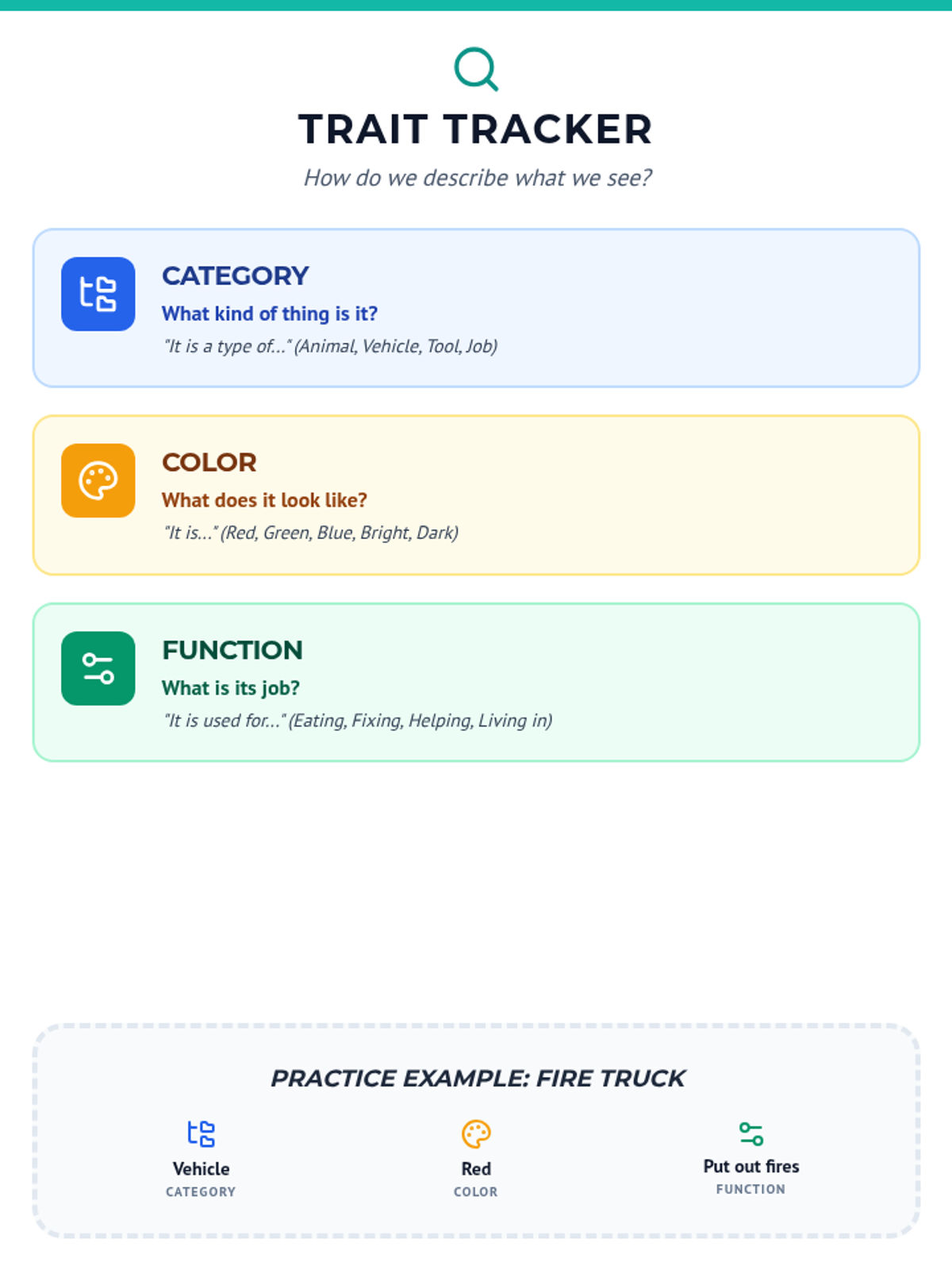
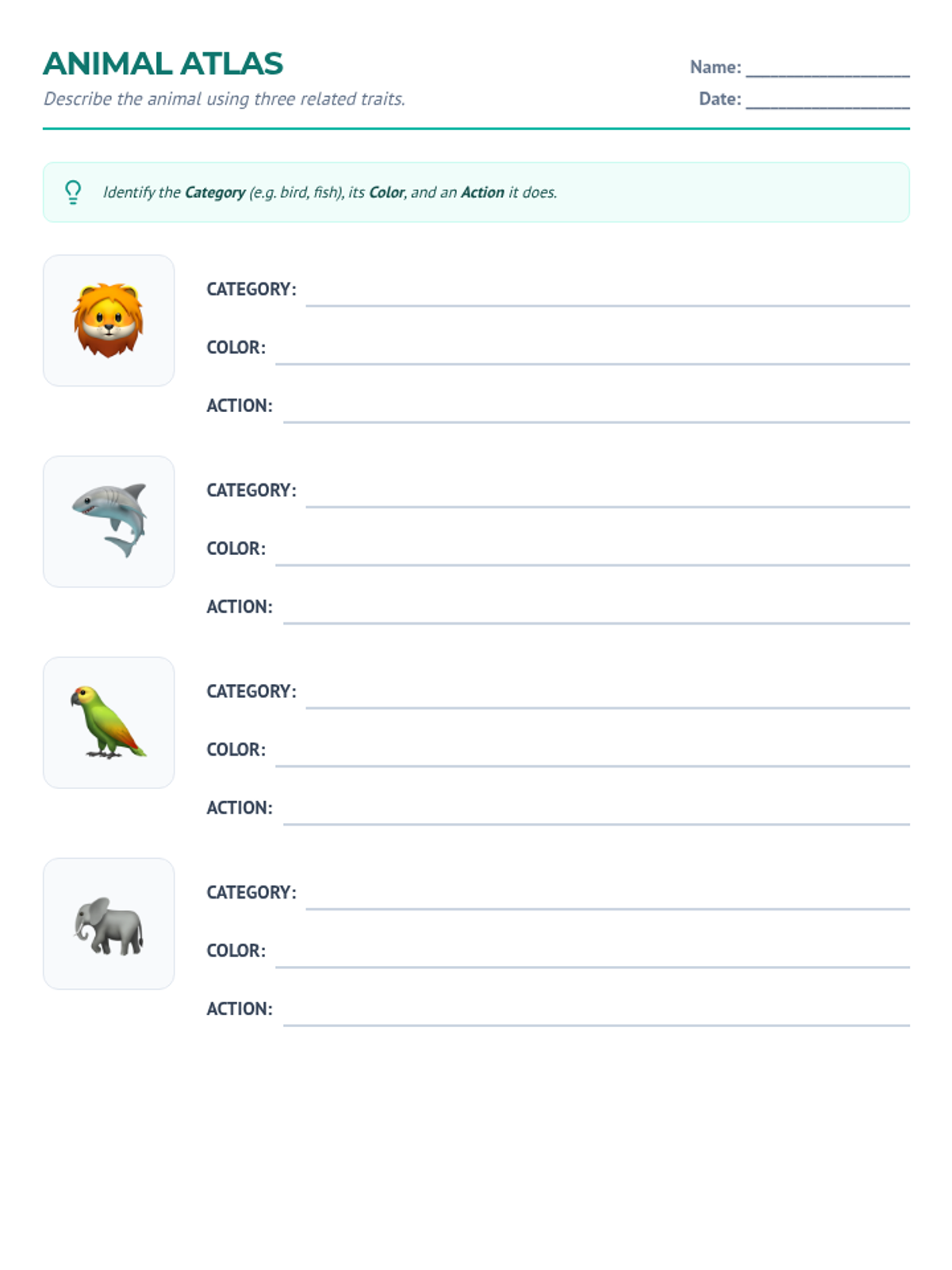
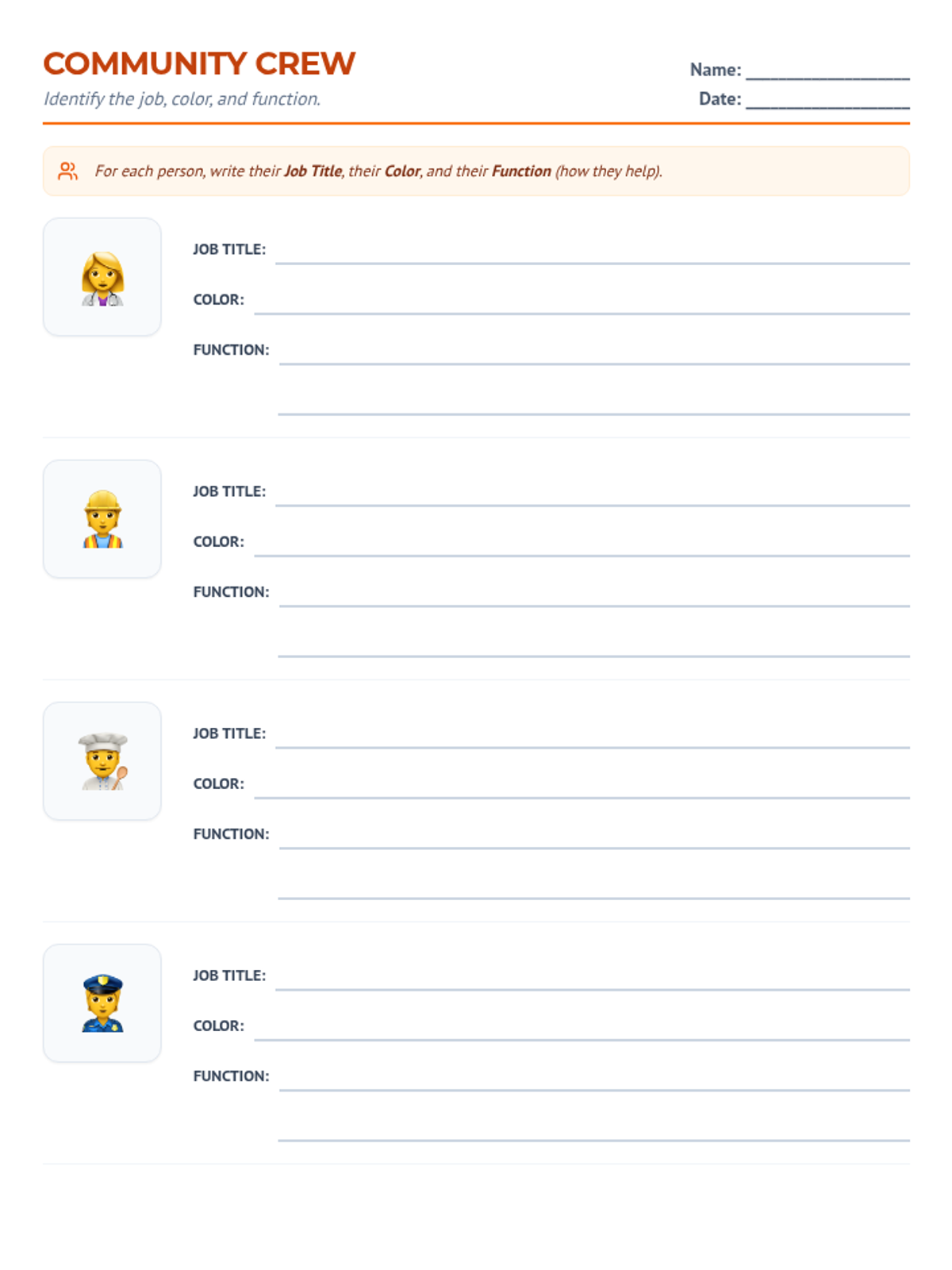
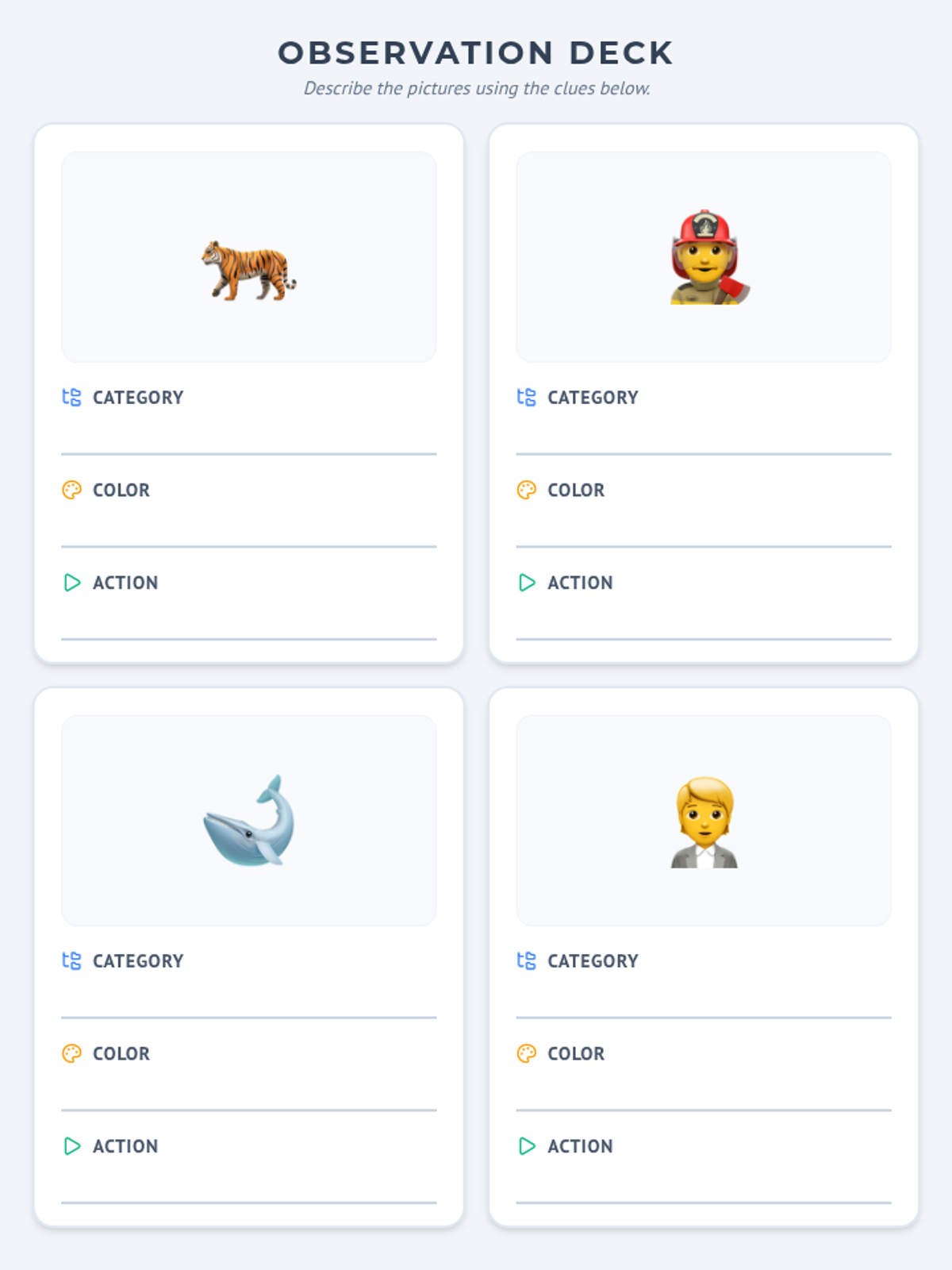
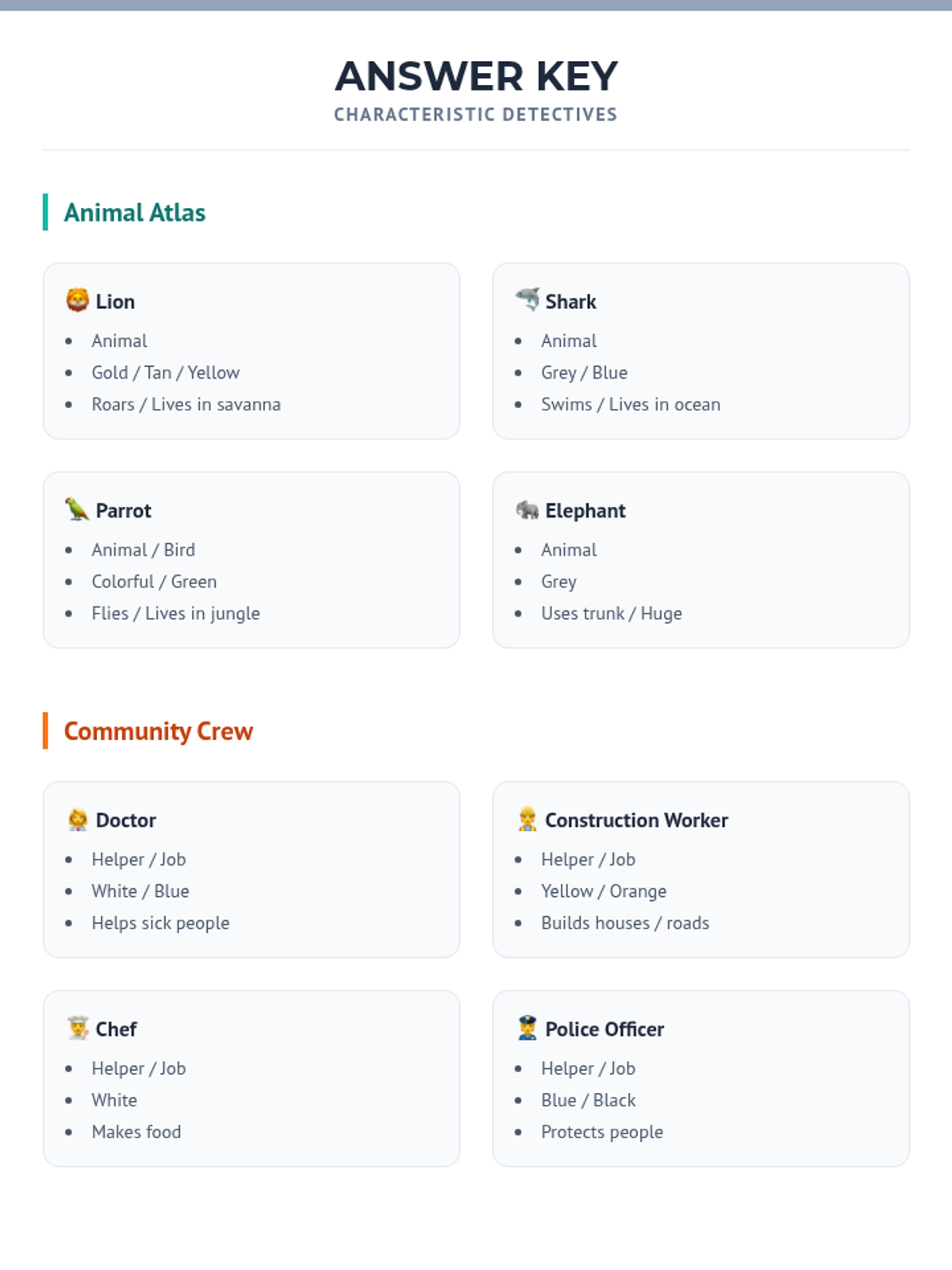
This lesson helps students identify and name three specific characteristics (color, category, and function) for common objects, focusing on animals and community helpers. Students use visual prompts and structured practice to build descriptive language skills.
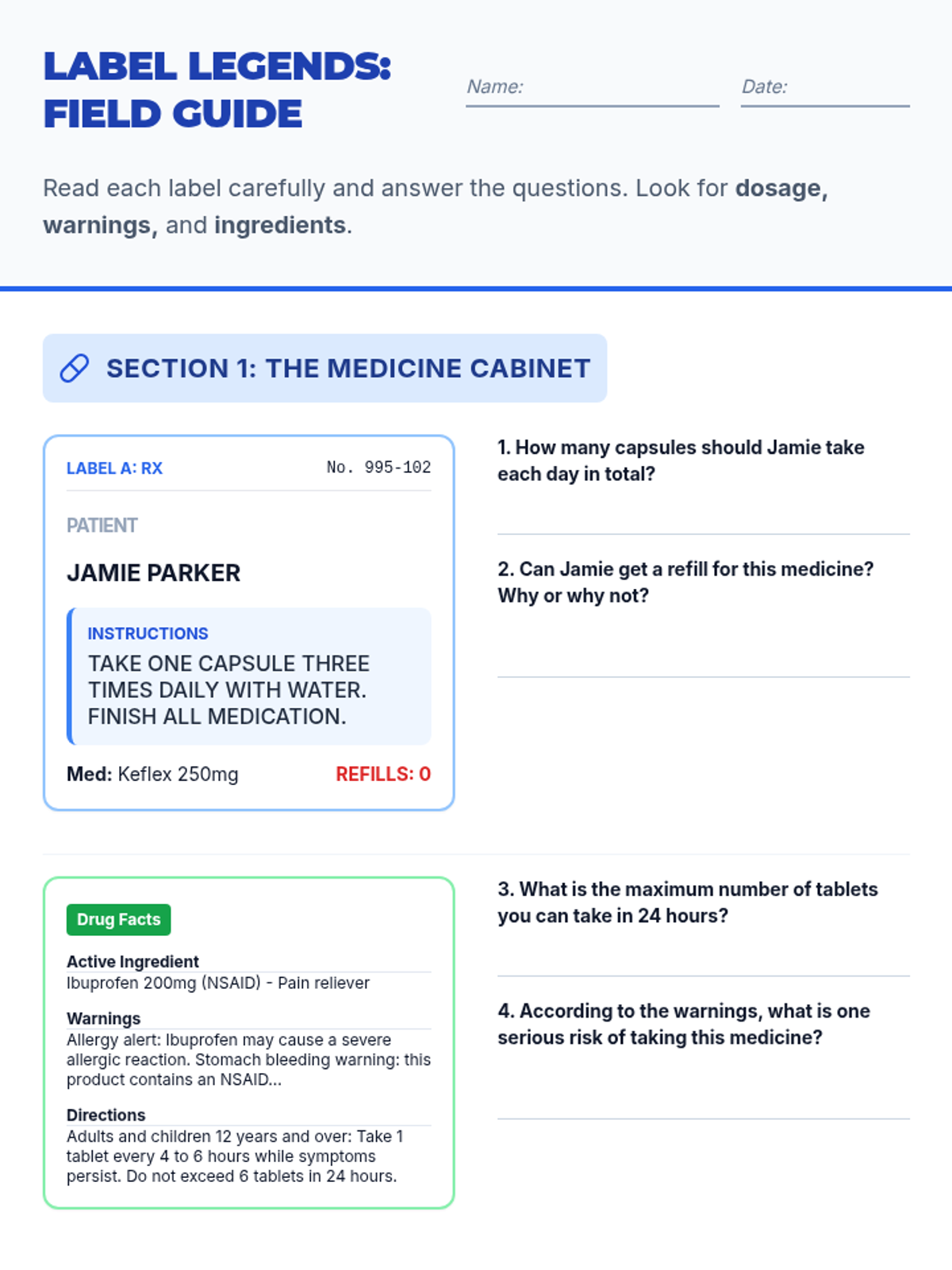
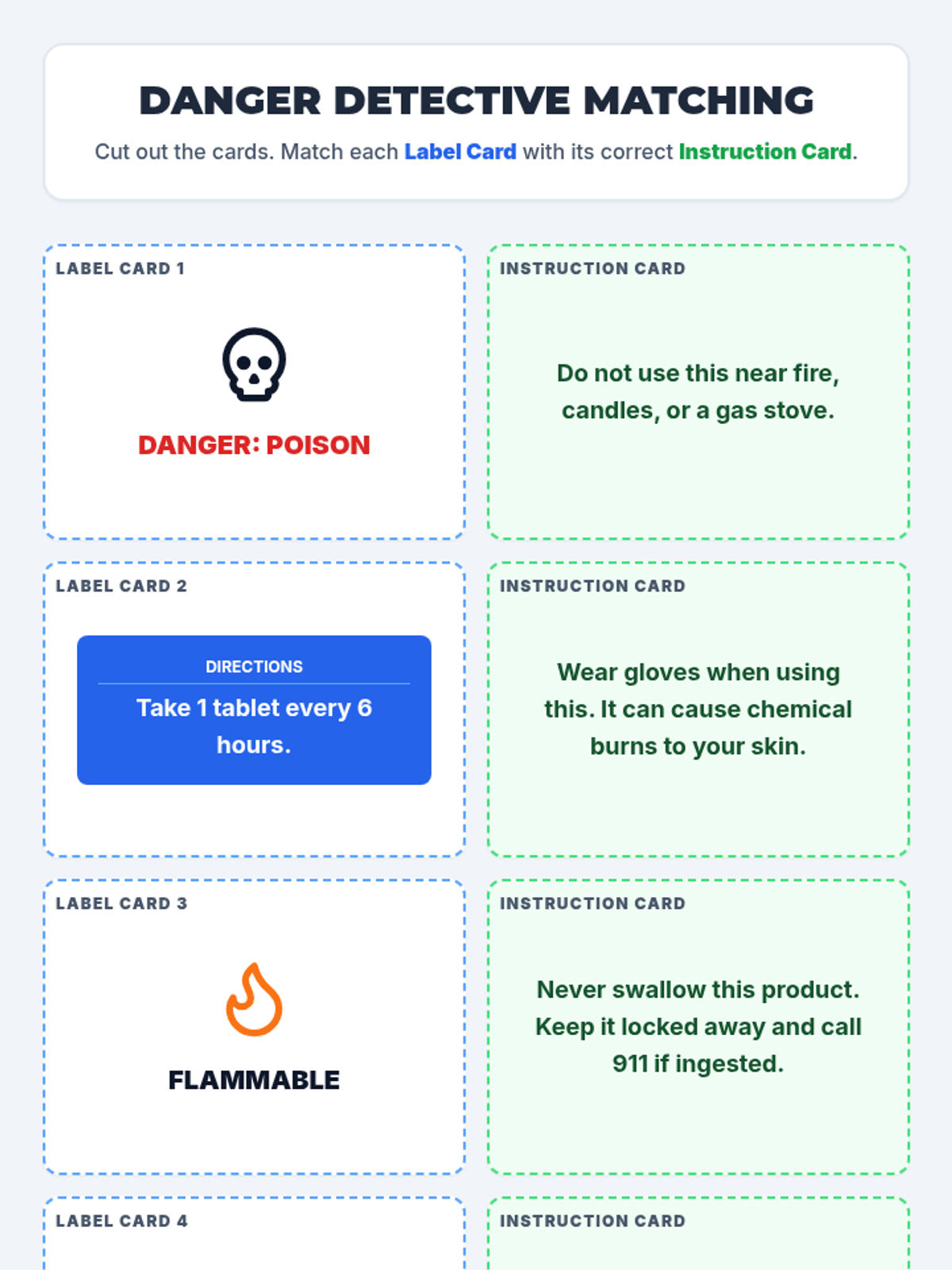
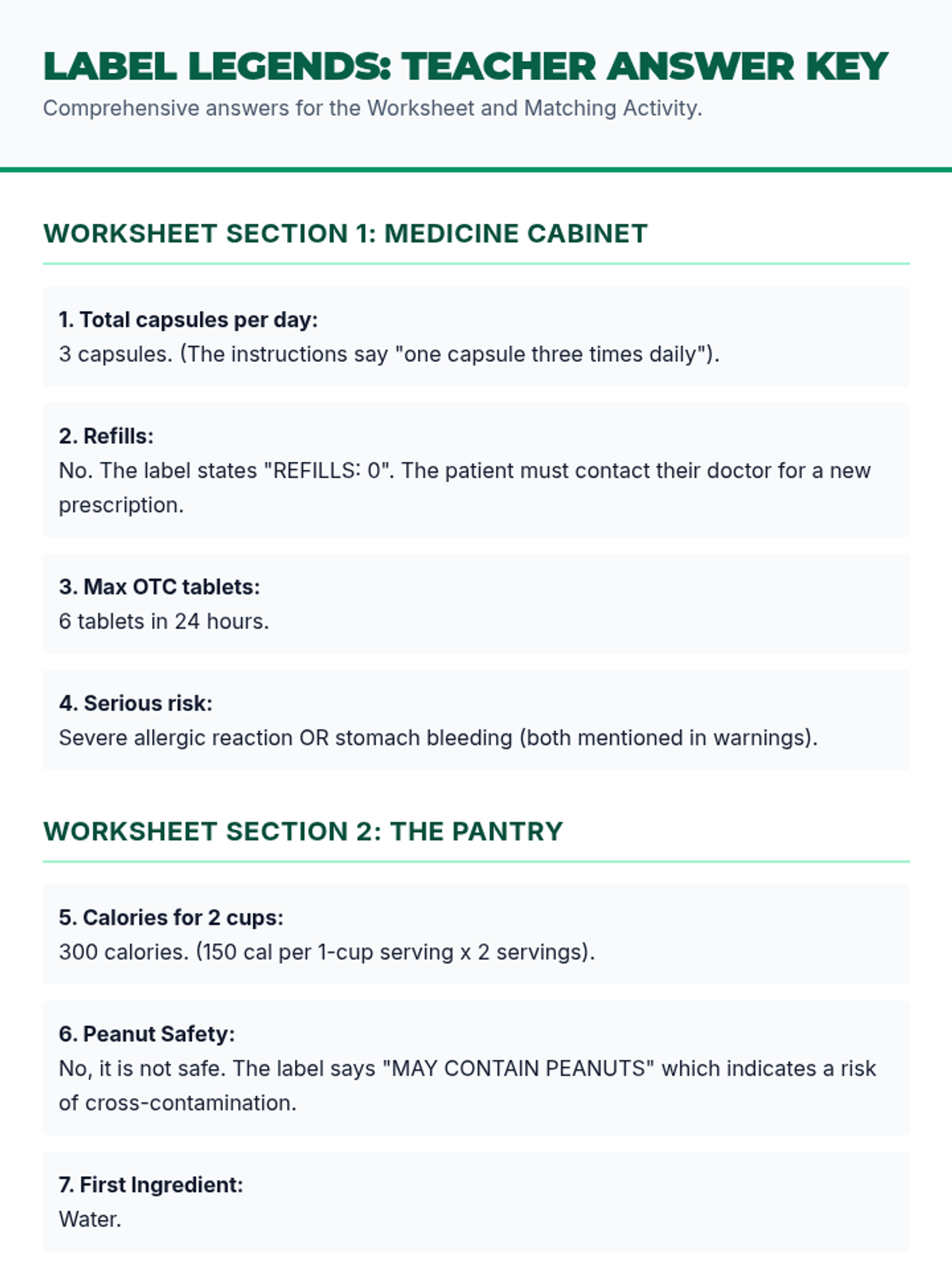
A comprehensive lesson on functional reading for everyday survival, focusing on interpreting medication, nutrition, and chemical safety labels for independent living.
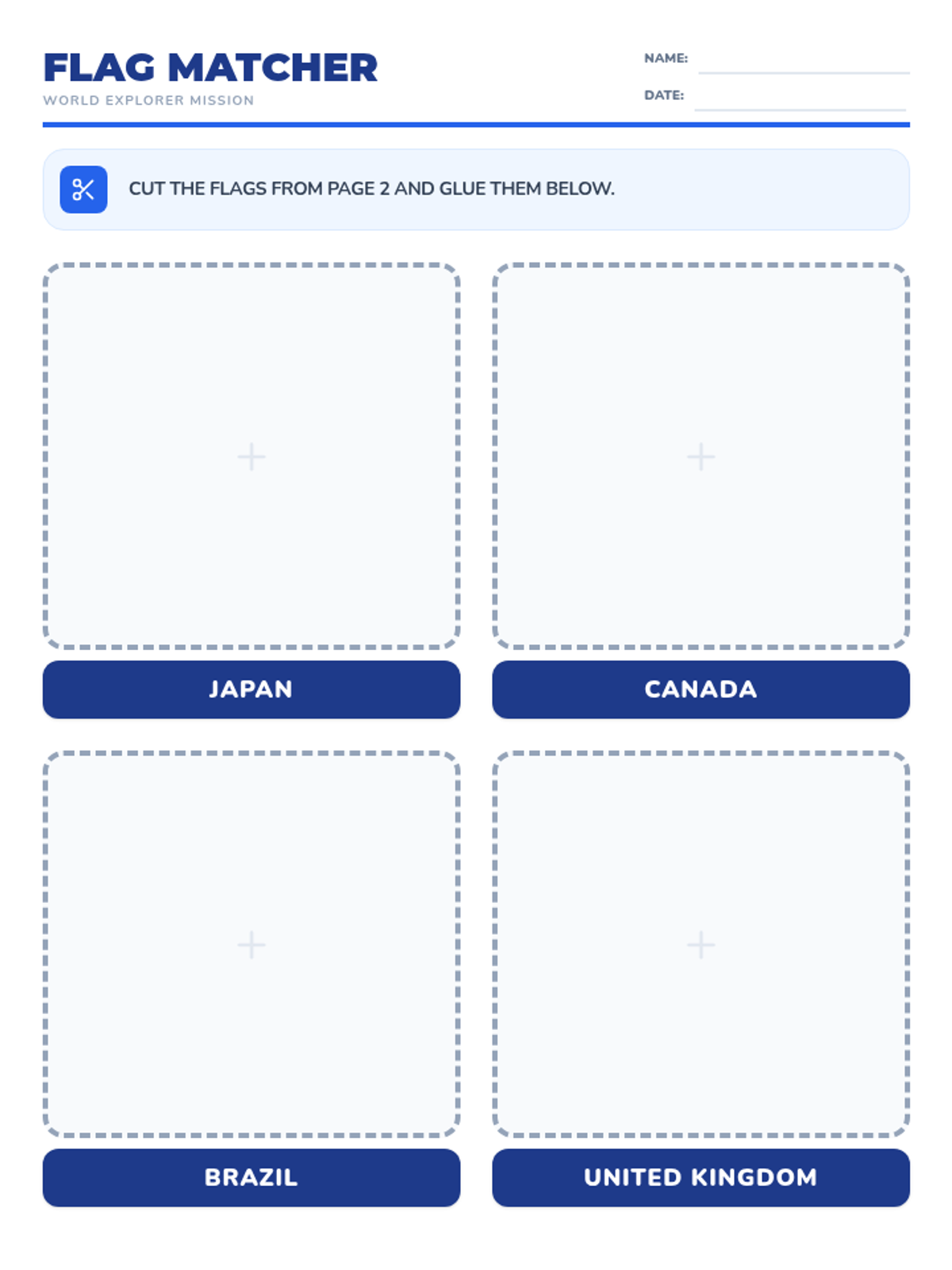
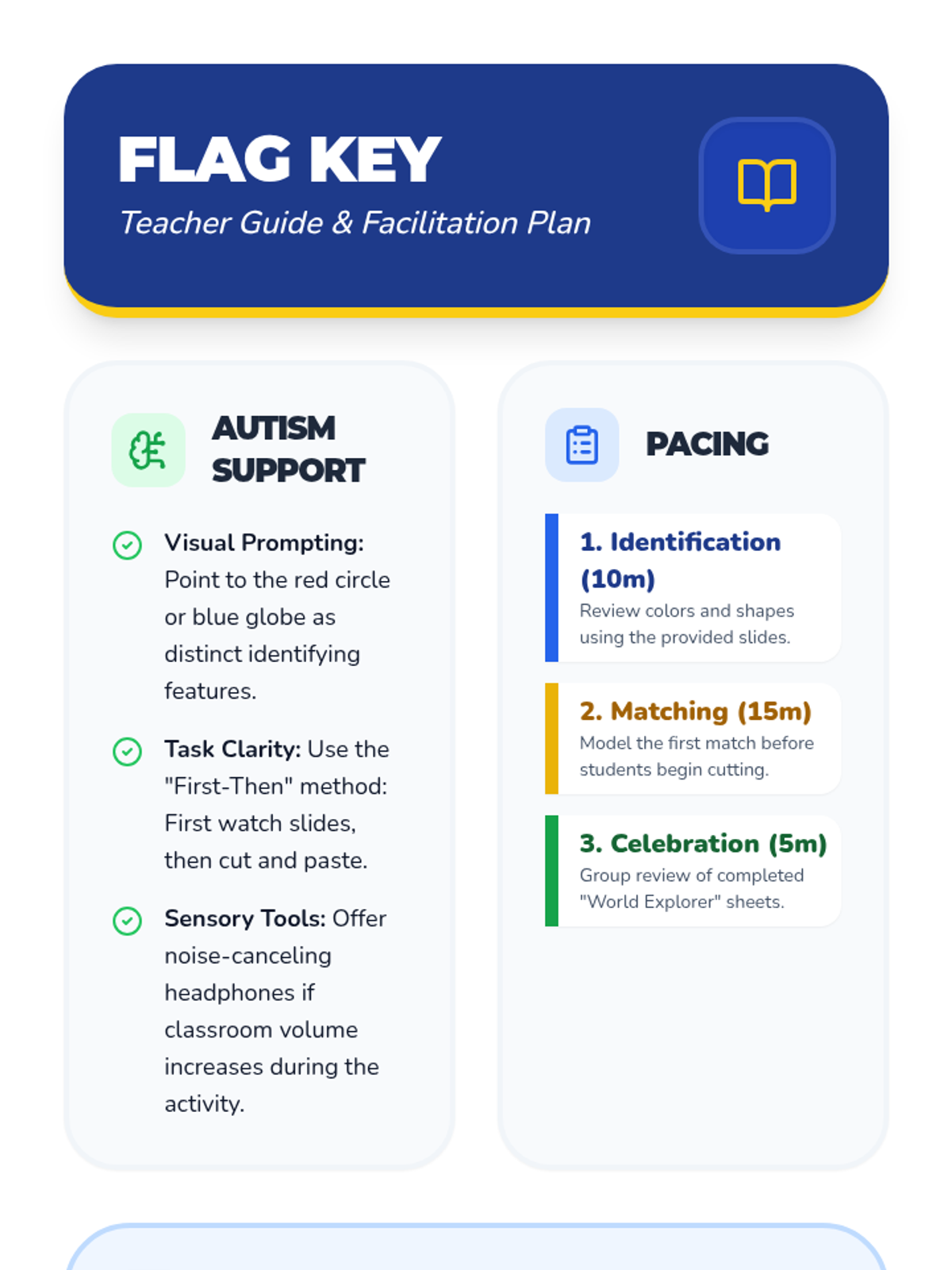
An introductory lesson on world flags designed for students with autism, focusing on visual identification and tactile matching using a structured, high-contrast approach.
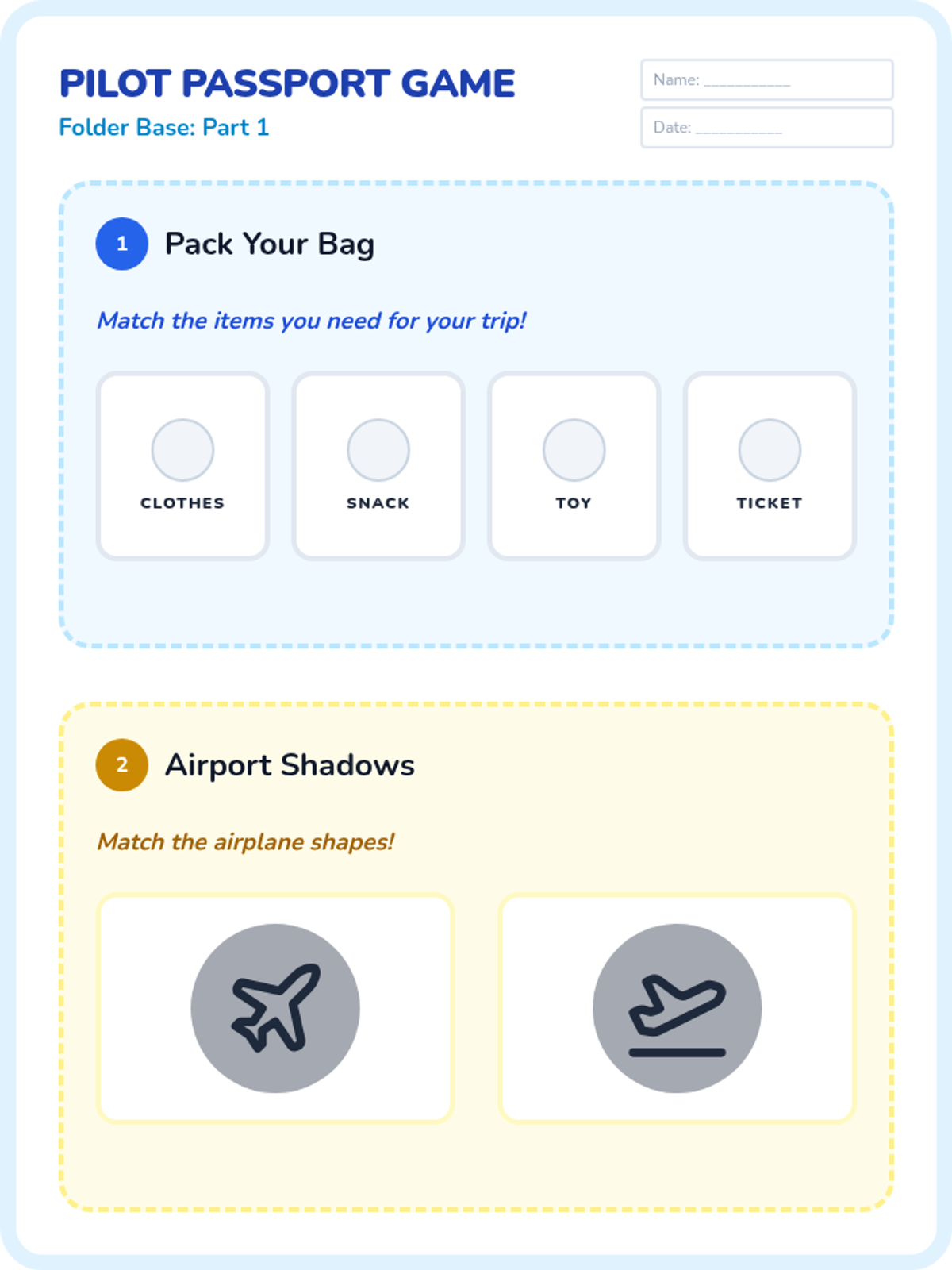
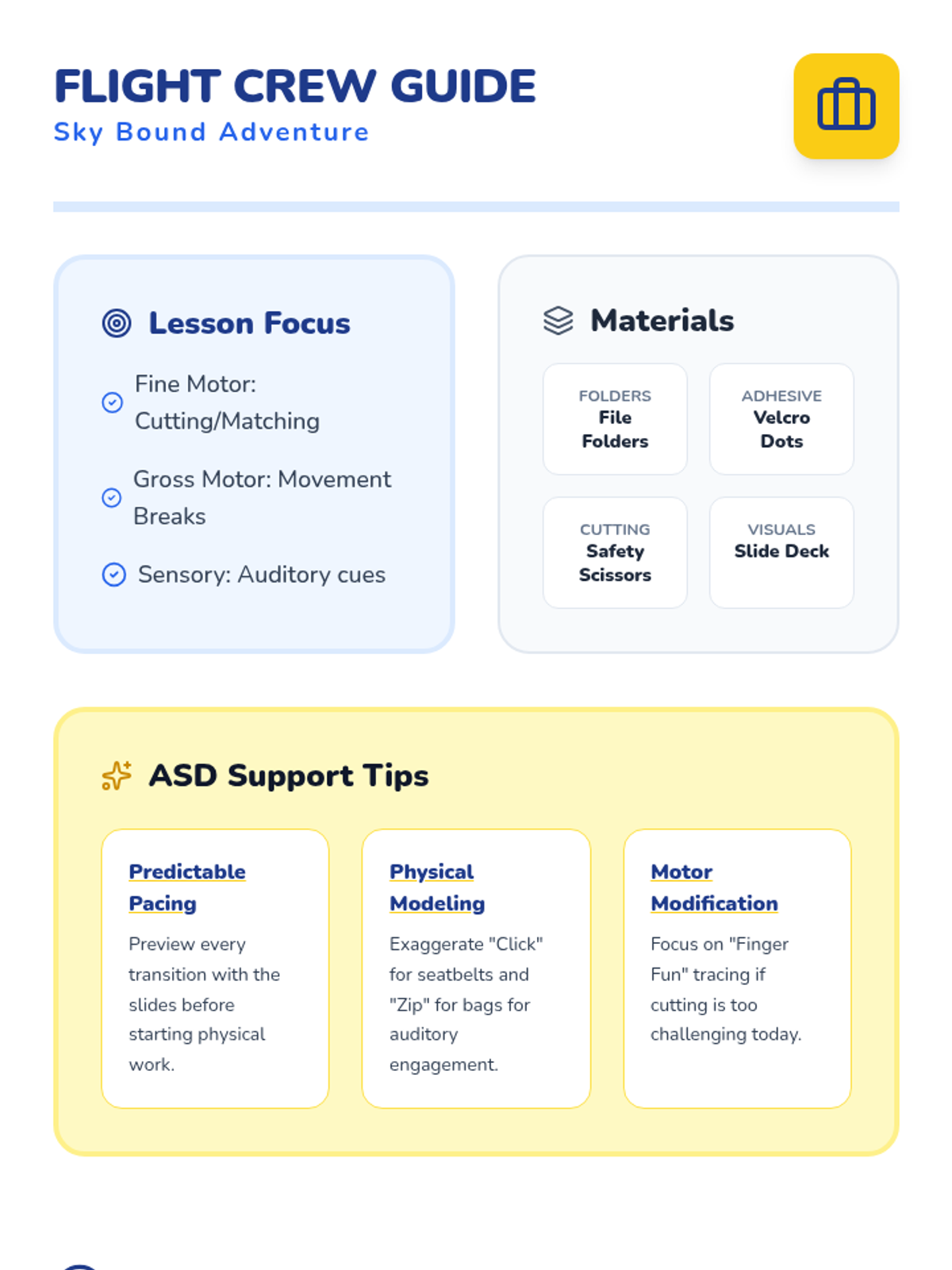
A high-engagement lesson designed for students with autism to explore air travel while developing fine and gross motor skills through visual sequencing and interactive play.
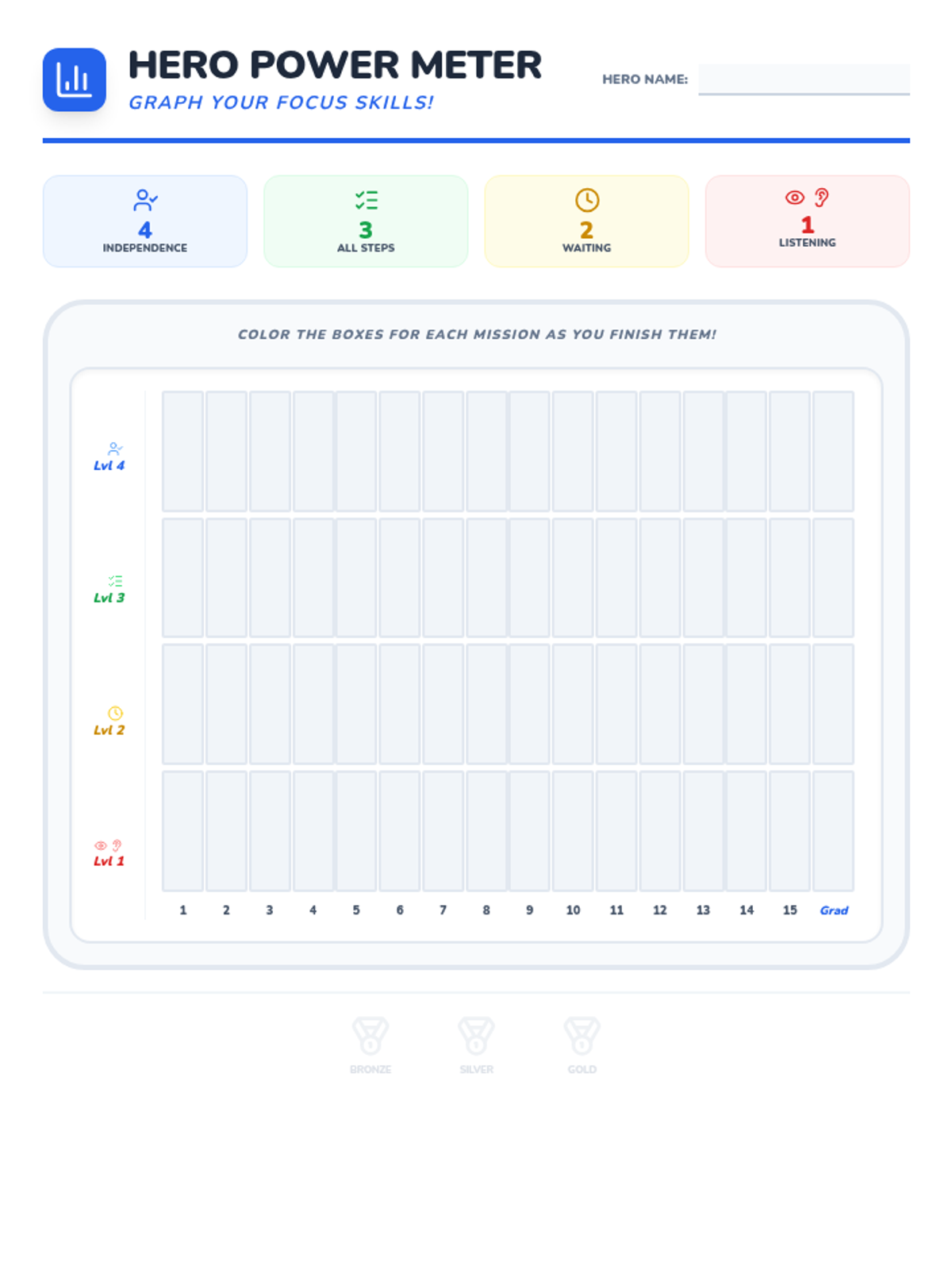
The final graduation mission: complex 2-step directions followed independently for a final assessment.
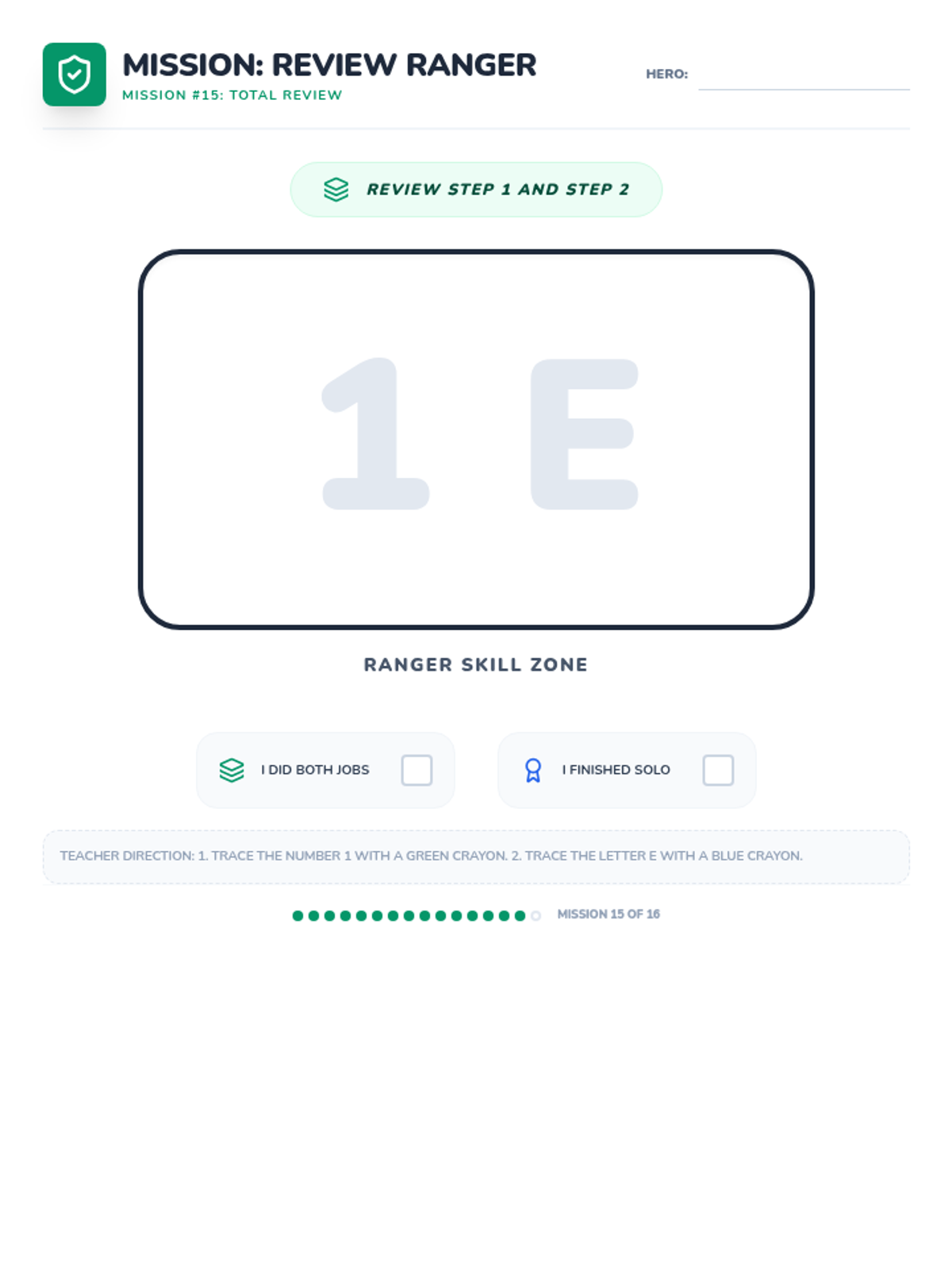
A mixed review of 2-step directions involving letters, numbers, and shapes.
Focuses on the 'impulse control' aspect of attention: starting the 2-step task immediately after the 'GO' signal.
Introduces 2-step directions where the student must choose between two options (e.g., 'Draw a red OR blue circle').
Students complete 2-step directions without any teacher repetition or prompting after the initial instruction.
Focuses on holding auditory directions in short-term memory without visual support during 2-step tasks.