A differentiated writing unit designed for IEP students to share their summer break memories. Features high-visual slides, structured task cards with tiered entry points, graphic organizers, and writing templates with sentence frames.
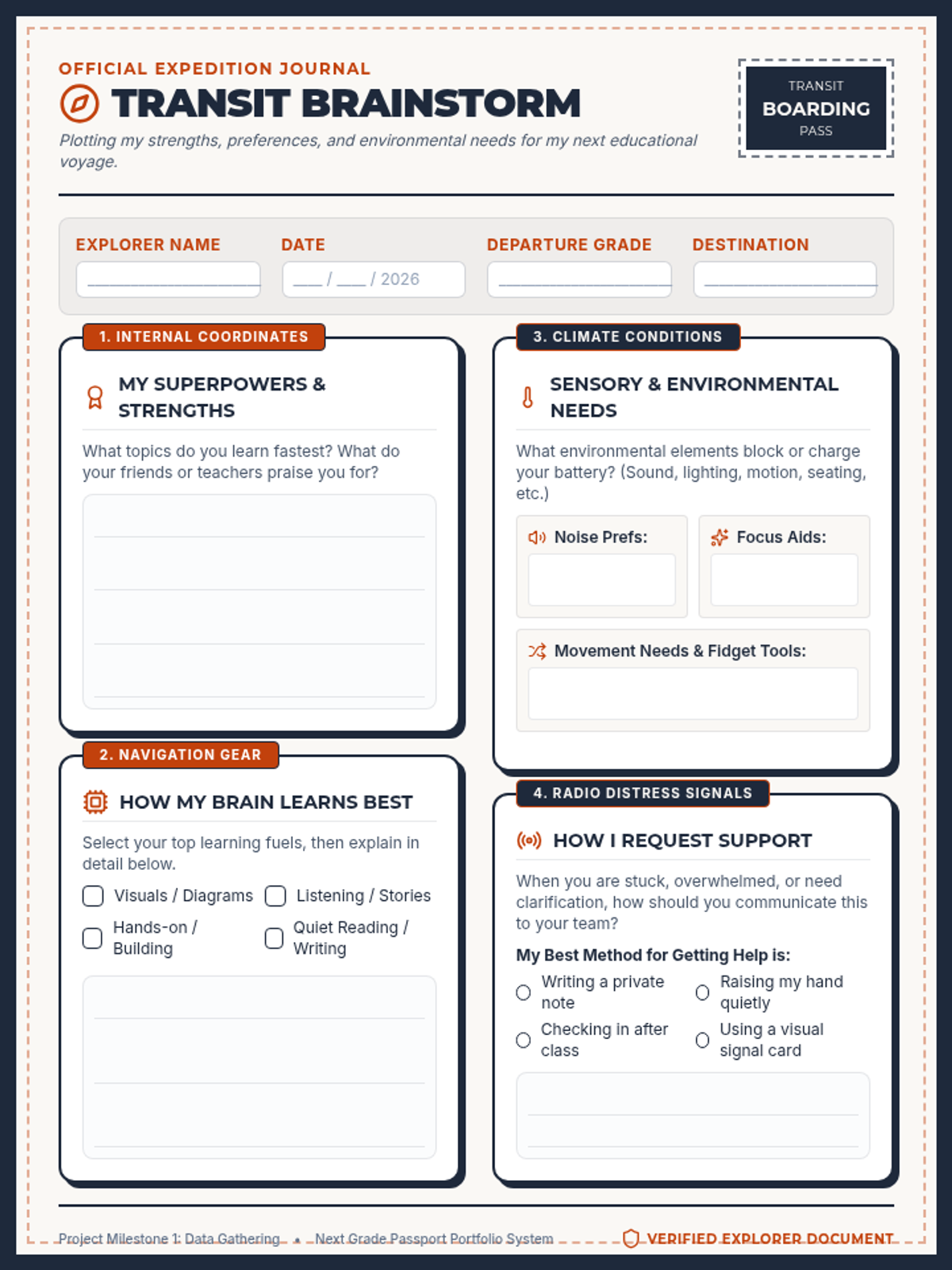
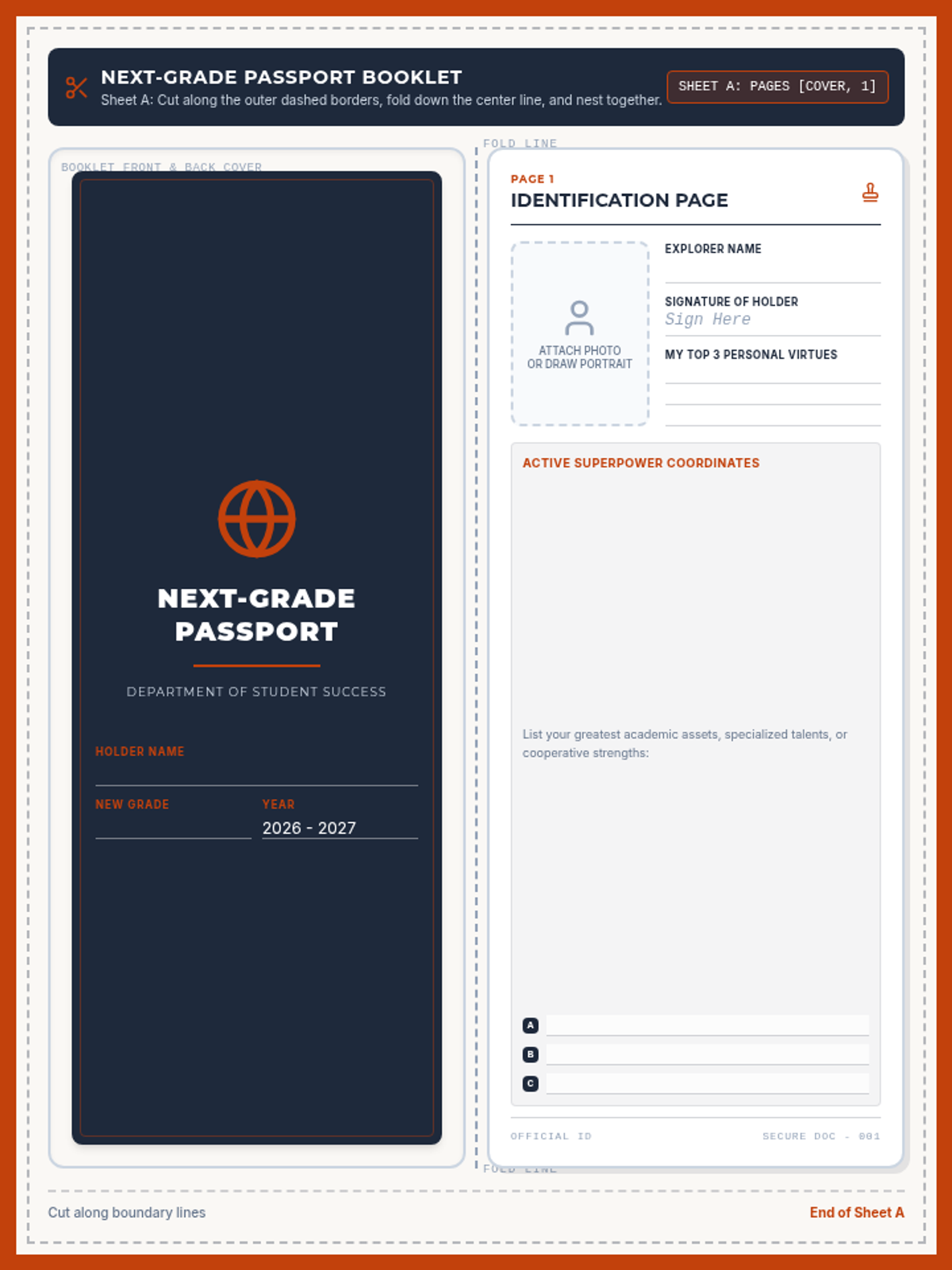
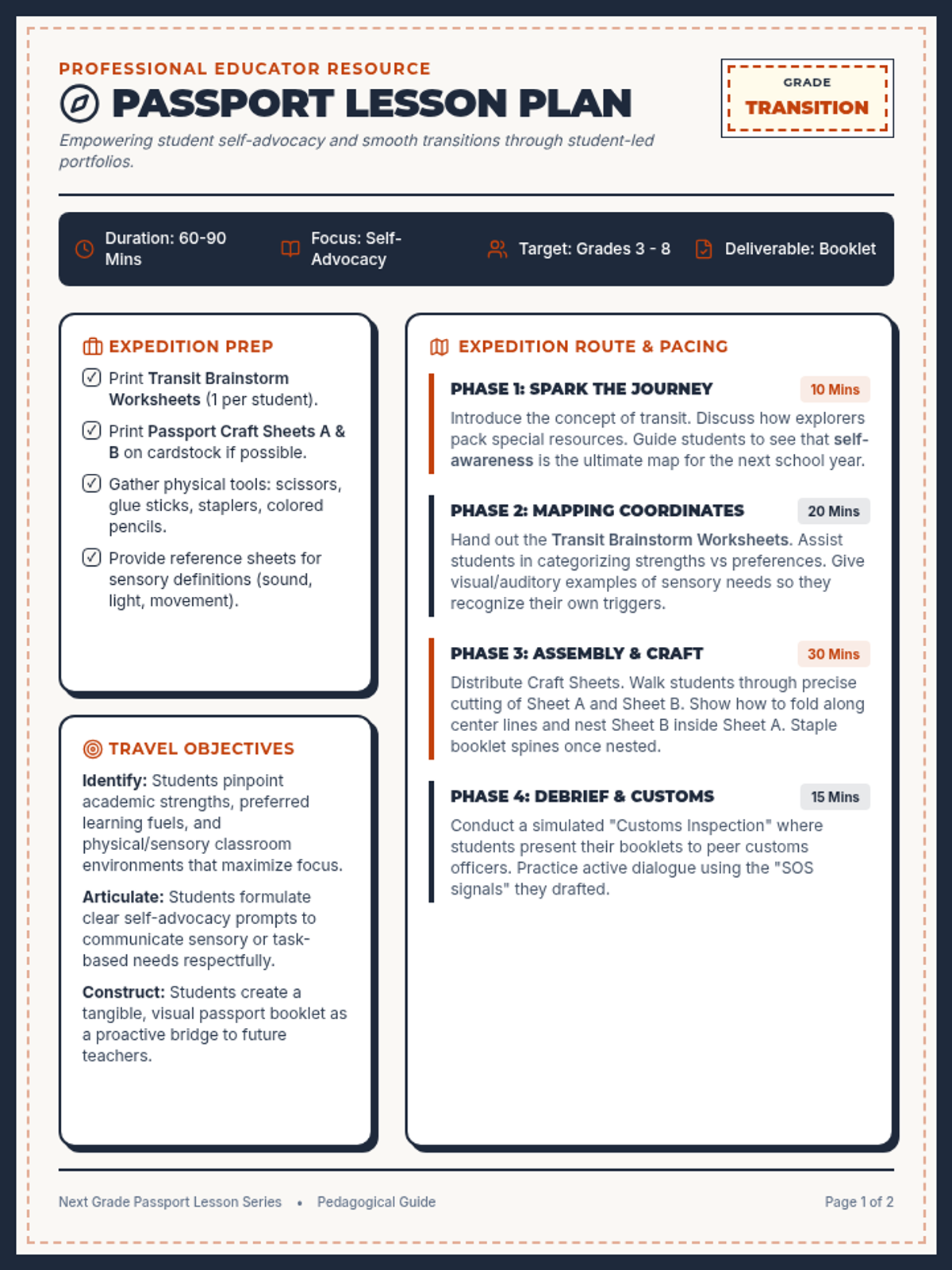
A self-advocacy and transition planning project where students identify their strengths, learning preferences, and sensory needs to build a physical passport portfolio for their next-grade teachers.
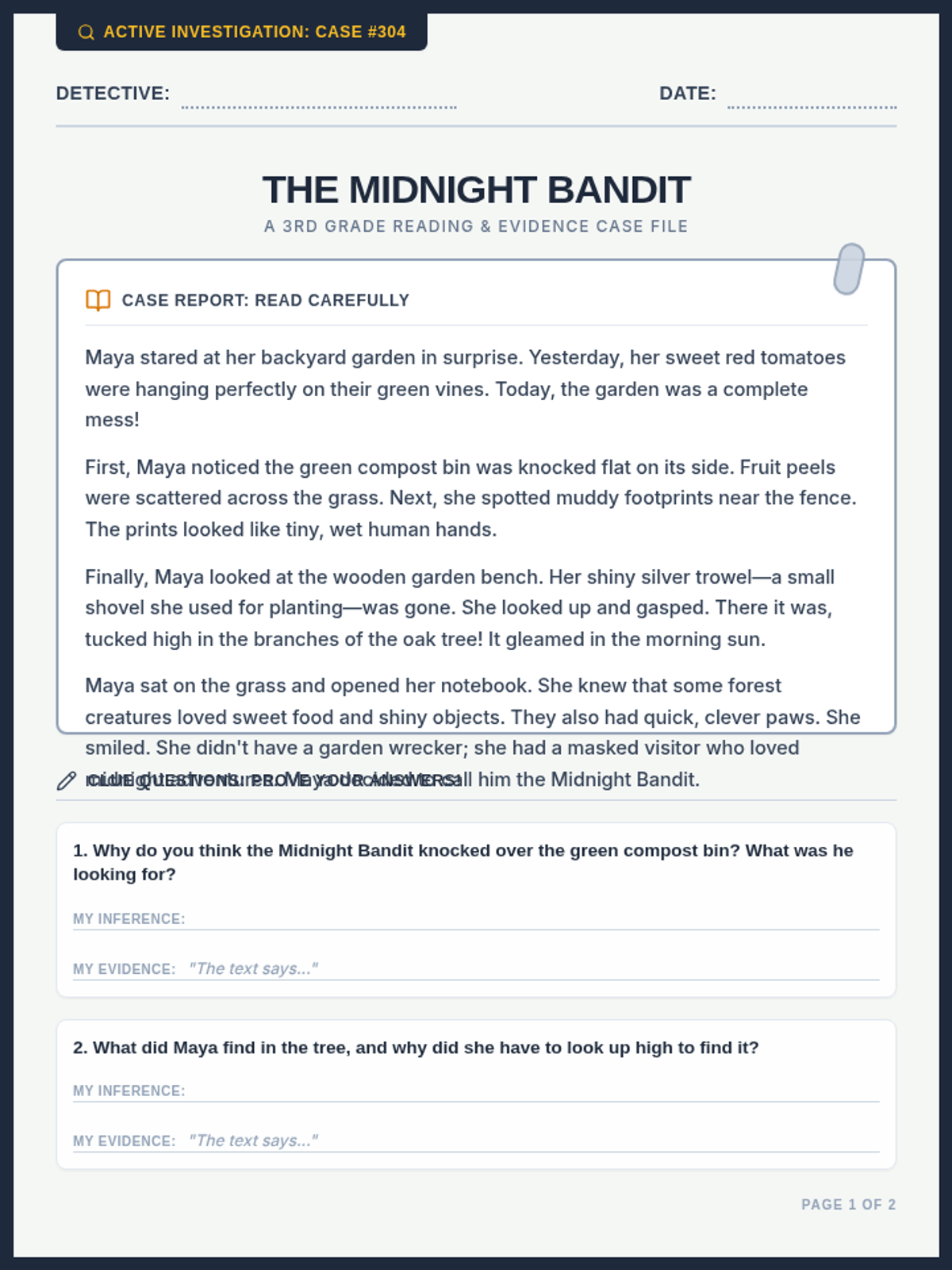
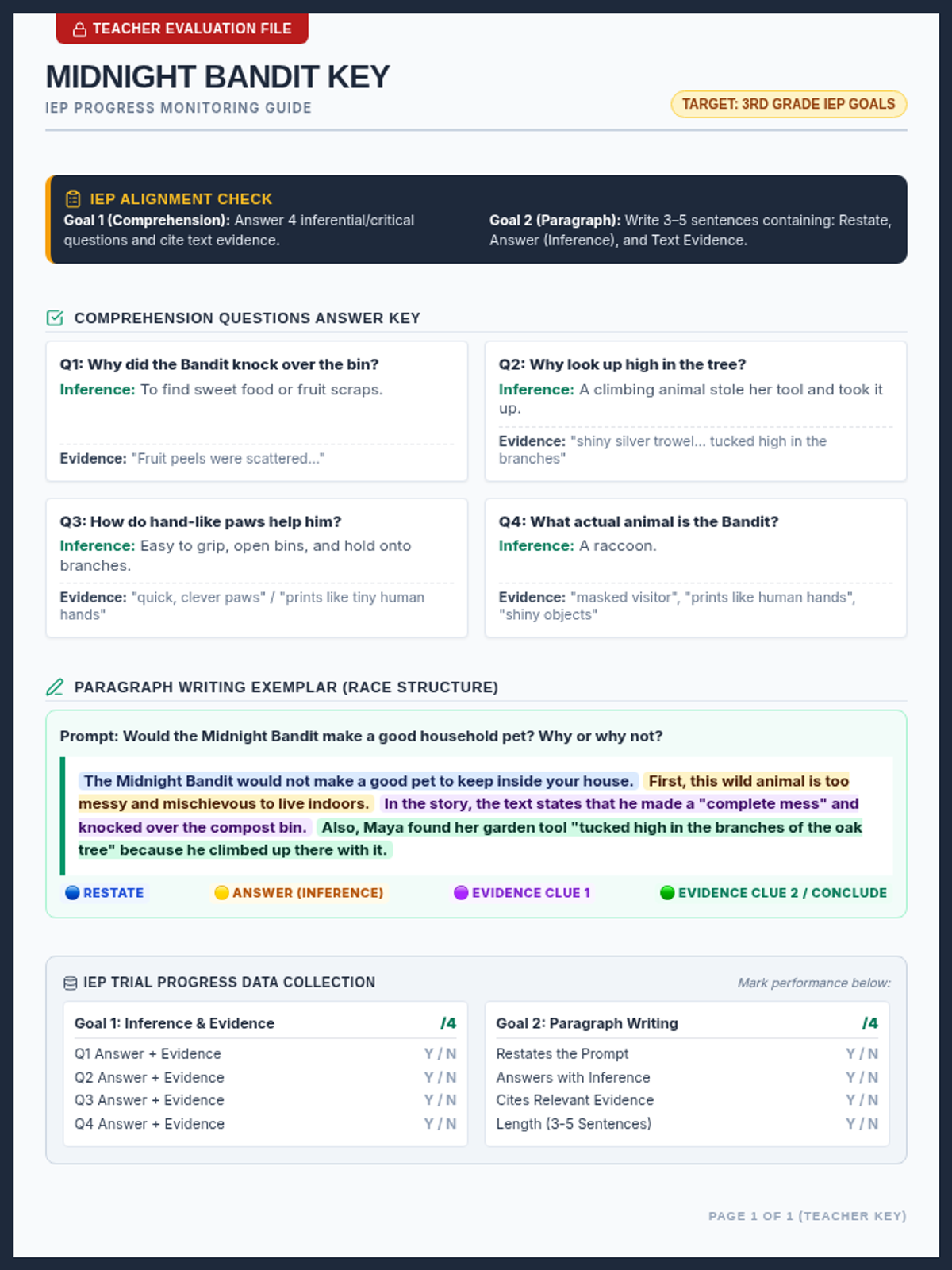
A reading comprehension lesson designed for 3rd-grade students with specific IEP goals in inferencing, finding text evidence, and writing structured paragraphs.
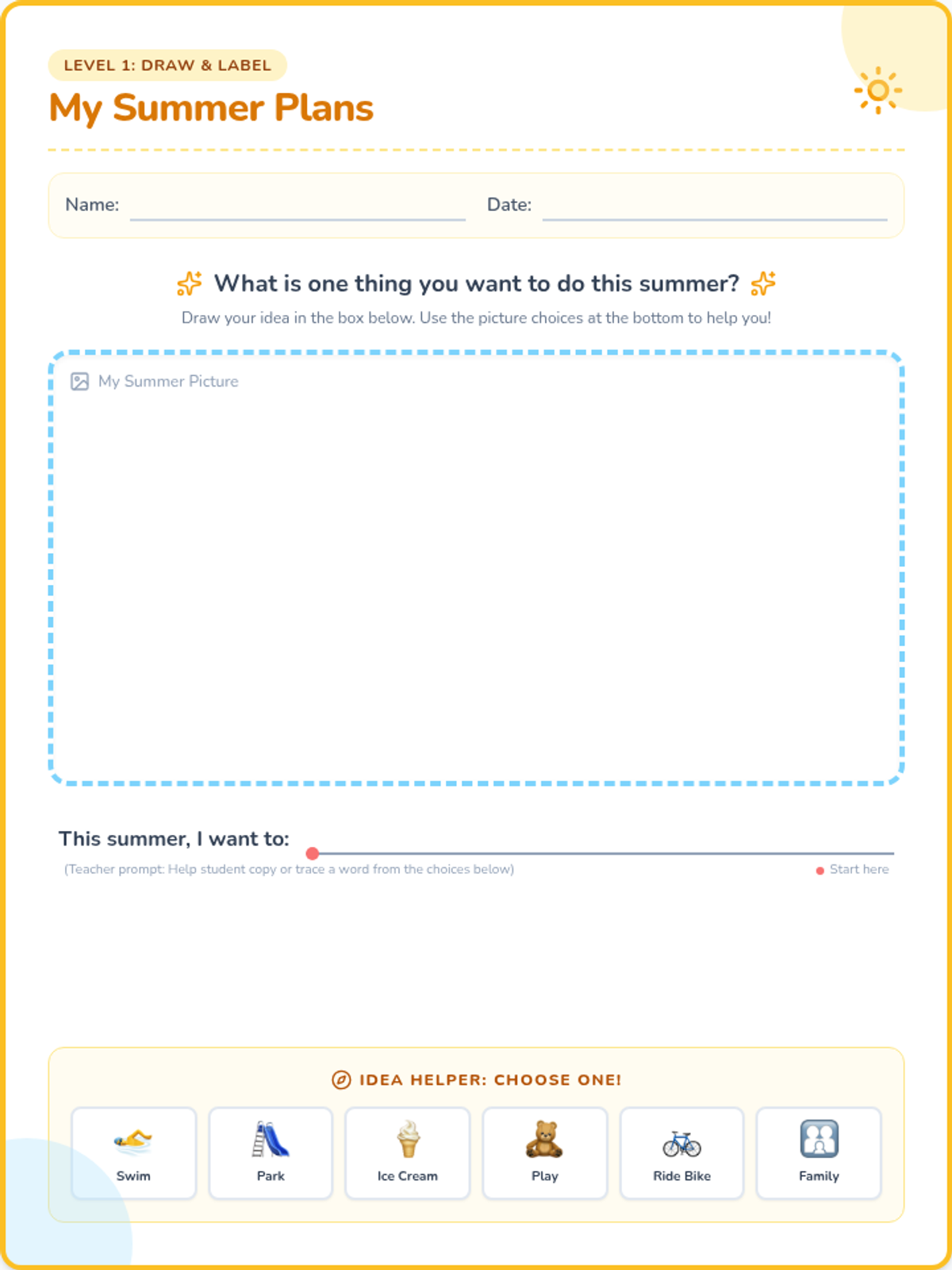
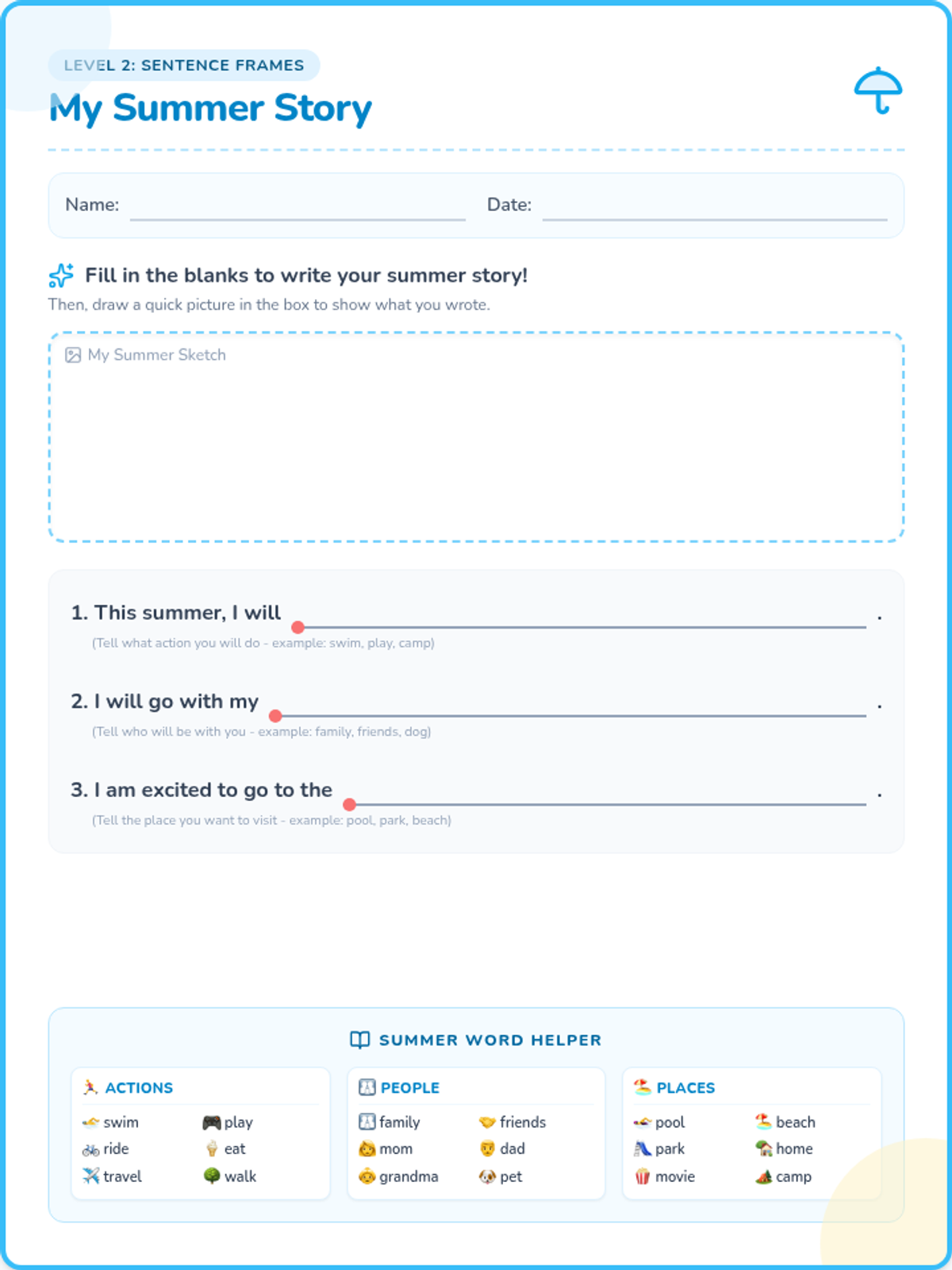
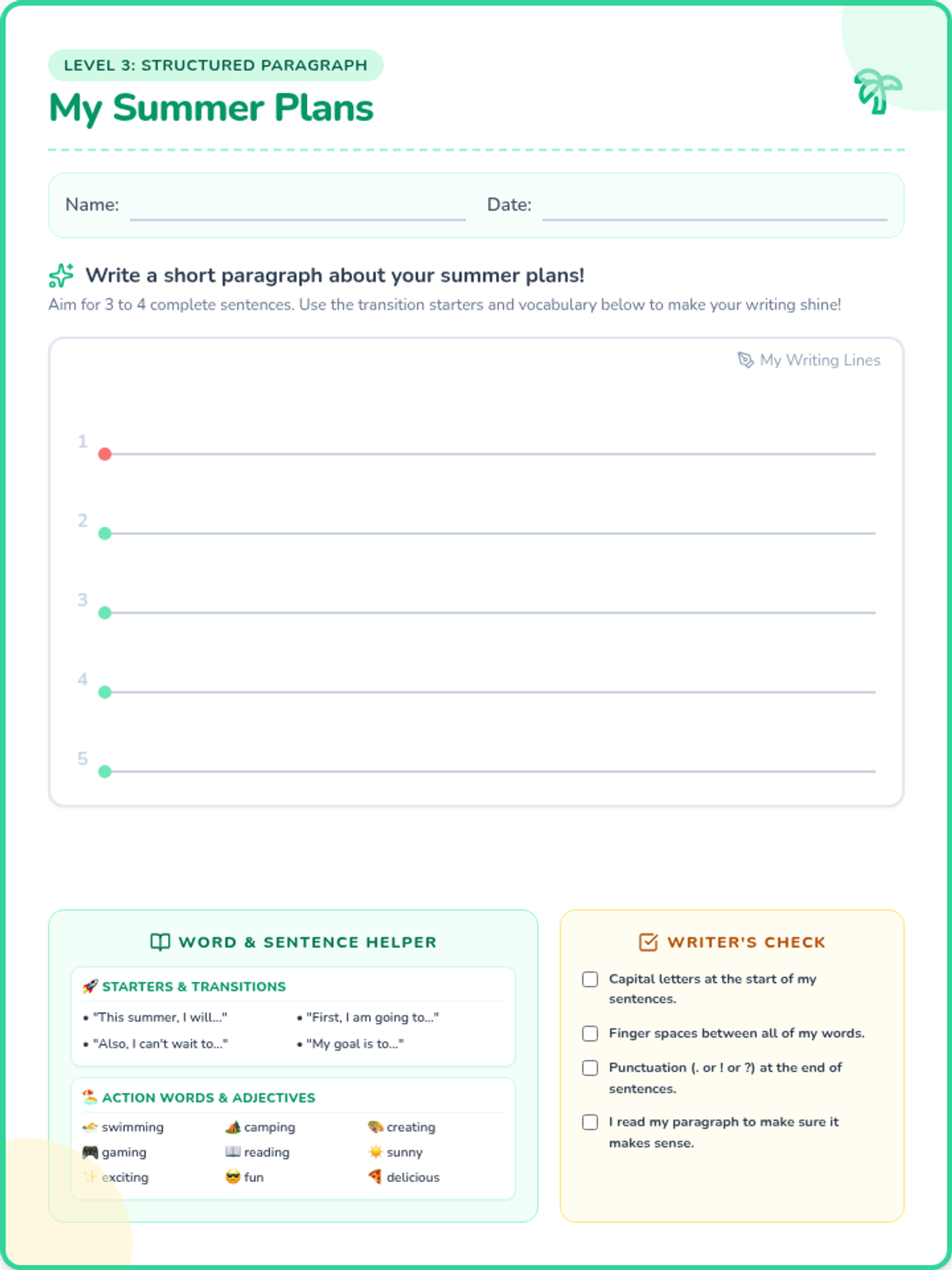
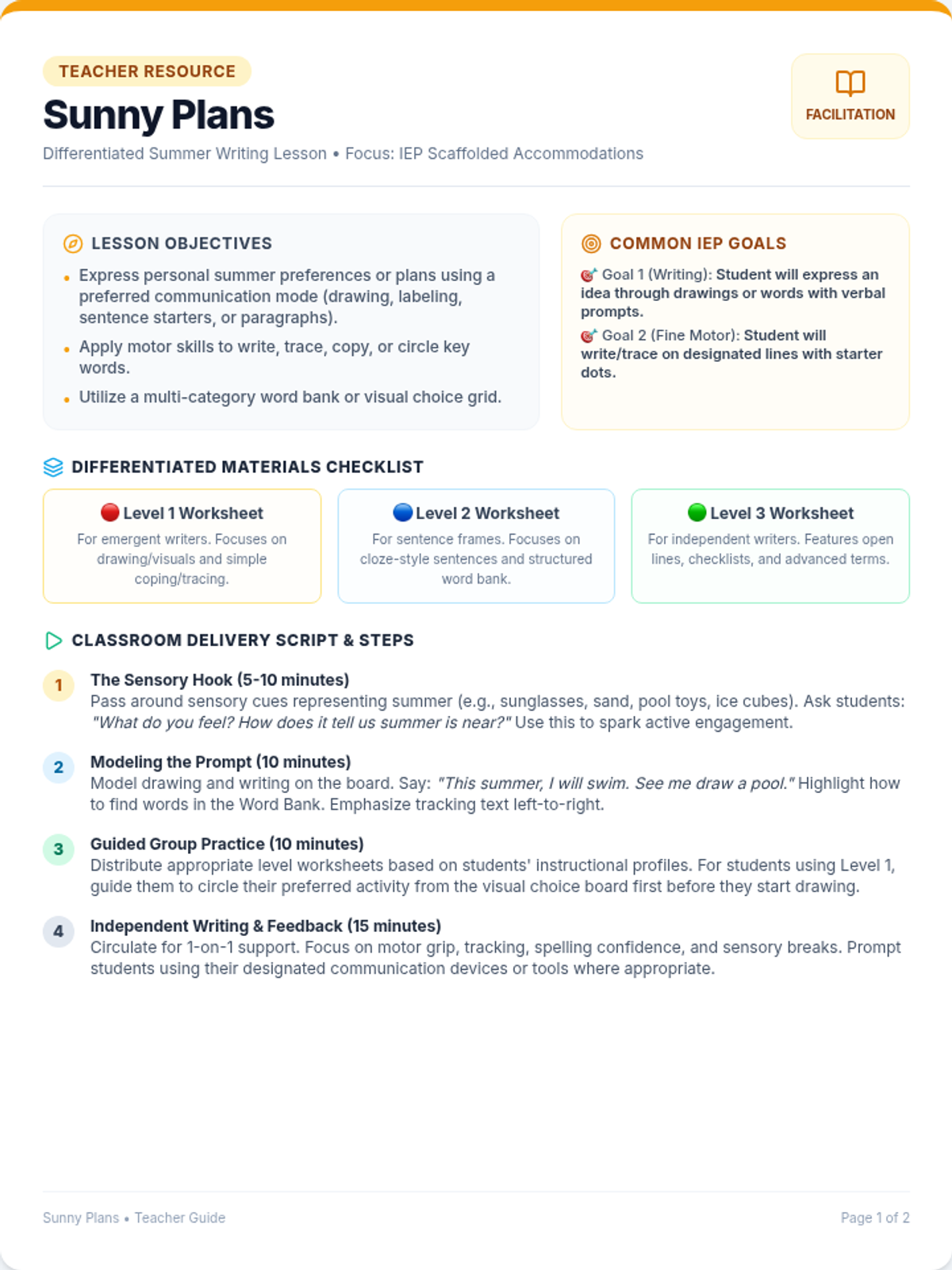
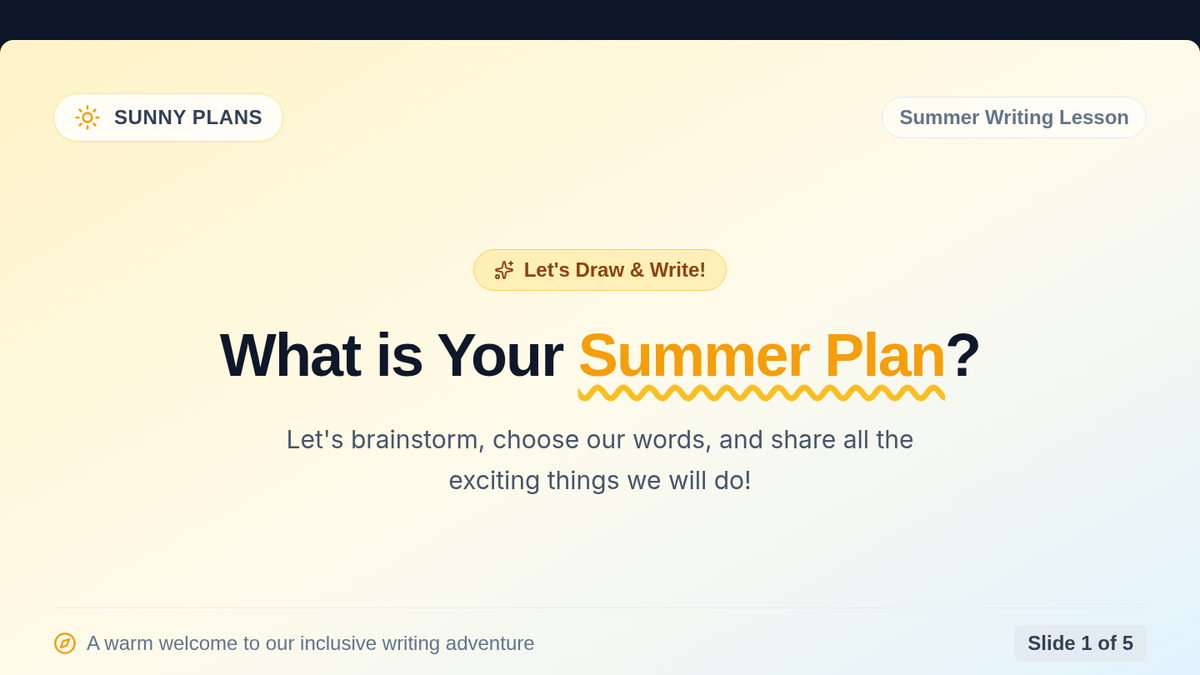
A differentiated writing lesson designed for students with IEPs and diverse learning needs to express their plans for summer break. It features three levels of scaffolded student worksheets (drawing/labeling, sentence frames, and structured writing) alongside a comprehensive teacher facilitation guide.
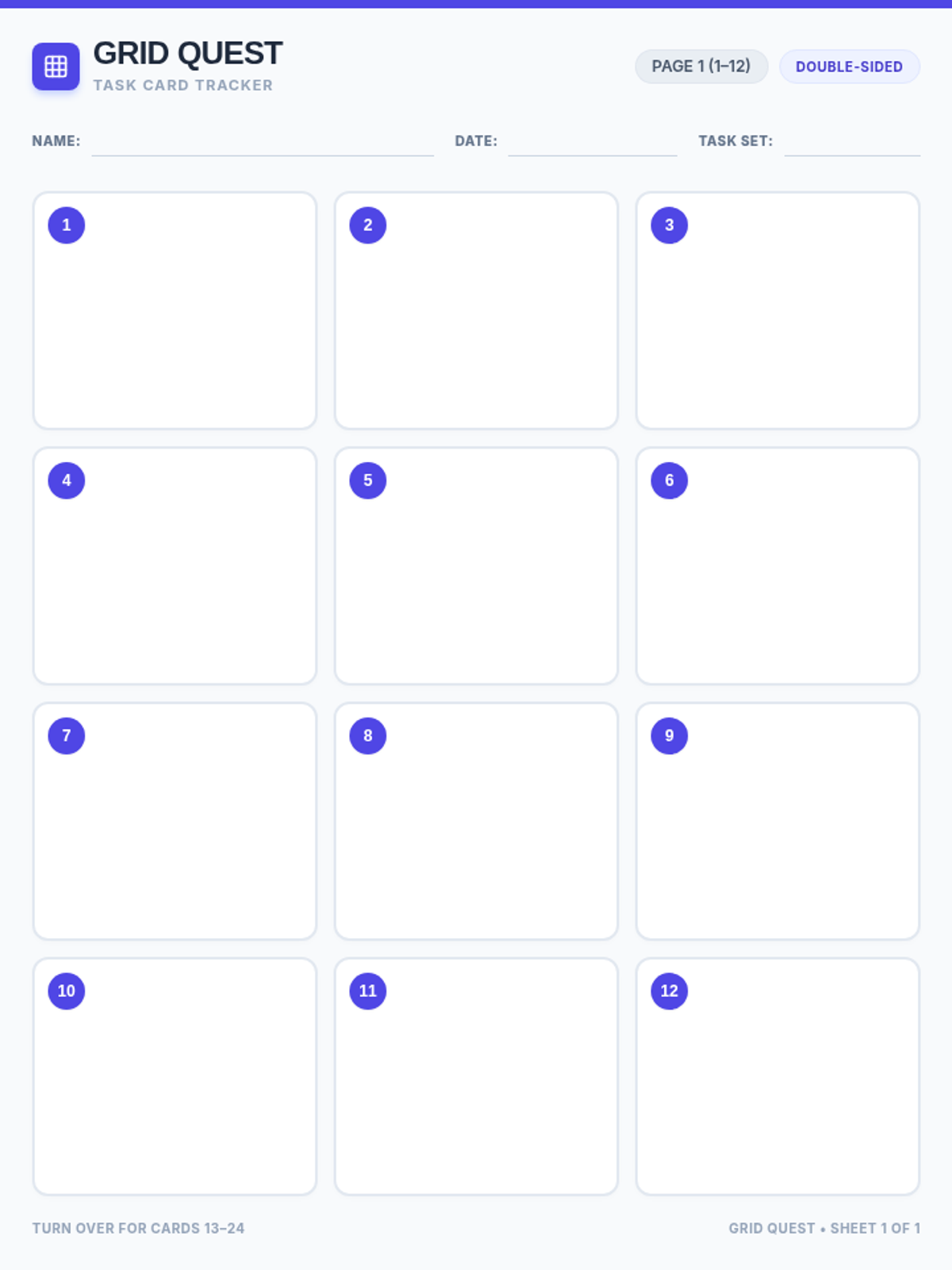
A collection of clean, versatile task card recording sheets for student work and classroom activities across all subjects and elementary grades.
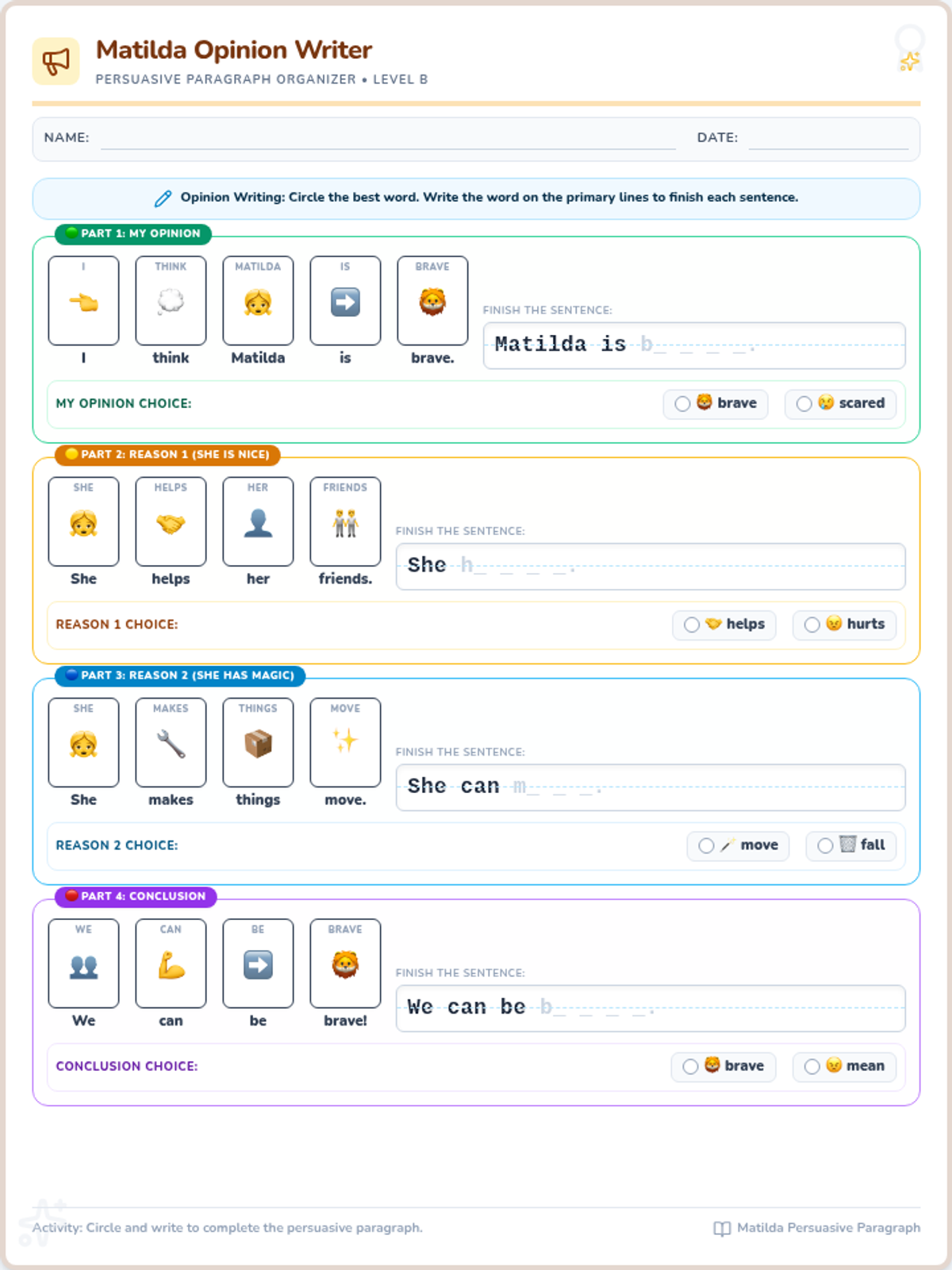
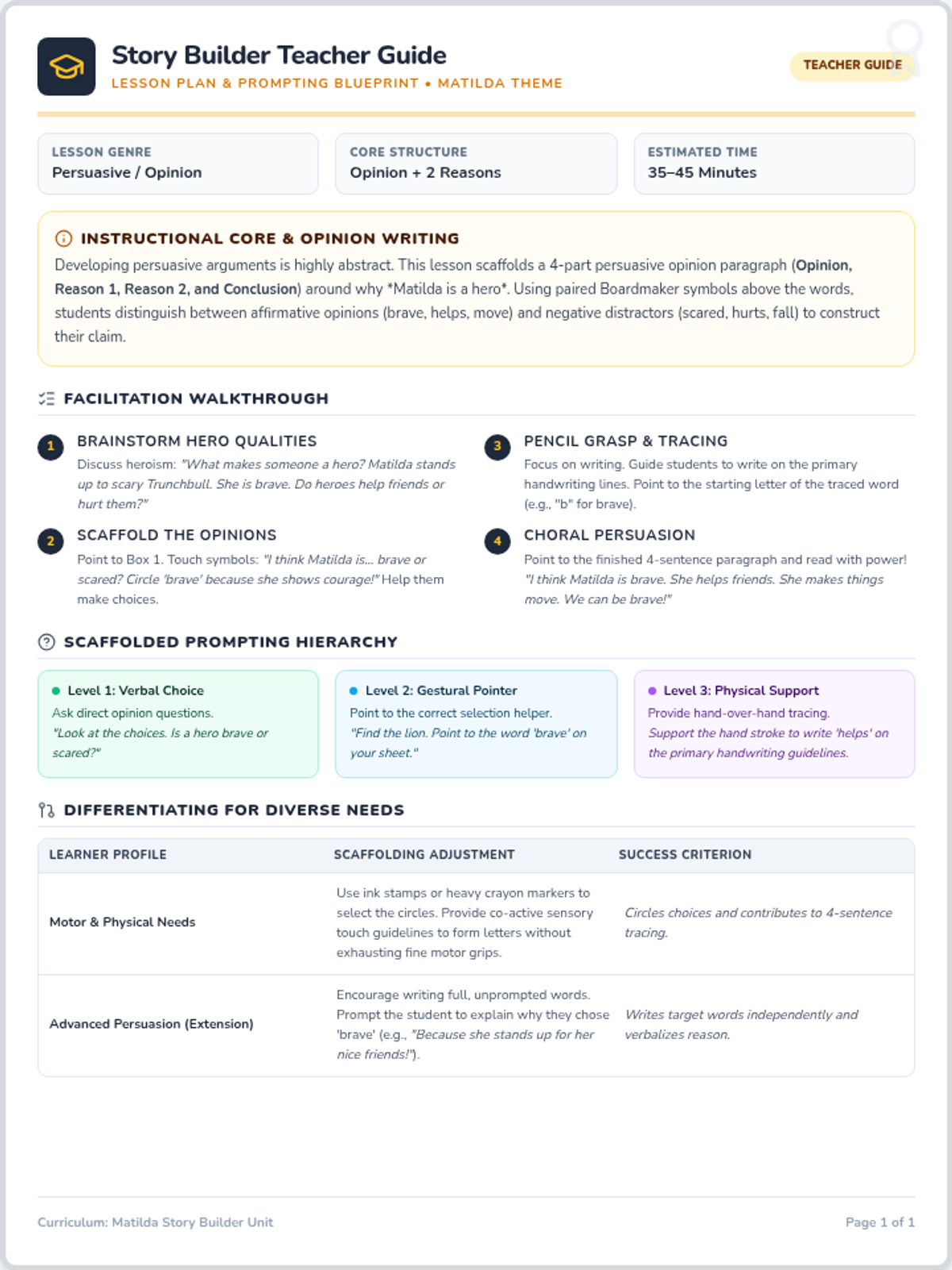
An interactive, symbol-supported paragraph writing activity themed around Matilda the Musical, designed for kindergarteners and students with severe comprehension challenges.
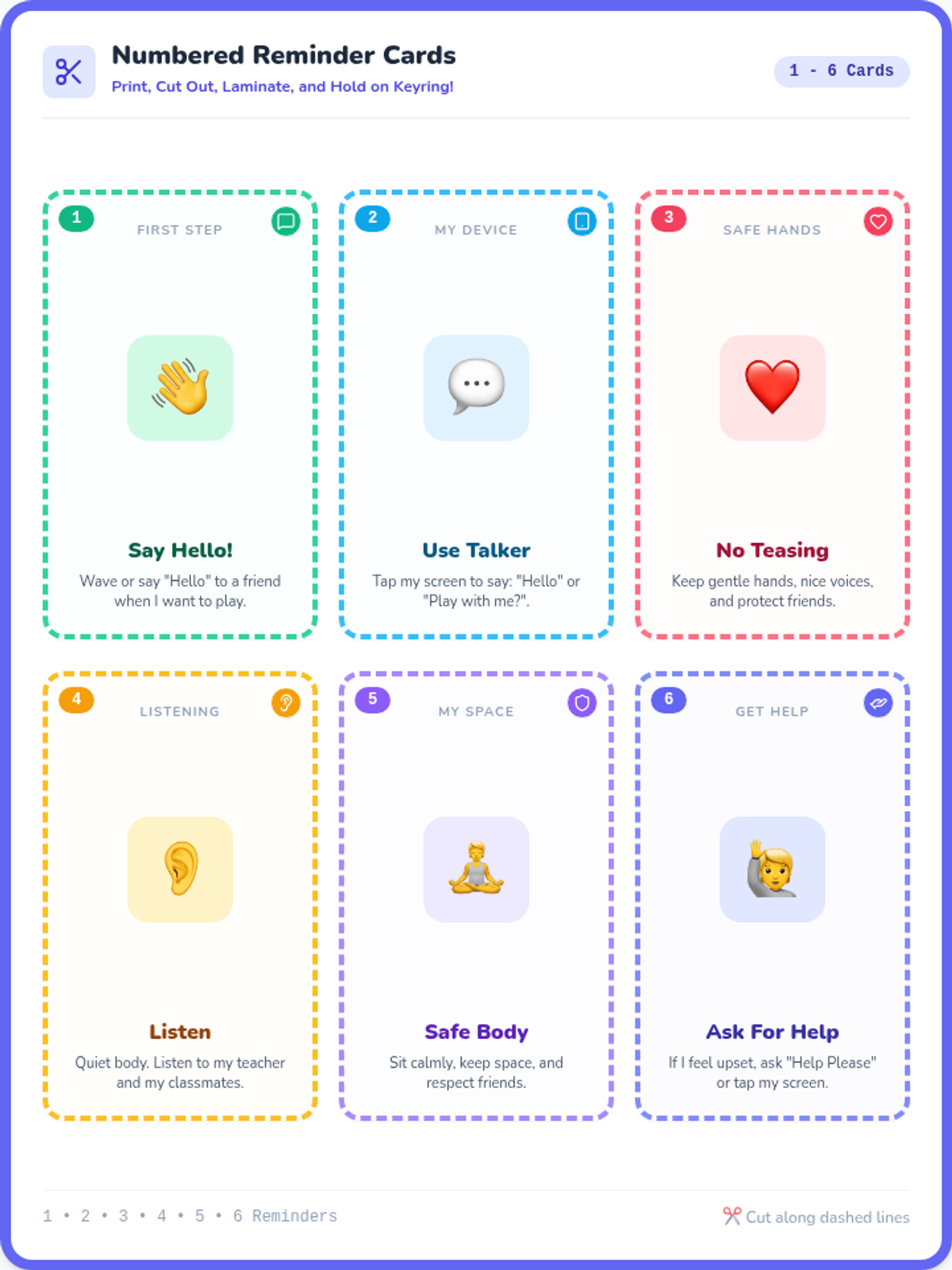
A visual, structured social story and visual support package designed for a kindergarten student with autism and communication impairments. Focuses on peer interaction, stopping teasing and bullying behaviors, utilizing AAC devices, and following classroom rules.
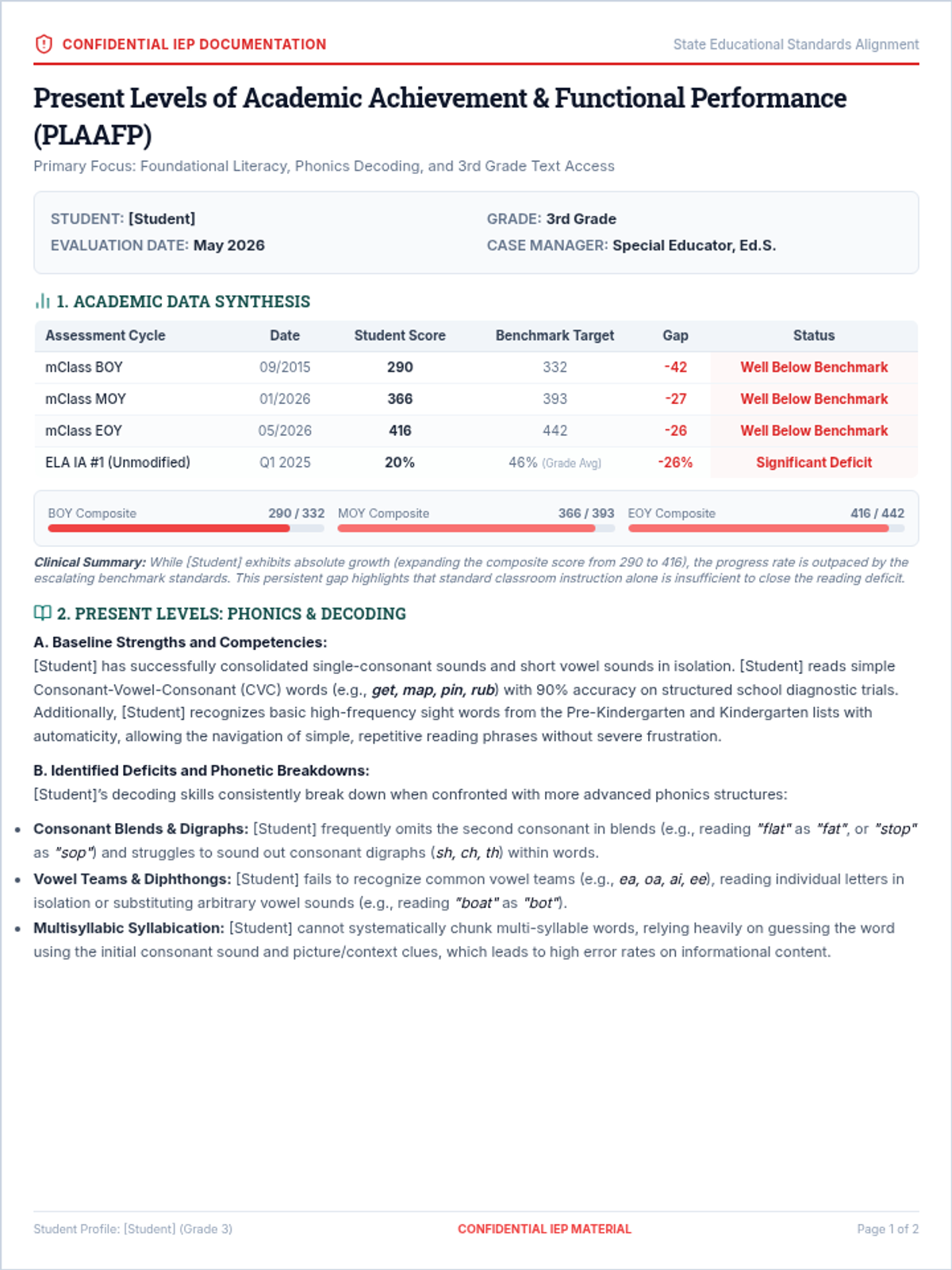
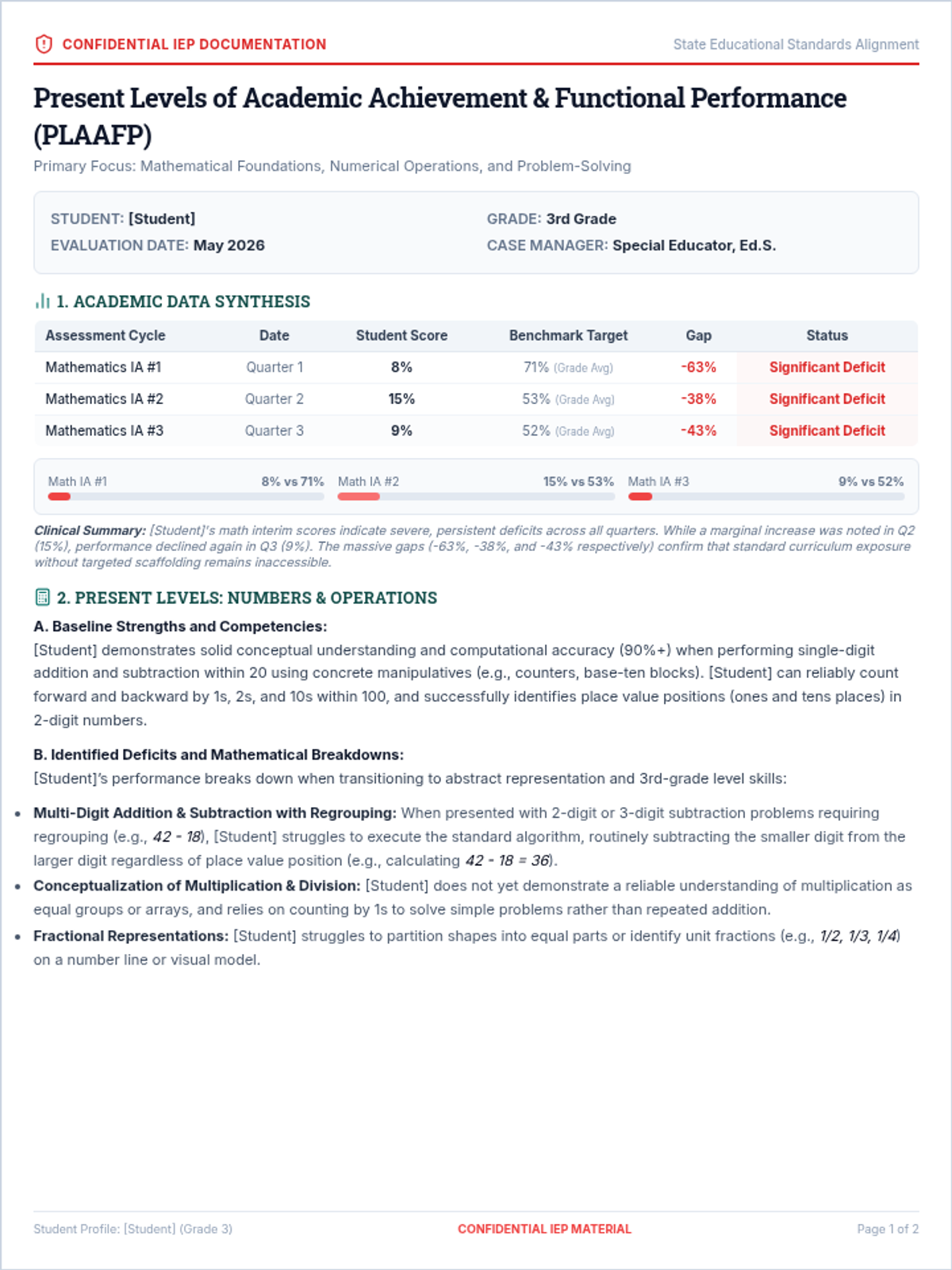
A collection of clinical, data-driven Present Levels of Academic Achievement and Functional Performance (PLAAFP) reports for third-grade students, detailing baseline performance, curriculum barriers, and measurable goals in reading and mathematics.
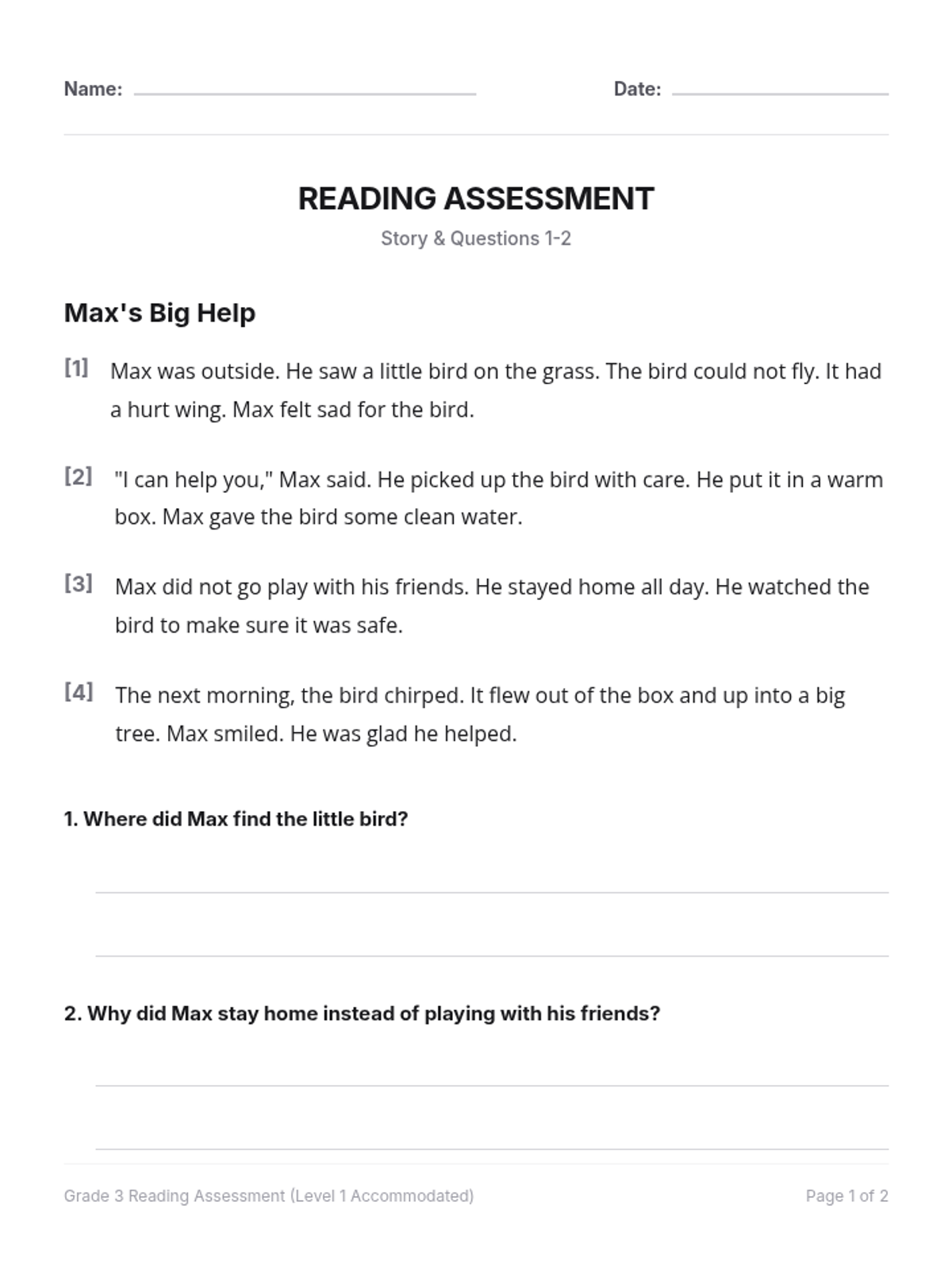
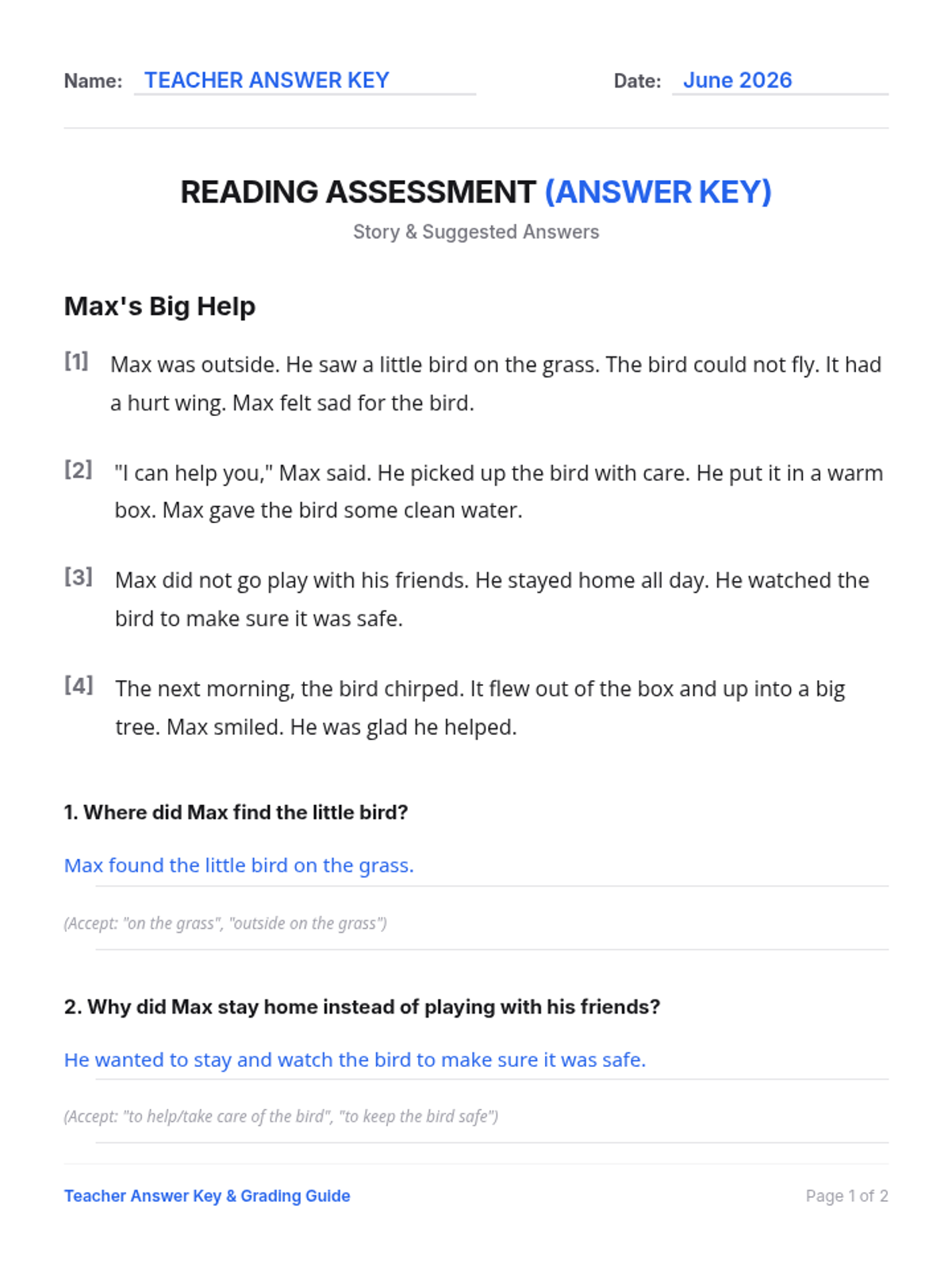
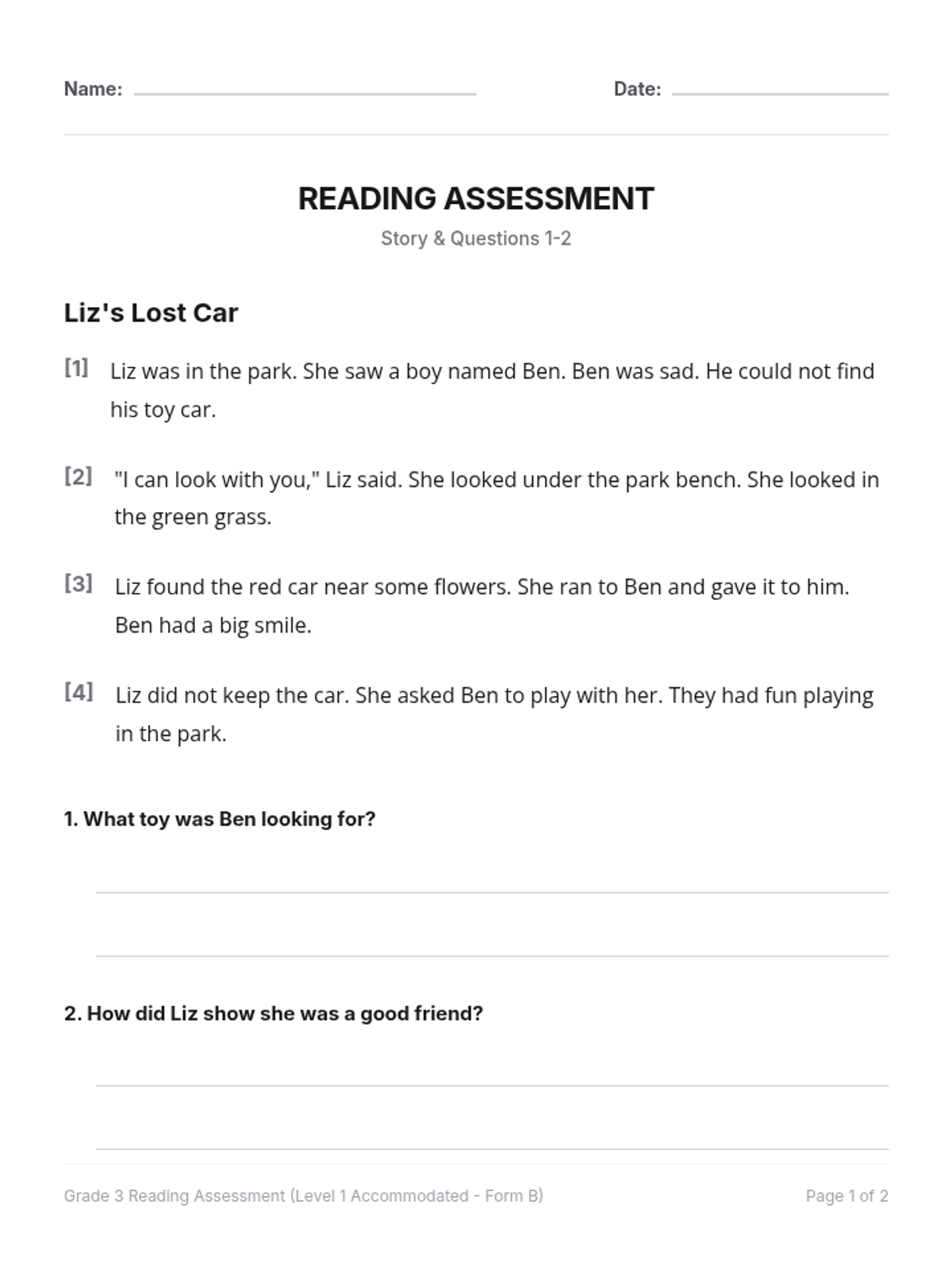
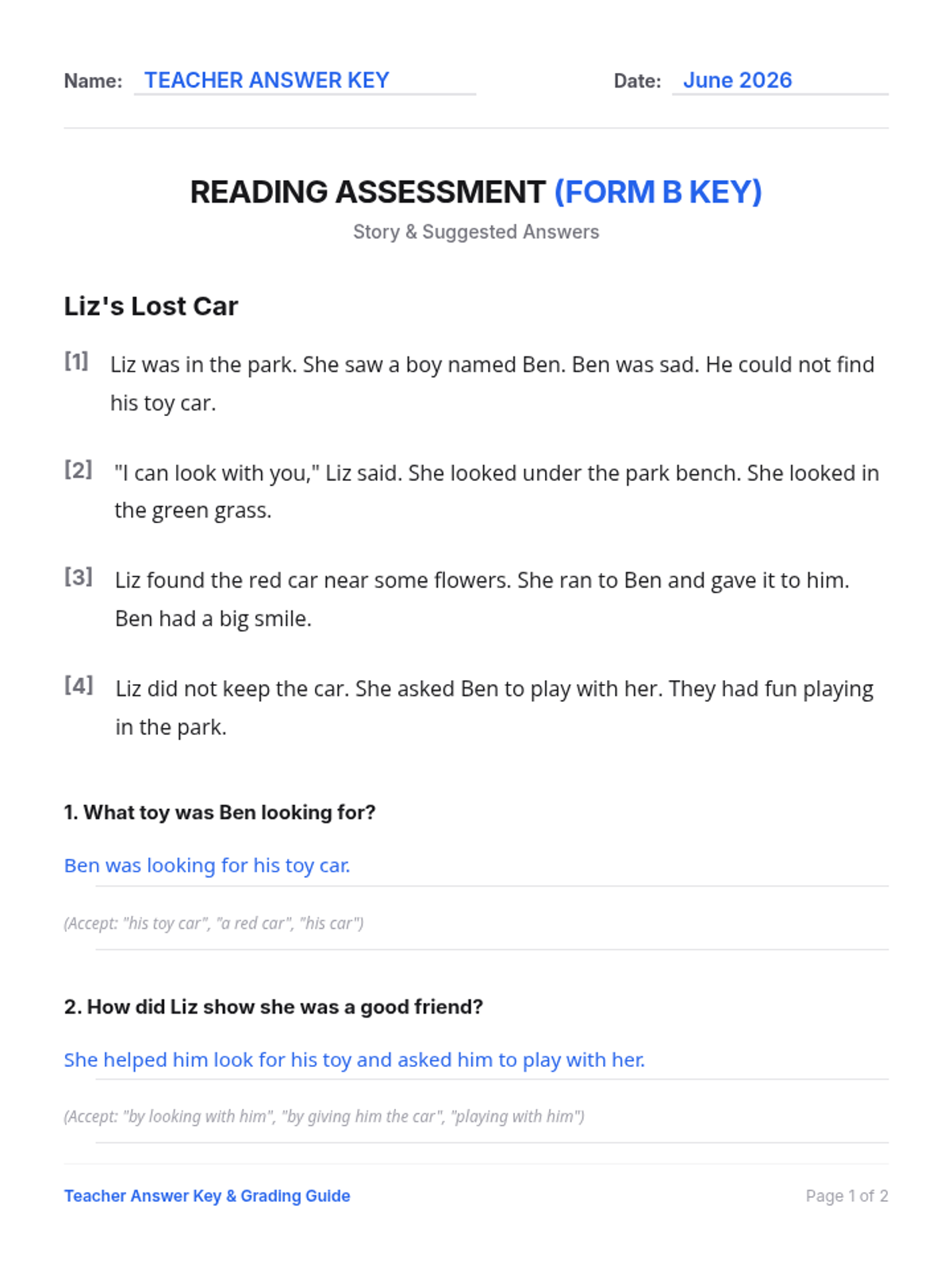
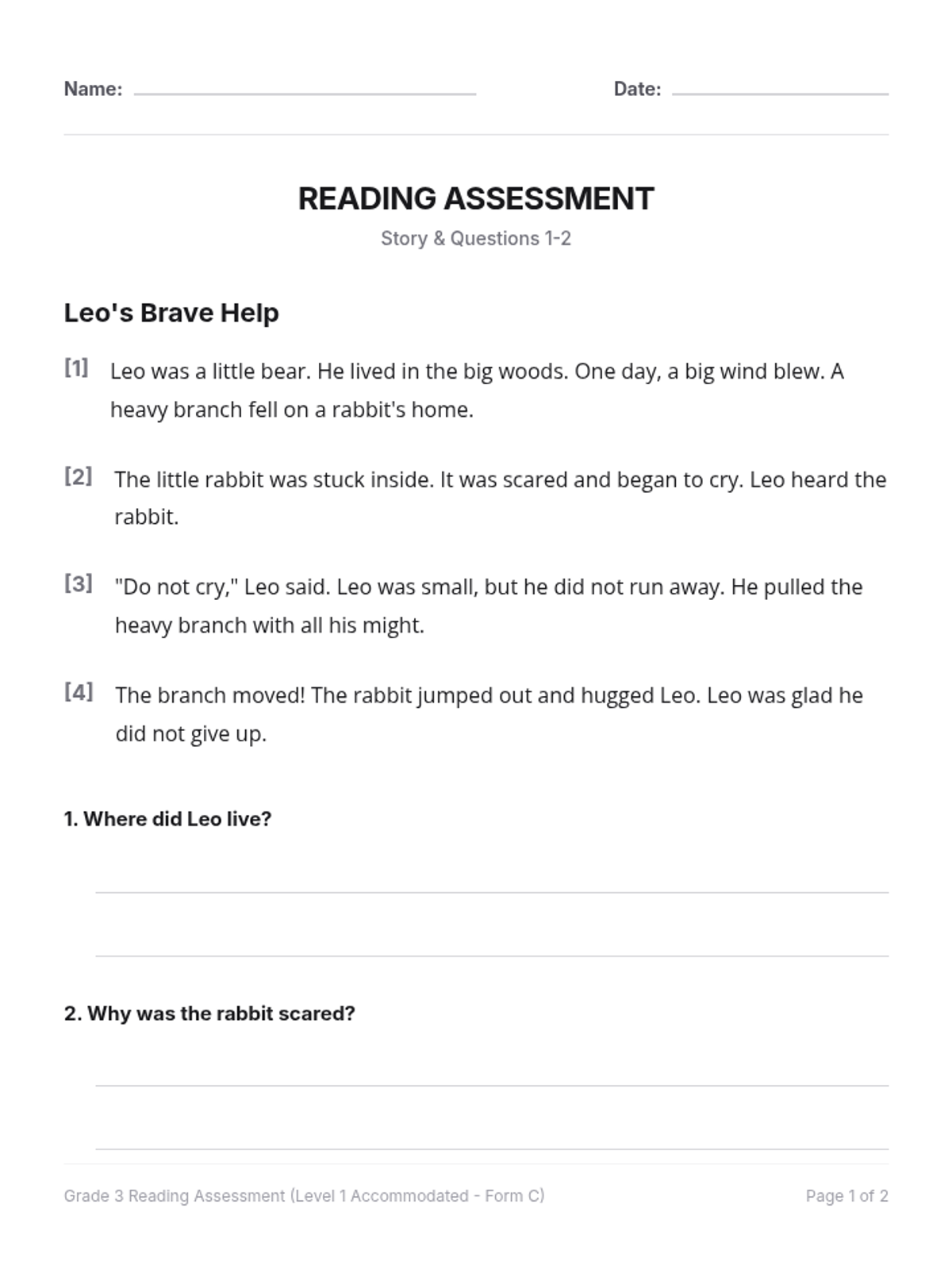
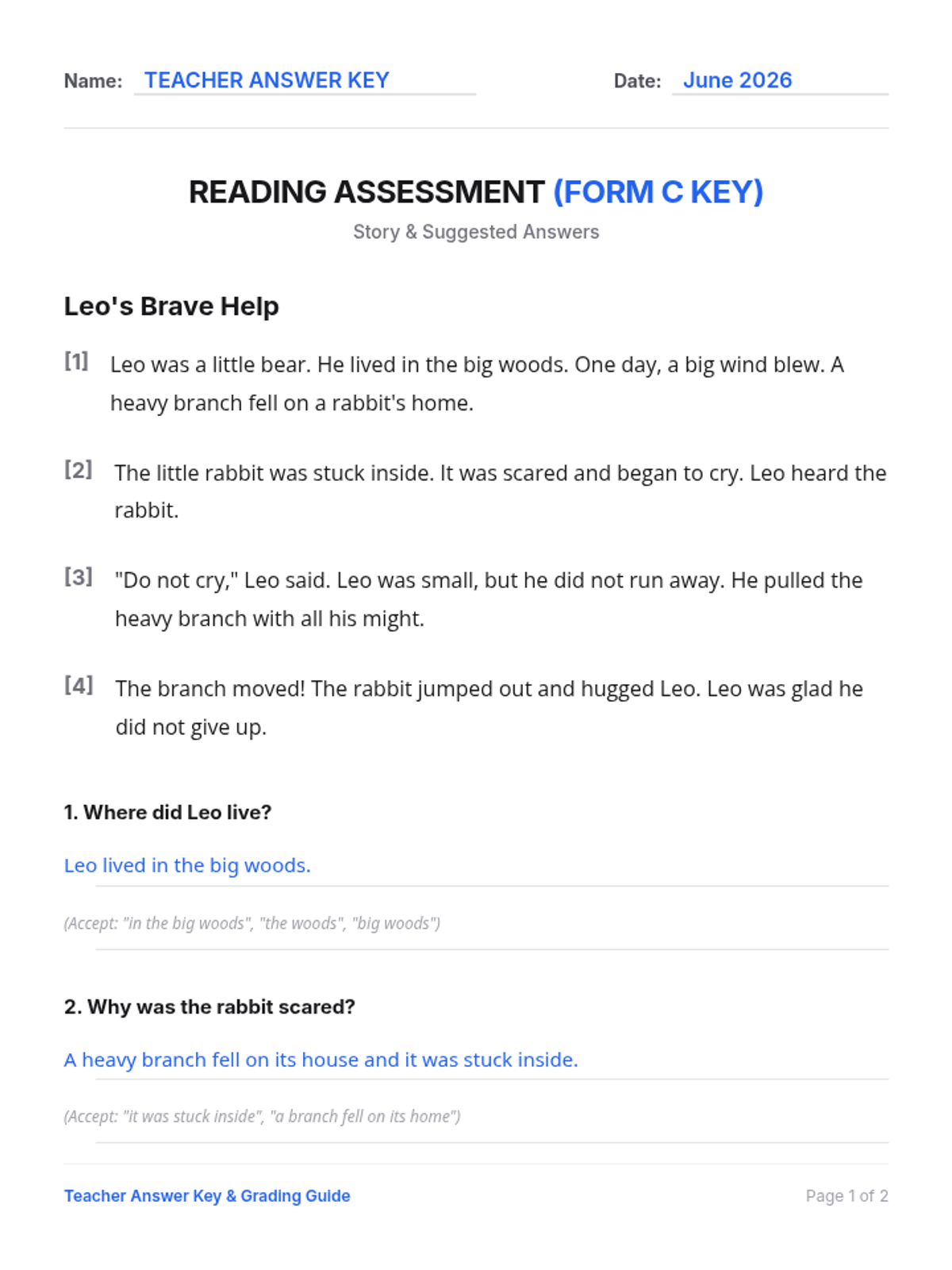
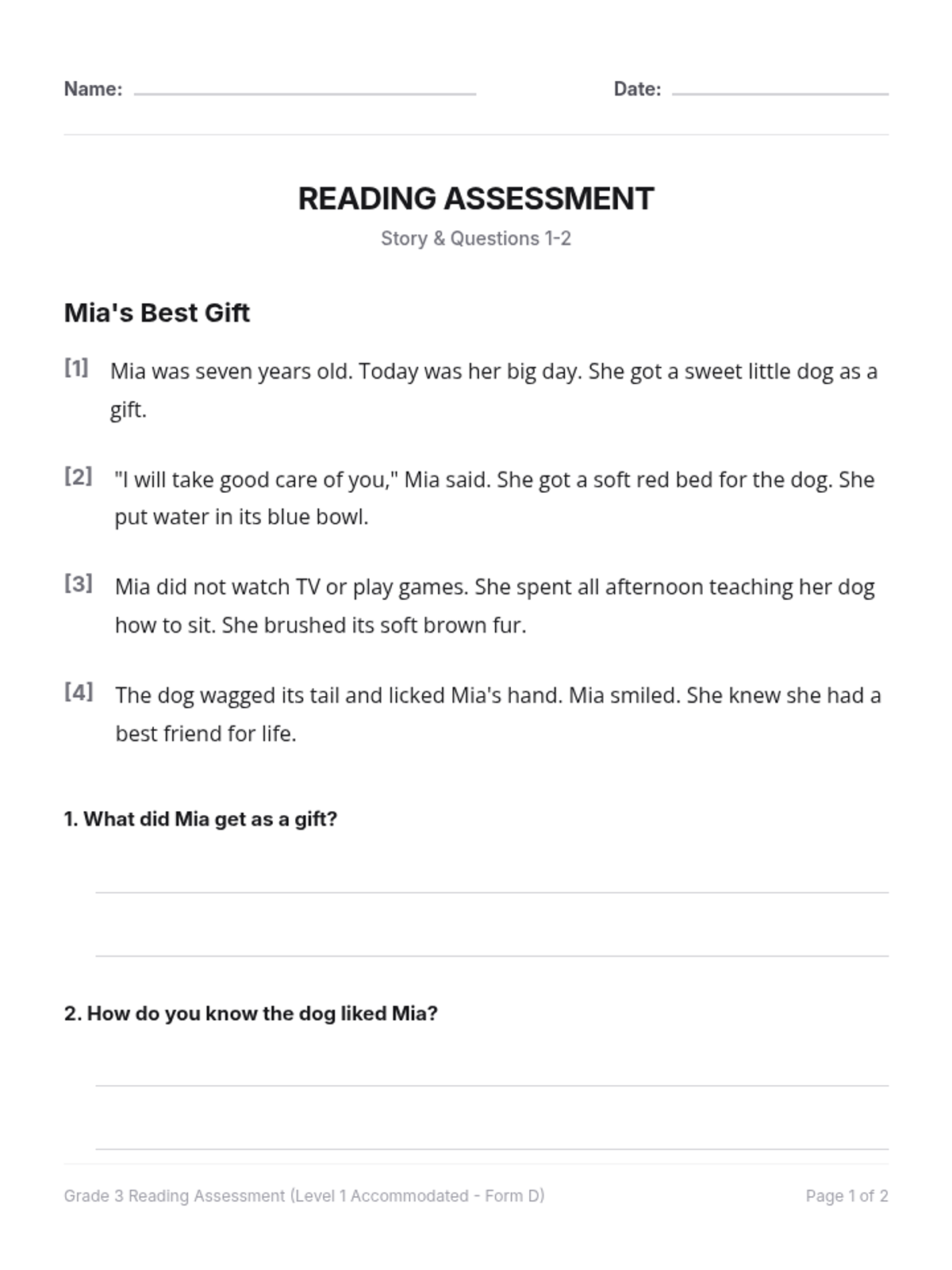
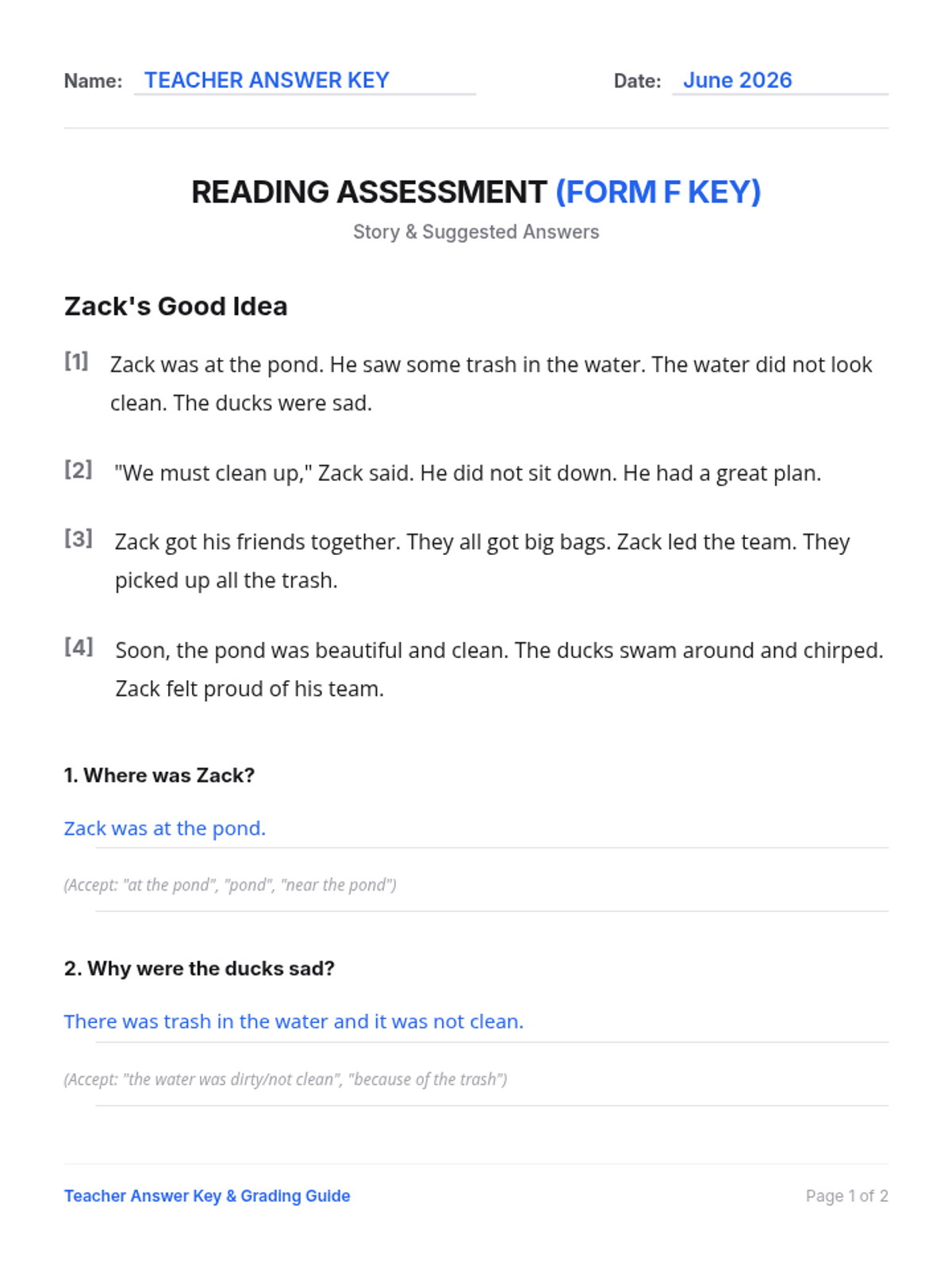
An accommodated reading assessment designed for a third-grade student reading at a first-grade level. Features a highly accessible passage, generous writing lines, explicit and implicit comprehension questions, and simplified layouts.
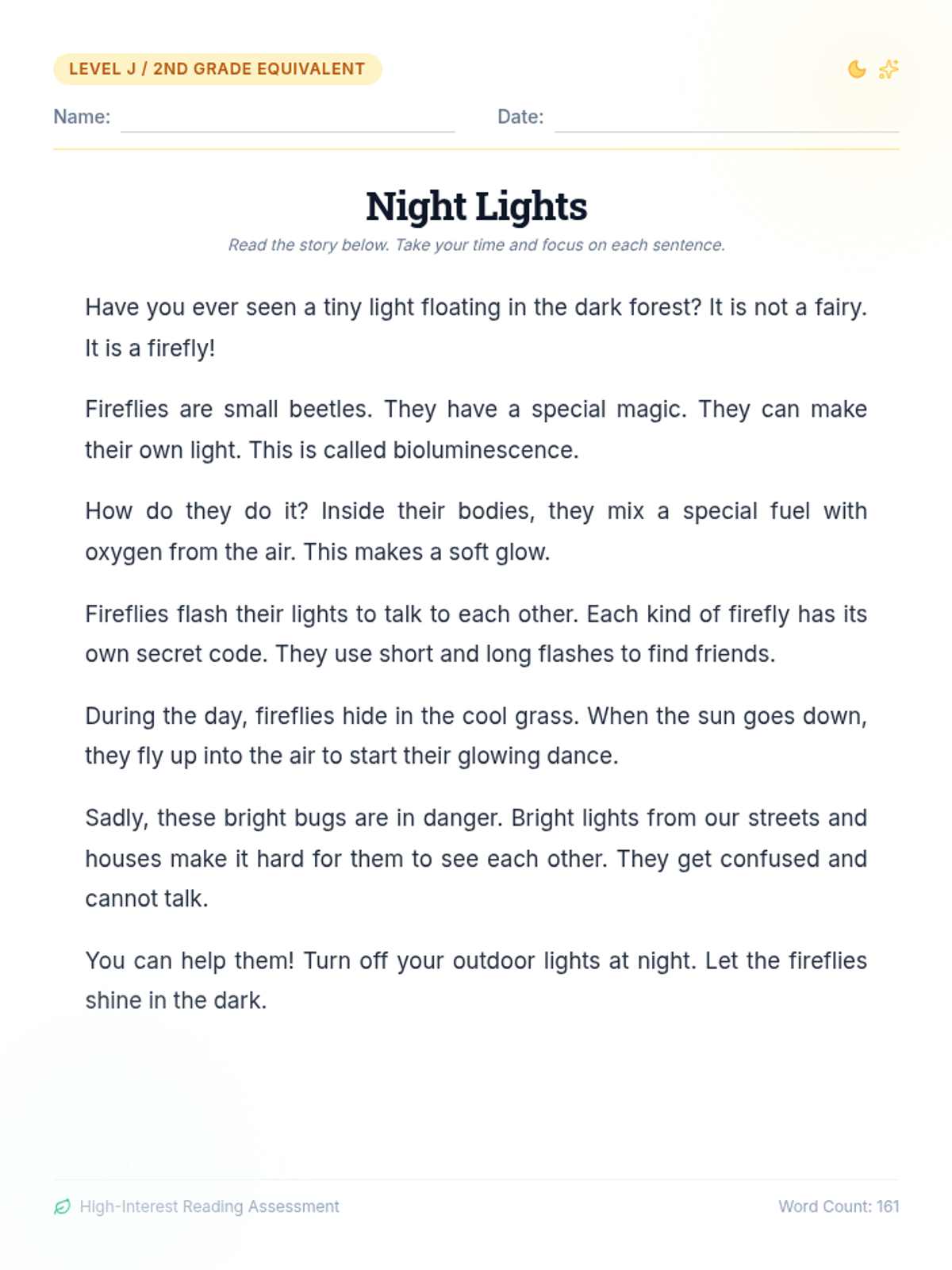
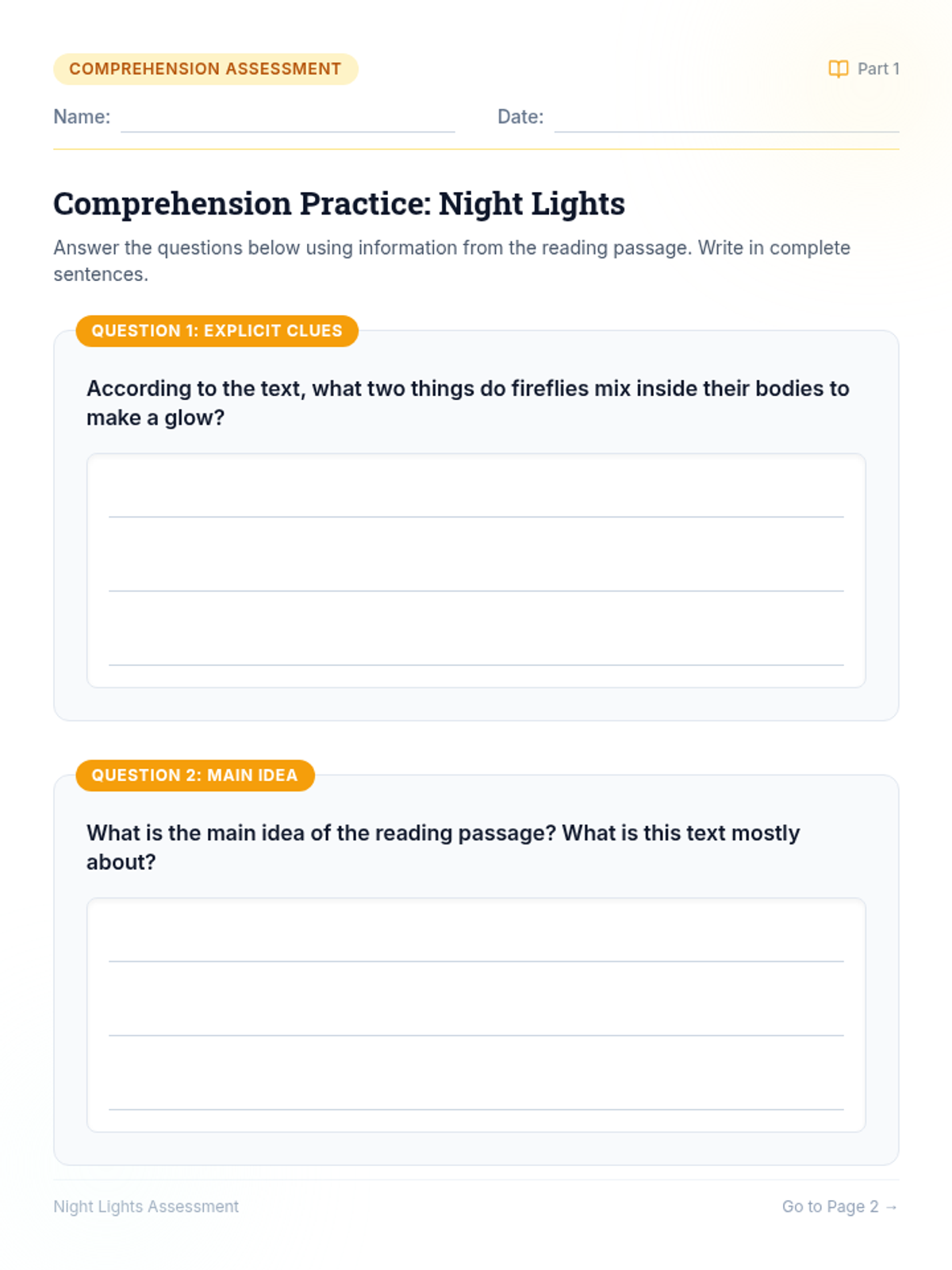
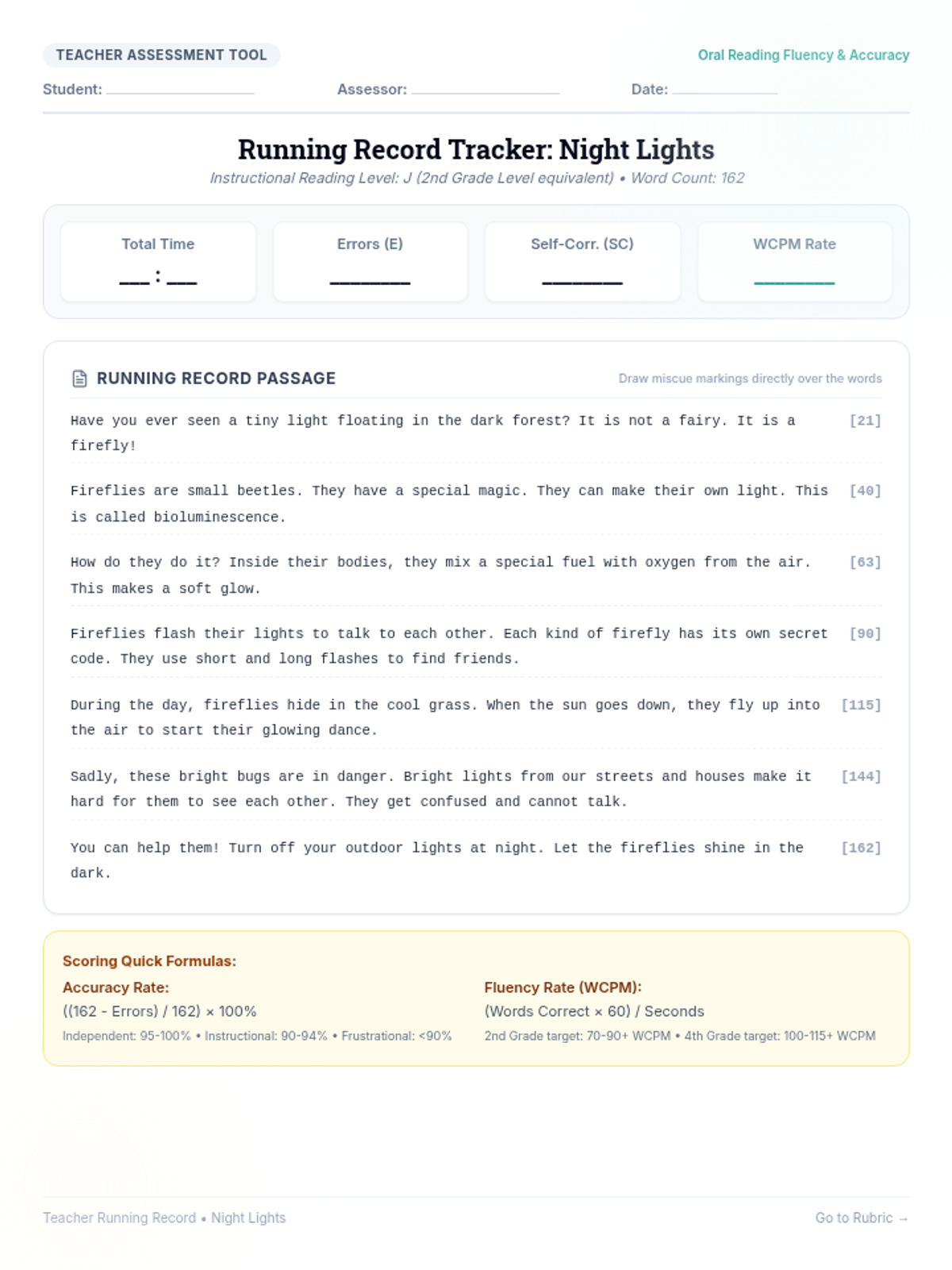
An assessment kit designed for a fourth-grade student reading at a second-grade level. Features an engaging, high-interest reading passage about fireflies, a student comprehension worksheet with ample writing space, and a comprehensive teacher running record tracker with a scoring guide.
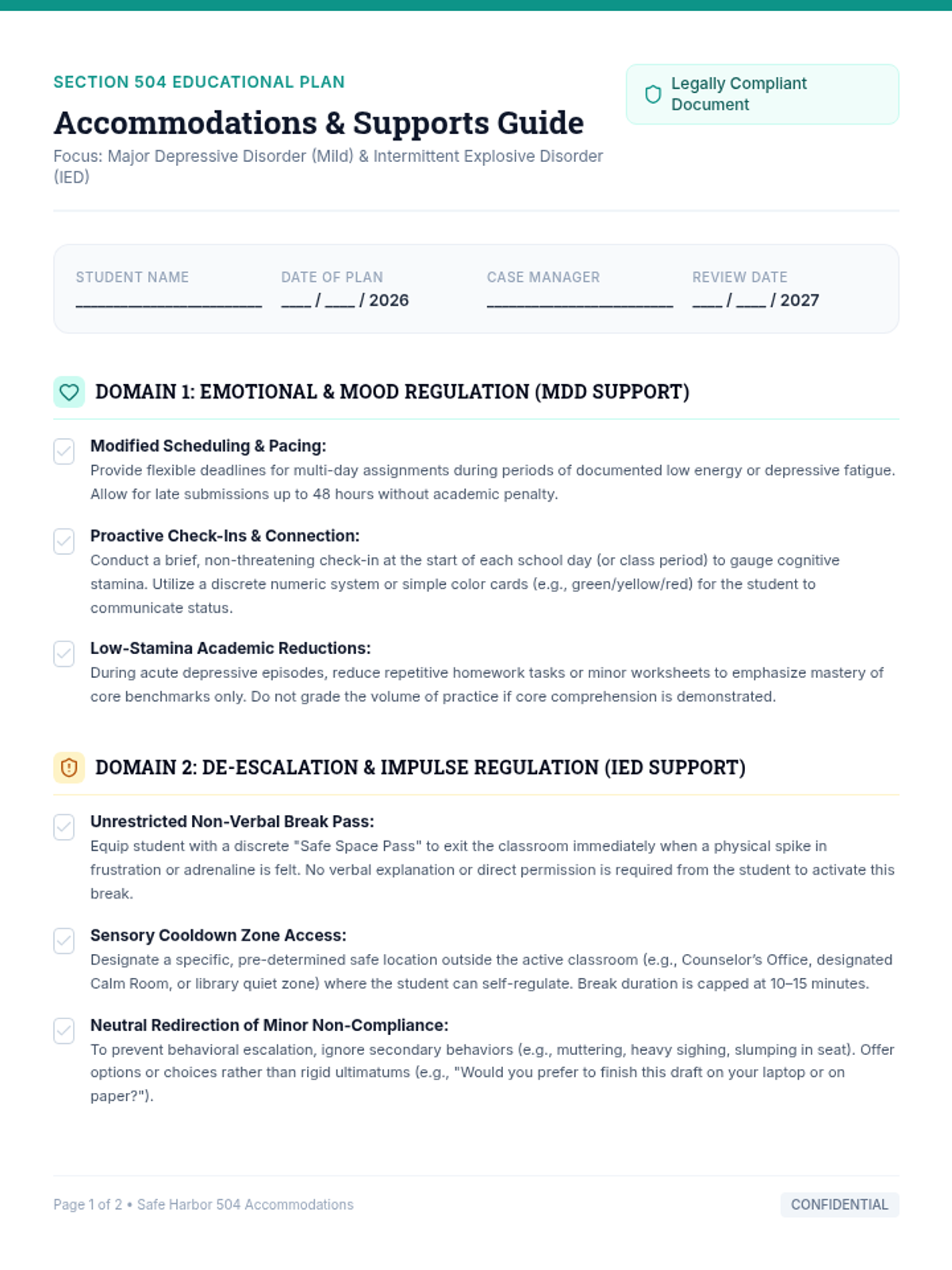
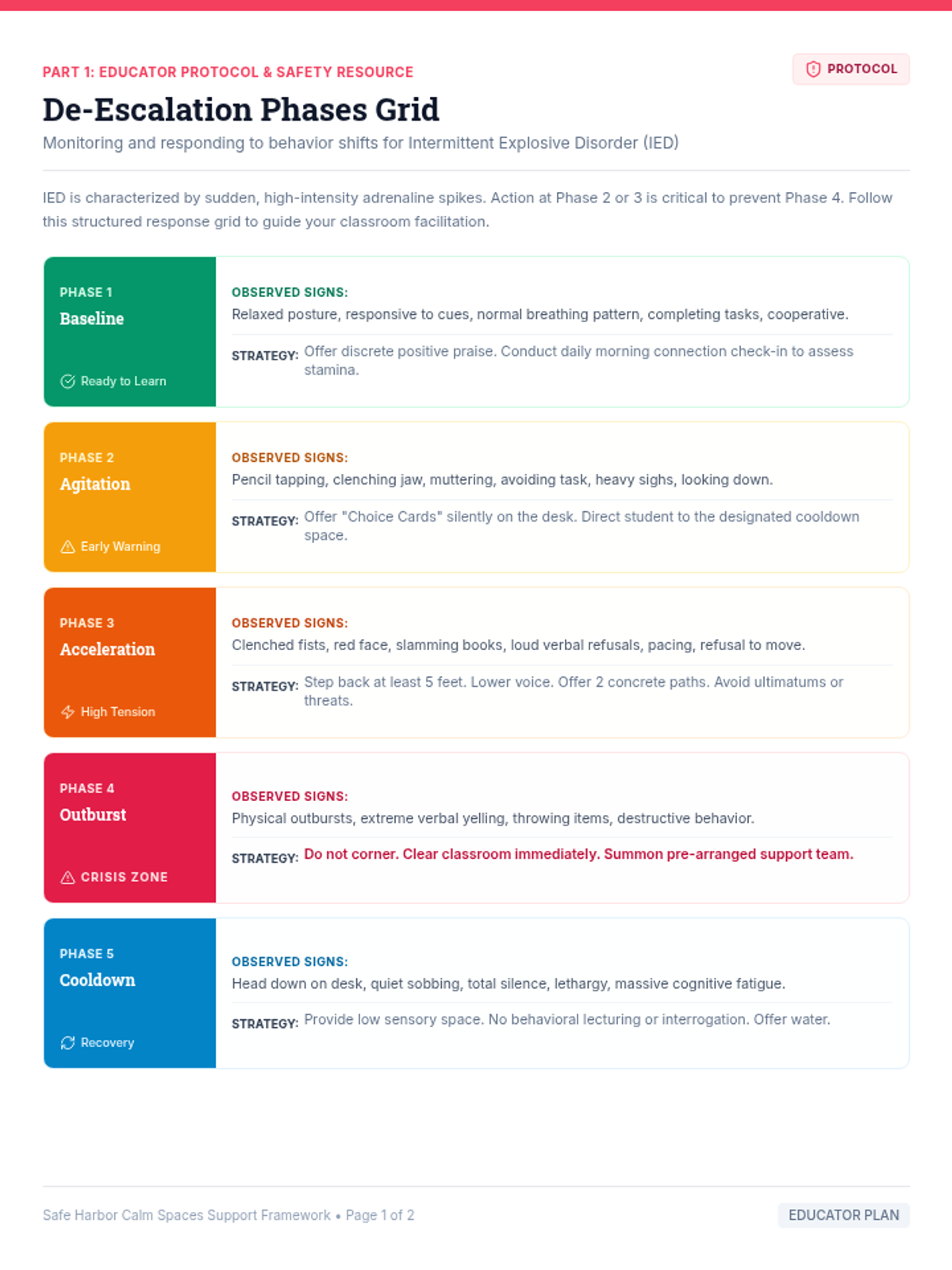
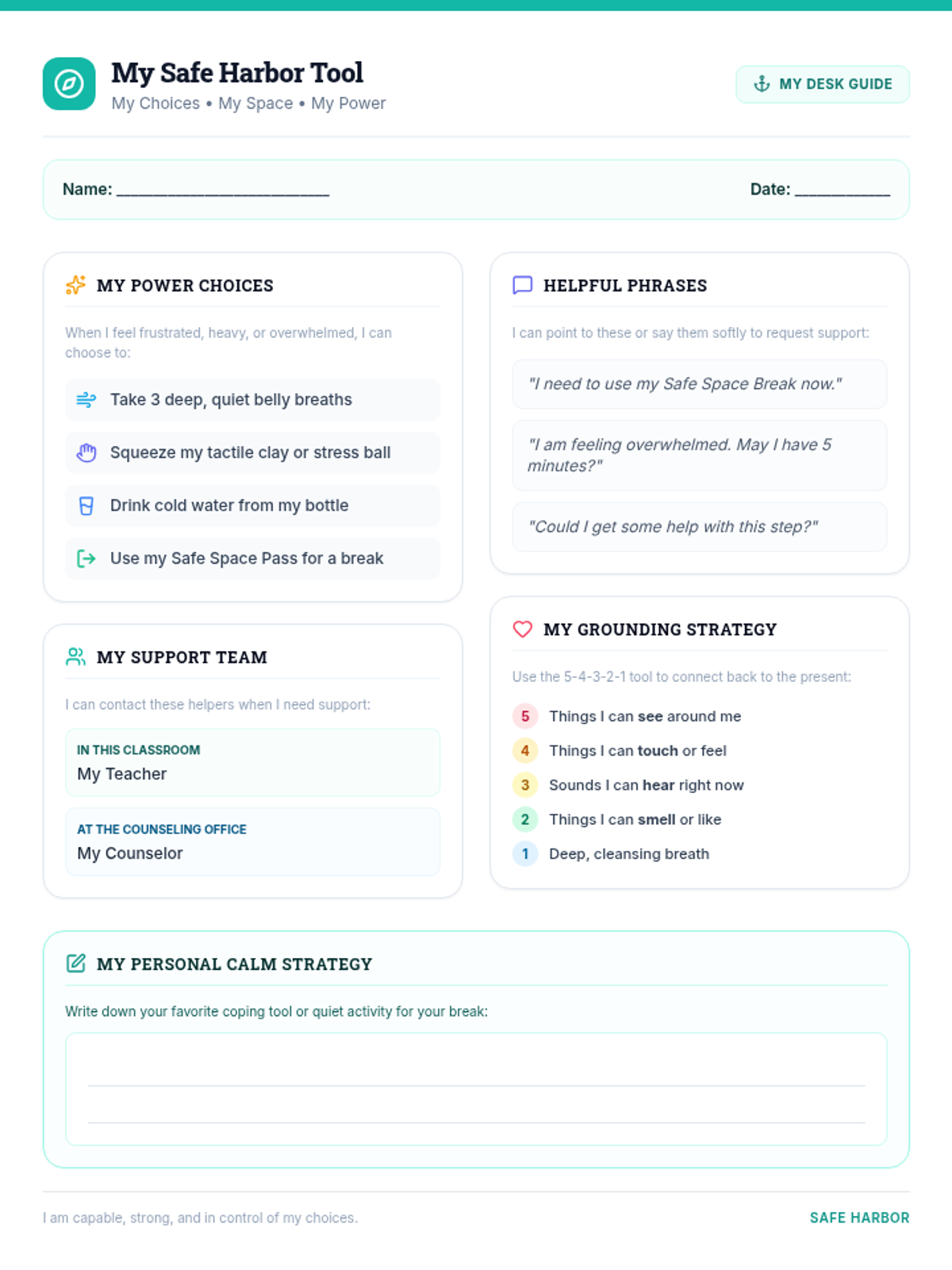
A cohesive bundle of support resources for a student with Major Depressive Disorder and Intermittent Explosive Disorder, including formal 504 accommodations, an educator's de-escalation workflow, and a student-facing desk tool.
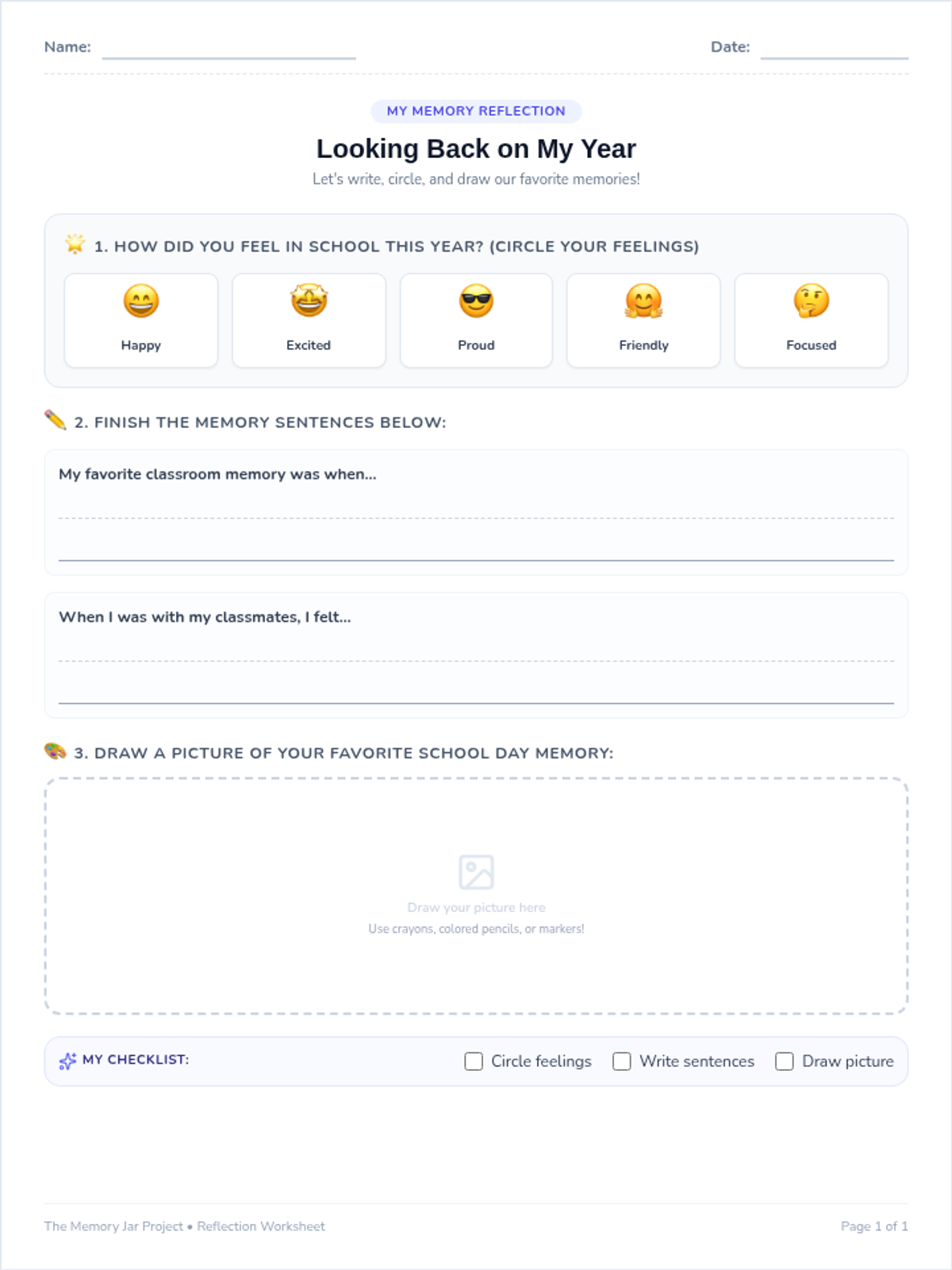
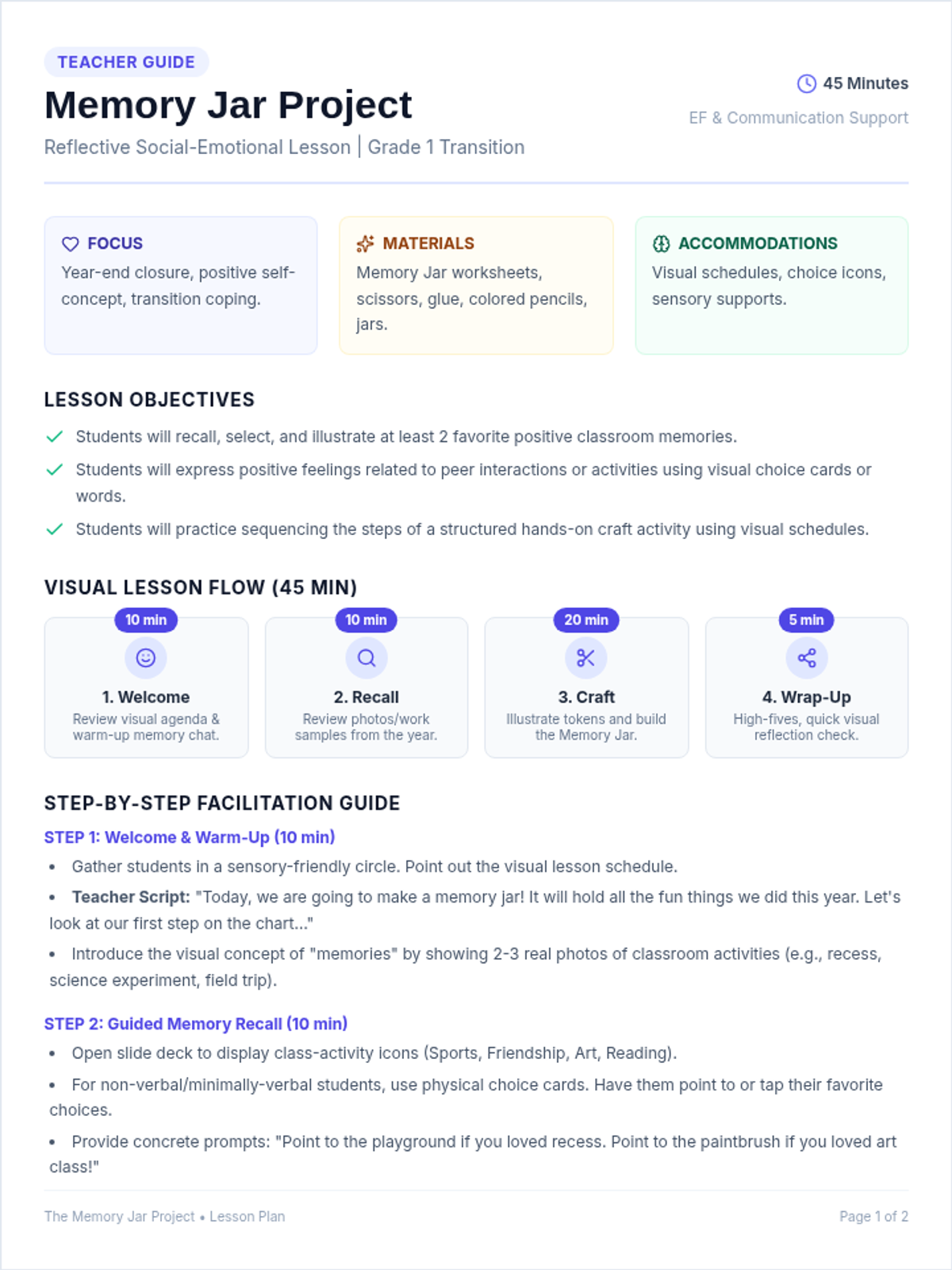
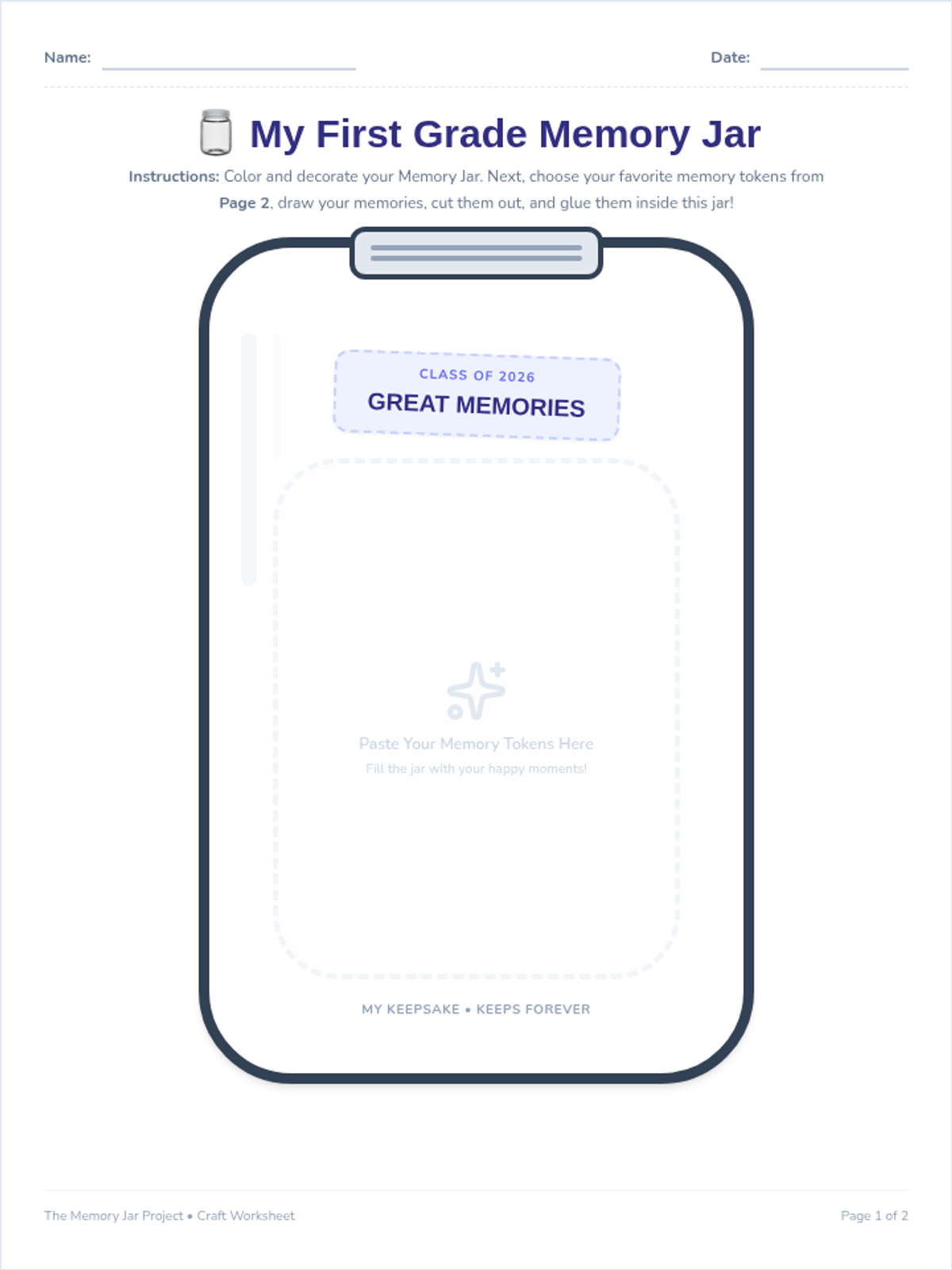
A reflective craft and social-emotional lesson designed for first-grade students with executive functioning or communication challenges. Students recall, select, and illustrate favorite classroom memories to build a tangible visual keepsake, promoting a positive year-end transition.
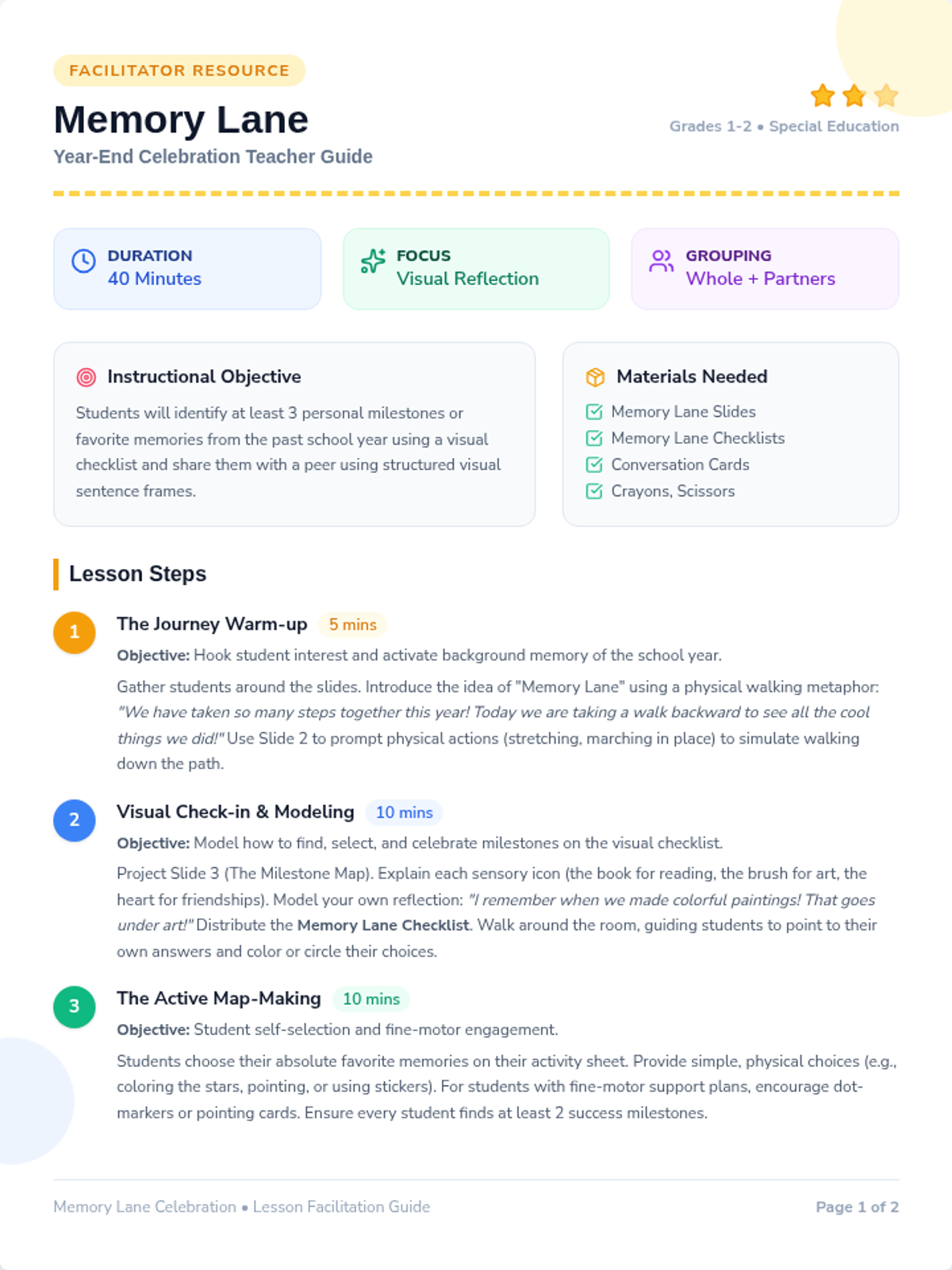
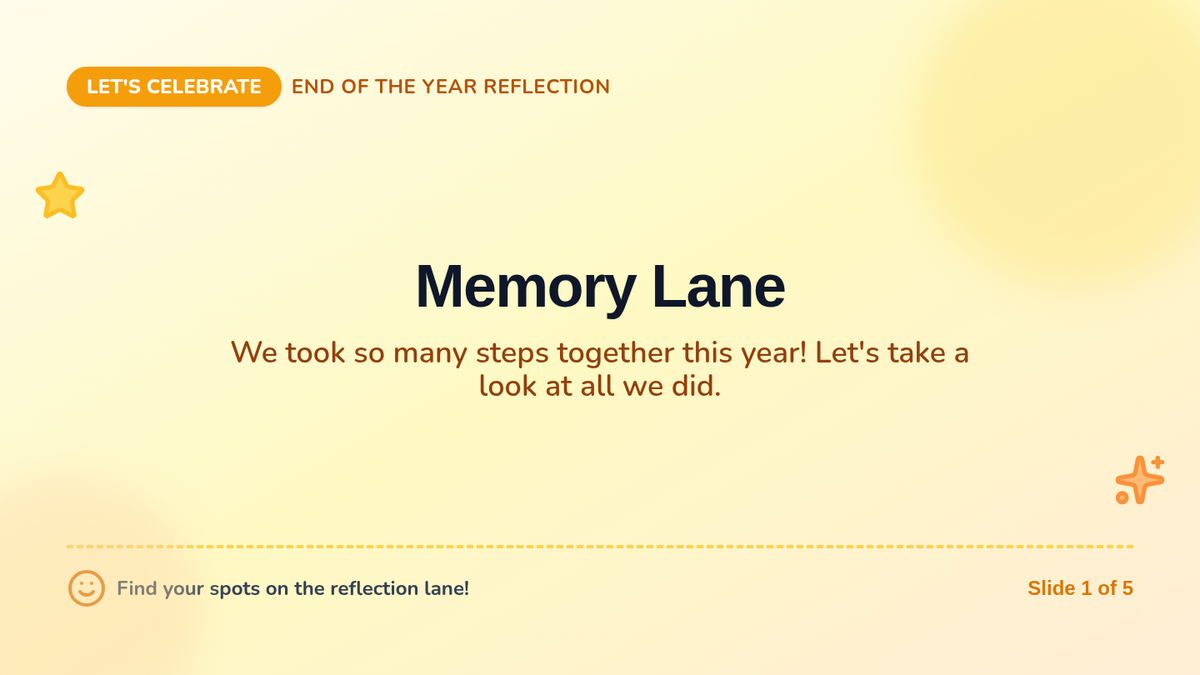
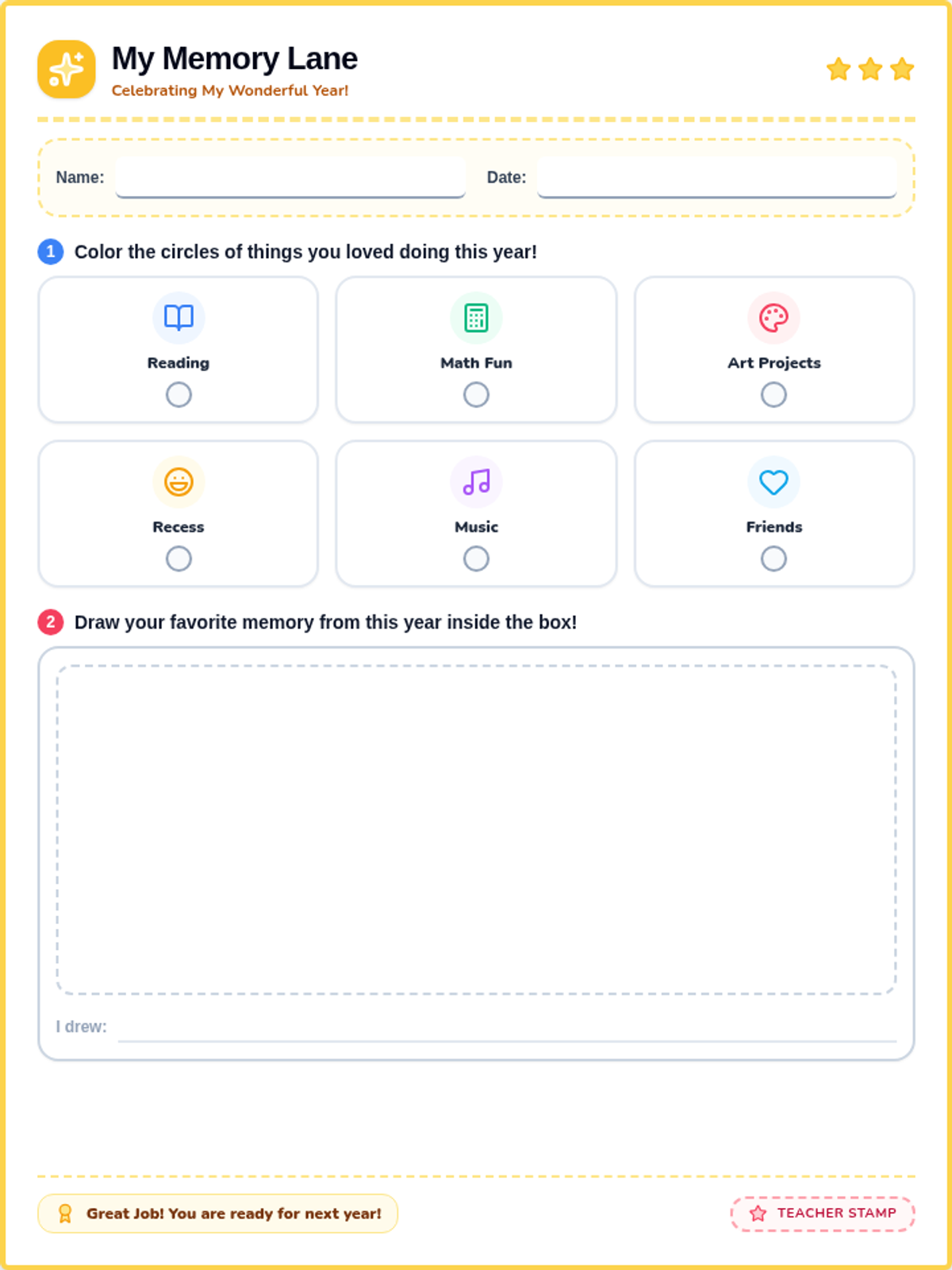
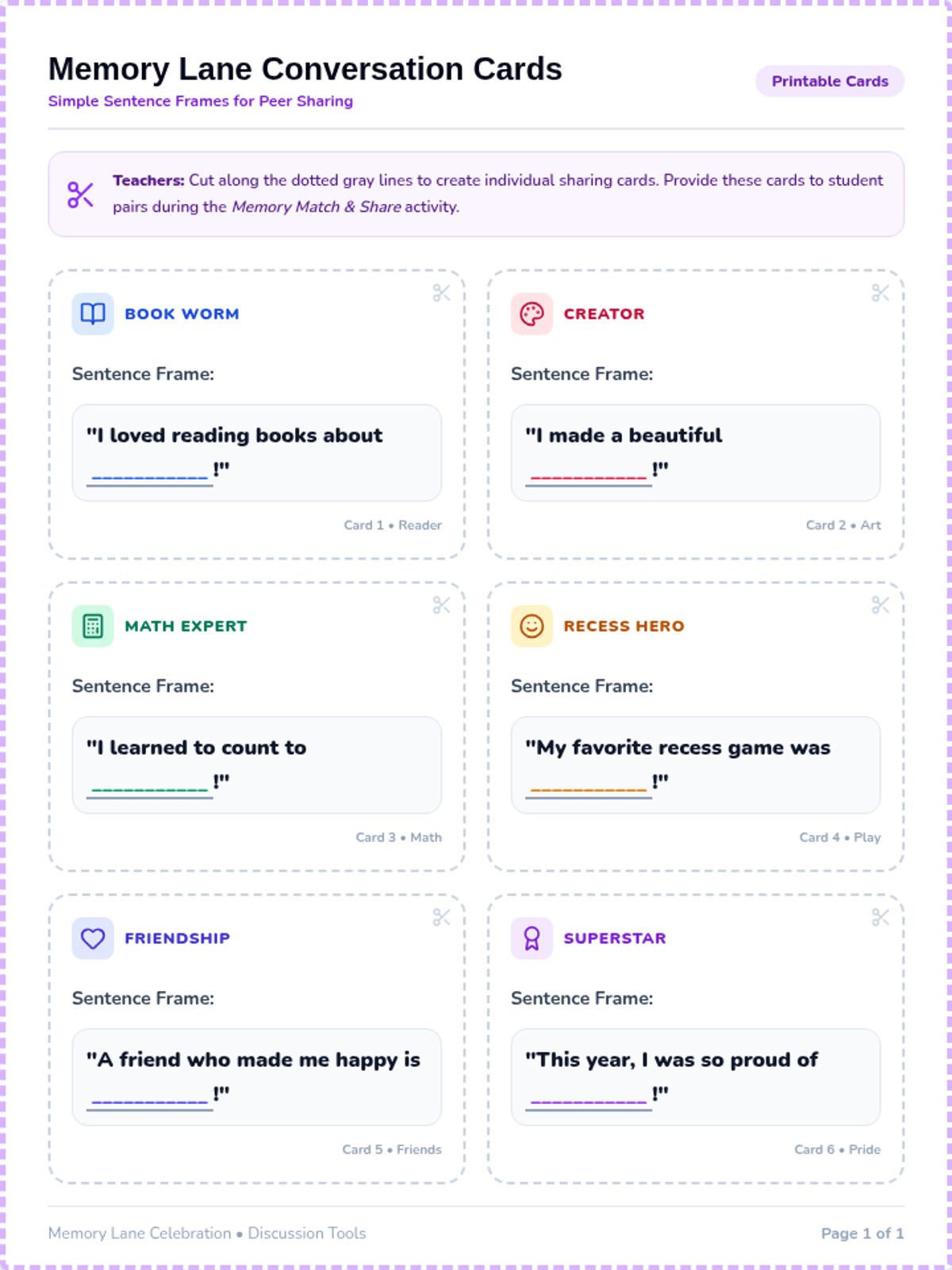
A celebratory end-of-year reflection lesson designed for first and second-grade exceptional learners. Students use visual checklists, simple sentence frames, and conversational prompts to recognize their individual growth, celebrate milestones, and share memories with peers in an accessible, highly visual format.
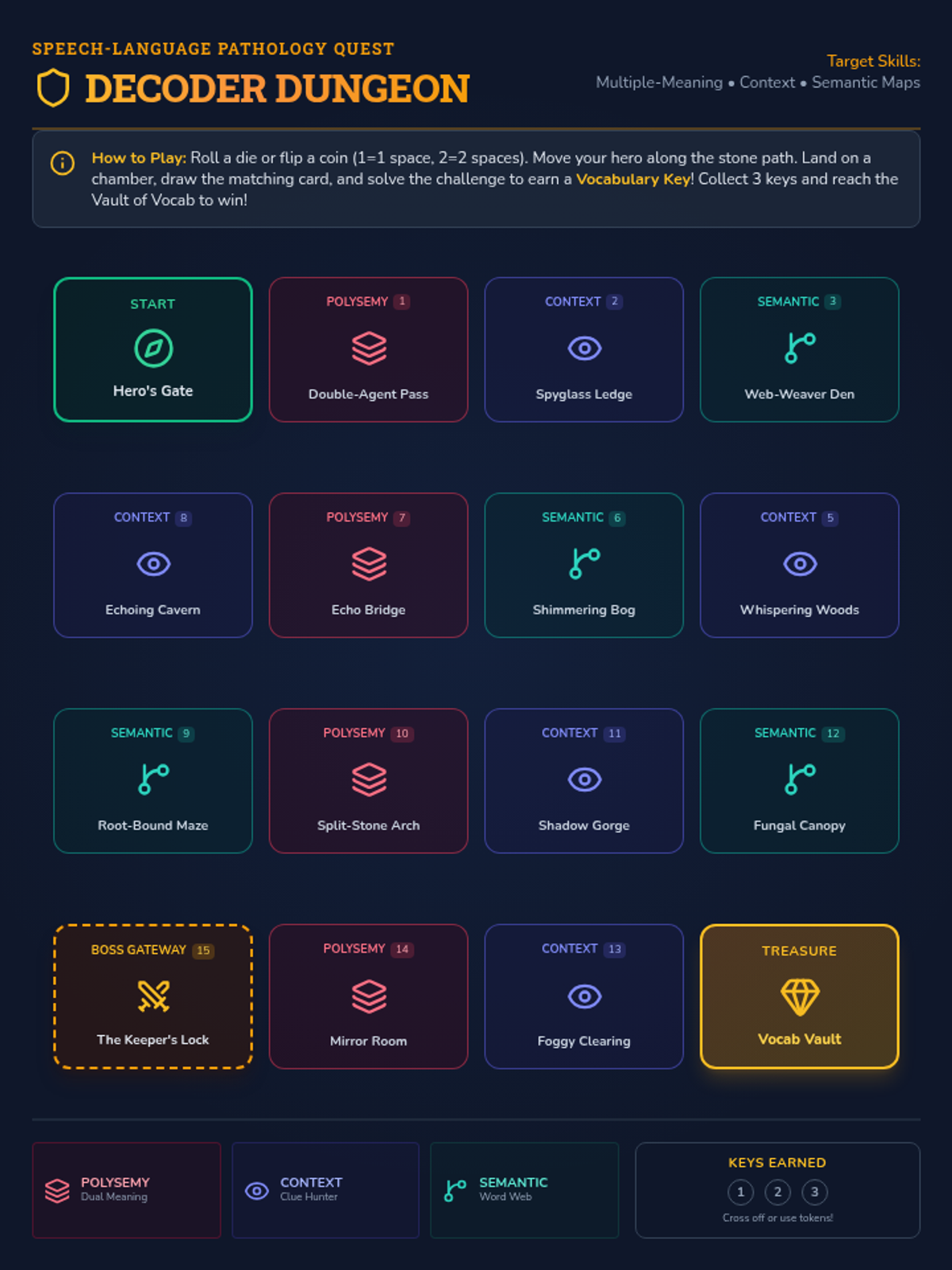
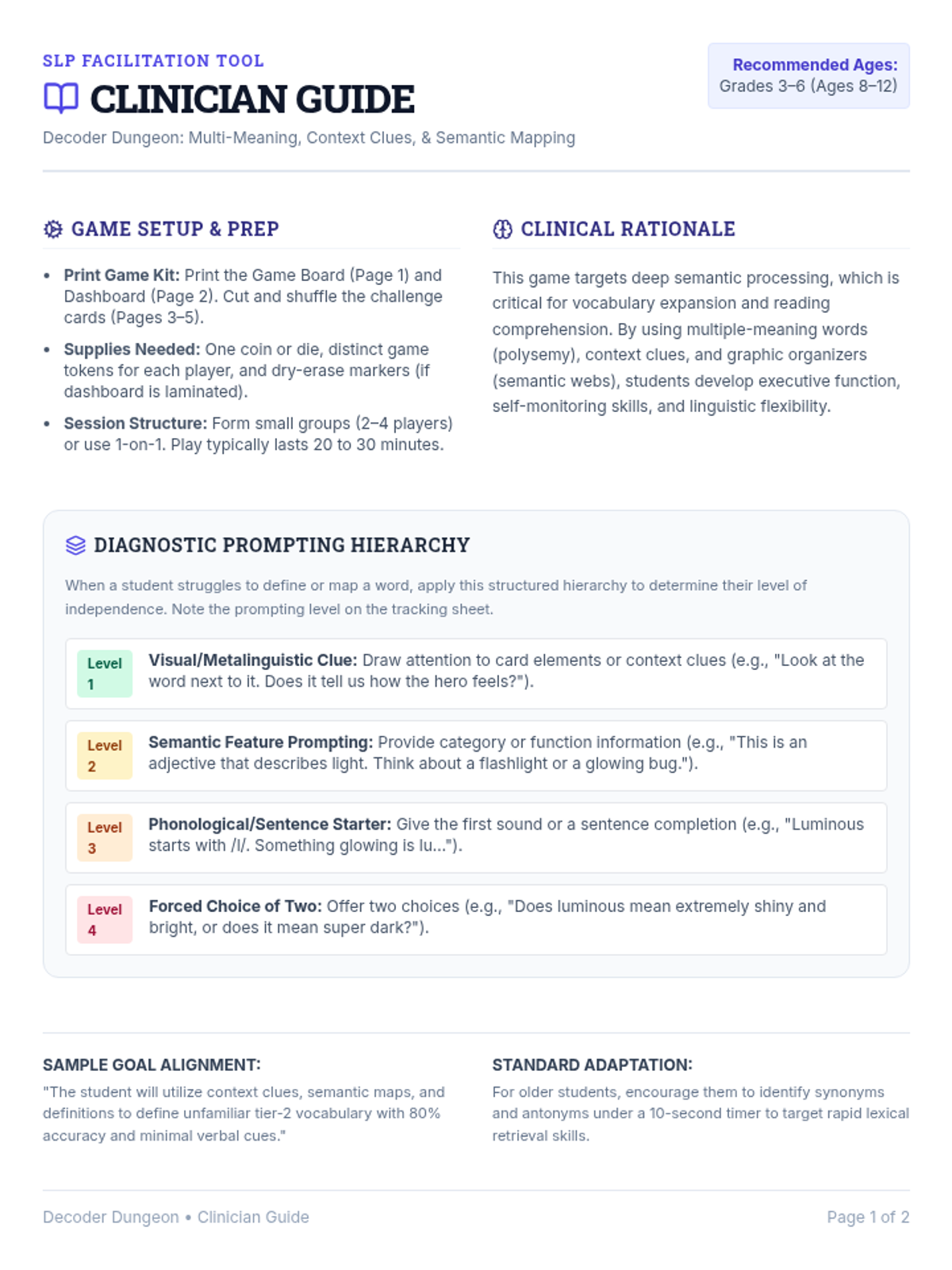
An immersive, fantasy-themed vocabulary game designed for speech-language pathology sessions targeting multiple-meaning words, context clues, and semantic mapping. This lesson includes an interactive printable game board, skill cards, and a comprehensive clinician facilitation guide with diagnostic tracking tools.
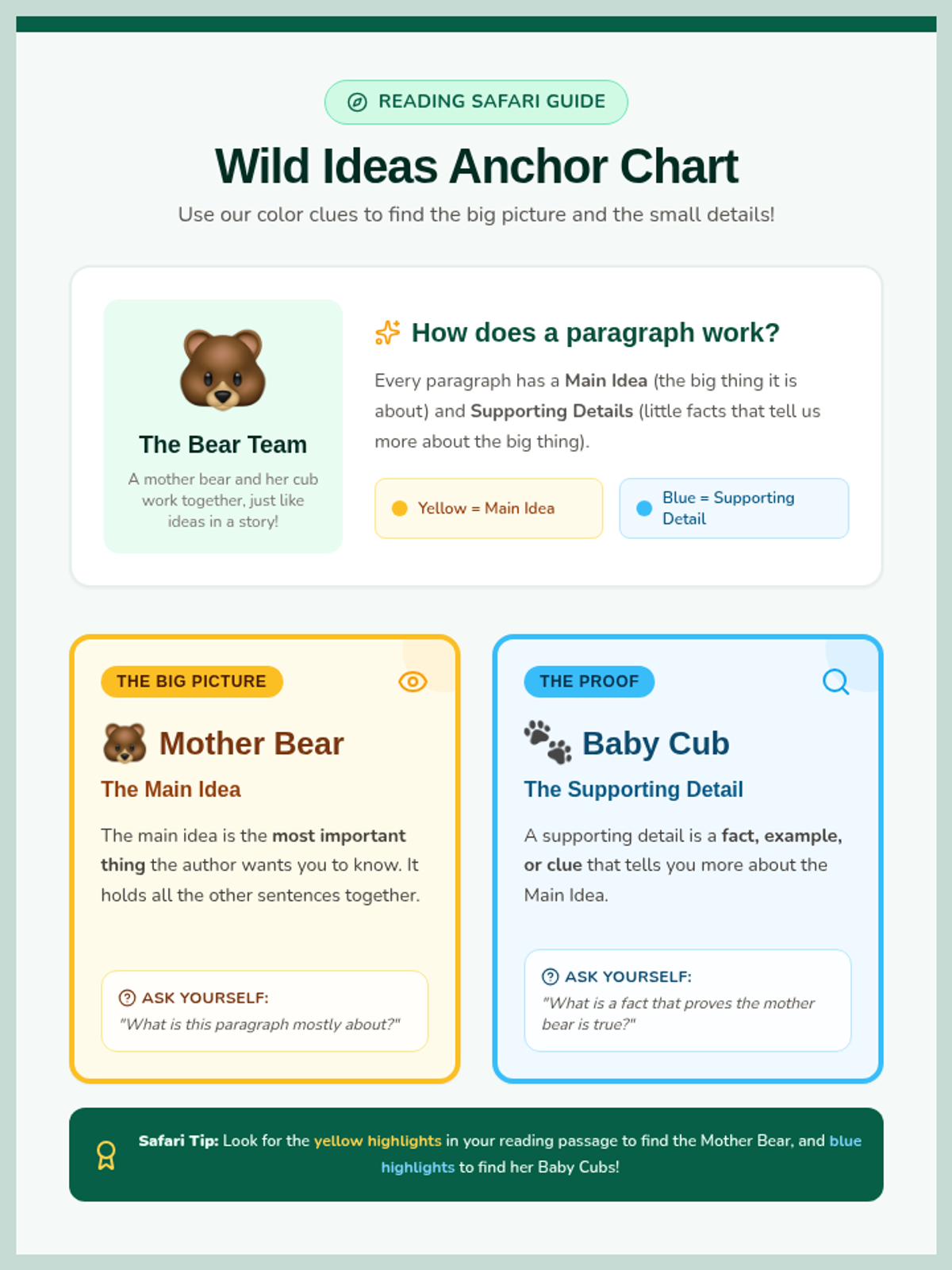
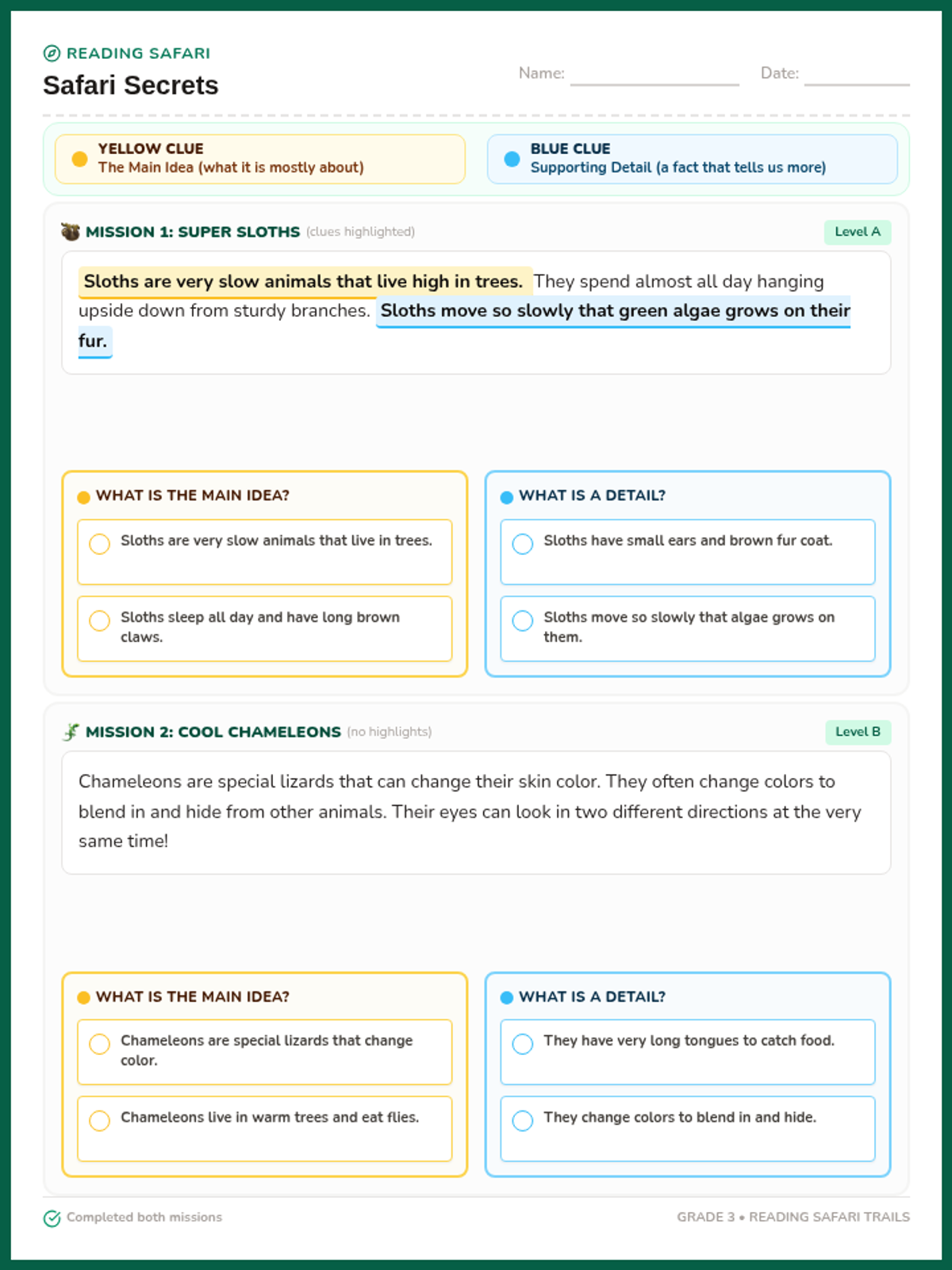
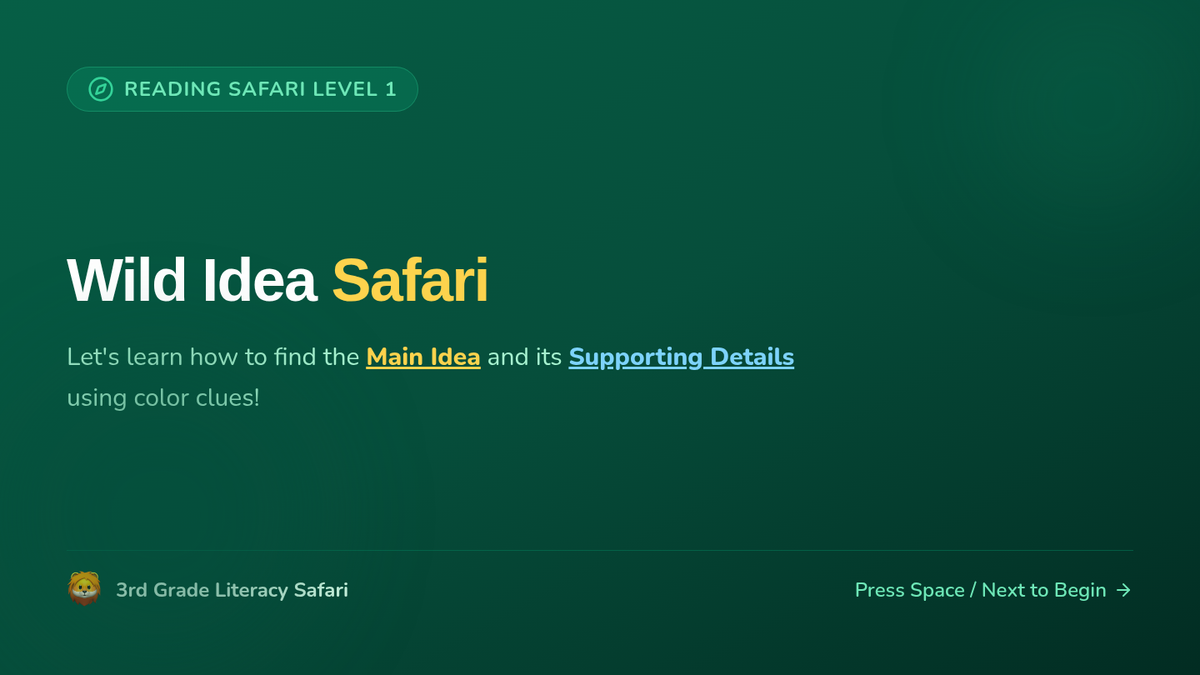
An animal-themed literacy lesson designed for 3rd-grade students with autism, focusing on identifying the main idea and supporting details using a structured, color-coded visual approach.
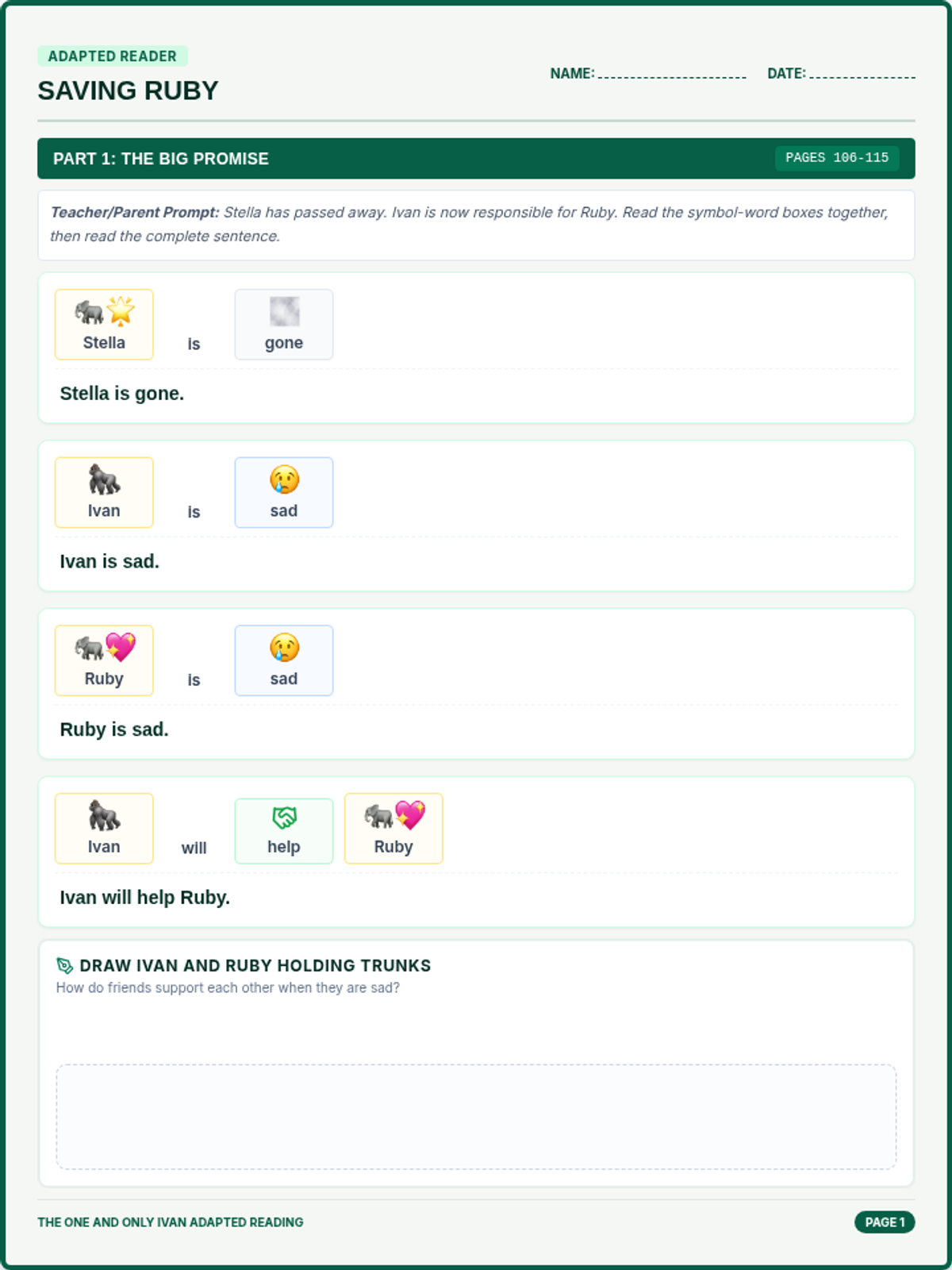
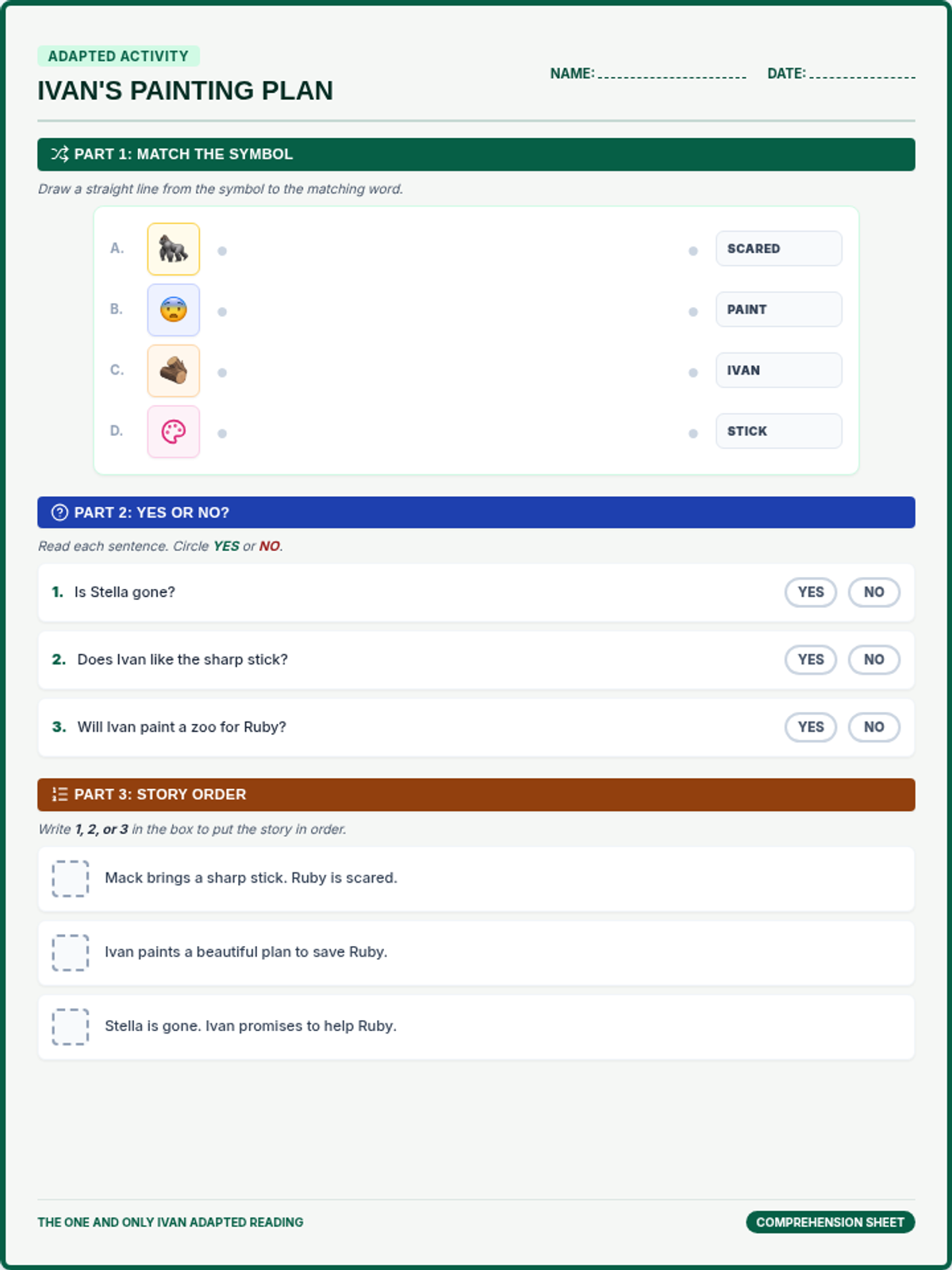
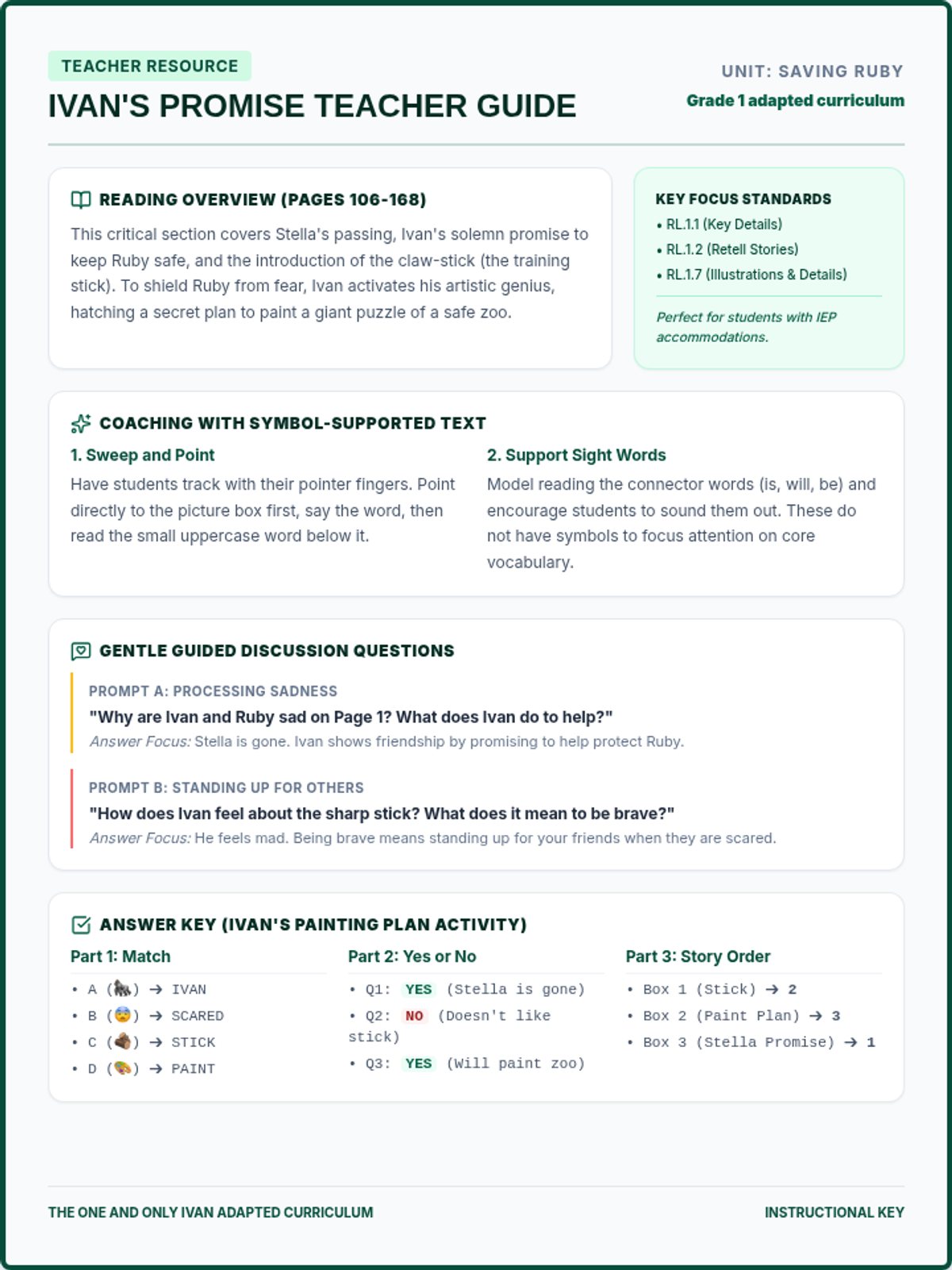
A 1st-grade adapted reading unit for pages 106-168 of 'The One and Only Ivan'. This lesson focuses on Stella's passing, Ivan's promise, the threat of the claw-stick, and Ivan's creative plan to save Ruby, using symbol-supported text to assist early readers.
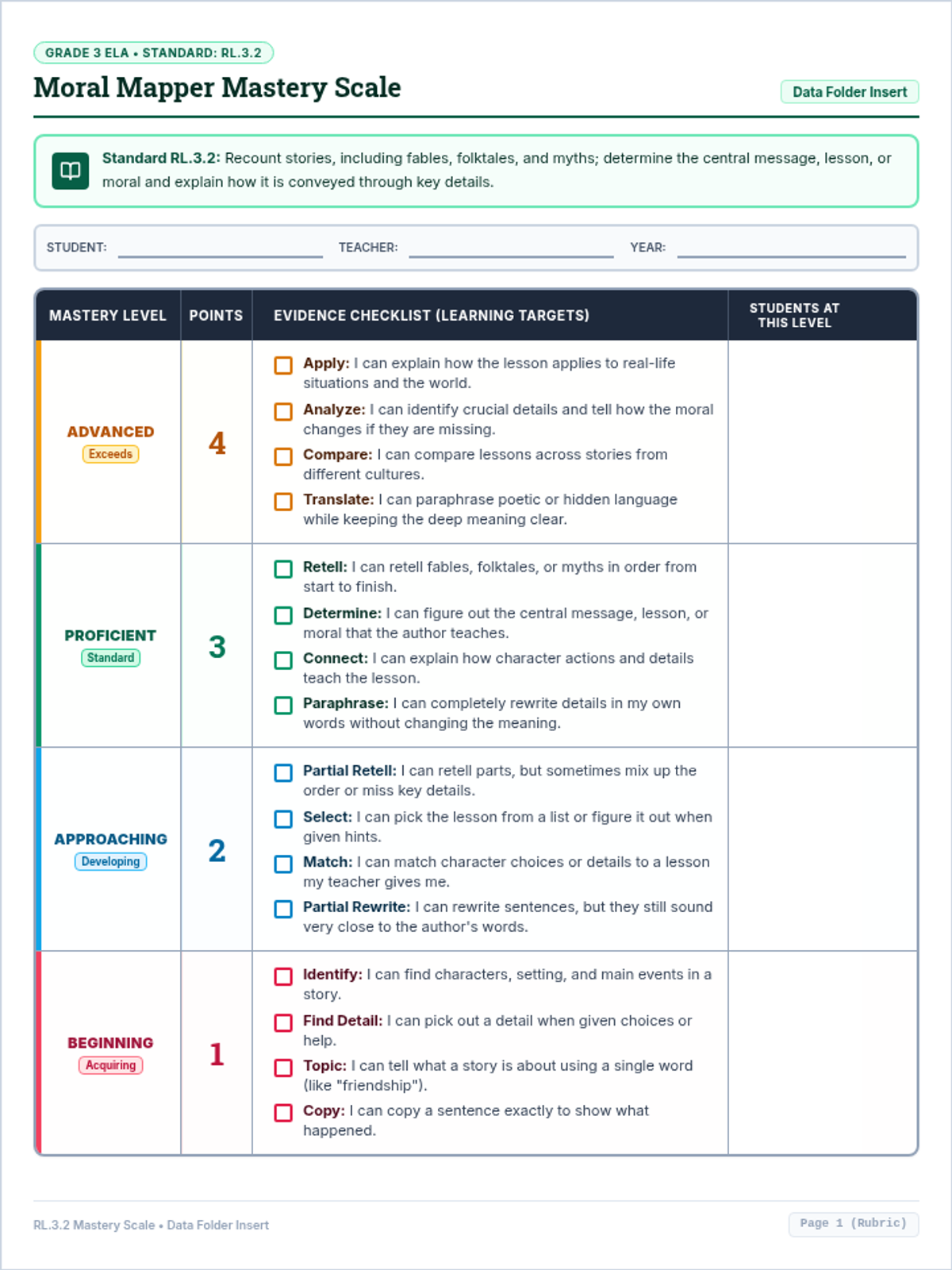
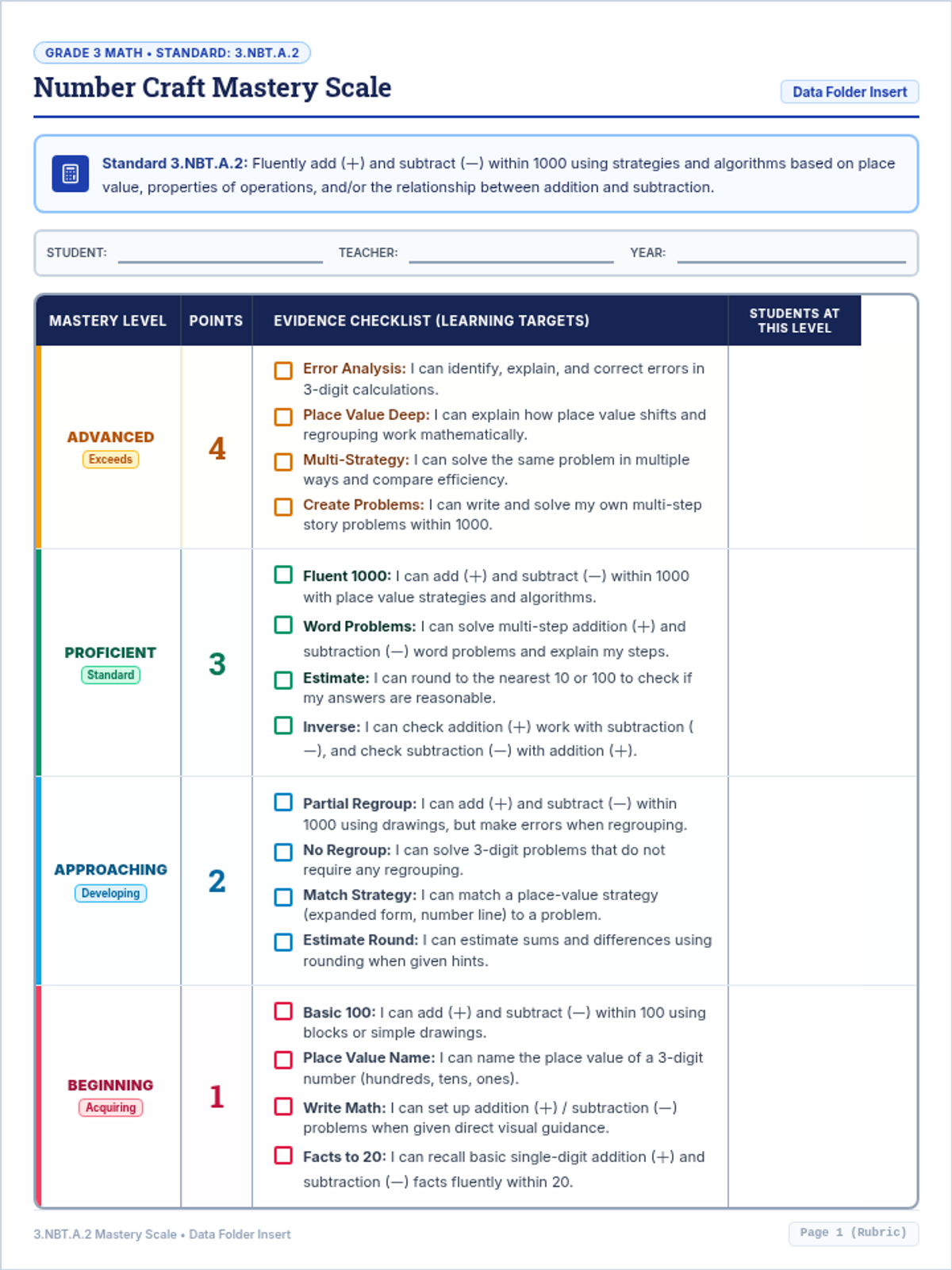
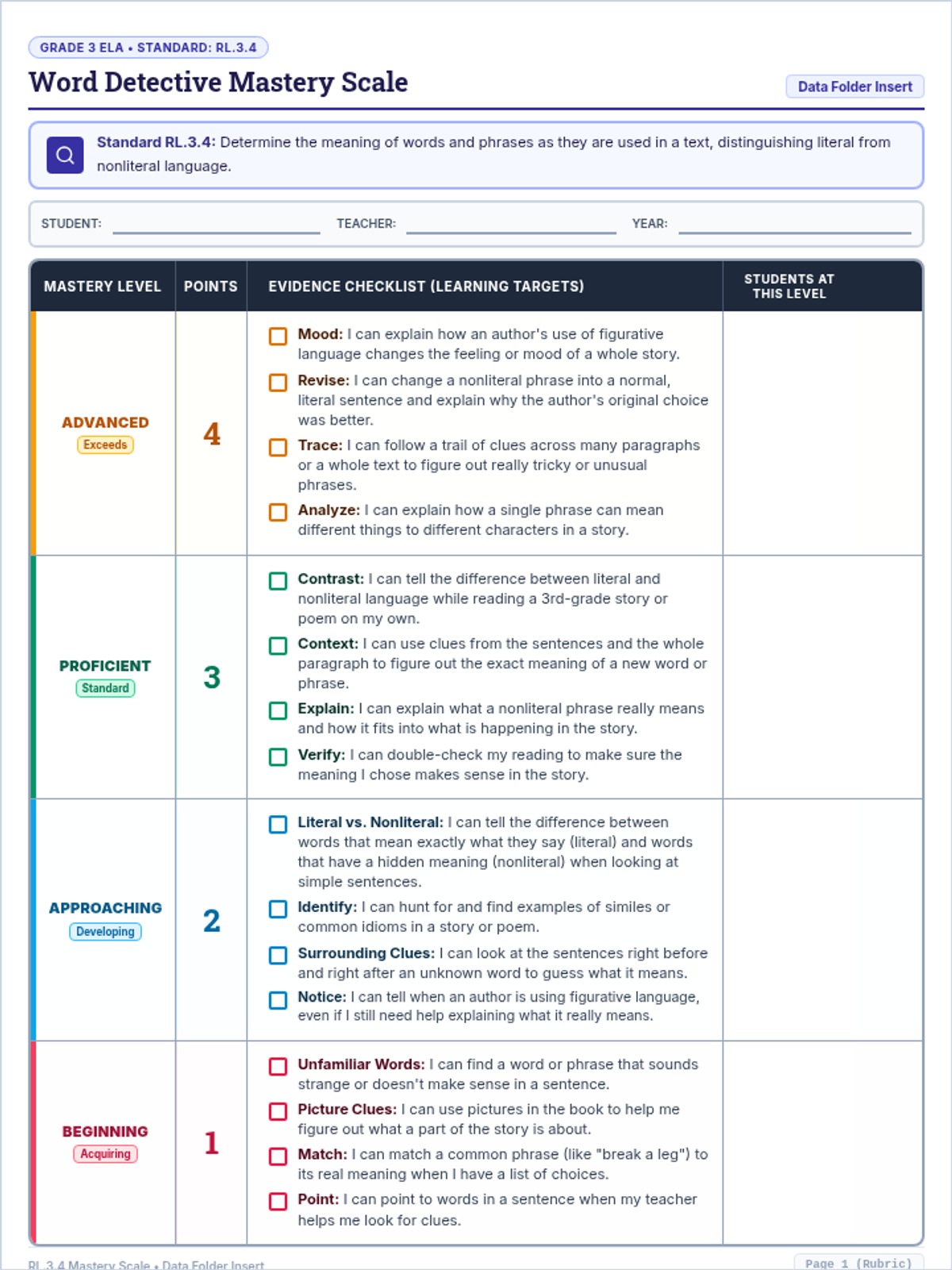
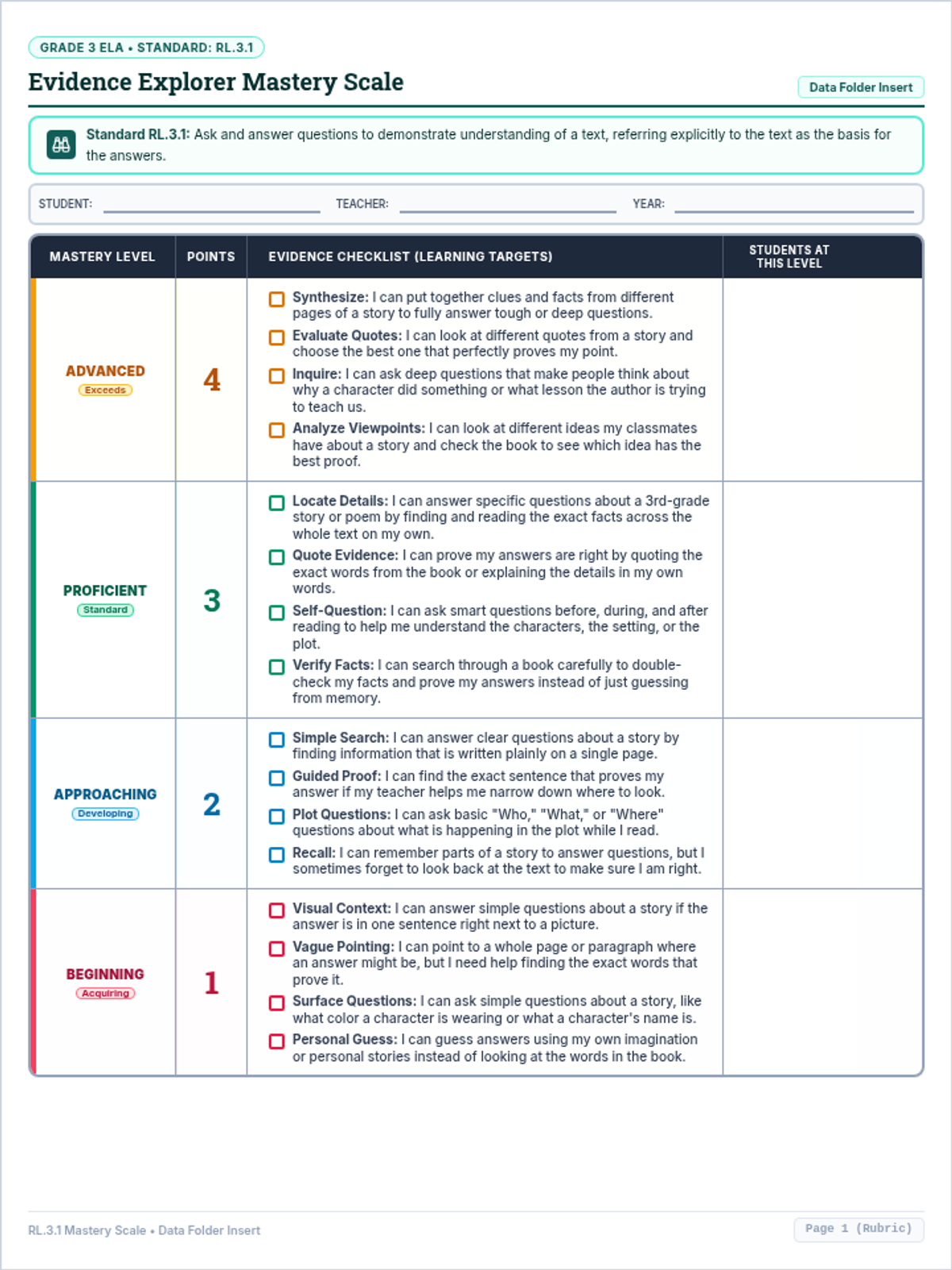
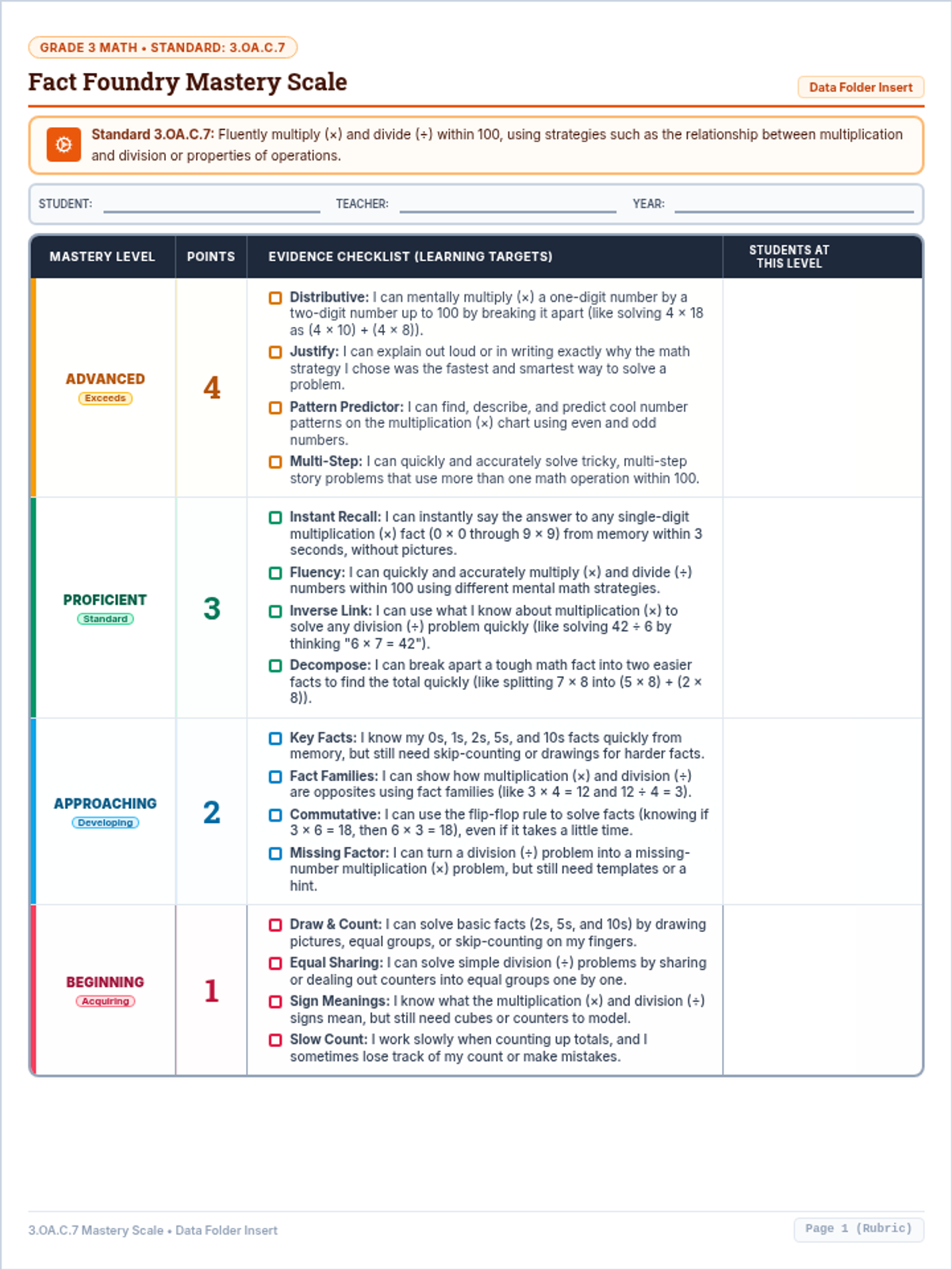
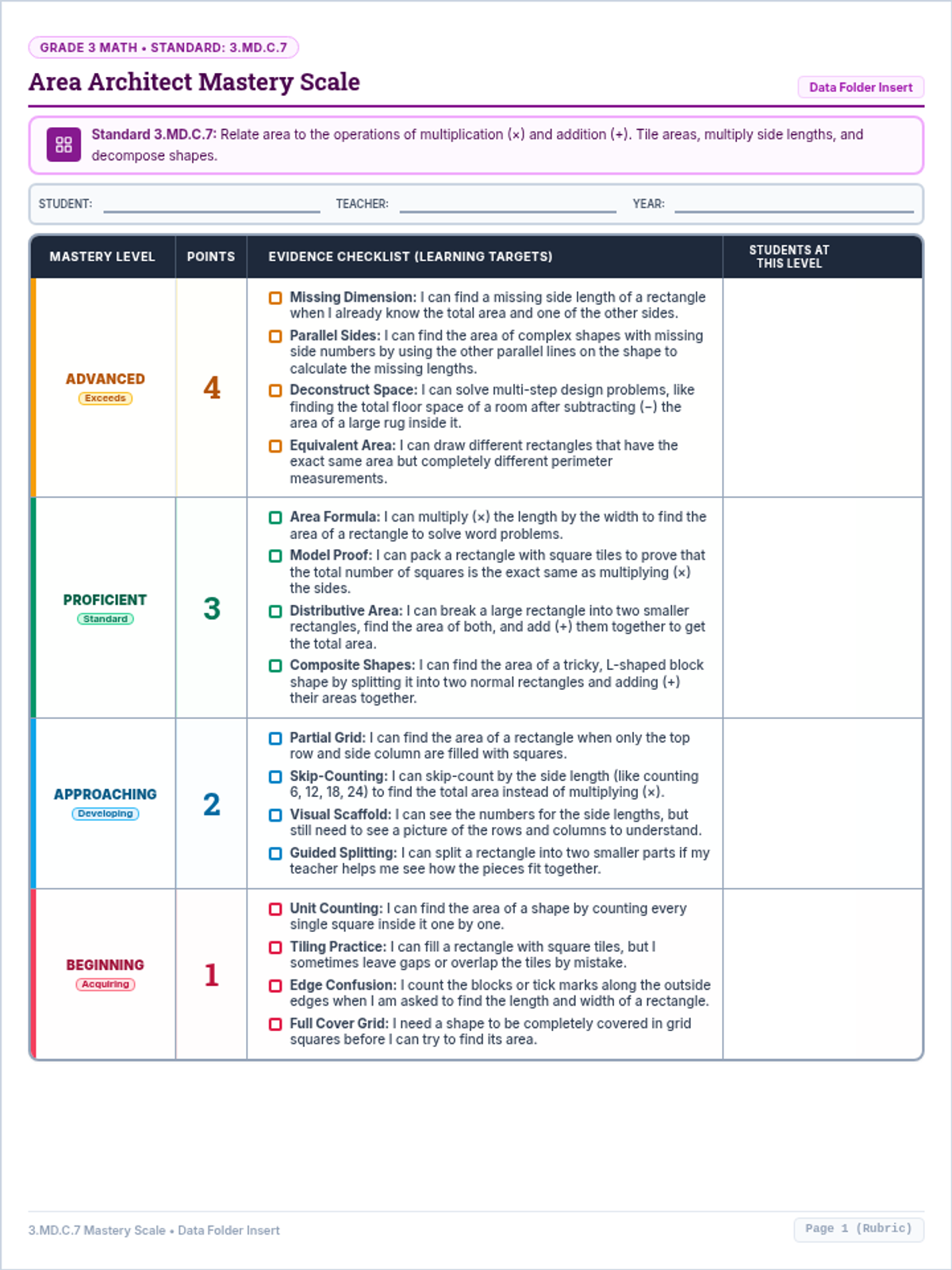
A collection of beautifully designed, compact data folder inserts featuring proficiency scale charts and progress tracking logs for Grade 3 standards.
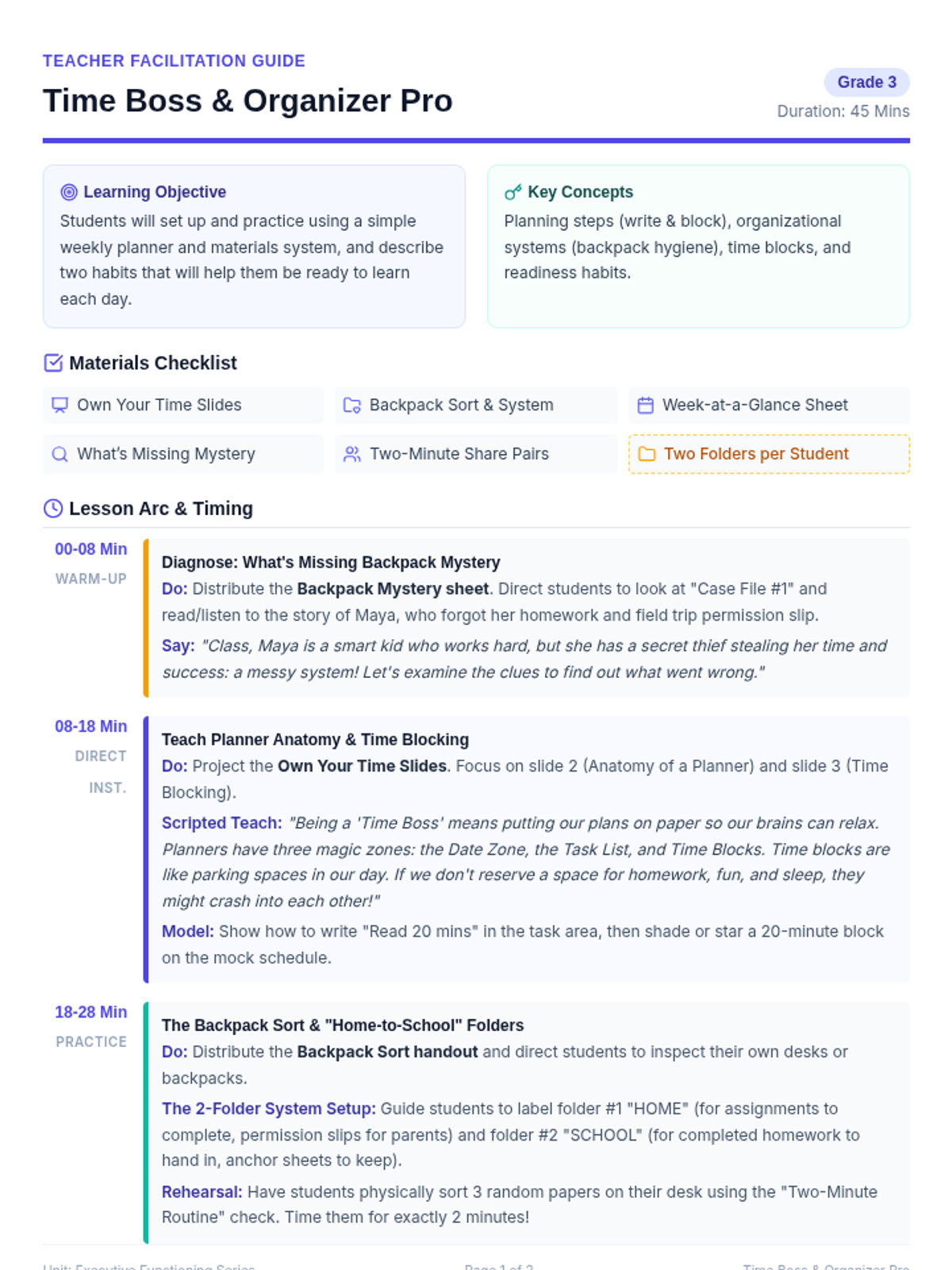
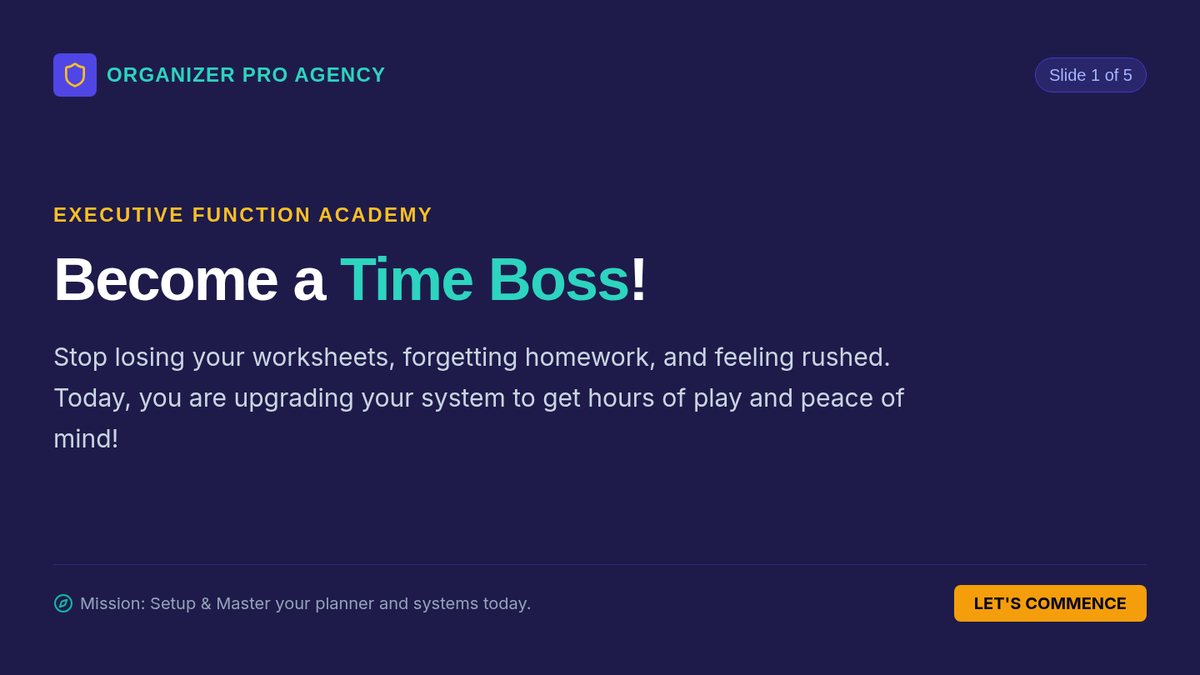
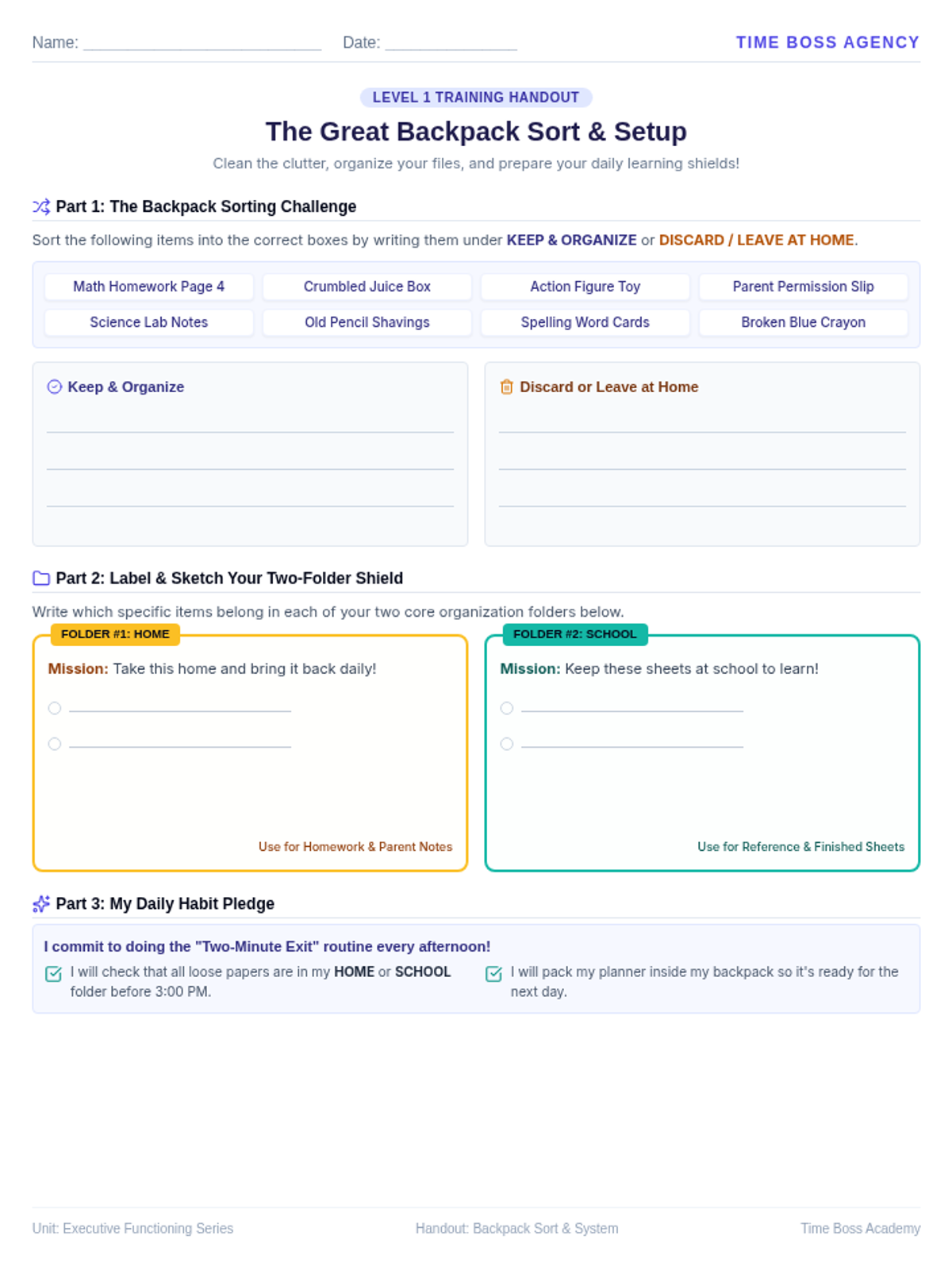
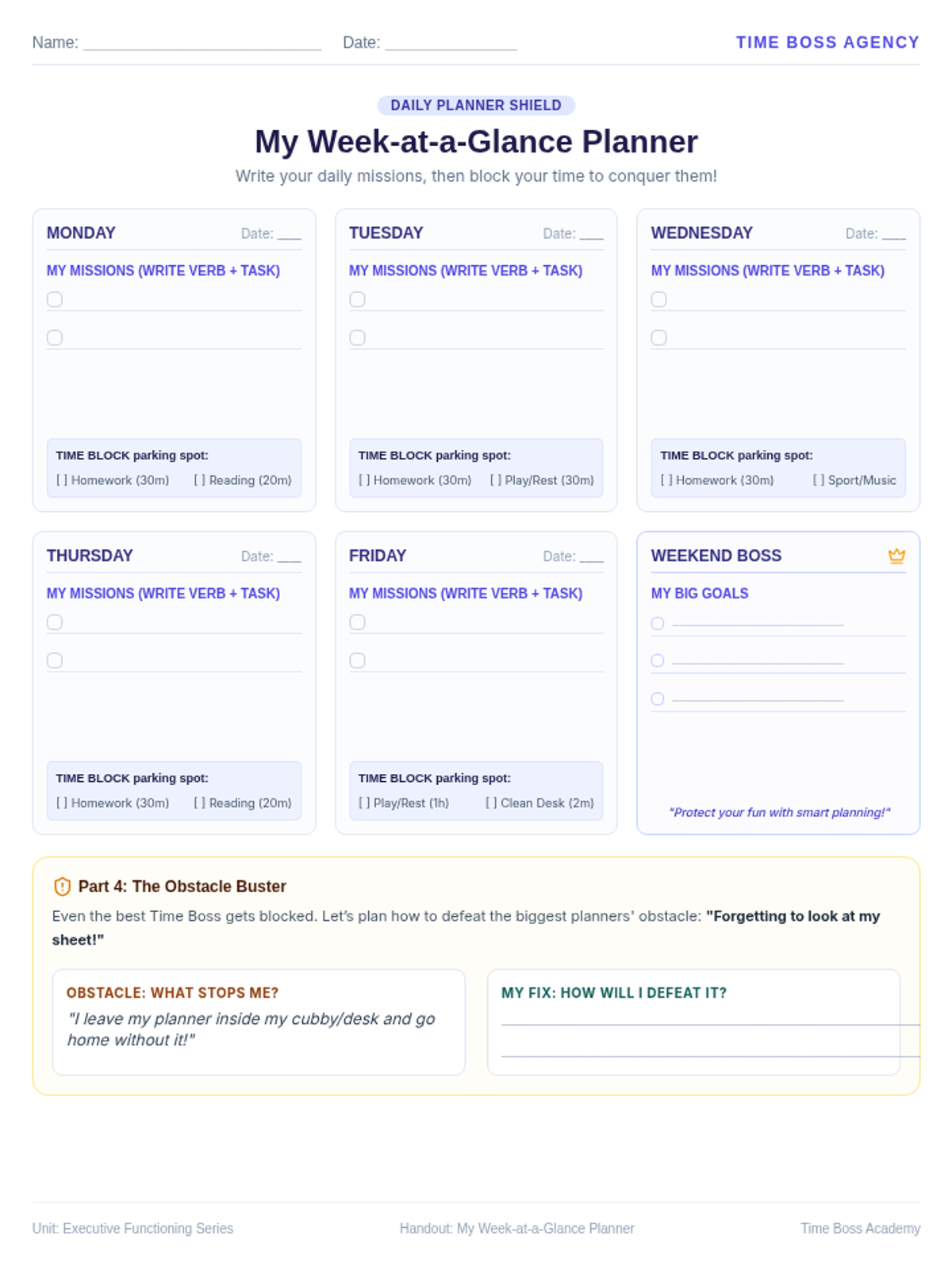
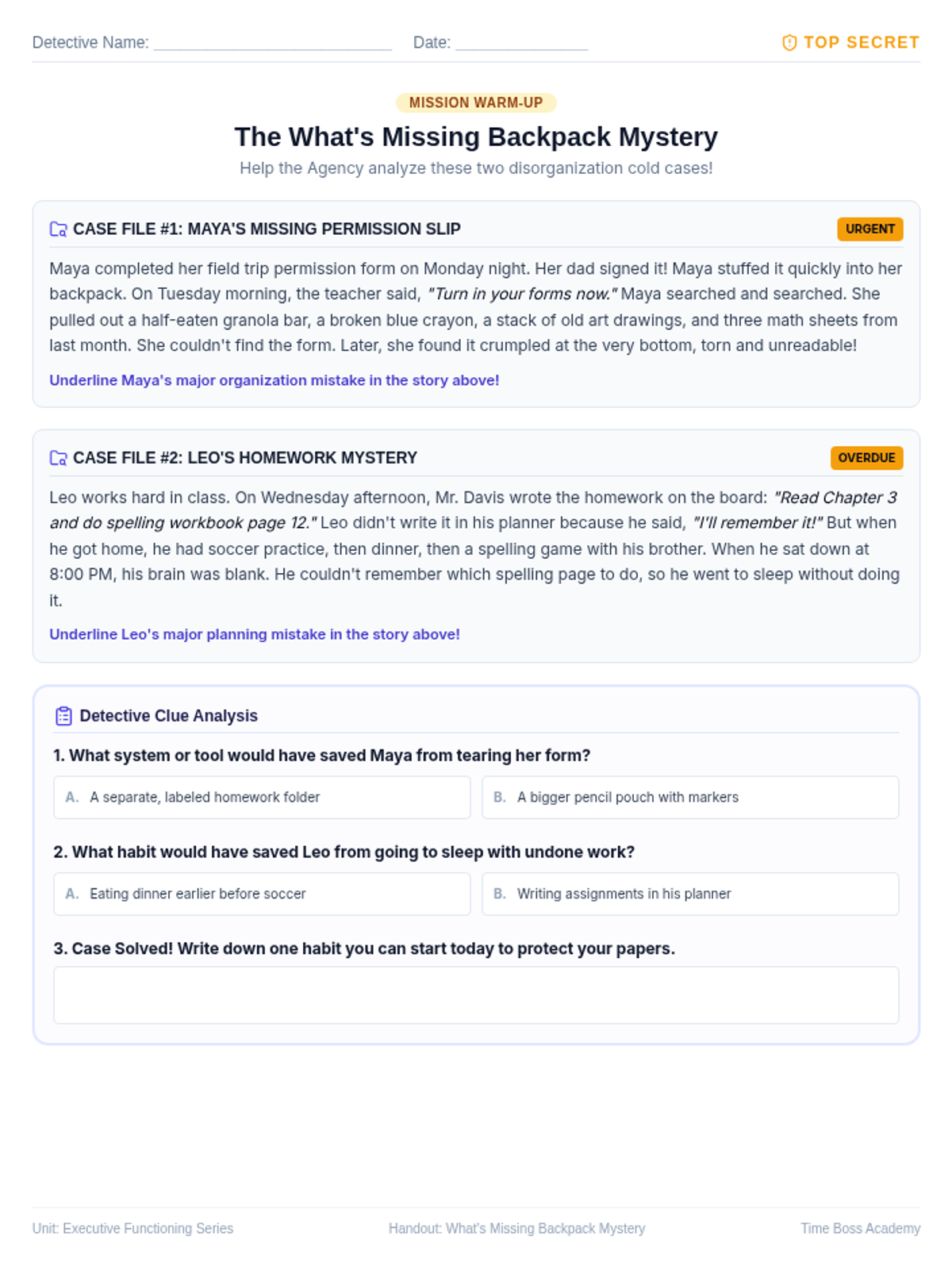
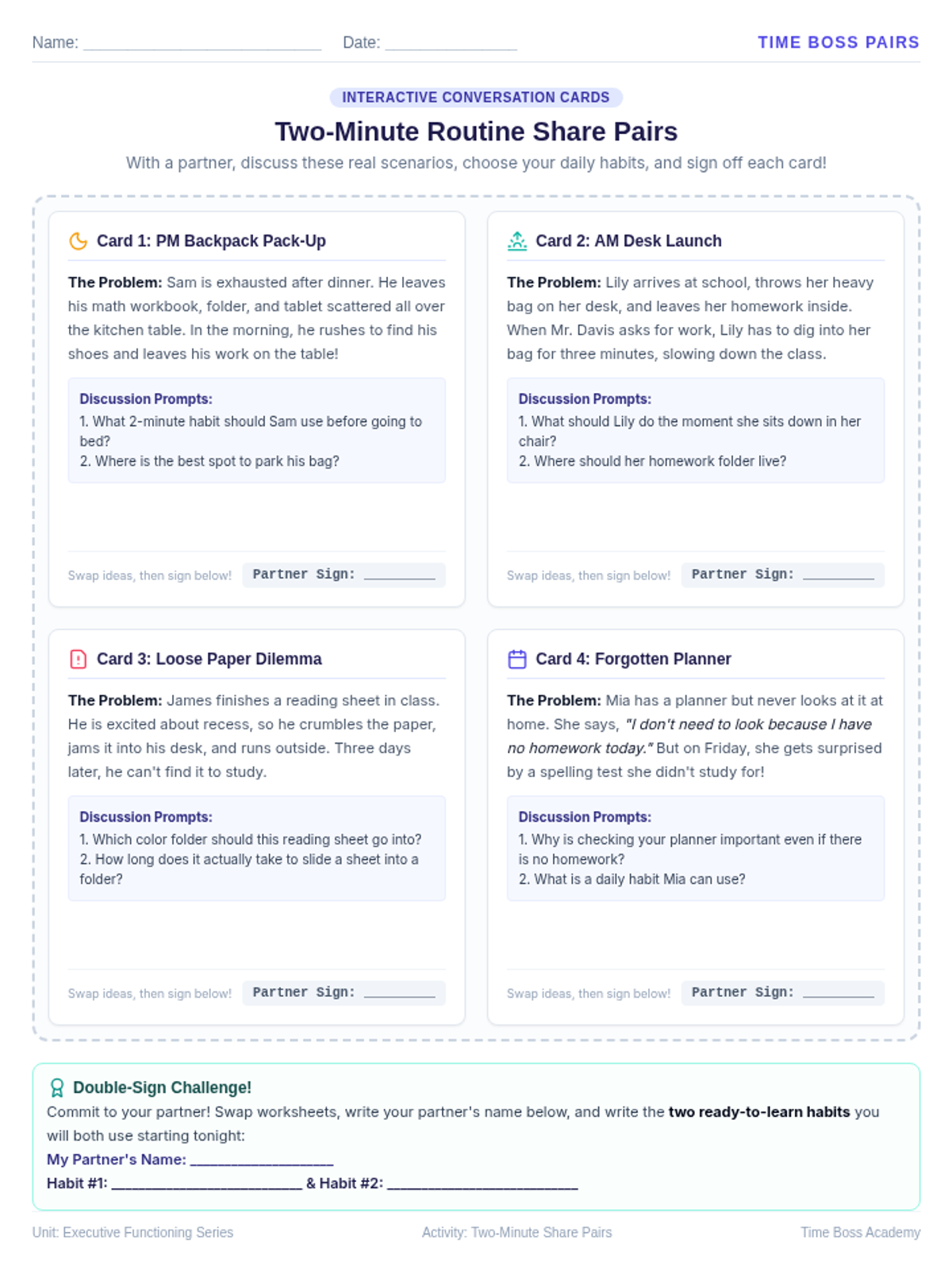
A comprehensive lesson for 3rd graders to master executive functioning skills. Students learn to use a weekly planner, establish material organization systems (the 'Backpack Sort'), and develop daily readiness habits through engaging activities like a classroom mystery and discussion cards.
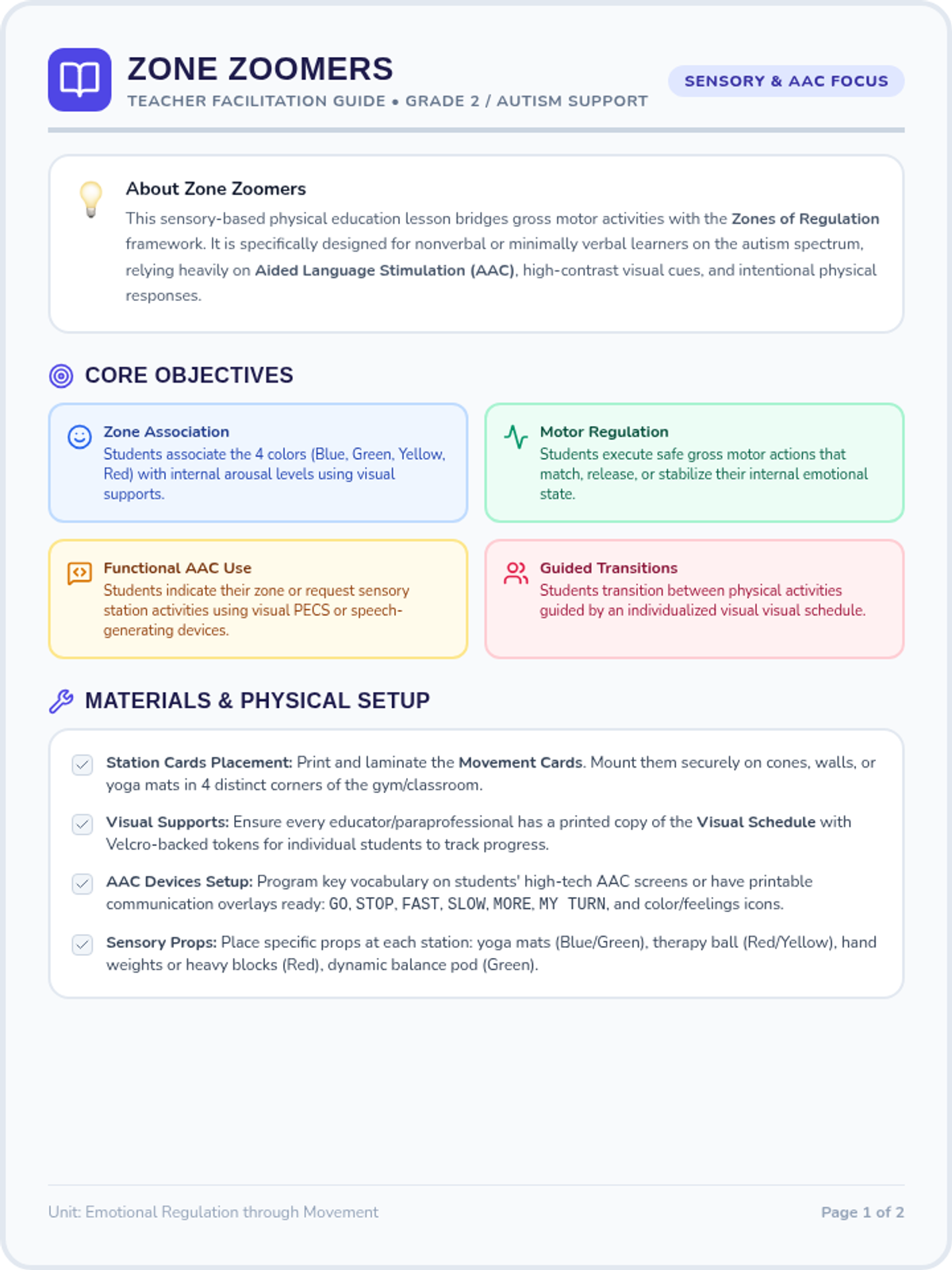
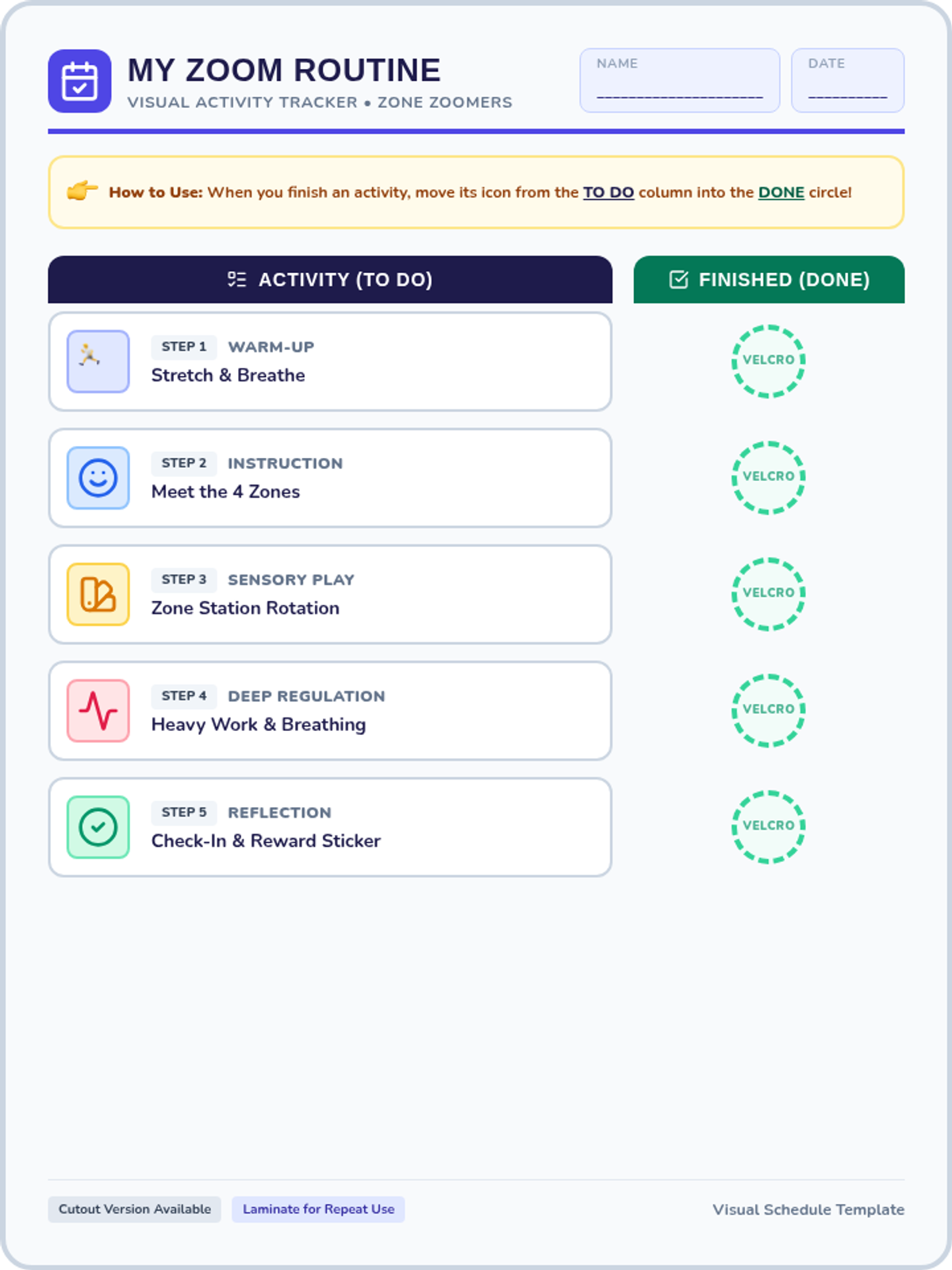
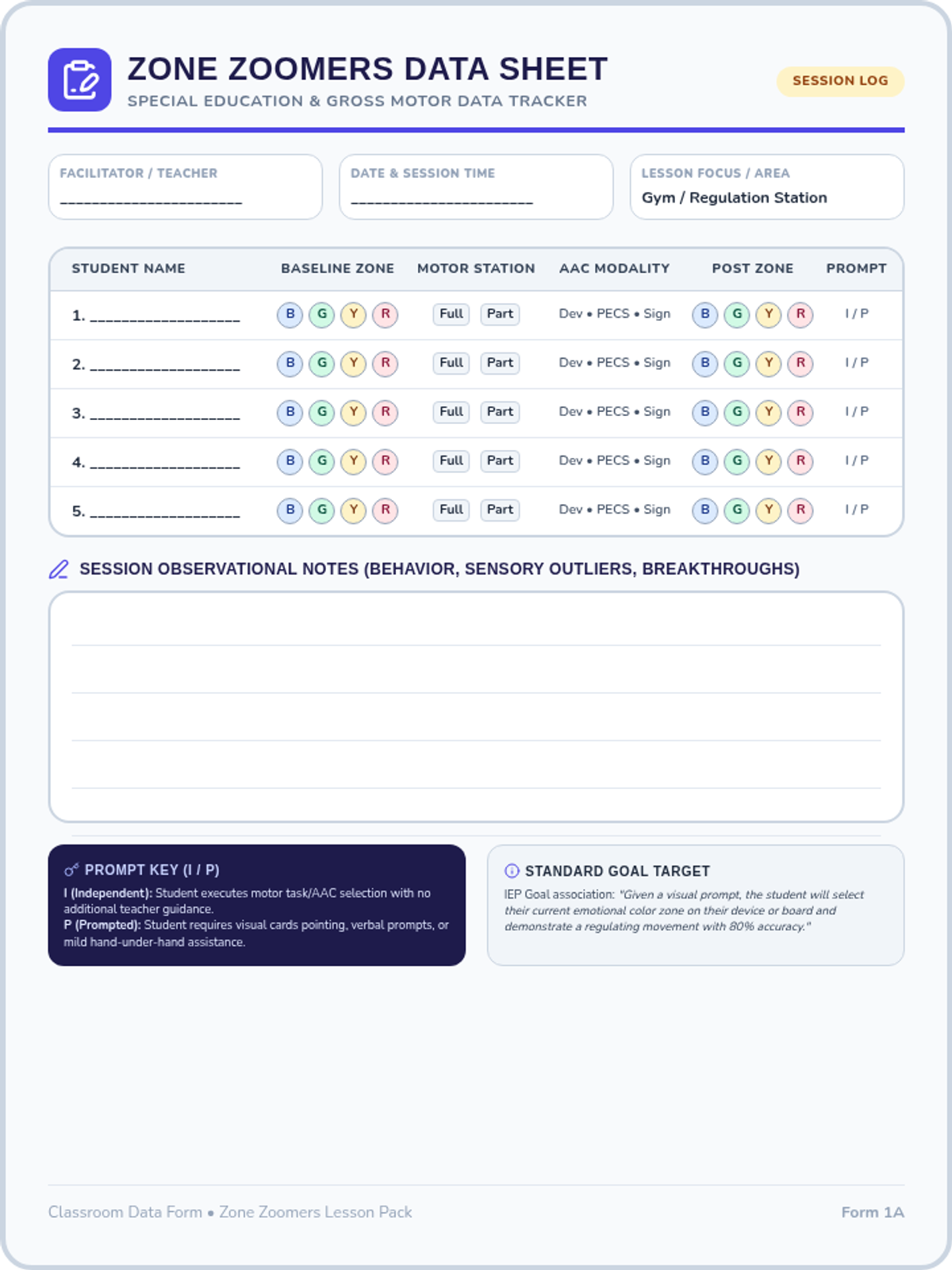
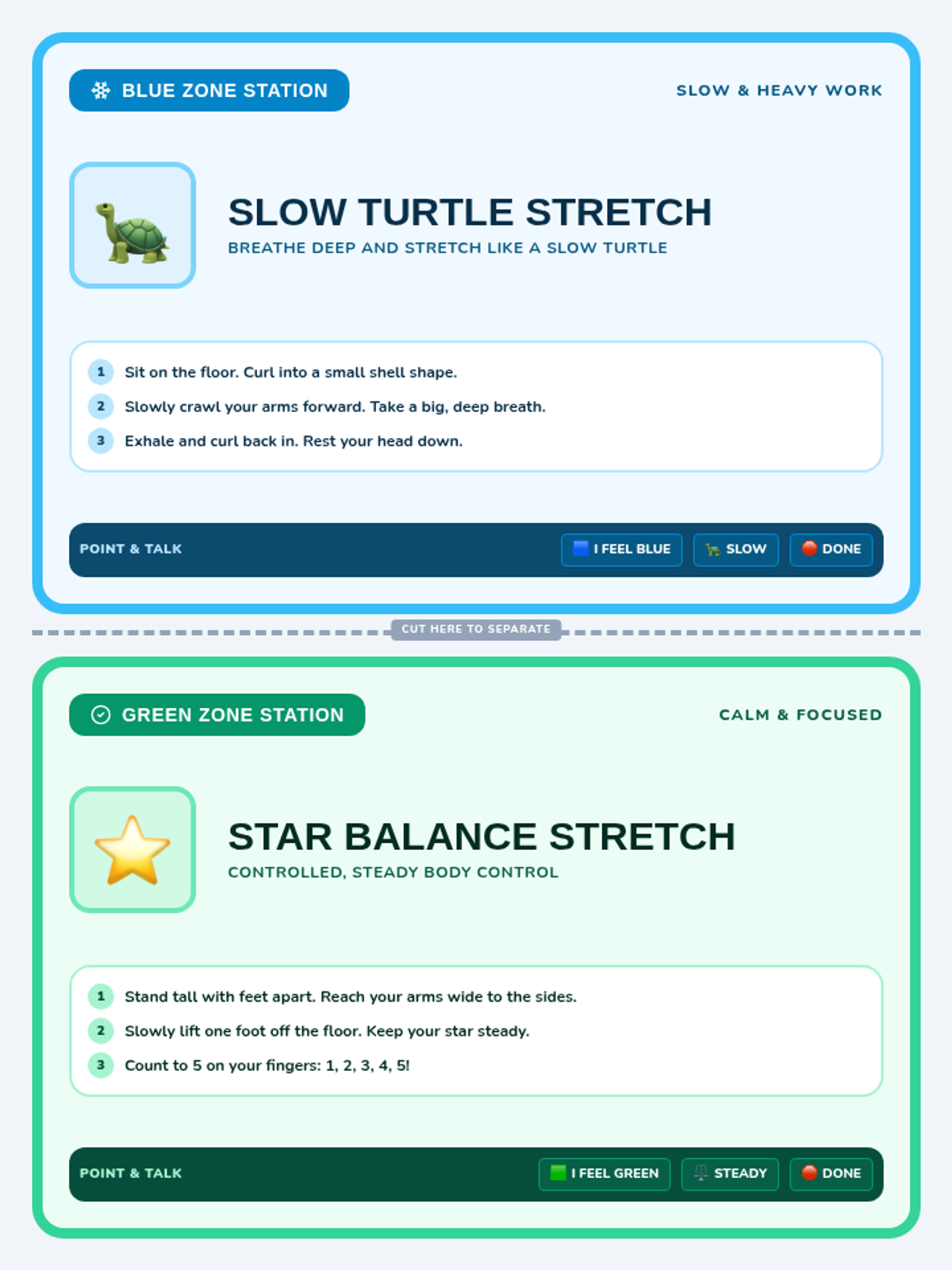
A high-energy, sensory-friendly physical lesson on emotional regulation for Grade 2. It connects the Zones of Regulation to gross motor movements and AAC communication supports, helping nonverbal and autistic learners identify and regulate their states through movement.
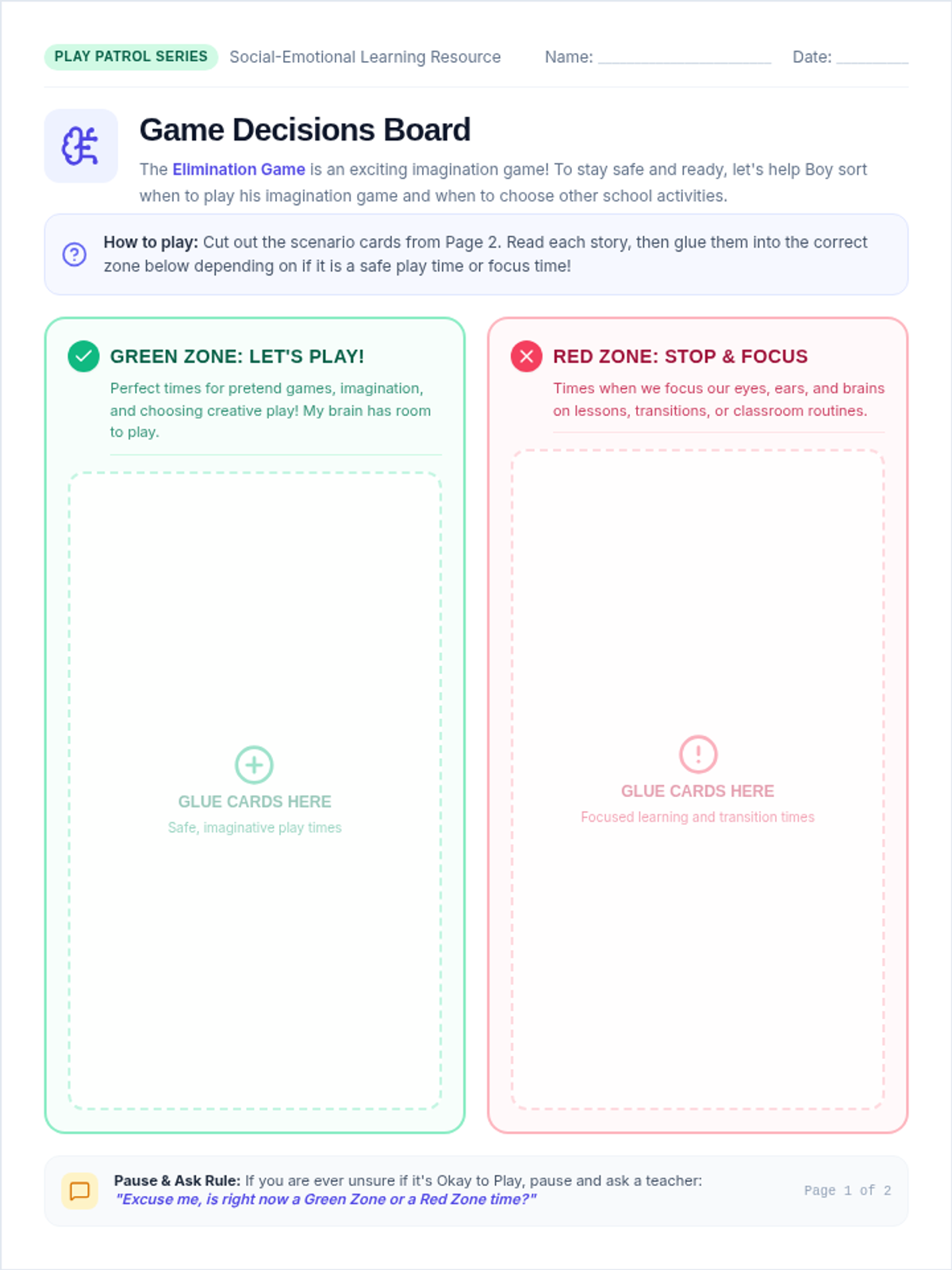
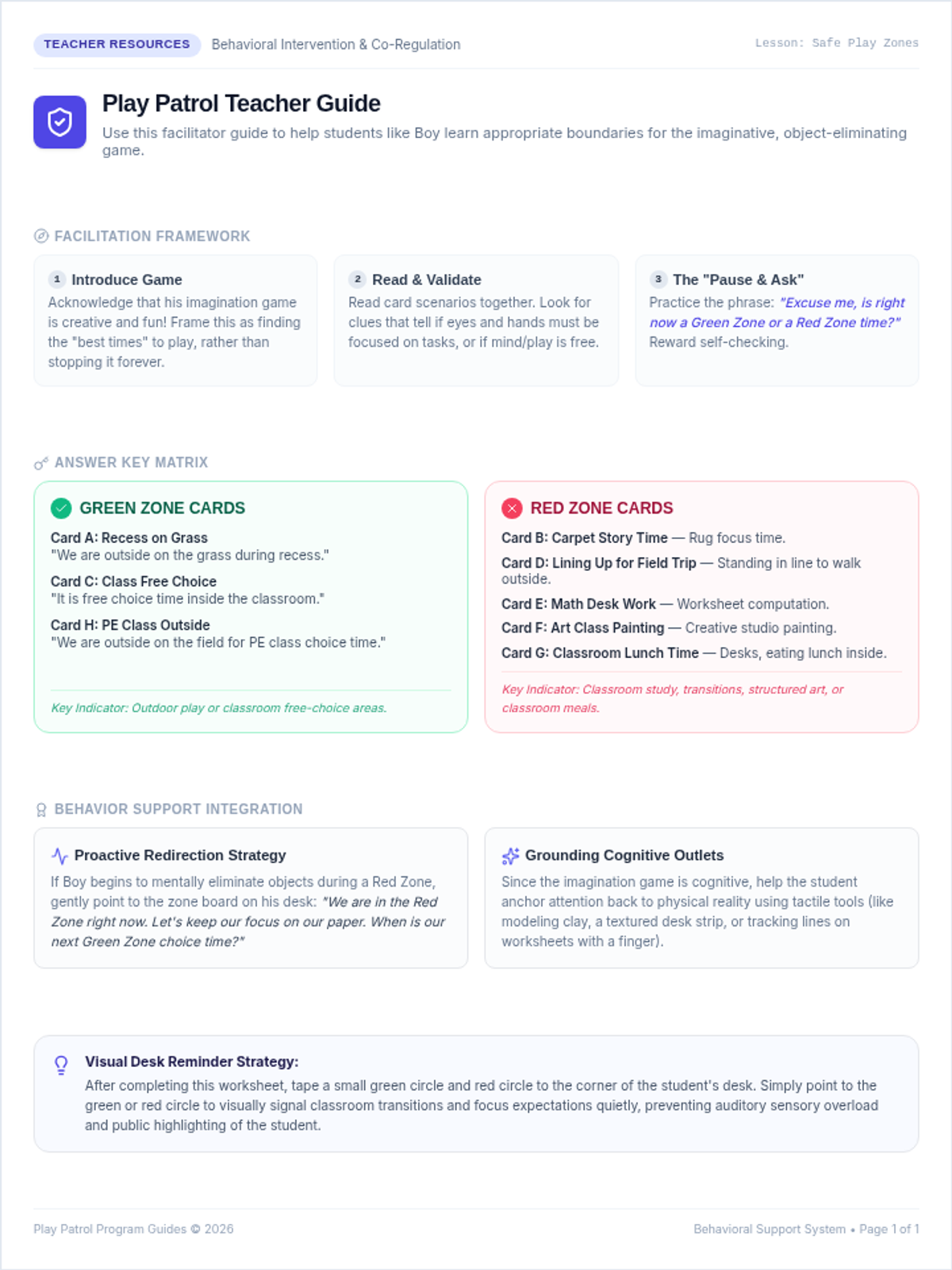
This lesson helps students learn appropriate boundaries for high-energy games, specifically the "elimination game", by sorting social narratives into 'safe play' and 'learning/transition' times.
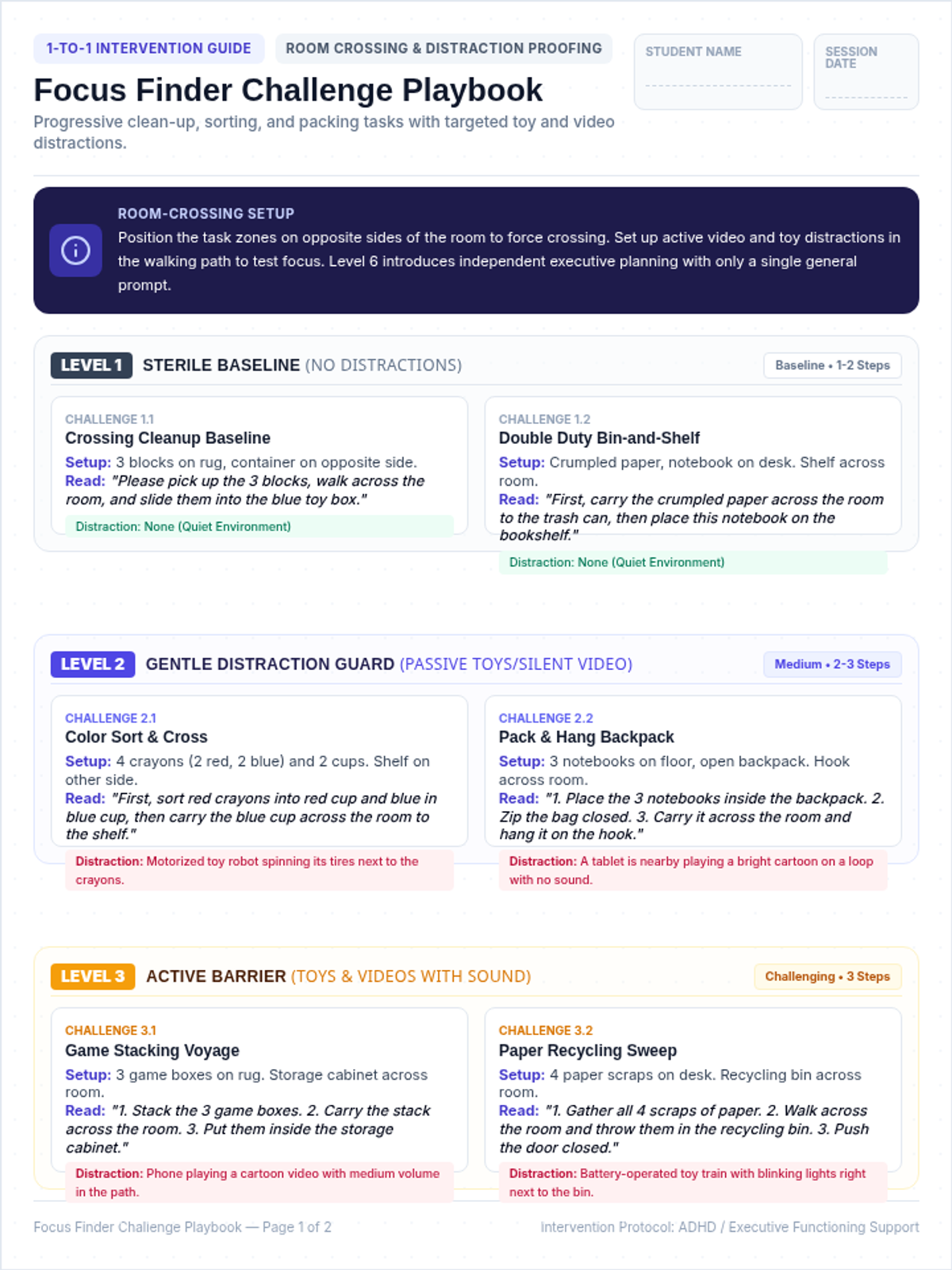
A 1-to-1 intervention lesson designed to help students master multi-step cleaning instructions while ignoring external and internal distractions. Includes a visual board game, specialized scenario cards, and self-regulation visual supports.
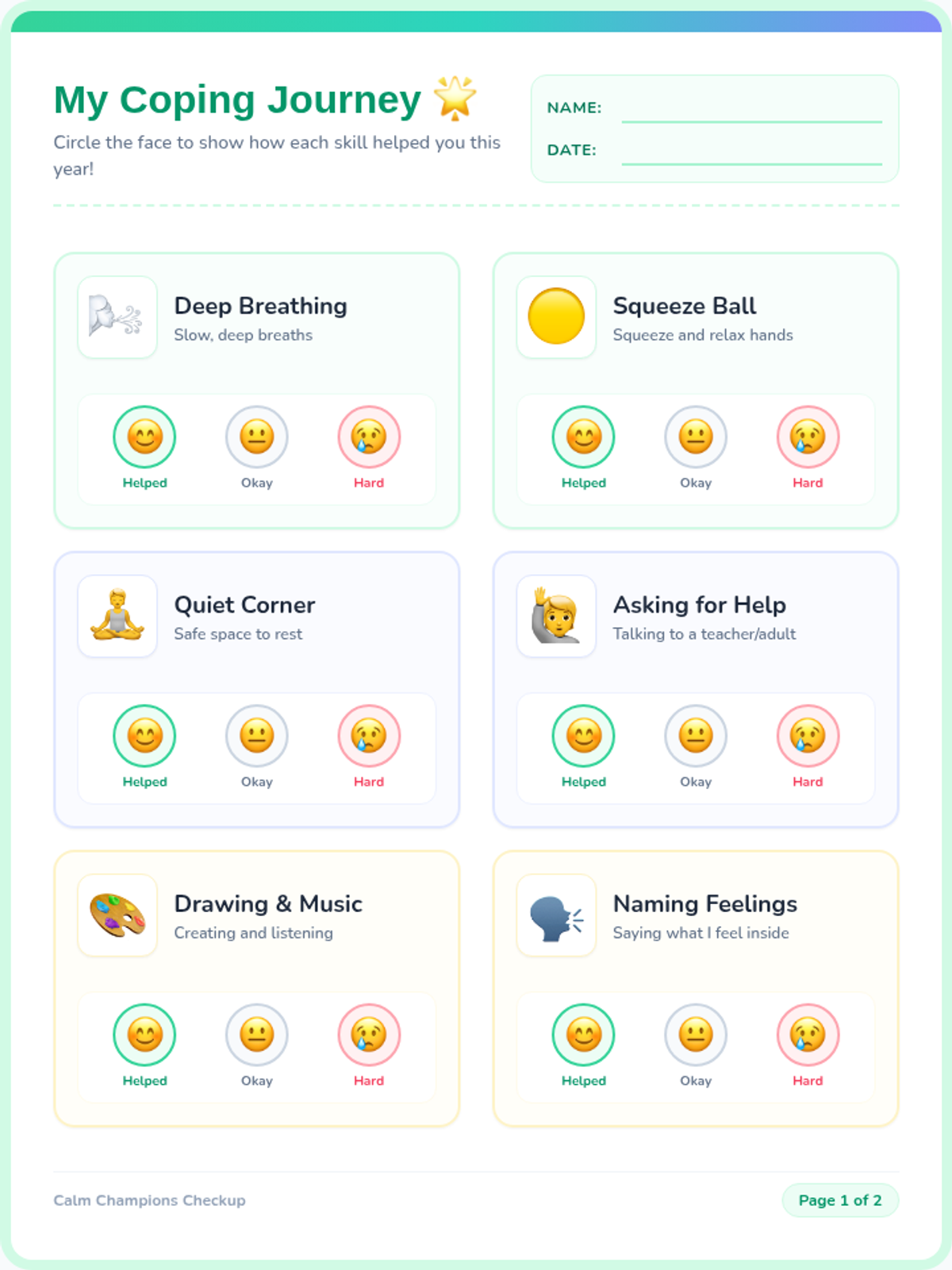
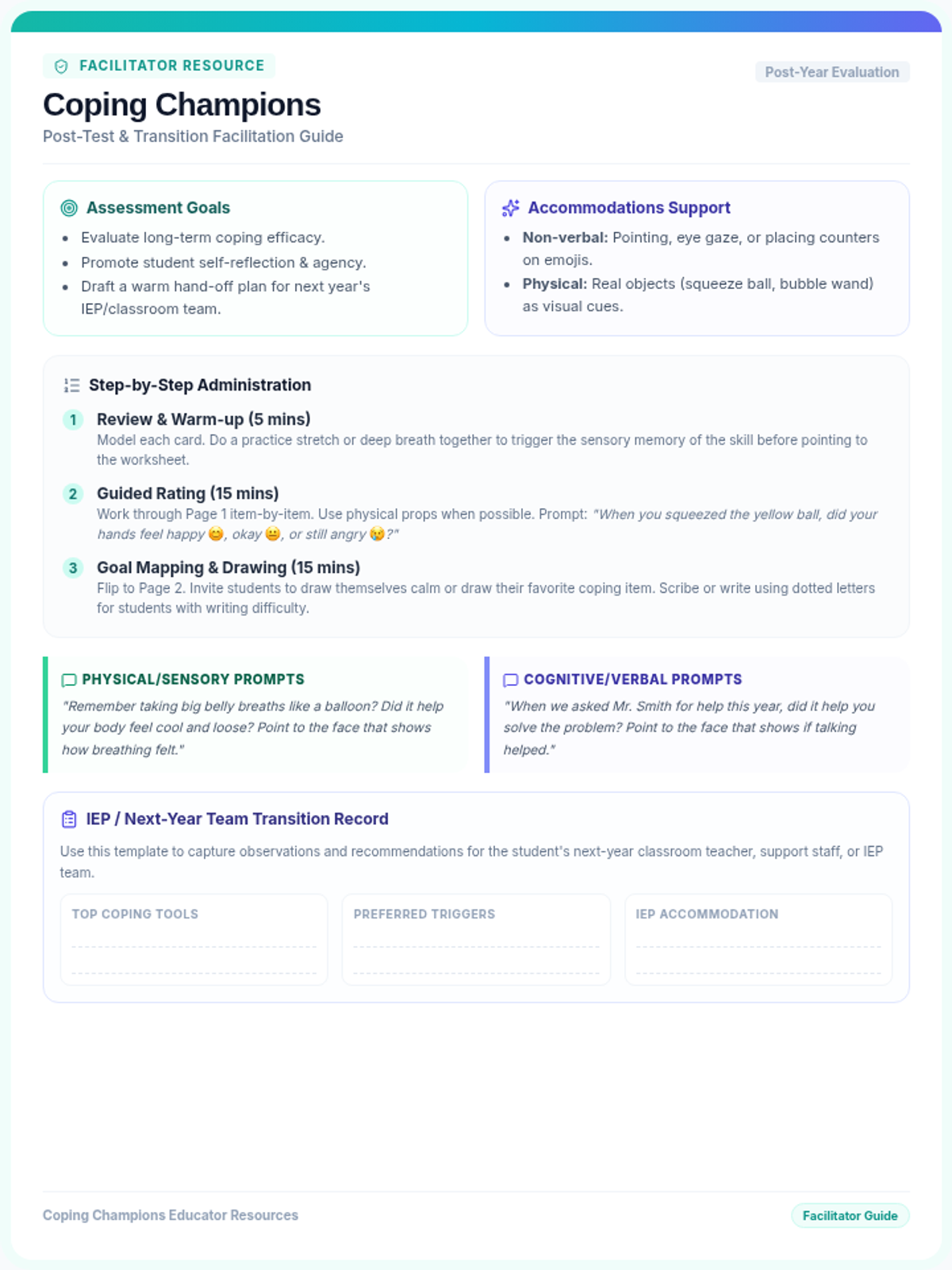
A post-test and reflection lesson designed for students with lower cognitive abilities to evaluate their coping skills from the past year and set gentle goals for the next school year using visual emojis and guided drawing/writing templates.
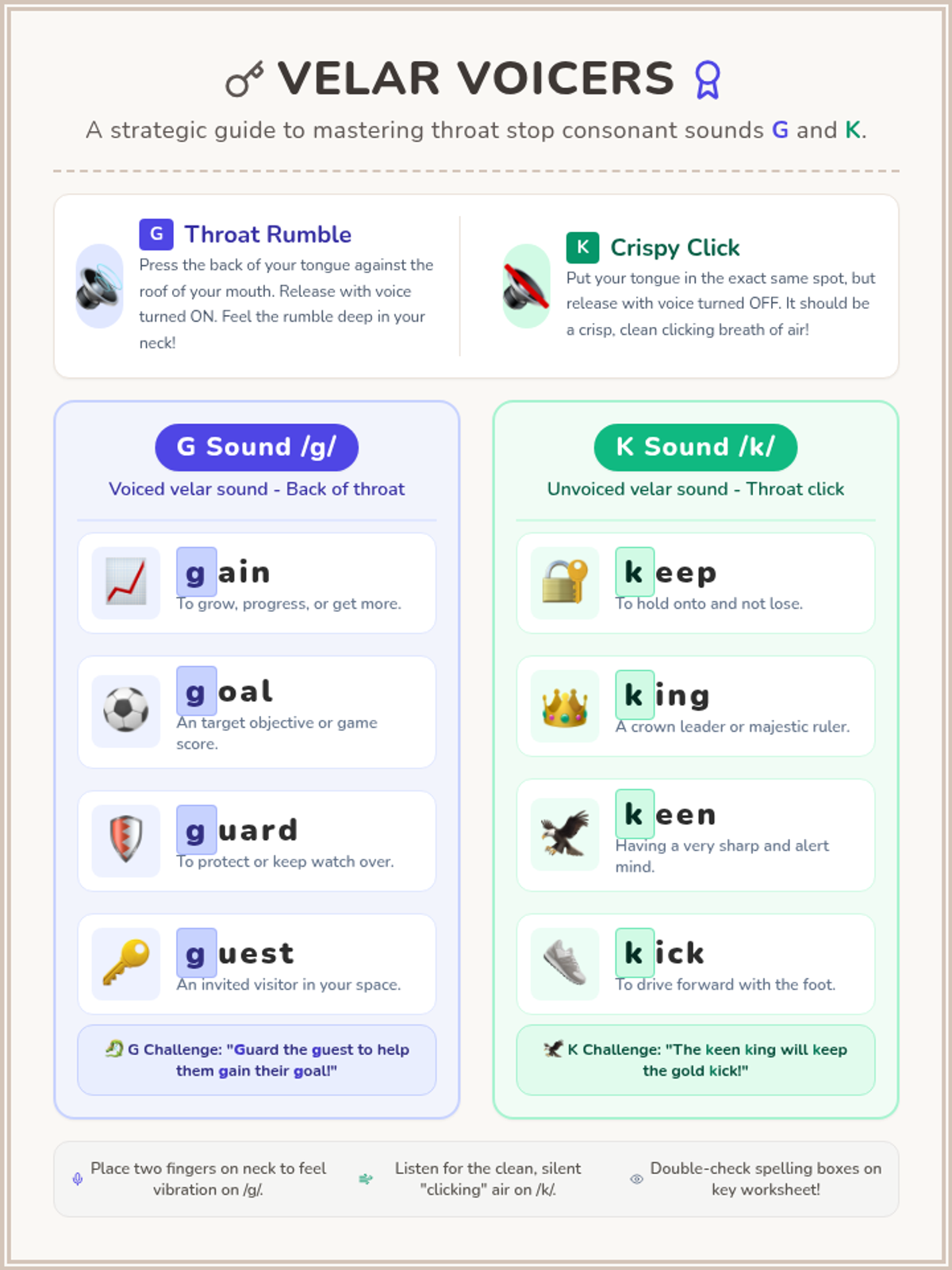
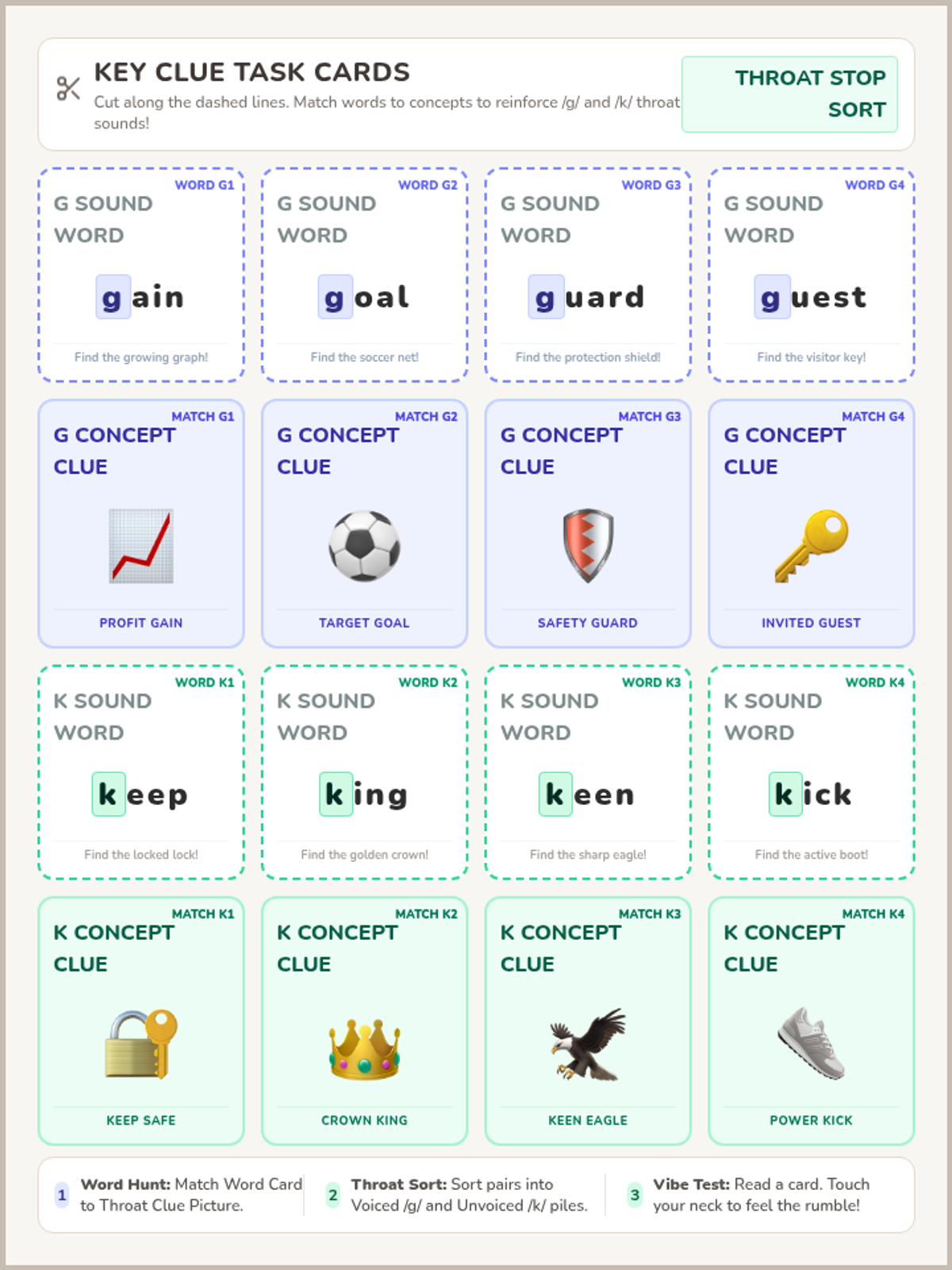
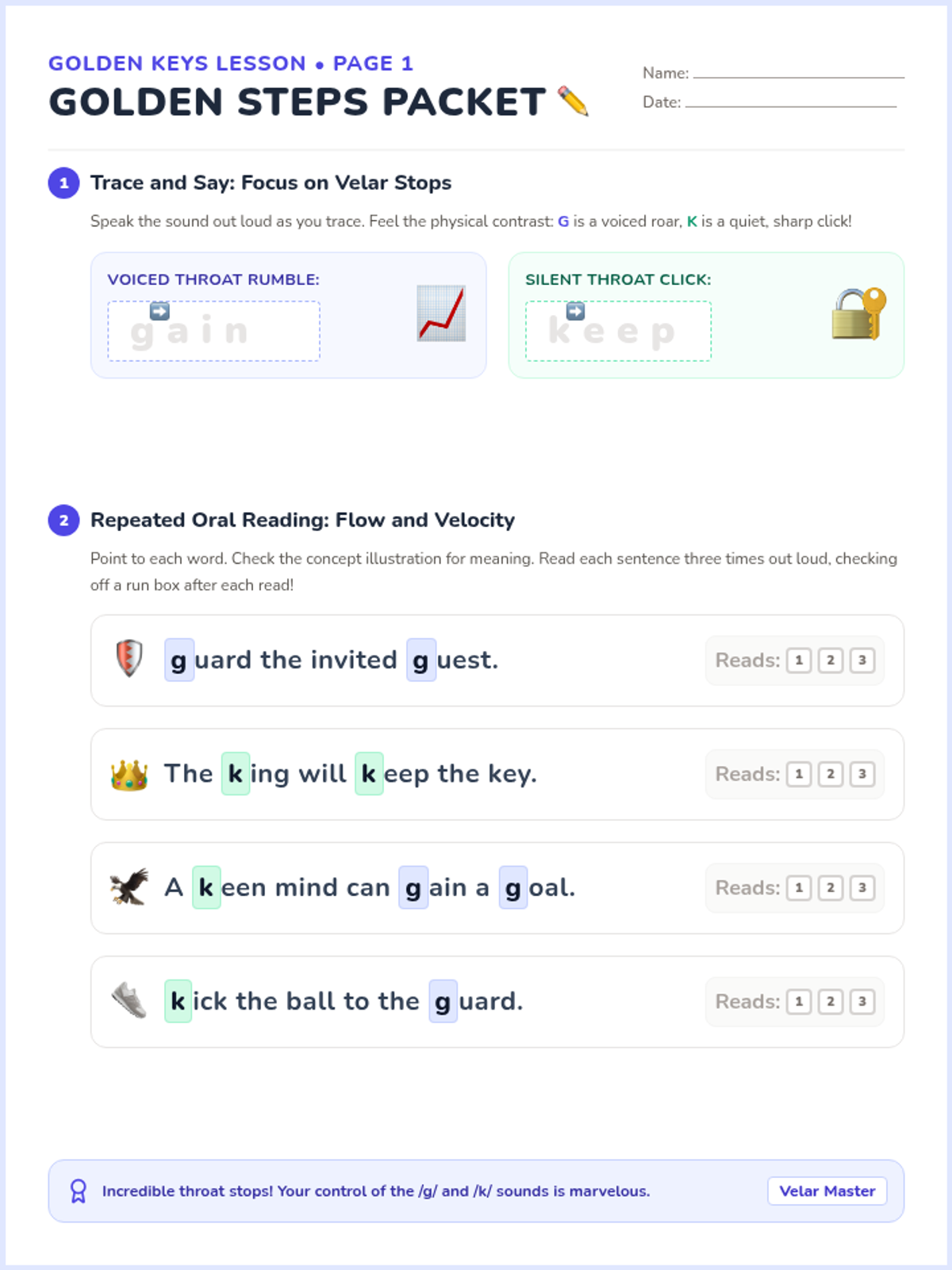
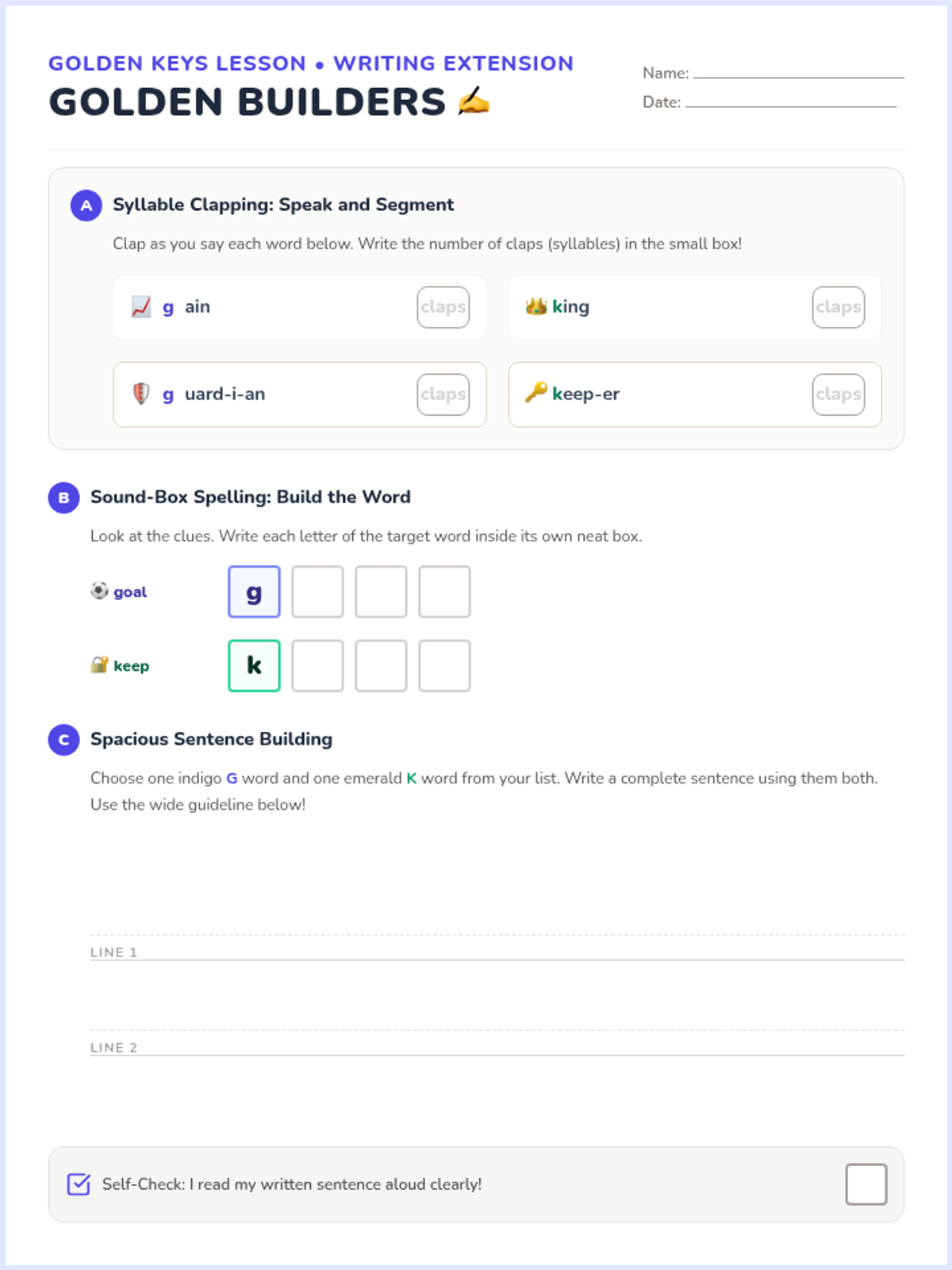
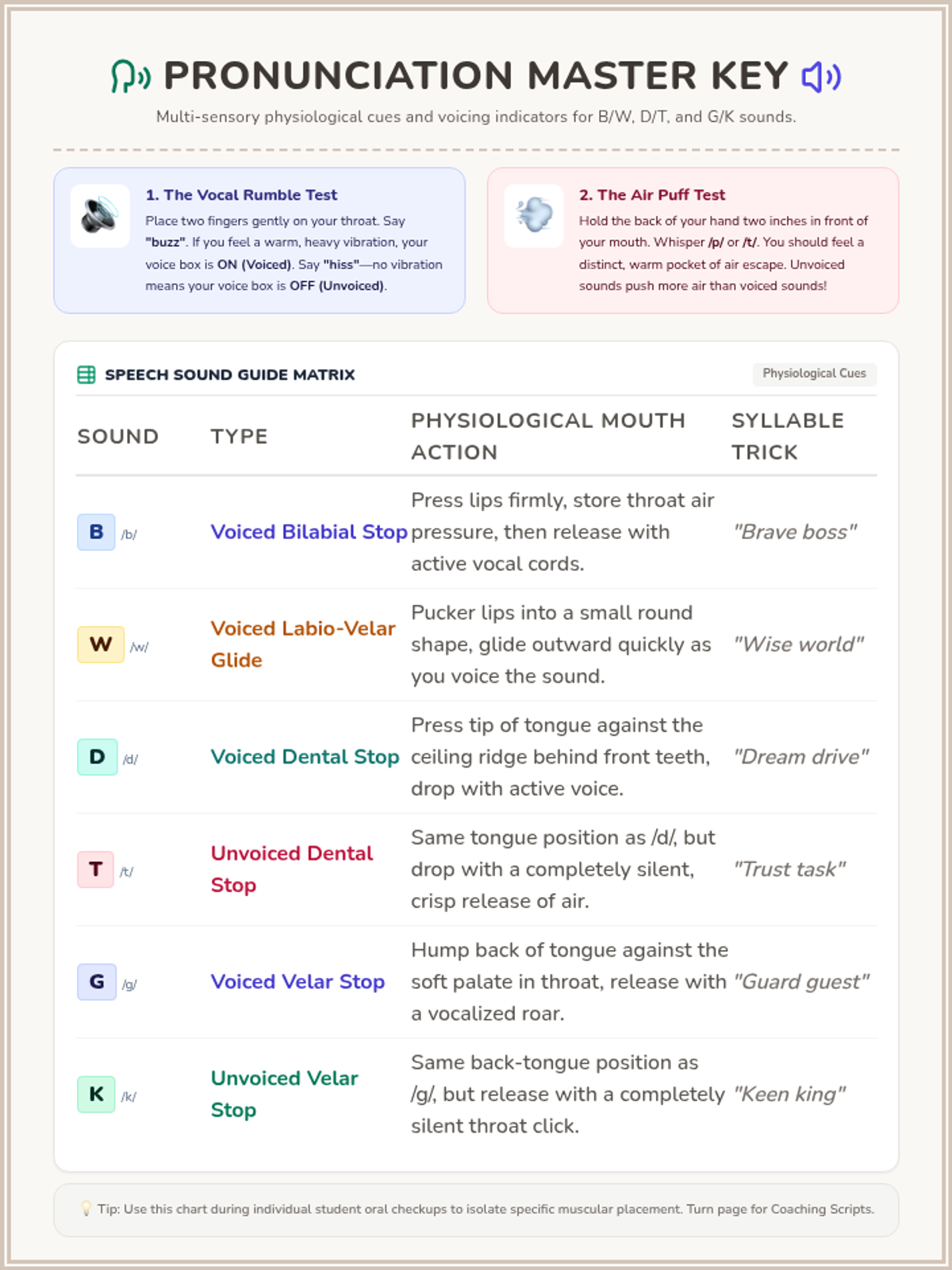
A structured phonics and oral reading lesson contrasting G and K sounds. Features visual voicing indicators, multi-sensory tracing sheets, and high-interest interactive task cards.
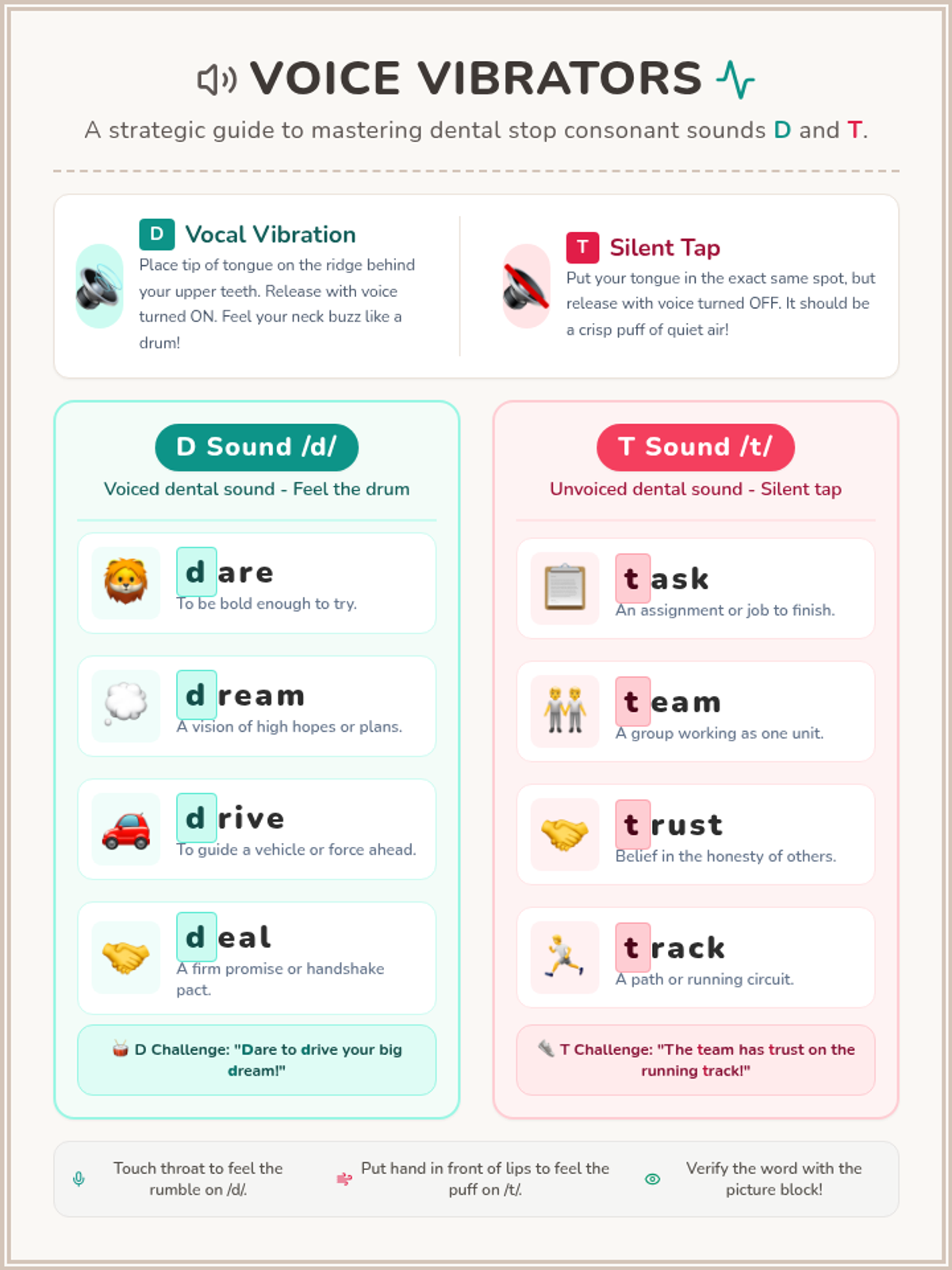
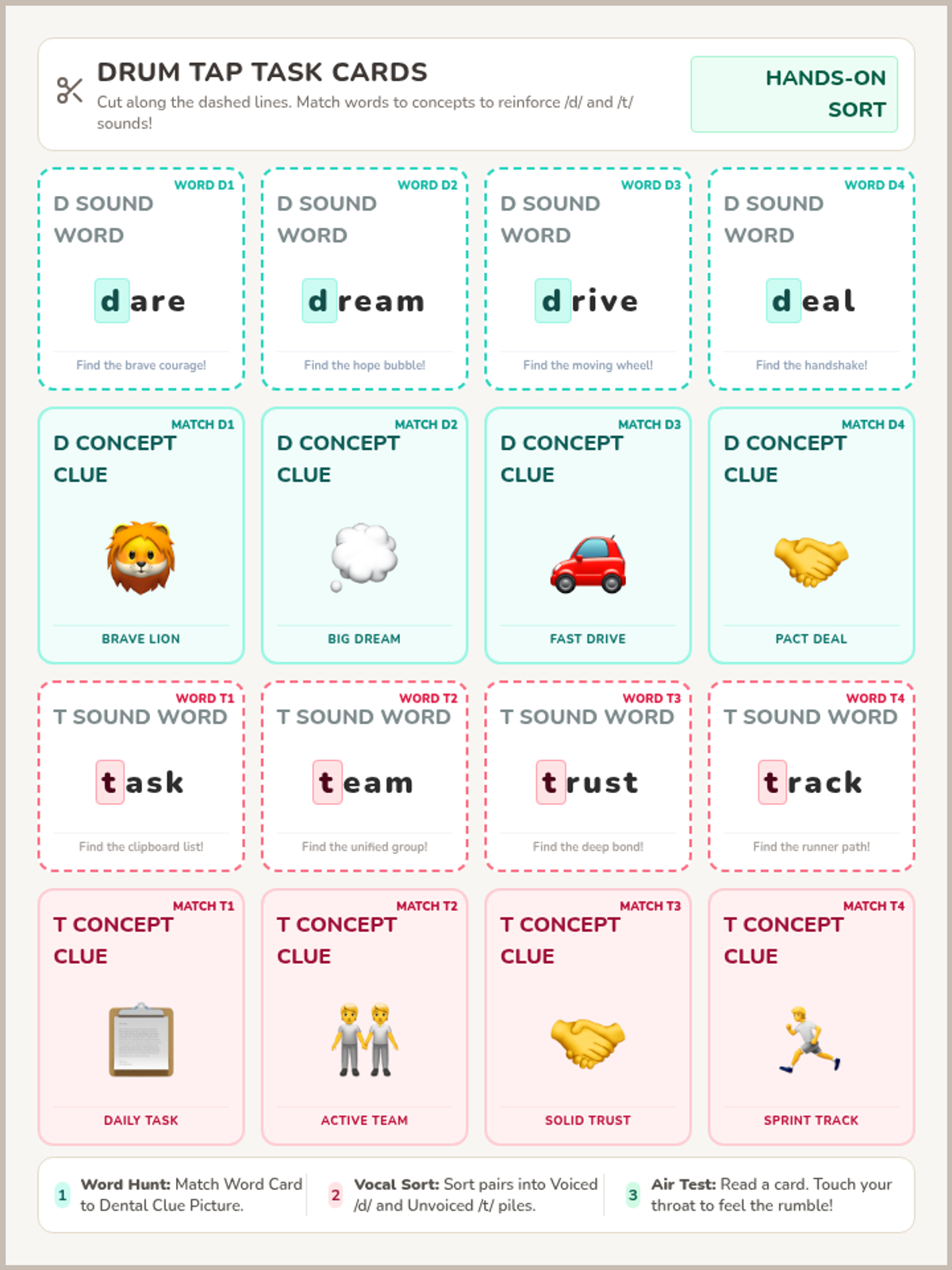
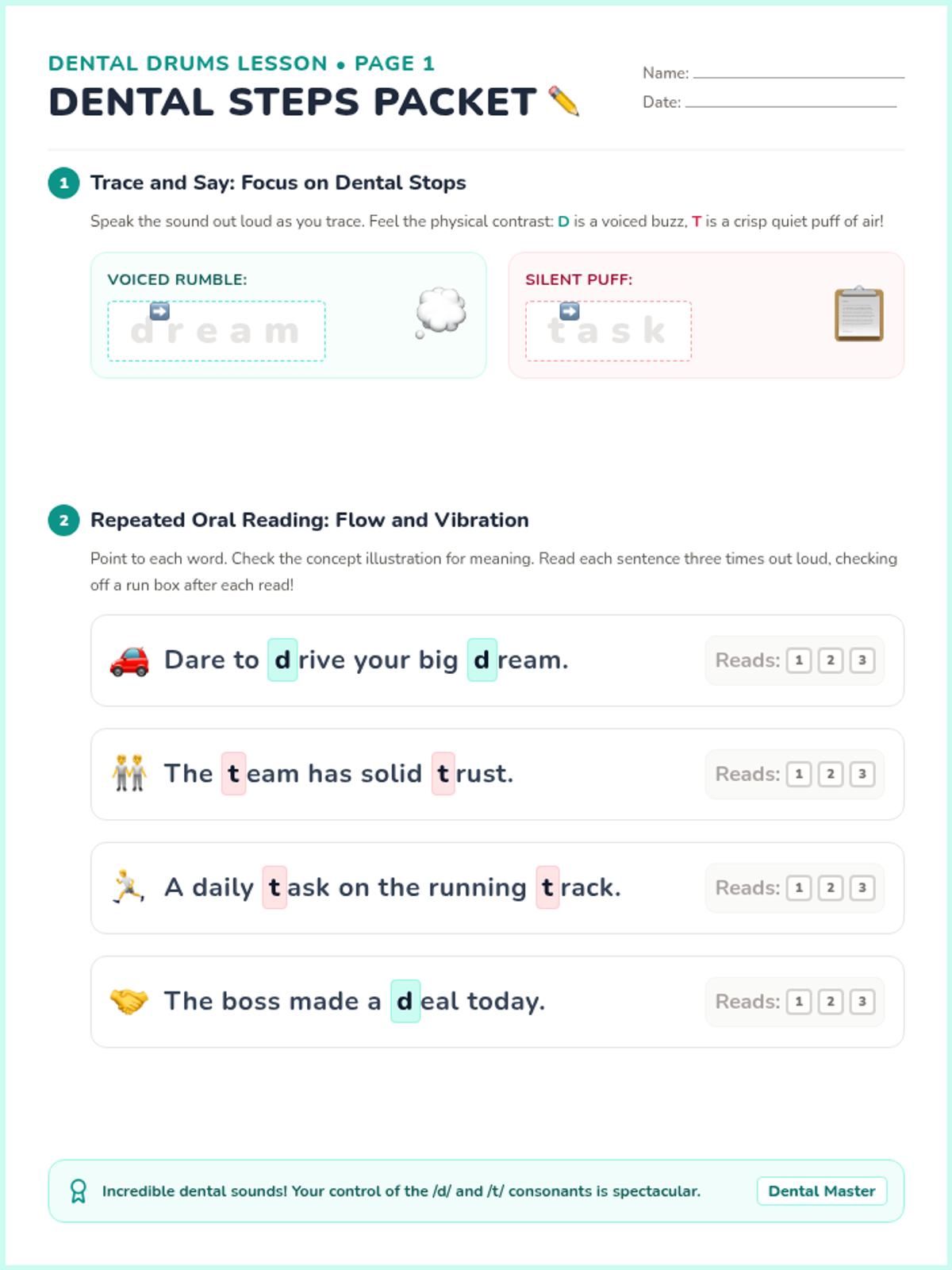
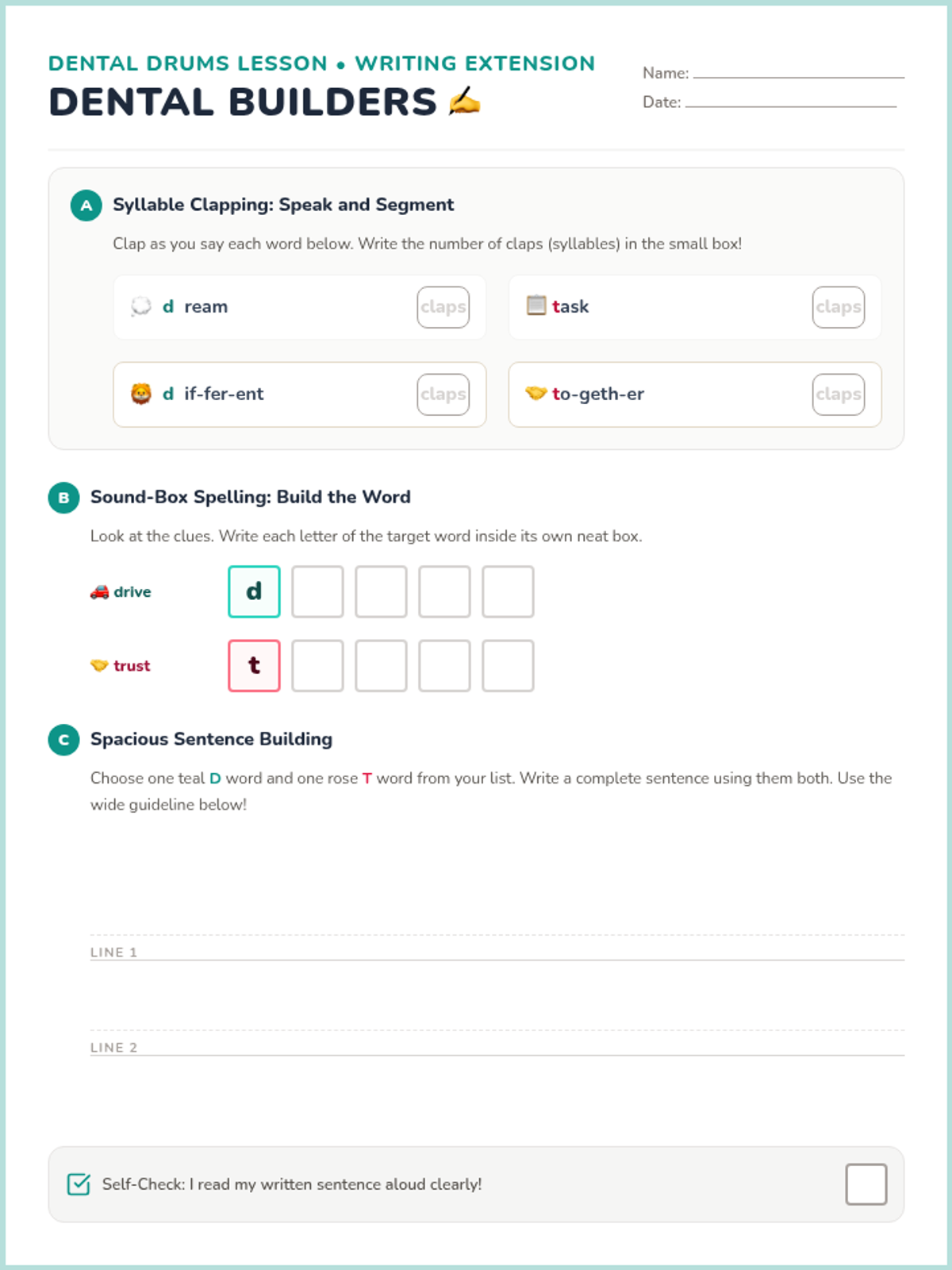
A structured phonics and oral reading lesson contrasting D and T sounds. Features heavy picture scaffolding, voice-vibration indicators, and dyslexia-friendly physical activity resources.
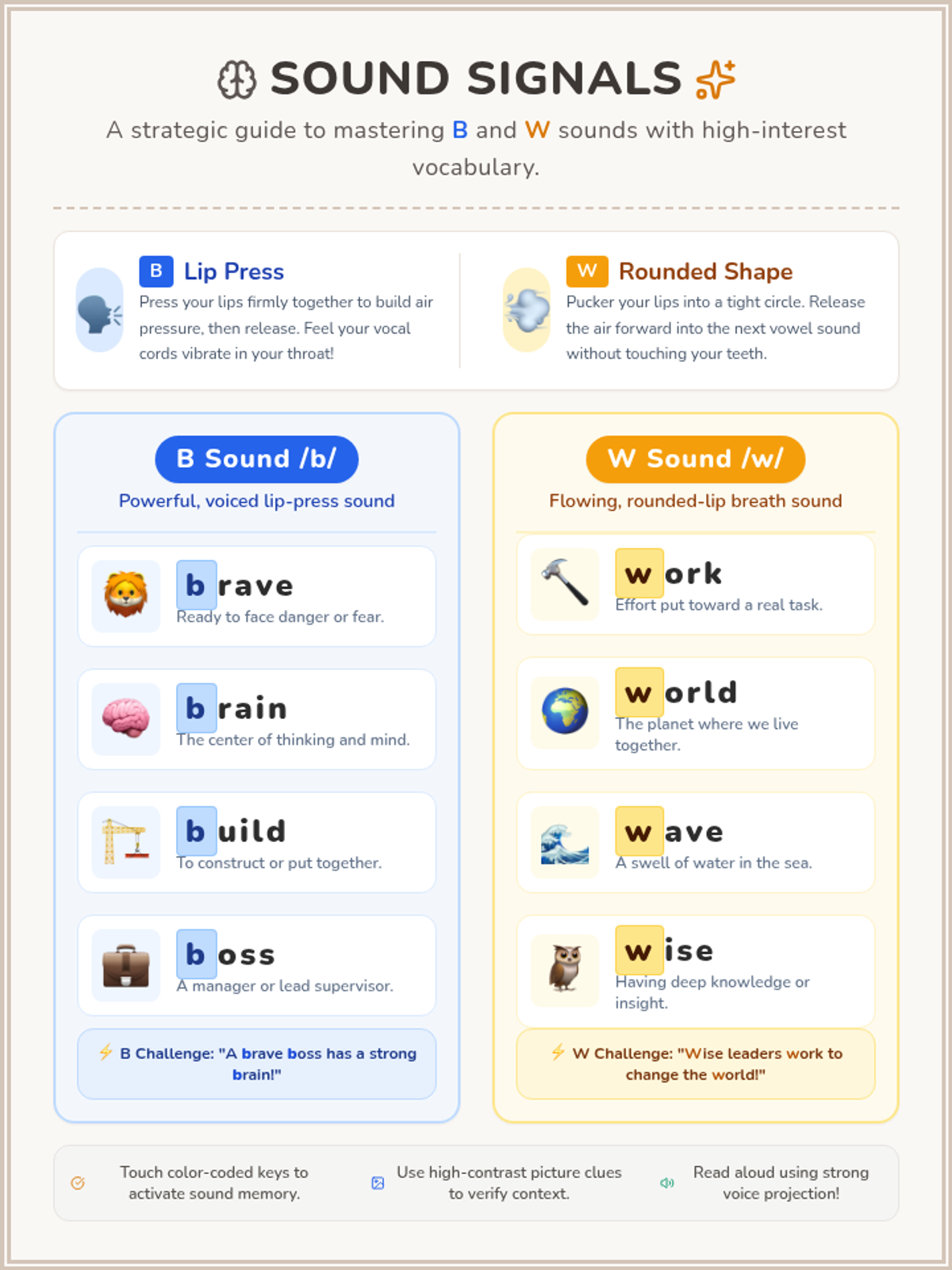
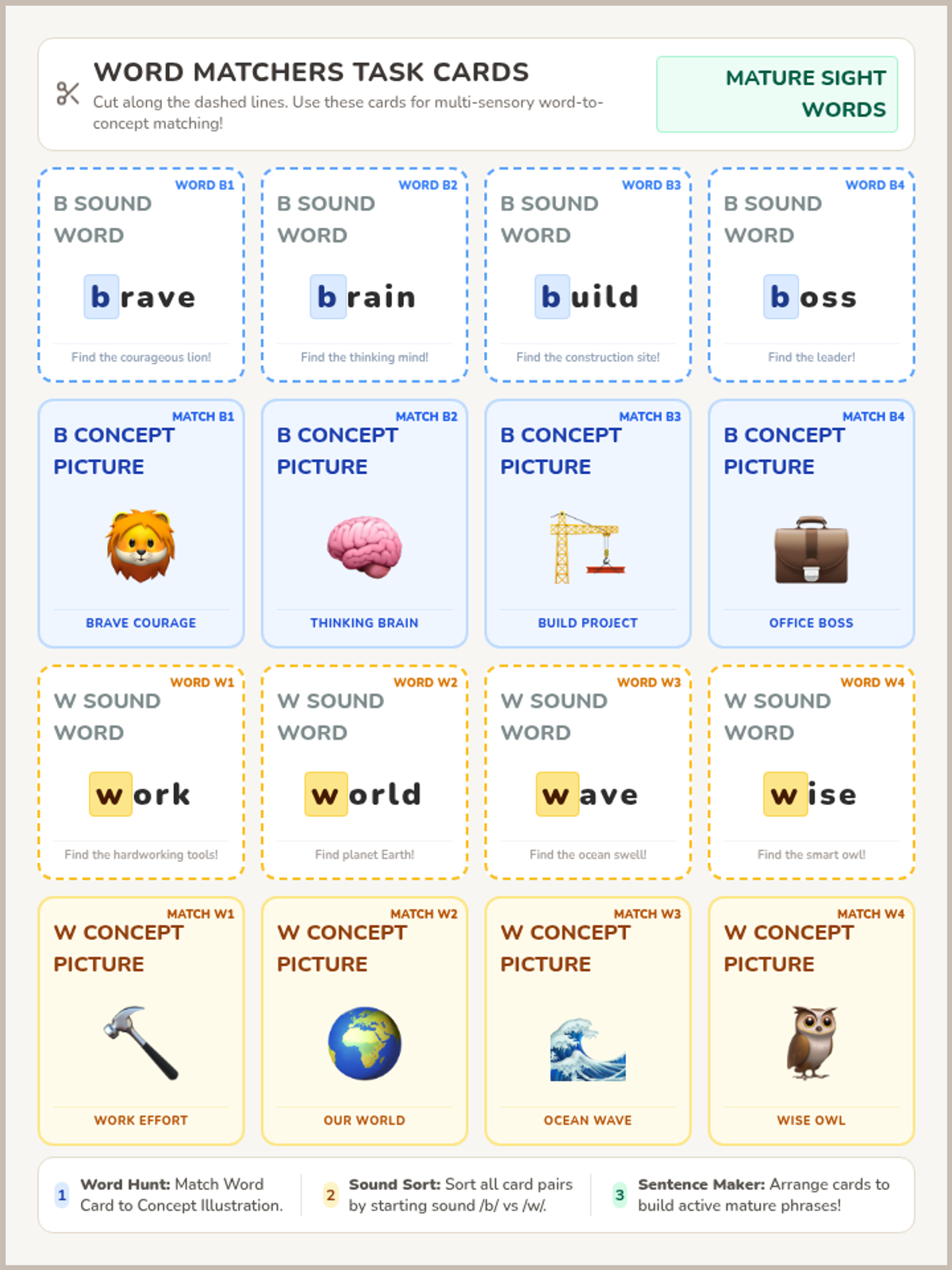
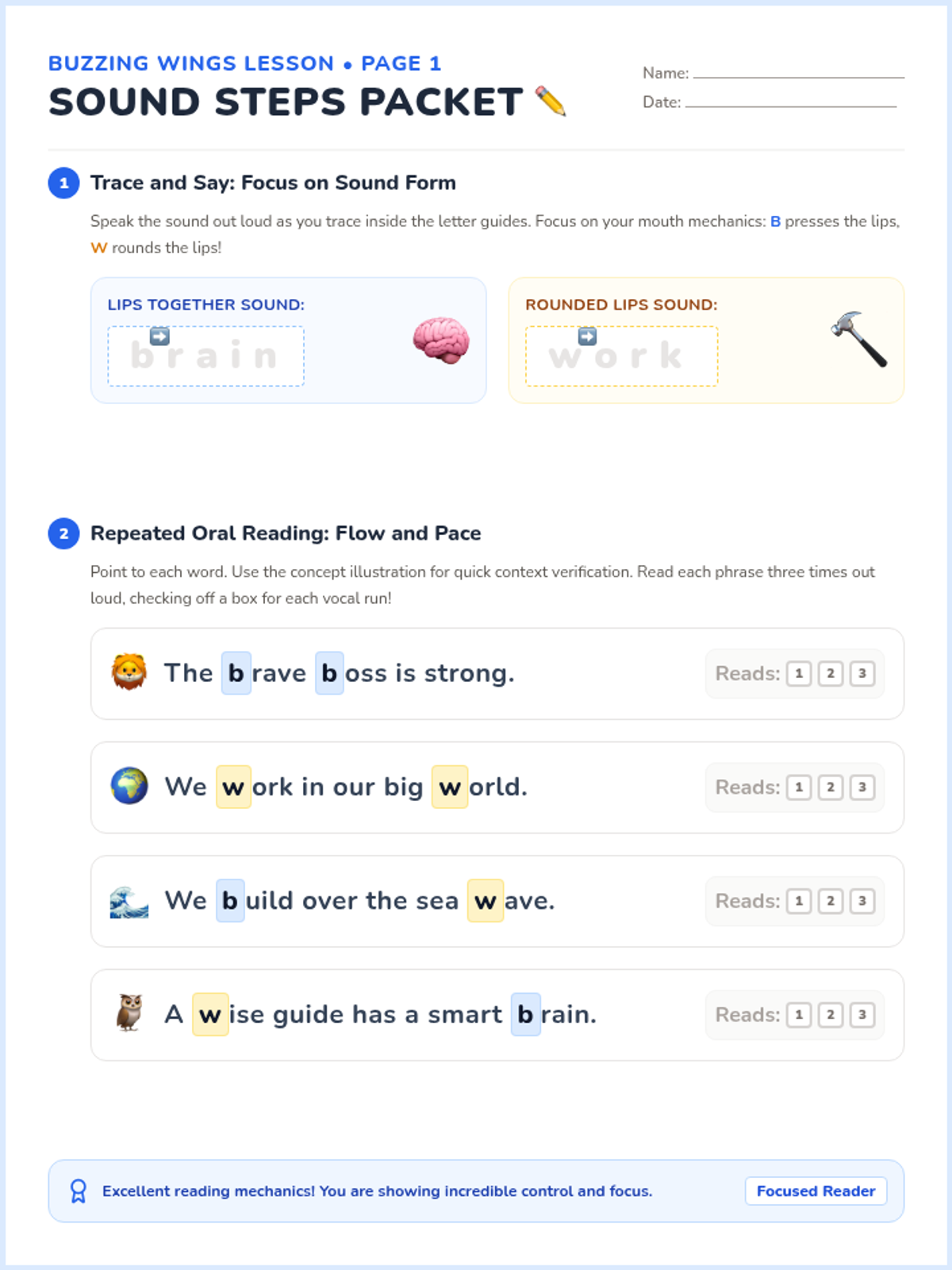
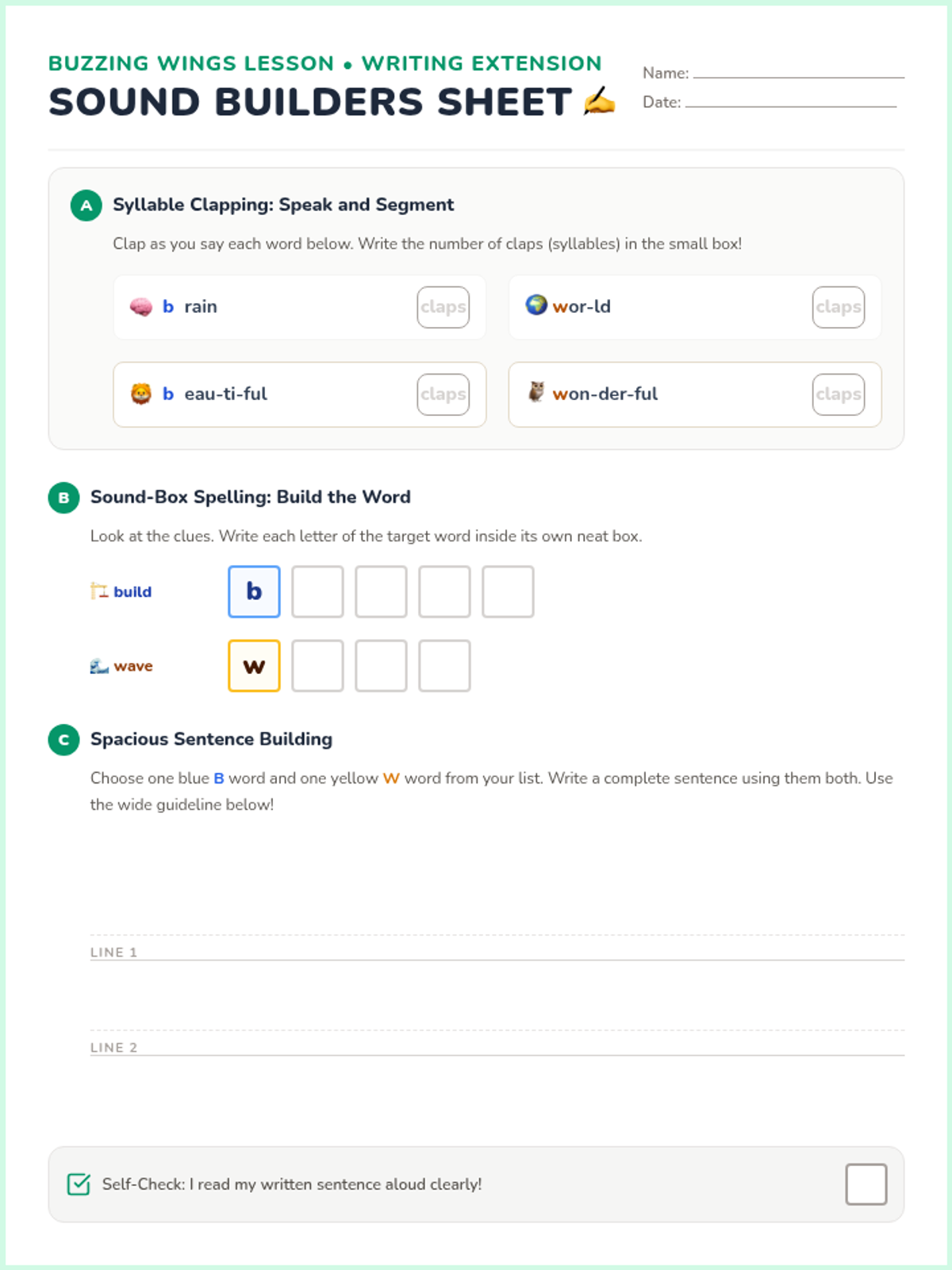
An hour-long structured reading lesson focusing on B and W letter-sound association and common sight words. Designed with dyslexia-friendly spacing, color-coded highlights, and picture scaffolding to support struggling oral readers.
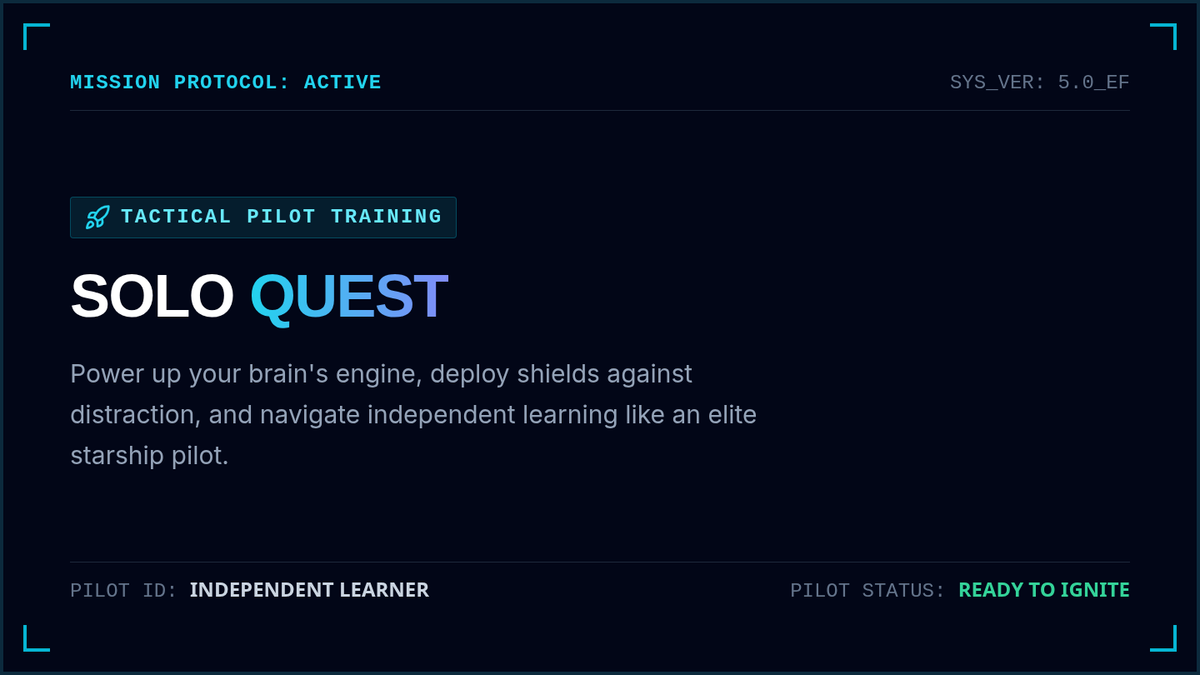
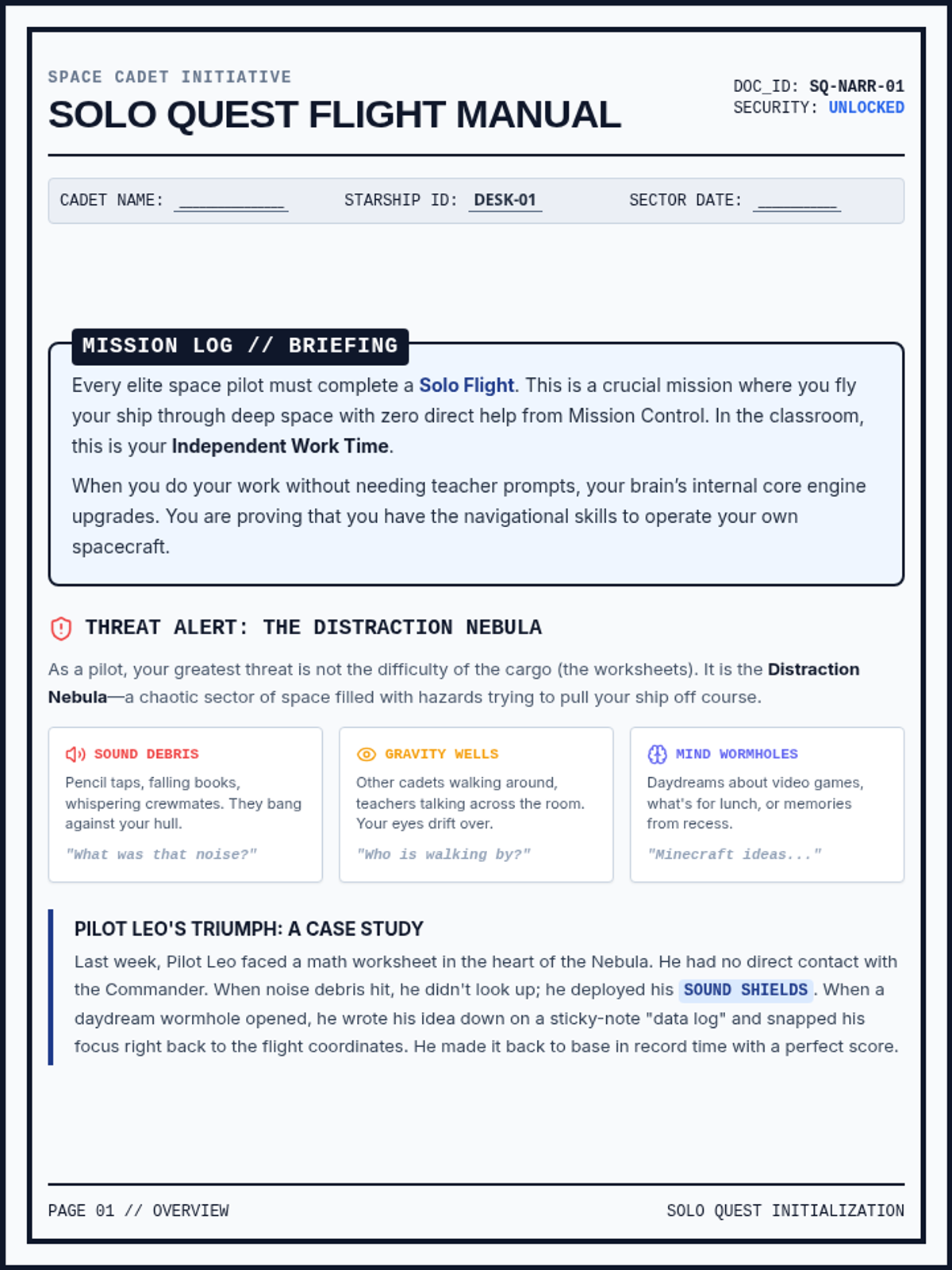
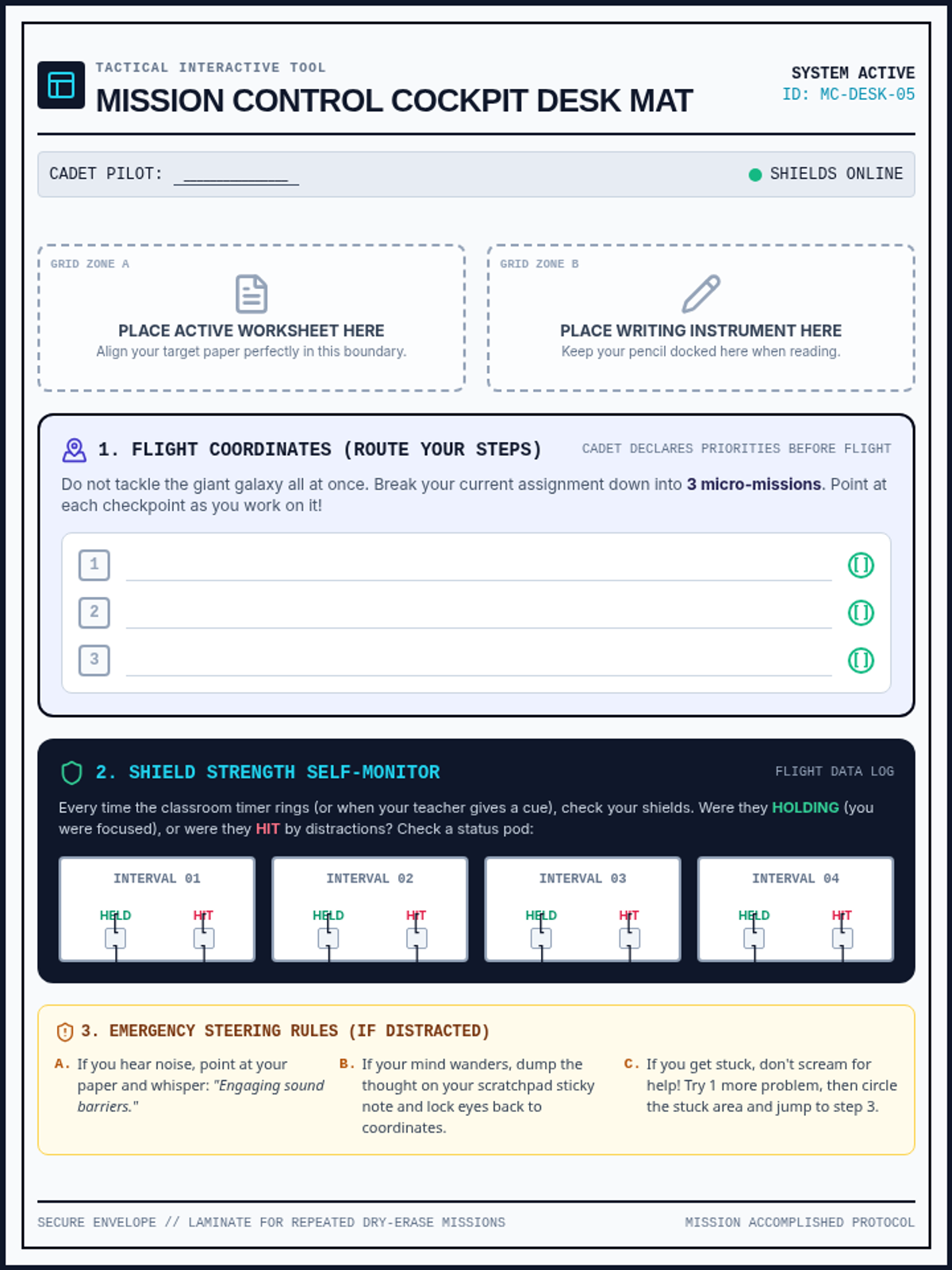
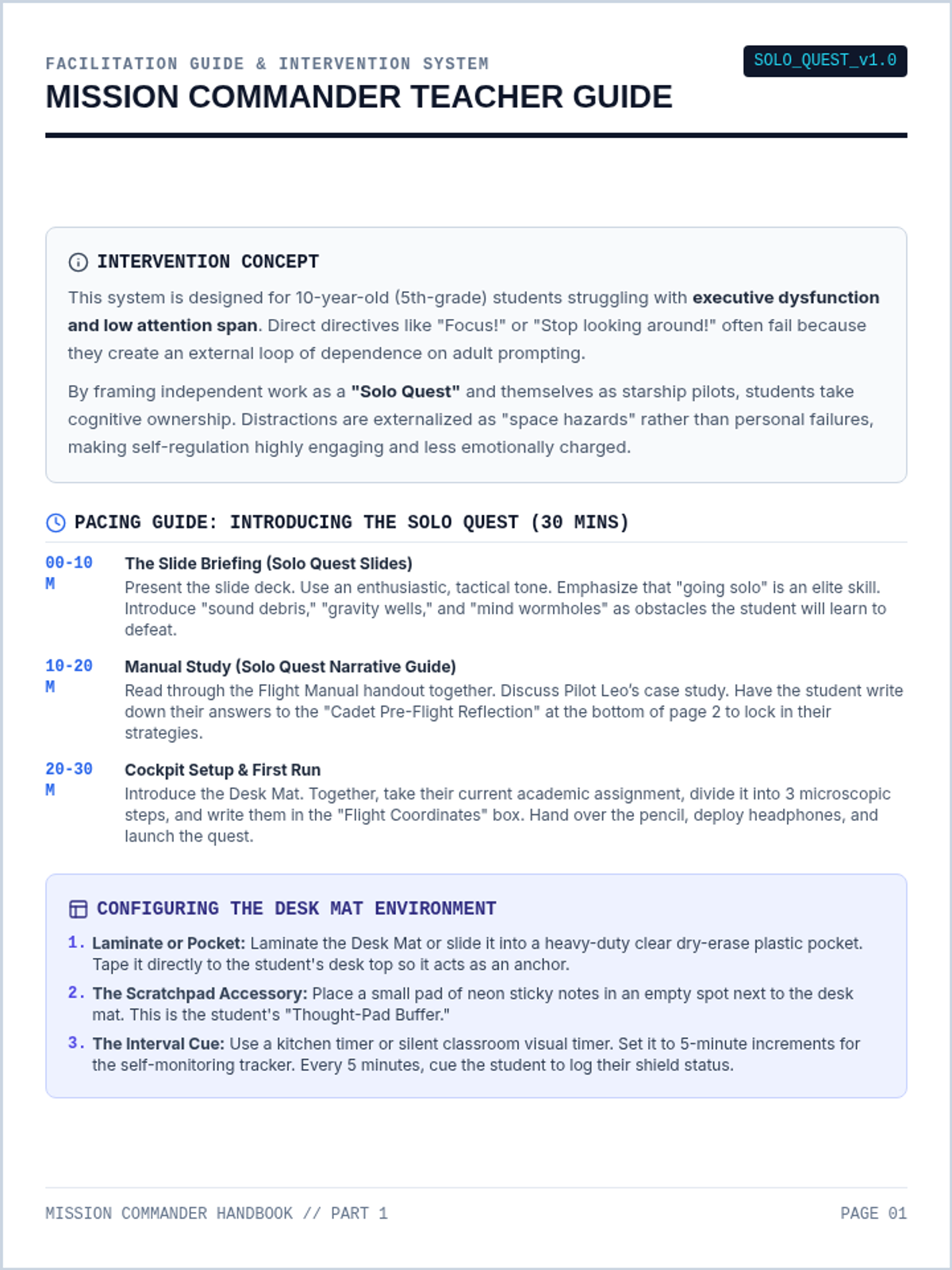
An executive functioning and focus intervention lesson designed to help students build independence during independent work. Framed as a tactical 'solo mission', the lesson guides students through managing distractions and planning tasks with low adult prompting.
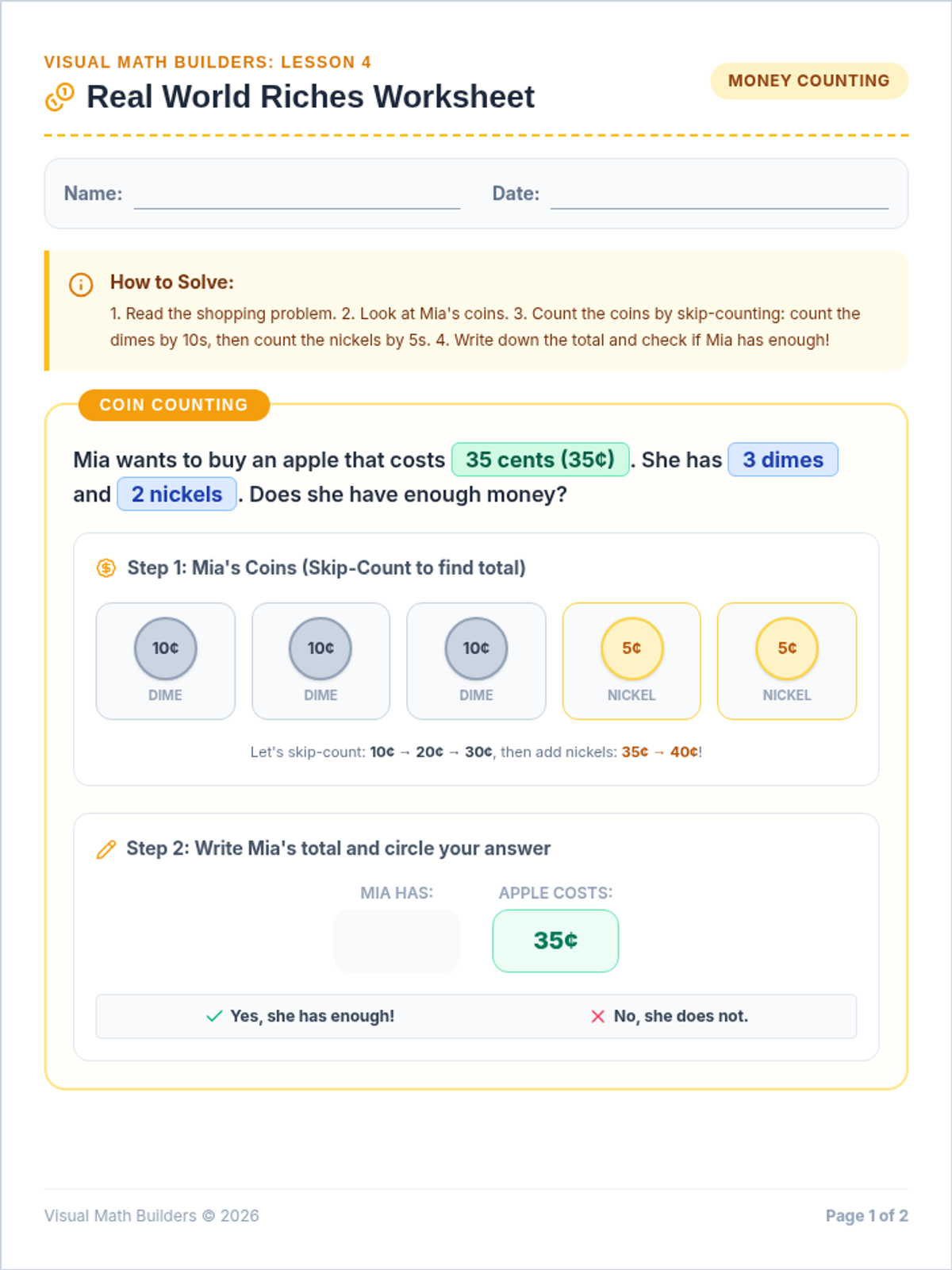
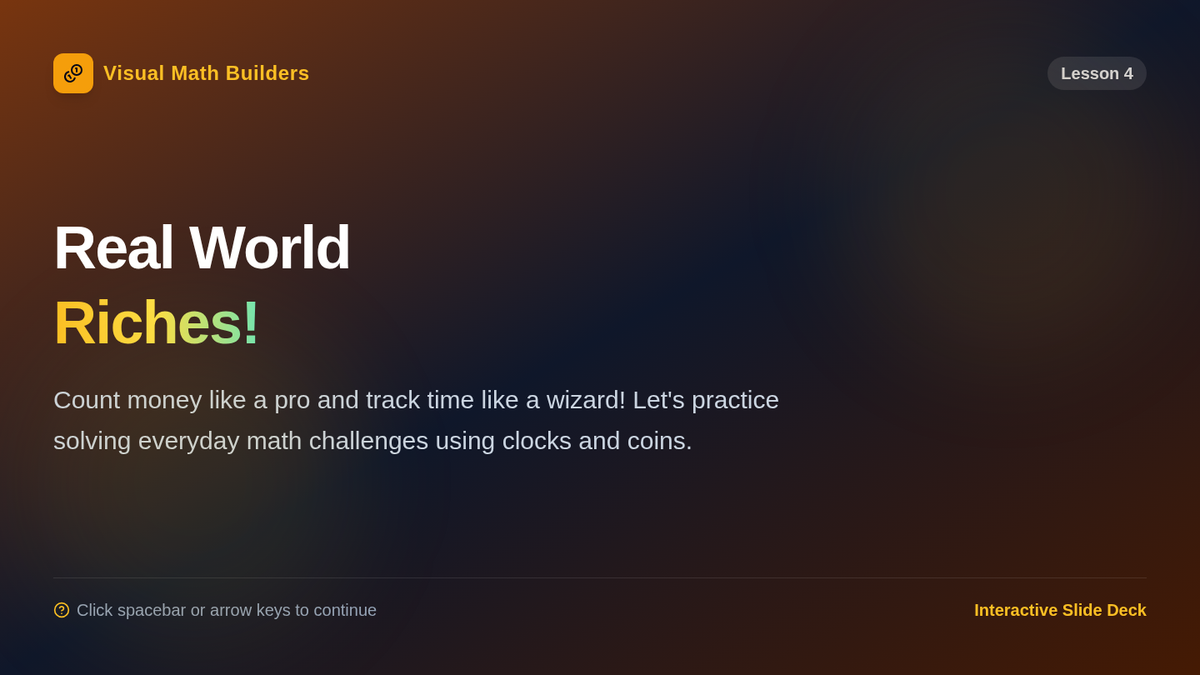
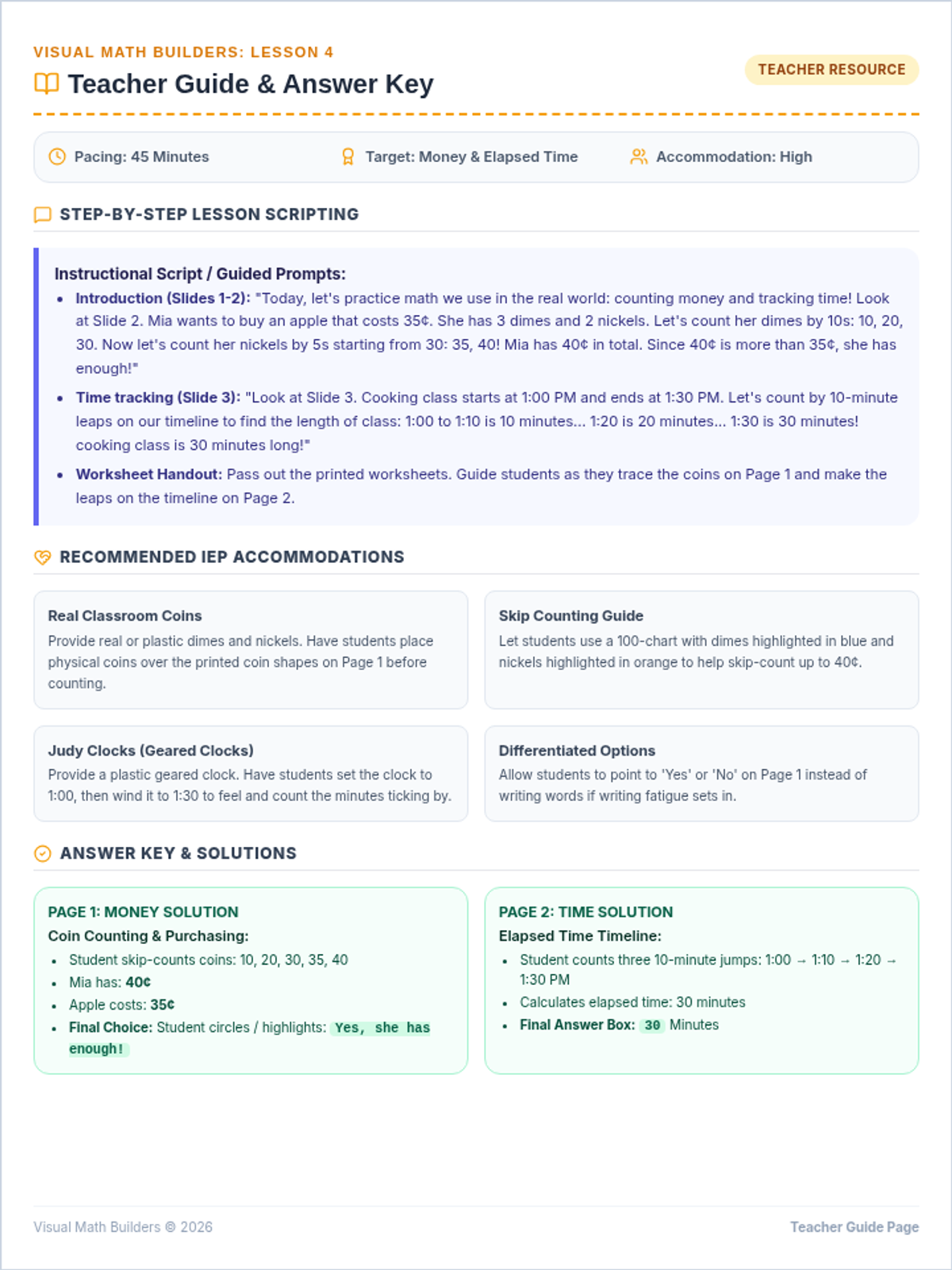
Targets practical, real-world application of math with highly visual scaffolding for coin counting, purchasing decisions, and elapsed time scenarios.
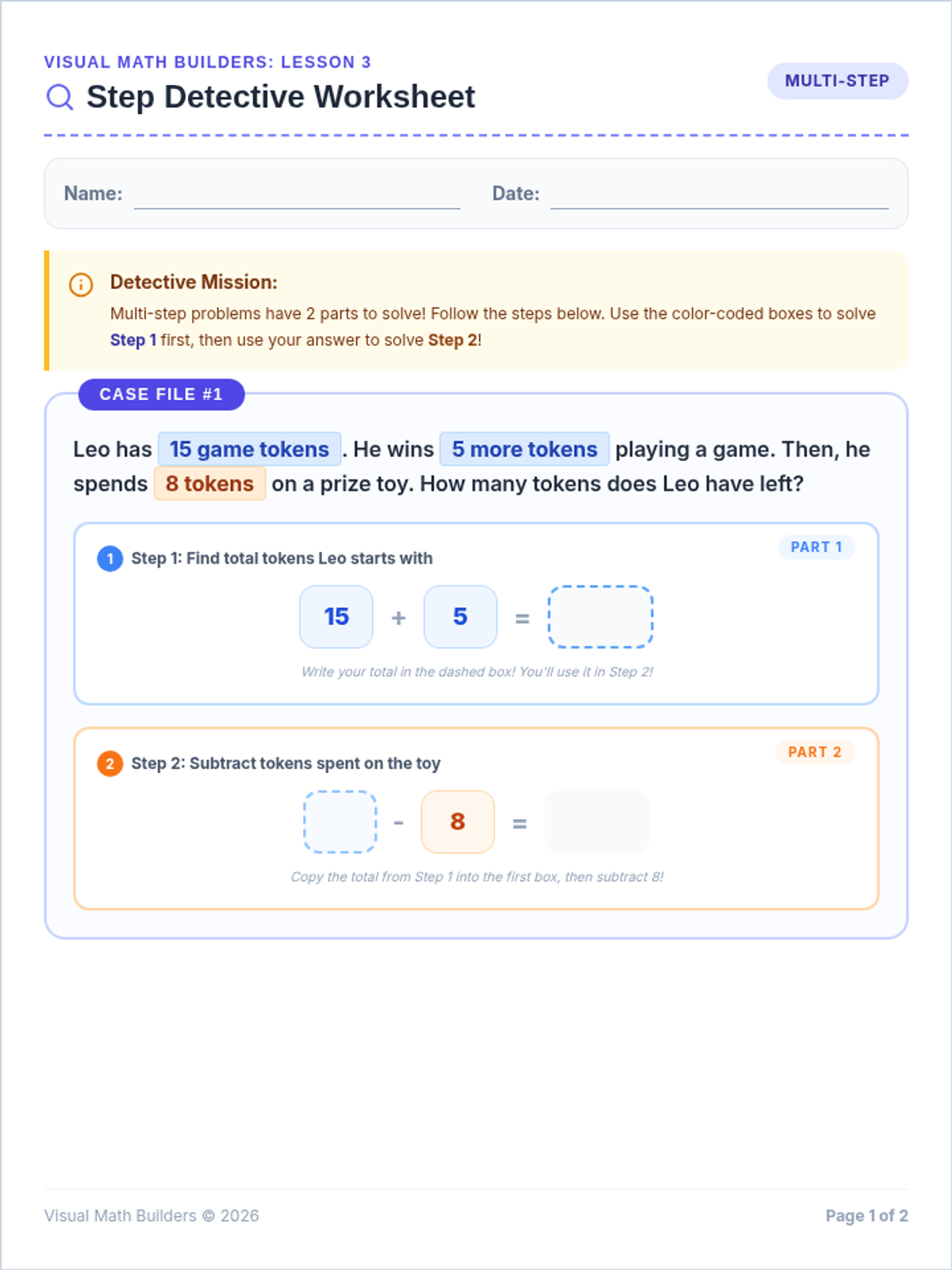
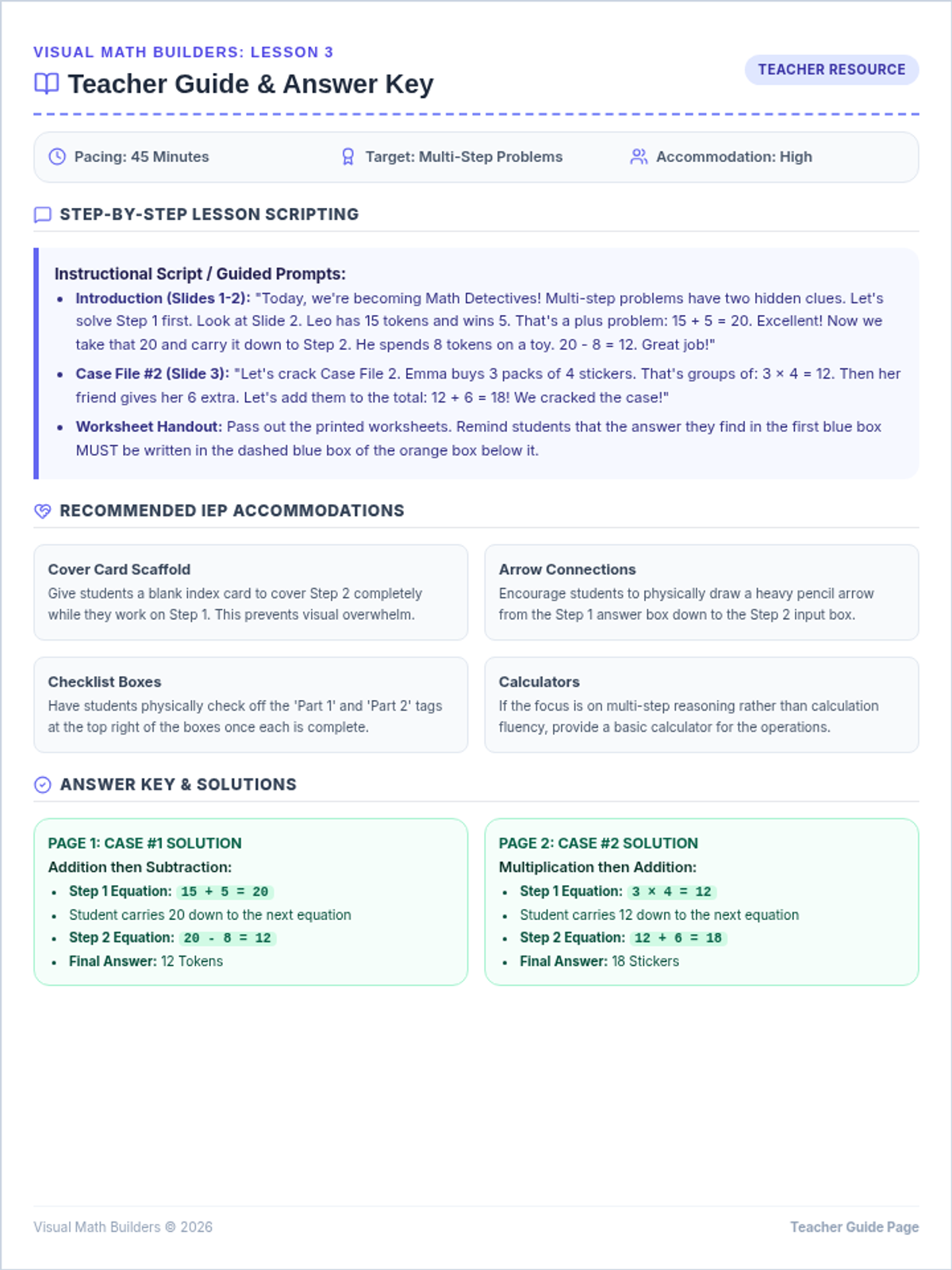
Breaks down multi-step math word problems into bite-sized, color-coded, sequentially numbered parts, helping students systematically parse and solve equations without visual overload.