A comprehensive guide for teenagers on the autism spectrum to understand the science of sleep hygiene, the importance of circadian rhythms, and how to maintain a consistent nighttime schedule.
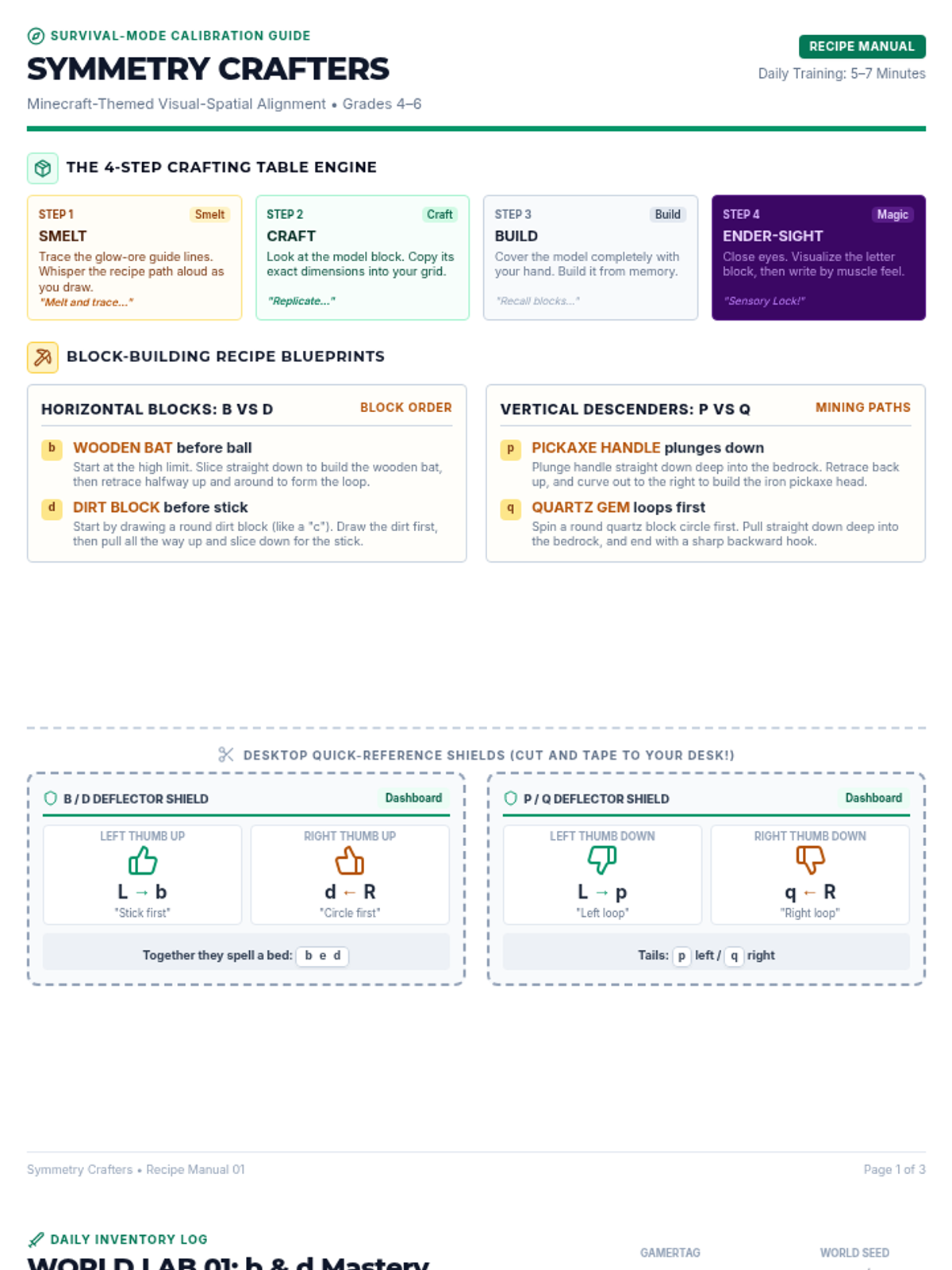
An evidence-based training program targeting letter reversals in upper elementary students, incorporating Trace-Copy-Cover-Closed and spatial-motor anchors.
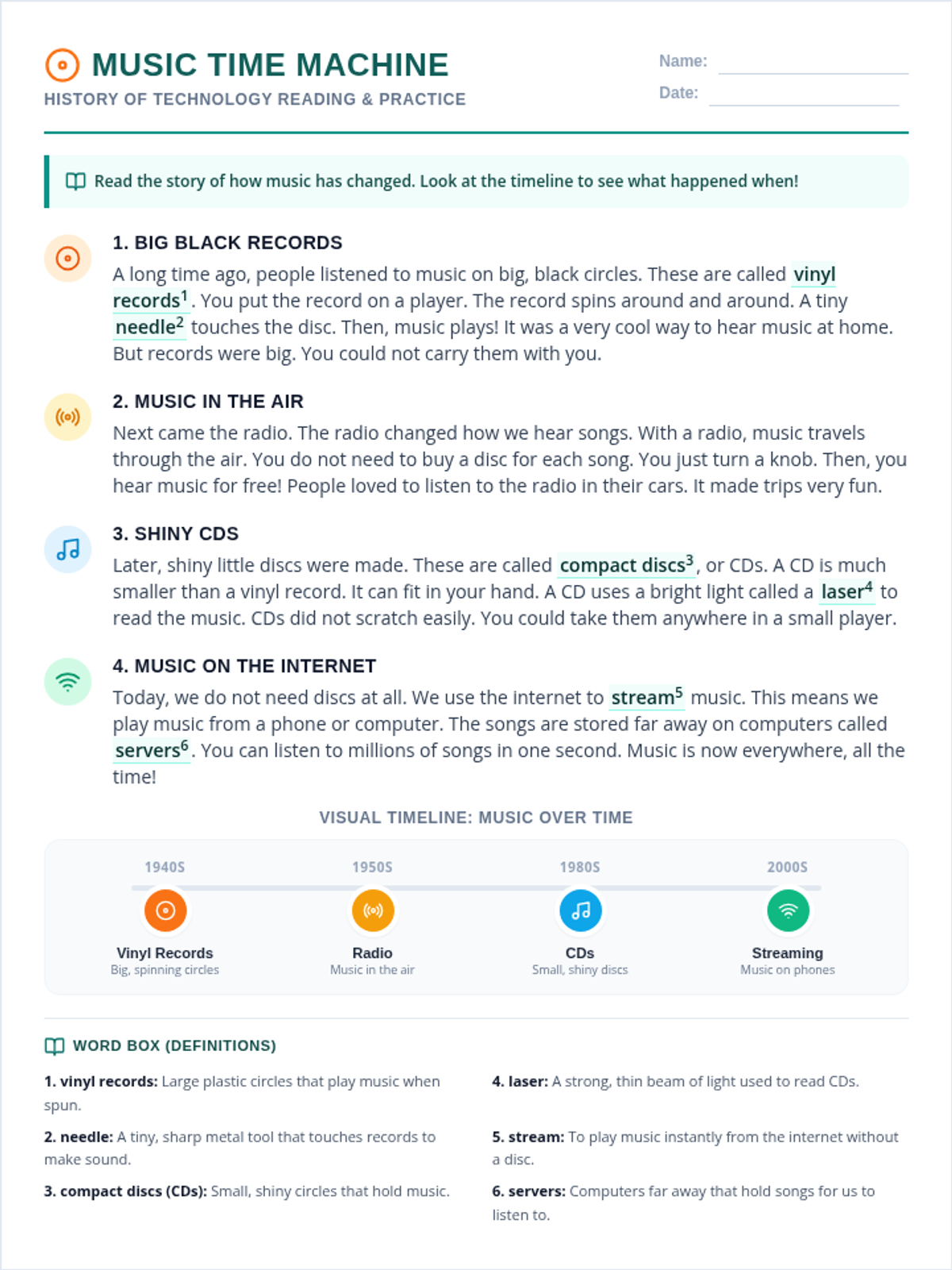
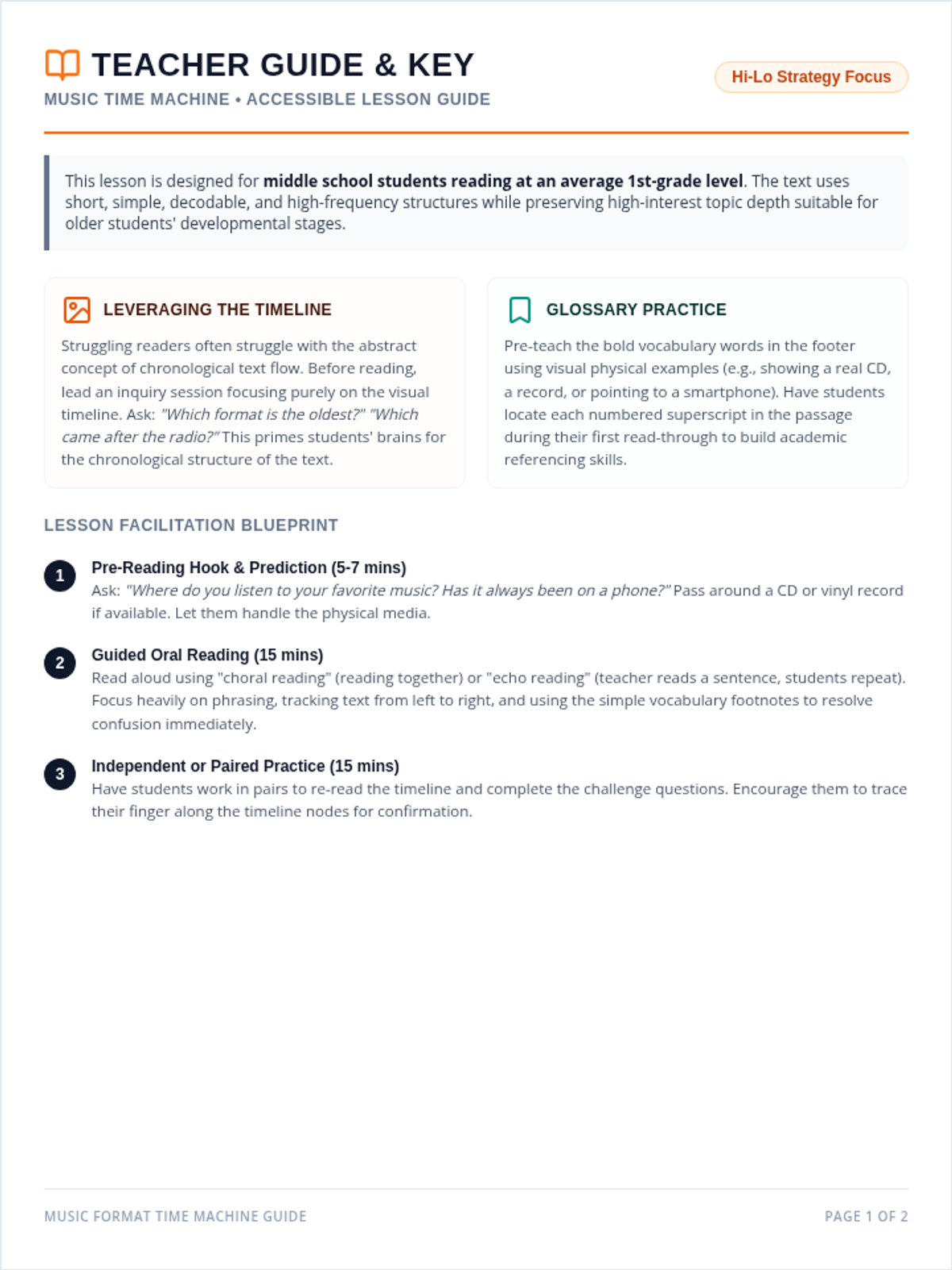
A history-of-technology lesson designed for middle school students reading at a first-grade level. It explores the evolution of music formats from vinyl records to modern streaming, supported by a visual timeline and simple vocabulary footnotes.
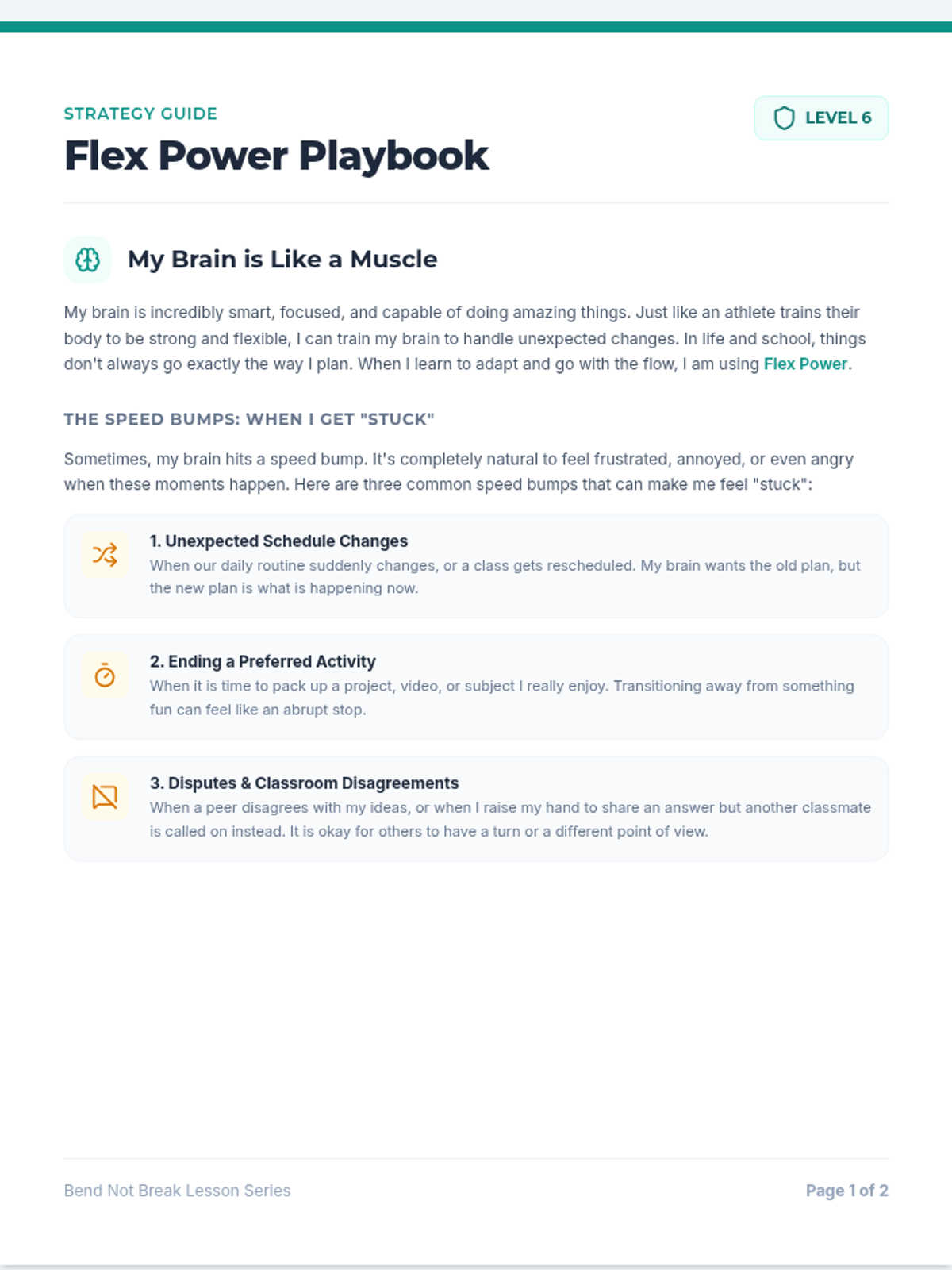
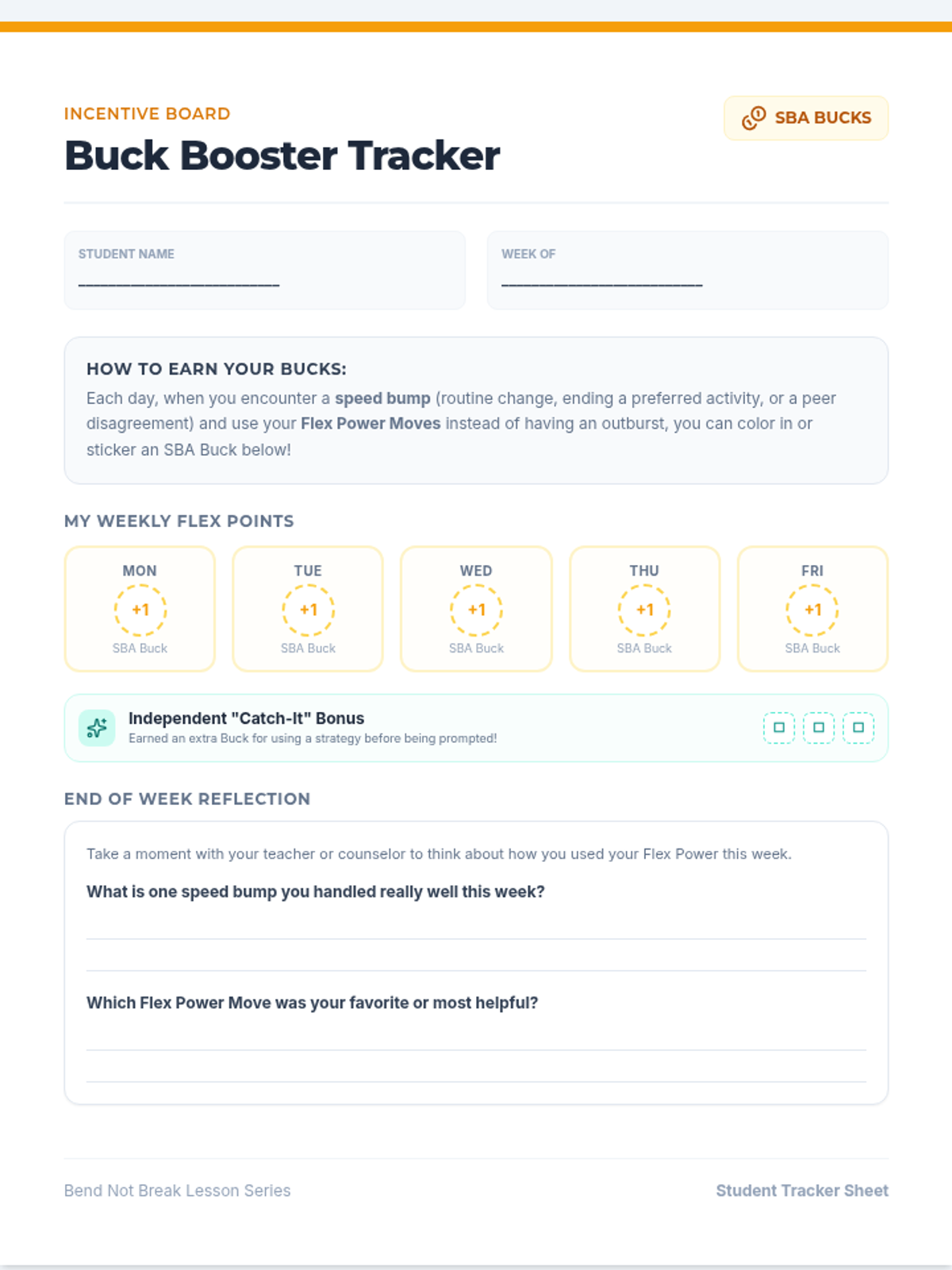
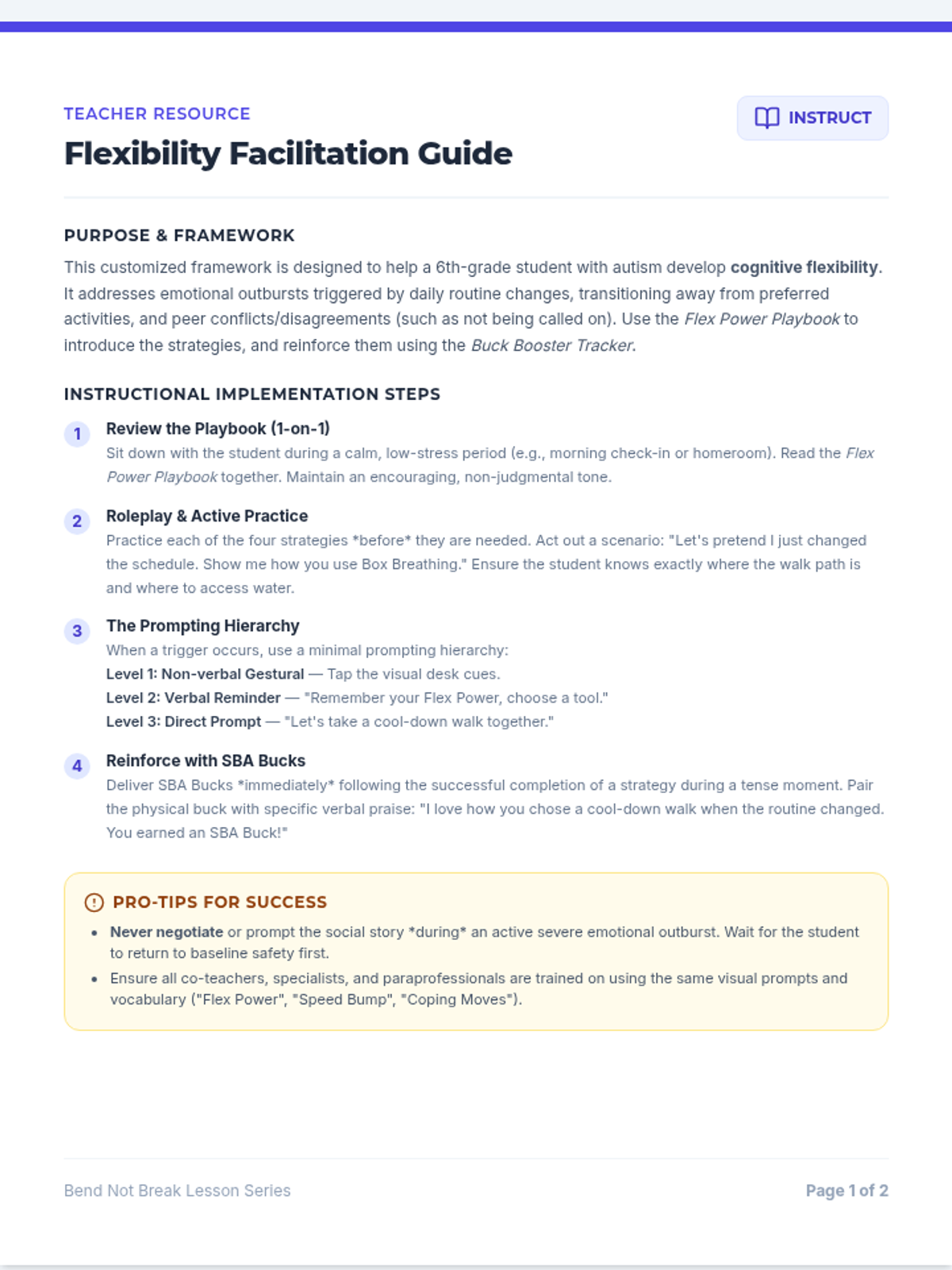
A personalized lesson framework designed to support a 6th-grade student with autism in developing cognitive flexibility, utilizing a structured social story, visual desk cues, and a targeted SBA Bucks reinforcement tracker.
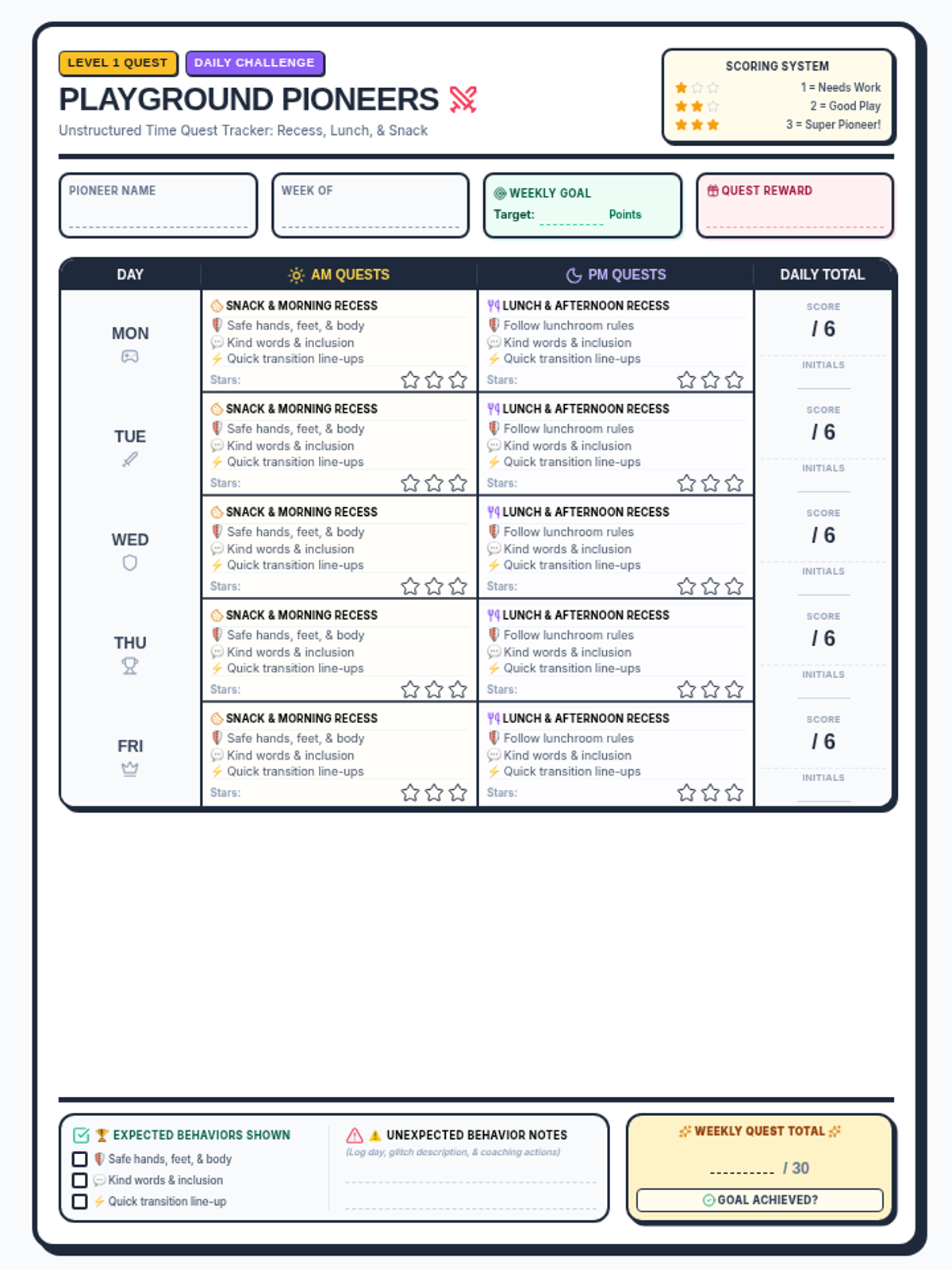
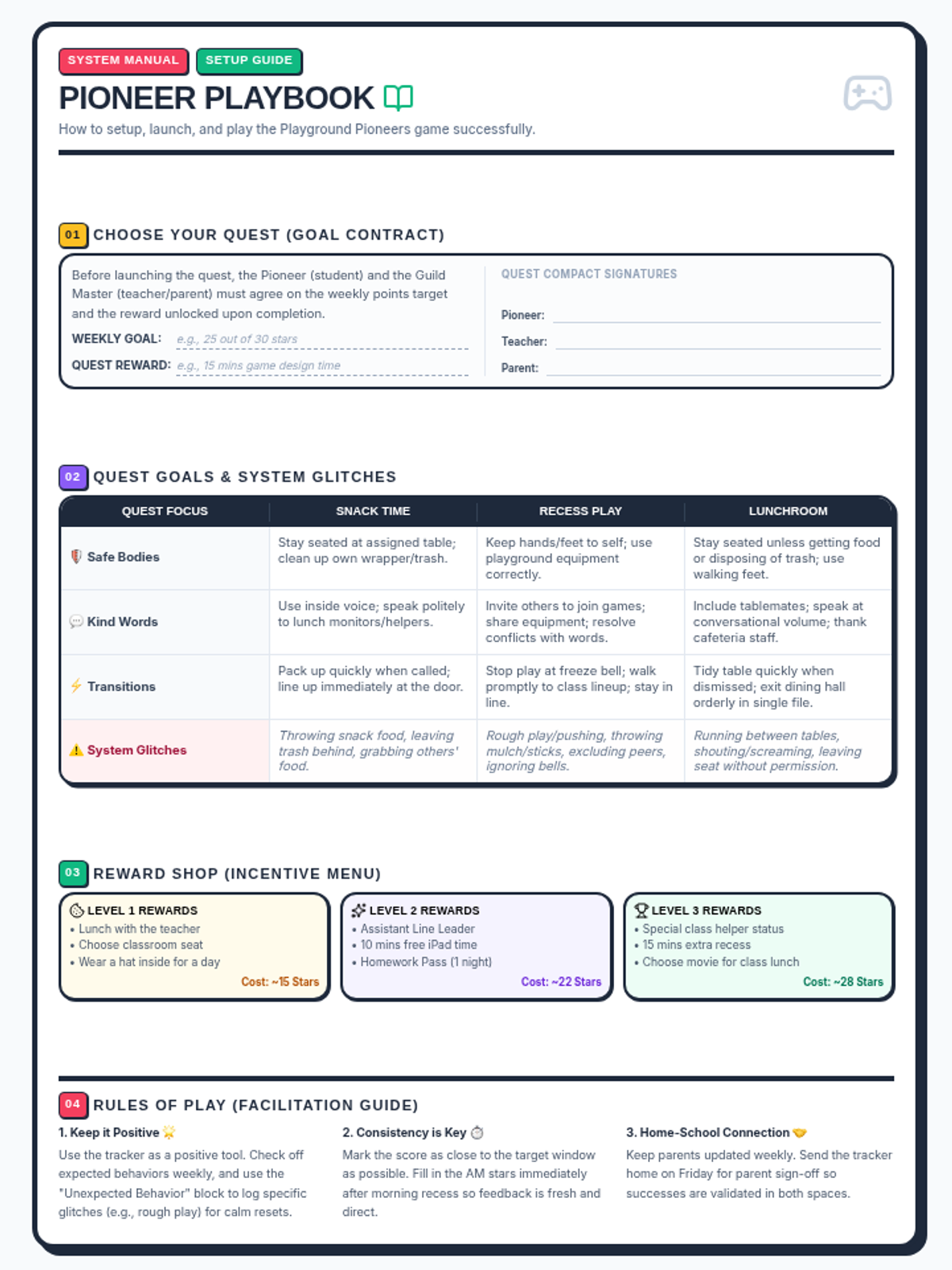
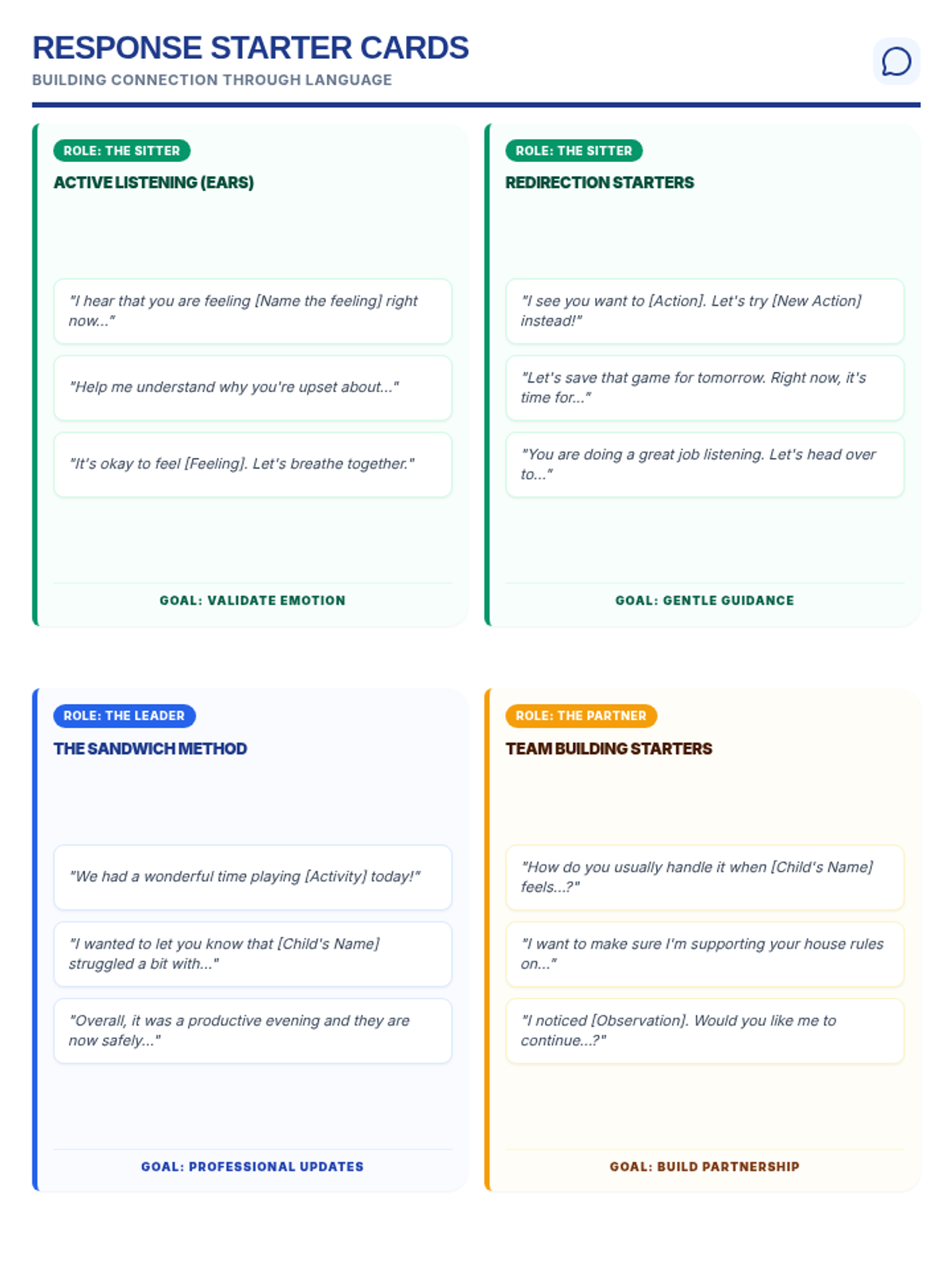
A gamified behavior tracking and support system designed to structure unstructured school times like recess, lunch, and snack. It includes a weekly AM/PM point-tracking chart and a goal-setting setup guide to promote positive peer interactions, safe play, and self-regulation.
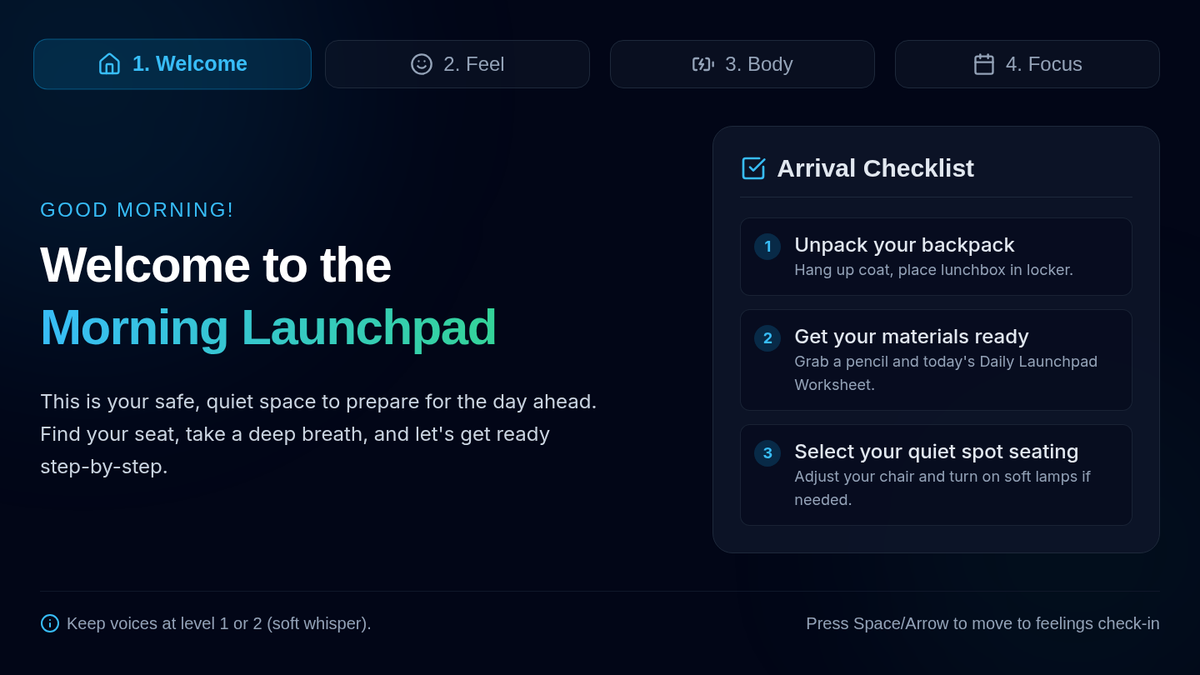
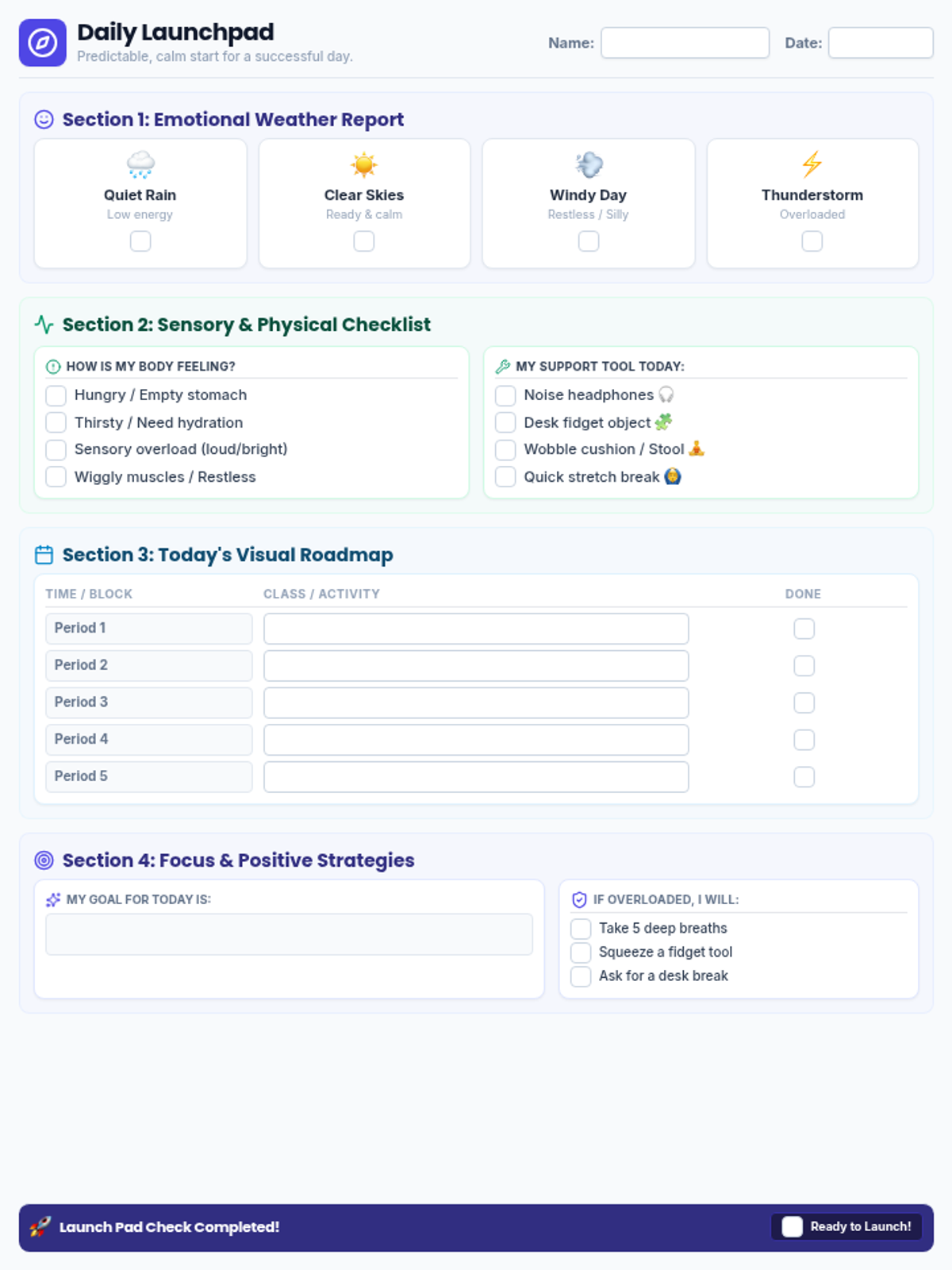
A structured morning routine sequence designed for middle school ASD students to support emotional regulation, sensory tracking, and executive functioning. Includes interactive visual slides and a corresponding daily check-in worksheet to establish a predictable, calming start to the school day.
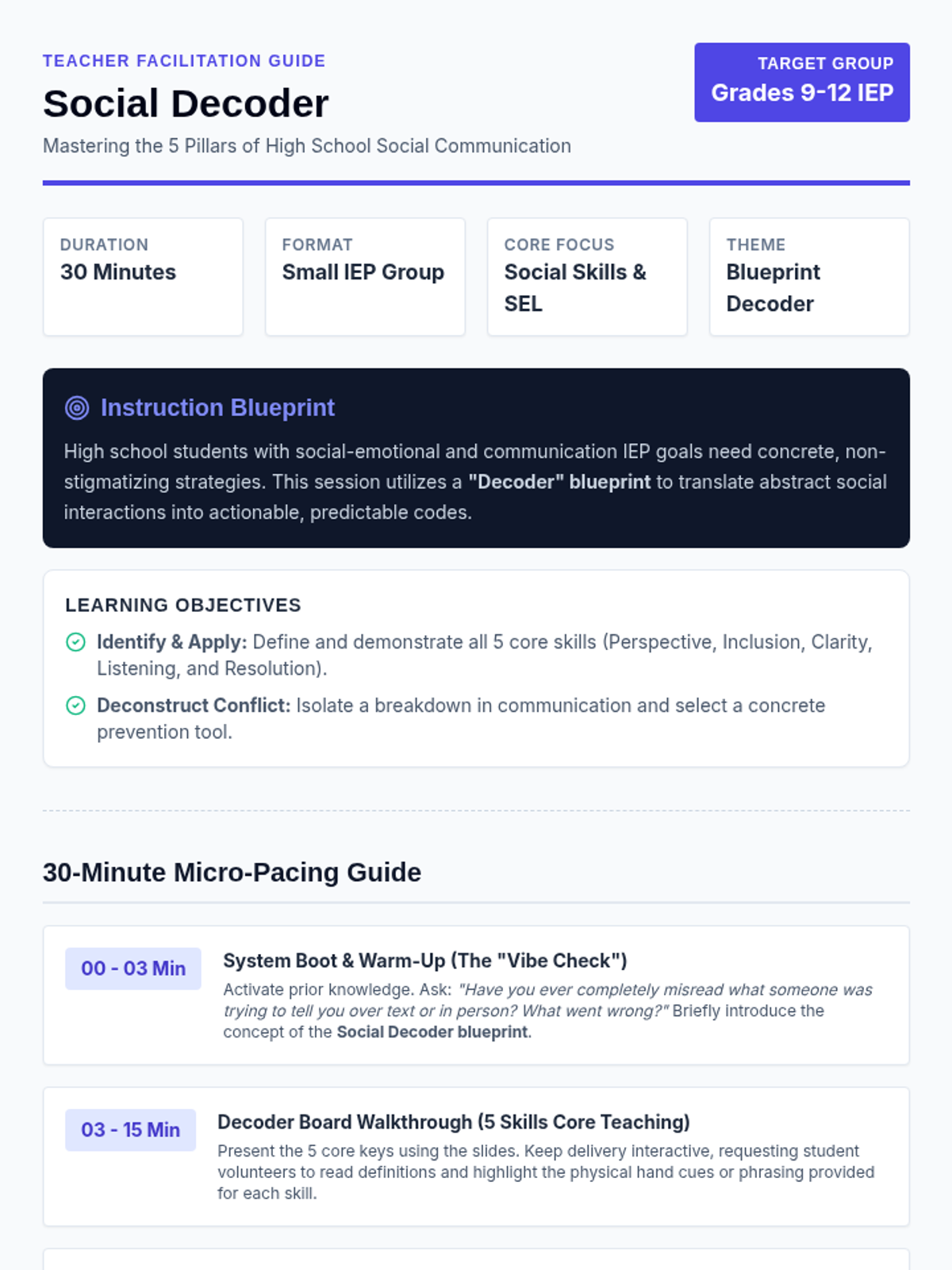
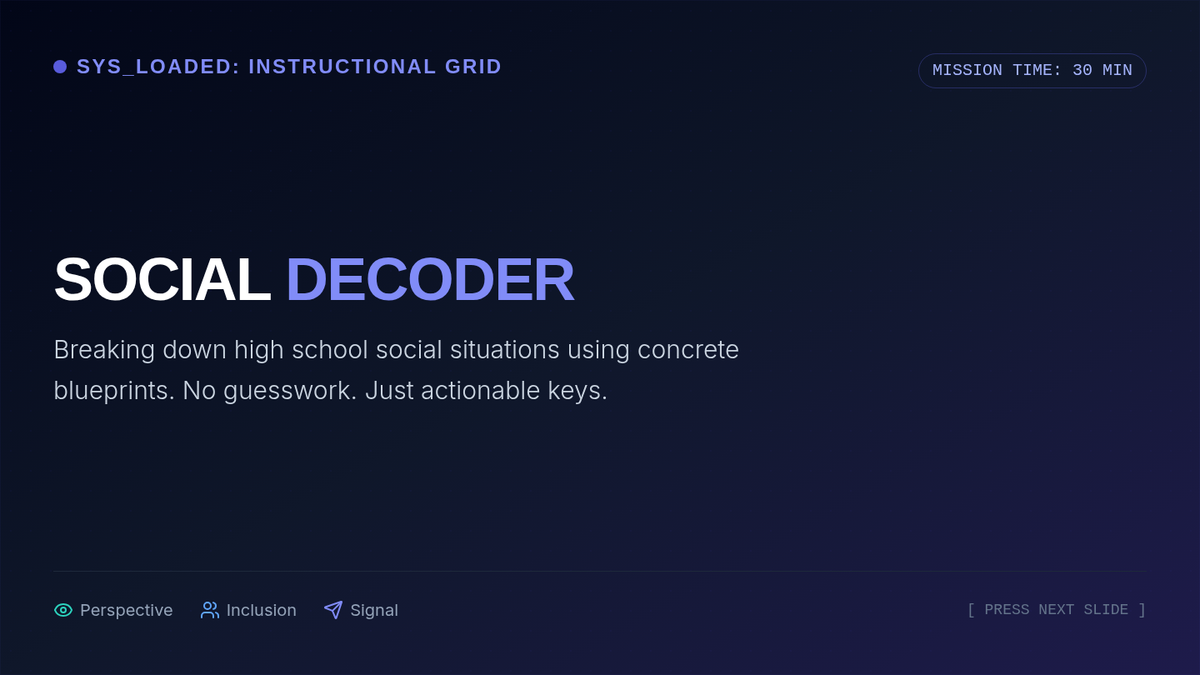
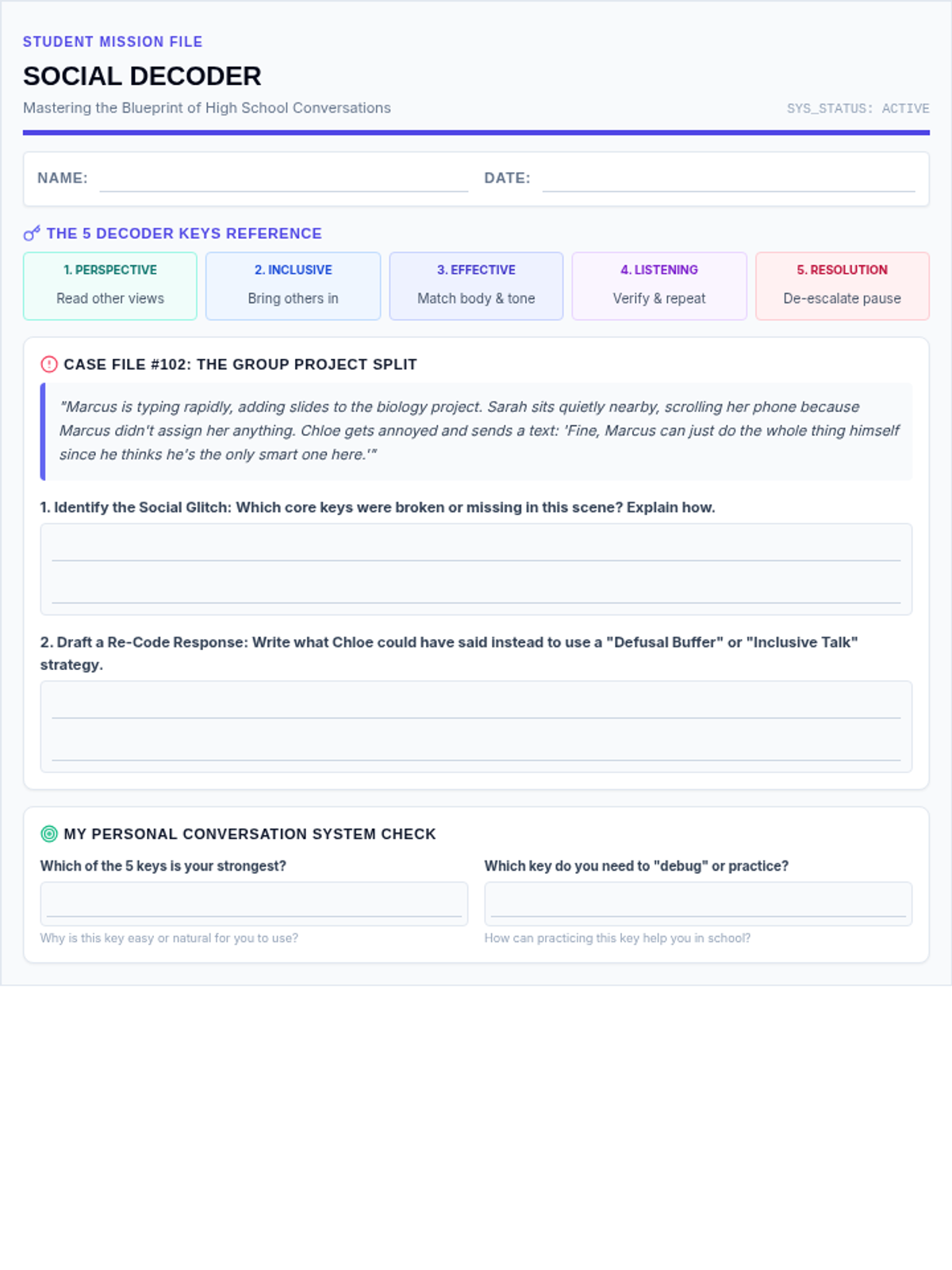
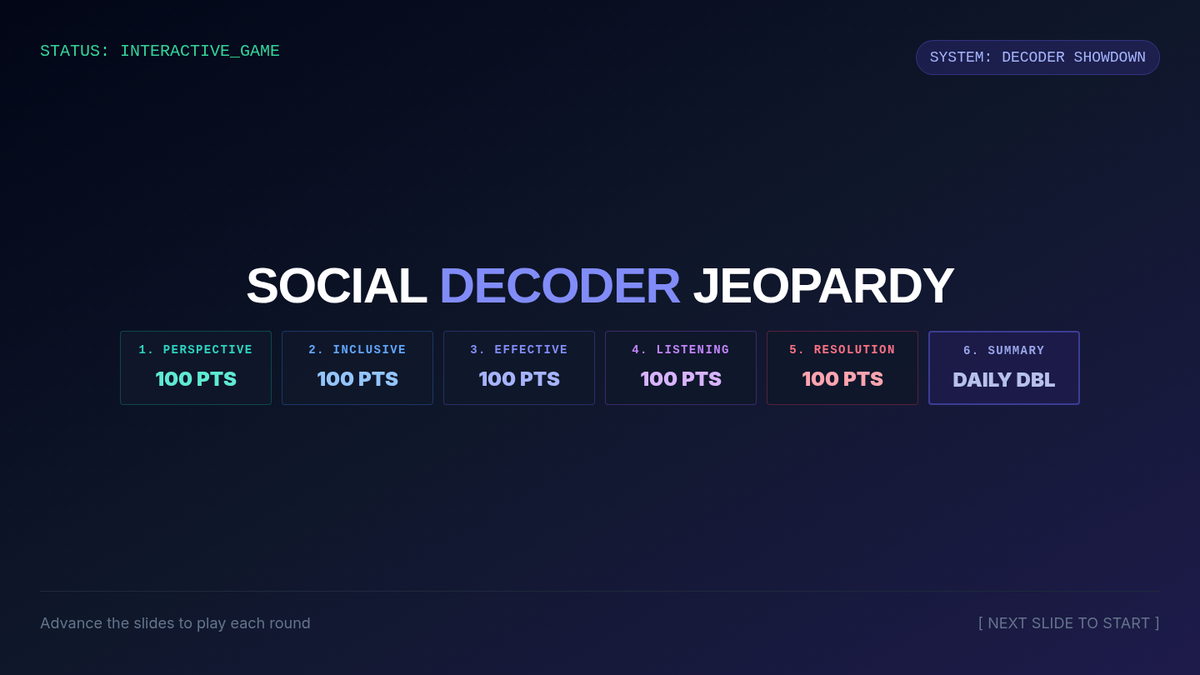
A highly engaging 30-minute social skills lesson designed for high school IEP groups. This lesson covers five essential communication skills—Perspective Taking, Inclusive Communication, Effective Communication, Active Listening, and Conflict Prevention/Resolution—using a modern 'Social Decoder' blueprint theme.
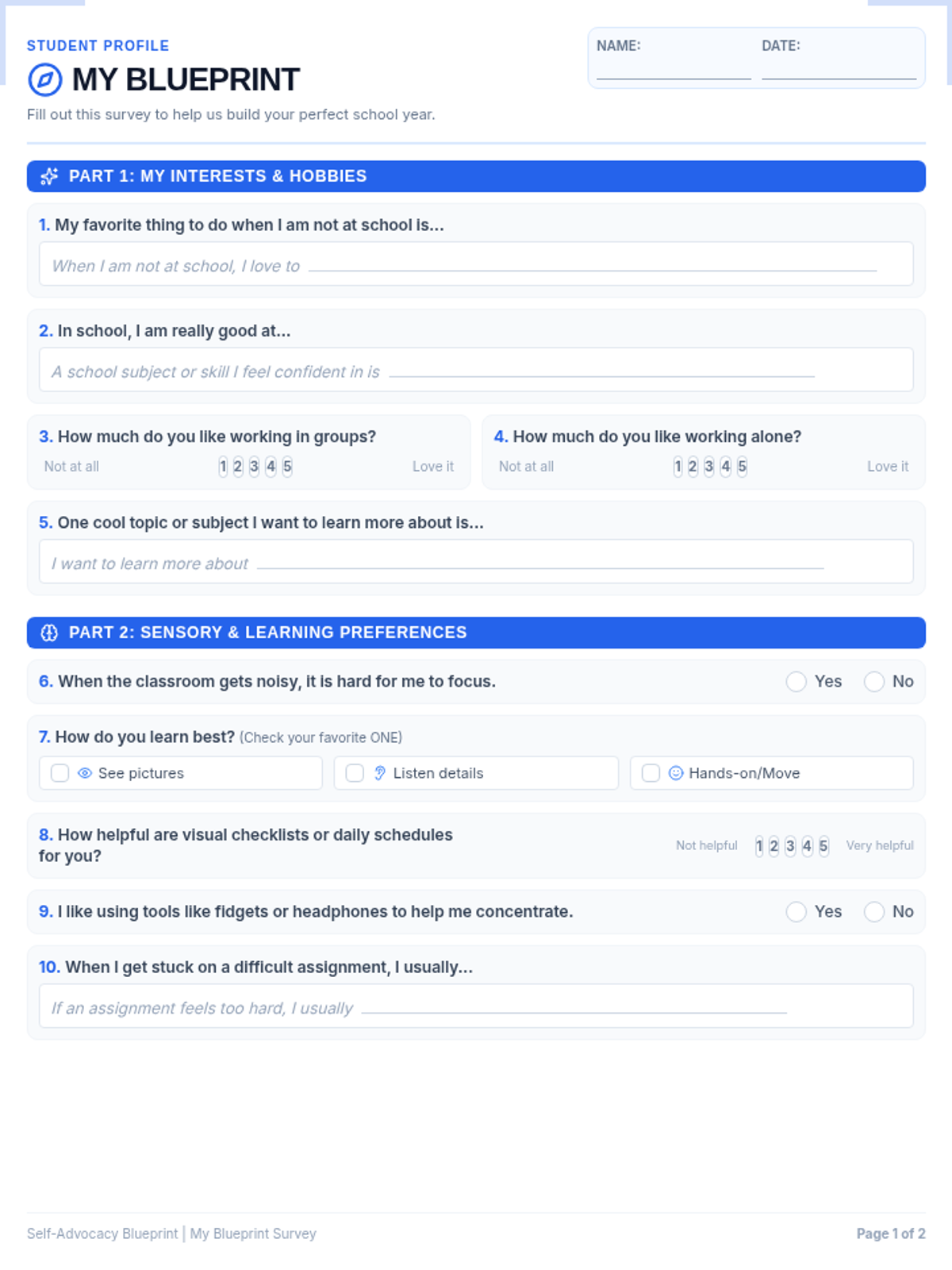
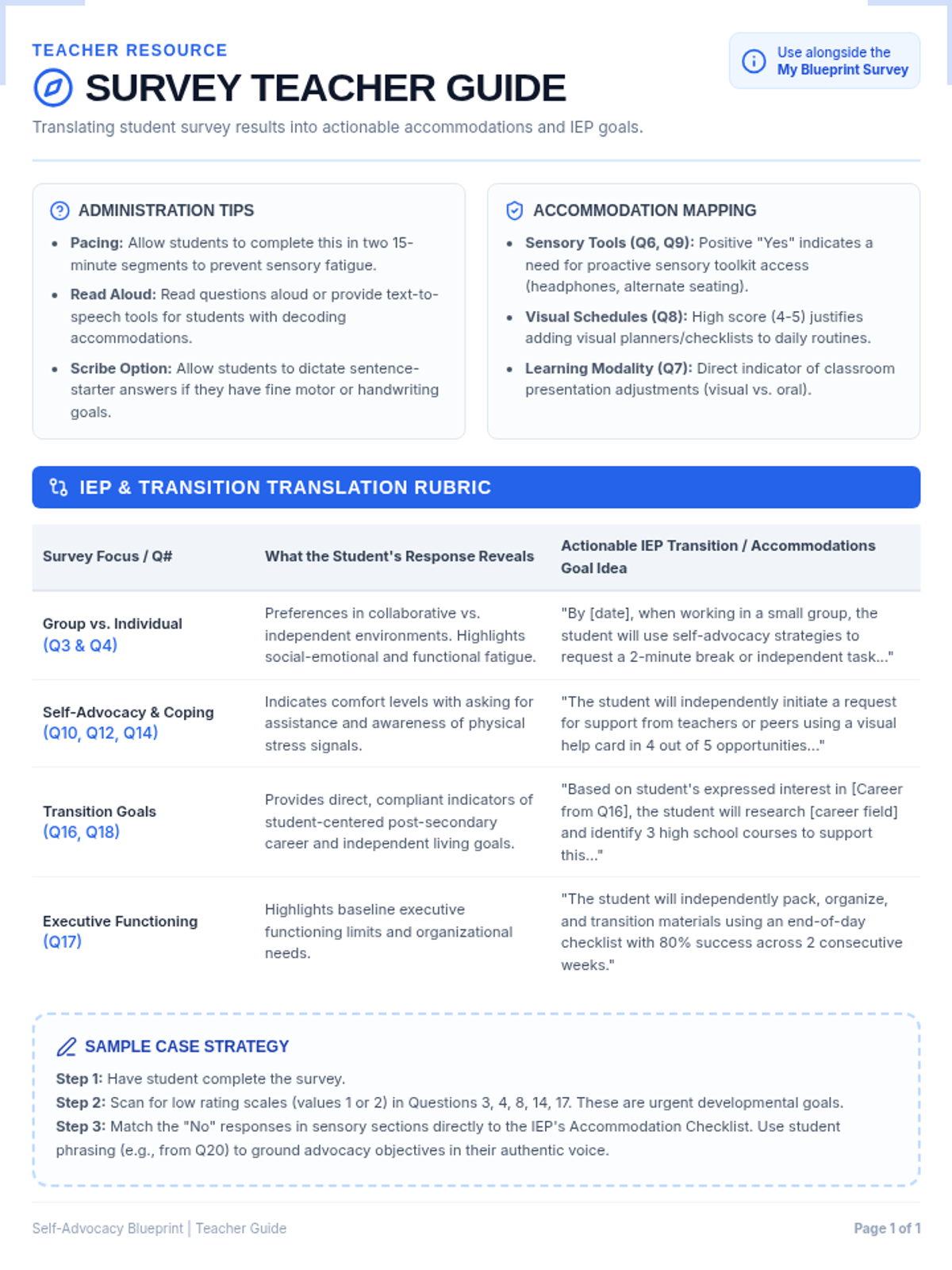
A transition-focused lesson featuring an accessible "All About Me" survey for middle school students with accommodations, alongside a guide for teachers to translate student responses into IEP goals and classroom support strategies.
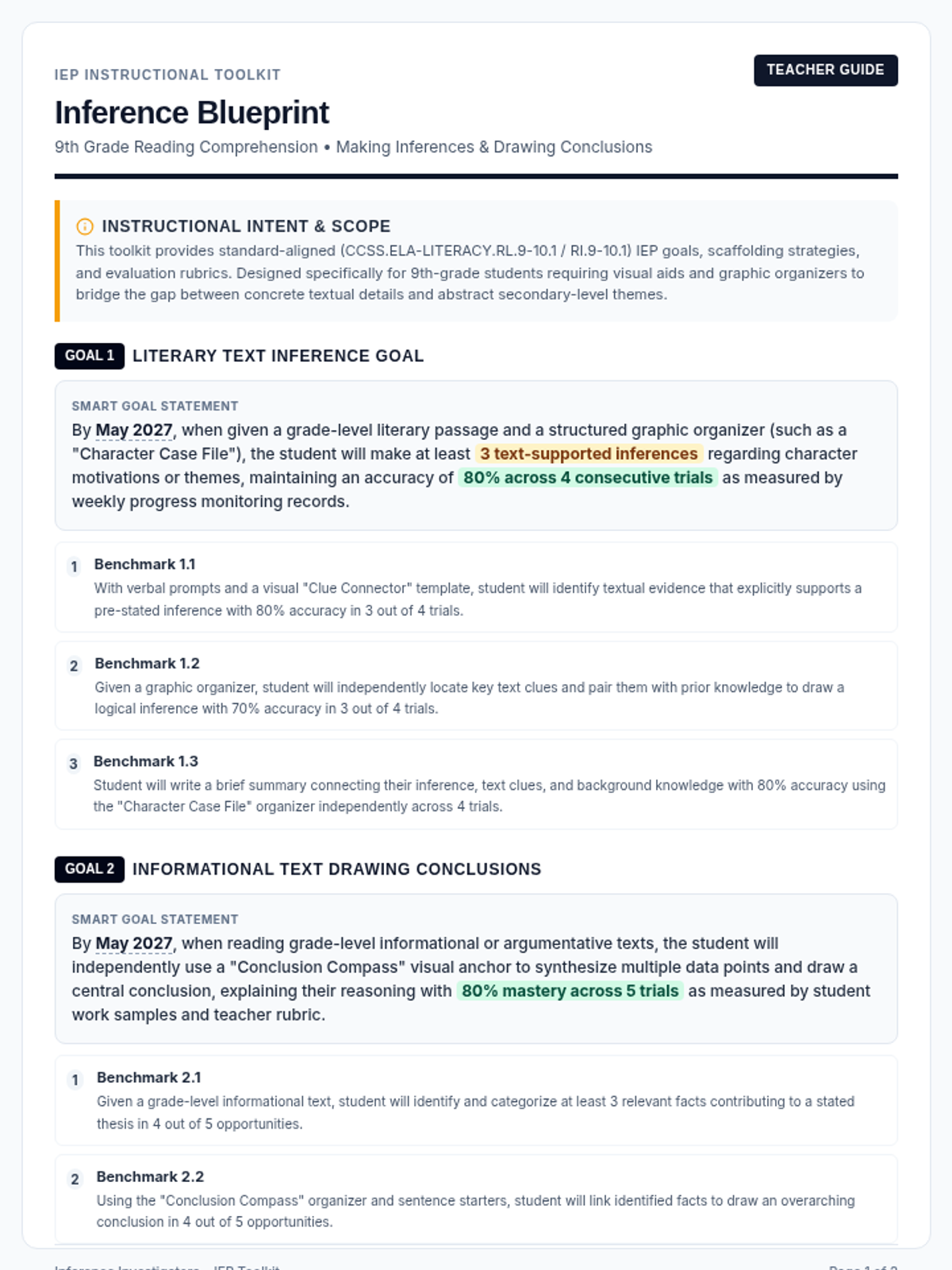
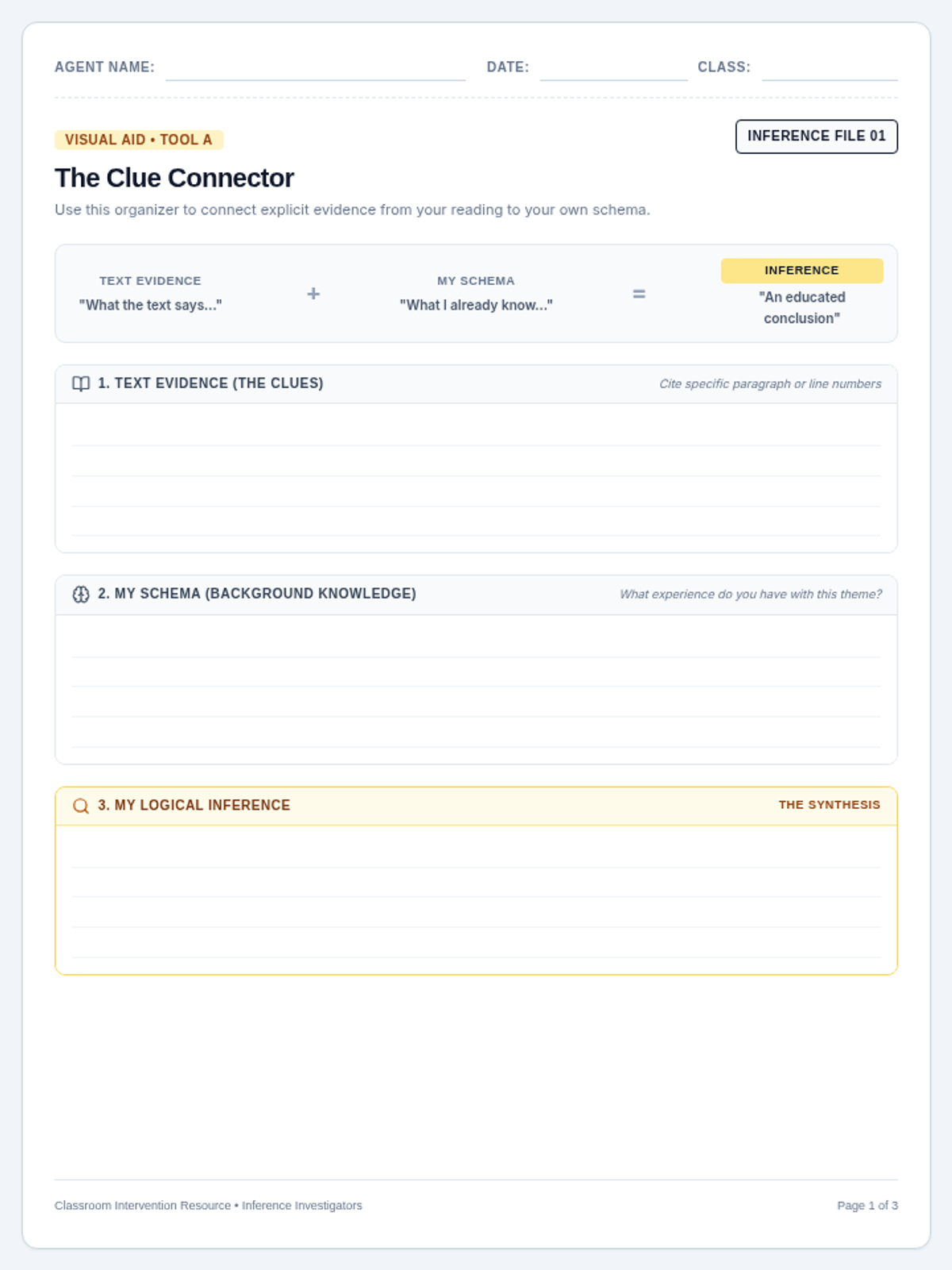
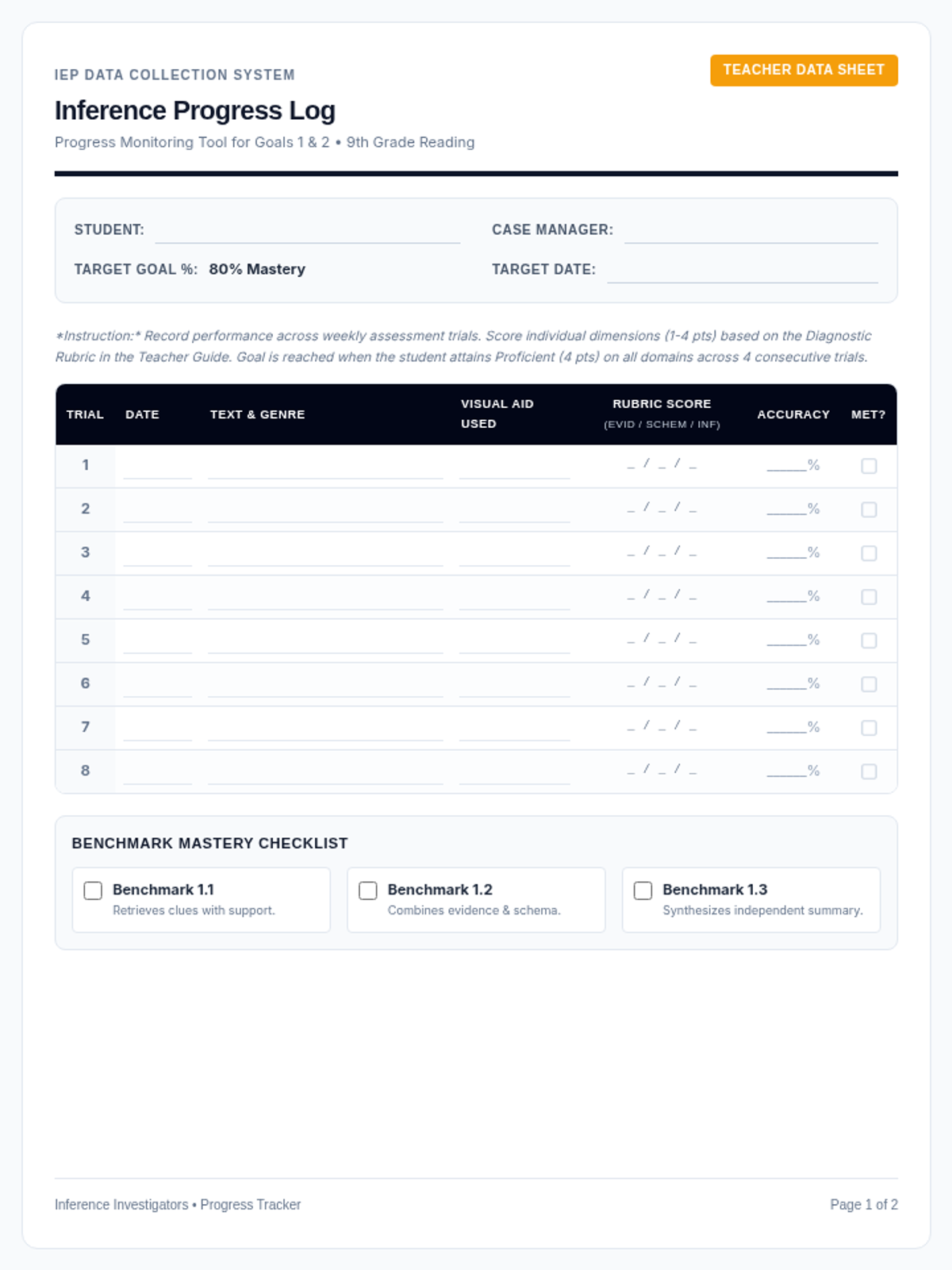
A comprehensive IEP goal and instructional toolkit designed to scaffold 9th-grade reading comprehension. This lesson package includes measurable IEP goals, scaffolded graphic organizers, and structured progress monitoring tools focused on making inferences and drawing conclusions.
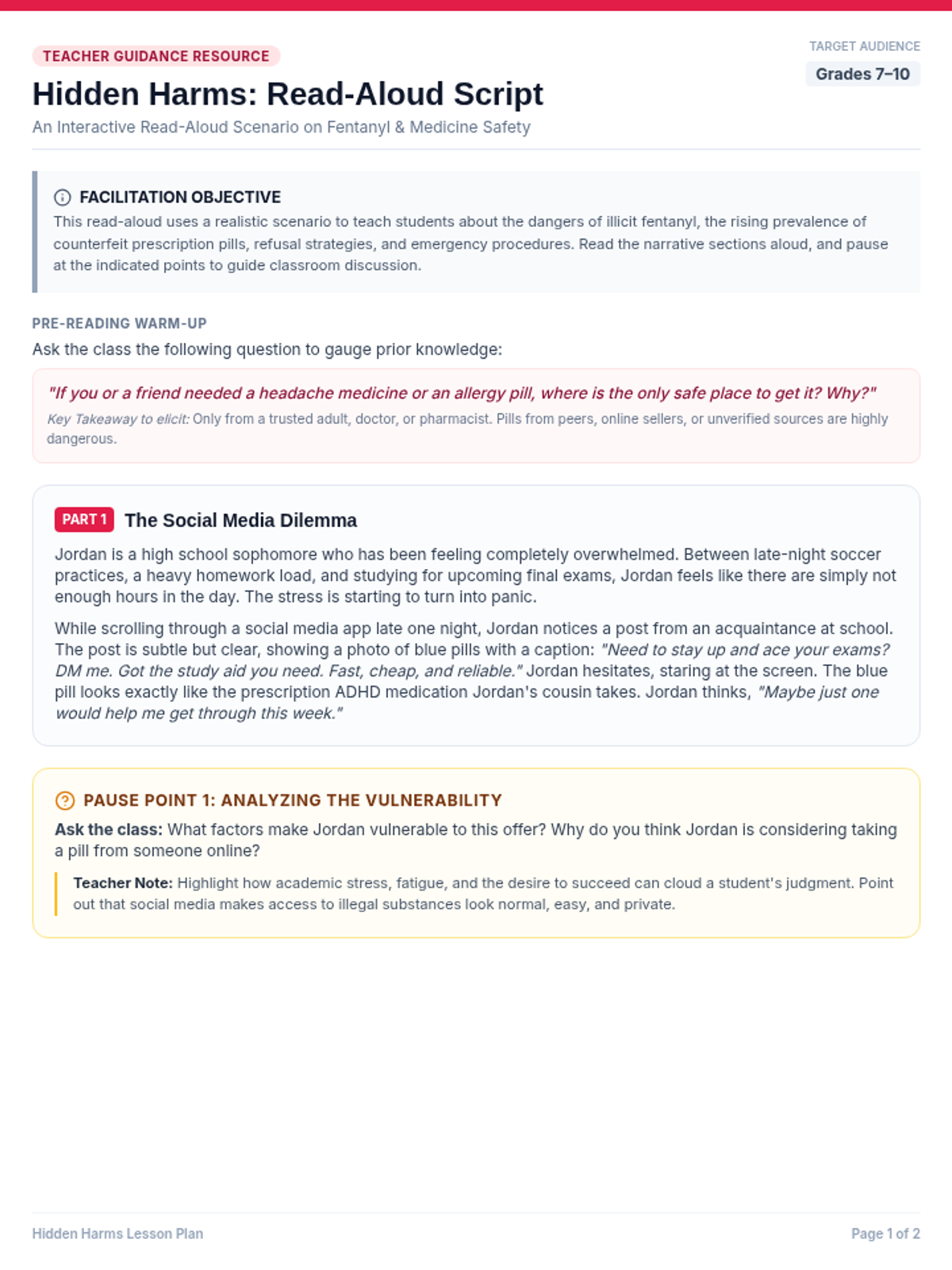
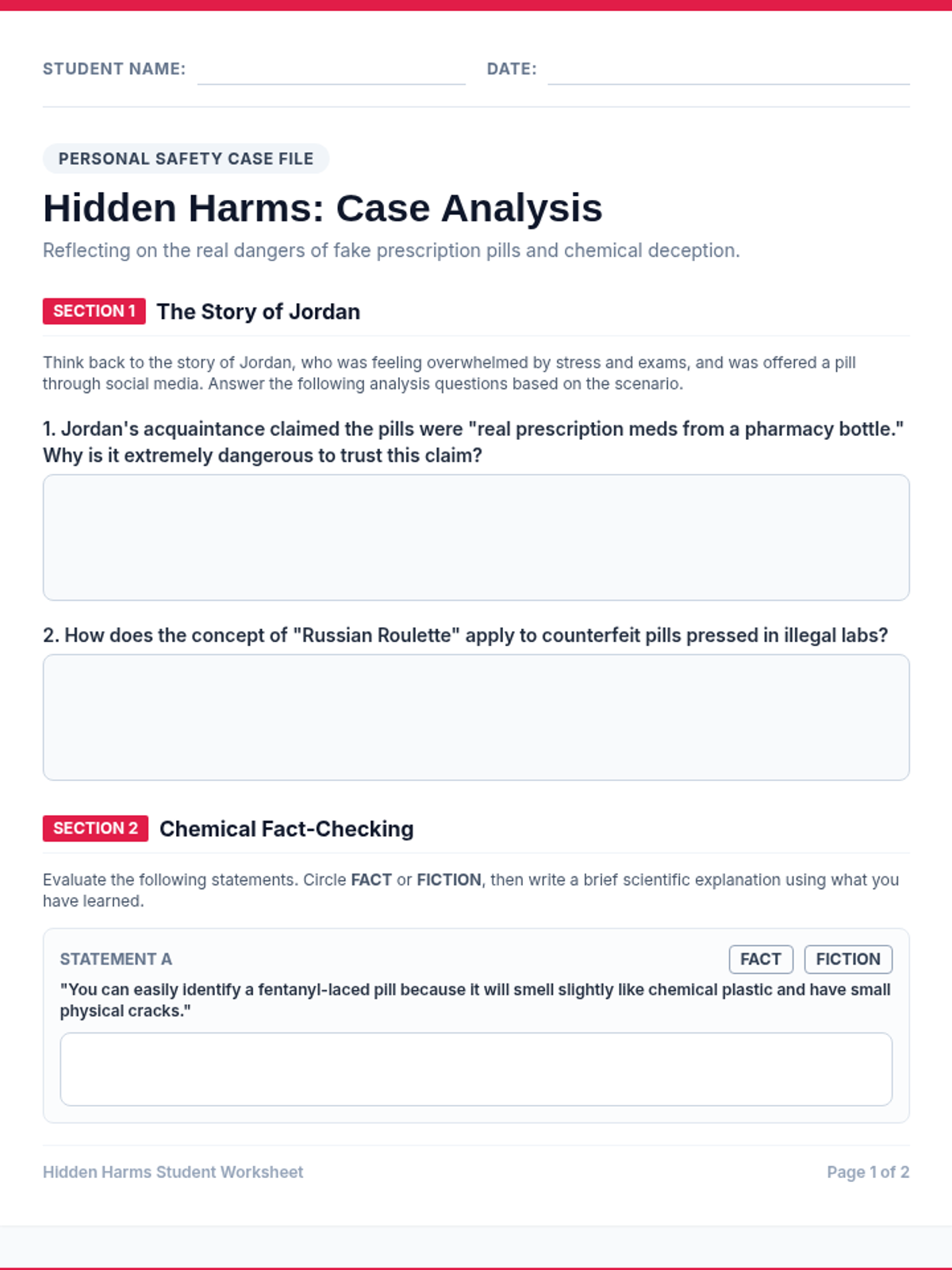
A critical drug education and safety lesson designed for middle or high school students, focusing on the dangers of illicit fentanyl, how fake prescription pills are manufactured to look identical to real medicine, refusal strategies, and emergency safety protocols. This lesson uses an interactive read-aloud scenario to engage students in critical thinking and real-world decision-making.
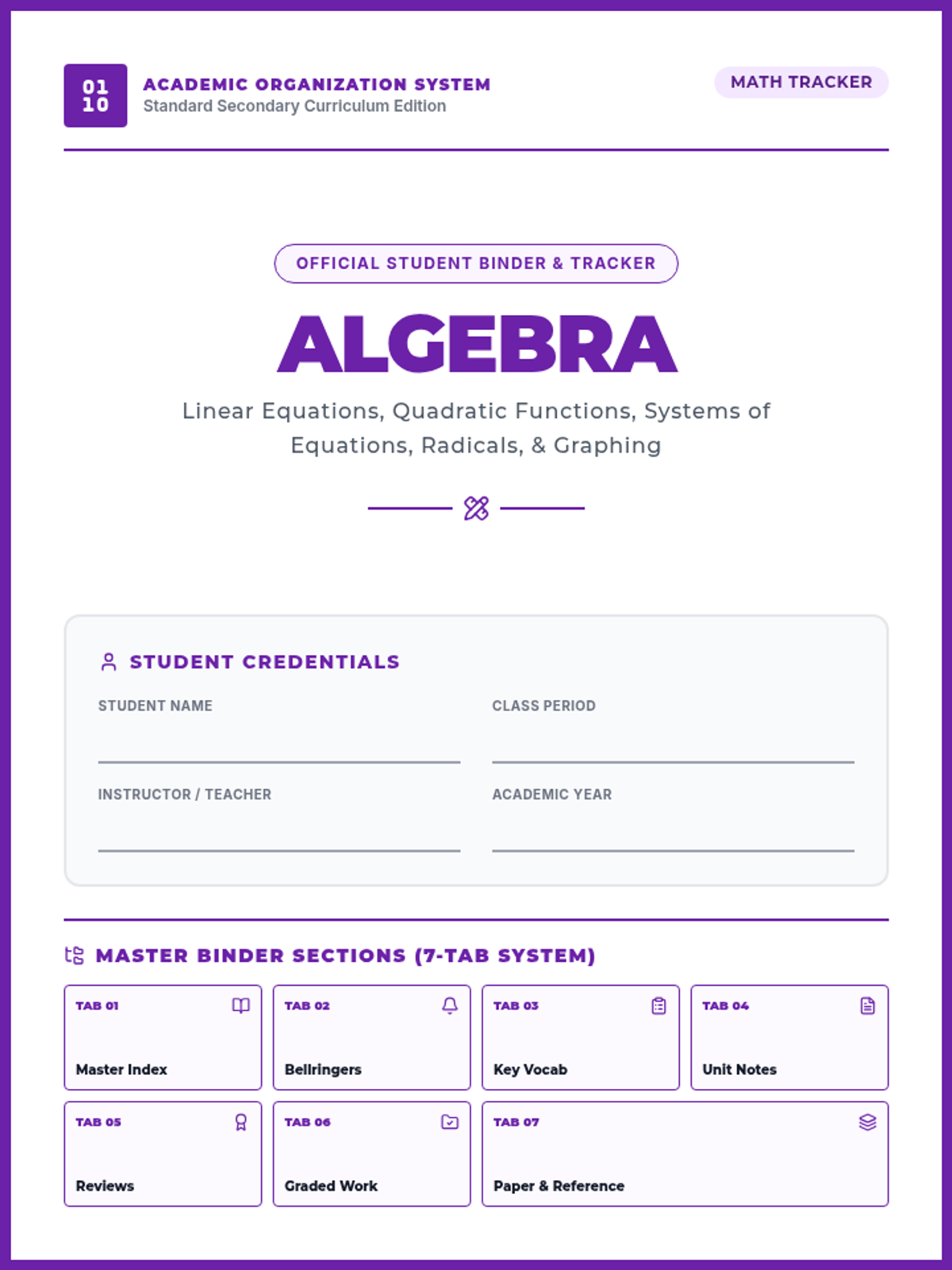
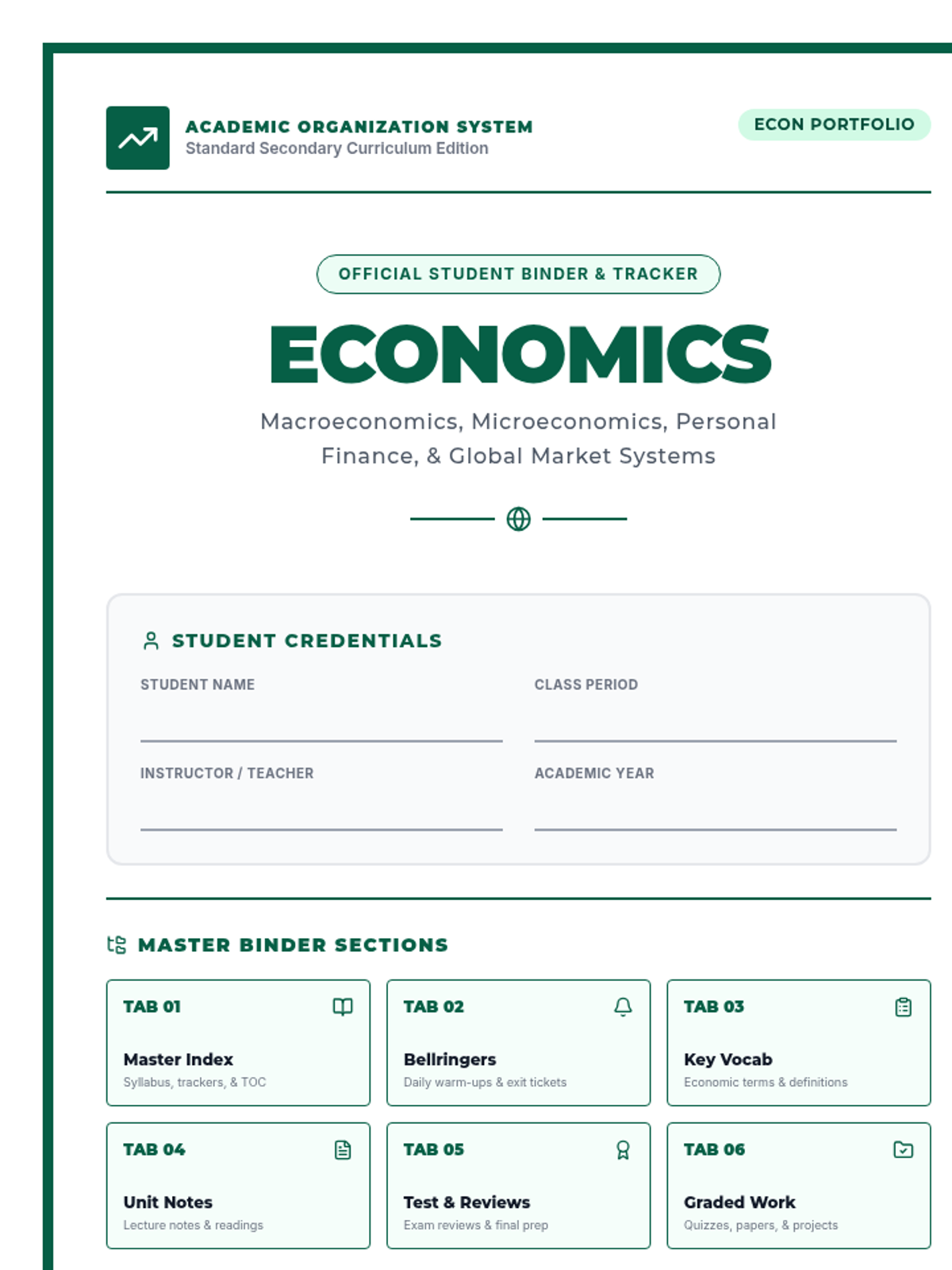
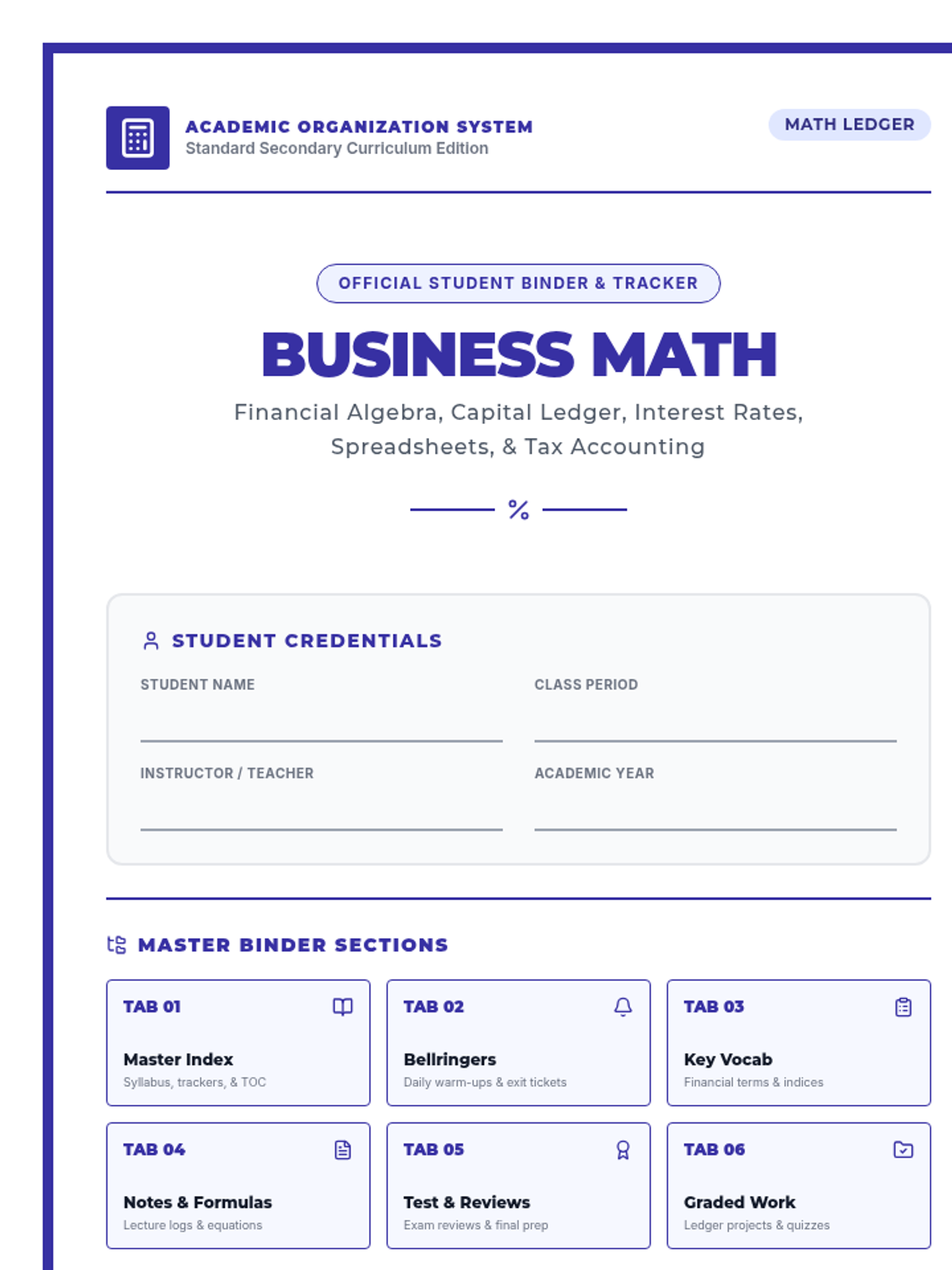
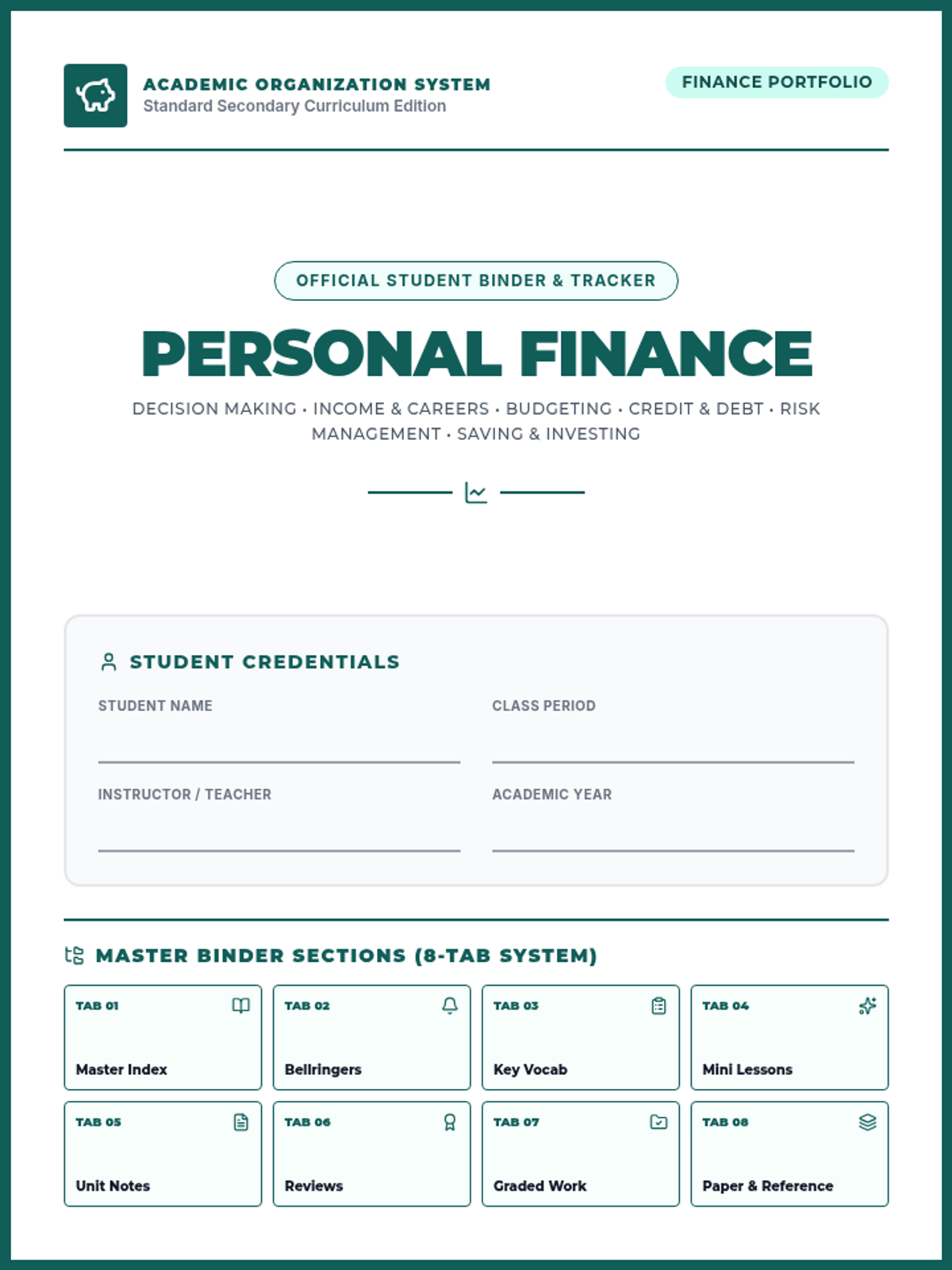
A complete set of high-contrast, professional binder organization kits for Economics, Business Mathematics, Algebra, and Personal Finance. Each kit contains a master index cover page, table of contents, customizable assignment logs, and printable color-coded divider tabs with matching spine inserts.
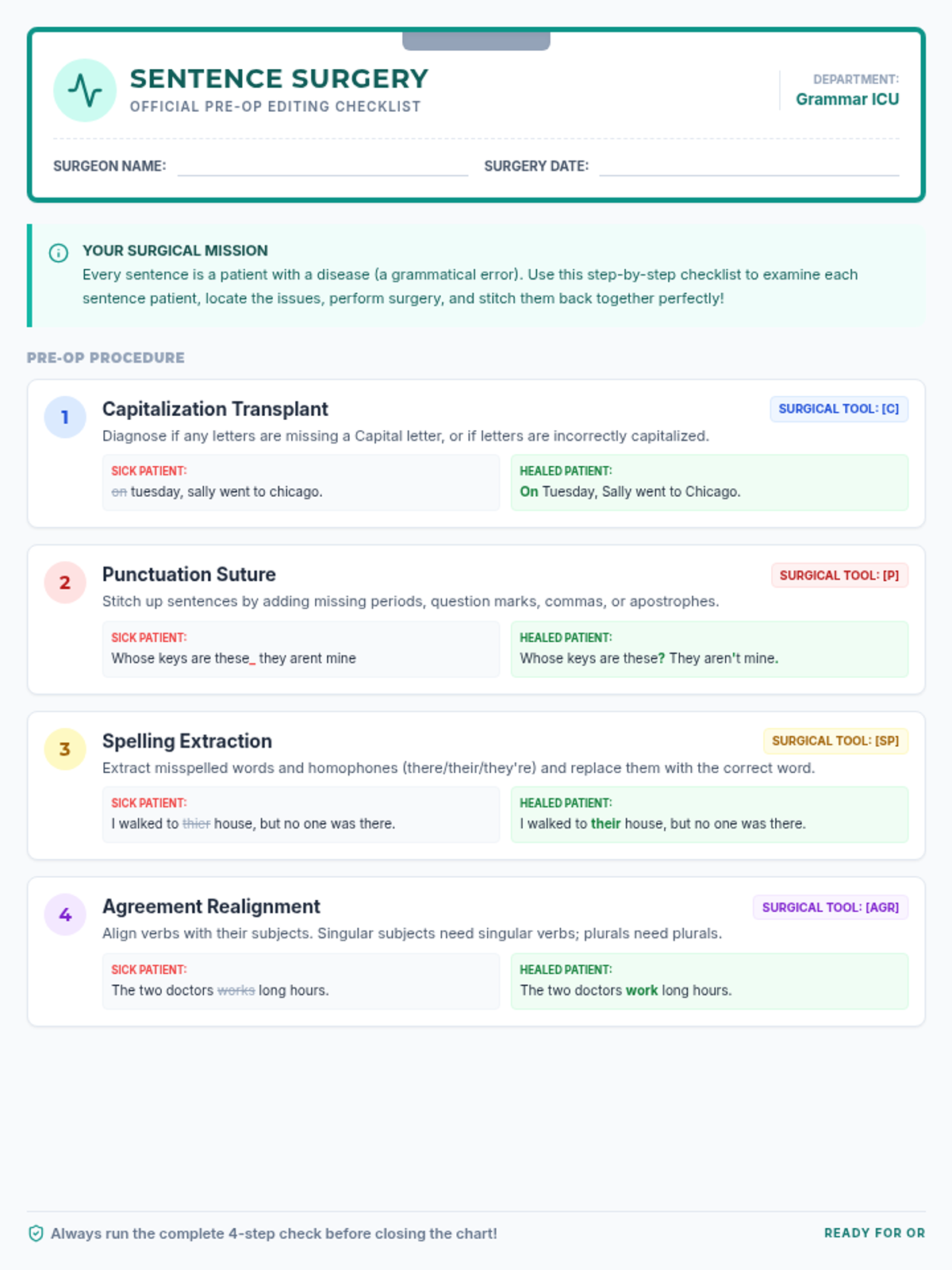
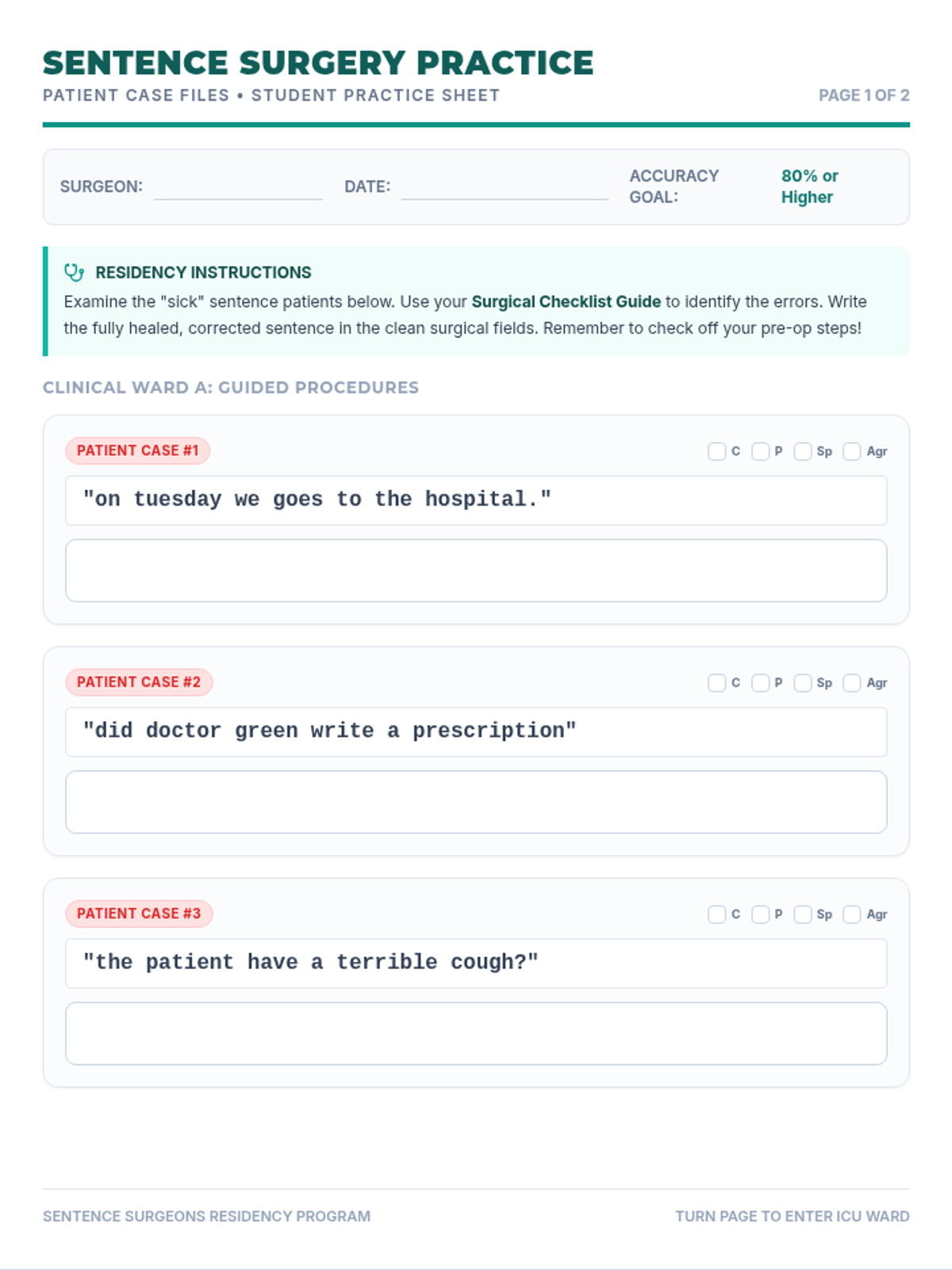
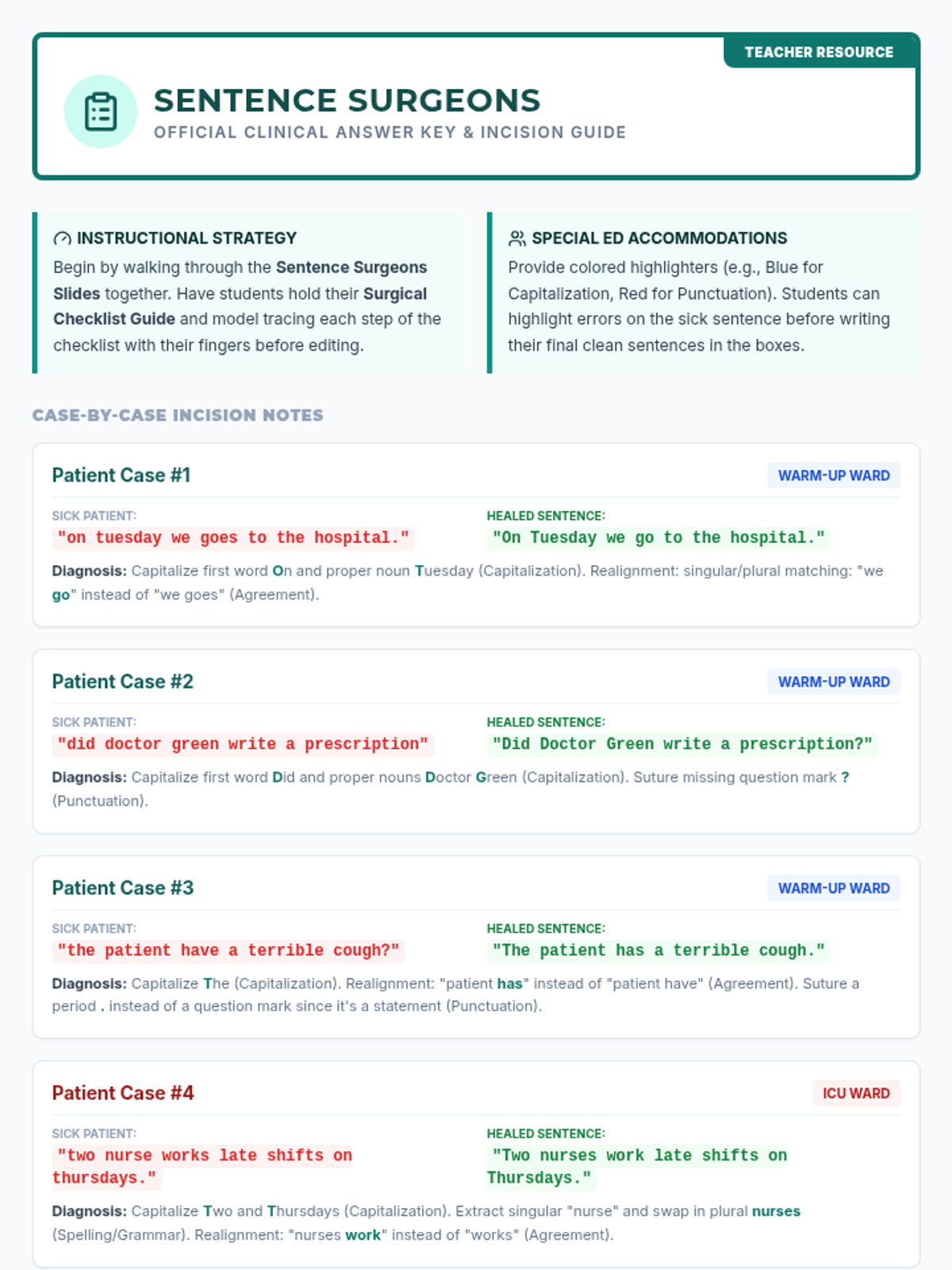
A specialized grammar and mechanics proofreading lesson themed around a medical 'sentence surgery' metaphor. Designed for high school special education, it breaks down mixed error editing into concrete, scaffolded steps using a visual surgical checklist and hands-on practice.
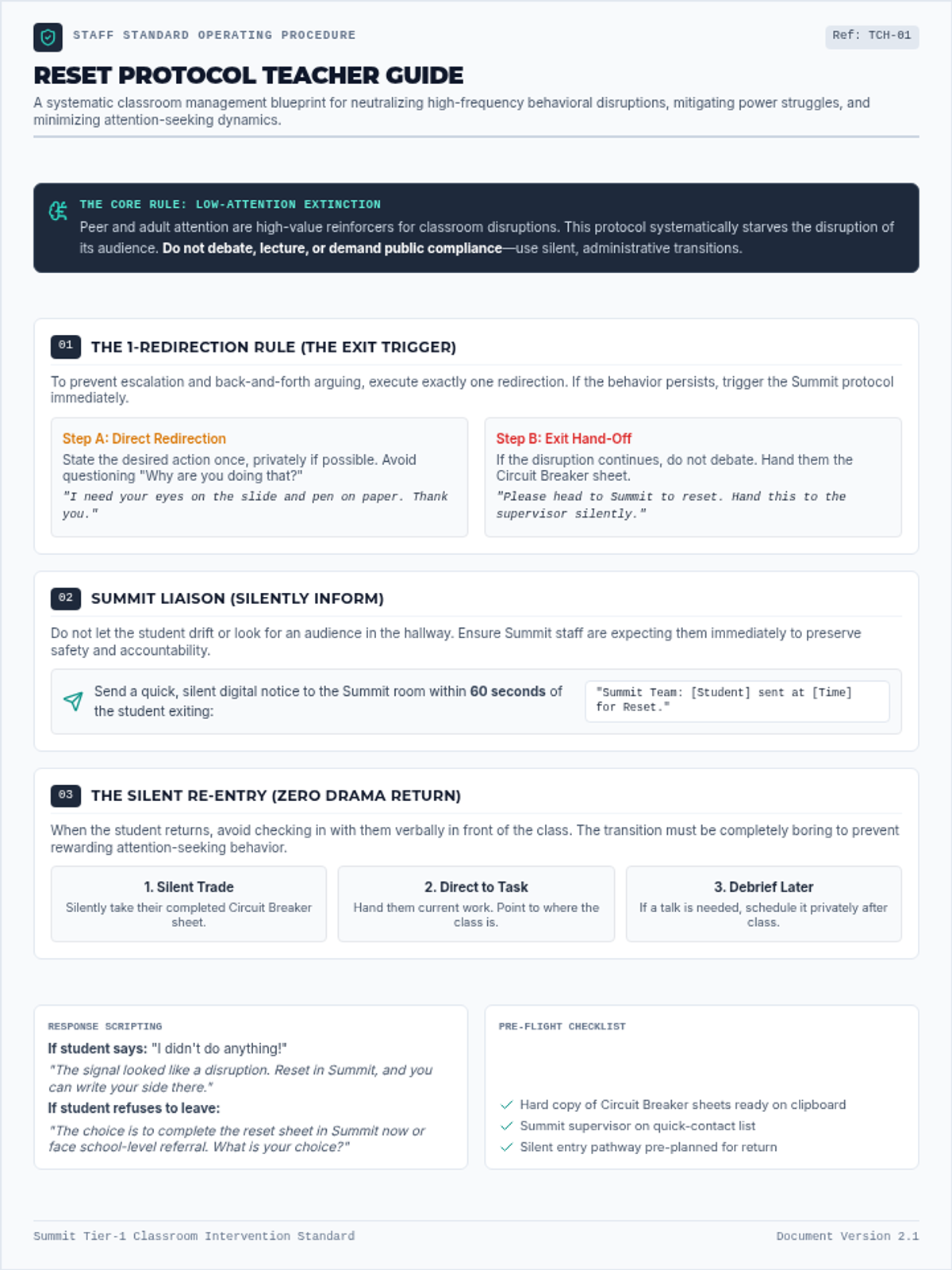
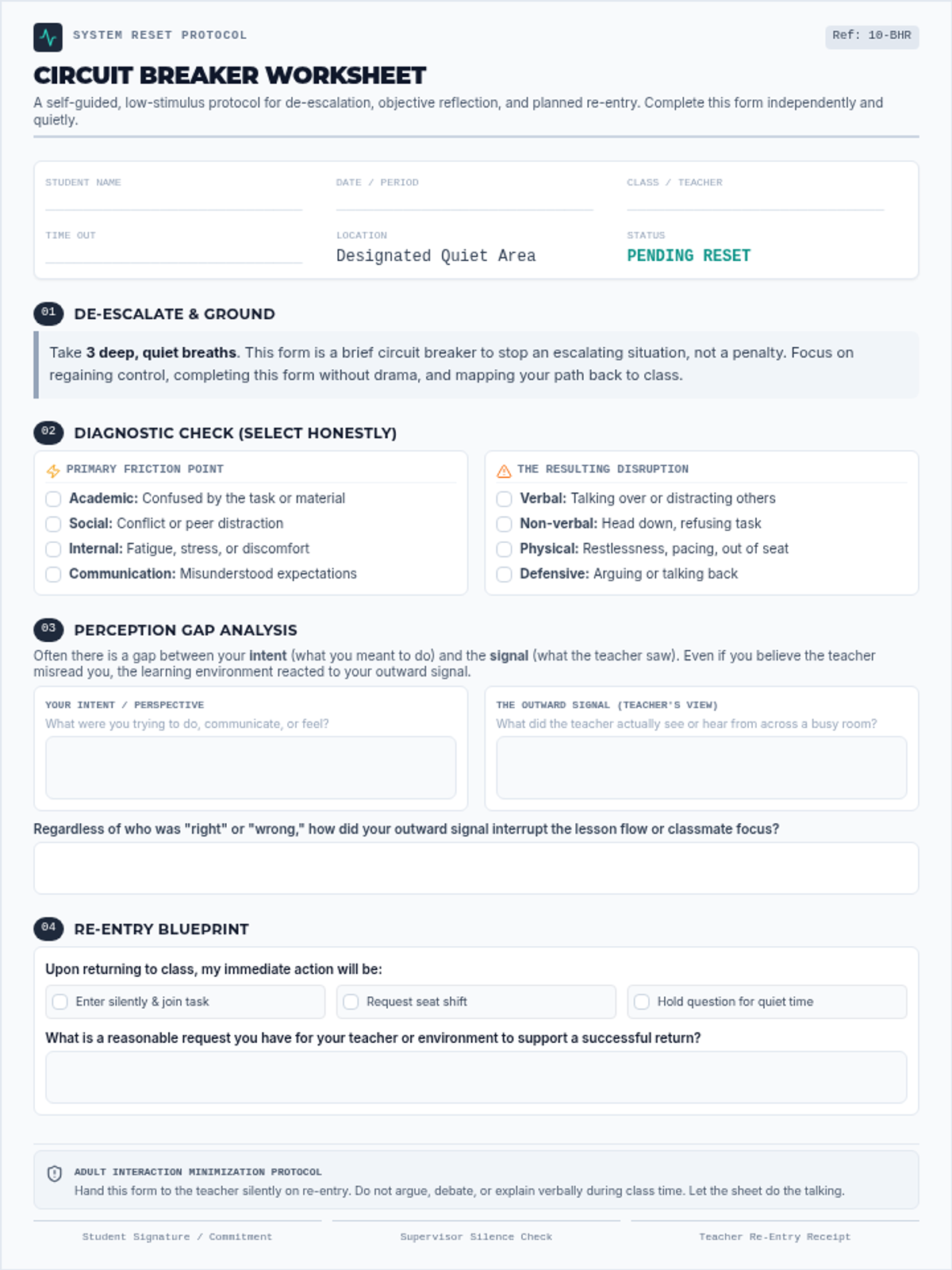
A systematic classroom management lesson consisting of a self-guided student worksheet and a teacher protocol guide, designed to manage high school behavioral disruptions with low-stimulus interventions.
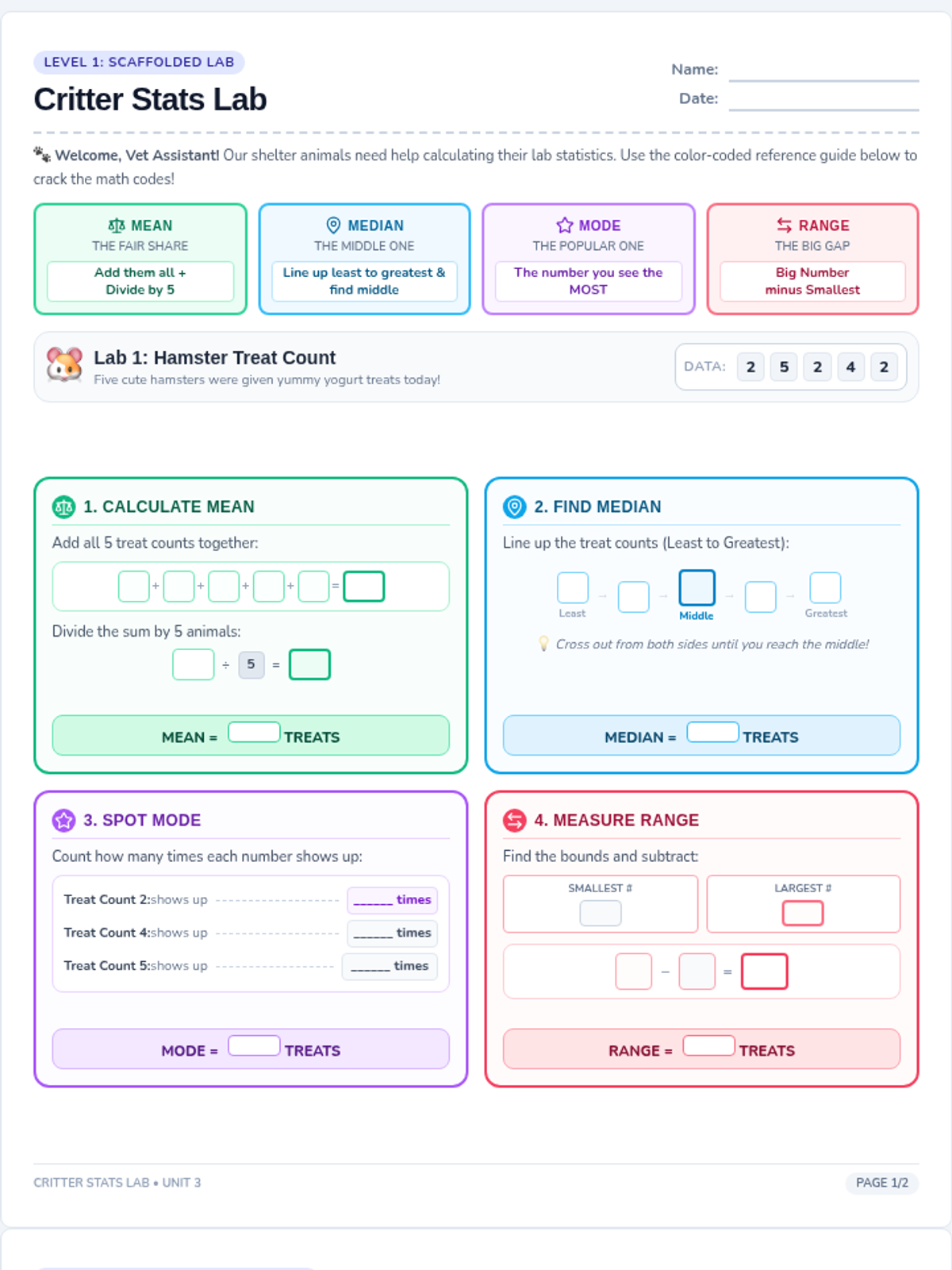
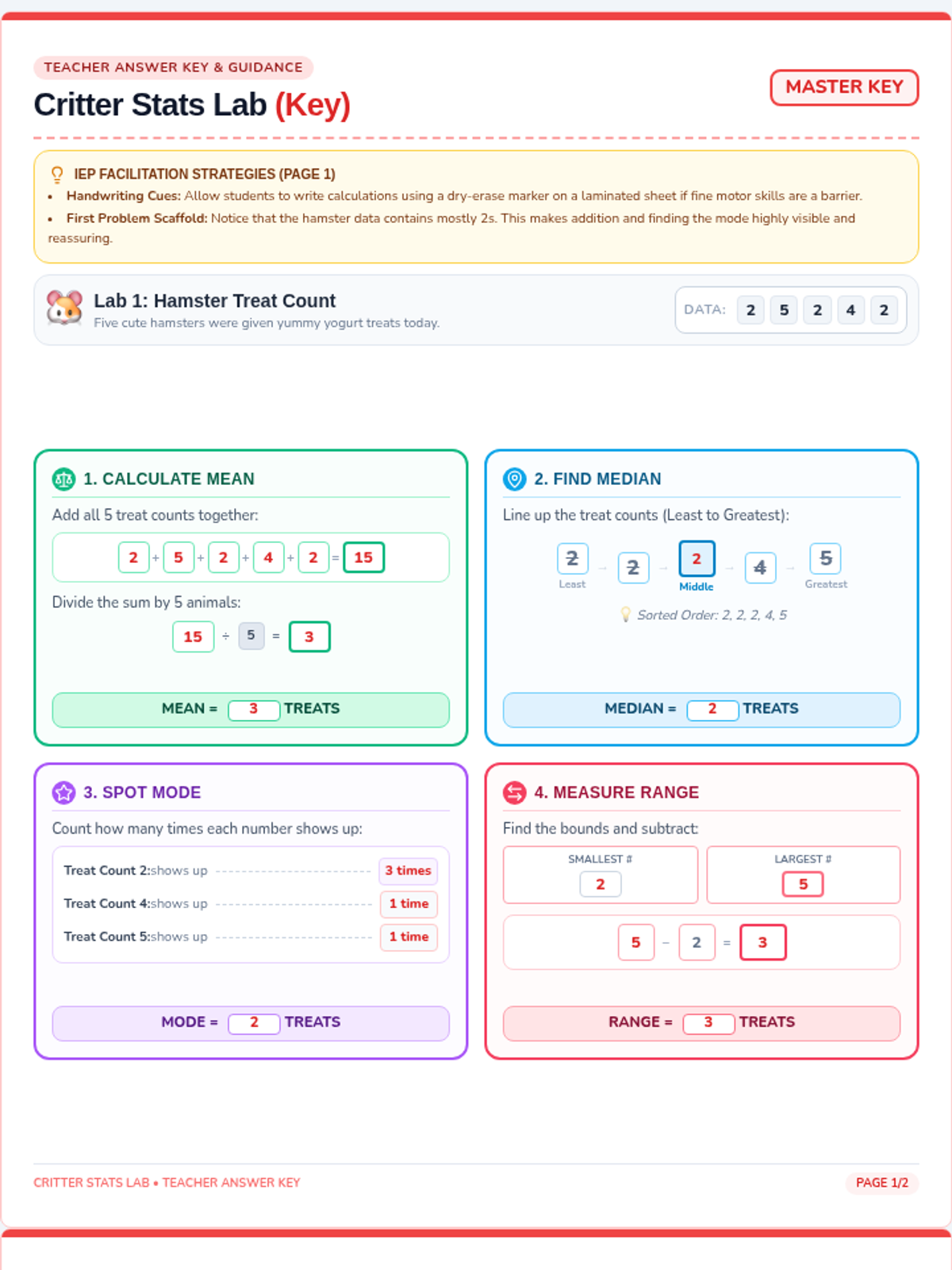
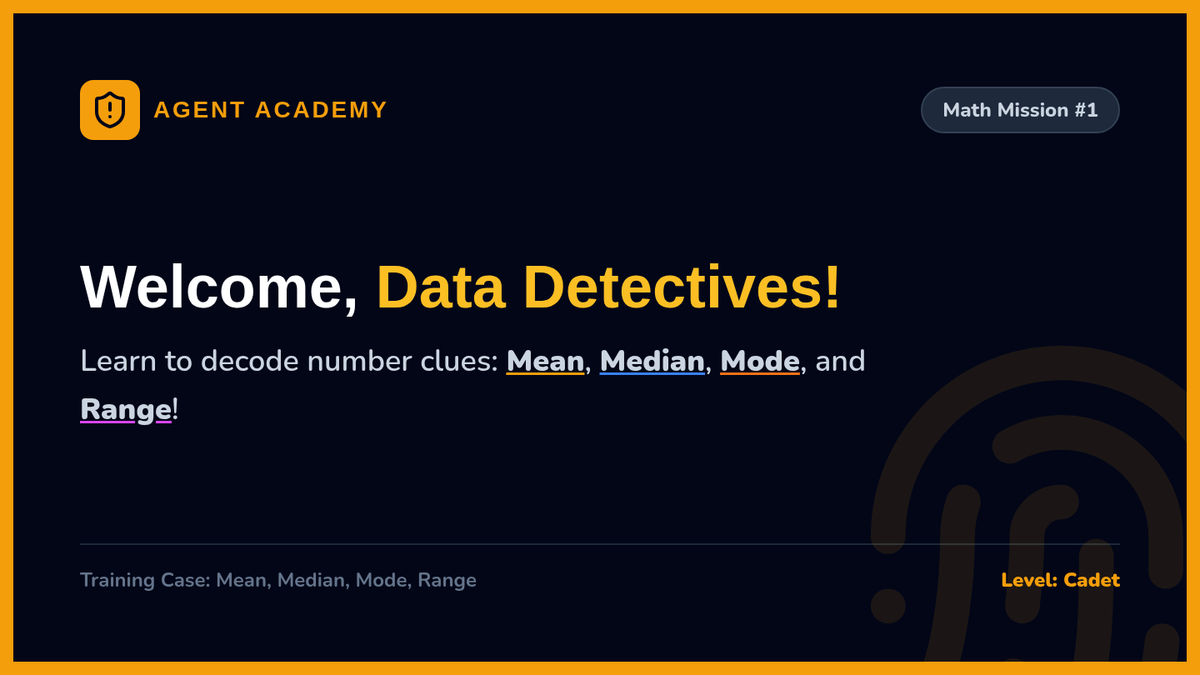
A highly visual, color-coded math lesson introducing mean, median, mode, and range to IEP students using adorable pet shelter statistics. Highly structured layout with minimal text density and supportive visual cues.
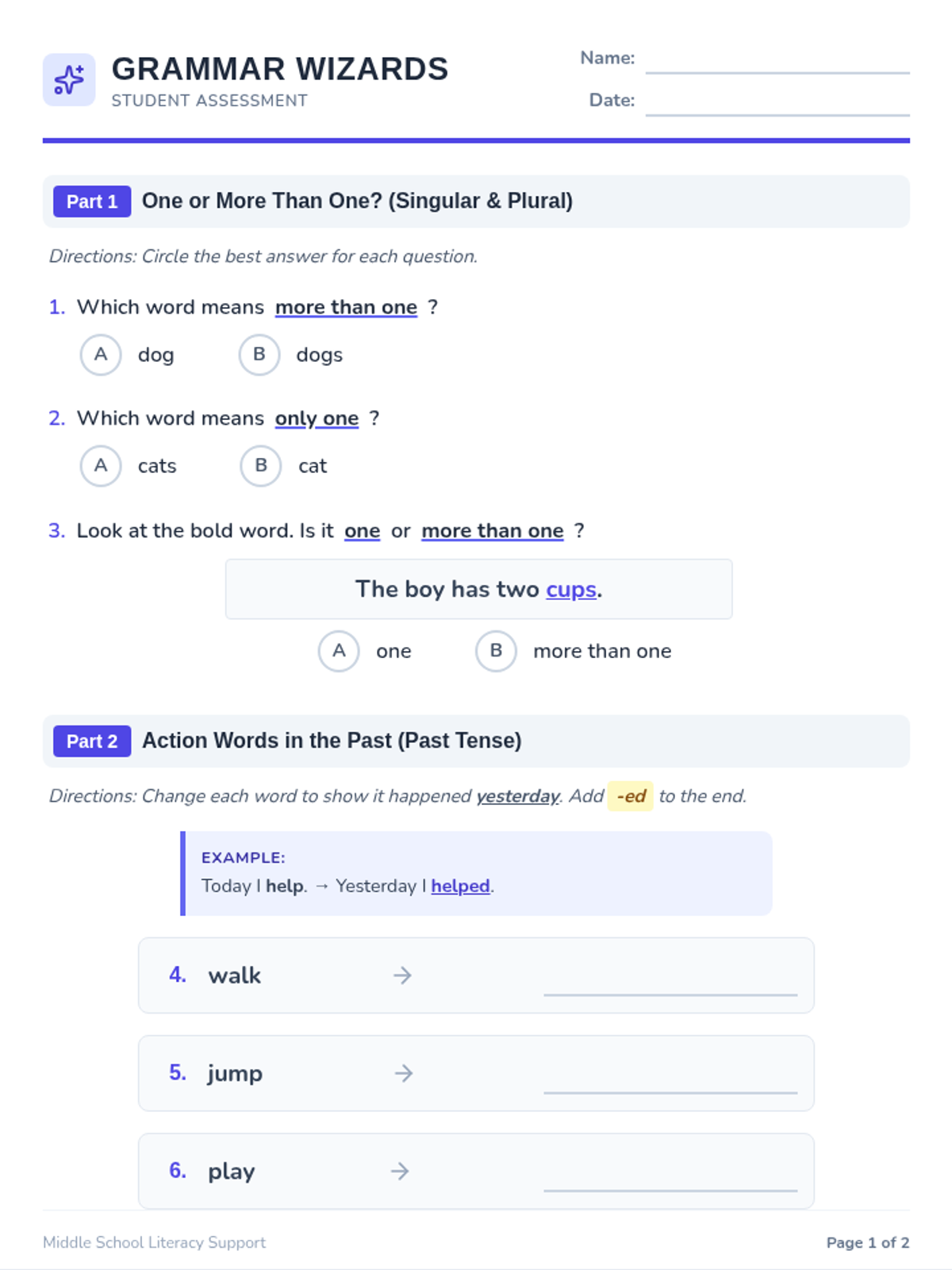
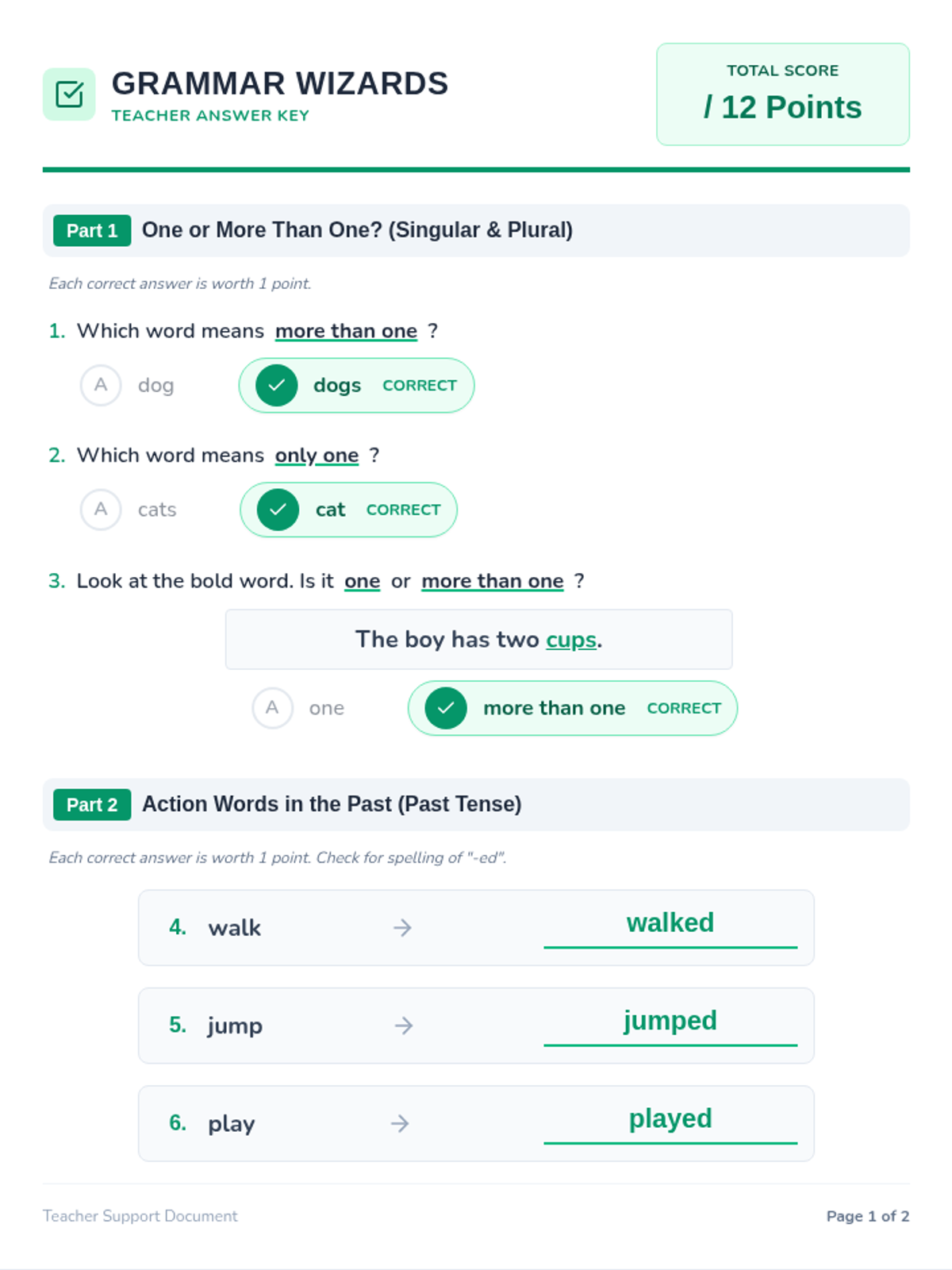
A grammar assessment designed for middle school students in a self-contained classroom reading at a first-grade level. The quiz covers past-tense verbs, common/proper nouns, singular/plural nouns, and identifying parts of speech (noun, verb, adjective) in simple context, complete with a teacher answer key.
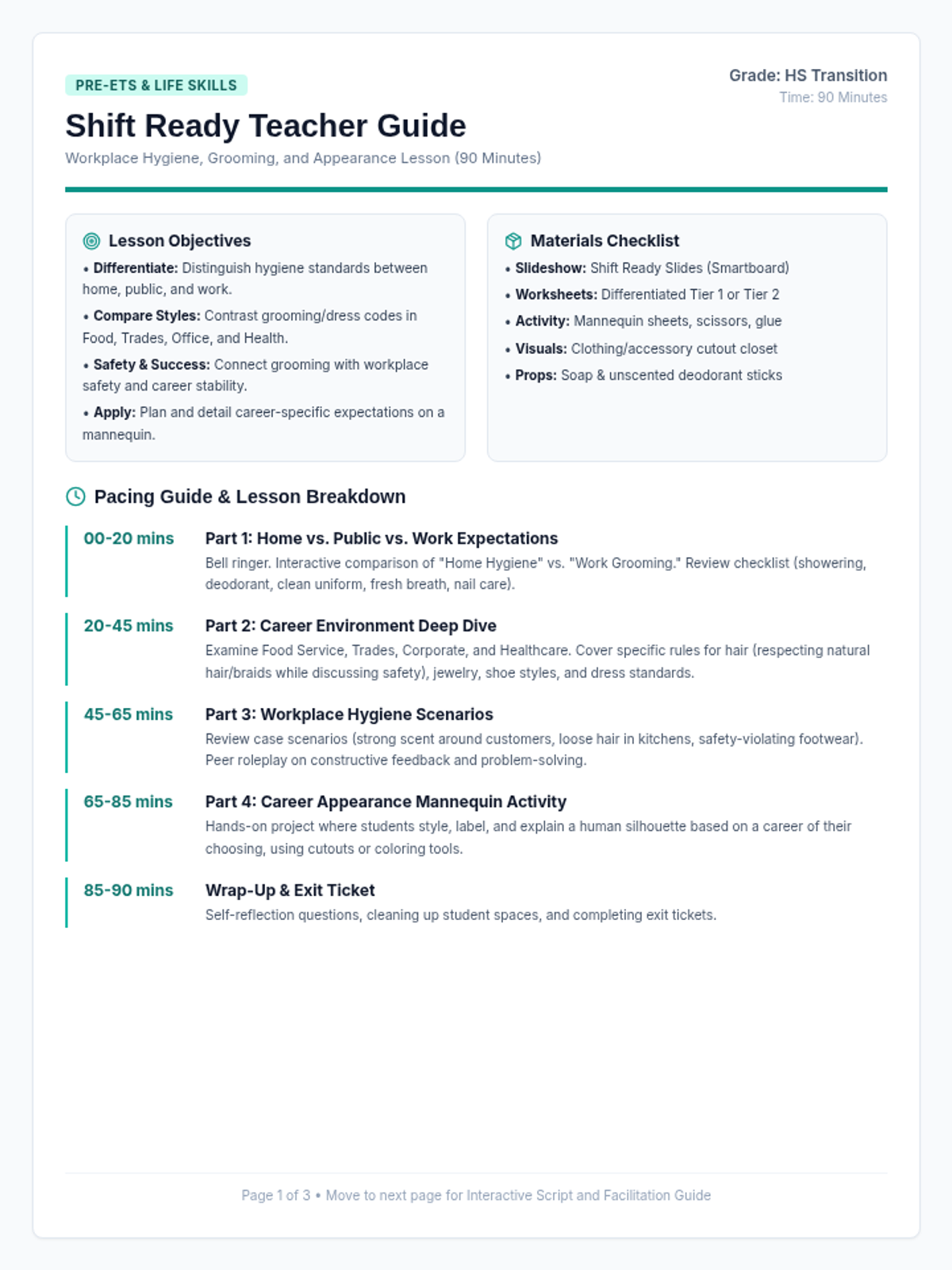
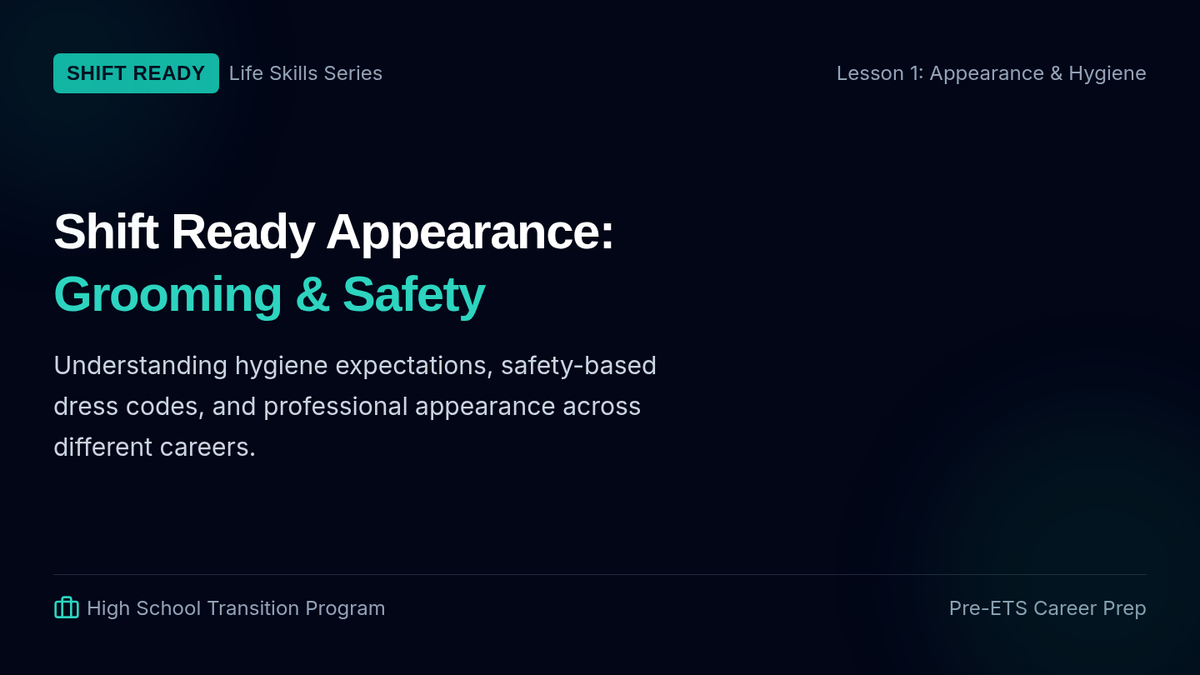
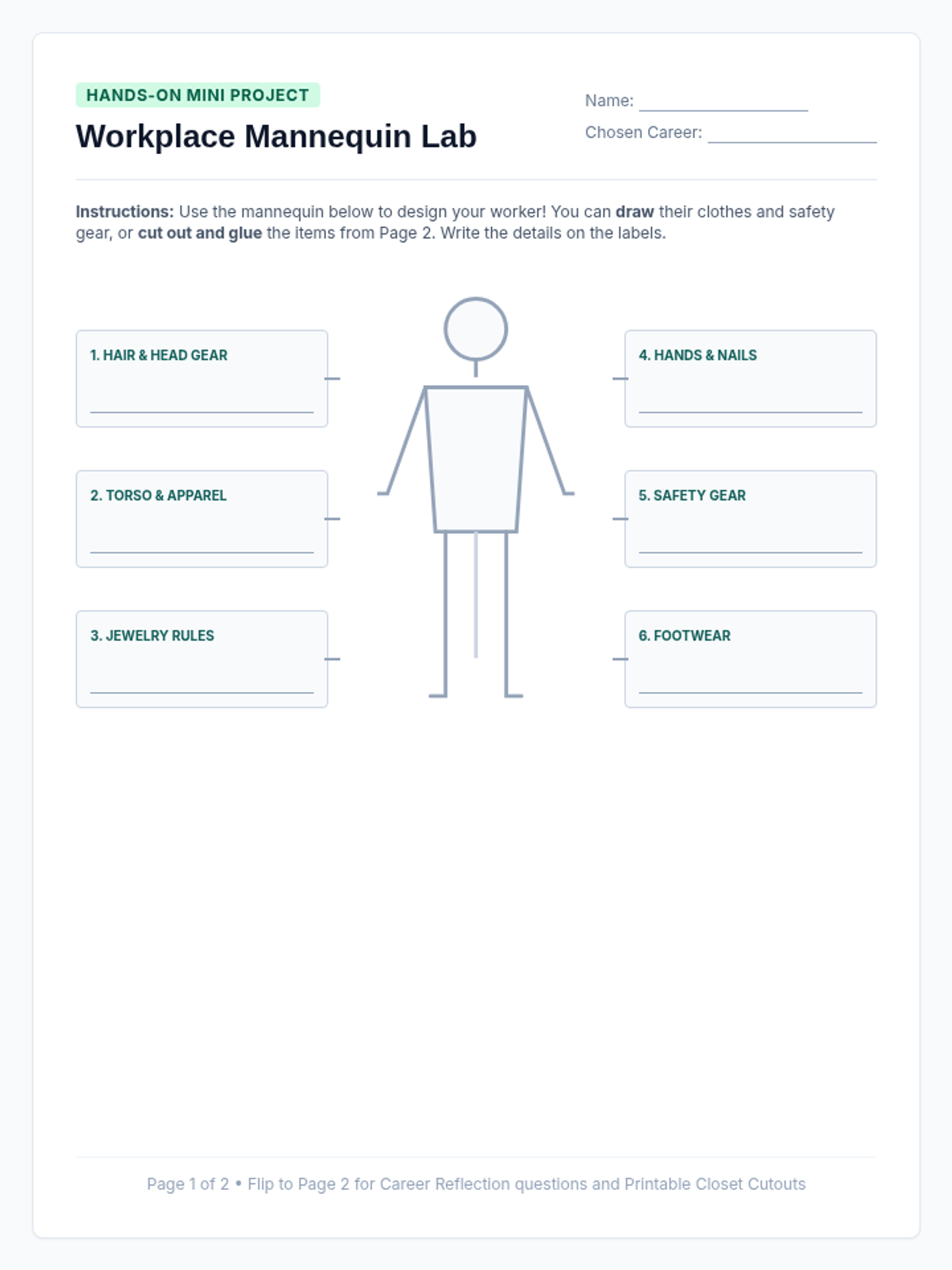
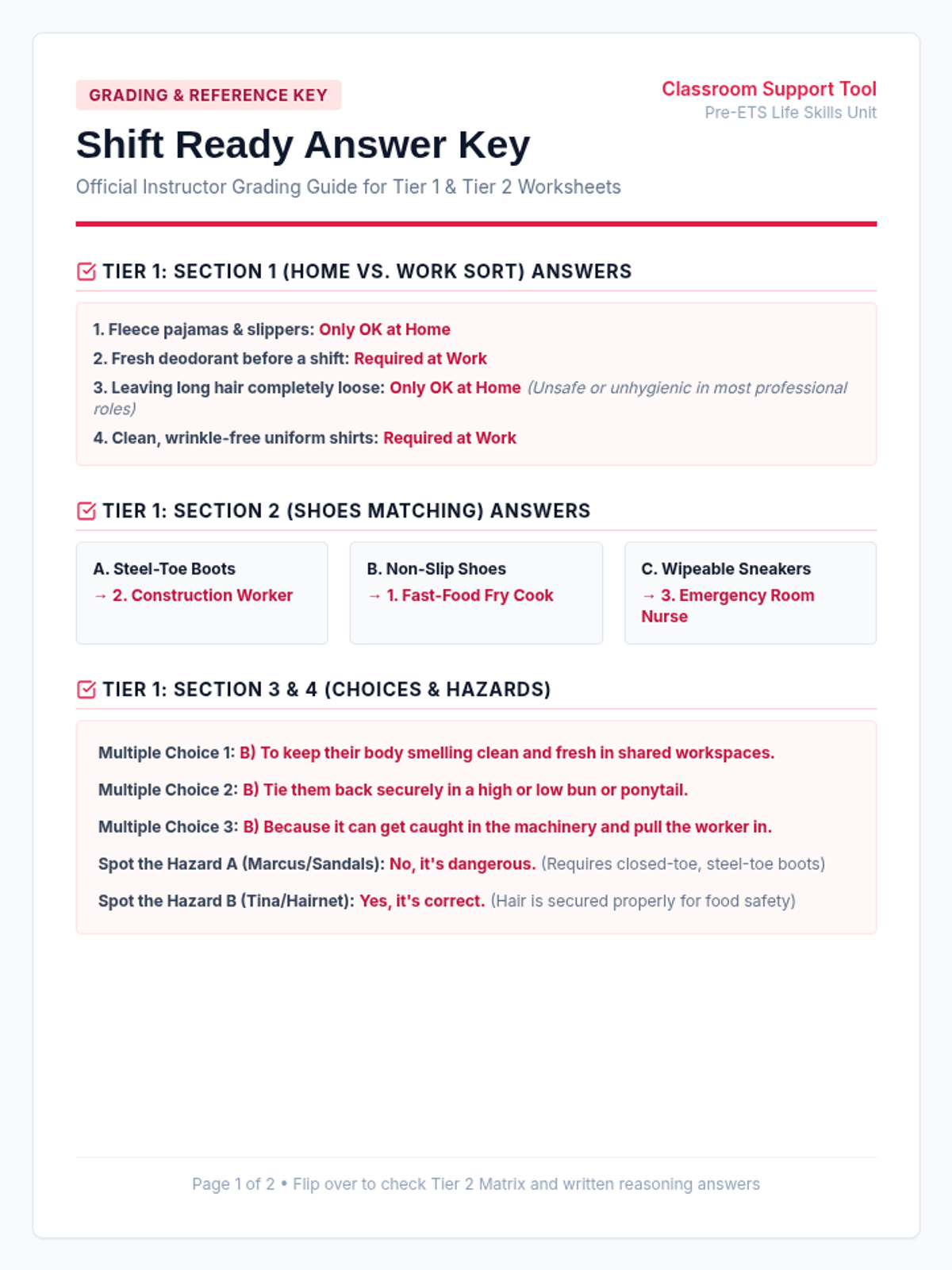
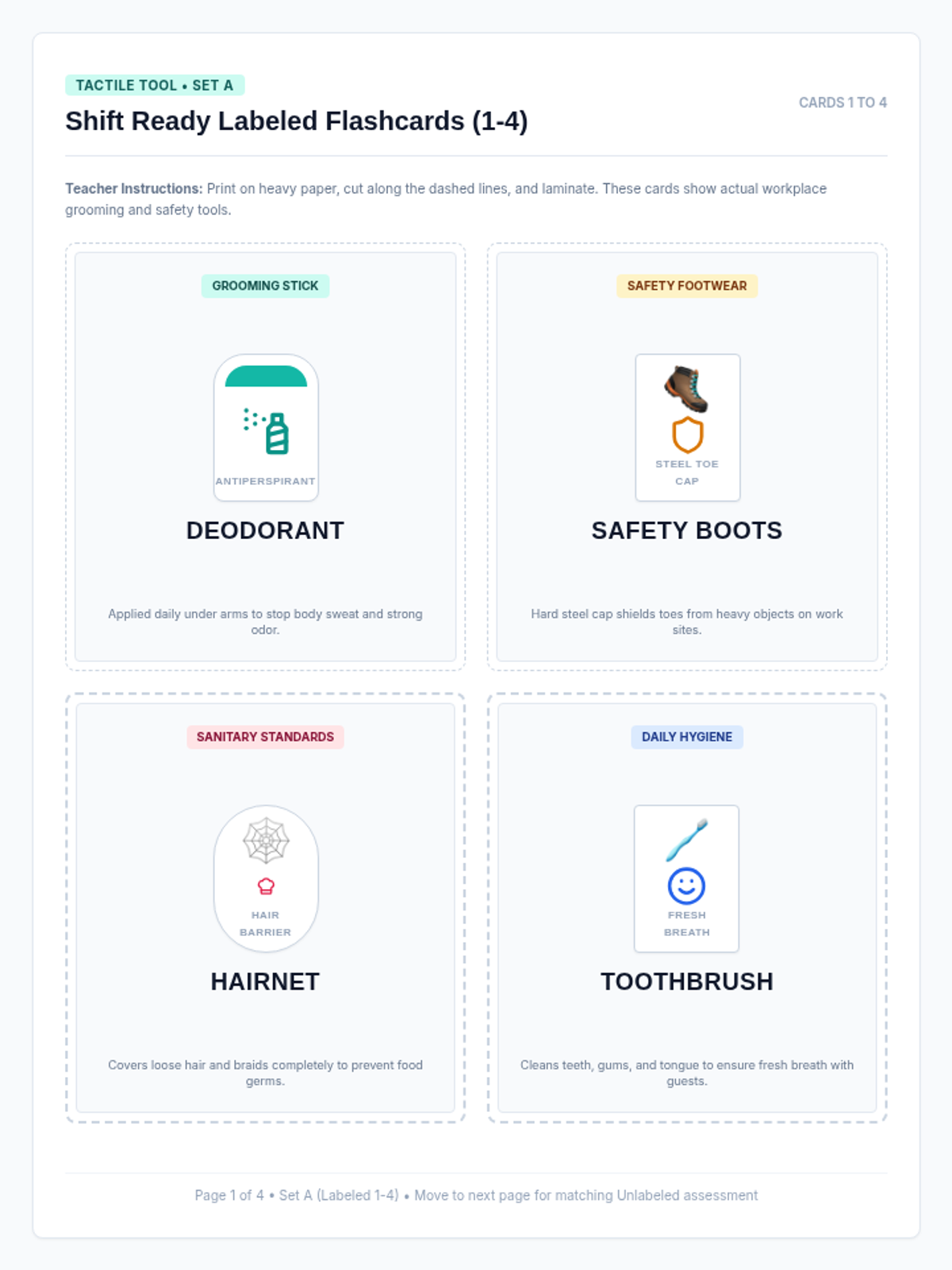
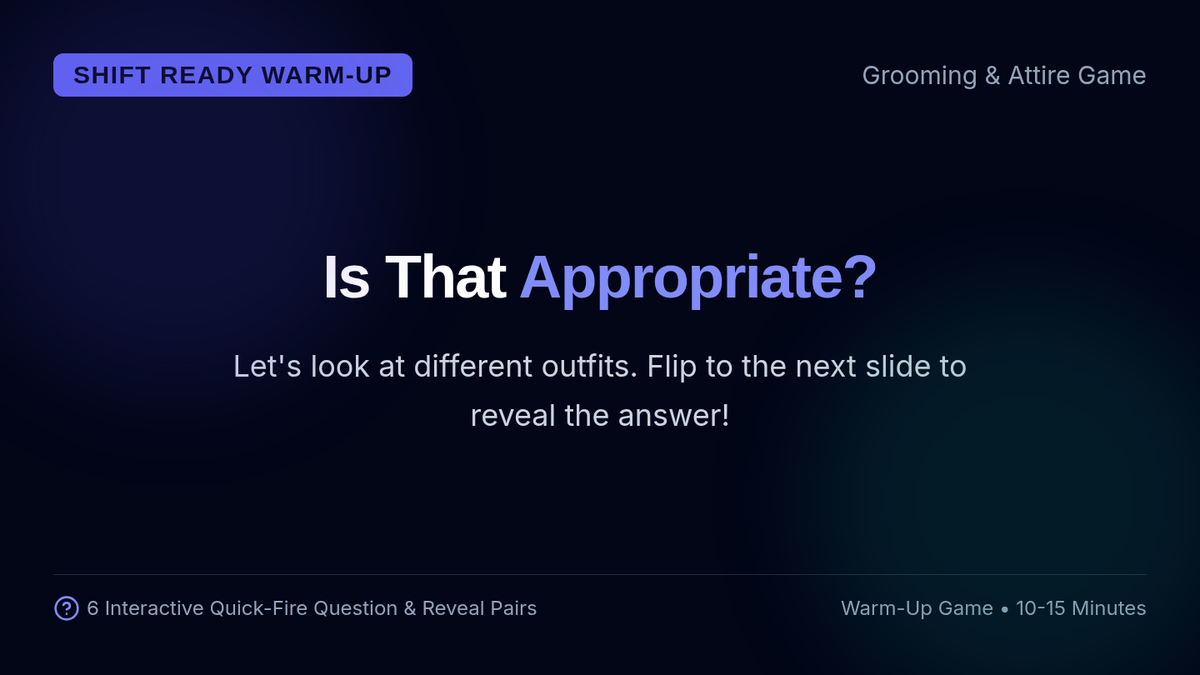
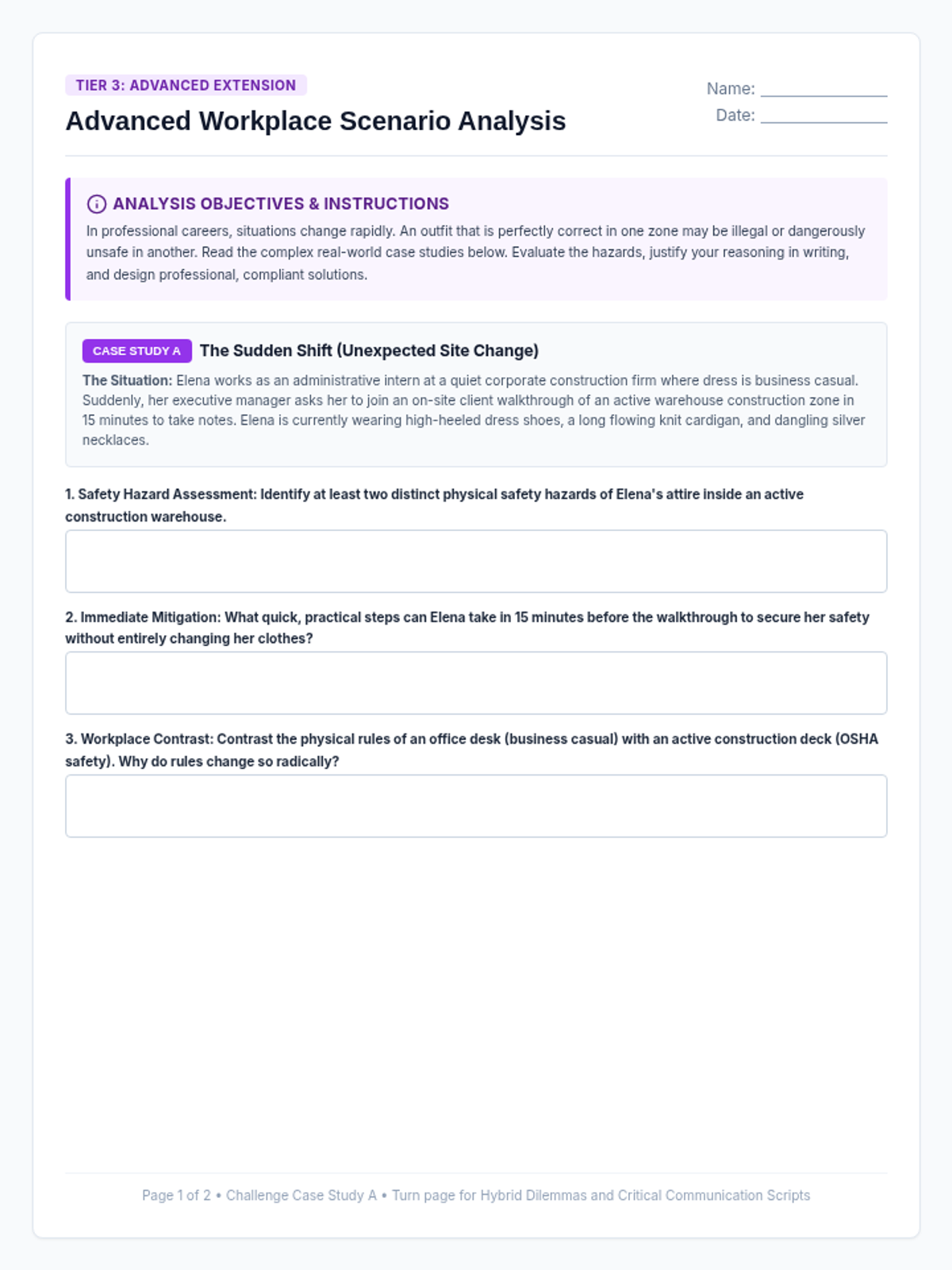
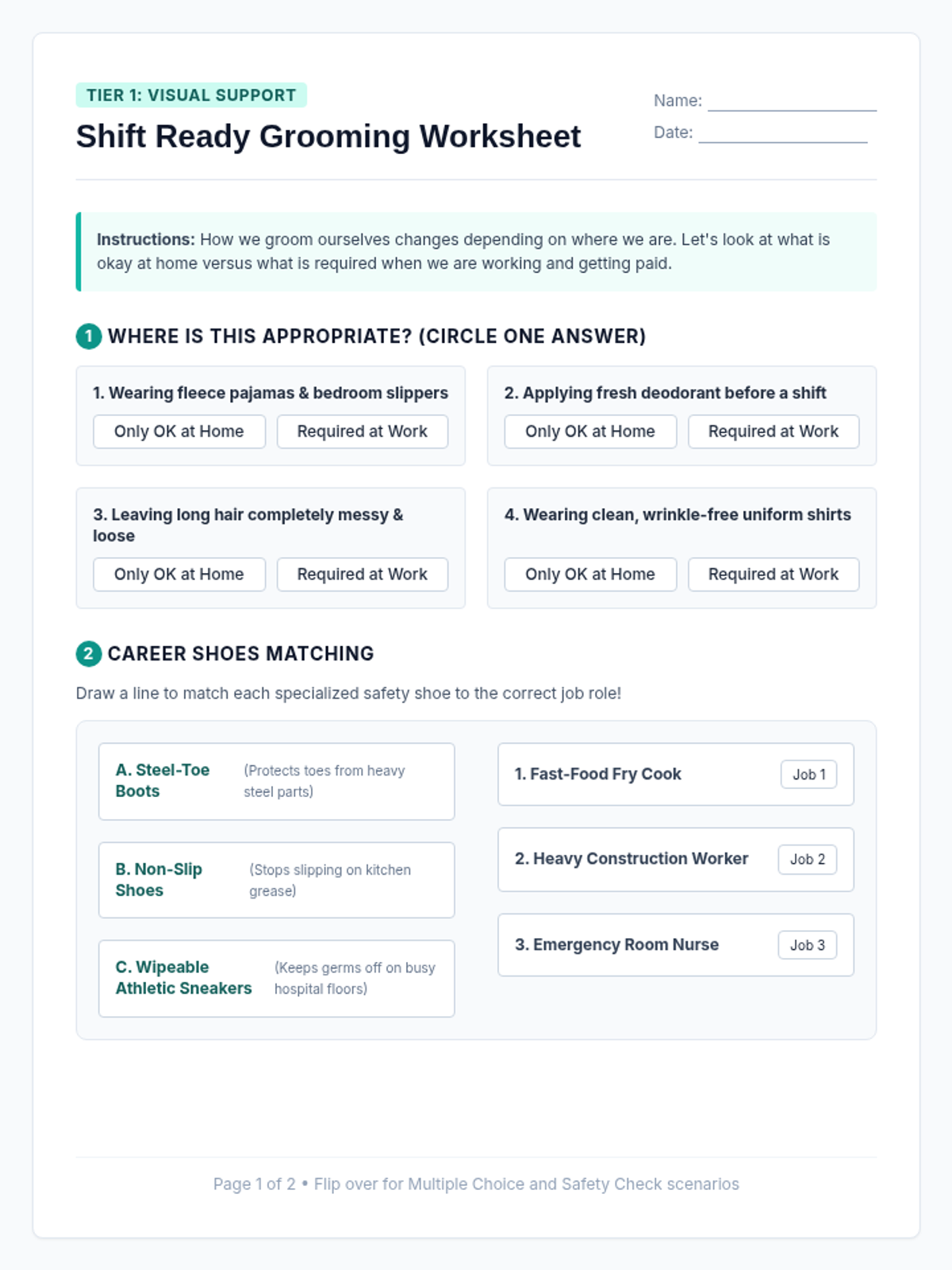
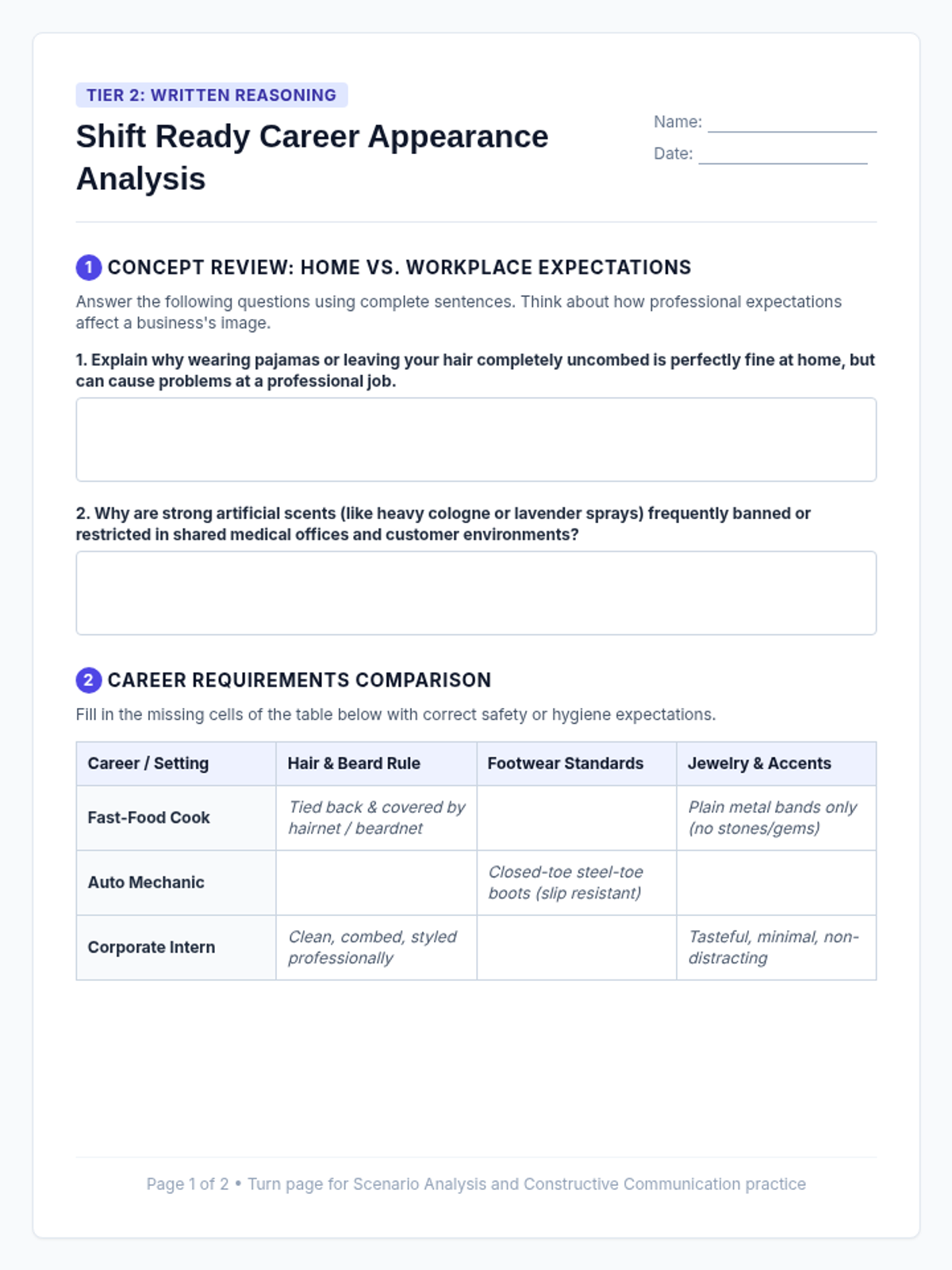
A functional life skills lesson for high school transition students focused on workplace hygiene, grooming, and safety-based dress codes across multiple environments. Includes structured slides, tiered student worksheets, interactive roleplays, and a career appearance mannequin activity.
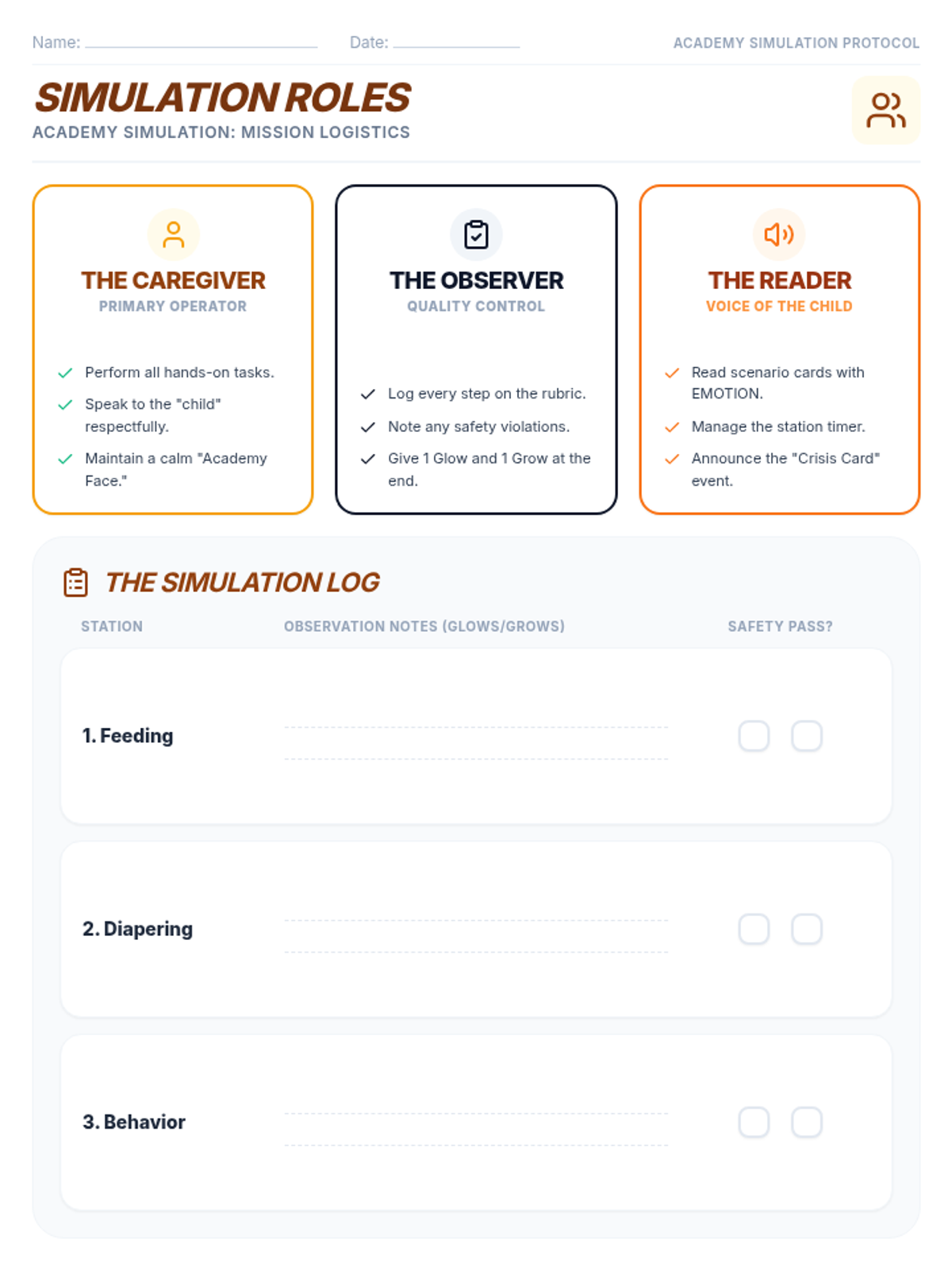
This lesson focuses on Academy Simulation Mission Logistics, including simulation roles (Caregiver, Observer, and Reader) and the simulation log for documenting observations across different stations.
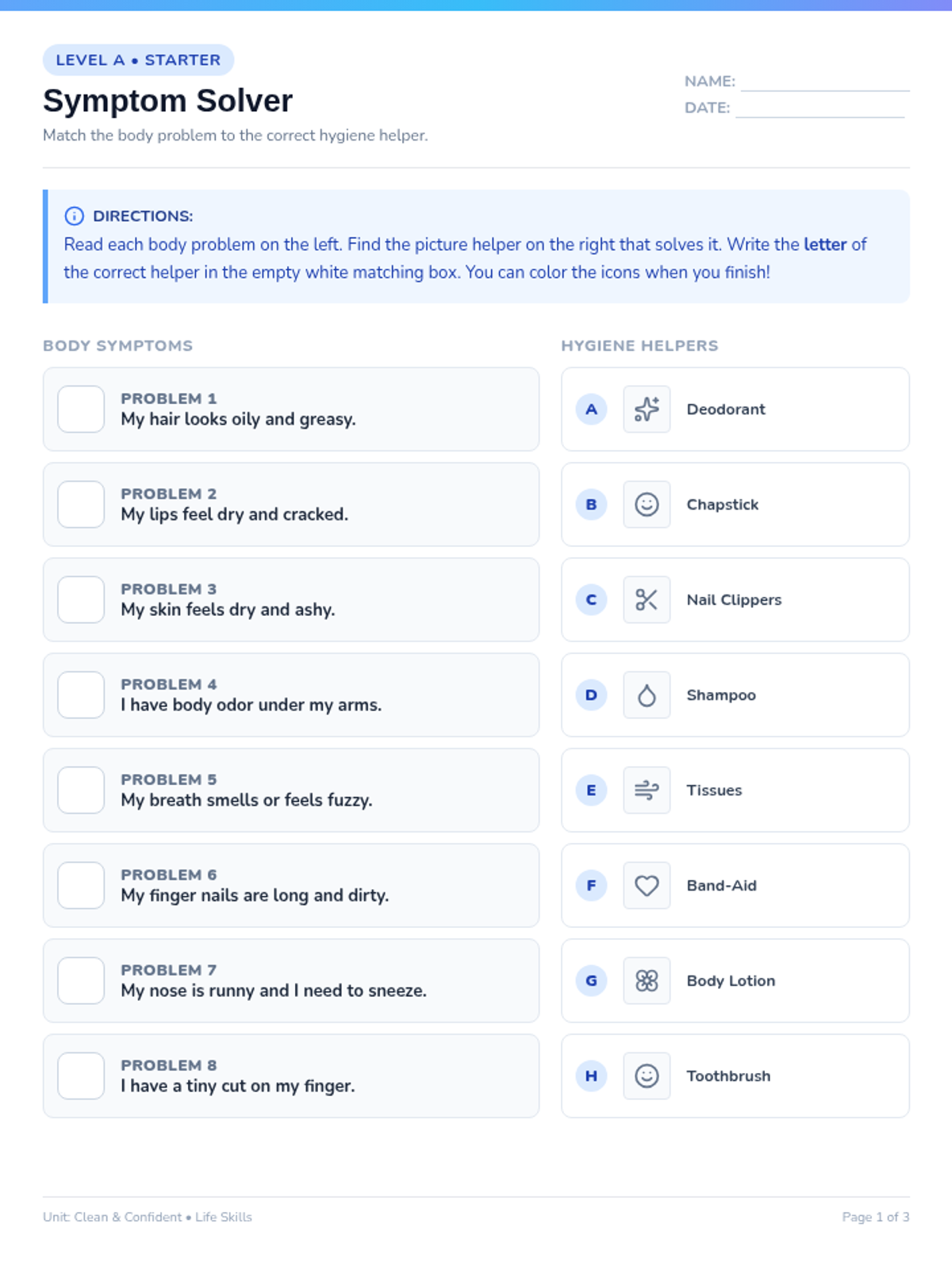
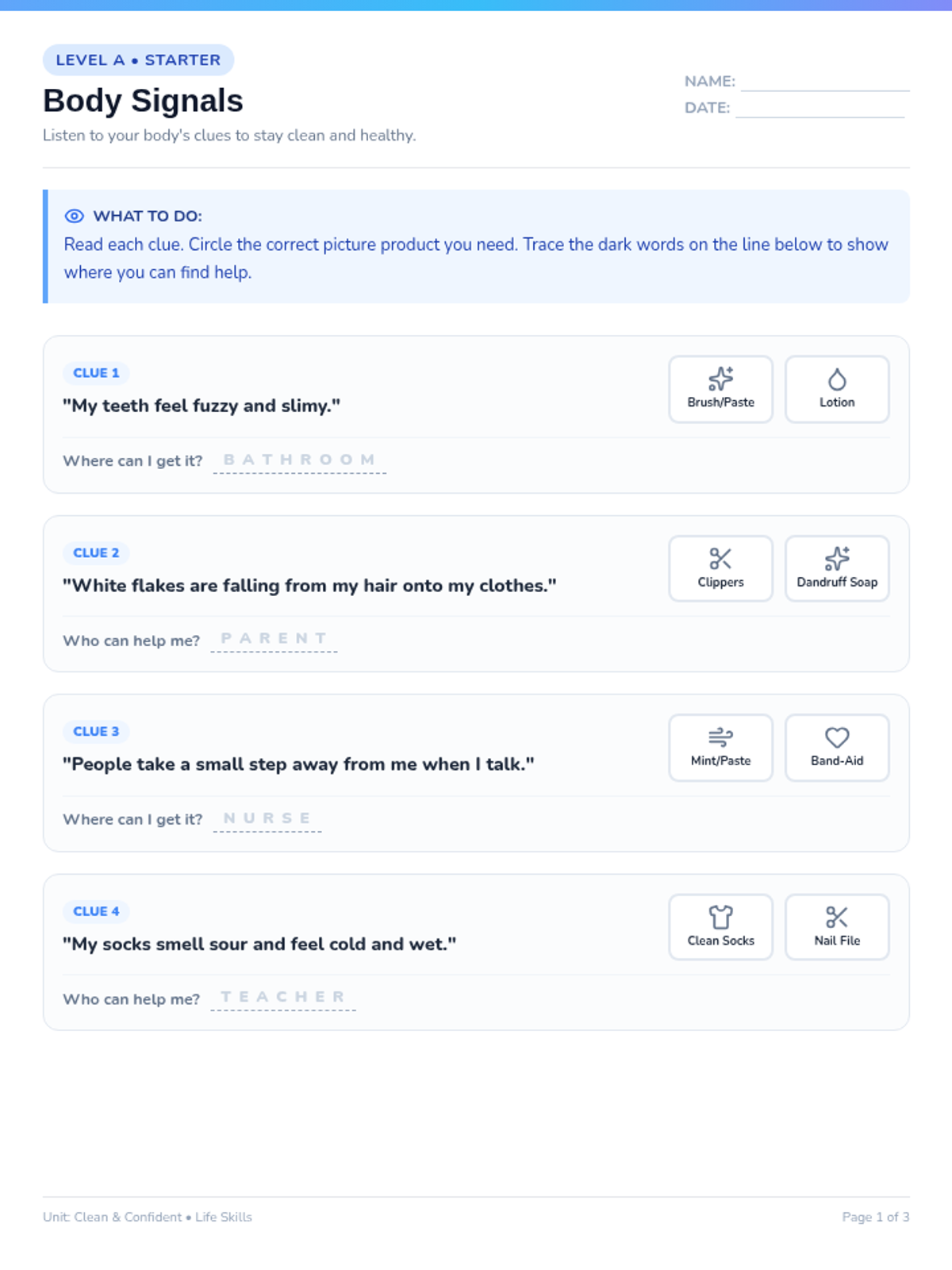
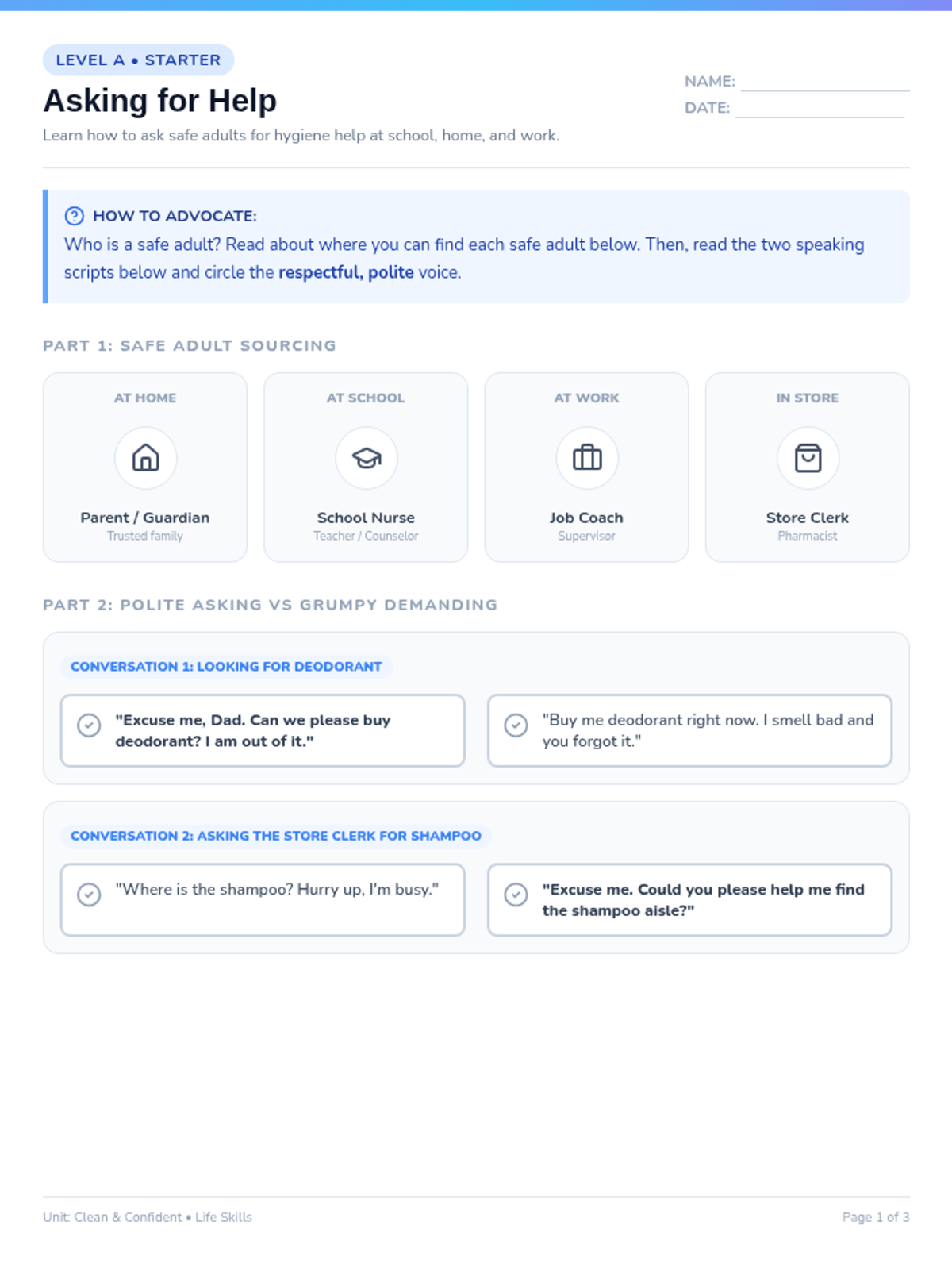
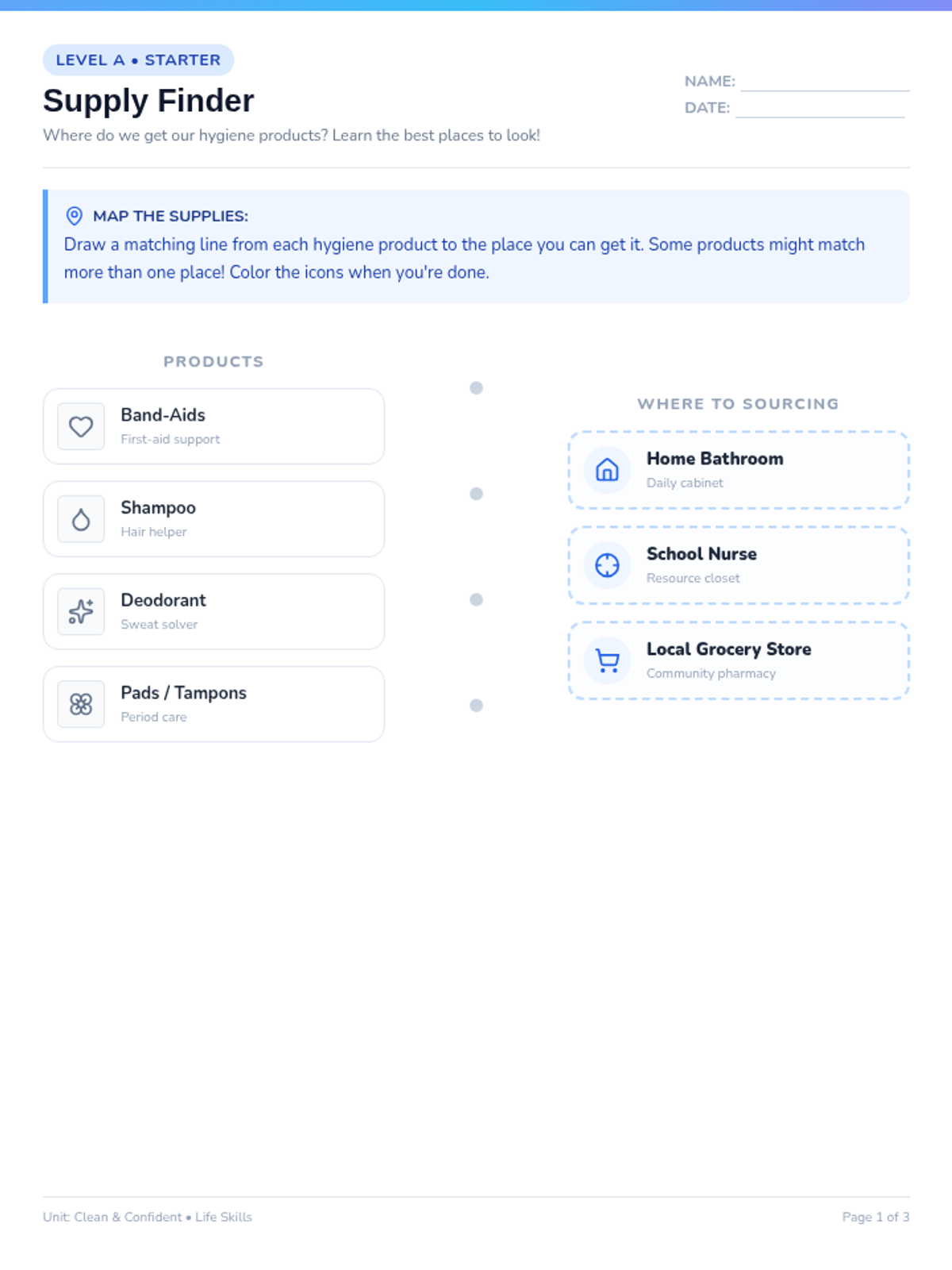
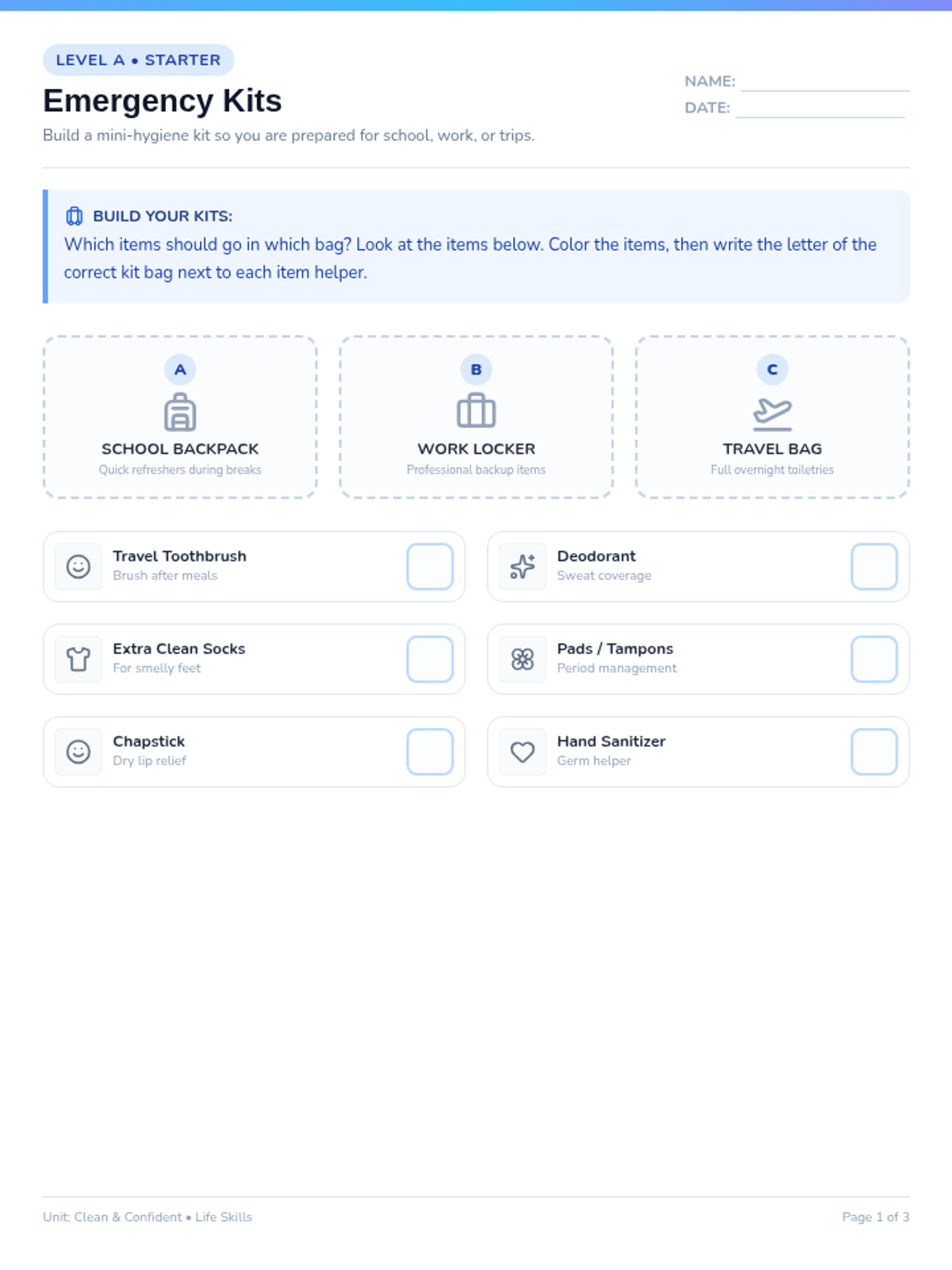
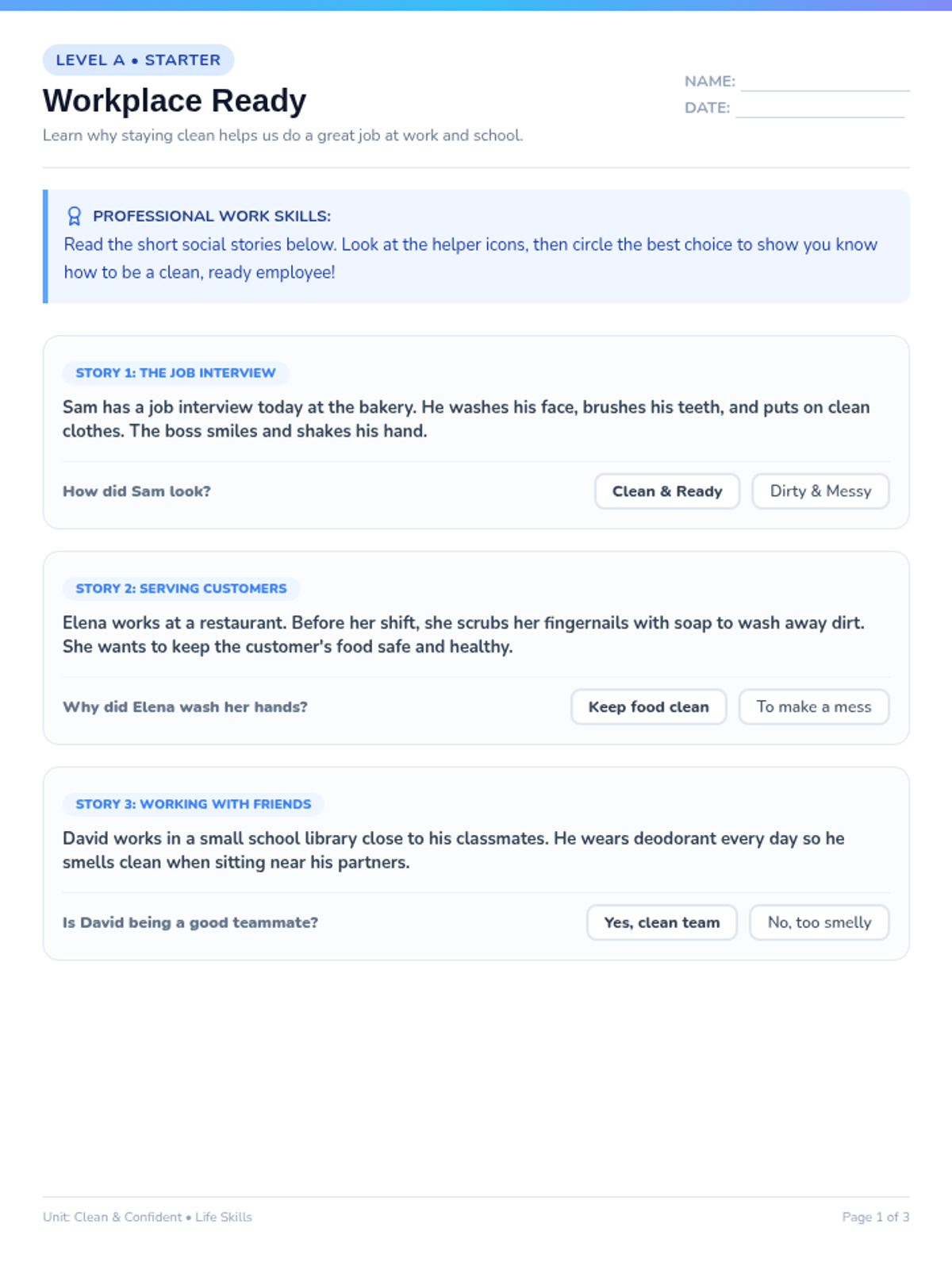
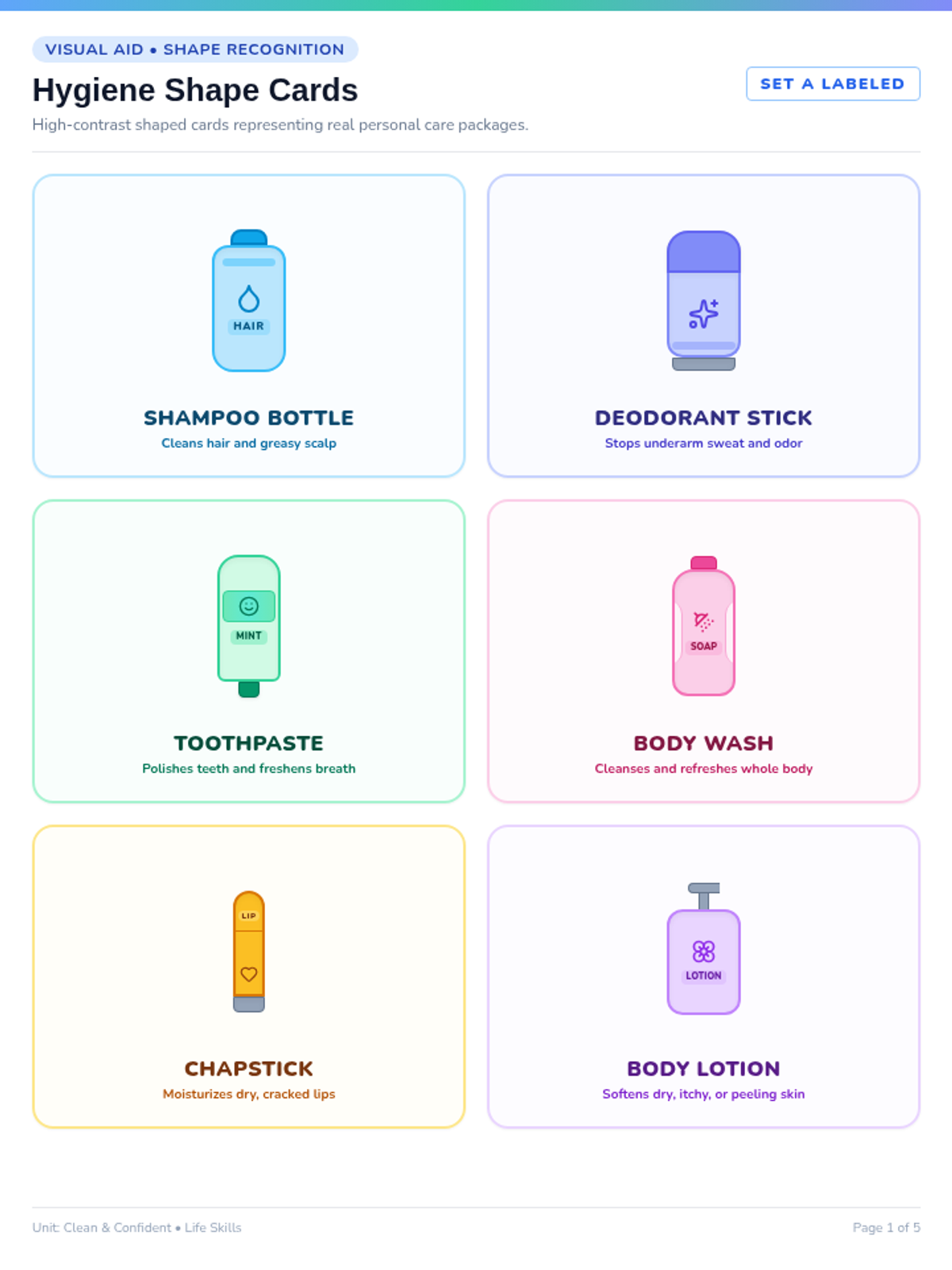
A comprehensive functional life skills unit teaching hygiene independence, self-advocacy, and workplace readiness for middle and high school special education students. Includes visual matching, body signal decoding, safe-adult communication scripts, sourcing maps, emergency kit preparation, and workplace scenario analysis.
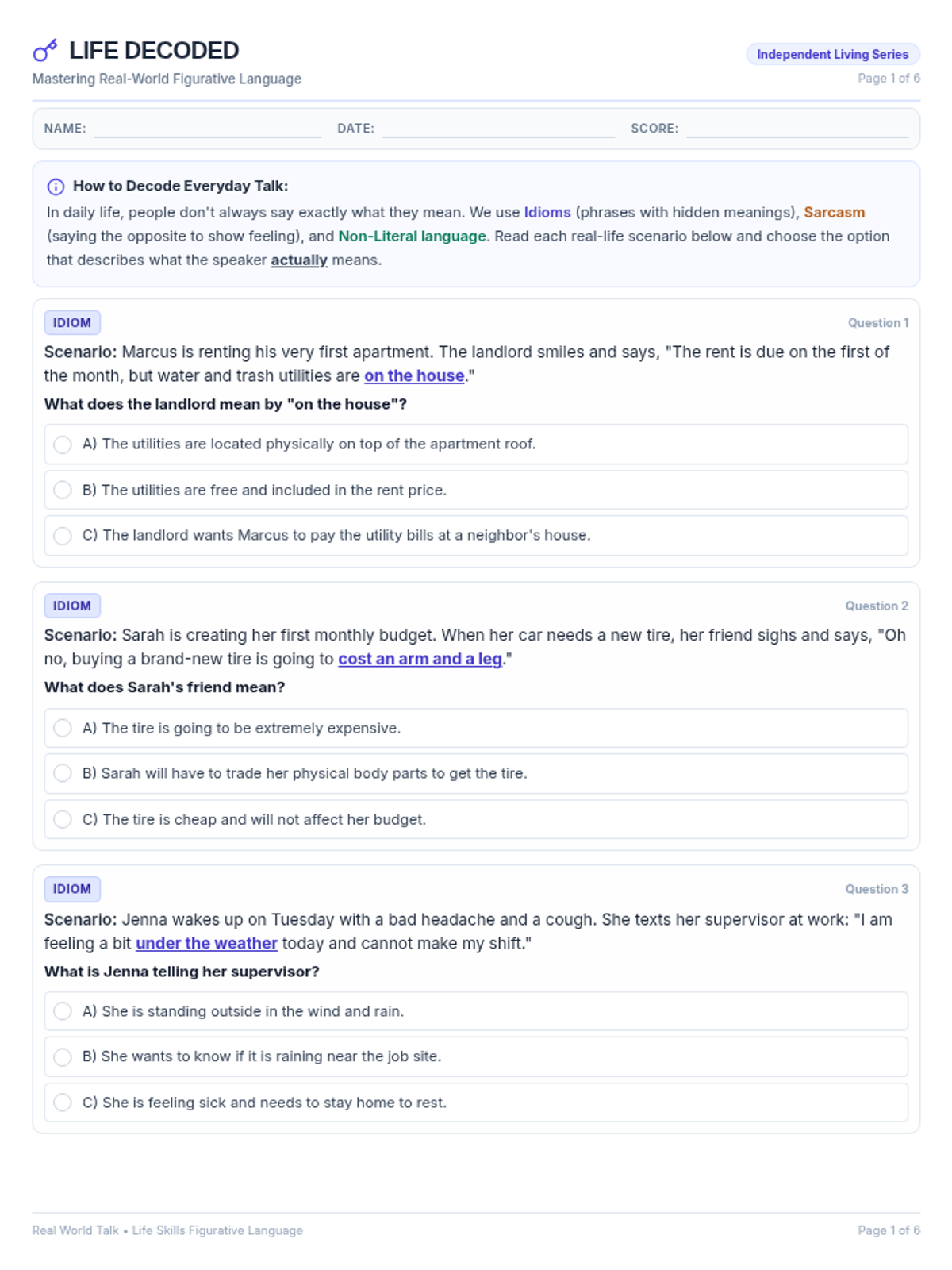
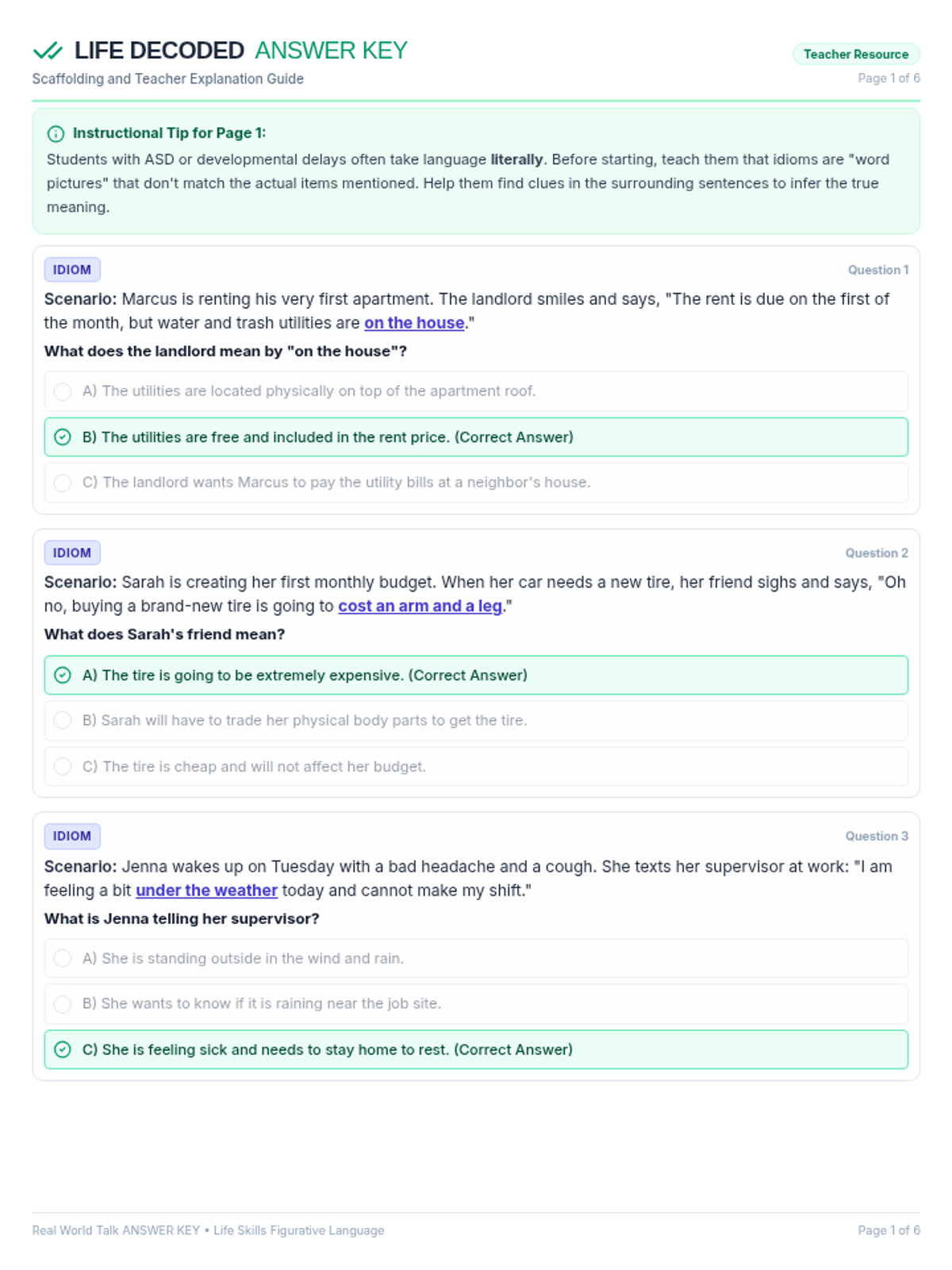
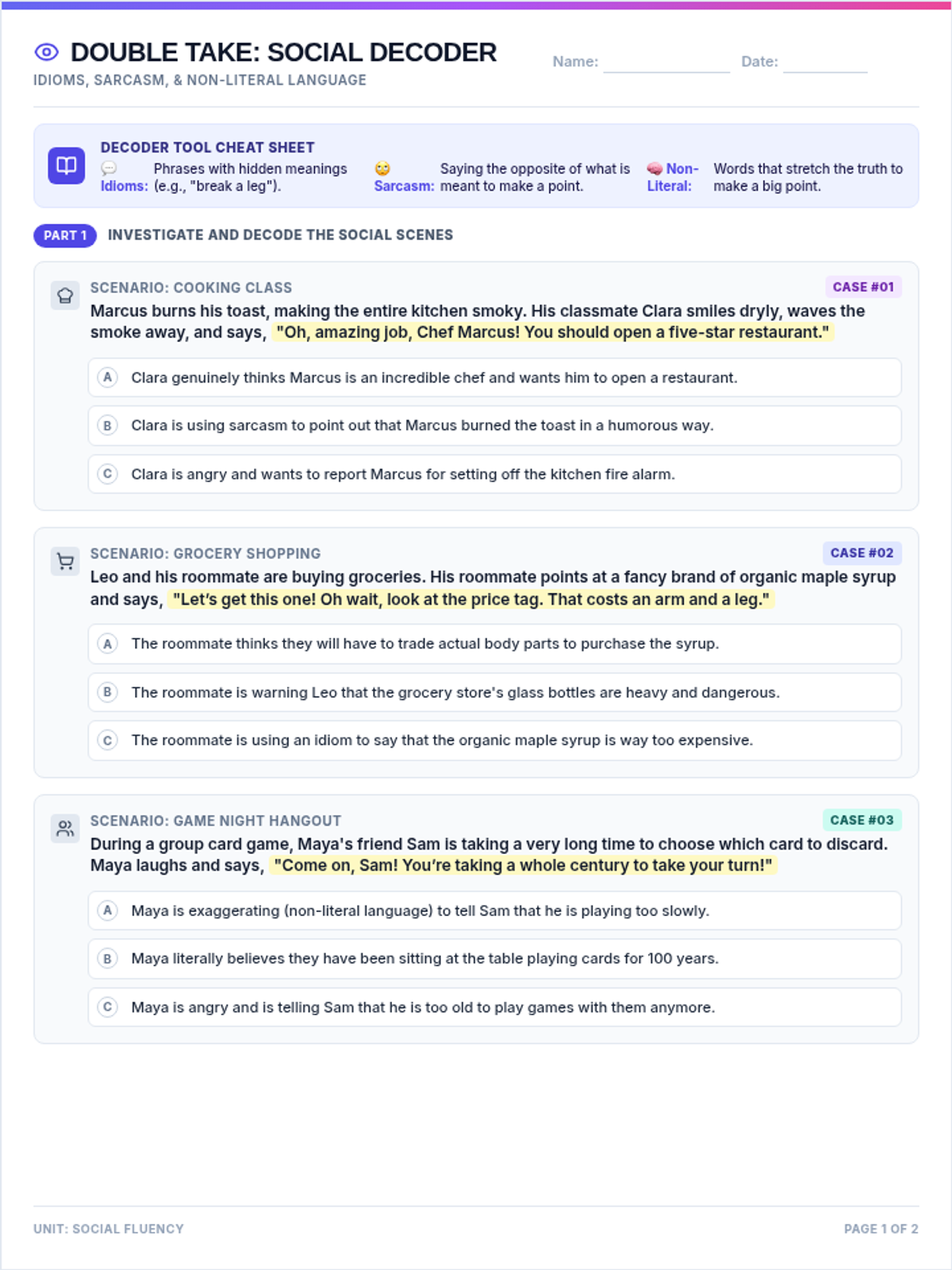
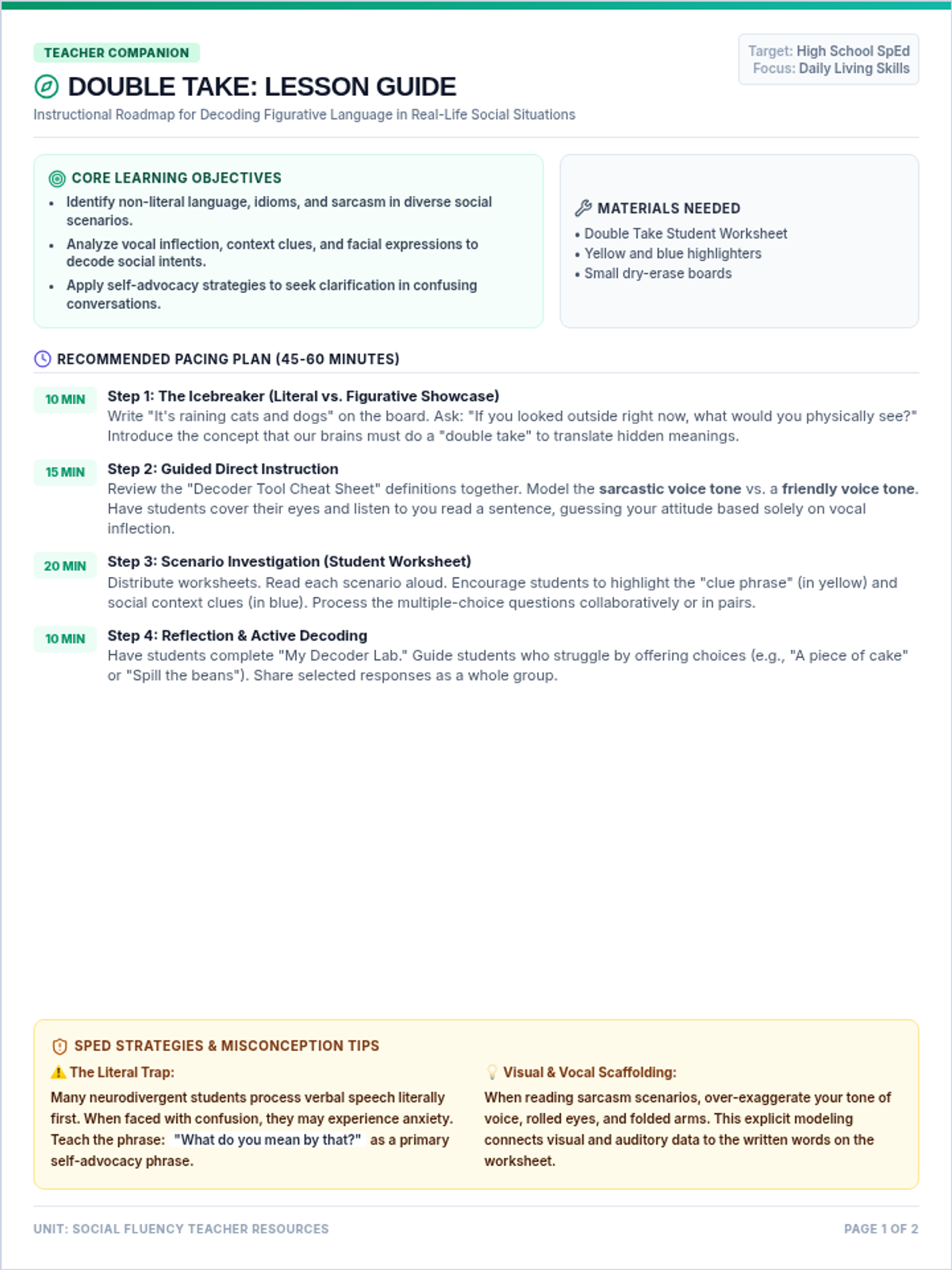
A comprehensive lesson designed for special education high school students to master figurative language, sarcasm, and idioms in independent living and real-world daily scenarios.
A targeted lesson for high school special education students focusing on identifying and interpreting figurative language, sarcasm, and idioms in daily independent living and social situations.
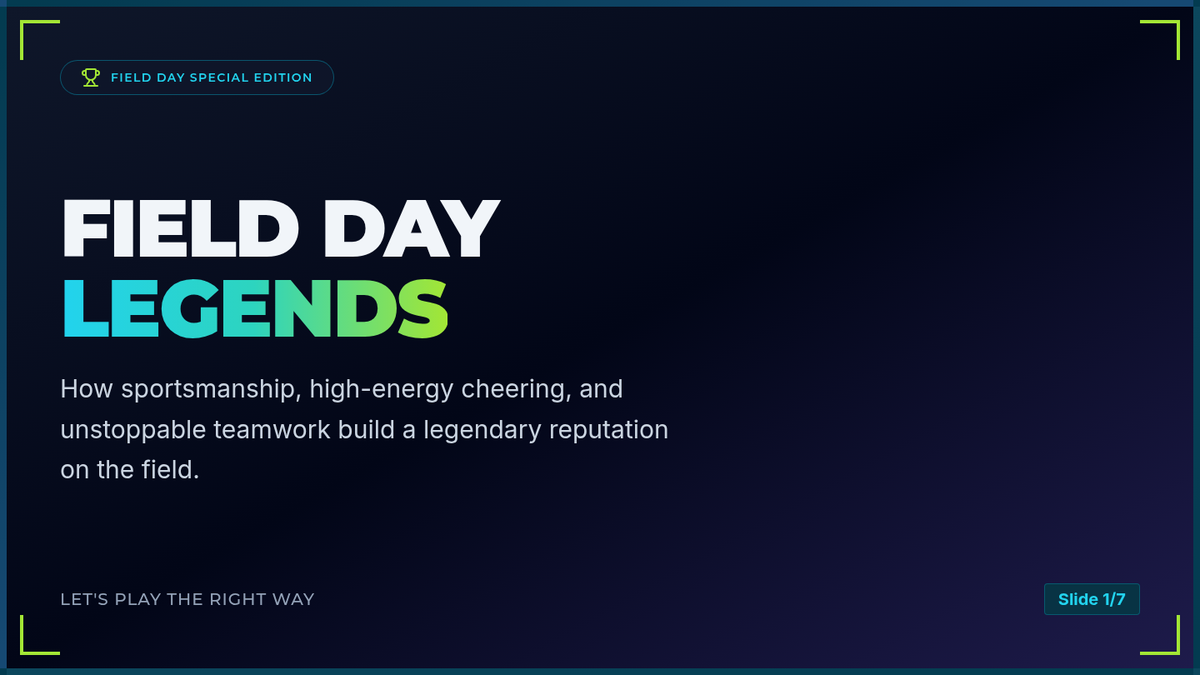
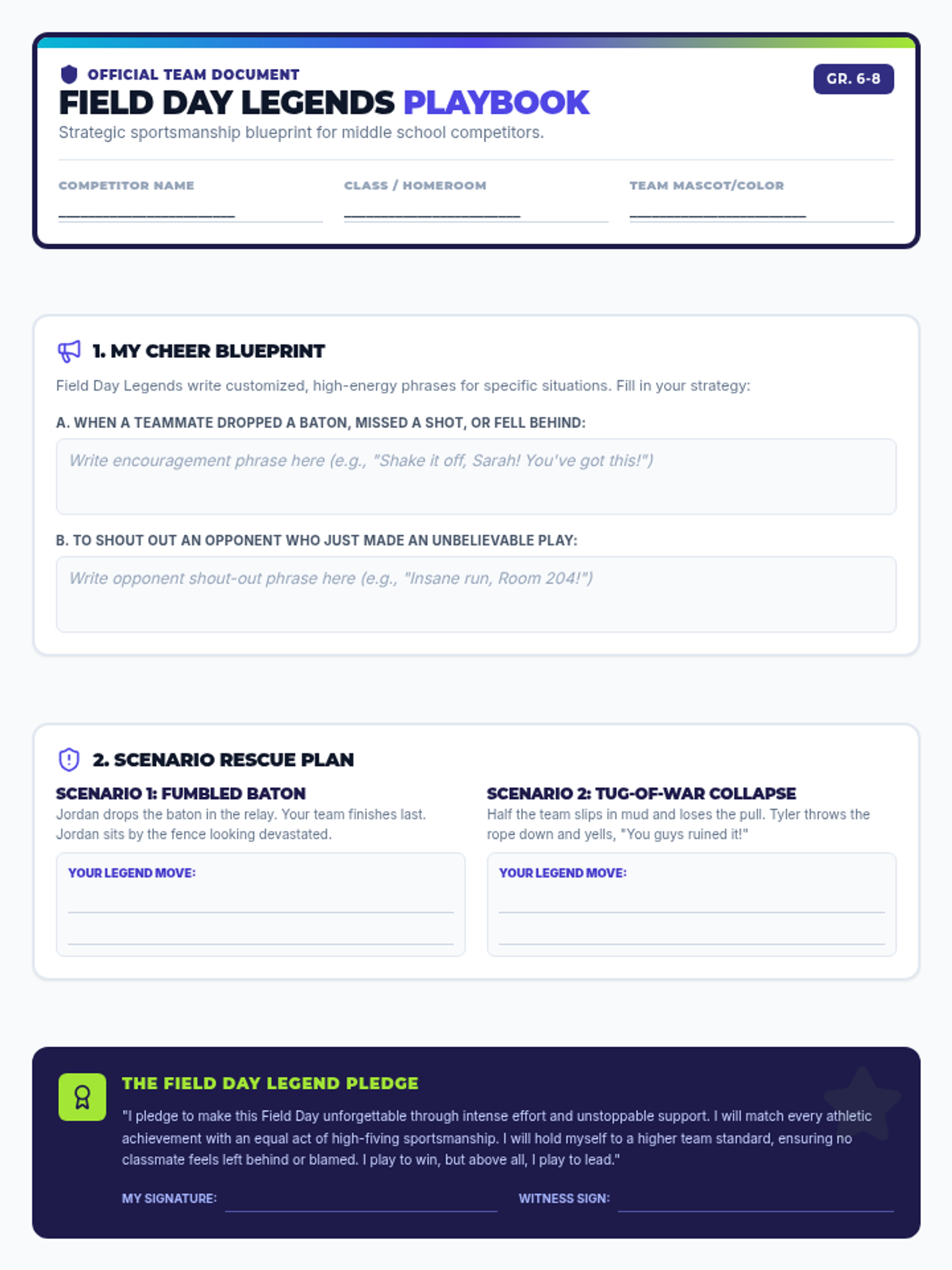
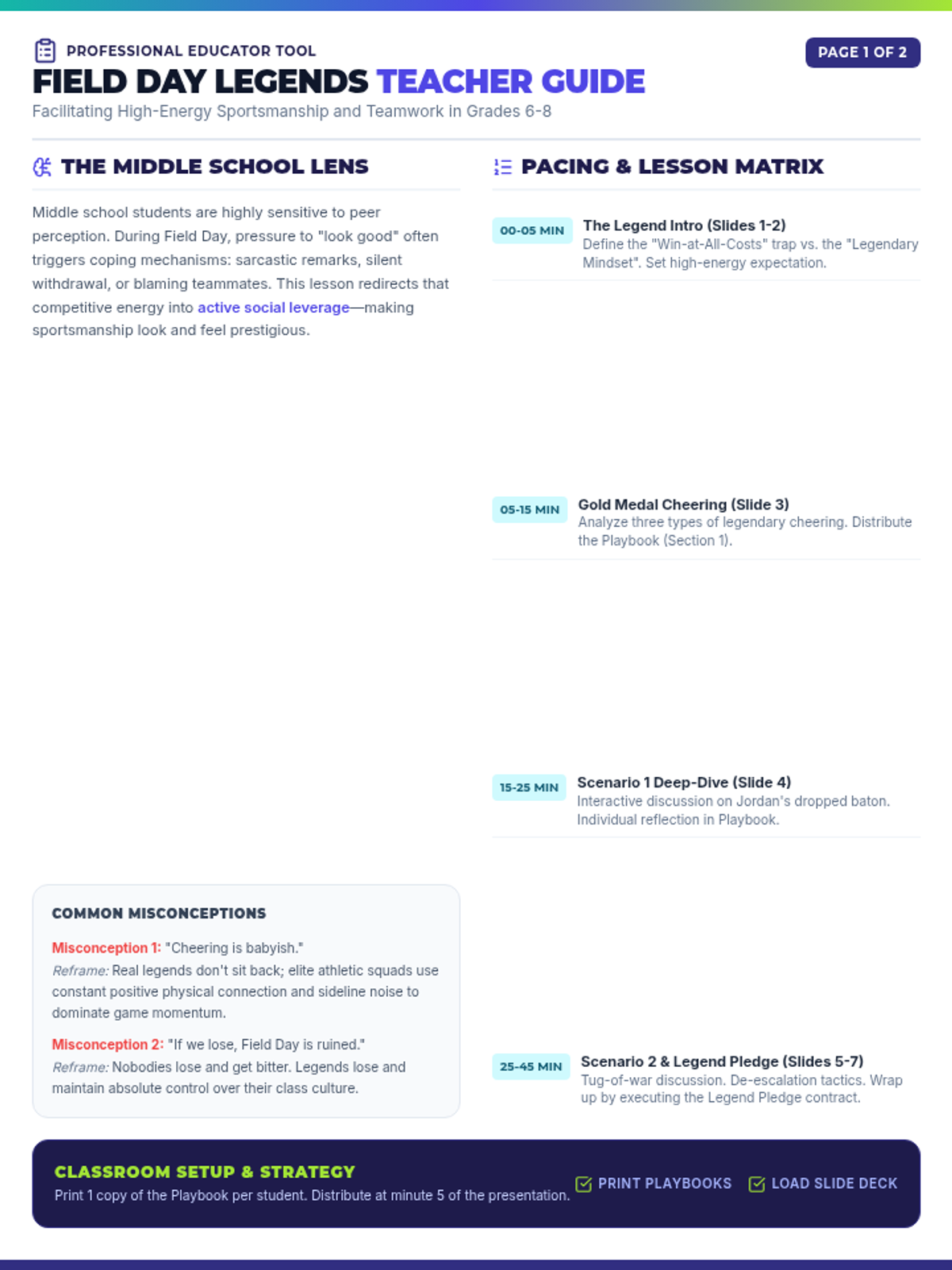
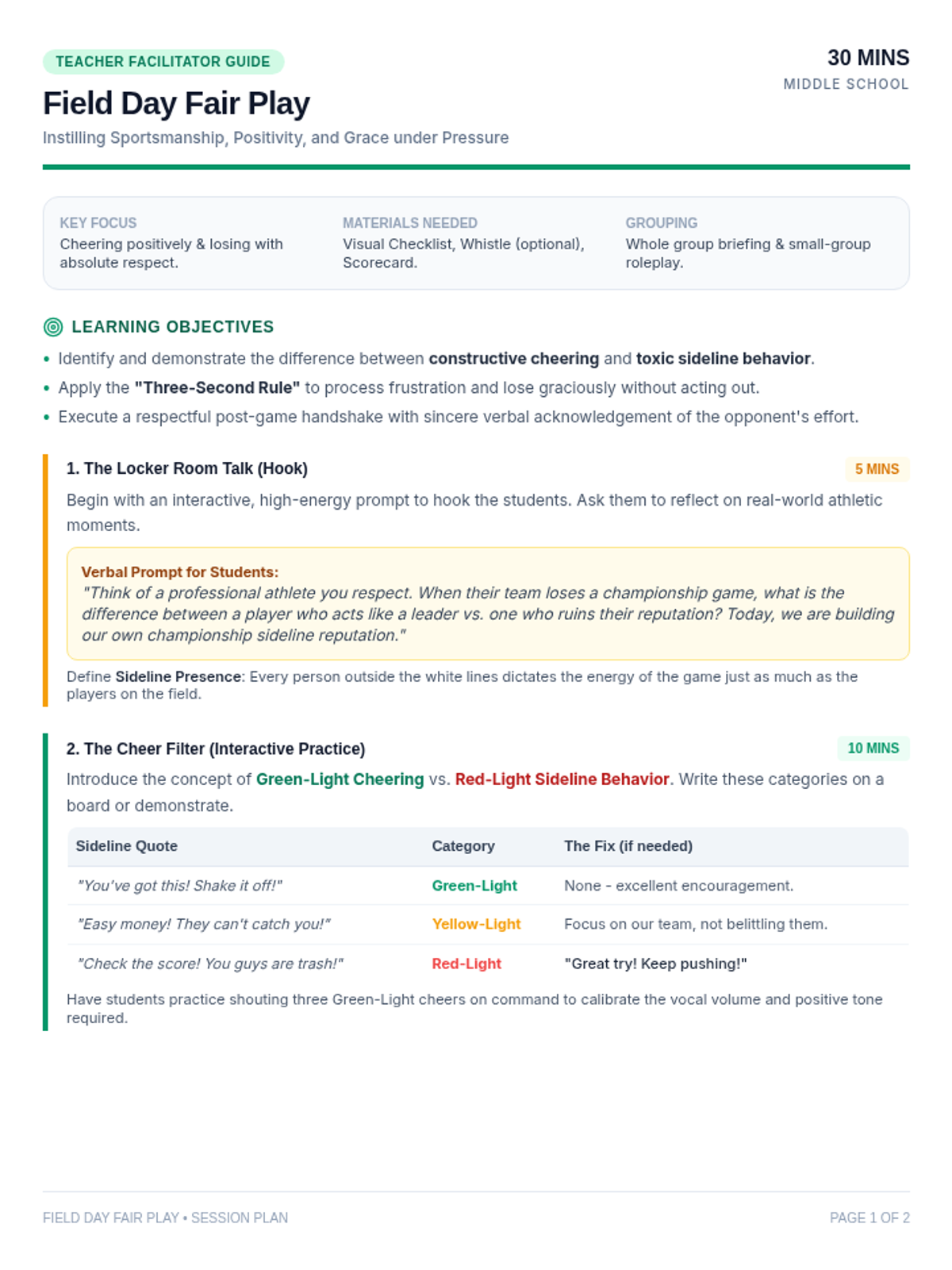
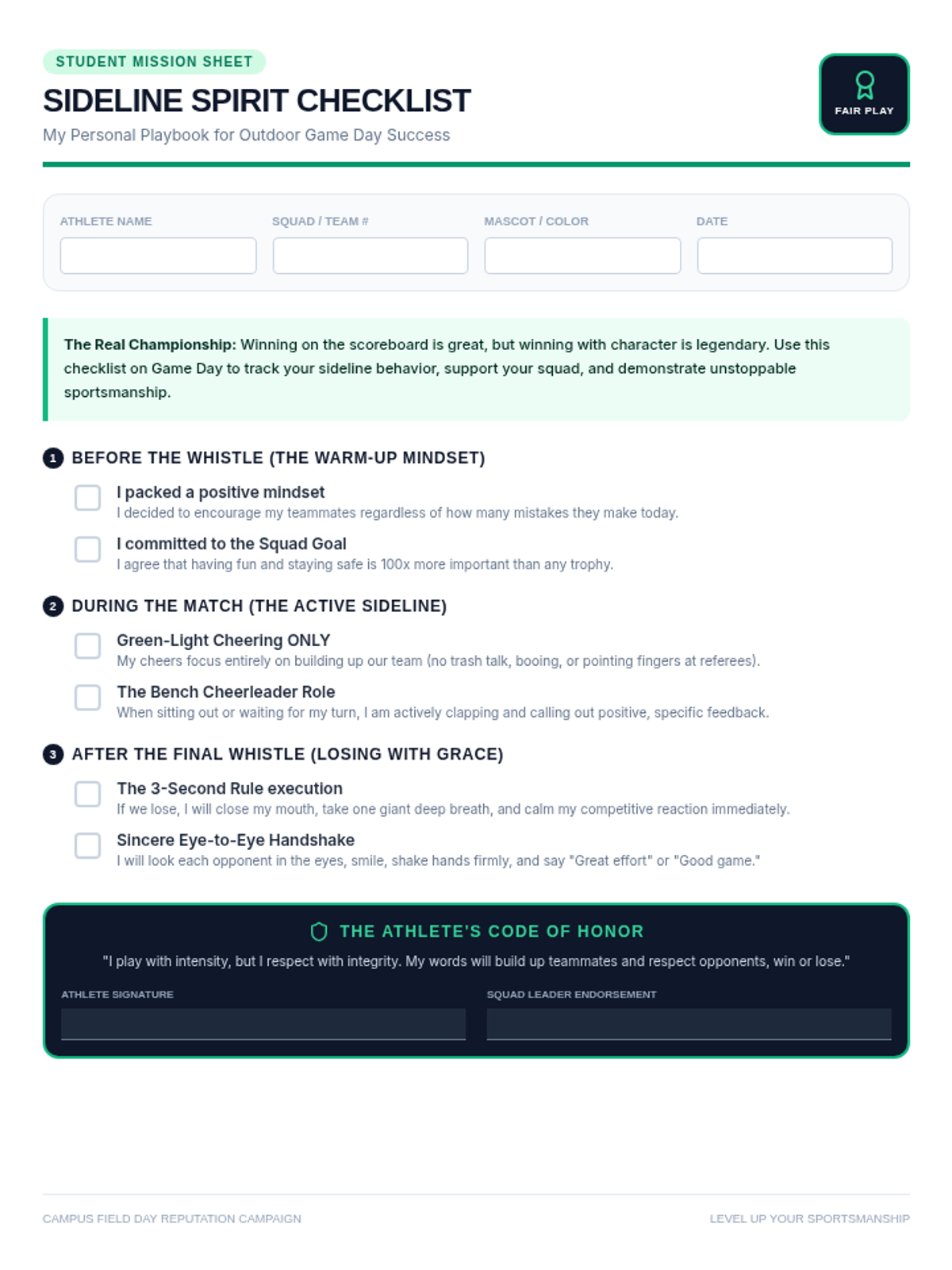
A high-energy sportsmanship lesson designed for middle schoolers preparing for Field Day. Focuses on peer encouragement, constructive teamwork, and handling setbacks through interactive scenario discussions.
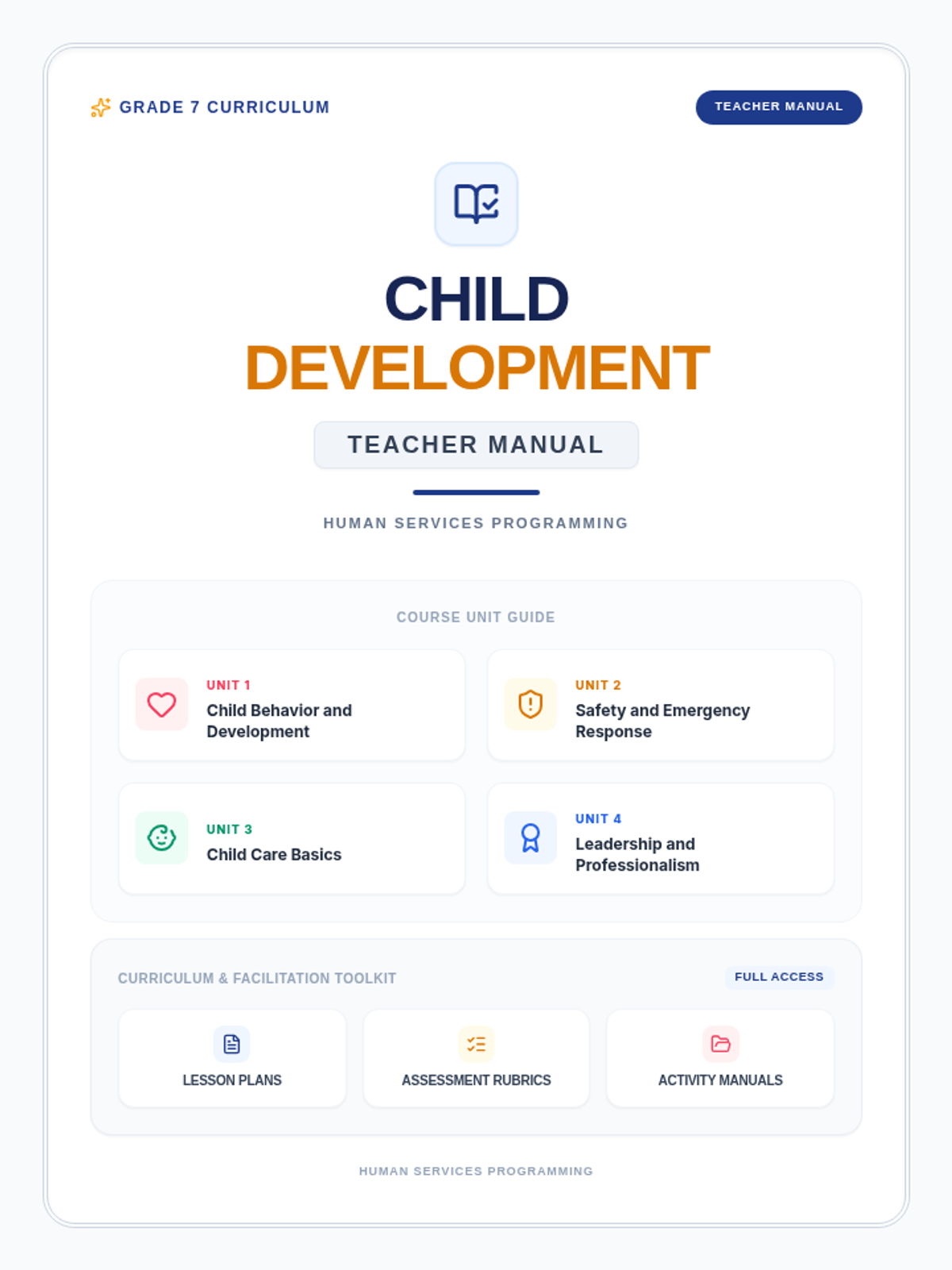
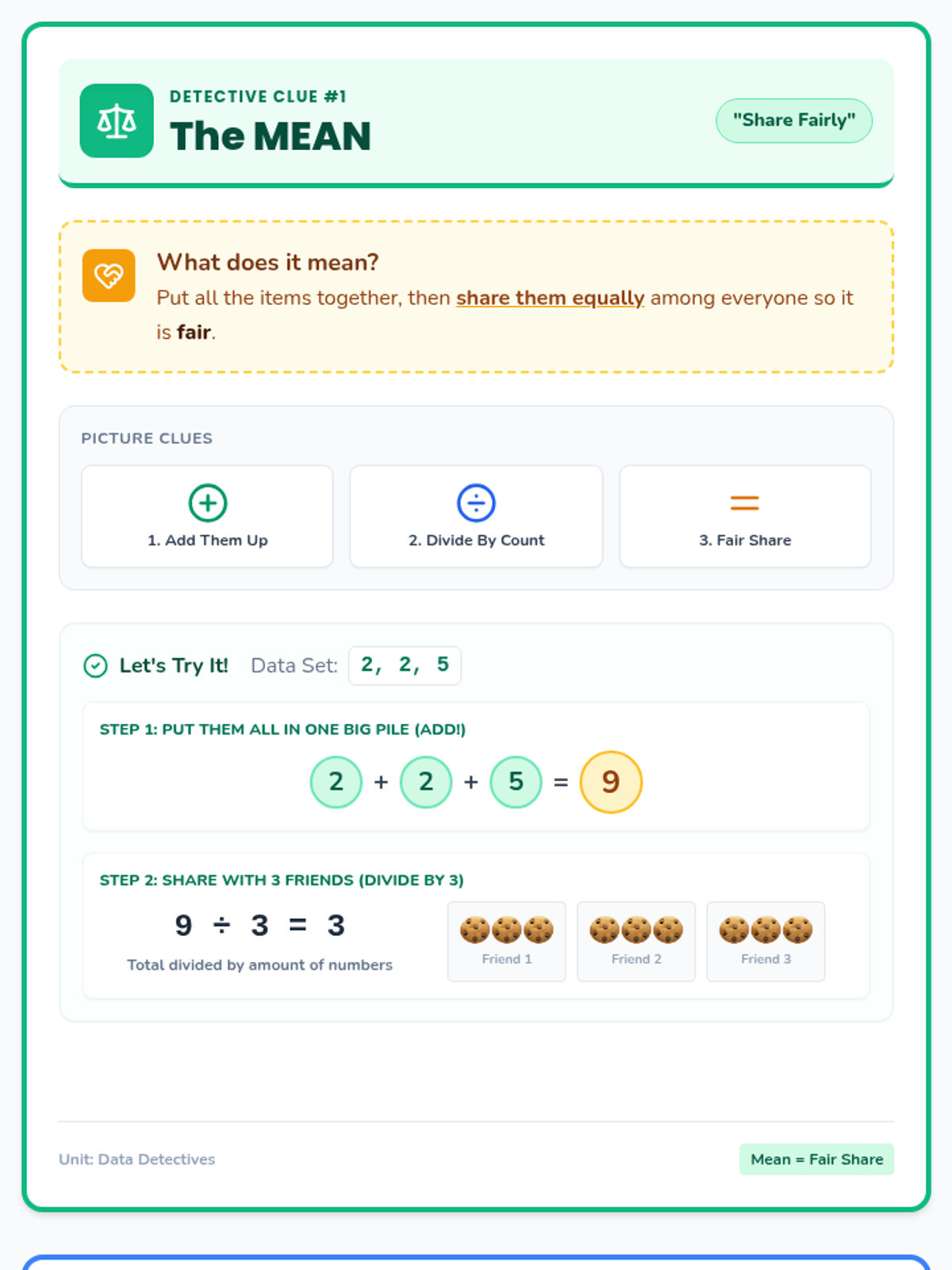
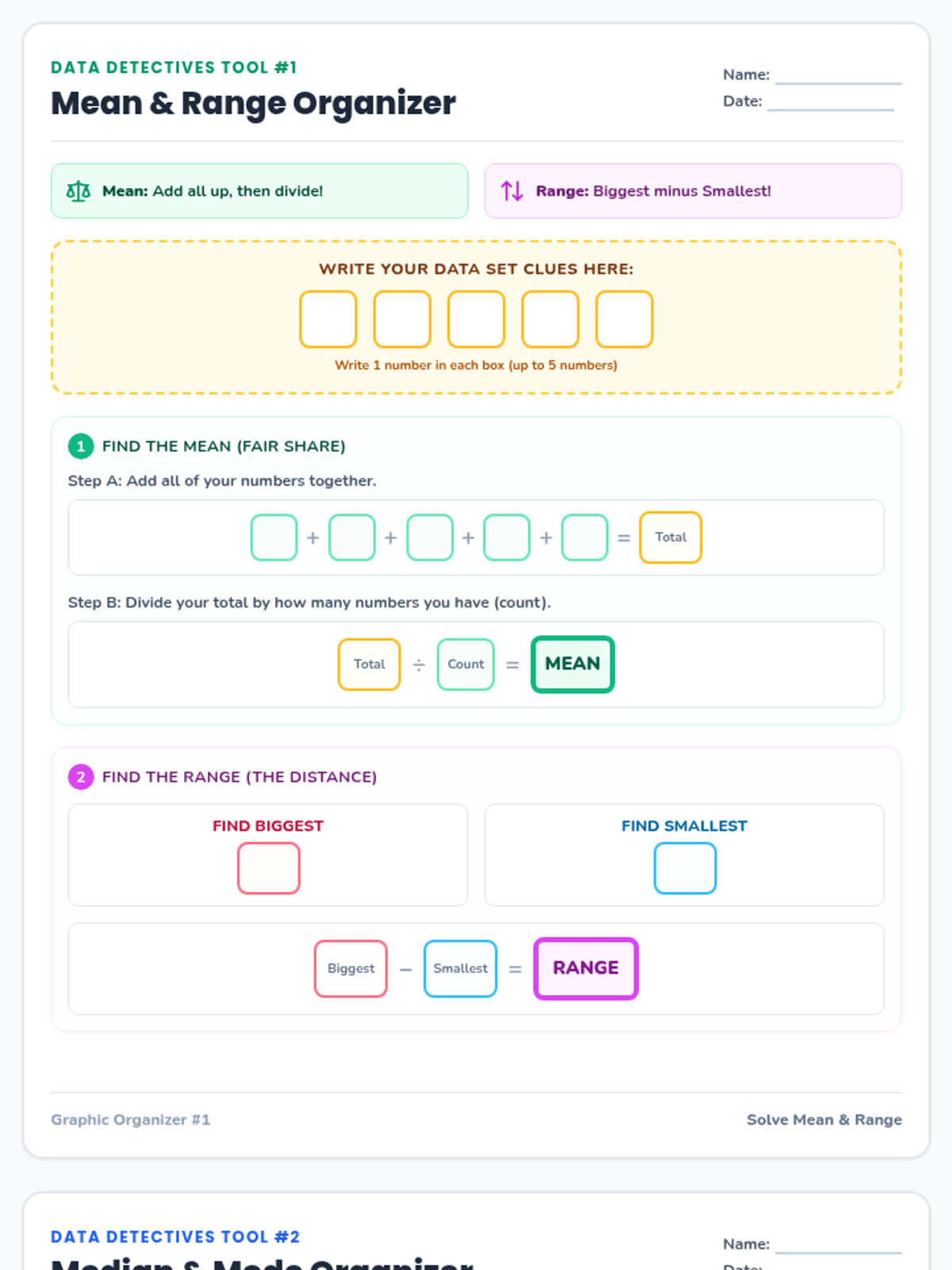
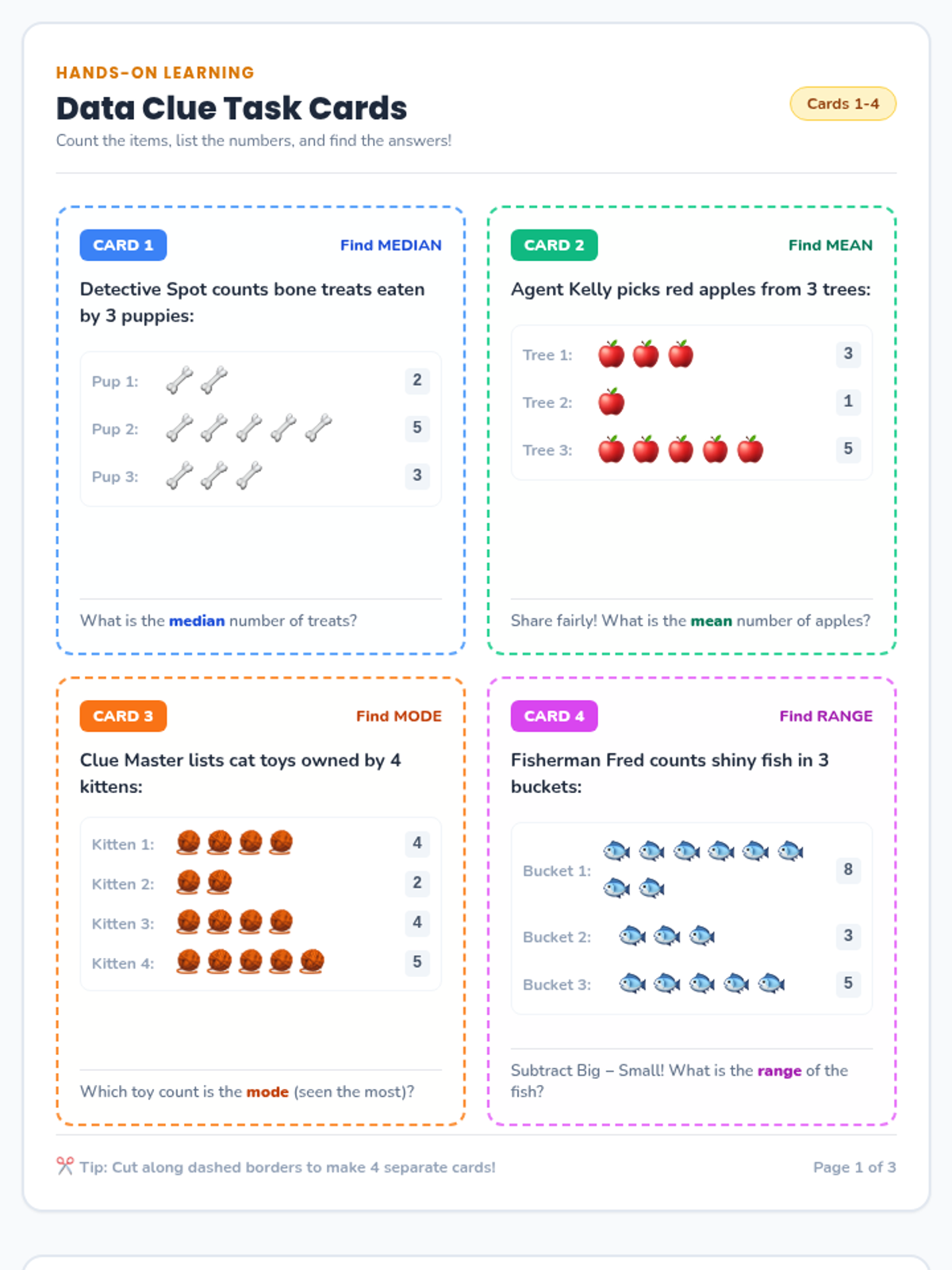
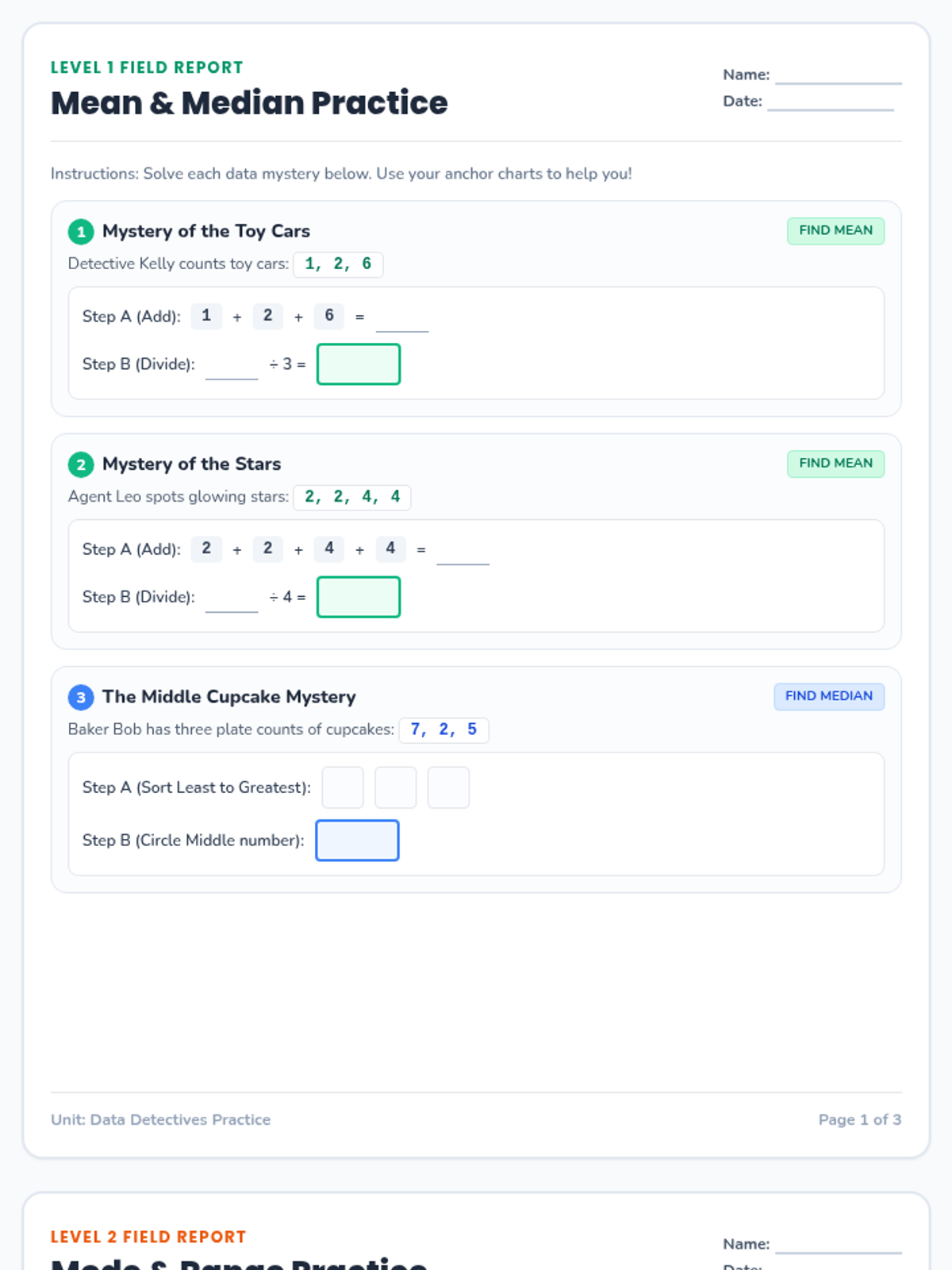
A modified, highly visual math lesson on Mean, Median, Mode, and Range tailored for IEP students. Features visual anchor charts with picture symbols, step-by-step color-coded graphic organizers, task cards with hands-on counting counters, and highly scaffolded worksheets.
A 30-minute lesson designed to prepare middle school students for outdoor game day, focusing on sportsmanship, cheering, and losing graciously. Includes structured roleplays, clear sideline expectations, and a student-facing visual checklist.
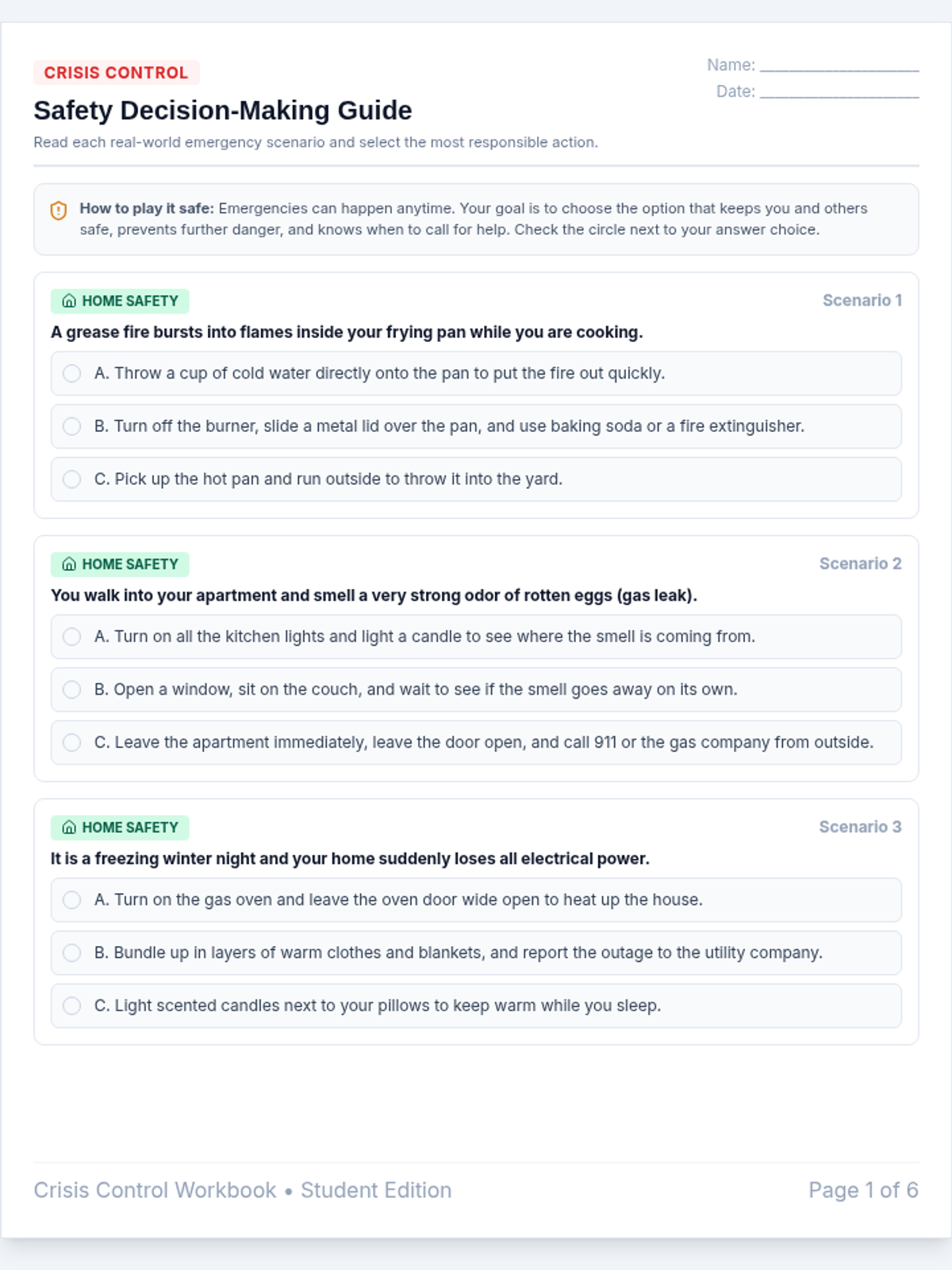
A practical transition lesson designed to teach students how to identify, assess, and responsibly respond to 20 realistic emergency scenarios across home, community, and vocational settings.
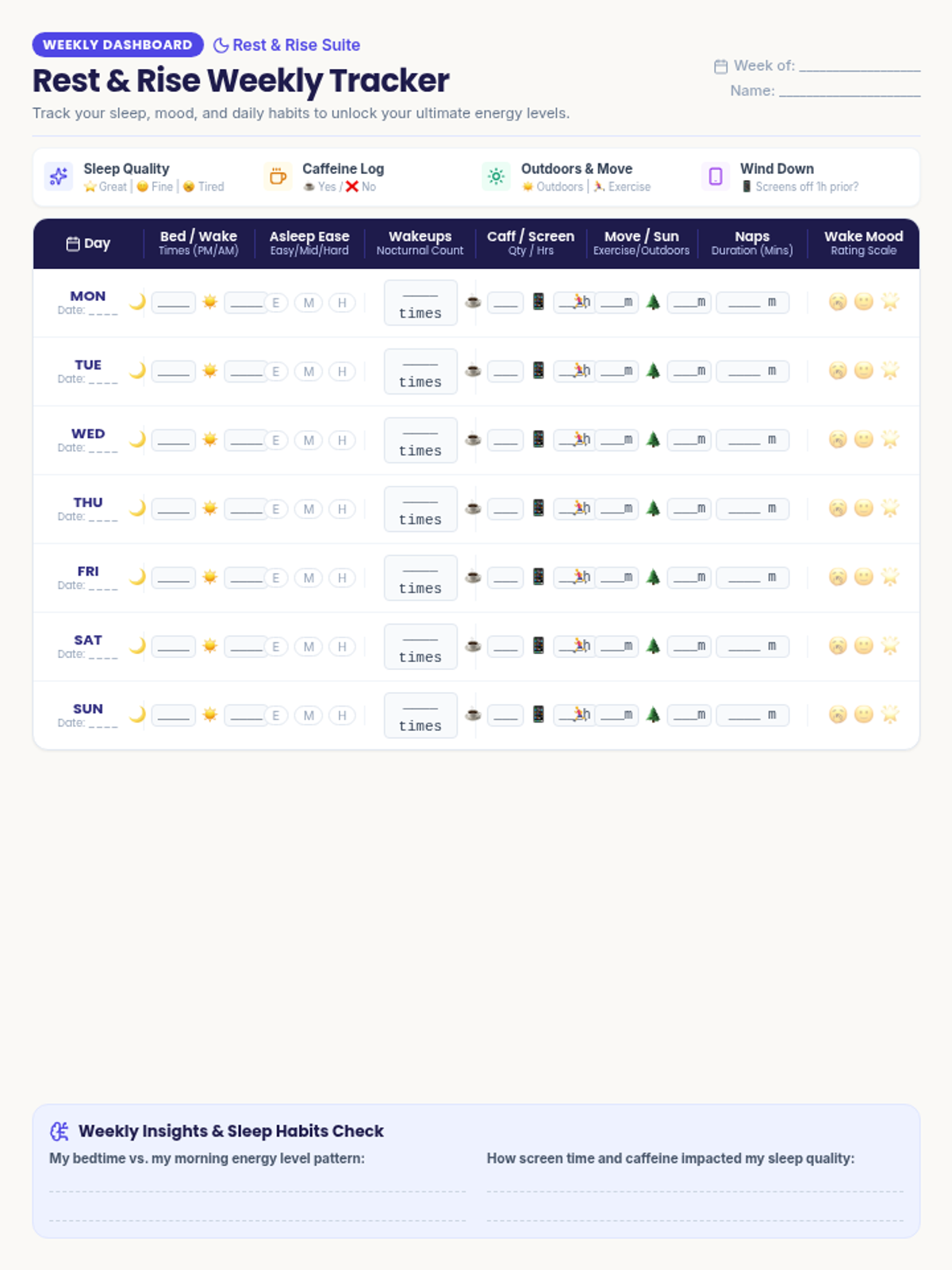
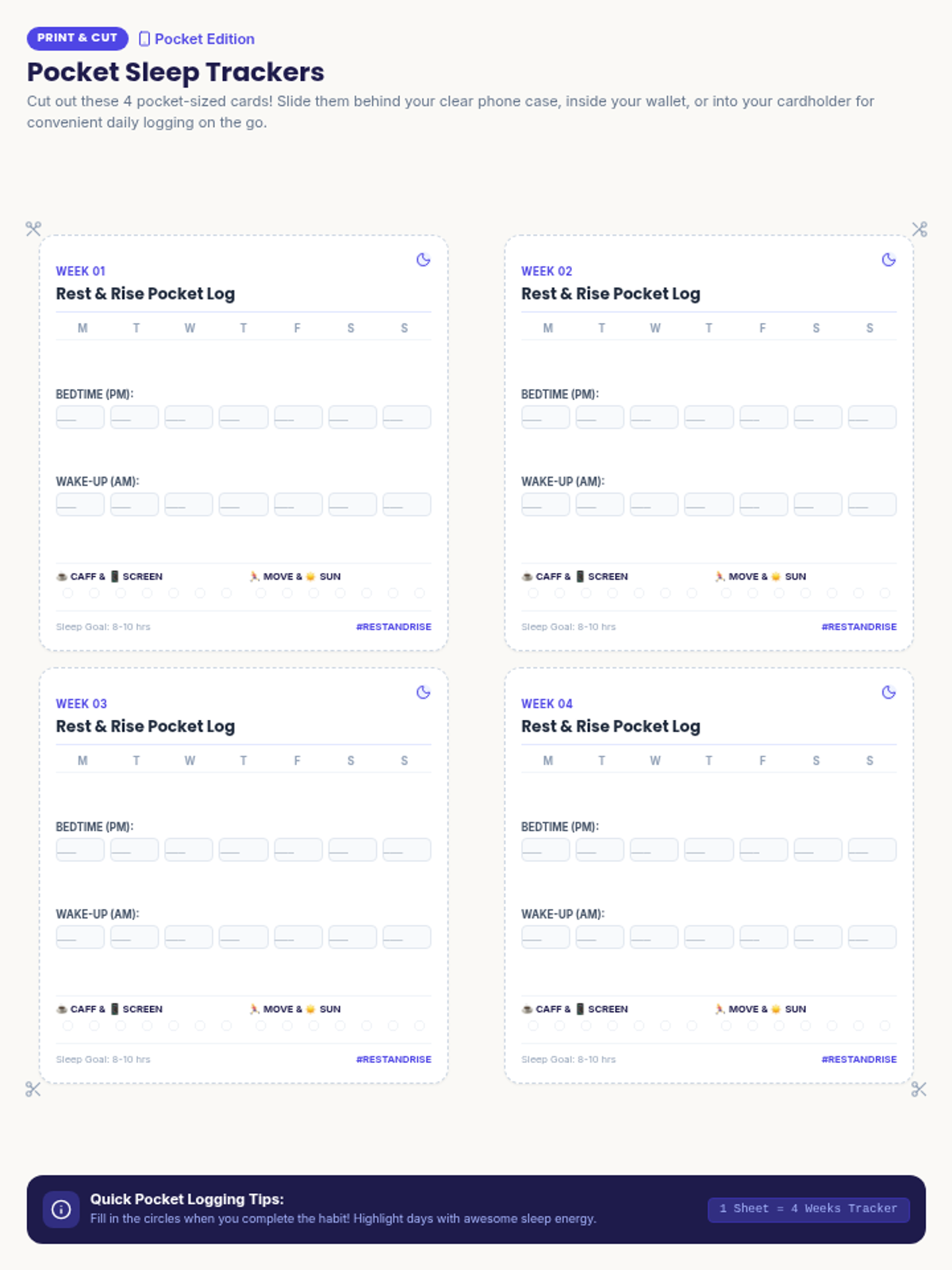
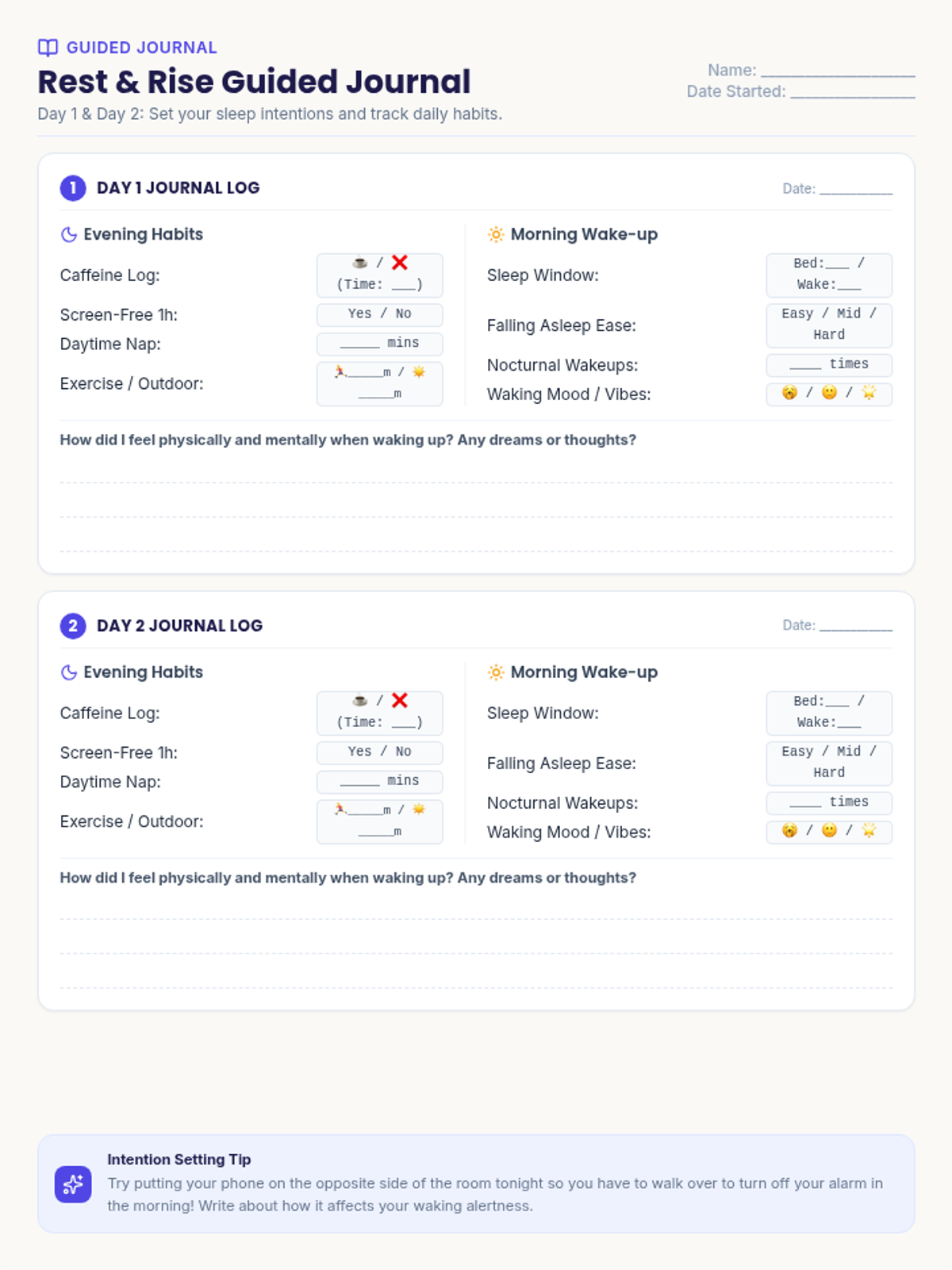
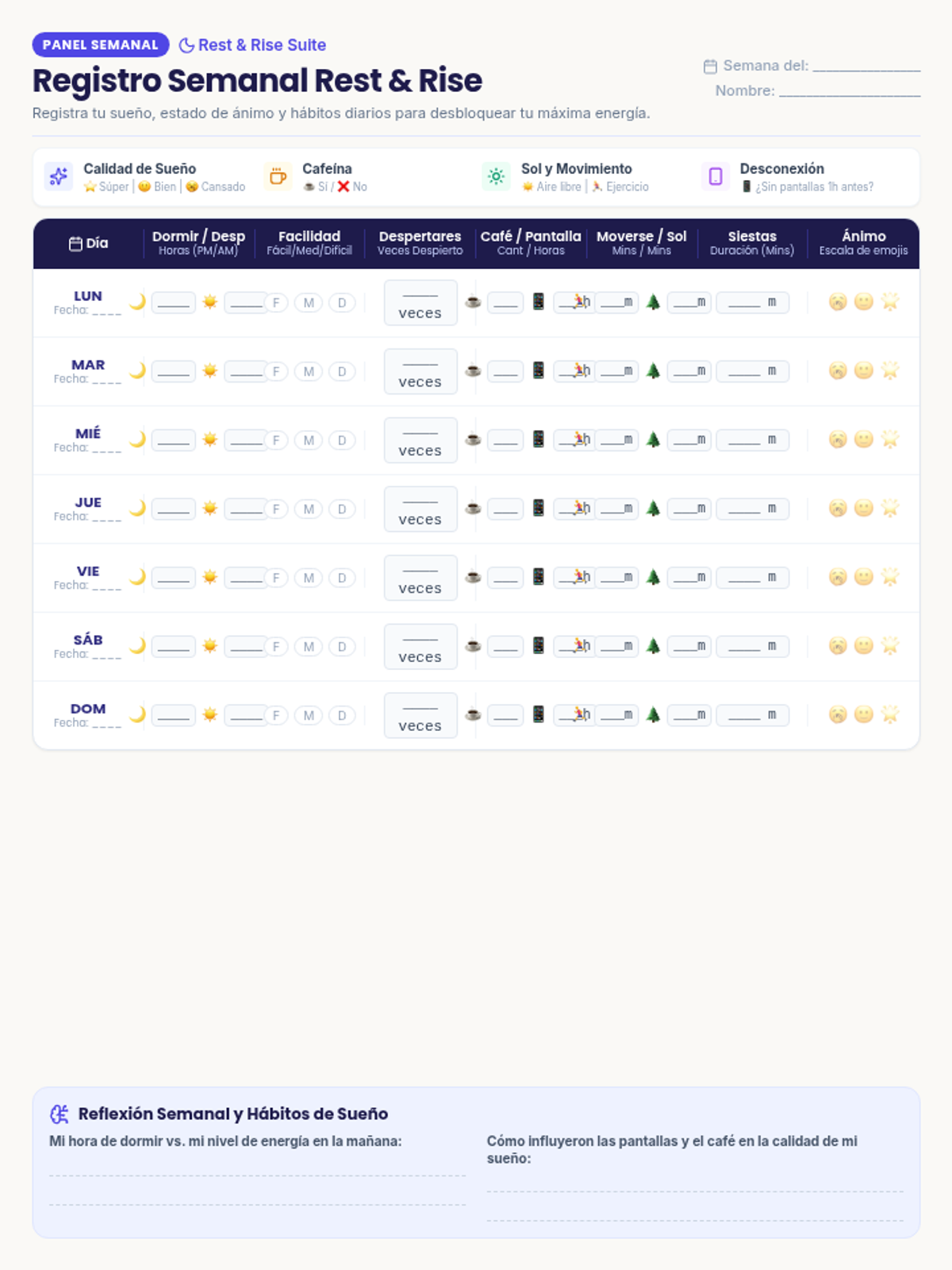
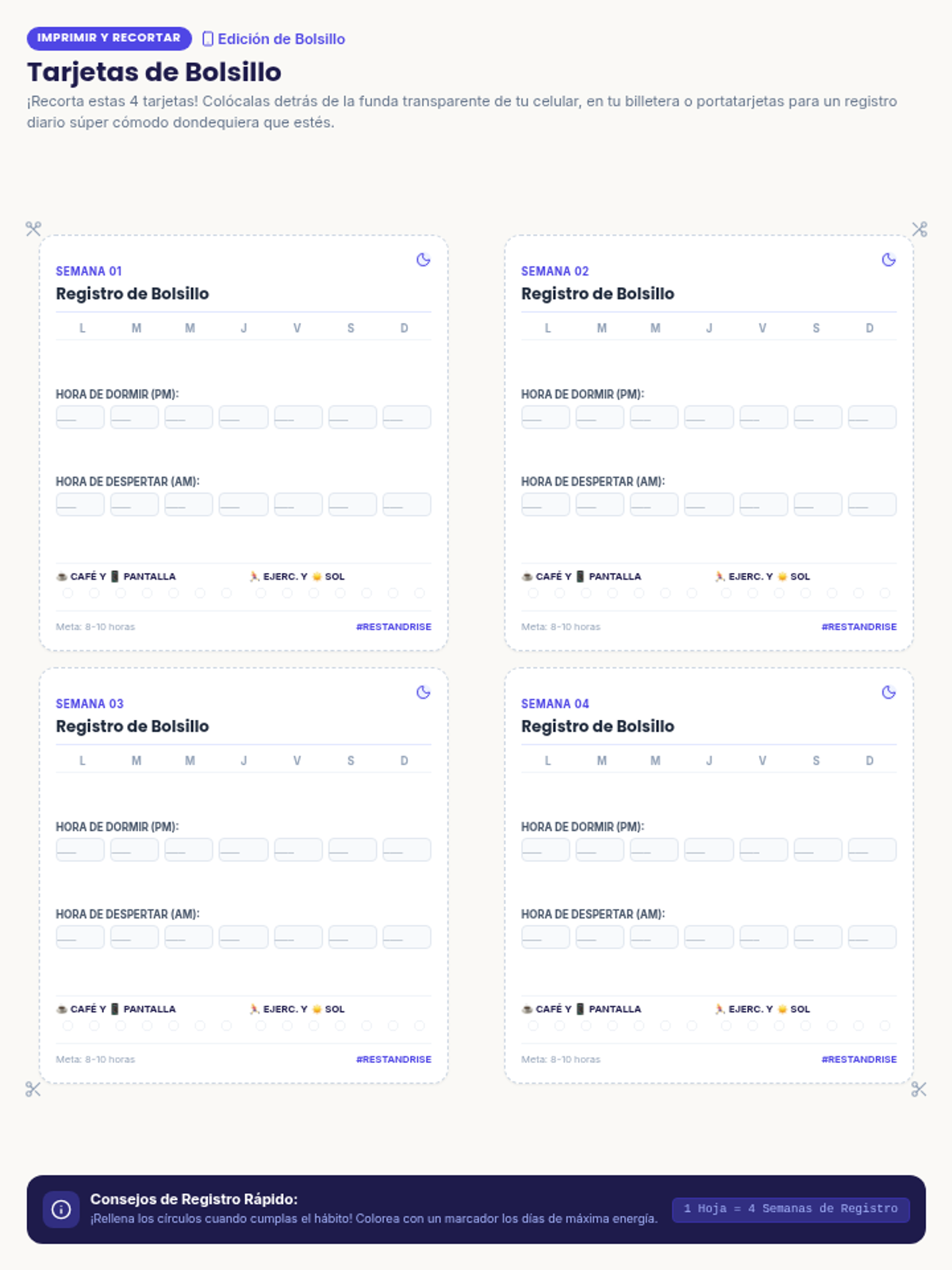
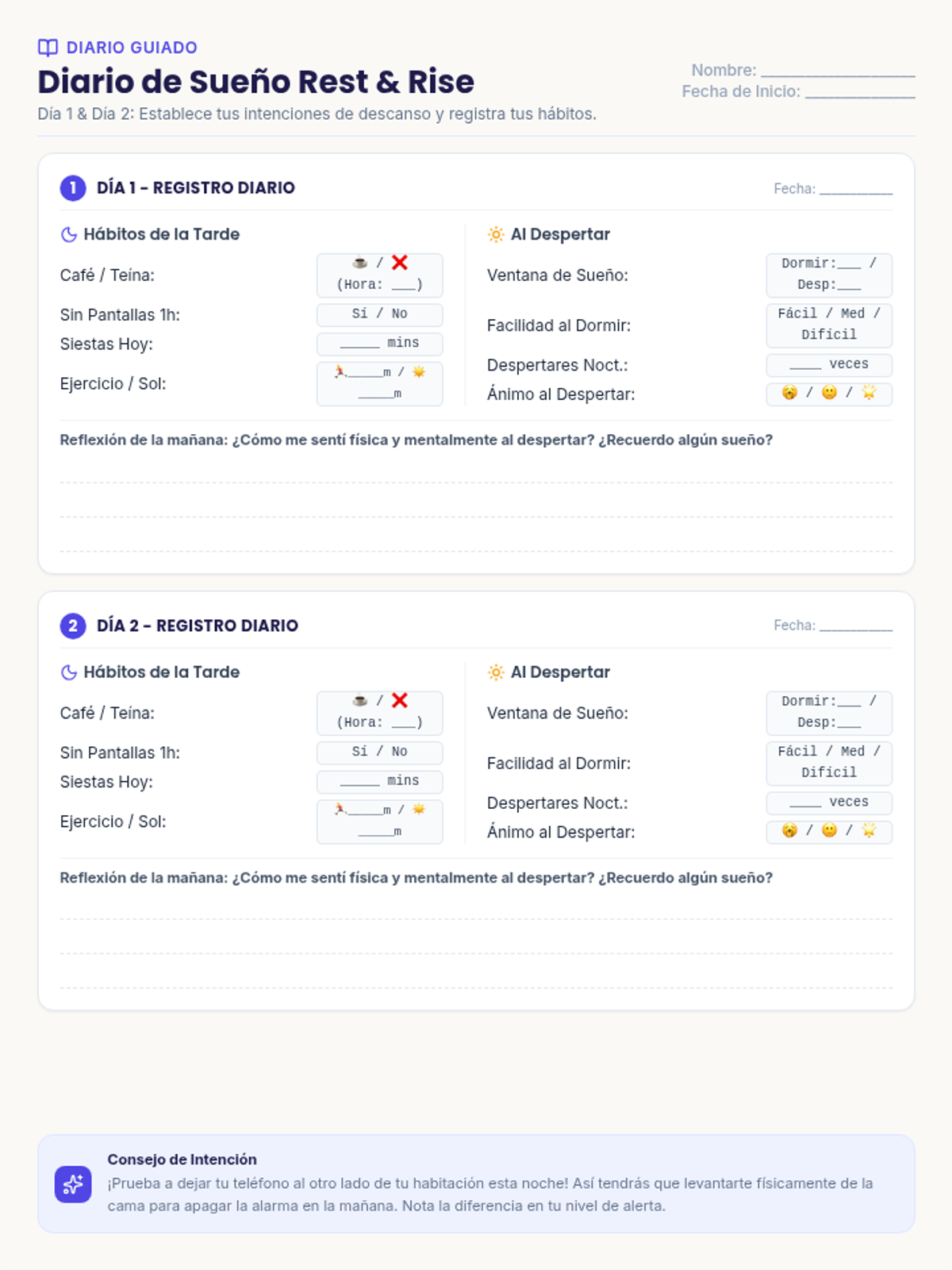
A teen-focused sleep and mood tracking suite that combines physical tracking with mindfulness. Includes a 1-Page Weekly Tracker, Pocket-Sized Mini Trackers for phone cases/wallets, and a 7-Day Guided Daily Journal with deep reflection prompts. Helps teens identify connections between screen time, caffeine, physical activity, and sleep quality.
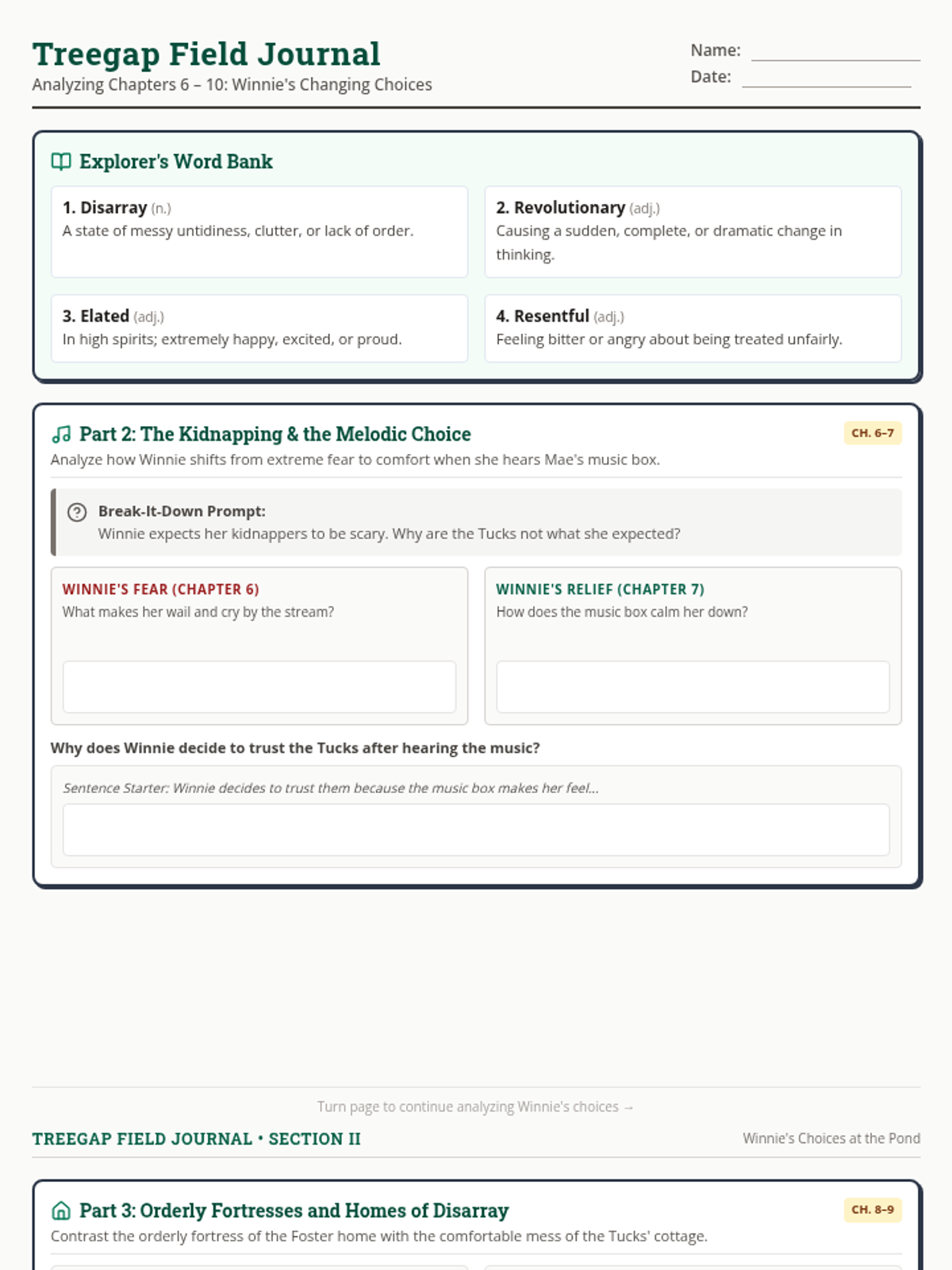
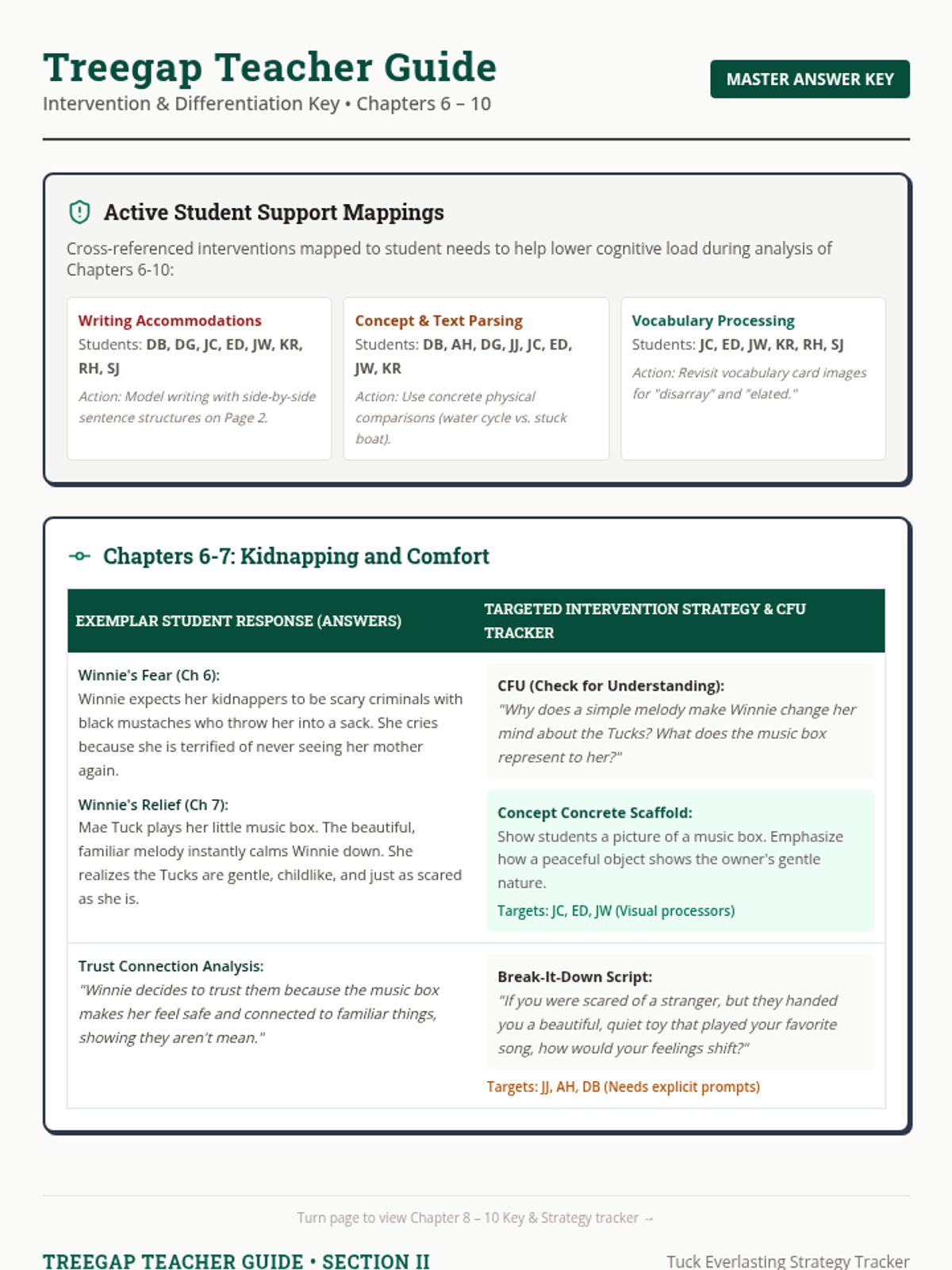
A detailed literary exploration of Chapters 6-10 of Natalie Babbitt's Tuck Everlasting. Students analyze Winnie's reactions to the Tucks' messy, timeless lifestyle compared to her own orderly home, focusing on her growing internal choices and the concept of living outside the wheel of life.
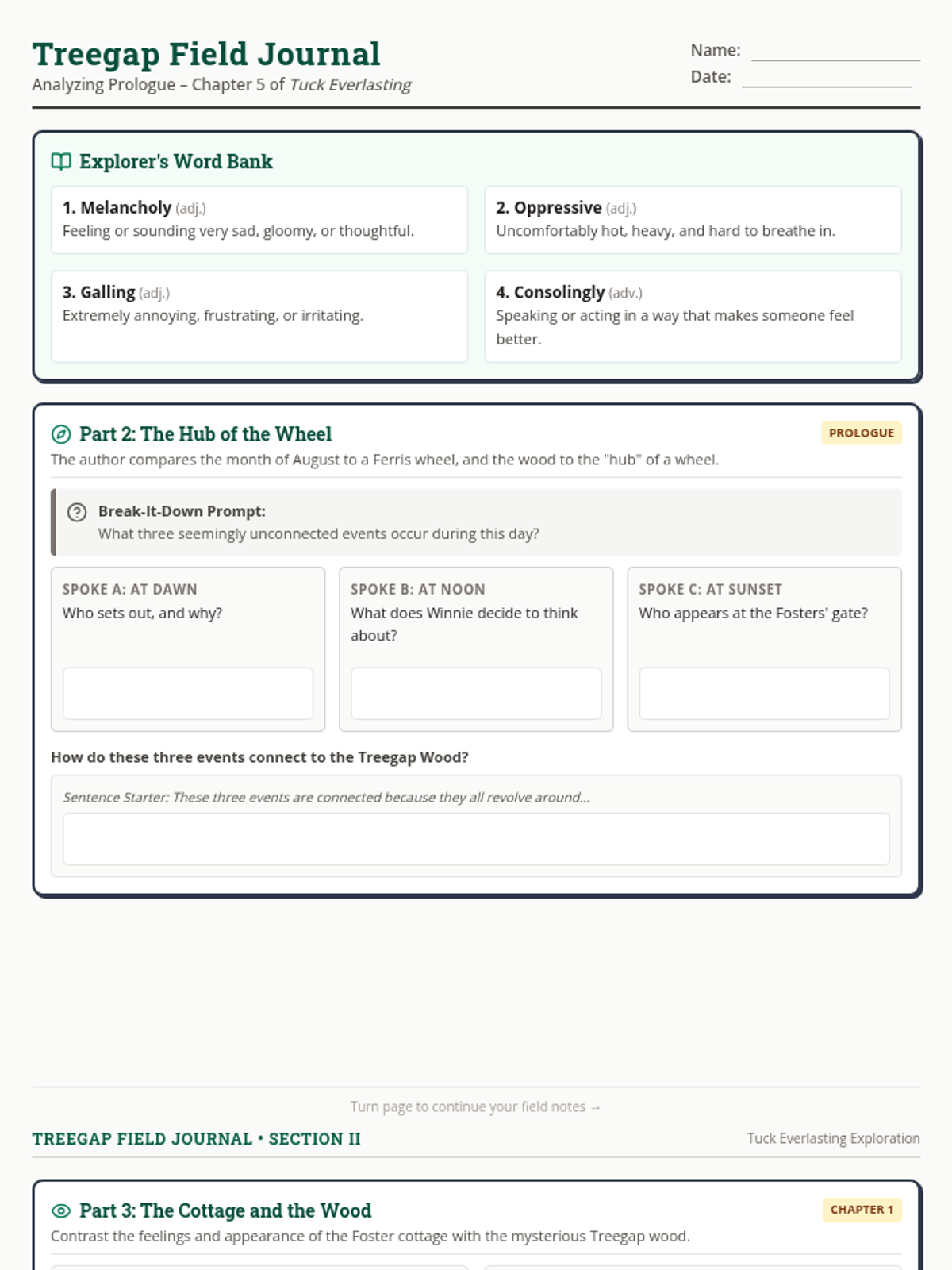
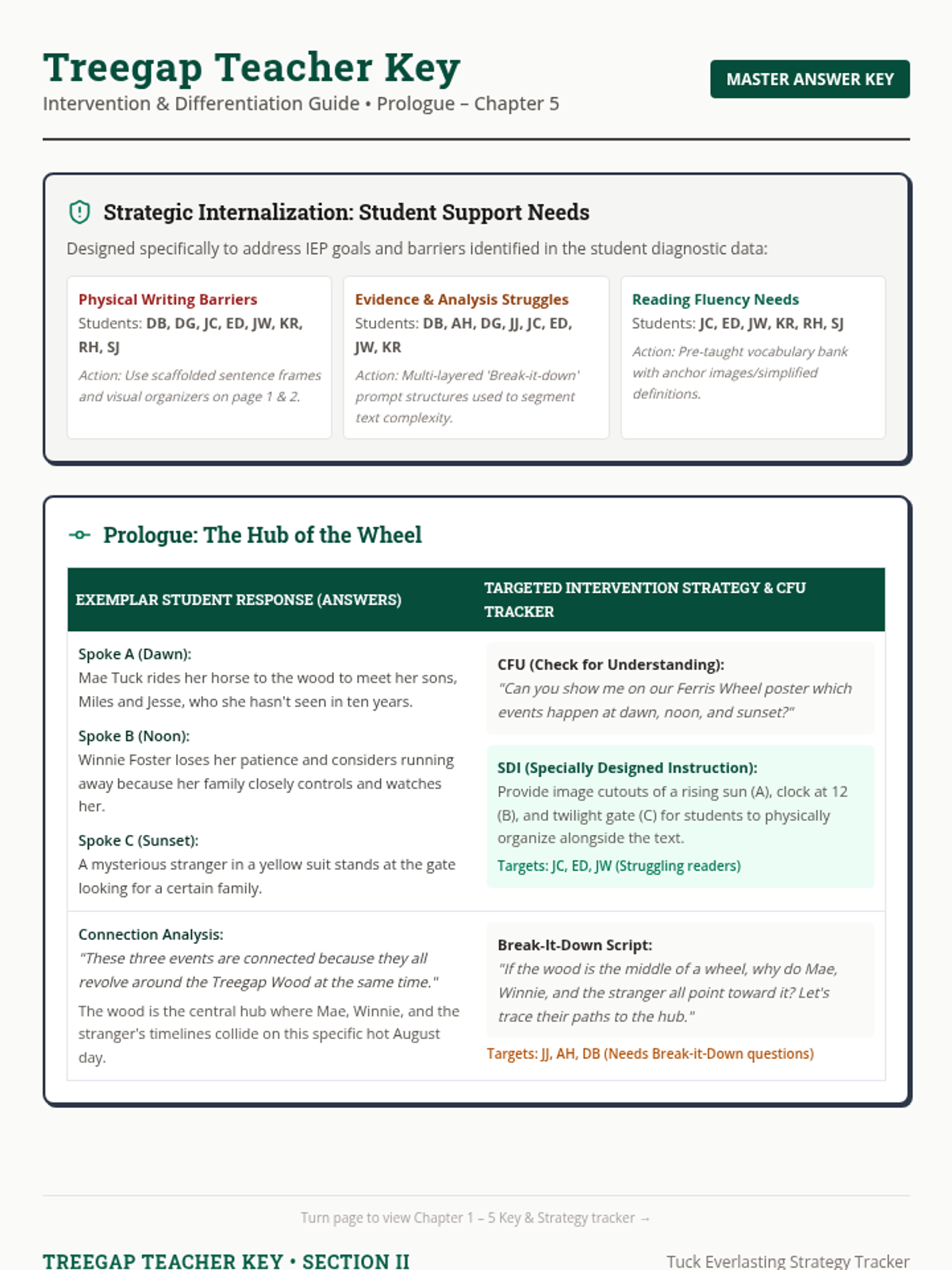
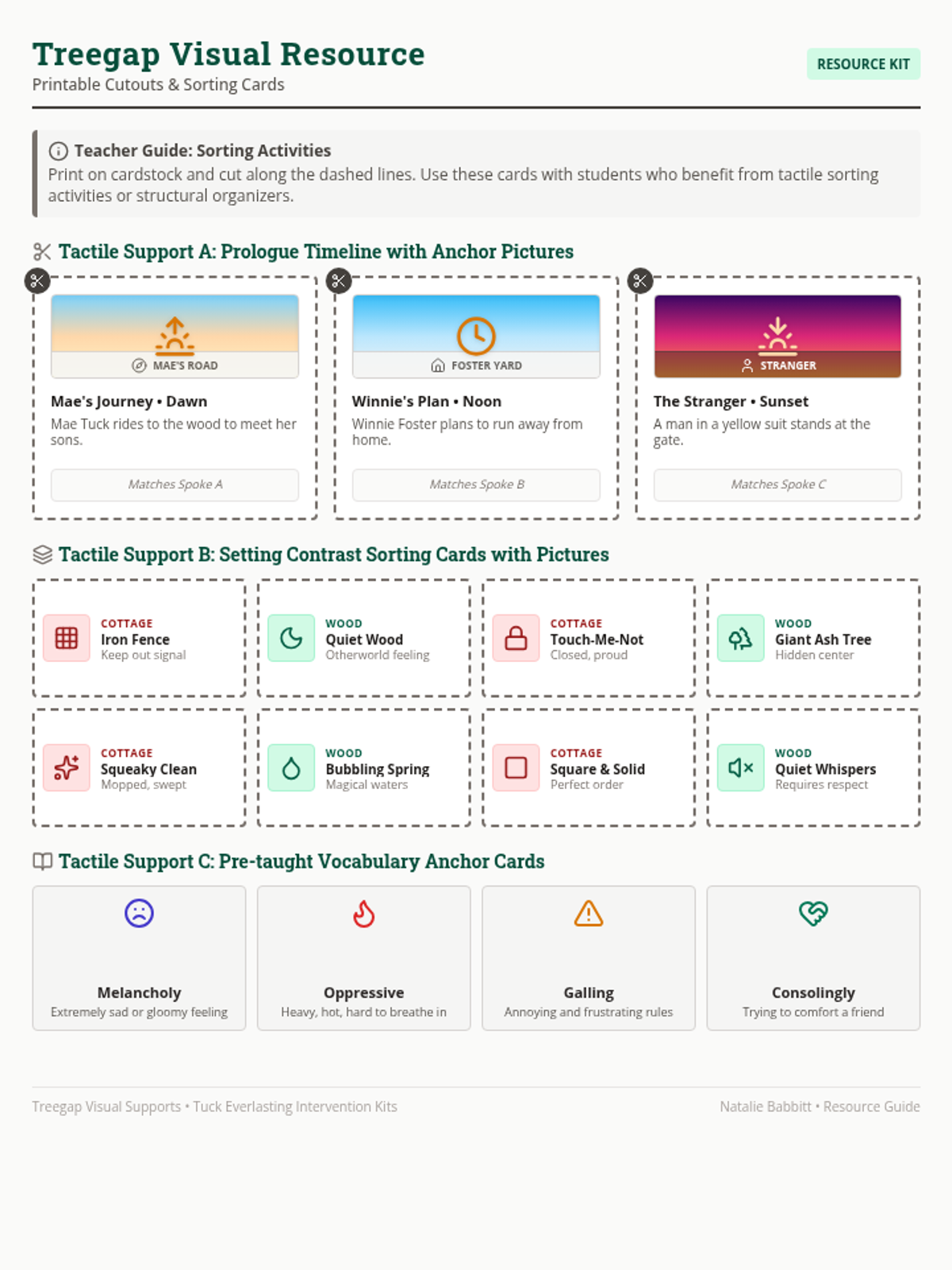
A literary investigation of the prologue through chapter 5 of Natalie Babbitt's Tuck Everlasting. Students explore setting contrasts and the mysterious meeting between Winnie and Jesse, while teachers leverage structured scaffolds and checks for understanding.
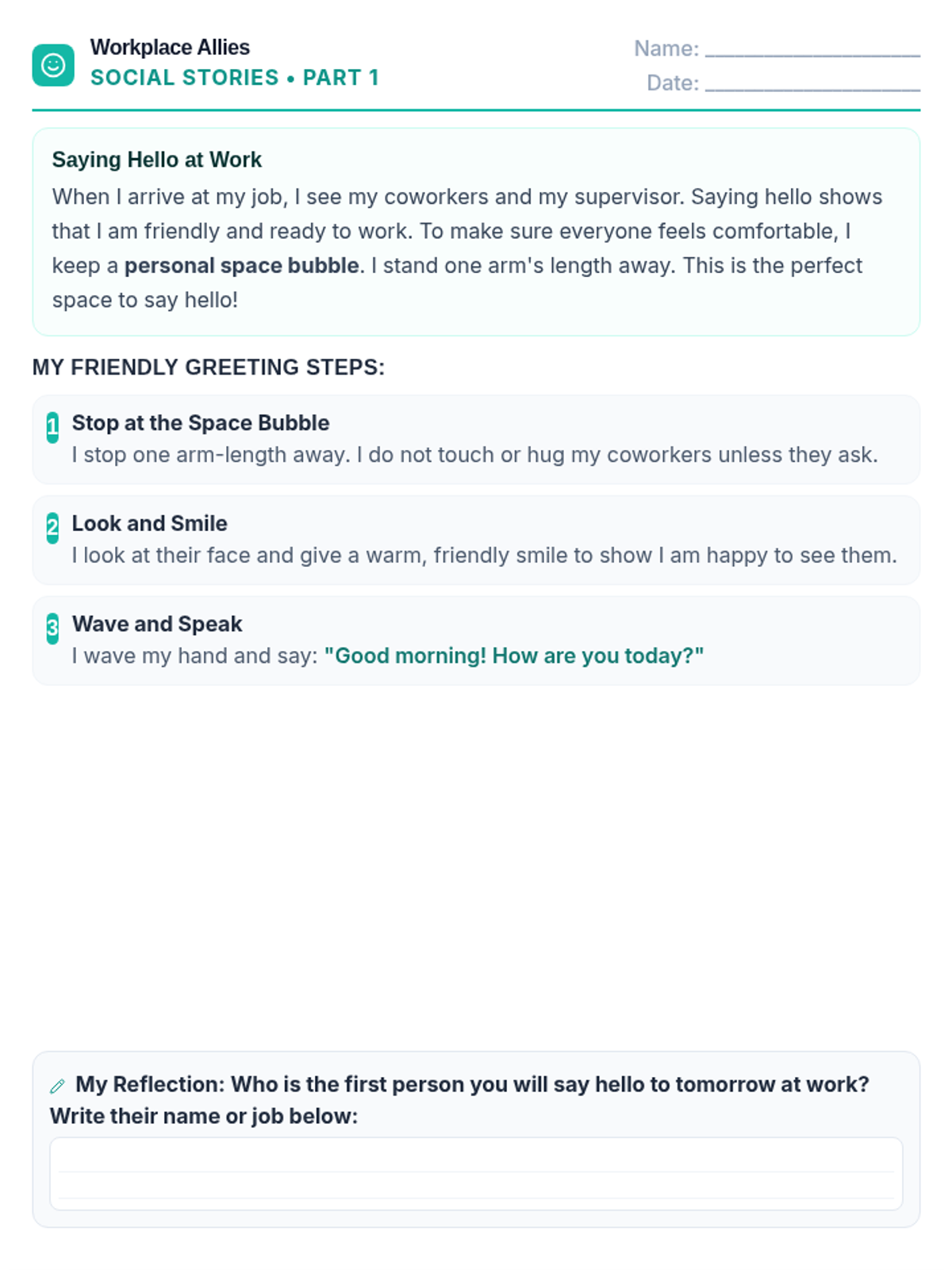
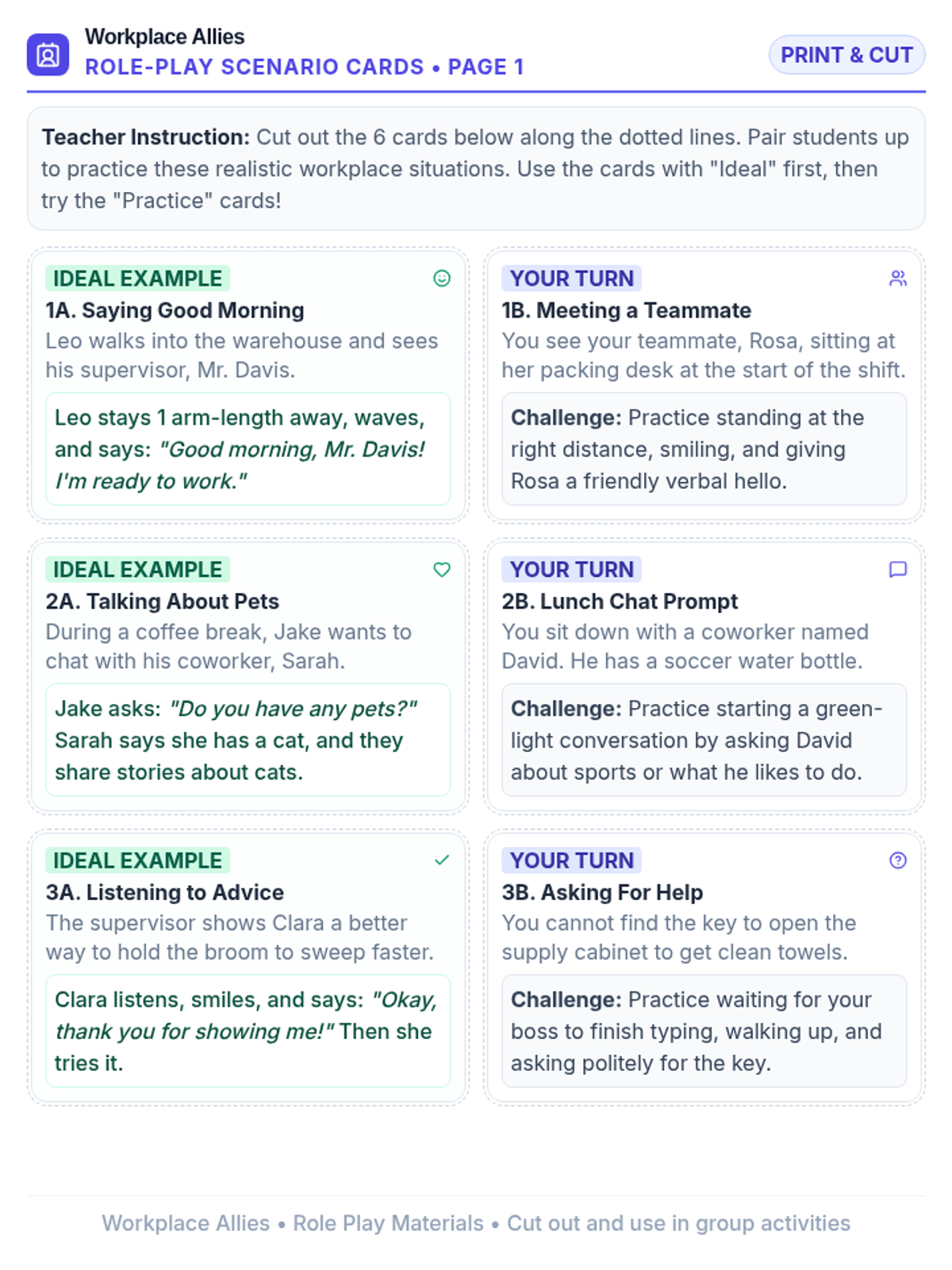
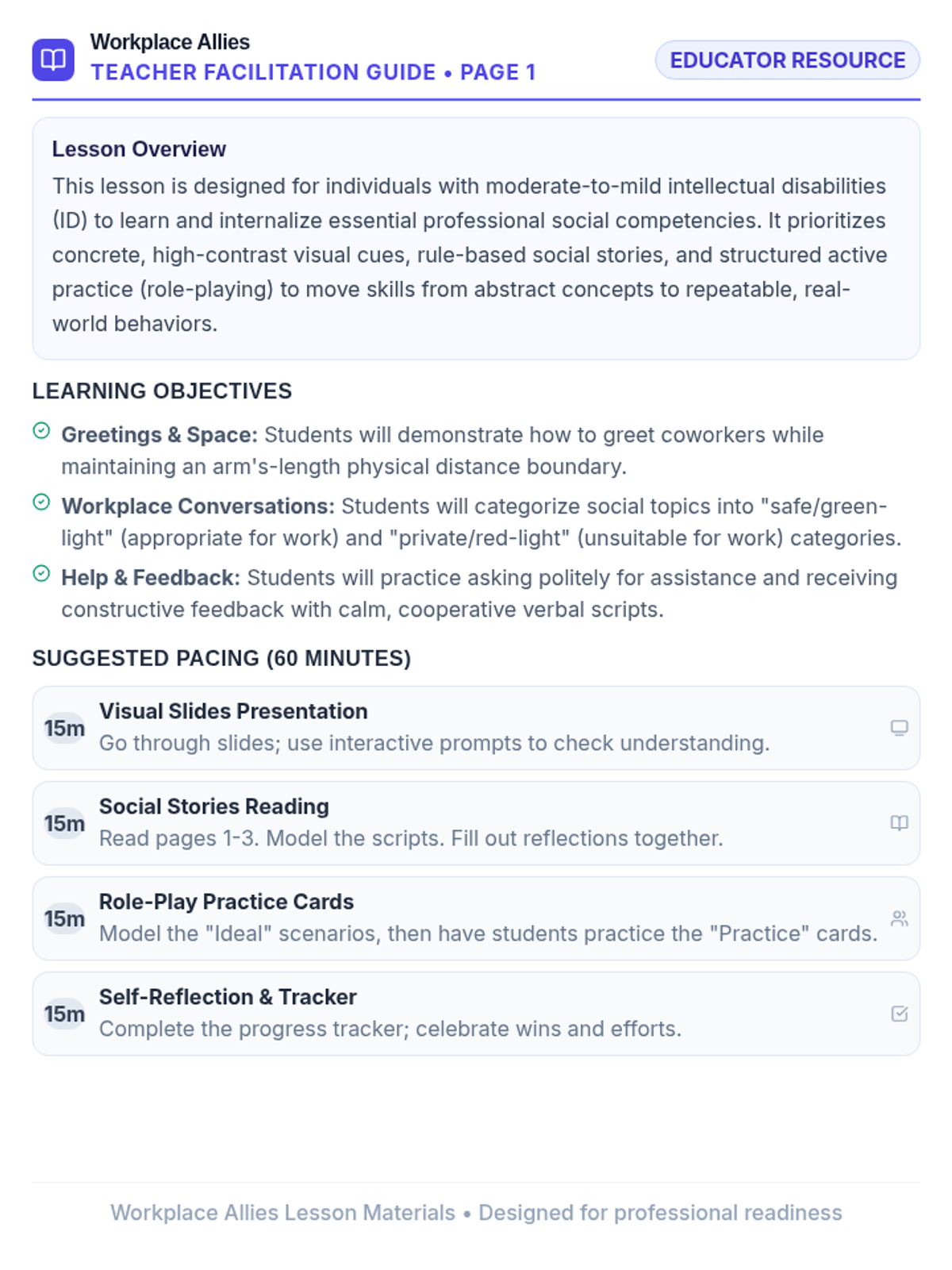
A visual, highly structured lesson designed to teach individuals with intellectual disabilities essential workplace social skills. The lesson covers greetings, personal space, appropriate topic selection, asking for help, and receiving supervisor feedback through interactive slides, visual social stories, and printable role-play scenario cards.
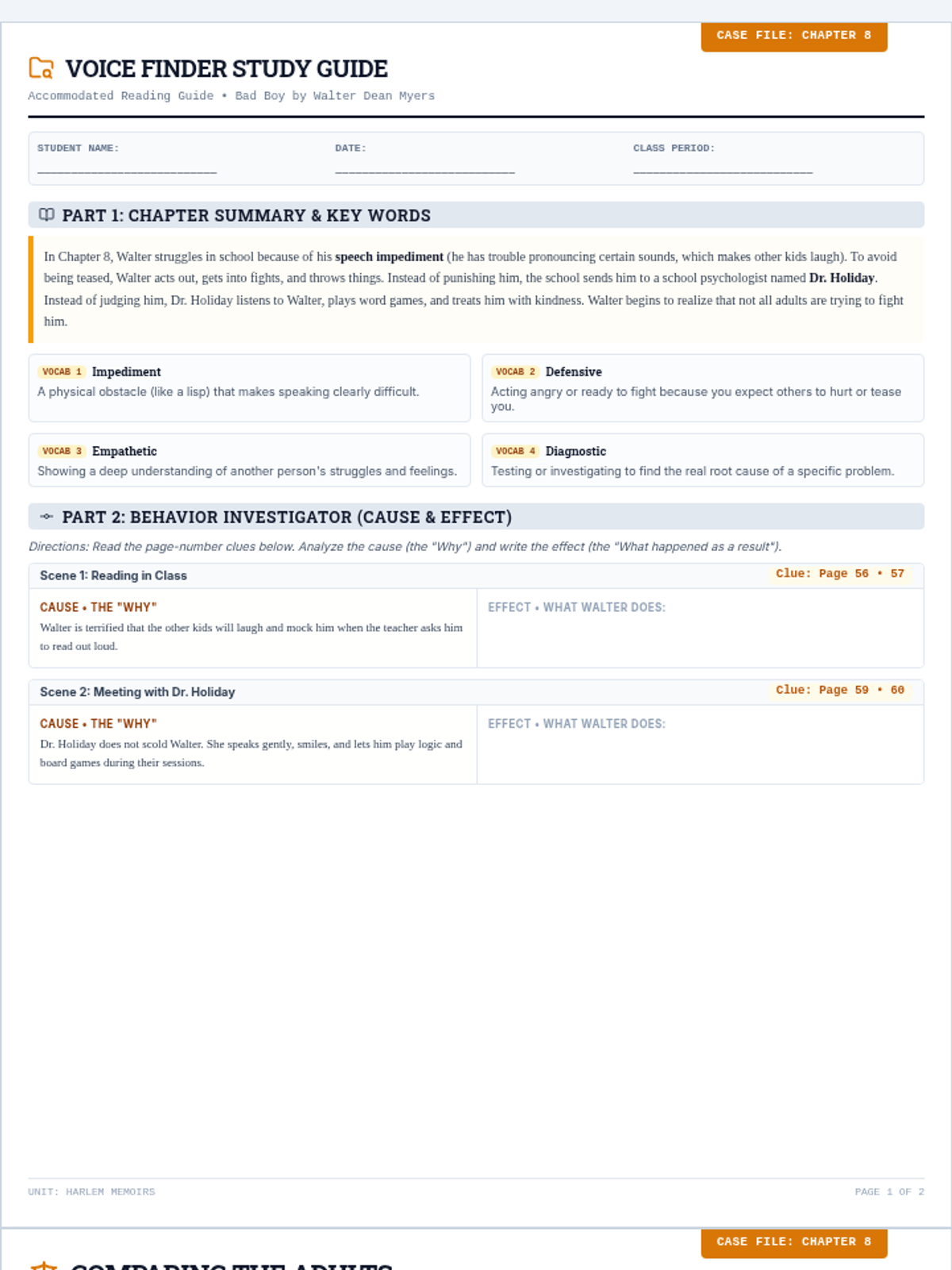
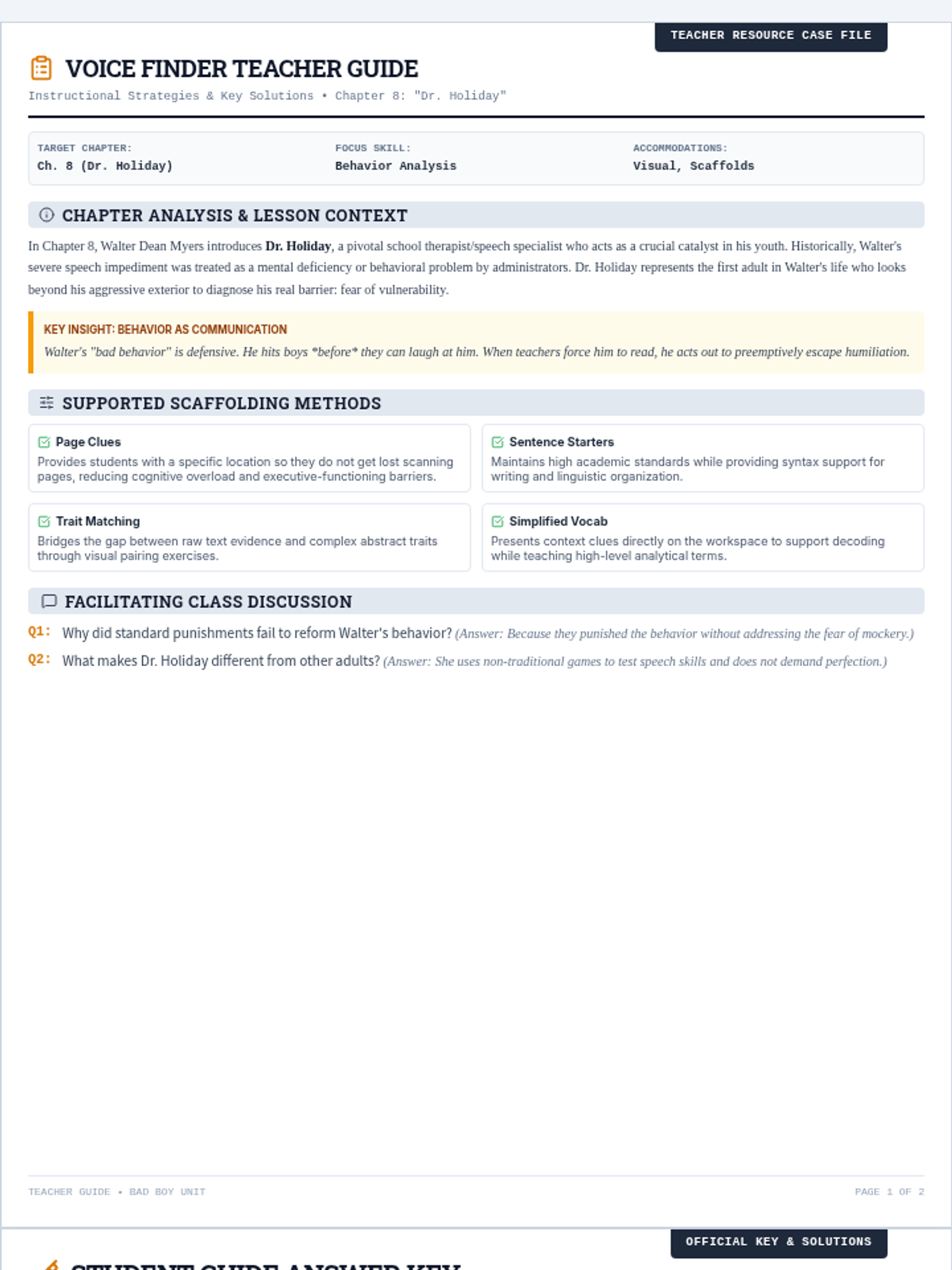
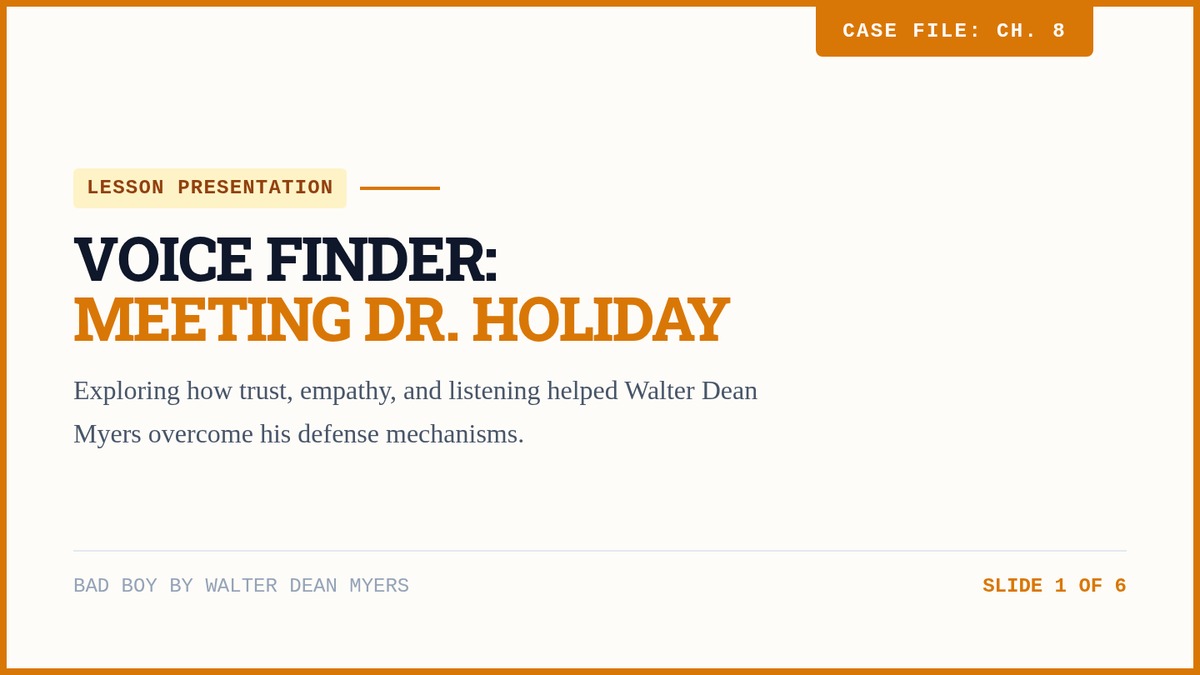
An accommodated, highly-scaffolded study guide and lesson resources focused on the 'Dr. Holiday' chapter of Walter Dean Myers' memoir, Bad Boy. Students explore character traits, comparison of adult figures, vocabulary, and cause-and-effect relationships surrounding Walter's behavior.
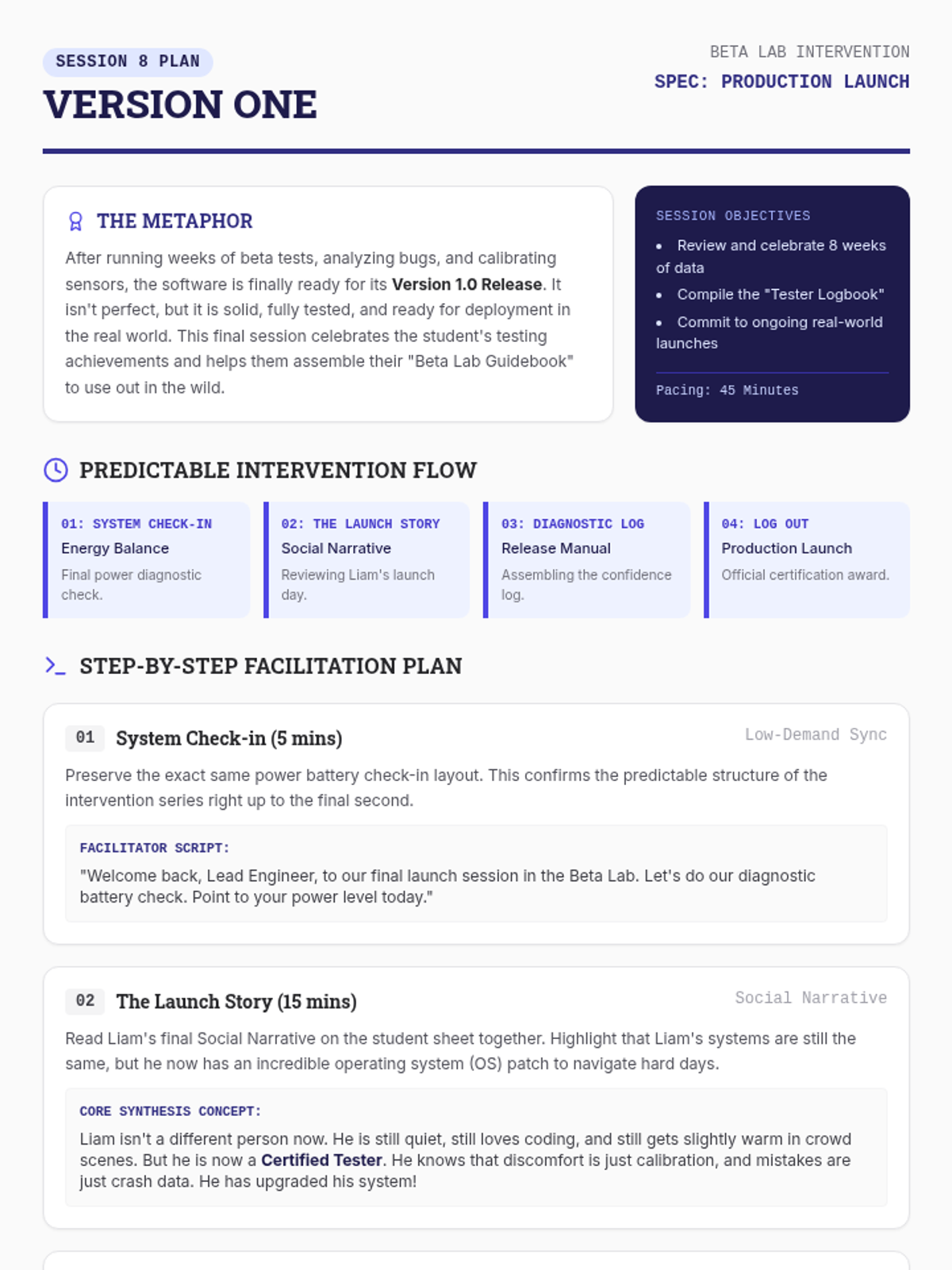
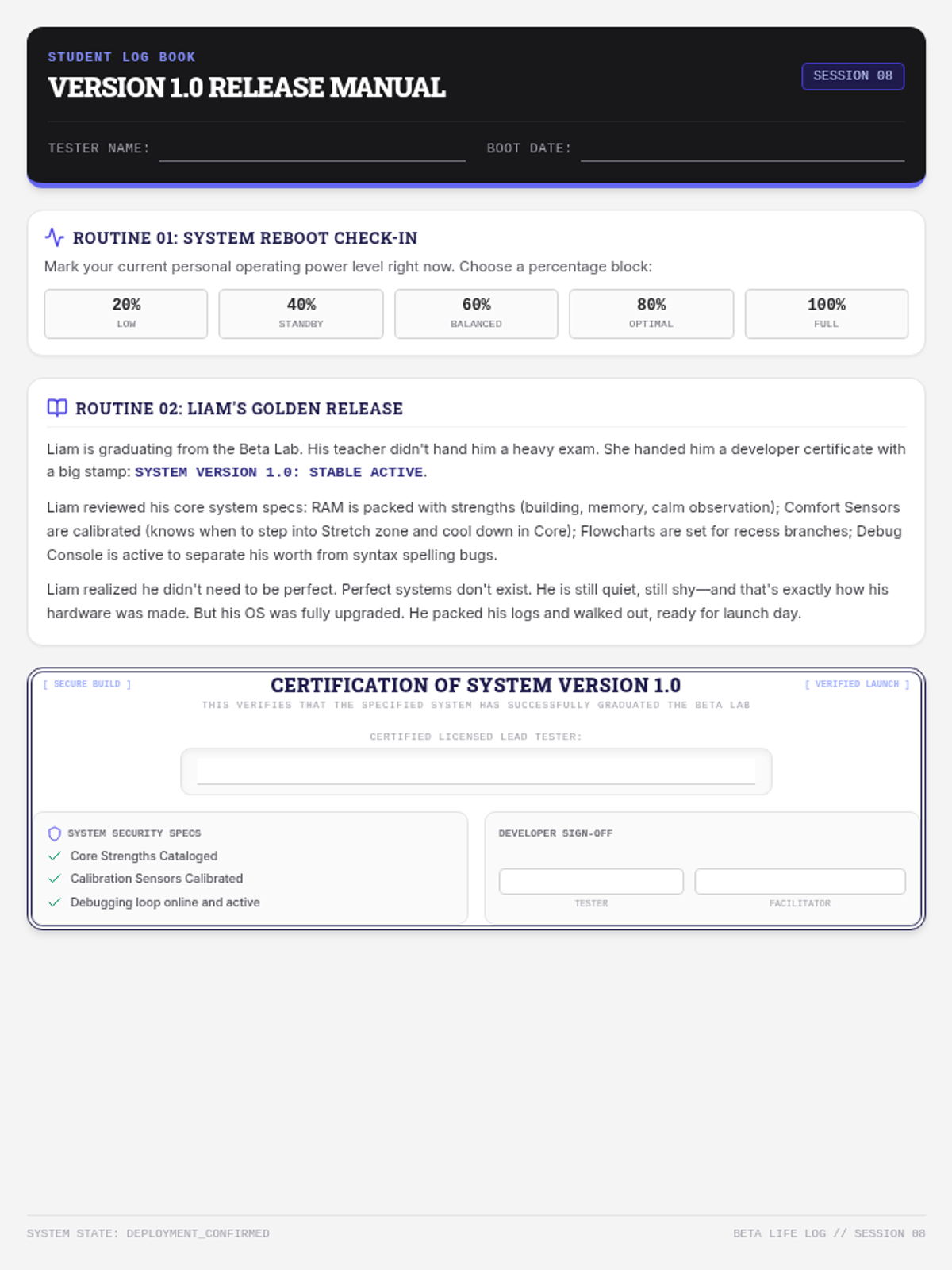
Session 8 synthesizes the 8-week journey. The student compiles their logs into a personalized confidence guide and celebrates their testing achievements.
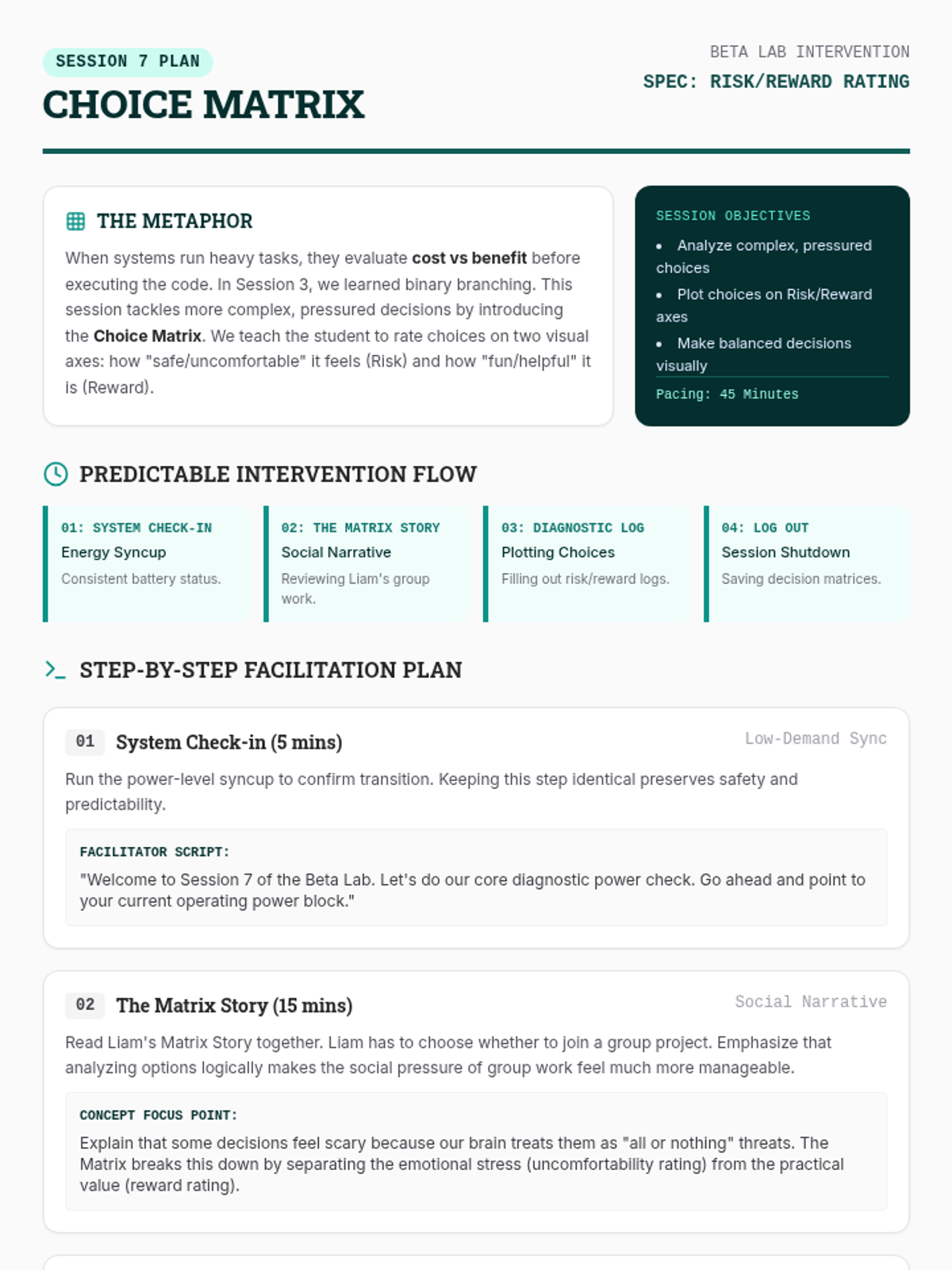
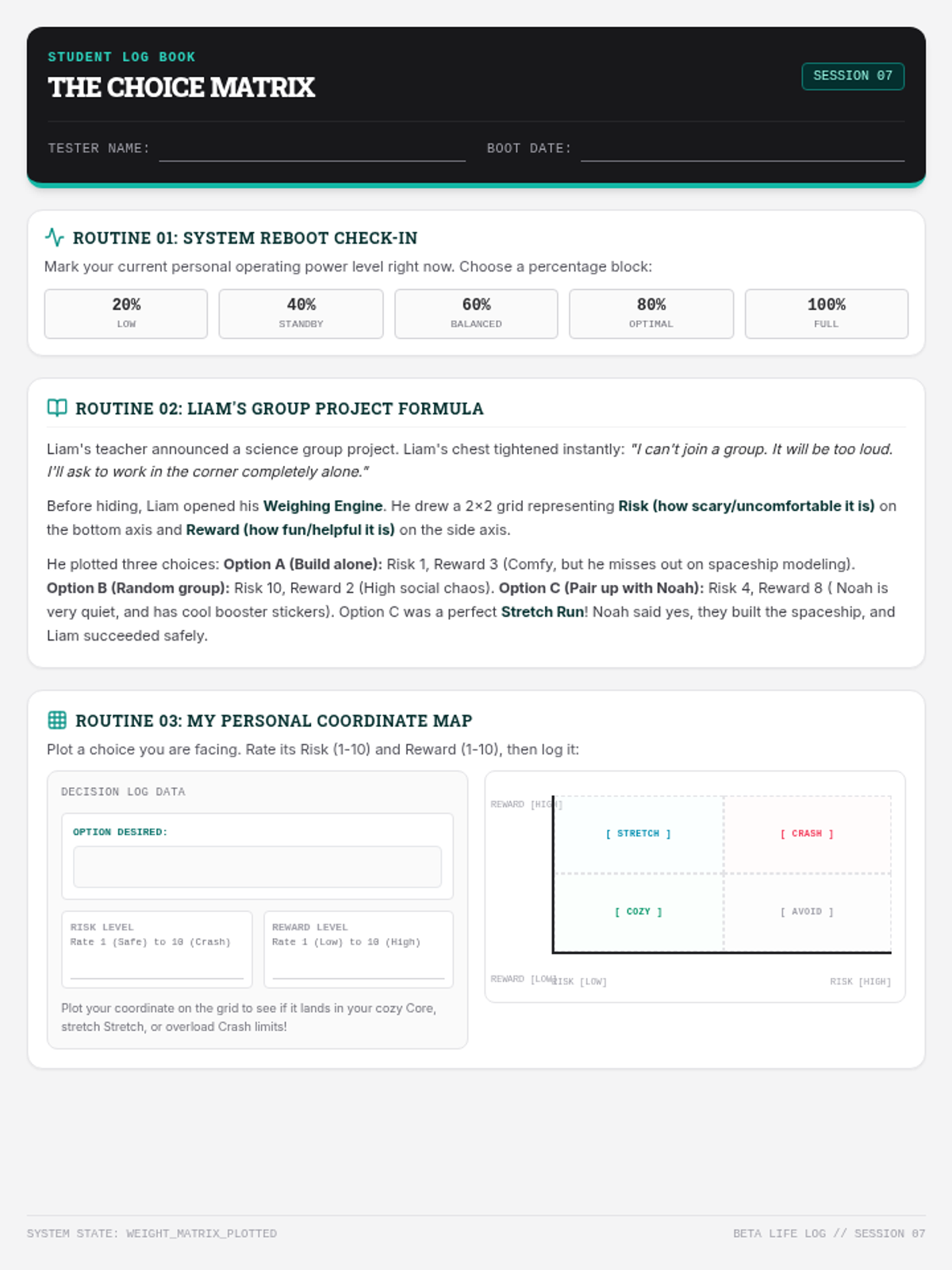
Session 7 explores more complex decisions under pressure, teaching the student how to weigh risks and rewards using a simple visual rating tool.
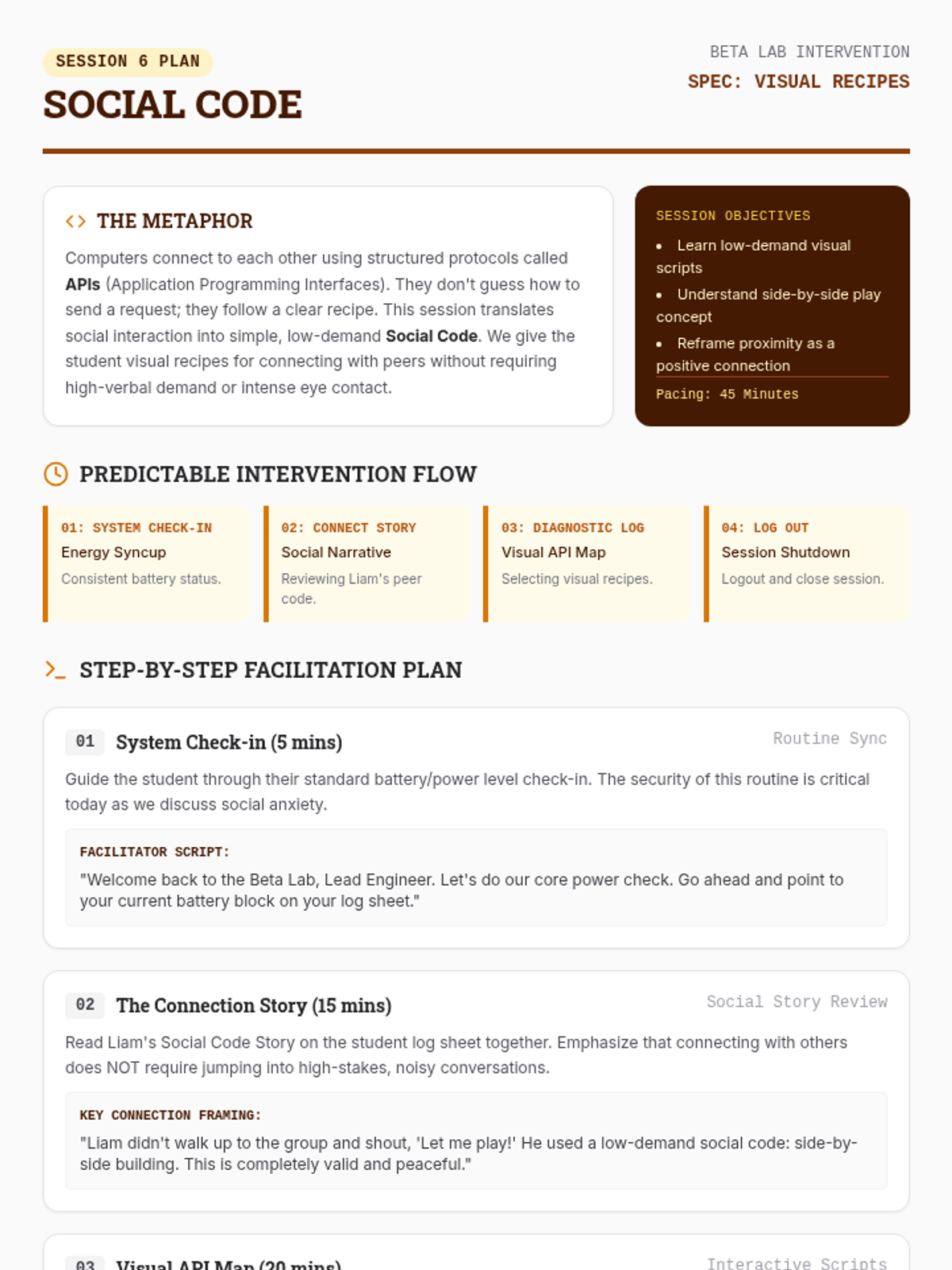
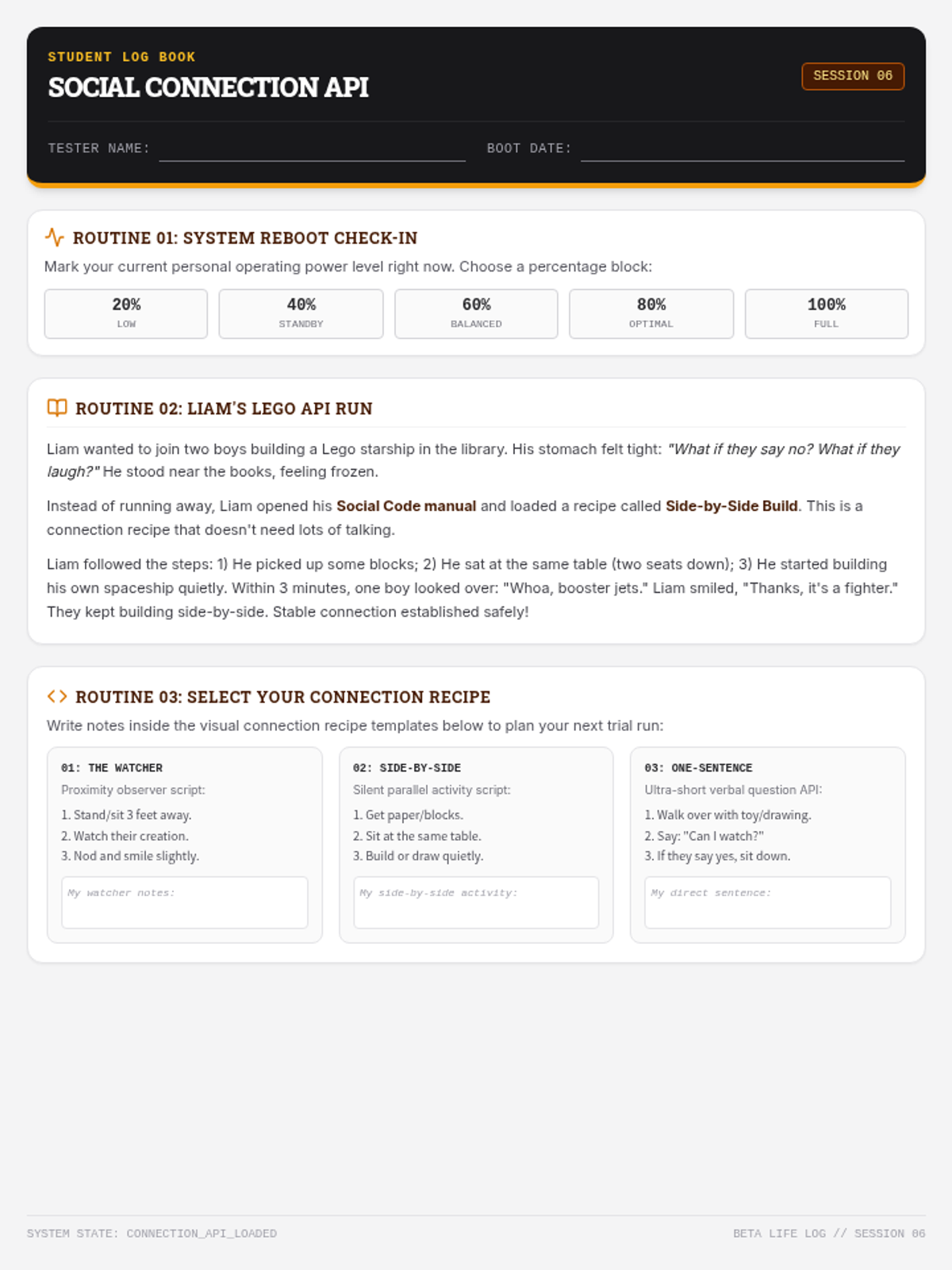
Session 6 addresses social interactions. The student learns low-demand social scripts and structured visual recipes for peer connection.