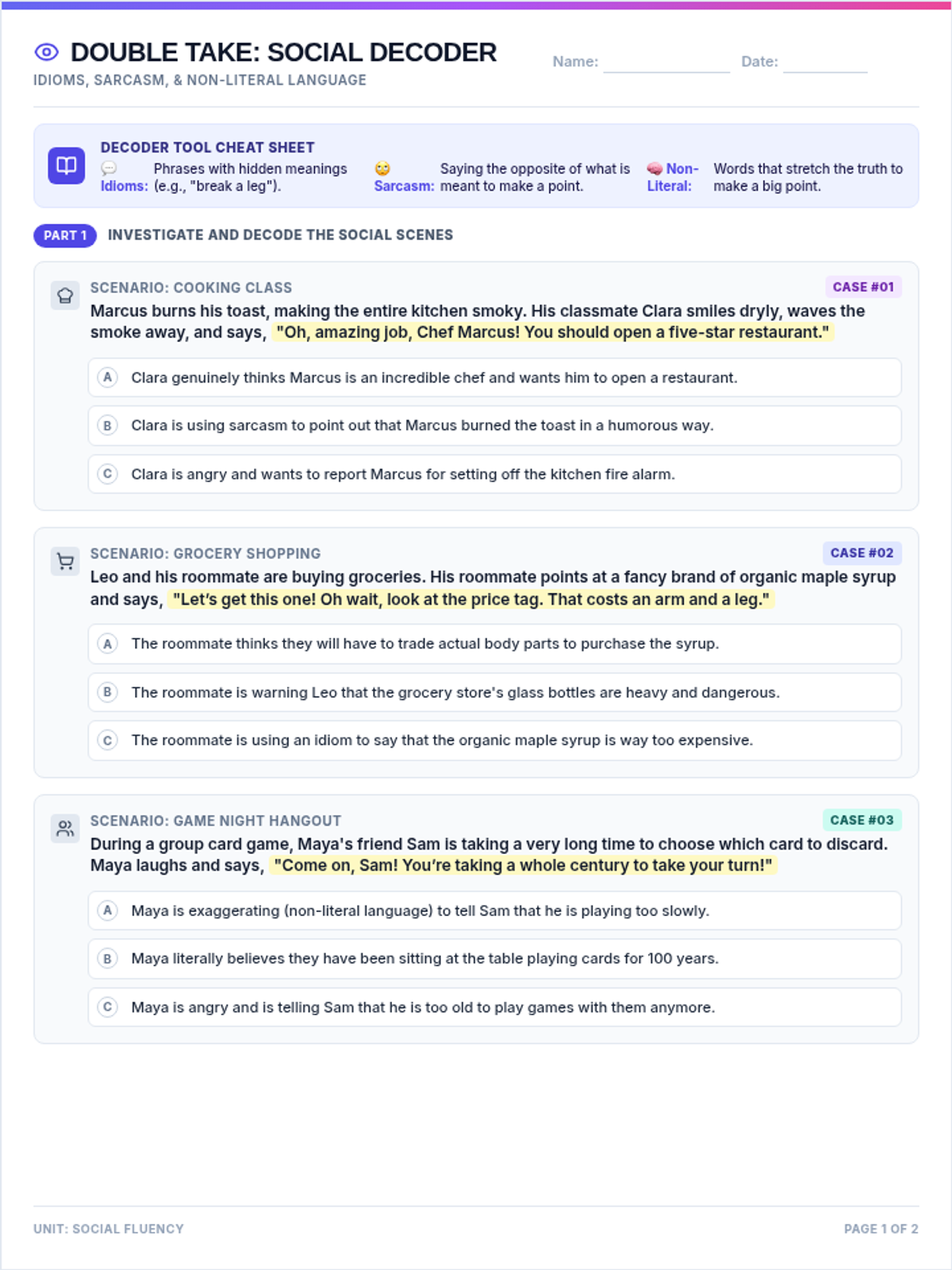
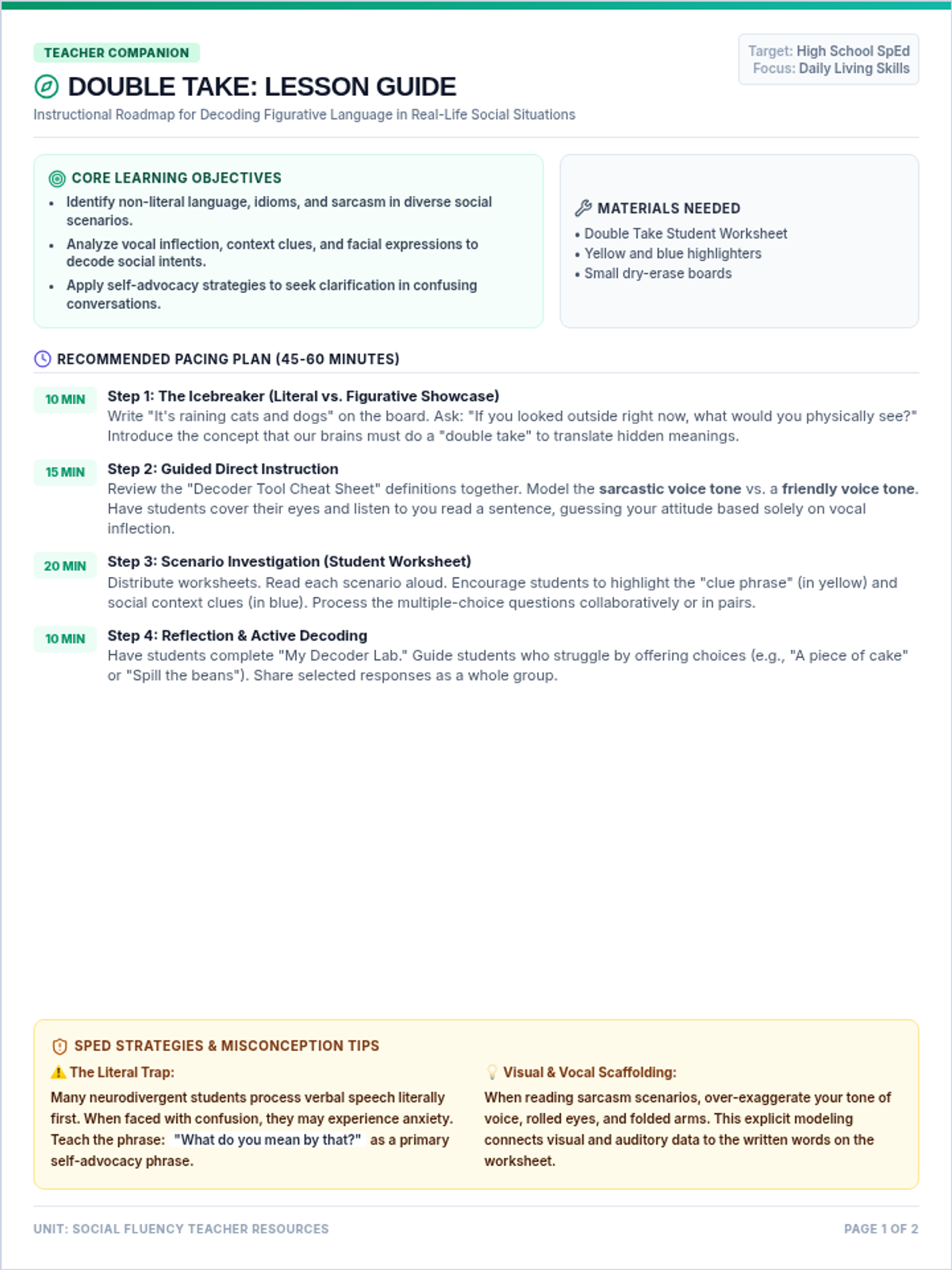
A comprehensive lesson designed for special education high school students to master figurative language, sarcasm, and idioms in independent living and real-world daily scenarios.
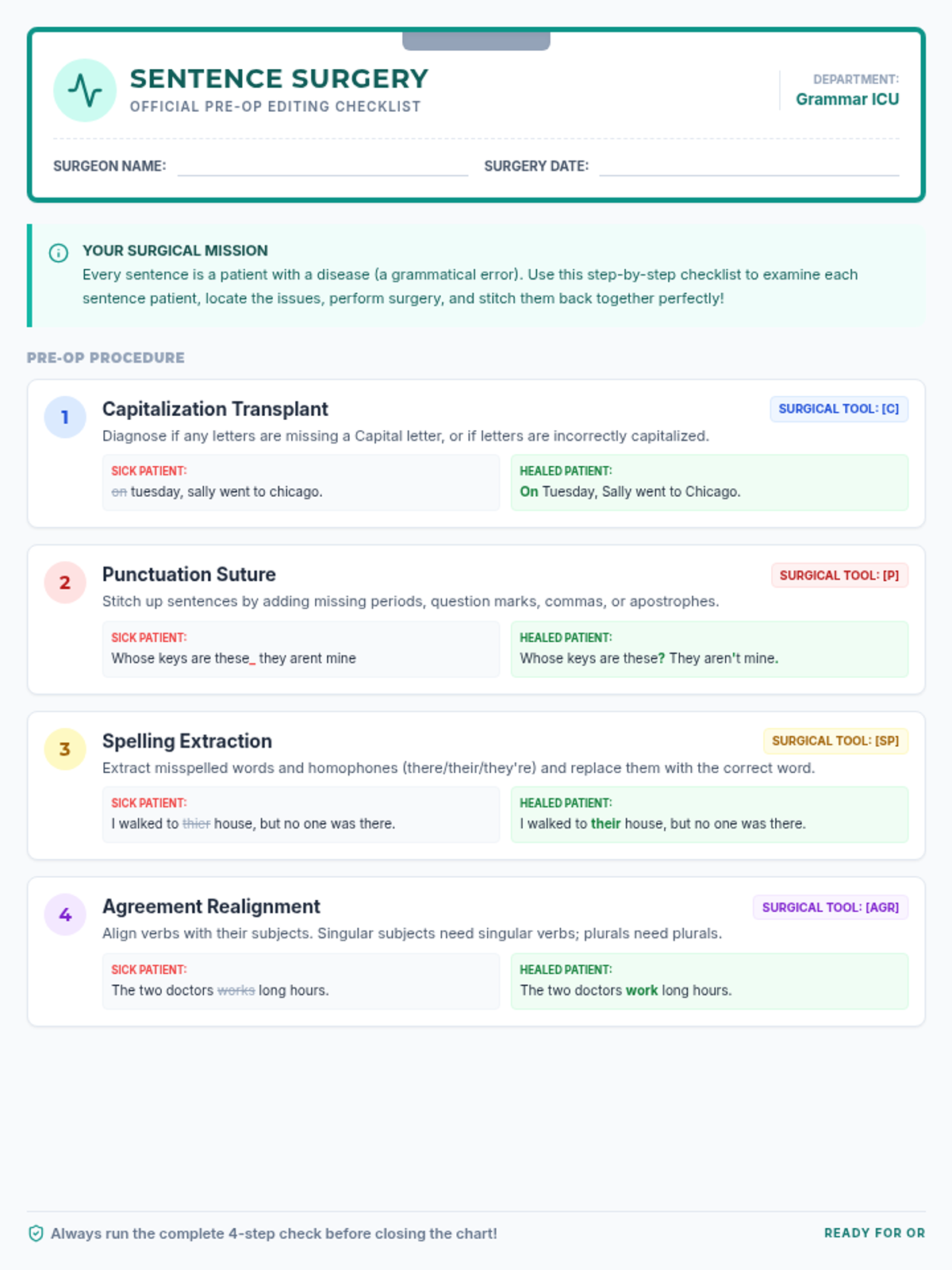
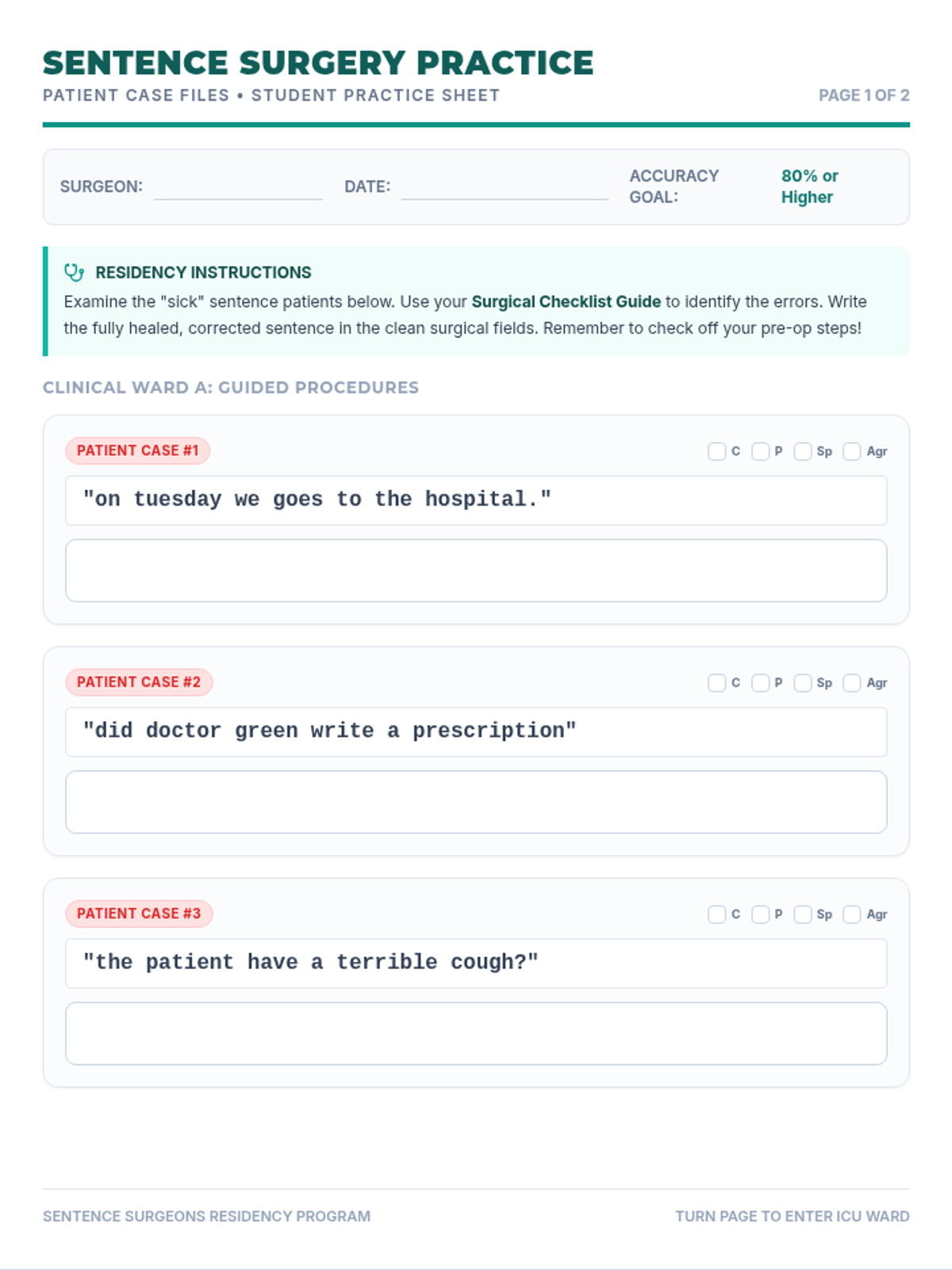
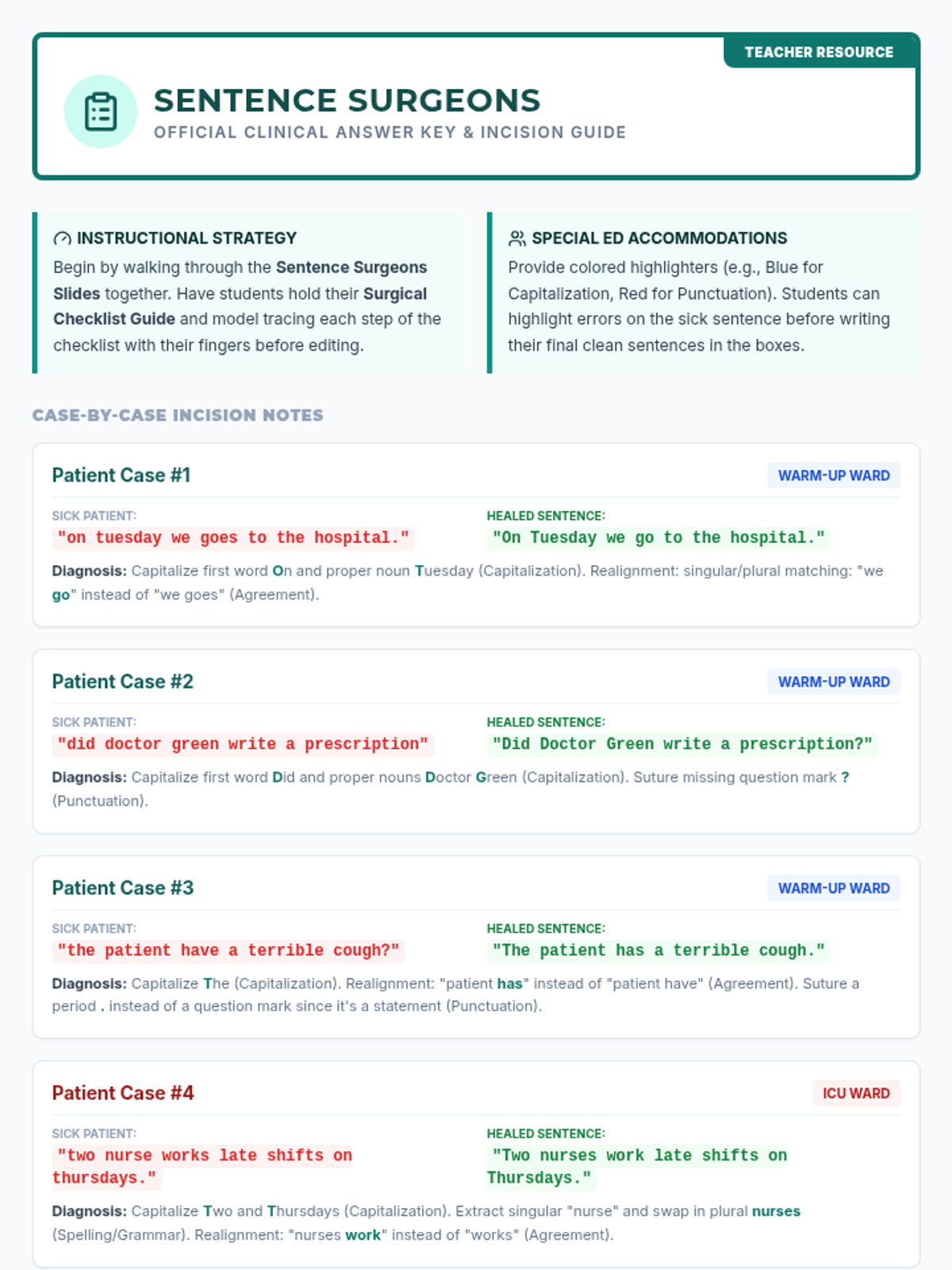
A specialized grammar and mechanics proofreading lesson themed around a medical 'sentence surgery' metaphor. Designed for high school special education, it breaks down mixed error editing into concrete, scaffolded steps using a visual surgical checklist and hands-on practice.
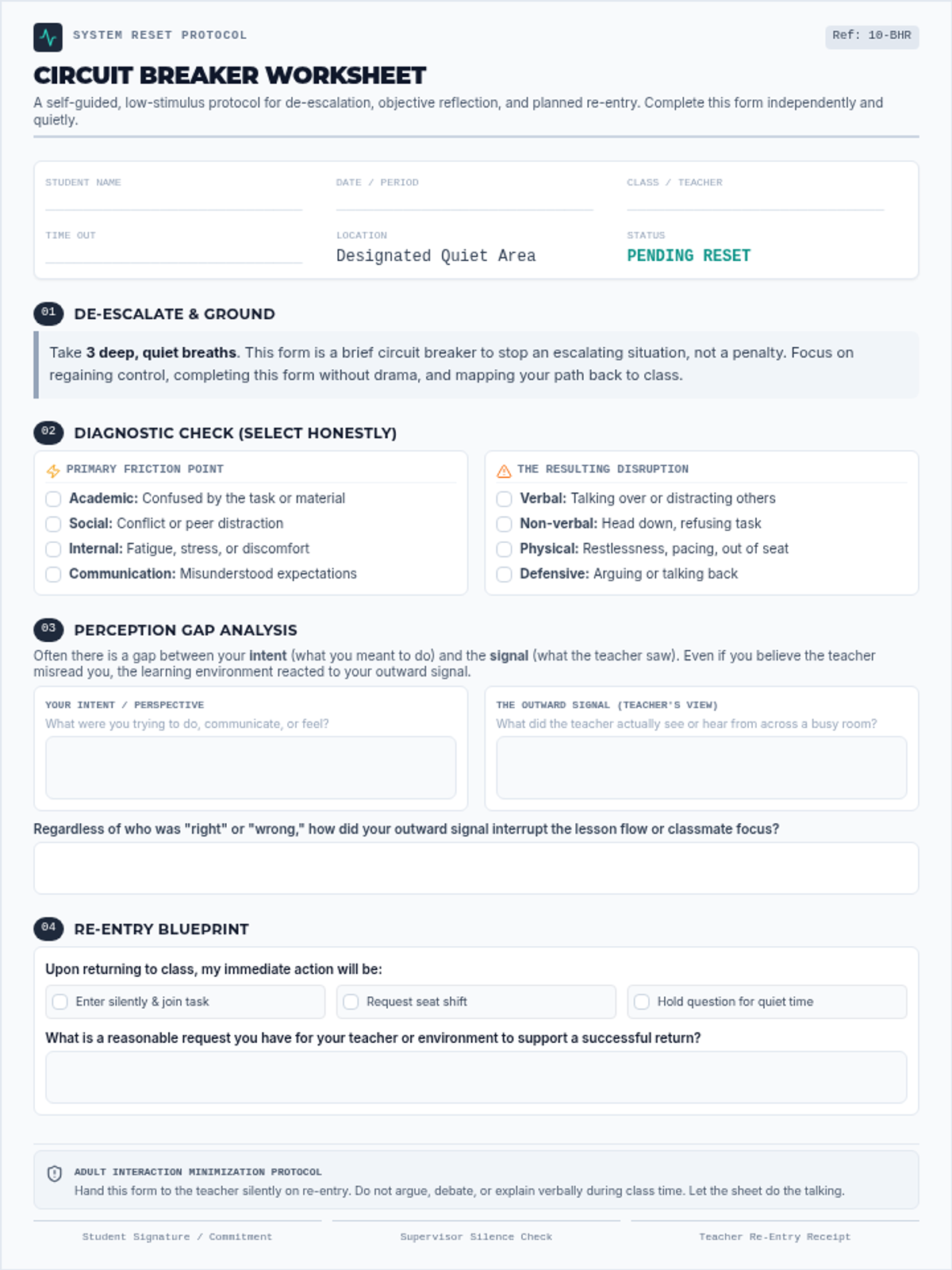
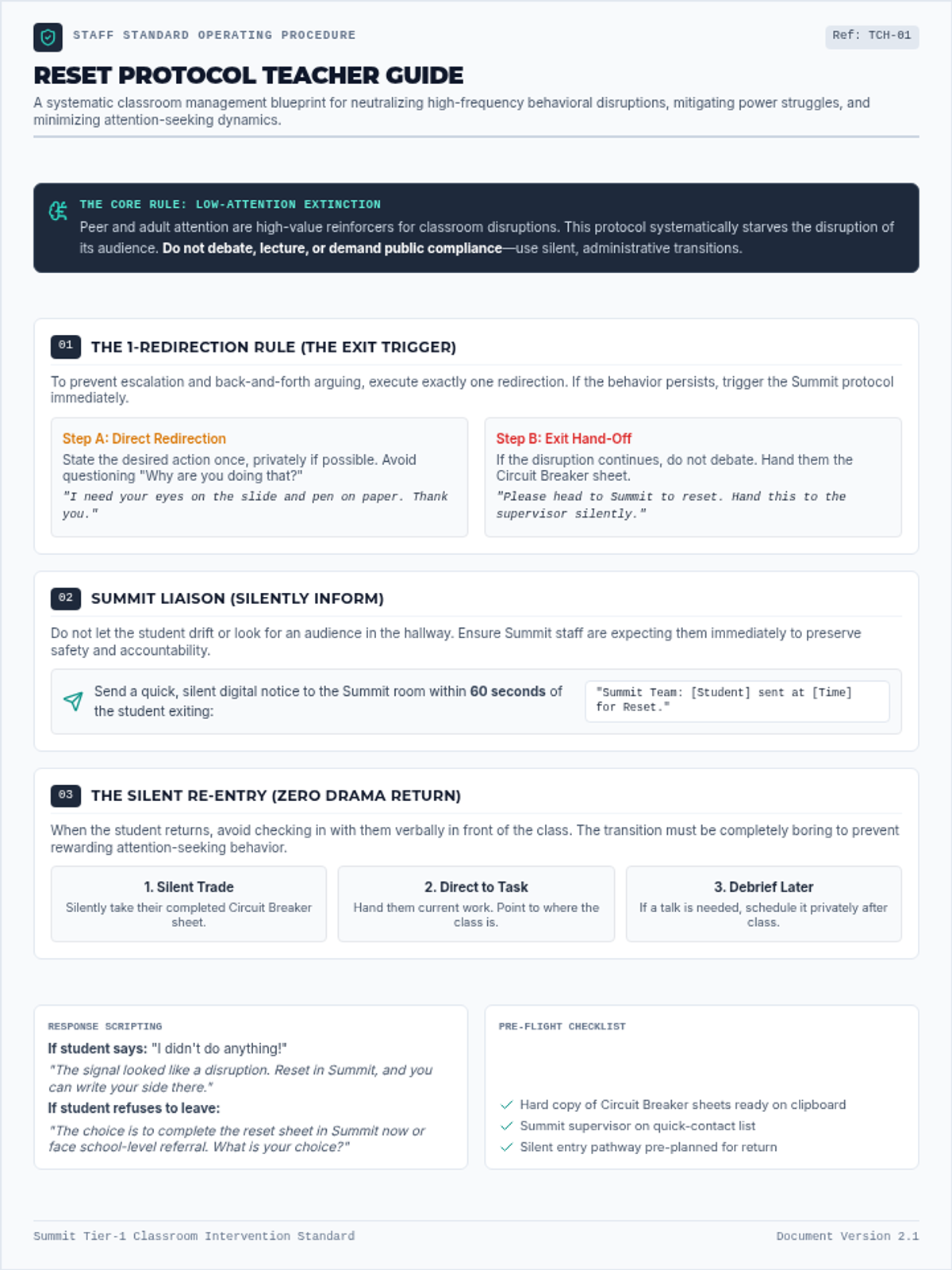
A systematic classroom management lesson consisting of a self-guided student worksheet and a teacher protocol guide, designed to manage high school behavioral disruptions with low-stimulus interventions.
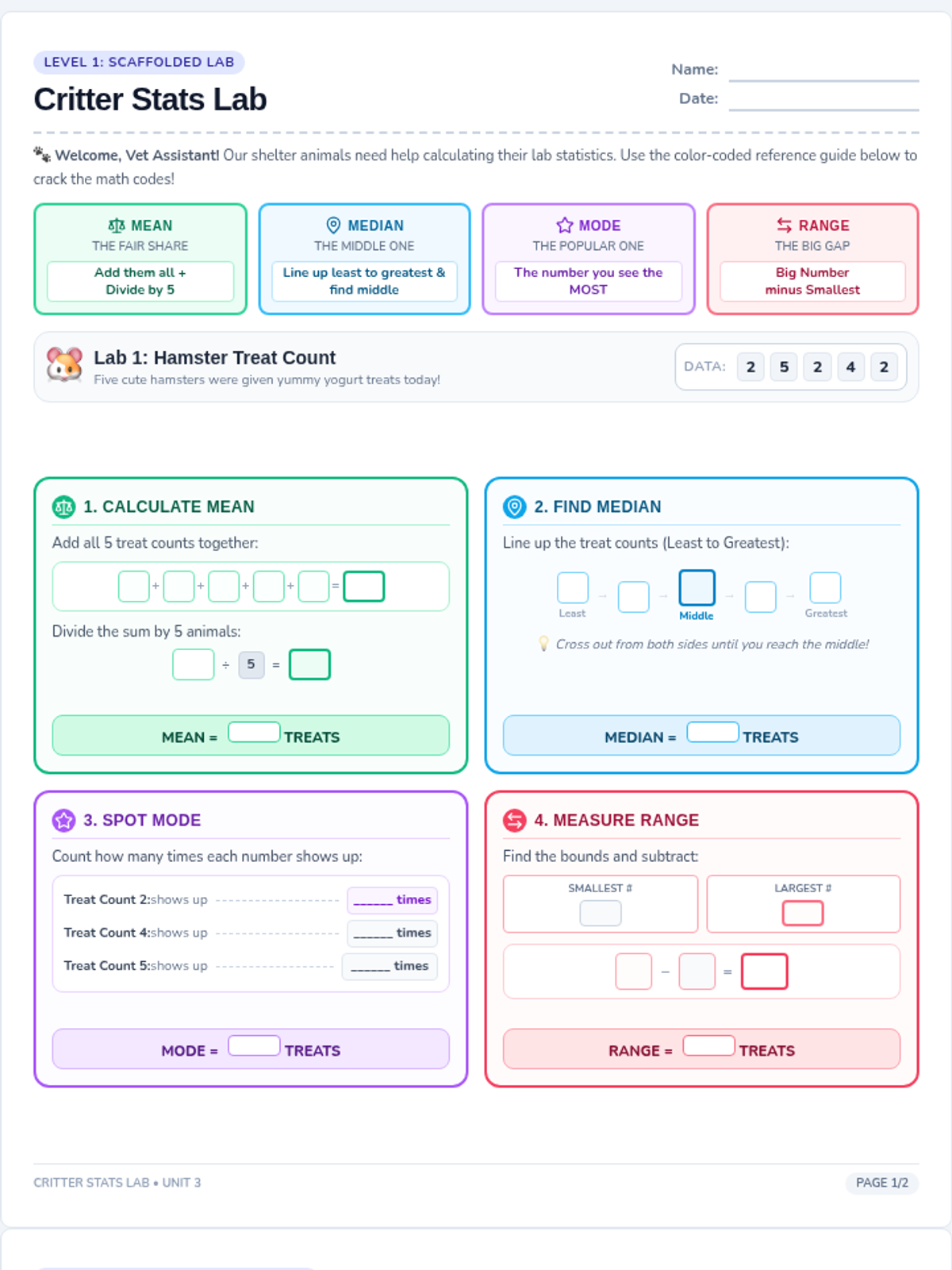
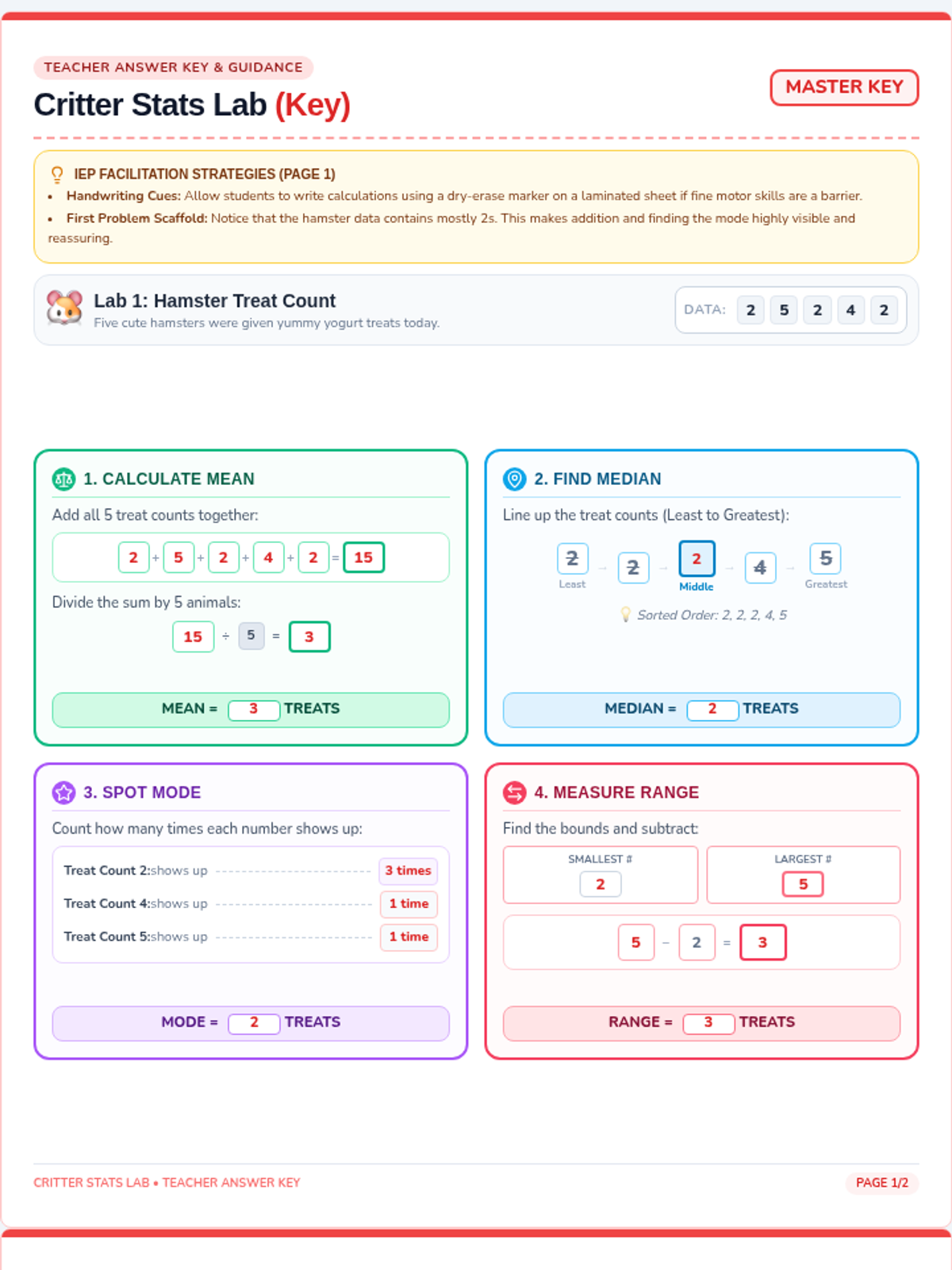
A highly visual, color-coded math lesson introducing mean, median, mode, and range to IEP students using adorable pet shelter statistics. Highly structured layout with minimal text density and supportive visual cues.
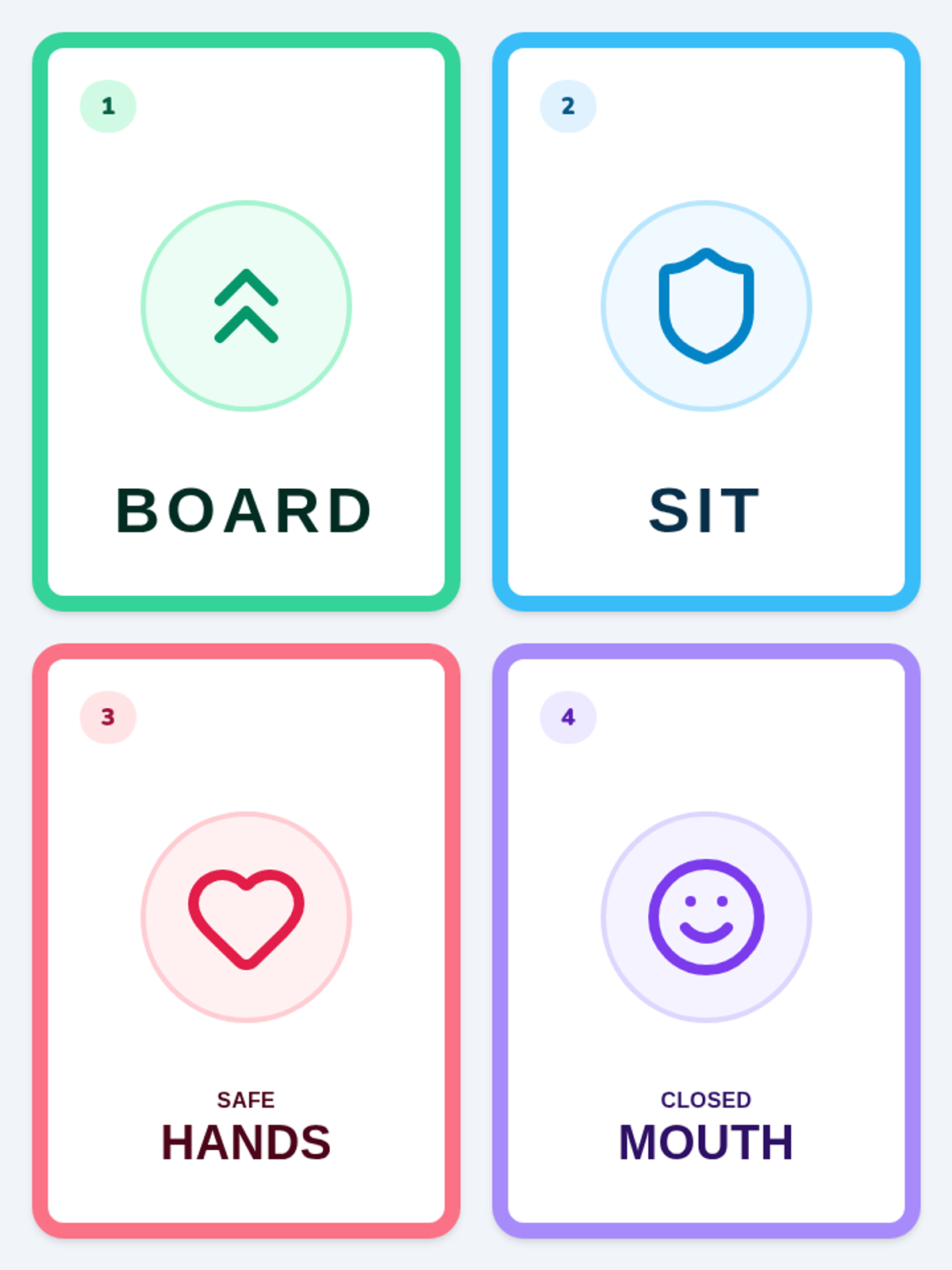
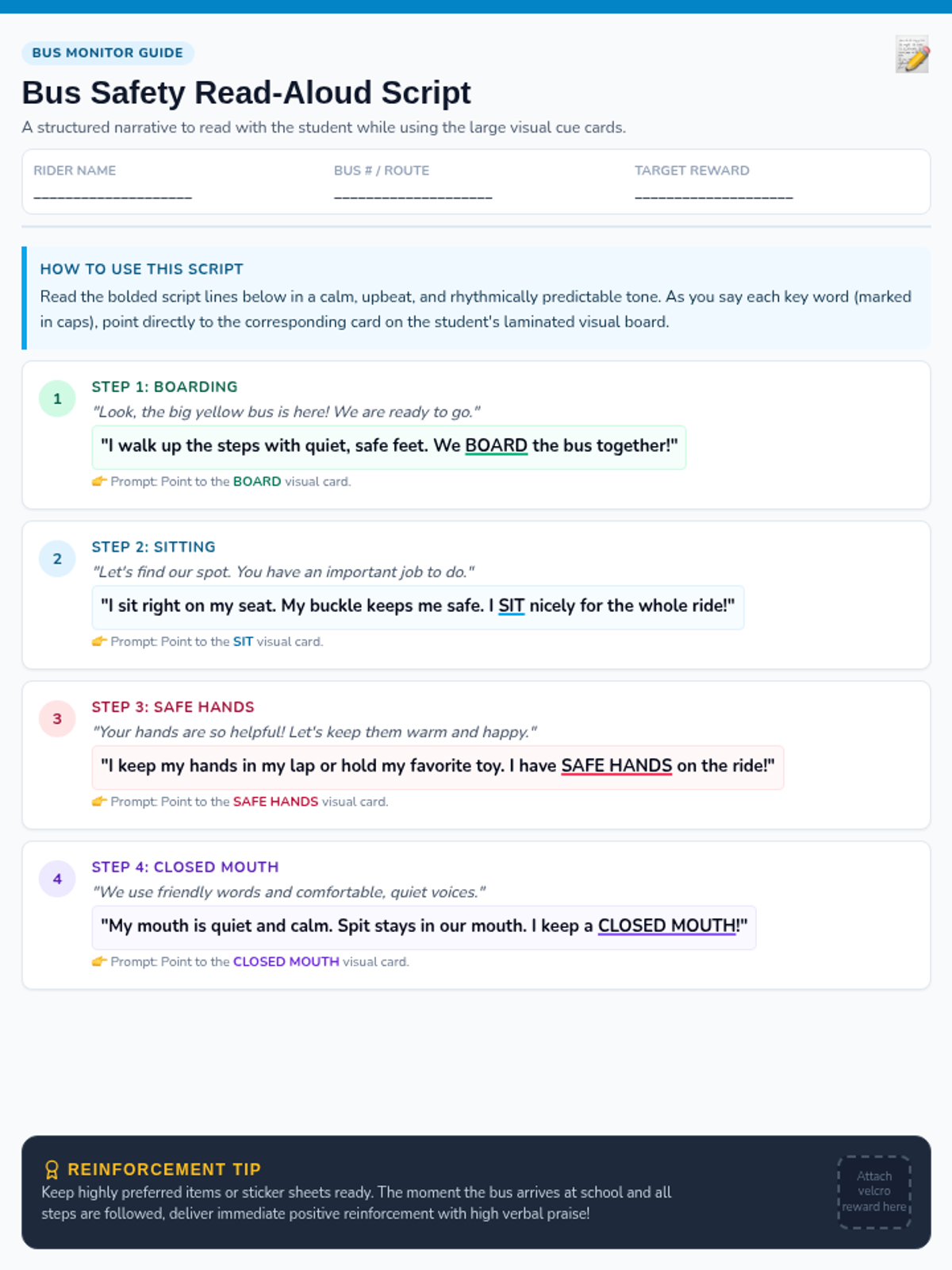
A structured visual and narrative routine designed to support a kindergarten student with severe special needs in riding the bus safely. Features a dedicated monitor read-aloud script and highly focused, large-format visual cue cards.
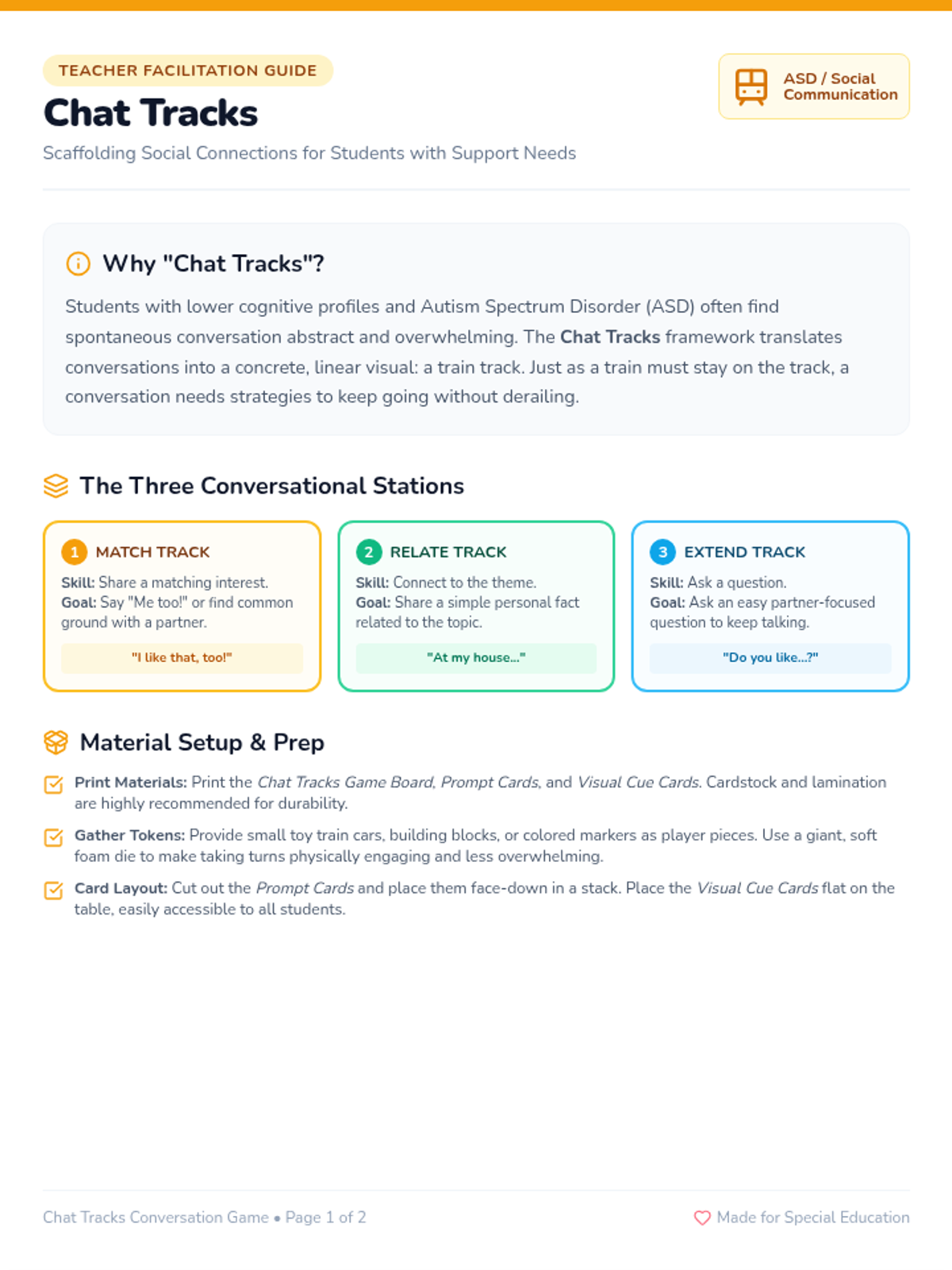
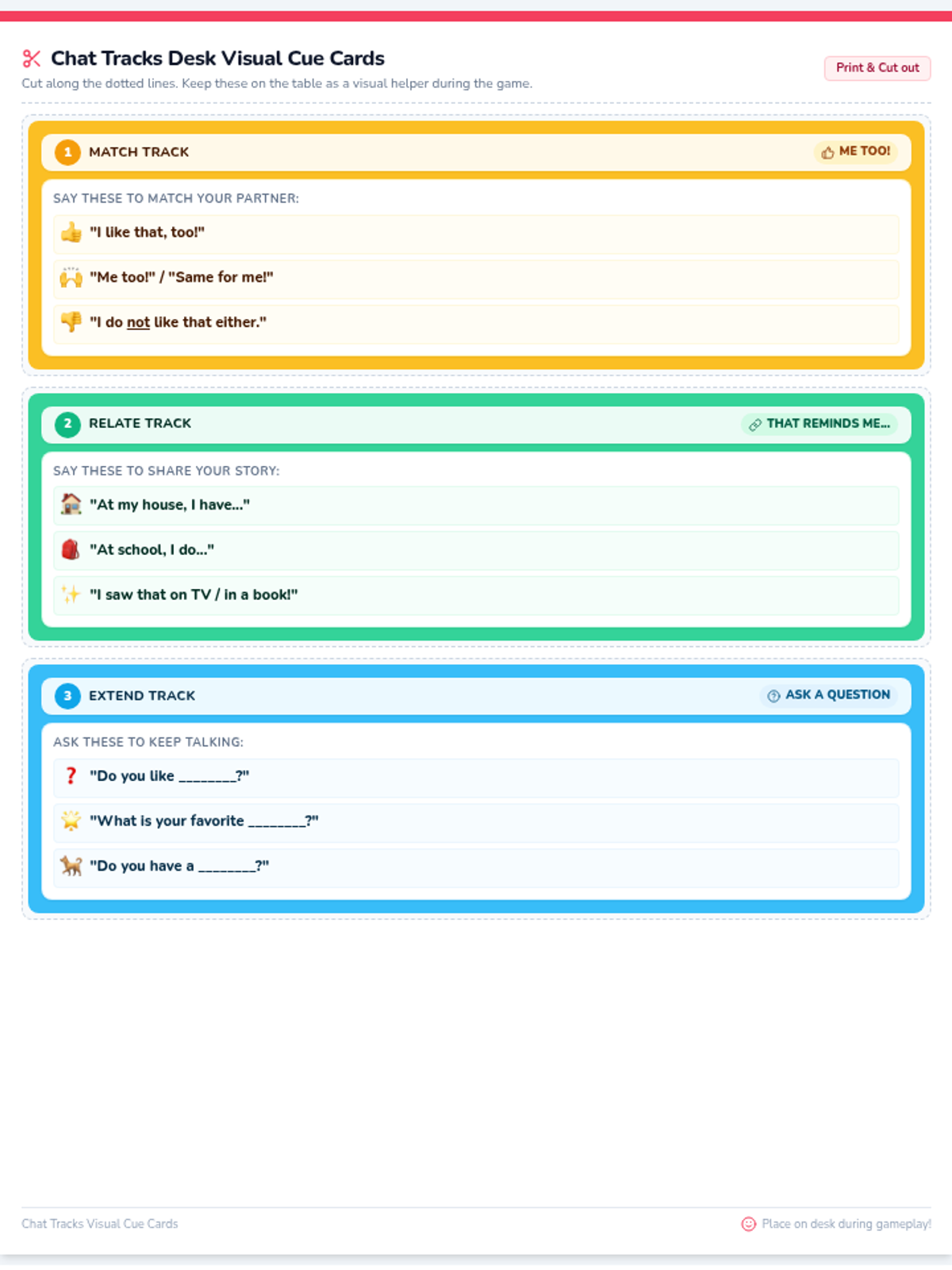
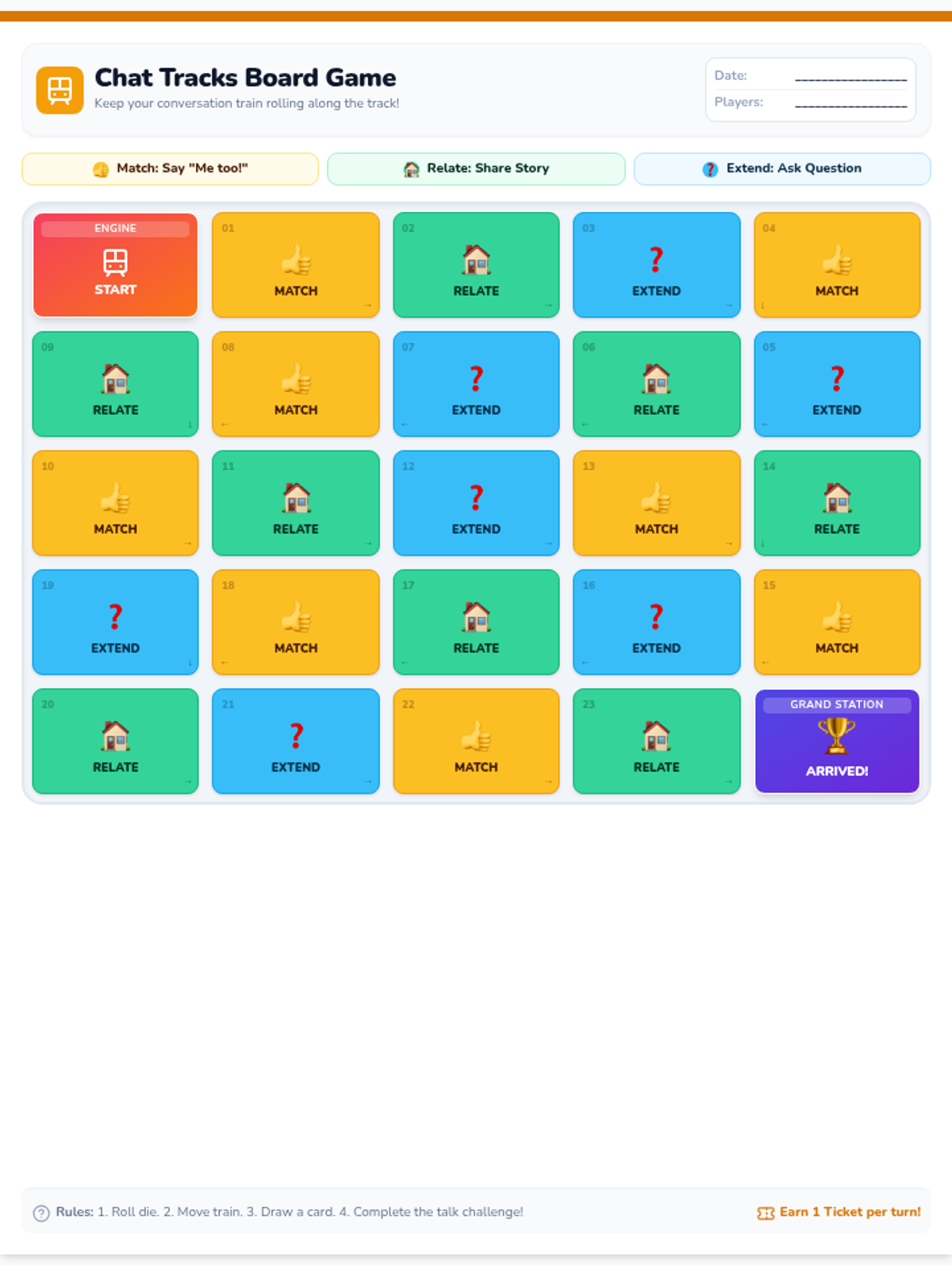
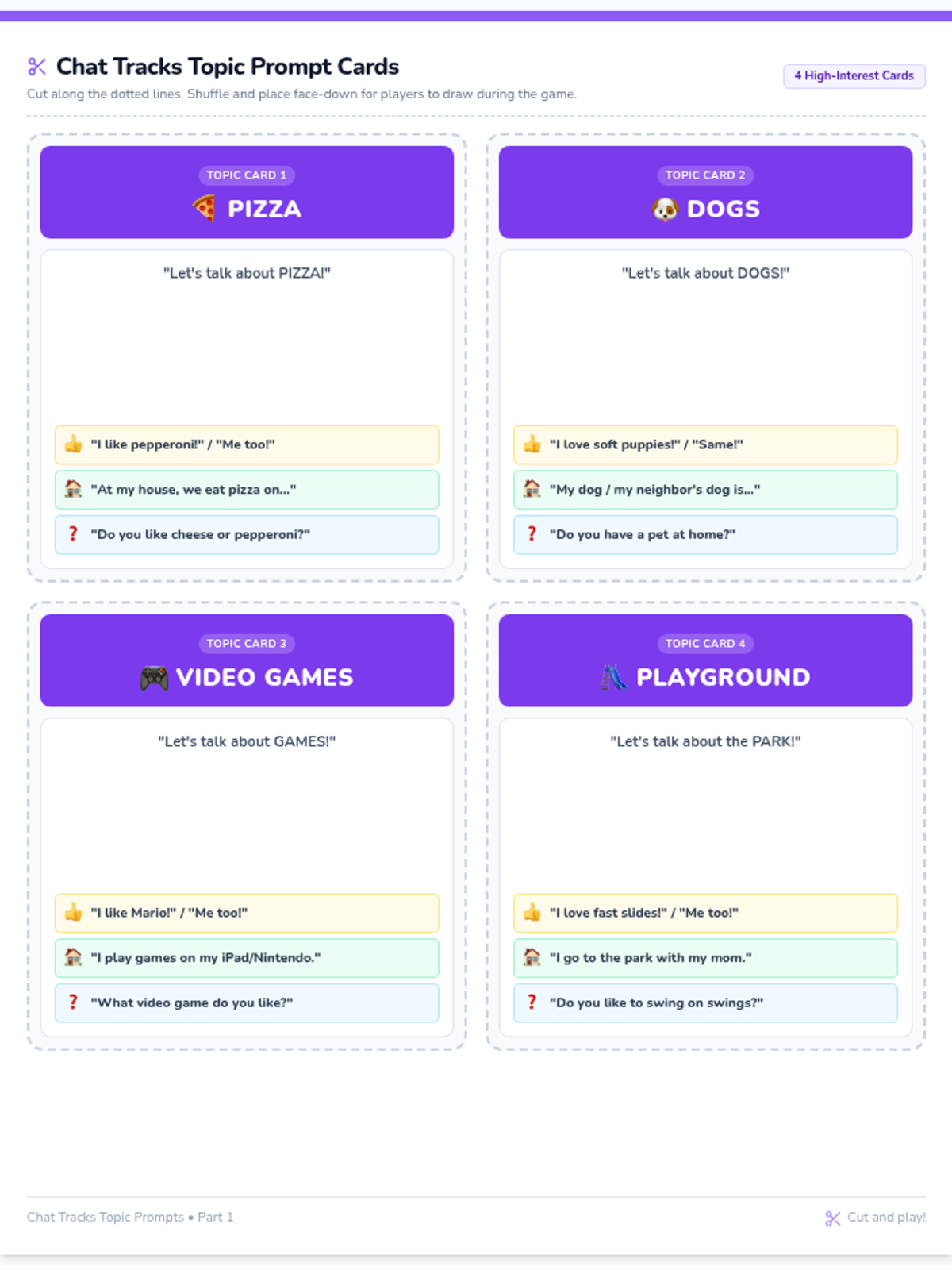
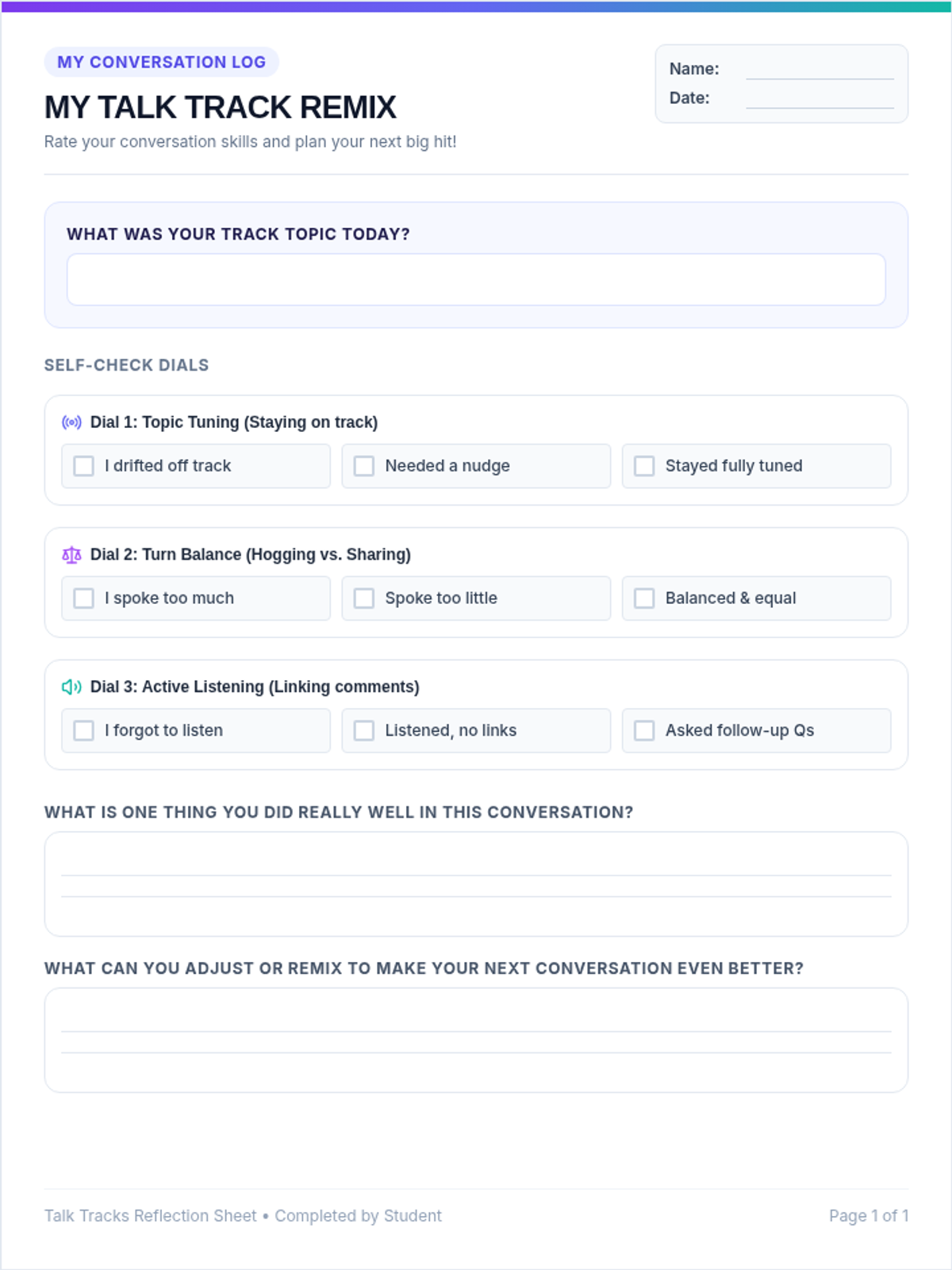
A structured, visual-first conversational game designed for speech therapists, special education teachers, and paraprofessionals to support low-cognitive students with Autism Spectrum Disorder (ASD). The lesson uses a concrete train-track motif to scaffold three essential conversational skills: sharing matching interests, relating to topics, and extending dialogue.
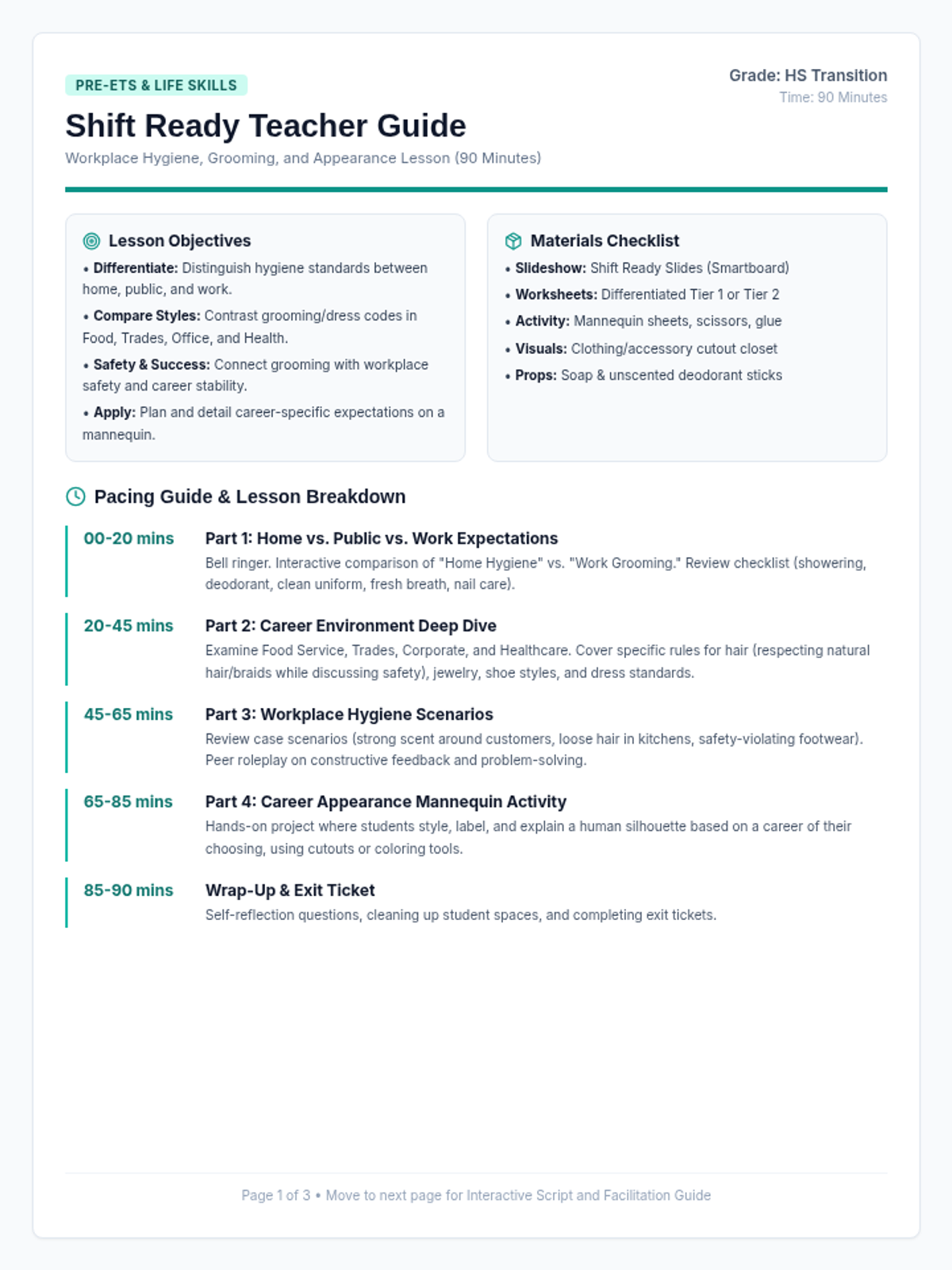
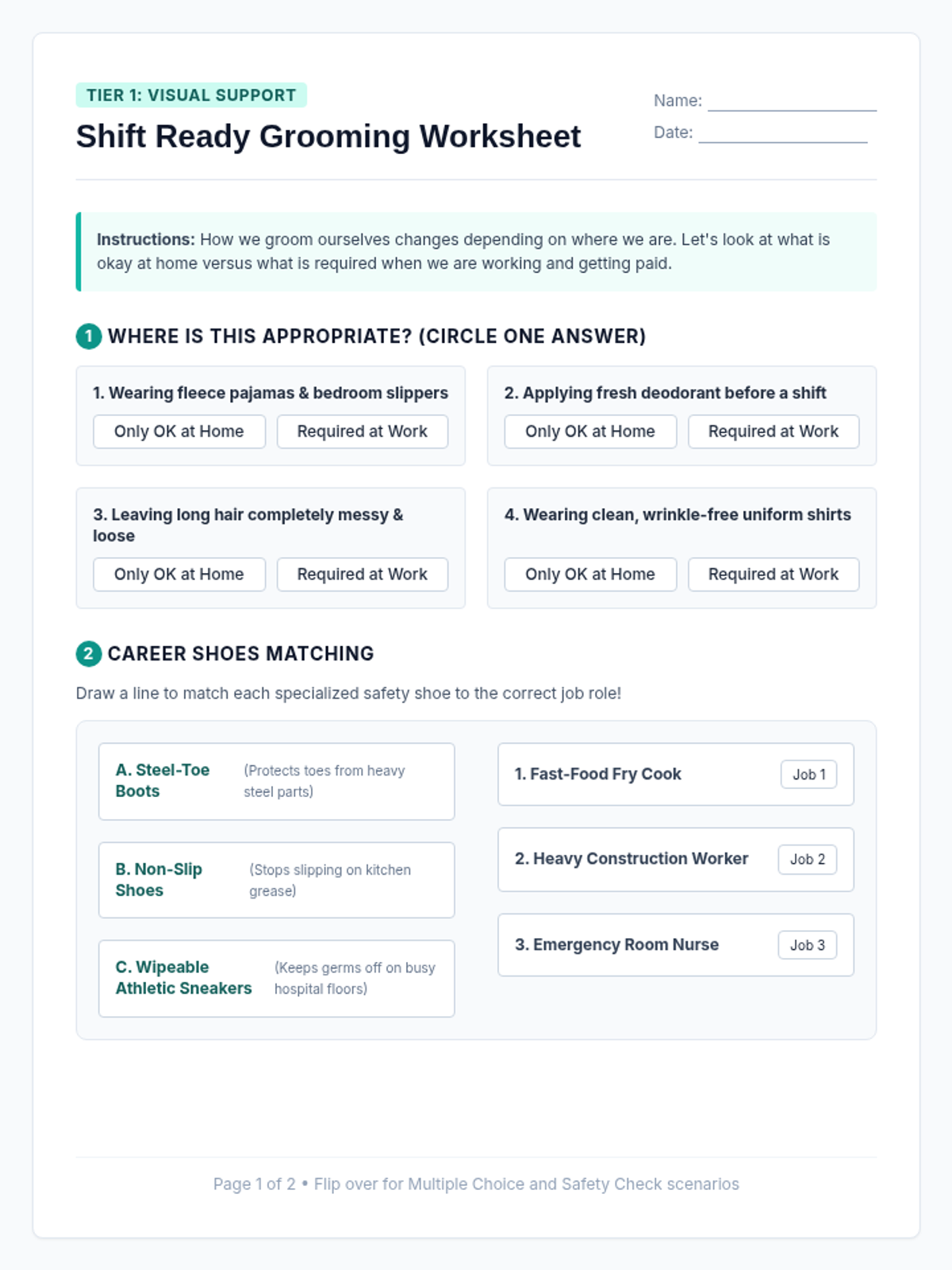
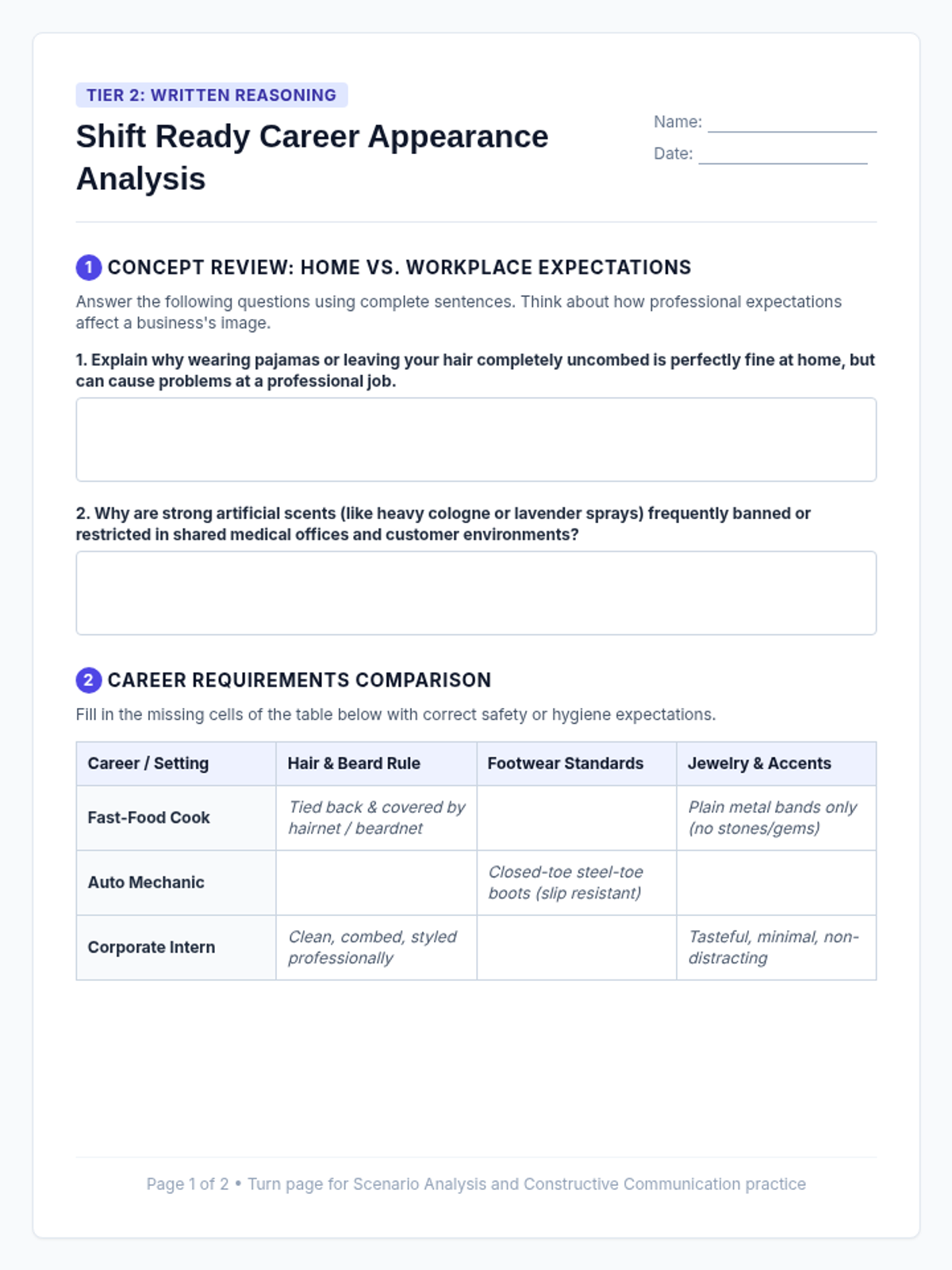
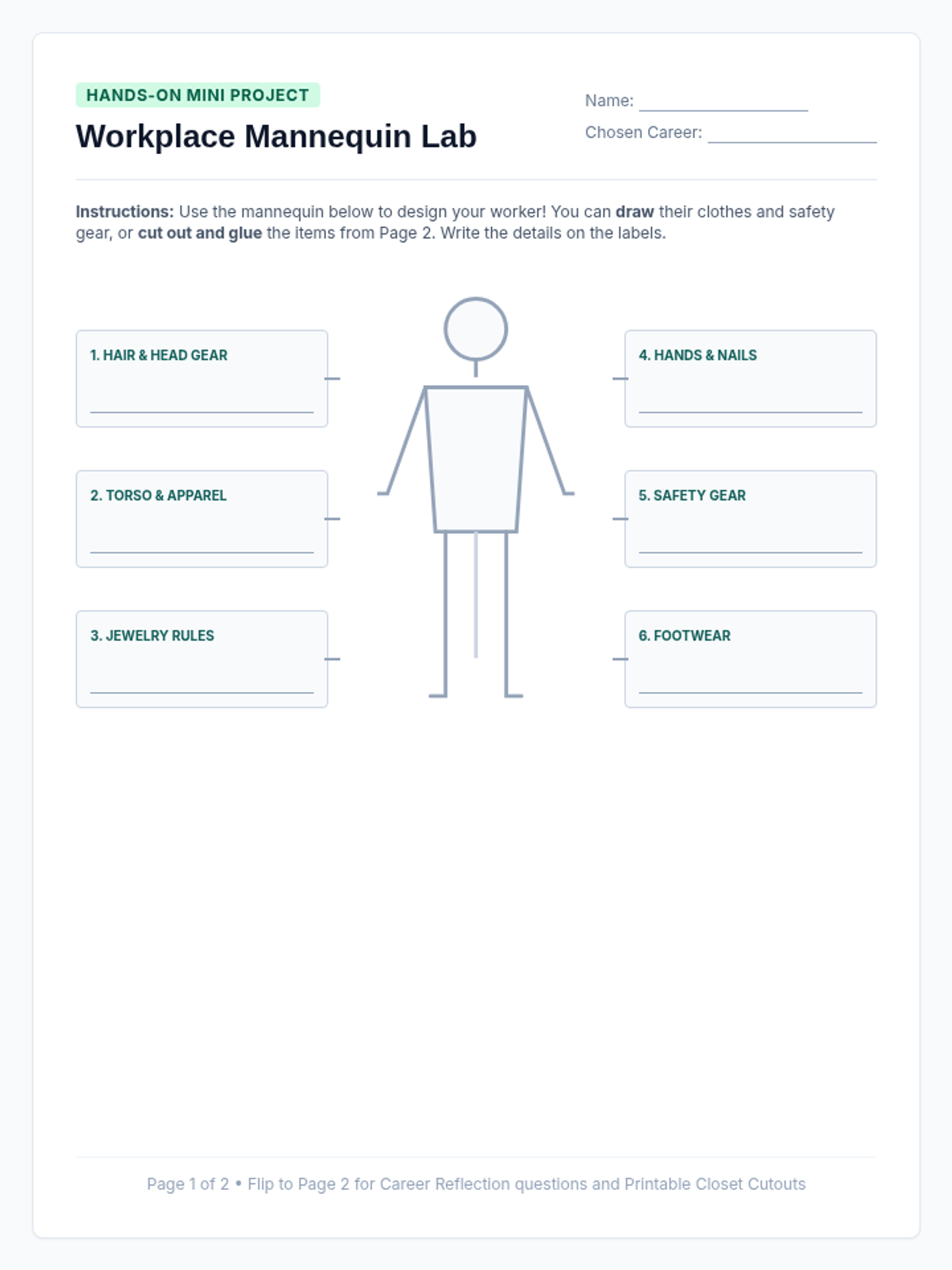
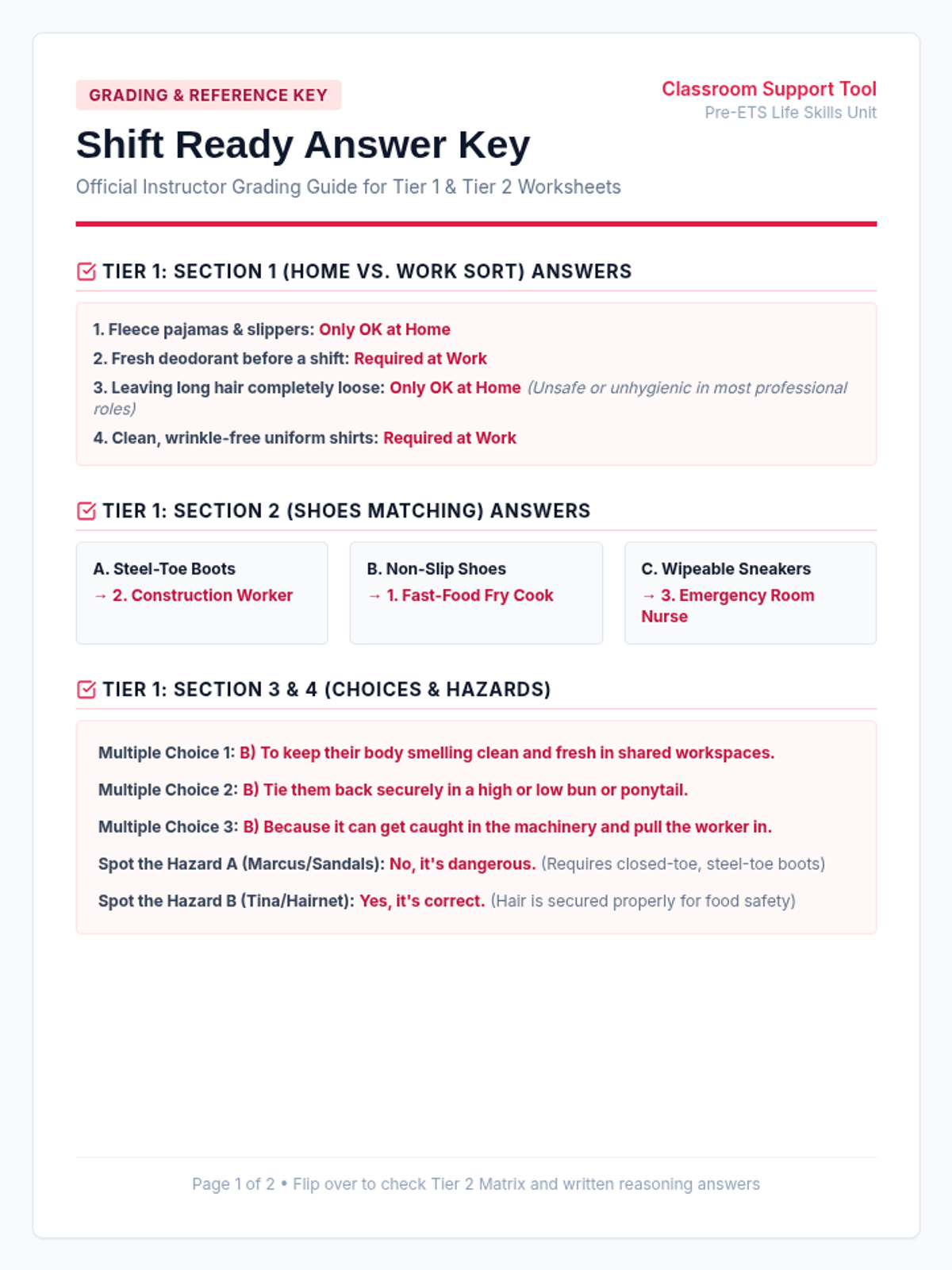
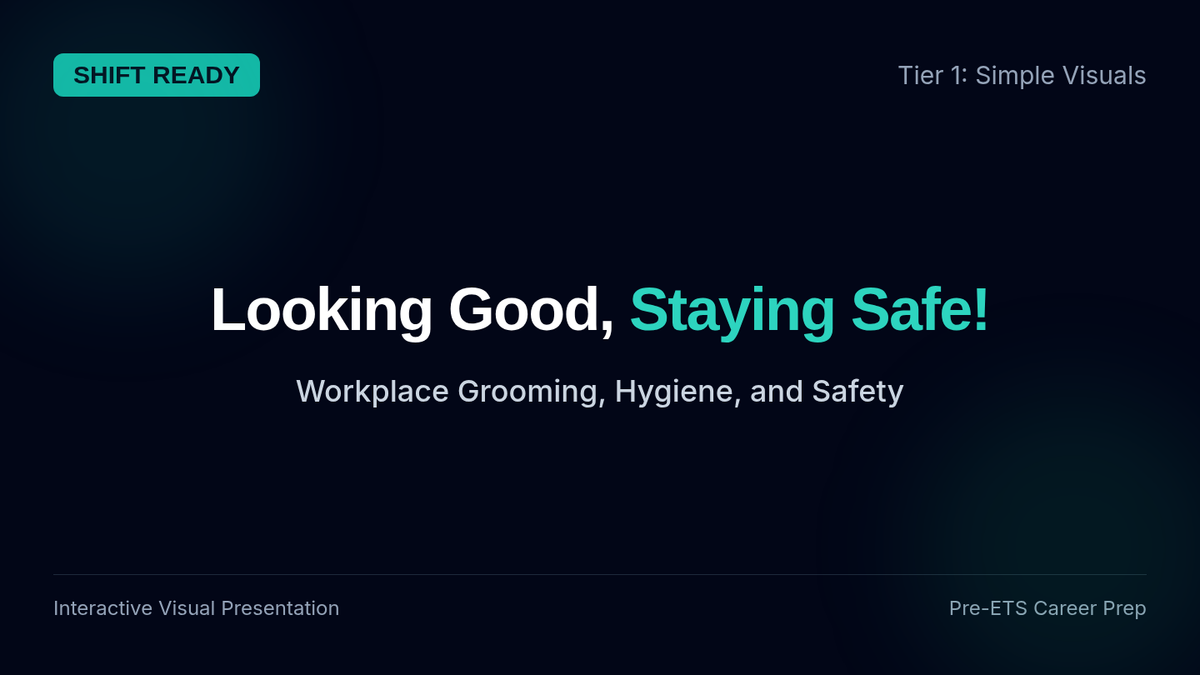
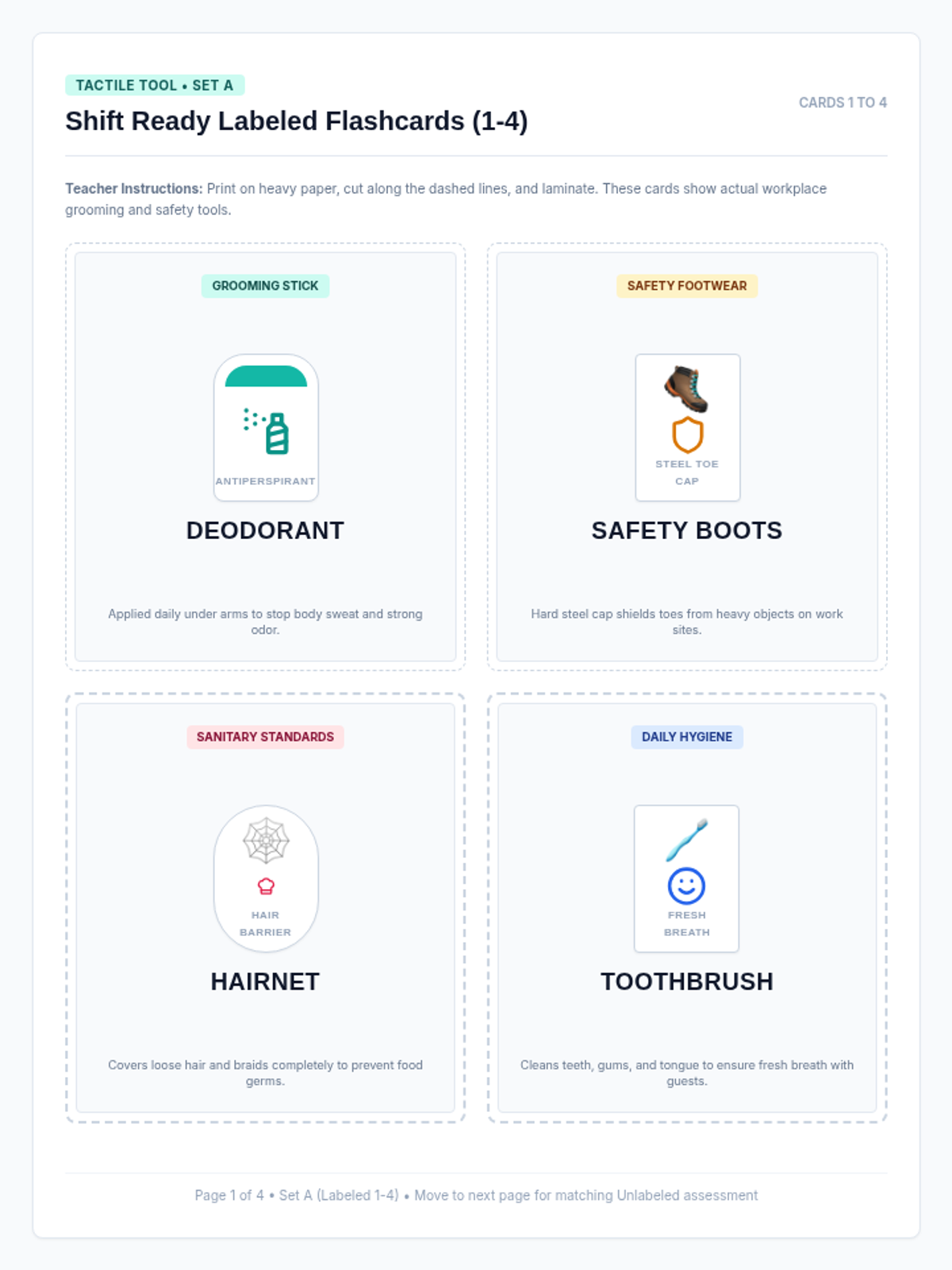
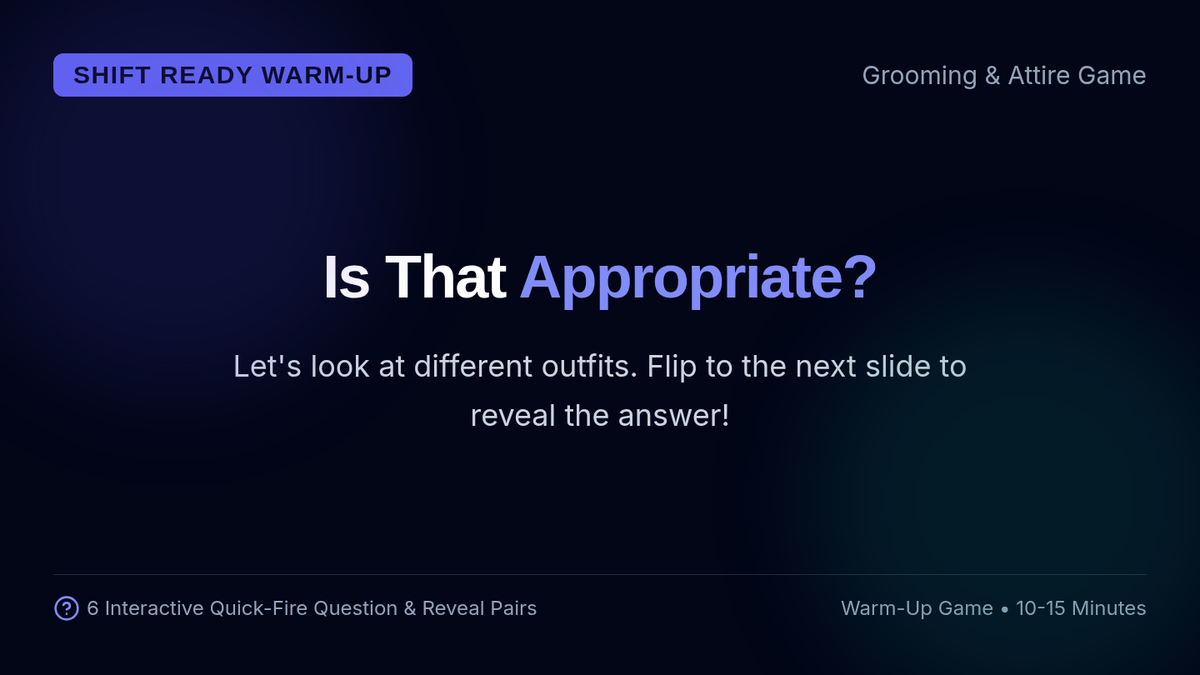
A functional life skills lesson for high school transition students focused on workplace hygiene, grooming, and safety-based dress codes across multiple environments. Includes structured slides, tiered student worksheets, interactive roleplays, and a career appearance mannequin activity.
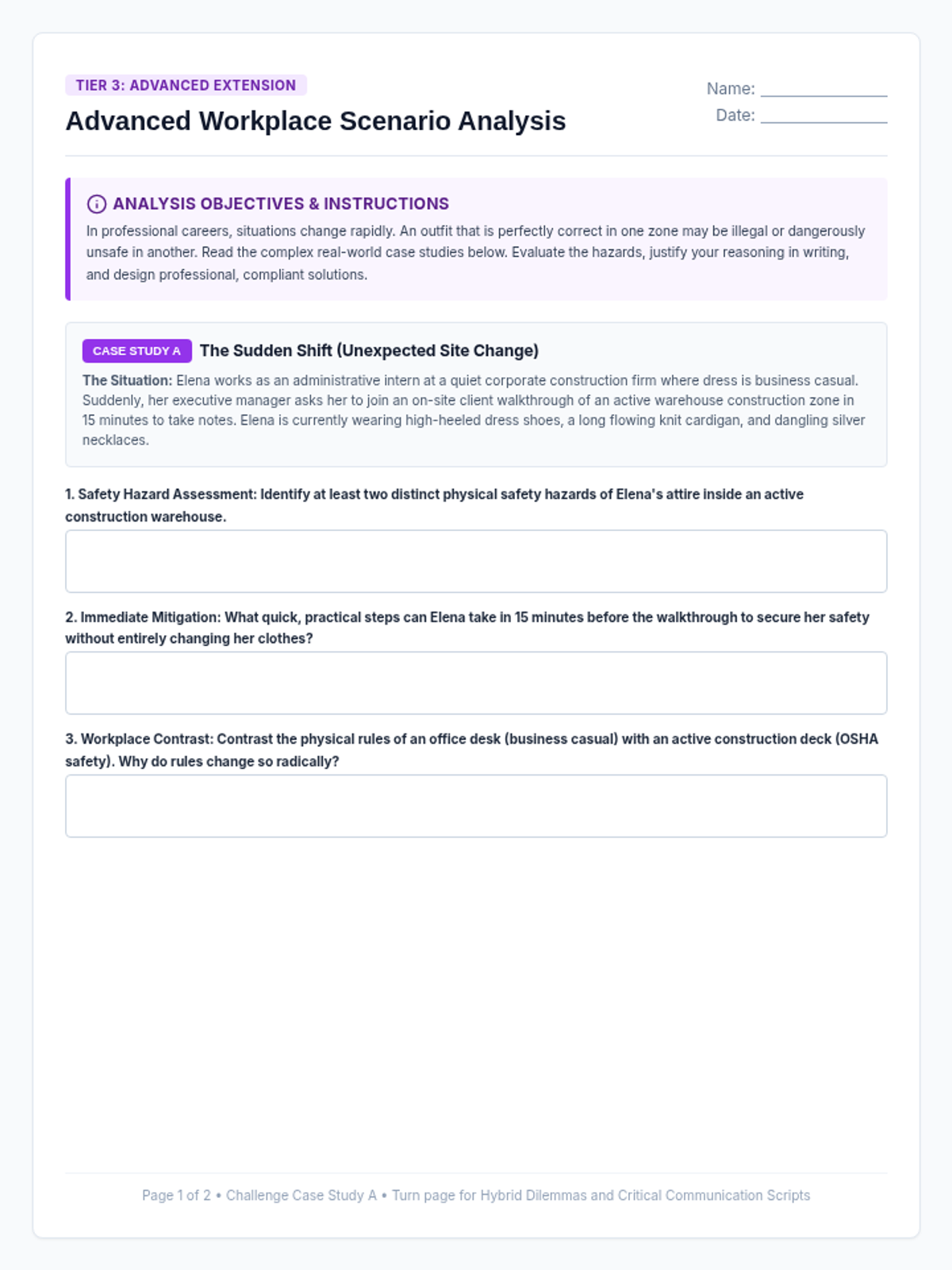
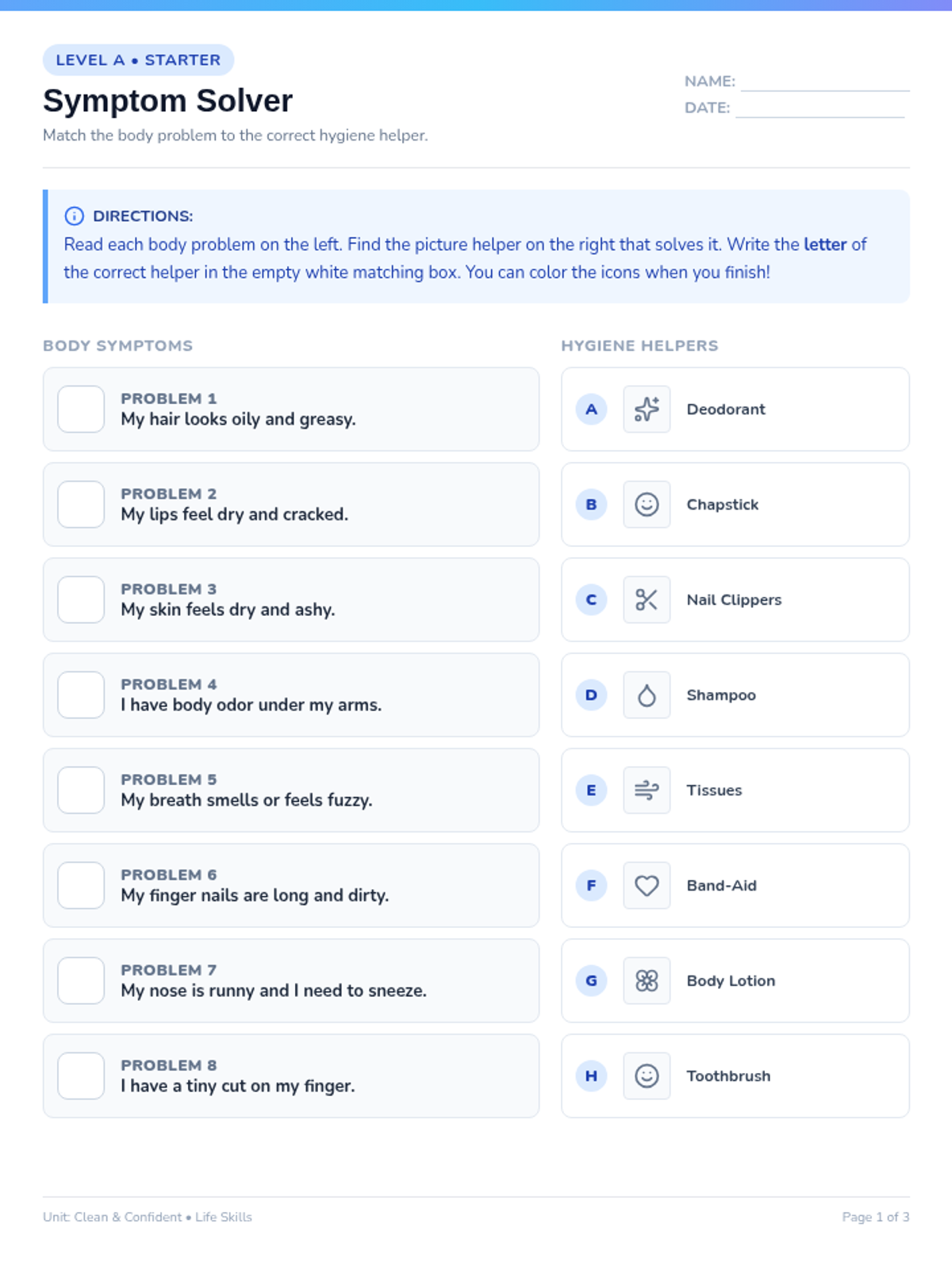
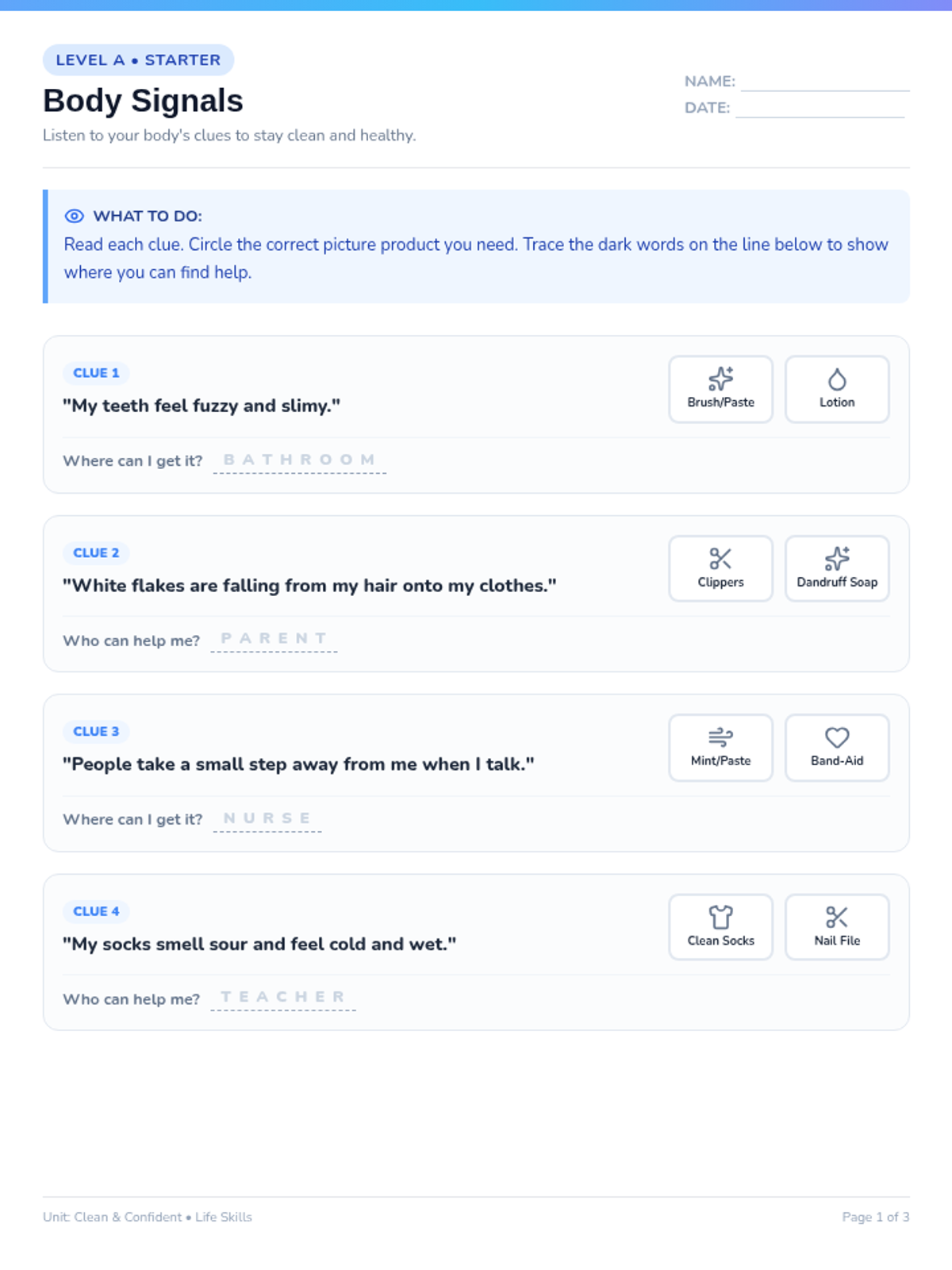
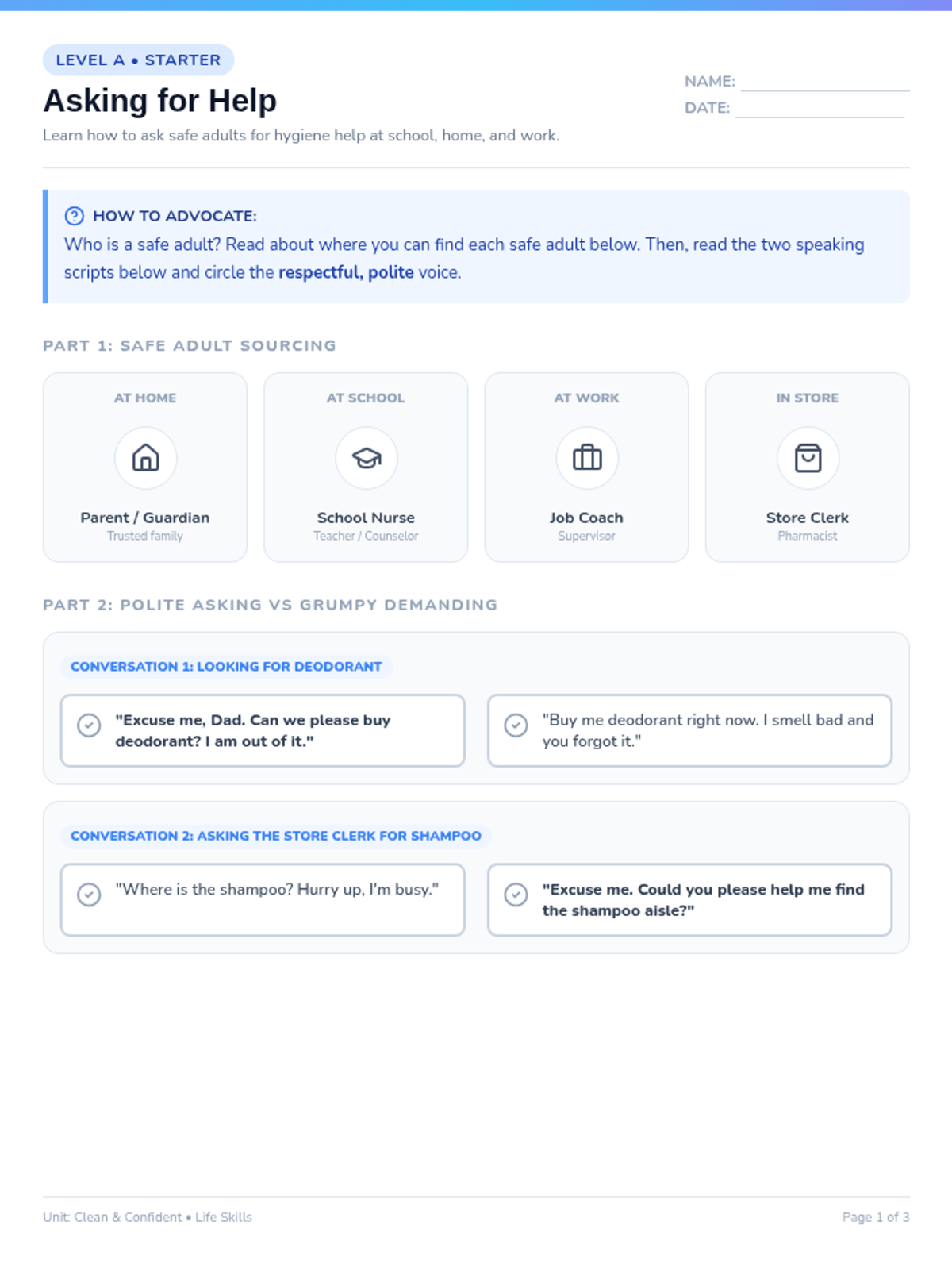
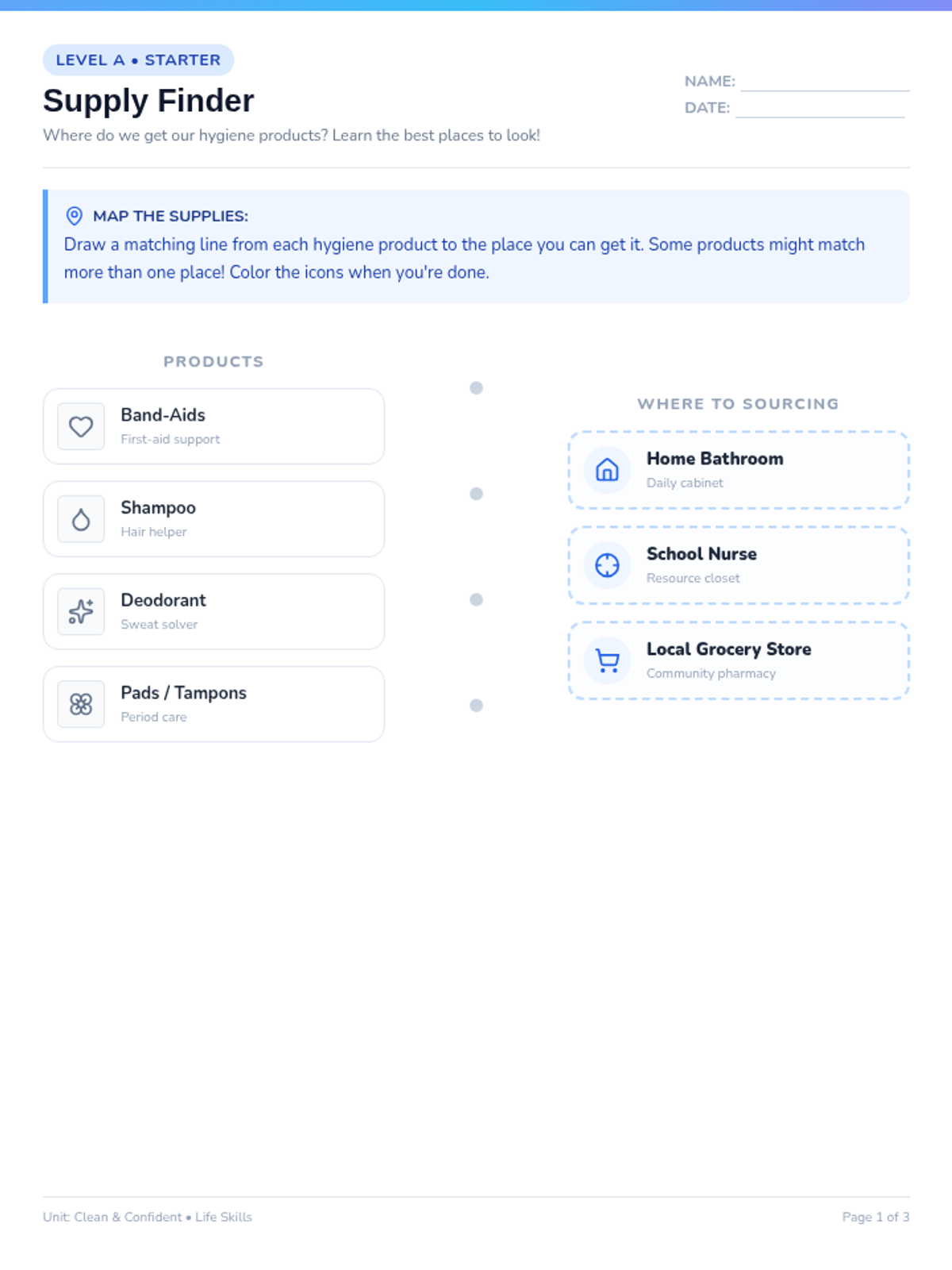
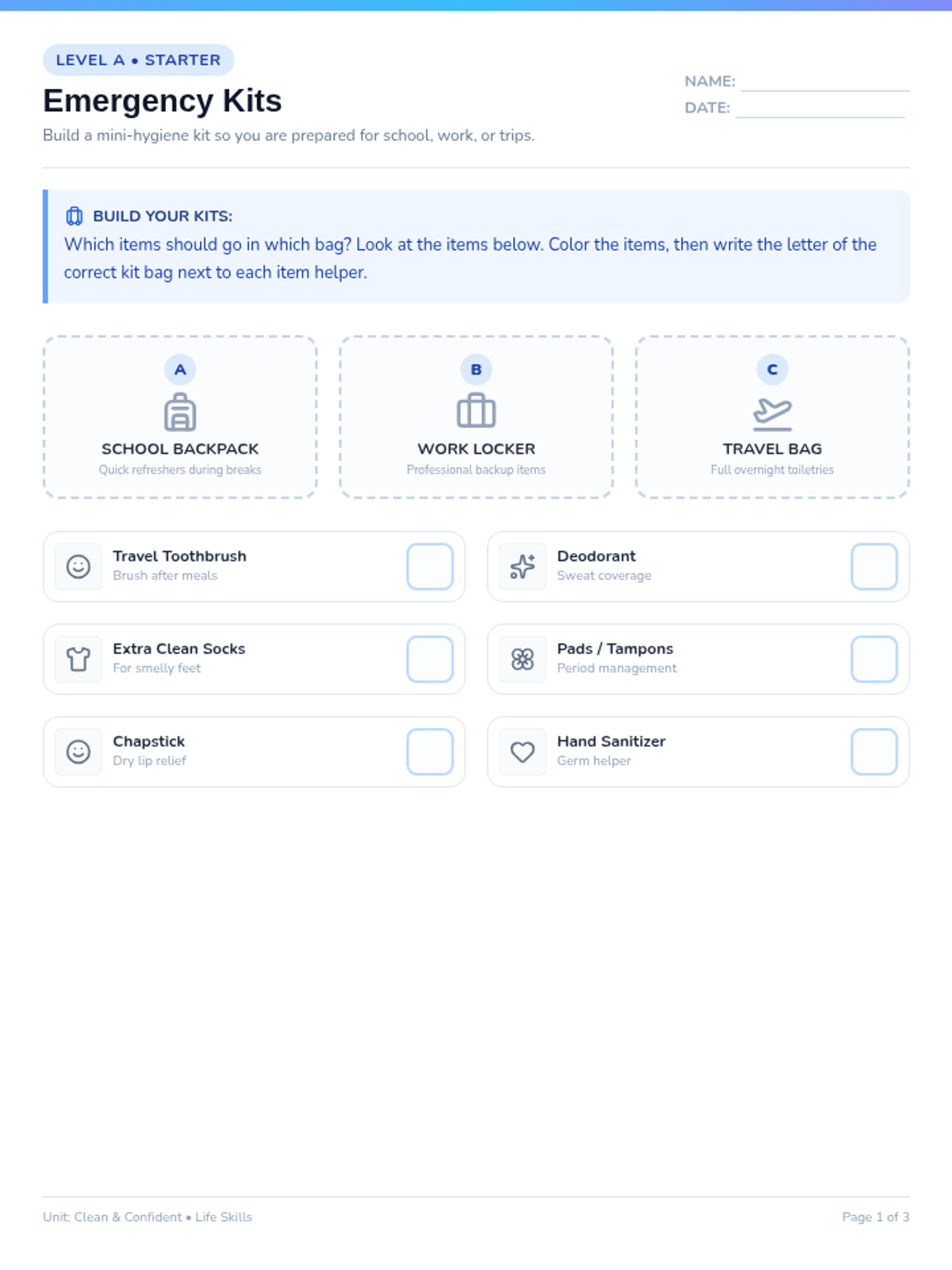
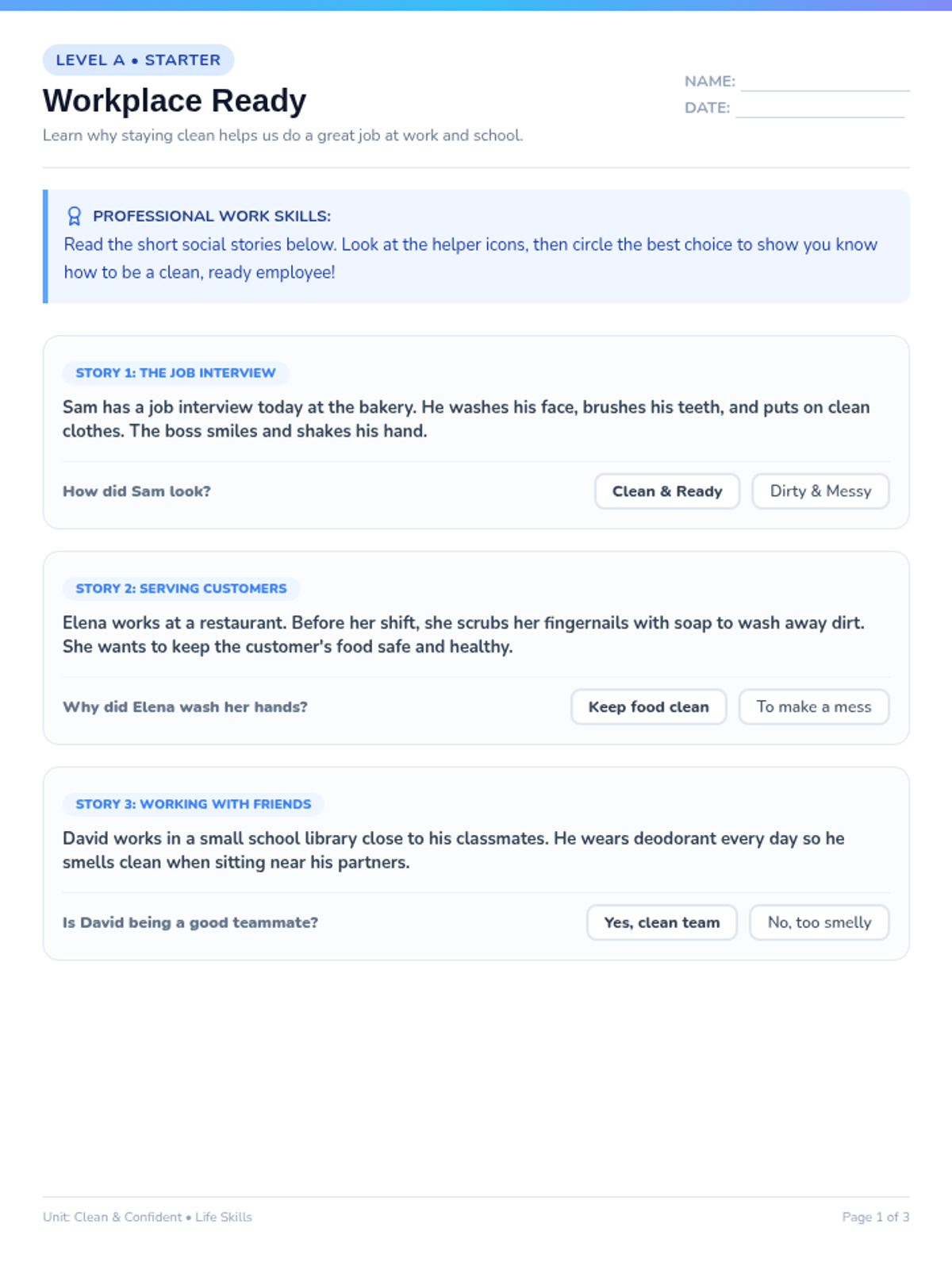
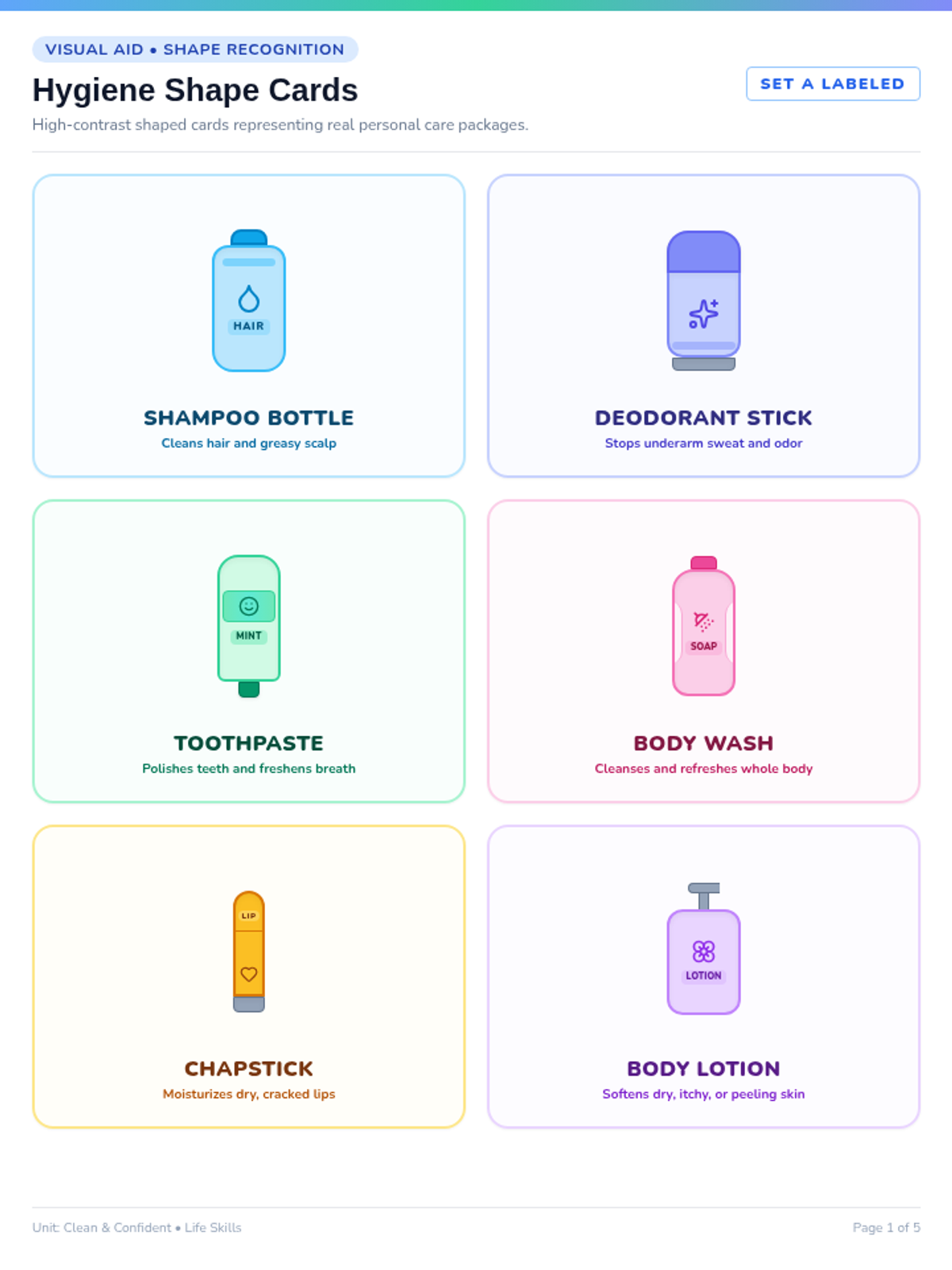
A comprehensive functional life skills unit teaching hygiene independence, self-advocacy, and workplace readiness for middle and high school special education students. Includes visual matching, body signal decoding, safe-adult communication scripts, sourcing maps, emergency kit preparation, and workplace scenario analysis.
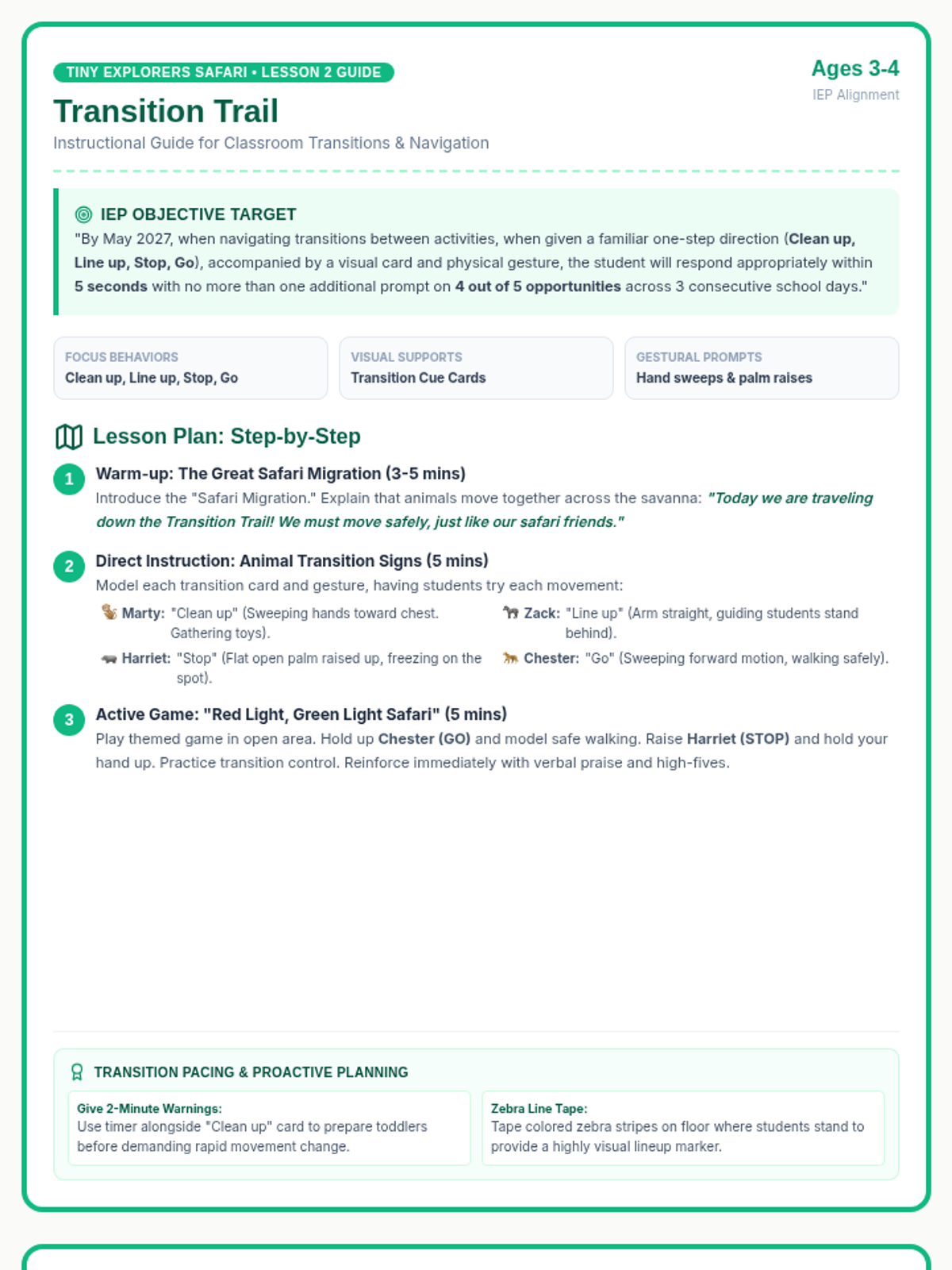
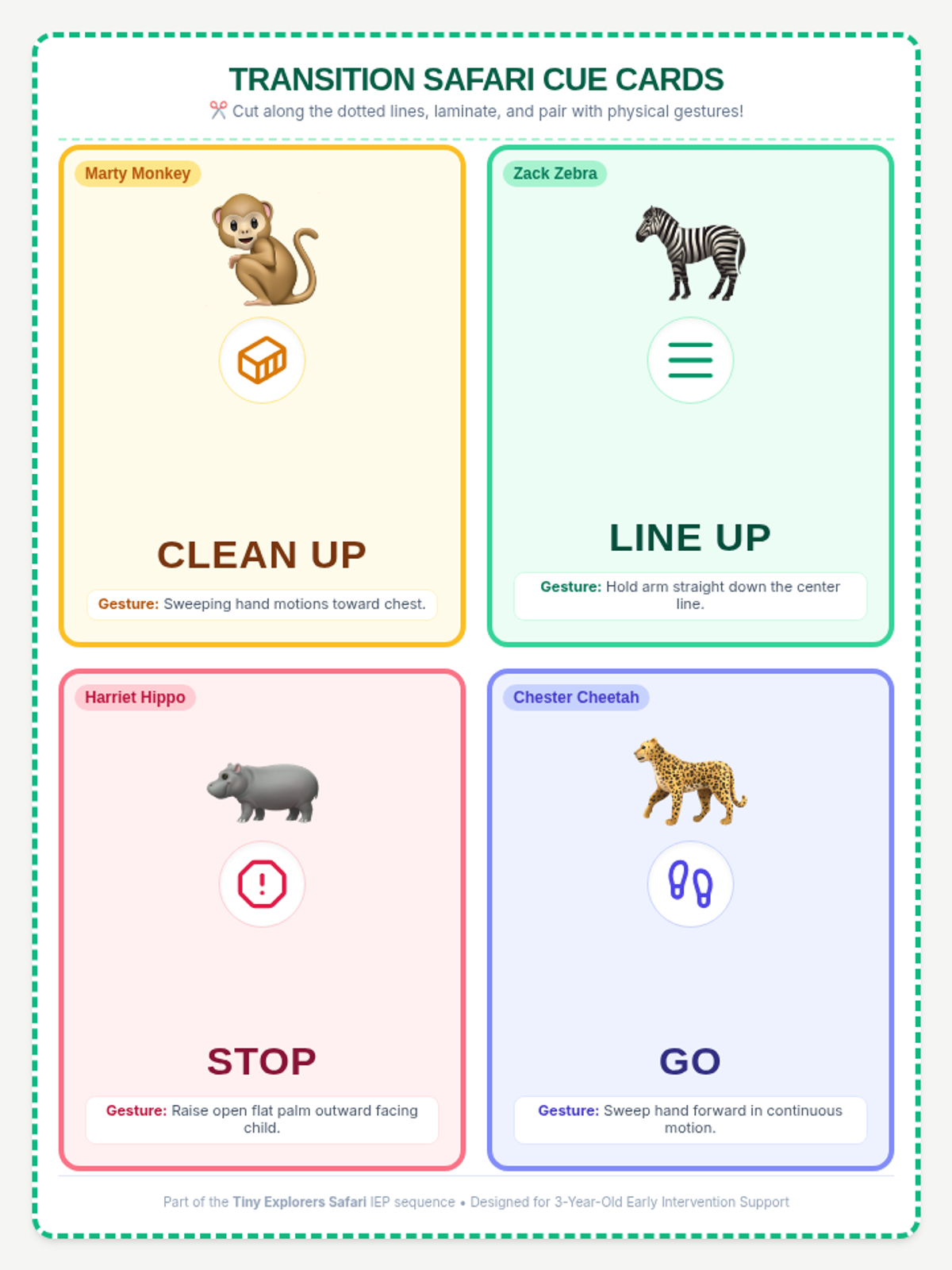
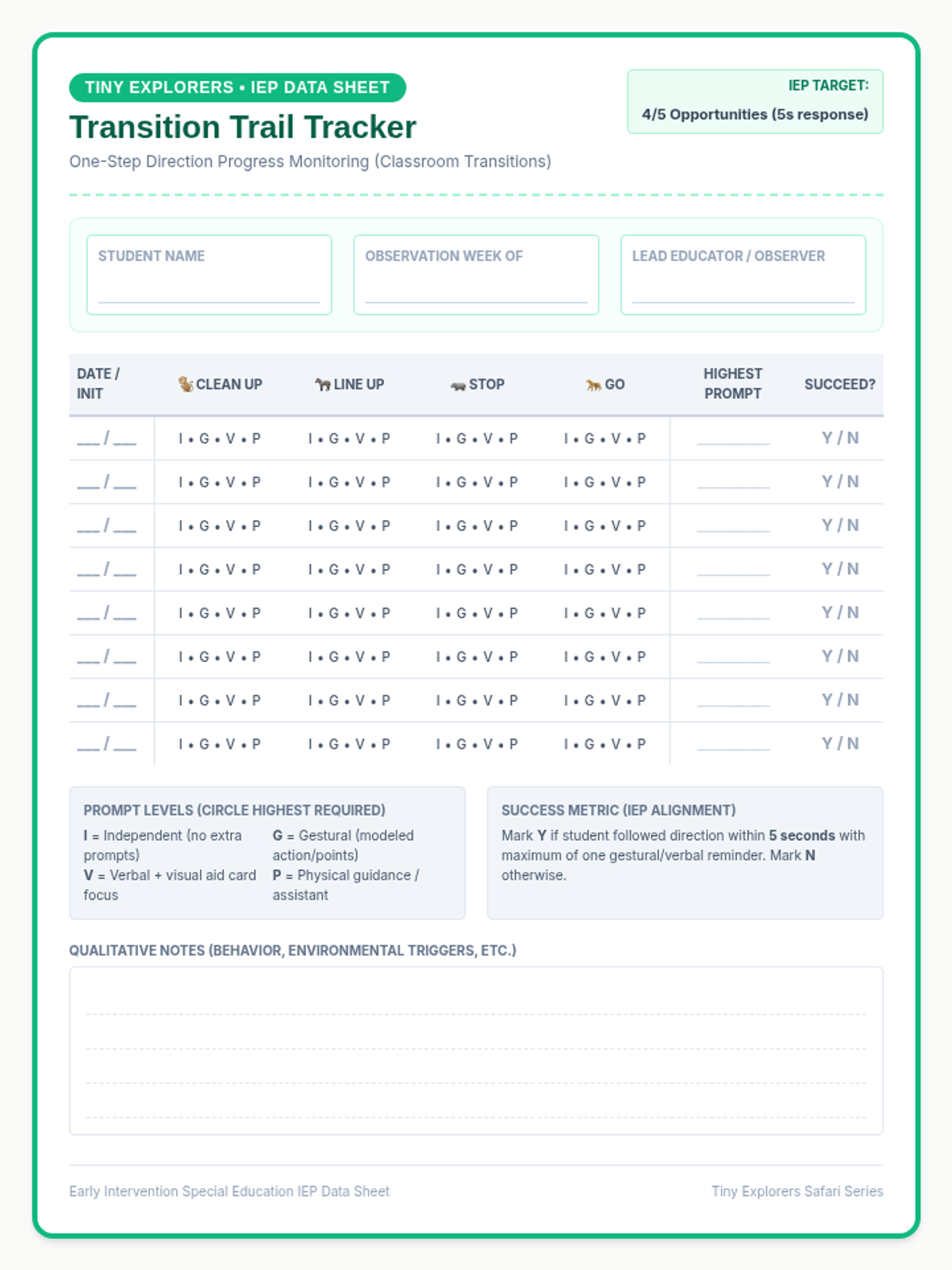
Focuses on transition one-step directions (clean up, line up, stop, go) using safari-themed games, visual aid cards, and active physical responses.
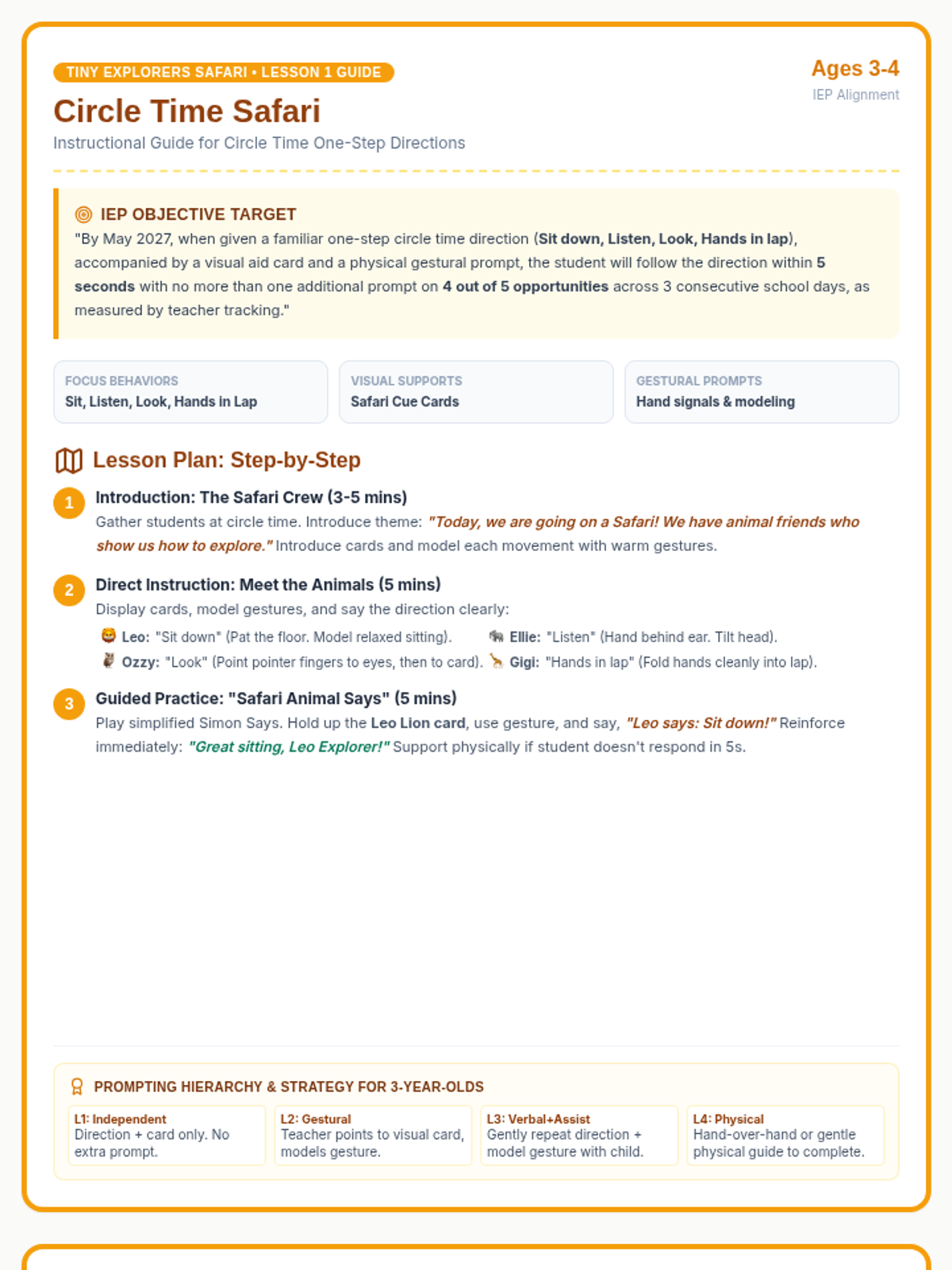
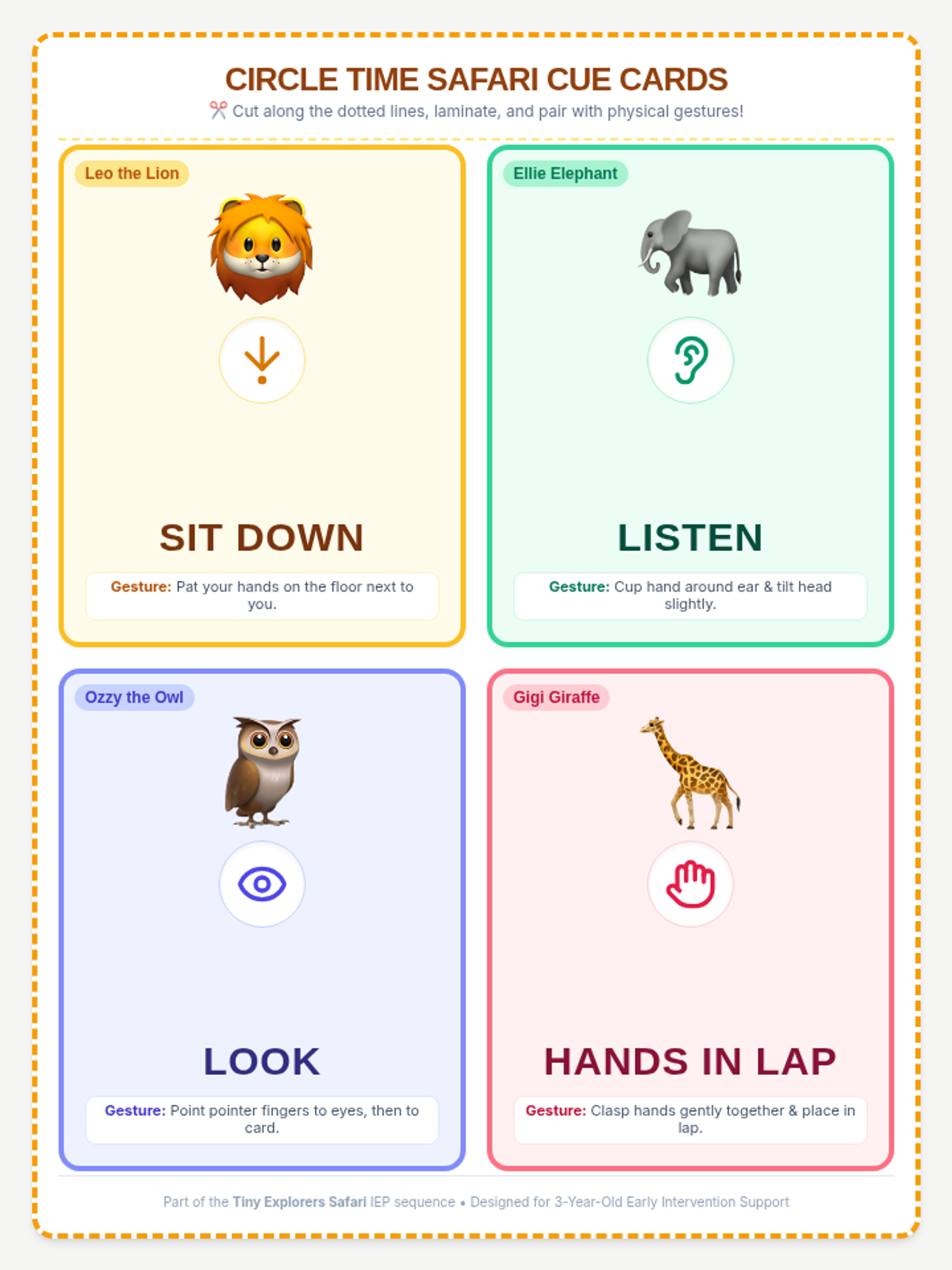
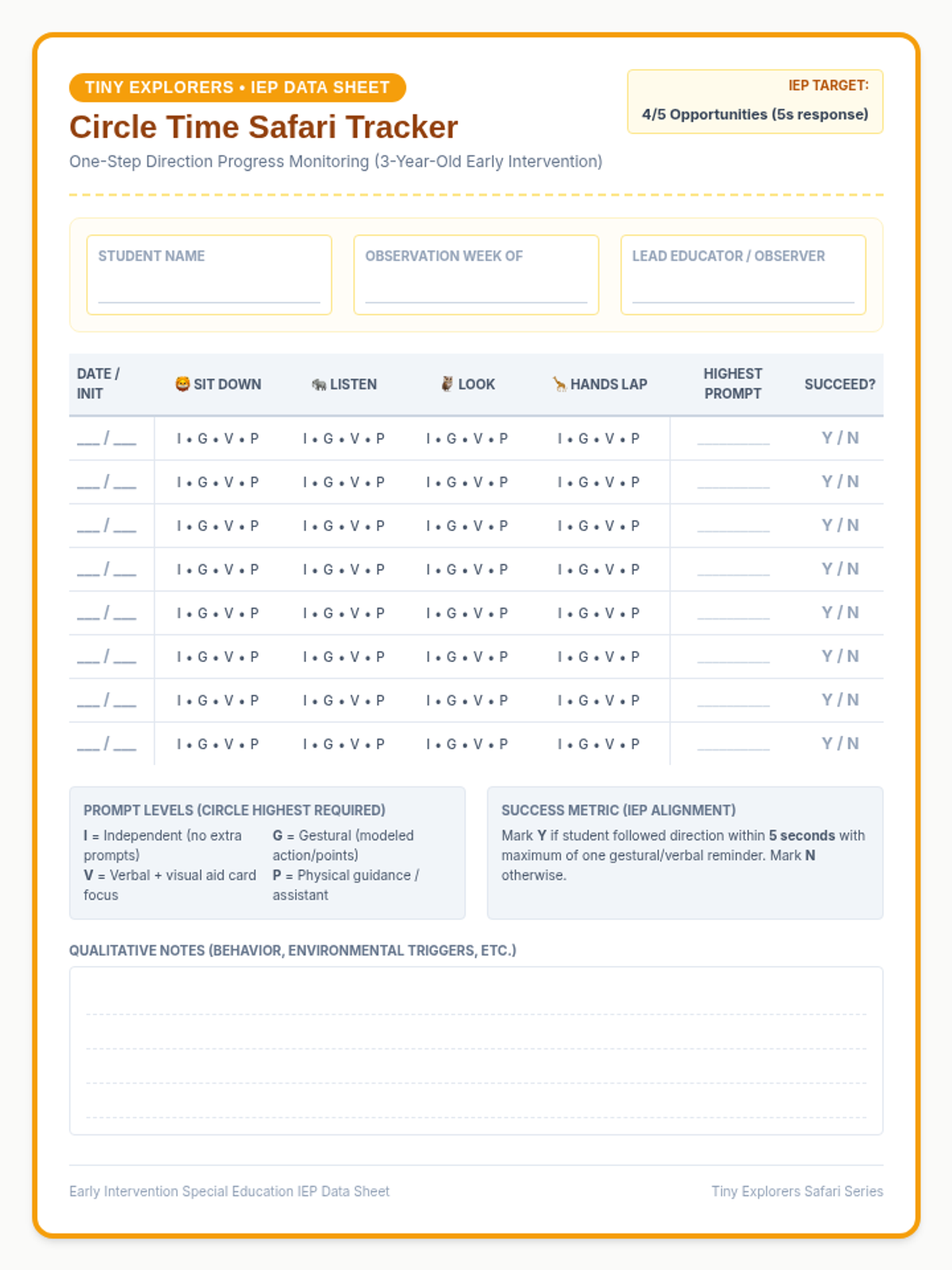
Focuses on circle time one-step directions (sit down, look, listen, hands in lap) using engaging safari animal prompts, interactive practice, and visual cue cards.
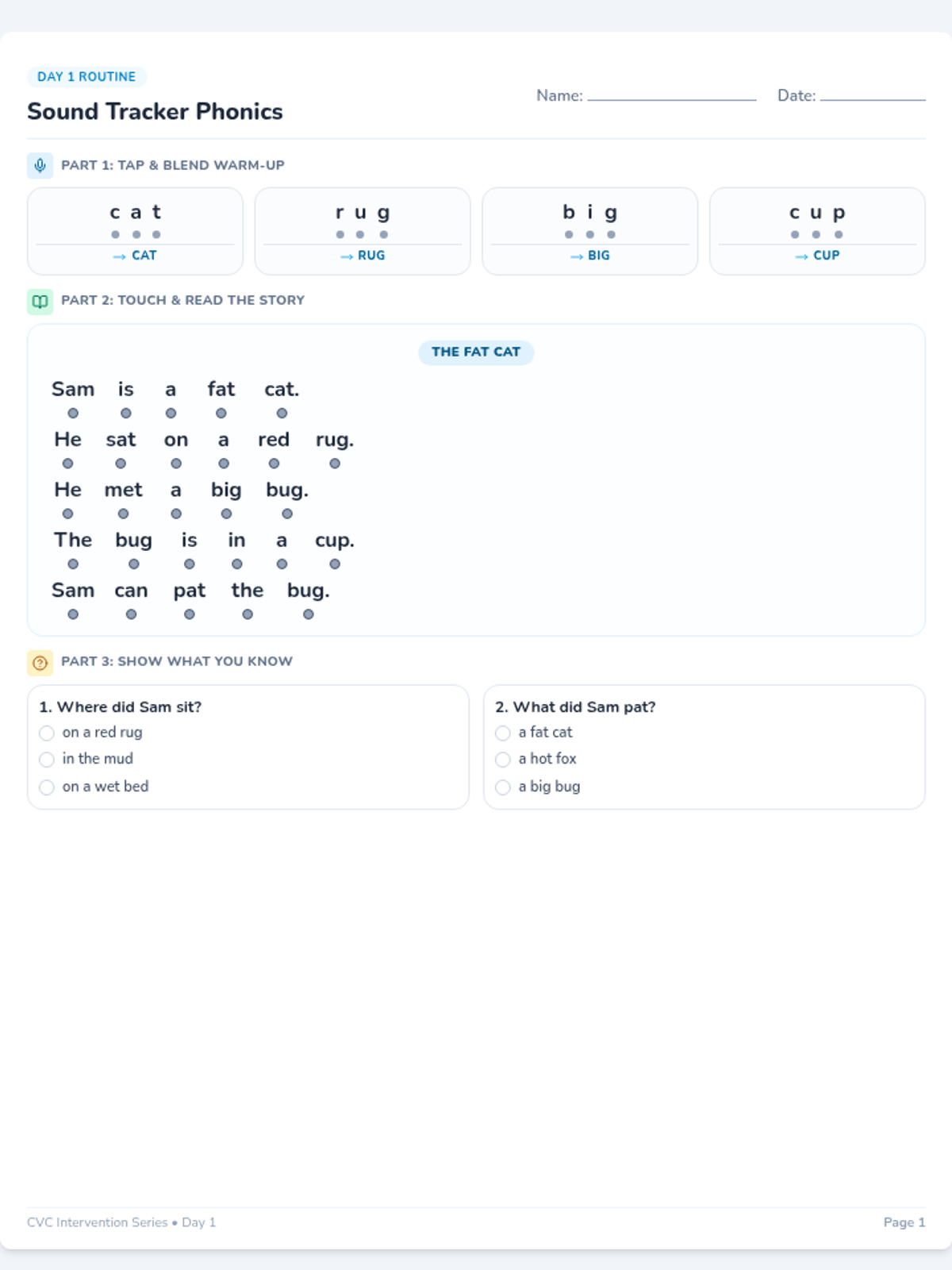
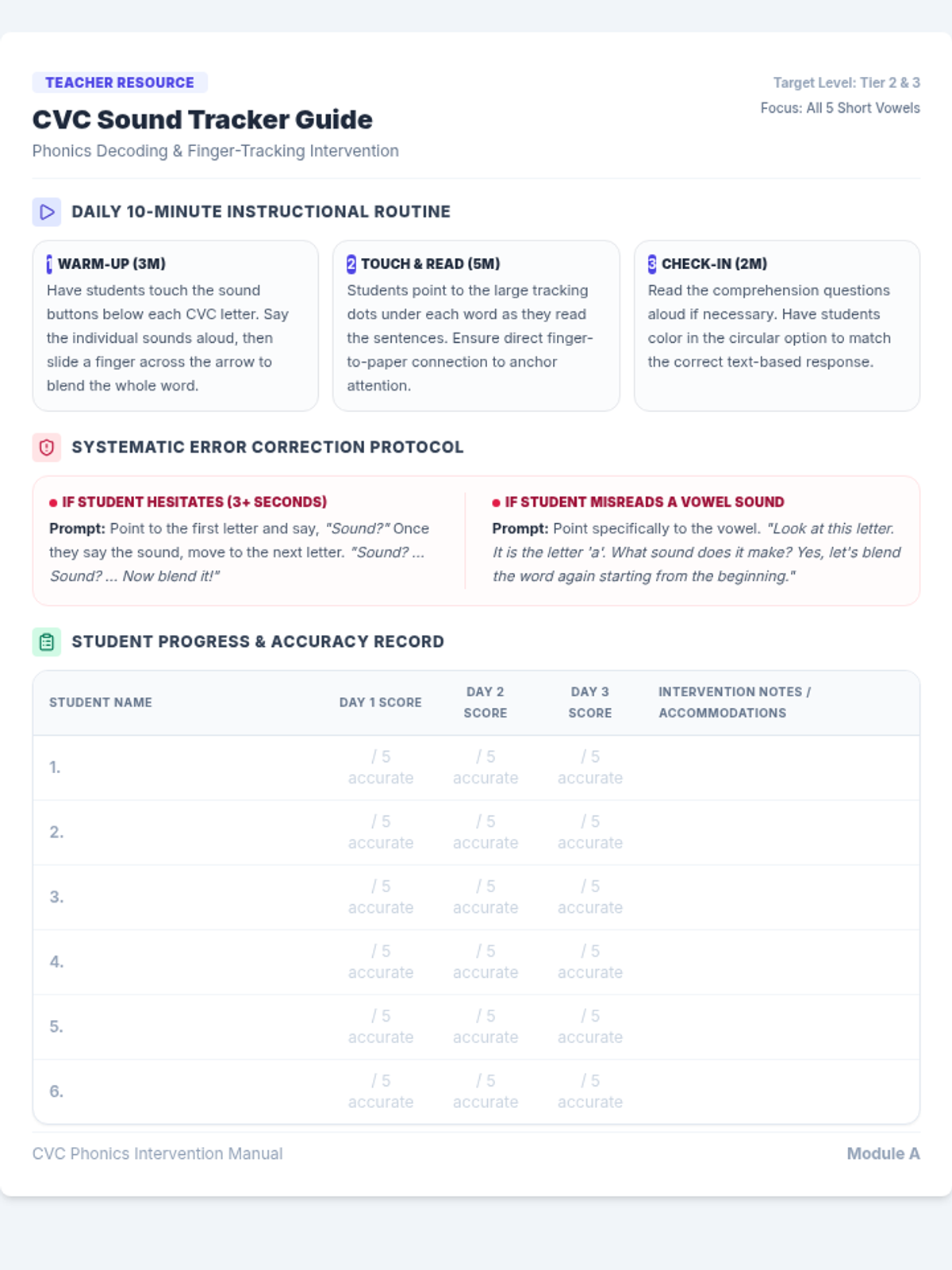
A comprehensive mixed-CVC decoding intervention sequence targeting all five short vowel sounds. Includes student-facing tracking worksheets and a detailed teacher facilitation guide with error correction routines and a progress tracking rubric.
A targeted lesson for high school special education students focusing on identifying and interpreting figurative language, sarcasm, and idioms in daily independent living and social situations.
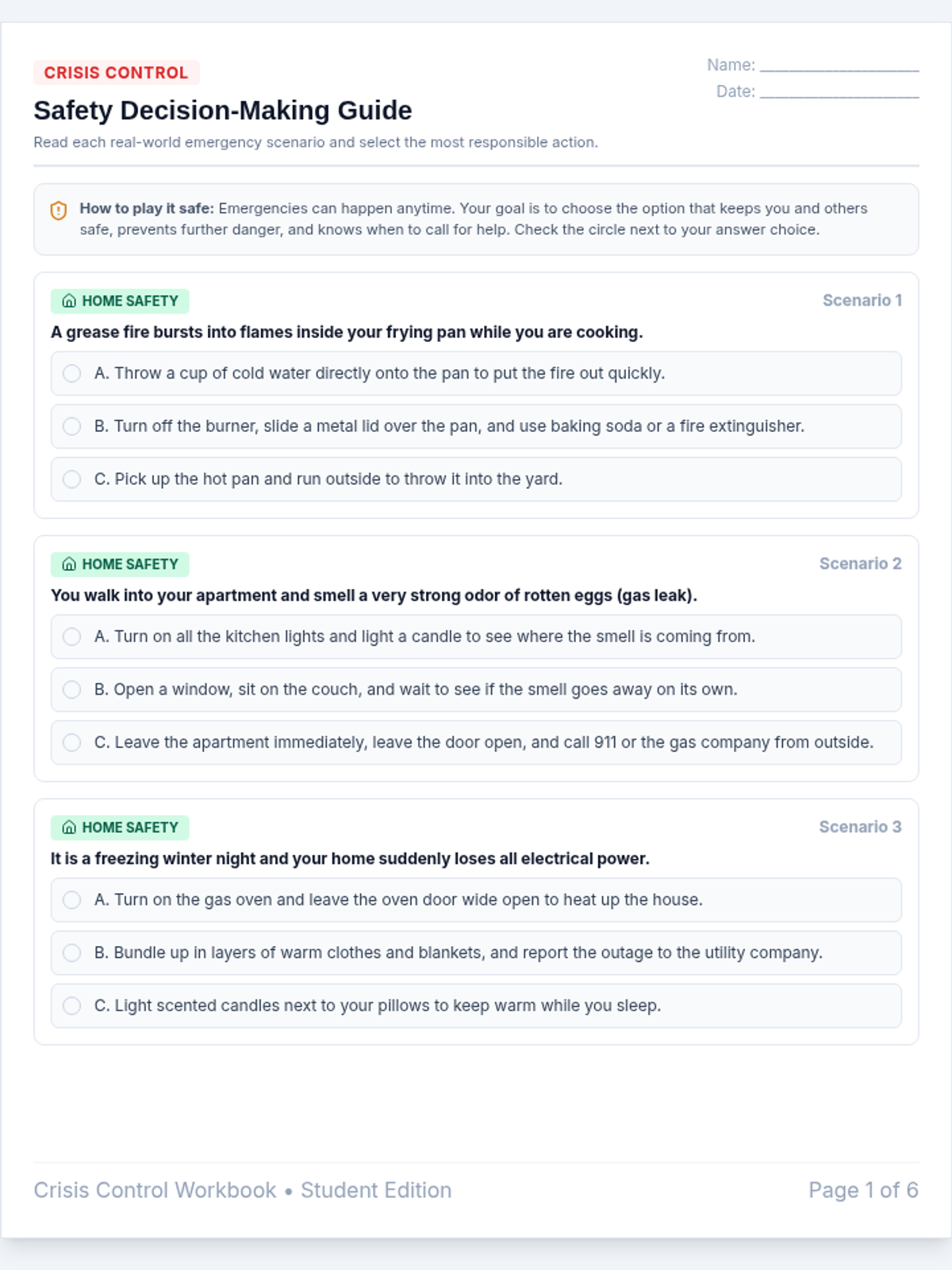
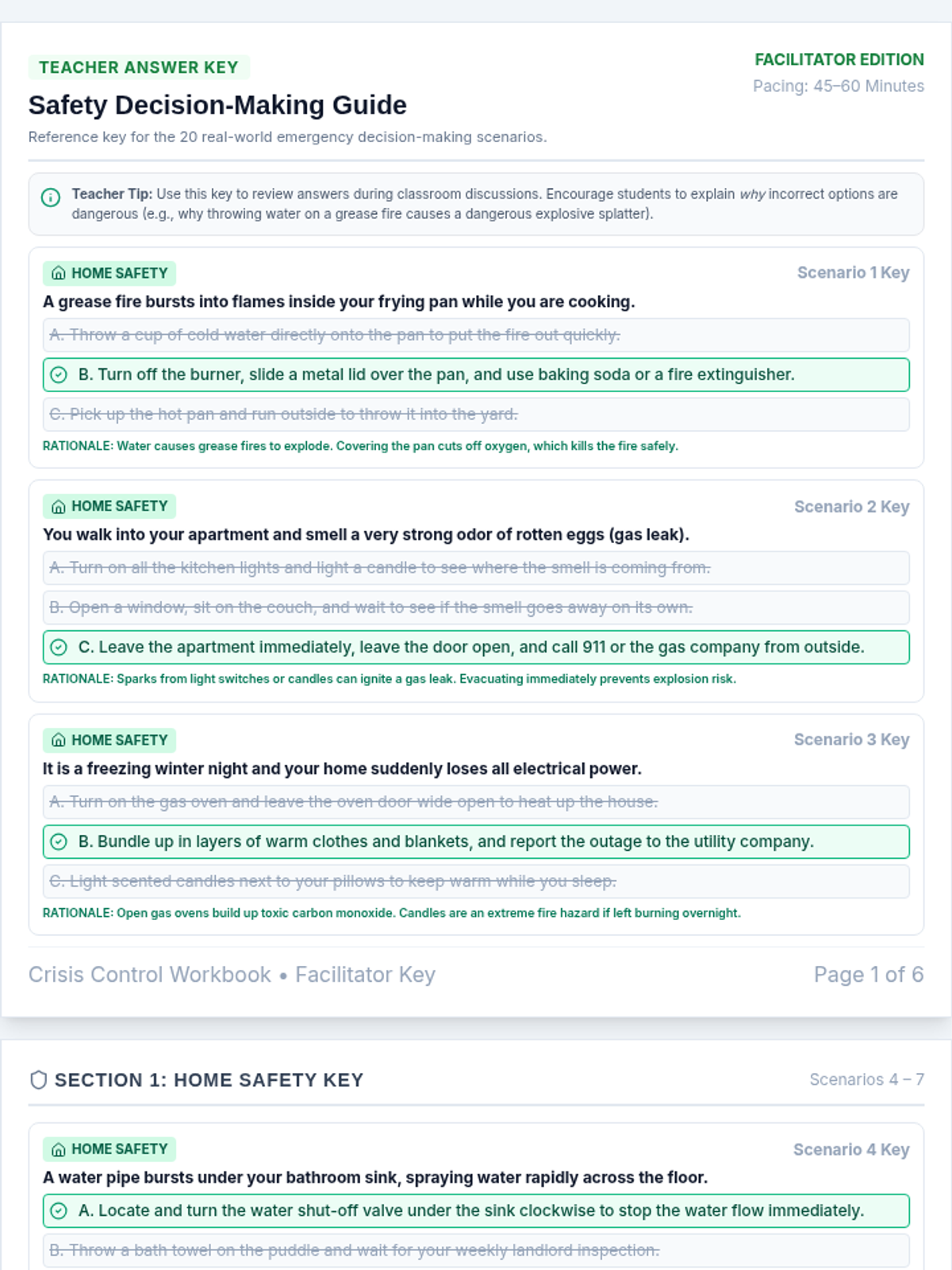
A practical transition lesson designed to teach students how to identify, assess, and responsibly respond to 20 realistic emergency scenarios across home, community, and vocational settings.
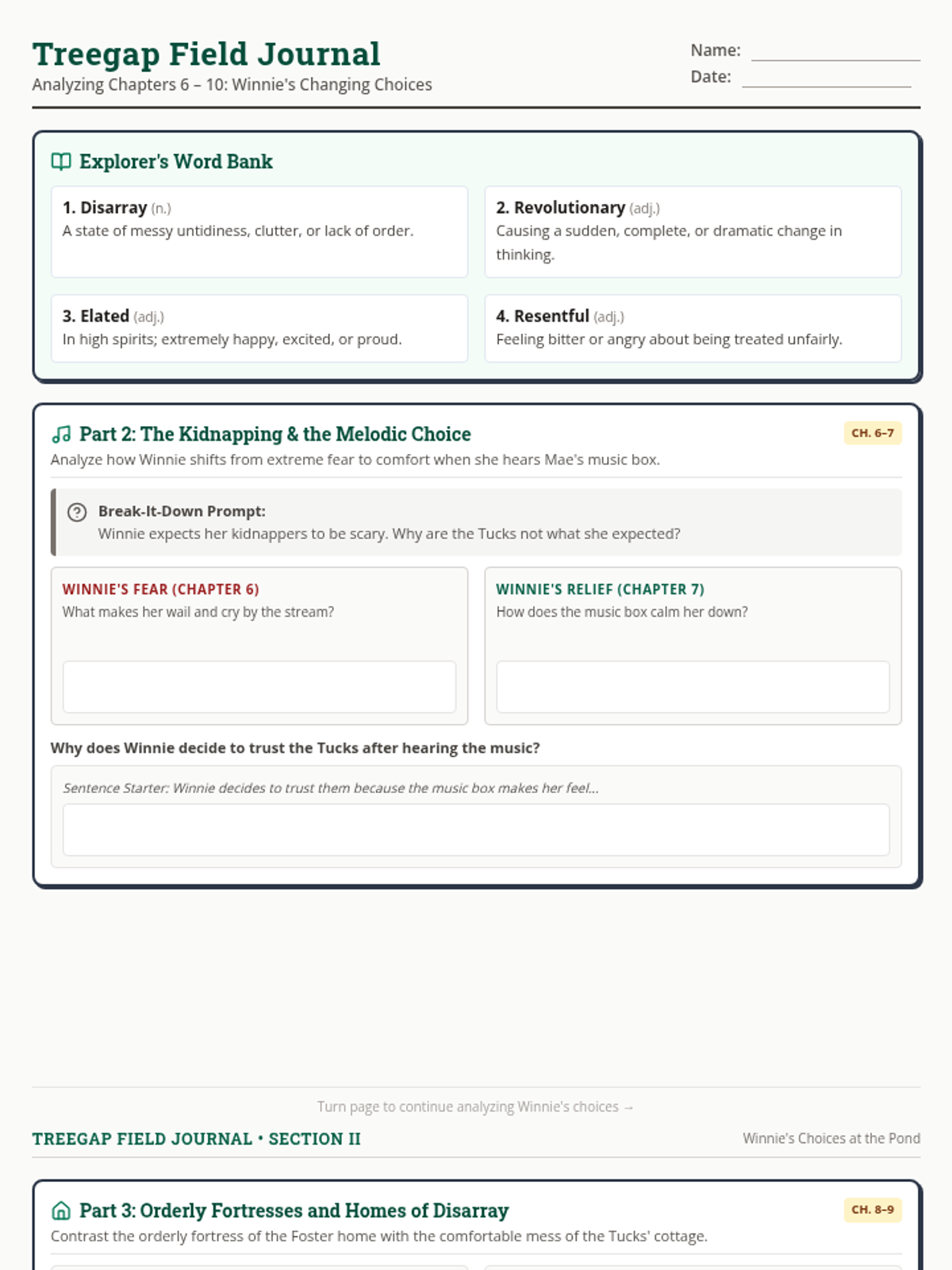
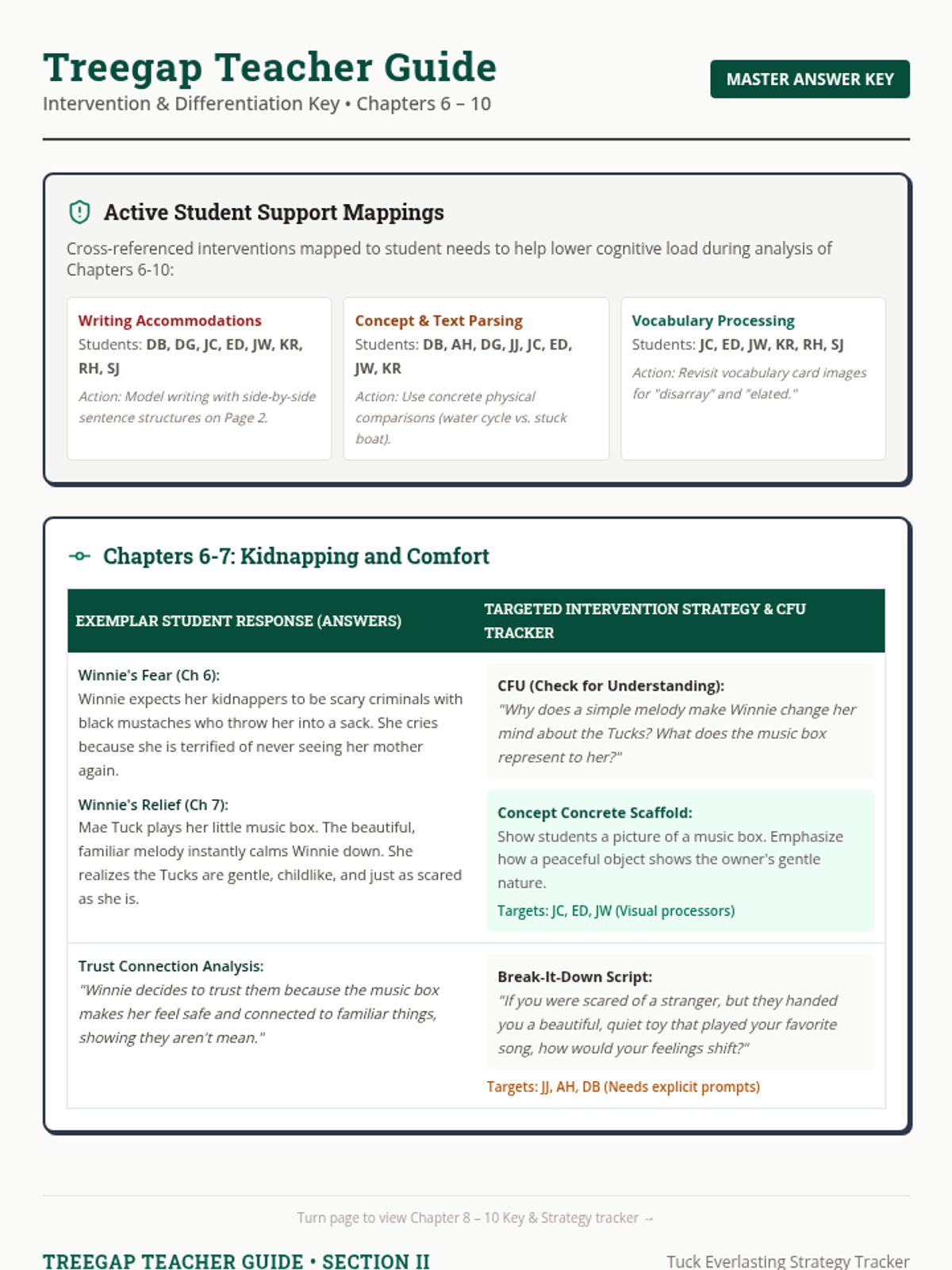
A detailed literary exploration of Chapters 6-10 of Natalie Babbitt's Tuck Everlasting. Students analyze Winnie's reactions to the Tucks' messy, timeless lifestyle compared to her own orderly home, focusing on her growing internal choices and the concept of living outside the wheel of life.
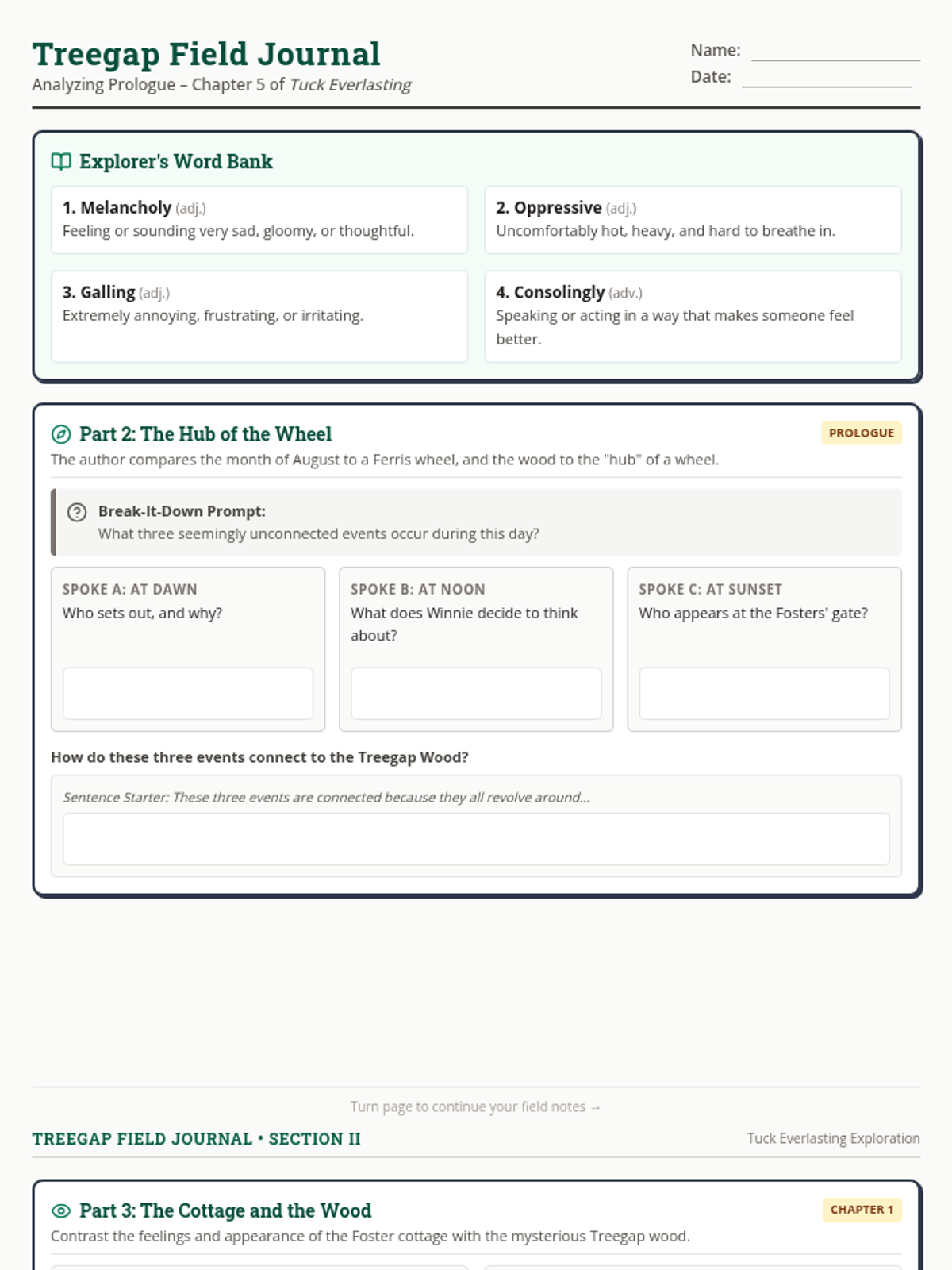
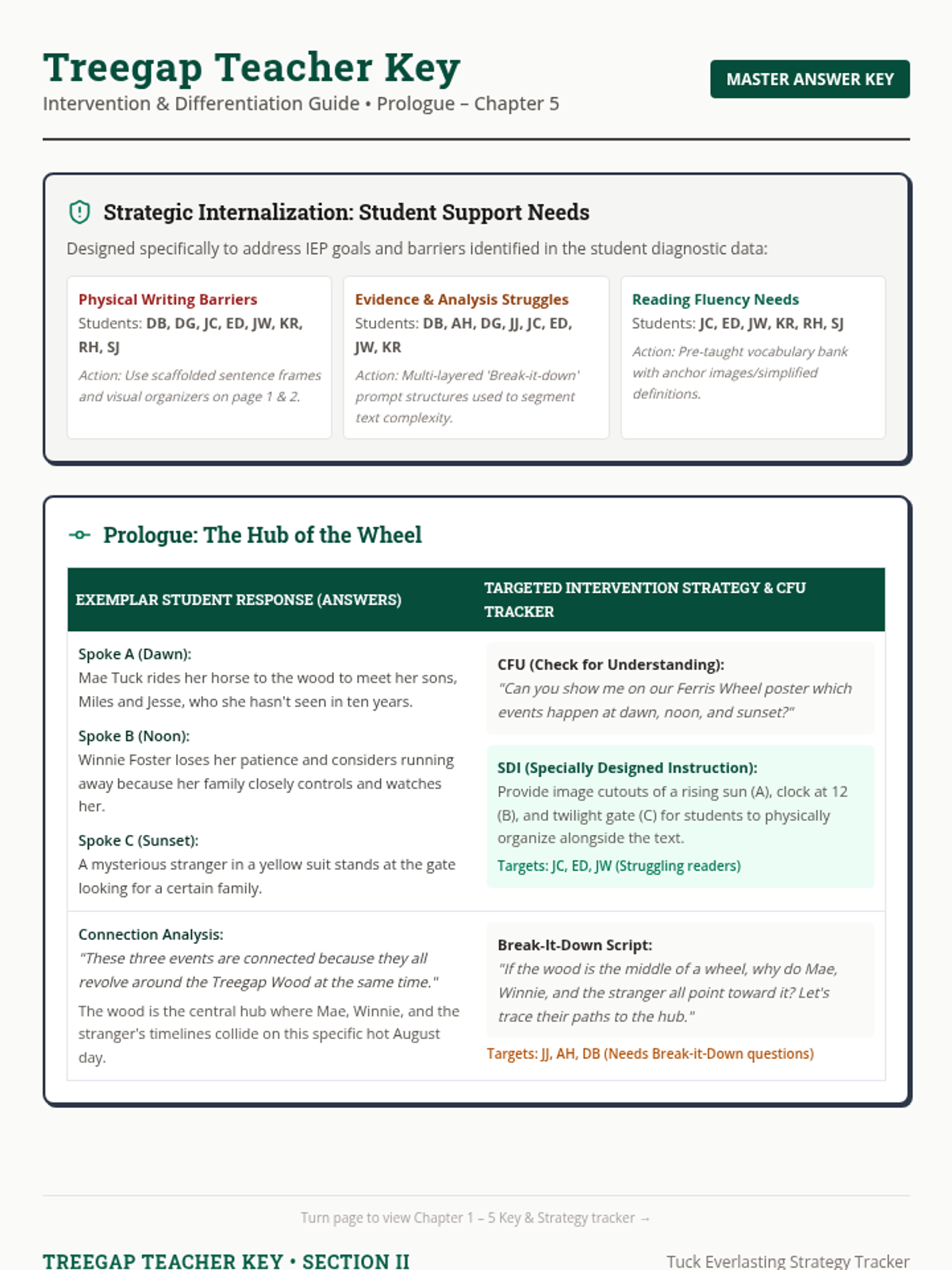
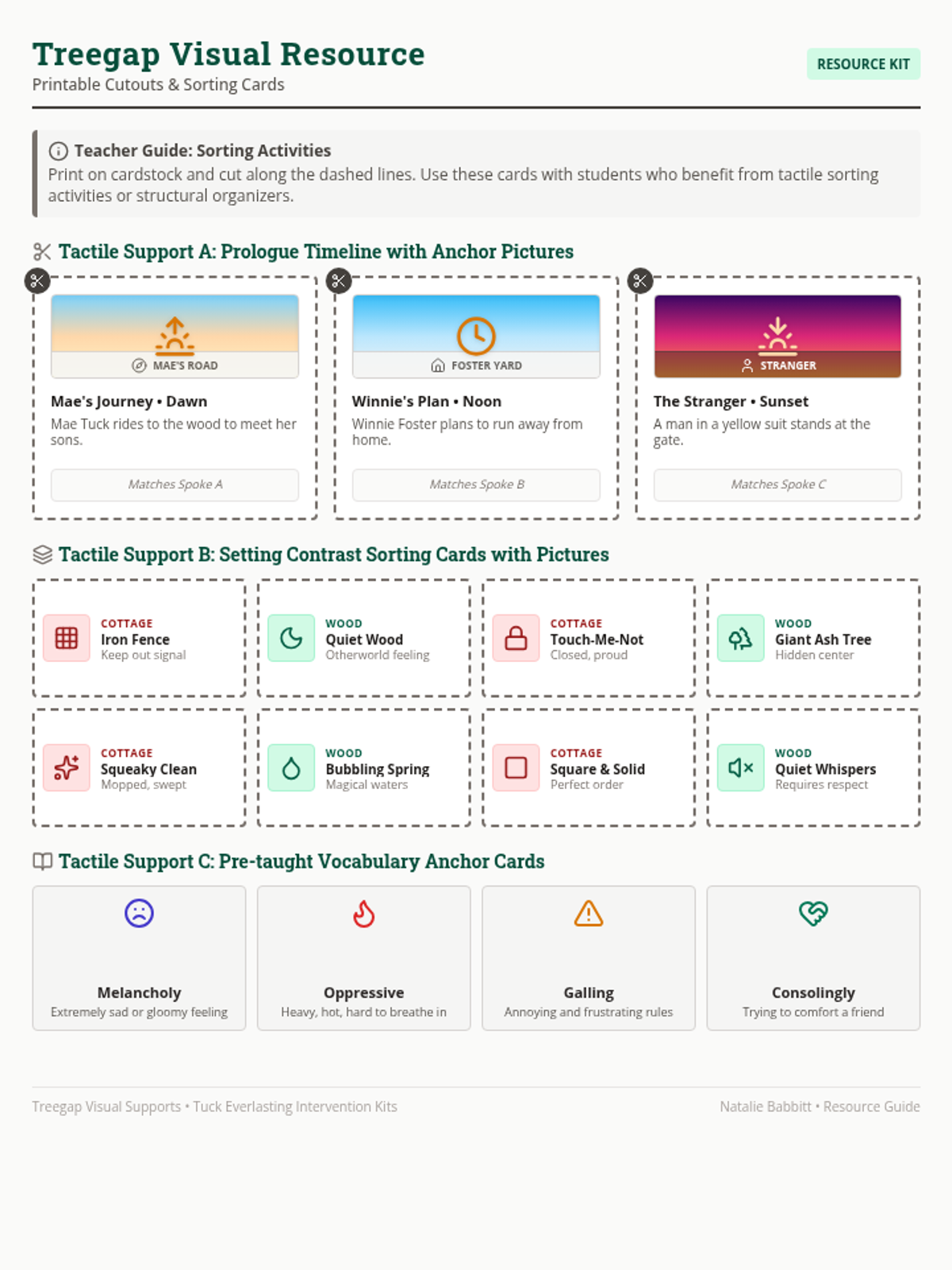
A literary investigation of the prologue through chapter 5 of Natalie Babbitt's Tuck Everlasting. Students explore setting contrasts and the mysterious meeting between Winnie and Jesse, while teachers leverage structured scaffolds and checks for understanding.
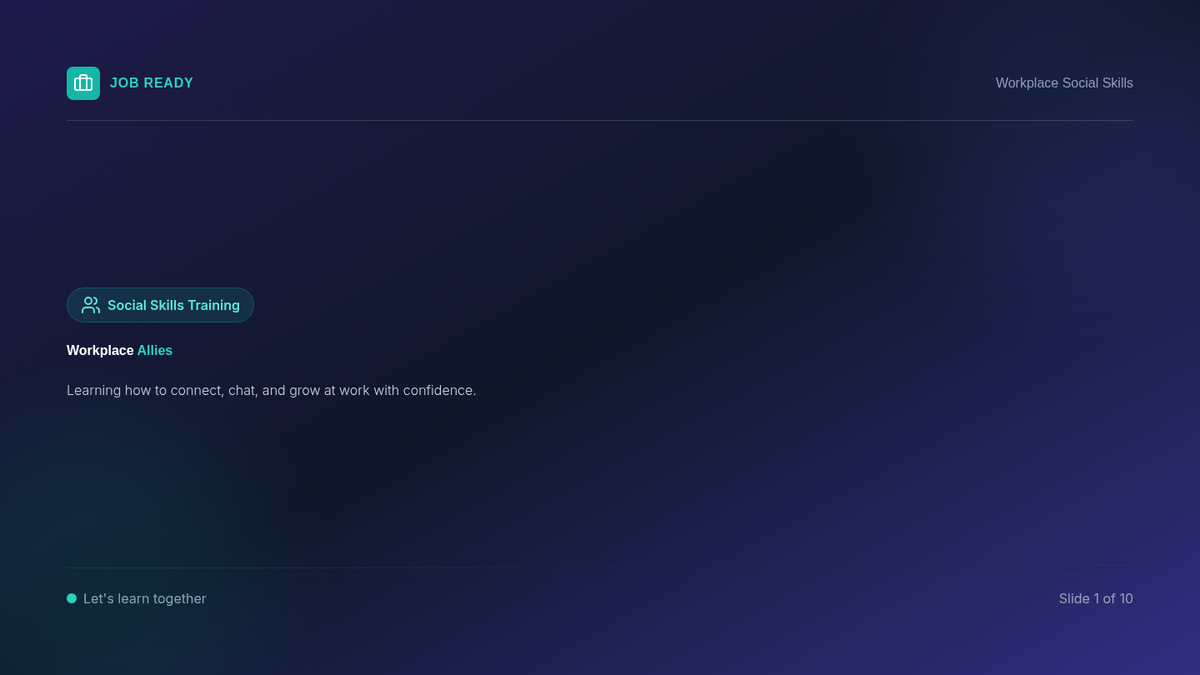
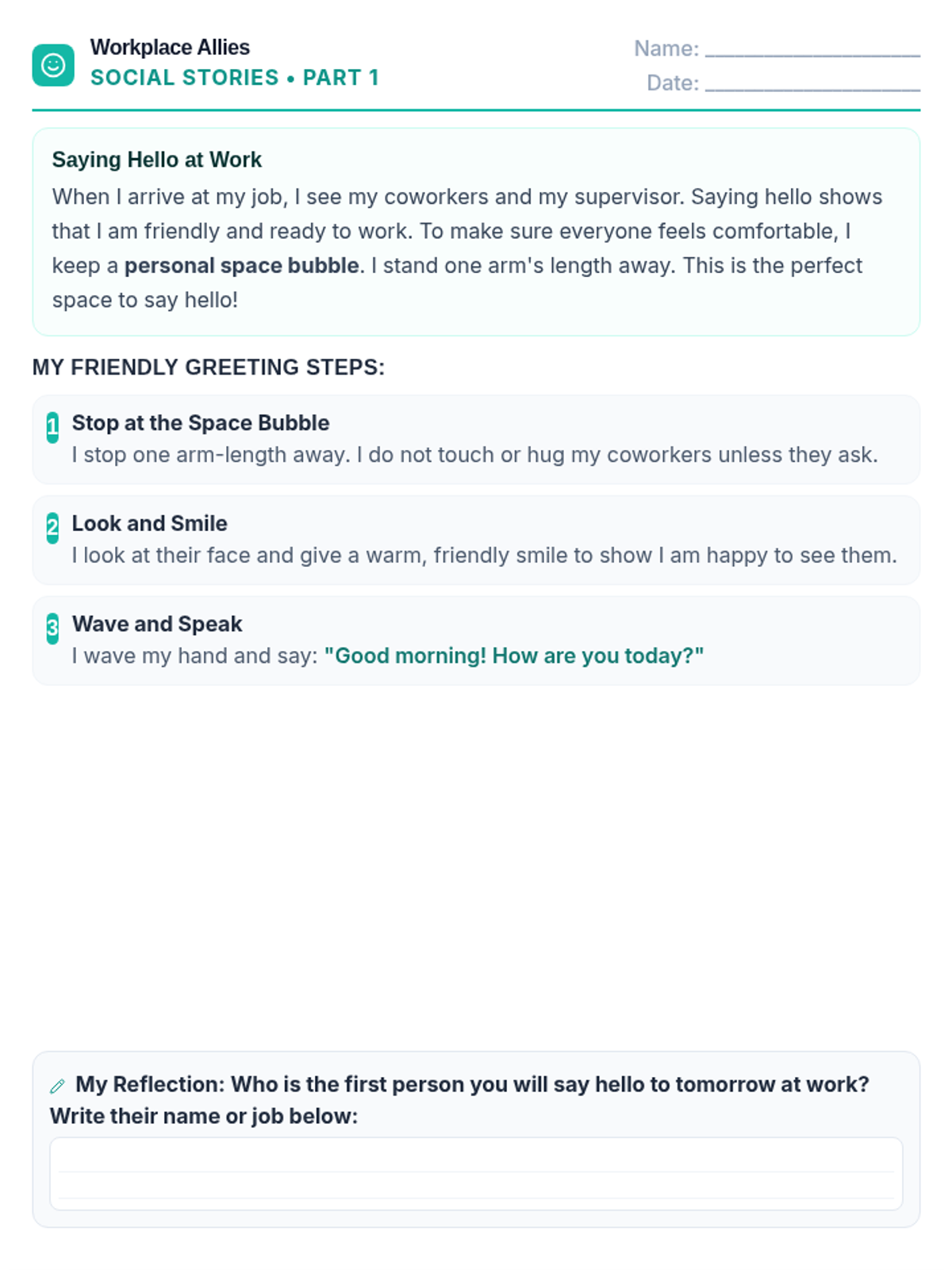
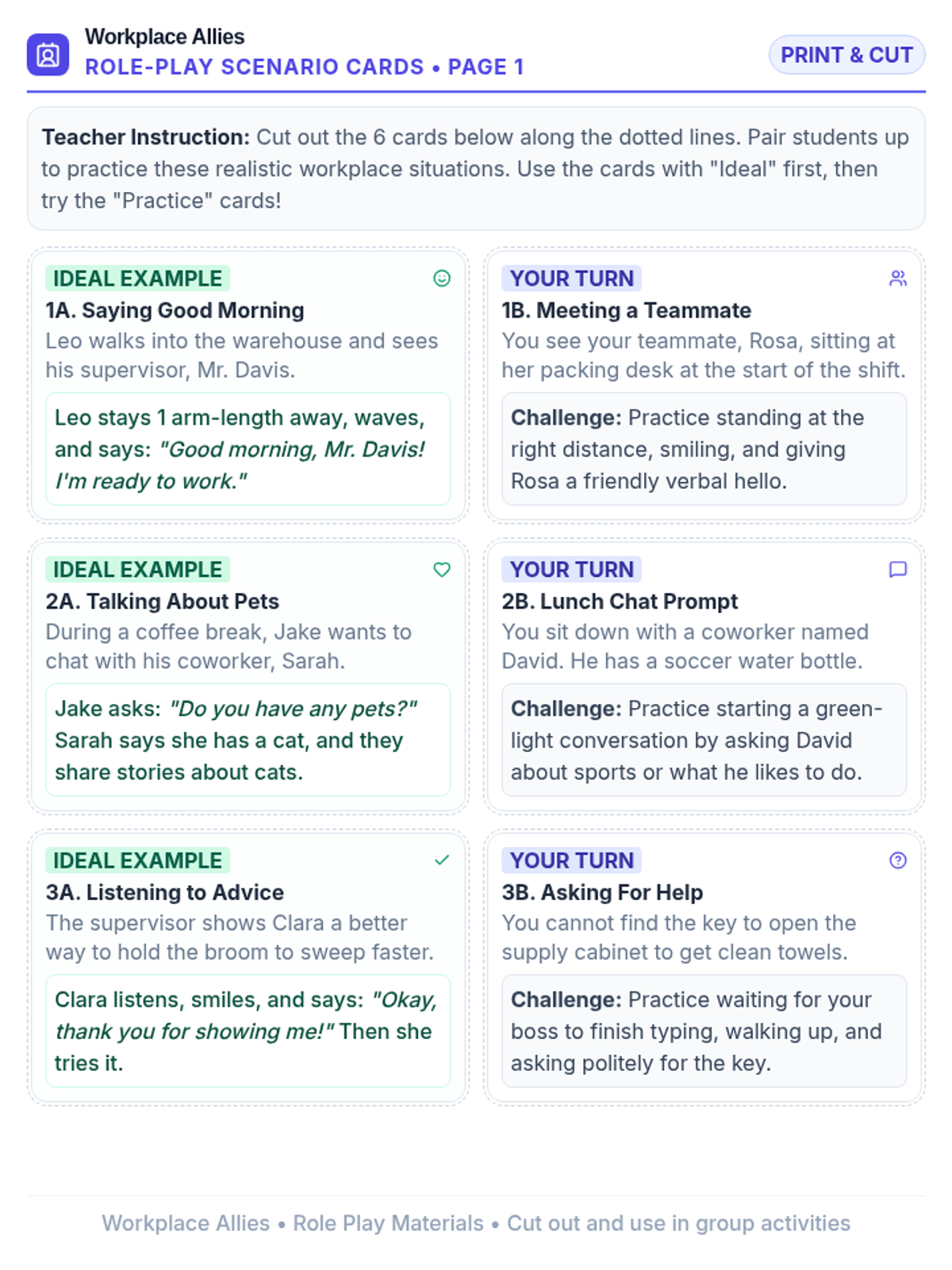
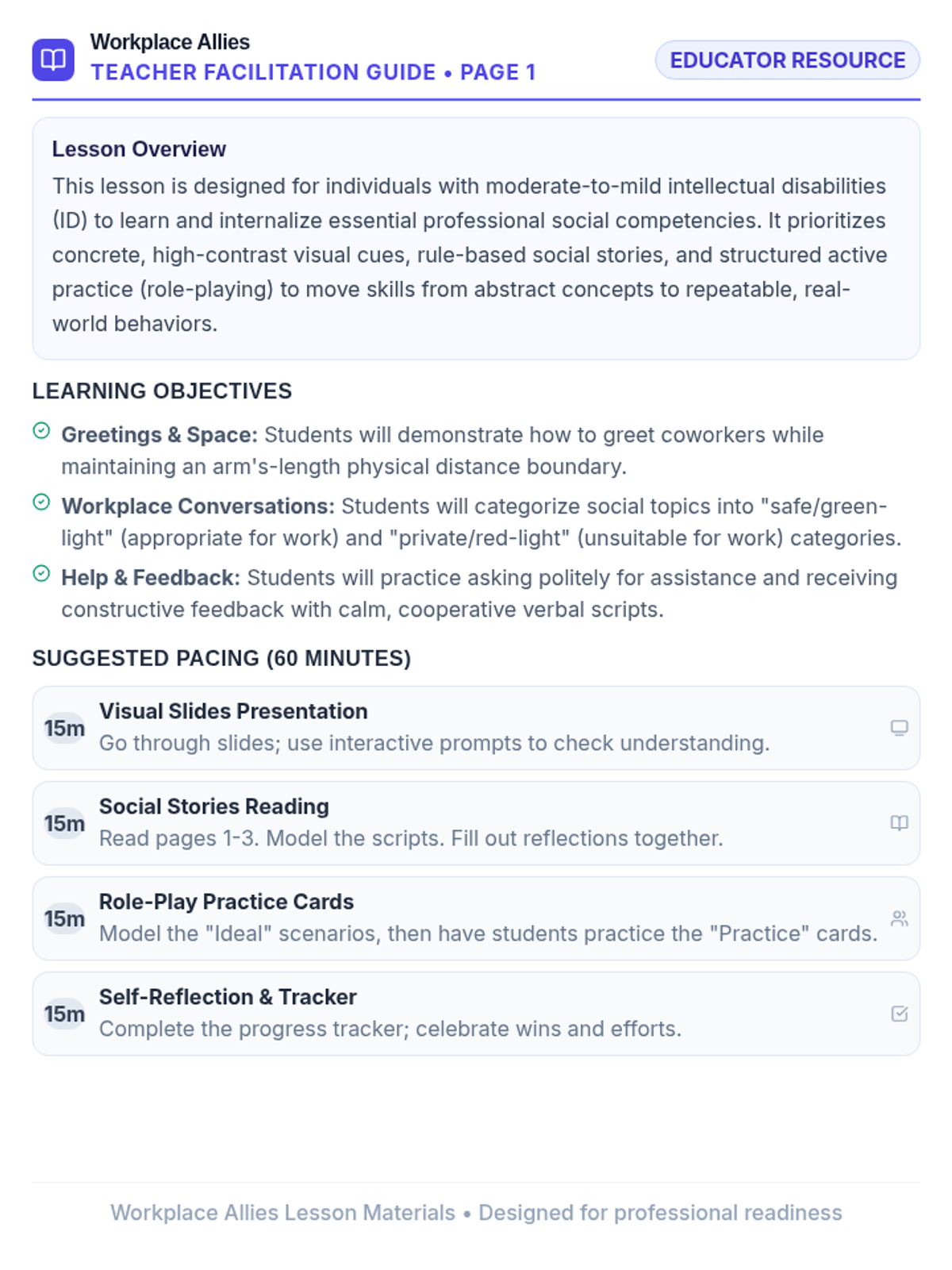
A visual, highly structured lesson designed to teach individuals with intellectual disabilities essential workplace social skills. The lesson covers greetings, personal space, appropriate topic selection, asking for help, and receiving supervisor feedback through interactive slides, visual social stories, and printable role-play scenario cards.
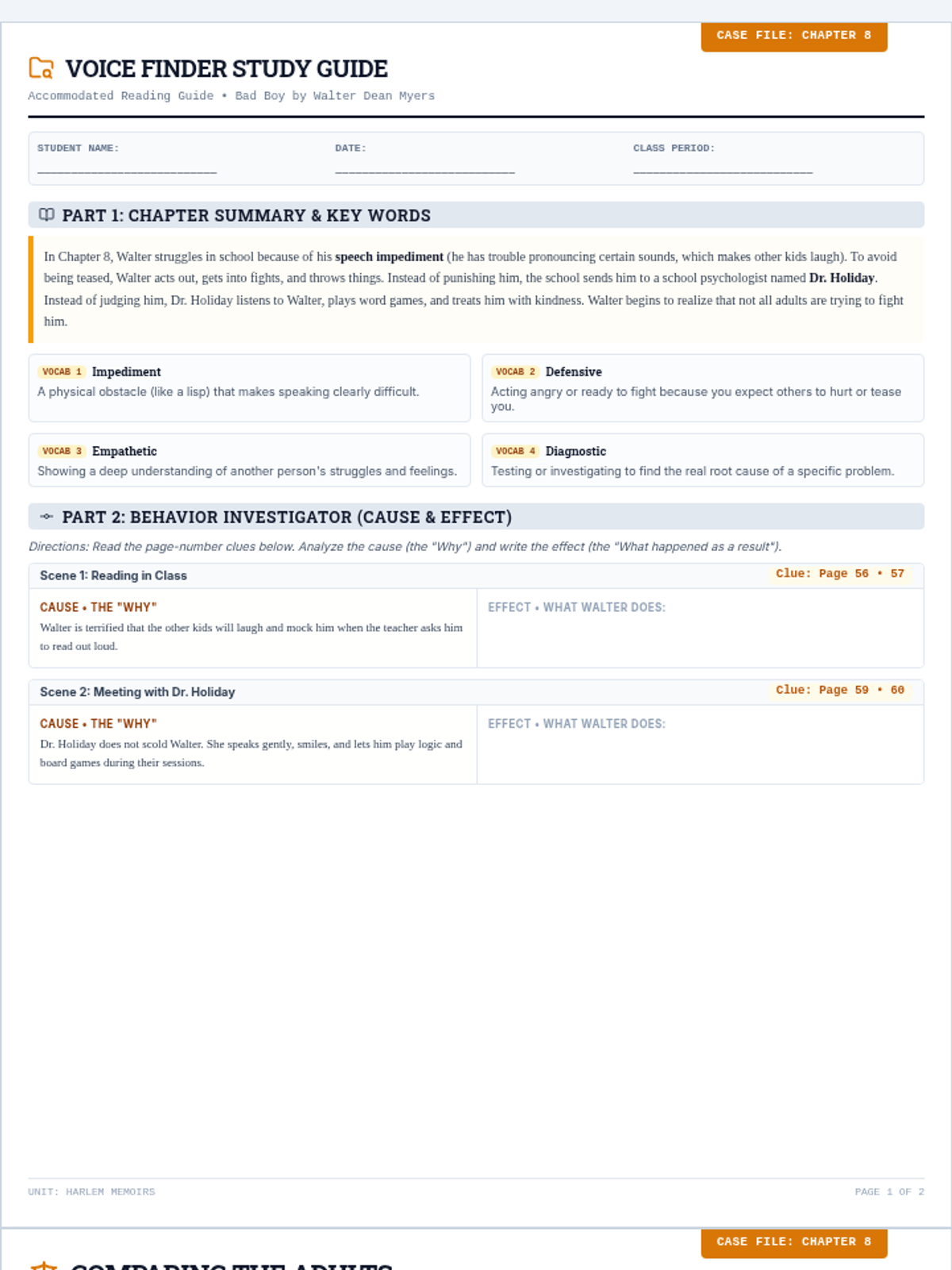
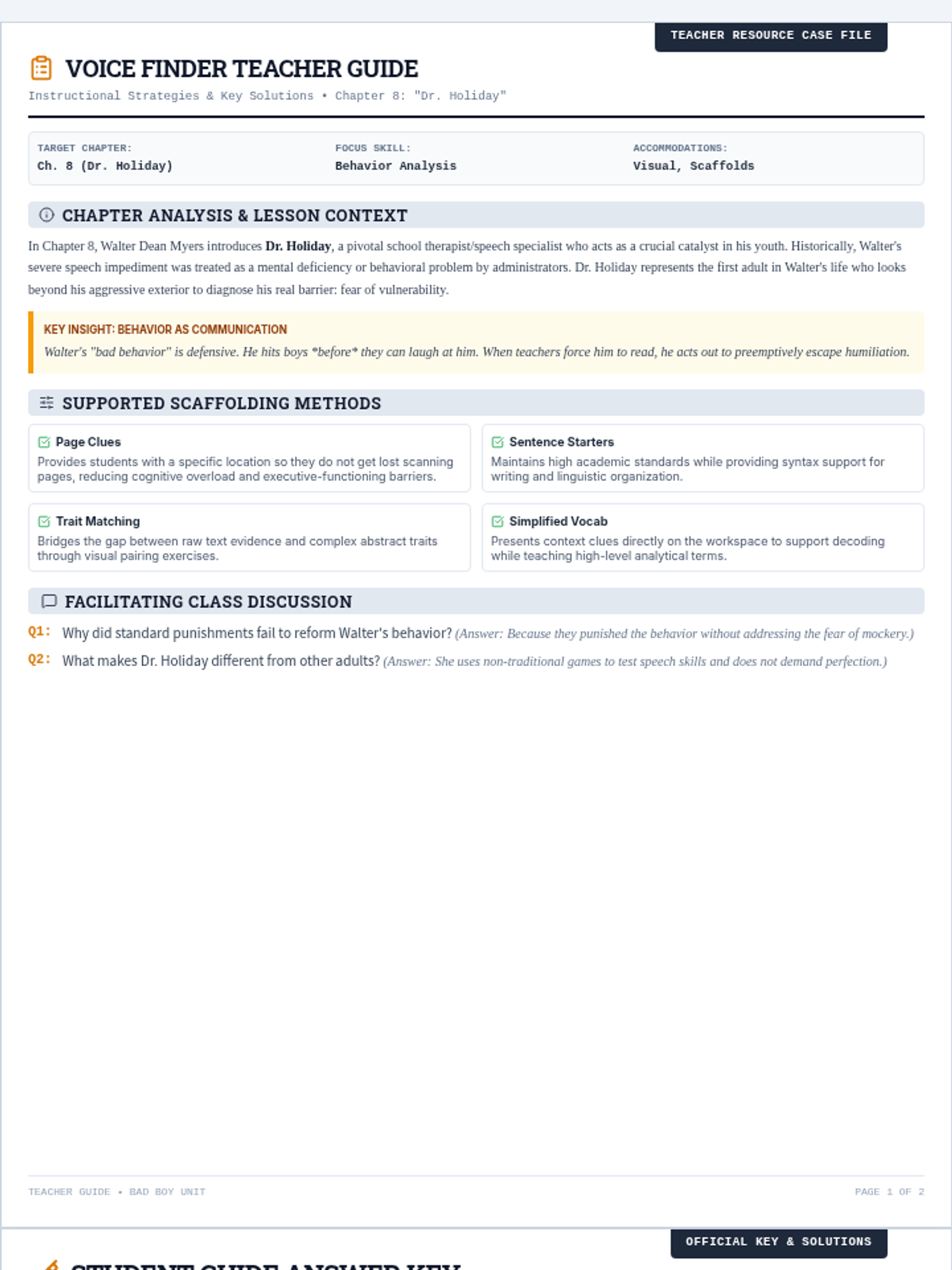
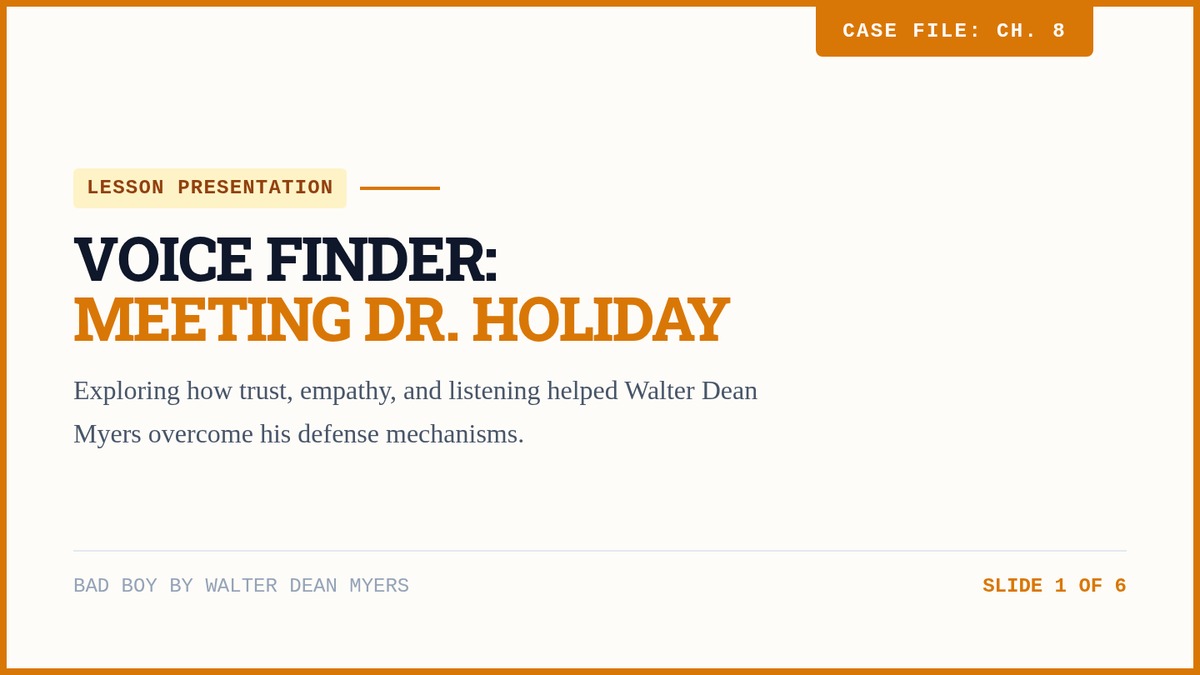
An accommodated, highly-scaffolded study guide and lesson resources focused on the 'Dr. Holiday' chapter of Walter Dean Myers' memoir, Bad Boy. Students explore character traits, comparison of adult figures, vocabulary, and cause-and-effect relationships surrounding Walter's behavior.
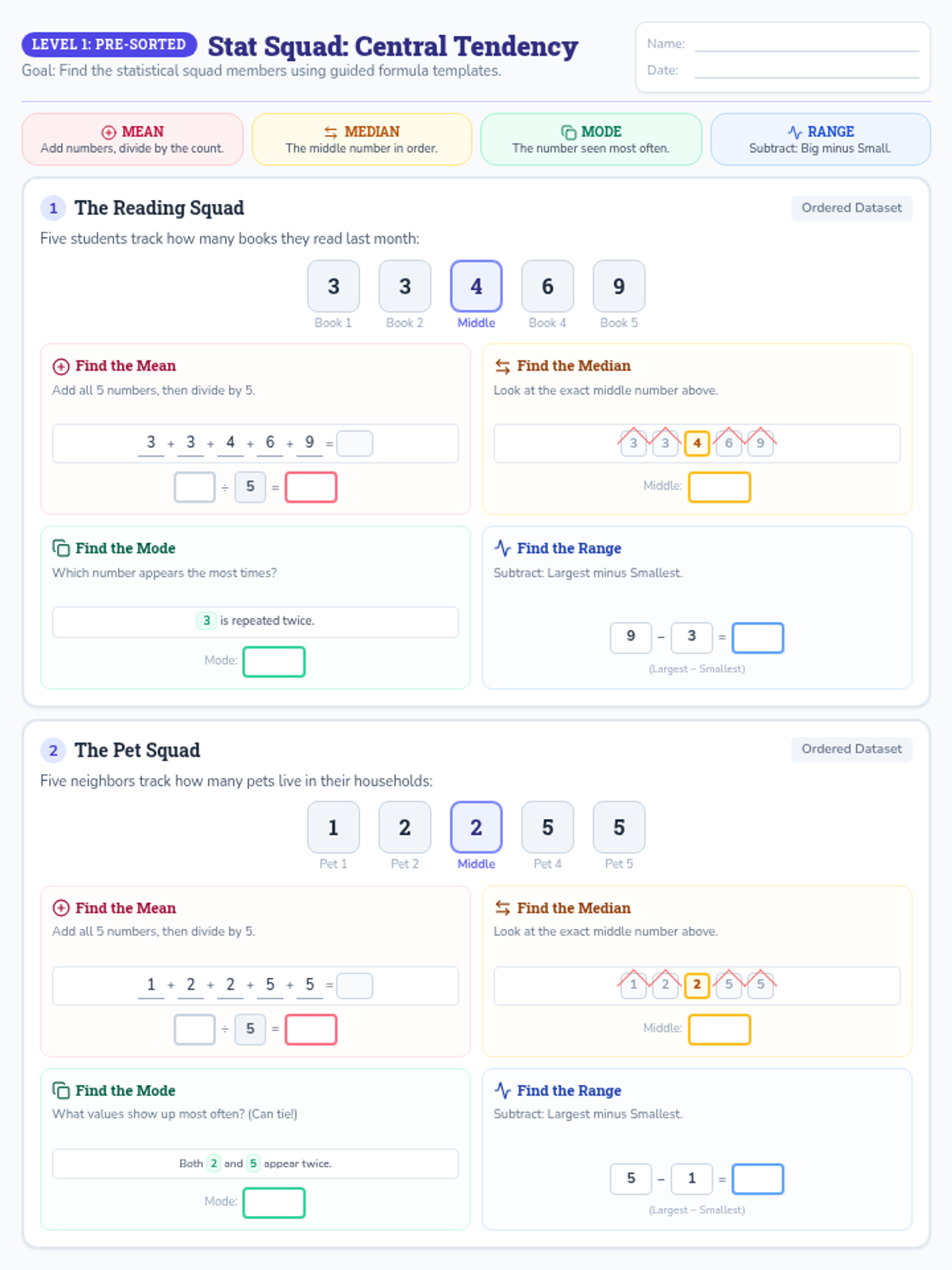
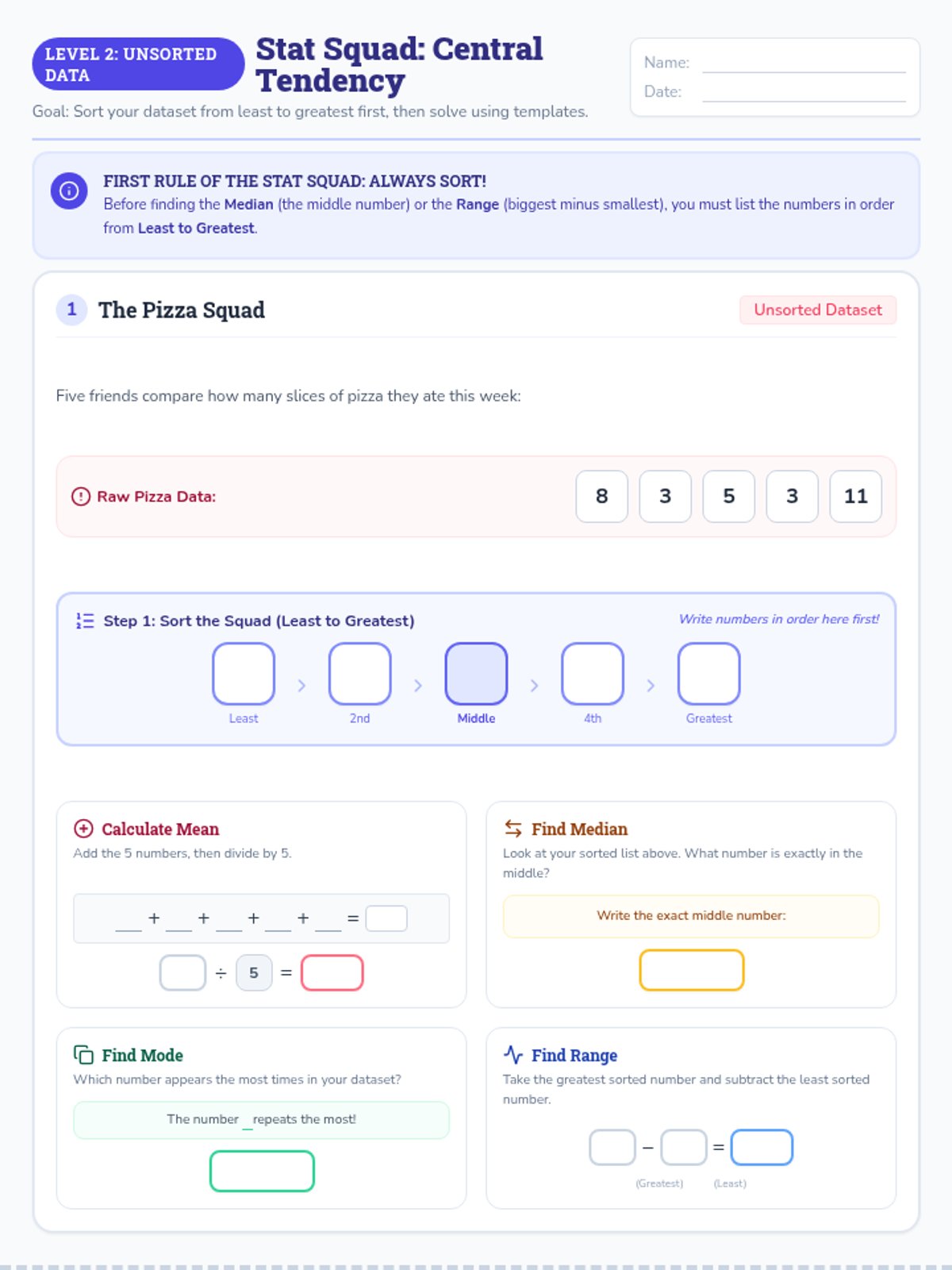
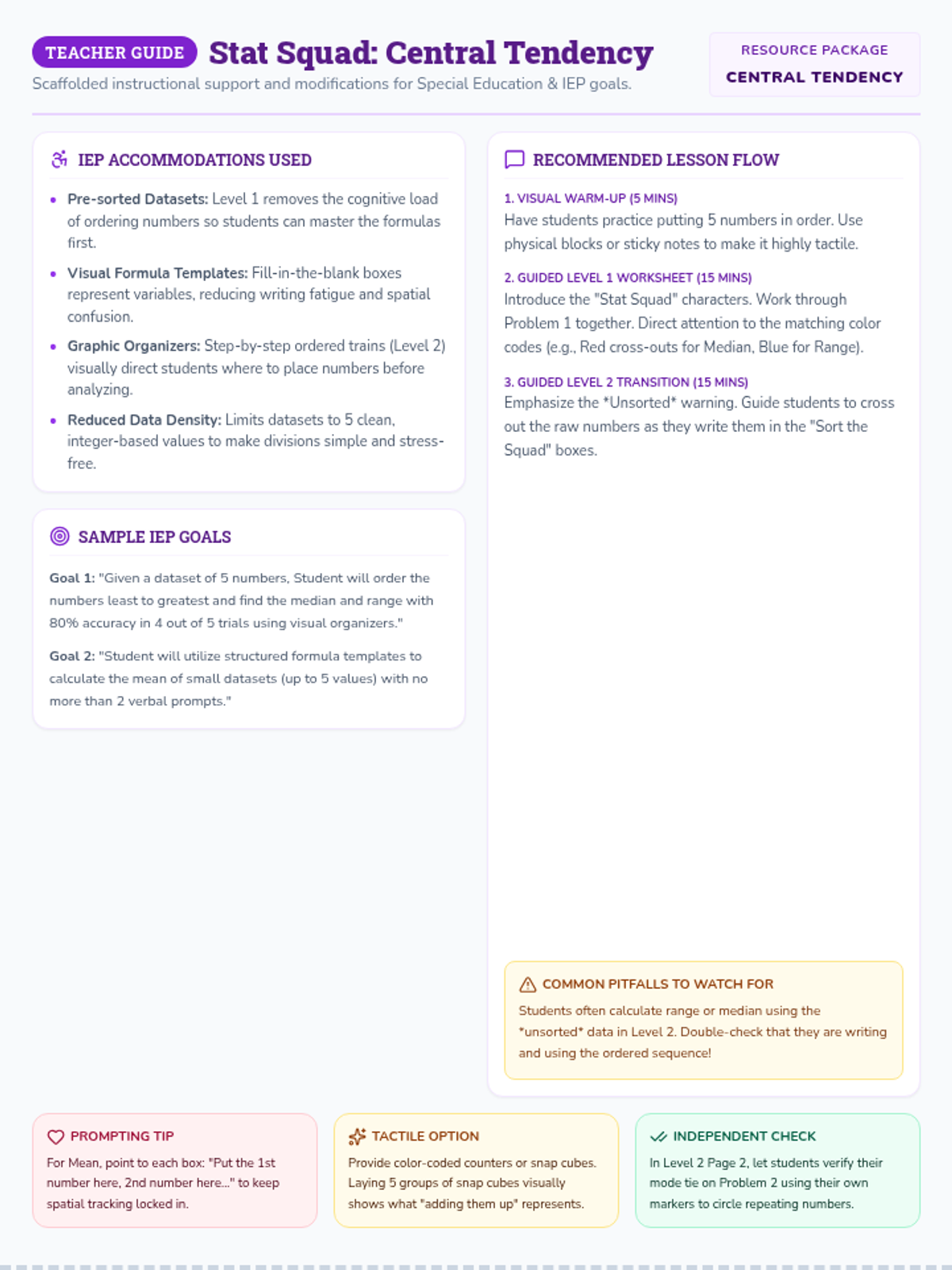
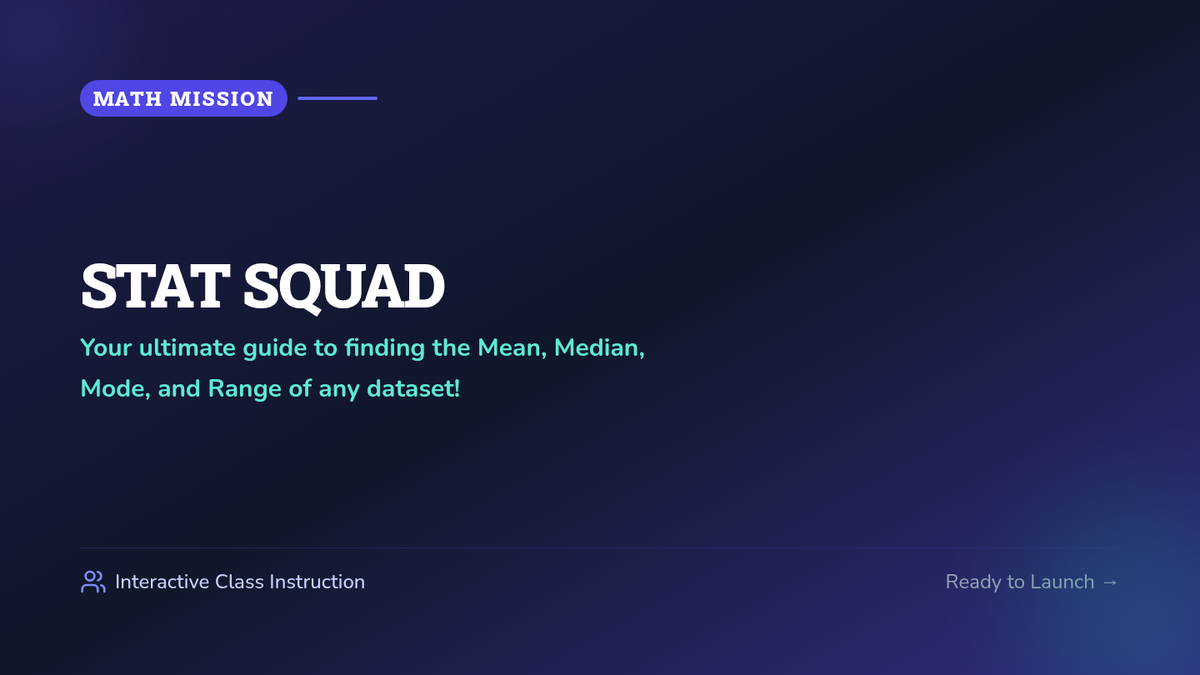
A highly scaffolded, visual lesson on mean, median, mode, and range tailored specifically for students with IEPs and learning differences. Features structured fill-in-the-blank formula templates, graphic organizers, and leveled worksheets.
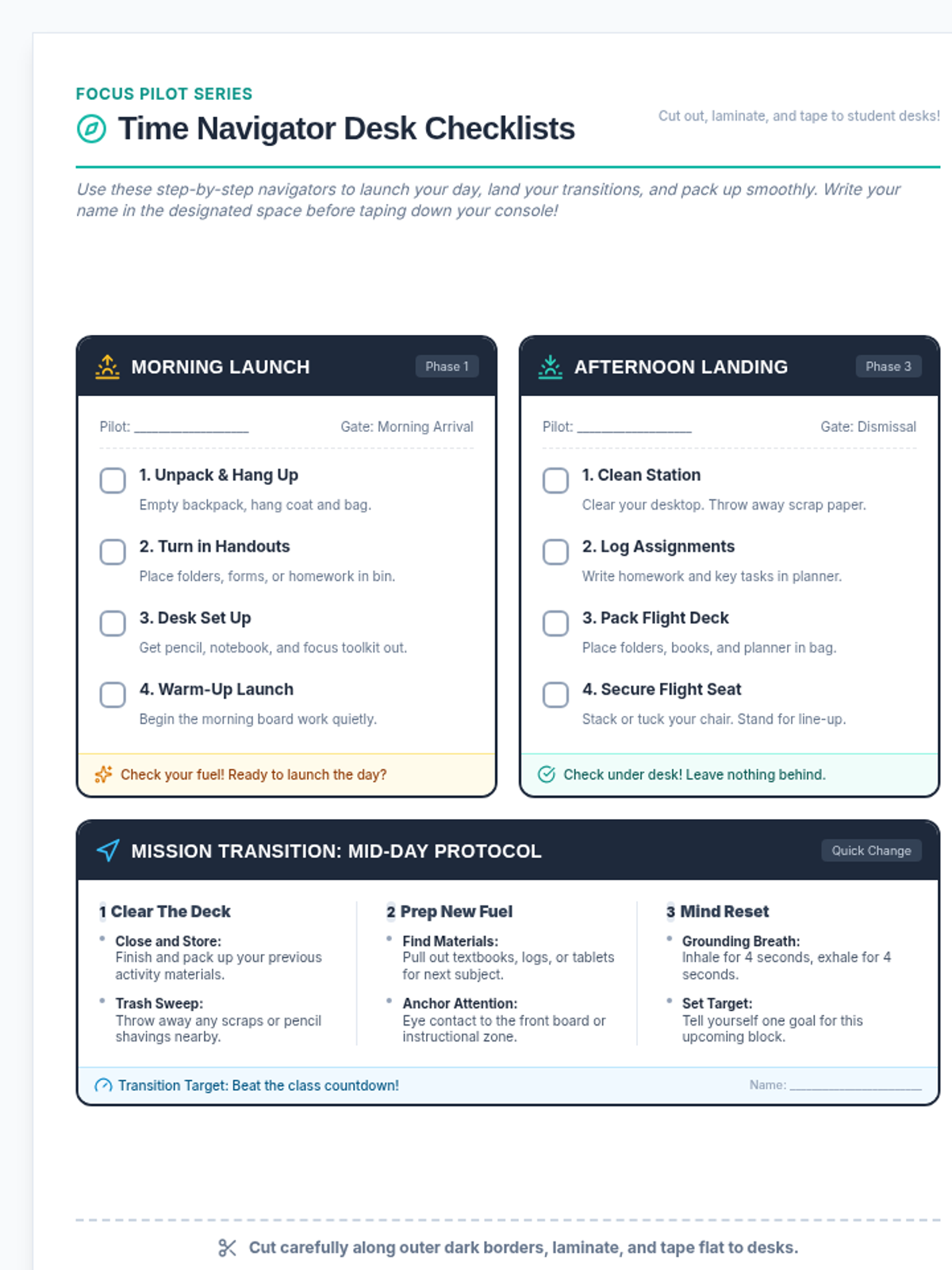
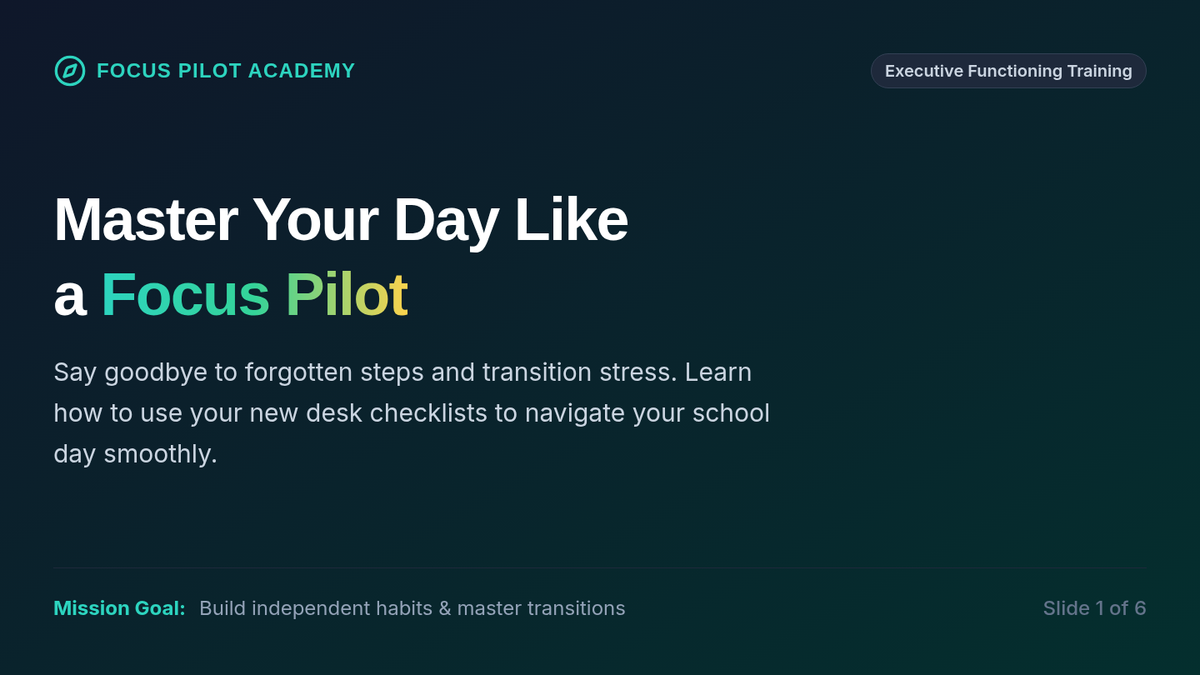
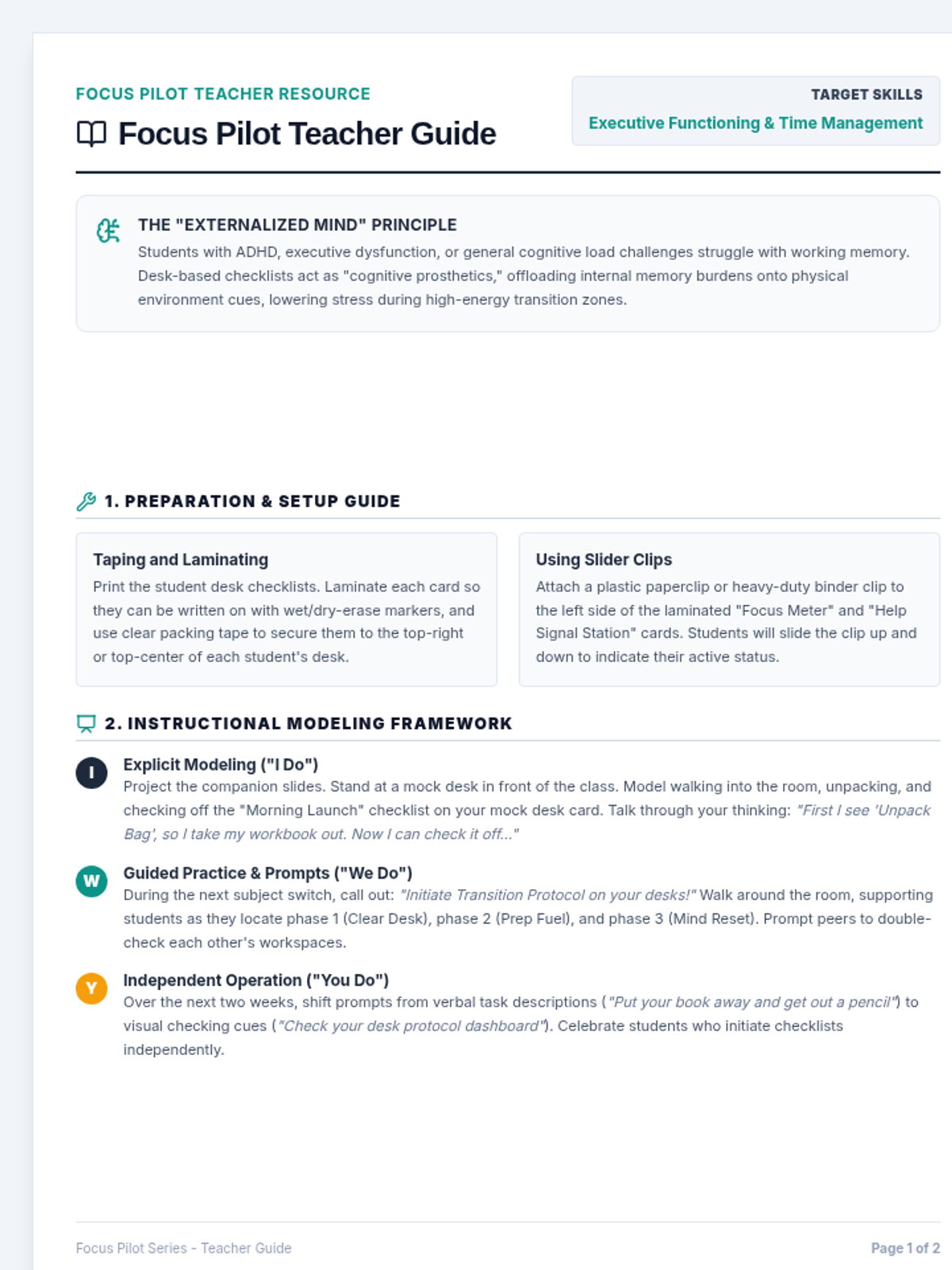
A collection of executive functioning resources designed to help students master school-day transitions, arrival, and dismissal routines using visual desk checklists, a modeled presentation, and a comprehensive teacher guide.
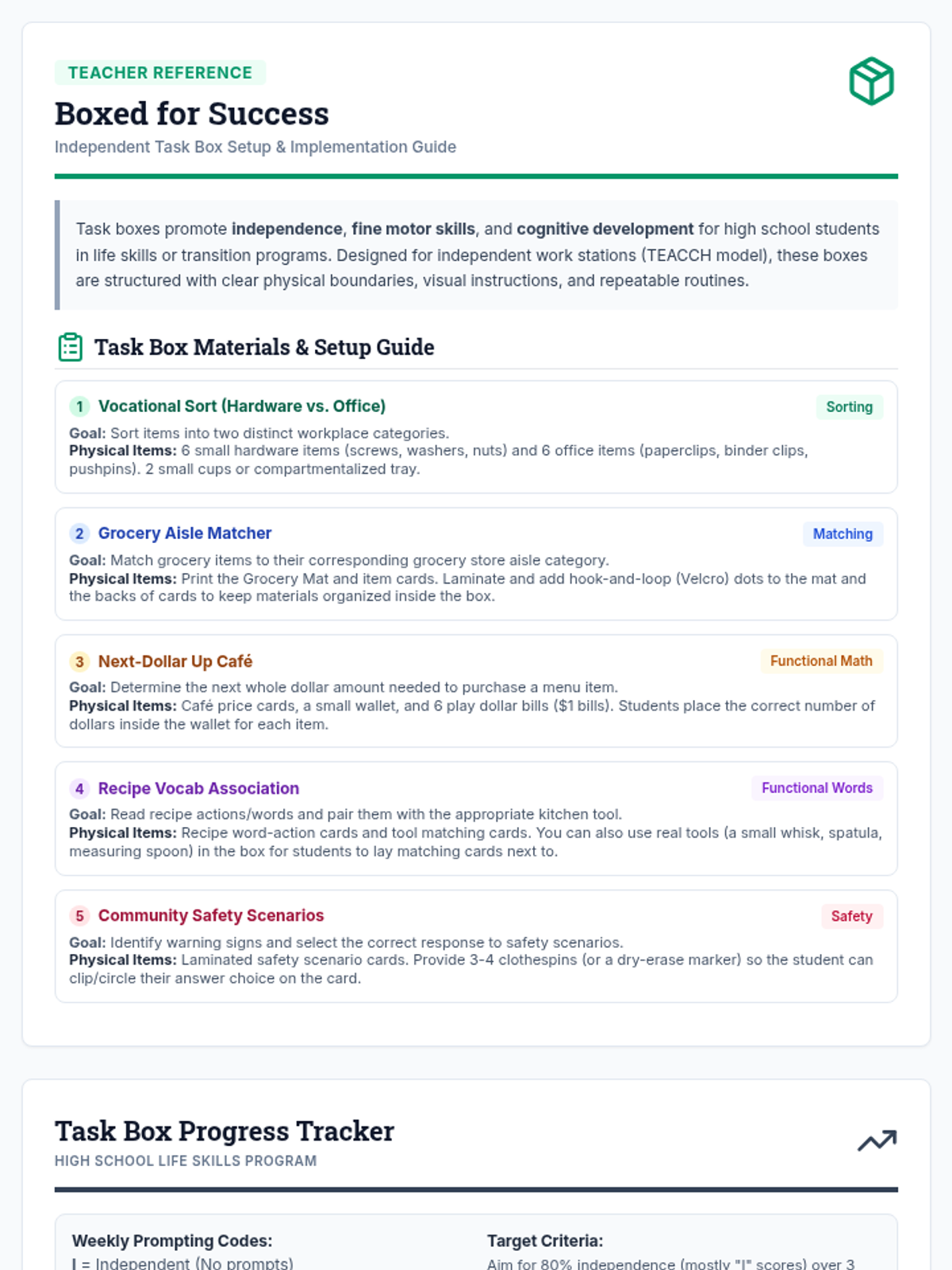
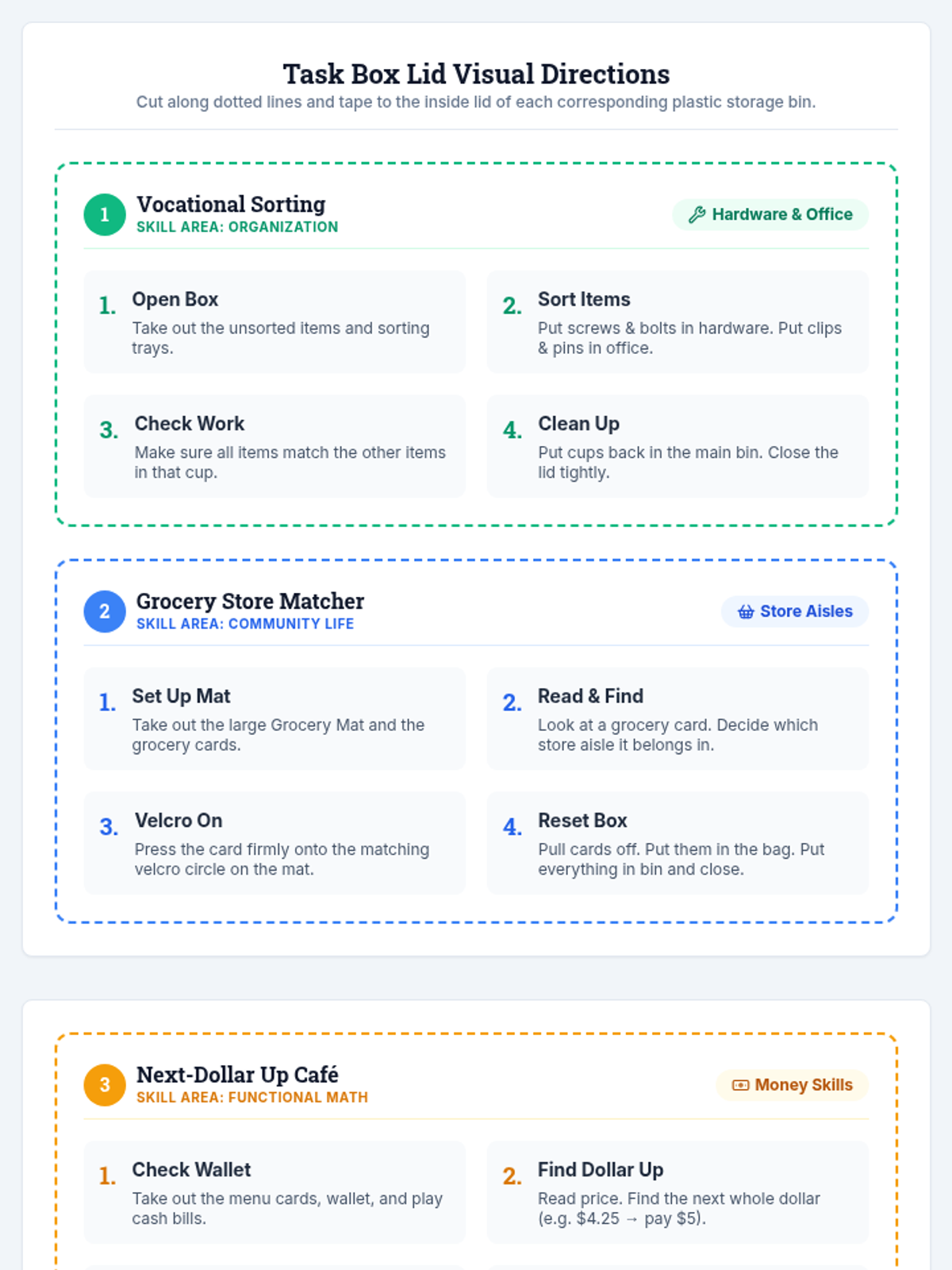
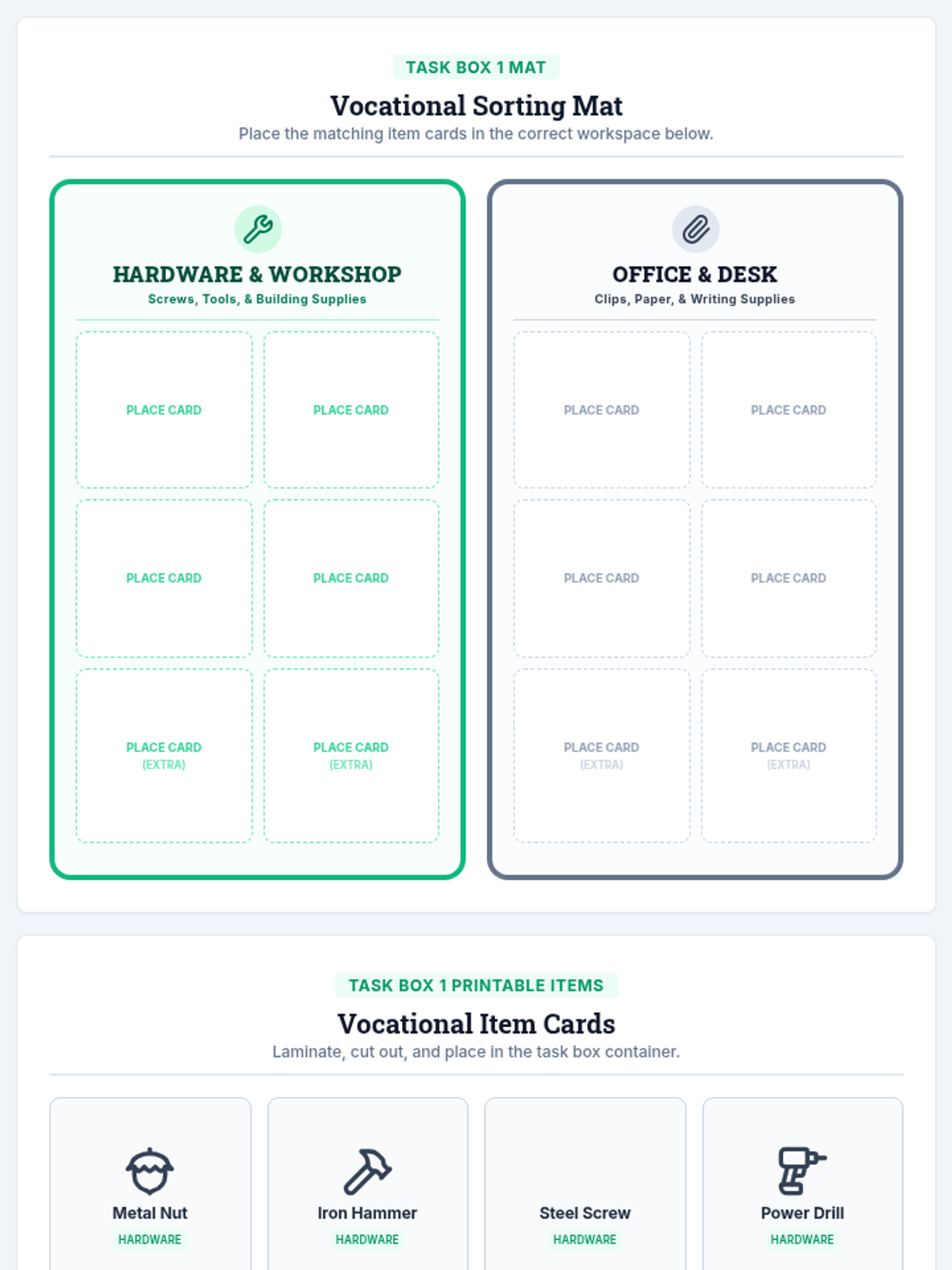
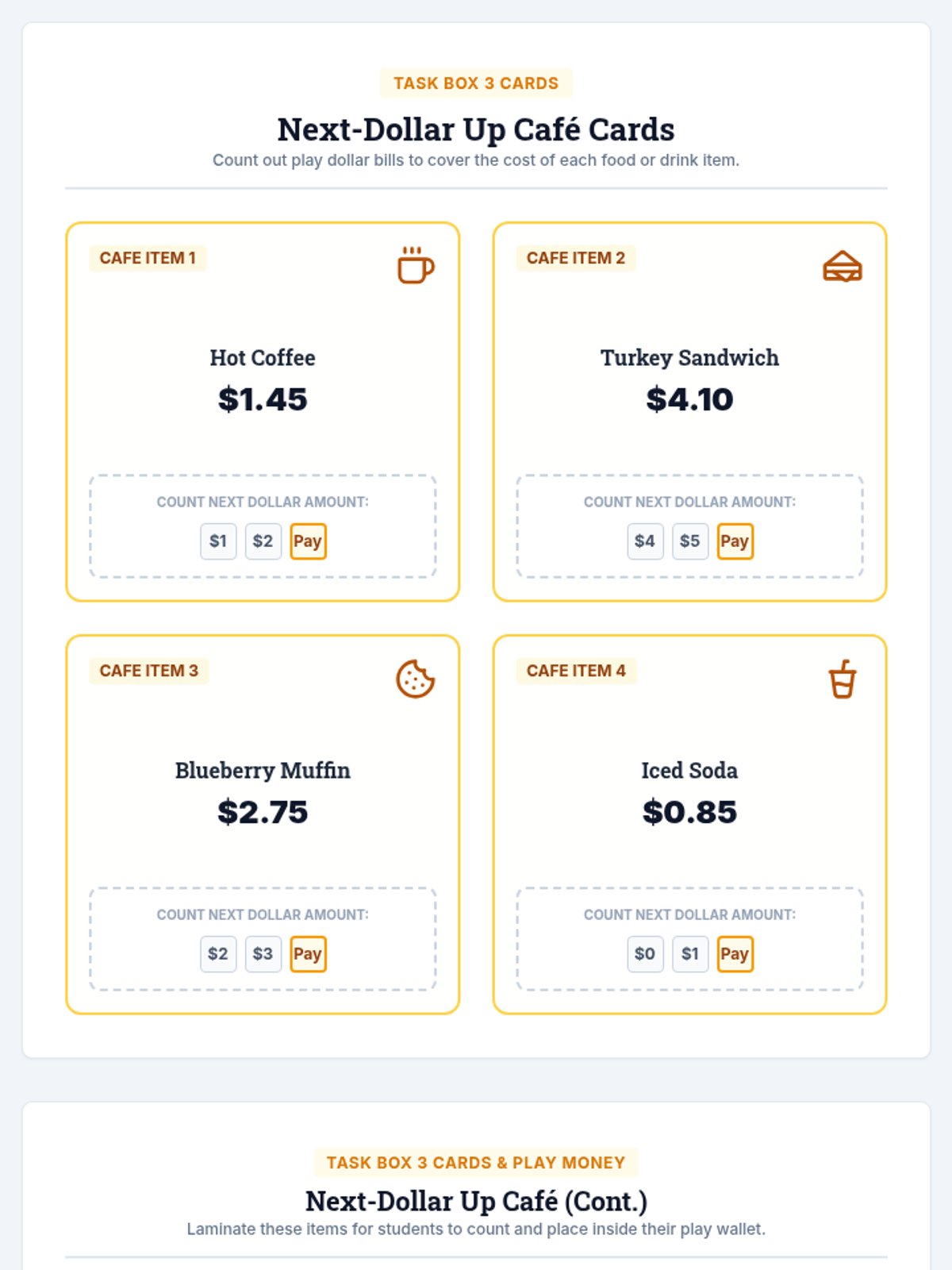
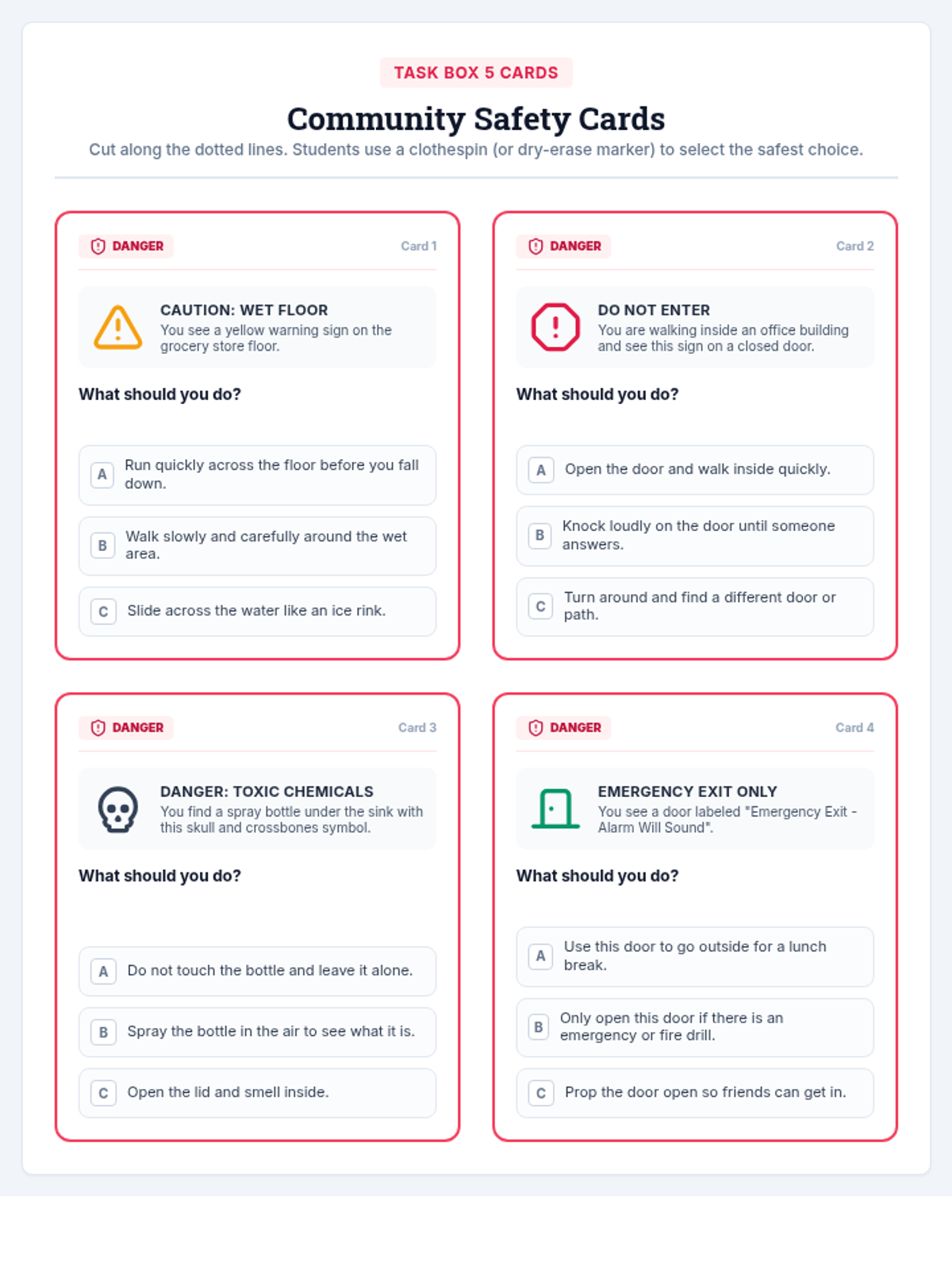
A comprehensive set of age-appropriate independent task boxes for high school life skills classrooms, targeting sorting, matching, math, words, and community safety. Includes teacher setup guides, student visual directions, and printable task card assets.
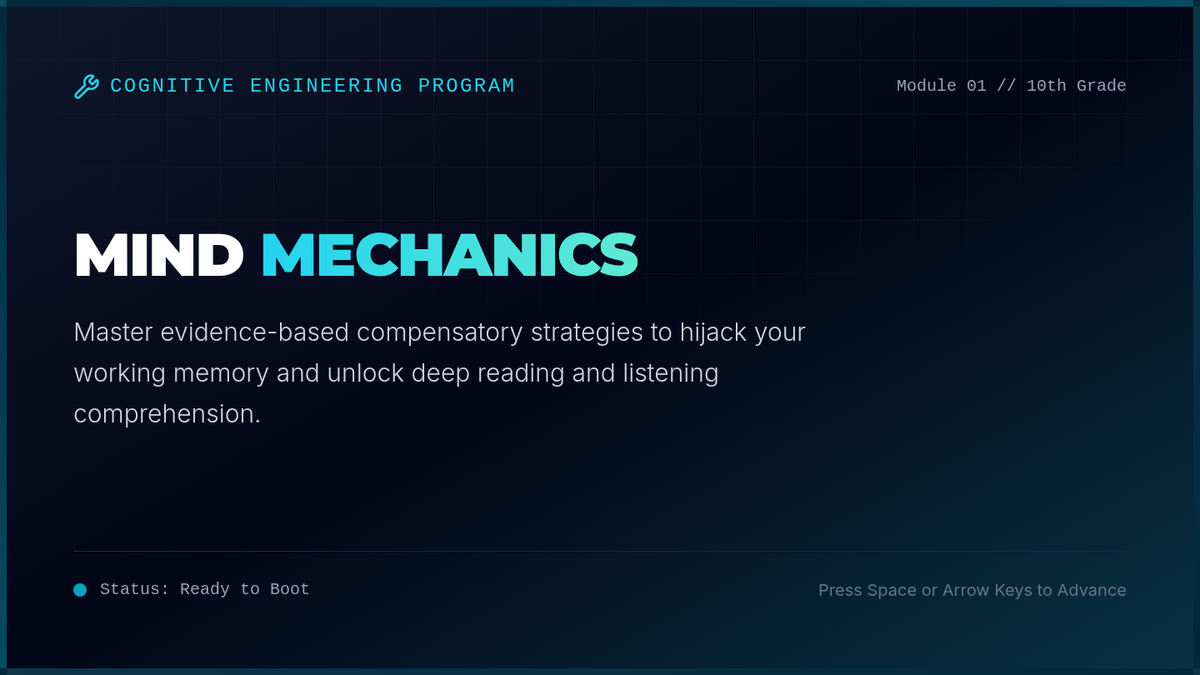
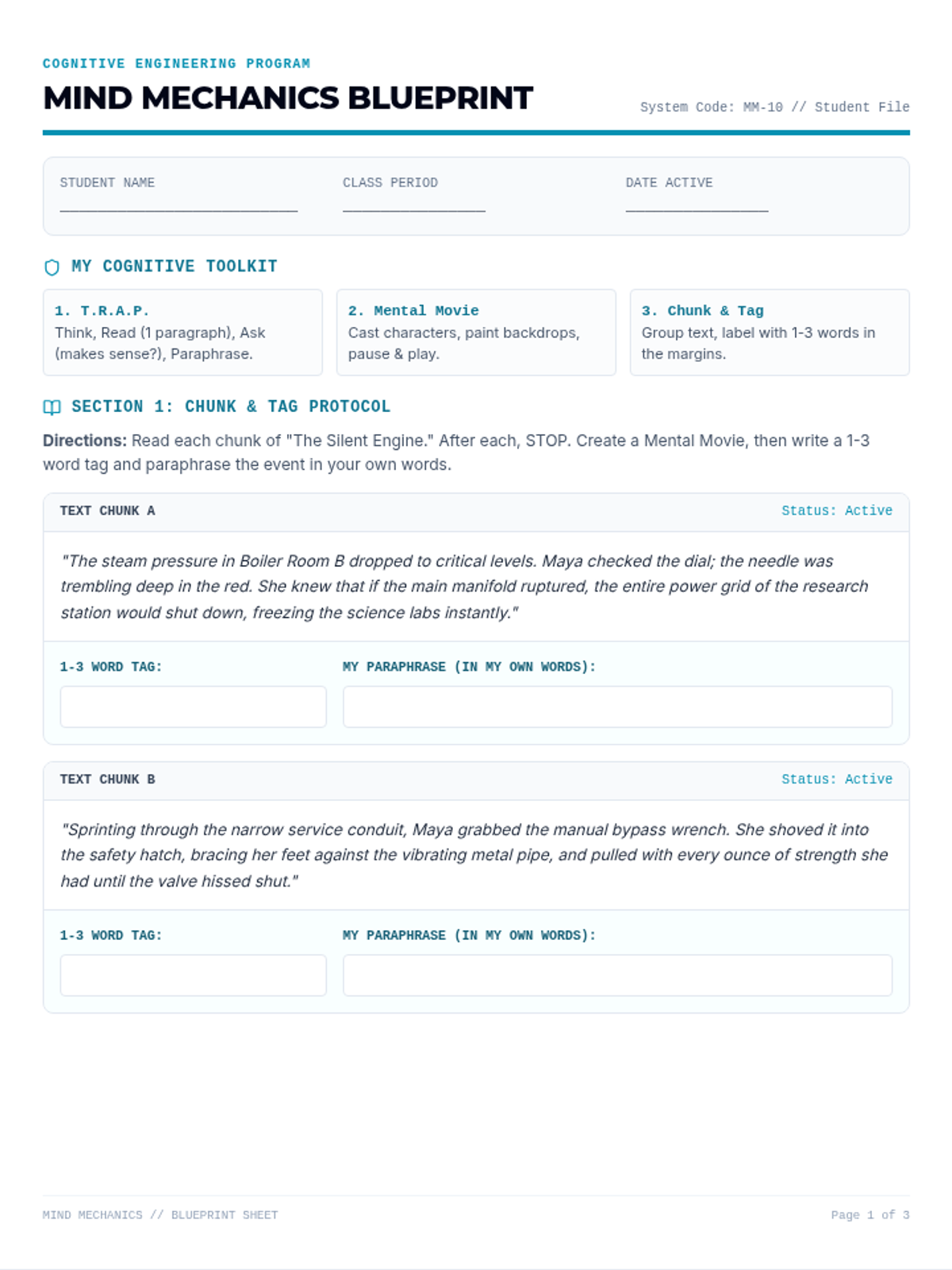
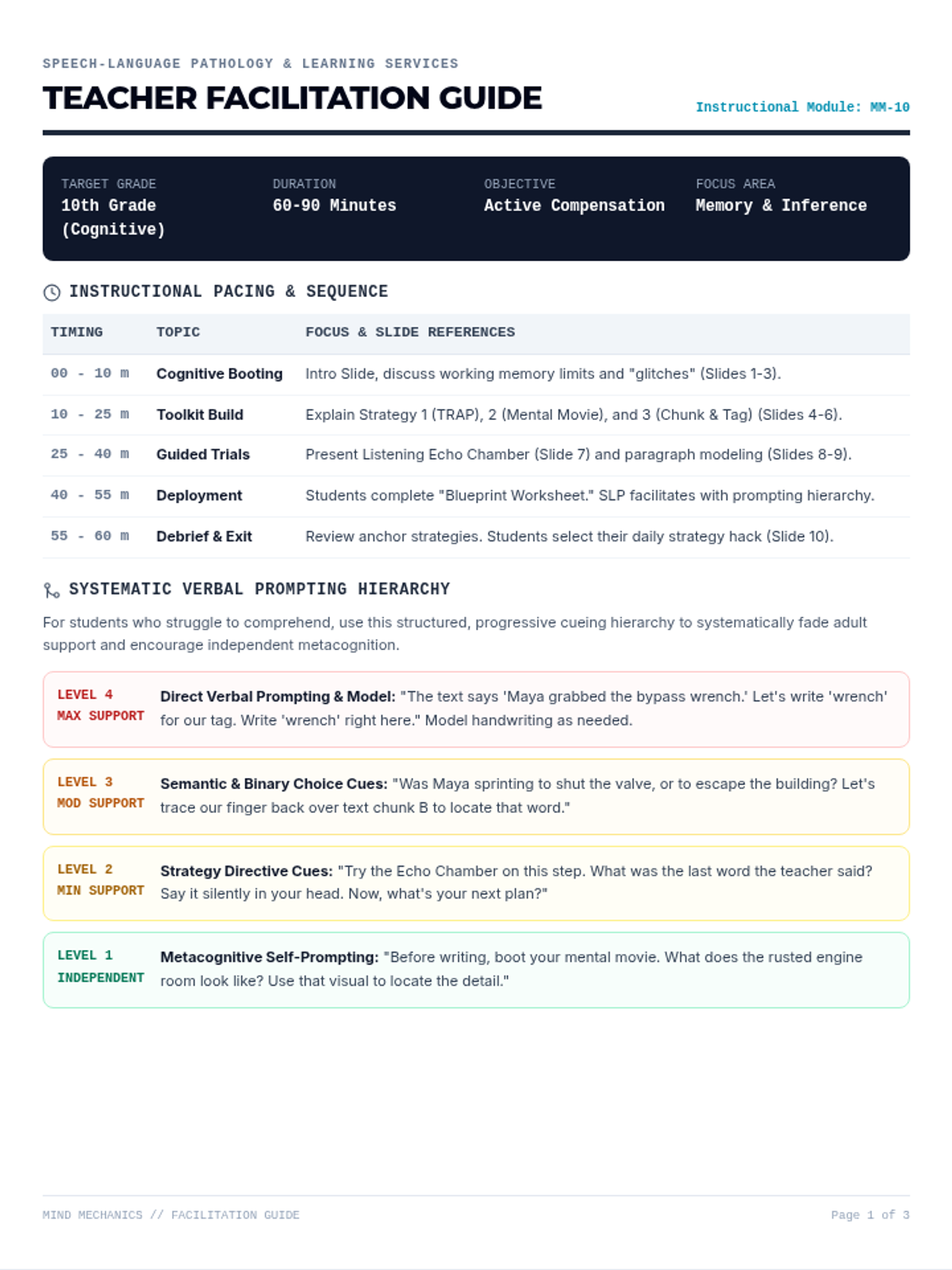
A comprehensive cognitive-linguistic lesson teaching high school students evidence-based compensatory strategies for reading comprehension and working memory. Students learn to actively monitor their understanding, chunk information, use visual imagery, and apply self-prompting strategies to become independent learners.
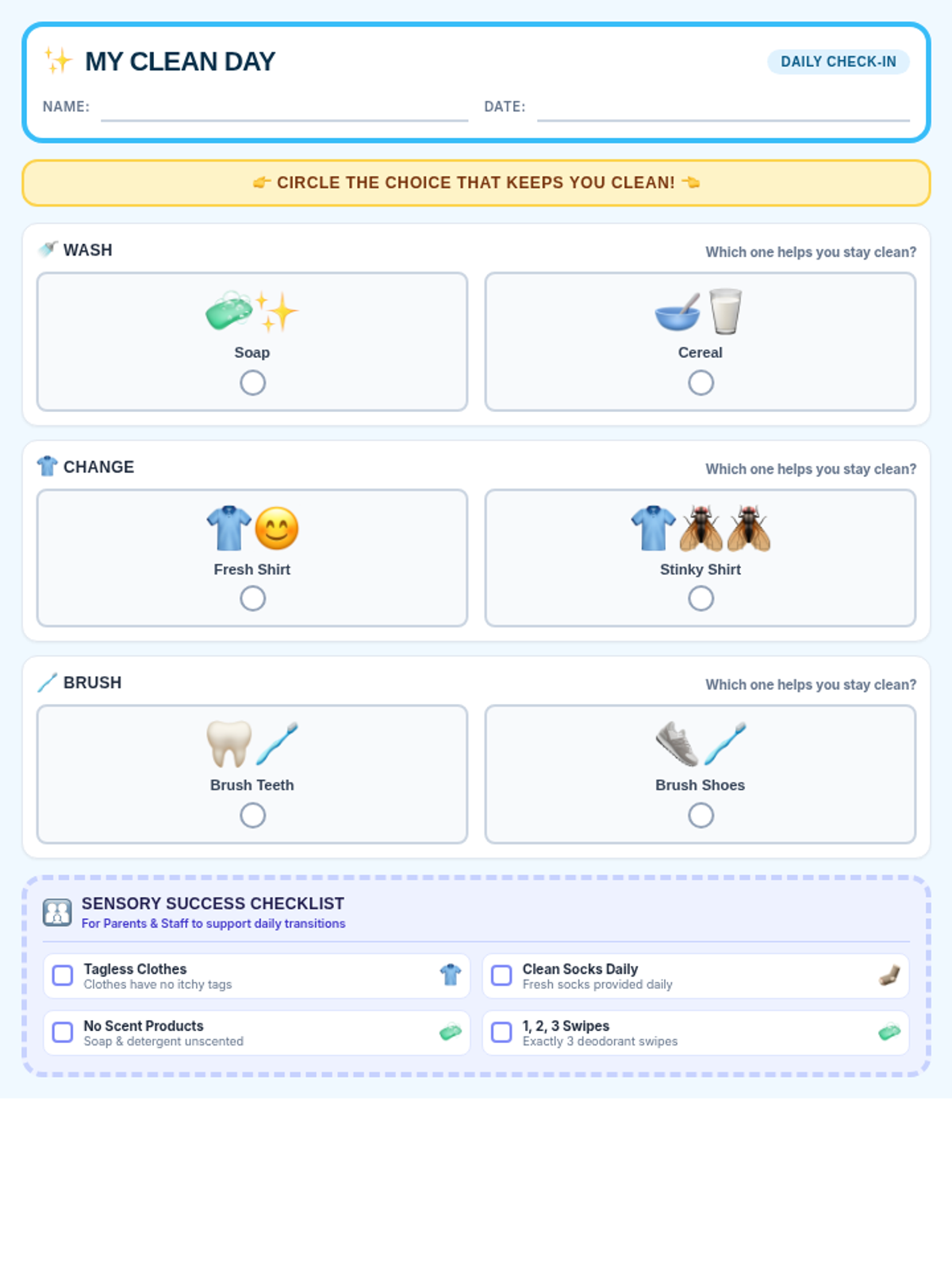
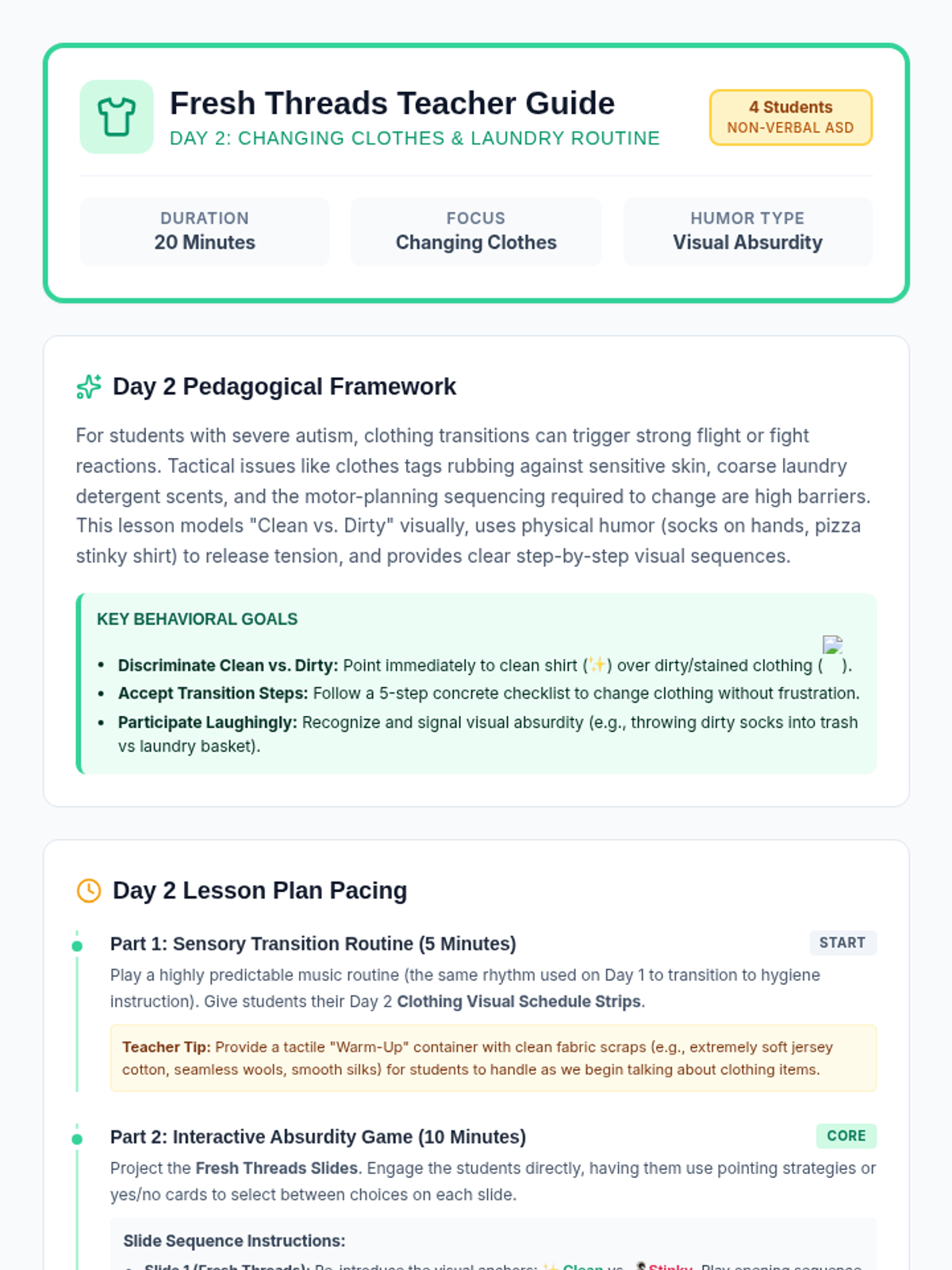
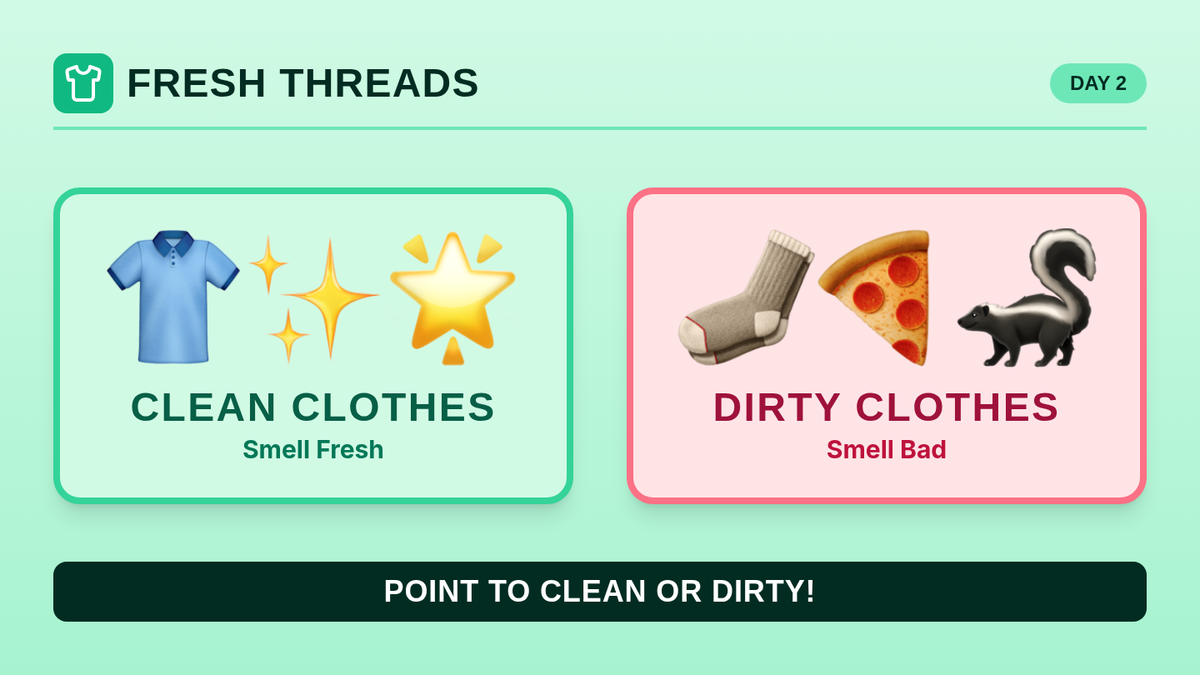
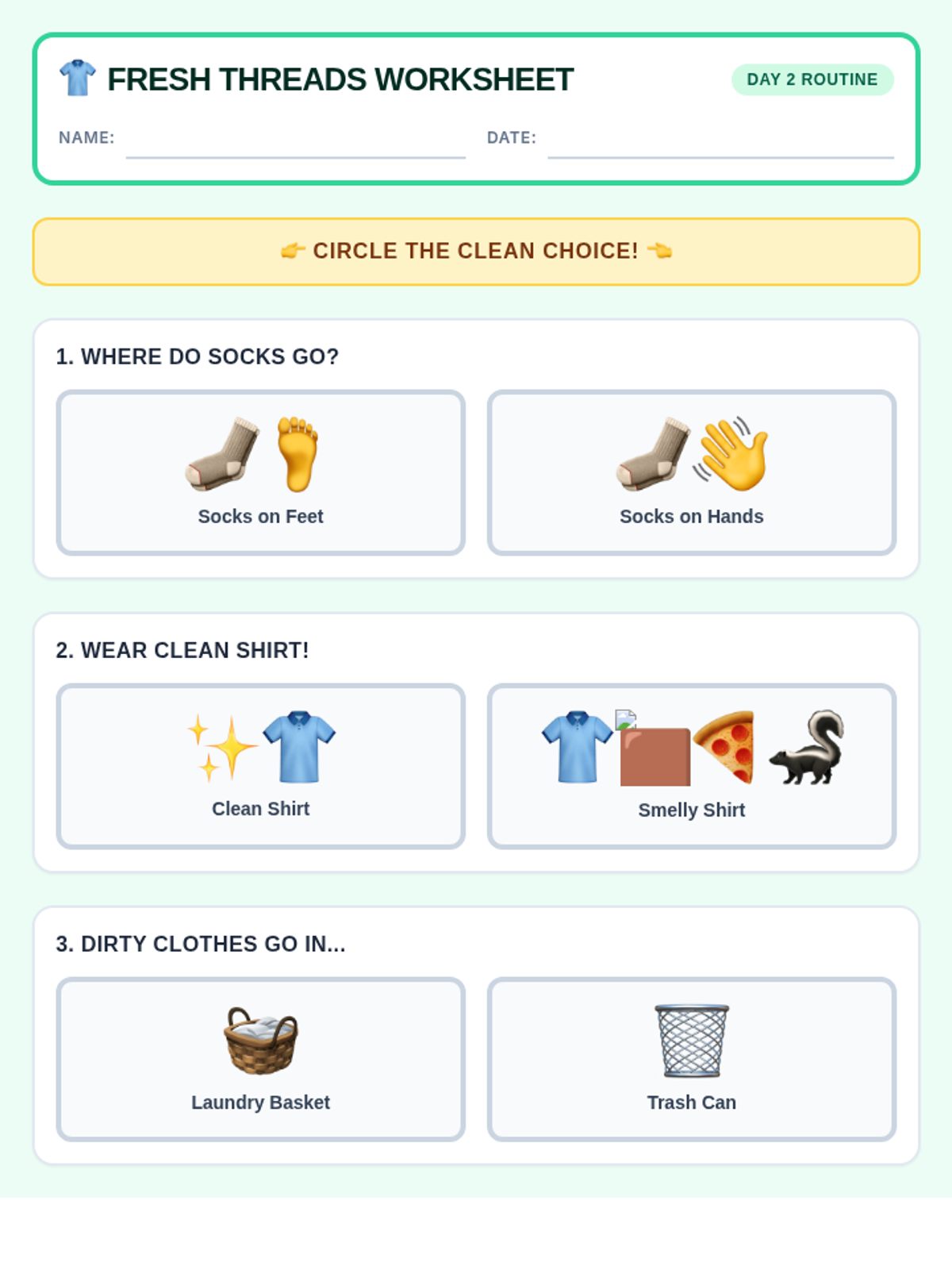
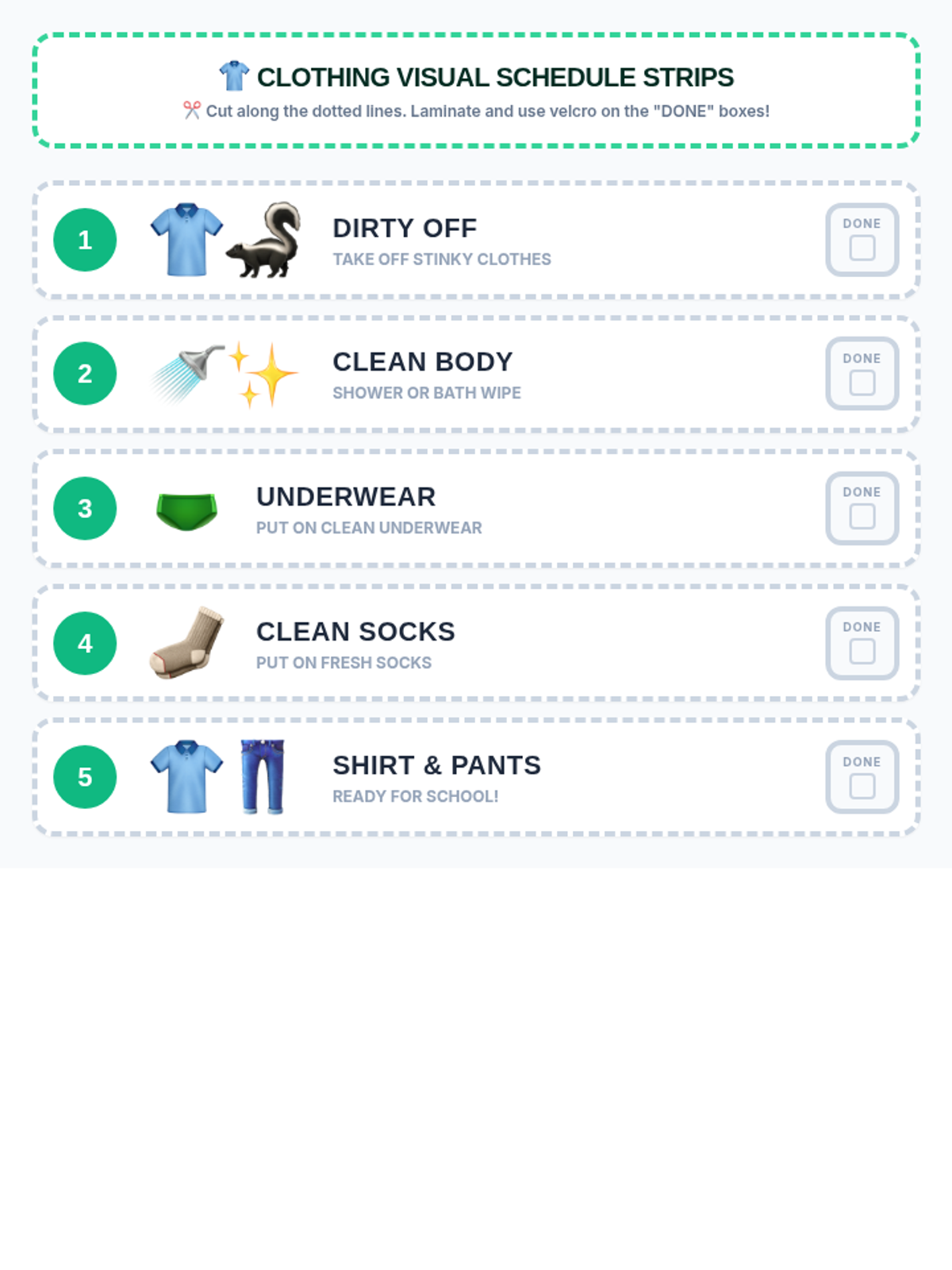
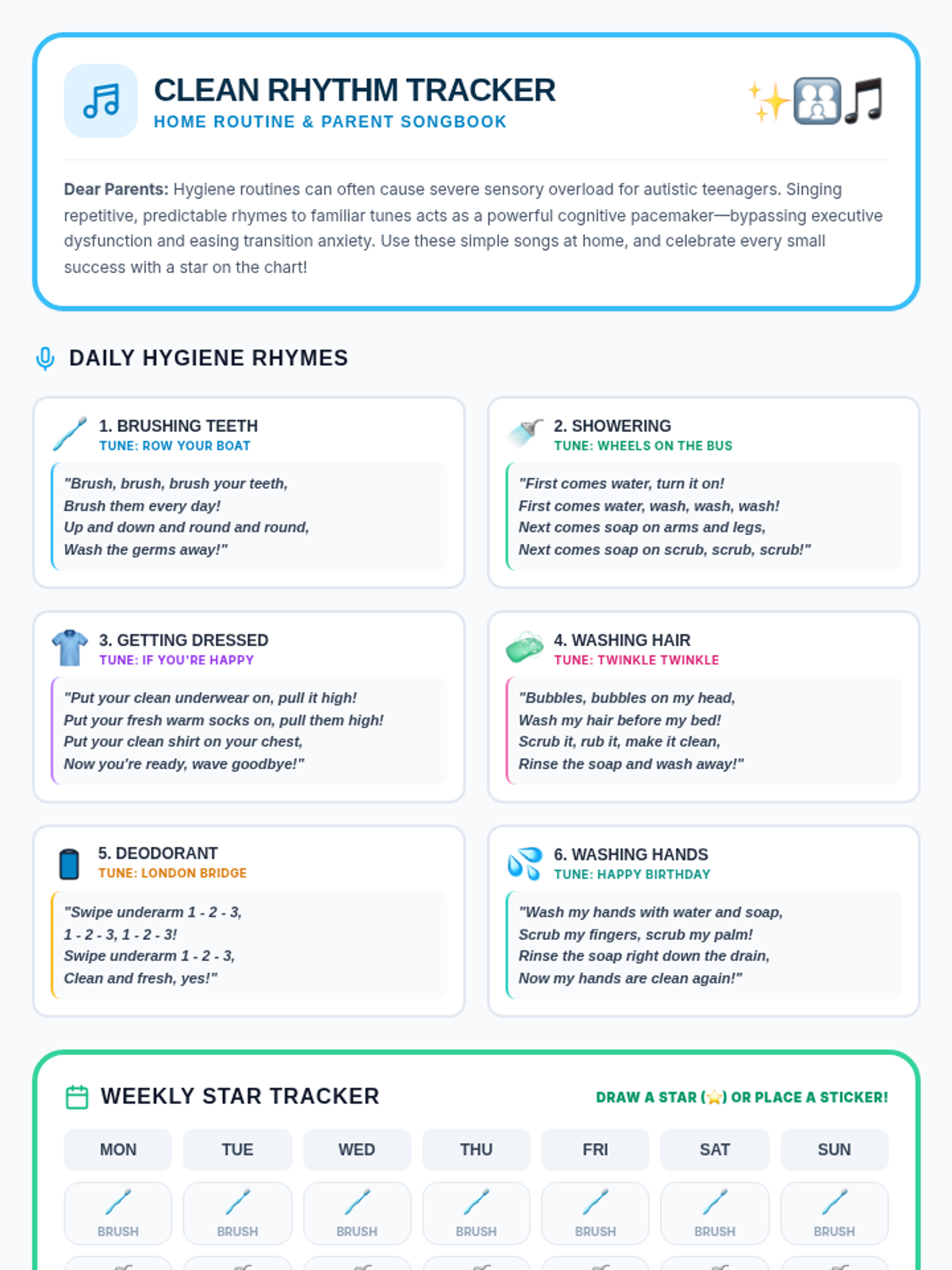
Focuses on the sensory-sensitive transition of changing clothes daily, identifying clean vs. dirty clothes, and managing sensory sensitivities (tags, seams, scents). It includes visual absurdity games (e.g., socks on hands, pizza stinky shirts) and visual routines.
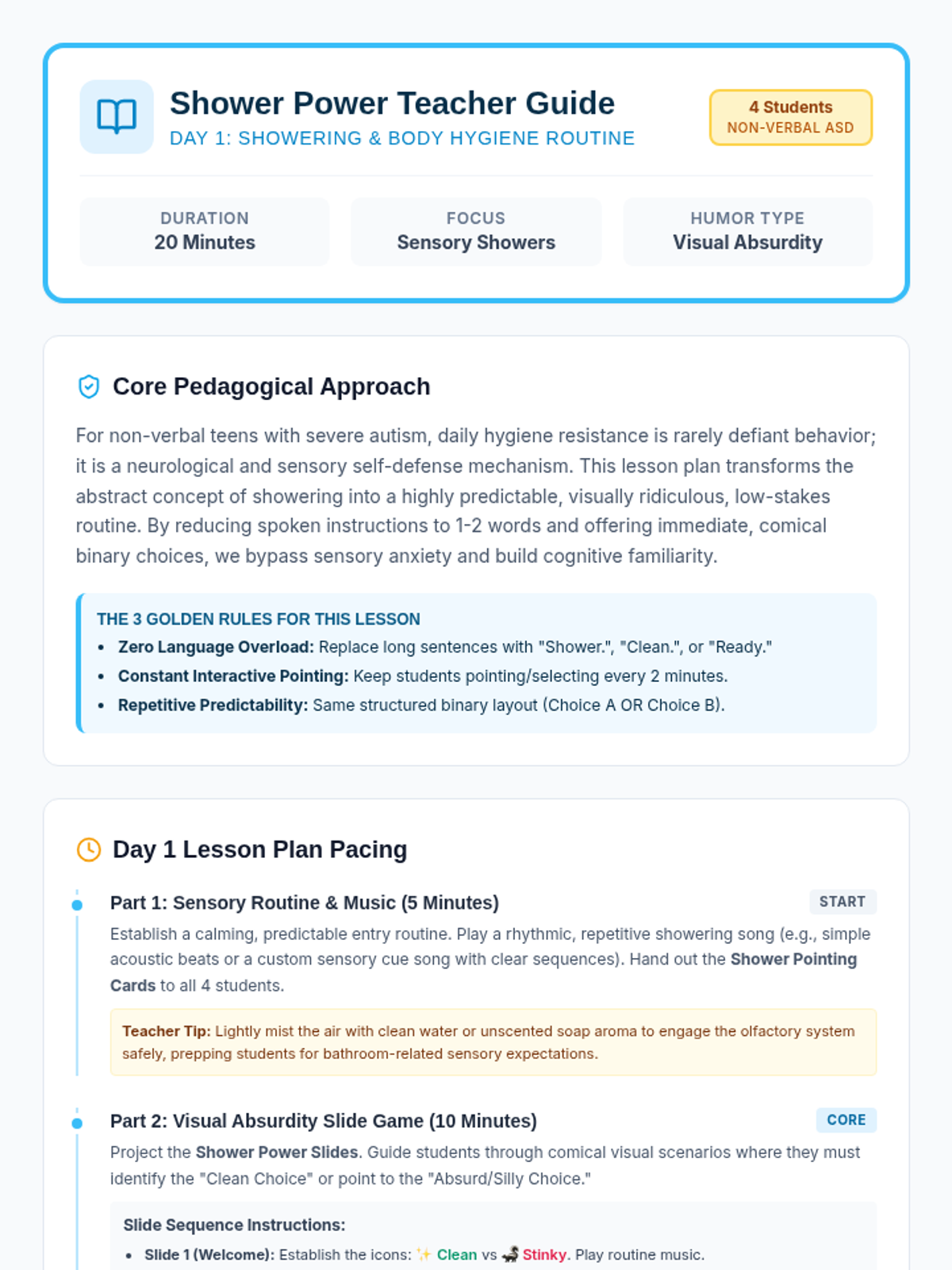
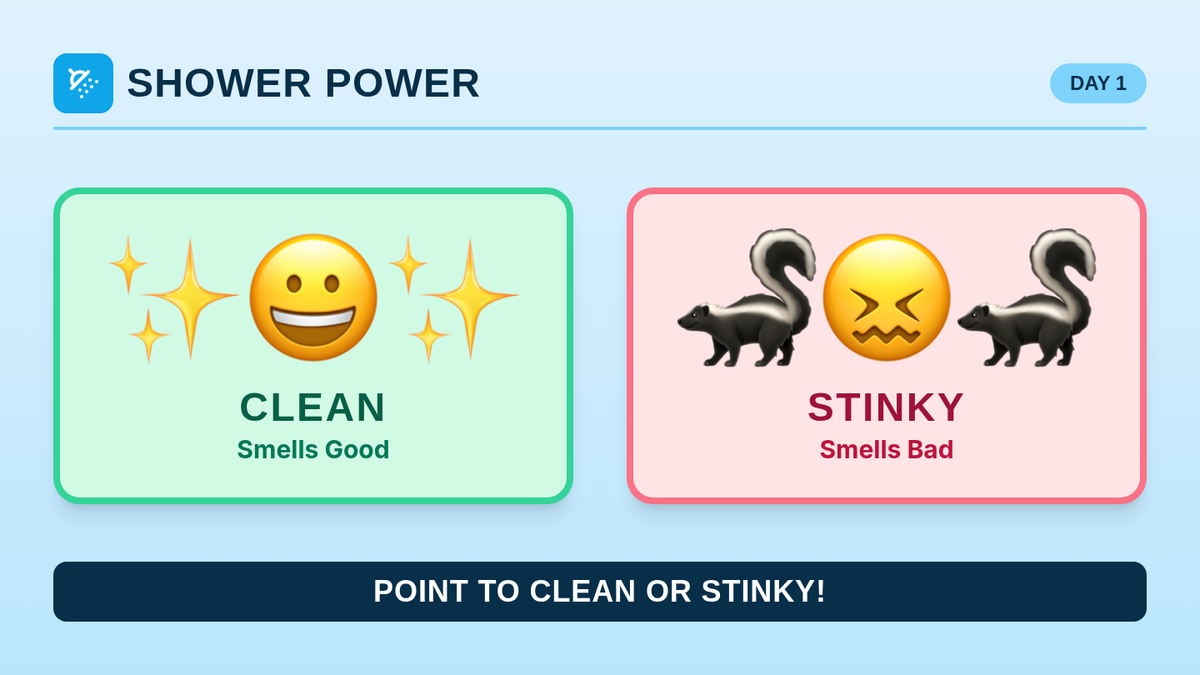
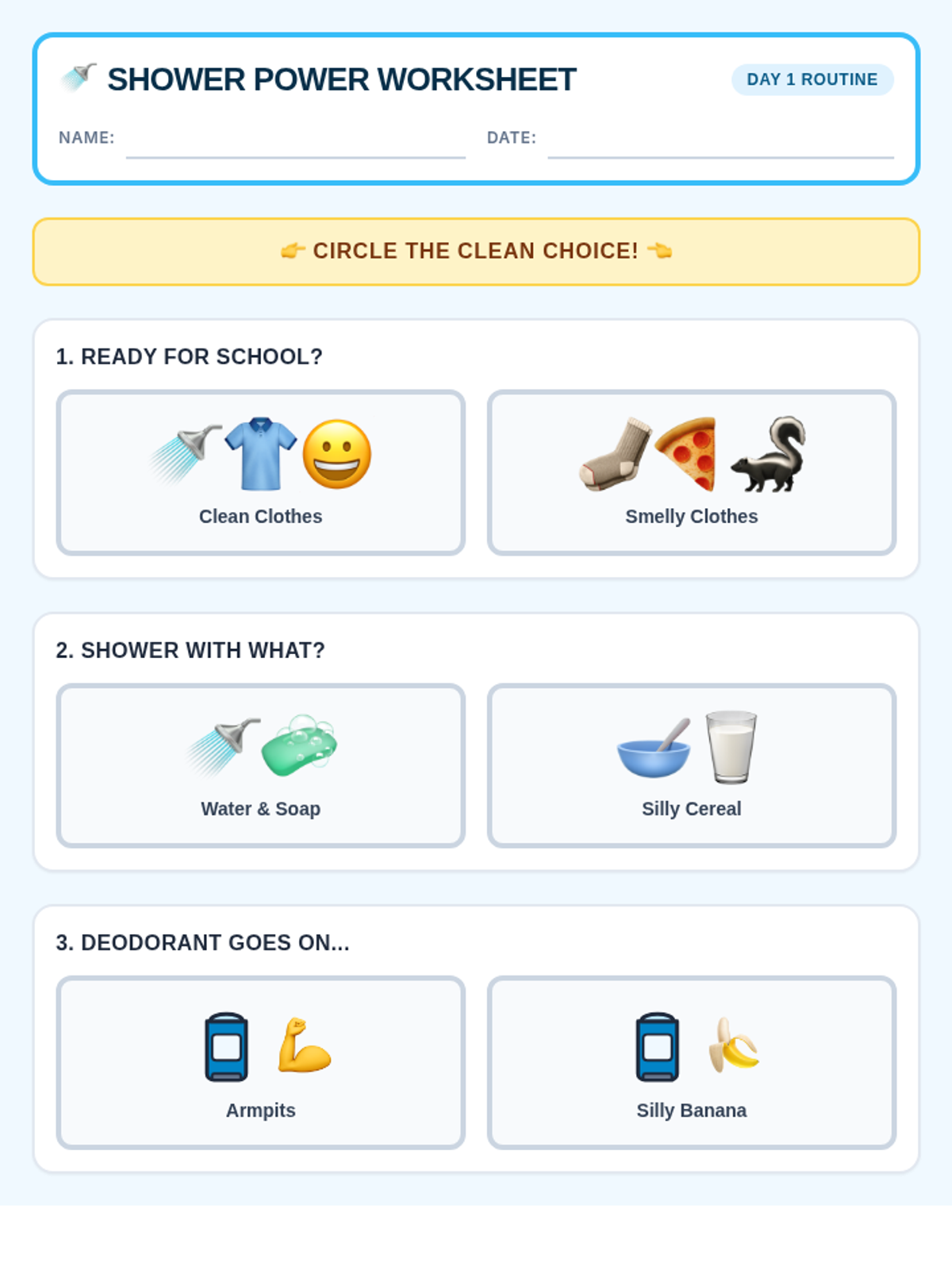
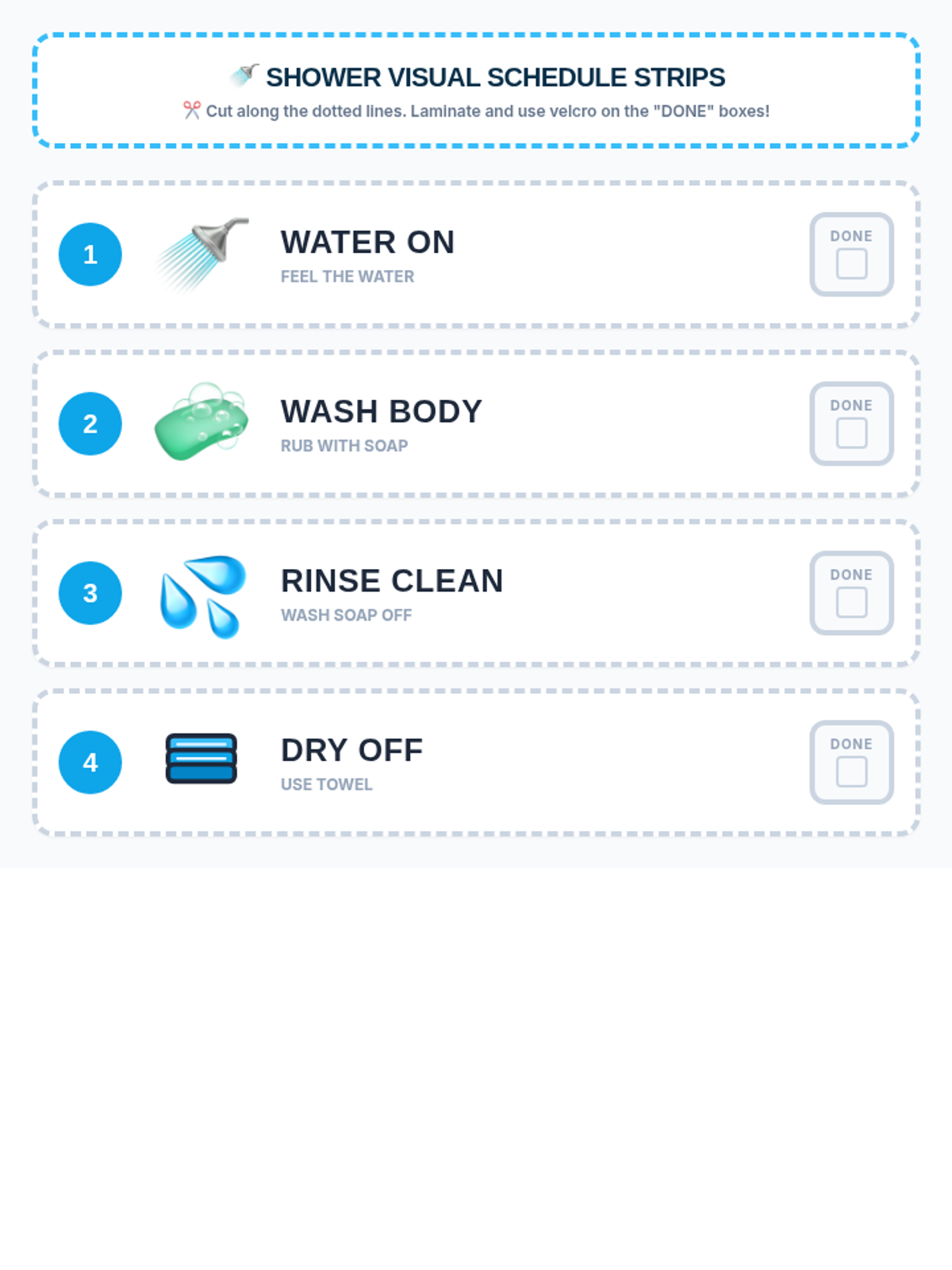
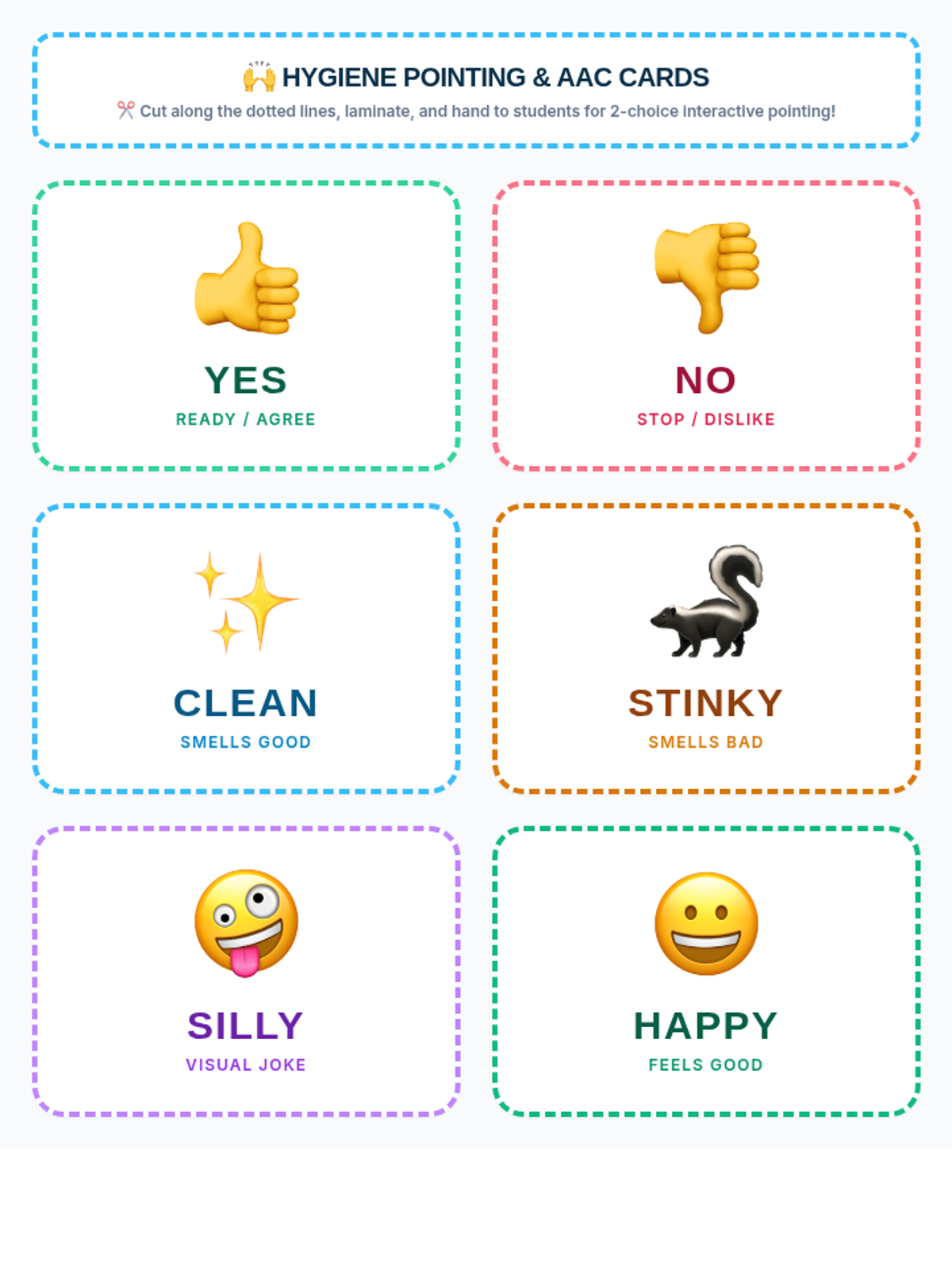
Focuses on sensory-friendly showering routines, washing the body and hair, and using deodorant. It features visual absurdity humor (e.g., showering with cereal, putting deodorant on a banana) and 2-choice visual pointing activities.
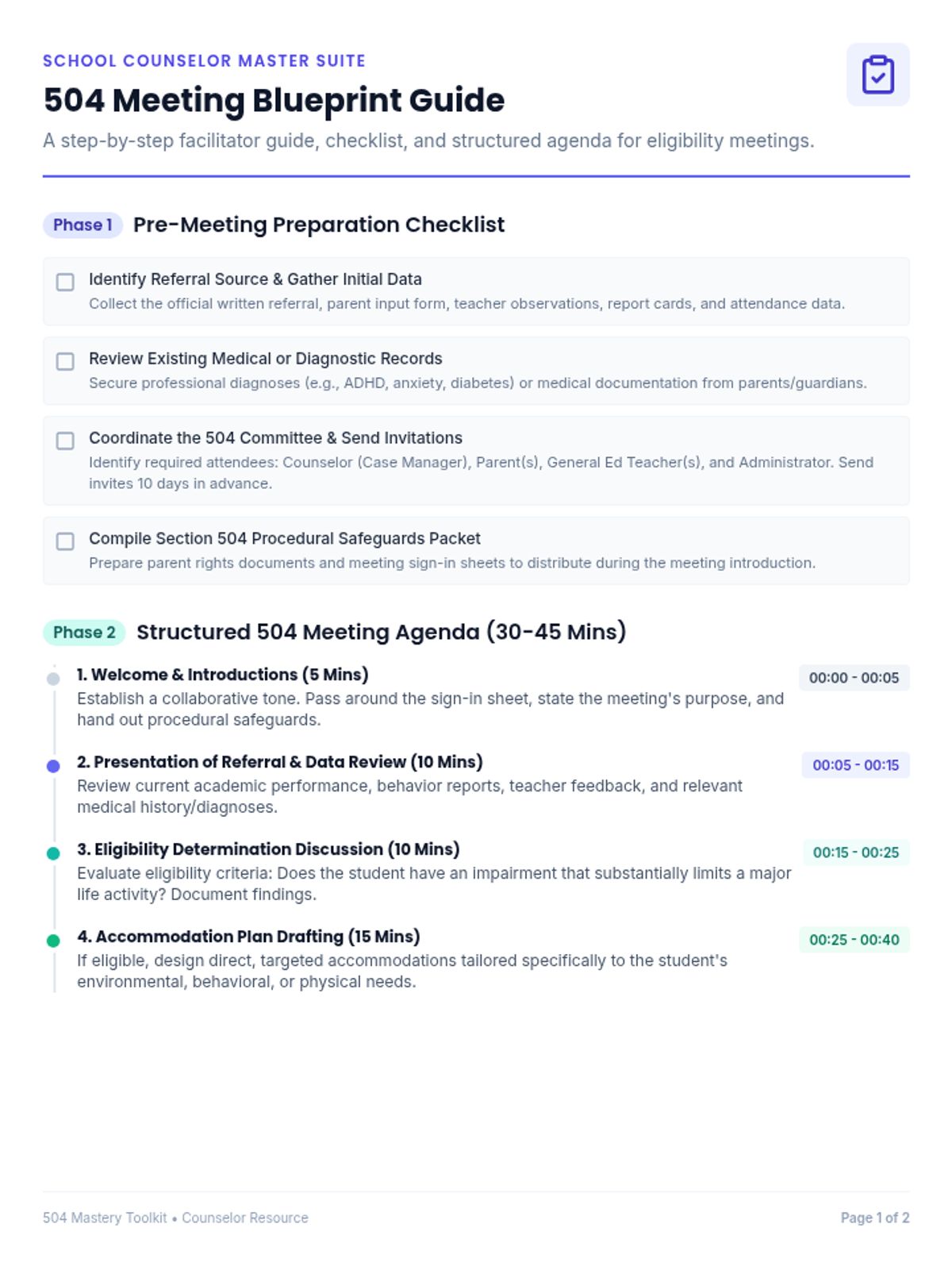
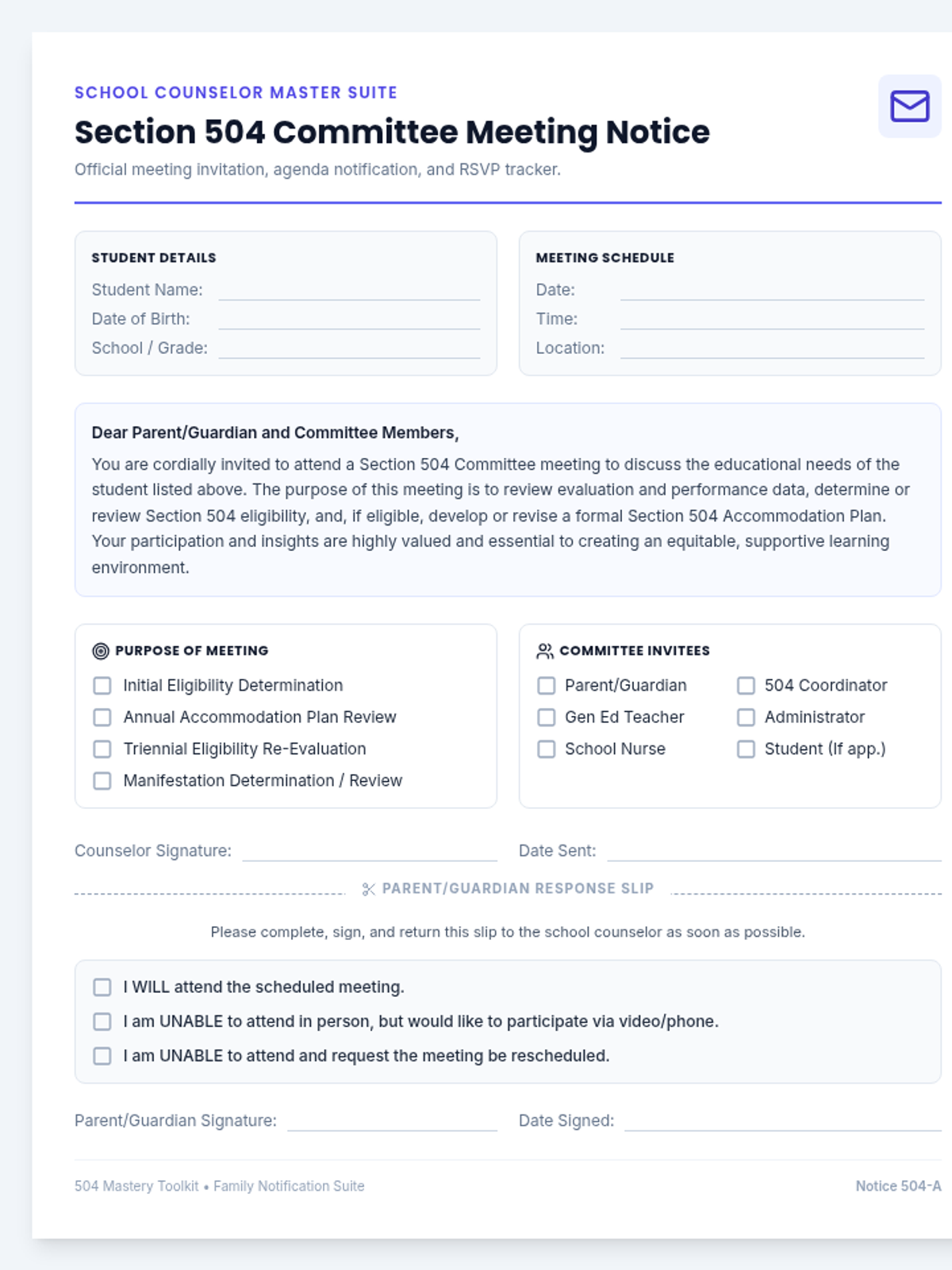
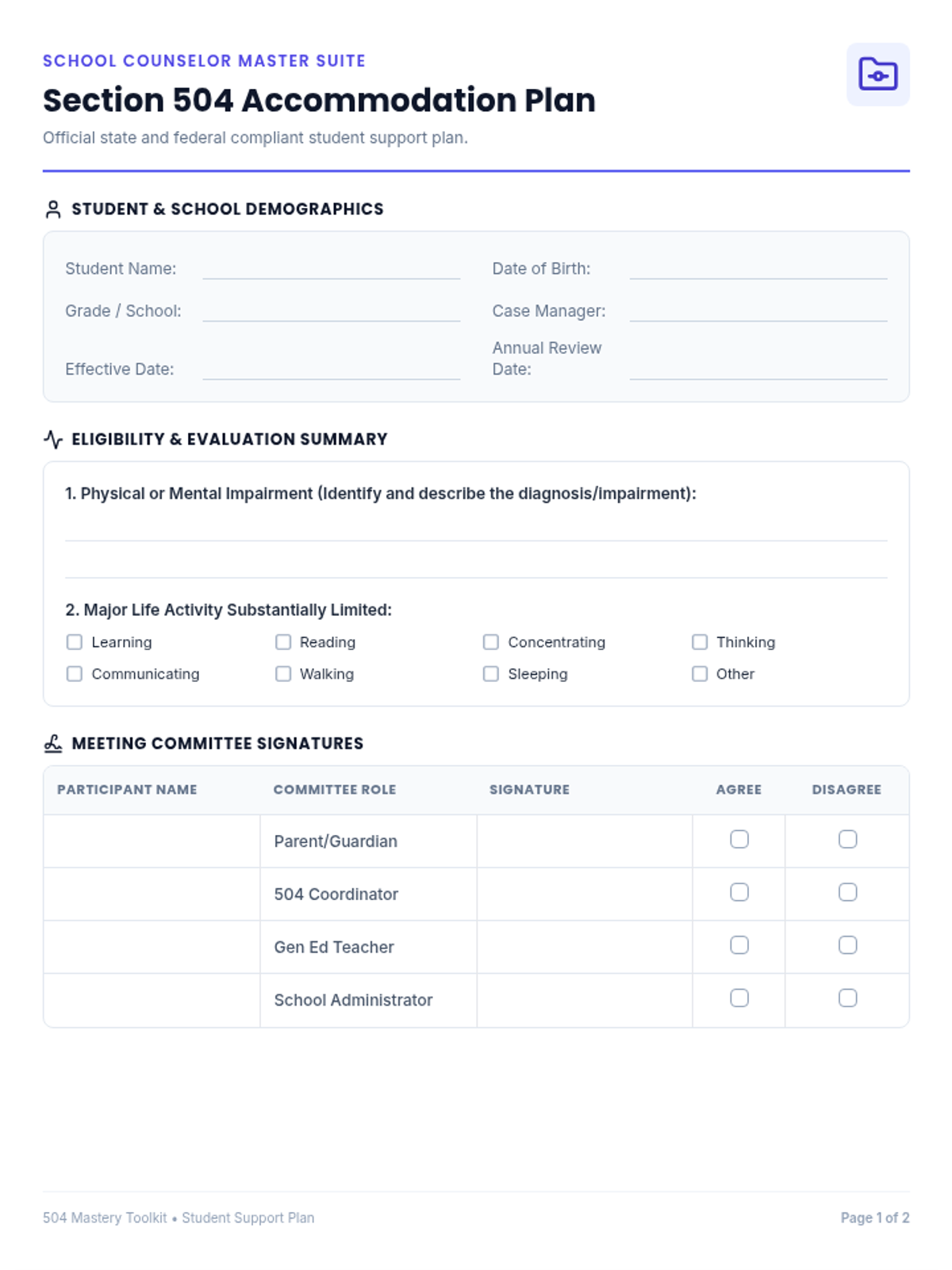
A comprehensive toolkit for school counselors outlining the Section 504 eligibility meeting process, complete with a step-by-step checklist, meeting agenda, meeting invitation template, and formal accommodation plan.
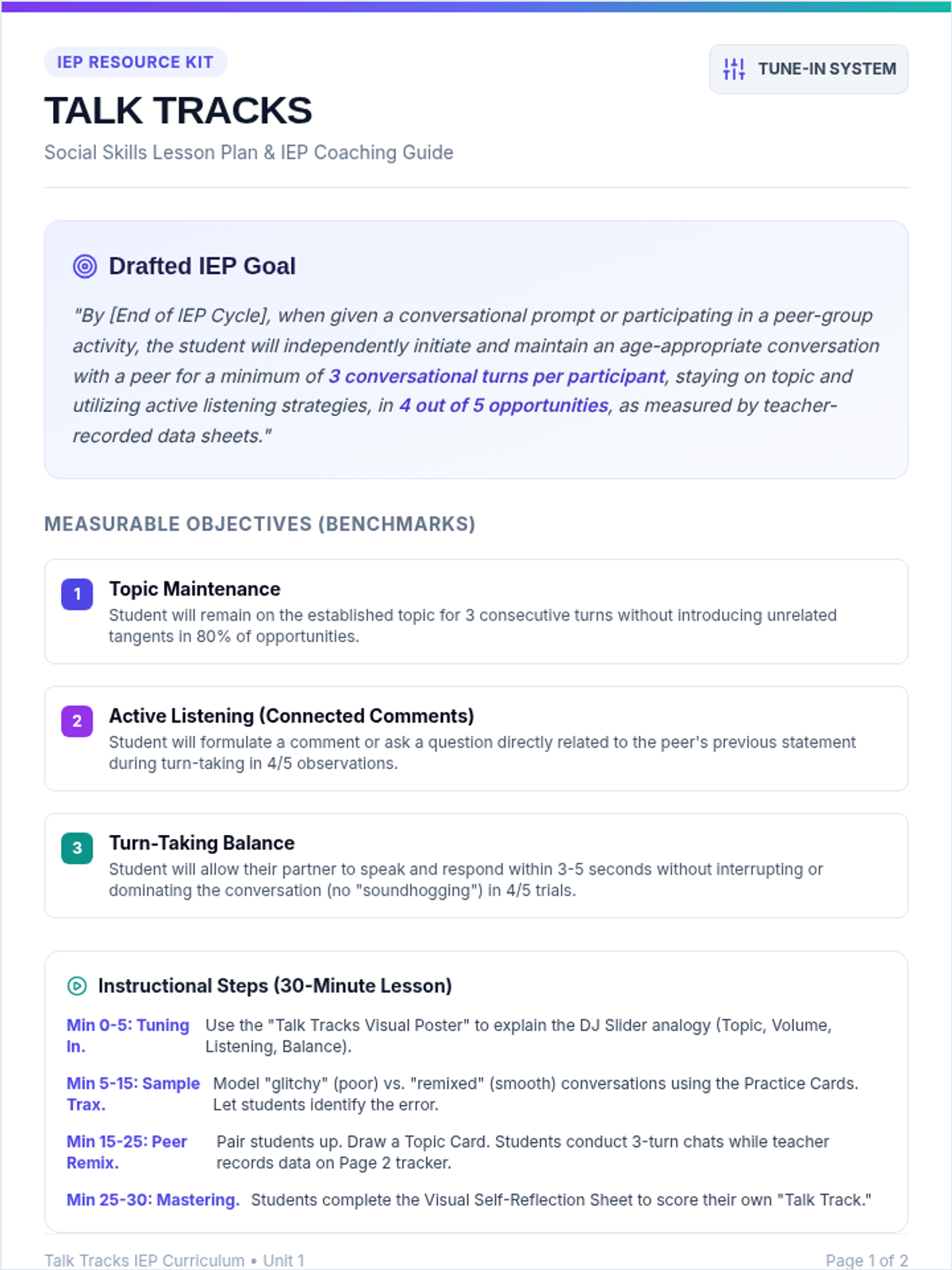
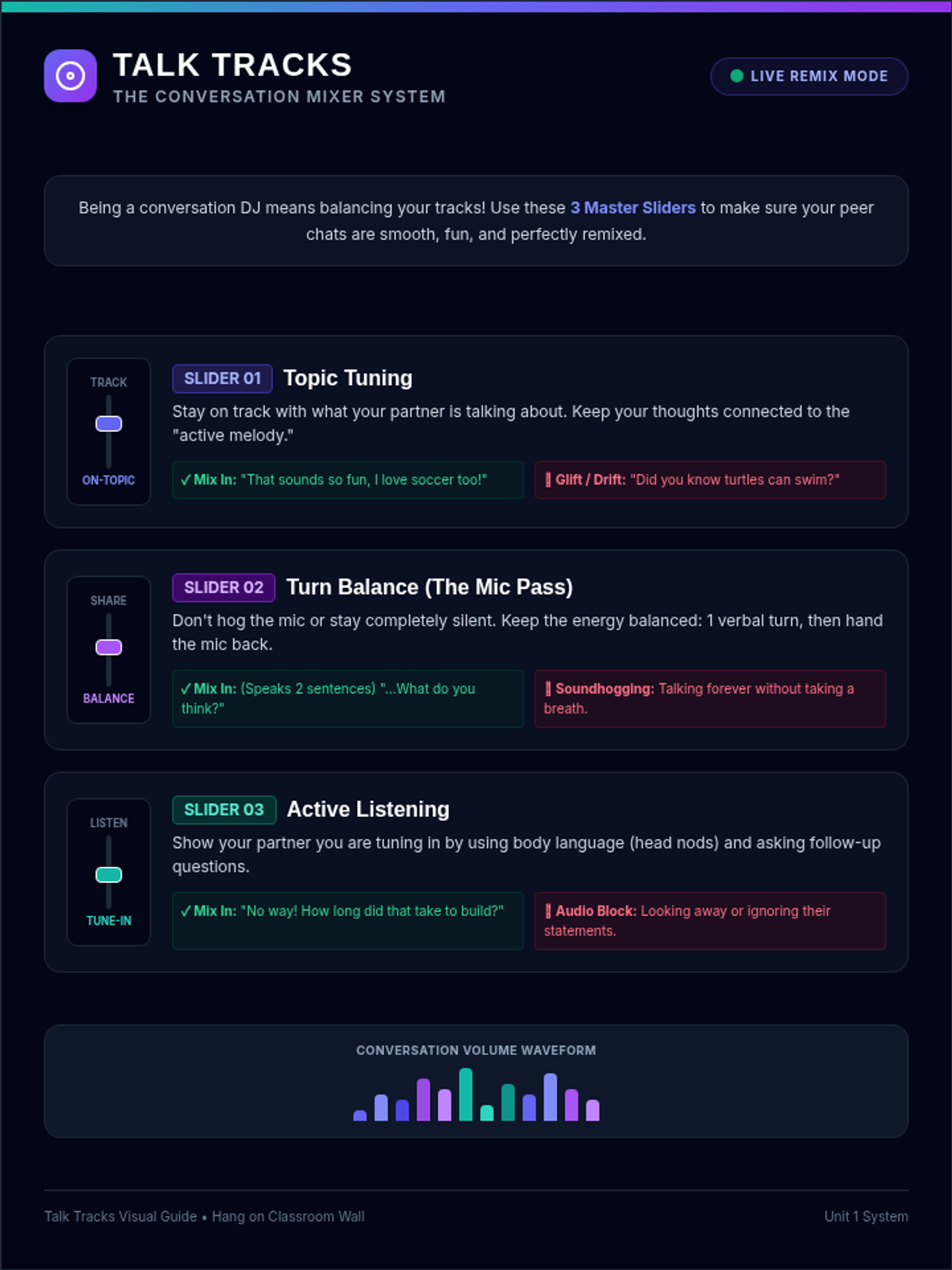
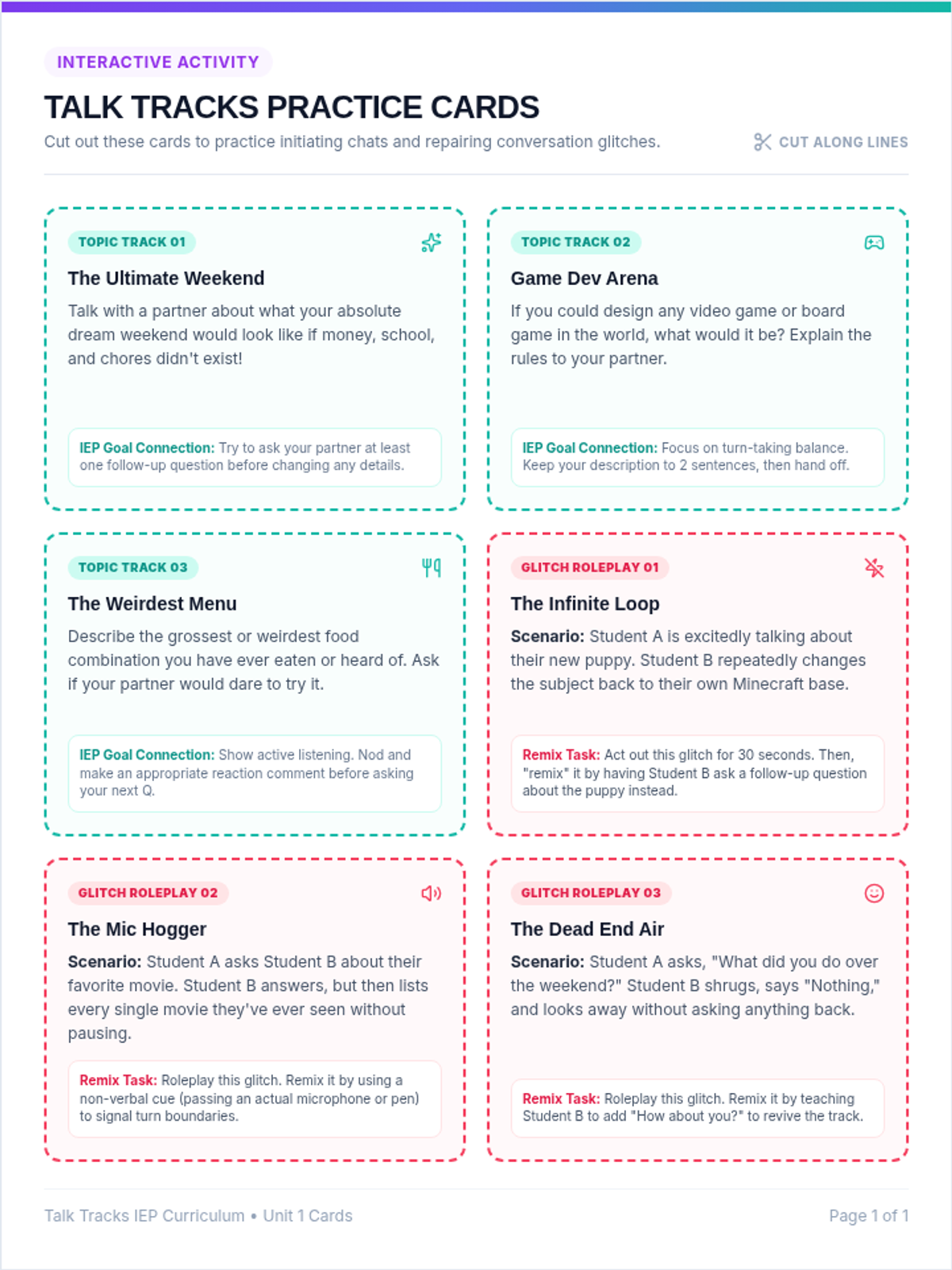
A comprehensive social skills lesson package designed to teach, practice, and track progress on conversational turn-taking, topic maintenance, and active listening for elementary and middle school students with social communication IEP goals.
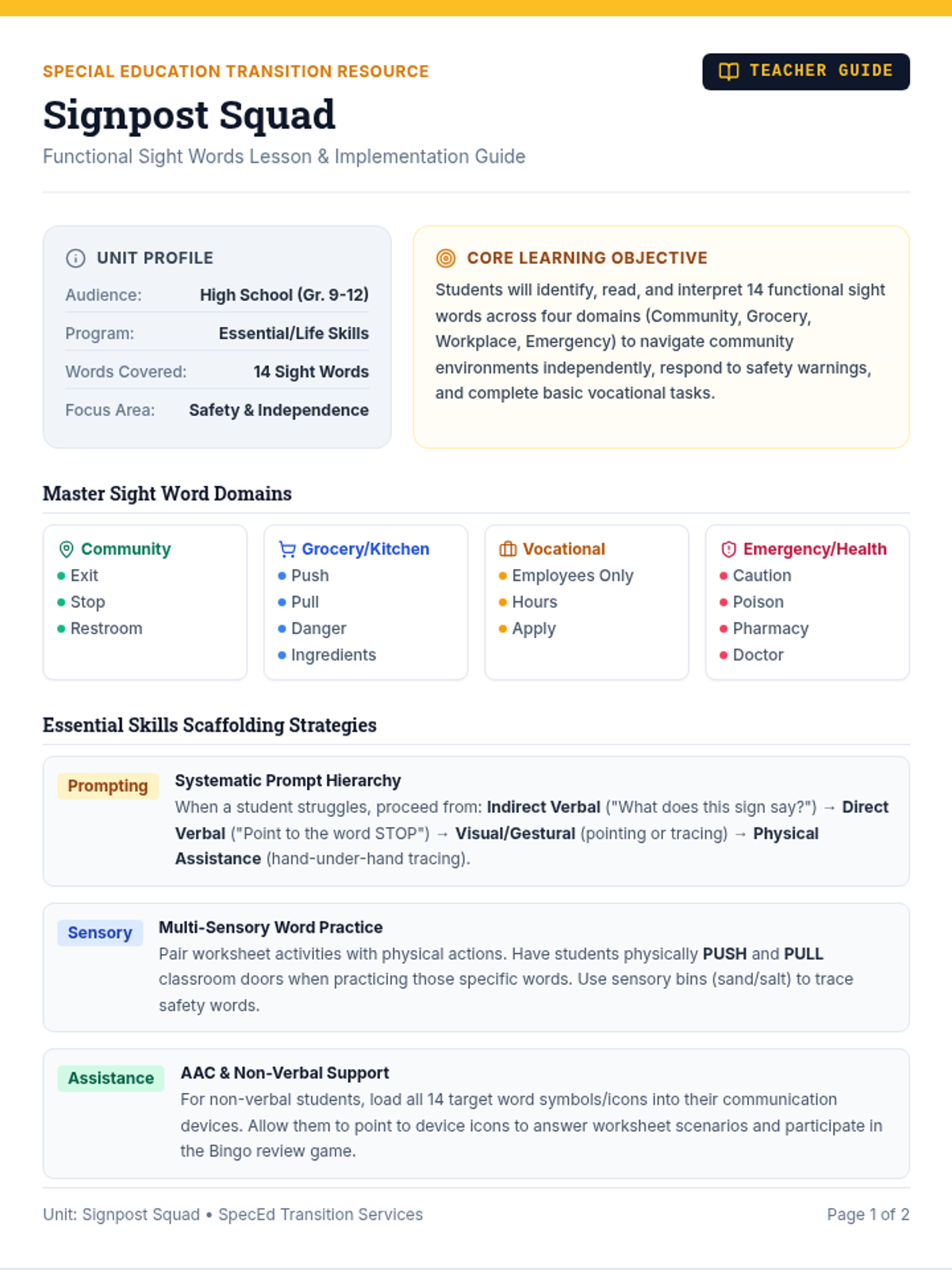
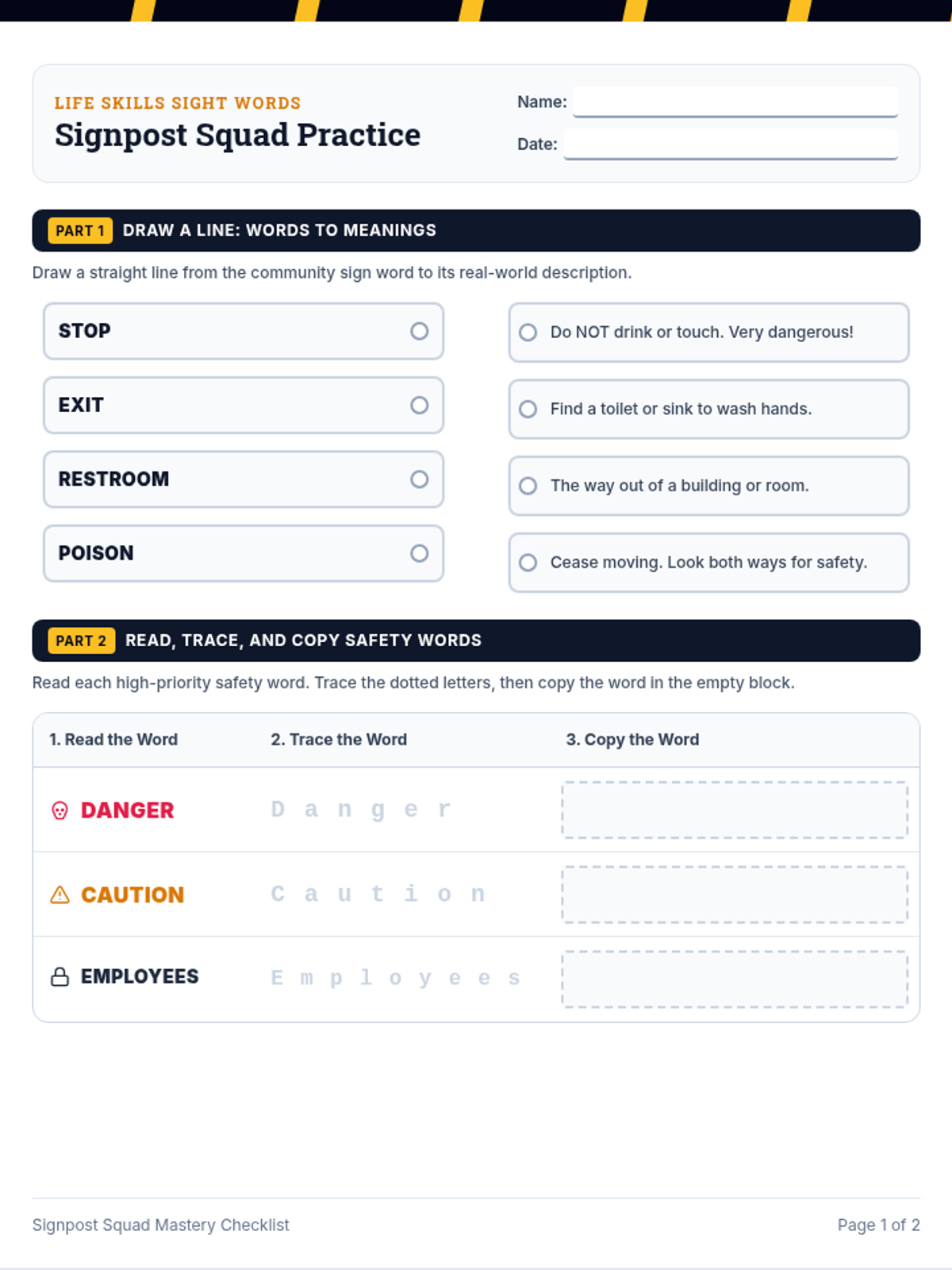
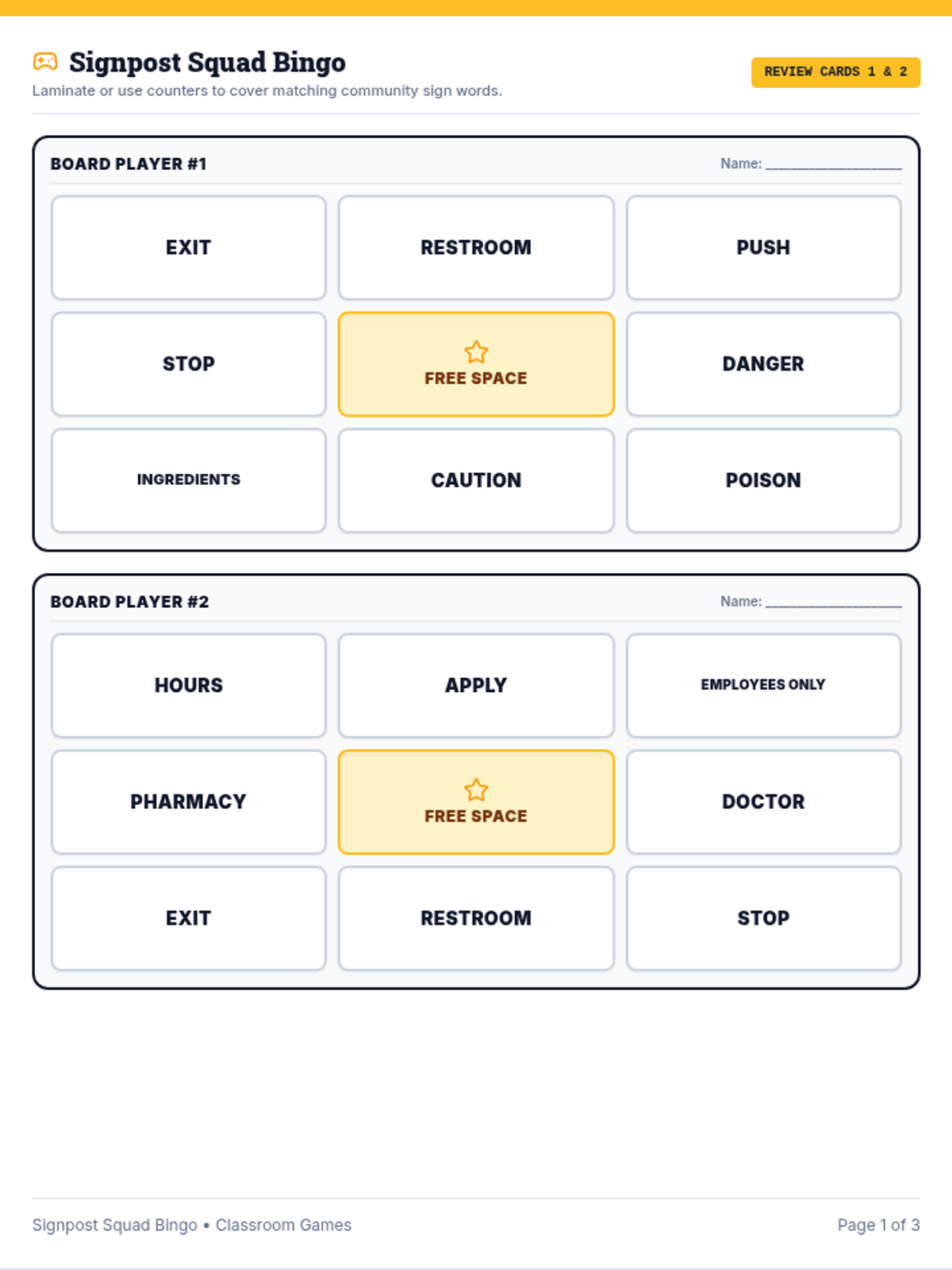
A functional life-skills unit focused on mastering 14 crucial community, workplace, emergency, and grocery sight words. Designed with high-contrast, age-appropriate layouts specifically for high school transition and special education classrooms.
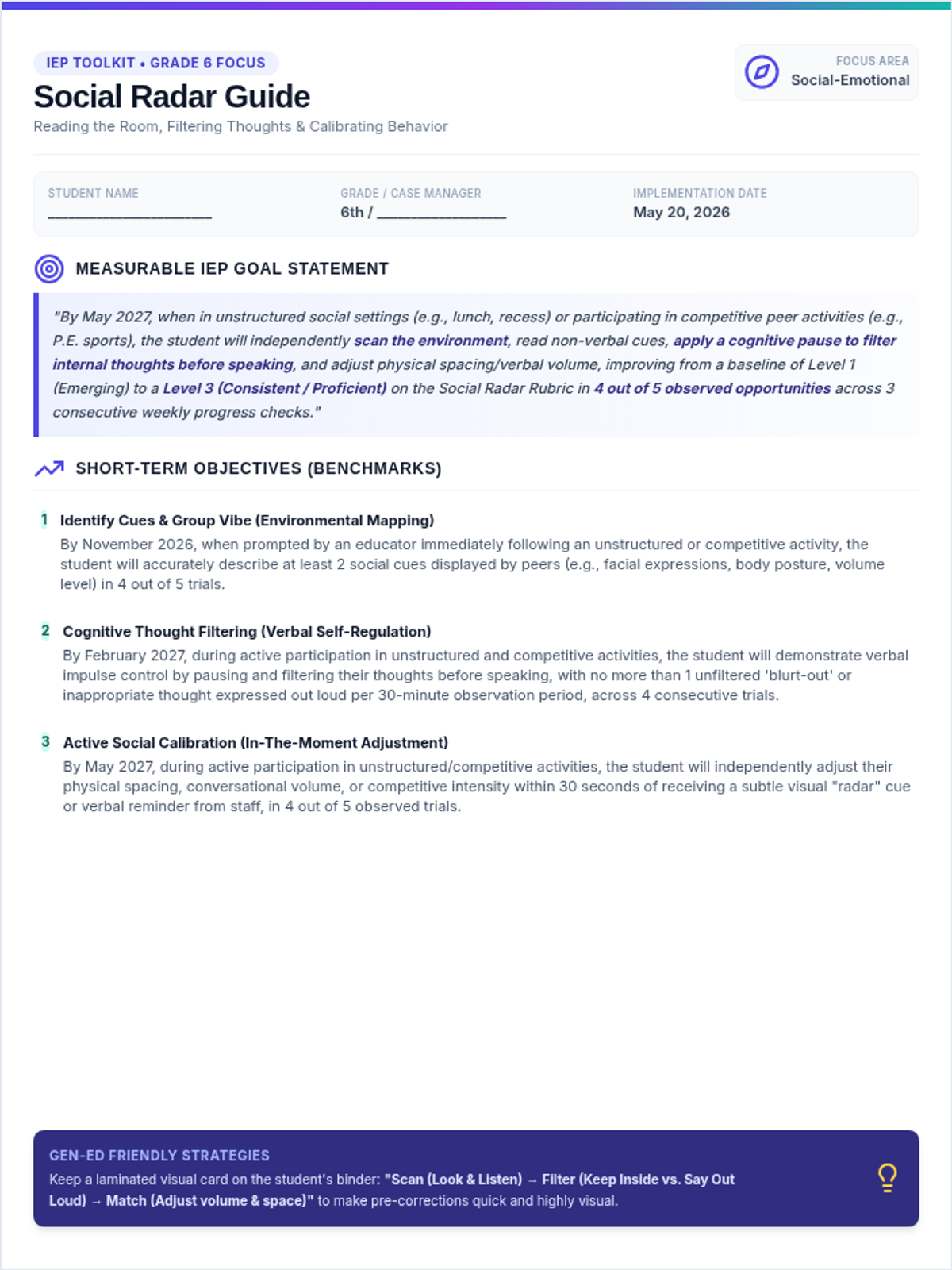
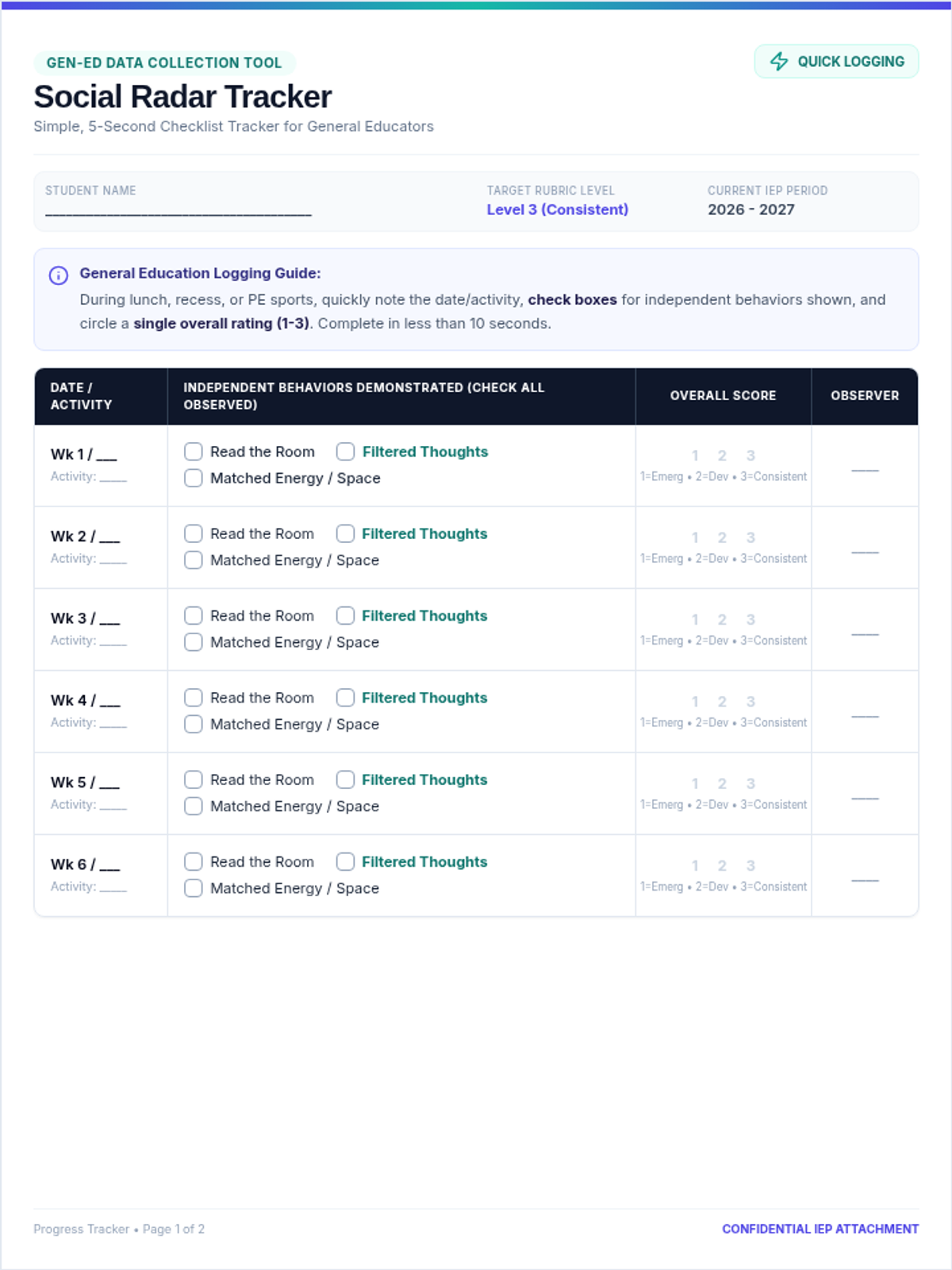
An IEP toolkit featuring a measurable social-emotional goal, a concrete evaluation rubric, and weekly progress monitoring trackers specifically designed to help a 6th-grade student navigate unstructured social settings and competitive activities.
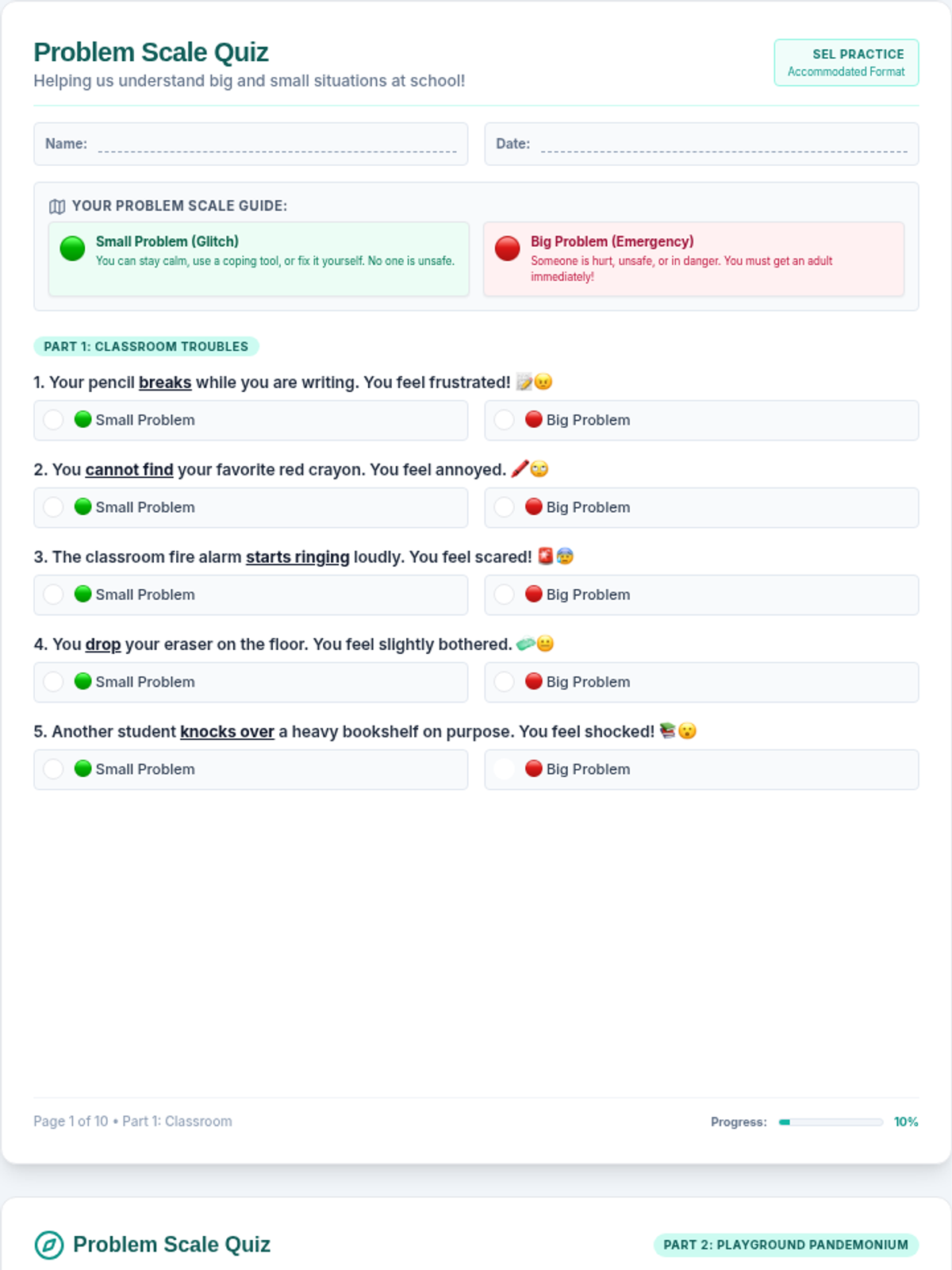
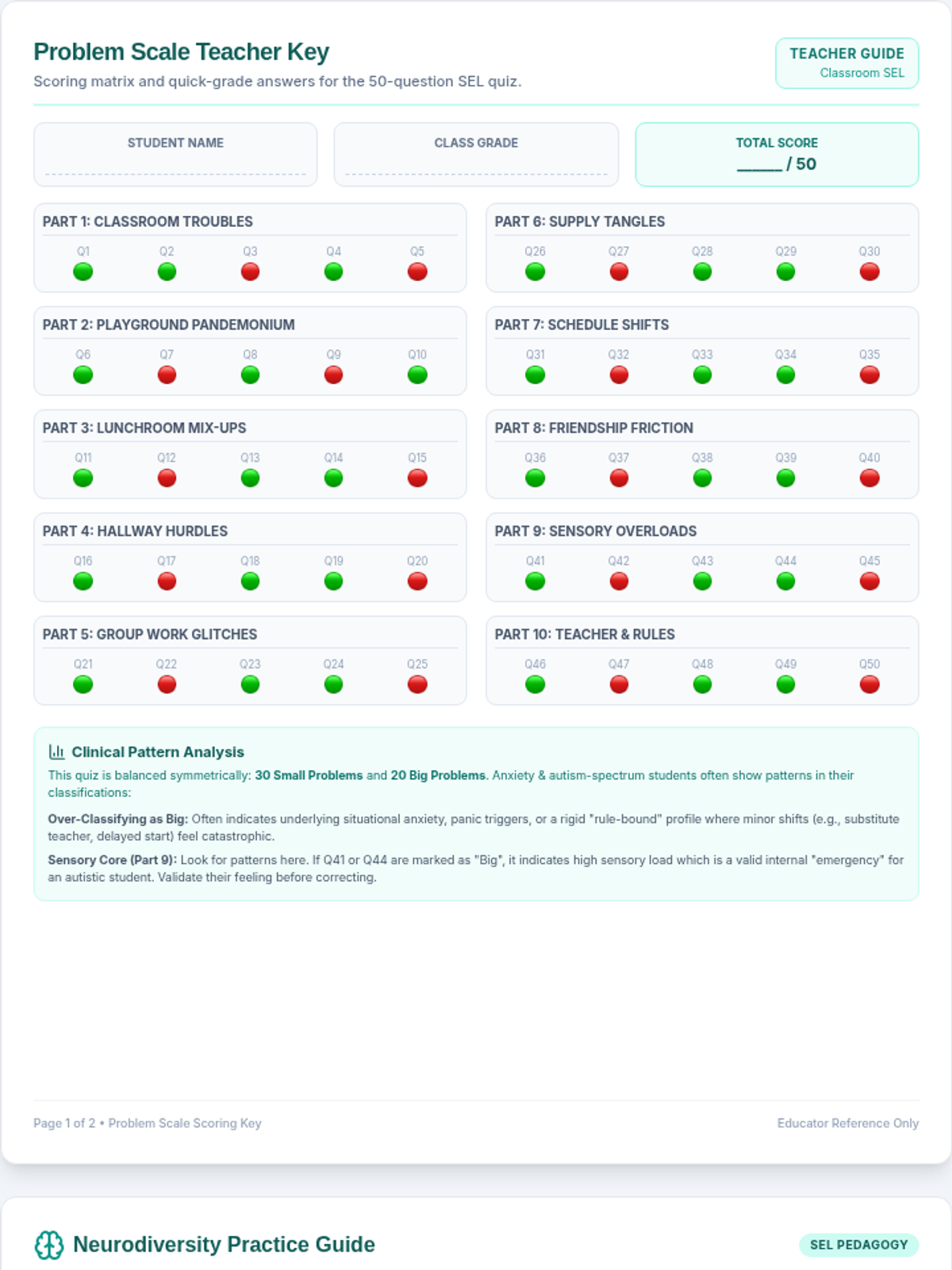
A specialized social-emotional learning lesson focused on helping neurodivergent 2nd and 3rd graders categorize school challenges. Features a comprehensive, highly accommodated 50-question quiz and a teacher's scoring key.
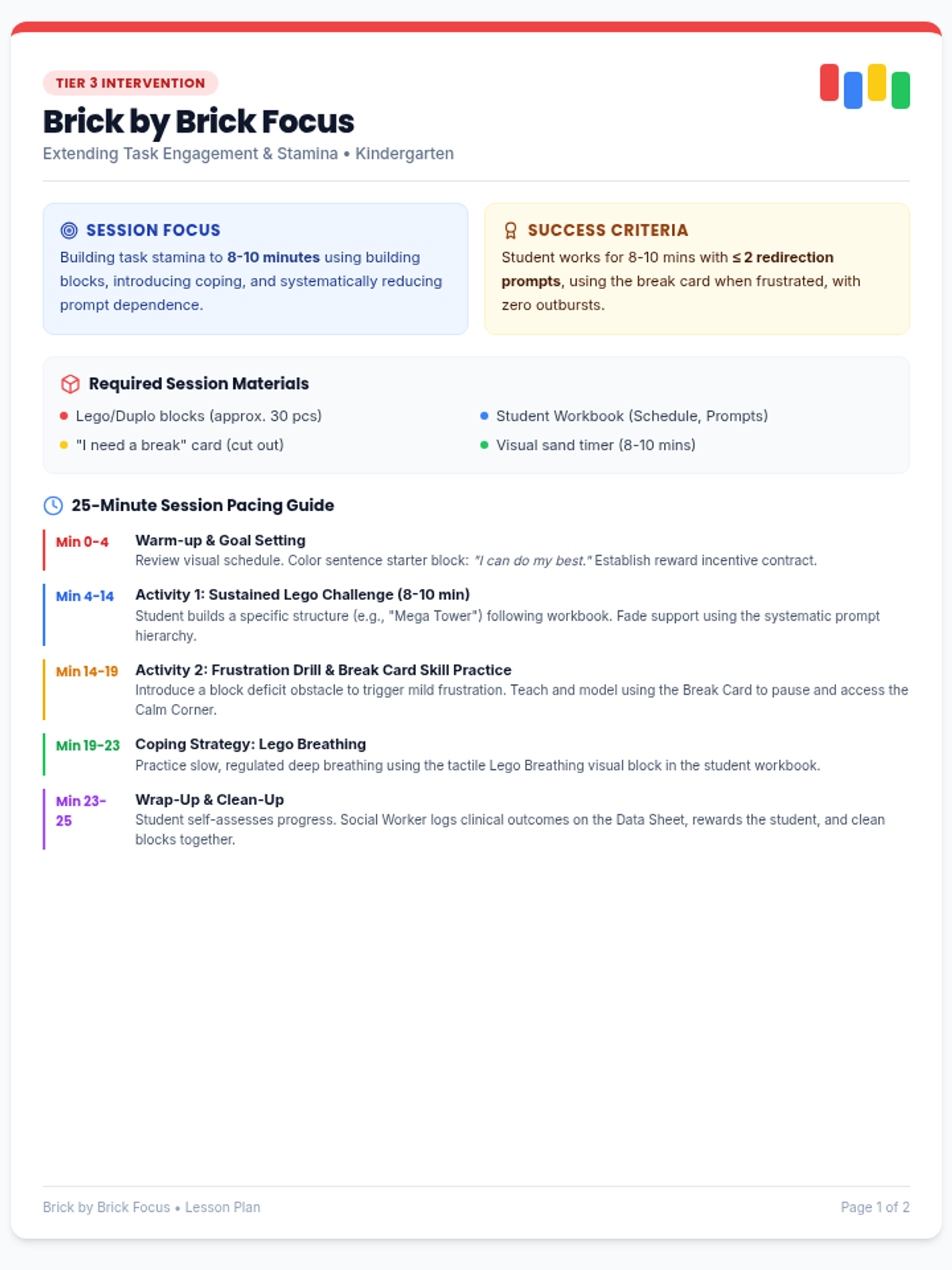
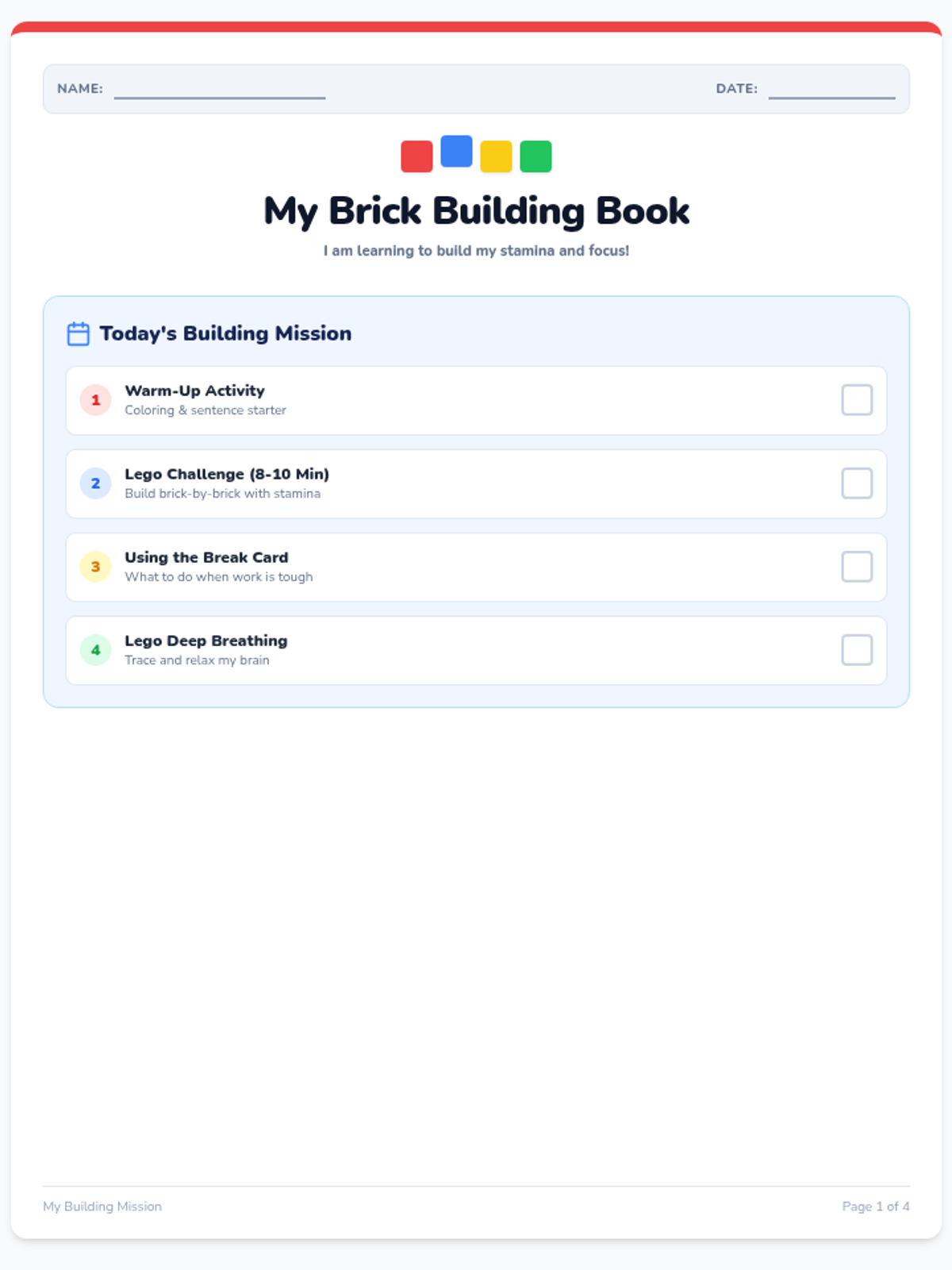
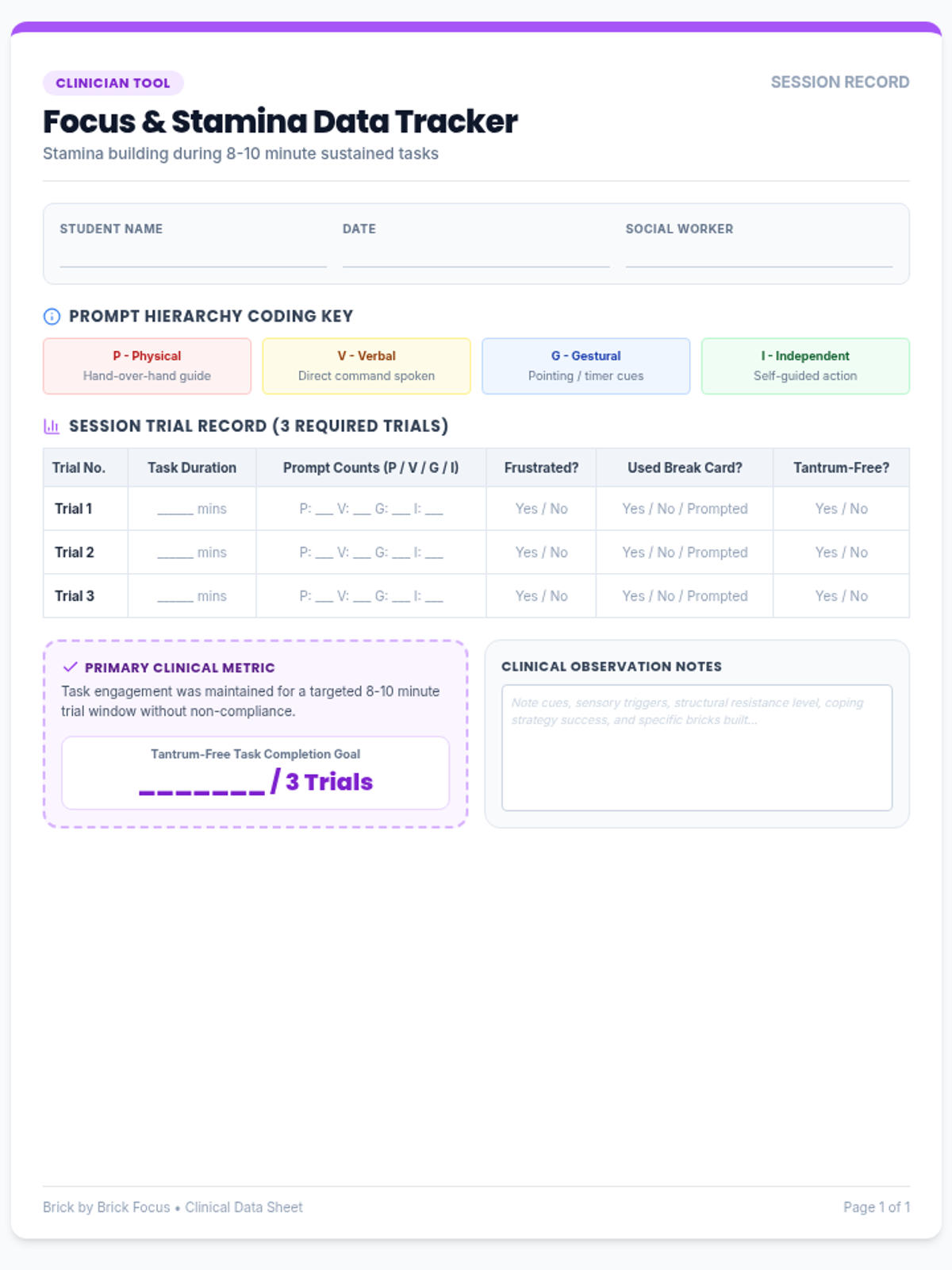
A comprehensive individual intervention lesson designed for kindergarten students to build stamina and task engagement for up to 8-10 minutes using interactive Lego and building activities, minimizing prompt dependence.
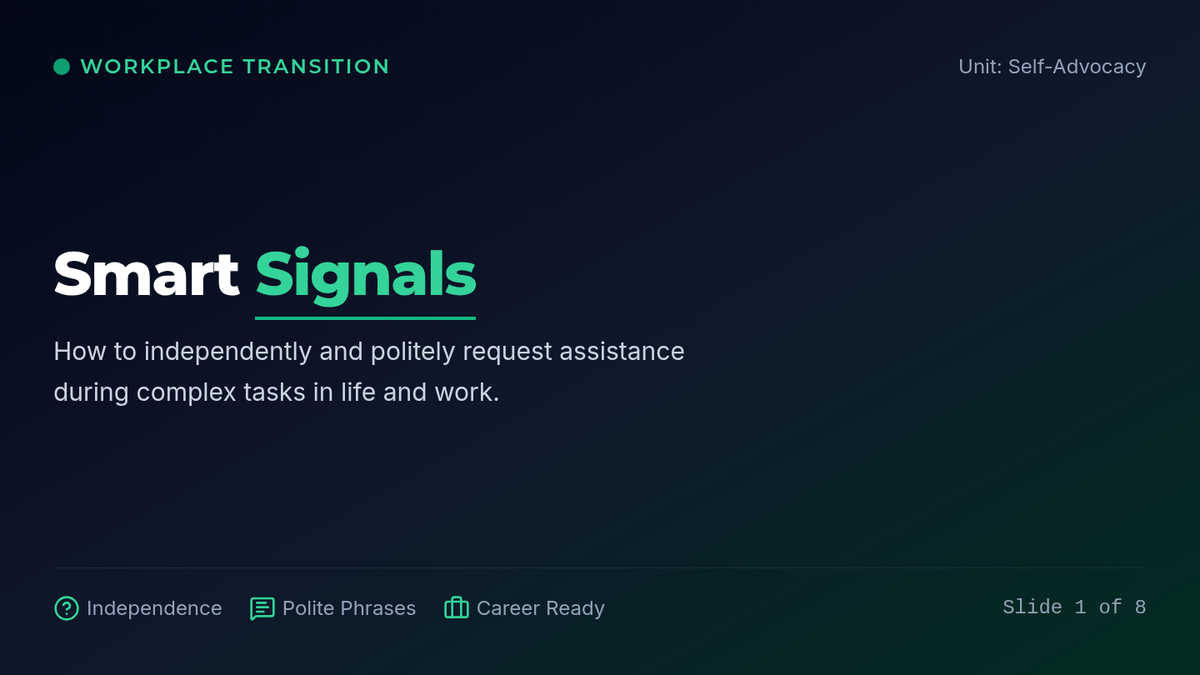
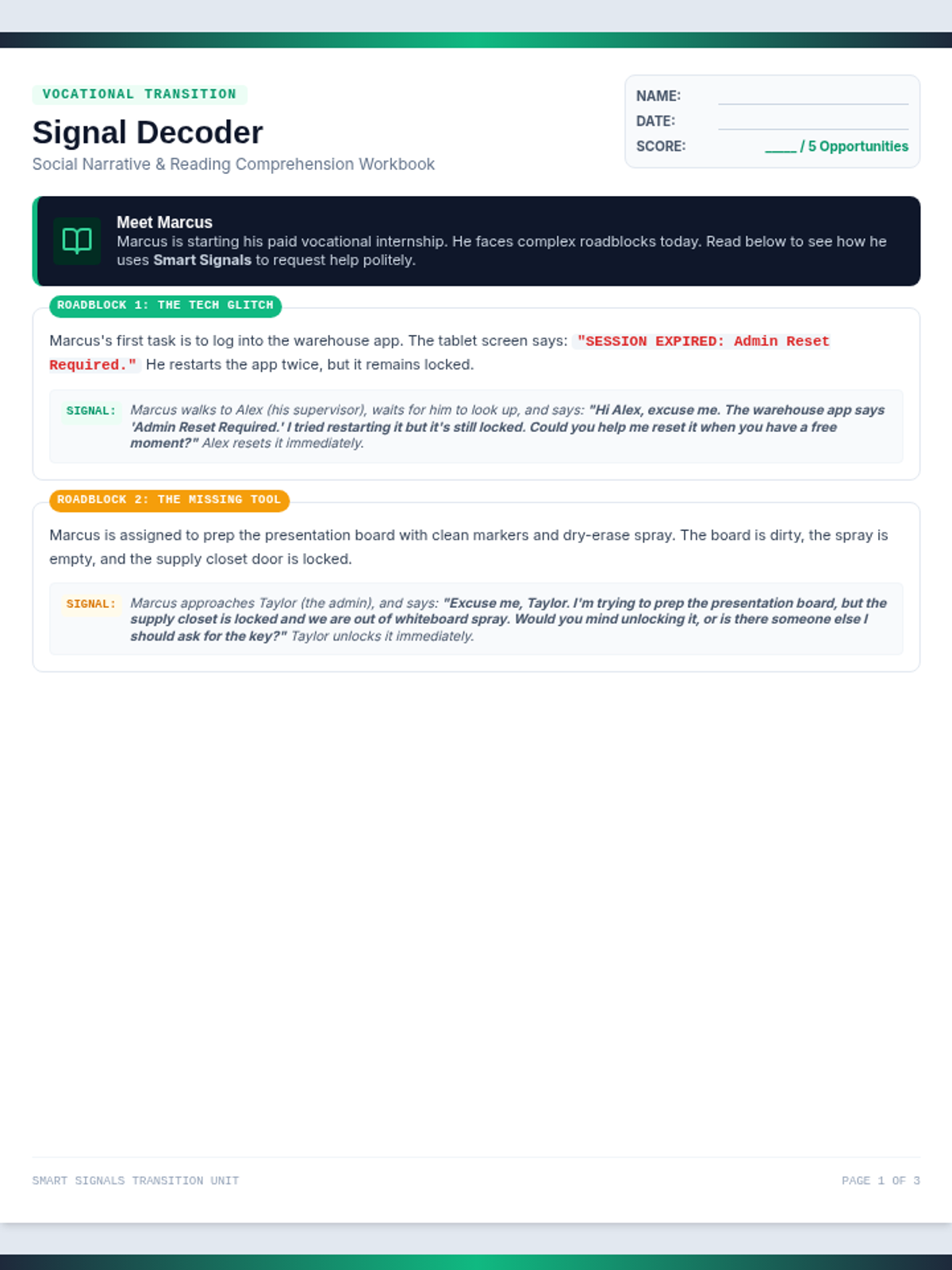
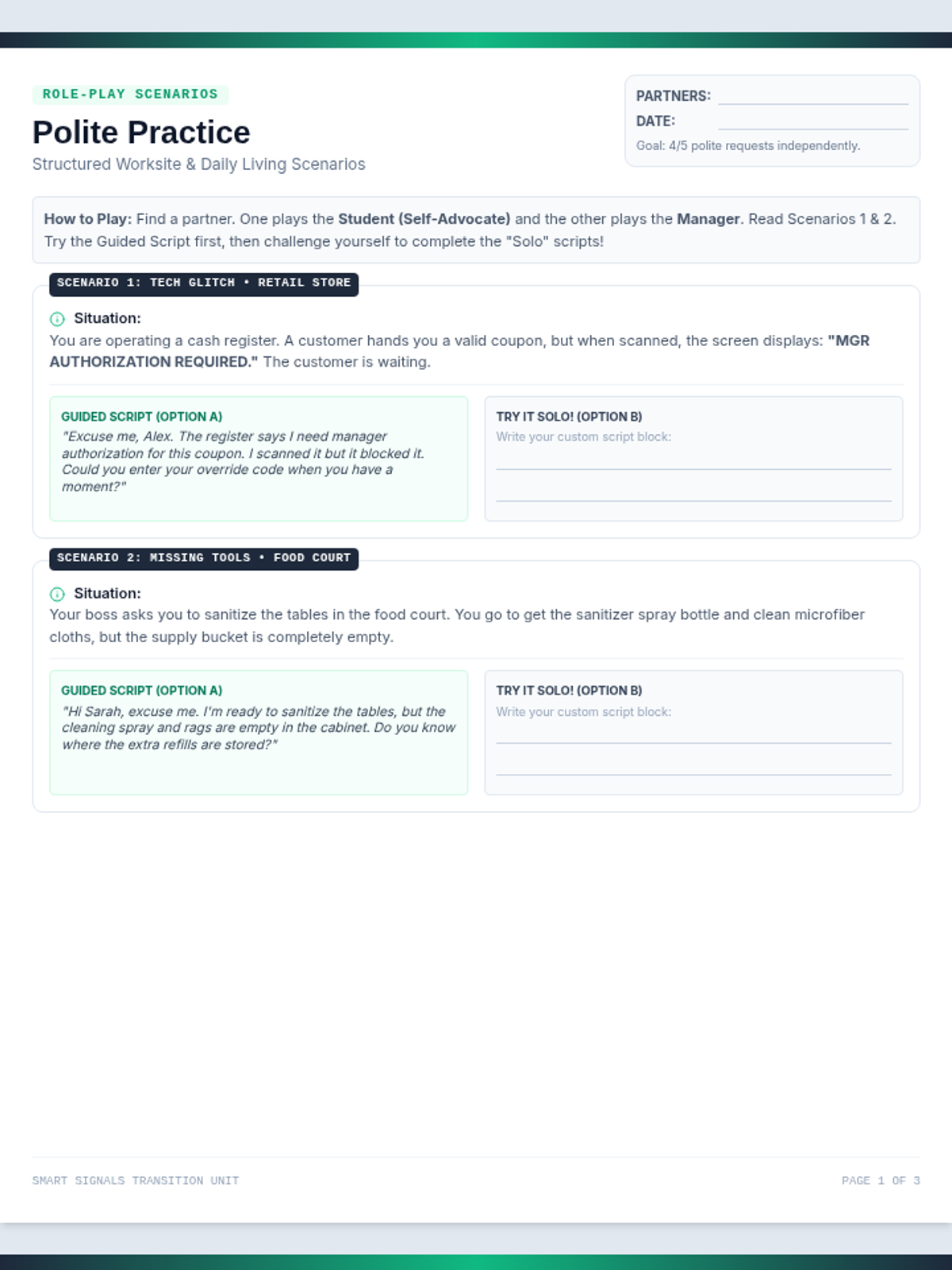
A comprehensive transition lesson designed for high school students to learn how to independently and politely request assistance during complex tasks, covering daily living tech issues, missing tools, and unclear workplace directions.
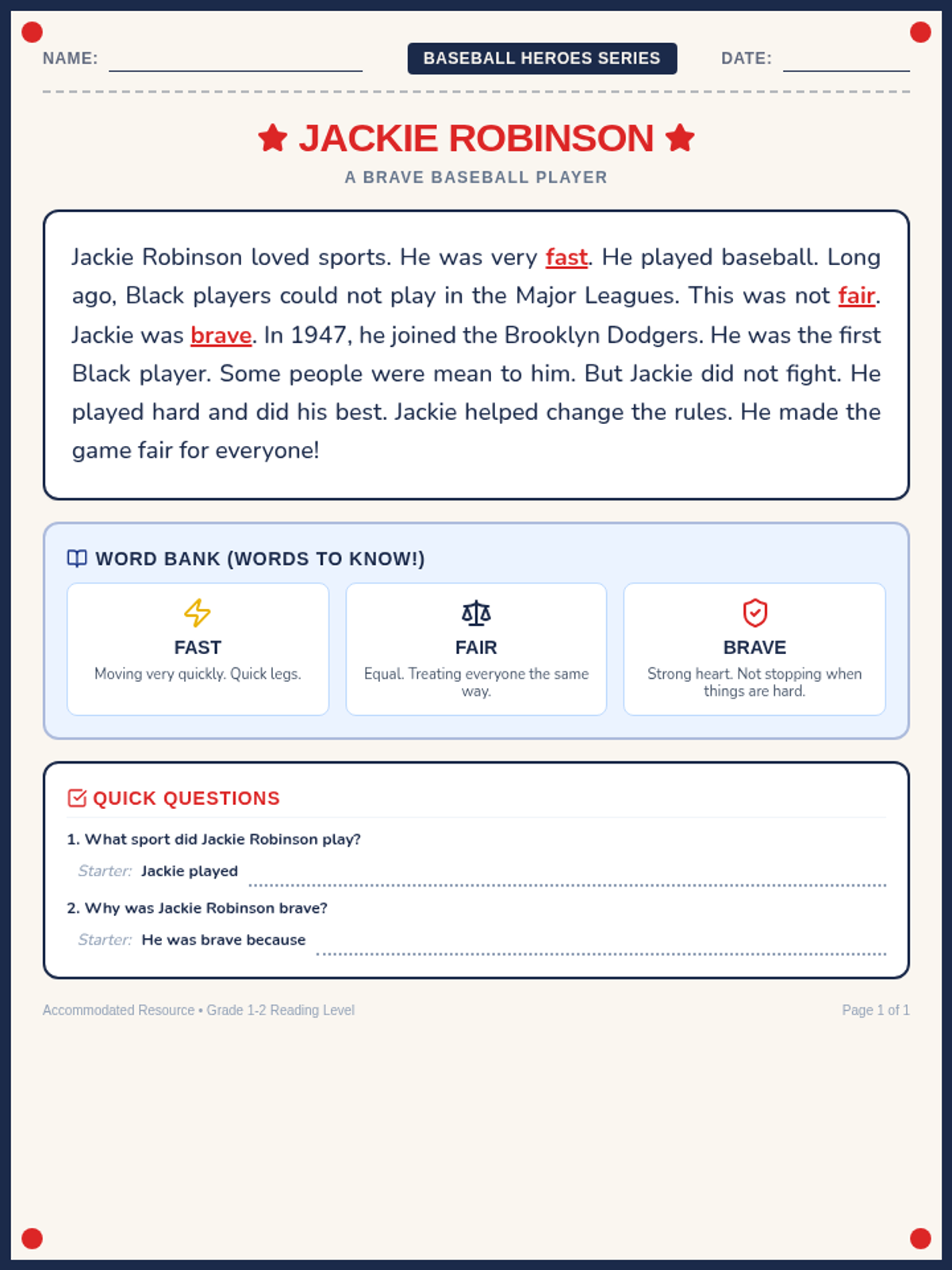
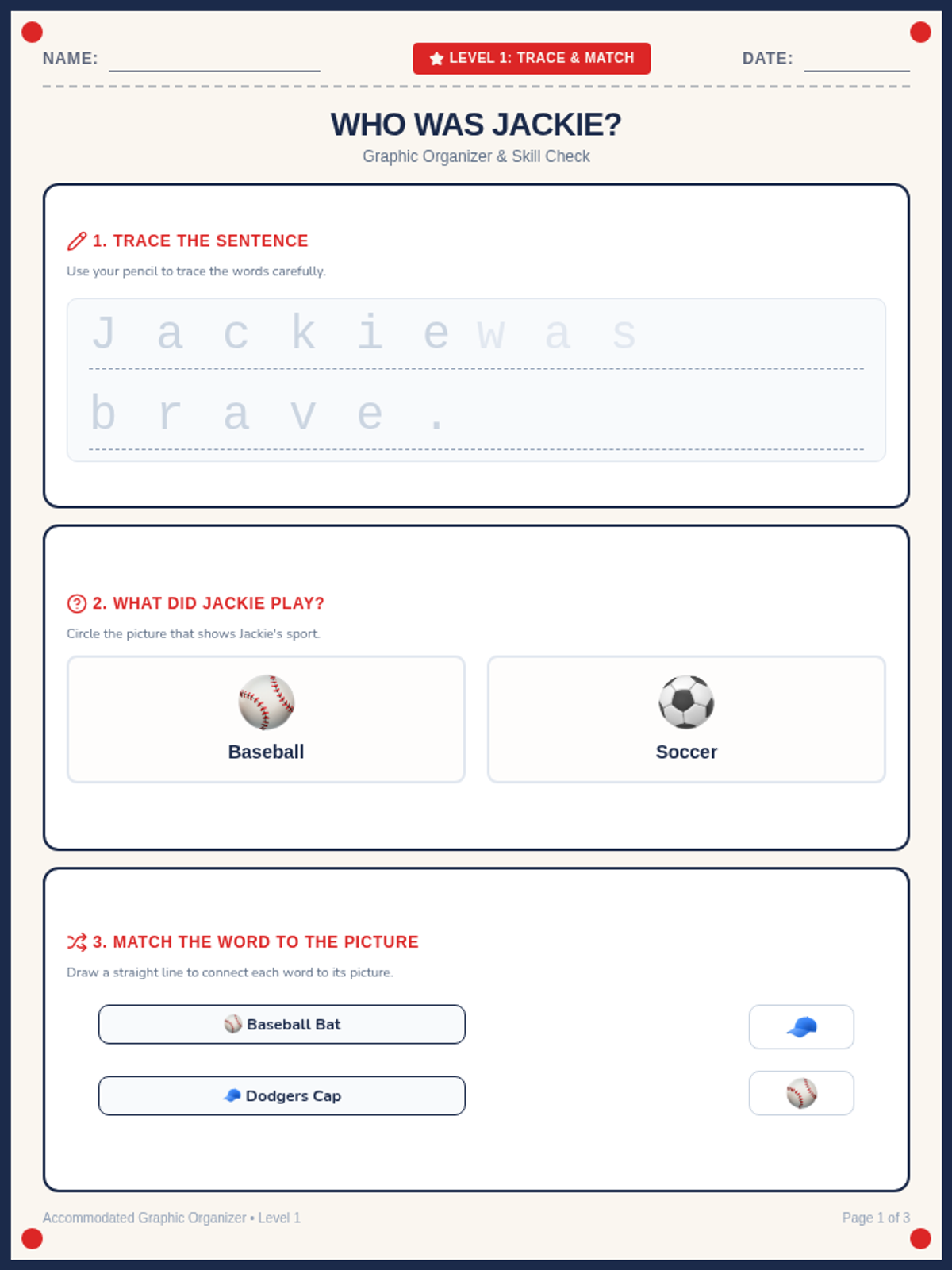
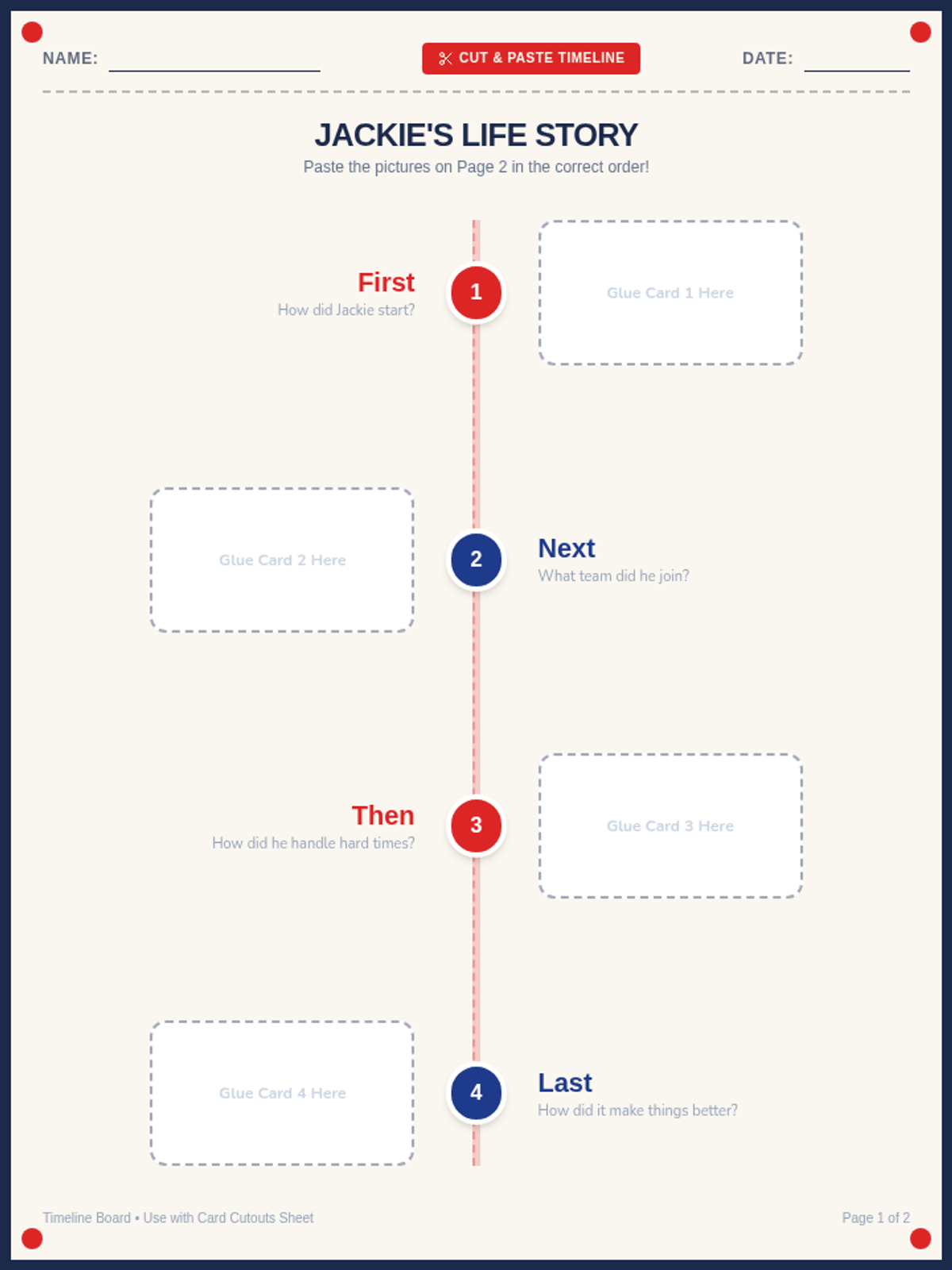
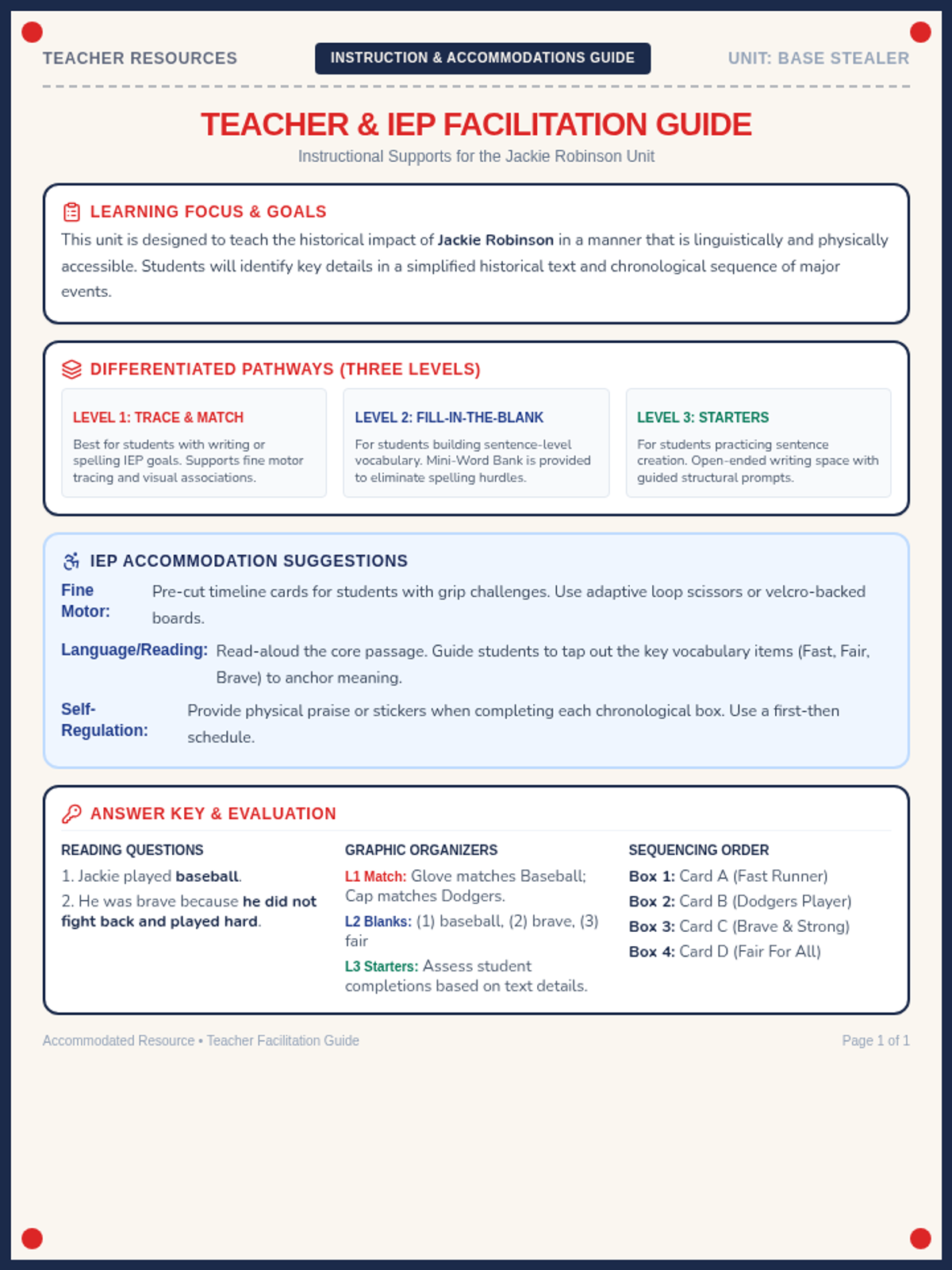
A highly accessible lesson on Jackie Robinson designed for 1st-2nd grade reading levels and IEP accommodations. Includes a simplified reading passage, three levels of differentiated graphic organizers, a visual cut-and-paste sequencing timeline, and a teacher guide.
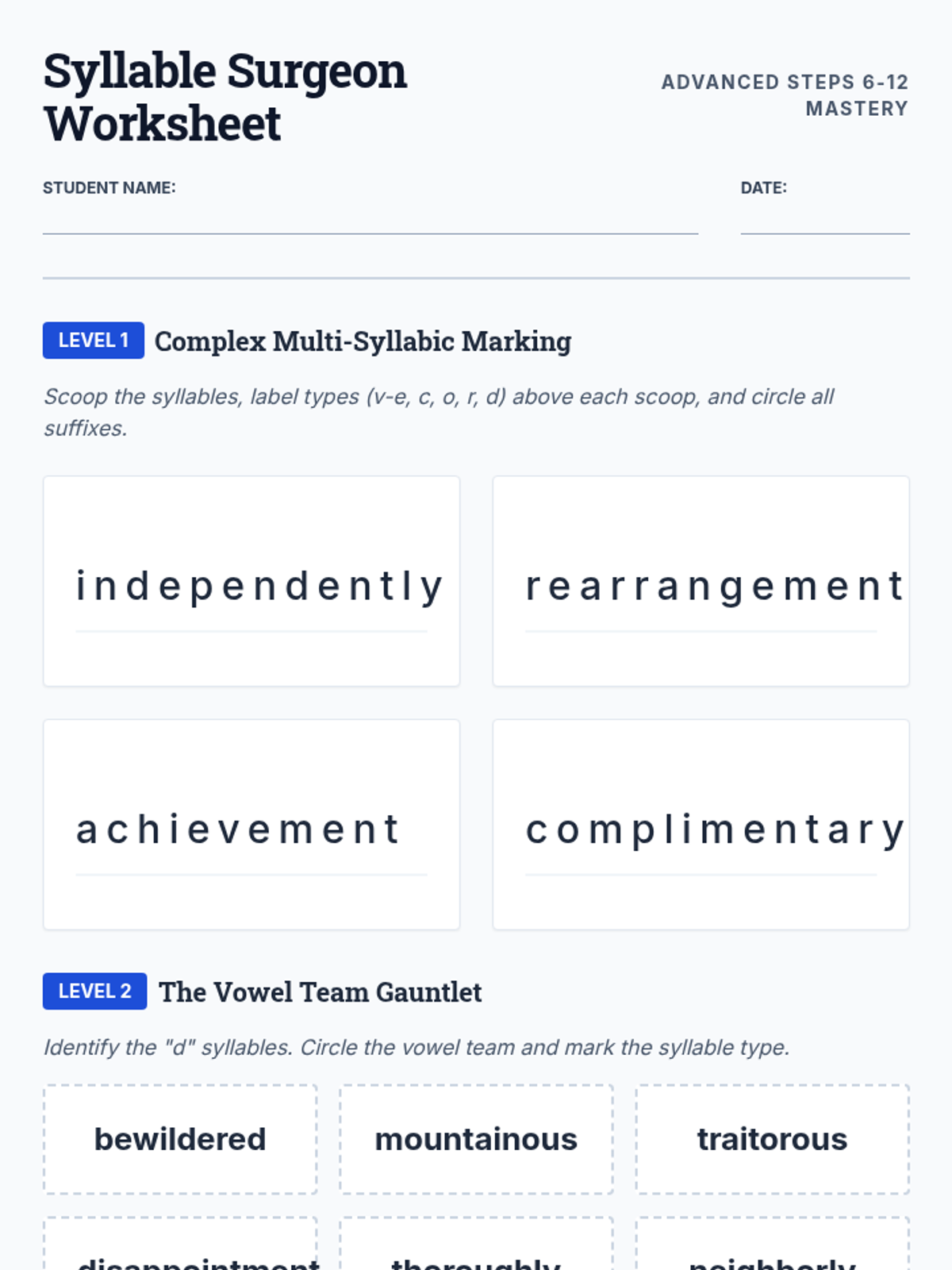
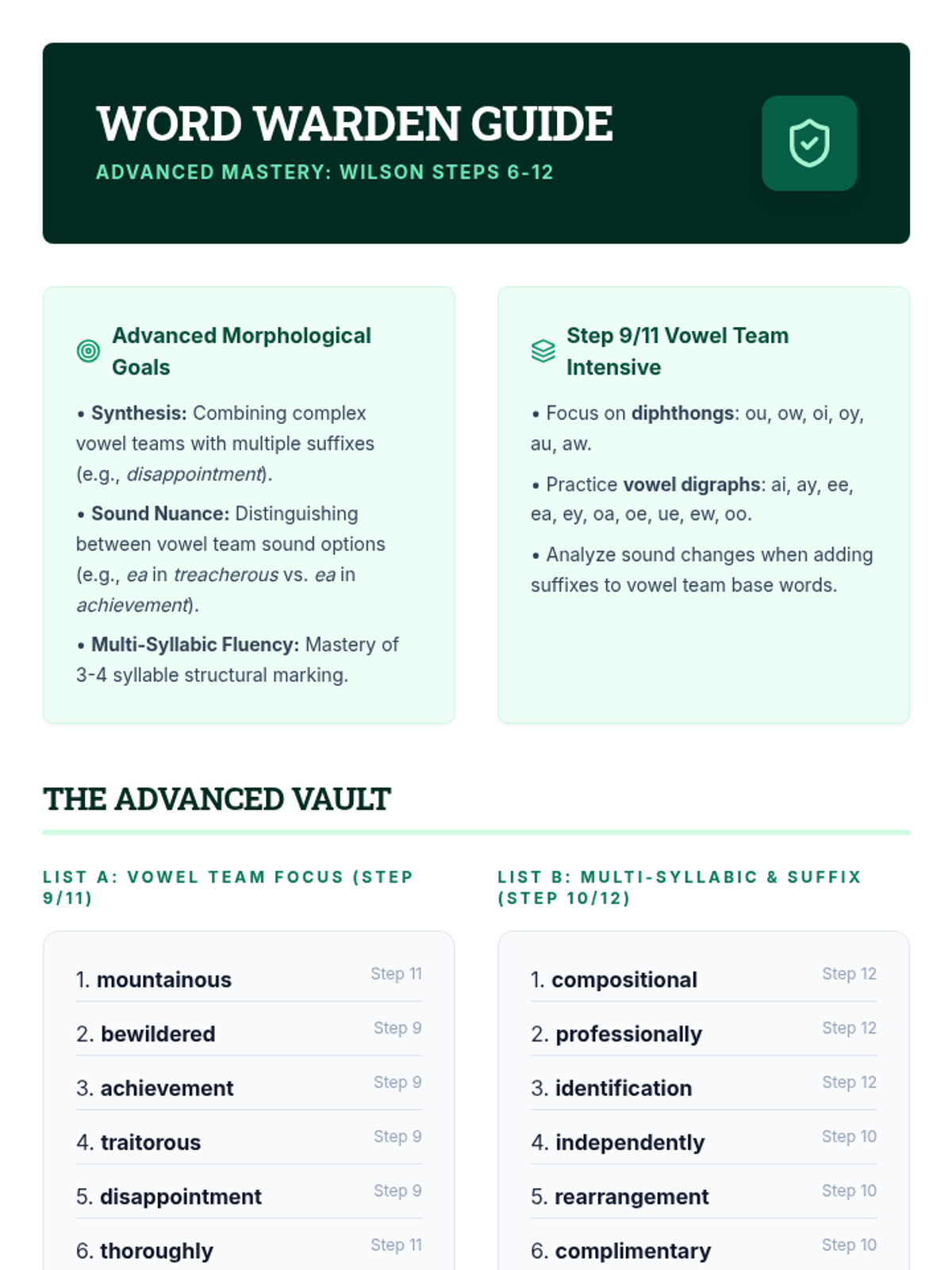
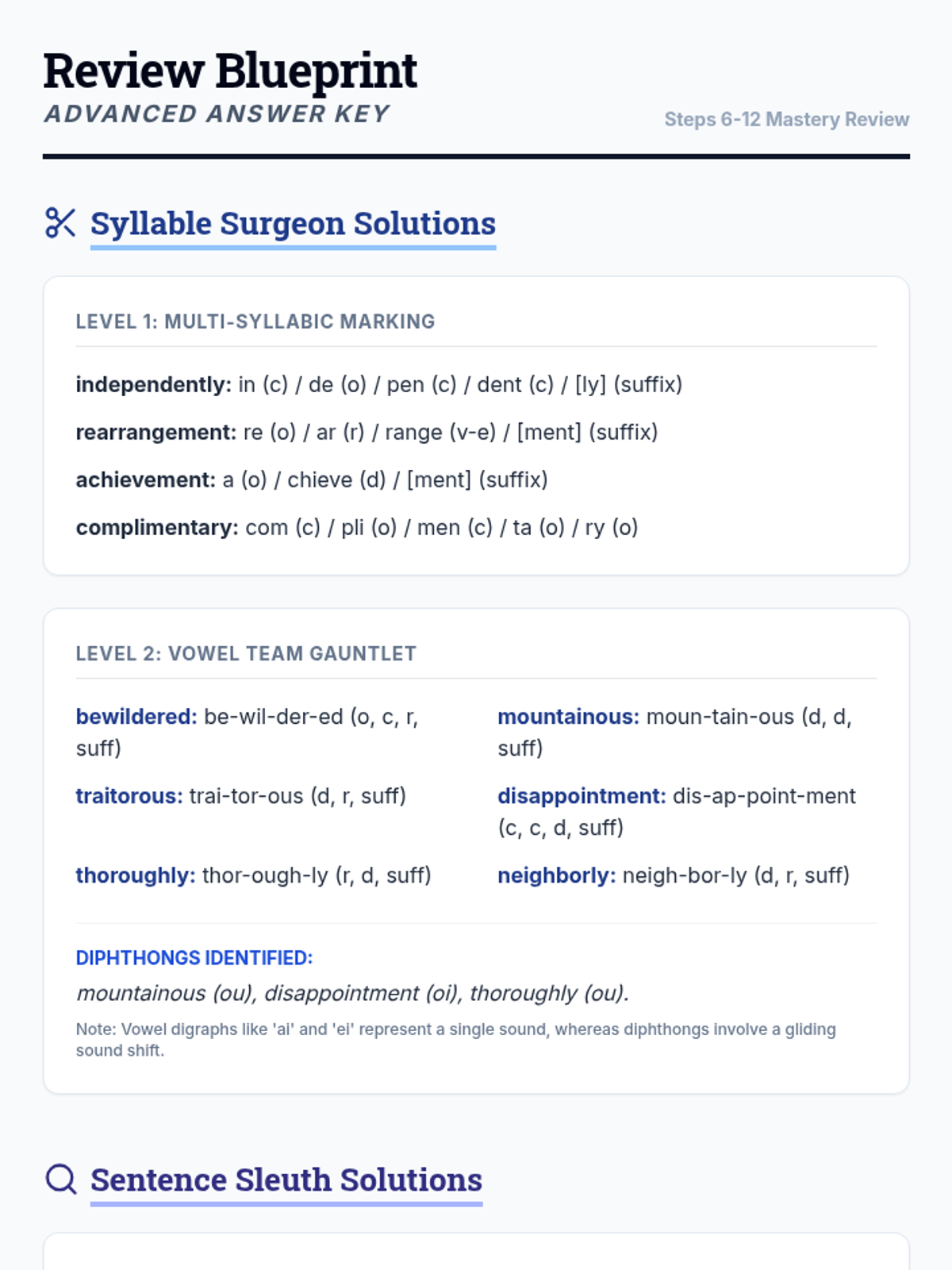
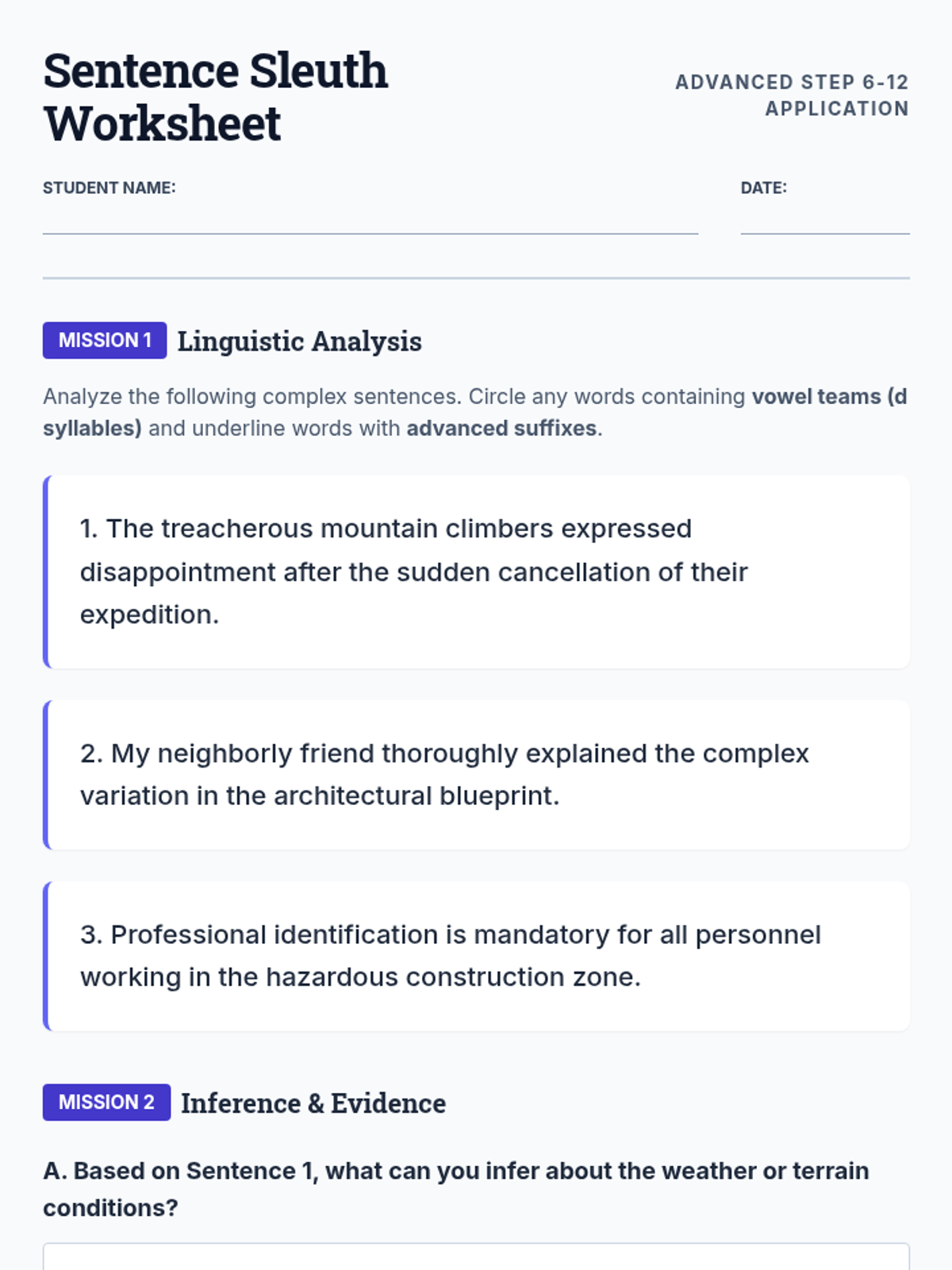
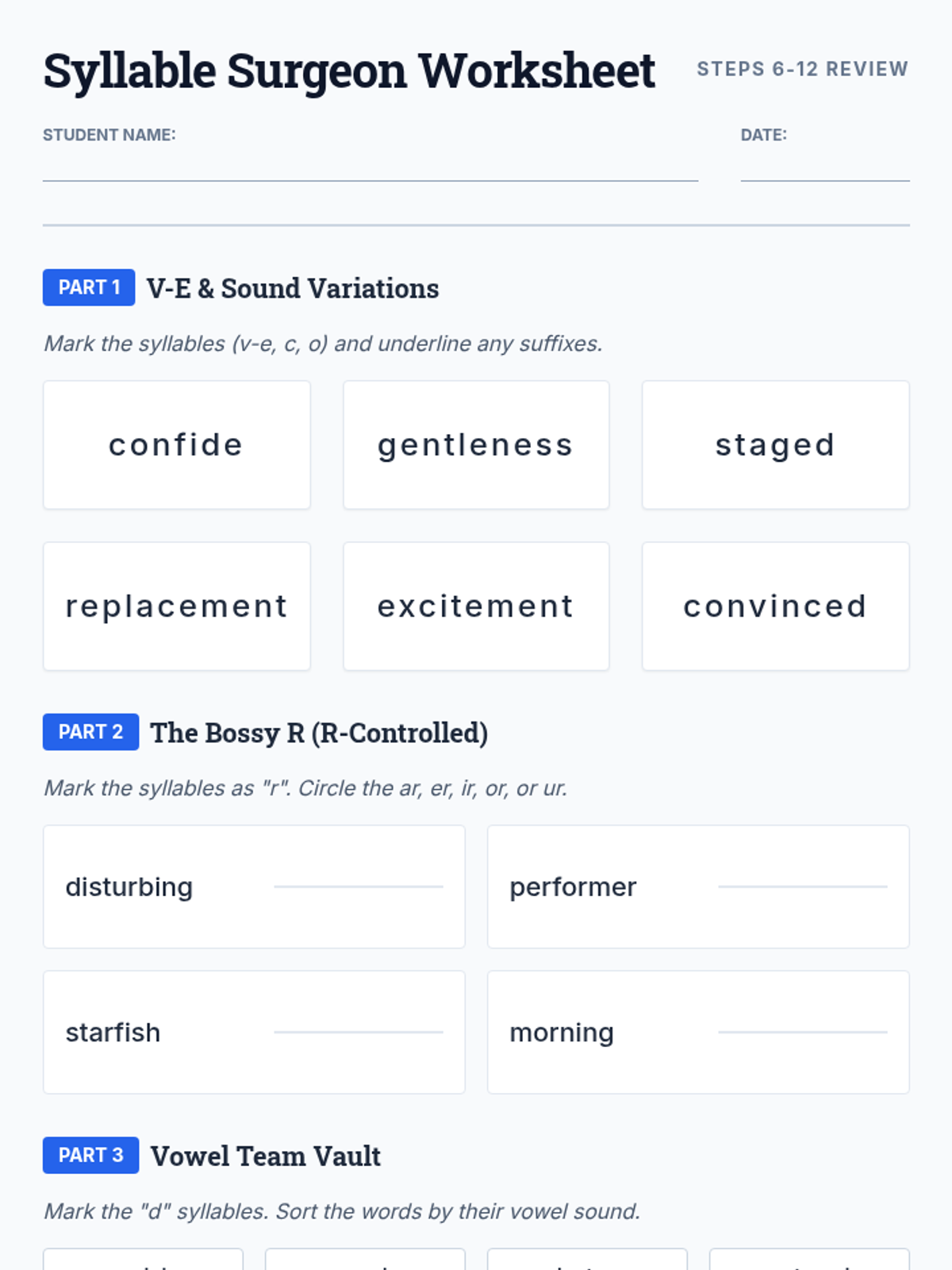
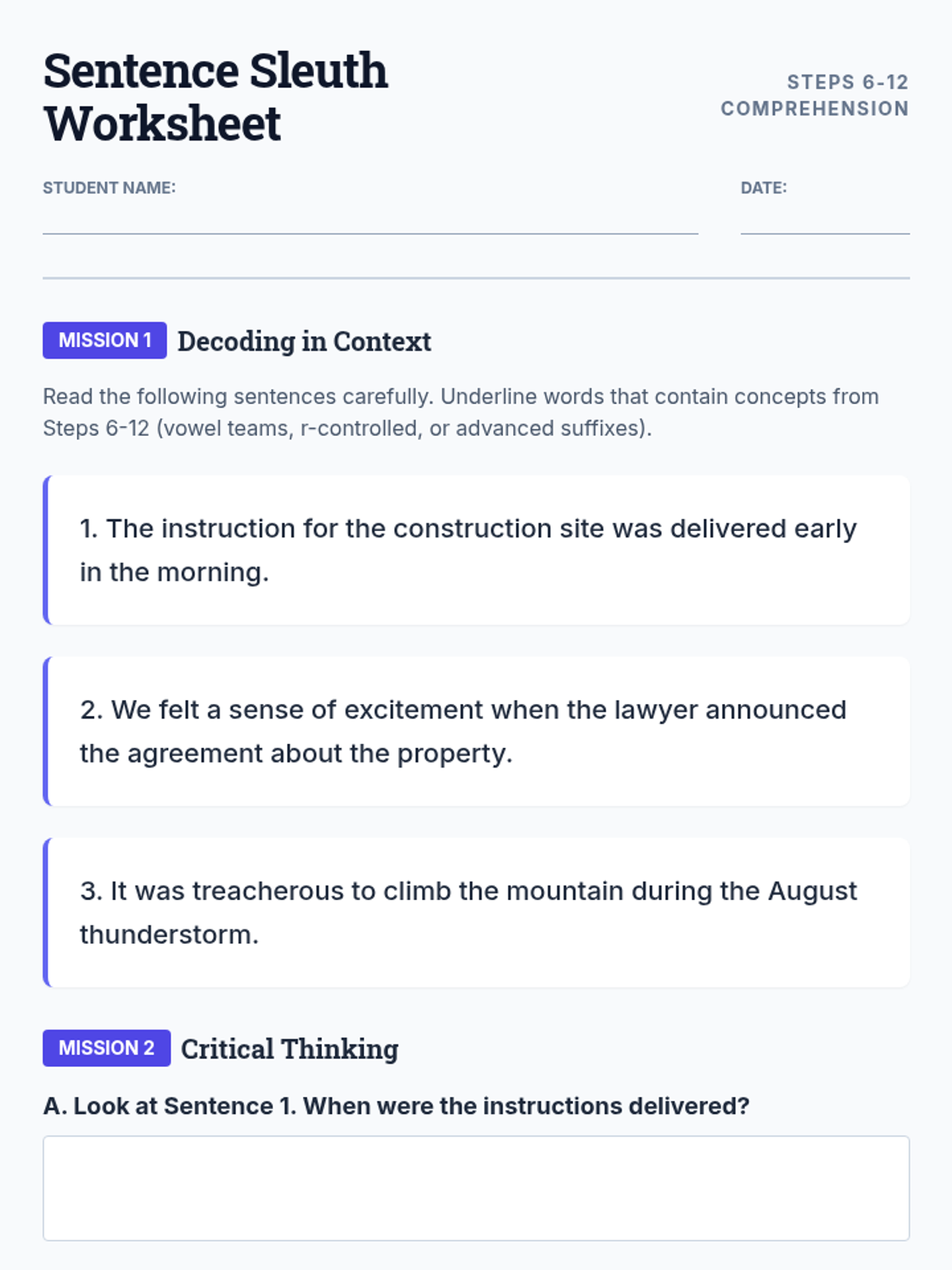
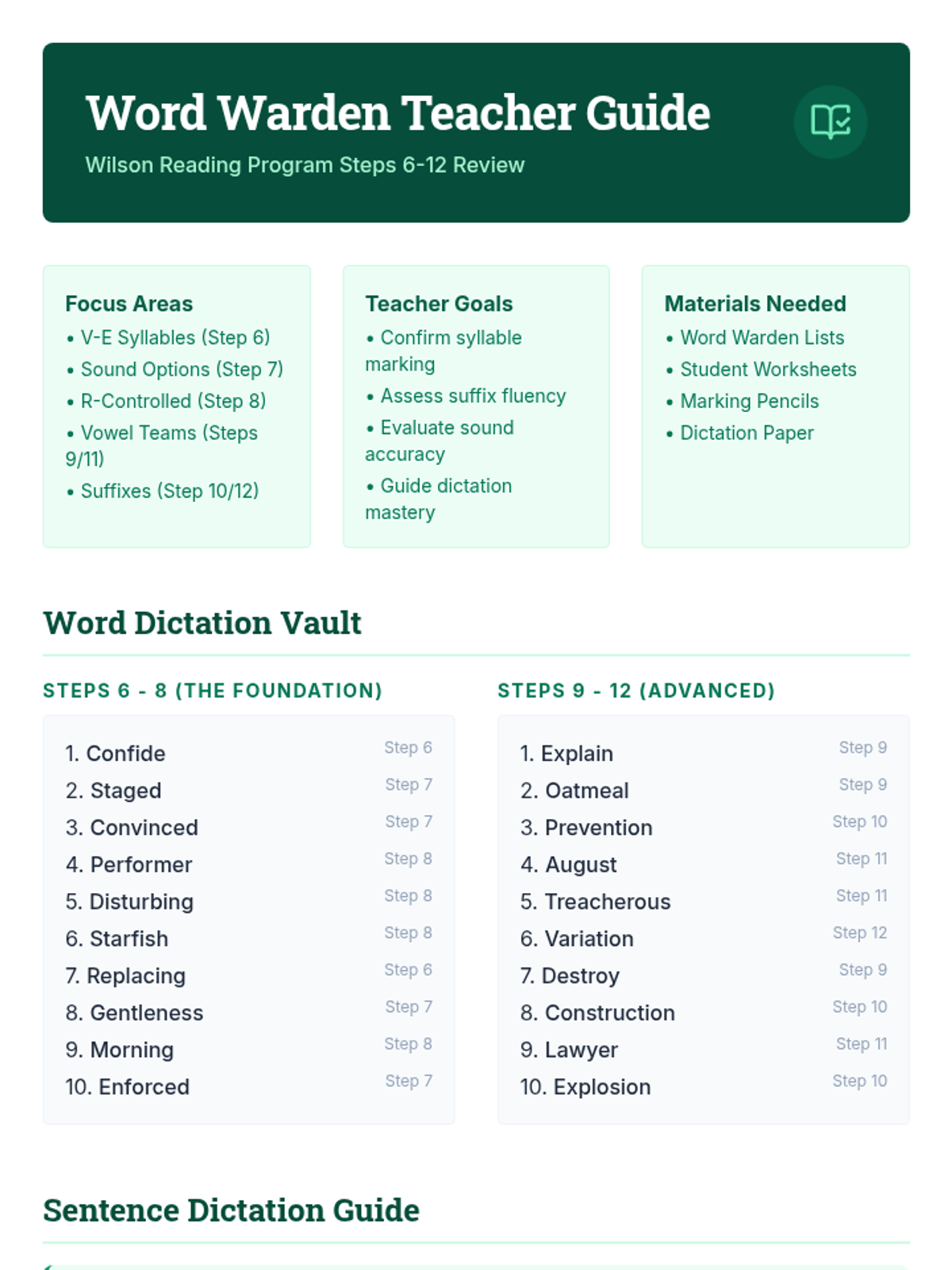
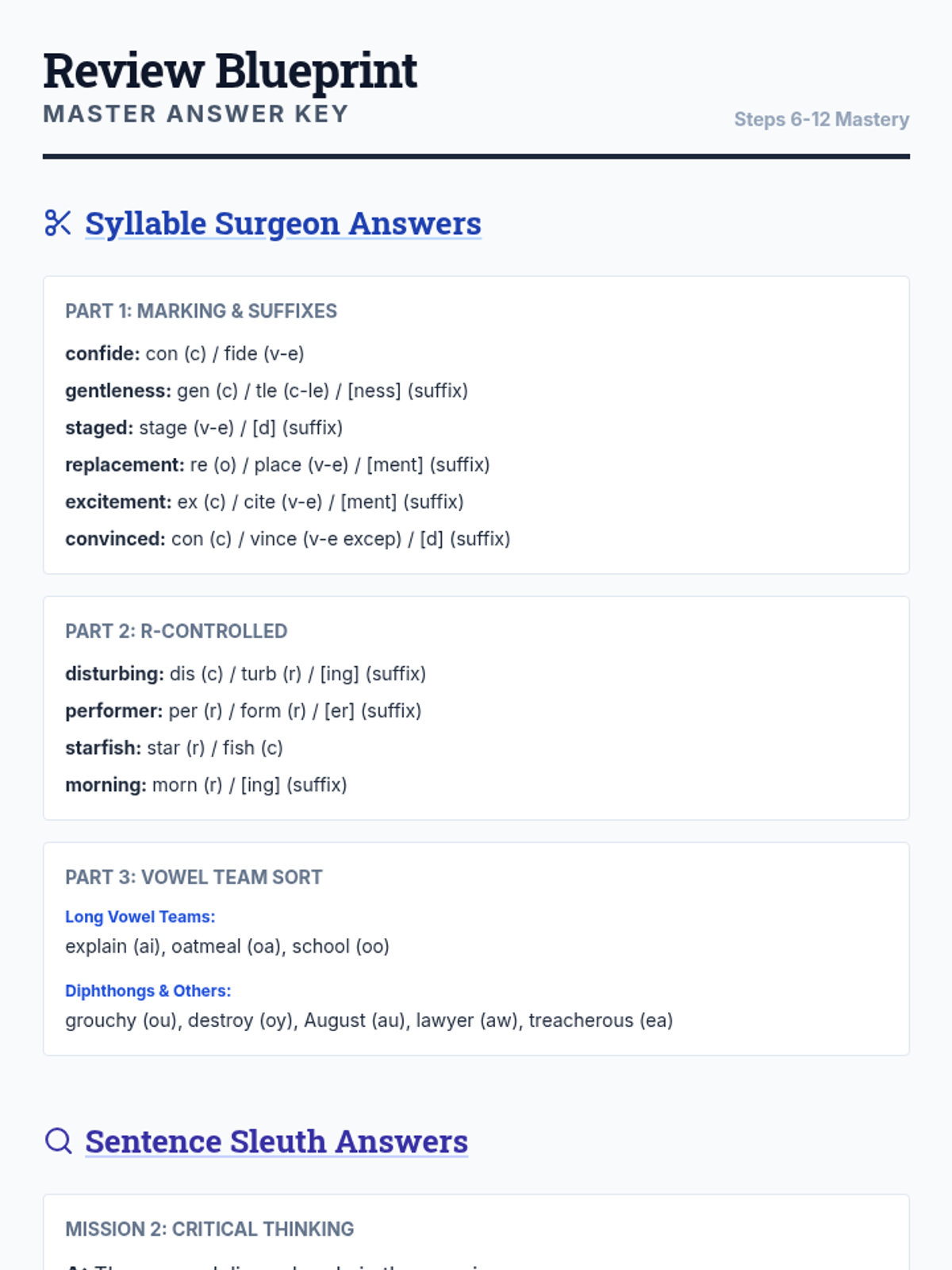
A comprehensive review unit for Wilson Reading Program Steps 6 through 12, focusing on syllable marking, complex suffix patterns, r-controlled vowels, and vowel digraphs.
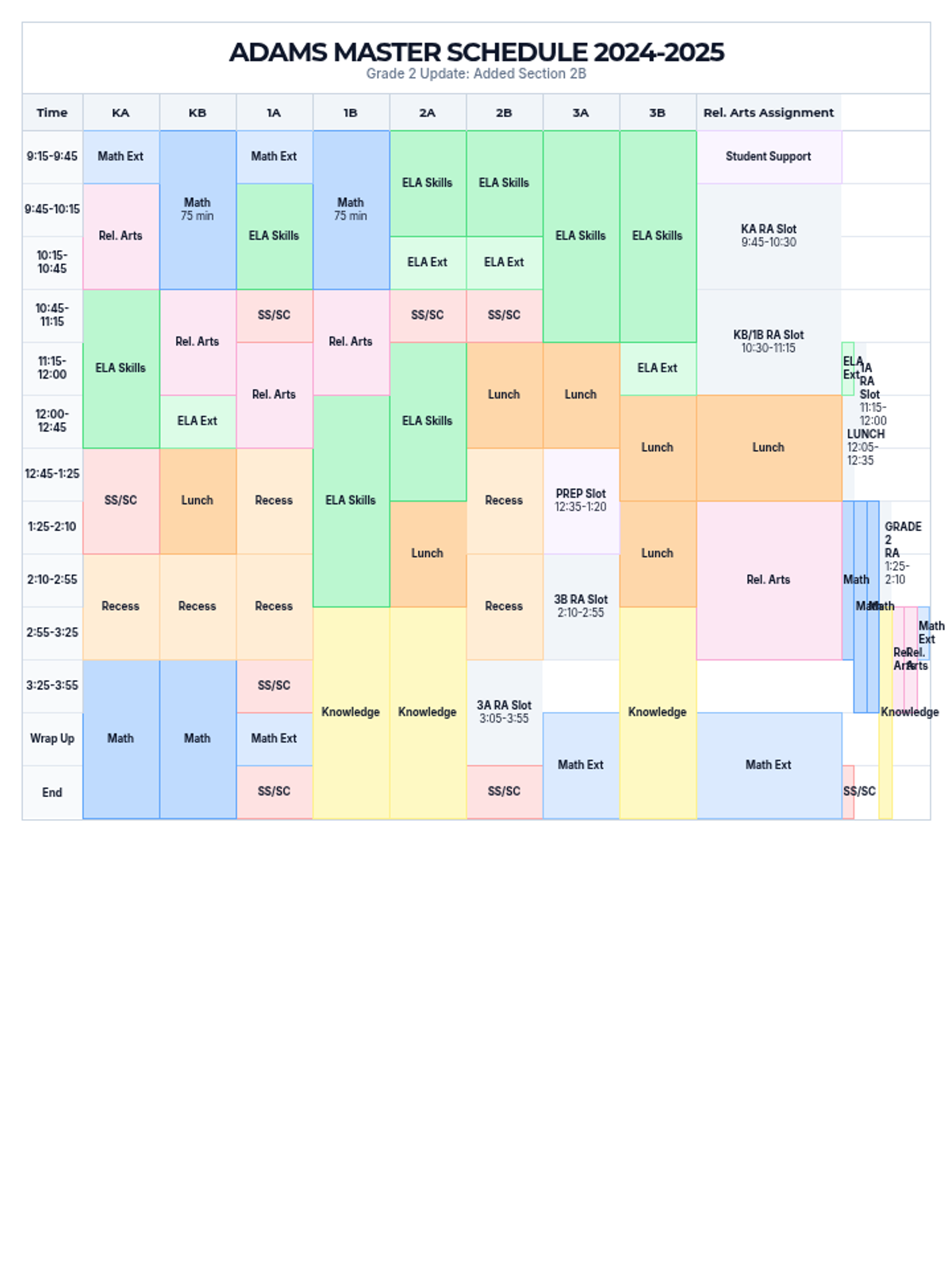
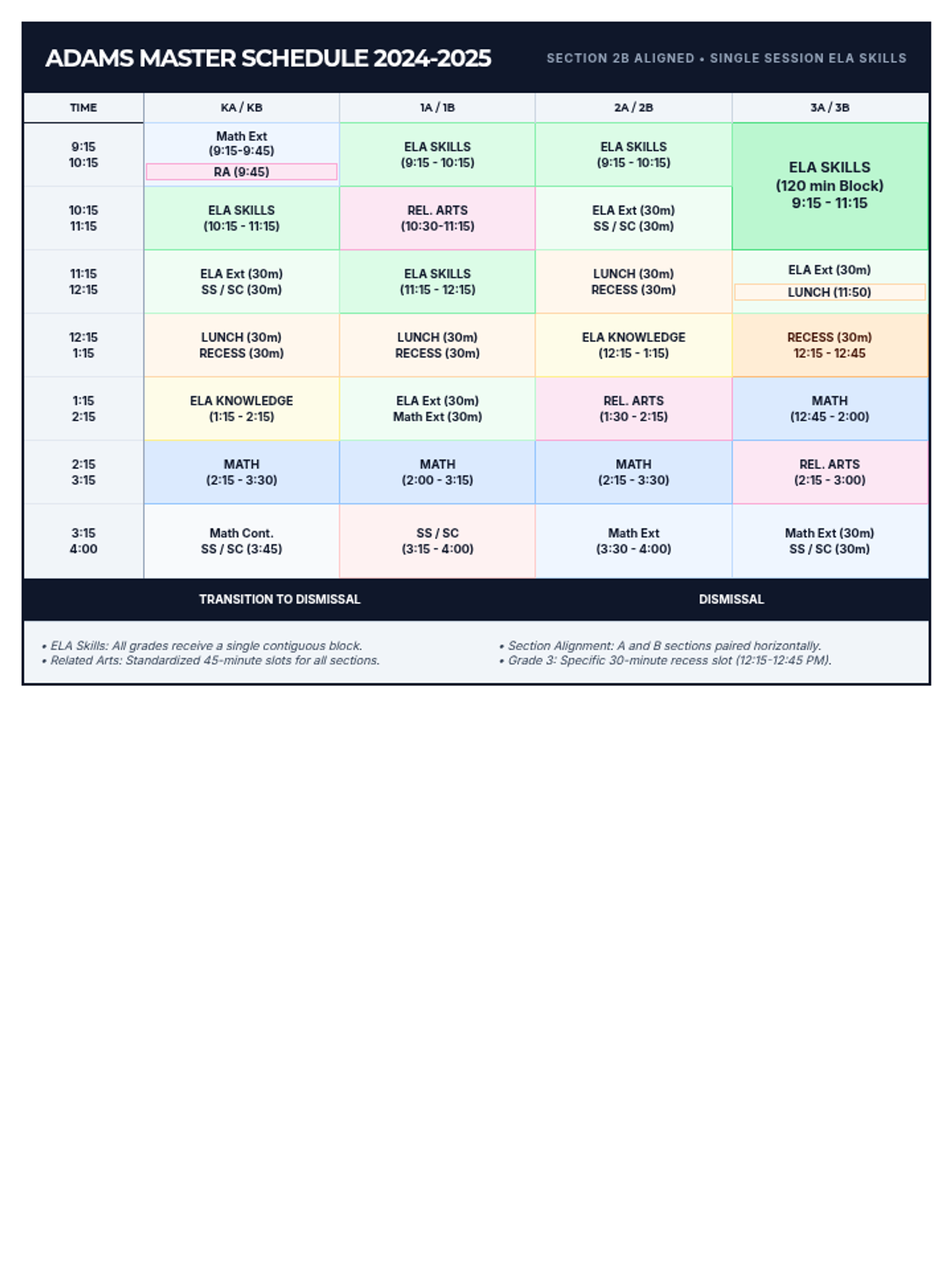
A revised master schedule for Adams Elementary, including a newly added 2B section for second grade.
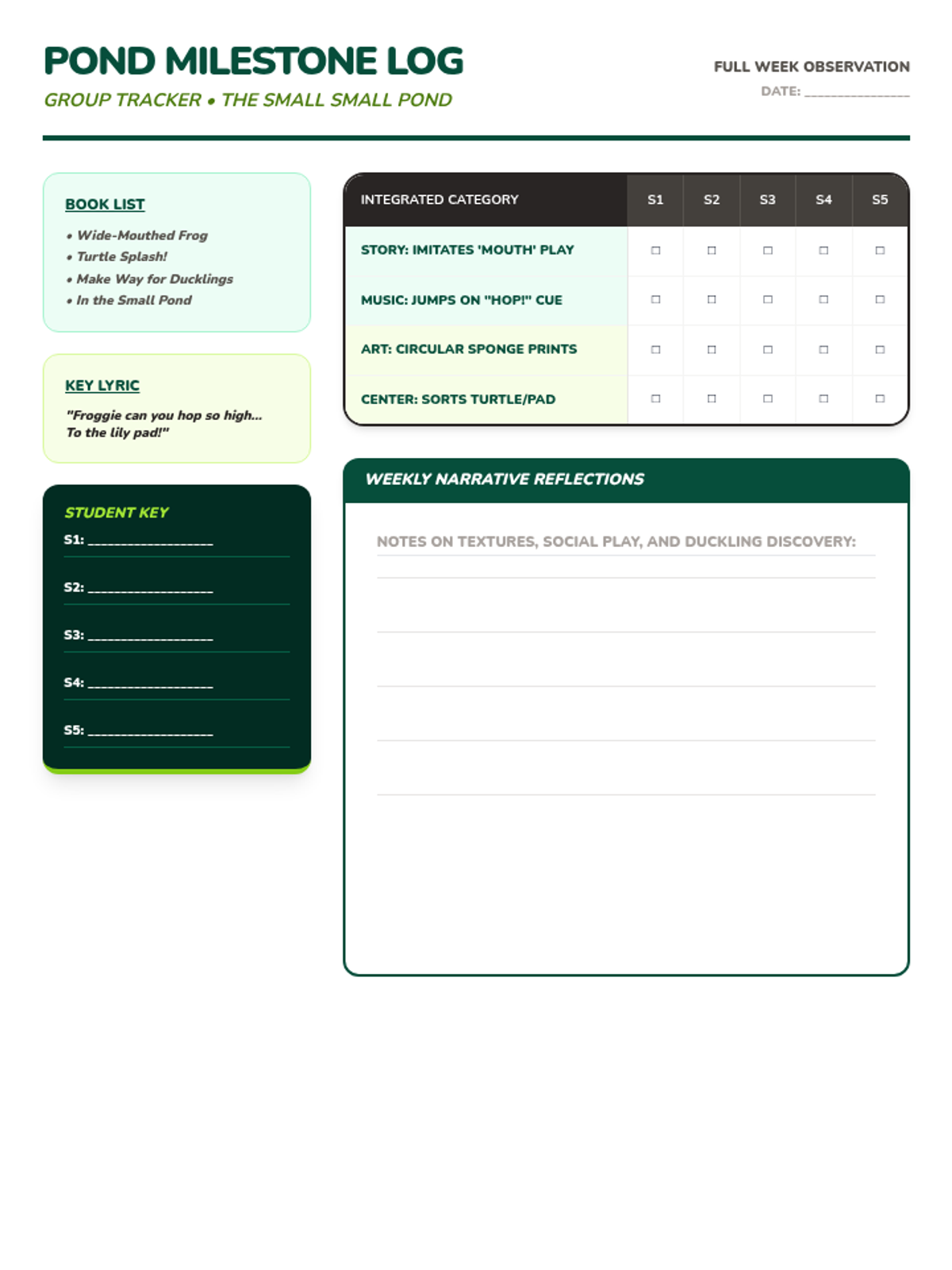
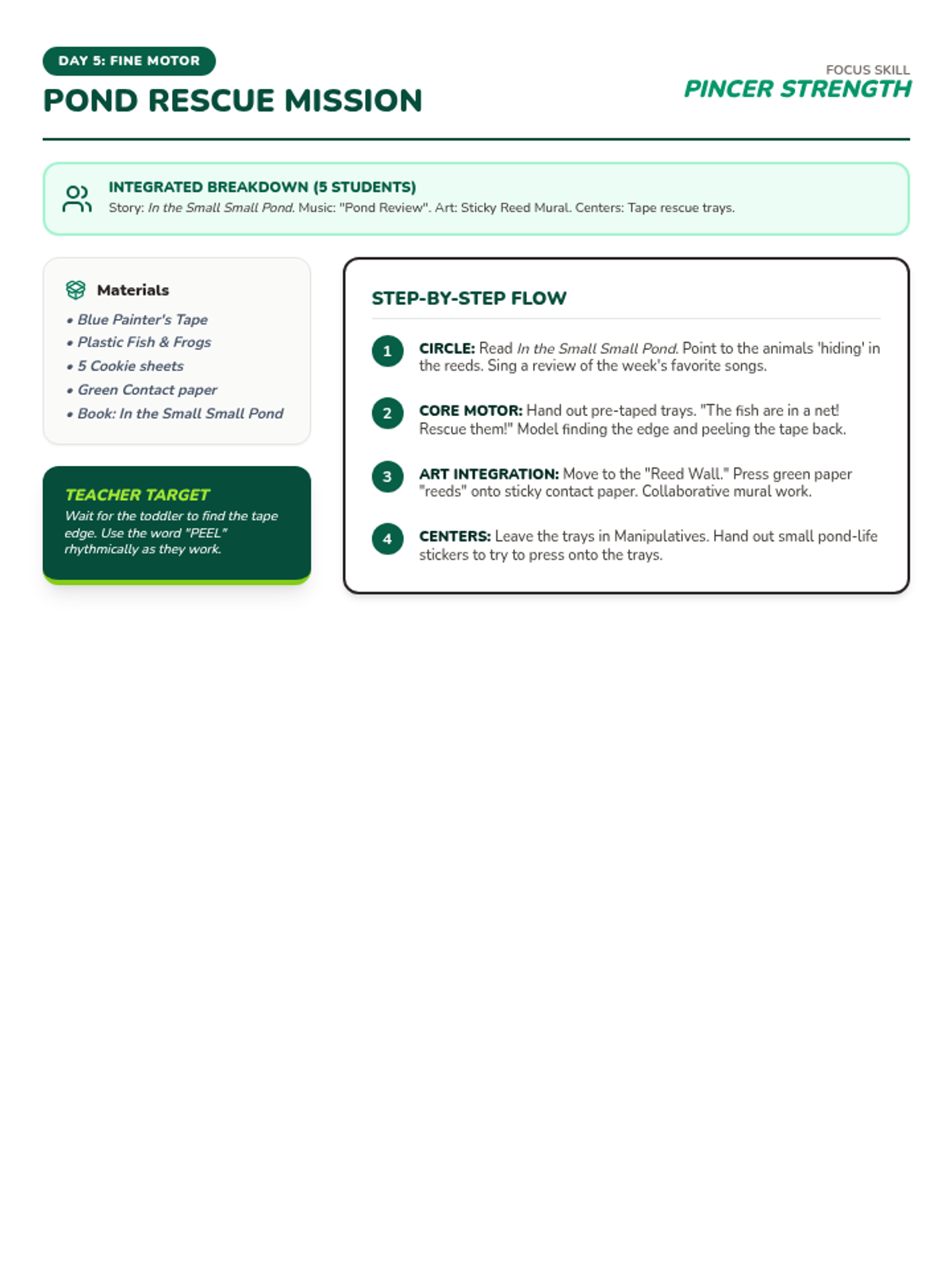
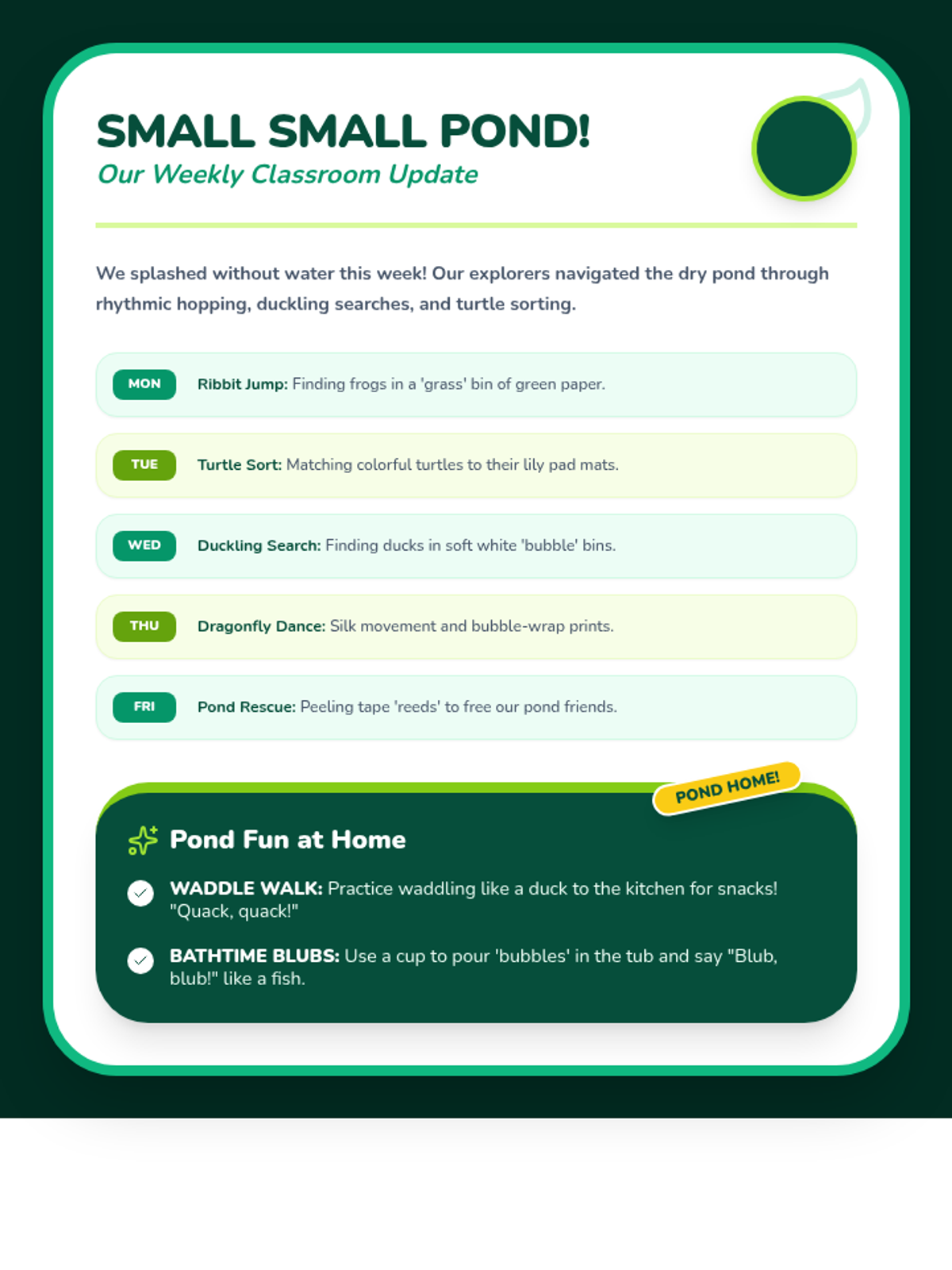
Challenges fine motor strength as toddlers 'rescue' pond animals from painter's tape 'reeds.'
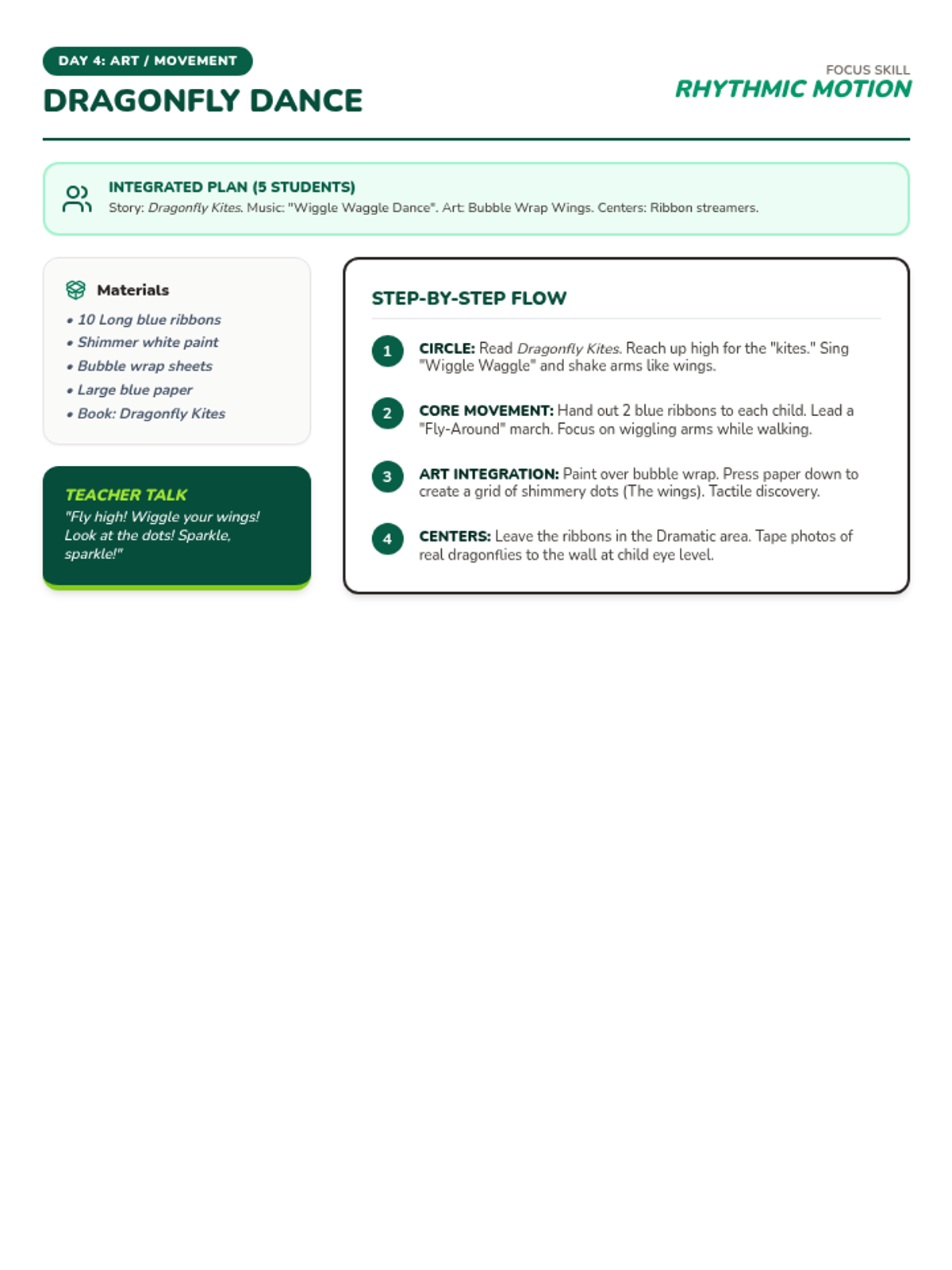
Explores rhythmic movement and pattern-making through dragonfly-themed silk play and wing stamping.
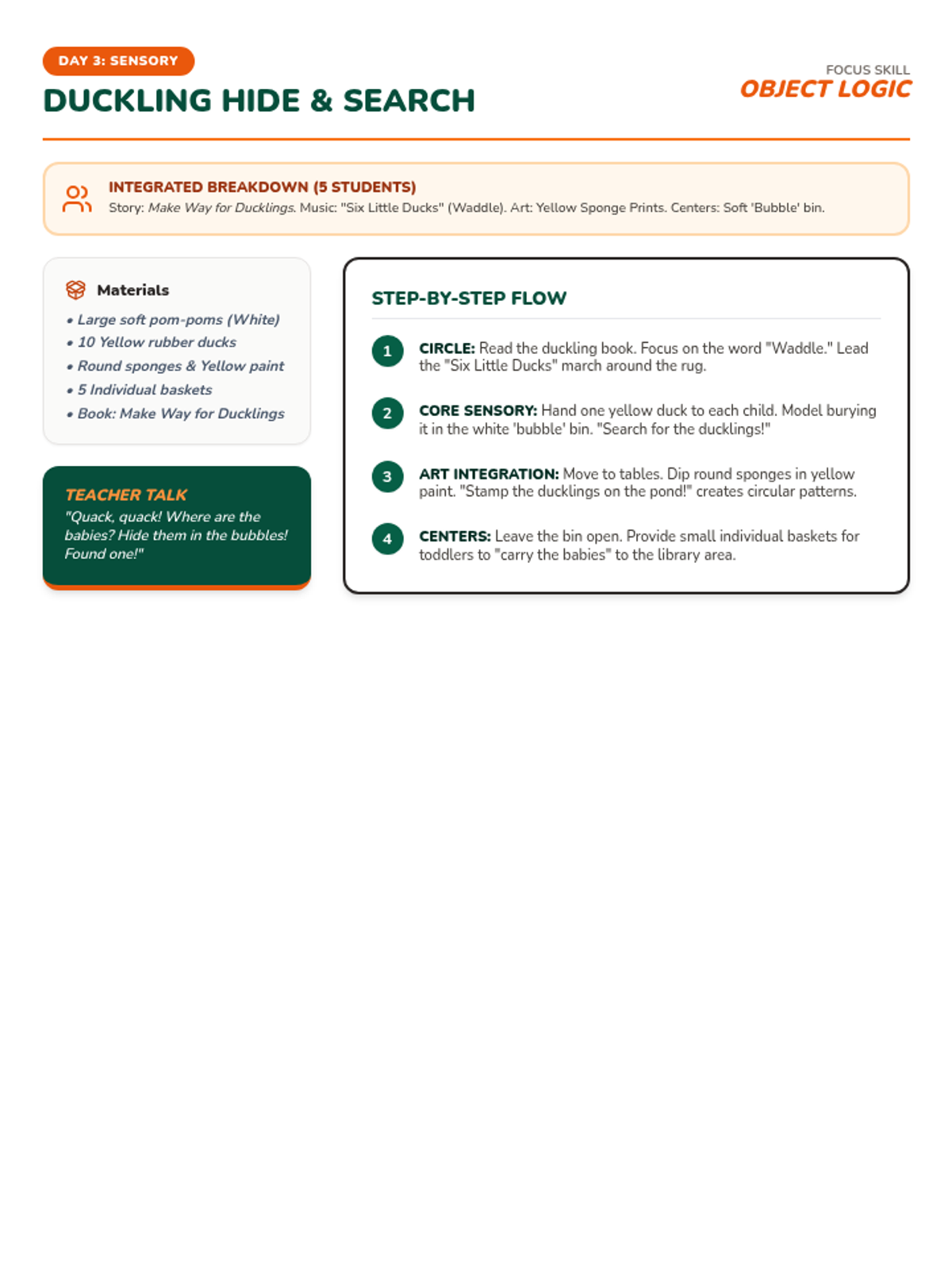
A dry sensory experience searching for ducklings hidden among soft 'bubble' pom-poms or cotton balls.