This lesson teaches 1st-3rd grade students with autism simple steps for apologizing and making amends when they make a mistake. It focuses on a clear 3-step process: saying sorry, stating the reason, and asking to fix it.
Sensory support strategies and proprioceptive activities designed for students in grades 3-5. Bridges the gap between play-based movement and functional household participation with age-appropriate "strength challenges."
Sensory support strategies and proprioceptive activities specifically designed for students in grades K-3. Focuses on play-based heavy work, animal walks, and simple household participation.
A classroom management system focused on positive reinforcement through a token economy, featuring non-tangible rewards.
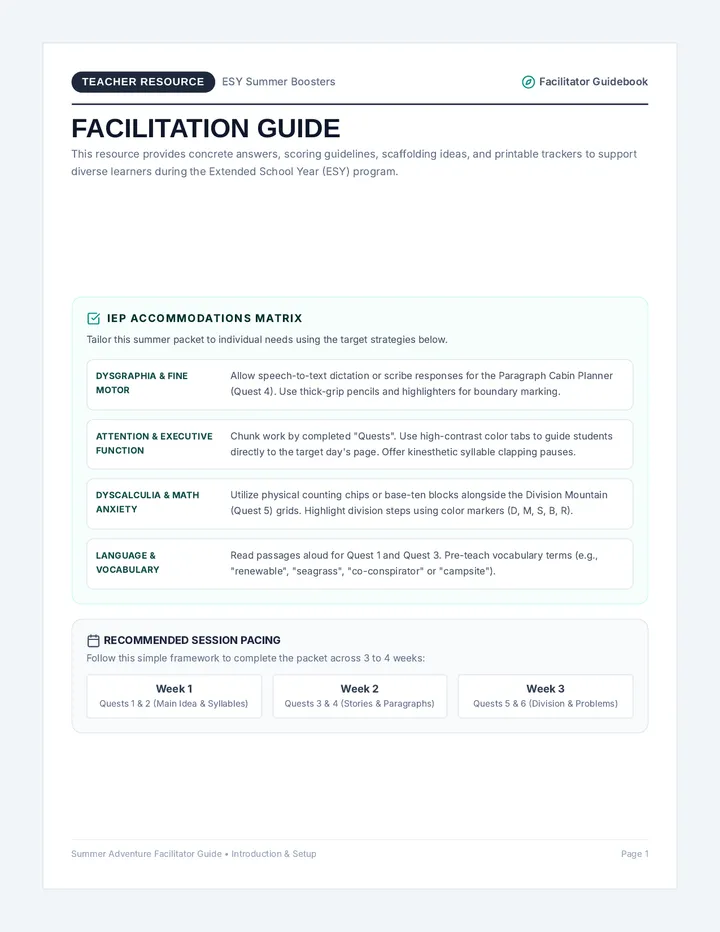
A comprehensive K-12 behavior management system that synthesizes best practices from MTSS, PBIS, and restorative justice frameworks. This lesson provides teachers with a clear decision-making flow and a detailed policy handbook for maintaining a positive school culture.
A specialized lesson designed for IEP students to master adding fractions with unlike denominators using visual scaffolds, multiplication charts, and color-coded steps. Focuses on simple denominators and visual area models to build conceptual understanding.
A comprehensive set of resources for parents of junior high and high school students, focusing on proprioception, sensory seeking behaviors, and practical home-based strategies.
A comprehensive parent training resource designed to support task initiation and sustained focus for students with autism using visual strategies and structured home routines.
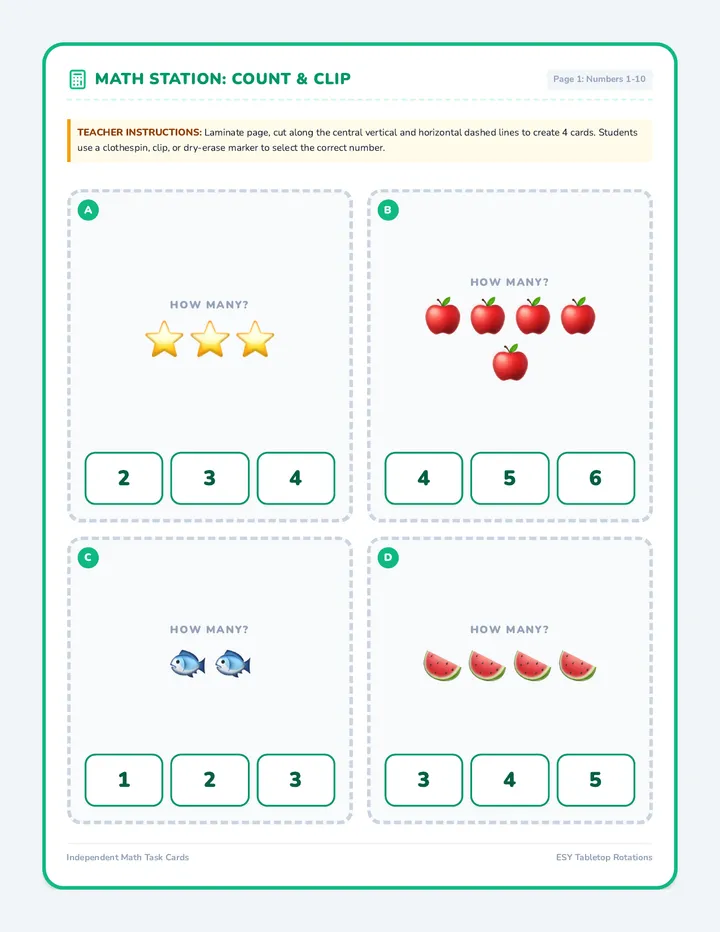
A collection of video-based independent work stations for student rotation and self-paced learning.
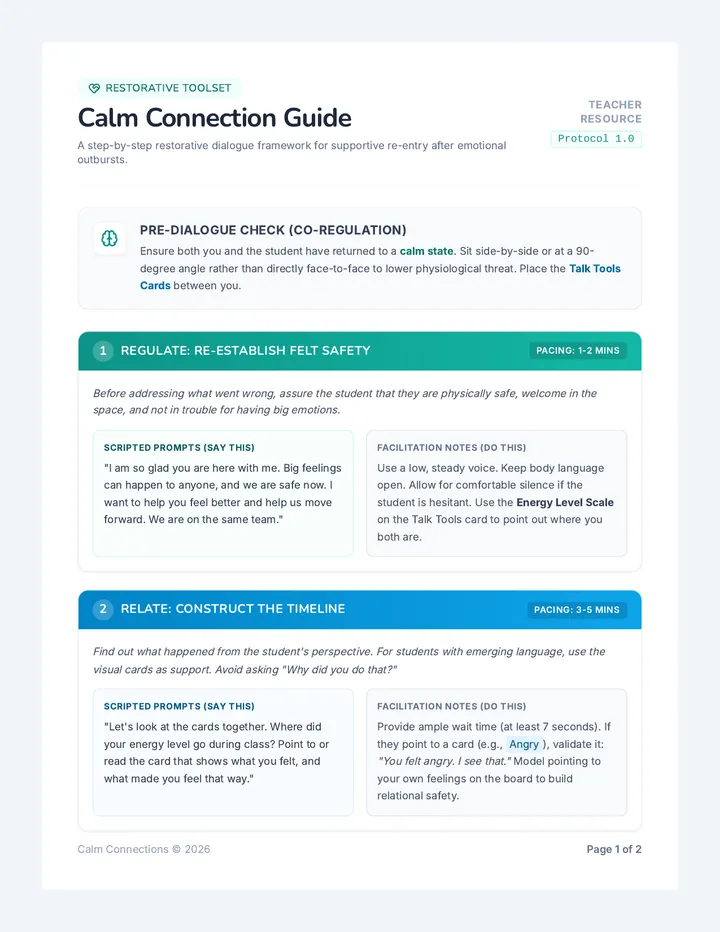
A social story and support toolkit designed to help students navigate frustration, manage physical impulses, and choose safe alternatives to eloping or aggression.
A comprehensive set of modified money skill resources focusing on coin/bill identification, same-denomination addition, price matching, and simple change making with visual prompts.
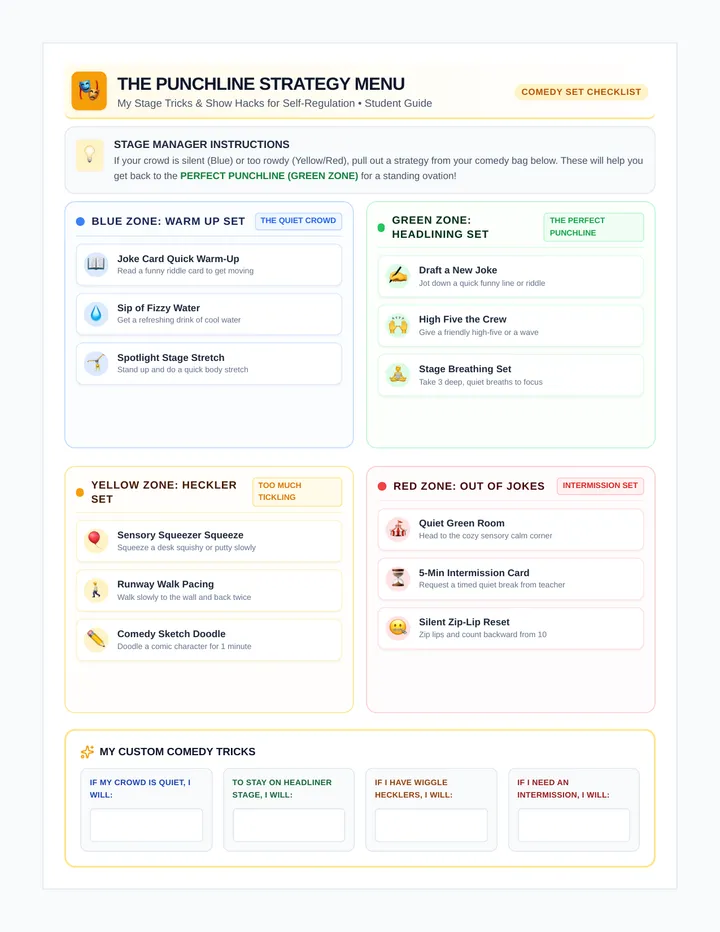
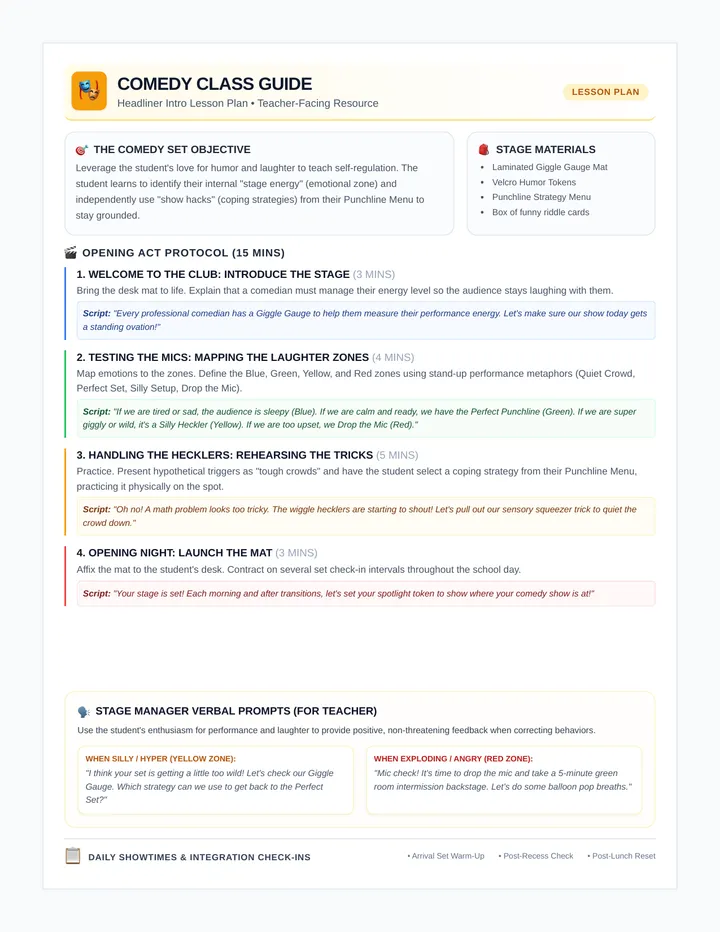
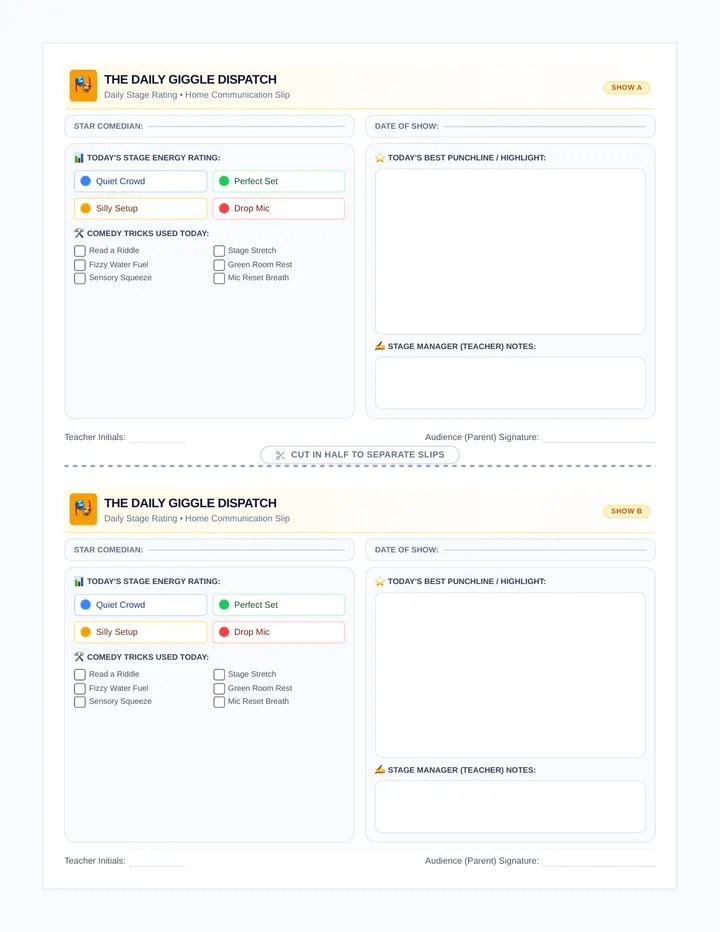
A comprehensive behavior management system designed for elementary students to build self-regulation skills. This kit includes a daily tracking chart focused on 'Cool Voices' and 'Safe Hands', a customizable reward menu, and a guide for educators to implement the system with consistency and positive reinforcement.
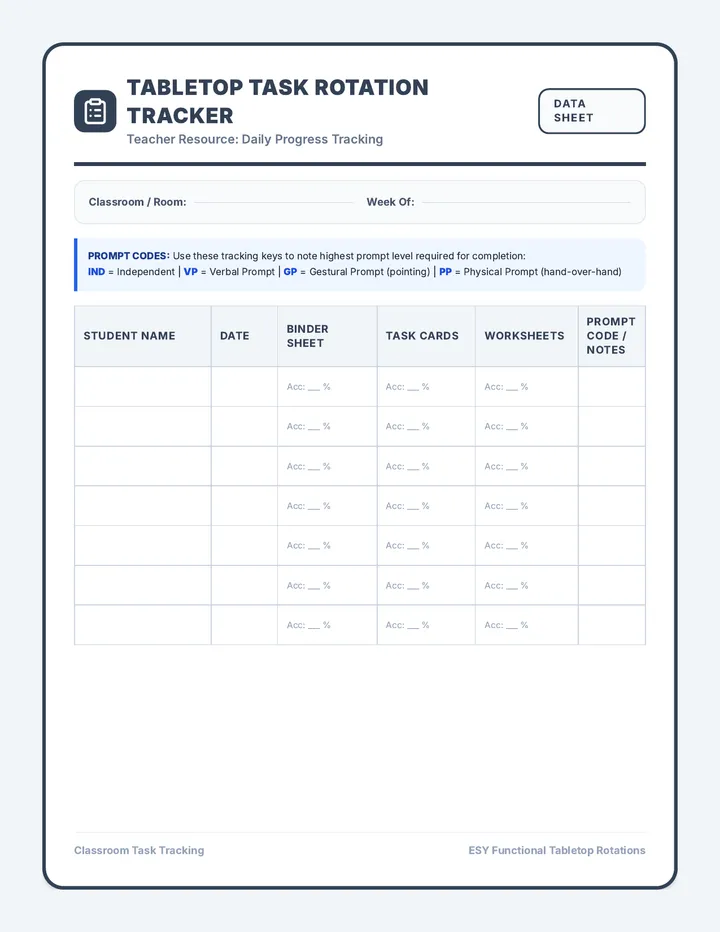
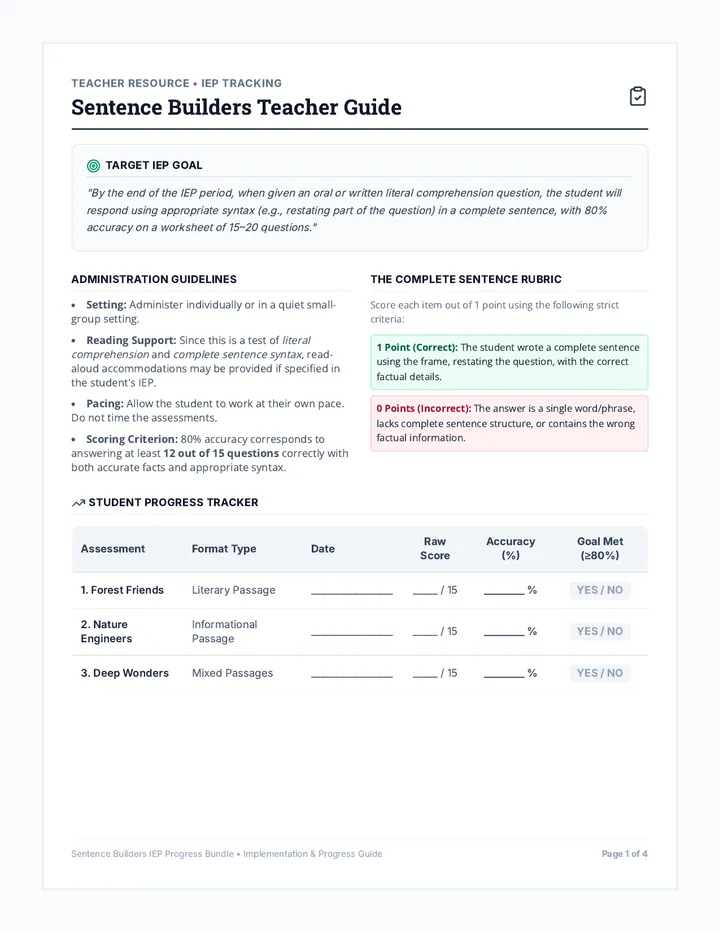
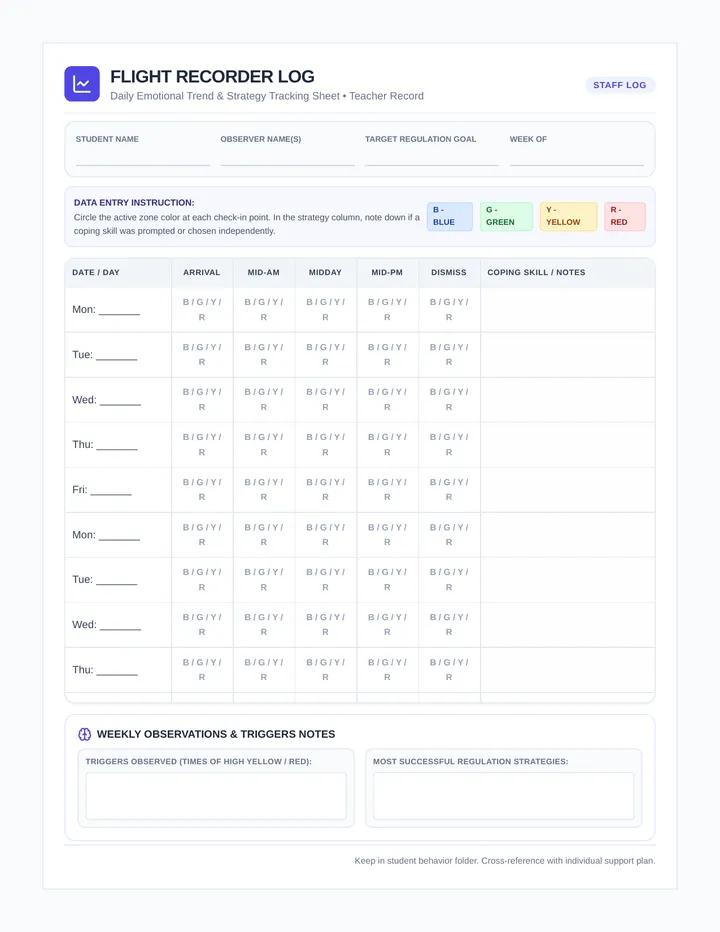
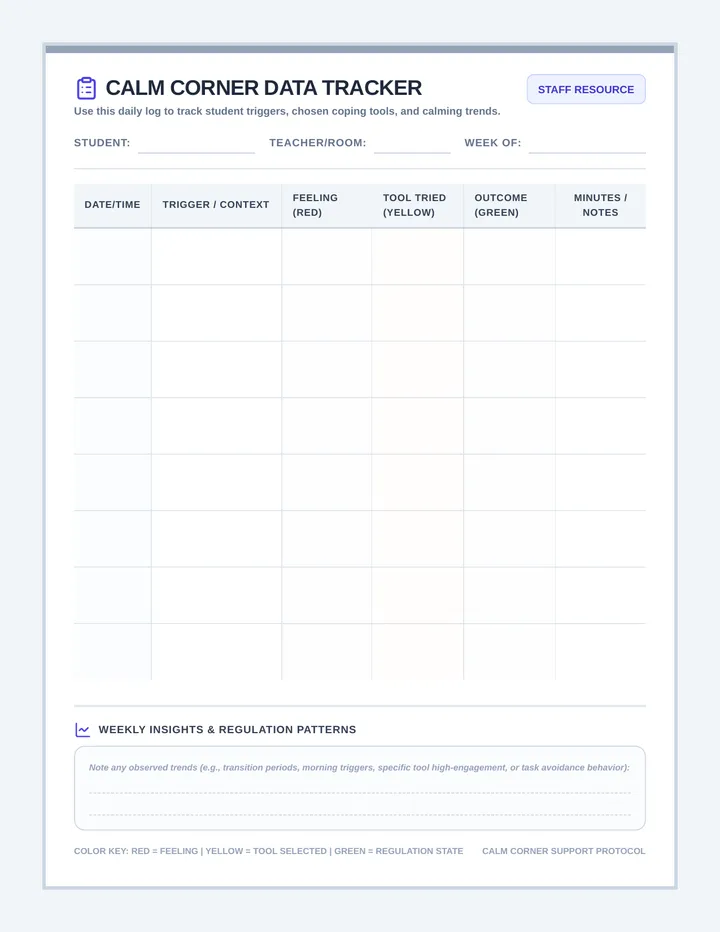
A comprehensive set of data collection tools designed for tracking IEP behavior frequency, duration, and academic accuracy, including a synthesis log for weekly reporting.
Combines addition, multiplication, and a simplified sales tax calculation for a realistic 'Big Spender' shopping experience.
Introduces multiplication for buying multiple items and division for sharing costs among friends in a 'Party Planner' context.
Focuses on adding and subtracting prices and calculating change from a $20 bill using a visual 'Snack Shop' theme.
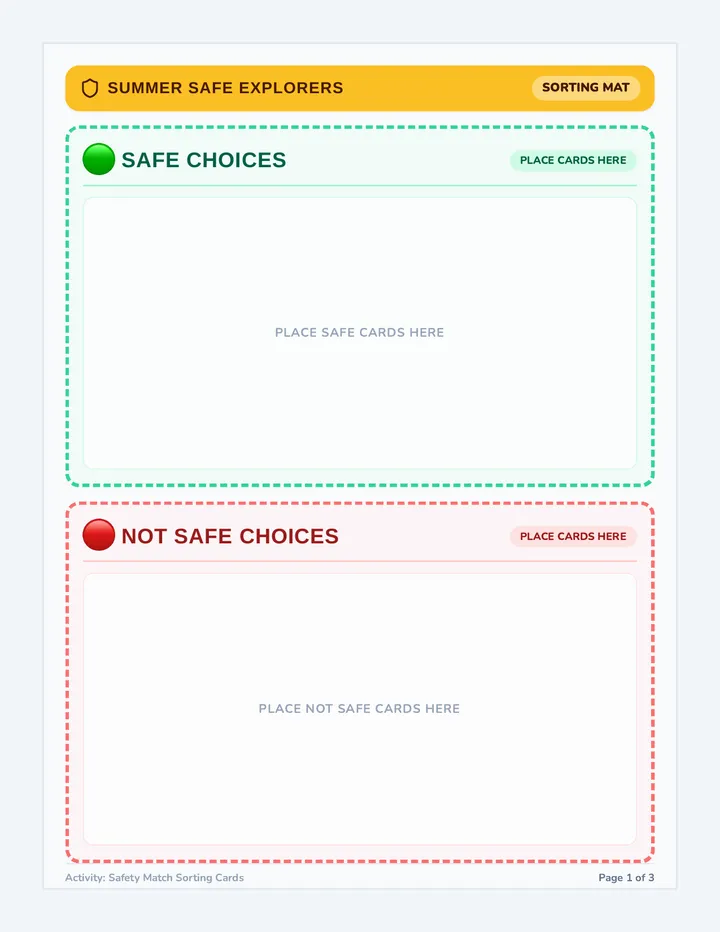
Practical tools for mapping out safety choices, including contingency maps, choice boards, and step-by-step replacement skill guides.
A visual discrimination and memory game featuring colorful pony characters to help young learners practice matching identical pictures.
A therapeutic handwriting unit focused on visual-motor integration, boundary awareness, and spatial organization. Students use navigation-themed templates to master margin awareness, letter sizing, and line placement.
This lesson focuses on the specific transition from preferred art activities to non-preferred learning tasks, providing strategies for emotional regulation and physical safety.
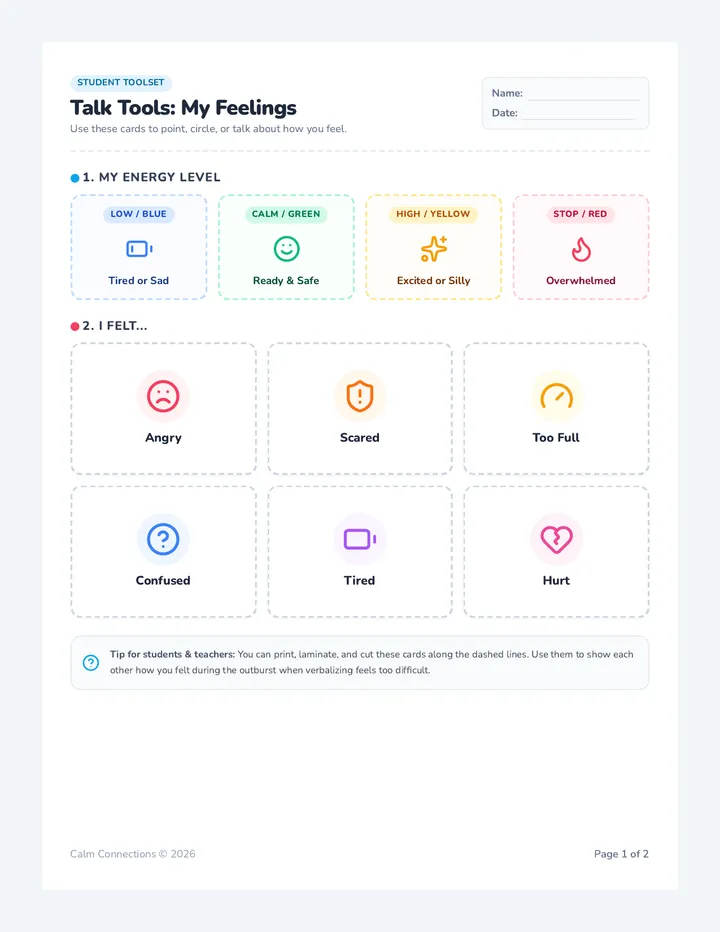
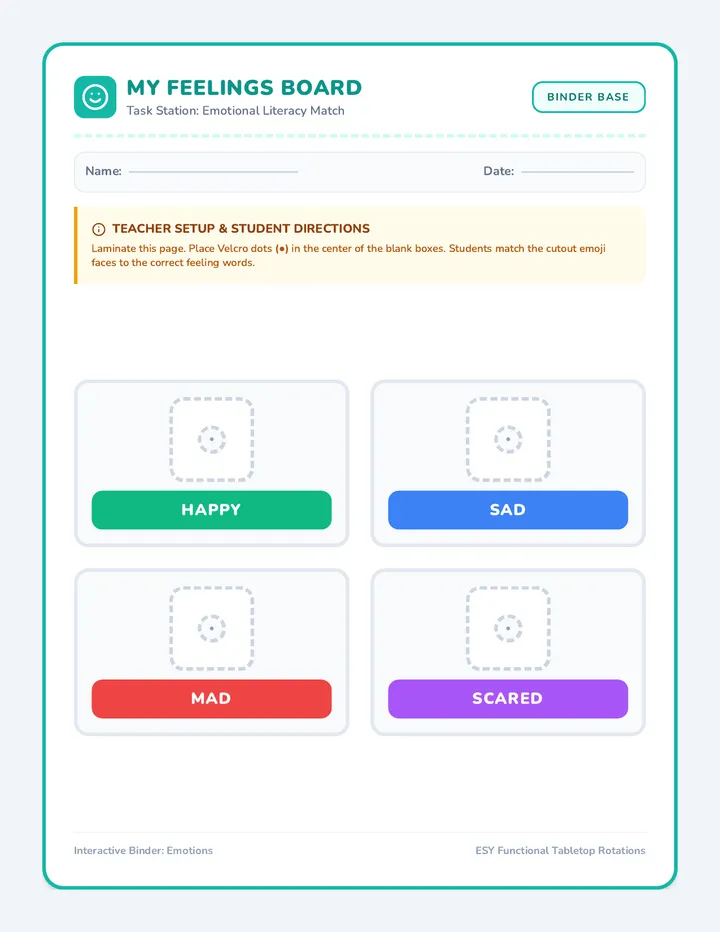
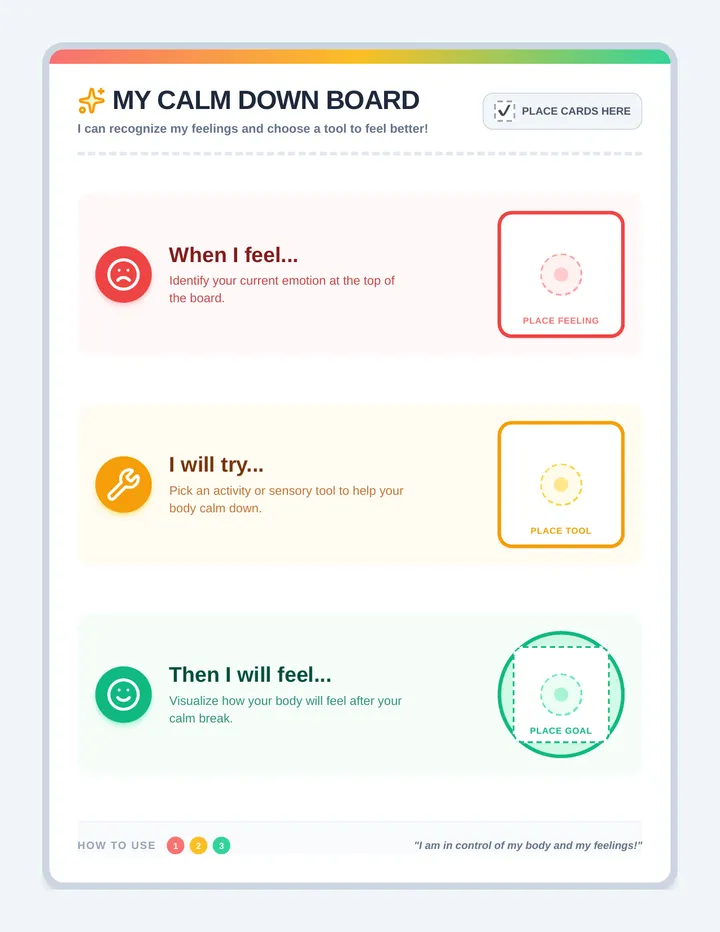
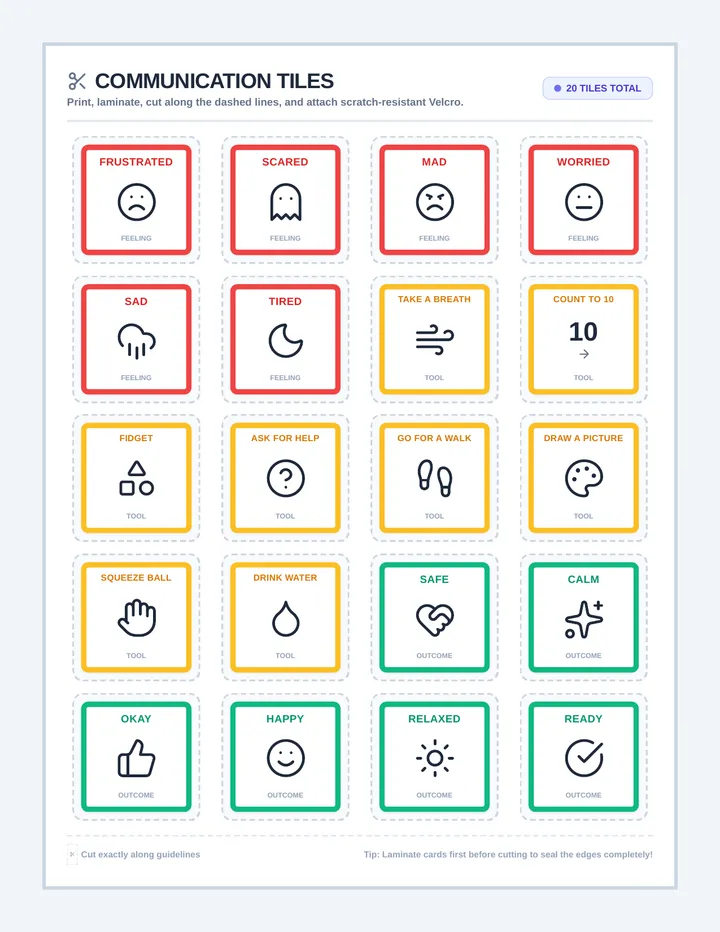
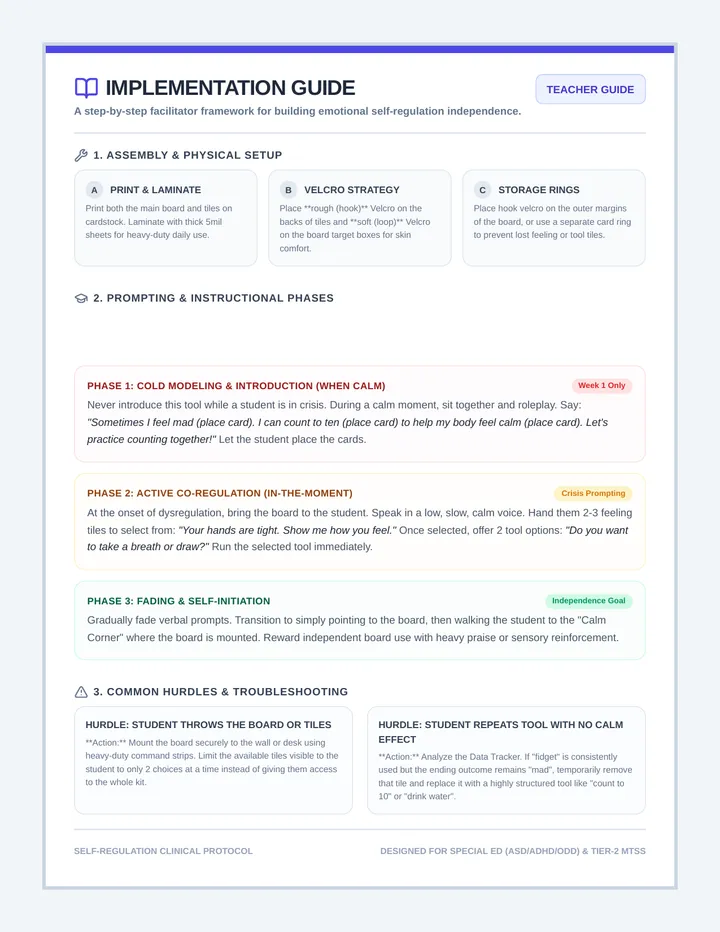
A collection of resources to help a student manage big emotions through a social story, behavior sorting activity, and portable visual supports for self-regulation.
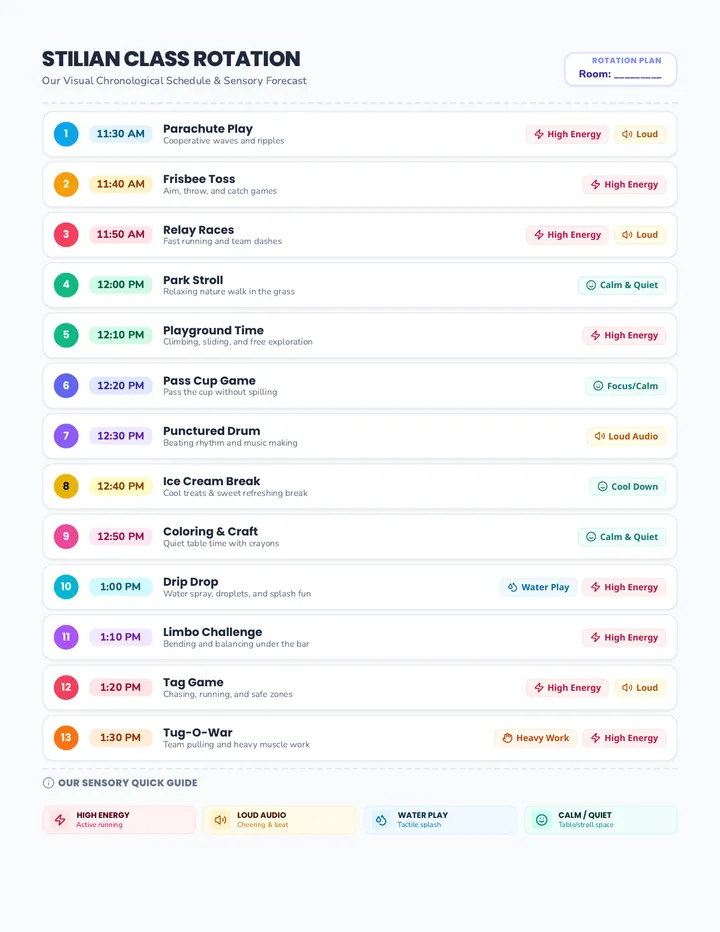
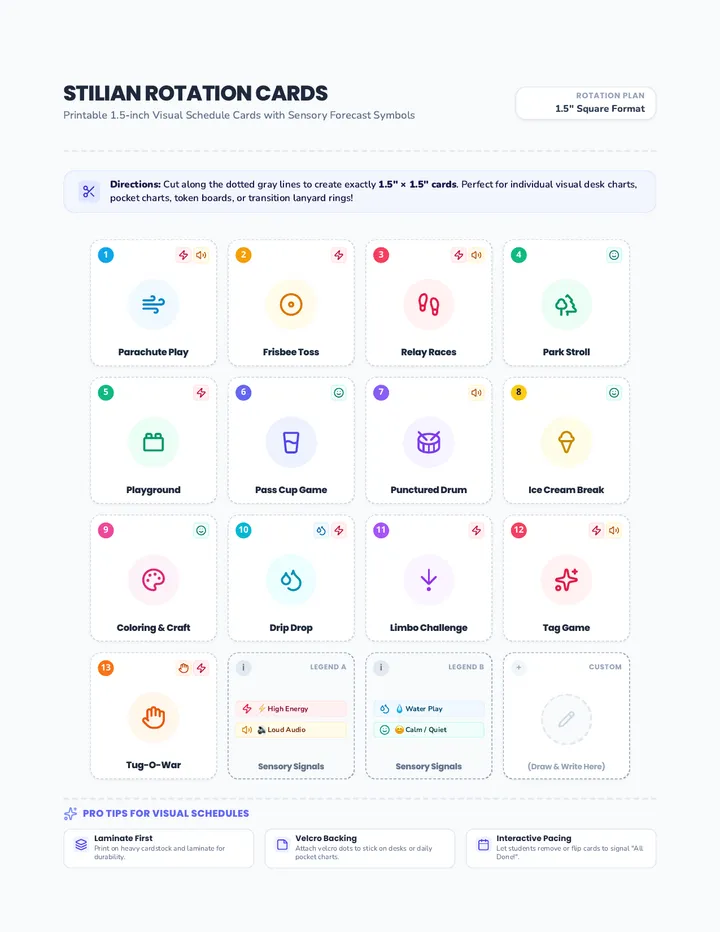
A comprehensive lesson on navigating classroom and school-wide transitions using visual supports. Students learn to recognize and follow visual cues to move smoothly between activities and locations.
A focused 4-week history-themed intervention designed to help students overcome the 'blank page' hurdle by mastering task initiation through a structured 3-2-1 'Discovery Protocol'.
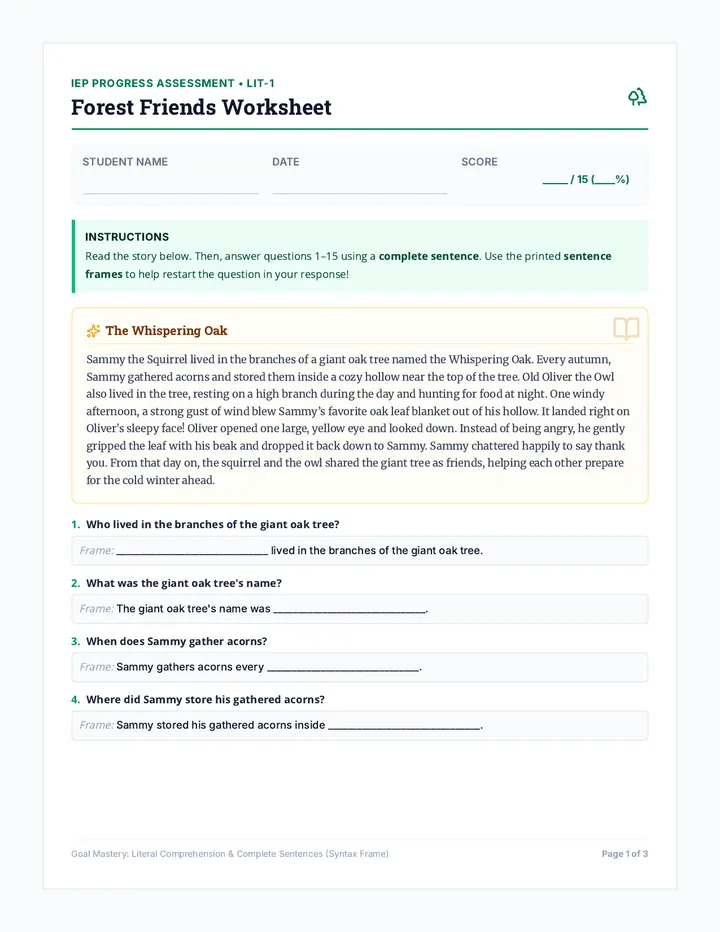
A focused lesson on the story of Hercules and the Minotaur, using simplified language and visual supports to build reading confidence and narrative understanding.
Advanced passages focusing on self-awareness and self-pride, preparing the student for the final goal of 85 WCPM with varied sentence types.