A foundational grammar lesson focusing on the contraction 'it's' using transportation themes and visual supports tailored for students with autism.
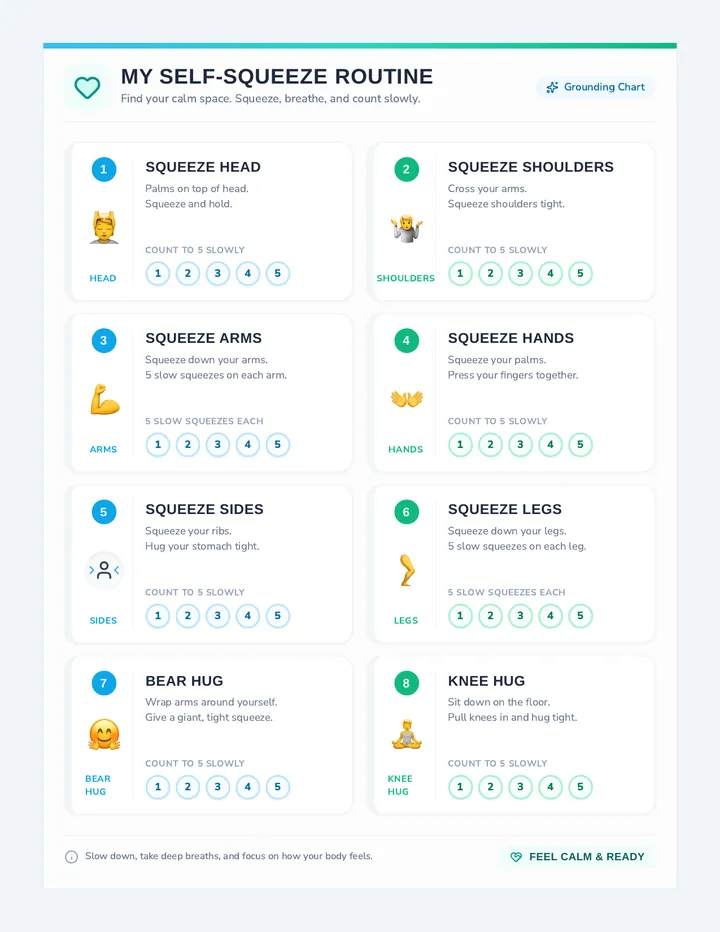
A pediatric grounding and sensory regulation lesson featuring a self-squeeze physical therapy routine to help students self-soothe and calm down.
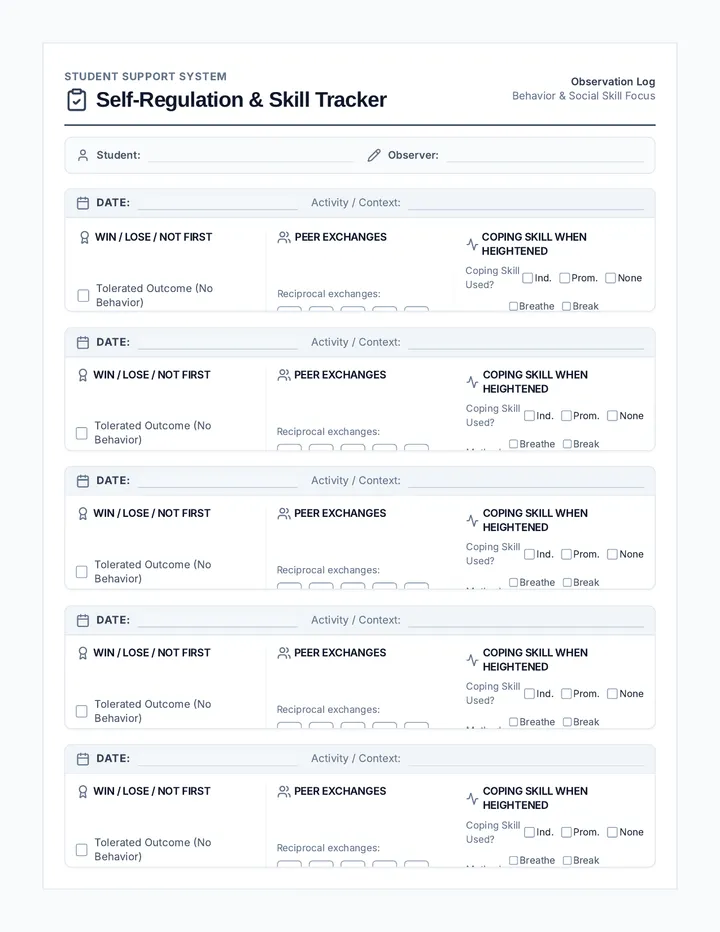
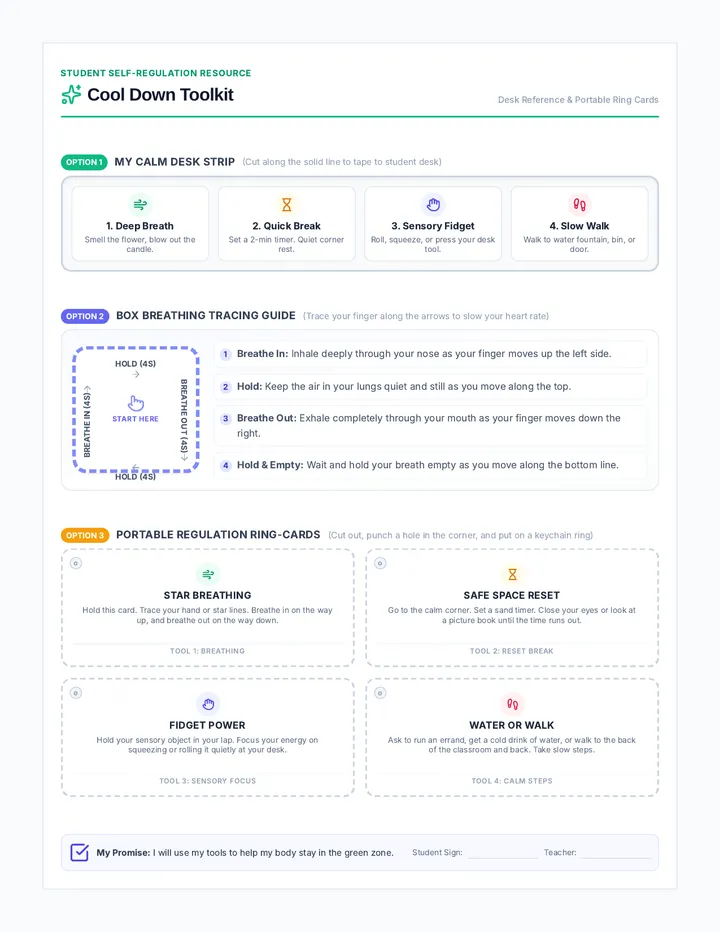
A comprehensive behavioral tracking and self-regulation kit focused on competitive grit, cooperative peer play, and calming strategies. This lesson contains a high-density daily data tracking sheet and a portable visual coping menu for desk-side student support.
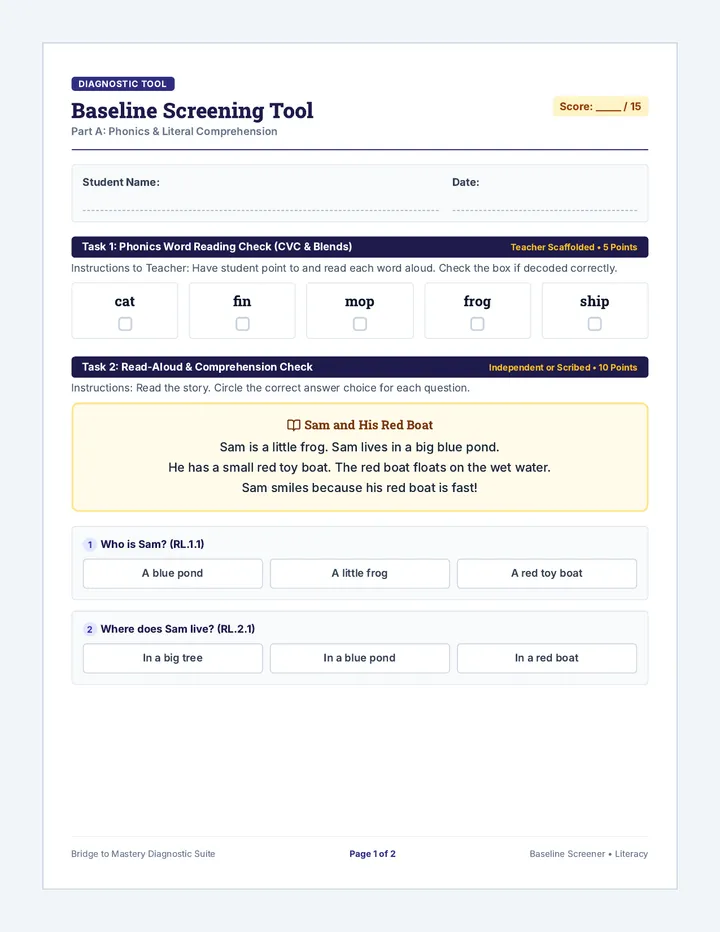
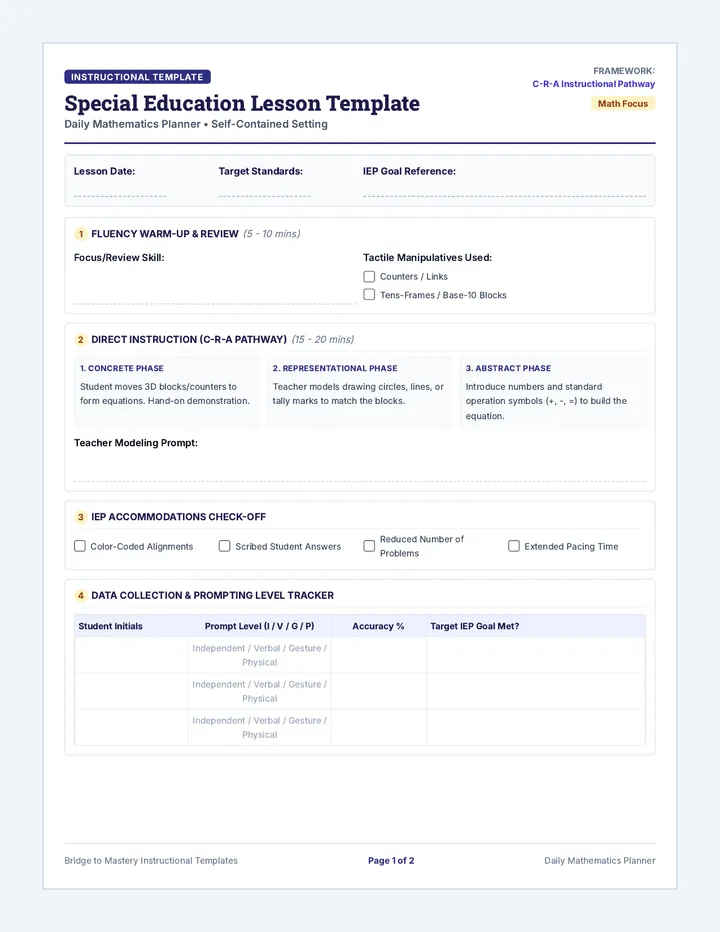
A collection of diagnostic screeners and specialized lesson planning templates designed for self-contained special education classrooms. These tools provide baseline student data and structure multi-sensory lessons to achieve target IEP goals.
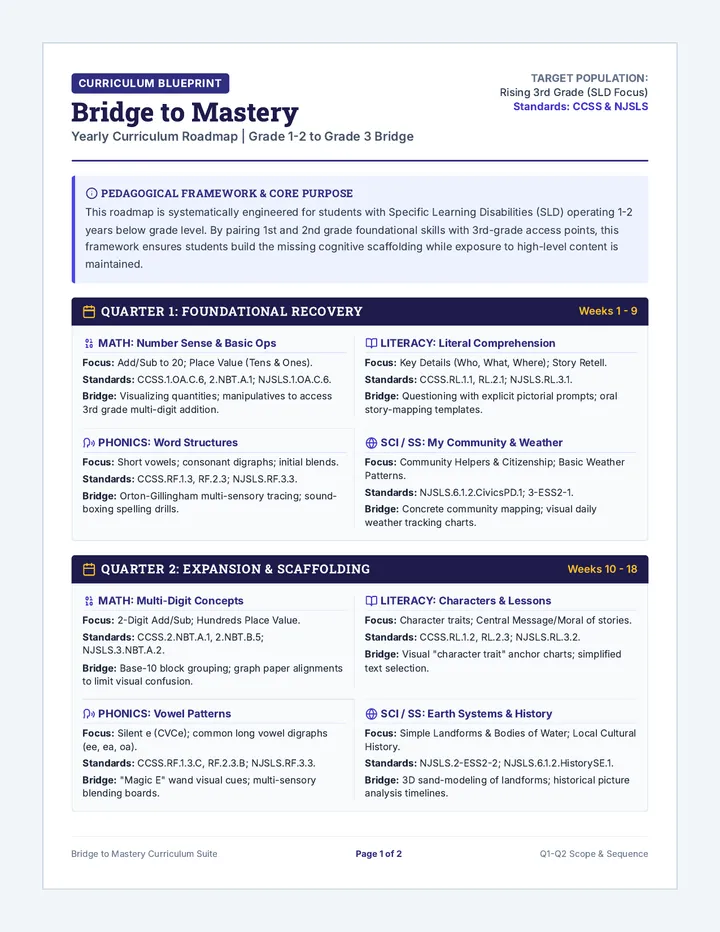
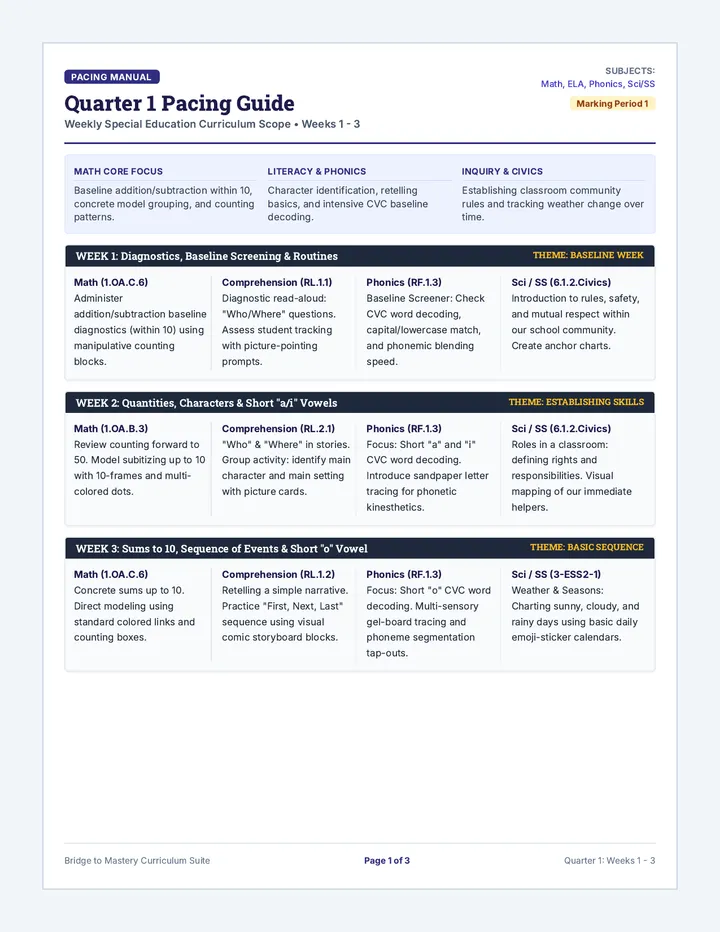
High-level and detailed academic roadmaps outlining the bridging of CCSS and NJSLS for SLD students. It provides a structured, standards-aligned pathway to close foundational gaps and transition towards grade-level concepts.
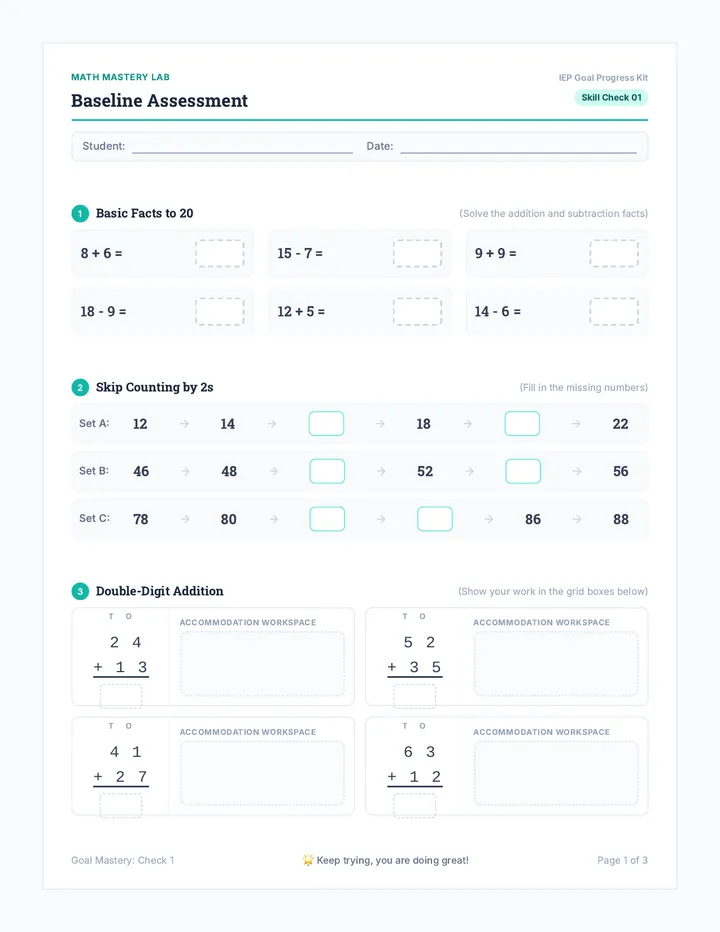
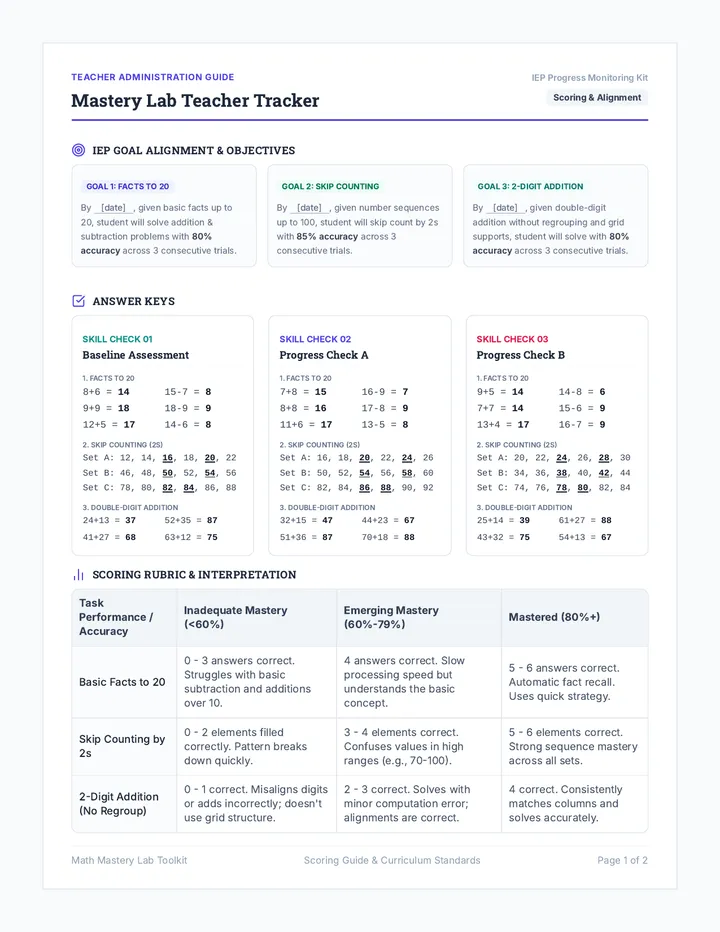
A comprehensive IEP progress monitoring assessment kit featuring baseline and progress checks for skip counting, basic facts to 20, and double-digit addition without regrouping.
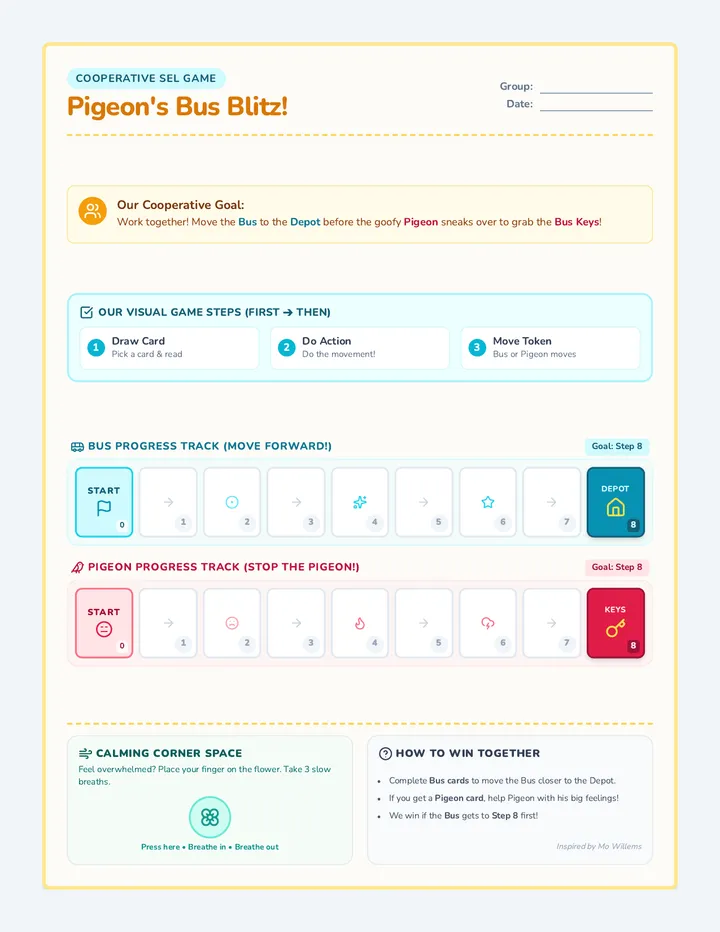
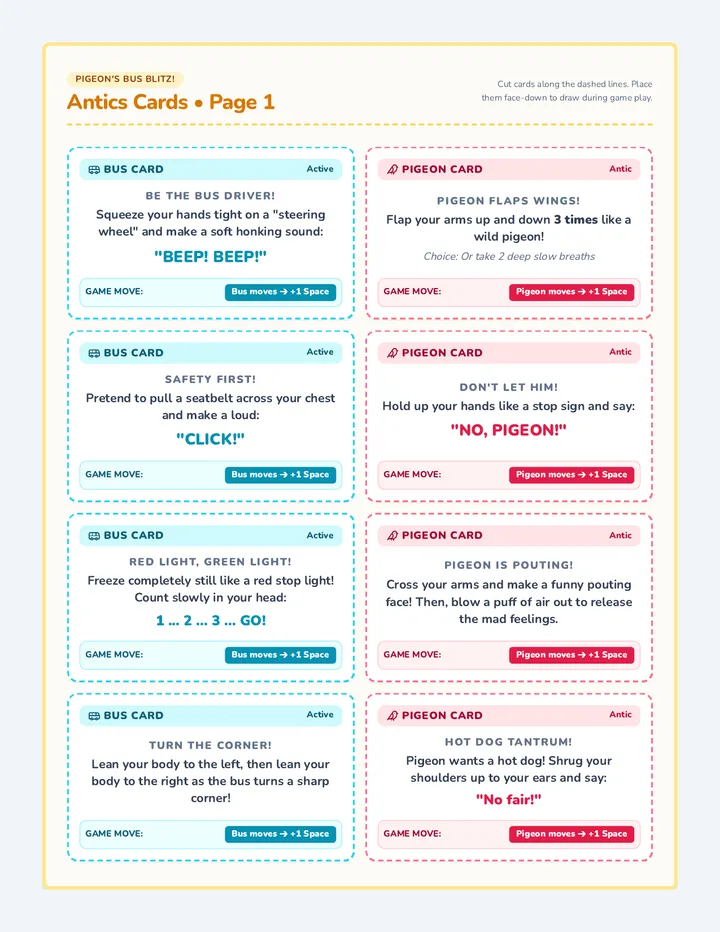
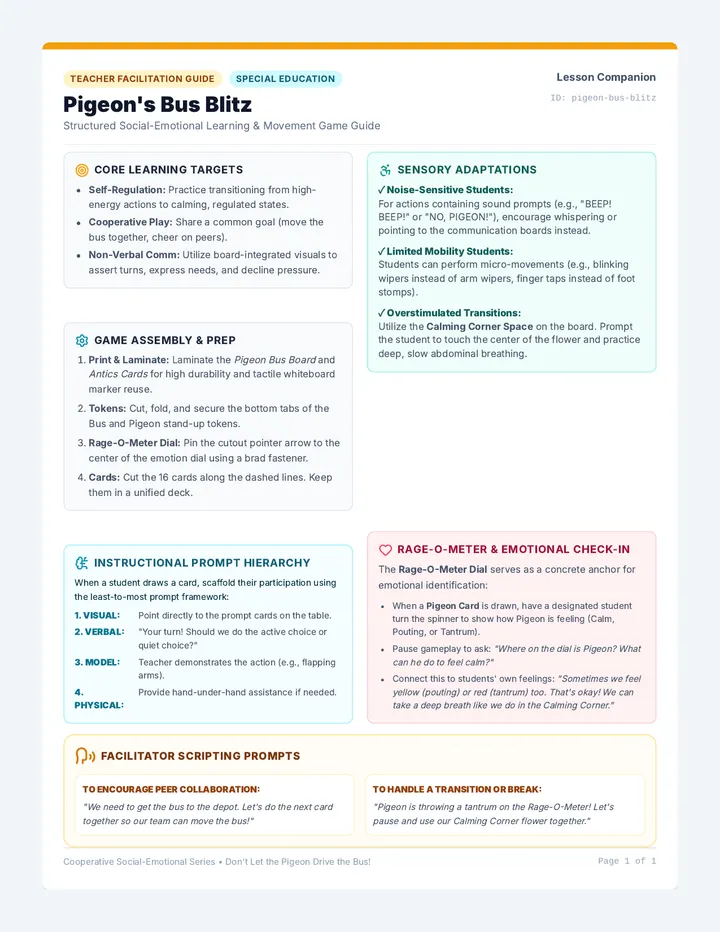
A visual, cooperative movement game based on Mo Willems' 'Don't Let the Pigeon Drive the Bus!' designed with sensory-friendly rules, visual schedules, and physical activity choices tailored for special education classrooms.
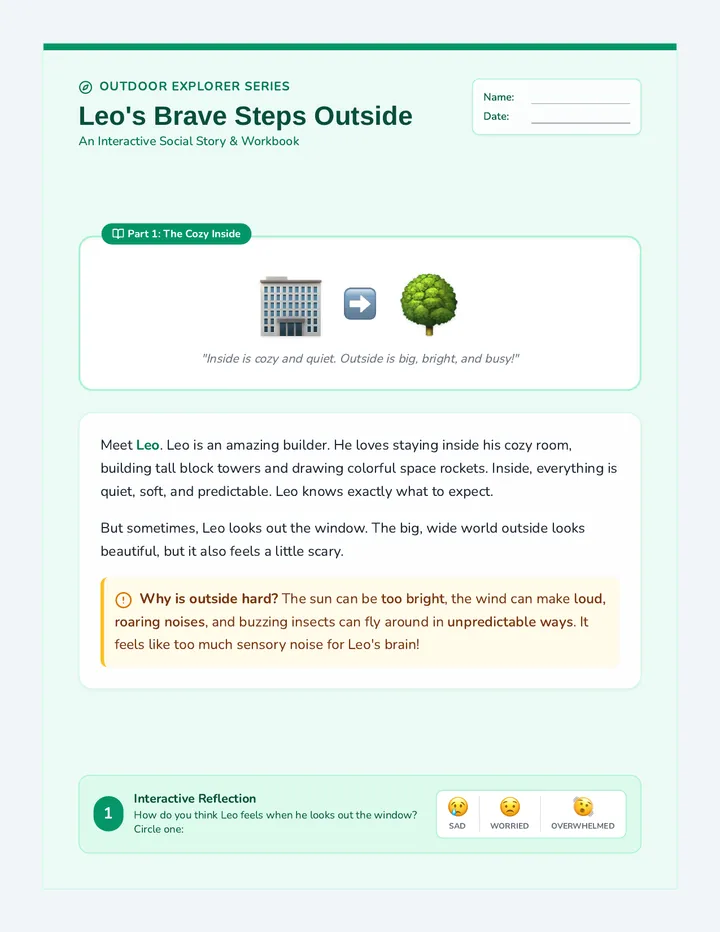
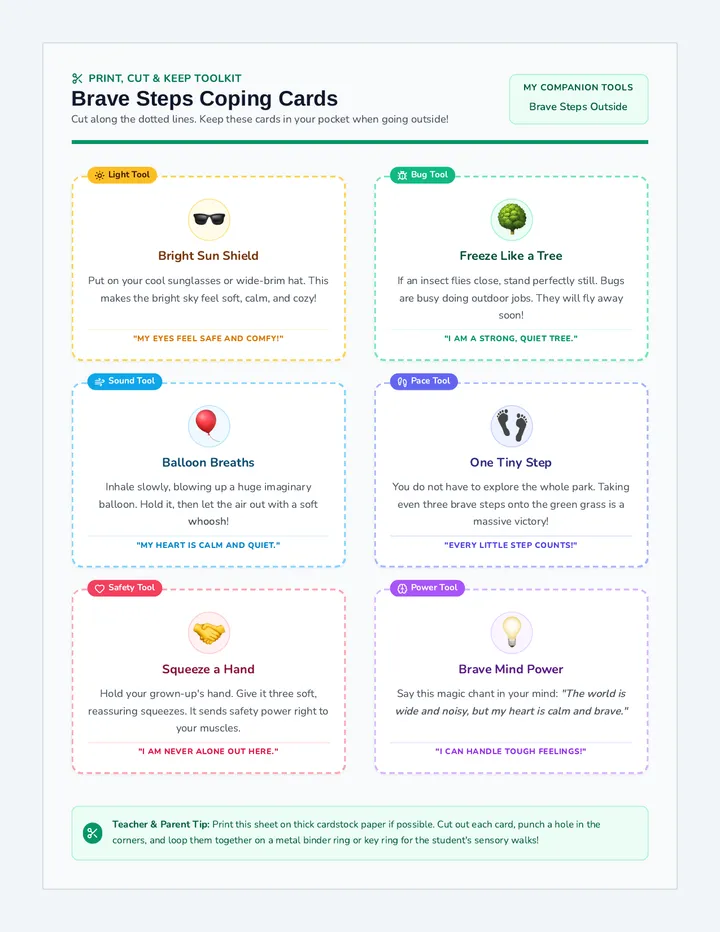
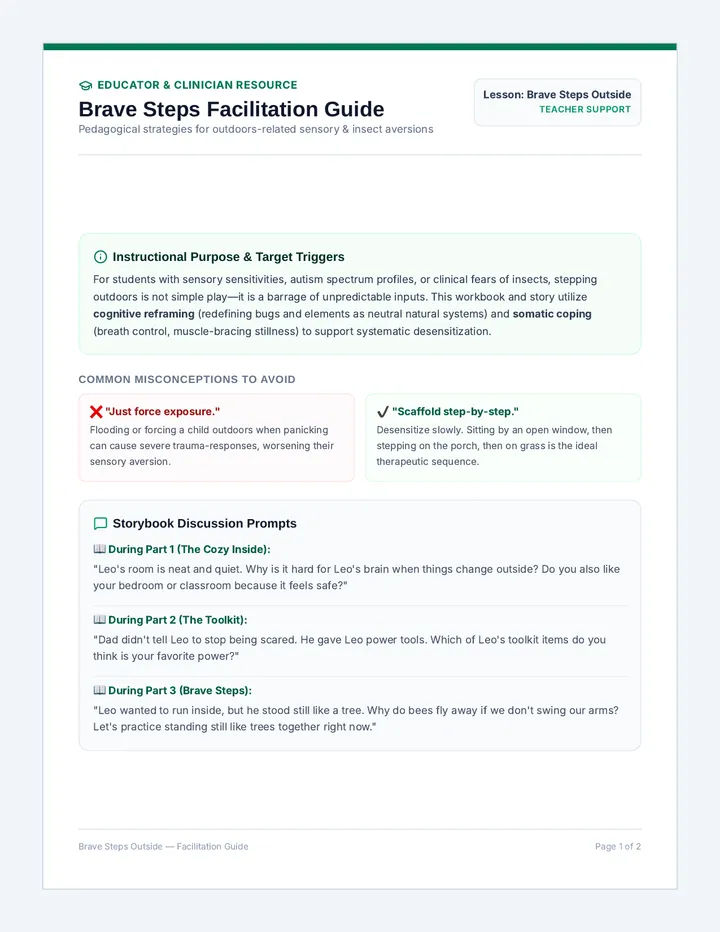
A comprehensive social emotional learning lesson designed to help children navigate fears of the outdoors, specifically focusing on sensory overload (loud noises, bright lights, weather) and unpredictable insects. Includes an interactive social story workbook, visual coping cards, and a teacher support guide.
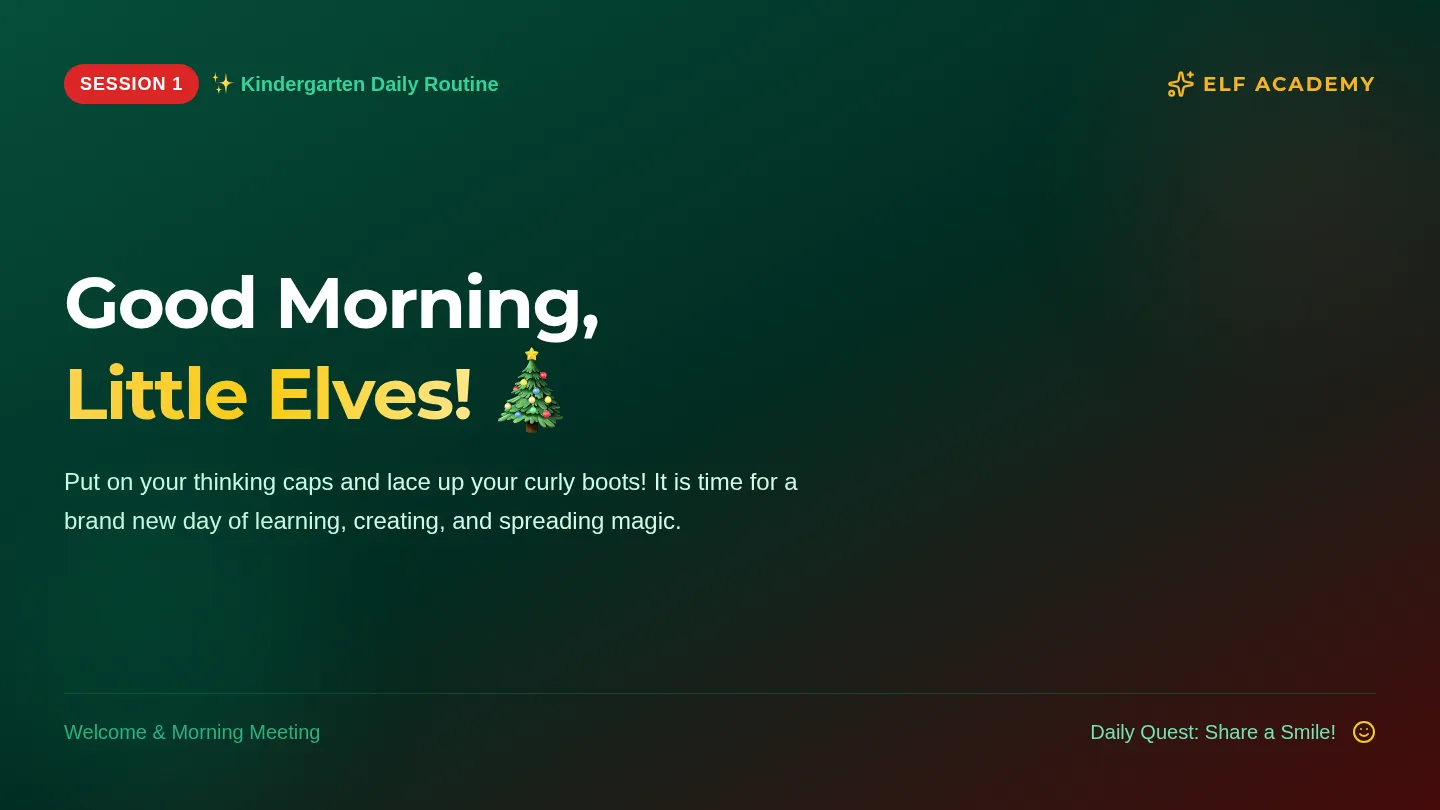
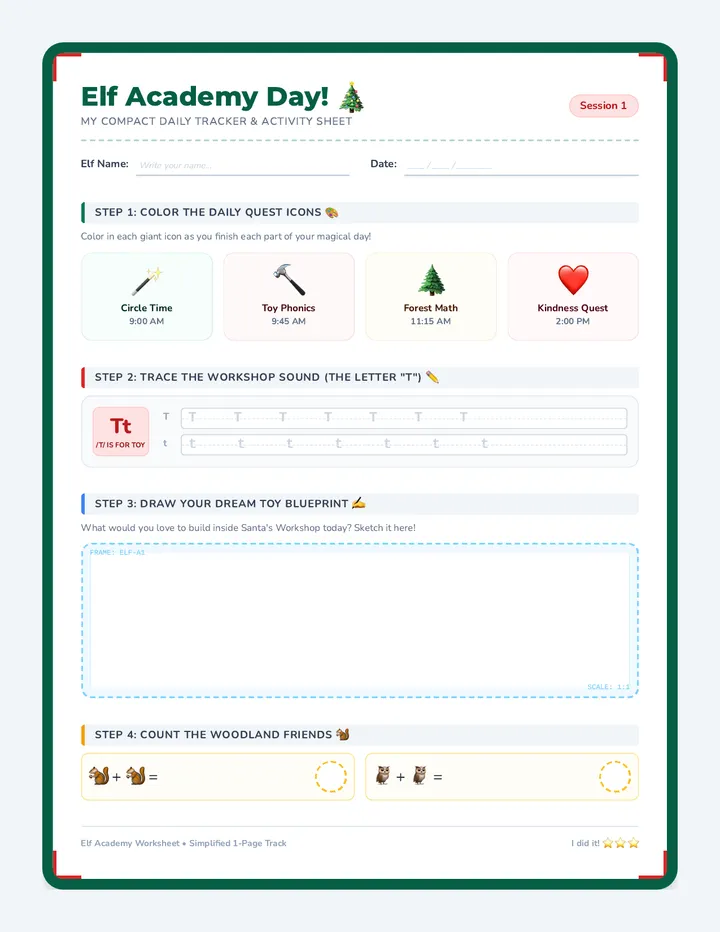
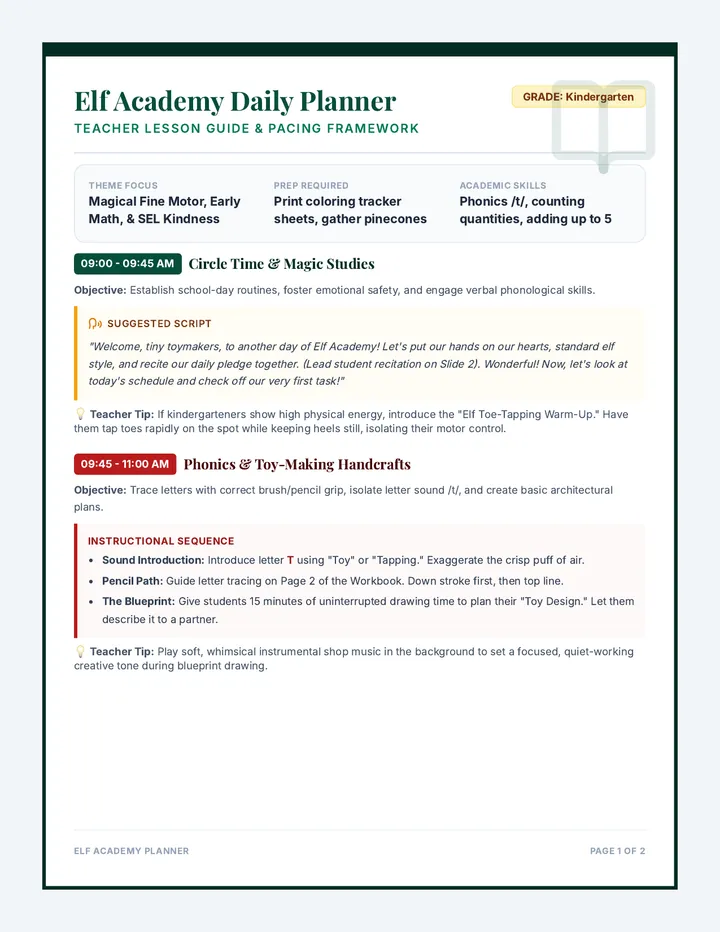
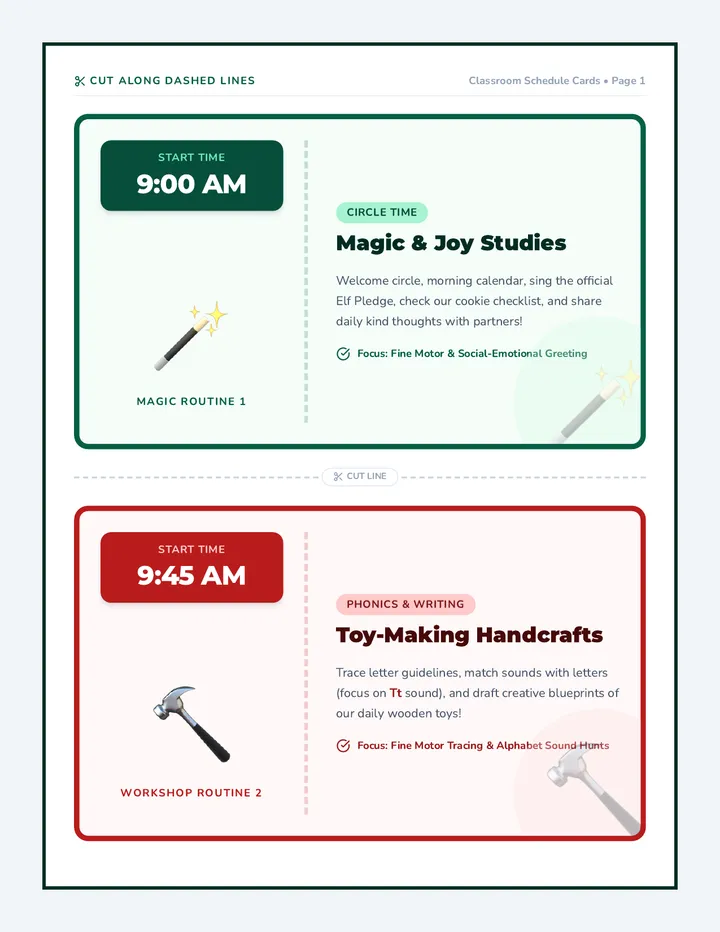
A whimsical daily schedule and routine planning guide designed for a kindergarten classroom themed around an elf training academy. Includes an interactive morning slideshow, a hands-on coloring tracker for students, printable schedule cards for classroom display, and a detailed teacher lesson planner.
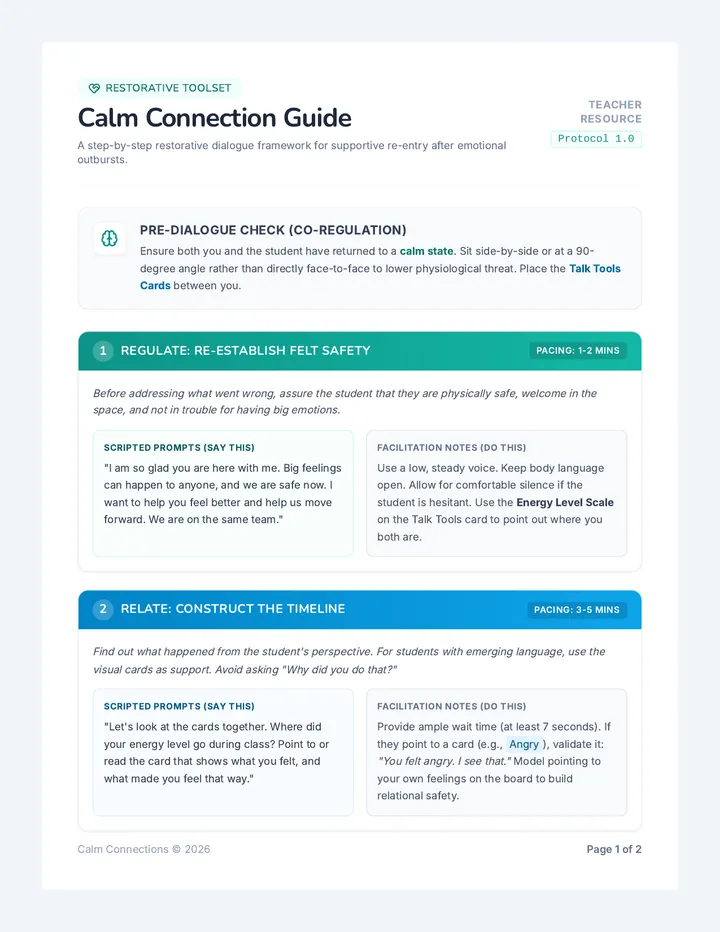
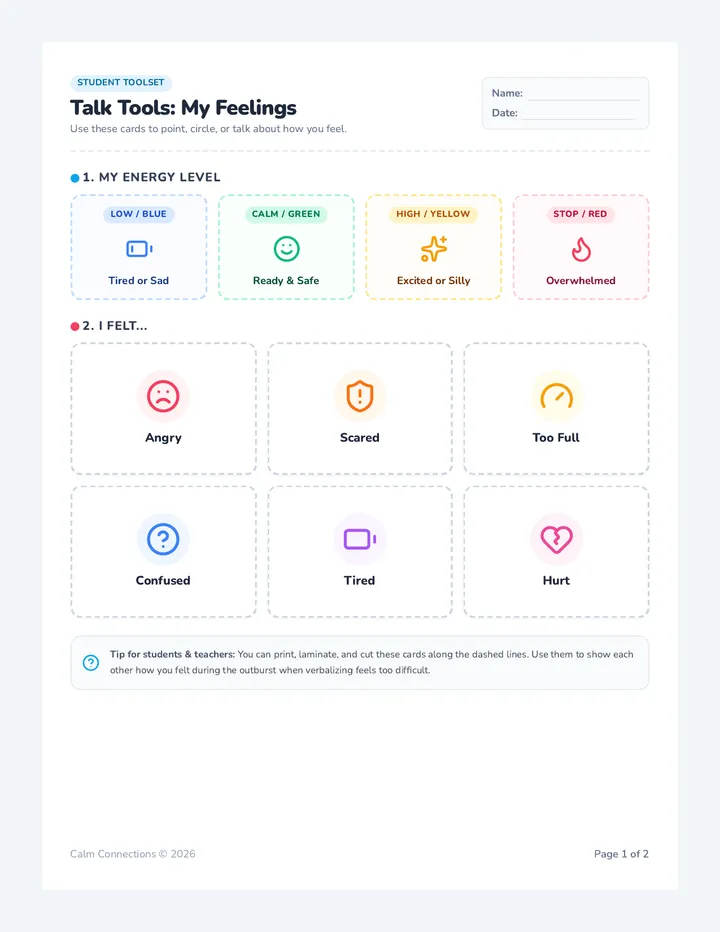
A comprehensive restorative dialogue system designed to repair relationships and re-integrate students after emotional outbursts, featuring a teacher scripting guide and highly visual student communication support cards.
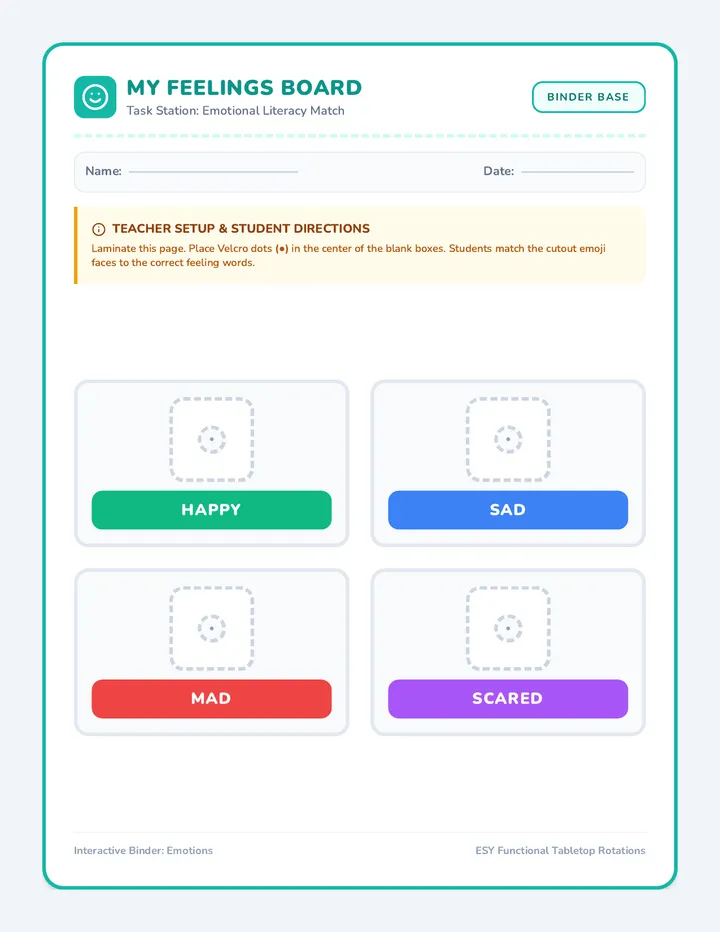
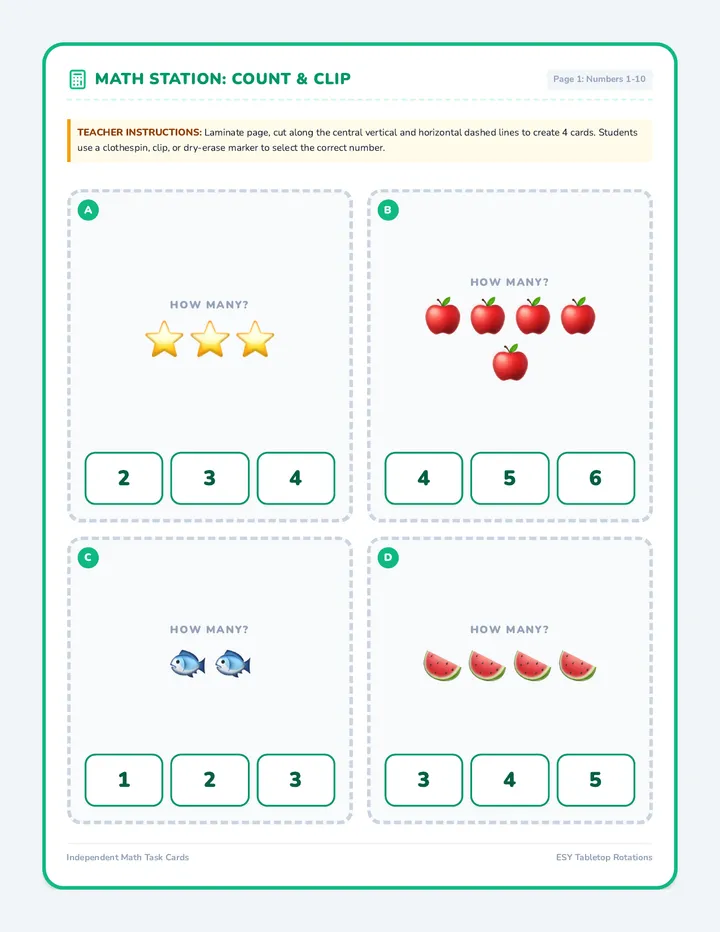
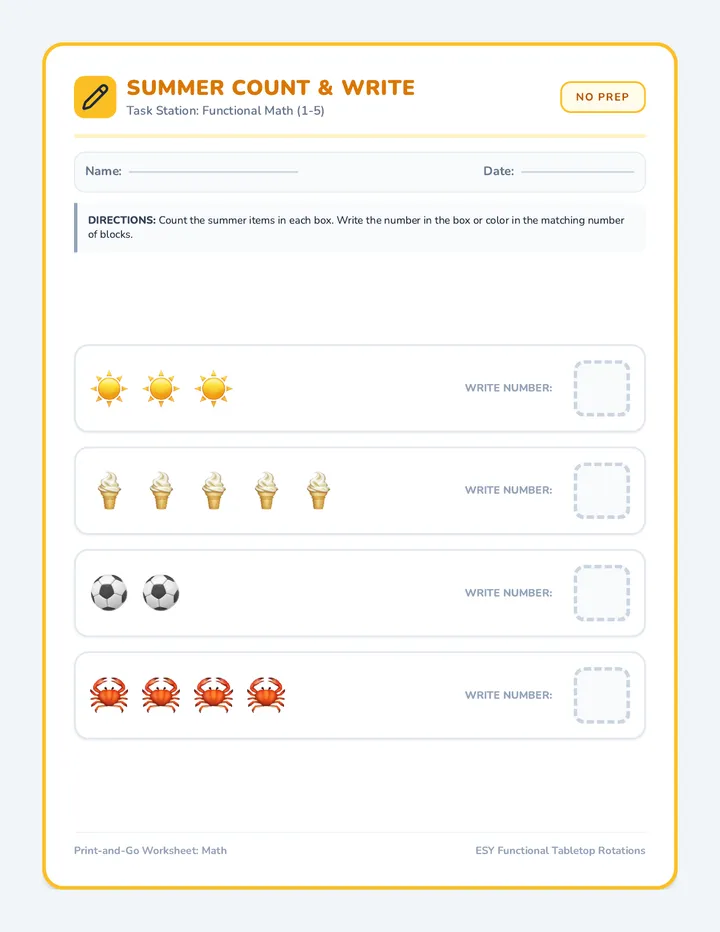
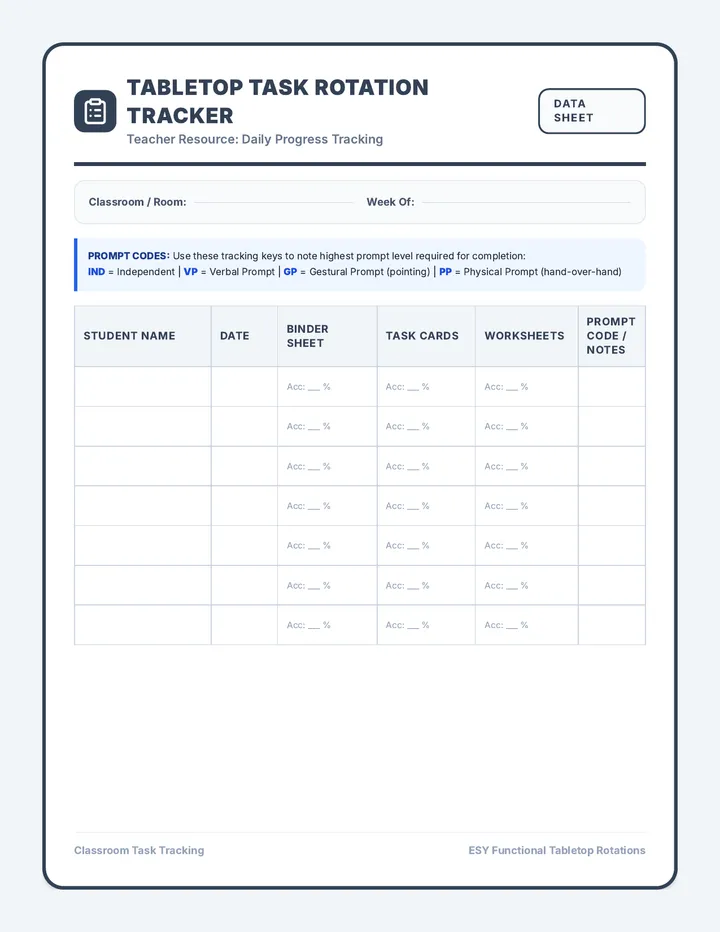
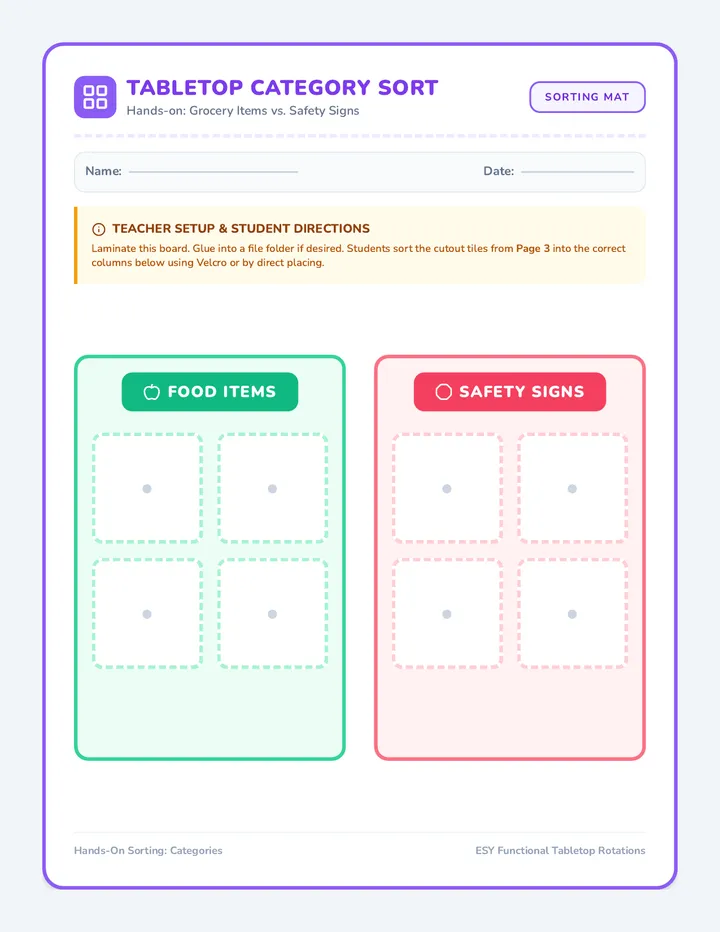
A cohesive suite of tabletop task stations, reusable binder sheets, print-and-go worksheets, and teacher data tracking sheets designed for ESY students with mild/moderate disabilities and autism. Focuses on functional math (counting objects), emotional literacy (identifying emotions), and functional sight words.
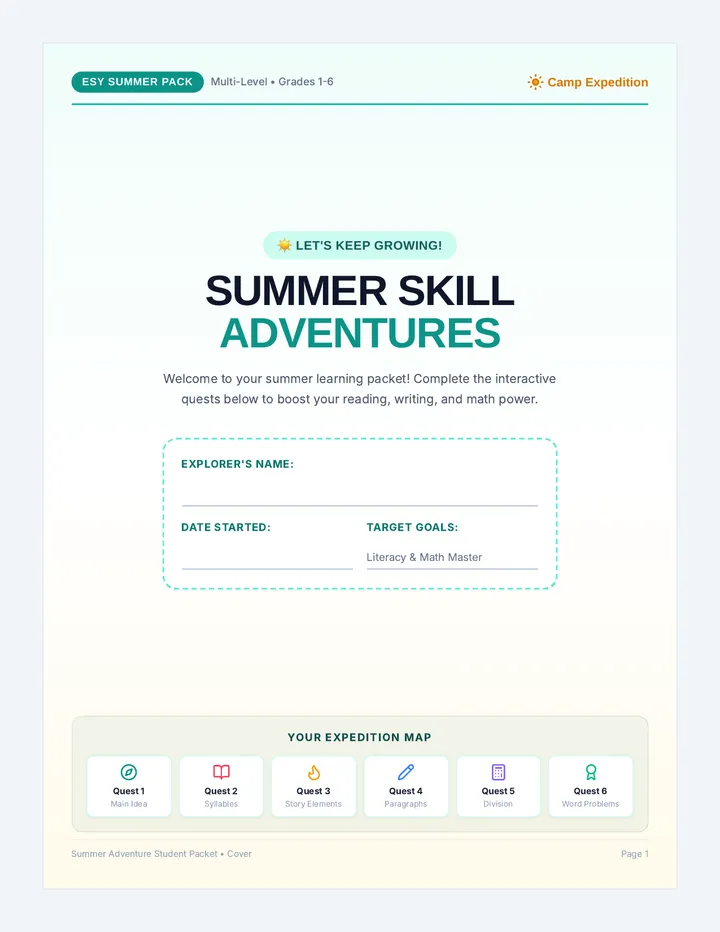
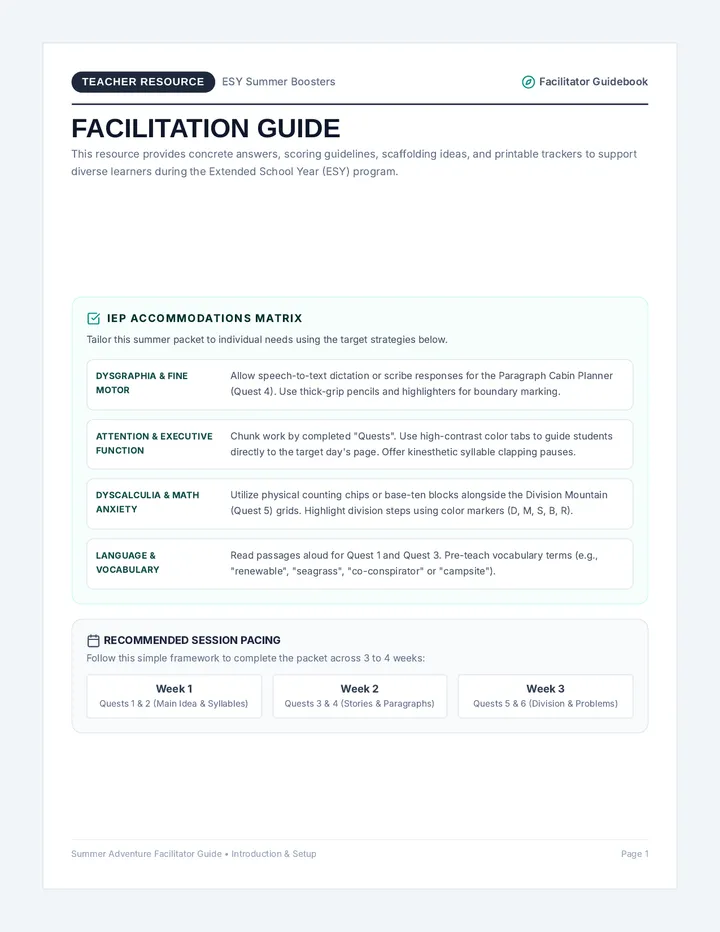
An Extended School Year (ESY) summer packet combining targeted skill-building in main idea, two-syllable words, story elements, paragraph writing, division, and multi-step word problems. Features visual scaffolds, grids, graphic organizers, and multi-level tasks spanning grades 1 to 6.
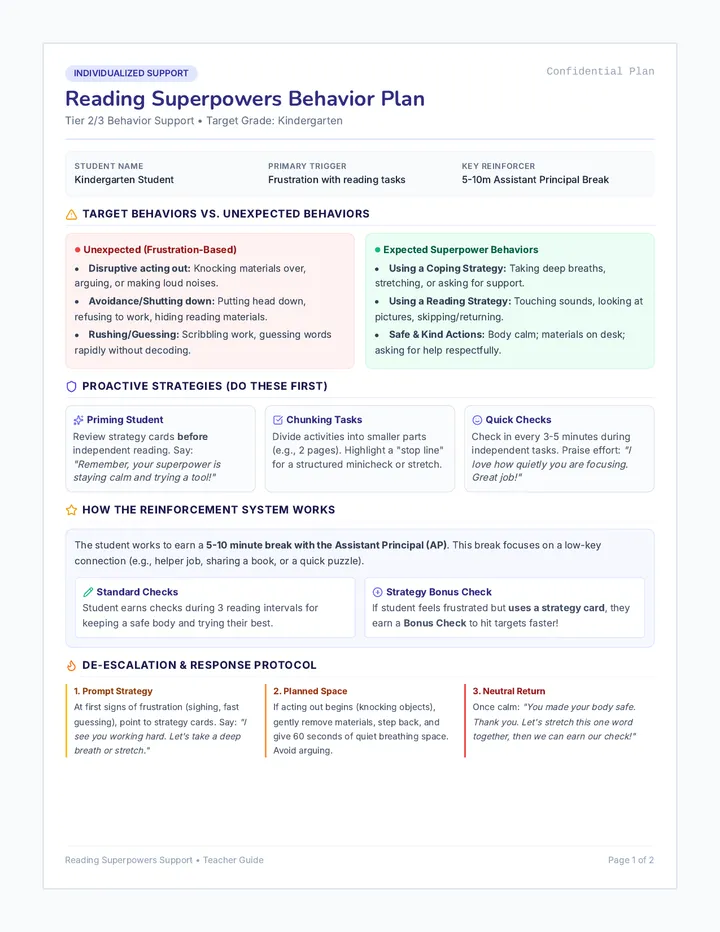
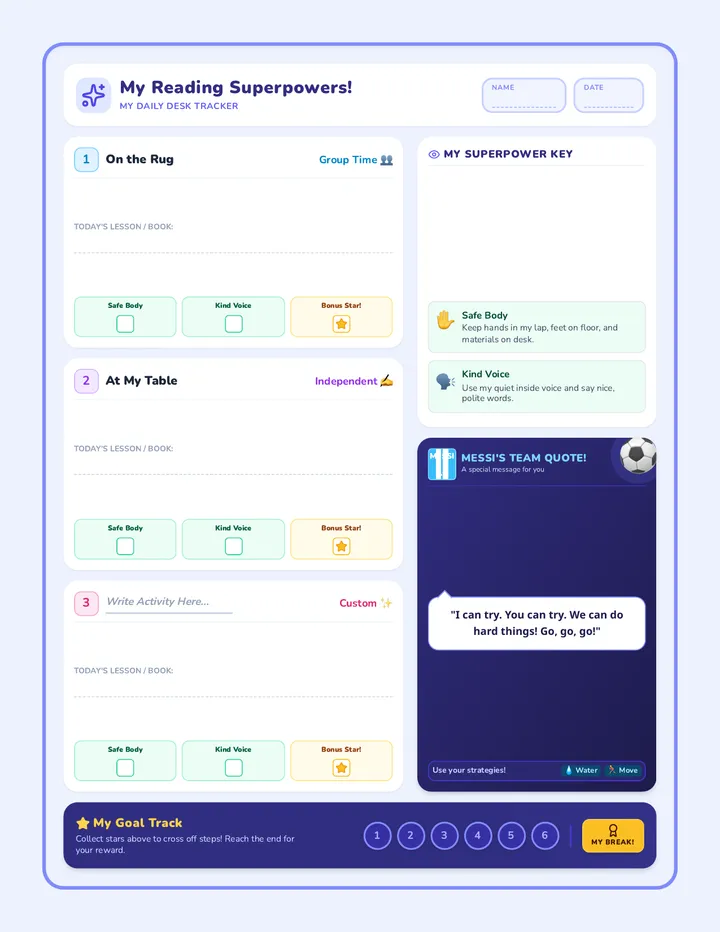
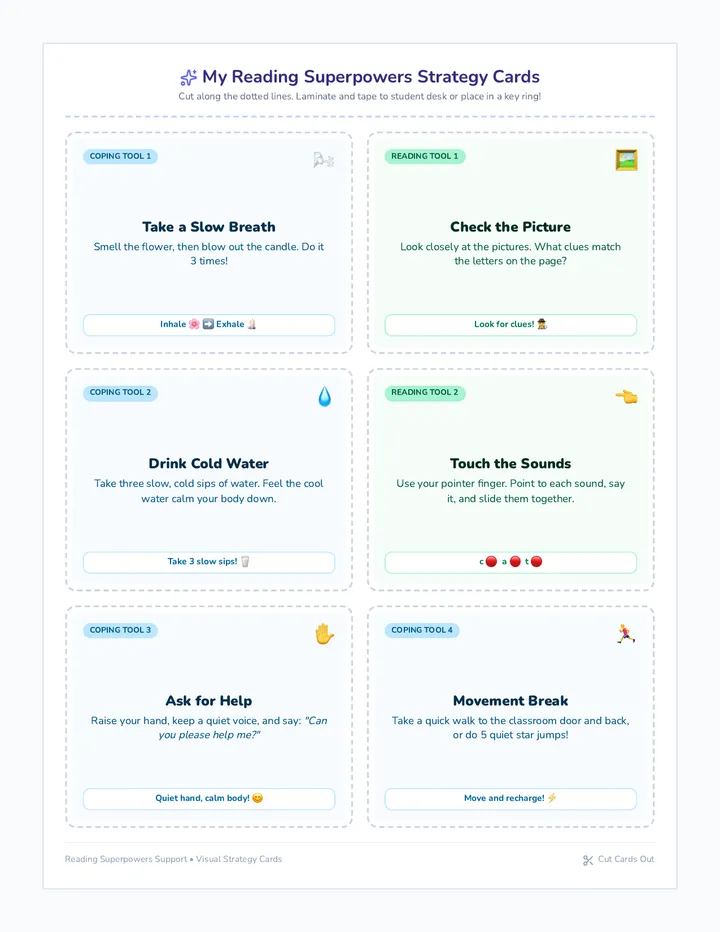
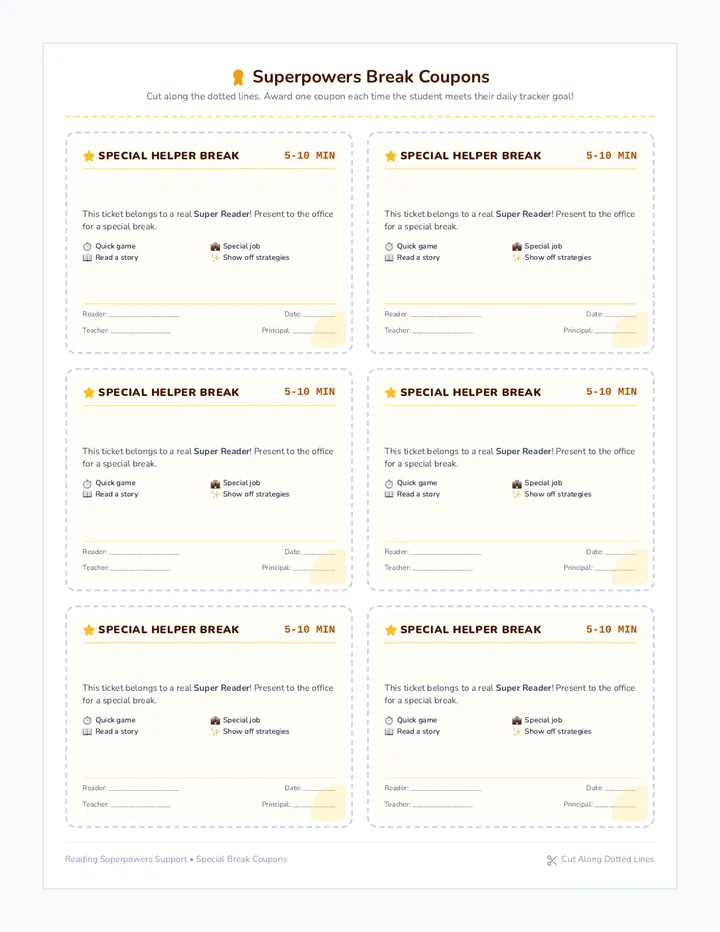
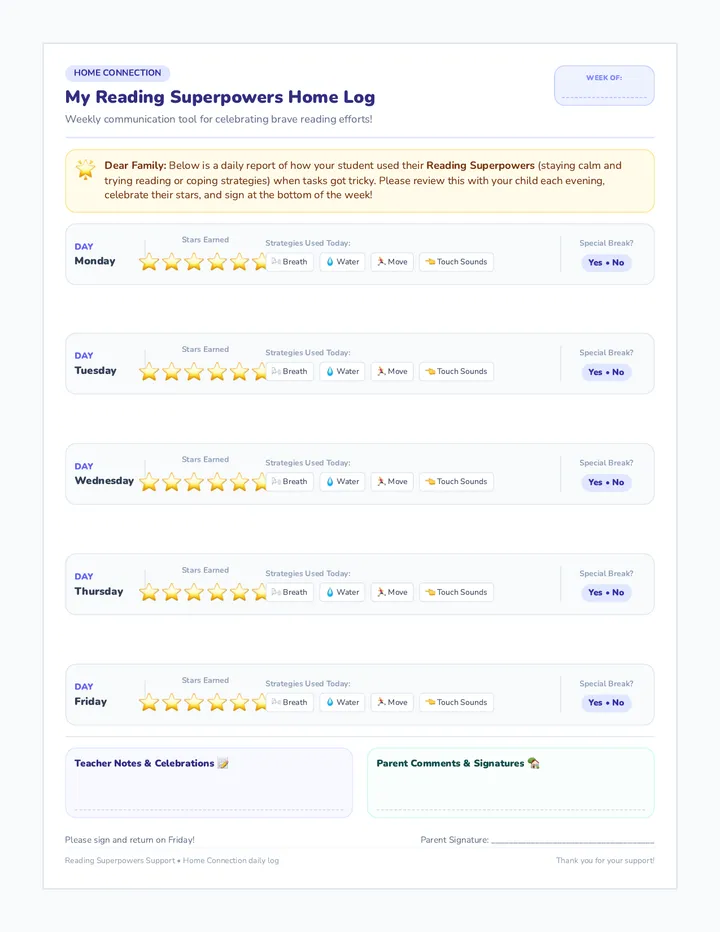
A complete visual behavior support kit for a kindergarten student experiencing frustration-based behaviors after graduating from small group reading. Includes a teacher-parent behavior plan, daily desk tracker, coping and reading strategy cards, assistant principal break coupons, and a weekly home communication log.
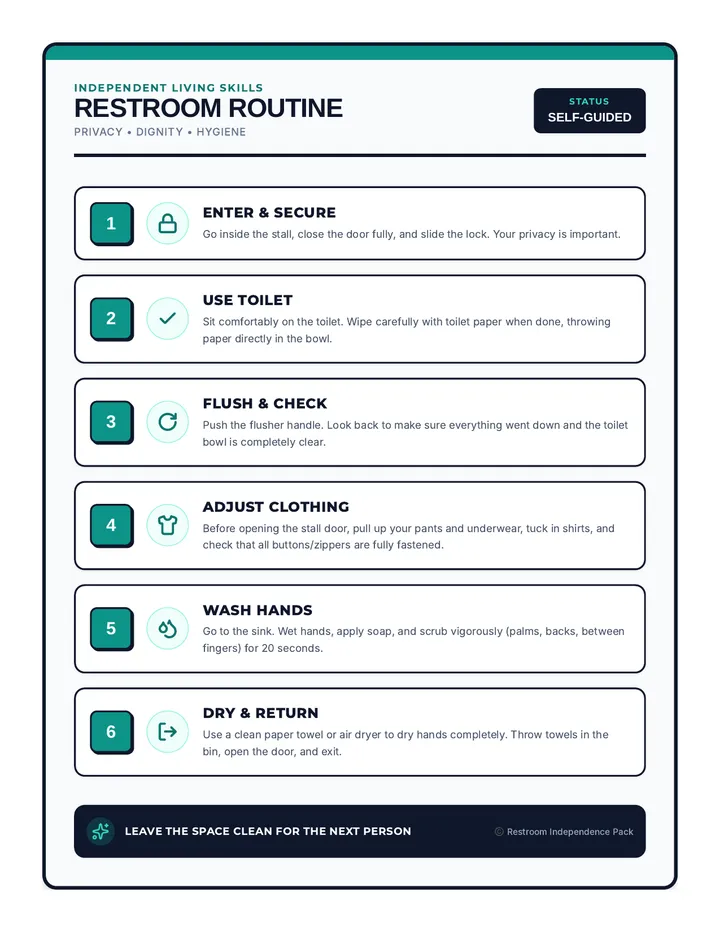
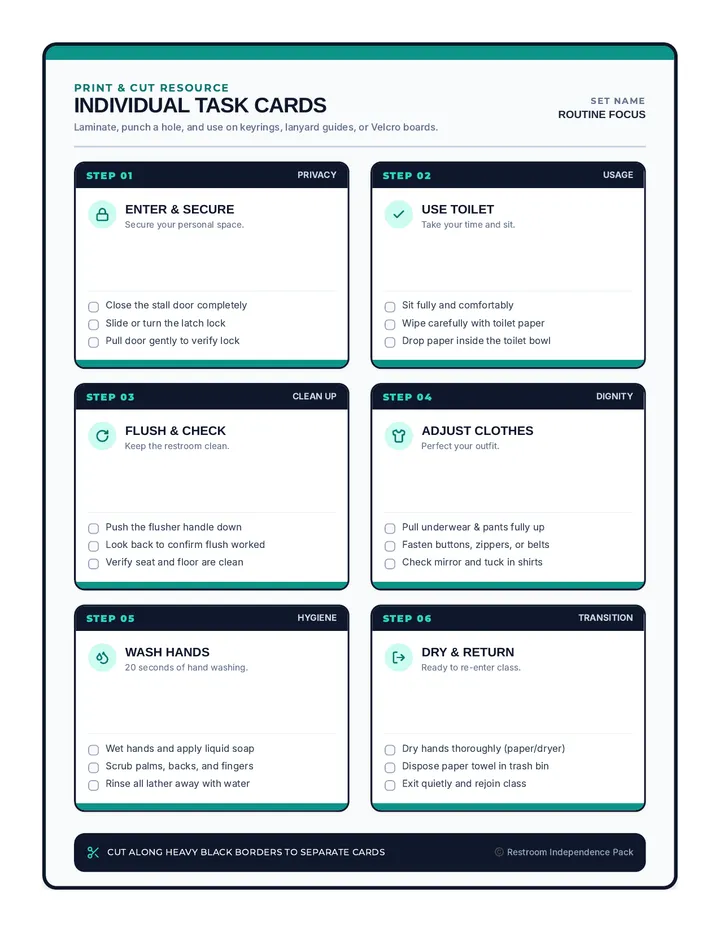
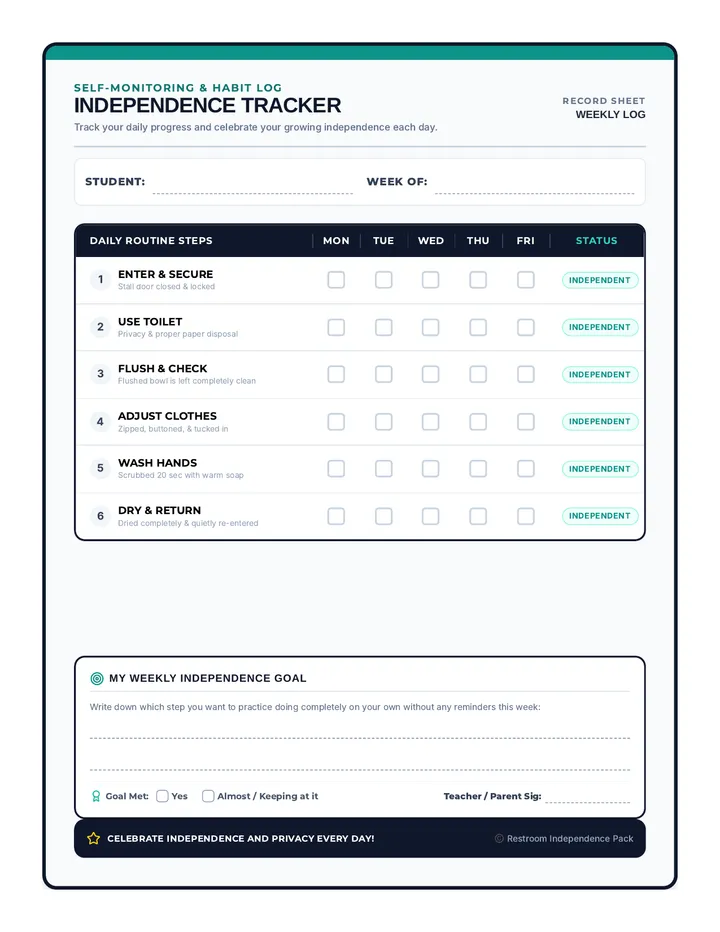
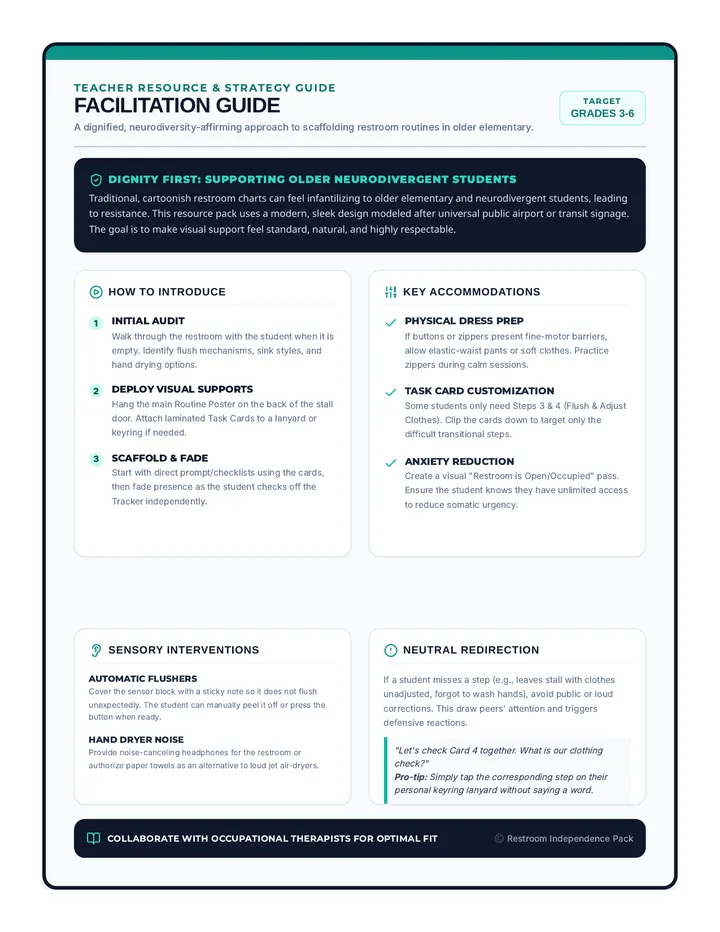
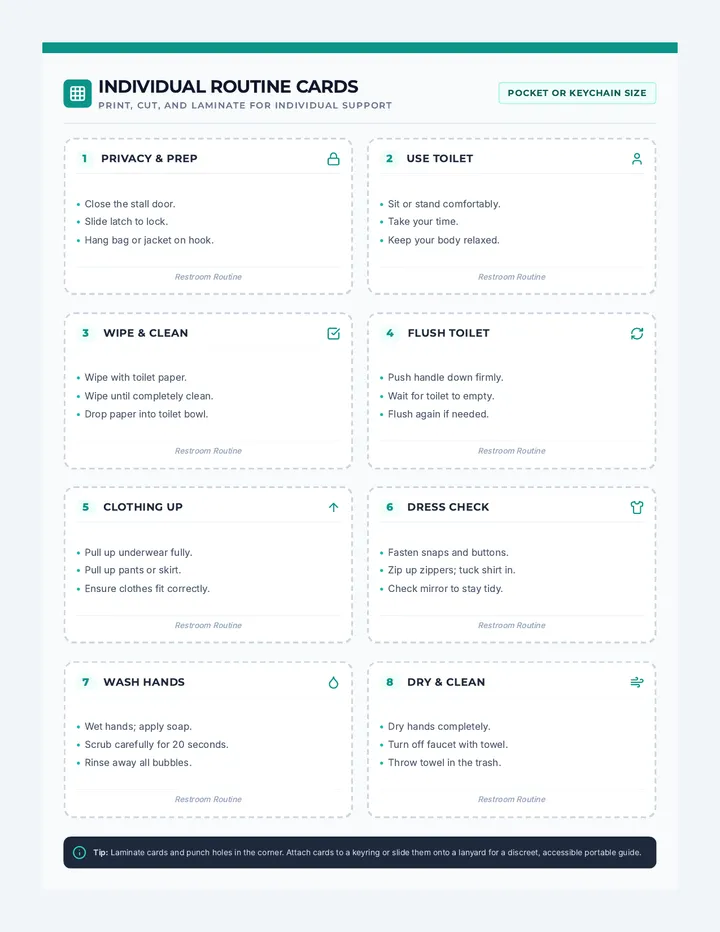
A complete visual support and routine mastery pack designed for older elementary and neurodivergent students. Includes a wall poster, individual task cards, a progress tracker, and a comprehensive implementation guide to foster dignity and privacy.
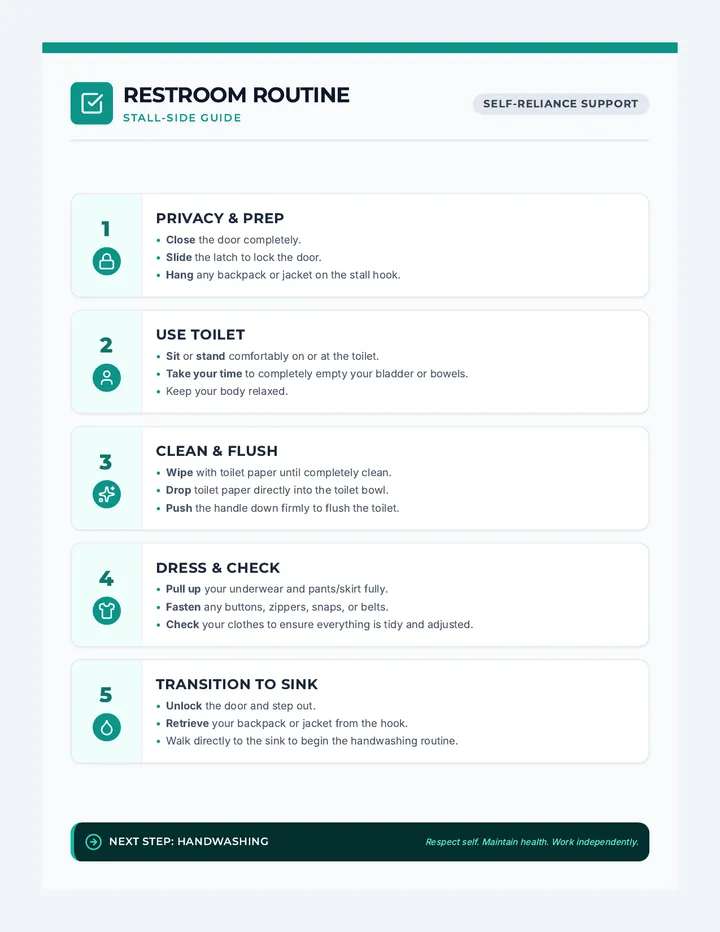
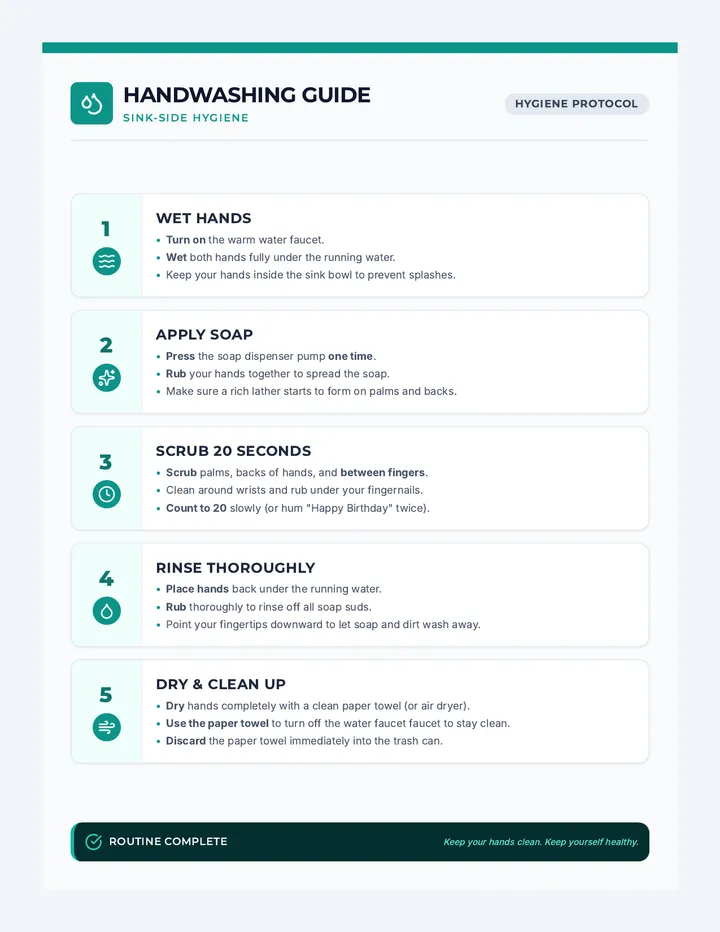
A comprehensive visual support system designed for older elementary and neurodivergent students to promote bathroom independence. Includes a stall-side routine poster, a sink-side handwashing guide, and printable individual visual support cards styled with a clean, modern aesthetic.
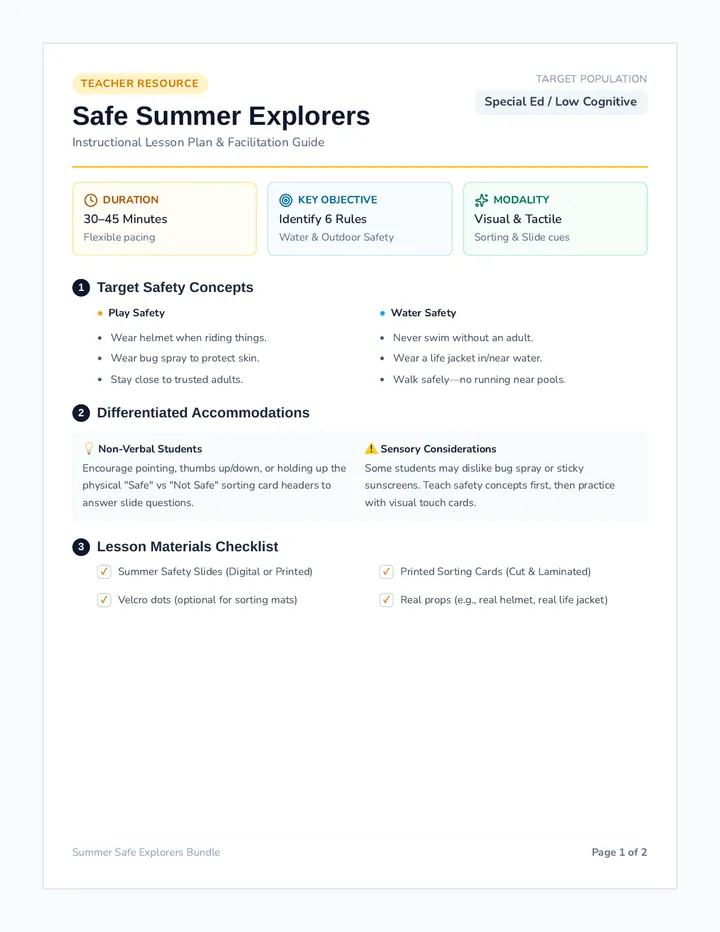
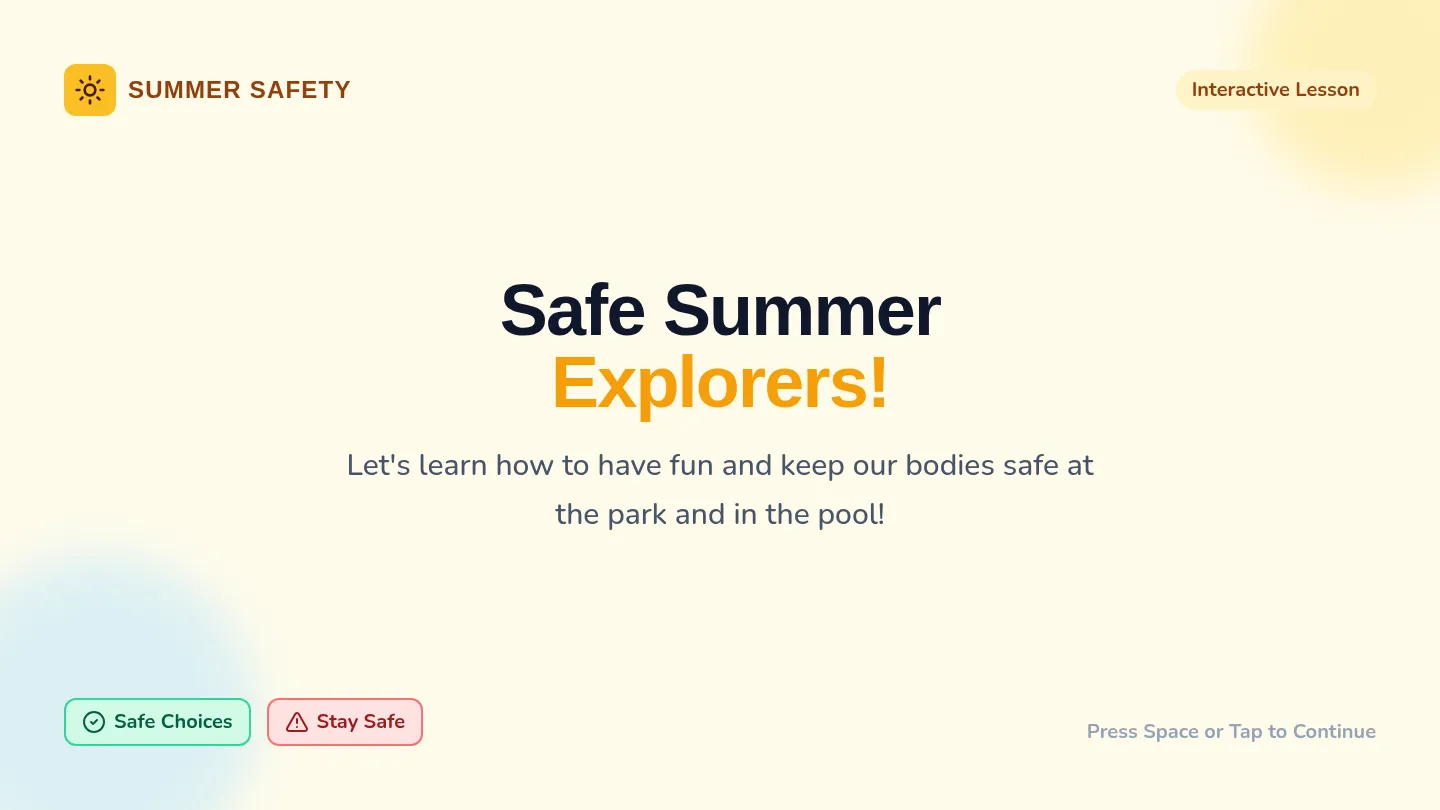
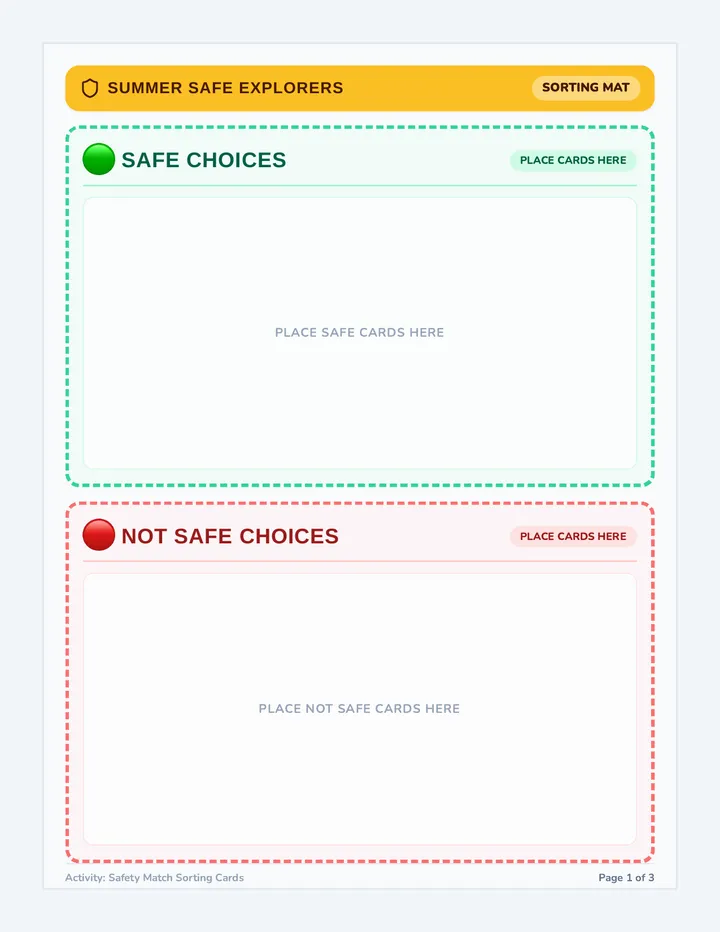
A highly visual, structured summer safety lesson designed for students with special needs and lower cognitive abilities, focusing on outdoor play and water safety rules through interactive sorting and clear visual cues.
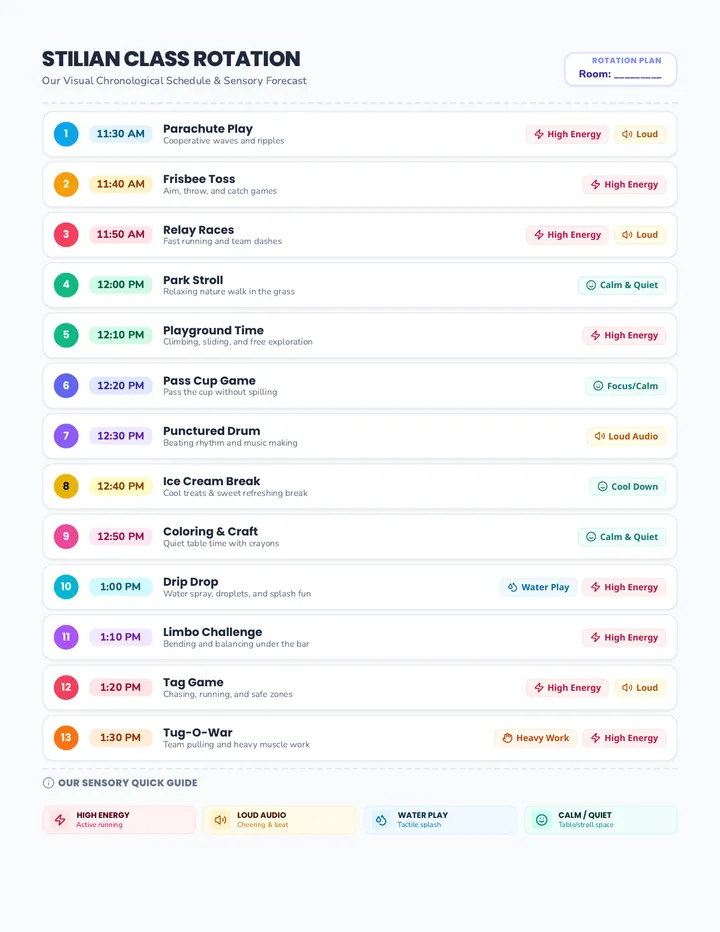
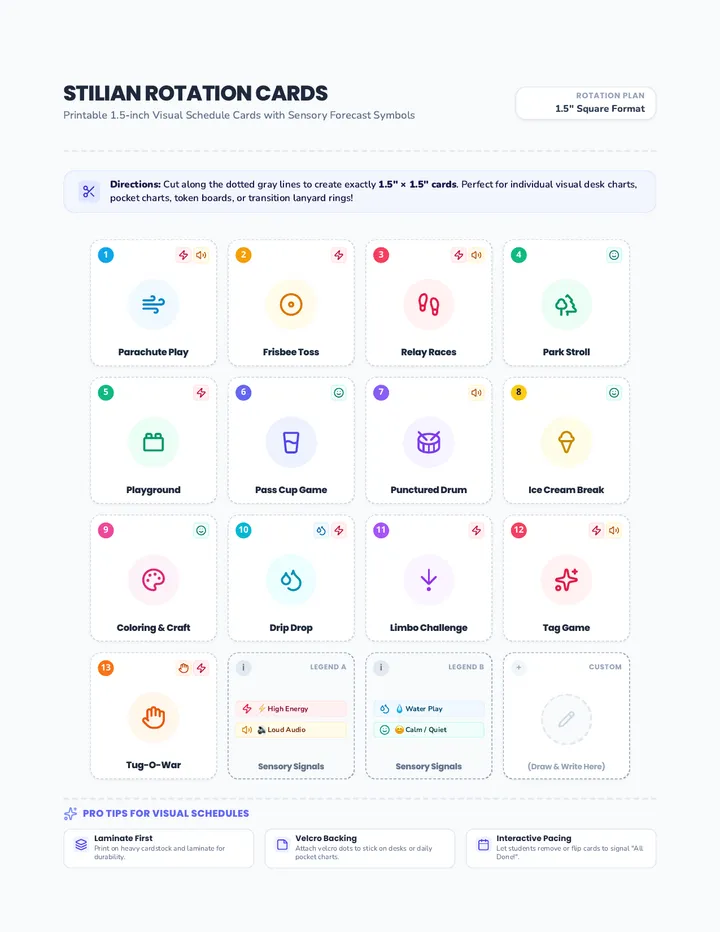
A sensory-friendly class rotation framework containing visual schedules and portable schedule cards to help students navigate activity transitions with confidence.
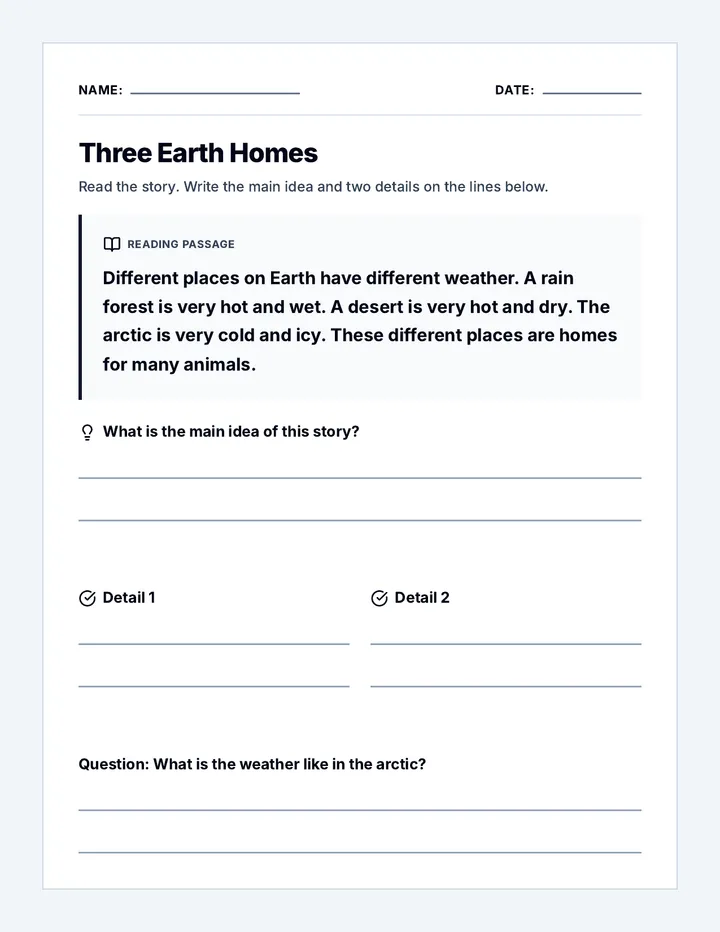
A lesson focused on identifying the main idea and supporting details in short texts, designed with structured supports for students.
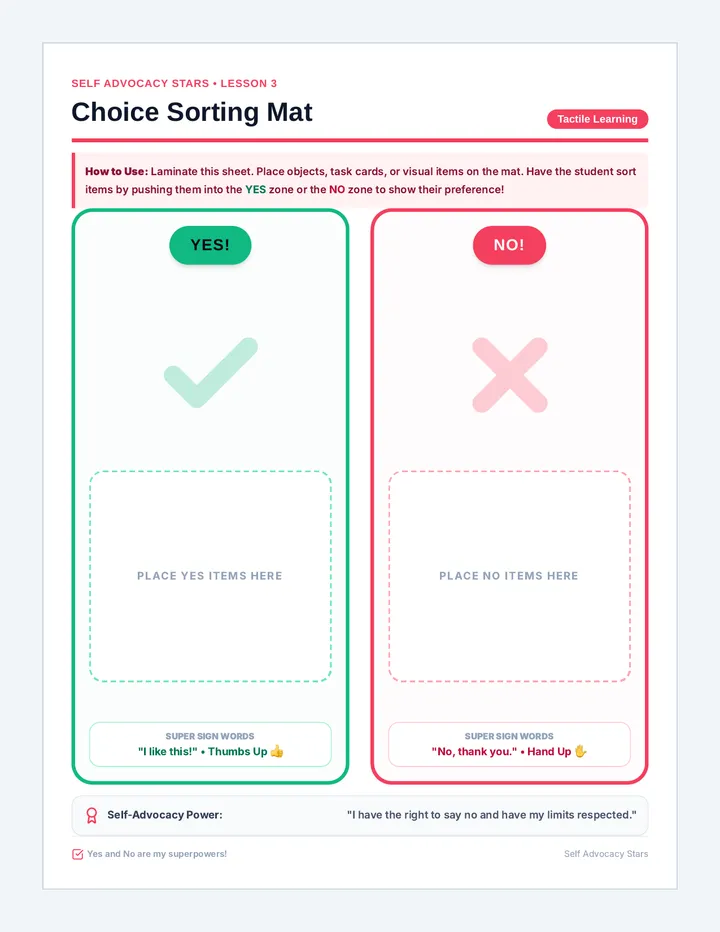
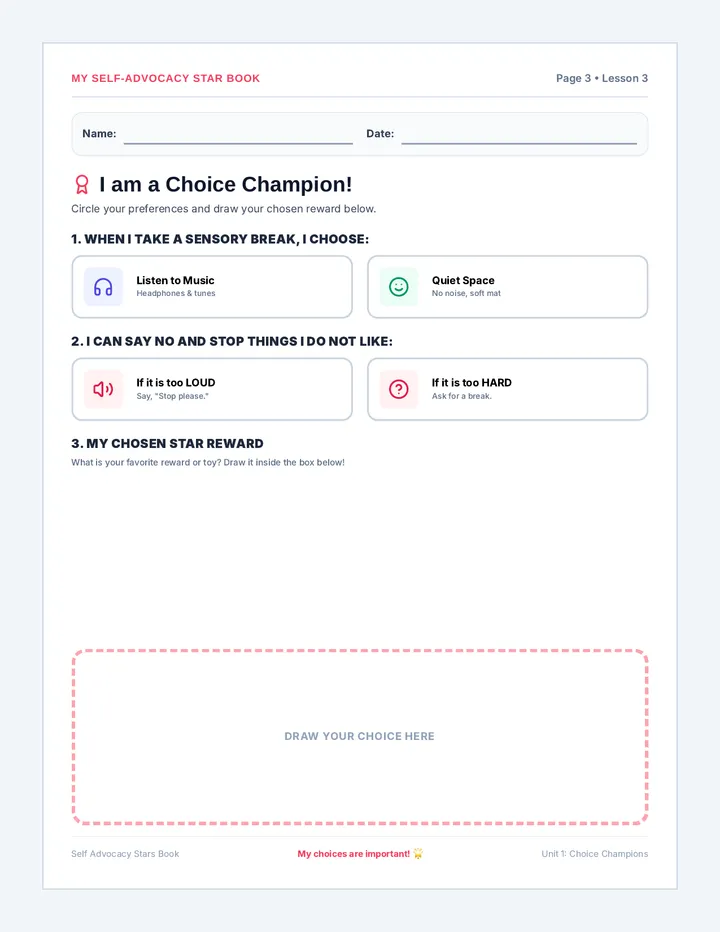
Students practice making independent choices, expressing preferences, and setting boundaries (saying "yes" or "no") using structured choice boards, tactile sorting mats, and interactive role-play.
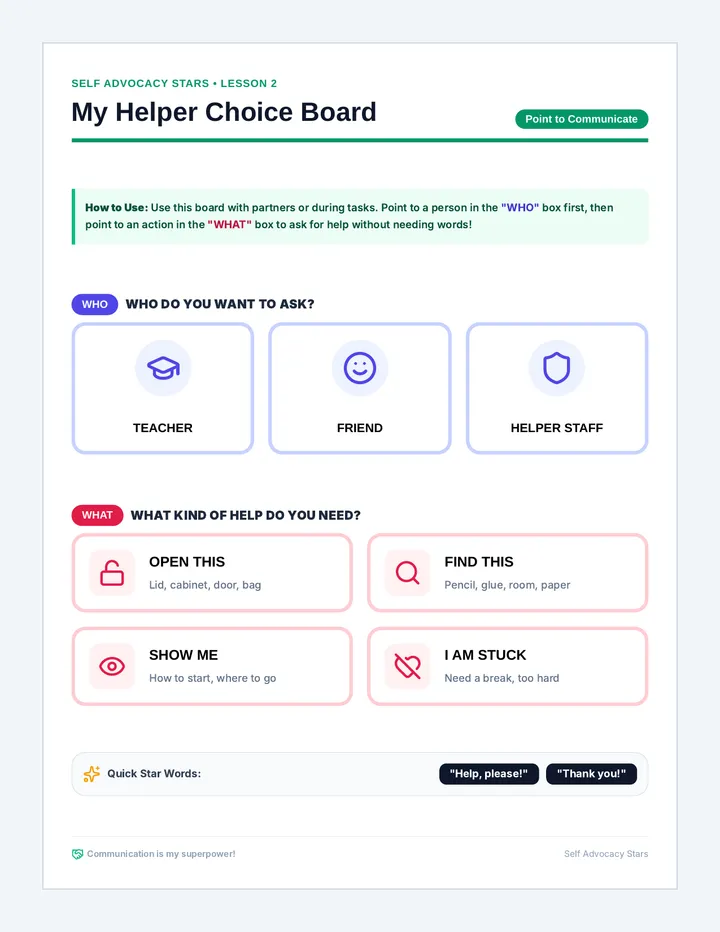
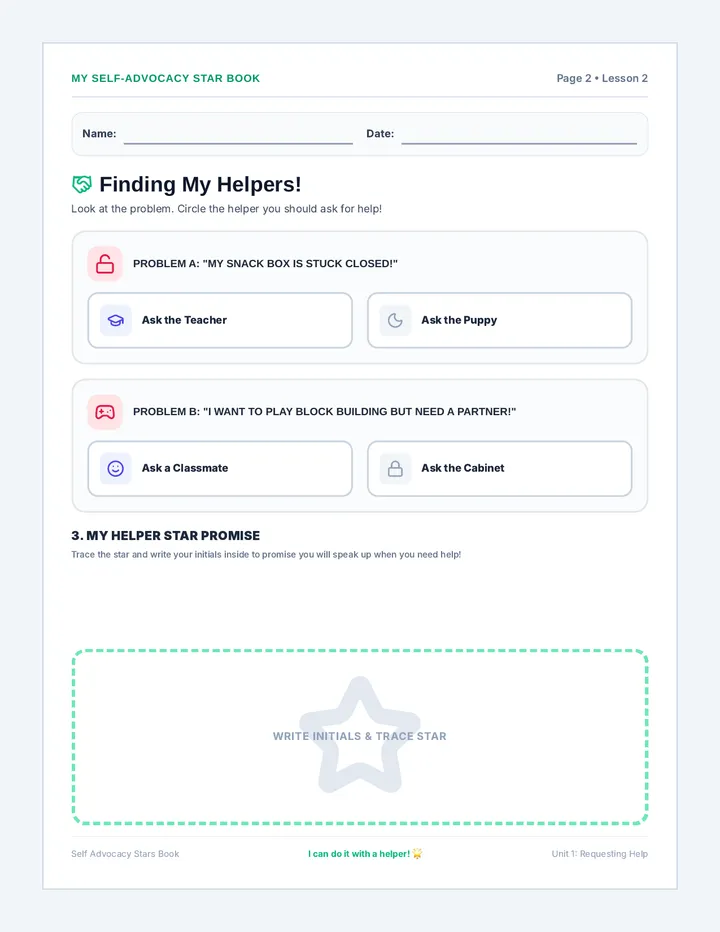
Students practice identifying when they need help, who to ask (teachers, peers, or helpers), and how to communicate that need using visual phrase cards and guided collaborative practice.
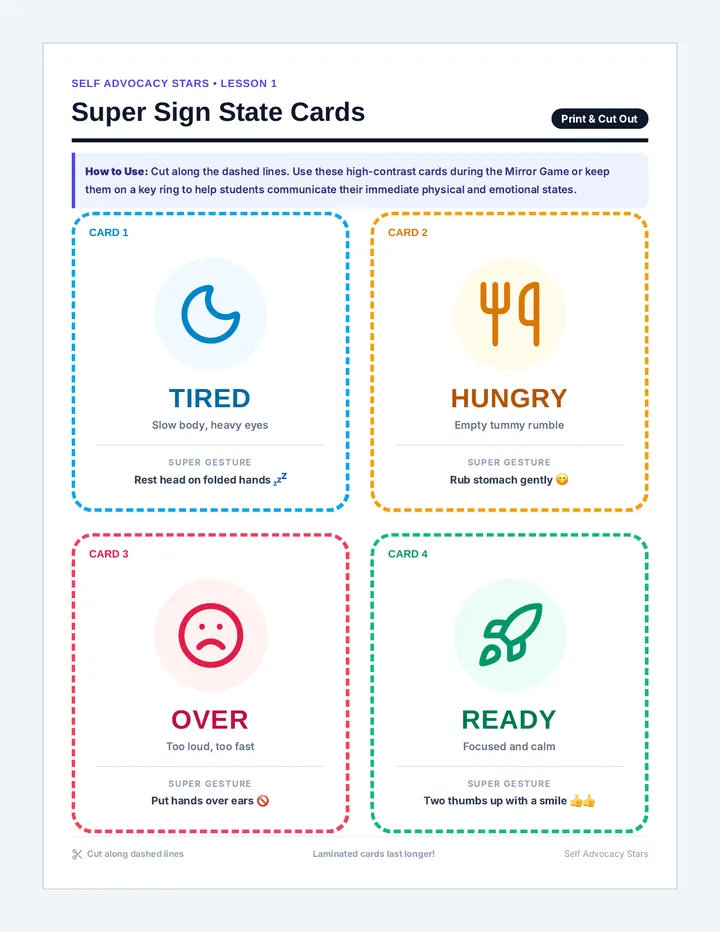
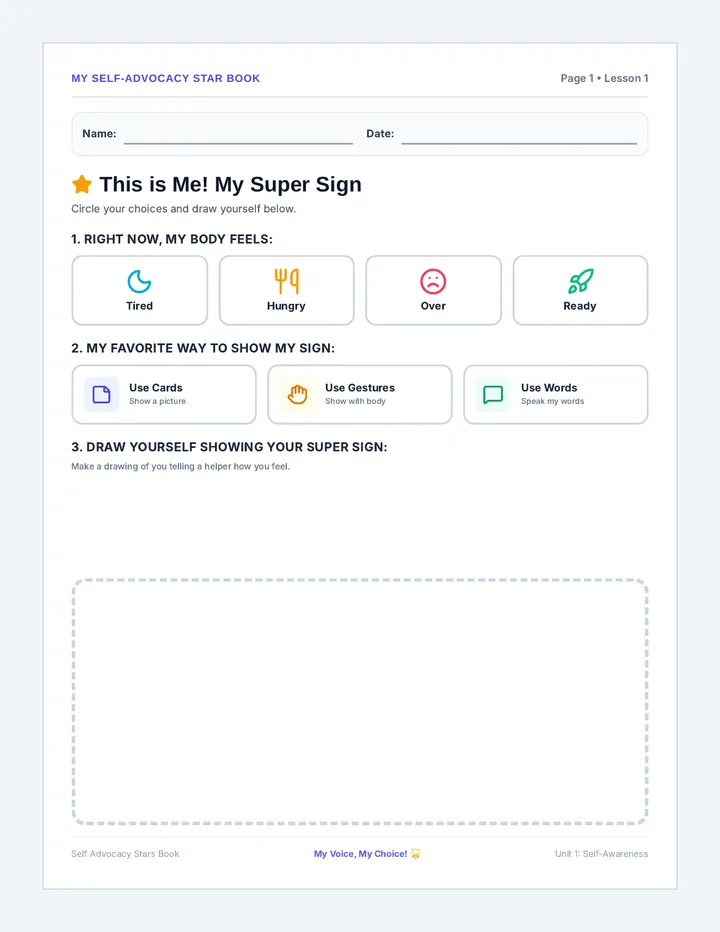
Students learn to recognize and communicate physical and emotional states (like tired, hungry, overwhelmed, or ready to learn) using simple gestures, vocalizations, or visual symbol cards.
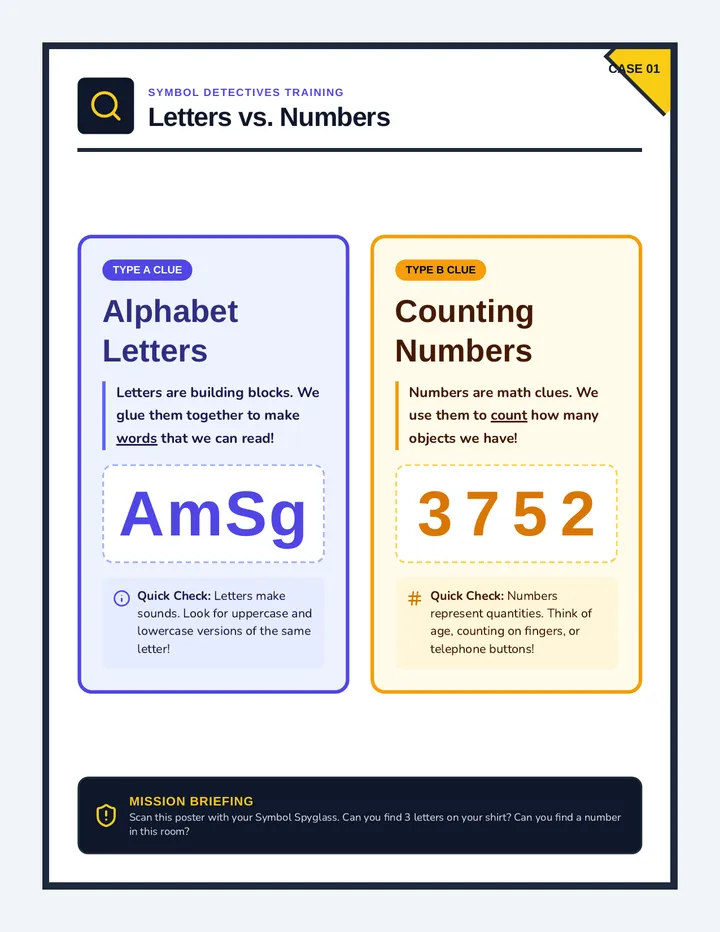
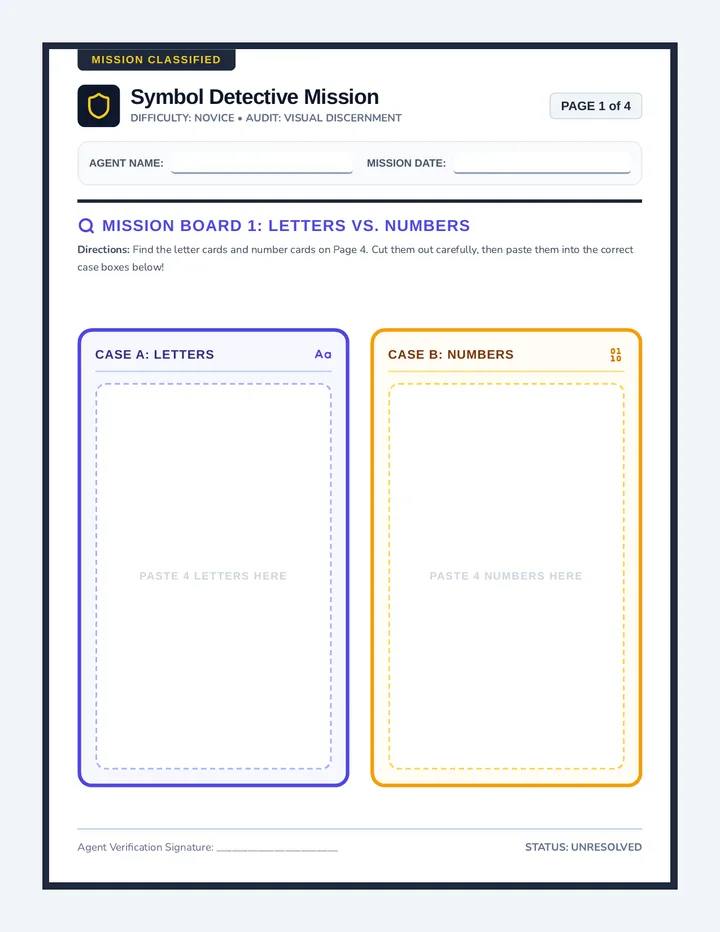
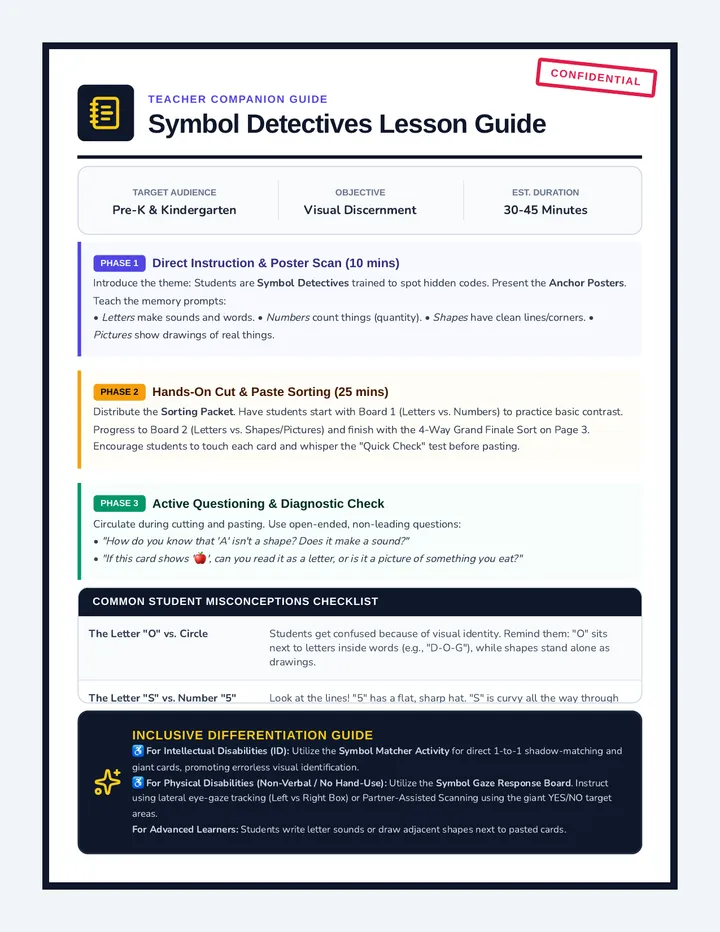
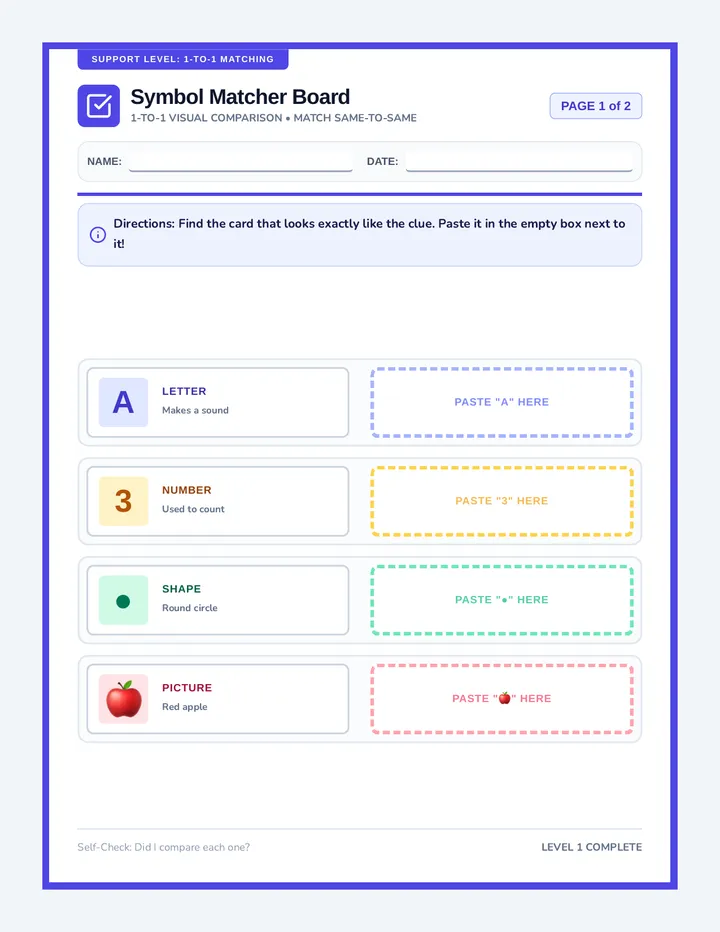
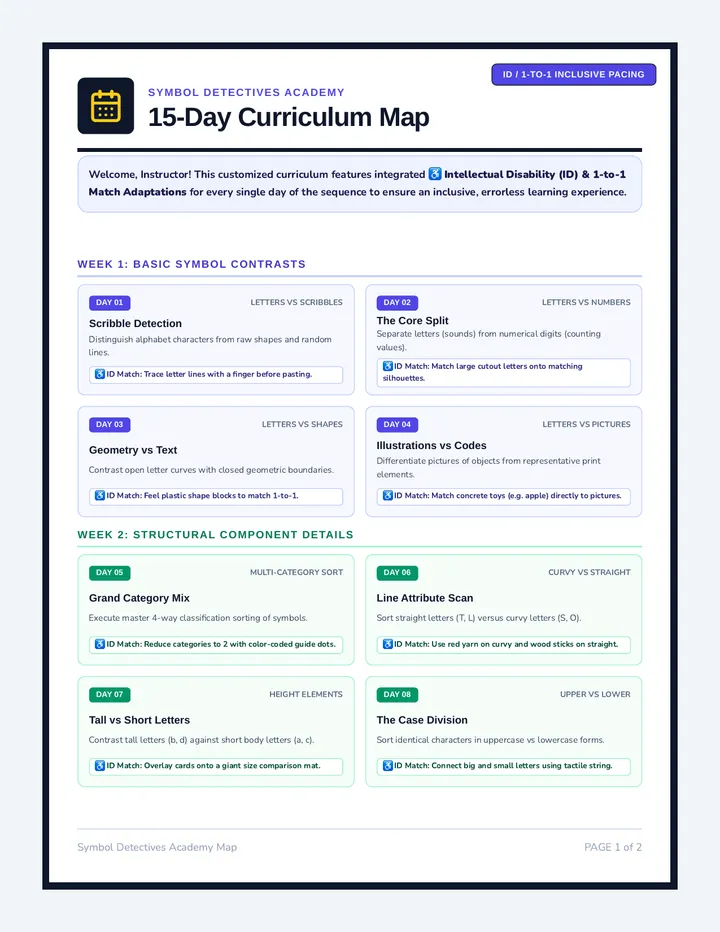
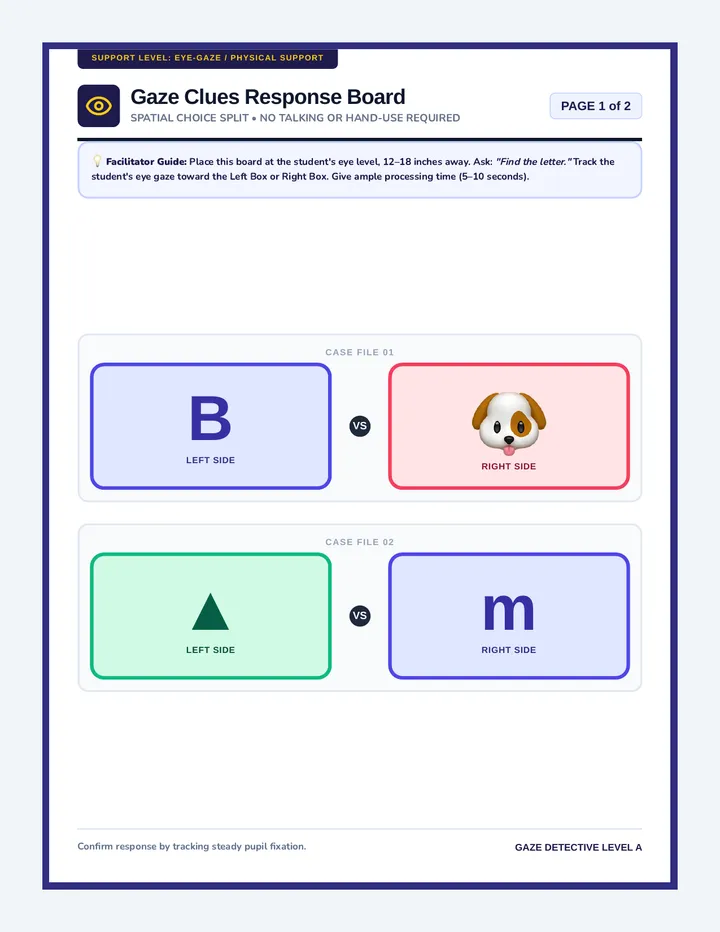
A foundational visual discernment lesson helping early learners distinguish alphabet letters from numbers, shapes, and environmental pictures through anchor charts, guided group games, and hands-on cut-and-paste sorting activities.
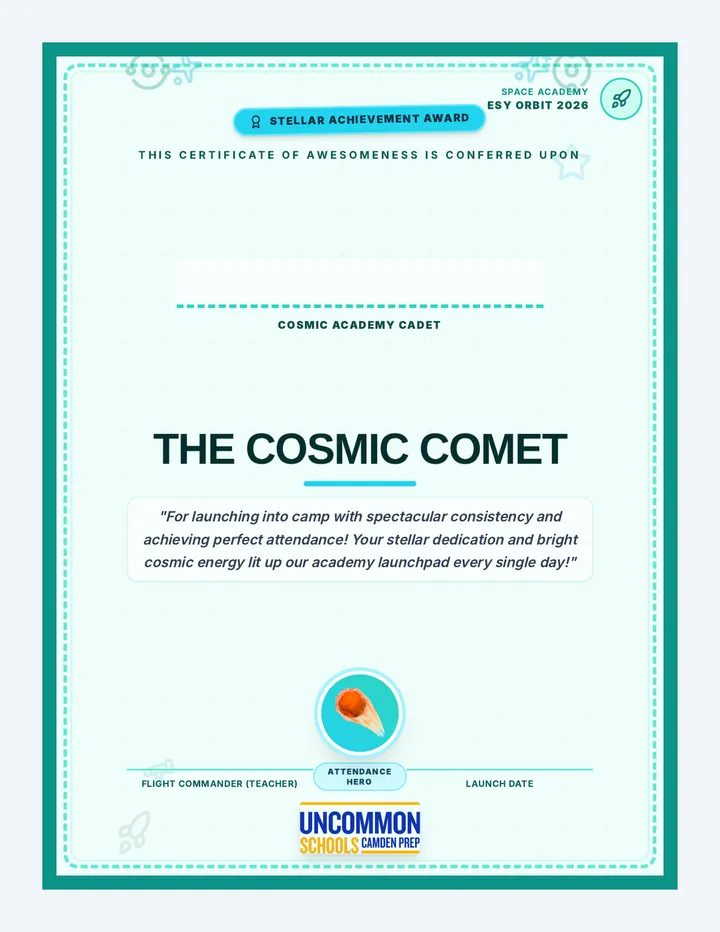
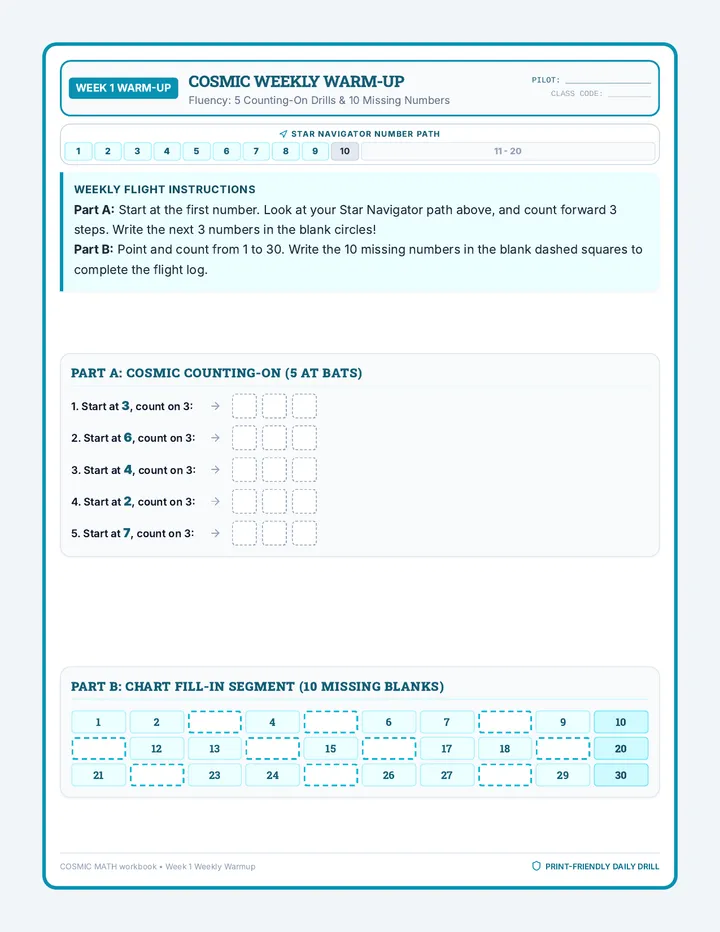
An end-of-summer-school reward program celebrating students' growth, teamwork, academic, and social achievement under a vibrant cosmic space academy theme.
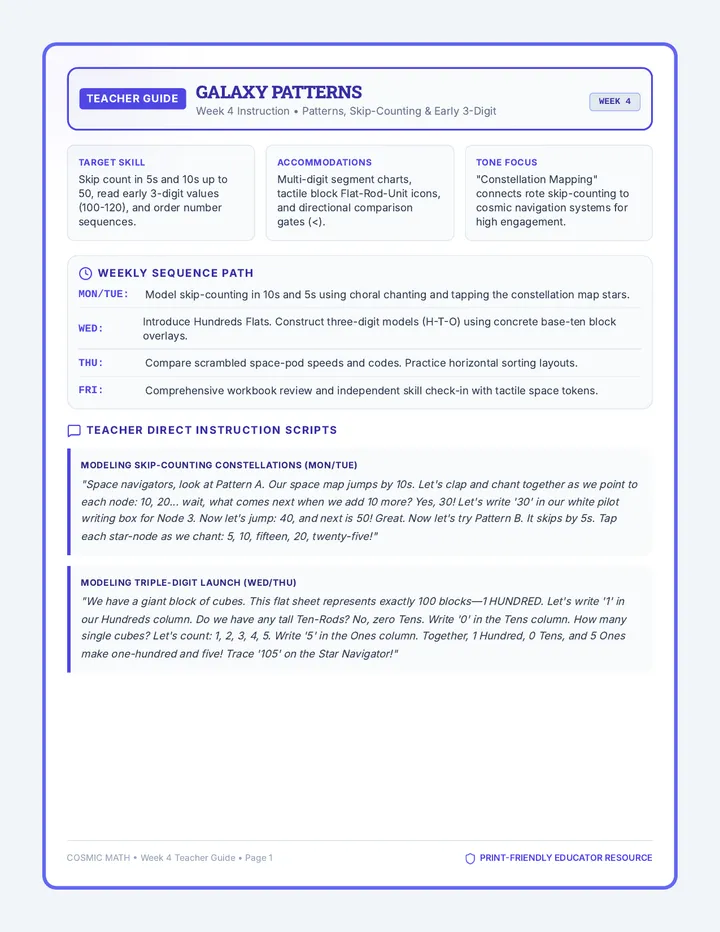
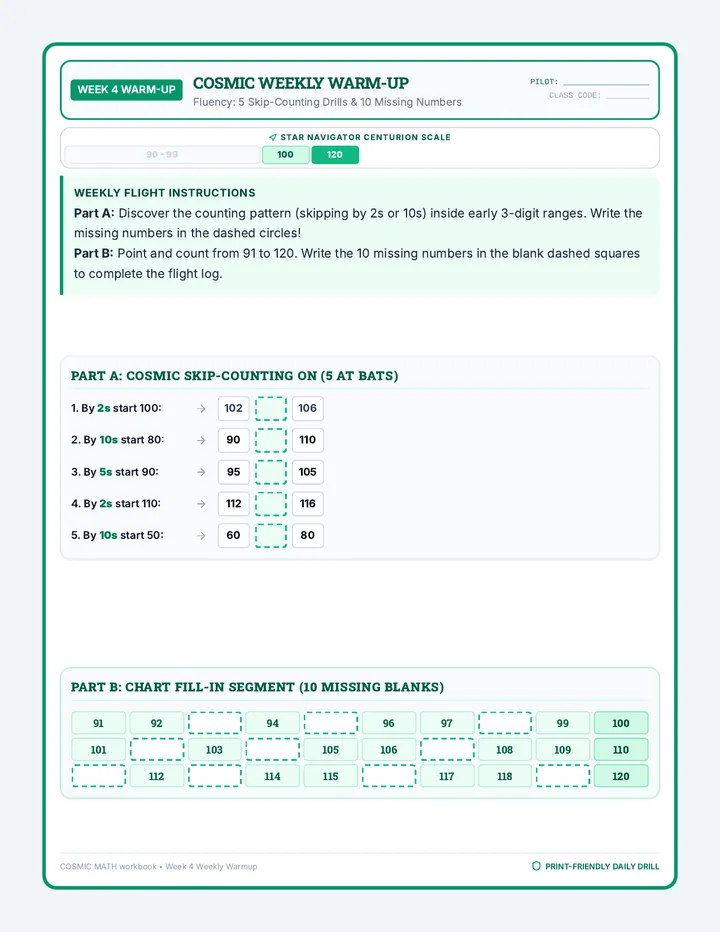
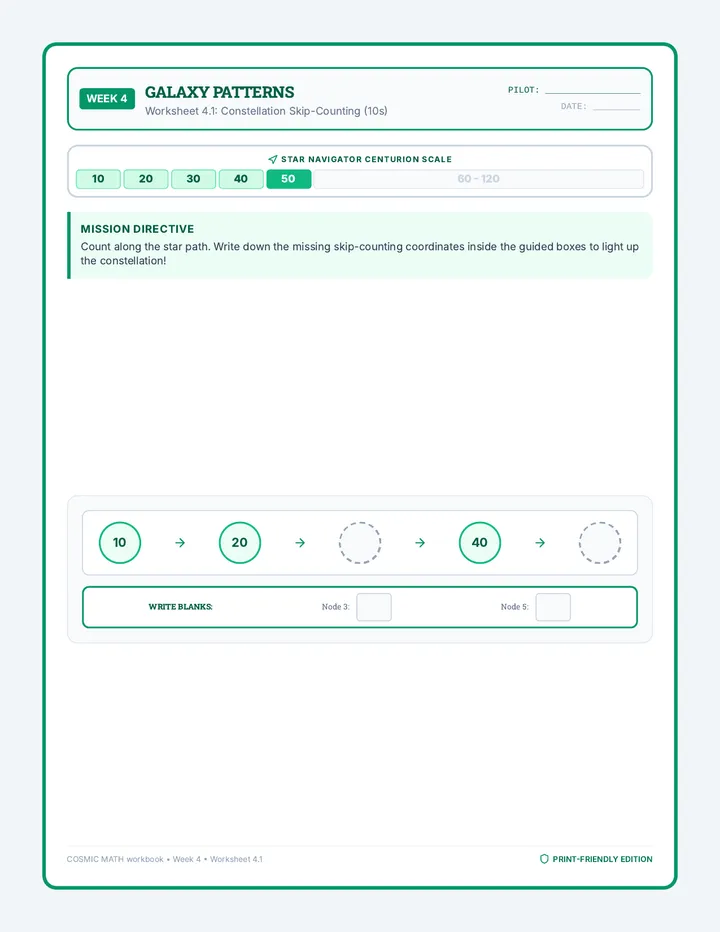
Introduces early 3-digit numbers (100-120), visual skip-counting (2s, 5s, 10s) using constellation maps, and ordering cosmic objects to build sequential logic.
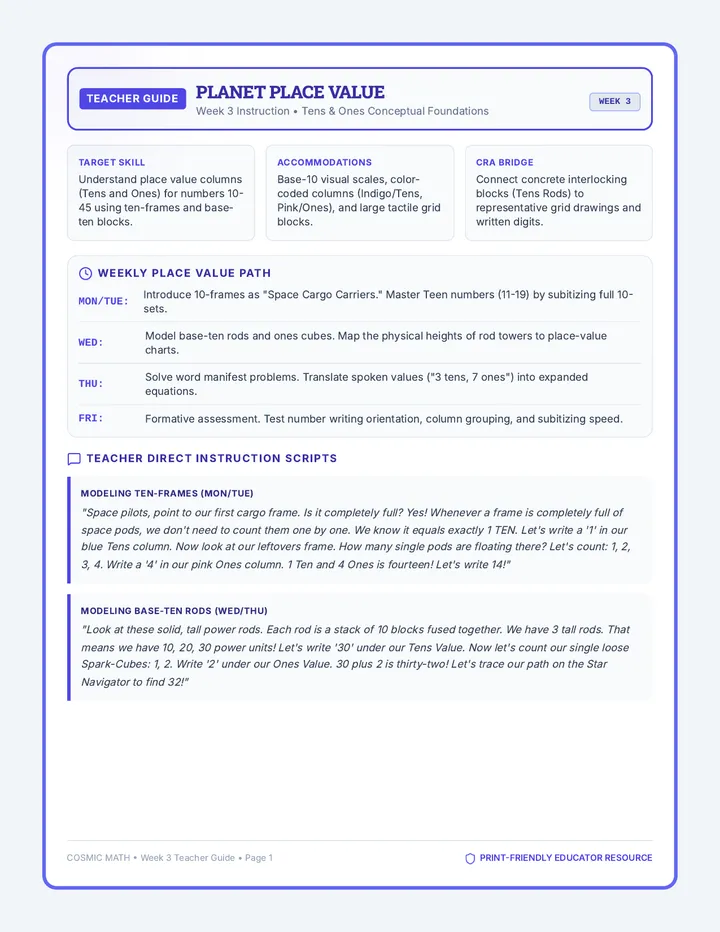
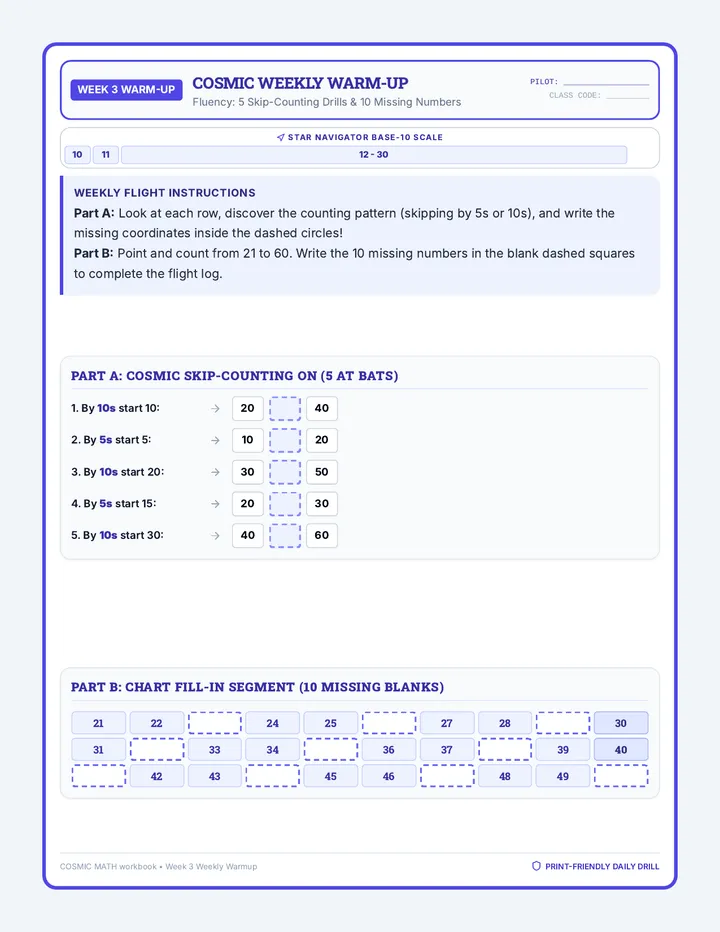
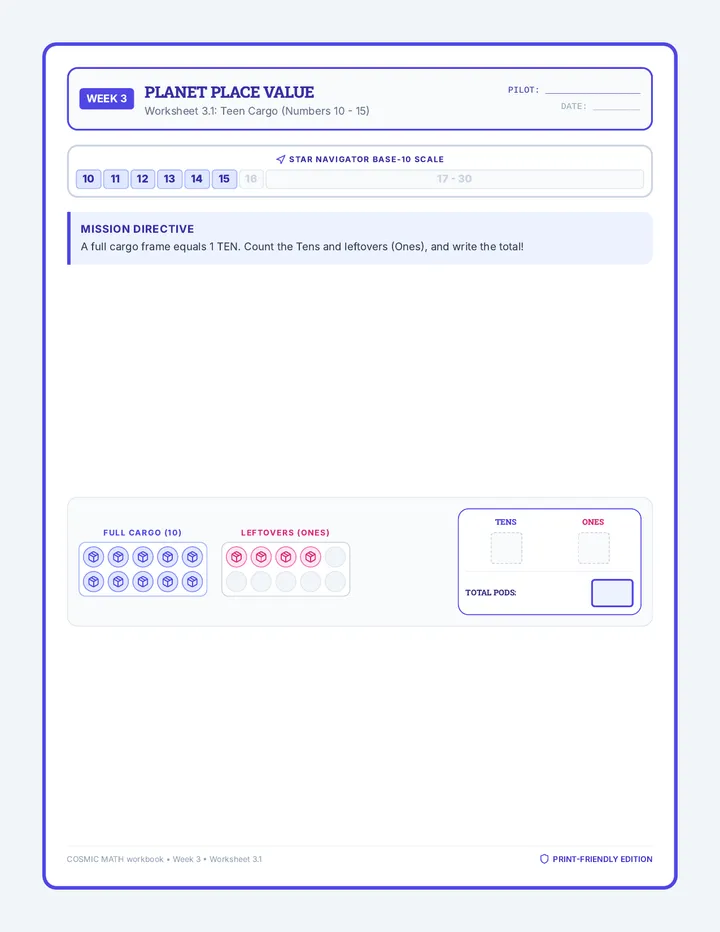
Focuses on identifying double-digit numbers (10-99), representing them using ten-frames and printable base-ten icons, and writing numbers in expanded place value charts (tens and ones) with clear physical boundaries.
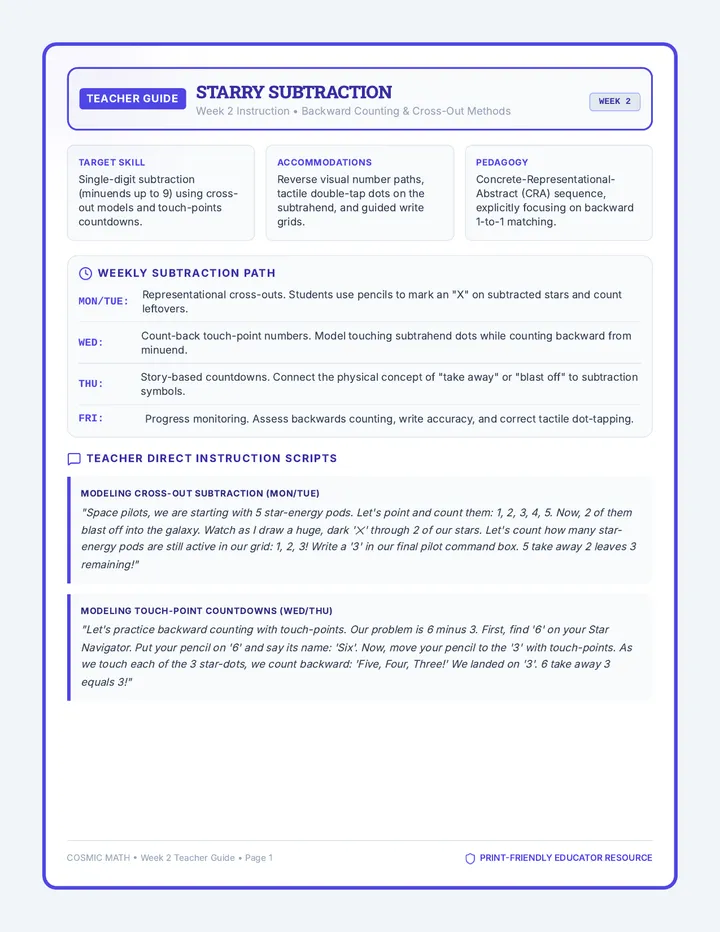
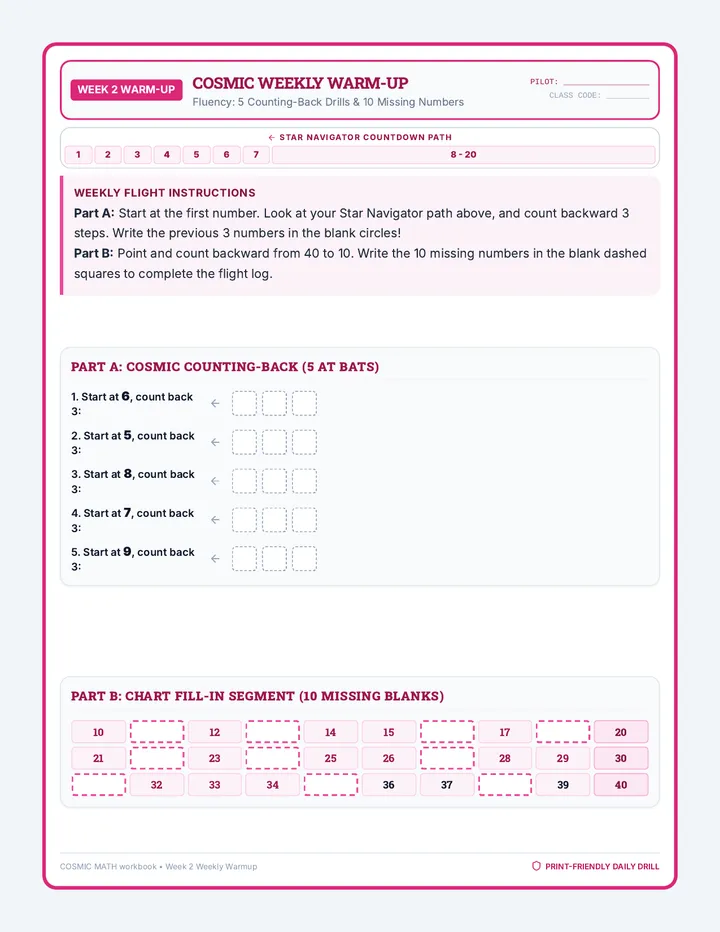
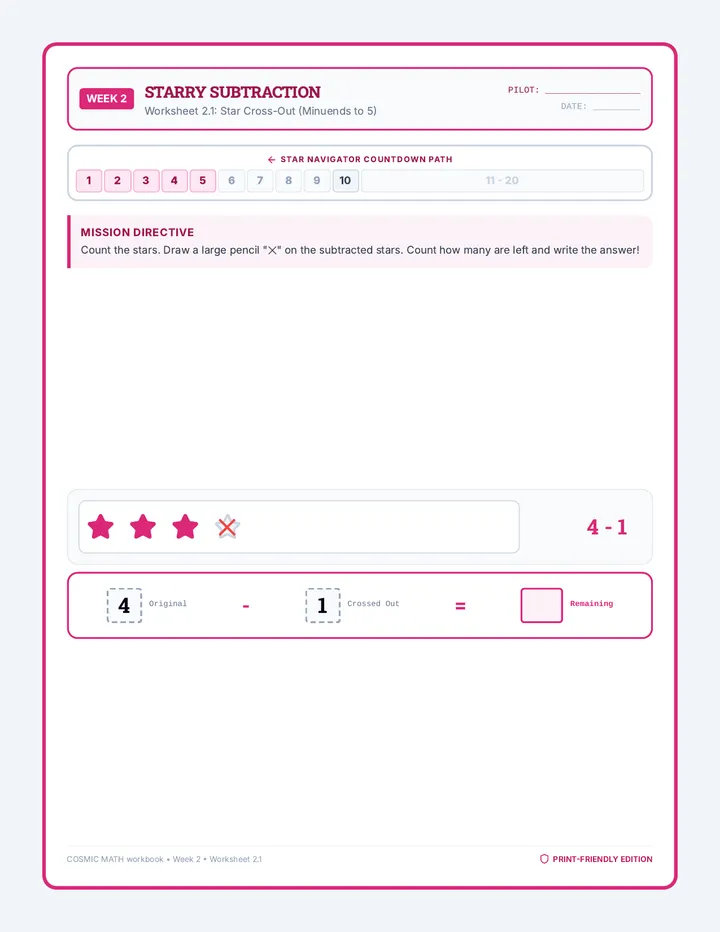
Covers single-digit subtraction (1-9) with cosmic countdowns, crossing-out stars or rocket fuel cells, embedded touch-points for backwards counting, and structured workspace templates.
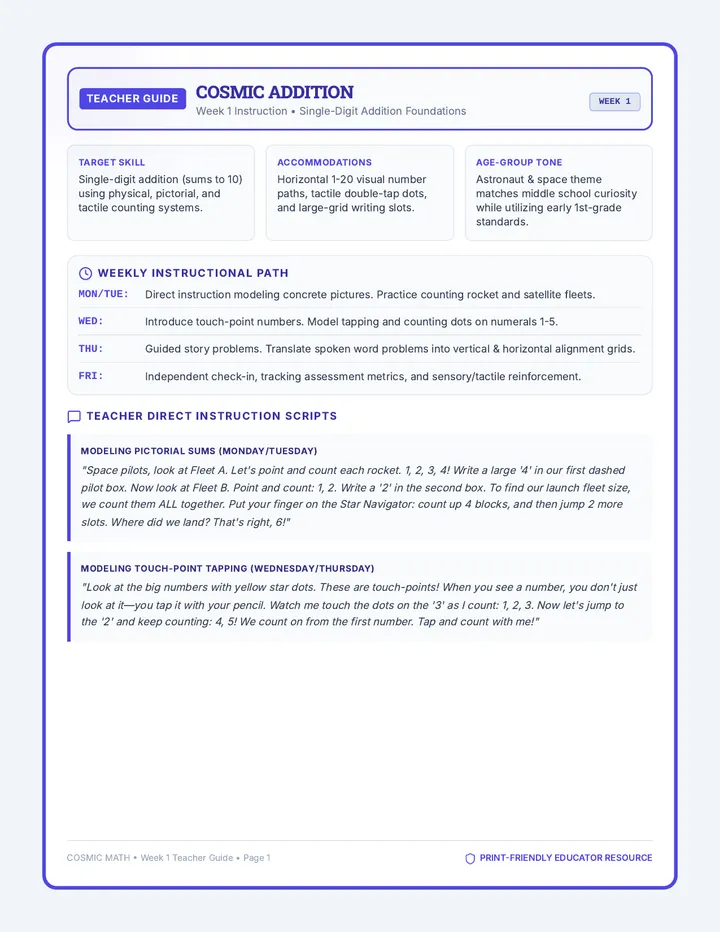
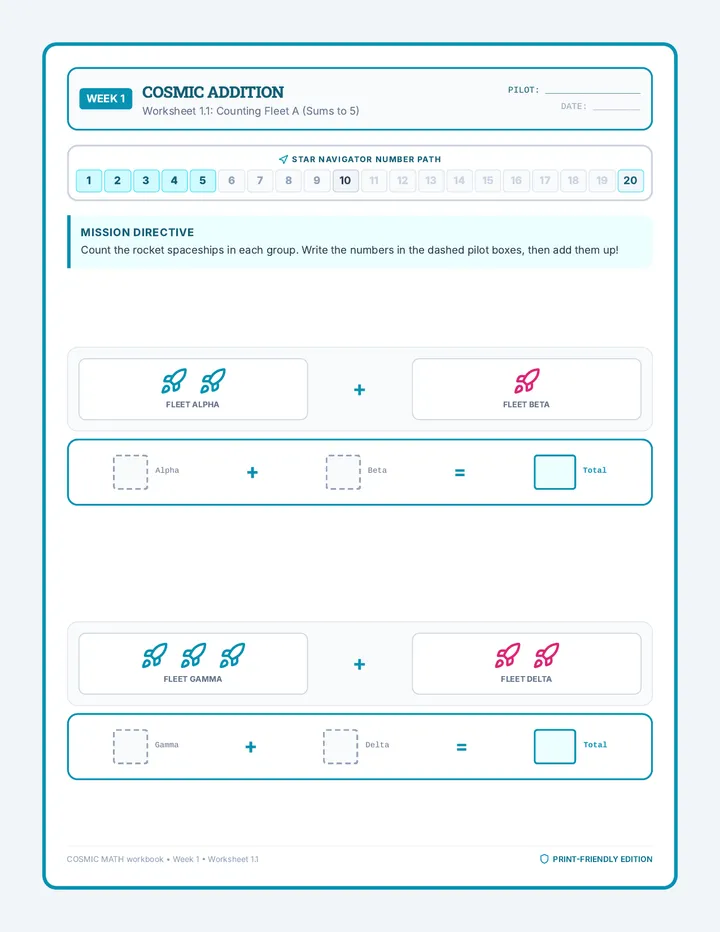
Focuses on single-digit addition (1-9) using embedded touch-point numbers, pictorial representations of spaceships and stars, a persistent 1-20 number path, and large guided workspace boxes for physical alignment.
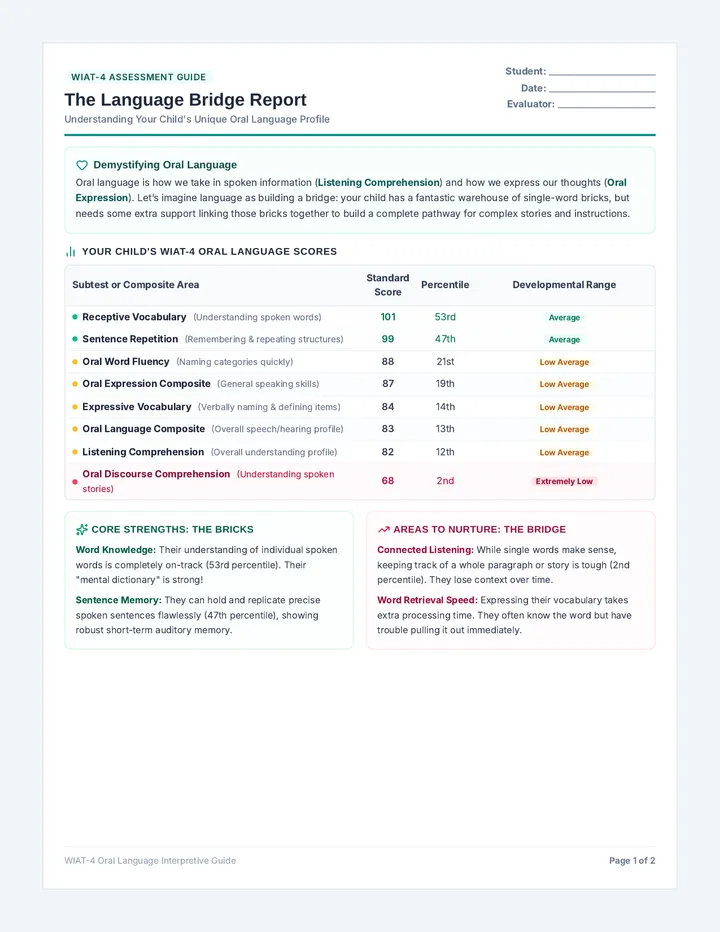
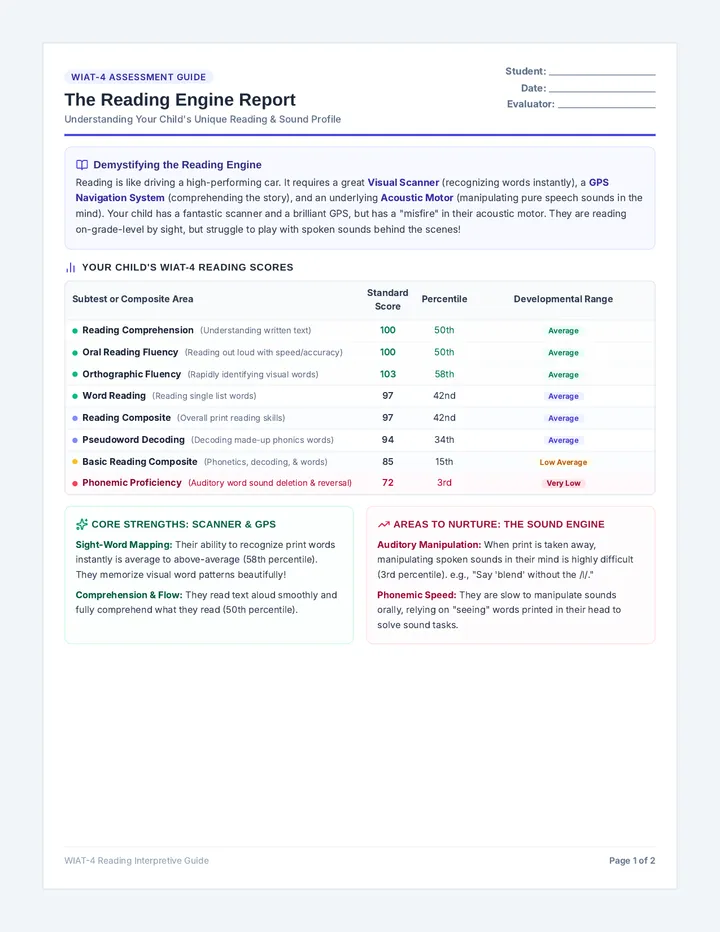
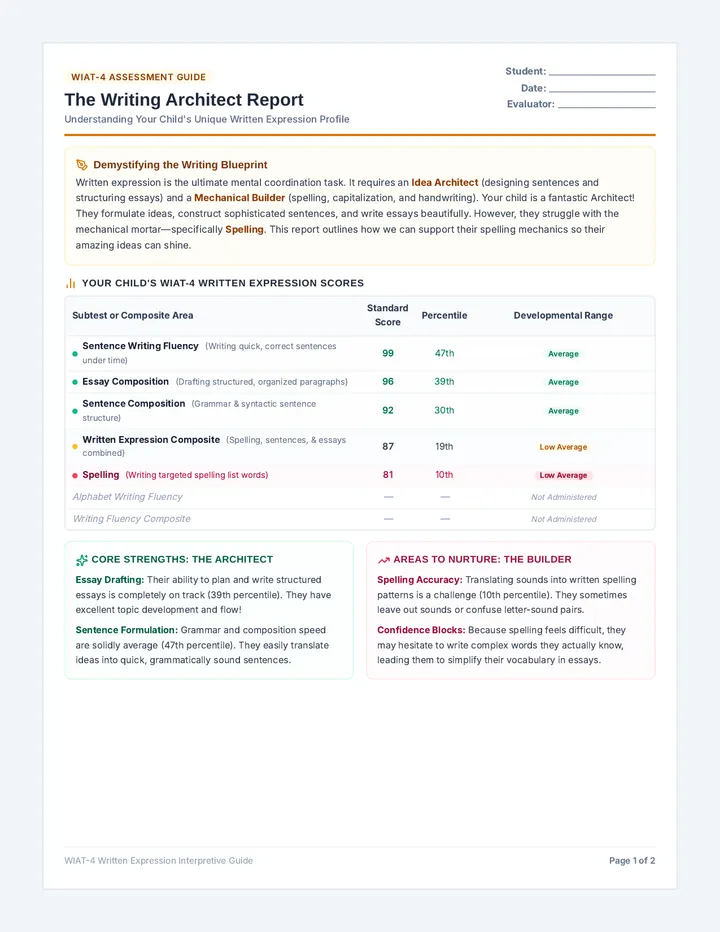
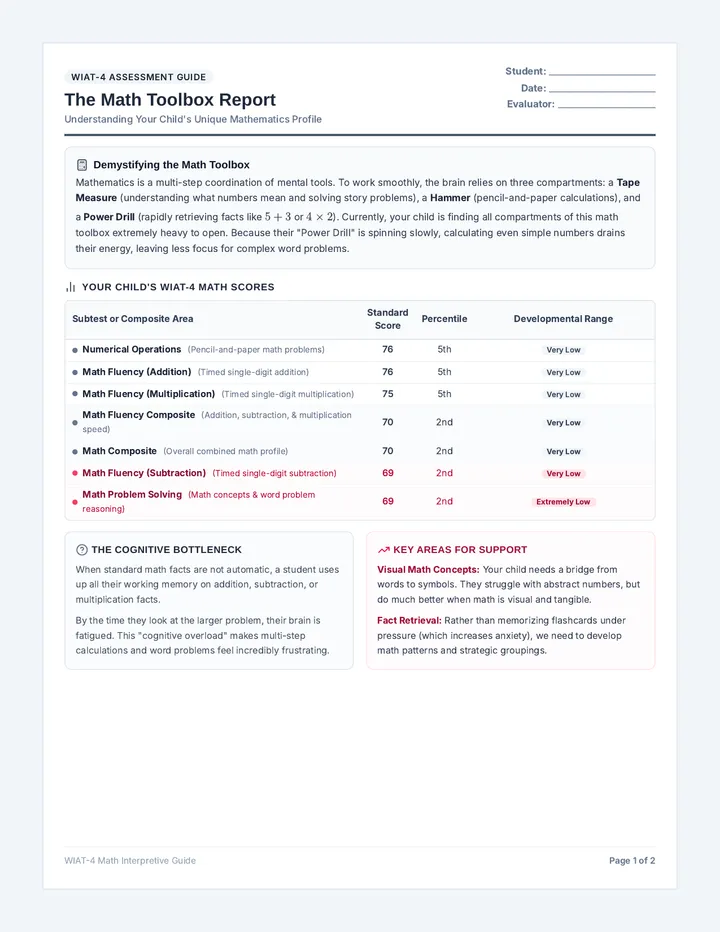
A set of parent-friendly guides translating psychoeducational test scores into positive, actionable home support roadmaps.
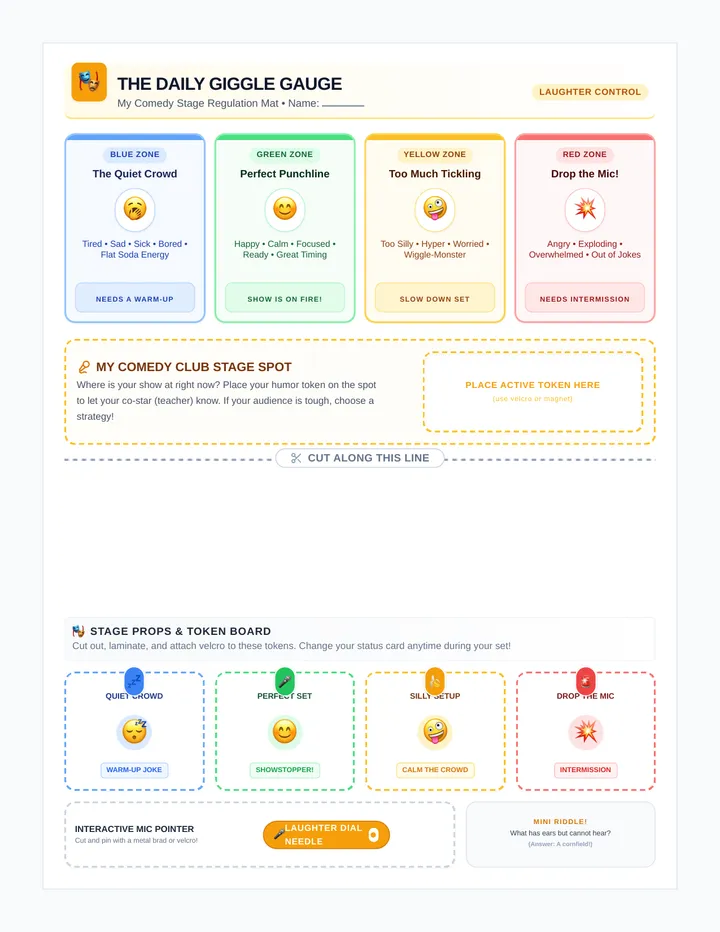
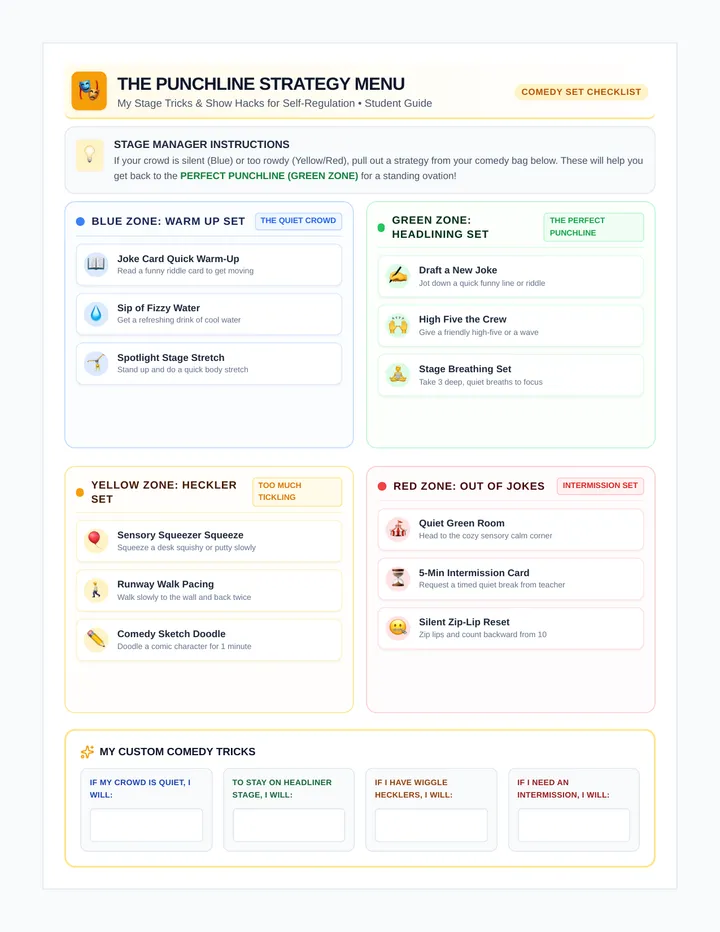
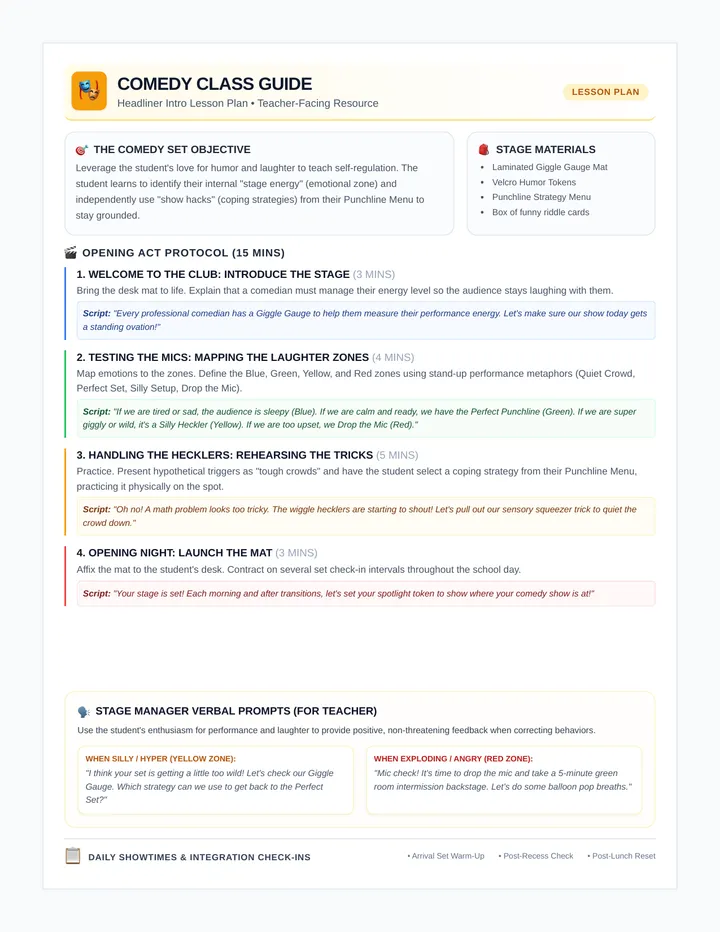
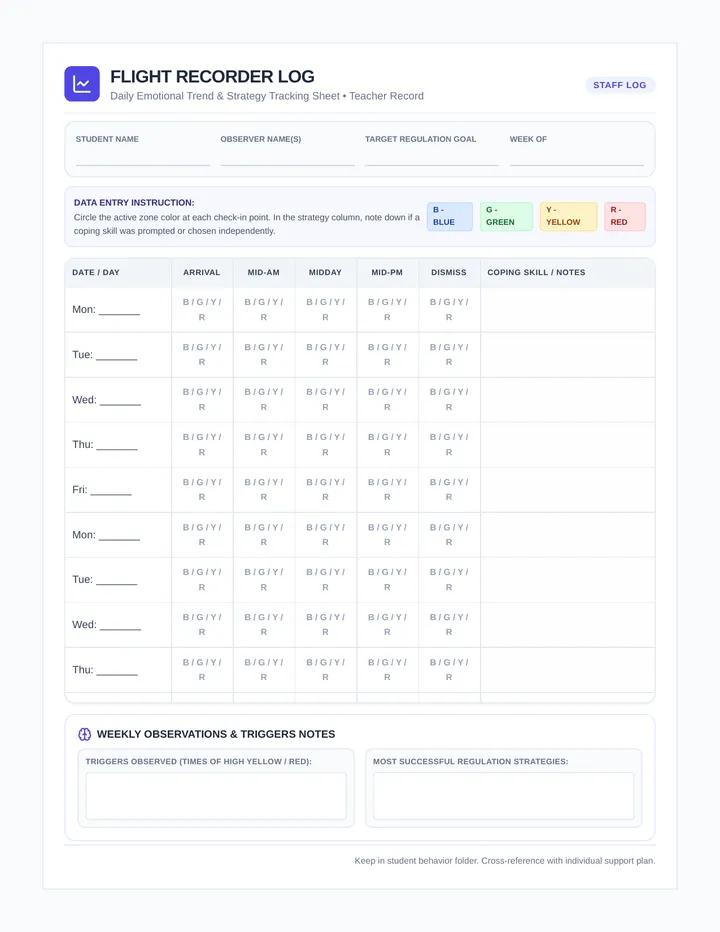
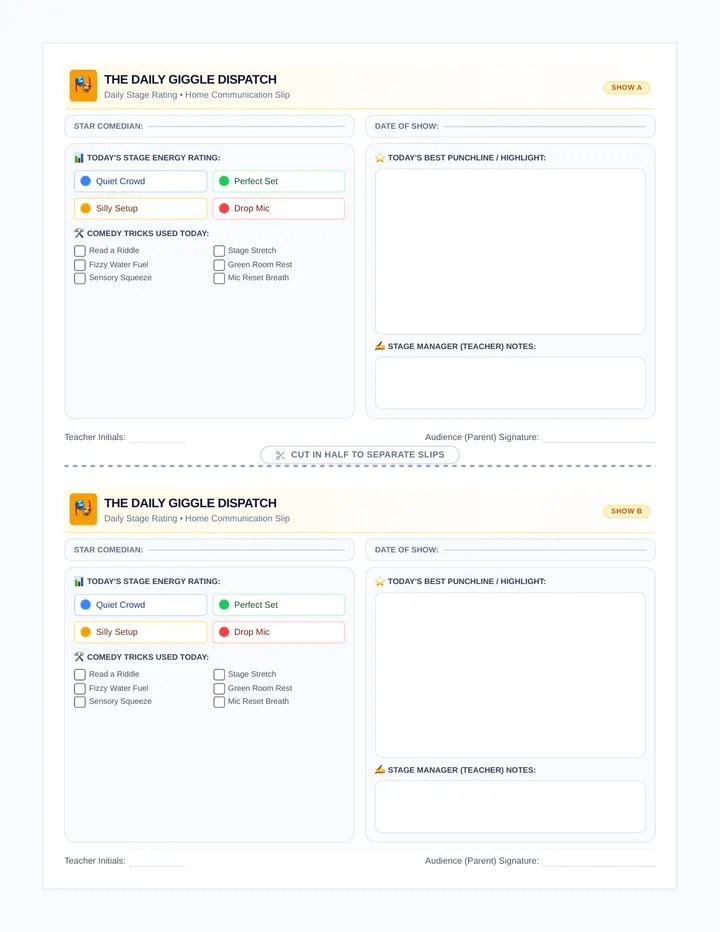
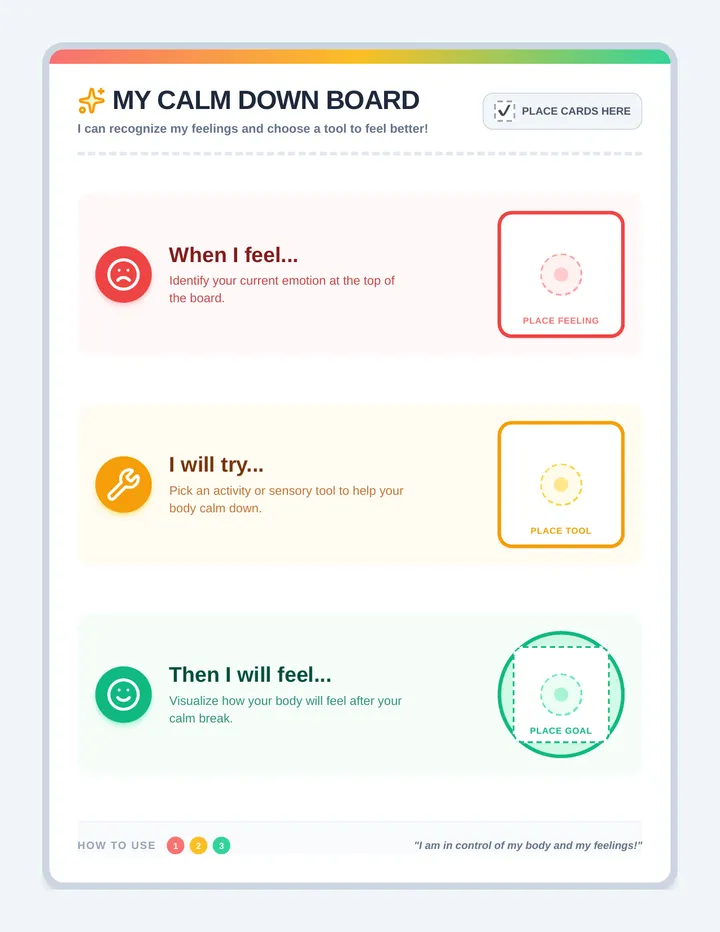
A simple, kid-friendly daily emotional regulation check-in system based on the Zones of Regulation model. Features a clean student desk mat, a coping strategy menu, a teacher instruction guide, and tracking logs.
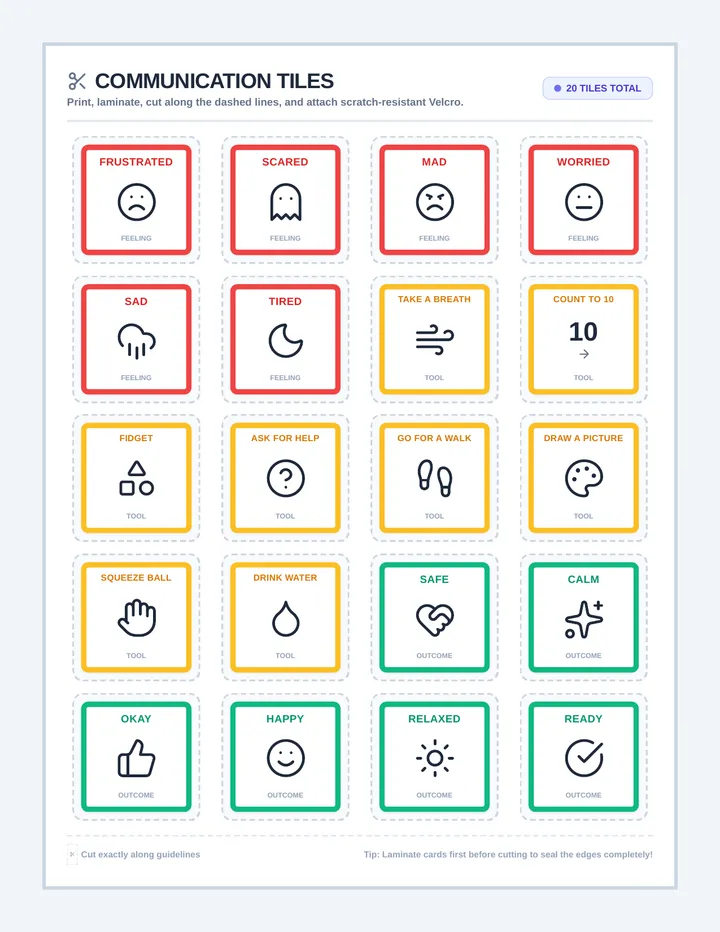
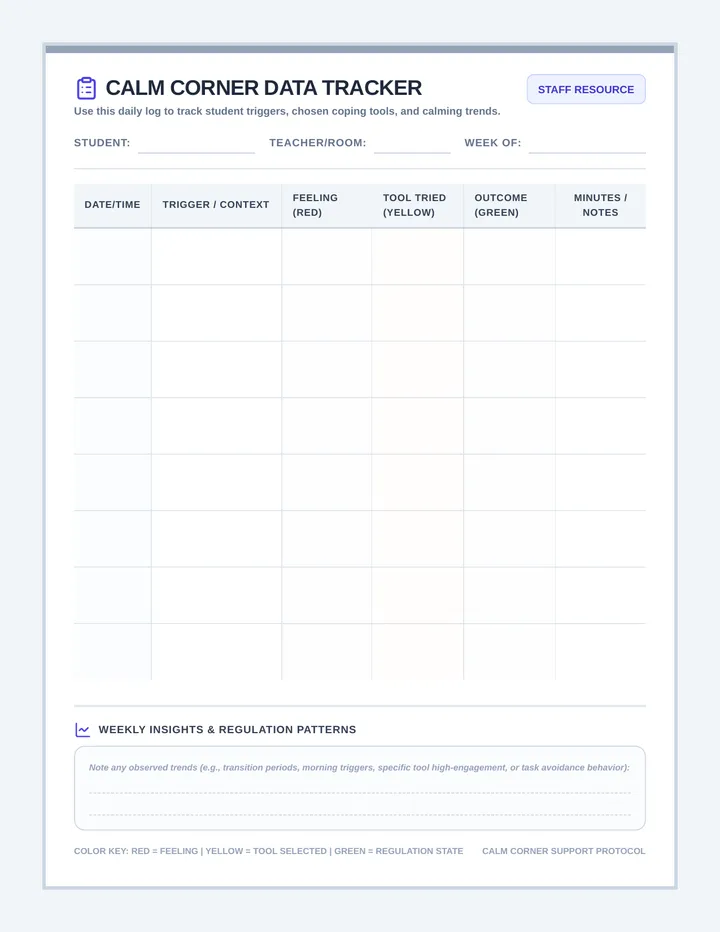
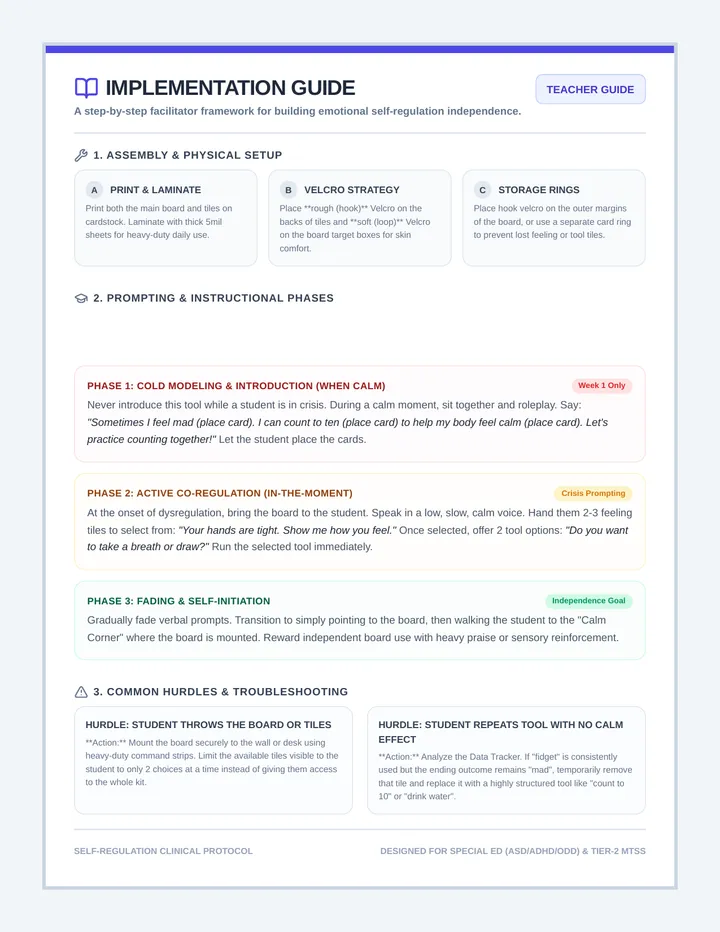
A comprehensive visual support bundle designed for student emotional self-regulation, featuring an interactive board, PECS-style communication cards, a data tracker, and a step-by-step implementation guide.
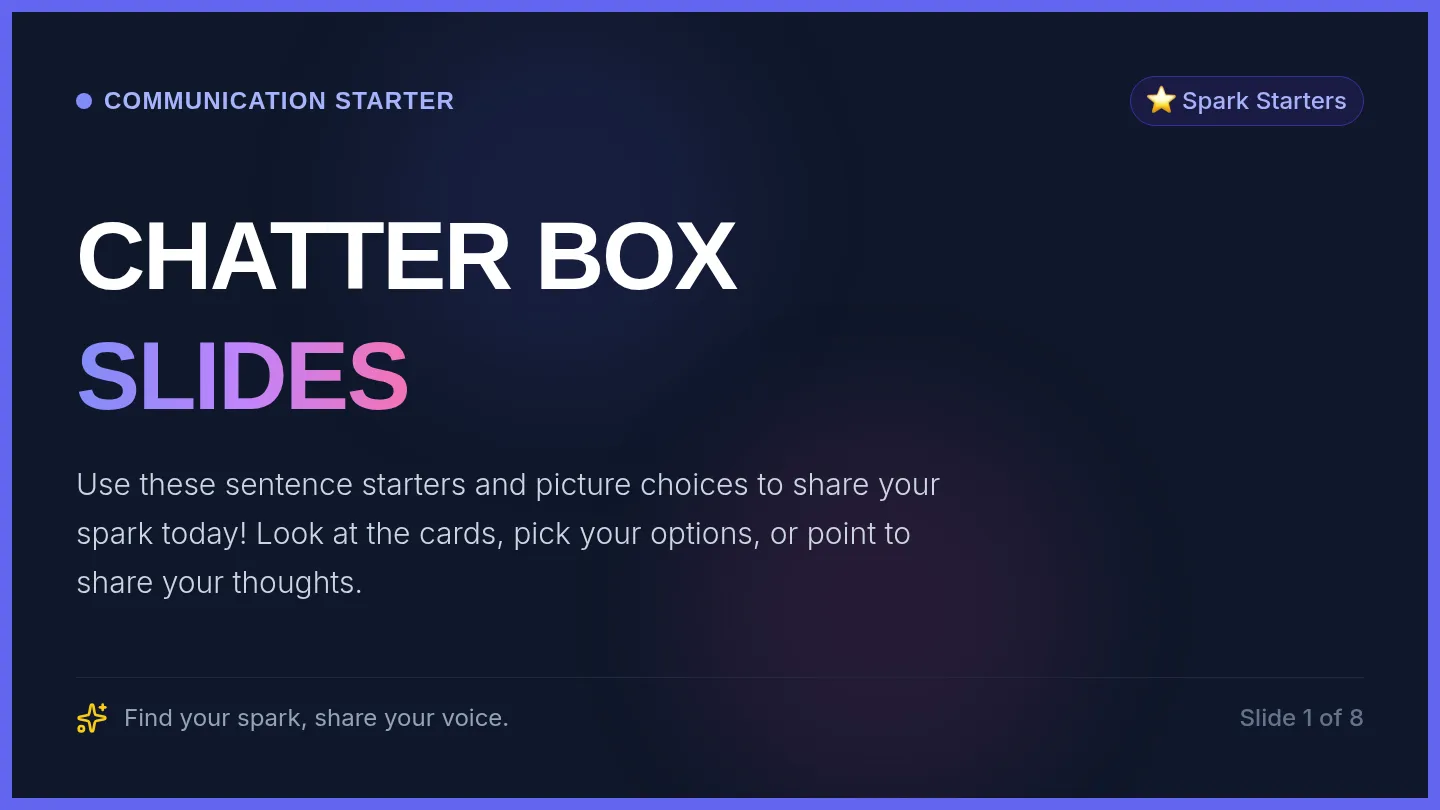
An introductory get-to-know-you lesson utilizing visual sentence starters and structured options to support students of all communication styles in sharing their preferences, feelings, and strengths.
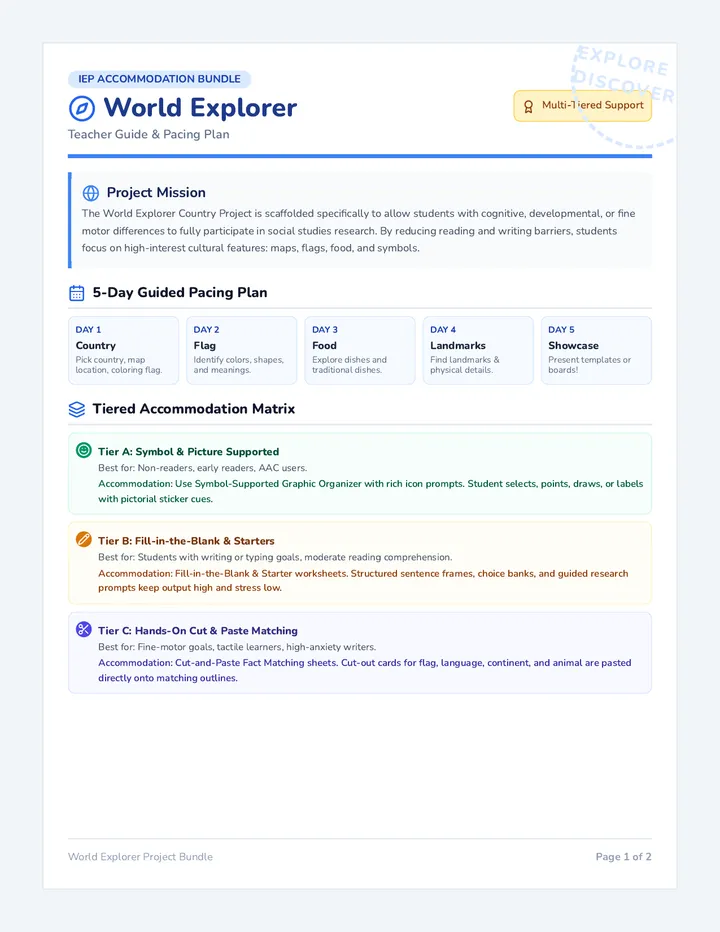
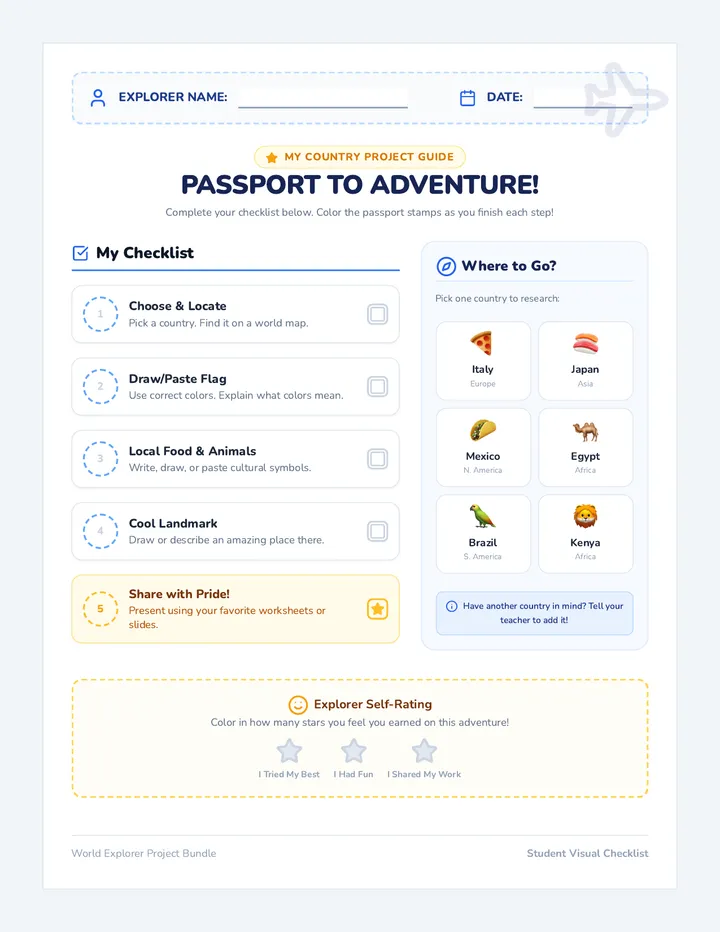
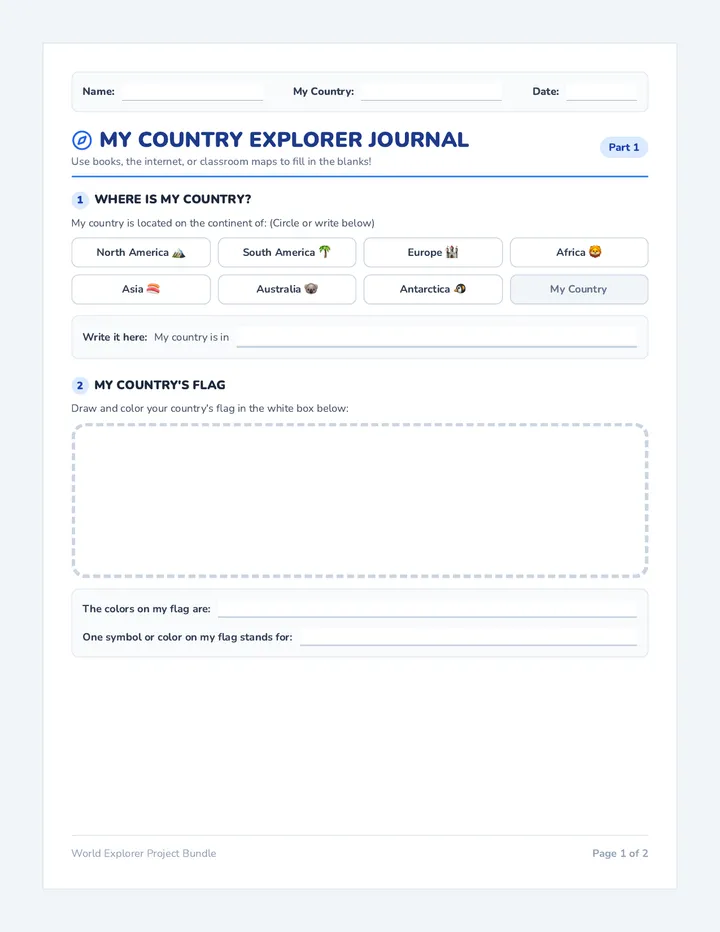
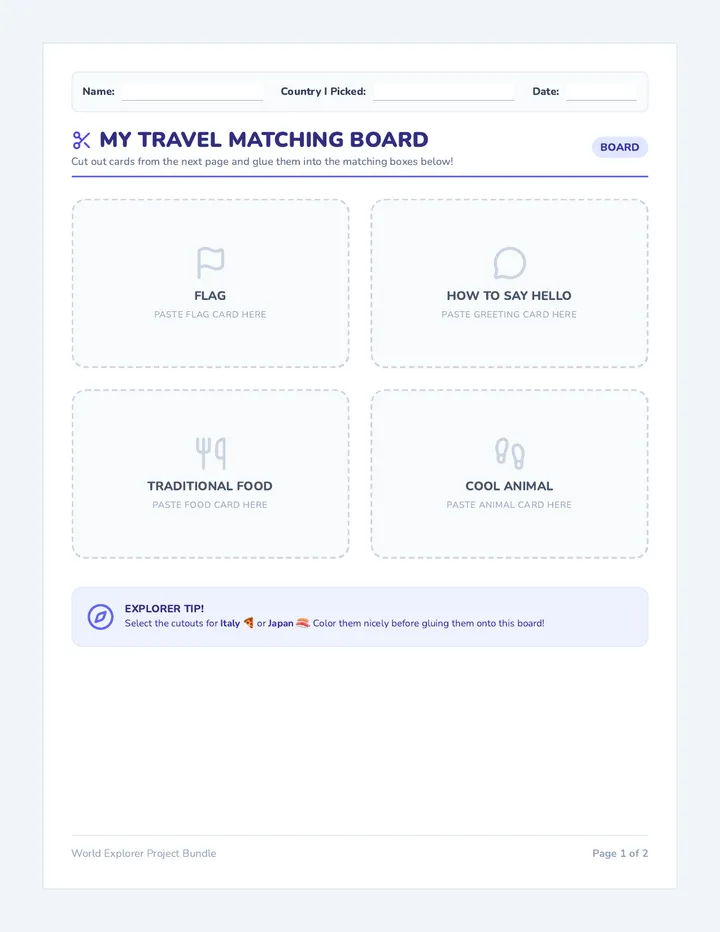
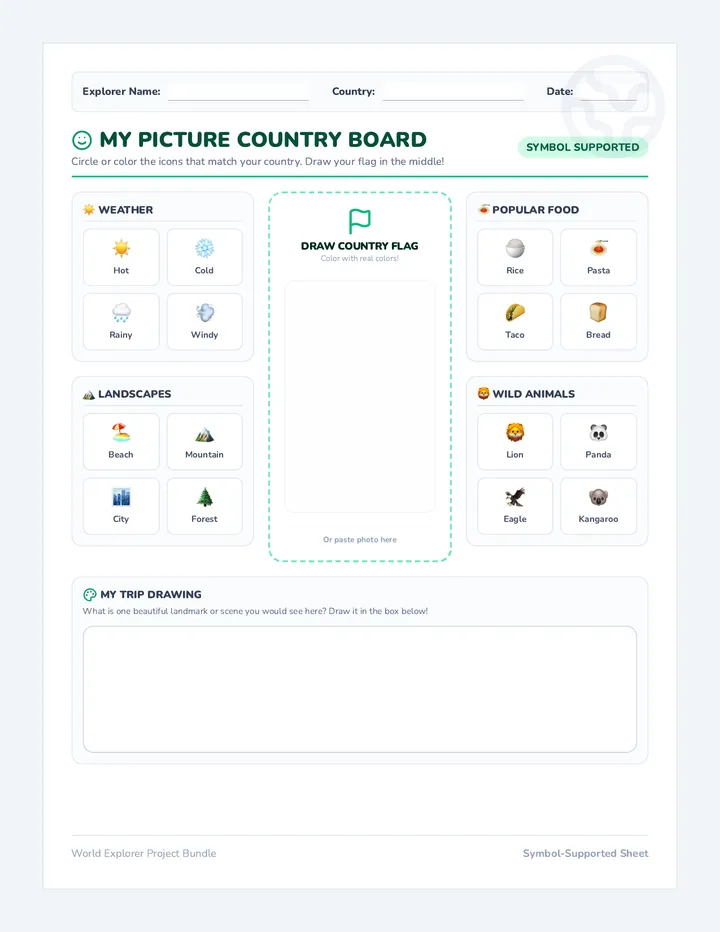
A highly visual, scaffolded country research project bundle modified specifically for IEP students. Includes teacher instructions, simplified visual rubrics, tiered student worksheets, hands-on matching activities, and a friendly presentation template.
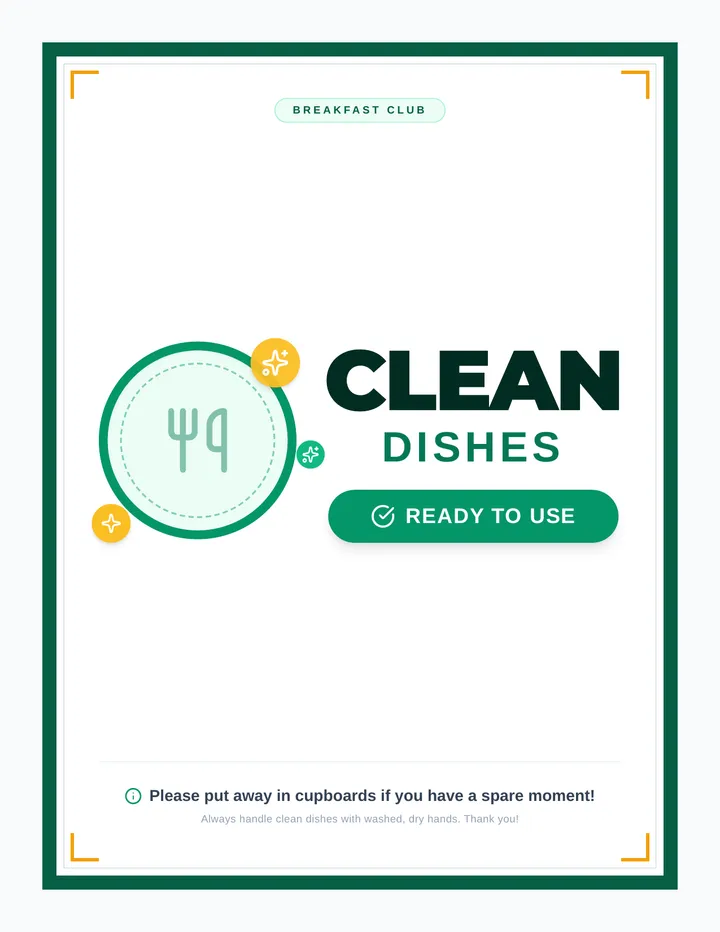
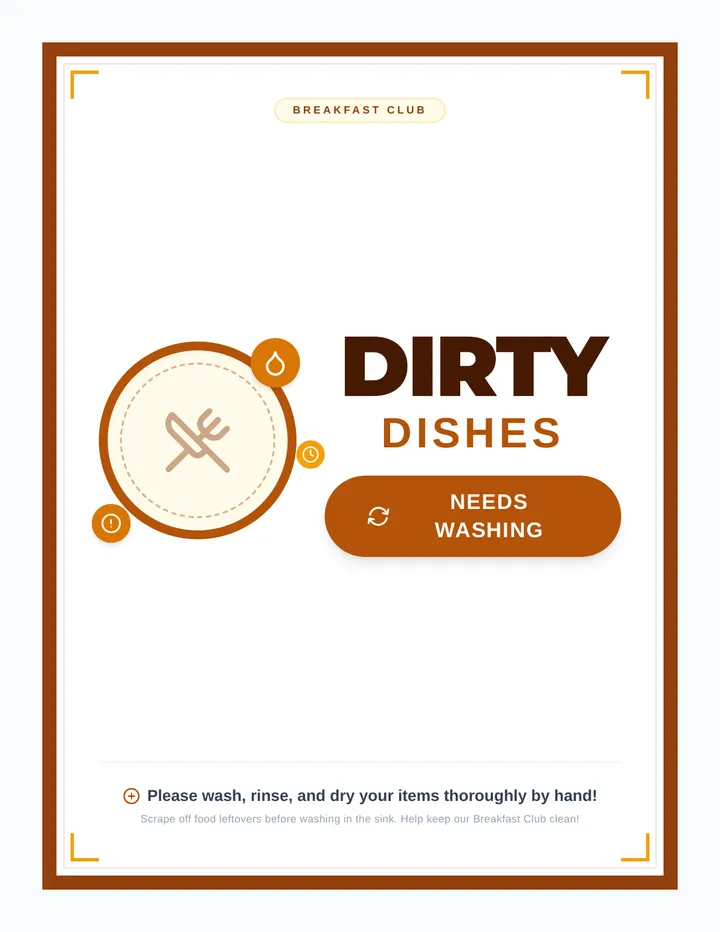
A pair of visually striking, high-contrast printable signs to organize any kitchen or classroom space. Features separate, elegant layouts for clean and dirty dishes to maintain perfect organization.
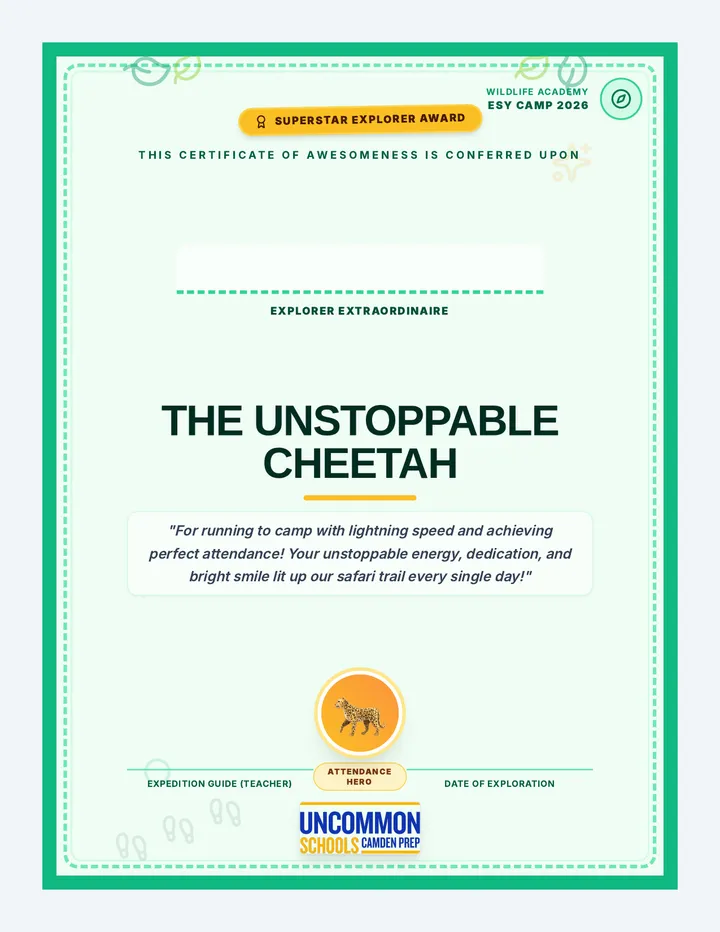
An end-of-summer-school reward program celebrating students' growth, teamwork, academic, and social achievement under a vibrant wildlife explorer theme.
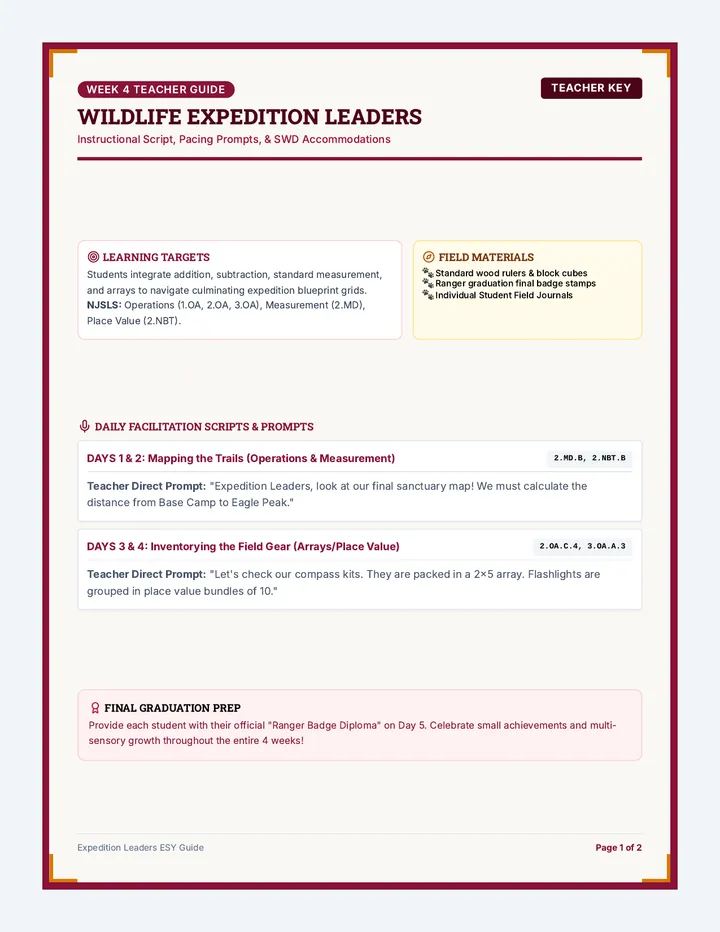
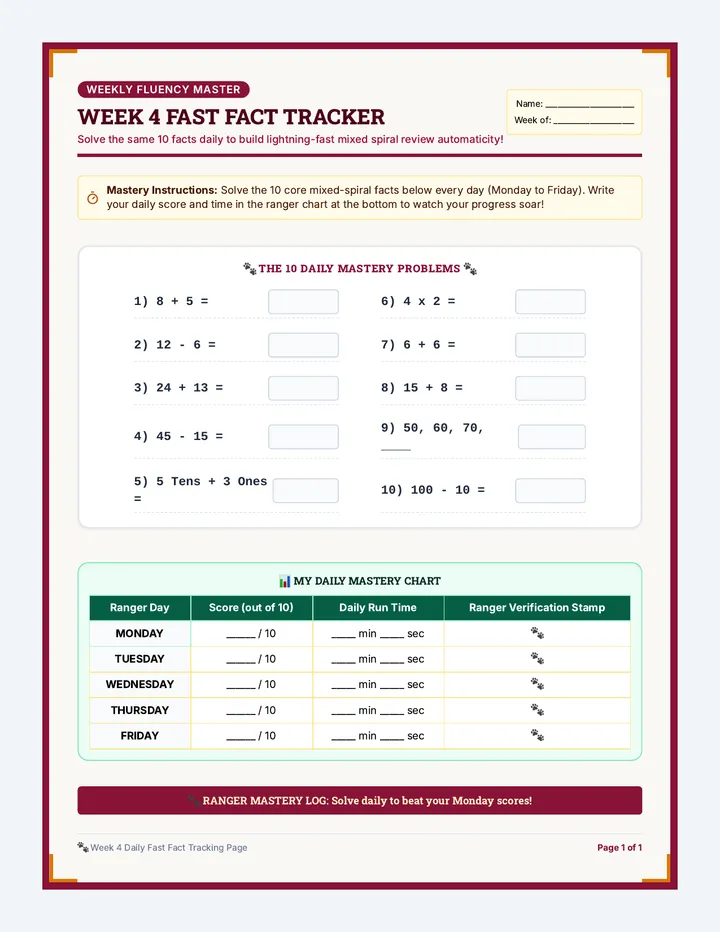
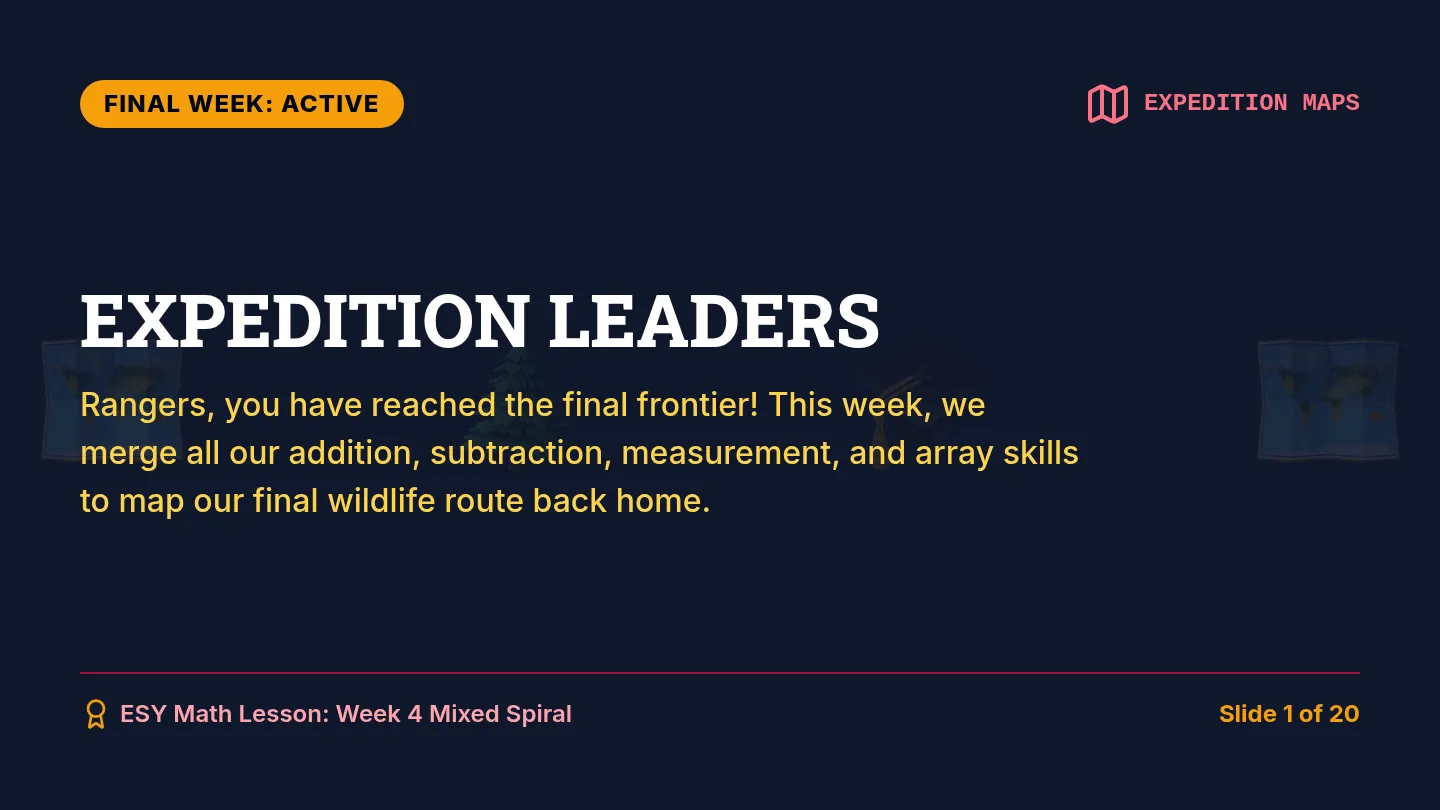
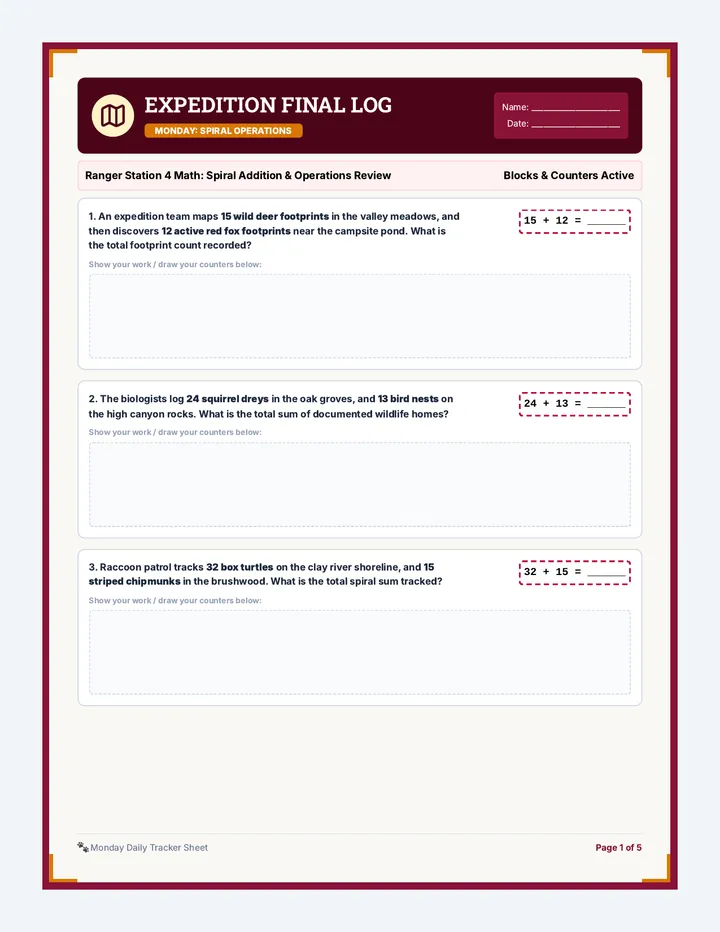
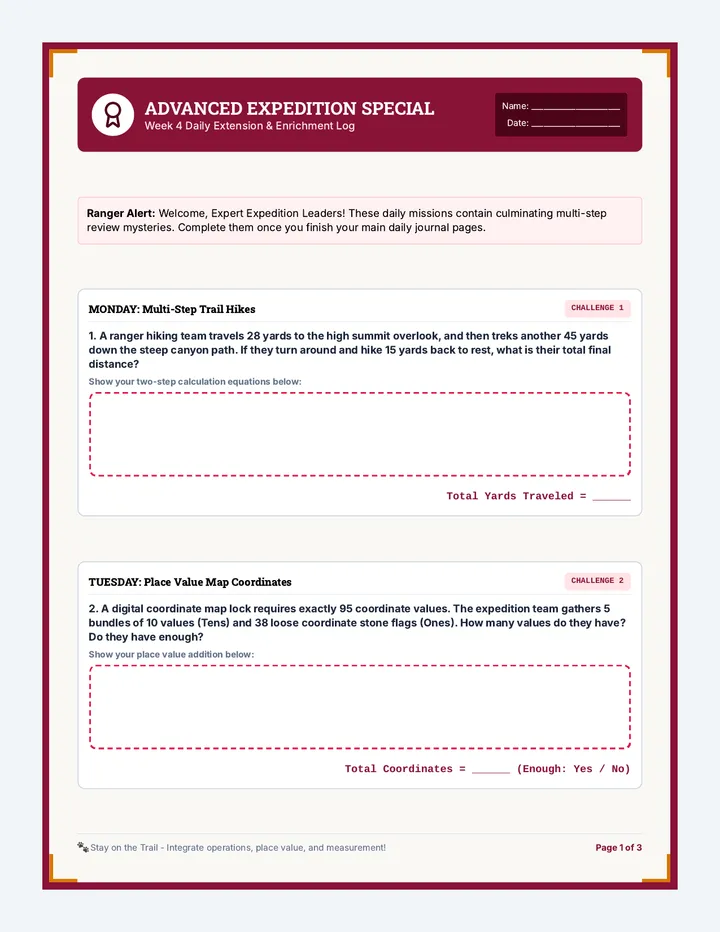
Week 4 of the ESY Wildlife Detective curriculum. Focuses on a comprehensive mixed spiral math review (NJSLS operations, place value, and measurement) through a culminating multi-day outdoor expedition challenge.