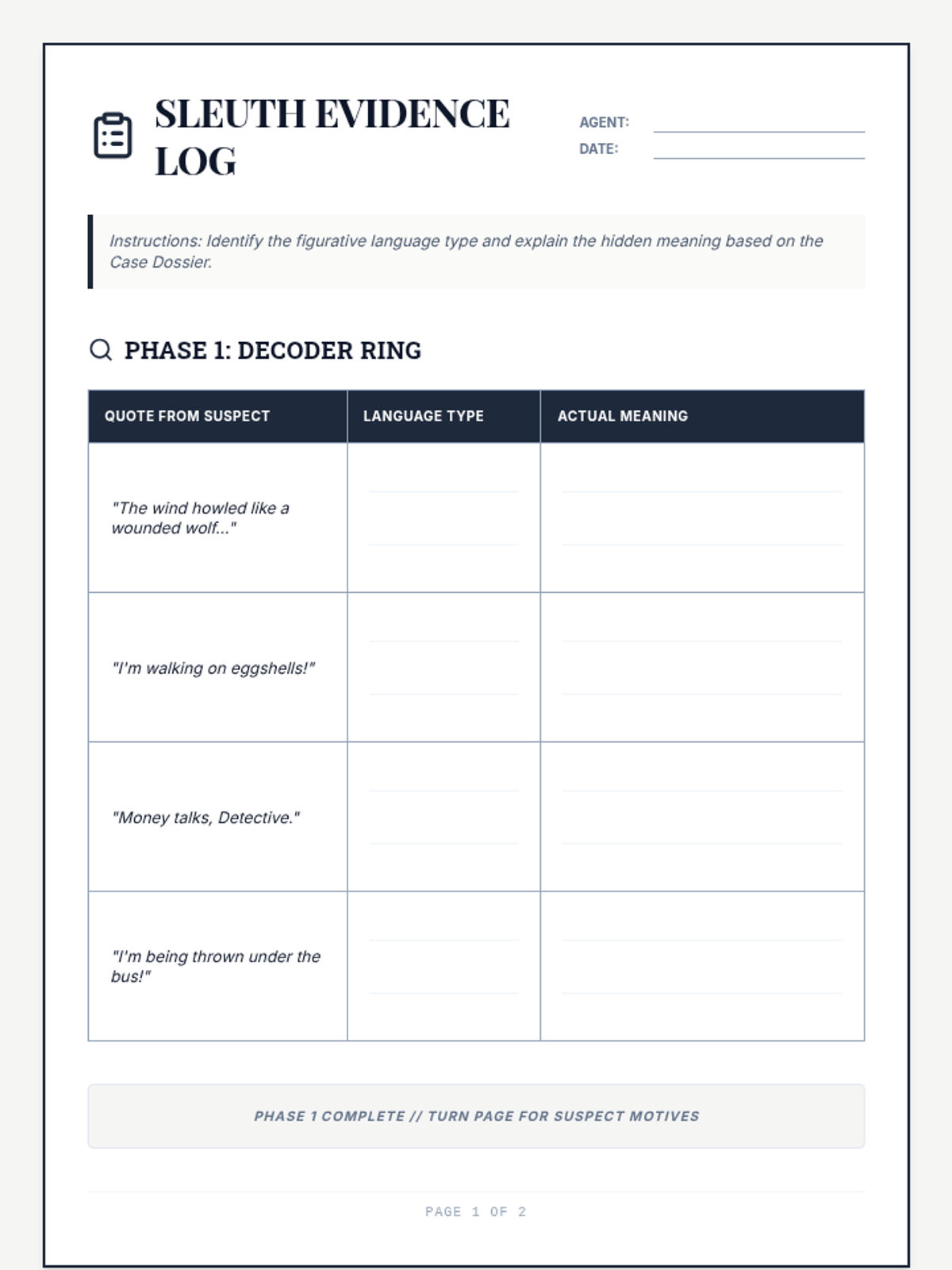
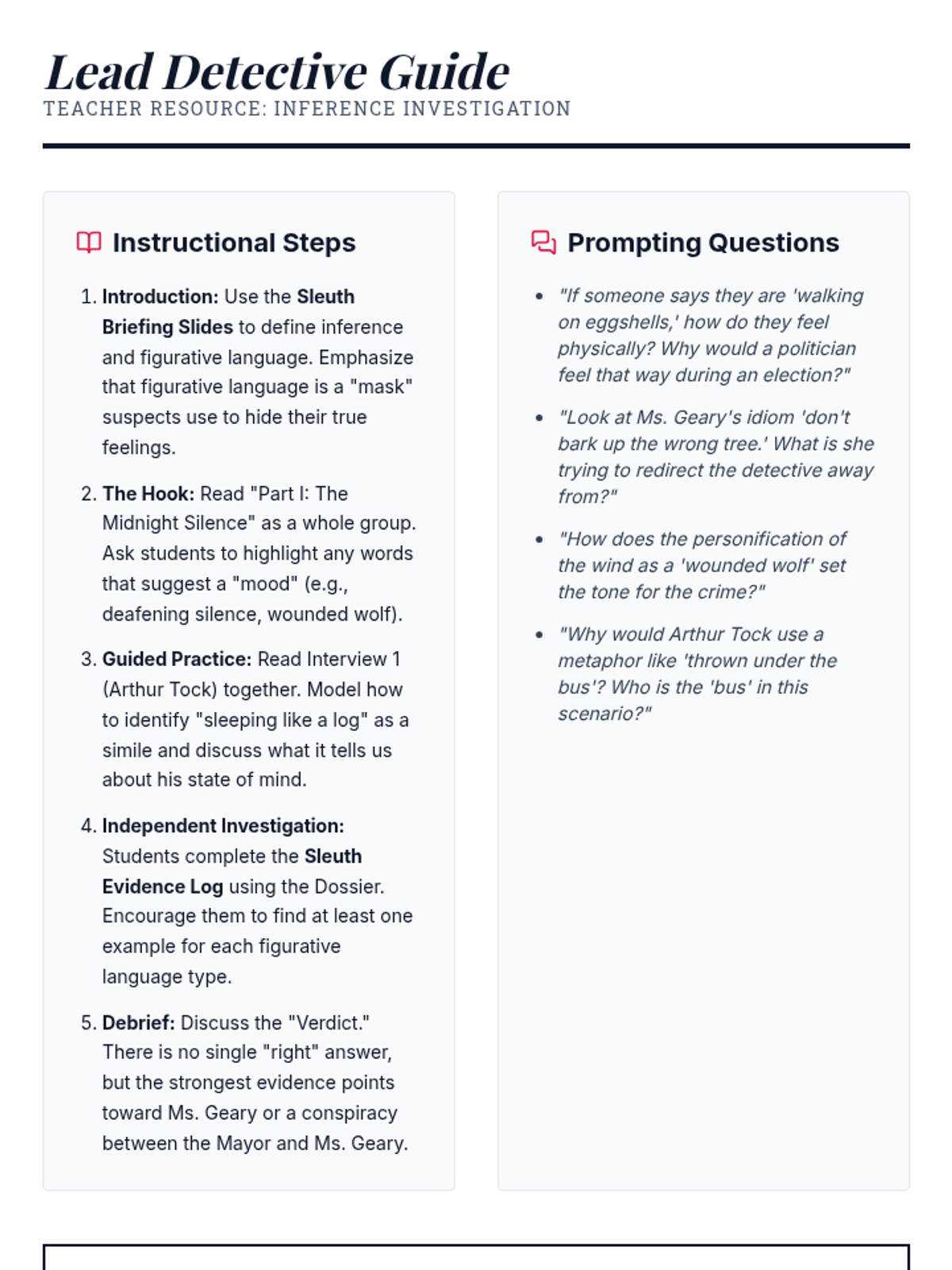
A speech therapy lesson focused on inferencing character motives and interpreting figurative language by citing specific textual evidence. Students use a structured detective-themed approach to bridge the gap between 'knowing' and 'explaining'.
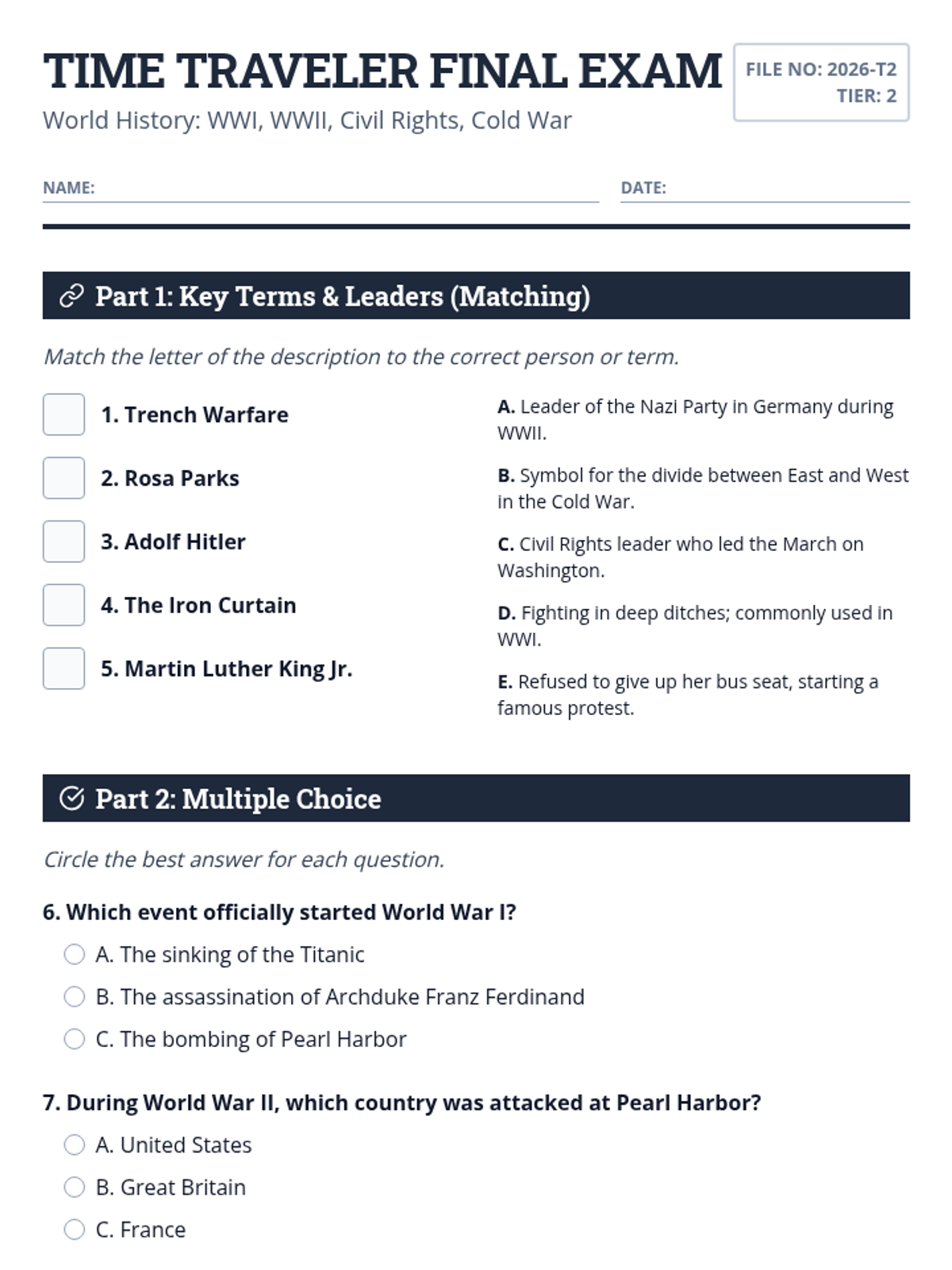
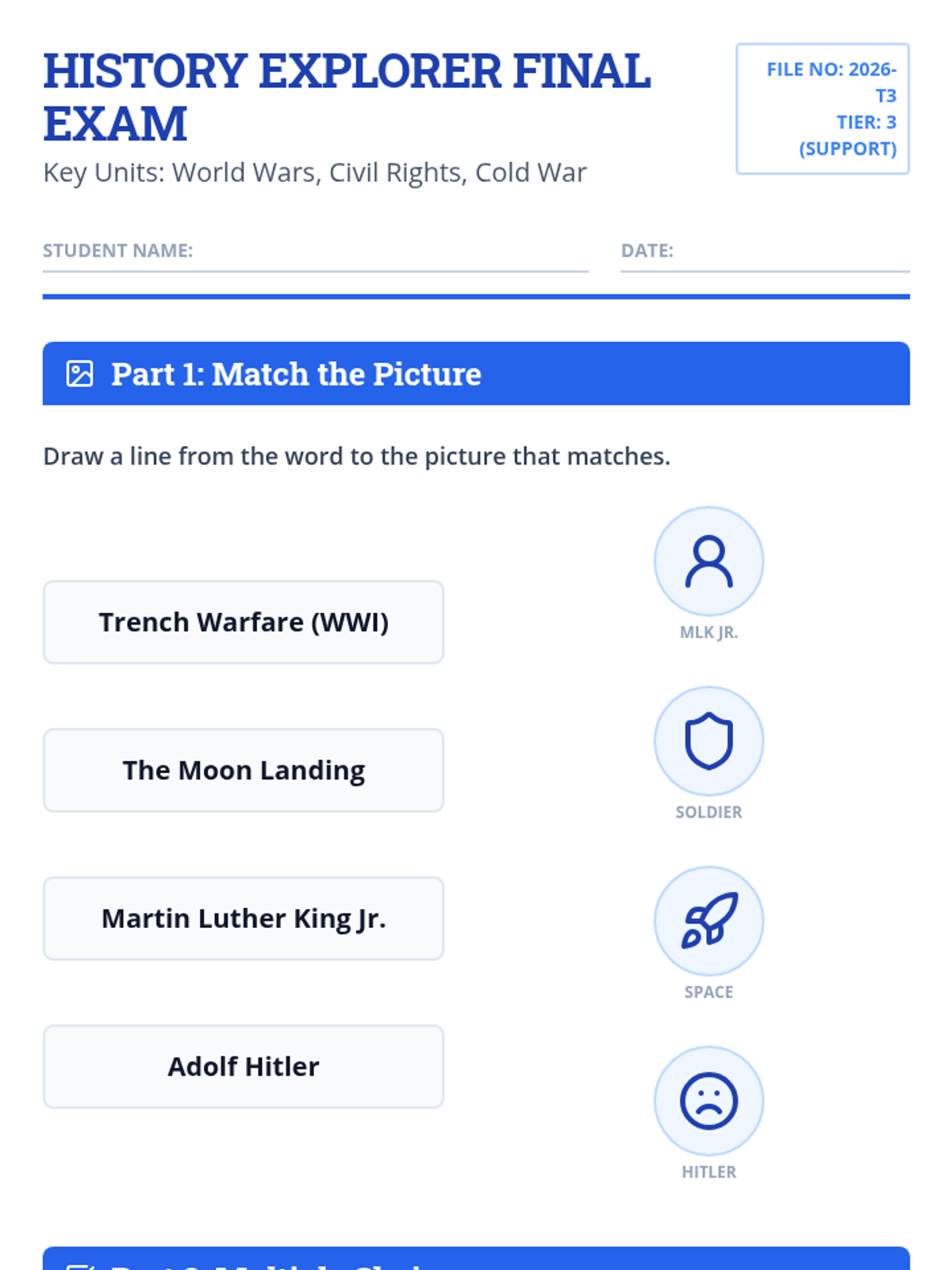
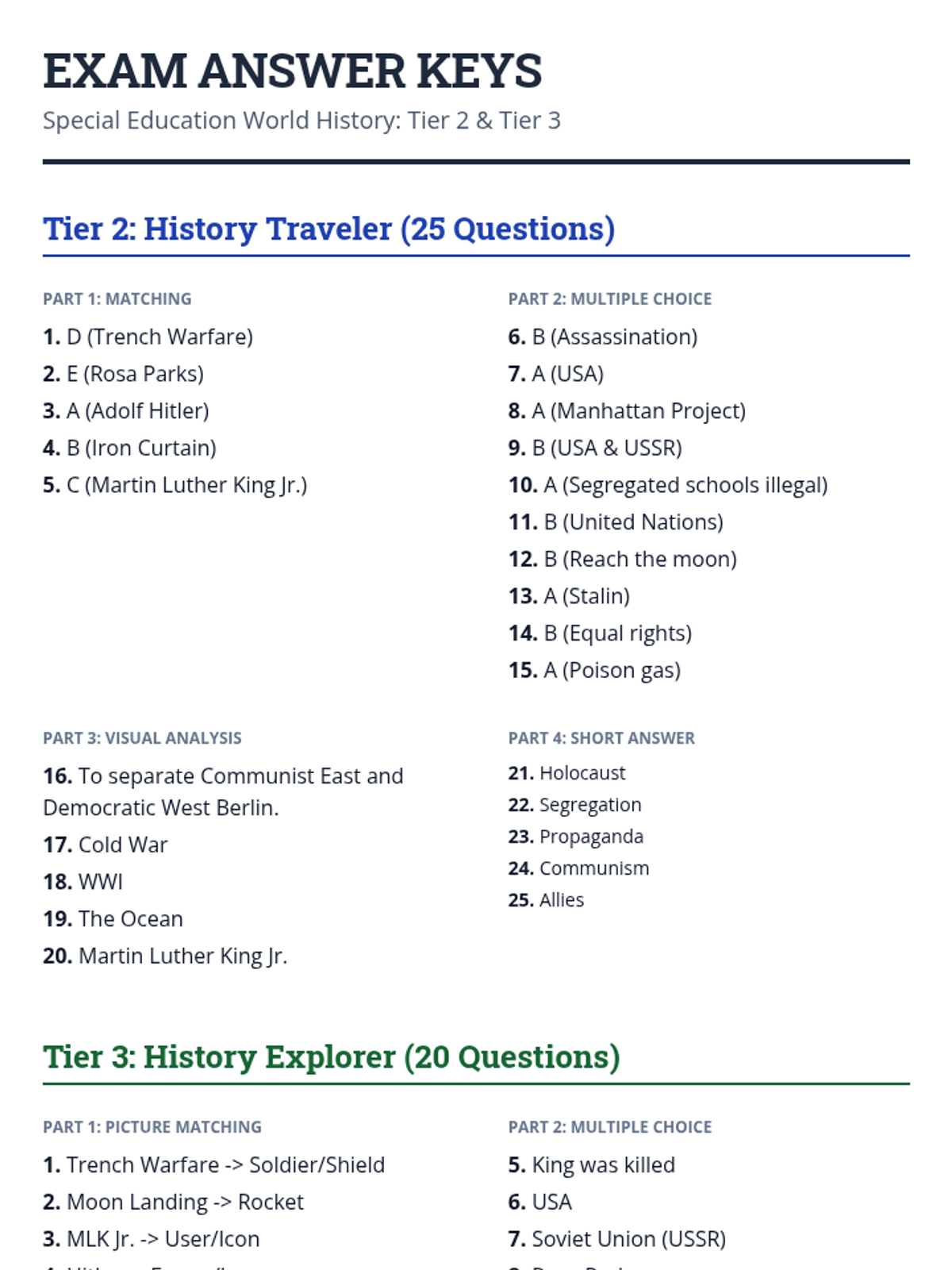
Final assessments for a World History course covering WWI, WWII, the Civil Rights Movement, and the Cold War, tiered for different special education needs.
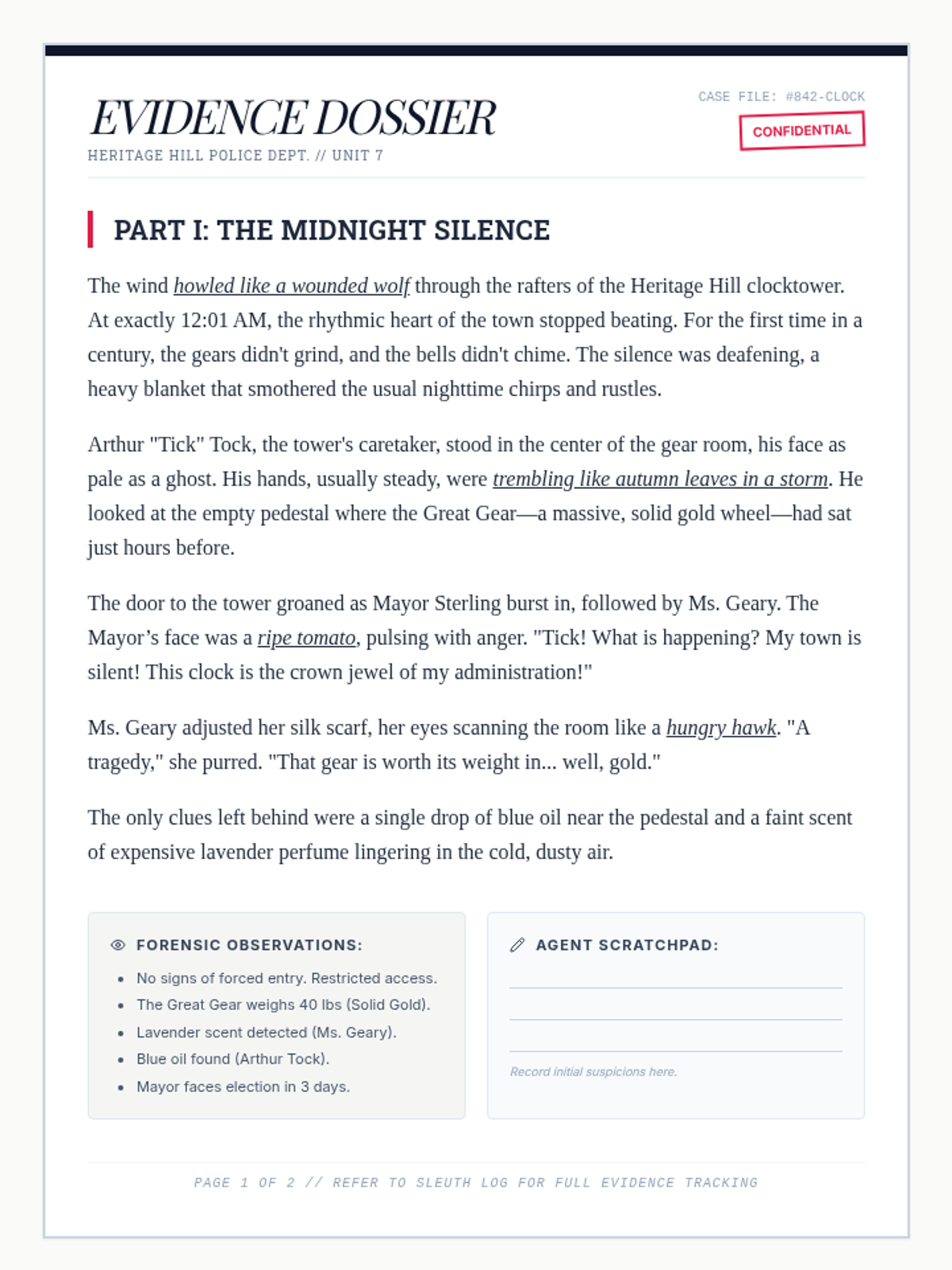
A detective-themed speech therapy lesson for junior high students focusing on inferencing character motives and interpreting figurative language through textual evidence analysis.
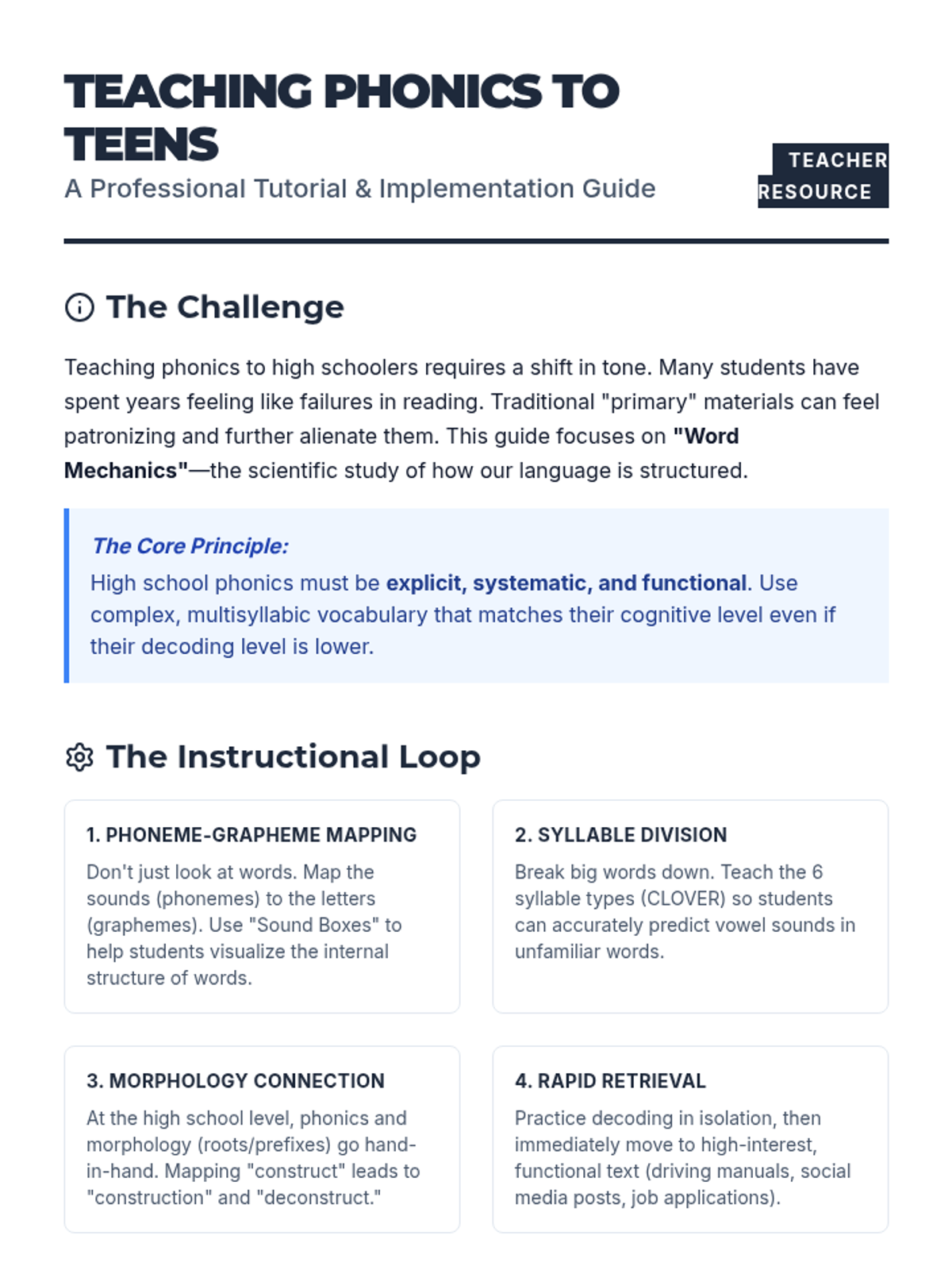
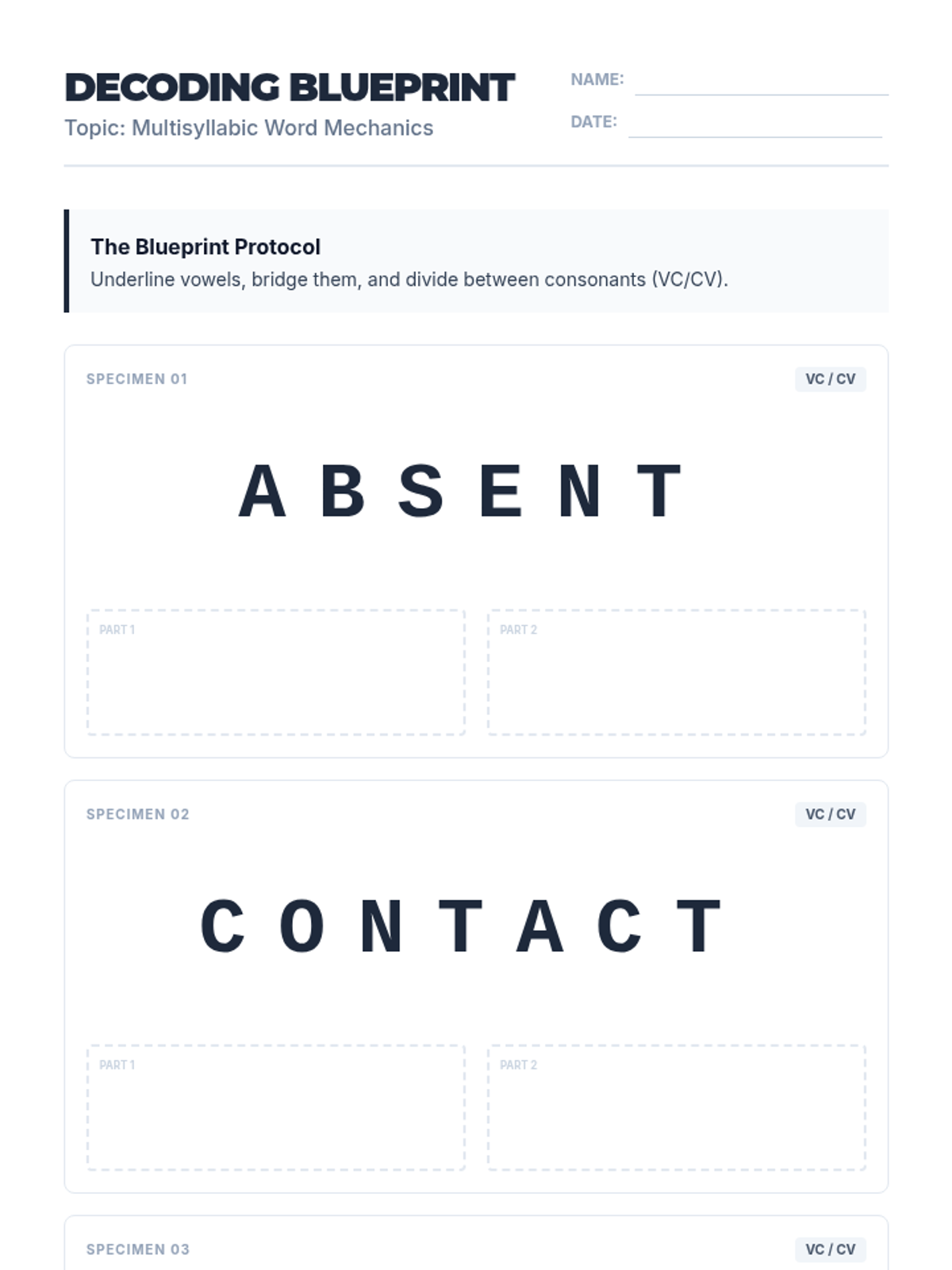
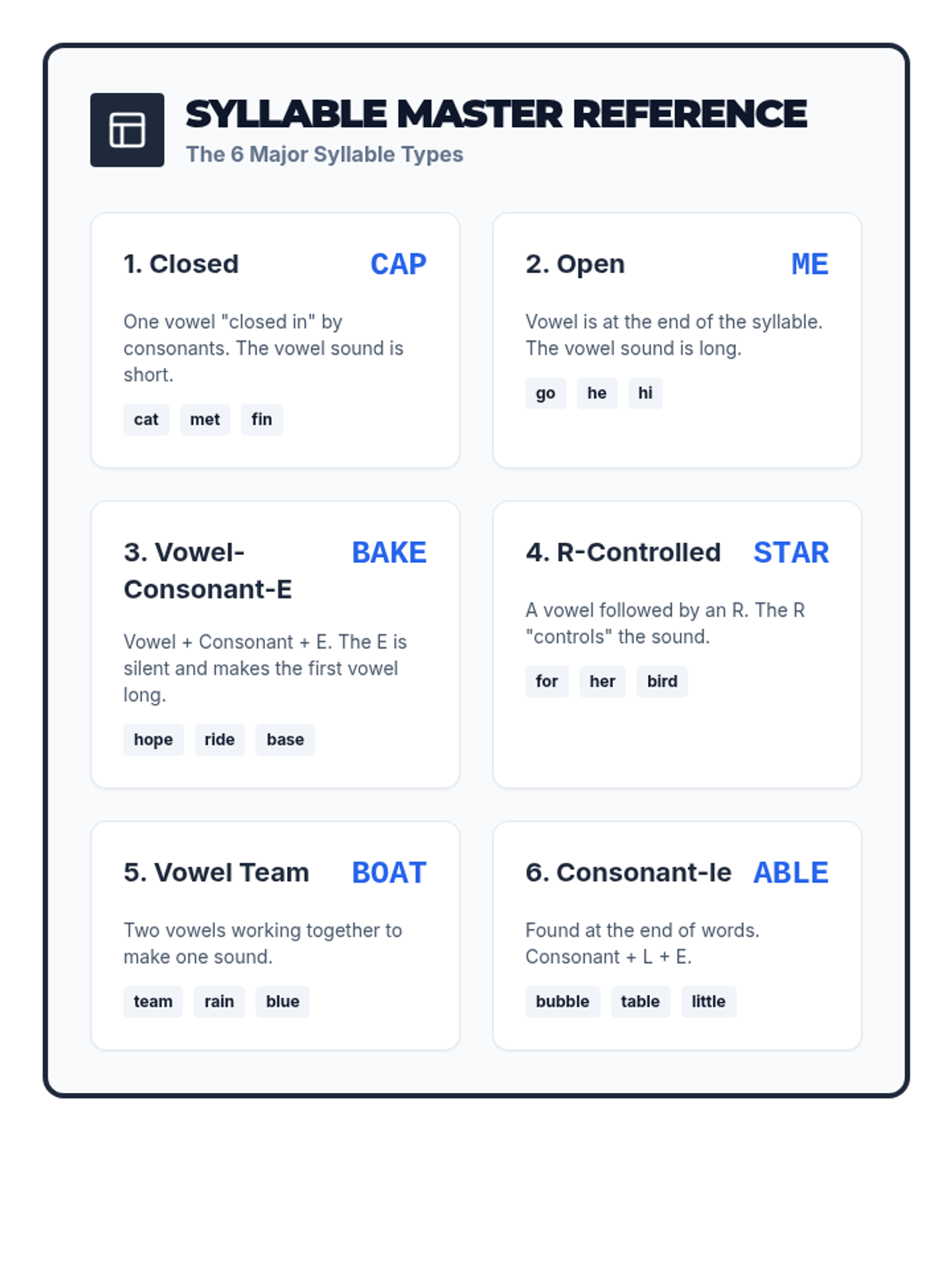
A foundational phonics intervention lesson designed specifically for high school students, focusing on age-appropriate multisyllabic decoding and syllable types.
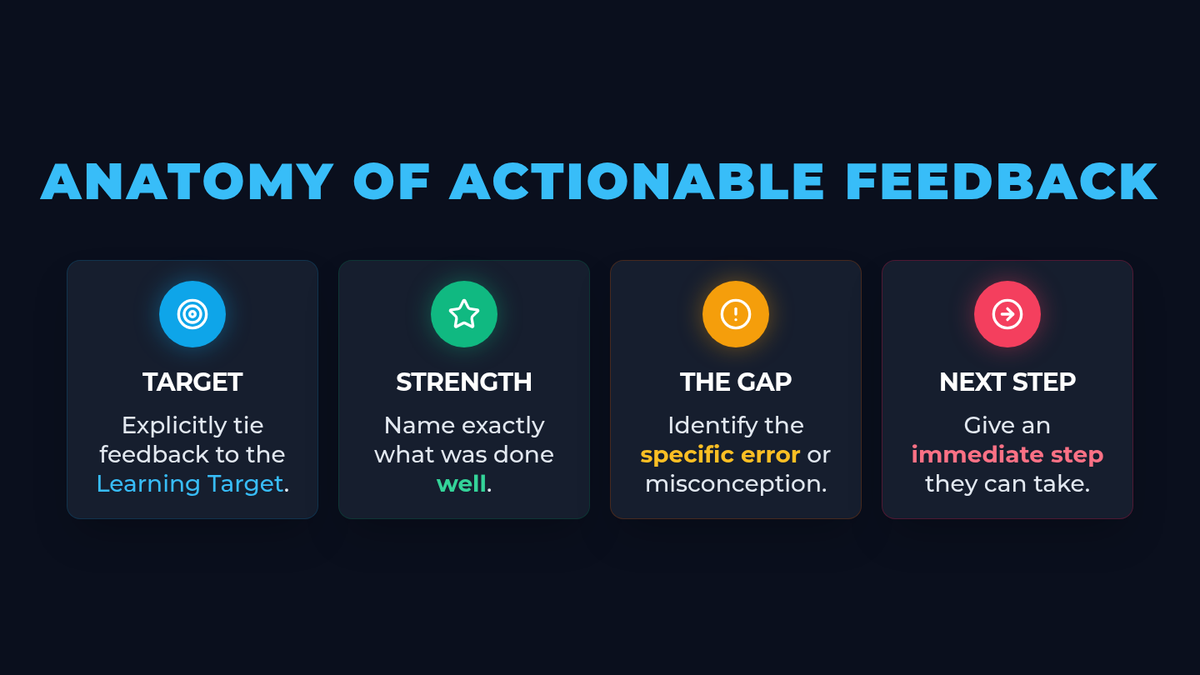
A professional development lesson for educators on crafting high-impact, actionable feedback for students using a structured four-part framework.
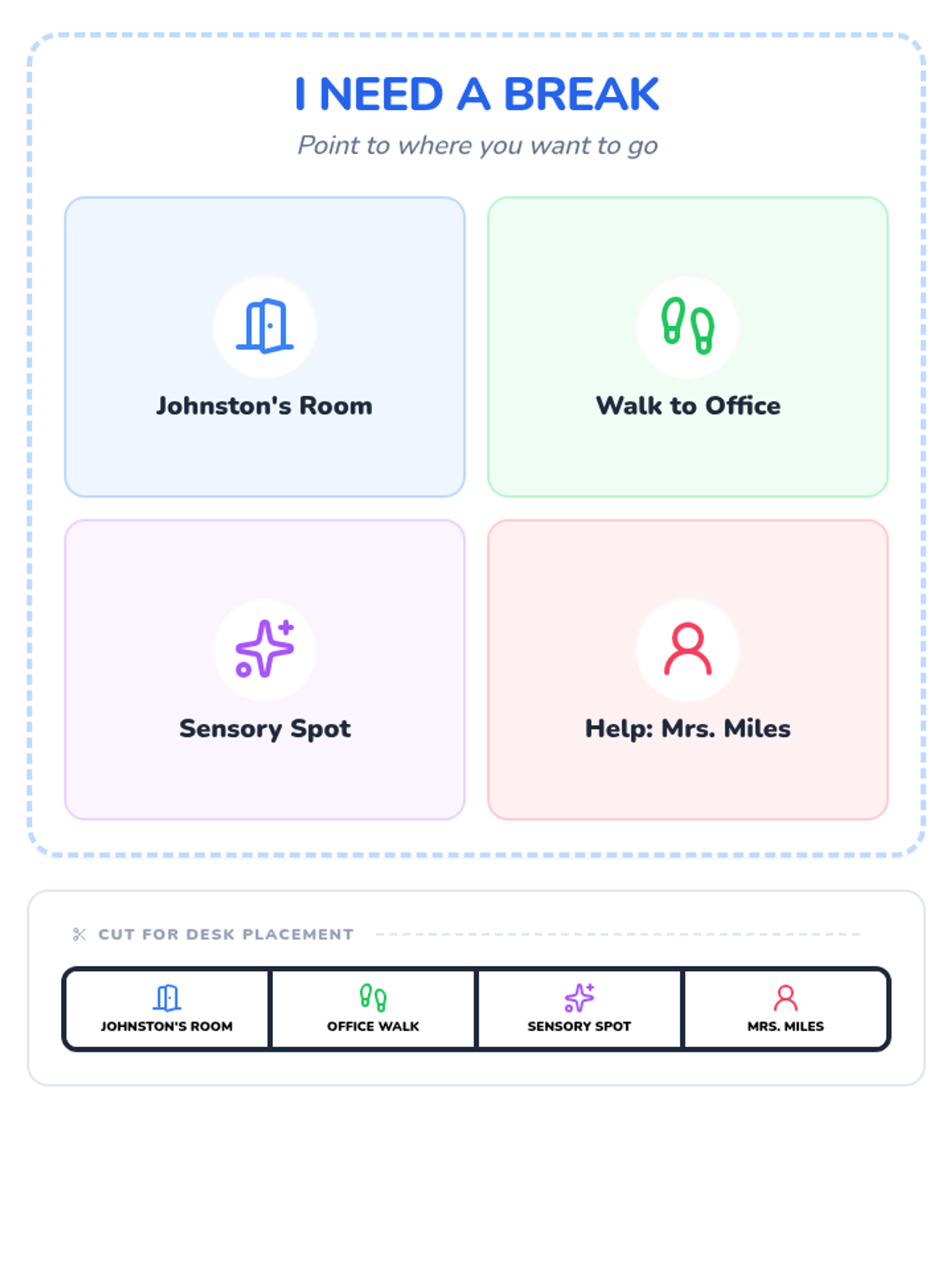
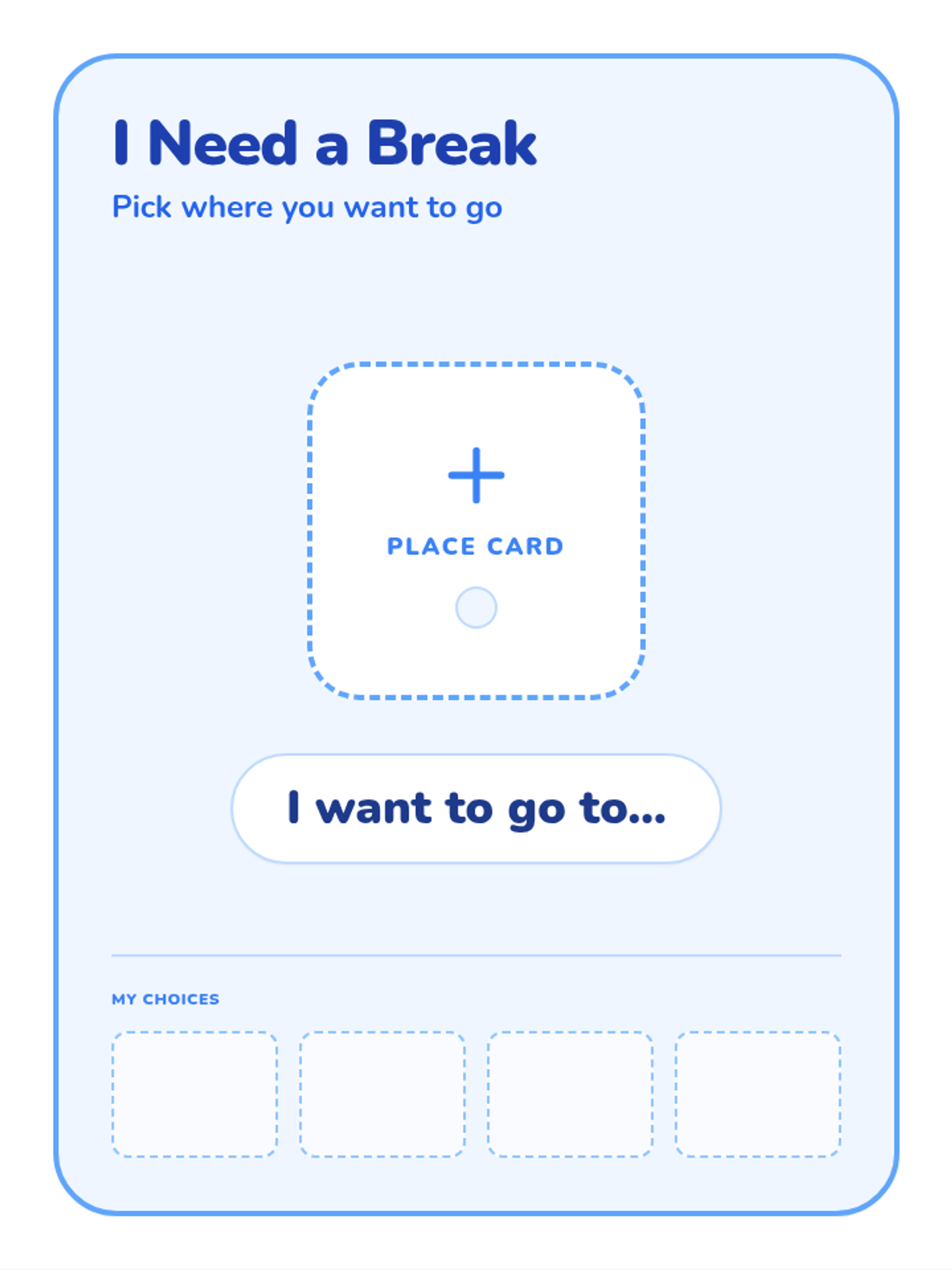
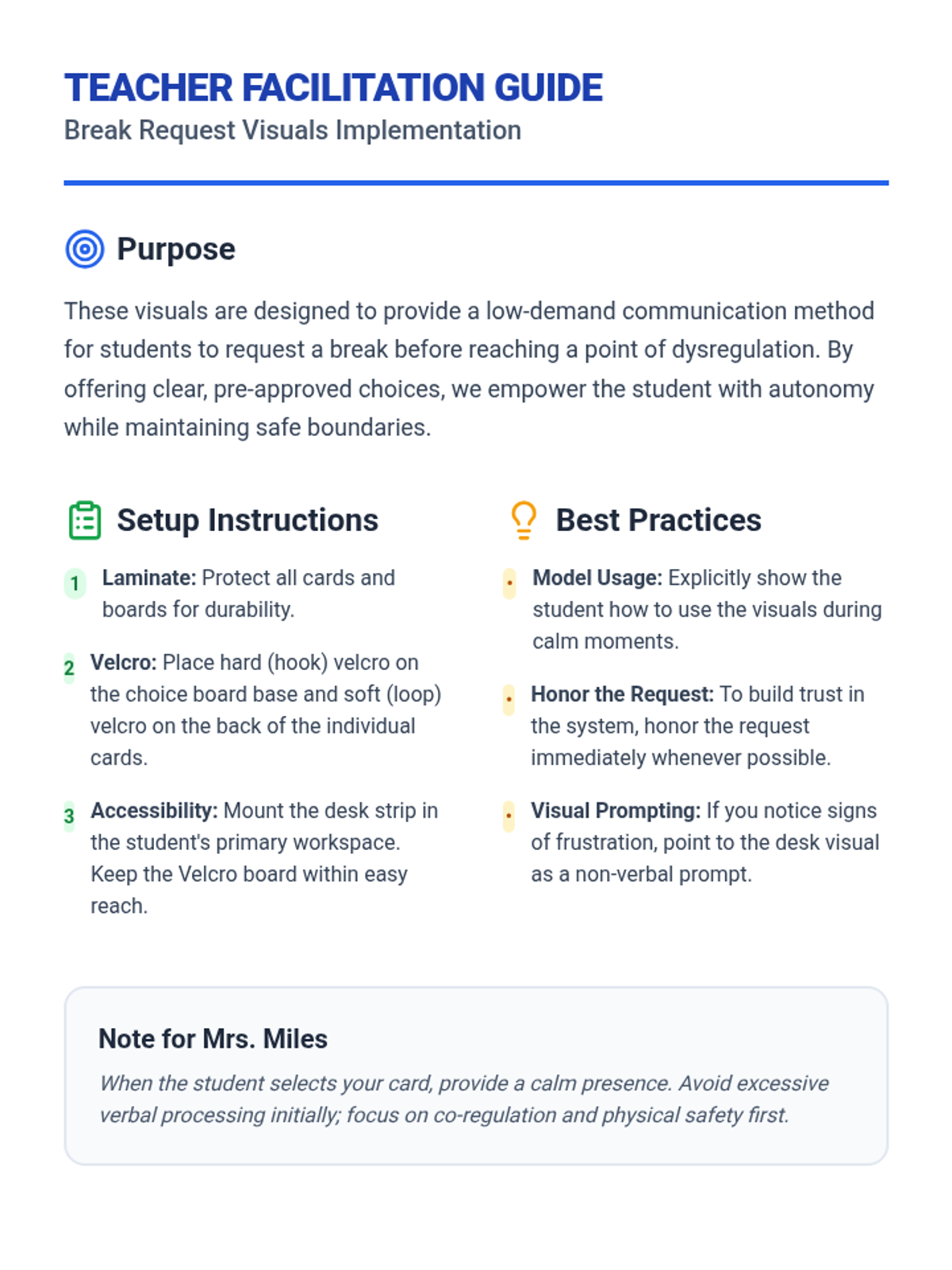
A set of visual supports designed to help a student communicate their need for a break and choose from pre-approved locations and supports.
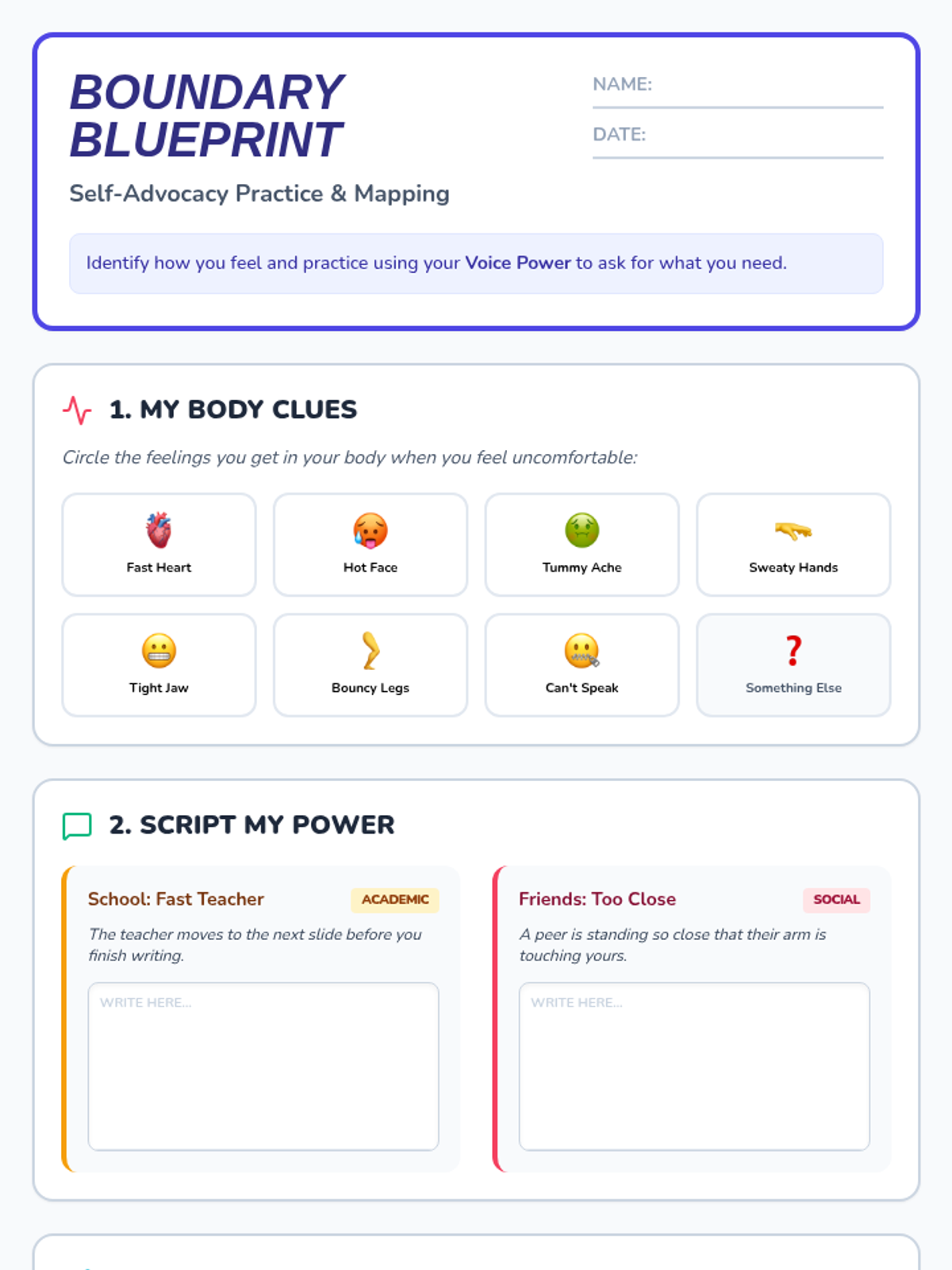
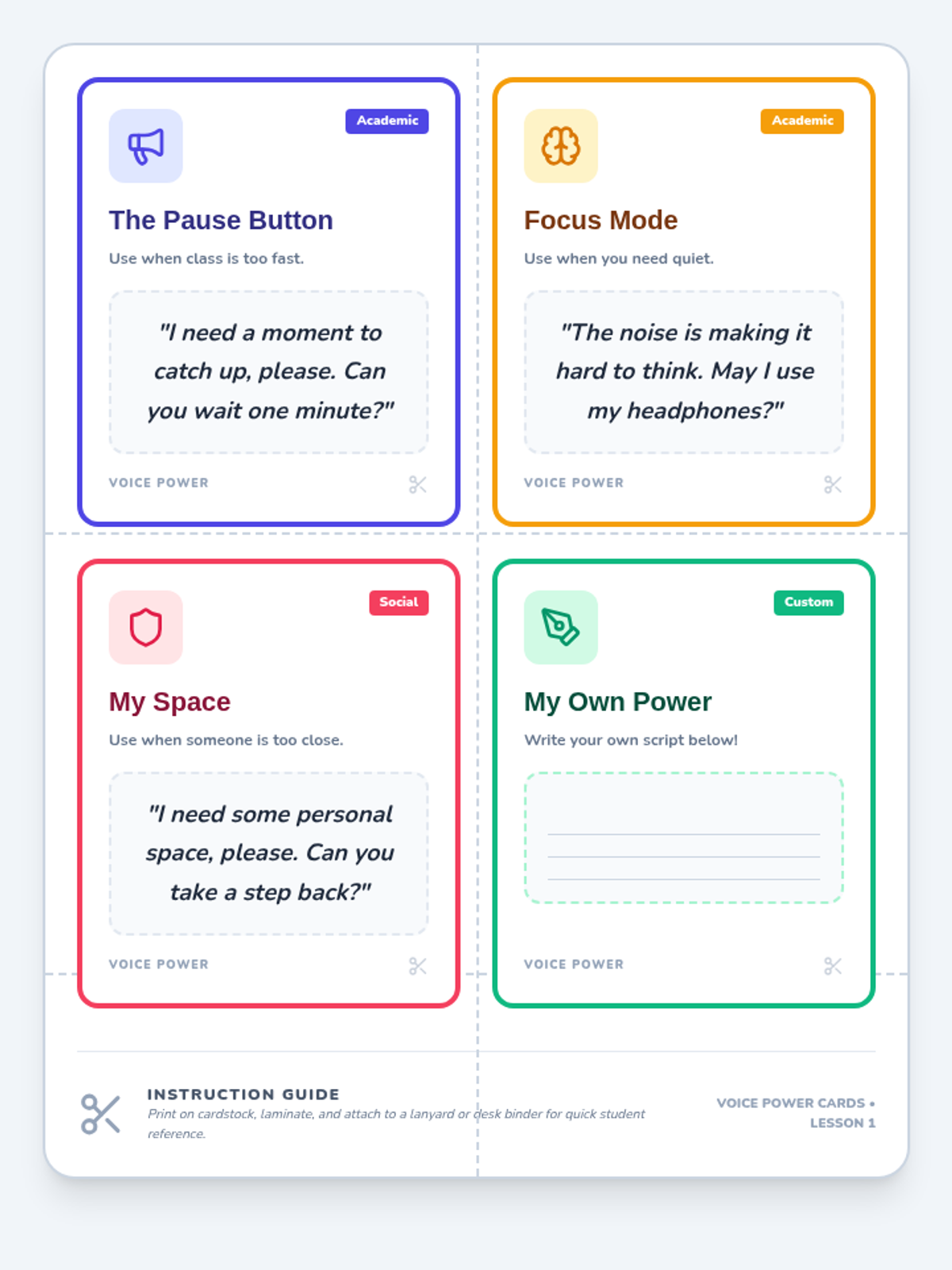
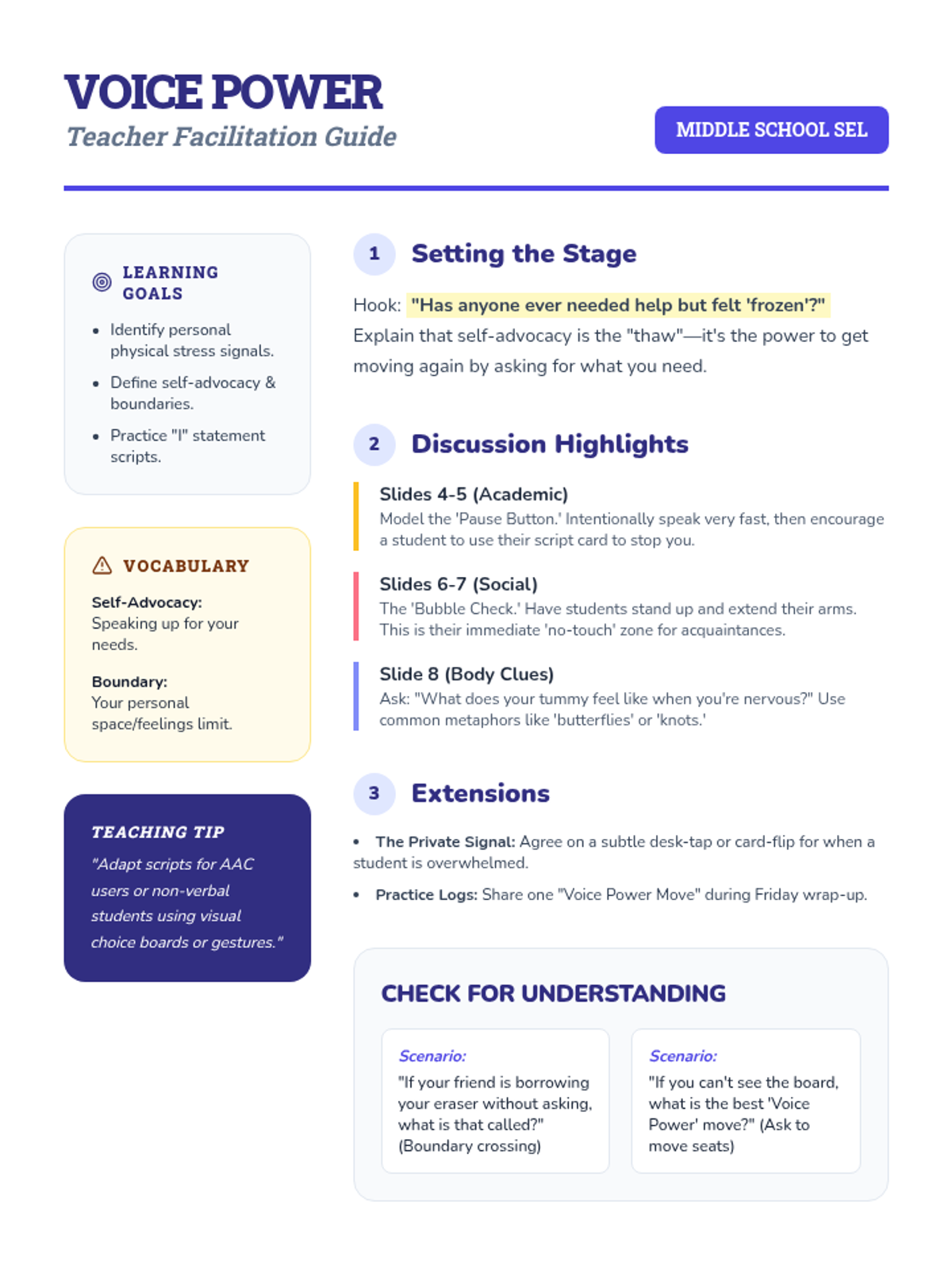
A lesson designed for middle school special needs students to learn the fundamentals of self-advocacy and setting boundaries in both school and social environments through visual storytelling and interactive discussion.
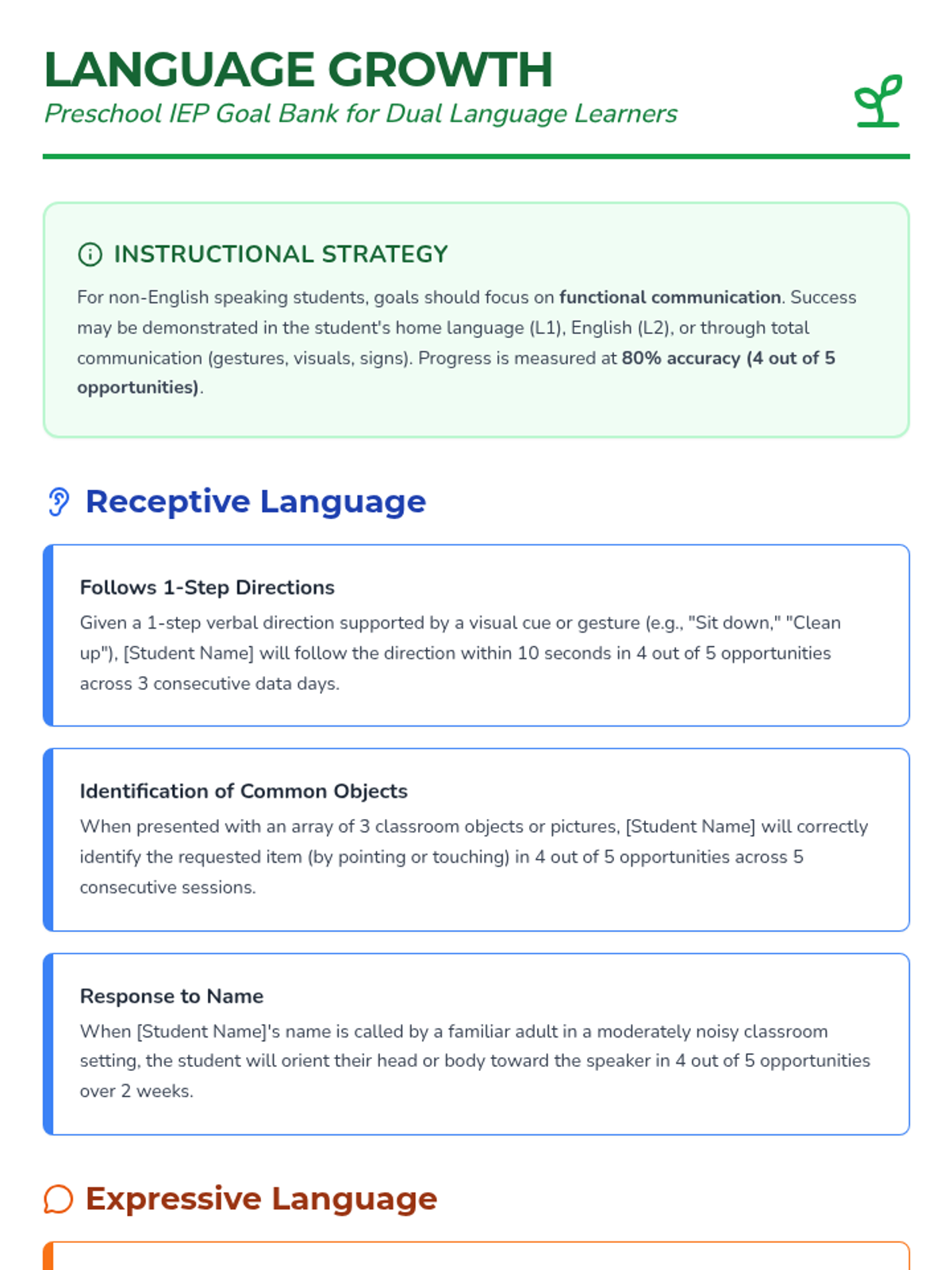
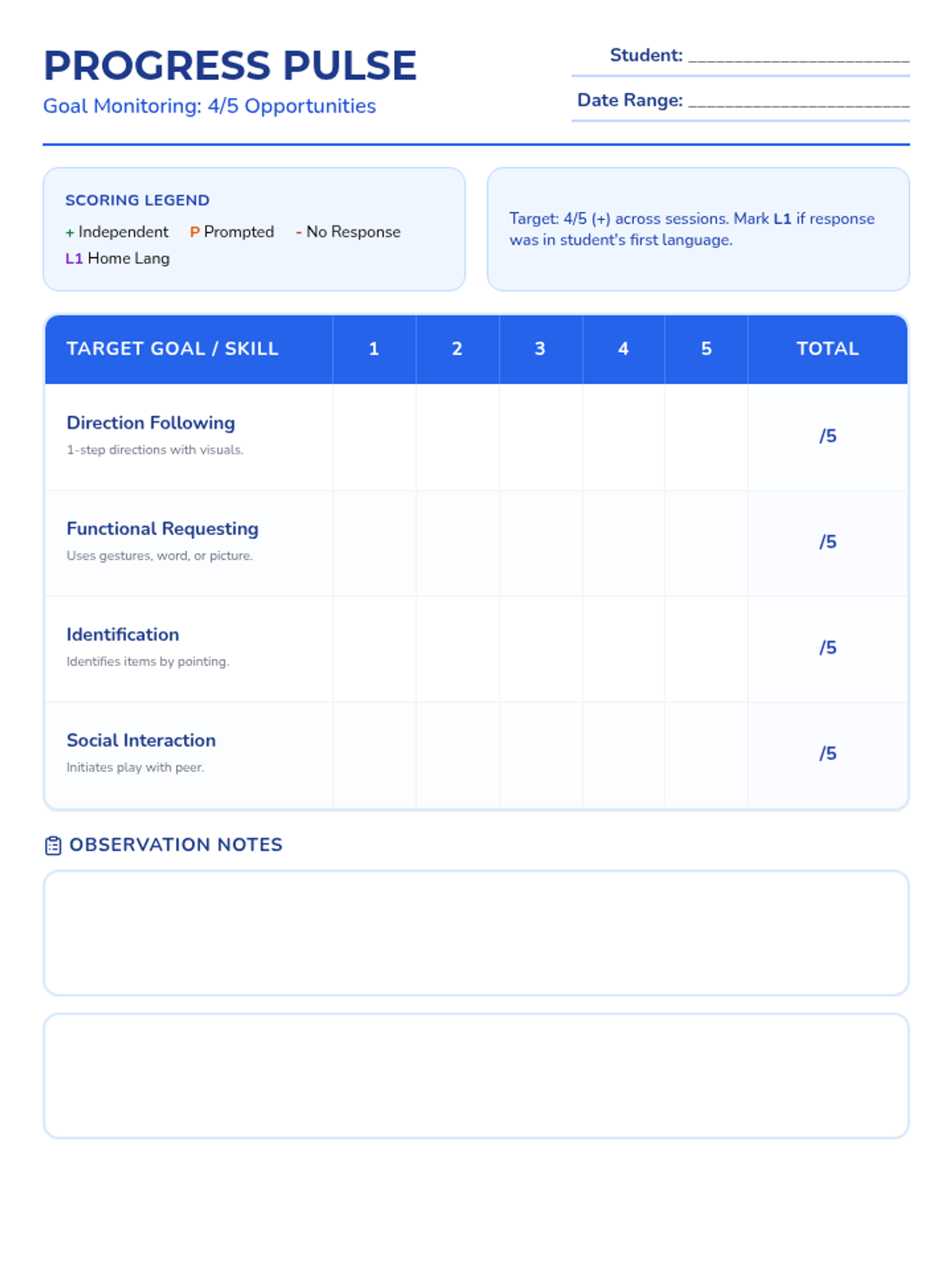
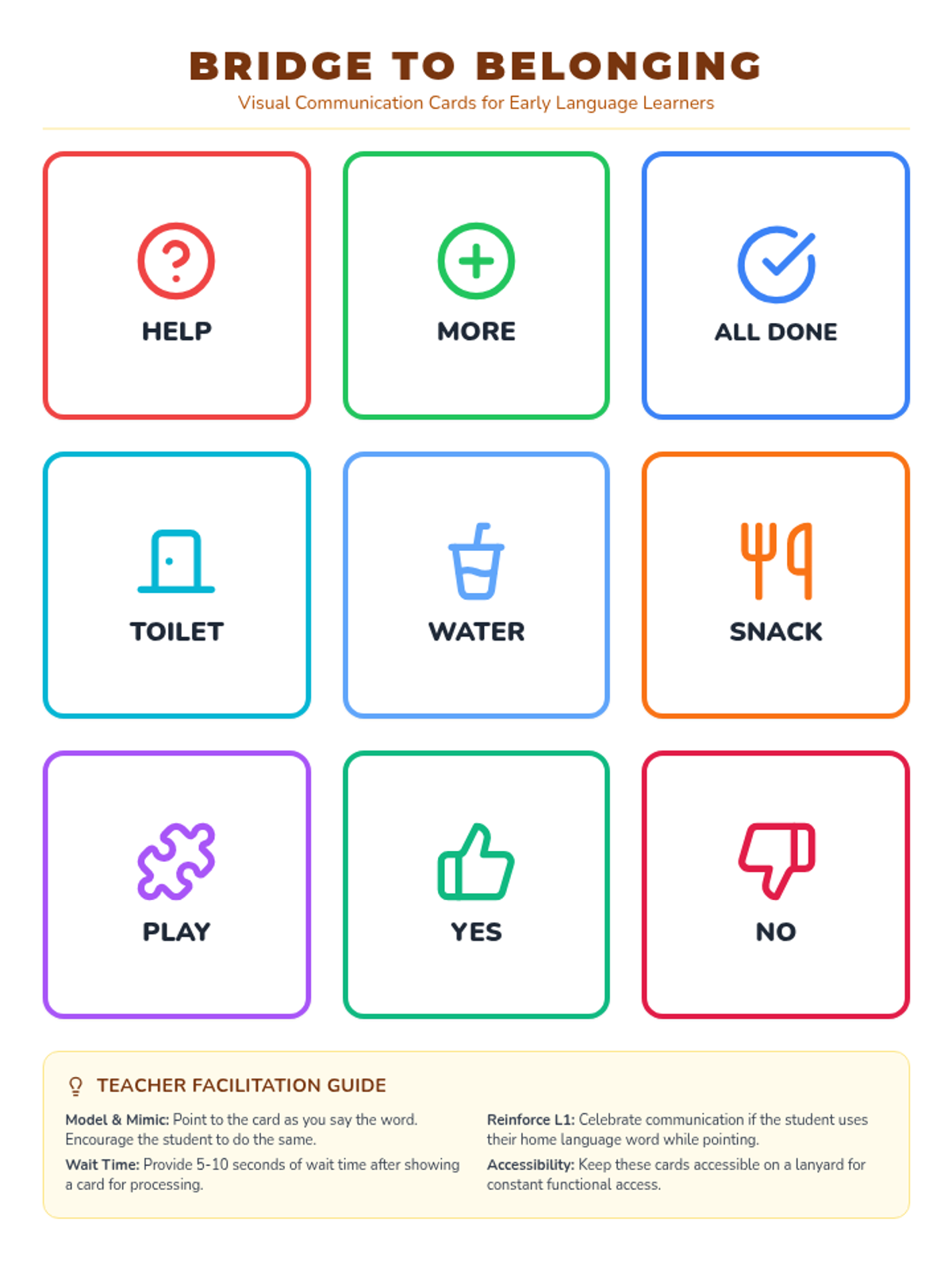
Comprehensive IEP goals and tracking tools for preschool students with language-based developmental delays, specifically designed for non-English speakers or dual-language learners.
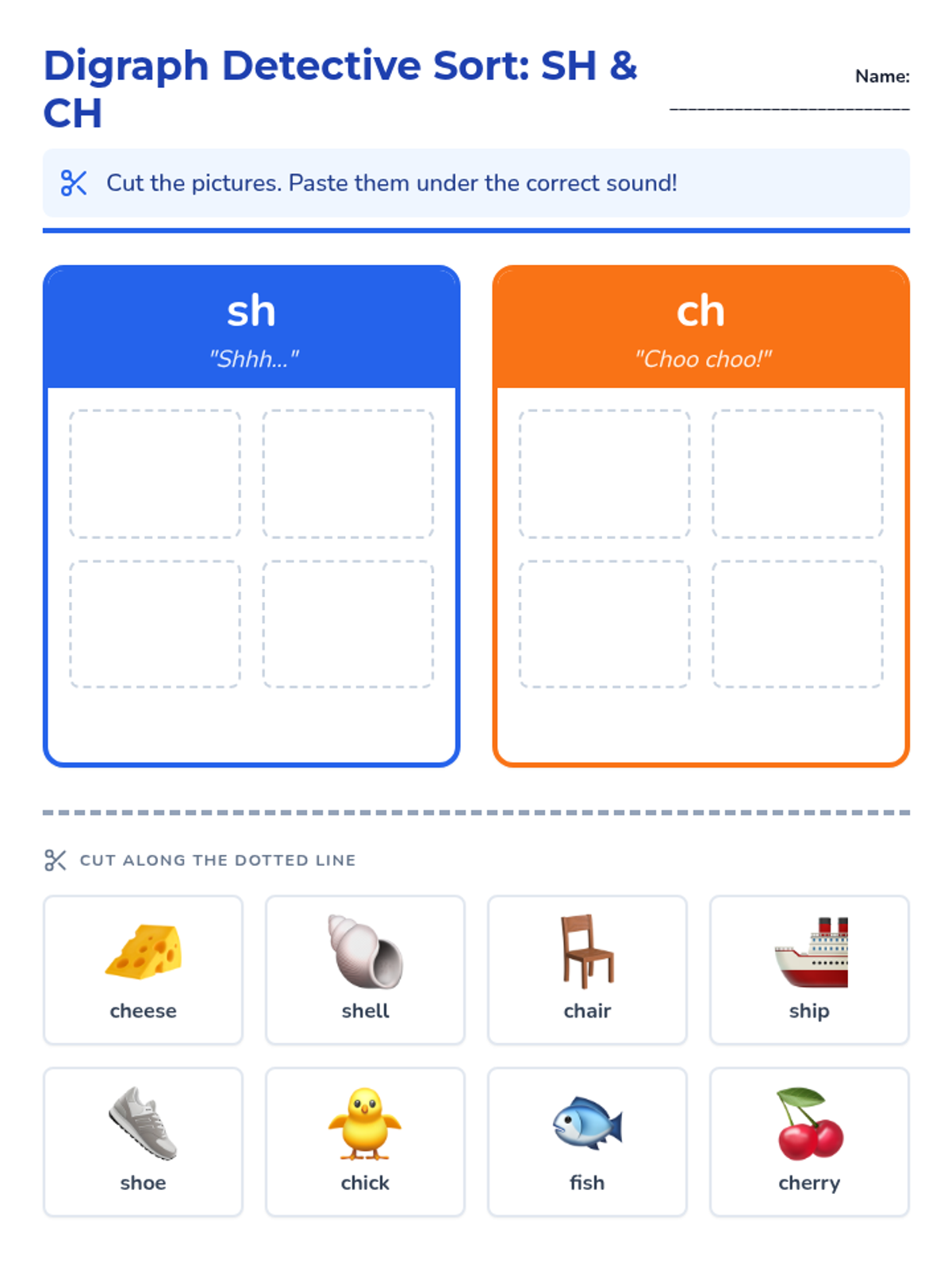
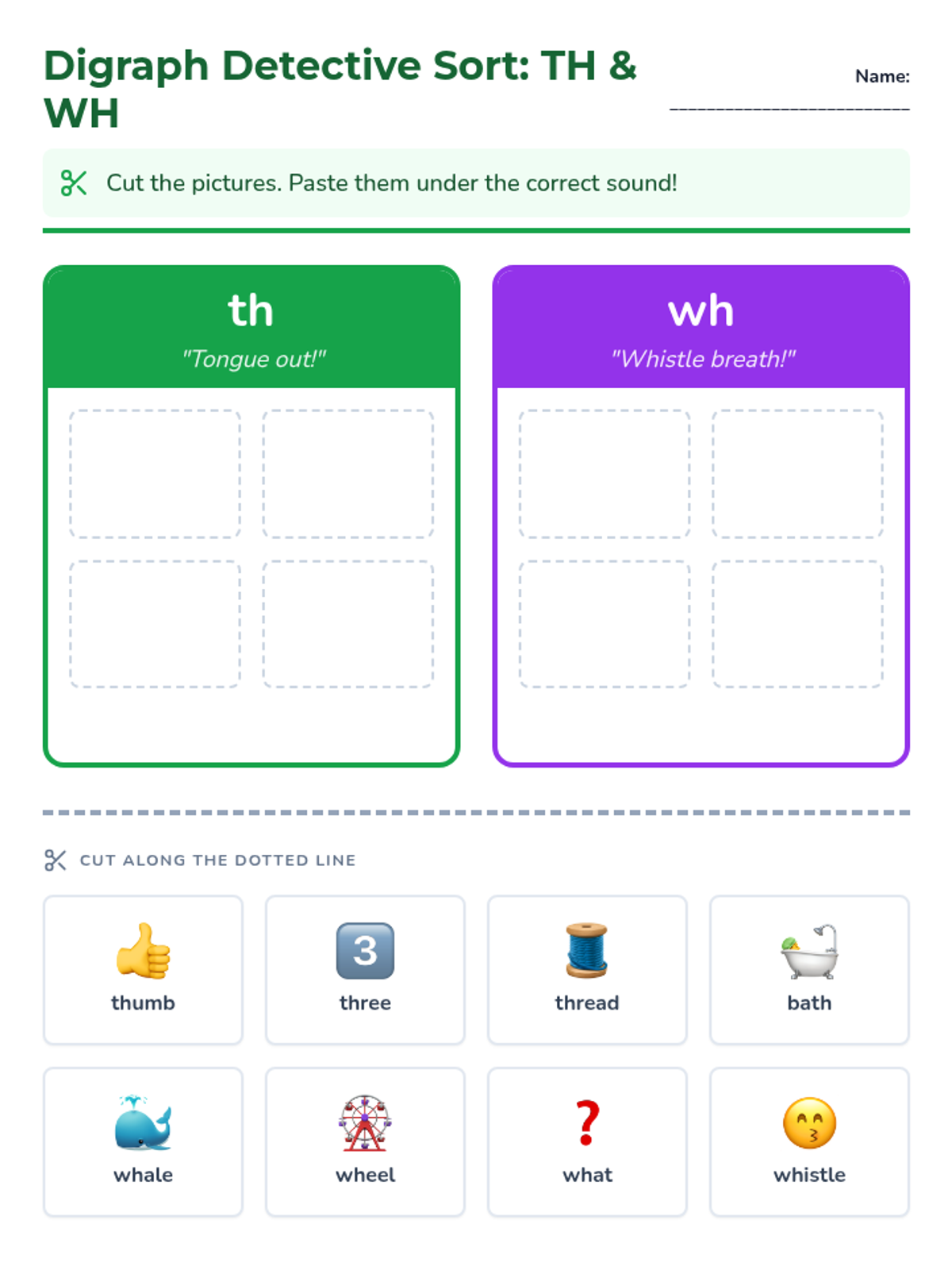
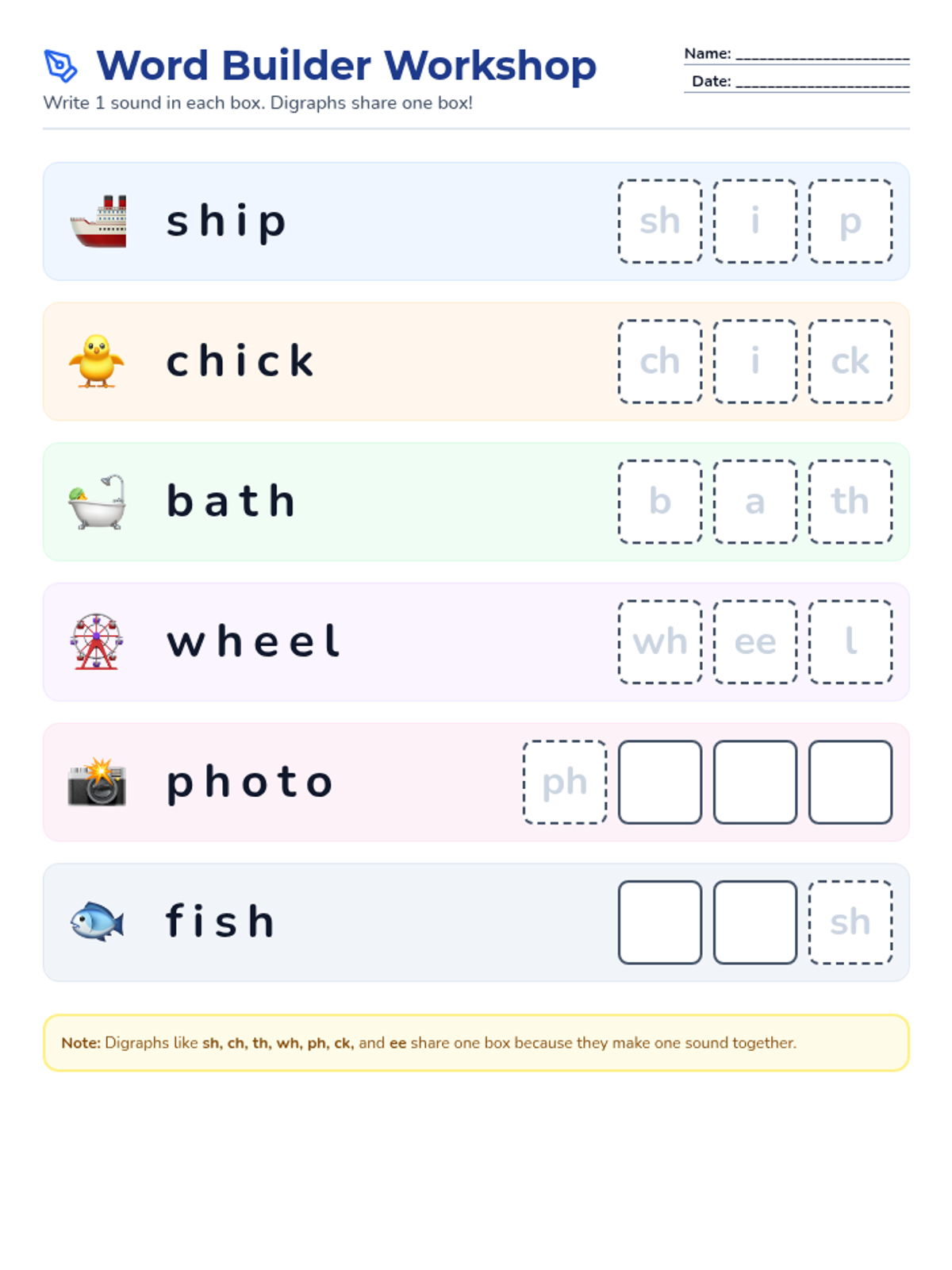
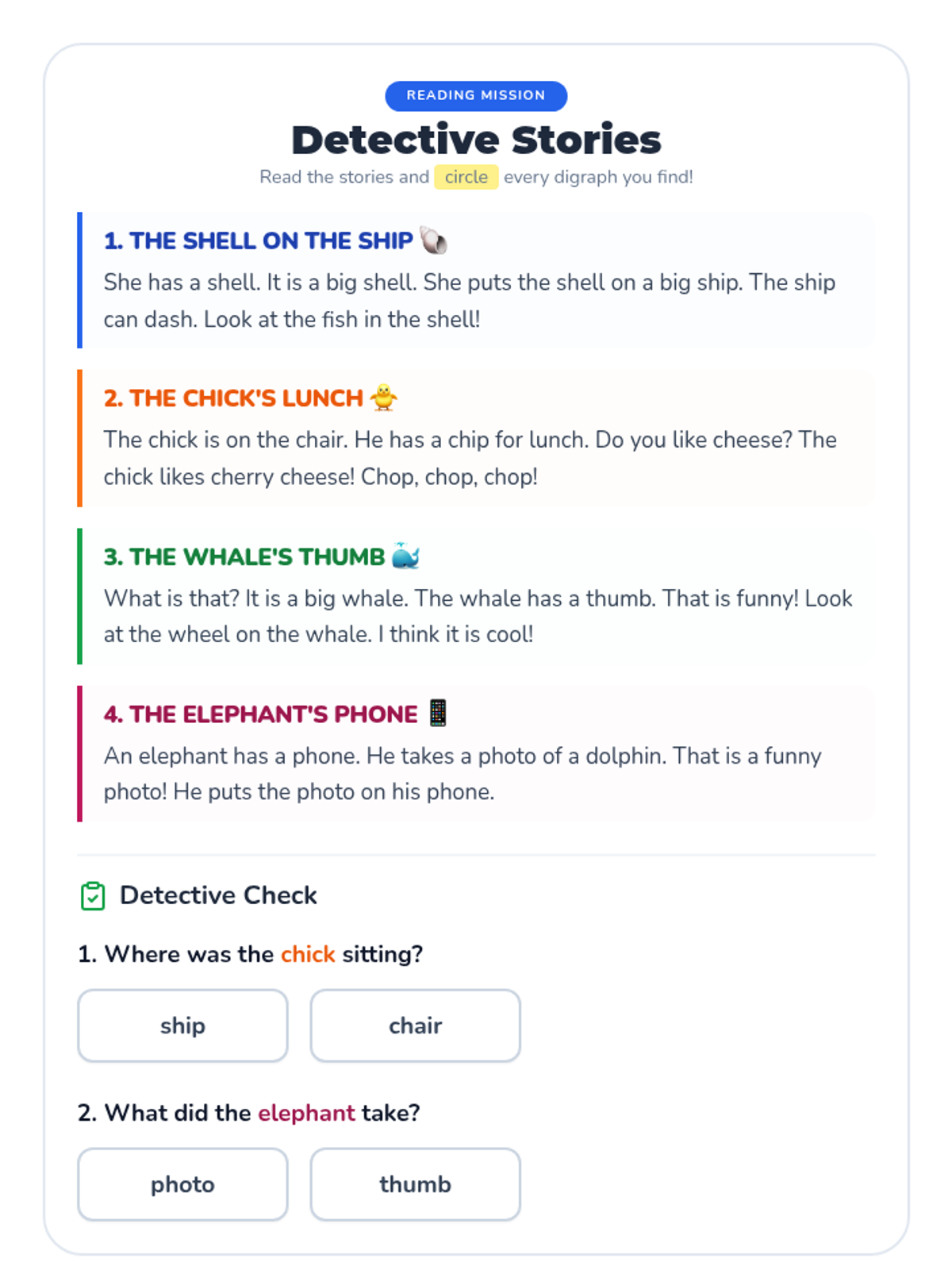
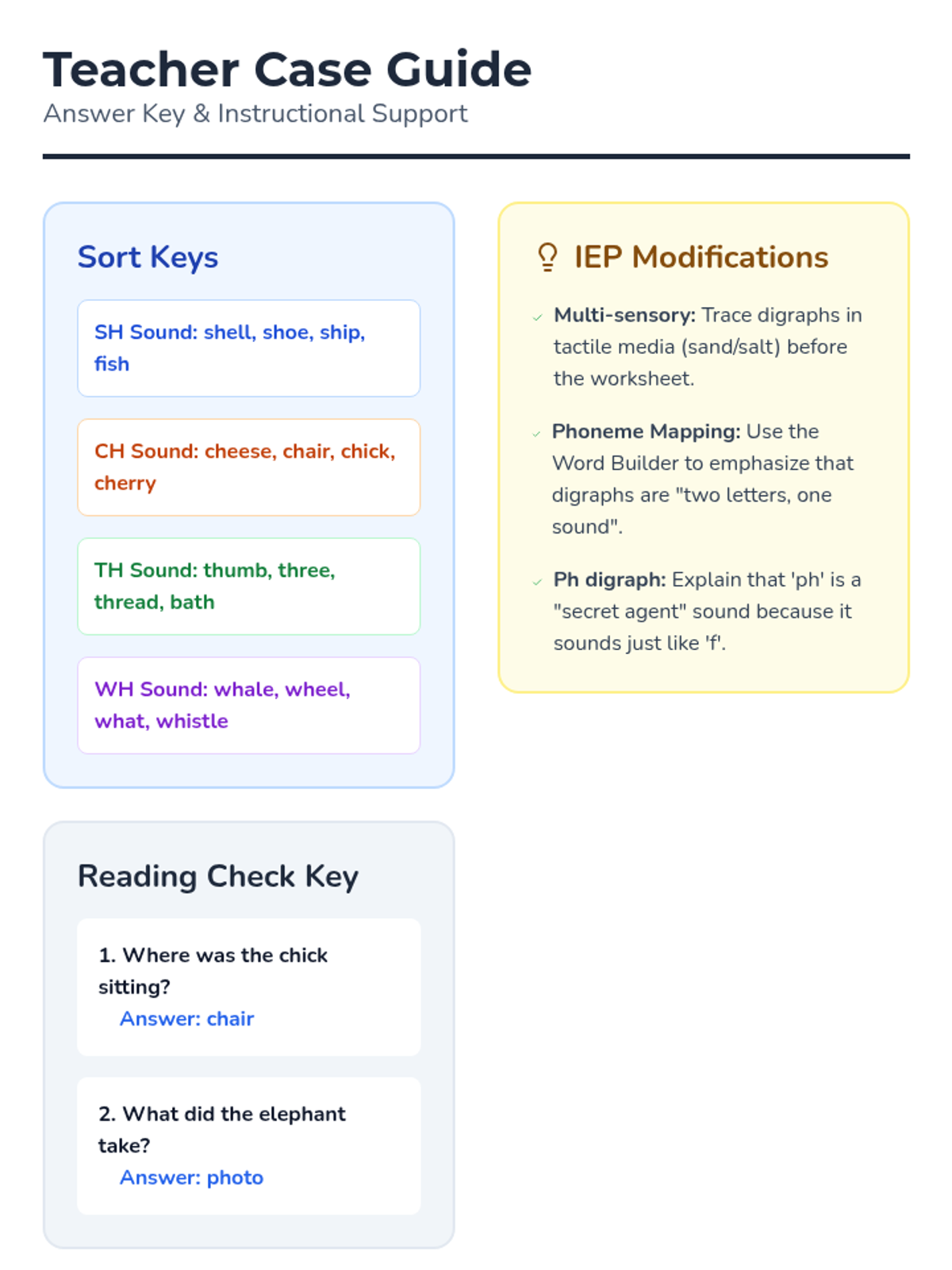
A foundational phonics lesson focusing on identifying and using primary consonant digraphs (sh, ch, th, wh) with visual supports and scaffolded activities designed for students with IEPs.
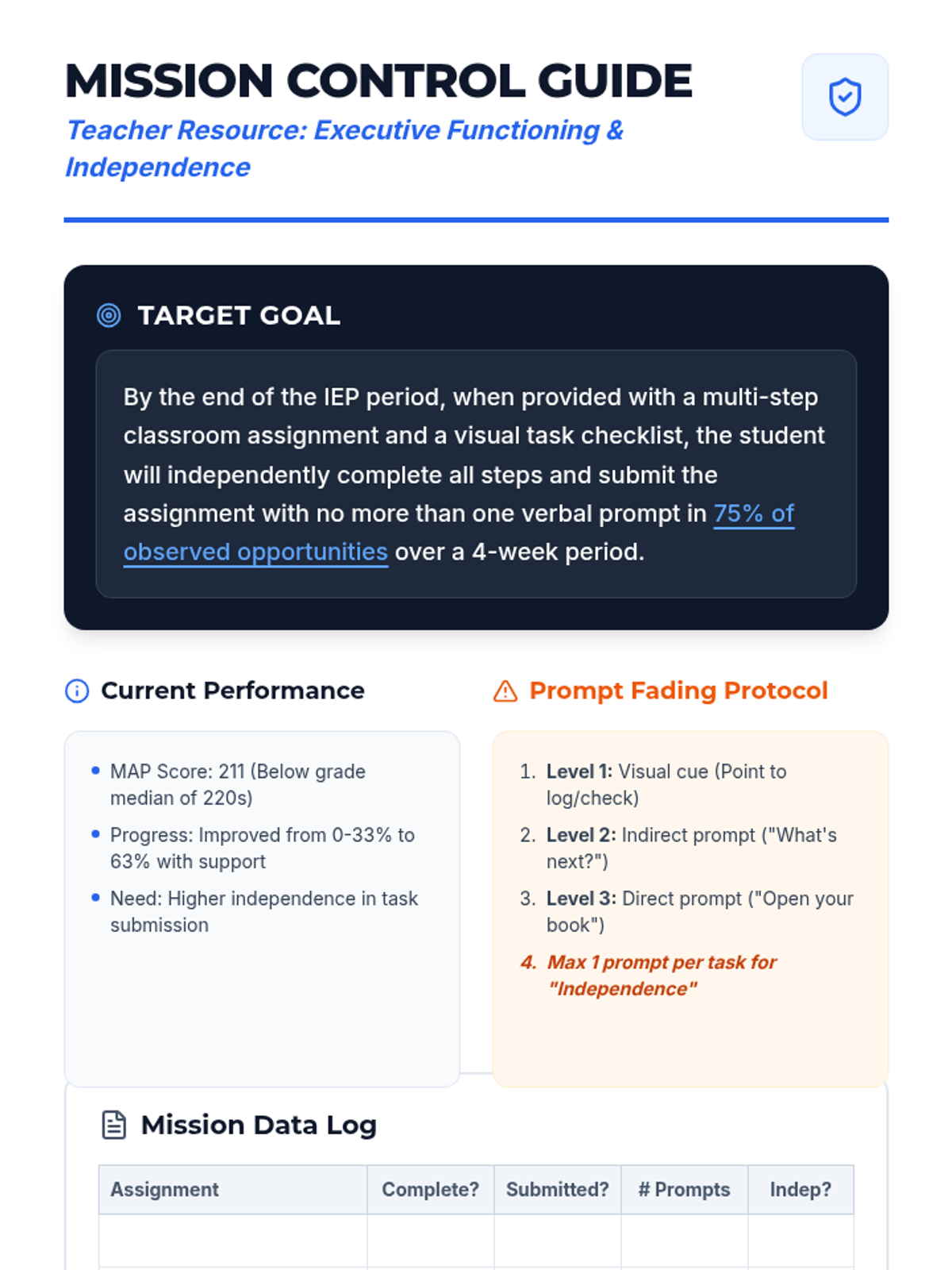
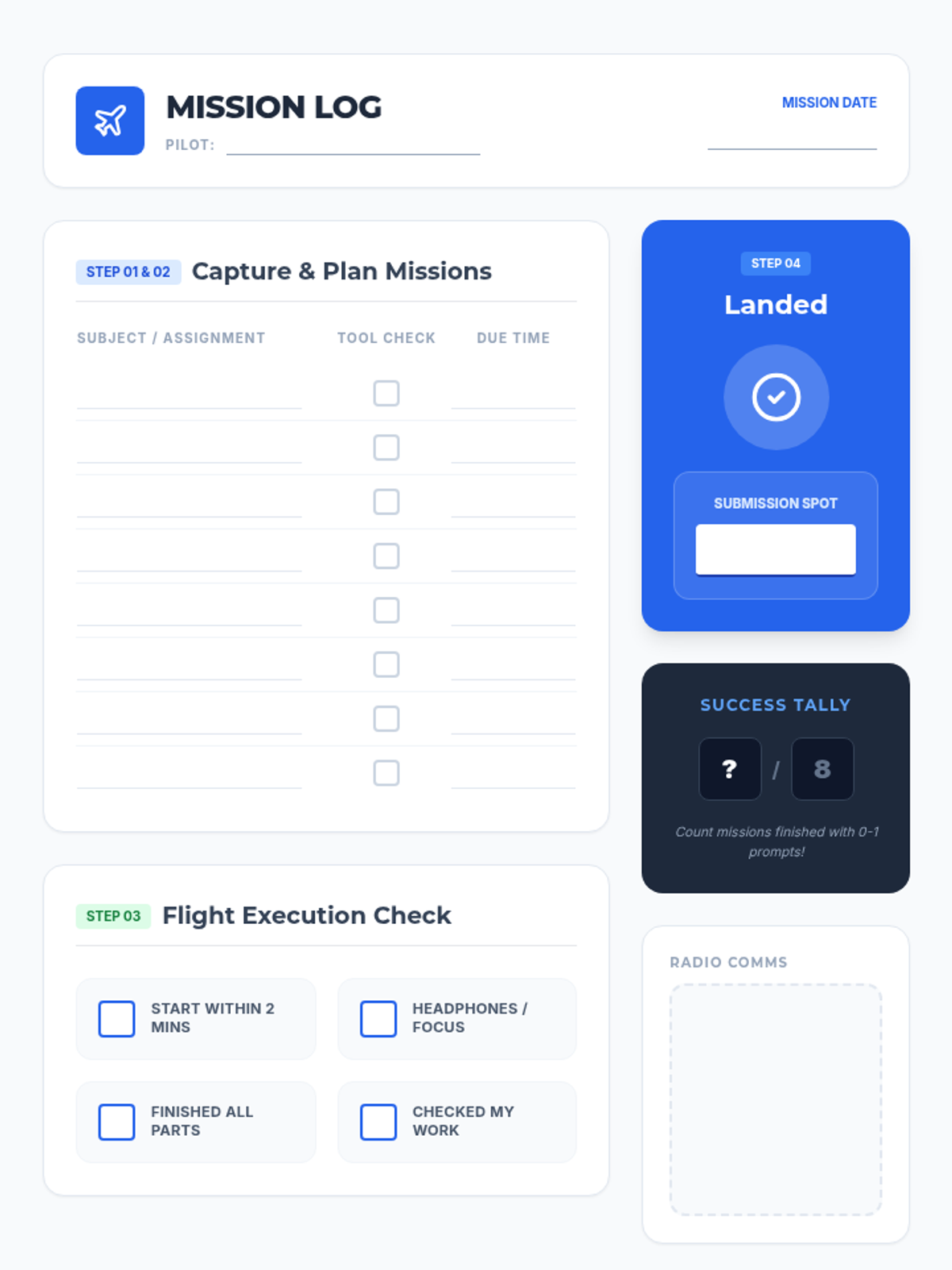
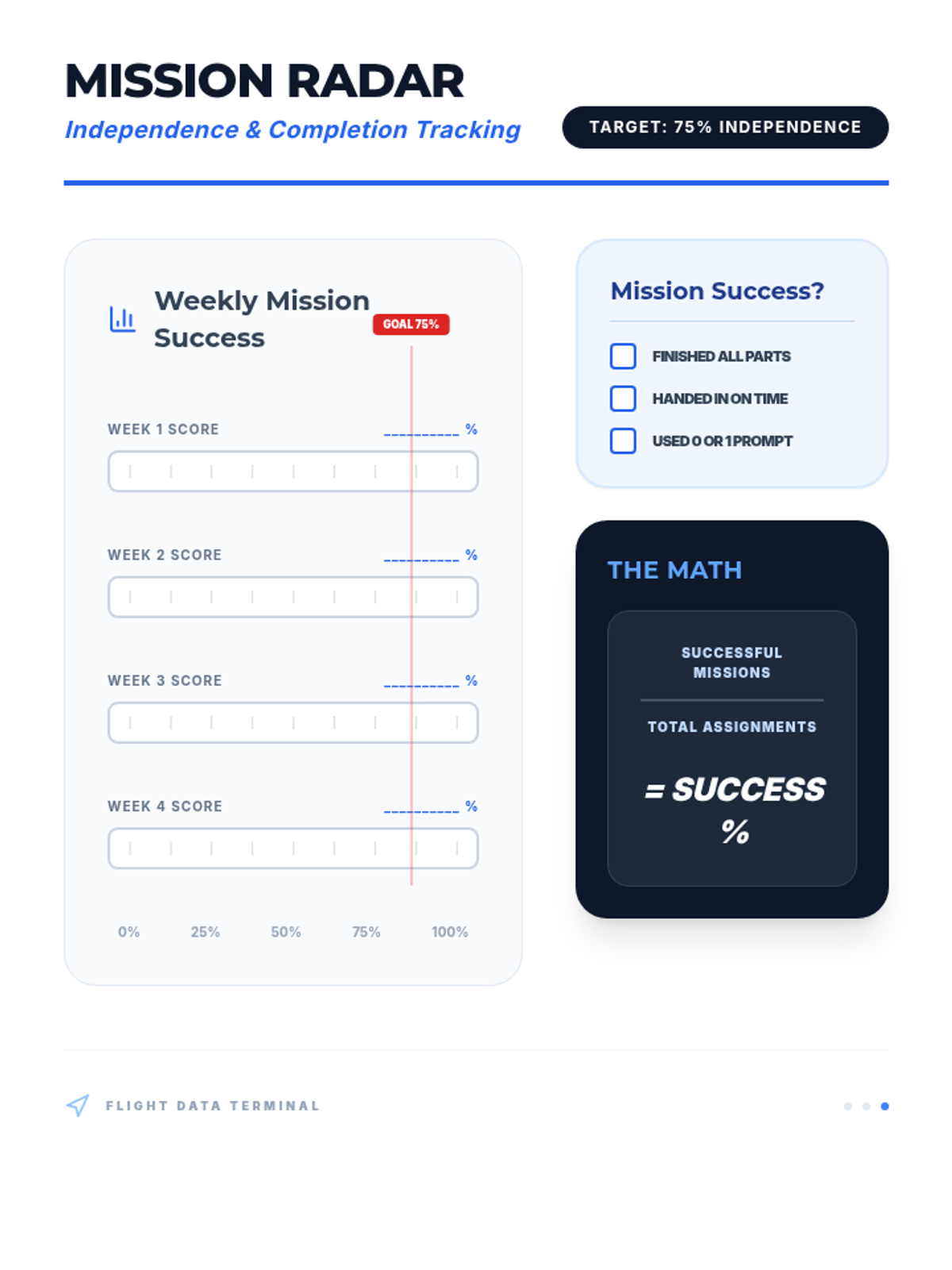
A lesson focused on building executive functioning skills, specifically task initiation and completion, using a structured four-step system.
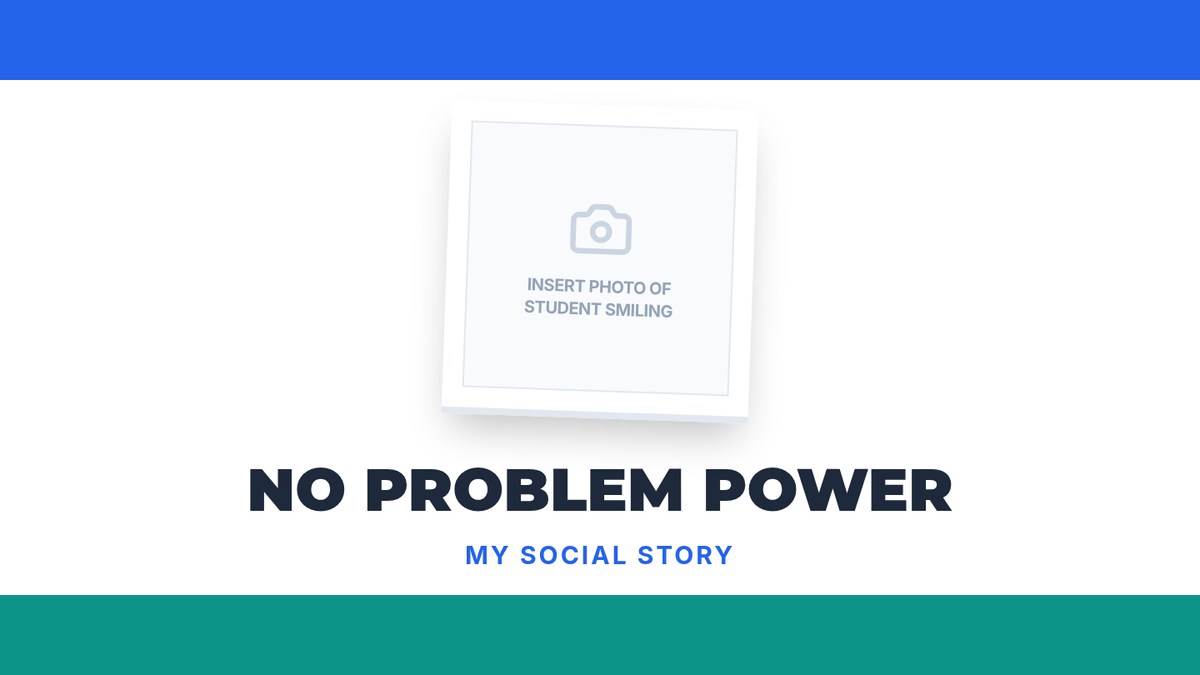
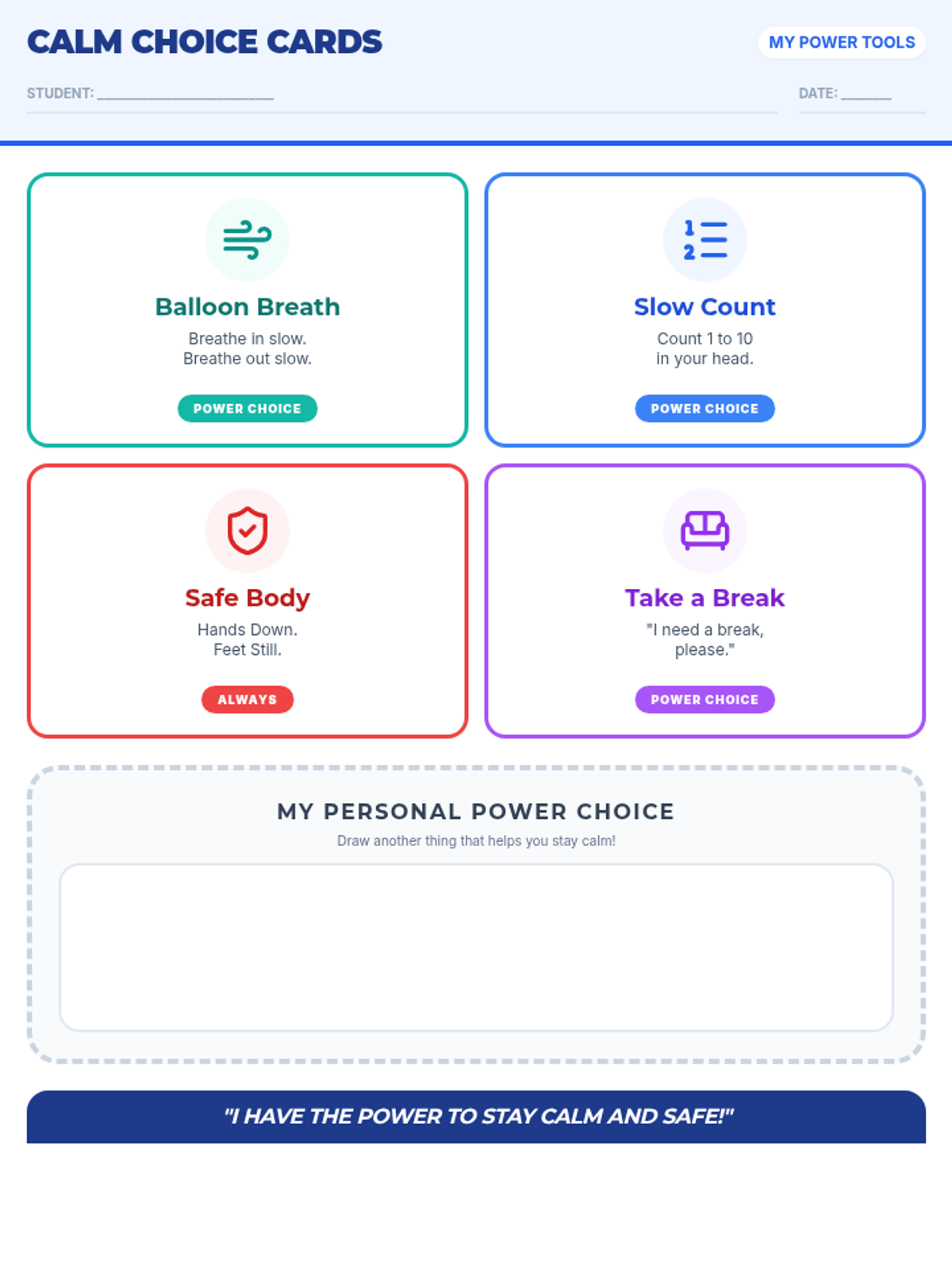
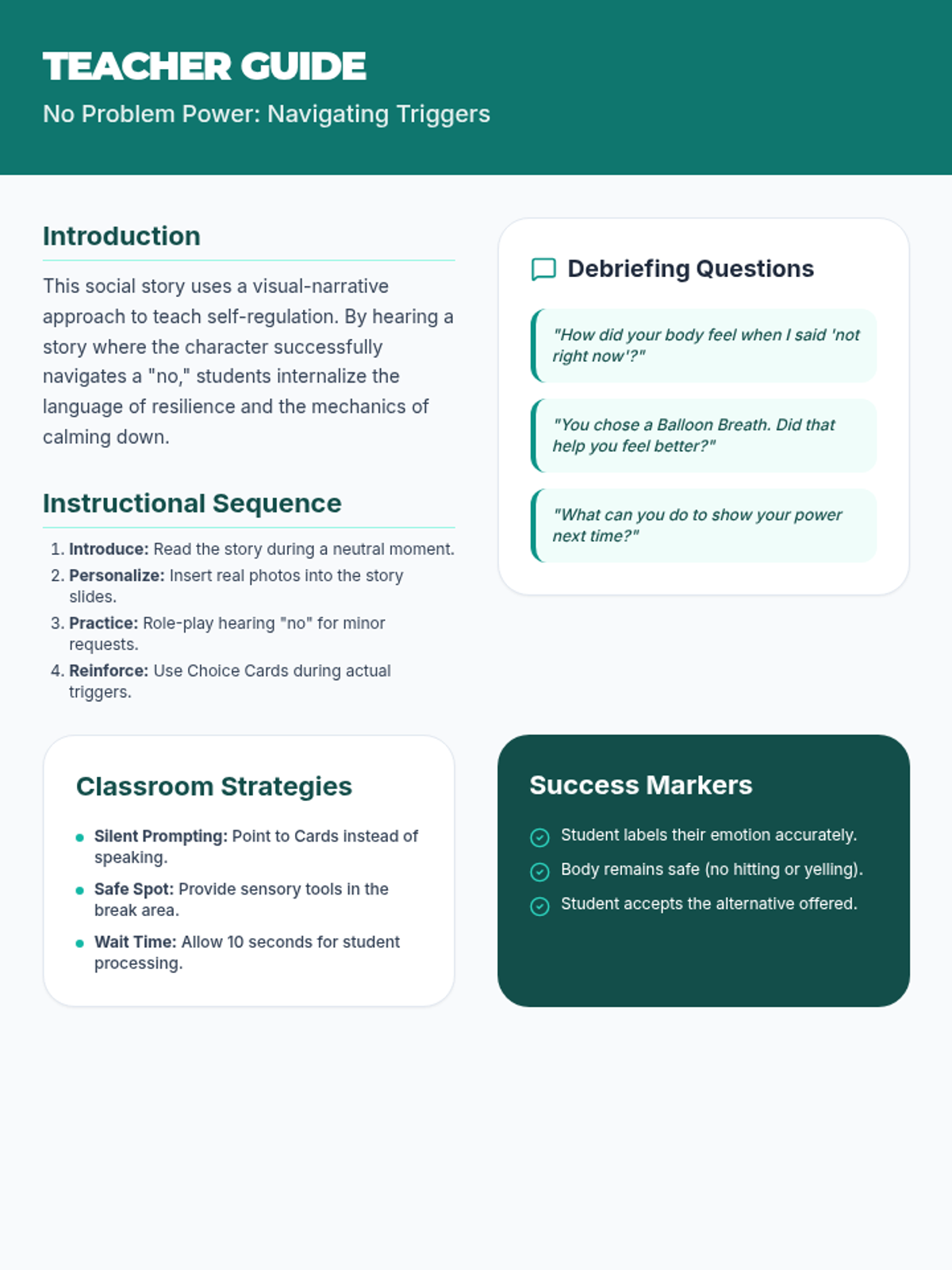
This lesson focuses on helping children navigate the frustration of being told 'no' through a social story and practical calming strategies. It provides visual tools and a narrative to help students recognize their feelings and make safe choices.
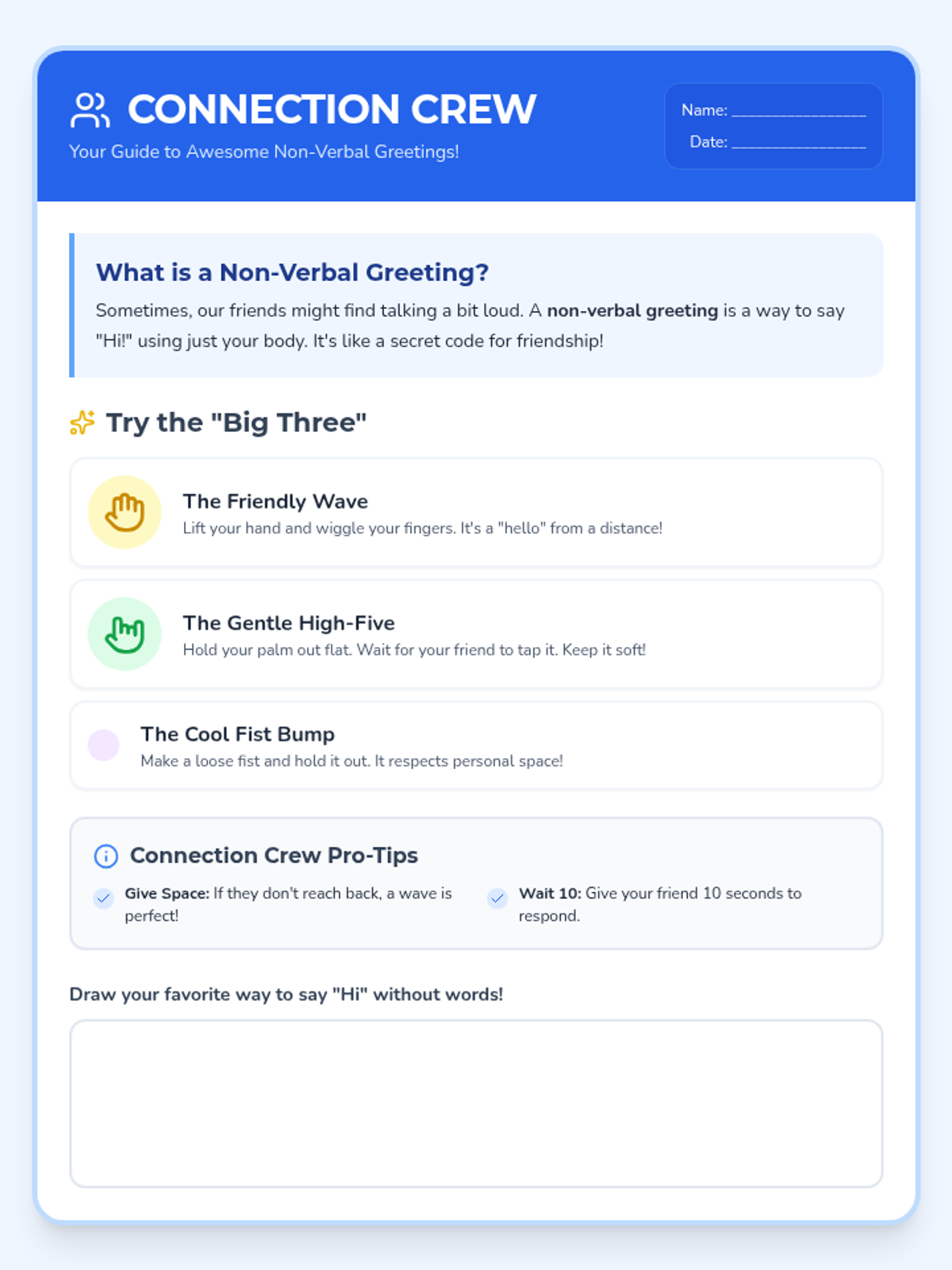
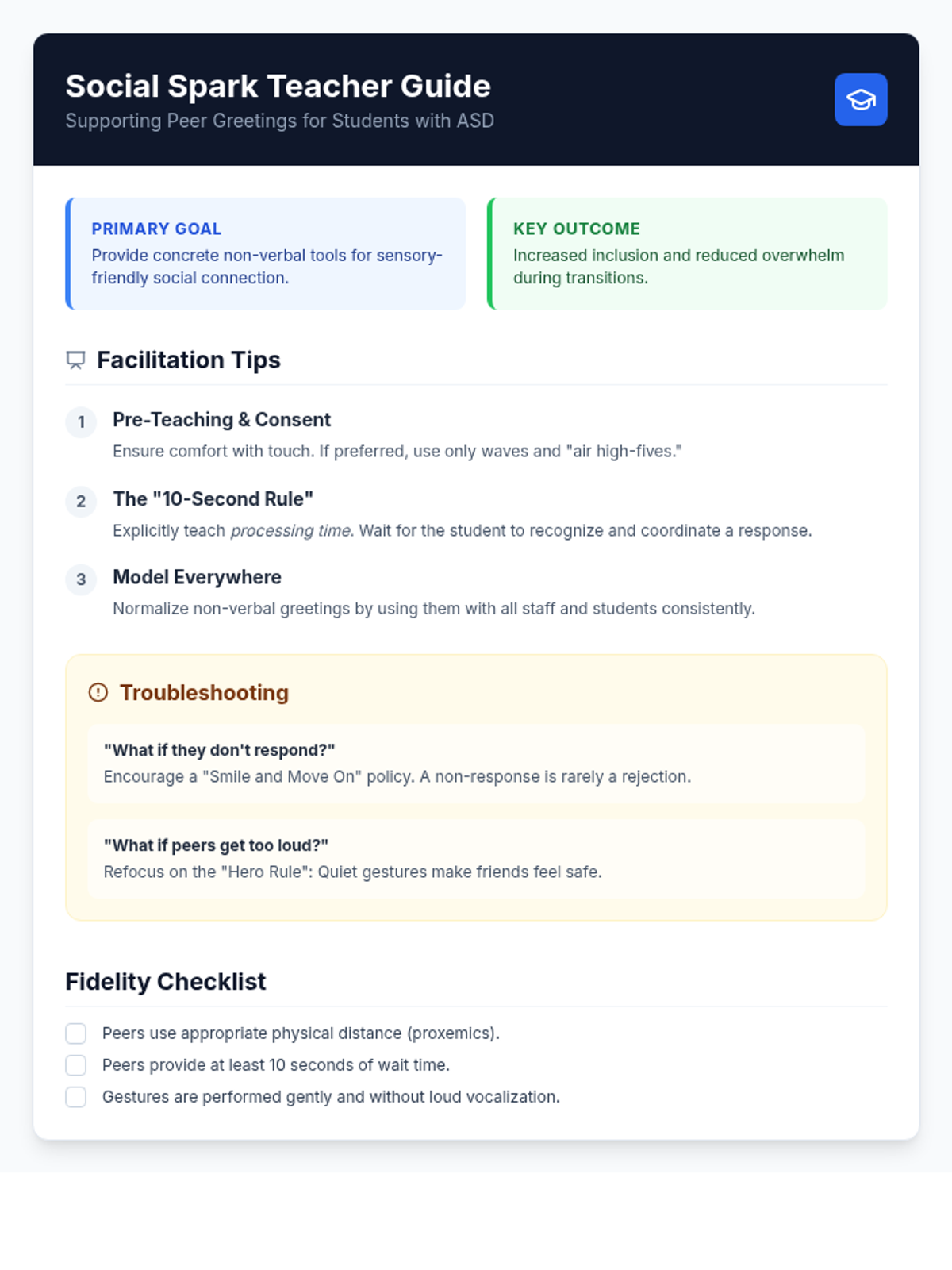
A lesson designed to teach peers how to use non-verbal gestures like waves and high-fives to greet students with ASD, fostering a supportive and inclusive classroom environment.
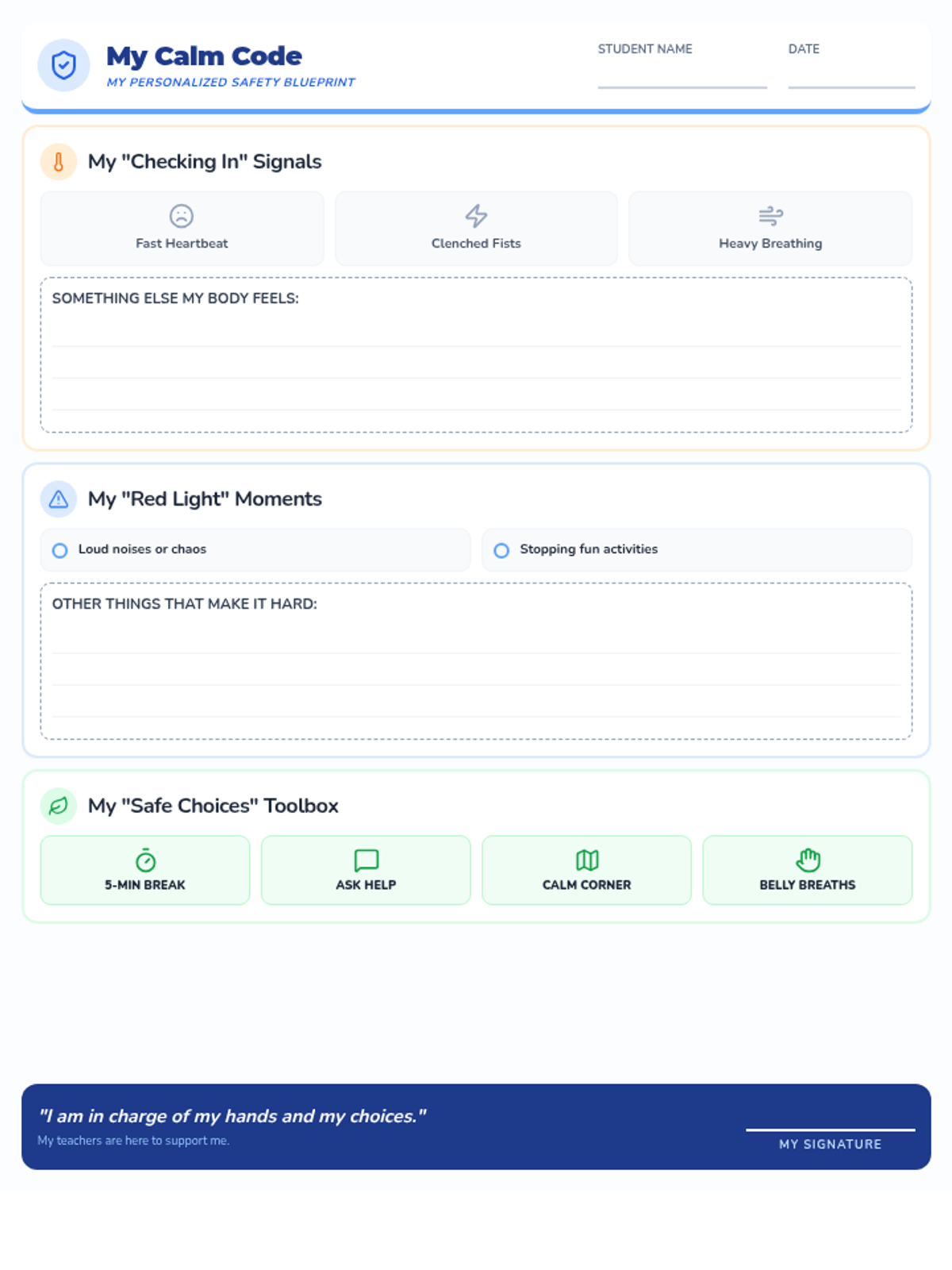
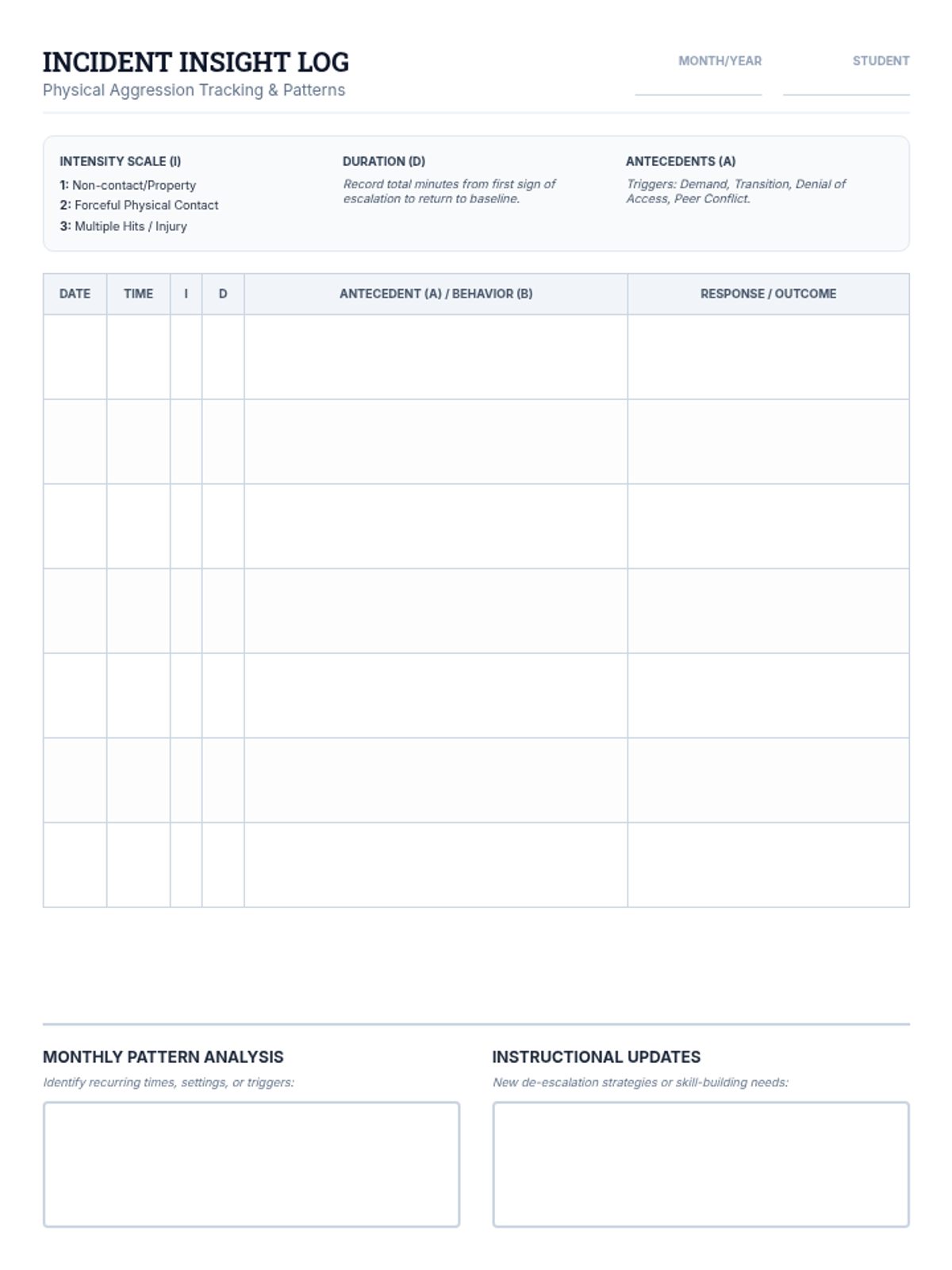
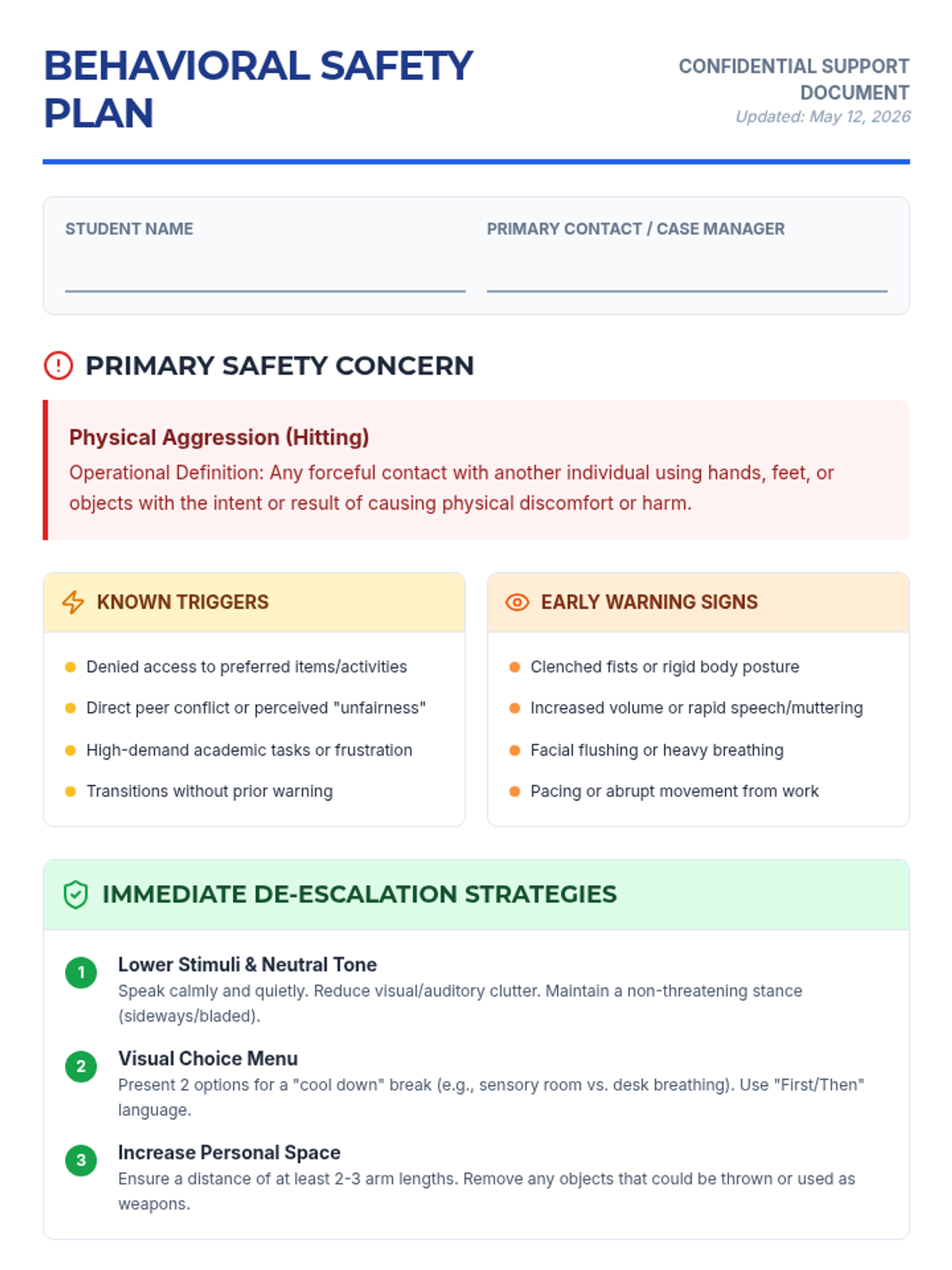
A comprehensive behavioral support package designed to manage and reduce physical aggression through proactive planning, student-led coping strategies, and consistent monitoring.
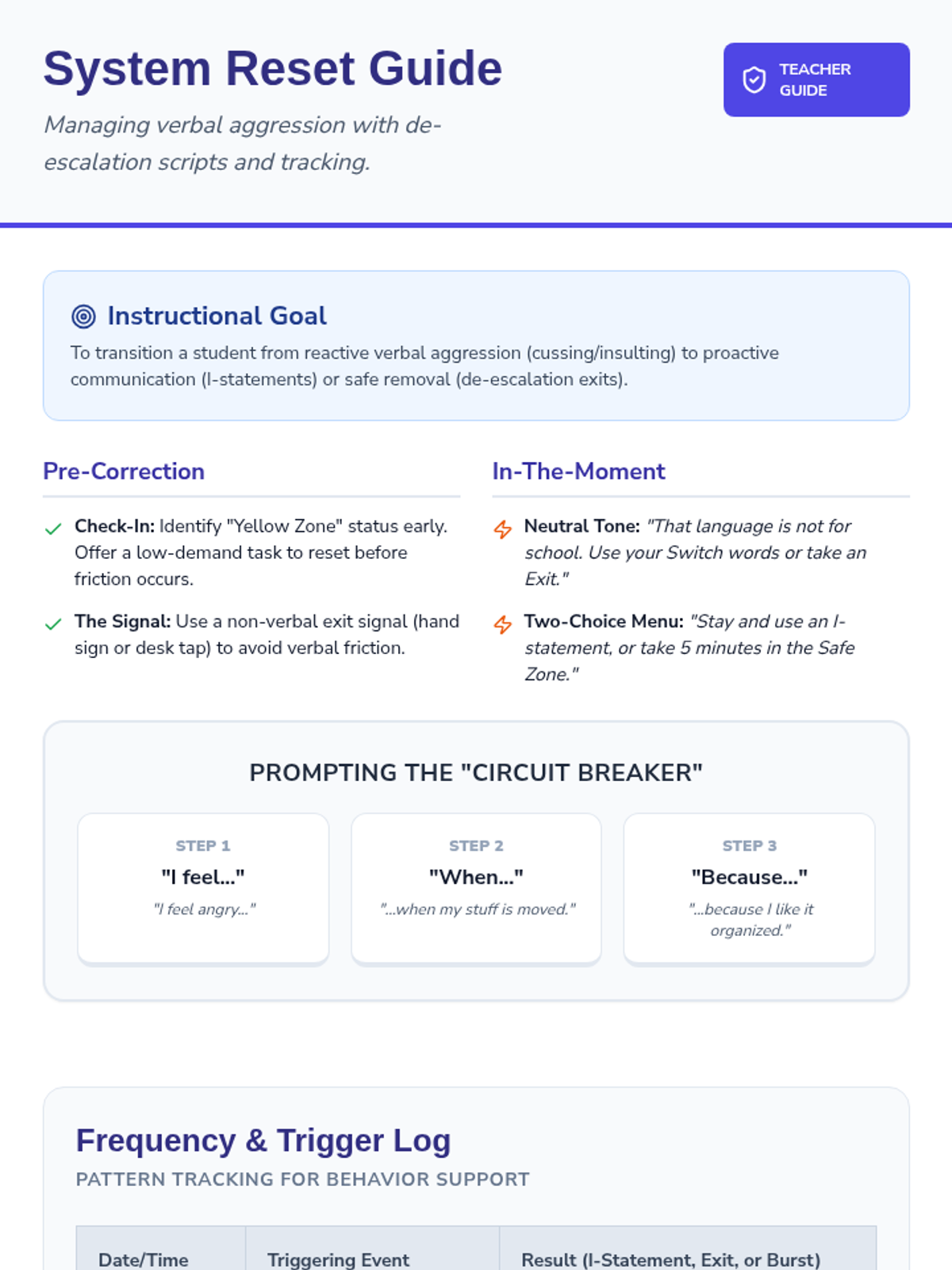
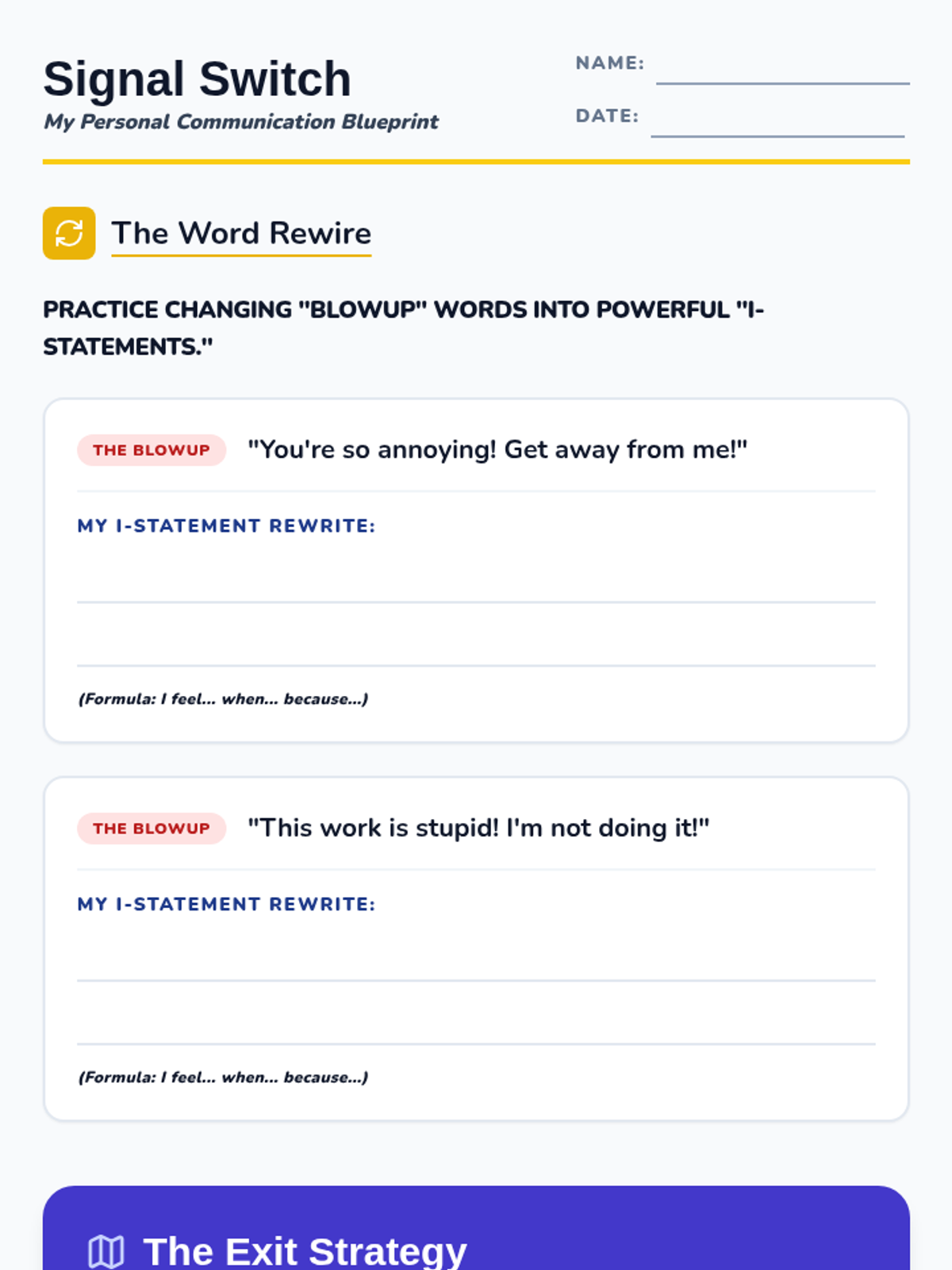
A lesson focused on teaching students with emotional challenges how to replace verbal aggression with 'I statements' and self-removal techniques. Includes strategies for de-escalation and practical communication tools.
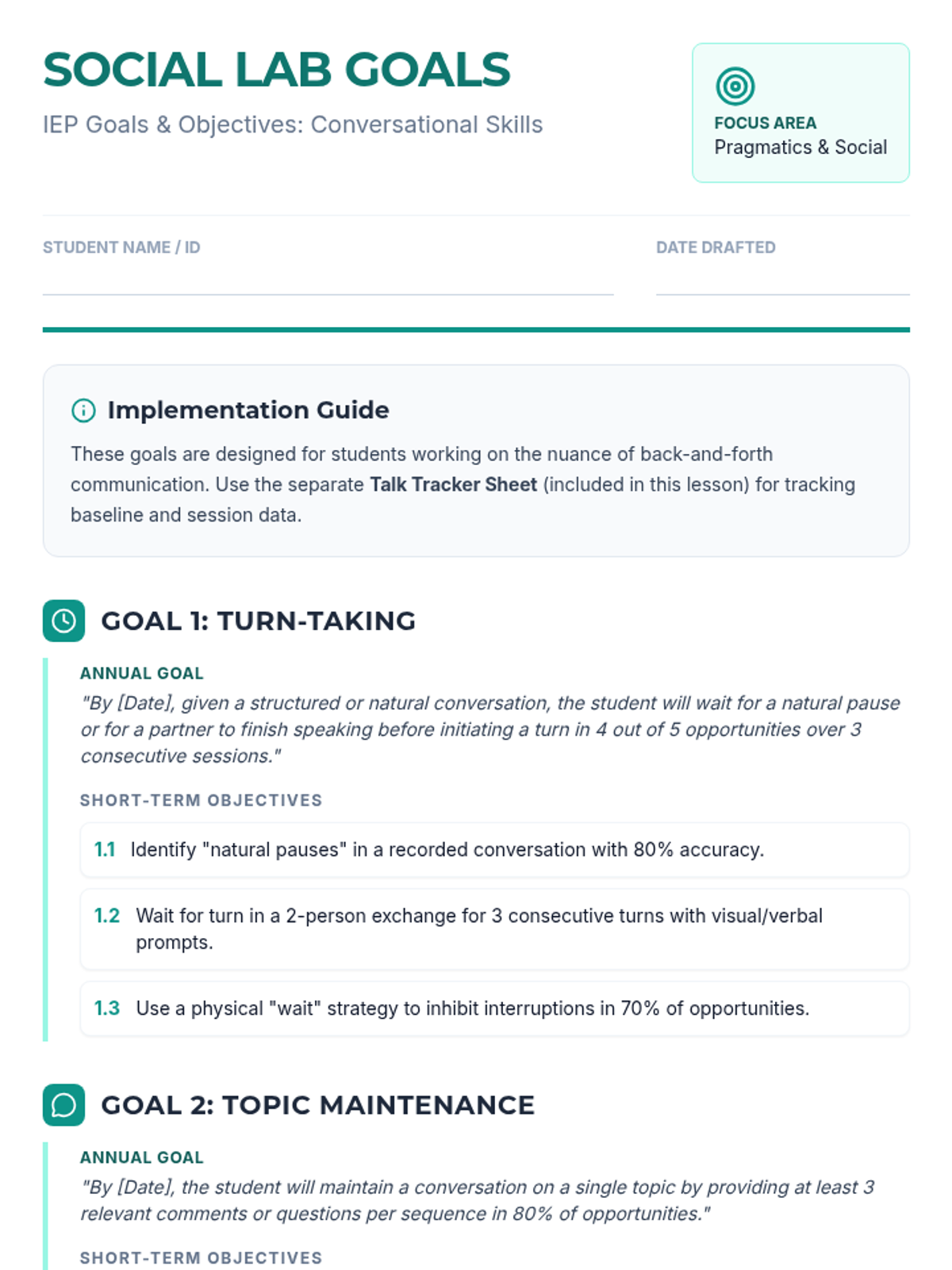
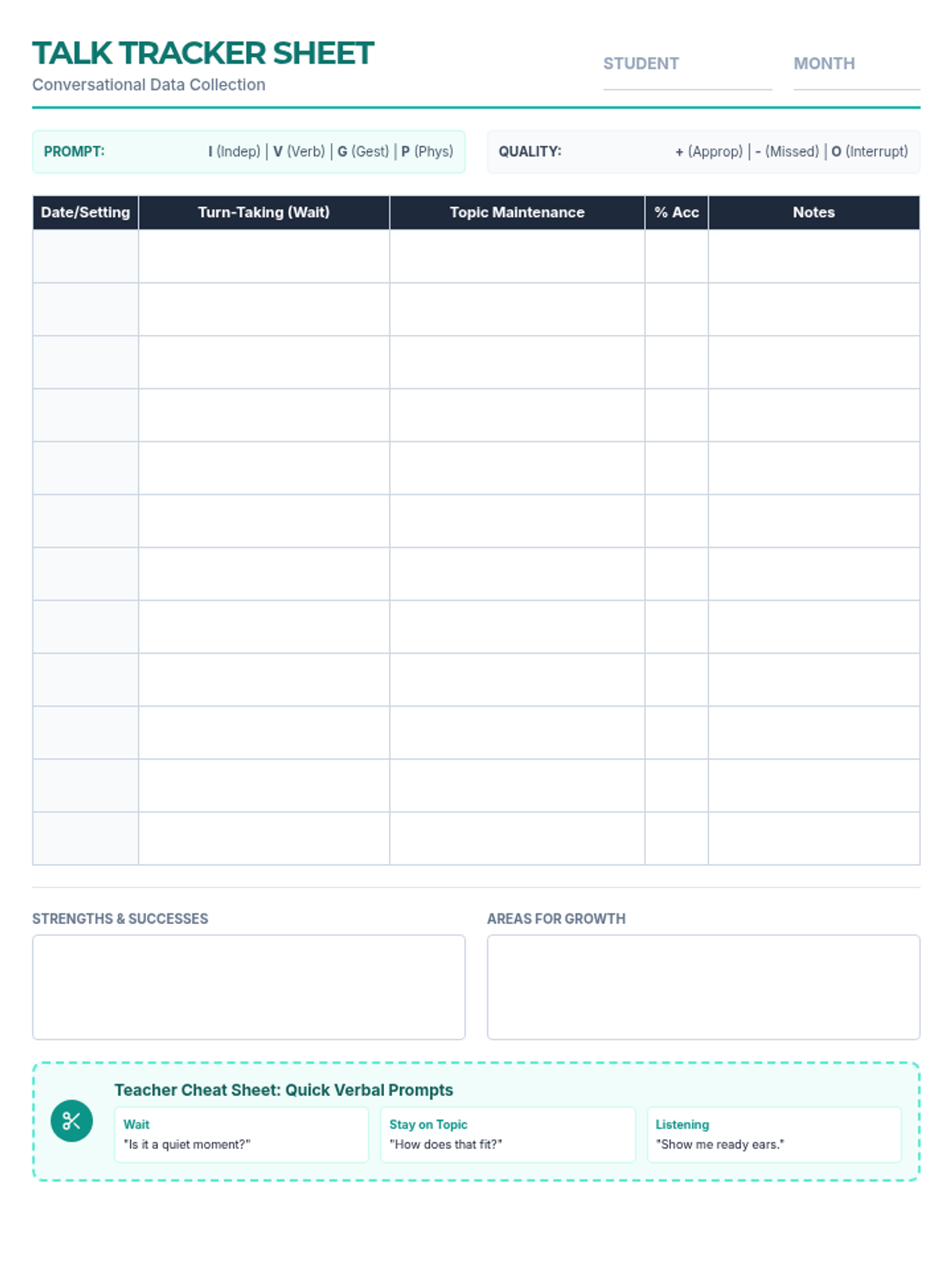
A set of resources designed to help SLPs and educators track and support student progress in conversational turn-taking, topic maintenance, and active listening.
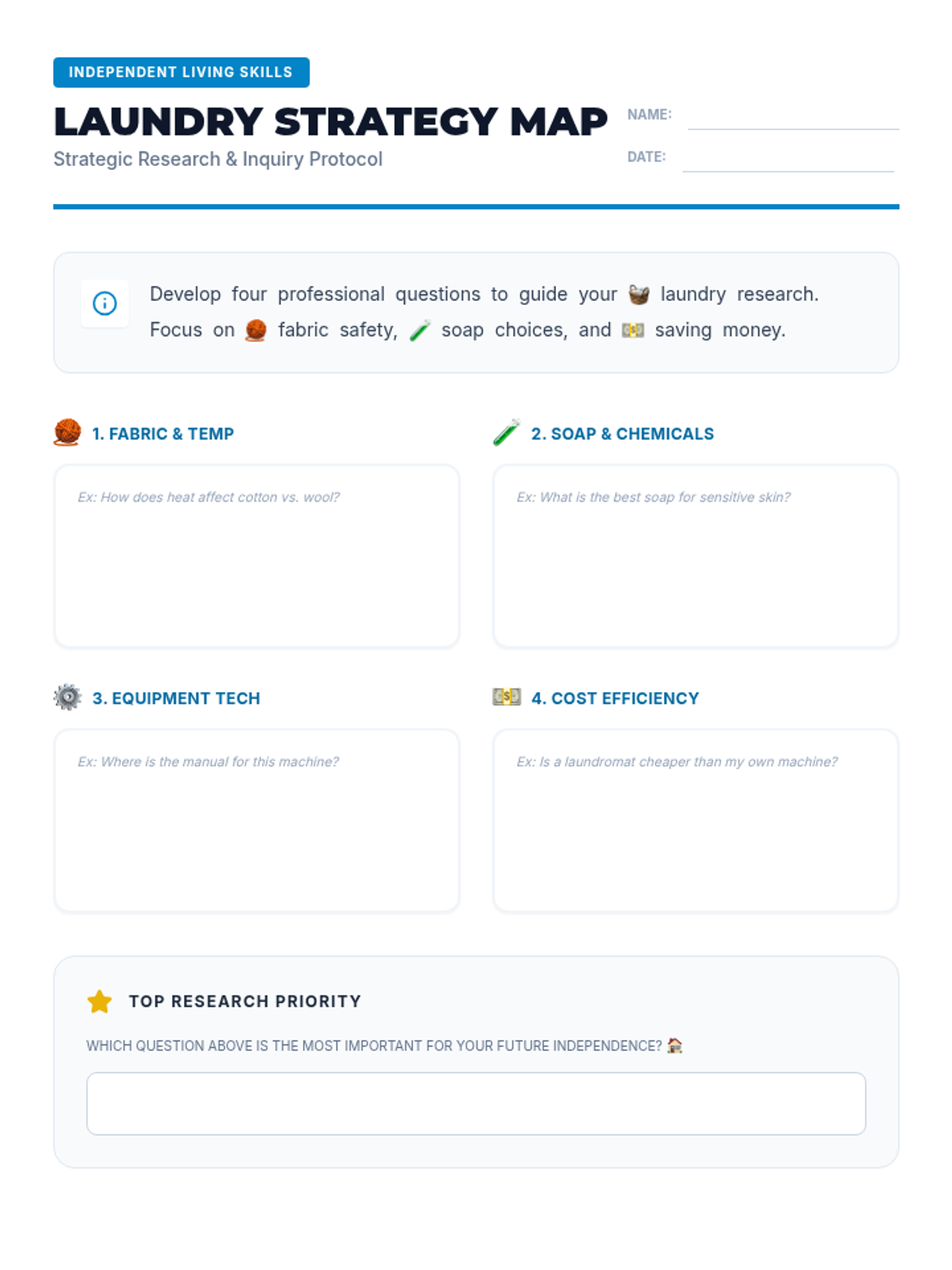
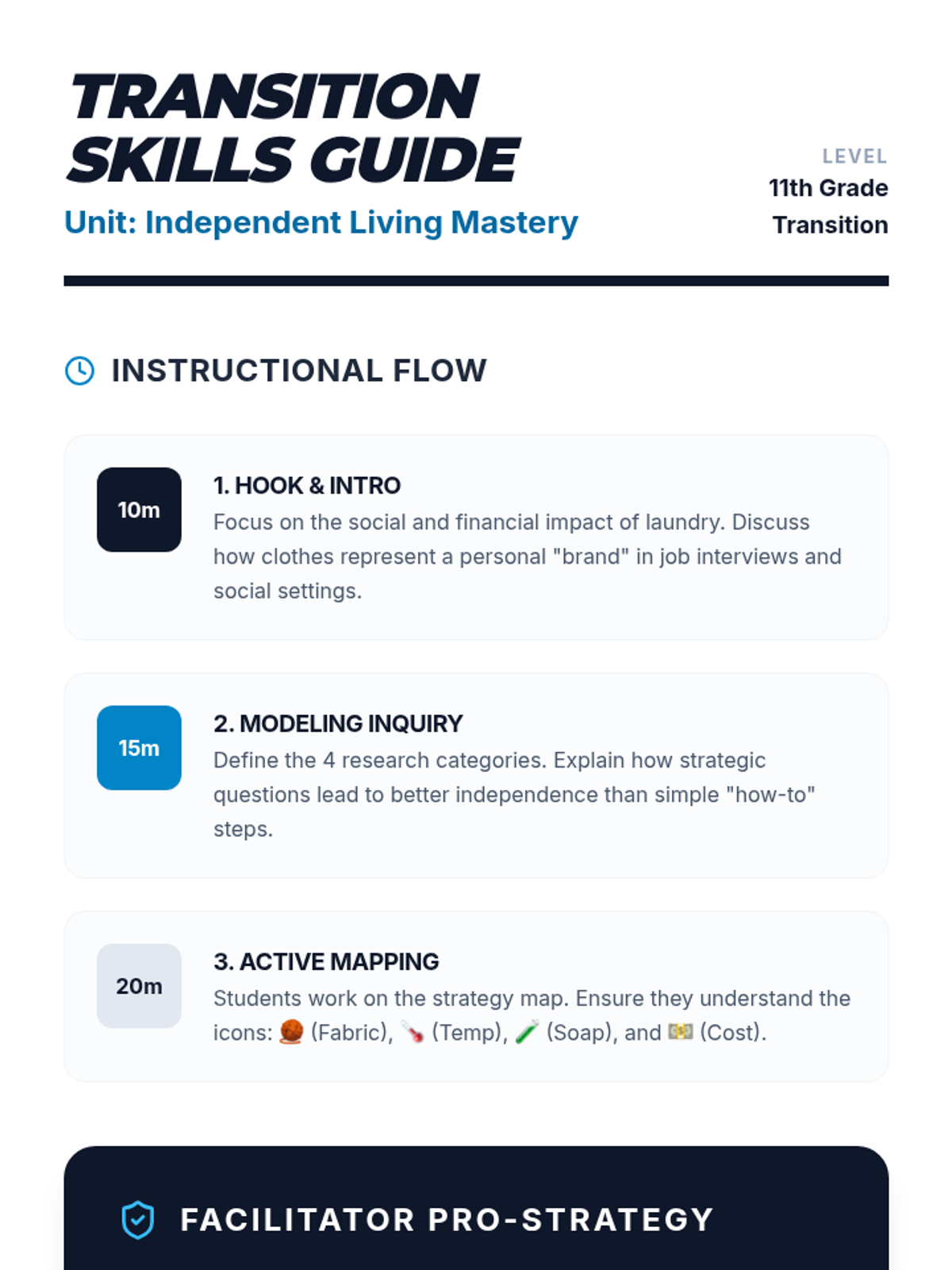
An inquiry-based lesson for 11th grade students to develop research questions about independent laundry skills, written at a middle school reading level with professional visual supports.
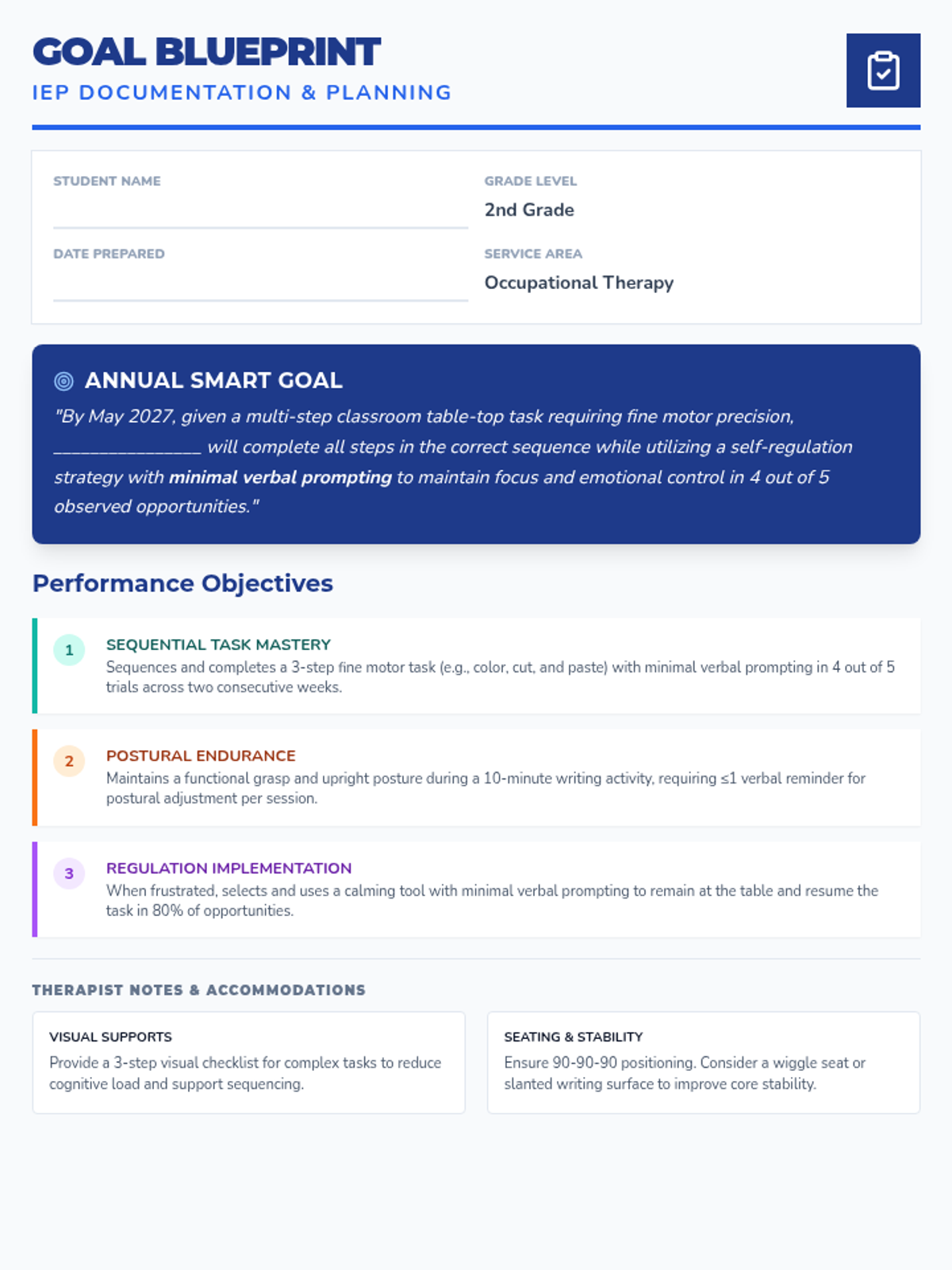
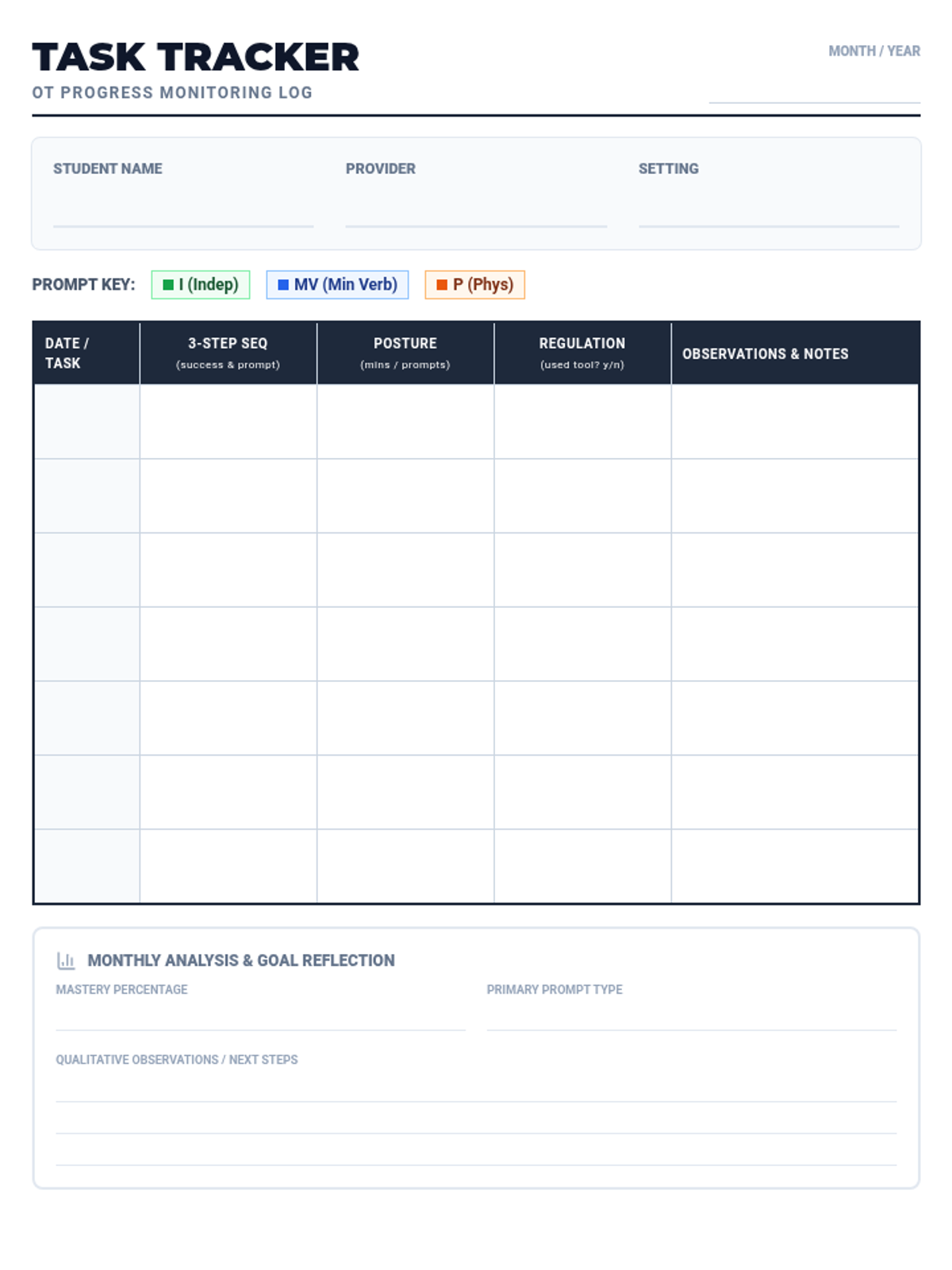
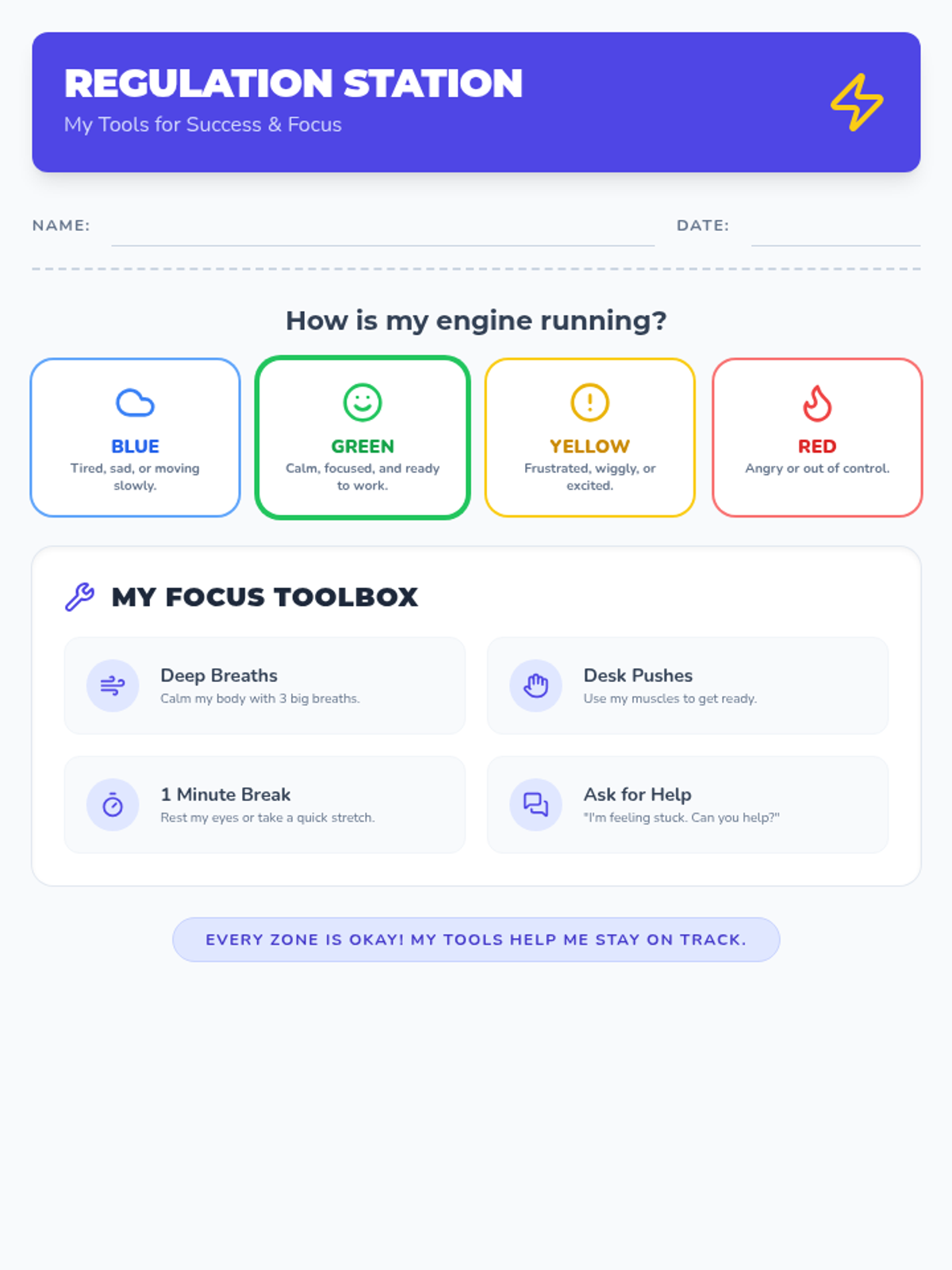
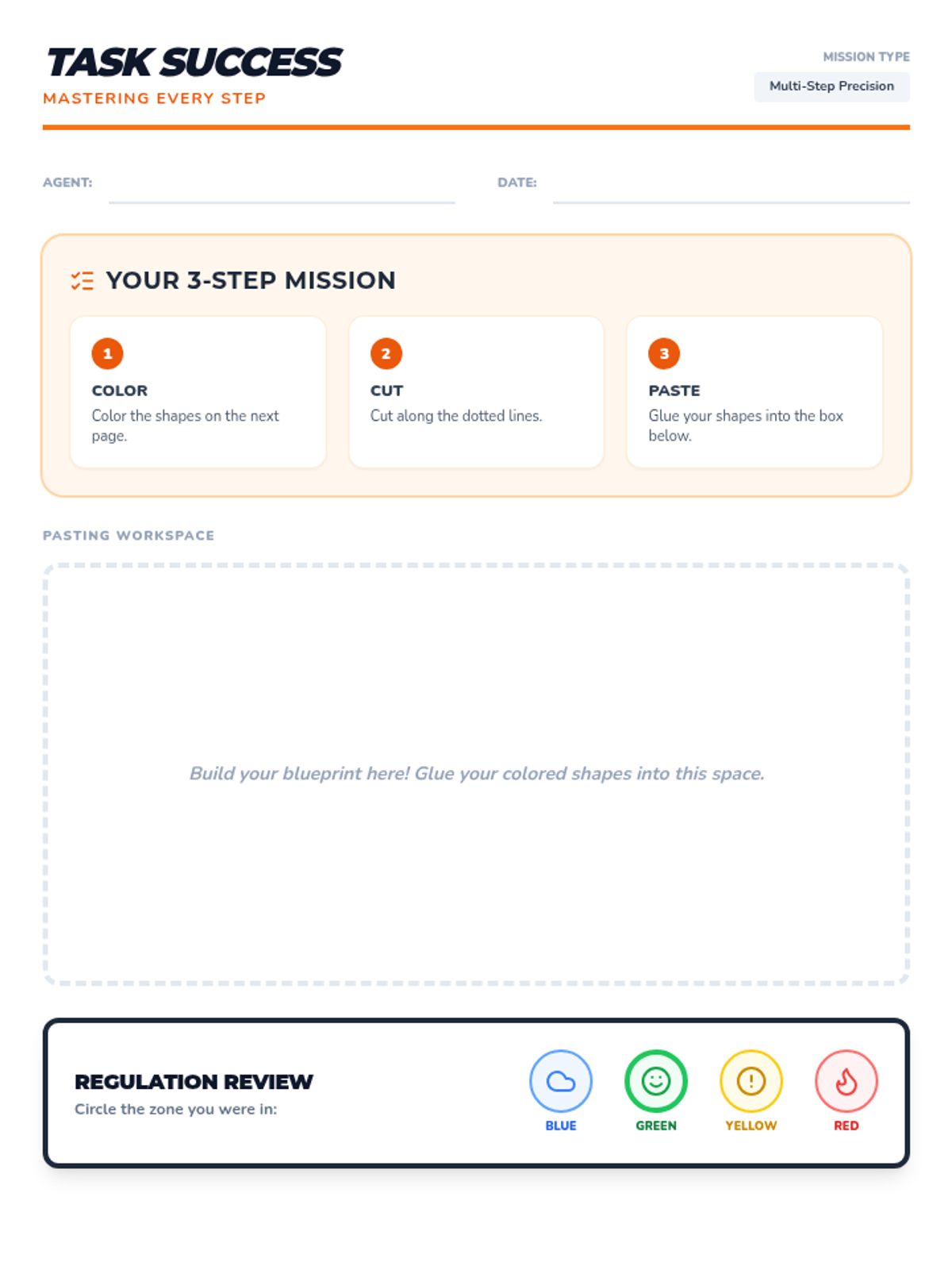
A comprehensive set of resources focused on developing fine motor endurance, executive functioning for multi-step tasks, and emotional regulation strategies for second-grade students.
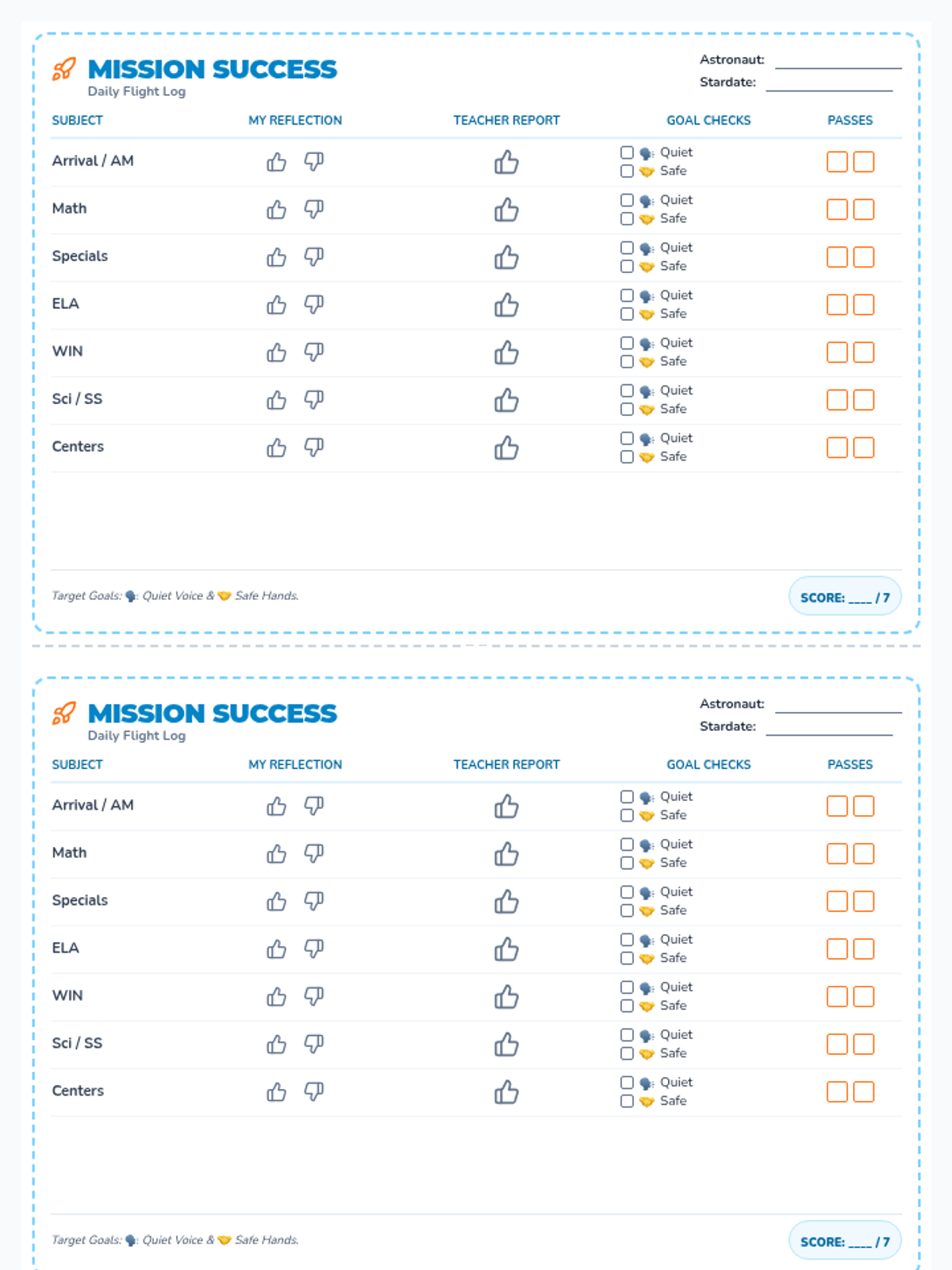
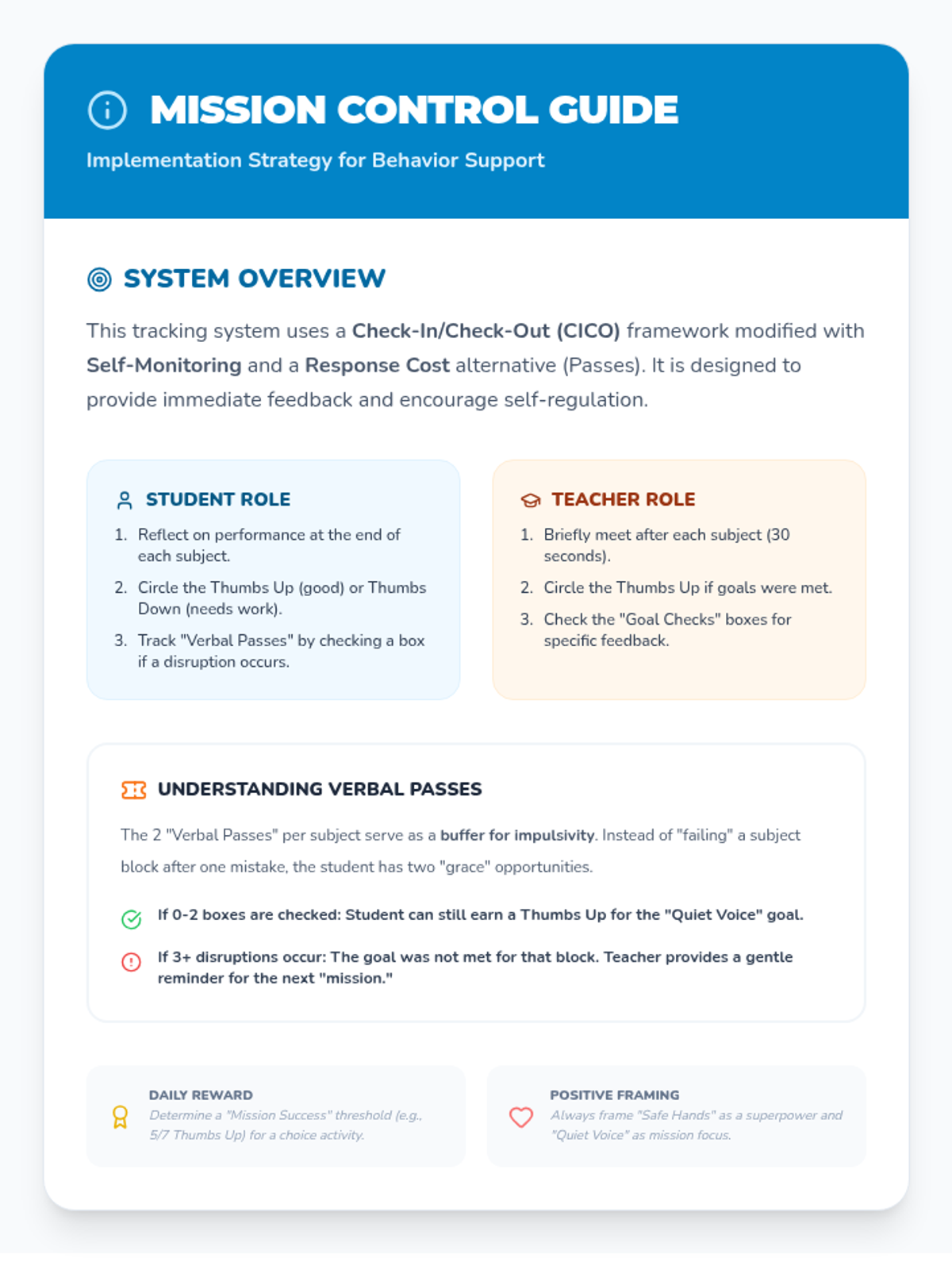
A daily behavior monitoring system using a Check-In/Check-Out (CICO) framework, tailored for a 3rd-grade student with specific behavior goals and self-regulation tools.
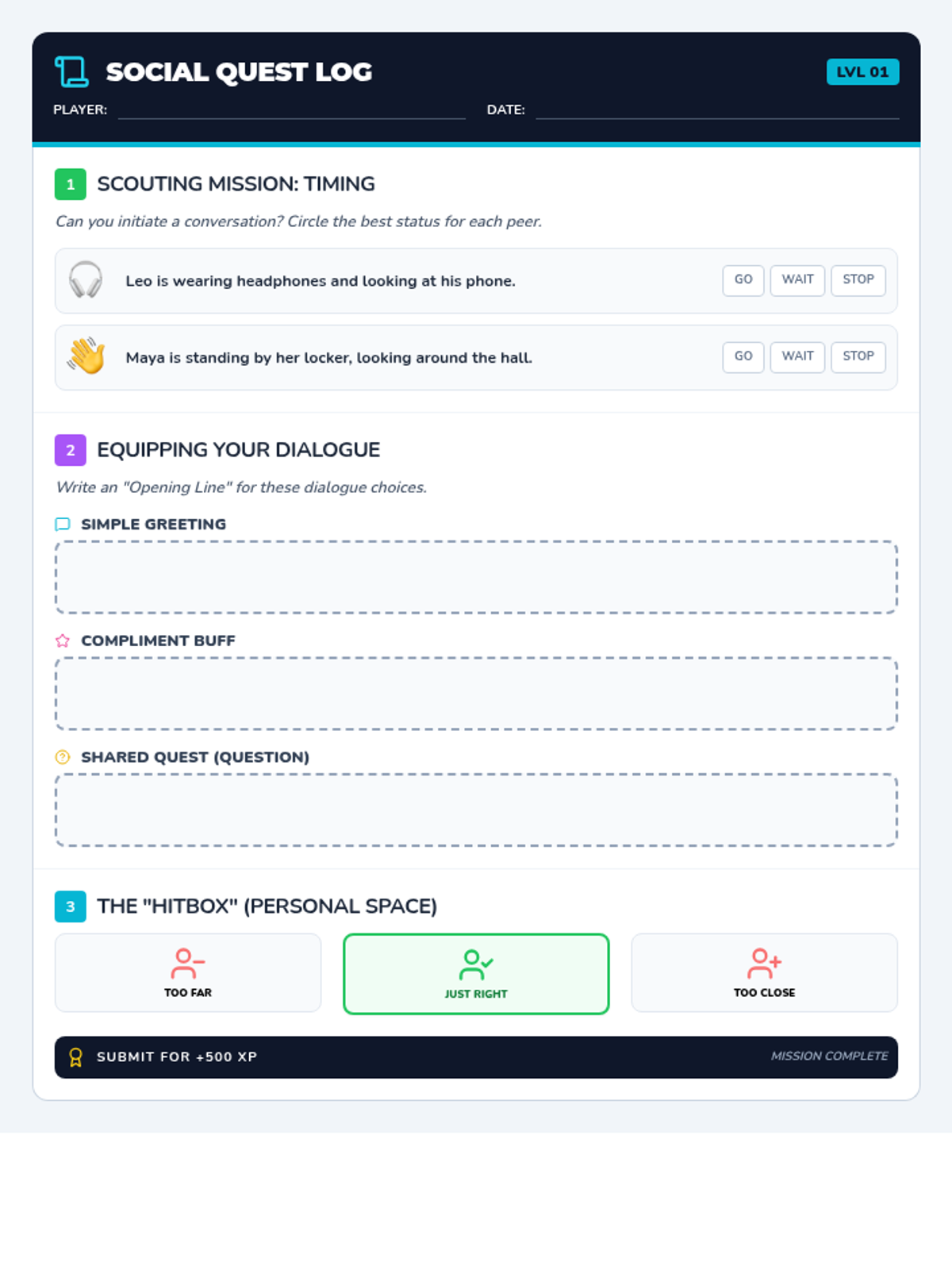
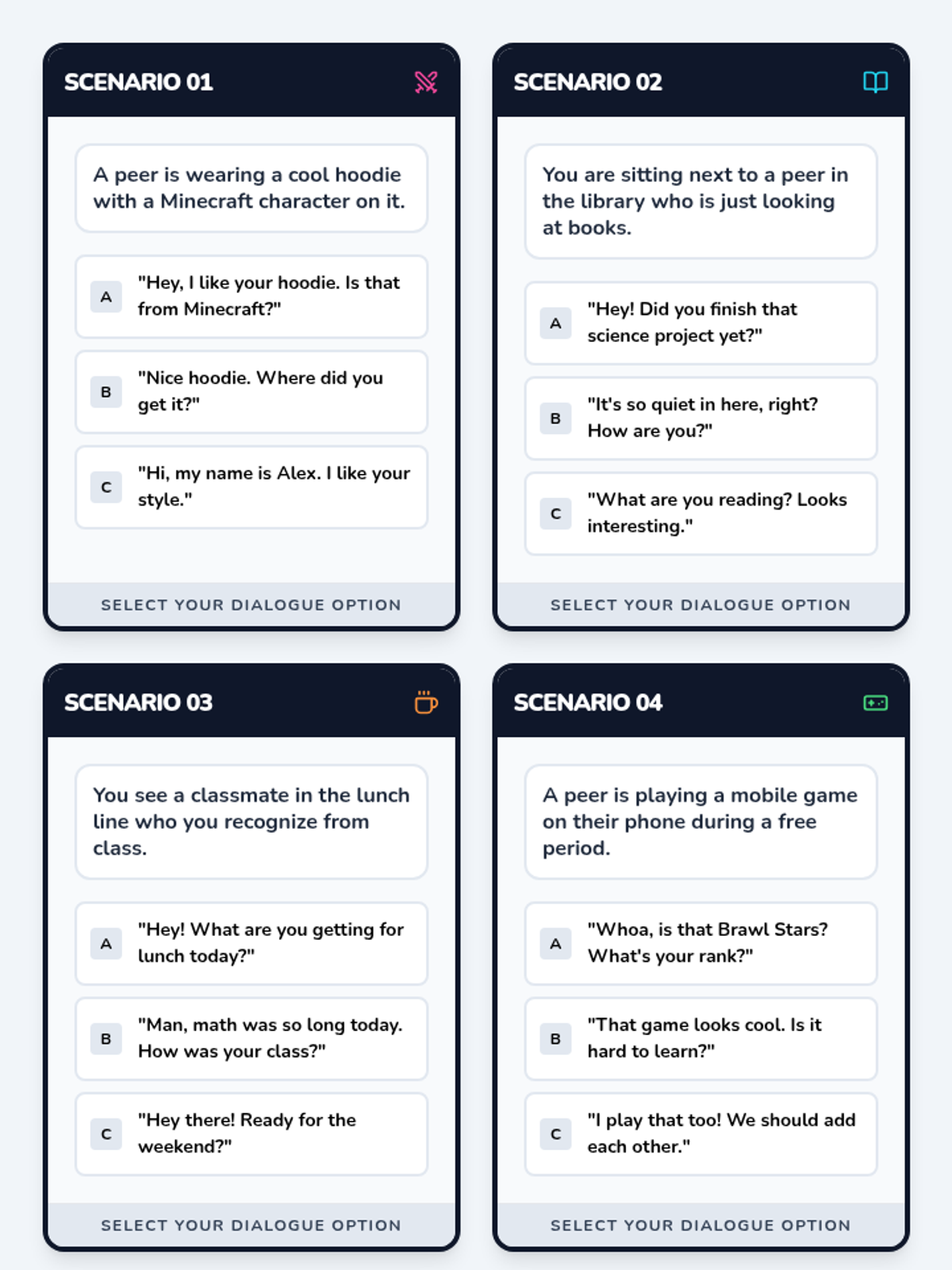
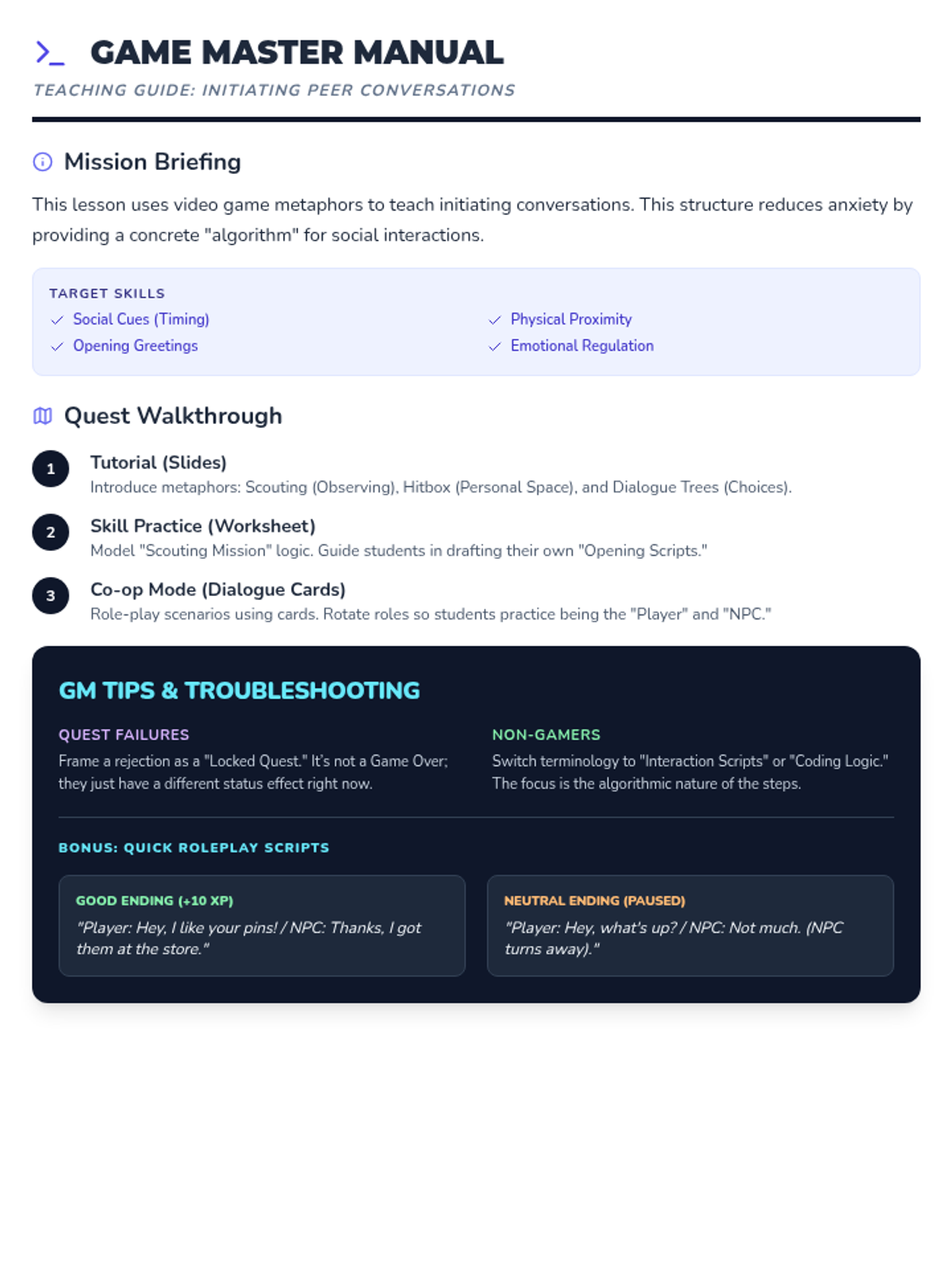
A video game-themed lesson designed for 8th-grade students with developmental challenges to learn and practice the multi-step process of initiating conversations with peers. The lesson uses gaming metaphors like 'Dialogue Trees' and 'Quest Steps' to break down complex social interactions into manageable parts.
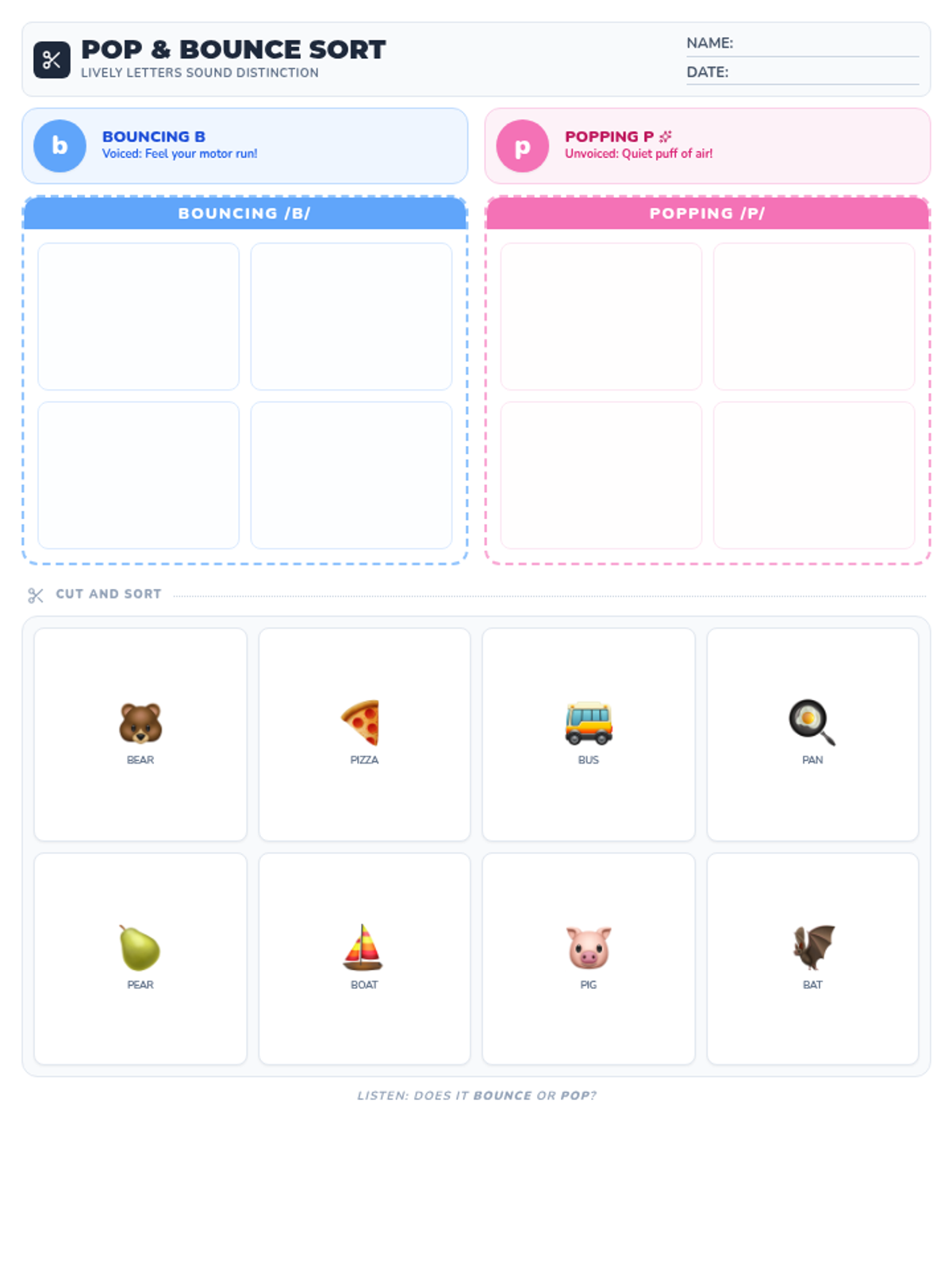
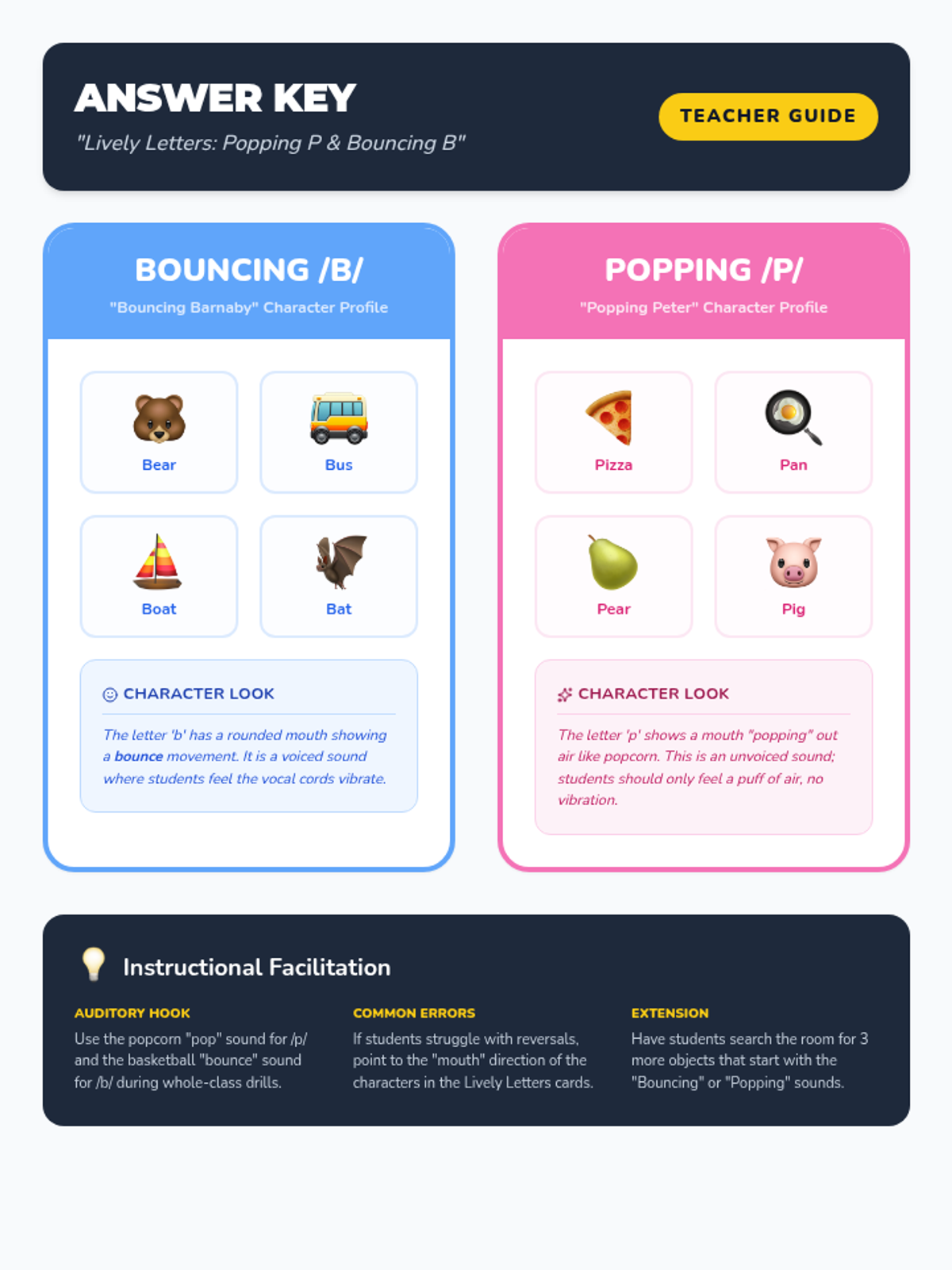
A hands-on phonics activity focusing on the distinction between the 'b' and 'p' sounds using Lively Letters characters and color-coded visual cues. Students will sort pictures based on their initial sounds to reinforce phonemic awareness and letter-sound correspondence.
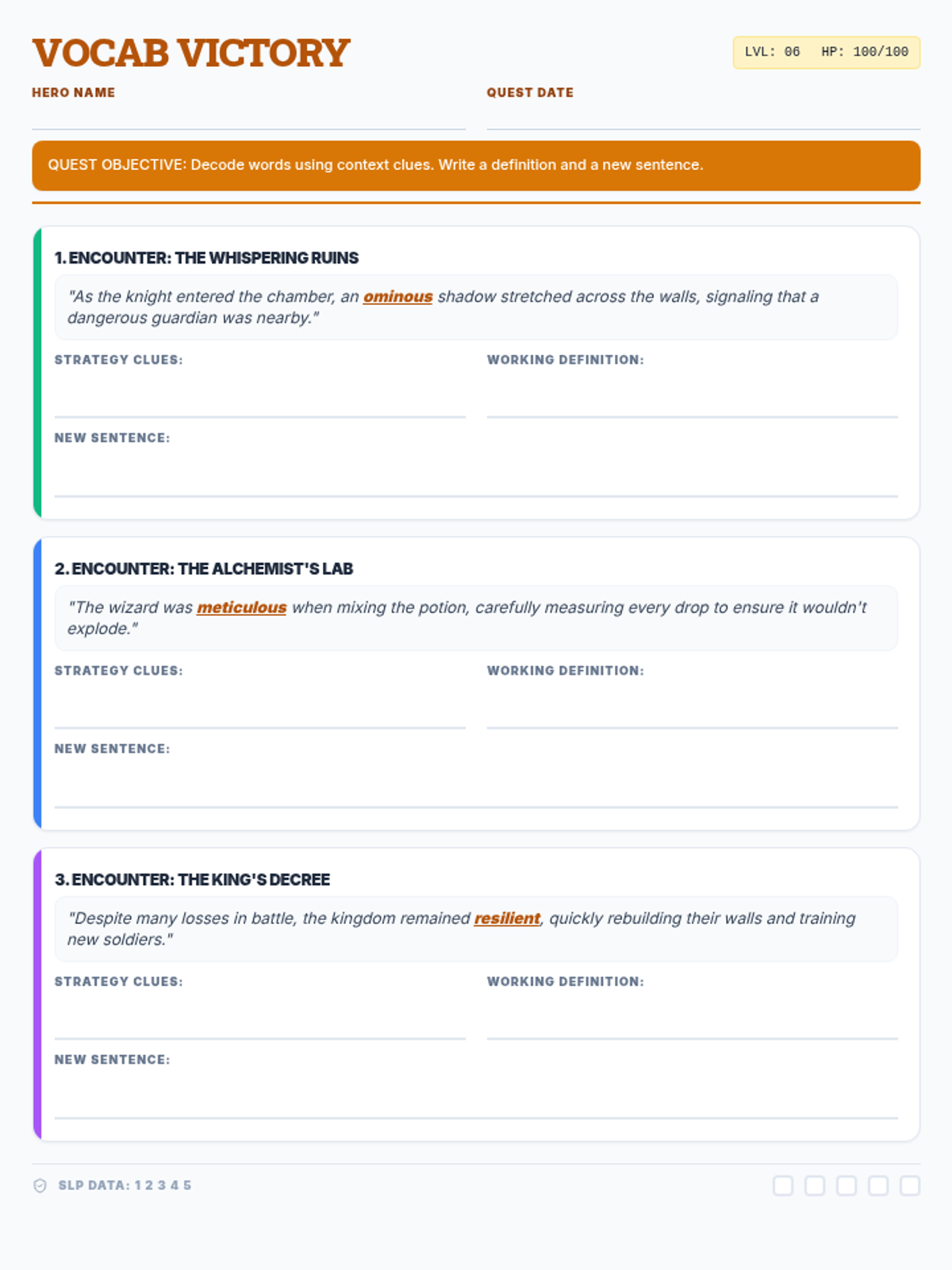
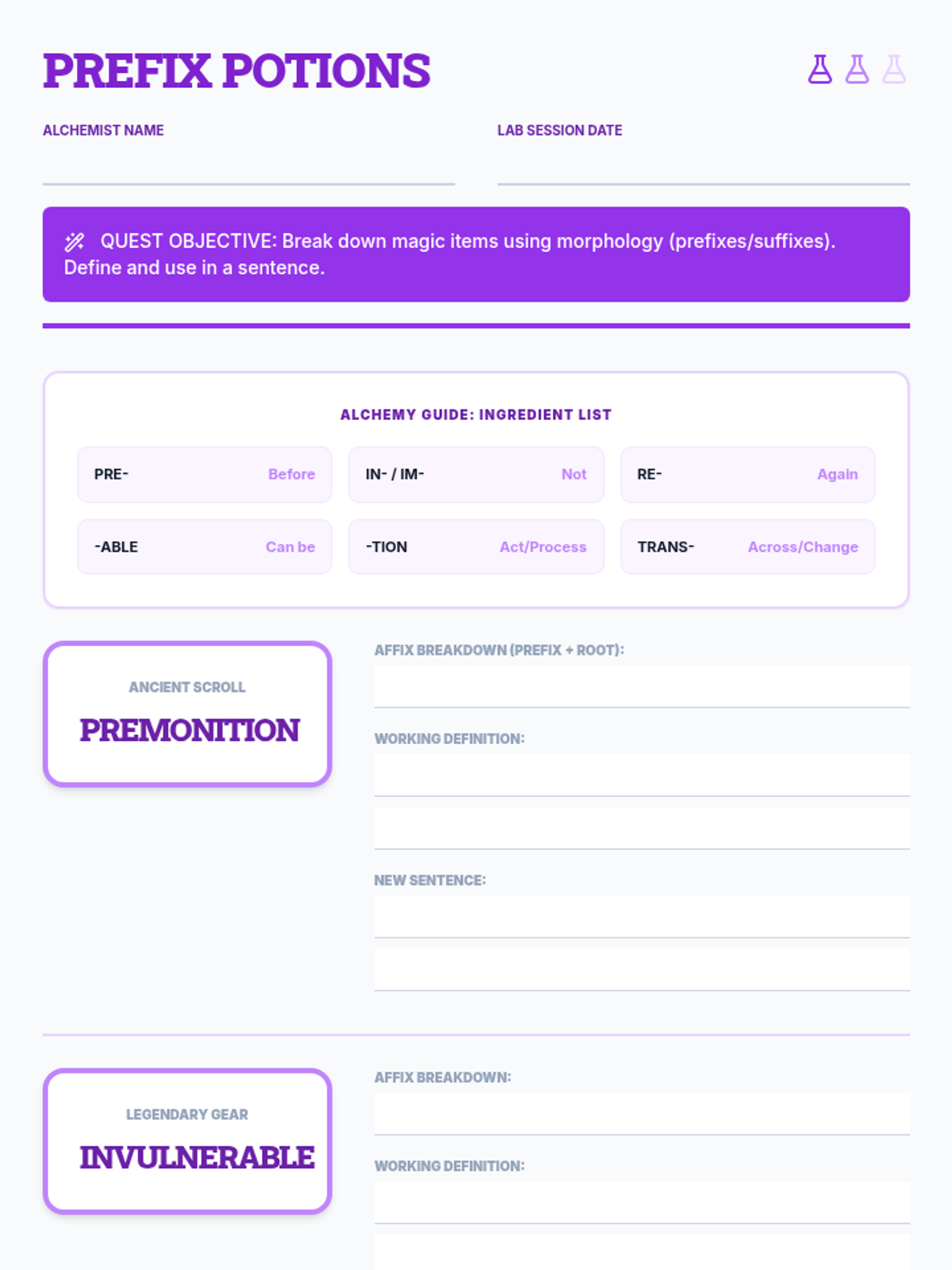
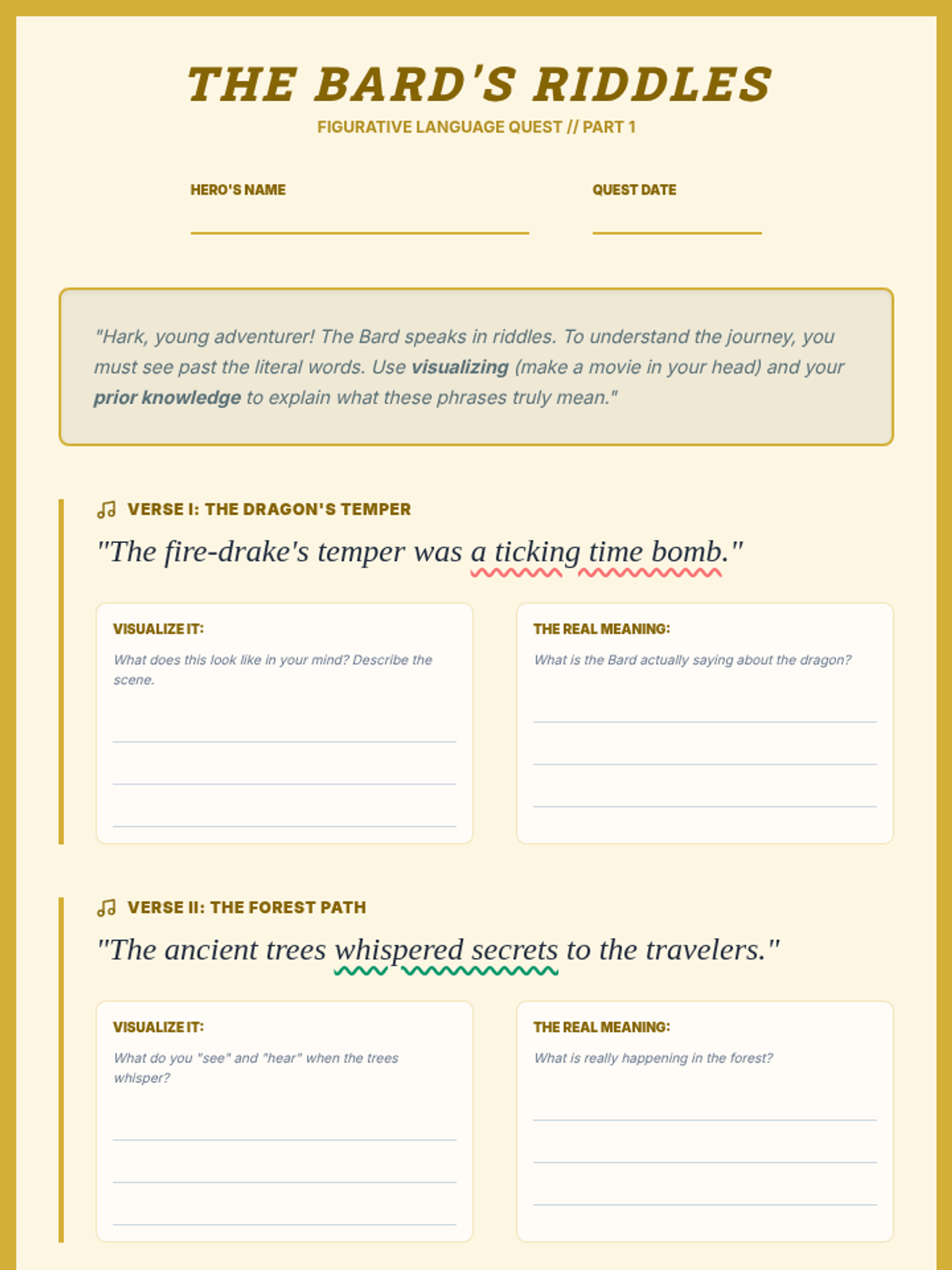
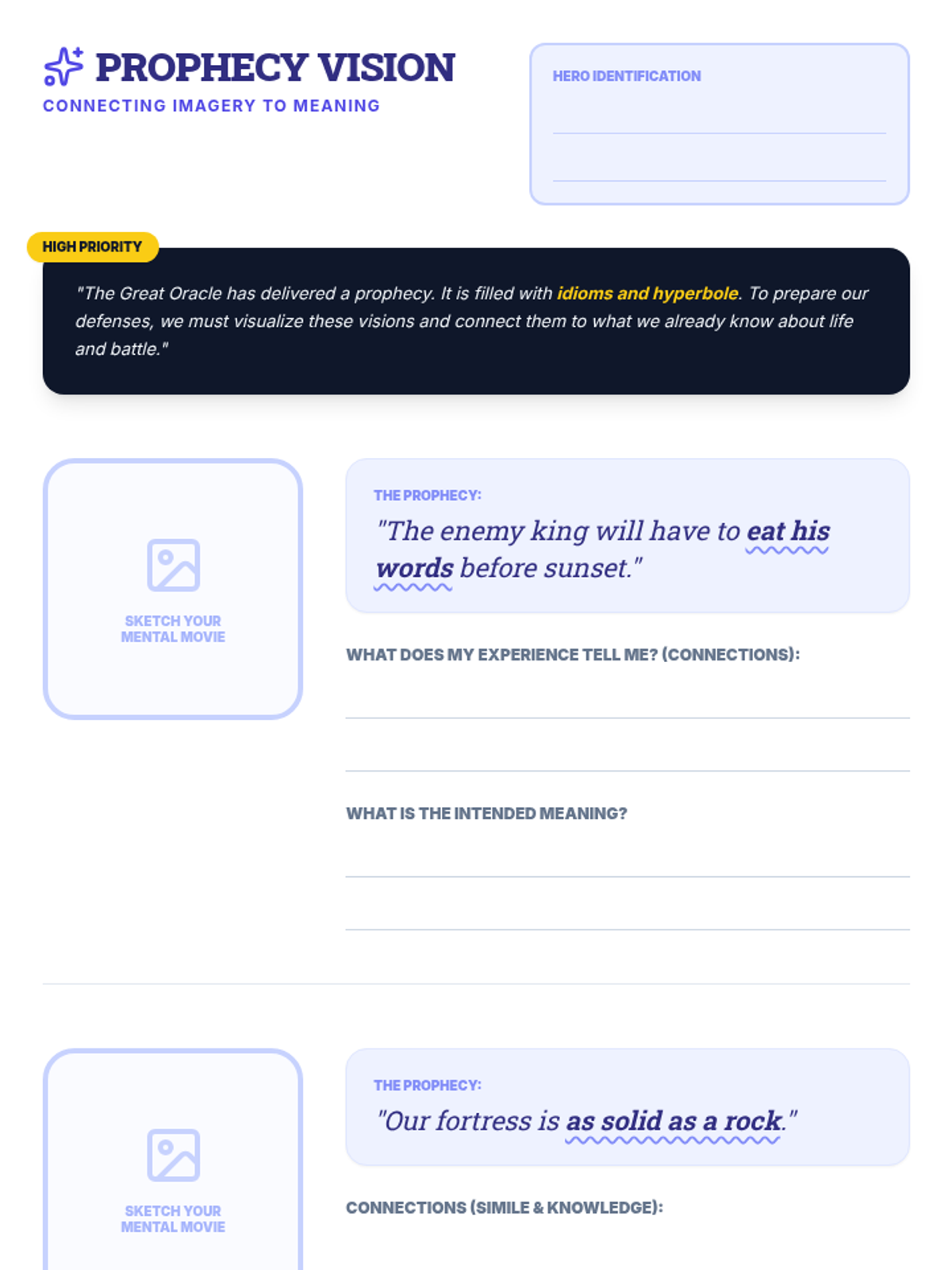
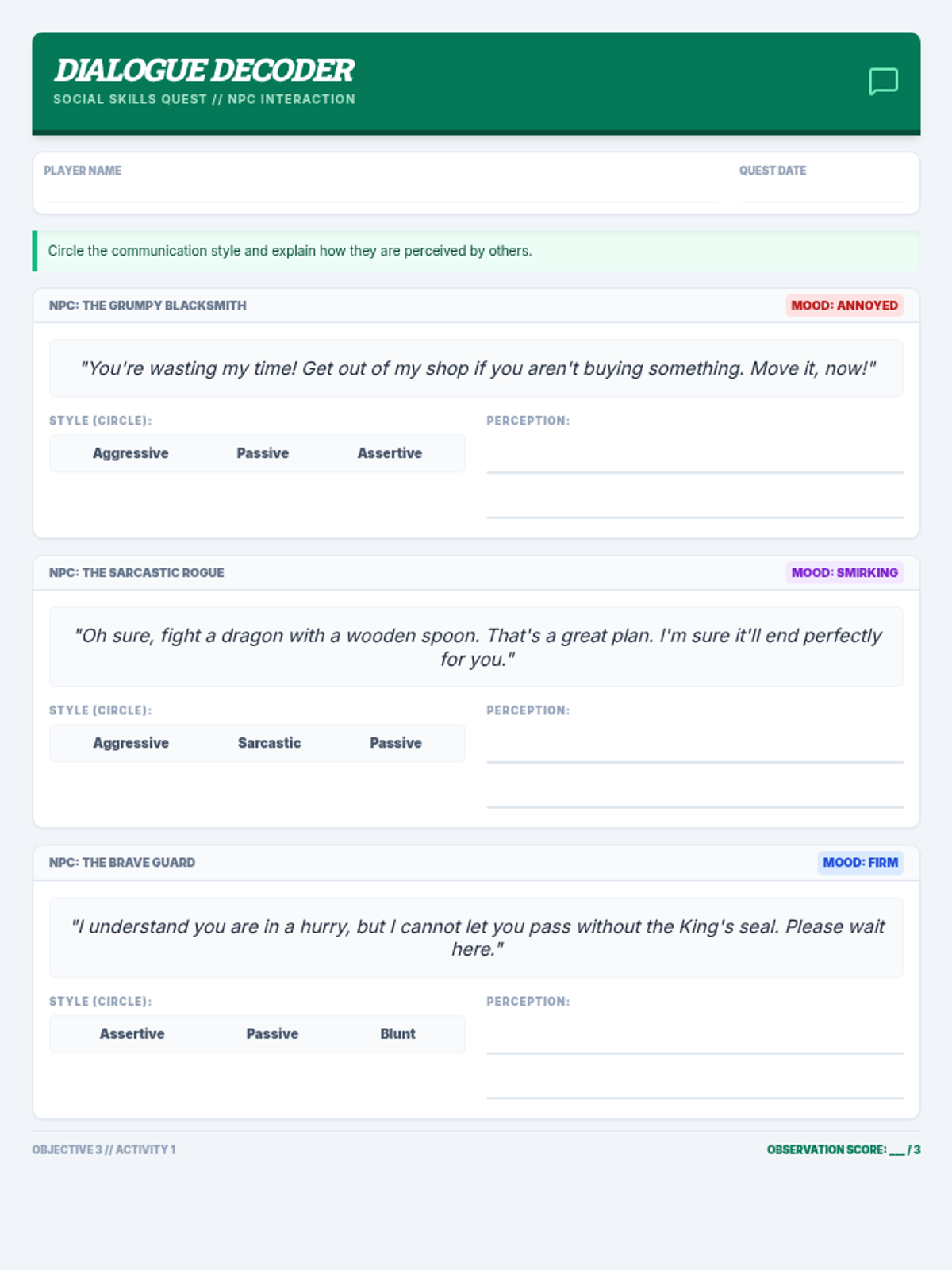
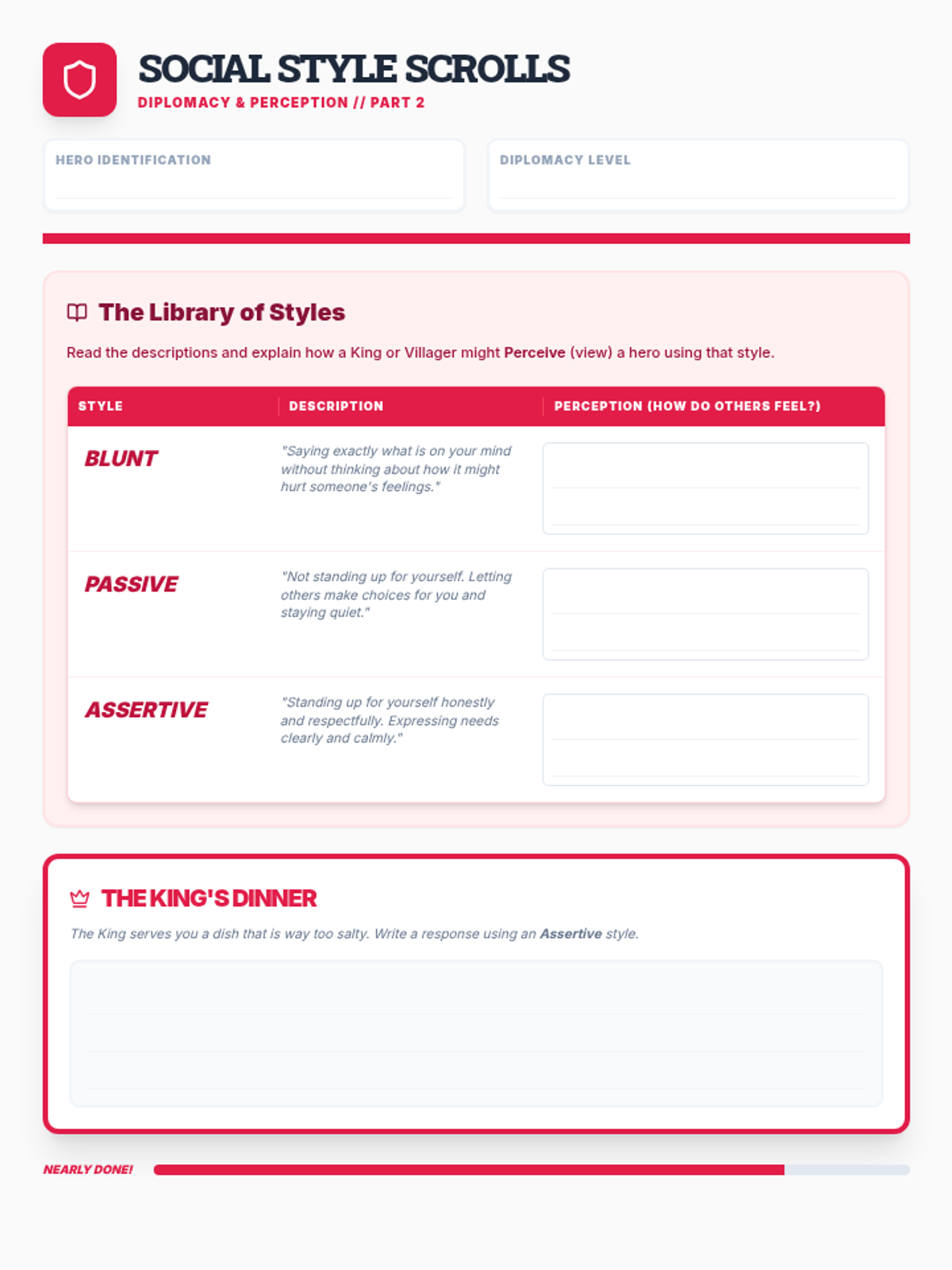
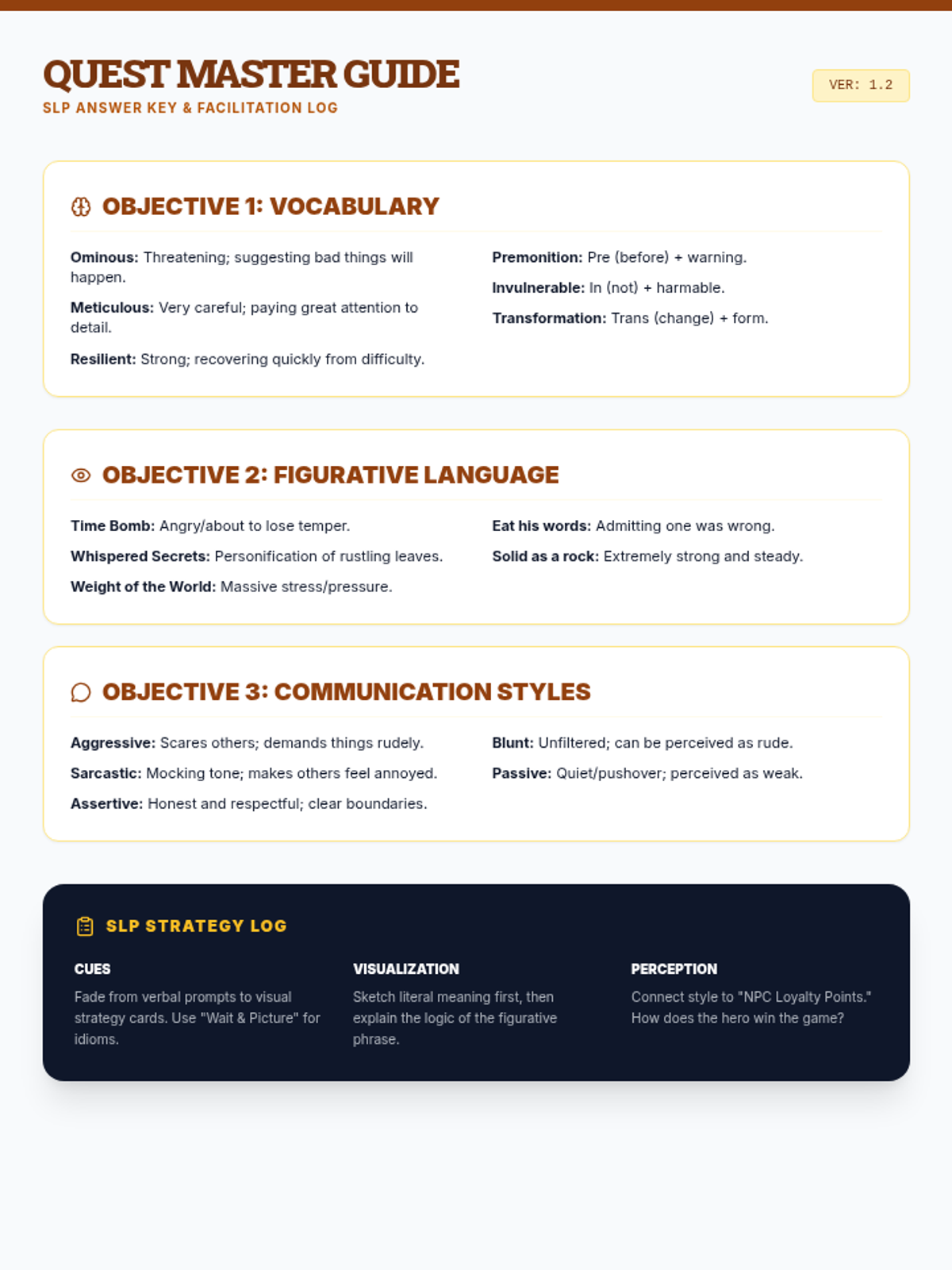
A comprehensive set of speech-language therapy activities designed for 6th-grade students, focusing on Tier 2 vocabulary, figurative language comprehension, and communication style identification through a Fantasy Quest video game theme.
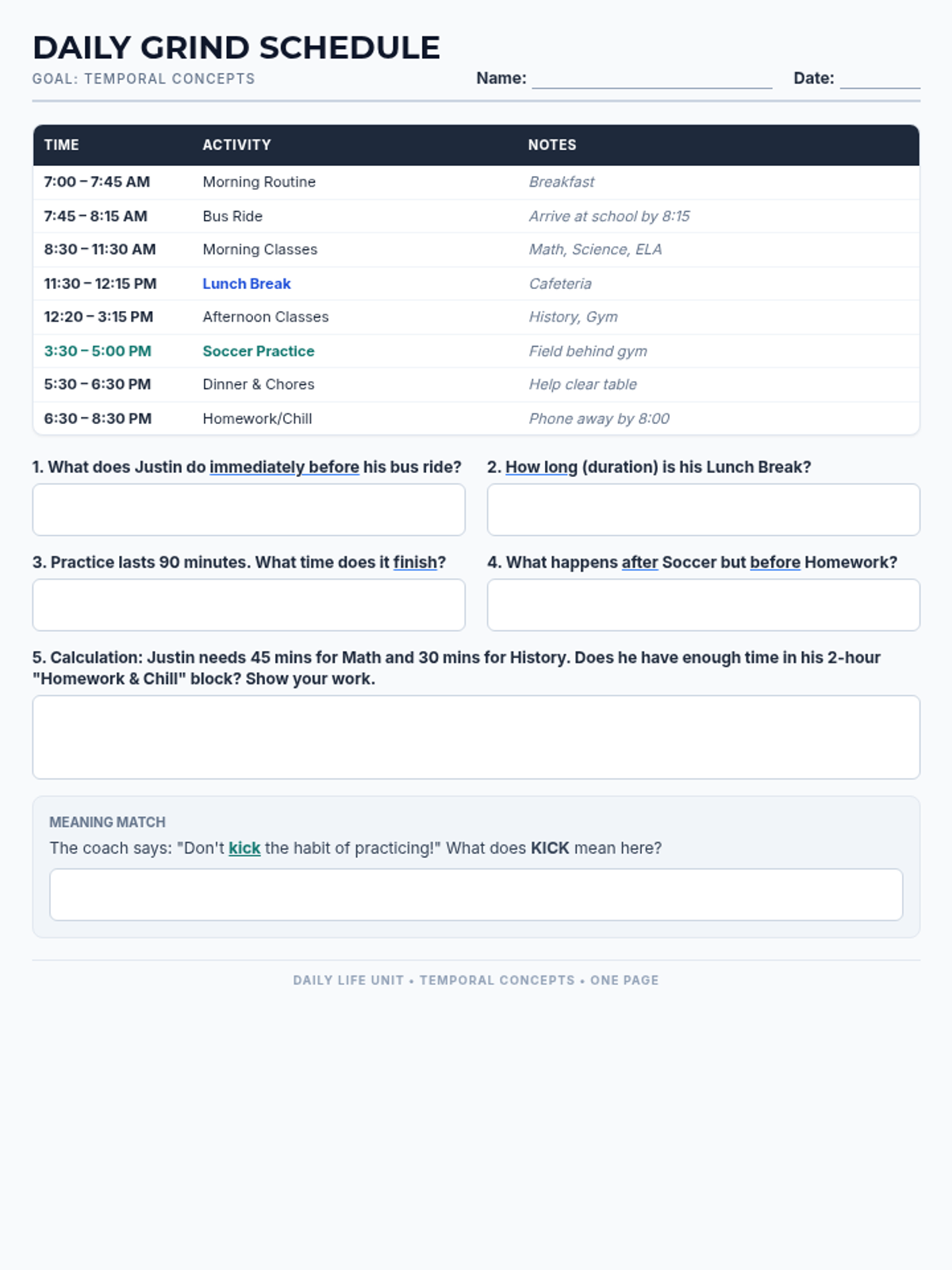
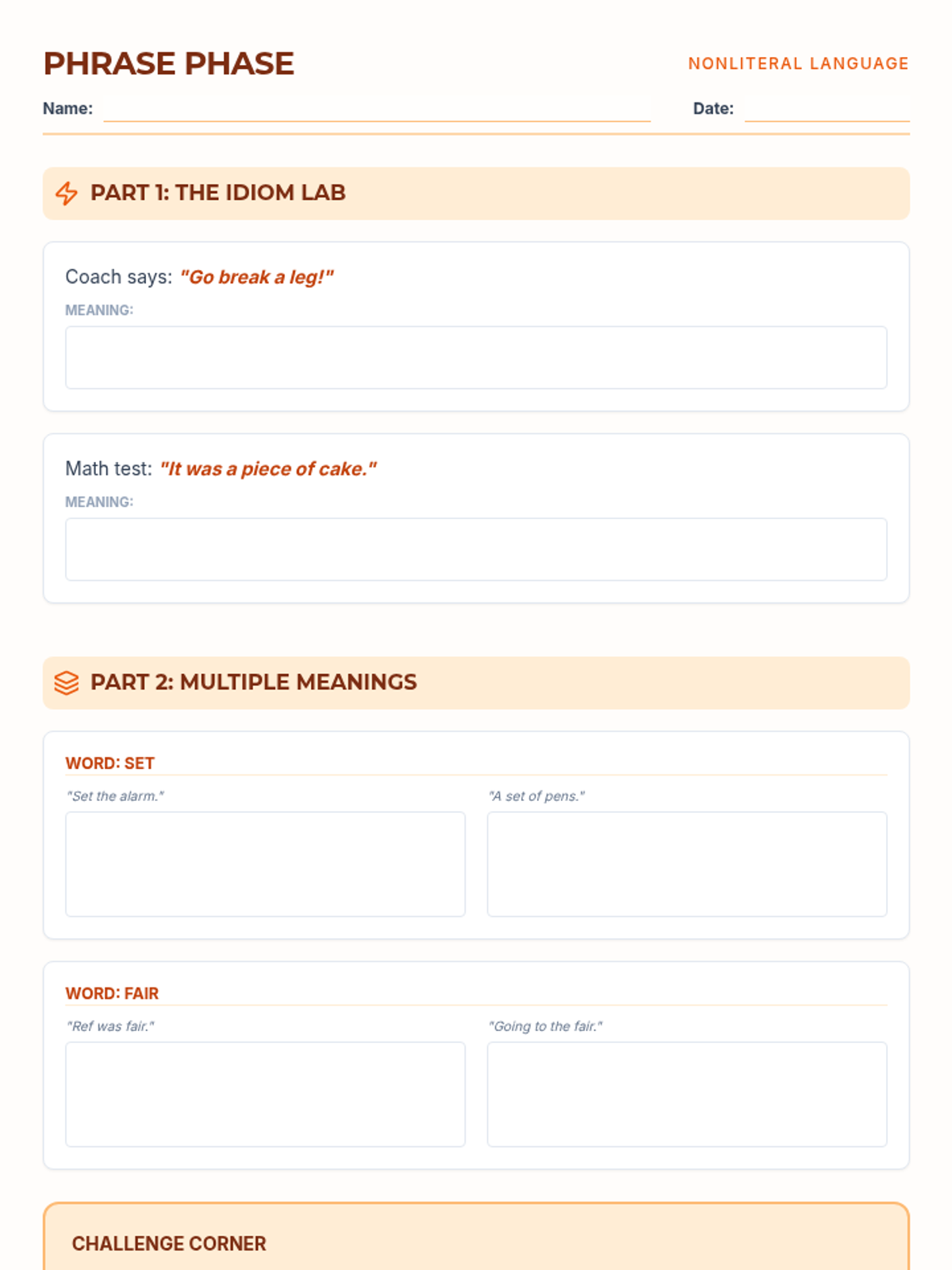
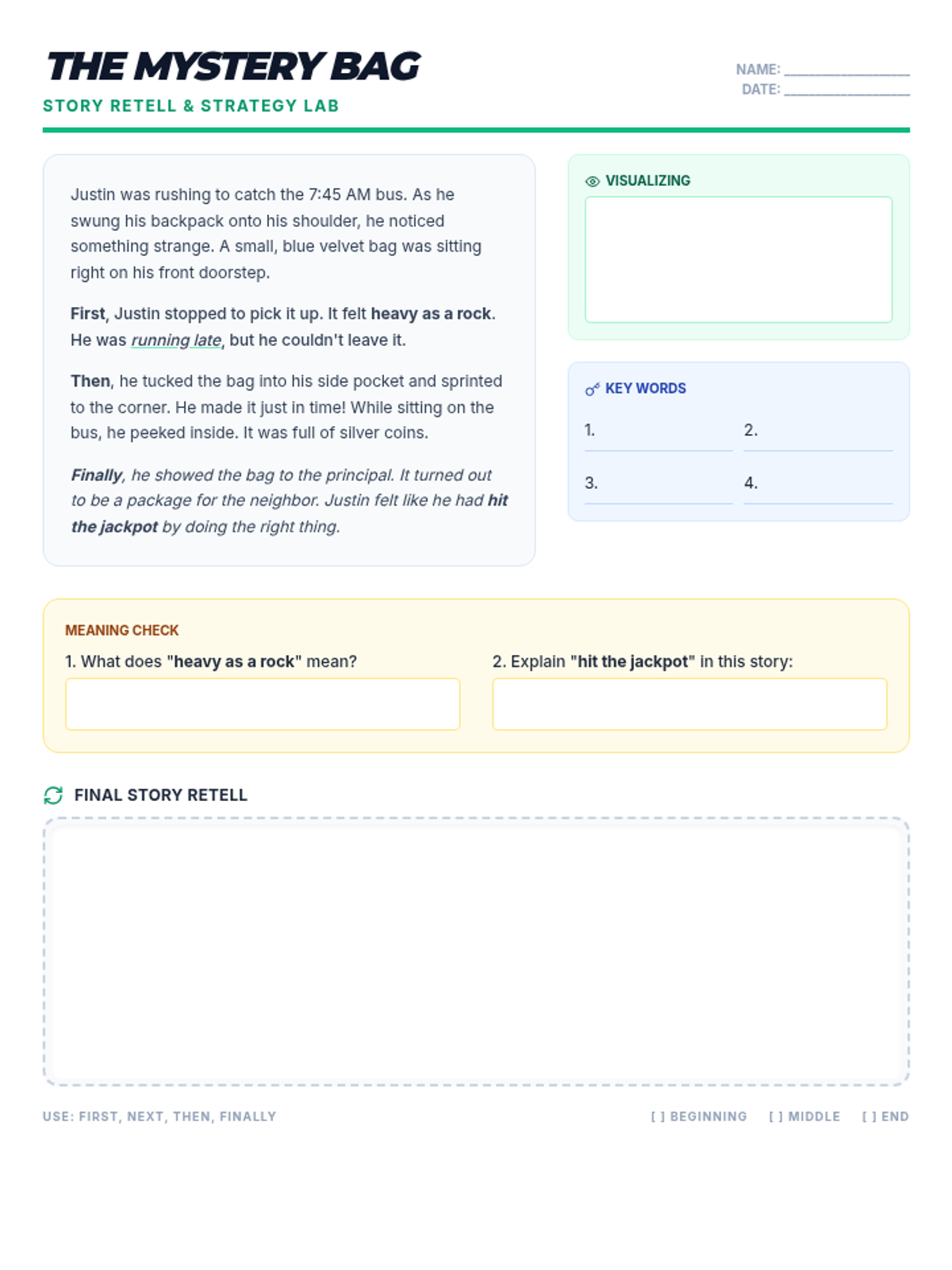
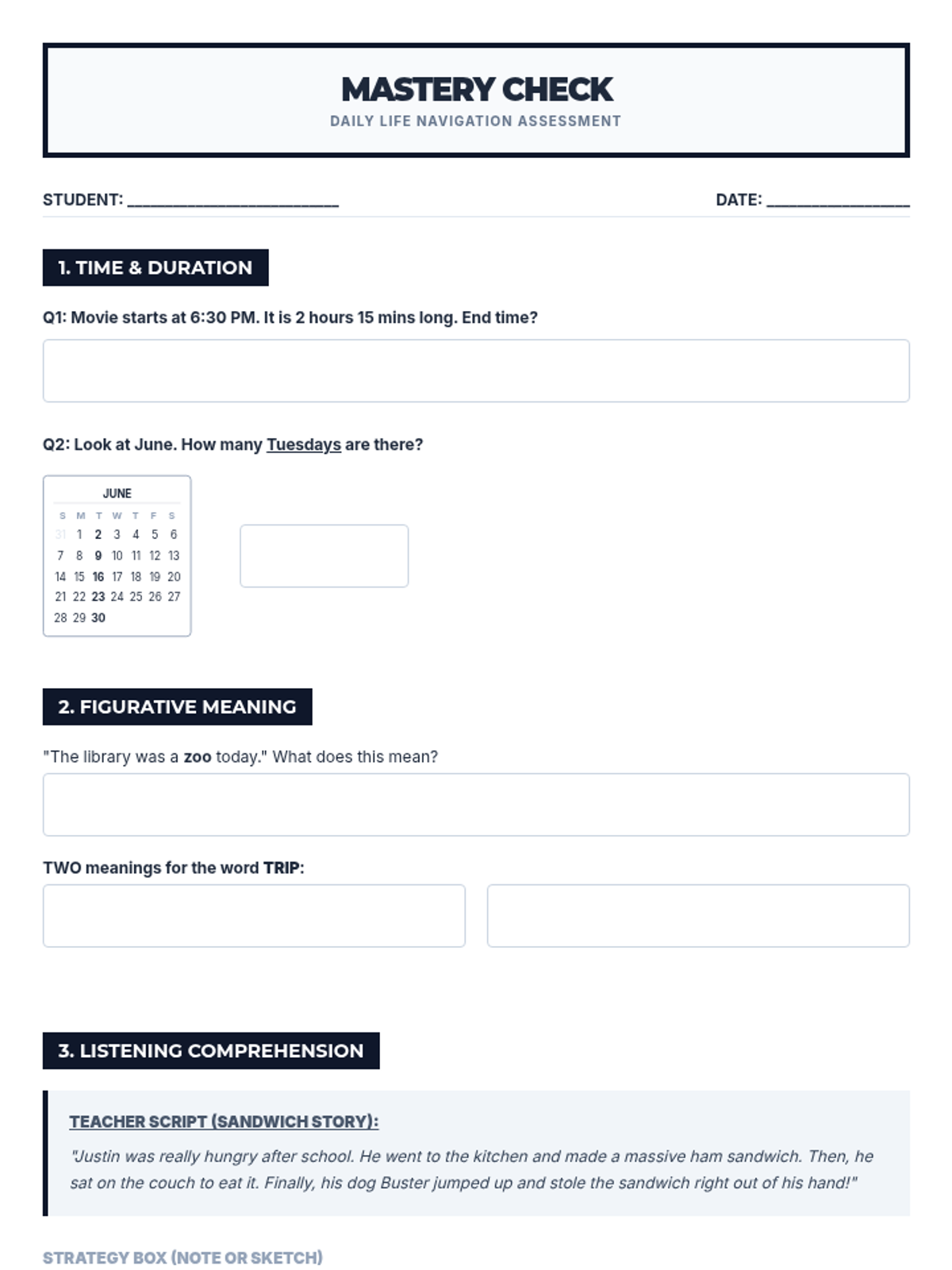
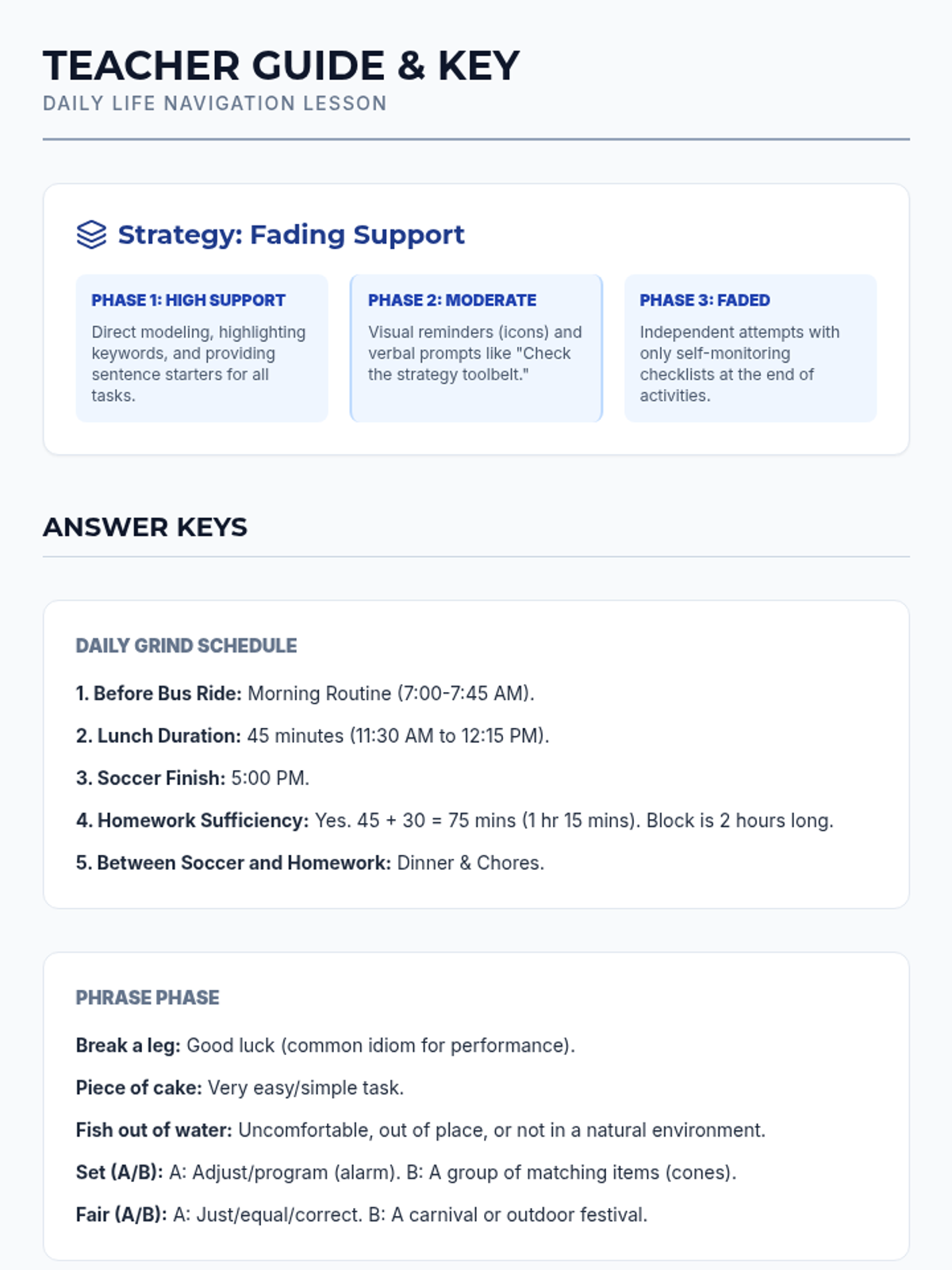
A comprehensive speech-language therapy unit designed for 7th-grade students (targeting 4th-5th grade reading levels) to master temporal concepts, figurative language, story retell, and comprehension strategies within the context of daily life routines.