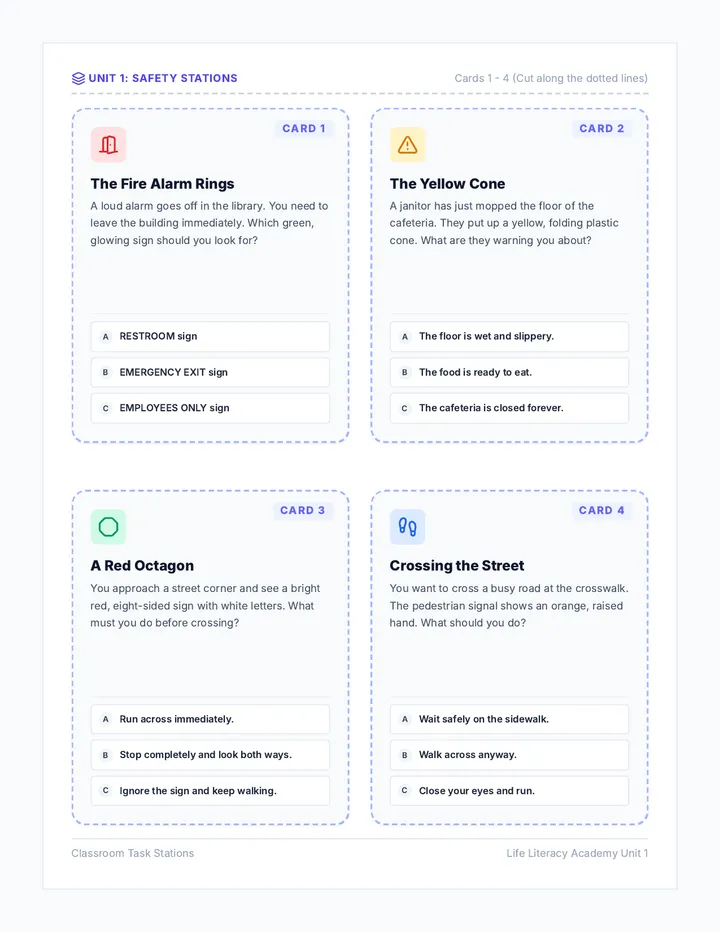
A mini-unit for high schoolers with intellectual disabilities focusing on personal space, consent, and distinguishing between healthy and unhealthy relationship behaviors using clear, visual 'social signals'.
A Valentine's Day themed lesson for high school educational life skills students focusing on fine motor skills and following multi-step visual directions through a craft and snack assembly activity.
This lesson focuses on applying boundary and consent concepts to the workplace and community settings. Students will learn to distinguish between personal and professional interactions, practice workplace-appropriate greetings, and navigate public spaces with confidence and respect.
A functional budgeting lesson designed for young adults with intellectual disabilities and autism, focusing on making choices within a fixed budget. Includes a visual shopping worksheet, an answer key, and a guide for substitute teachers.
A comprehensive lesson designed for transition-aged students with intellectual disabilities and autism to learn the social norms and math skills involved in tipping at restaurants and cafes.
A comprehensive set of materials for a high school Open House, including a presentation and a parent/guardian support handout for the Reading and Learning Center English class.
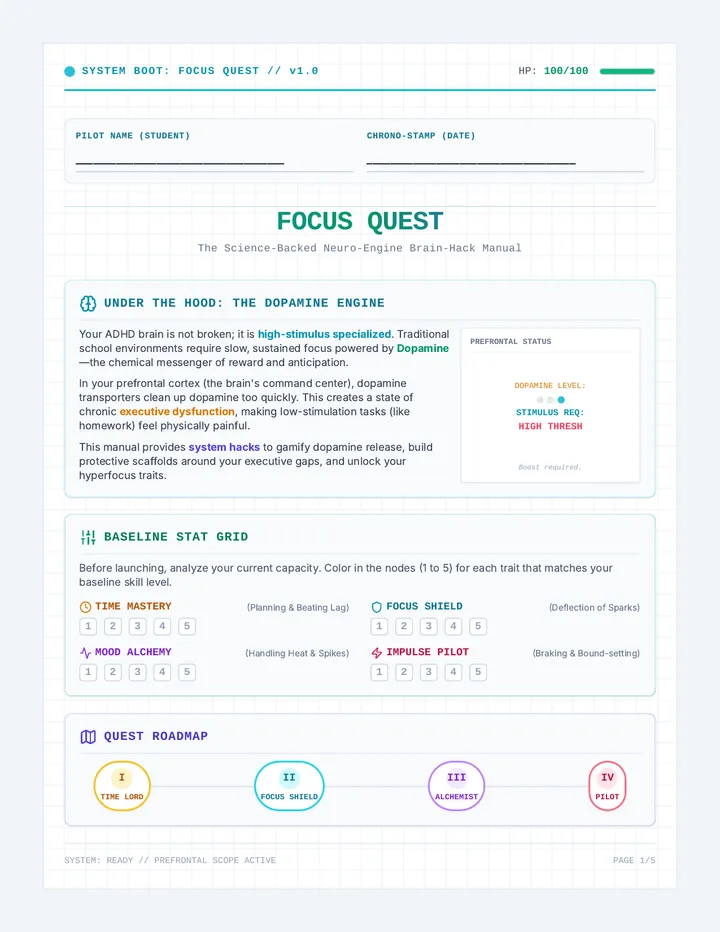
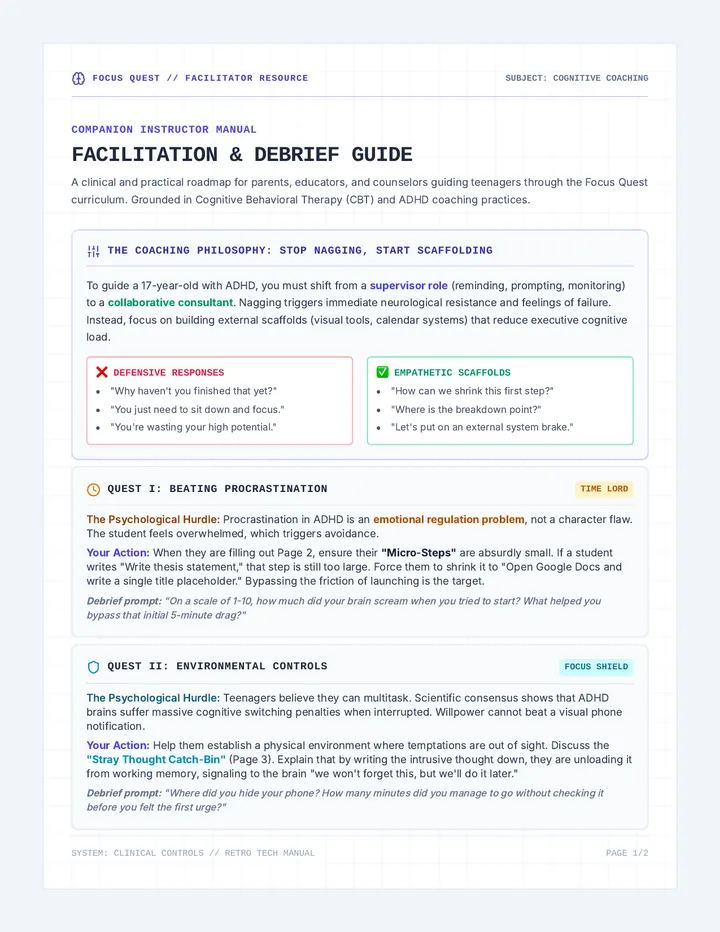
Students will differentiate between "behavior" and "brain function" and define executive function using metaphors from the ADHD community.
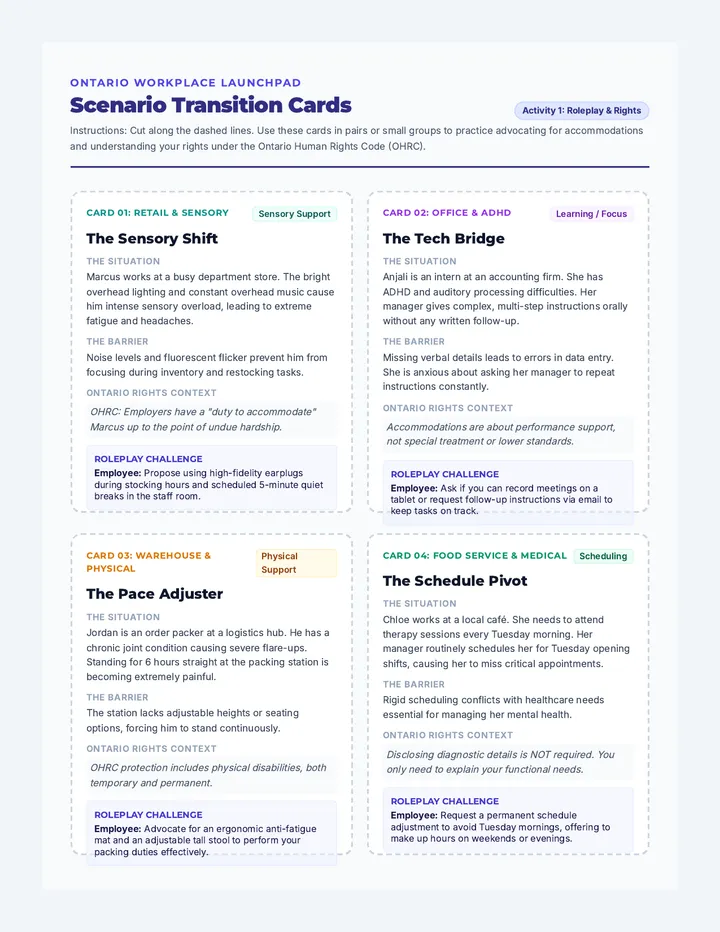
Practical application of advocacy skills for IEPs, workplace issues, and home independence, culminating in a final assessment.
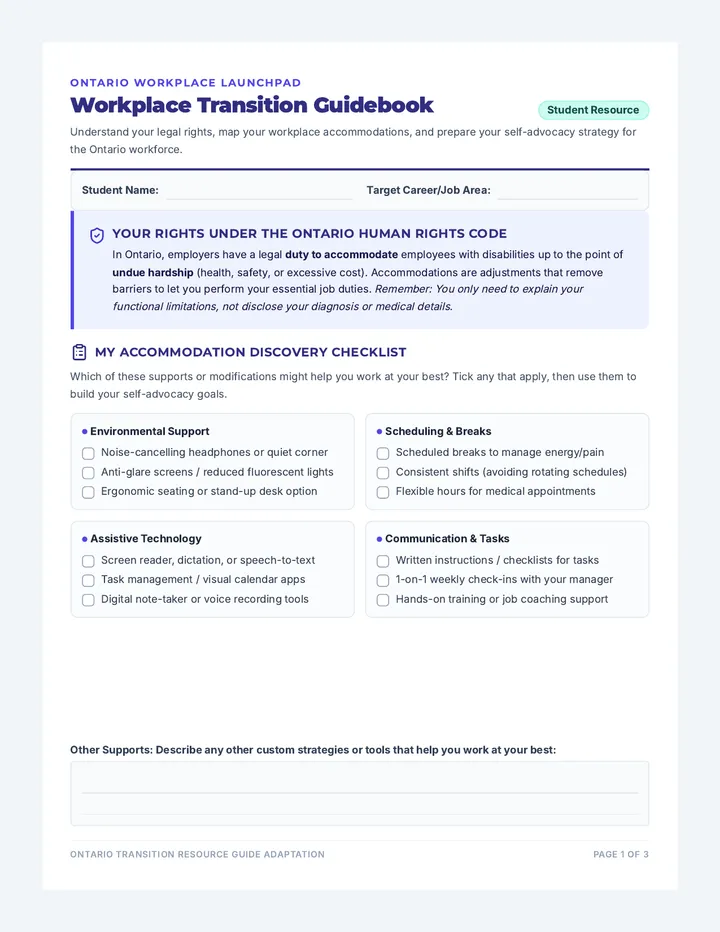
Focuses on the Americans with Disabilities Act (ADA), legal rights, and applying those rights to real-world scenarios in school and work.
Introduces the concept of self-advocacy, identifying areas where advocacy is needed, and understanding the personal importance of speaking up.
A visual guide to using the Expanding Expression Tool (EET) to enhance descriptive language and vocabulary, specifically themed around the world of The Hunger Games.
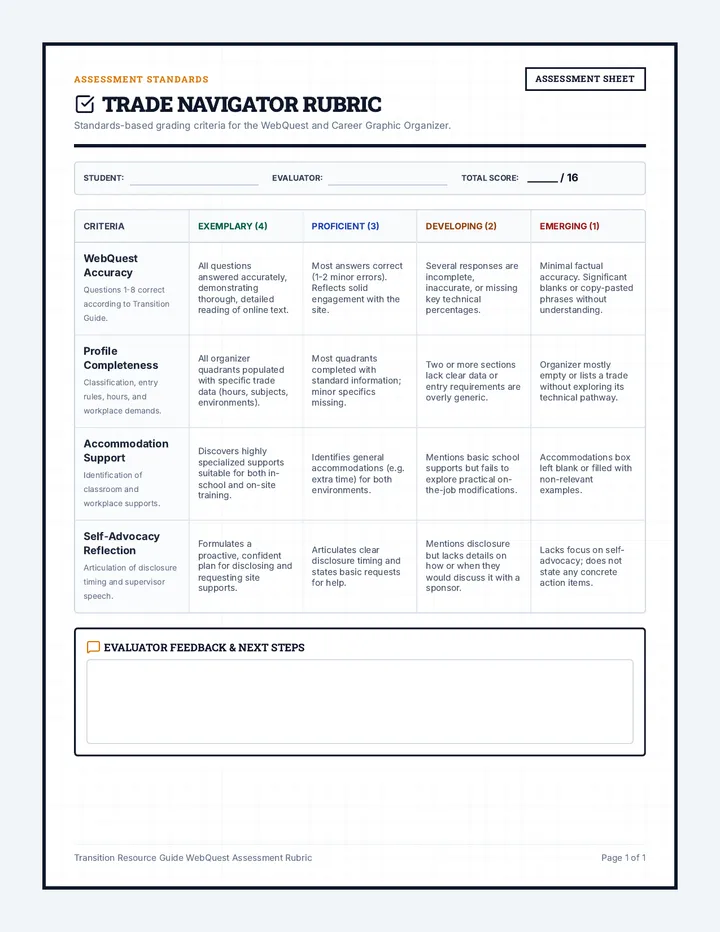
A 1-hour lesson designed for young adults with cognitive impairments, focusing on self-advocacy skills for the workplace, including identifying strengths, communicating needs, and understanding basic rights.
Final review and mastery of all 15 contractions covered in the 9-week sequence, featuring comprehensive dictation and games.
Reinforcement of 'ed', 'er', 'ou', 'ow', and 'st' contractions through repetitive writing and word-building exercises.
Introduction to additional common part signs: 'ed', 'er', 'ou', 'ow', and 'st'. Focuses on placement within words.
Mastery check for the 'ch' group contractions, including complex dictation and mixed contraction review.
Reinforcement of 'ch', 'gh', 'sh', 'th', and 'wh' contractions through targeted practice sheets and matching activities.
Introduction to the 'ch' group of contractions: 'ch', 'gh', 'sh', 'th', and 'wh'. Focuses on the unique dot patterns for each.
Mastery check for the 'and' group contractions using dictation passages and independent writing activities.
Reinforcement of the 'and' group contractions through repetitive tracing, matching games, and simple fill-in-the-blank sentences.
Introduction to the 'and' group of contractions: 'and', 'for', 'of', 'the', and 'with'. Focuses on recognition and basic tracing.
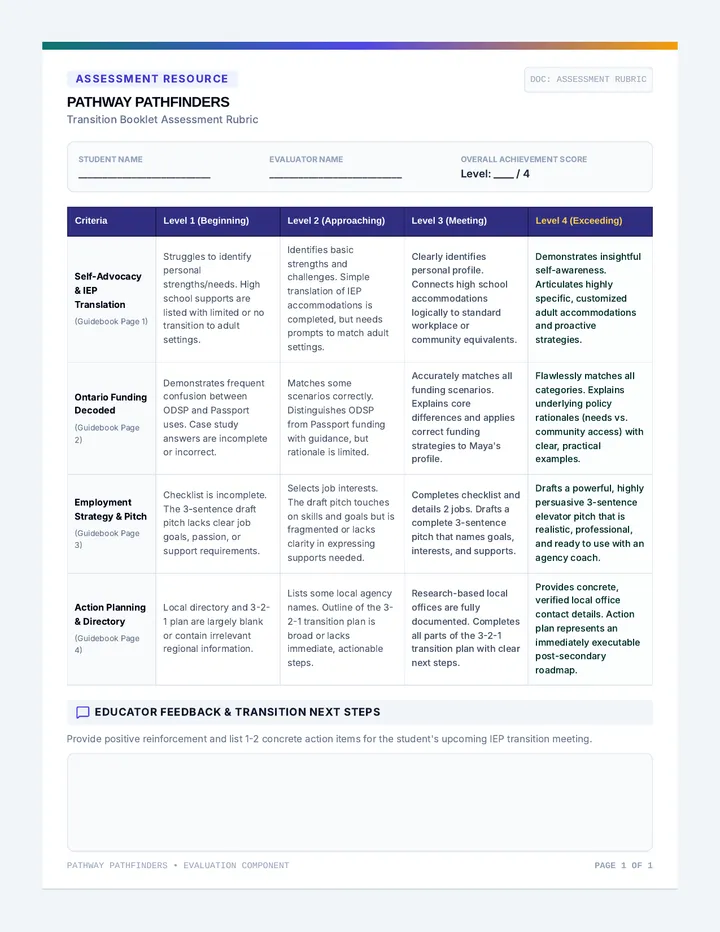
A comprehensive set of non-academic activities and assessments designed to evaluate a student's organizational, categorization, and goal-setting skills through hands-on tasks.
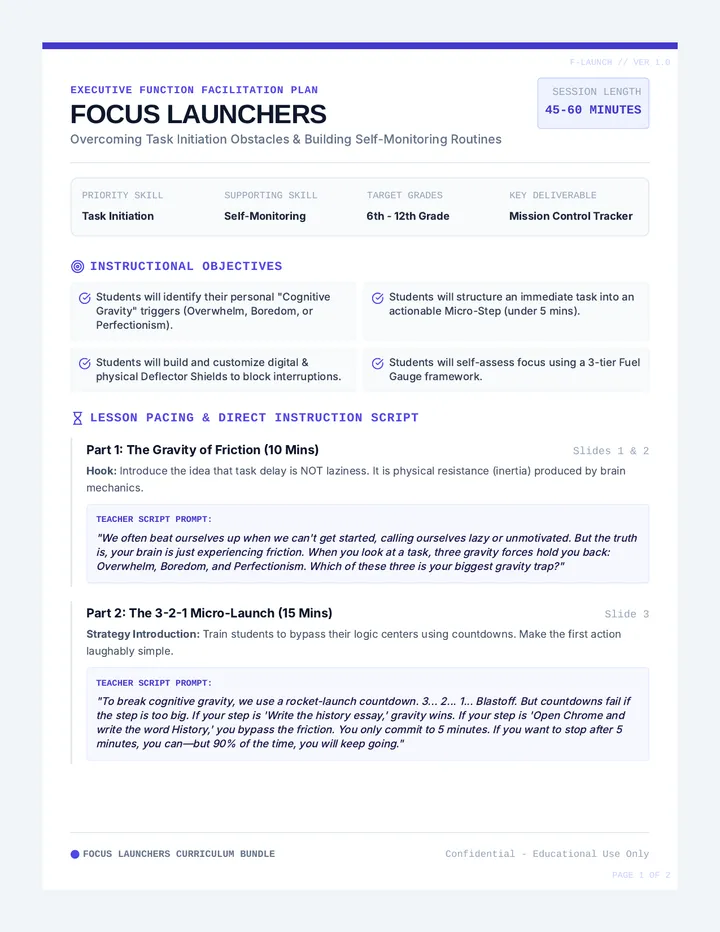
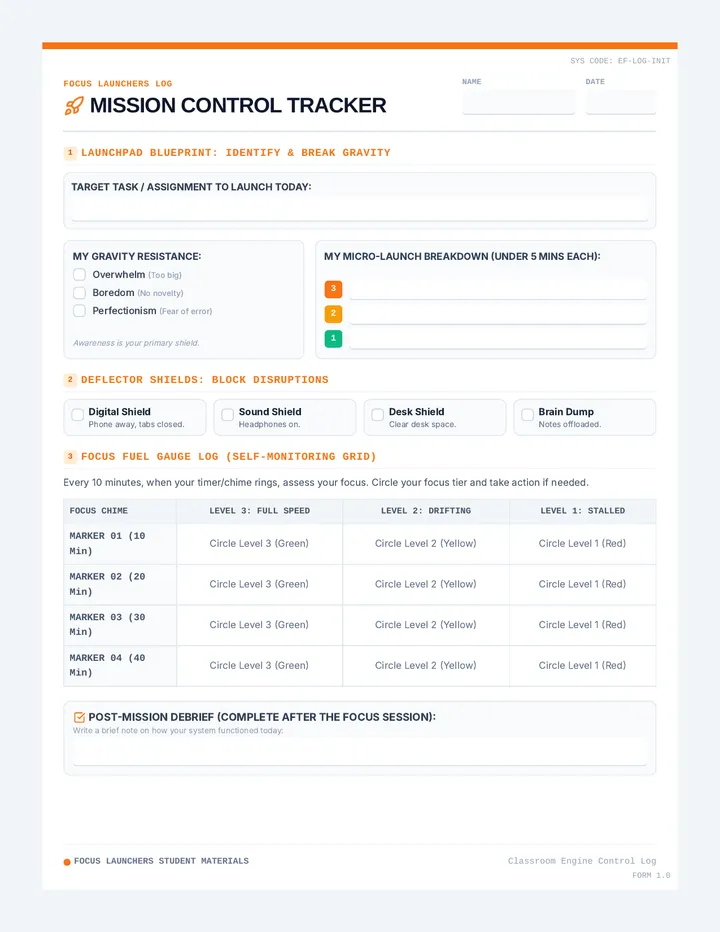
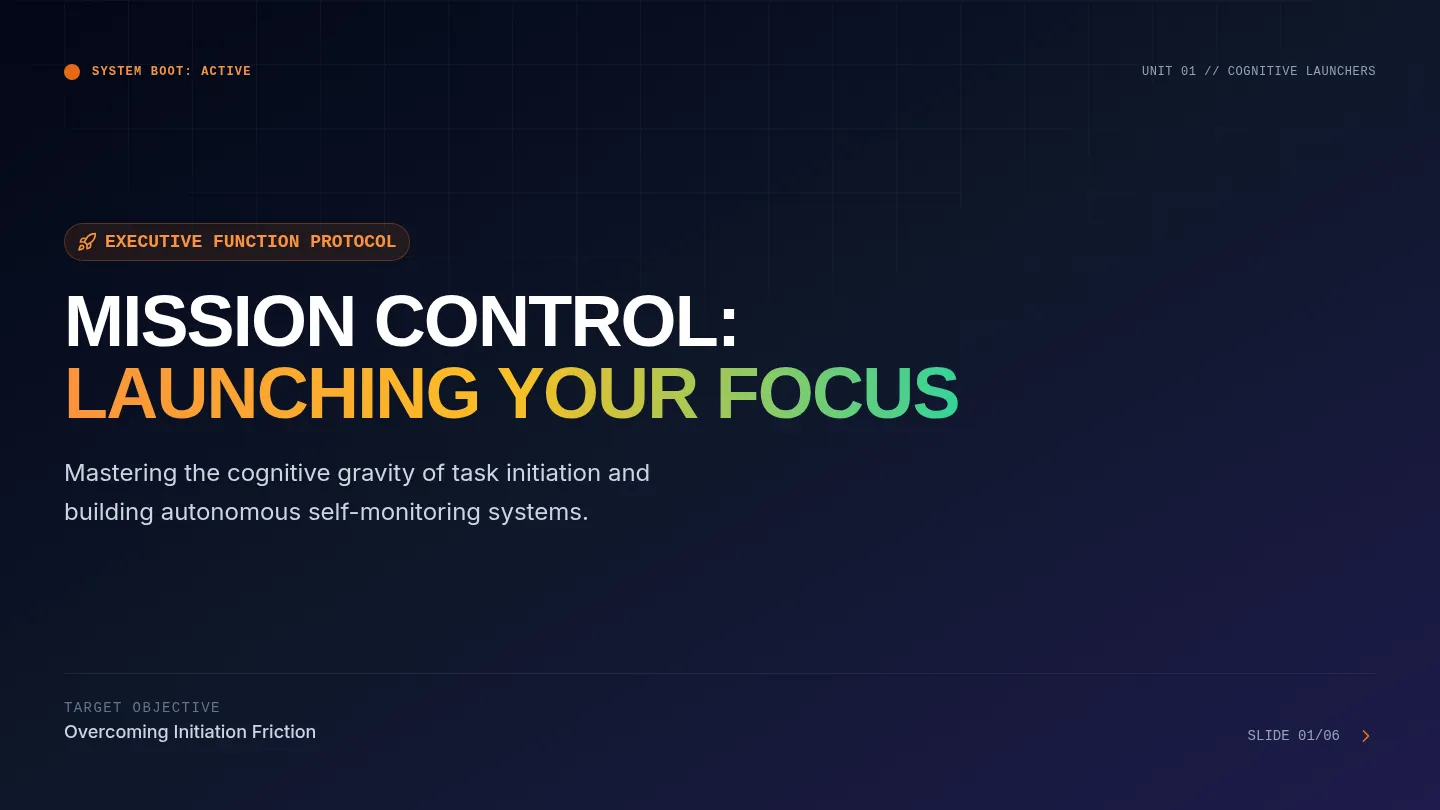
This lesson equips high school students with practical executive functioning strategies—planning, organization, task initiation, and self-monitoring—using a "Command Center" theme to foster academic independence. It includes instructional slides, hands-on organizational activities, and a personalized project-based assessment.
A comprehensive lesson for 9th graders exploring the legal frameworks of IDEA and Section 504, helping students understand their rights and the differences between an IEP and a 504 plan.
A lesson focused on visual literacy and the specific graphic techniques Marjane Satrapi uses in the first six chapters of Persepolis to convey political and personal themes.
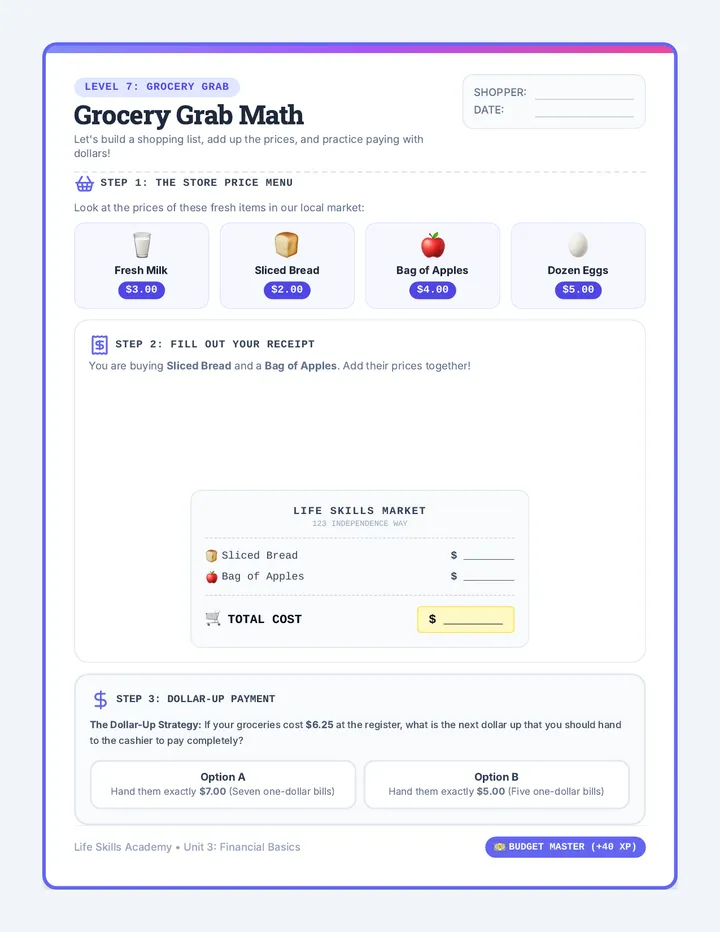
A comprehensive lesson teaching the 'Next Dollar Up' strategy to students with special needs, focusing on practical money skills through visual aids and hands-on shopping simulations.
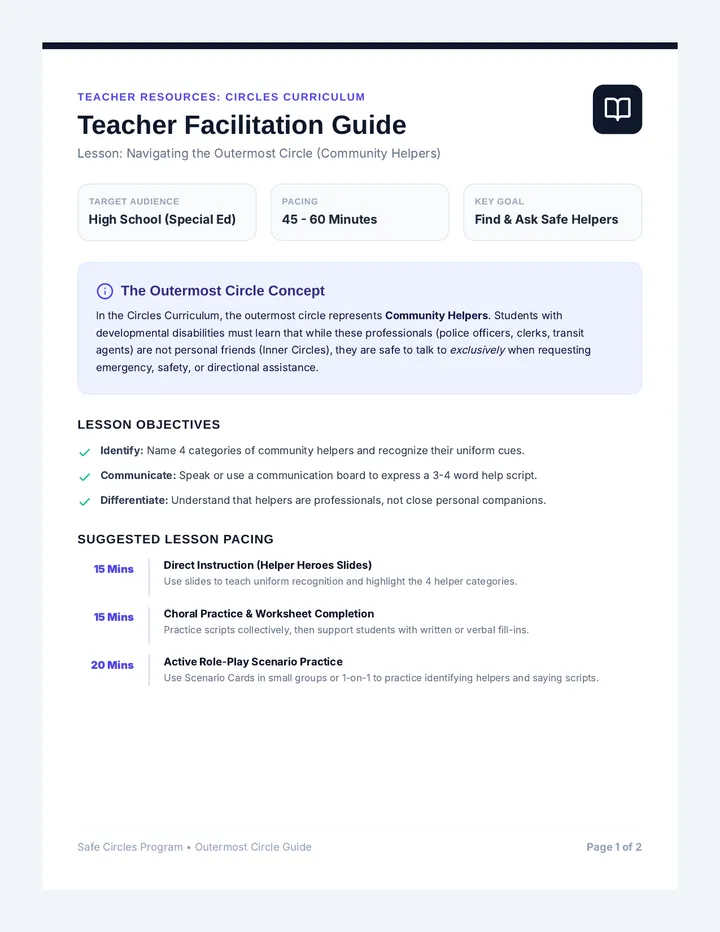
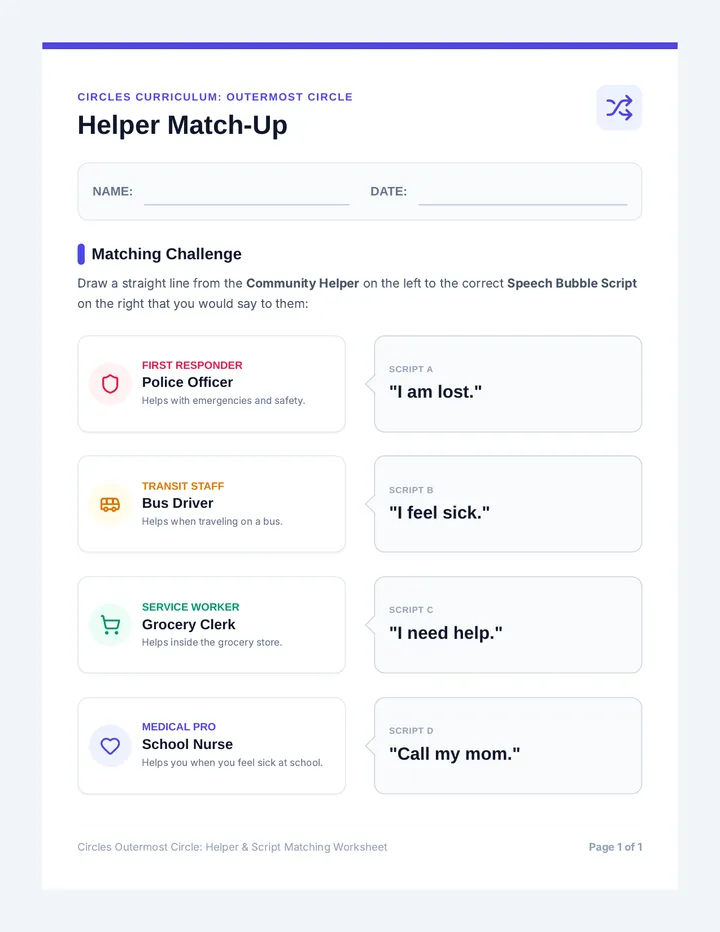
This lesson helps students identify physical symptoms of illness and practice communicating how they feel to trusted adults. Students will learn specific phrases to use and practice matching symptoms with appropriate actions.
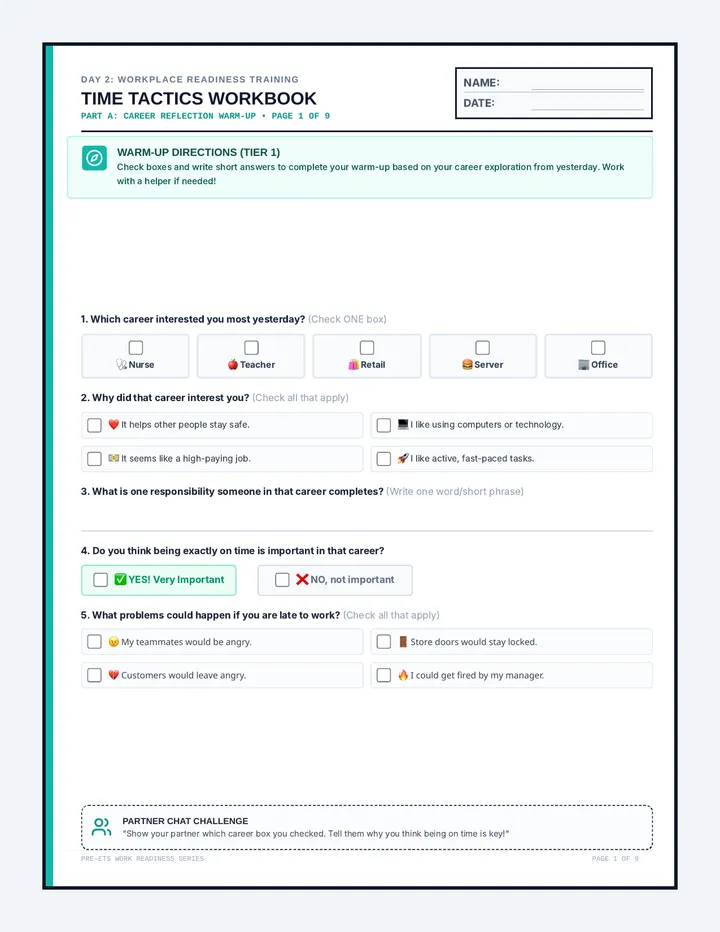
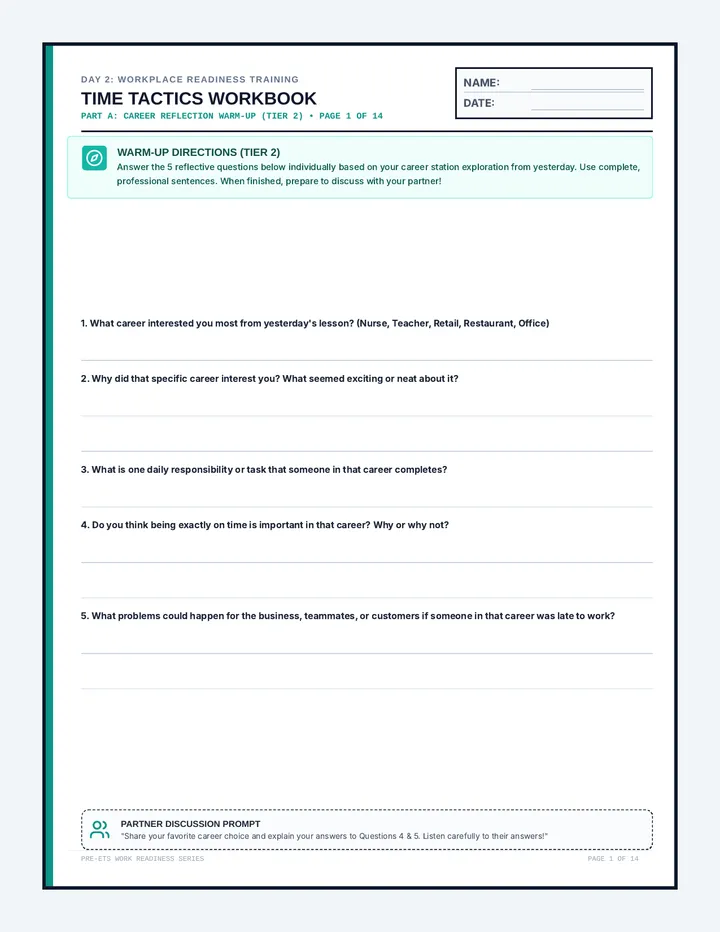
Introduces the difference between hard skills (tasks you do) and soft skills (how you act and work with others) using simple language and visual supports.
A high-energy, Valentine's-themed 'Price is Right' game designed to last up to 120 minutes, covering item pricing, logic, and estimation.
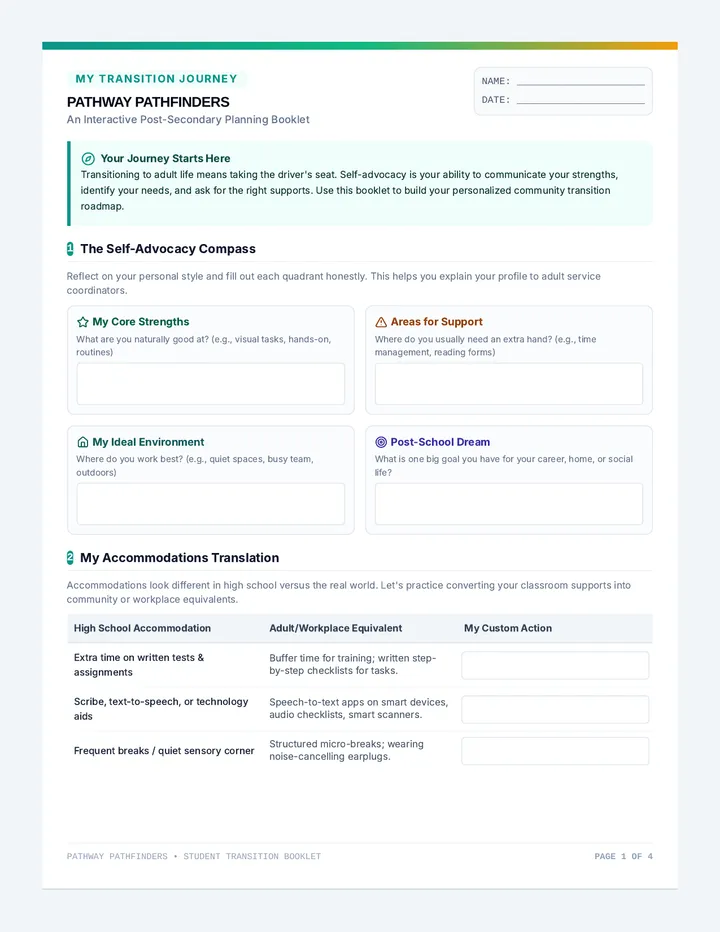
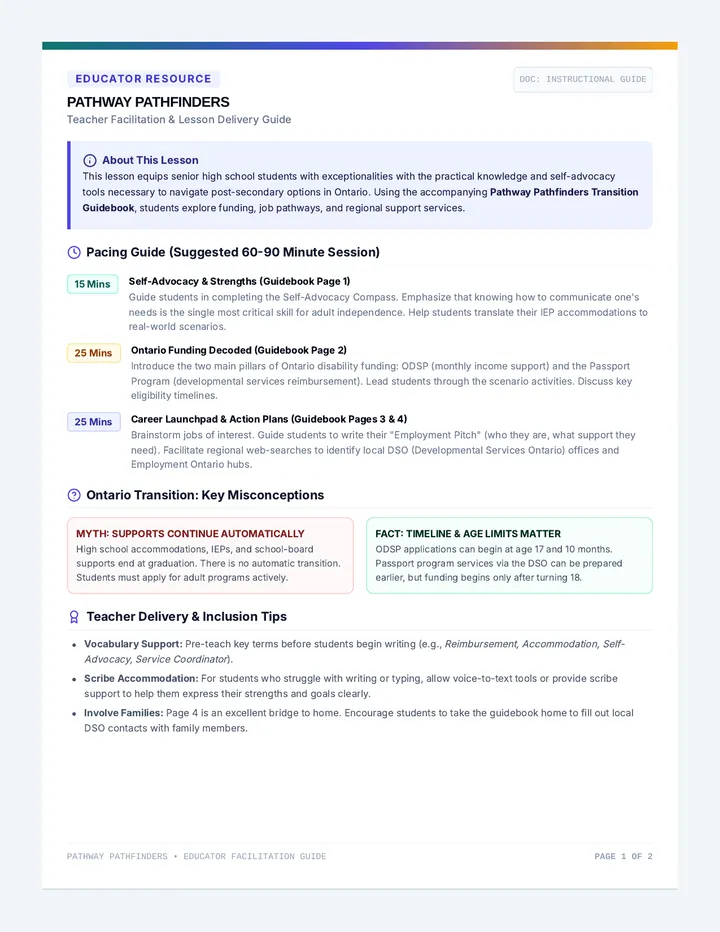
A comprehensive lesson for high school students with intellectual disabilities to explore and compare post-secondary education routes, focusing on personal preferences, support needs, and practical considerations like cost and location.
A first-meeting transition session designed to build rapport and gather information about a student's future goals for school, career, and independent living through a low-pressure, visual 'blueprint' theme.
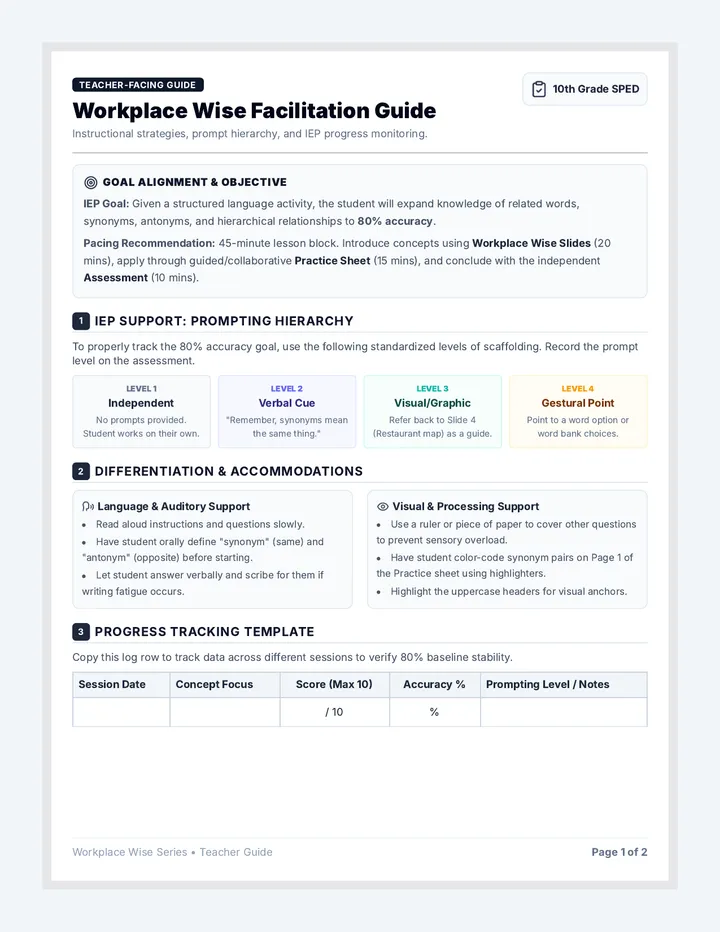
A comprehensive guide to executive function accommodations, focusing on rigidity, behavioral expectations, and task completion for neurodivergent students.
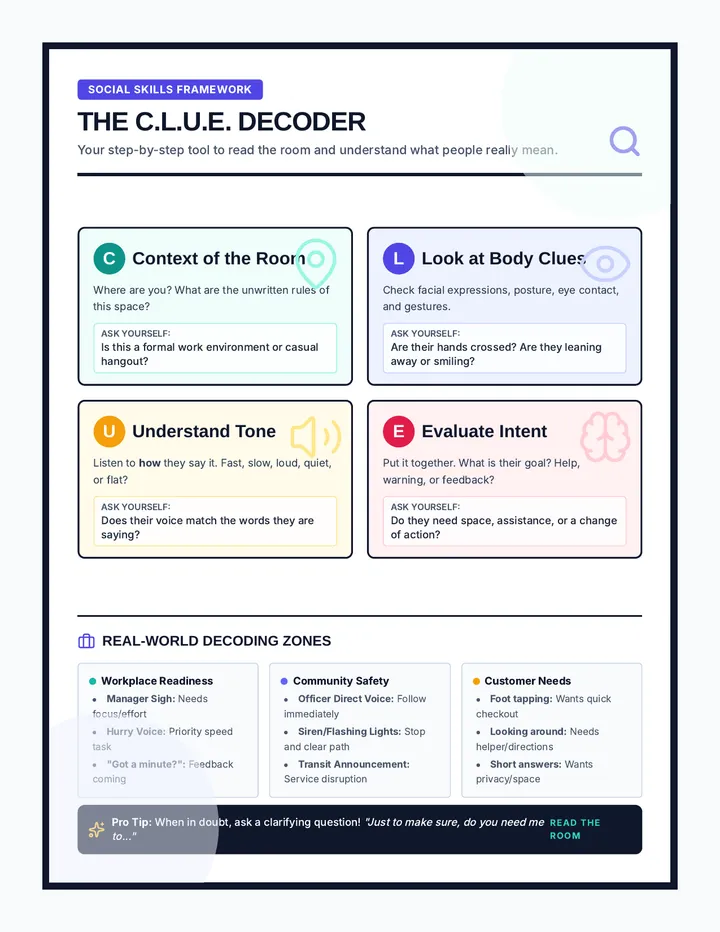
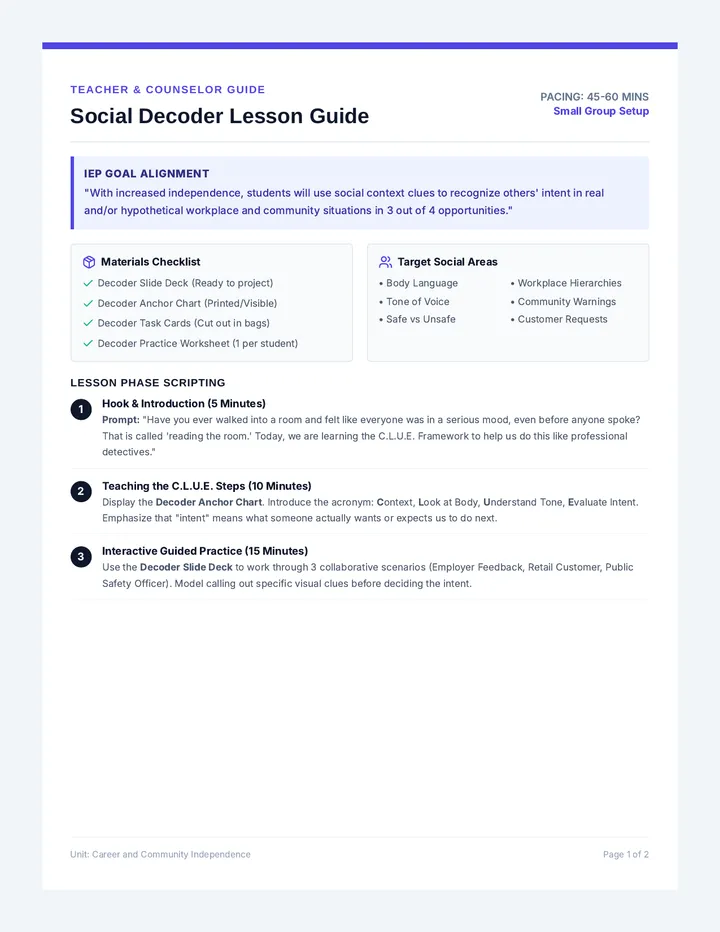
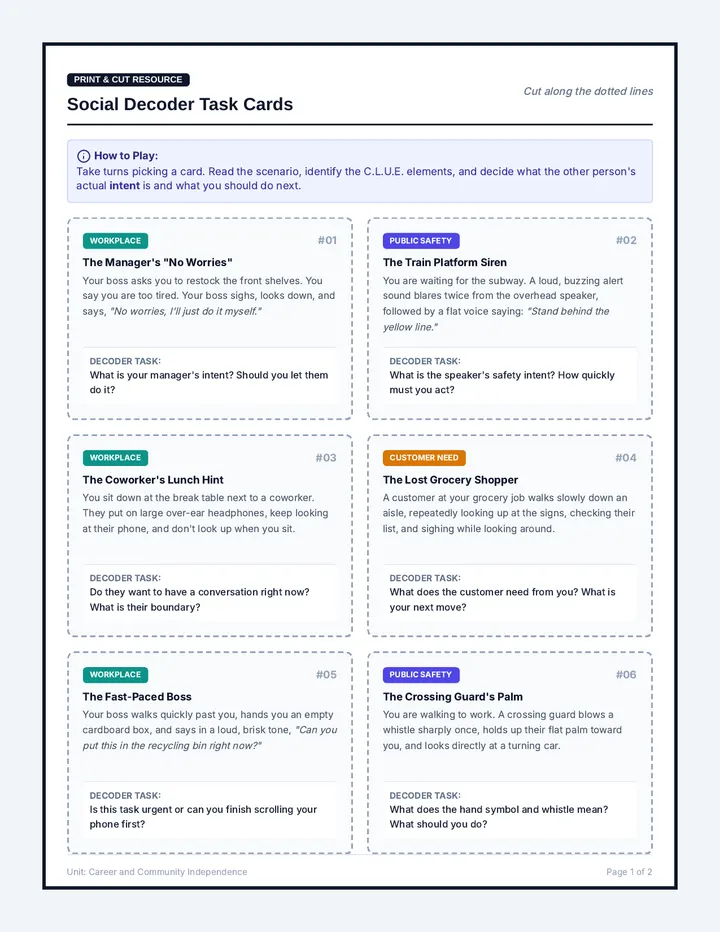
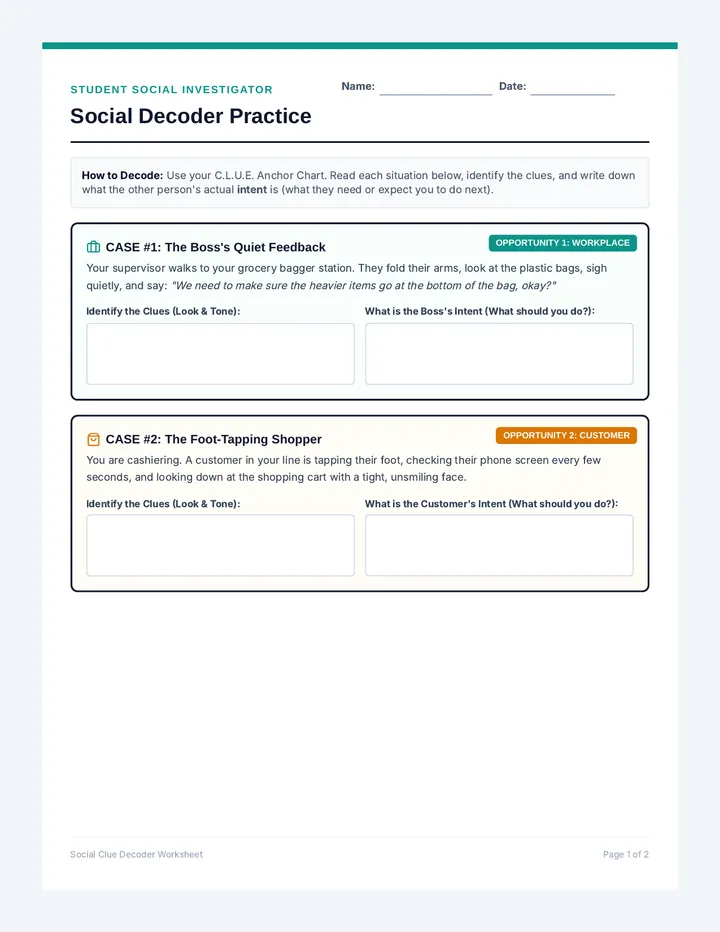
A comprehensive lesson designed for high school special education students to master the art of interpreting non-verbal communication, including body language, facial expressions, and tone of voice.
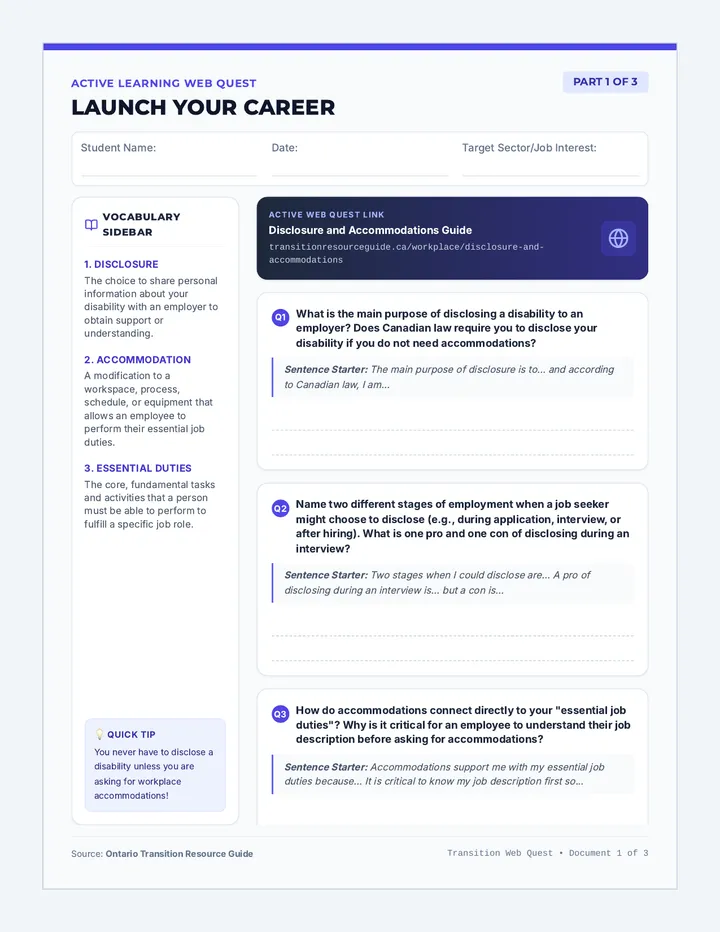
A comprehensive 4-hour (240-minute) training intensive designed to help individuals with disabilities join community clubs. This expanded lesson covers interest exploration, social navigation, self-advocacy, problem-solving, and practical goal-setting.
A comprehensive set of data collection tools for Extended School Year (ESY) services, focusing on attendance tracking and daily progress monitoring for IEP goals.
Social and functional skills for cafes, including ordering, waiting for a turn, and paying for a snack or drink.