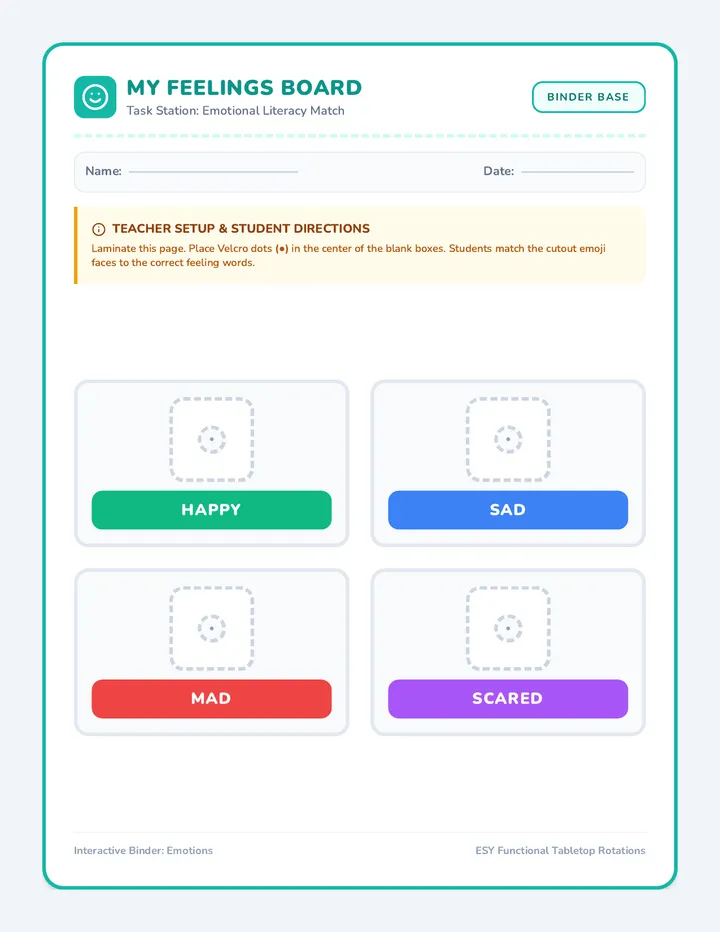
A 30-minute, individual Tier 3 lesson for Kindergarten students with autism focused on identifying and labeling basic emotions (happy, sad, angry, scared) through visual aids, stories, and interactive practice.
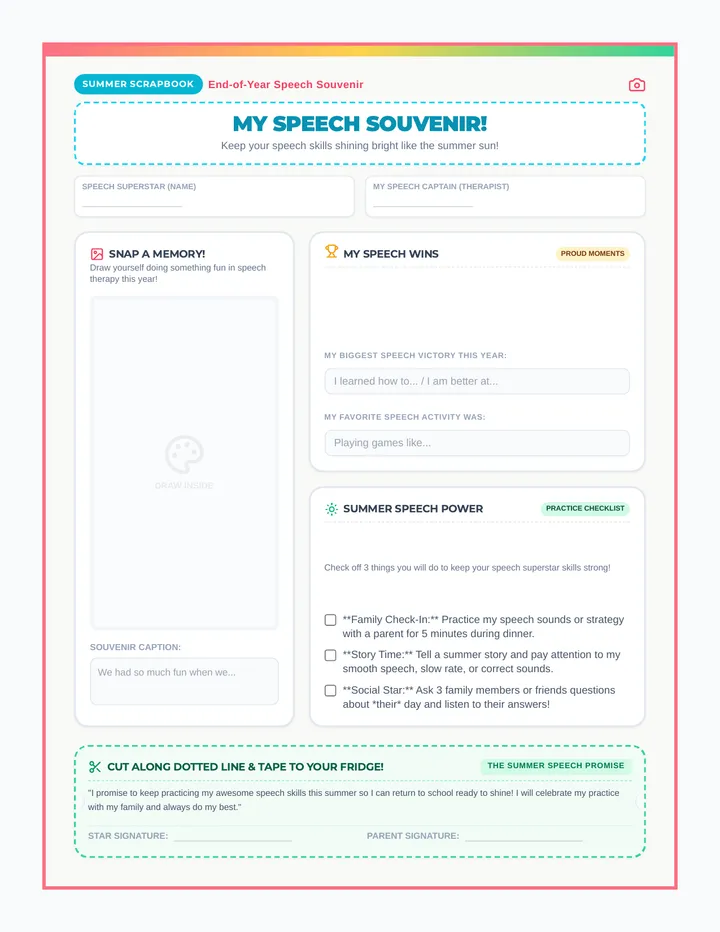
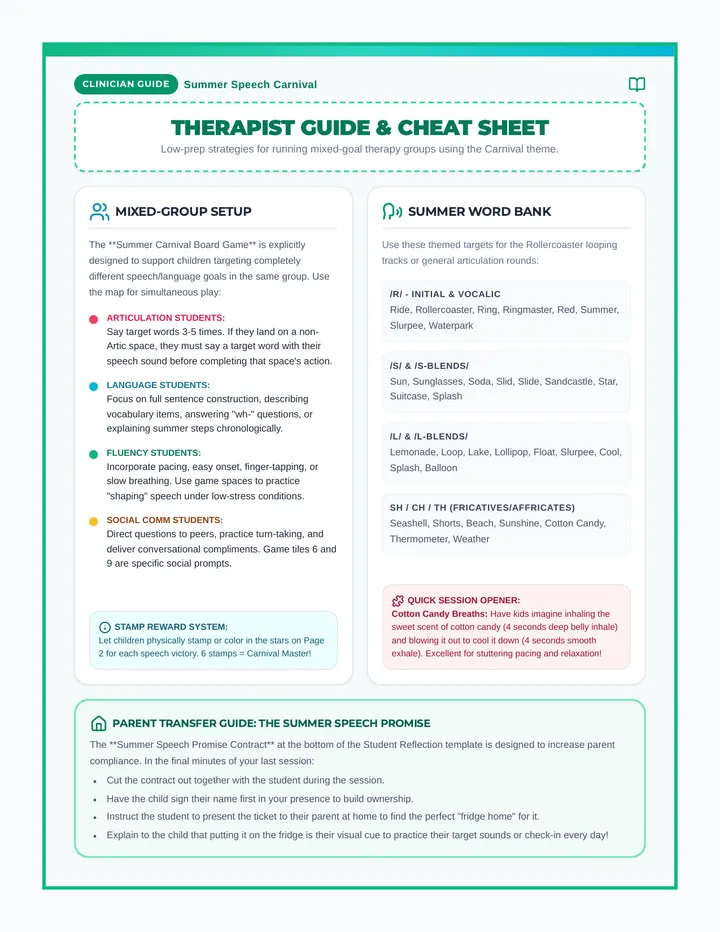
A comprehensive set of articulation resources for kindergarteners focusing on /t/, /d/, /n/, /s/, and /z/ sounds in initial, medial, and final word positions through a playful safari theme.
A comprehensive parent training resource designed to support task initiation and sustained focus for students with autism using visual strategies and structured home routines.
A social story and support toolkit designed to help students navigate frustration, manage physical impulses, and choose safe alternatives to eloping or aggression.
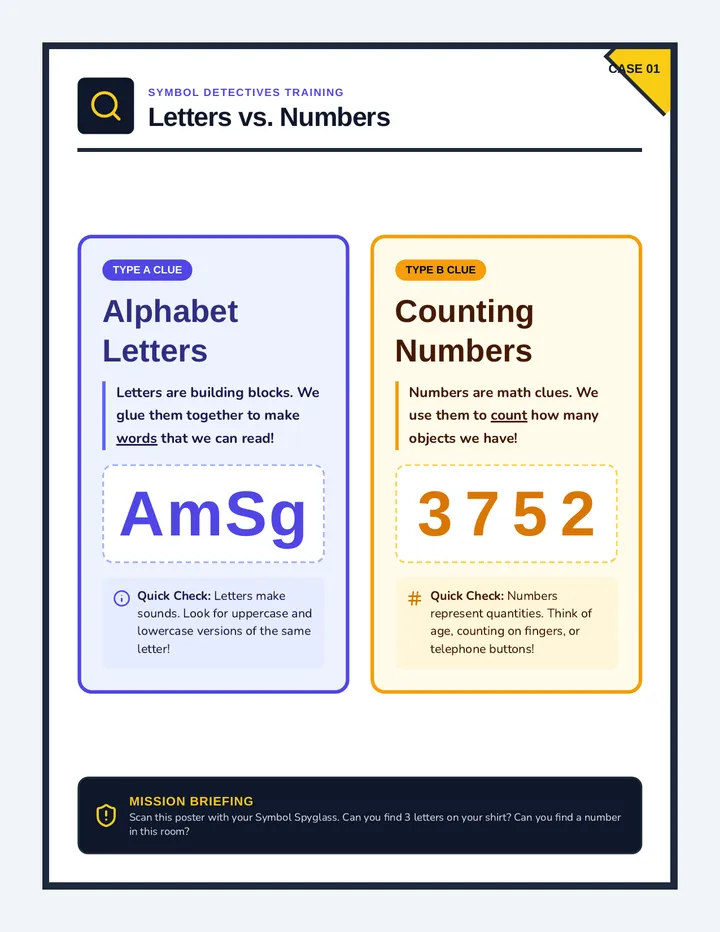
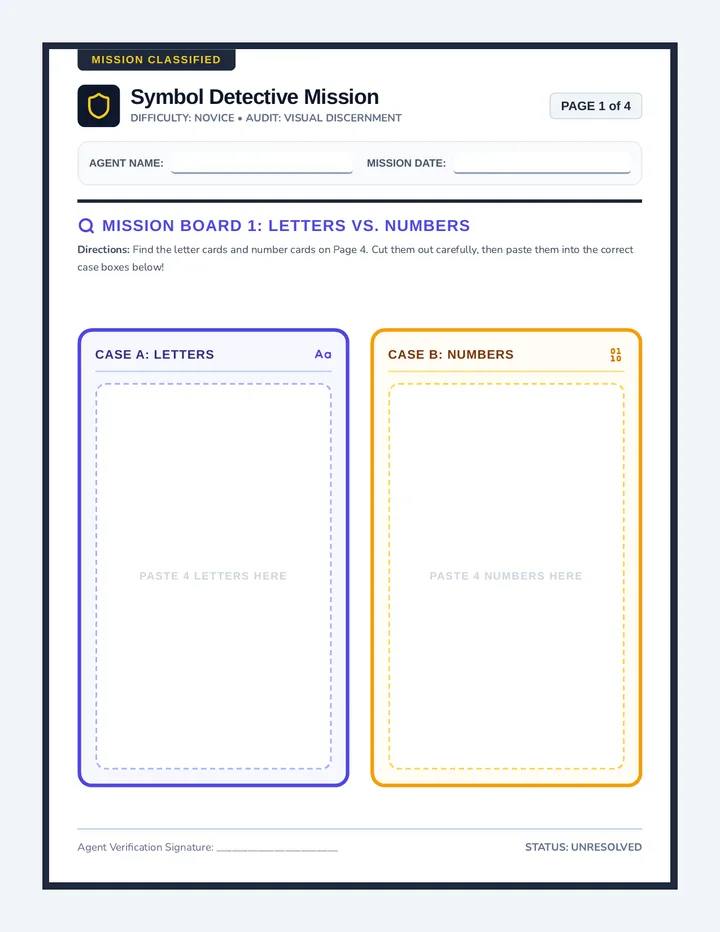
The first mission for our Letter Detectives, focusing on identifying, naming, and tracing the letters A, B, and C through multi-sensory activities.
A comprehensive set of modified money skill resources focusing on coin/bill identification, same-denomination addition, price matching, and simple change making with visual prompts.
A set of visual supports themed around 'Mission Control' to help a kindergarten student stay in their work area during centers, directly supporting IEP goals for task engagement.
A comprehensive set of tools to help kindergarten students stay in their designated work area for 10 minutes, using a 'Mission Control' space theme to make the goal engaging and visual.
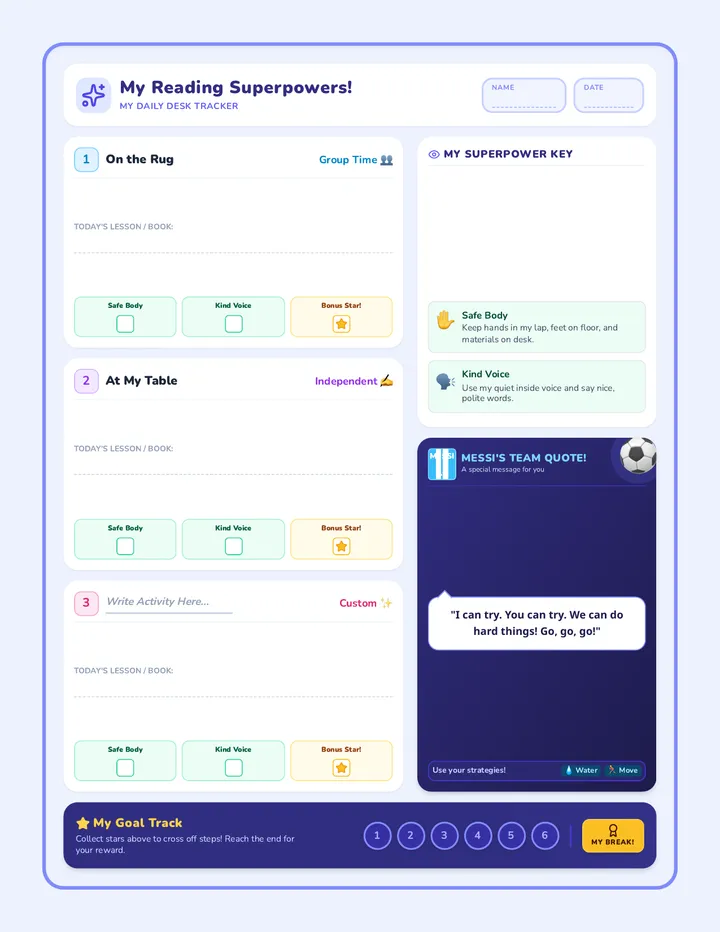
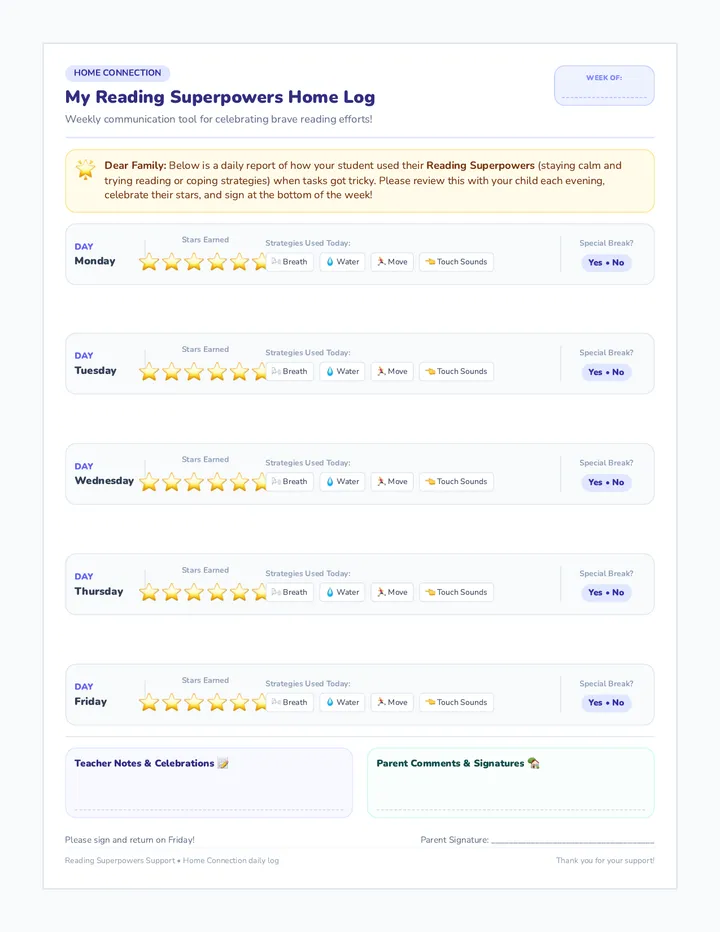
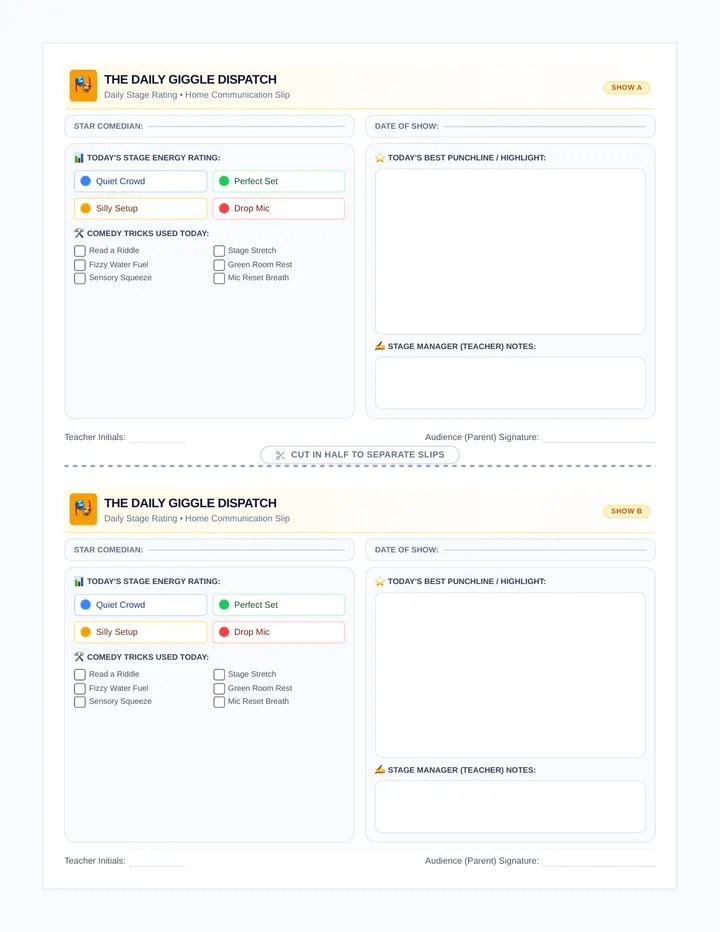
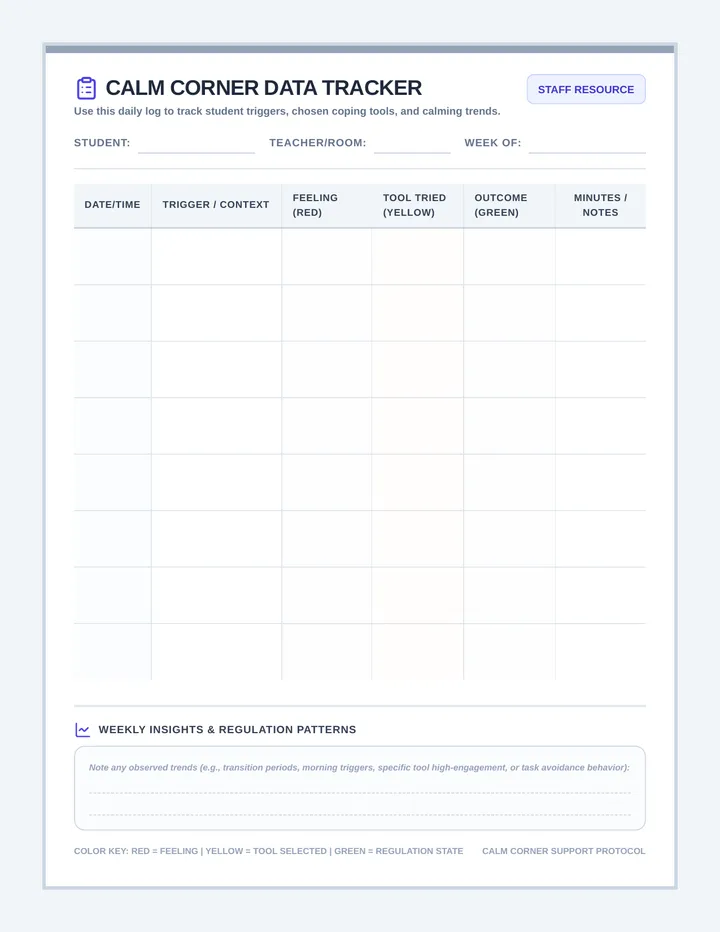
A comprehensive behavior management system designed for elementary students to build self-regulation skills. This kit includes a daily tracking chart focused on 'Cool Voices' and 'Safe Hands', a customizable reward menu, and a guide for educators to implement the system with consistency and positive reinforcement.
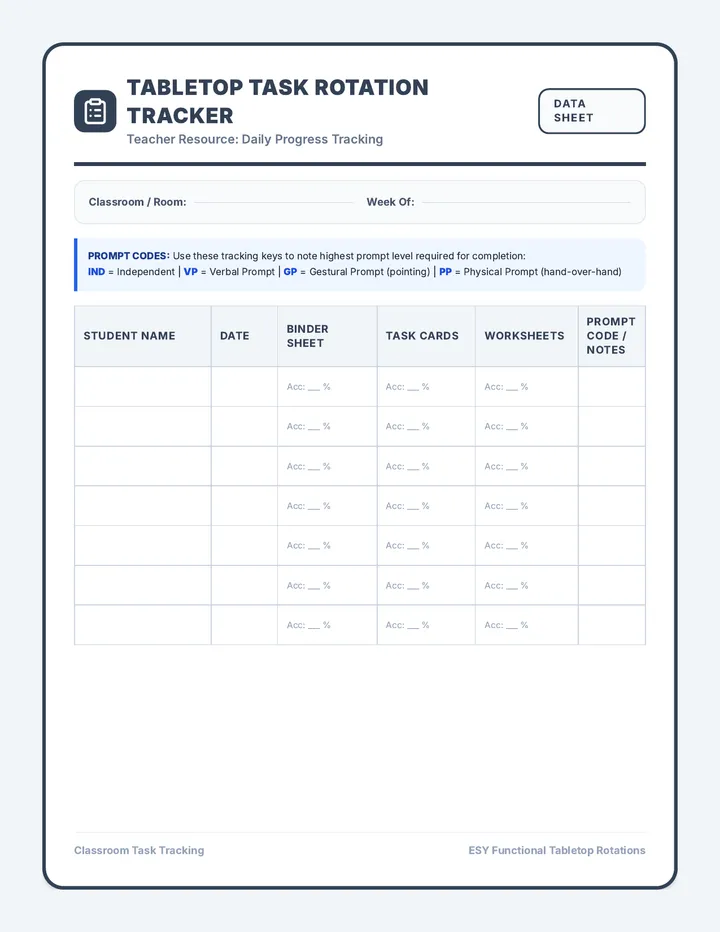
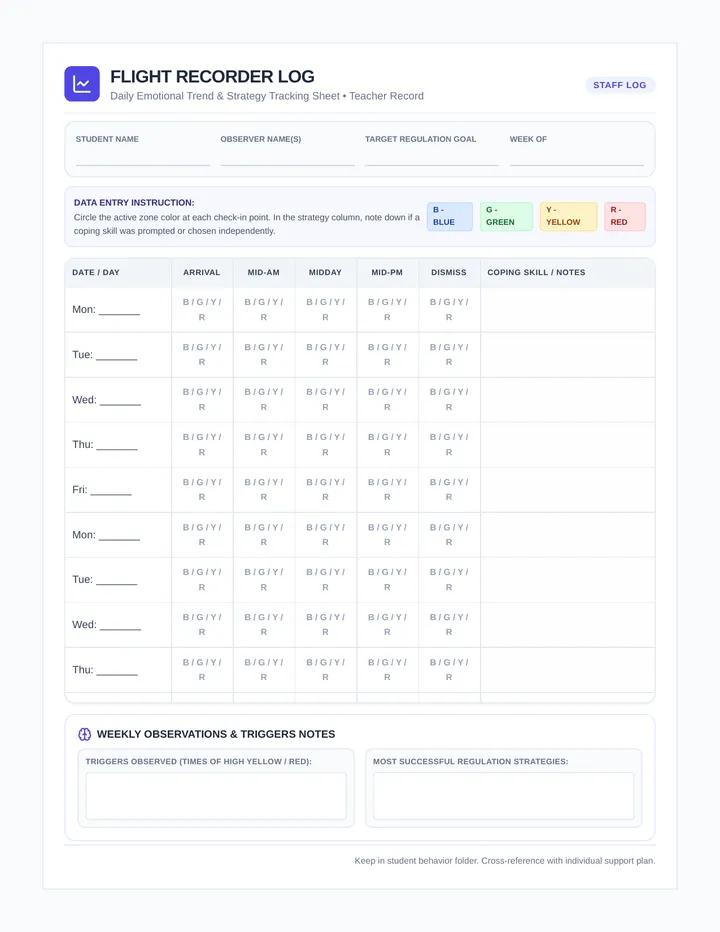
A comprehensive set of data collection tools designed for tracking IEP behavior frequency, duration, and academic accuracy, including a synthesis log for weekly reporting.
A visual discrimination and memory game featuring colorful pony characters to help young learners practice matching identical pictures.
A therapeutic handwriting unit focused on visual-motor integration, boundary awareness, and spatial organization. Students use navigation-themed templates to master margin awareness, letter sizing, and line placement.
This lesson focuses on the specific transition from preferred art activities to non-preferred learning tasks, providing strategies for emotional regulation and physical safety.
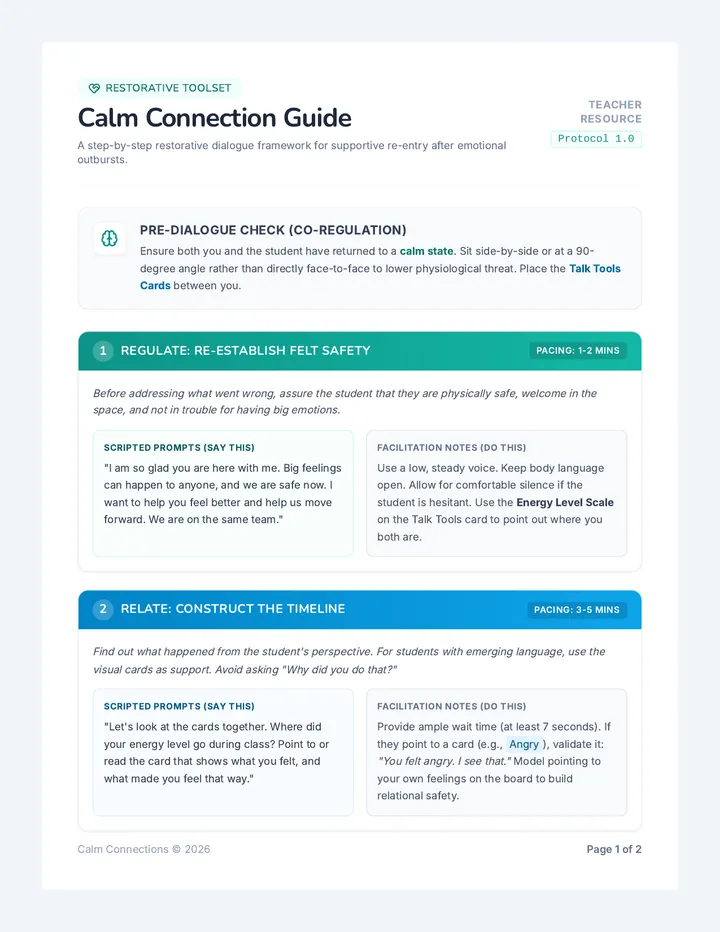
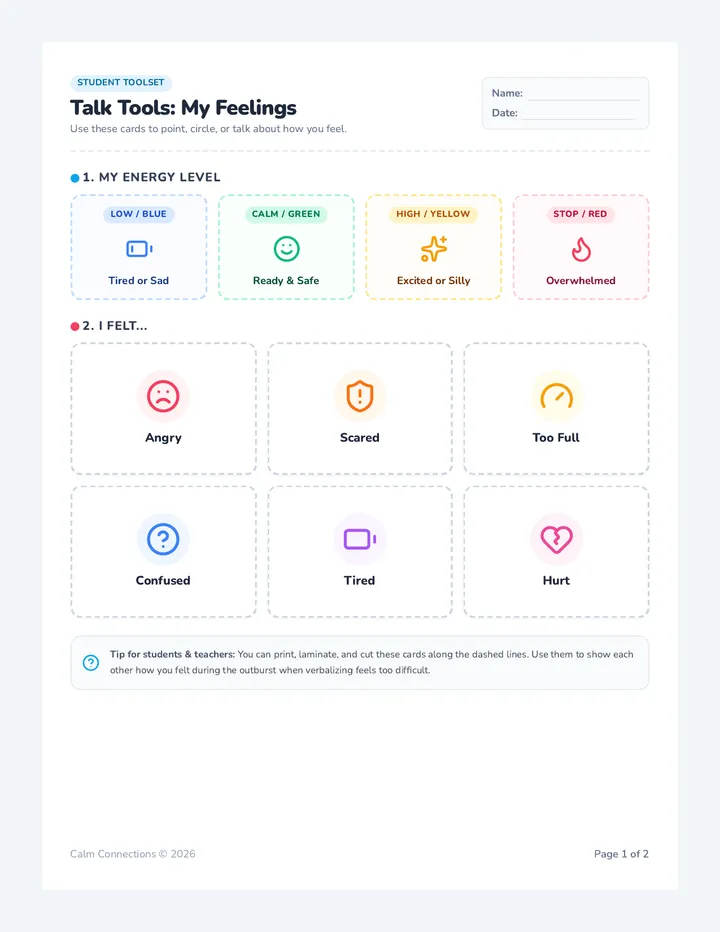
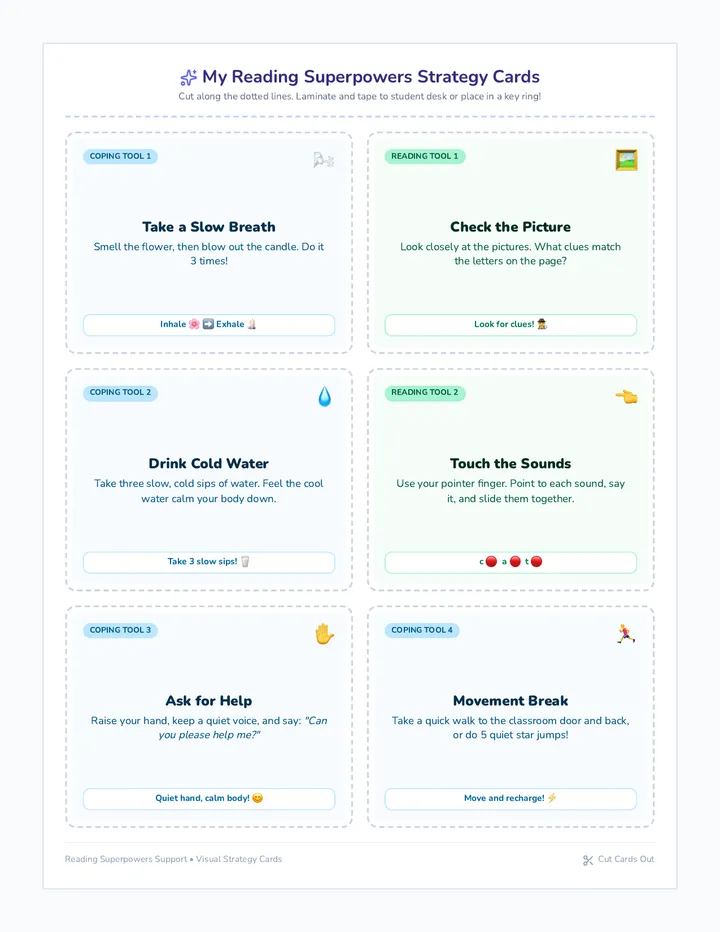
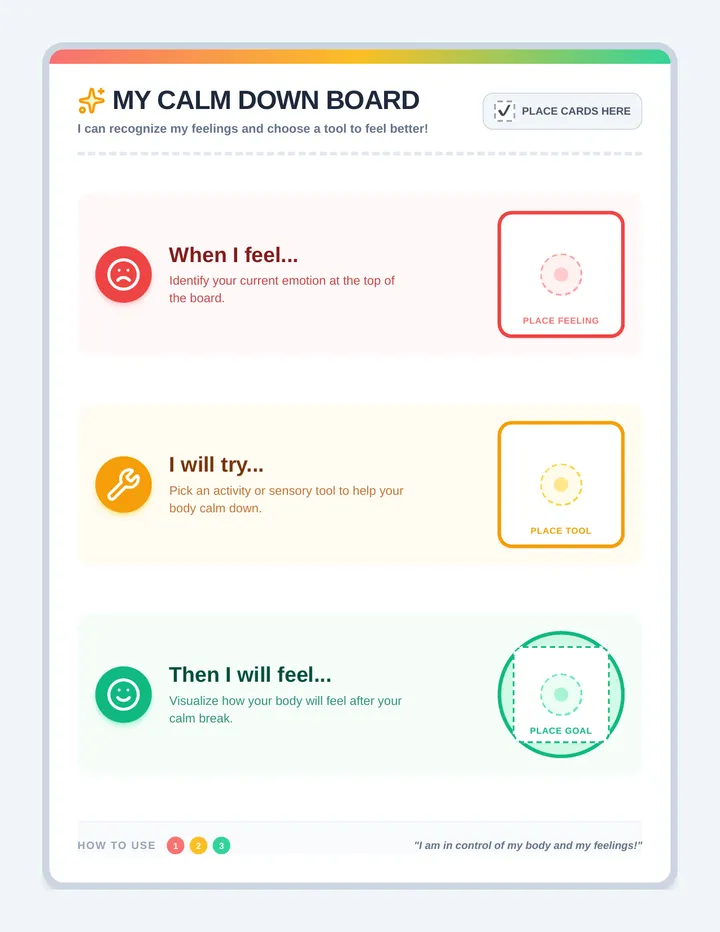
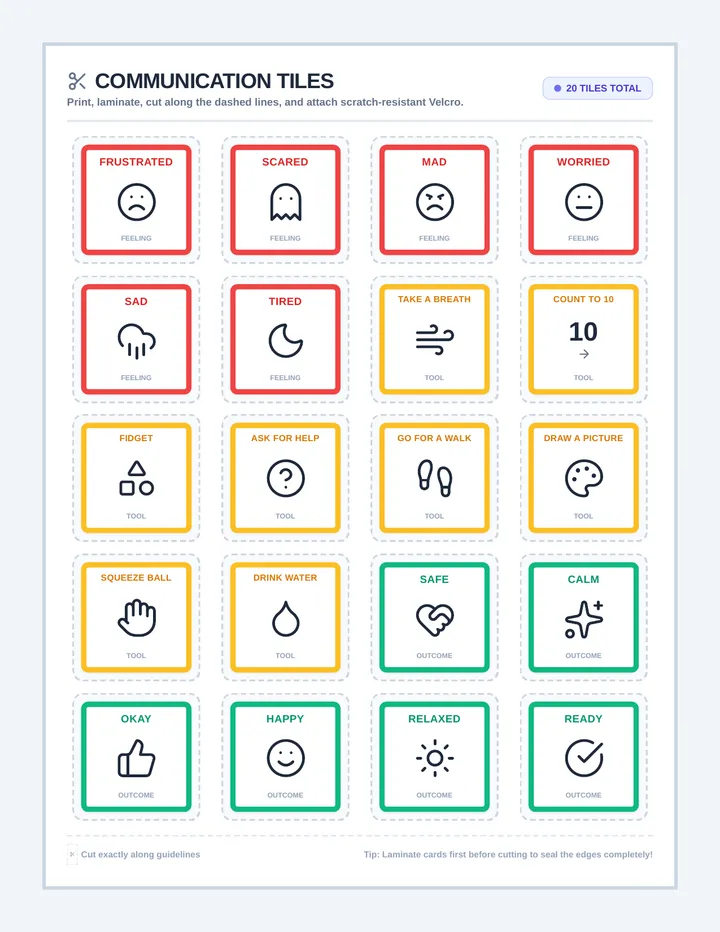
A collection of resources to help a student manage big emotions through a social story, behavior sorting activity, and portable visual supports for self-regulation.
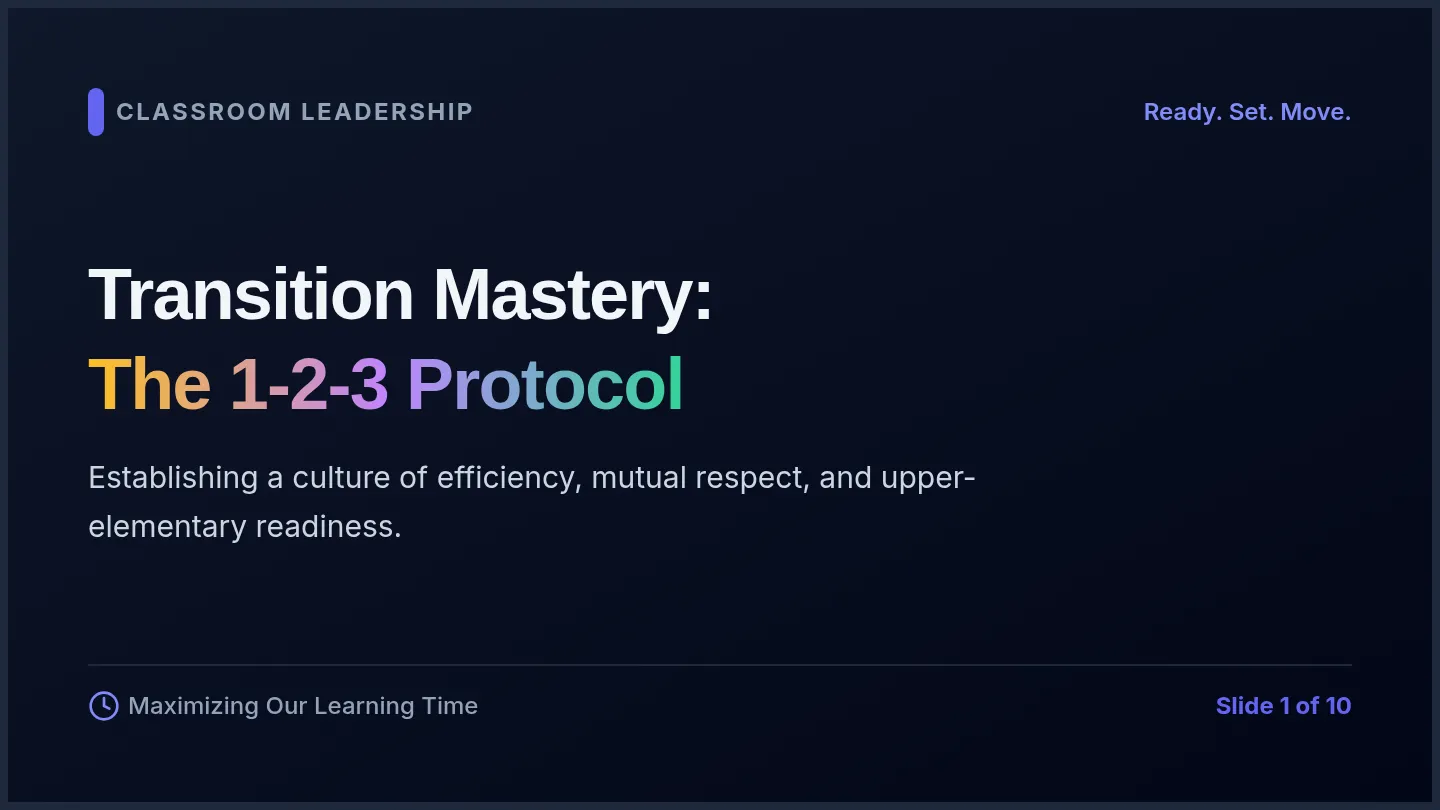
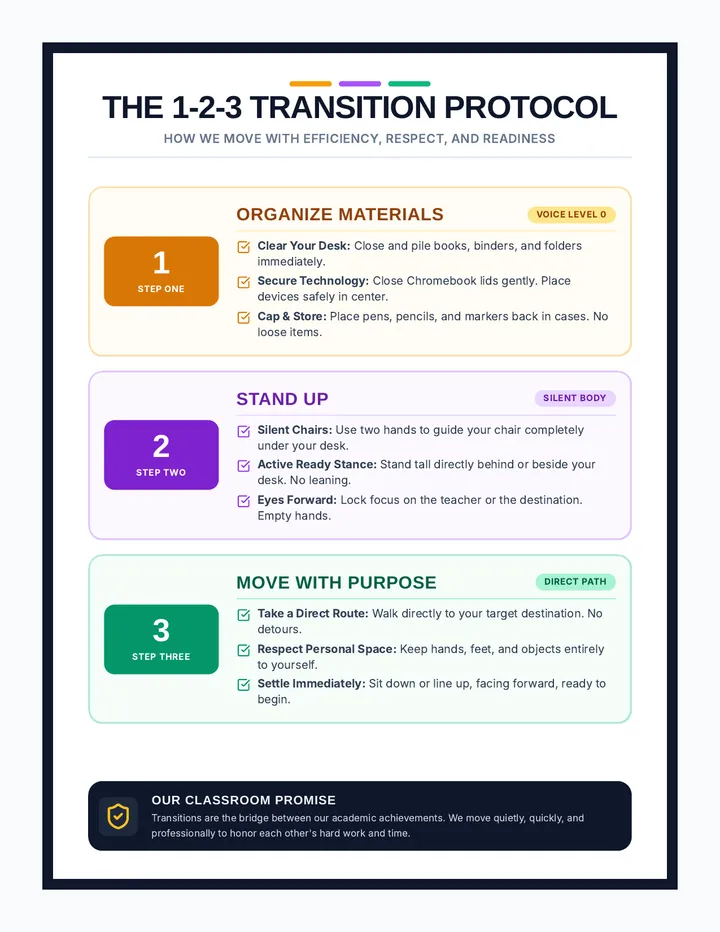
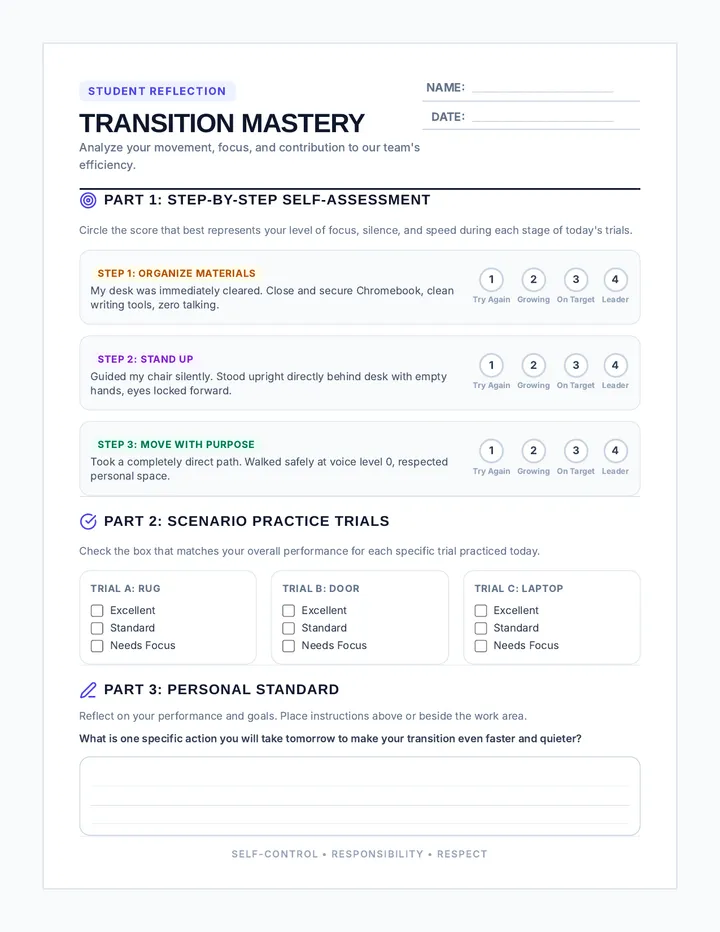
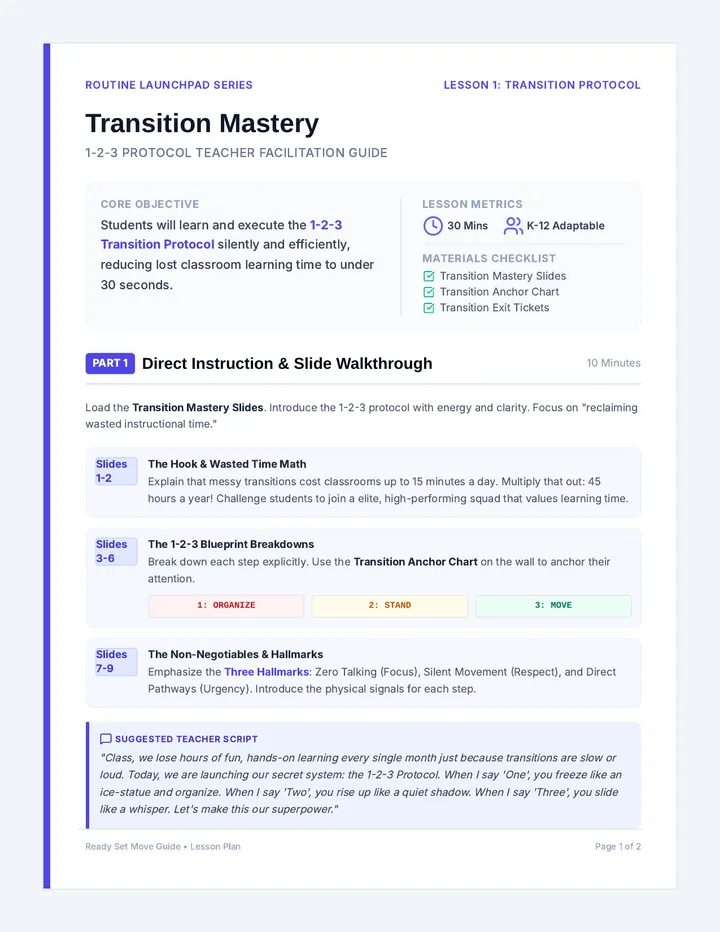
A comprehensive lesson on navigating classroom and school-wide transitions using visual supports. Students learn to recognize and follow visual cues to move smoothly between activities and locations.
A focused lesson on the story of Hercules and the Minotaur, using simplified language and visual supports to build reading confidence and narrative understanding.
A nautical adventure designed to assess and practice lowercase letter recognition through receptive choice tasks. Set in Bikini Bottom, students find target letters among bubbles.
A fun, interactive lesson designed to assess and practice uppercase letter recognition through receptive choice tasks. Students identify target letters from a field of three in a randomized order.
A foundational lesson to help students introduce themselves and establish their purpose for keeping a personal journal, with heavy visual supports for IEP students.
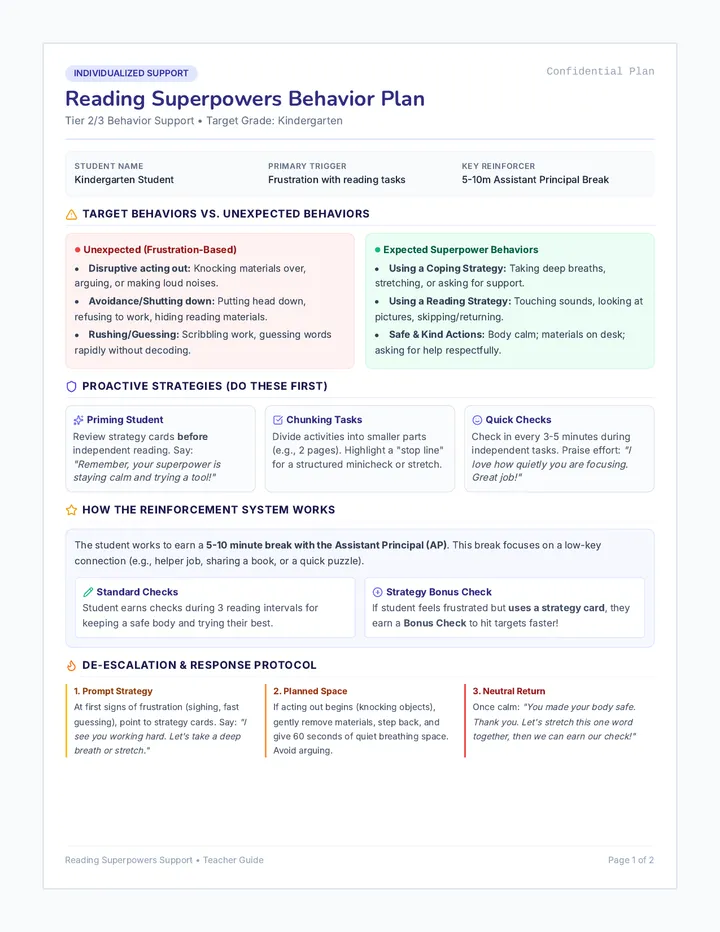
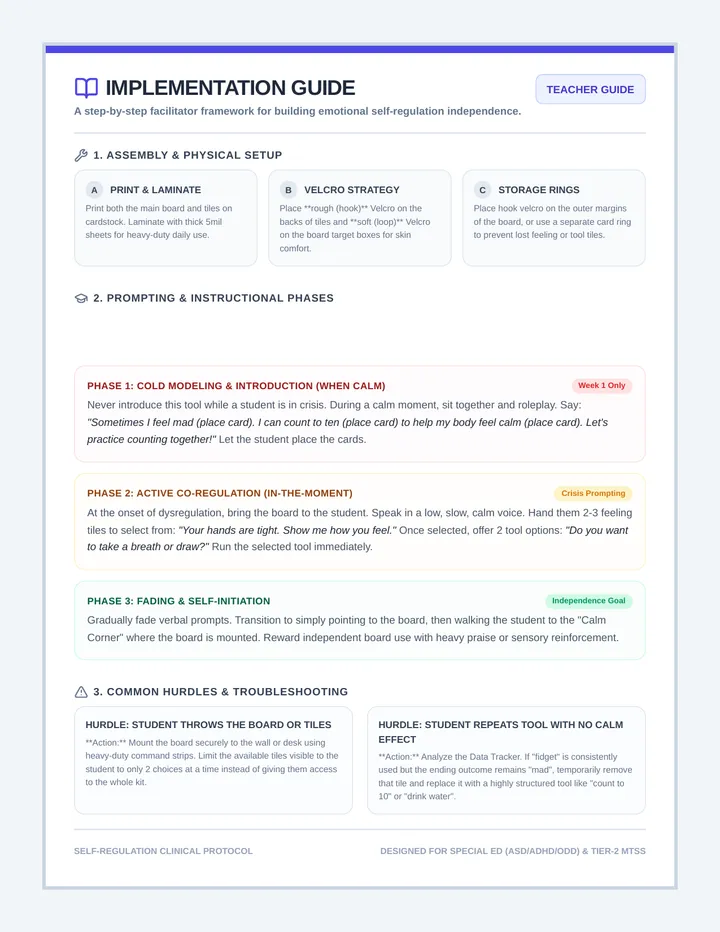
A comprehensive safety and behavioral support package designed to manage elopement and oppositional behavior in a kindergarten setting, focusing on prevention, intervention, and visual supports.
A series of visual-heavy slides and a supporting visual guide to help students understand and practice positive behaviors during physical therapy sessions.
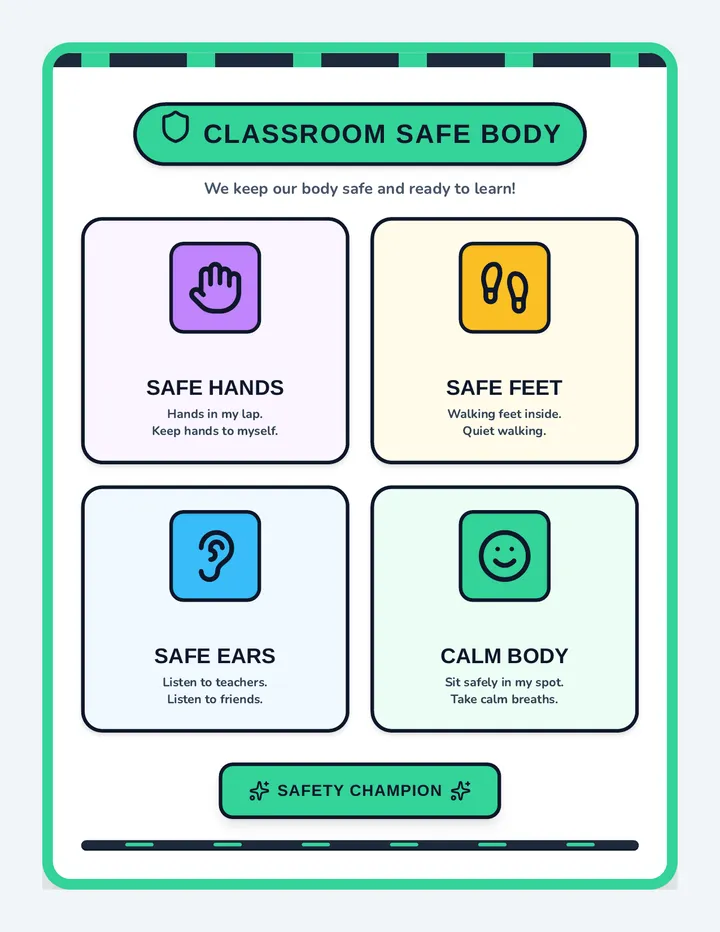
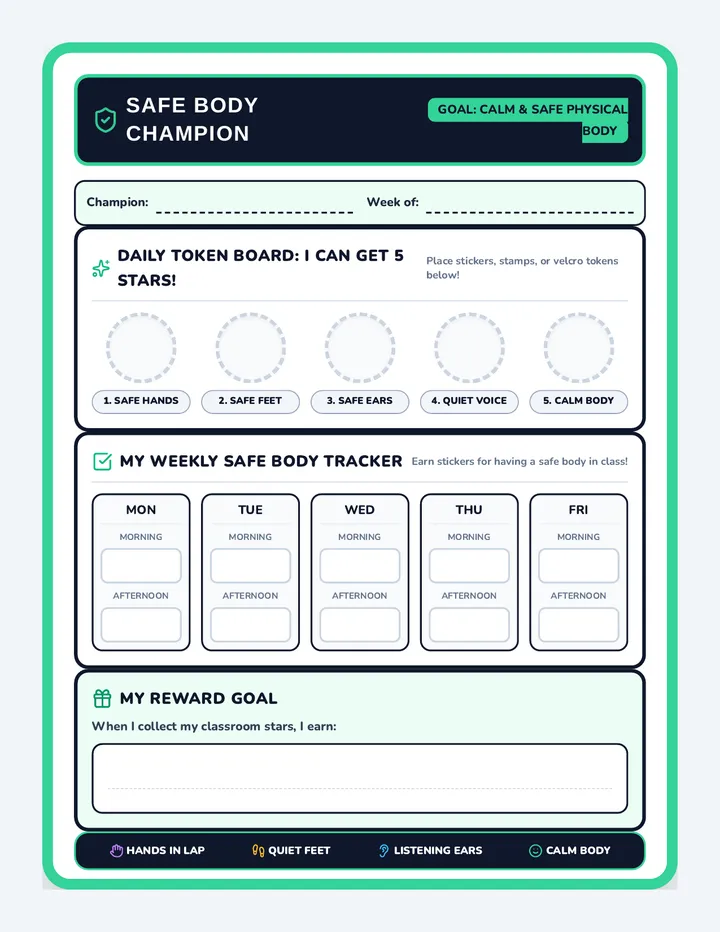
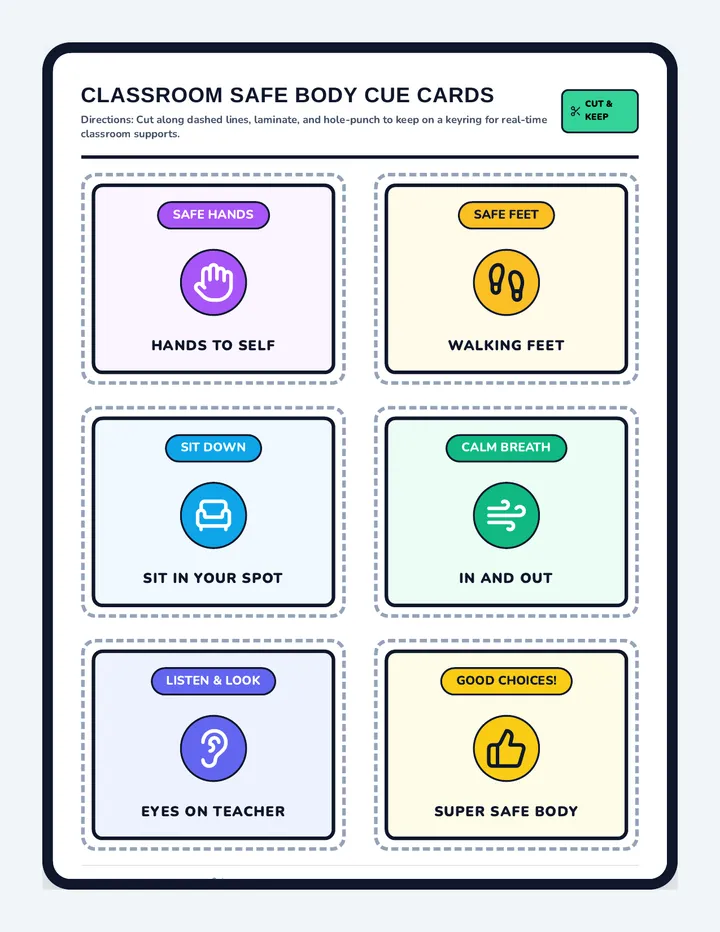
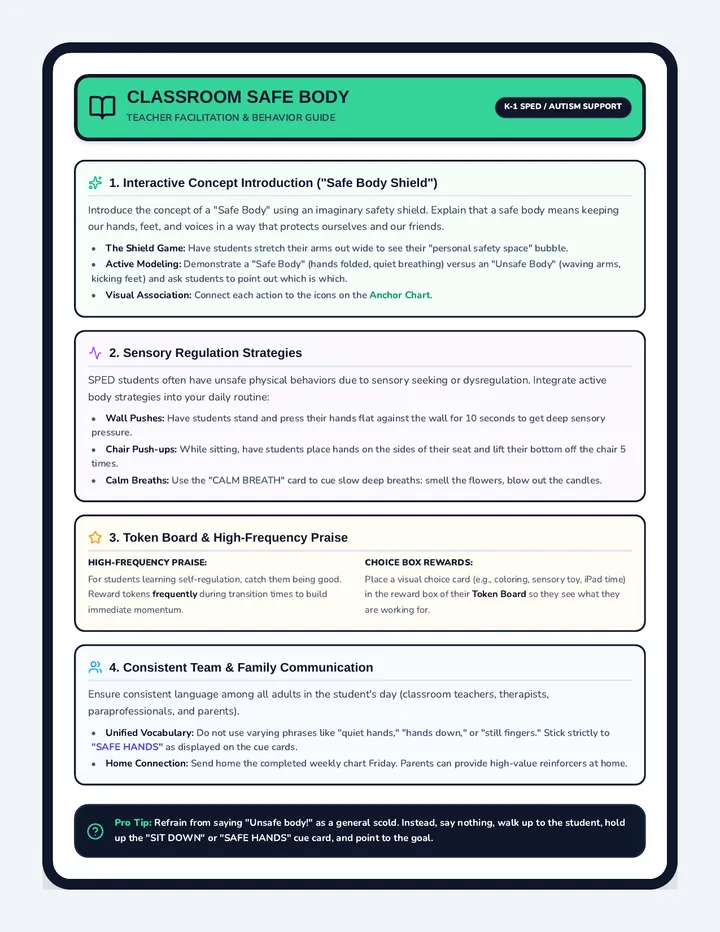
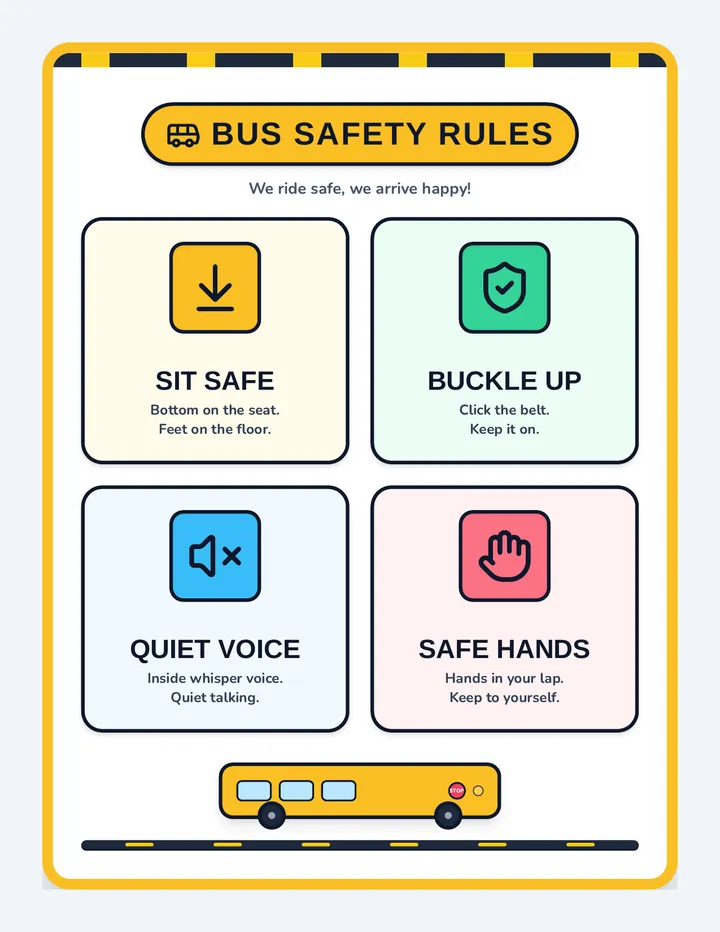
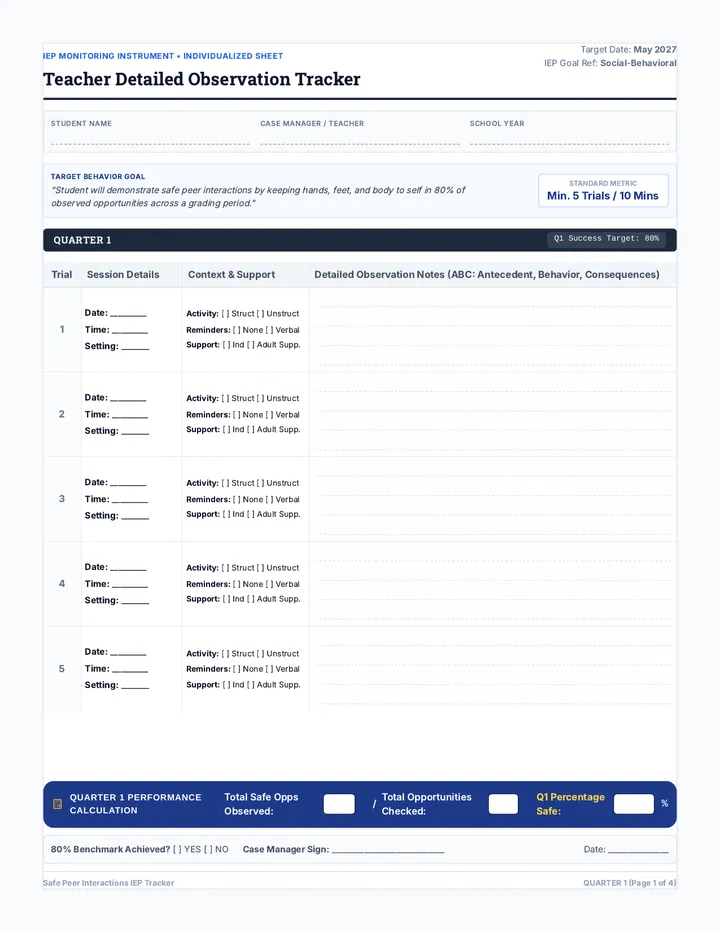
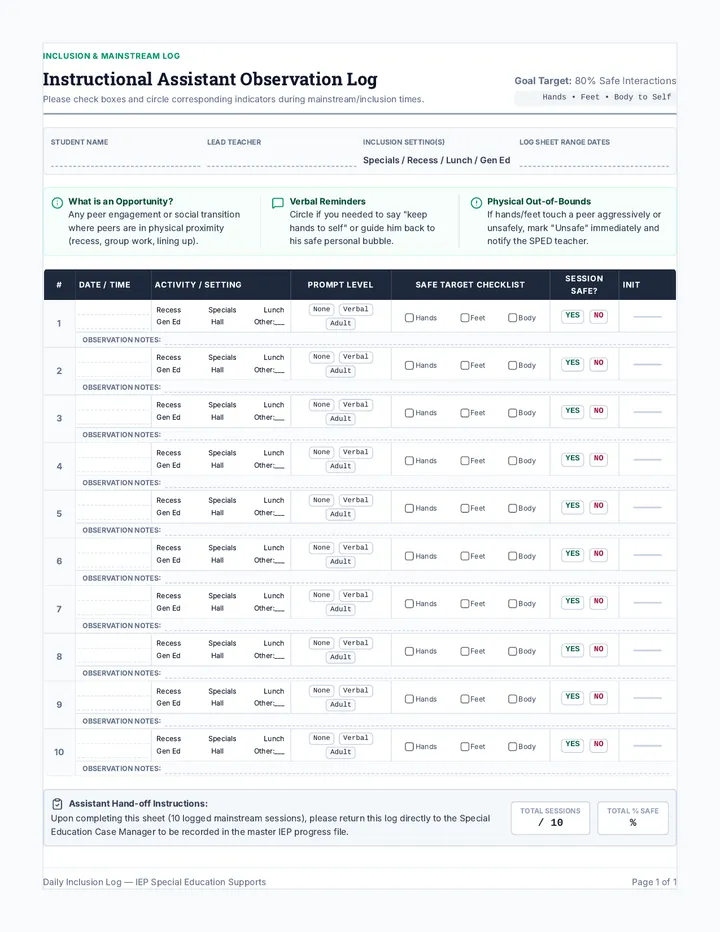
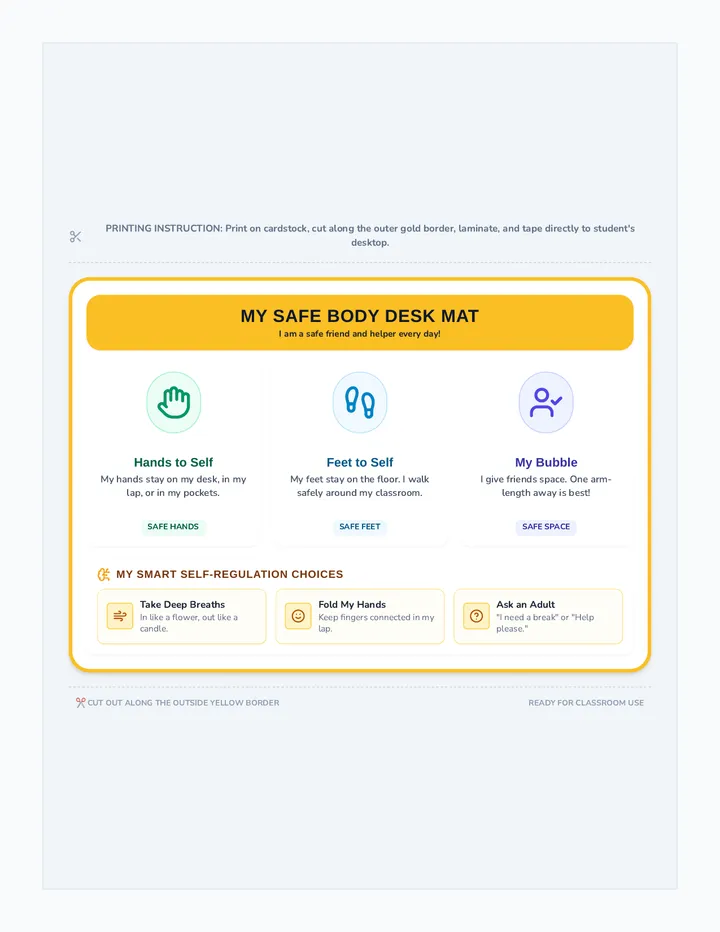
A set of materials to track and reinforce positive behavior in a Kindergarten classroom, focusing on following directions and physical boundaries.
Applies the skills learned in weeks 1 and 2 to larger, unstructured environments like recess, with a focus on safe play and emotional regulation.
Introduces social strategies for sharing and taking turns, helping the student navigate small-group interactions with less frustration and impulsivity.
Focuses on establishing the 'Gentle Hands' foundation, teaching the student to recognize personal space and use physical touch safely and kindly.