A set of ELA and Math visual task cards designed for students preparing for the Extend 1 alternate assessment, featuring high-contrast visuals and simplified choices.
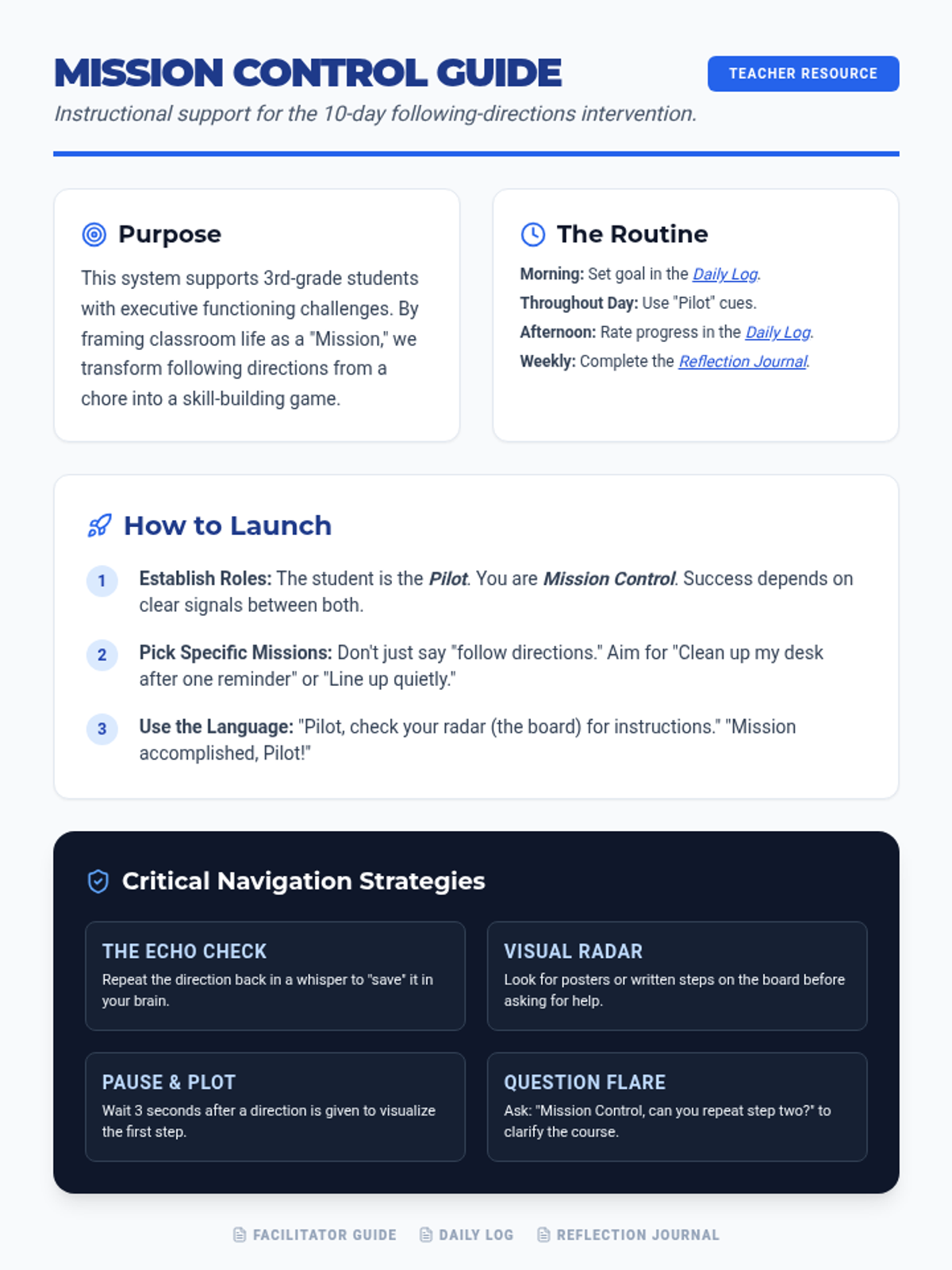
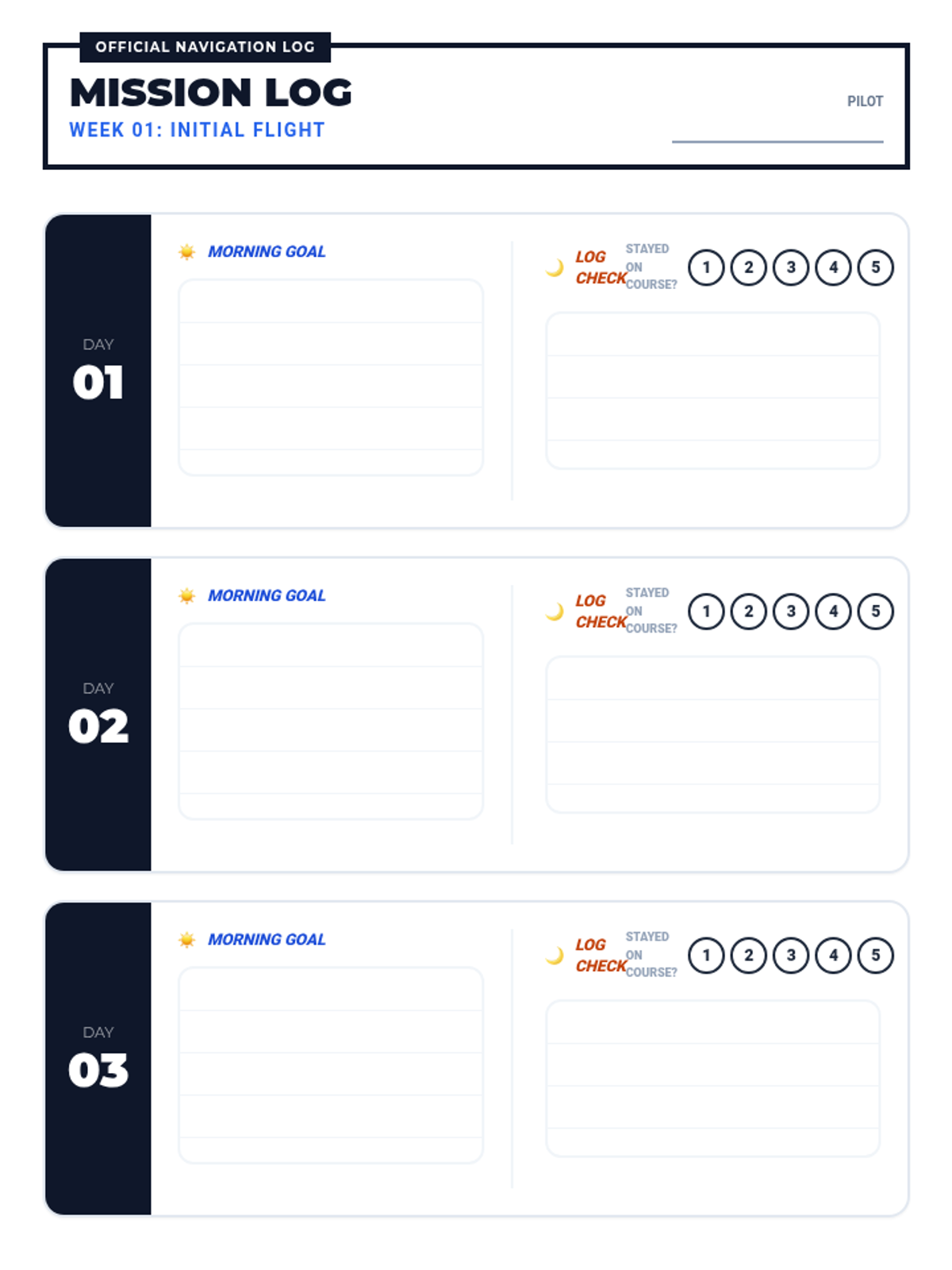
A structured two-week intervention designed to help 3rd-grade students improve their ability to follow directions through daily goal-setting and reflection.
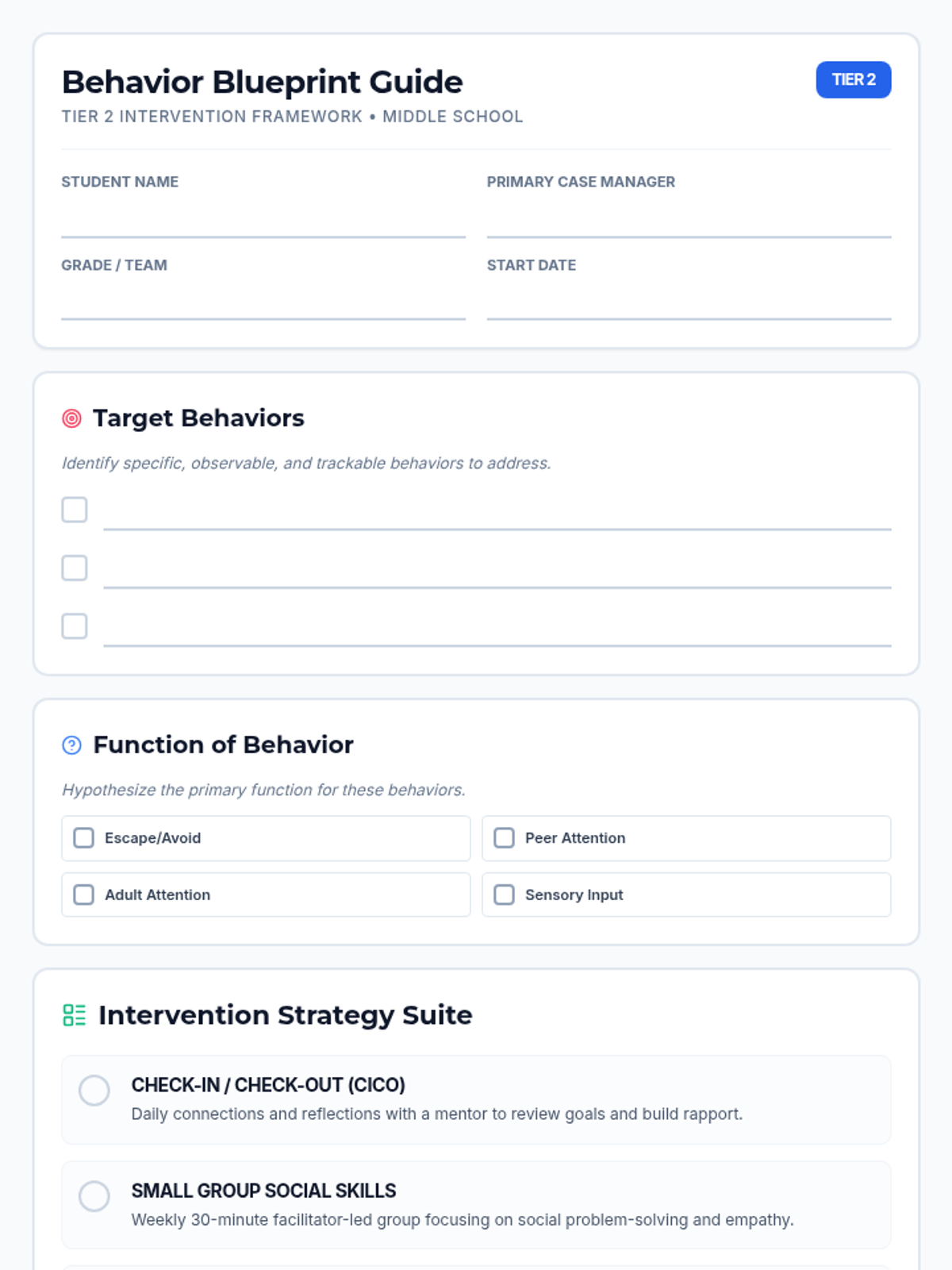
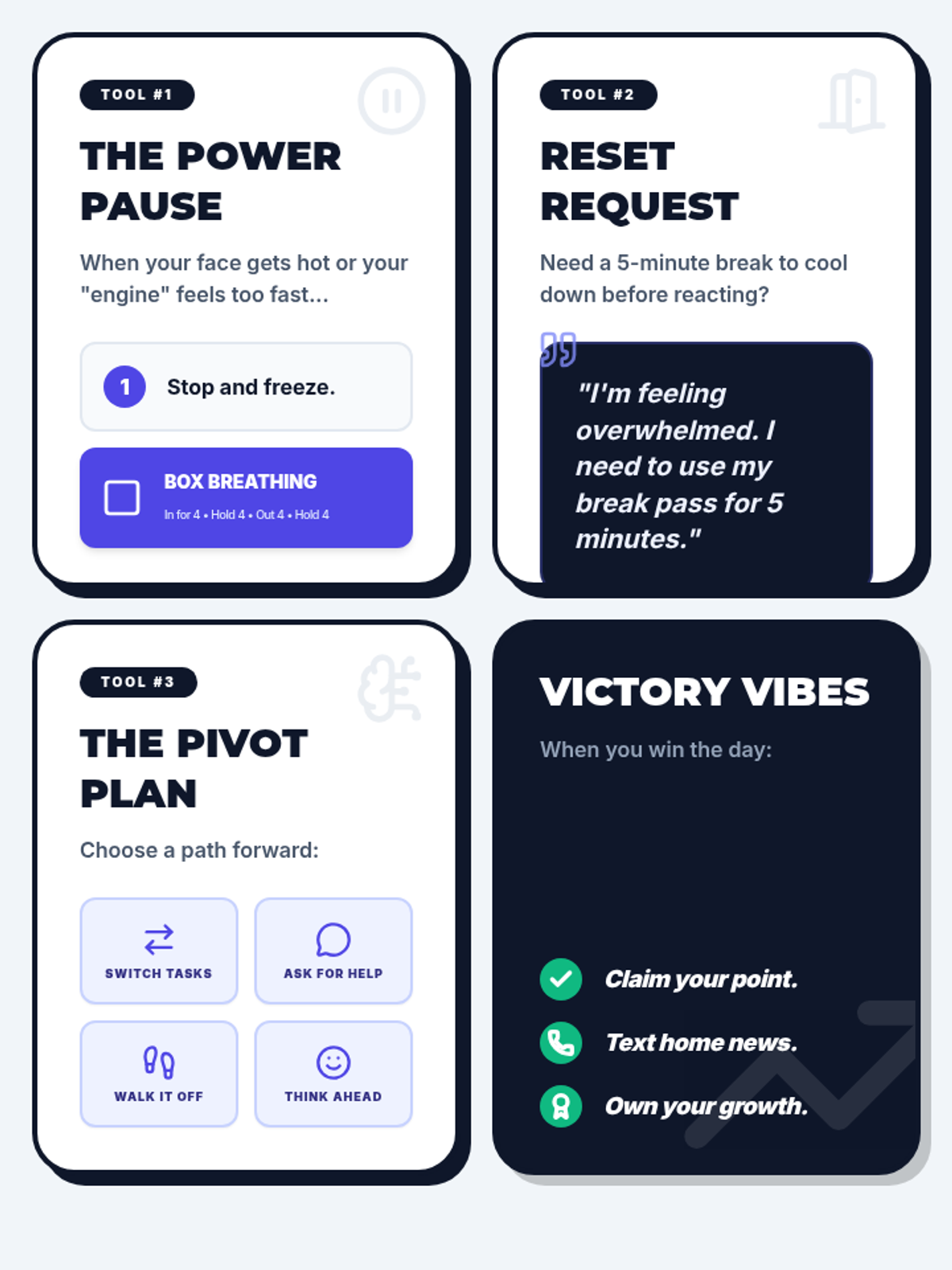
A comprehensive Tier 2 intervention package designed for middle school students facing social-emotional and behavioral challenges. It includes planning guides for staff and tracking tools for students.
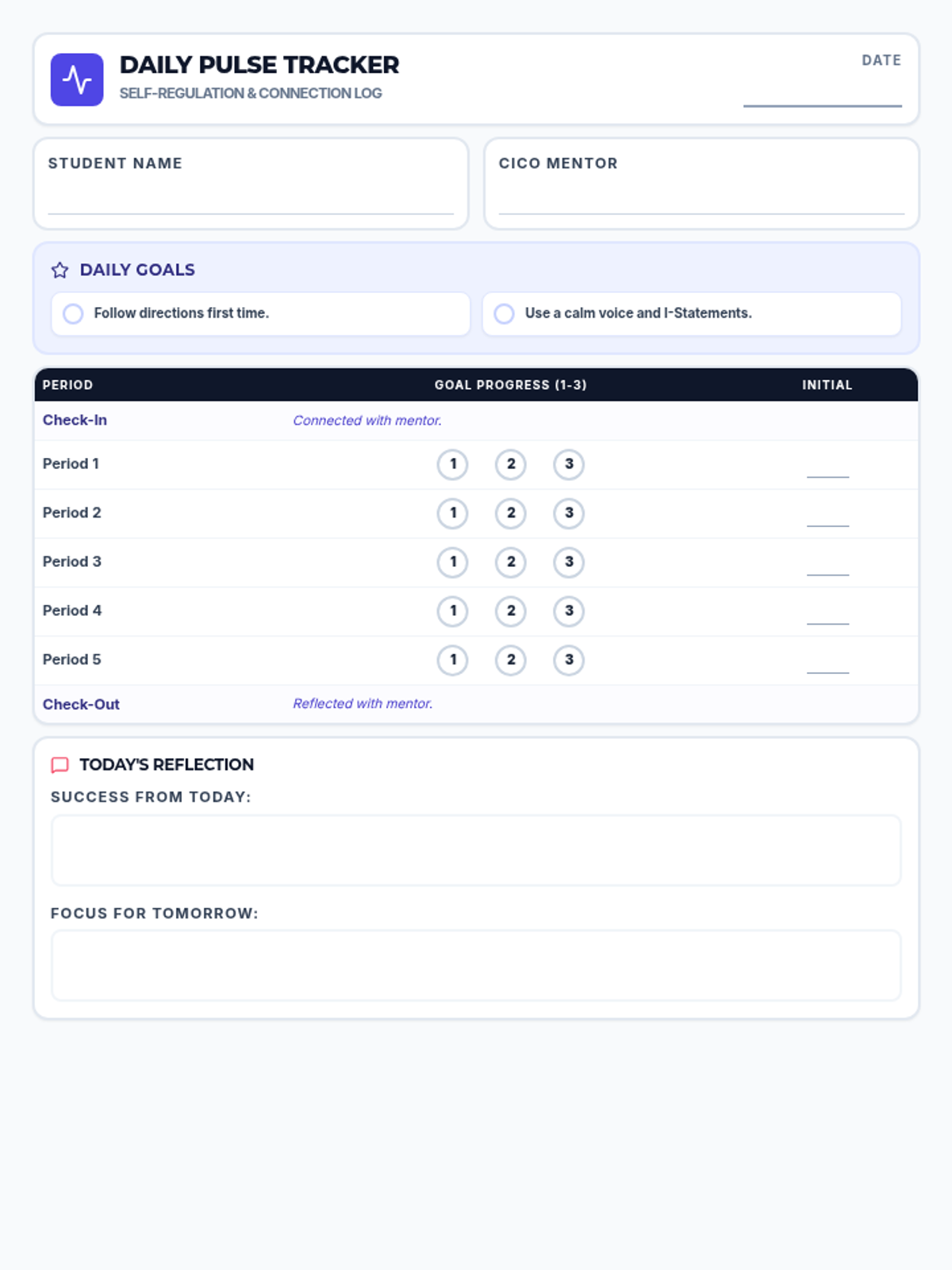
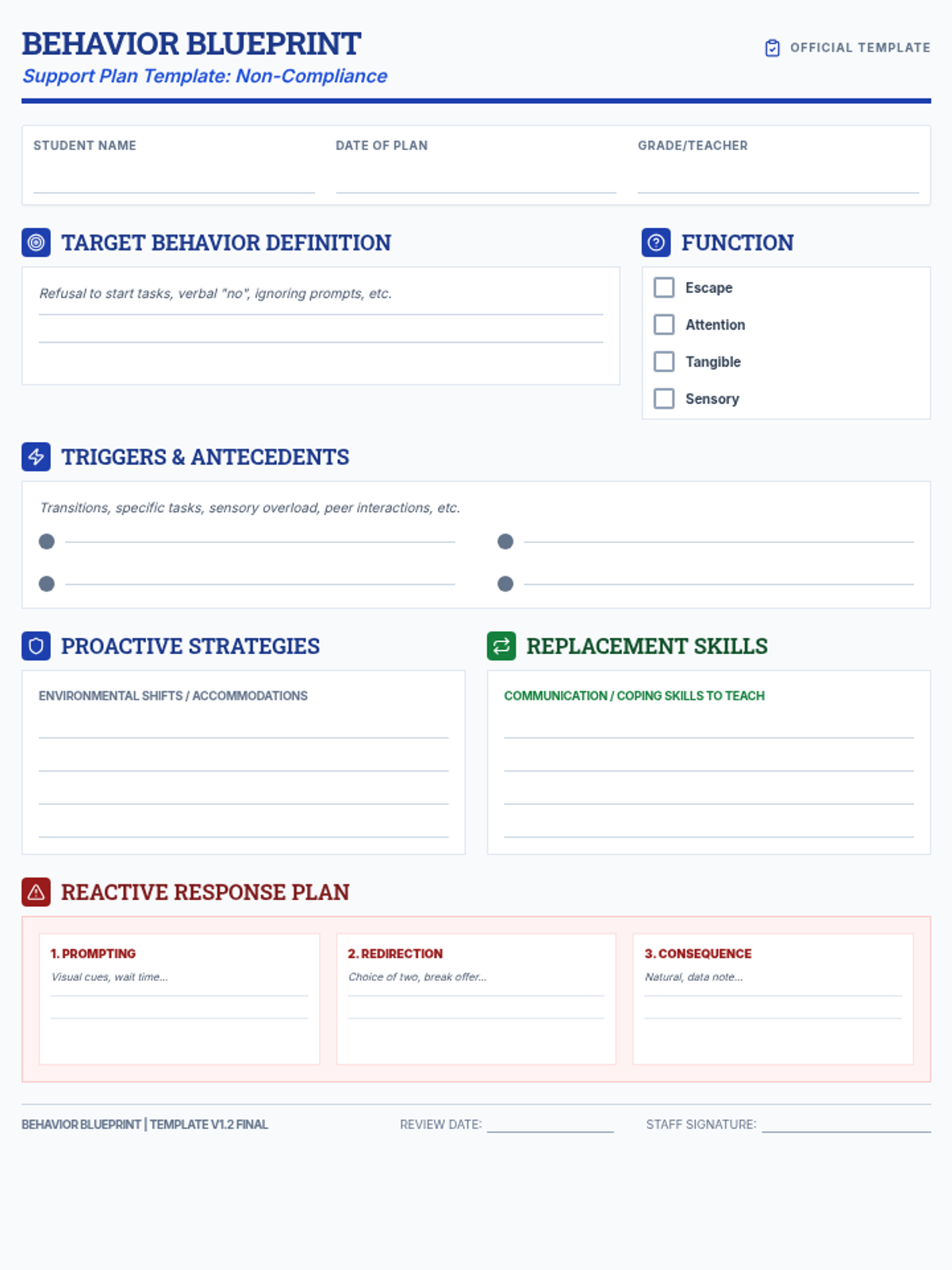
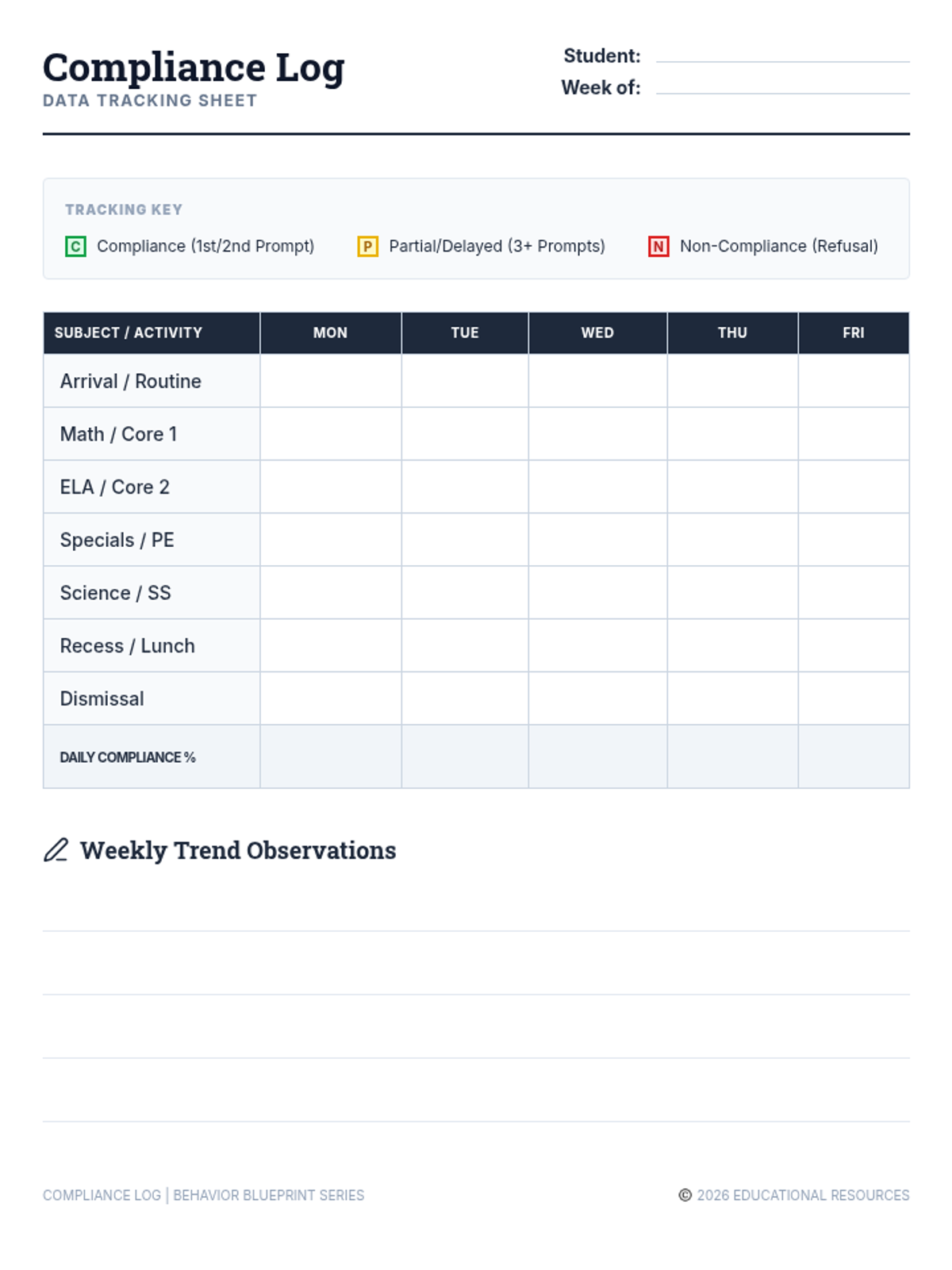
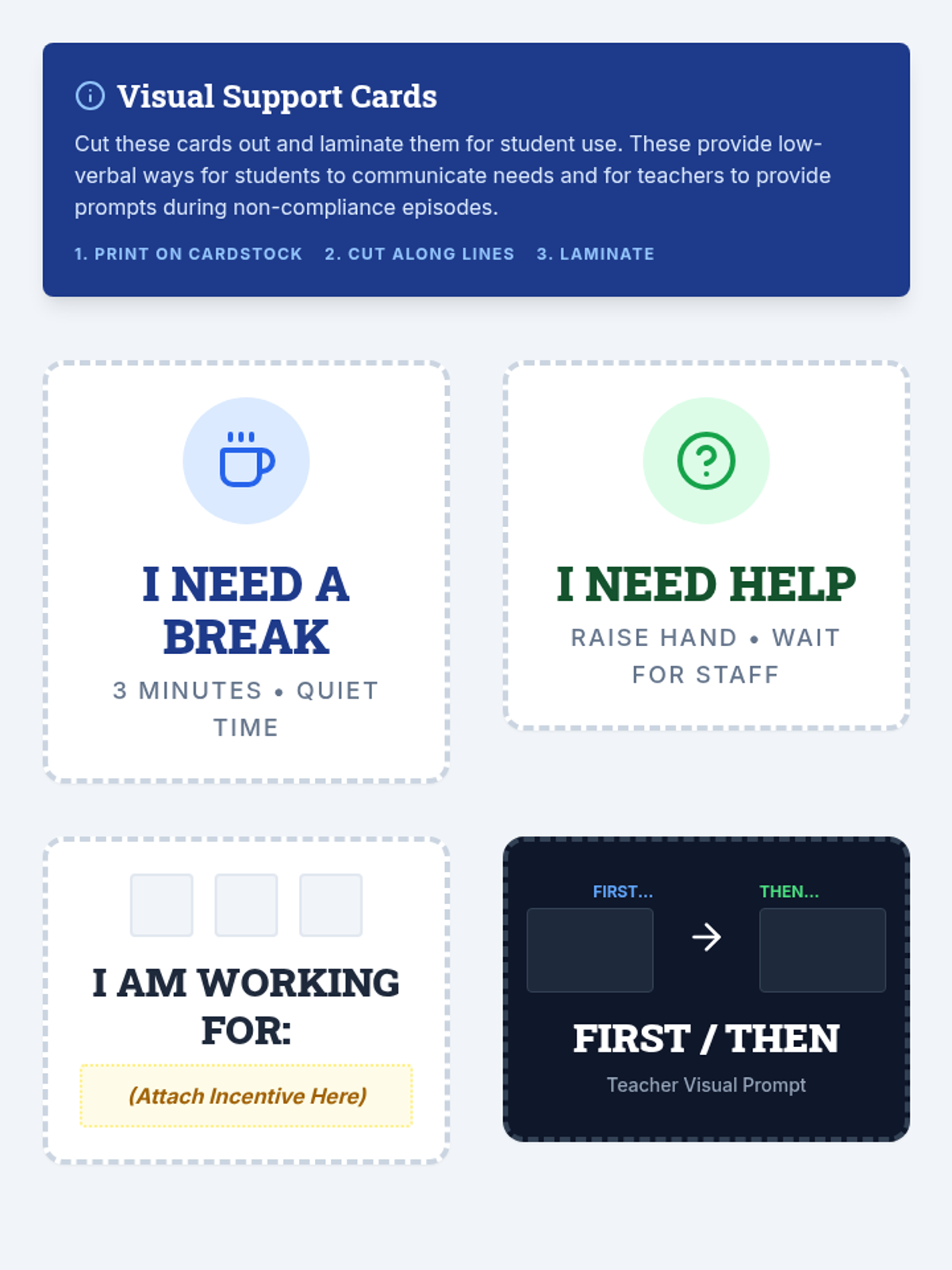
A professional and structured set of templates for creating and monitoring Behavior Support Plans, specifically designed for managing non-compliance in the classroom.
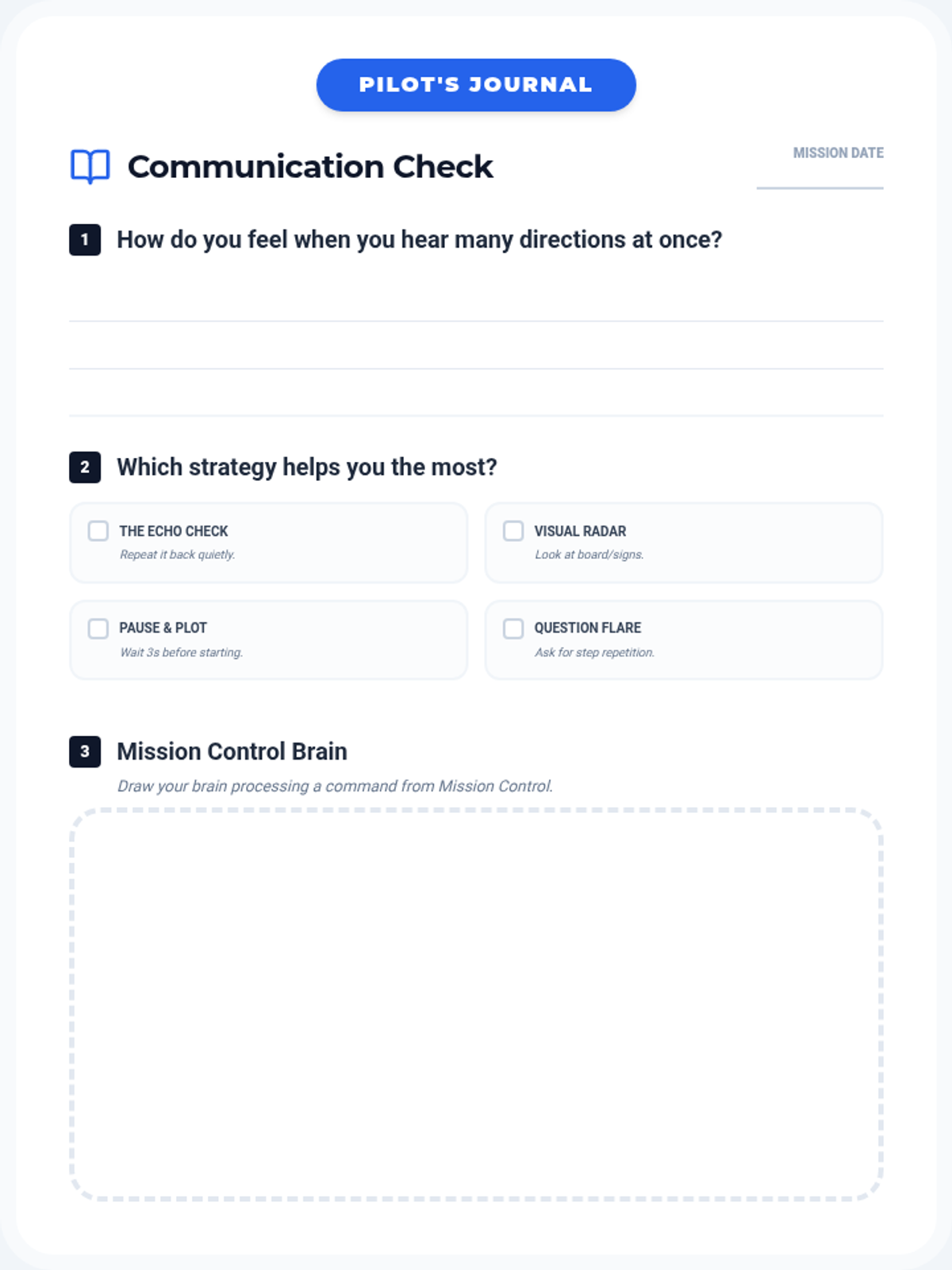
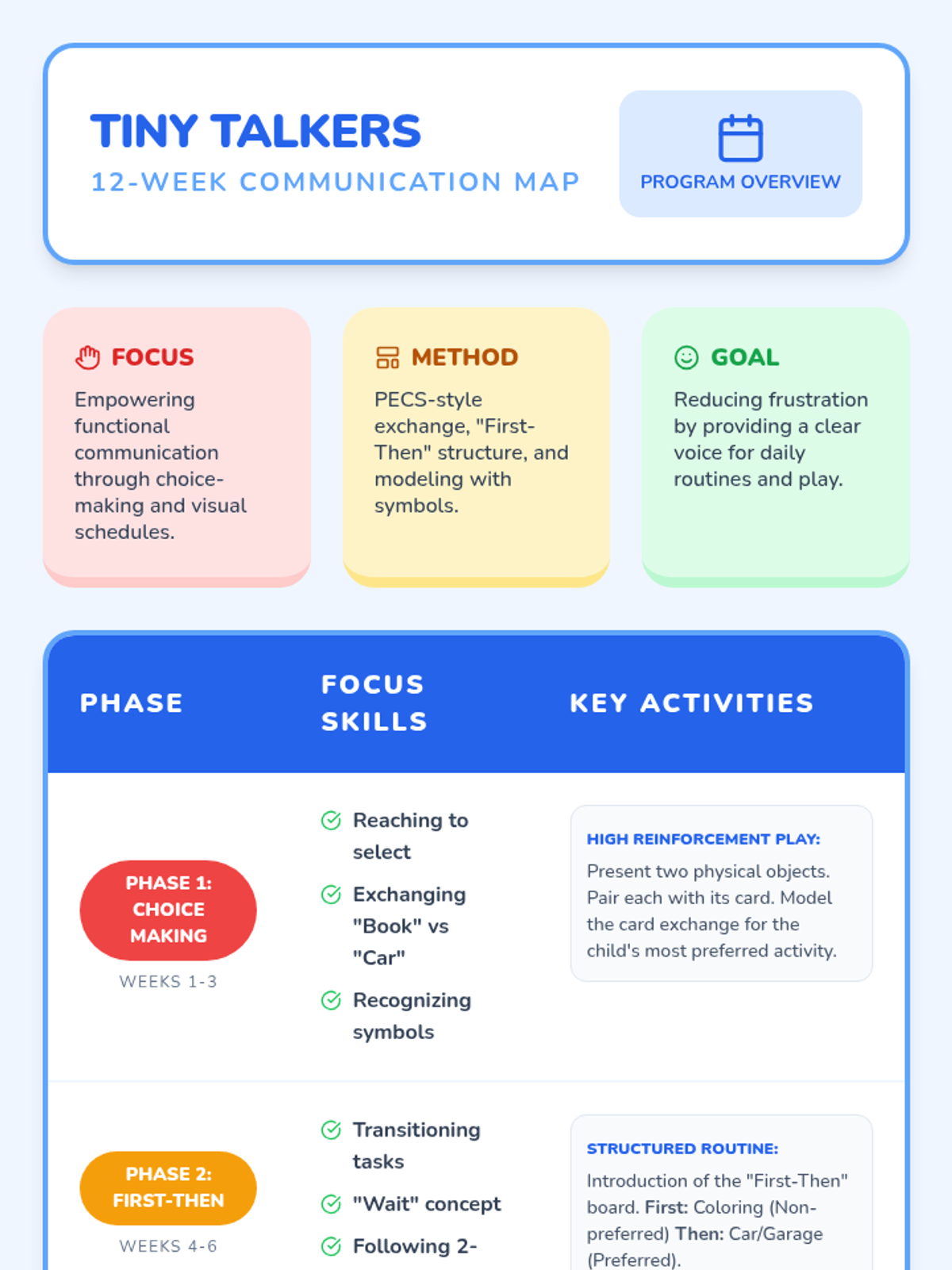
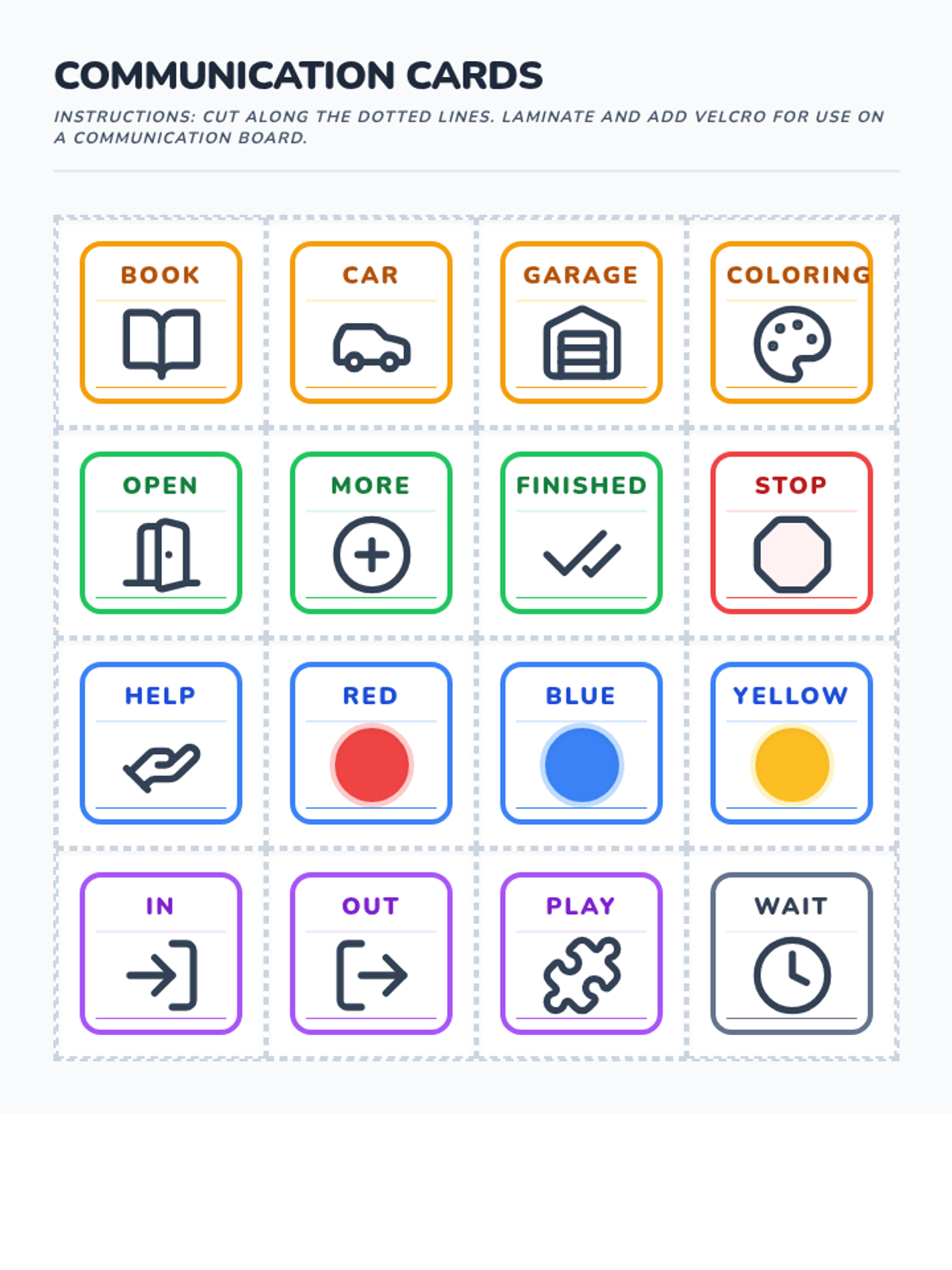
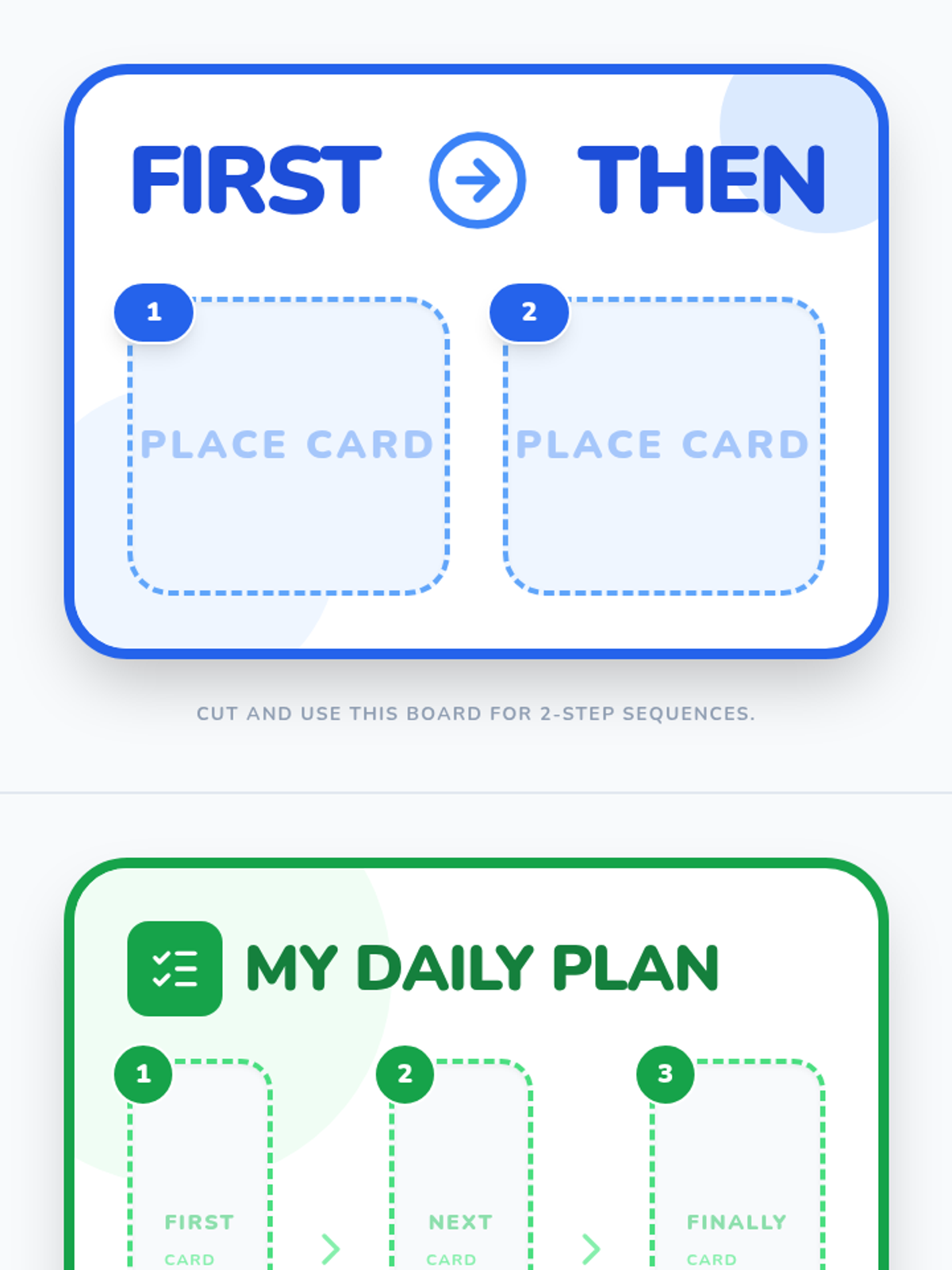
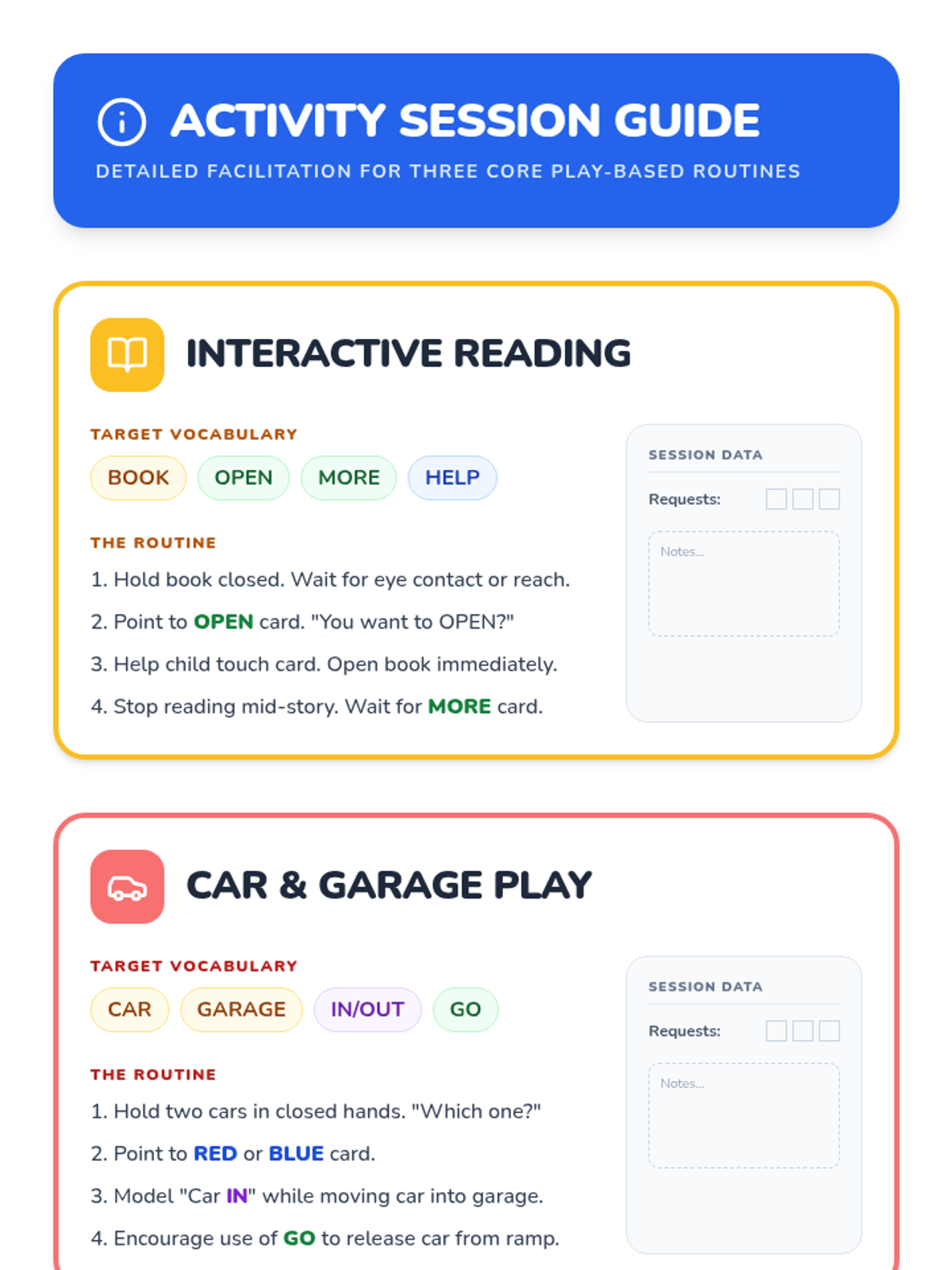
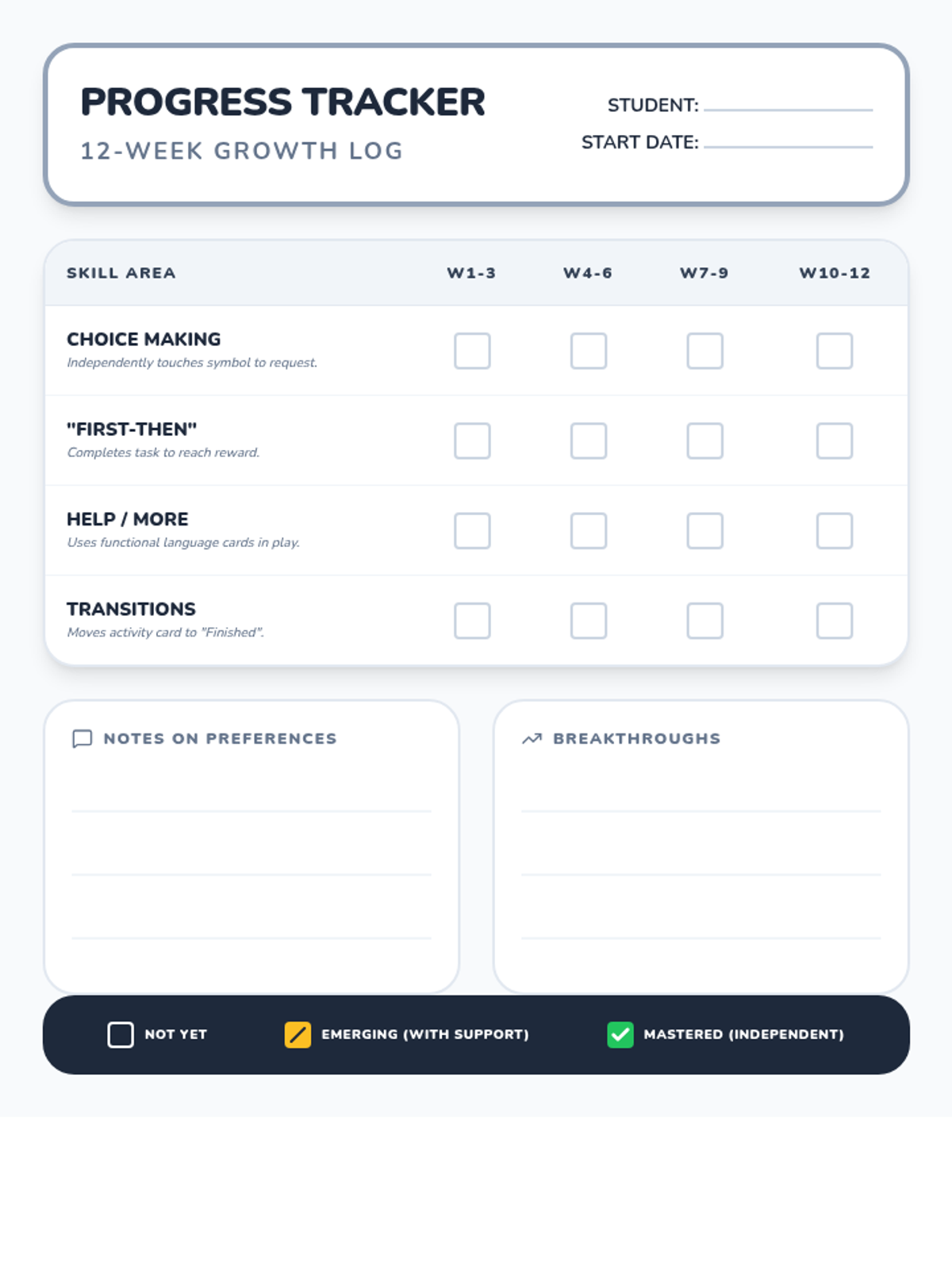
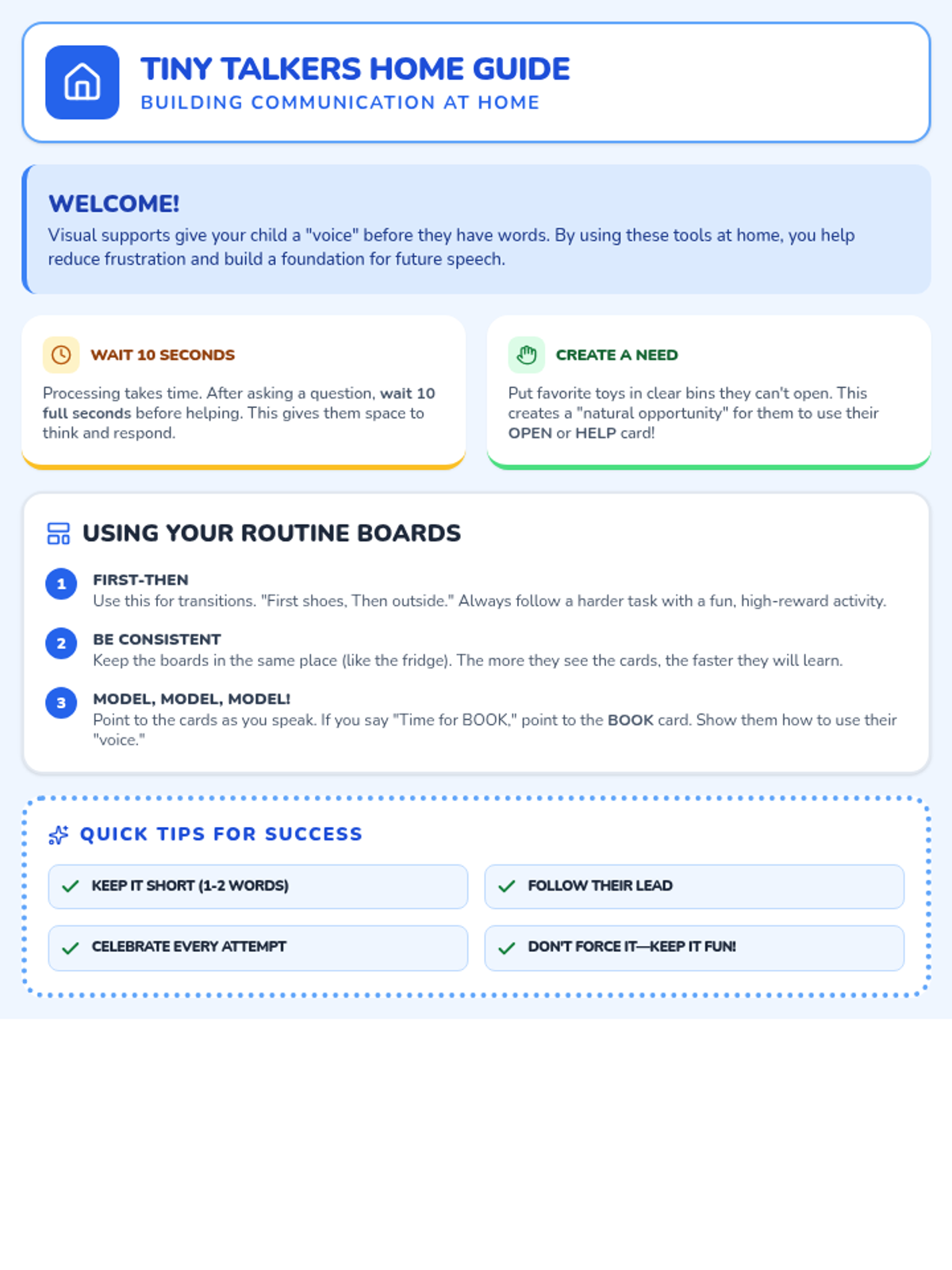
A 12-week communication and routine-building program for nonverbal early intervention, focusing on choice-making and visual schedules.
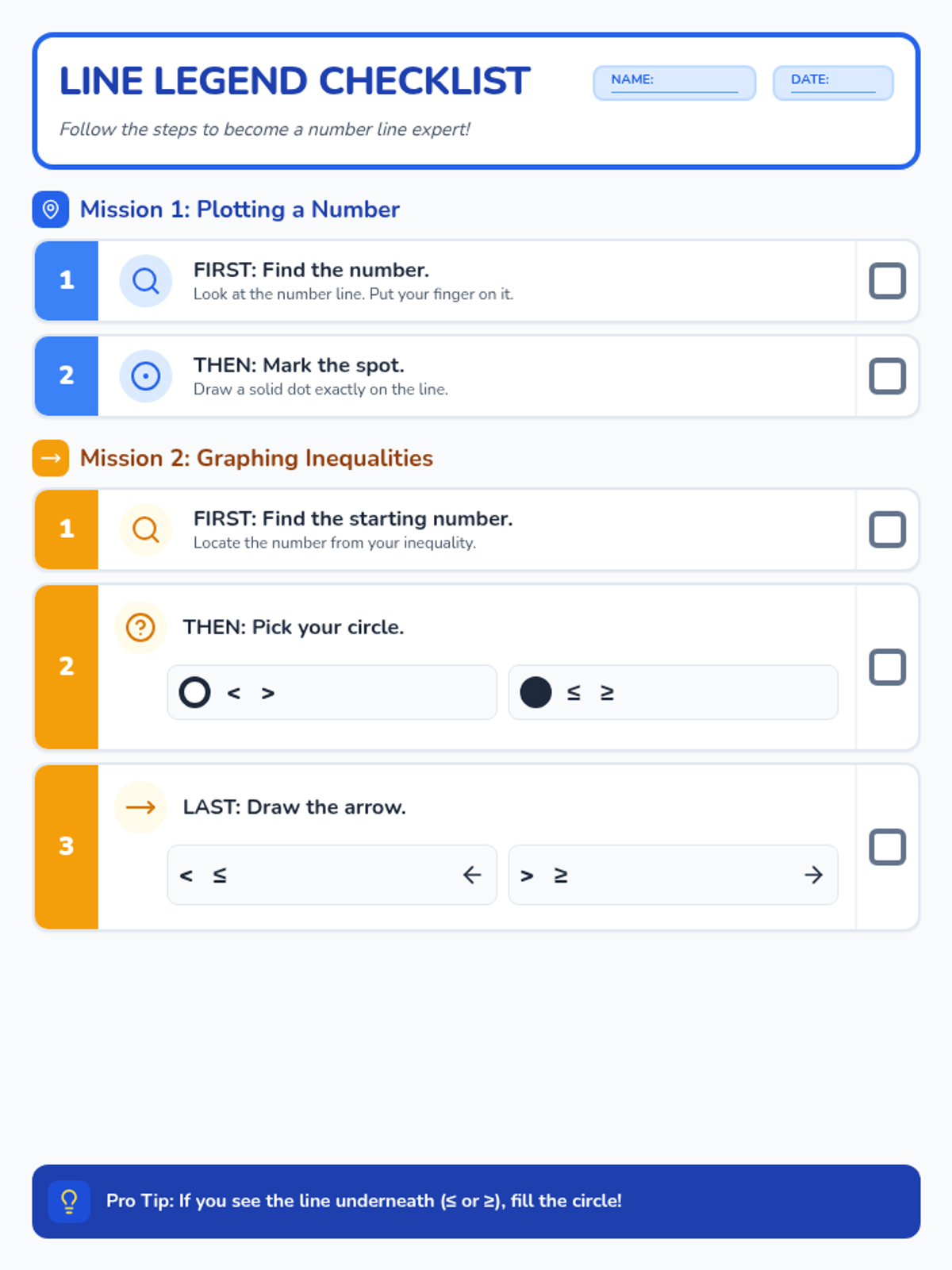
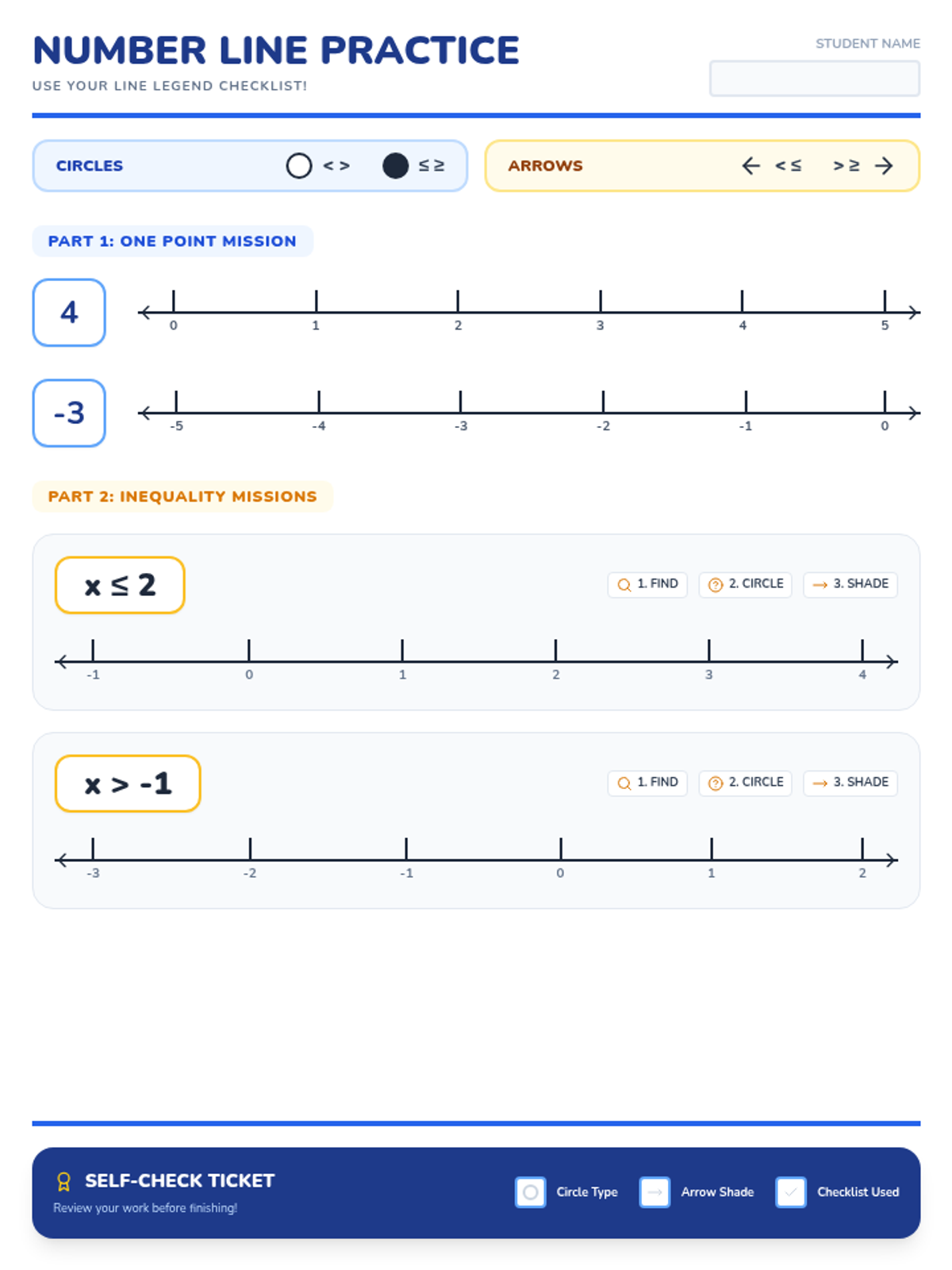
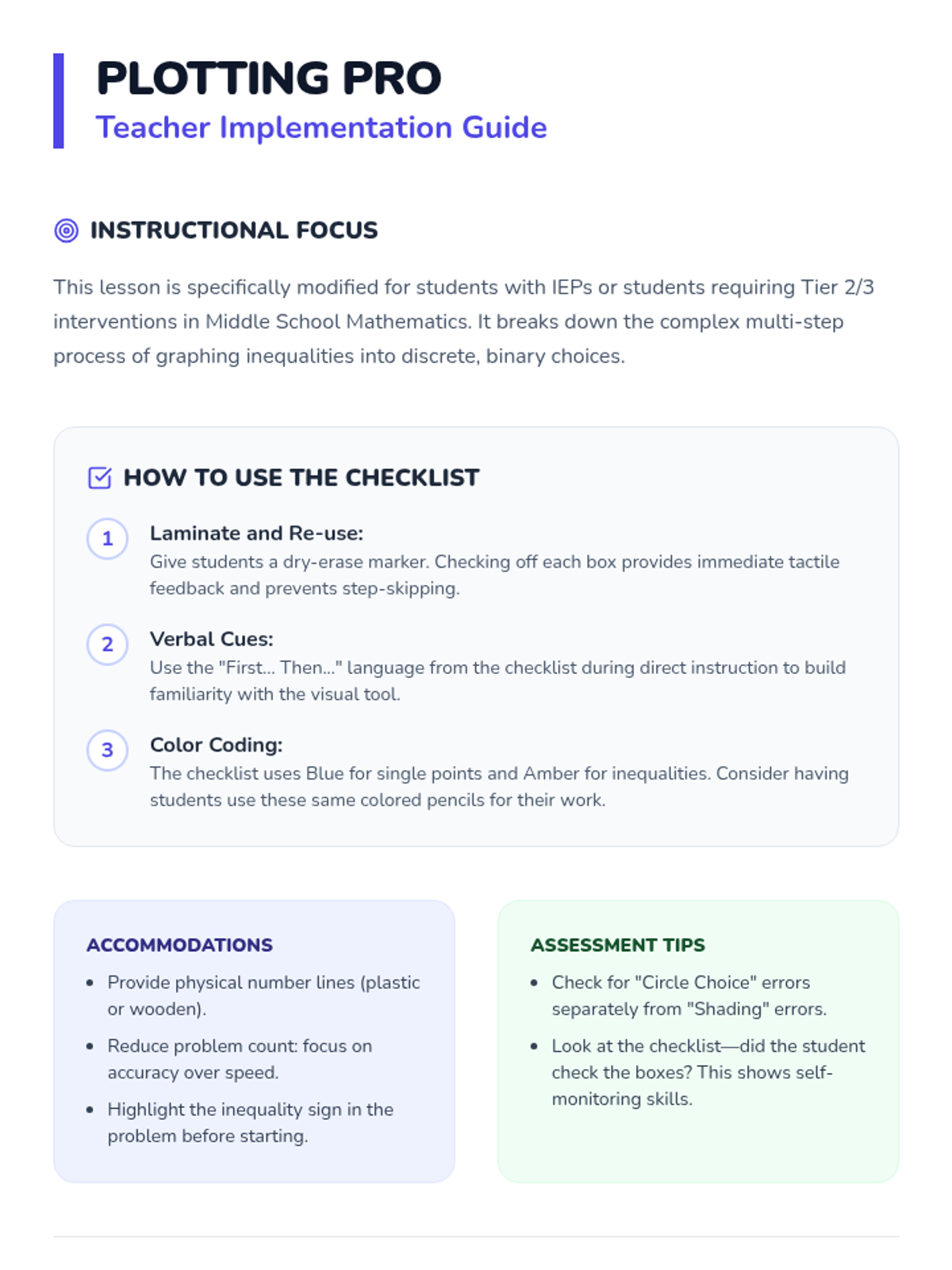
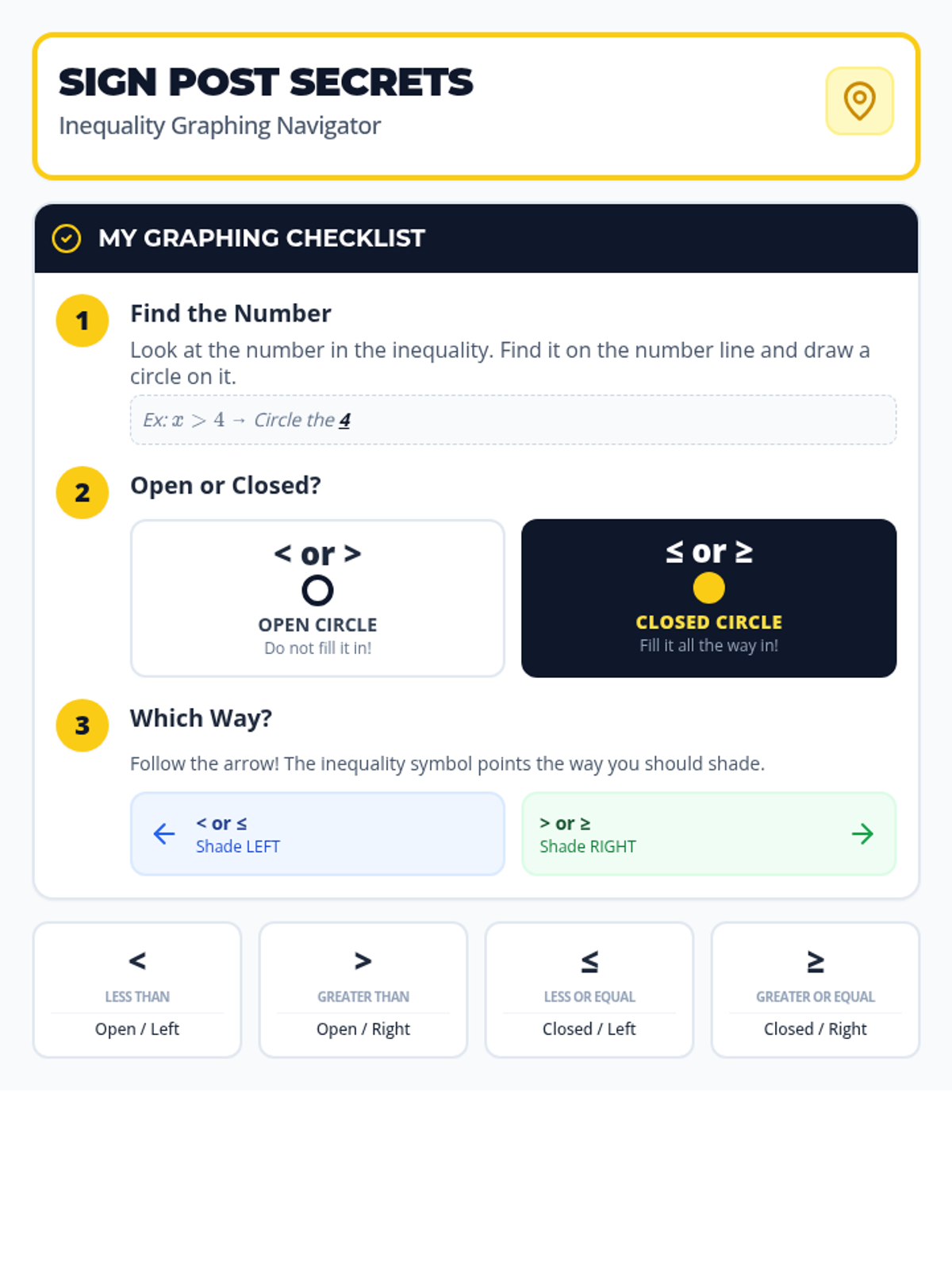
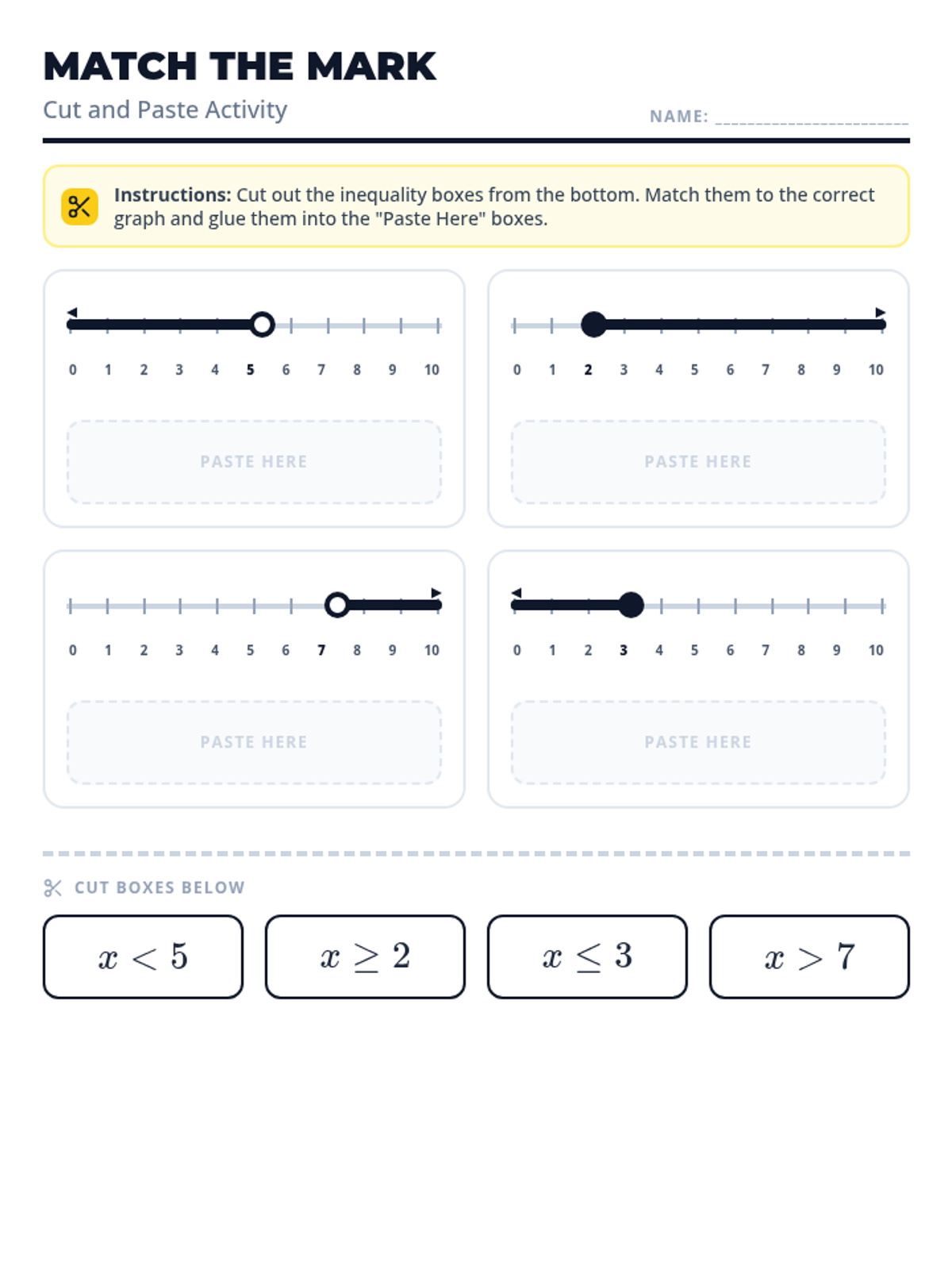
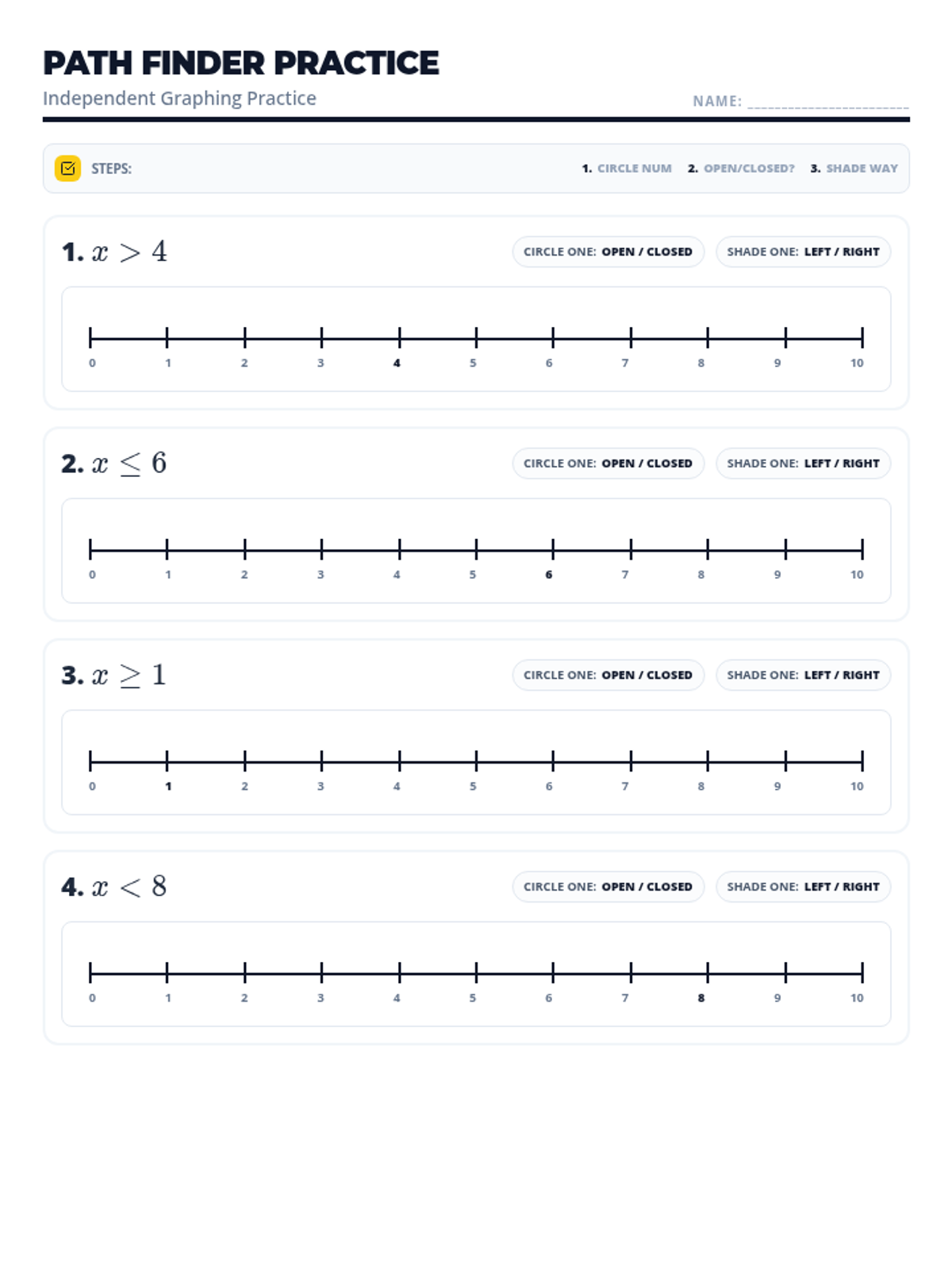
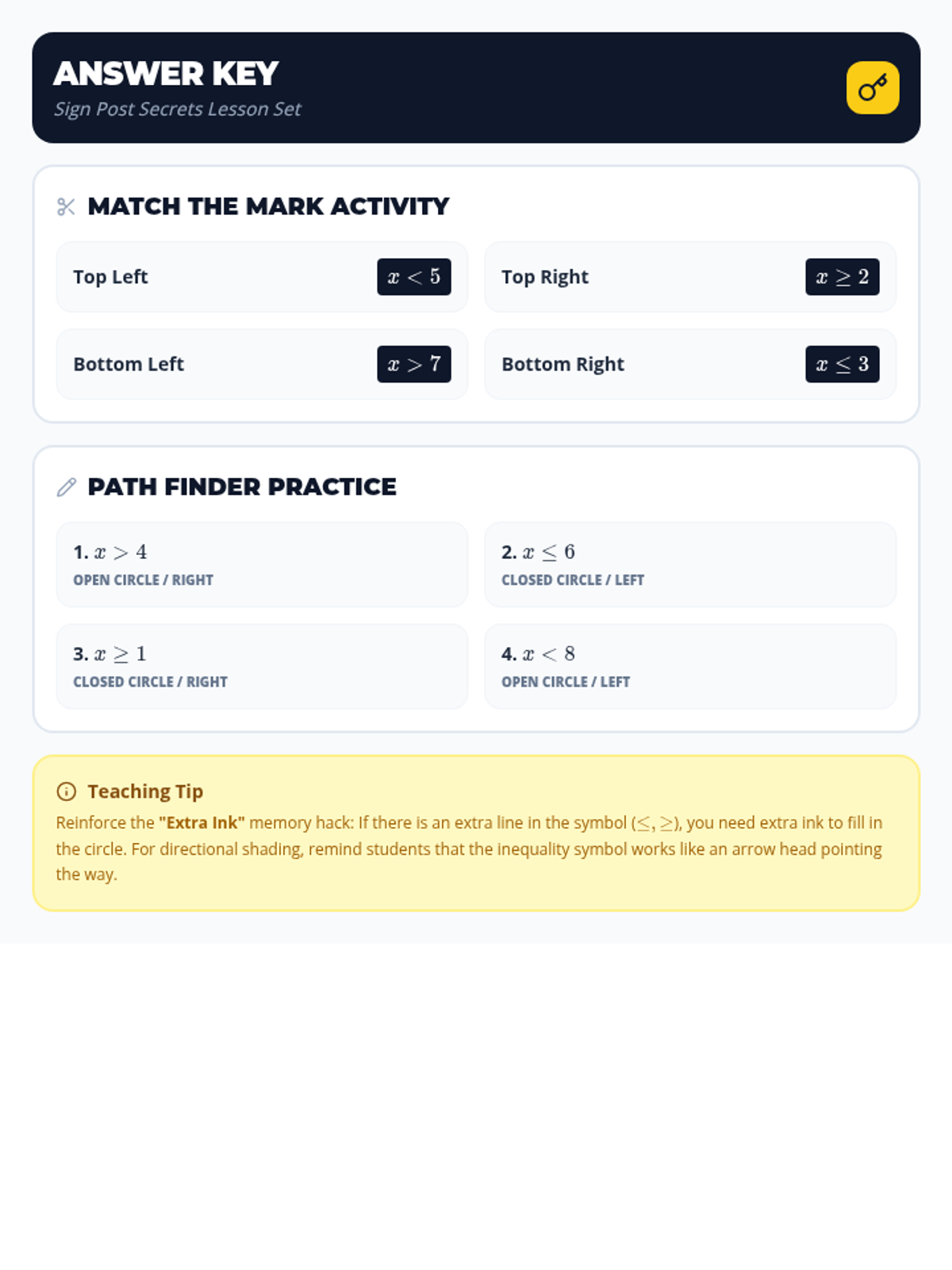
A specialized set of resources for students with IEPs to master plotting integers and inequalities on a number line using a step-by-step visual checklist.
A guided lesson on graphing inequalities on a number line (0-10), specifically designed with visual supports and step-by-step checklists for IEP students.
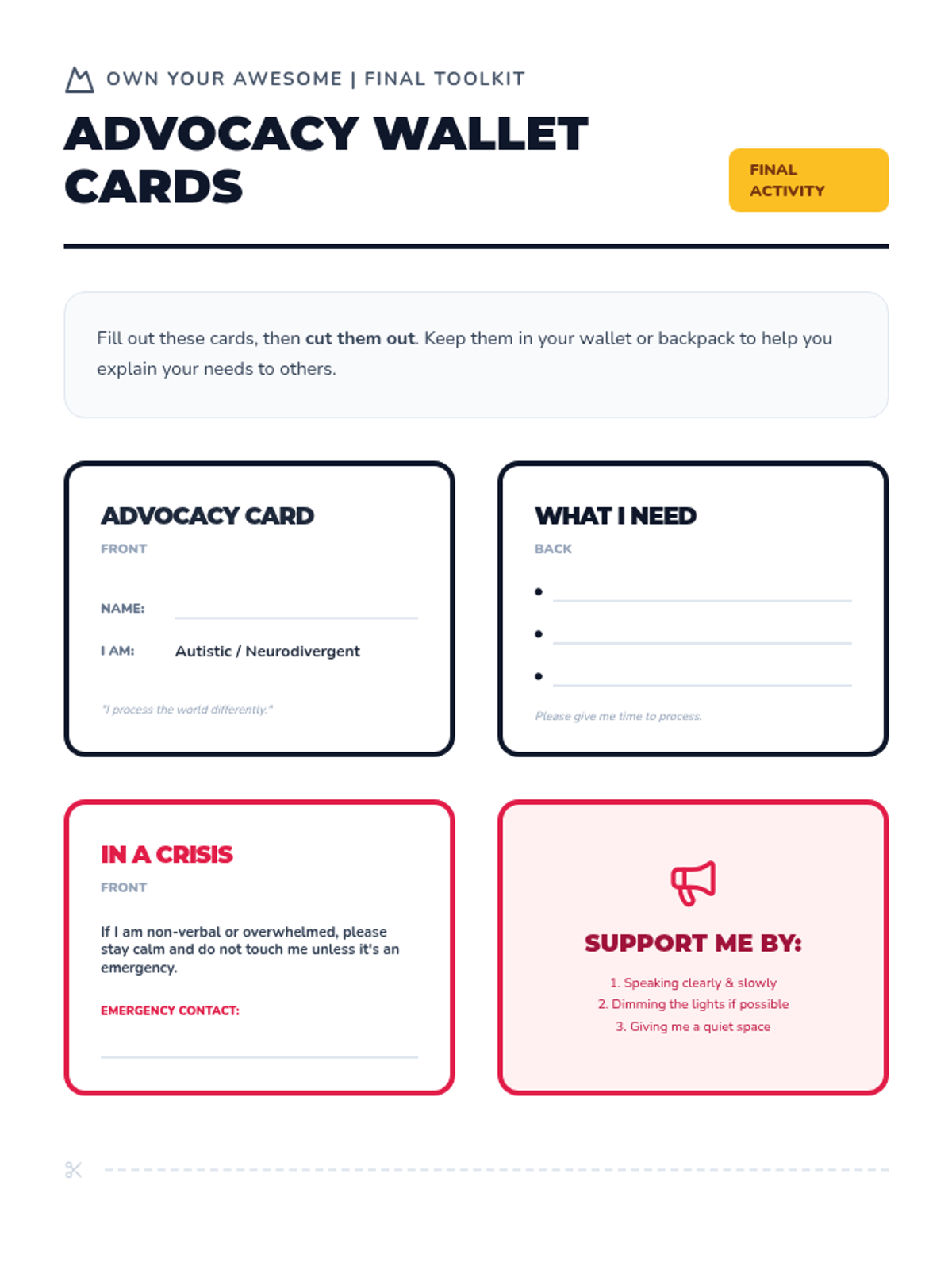
Creating a personalized self-advocacy toolkit and wallet cards for daily use in various environments.
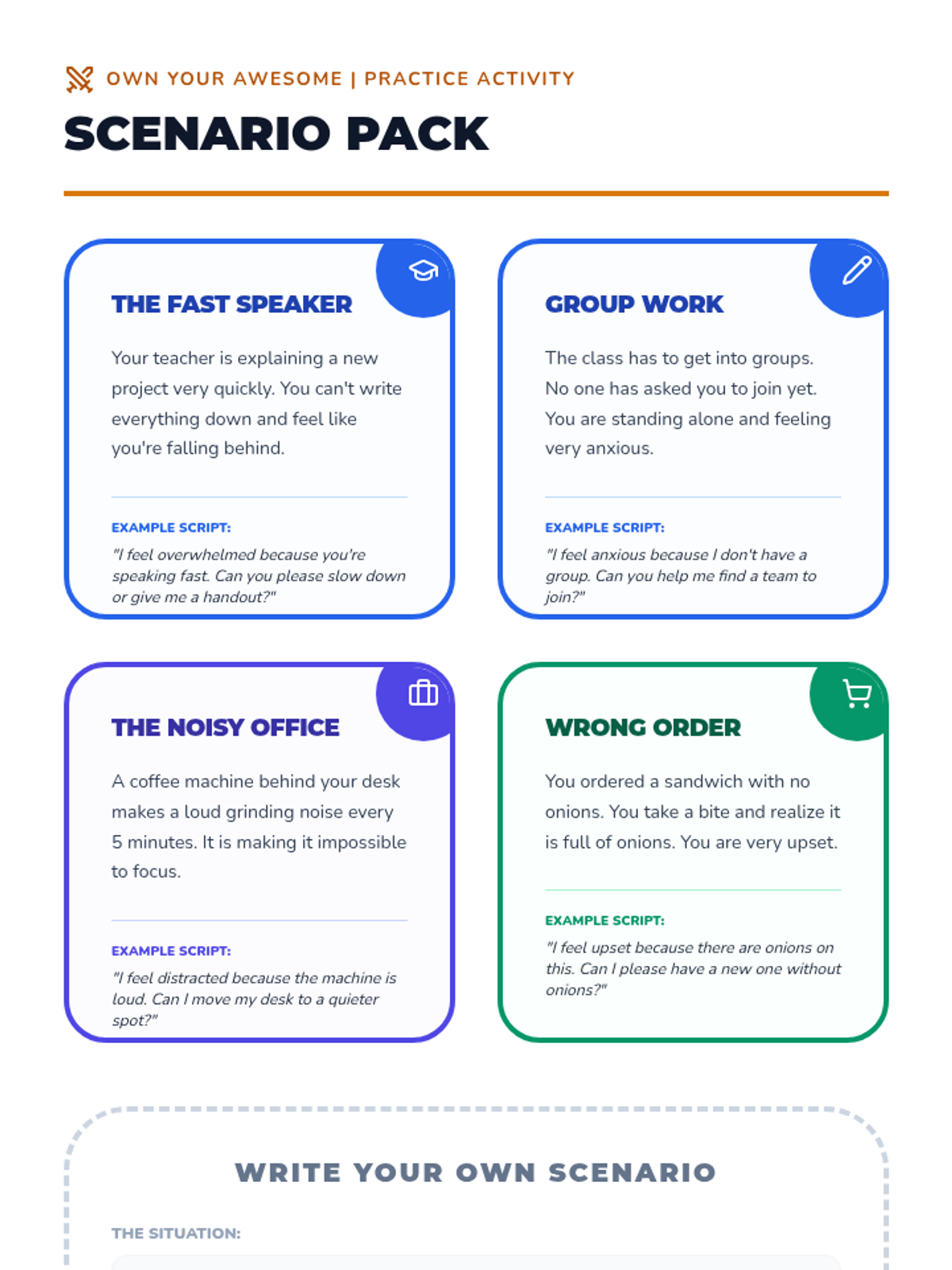
Active practice session with diverse role-play scenarios covering school, work, and community environments.
Navigating public spaces like stores, transit, and libraries with confidence and clear scripts.
Applying advocacy skills to workplace settings, including professional communication and disclosure decisions.
Practicing self-advocacy in the classroom, including asking for accommodations and clarifying instructions.
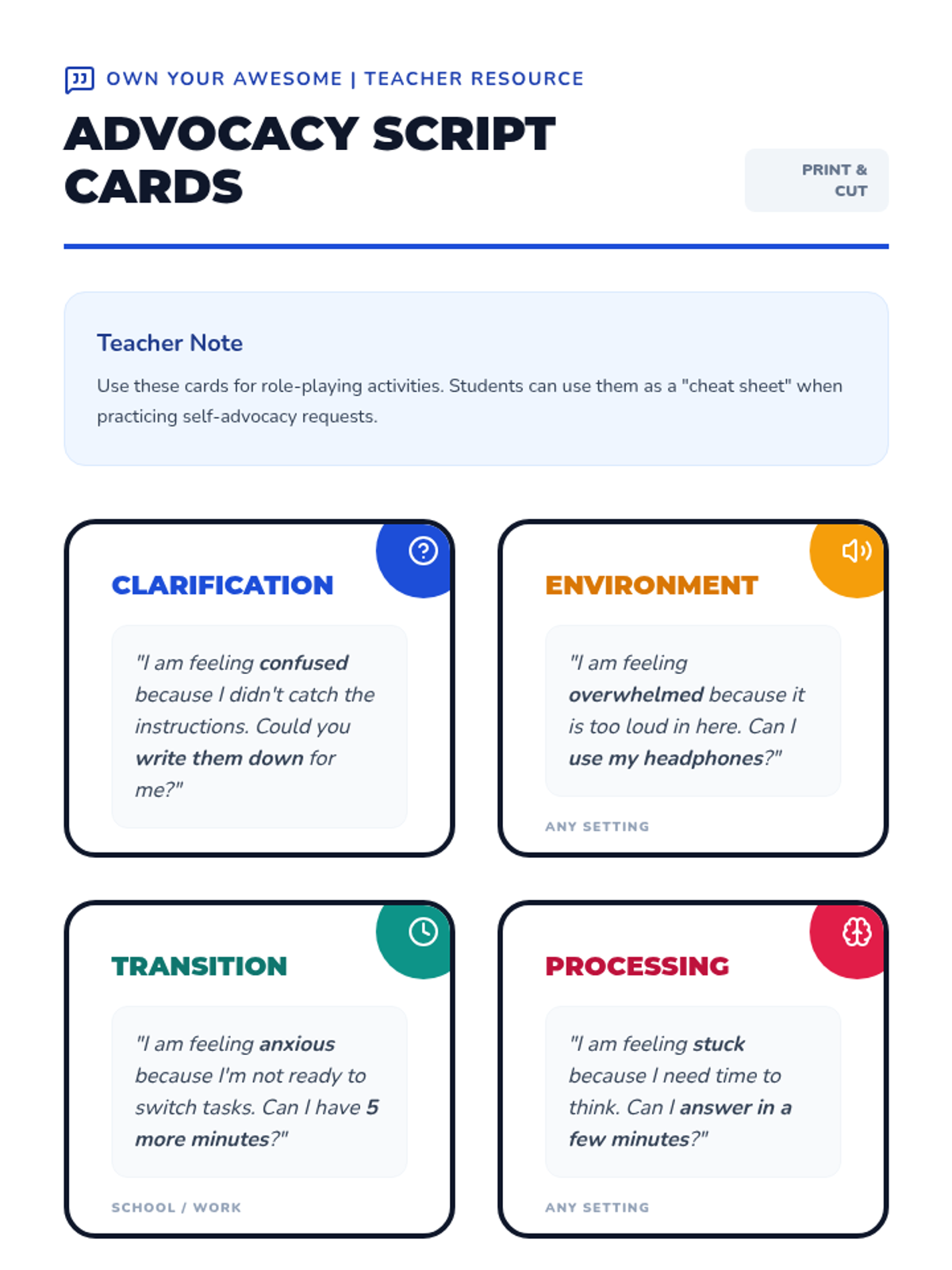
Mastering the structure of a self-advocacy request using clear scripts and communication strategies.
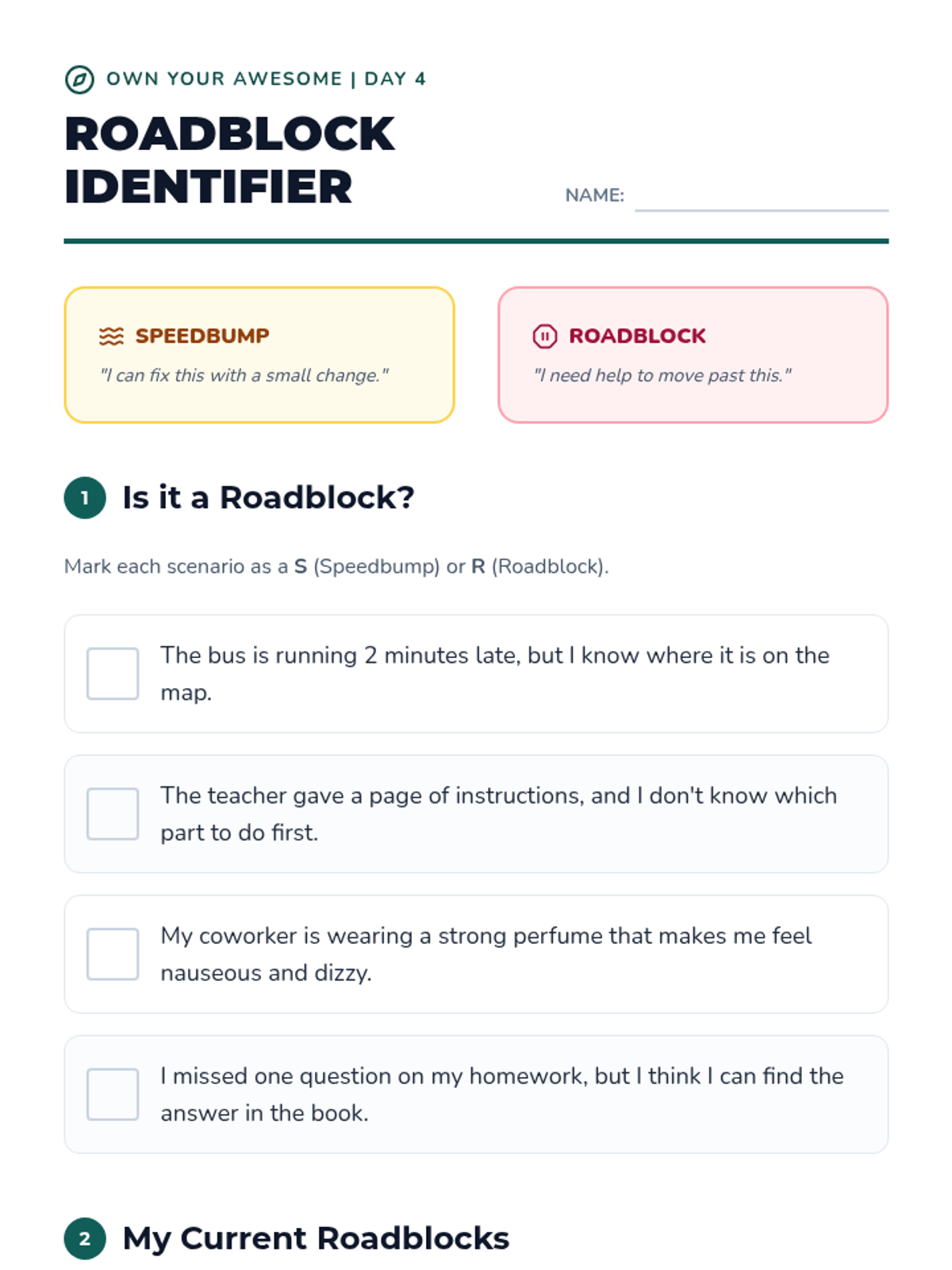
Learning to identify specific roadblocks in real-time and determining what kind of support is required.
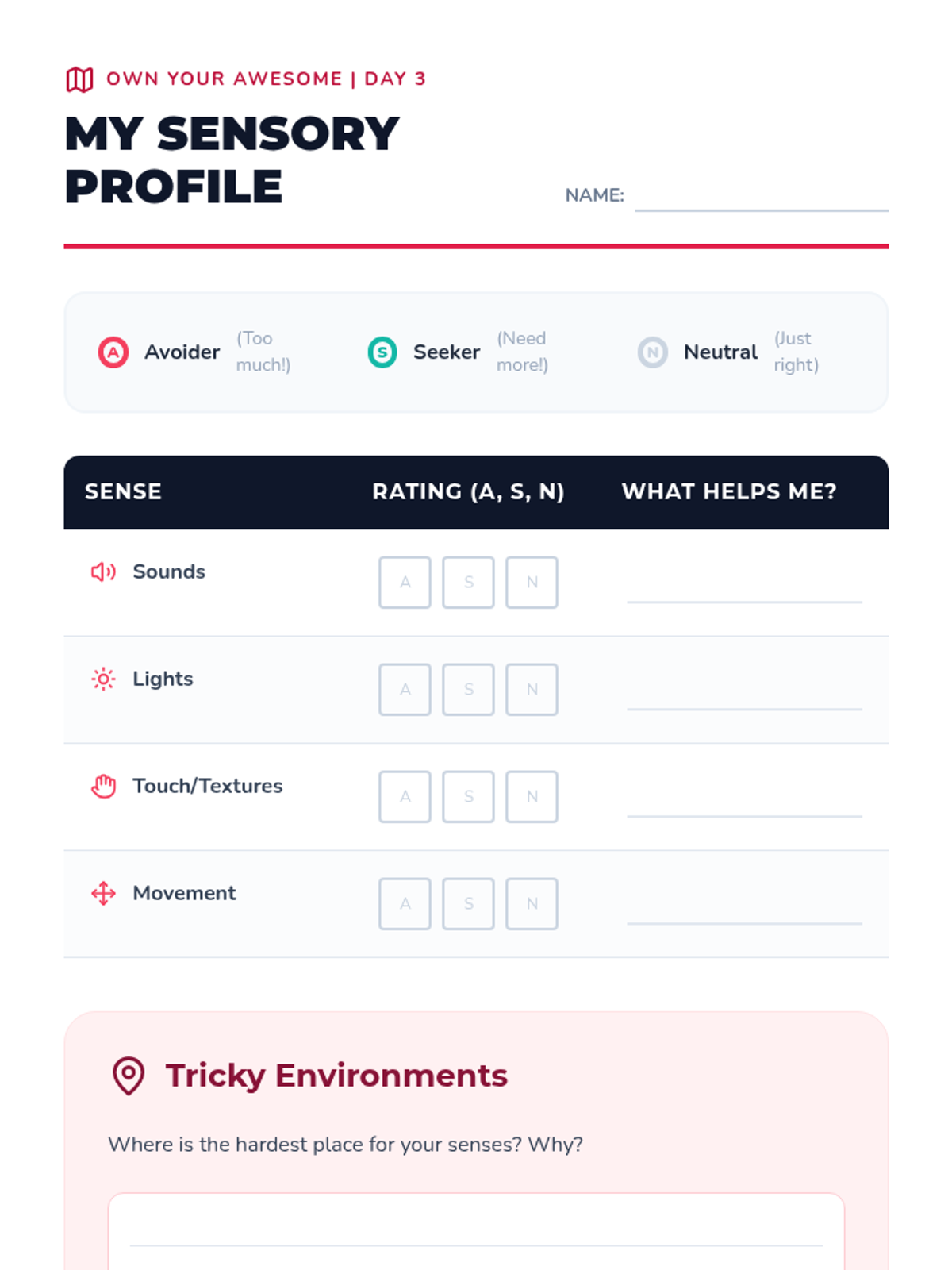
Mapping personal sensory profiles to identify environmental triggers and supportive tools across different settings.
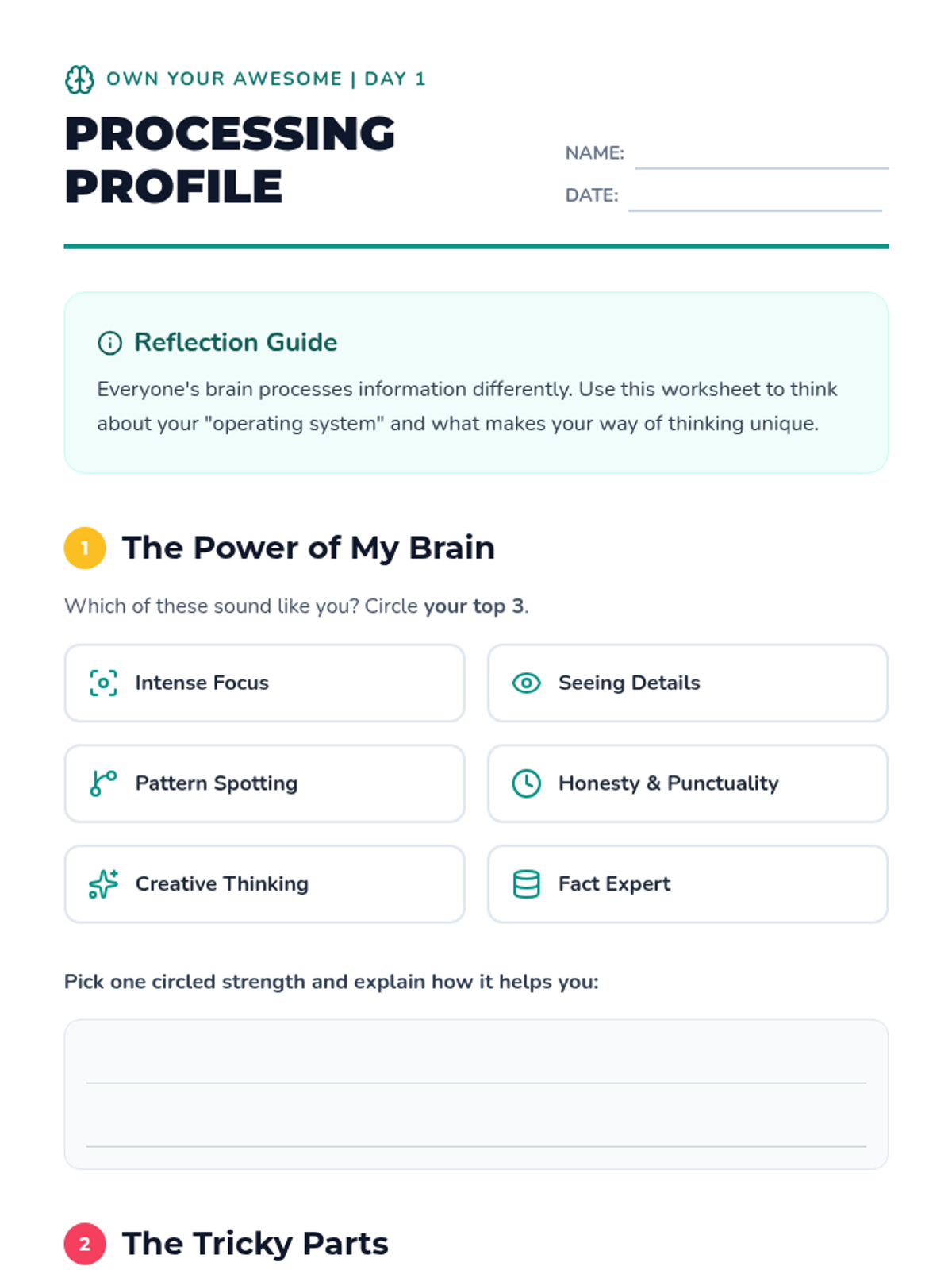
A 30-minute lesson introducing autism through a neurodiversity-affirming lens, focusing on unique processing styles and personal identity.
Exploring cognitive and social strengths, moving from a deficit model to a talent-focused understanding of the self.
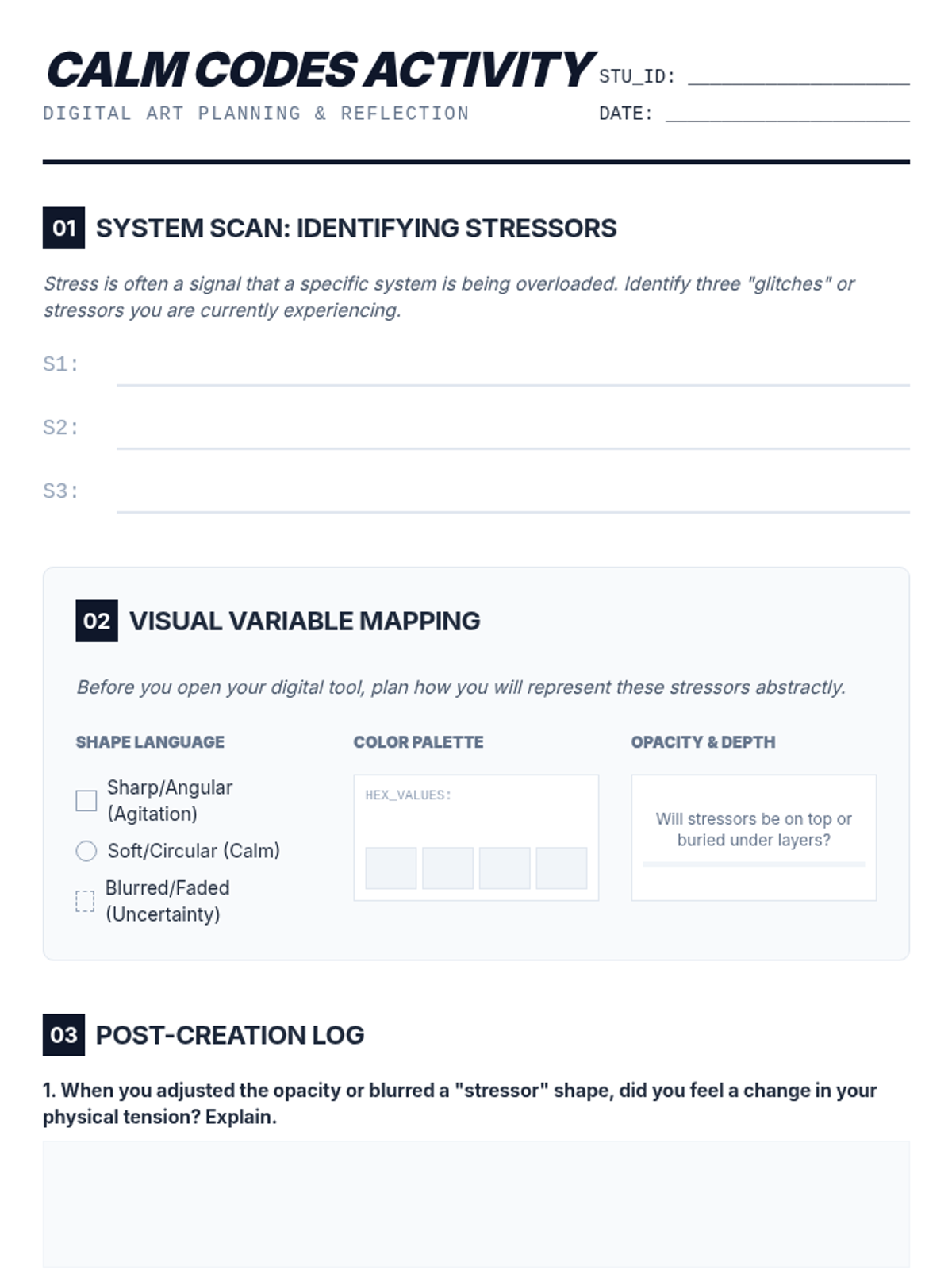
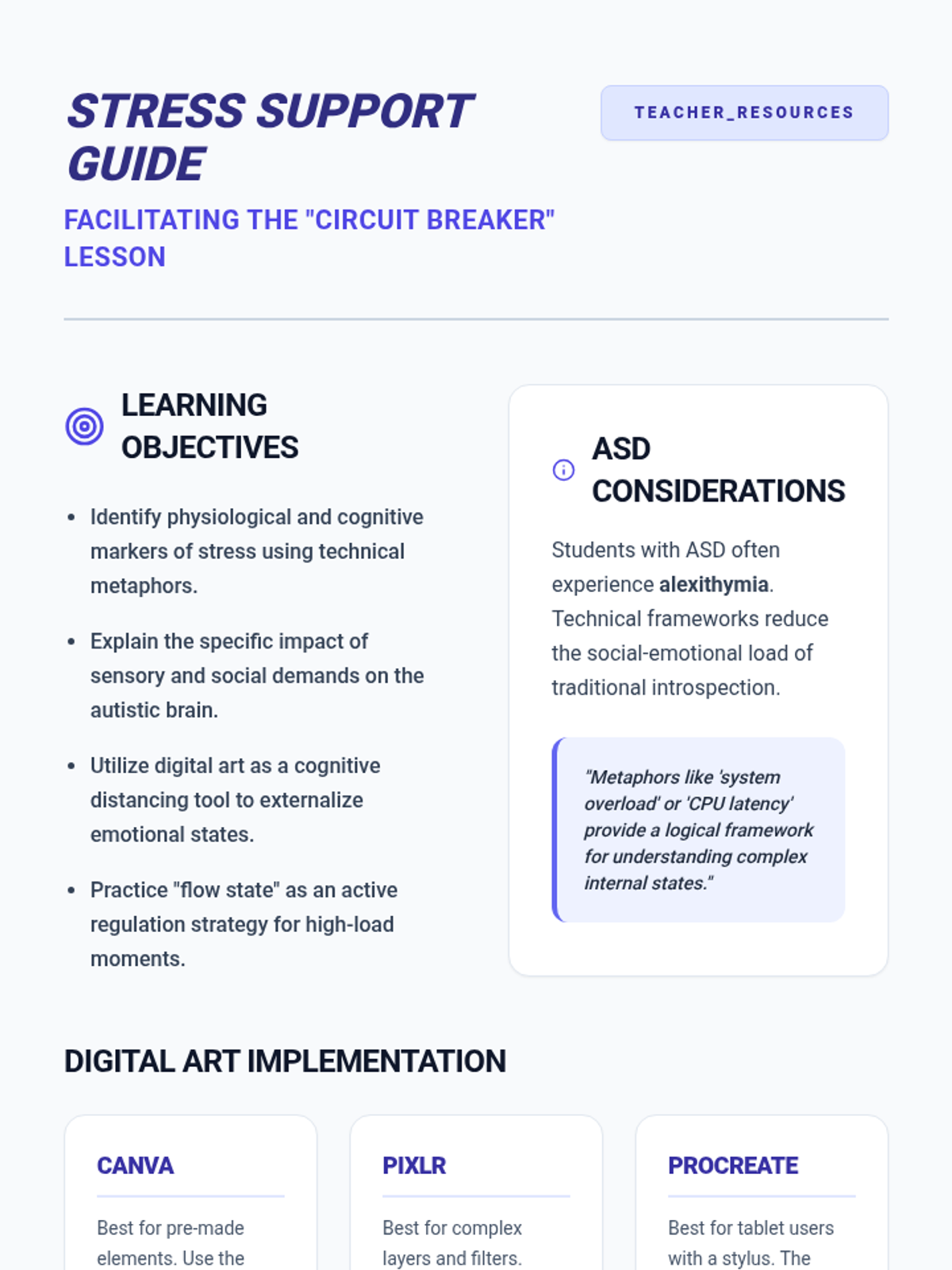
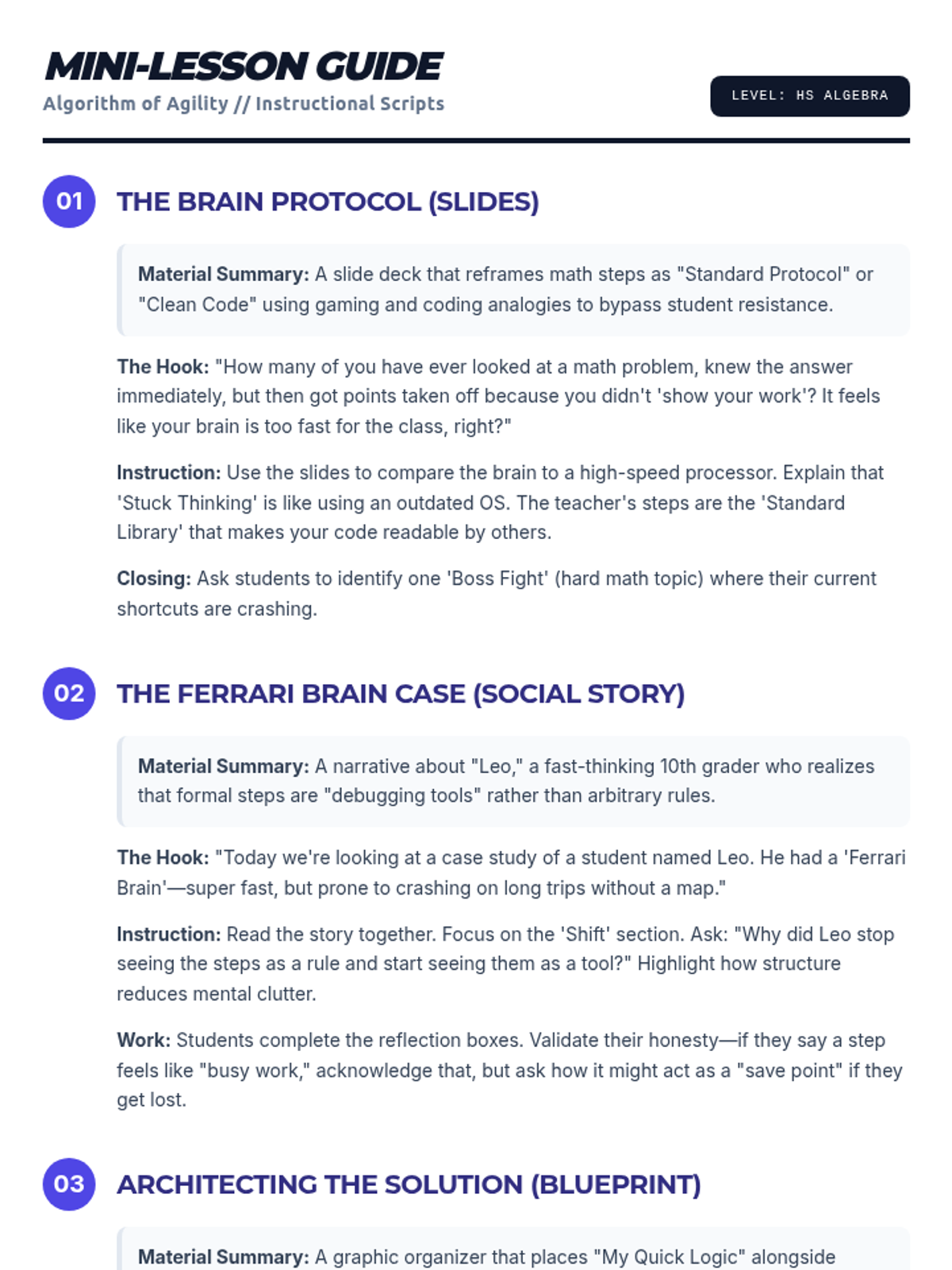
A sophisticated social skills lesson for high schoolers that uses technical metaphors and digital art to understand and manage emotional stress. Includes a slide presentation, a student planning guide, and a teacher facilitation resource.
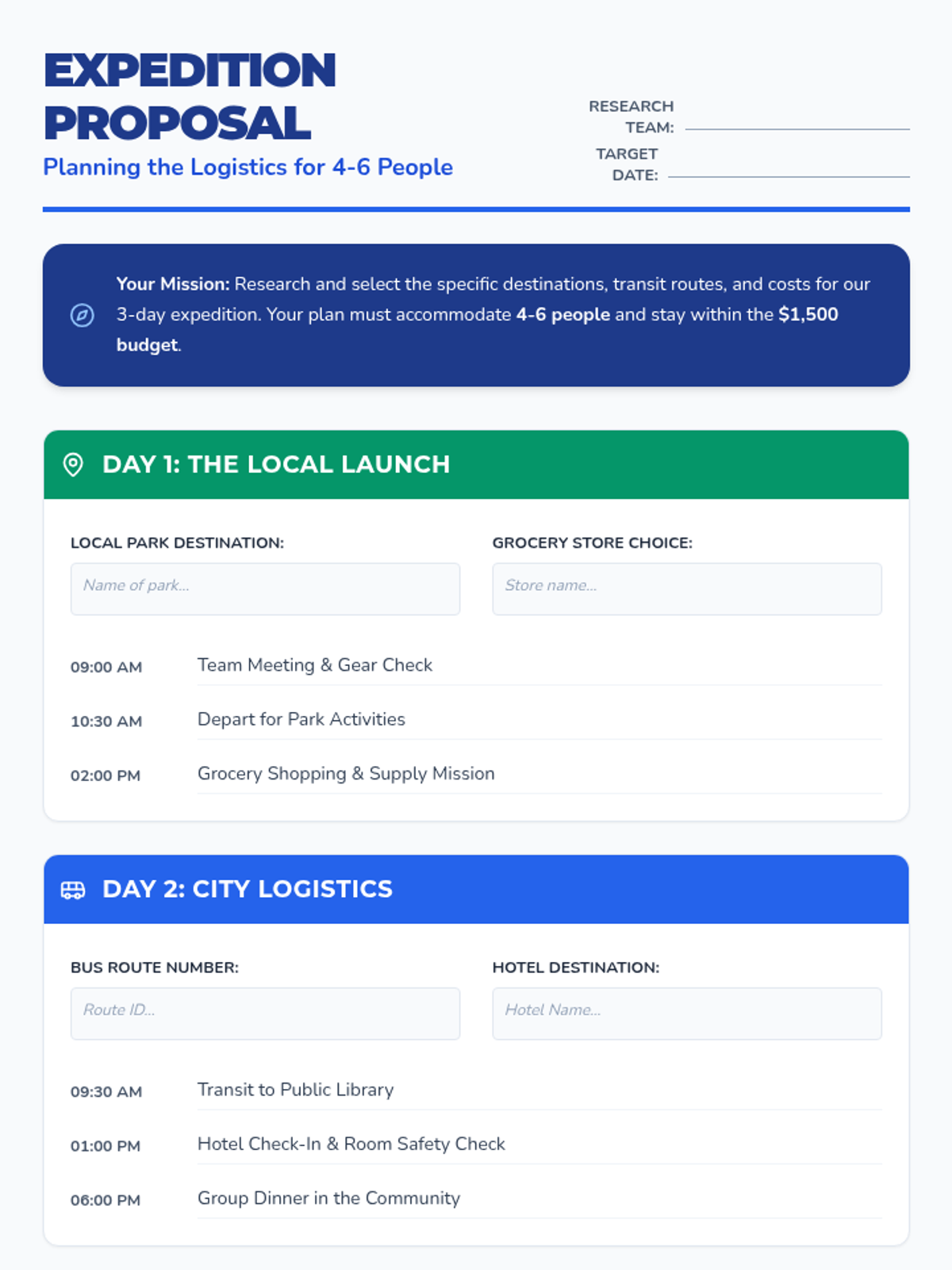
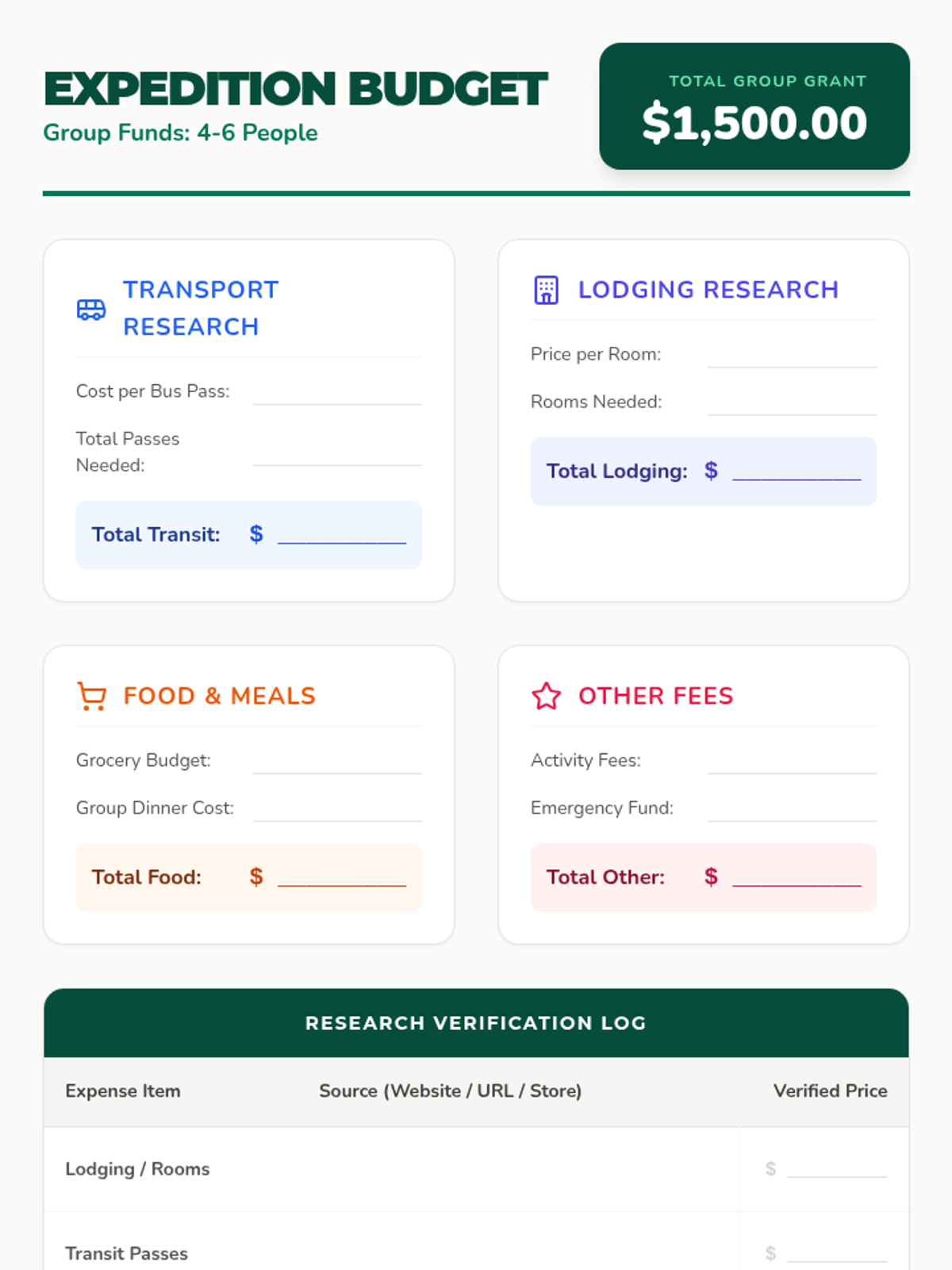
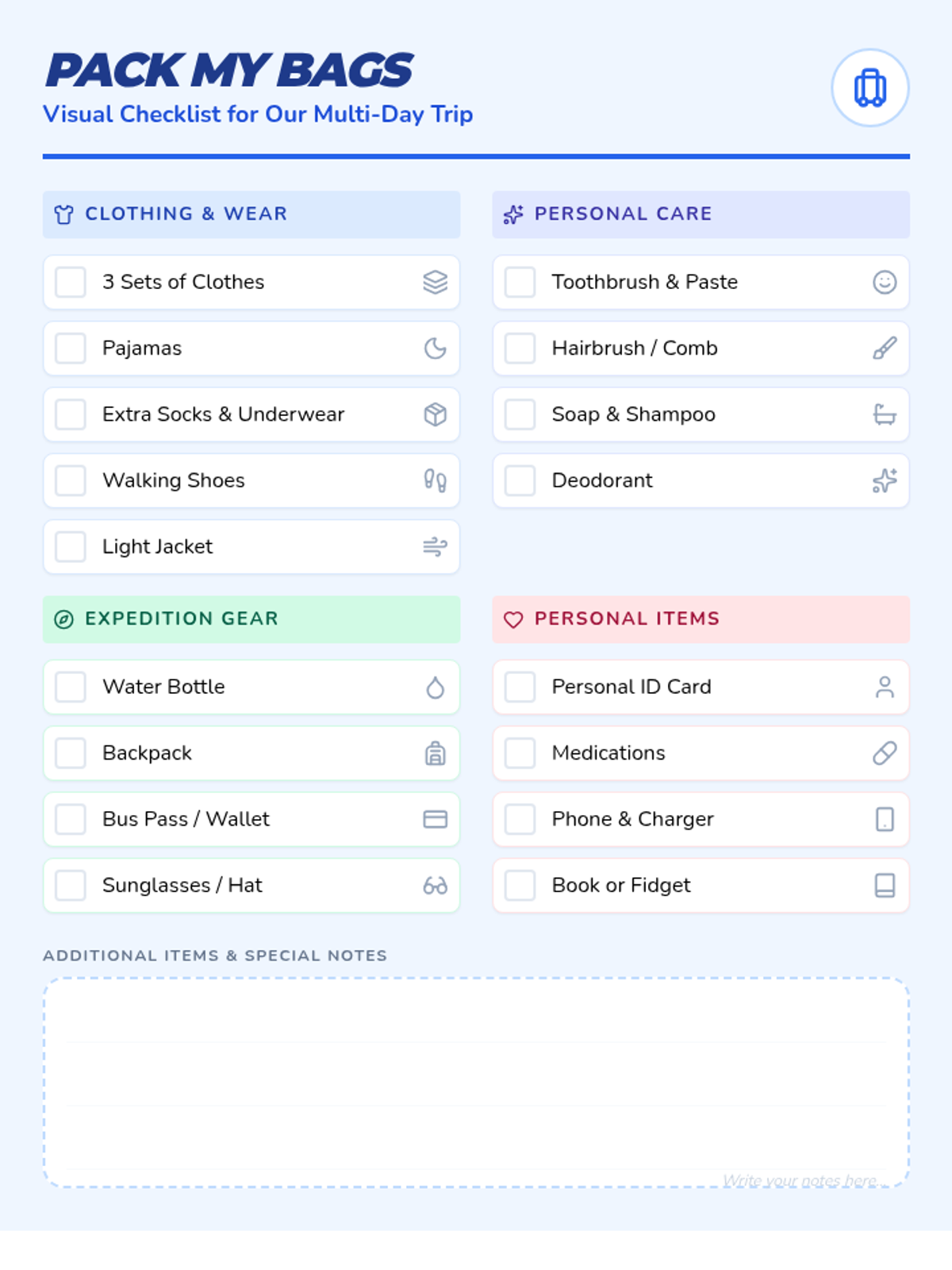
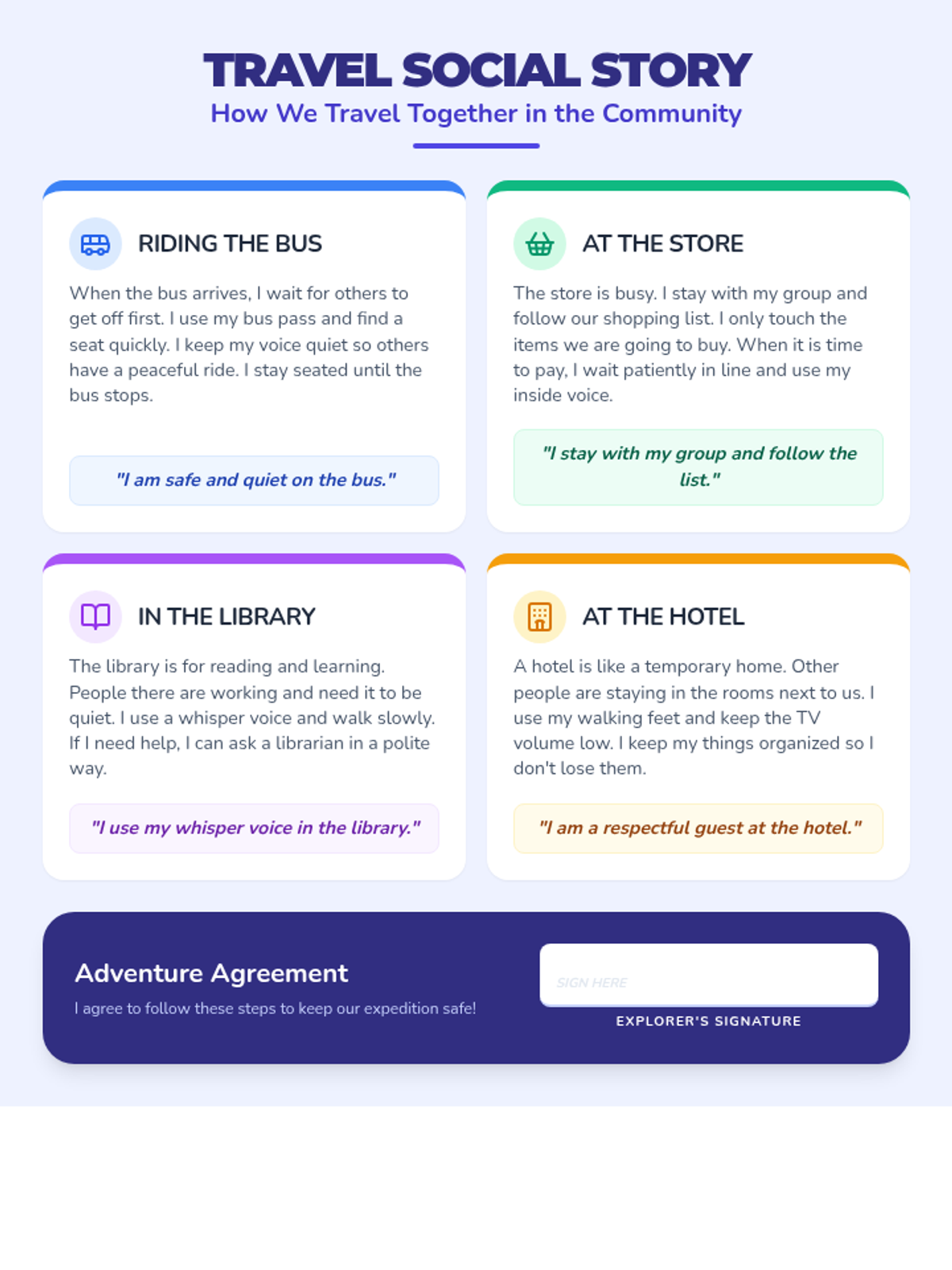
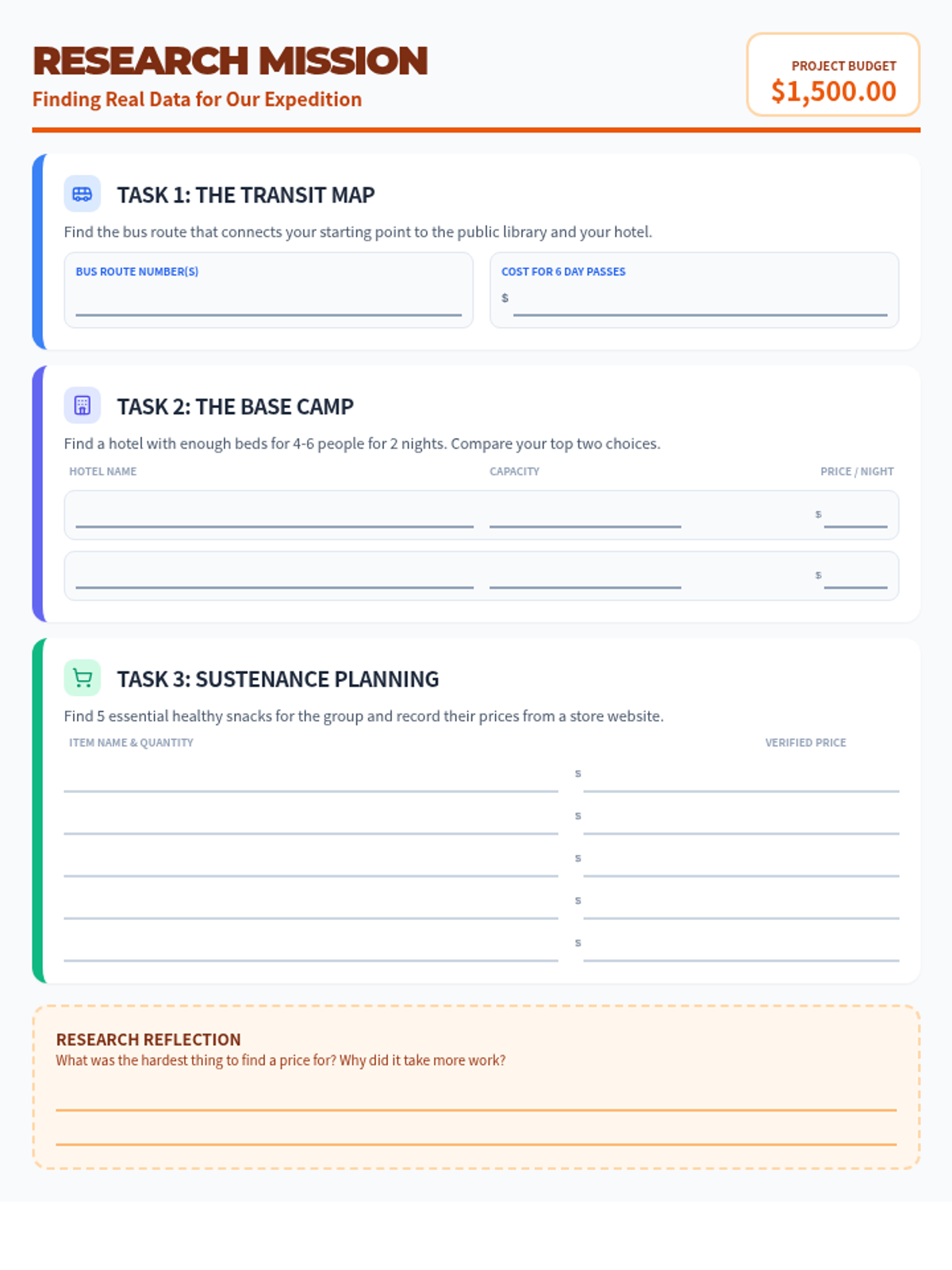
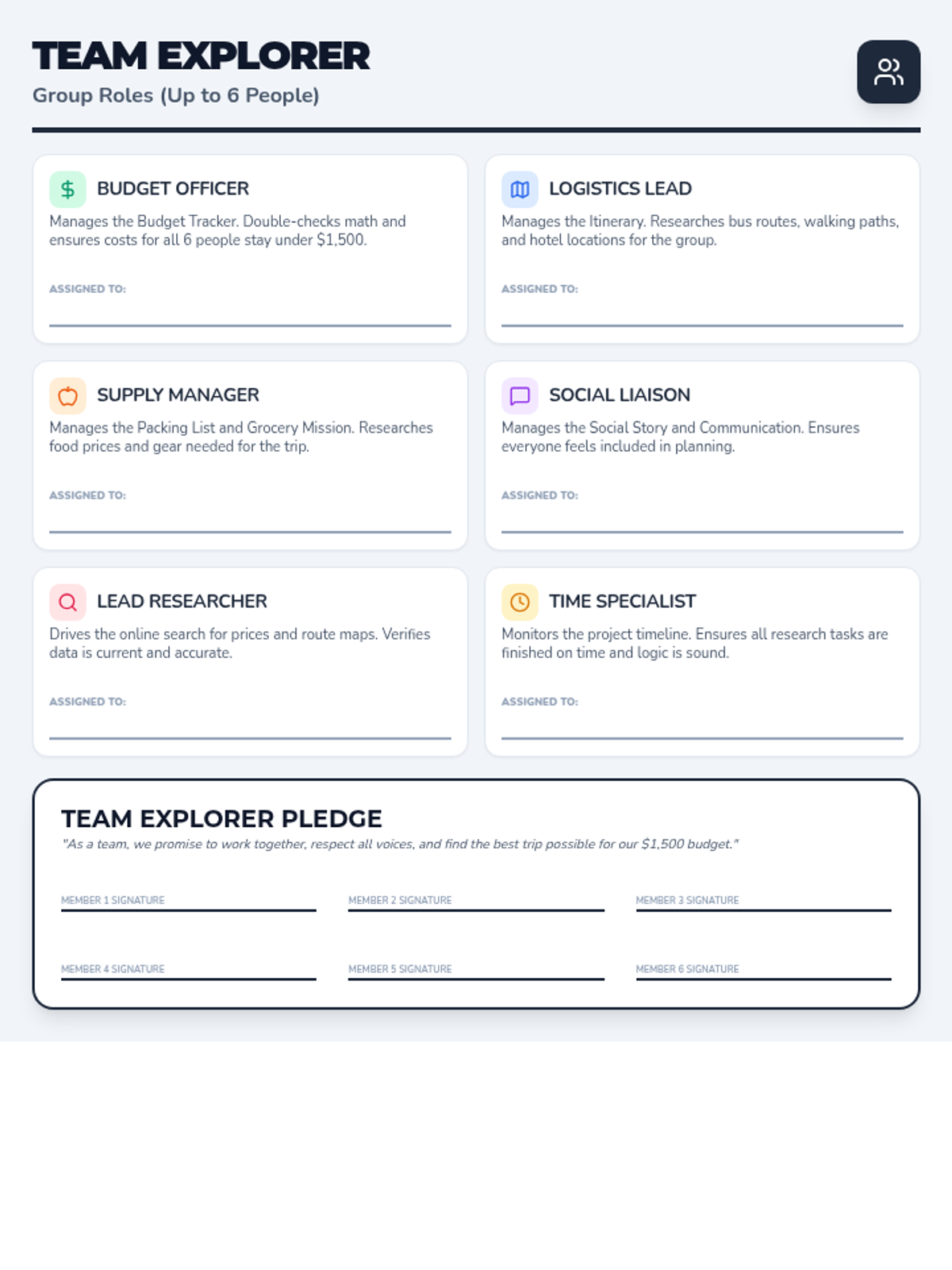
A comprehensive set of tools for planning and executing a multi-destination community trip, focusing on life skills, budgeting, and social expectations.
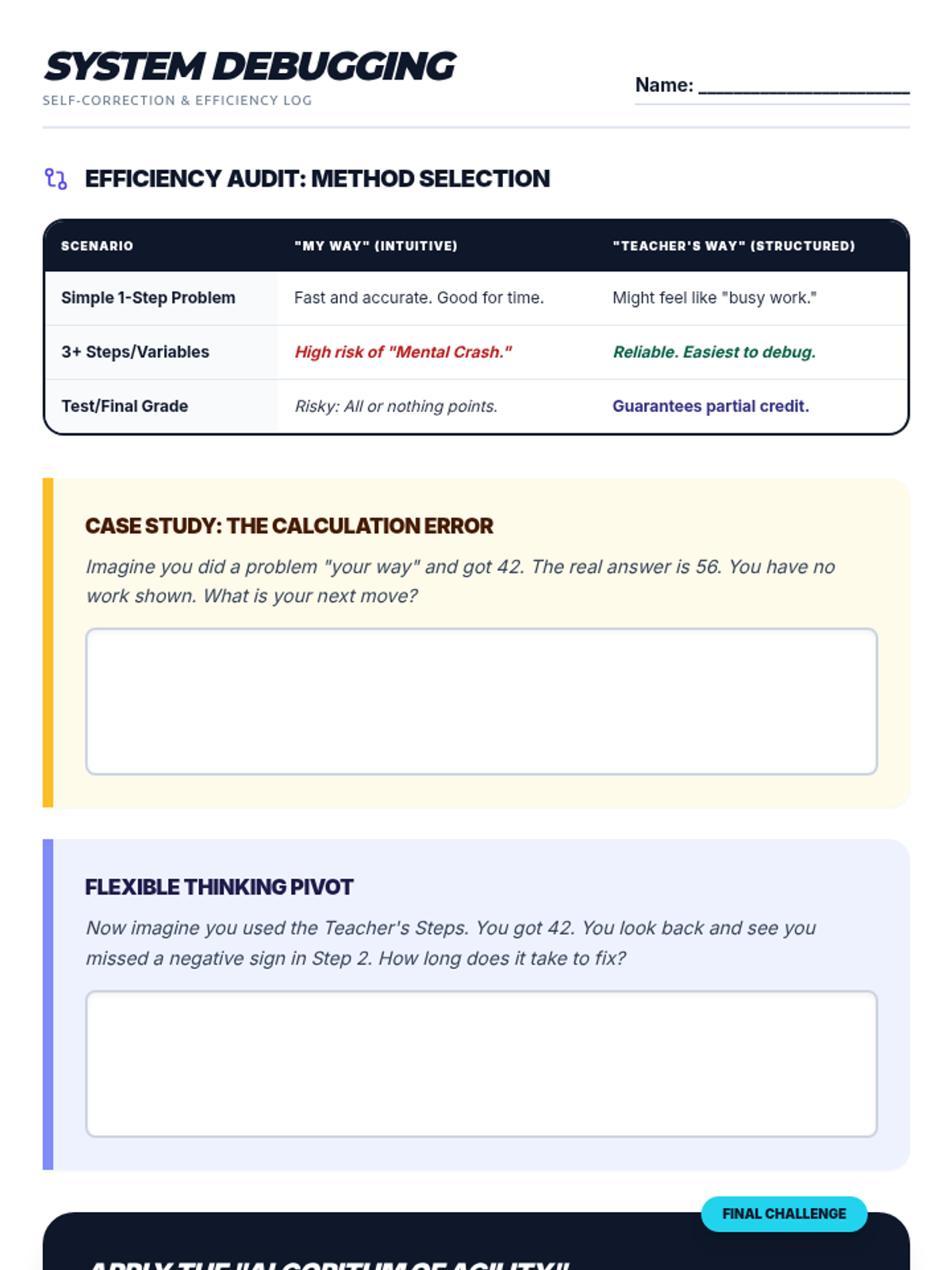
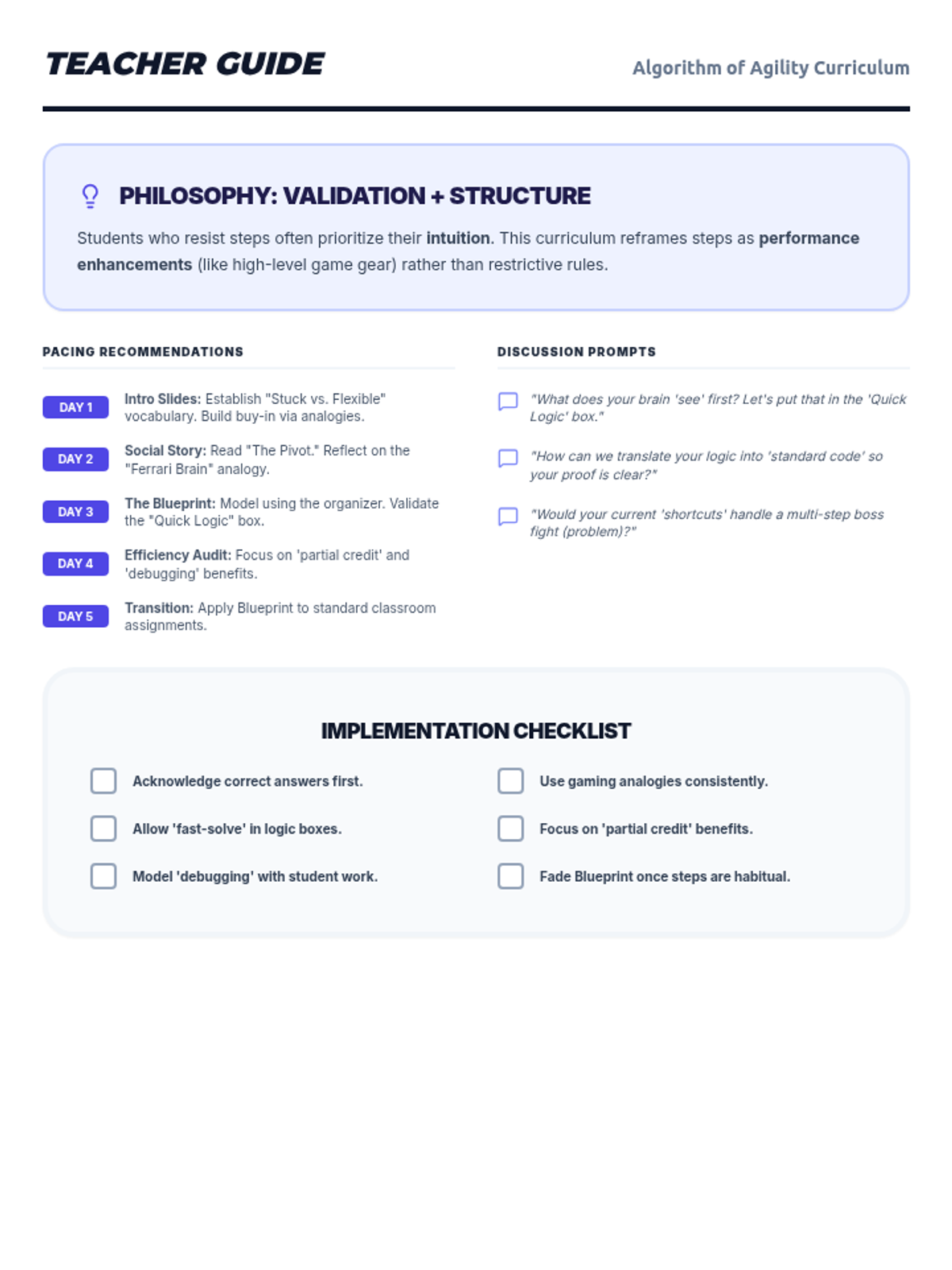
Evaluating the efficiency of different solving methods and practicing 'debugging' one's own thought process when encountering errors.
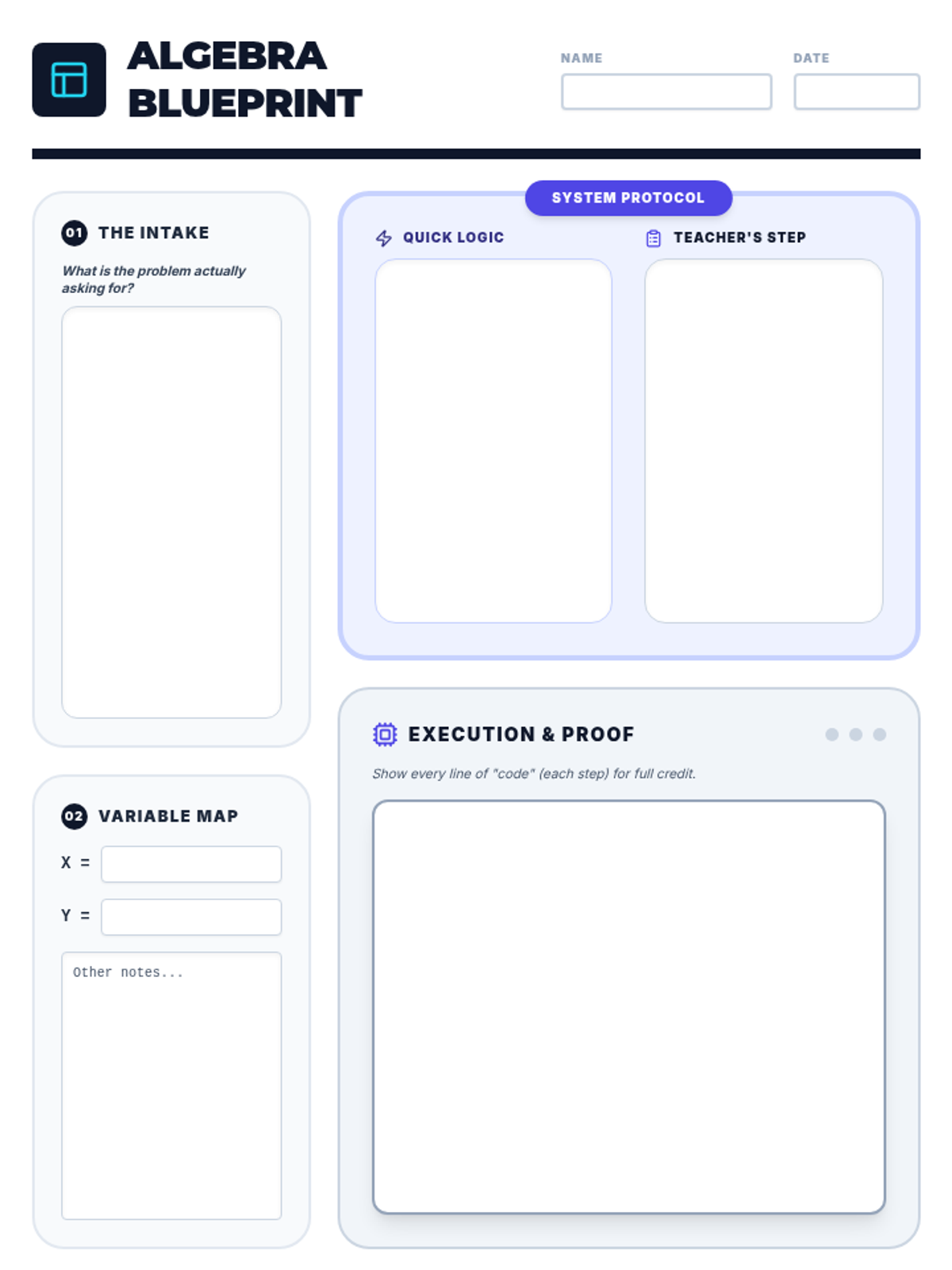
Direct application of flexible thinking to algebra word problems using a structured graphic organizer that bridges intuitive and formal methods.
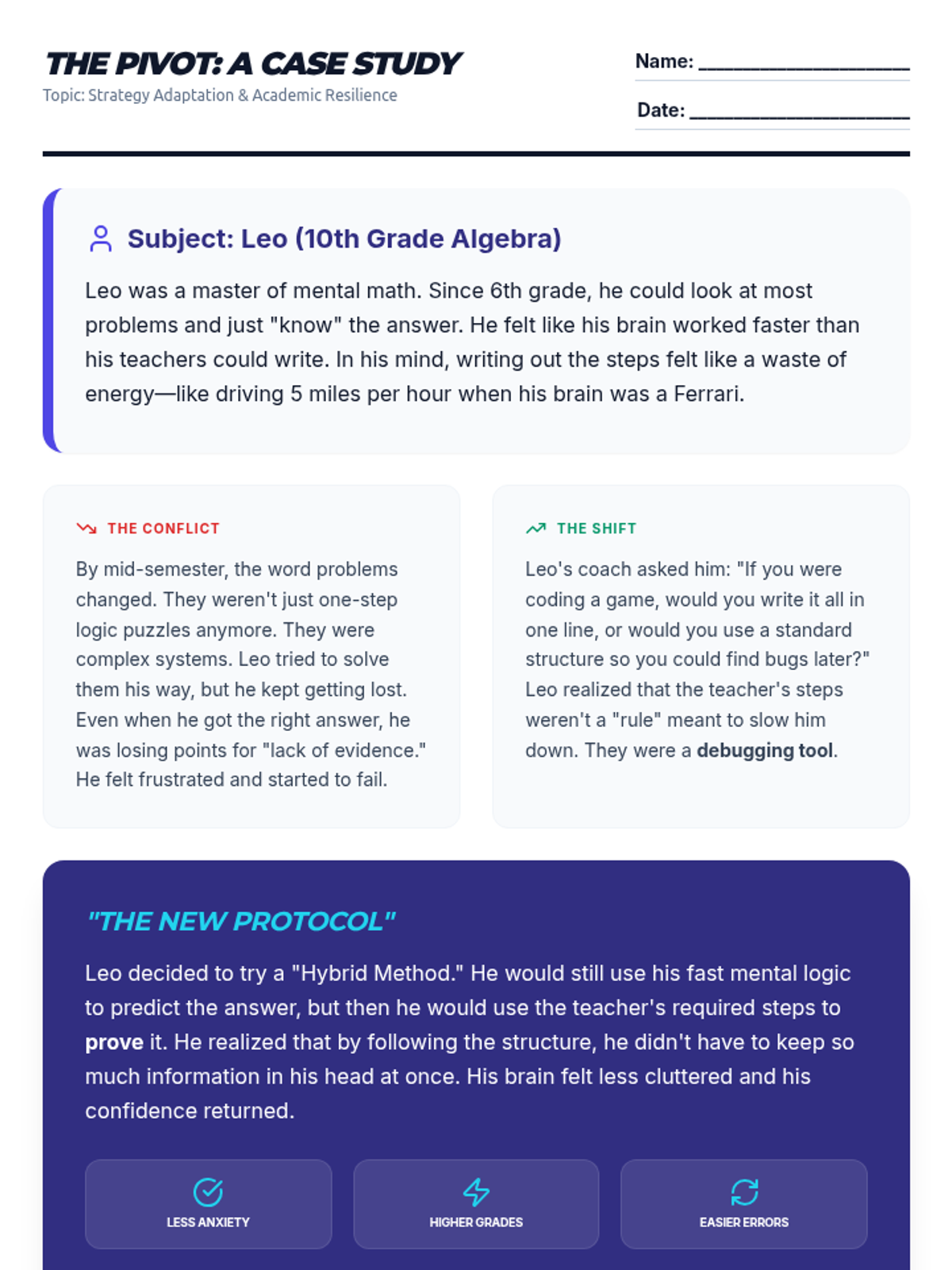
A narrative-based lesson exploring a peer-to-peer scenario of adapting math strategies to achieve academic goals.
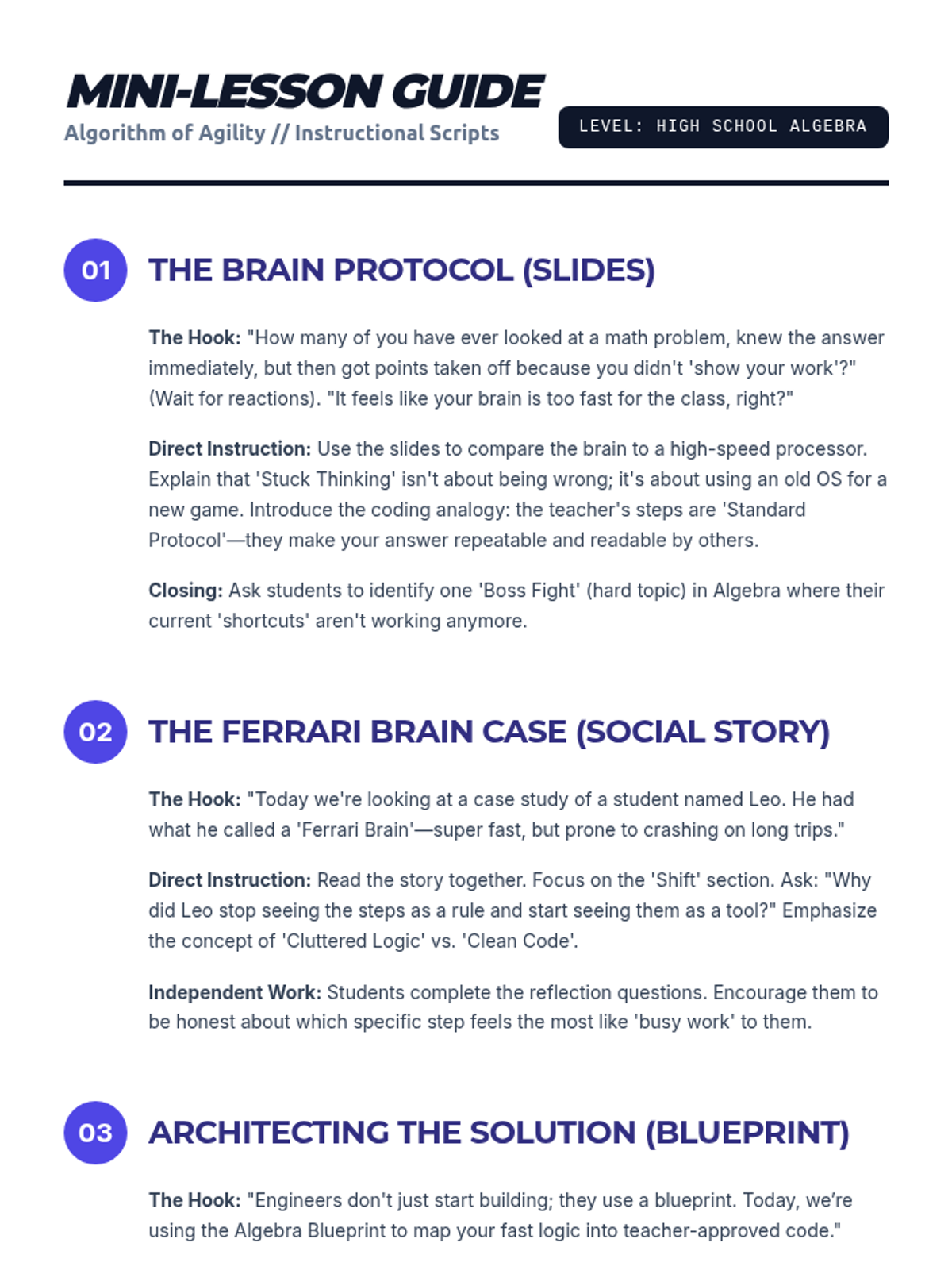
Introduction to cognitive flexibility through the lens of 'stuck' versus 'flexible' thinking, tailored for the logical environment of an algebra classroom.
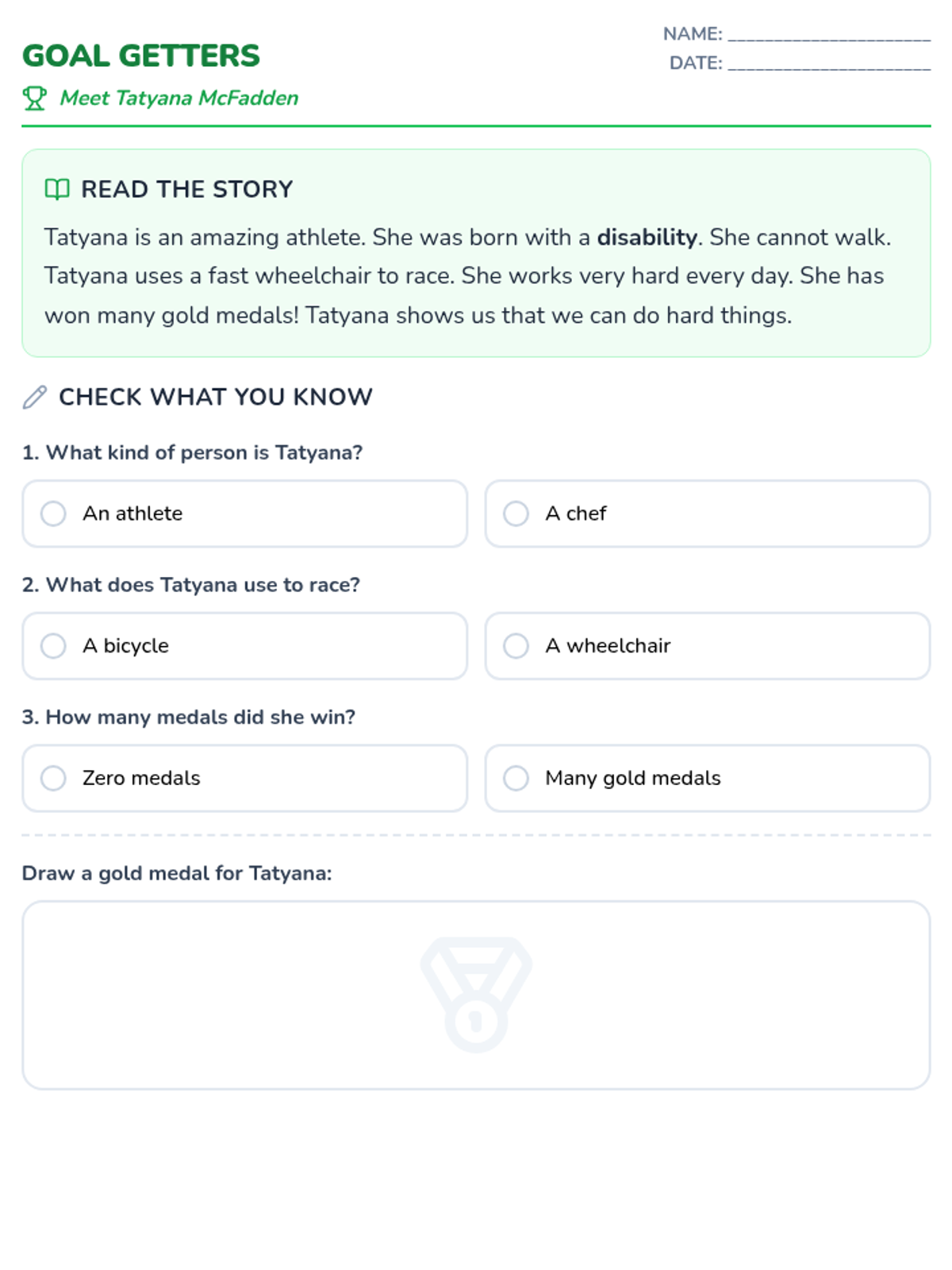
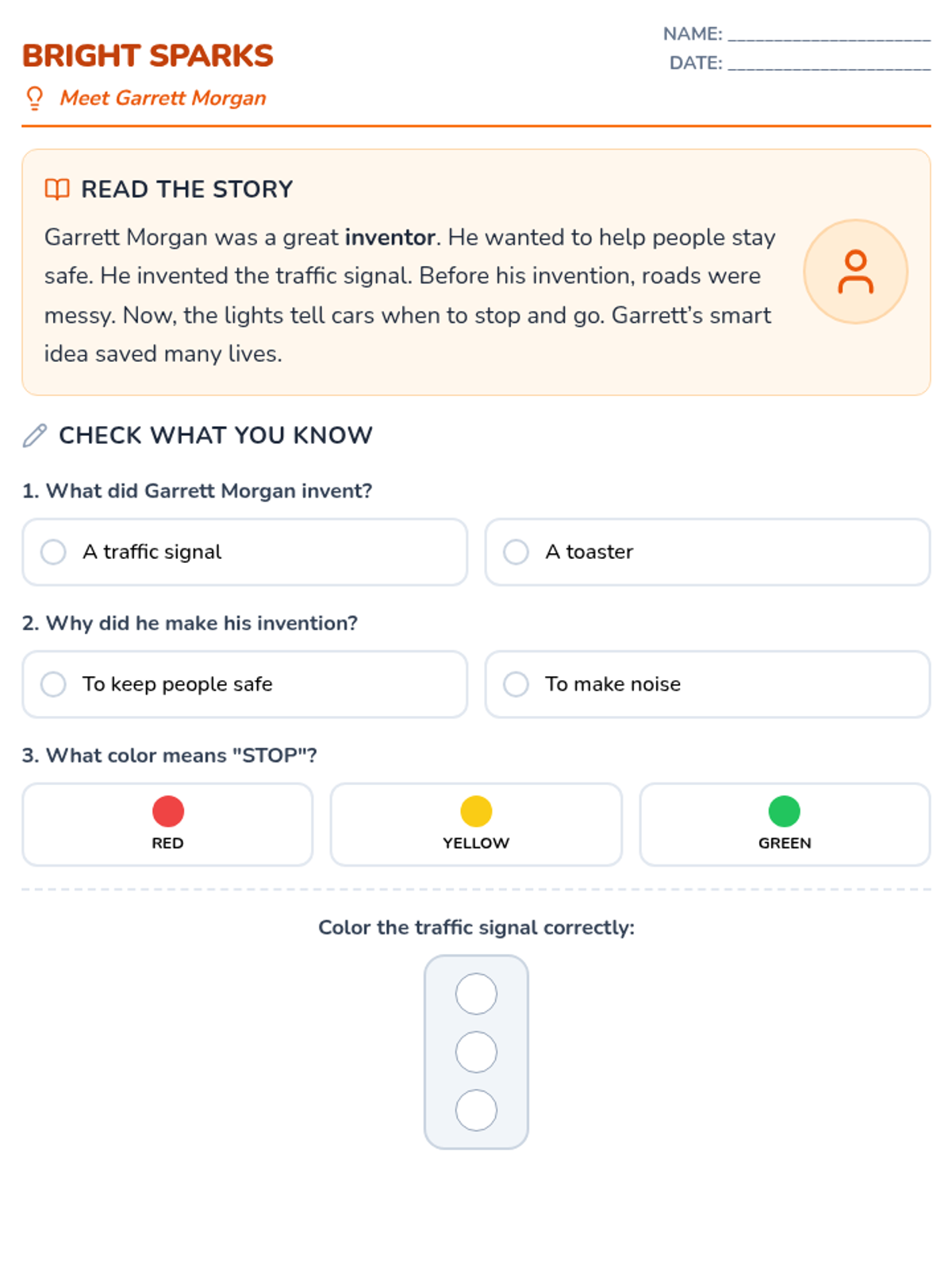
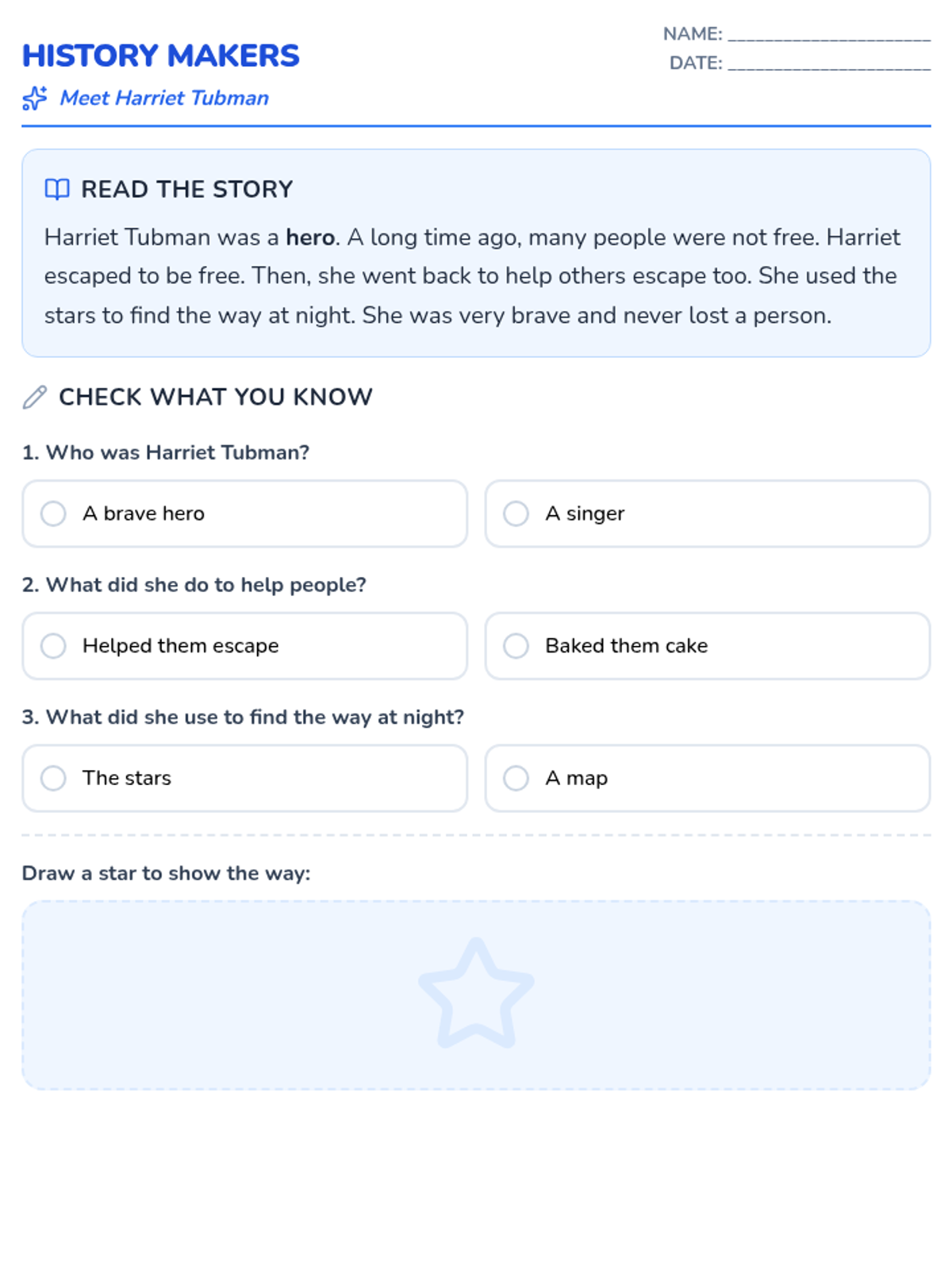
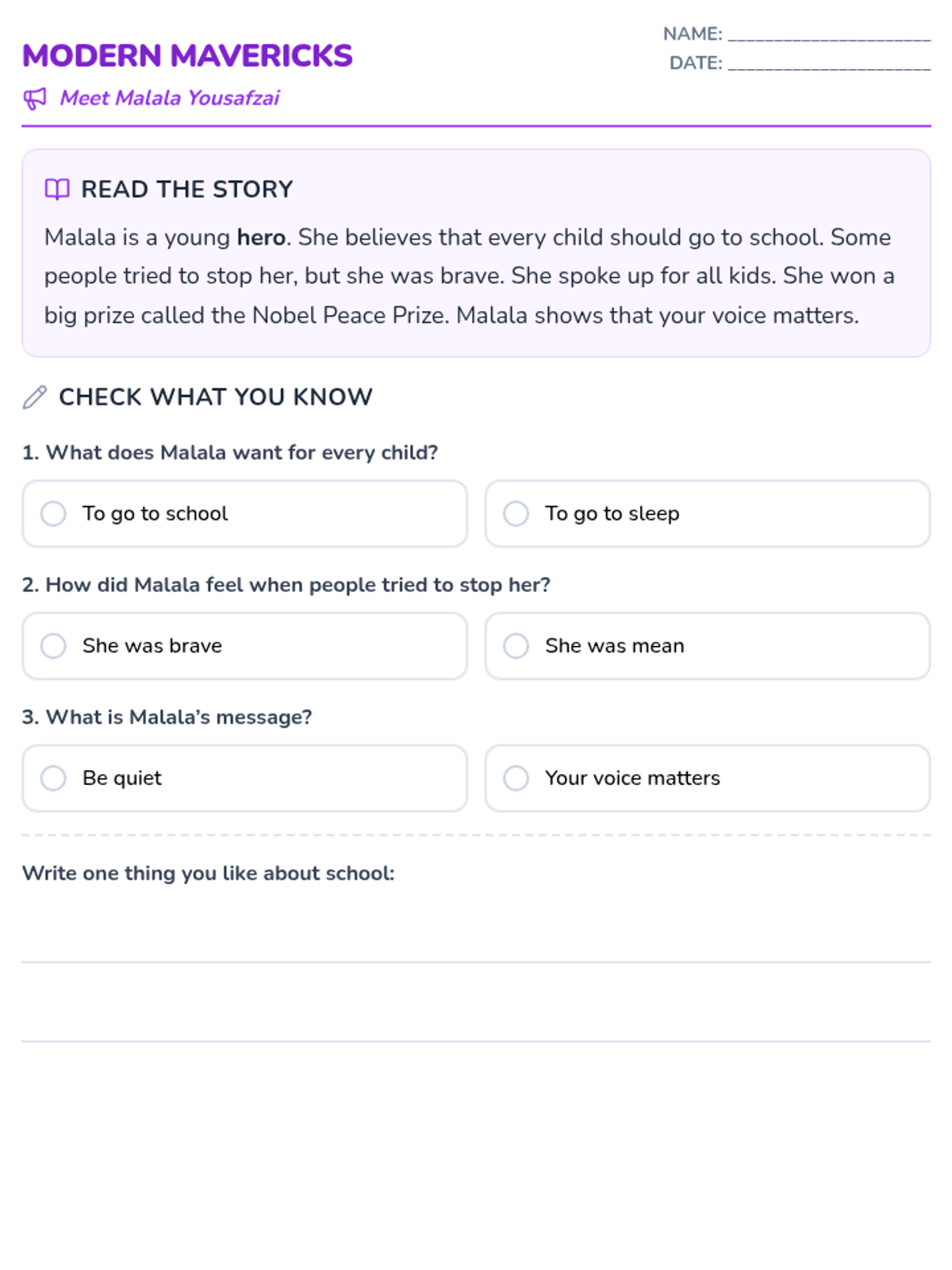
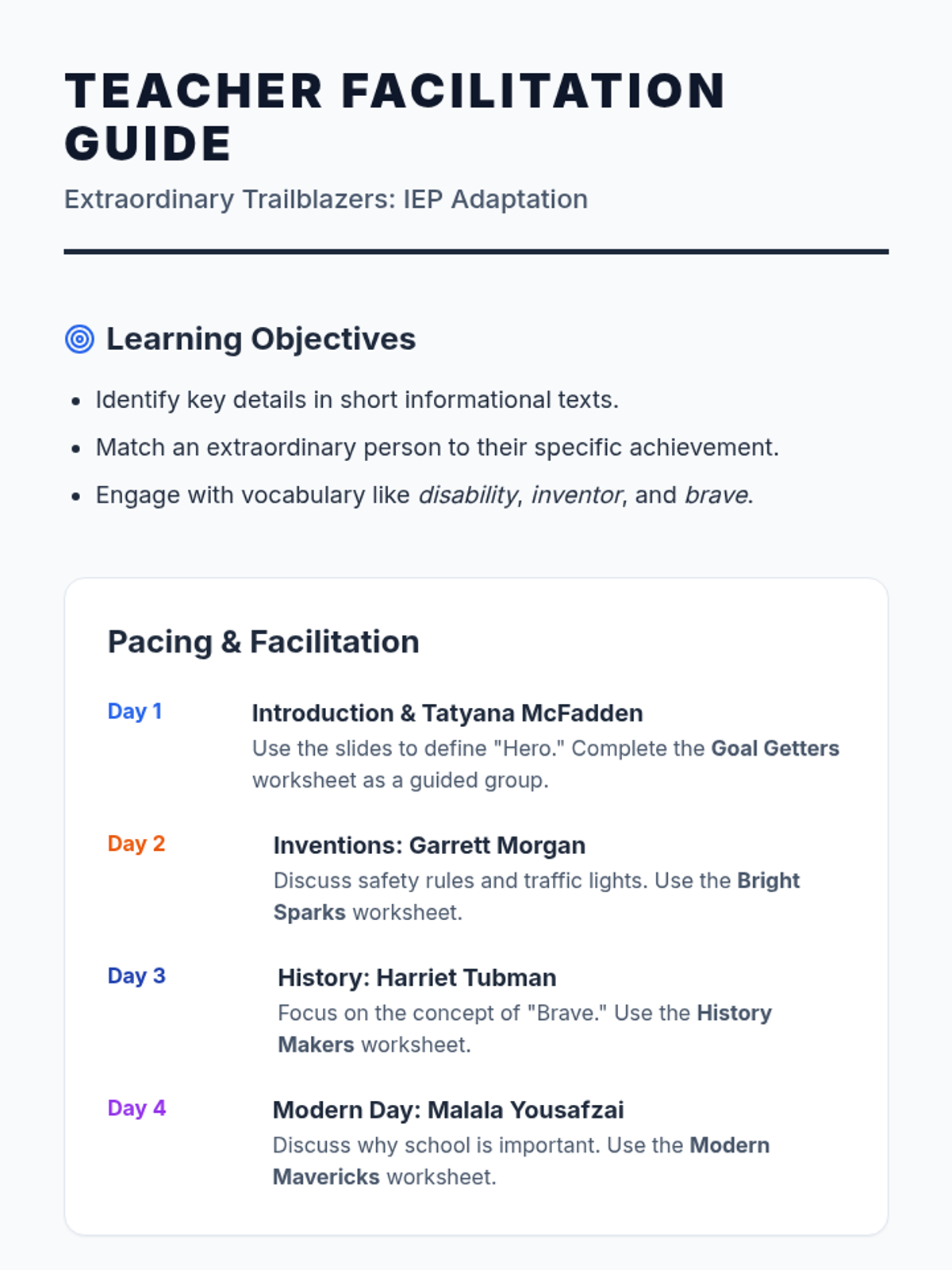
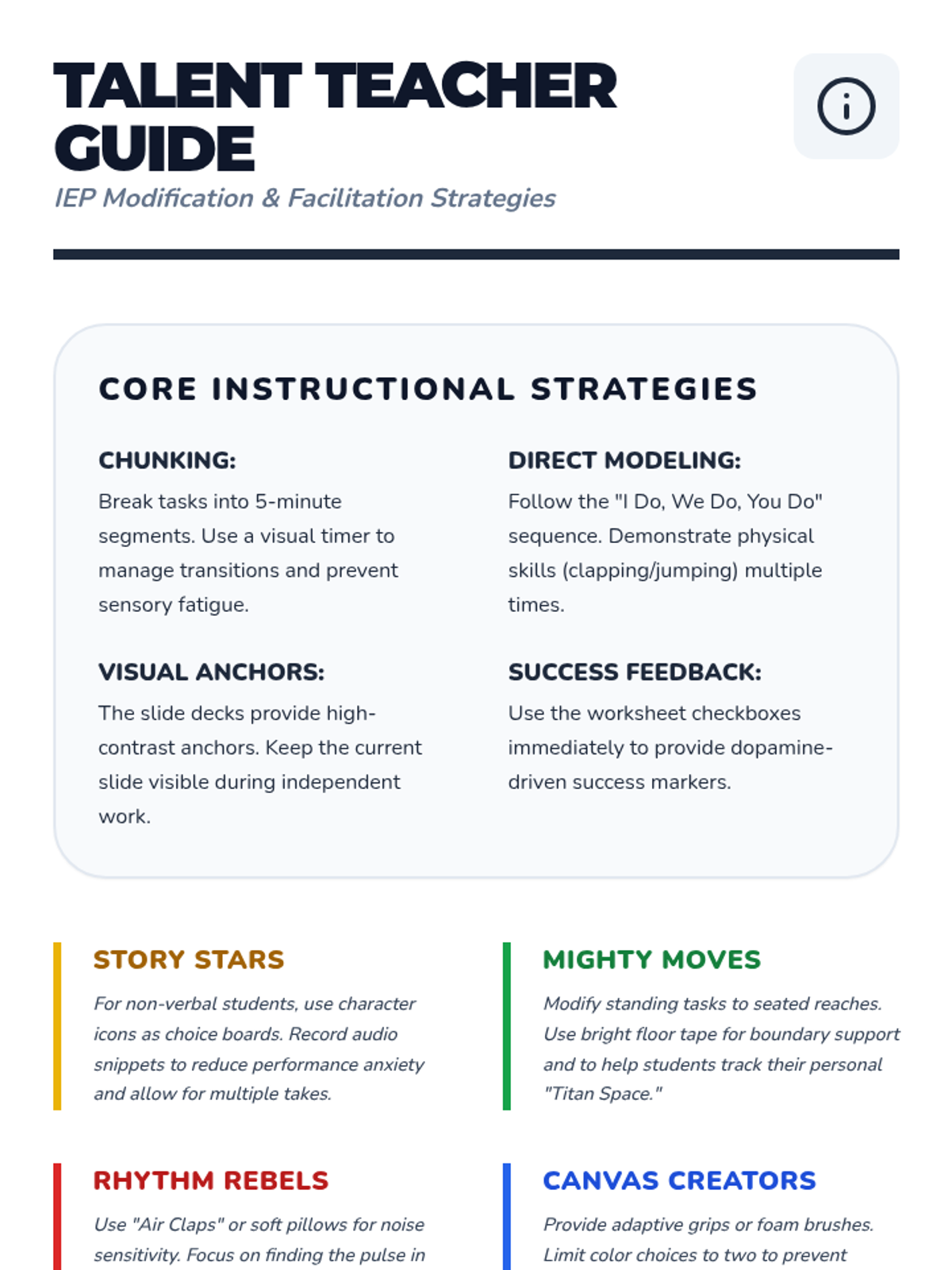
A collection of reading comprehension resources featuring diverse trailblazers, including athletes with disabilities, inventors, and historical figures, designed specifically for students with IEPs.
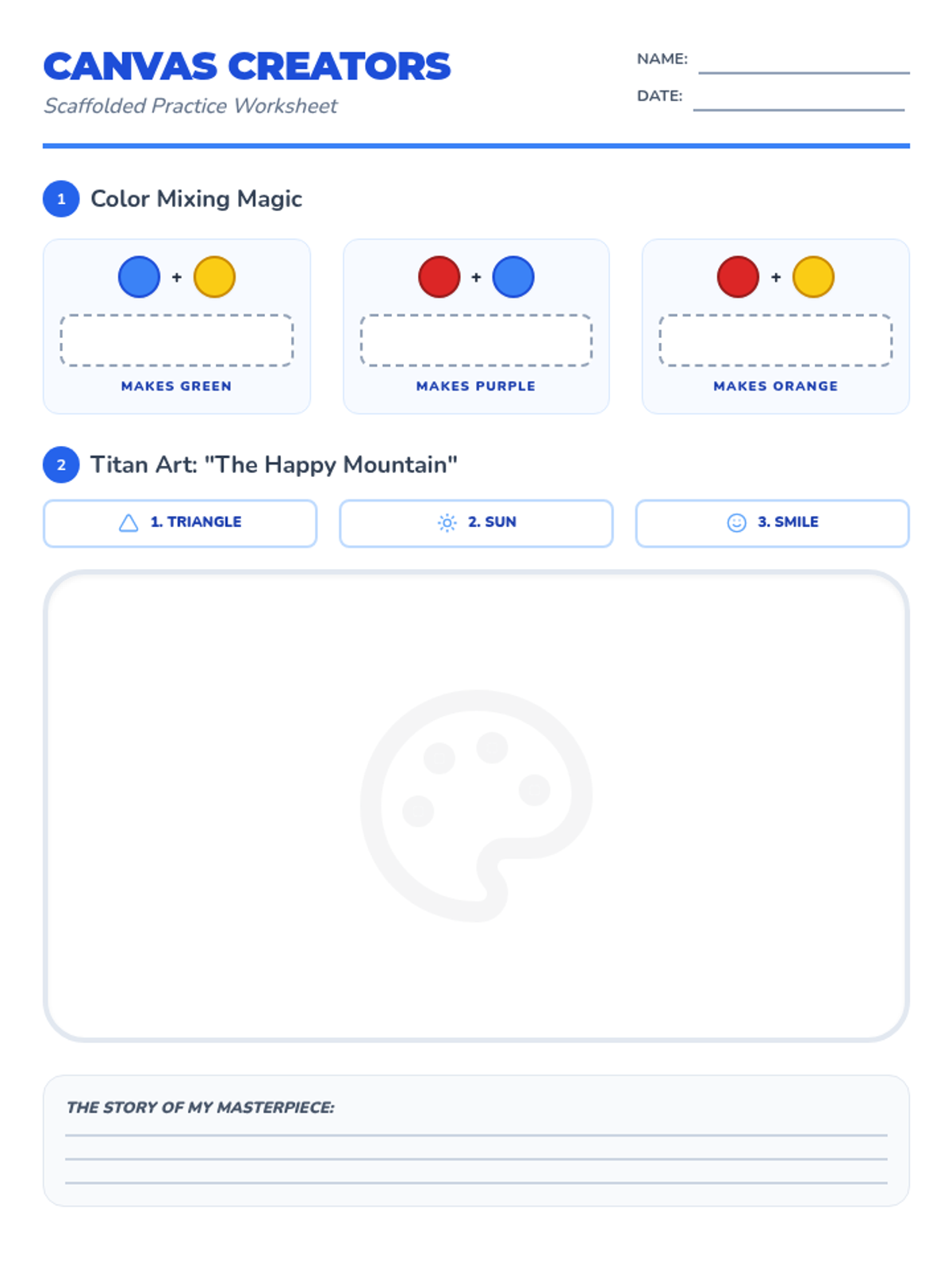
Students express themselves through visual arts by exploring color, shape, and emotion with step-by-step creative prompts.
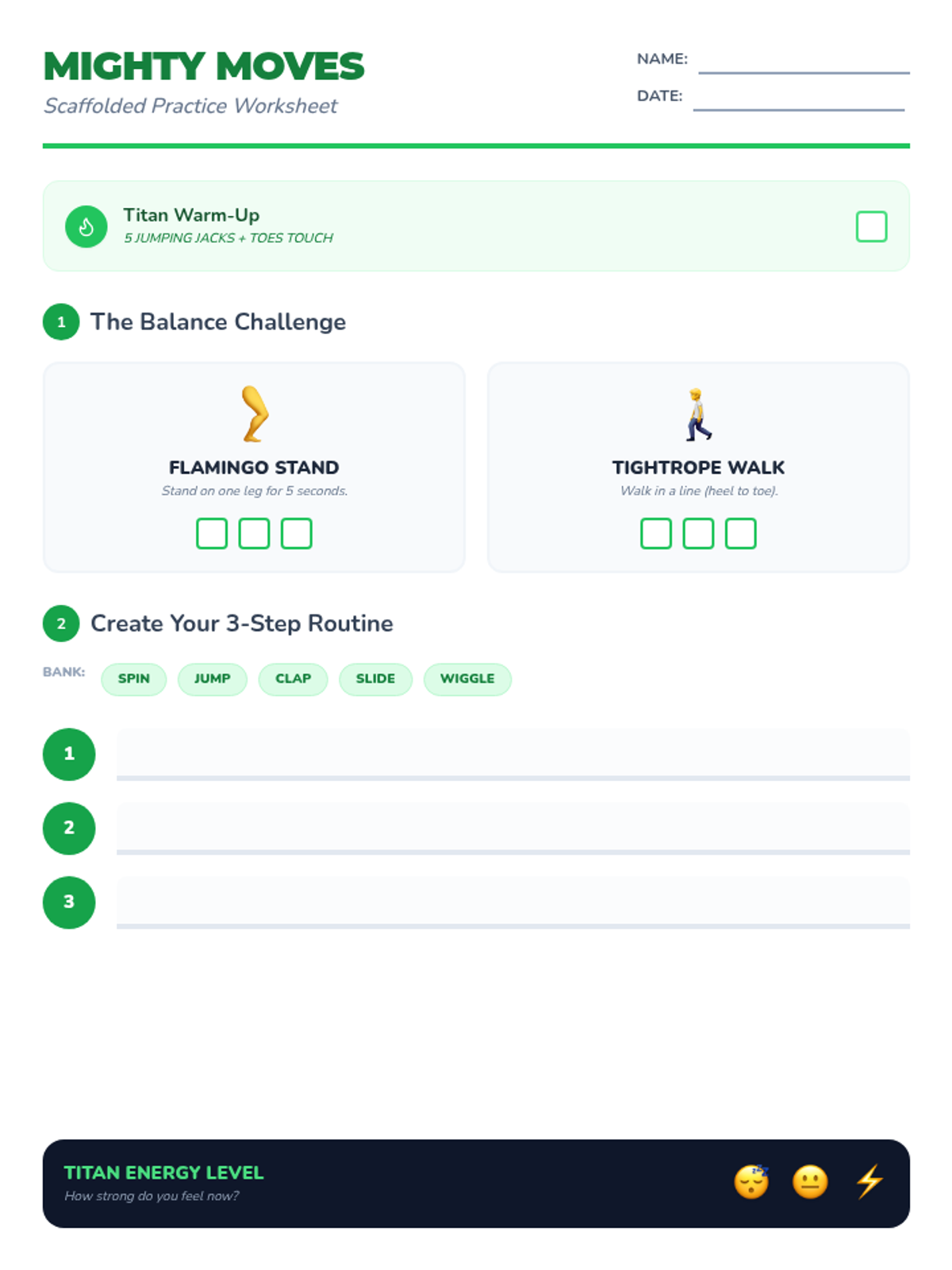
Students develop body awareness and athletic skills through guided movement sequences and balance challenges focused on motor control.
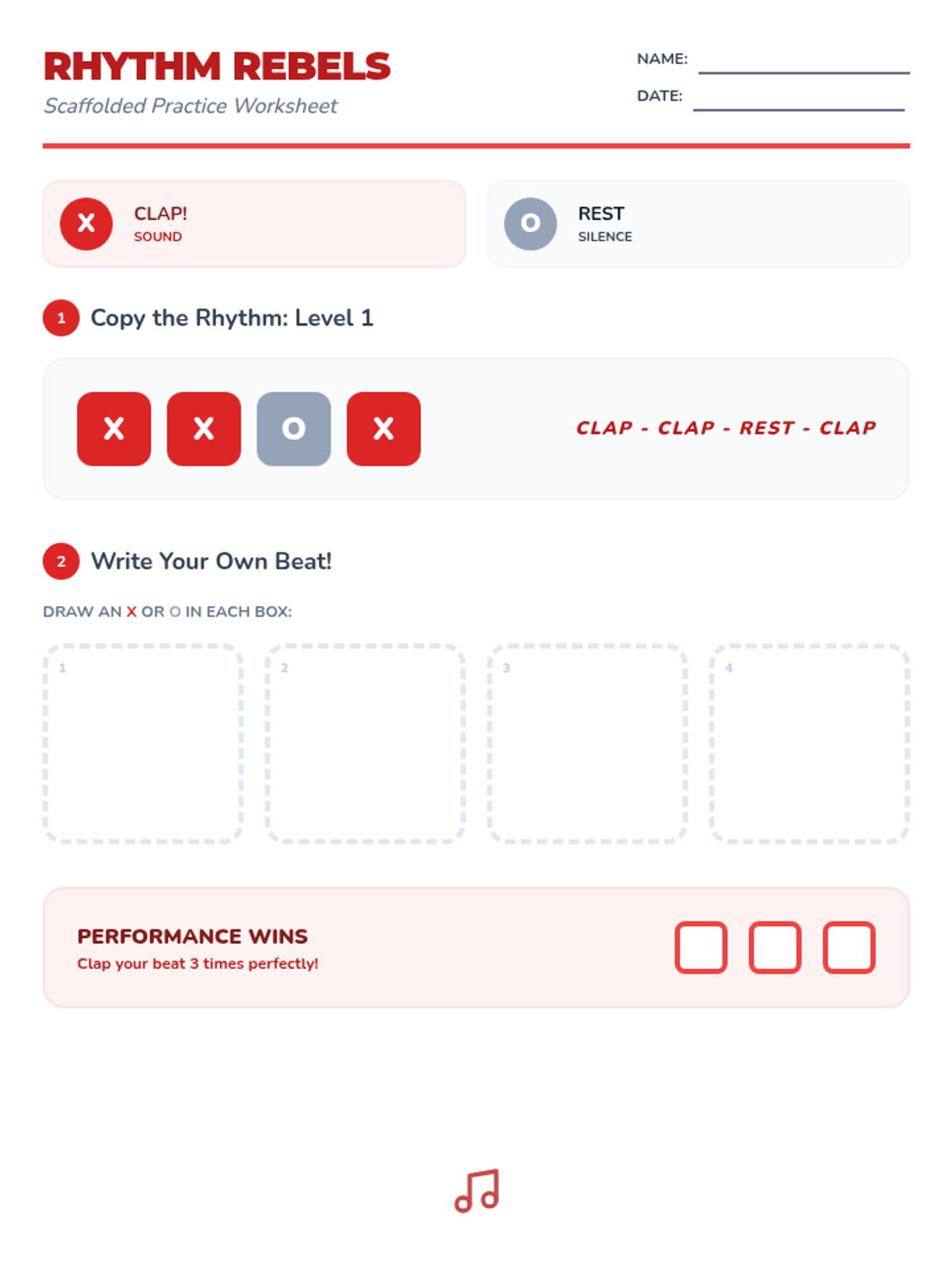
Students explore rhythm and percussion through visual beat patterns and clapping sequences designed for coordination and timing.
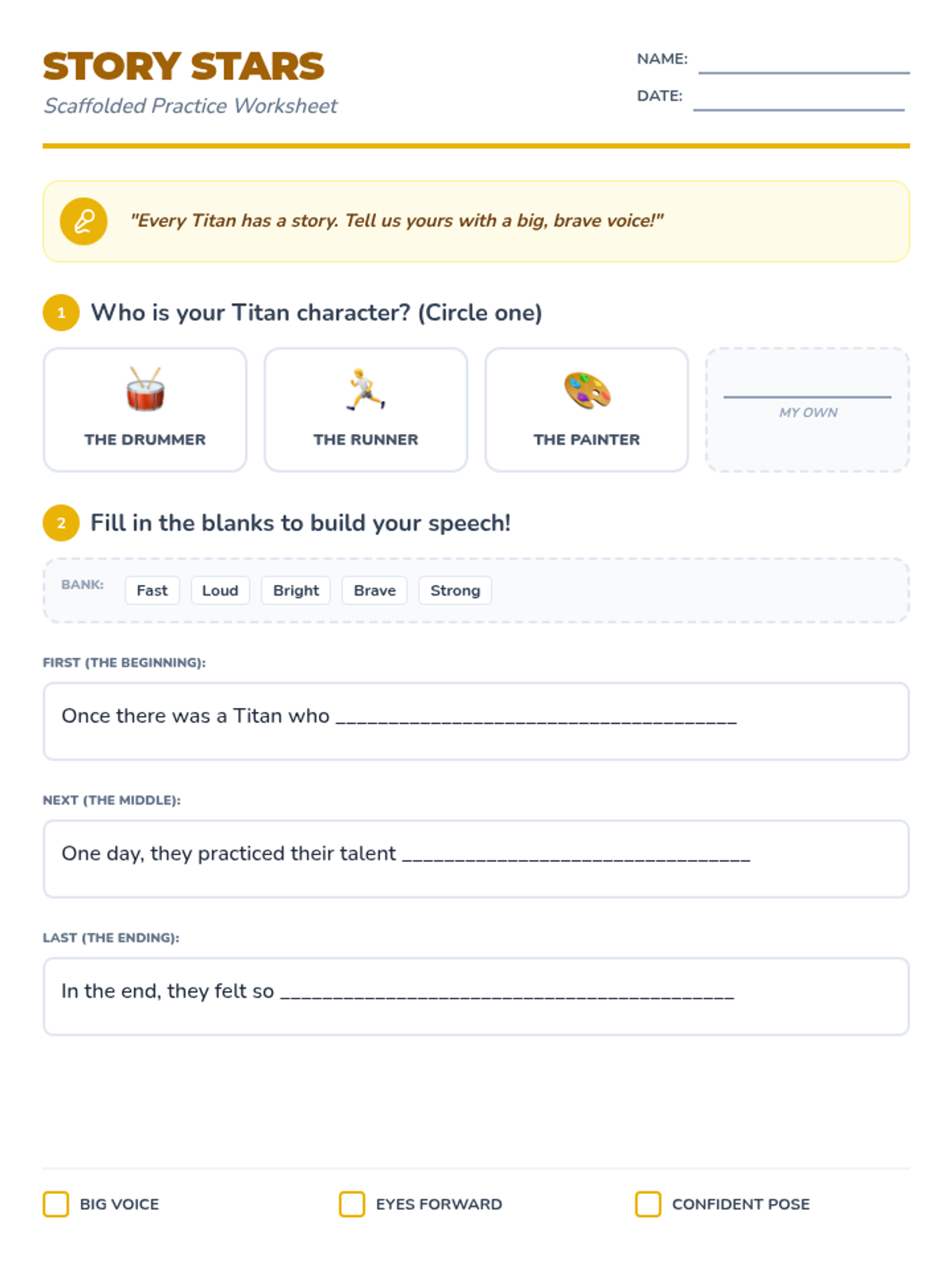
Students learn the basics of storytelling and public speaking using a simple "First, Next, Last" framework and visual prompts to build confidence.
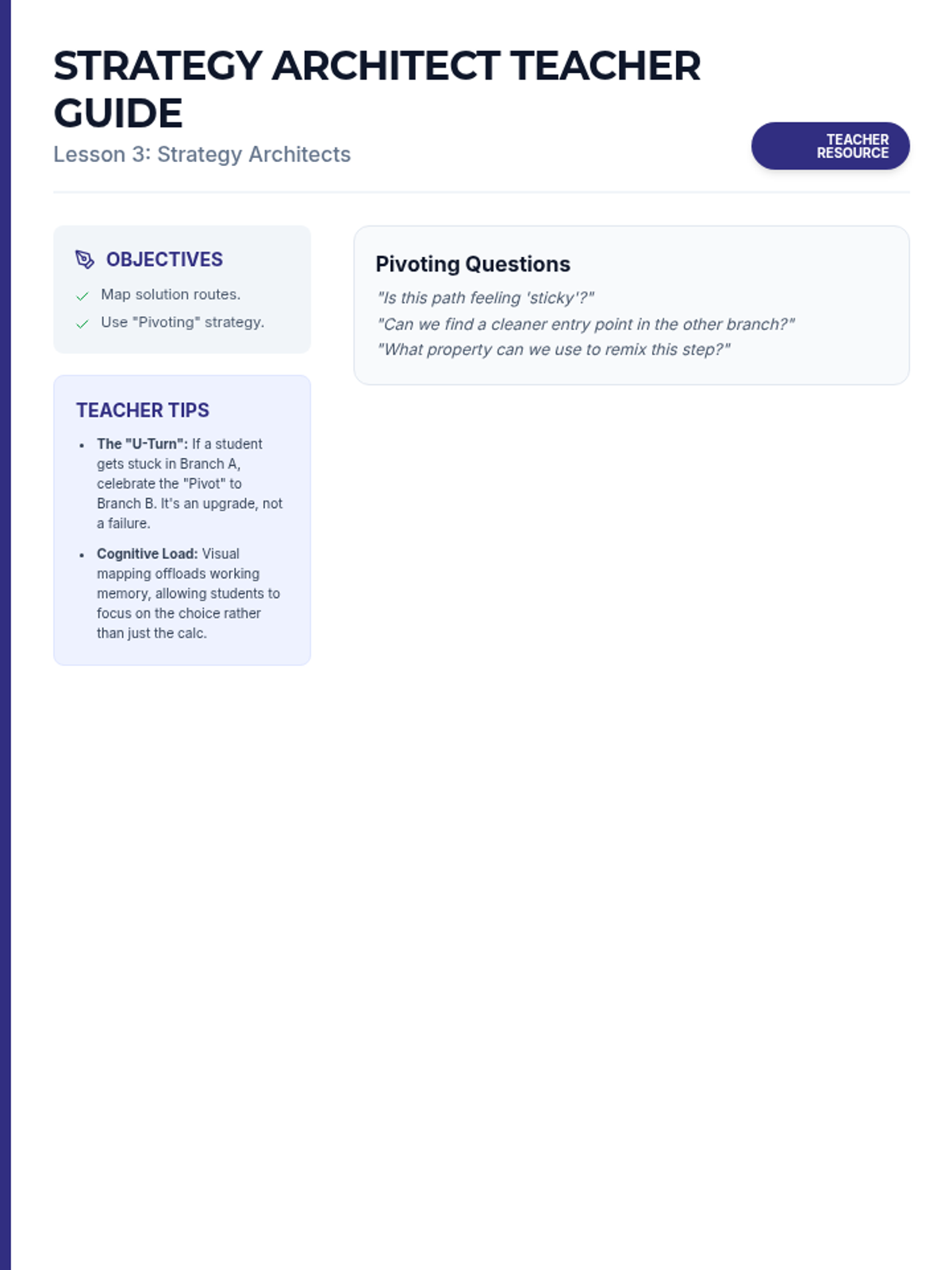
Synthesizes flexible thinking into multi-step problems, using visual graphic organizers to map out different routes to the same solution.
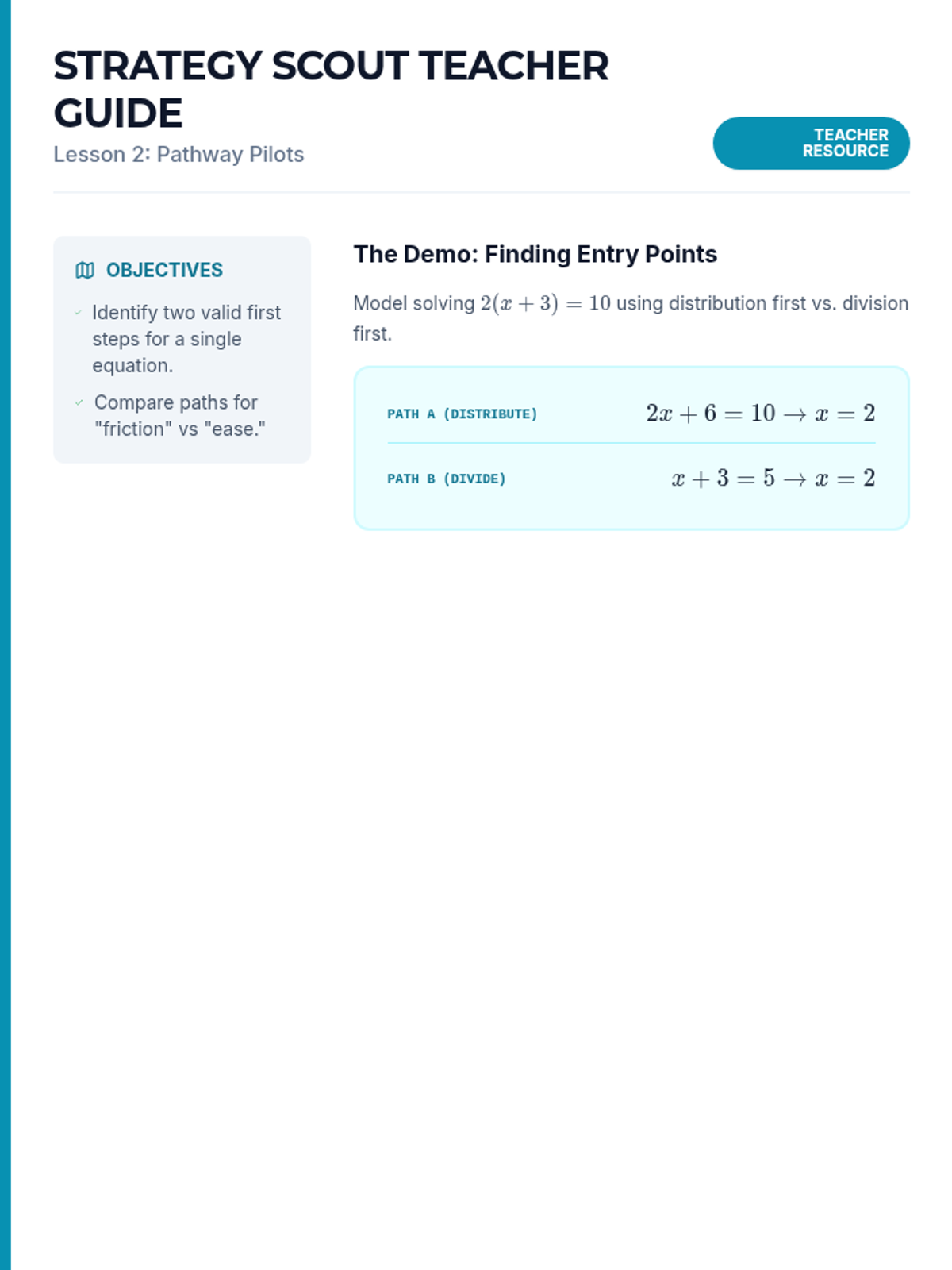
Focuses on the 'first step' of algebra equations, demonstrating that there are multiple valid ways to begin a problem.
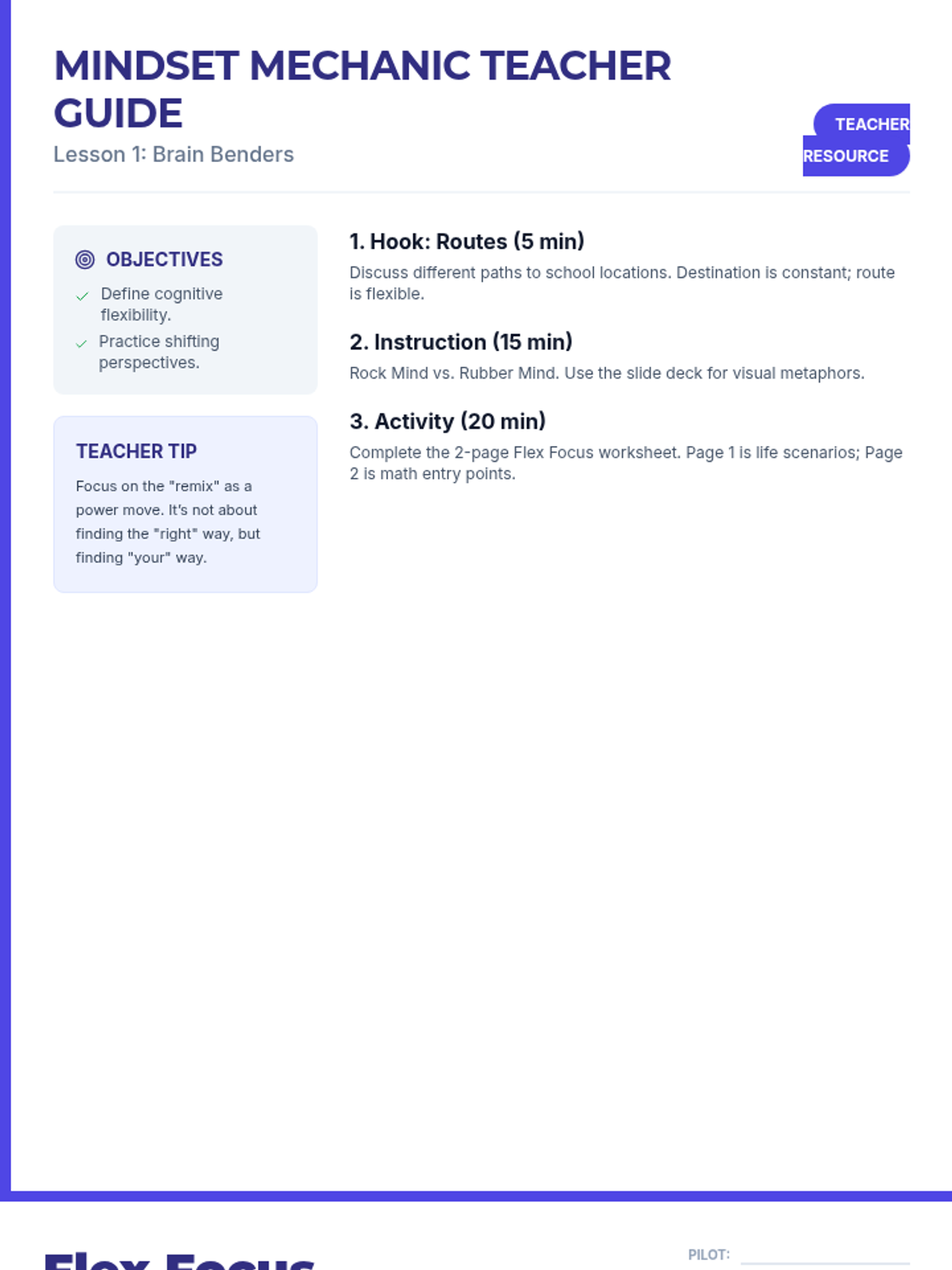
Introduction to the concept of cognitive flexibility using real-world analogies, helping students understand that 'different' doesn't mean 'wrong.'
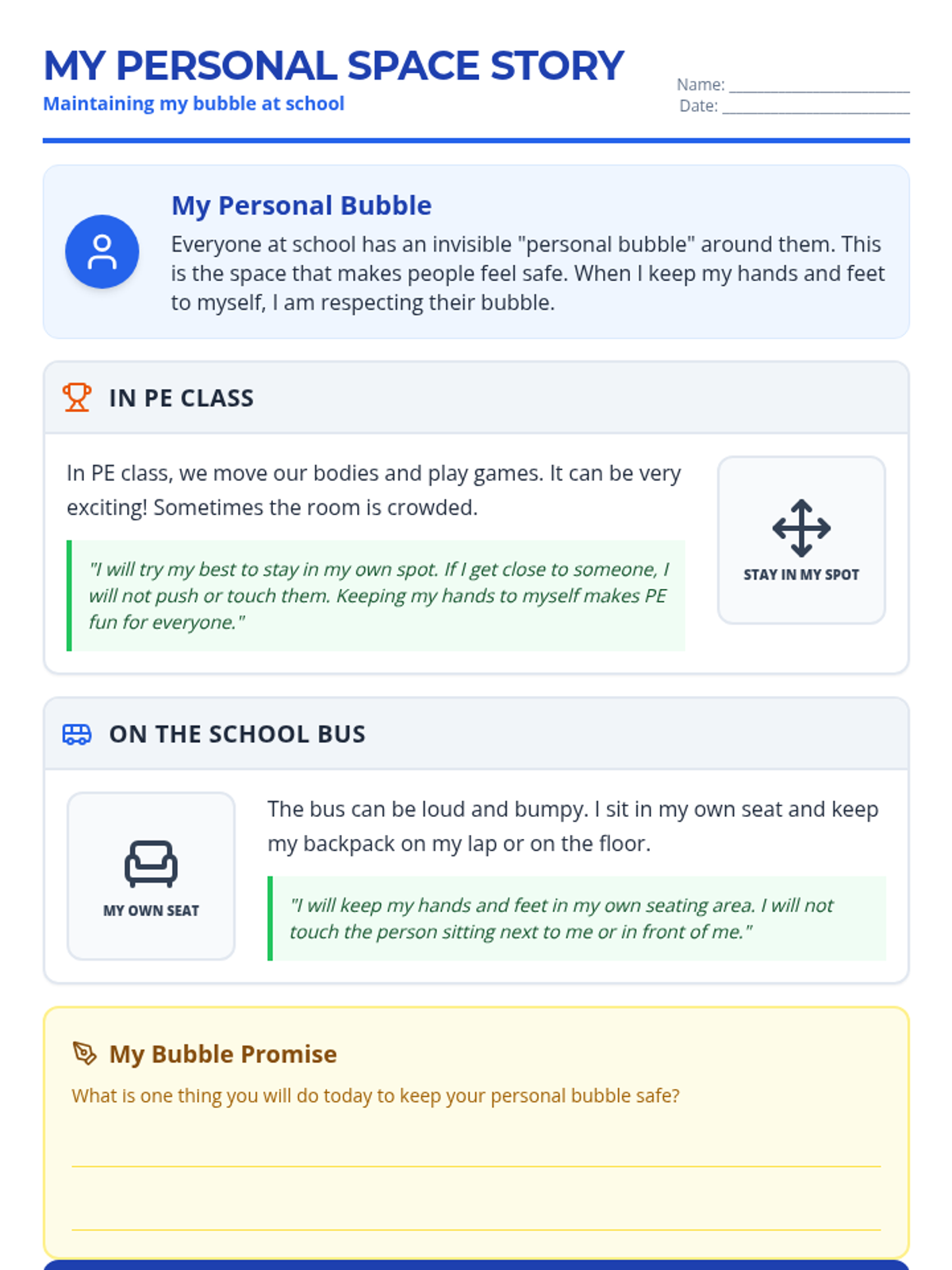
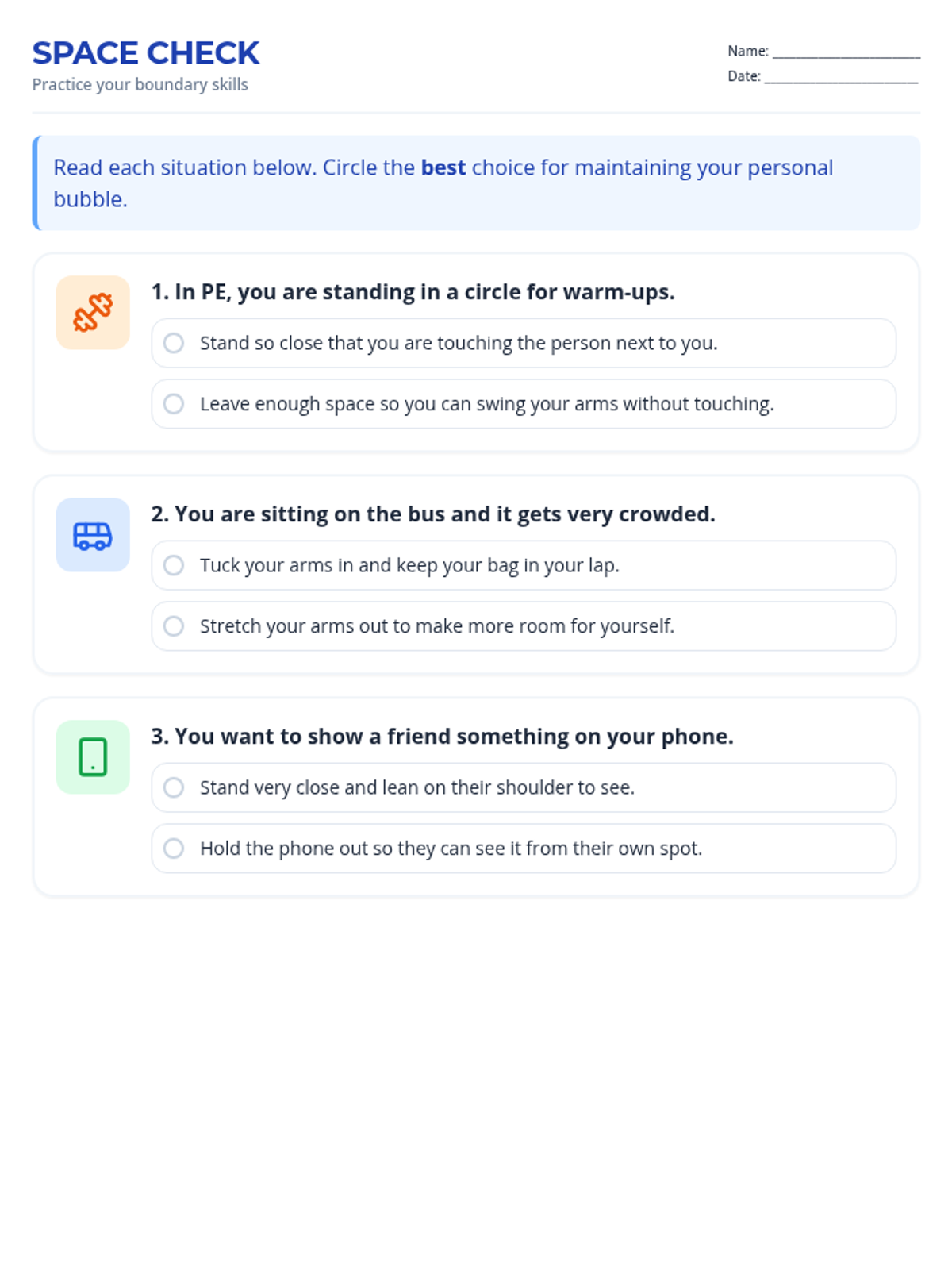
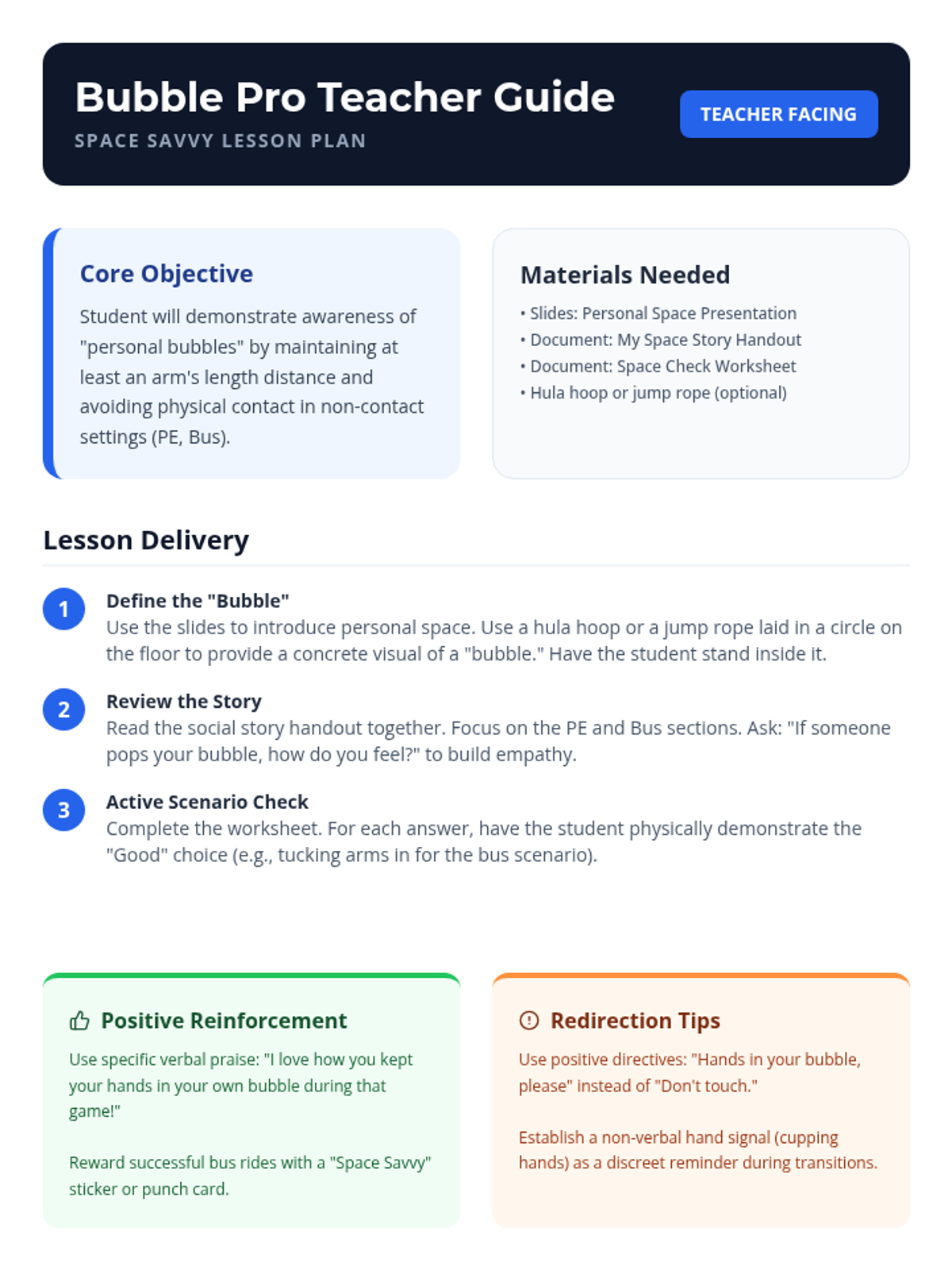
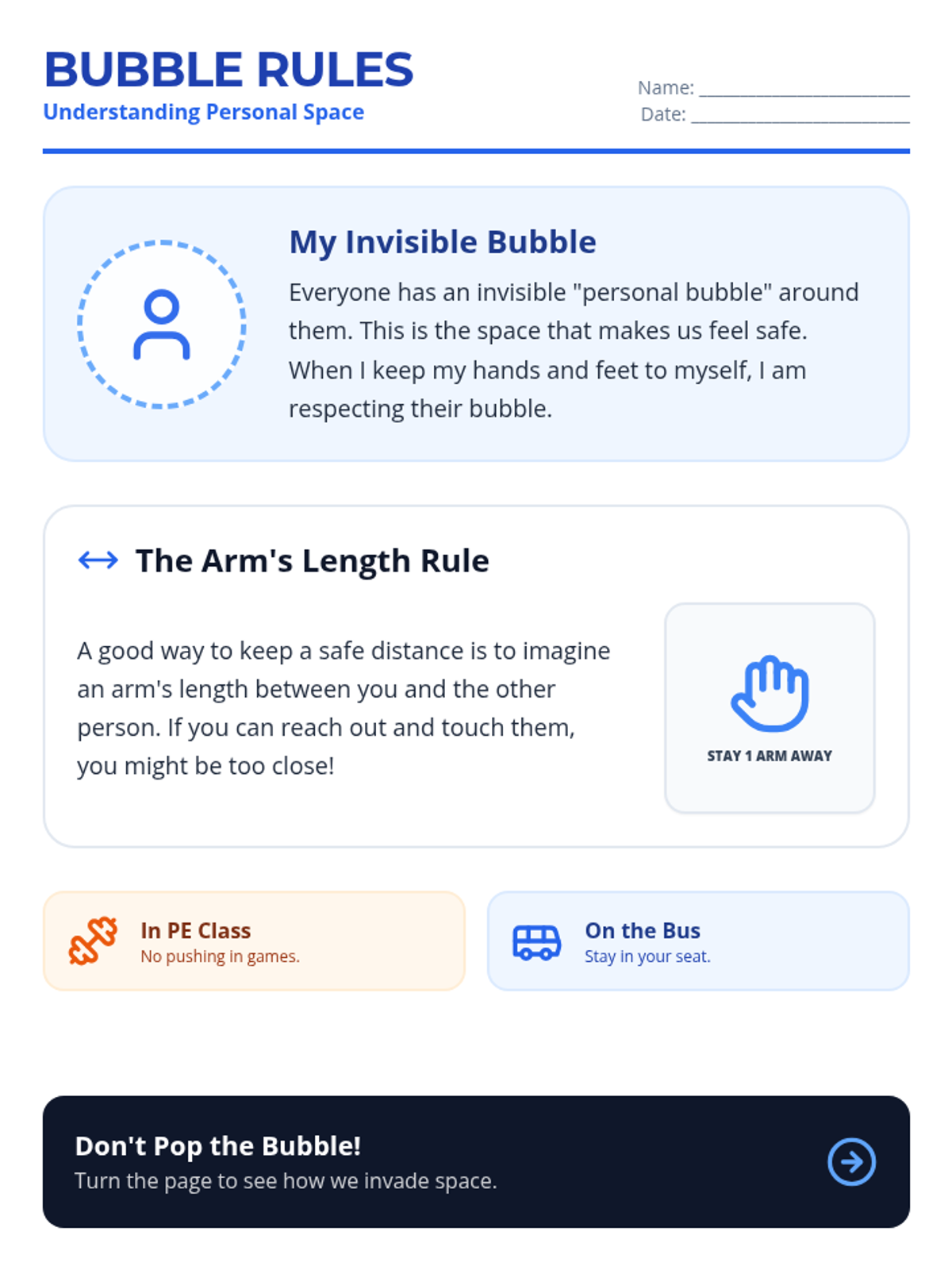
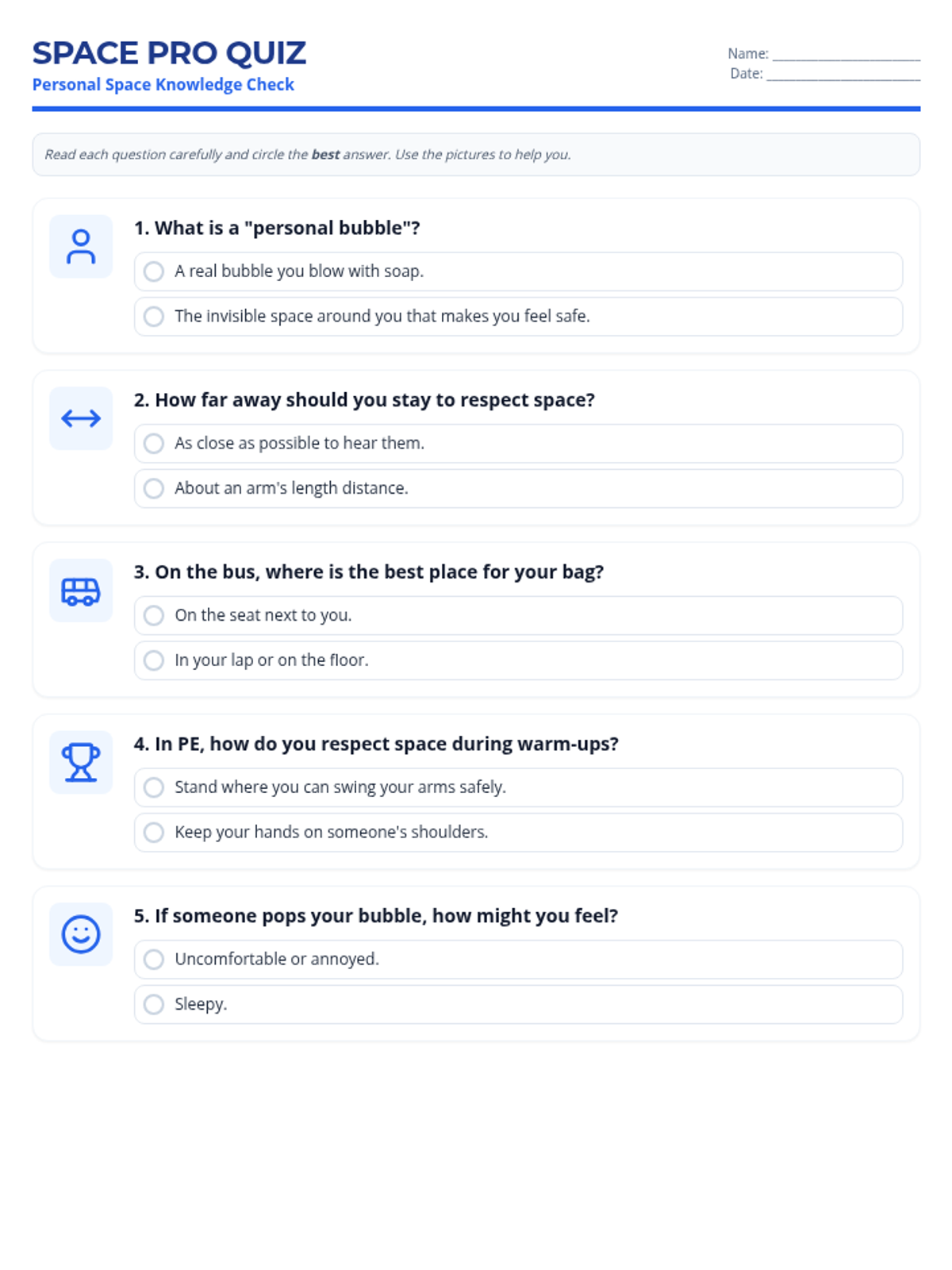
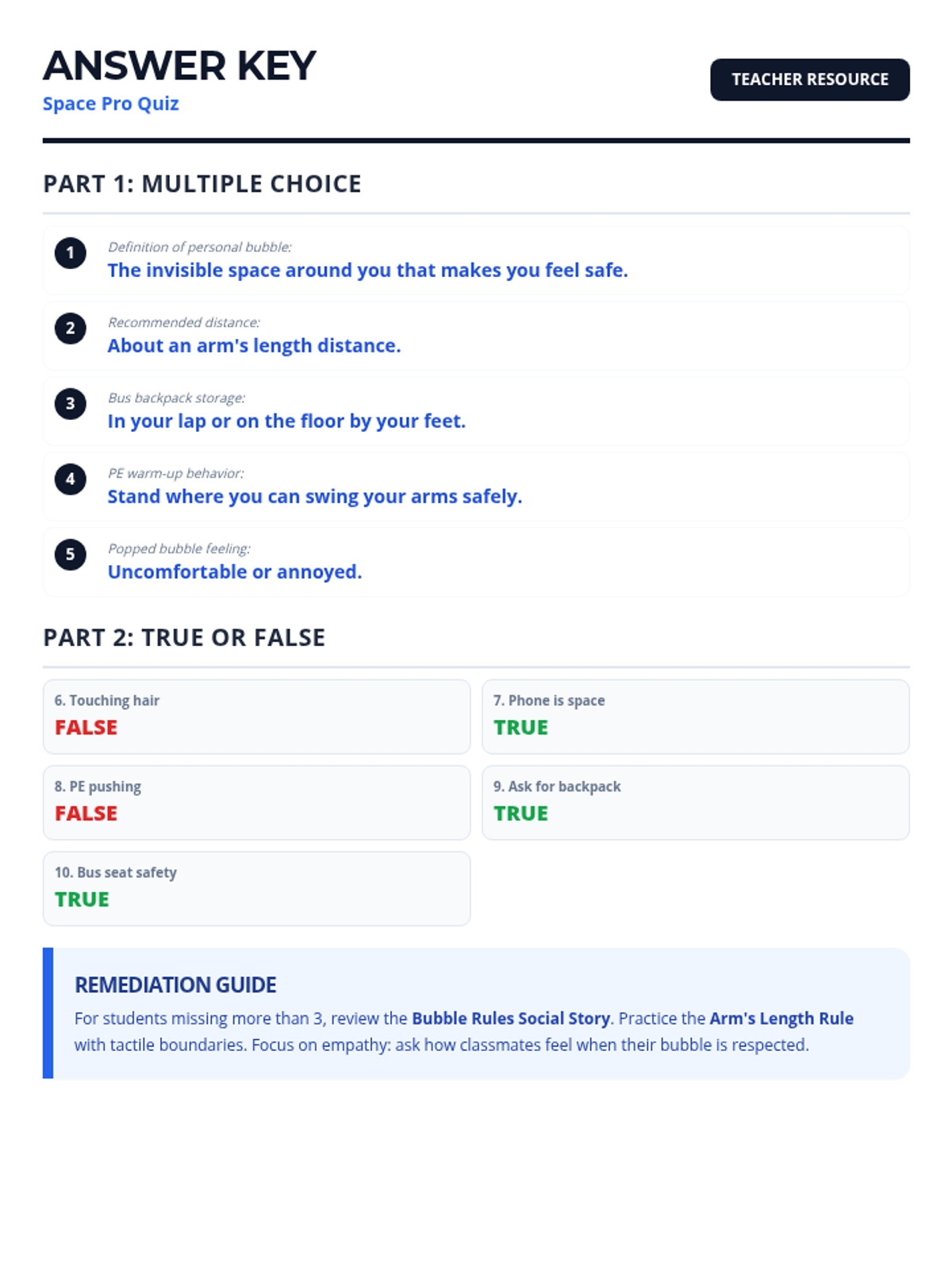
A lesson focused on helping high school students understand and maintain personal space in specific school environments like PE class and the bus.
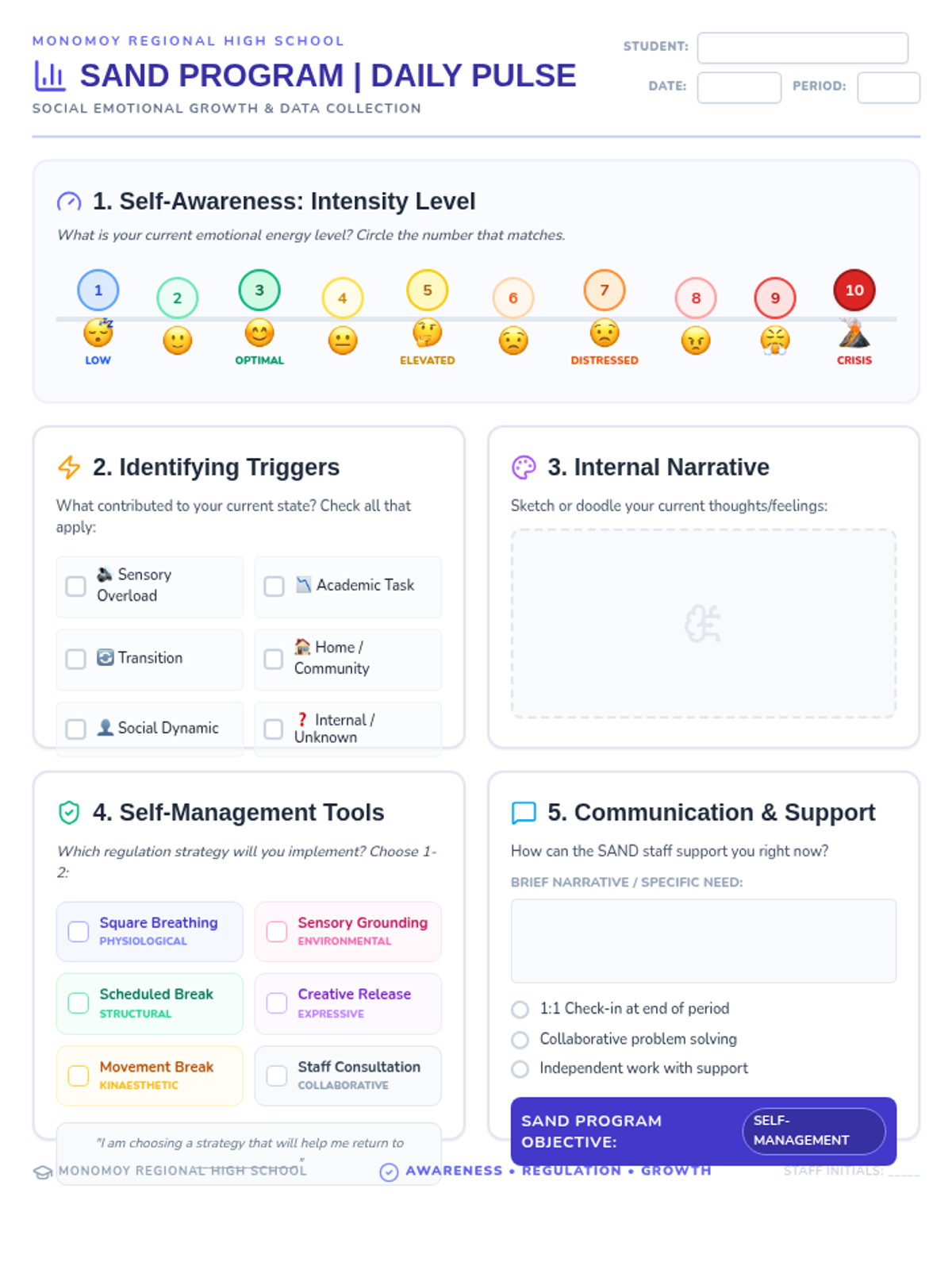
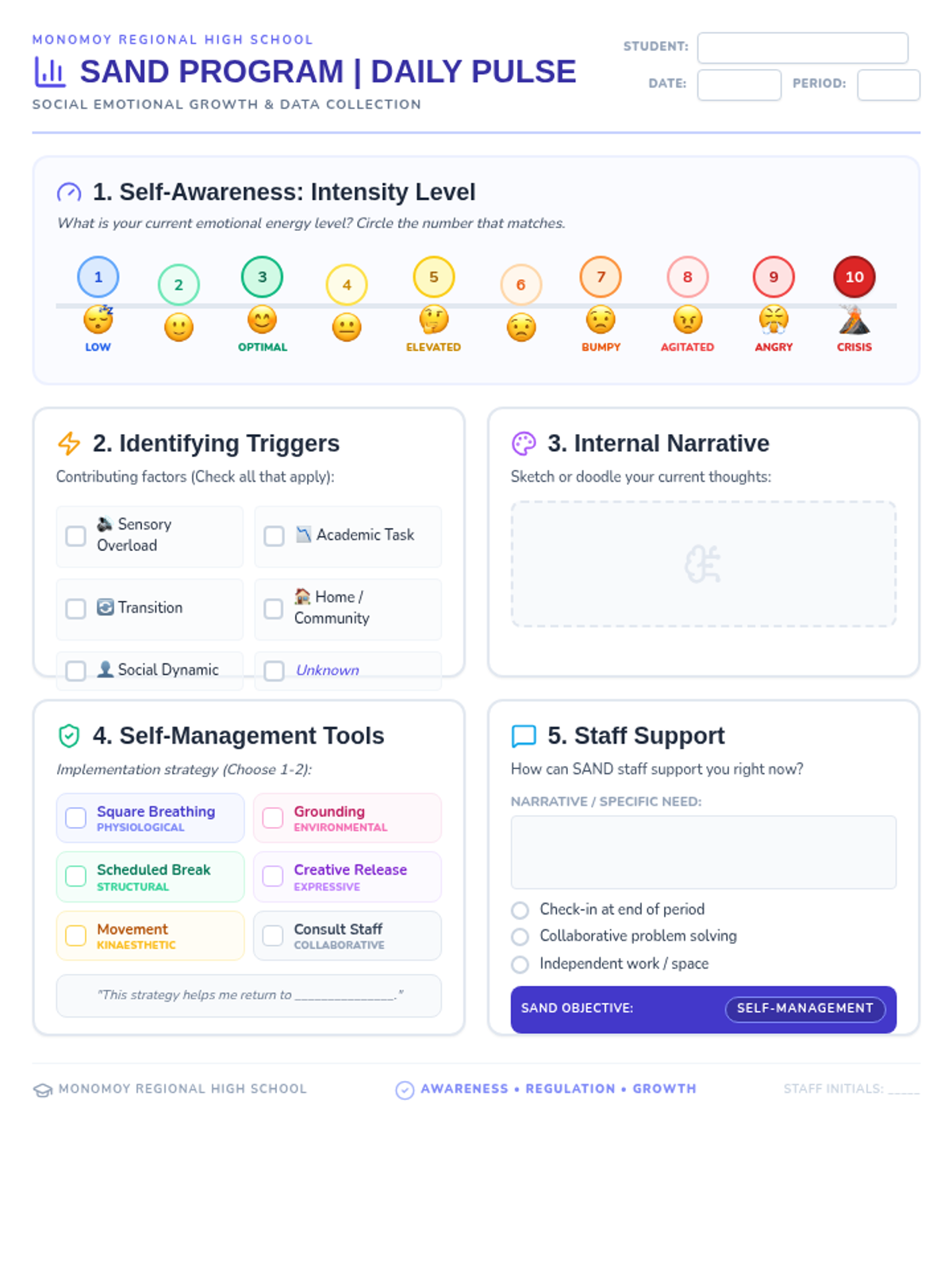
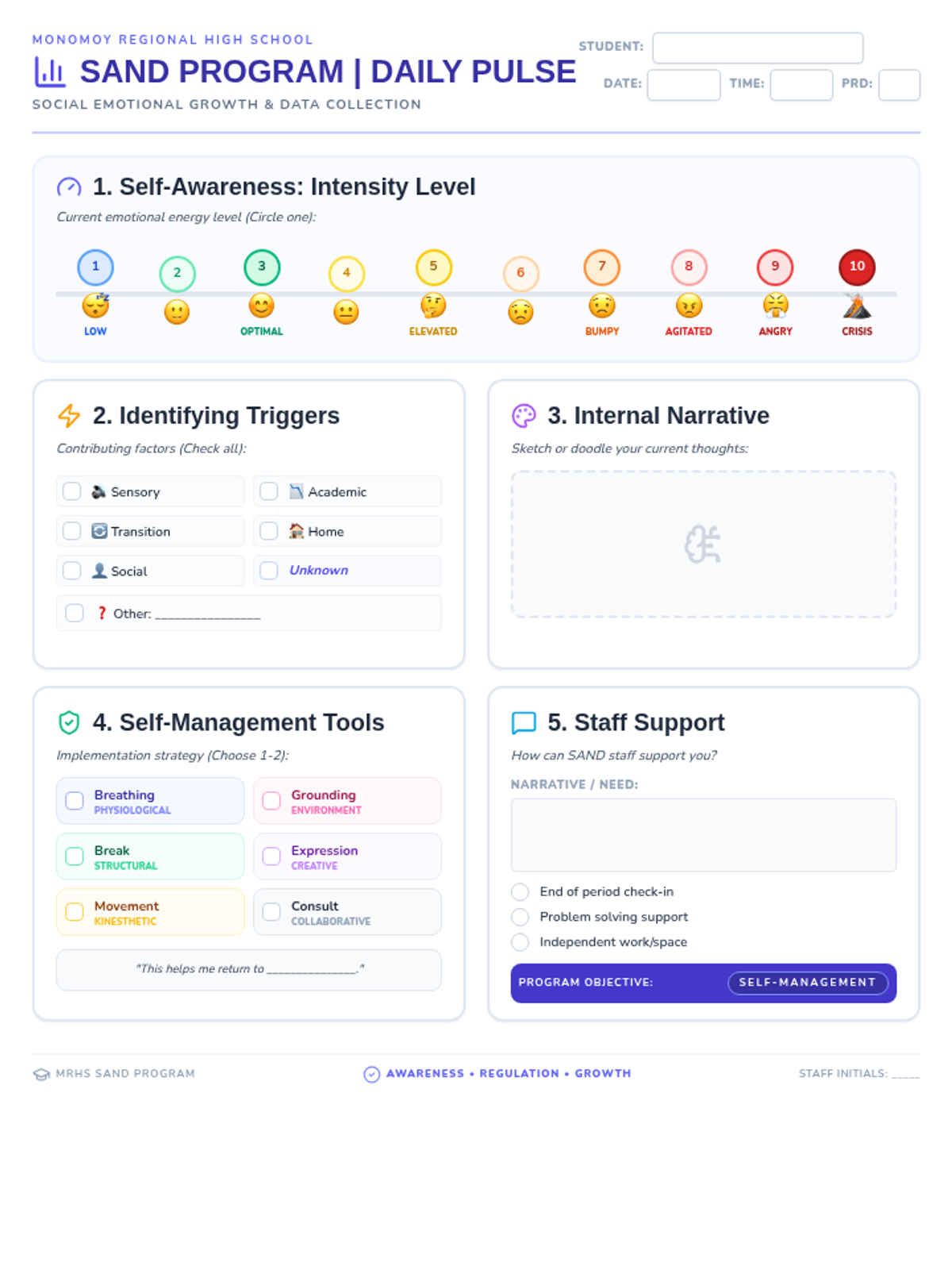
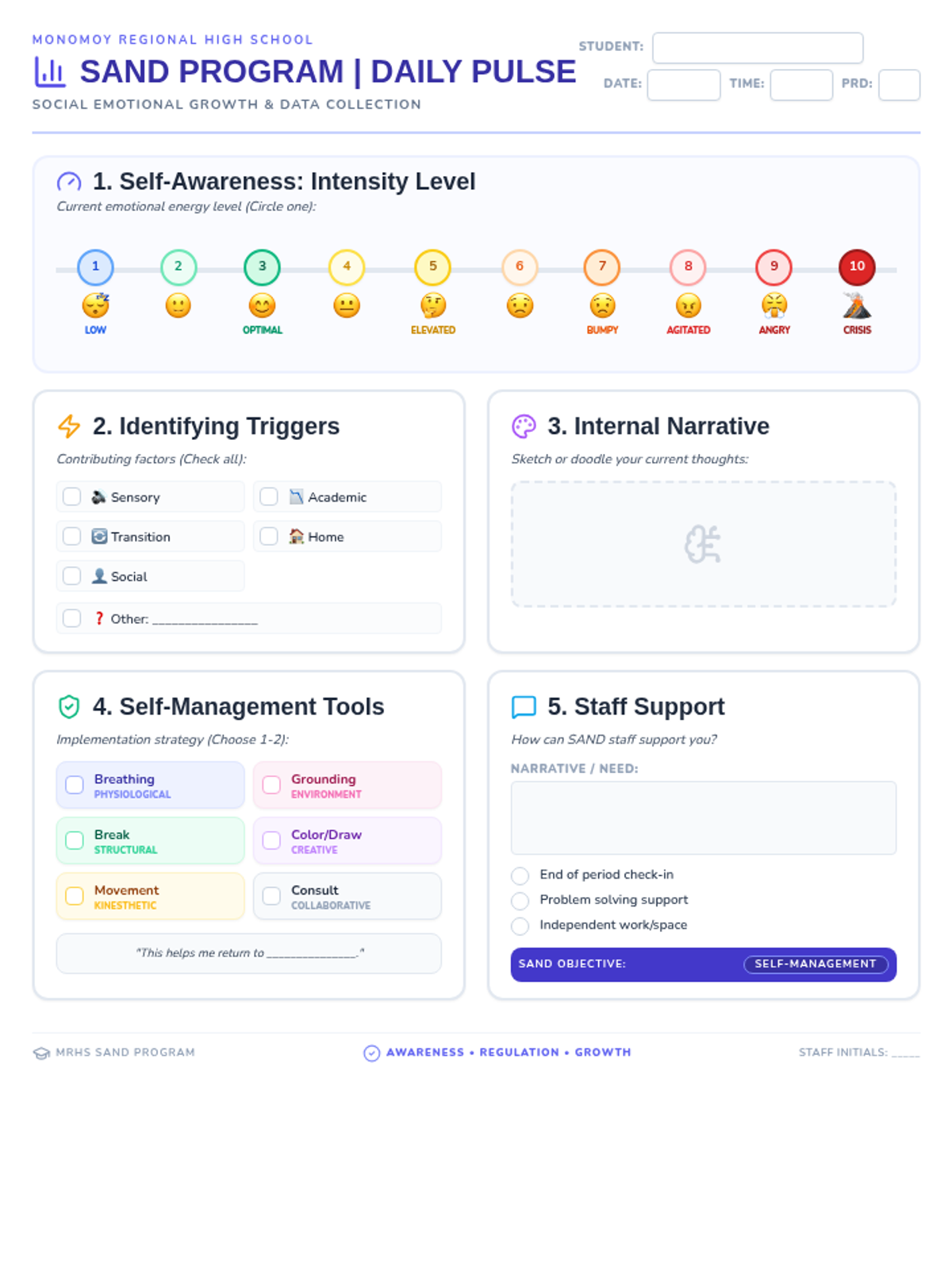
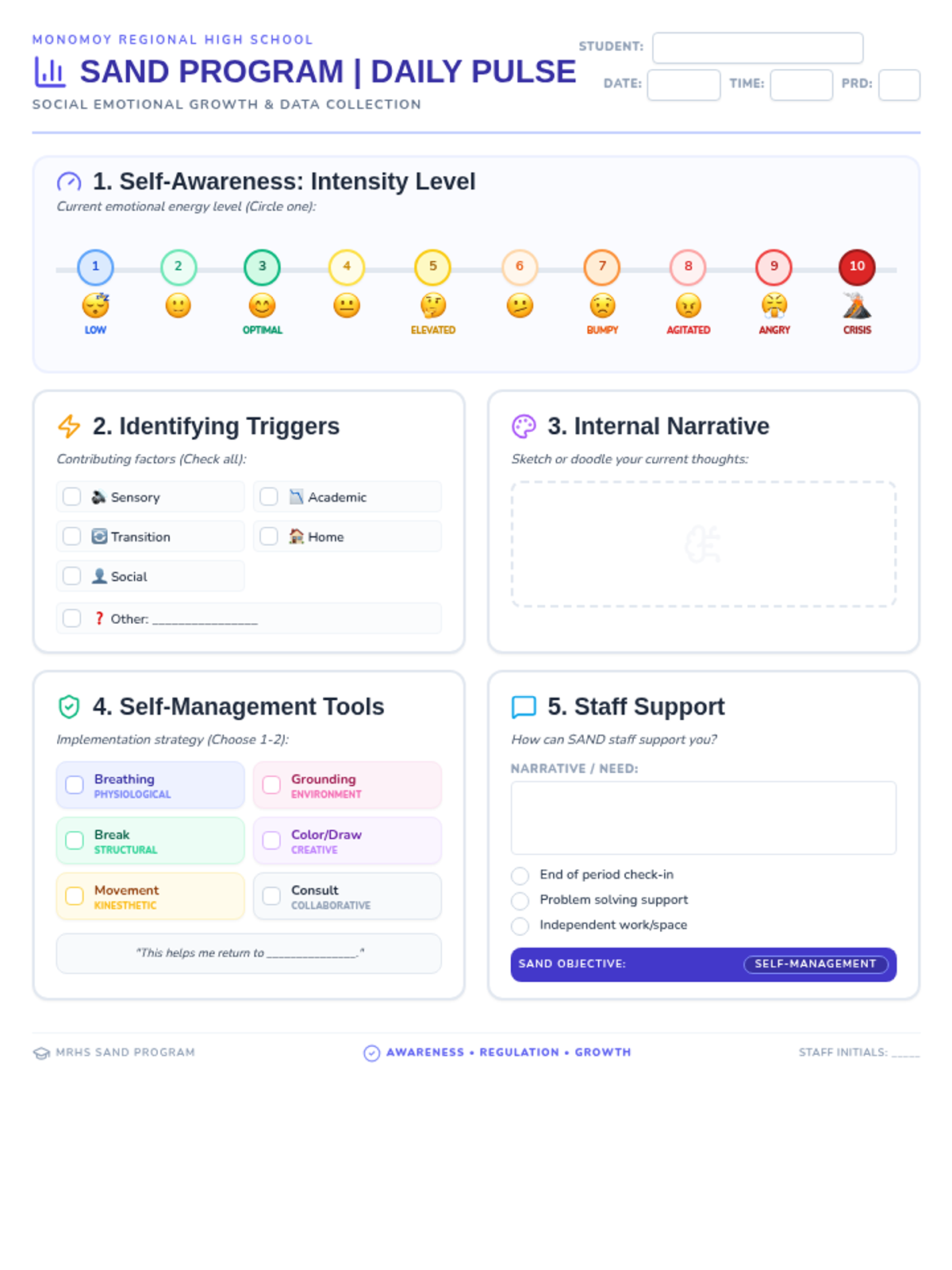
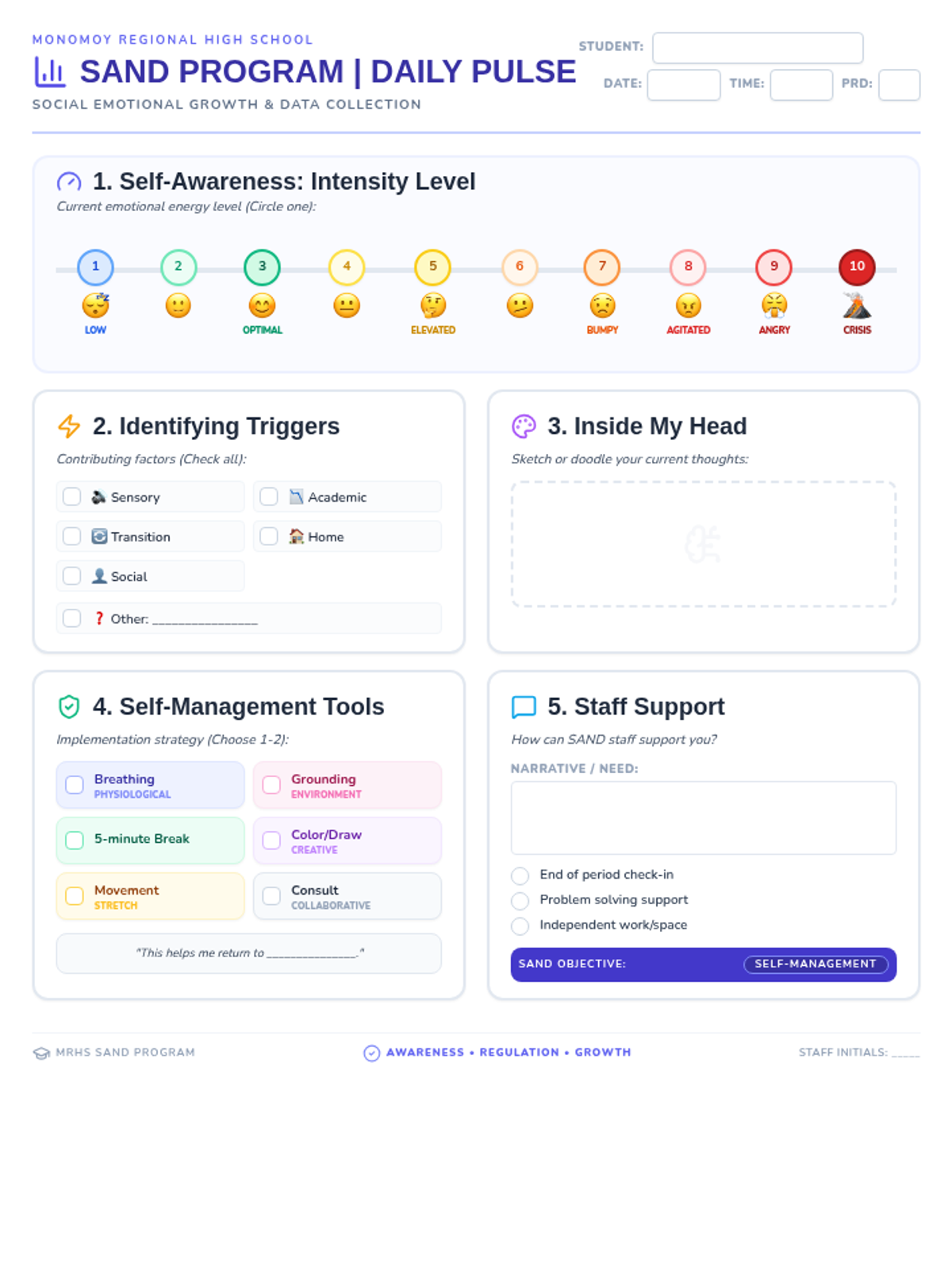
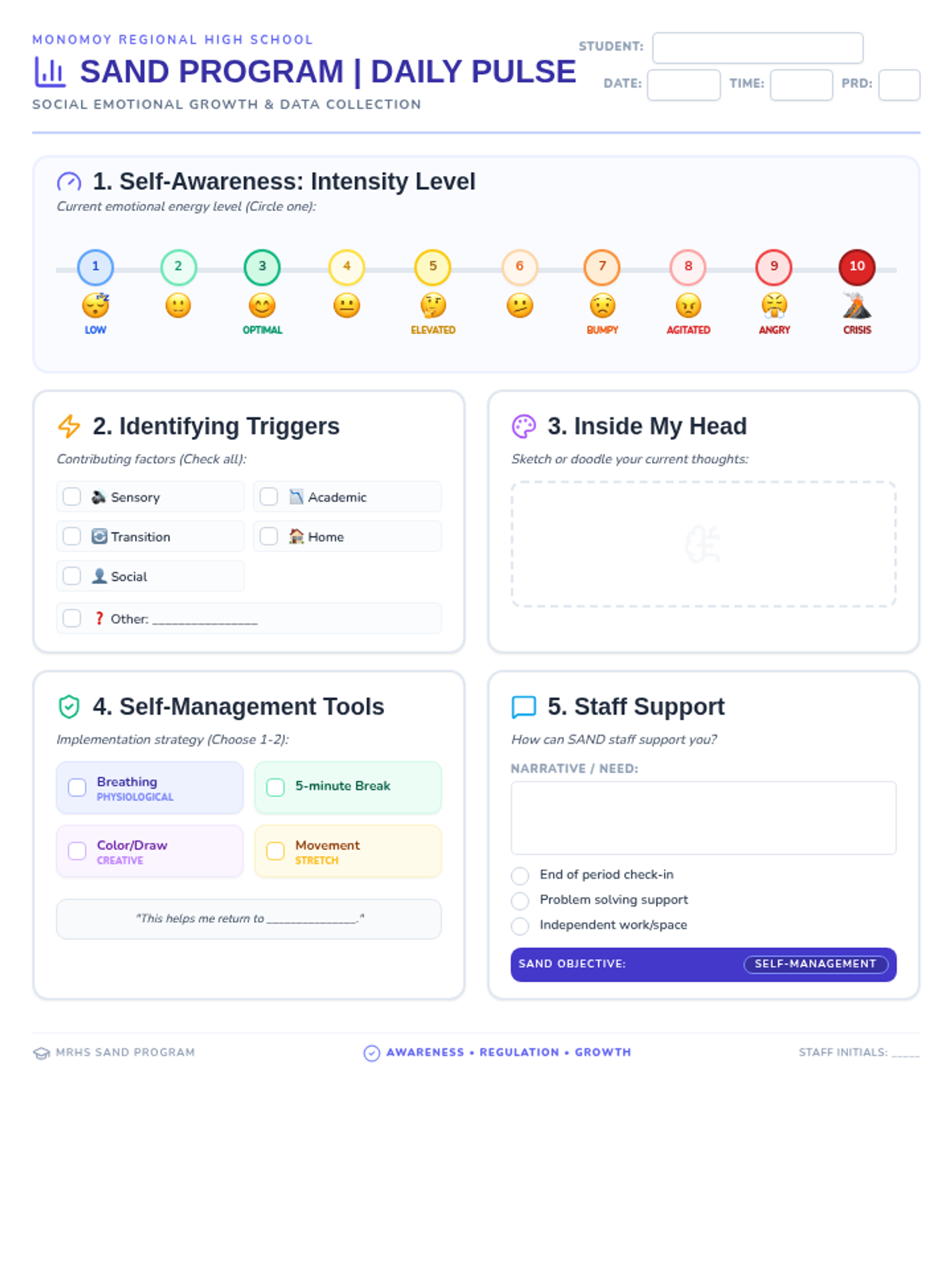
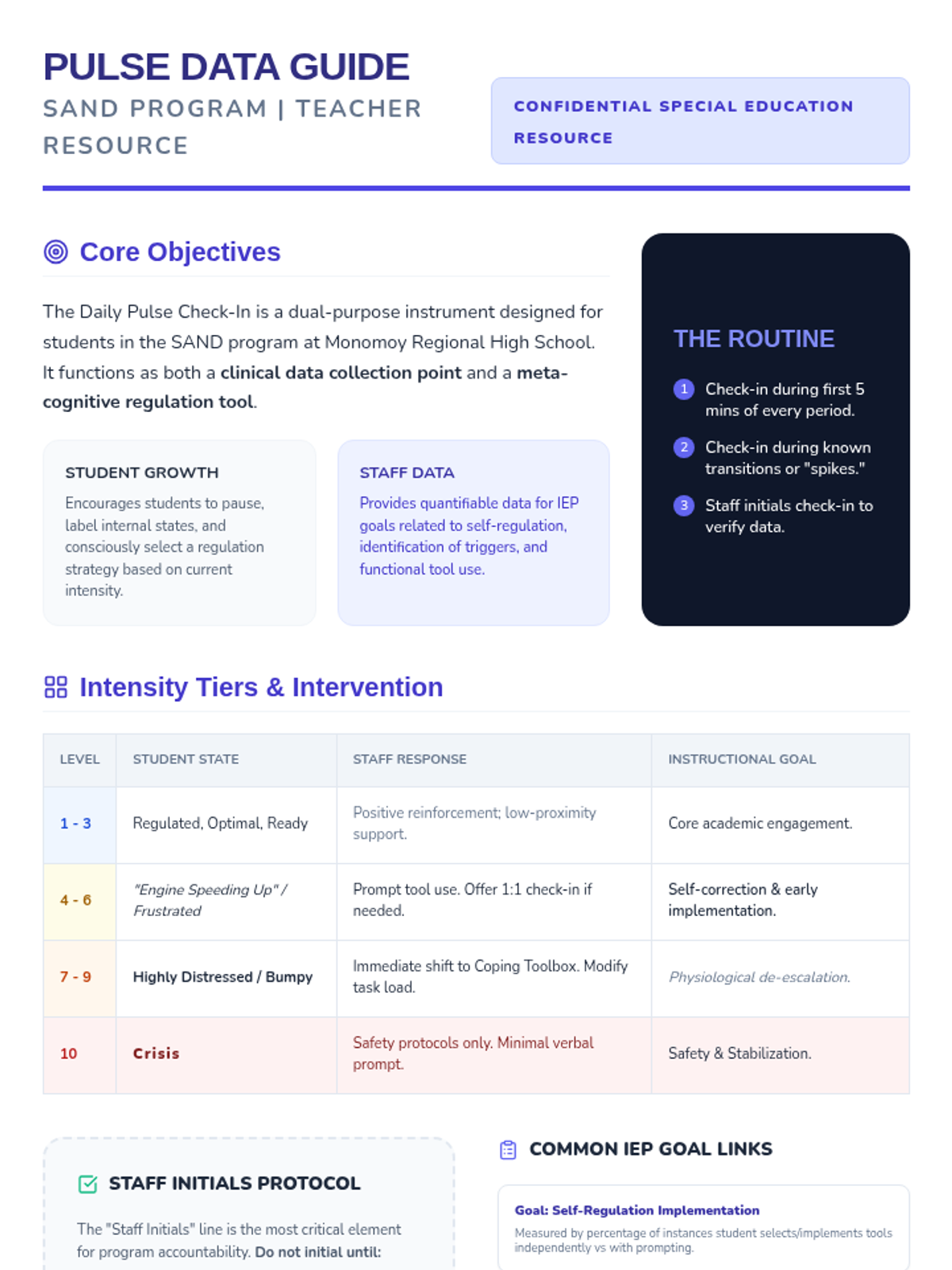
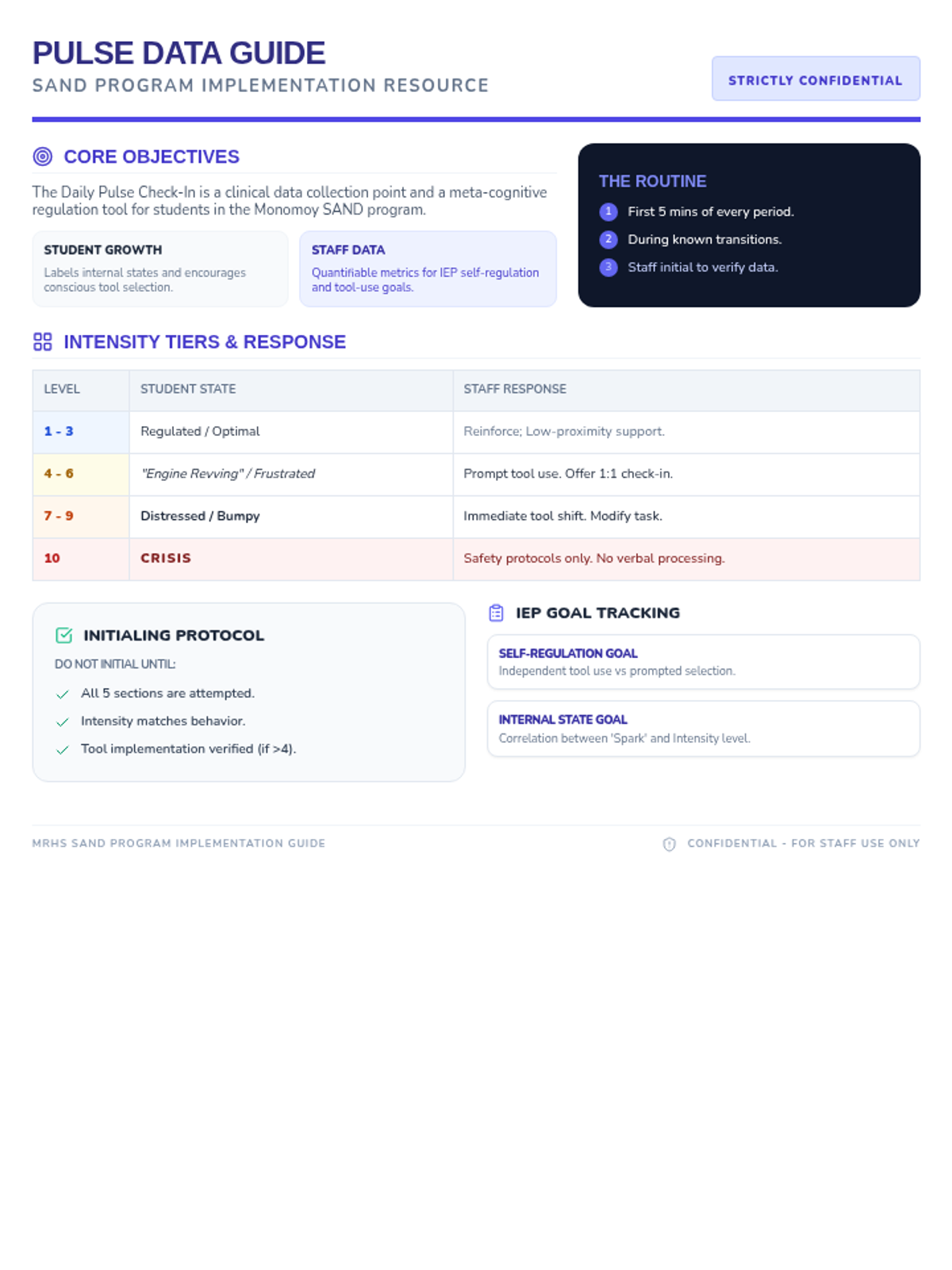
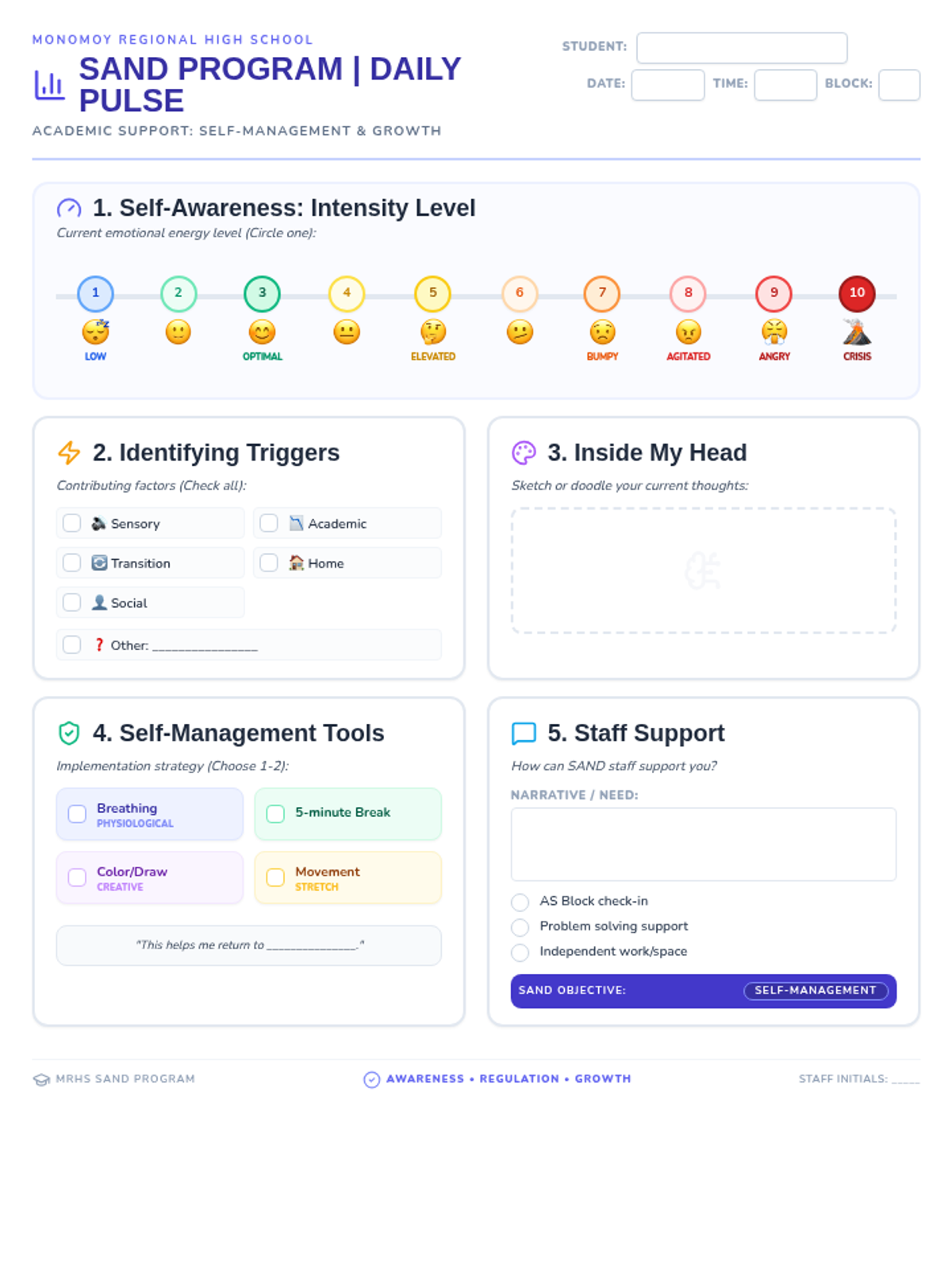
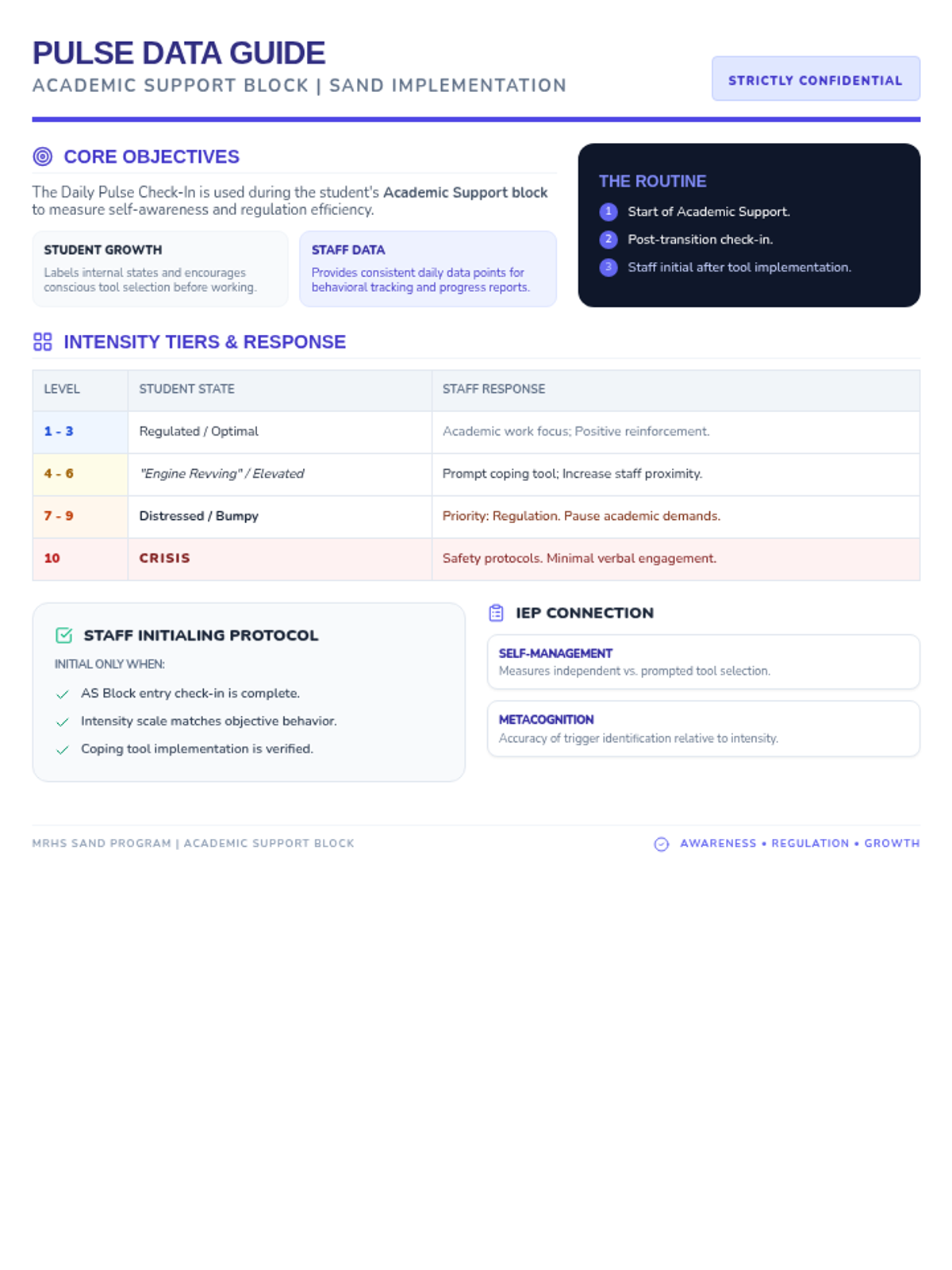
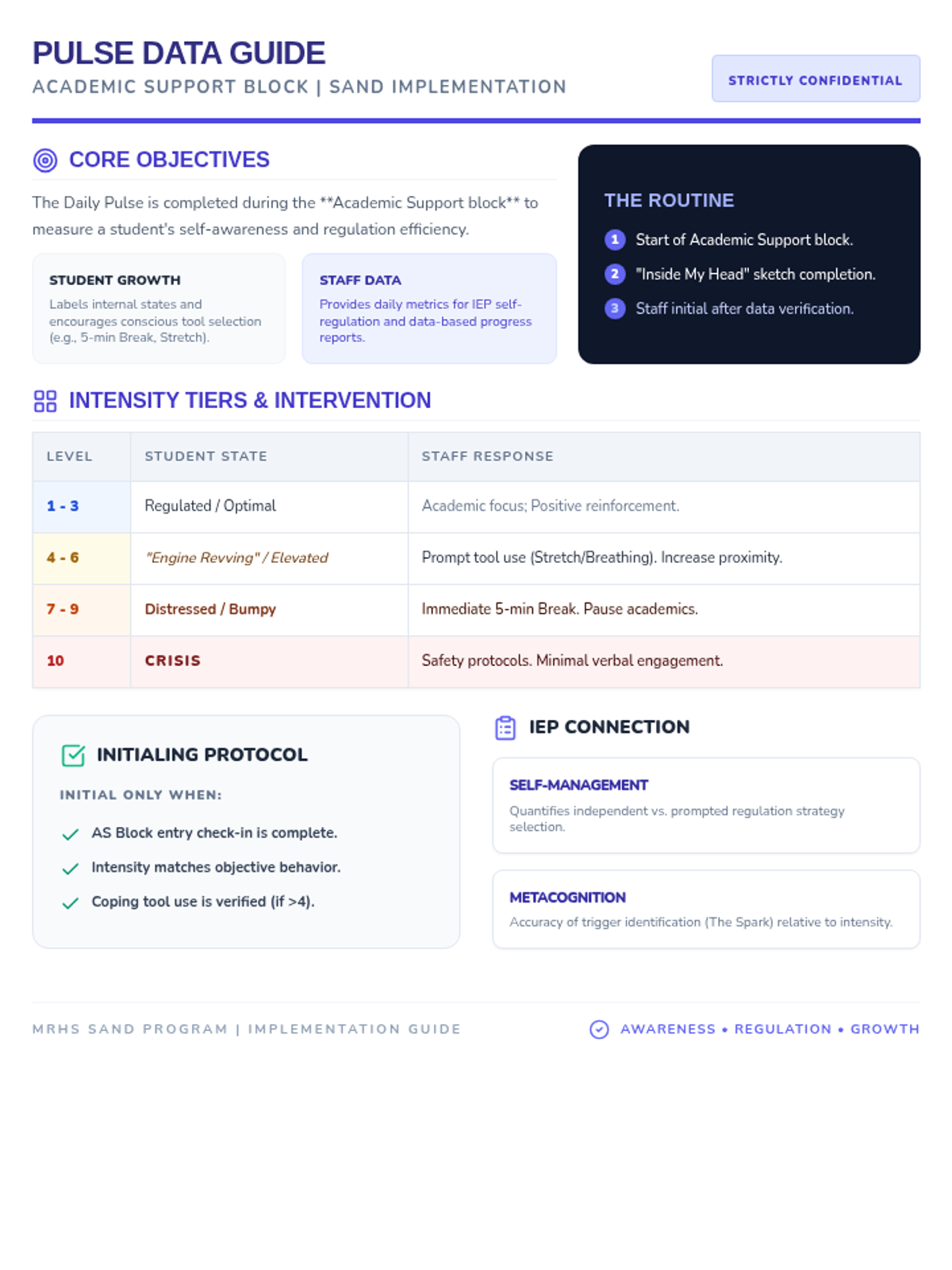
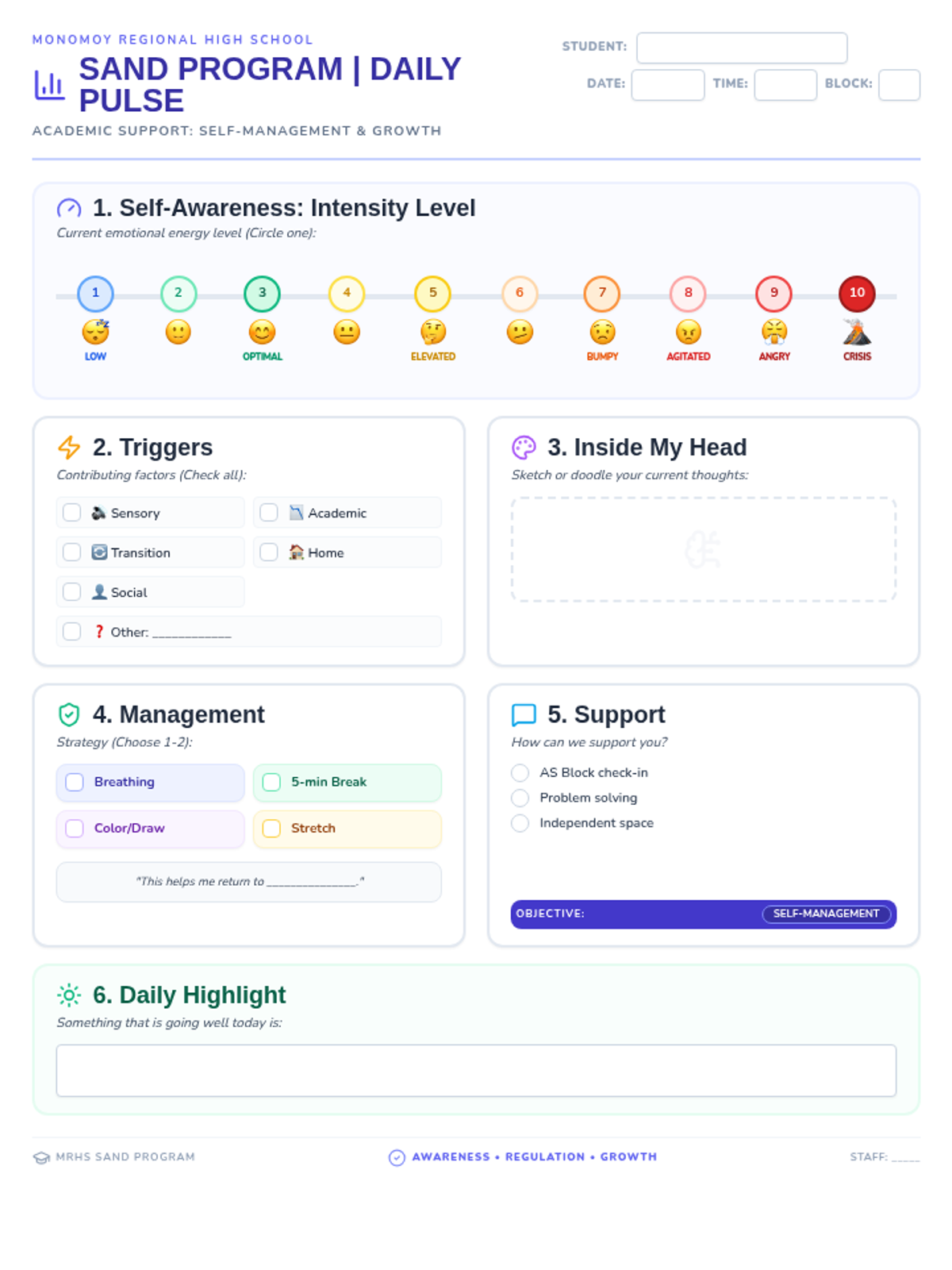
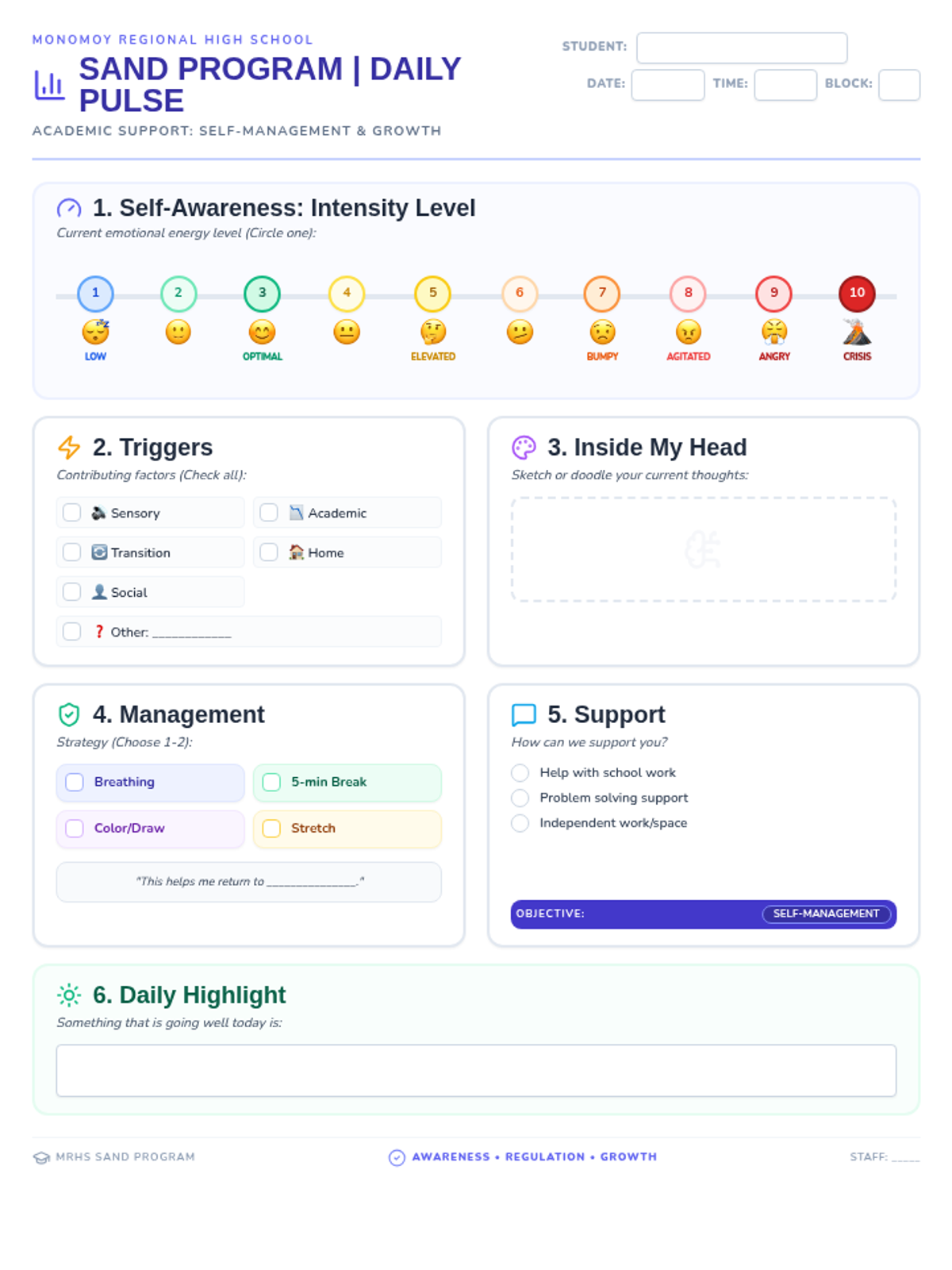
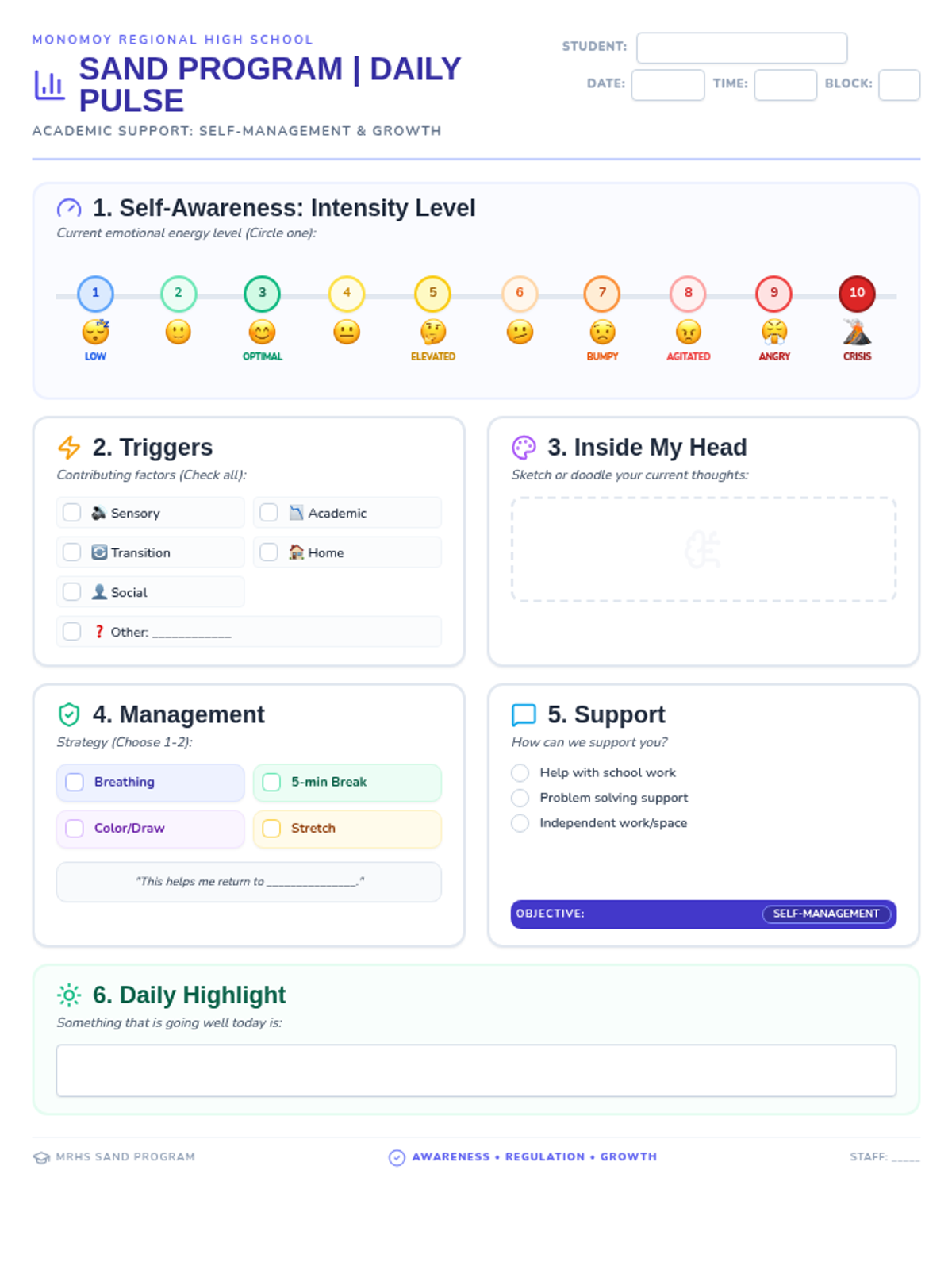
A lesson designed to help students in behavior support programs identify their current emotional state, recognize triggers, and select appropriate coping strategies for self-regulation.
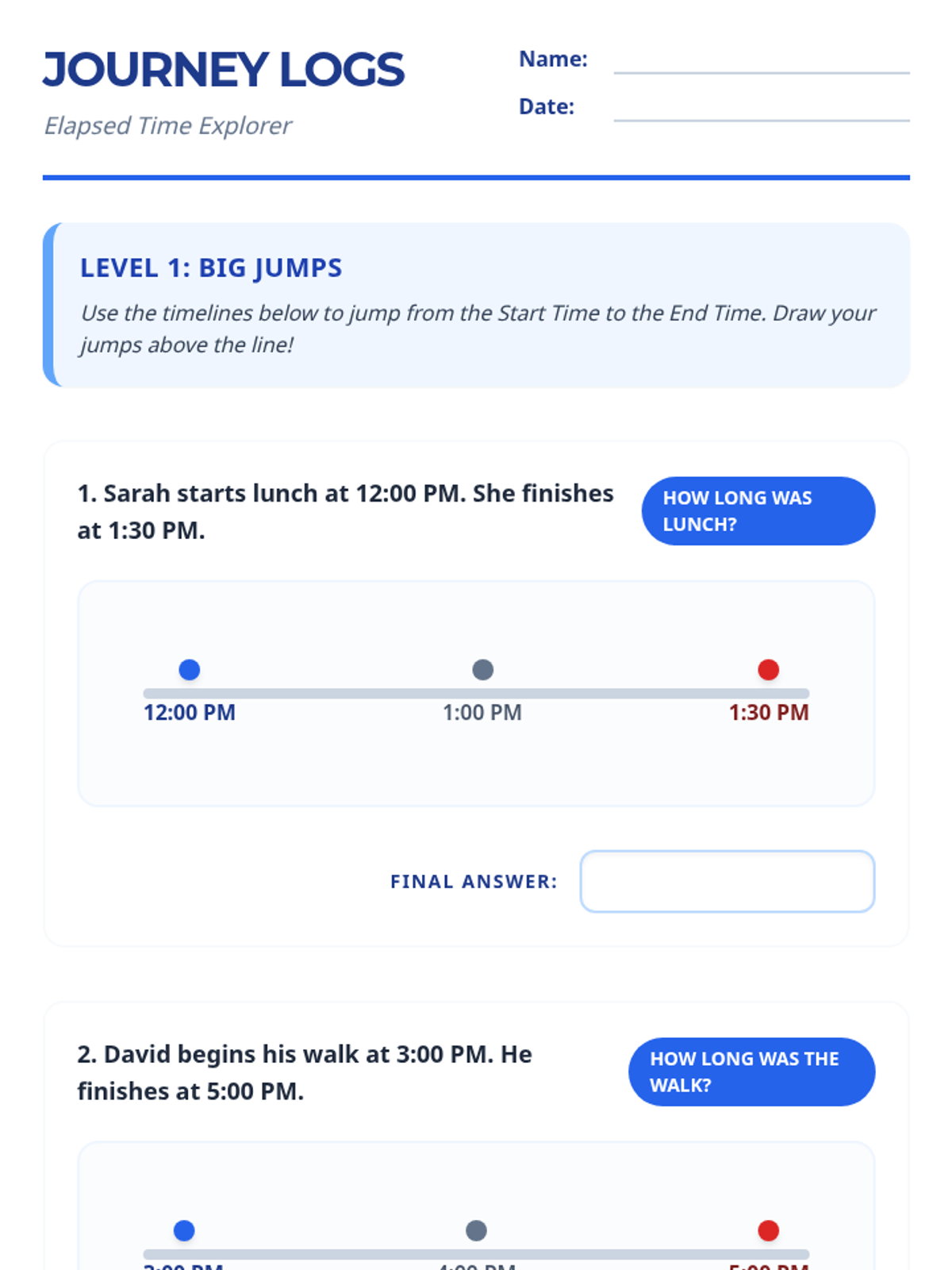
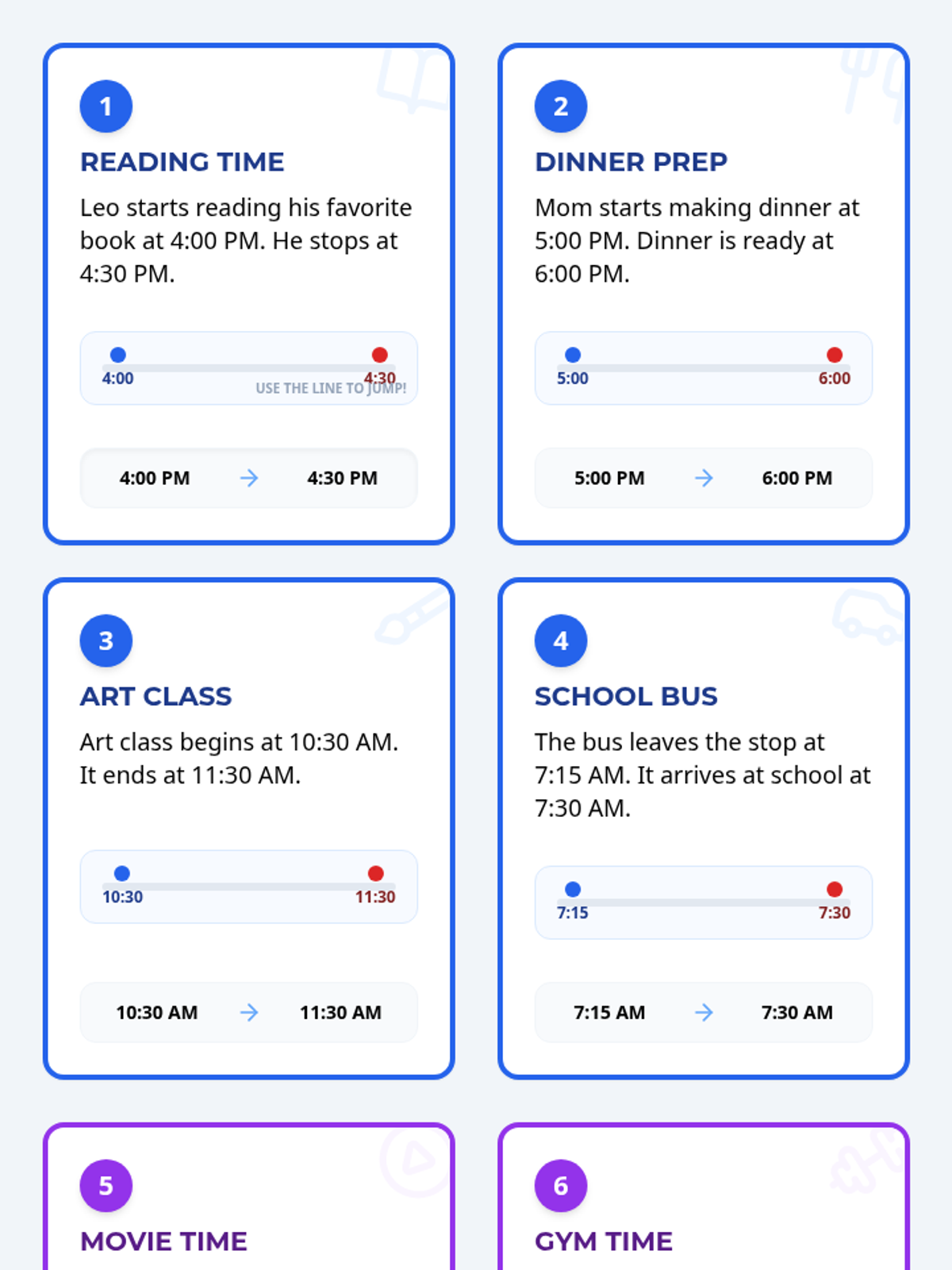
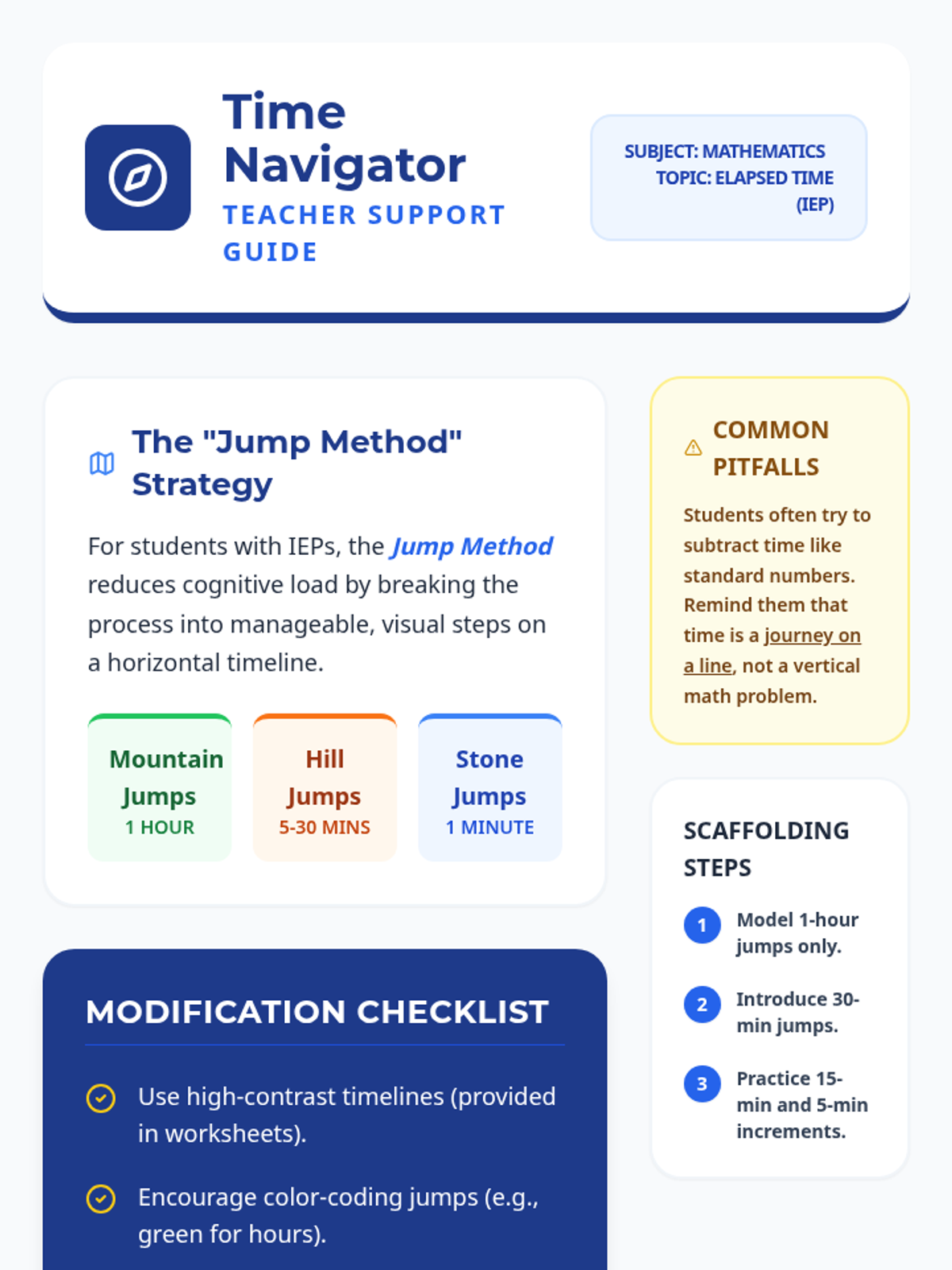
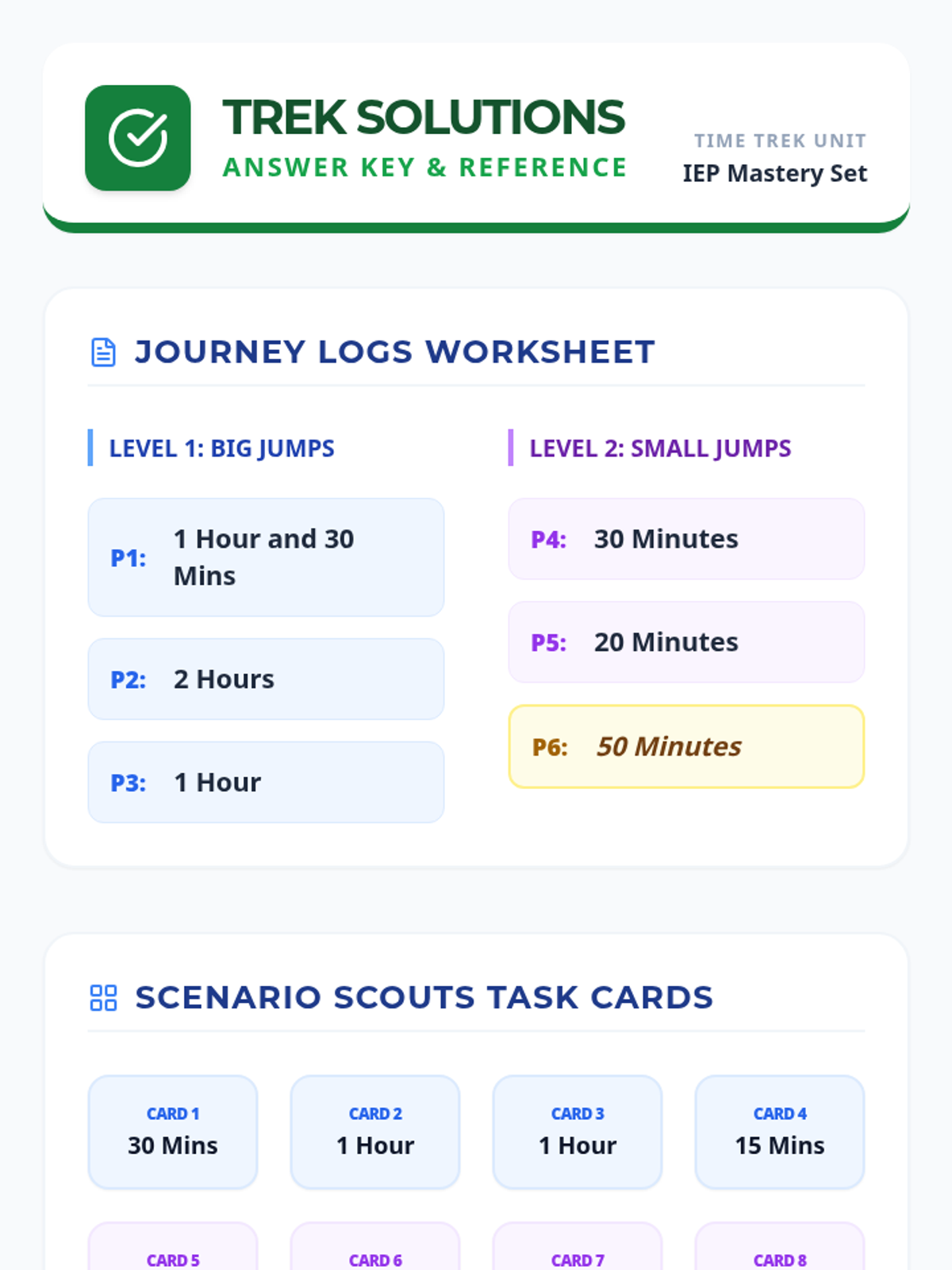
A visual-heavy lesson focused on teaching elapsed time using timelines and incremental steps (hour, quarter, 5-minute) for students with IEPs.
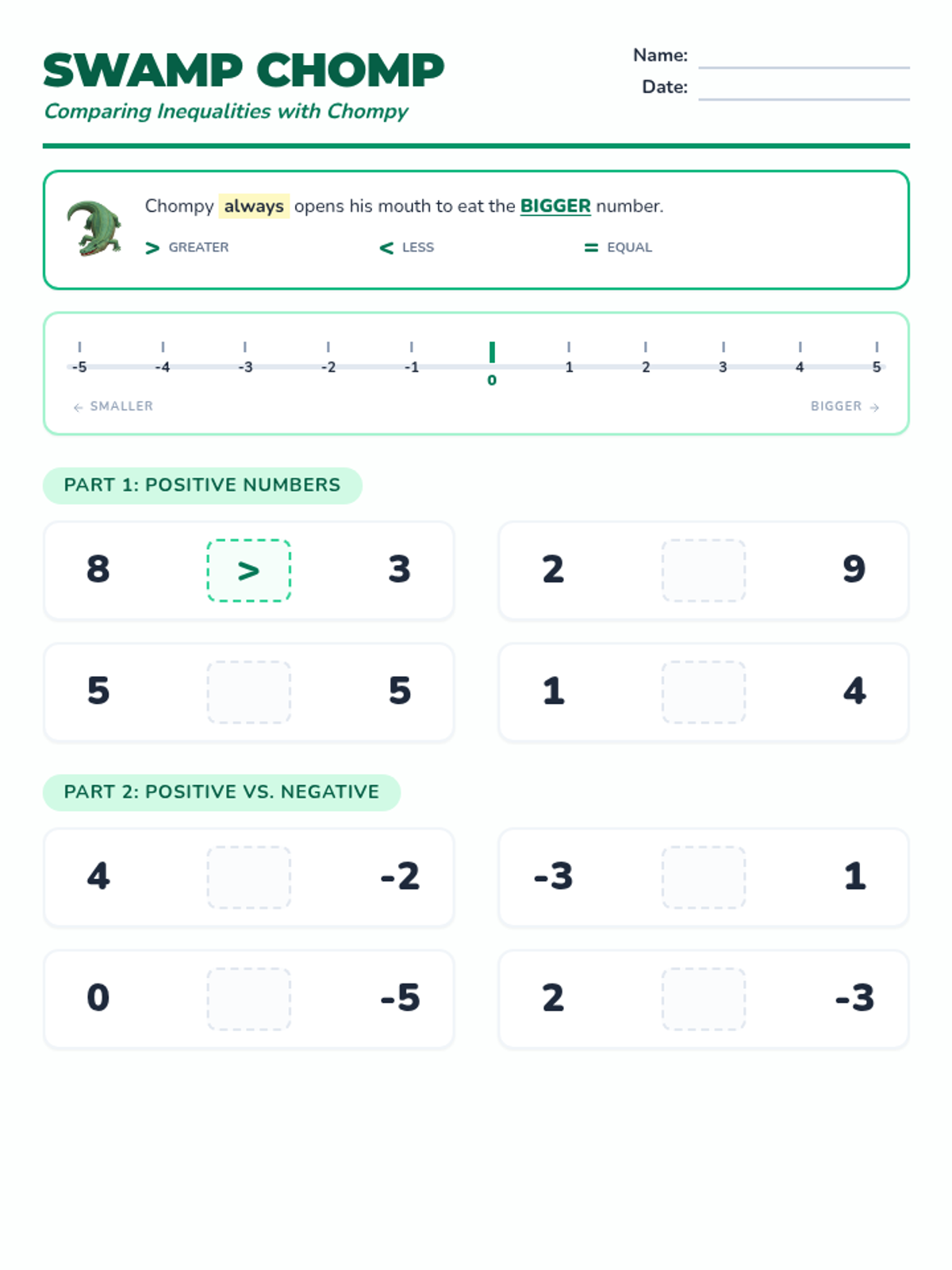
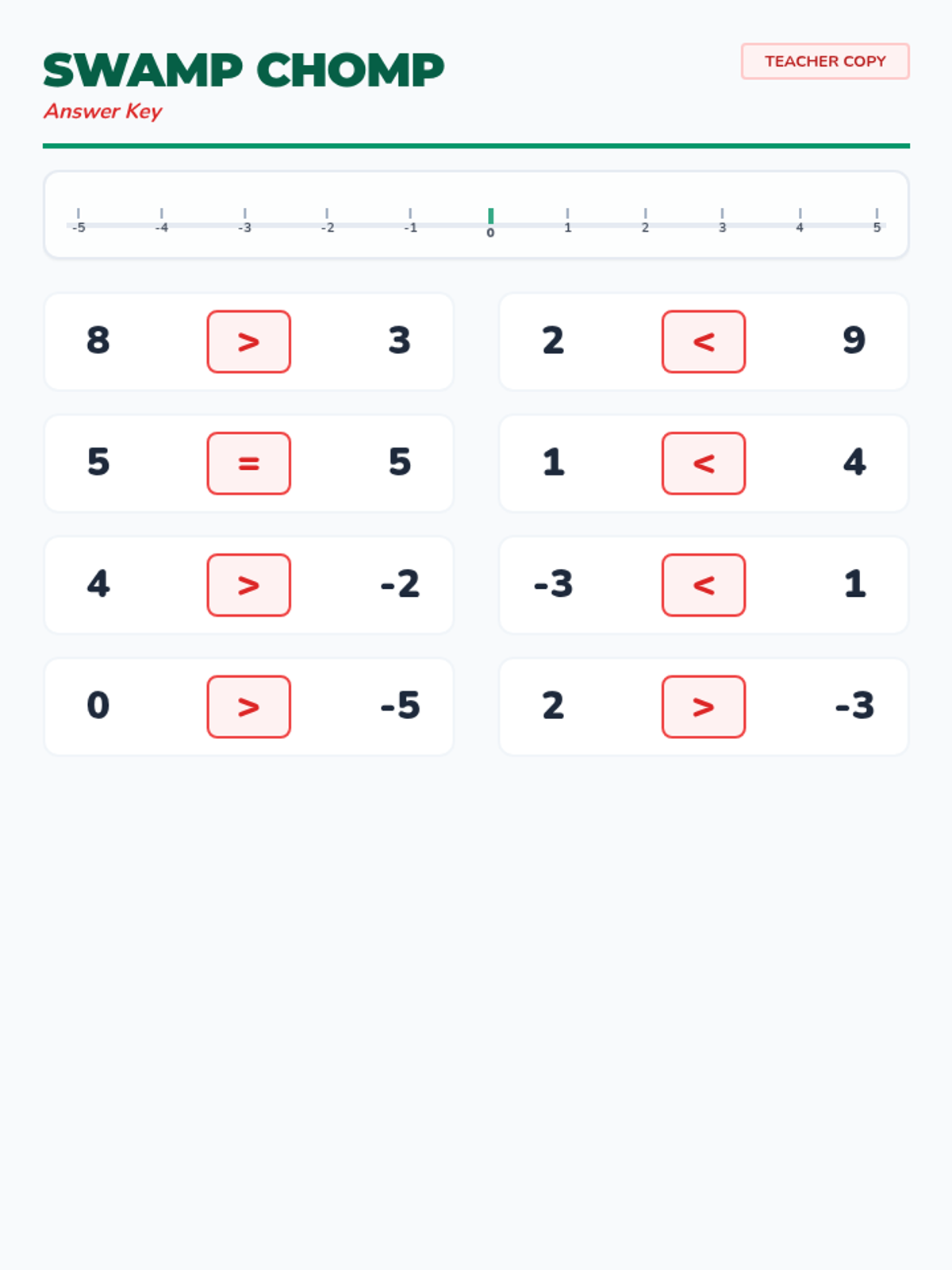
A scaffolded lesson on comparing single-digit and negative numbers using alligator mouth visuals and number lines, designed for students with IEP accommodations.
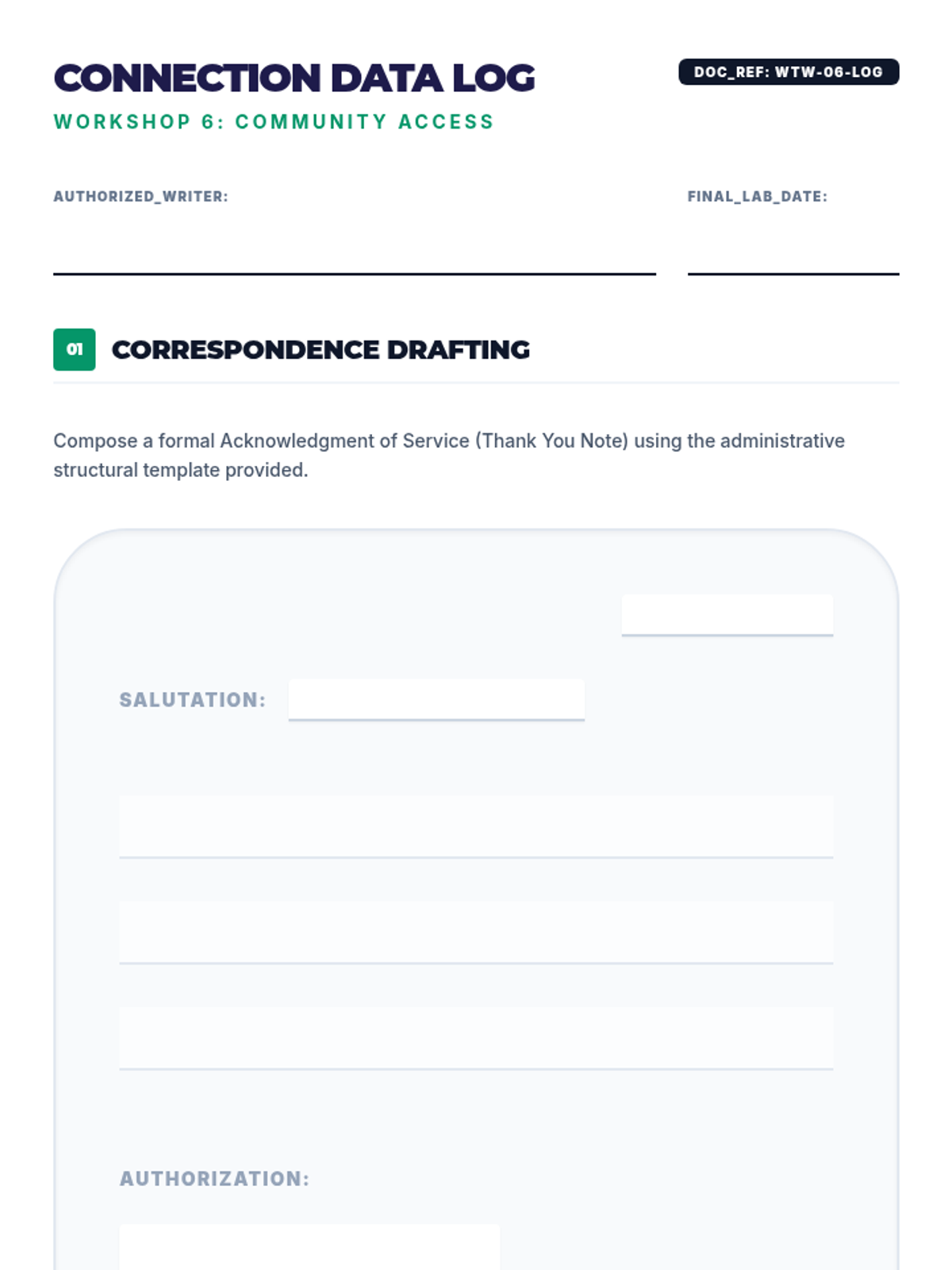
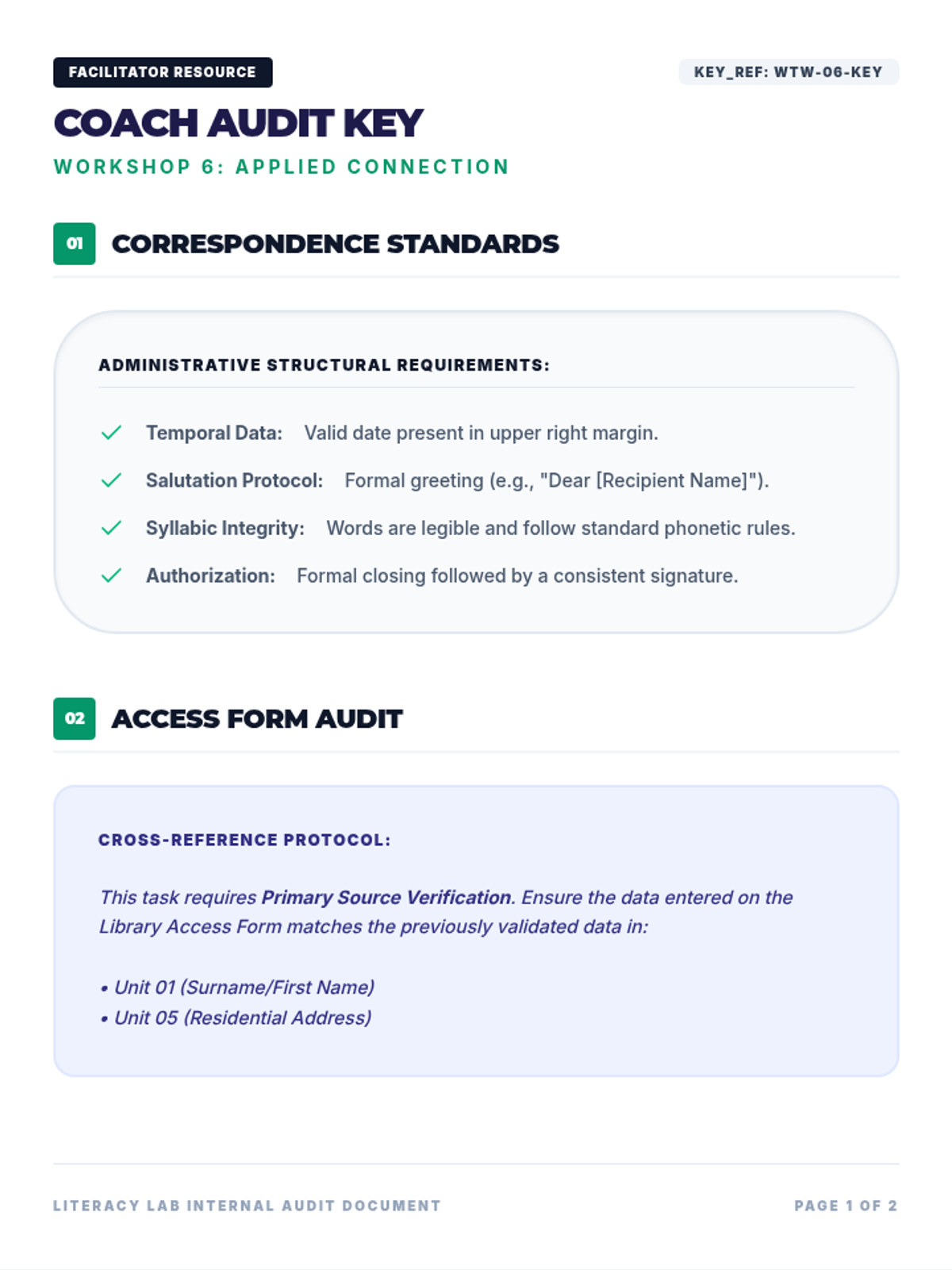
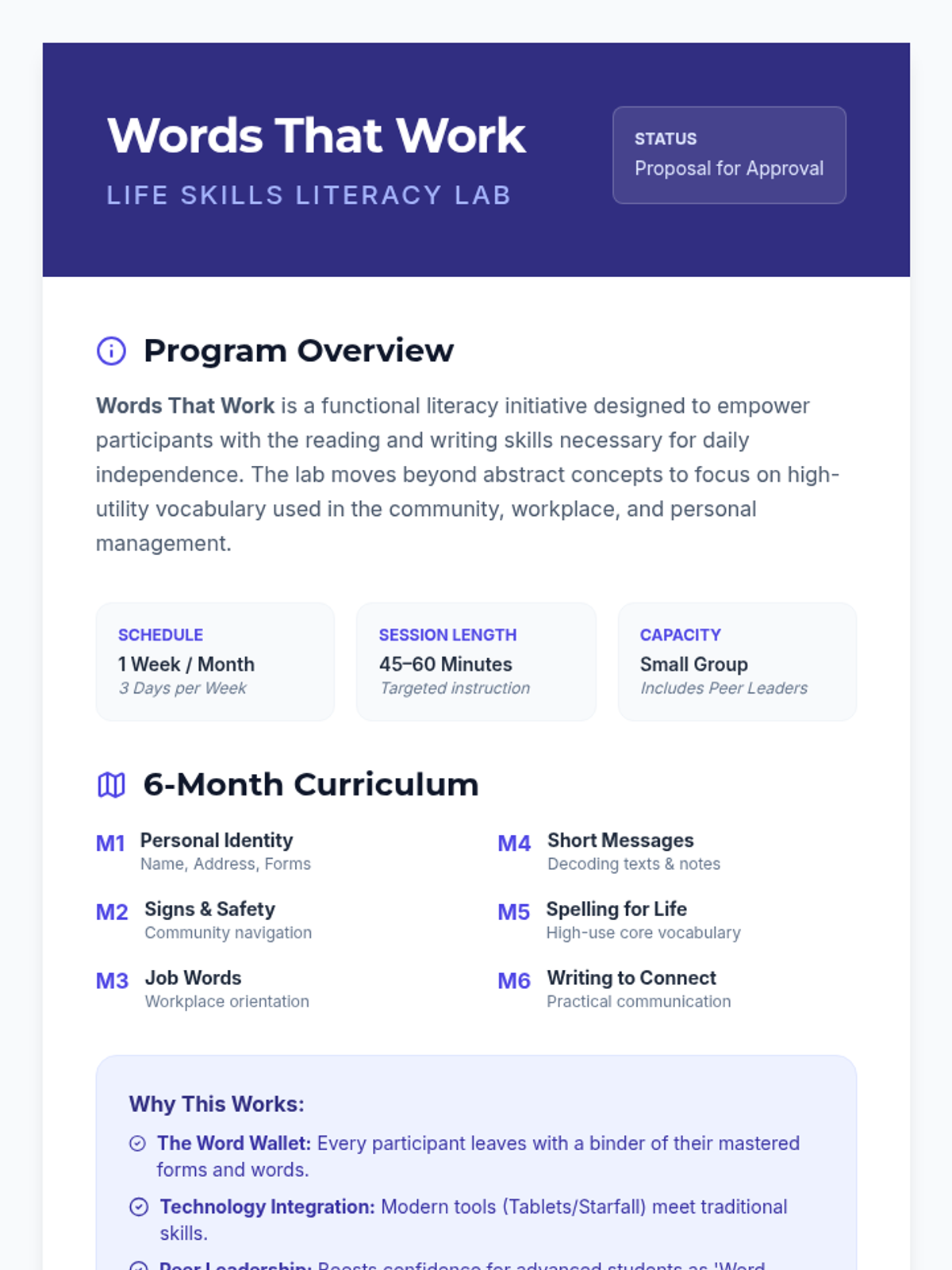
In this final module, students practice writing practical communications like thank-you notes, simple emails, and filling out more complex community forms. The lesson culminates in a review of the Word Wallet.
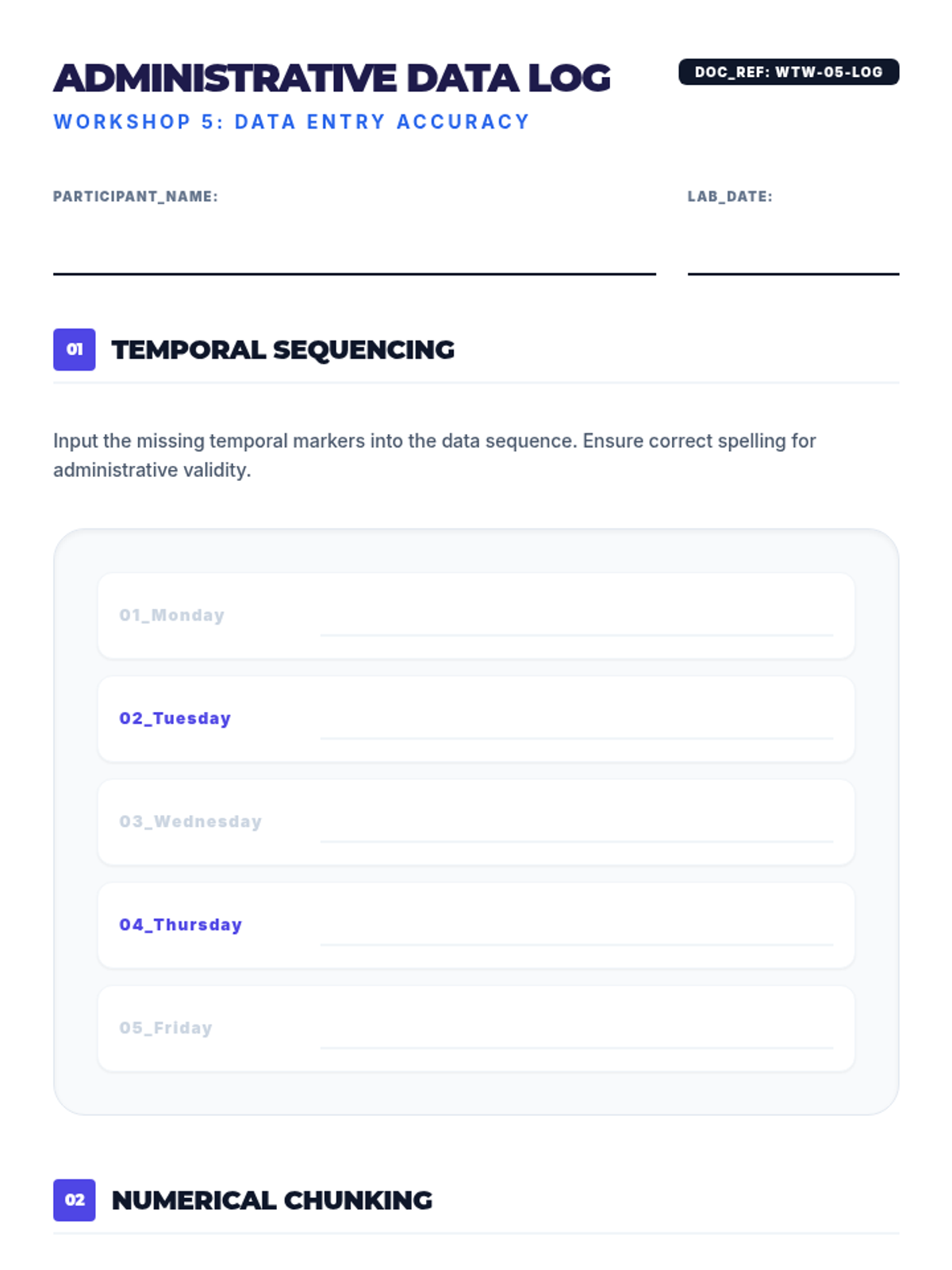
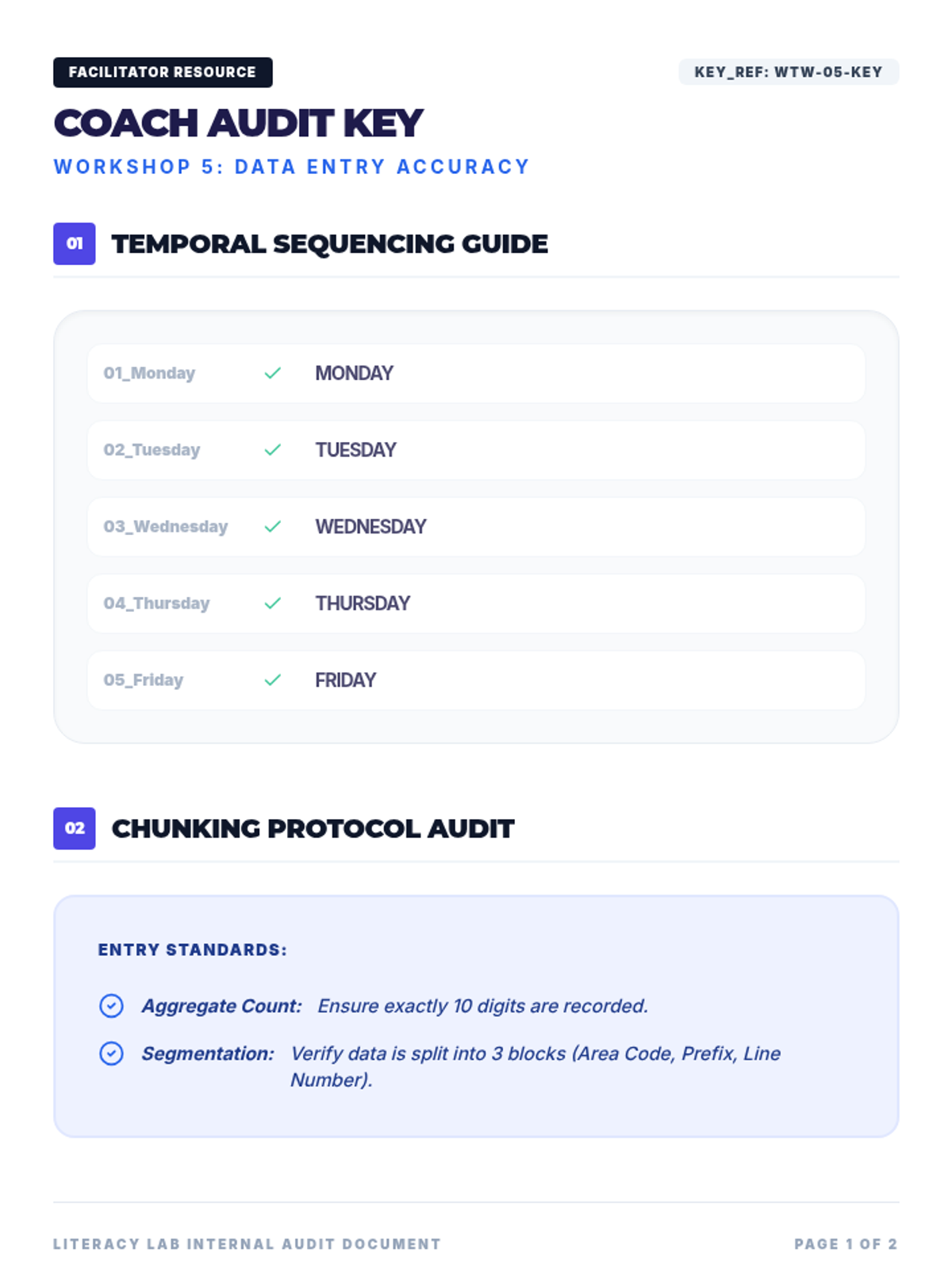
Precision in personal record keeping and high-stakes data entry. Participants master the transcription of addresses, phone numbers, and temporal sequences (Calendars) required for community logistics.
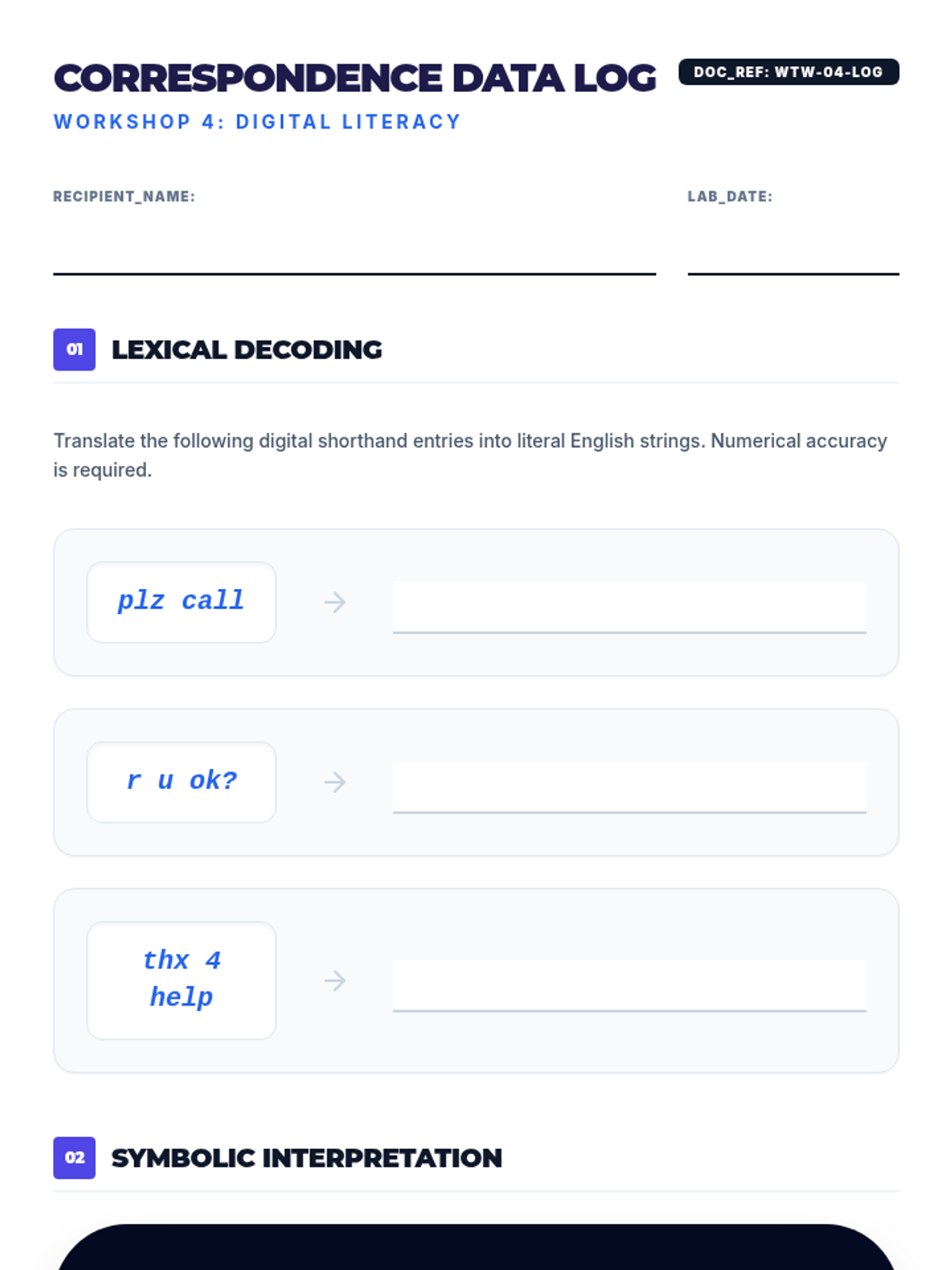
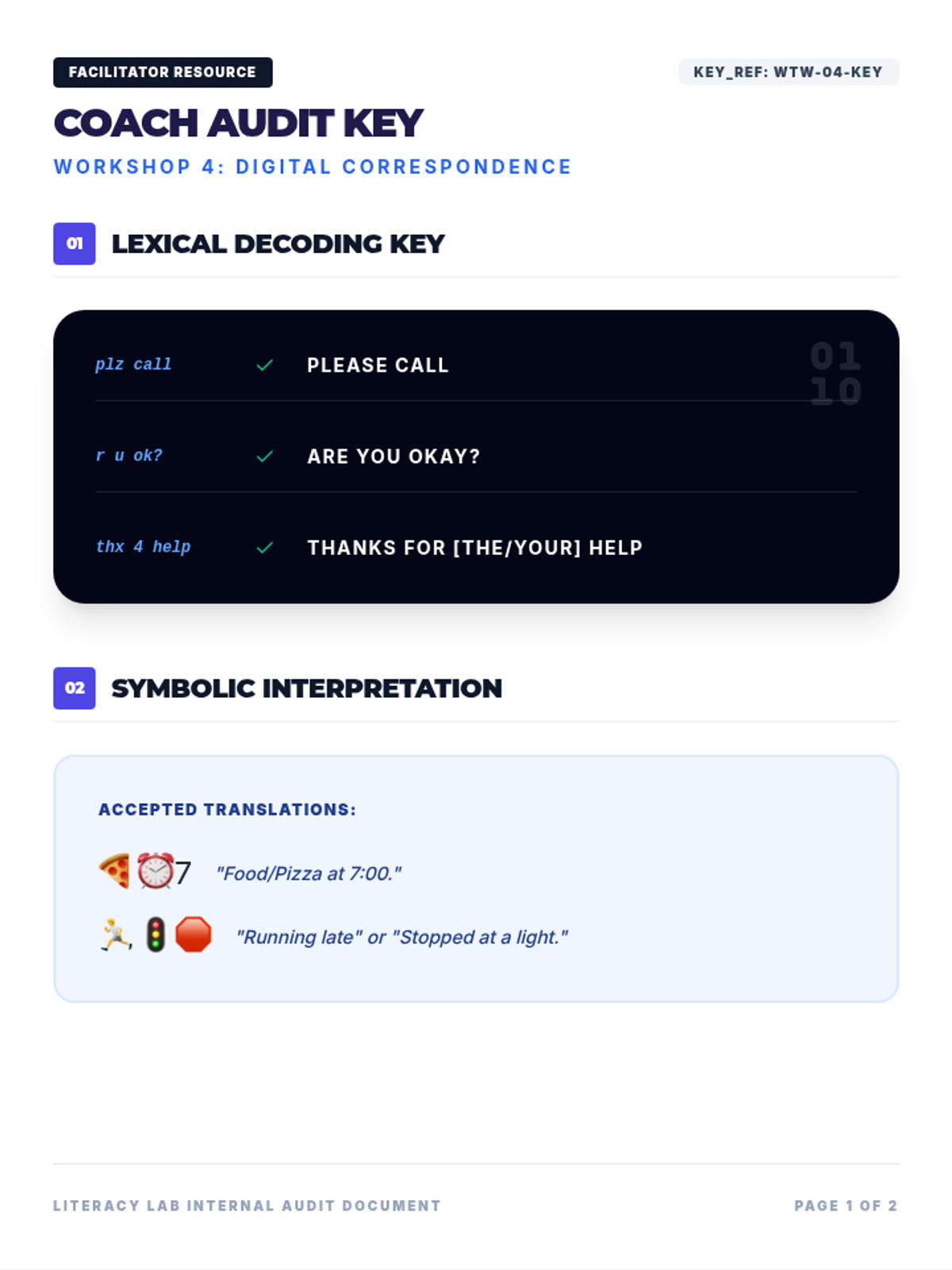
Technical decoding of digital shorthand, emoji-based logic, and communication purpose. Participants master the protocols for professional text and email responses while identifying security risks (Scams).
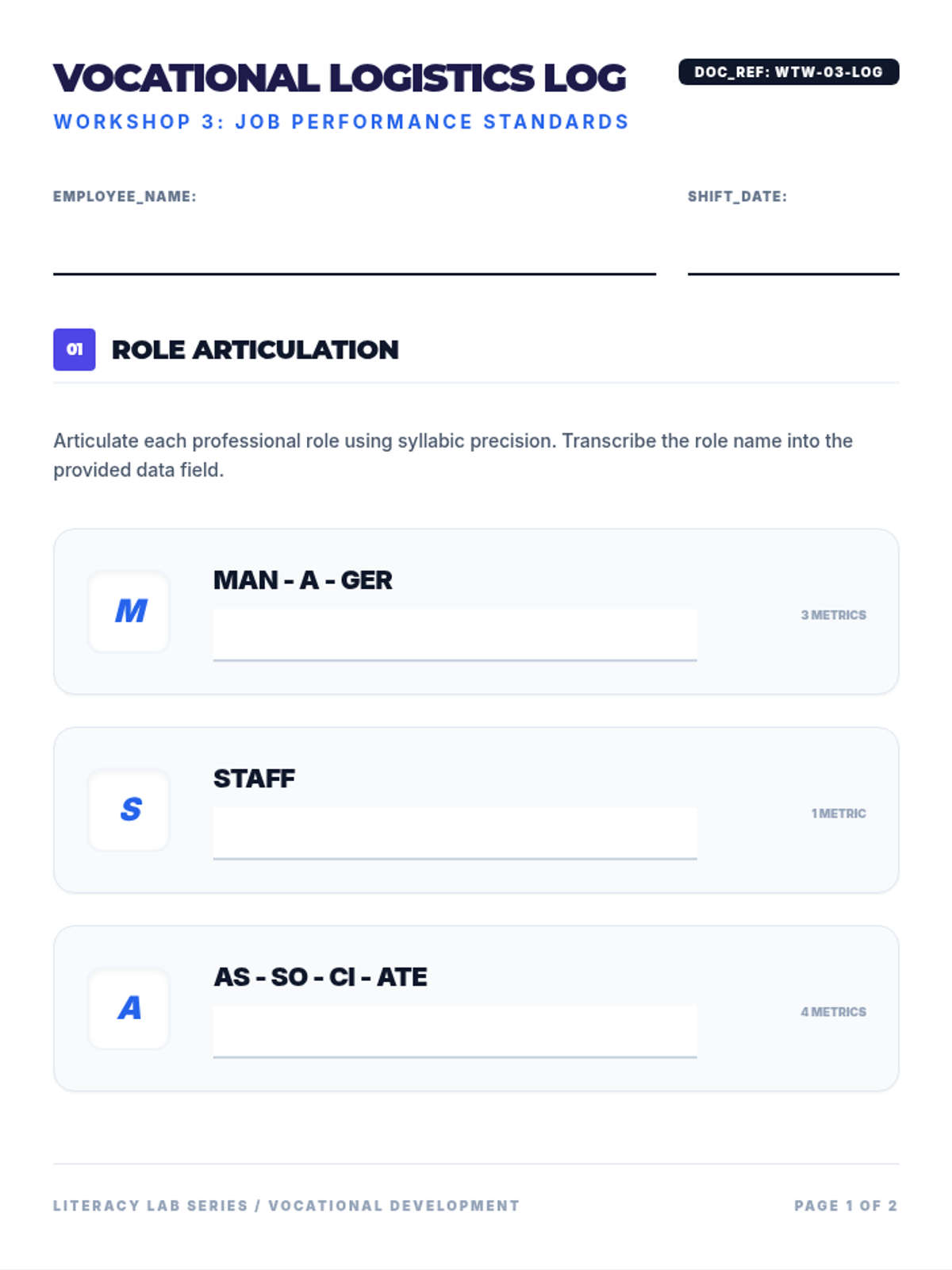
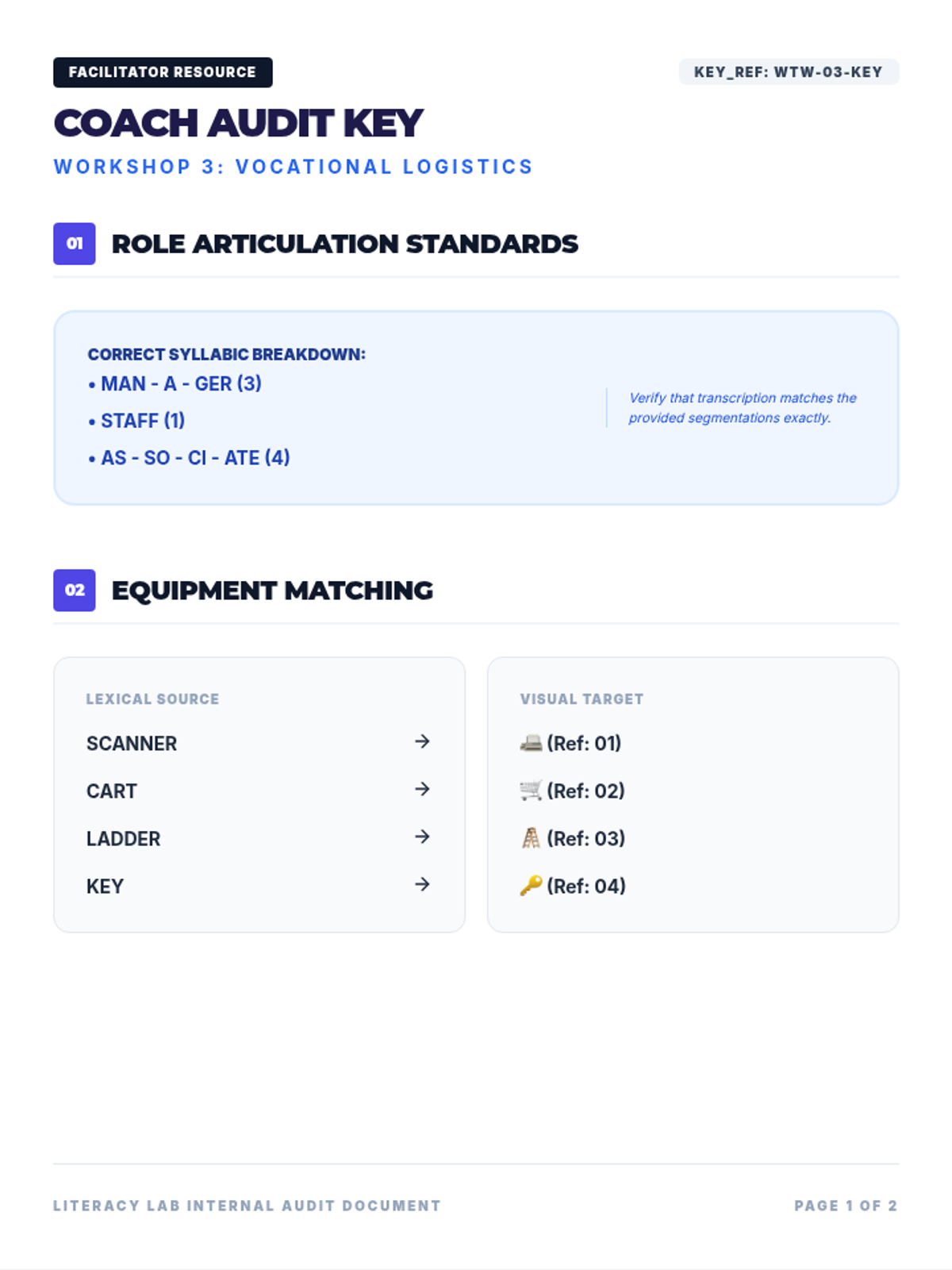
Critical literacy for workplace performance, including role-specific terminology, equipment identification, and high-stakes administrative records (Time Sheets/Safety Logs). Participants master the language of employment.
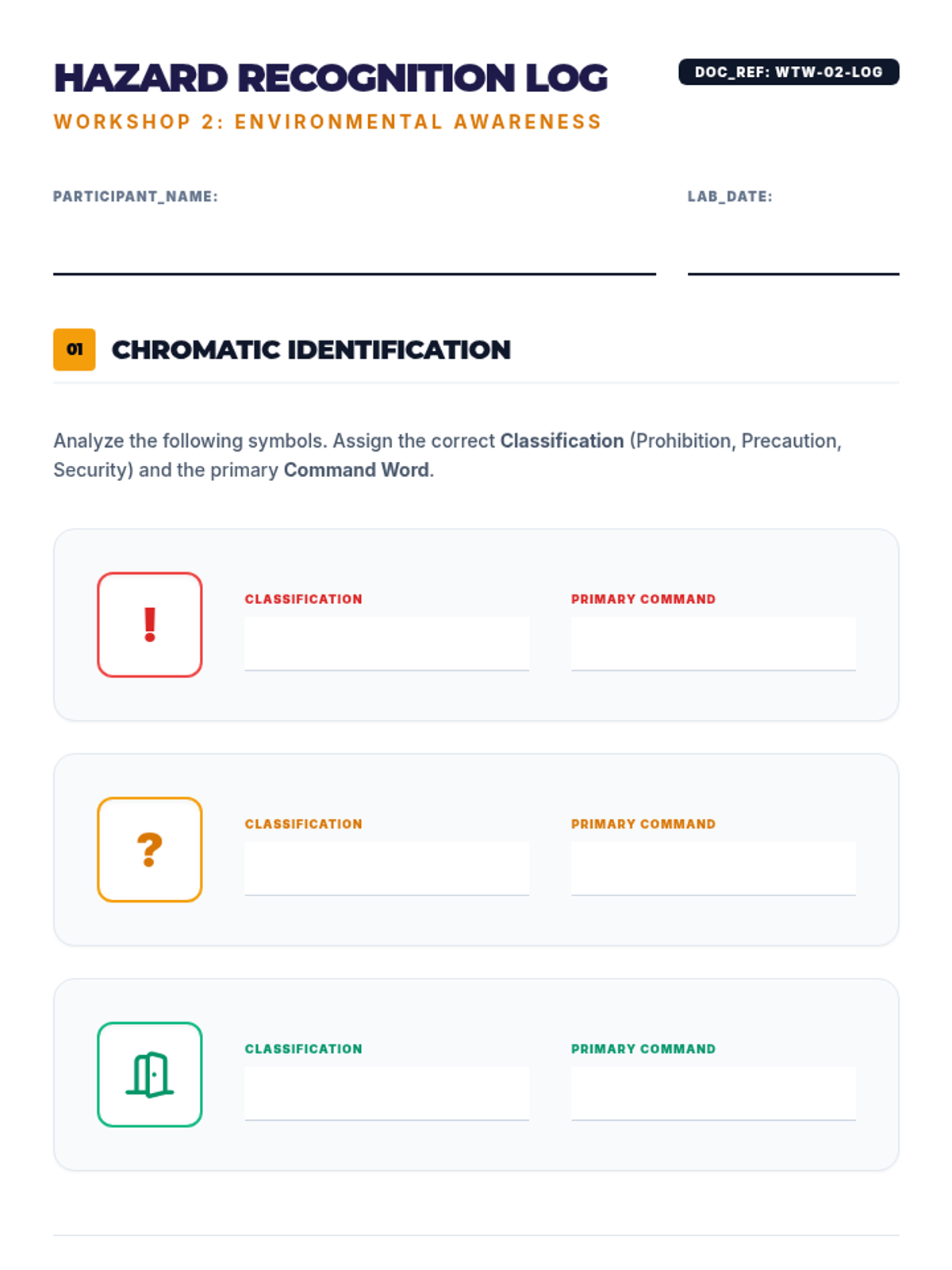
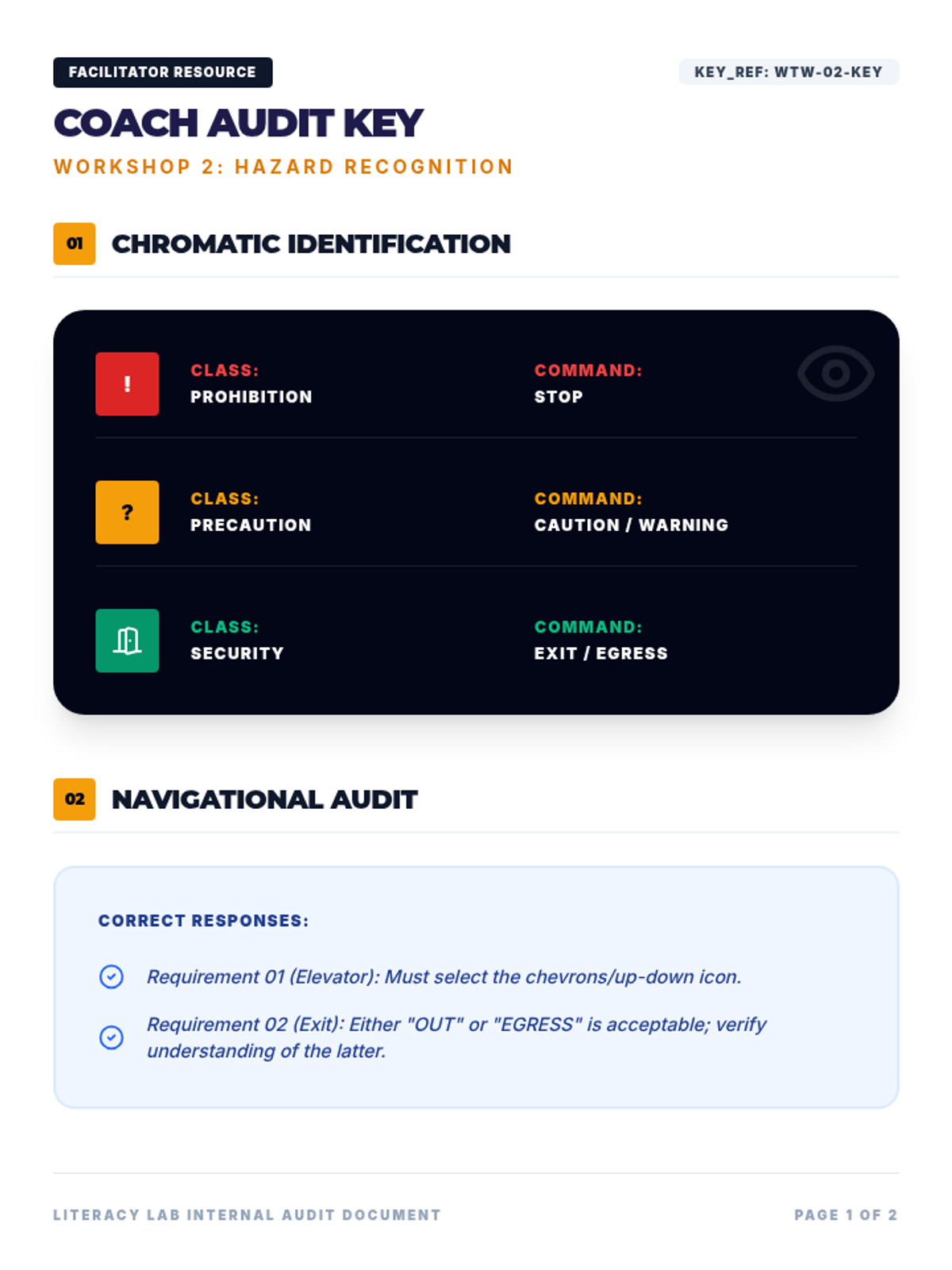
Advanced identification of community symbols and environmental hazard markers. Participants learn to decode high-stakes visual language and follow directional protocols for safe navigation in public and professional spaces.
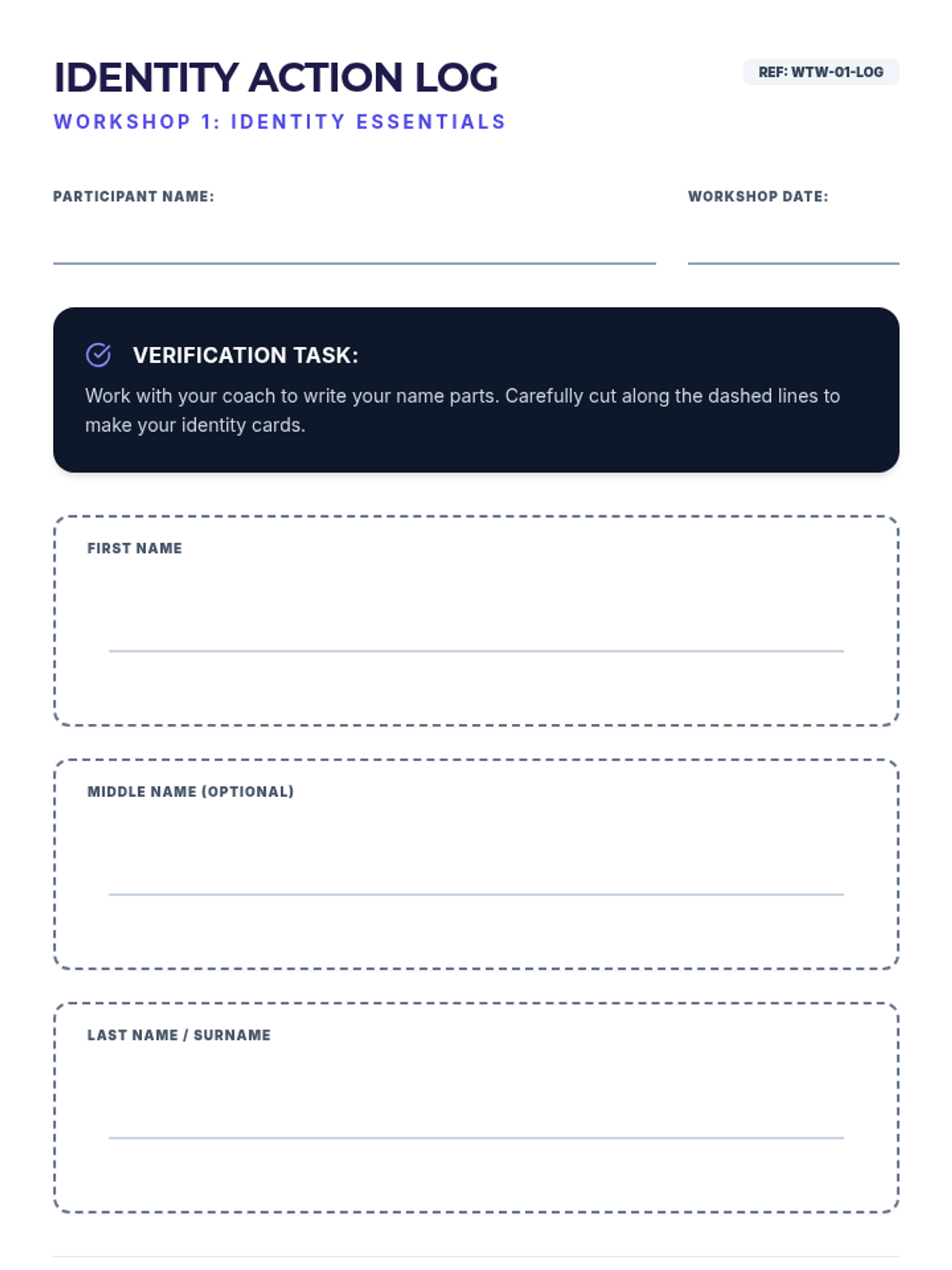
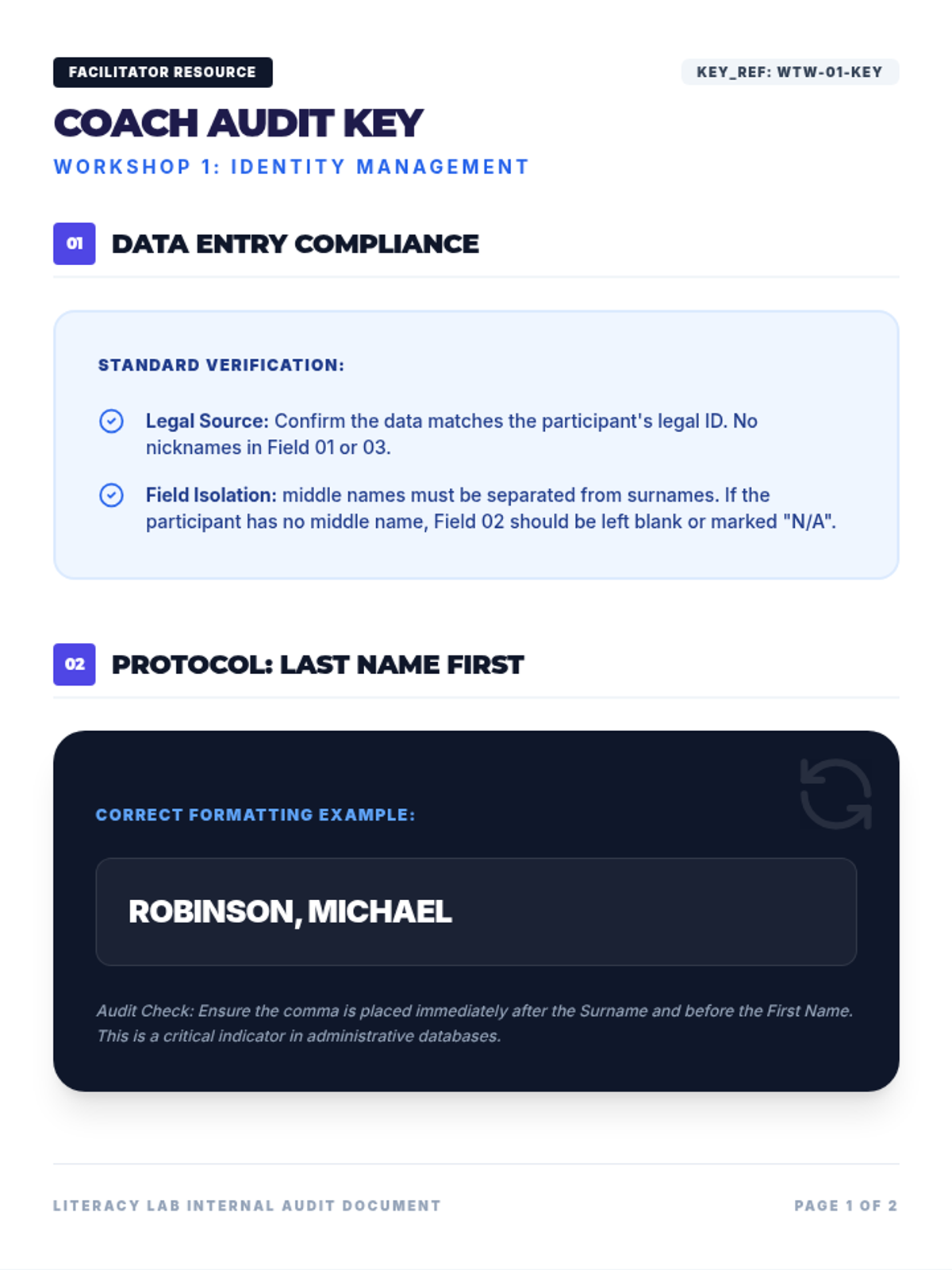
The foundational module of the Words That Work program, focusing on the precision of legal identification and credential data entry. Participants master the structure of names and official signatures required for professional autonomy.