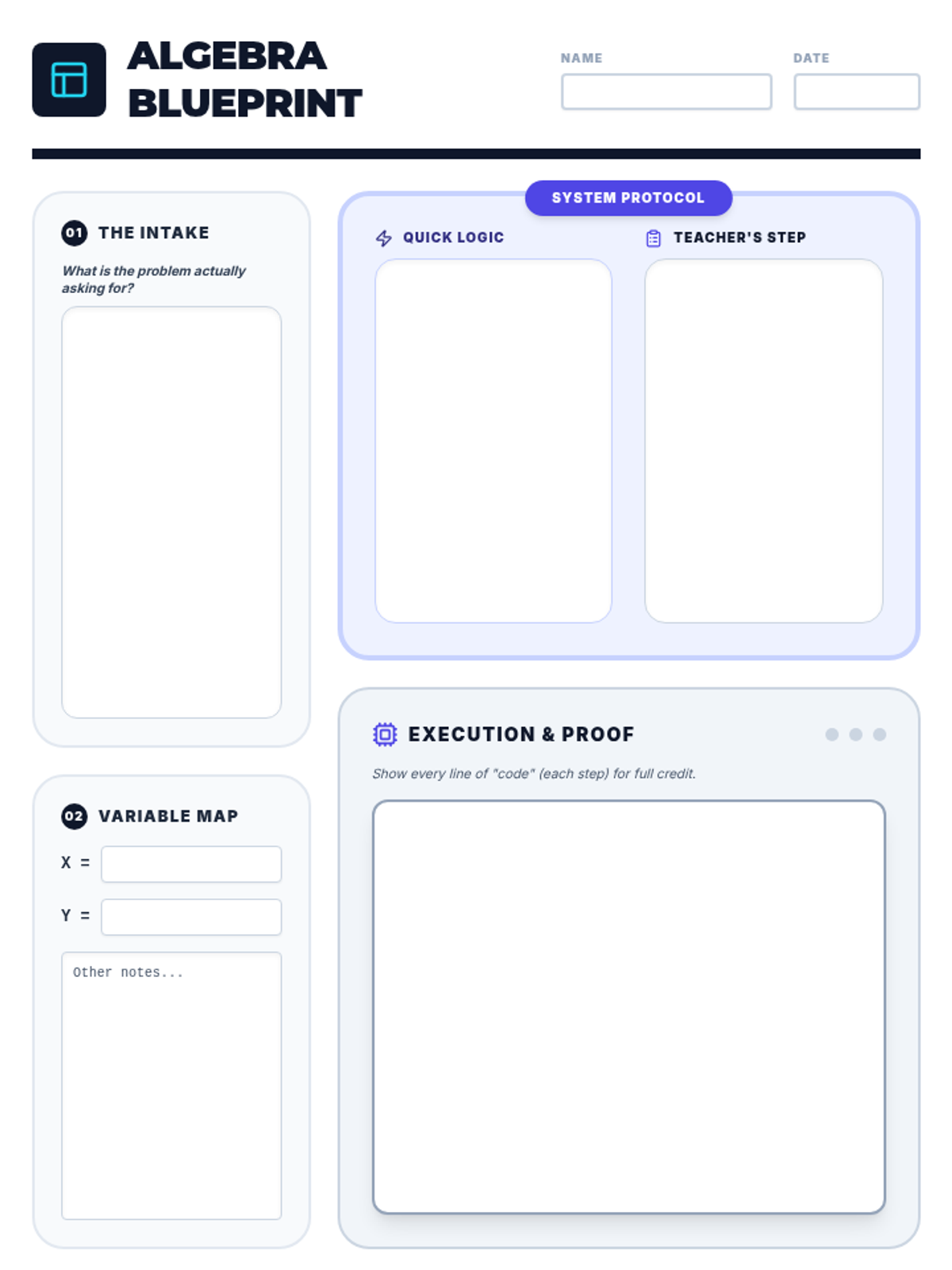
Synthesizes flexible thinking into multi-step problems, using visual graphic organizers to map out different routes to the same solution.
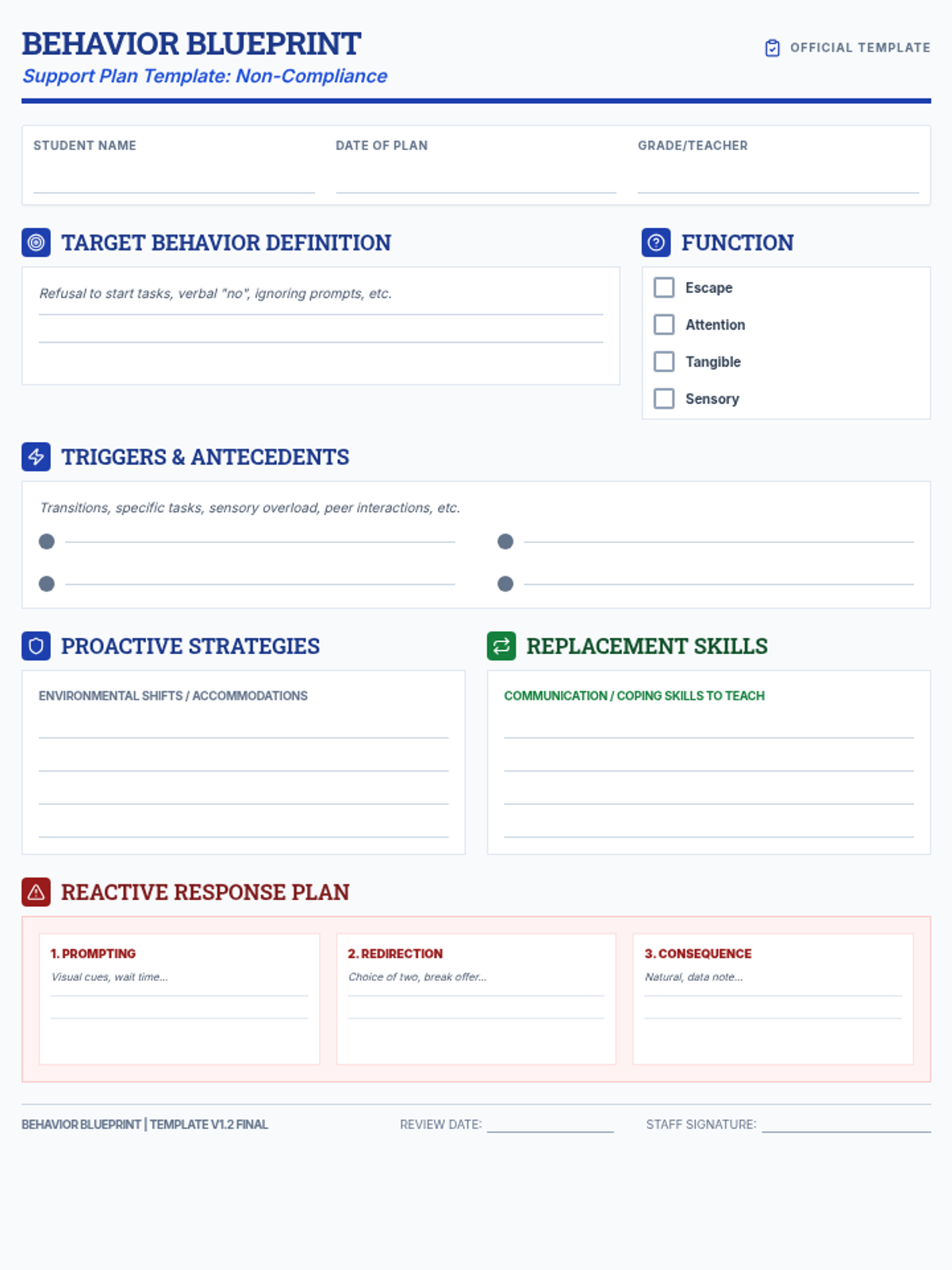
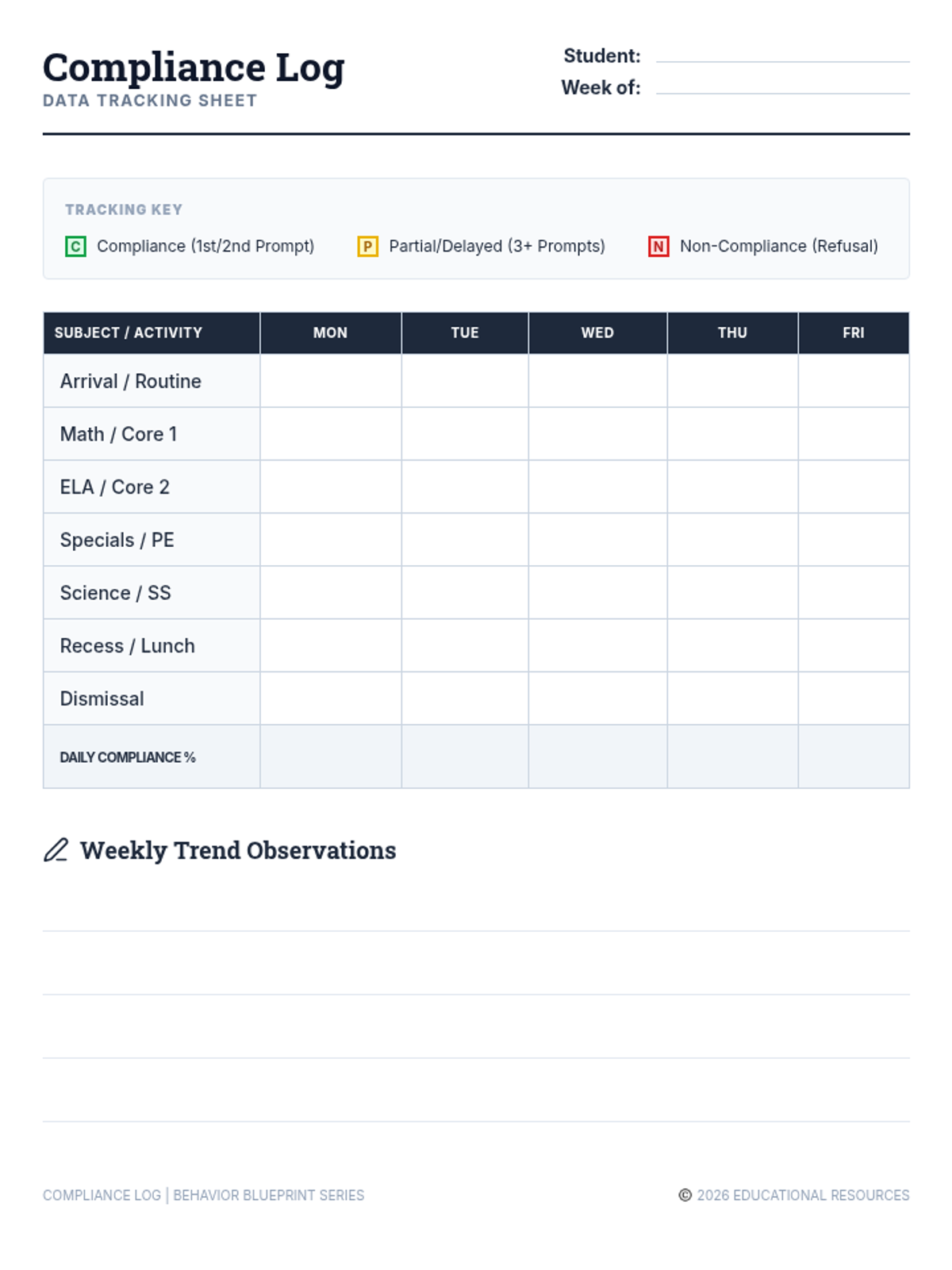
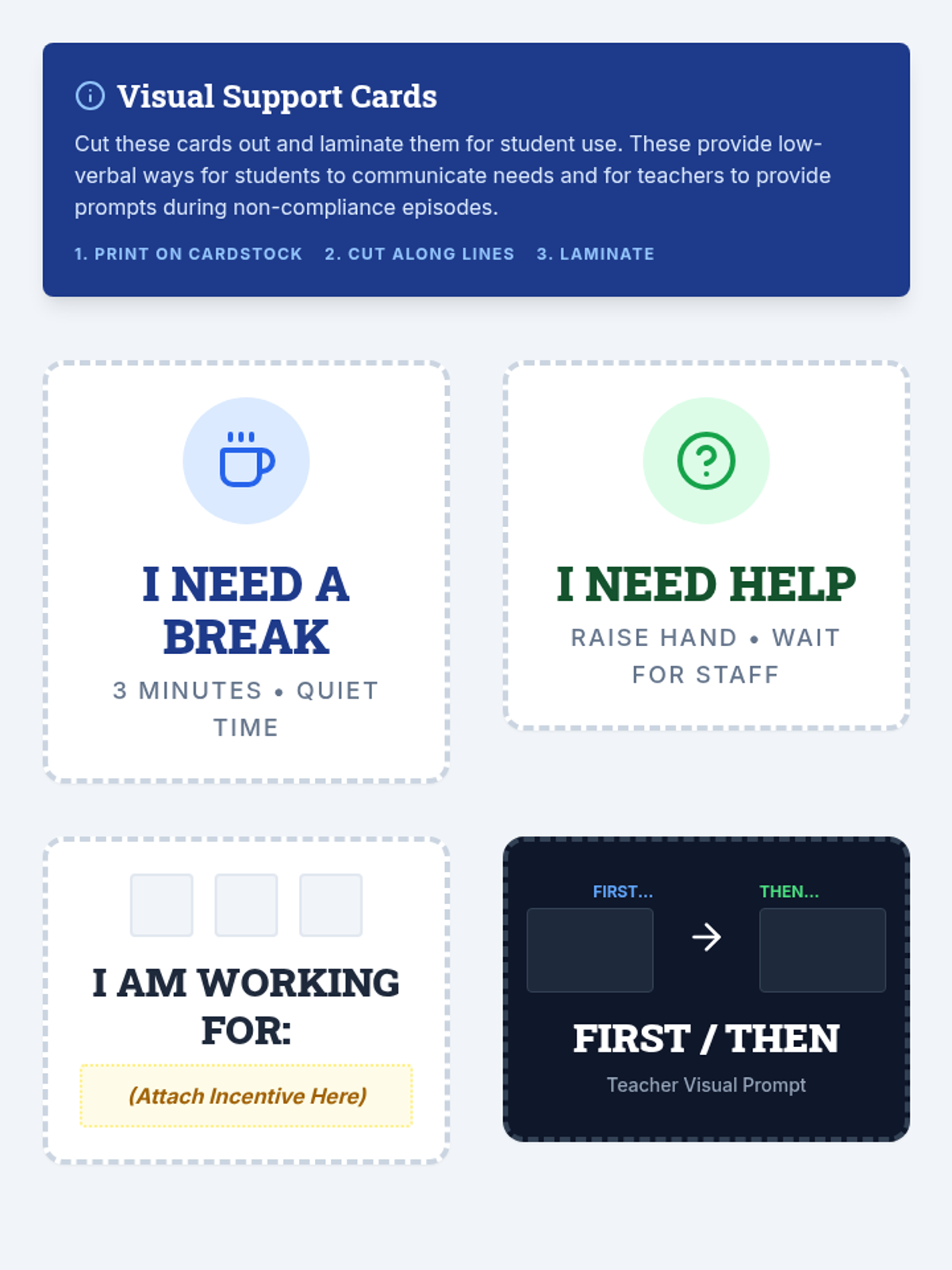
A professional and structured set of templates for creating and monitoring Behavior Support Plans, specifically designed for managing non-compliance in the classroom.
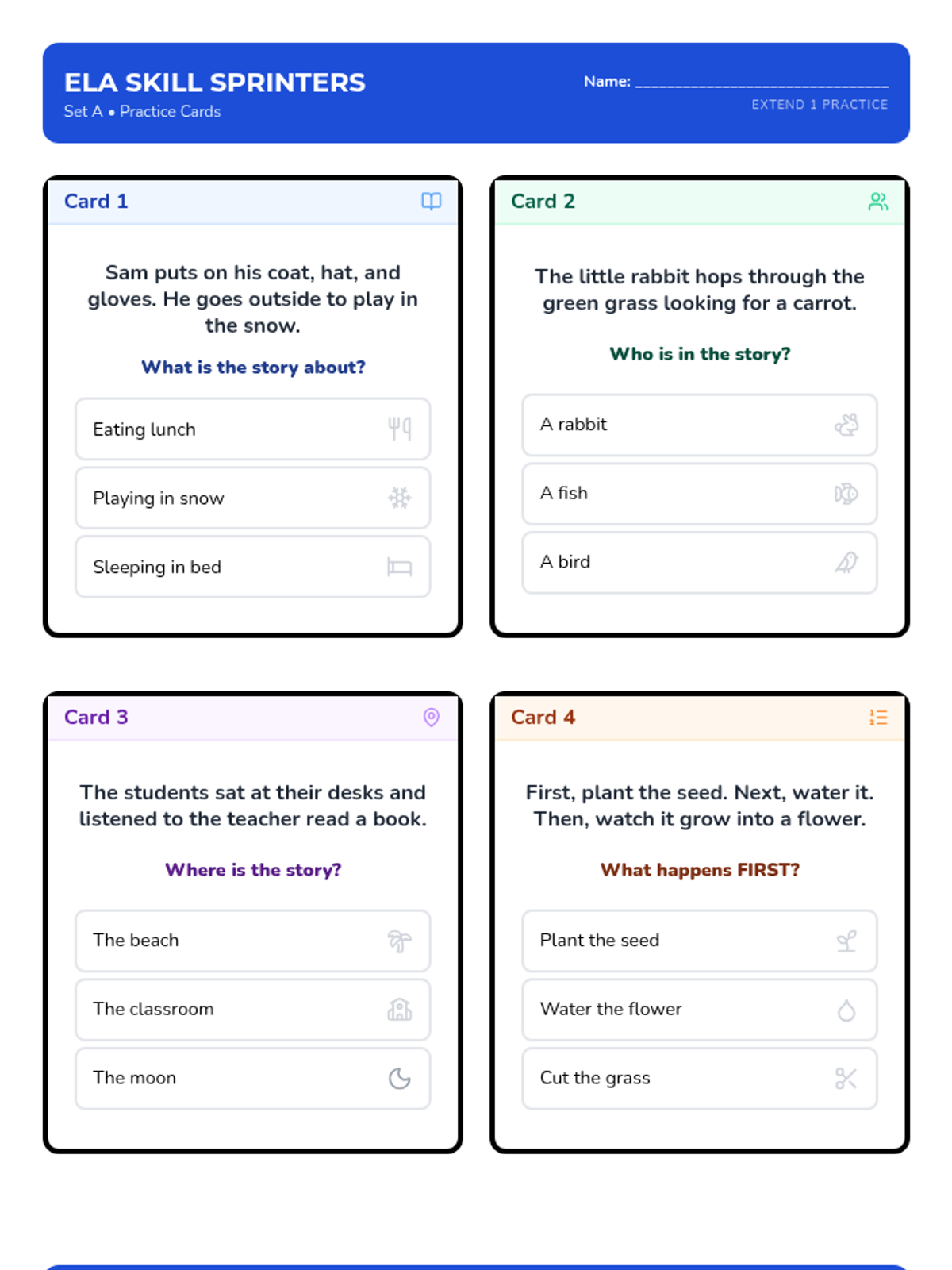
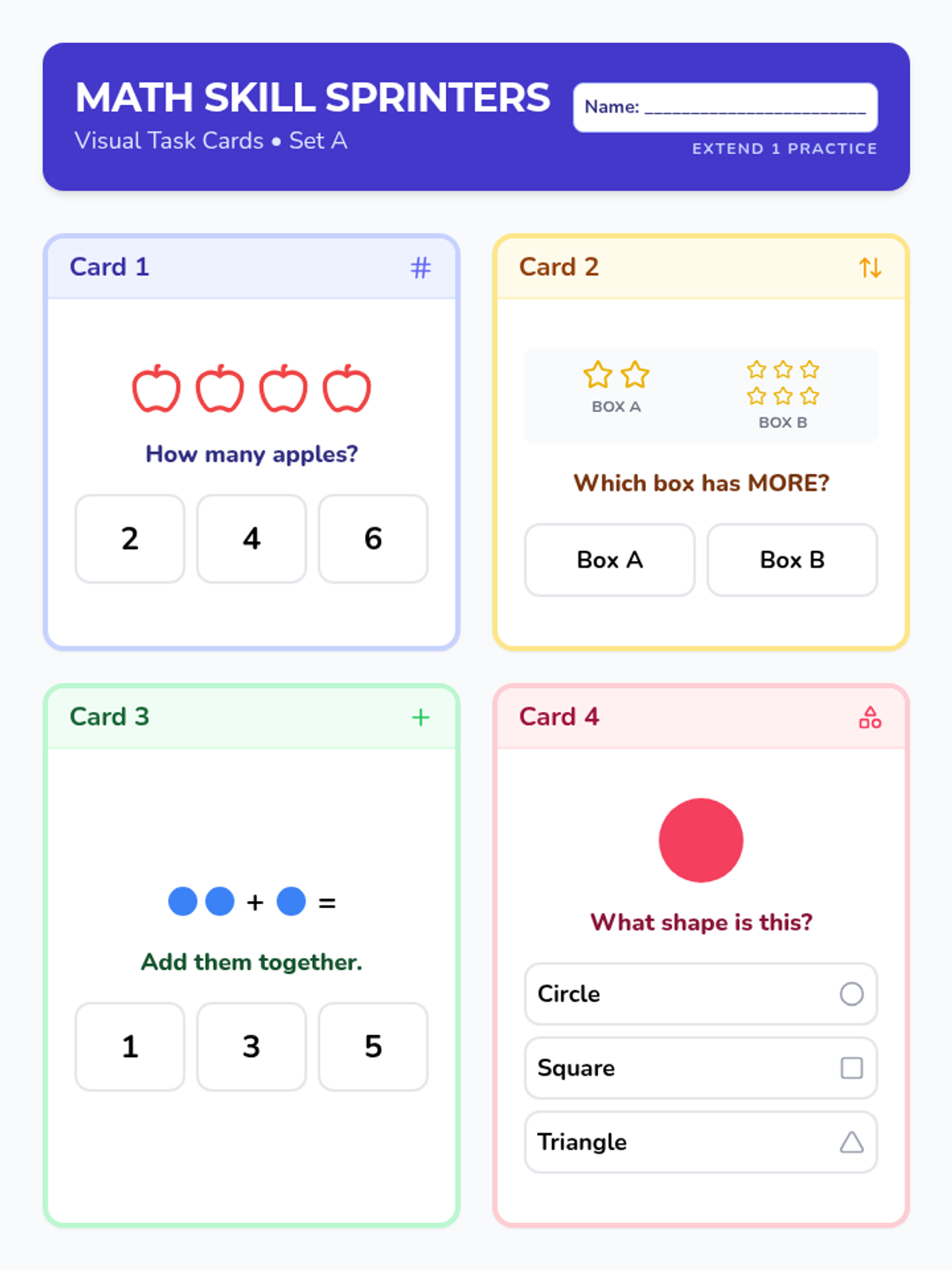
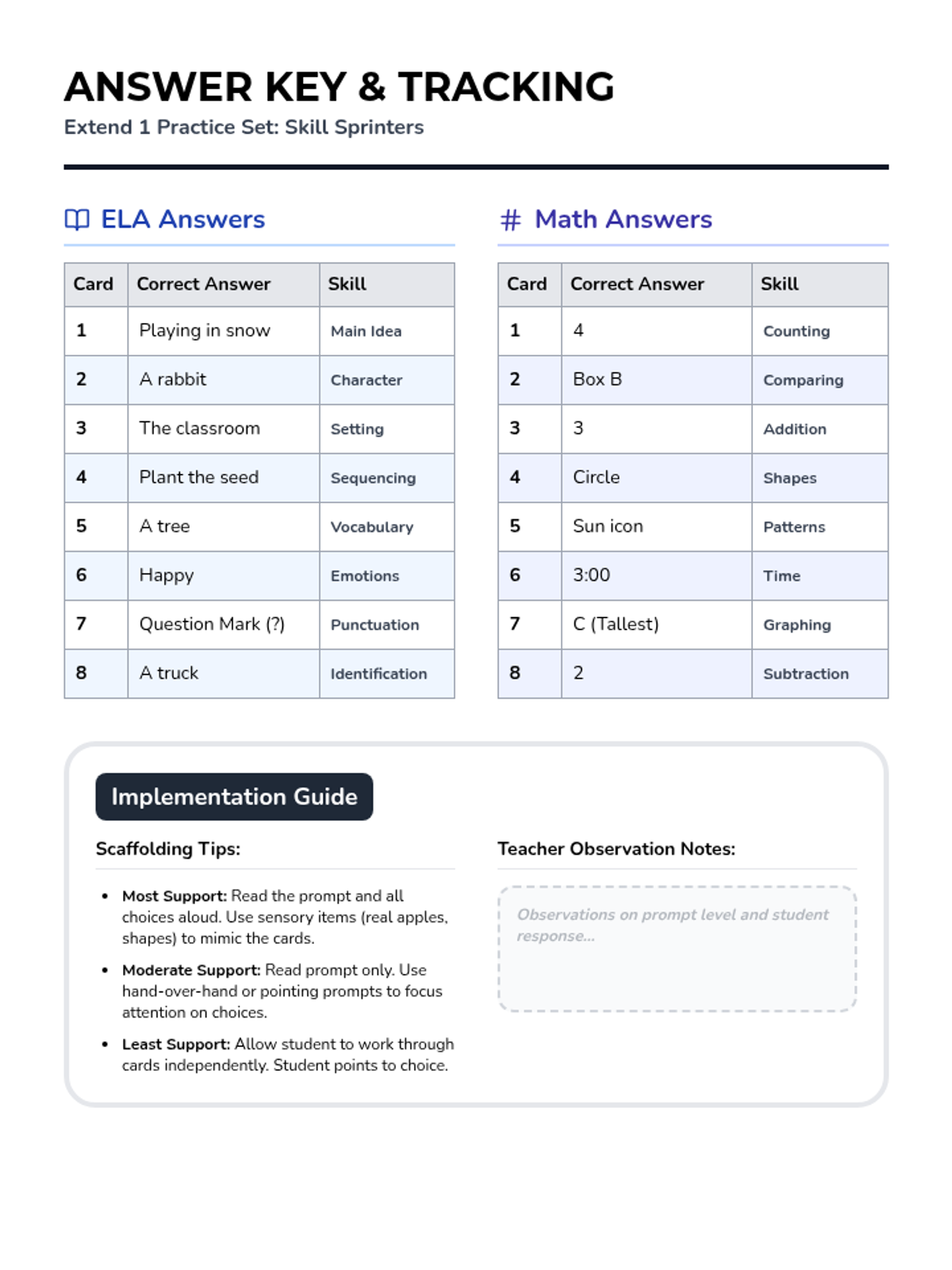
A set of ELA and Math visual task cards designed for students preparing for the Extend 1 alternate assessment, featuring high-contrast visuals and simplified choices.
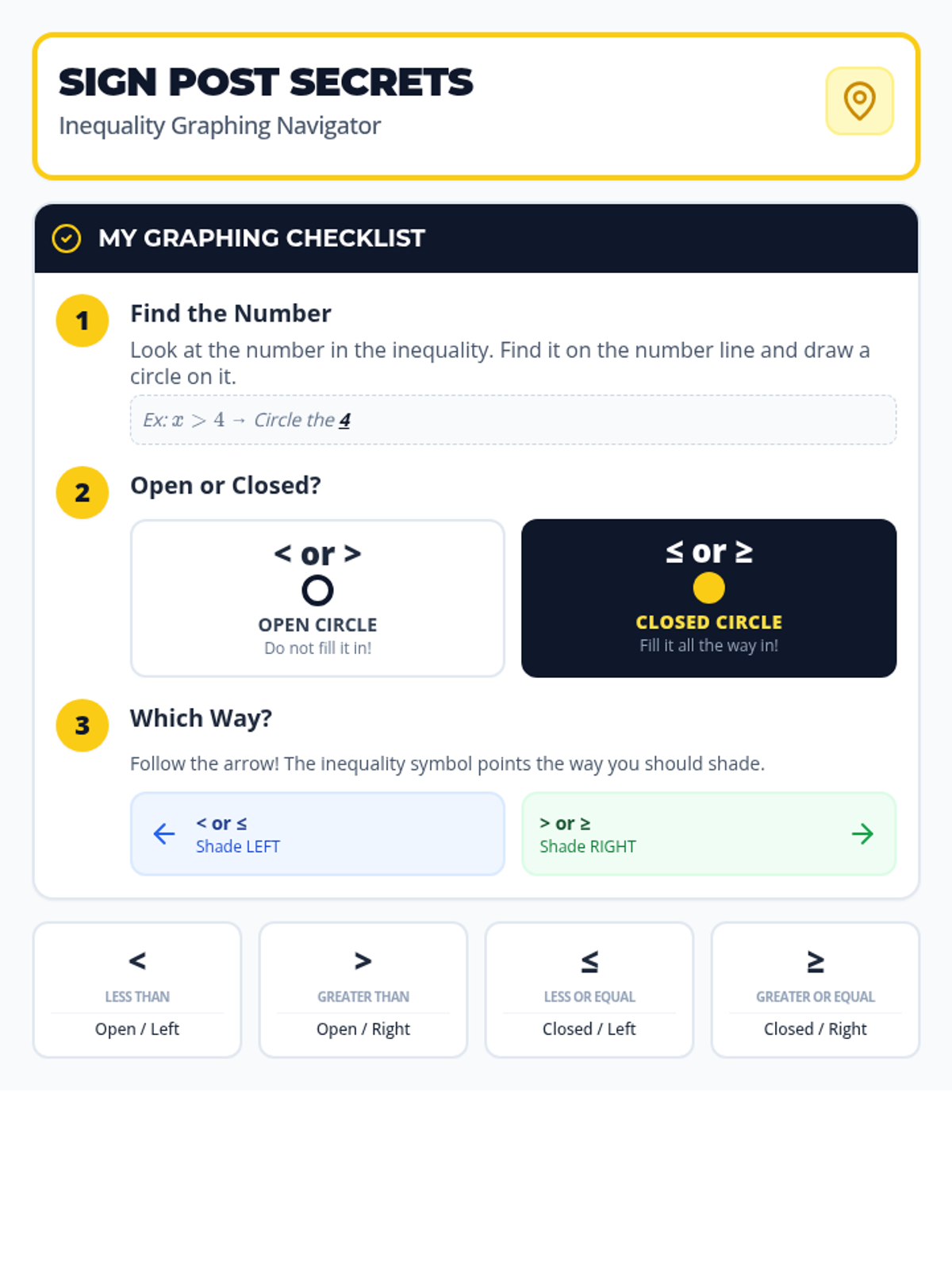
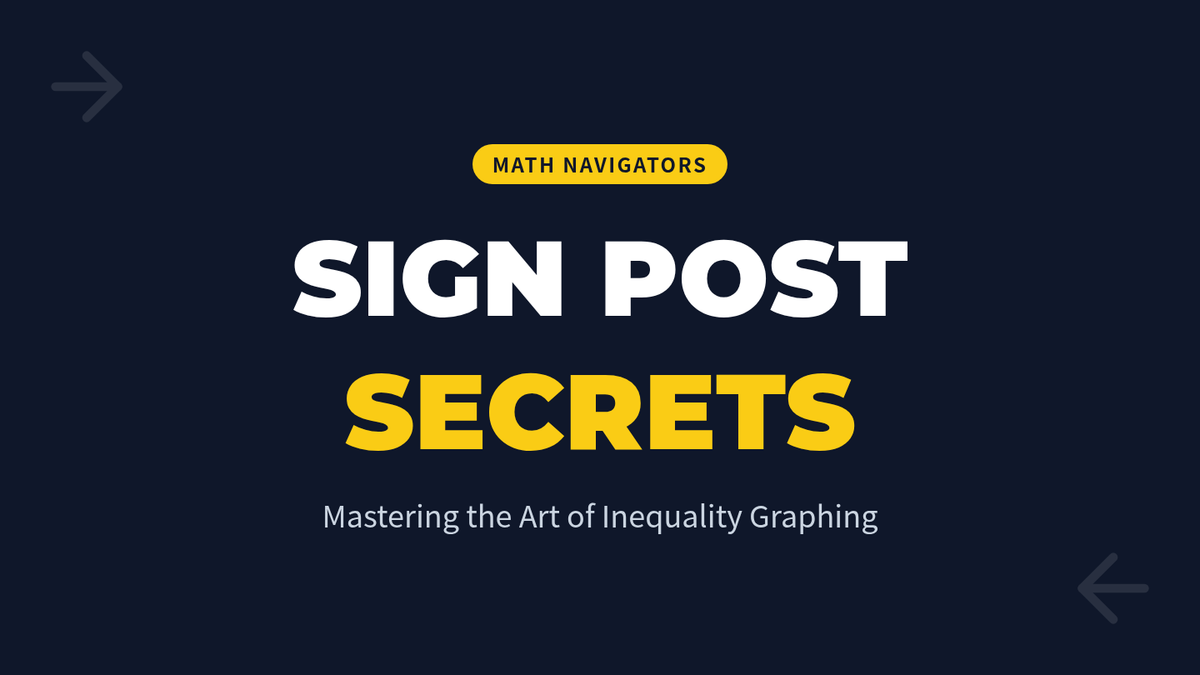
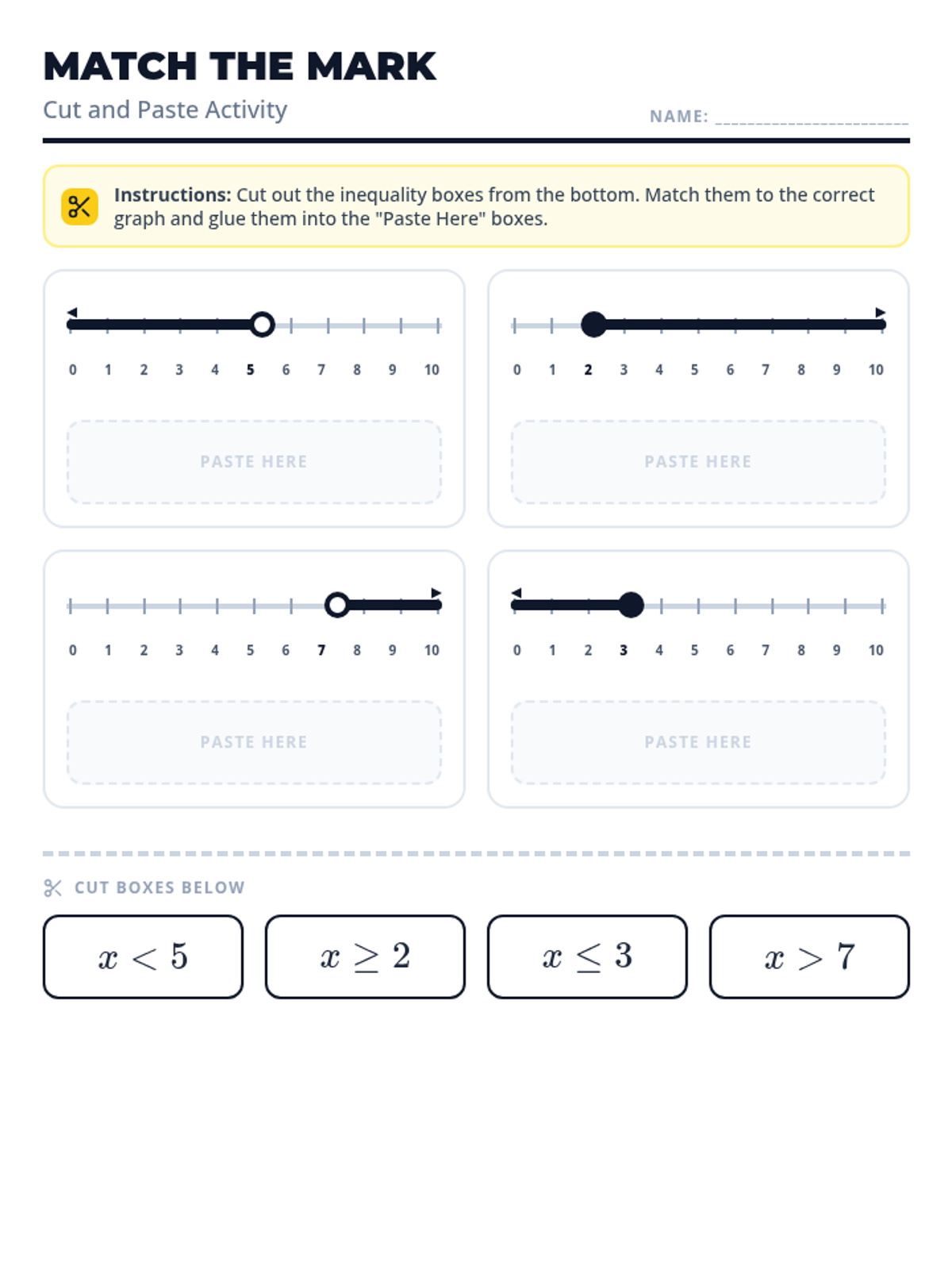
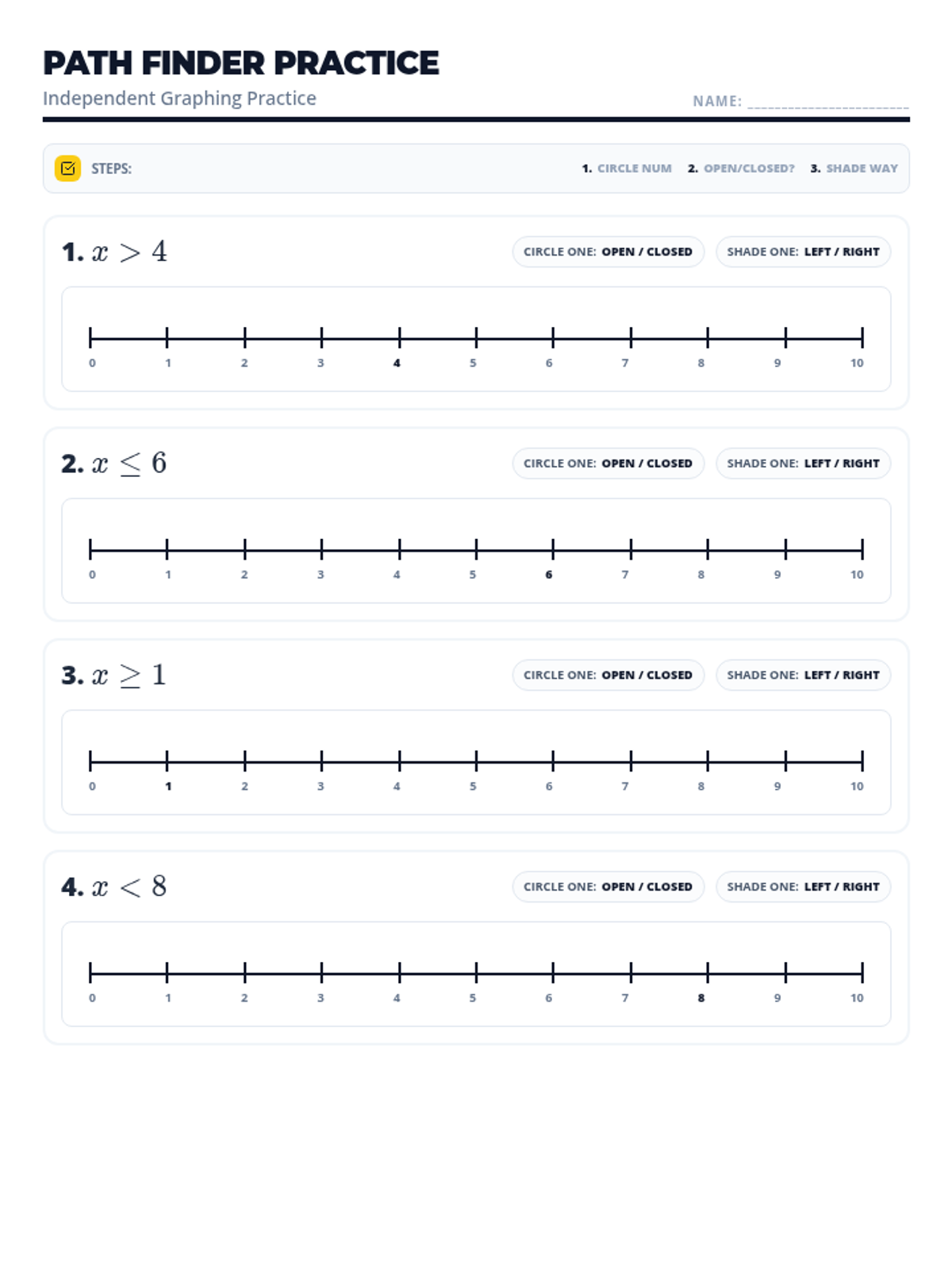
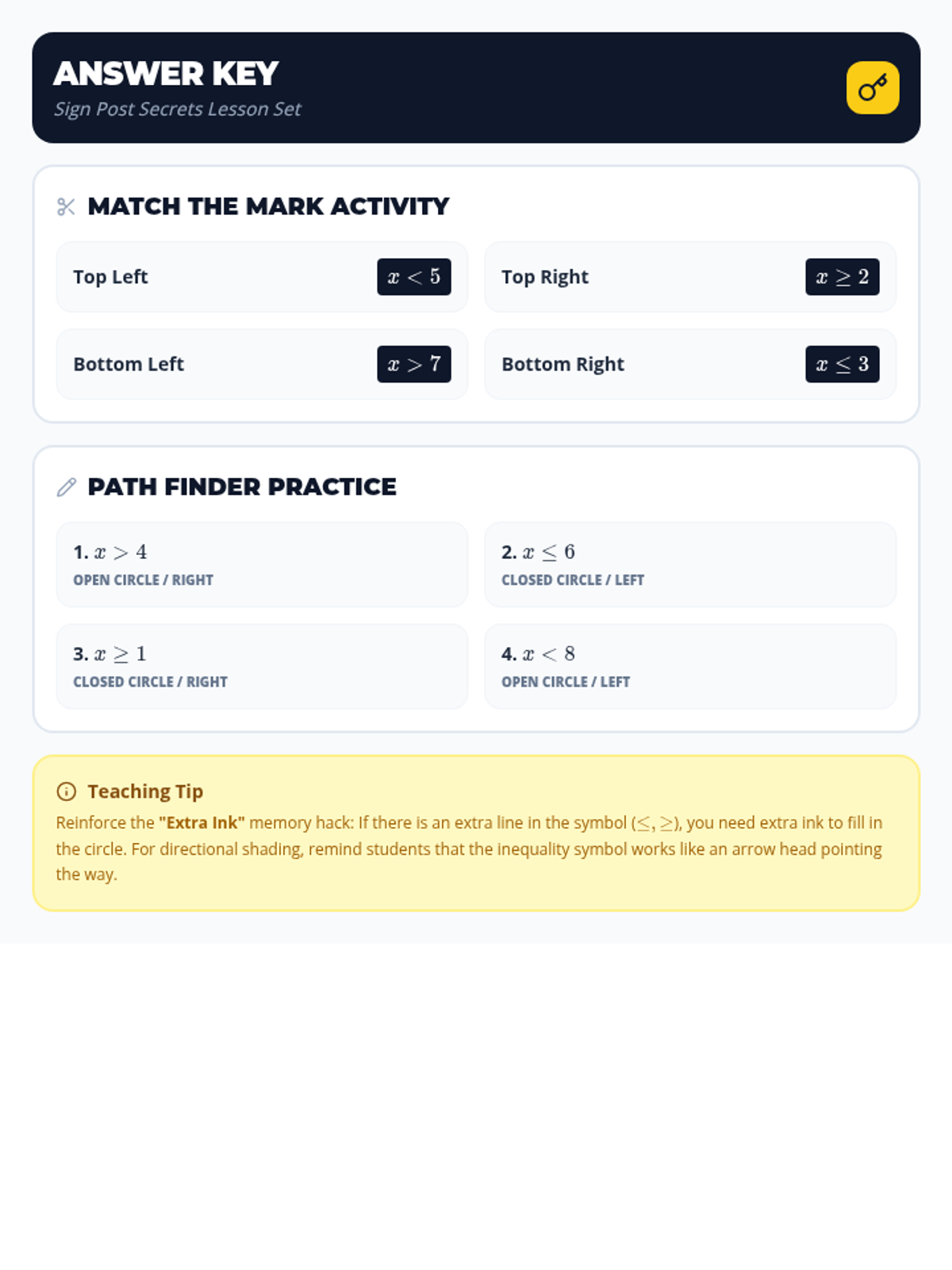
A guided lesson on graphing inequalities on a number line (0-10), specifically designed with visual supports and step-by-step checklists for IEP students.
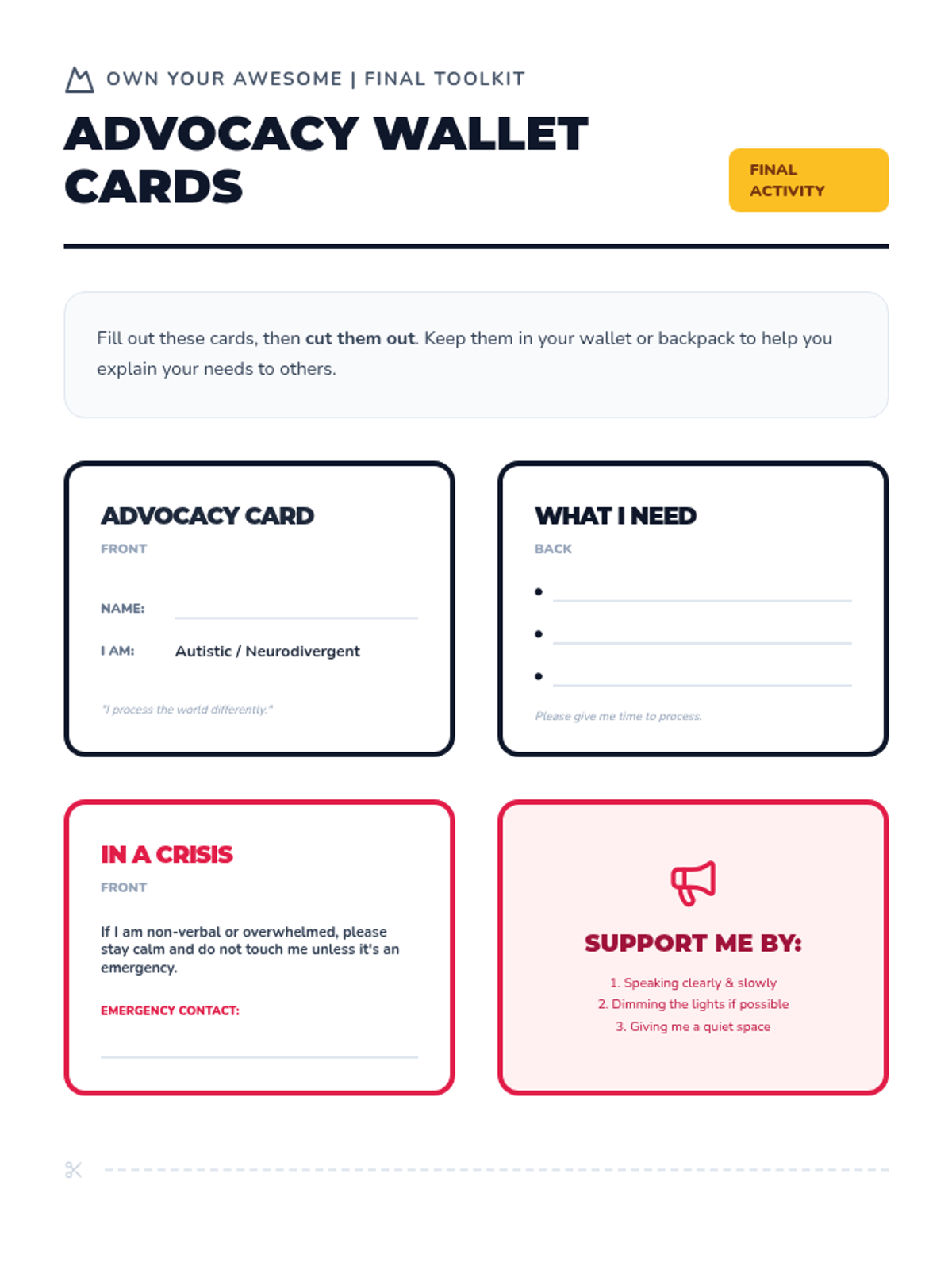
Creating a personalized self-advocacy toolkit and wallet cards for daily use in various environments.
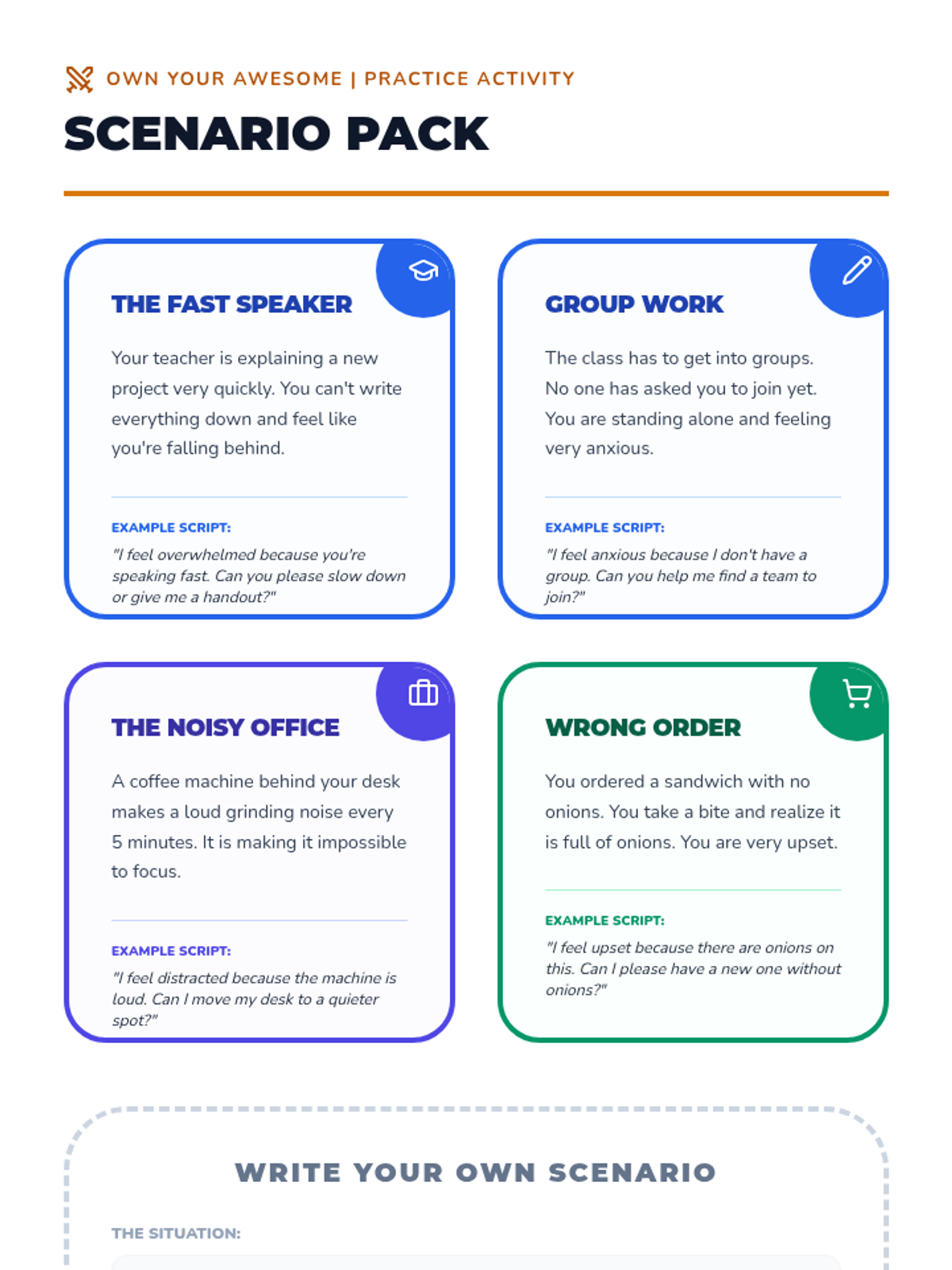
Active practice session with diverse role-play scenarios covering school, work, and community environments.
Navigating public spaces like stores, transit, and libraries with confidence and clear scripts.
Applying advocacy skills to workplace settings, including professional communication and disclosure decisions.
Practicing self-advocacy in the classroom, including asking for accommodations and clarifying instructions.
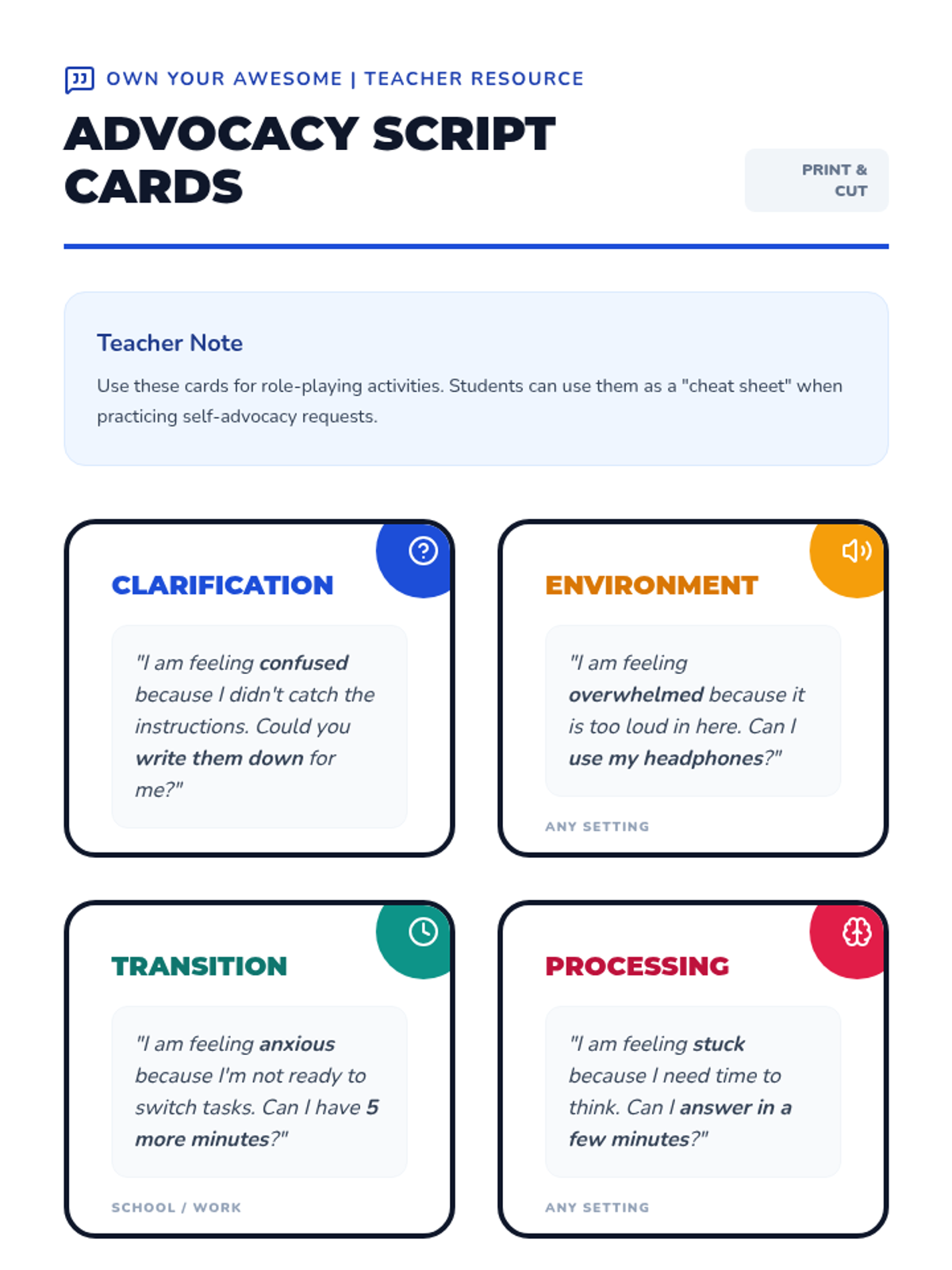
Mastering the structure of a self-advocacy request using clear scripts and communication strategies.
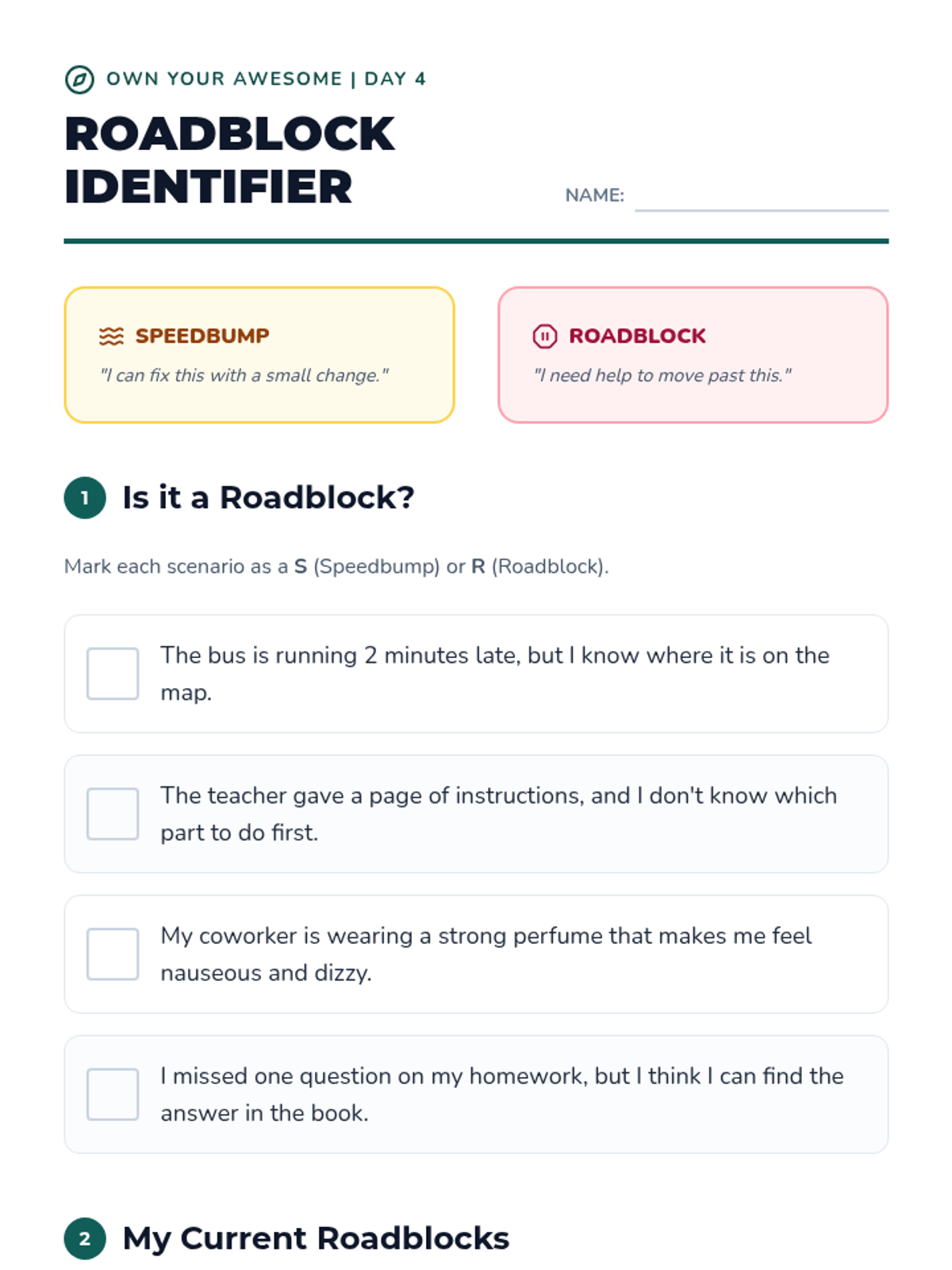
Learning to identify specific roadblocks in real-time and determining what kind of support is required.
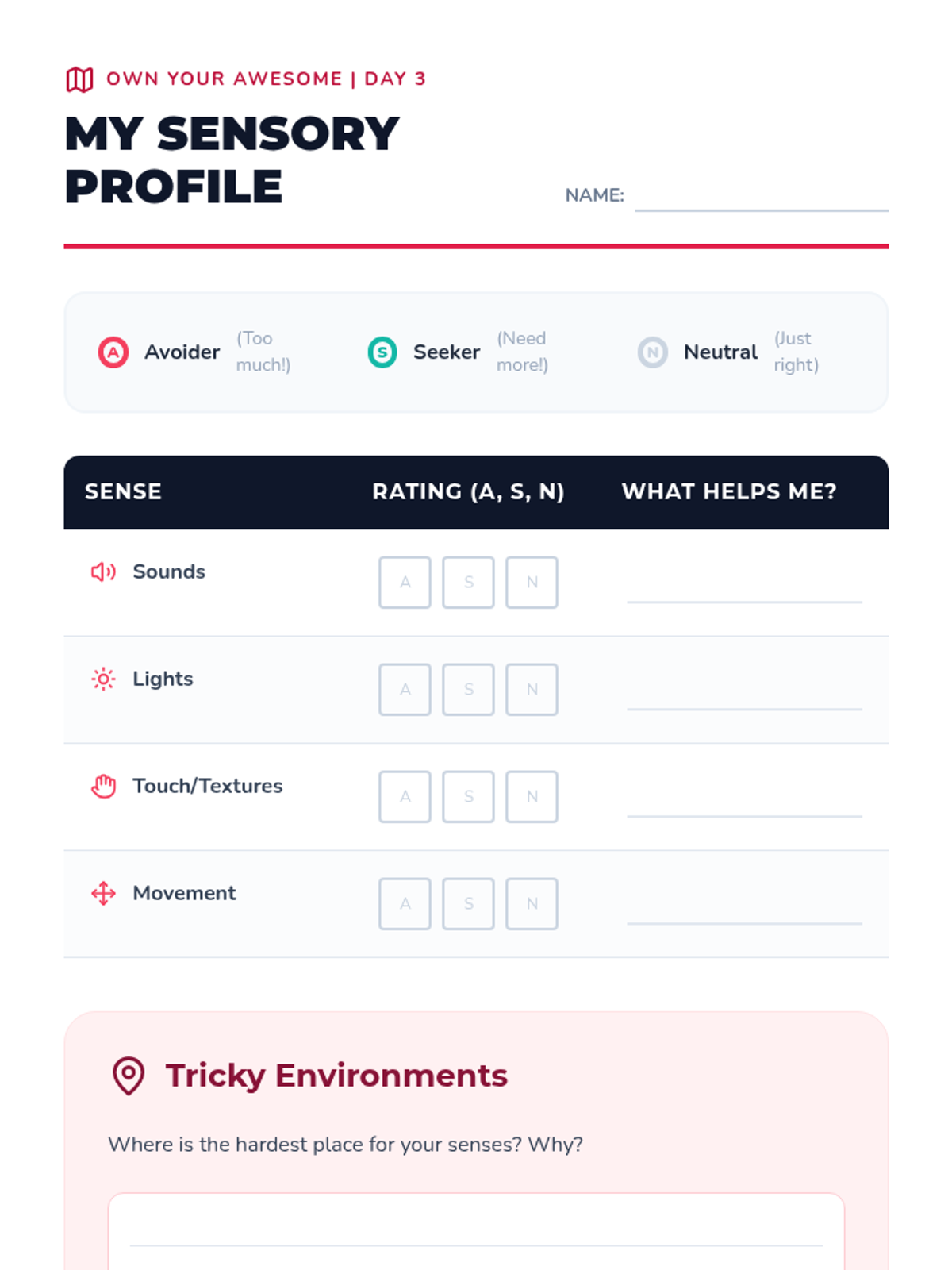
Mapping personal sensory profiles to identify environmental triggers and supportive tools across different settings.
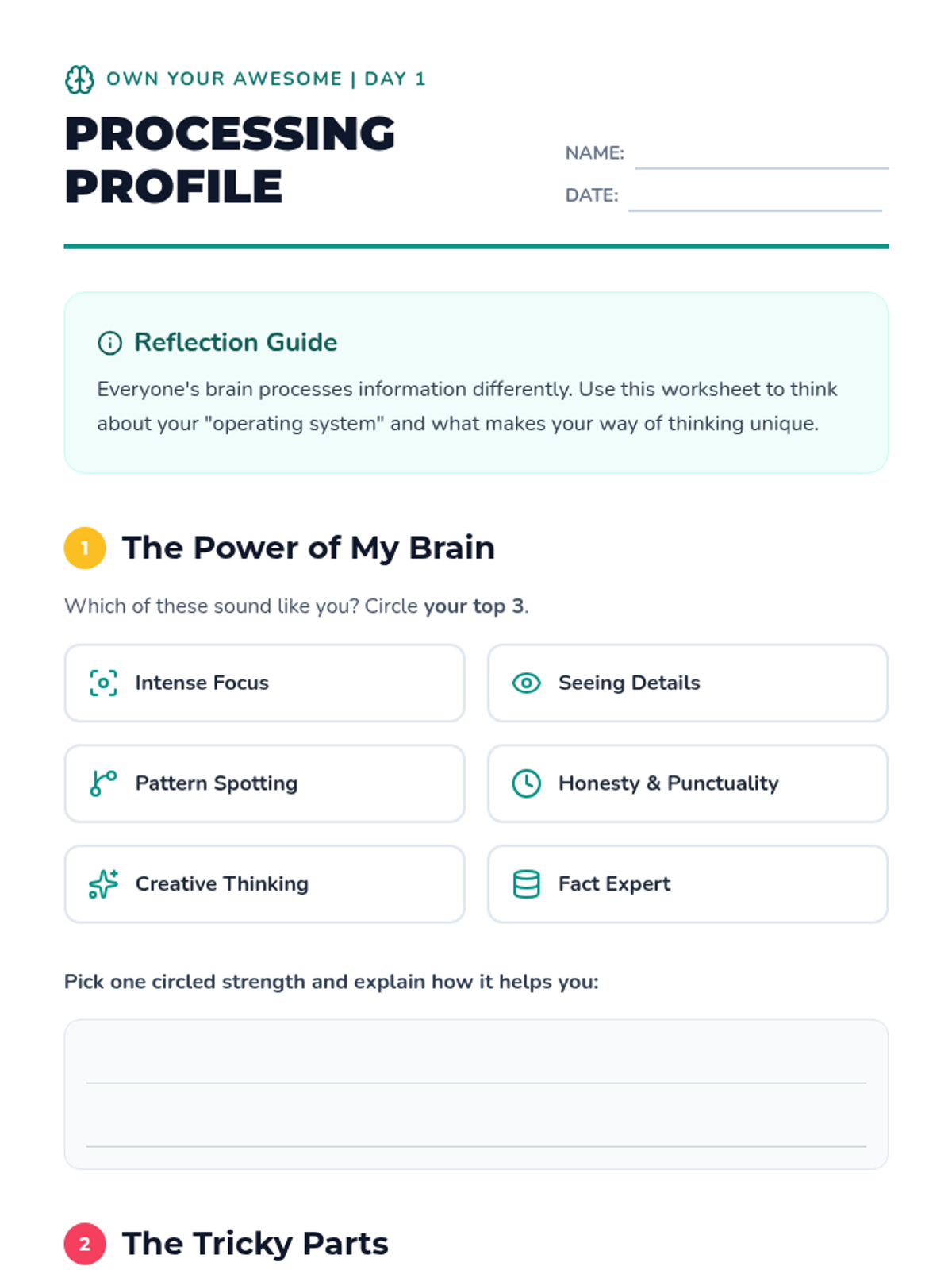
A 30-minute lesson introducing autism through a neurodiversity-affirming lens, focusing on unique processing styles and personal identity.
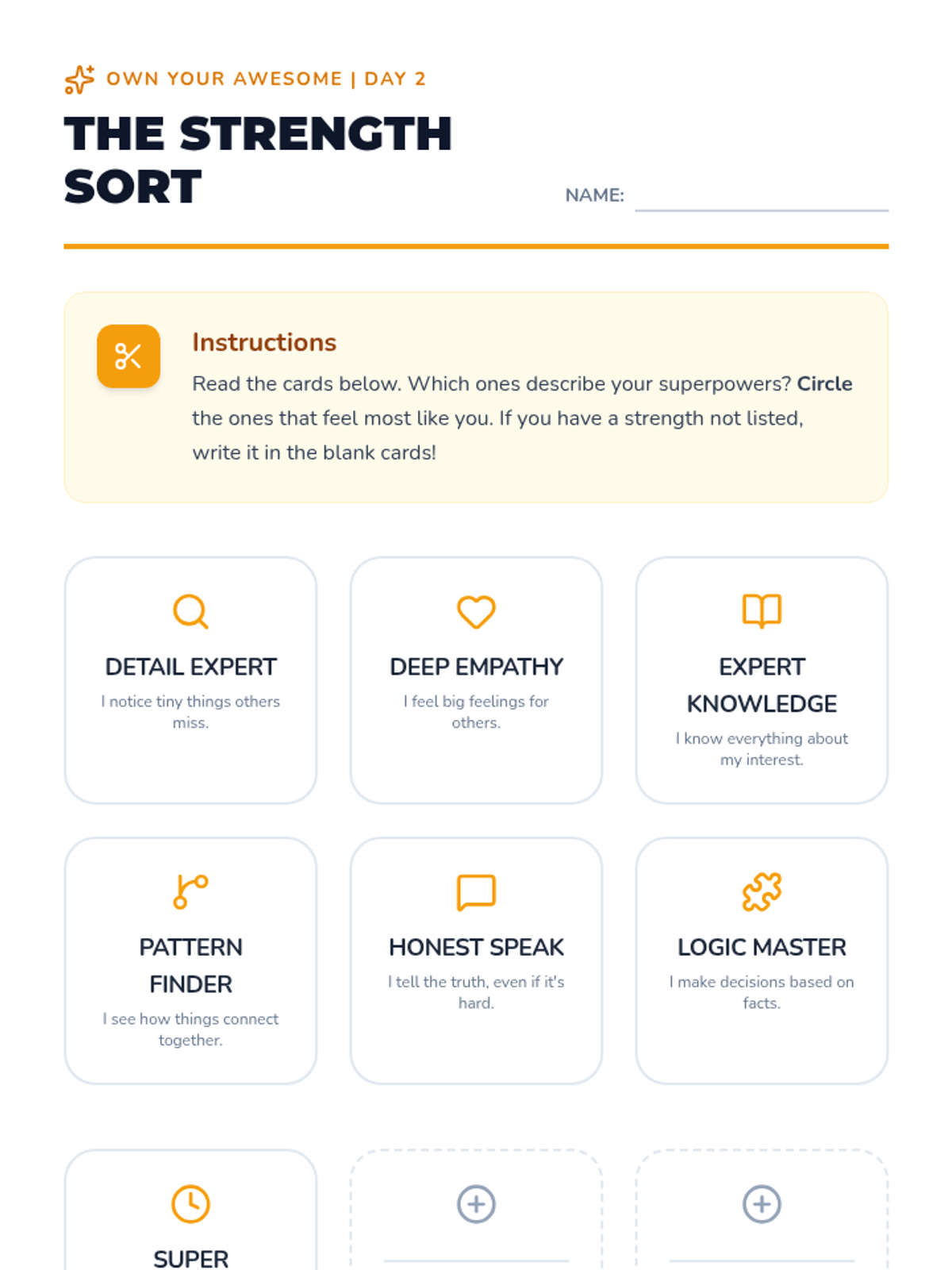
Exploring cognitive and social strengths, moving from a deficit model to a talent-focused understanding of the self.
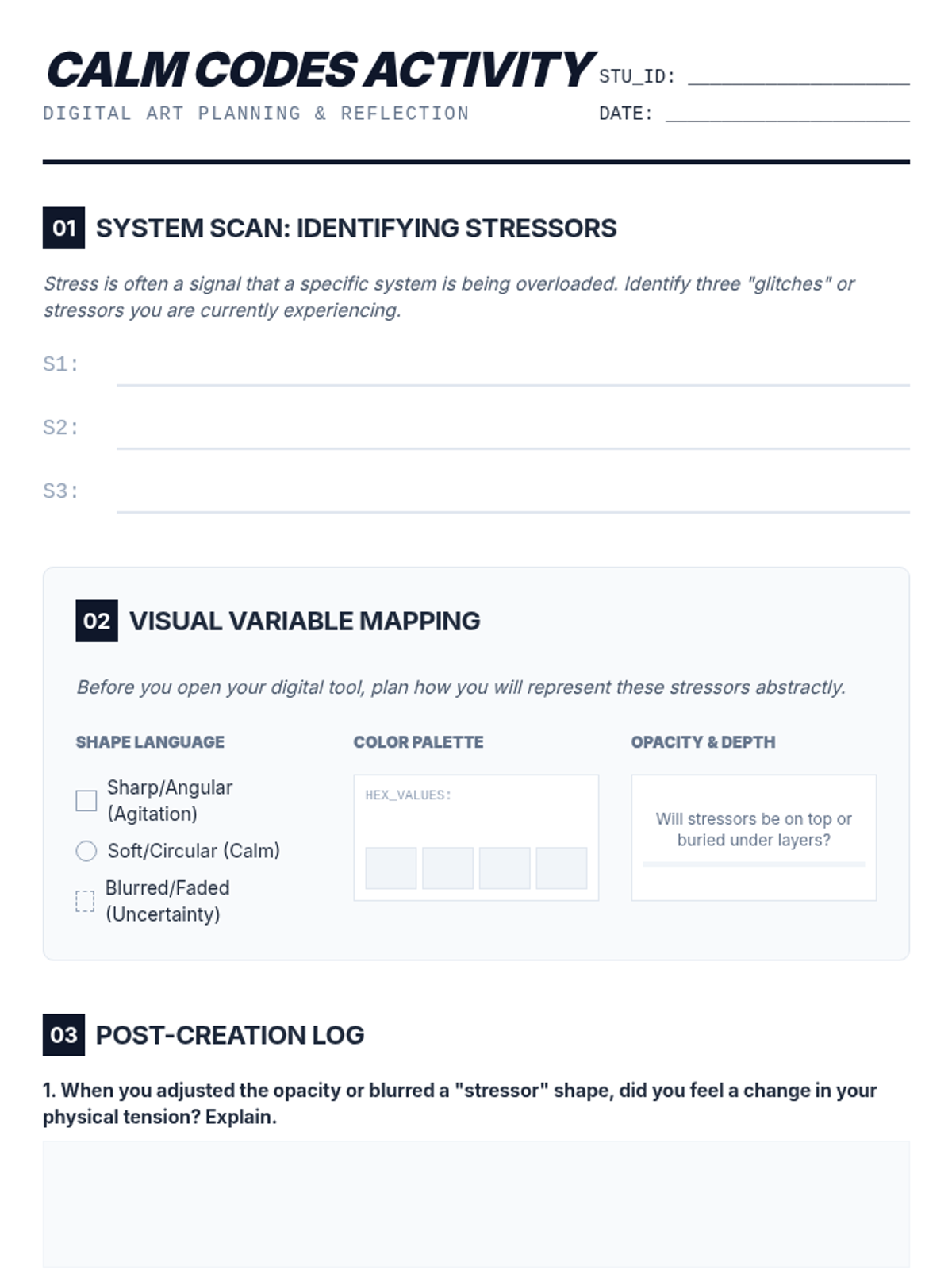
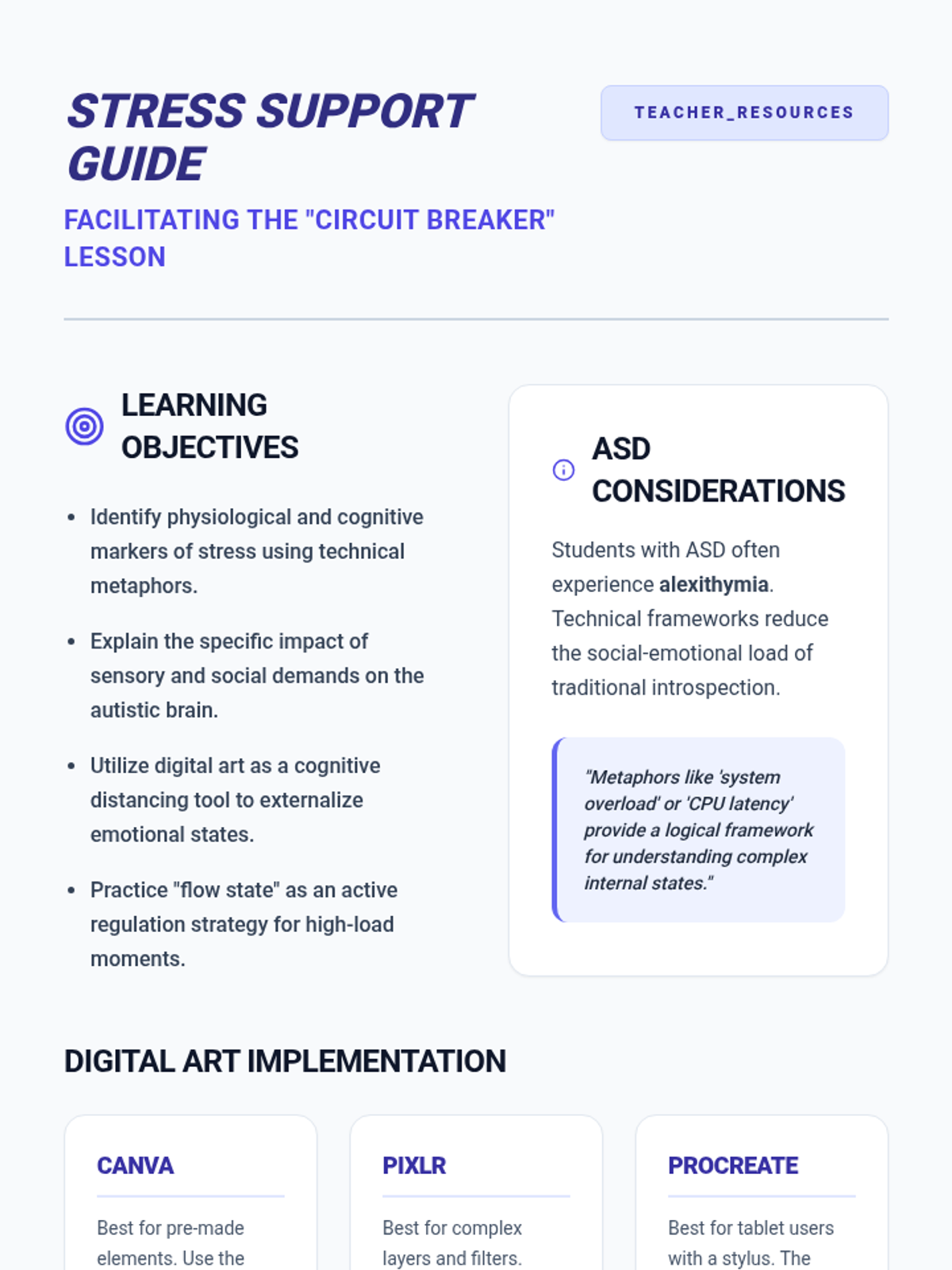
A sophisticated social skills lesson for high schoolers that uses technical metaphors and digital art to understand and manage emotional stress. Includes a slide presentation, a student planning guide, and a teacher facilitation resource.
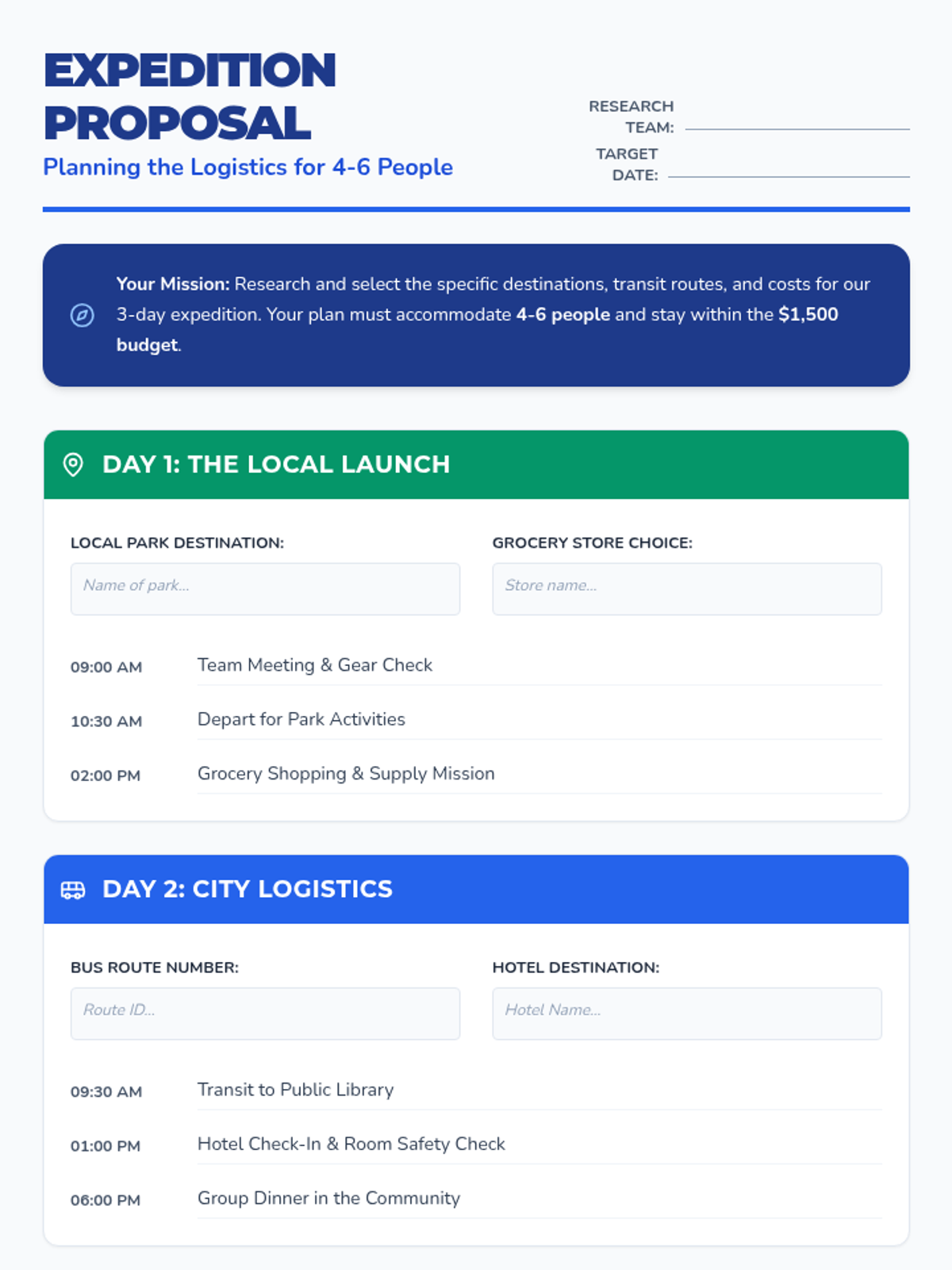
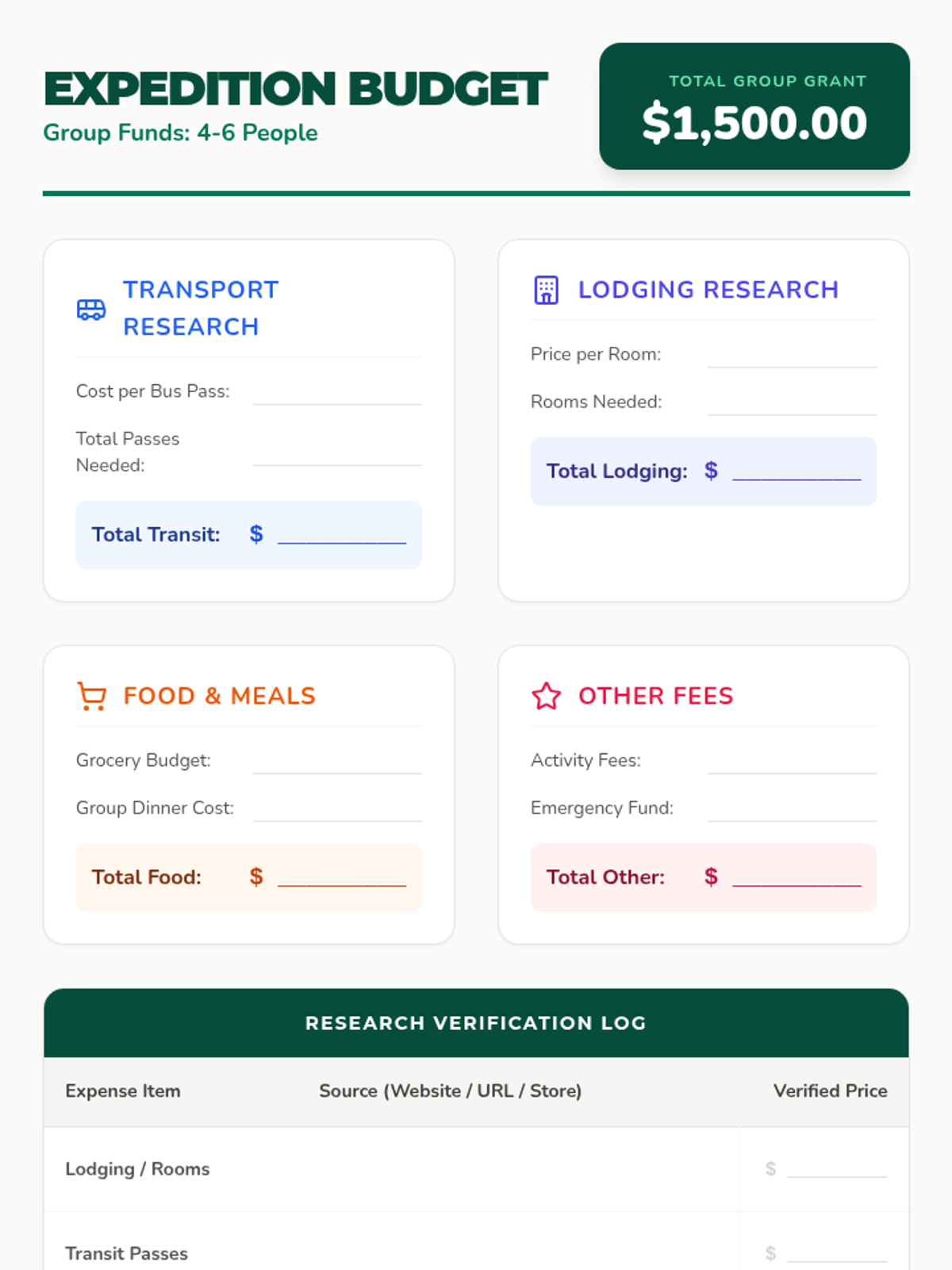
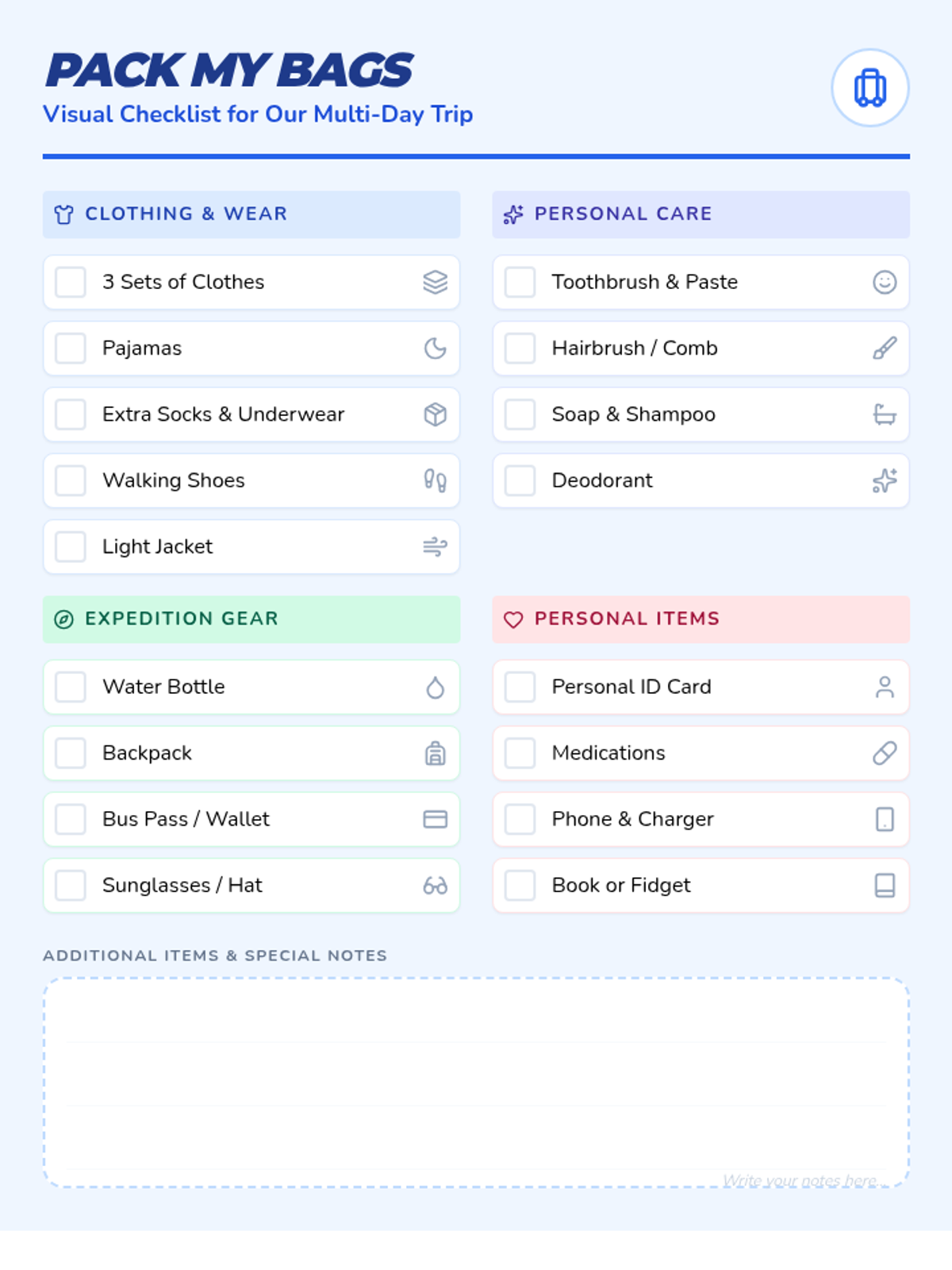
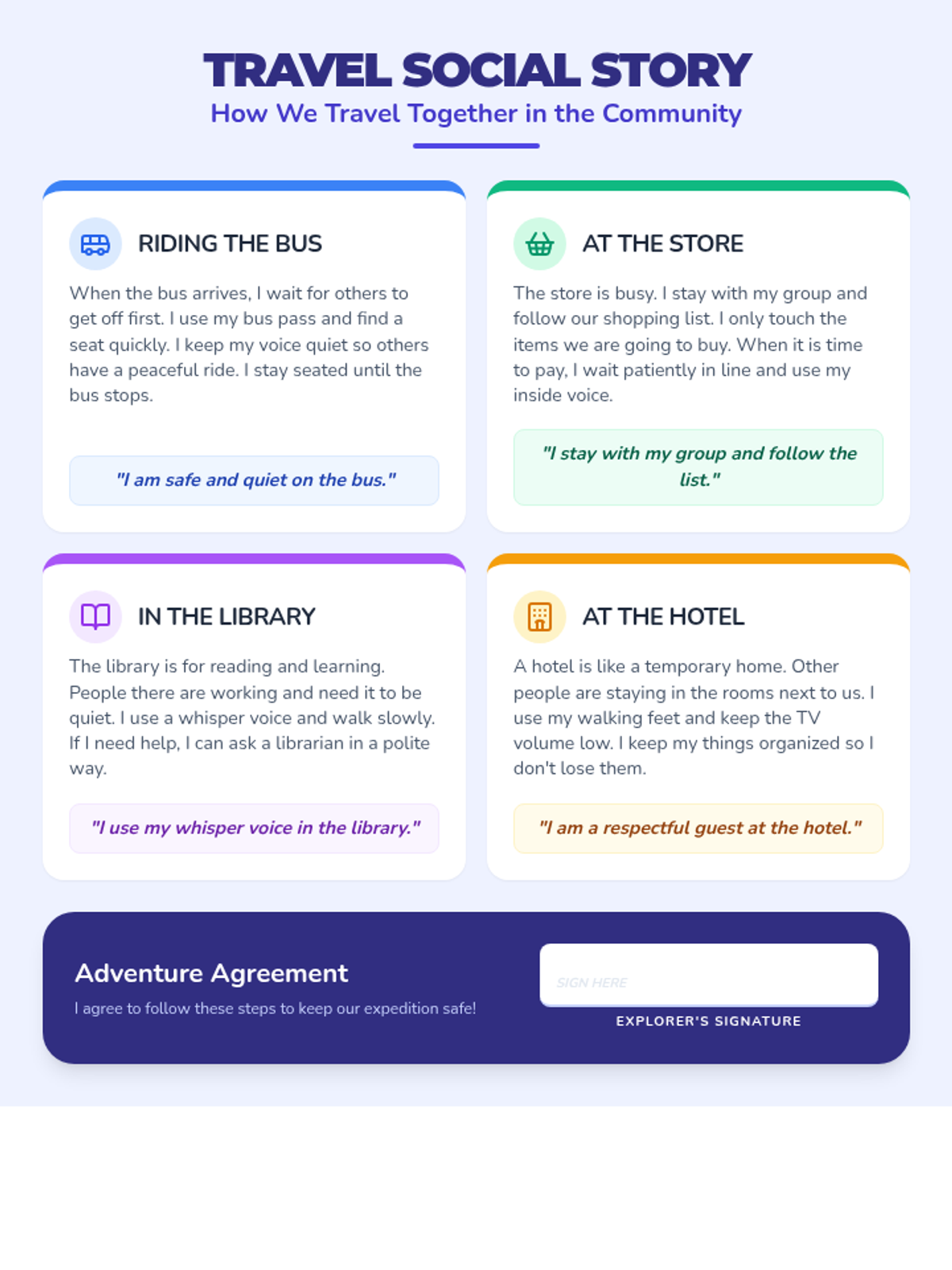
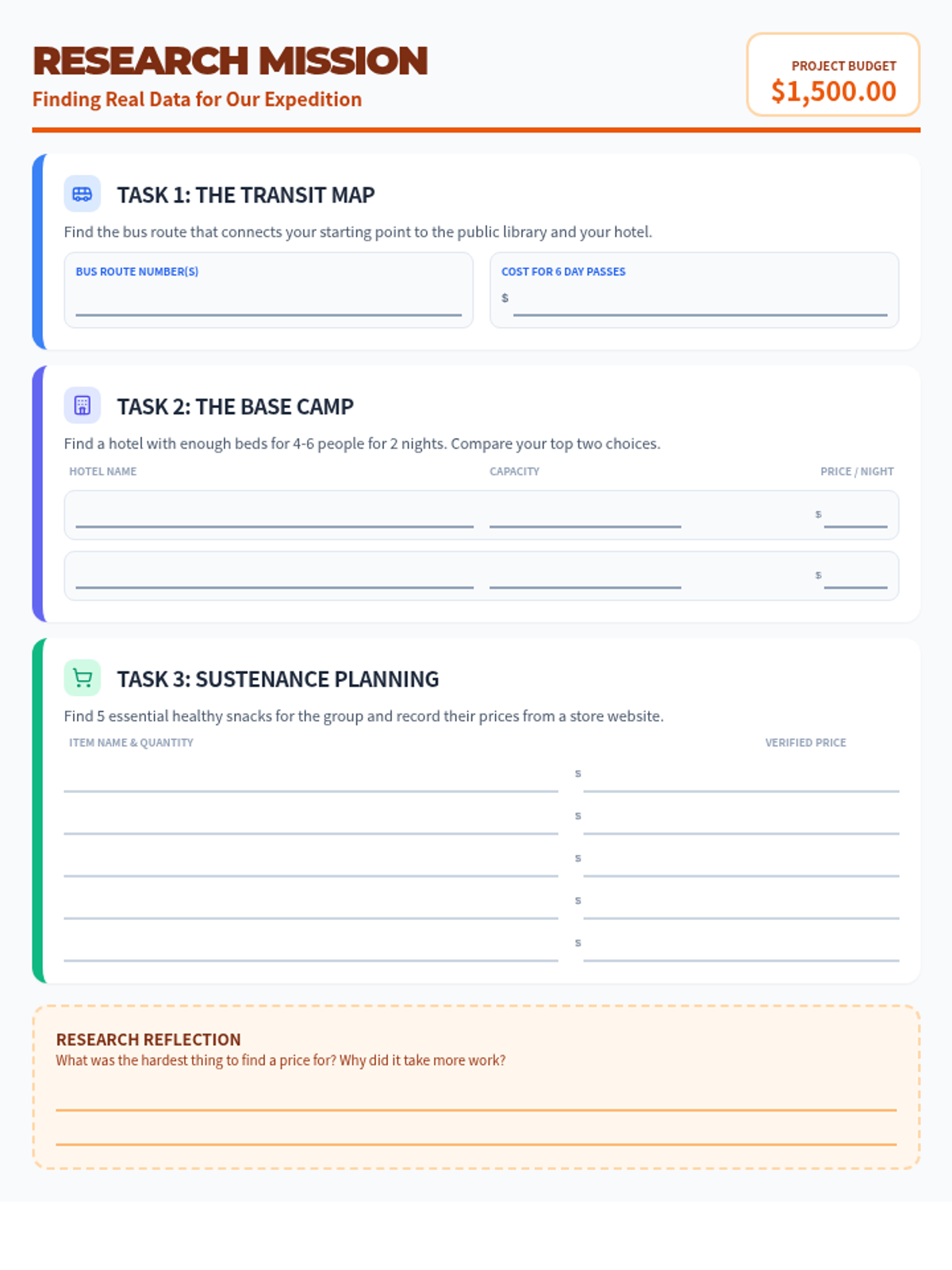
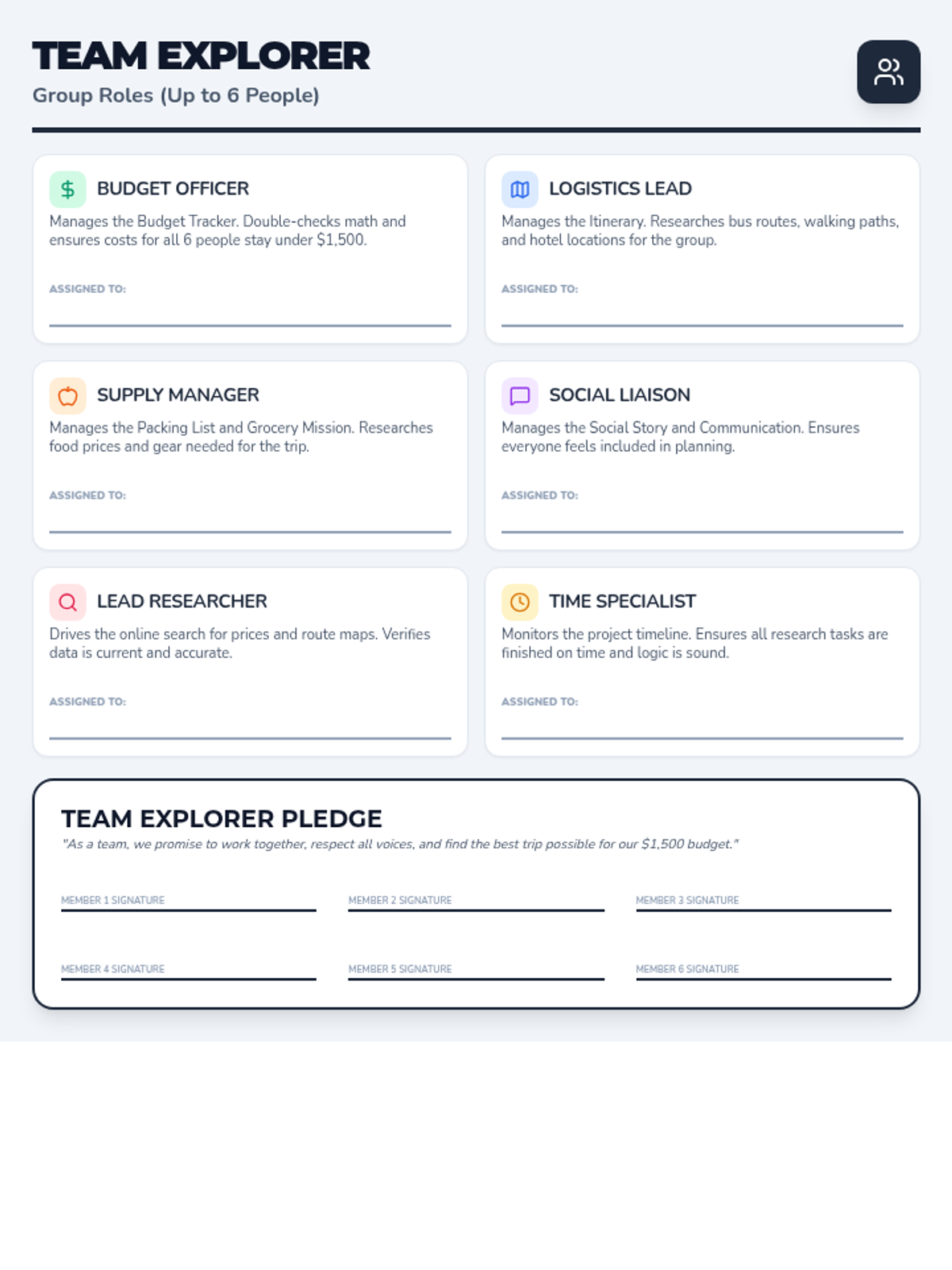
A comprehensive set of tools for planning and executing a multi-destination community trip, focusing on life skills, budgeting, and social expectations.
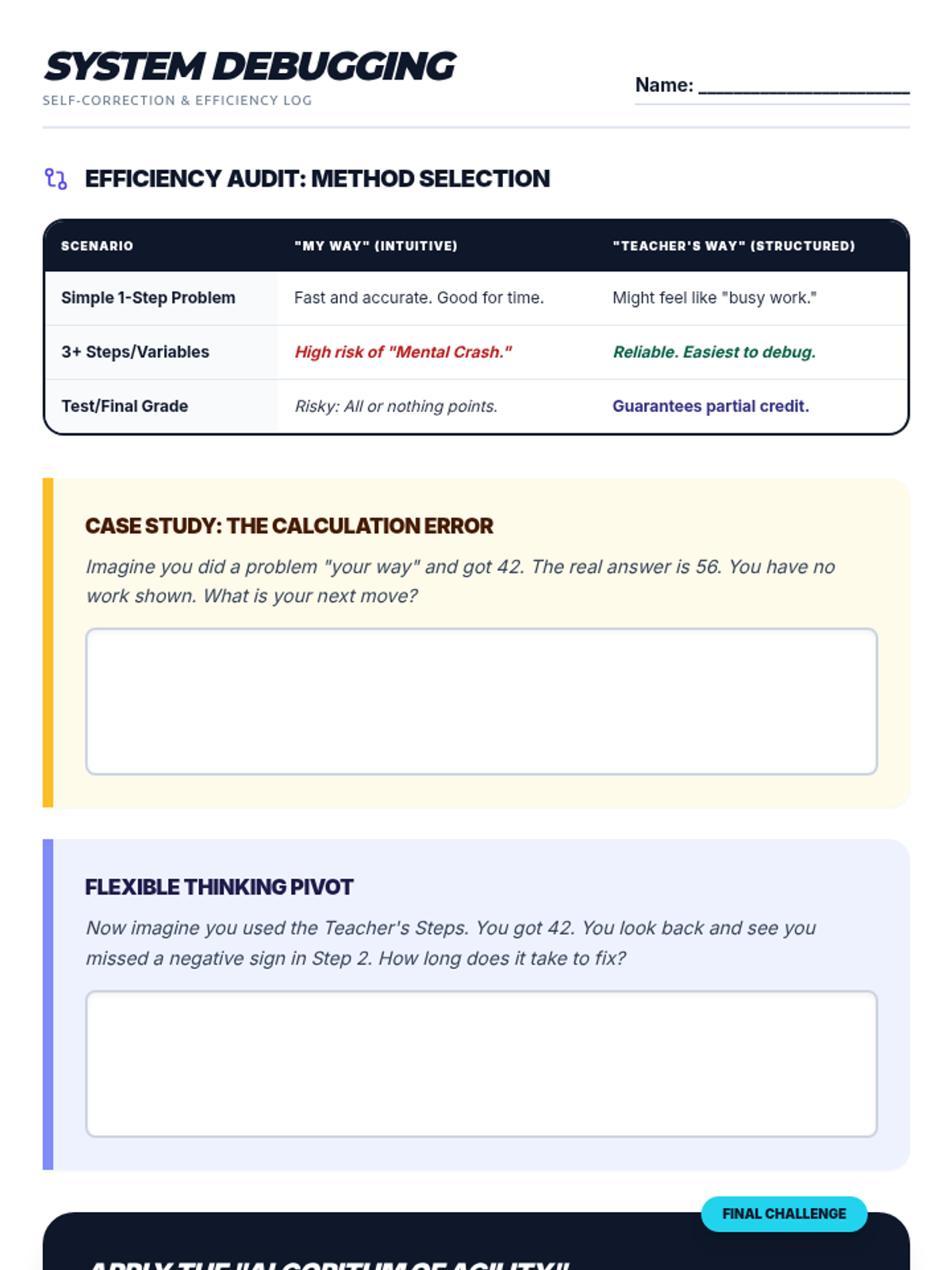
Evaluating the efficiency of different solving methods and practicing 'debugging' one's own thought process when encountering errors.
Direct application of flexible thinking to algebra word problems using a structured graphic organizer that bridges intuitive and formal methods.
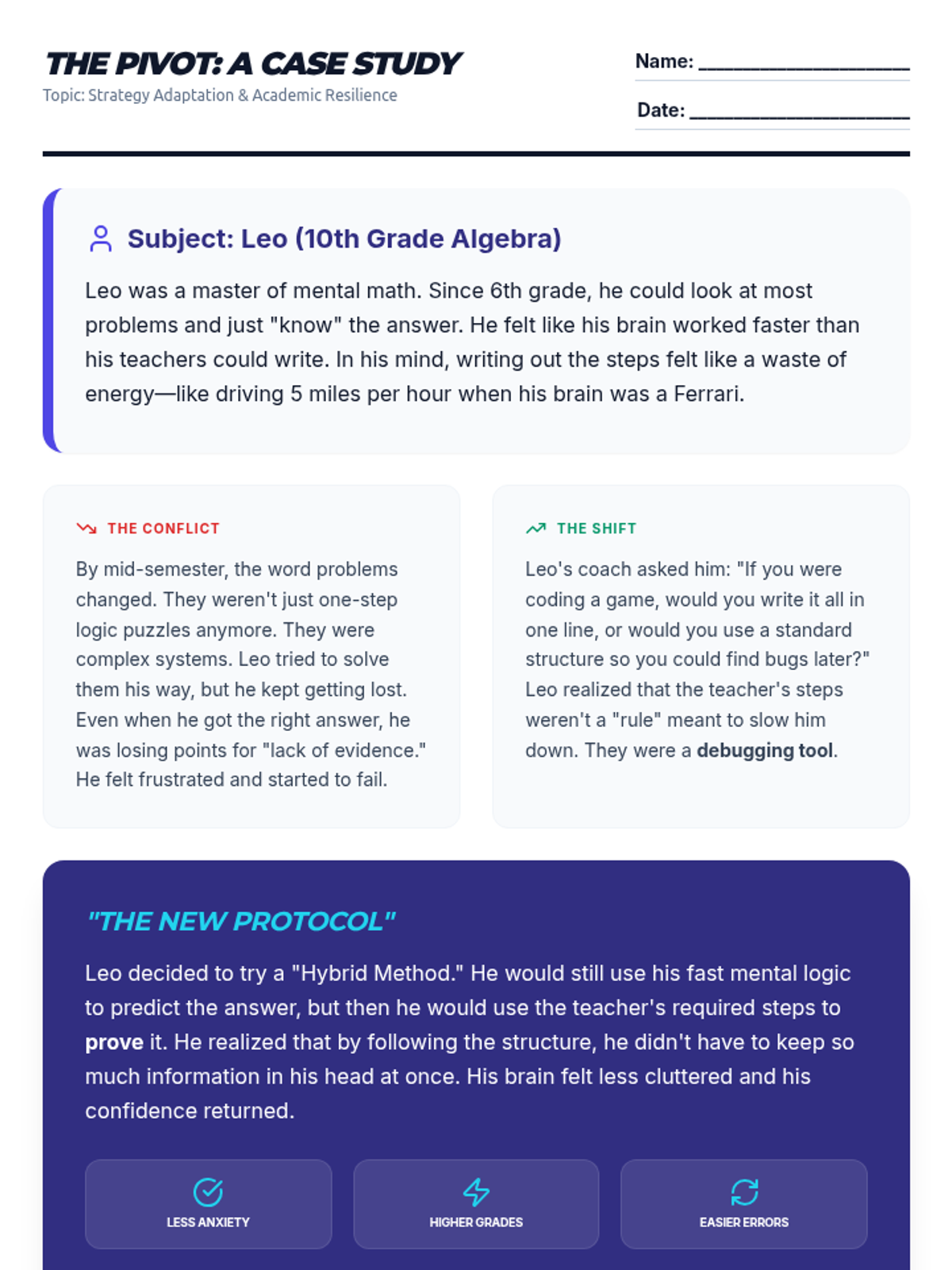
A narrative-based lesson exploring a peer-to-peer scenario of adapting math strategies to achieve academic goals.
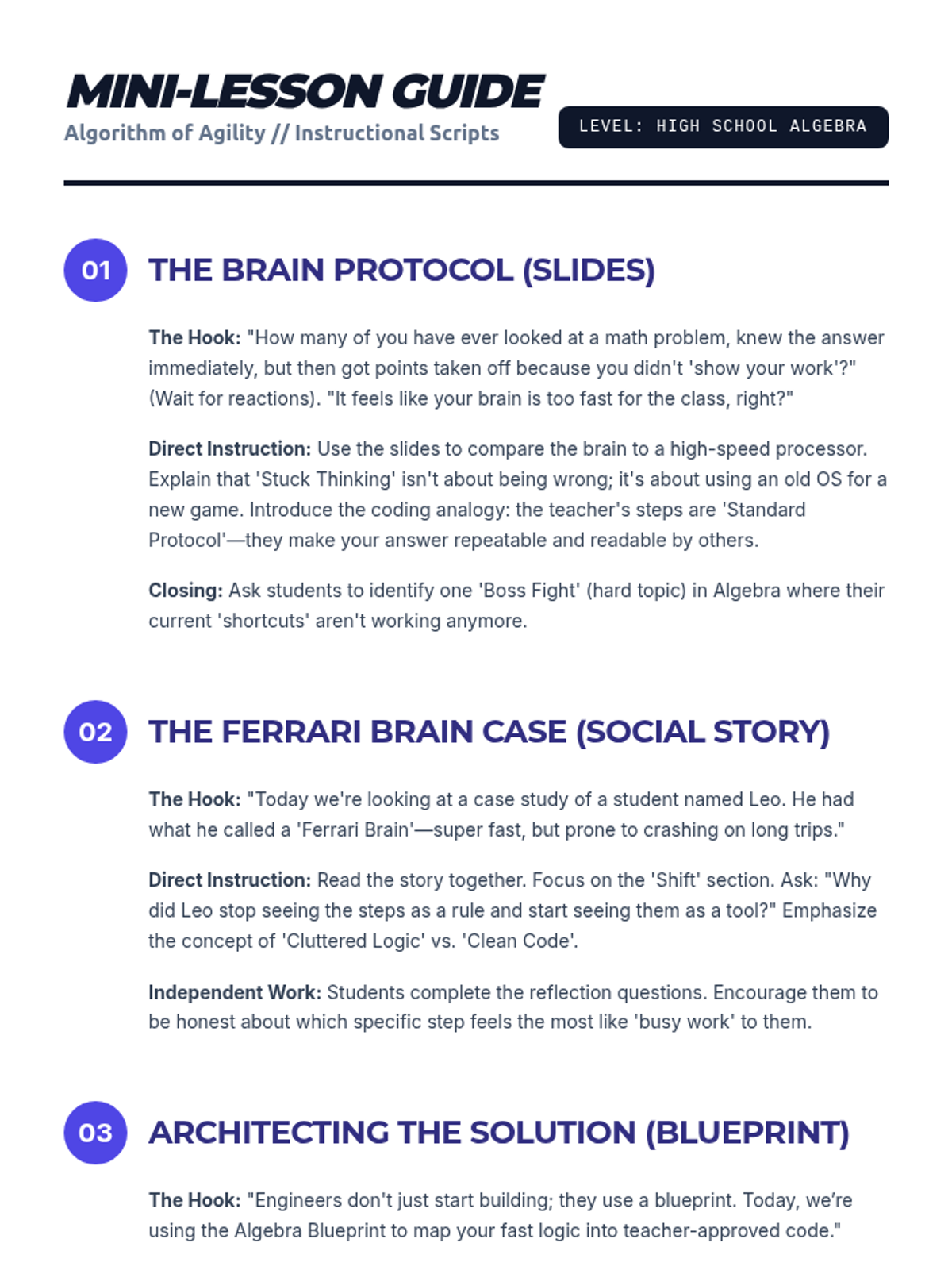
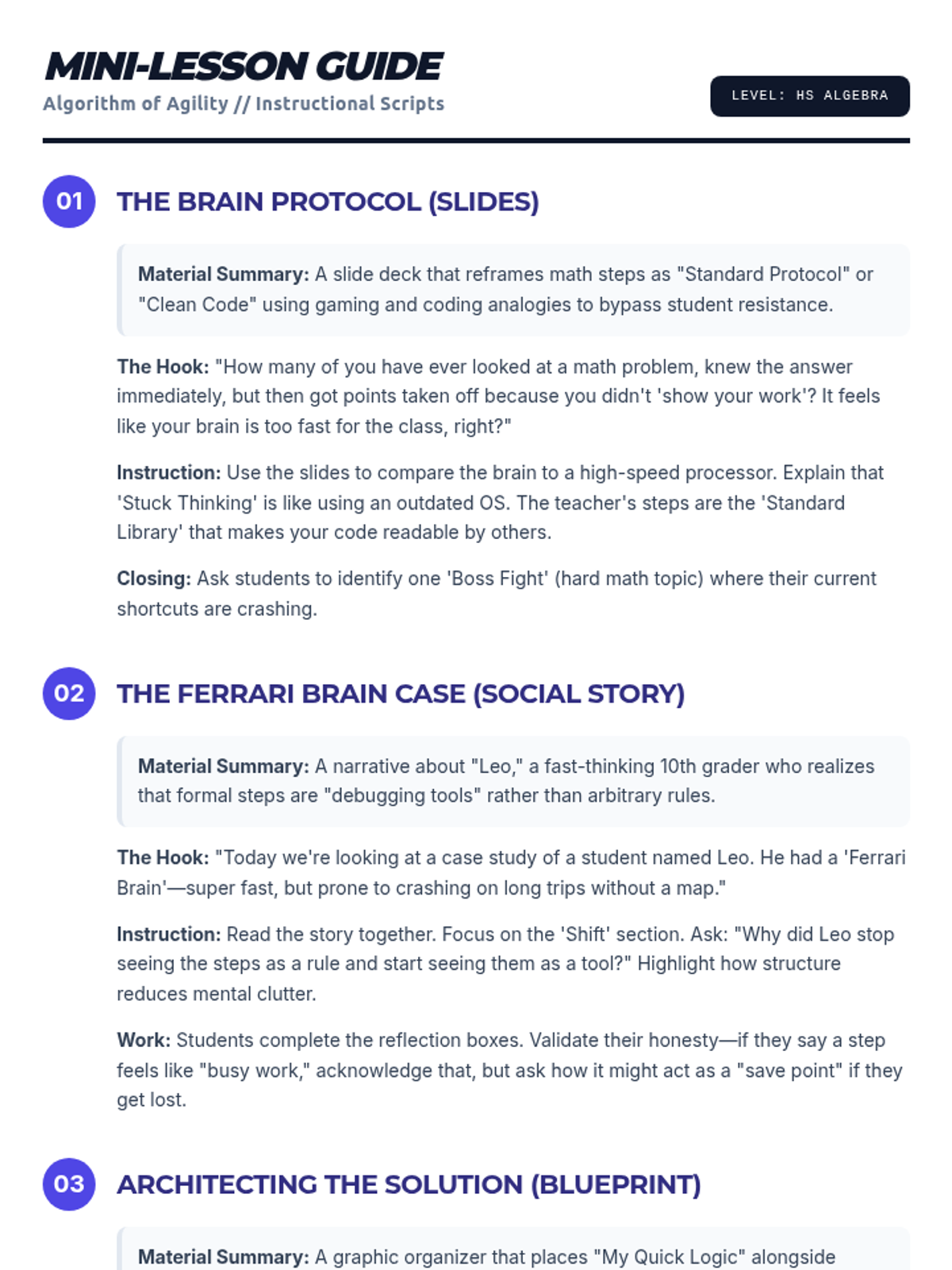
Introduction to cognitive flexibility through the lens of 'stuck' versus 'flexible' thinking, tailored for the logical environment of an algebra classroom.
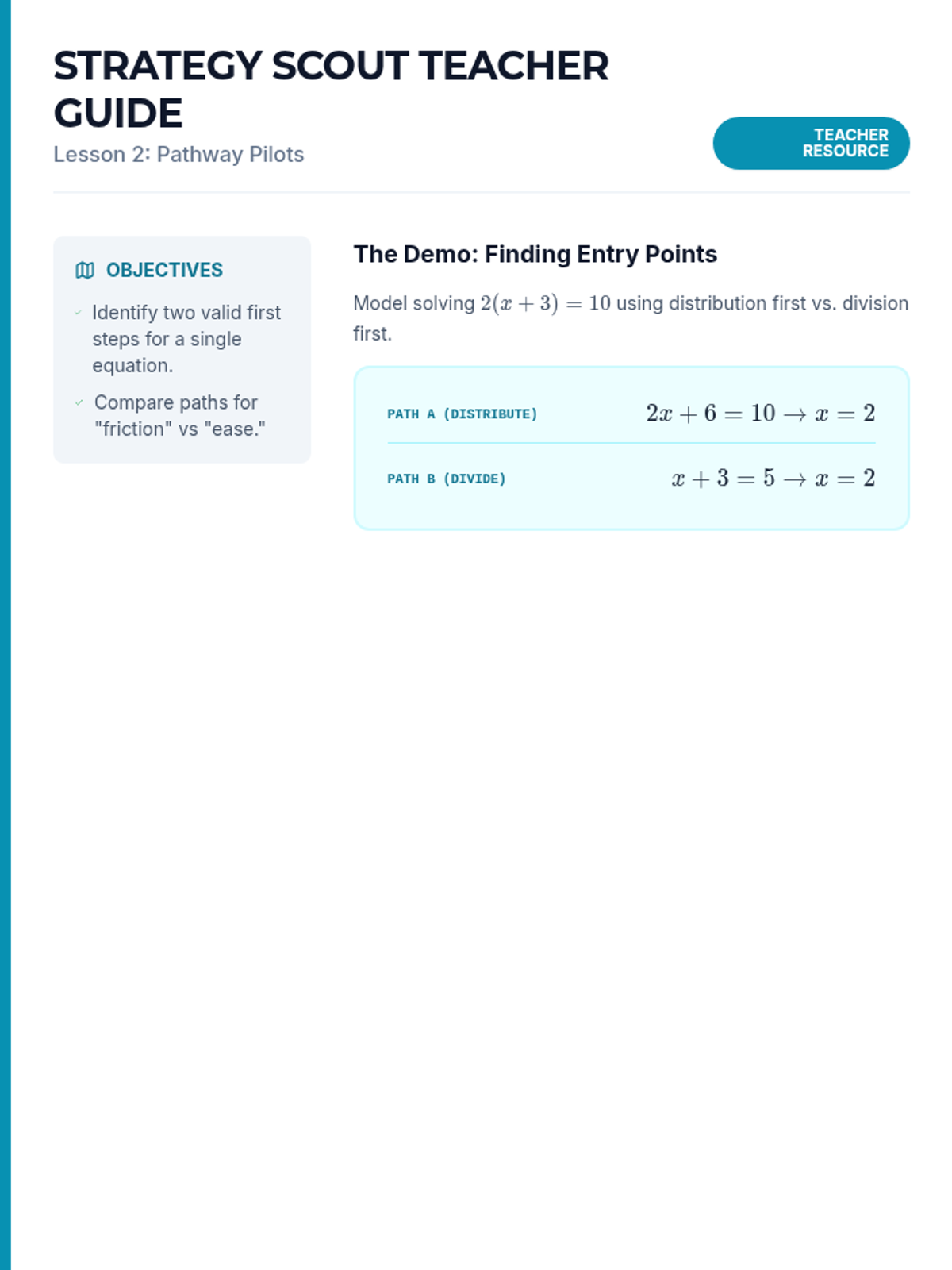
Focuses on the 'first step' of algebra equations, demonstrating that there are multiple valid ways to begin a problem.