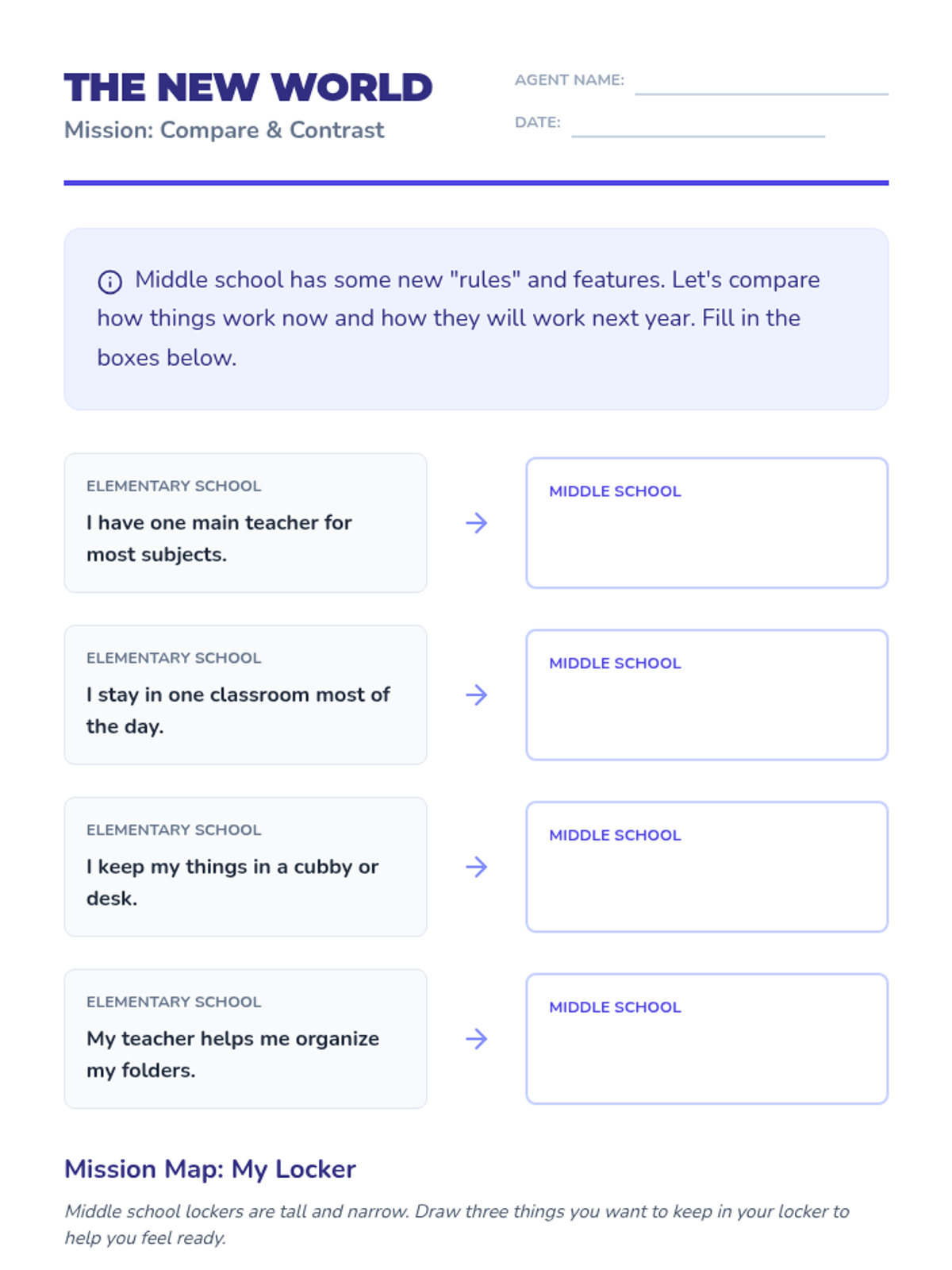
A project-based unit where 5th-grade students audit their classroom's sensory environment, learn universal design principles, and prototype an inclusive 'Sensory Smart' classroom model.
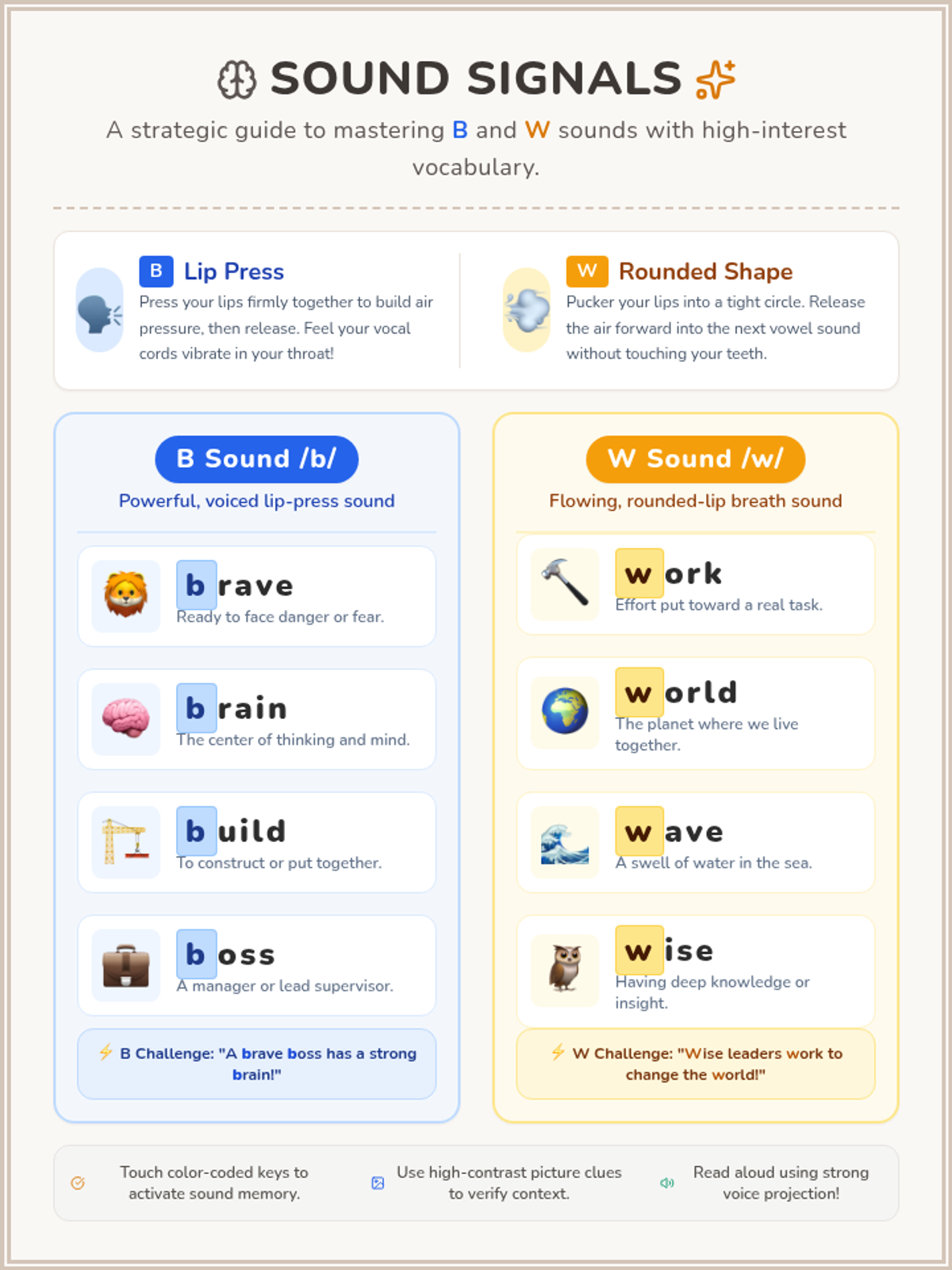
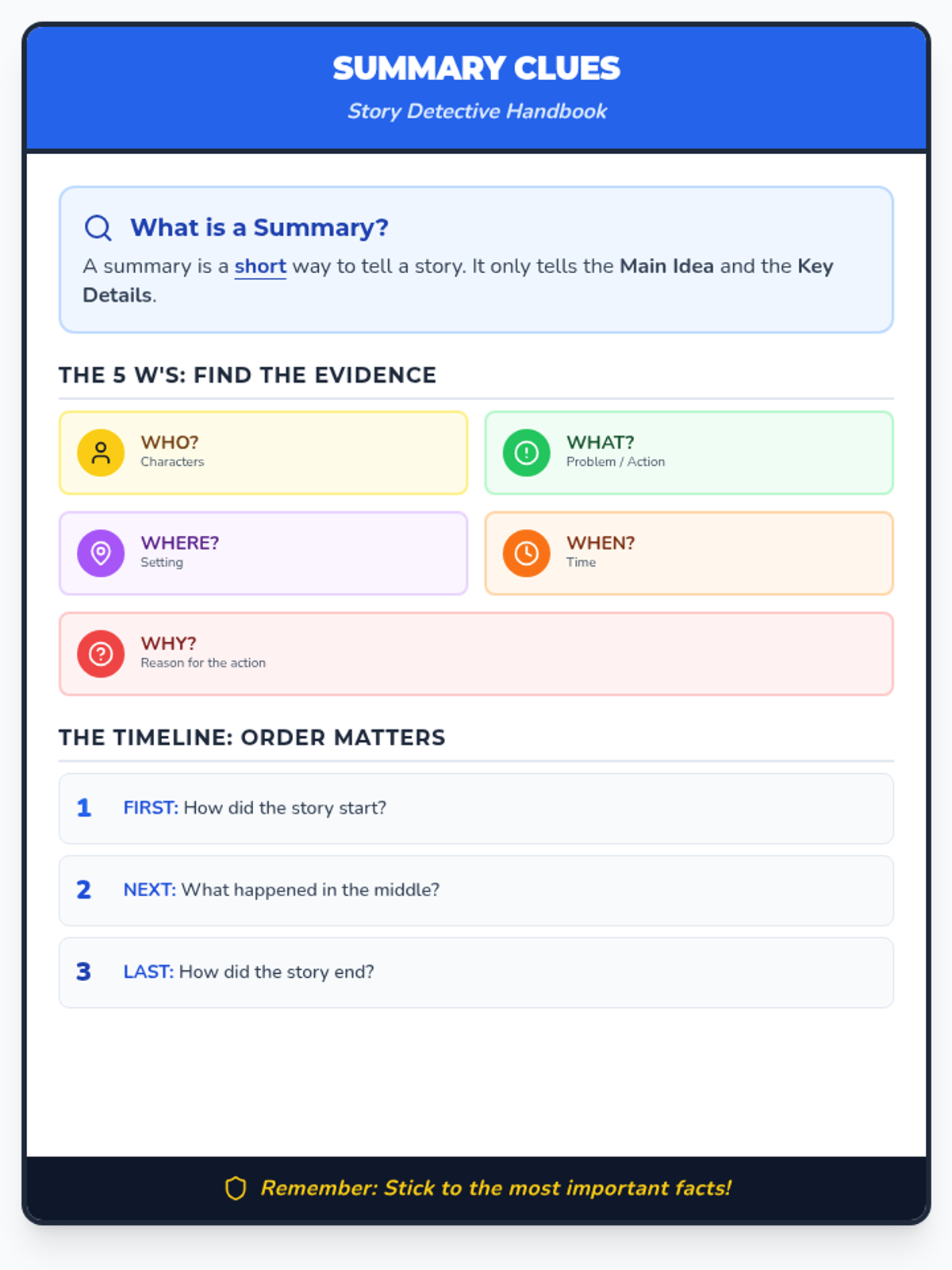
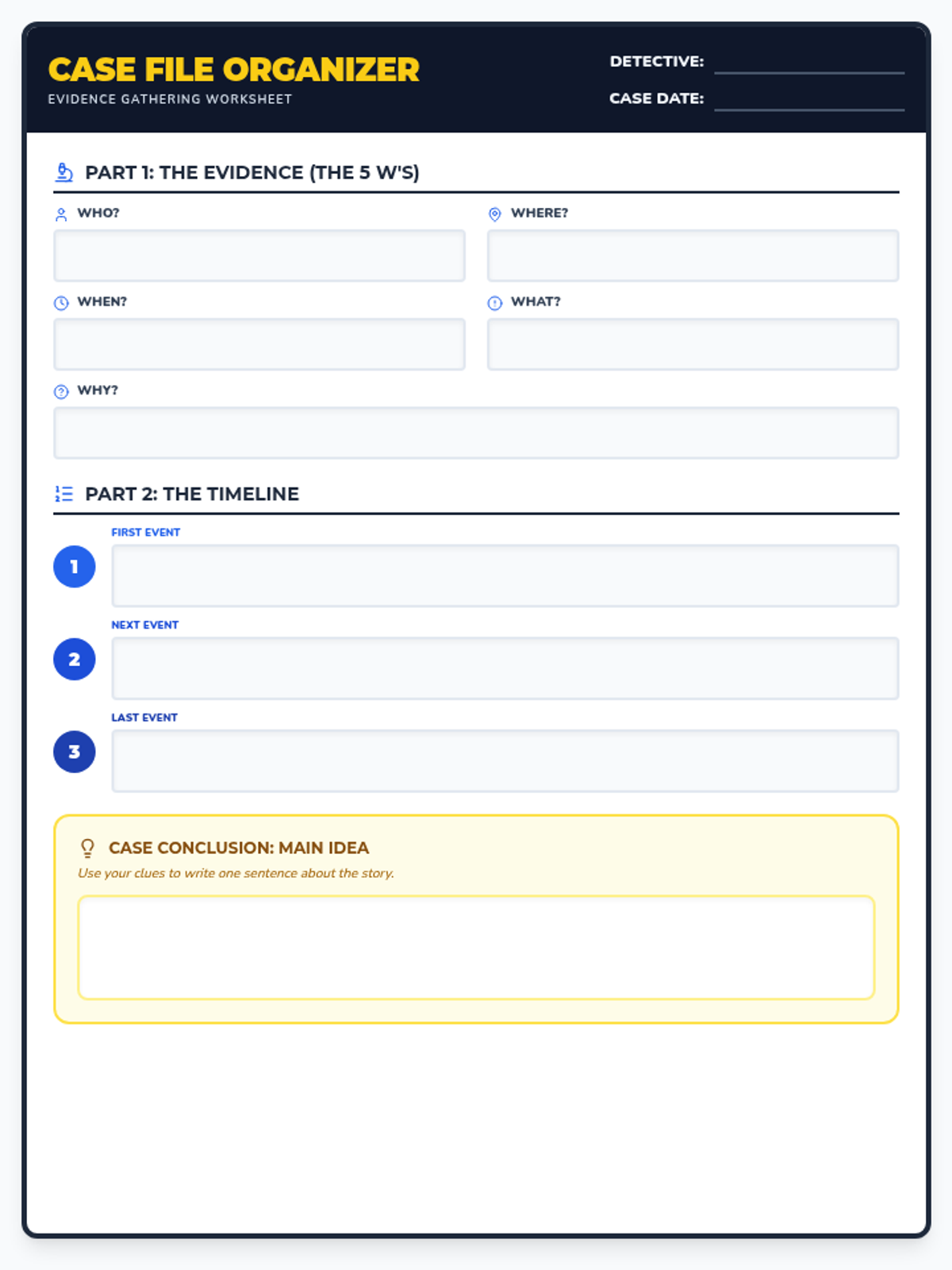
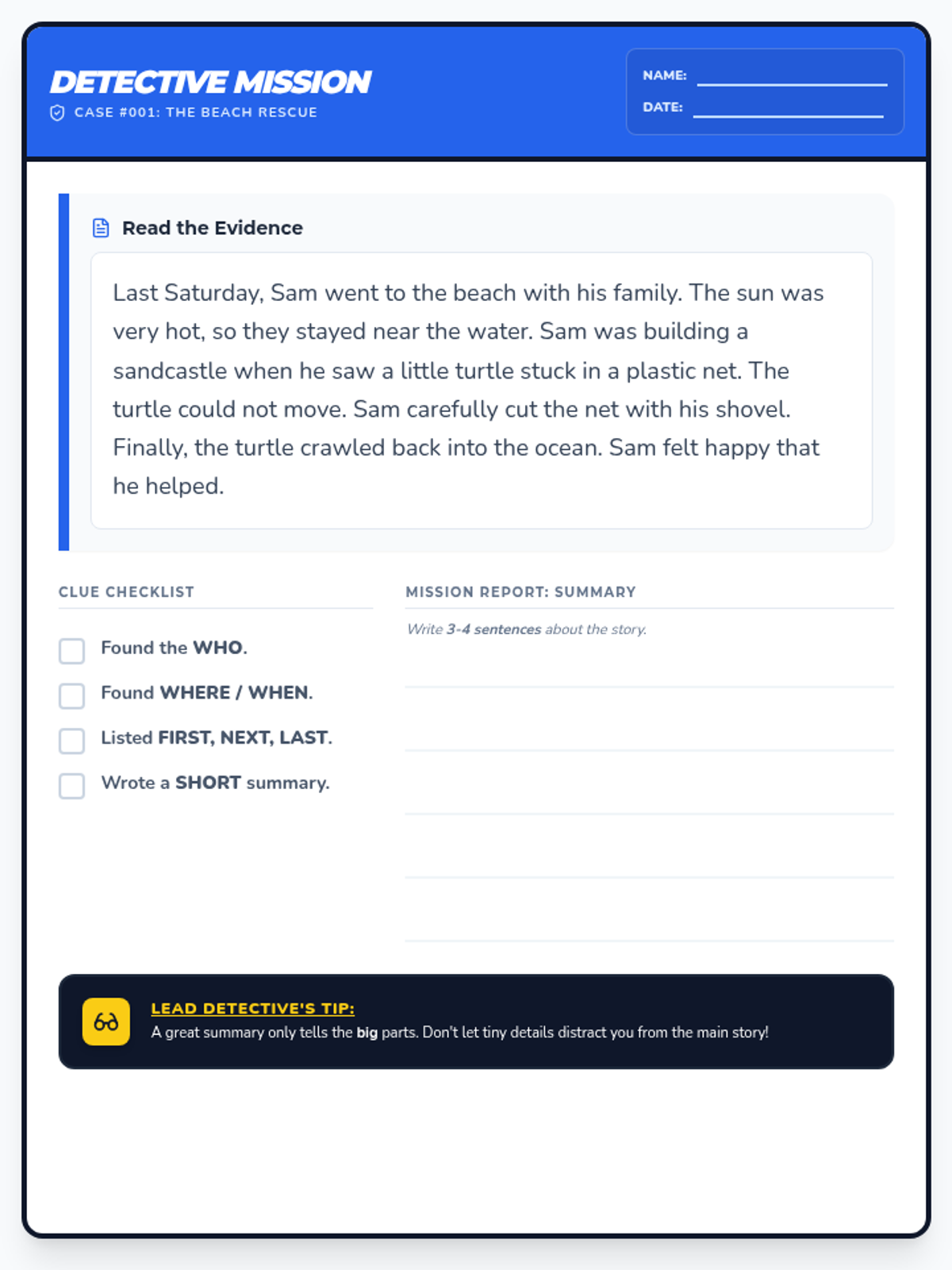
A specialized ELA sequence designed for resource room settings, focusing on core comprehension skills like main idea, inference, and summary with high levels of scaffolding.
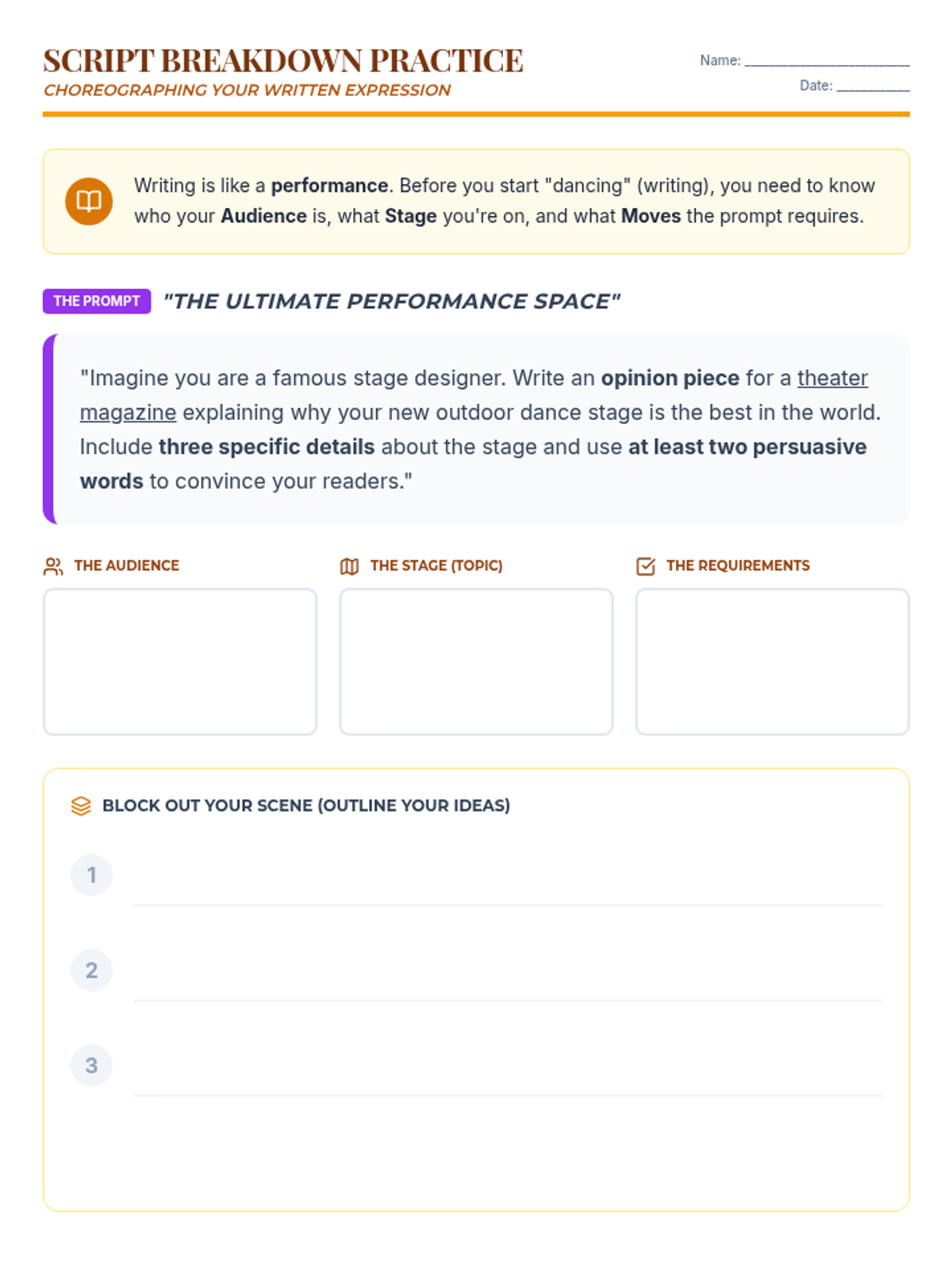
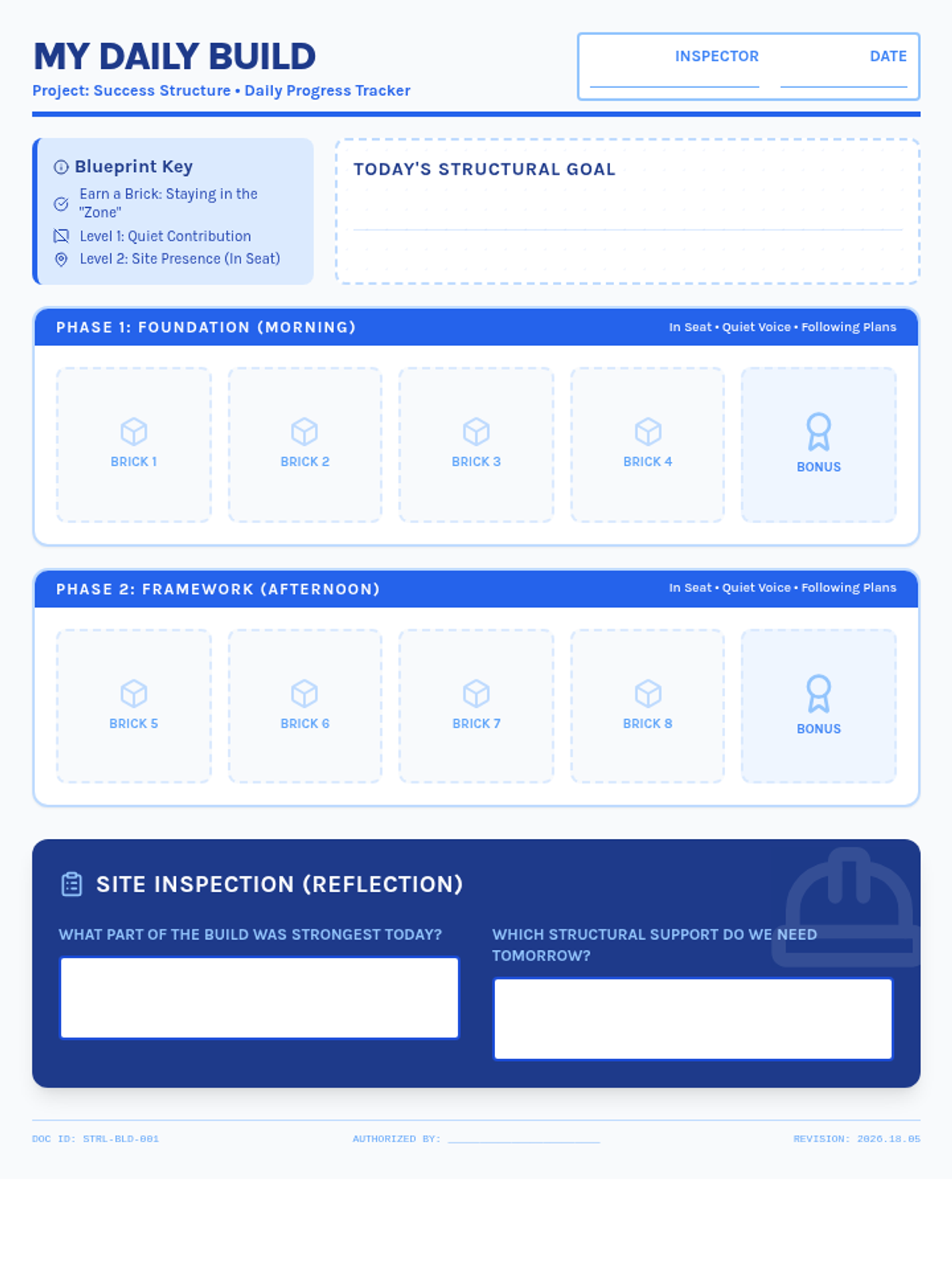
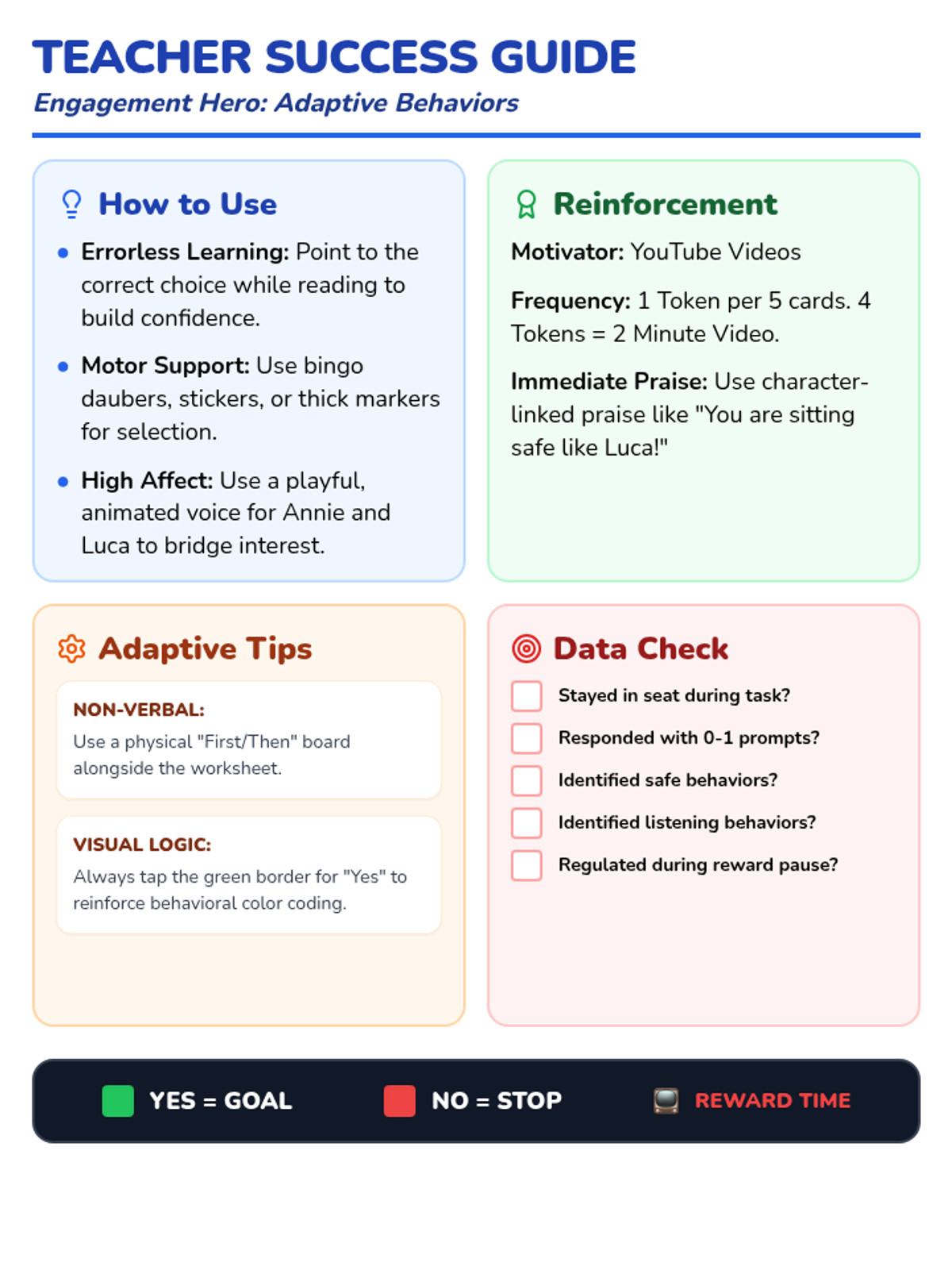
A collection of tools and guides for educators to monitor student behavior and progress, facilitating clear communication between school and home.
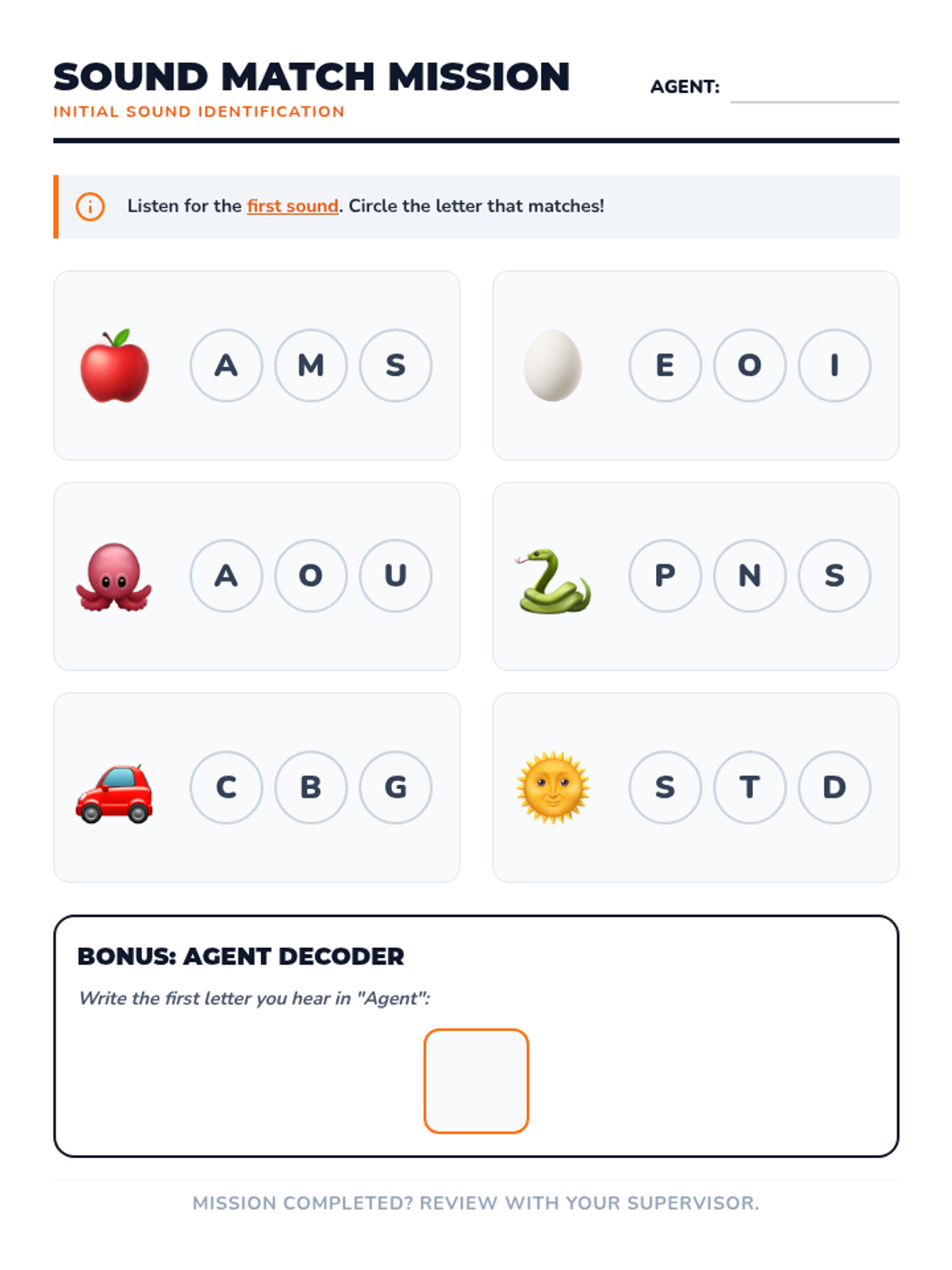
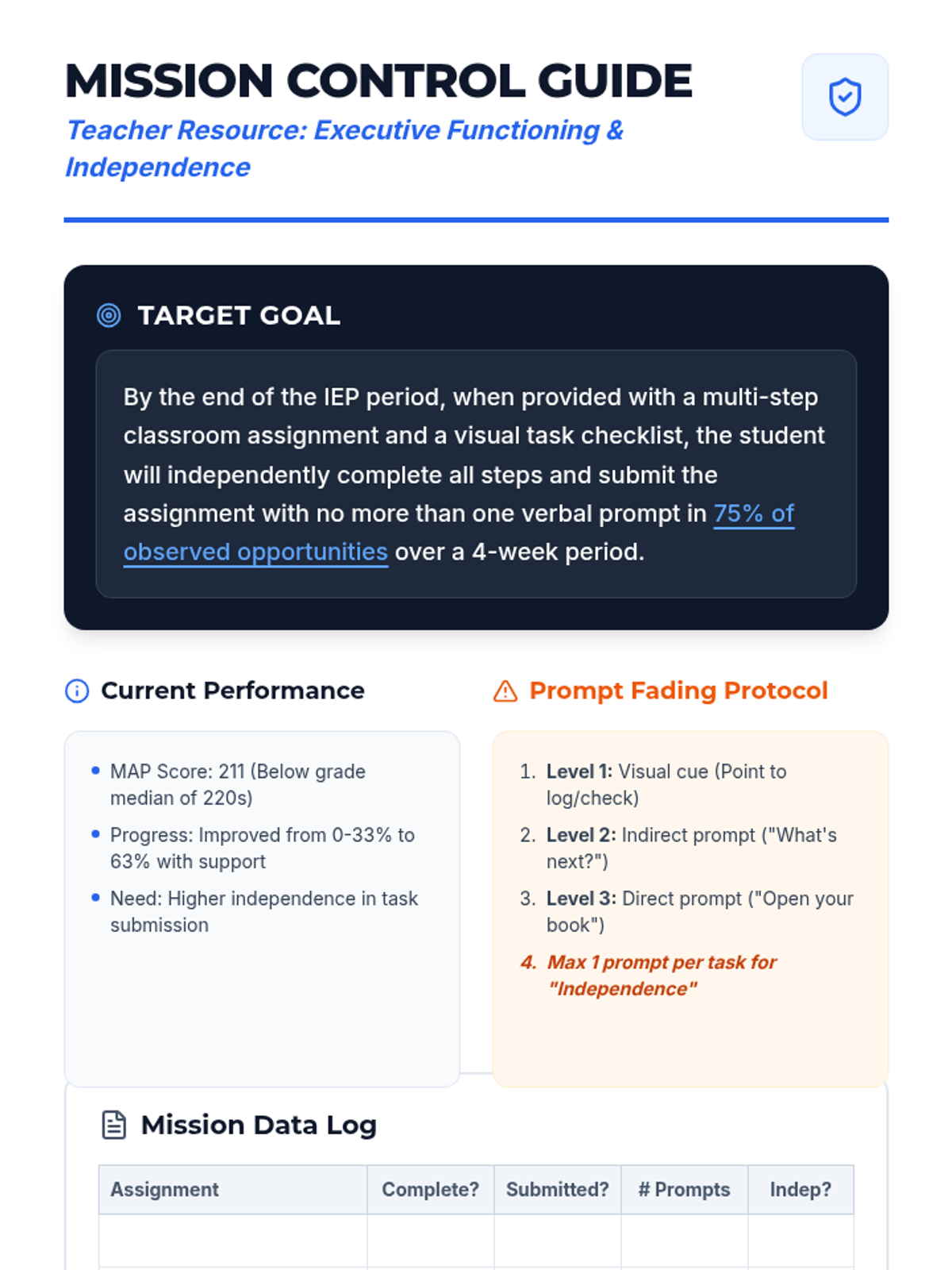
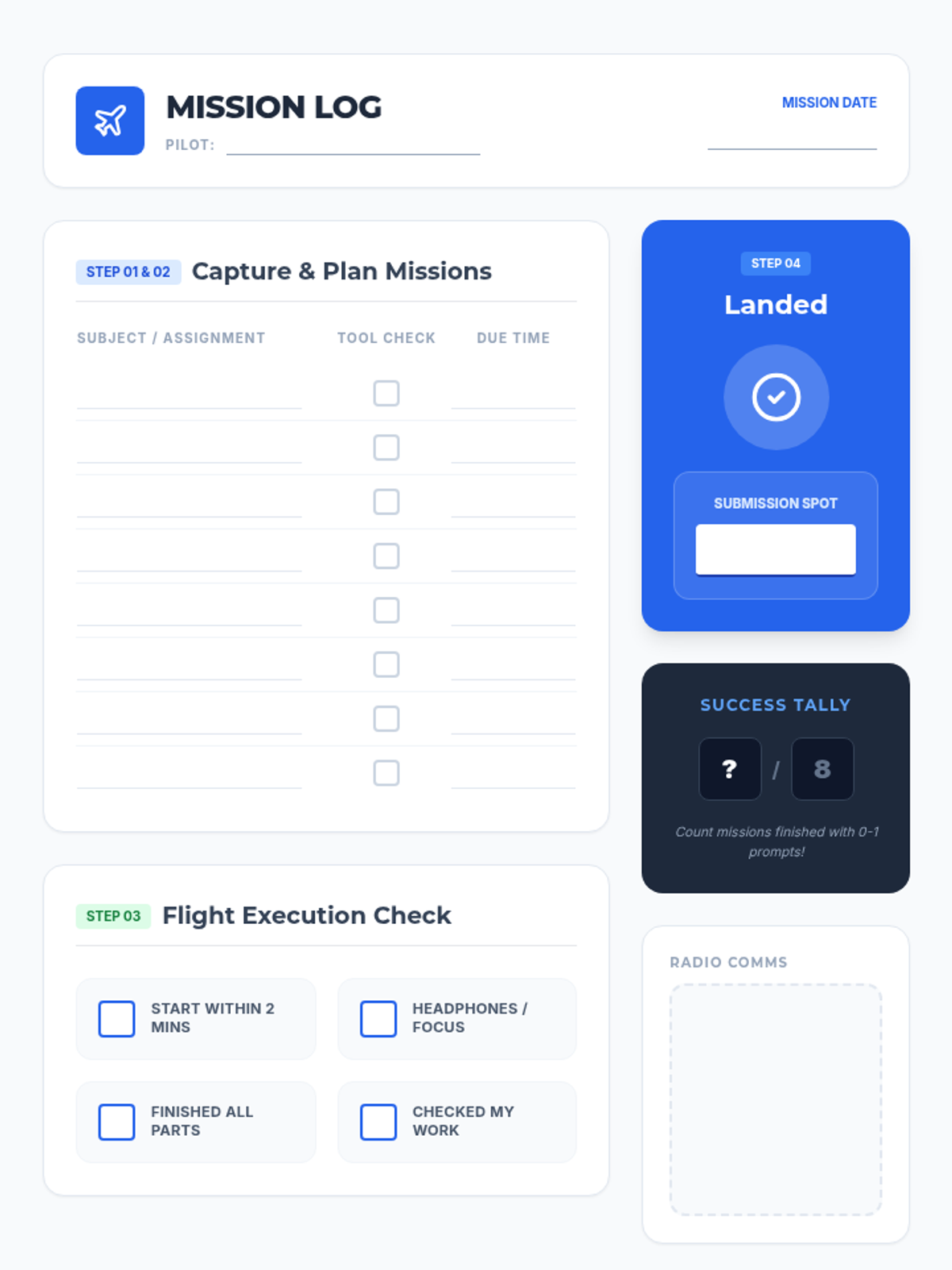
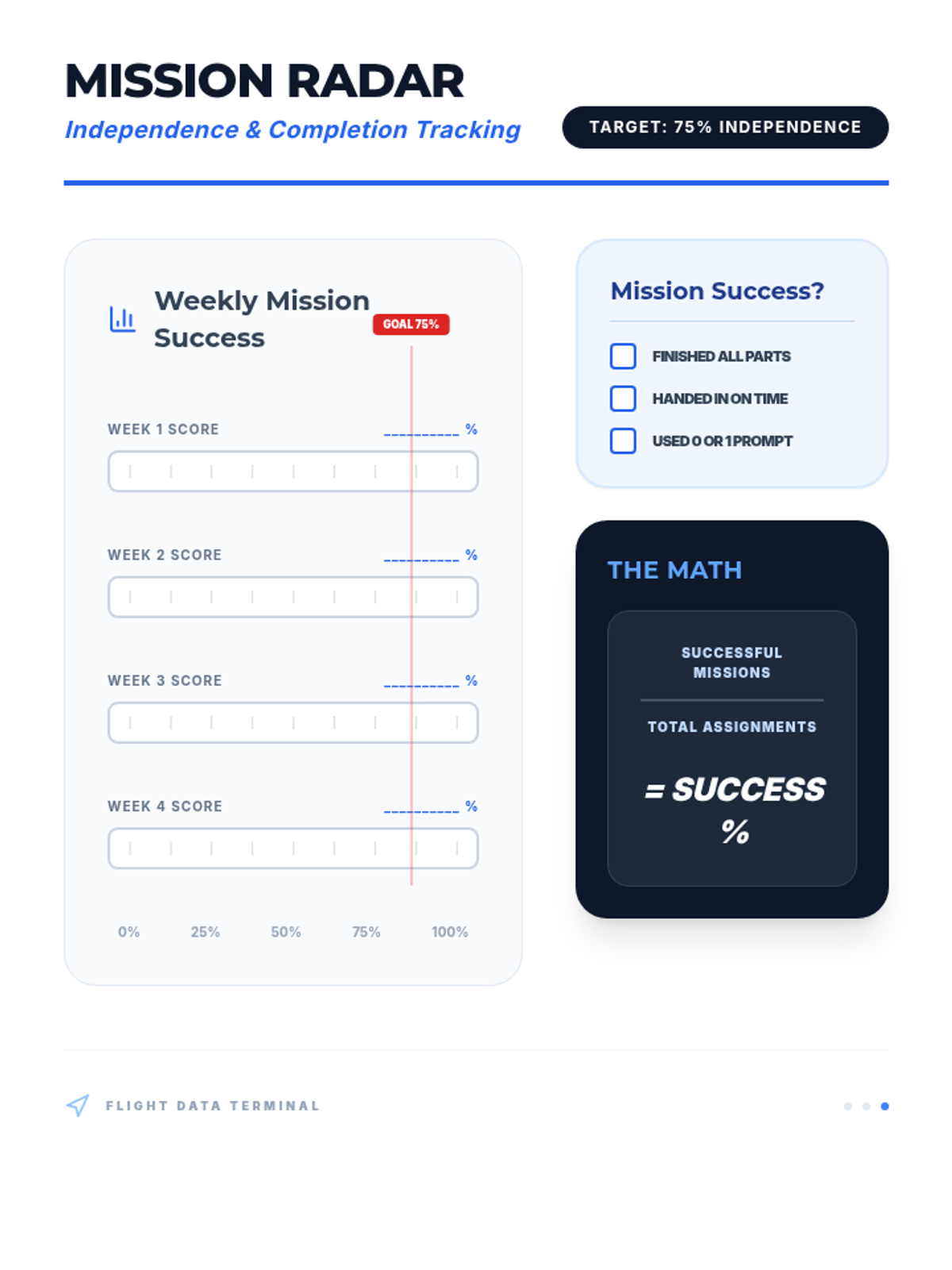
A comprehensive program for students receiving paraprofessional support to build independence through work completion strategies and academic organizational habits.
A comprehensive series of 30-minute lessons tailored for different grade levels (K-10) to foster understanding, empathy, and advocacy regarding autism and neurodiversity. Each lesson uses age-appropriate literature to ground the conversation.
A comprehensive training module for paraprofessionals to support K-8 students in sensory regulation. It focuses on identifying internal states, building sensory menus, and implementing proactive breaks to maintain a 'ready to learn' zone.
A series of thematic handwriting programs designed to improve fine motor skills and penmanship through daily practice sessions centered around fascinating educational topics like biology and history.
A two-week intensive review sequence for third-grade students focusing on multi-digit addition and subtraction with regrouping. Using base ten block visuals and expanded form methods, this sequence scaffolds learning from concrete to abstract concepts for special education students.
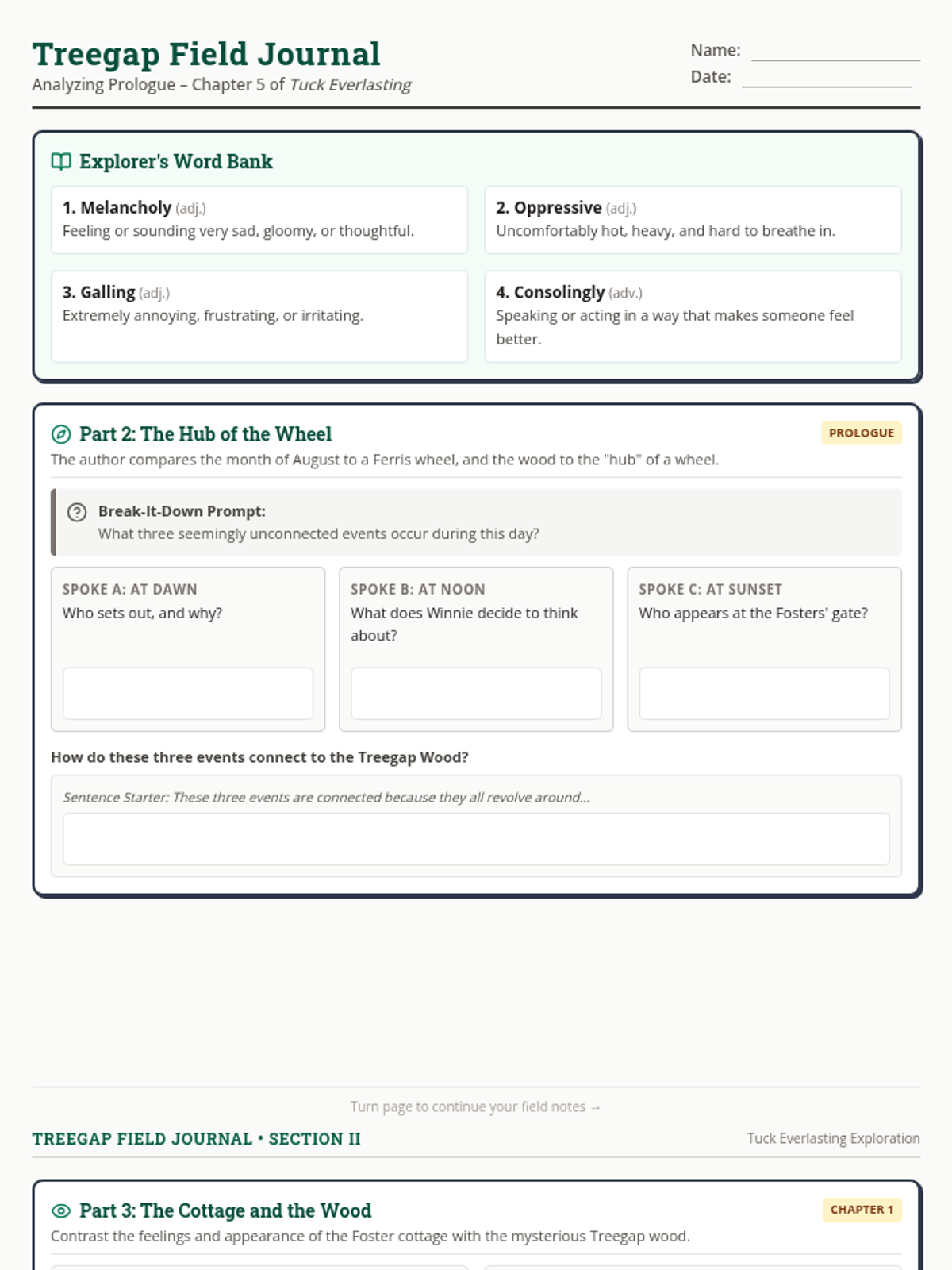
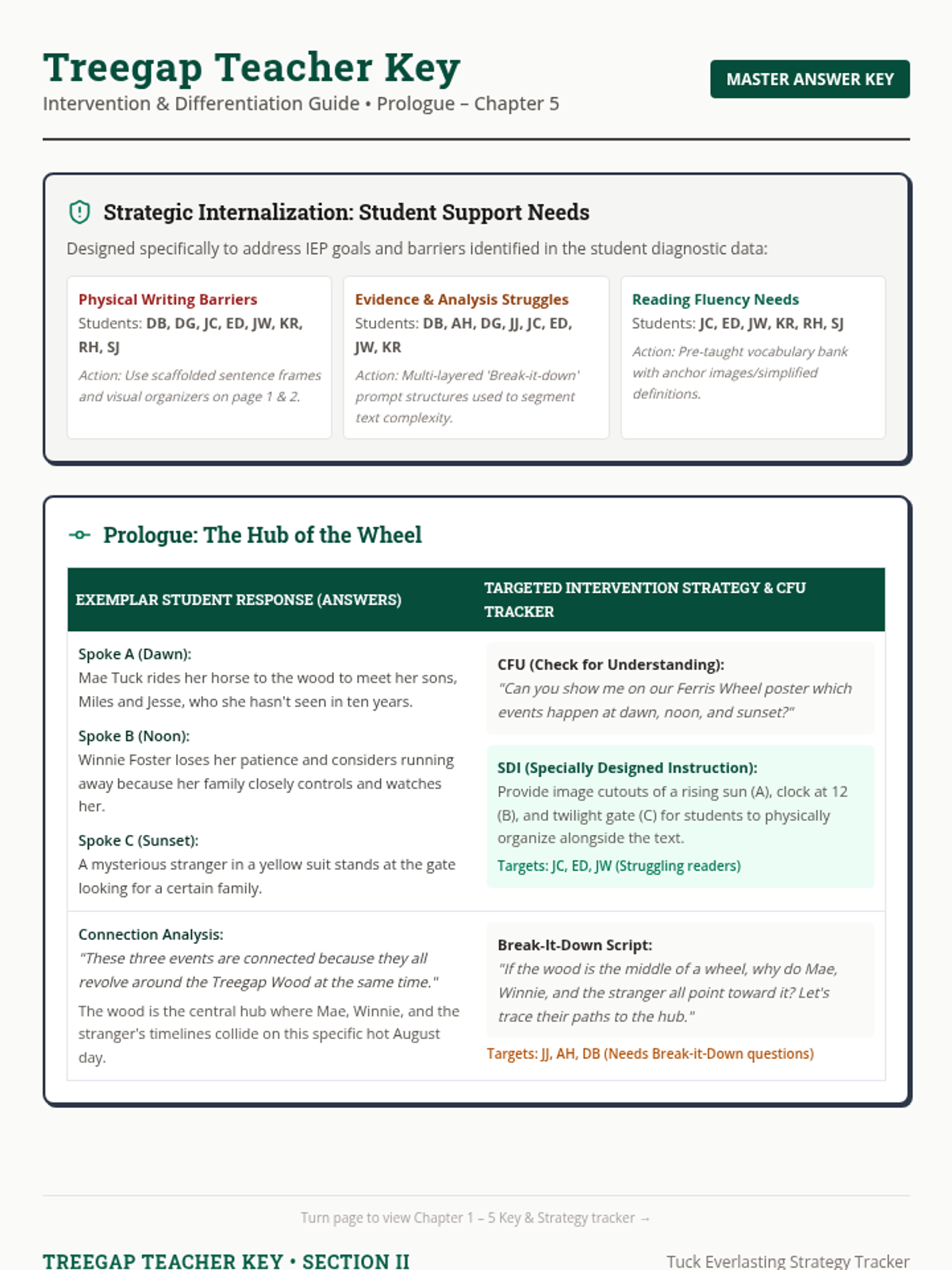
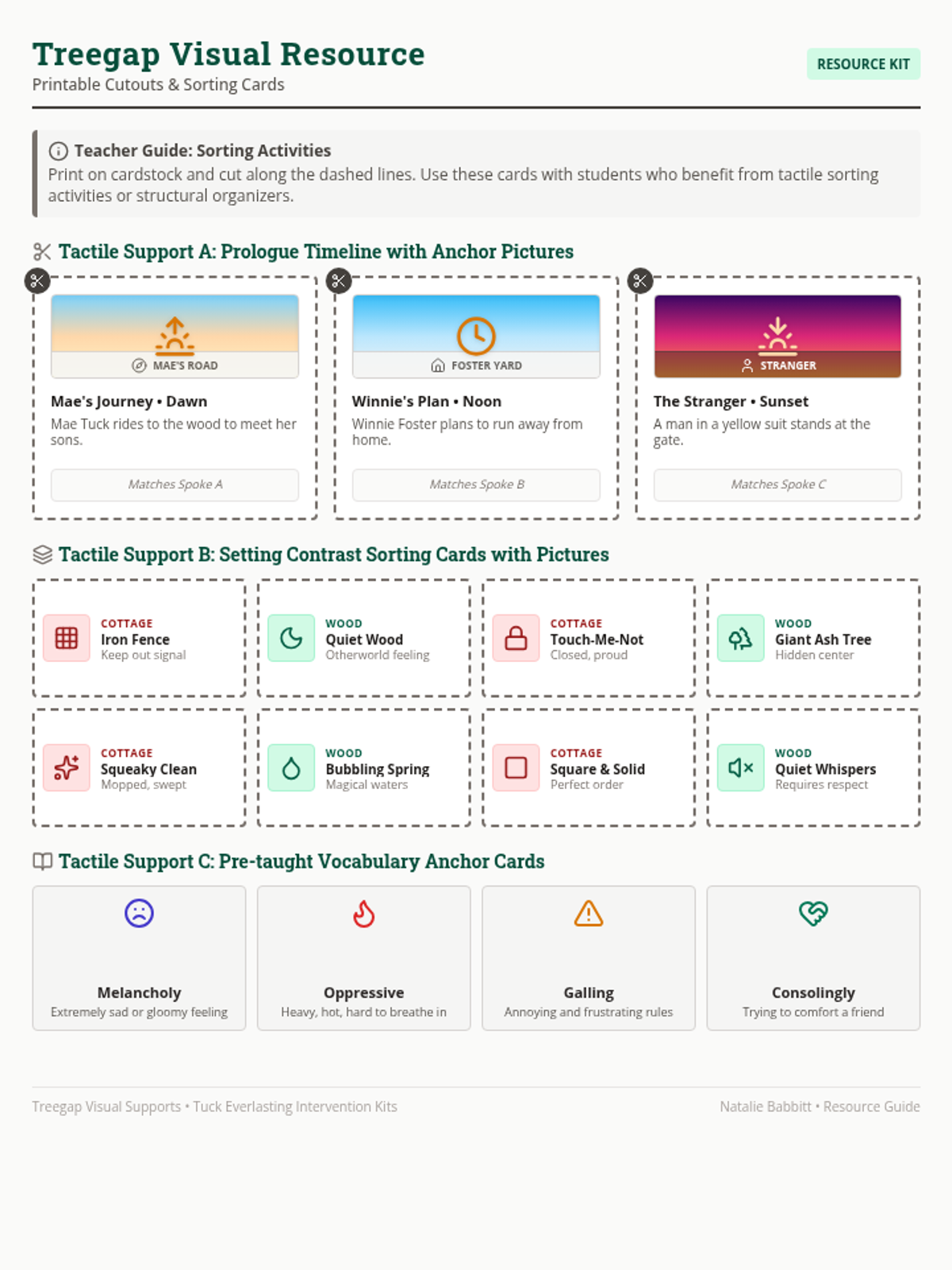
A three-part vocabulary intervention for 5th graders focusing on context clues and inferencing through a serialized mystery story. Each 15-minute session builds decoding skills and narrative comprehension.
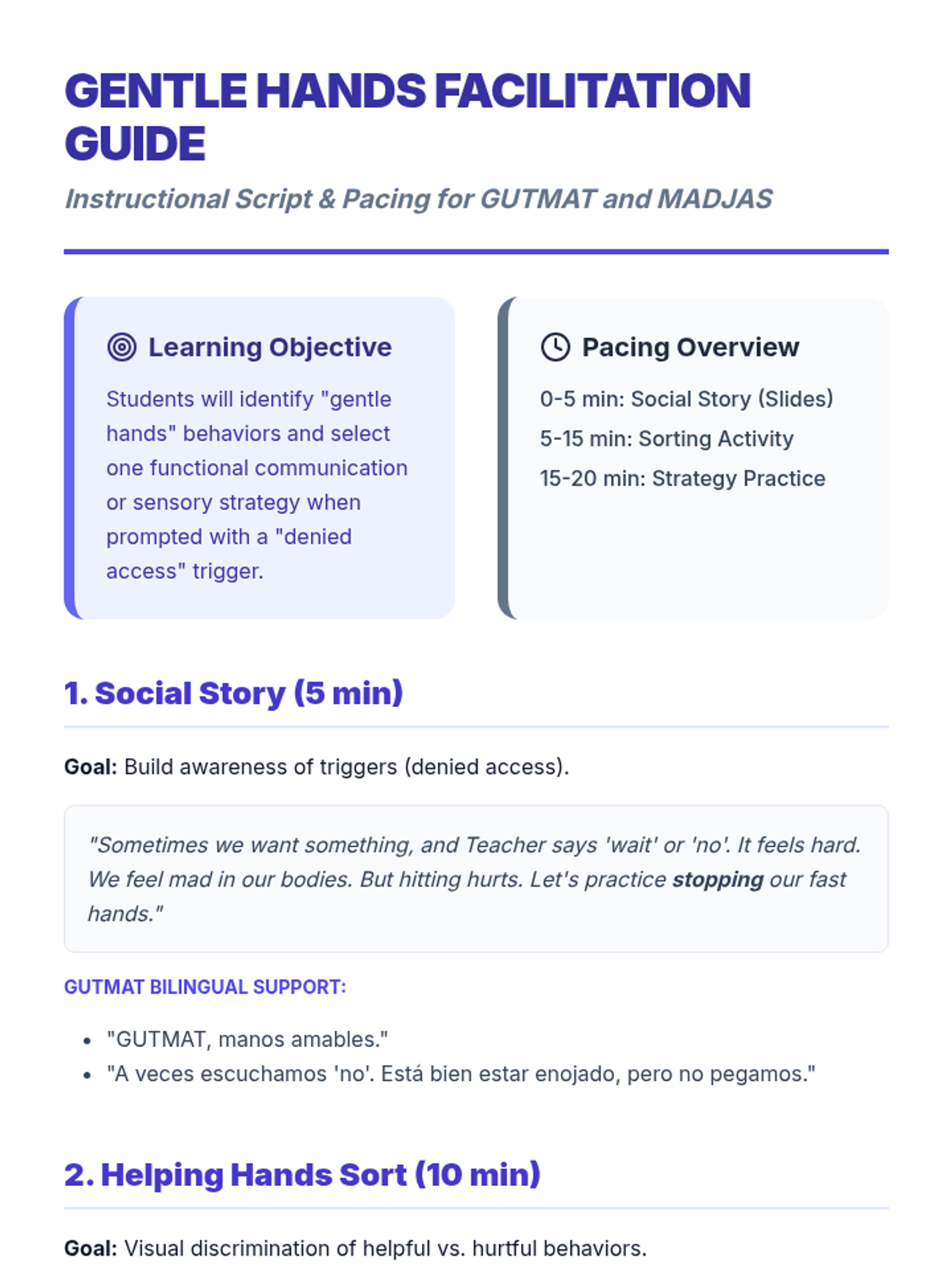
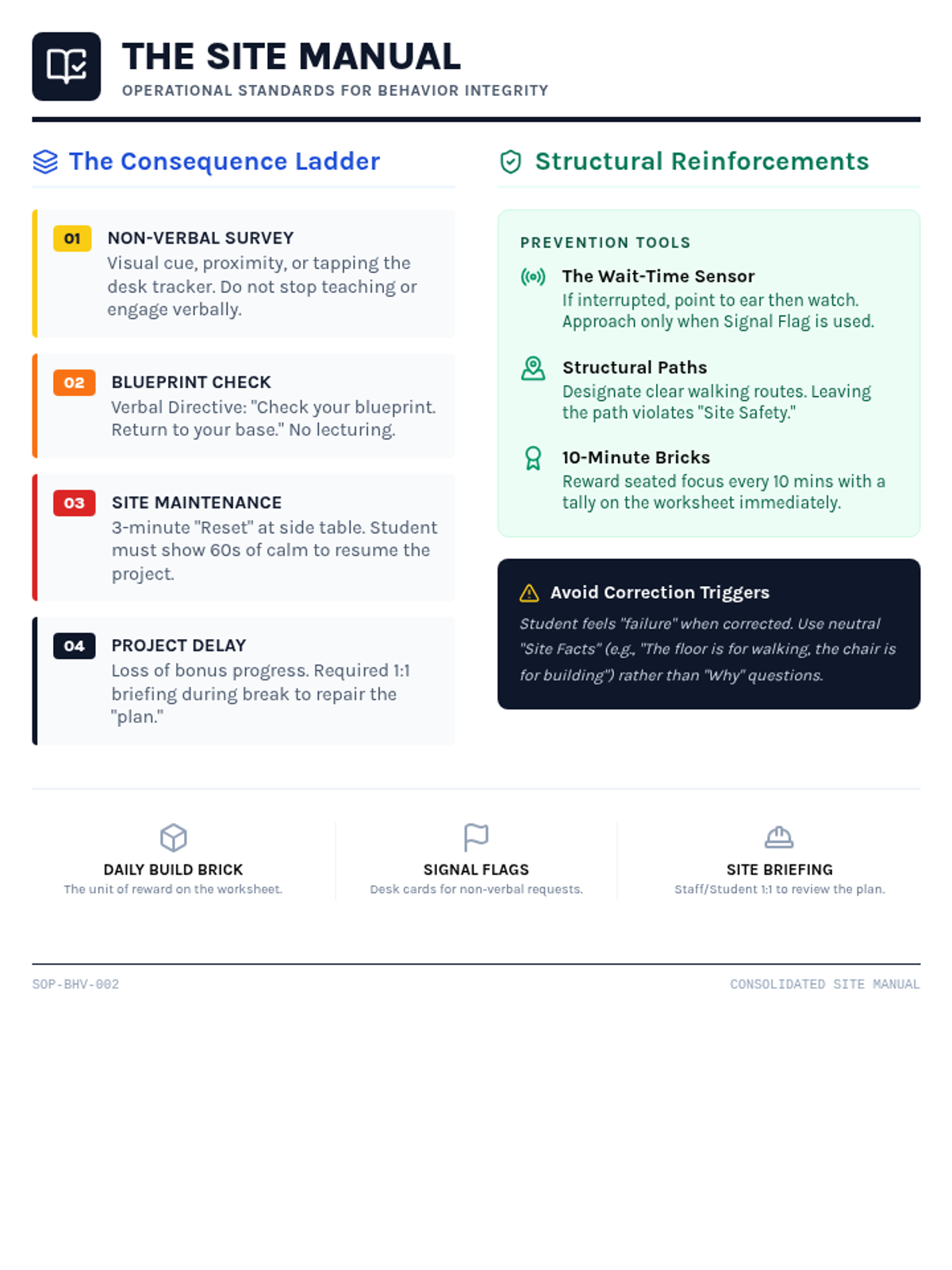
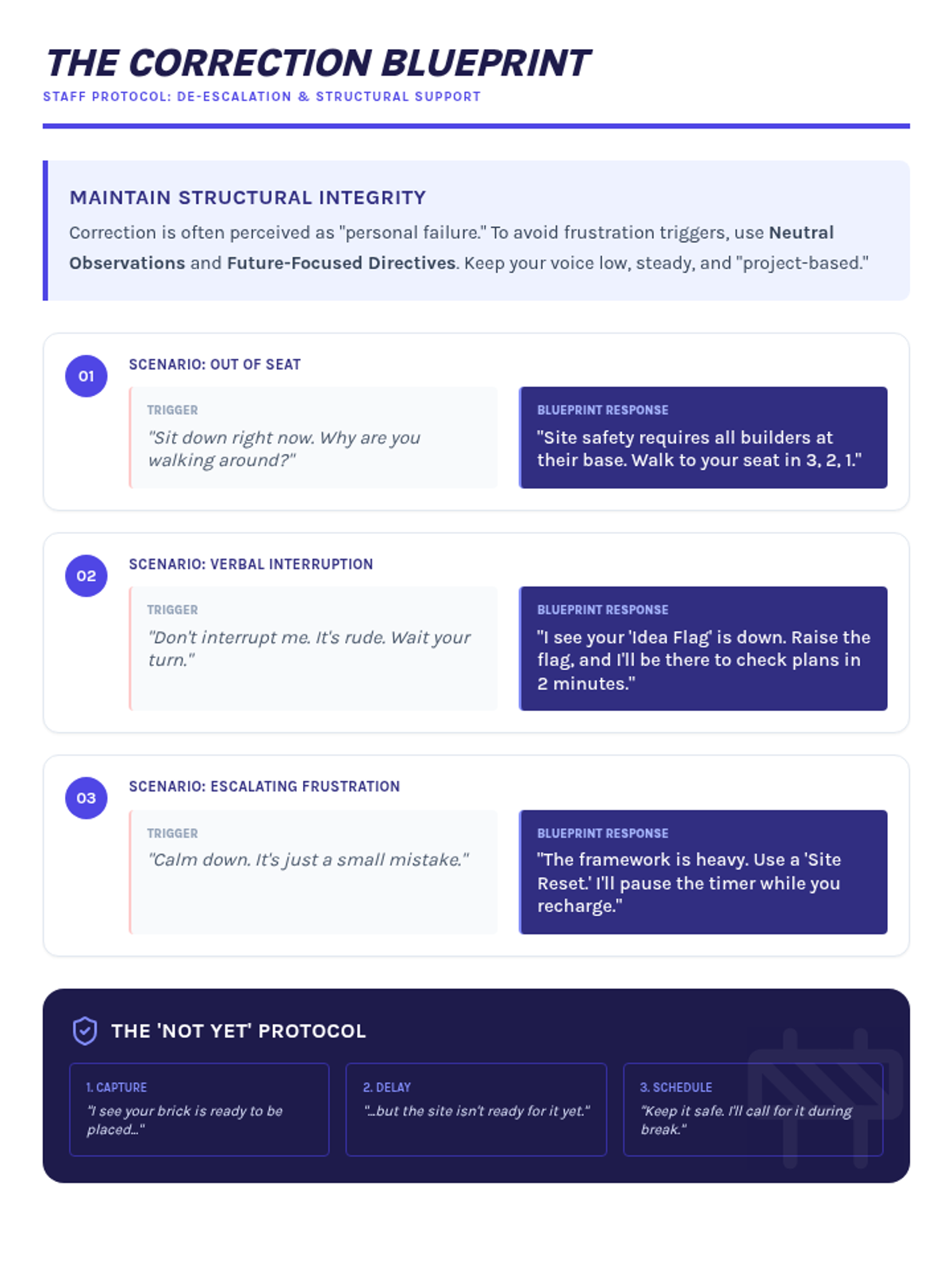
A comprehensive 8-lesson intervention using the Prevent, Teach, Reinforce (PTR) model to help students transition from defiant avoidance to self-regulated break-taking.
A 3-lesson unit designed for non-verbal students on the autism spectrum to identify and differentiate between four core emotions: happy, sad, angry, and scared. Each lesson utilizes high-contrast emoji illustrations and real-life photographic concepts to bridge the gap between symbols and human expression.
A comprehensive framework for K-5 RSP math instruction, including a California Common Core aligned scope and sequence of power standards and a leveled placement diagnostic.
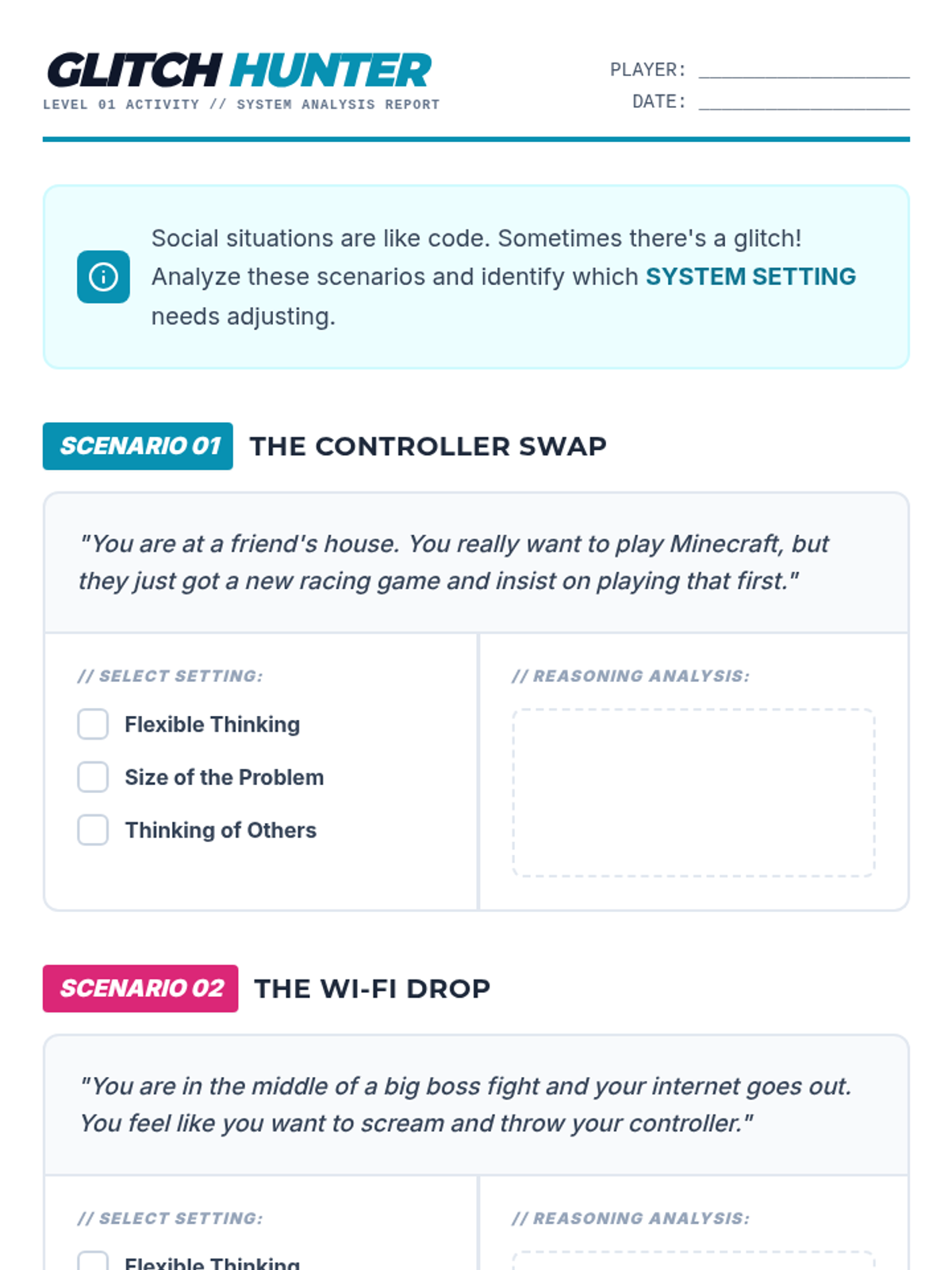
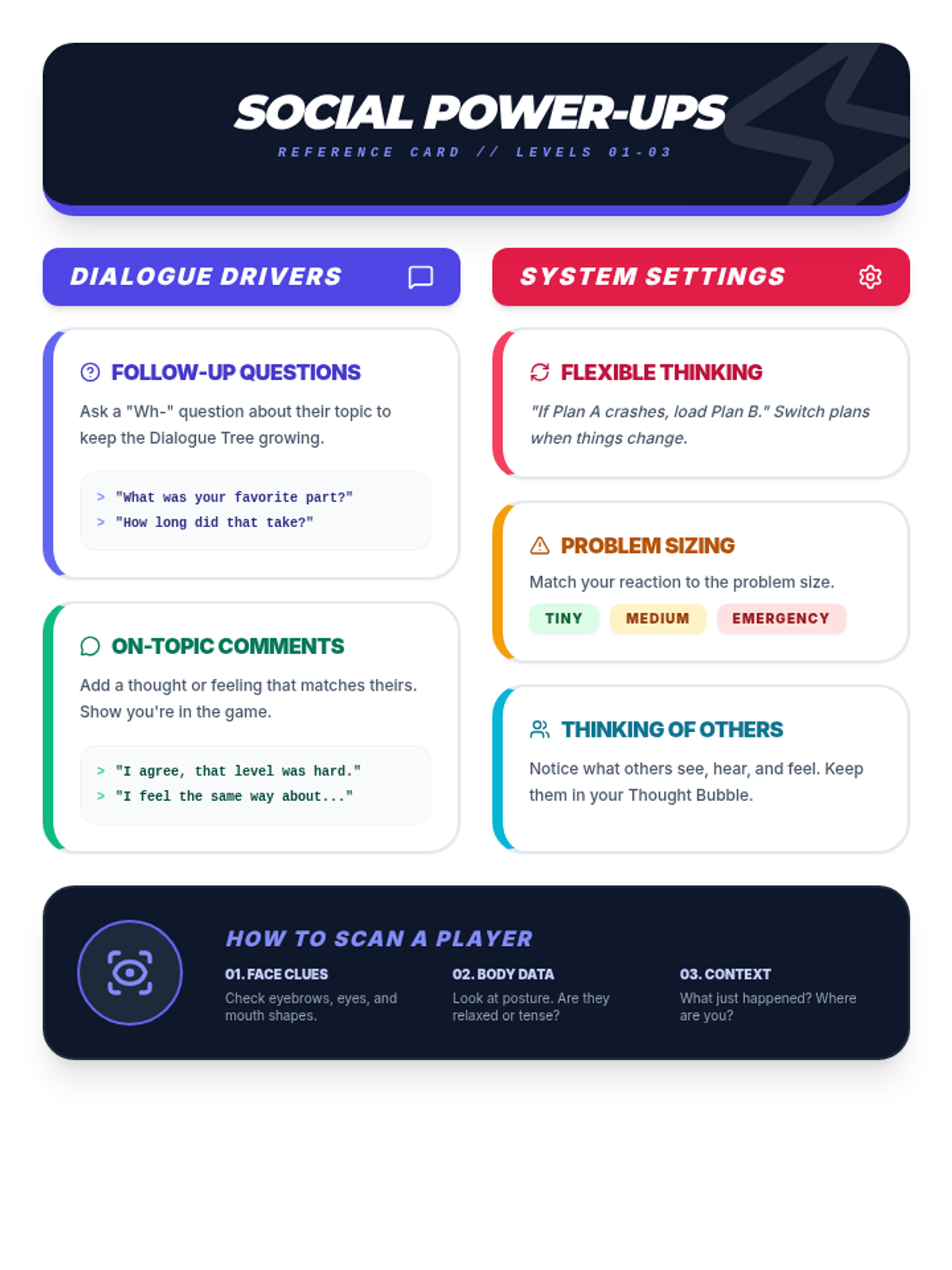
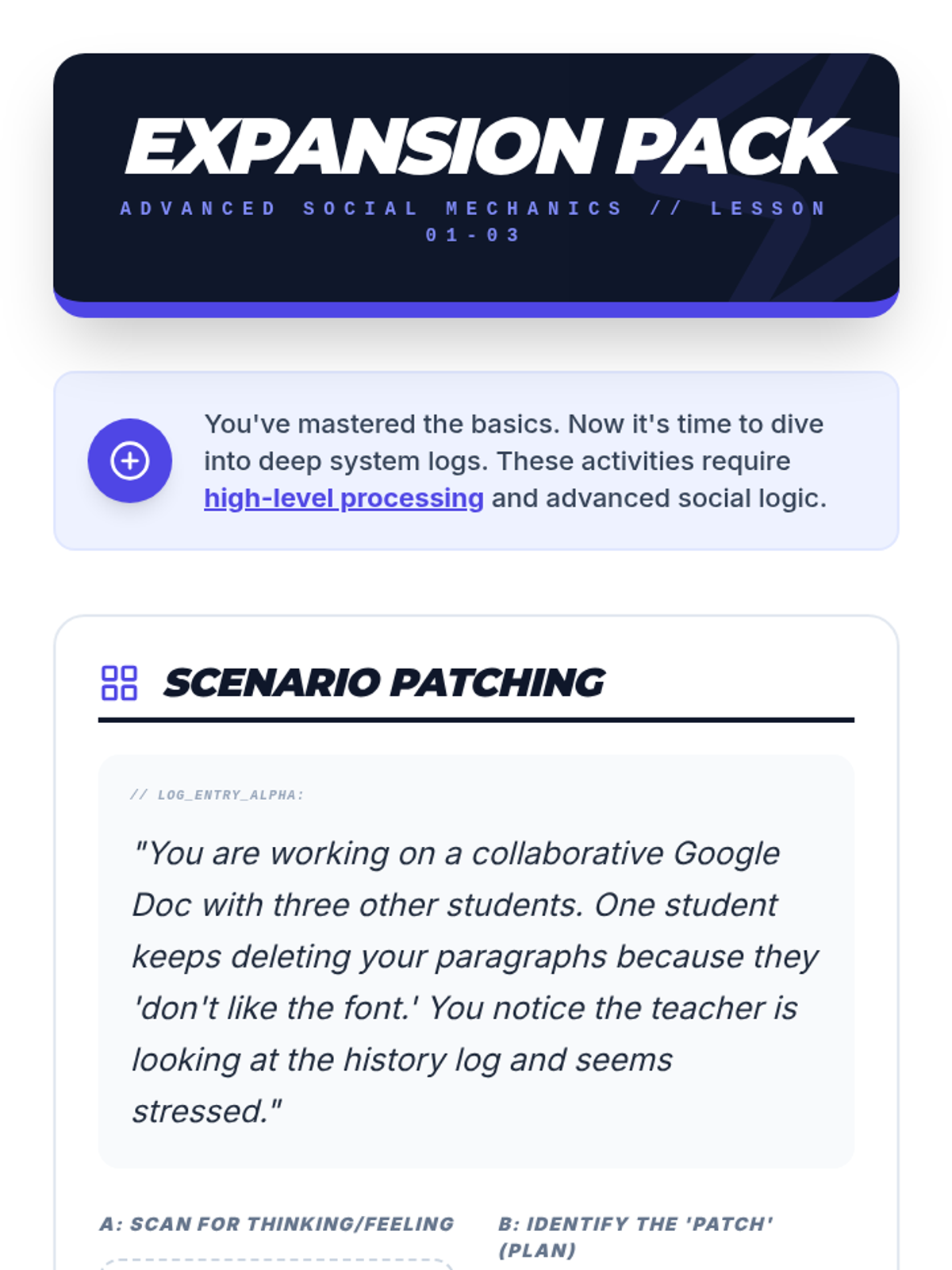
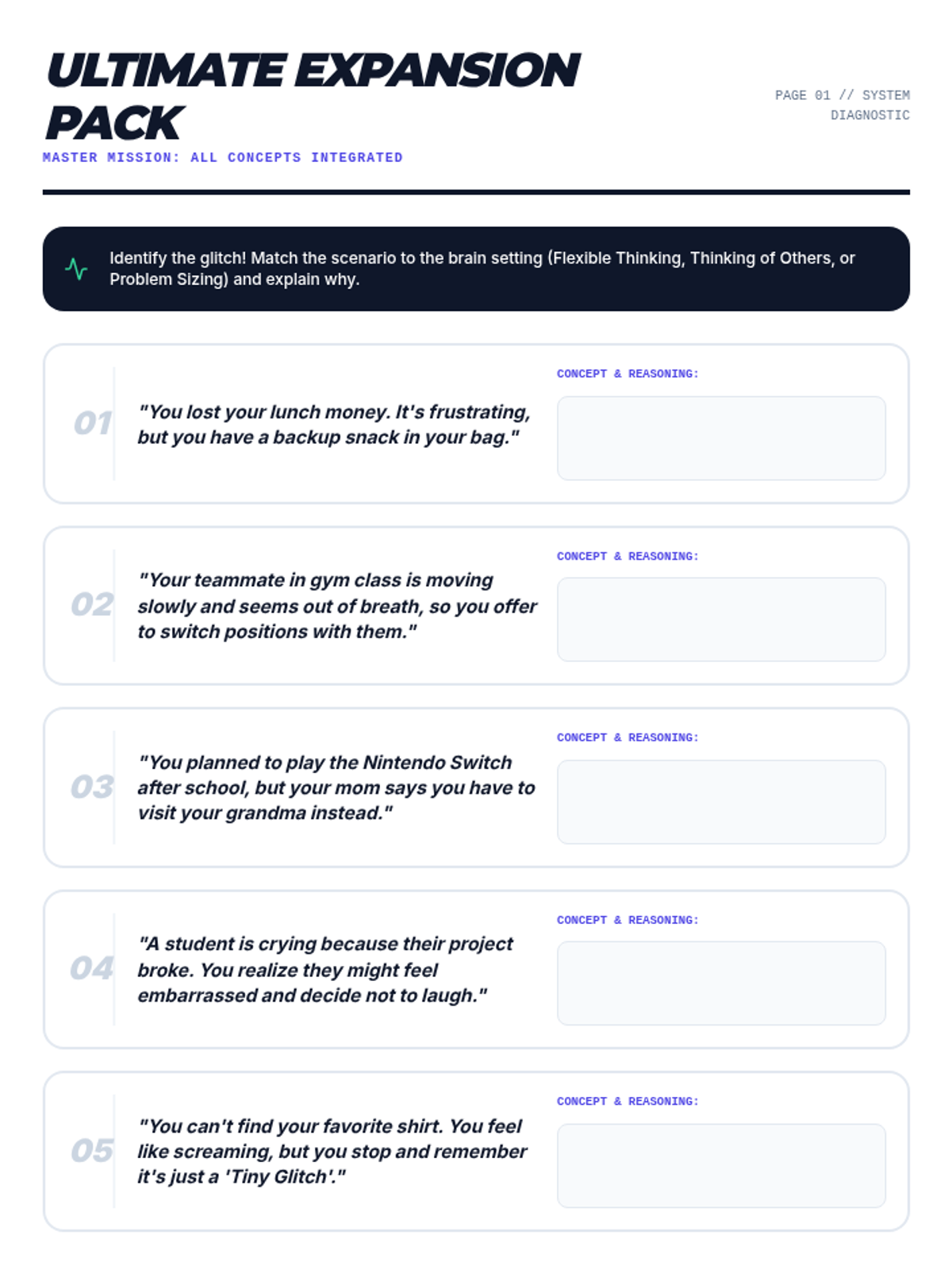
A three-part social skills series using space metaphors to help a student expand her social circle, develop a flexible mindset about learning time, and practice working with different peers. The lessons emphasize that while a special friend is a 'bright star,' learning missions often require giving friends space and joining a 'new crew' to succeed.
A 5-day reading comprehension and writing unit for struggling readers, blending the world of Farming Simulator with real-world agriculture. Focuses on 2nd-grade level literacy skills within a high-interest 5th-grade context.
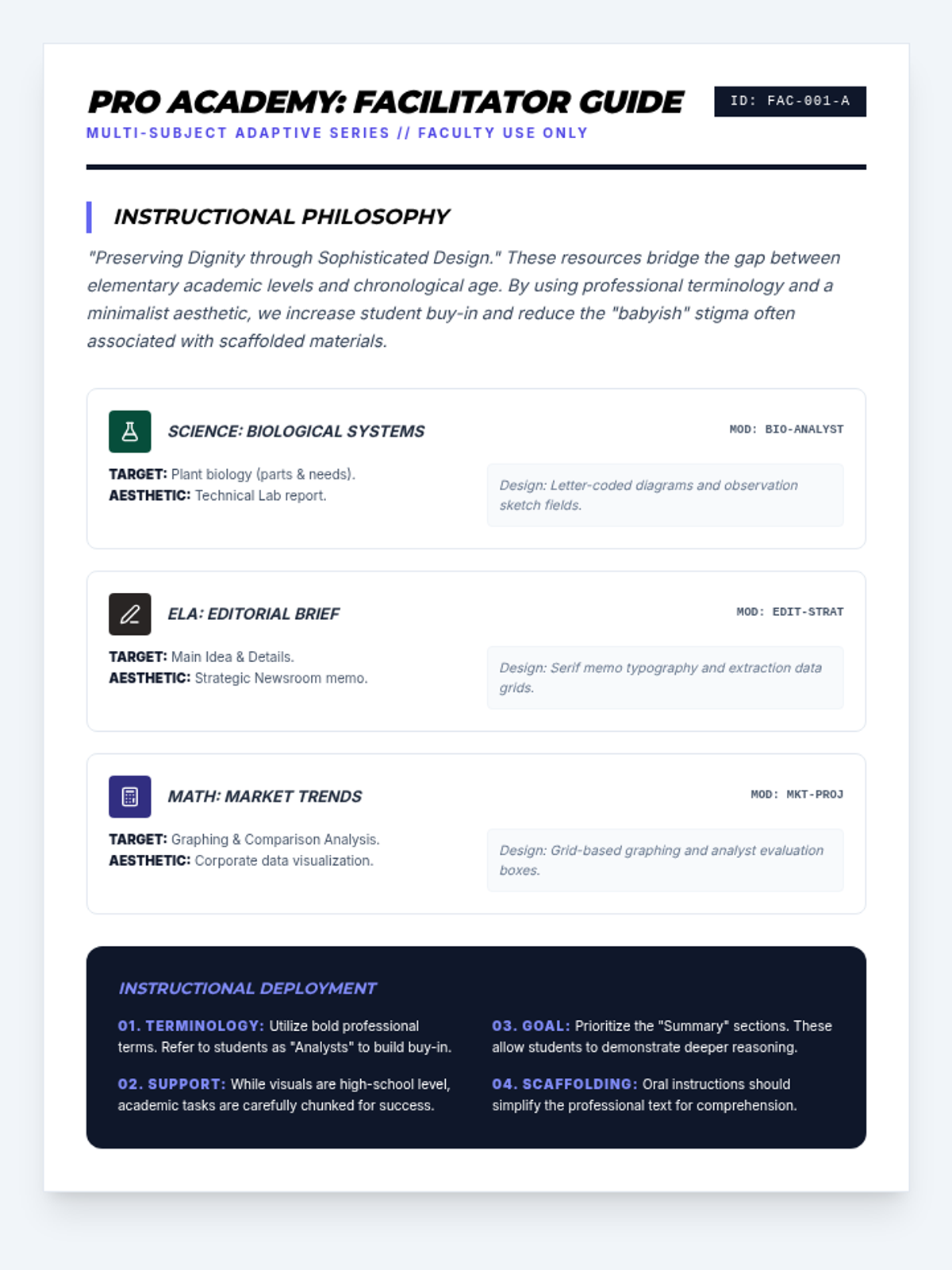
A comprehensive collection of resources for K-12 educators and staff focusing on trauma-informed care, social-emotional learning, neurodiversity, and crisis intervention. Includes training slides, student worksheets, clinical templates, and parent guides.
A professional development series designed to equip educational support staff with practical, grade-appropriate strategies for improving student independence and executive skills.
A comprehensive K-5 Media Center curriculum spanning August to May. Each month features a thematic unit integrating library skills (Dewey Decimal System, research, digital citizenship), literacy (poetry, biographies, informational texts), and STEM/Maker Space challenges. Resources are differentiated for K-2 and 3-5.
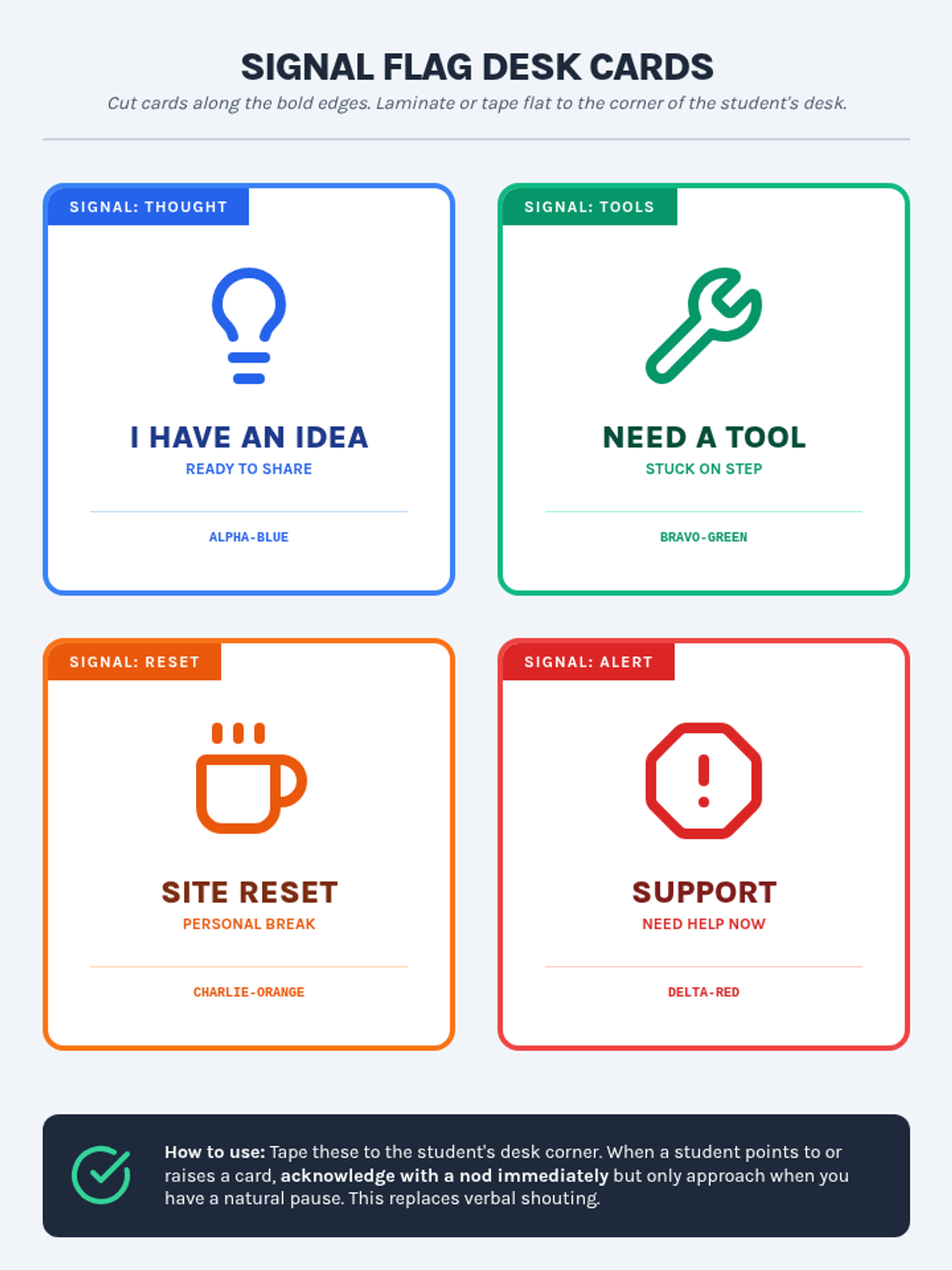
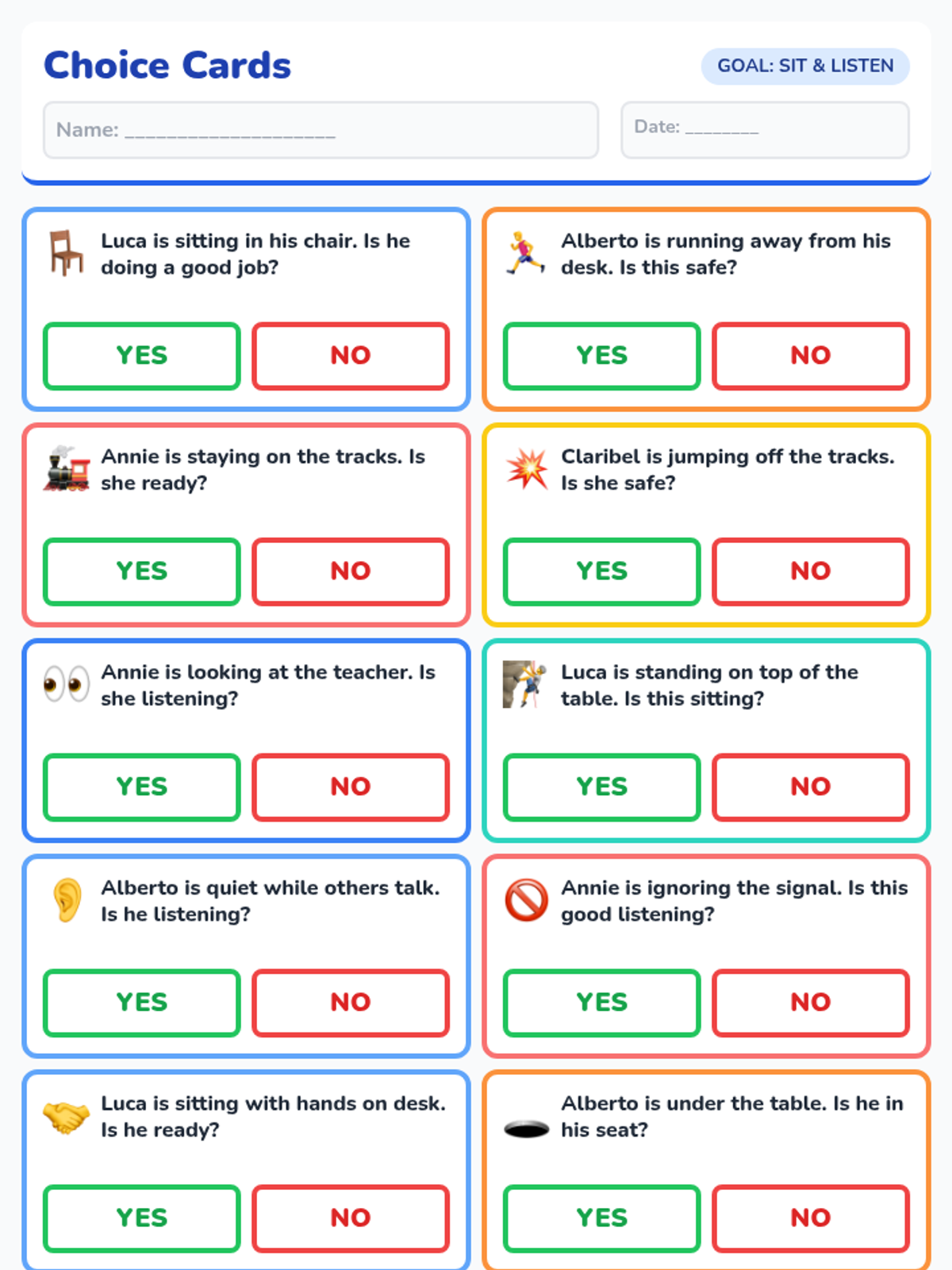
Essential classroom management tools and visual supports for special education settings to promote student independence and reduce anxiety.
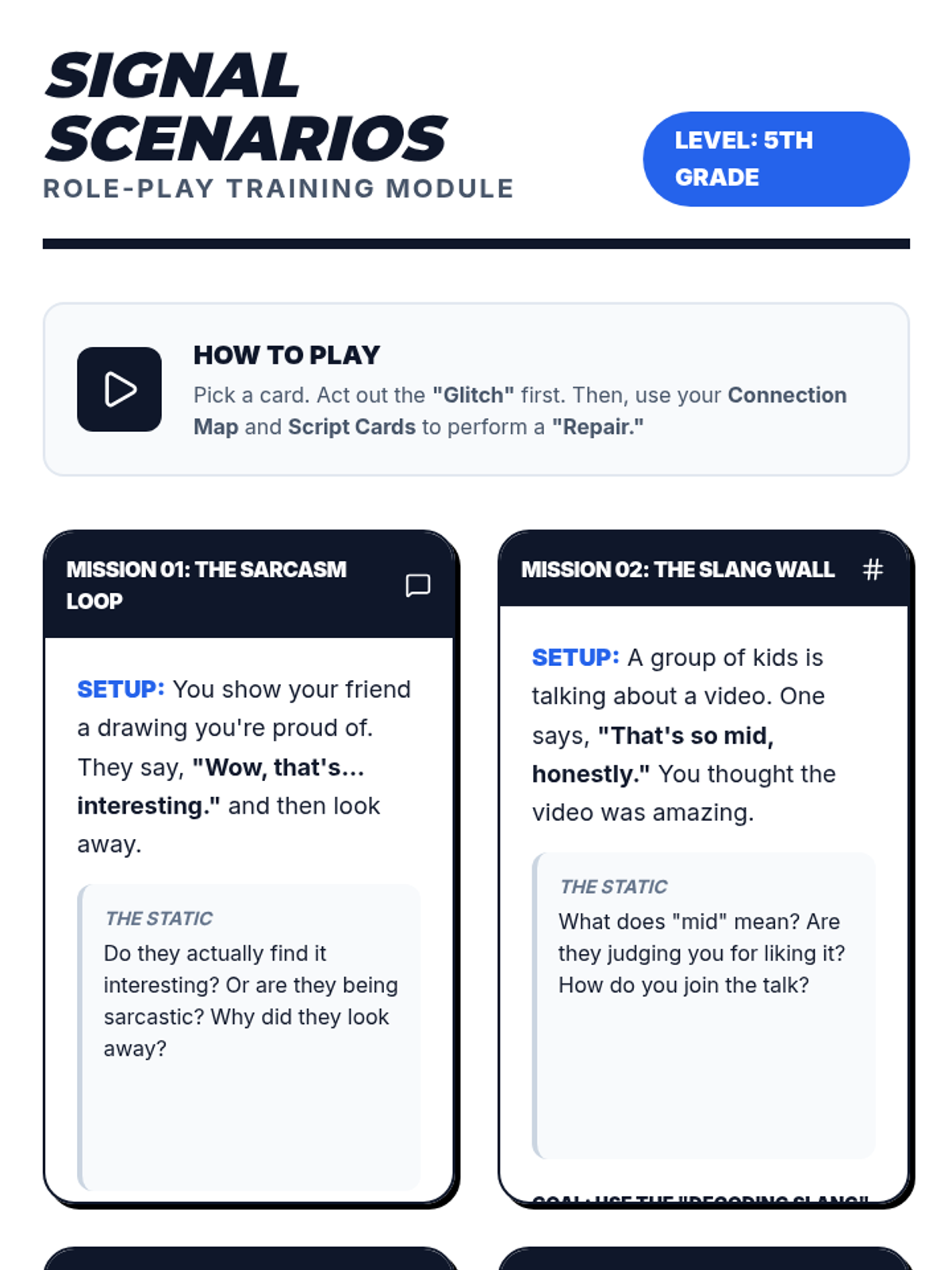
A social-emotional learning unit designed for elementary students with Autism to decode and apply unspoken social rules in various environments. The unit uses a 'Social Code Breakers' theme to make abstract social expectations concrete through role-playing, movement, and visual supports.
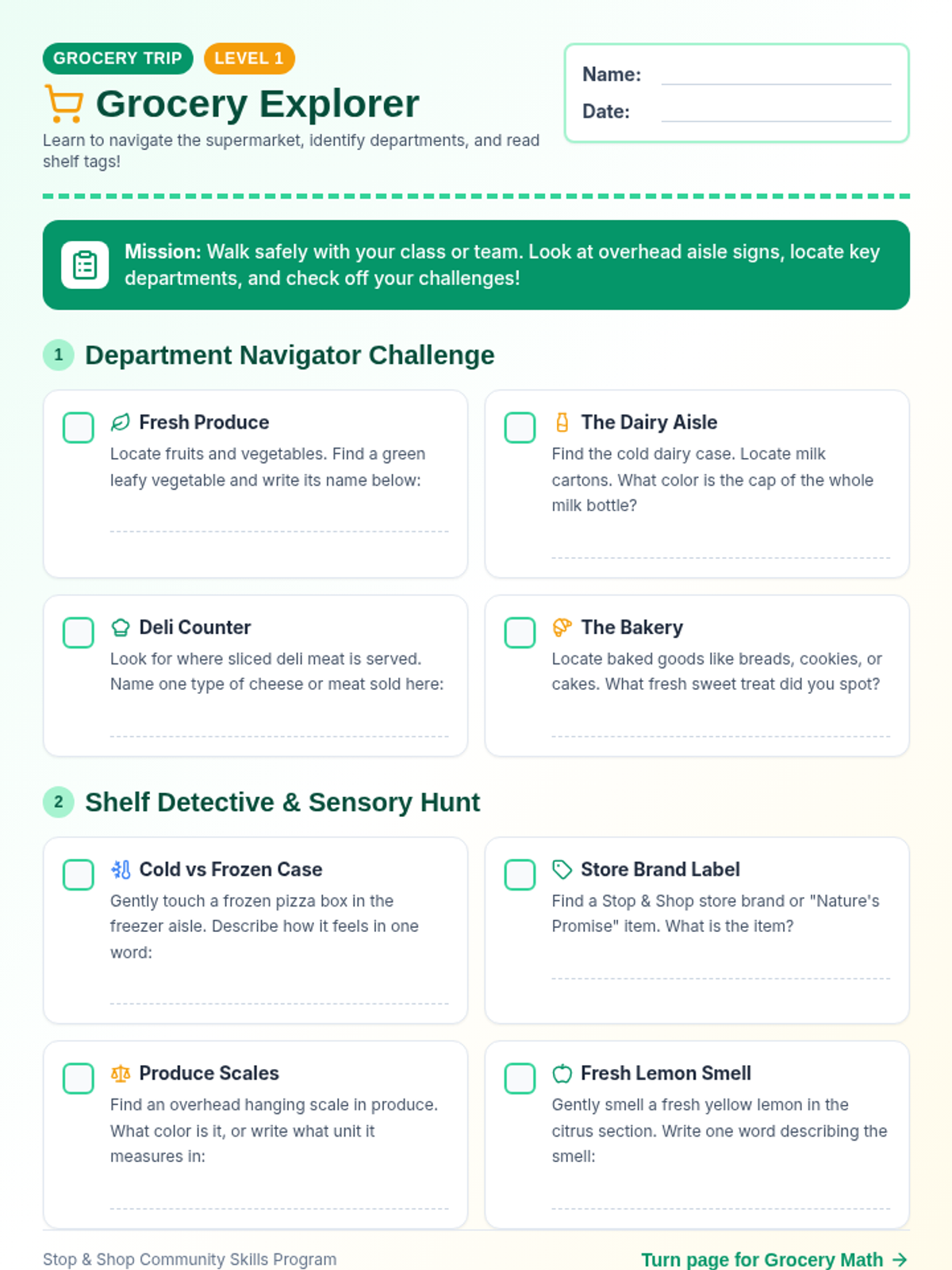
A 3-week comprehensive unit for Lifeskills and Resource ELA students focused on functional reading skills through everyday labels, medicine instructions, grocery store navigation, and menus. Includes an ongoing semester-long Label Journal project.
A comprehensive social boundaries curriculum designed for students with intellectual and developmental disabilities, based on the Circles model of intimacy and relationship levels.
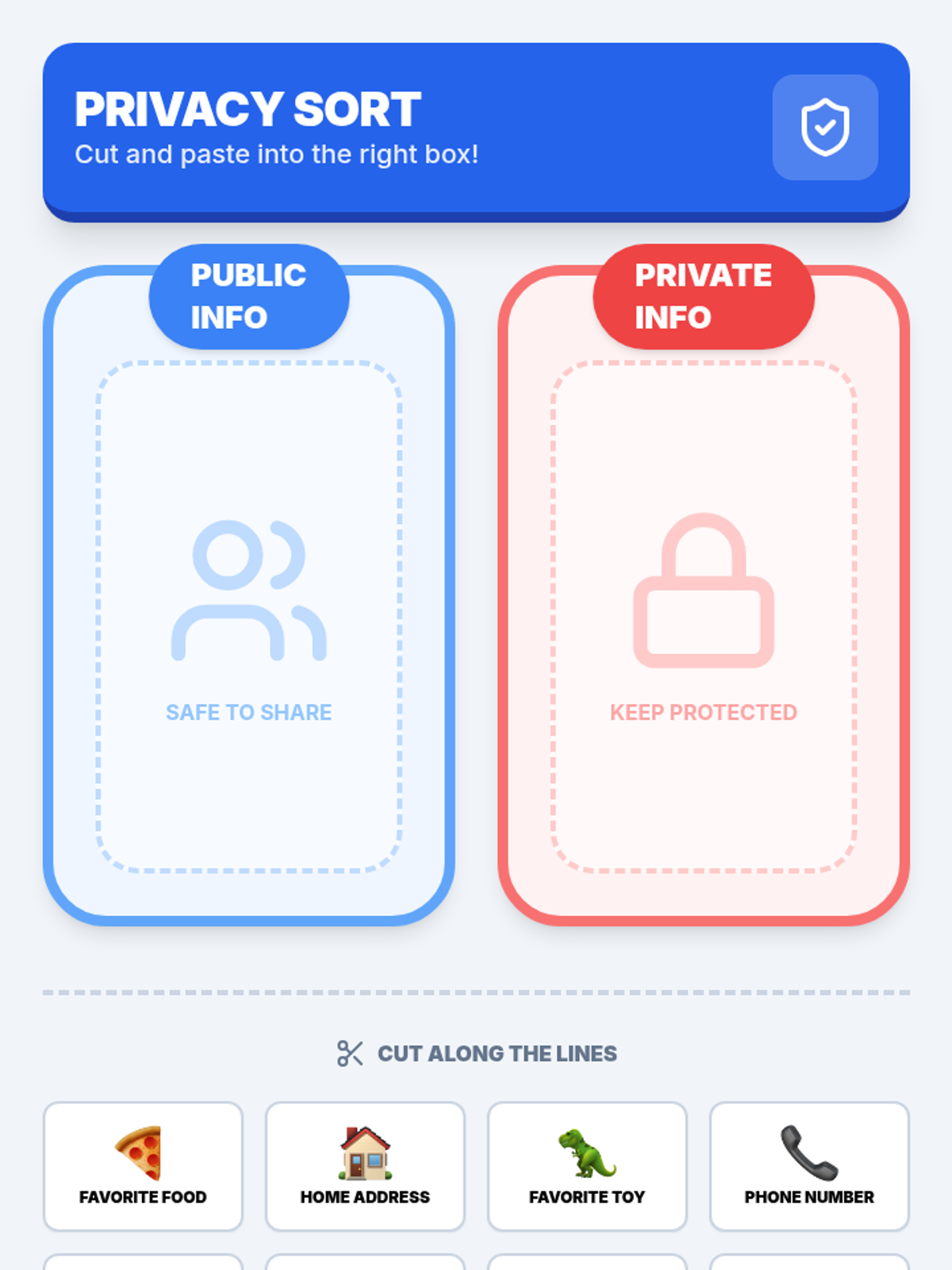
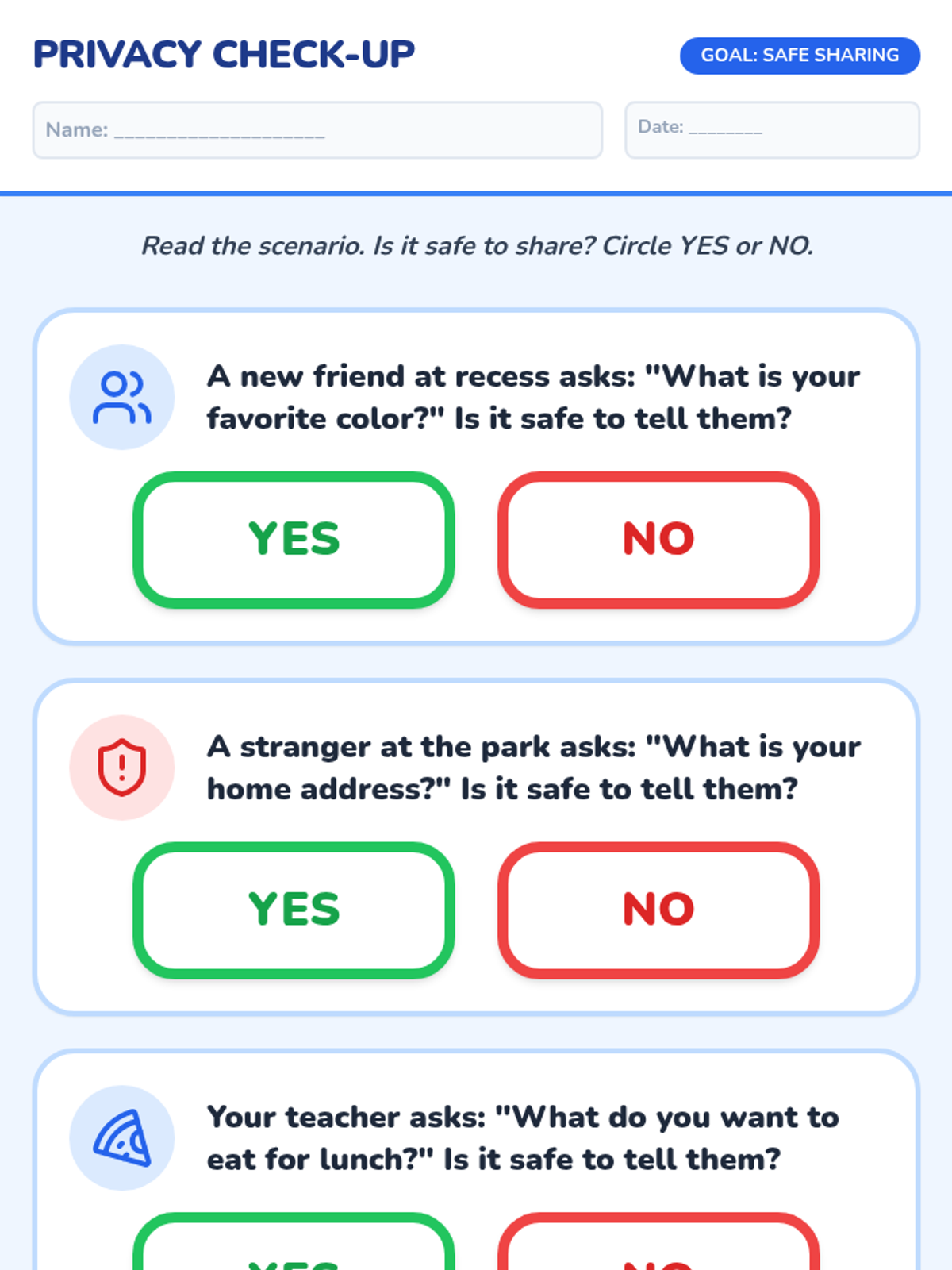
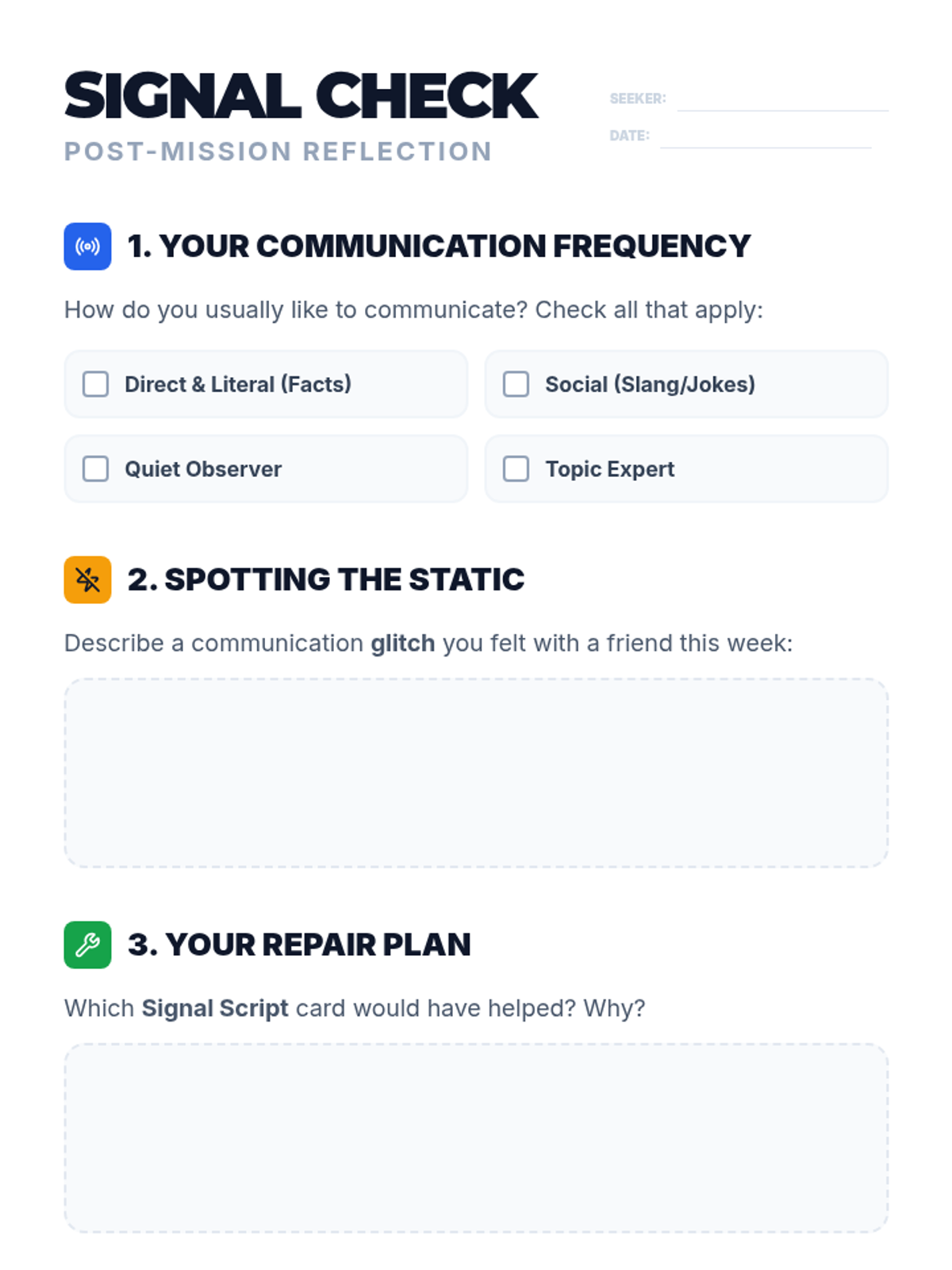
A social skills series designed for students with Autism to navigate conversation boundaries, understand privacy levels, and build authentic connections without relying on exaggerated stories or private disclosures.
A week-long writing journey for Special Education students to reflect on past experiences, growth, and future goals. This sequence emphasizes logical organization and structured brainstorming to help students produce a cohesive short essay.
A module designed to help students master temporal processing and visual sequencing through the lens of time travel and detective work. Students learn to organize daily routines and understand cause-and-effect relationships using visual prompts.
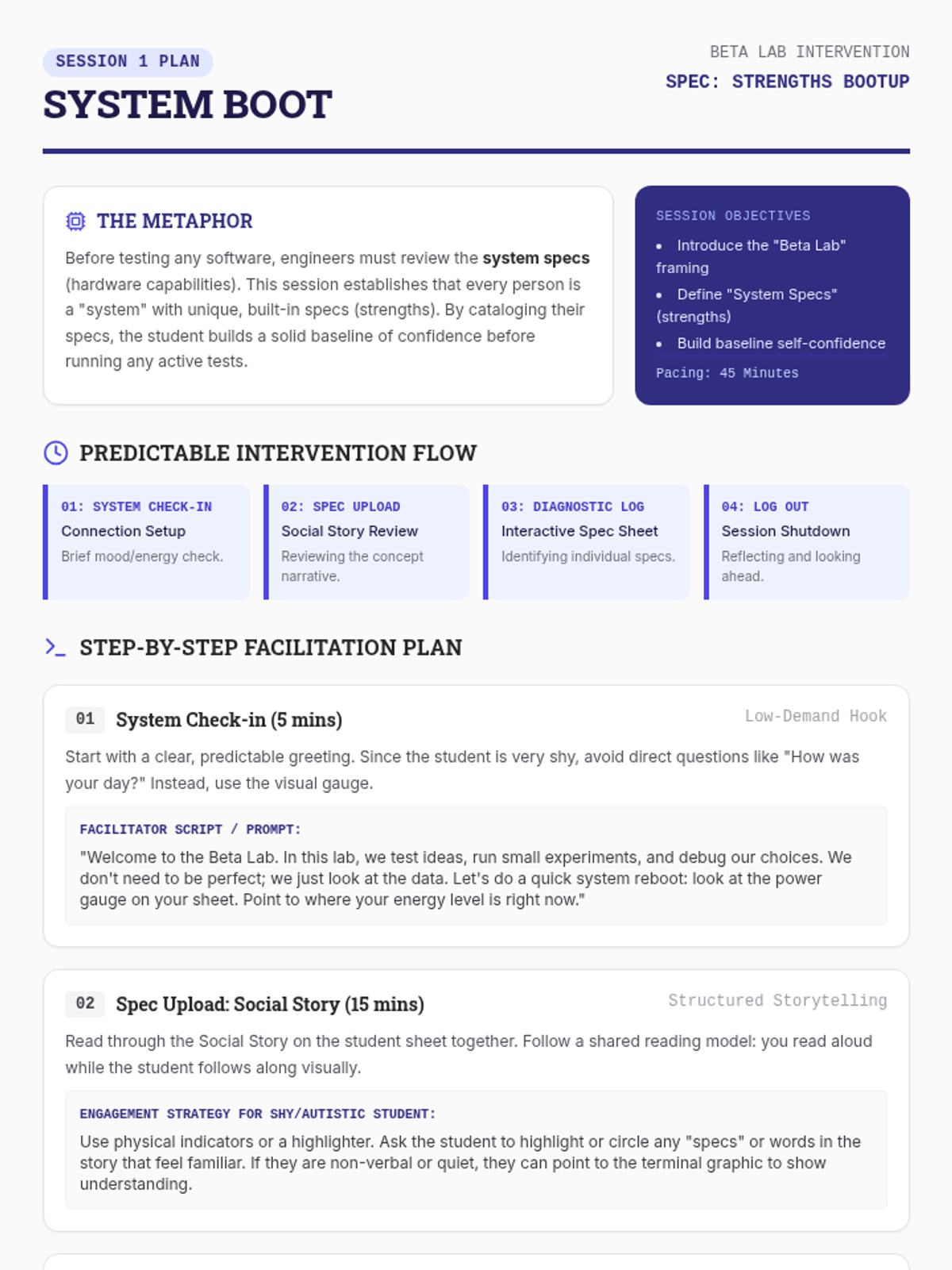
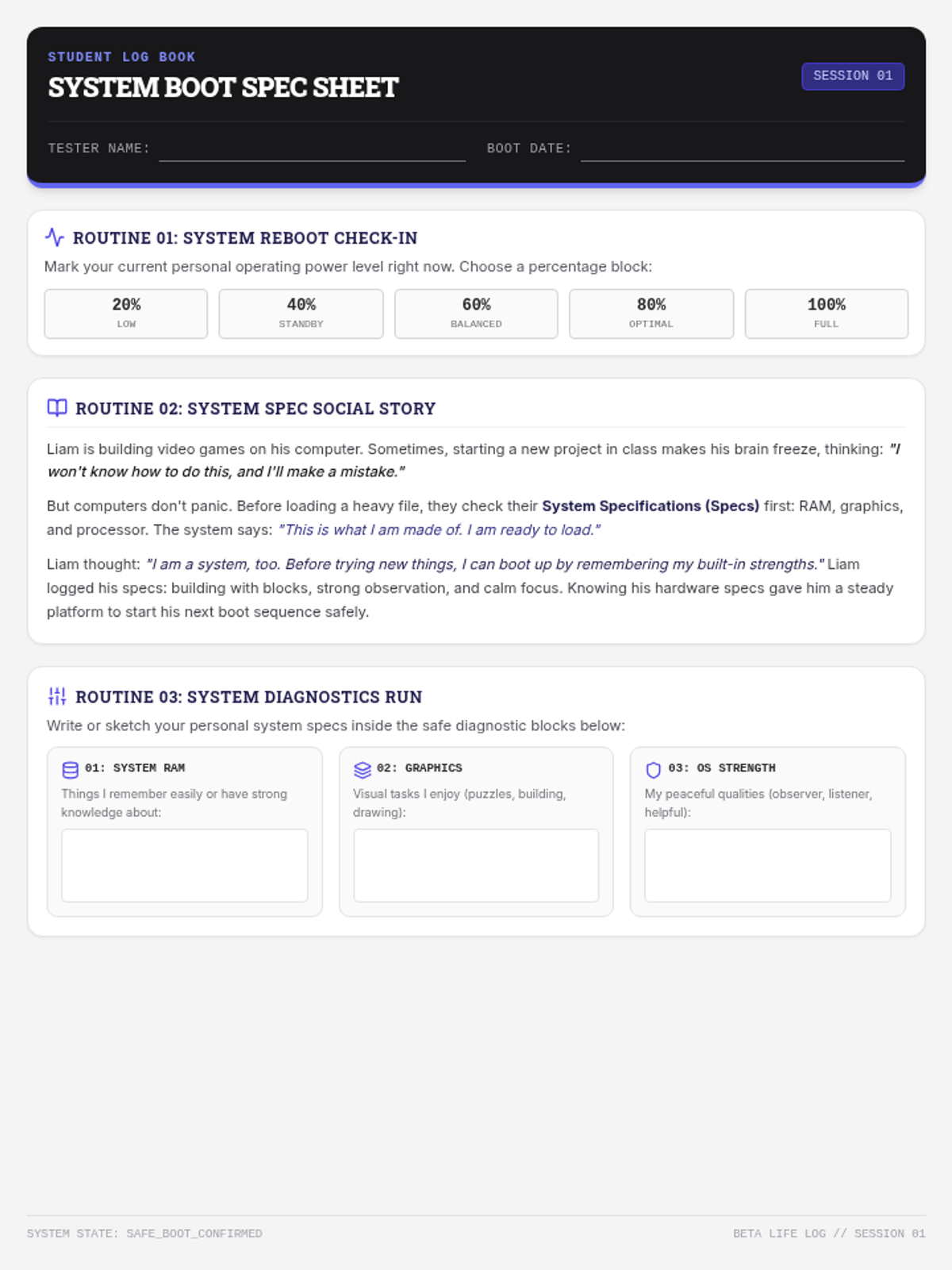
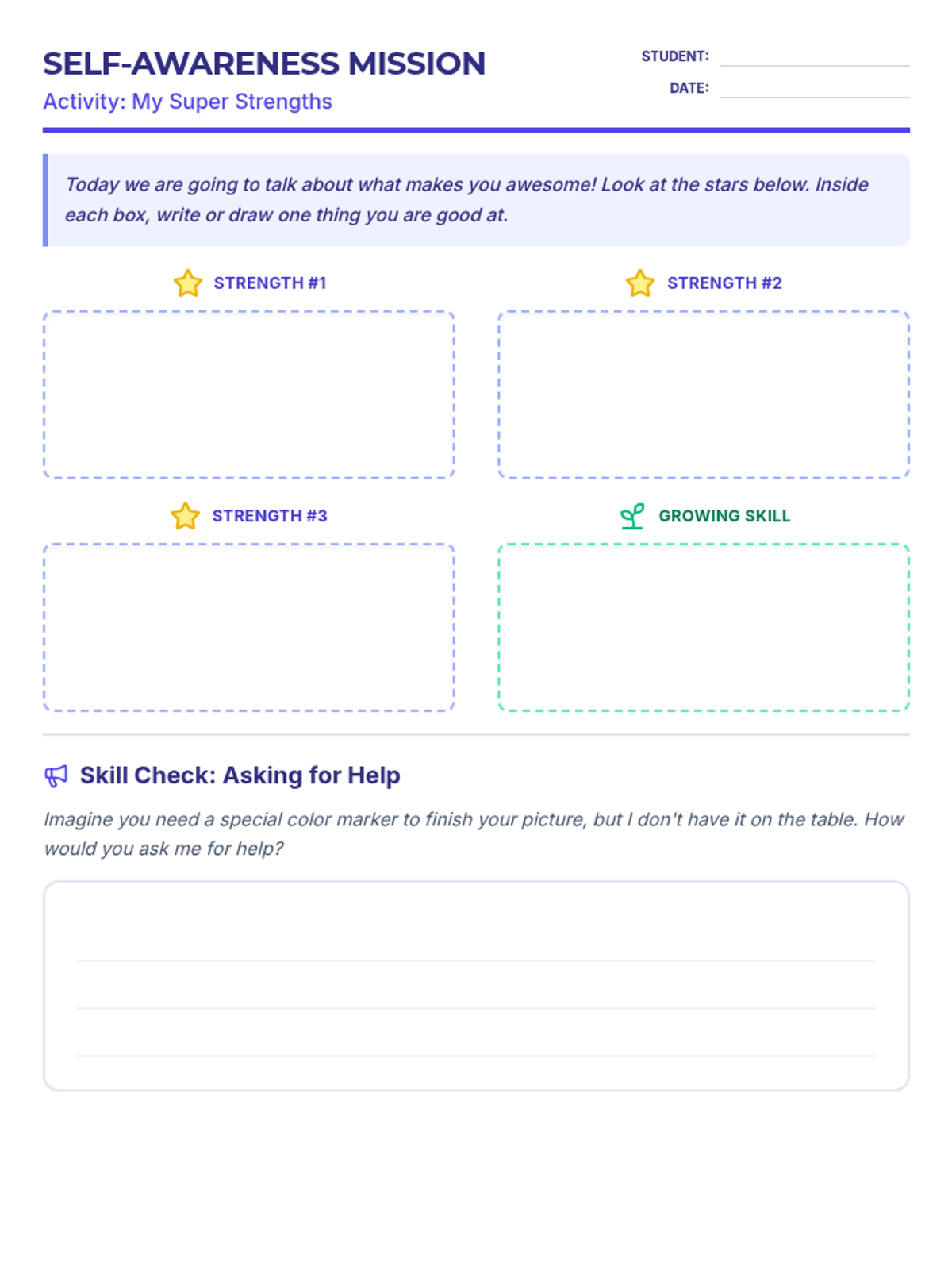
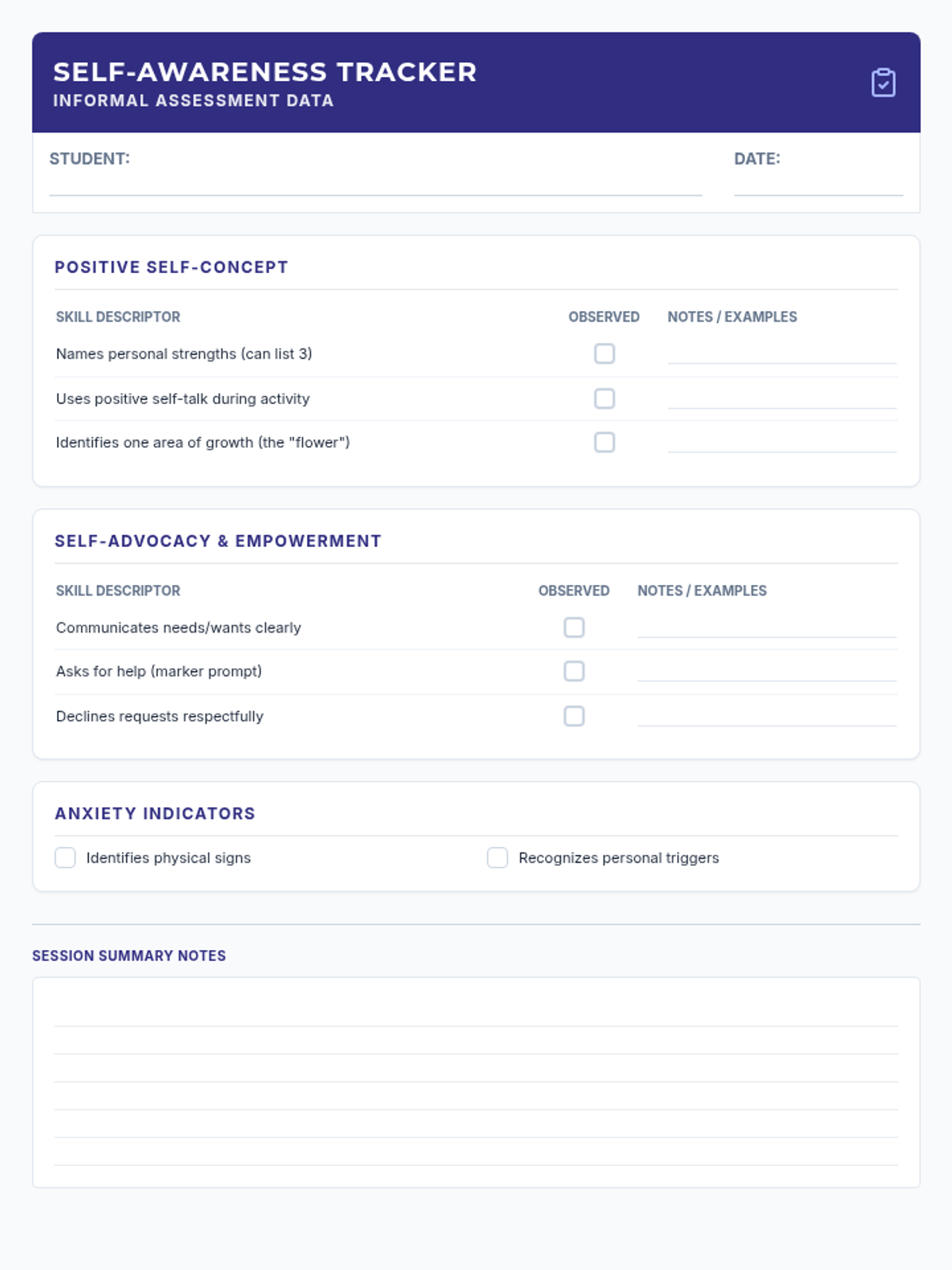
A four-session program designed for an 11-year-old with ADHD and ASD traits to develop self-advocacy skills, focusing on setting boundaries, recognizing emotional triggers, and asking for help.