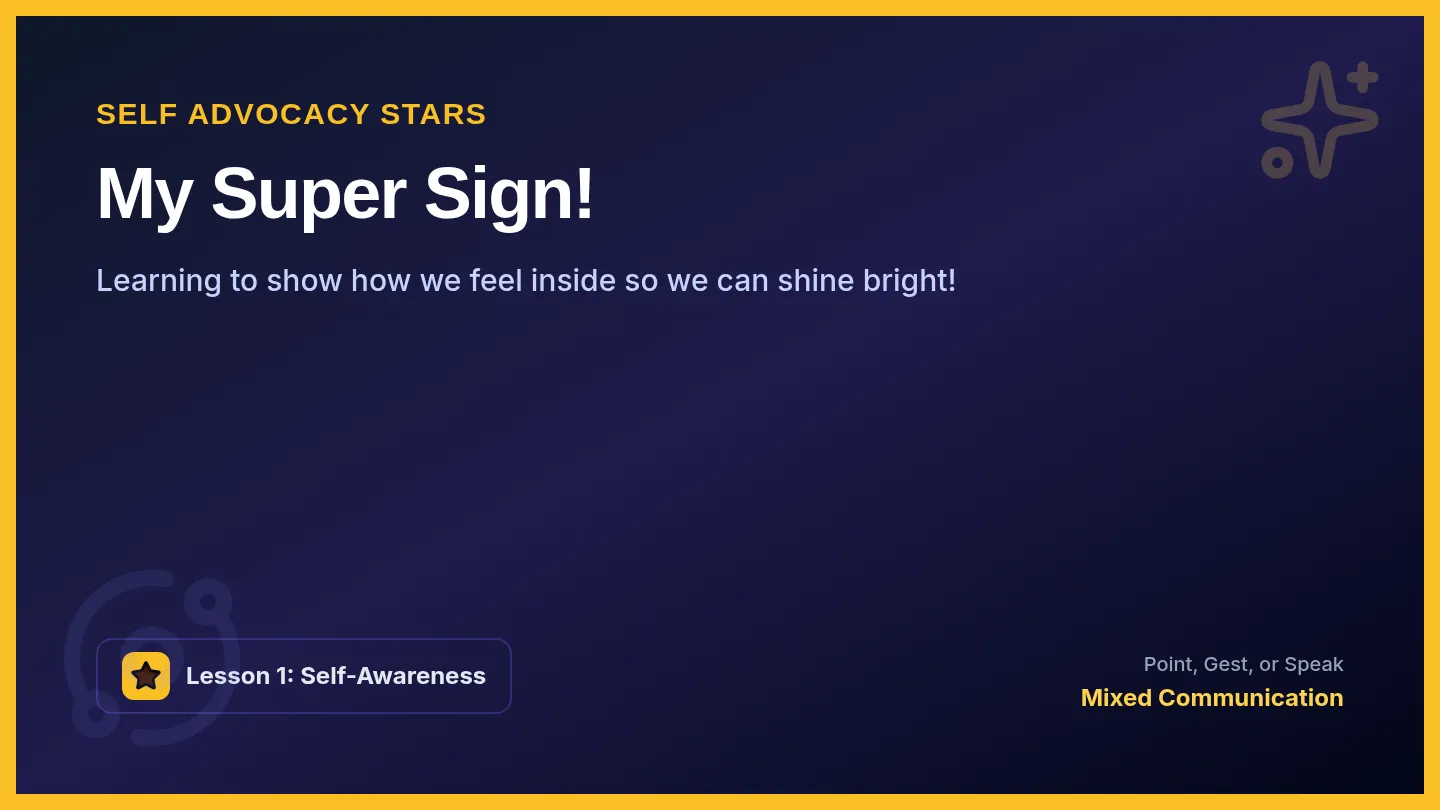
An inquiry-based laboratory experience where 3rd-grade students experiment with auditory, tactile, visual, and vestibular inputs to discover personalized tools for sensory regulation and dysregulation recovery.
No materials in this lesson.
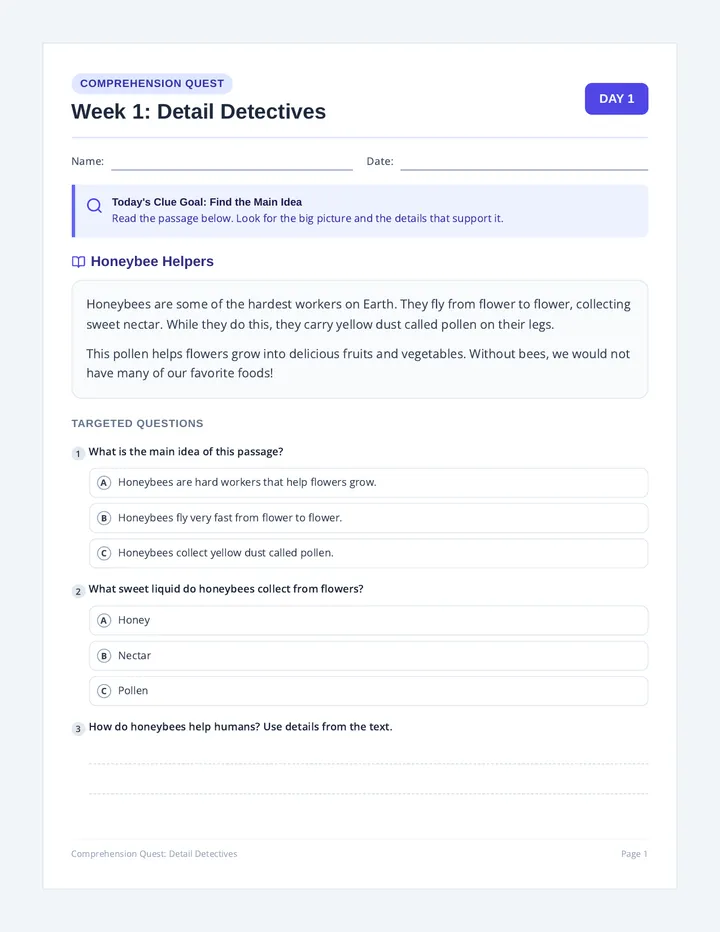
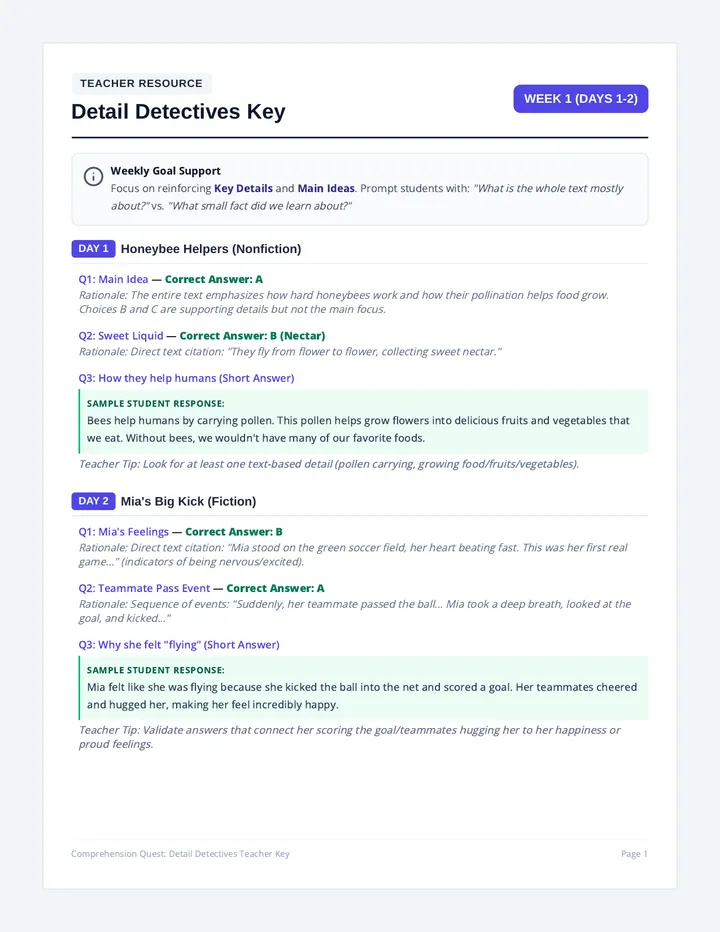
A specialized ELA sequence designed for resource room settings, focusing on core comprehension skills like main idea, inference, and summary with high levels of scaffolding.
A series of resources designed to help students with autism navigate social boundaries, specifically focusing on blurting out and staying on-task during group lessons.
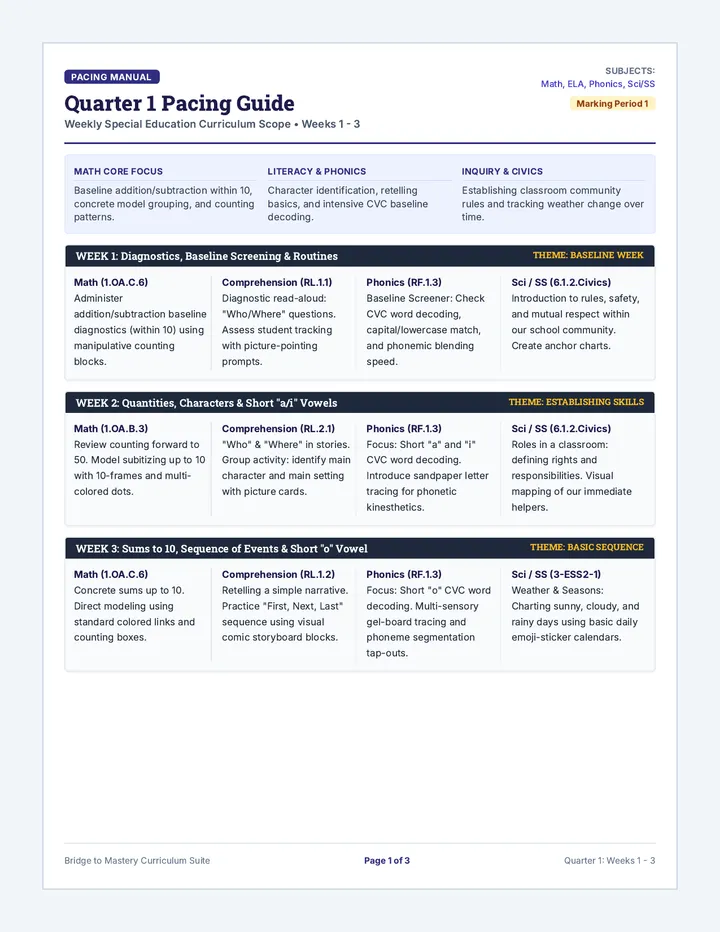
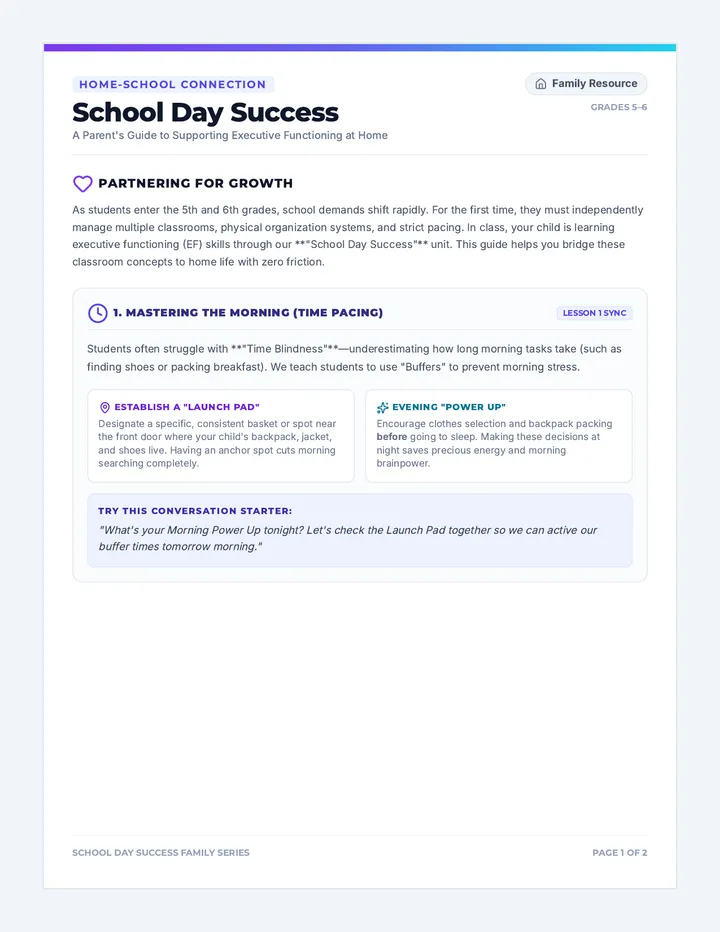
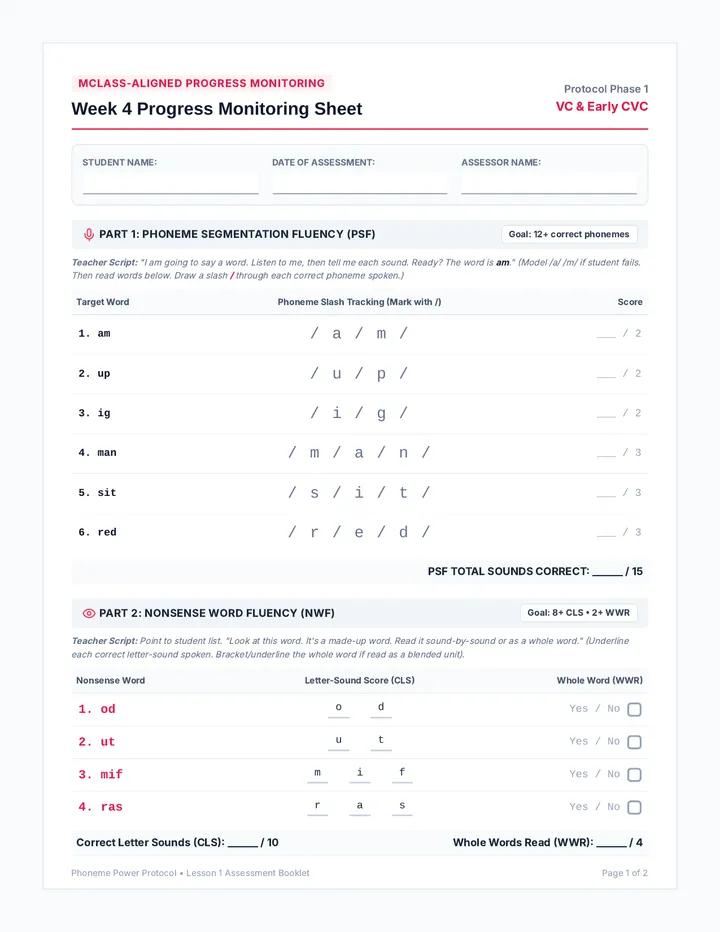
A collection of essential assessment and progress monitoring tools for elementary students across core subjects like math and reading.
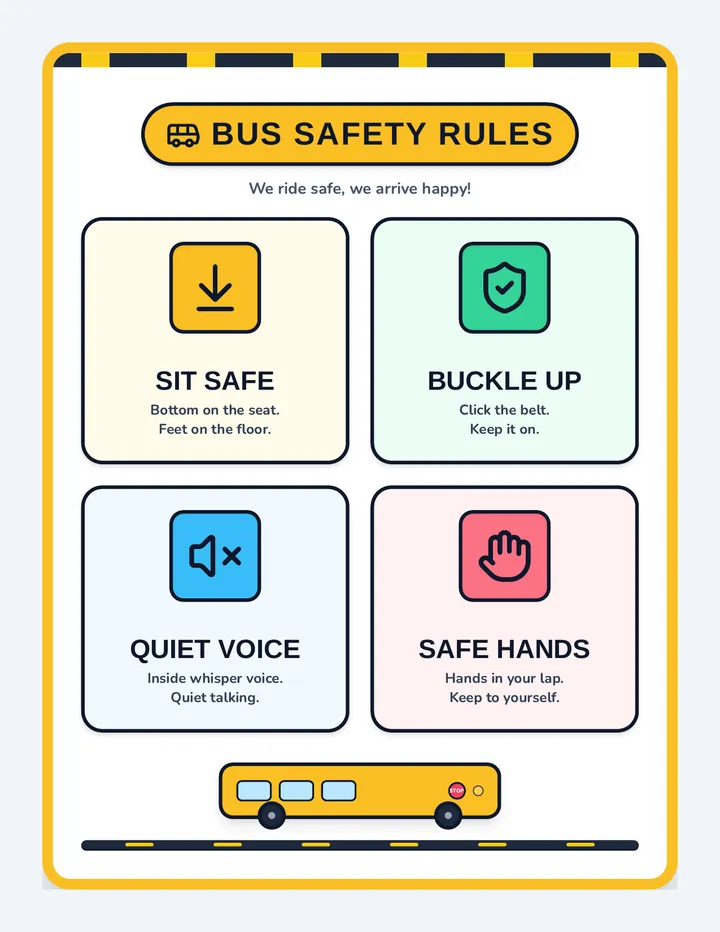
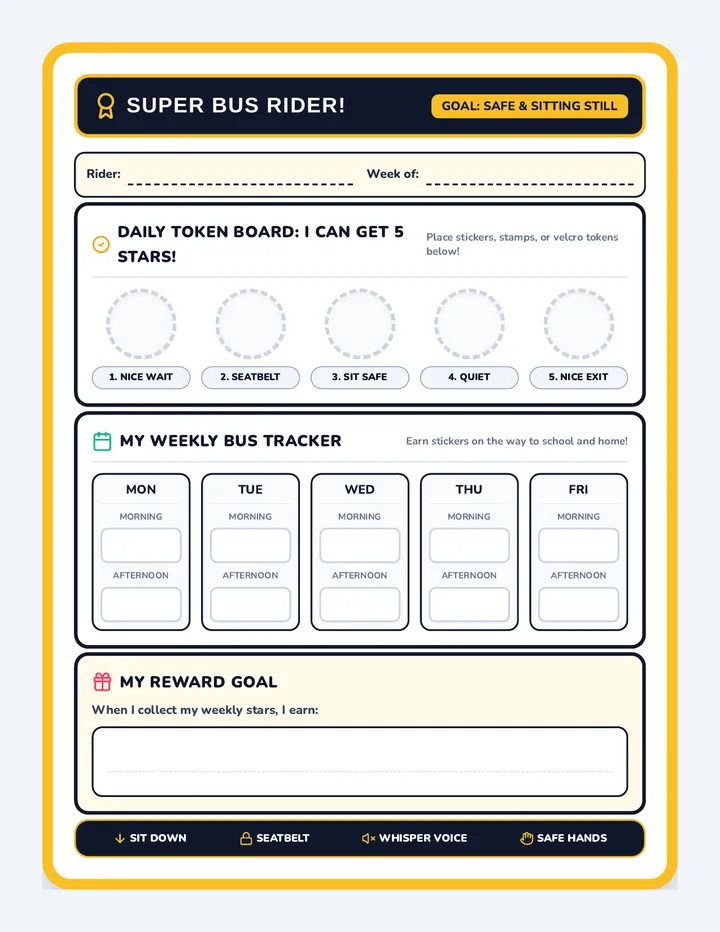
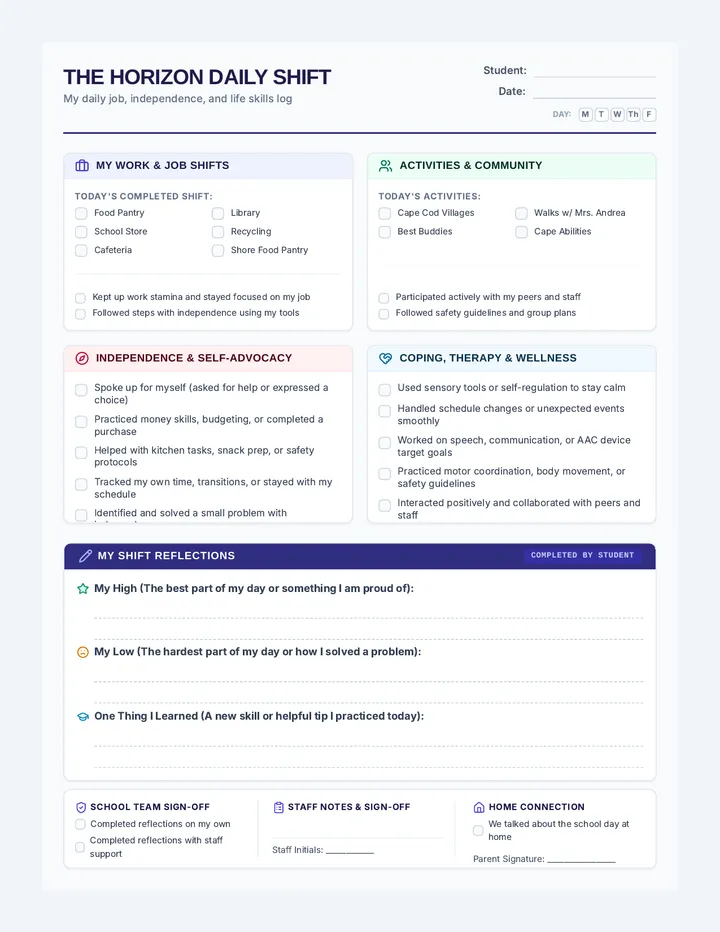
A collection of tools and guides for educators to monitor student behavior and progress, facilitating clear communication between school and home.
A comprehensive program for students receiving paraprofessional support to build independence through work completion strategies and academic organizational habits.
A 6-week individual behavior intervention sequence for 1st grade students struggling with emotional regulation, elopement, and attention-seeking behaviors. The sequence focuses on identifying feelings, sizing problems, and using functional communication to seek attention appropriately.
A 36-week social-emotional learning curriculum for a 3rd-grade student with autism, focusing on emotion identification, anxiety management, coping strategies, and flexible thinking. The program uses a 'Feeling Frontier' space-exploration theme to make abstract concepts concrete and engaging.
A comprehensive series of 30-minute lessons tailored for different grade levels (K-10) to foster understanding, empathy, and advocacy regarding autism and neurodiversity. Each lesson uses age-appropriate literature to ground the conversation.
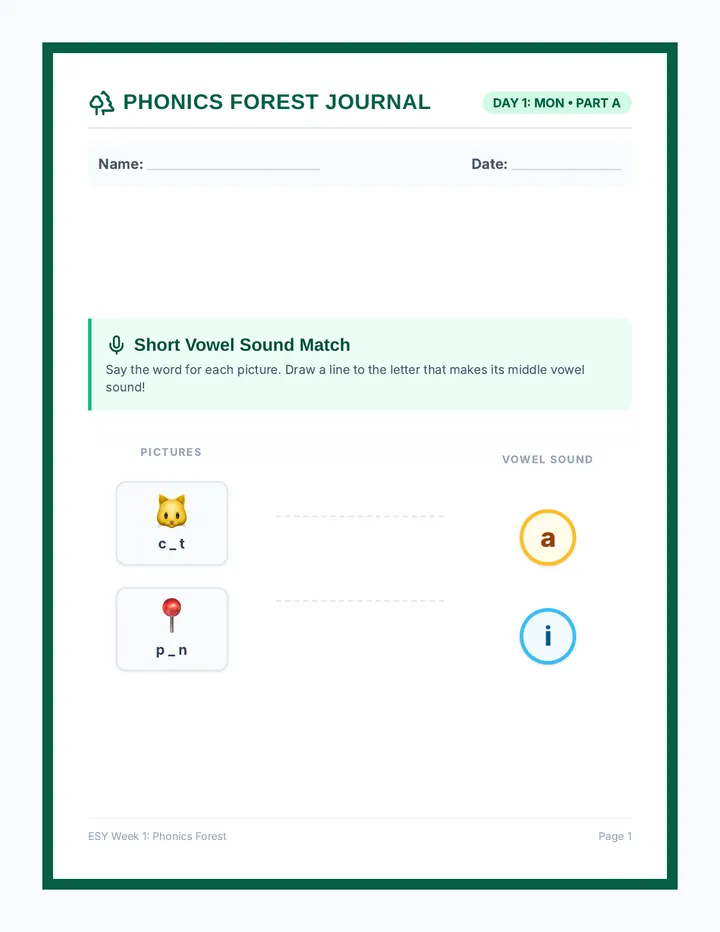
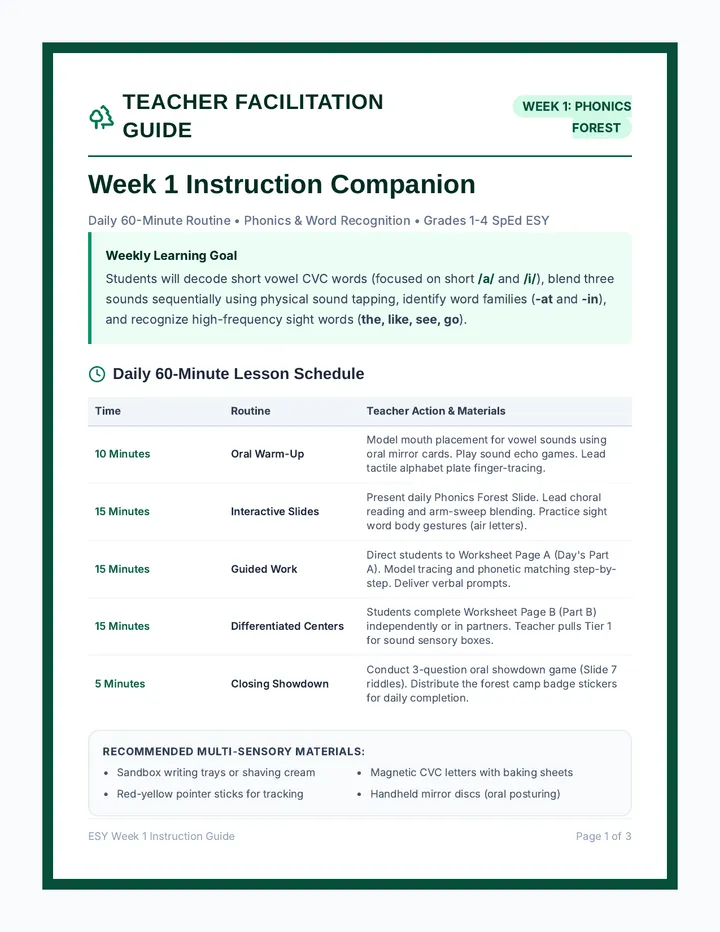
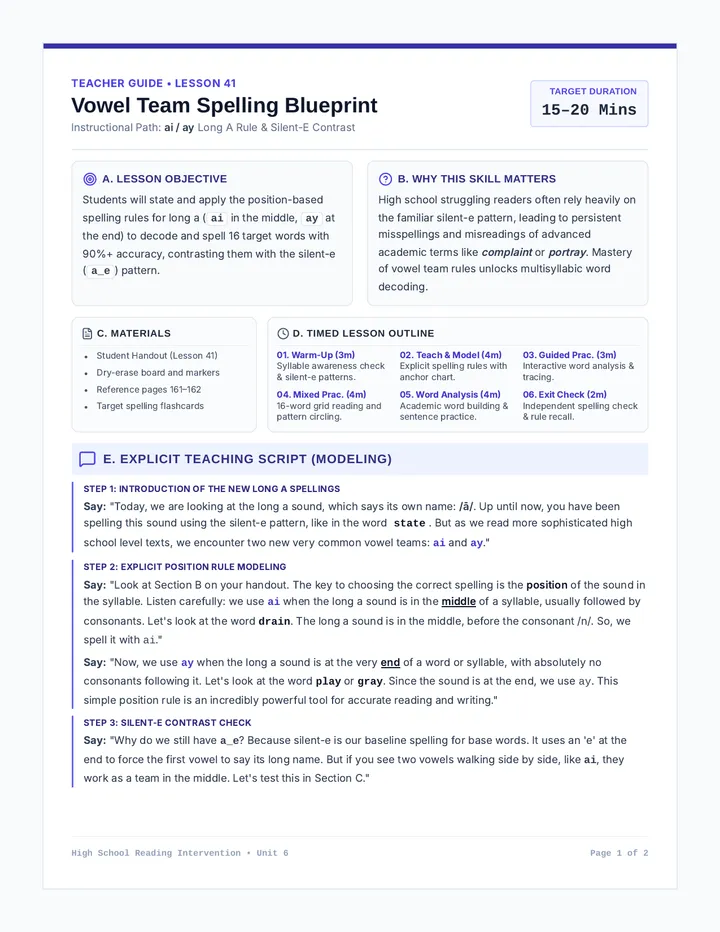
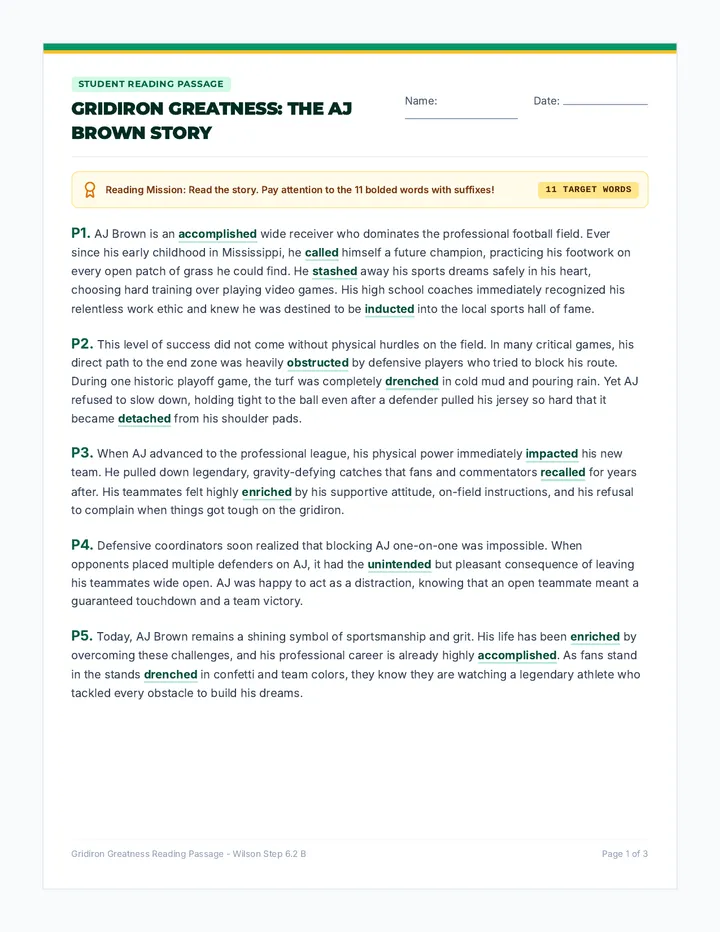
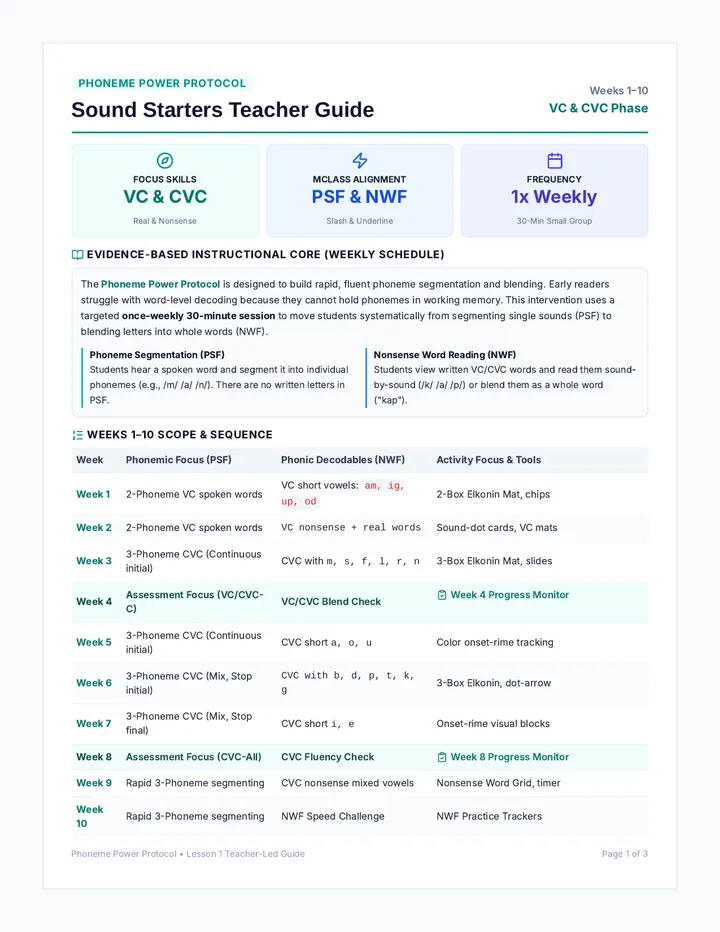
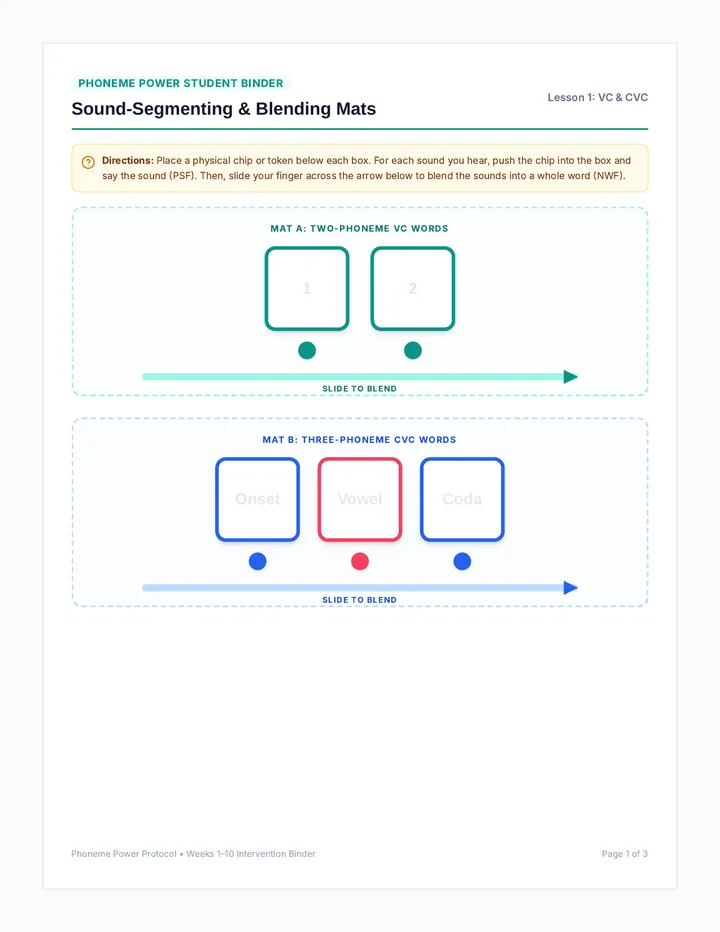
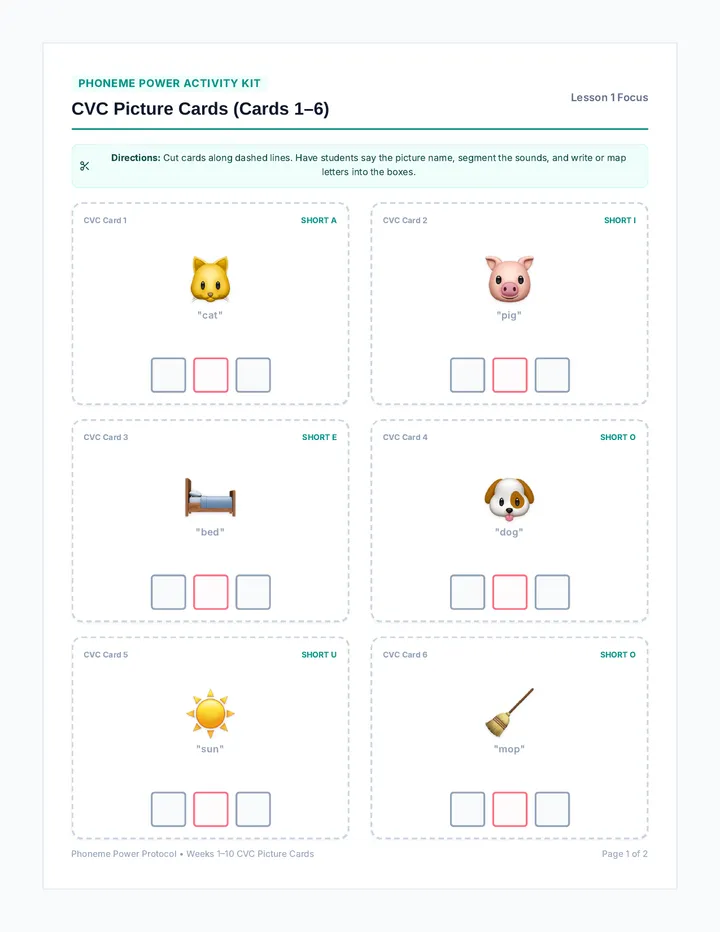
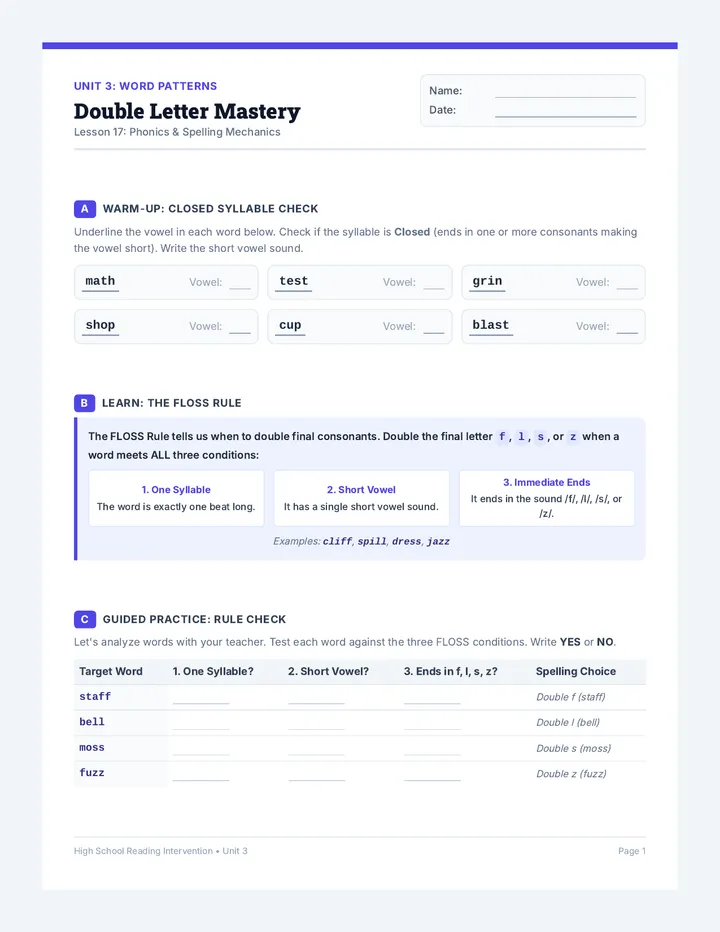
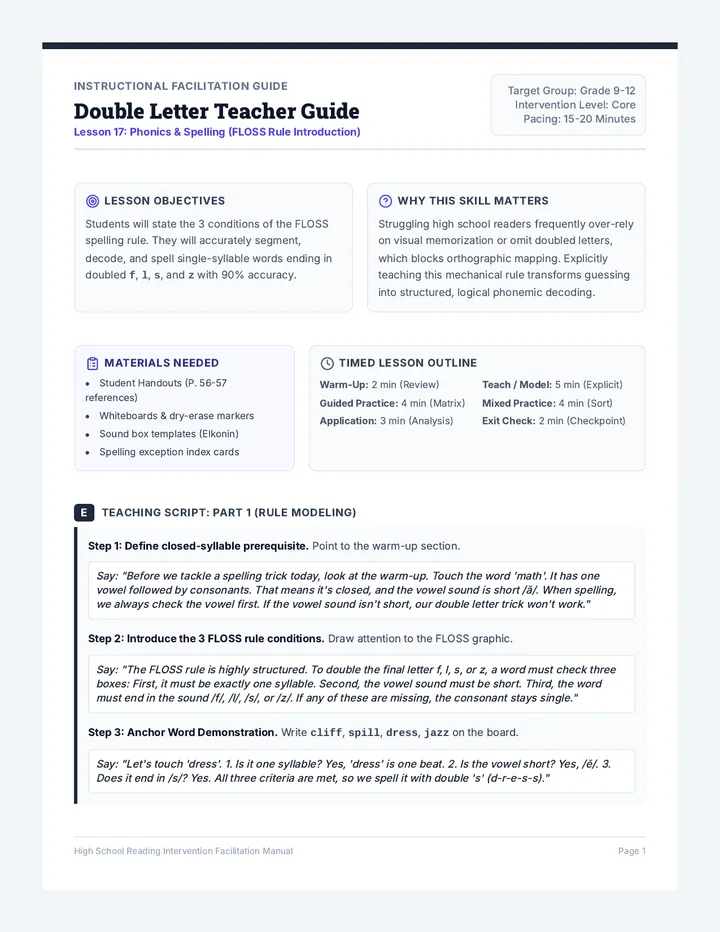
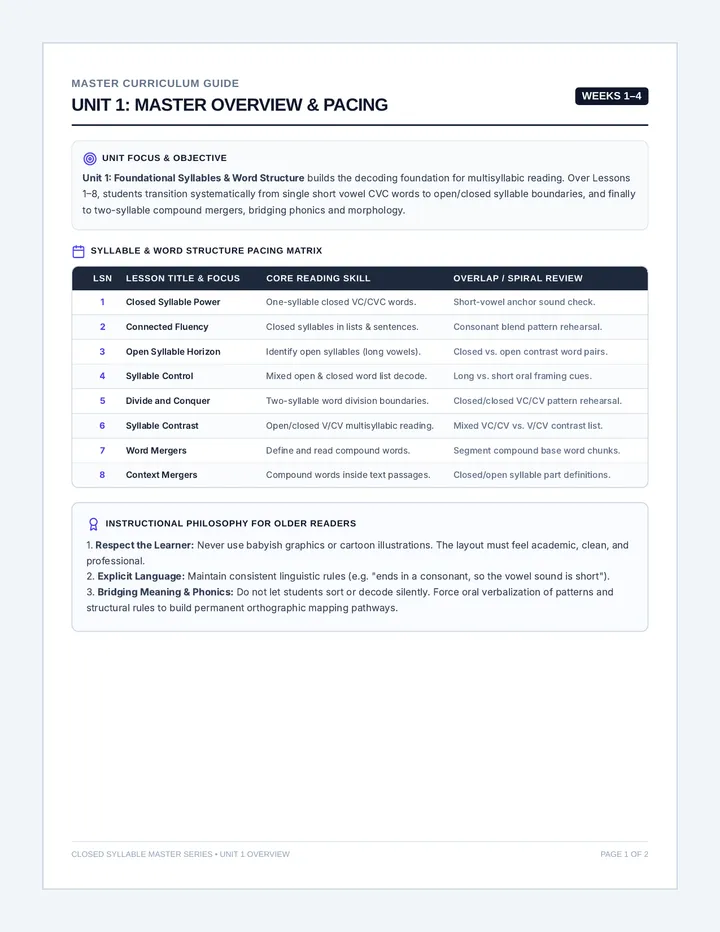
A collection of literacy and phonics resources for elementary students, covering assessment and targeted skill building.
A comprehensive training module for paraprofessionals to support K-8 students in sensory regulation. It focuses on identifying internal states, building sensory menus, and implementing proactive breaks to maintain a 'ready to learn' zone.
A series of thematic handwriting programs designed to improve fine motor skills and penmanship through daily practice sessions centered around fascinating educational topics like biology and history.
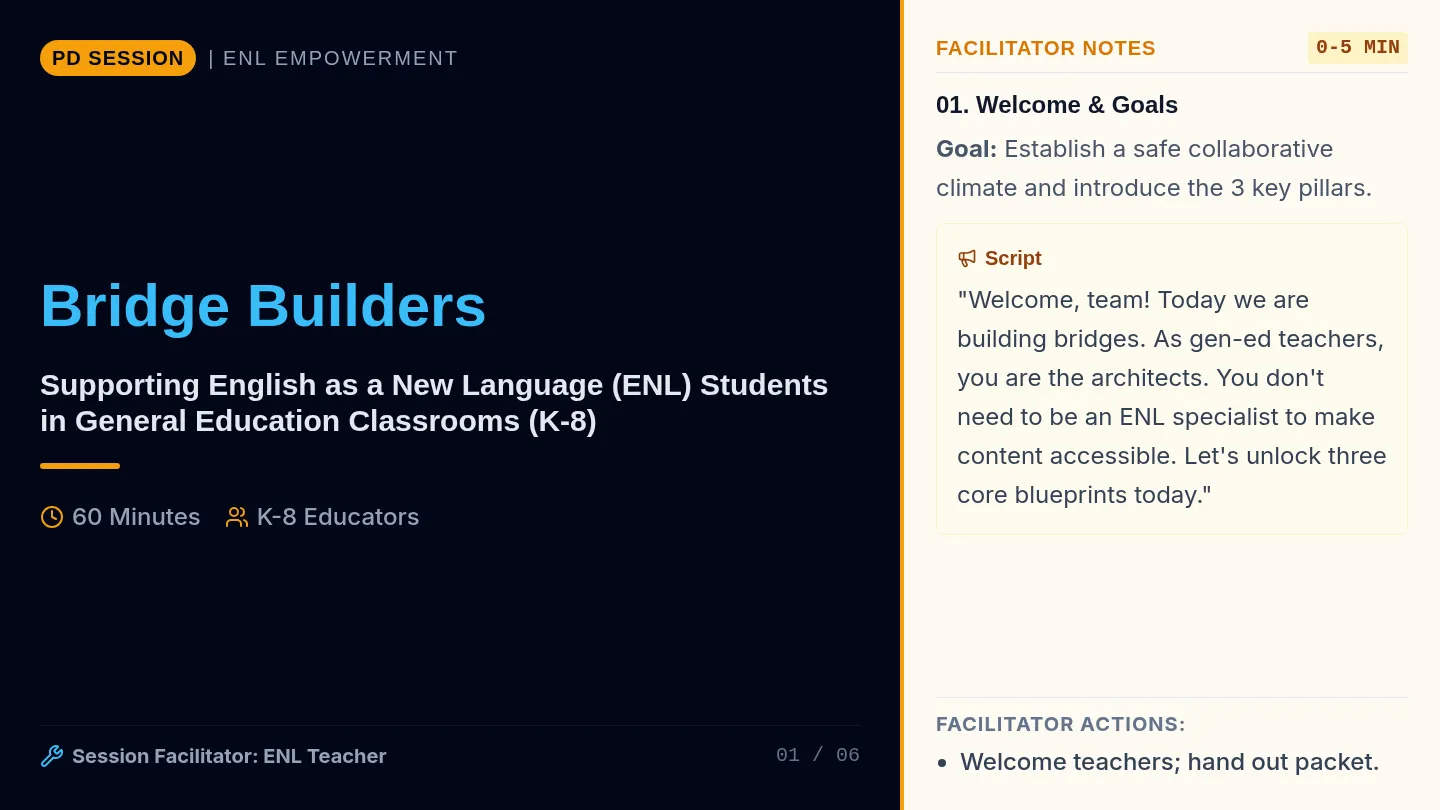
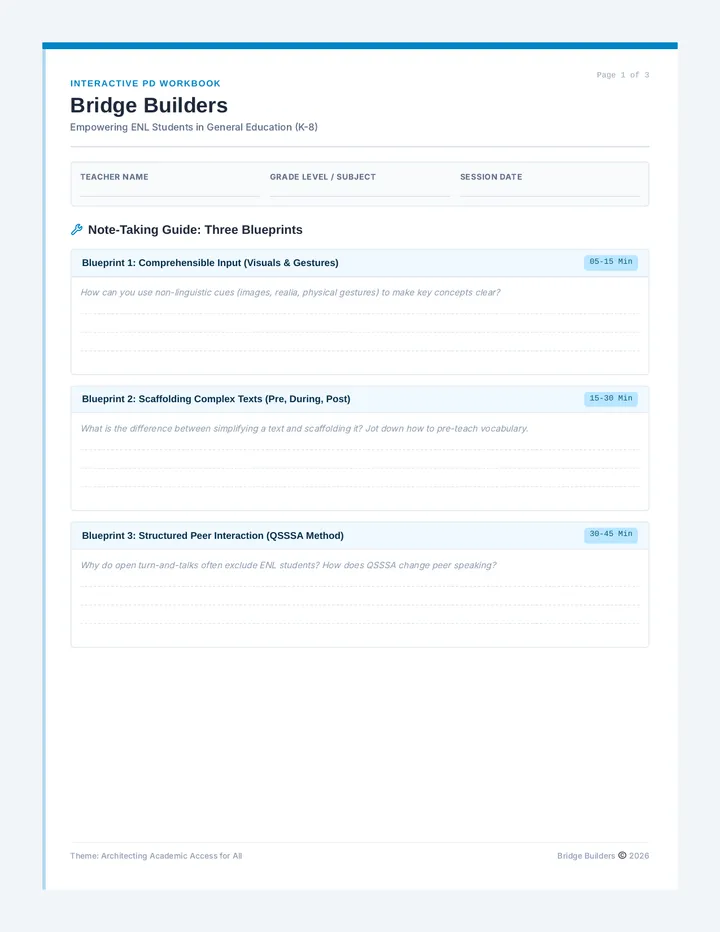
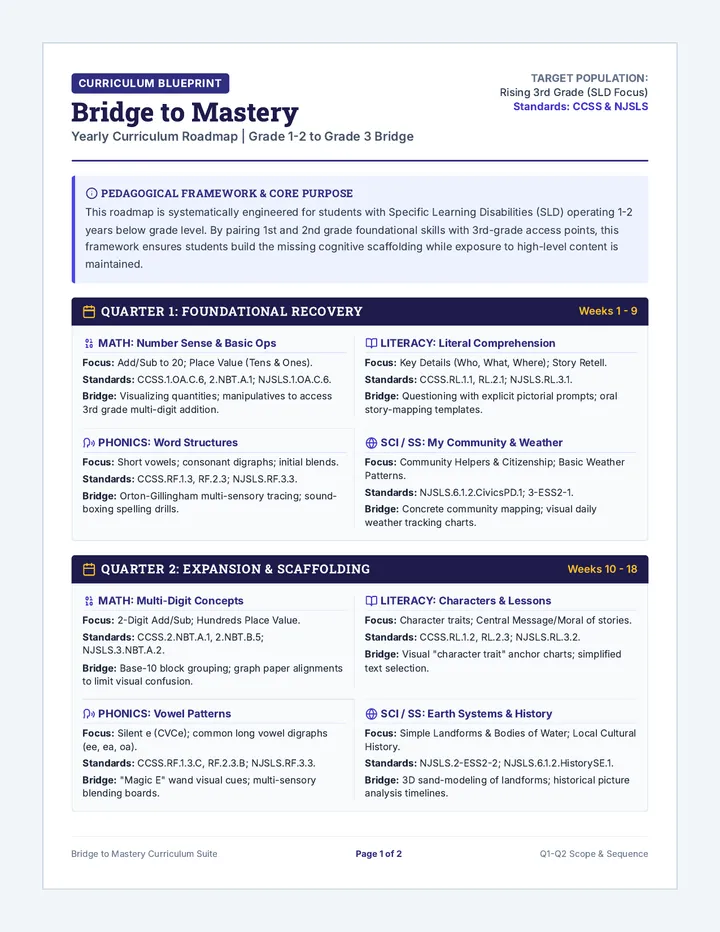
A comprehensive enhancement of a Grade 1 curriculum scope and sequence, integrating WIDA Key Language Uses (Inform, Narrate, Argue, Explain) and language features for EL proficiency levels 1-5 across Social Studies and Science units.
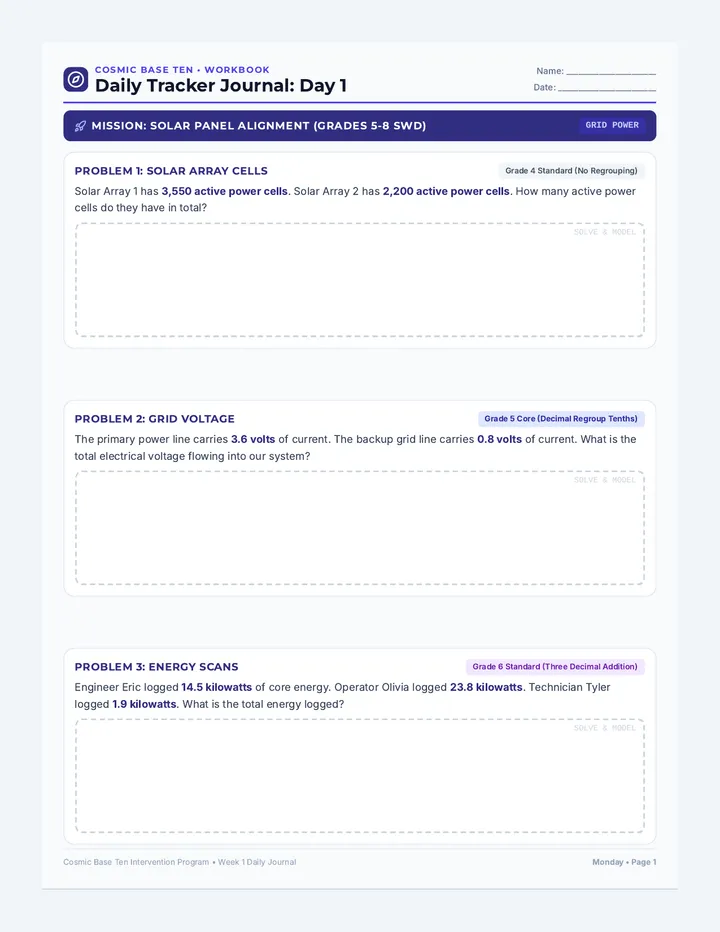
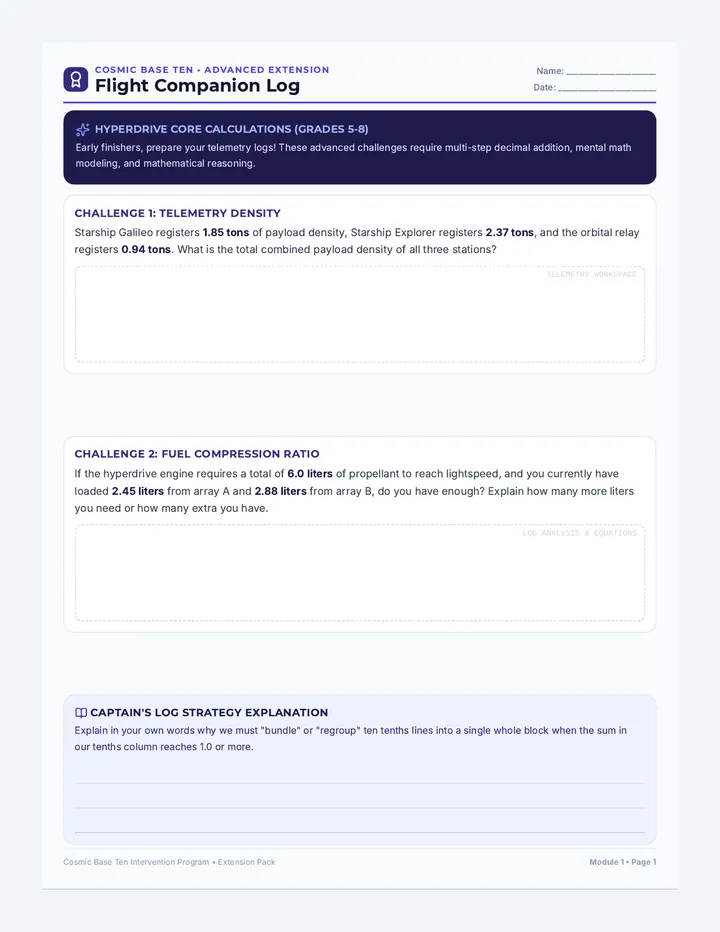
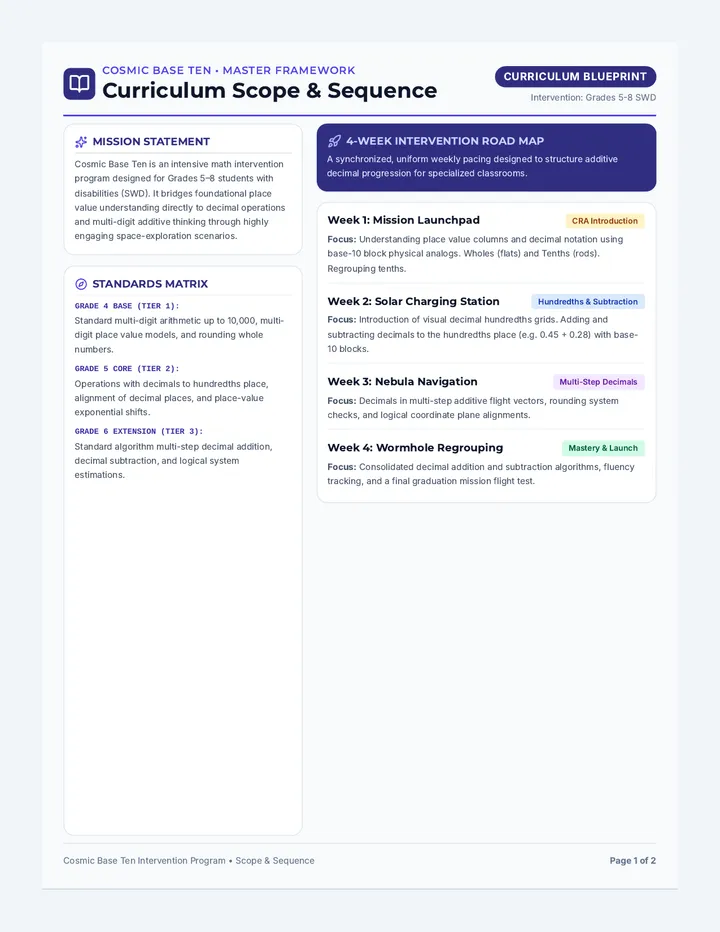
A two-week intensive review sequence for third-grade students focusing on multi-digit addition and subtraction with regrouping. Using base ten block visuals and expanded form methods, this sequence scaffolds learning from concrete to abstract concepts for special education students.
A comprehensive WIDA-aligned curriculum framework for Grade 1, mapping existing social studies and science units to the four Key Language Uses (Inform, Narrate, Explain, Argue) with specific ELD-SI expectation codes.
A comprehensive curriculum framework for primary English Language Learners, aligning theme-based social studies and science units with WIDA's four Key Language Uses: Narrate, Inform, Explain, and Argue. This sequence provides instructional scaffolding for students at proficiency levels 1-3.
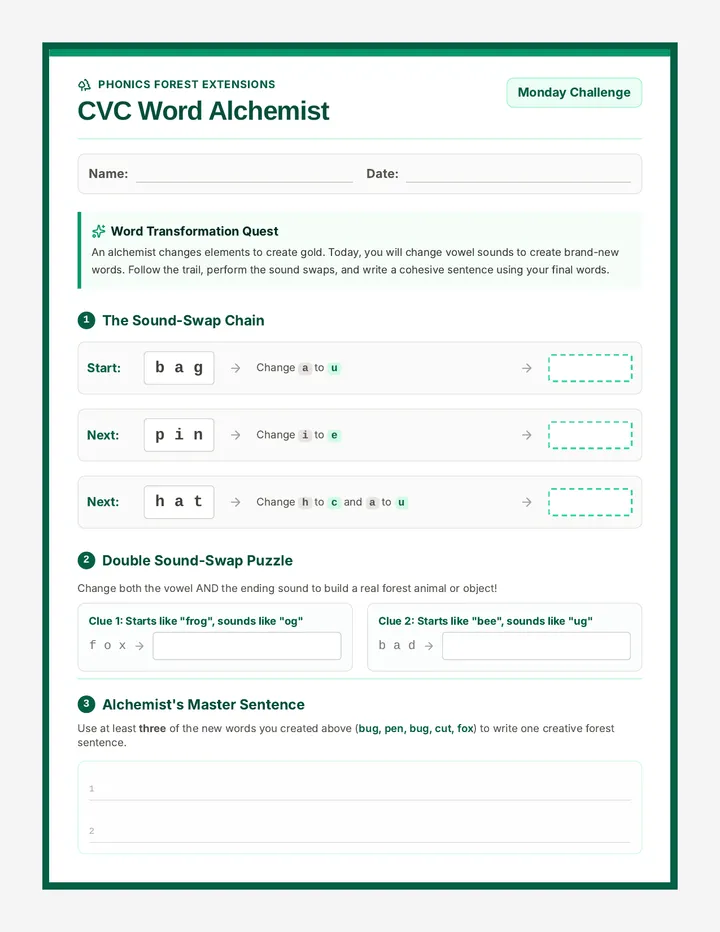
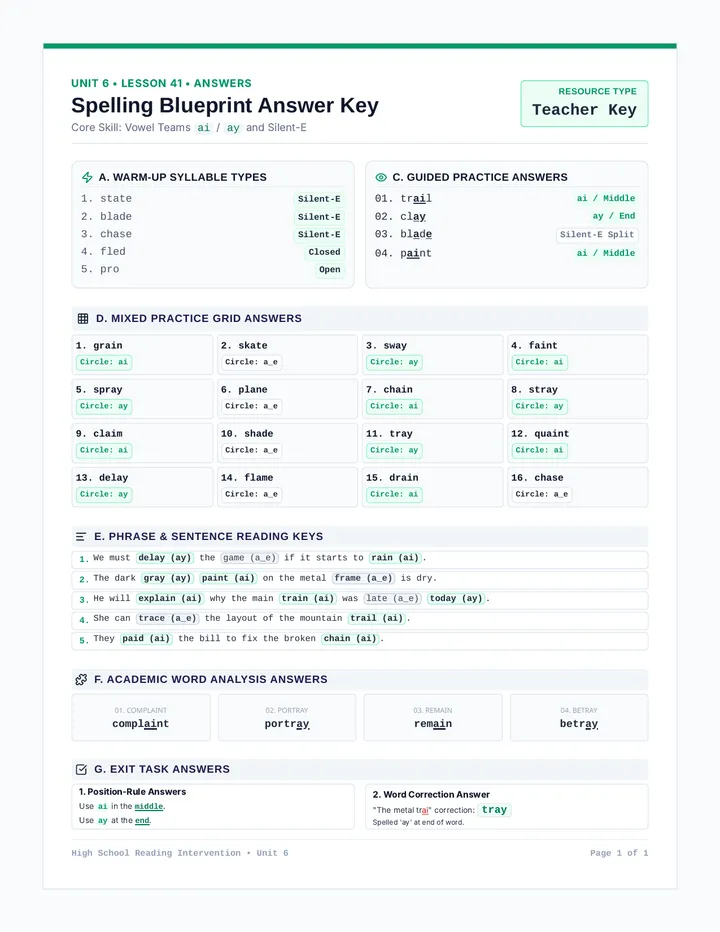
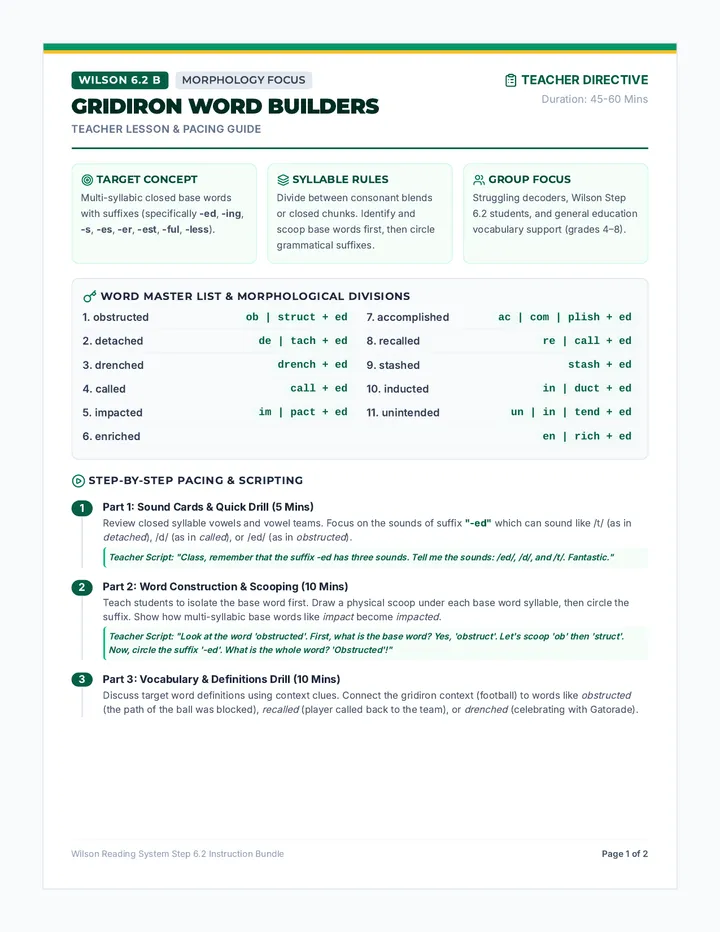
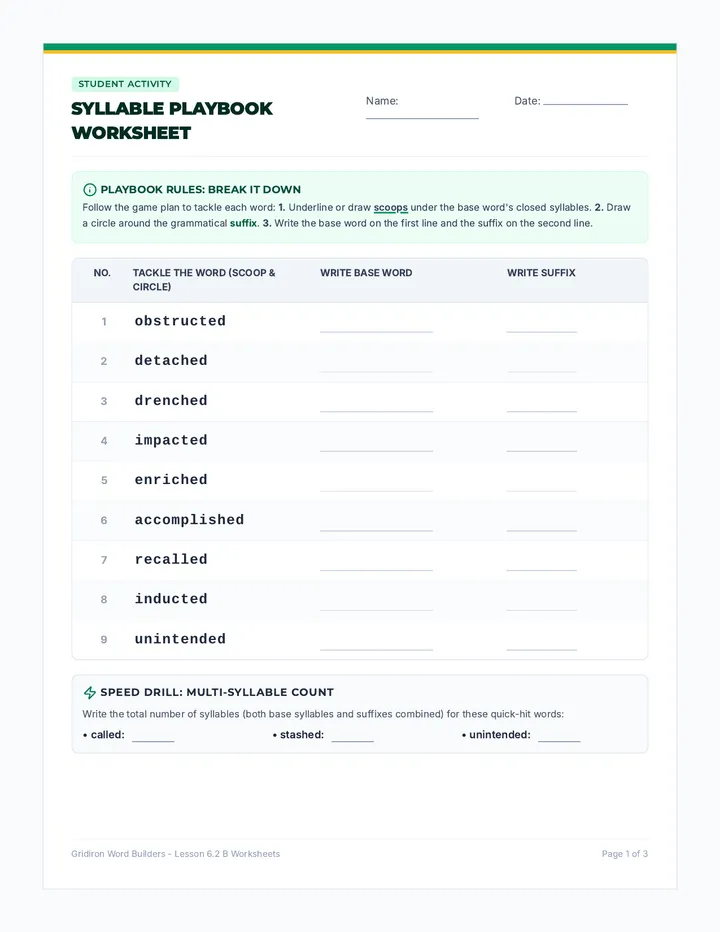
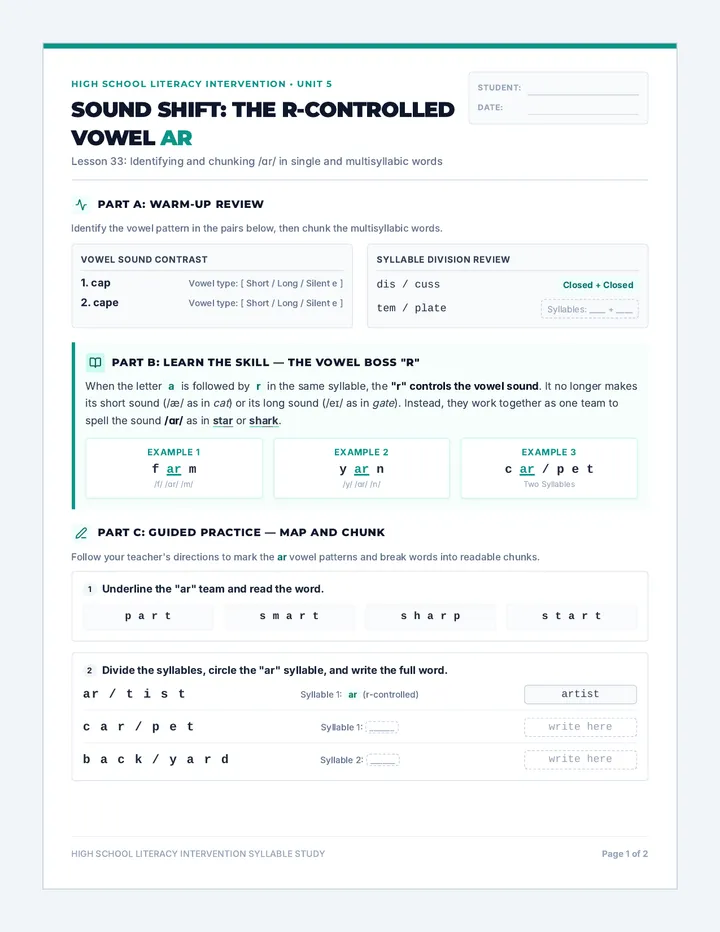
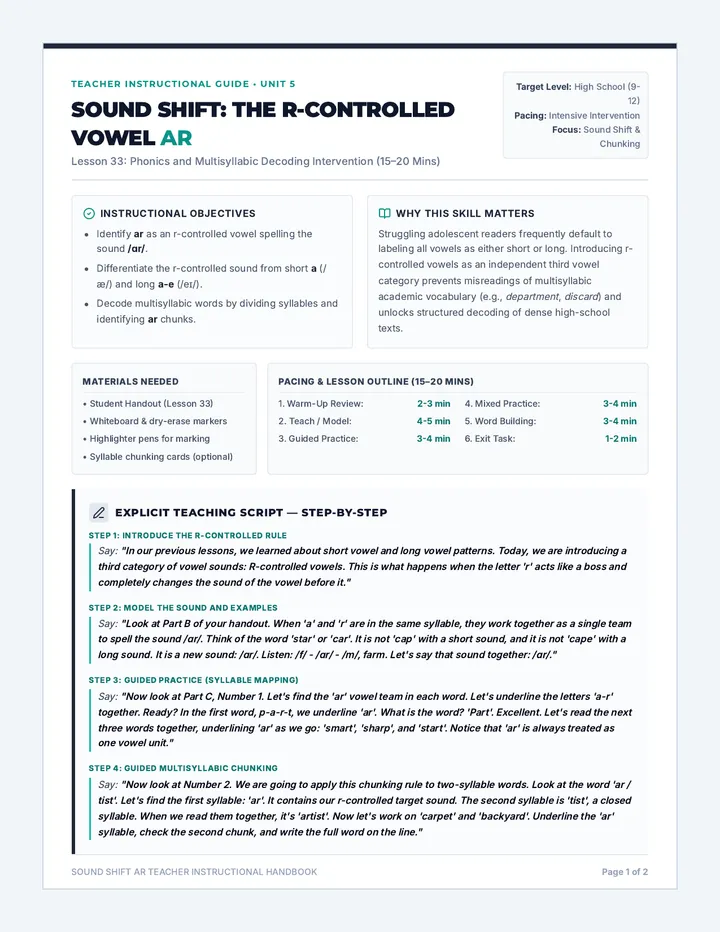
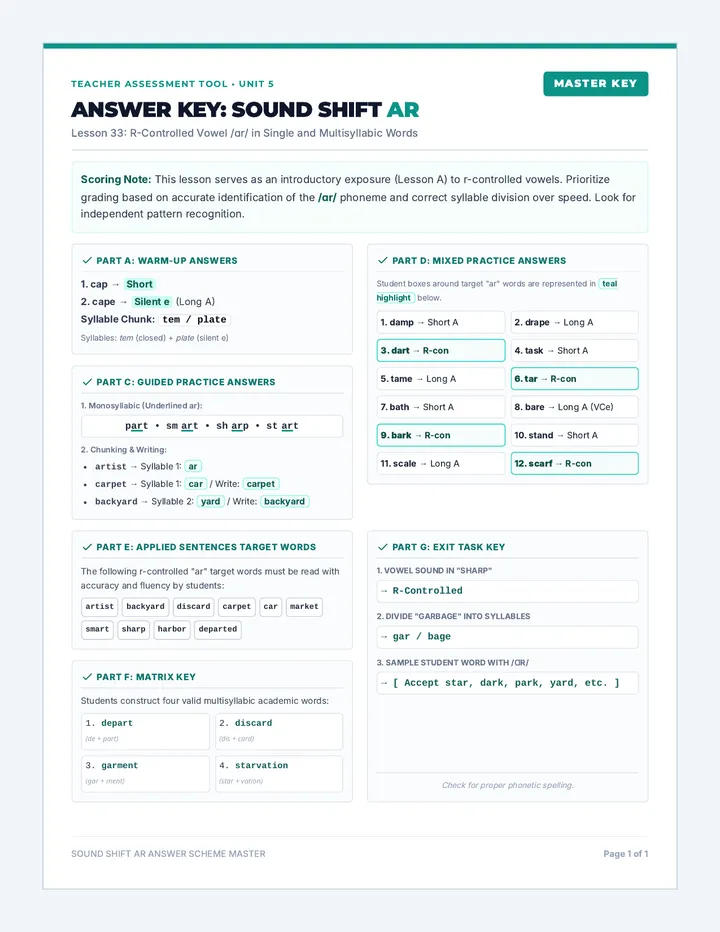
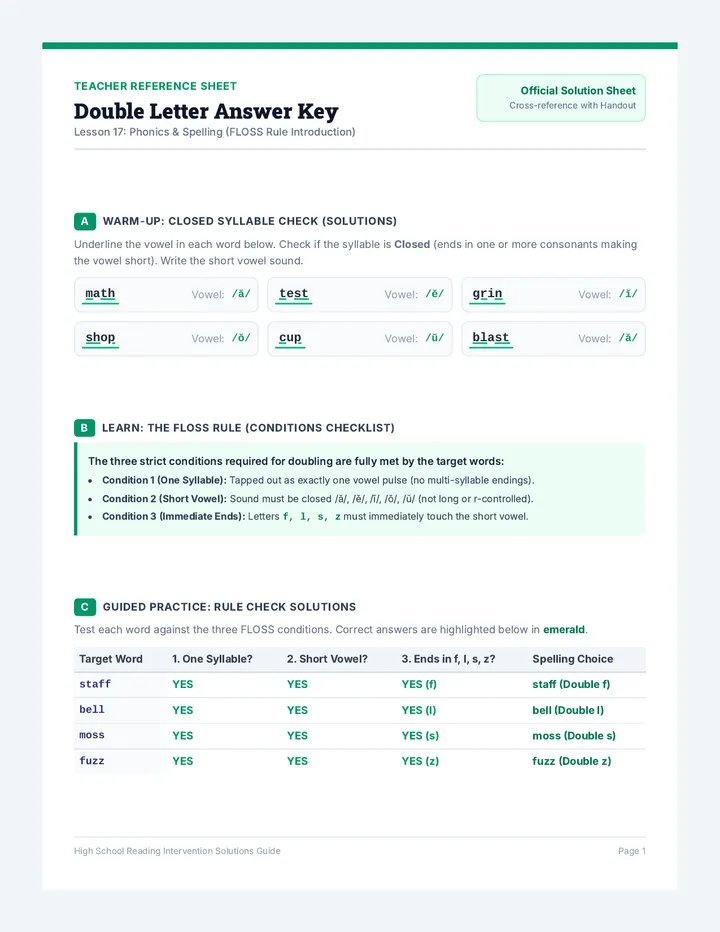
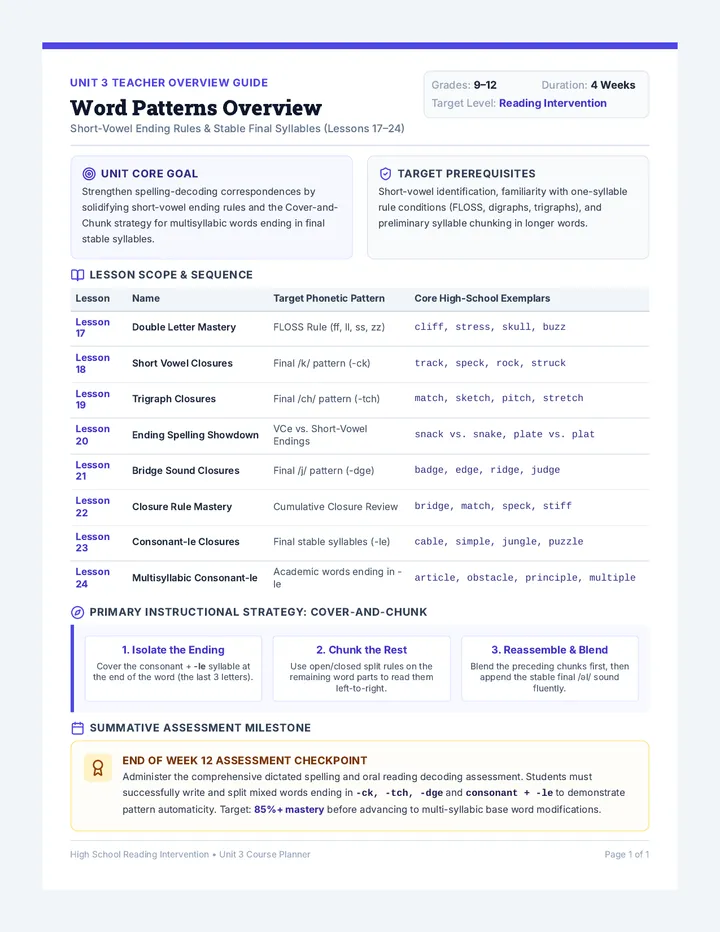
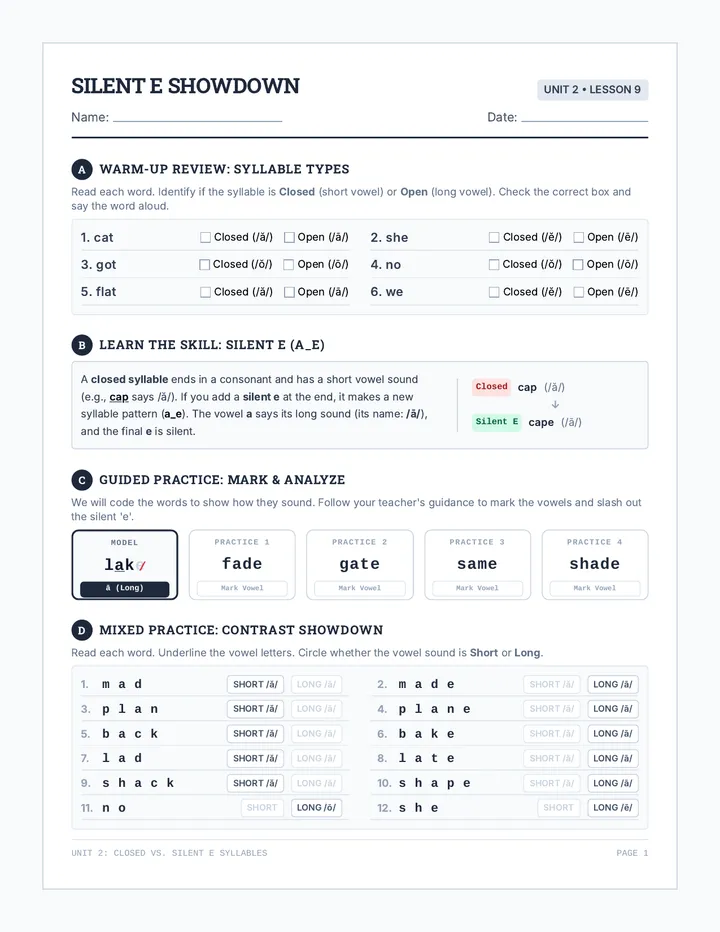
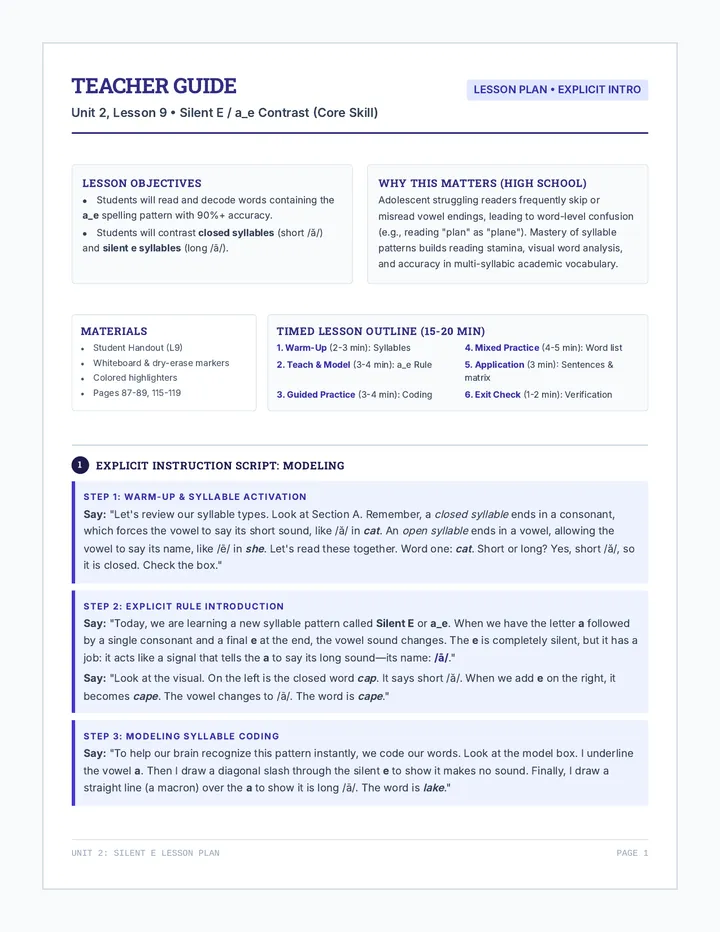
A comprehensive 5-week phonics intervention focused on decoding two-syllable words across five major syllable types. Each week includes a pre-assessment, daily lessons with specific targets, student practice sheets, and a post-assessment.
A three-part vocabulary intervention for 5th graders focusing on context clues and inferencing through a serialized mystery story. Each 15-minute session builds decoding skills and narrative comprehension.
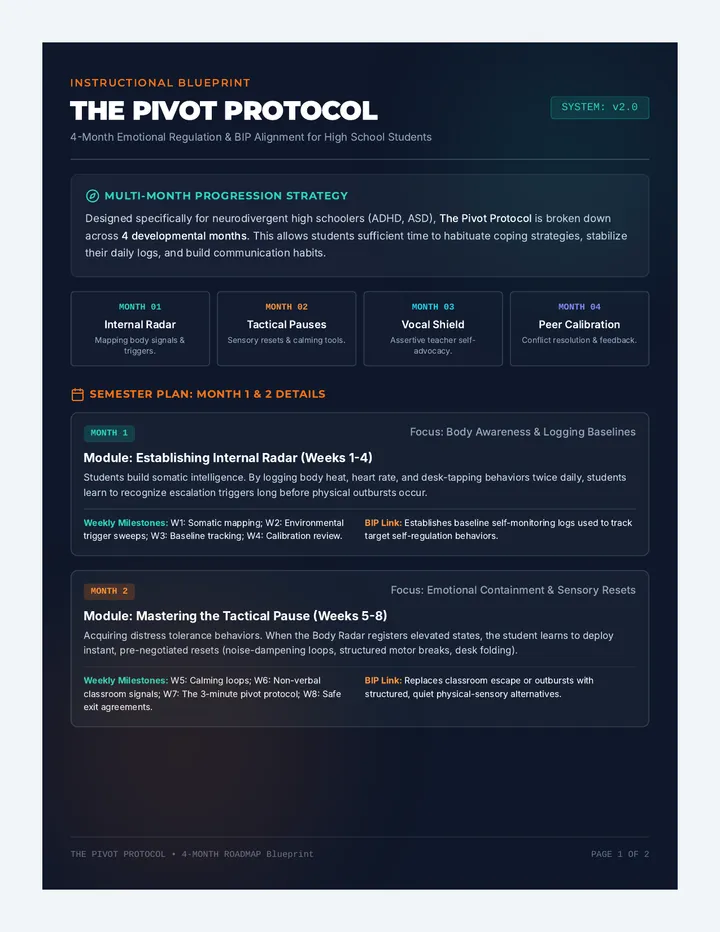
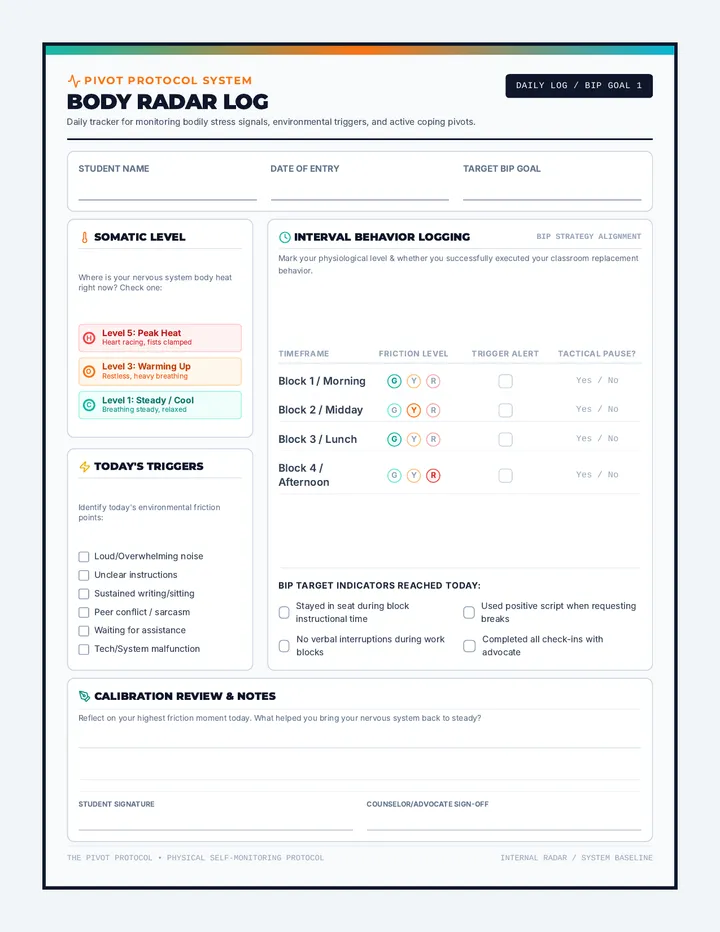
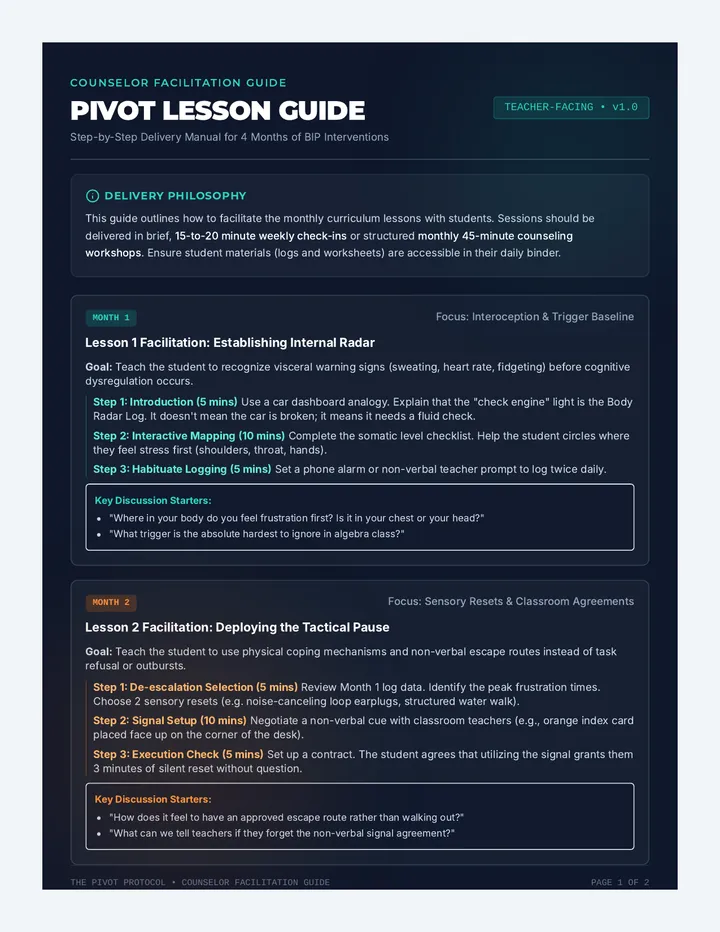
A sophisticated 8-lesson intervention designed for high school students to transition from defiant avoidance to self-regulated resets through professional advocacy and executive functioning strategies.