A memory matching game designed to reinforce vocabulary across various subjects including science, linguistics, and social studies. Students match words with their definitions using visual icon cues.
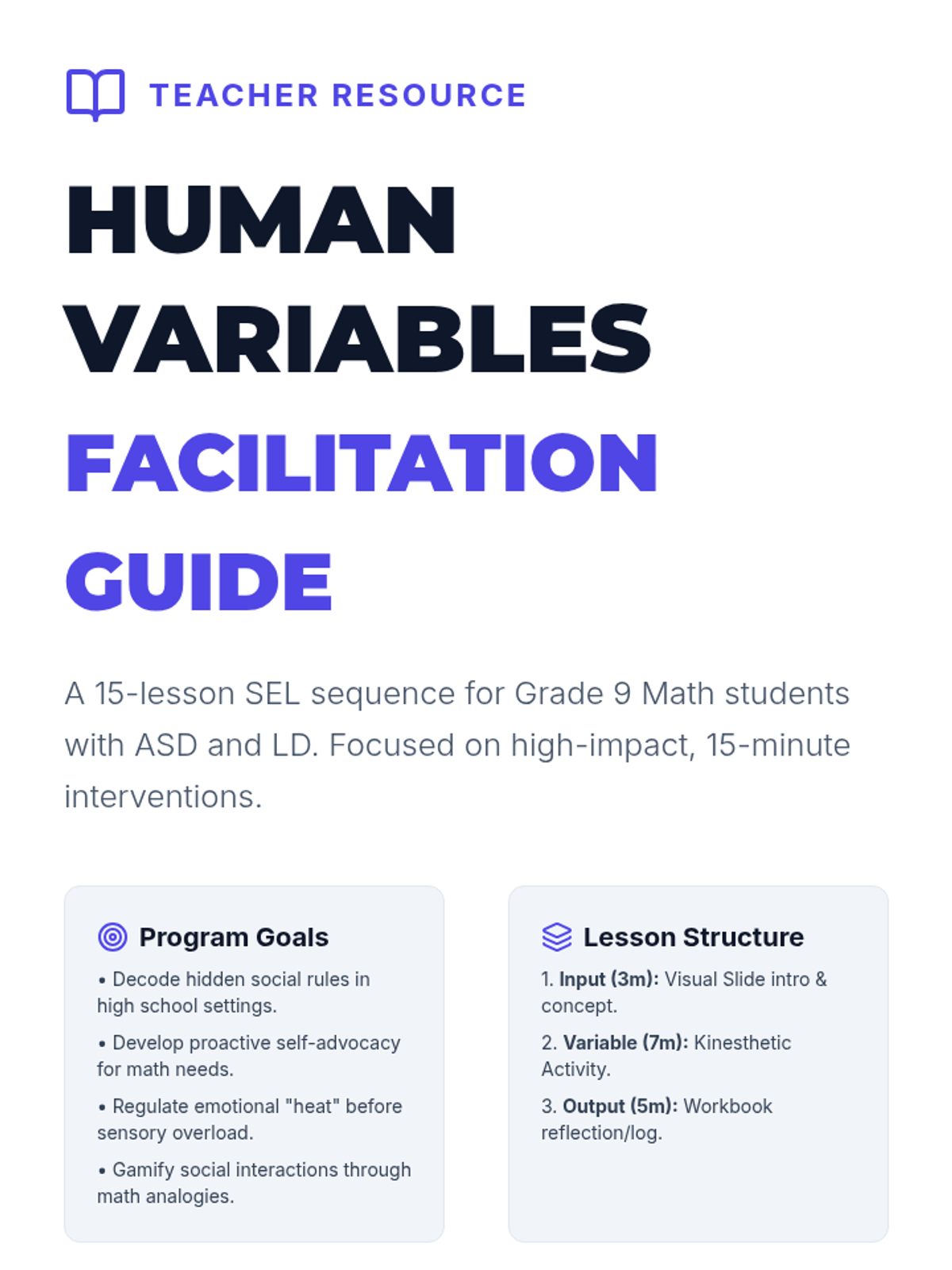
Defining what it means to be a supportive friend and maintaining healthy connections.
Differentiating between accidents and intentional slights in high-traffic school areas.
Navigating the permanence of digital texts and the lack of tone in messaging.
Understanding physical boundaries and personal space for students with sensory needs.
Managing social anxiety caused by executive function challenges like missed deadlines.
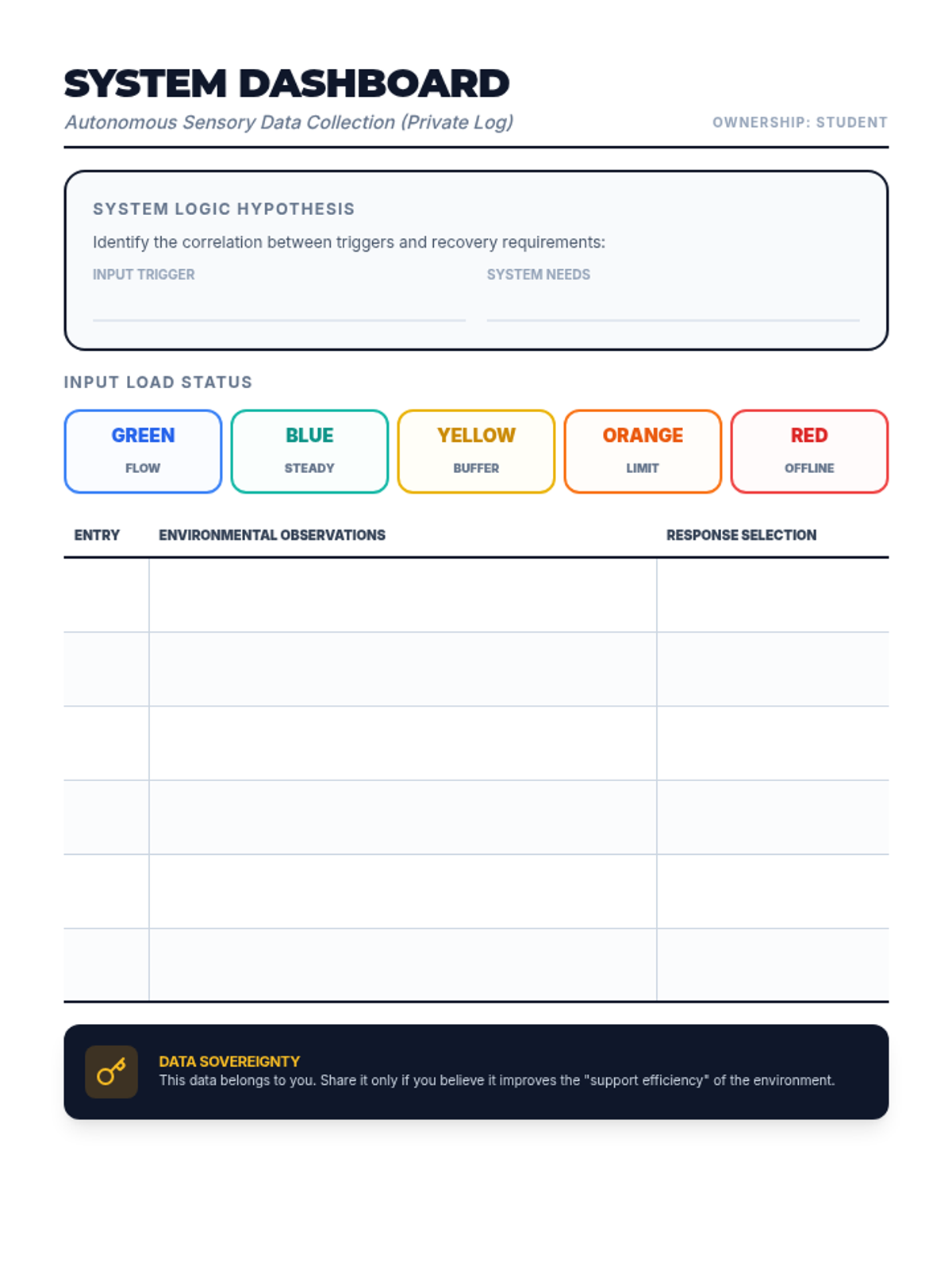
Learning to ask for math accommodations confidently and without stigma.
Identifying physical 'melting' cues to prevent burnouts or social meltdowns.
Establishing 'how' and 'why' to put phones away during focused math instruction.
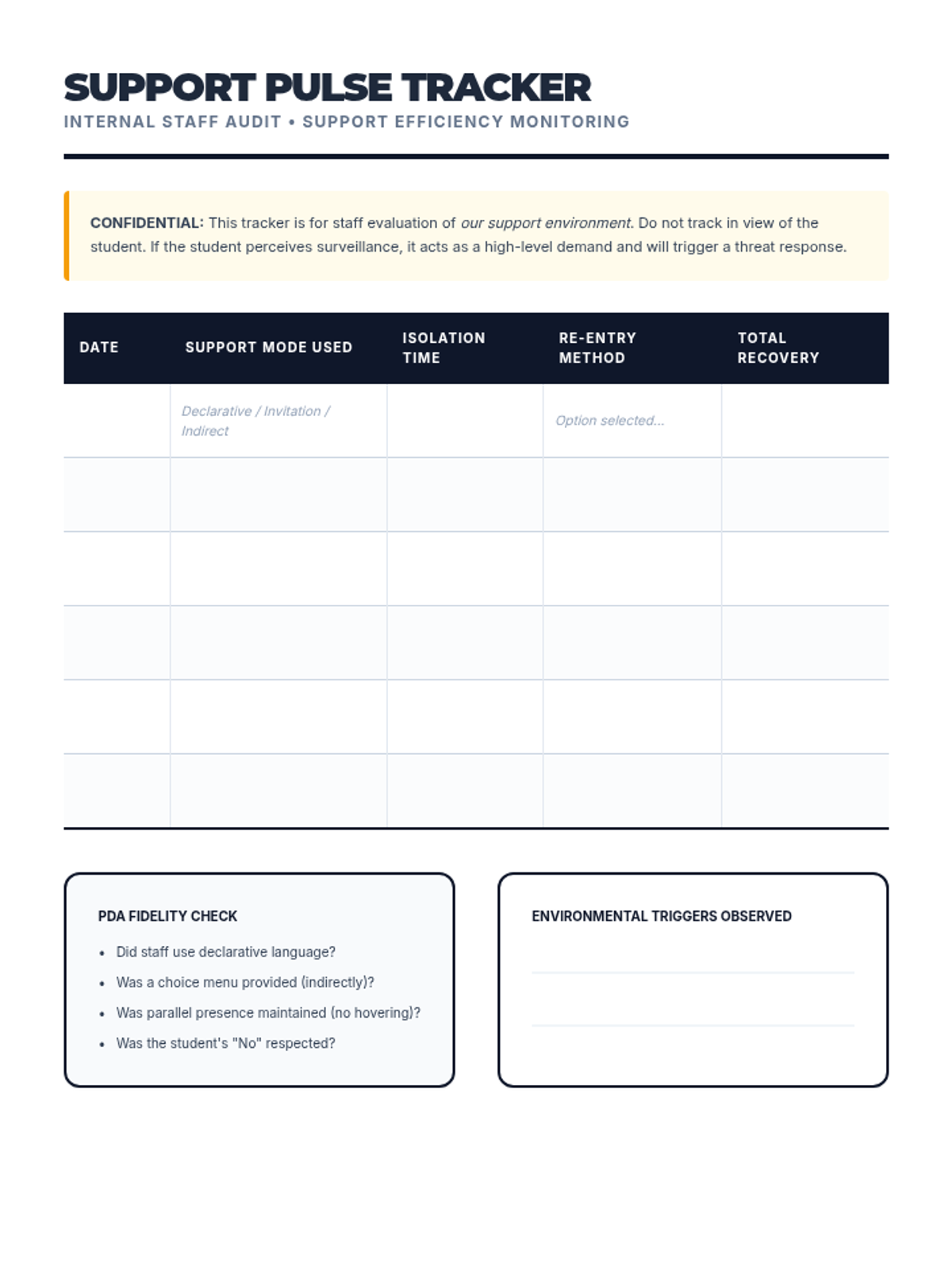
Self-reflection on phone usage habits and identifying signs of social media 'addiction'.
Mastering the 'Social Battery' and the back-and-forth flow of active listening.
Practical strategies for starting conversations without 'hijacking' with special interests.
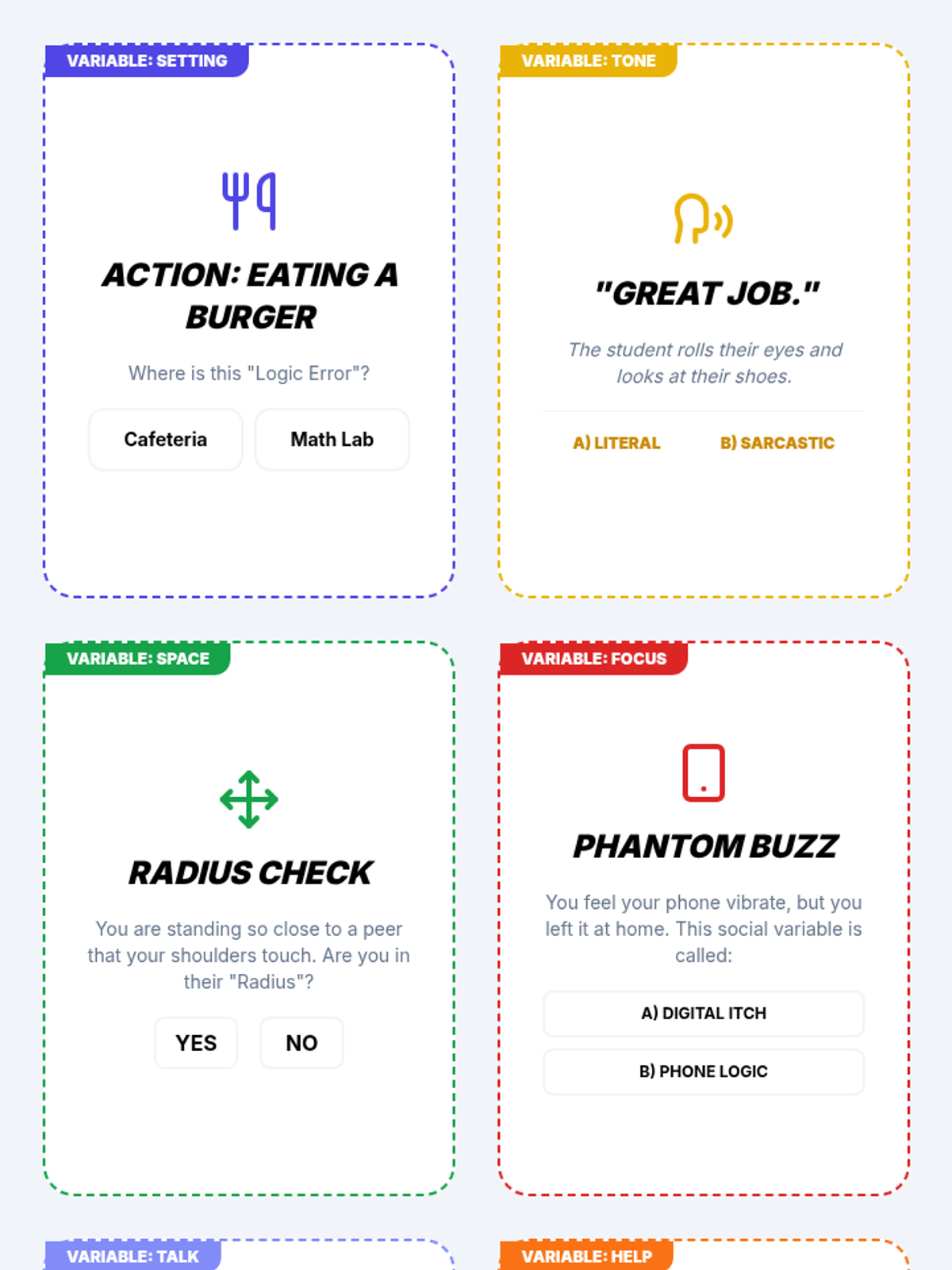
Differentiating between literal speech and sarcasm or teasing in a high school environment.
Identifying non-verbal cues and body language in peer interactions during group work.
Exploring how social expectations change between the cafeteria, hallways, and the math lab.
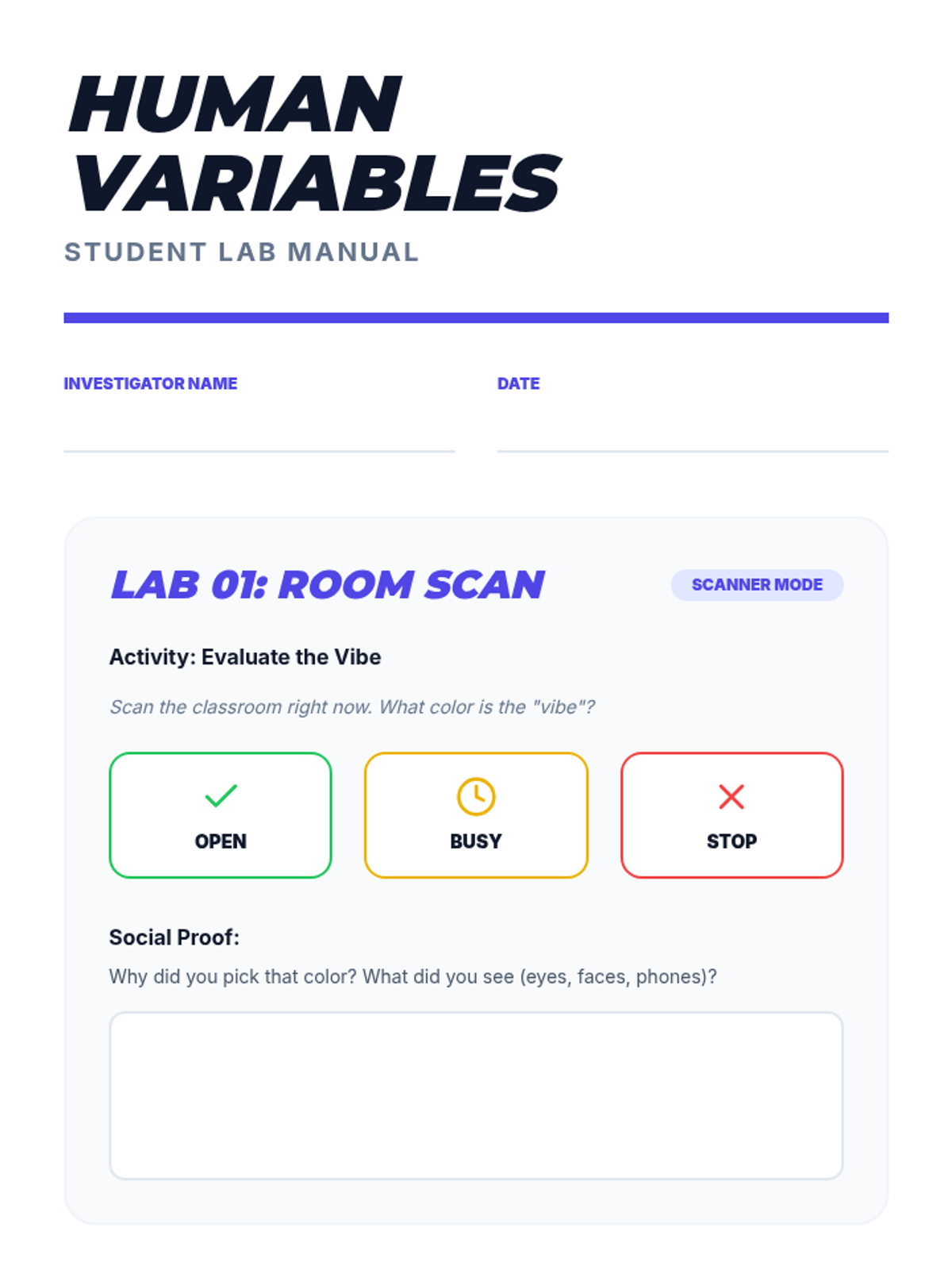
Introduction to 'reading the vibe' of a group before joining a social or collaborative math setting.
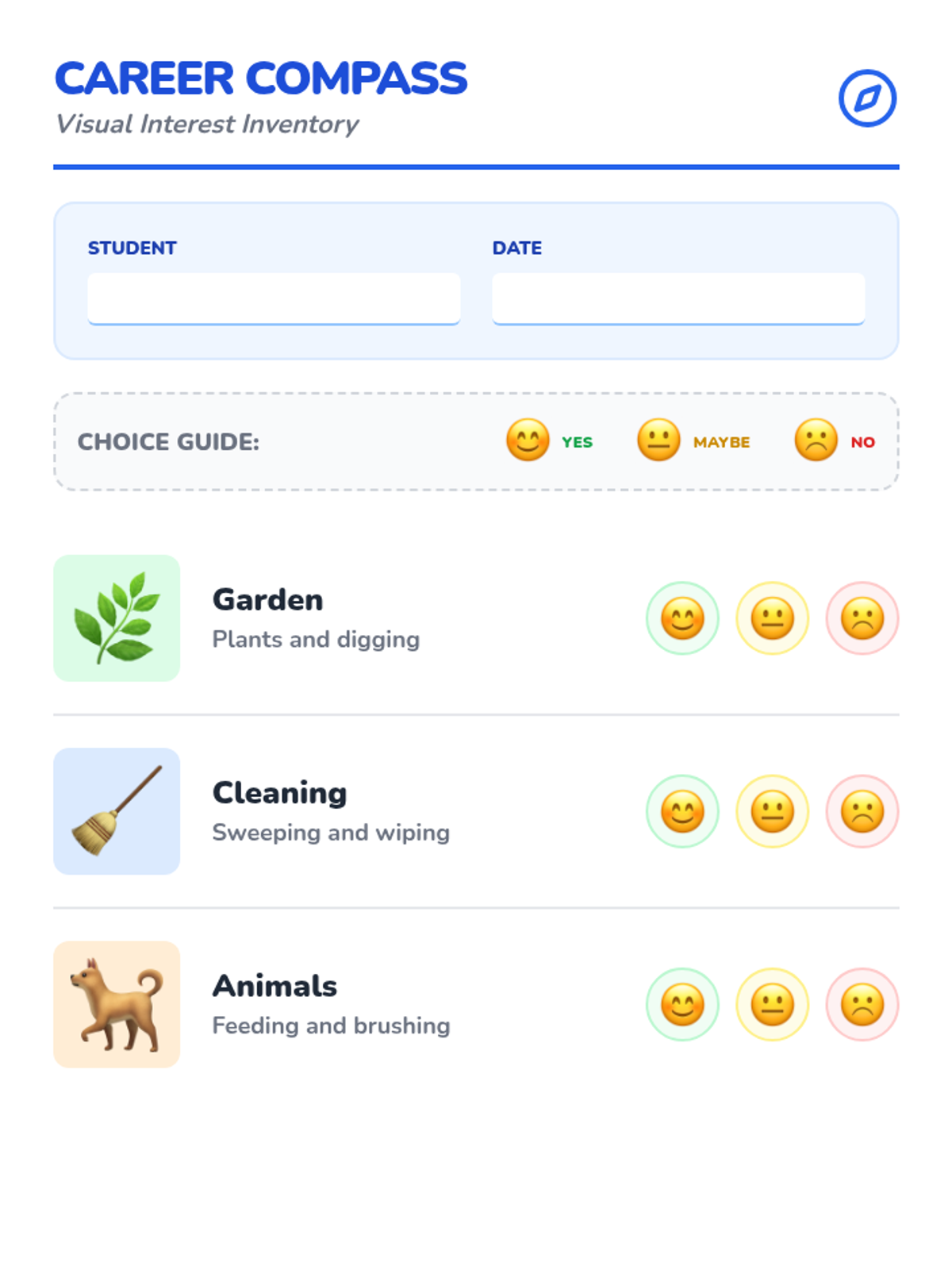
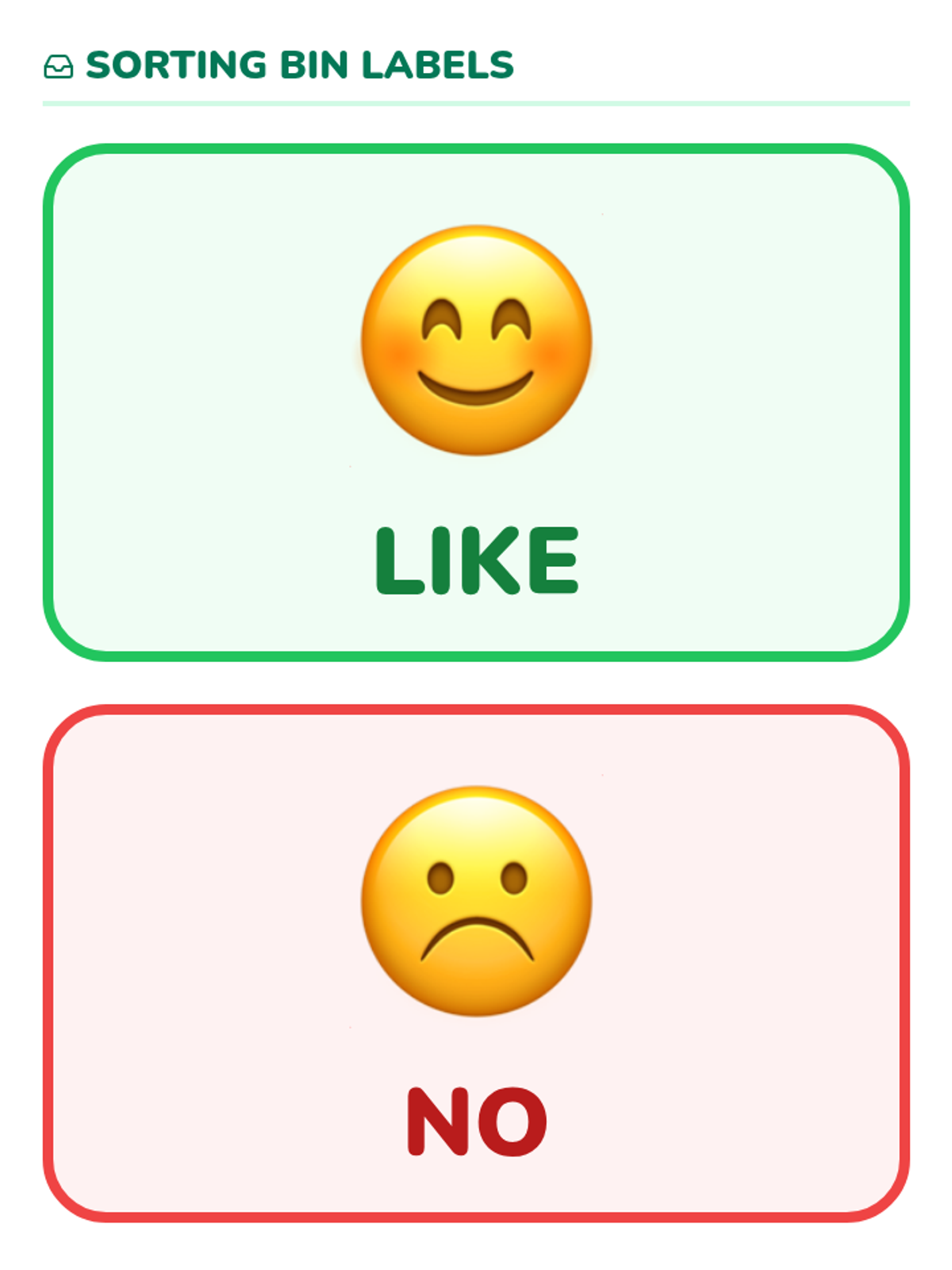
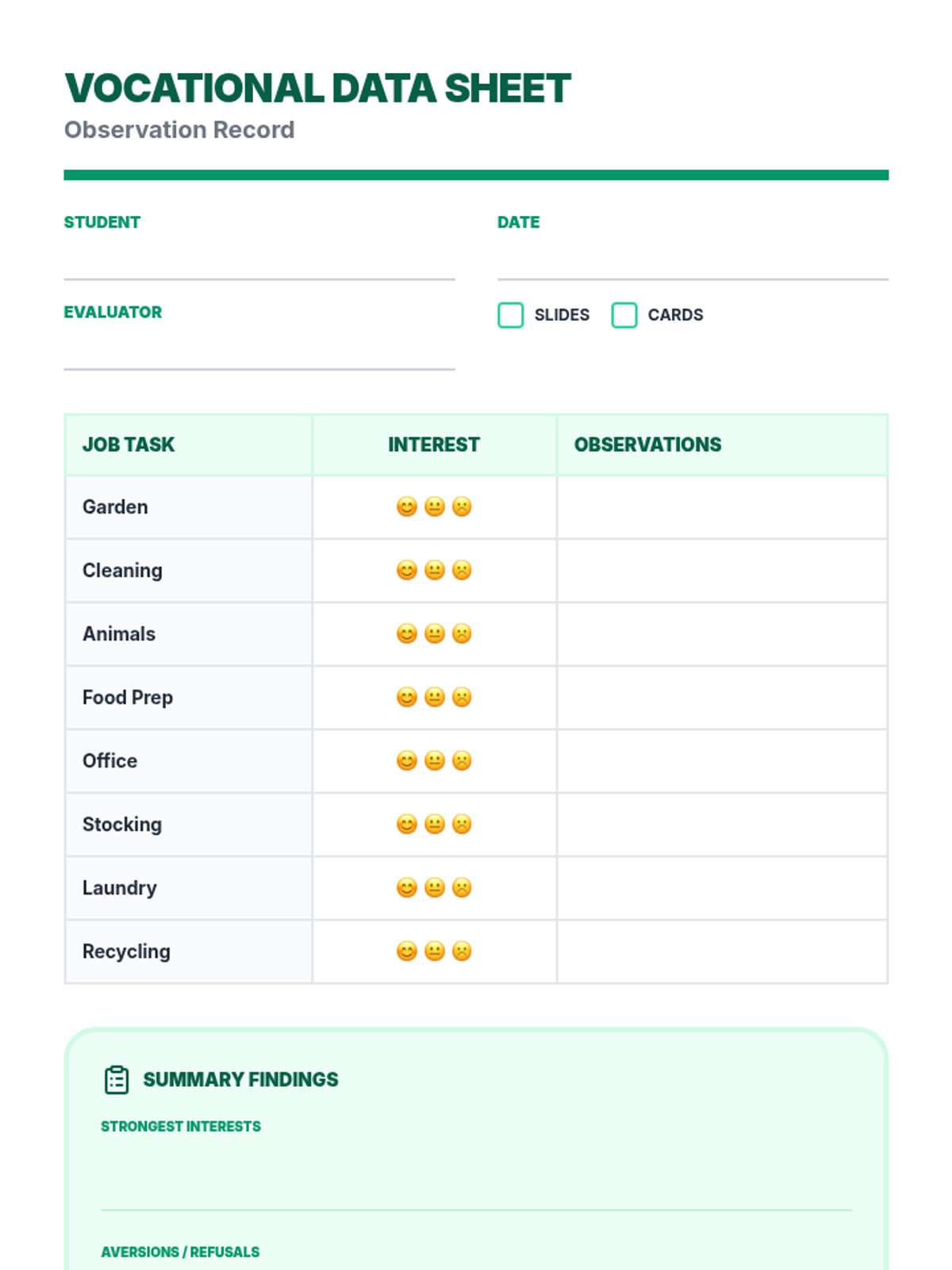
A comprehensive set of visual tools designed to help nonverbal and low-level learners identify vocational interests through icons, emojis, and simplified choice-making activities.

A clinical intervention lesson focusing on introspection, body awareness, and self-advocacy skills for students in specialized settings. Students learn to identify physical sensations to better communicate their emotional and physiological needs.
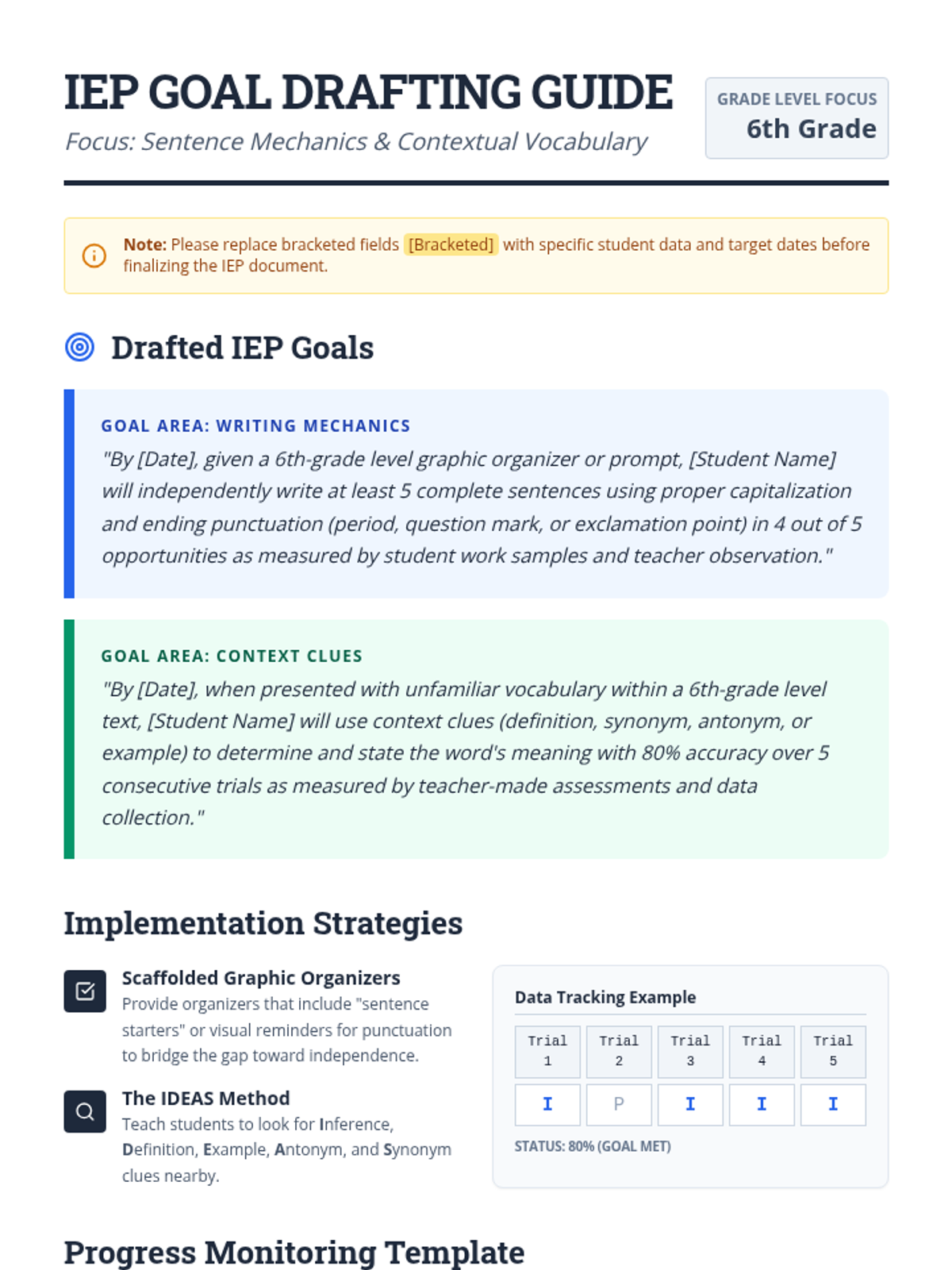
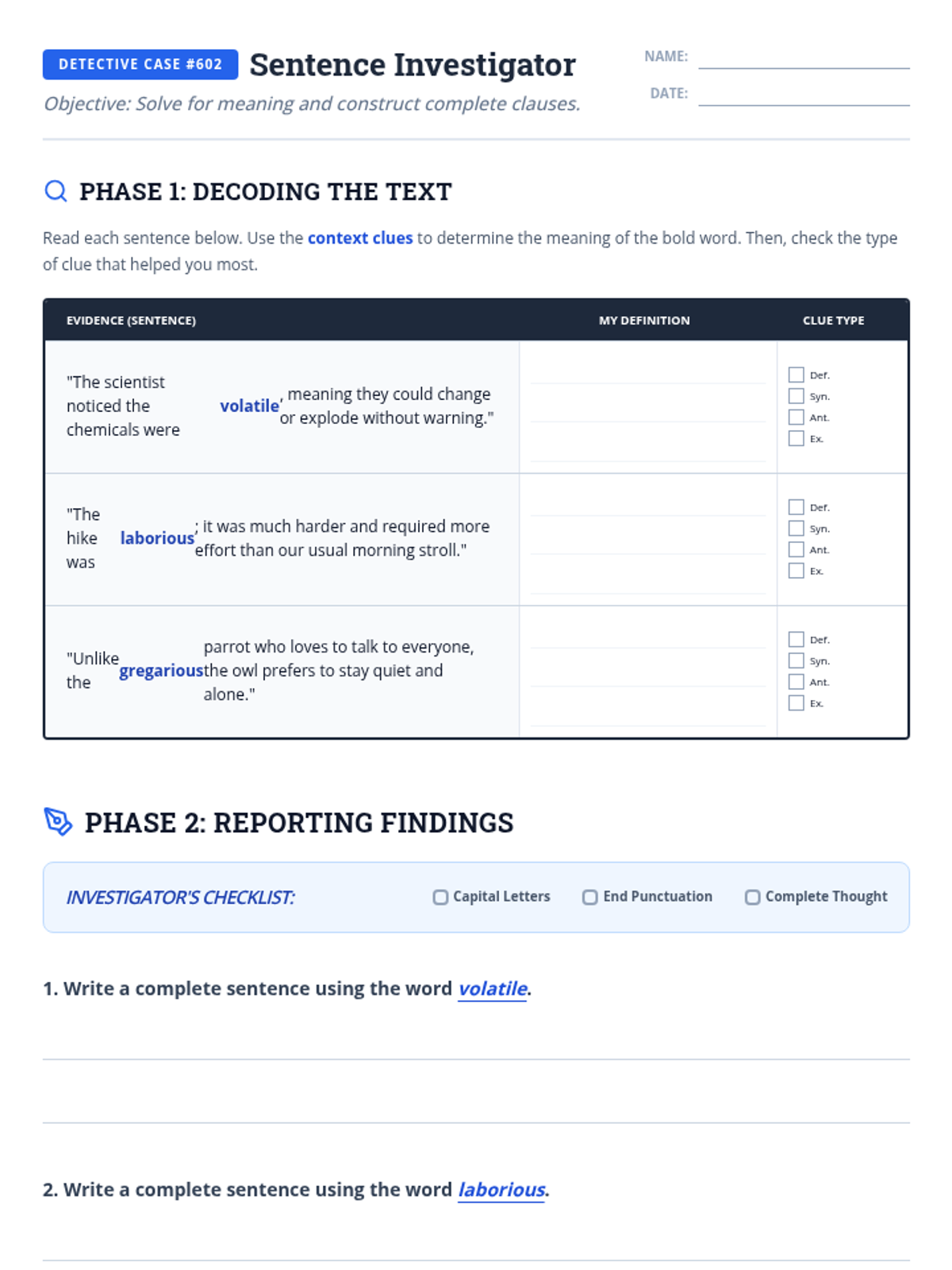
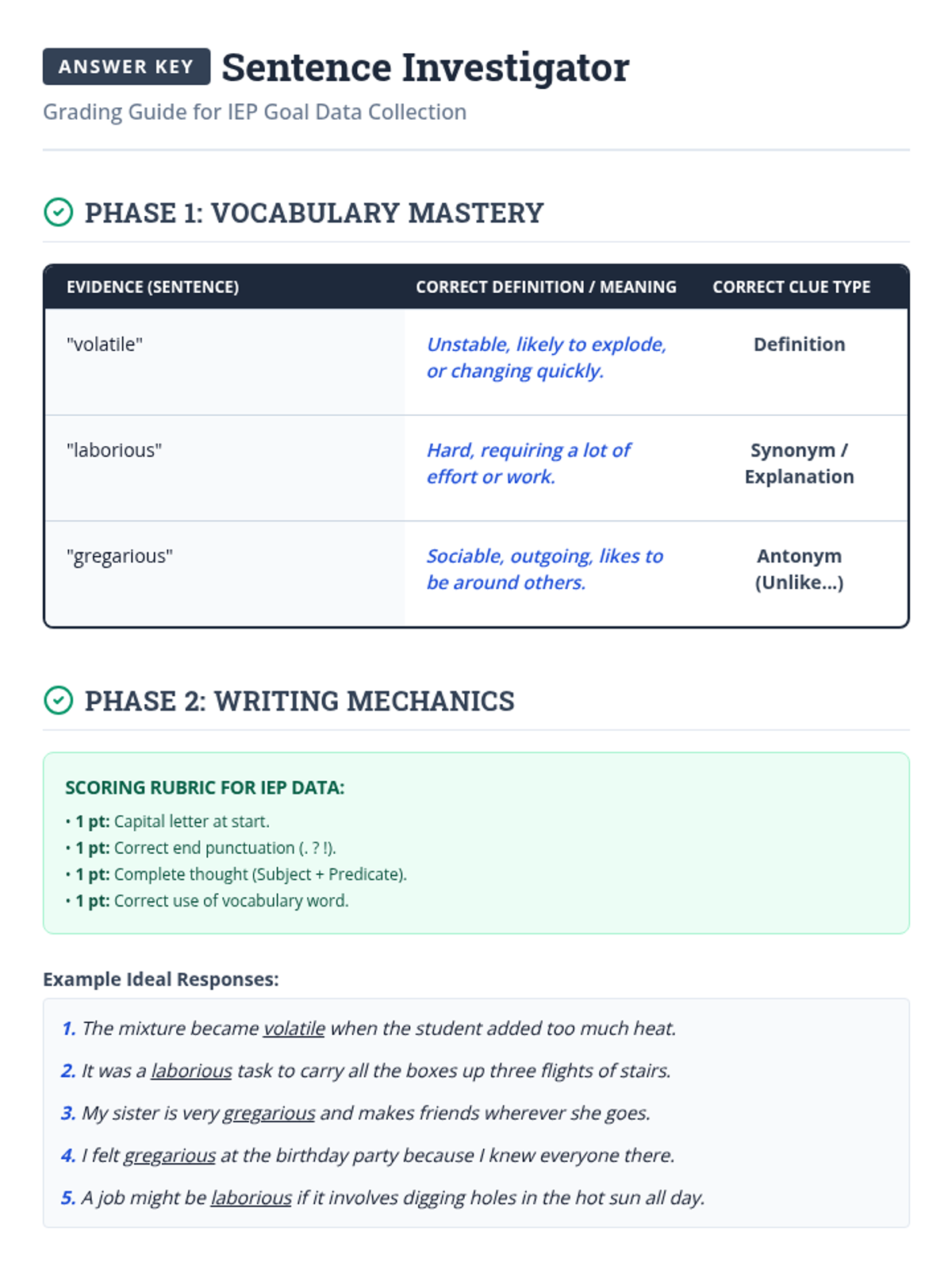
A targeted lesson on using context clues to define academic vocabulary and applying those words in syntactically correct, punctuated sentences.
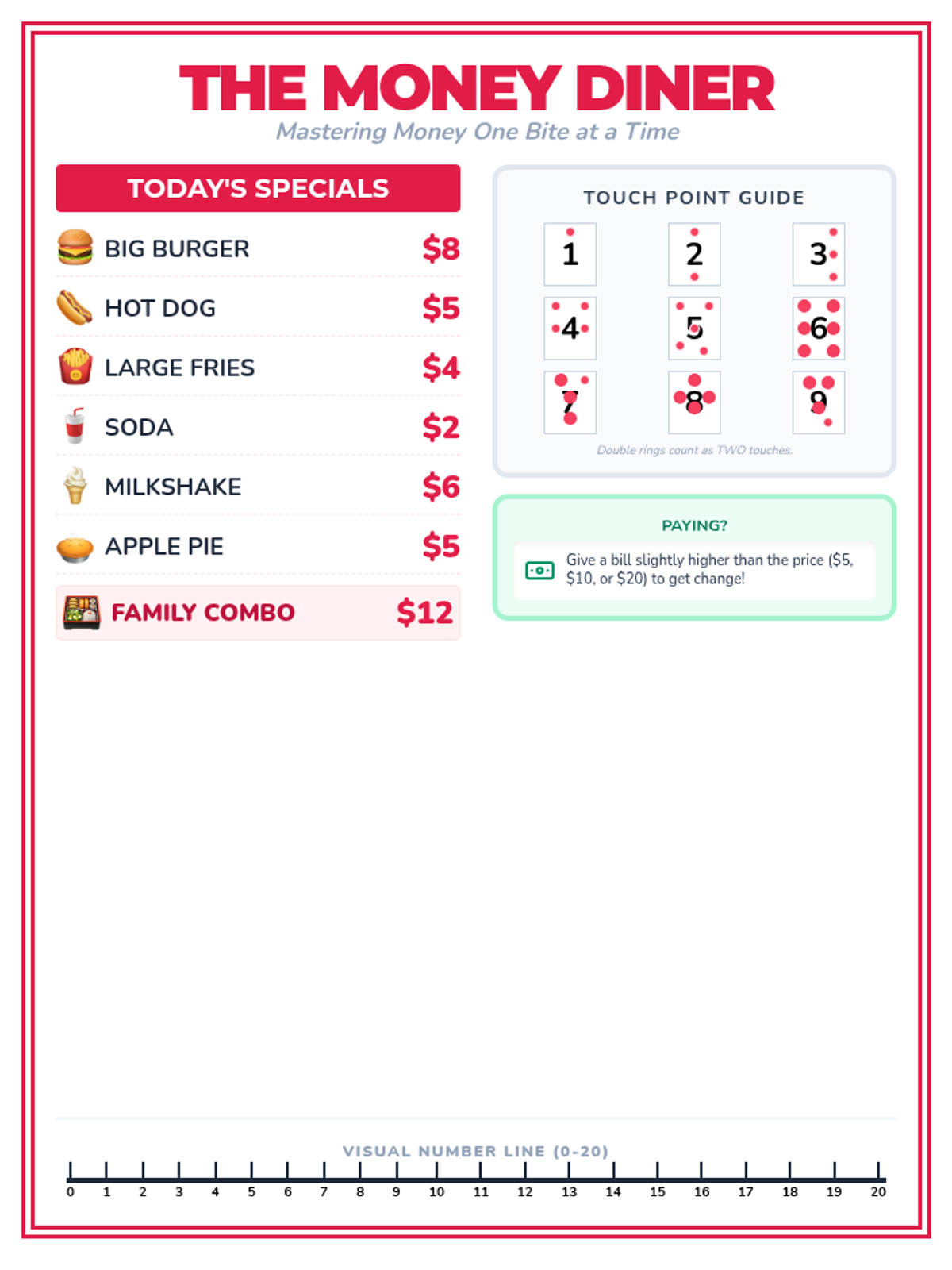
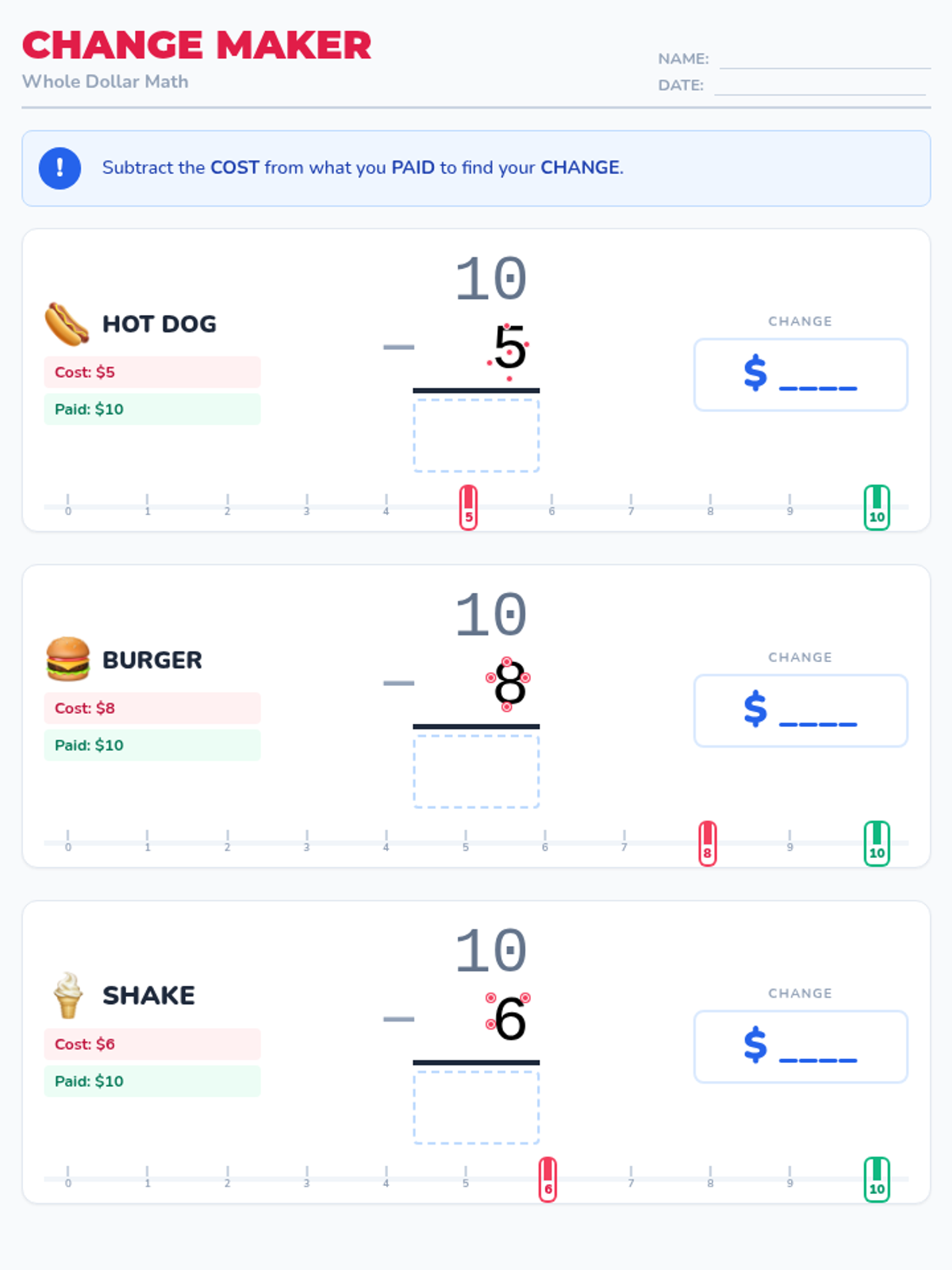
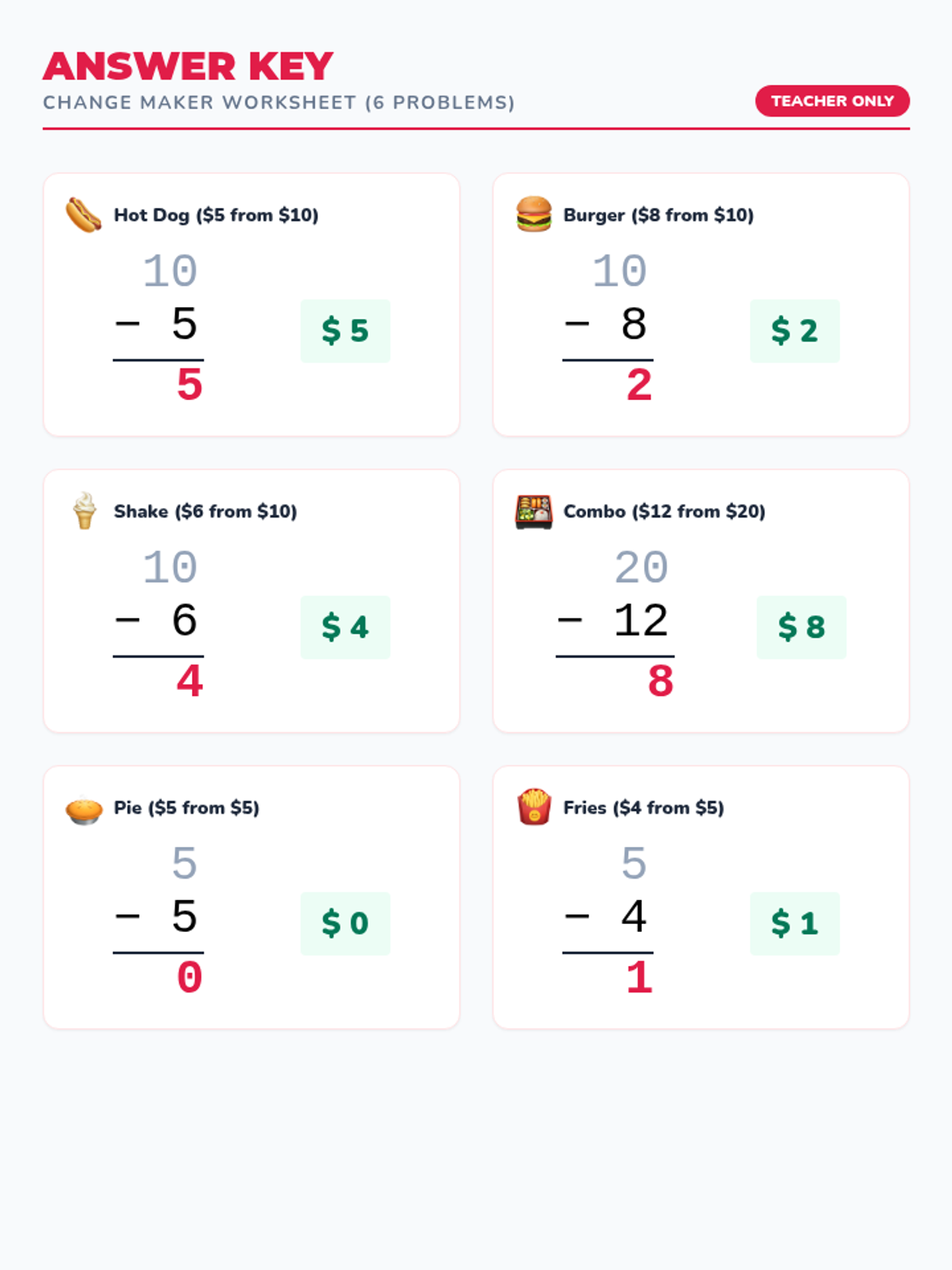
A functional math lesson focusing on calculating totals and change using whole dollar amounts. Designed with IEP supports including touch-points, visual number lines, and step-by-step guides for independent living skills.
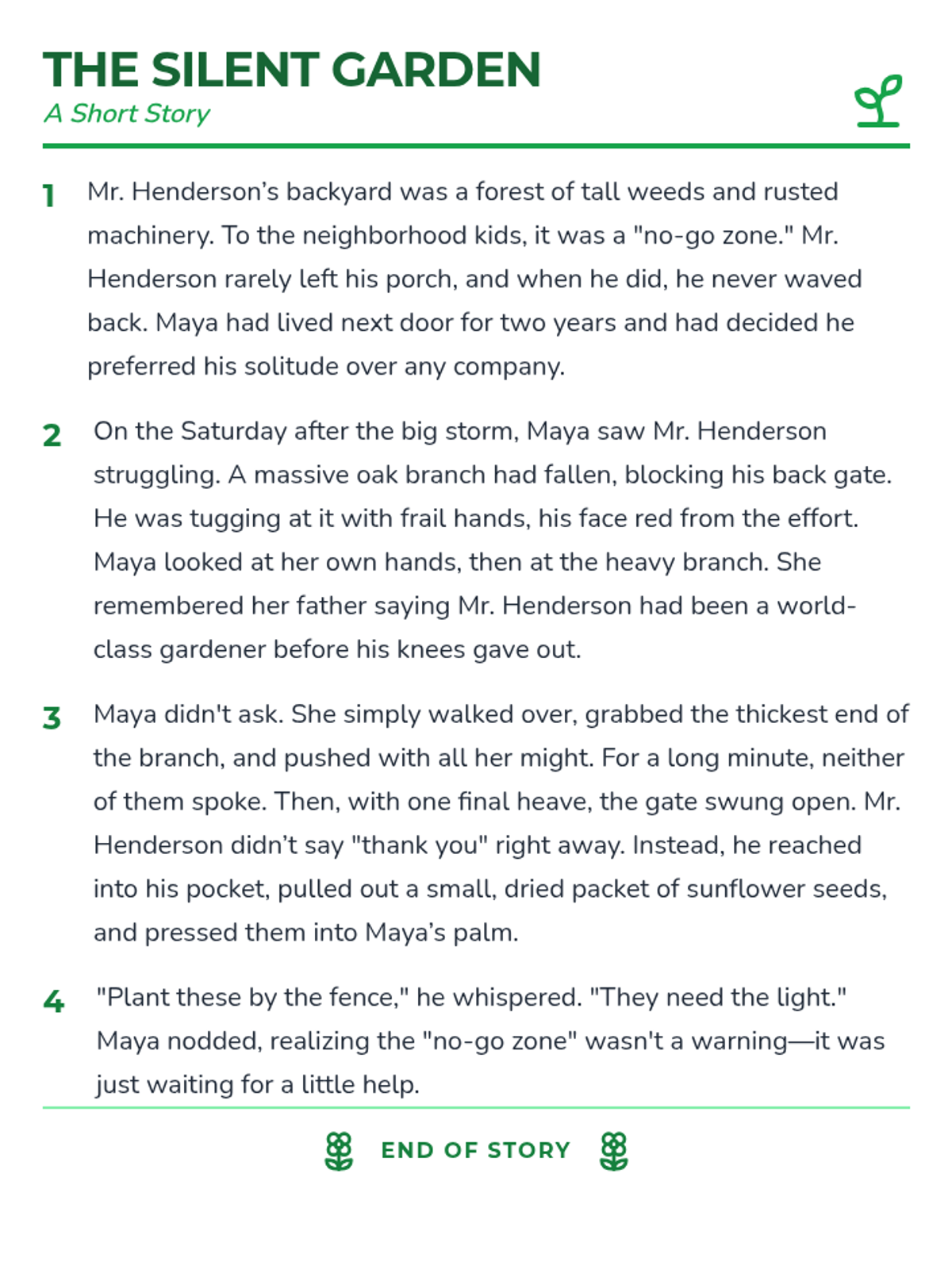
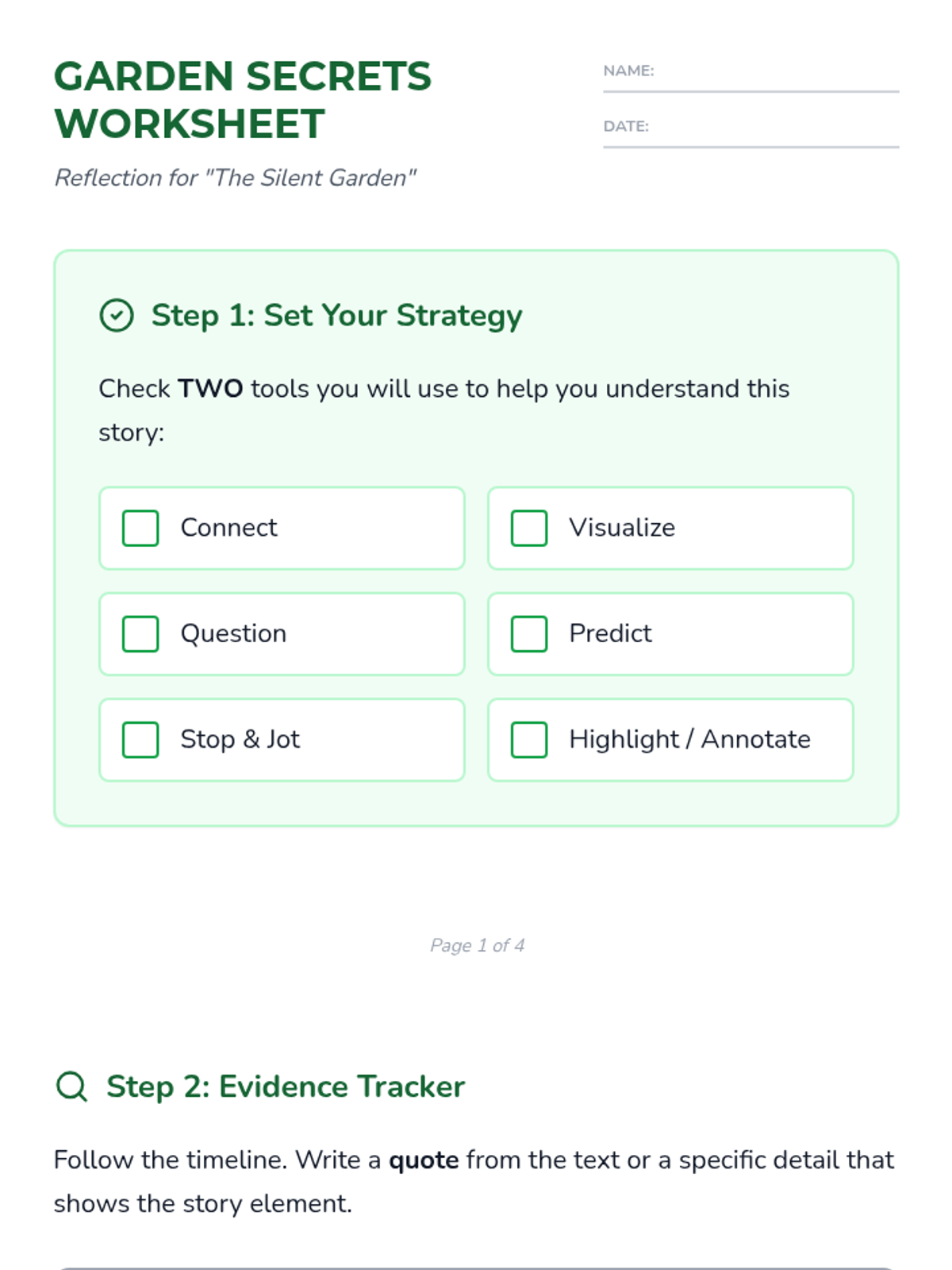
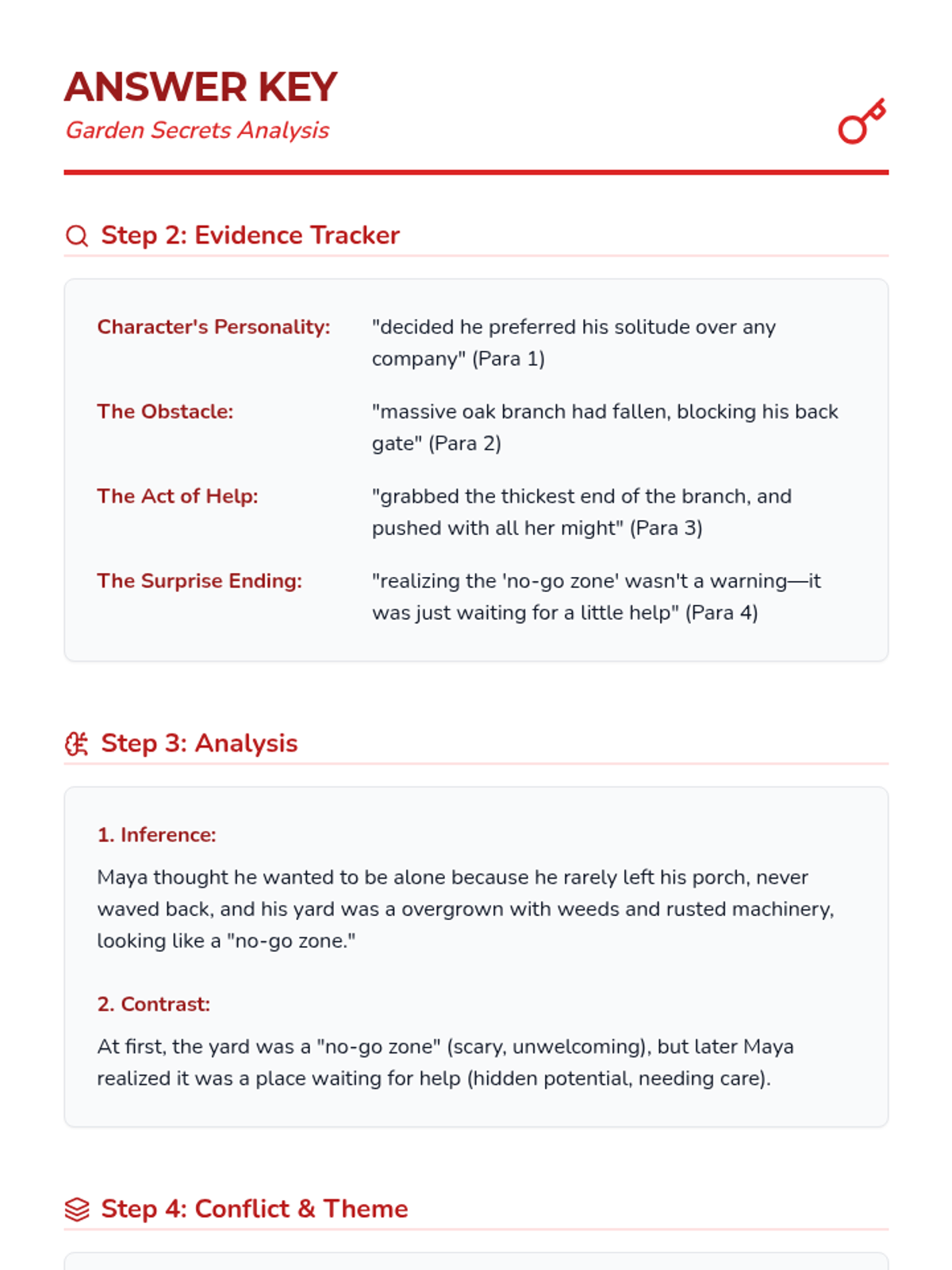
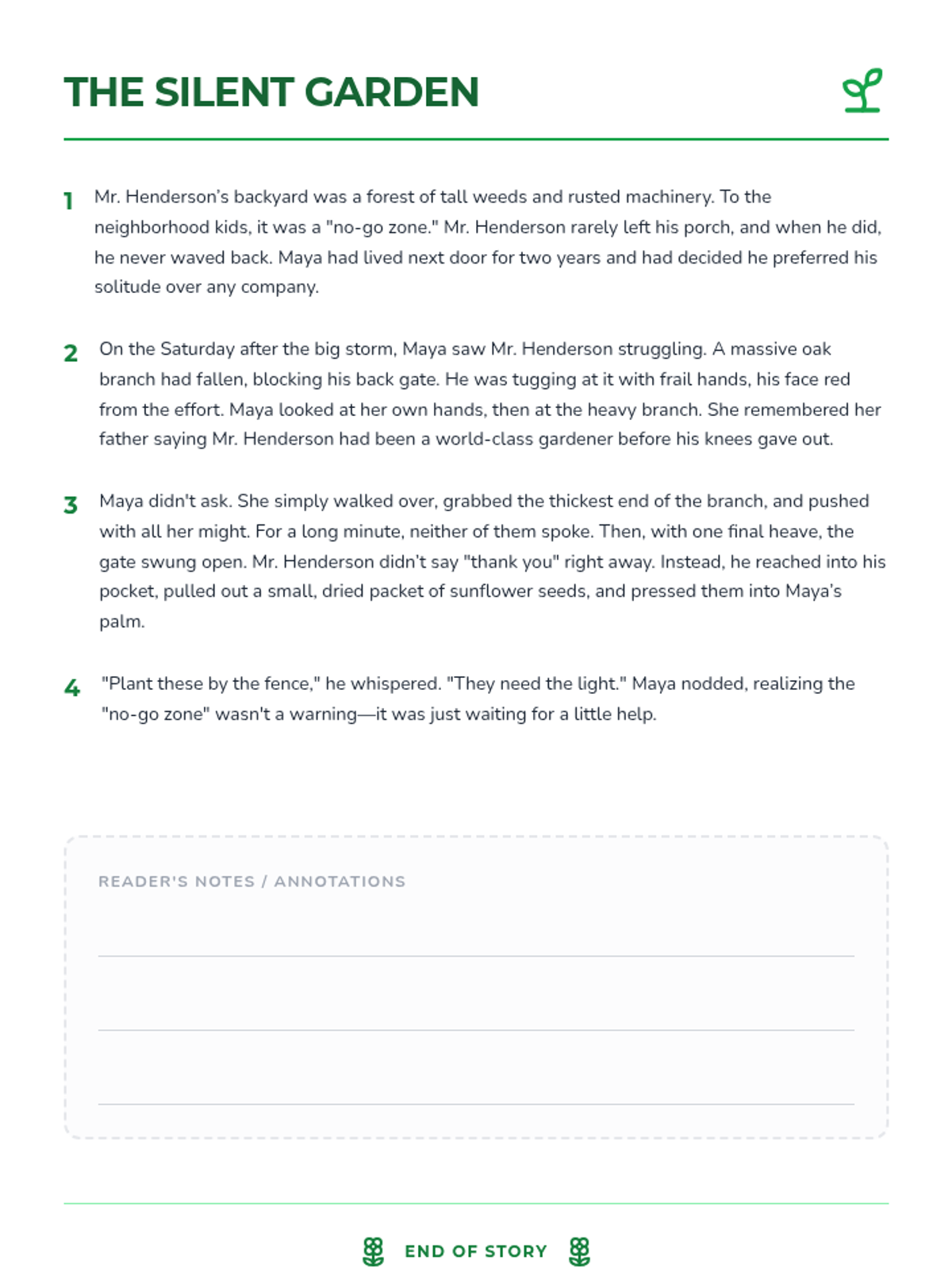
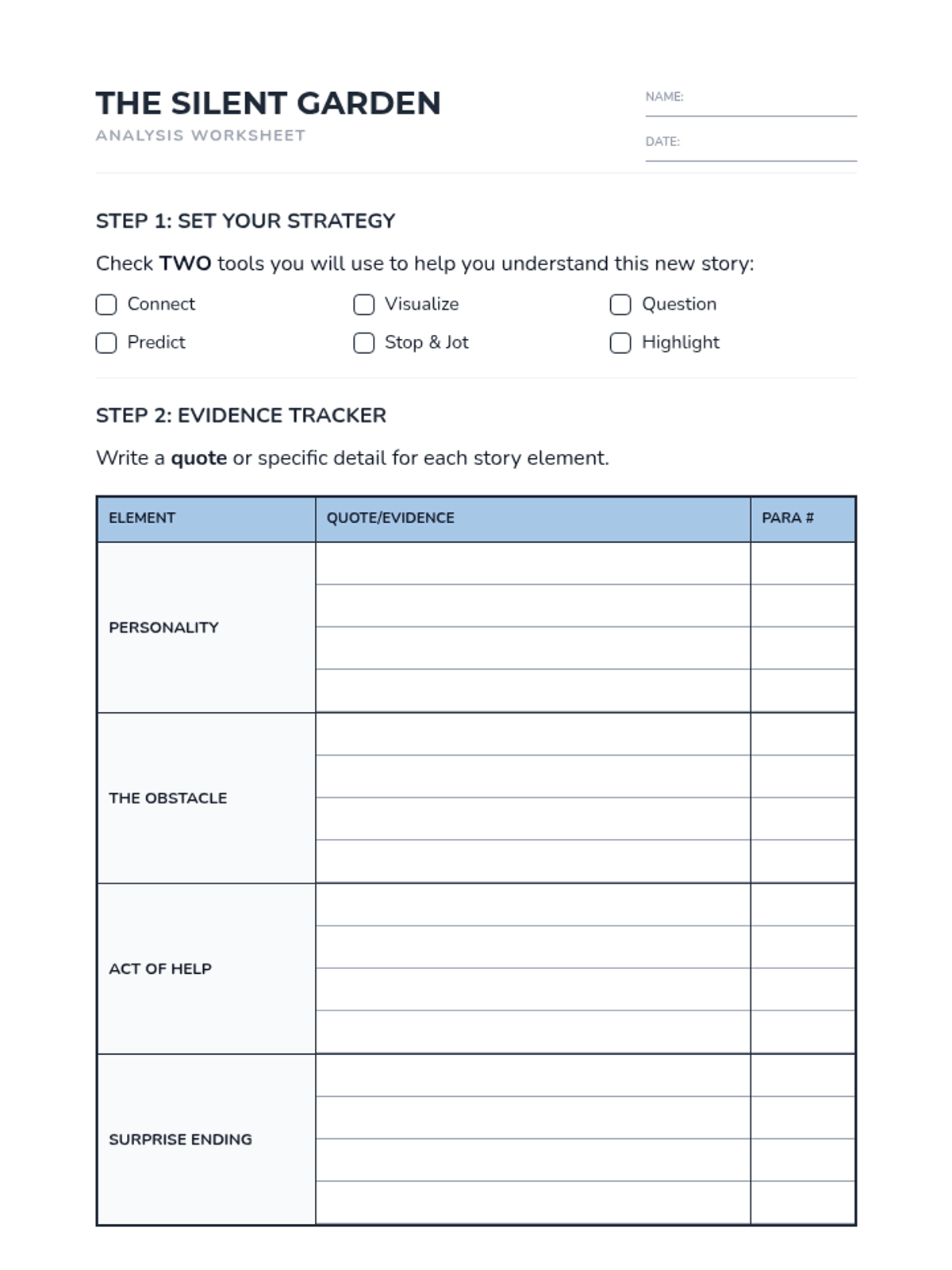
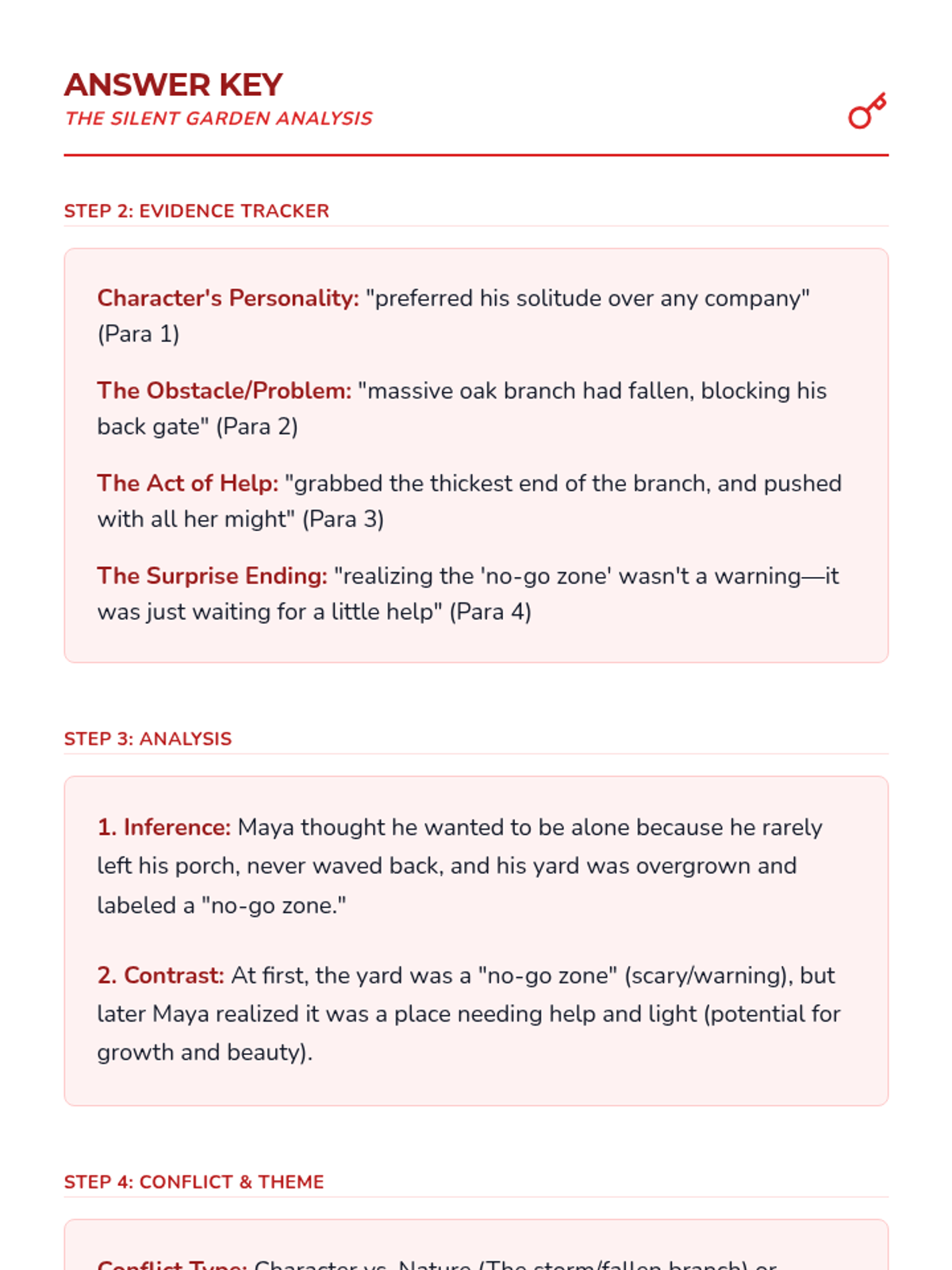
A reading comprehension lesson centered on 'The Silent Garden', focusing on character analysis, conflict types, and theme development with accommodations for special education needs.
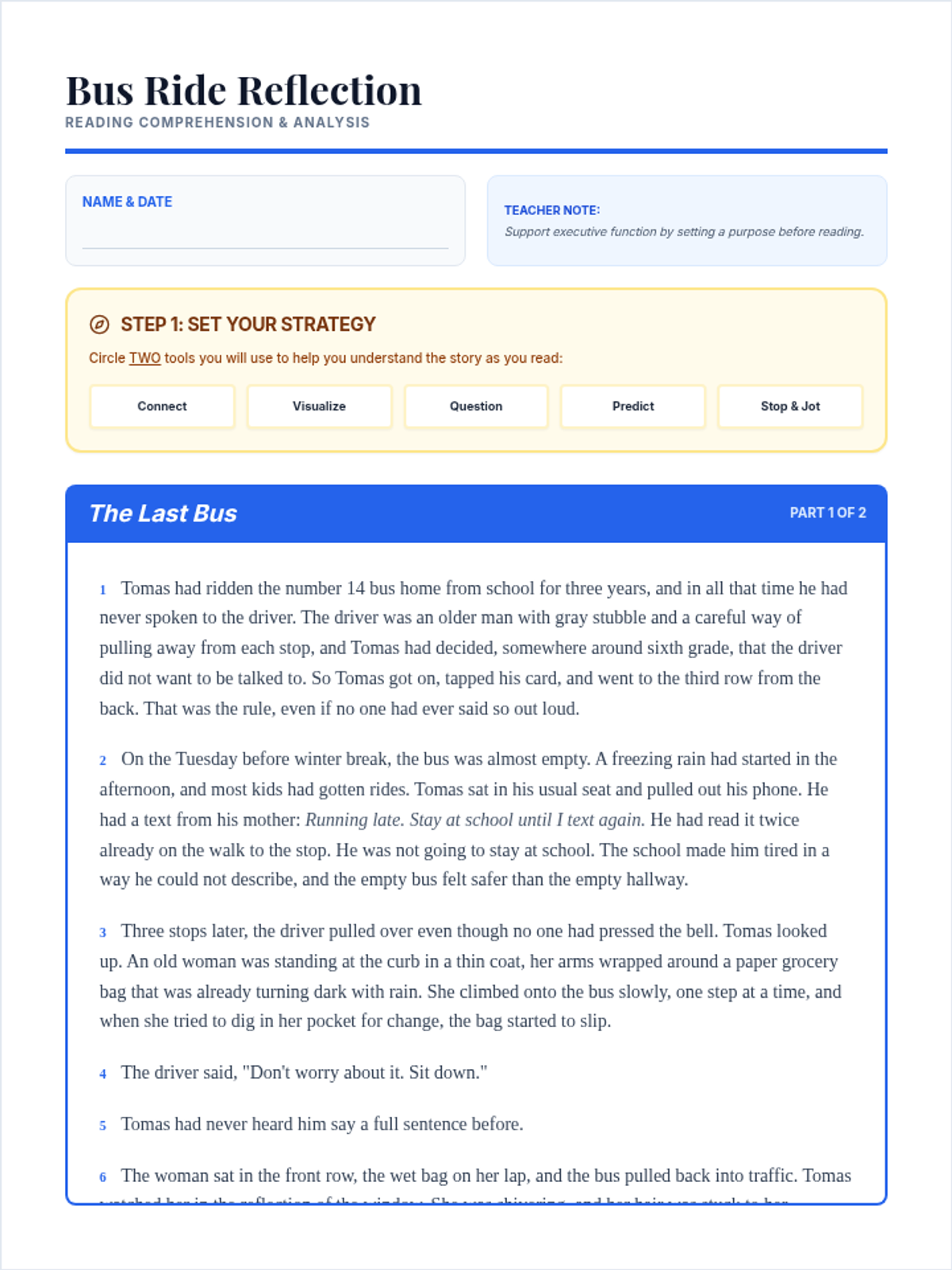
A reading comprehension assessment centered on the story 'The Last Bus', featuring scaffolded graphic organizers to support executive function and inferential thinking.
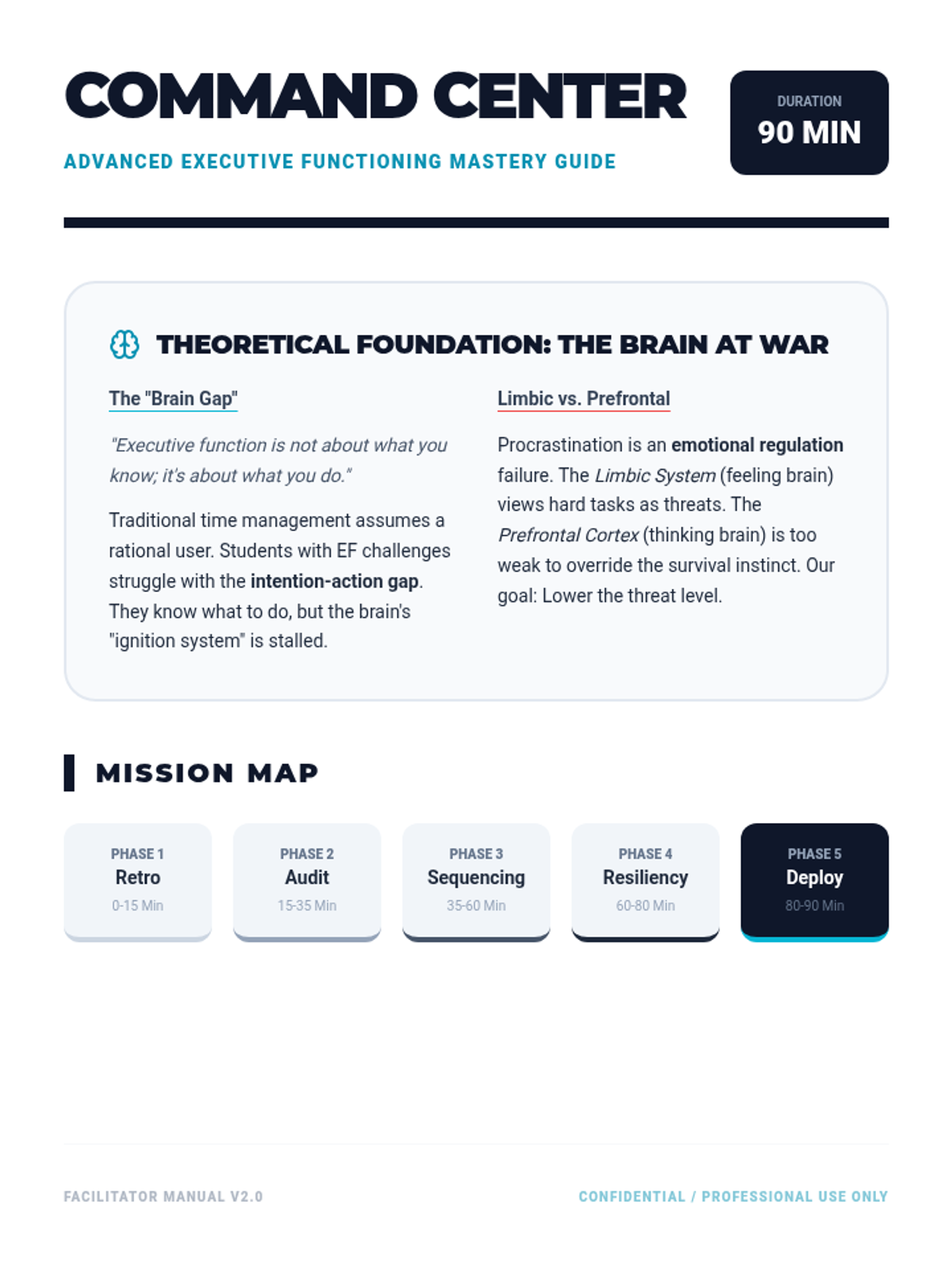
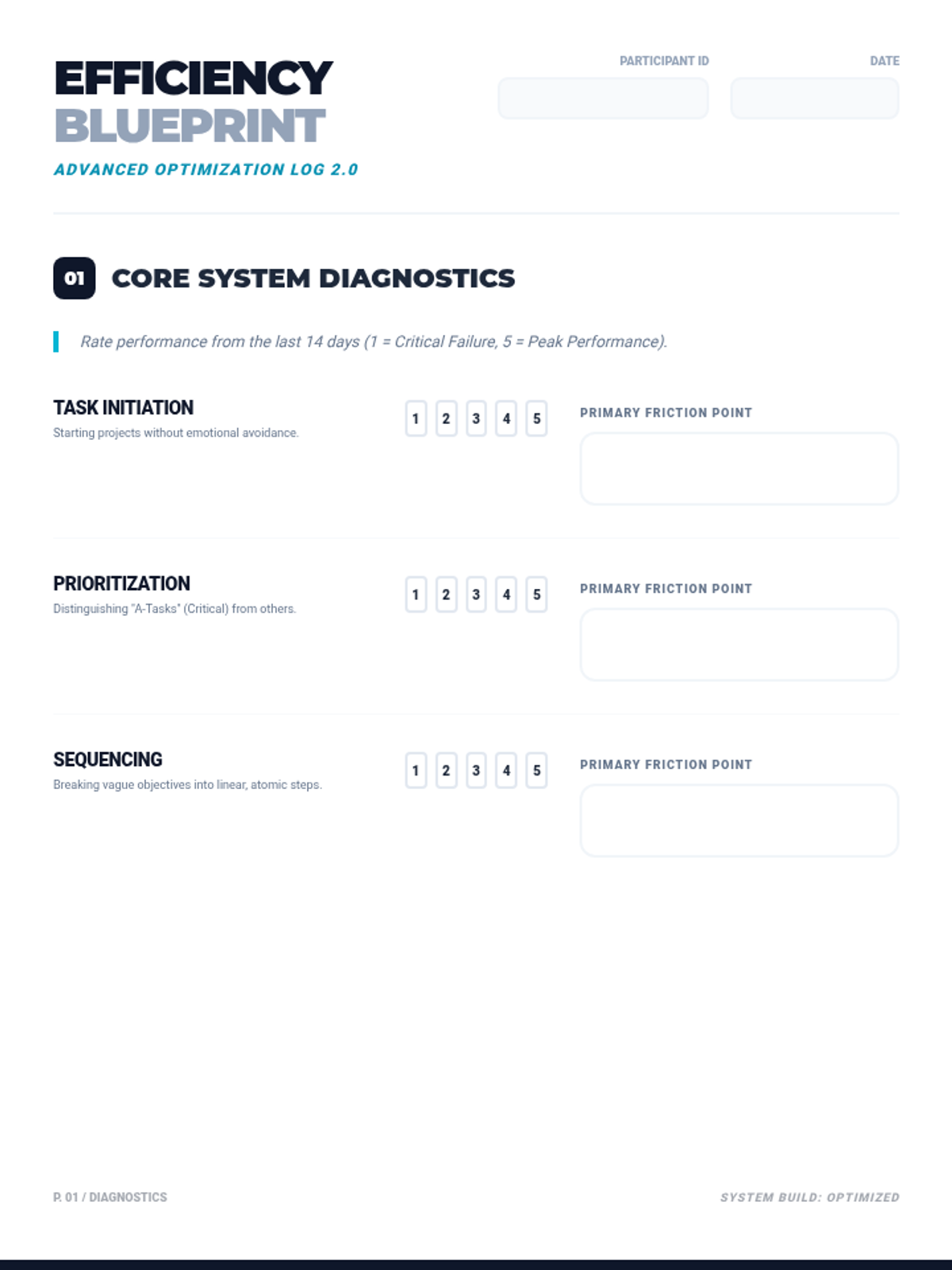
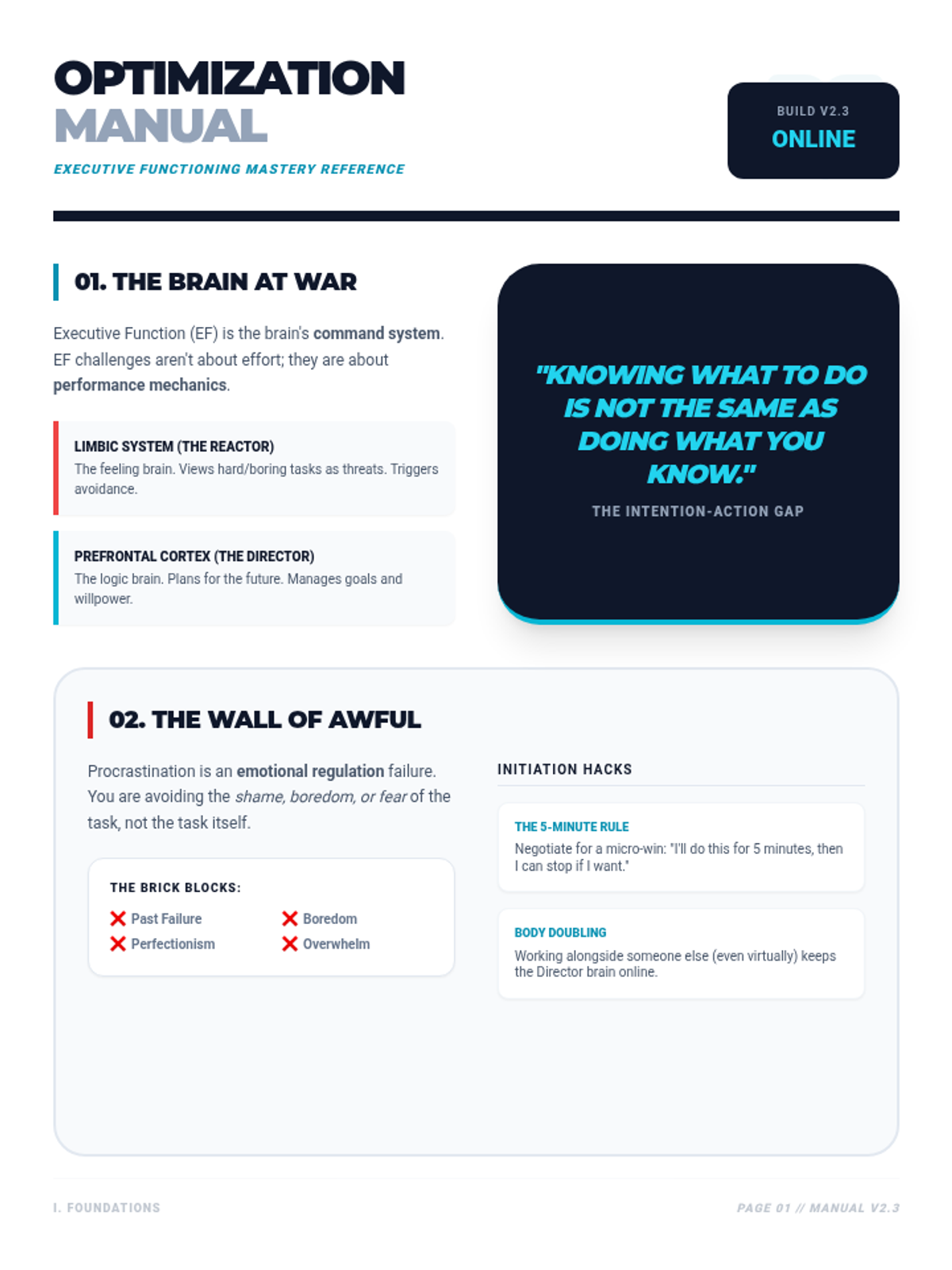
A 90-minute capstone session focused on synthesizing executive functioning skills, troubleshooting personal workflows, and creating a long-term optimization plan.
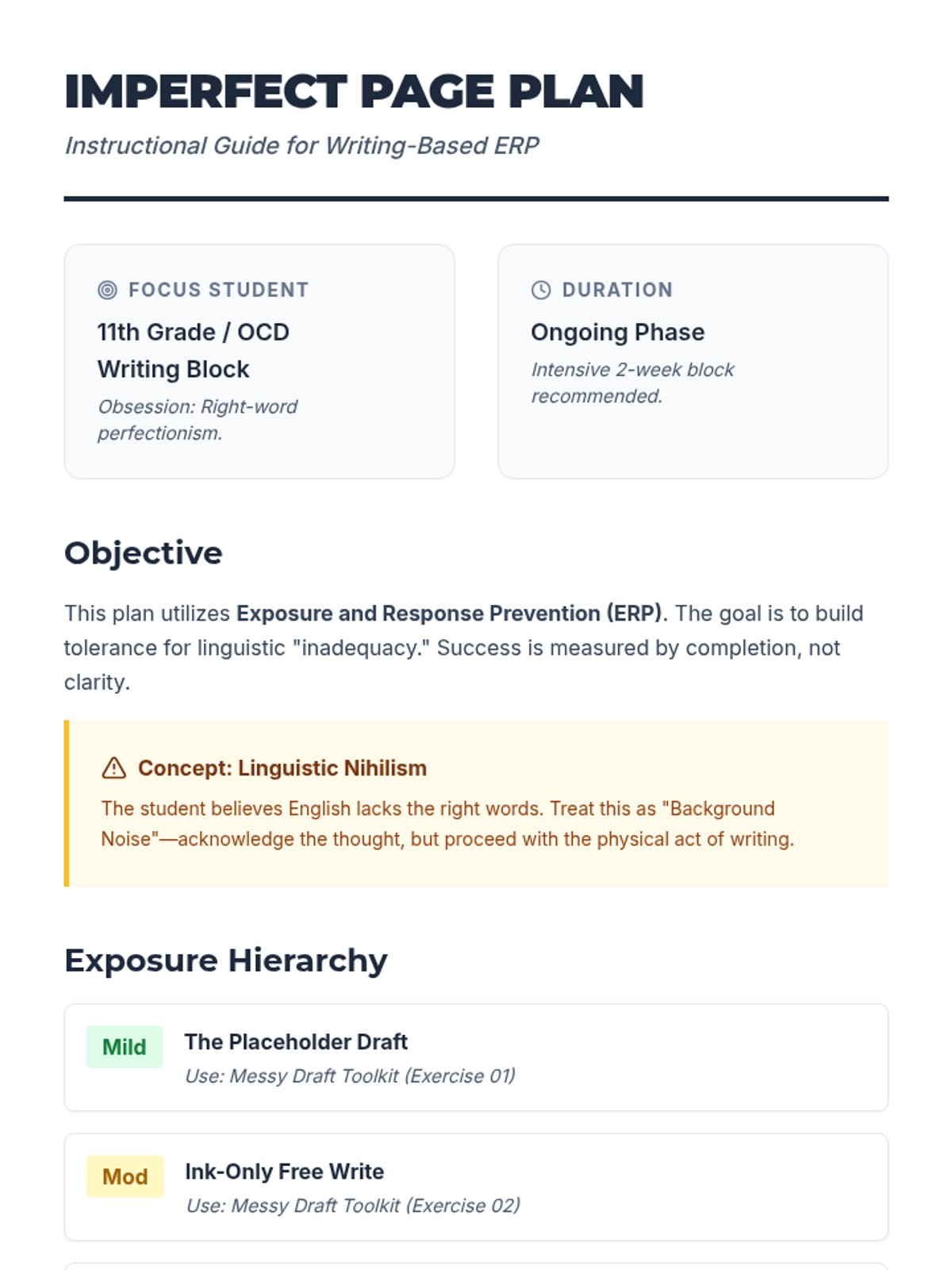
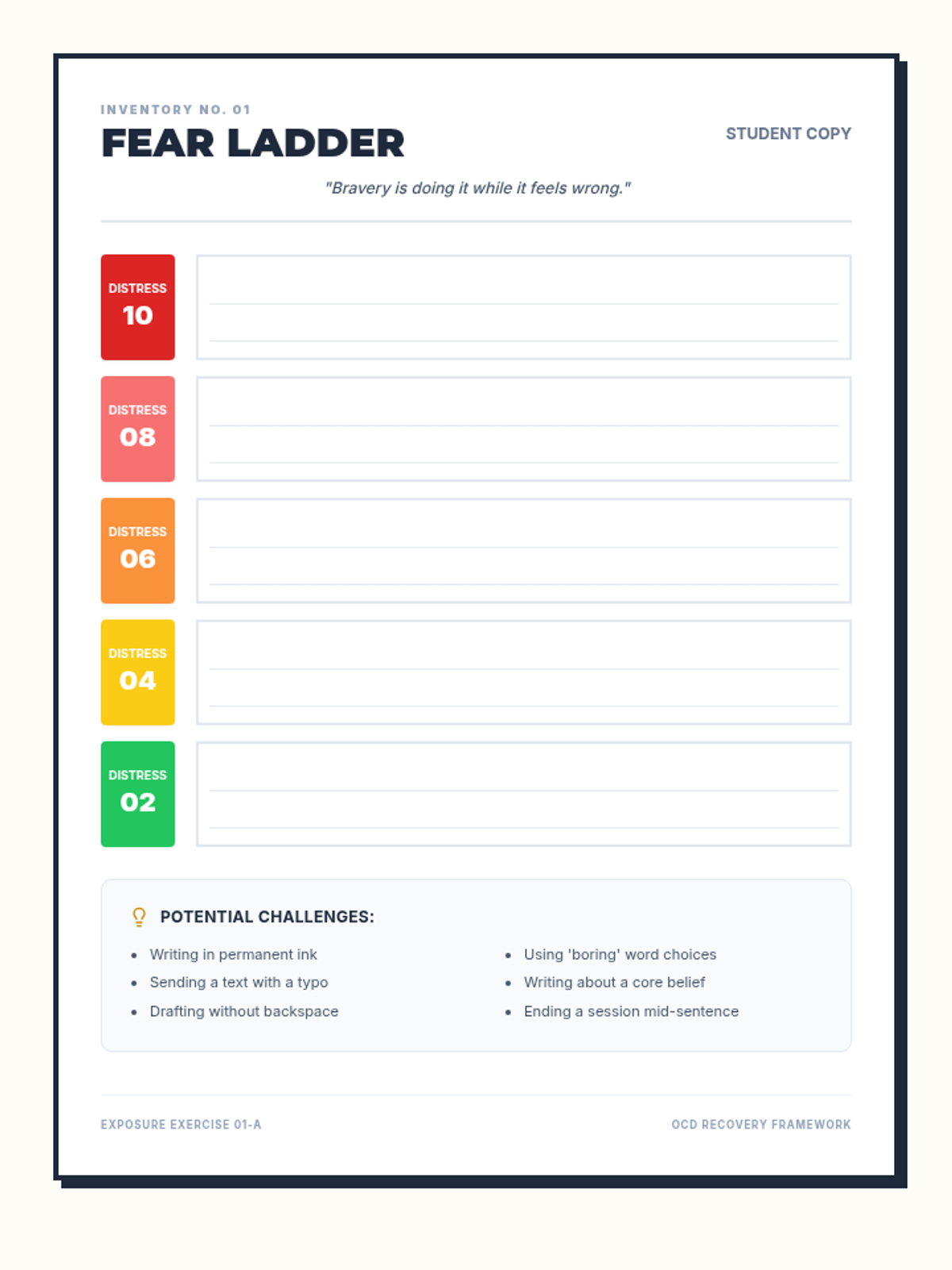
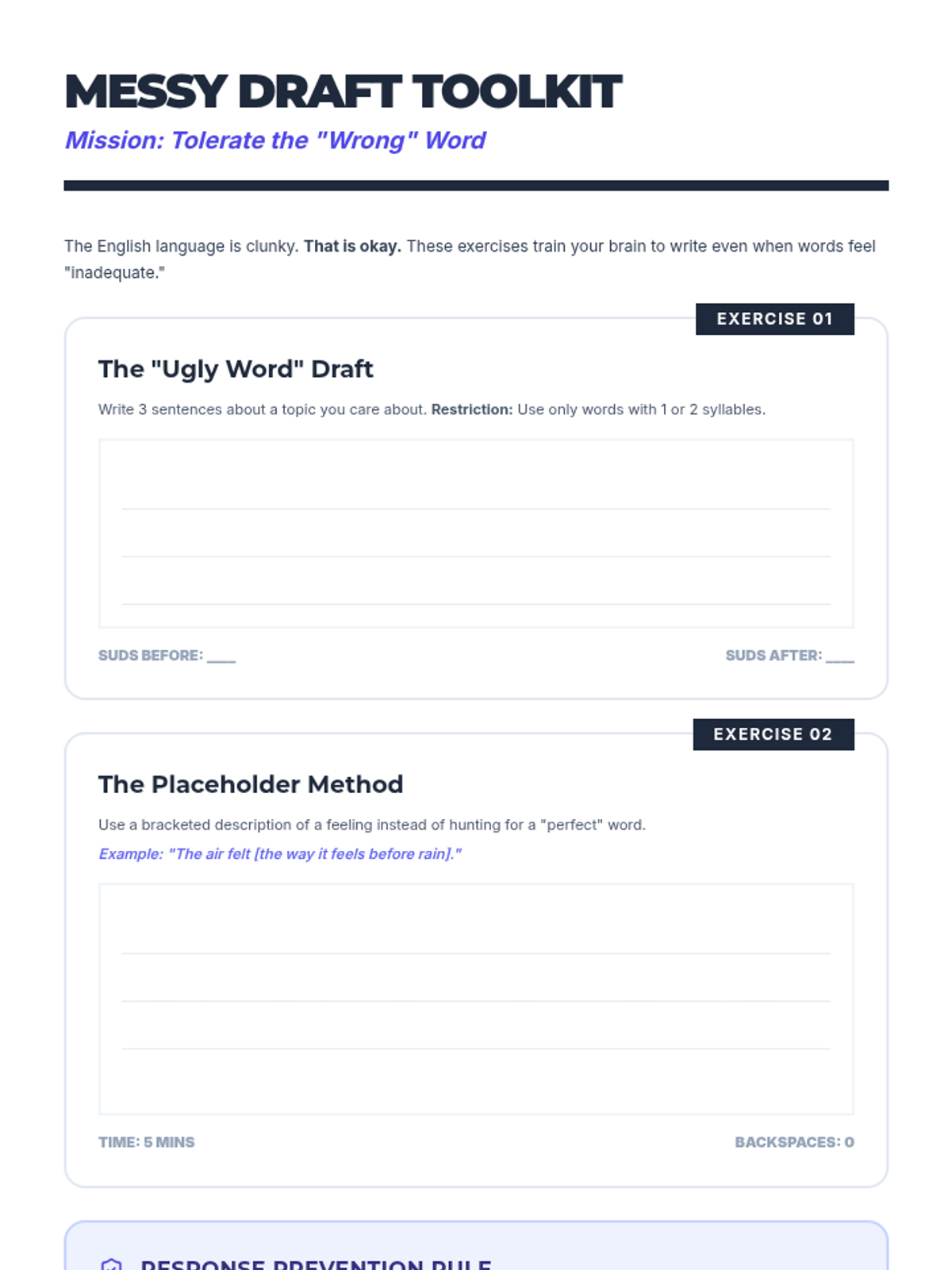
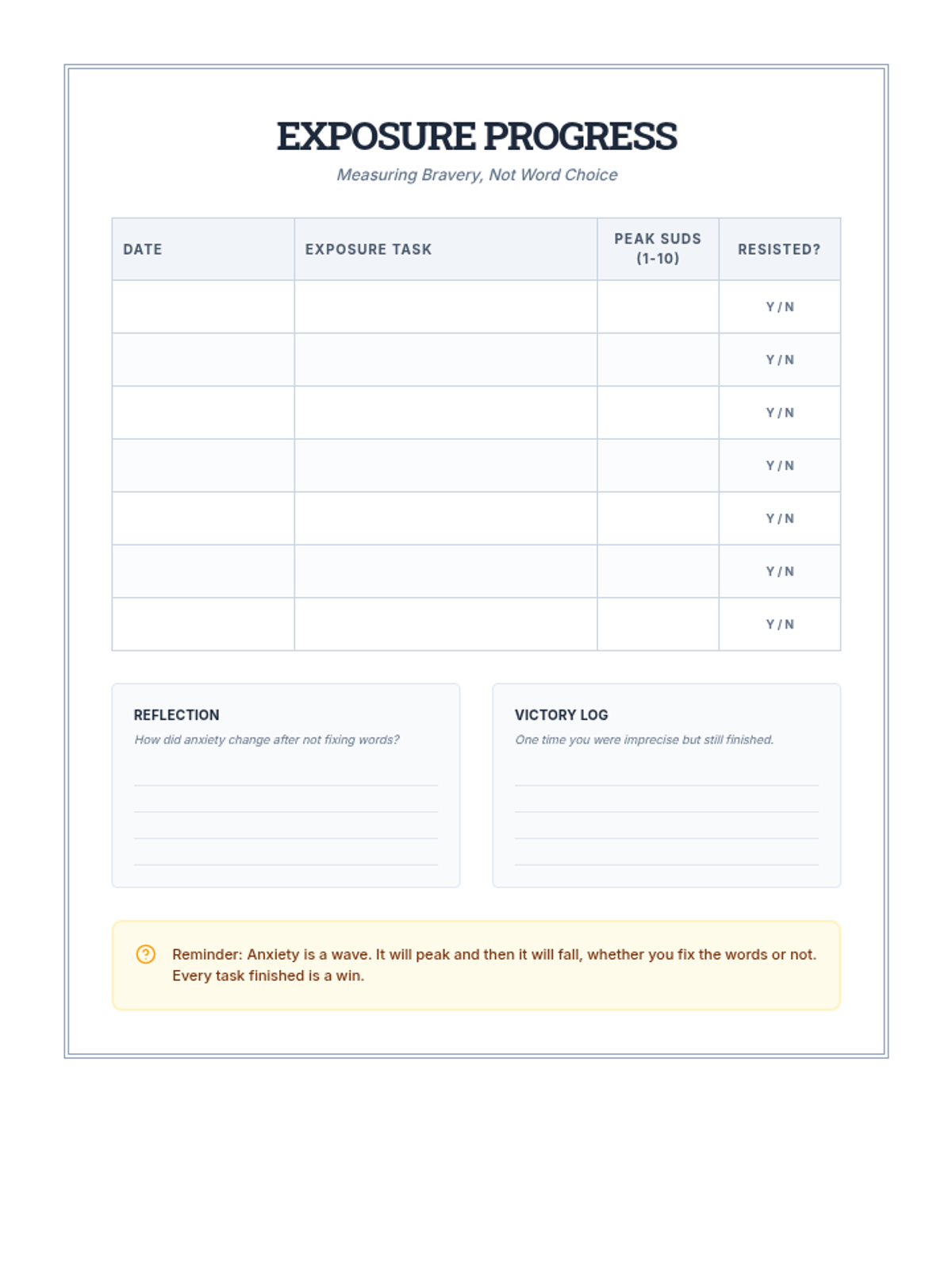
An Exposure and Response Prevention (ERP) framework designed for 11th-grade students struggling with OCD-related writing blocks. This lesson focuses on embracing imperfection and overcoming the 'right word' obsession through structured exposure tasks.
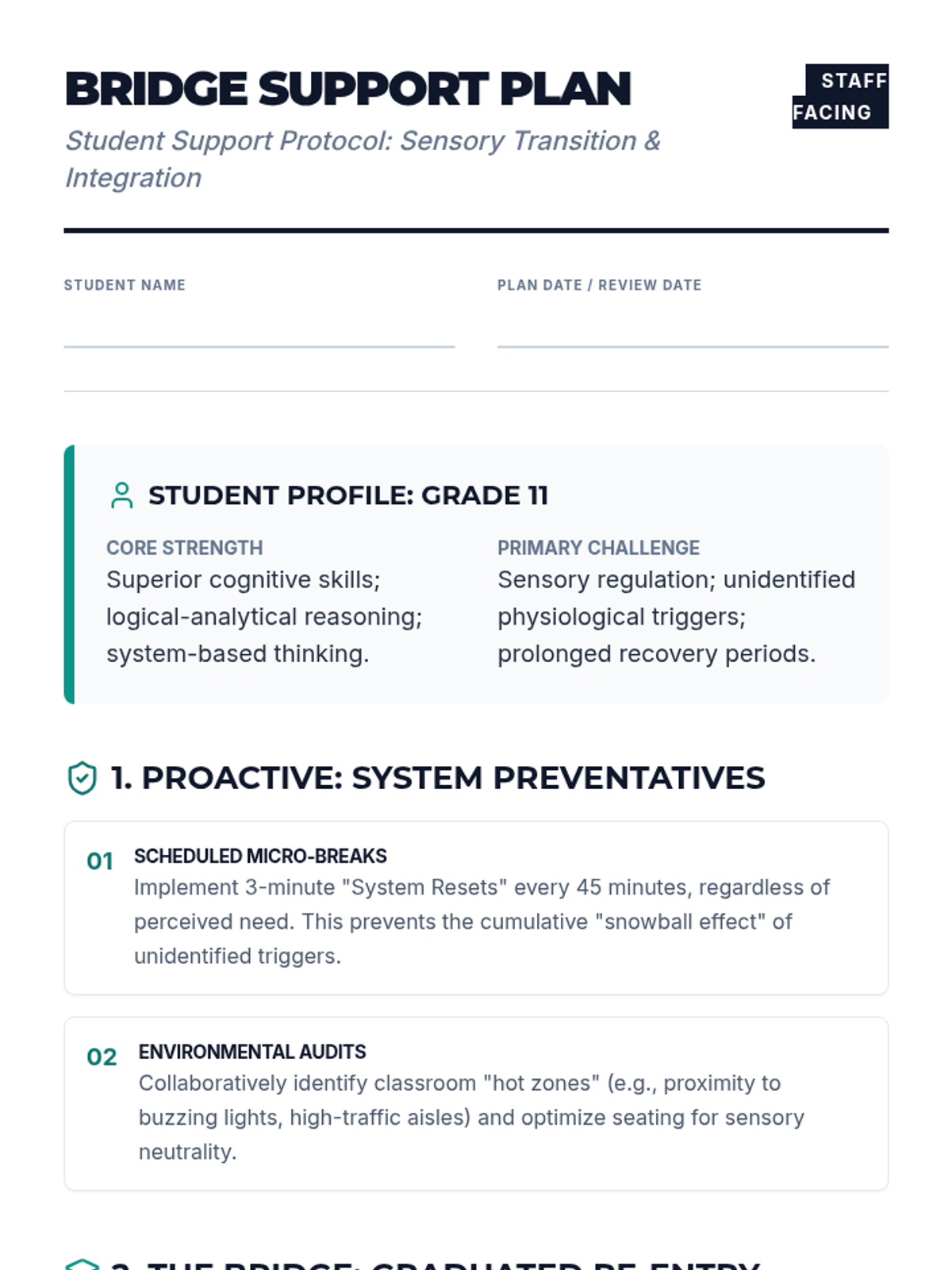
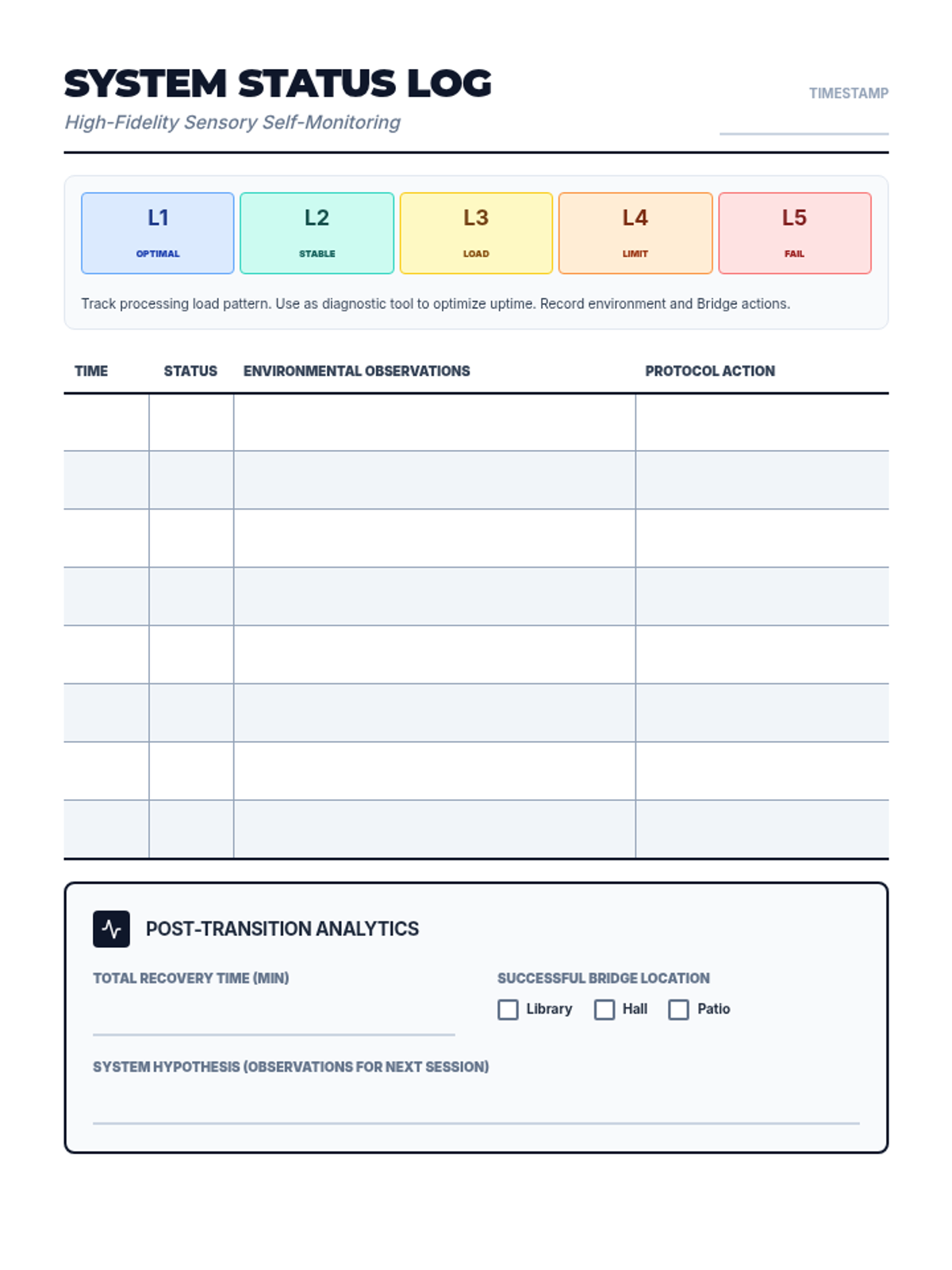
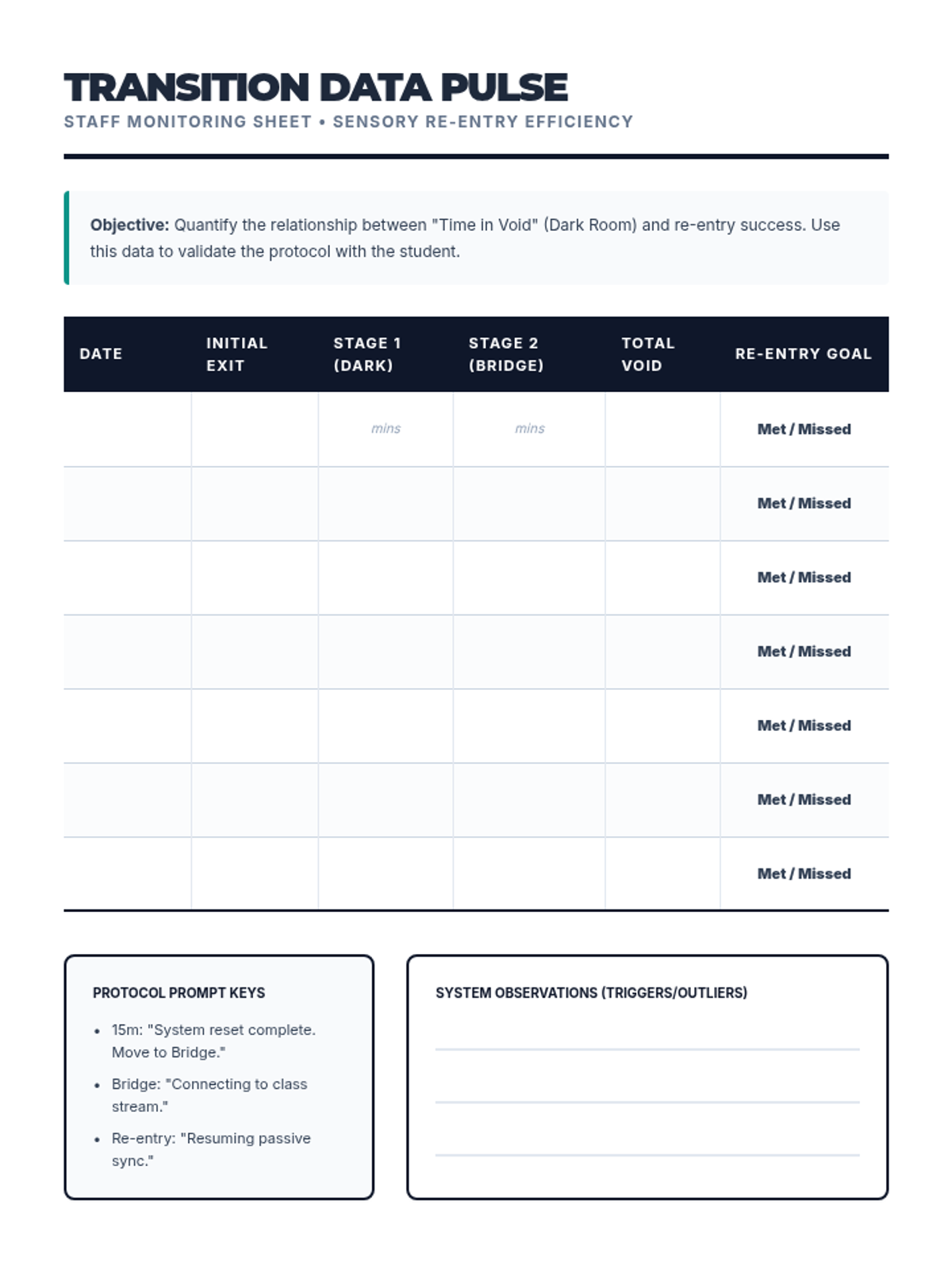
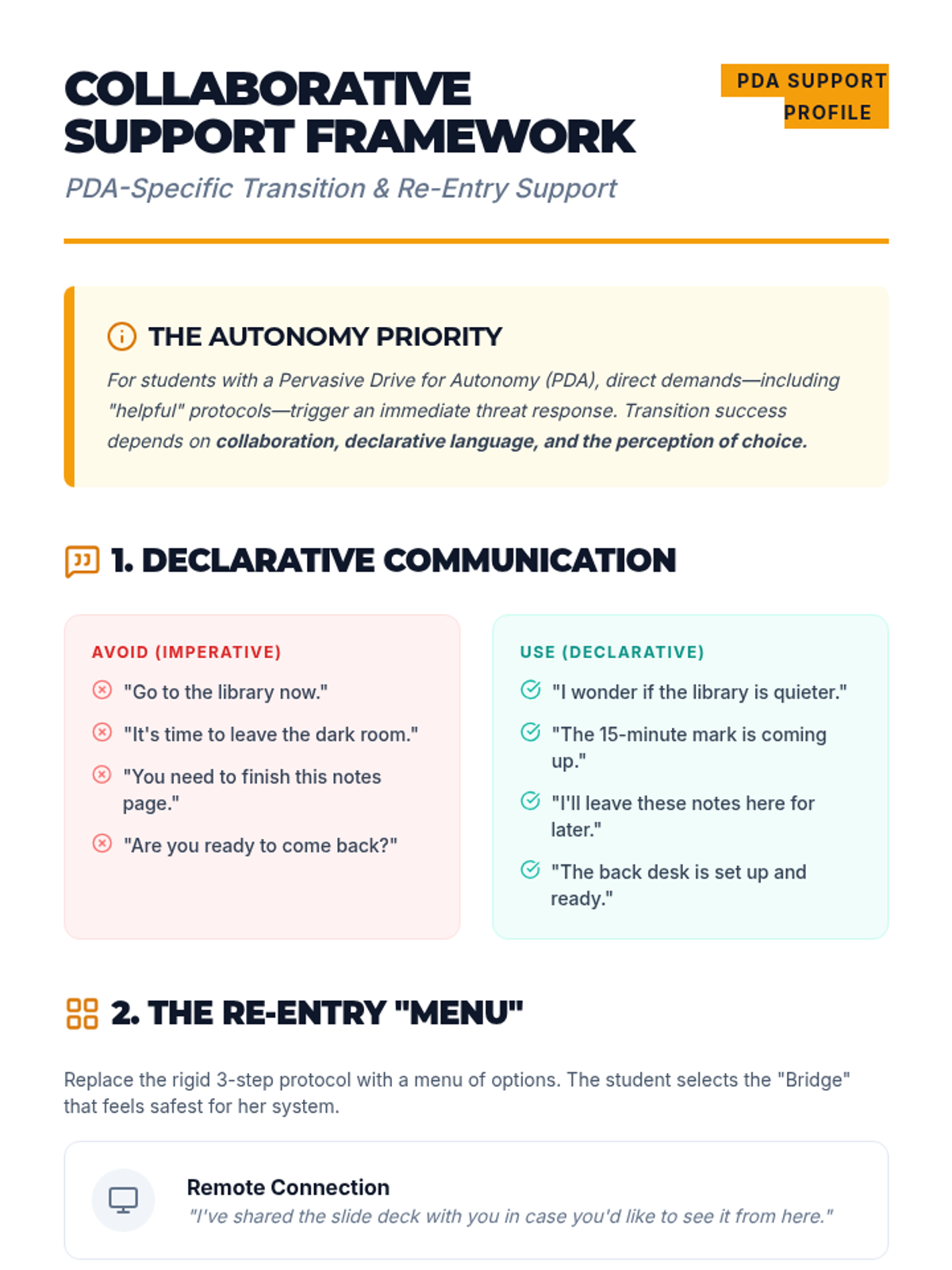
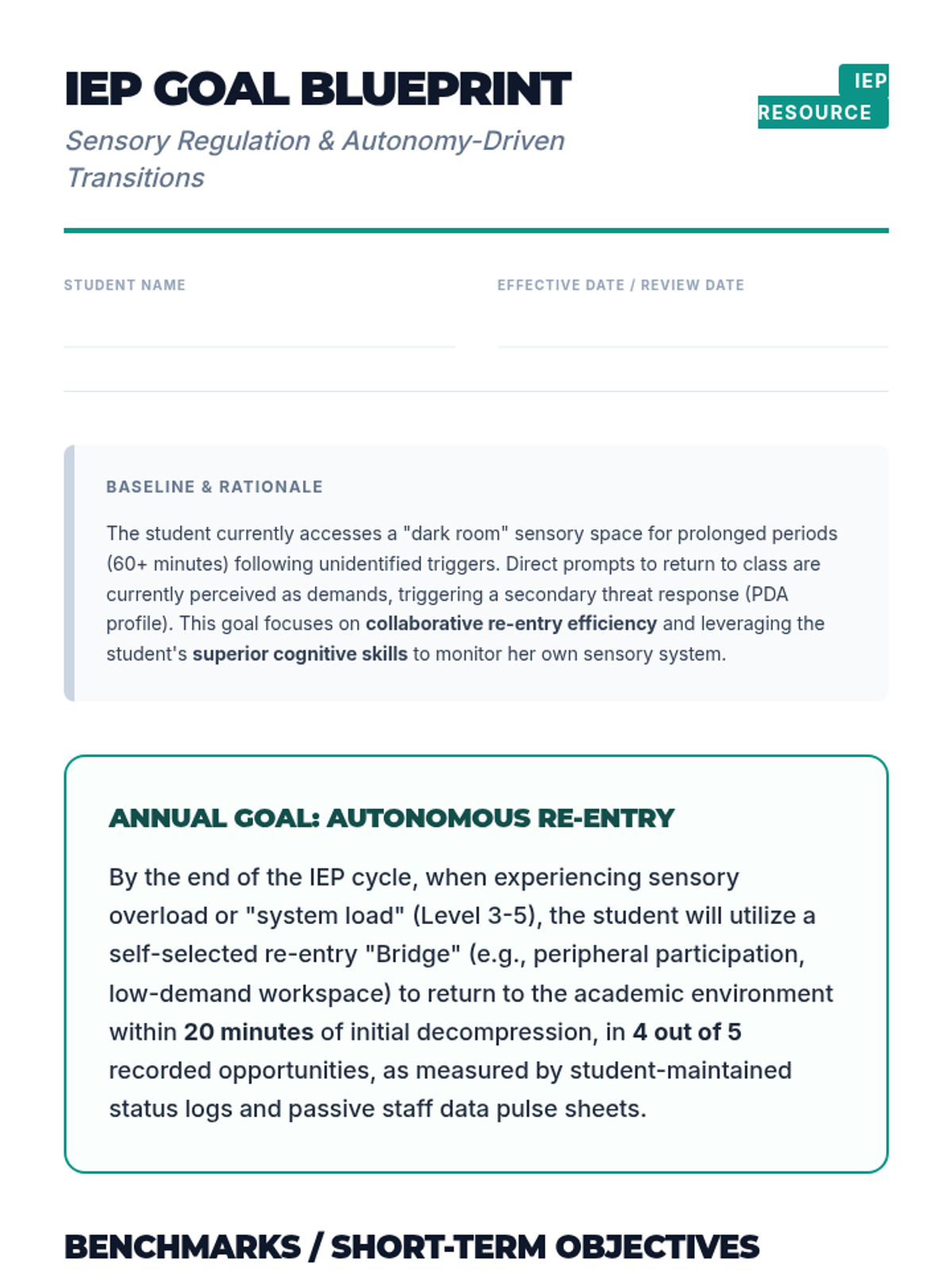
A targeted intervention package designed to help a high-ability 11th-grade student manage sensory overload and transition back to the classroom more efficiently.
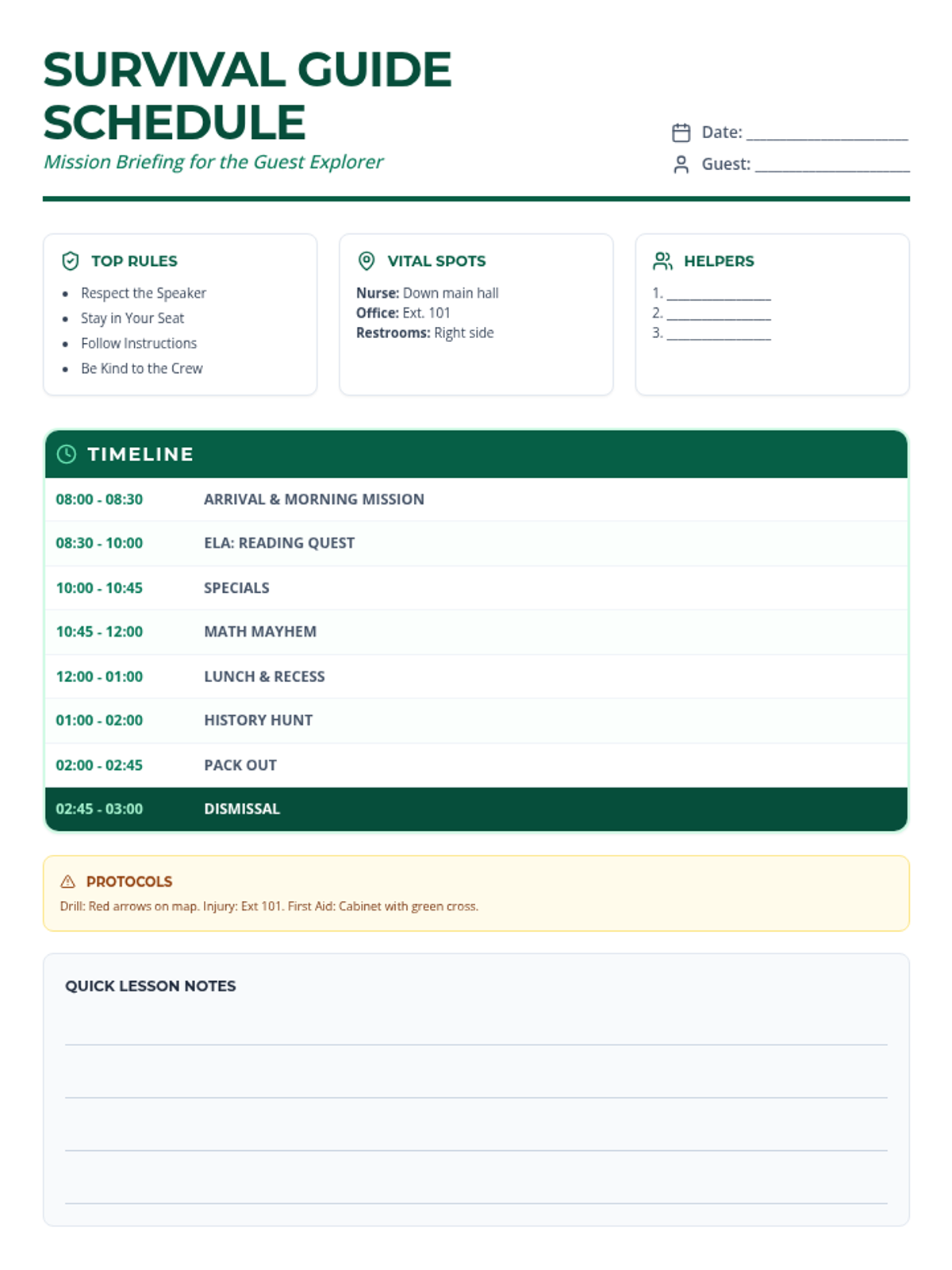
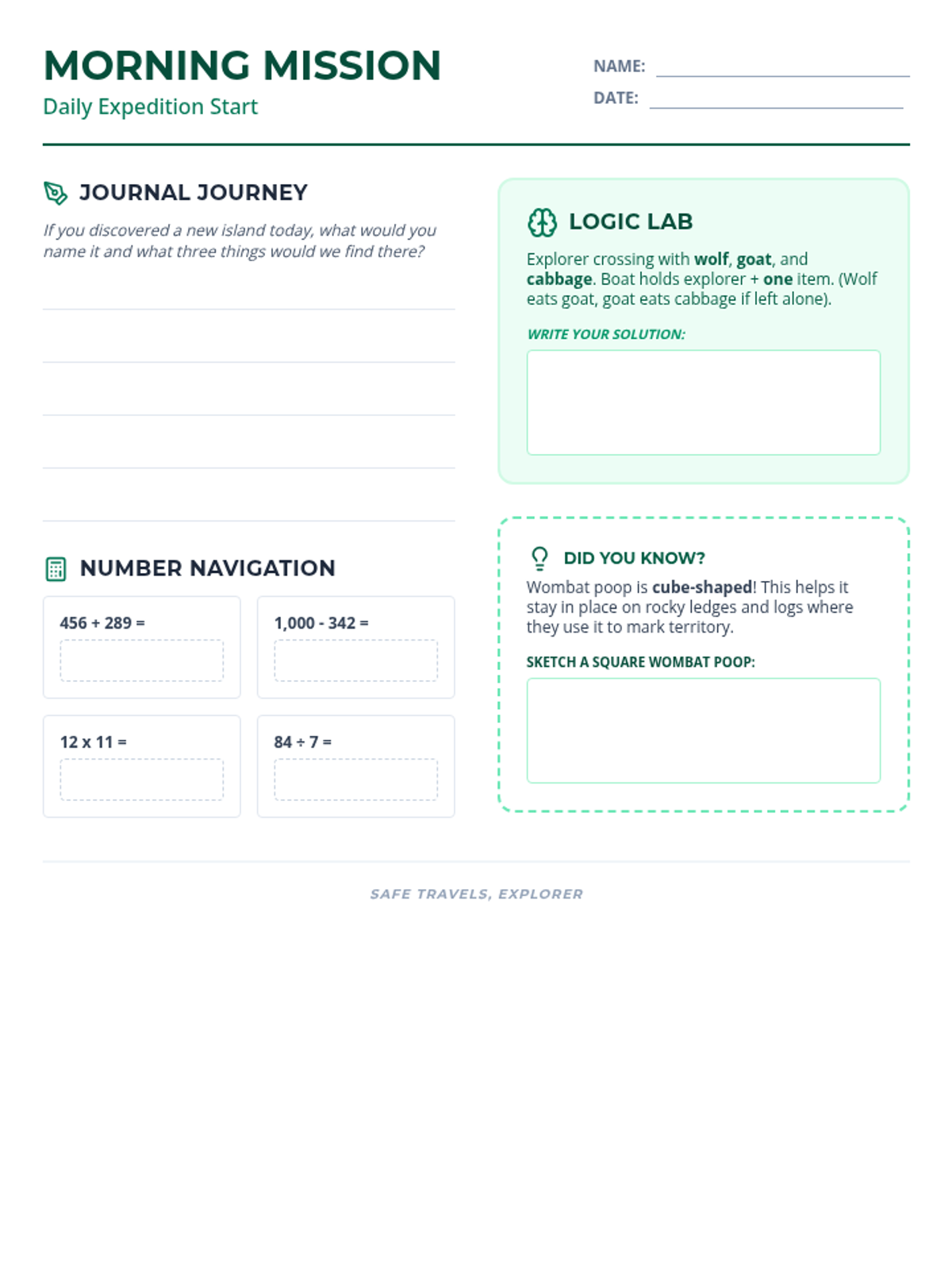
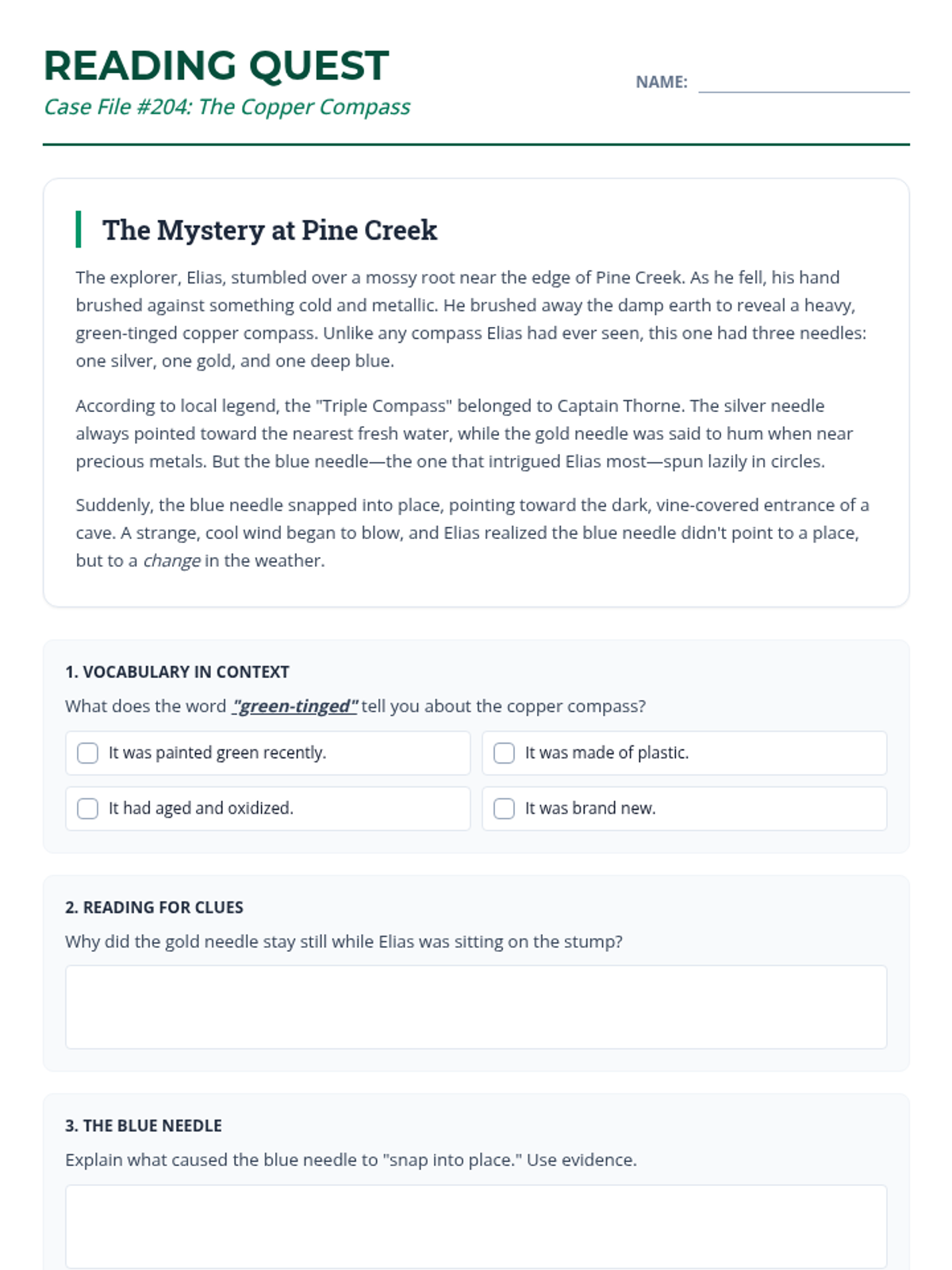
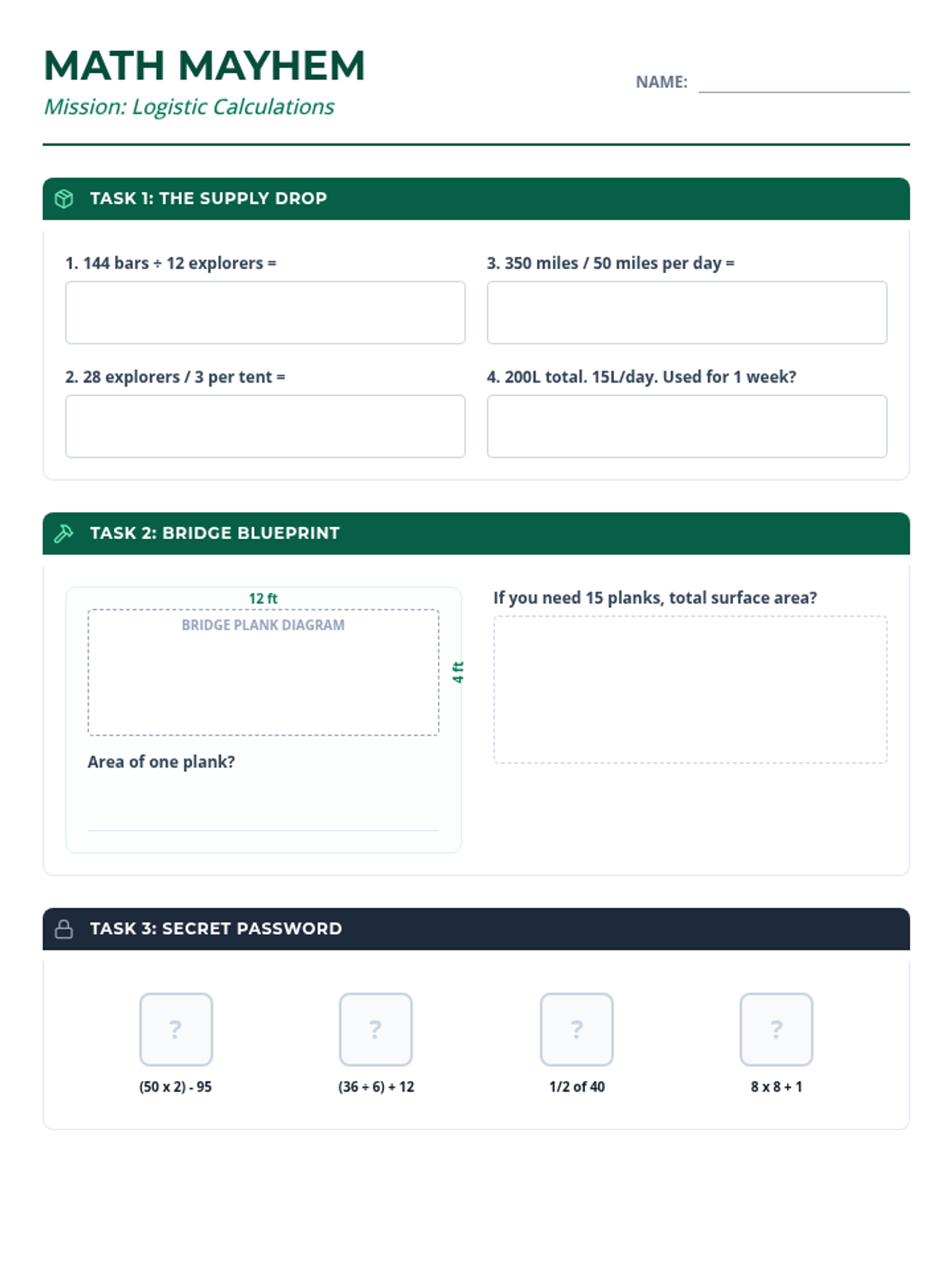
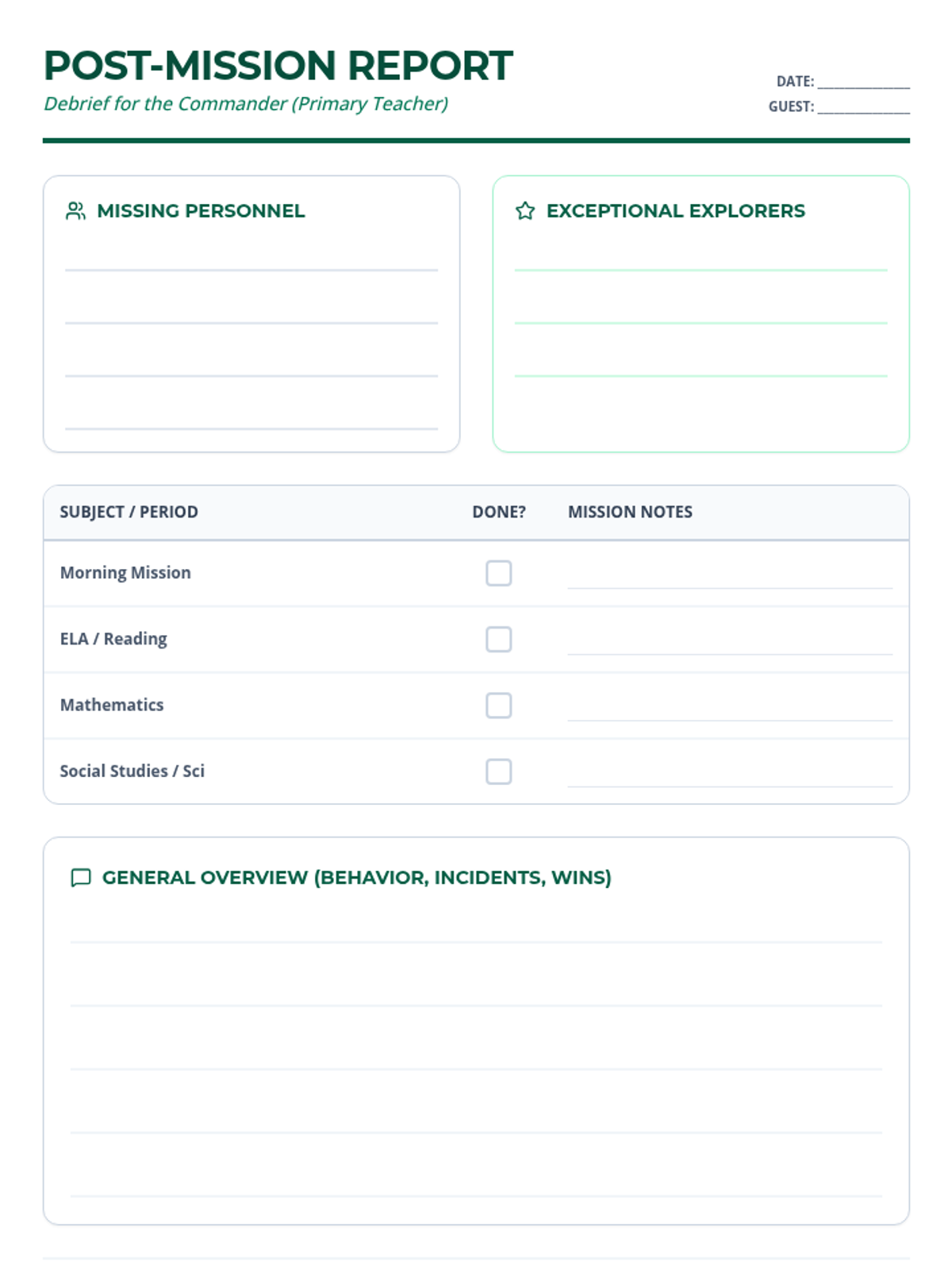
A comprehensive set of materials for a substitute teacher to manage a full school day, including a detailed schedule, morning work, core subject activities, and a reporting system.
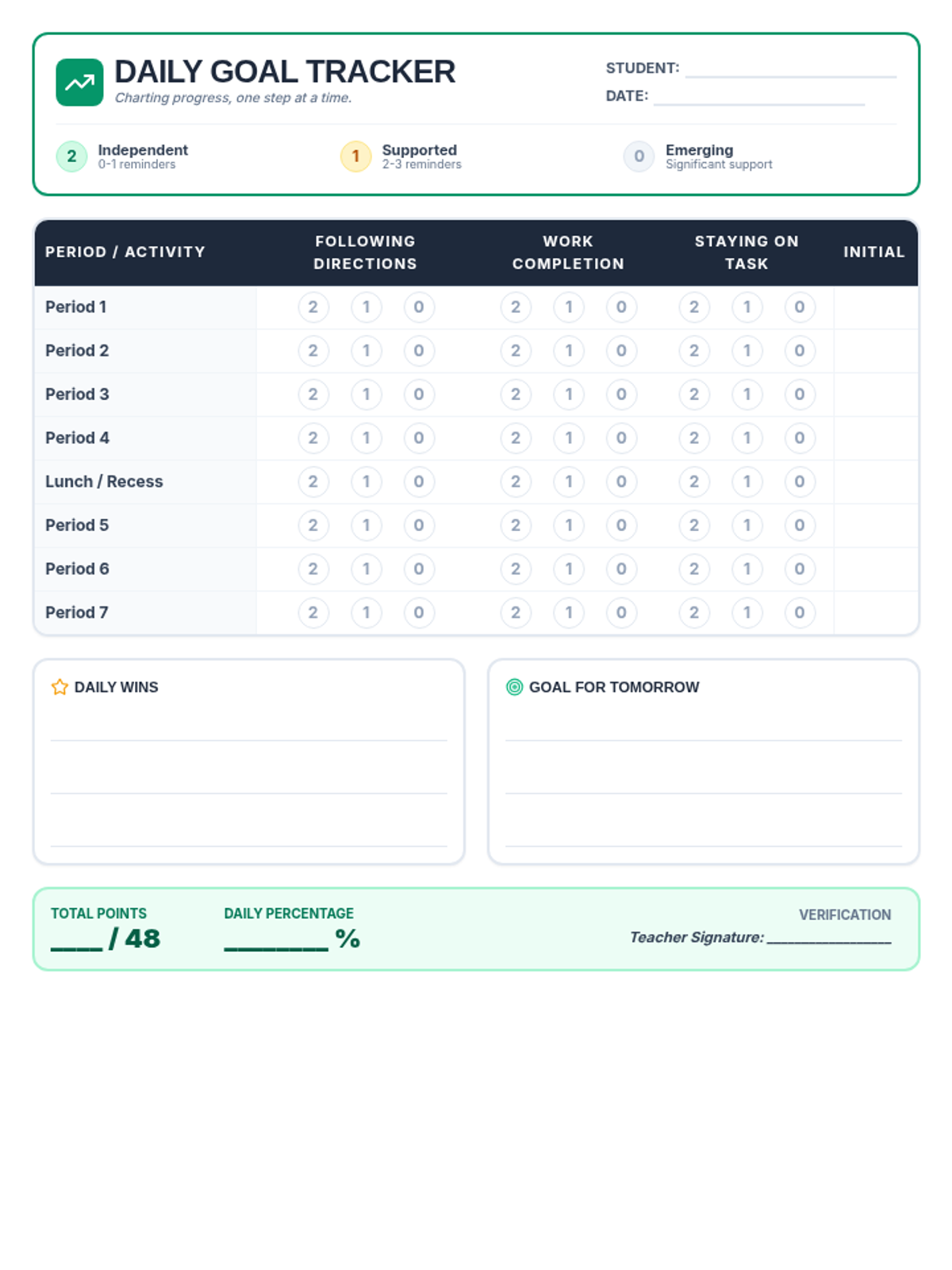
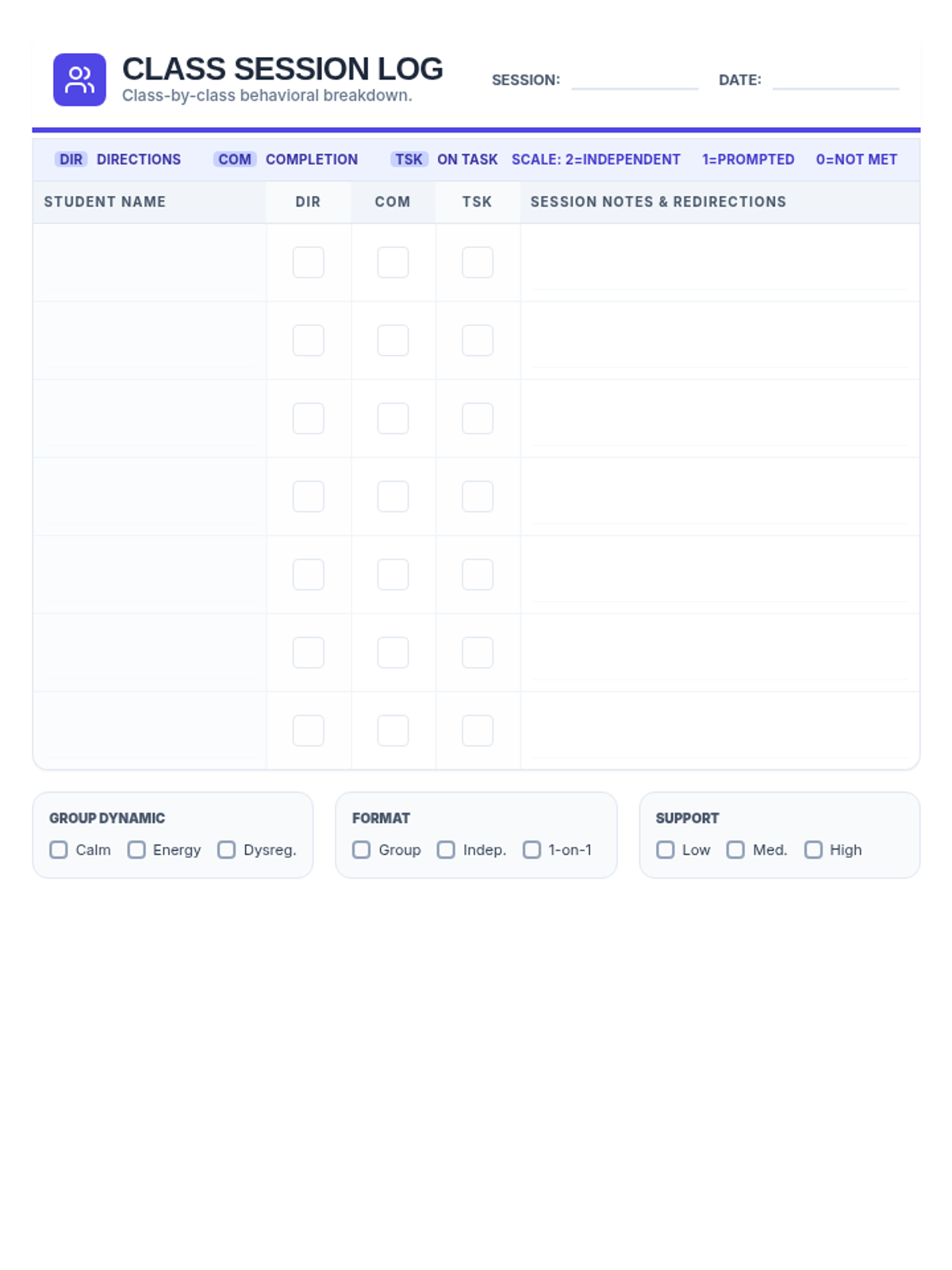
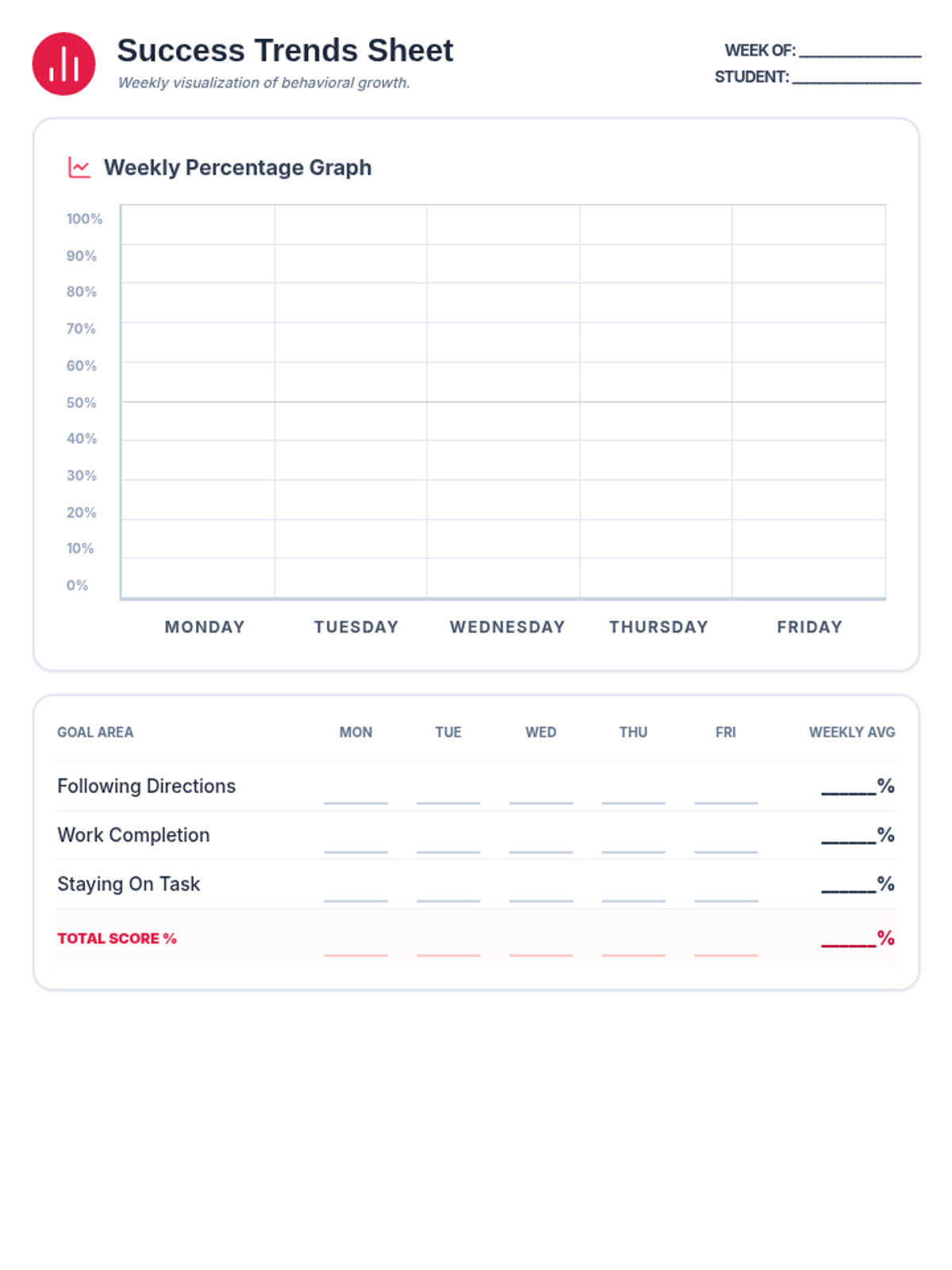
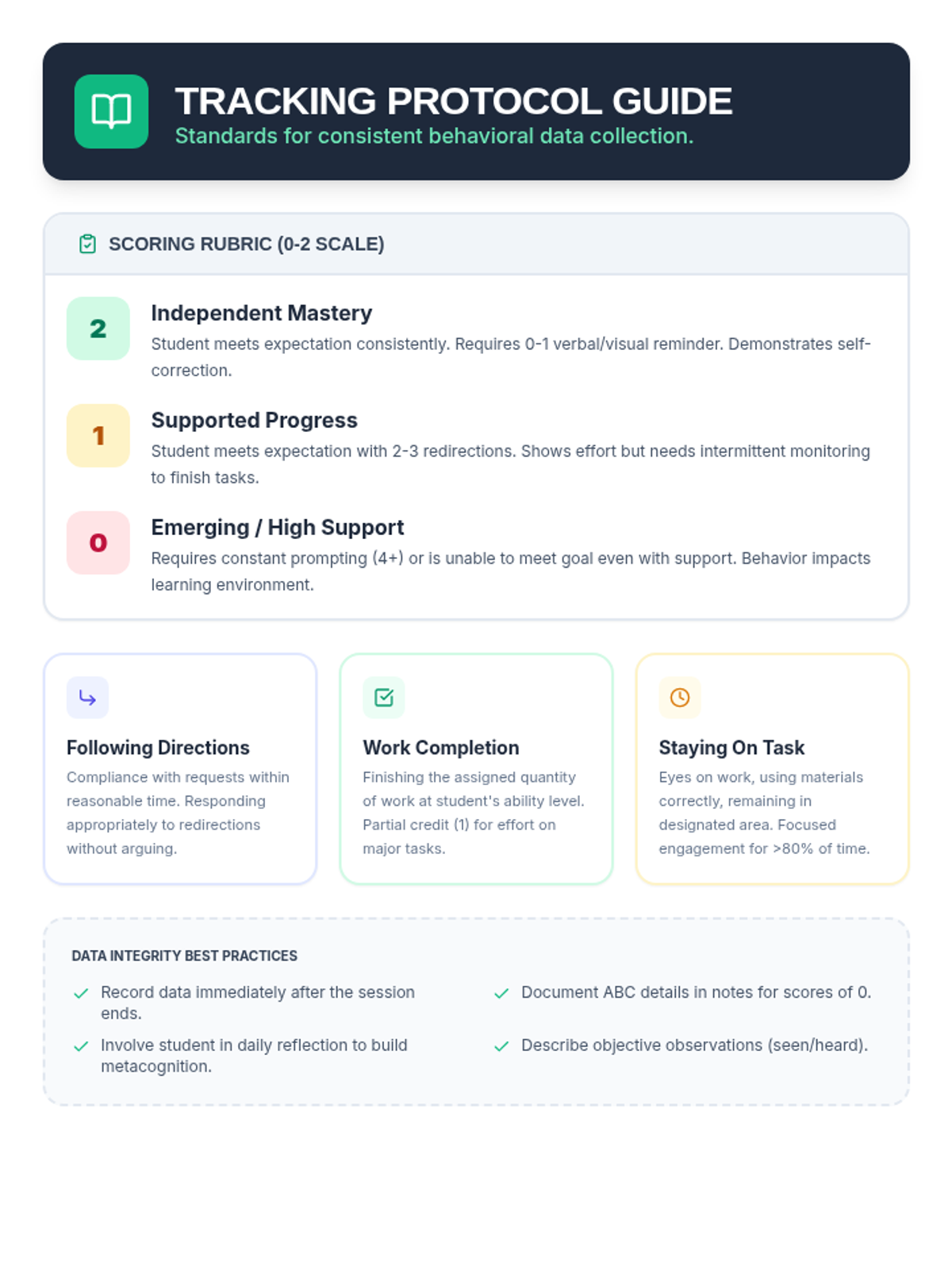
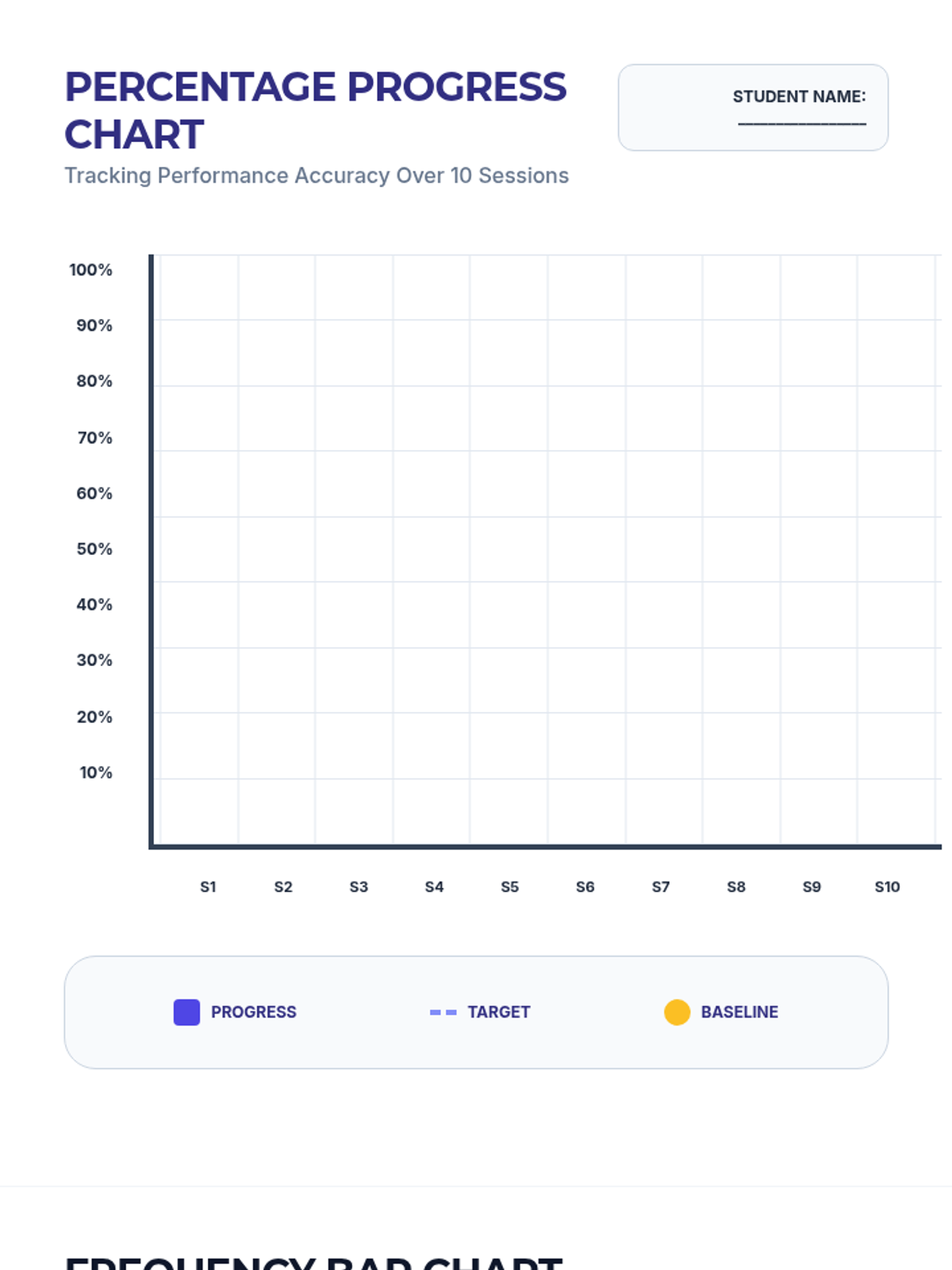
A comprehensive set of data tracking tools designed for special education settings to monitor student engagement, focus, and compliance with behavioral expectations throughout the school day.
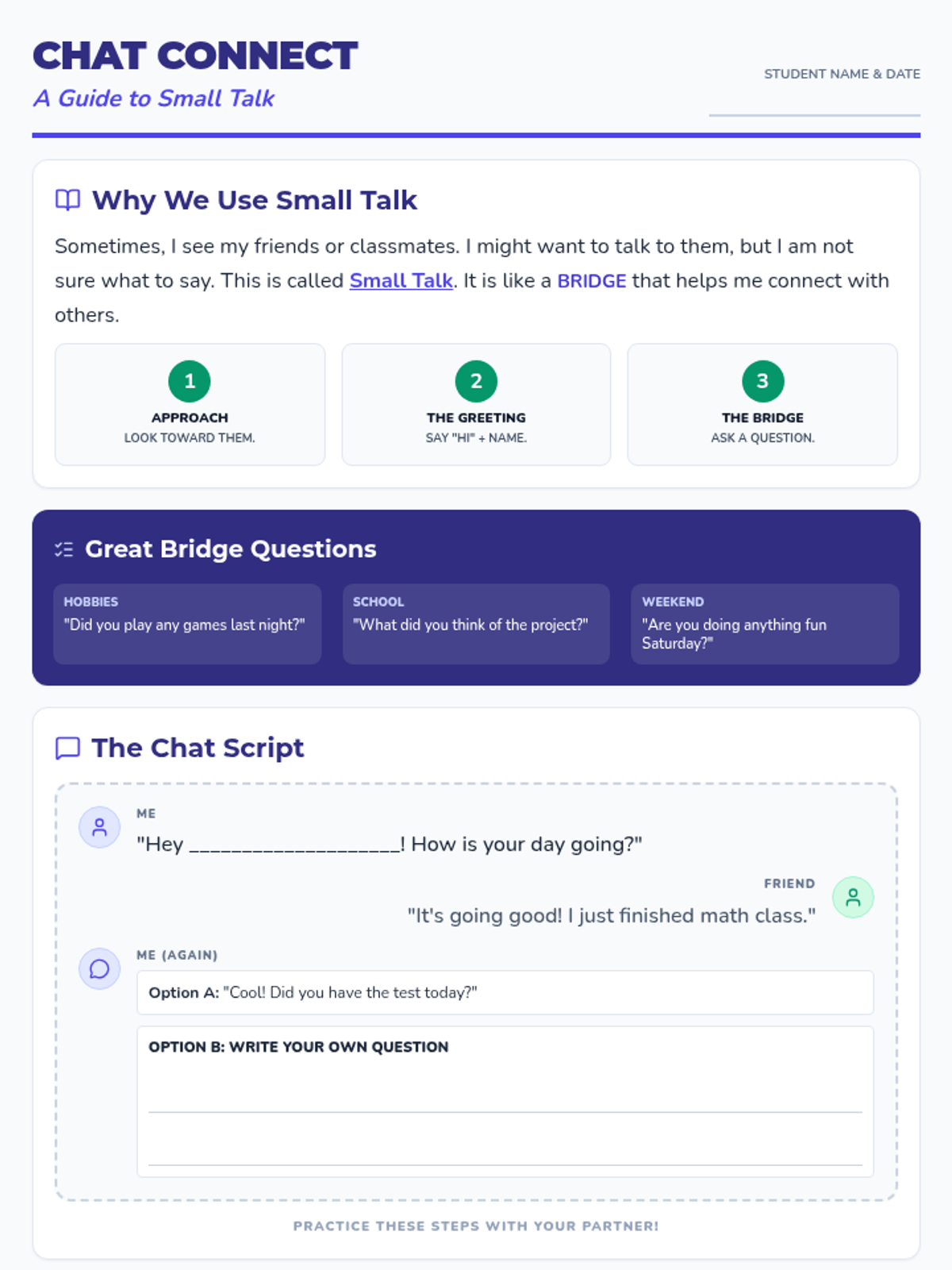
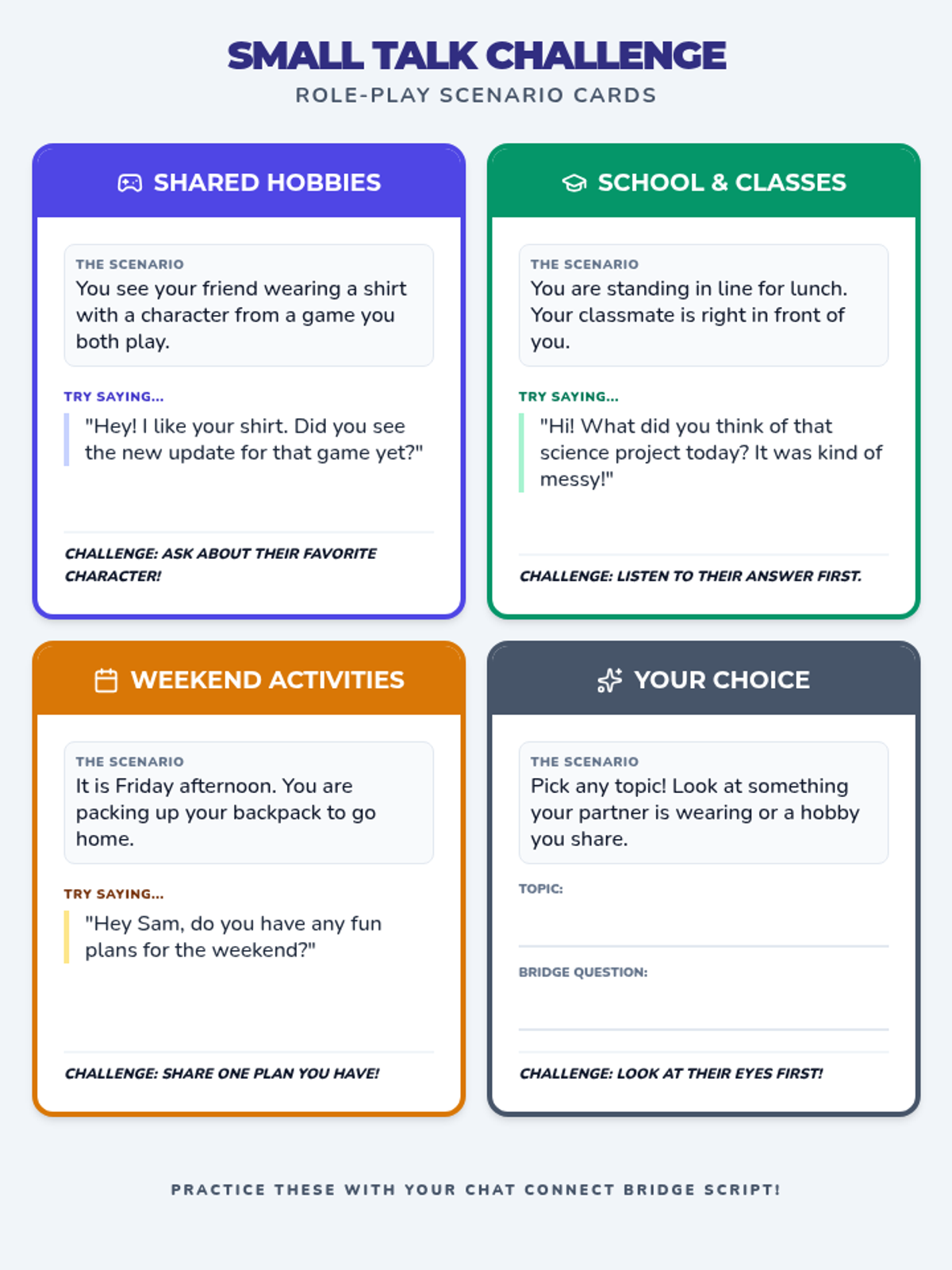
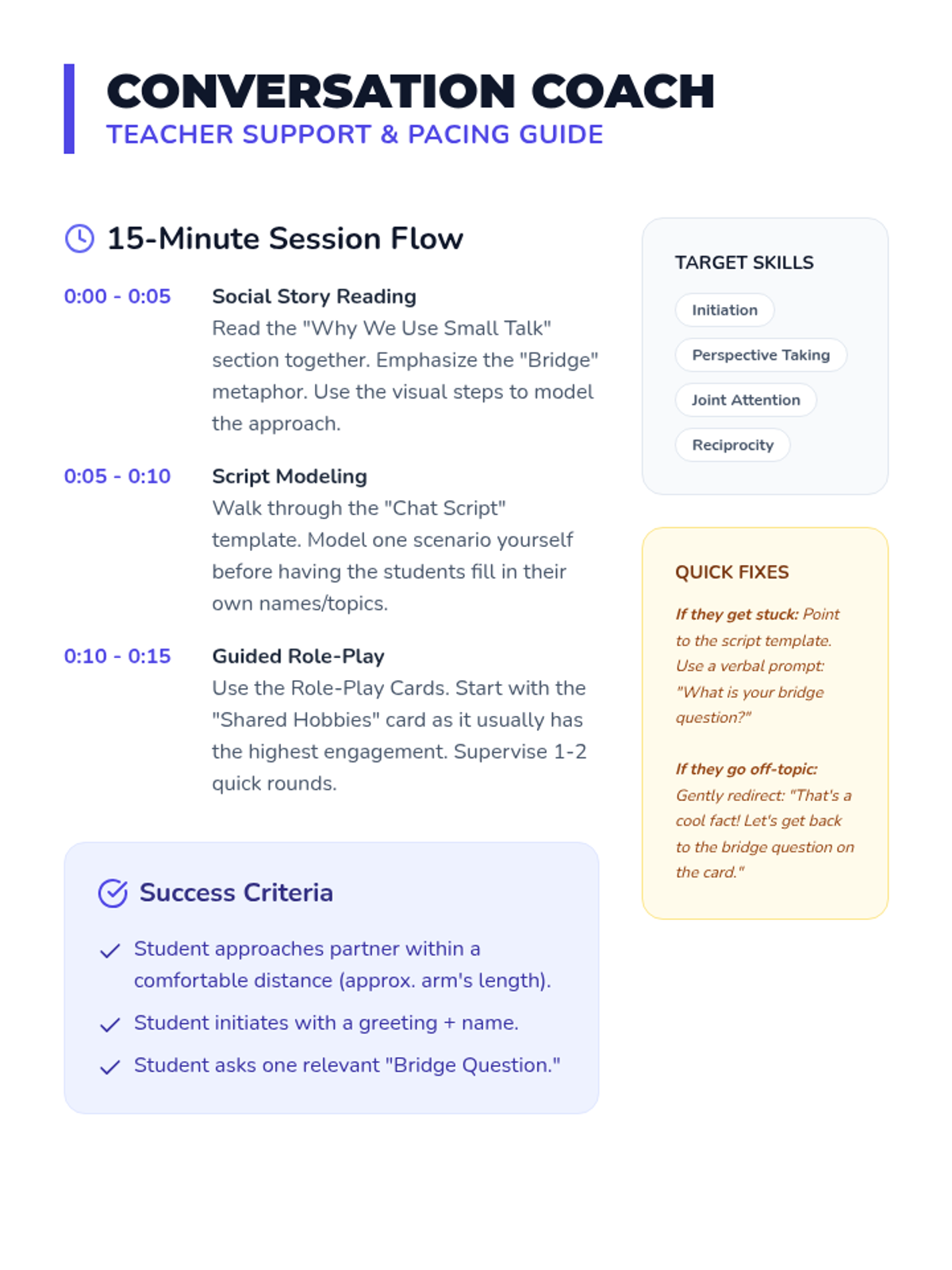
A focused 15-minute lesson for middle school students with autism, focusing on the mechanics of starting a conversation and maintaining small talk through visual supports and structured practice.
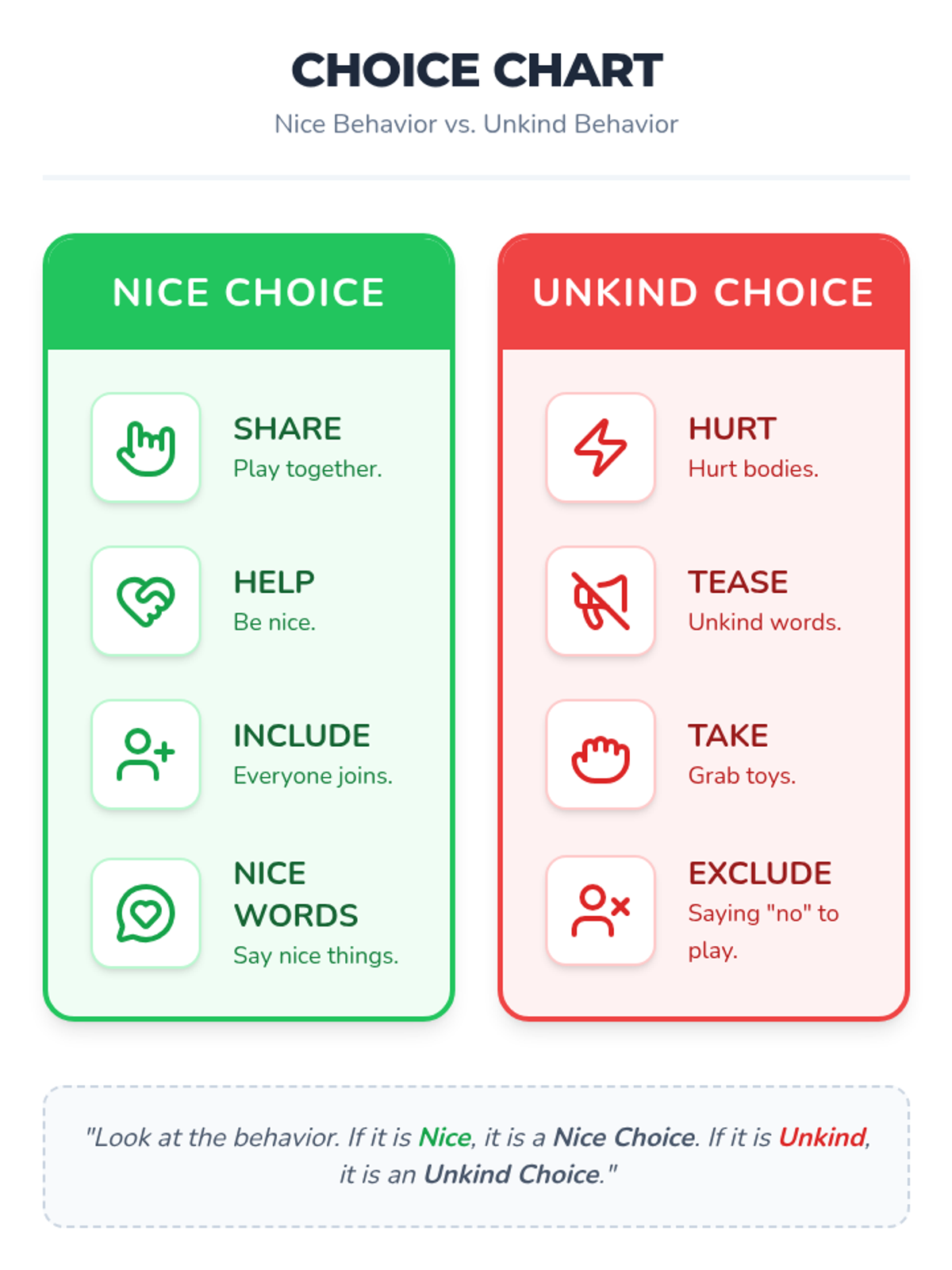
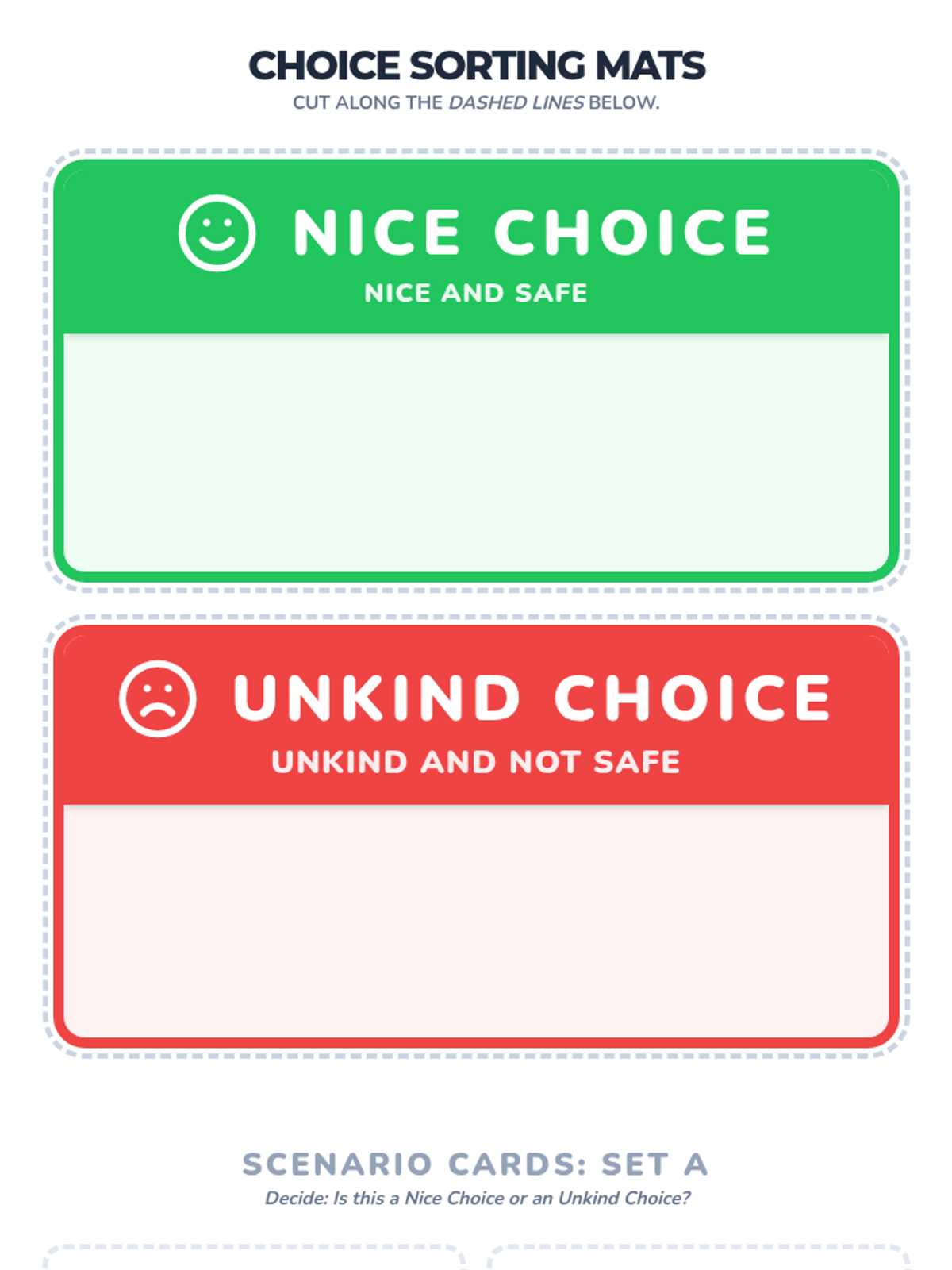
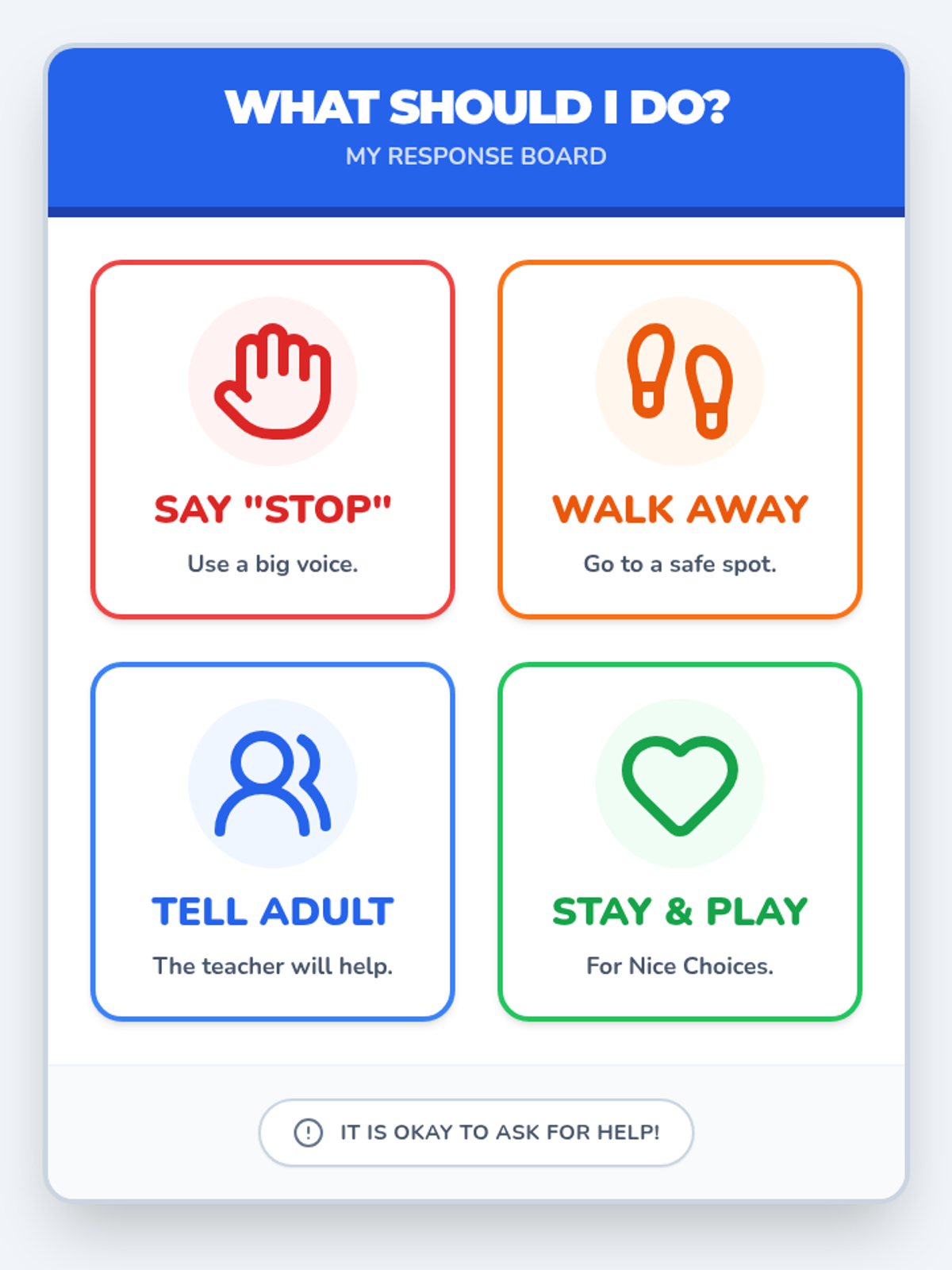
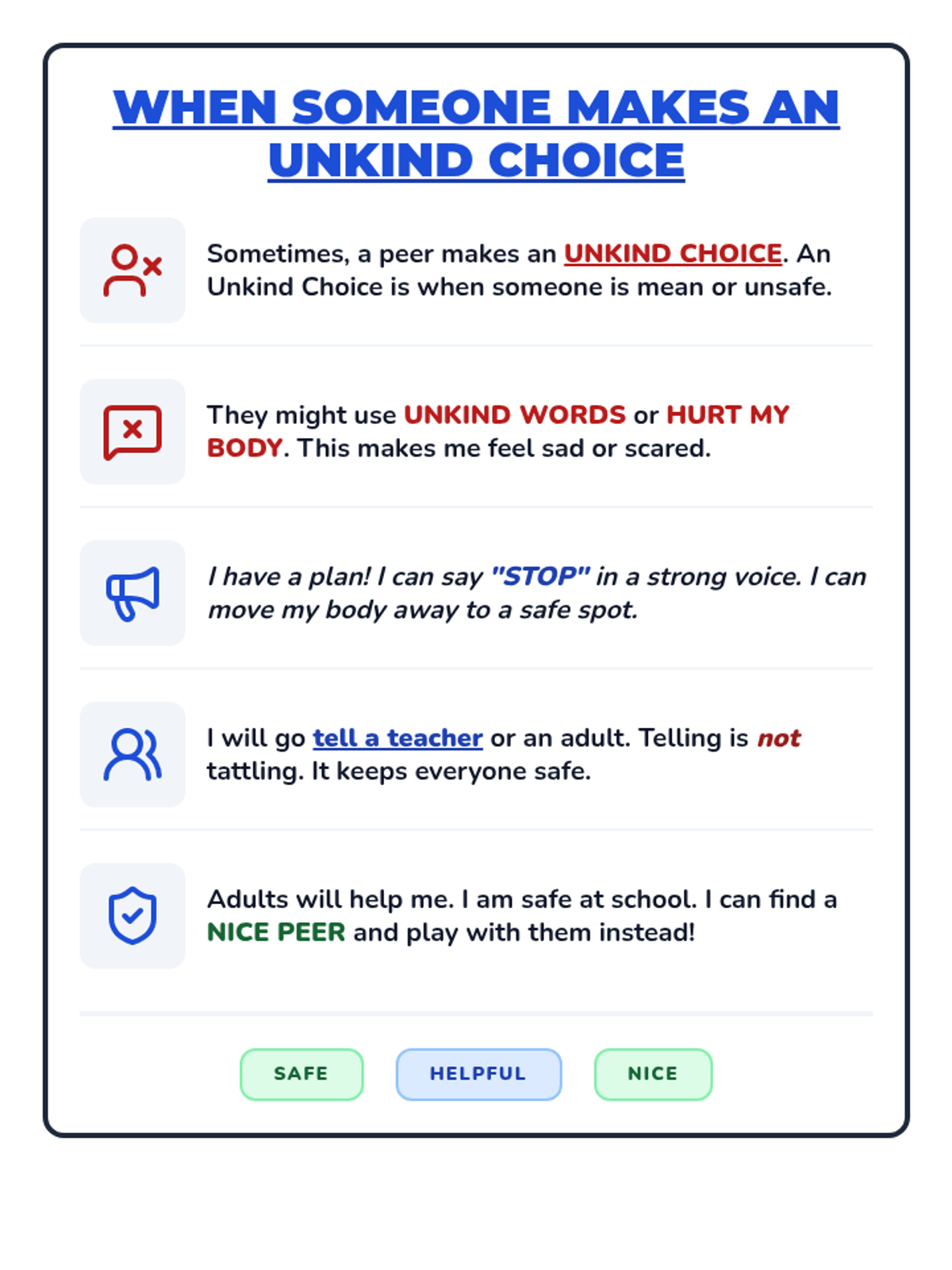
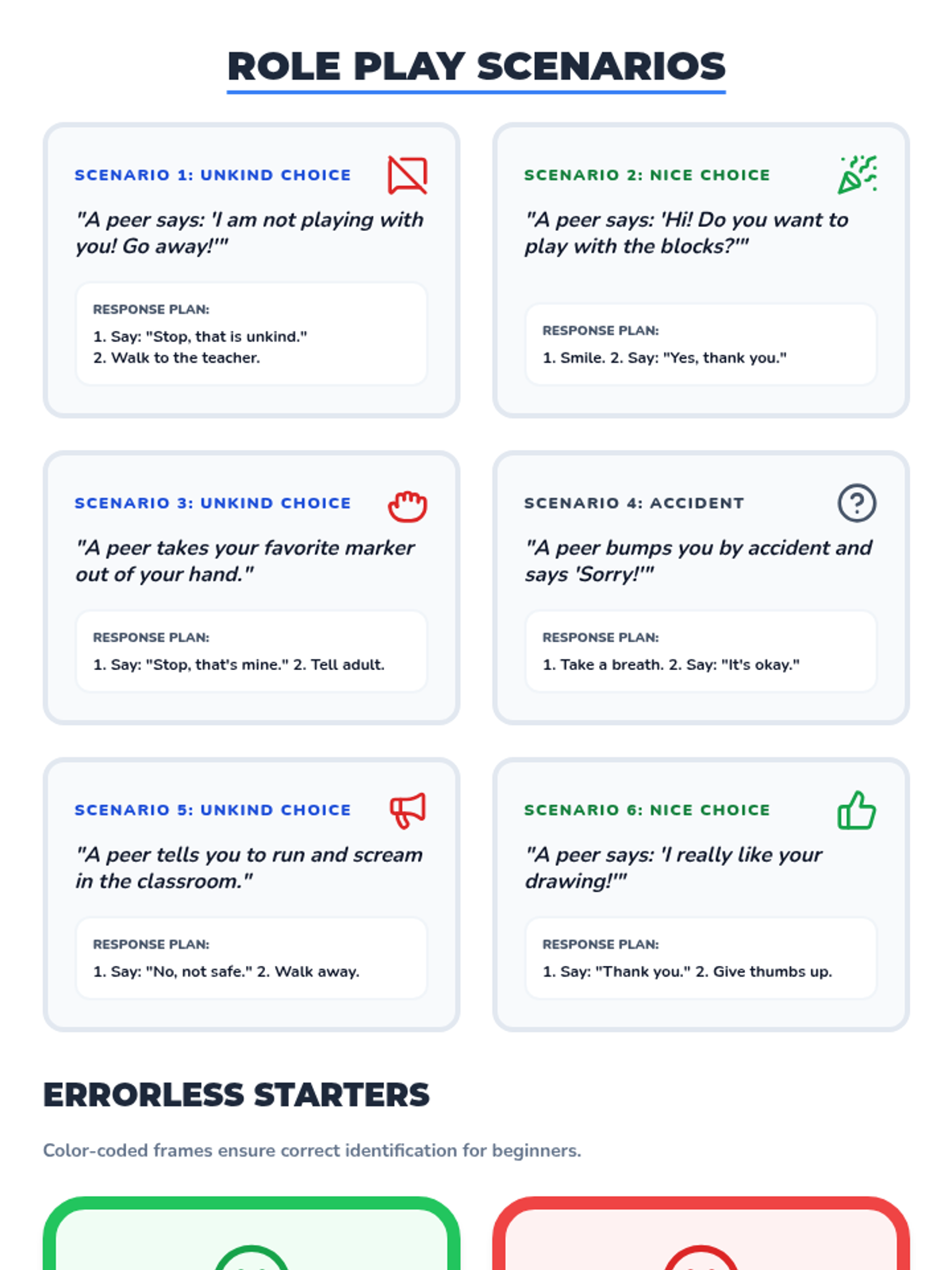
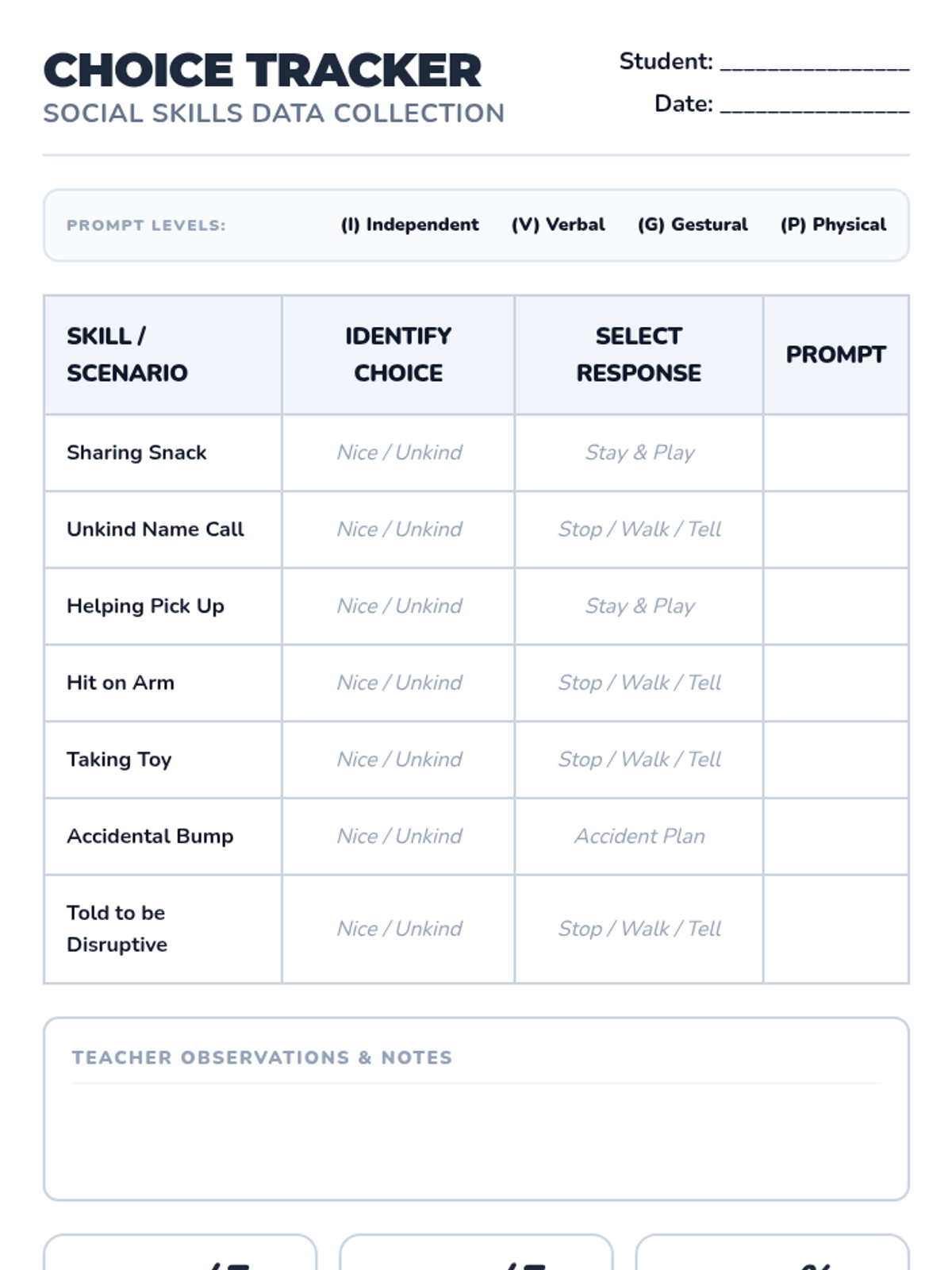
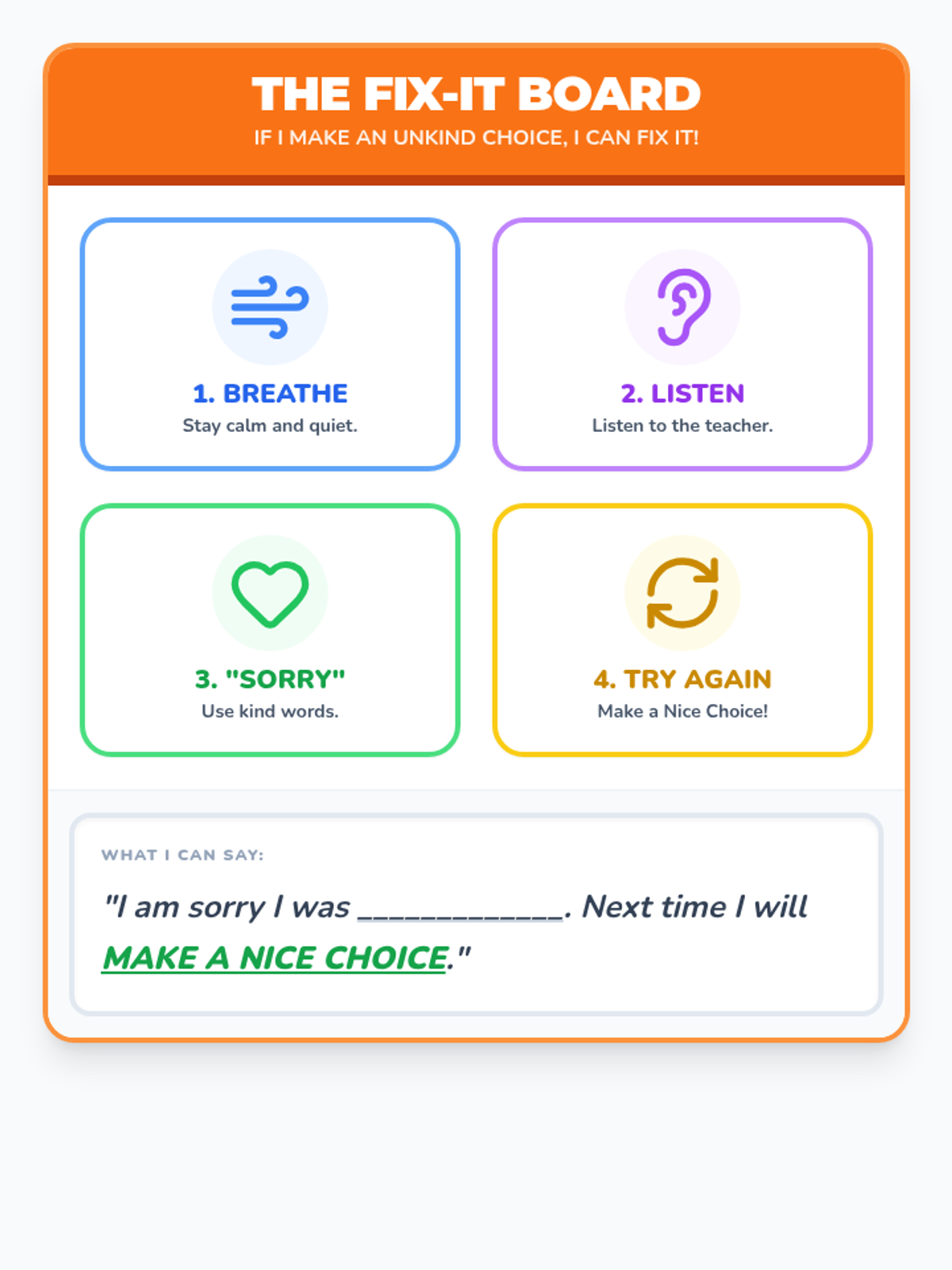
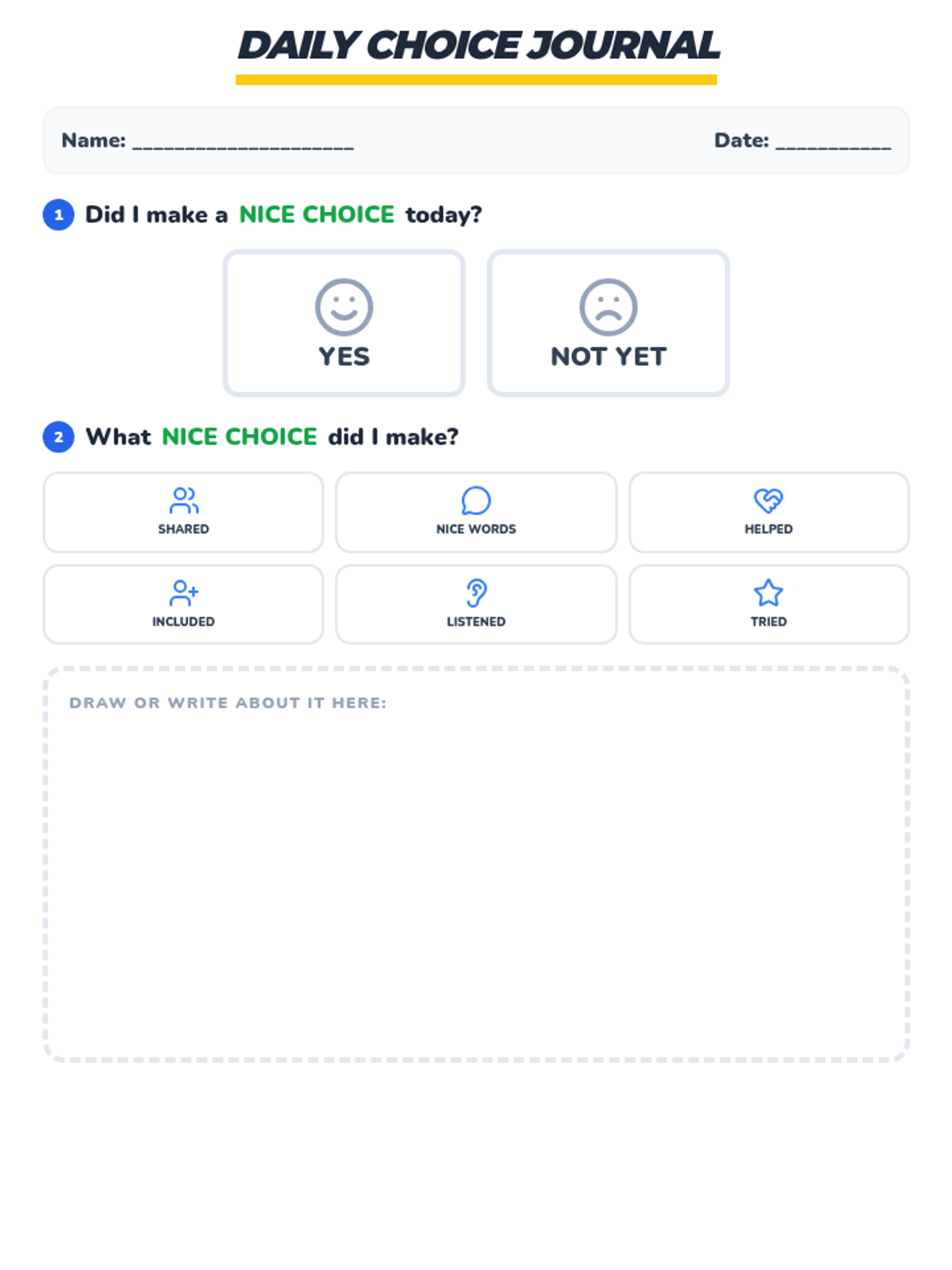
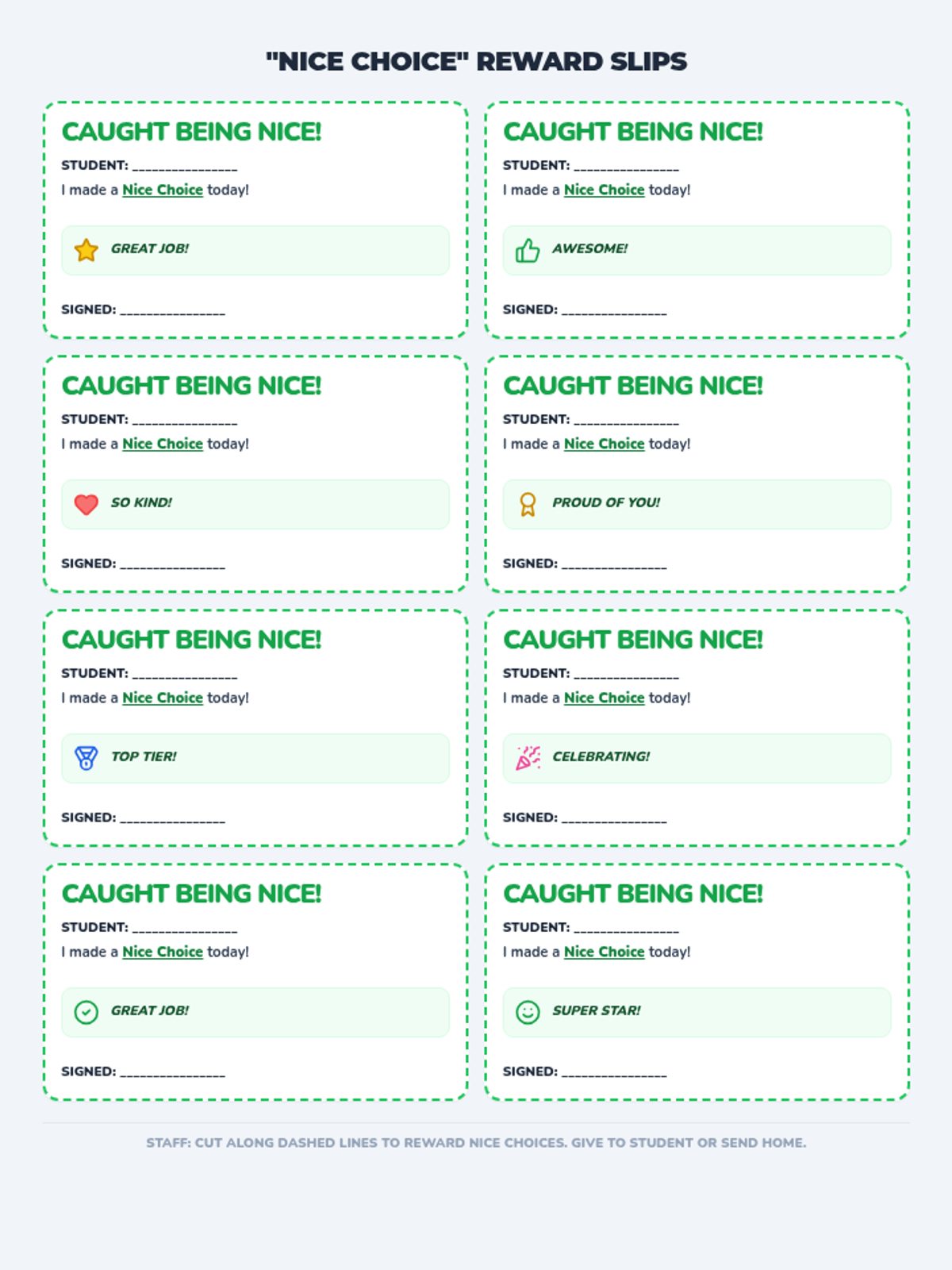
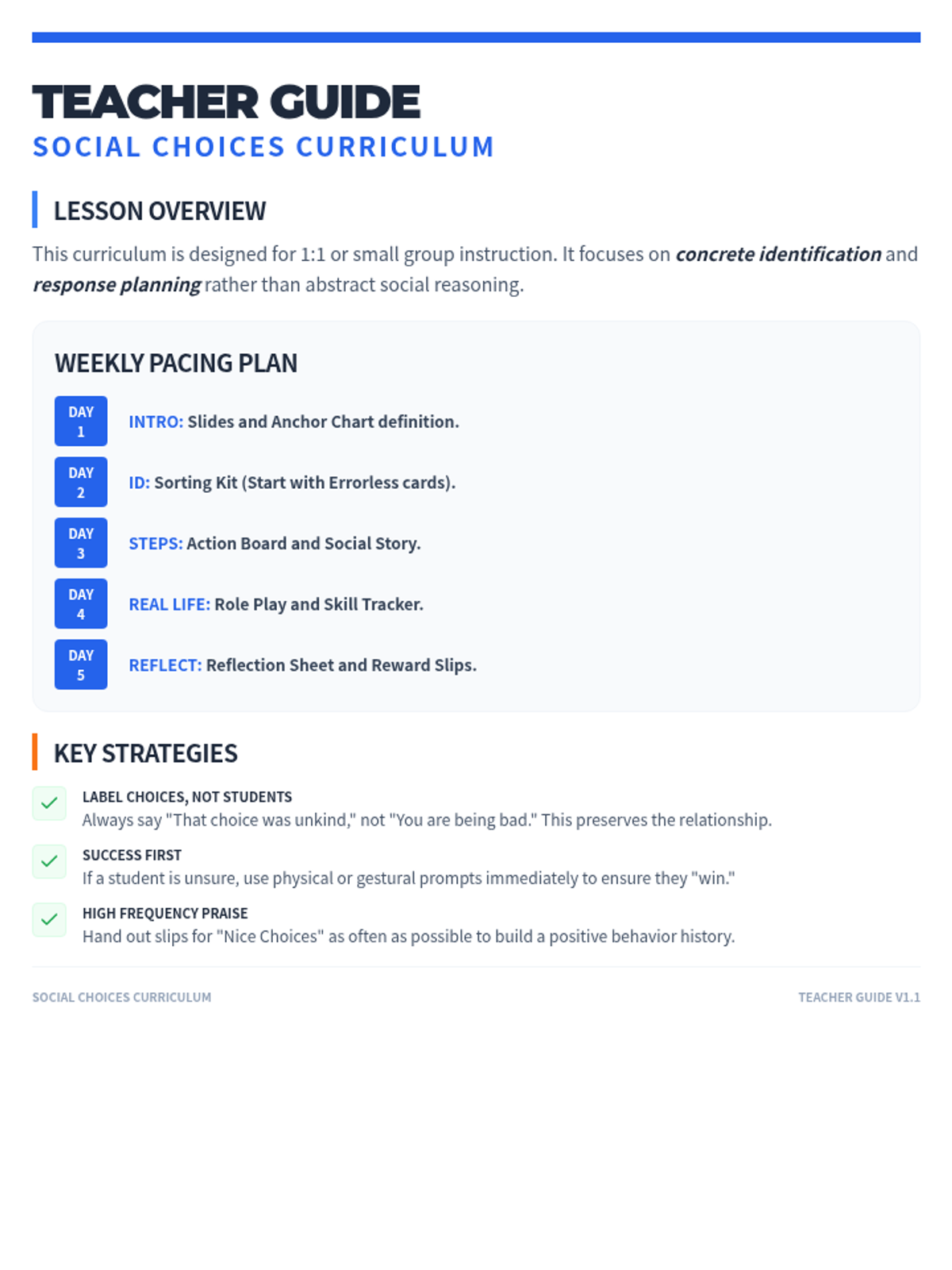
A comprehensive social skills lesson for middle school life skills students to distinguish between kind peer behaviors (Nice Choices) and unkind behaviors (Unkind Choices), including response strategies for bullying.
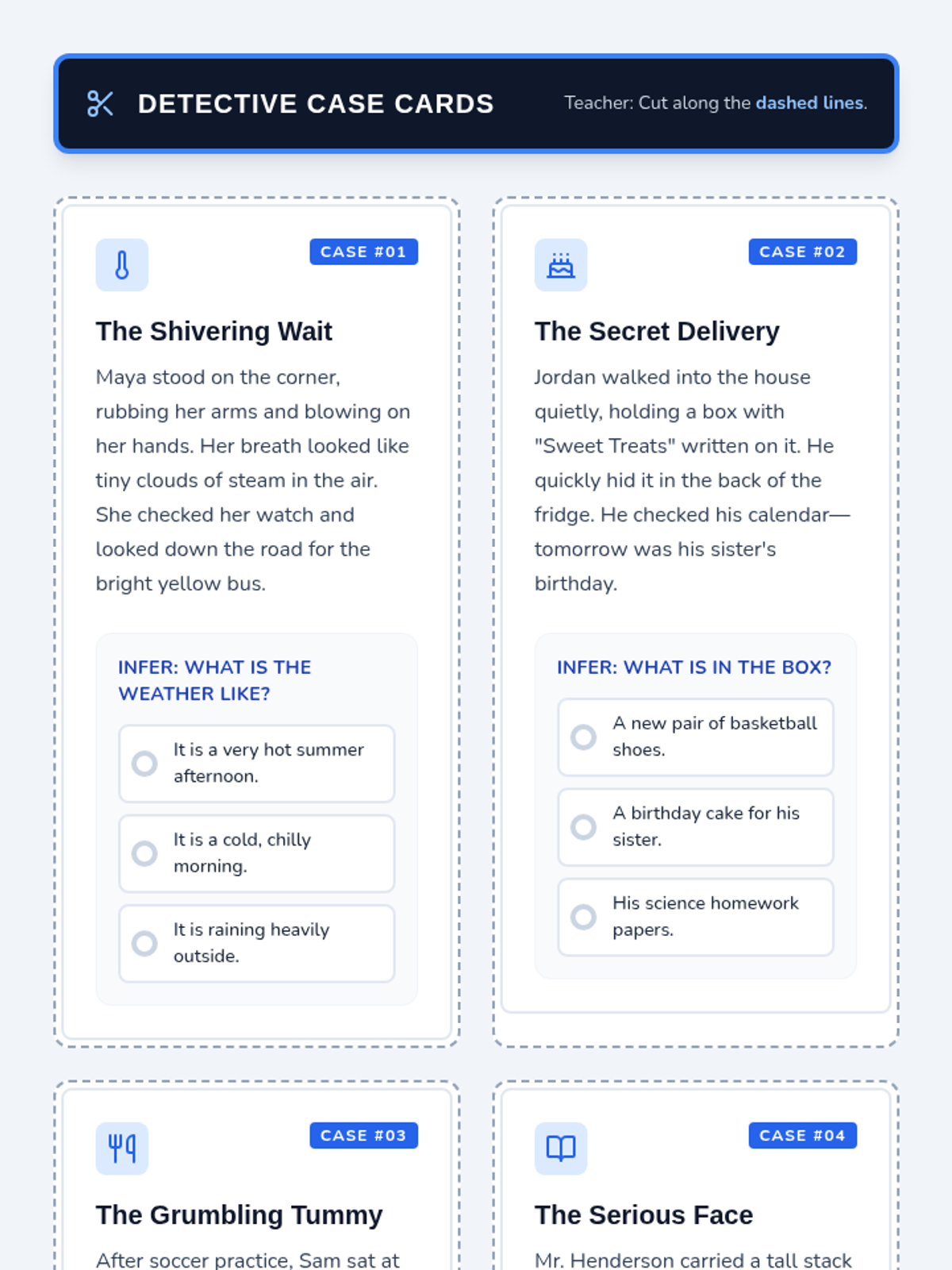
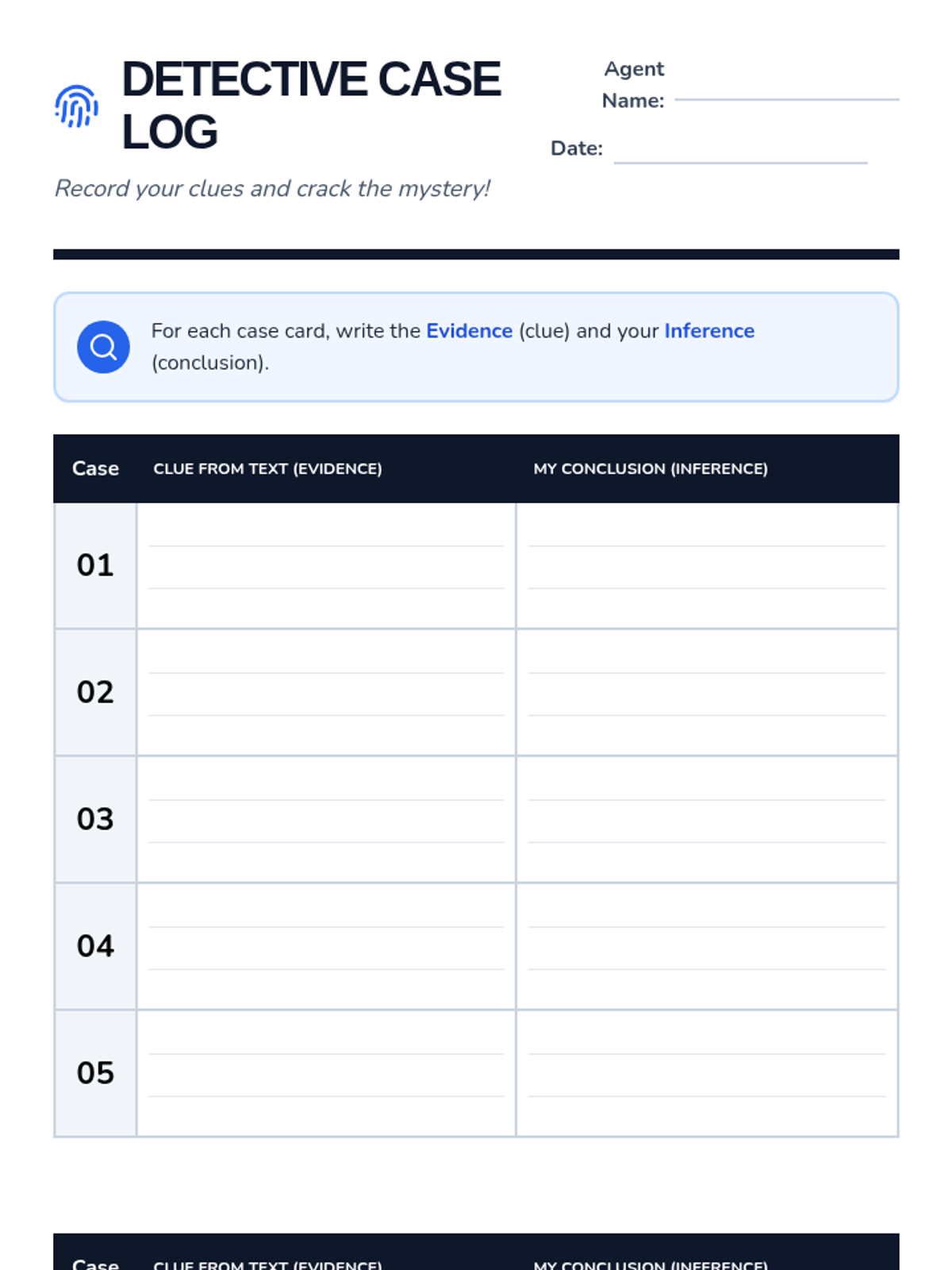
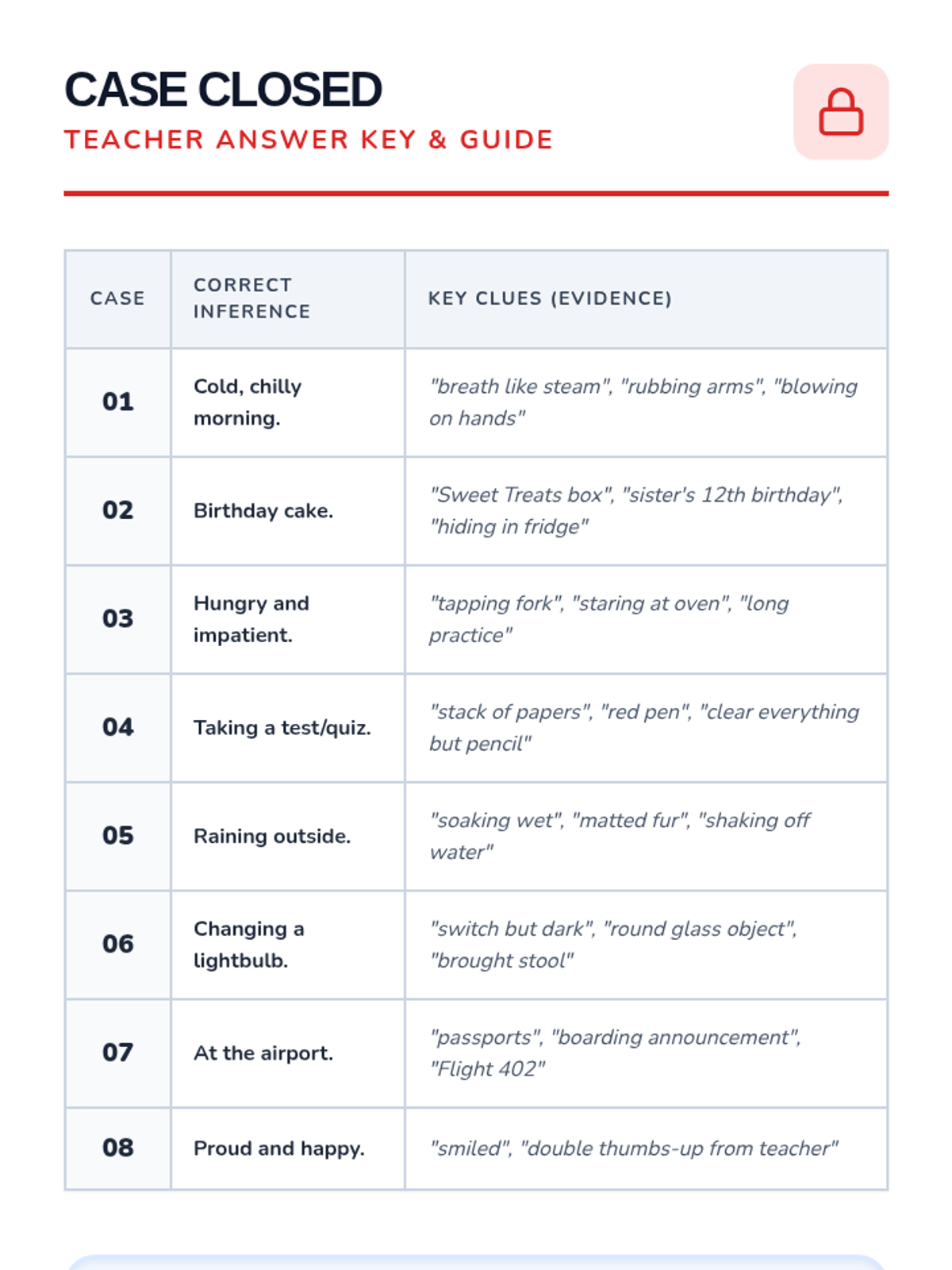
A lesson focused on developing inferencing skills through visual and textual clues, designed for 6th-grade students with neurodiverse needs. Students will learn the 'Evidence + Schema = Inference' formula and apply it to various scenarios.
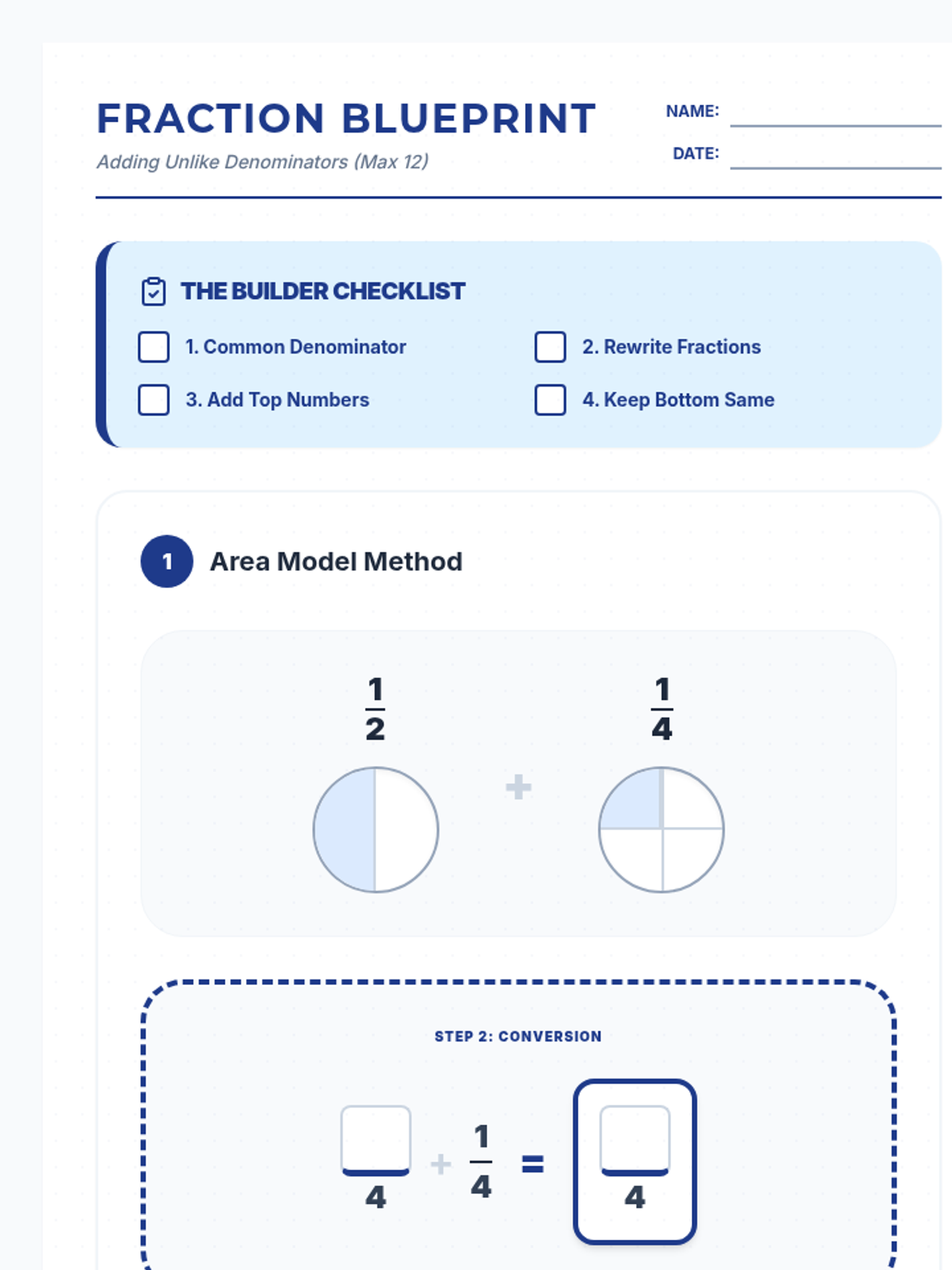
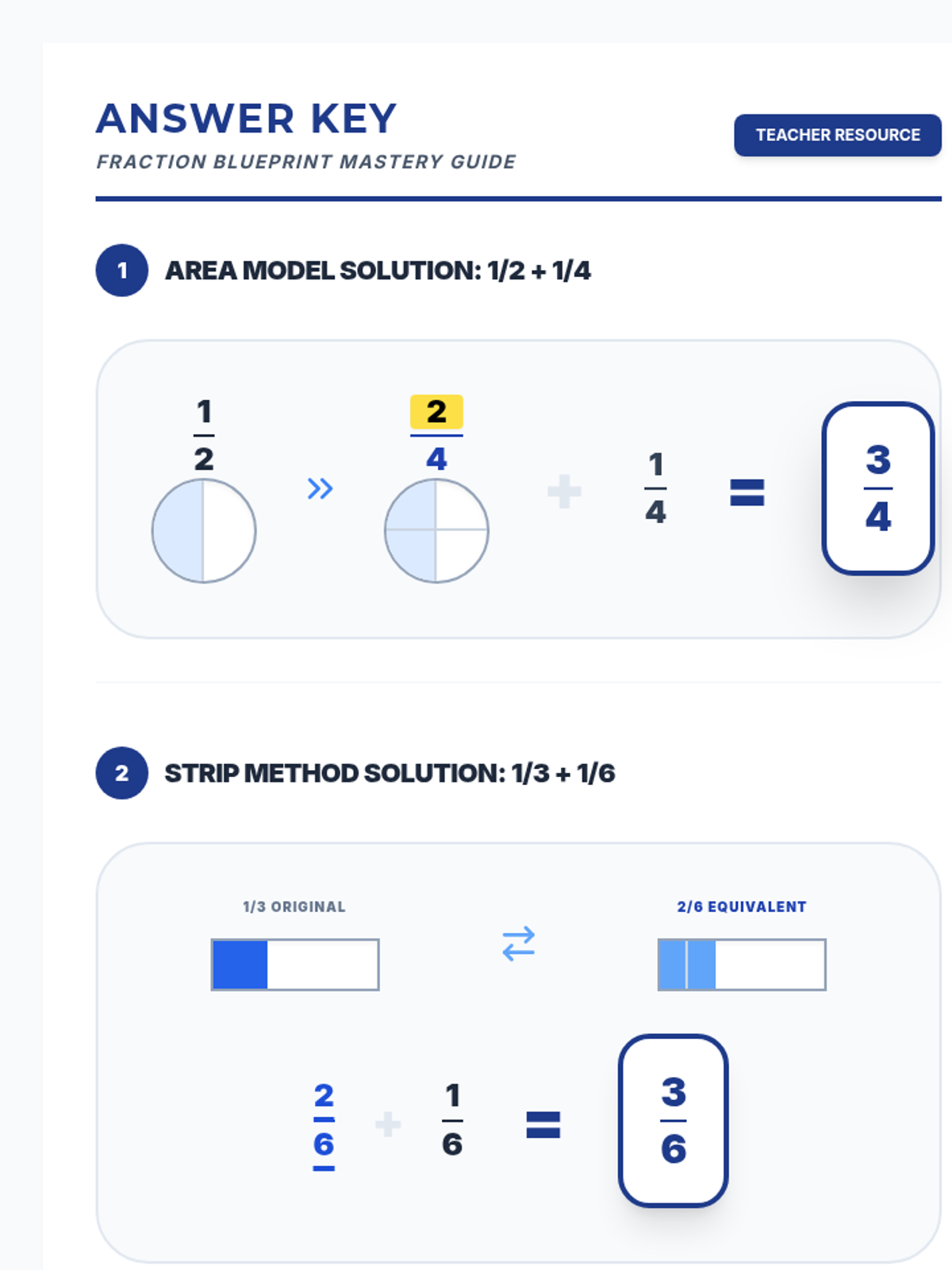
A specialized lesson for students with IEPs focused on adding fractions with unlike denominators using visual scaffolds like area models, fraction strips, and a step-by-step checklist. Content is limited to denominators up to 12 to ensure accessibility and mastery of the core concept.
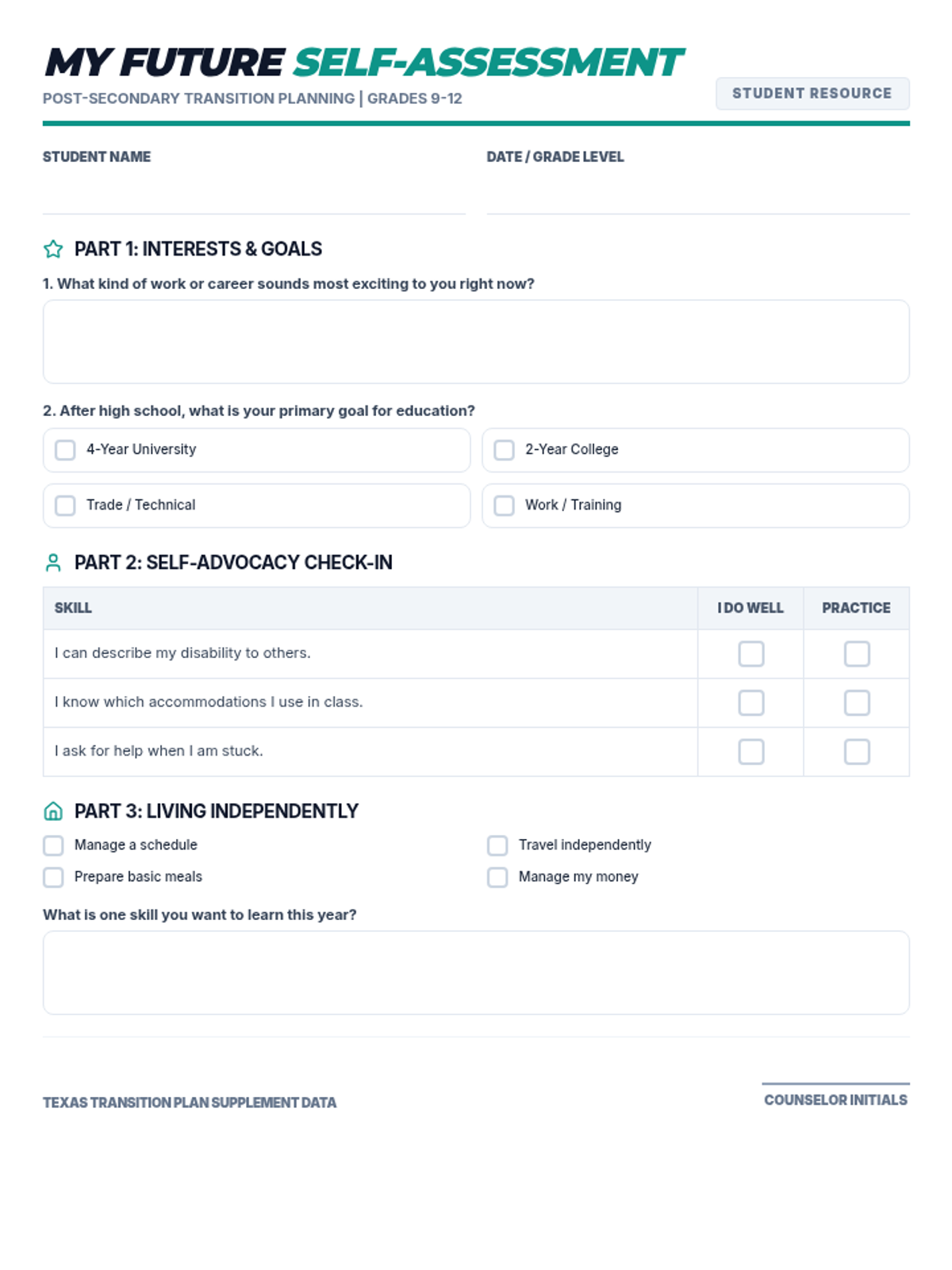
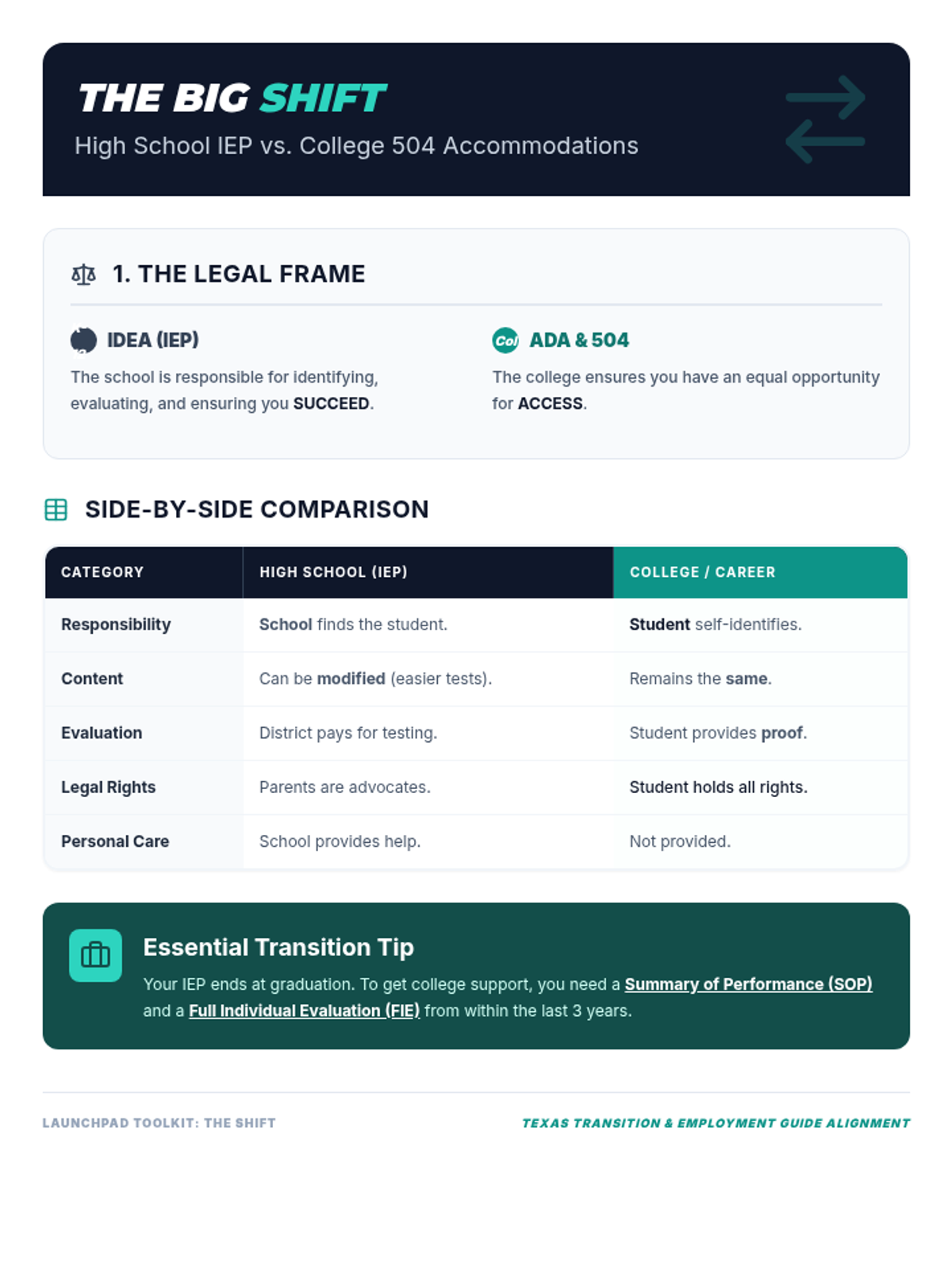
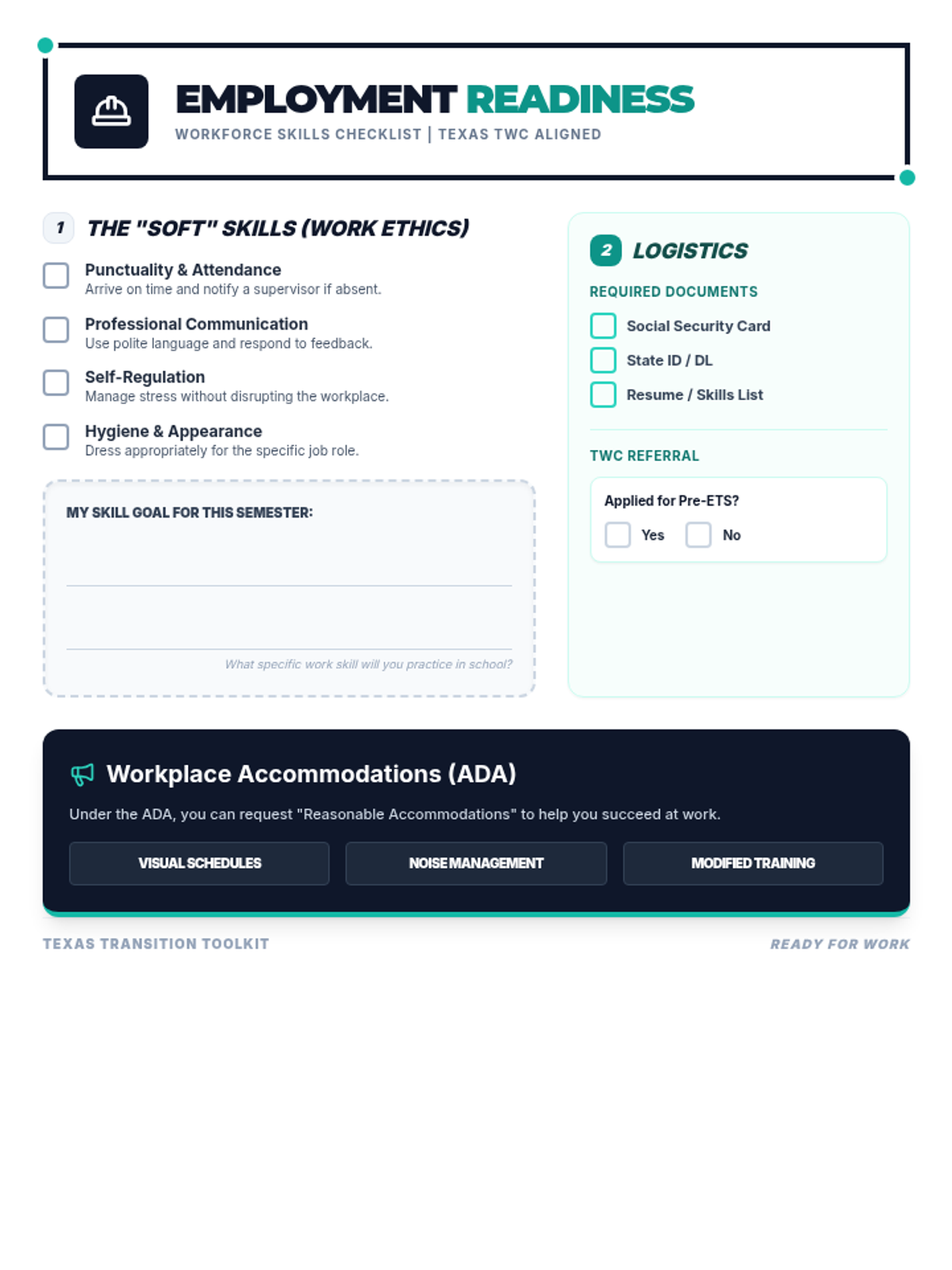
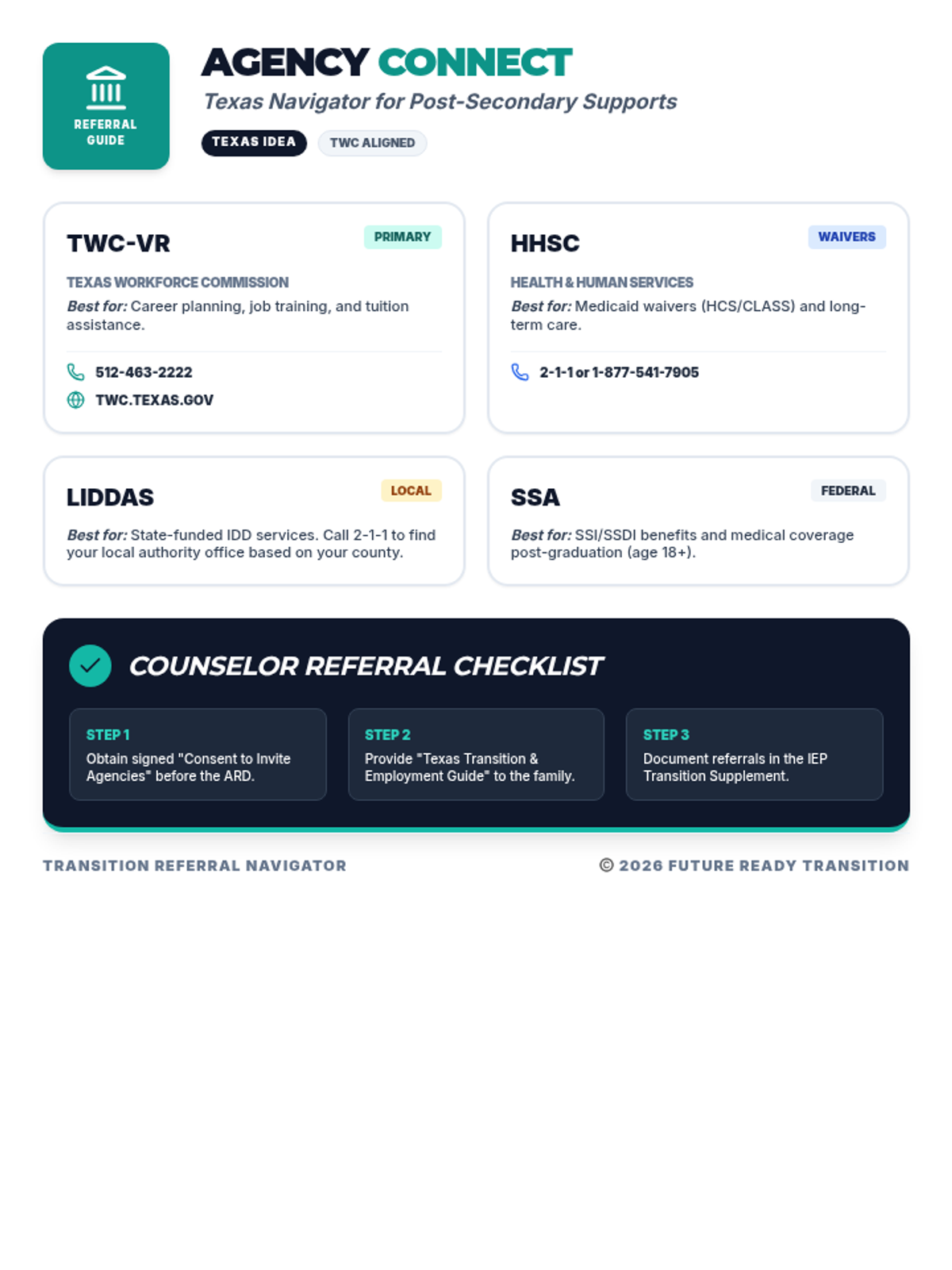
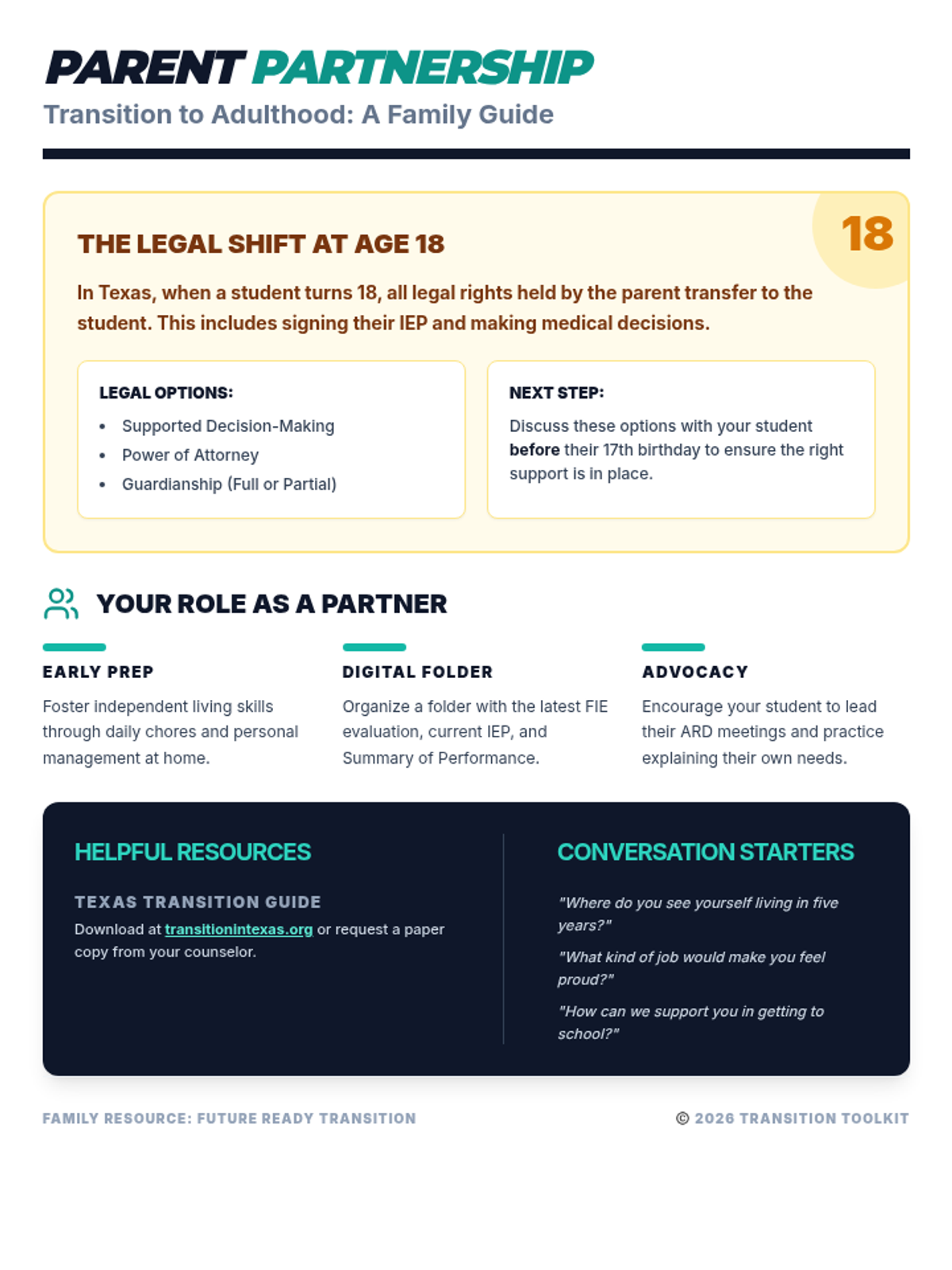
A toolkit for grades 9-12 focusing on self-advocacy, accommodation shifts, employment readiness, and agency connections for post-secondary success.
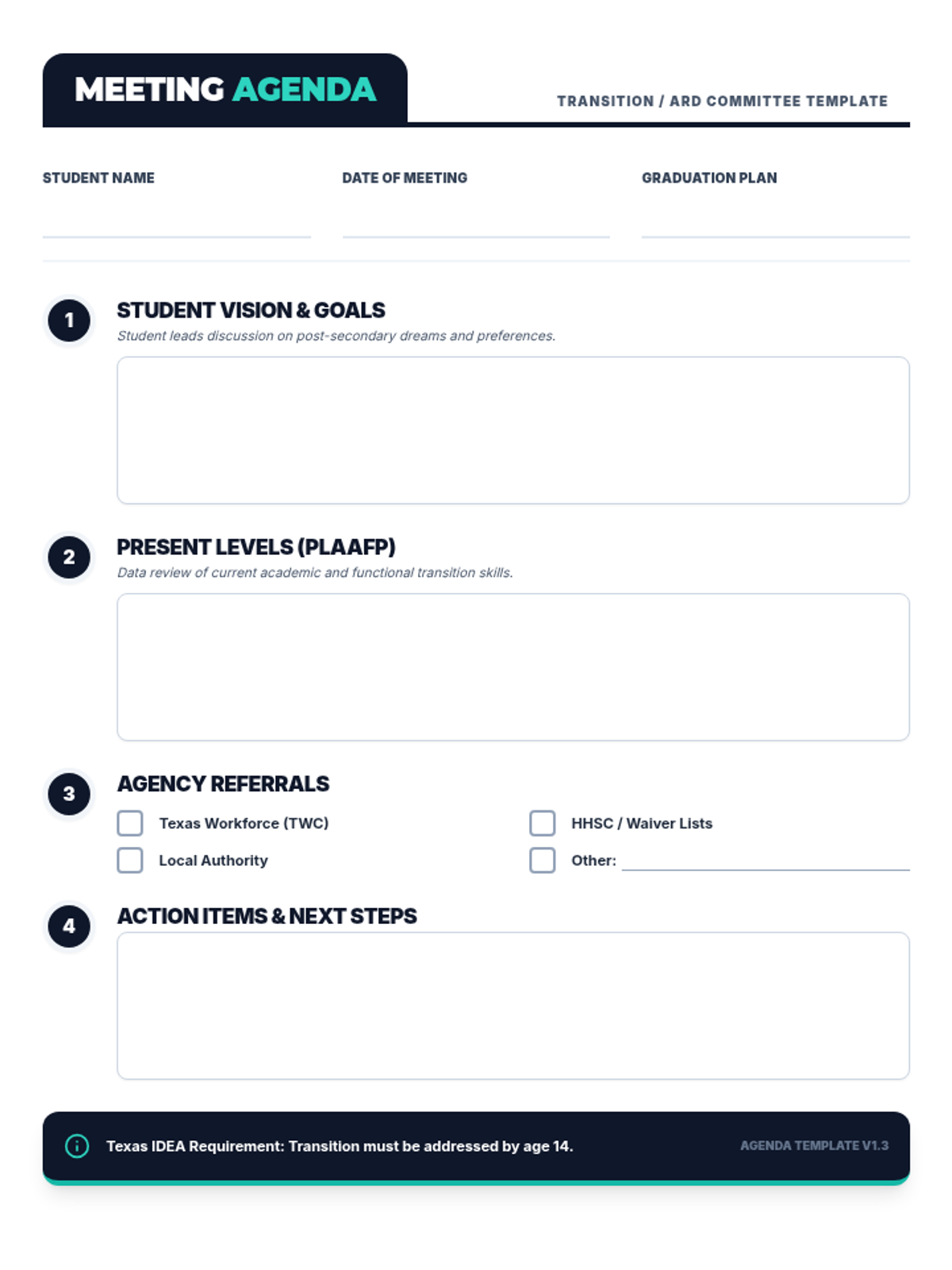
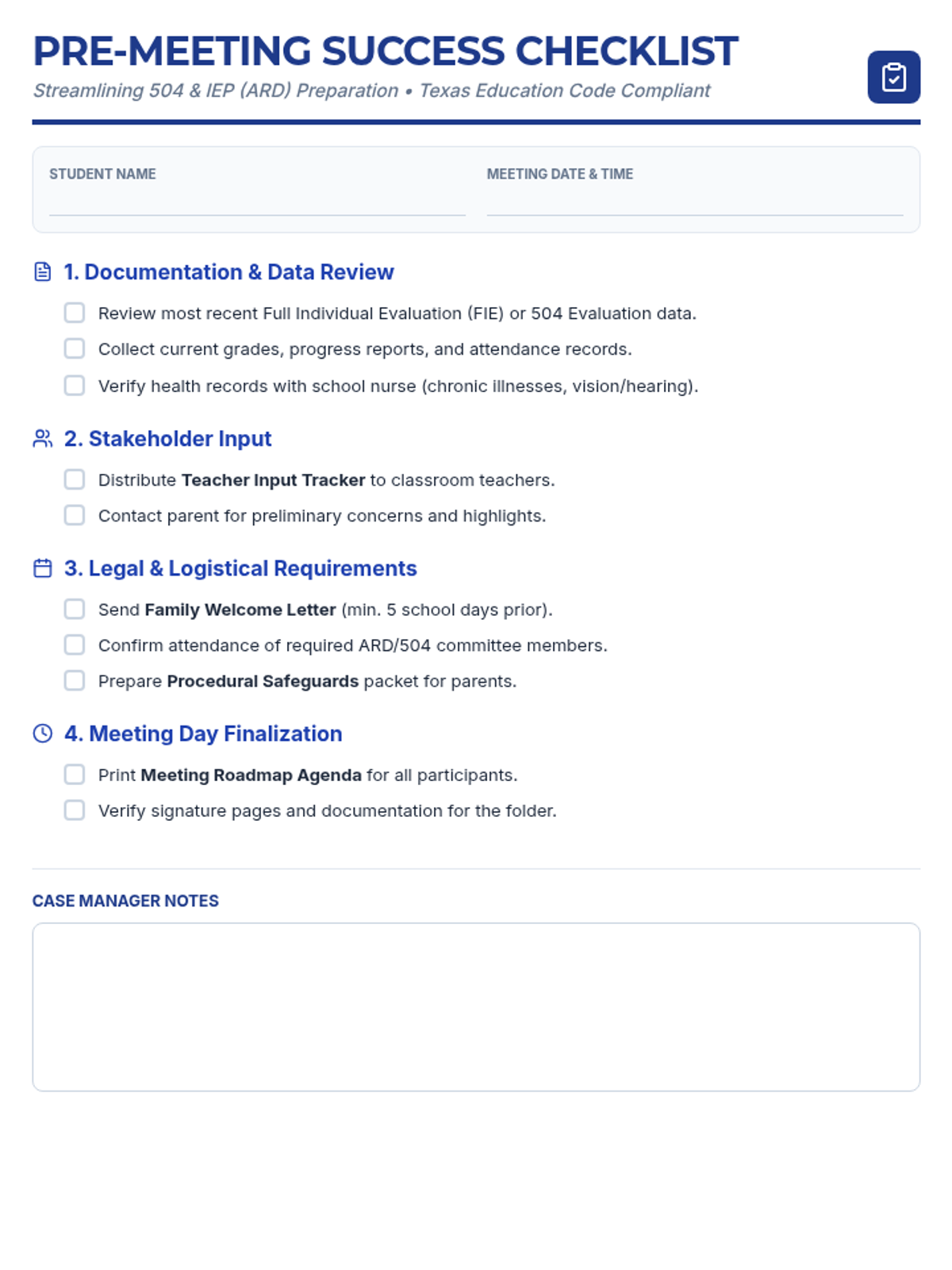
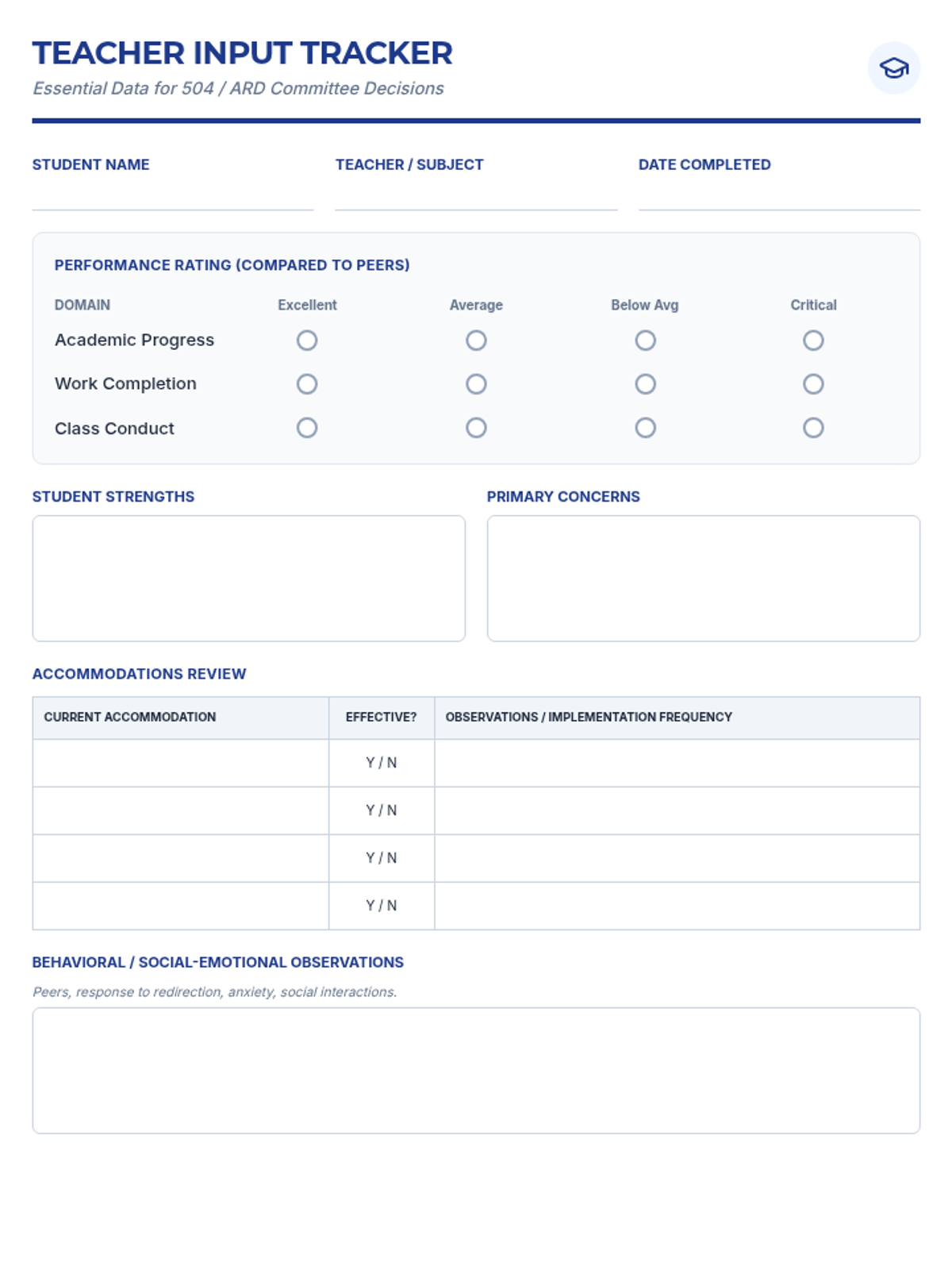
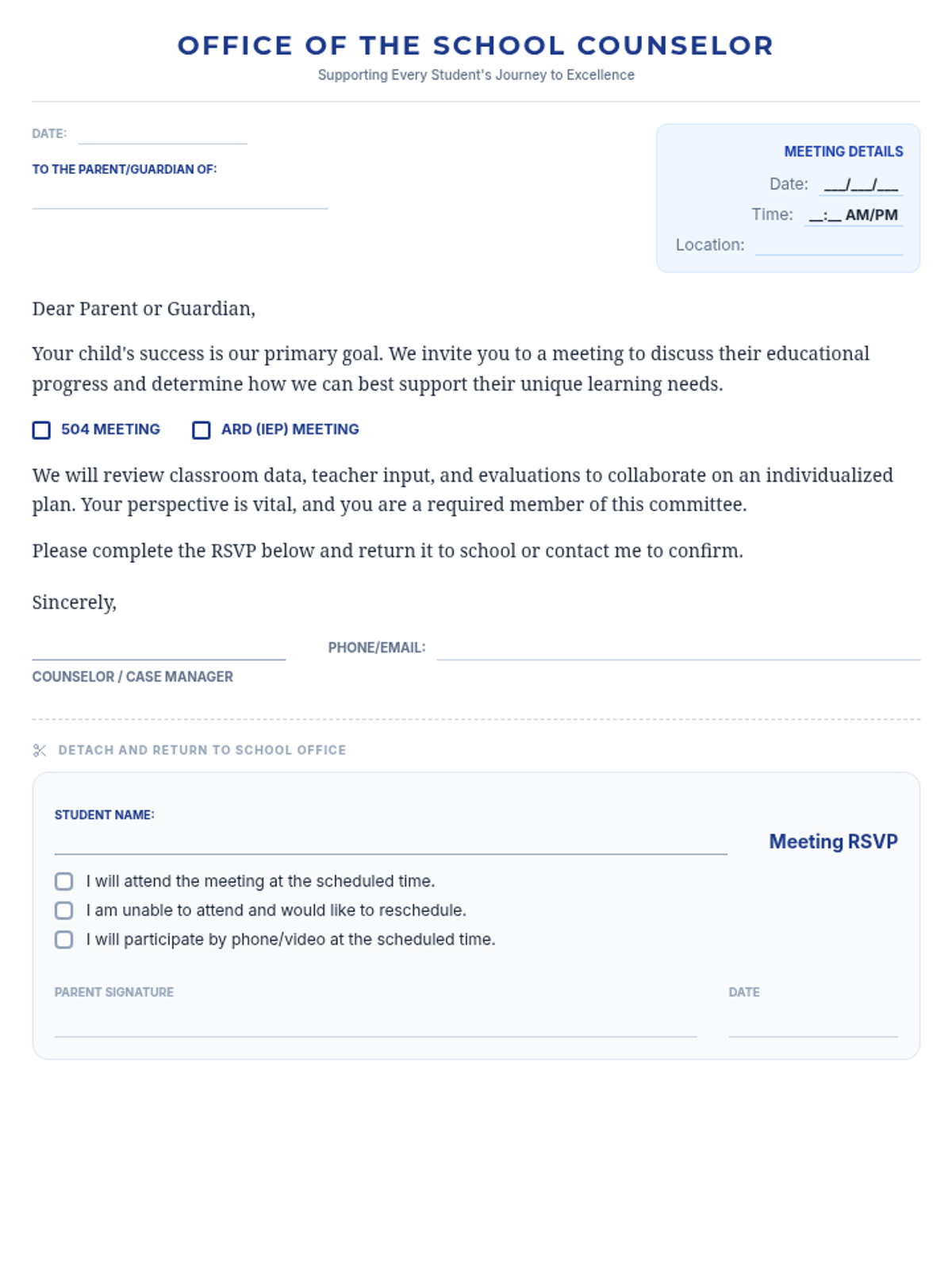
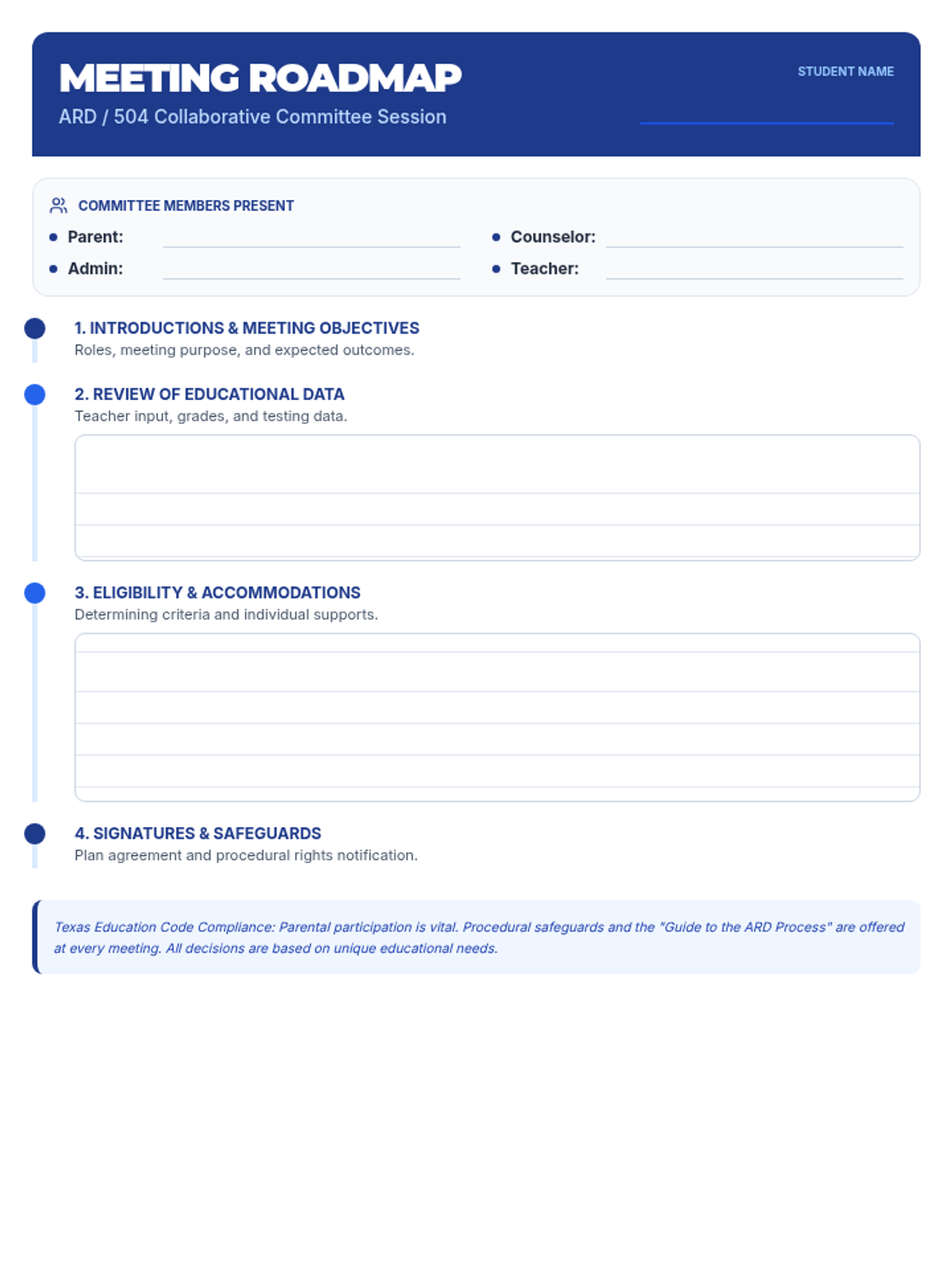
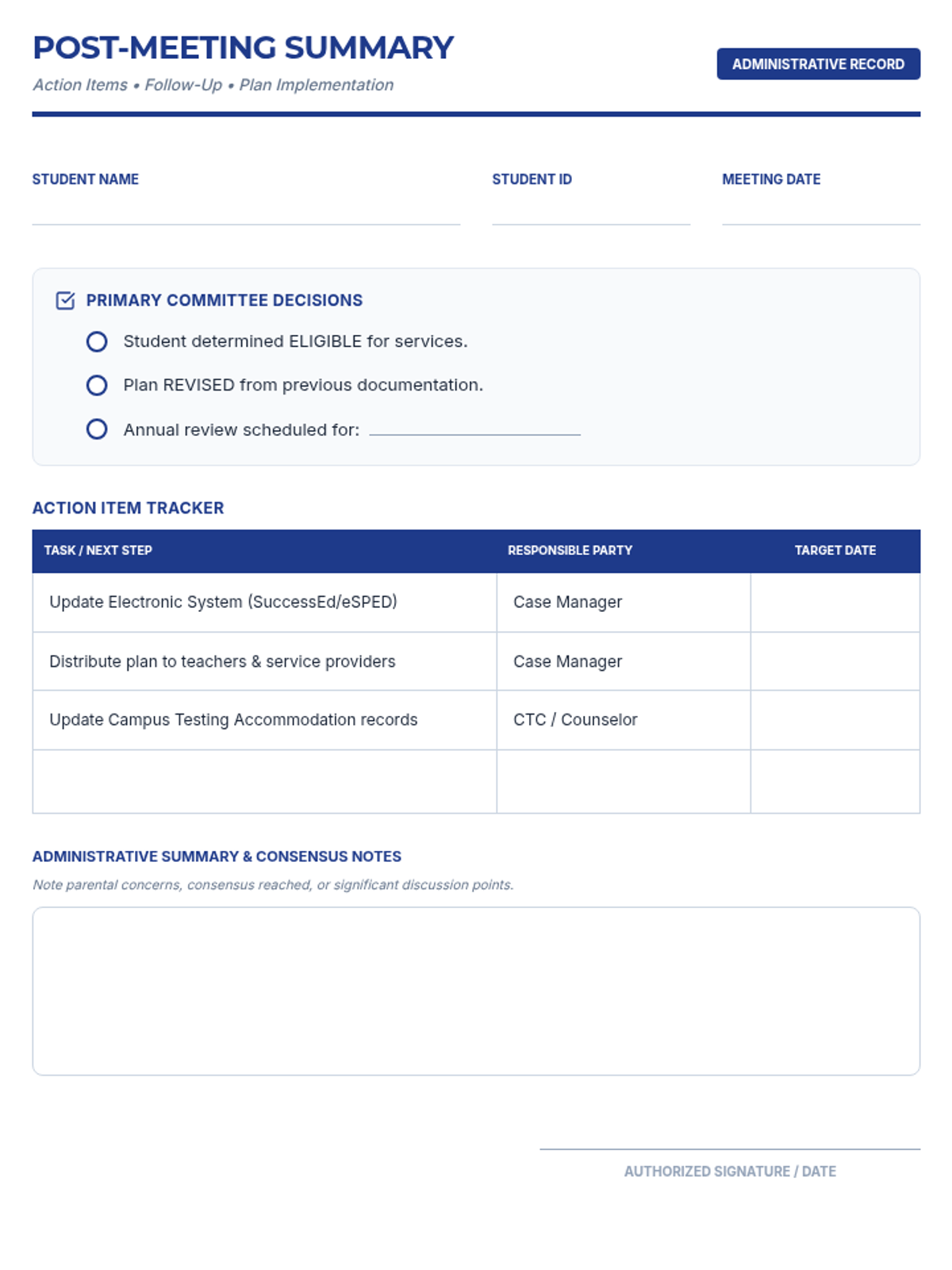
A comprehensive toolkit for elementary school counselors to streamline the 504 and IEP (ARD) process. This bundle includes data collection tools, communication templates, and meeting guides compliant with Texas Education Code standards.
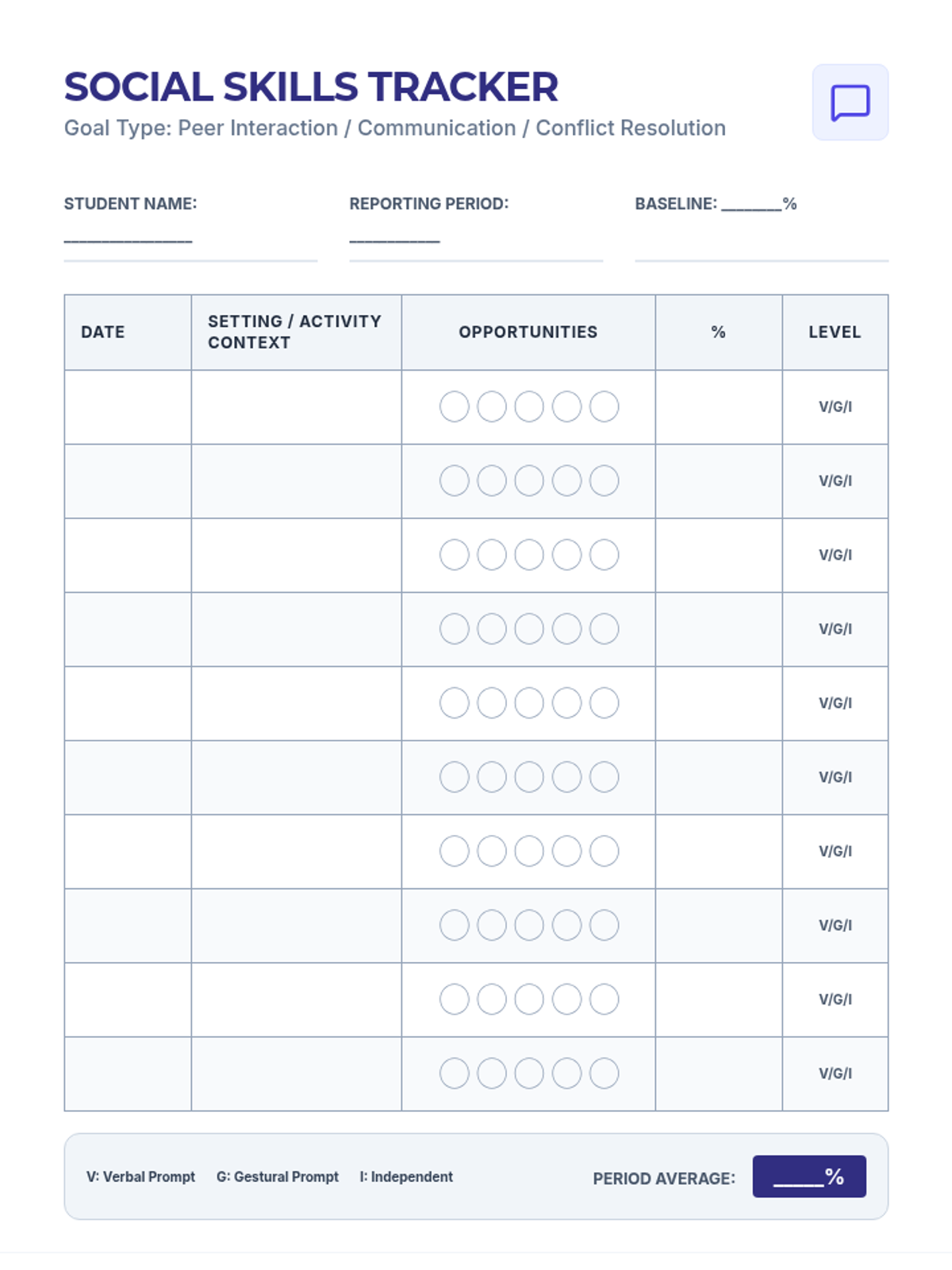
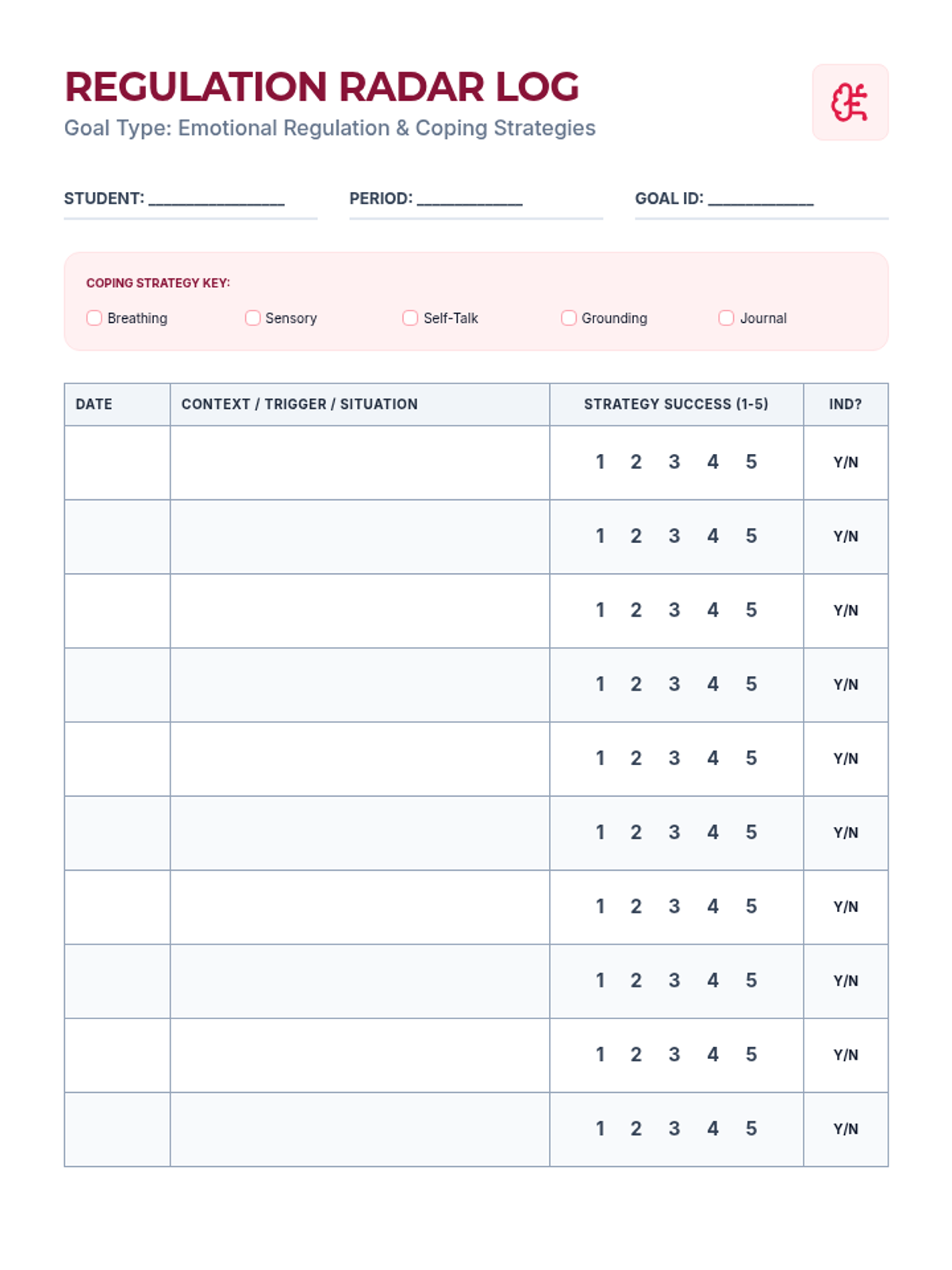
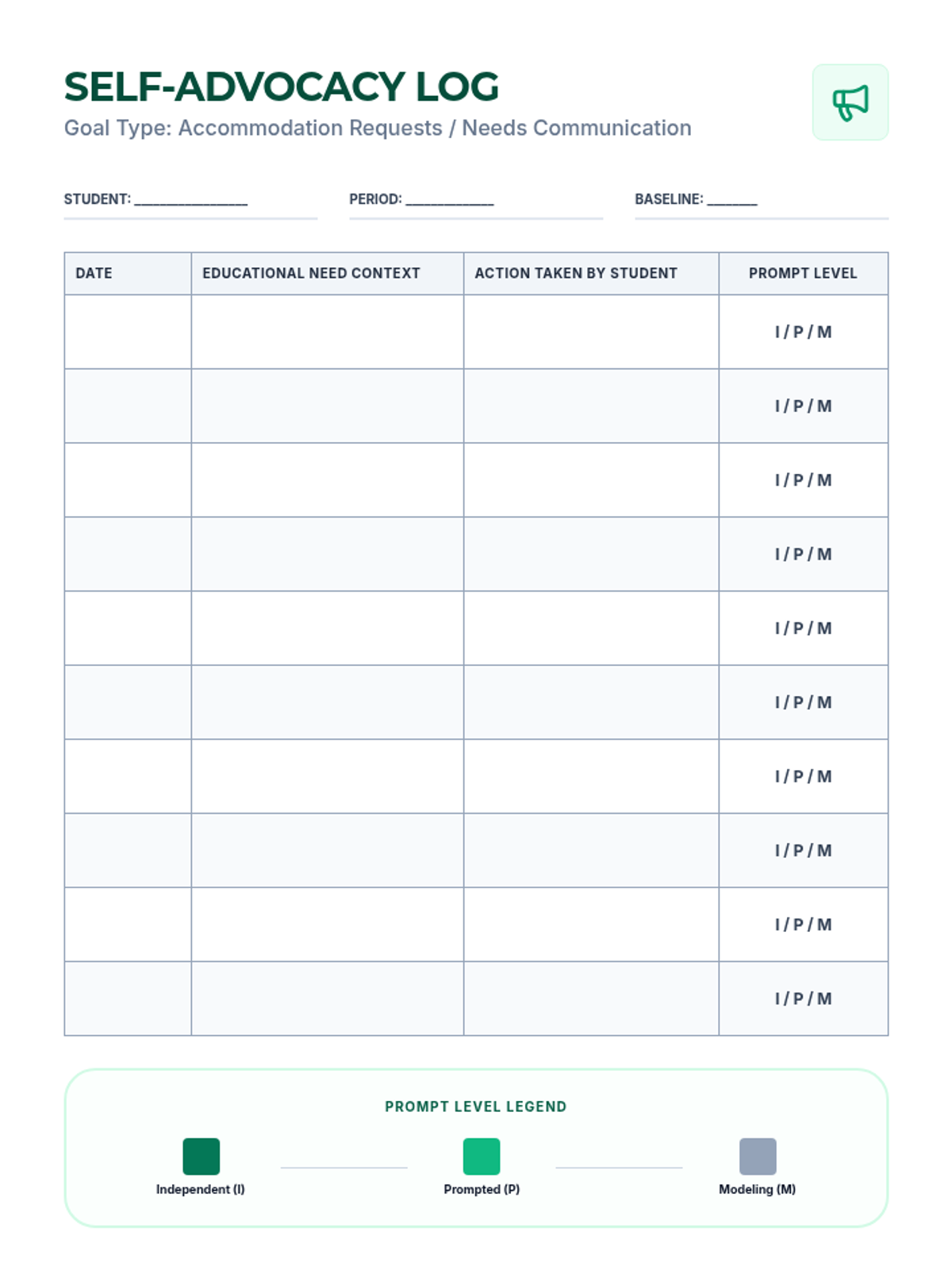
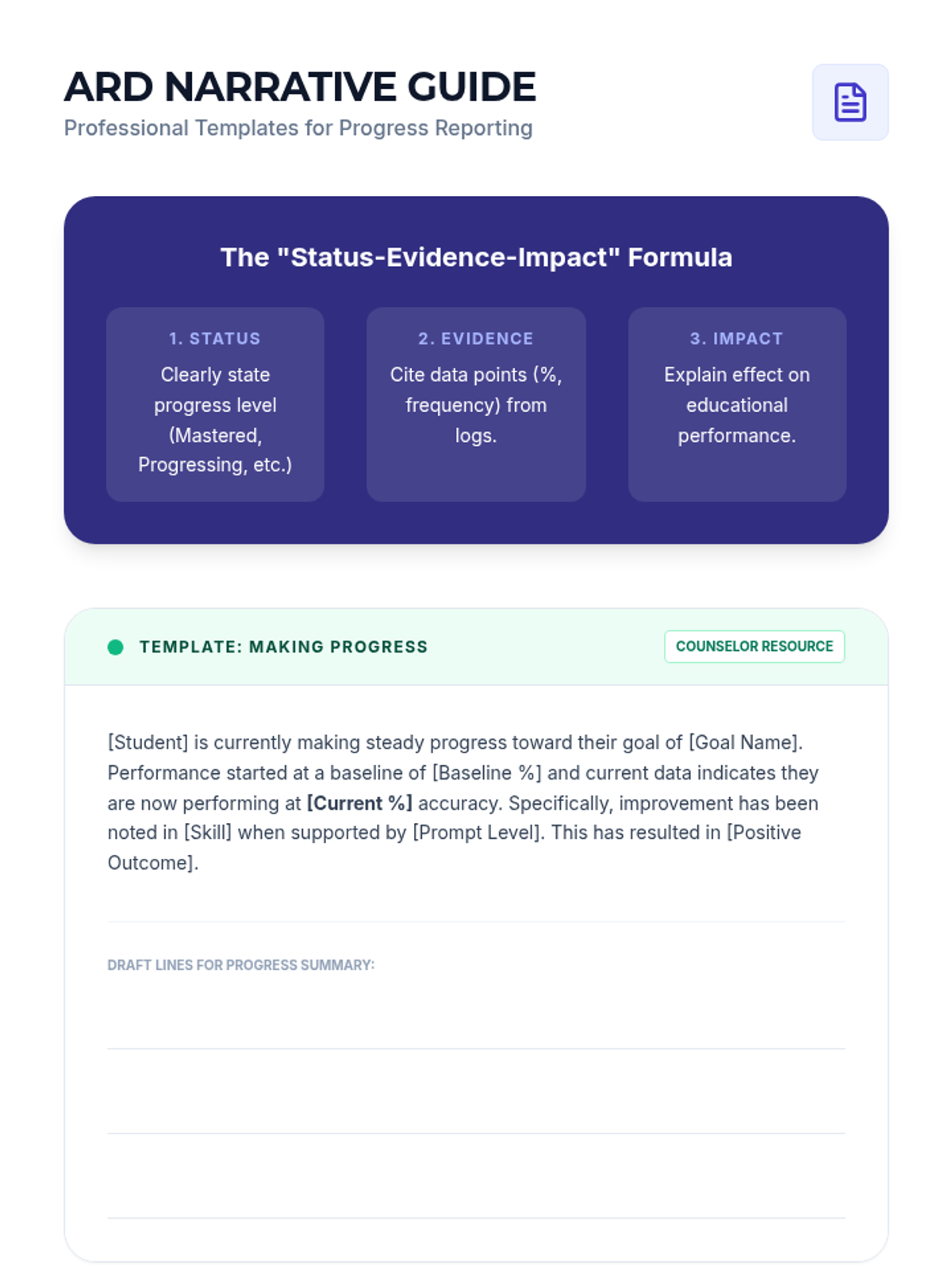
A comprehensive toolkit for high school counselors to efficiently monitor IEP goal progress across large caseloads. Includes data collection logs for social skills, emotional regulation, and self-advocacy, along with ARD narrative templates and visual charts.
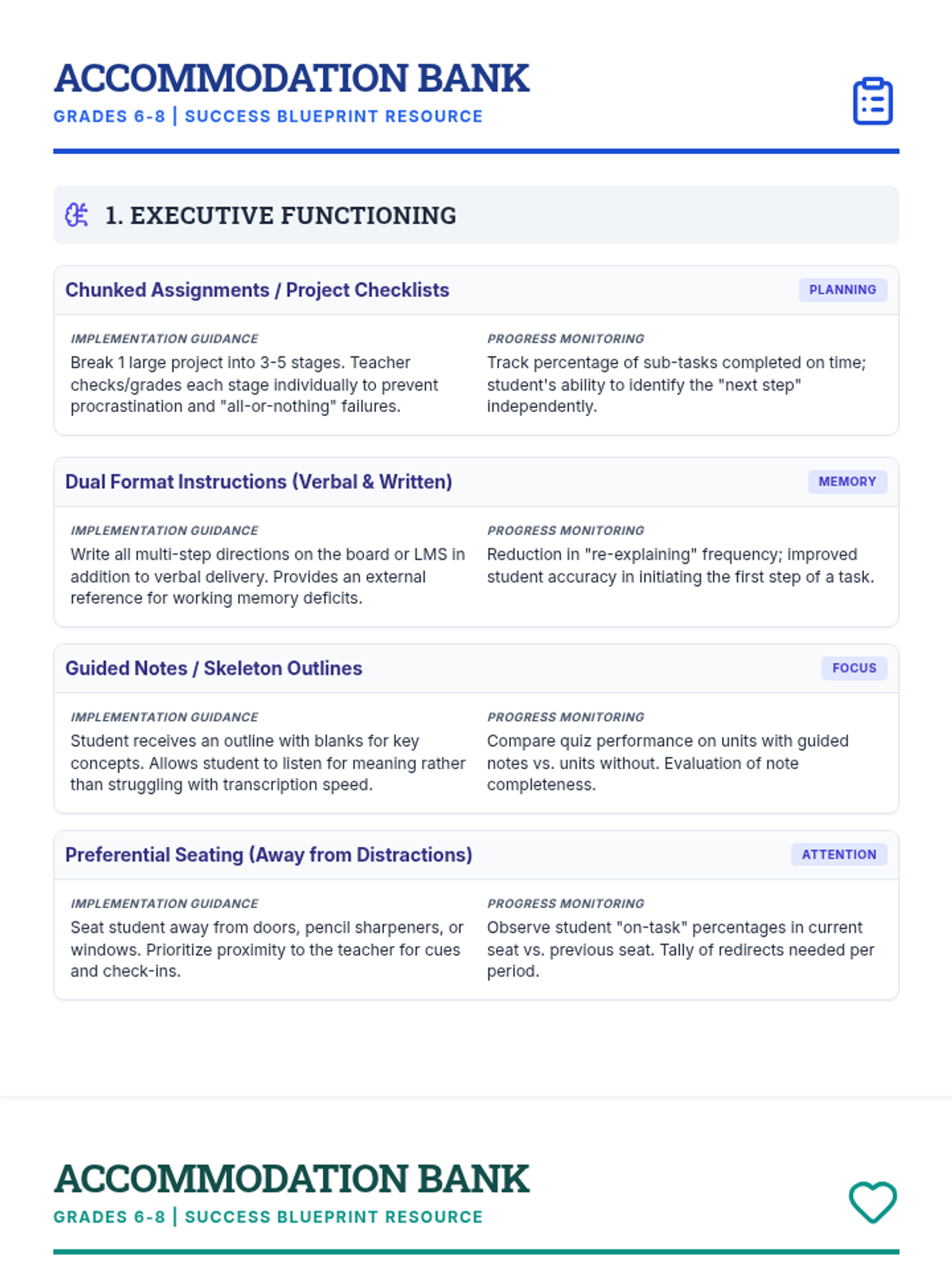
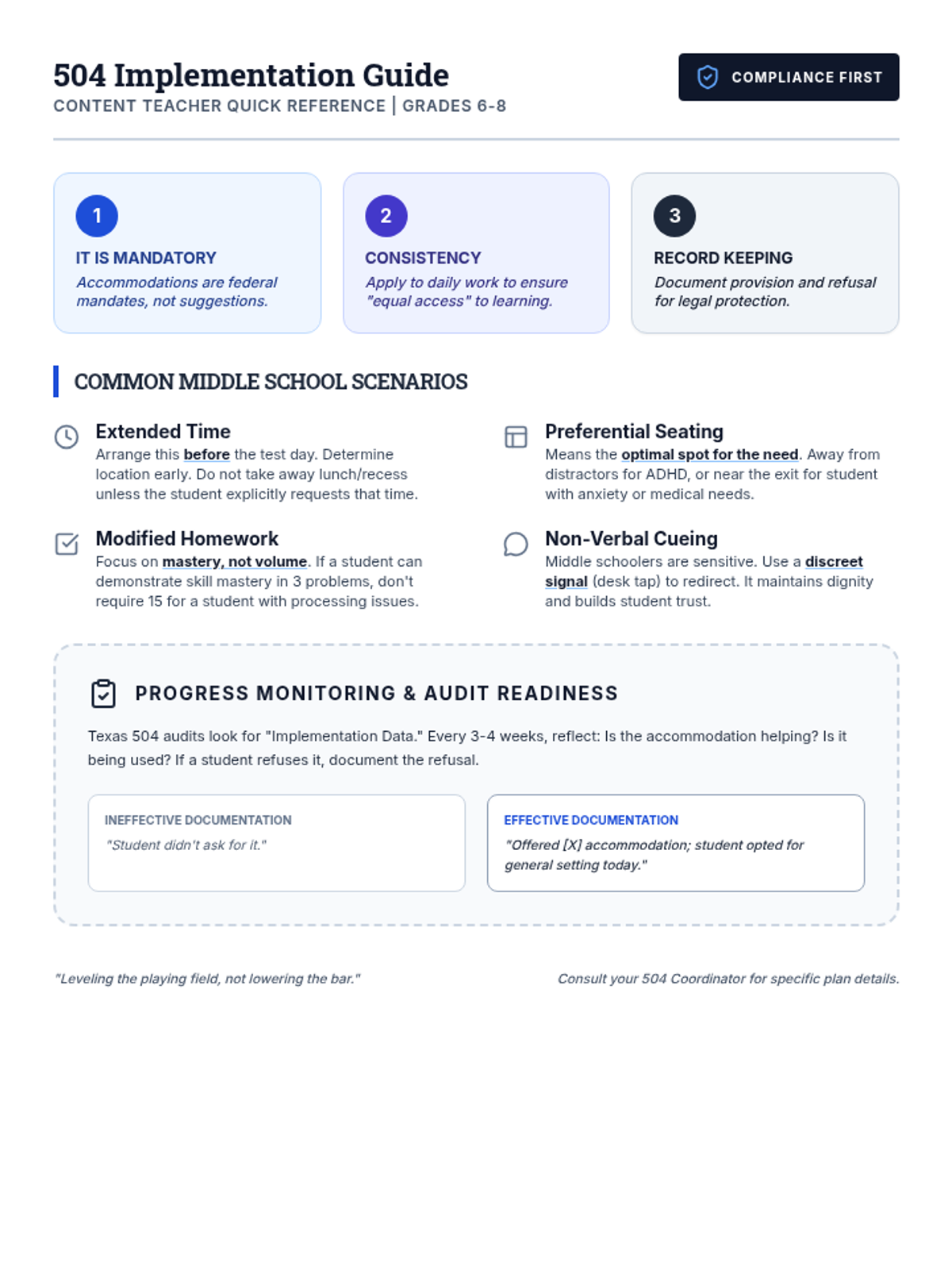
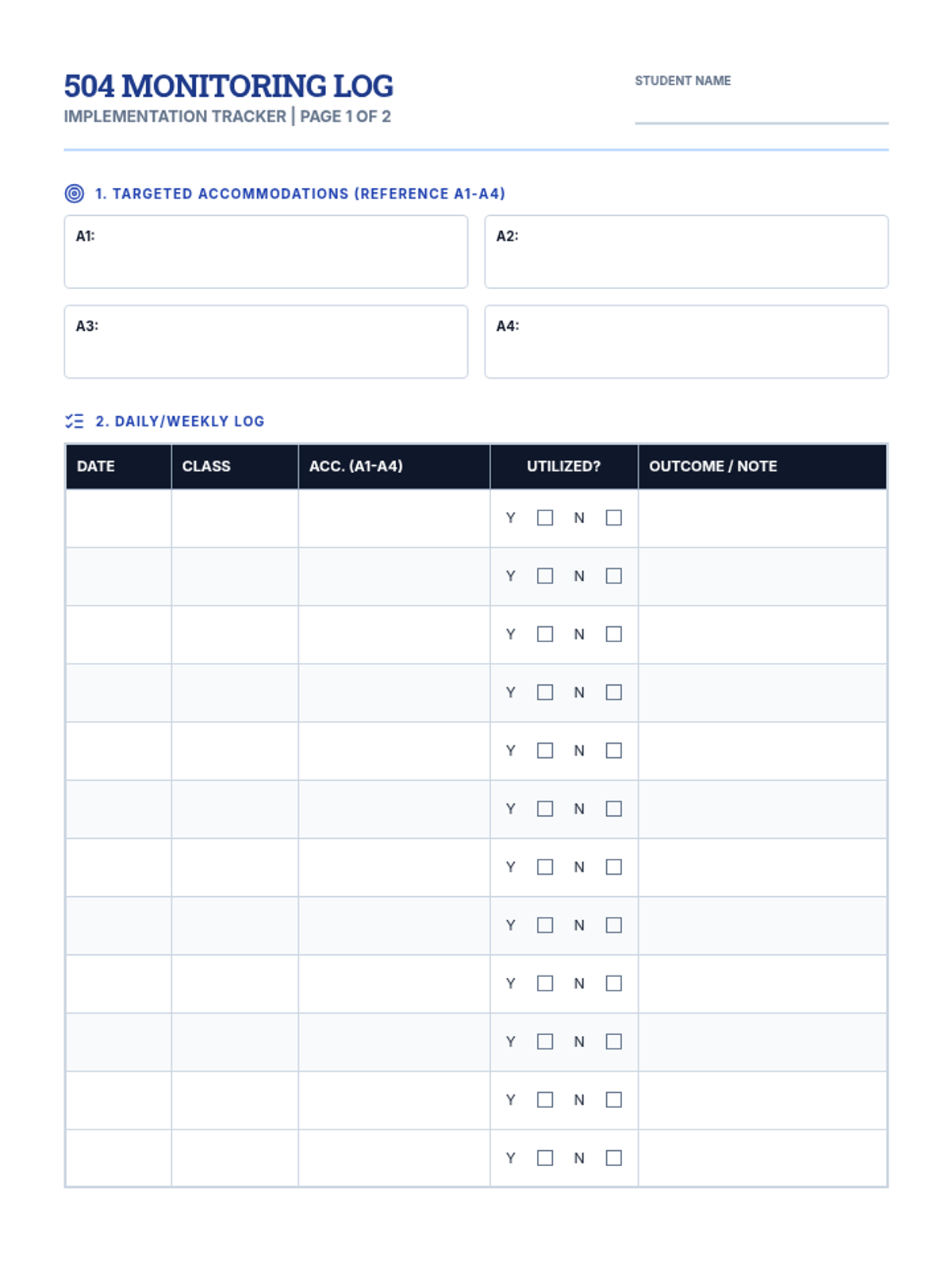
A comprehensive toolkit for middle school counselors to manage 504 accommodations, focusing on Texas-compliant strategies for grades 6-8 across executive functioning, mental health, learning, and medical needs.
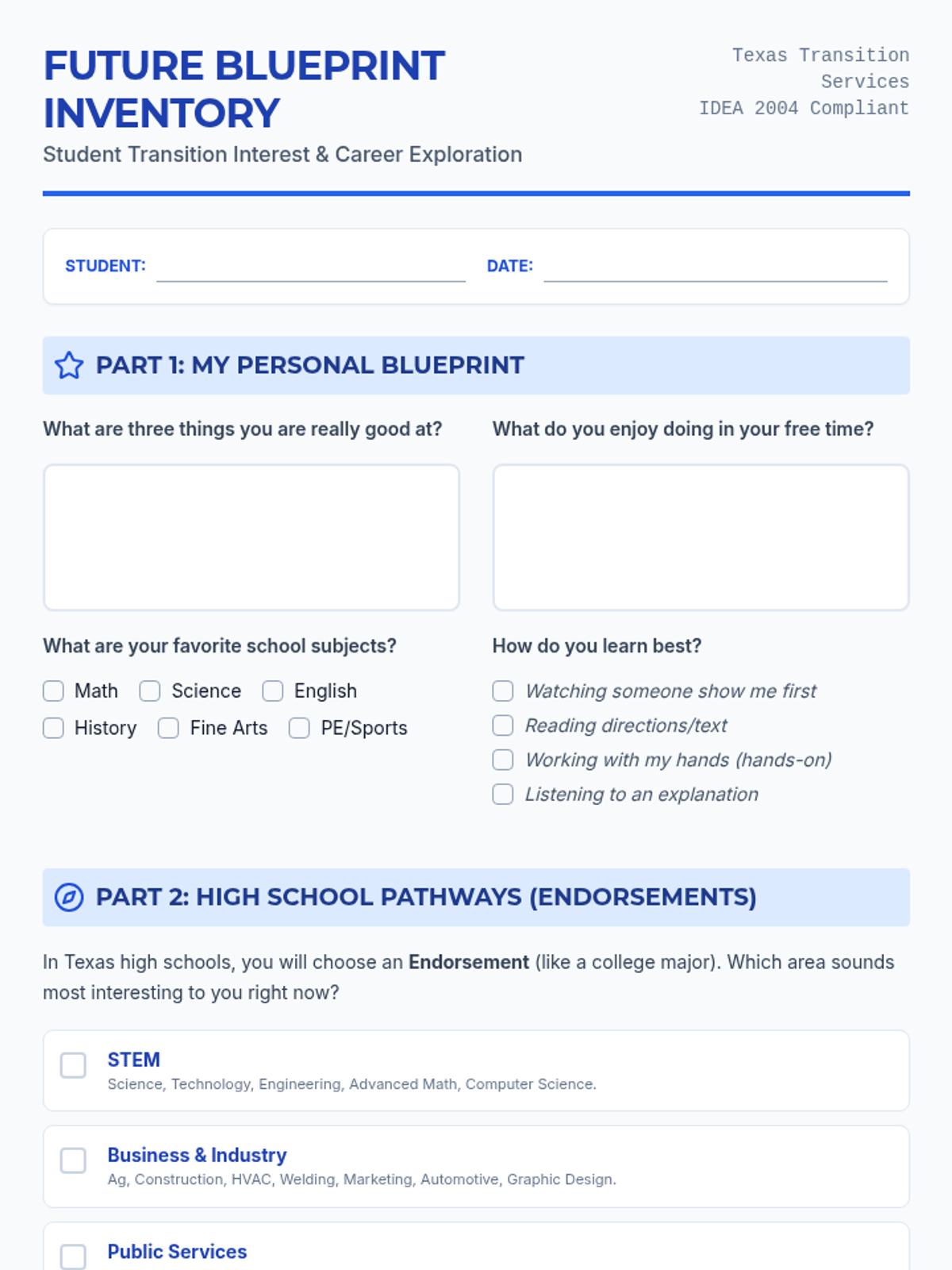
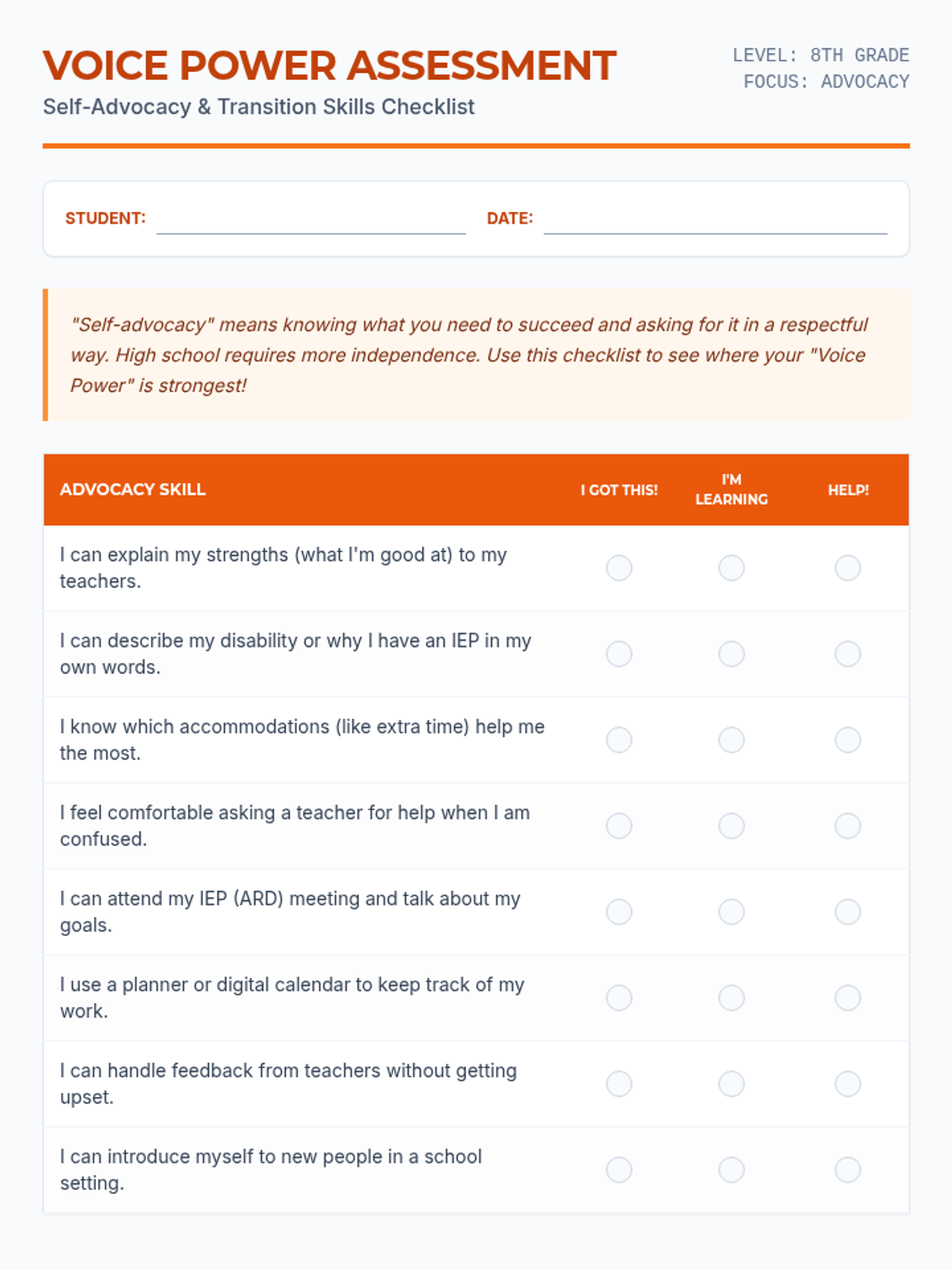
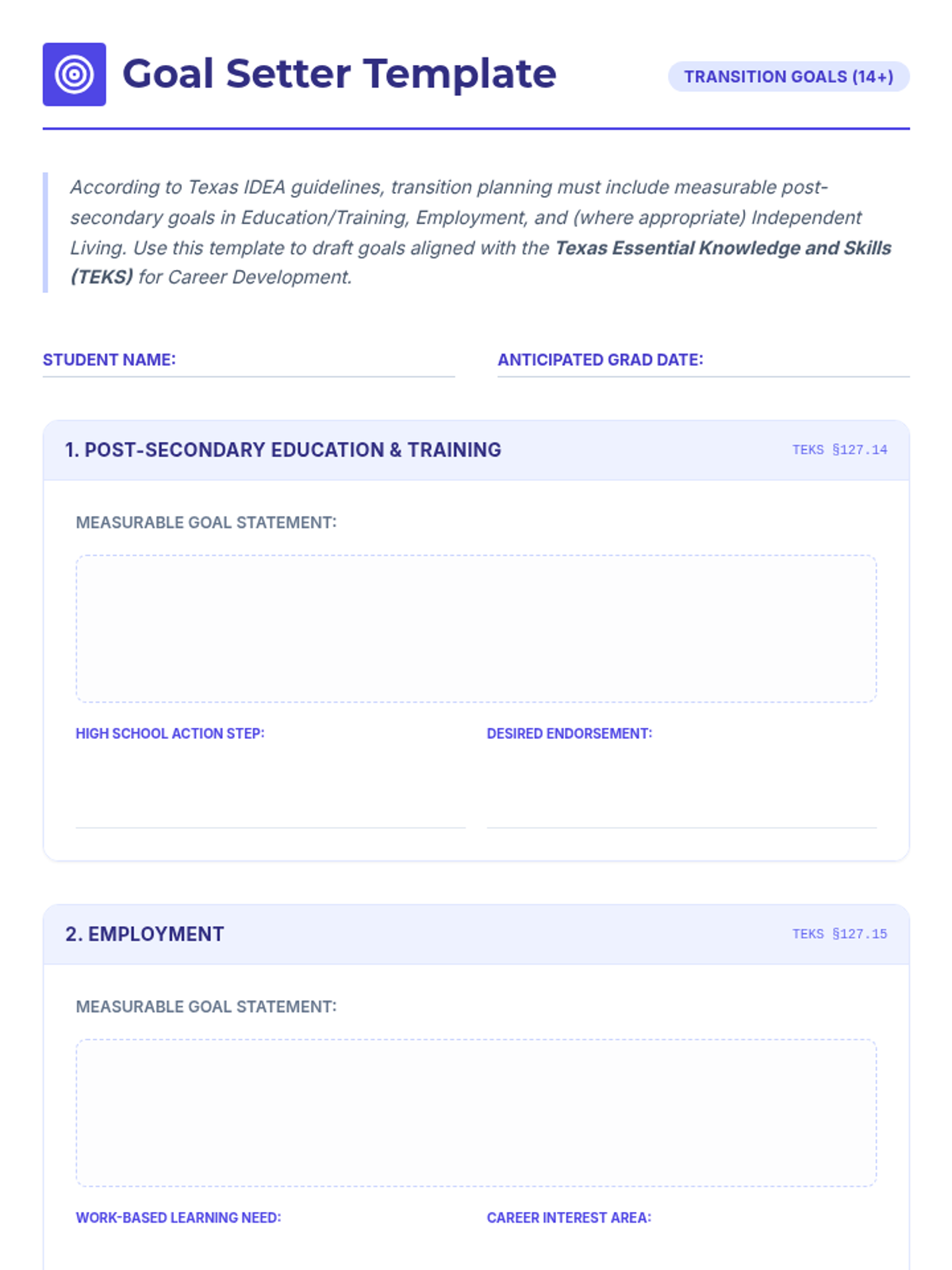
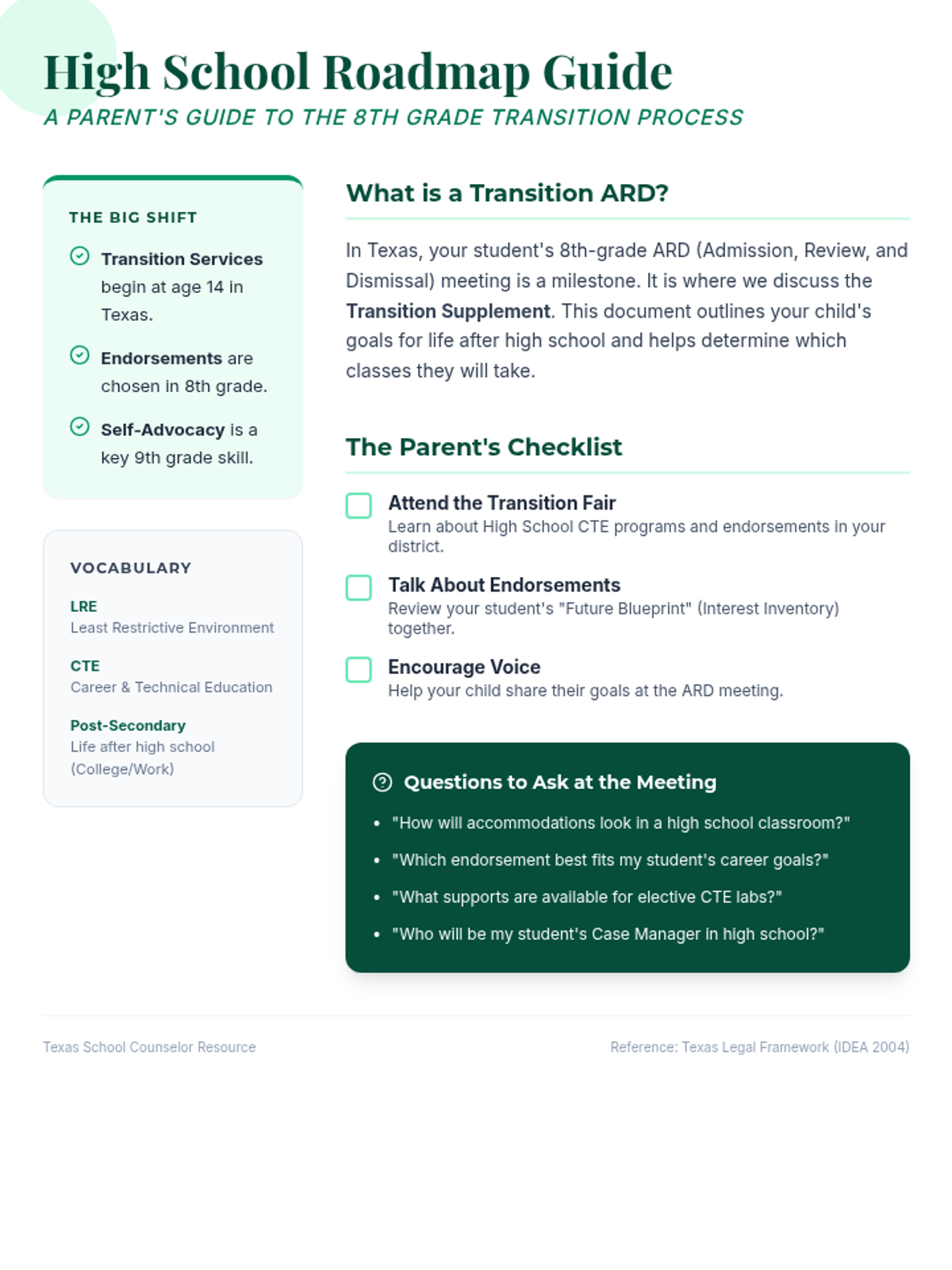
A comprehensive starter kit for 8th-grade students with IEPs as they transition to high school, focusing on self-advocacy, goal setting, and navigating the Texas special education process.
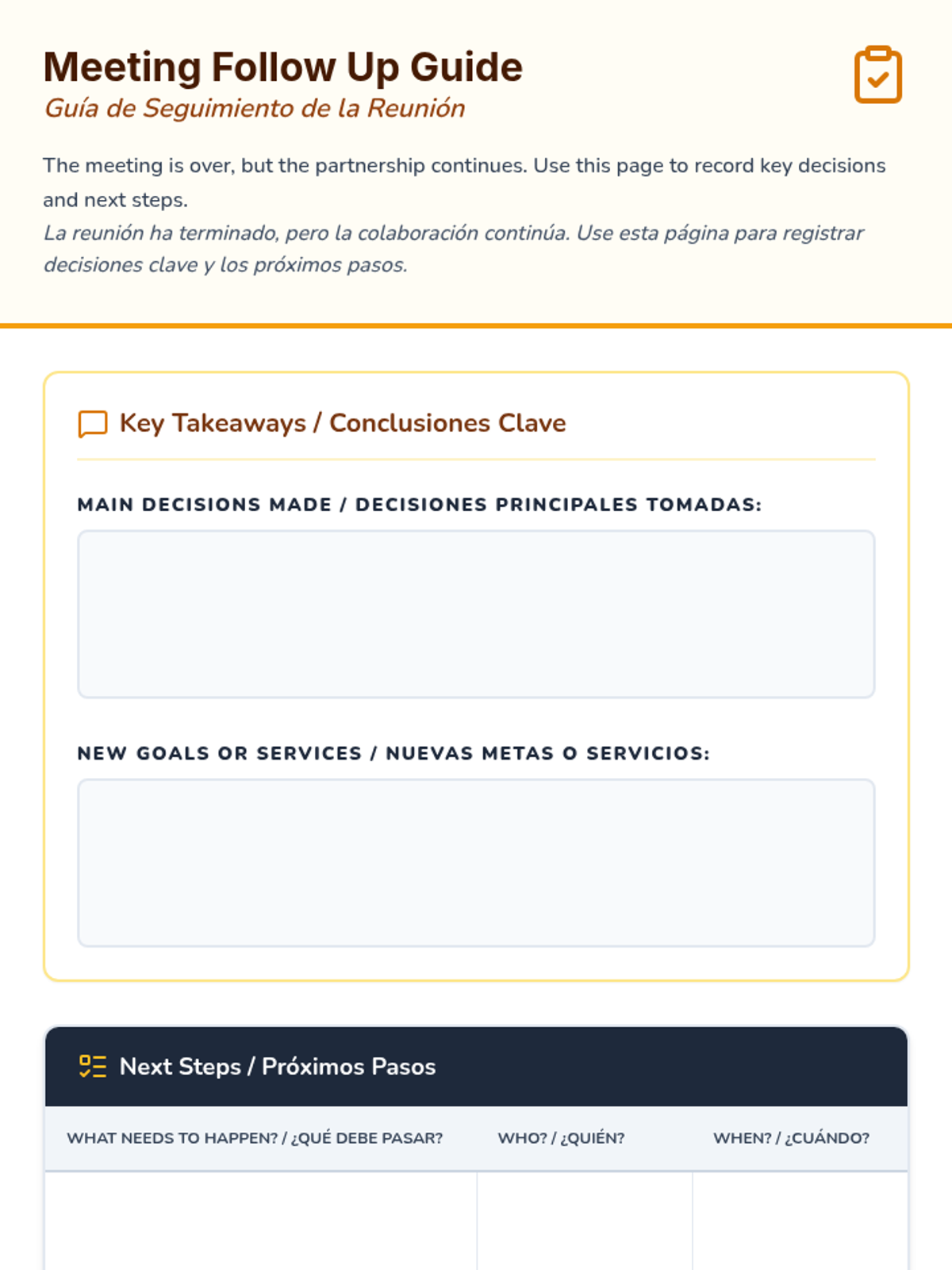
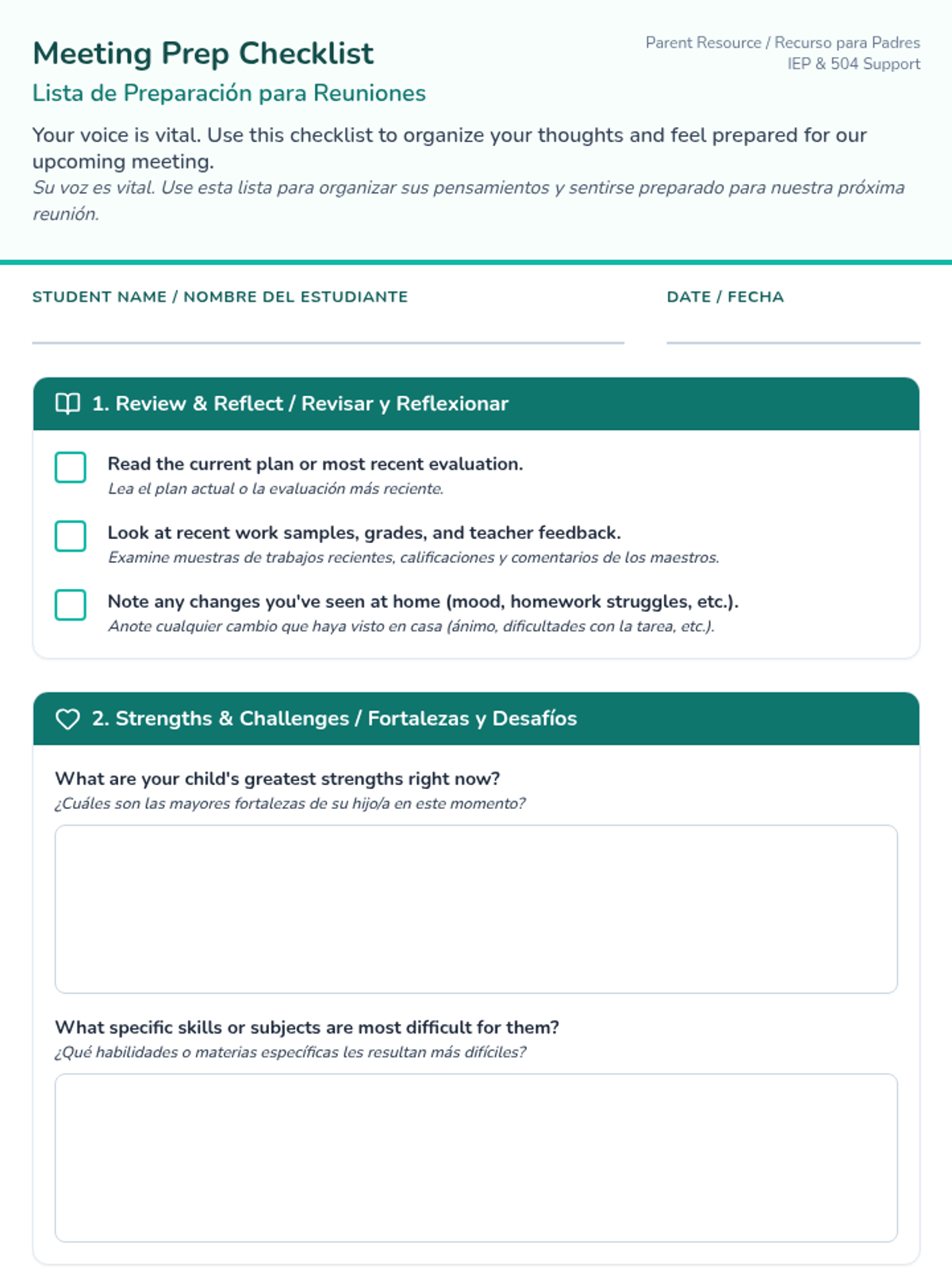
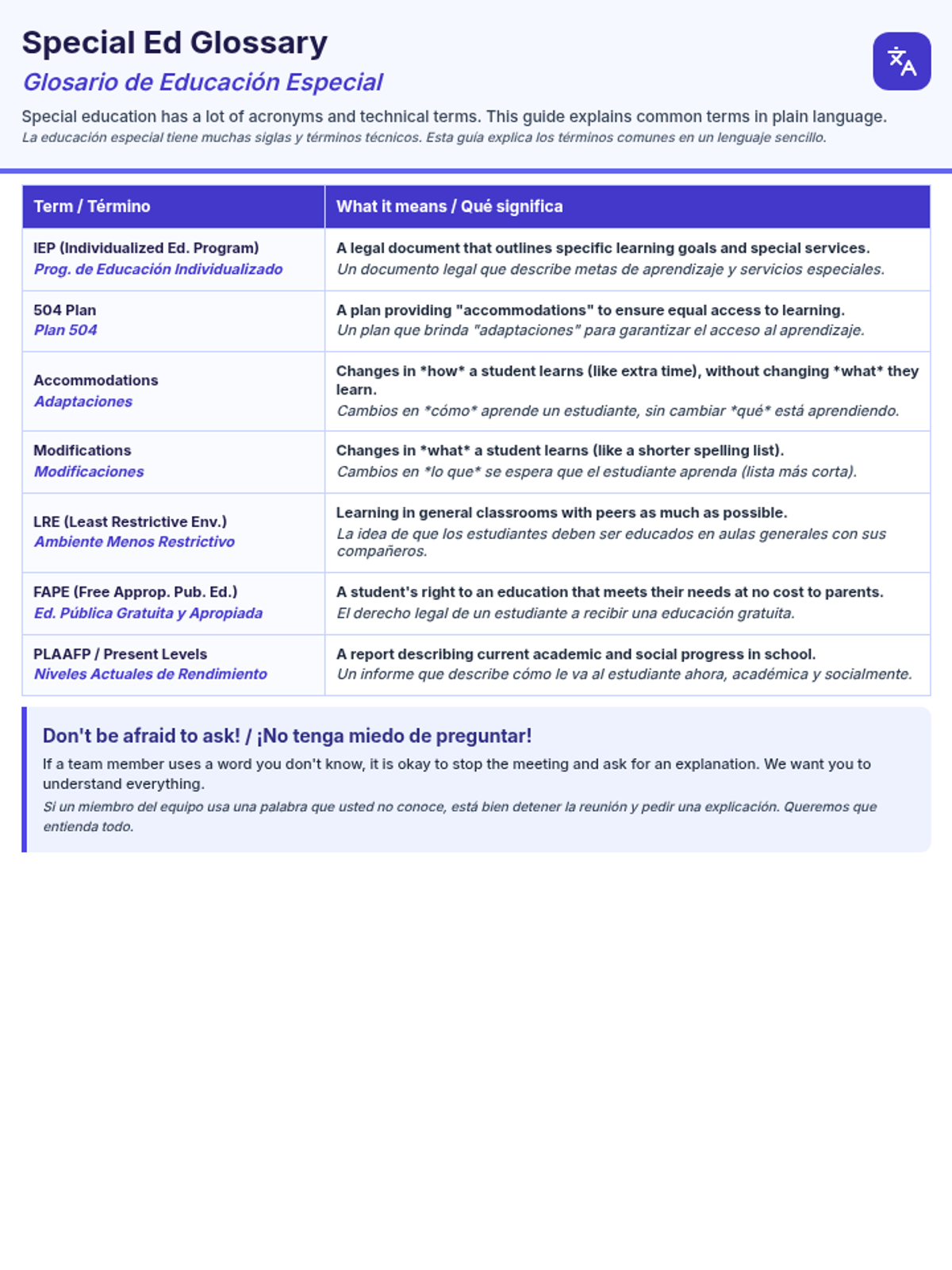
A comprehensive toolkit designed to empower parents during 504 and IEP meetings. It provides clear, bilingual resources to reduce anxiety and facilitate meaningful collaboration between home and school.
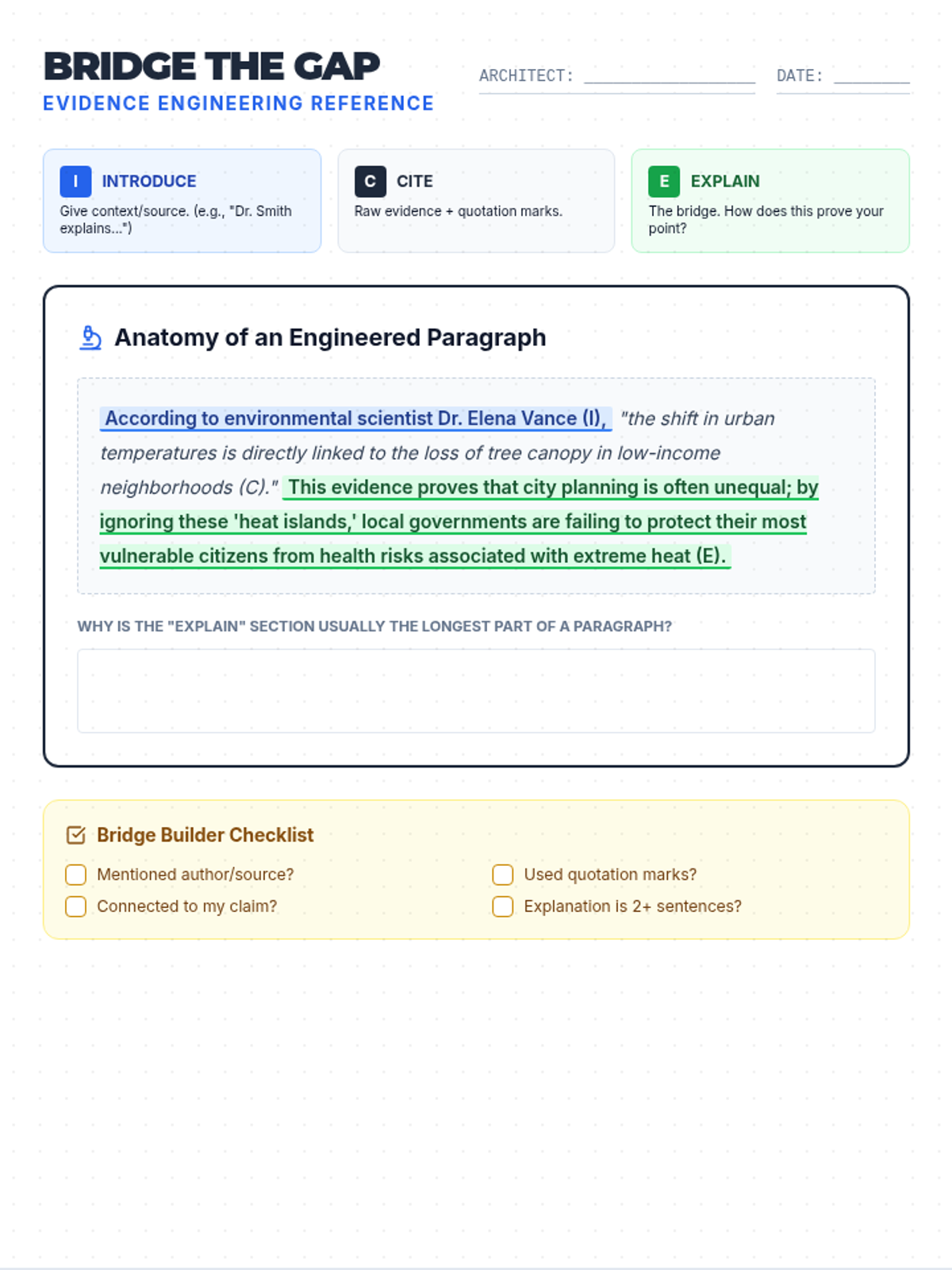
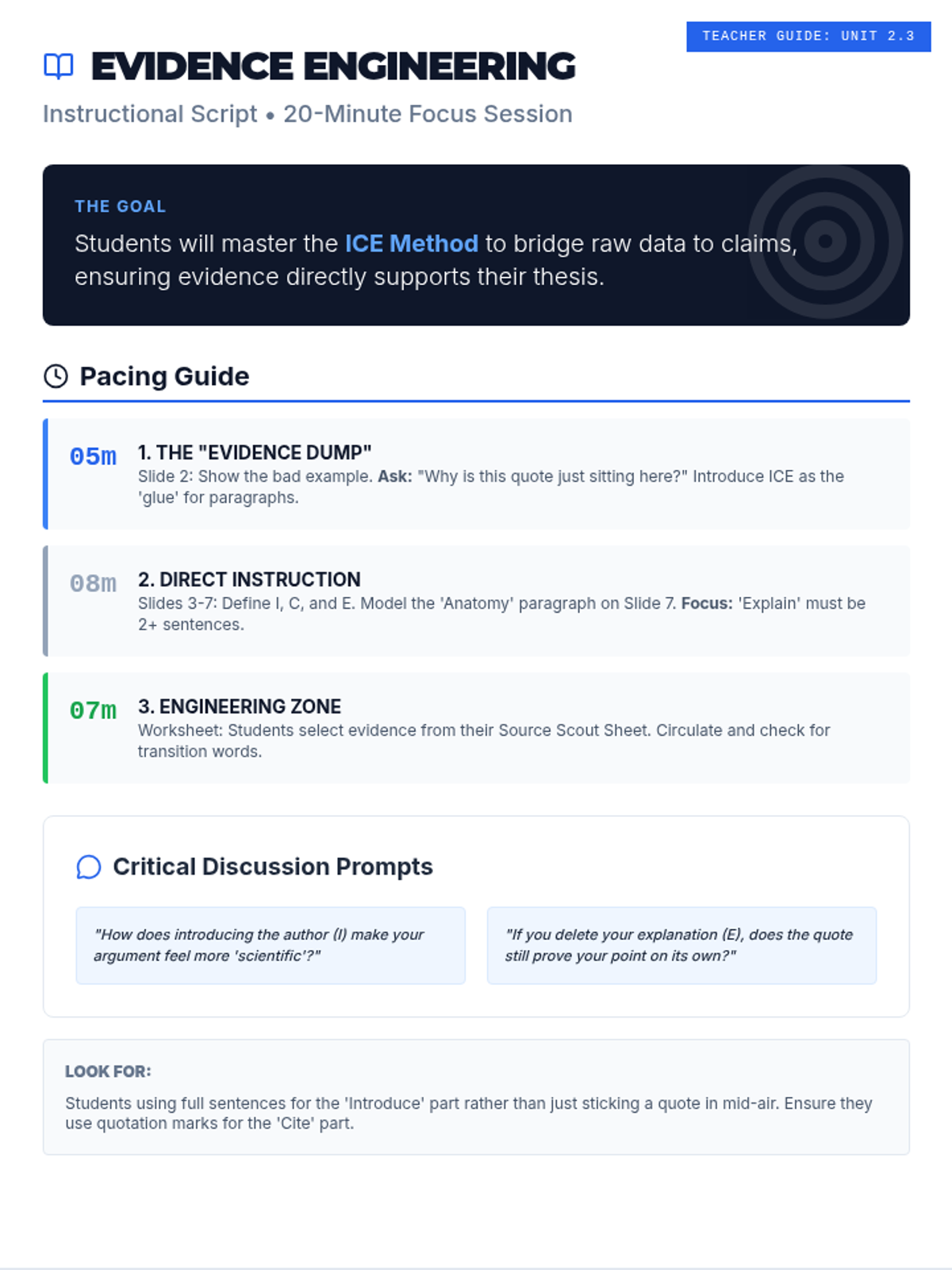
A 20-minute focused session teaching students how to bridge raw evidence to their claims using the 'ICE' method (Introduce, Cite, Explain), ensuring every quote or fact directly supports their stance.