A comprehensive set of visual tools designed to help nonverbal and low-level learners identify vocational interests through icons, emojis, and simplified choice-making activities.
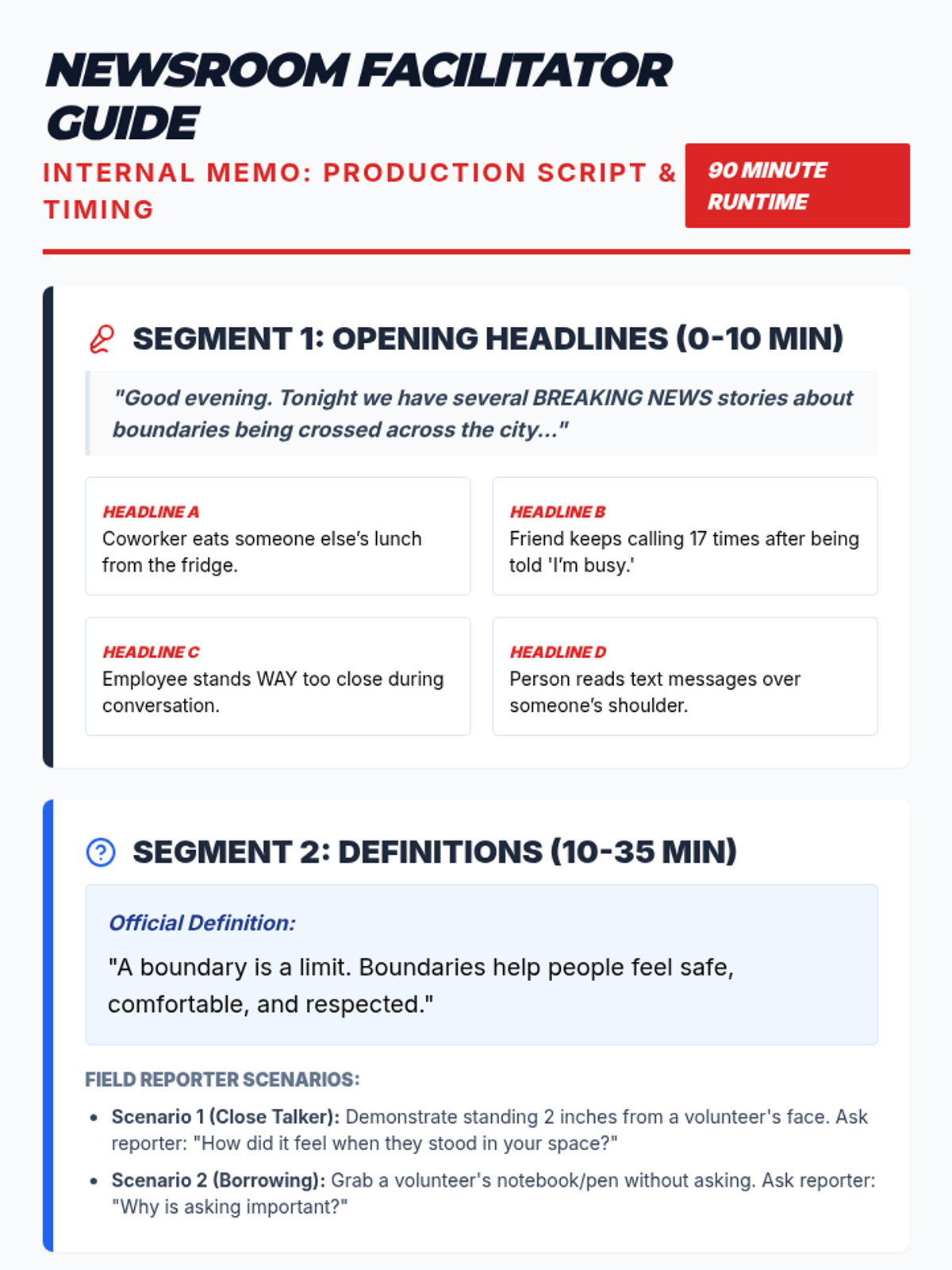
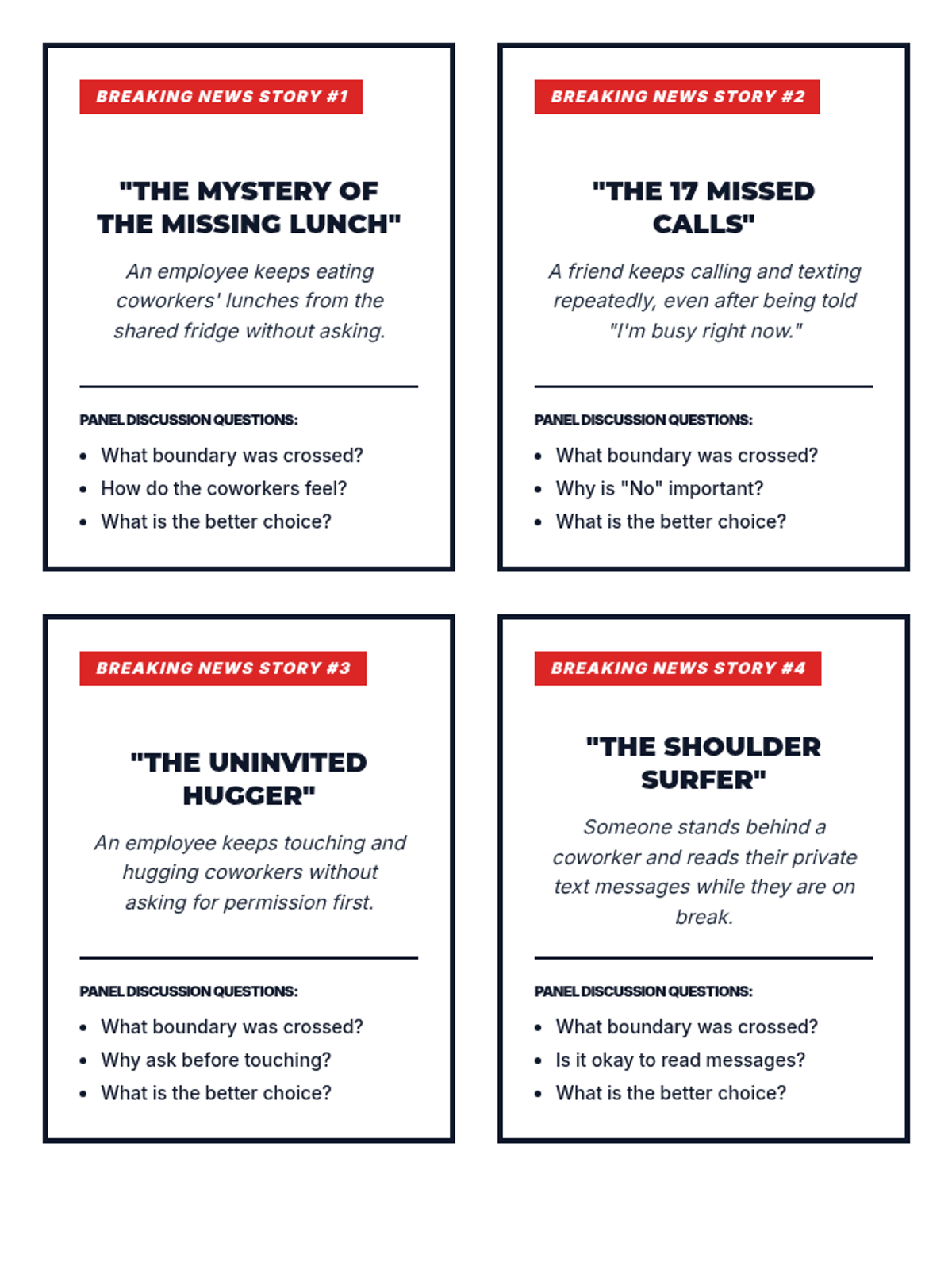
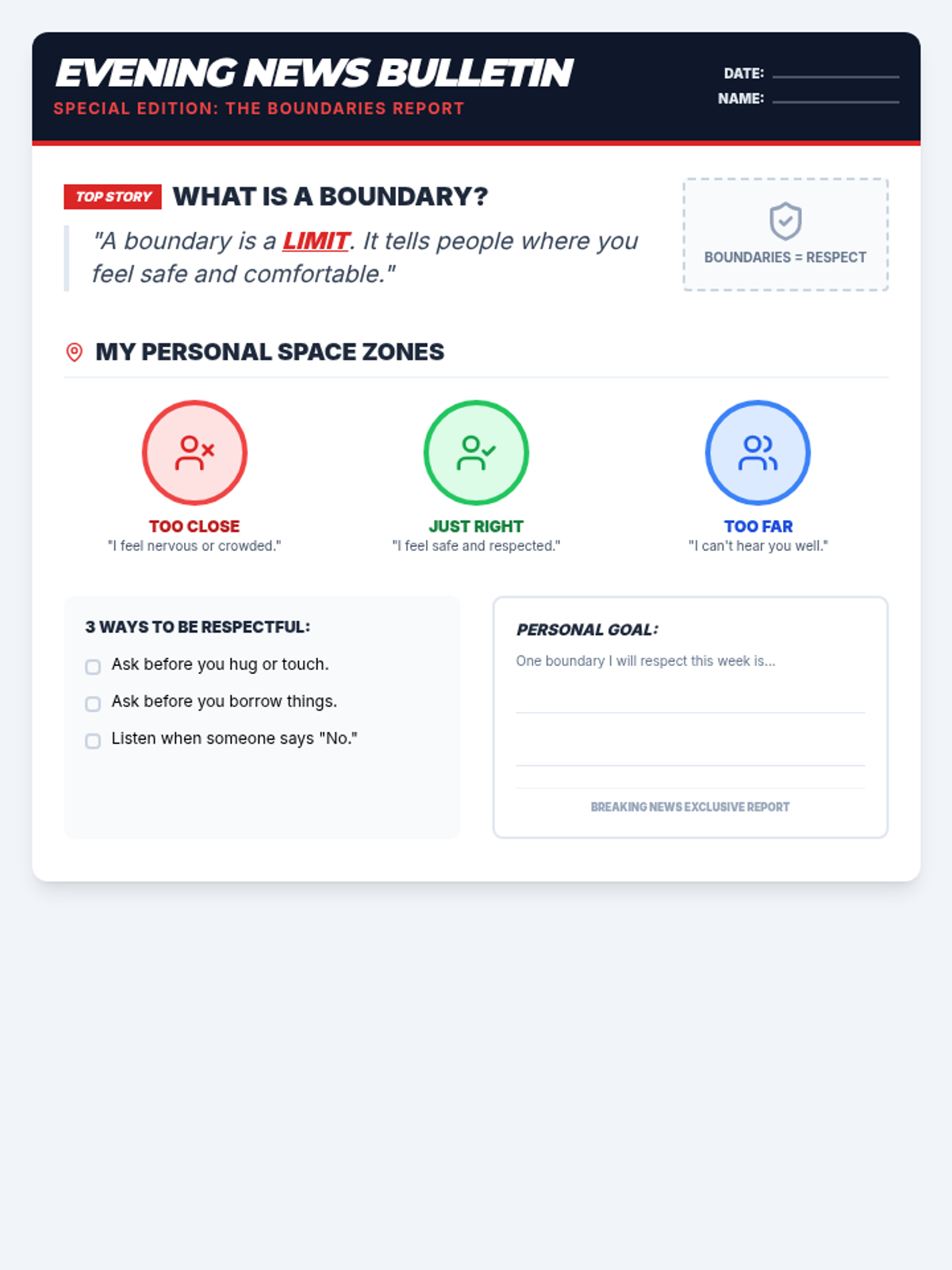
A high-energy, news-themed advocacy lesson for adults with IDD focusing on recognizing and respecting personal boundaries in work, friendship, and community settings.
Defining what it means to be a supportive friend and maintaining healthy connections.
Differentiating between accidents and intentional slights in high-traffic school areas.
Navigating the permanence of digital texts and the lack of tone in messaging.
Understanding physical boundaries and personal space for students with sensory needs.
Managing social anxiety caused by executive function challenges like missed deadlines.
Learning to ask for math accommodations confidently and without stigma.
Identifying physical 'melting' cues to prevent burnouts or social meltdowns.
Establishing 'how' and 'why' to put phones away during focused math instruction.
Self-reflection on phone usage habits and identifying signs of social media 'addiction'.
Mastering the 'Social Battery' and the back-and-forth flow of active listening.
Practical strategies for starting conversations without 'hijacking' with special interests.
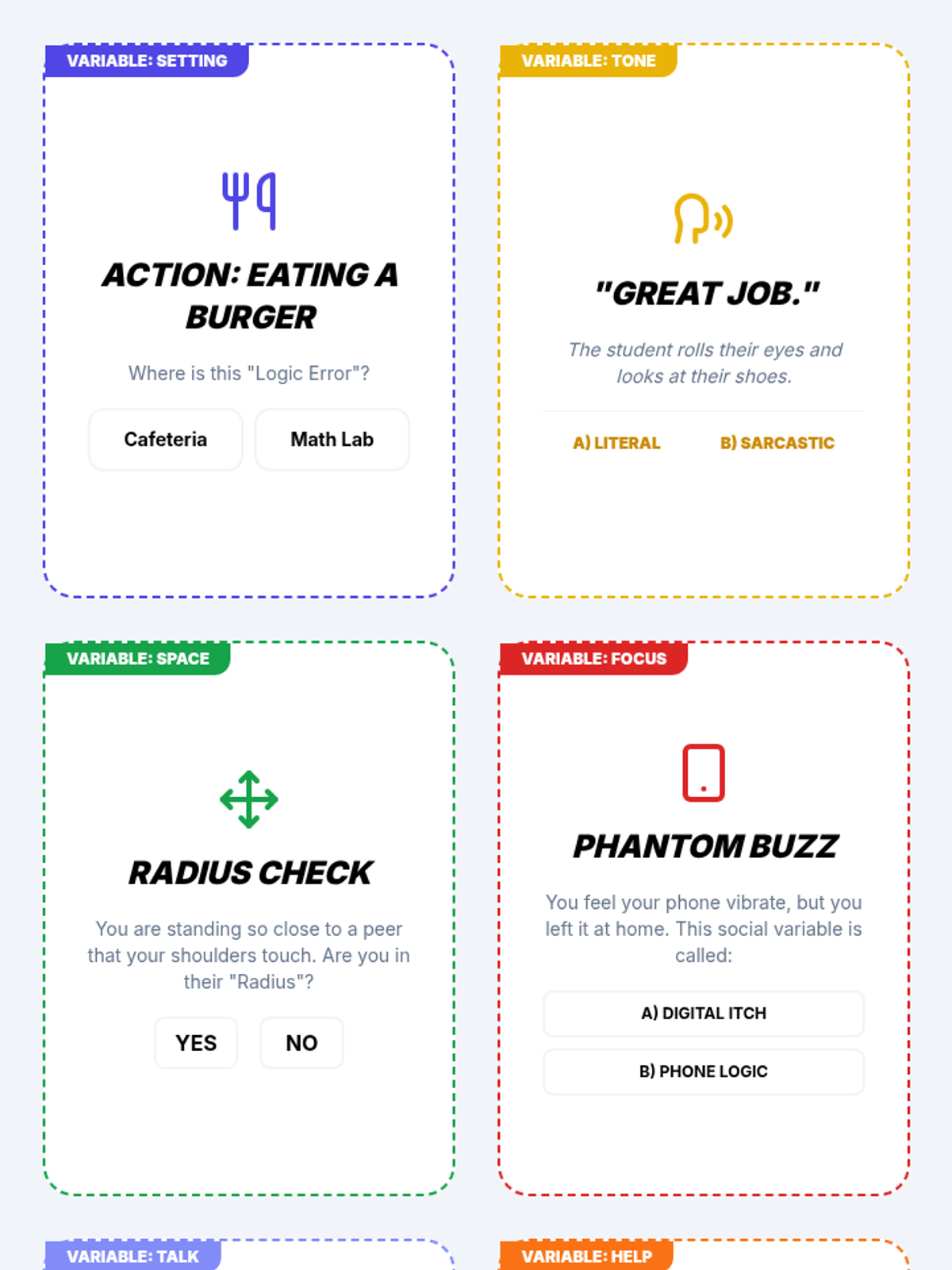
Differentiating between literal speech and sarcasm or teasing in a high school environment.
Identifying non-verbal cues and body language in peer interactions during group work.
Exploring how social expectations change between the cafeteria, hallways, and the math lab.
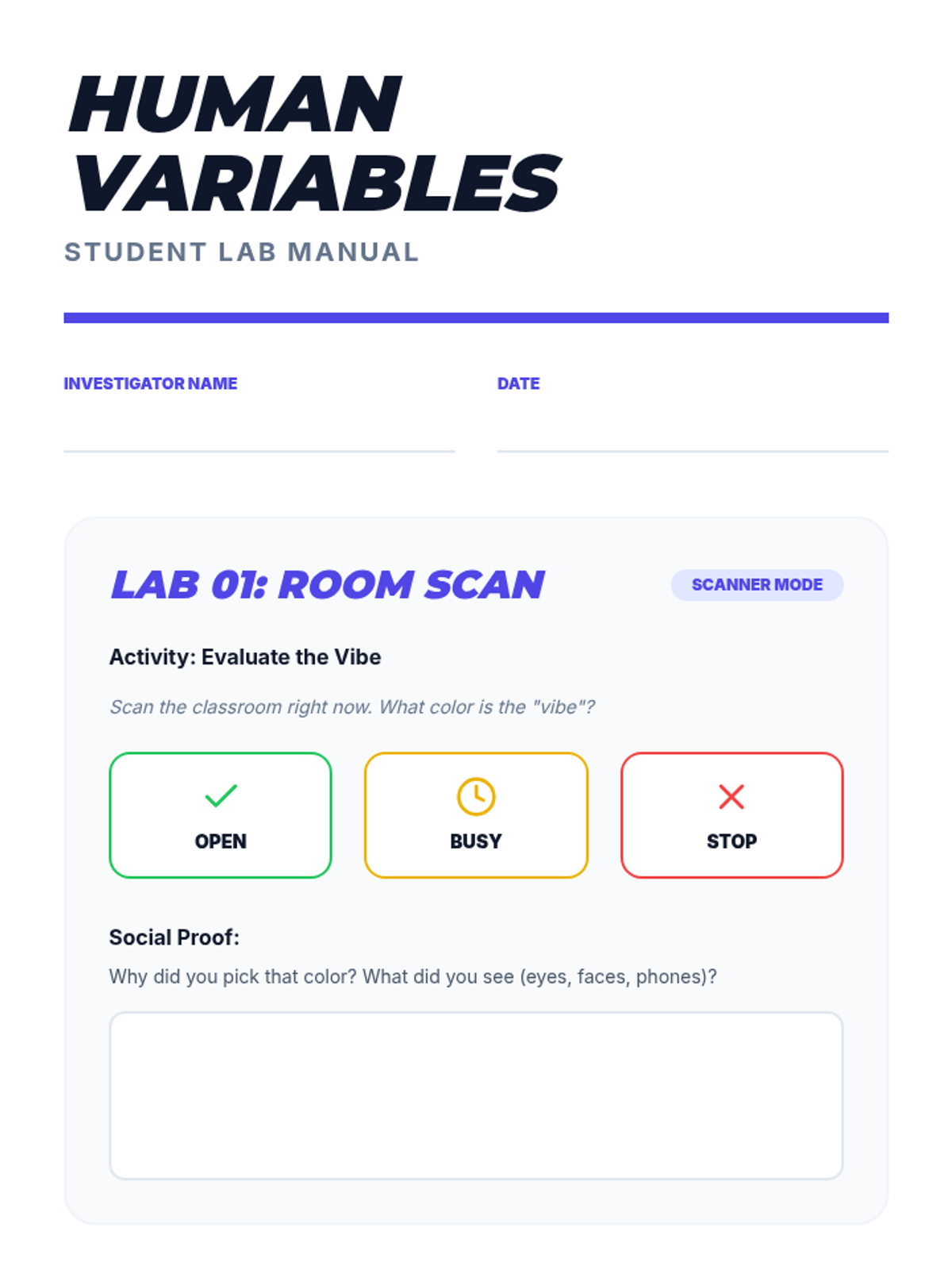
Introduction to 'reading the vibe' of a group before joining a social or collaborative math setting.
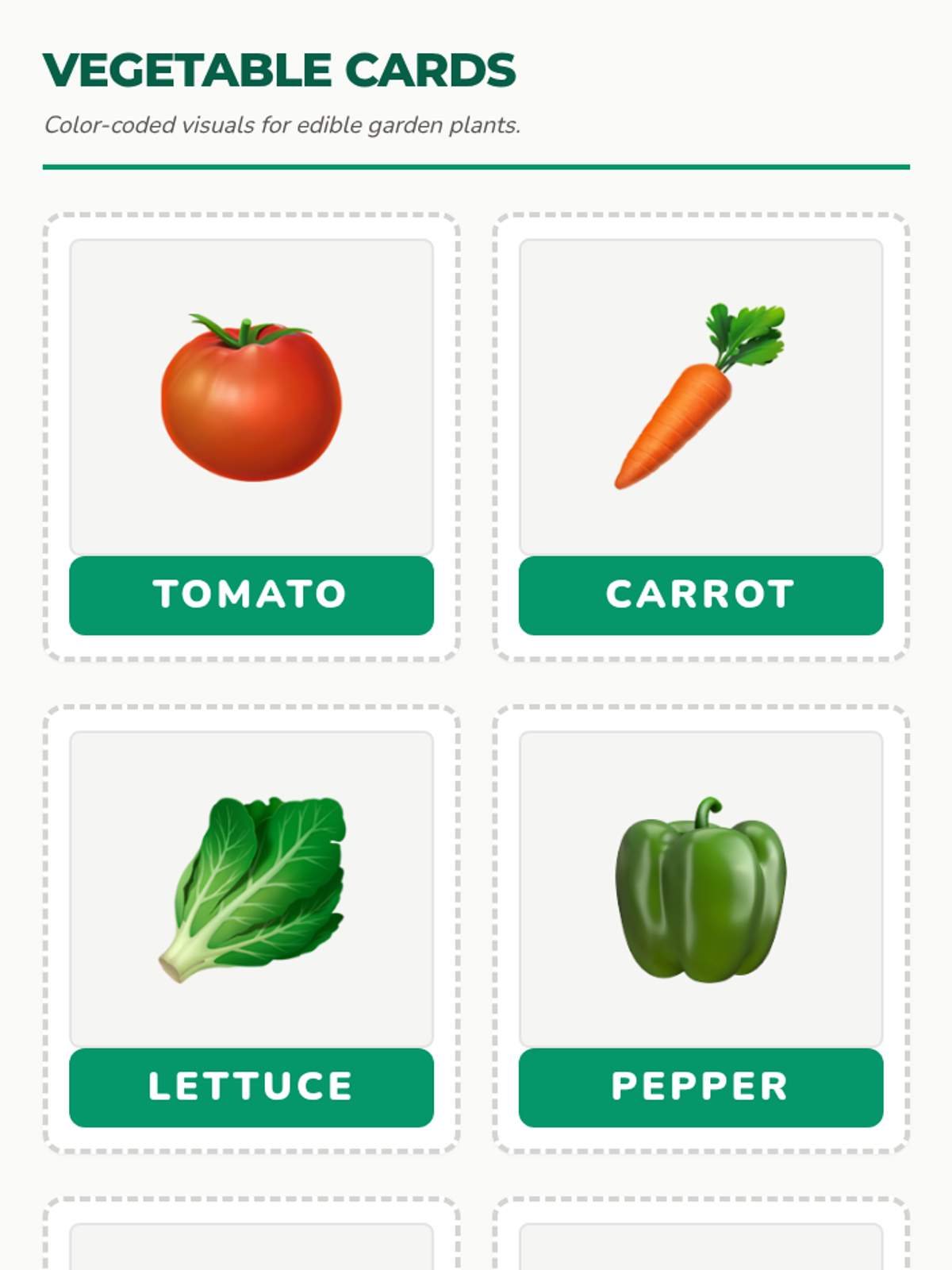
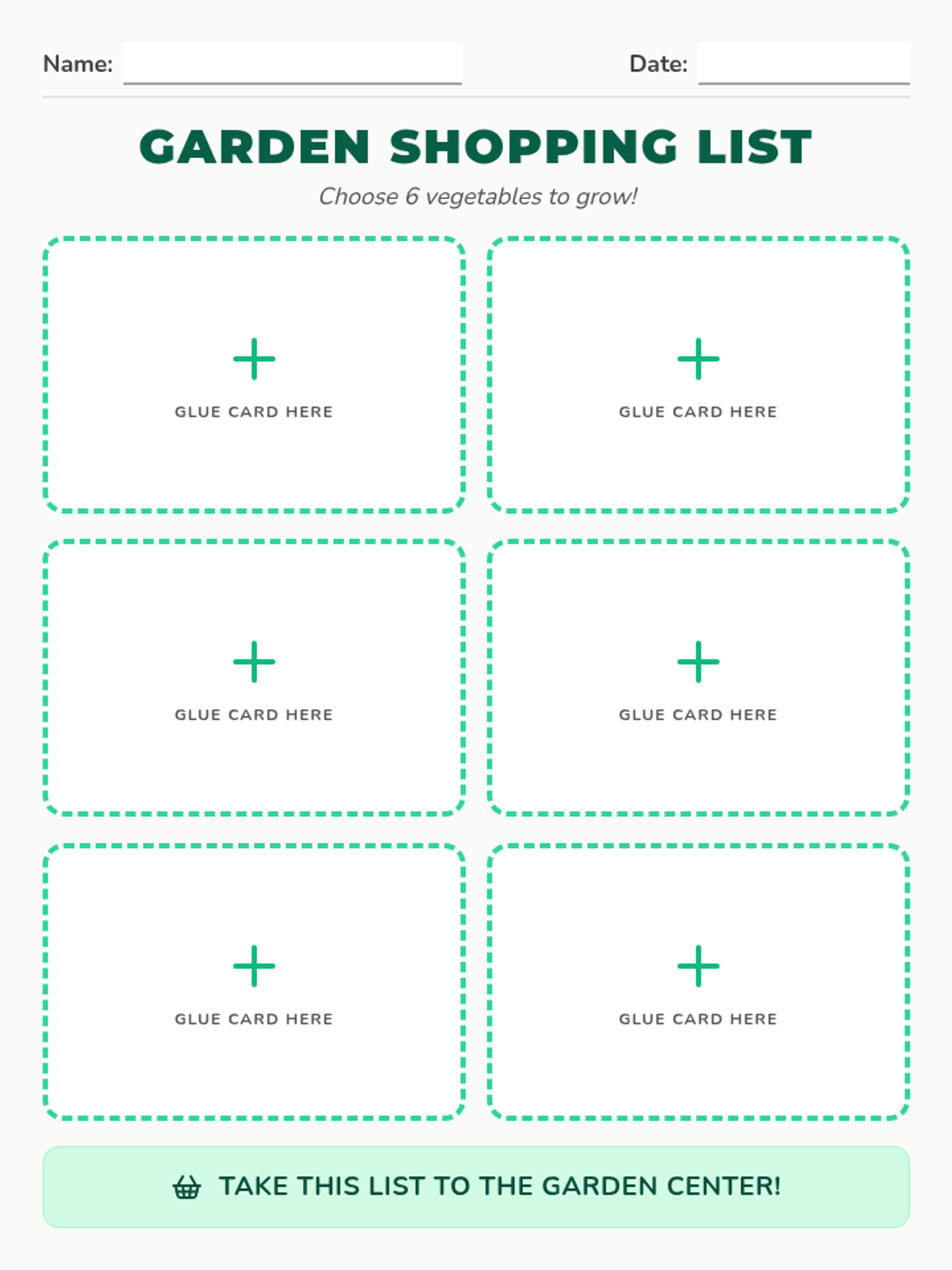
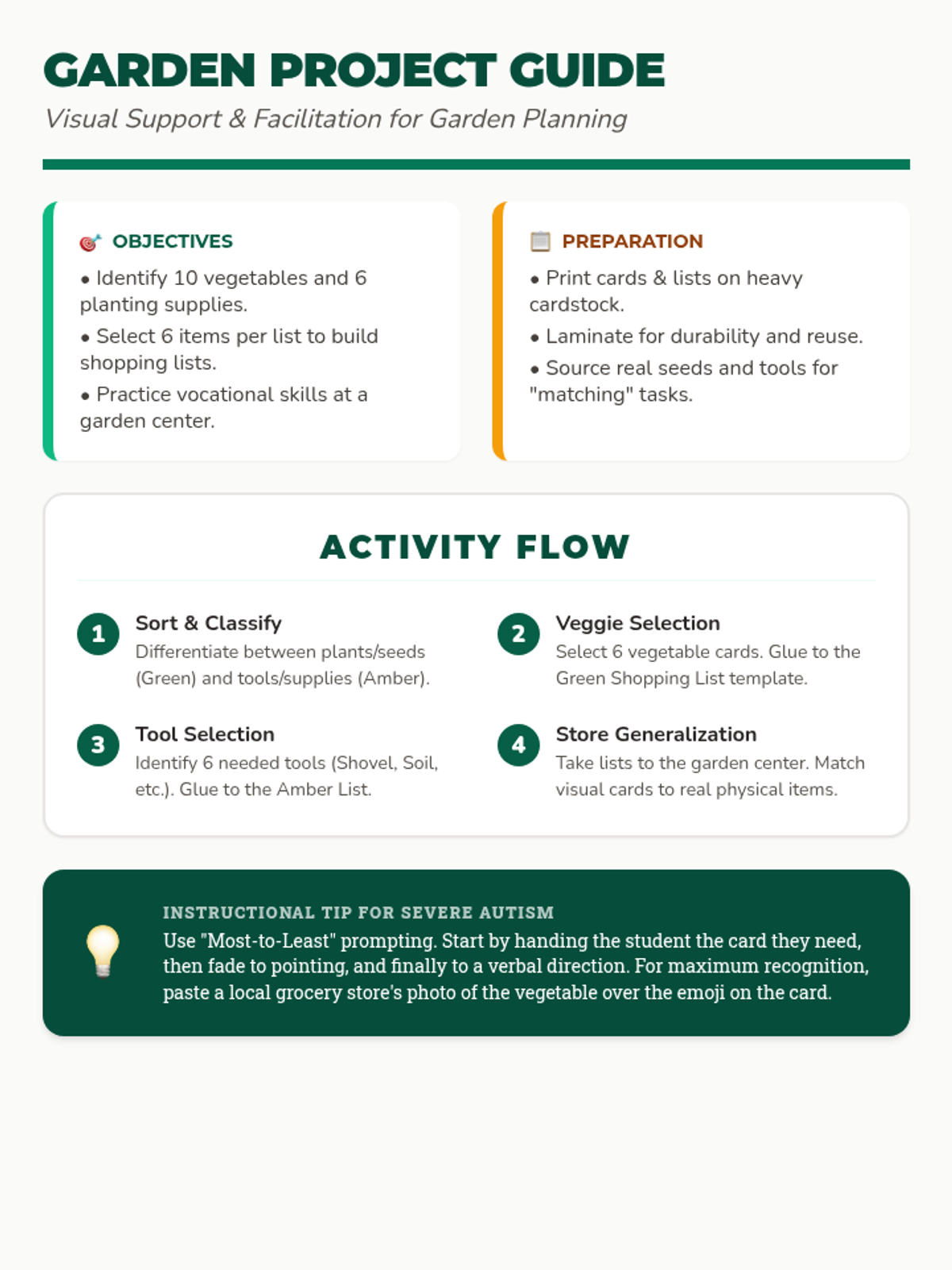
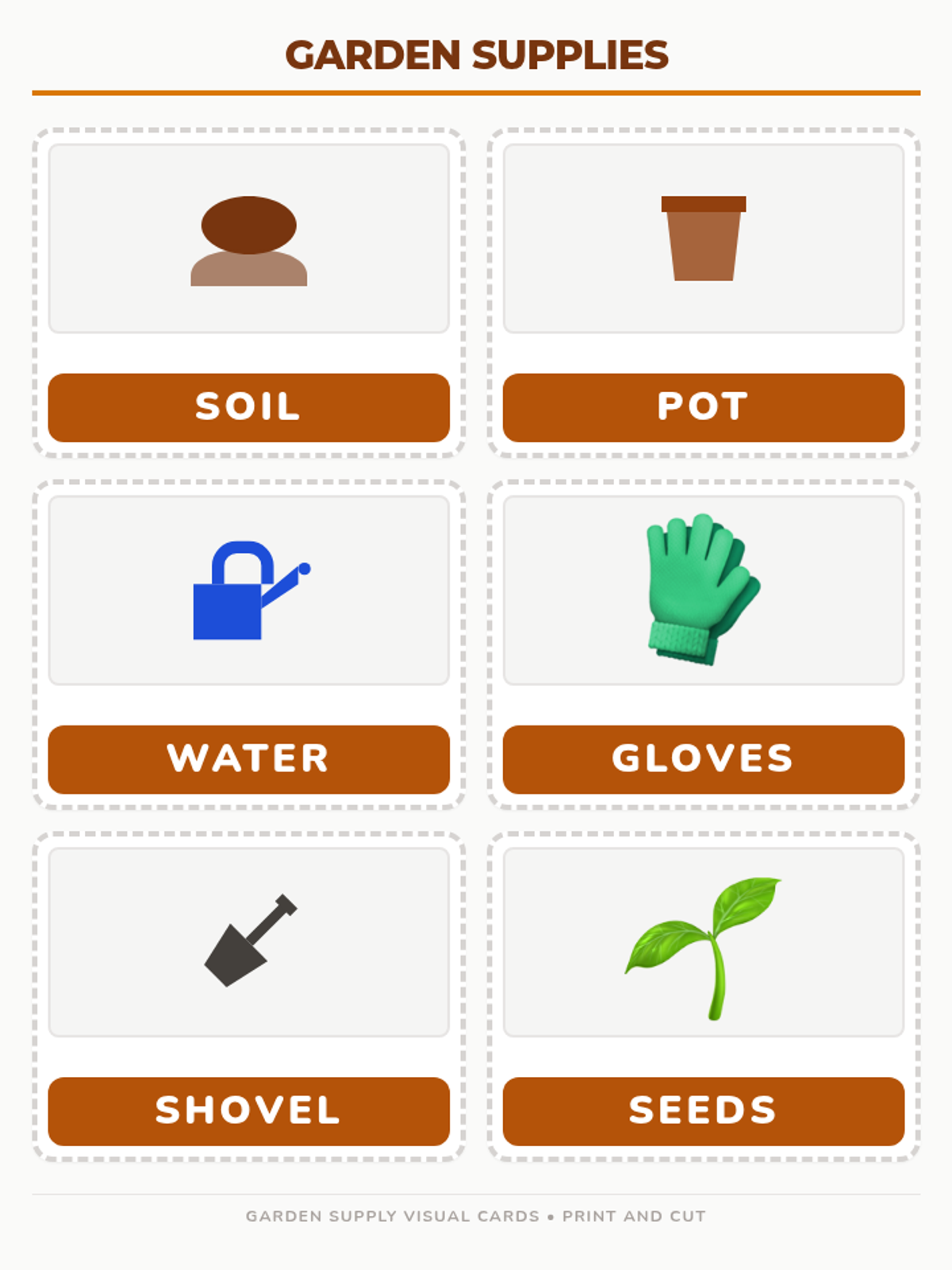
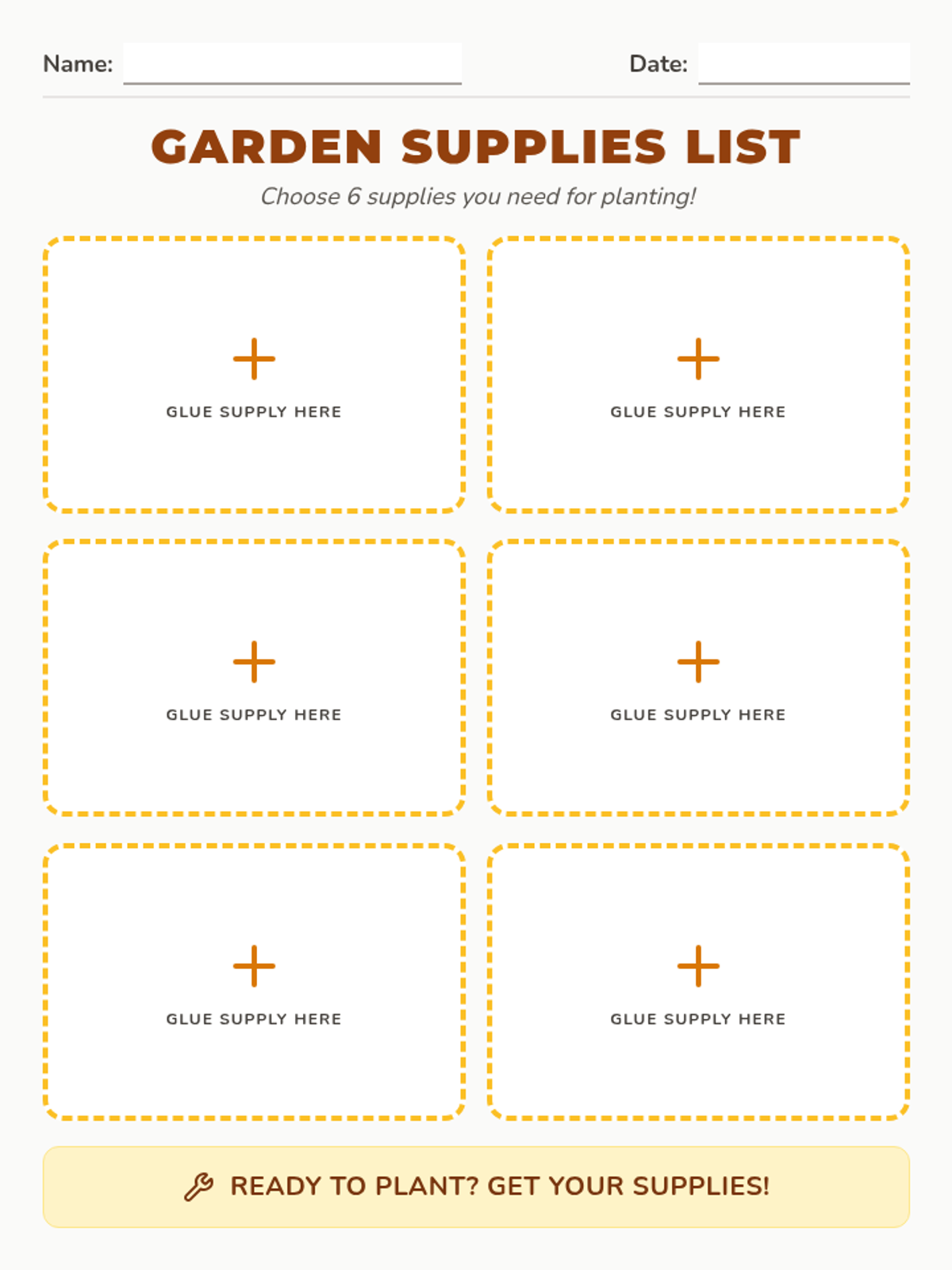
A hands-on activity for students to identify common garden vegetables and prepare a visual shopping list for a gardening project. This lesson focuses on visual recognition and functional life skills.
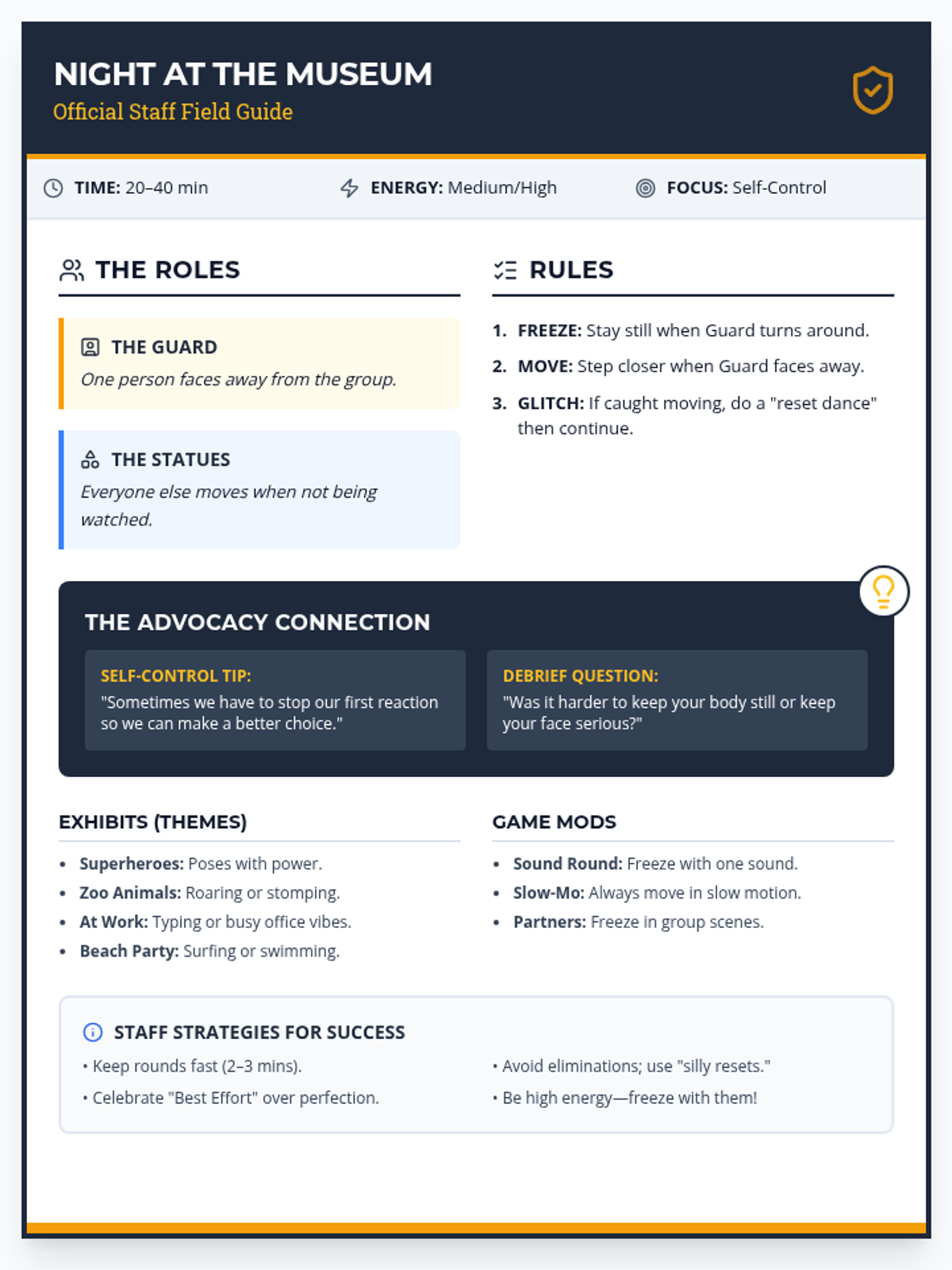
A collection of high-energy games designed to help adults with IDD practice self-control, listening, and teamwork in a social setting.
A clinical intervention lesson focusing on introspection, body awareness, and self-advocacy skills for students in specialized settings. Students learn to identify physical sensations to better communicate their emotional and physiological needs.