A 20-minute focused session teaching students how to bridge raw evidence to their claims using the 'ICE' method (Introduce, Cite, Explain), ensuring every quote or fact directly supports their stance.

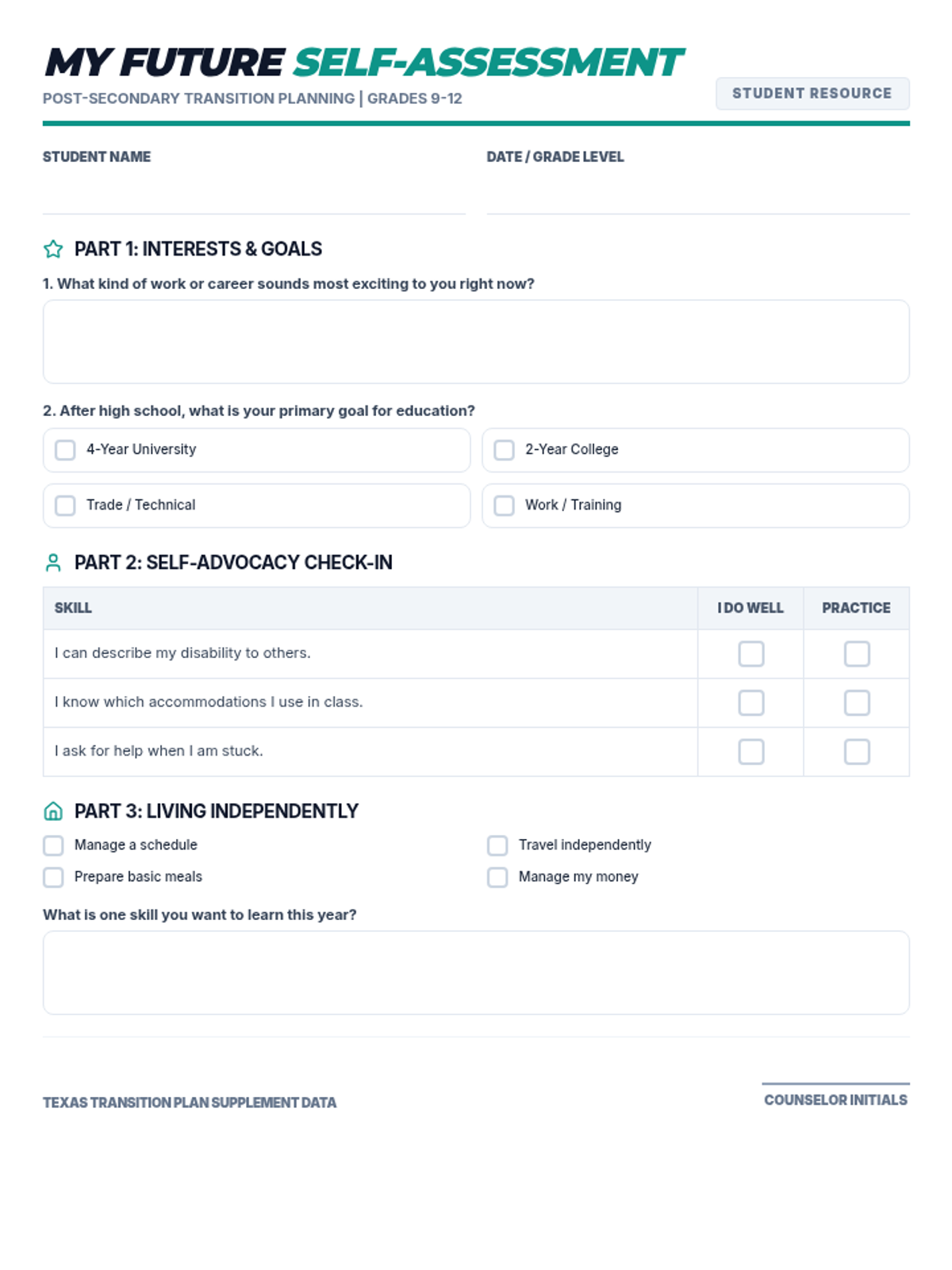
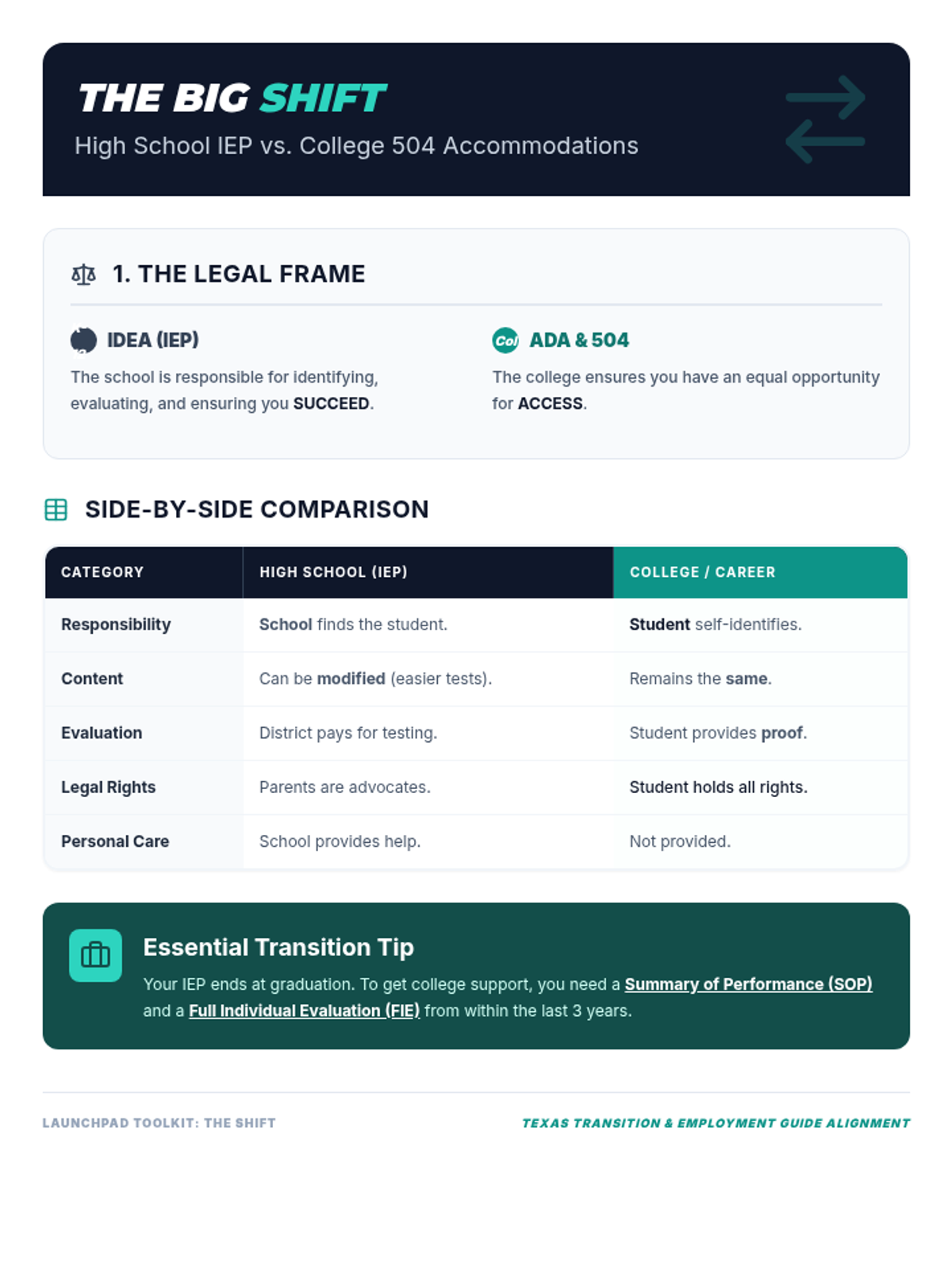
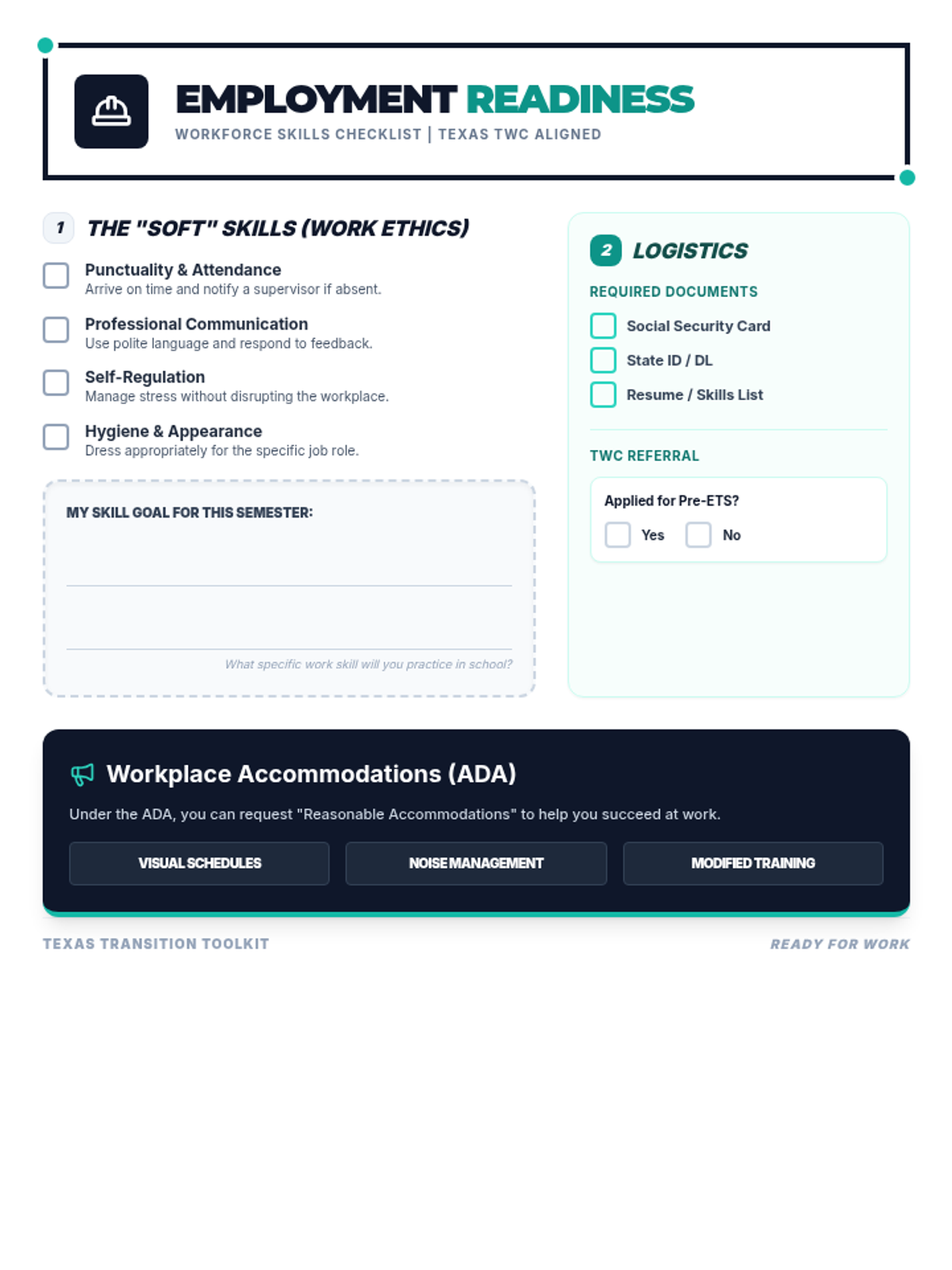
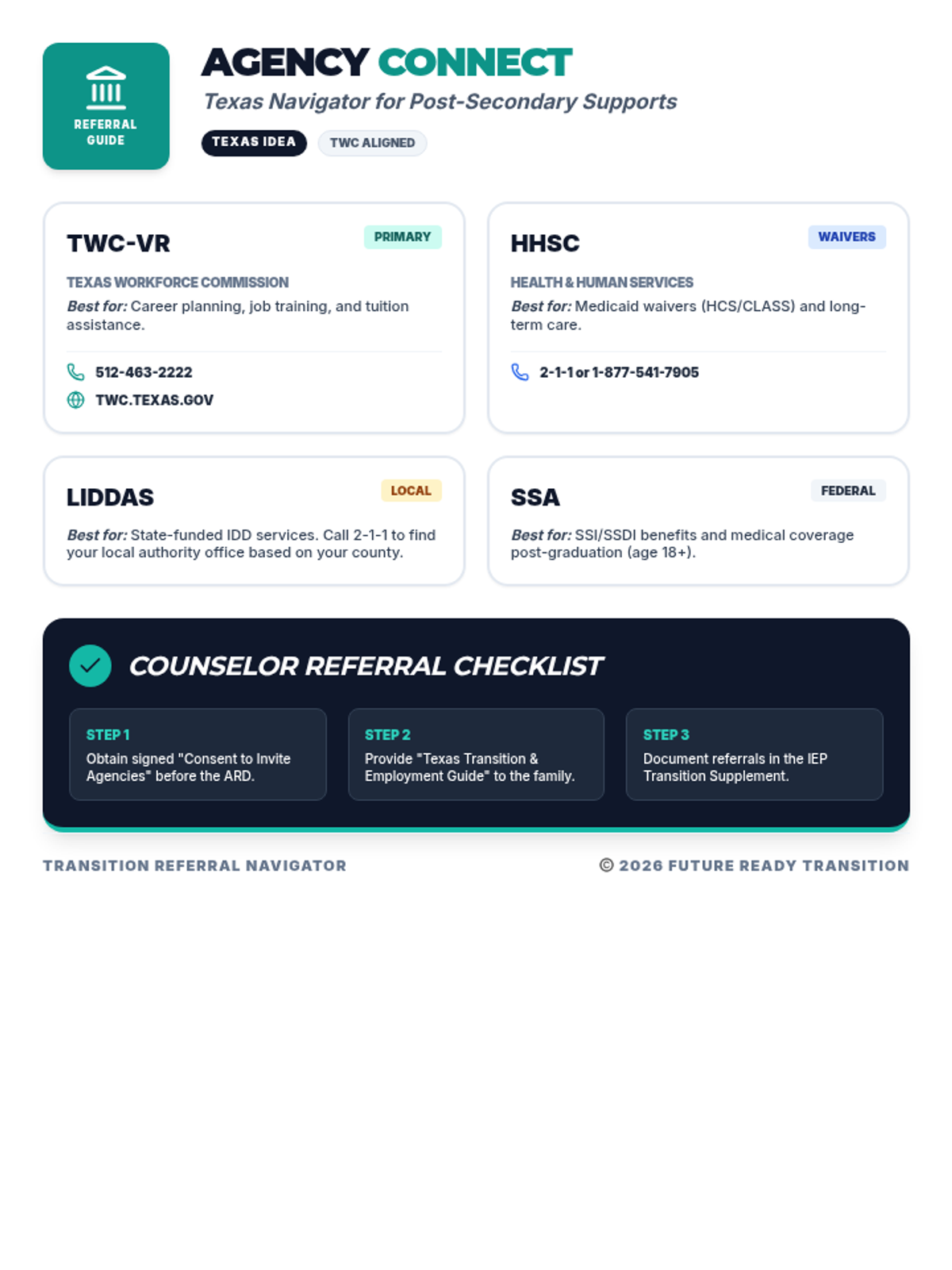
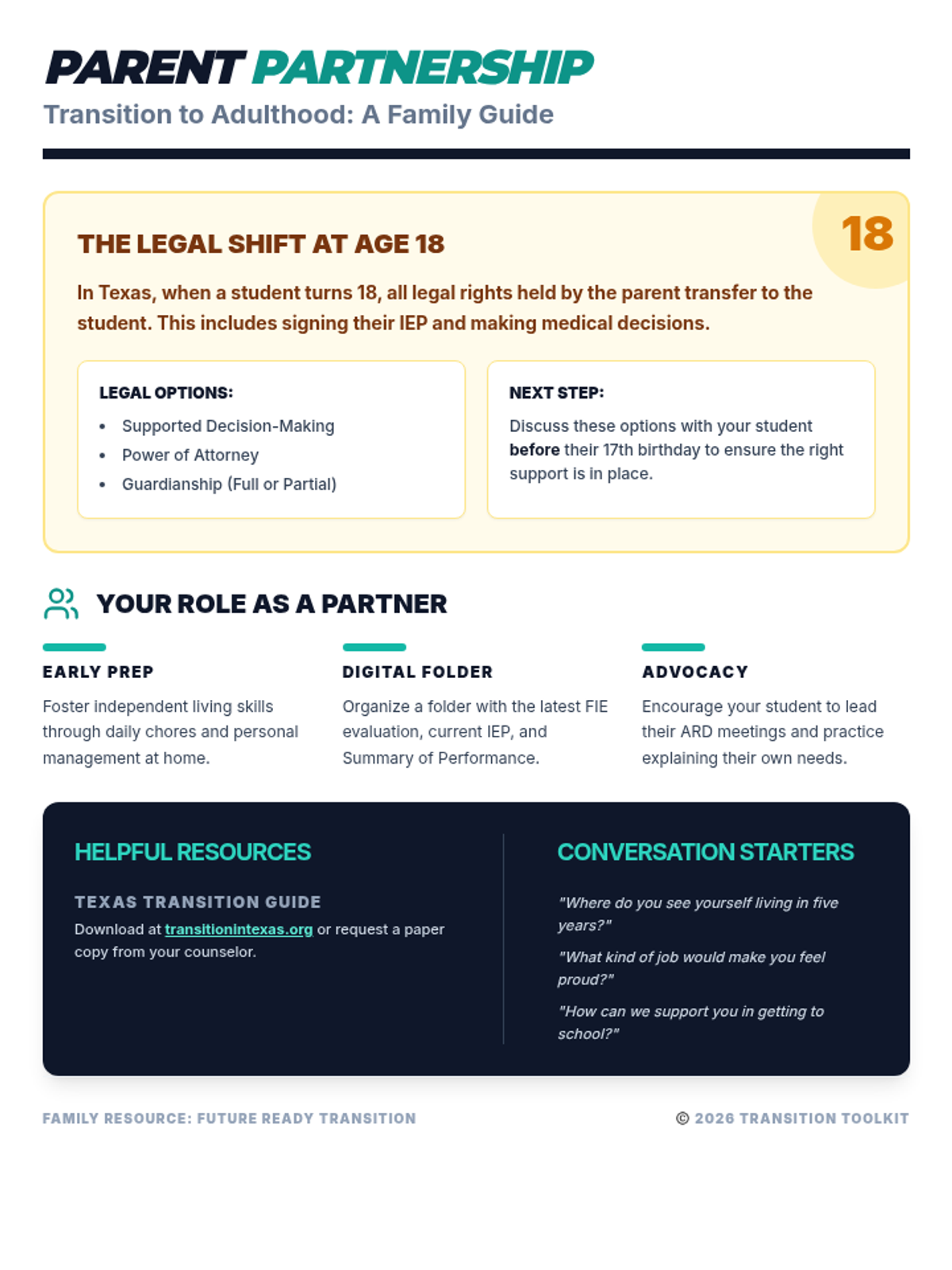
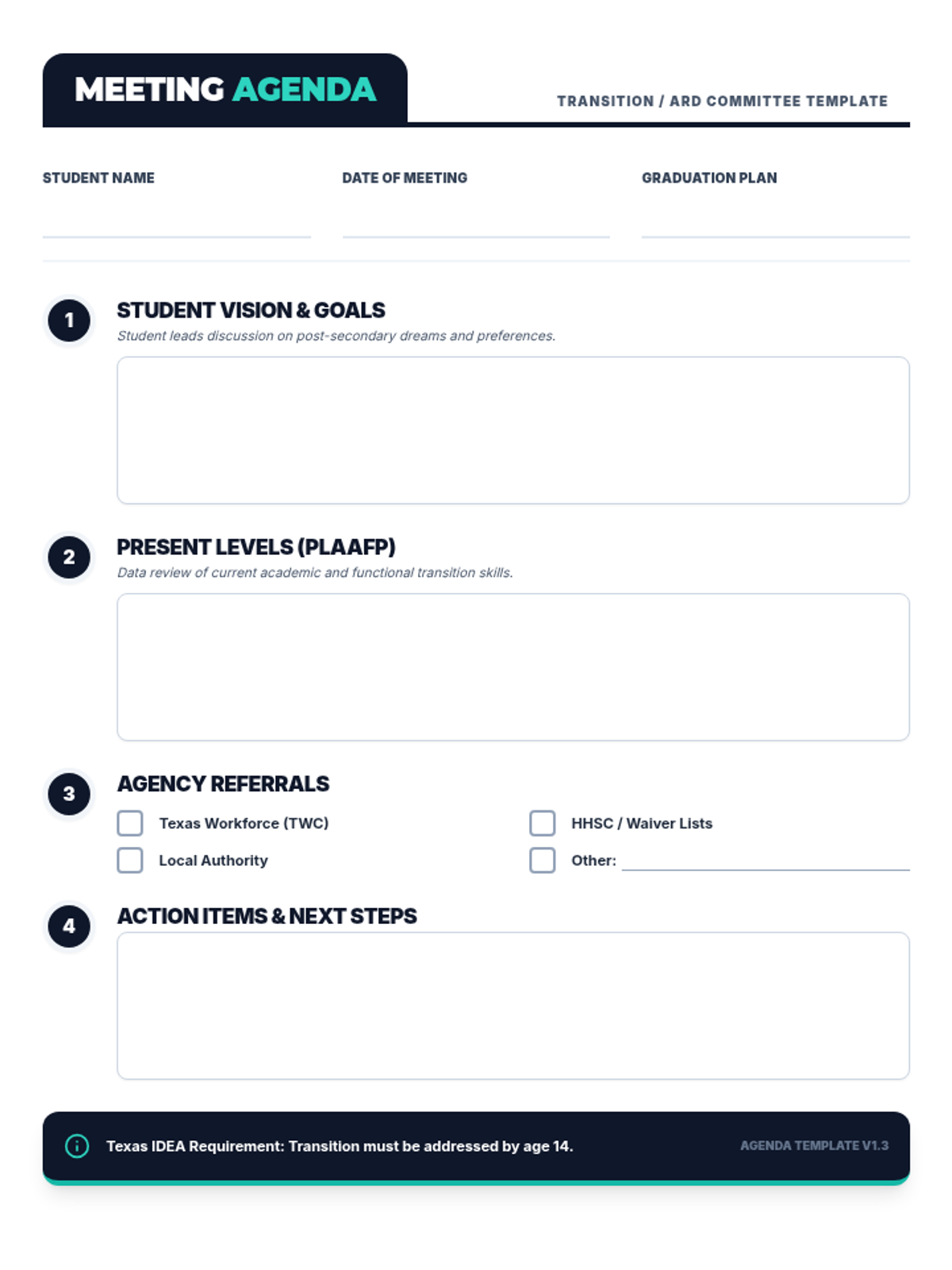
A toolkit for grades 9-12 focusing on self-advocacy, accommodation shifts, employment readiness, and agency connections for post-secondary success.
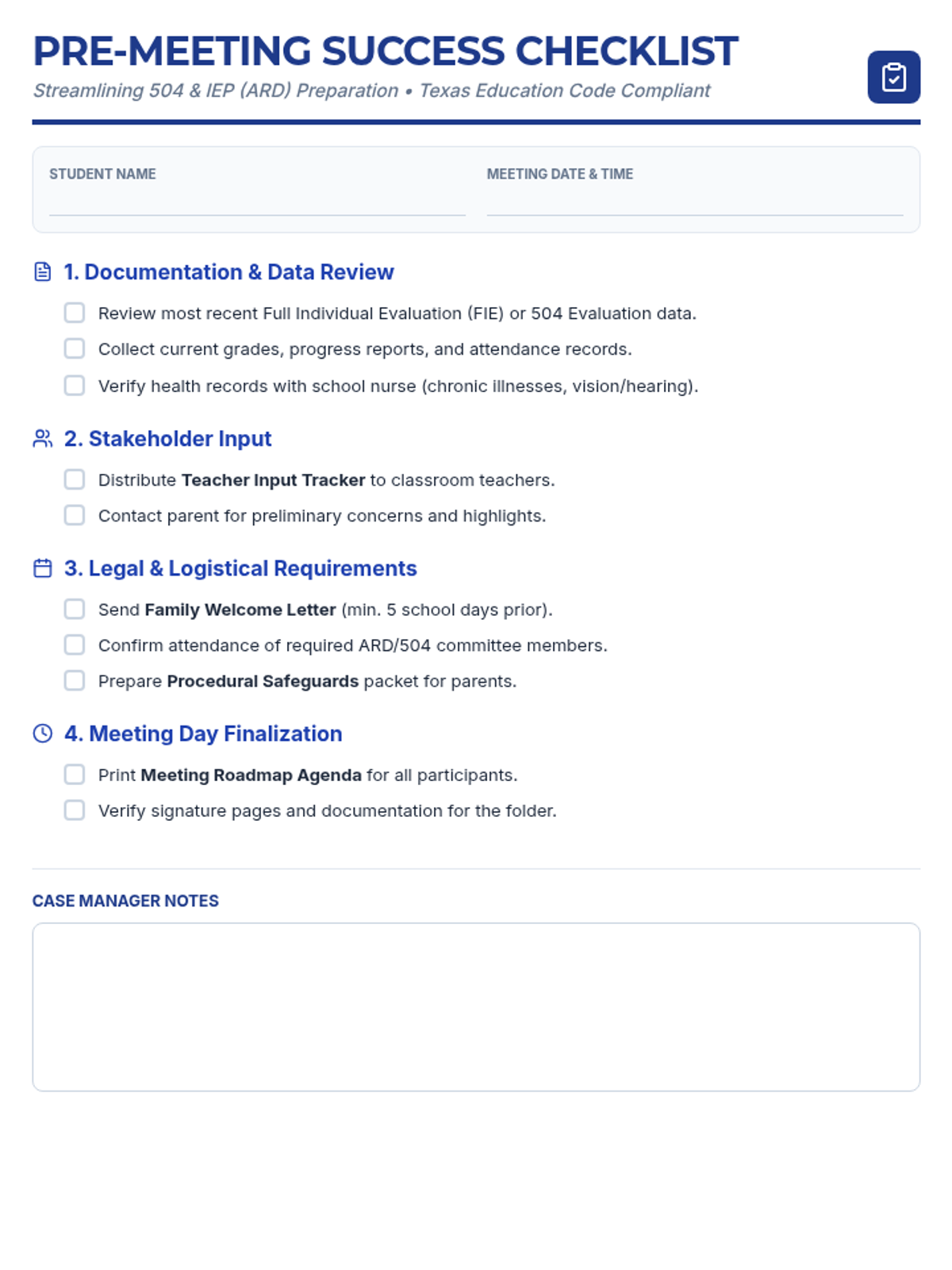
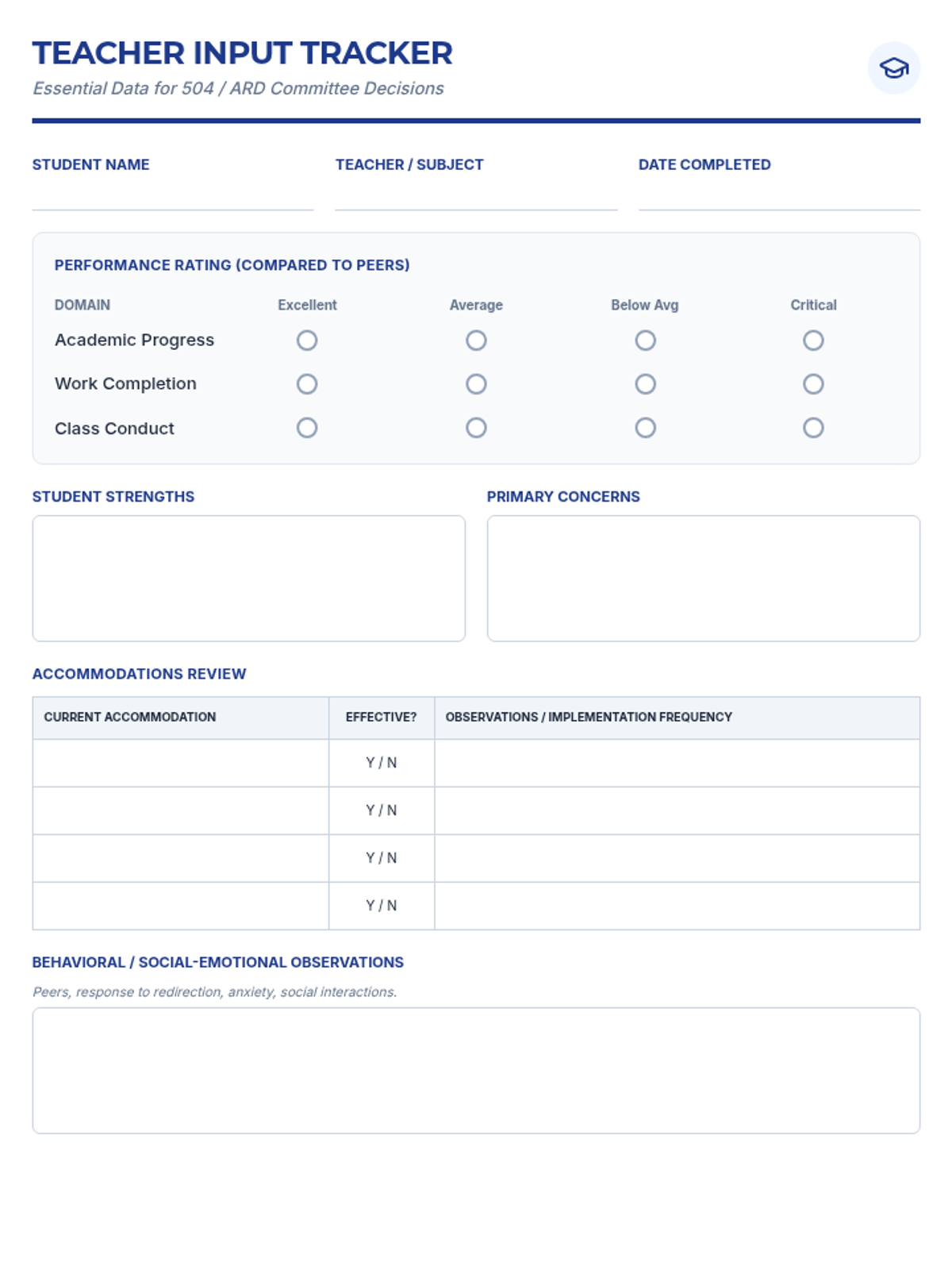
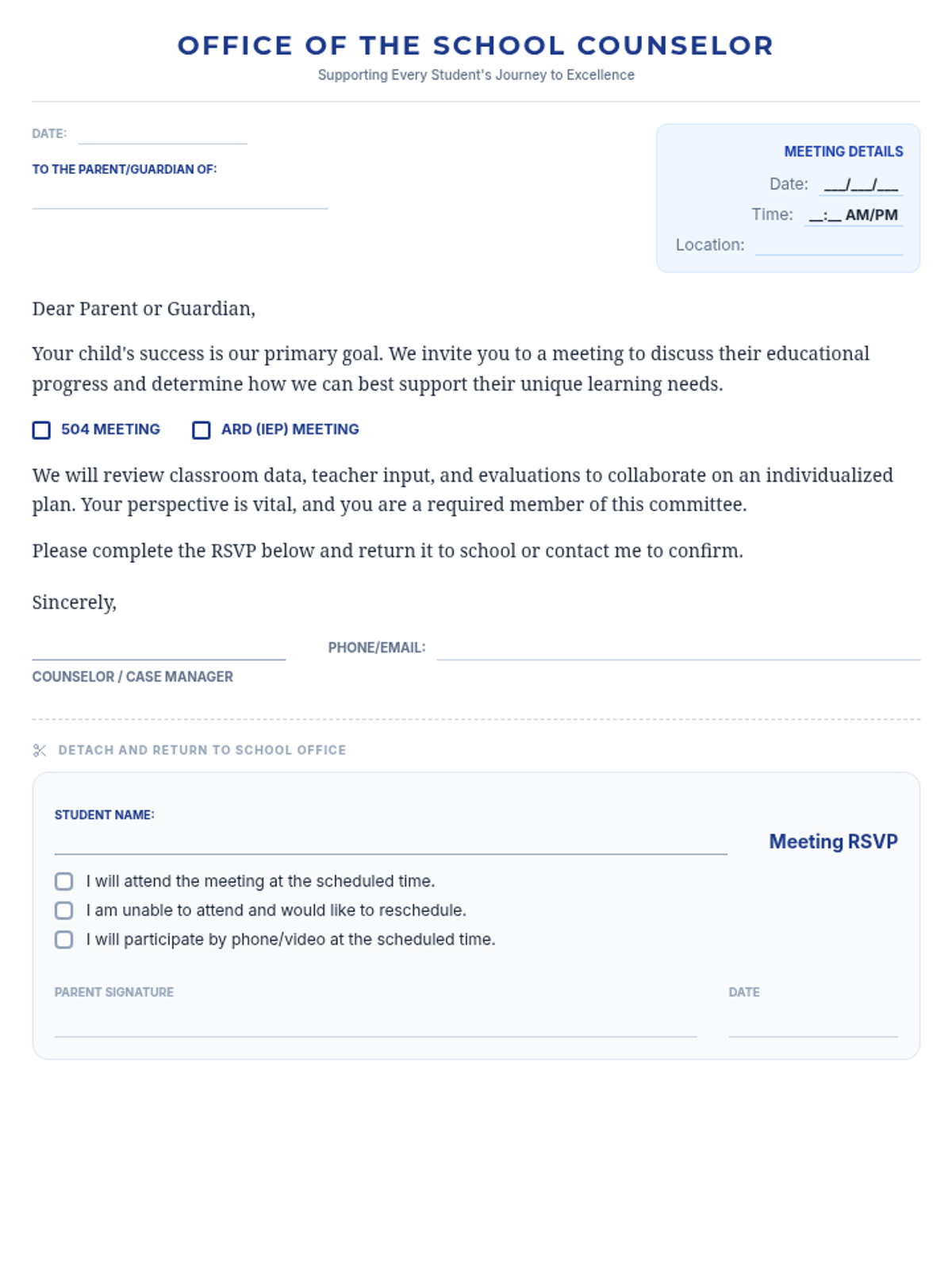
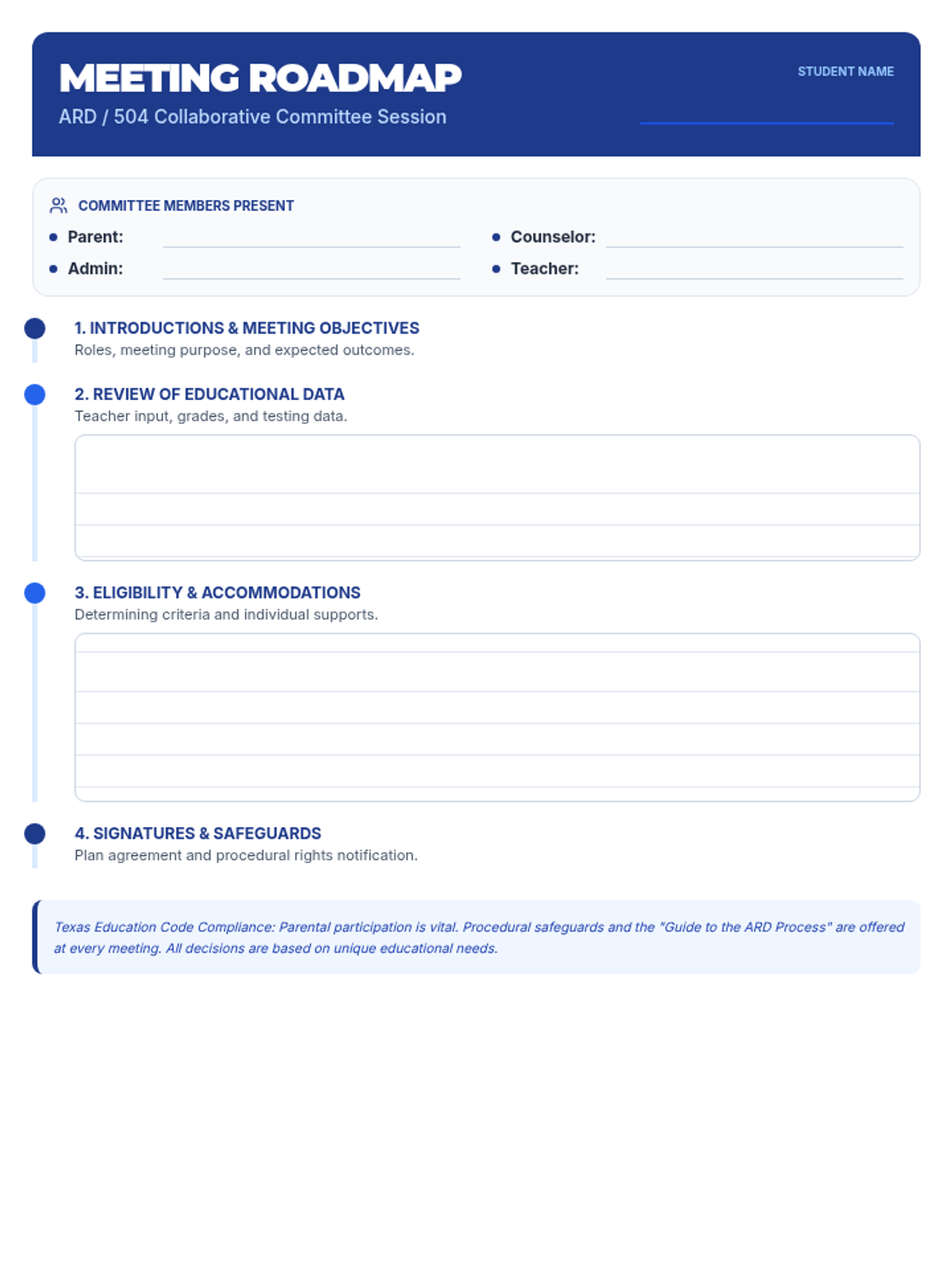
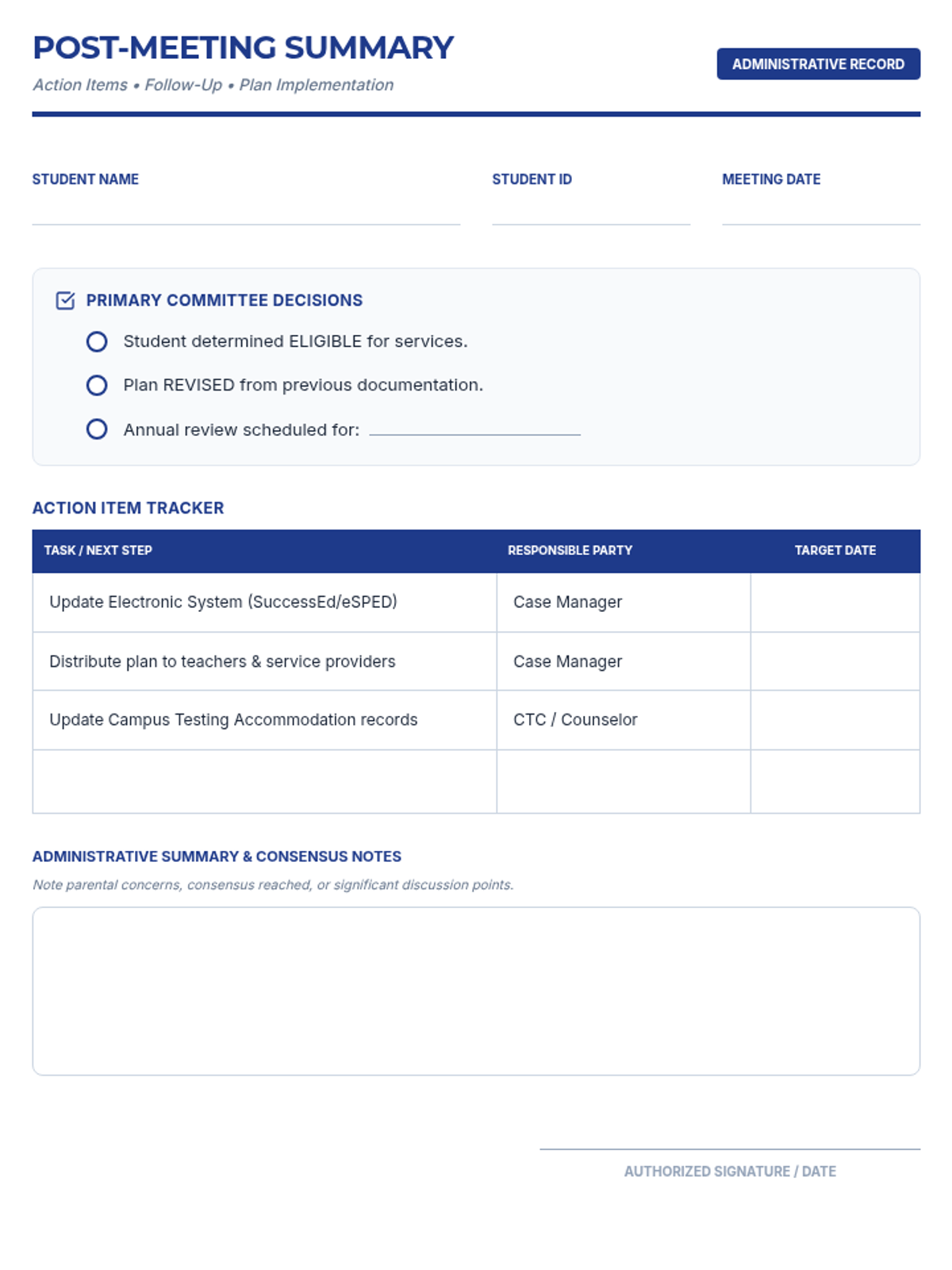
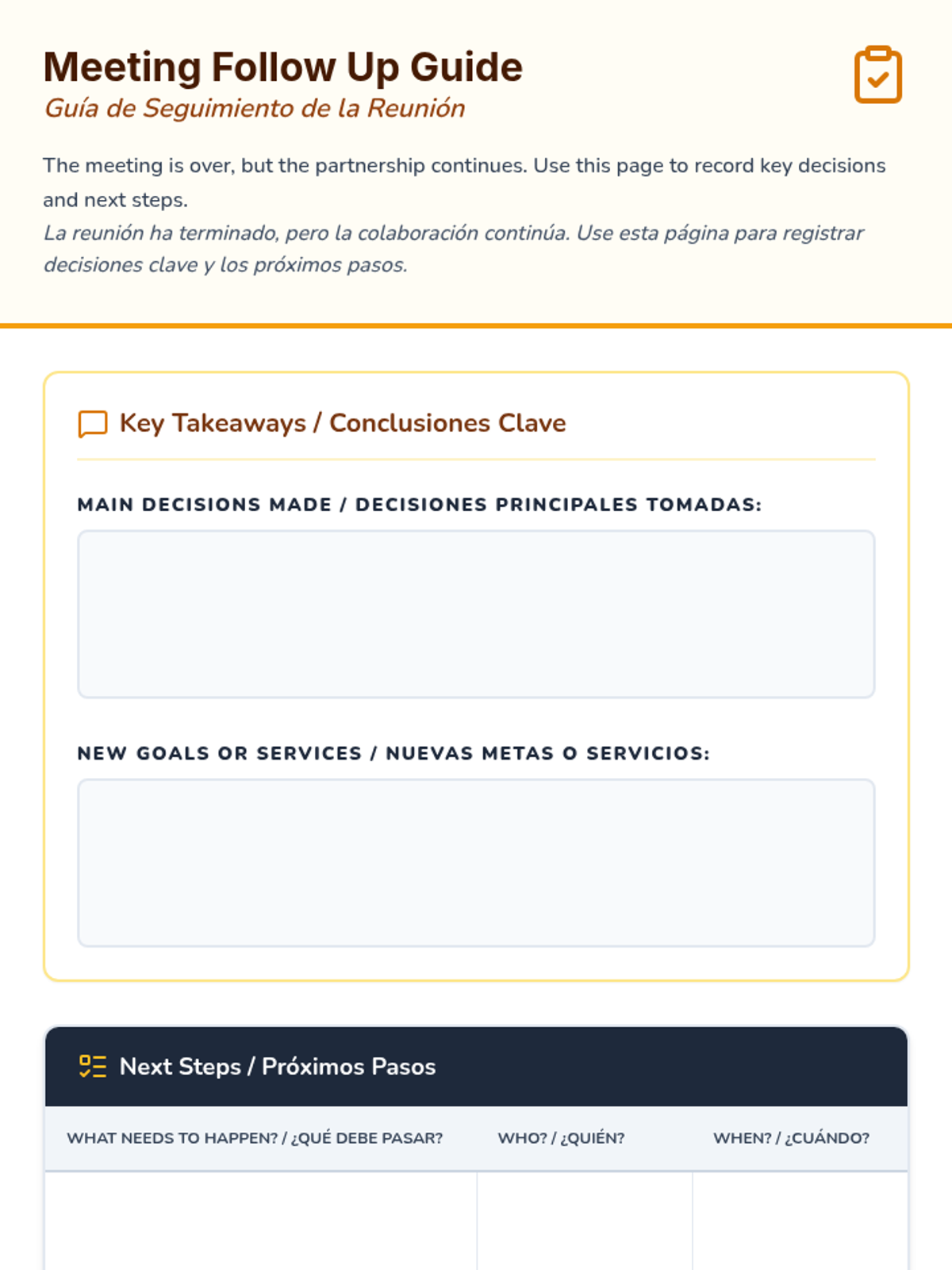
A comprehensive toolkit for elementary school counselors to streamline the 504 and IEP (ARD) process. This bundle includes data collection tools, communication templates, and meeting guides compliant with Texas Education Code standards.
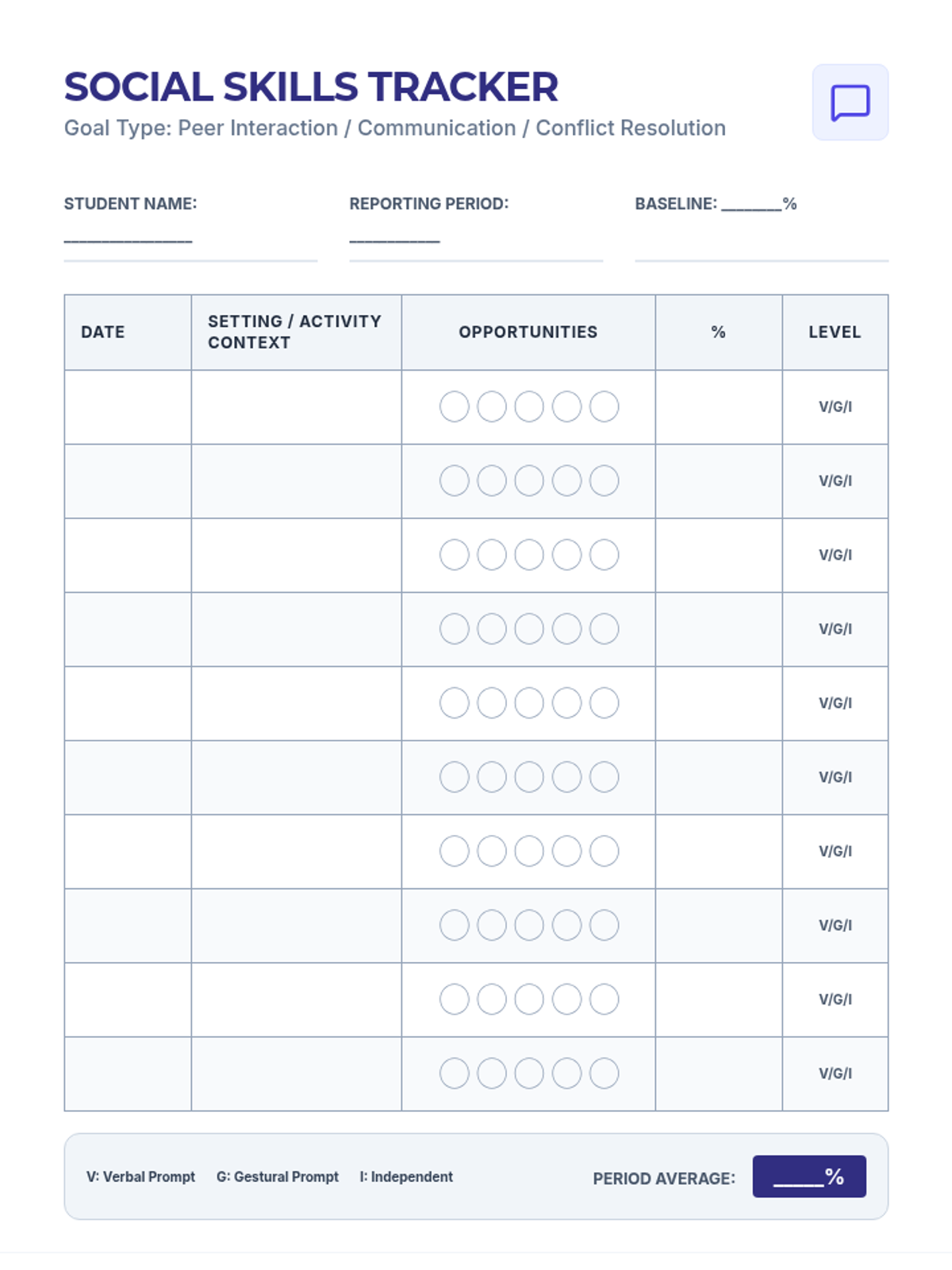
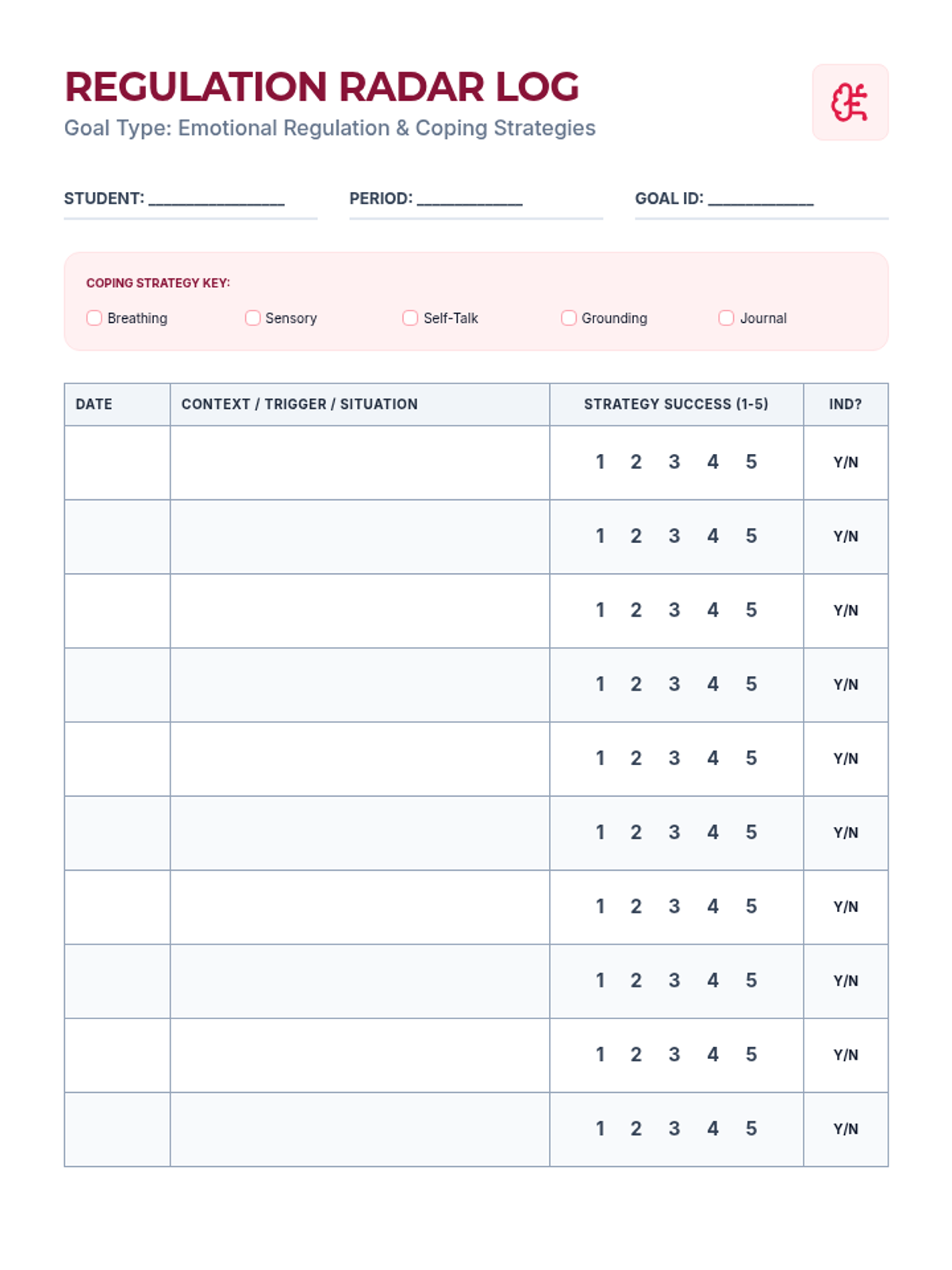
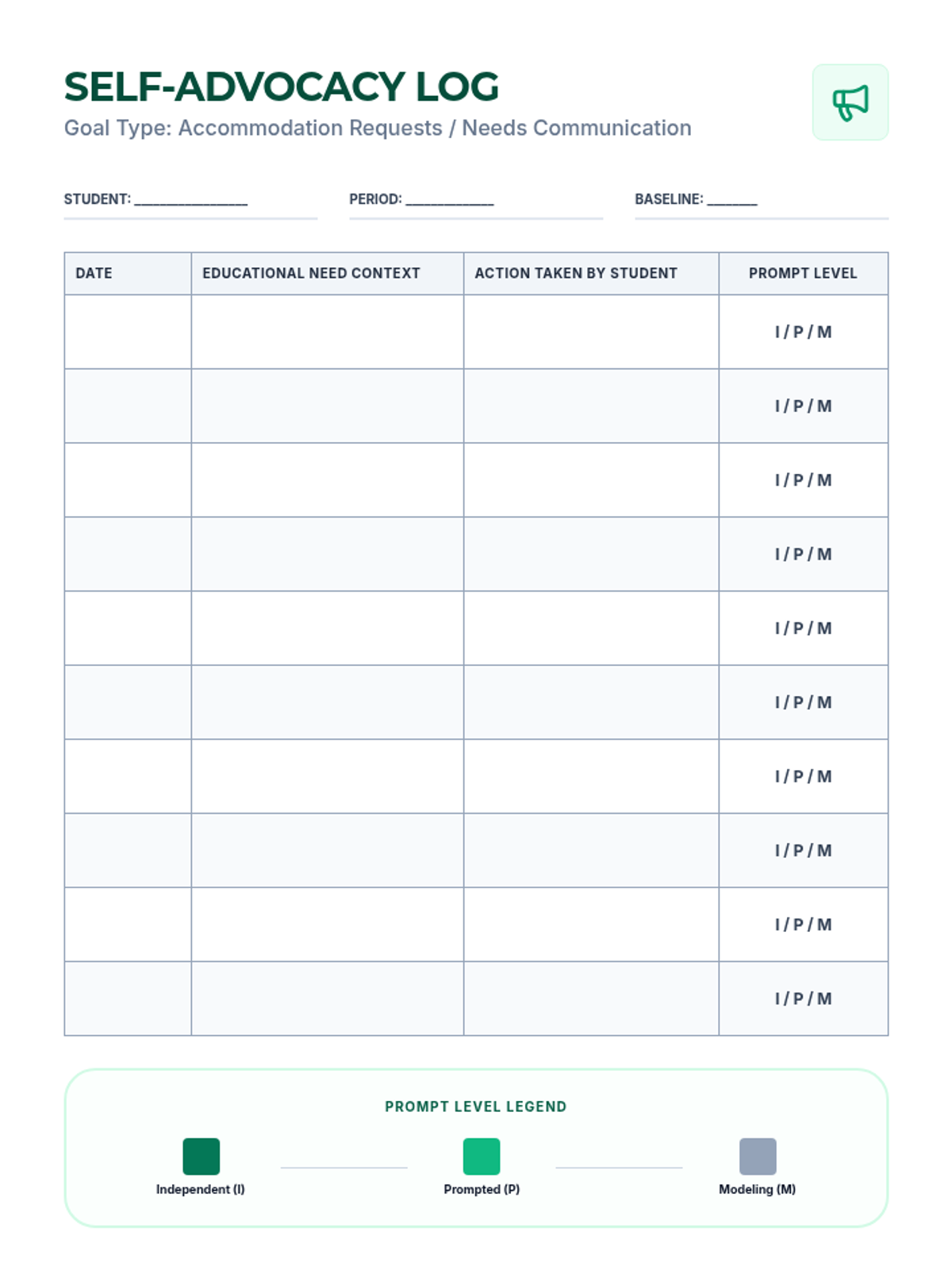
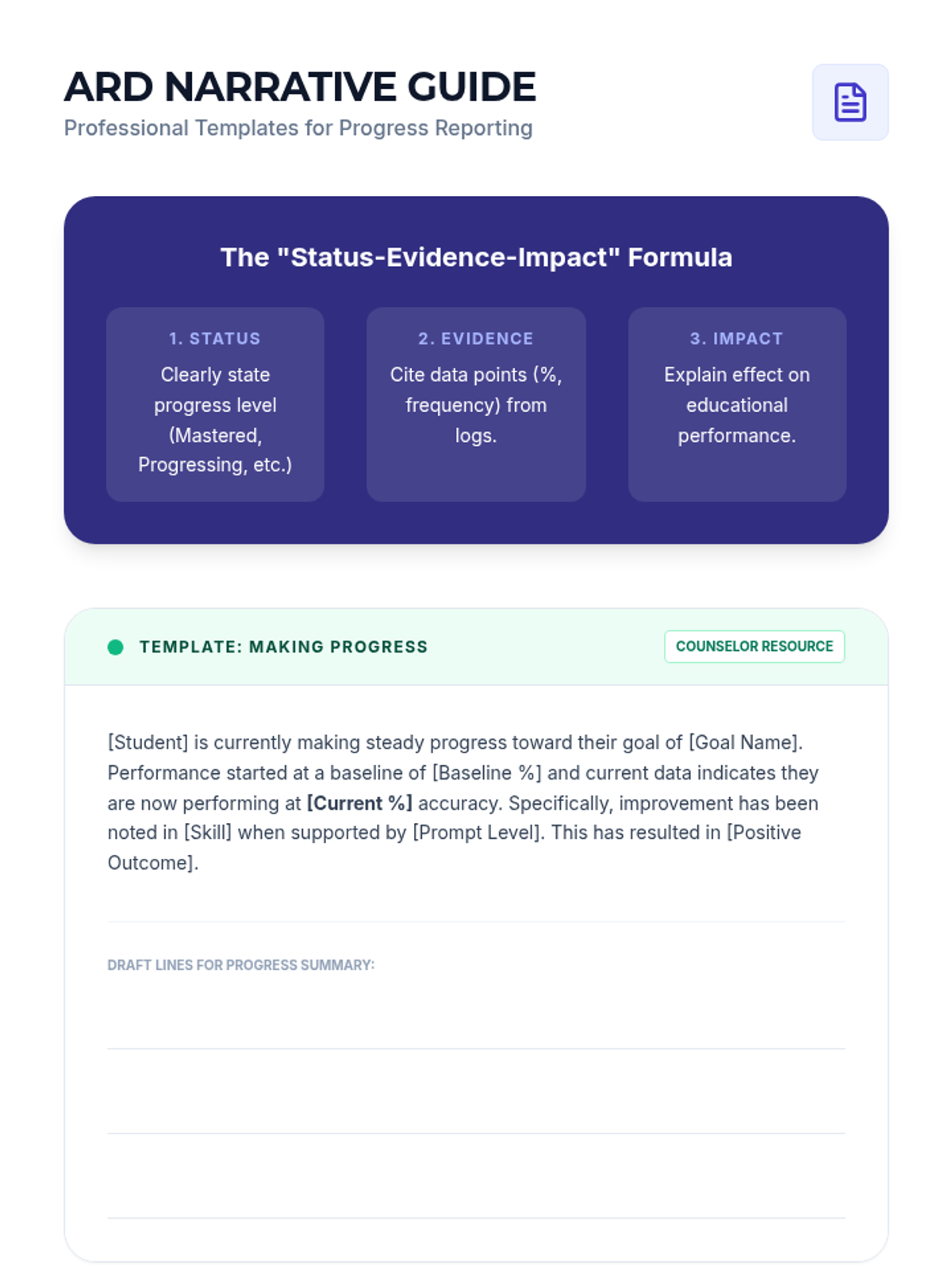
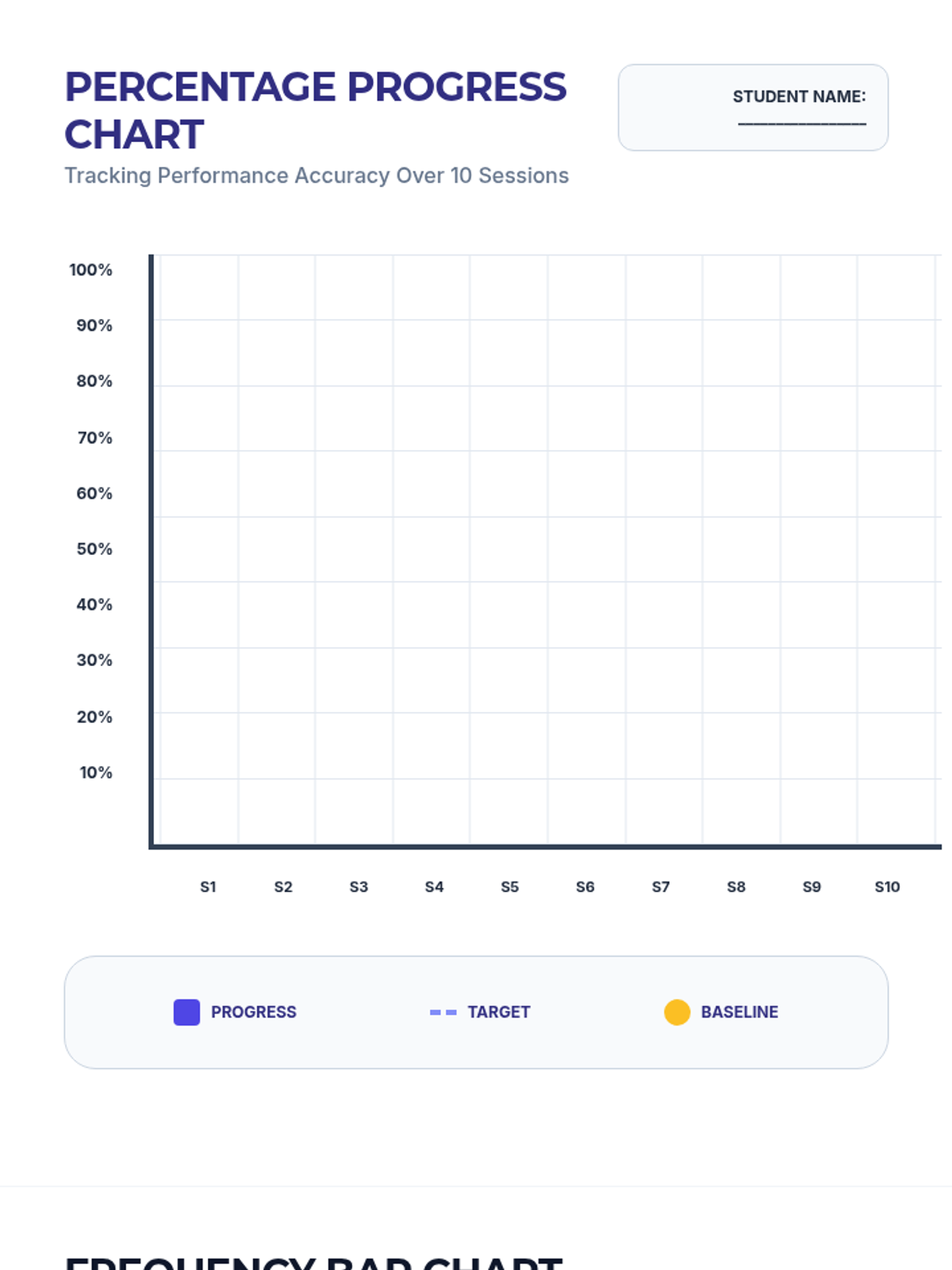
A comprehensive toolkit for high school counselors to efficiently monitor IEP goal progress across large caseloads. Includes data collection logs for social skills, emotional regulation, and self-advocacy, along with ARD narrative templates and visual charts.
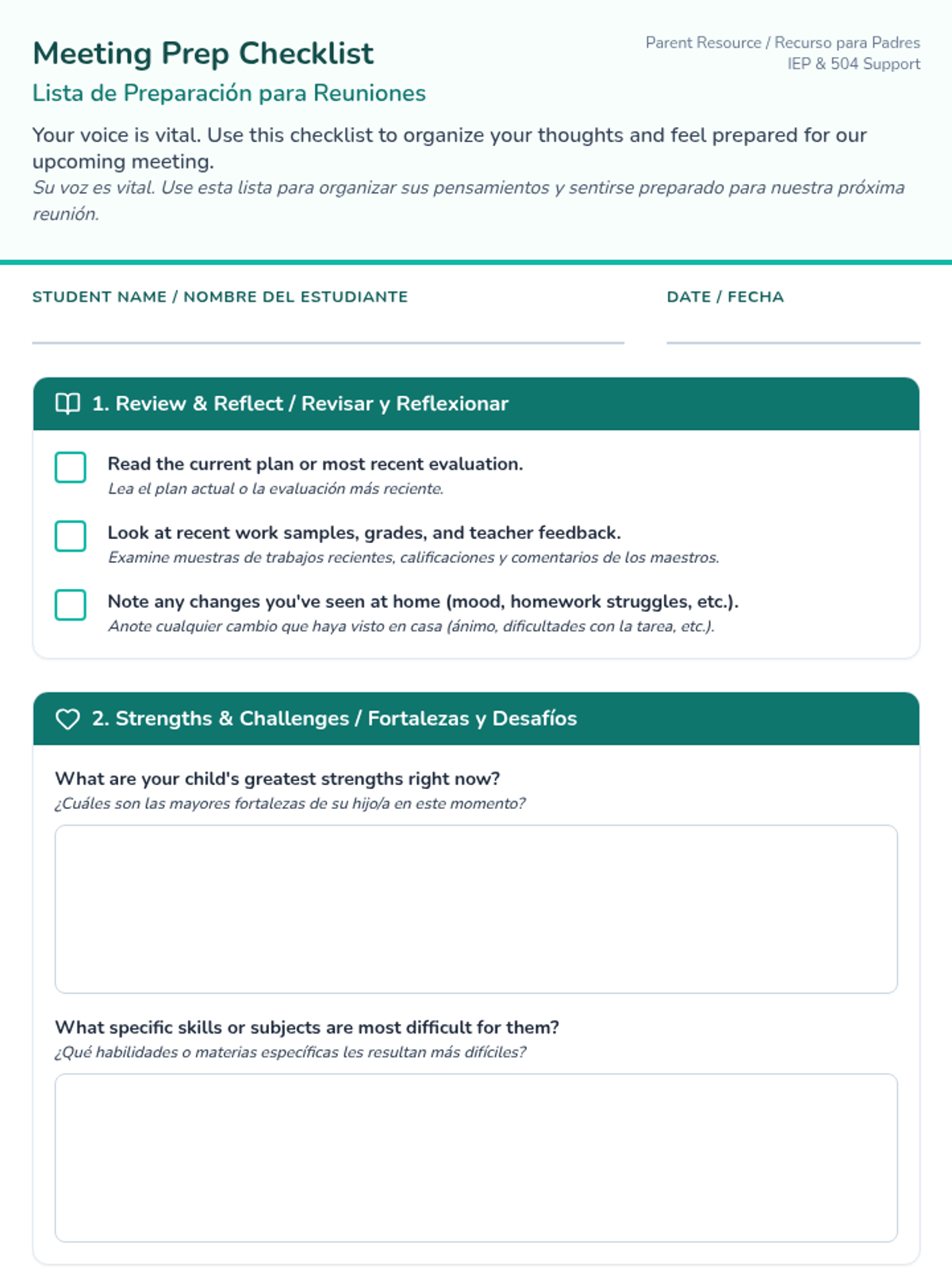
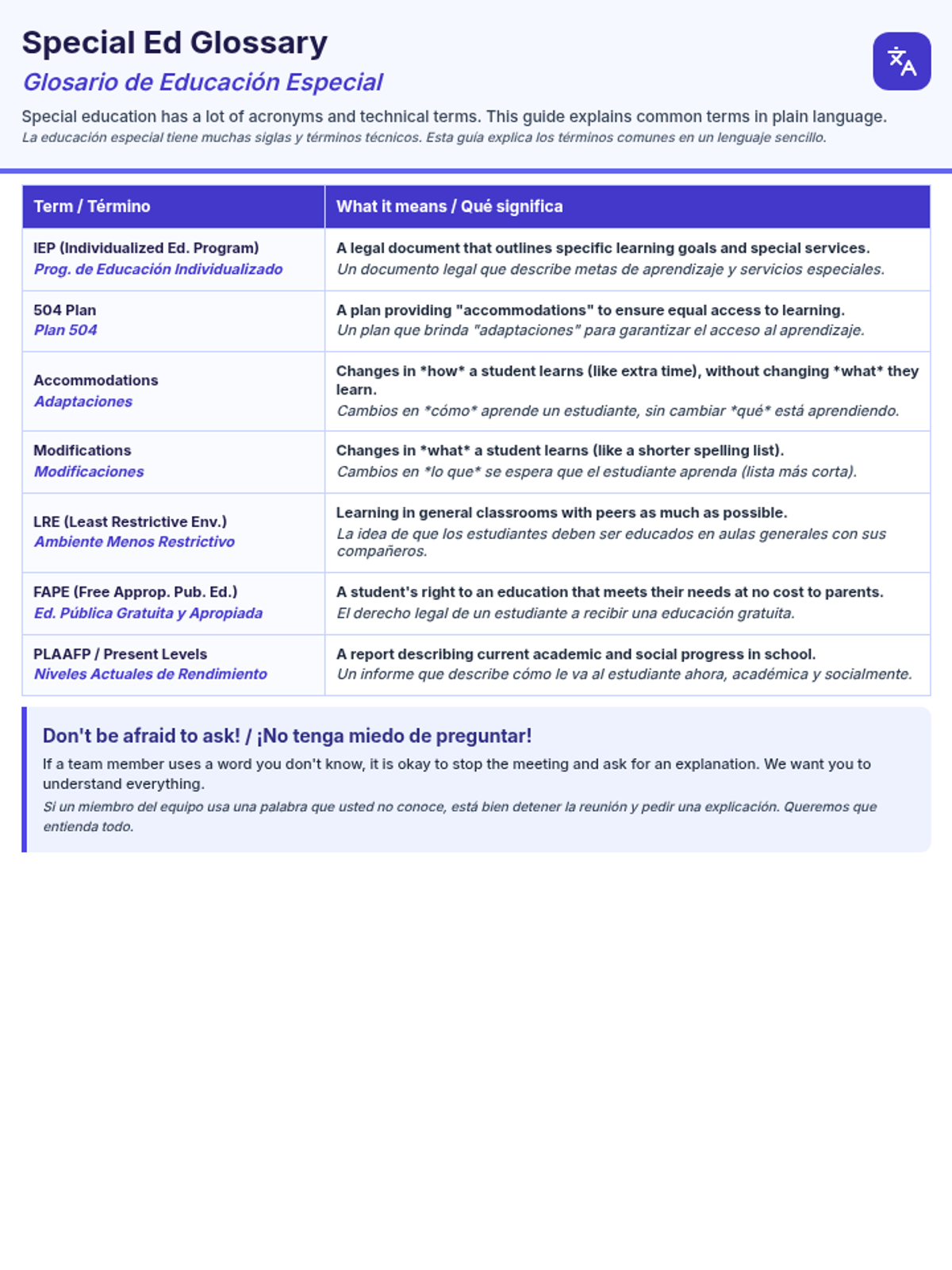
A comprehensive toolkit designed to empower parents during 504 and IEP meetings. It provides clear, bilingual resources to reduce anxiety and facilitate meaningful collaboration between home and school.
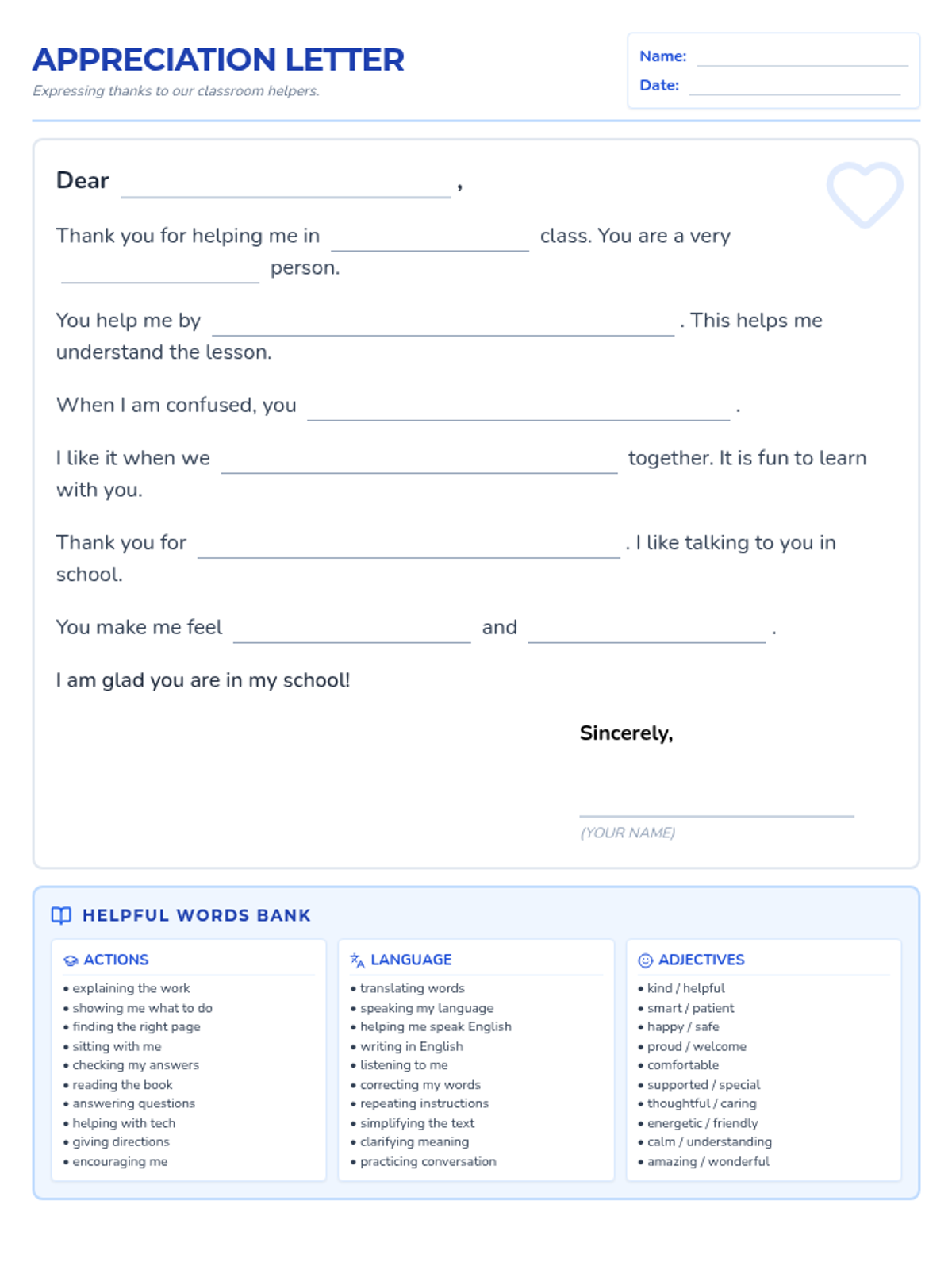
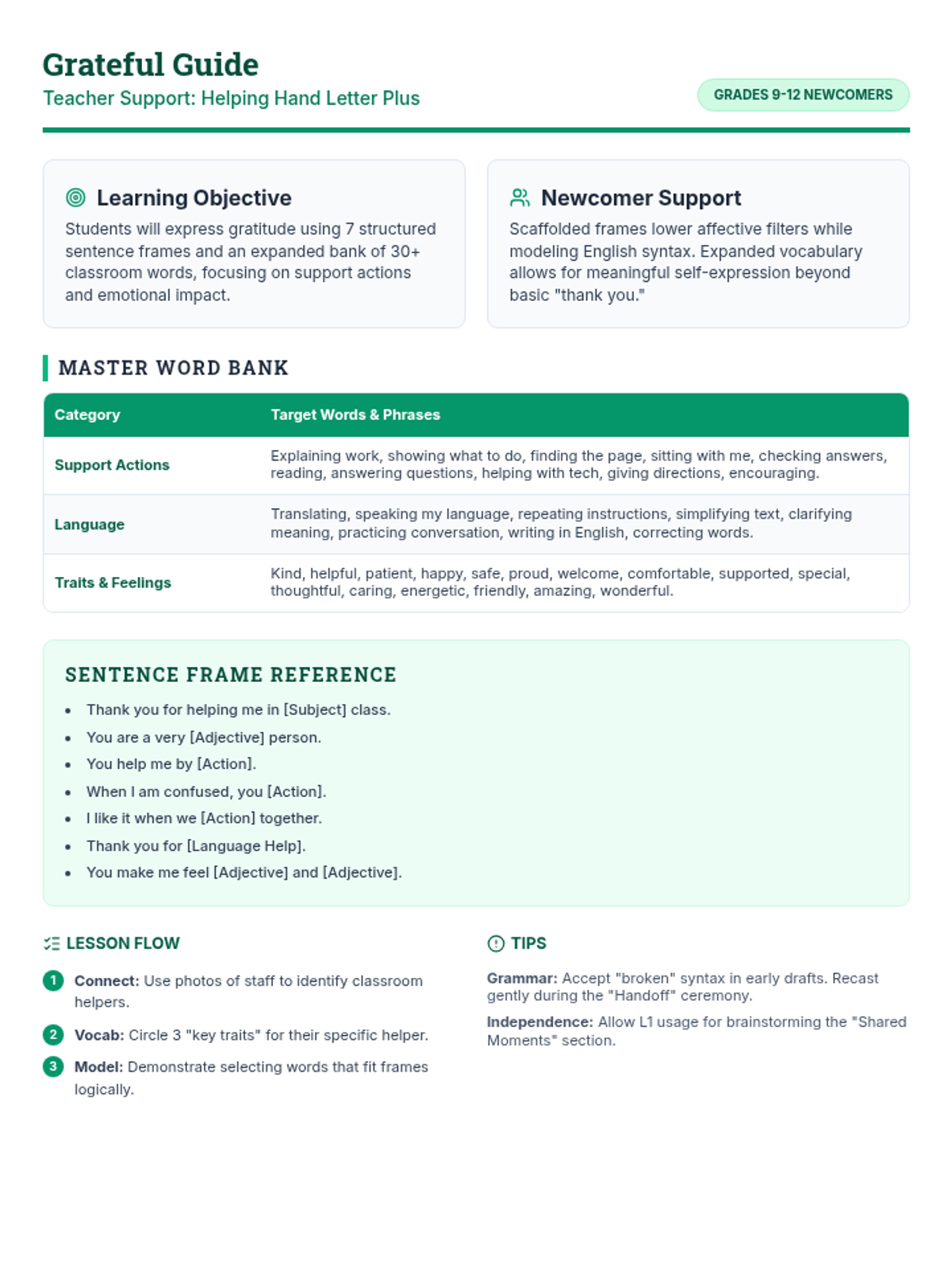
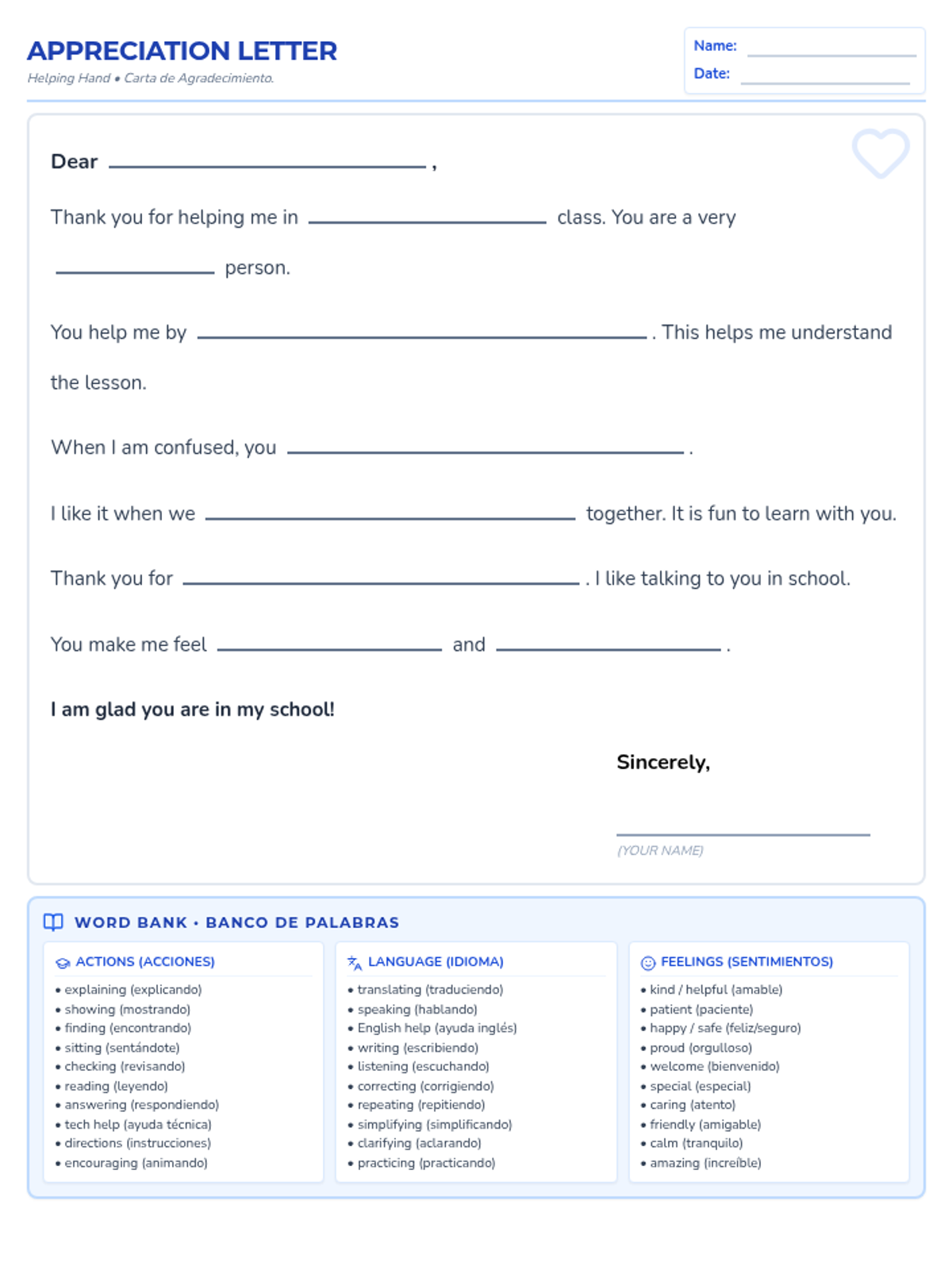
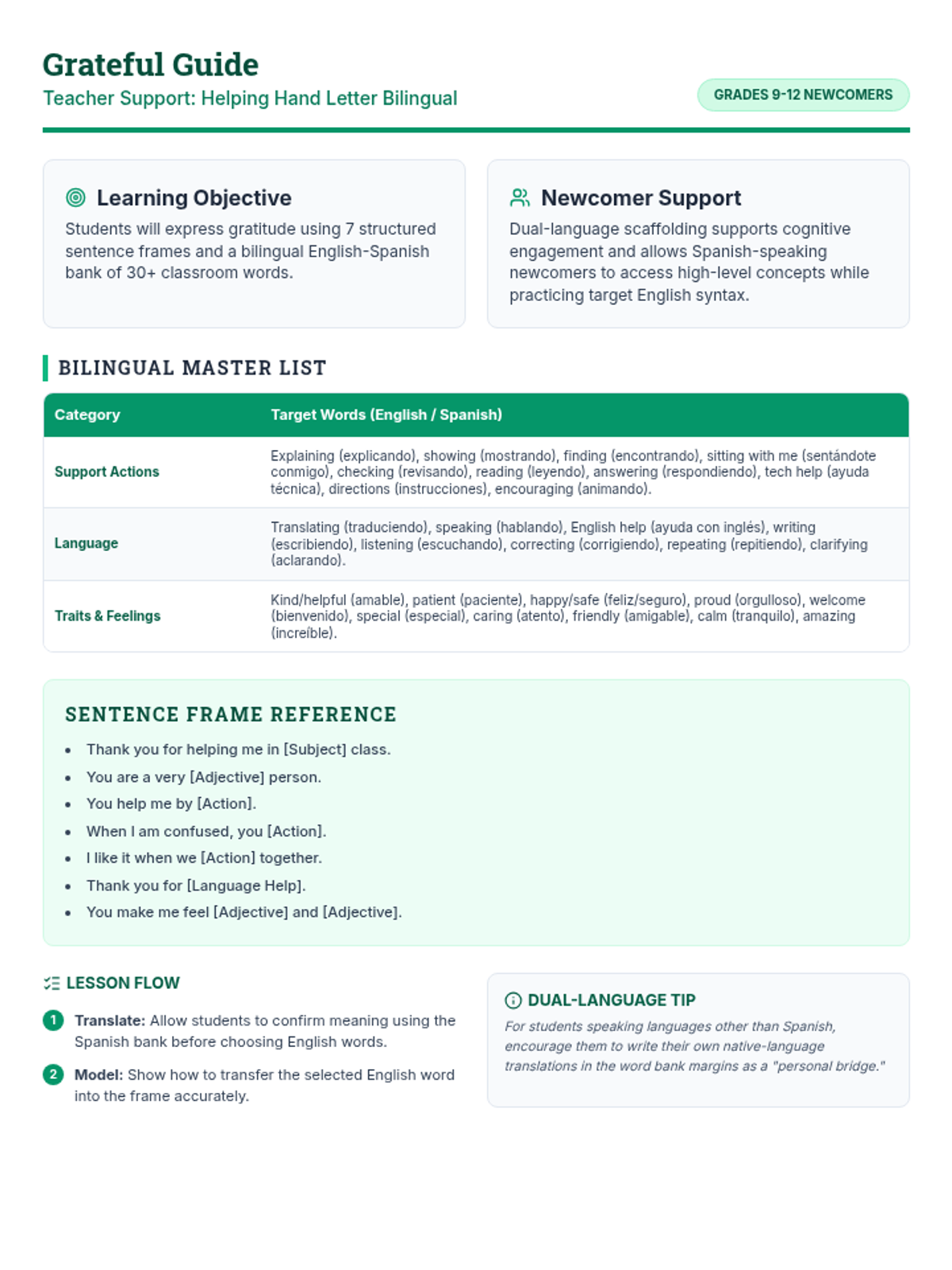
A lesson designed to help newcomer English learners express gratitude to paraprofessionals using structured sentence frames and targeted vocabulary.
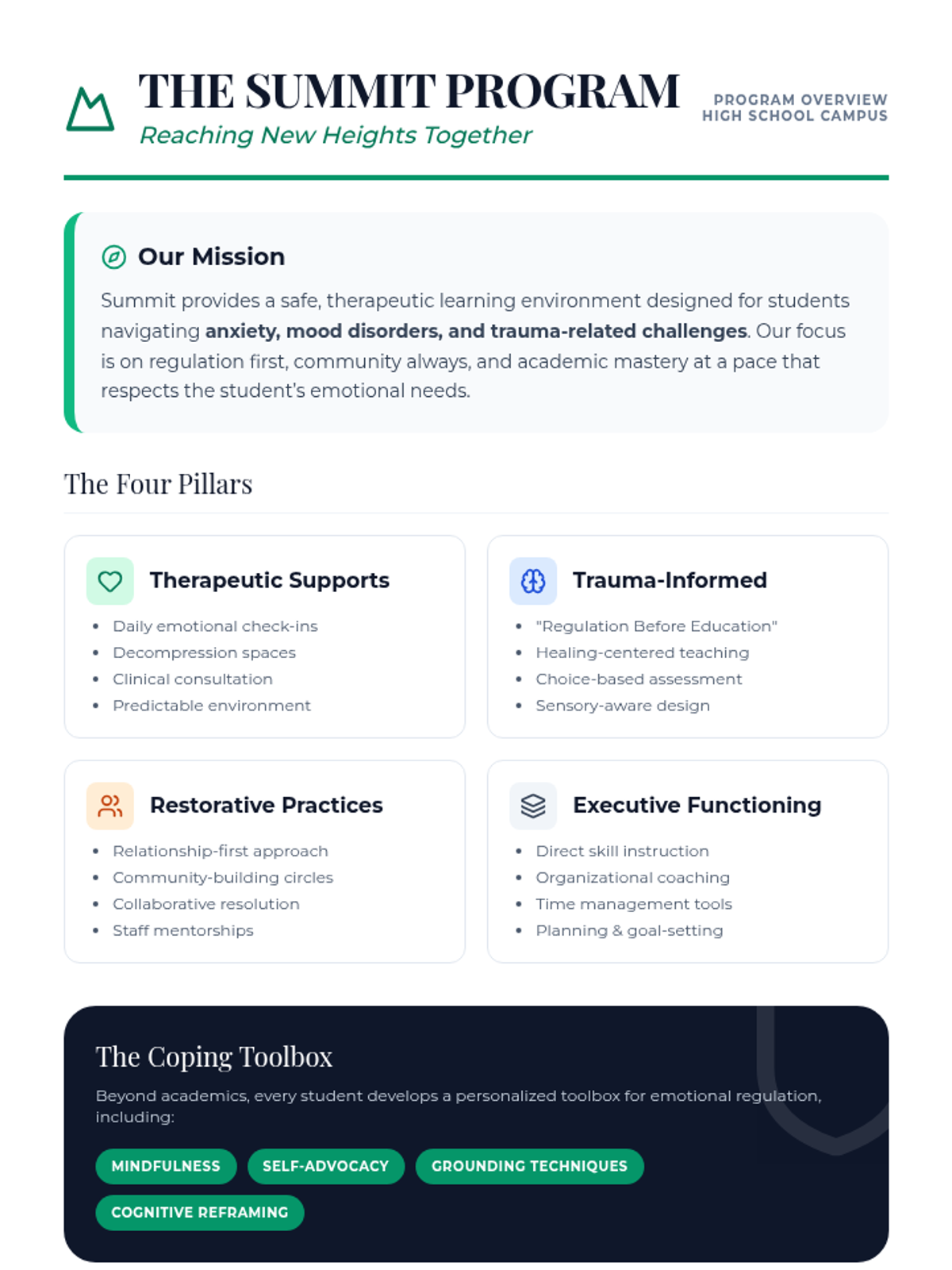
An introductory presentation and reference guide for parents to understand the Summit program's therapeutic and academic supports for students with social-emotional needs.
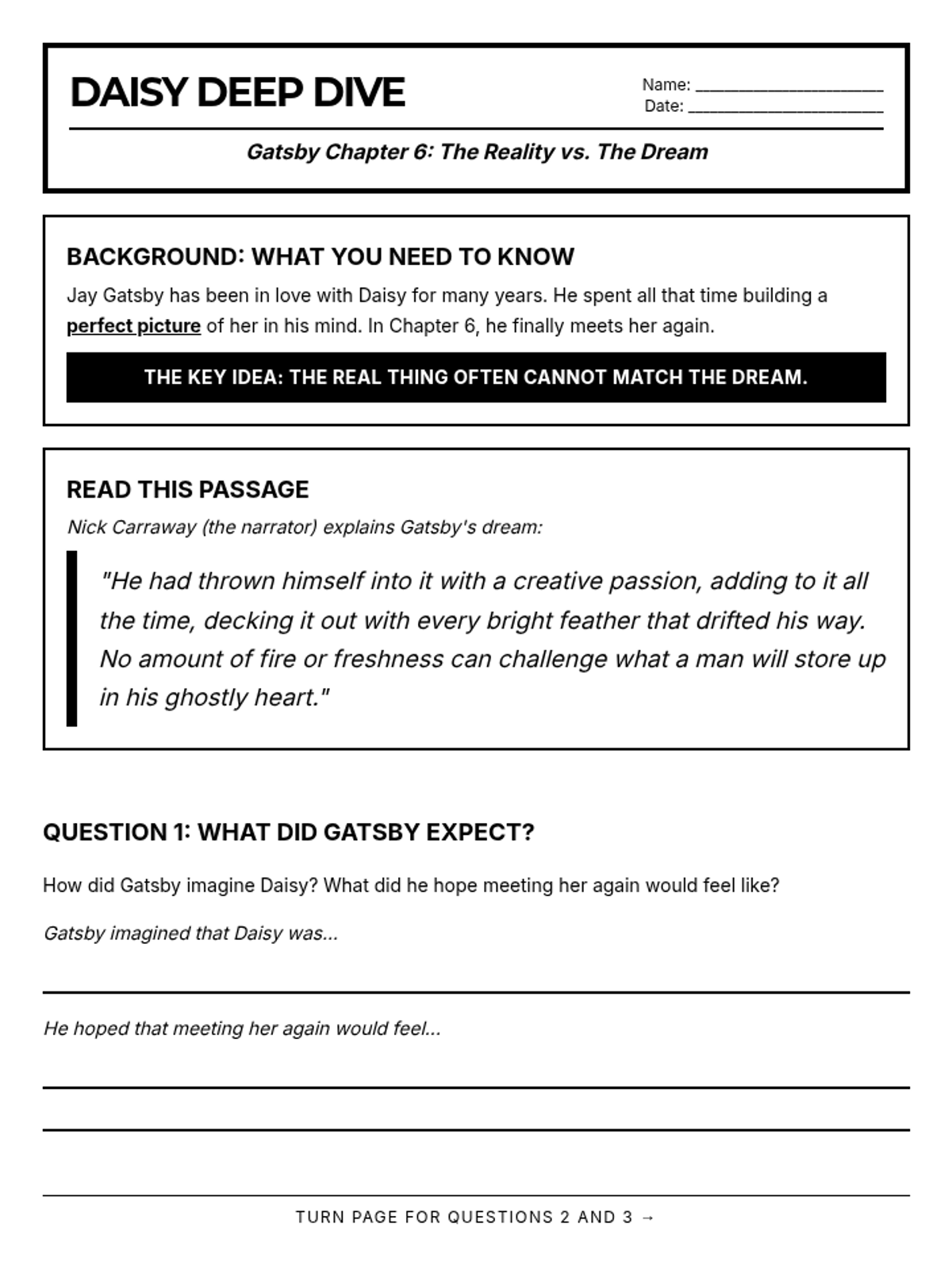
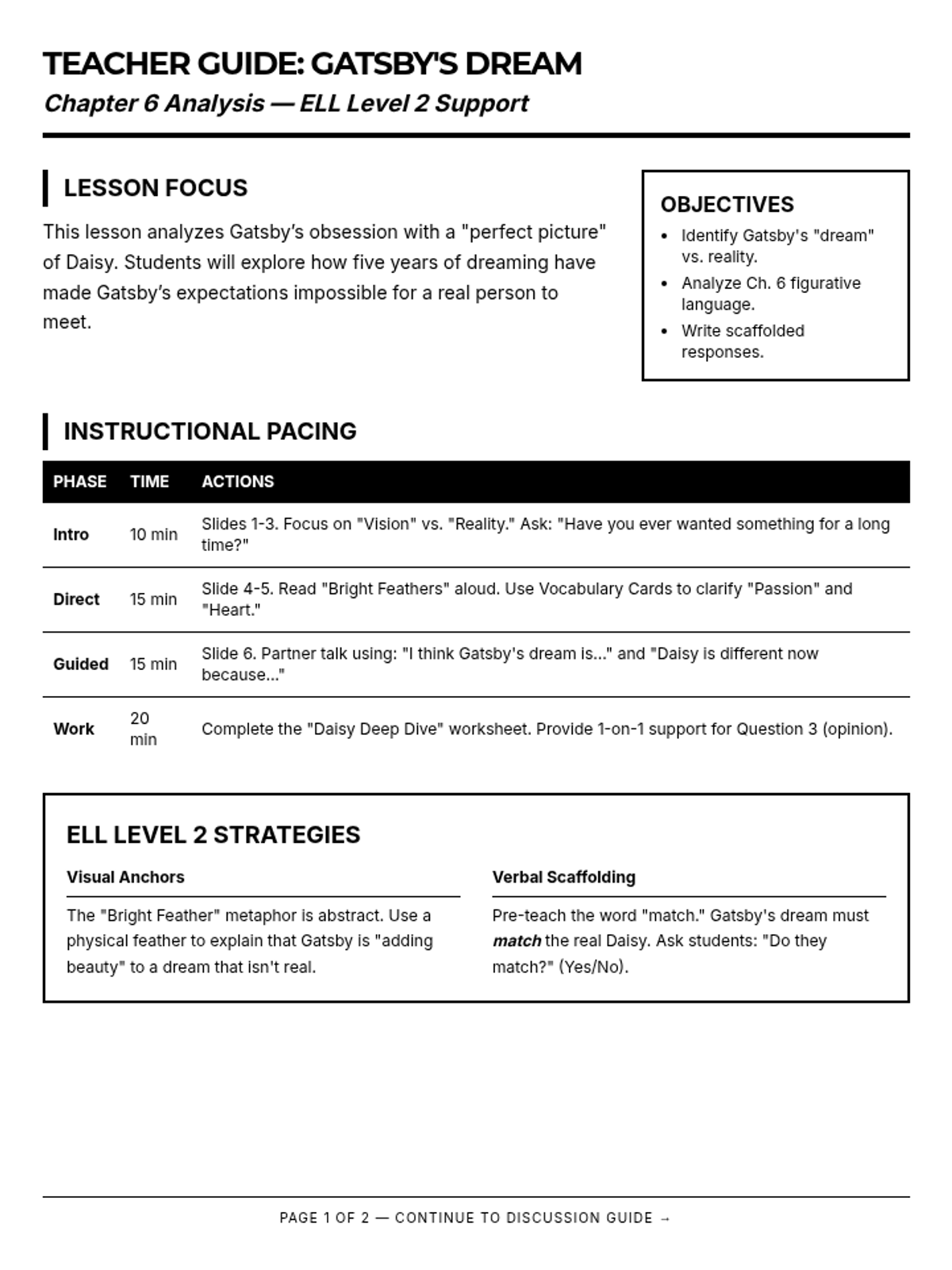
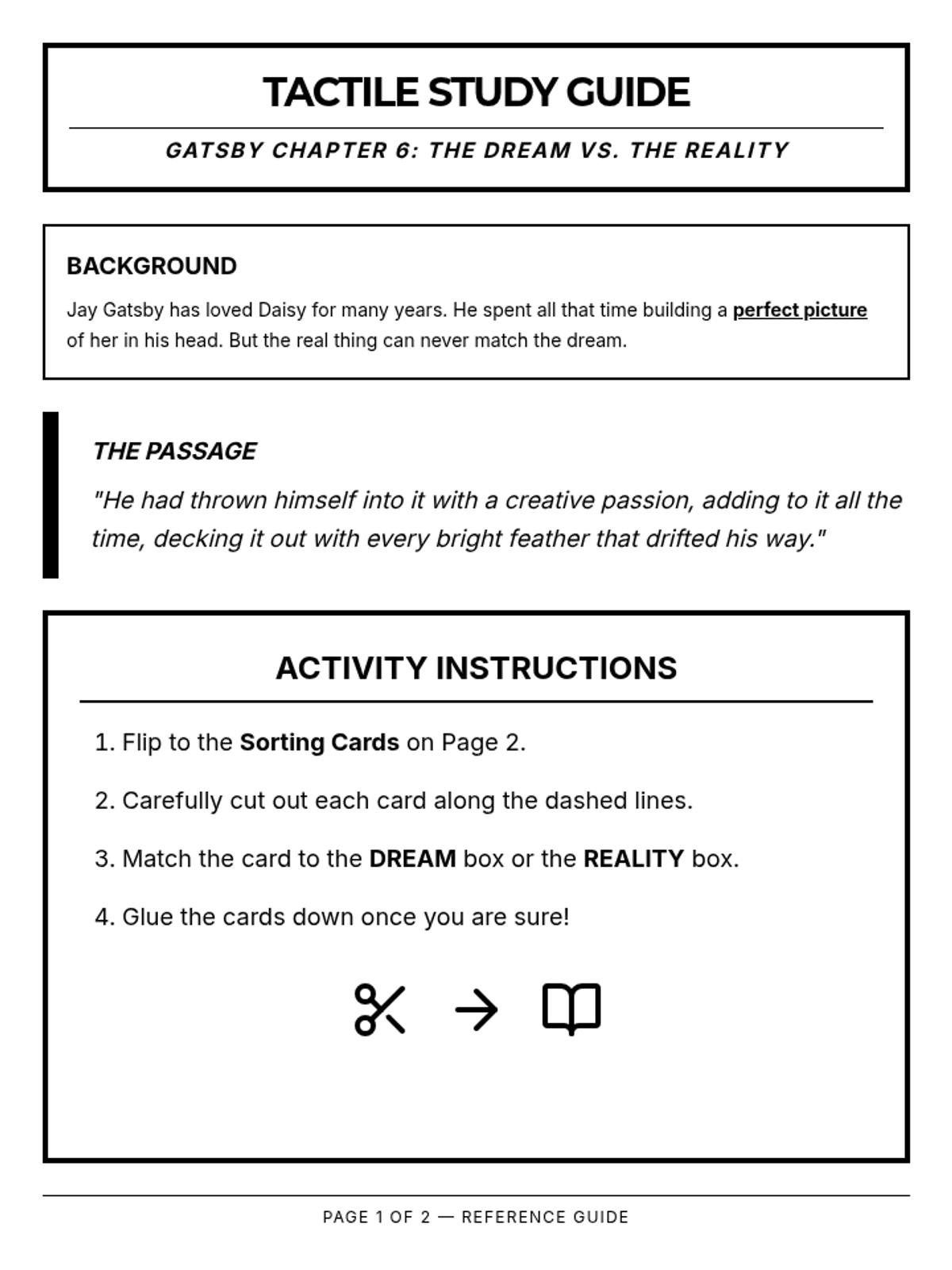
A Chapter 6 analysis focusing on Gatsby's idealized vision of Daisy and the conflict between his dreams and reality. Tailored for ELL Level 2 students with visual support and scaffolded writing tasks.
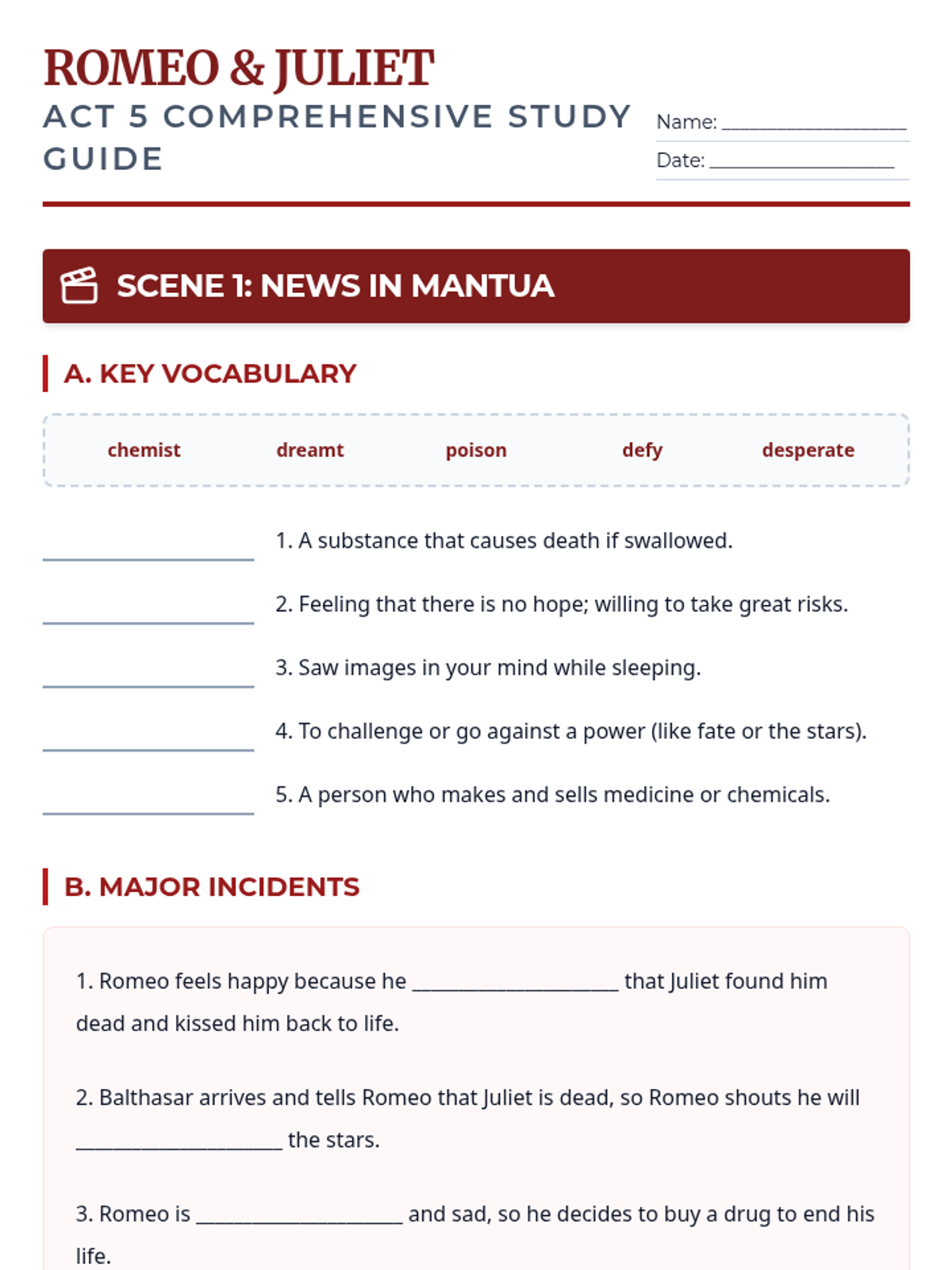
A comprehensive study guide for Act 5 of Shakespeare's Romeo and Juliet, designed for WIDA level 3 English language learners. Includes vocabulary, summary completion, literary term analysis, and event sequencing.
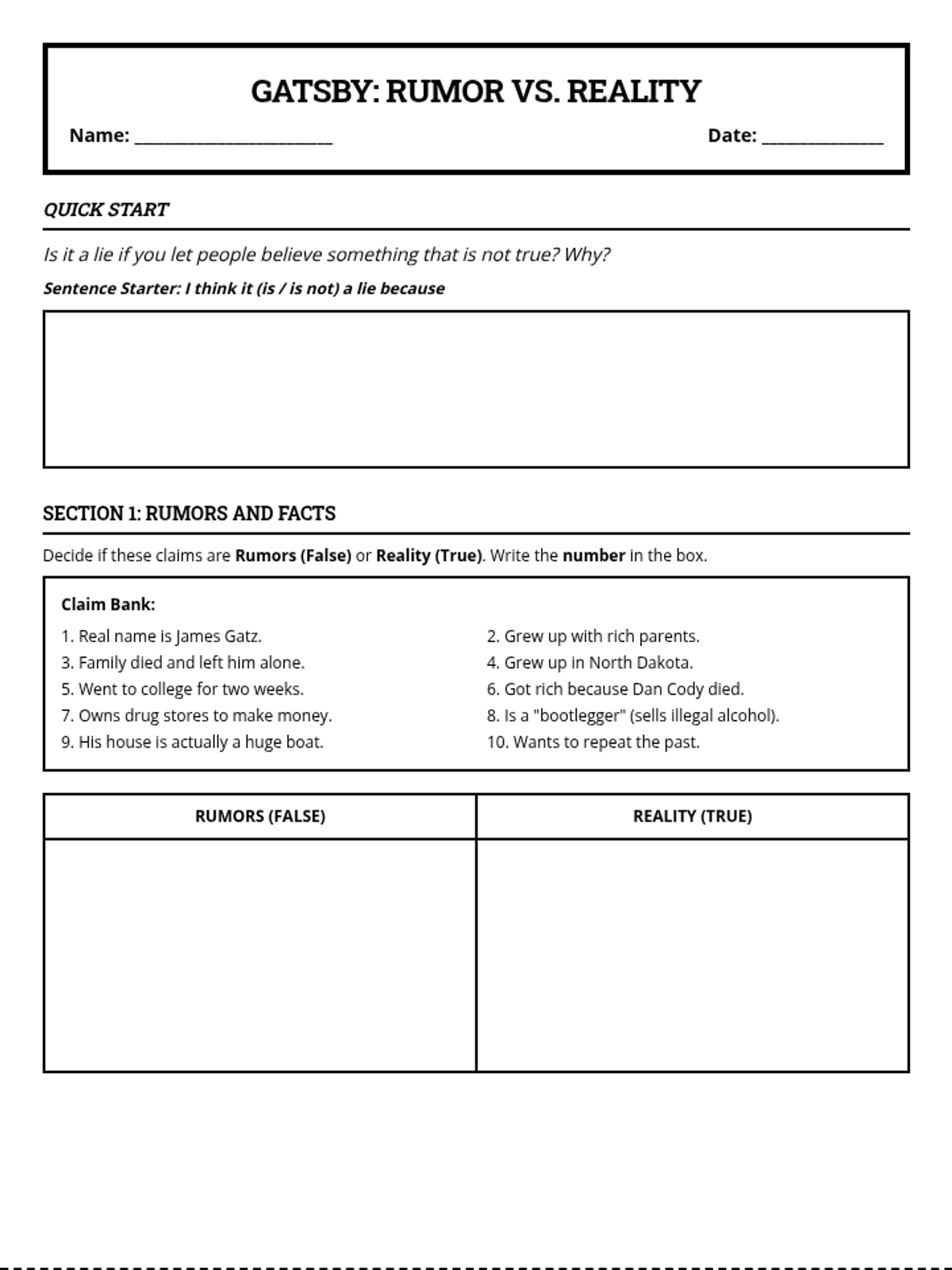
A level 2 ELL assignment focused on character identity and rumors in Chapter 6 of The Great Gatsby, featuring simplified language and sentence scaffolds.
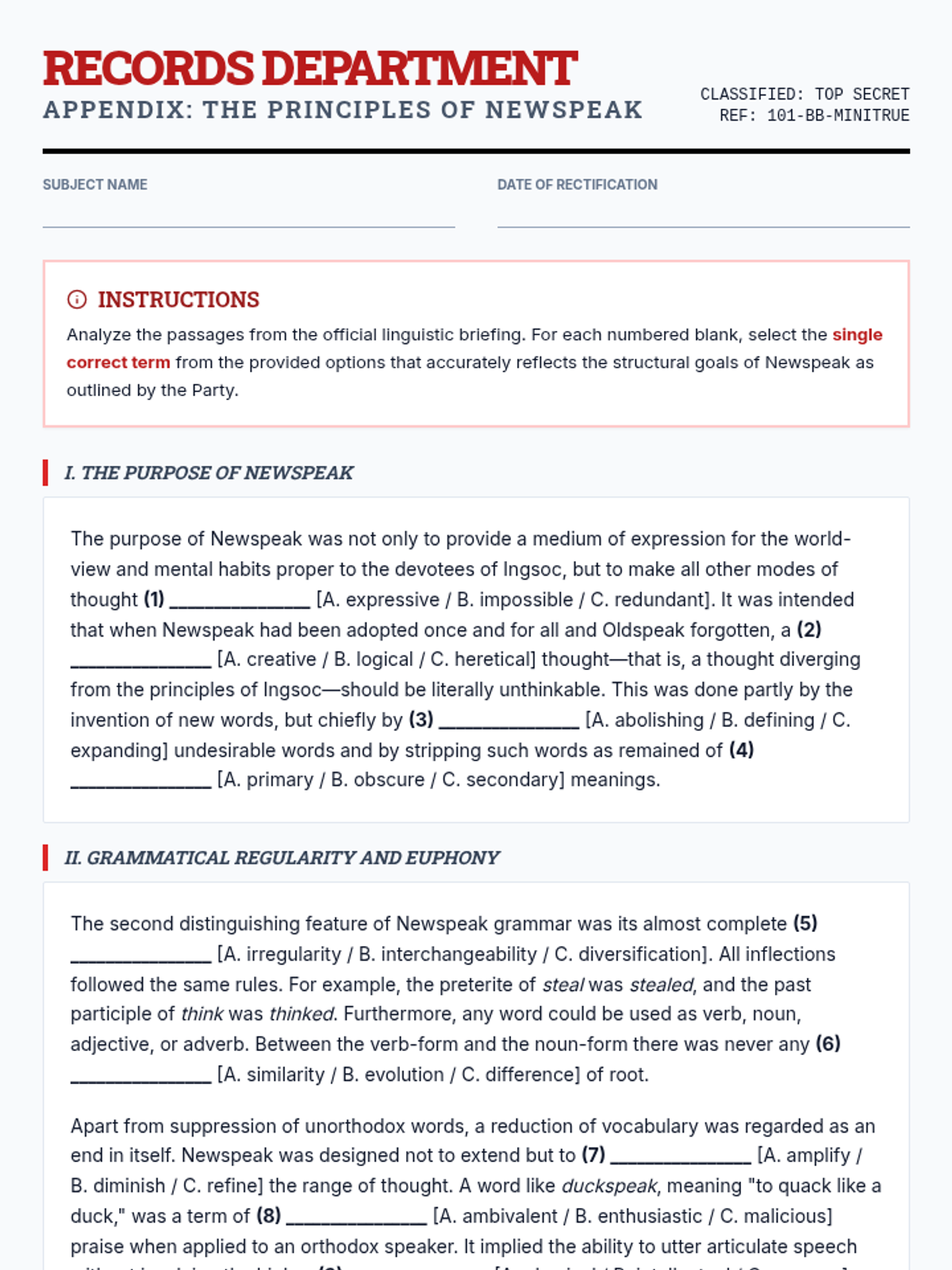
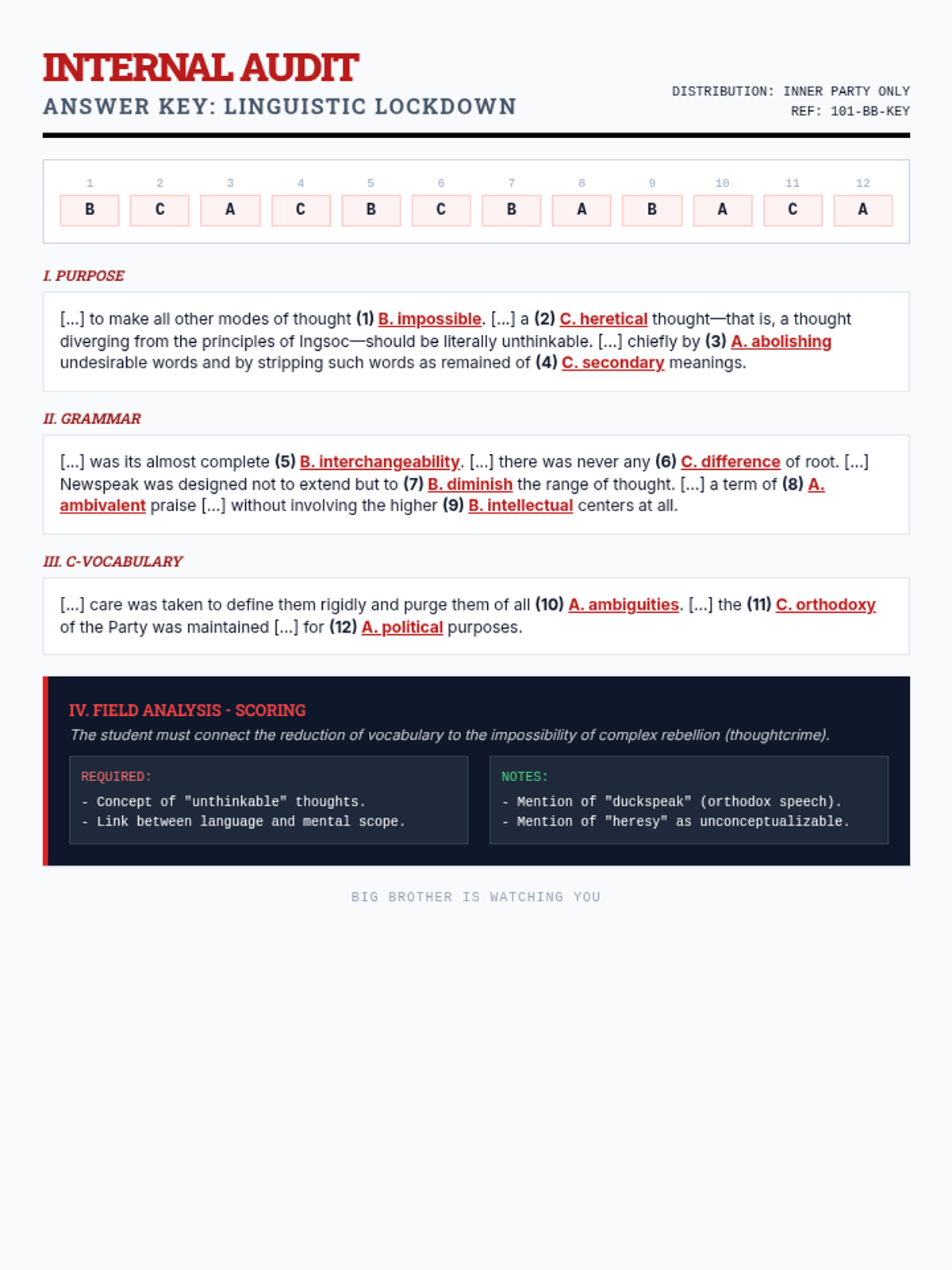
A deep dive into the linguistic control mechanisms of Oceania, focusing on the vocabulary and structural goals of Newspeak as described in George Orwell's 1984.
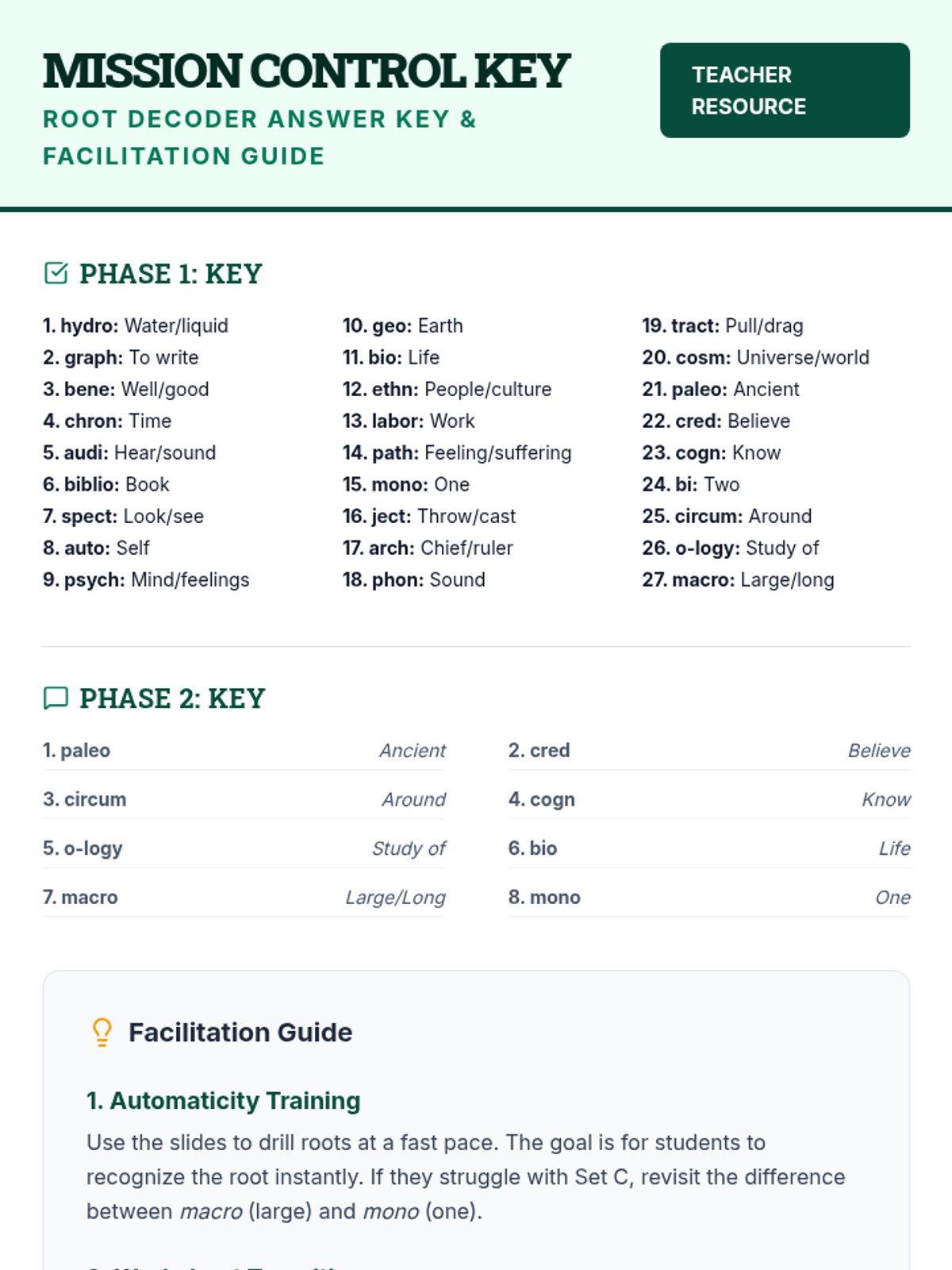
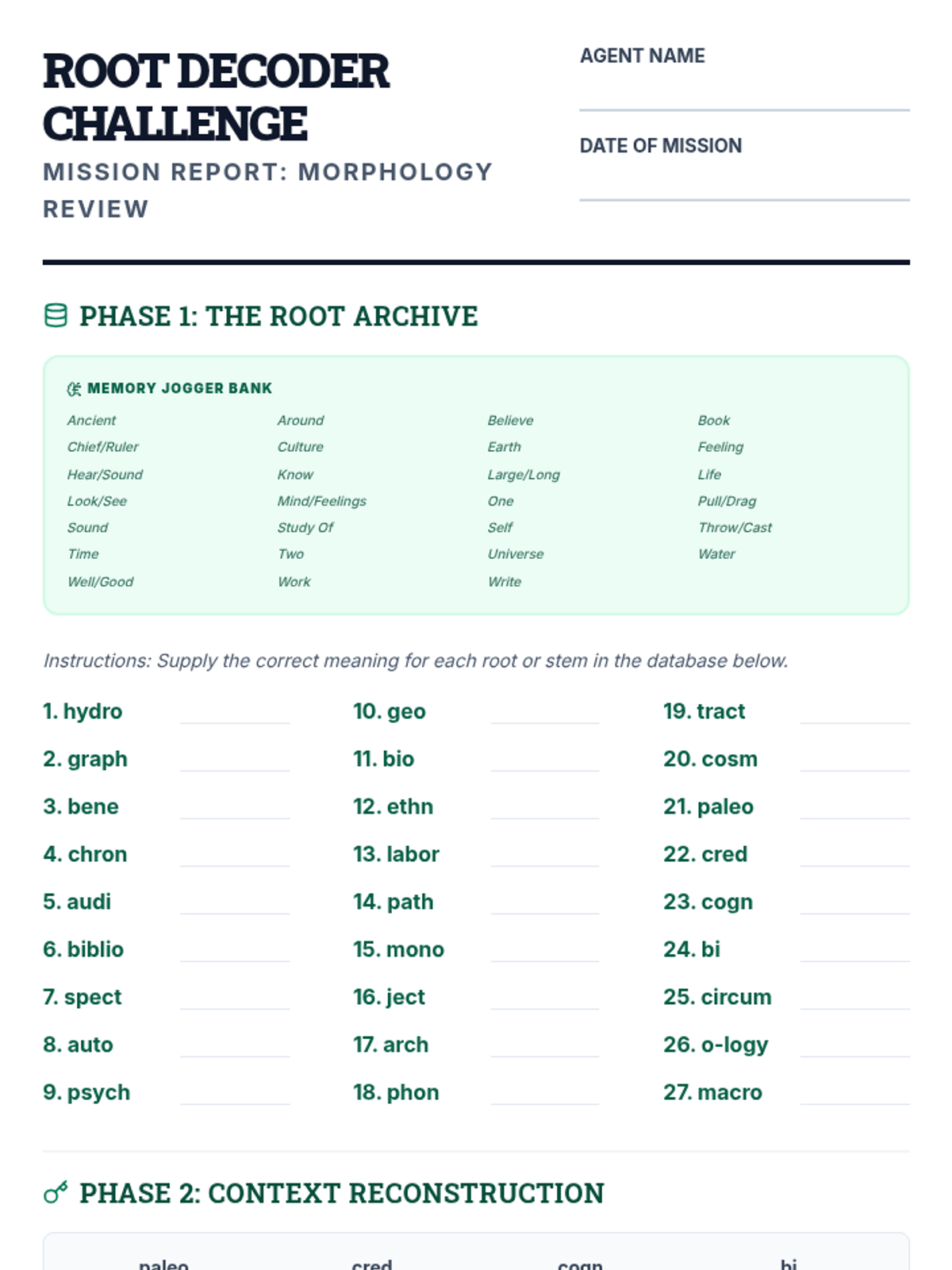
A comprehensive review lesson covering 27 Greek and Latin roots to help developmental reading students prepare for their morphology assessment through gamified slides and a decoding worksheet.
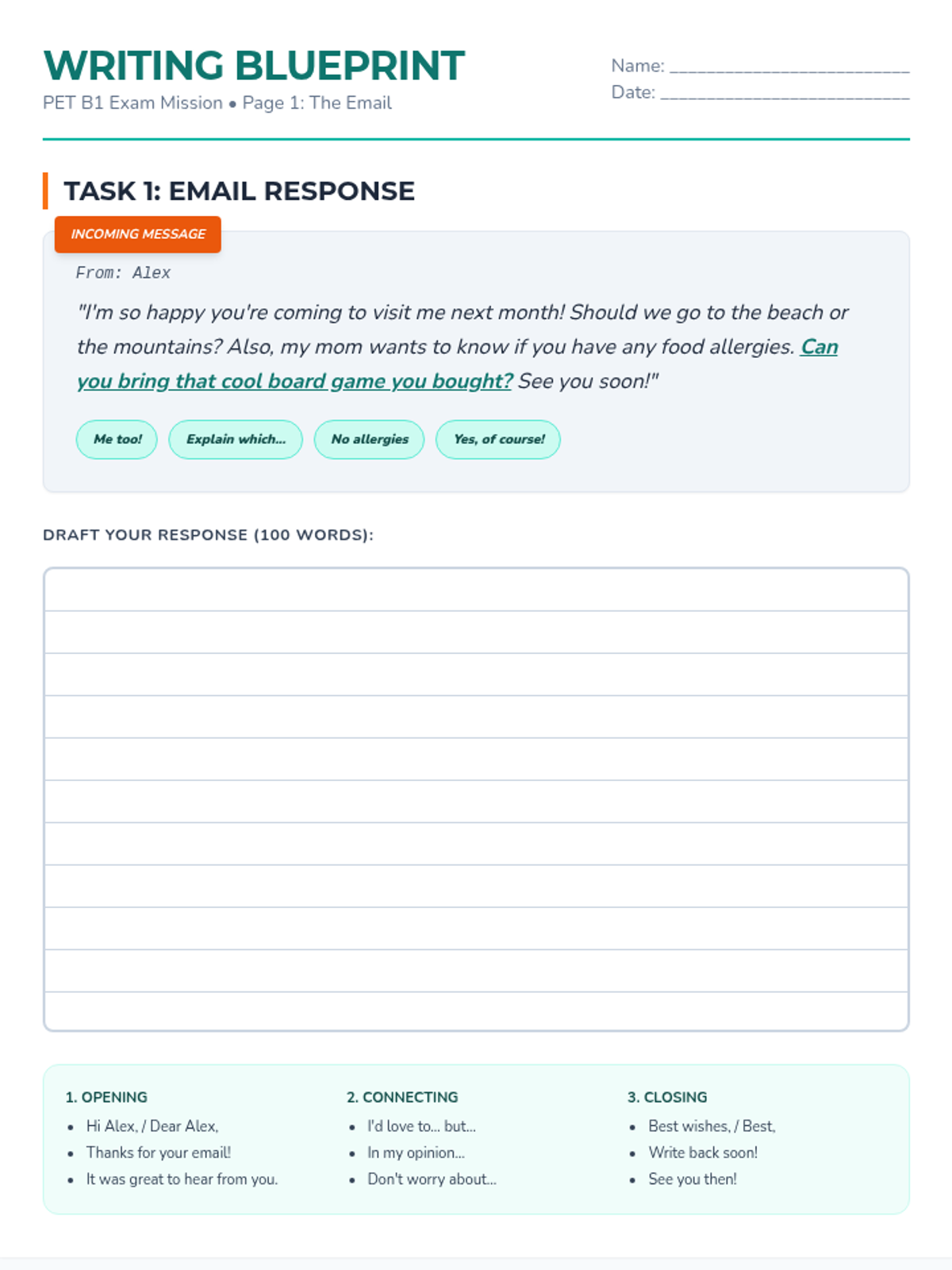
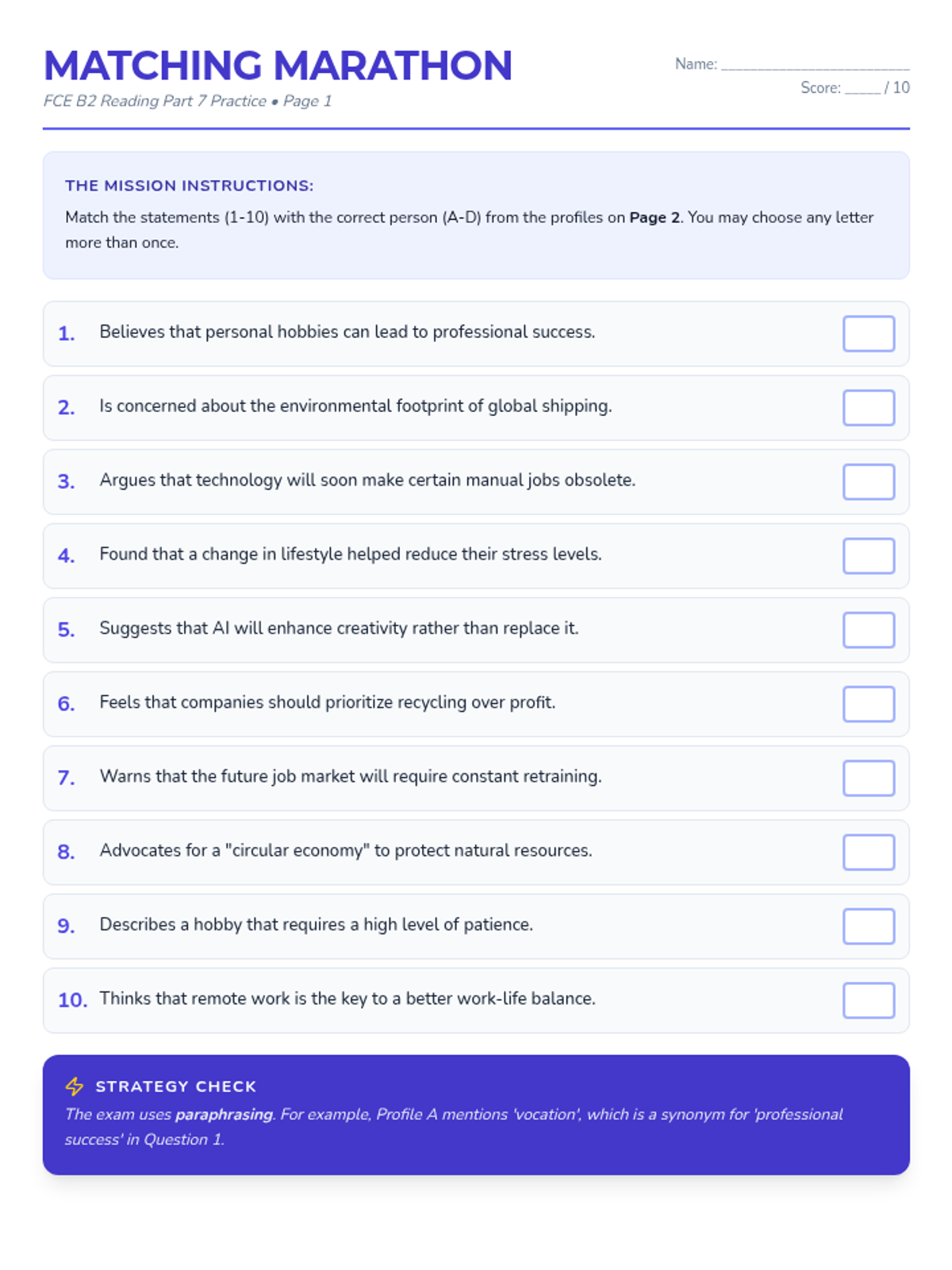
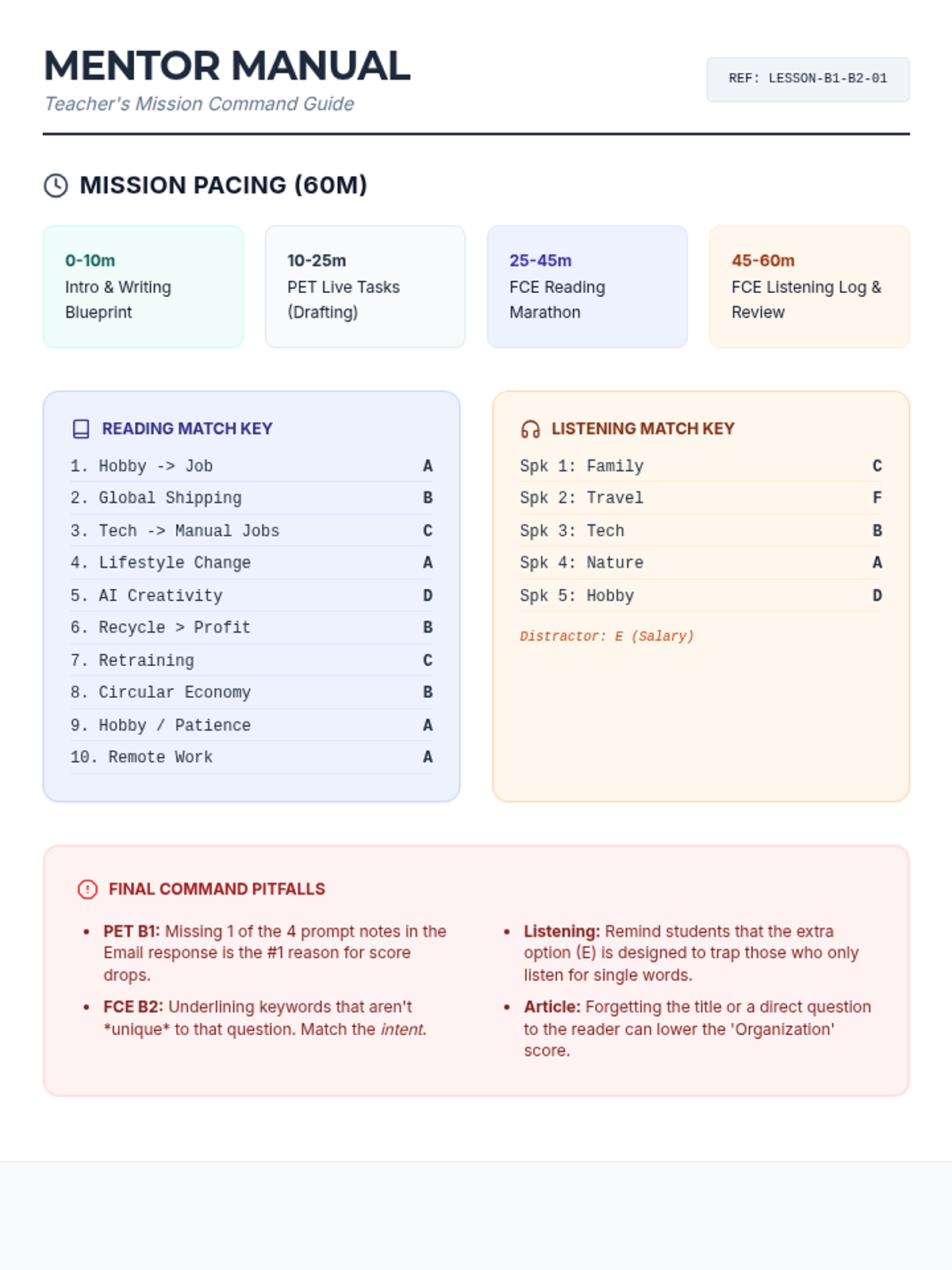
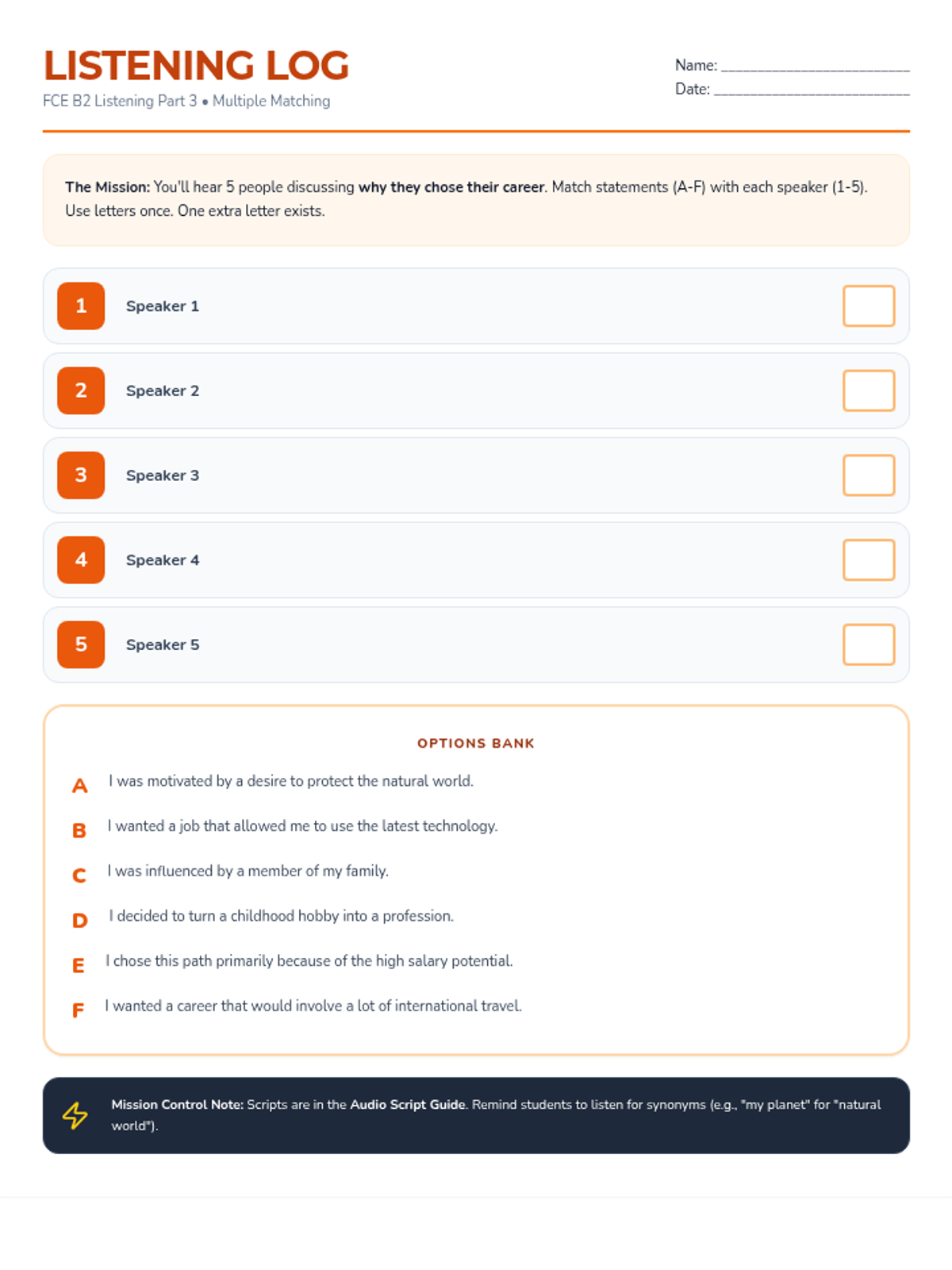
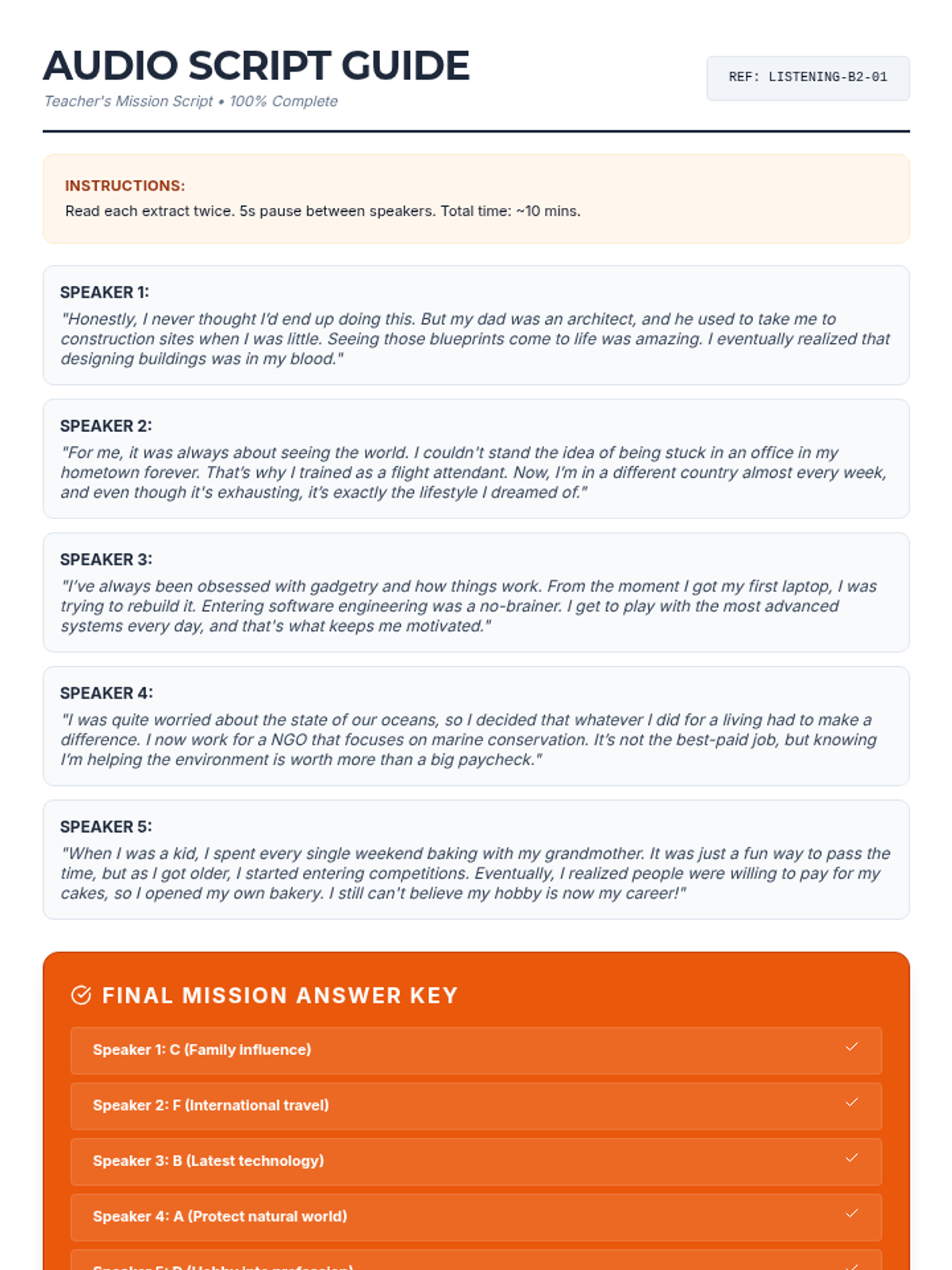
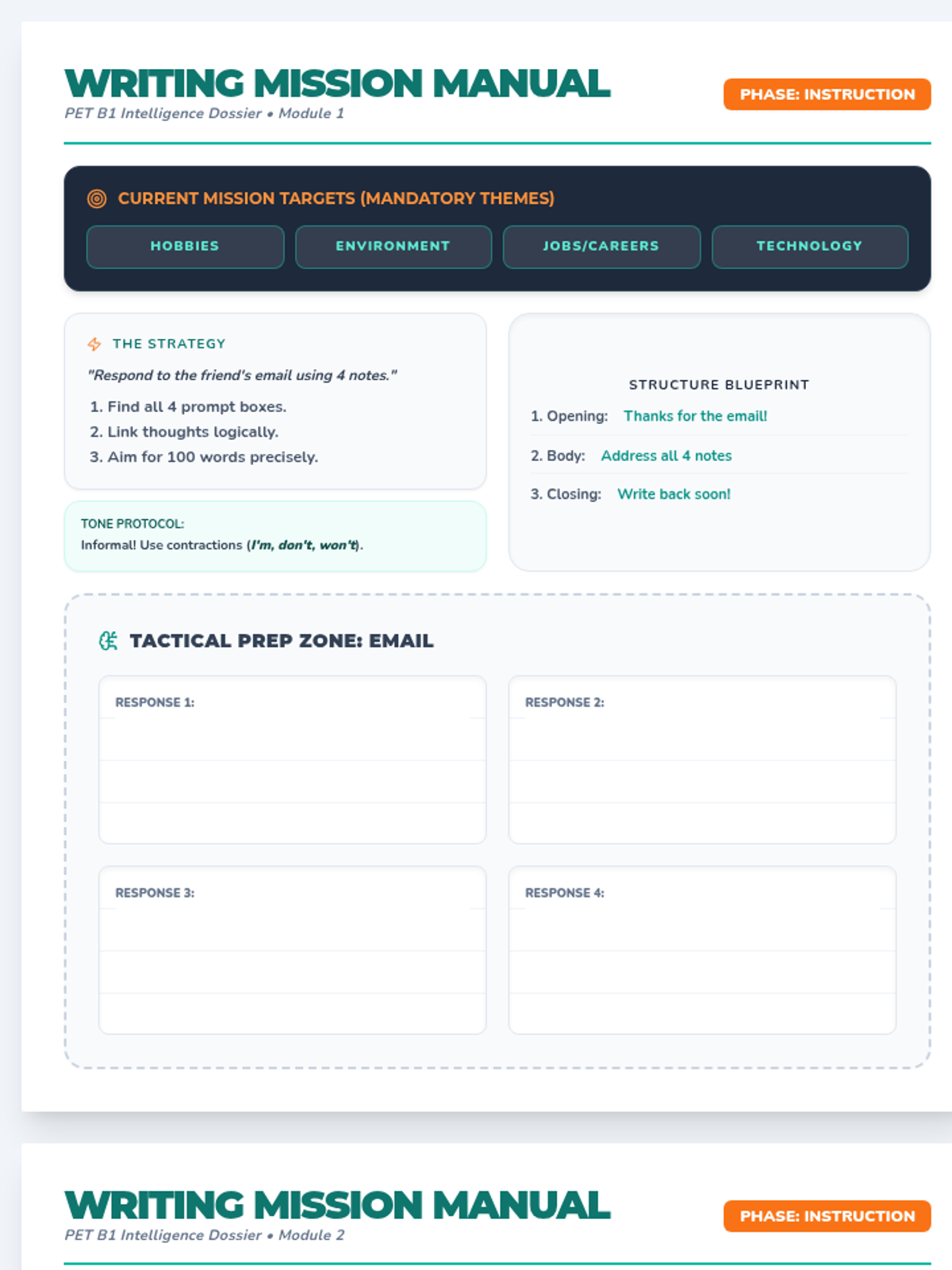
A comprehensive B1/B2 prep lesson focusing on PET Writing (Email, Article, Story) and FCE Multiple Matching strategies across diverse themes.
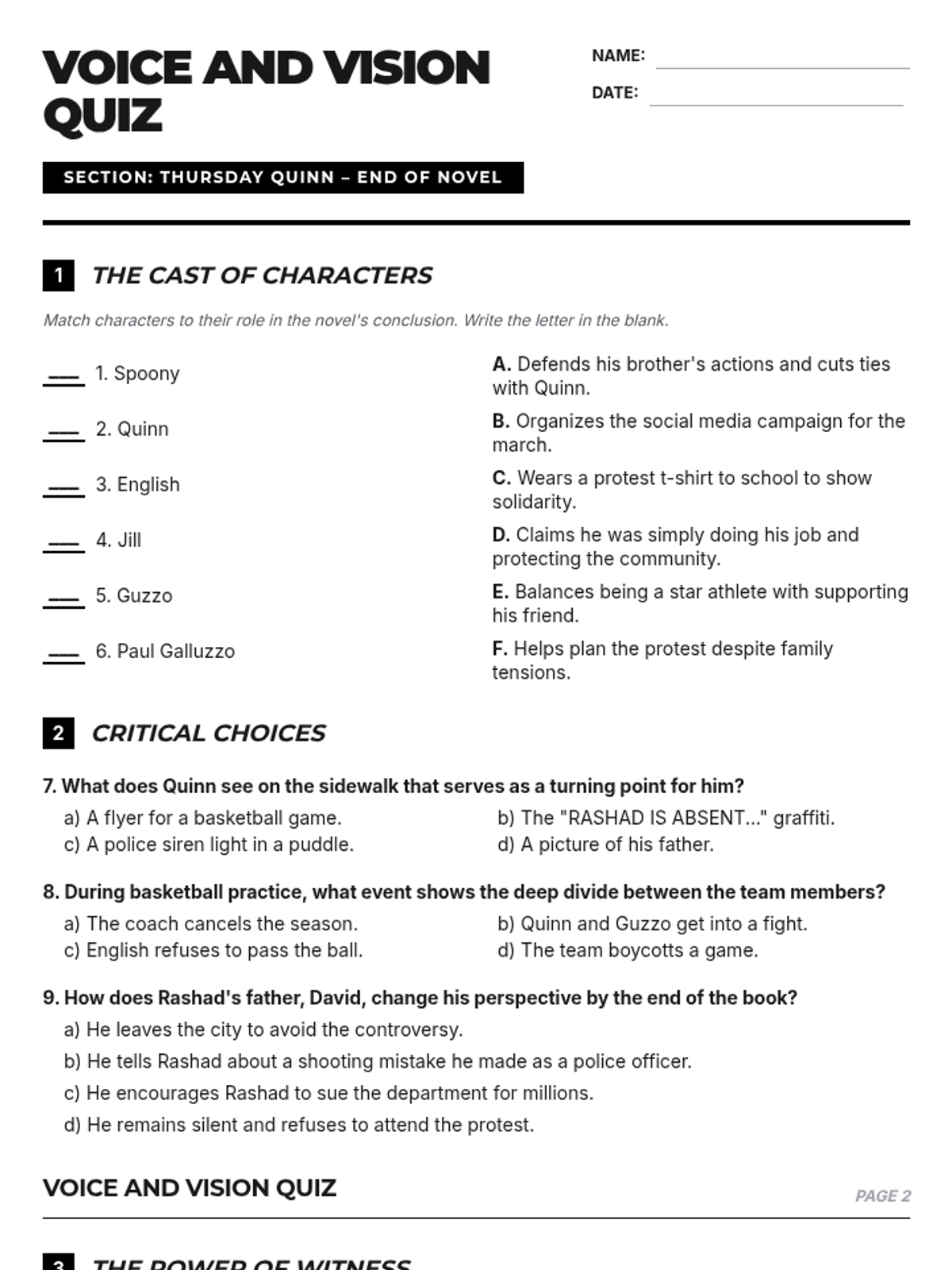
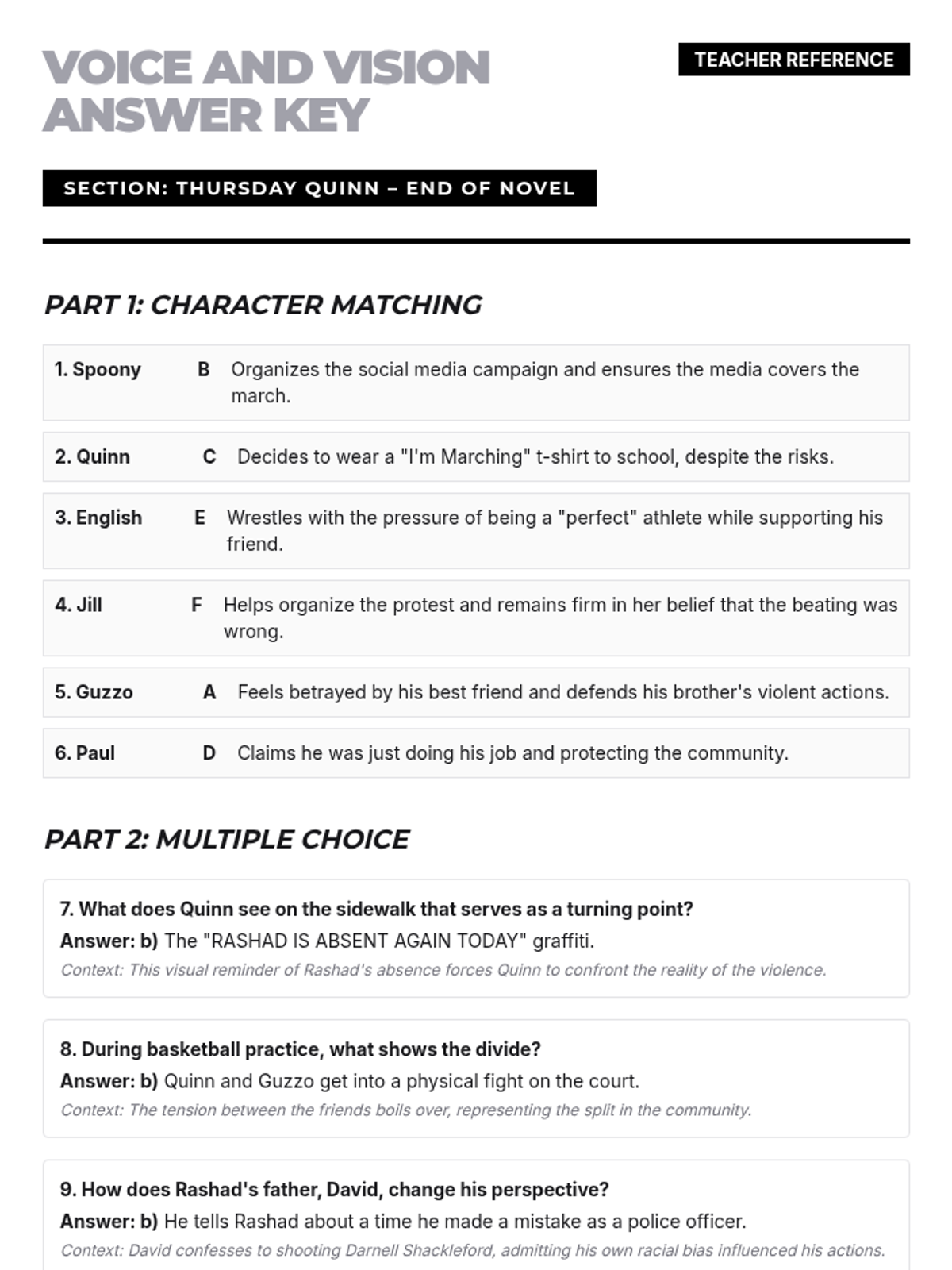
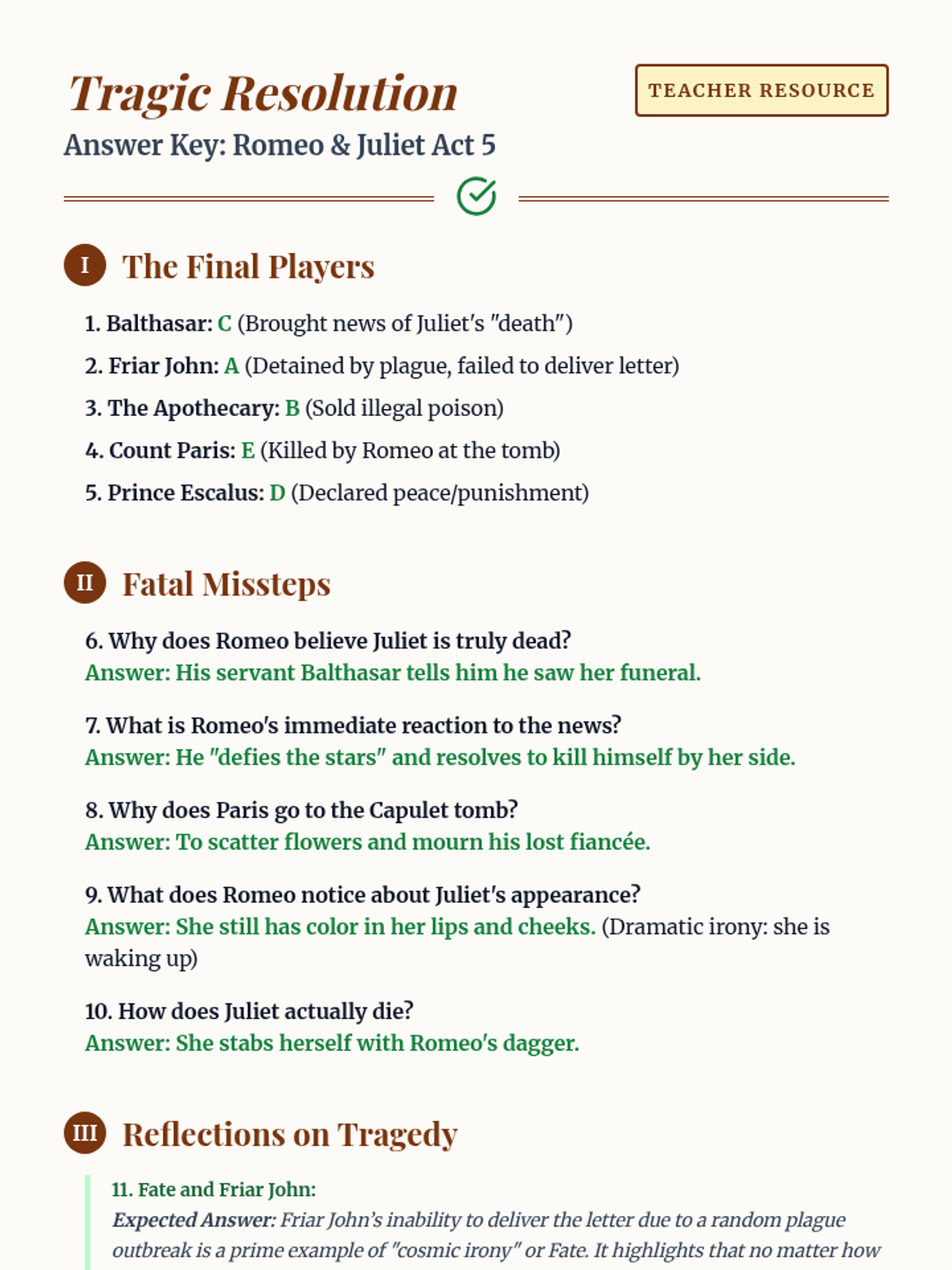
A summative assessment and answer key covering the final chapters of 'All American Boys', focusing on Quinn's development, the community's reaction, and the culminating protest.
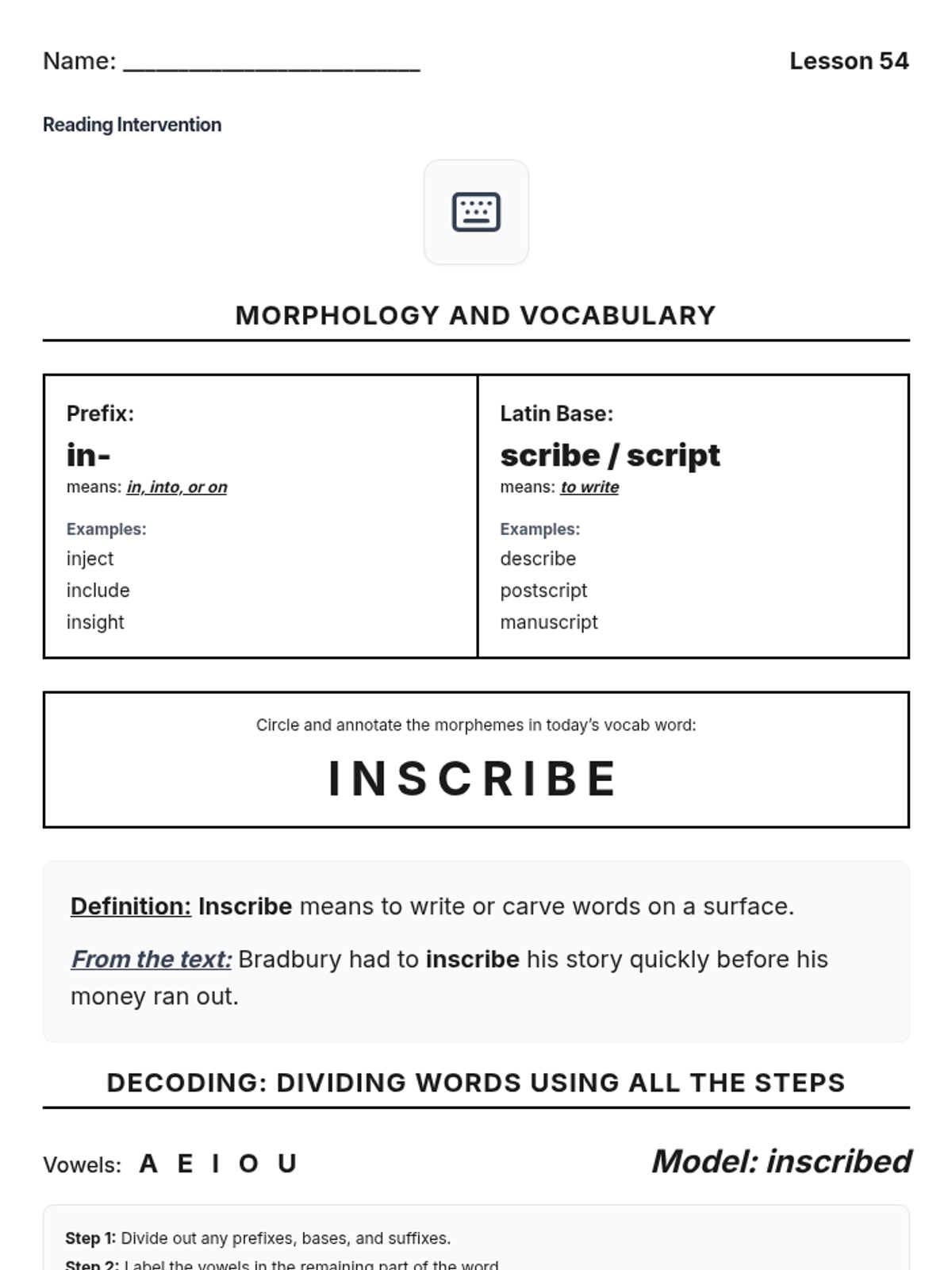
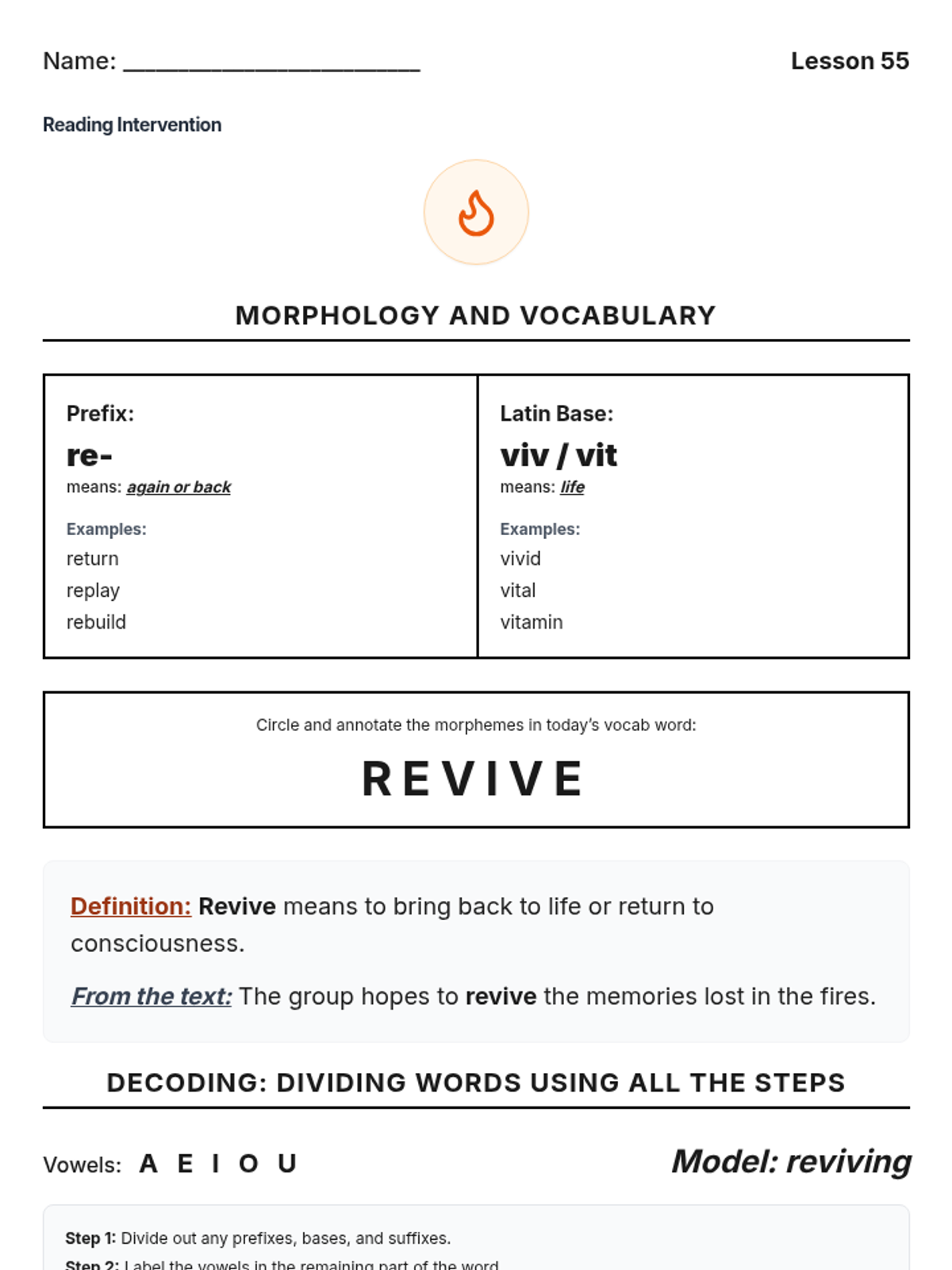
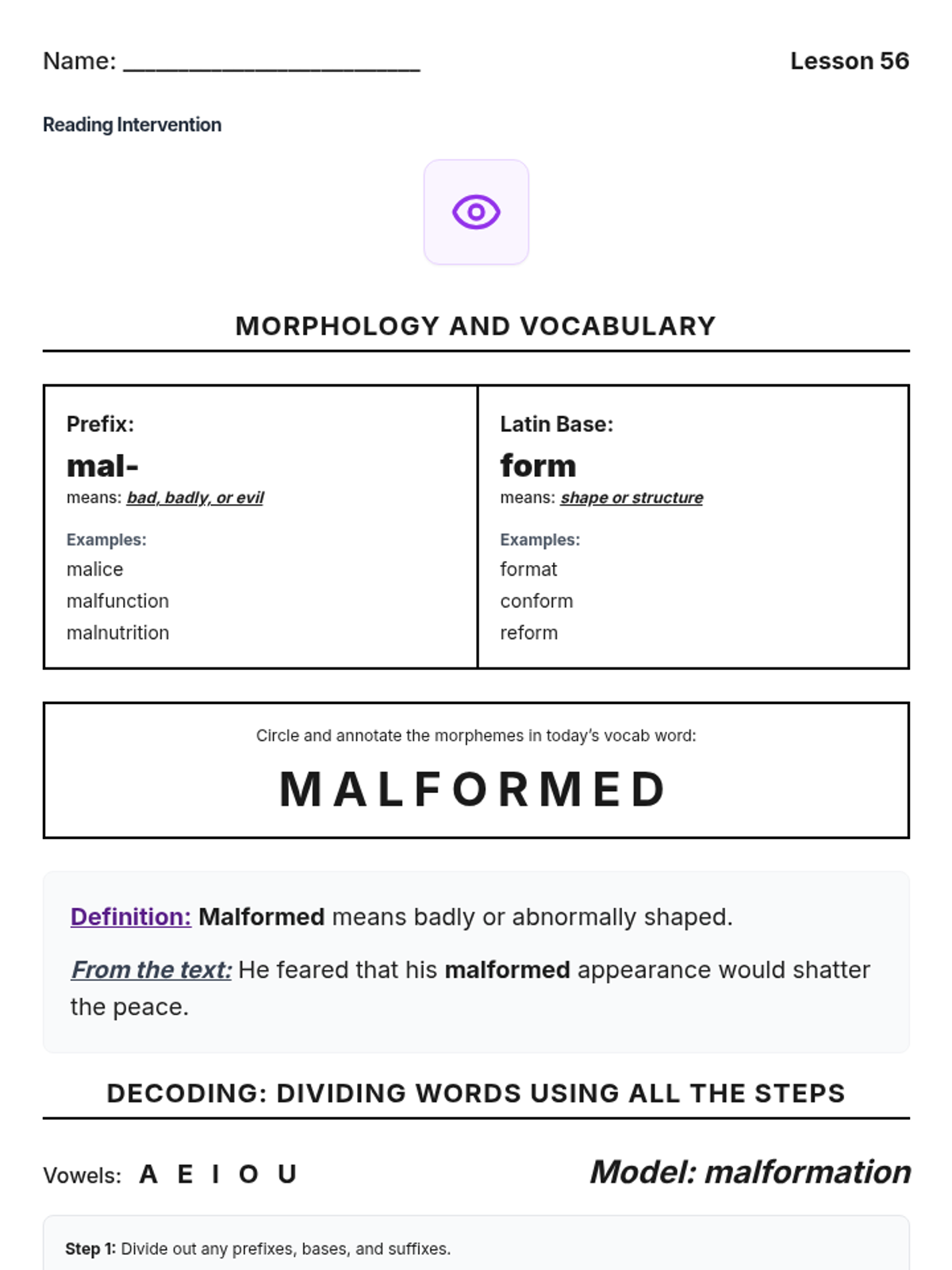
A series of three reading intervention lessons focusing on Ray Bradbury's writing process, the conclusion of Fahrenheit 451, and the origin of Frankenstein, teaching advanced morphology and decoding strategies.
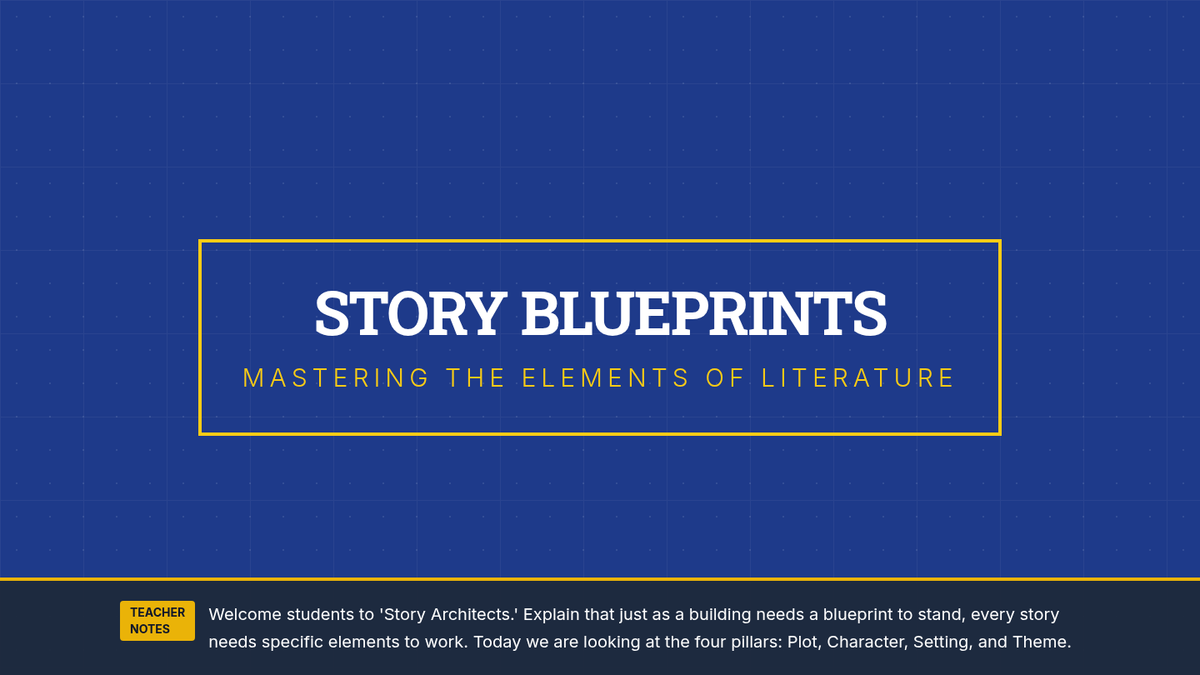
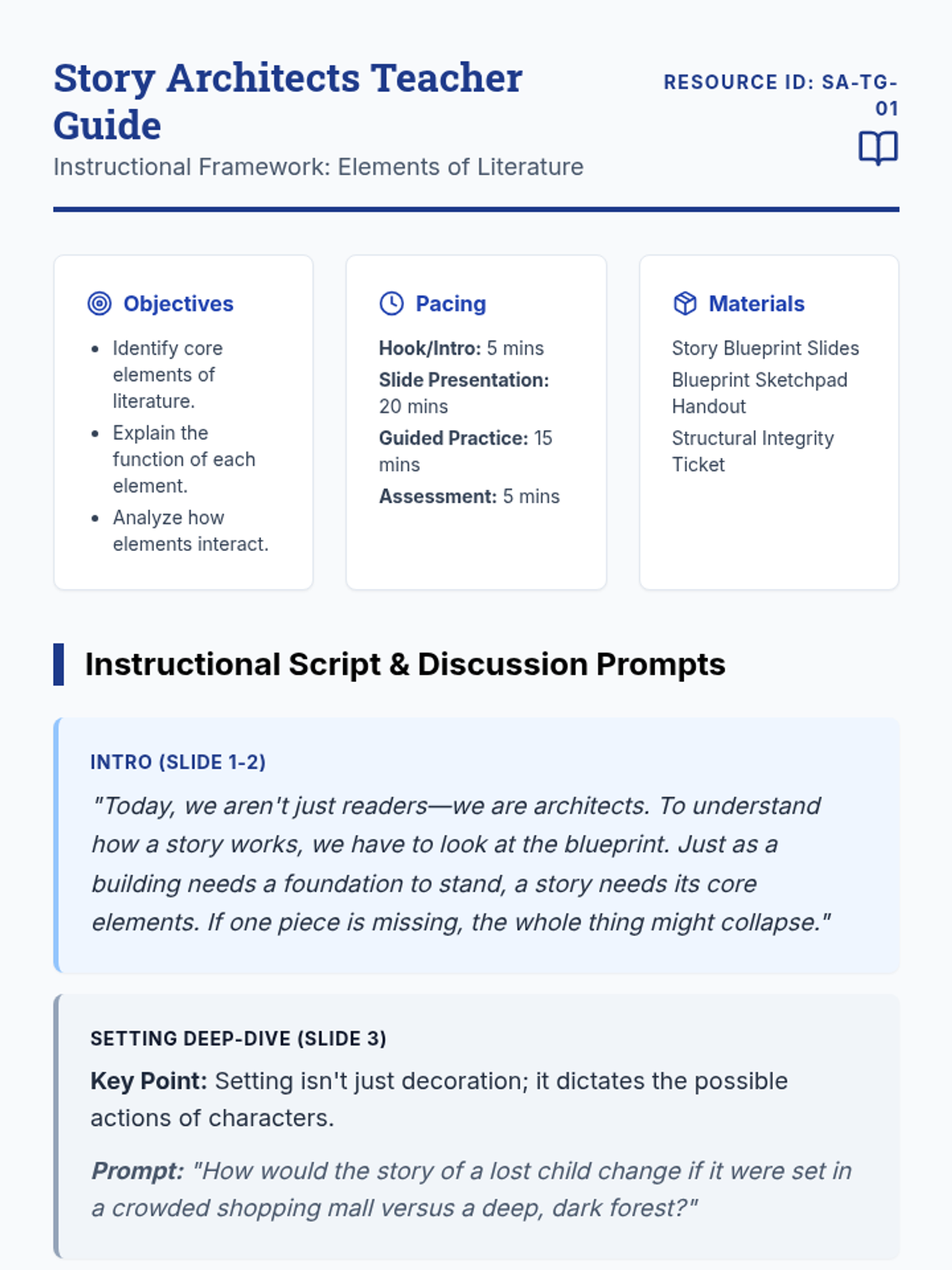
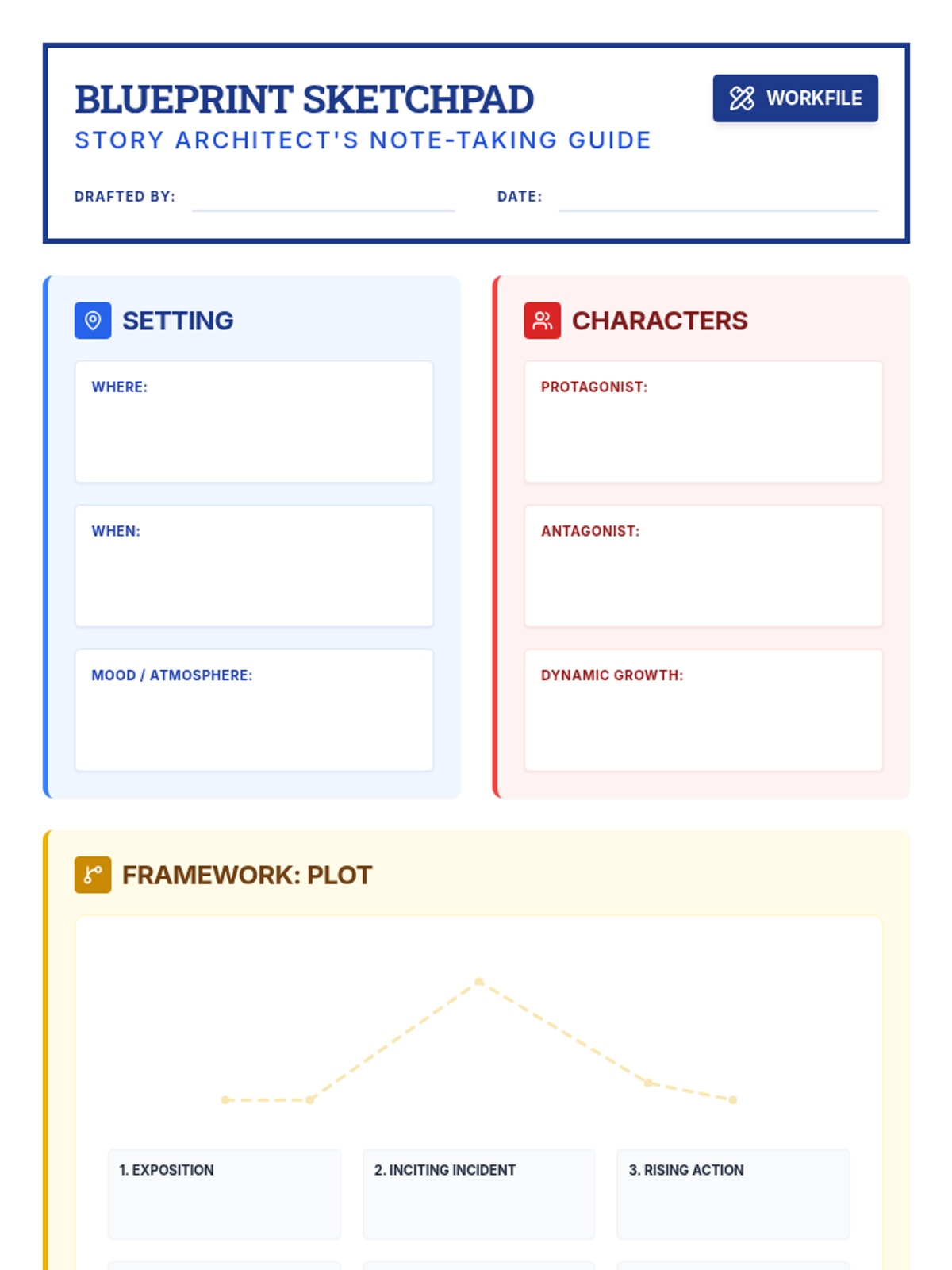
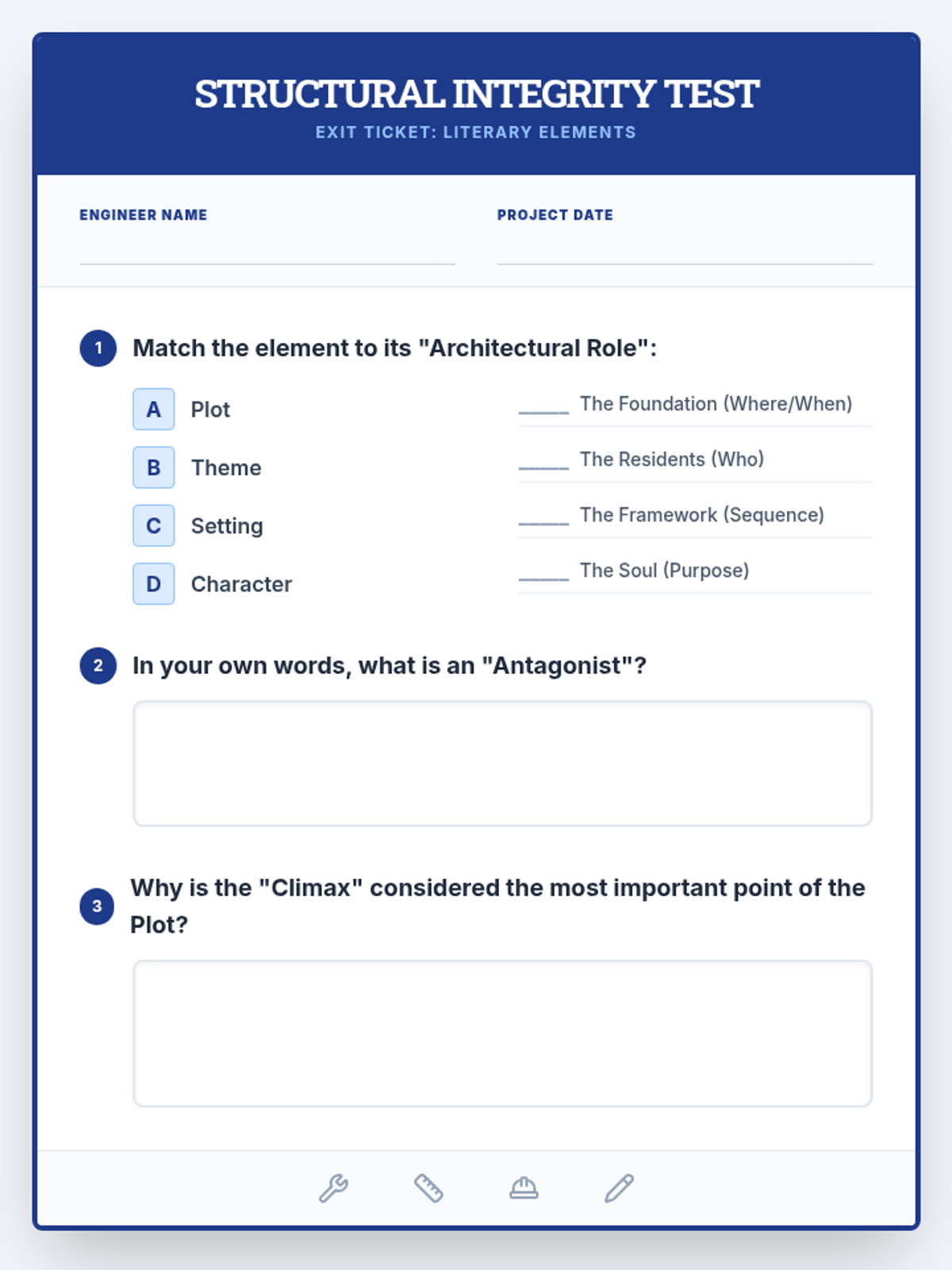
A comprehensive introduction to the core elements of literature—plot, character, setting, and theme—using an architectural blueprint metaphor to help students visualize story structure.
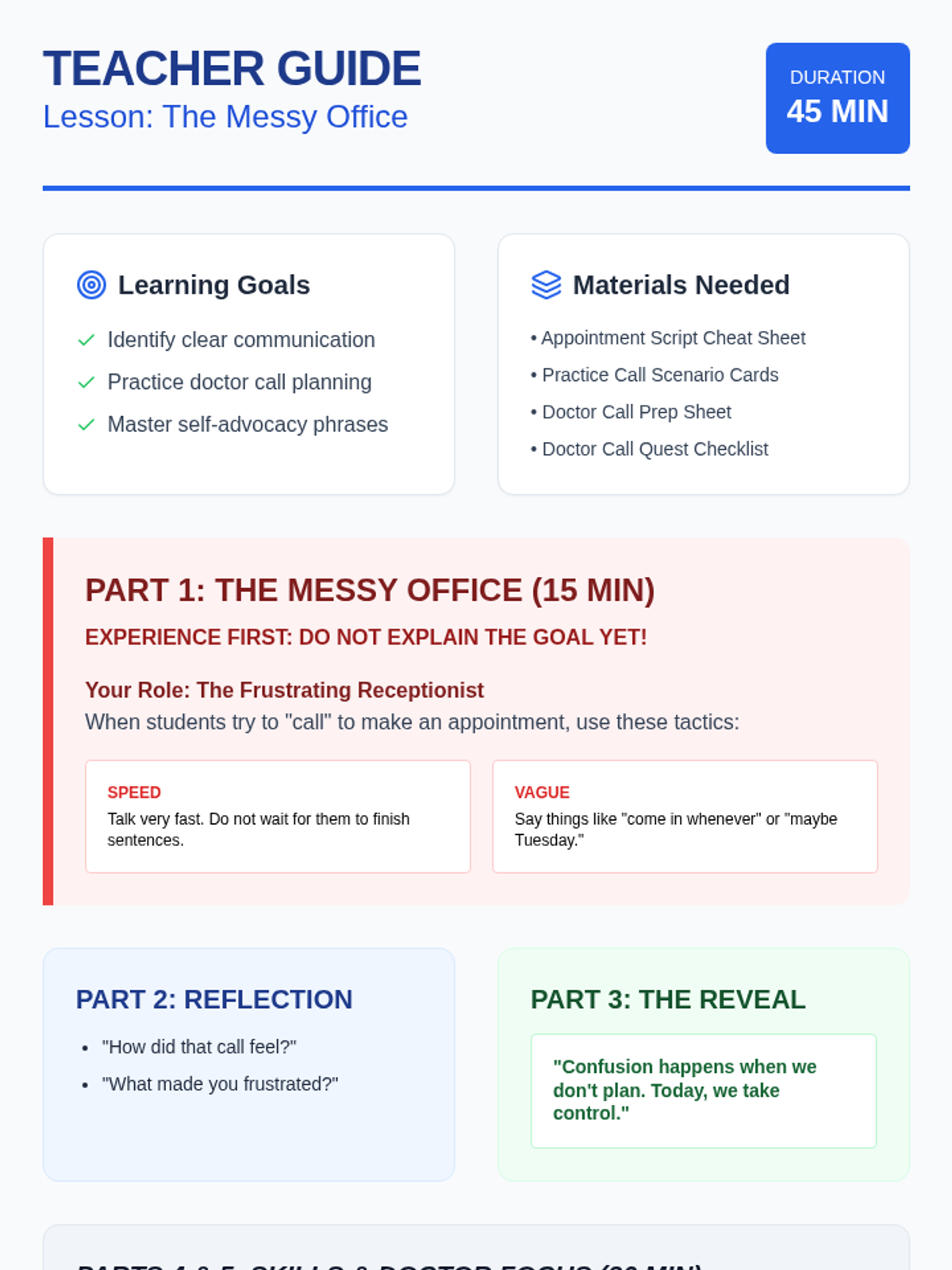
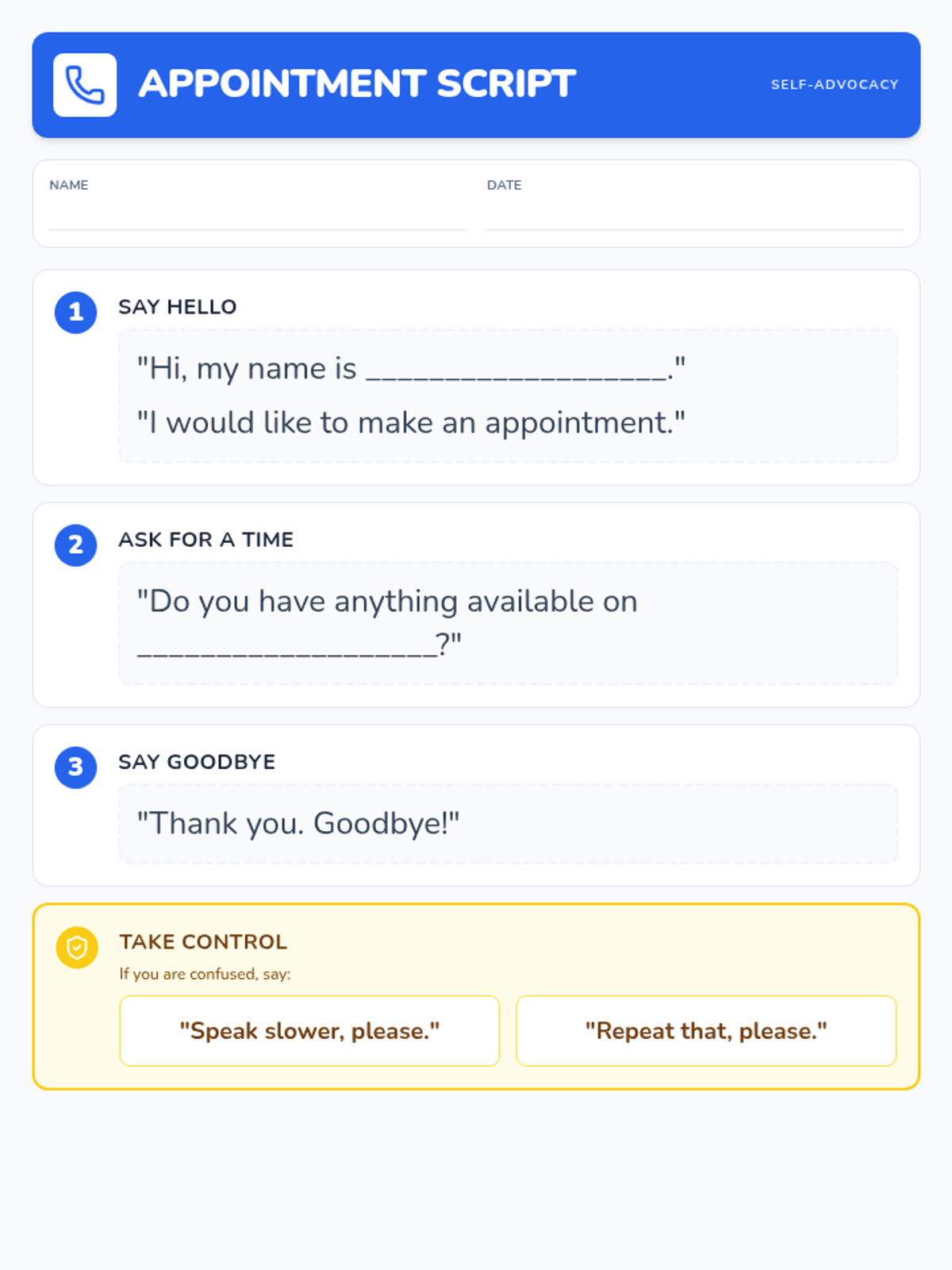
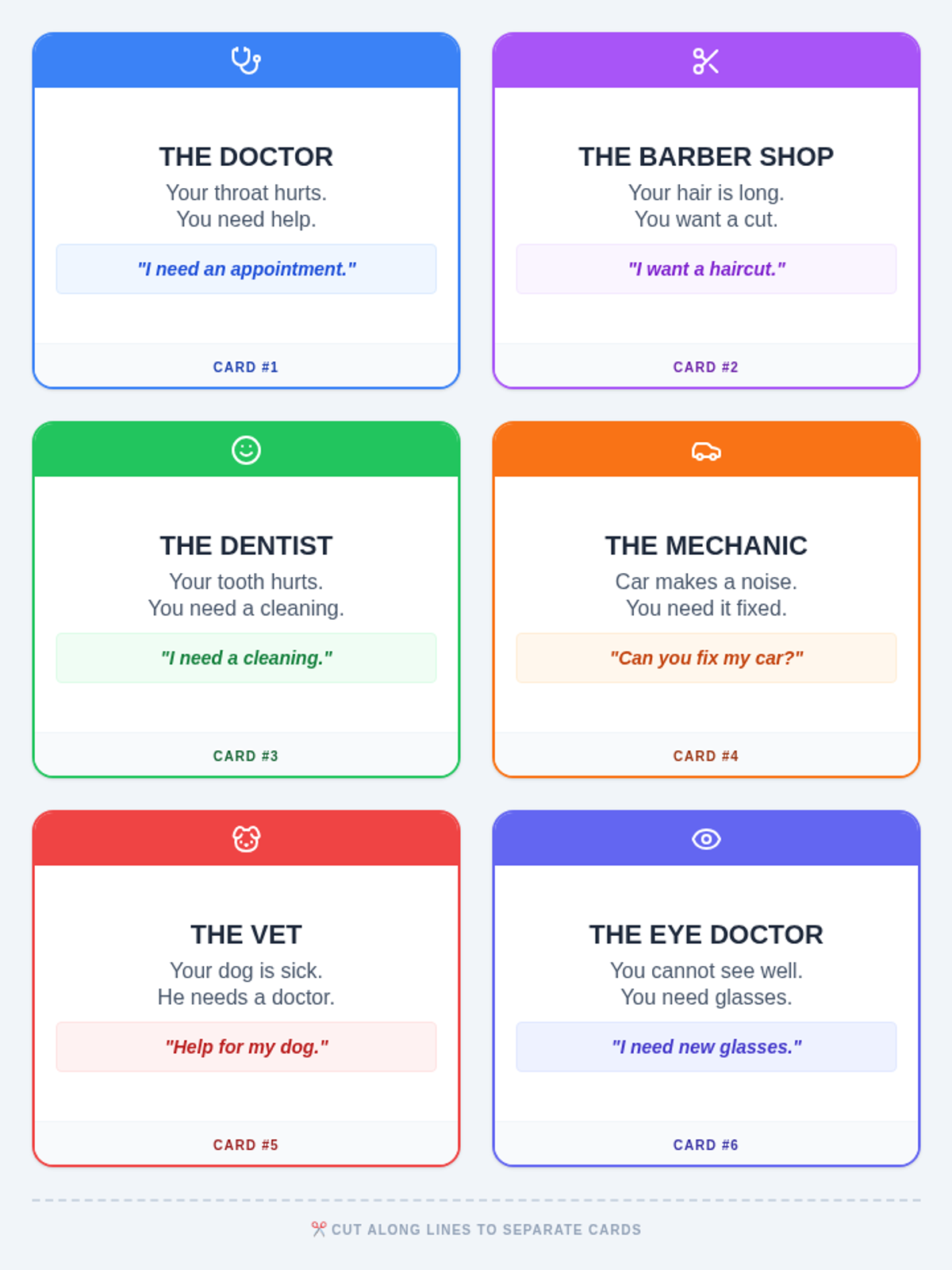
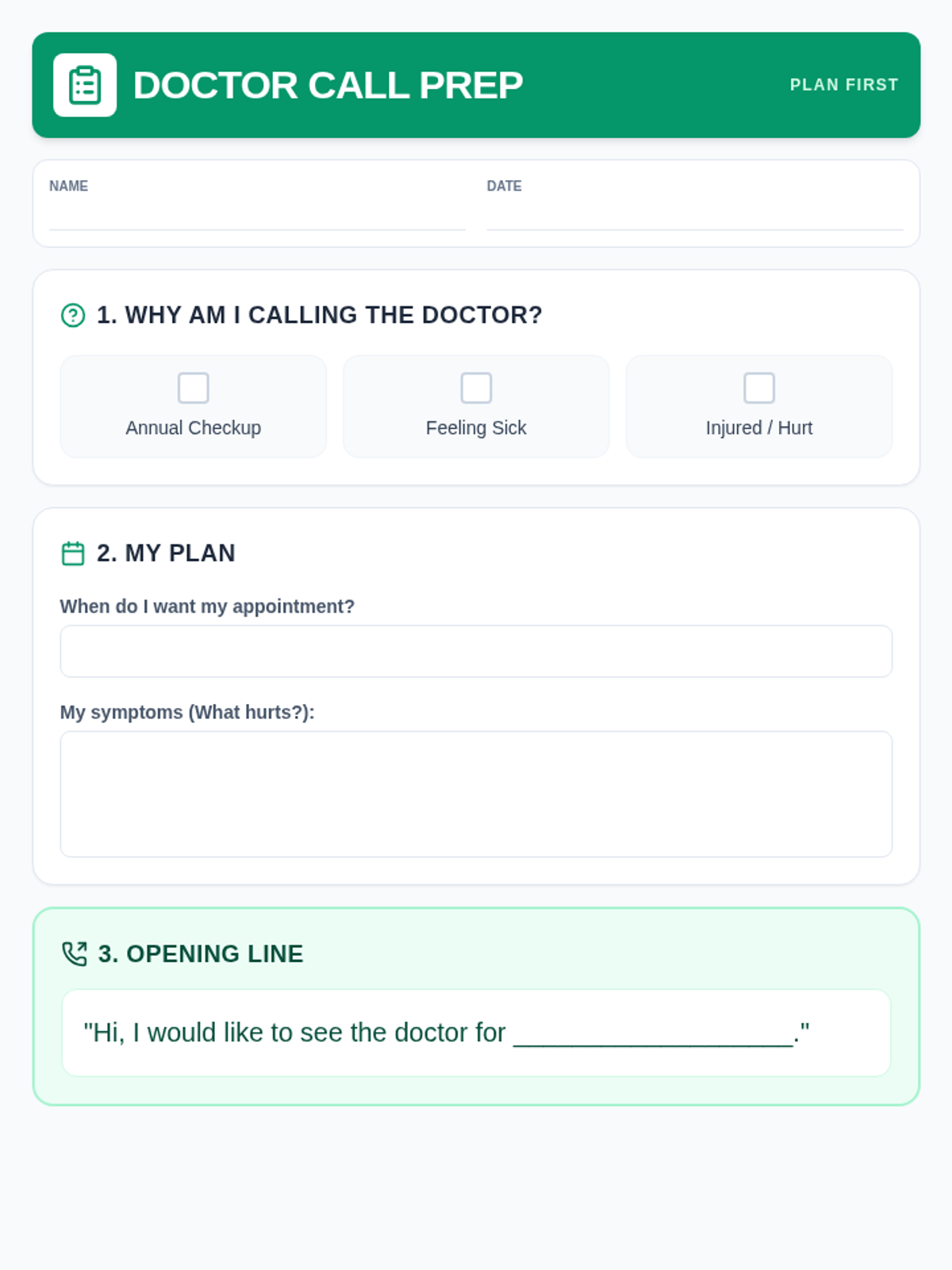
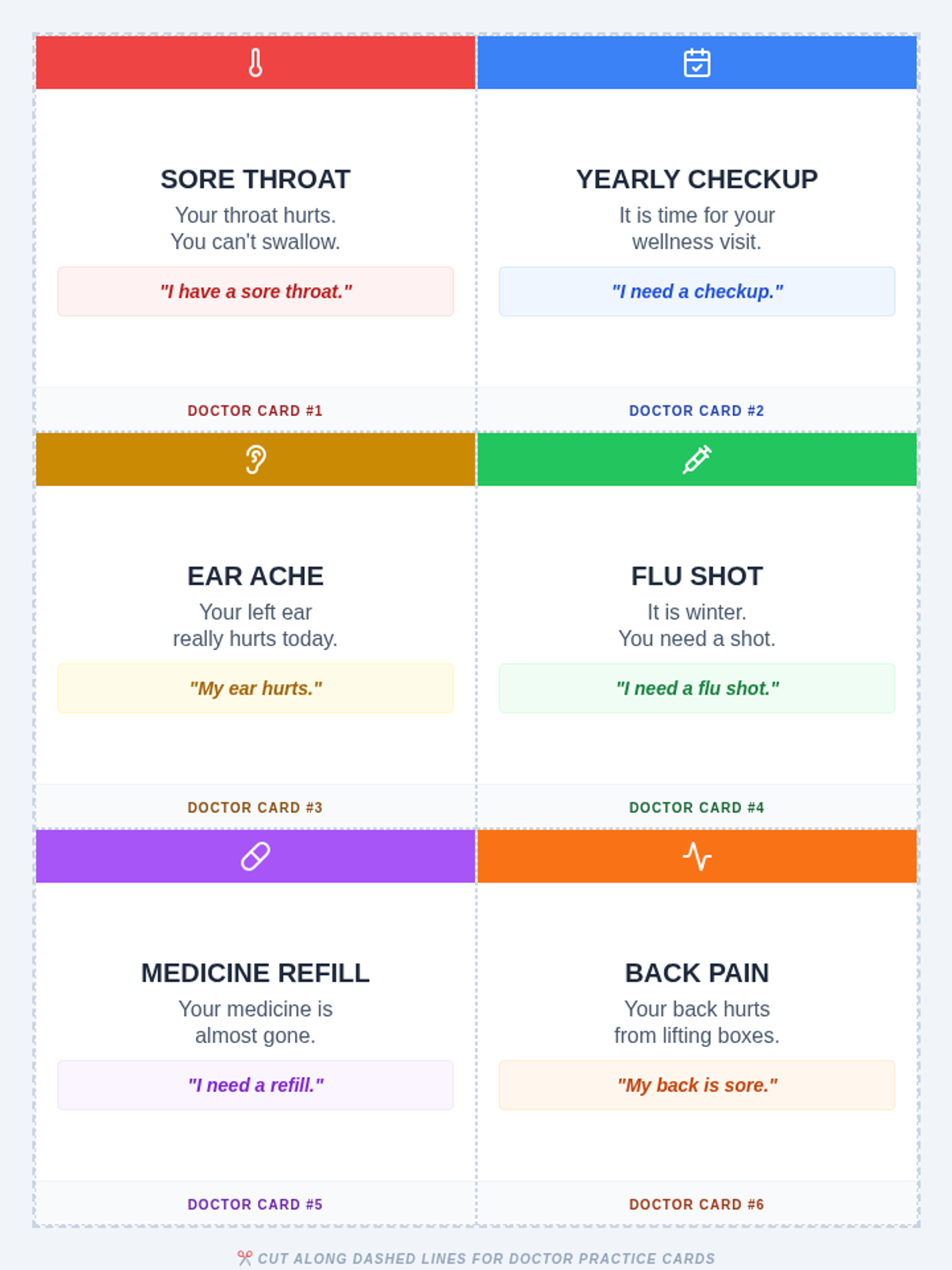
An experiential lesson where students first encounter a frustrating scheduling experience before learning and practicing clear communication strategies for setting any type of appointment.
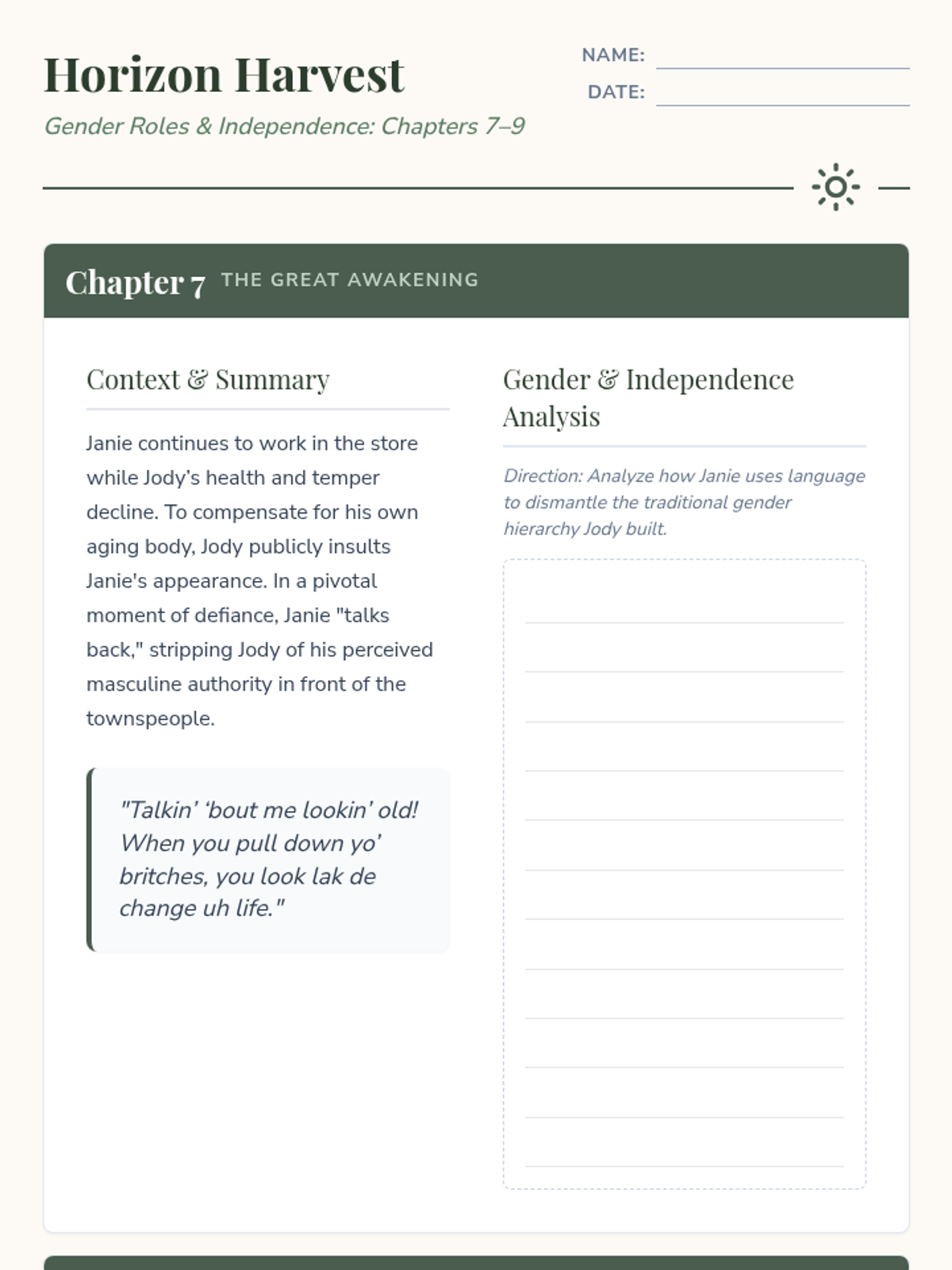
A deep dive into Janie's transformation in Chapters 7-9 of Zora Neale Hurston's 'Their Eyes Were Watching God', focusing on the shift from submission to independence.
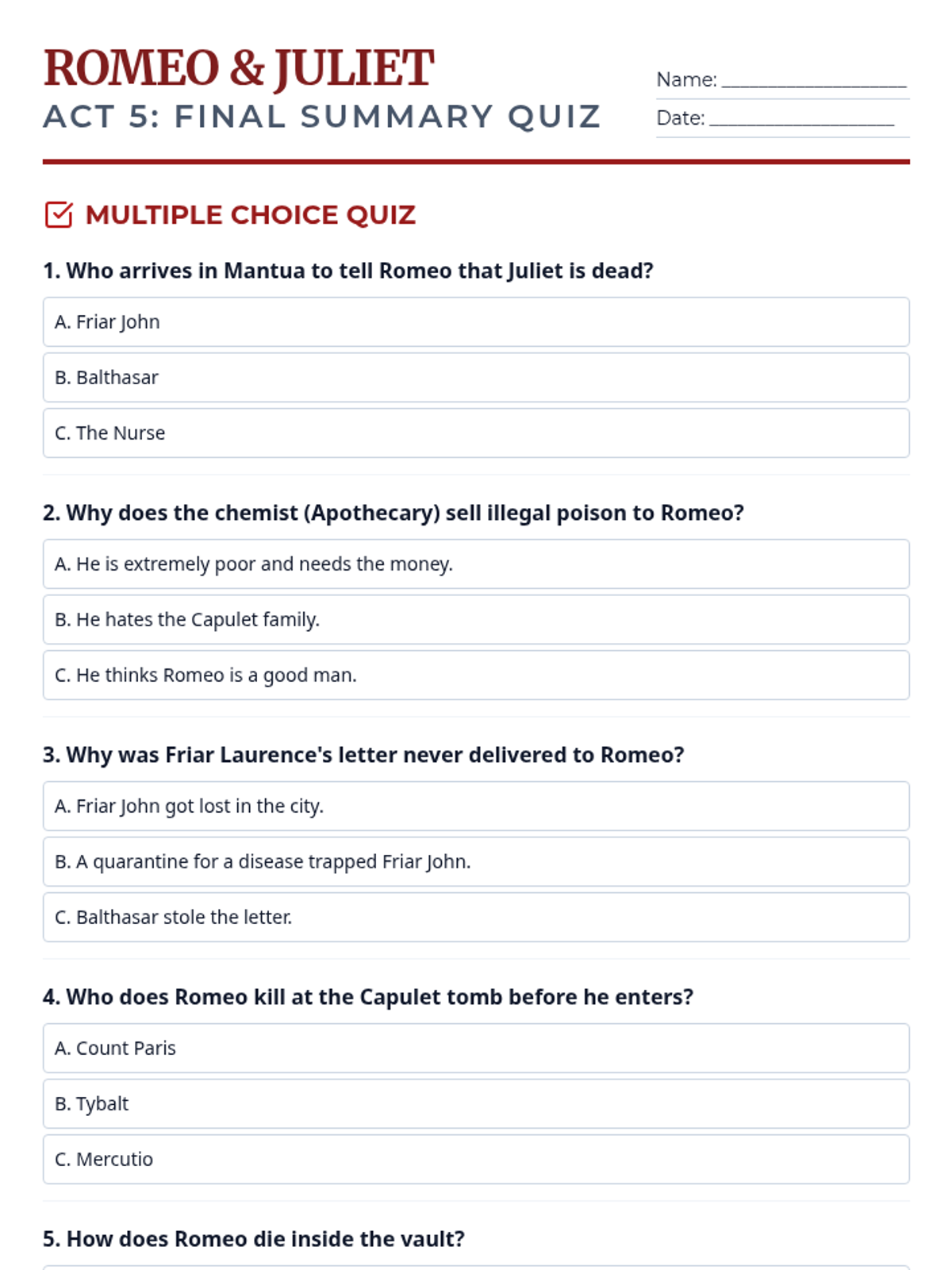
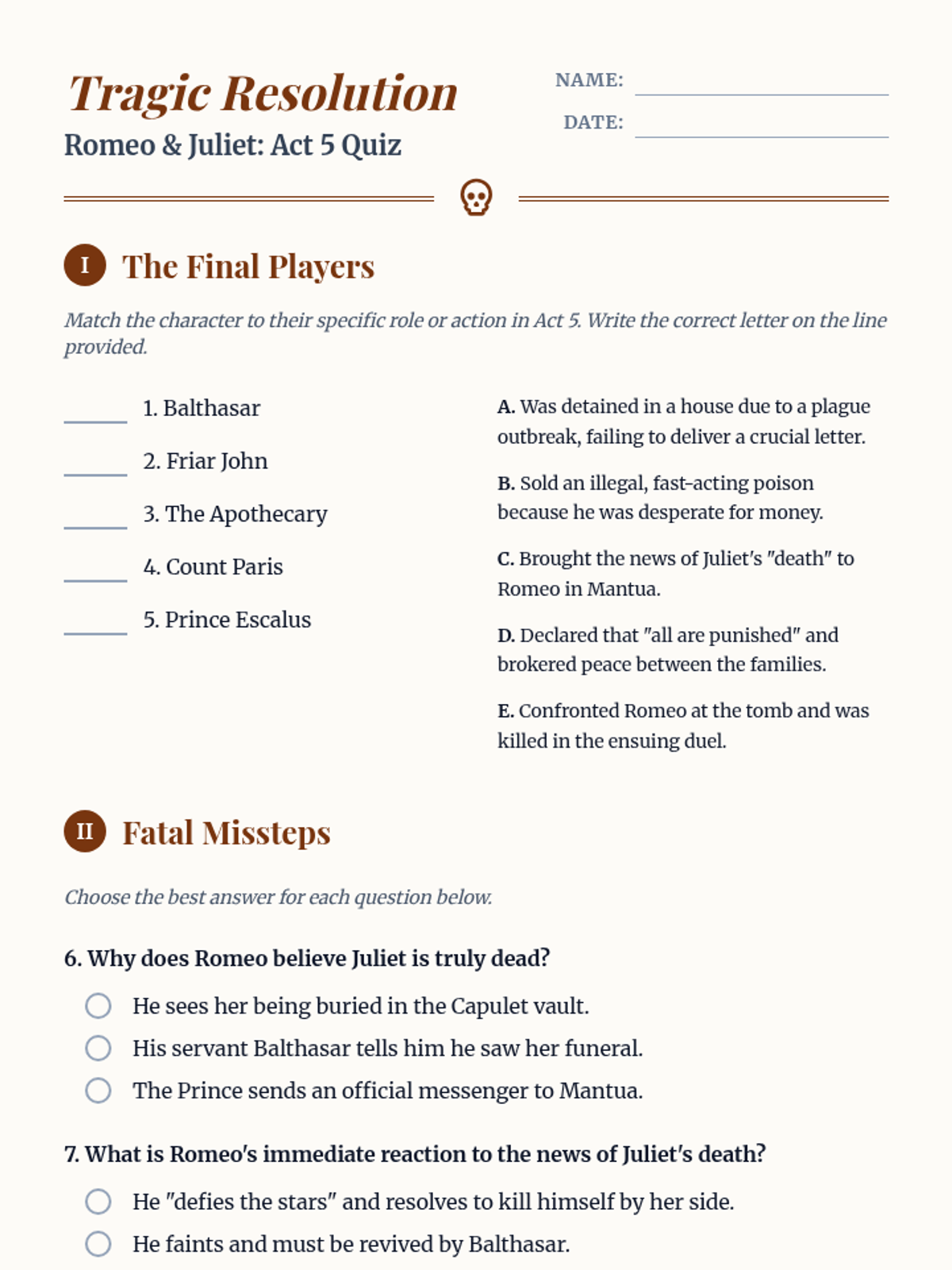
A comprehensive assessment for Act 5 of Shakespeare's Romeo and Juliet, focusing on the resolution of the plot, the role of fate, and the ultimate tragedy in the Capulet tomb.
A foundational skills lesson providing generic templates and strategies for summarizing social and personal narratives using the SWBST frame.
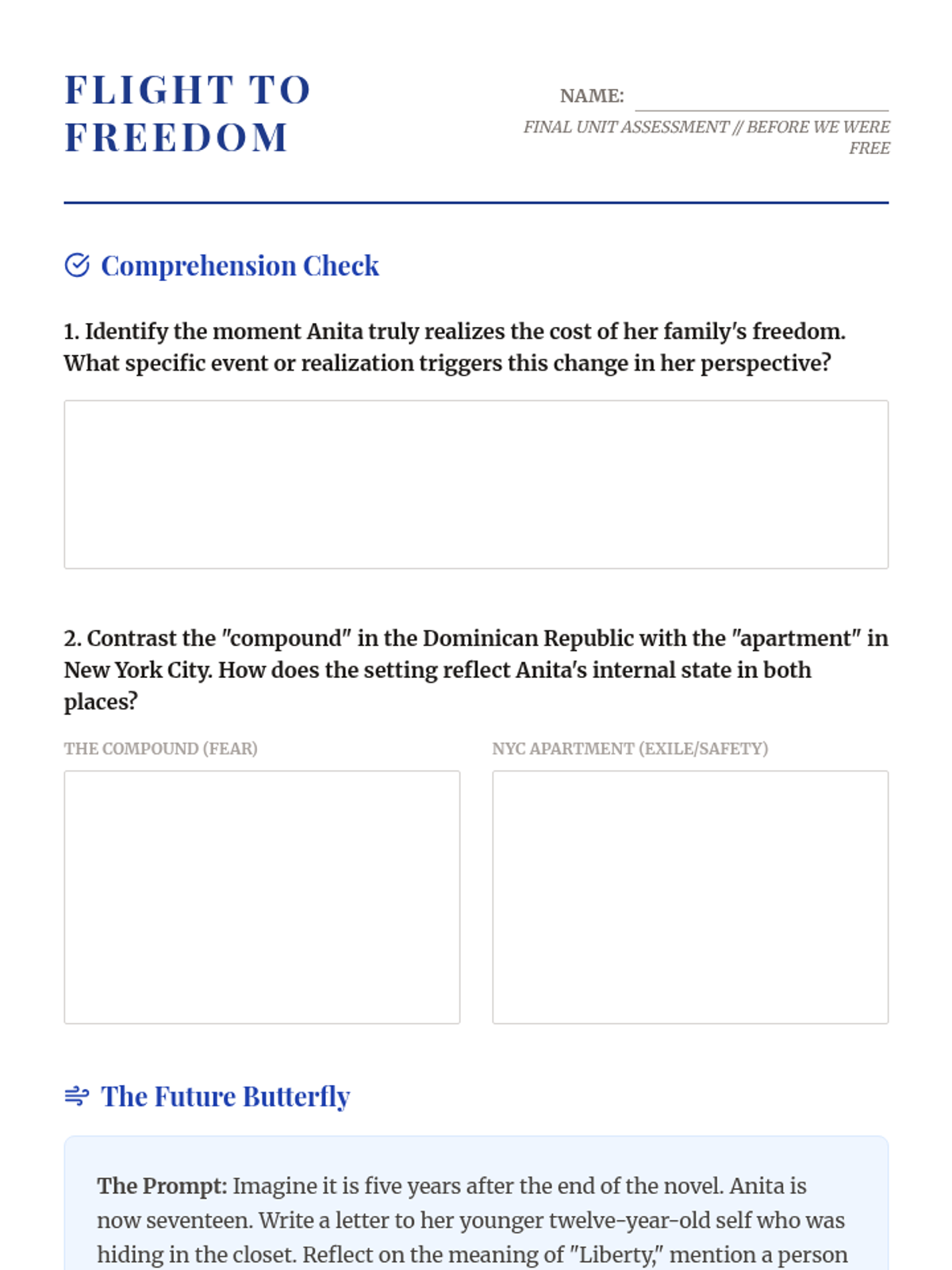
Concludes the unit by examining the climax and resolution of Anita's journey. Students reflect on the themes of sacrifice and exile, culminating in a creative writing project that bridges Anita's experience with the broader concept of liberty.