Week 1 of the Regulated Classrooms PD. Teachers learn the '2x10 strategy'—spending two minutes a day for ten consecutive days talking to a struggling student about non-academic interests to build a relationship foundation.
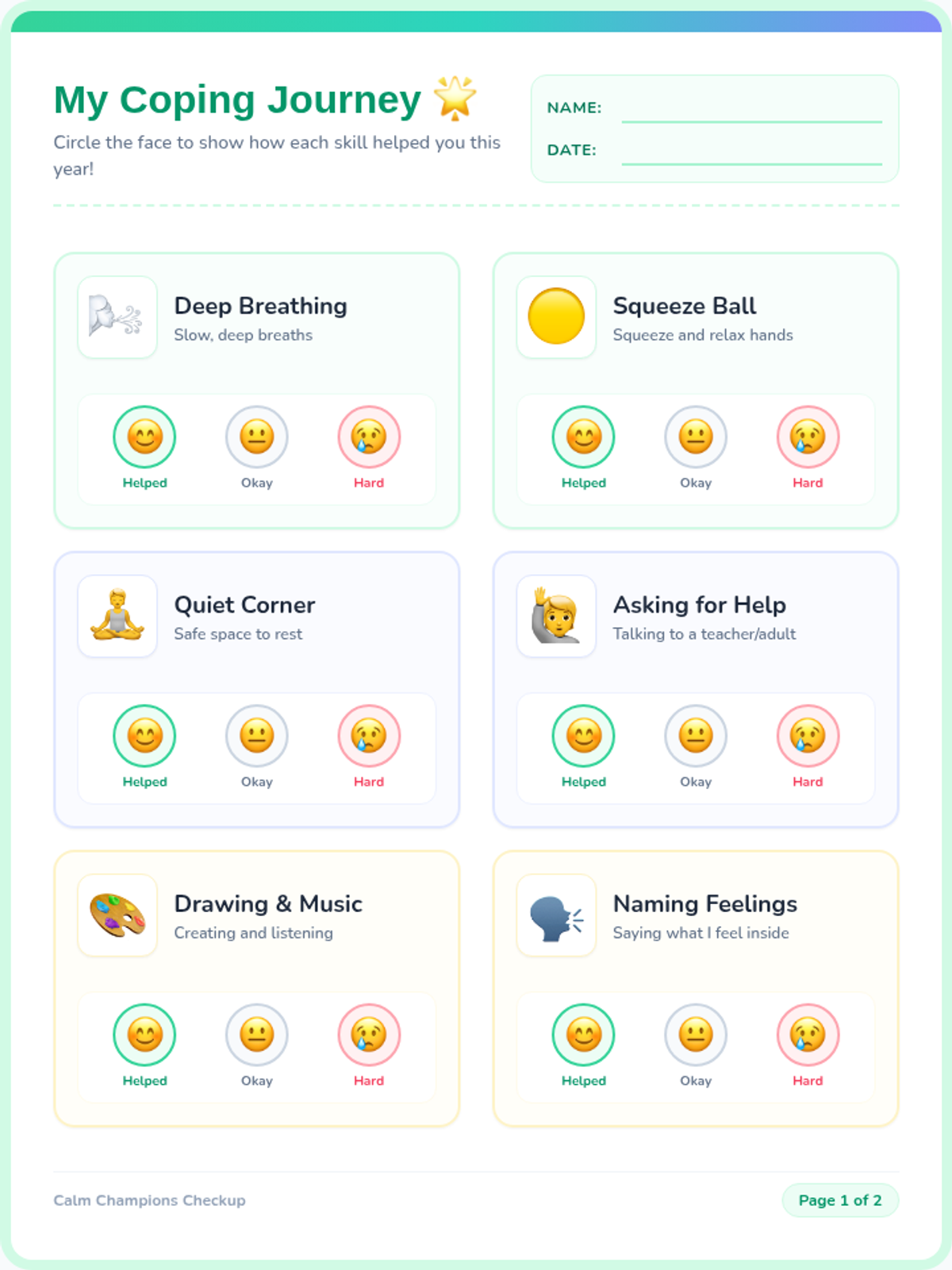
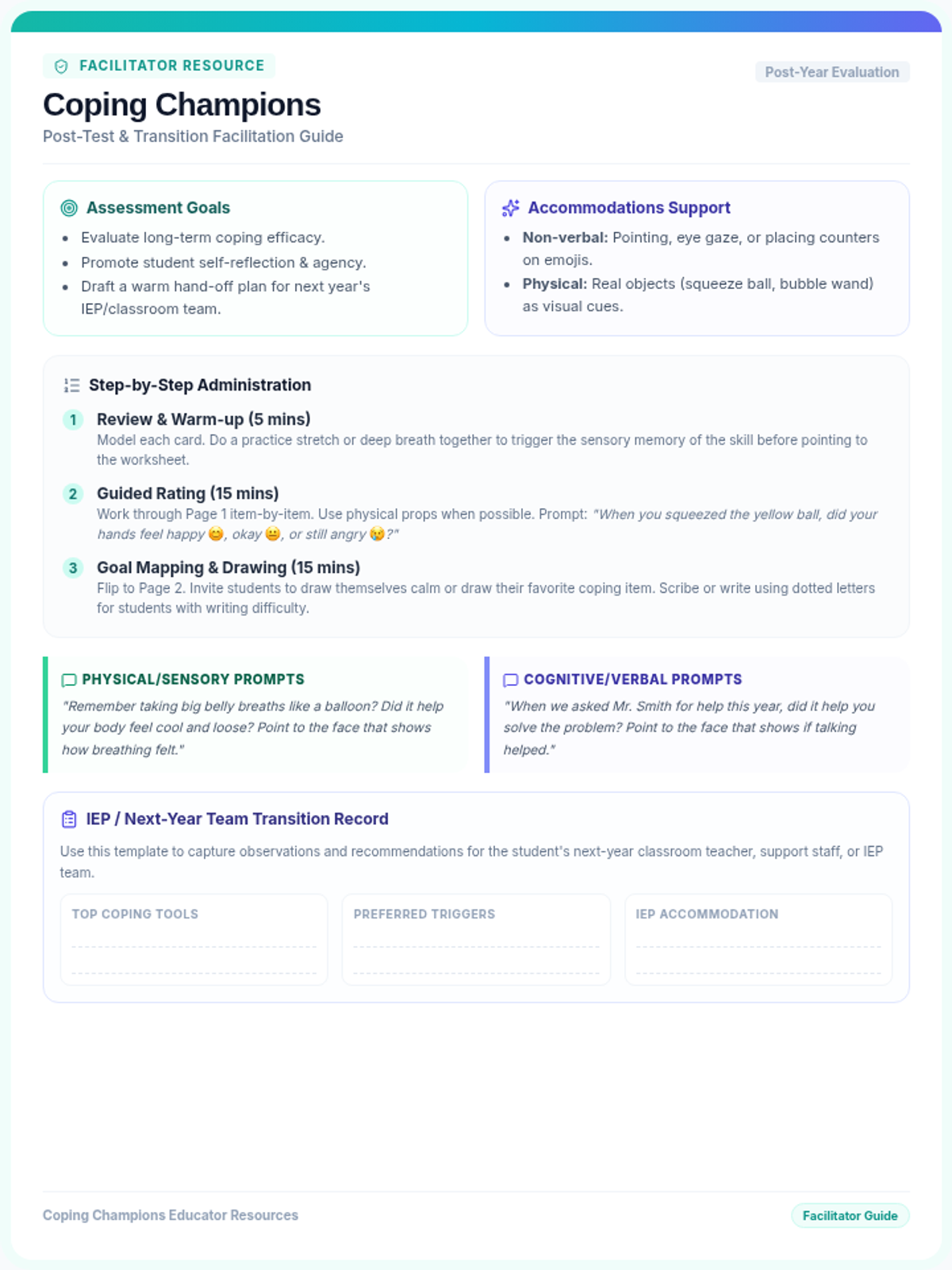
A post-test and reflection lesson designed for students with lower cognitive abilities to evaluate their coping skills from the past year and set gentle goals for the next school year using visual emojis and guided drawing/writing templates.
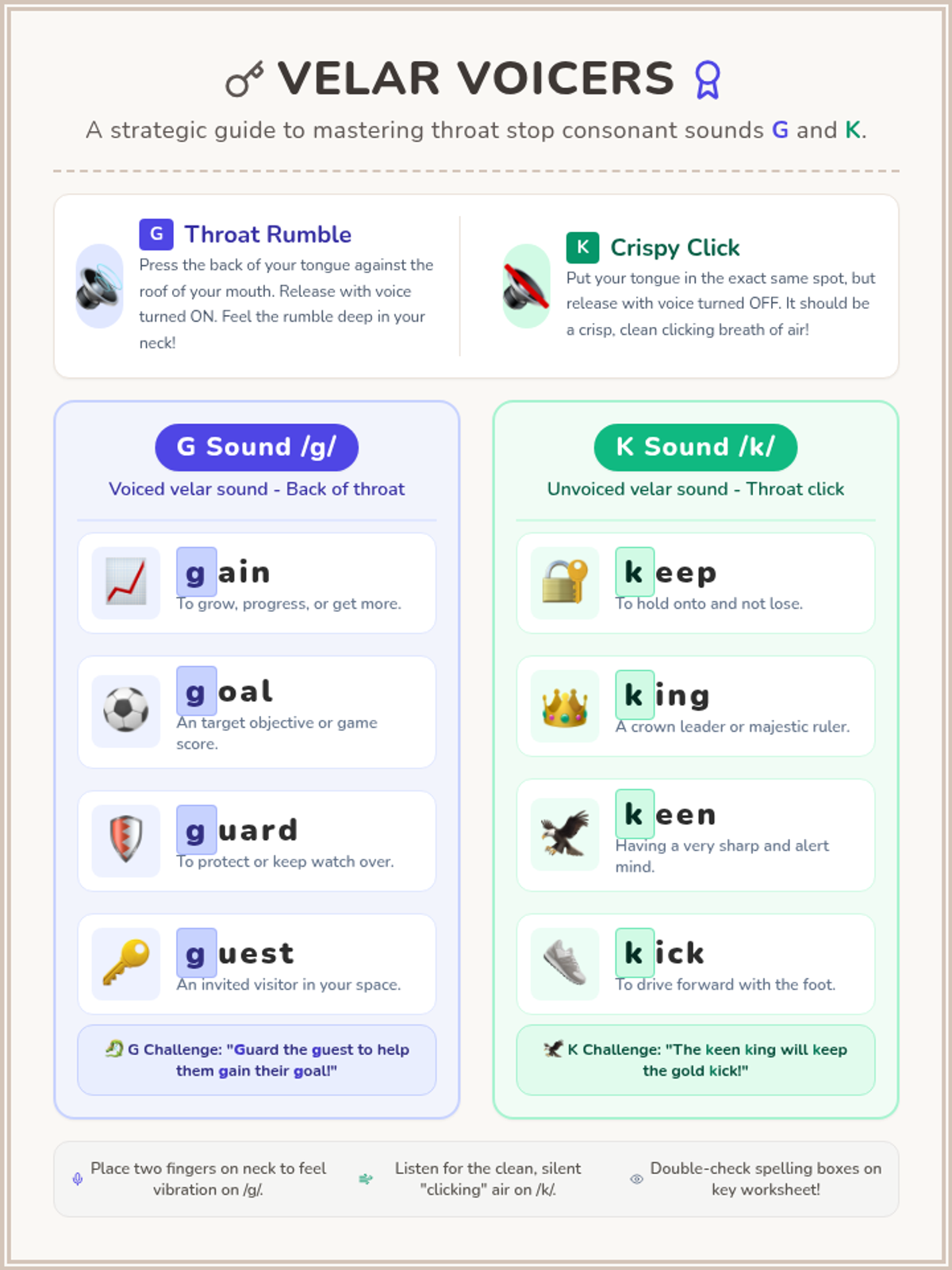
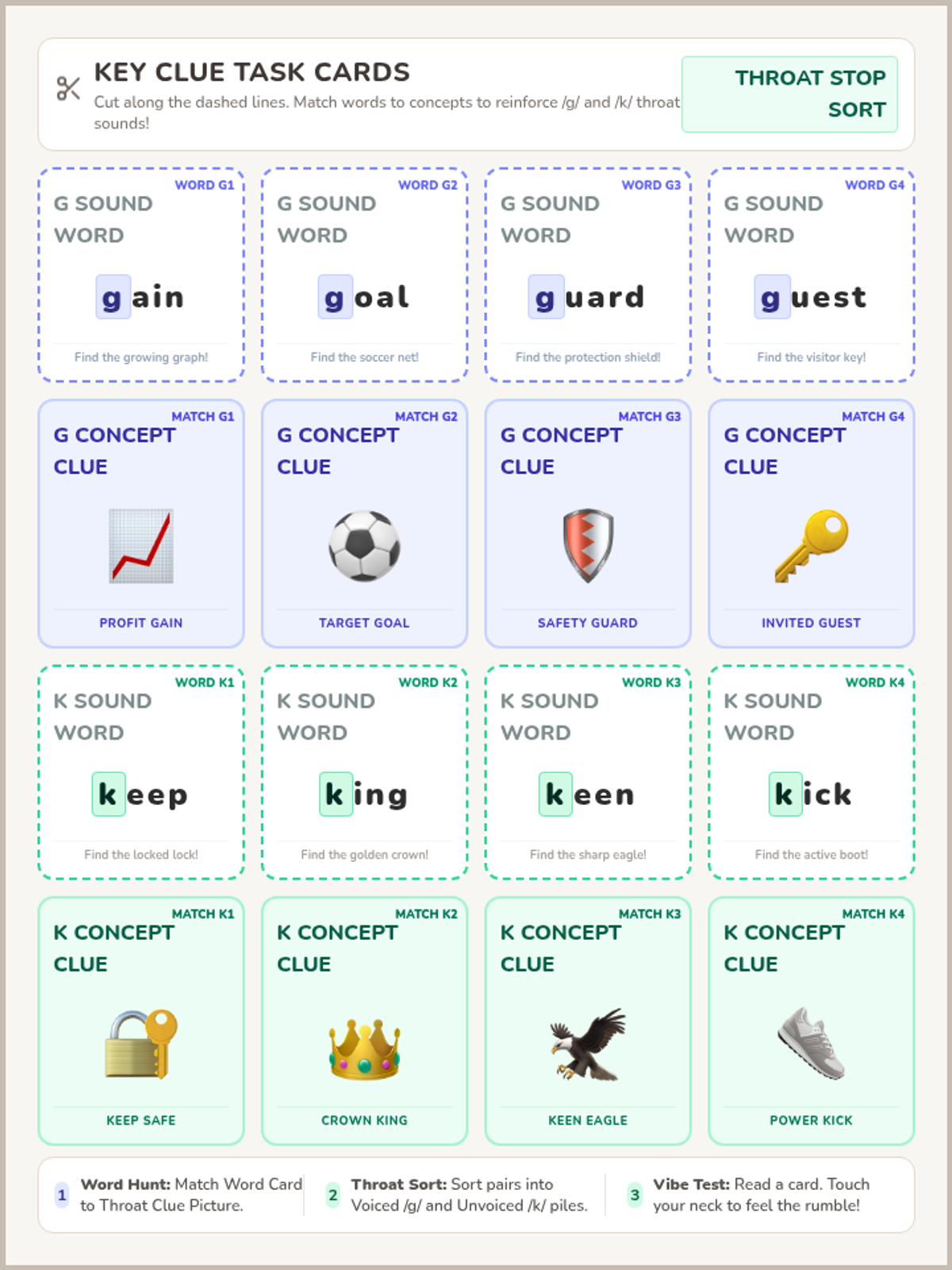
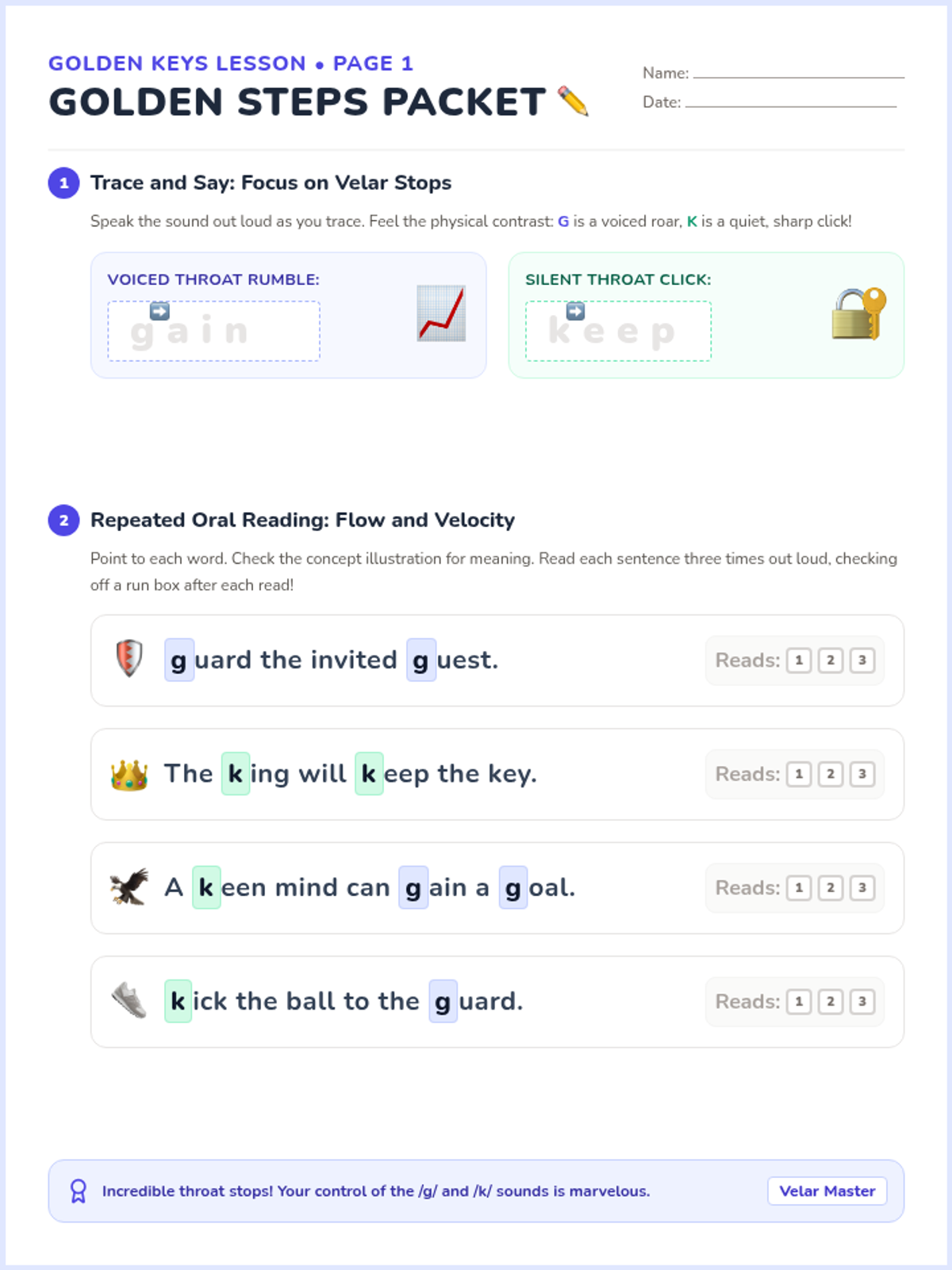
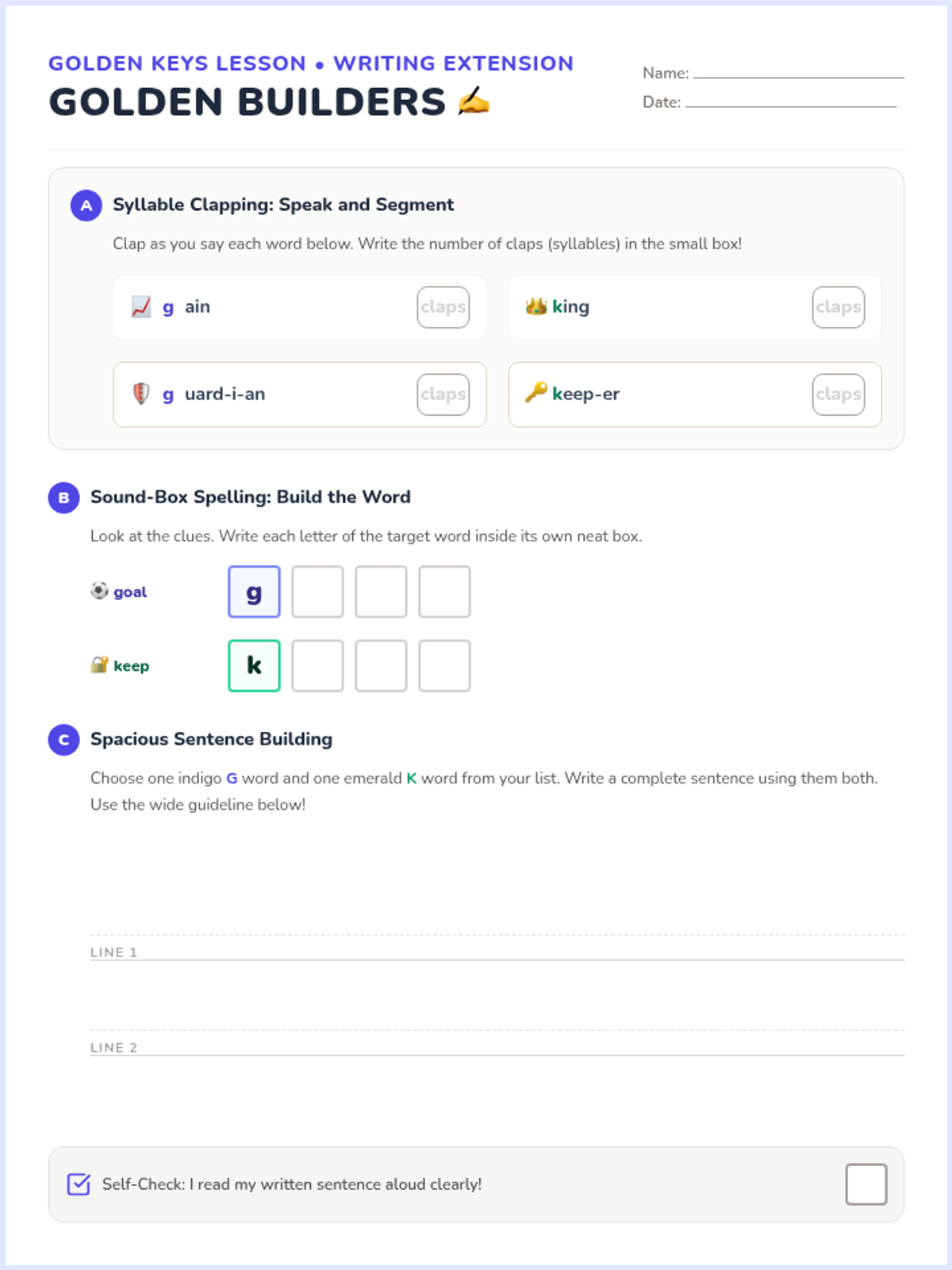
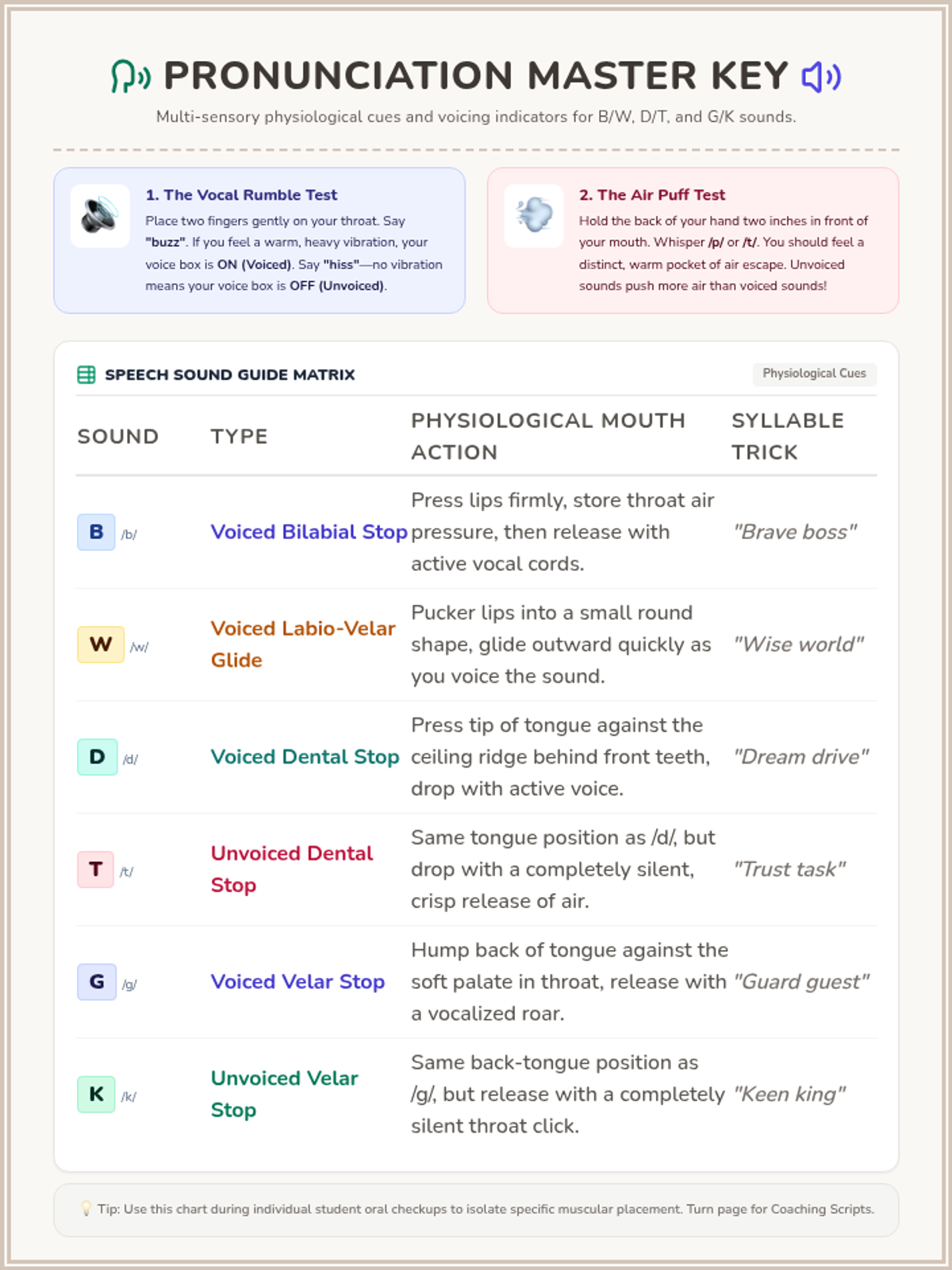
A structured phonics and oral reading lesson contrasting G and K sounds. Features visual voicing indicators, multi-sensory tracing sheets, and high-interest interactive task cards.
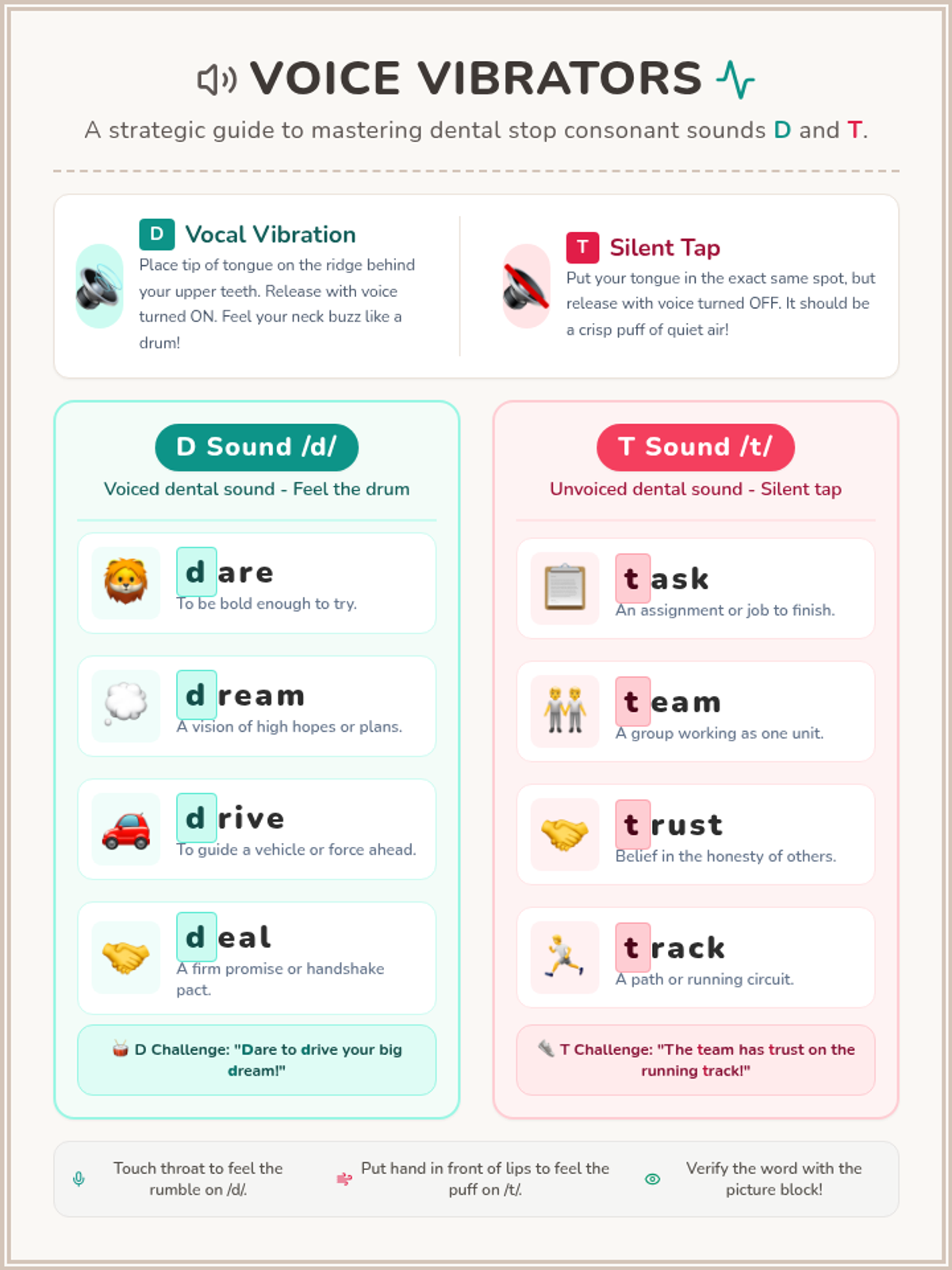
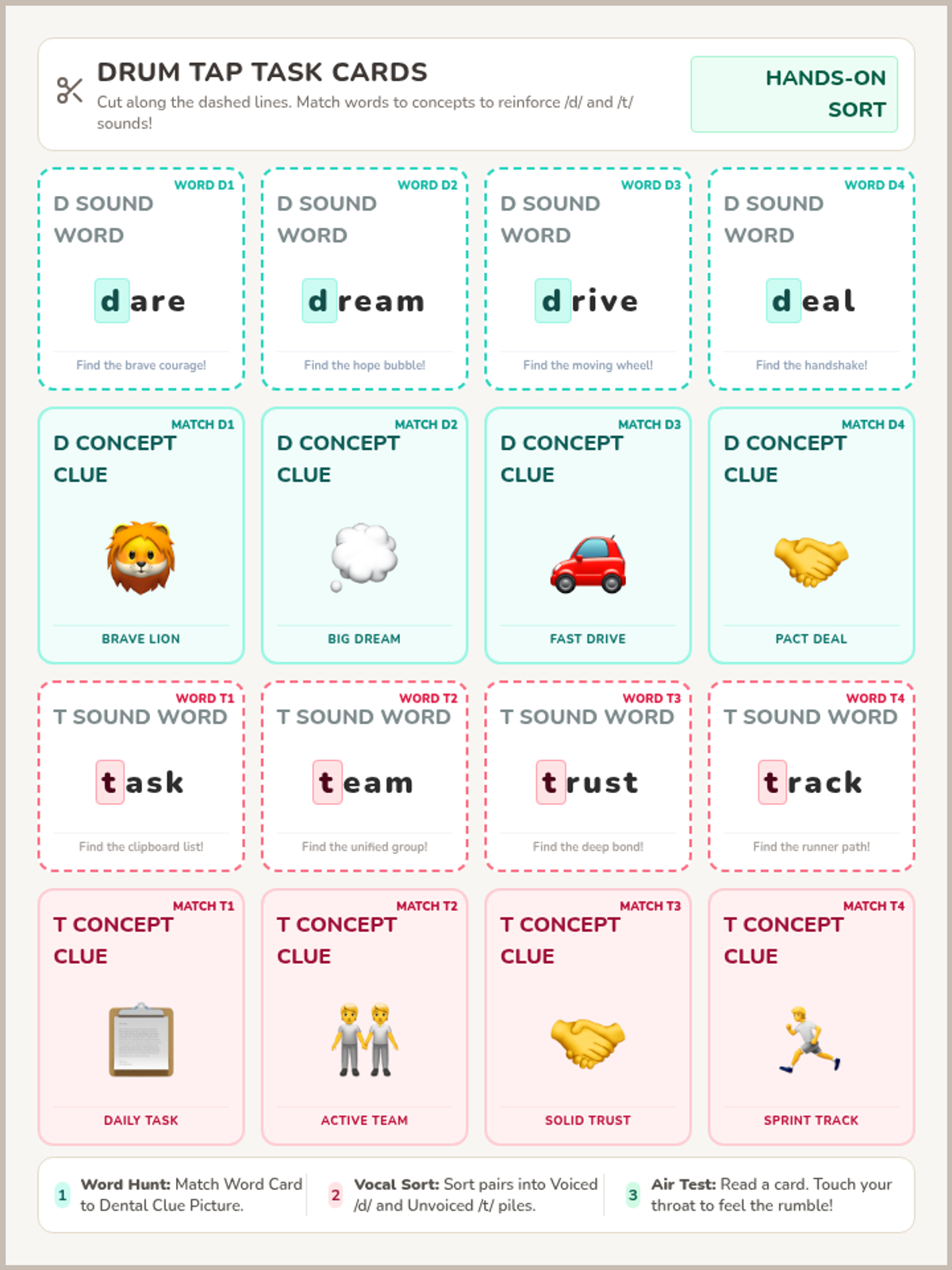
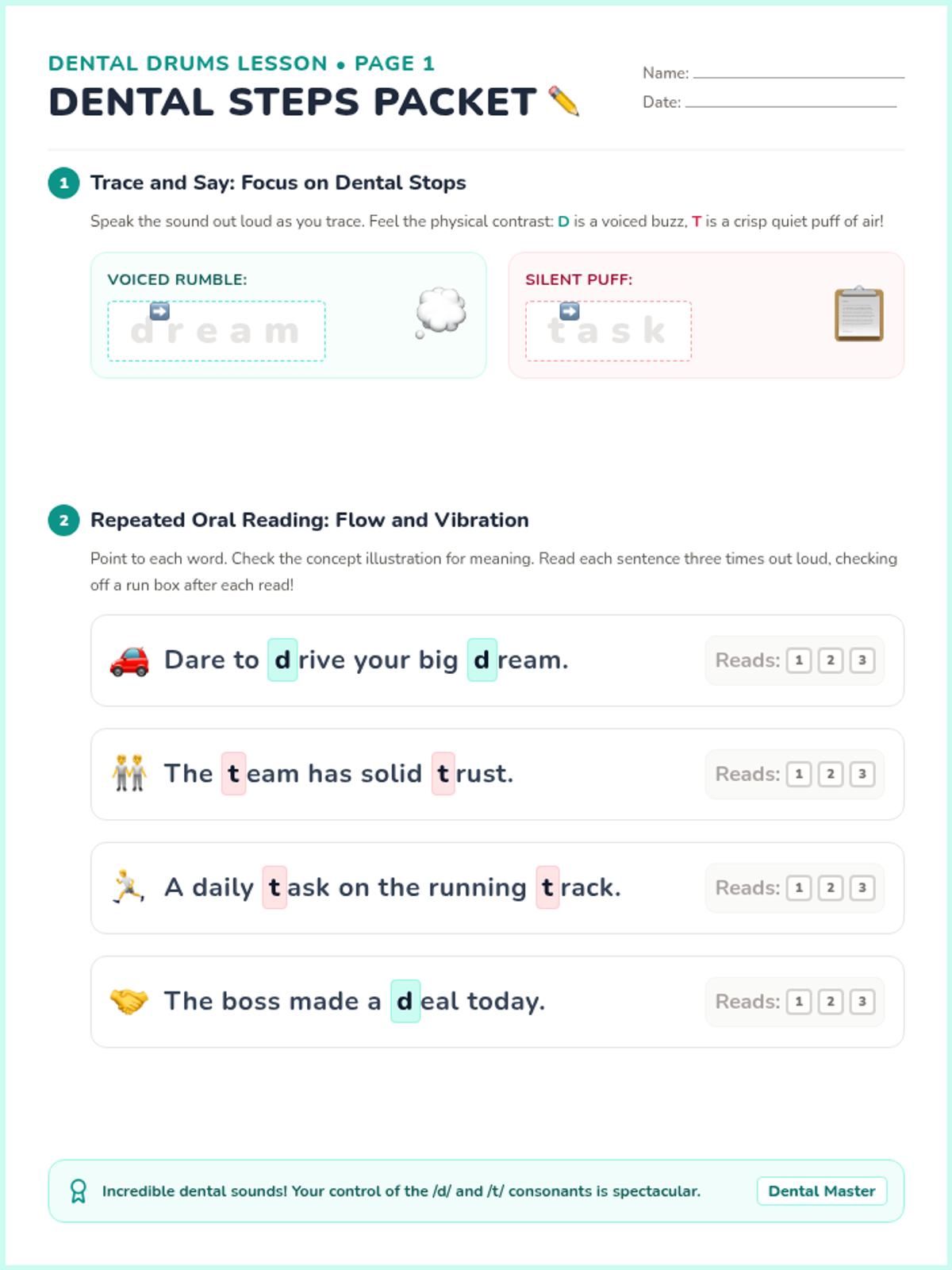
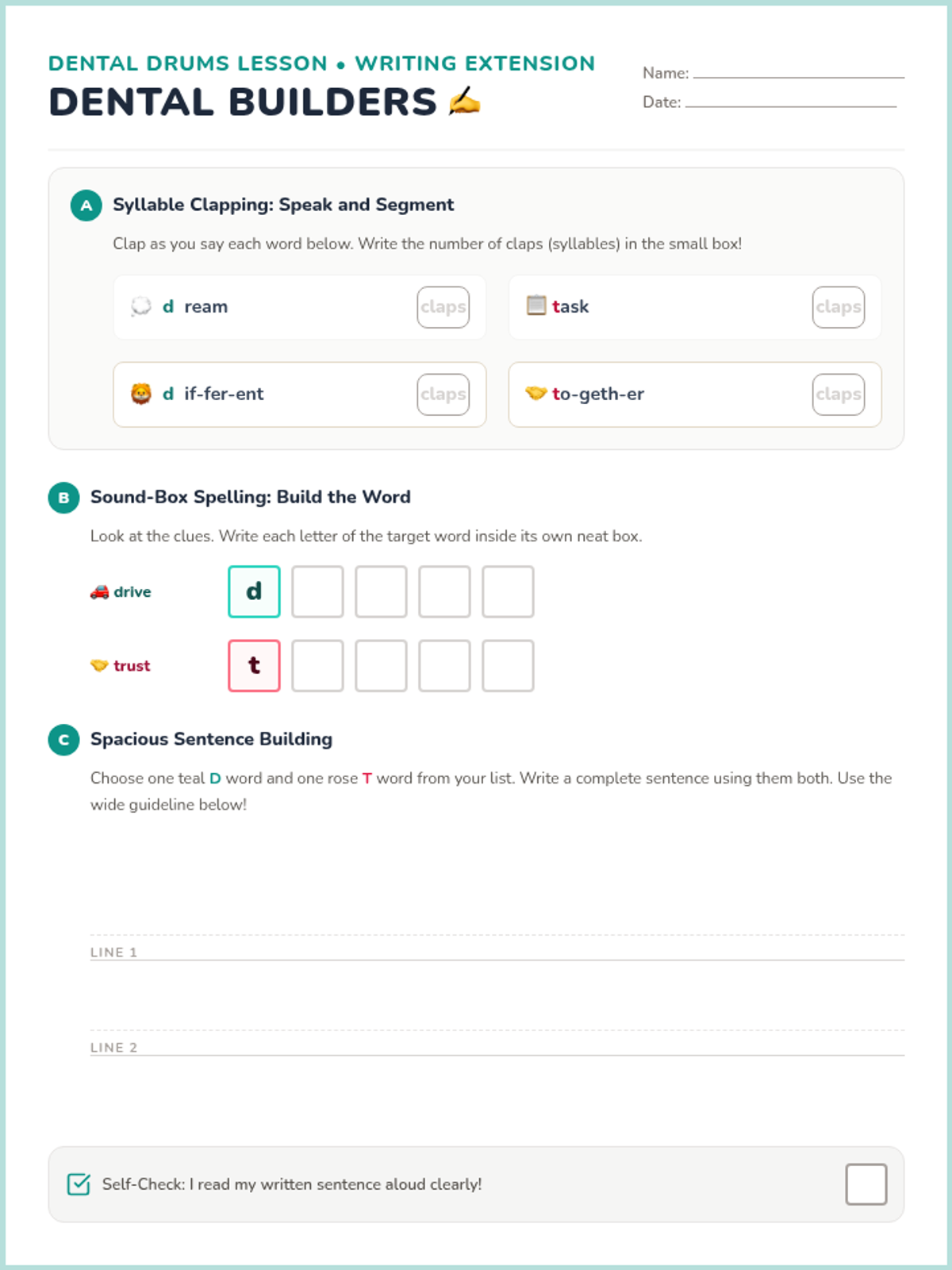
A structured phonics and oral reading lesson contrasting D and T sounds. Features heavy picture scaffolding, voice-vibration indicators, and dyslexia-friendly physical activity resources.
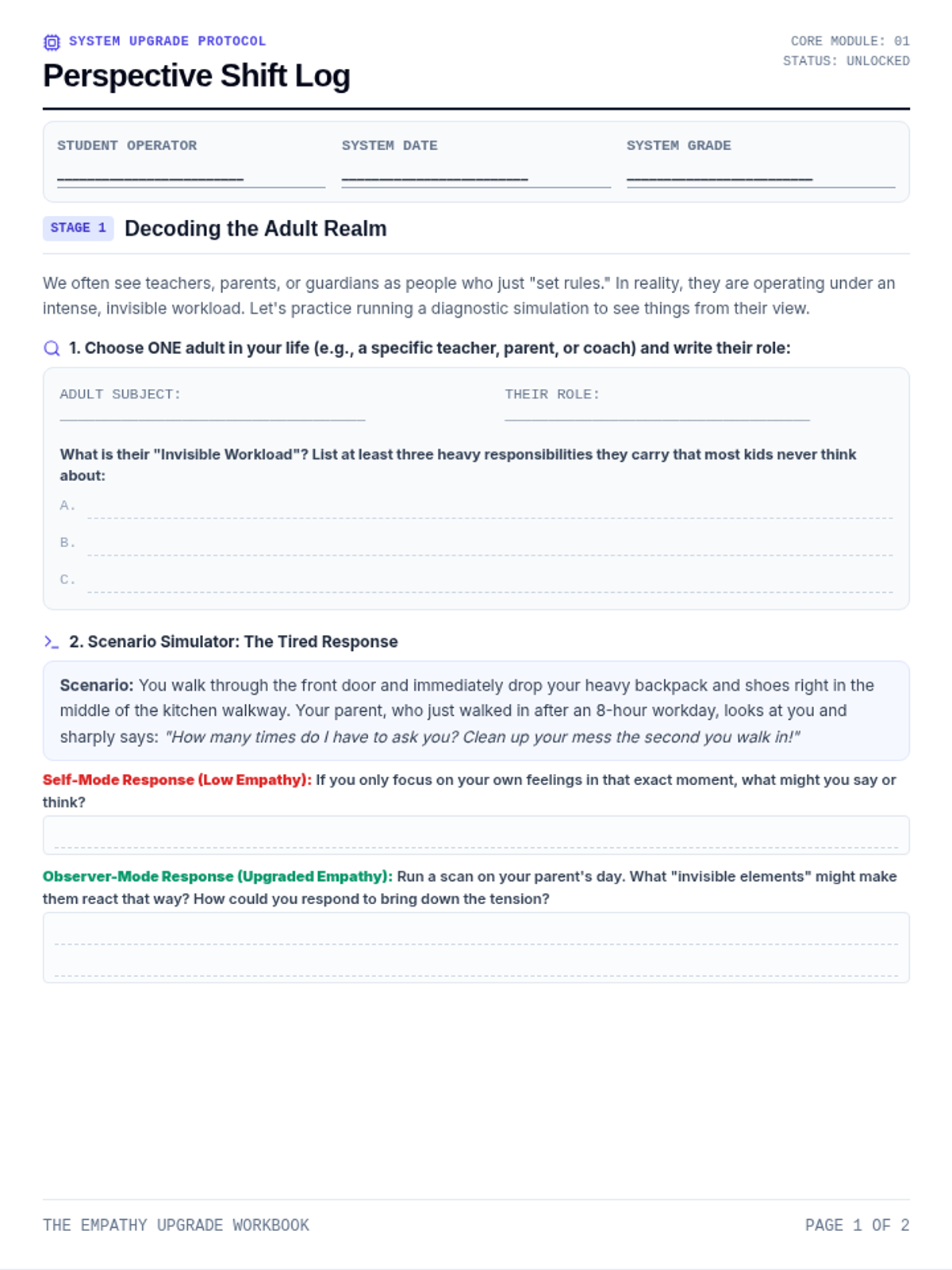
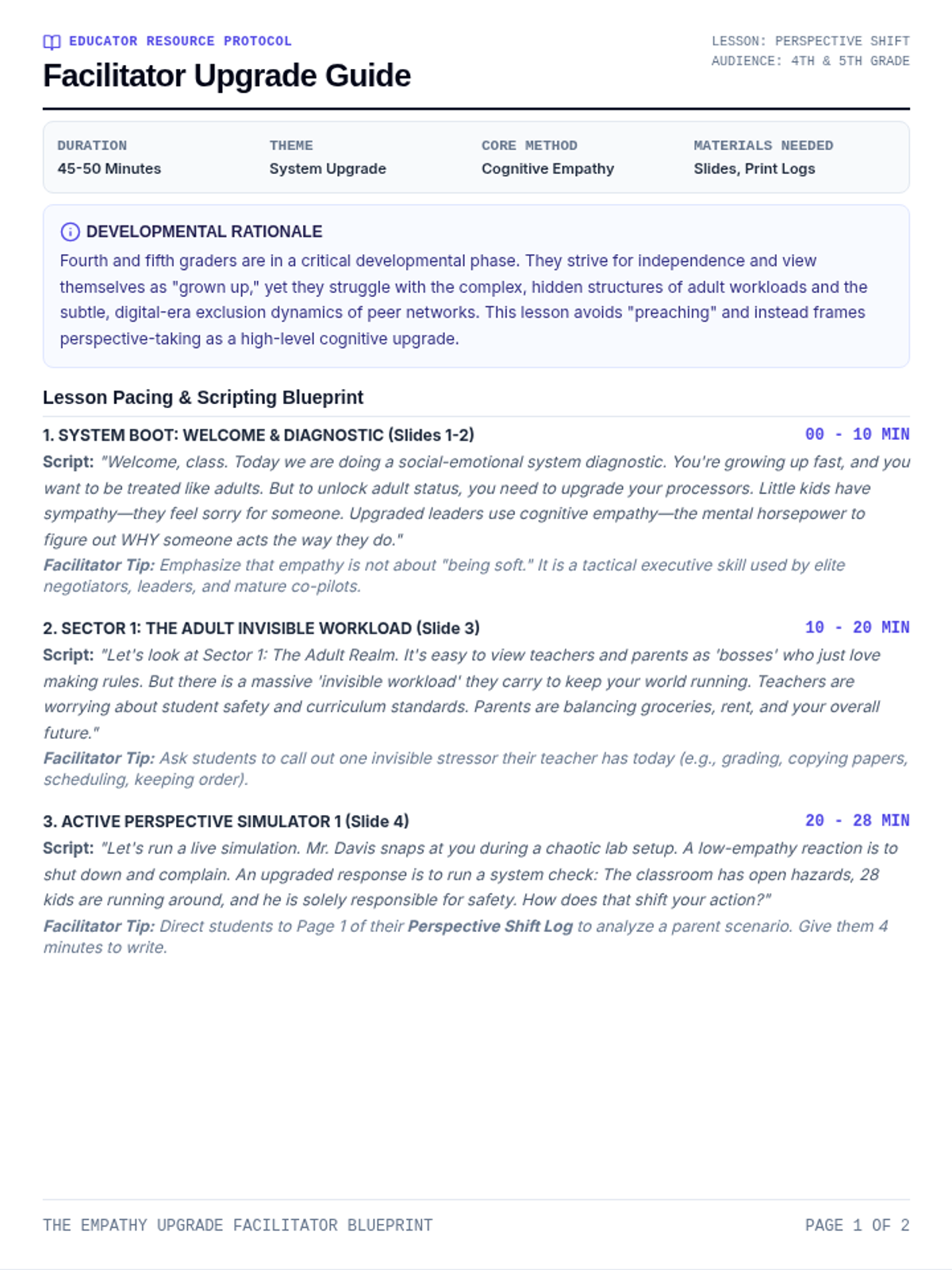
A Guidance Lesson designed for 4th and 5th graders to upgrade their empathy skills. This lesson focuses on perspective-taking, respecting adult workloads/perspectives, and navigating complex peer exclusion dynamics with maturity.
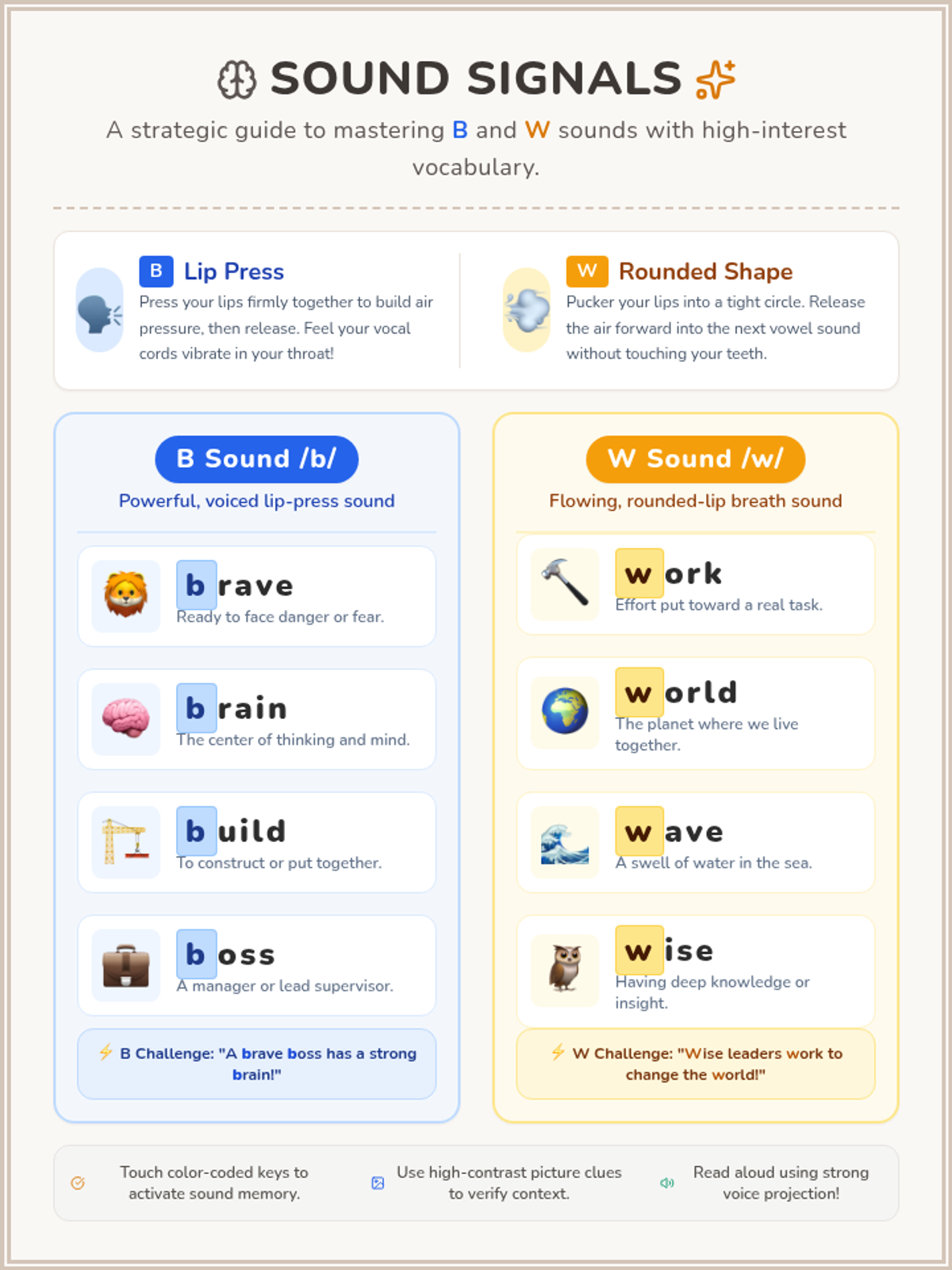
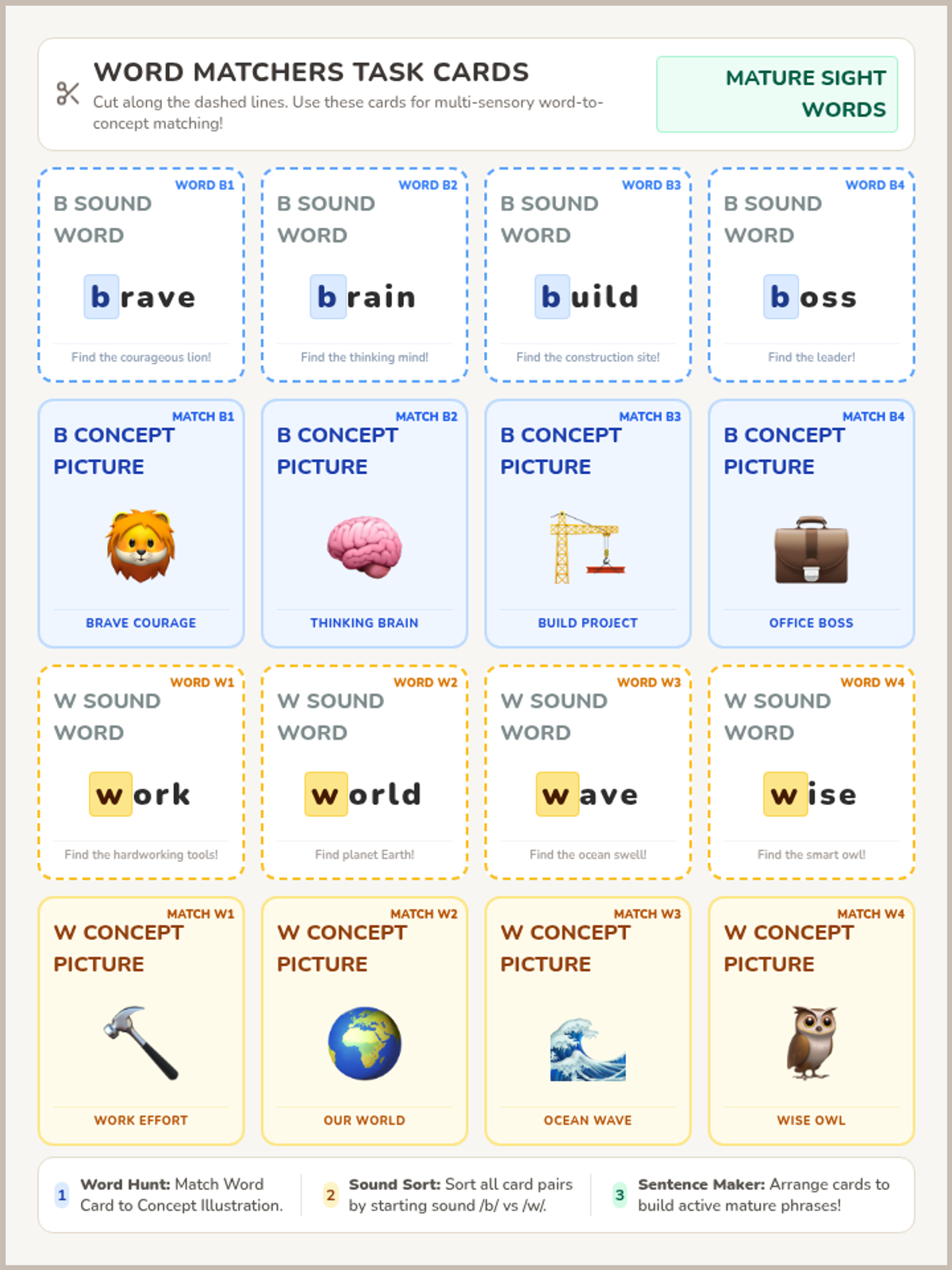
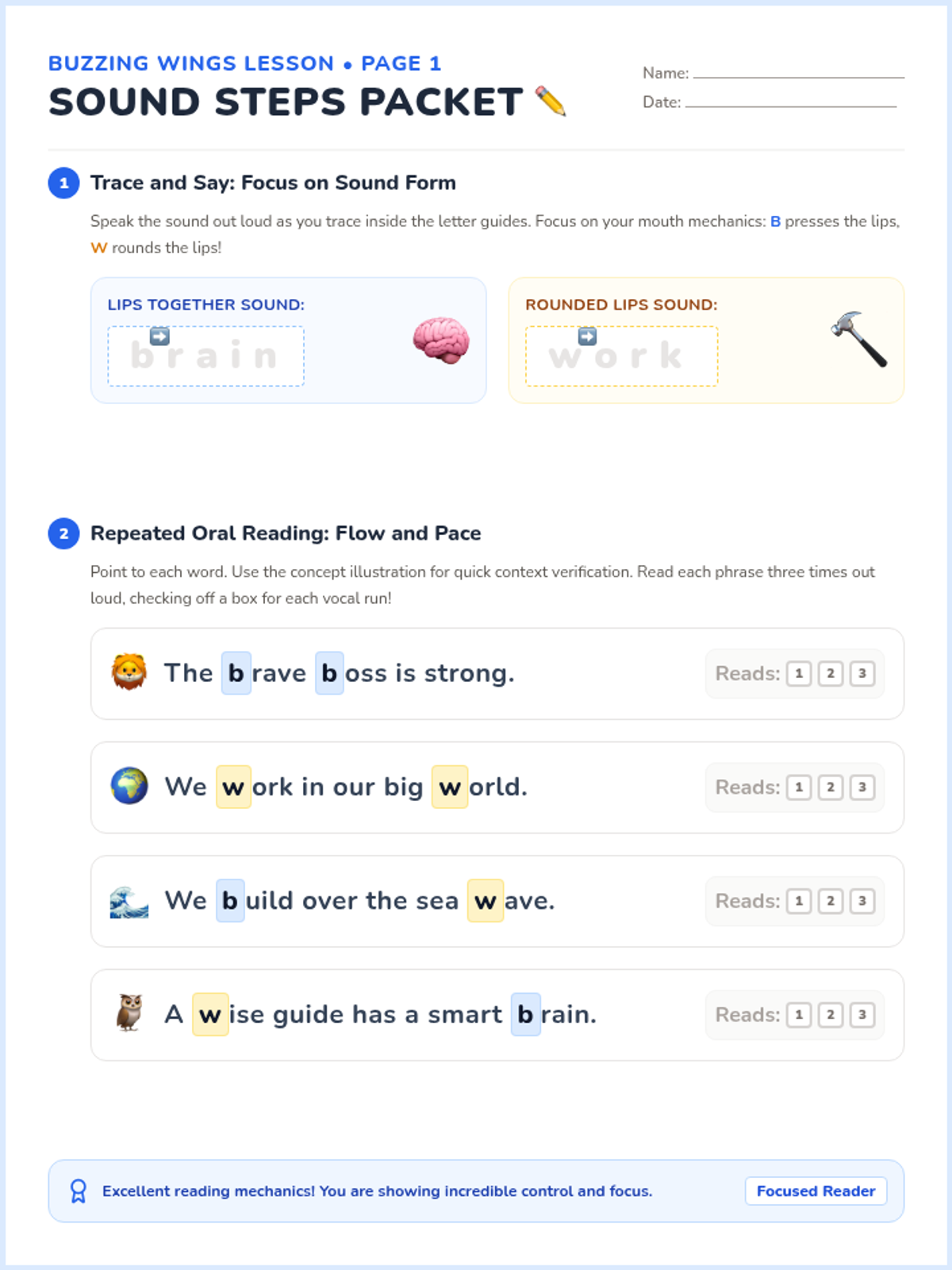
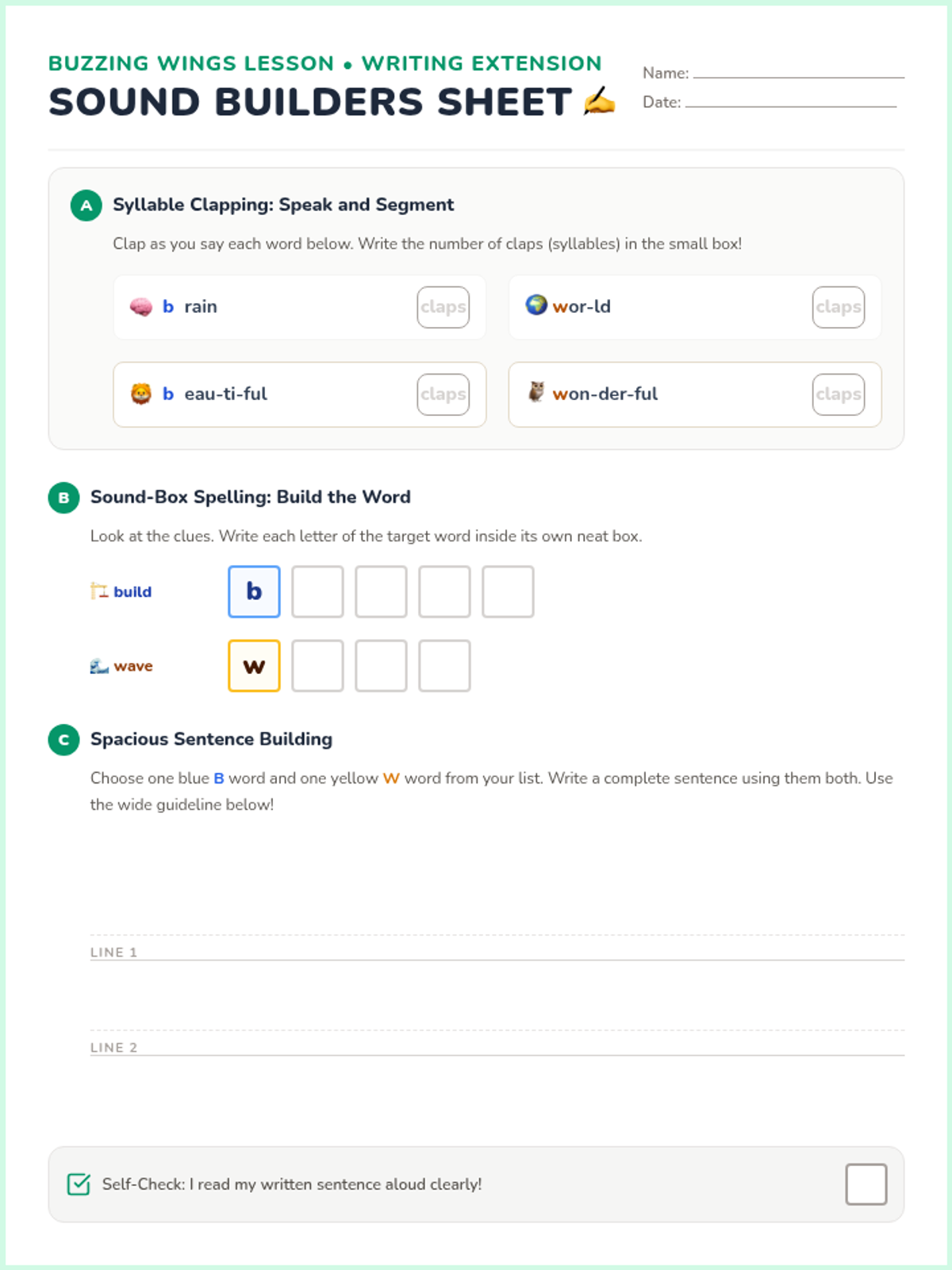
An hour-long structured reading lesson focusing on B and W letter-sound association and common sight words. Designed with dyslexia-friendly spacing, color-coded highlights, and picture scaffolding to support struggling oral readers.
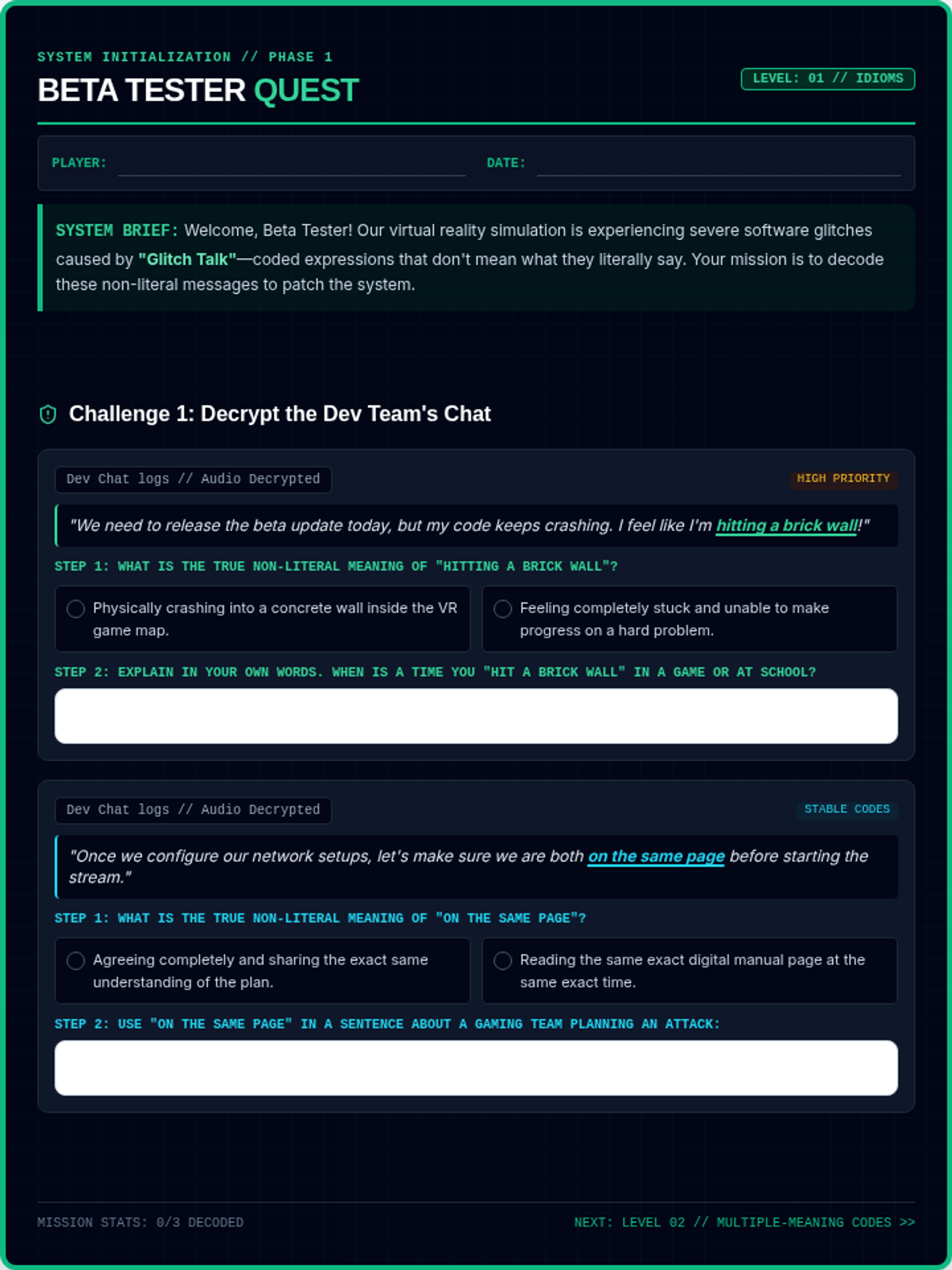
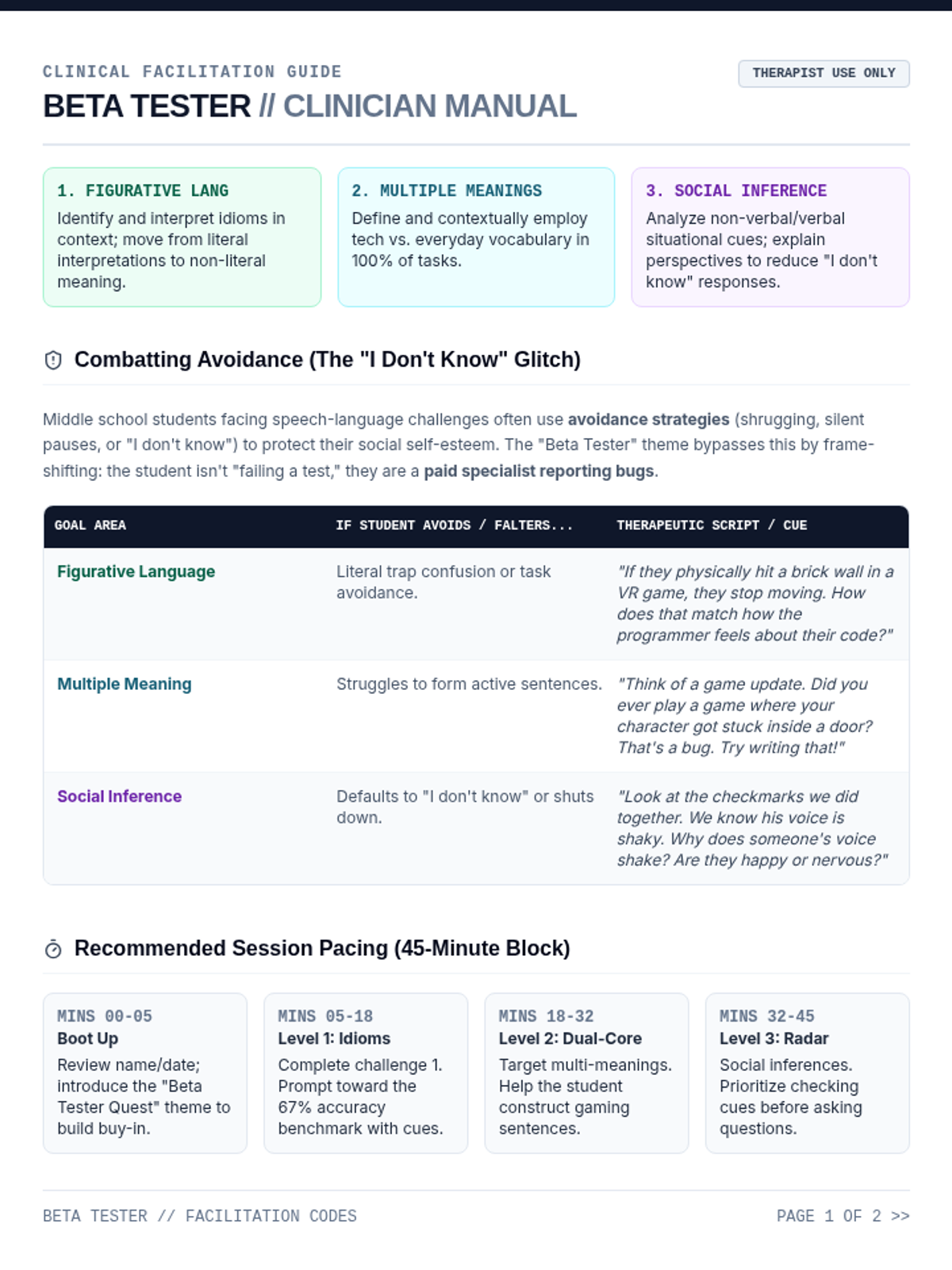
A highly engaging gaming and technology-themed speech-language therapy unit targeting figurative language, multiple-meaning words, and social inference for middle school students, featuring structured scaffolding to support active participation.
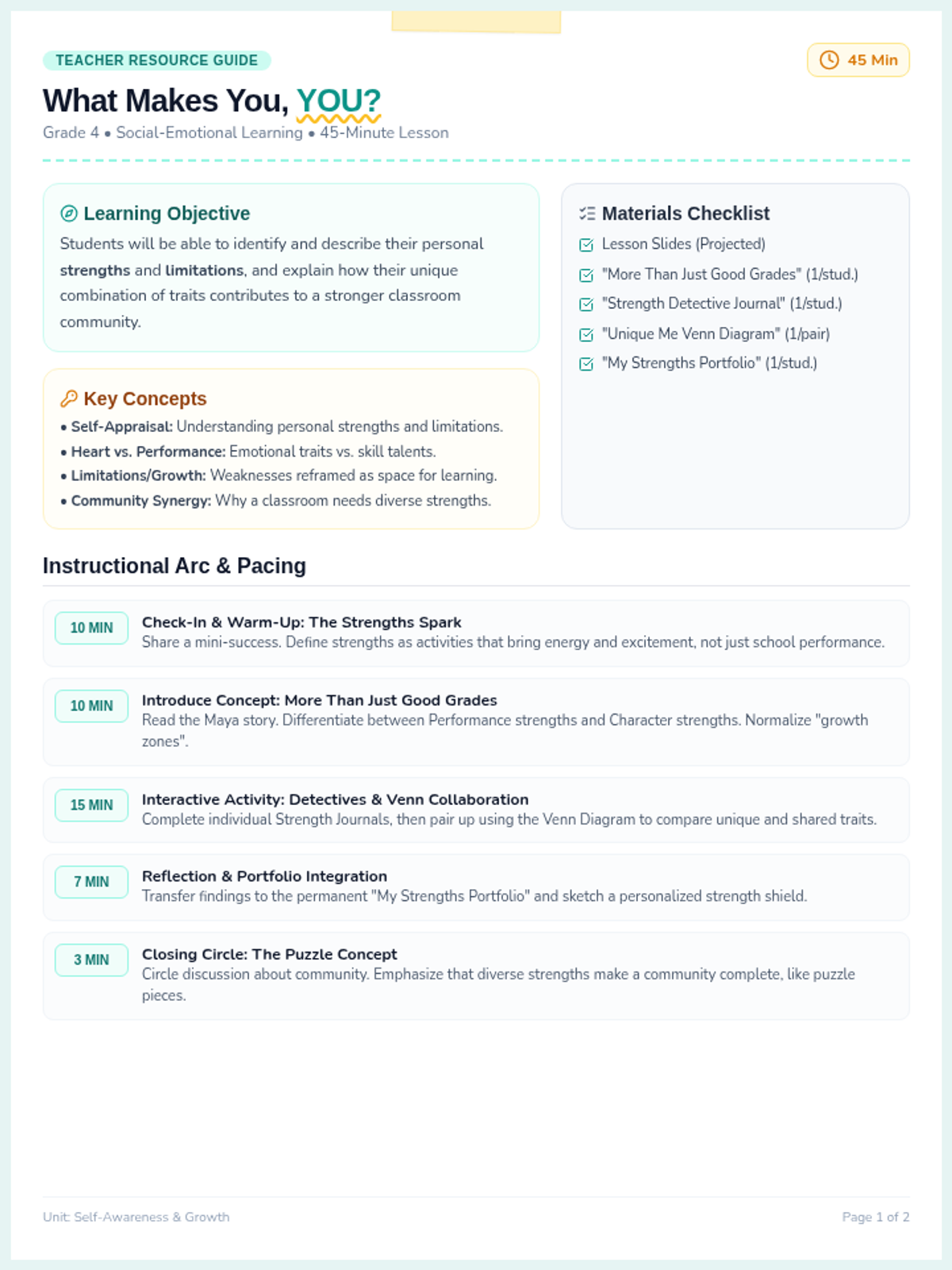
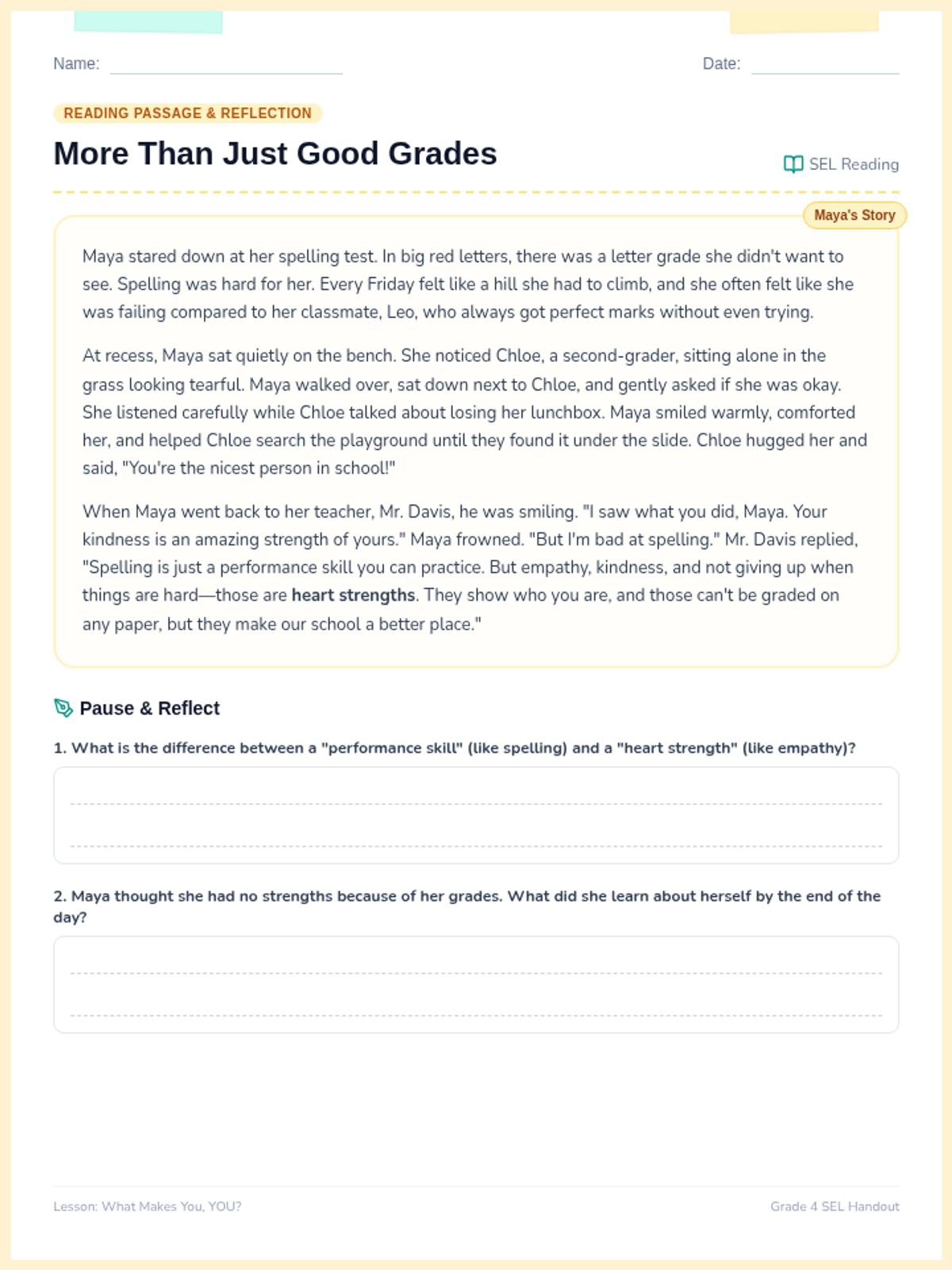
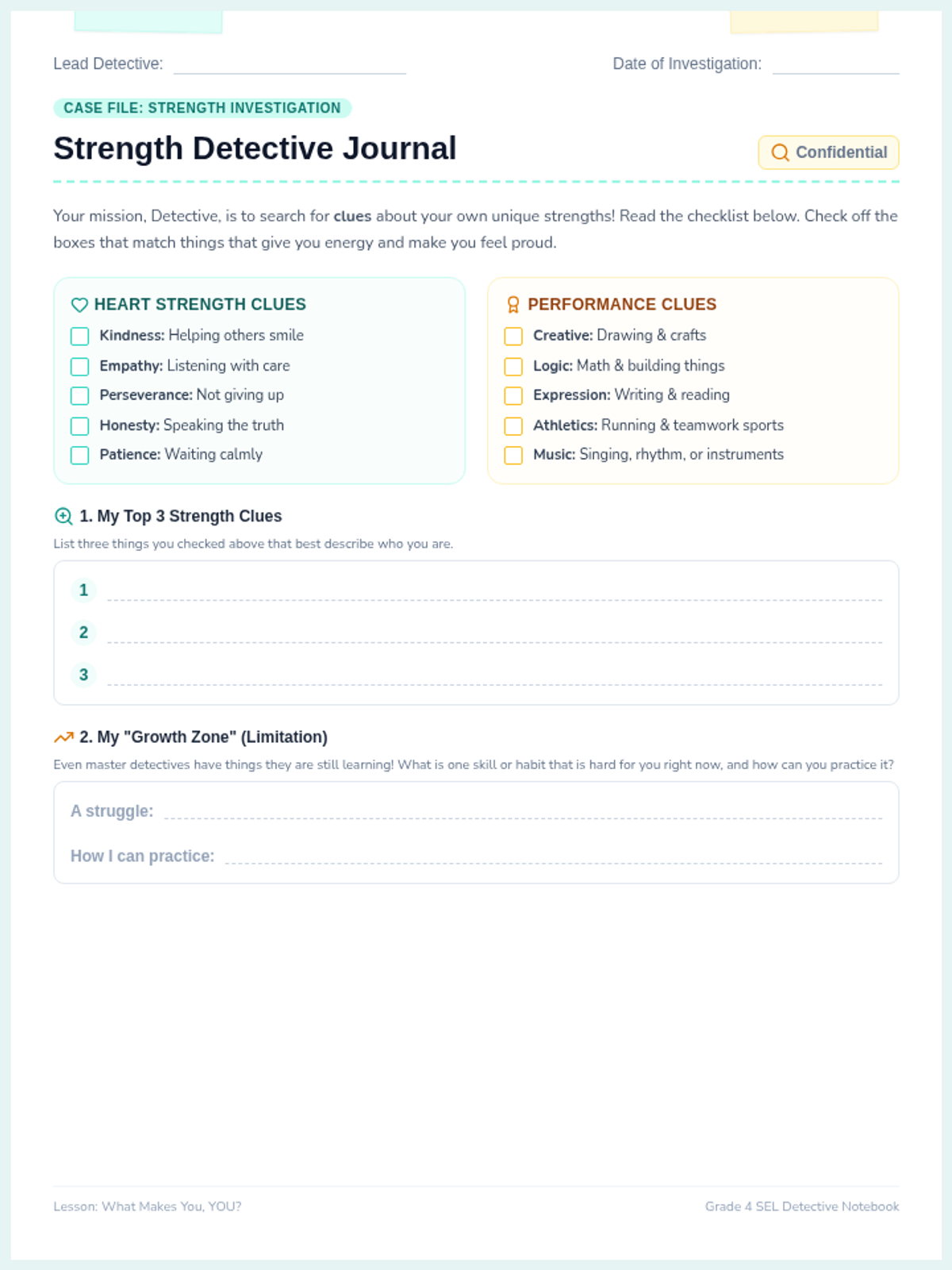
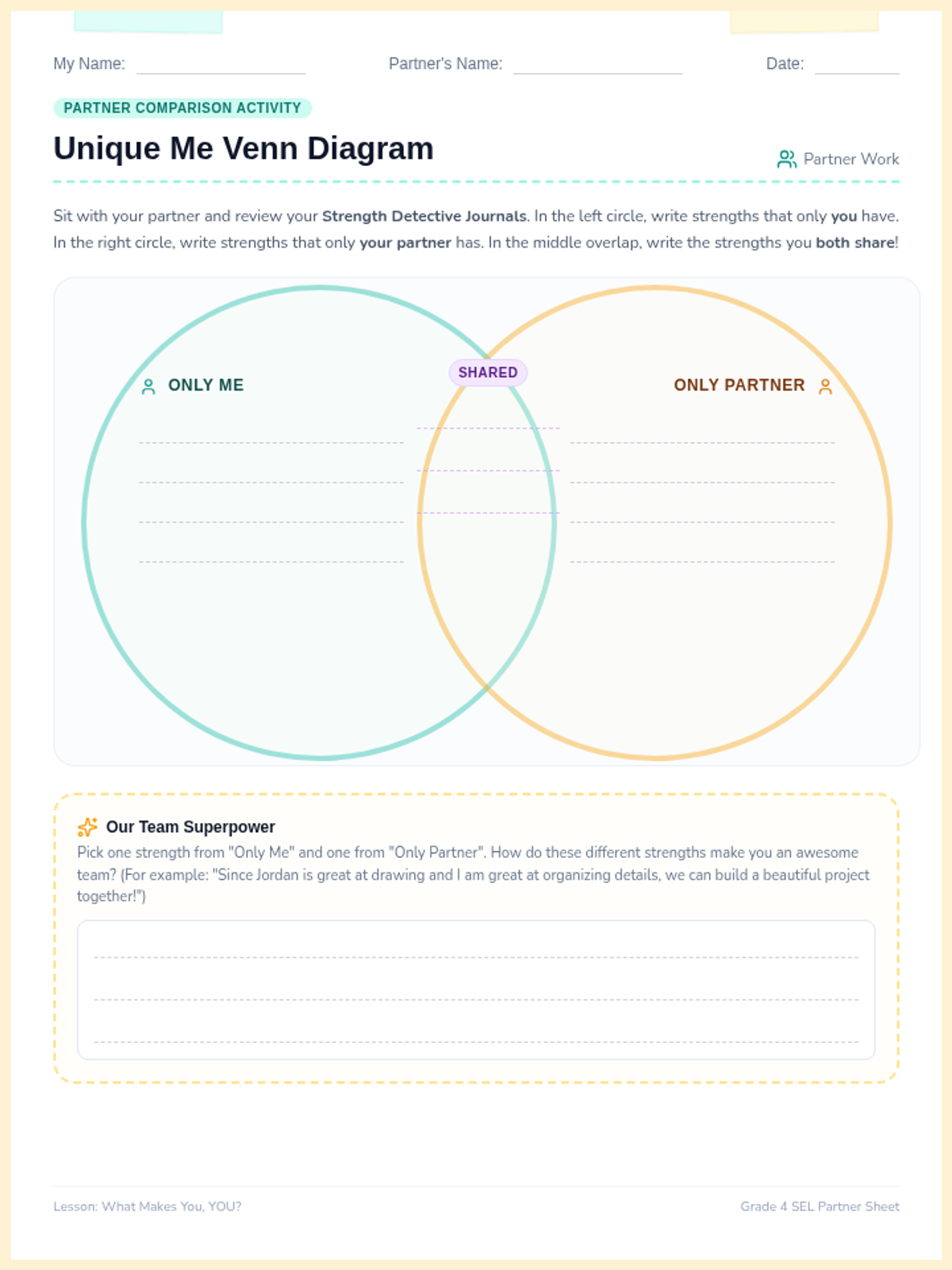
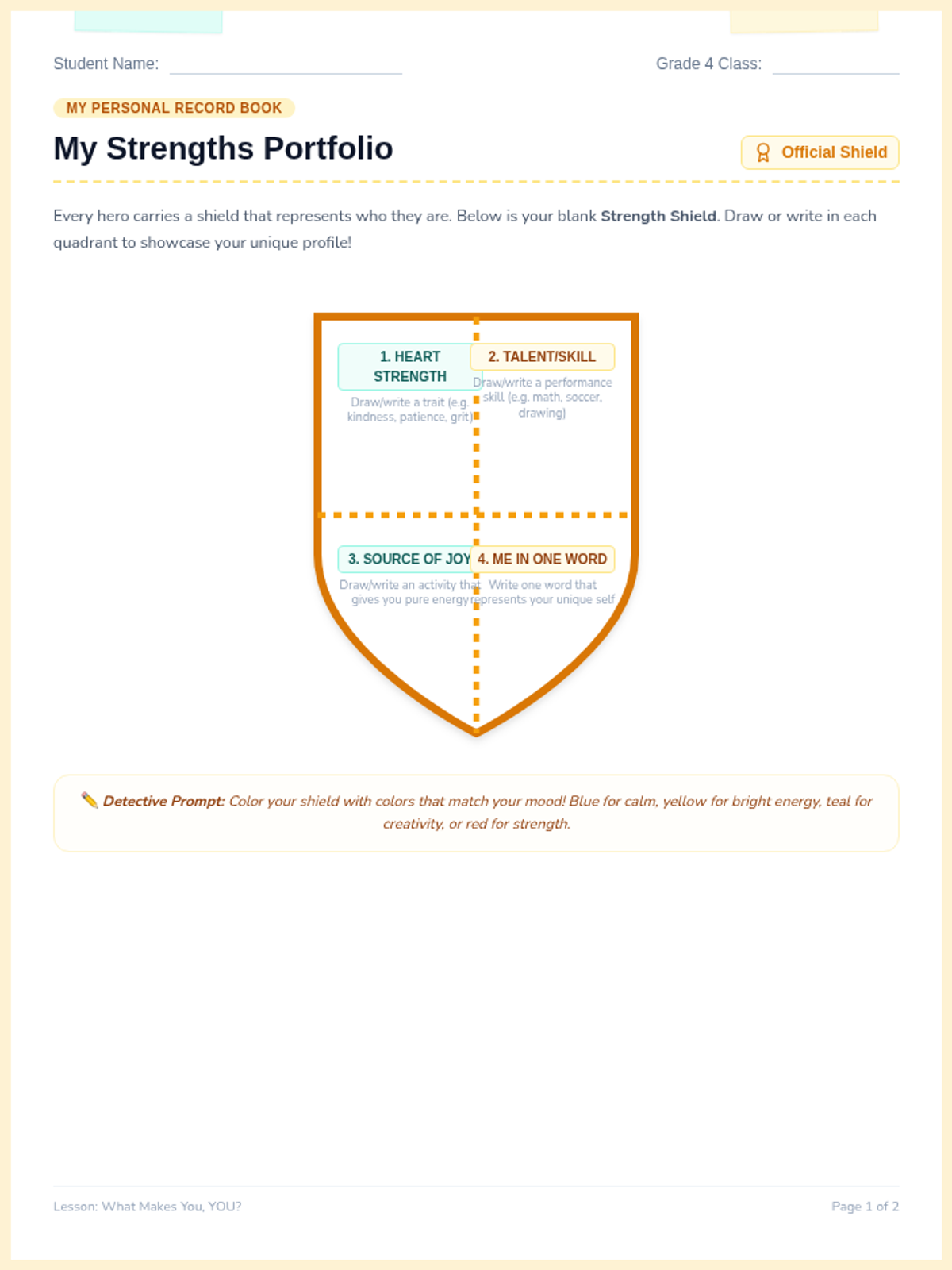
A 45-minute social-emotional learning lesson for 4th graders to explore their personal strengths and limitations. Students learn to self-appraise, appreciate their unique qualities, and understand how diverse strengths make their classroom community stronger.
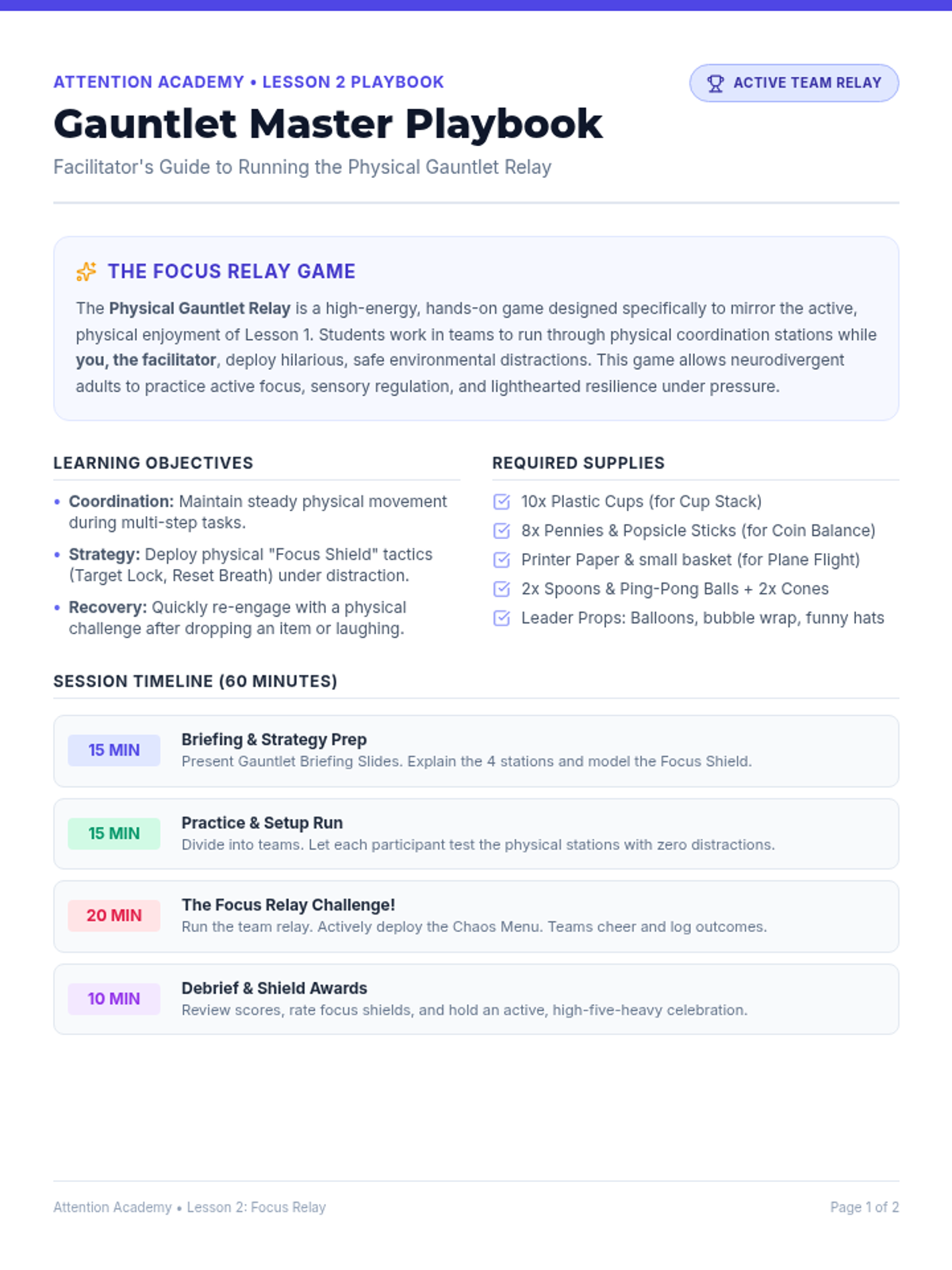
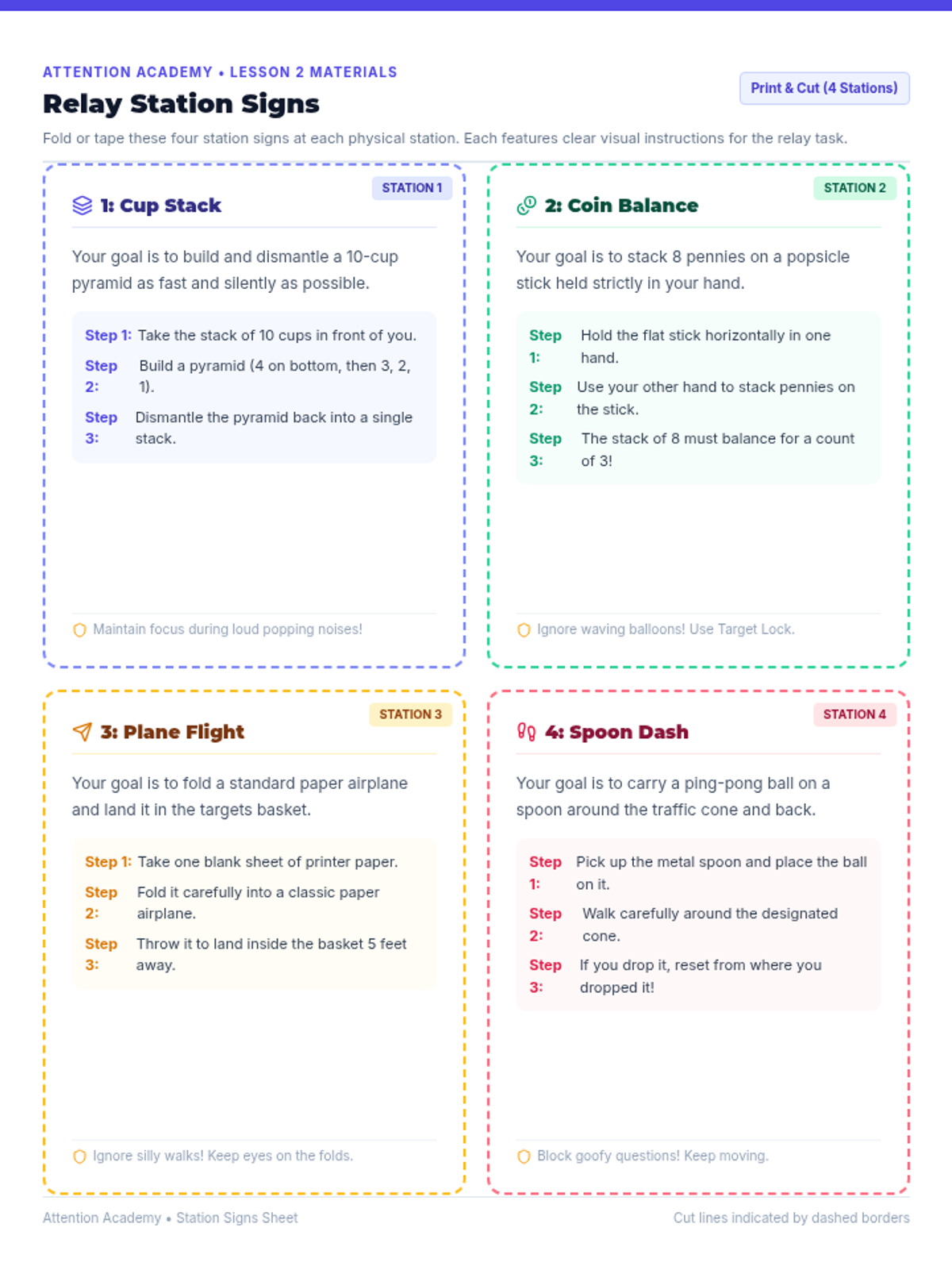
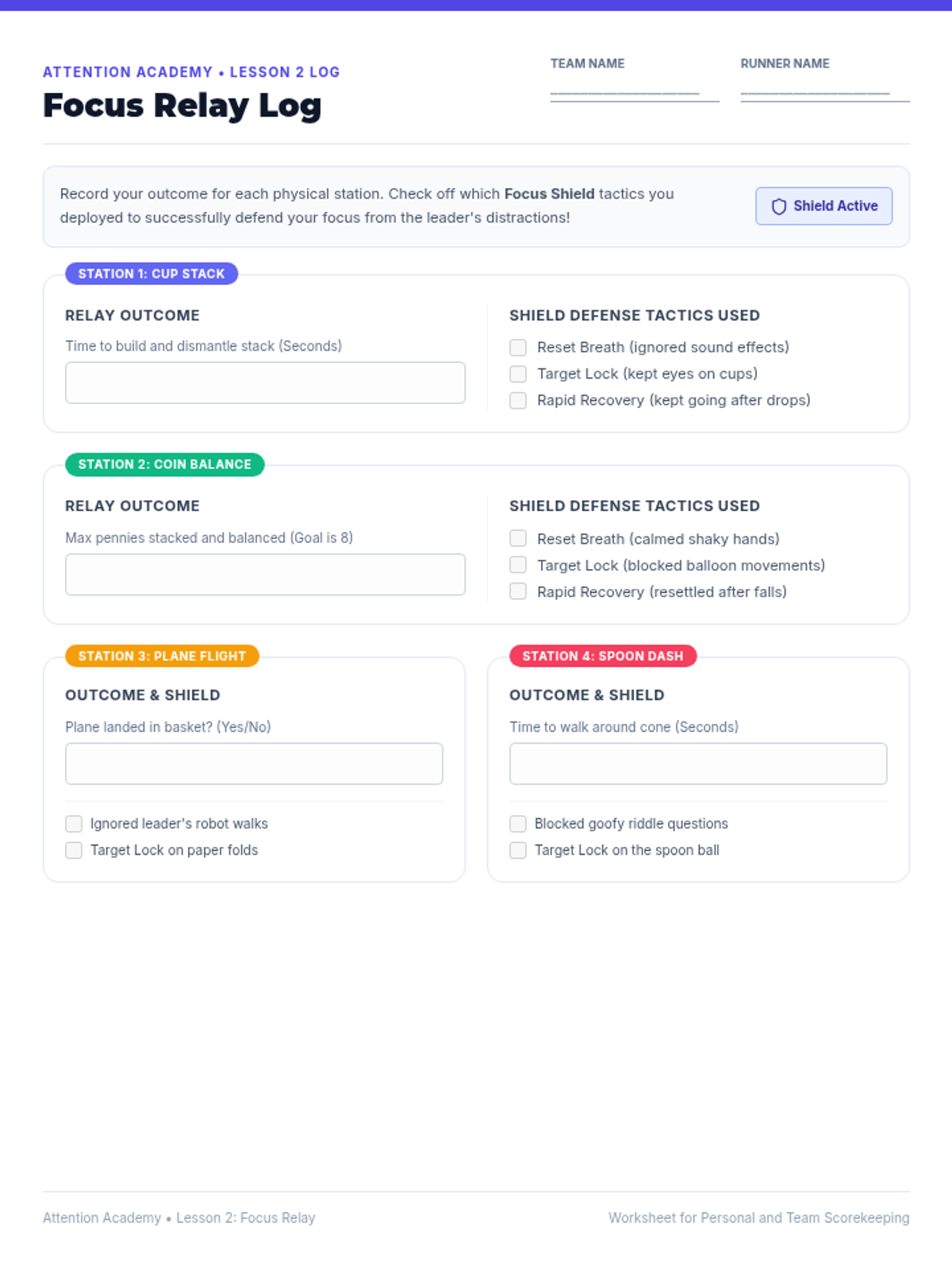
A high-energy team-based relay game where participants complete physical coordination challenges while the leader deploys humorous, safe distractions. Teams earn points for speed, accuracy, and focus recovery.
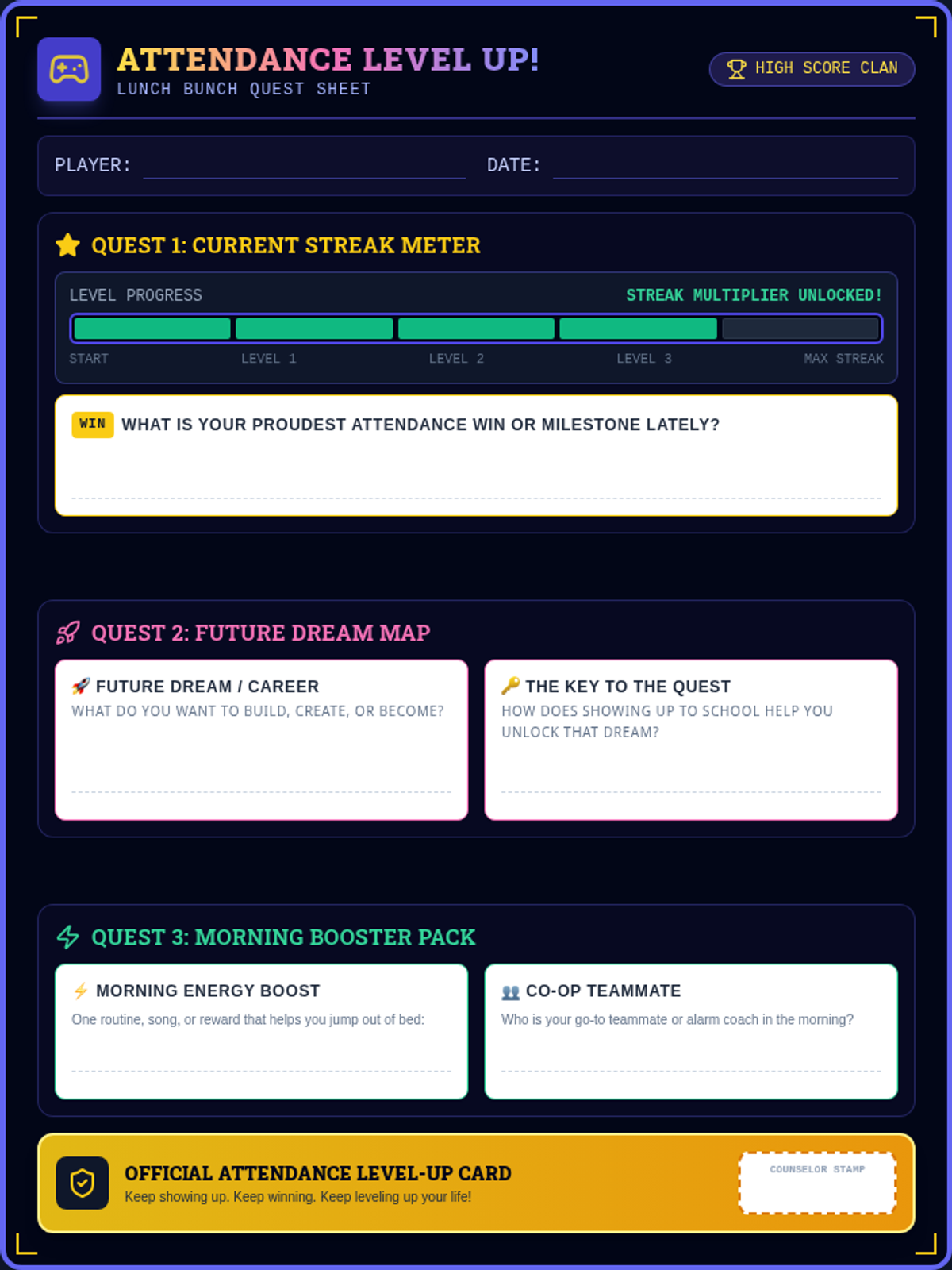
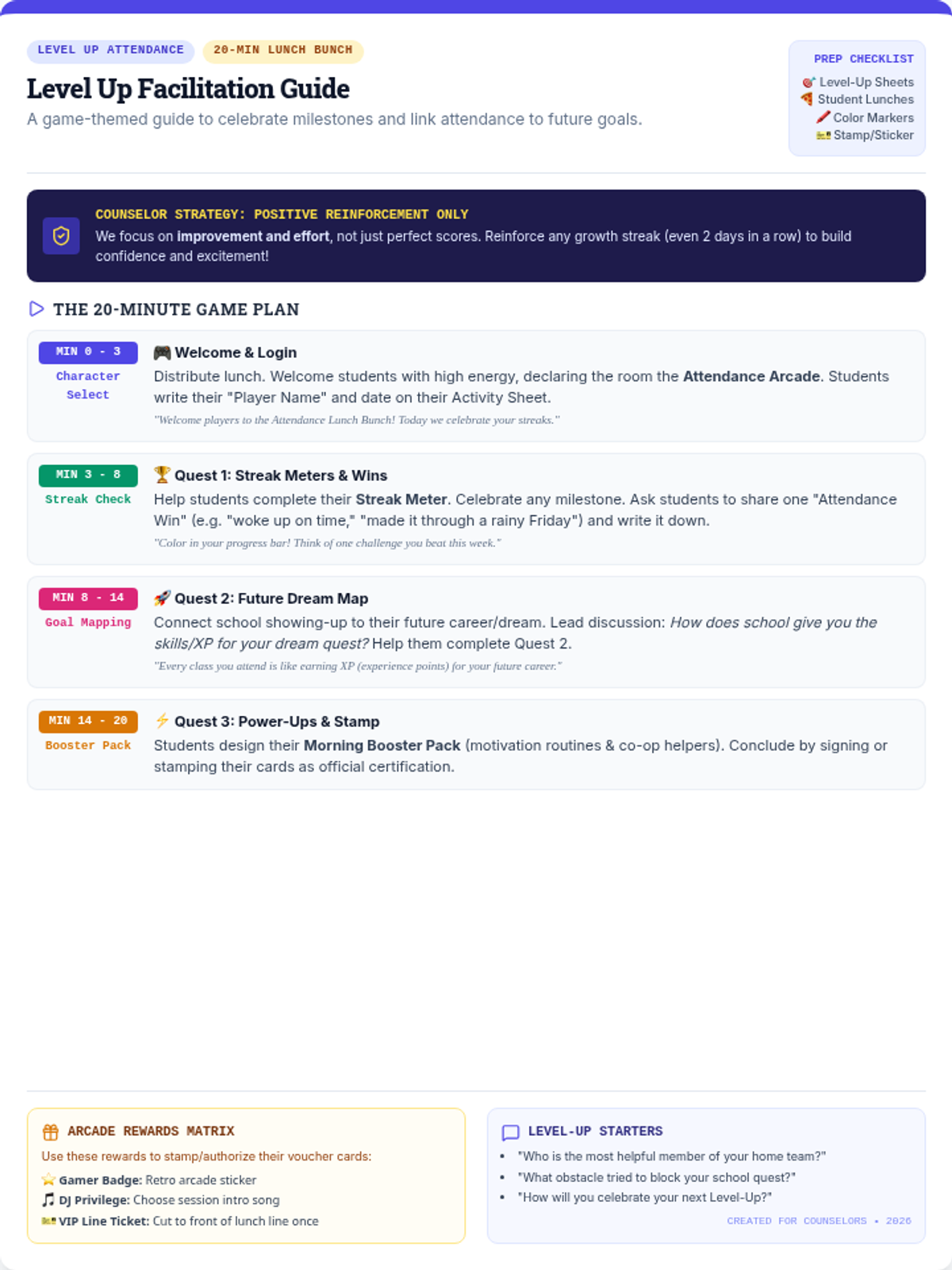
A 20-minute Lunch Bunch lesson plan and facilitation guide designed to celebrate attendance milestones, connect consistent attendance to future goals, and foster a high-energy, positive environment for students.
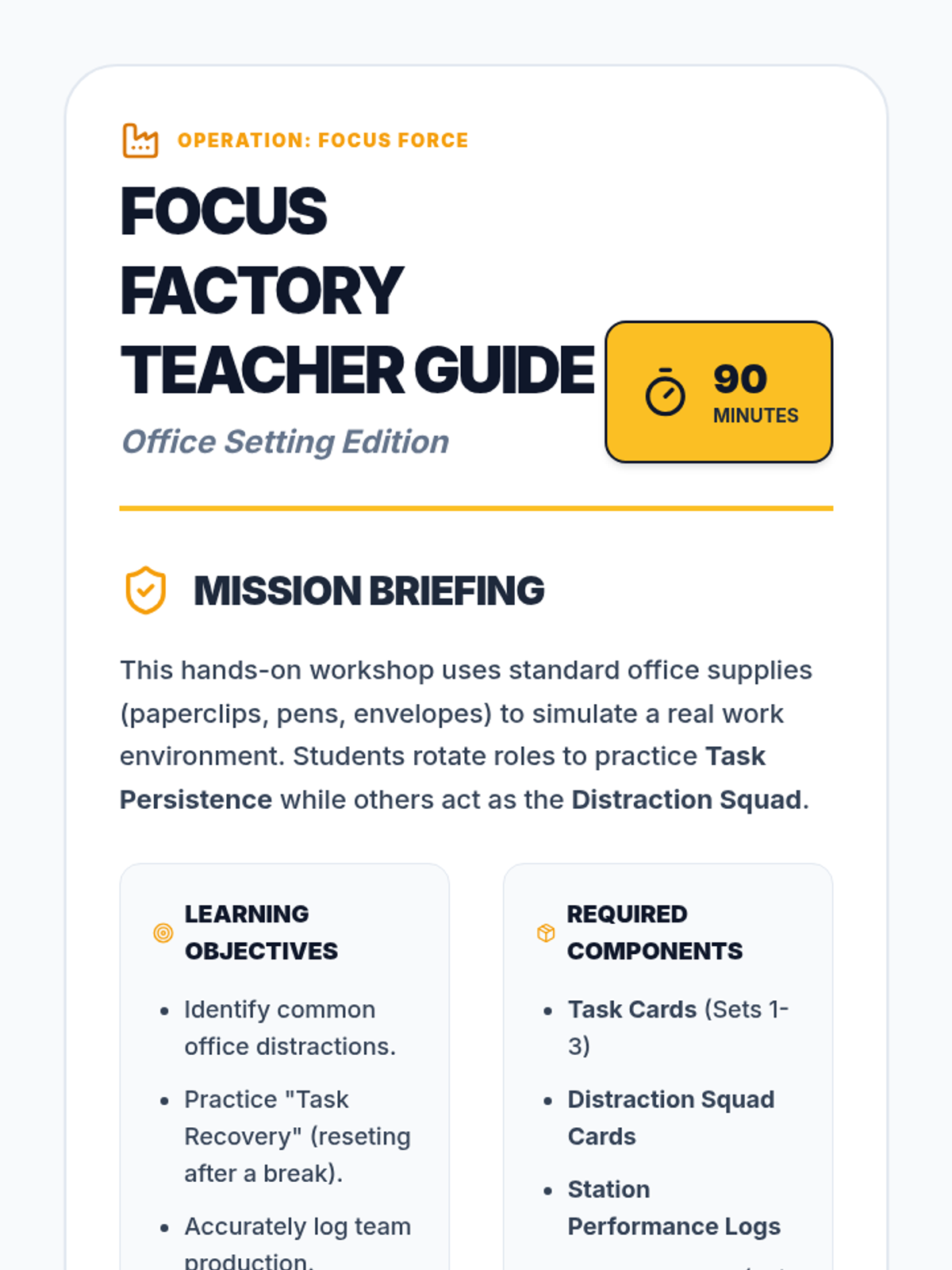
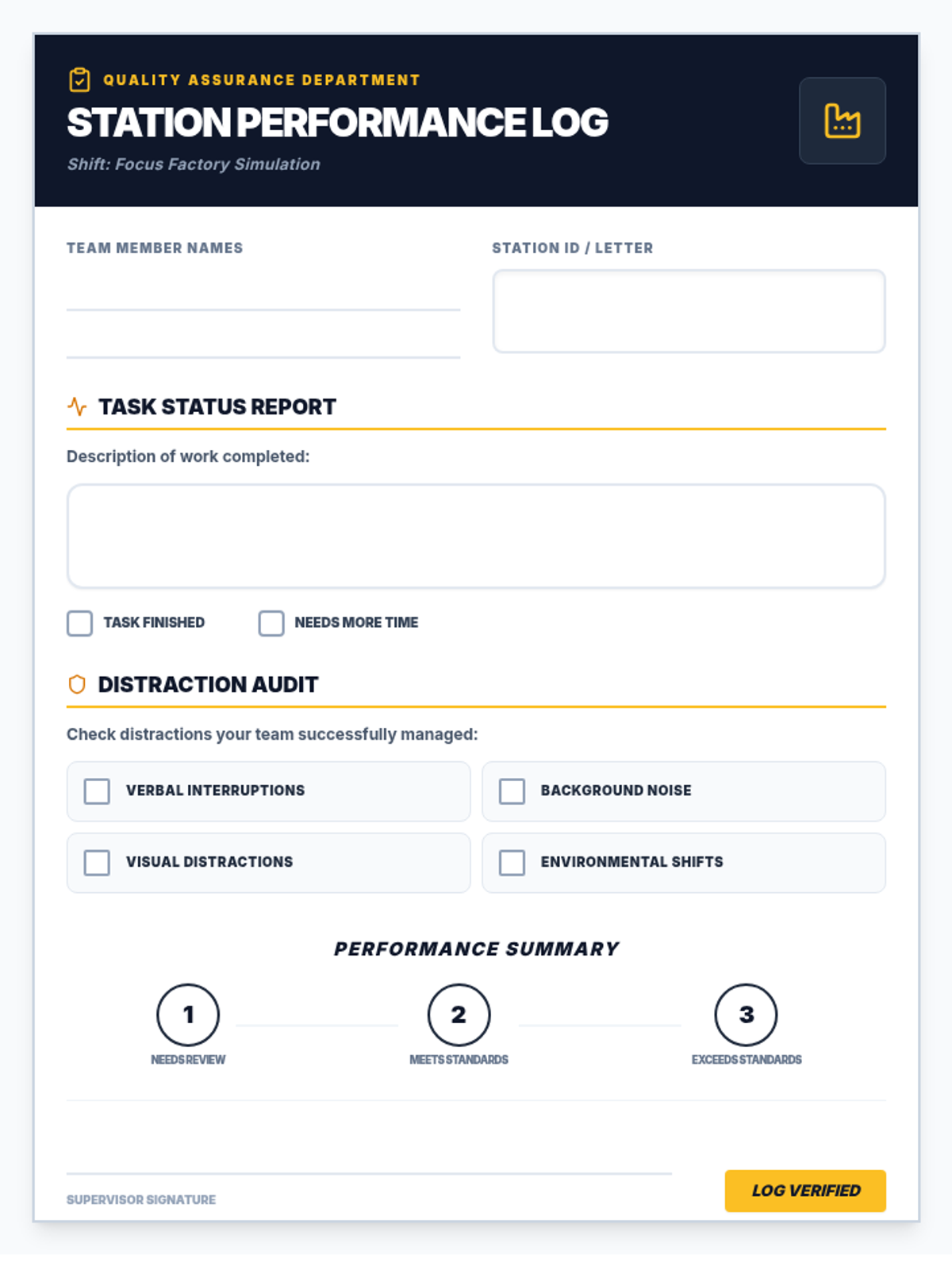
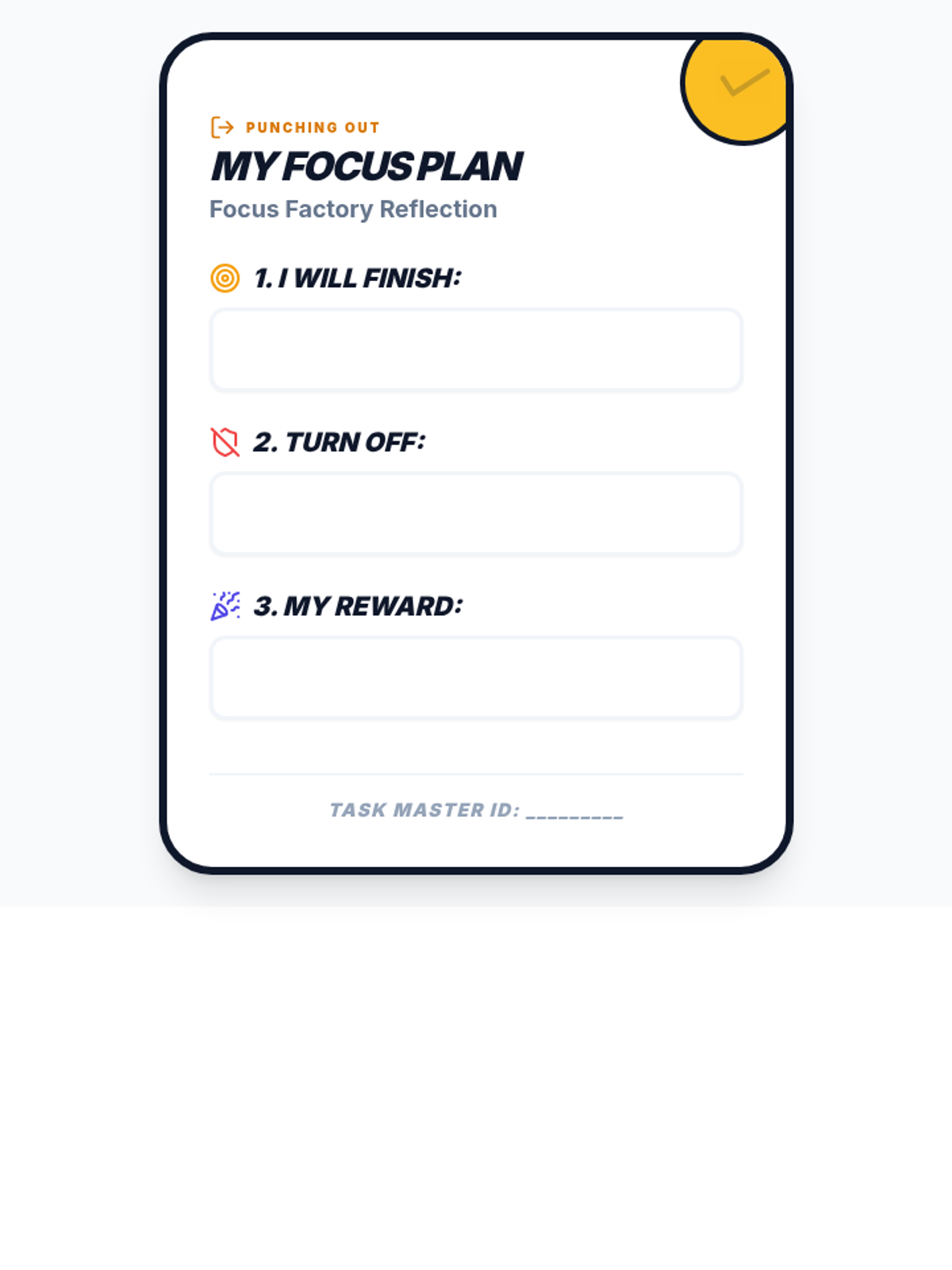
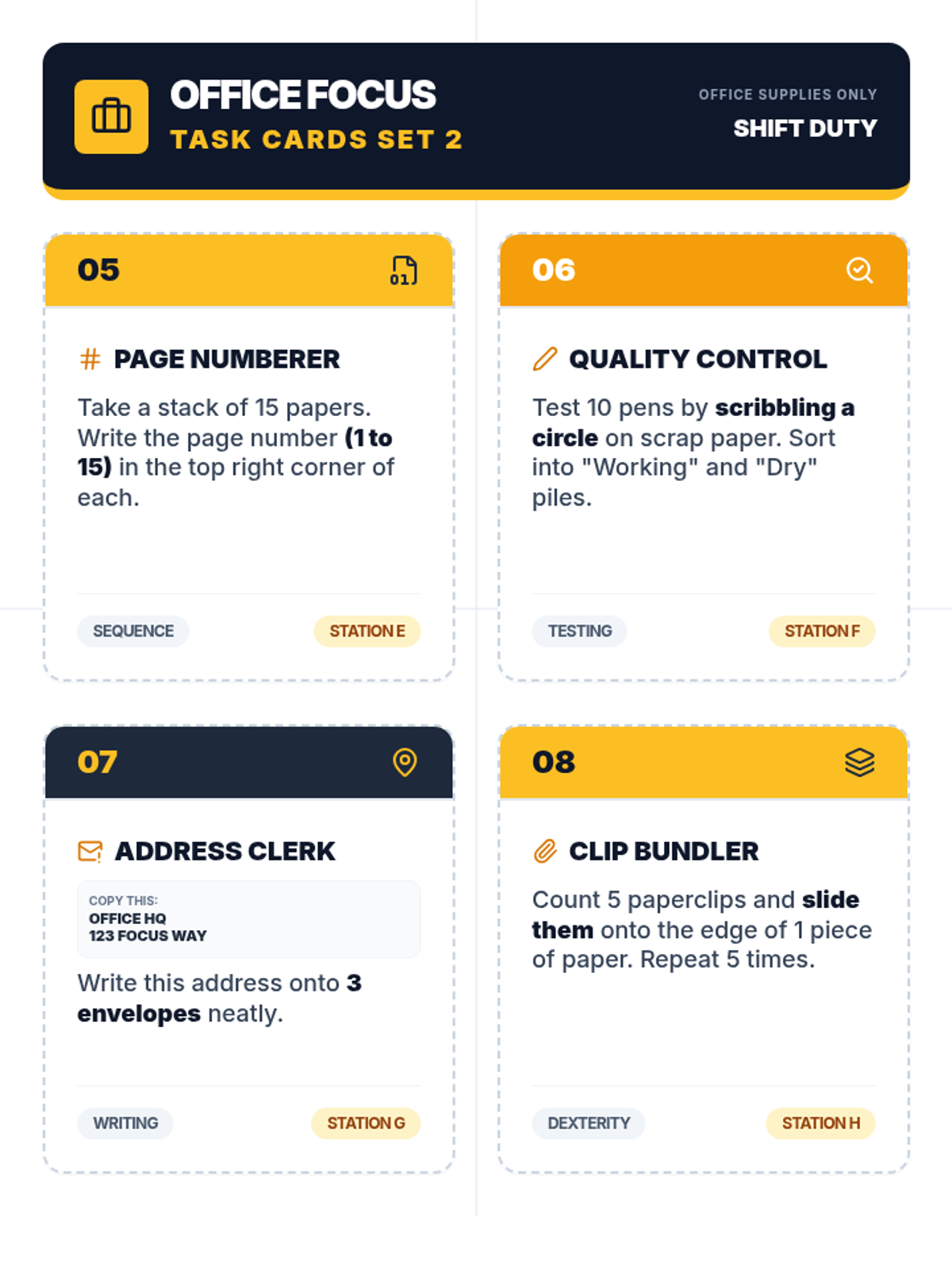
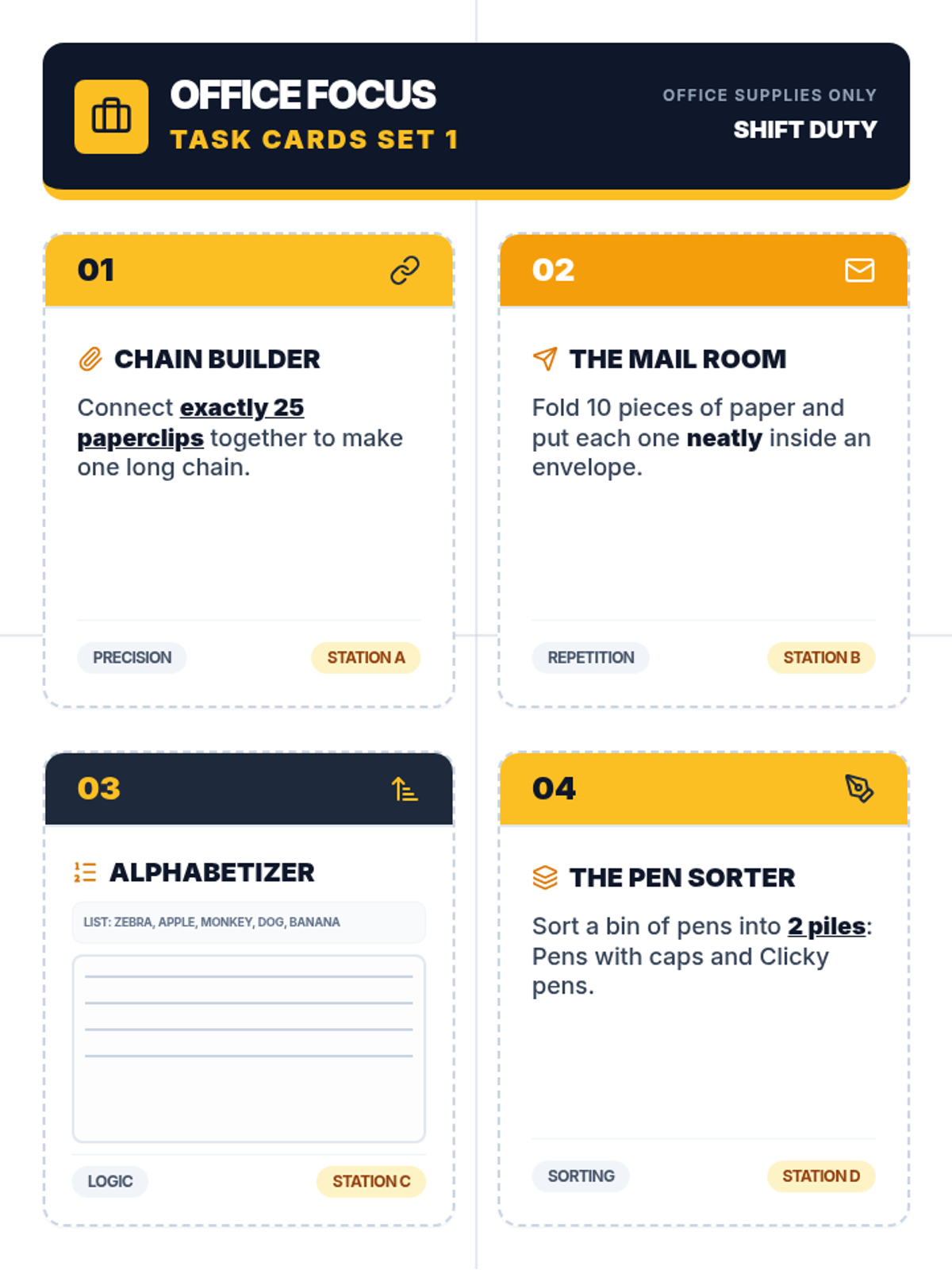
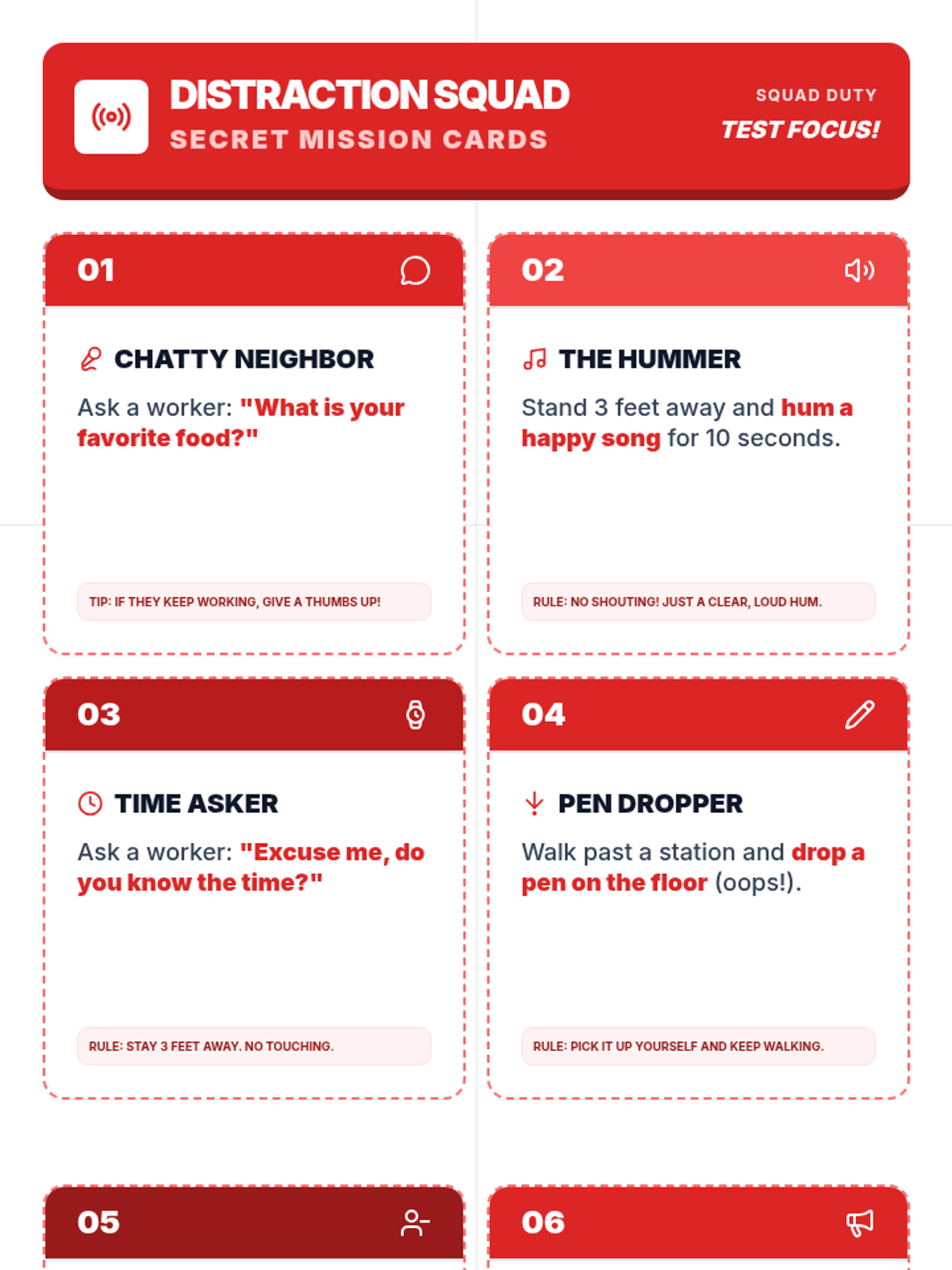
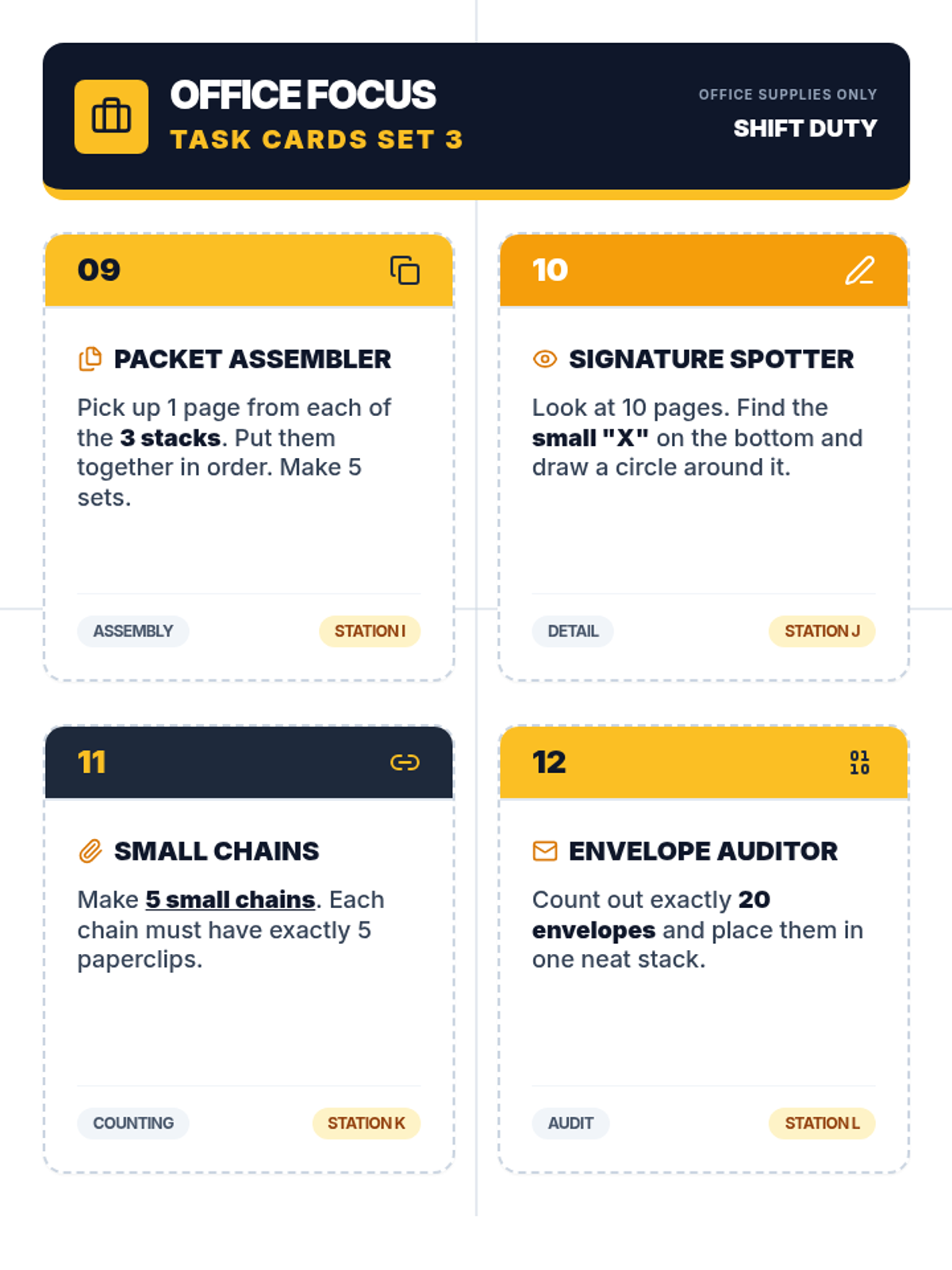
A high-energy, hands-on workshop where students practice executive functioning skills through a 'Focus Factory' simulation. Students rotate between being 'Task Workers' completing physical tasks and 'Distraction Squad' members trying to (kindly) test their peers' focus.
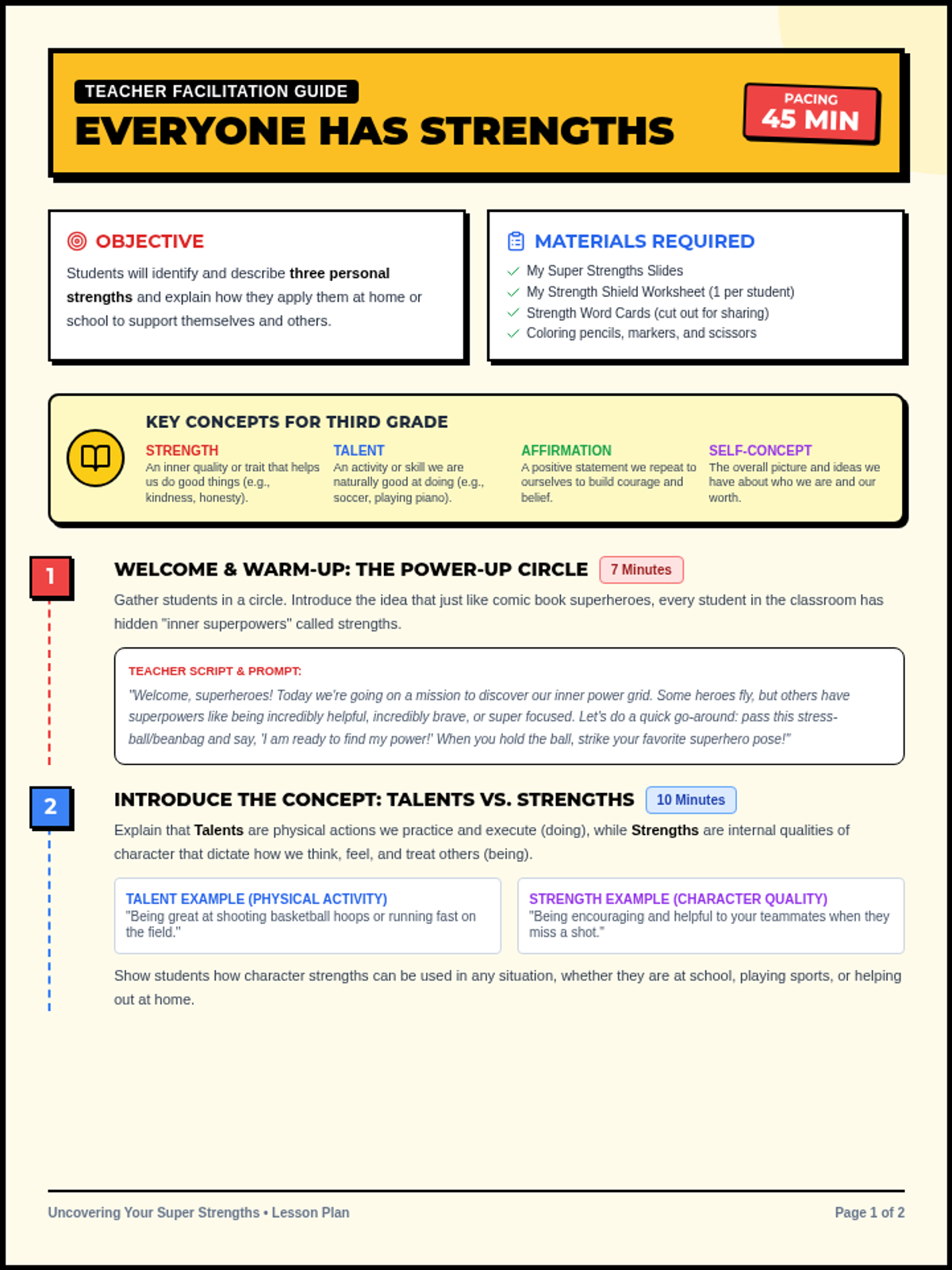
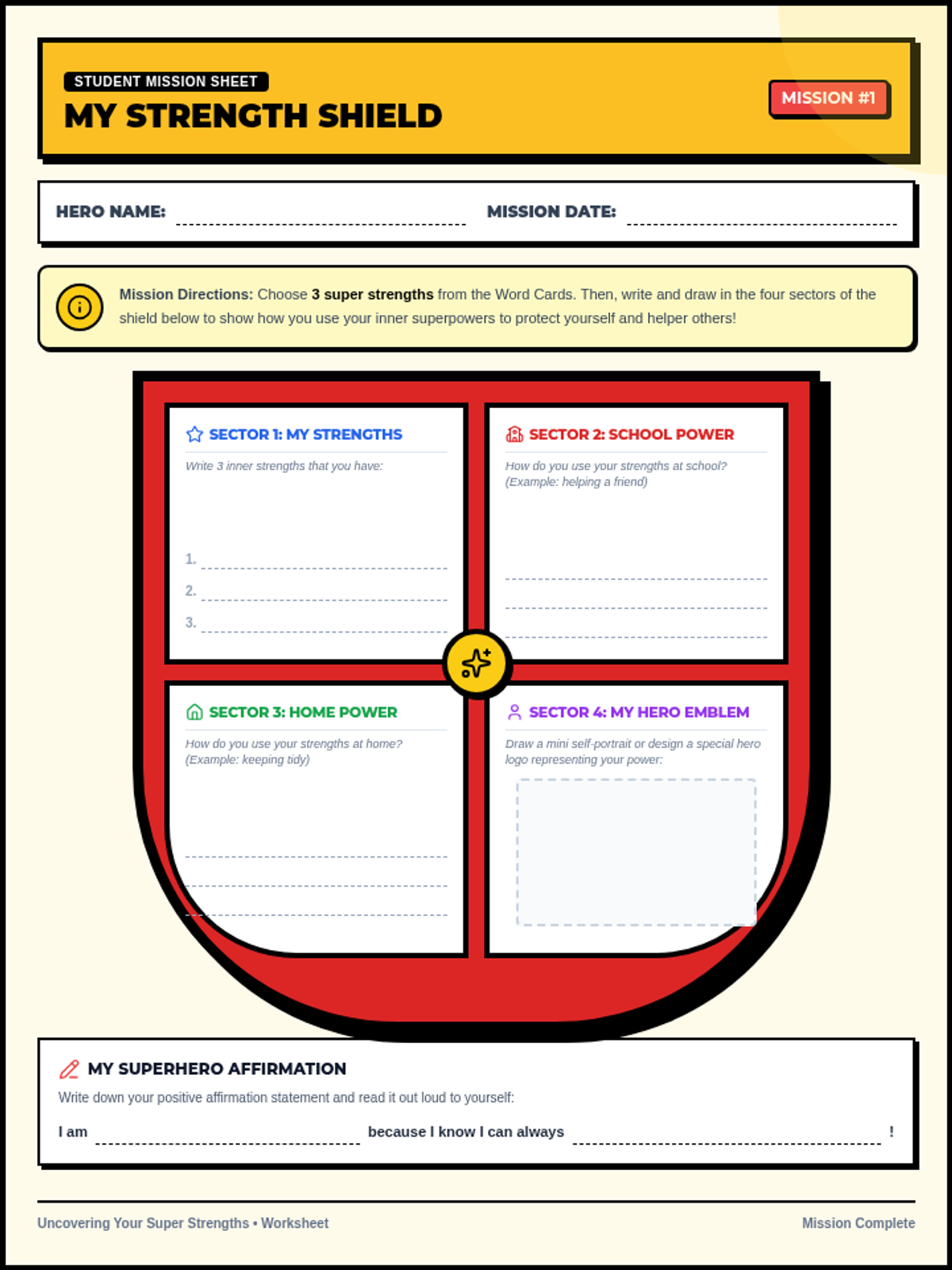
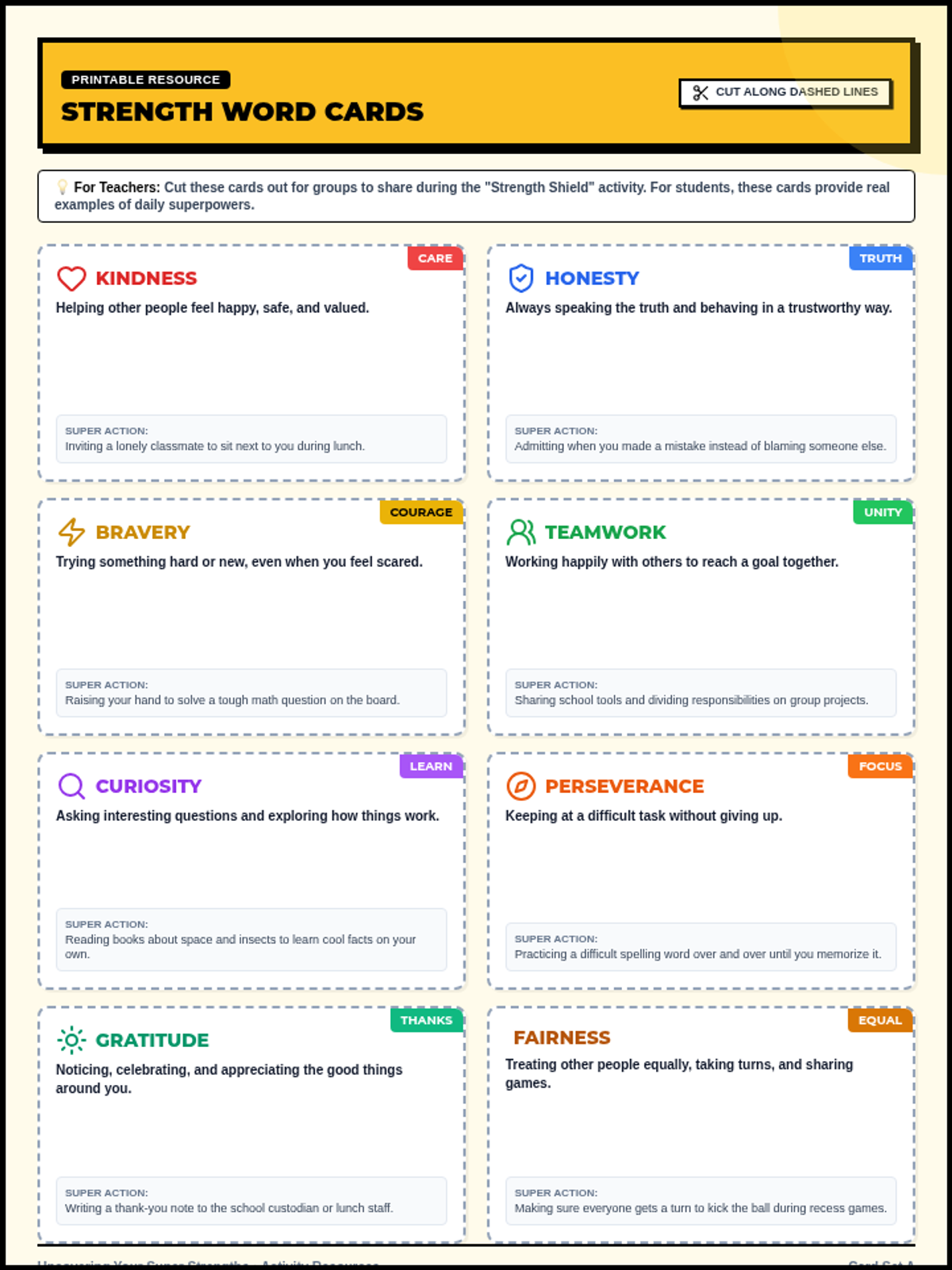
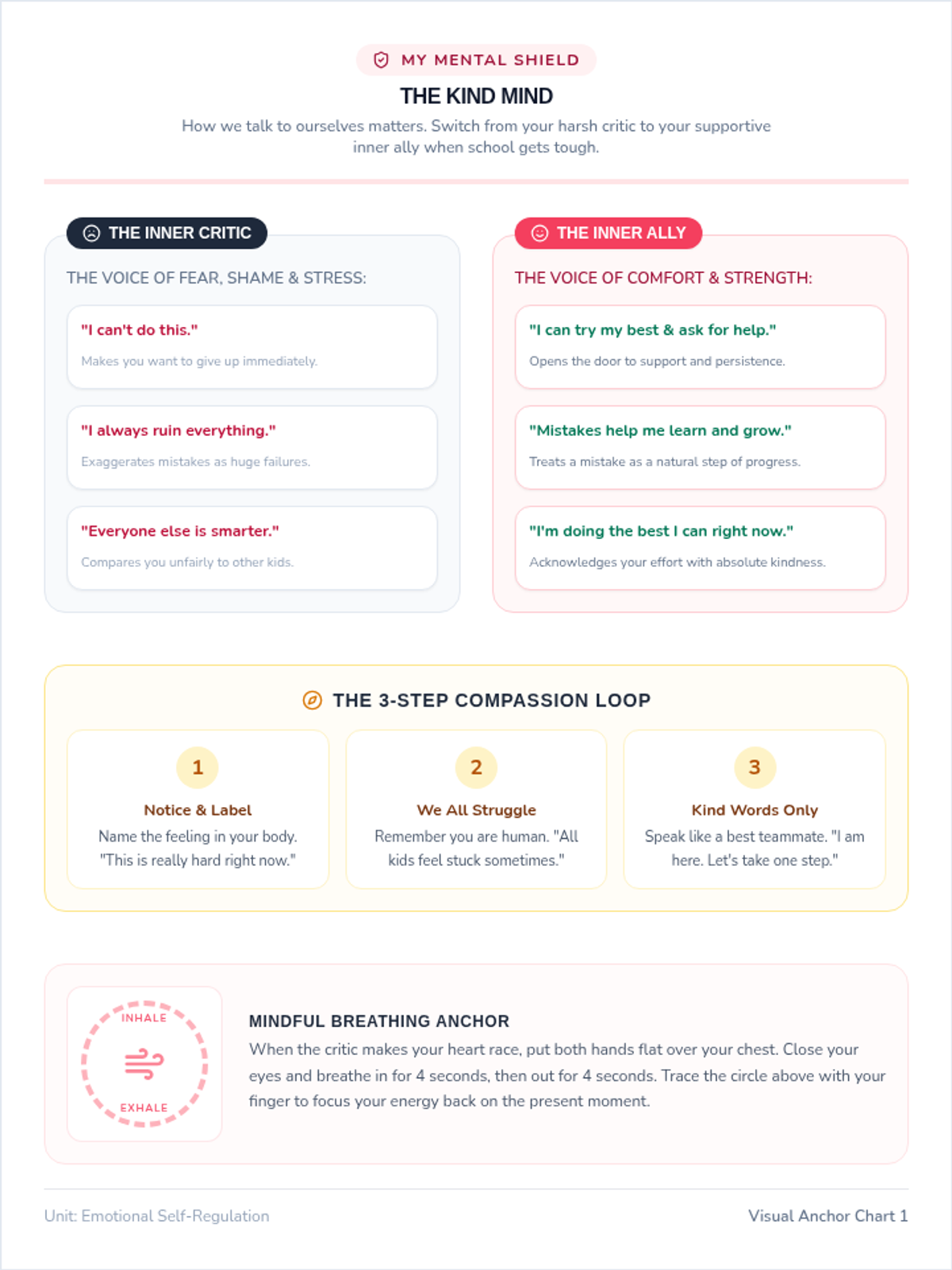
A 45-minute social-emotional learning lesson for 3rd graders to discover, articulate, and celebrate their personal strengths. Students explore the difference between talents and strengths, build a 'Strength Shield' representing their core qualities, and practice positive affirmations.
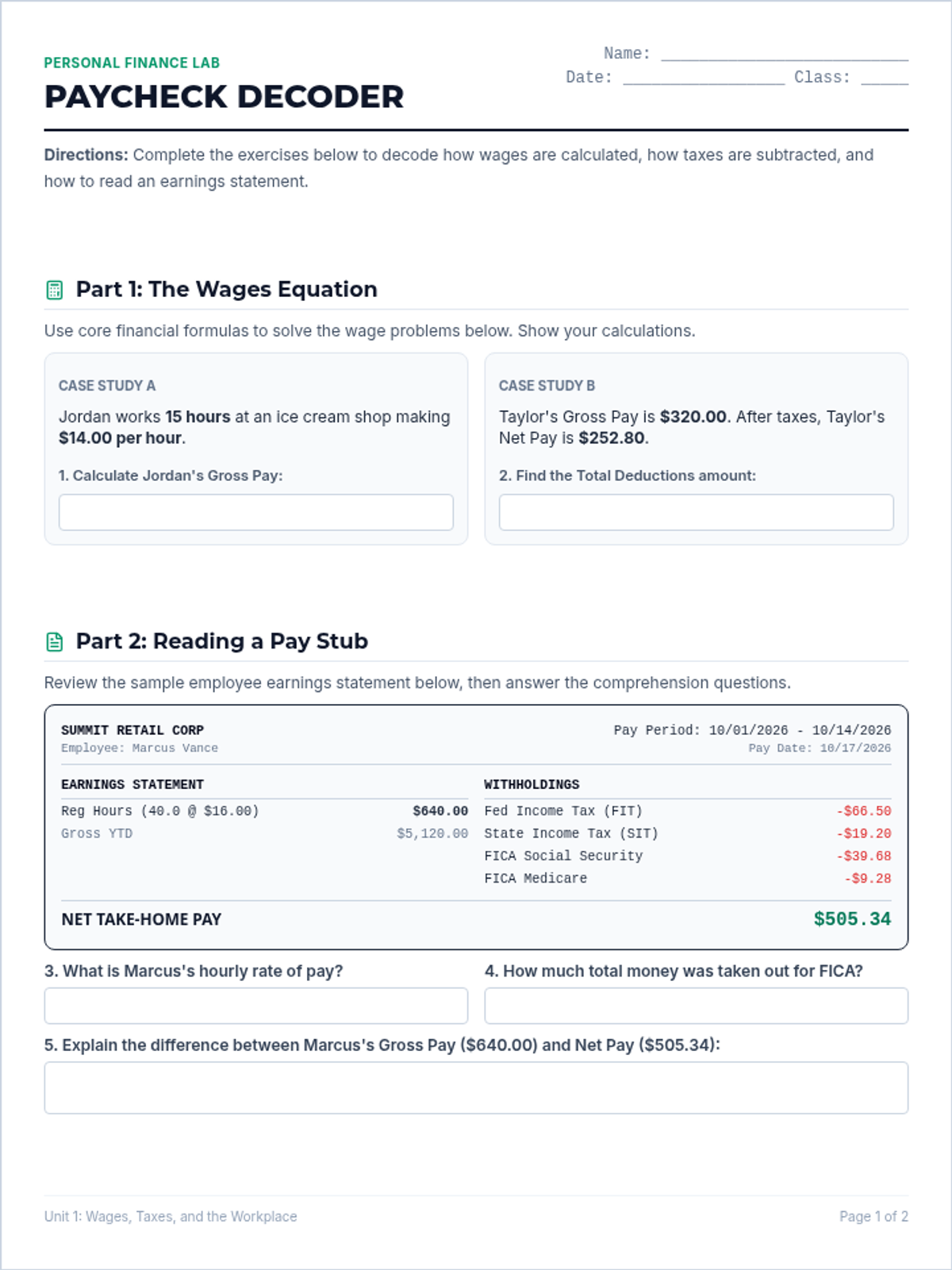
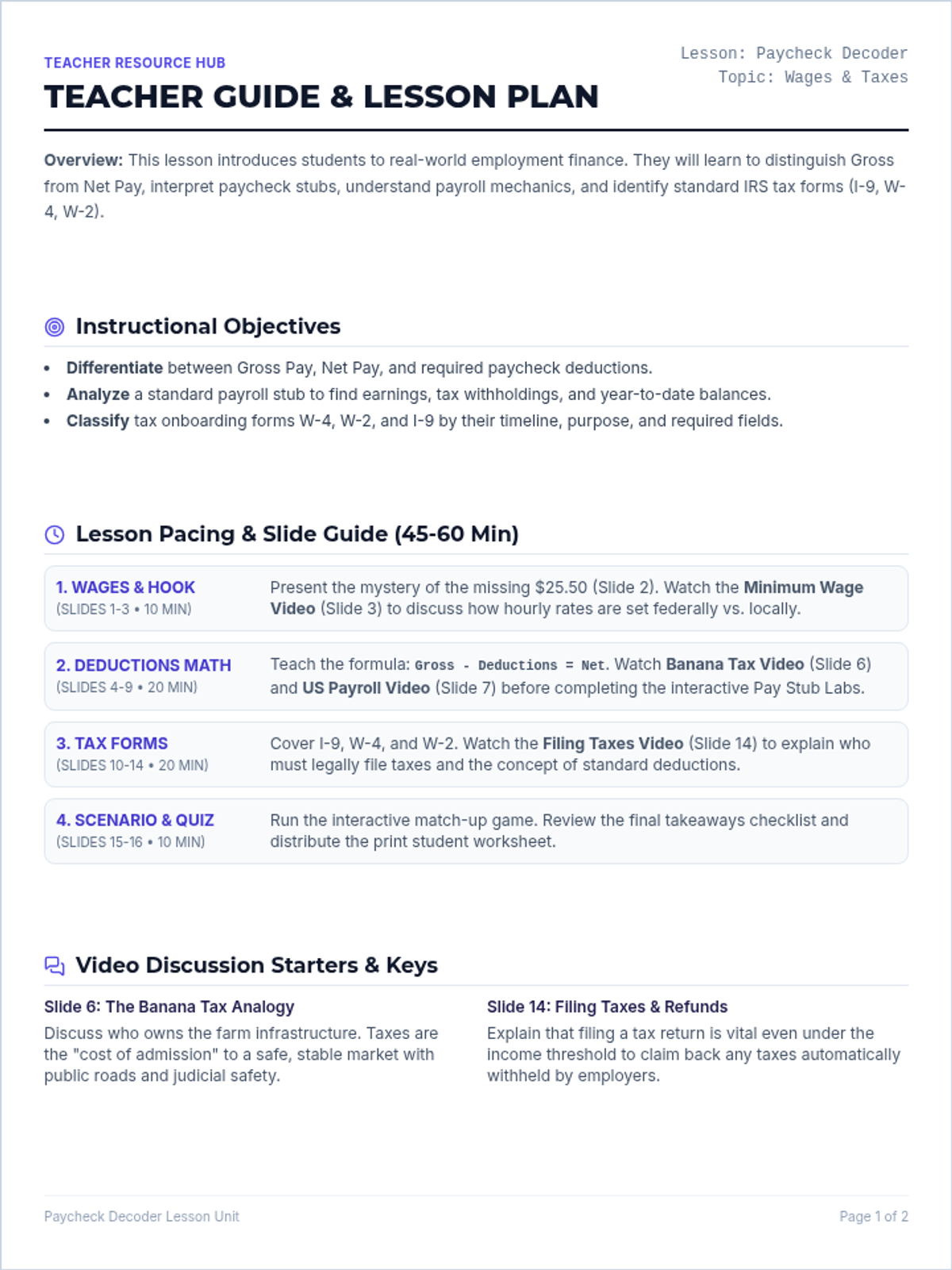
A lesson focusing on gross versus net pay, understanding paycheck deductions, reading a pay stub, and identifying key employment tax forms (W-4, W-2, I-9).
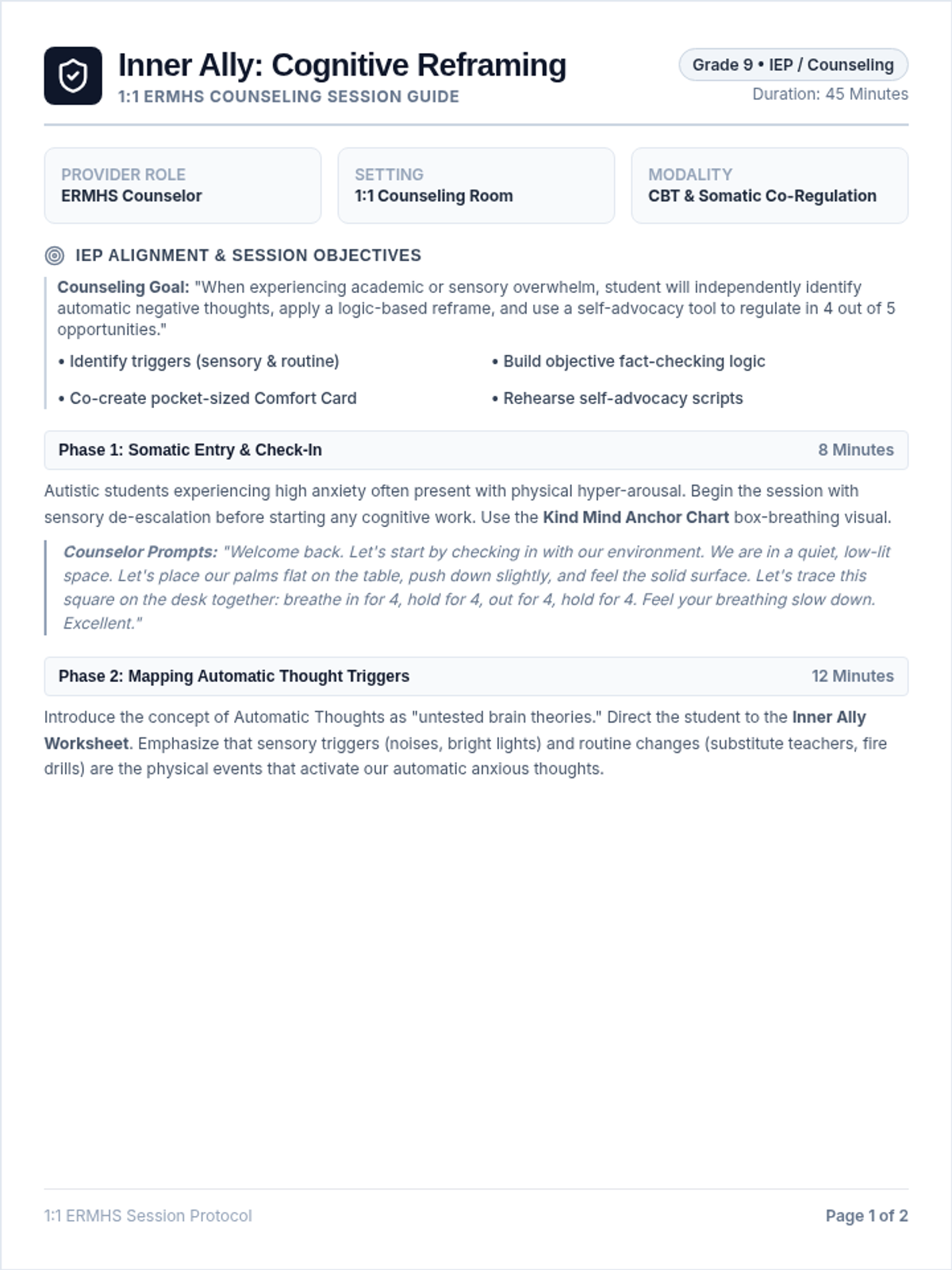
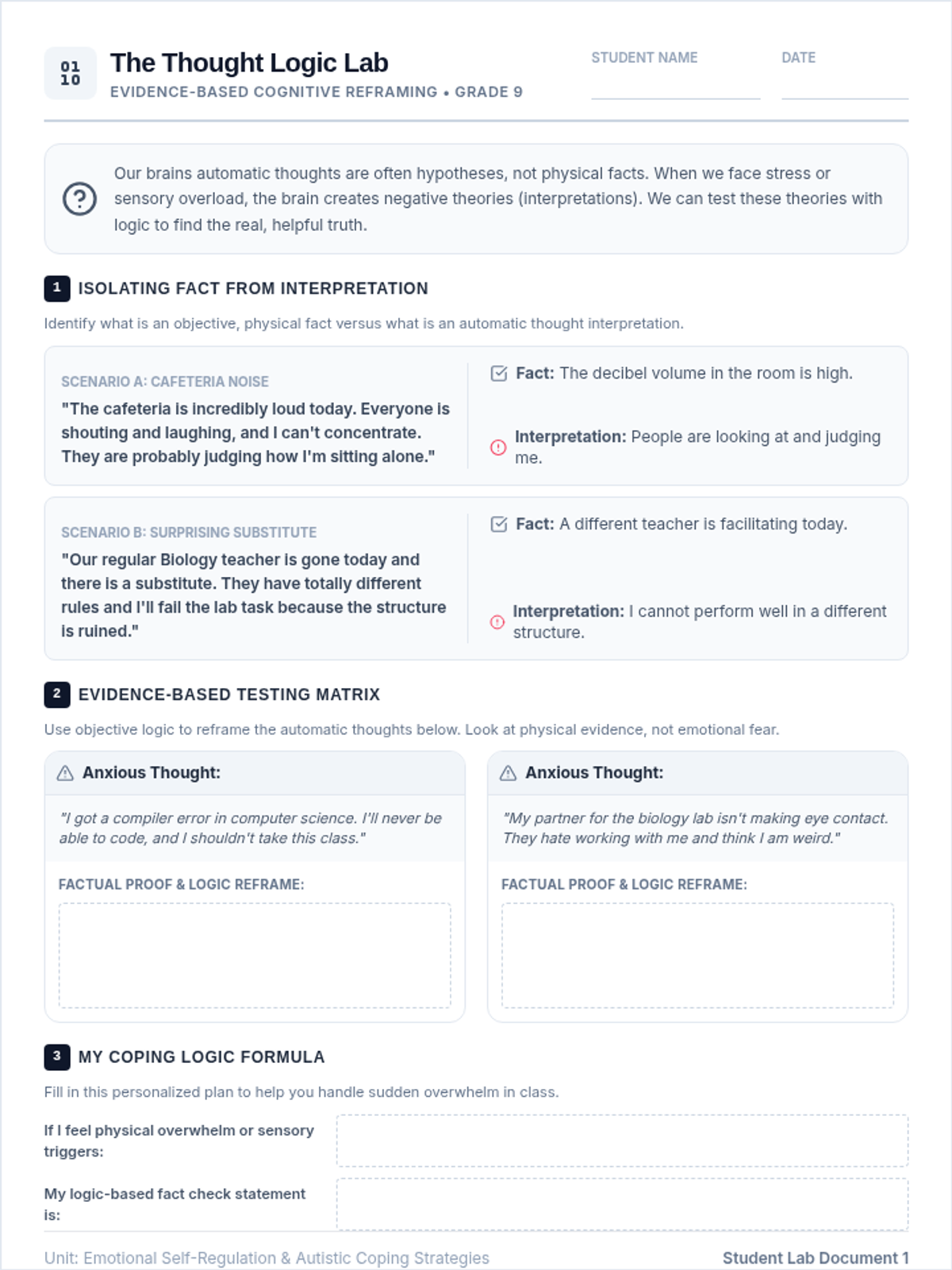
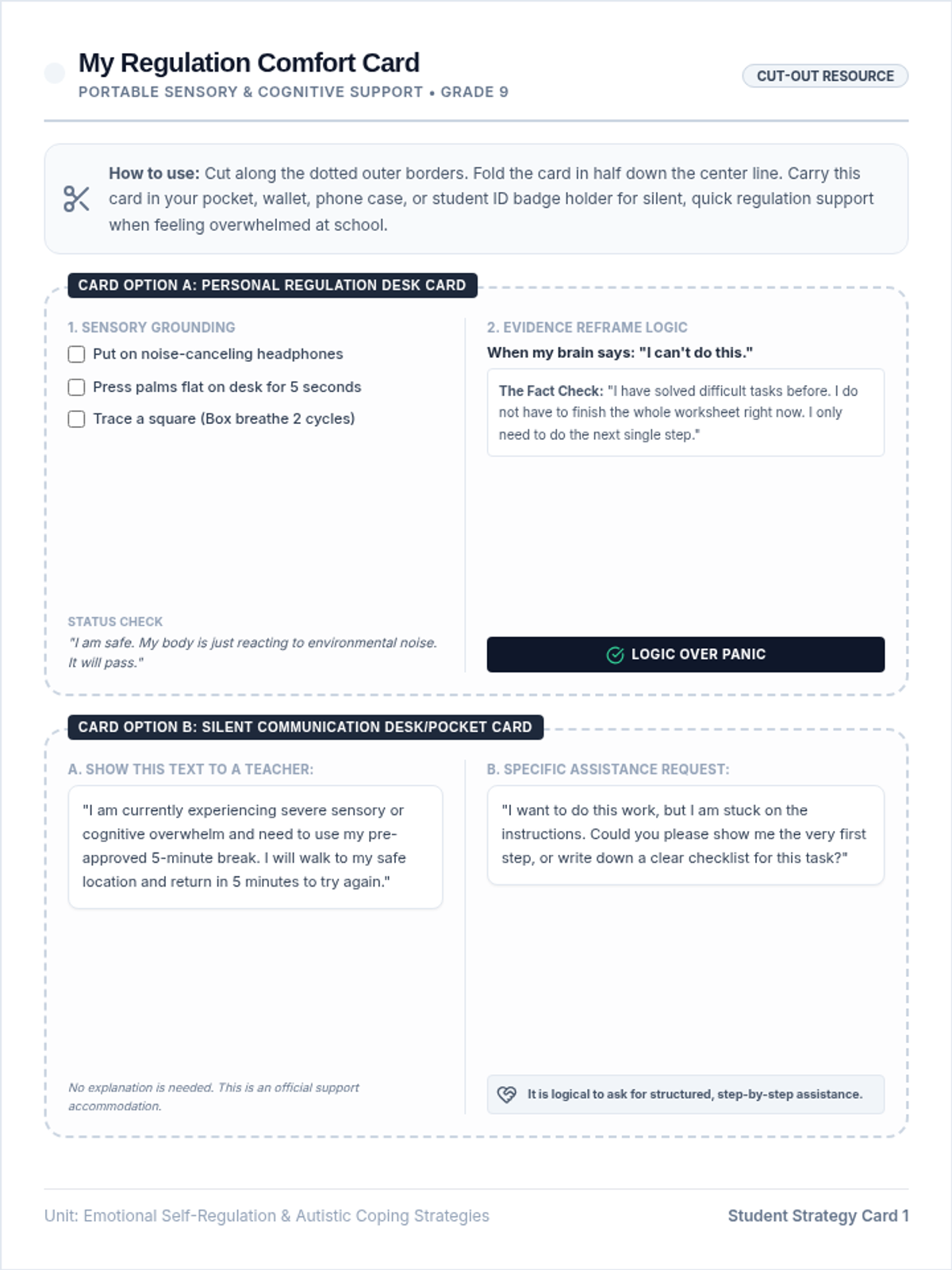
A 1:1 ERMHS (Educationally Related Mental Health Services) counseling session designed for a 9th-grade autistic student. Emphasizes evidence-based cognitive-behavioral reframing, co-regulation, factual evidence testing, and co-creating a discrete pocket-sized regulation comfort card.
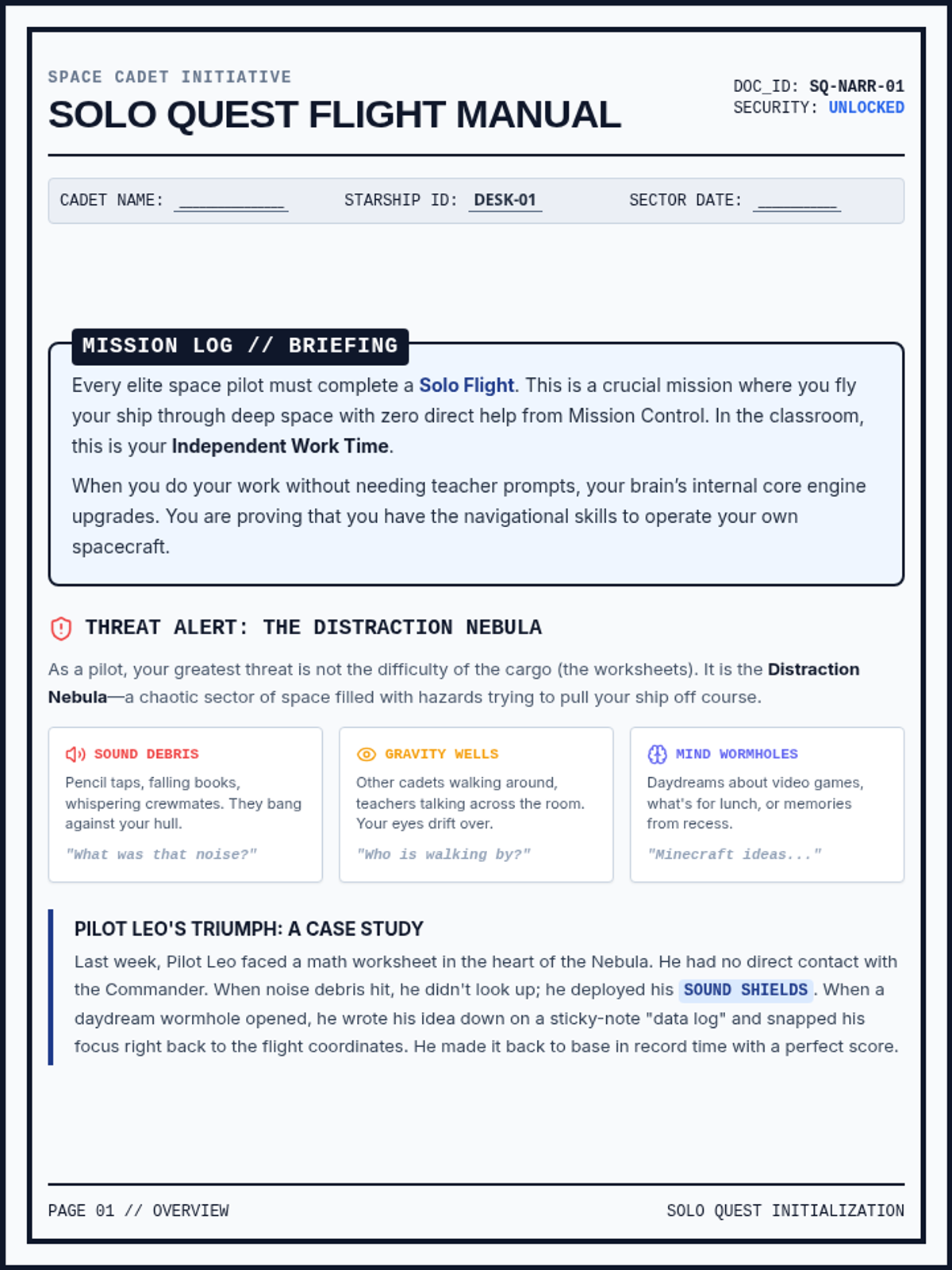
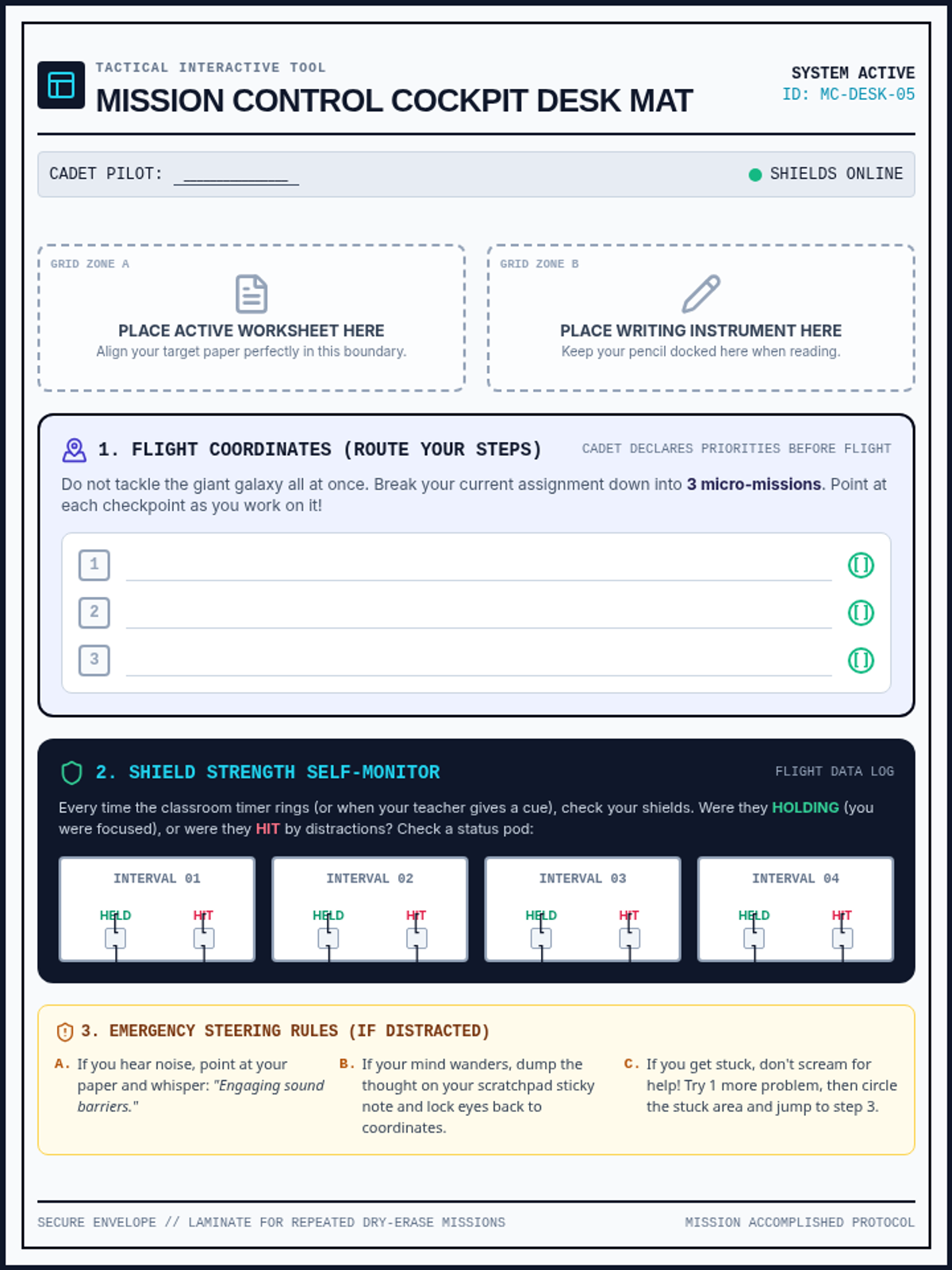
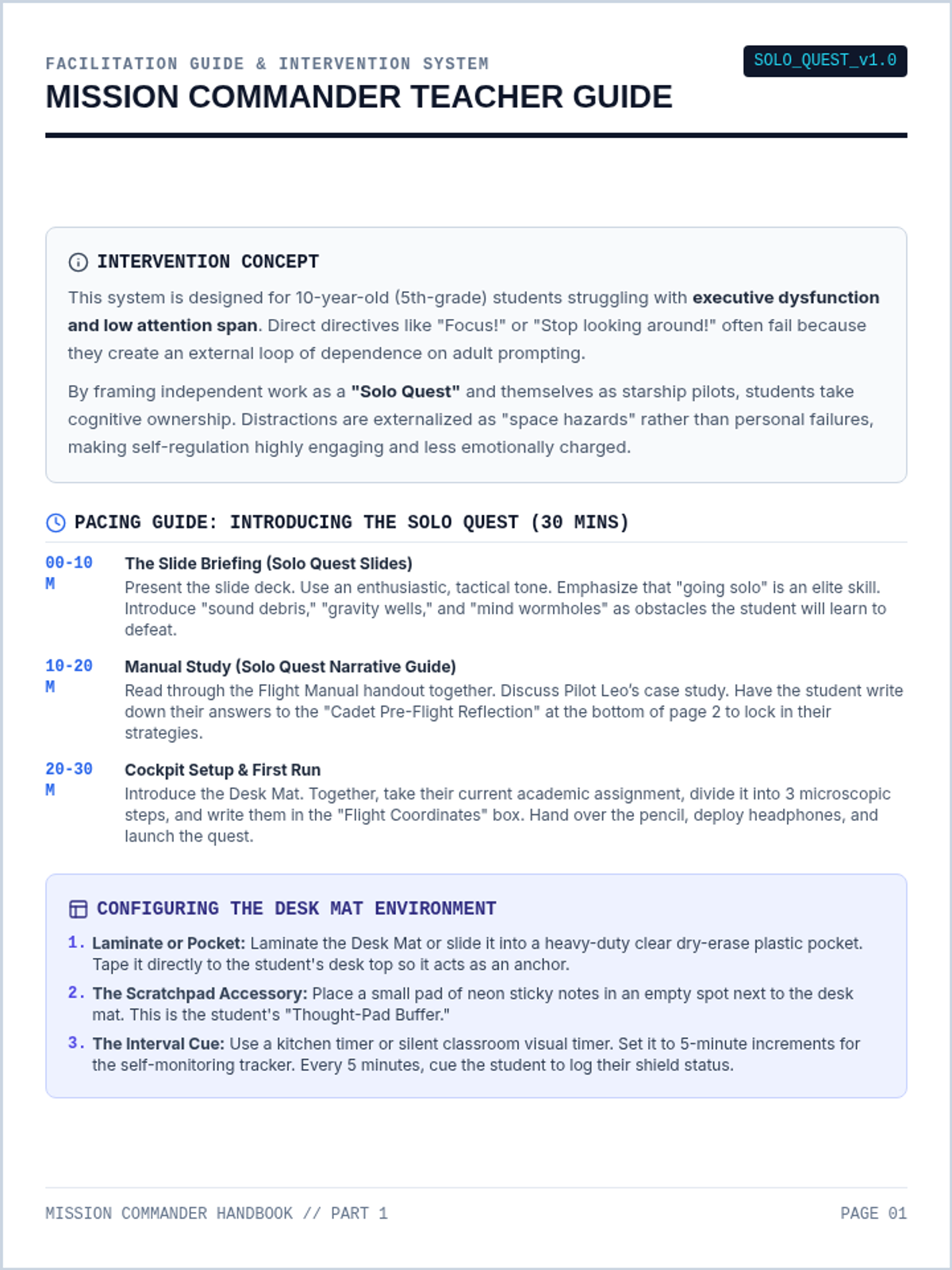
An executive functioning and focus intervention lesson designed to help students build independence during independent work. Framed as a tactical 'solo mission', the lesson guides students through managing distractions and planning tasks with low adult prompting.