Introduce the core word 'big' using high-contrast visuals and simple comparisons to establish the concept and motor plan.
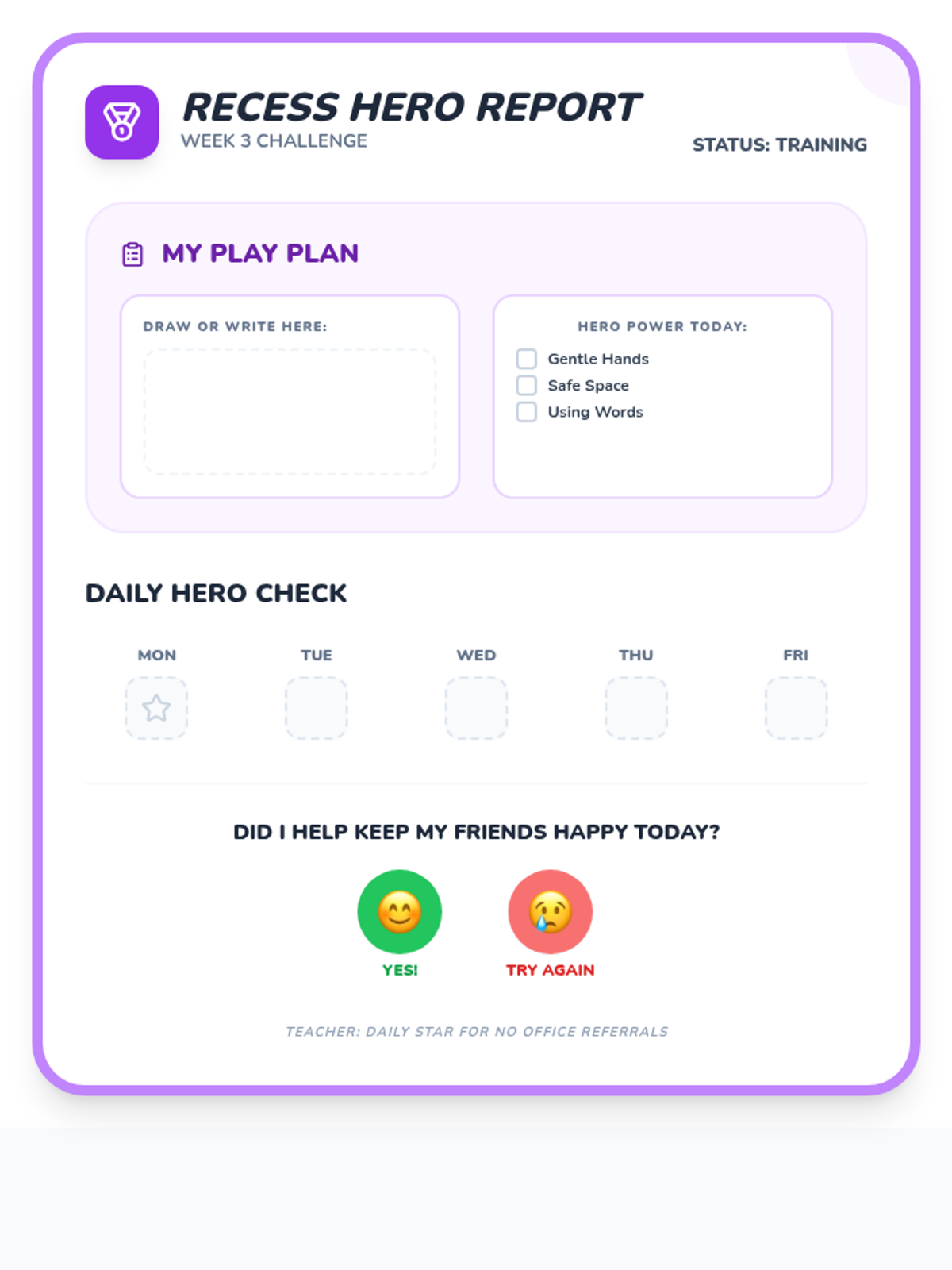
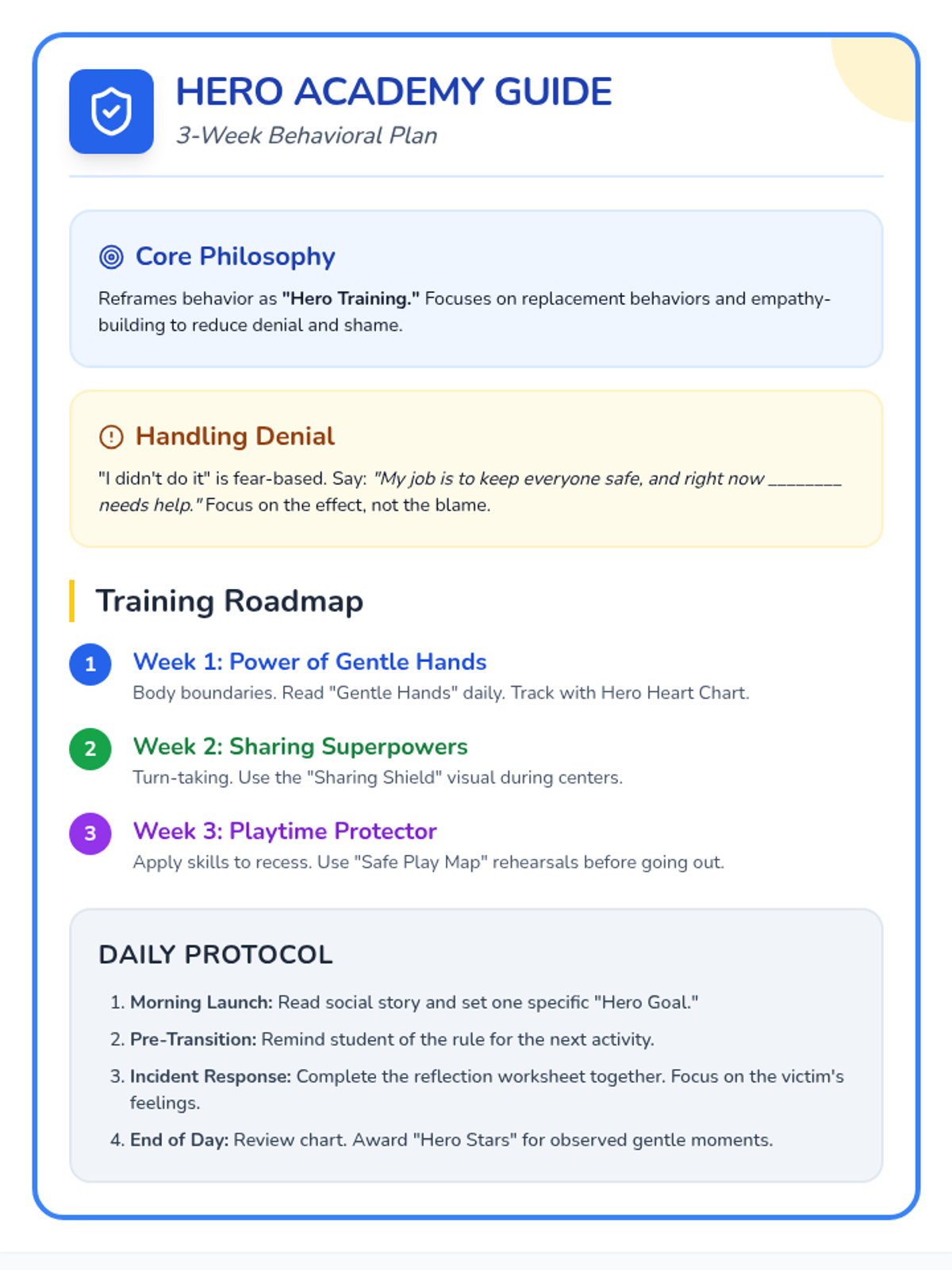
Applies the skills learned in weeks 1 and 2 to larger, unstructured environments like recess, with a focus on safe play and emotional regulation.
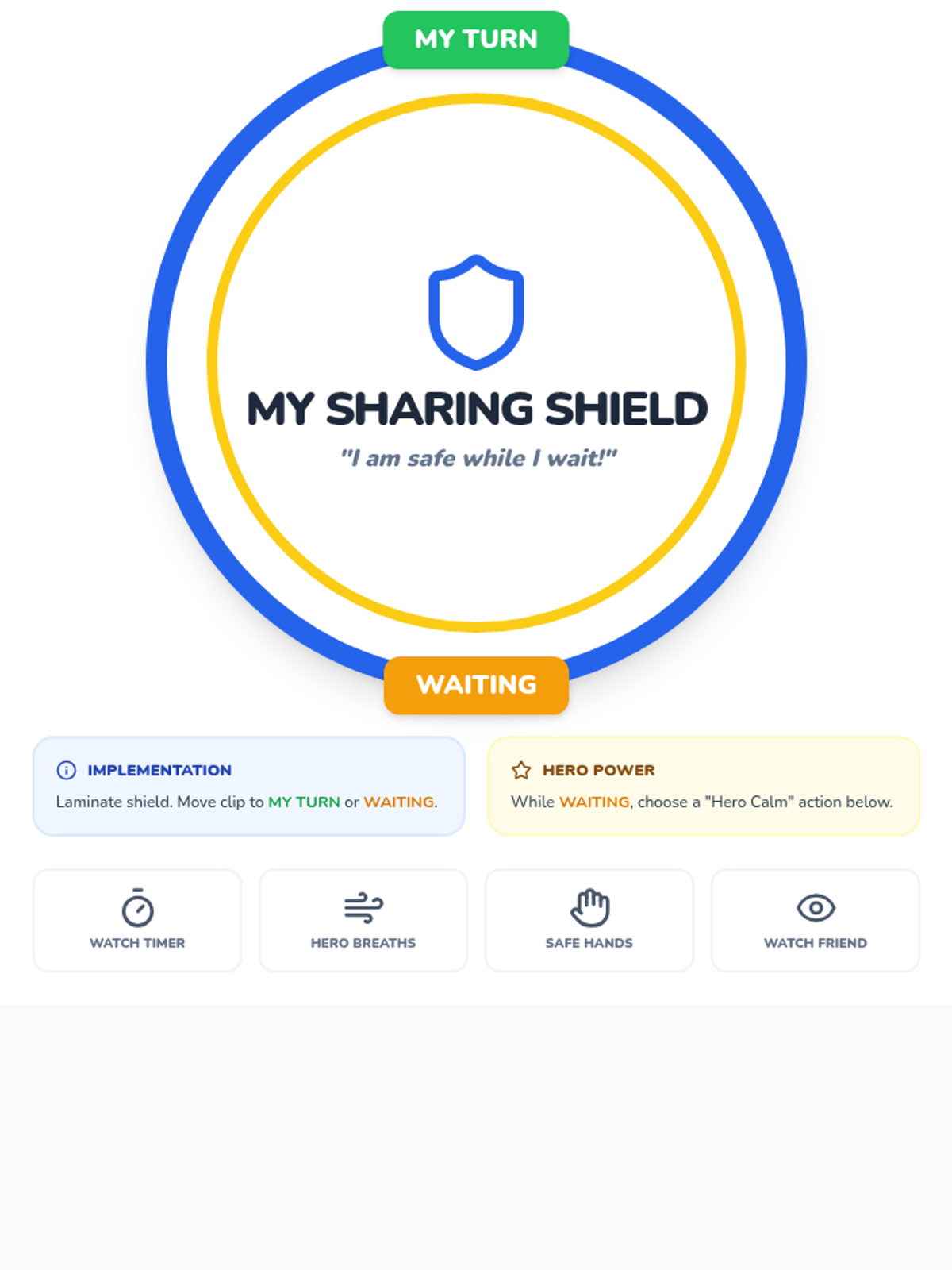
Introduces social strategies for sharing and taking turns, helping the student navigate small-group interactions with less frustration and impulsivity.
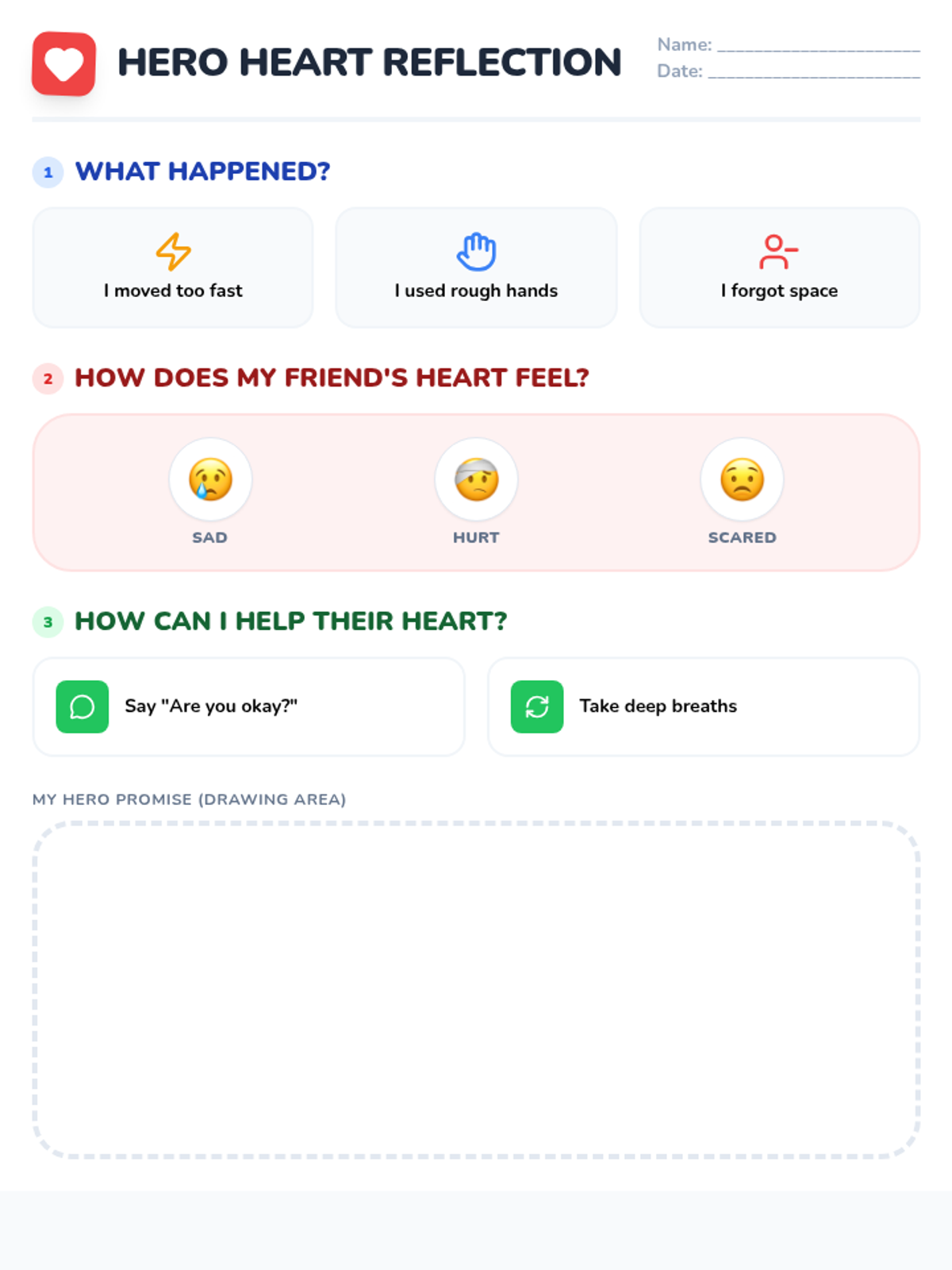
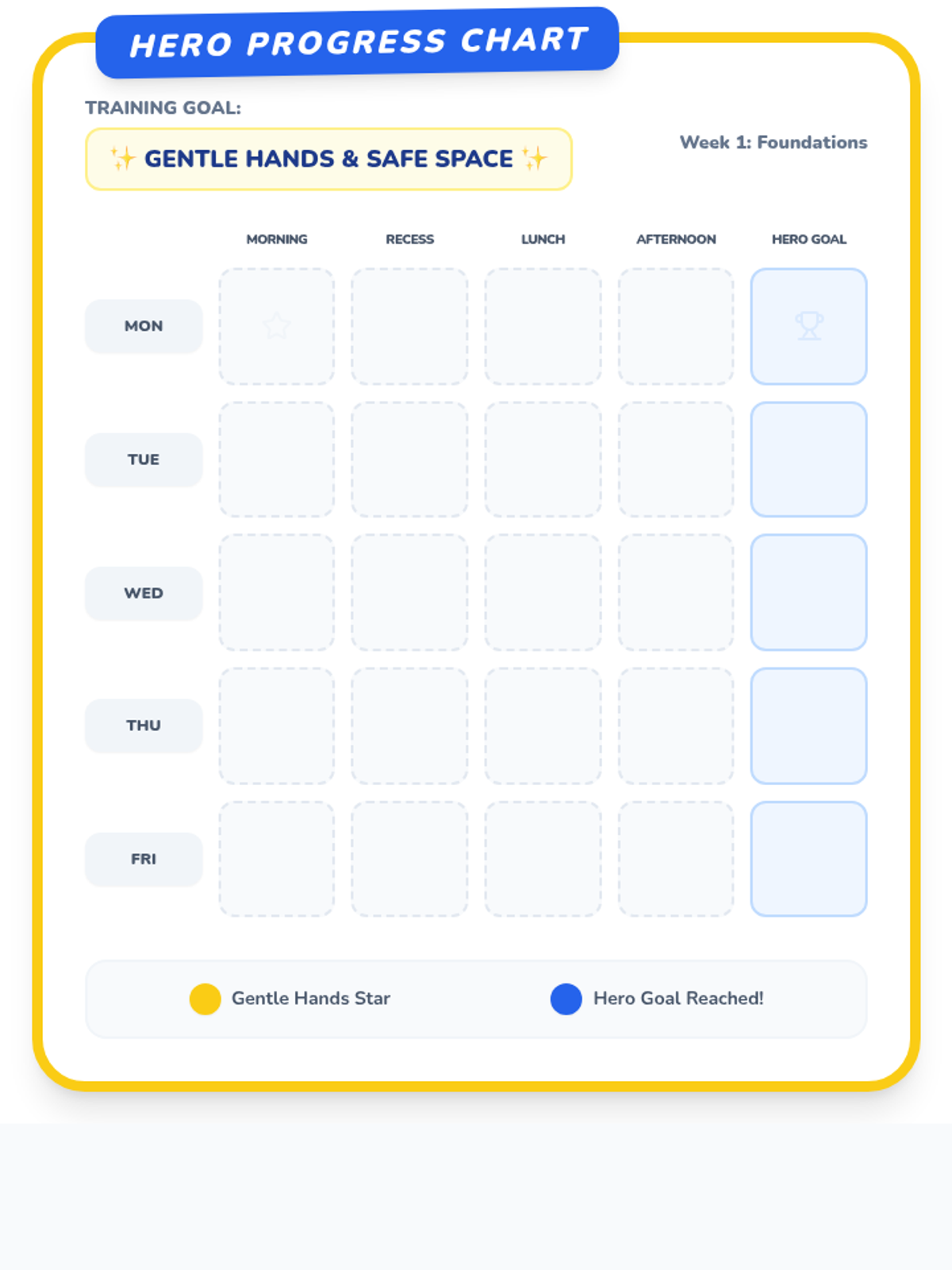
Focuses on establishing the 'Gentle Hands' foundation, teaching the student to recognize personal space and use physical touch safely and kindly.
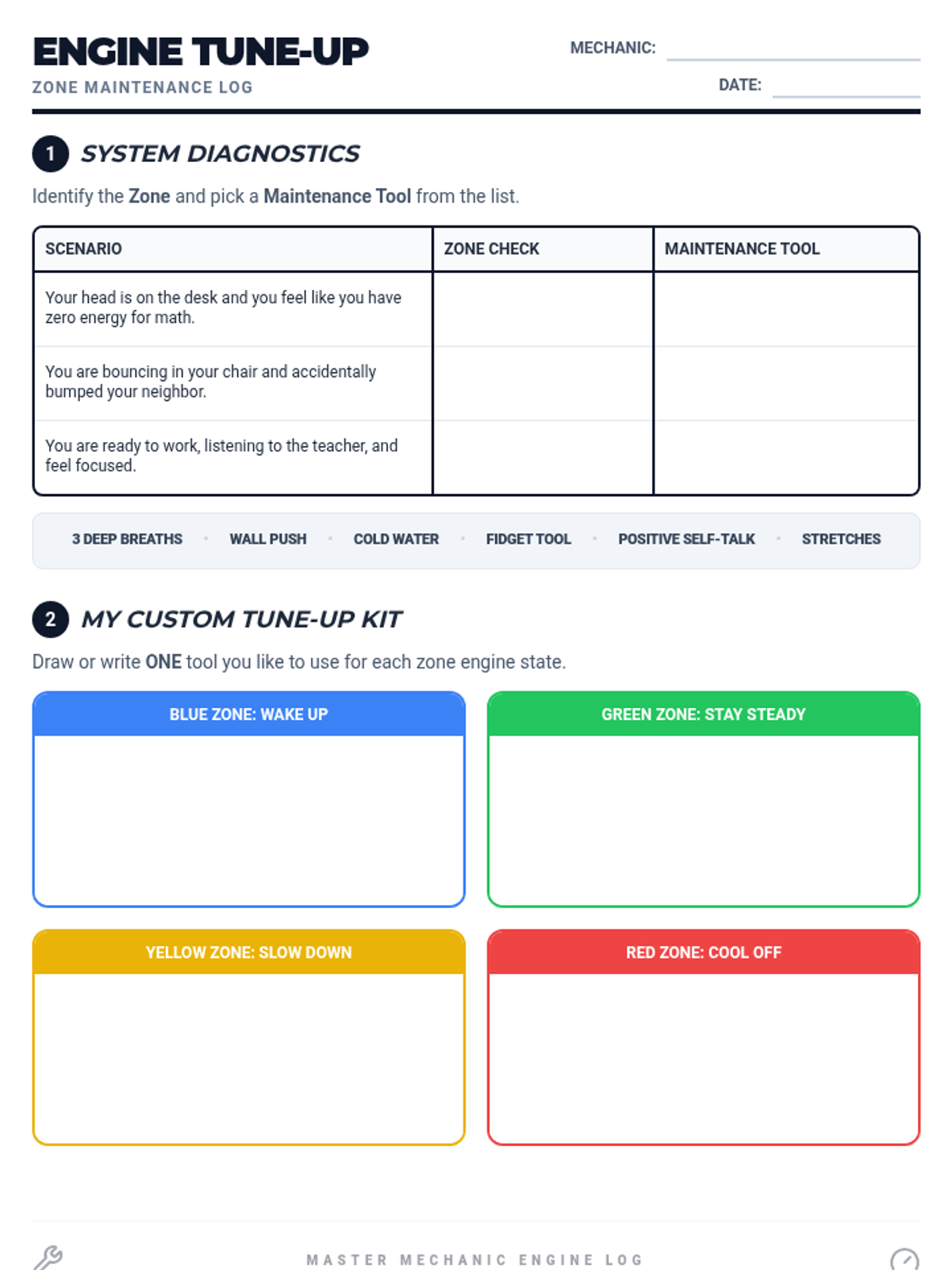
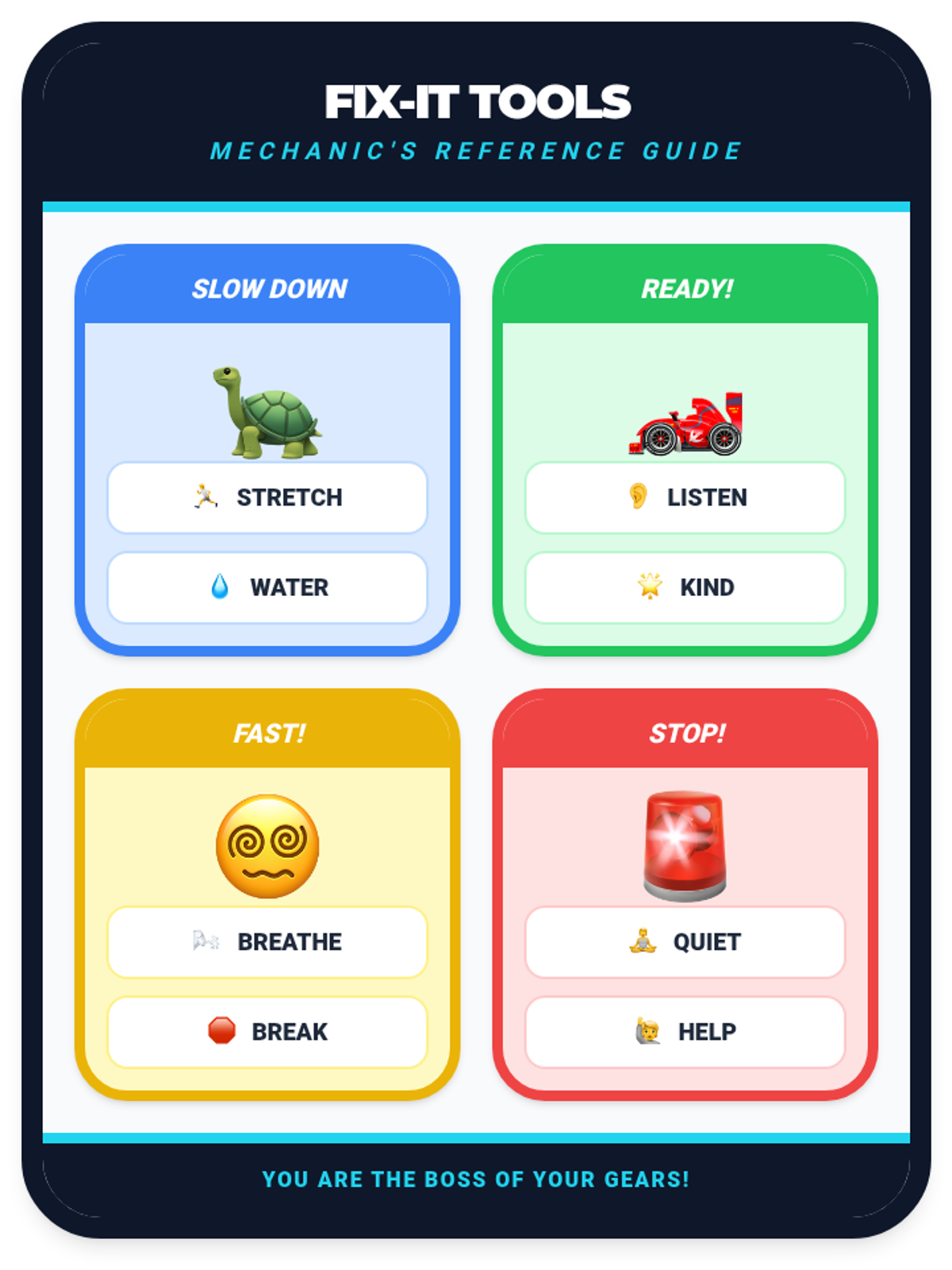
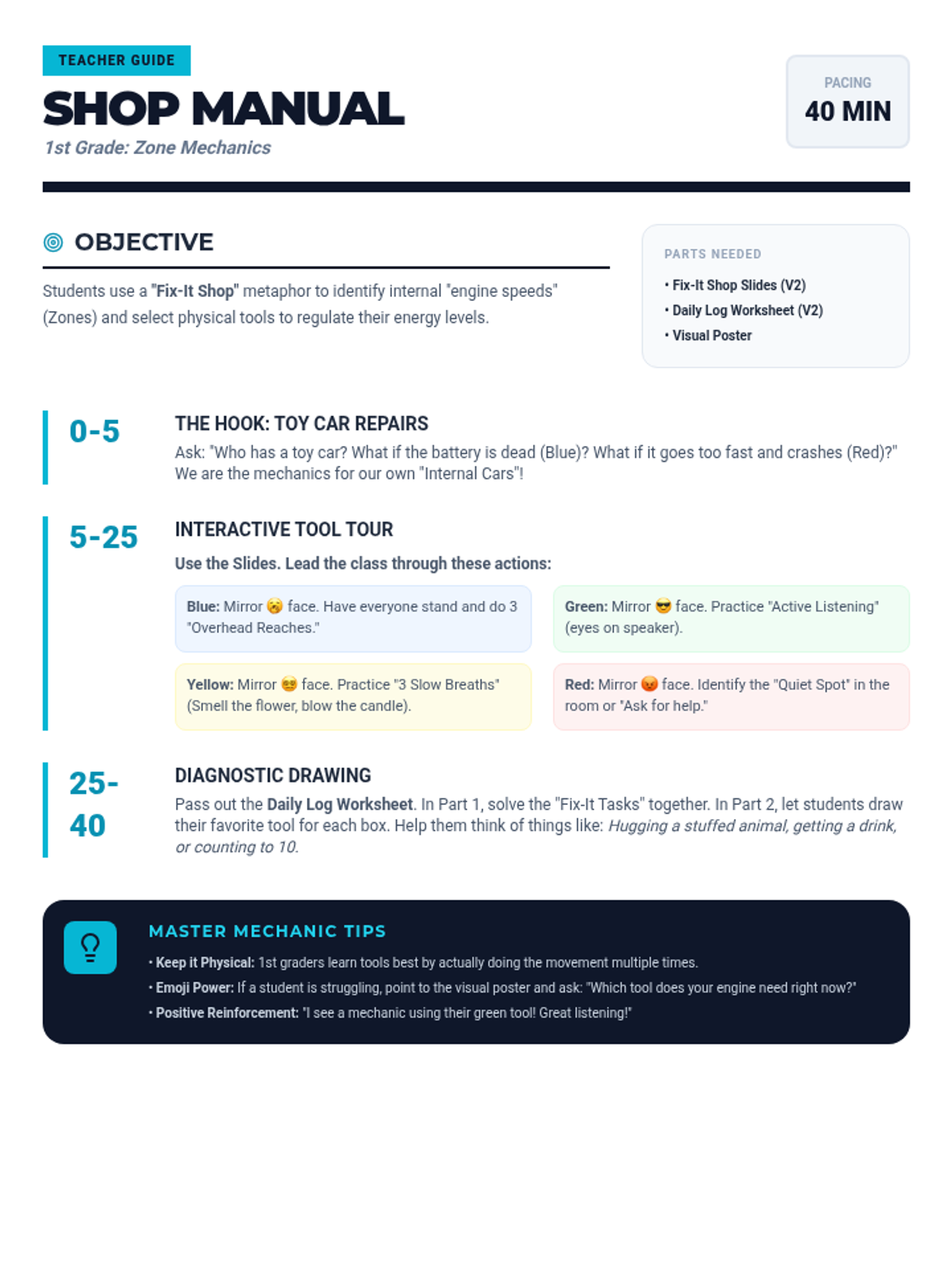
Students learn to select specific regulation tools tailored to each of the four zones, understanding that different emotional states require different 'maintenance' strategies to keep their internal engine running smoothly.
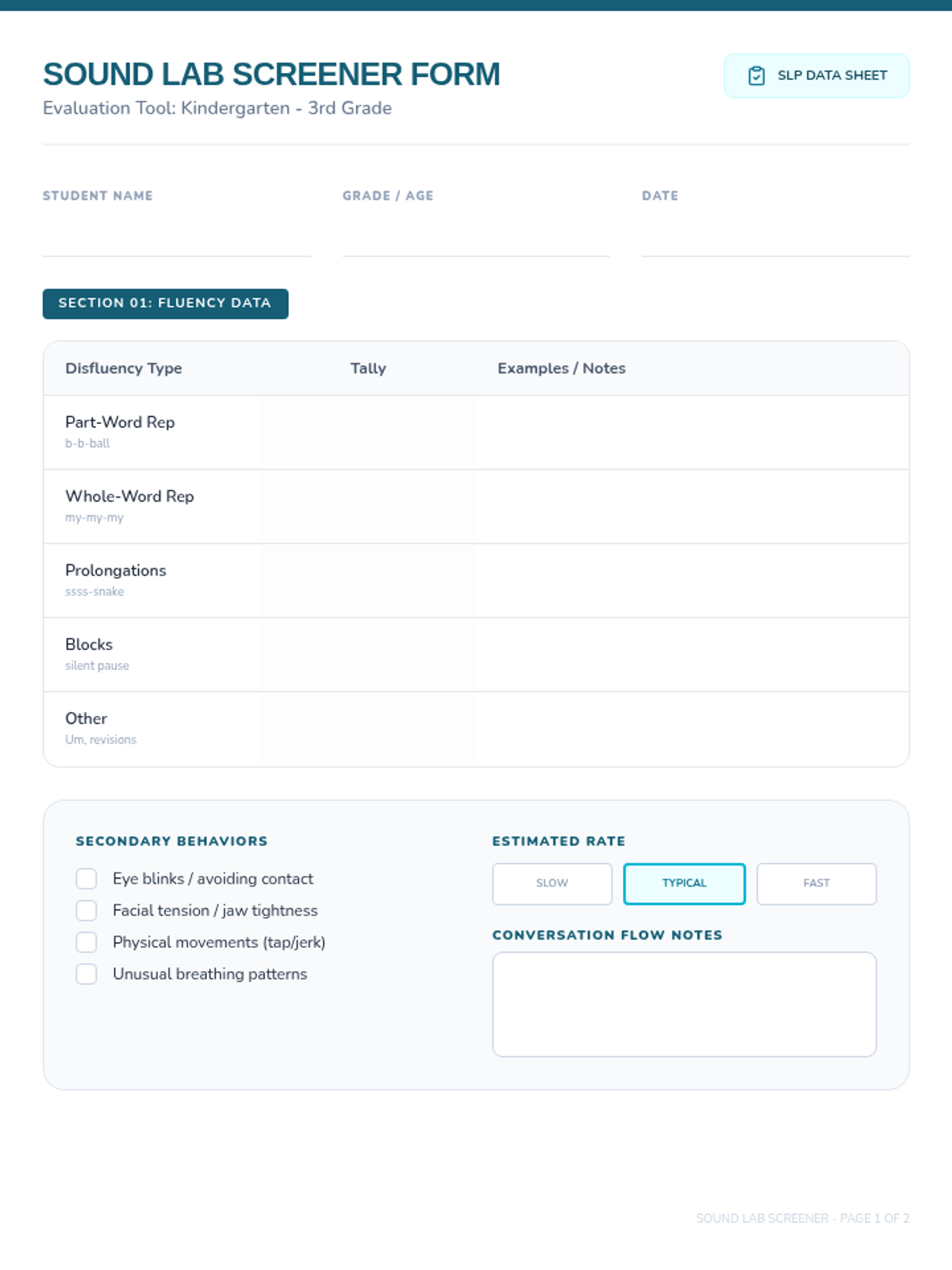
A comprehensive screening tool for speech-language pathologists to evaluate fluency and voice in students from Kindergarten through 3rd Grade. The lesson includes student-facing stimulus cards and a professional recording form for data collection.
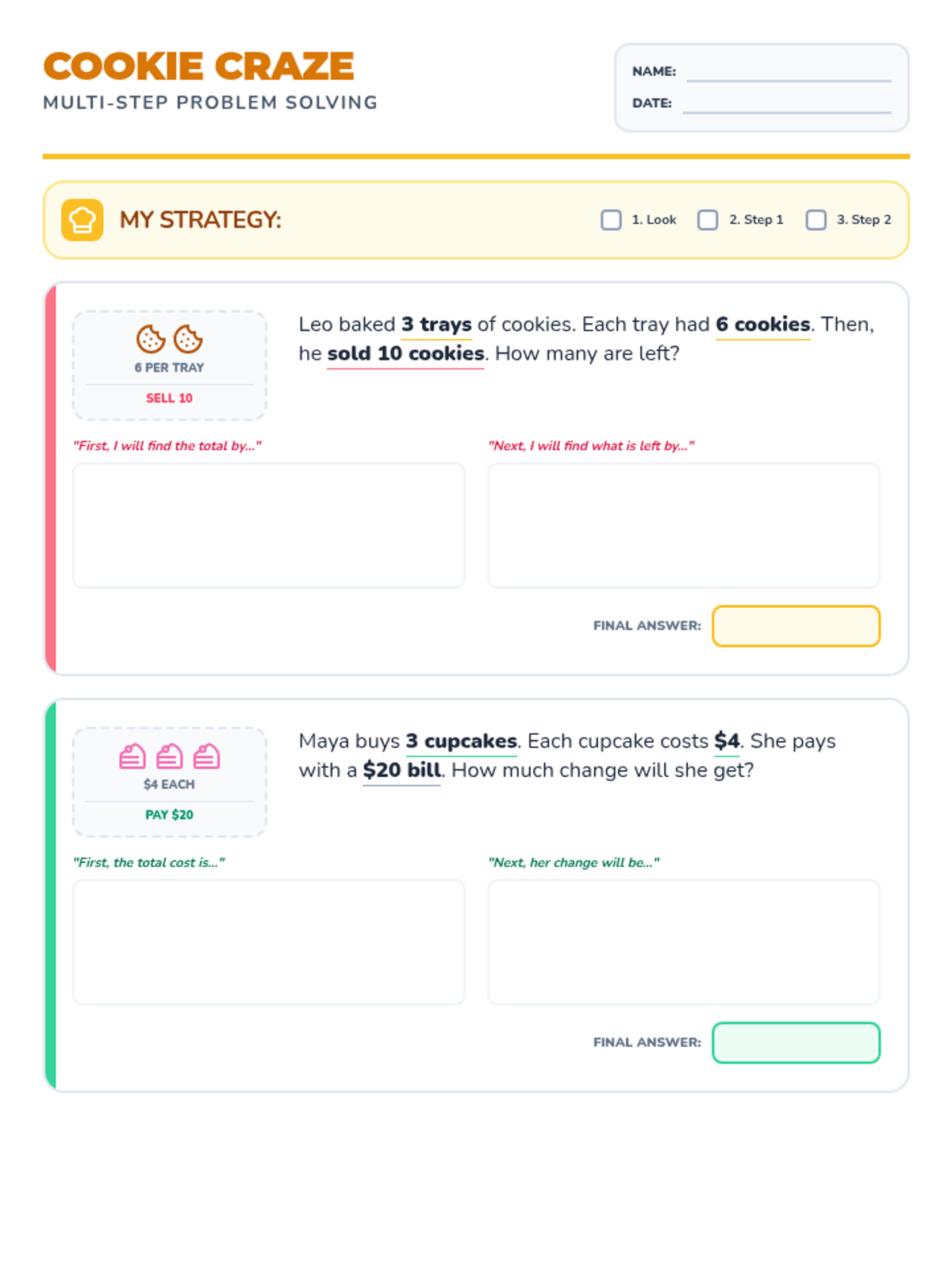
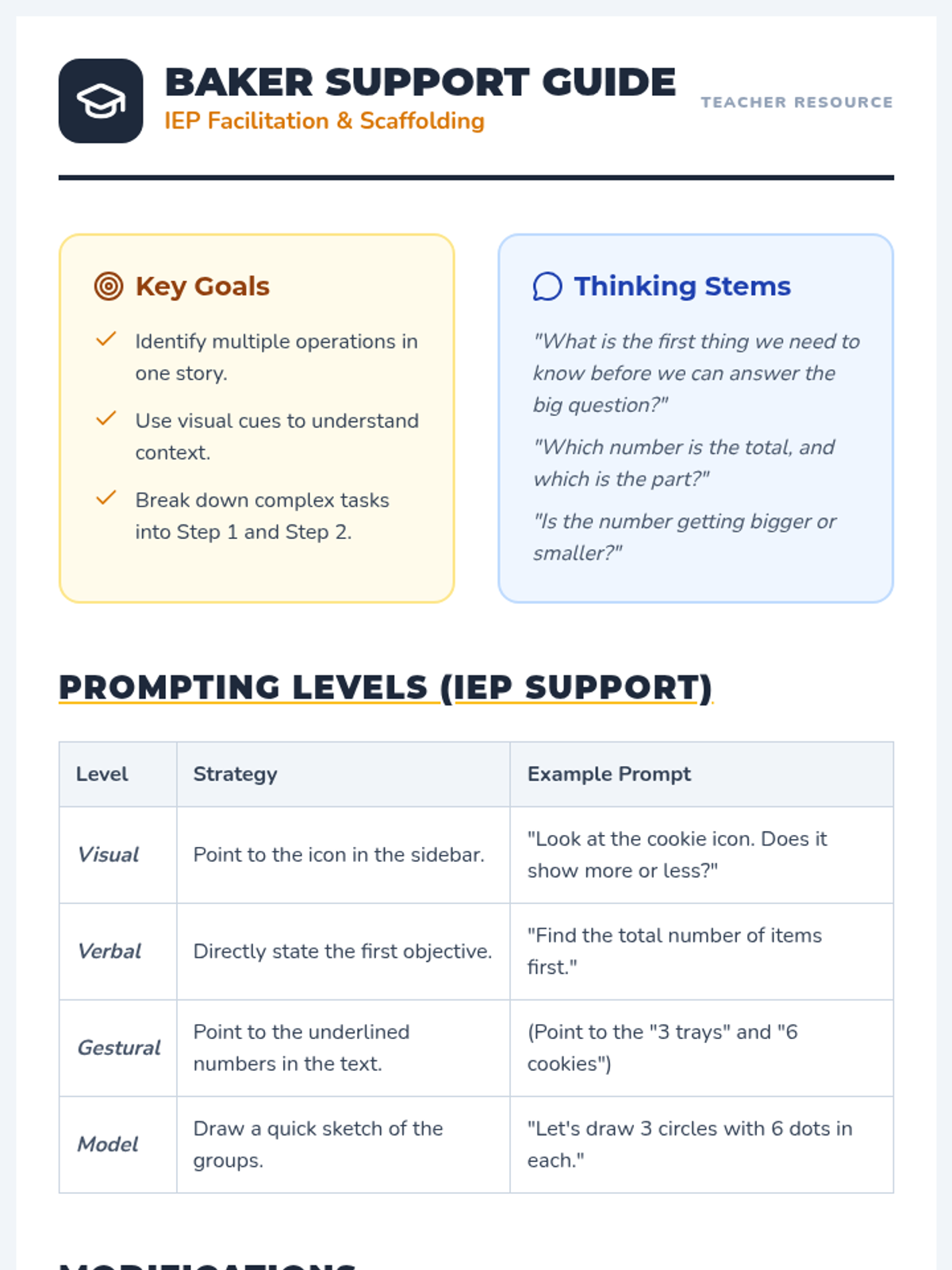
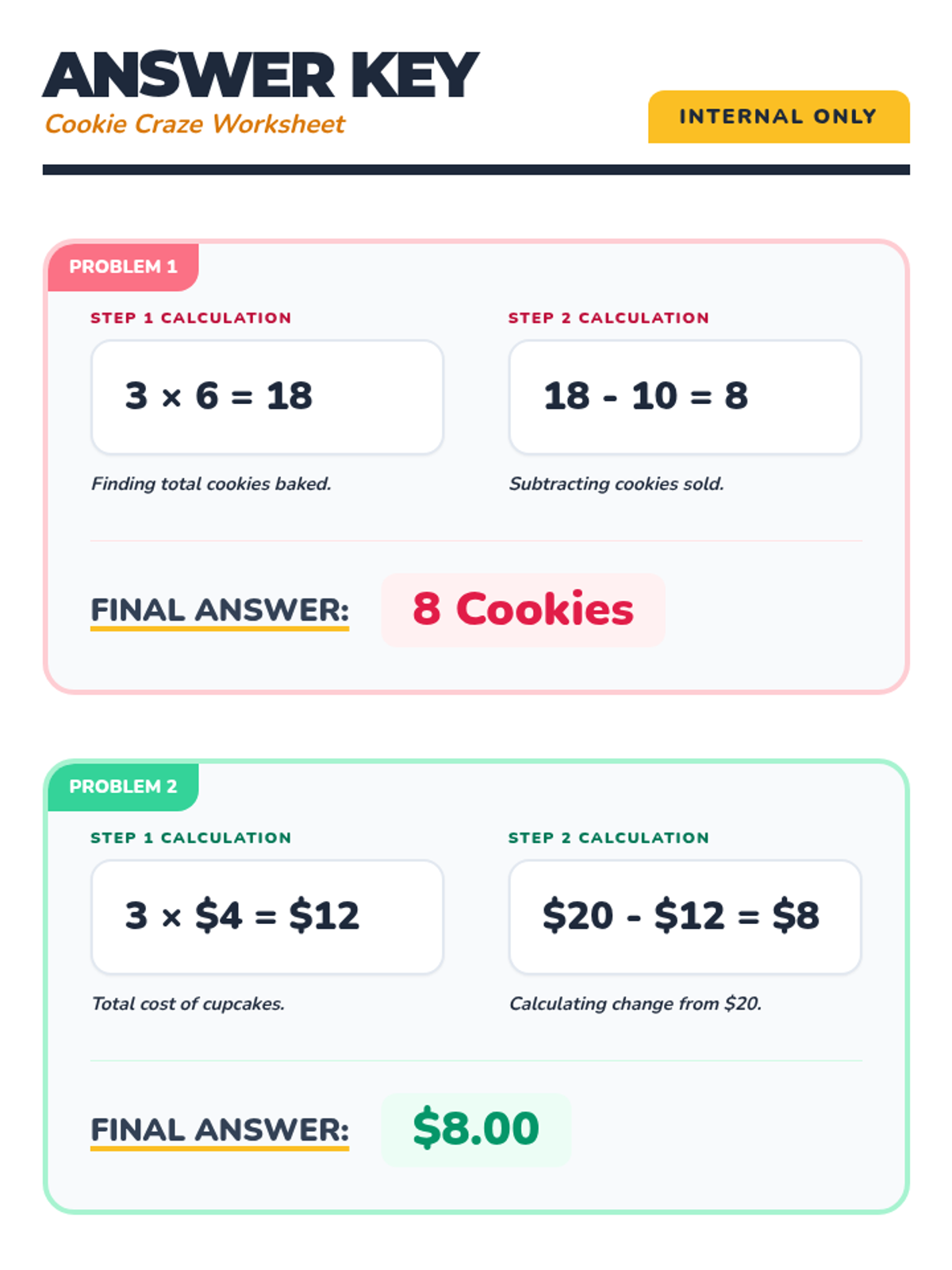
A highly scaffolded lesson focused on solving multi-step word problems using a bakery theme. Includes visual aids, checklists, and sentence starters specifically designed for IEP students.
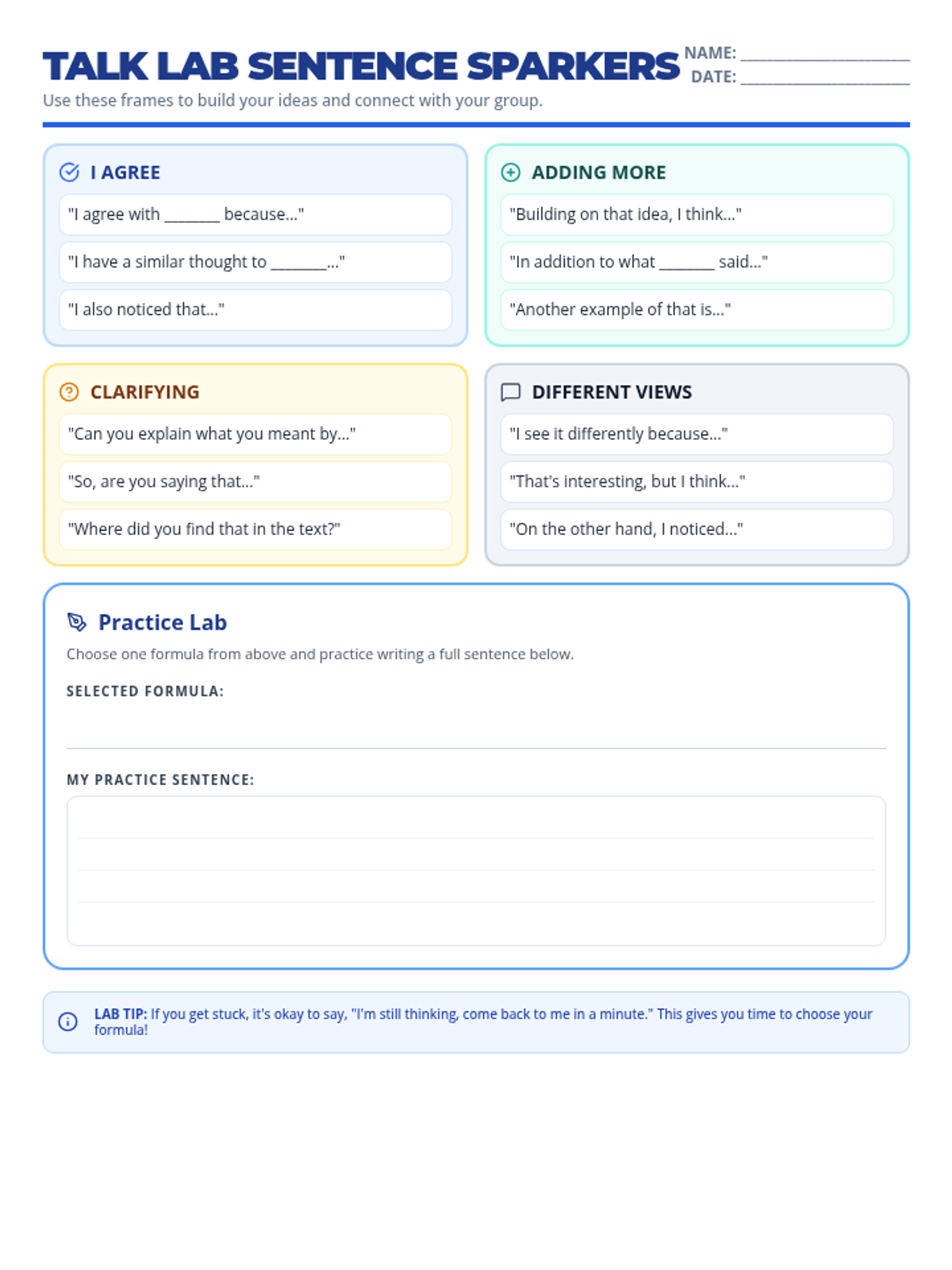
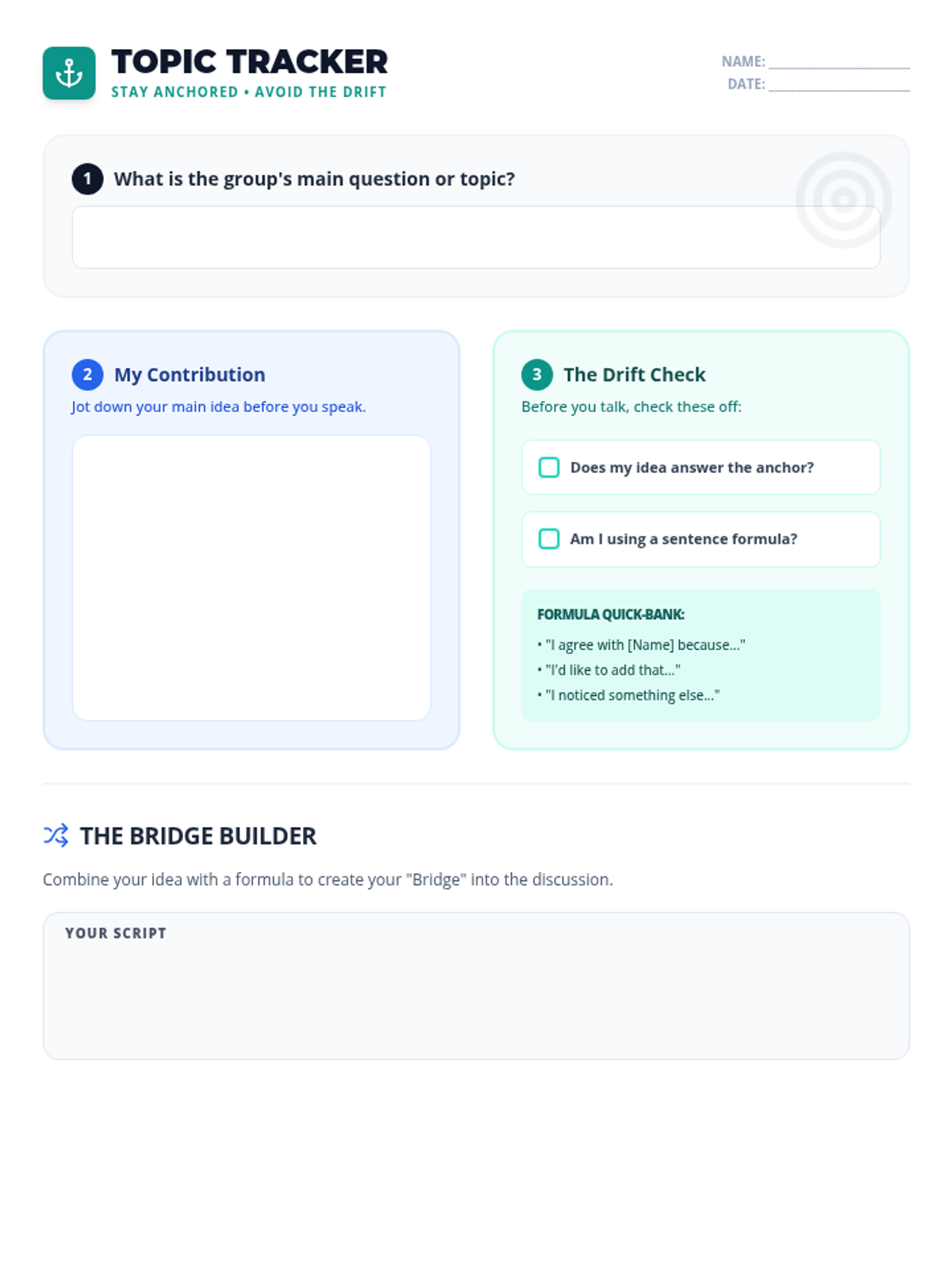
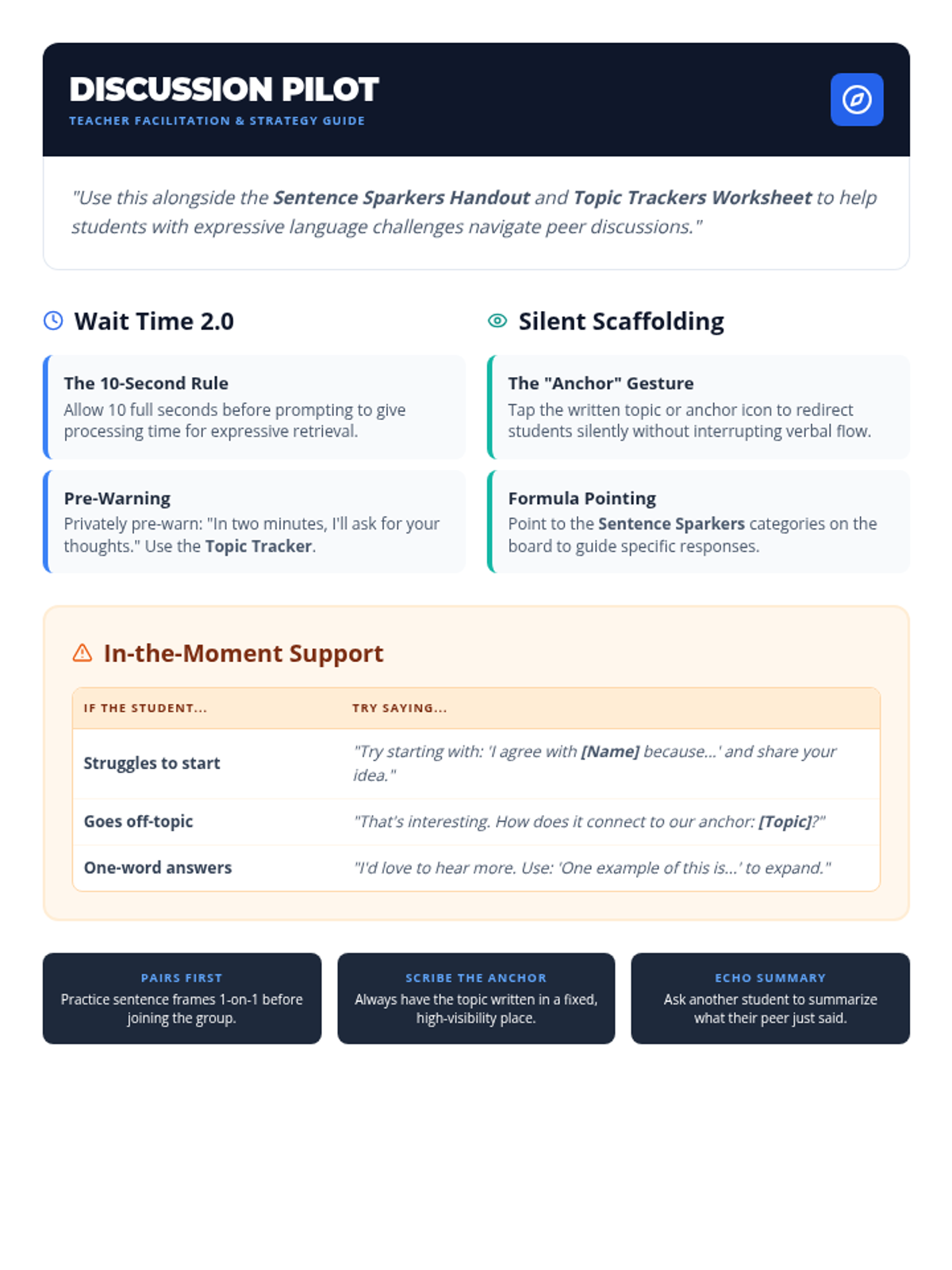
A toolkit designed to help students with expressive language challenges engage meaningfully in group discussions while remaining focused on the core topic.
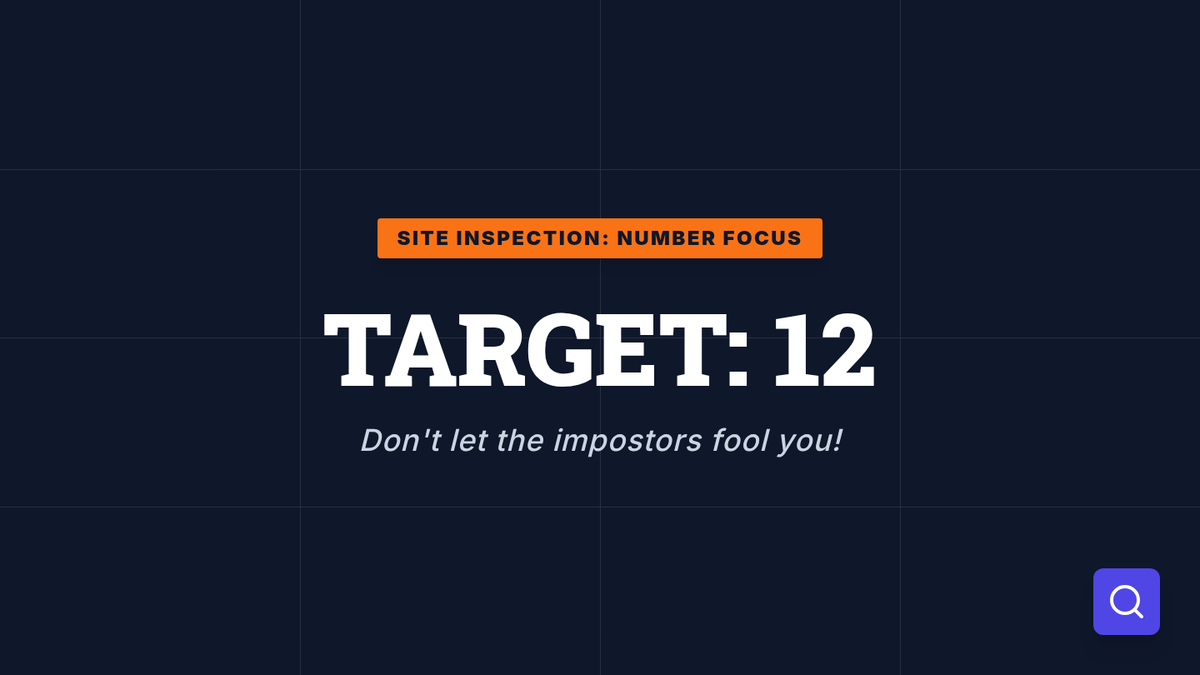
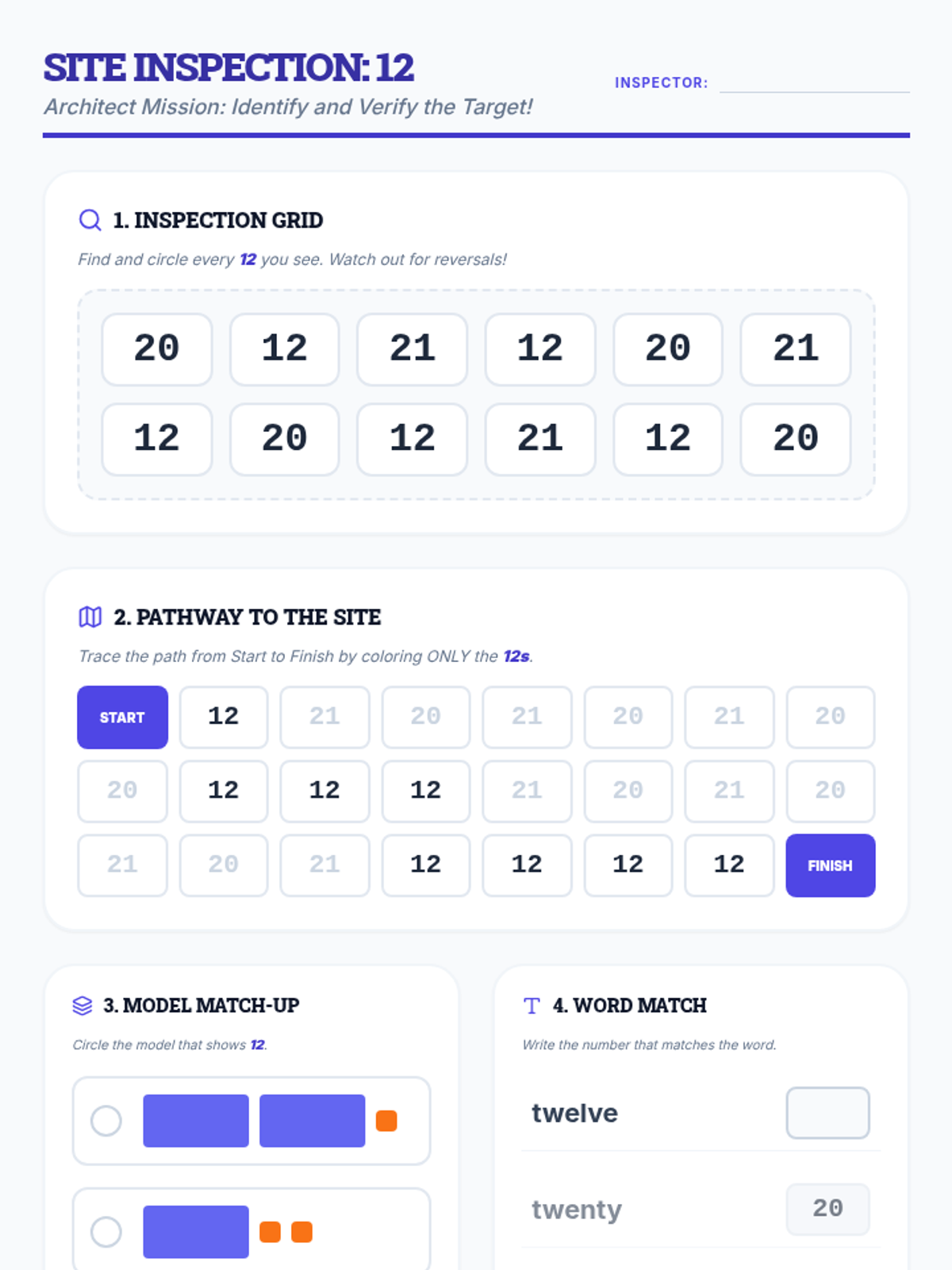
A numeracy lesson helping students distinguish the number 12 from 20 and 21 using place value visualization (one ten, two ones) and 'Architect' inspection strategies.
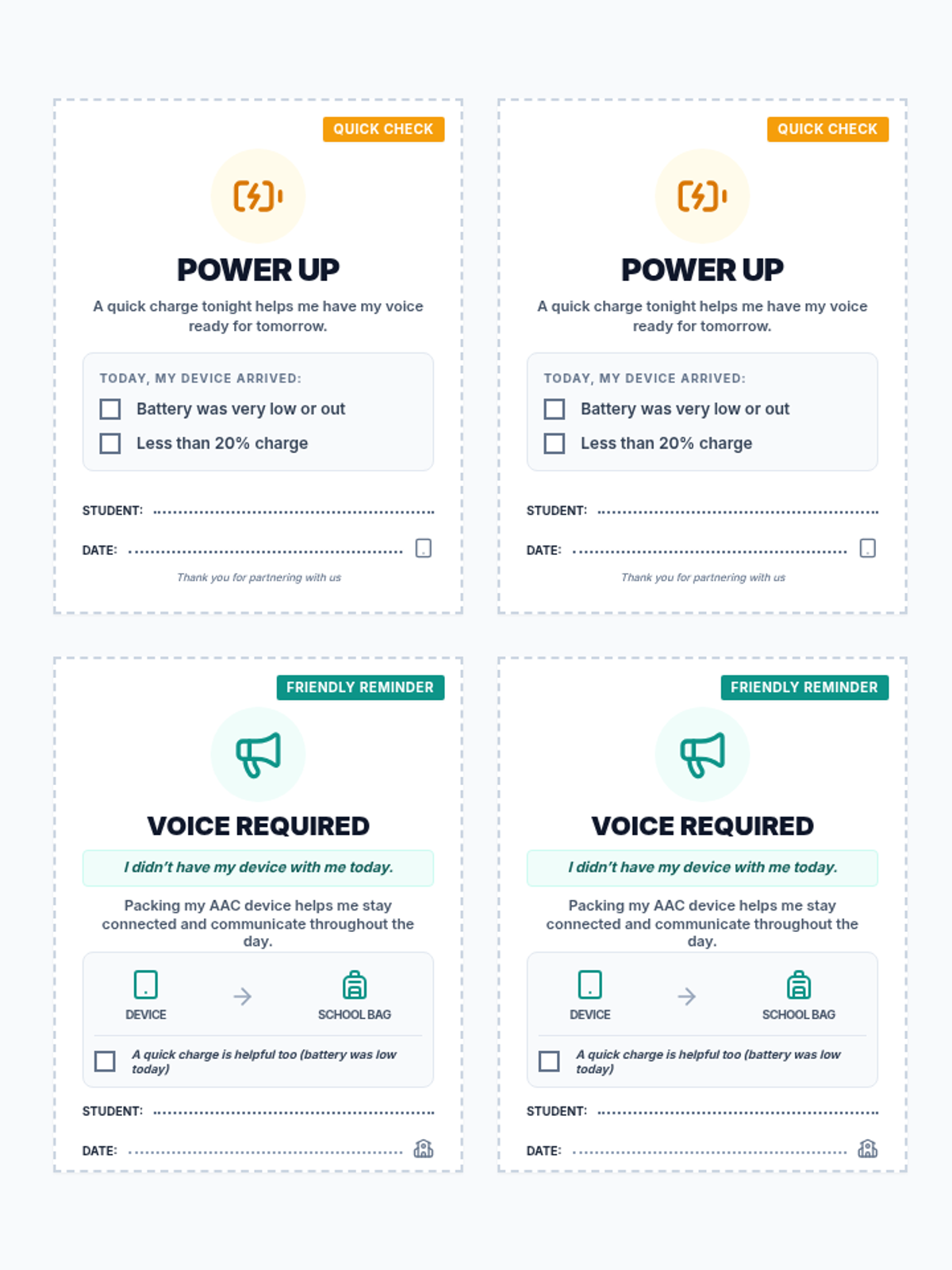
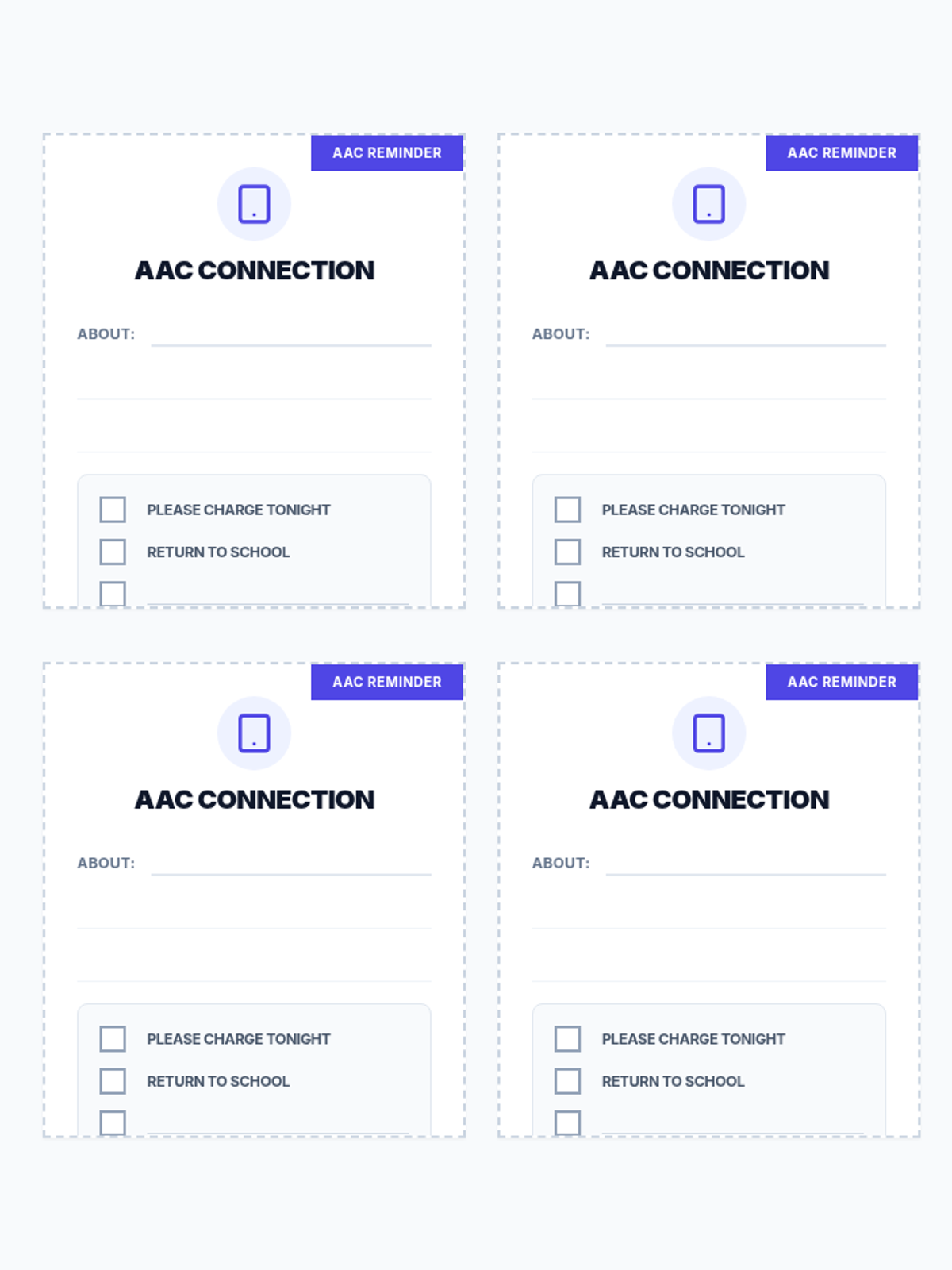
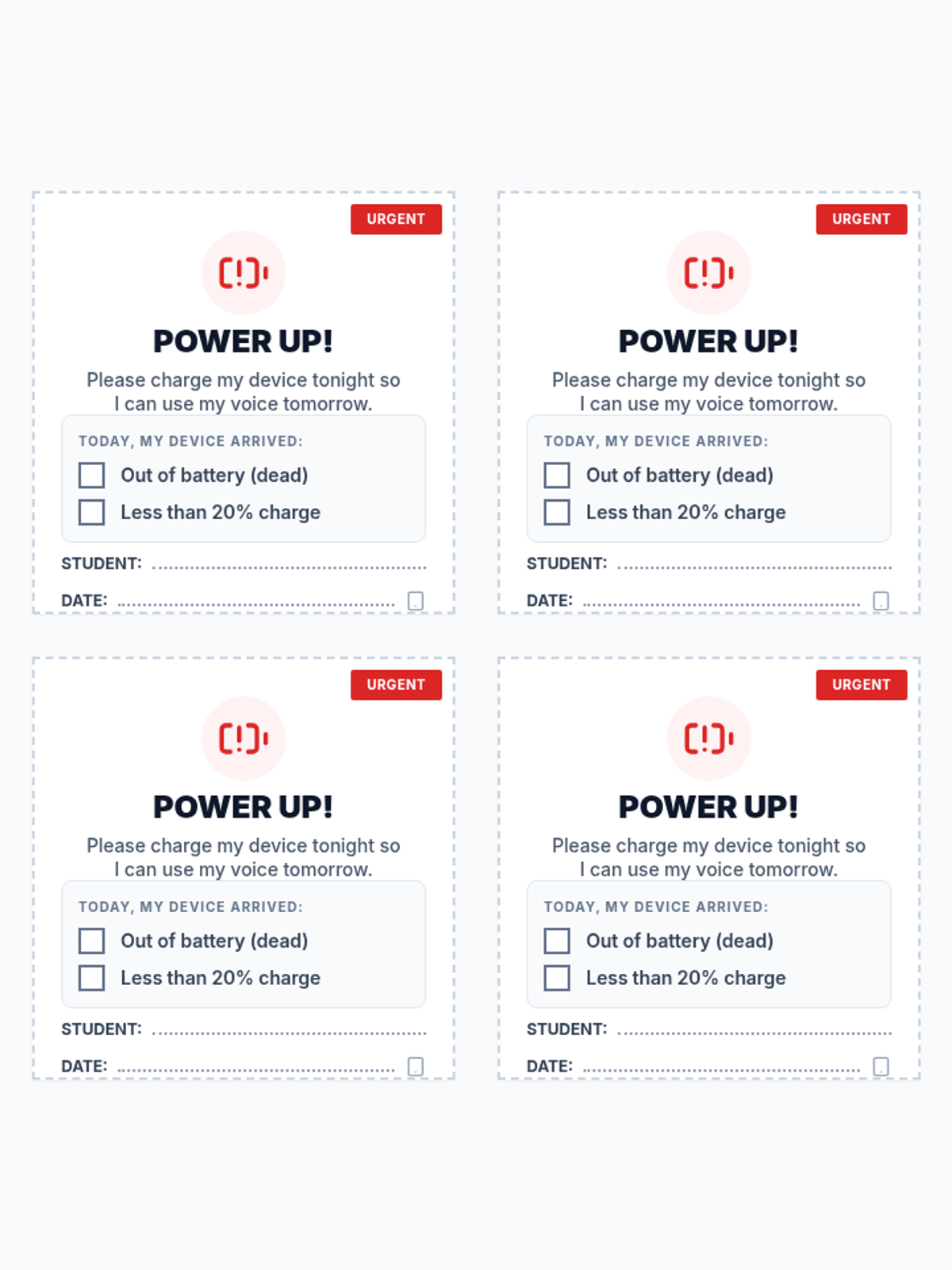
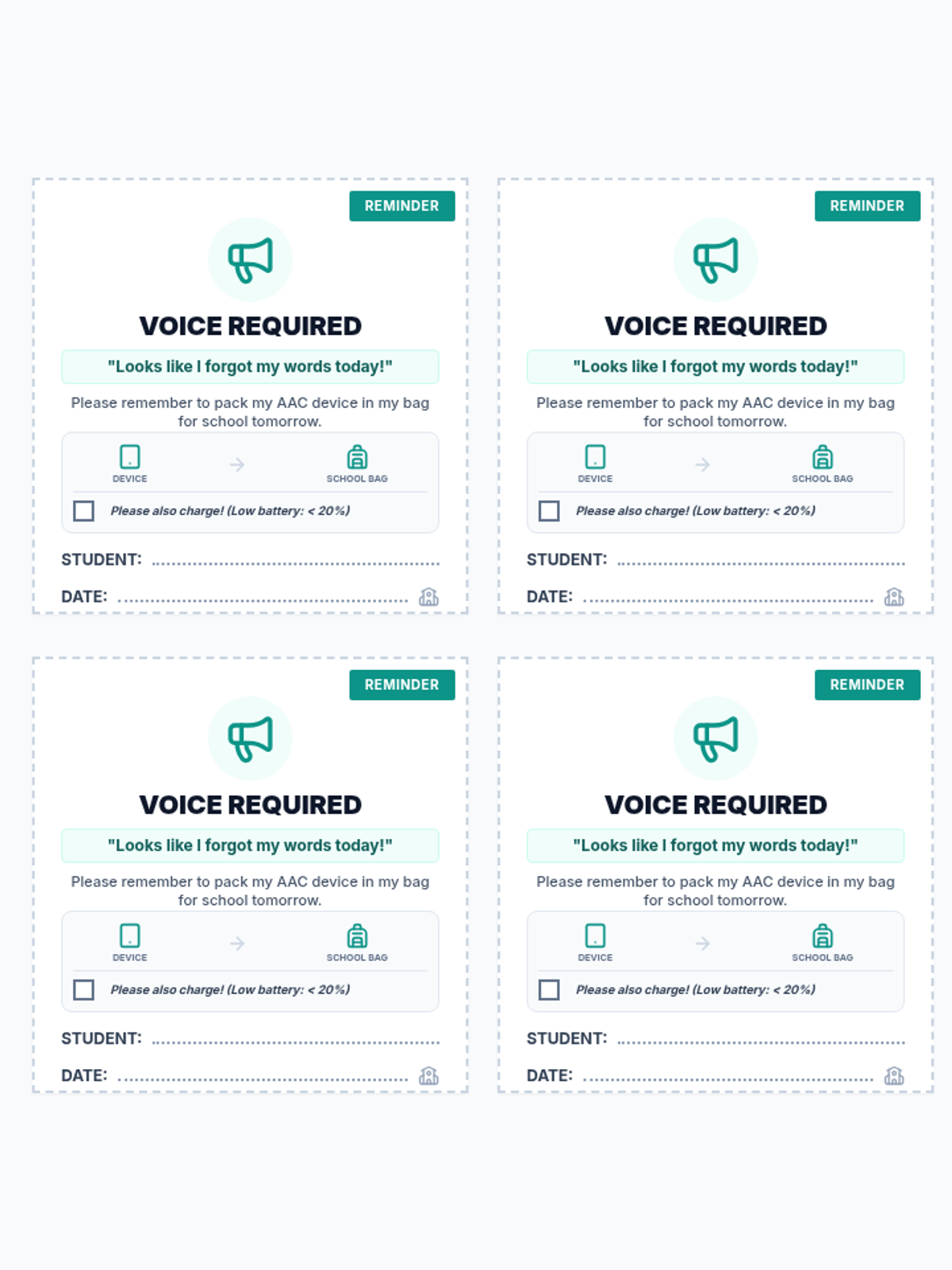
A collection of simple, visual reminder slips to help bridge the gap between home and school for students using AAC devices.
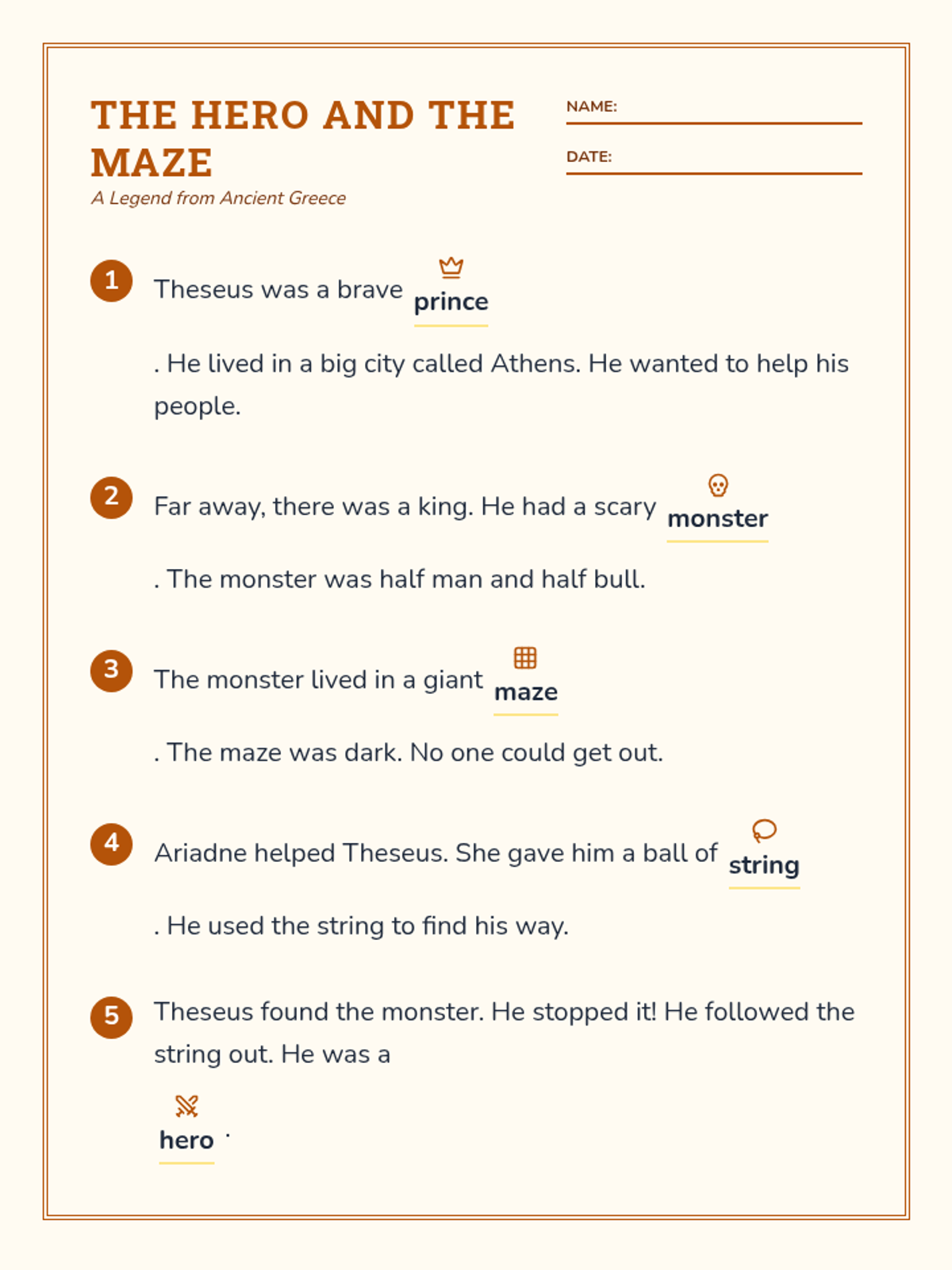
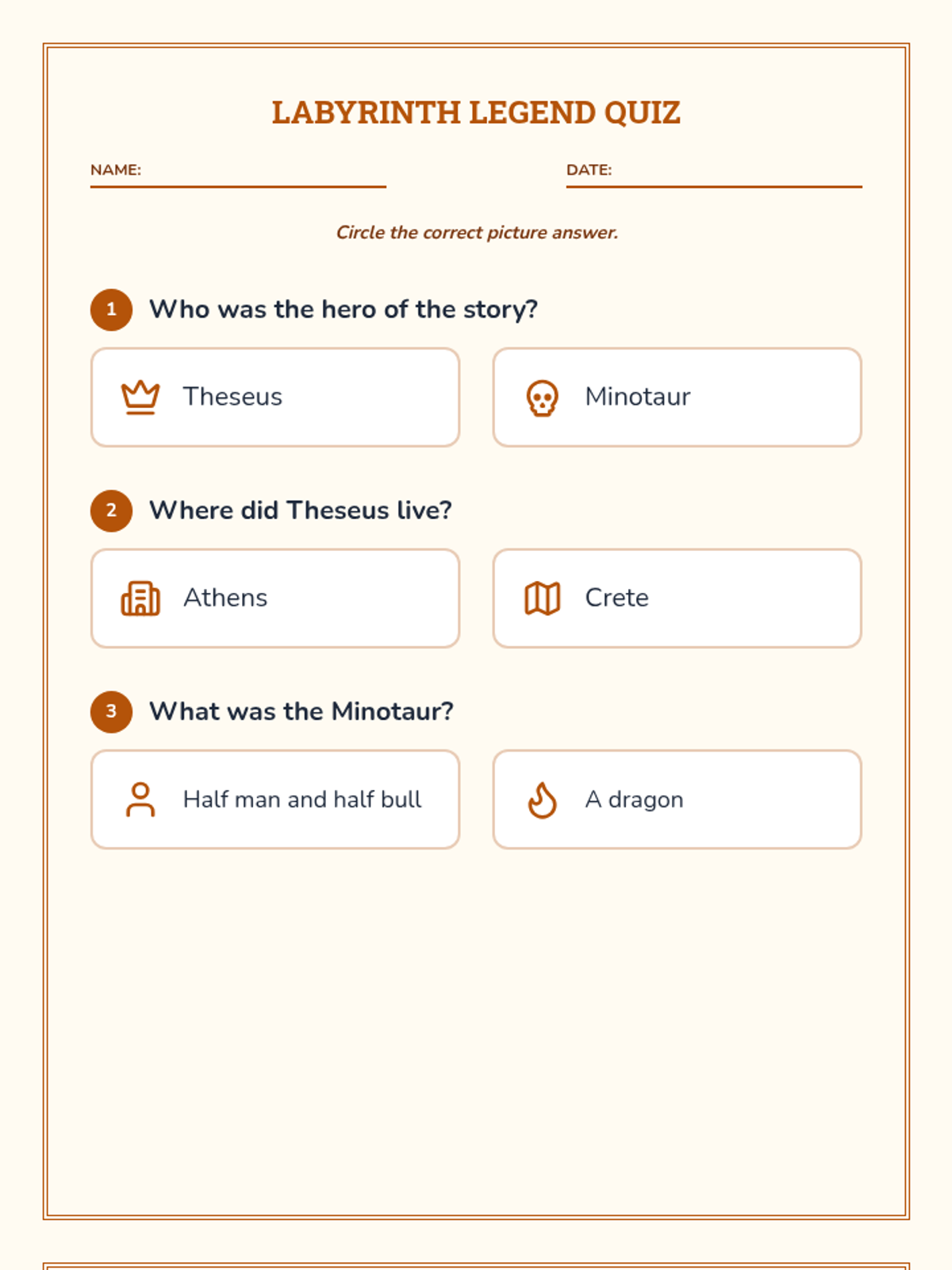
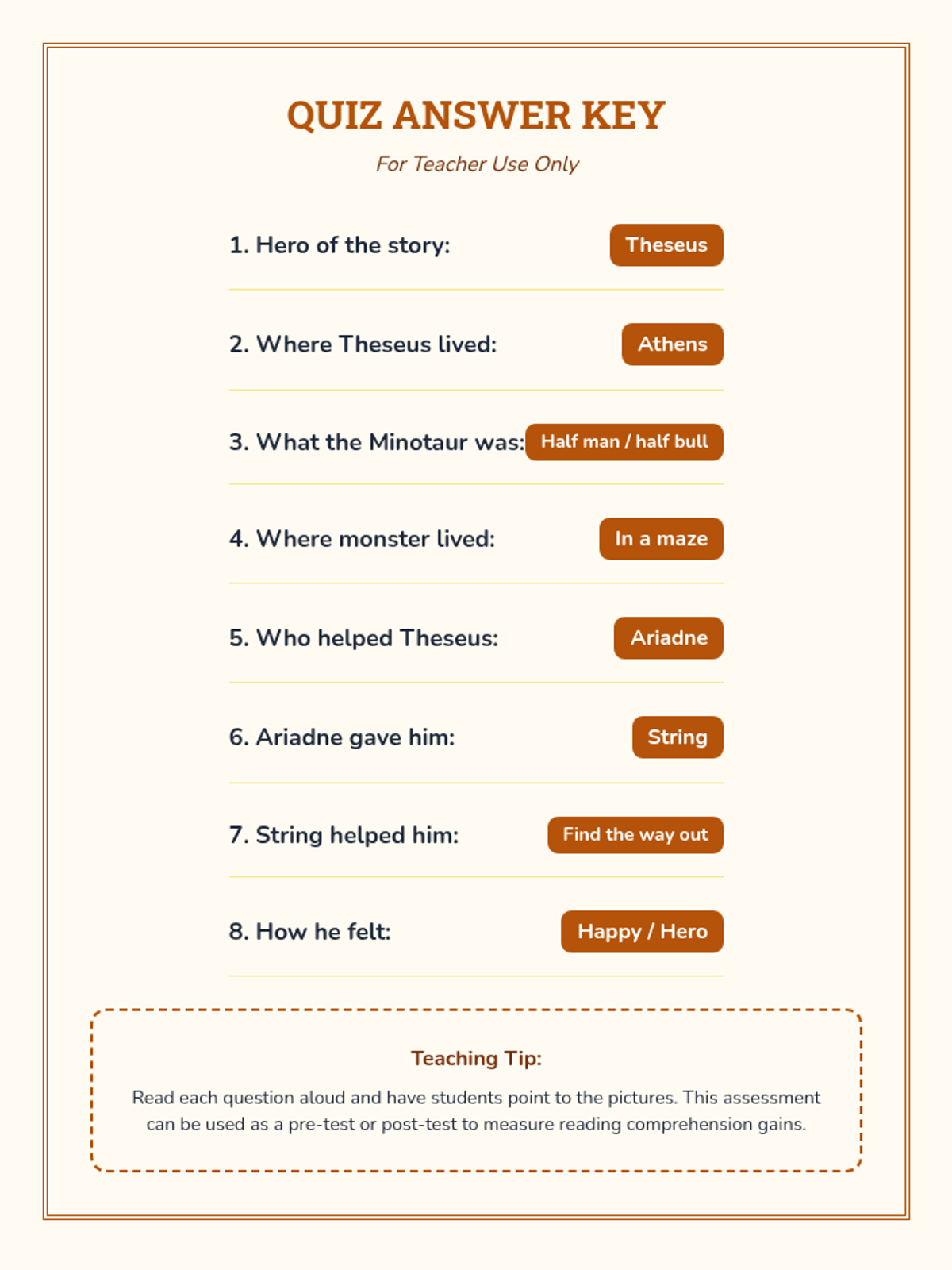
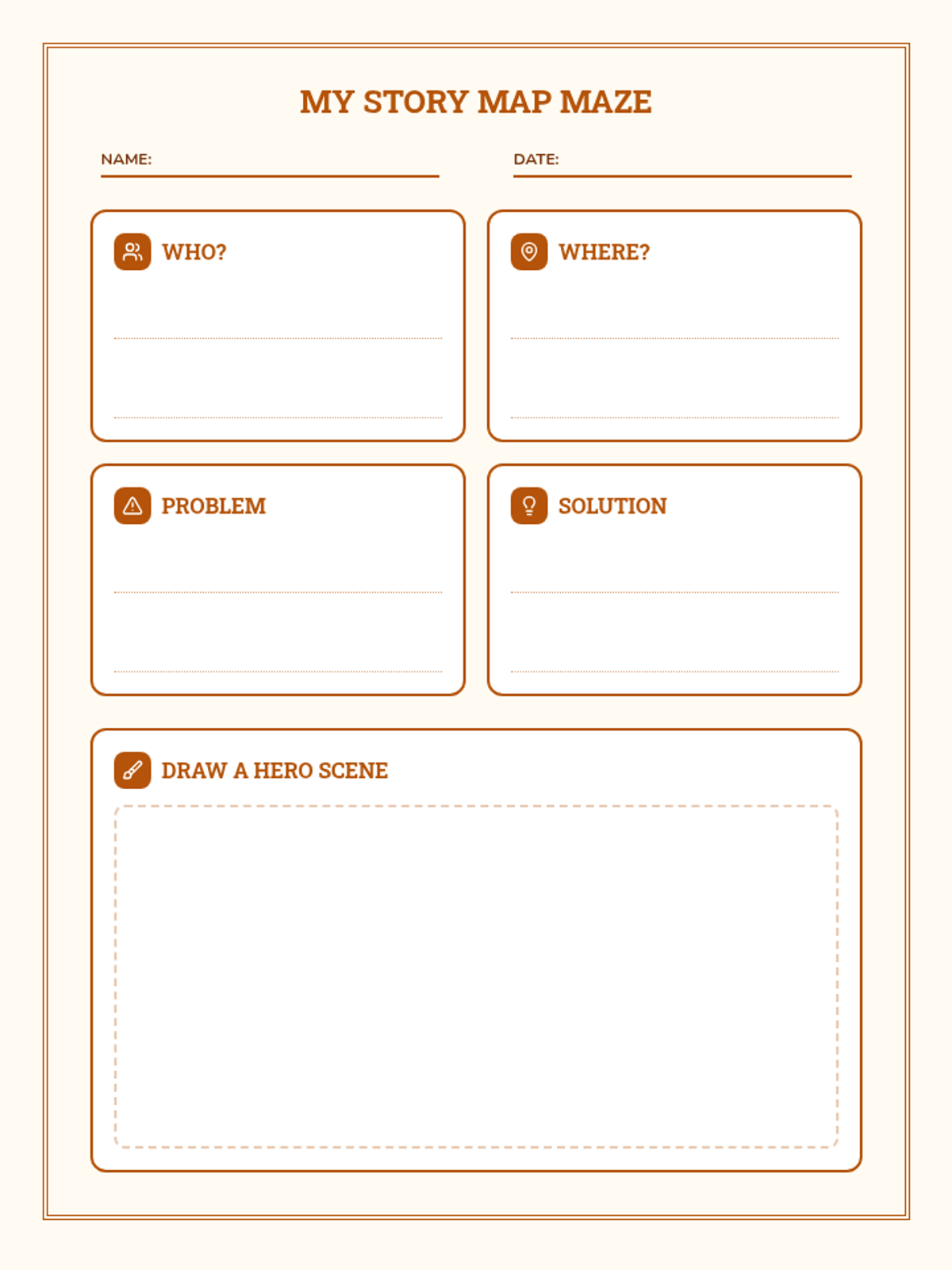
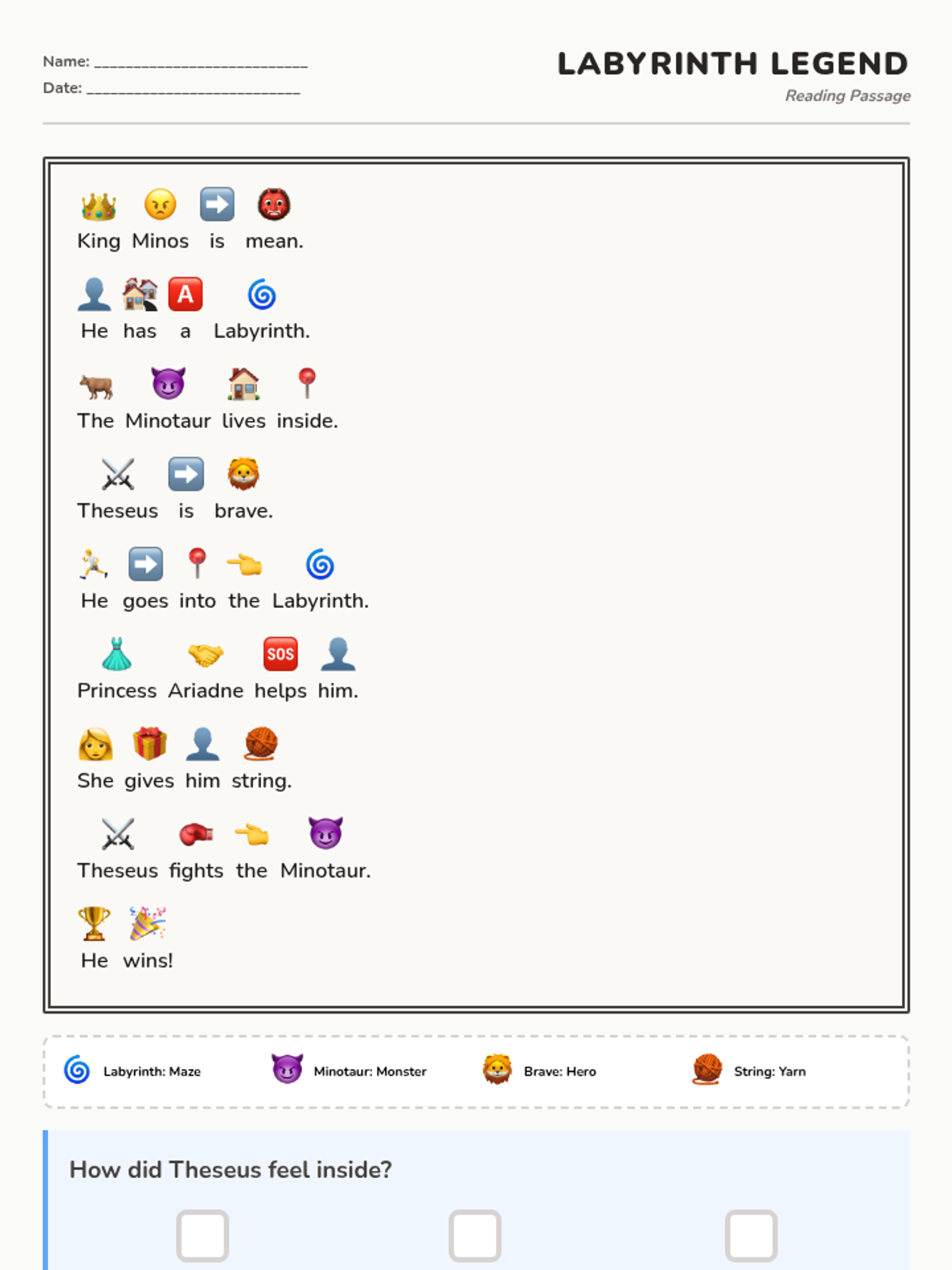
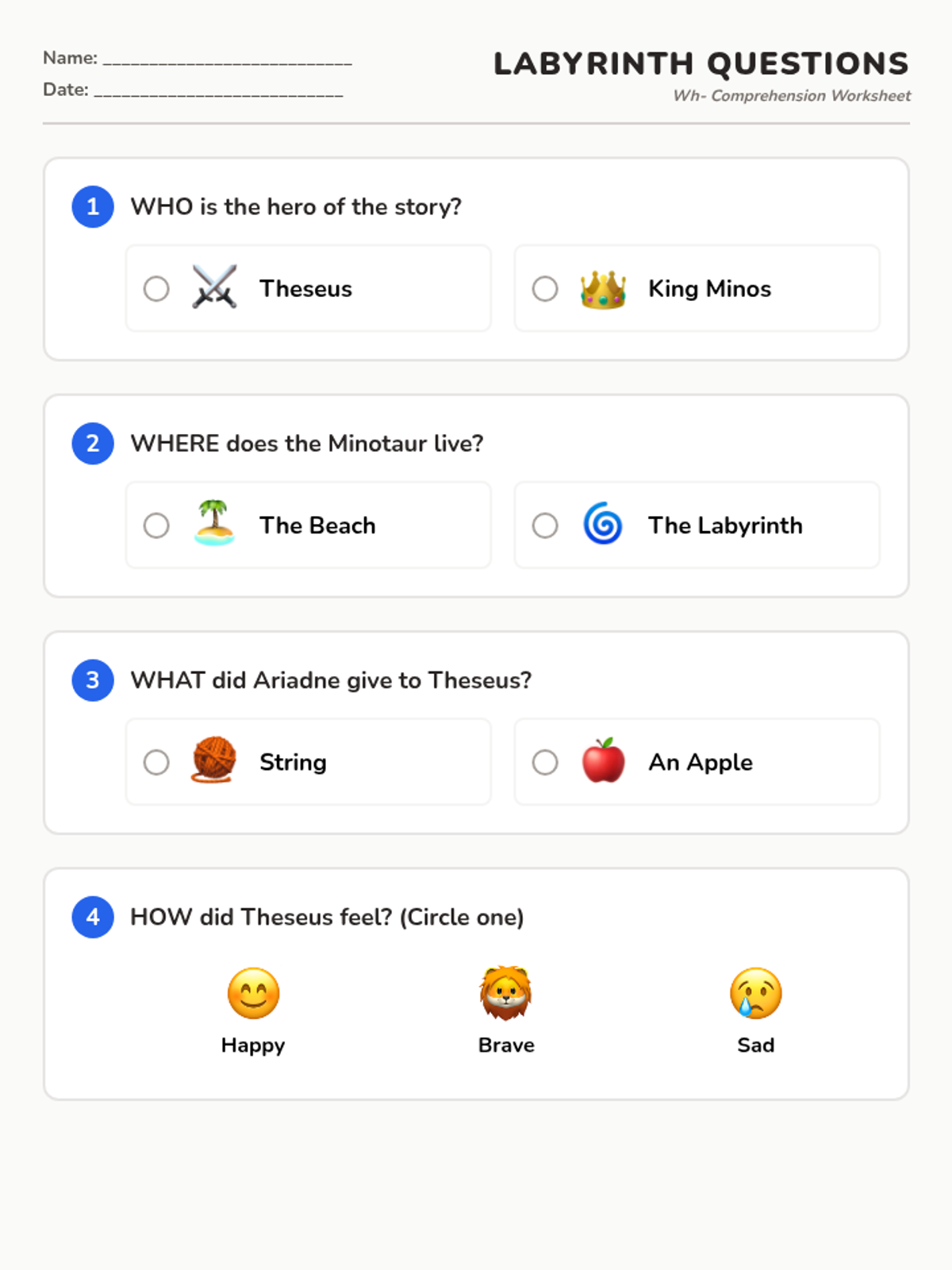
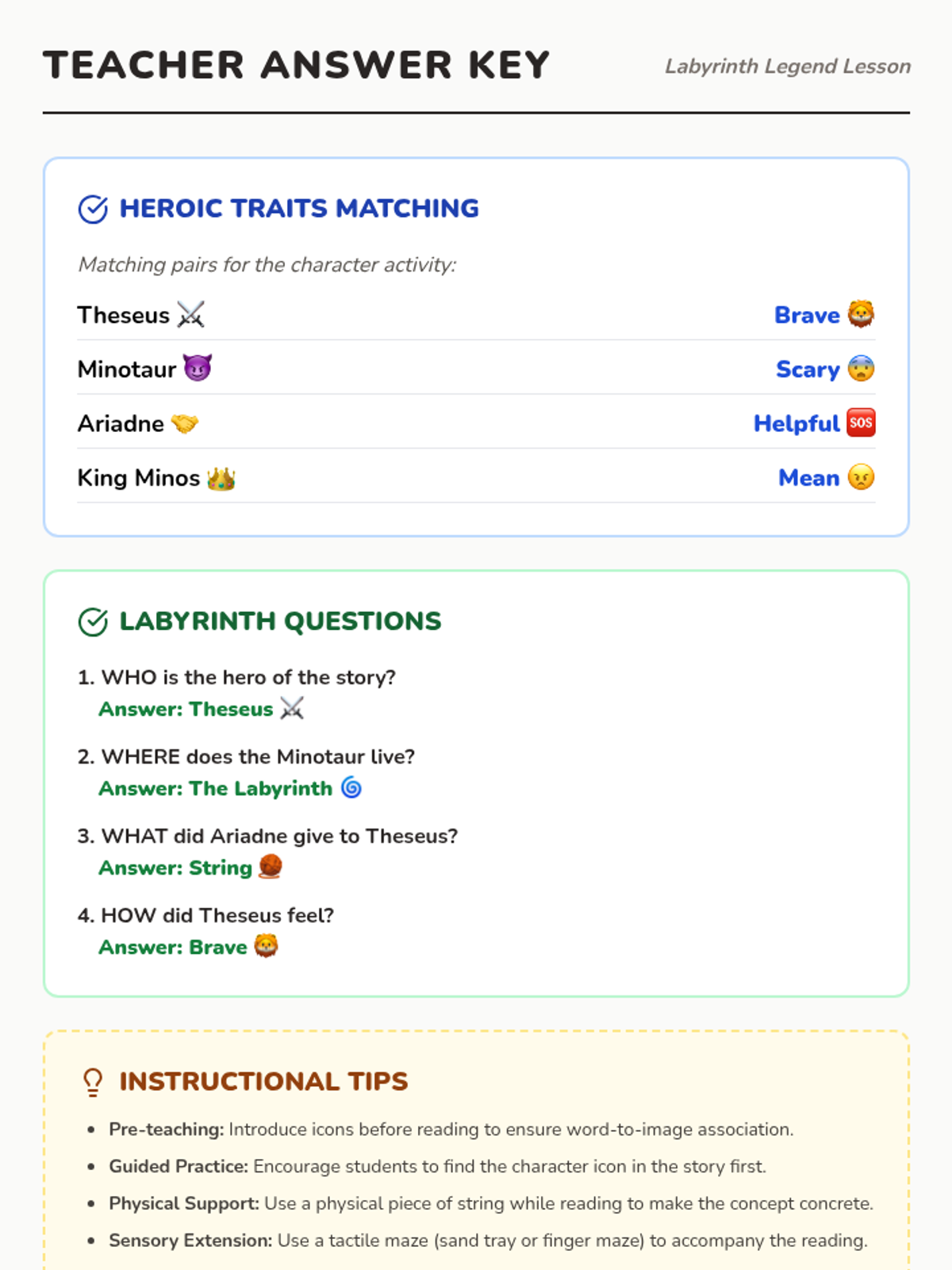
An adapted retelling of the Greek myth 'Theseus and the Minotaur' designed for early elementary students or students with IEPs. The lesson focuses on basic story elements and reading comprehension through simplified language and visual supports.
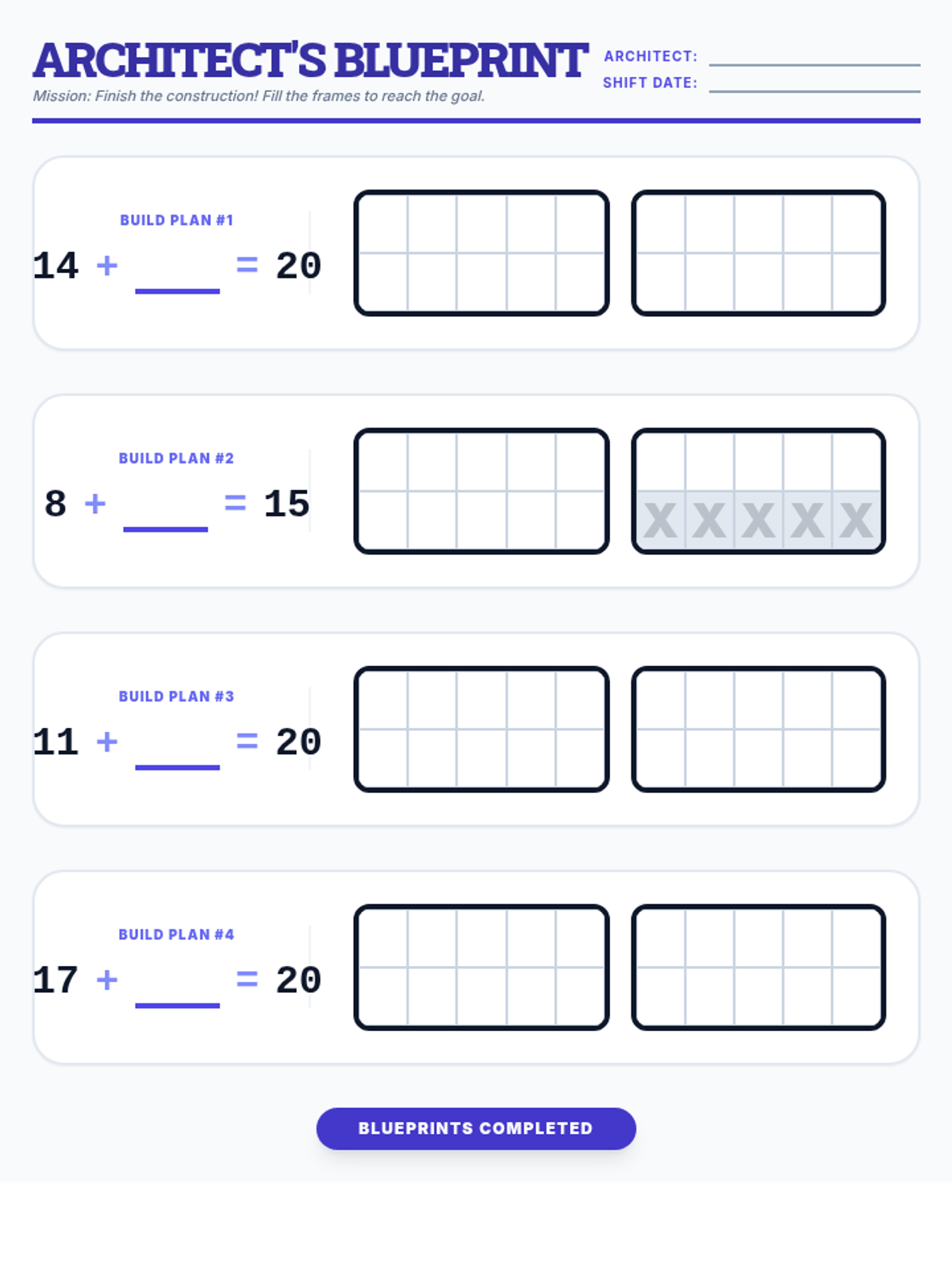
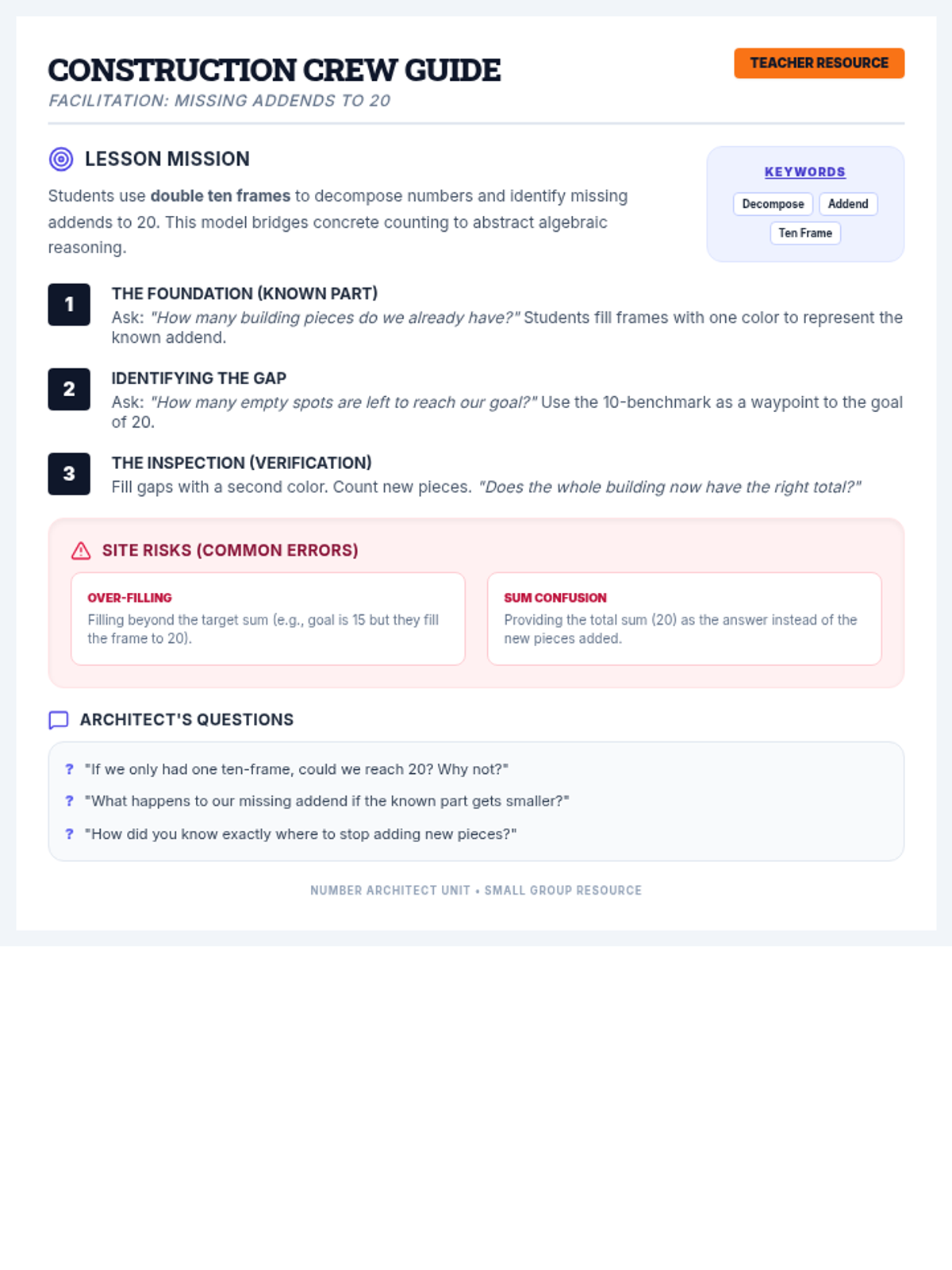
A visual math lesson focused on finding missing addends up to 20 using double ten frames and decomposition strategies. Students act as 'Number Architects' to fill gaps in blueprints.
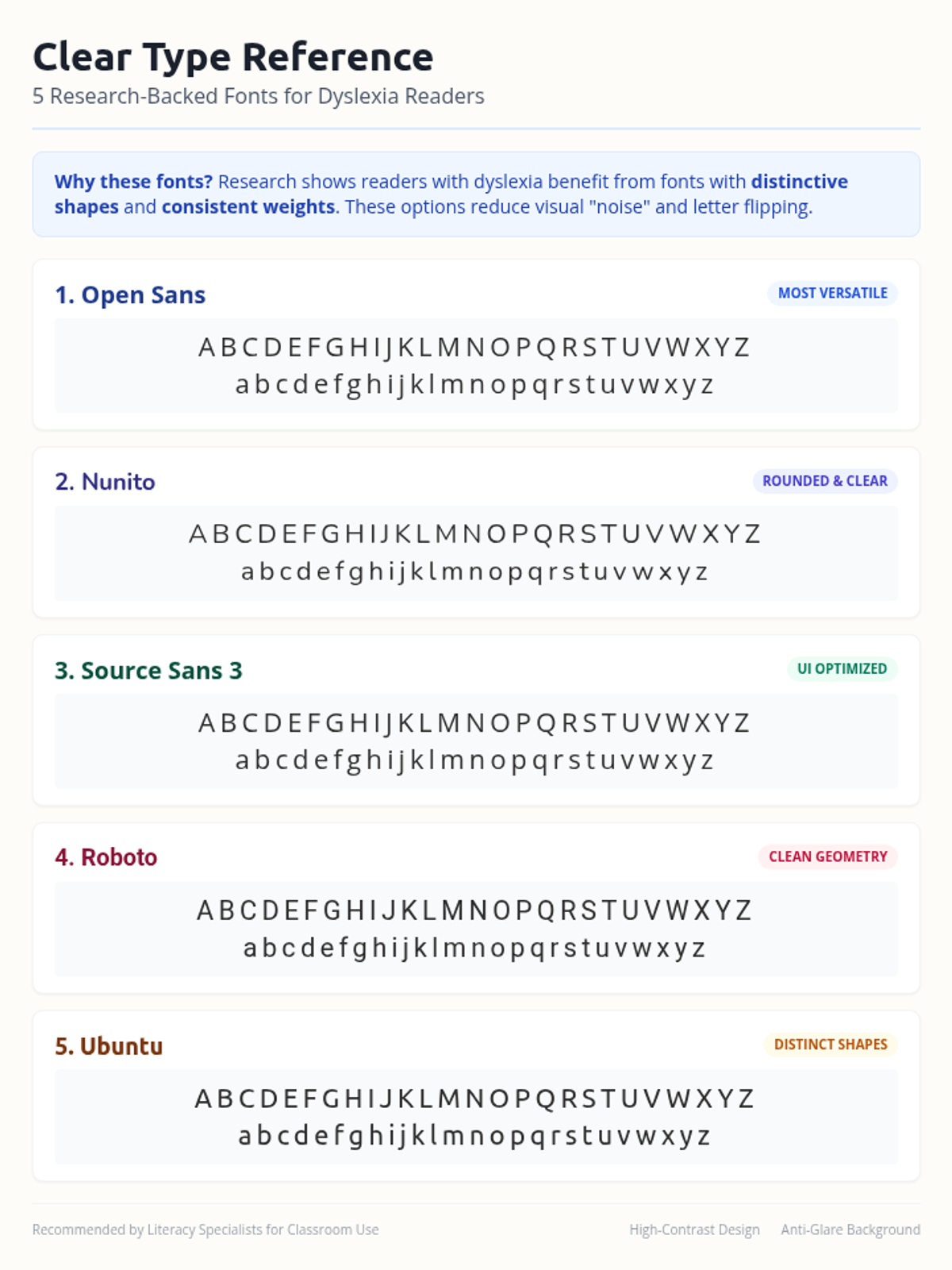
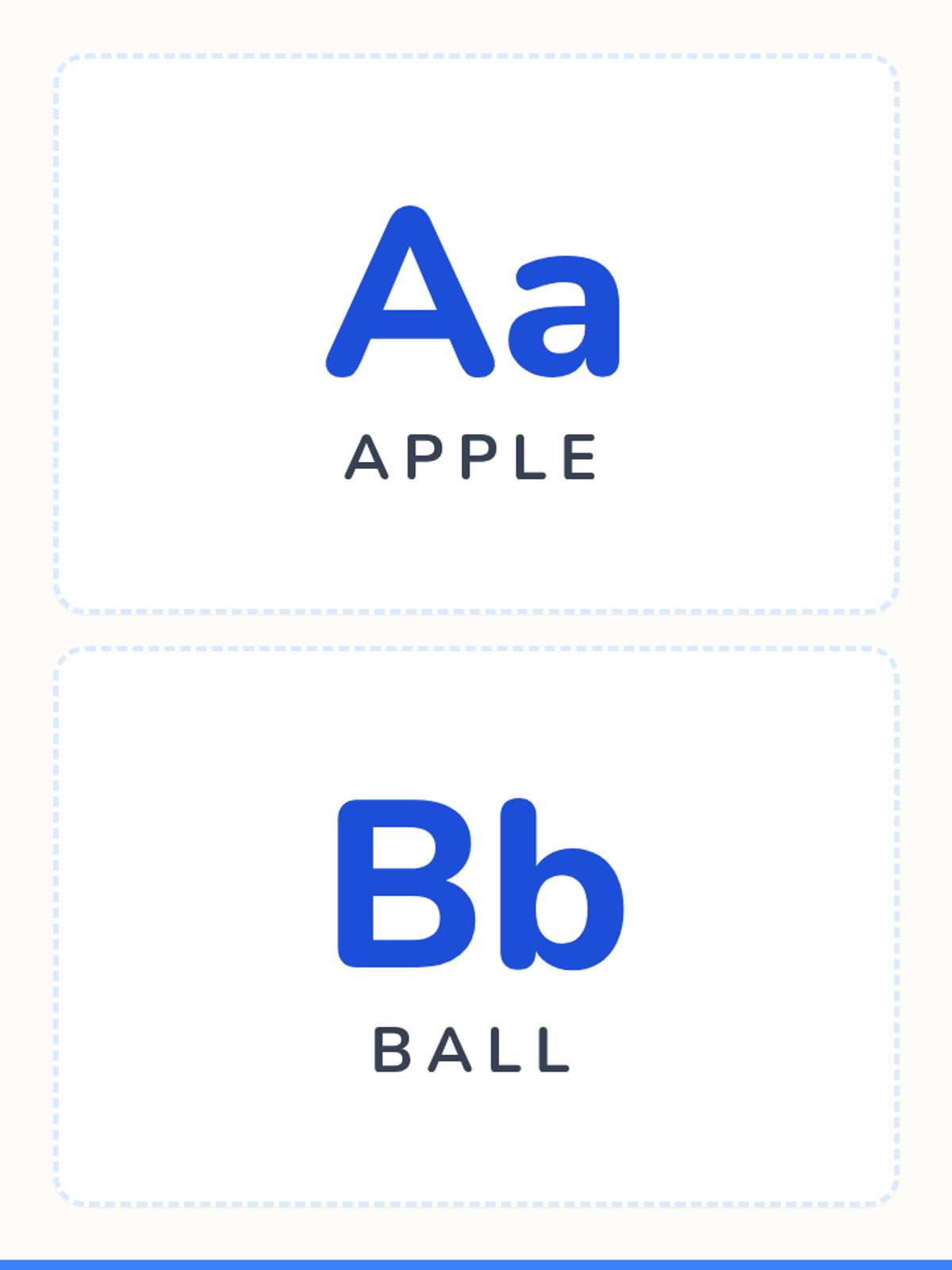
A collection of research-backed typographical resources designed to support readers with dyslexia, including reference guides and classroom visual aids.
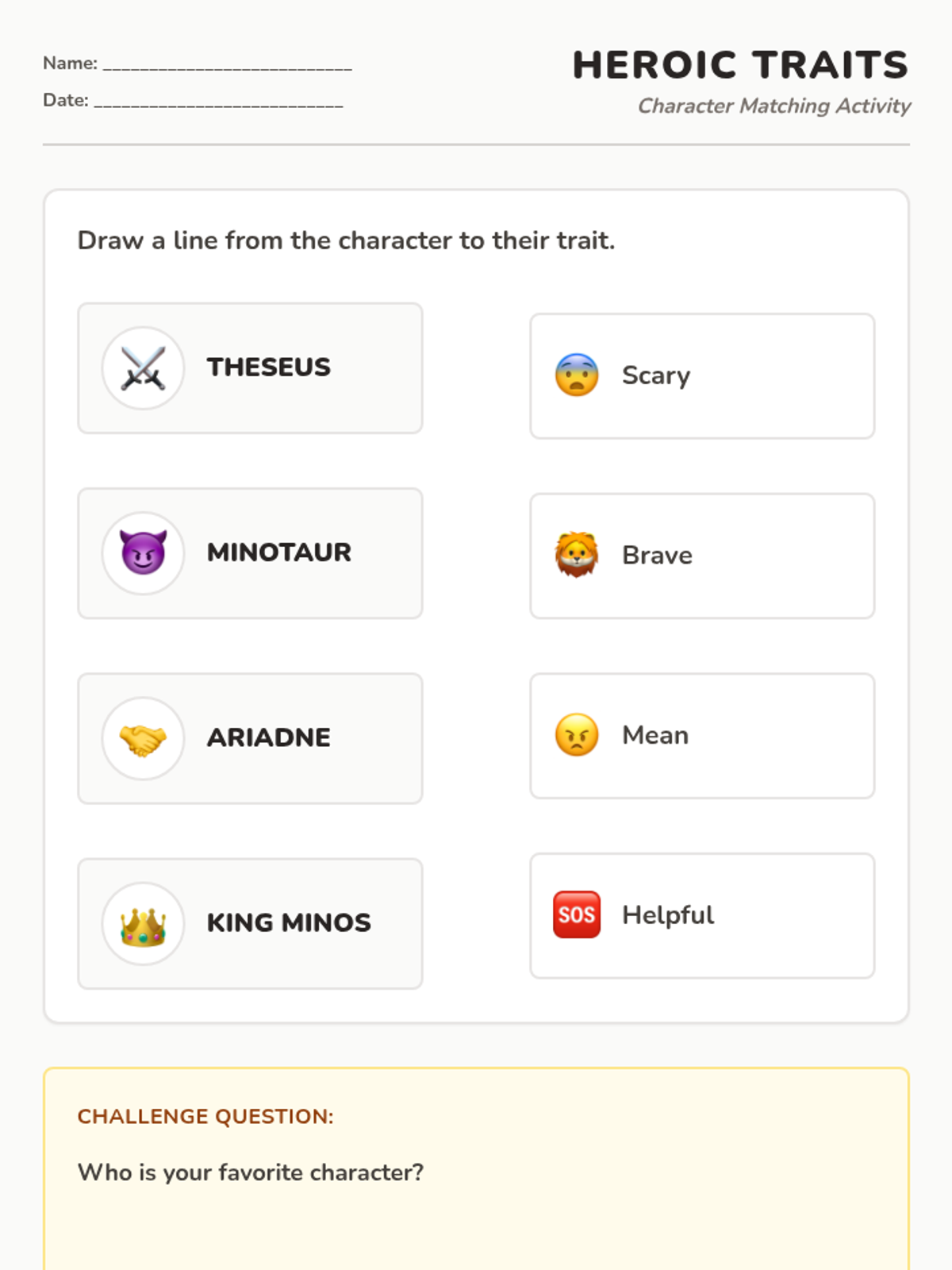
A symbol-supported introduction to the myth of Theseus and the Minotaur, designed for IEP students with a focus on character traits and basic comprehension.
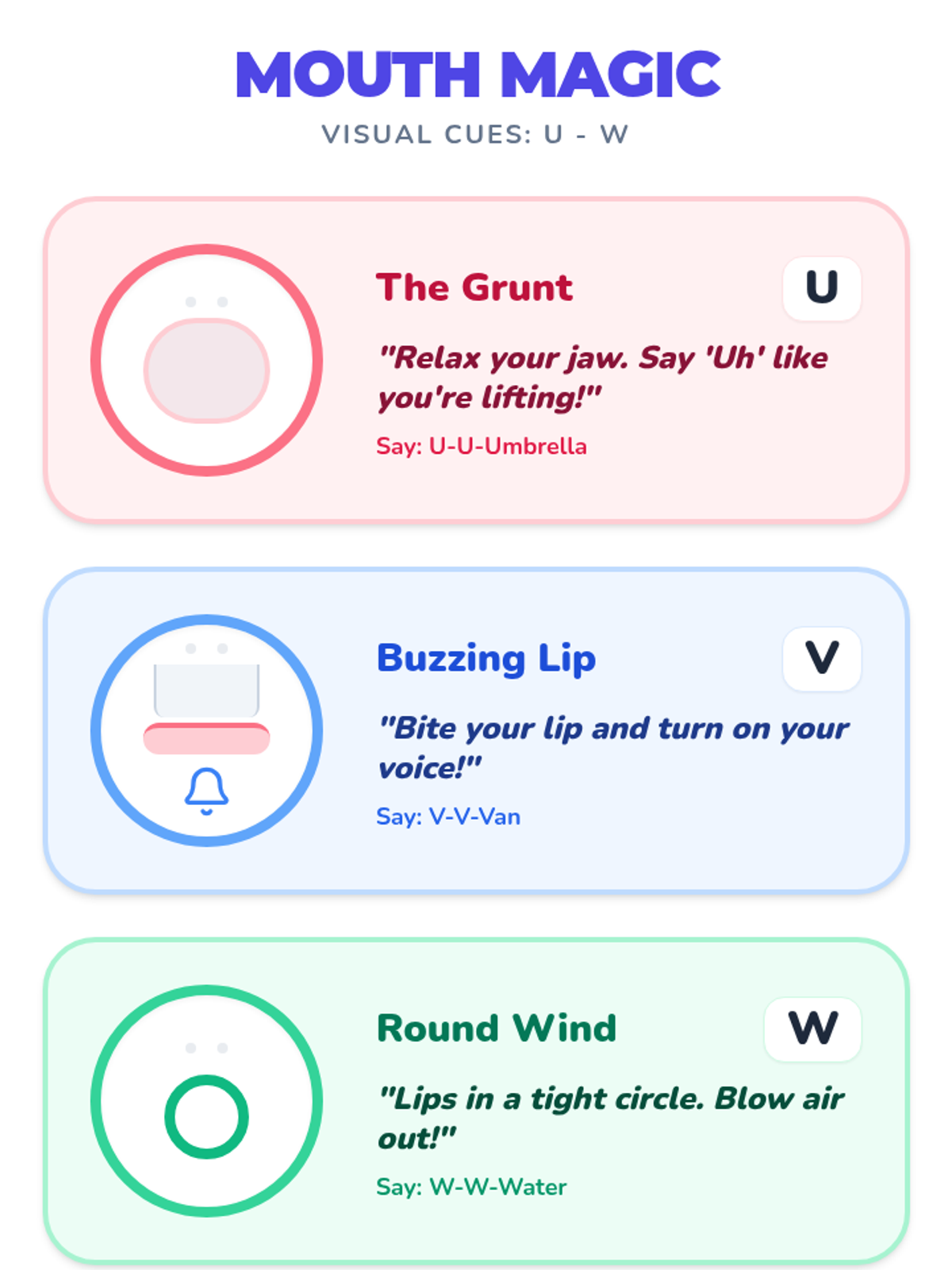
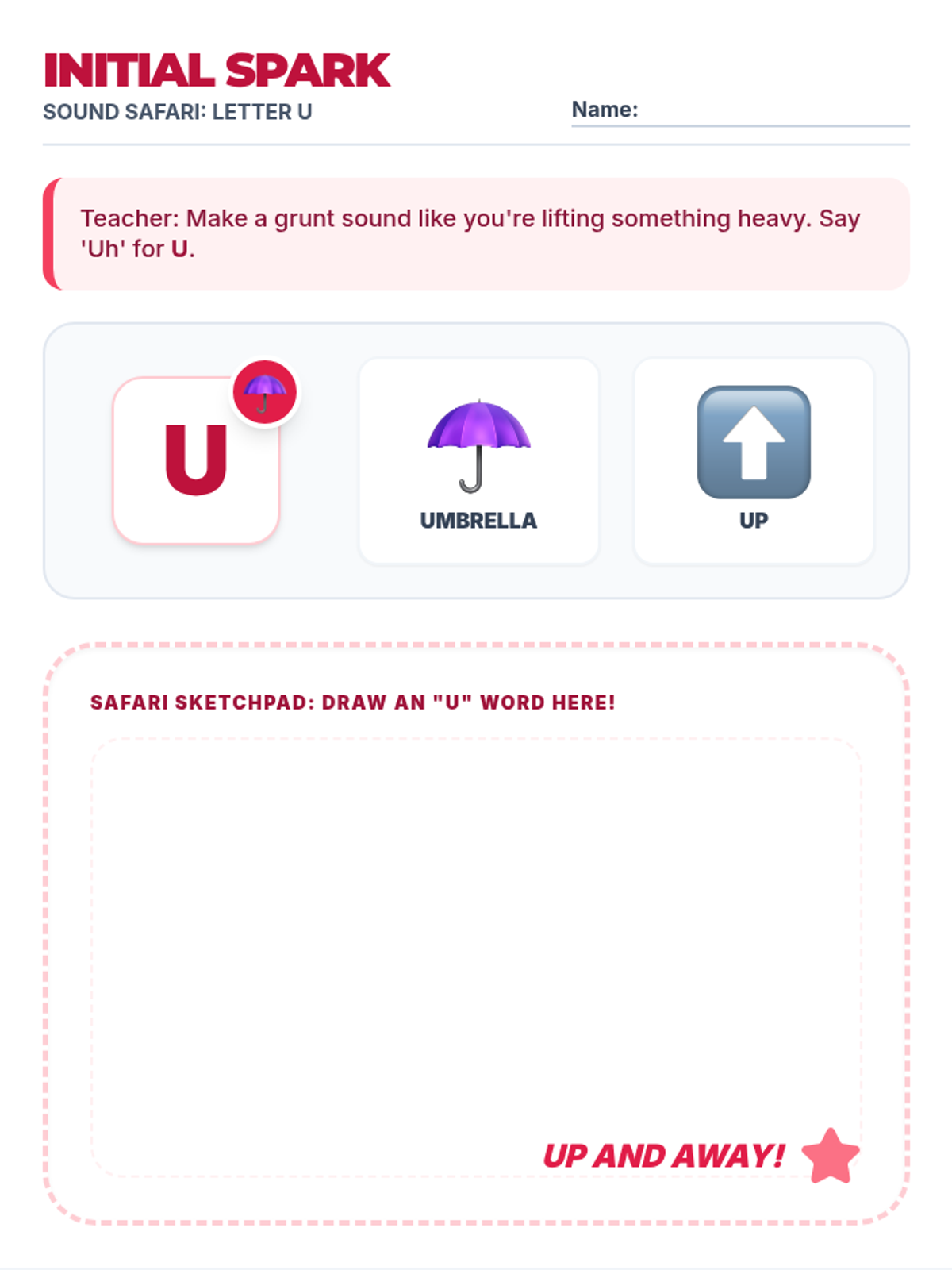
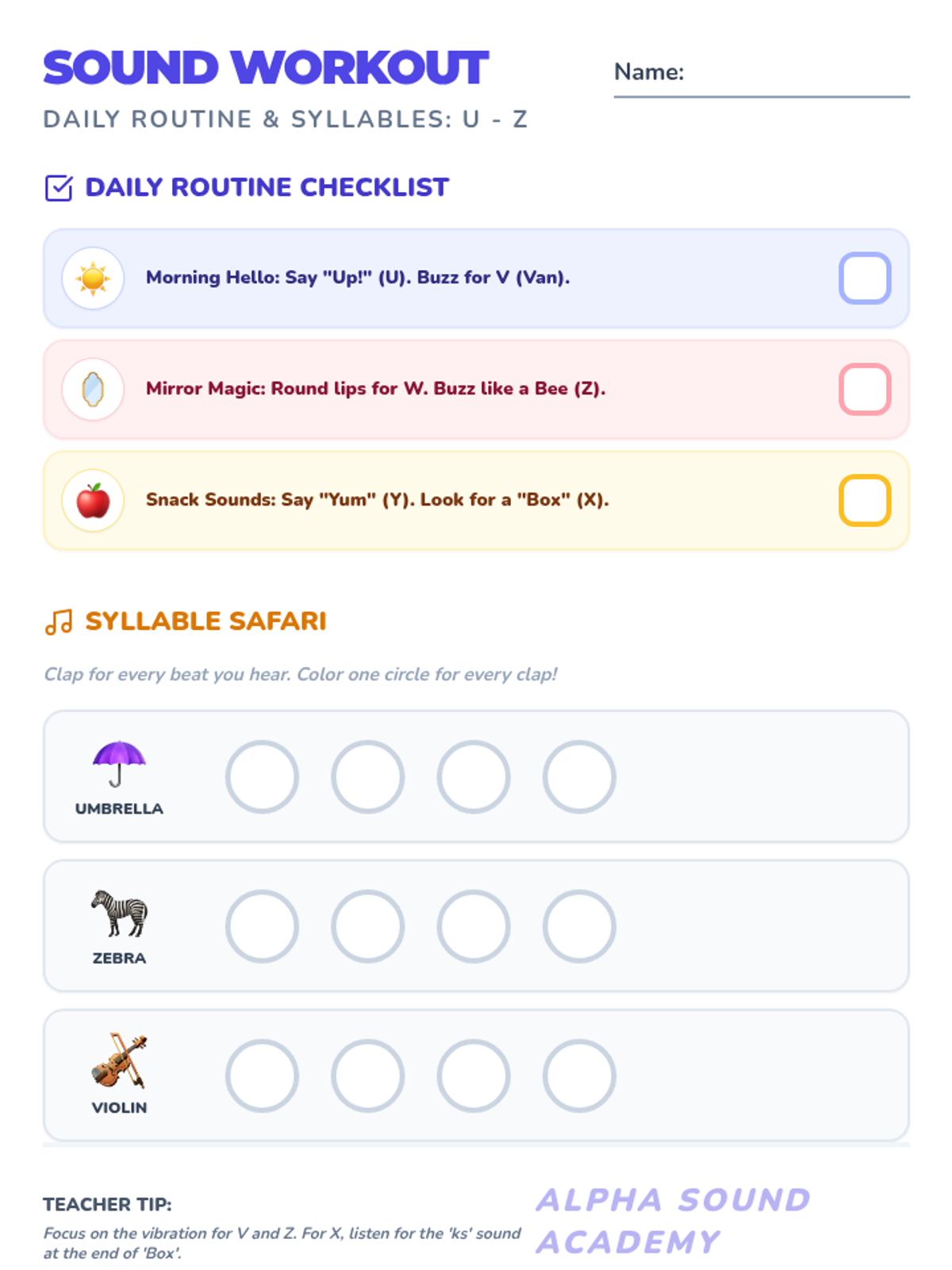
Final sequence covering U, V, W, X, Y, and Z, focusing on vowel stabilization and fricatives.
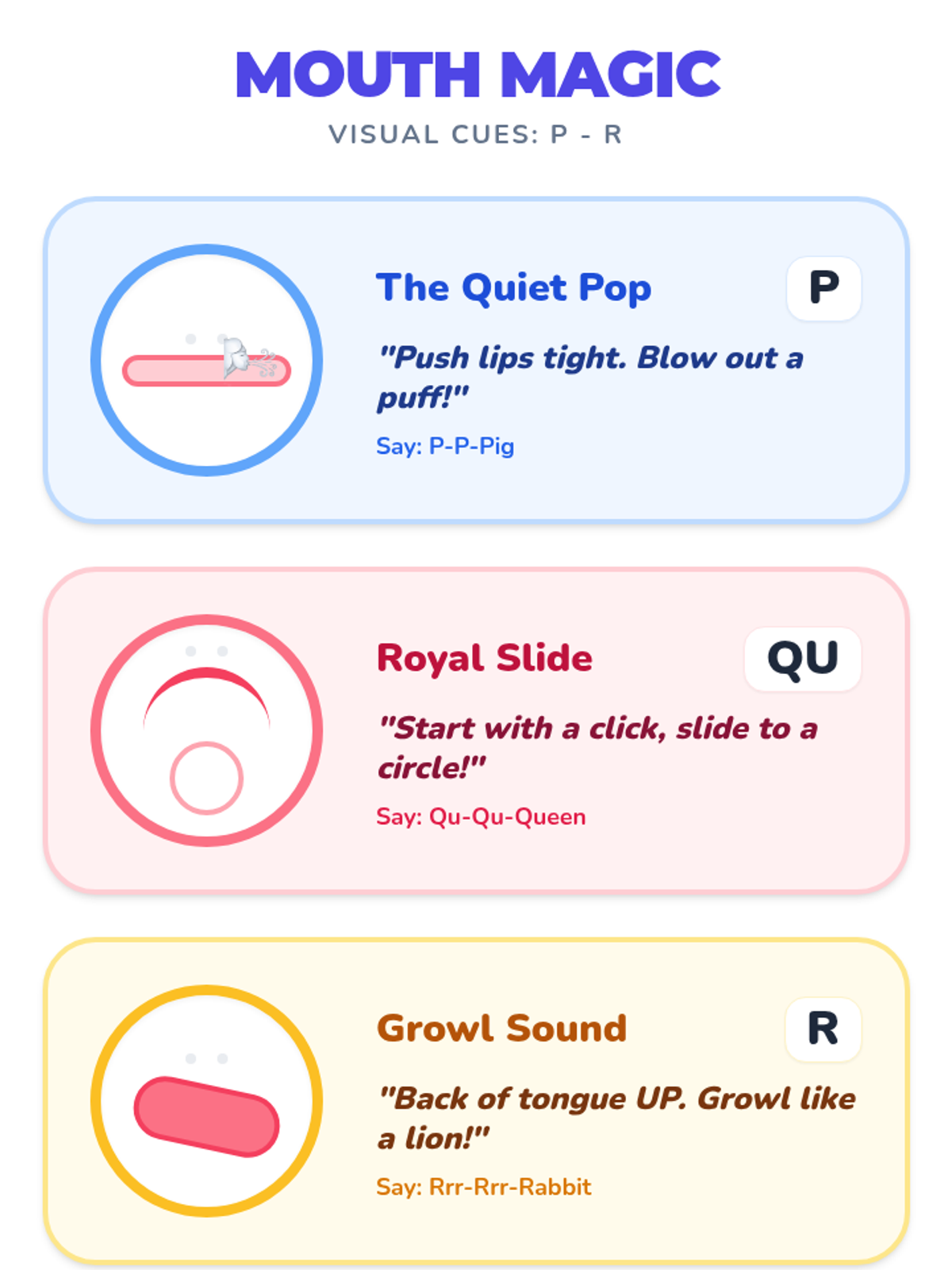
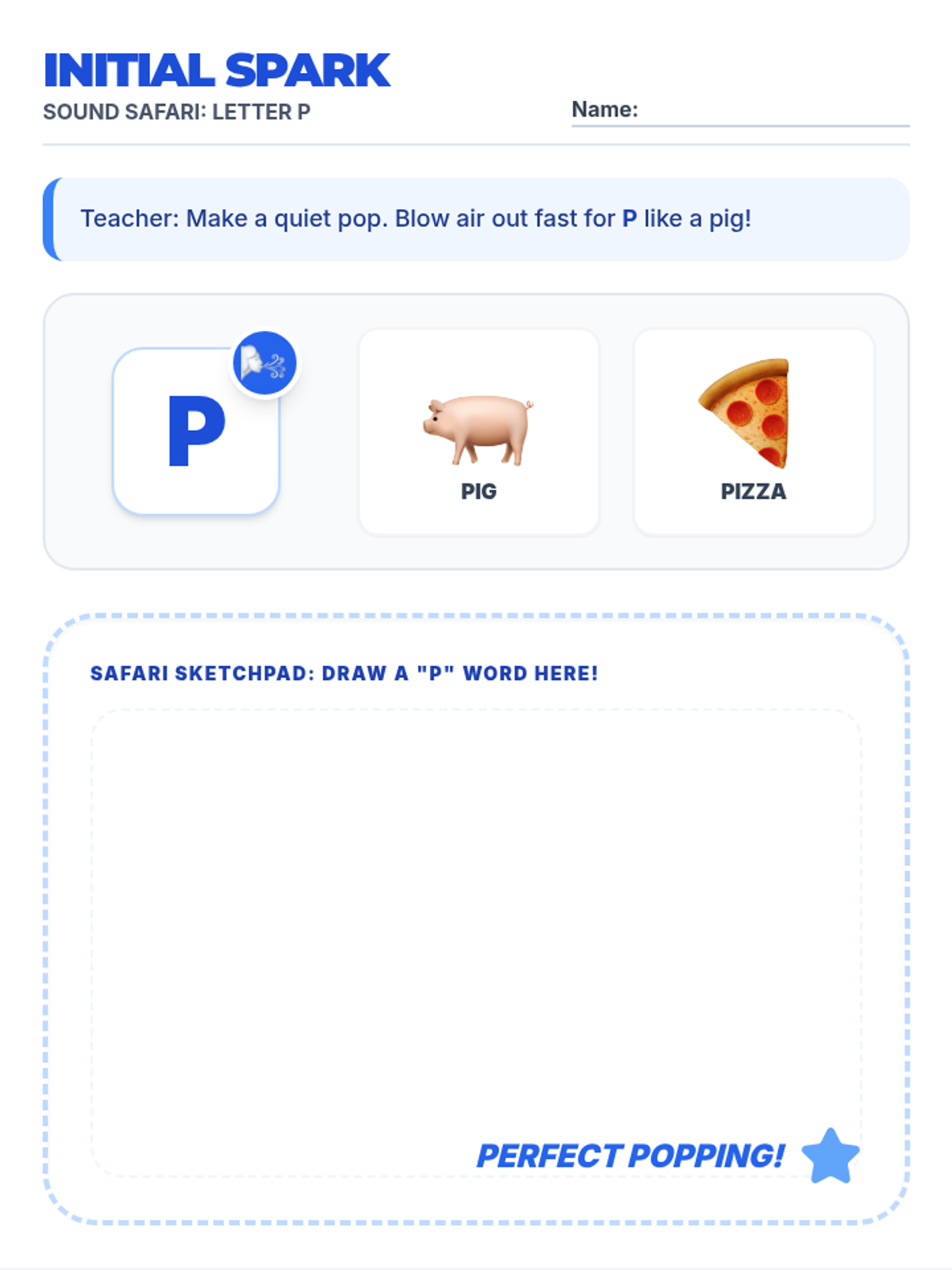
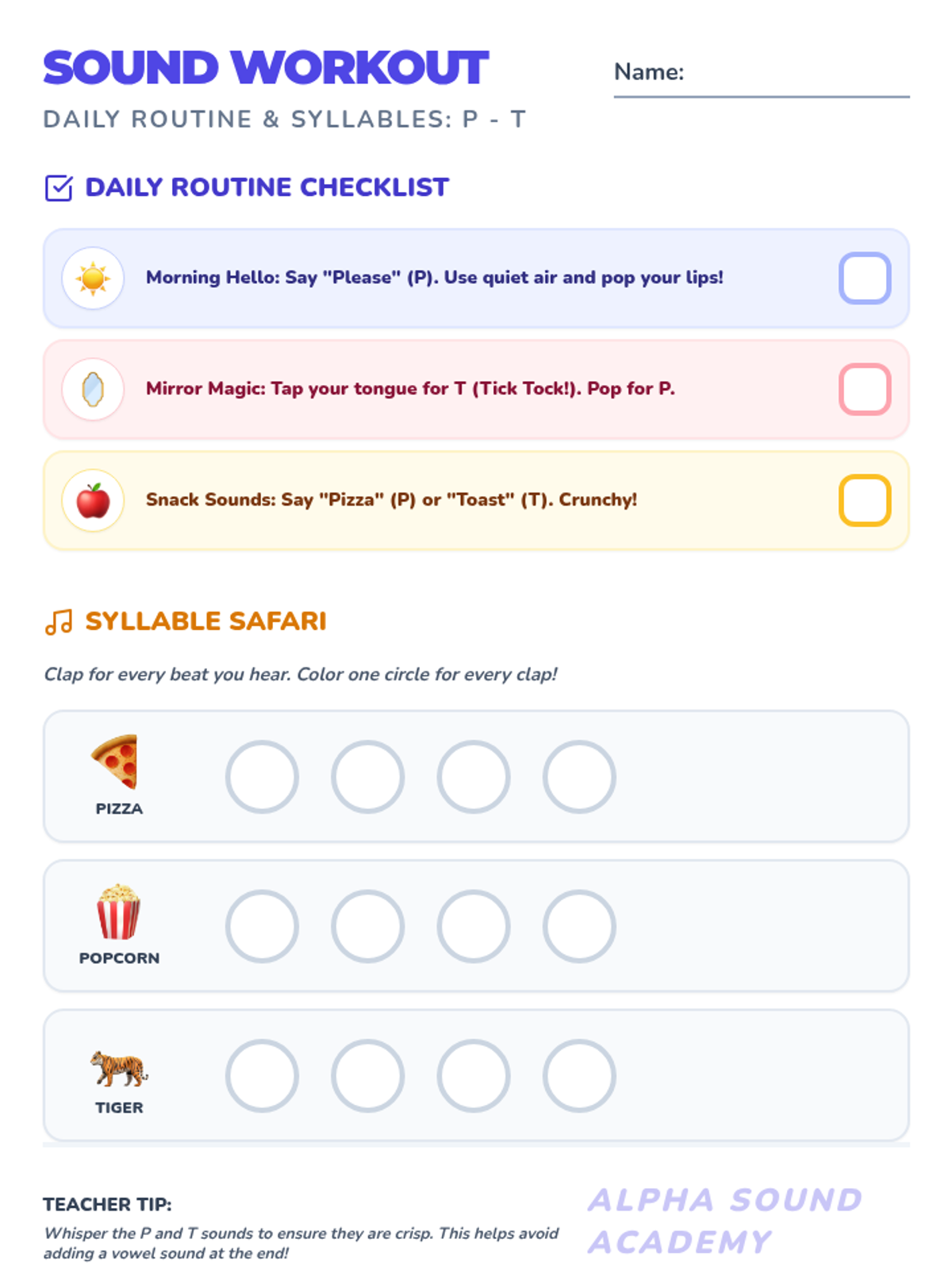
Practices sounds P, Q, R, S, and T, including 'pop' sounds and complex tongue movements.
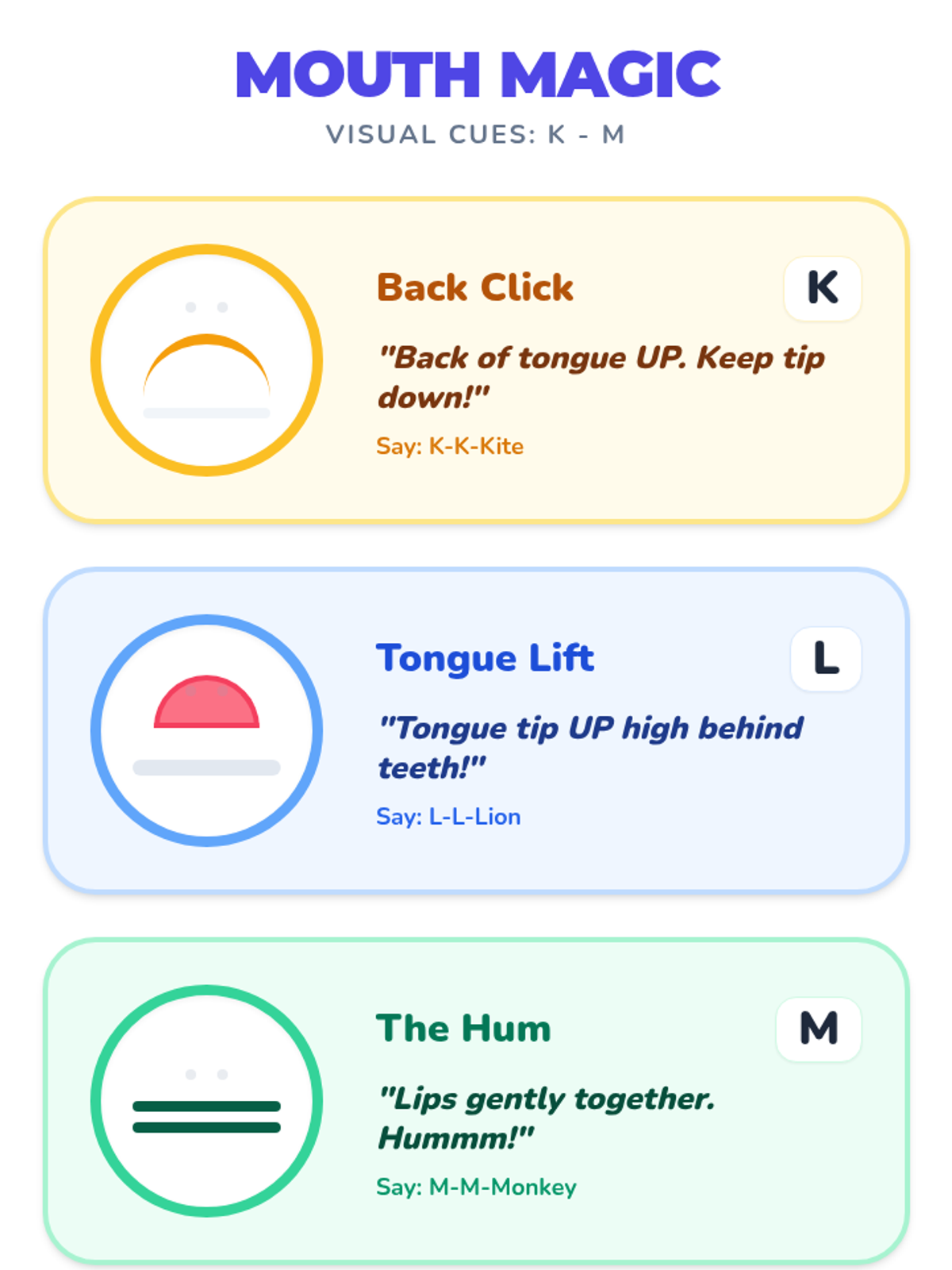
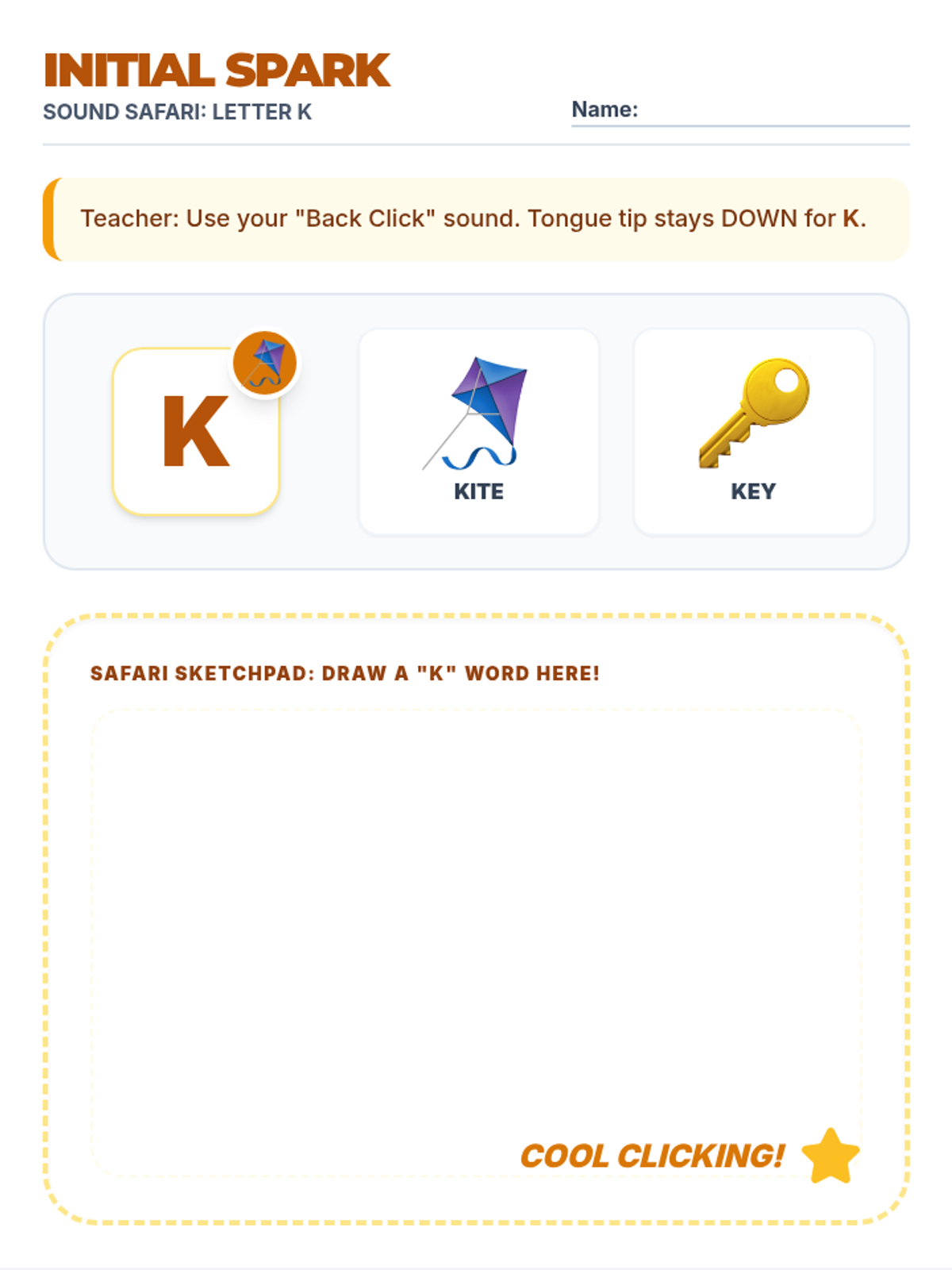
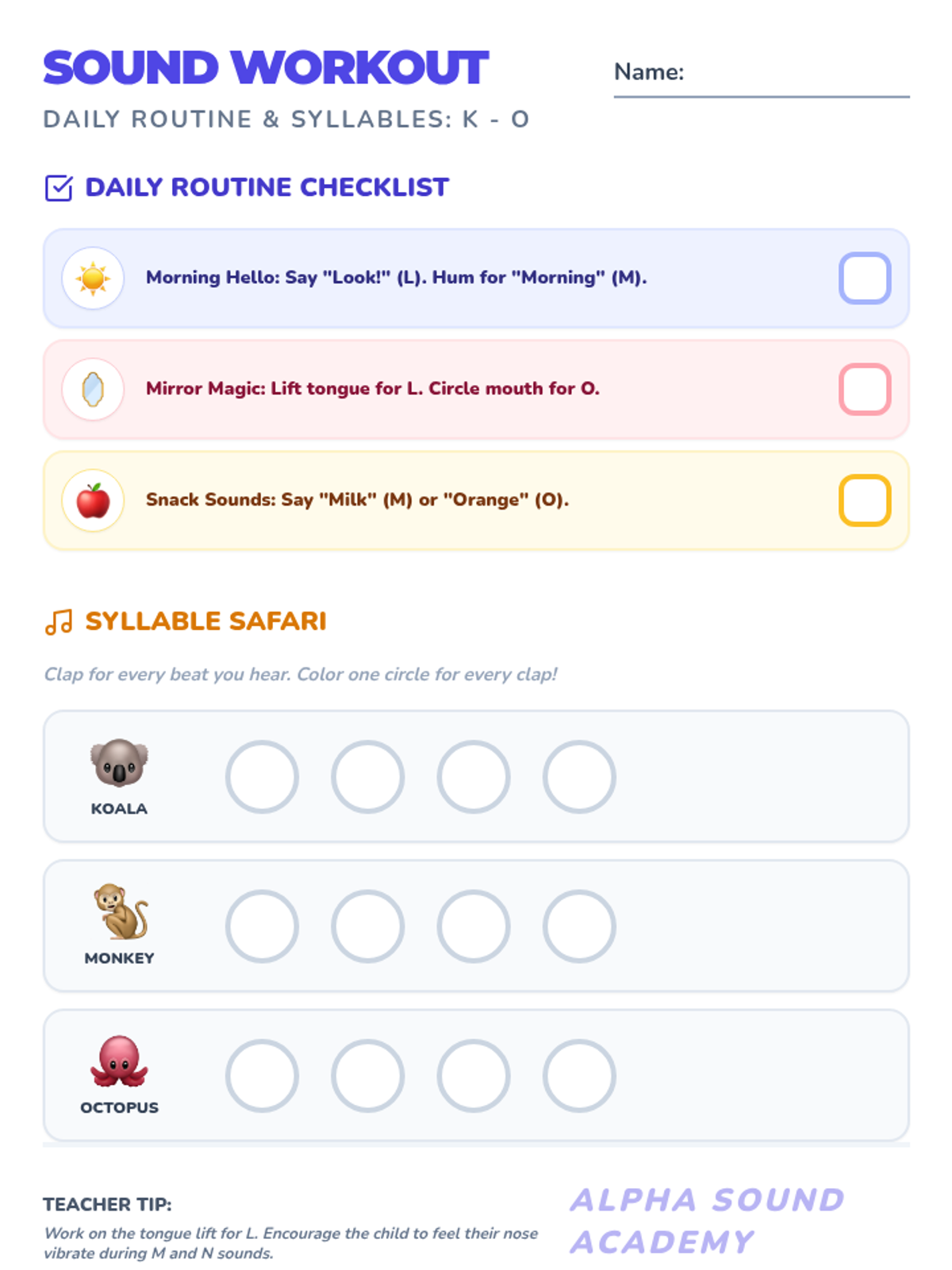
Introduces sounds K, L, M, N, and O with a focus on back-of-throat and tongue-tip positioning.
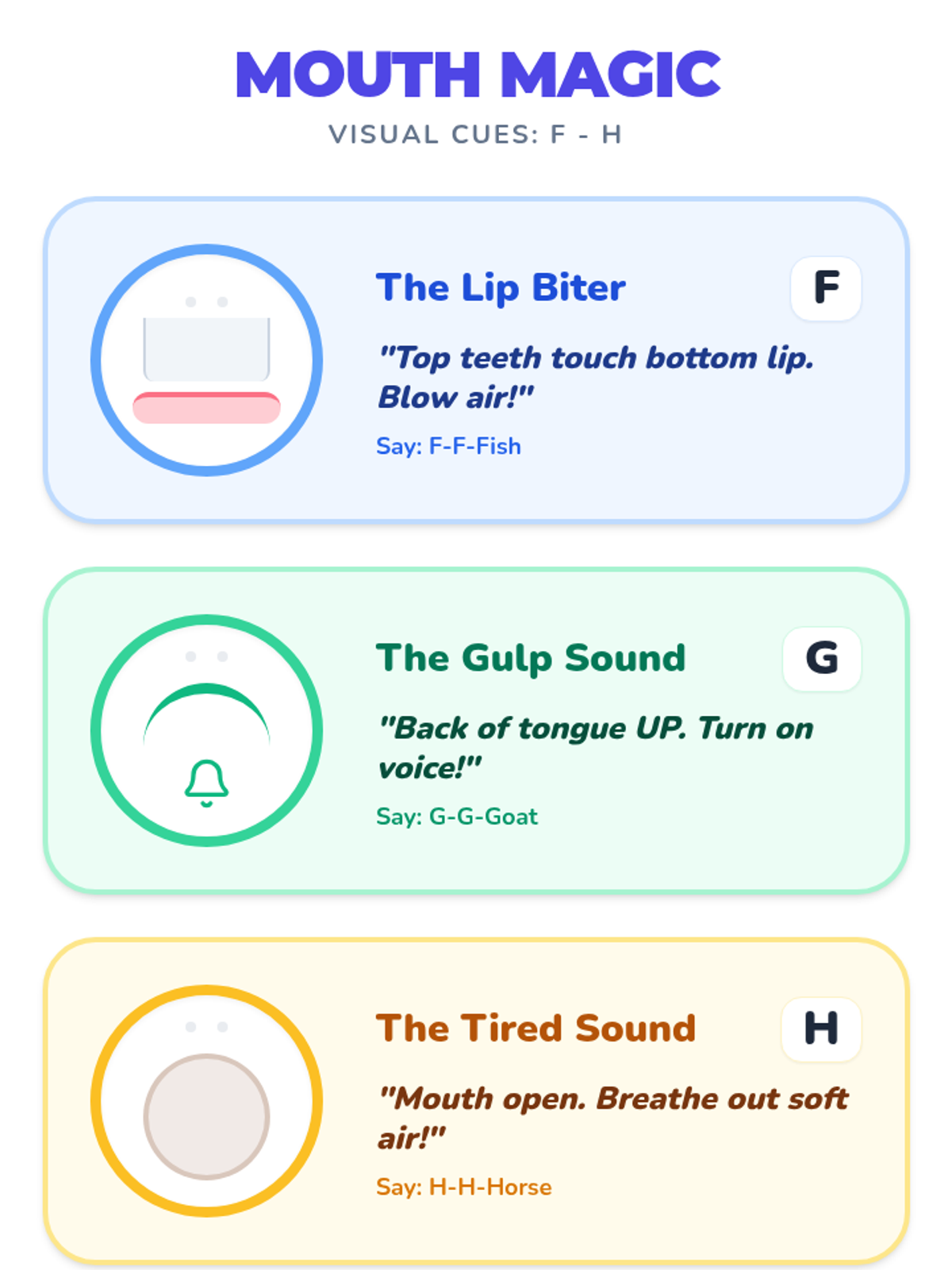
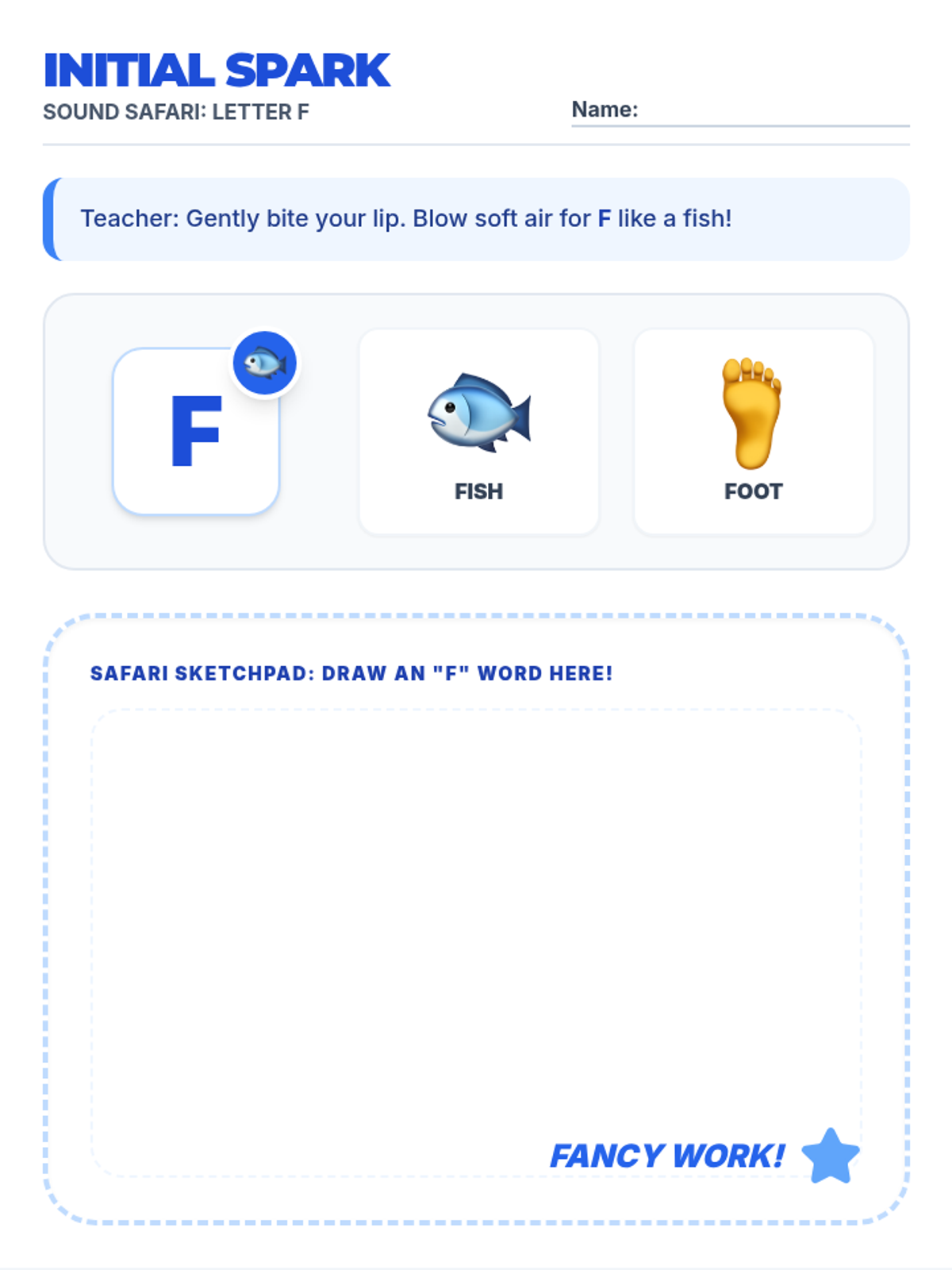
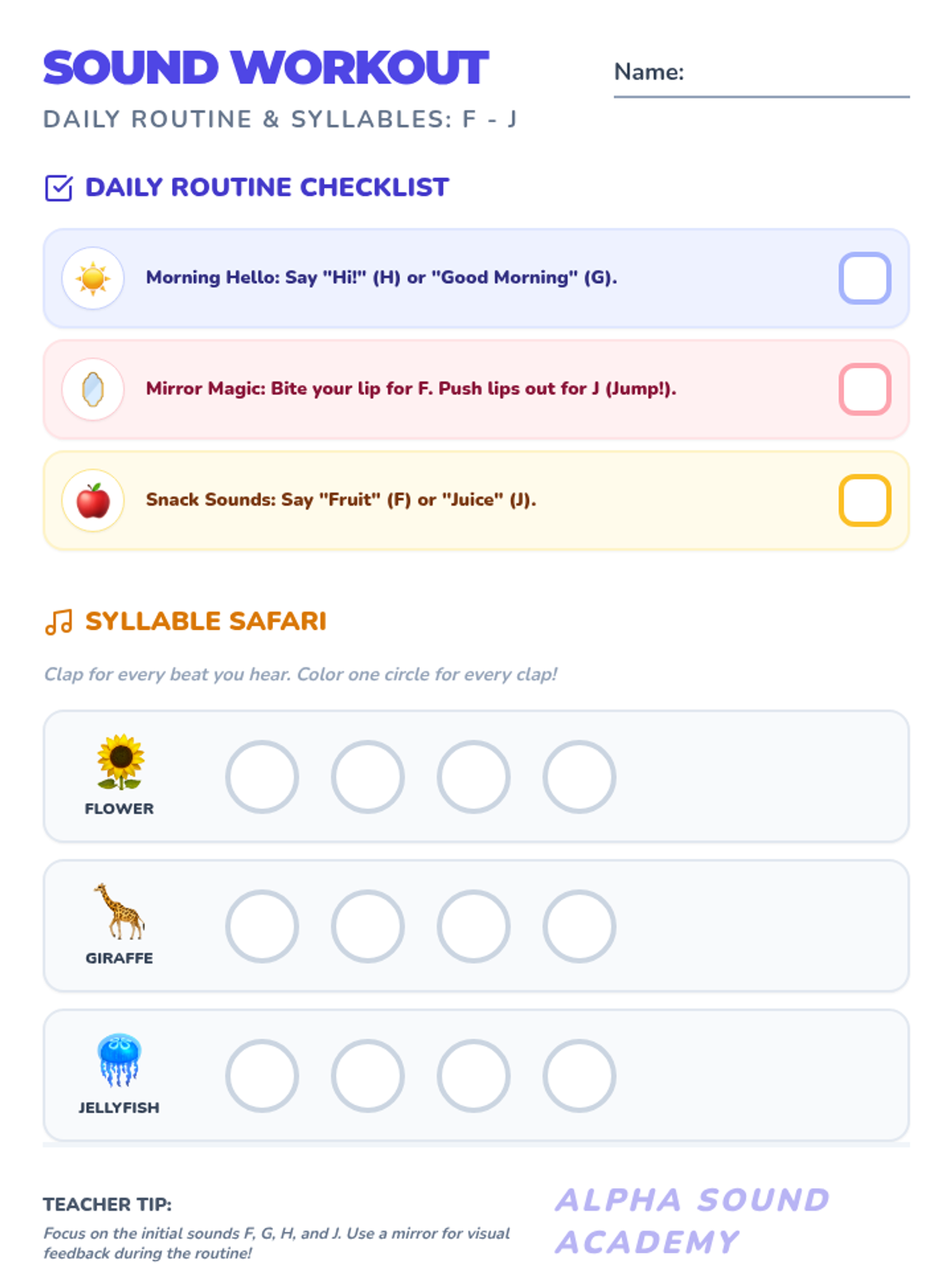
Covers articulation and phonemic awareness for sounds F, G, H, I, and J.
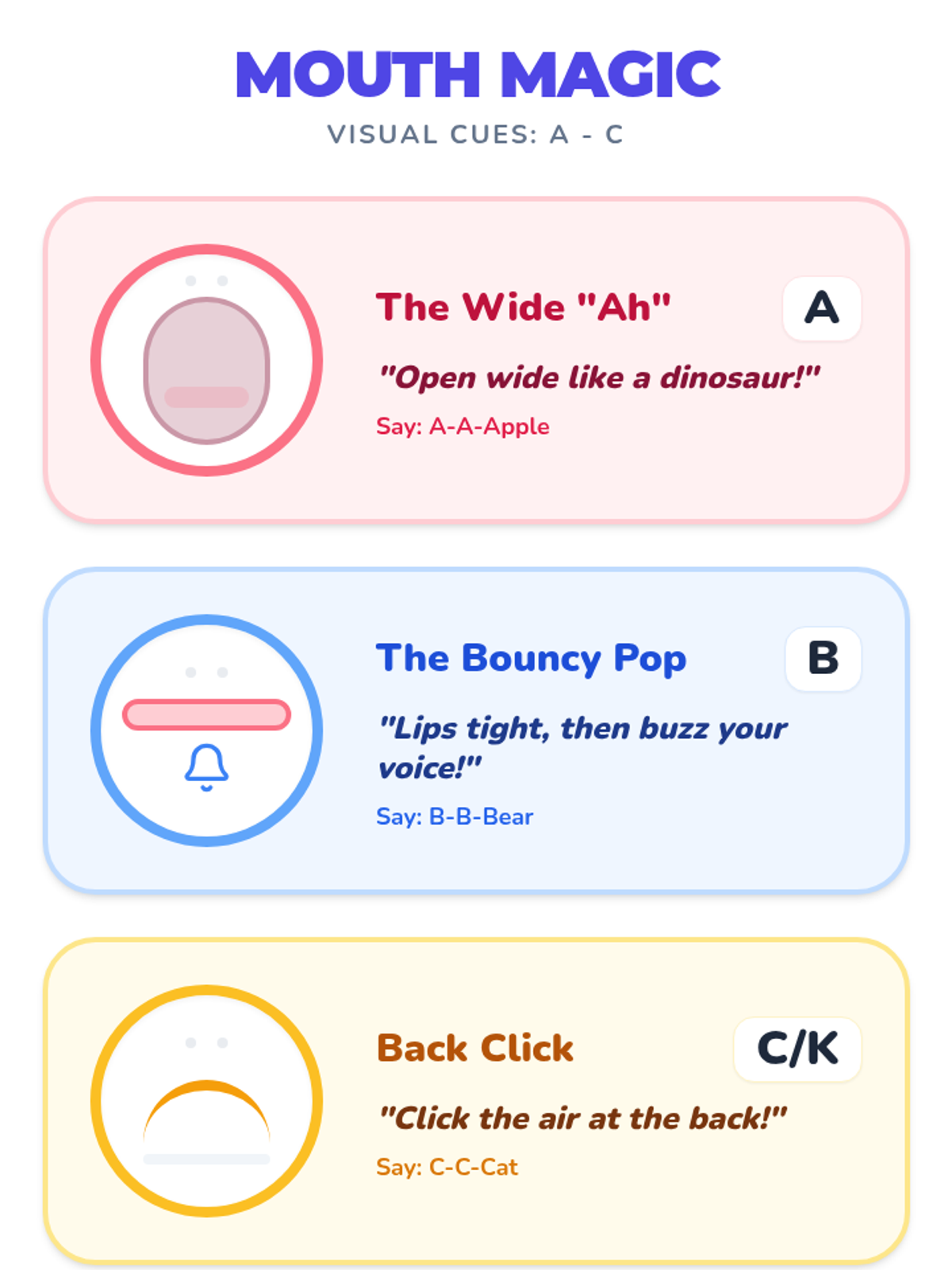
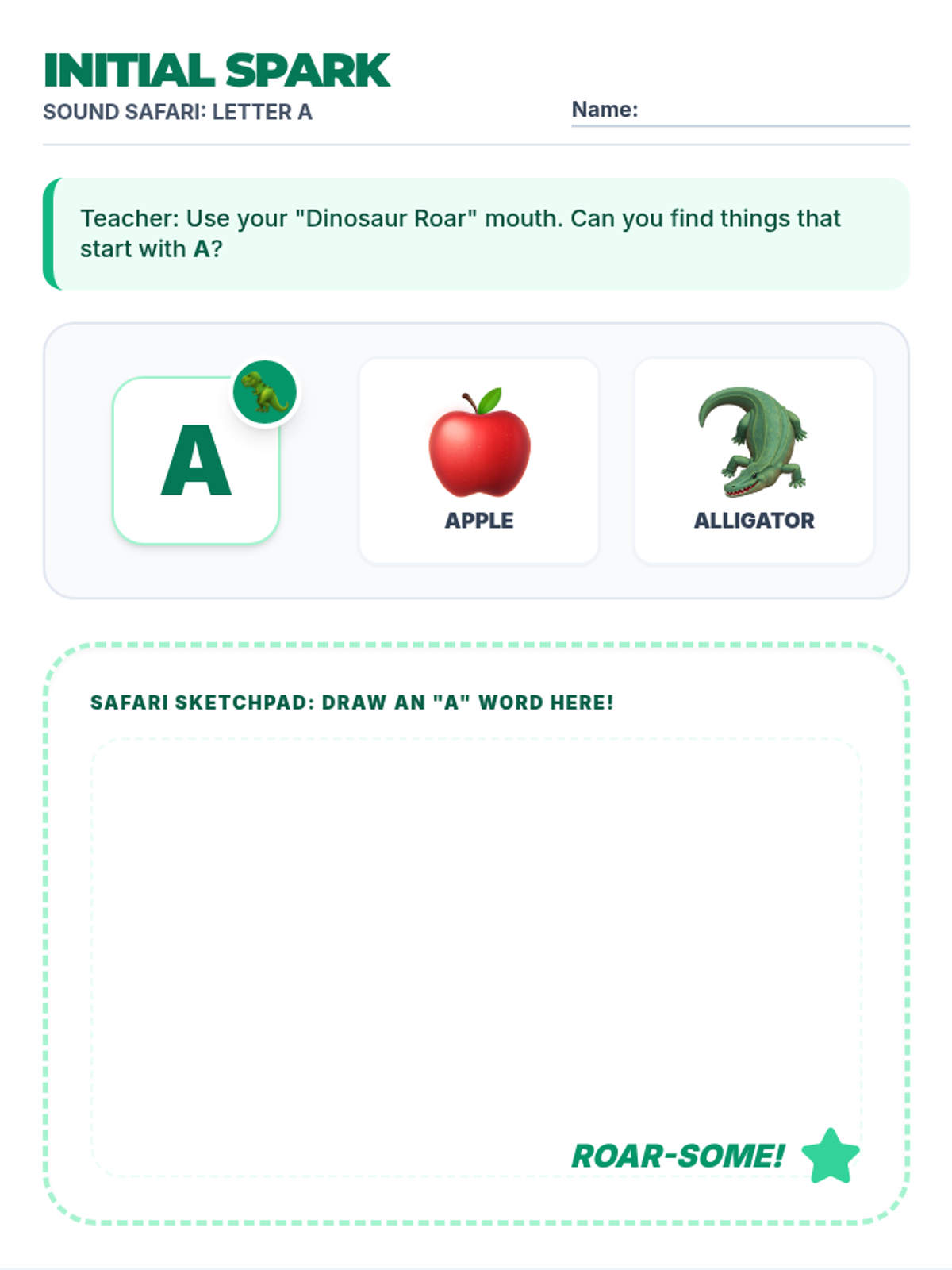
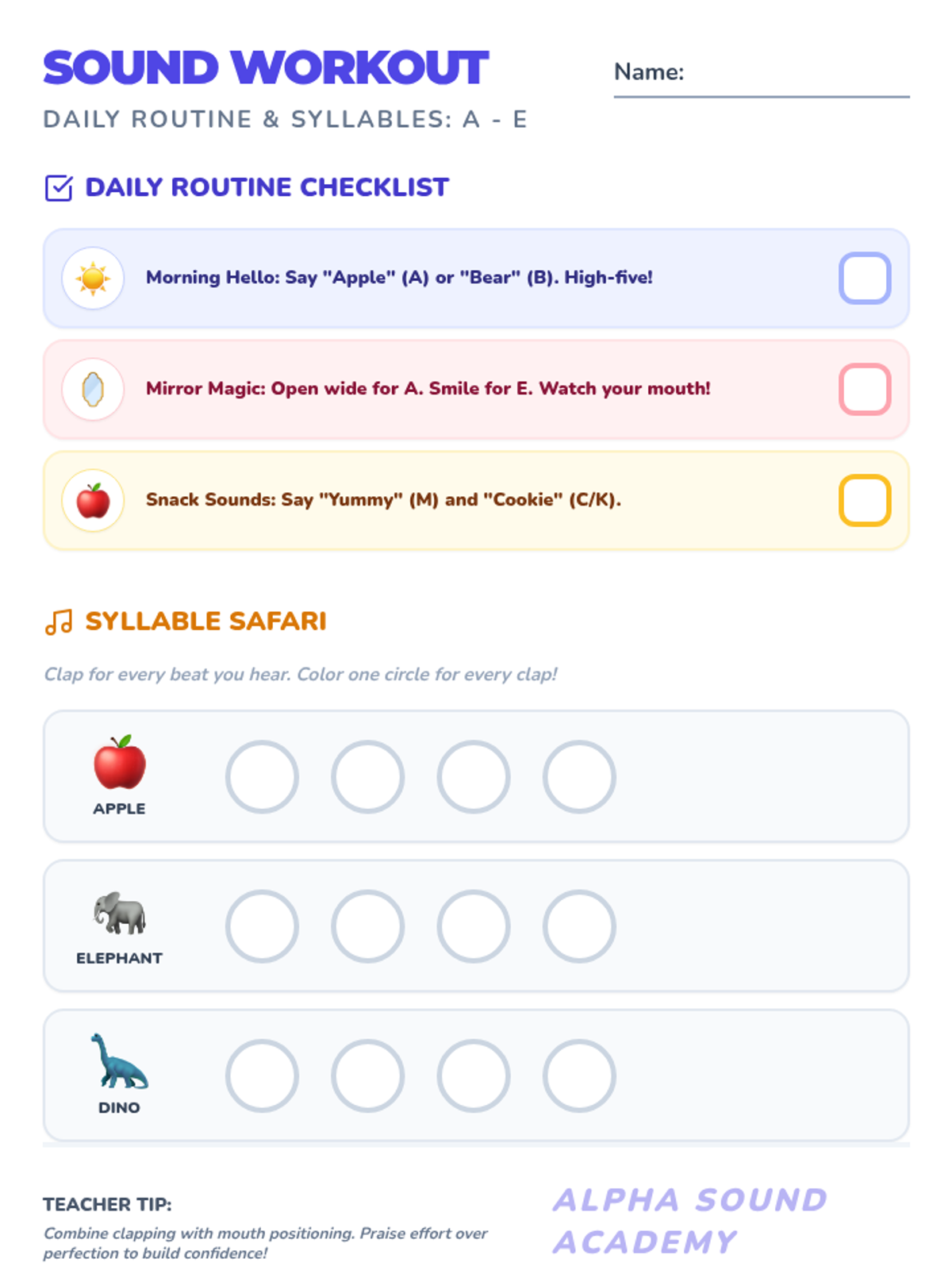
Focuses on sounds A, B, C, D, and E with visual mouth cues and initial sound practice for toddlers.
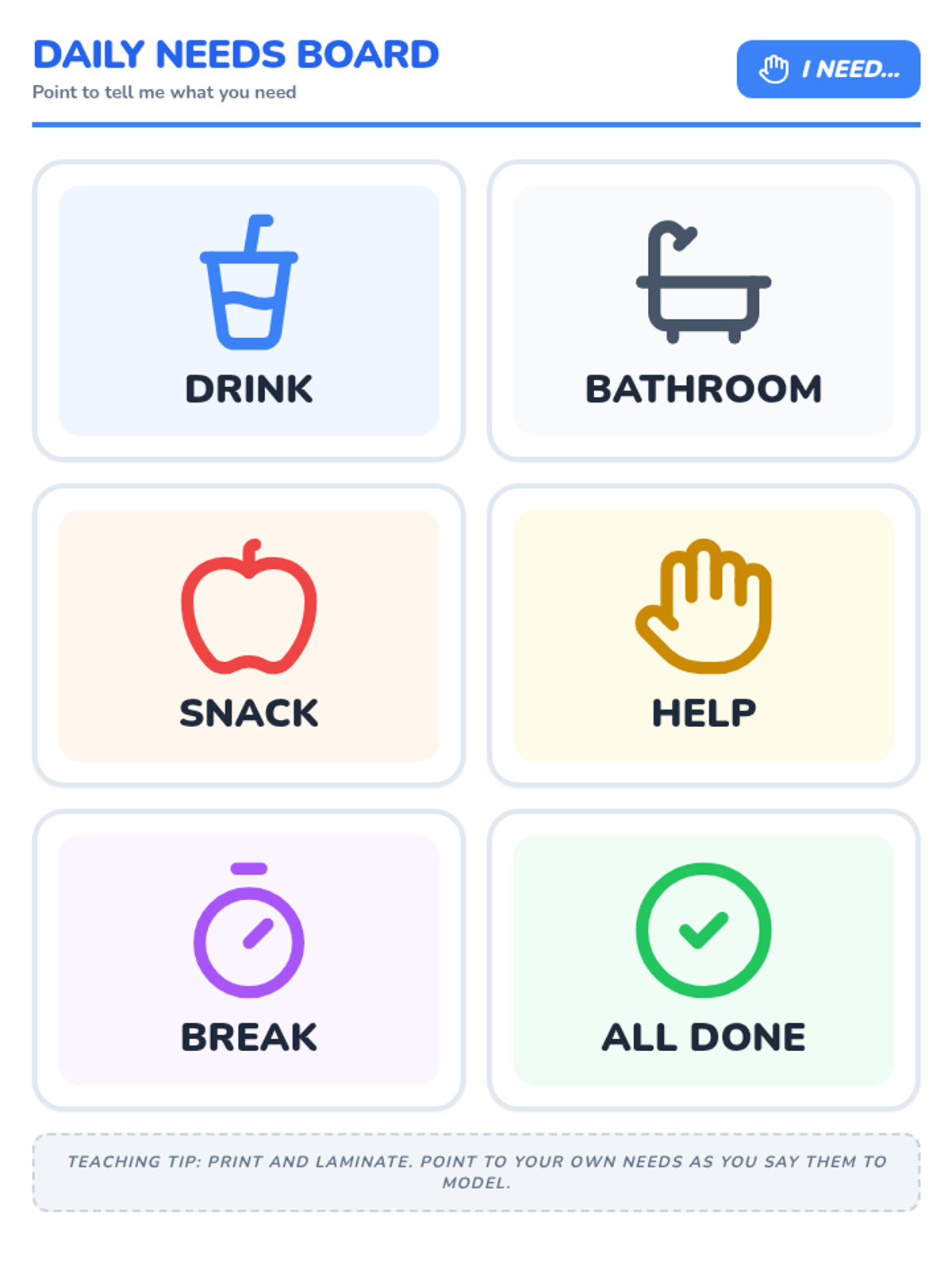
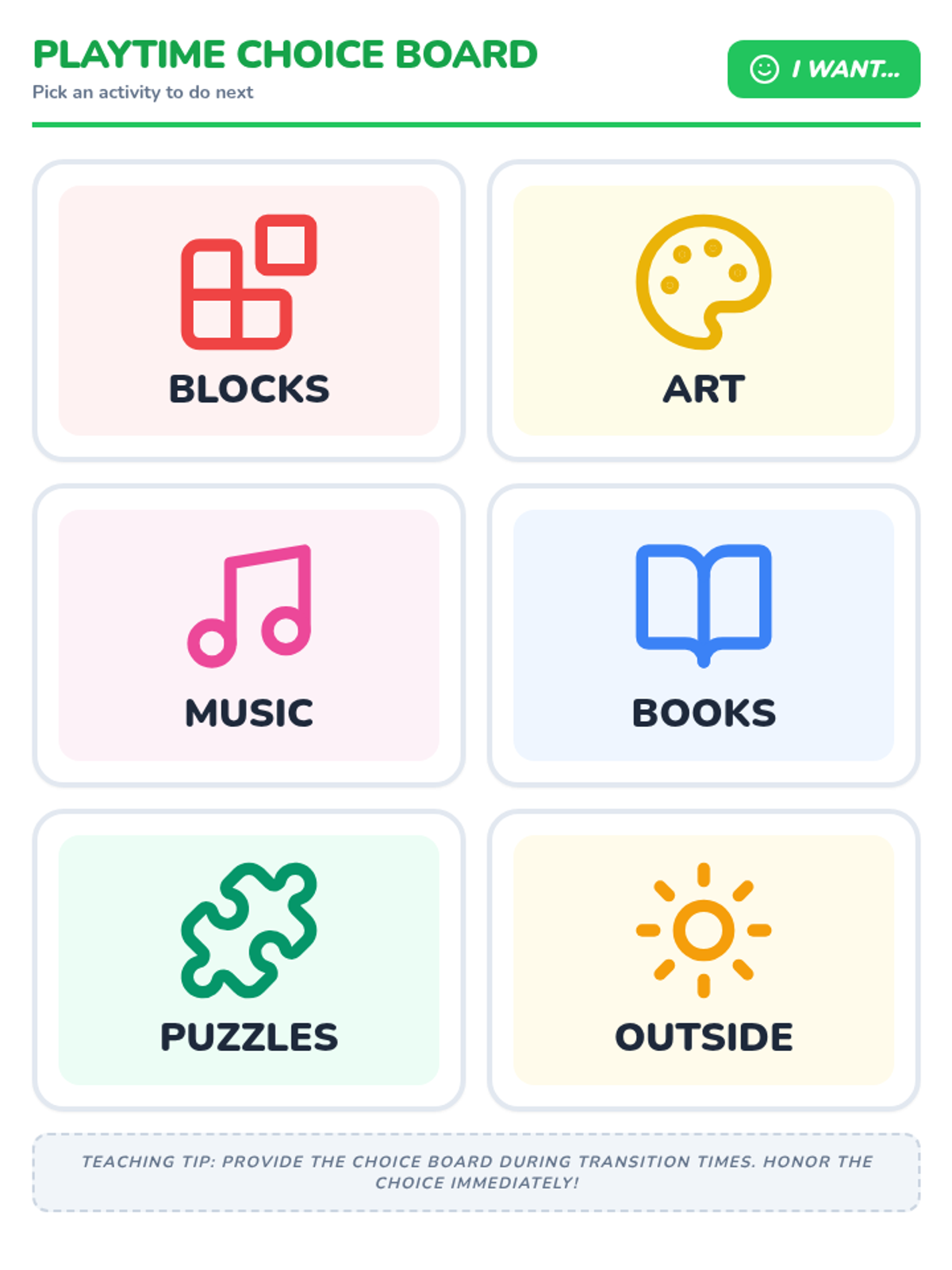
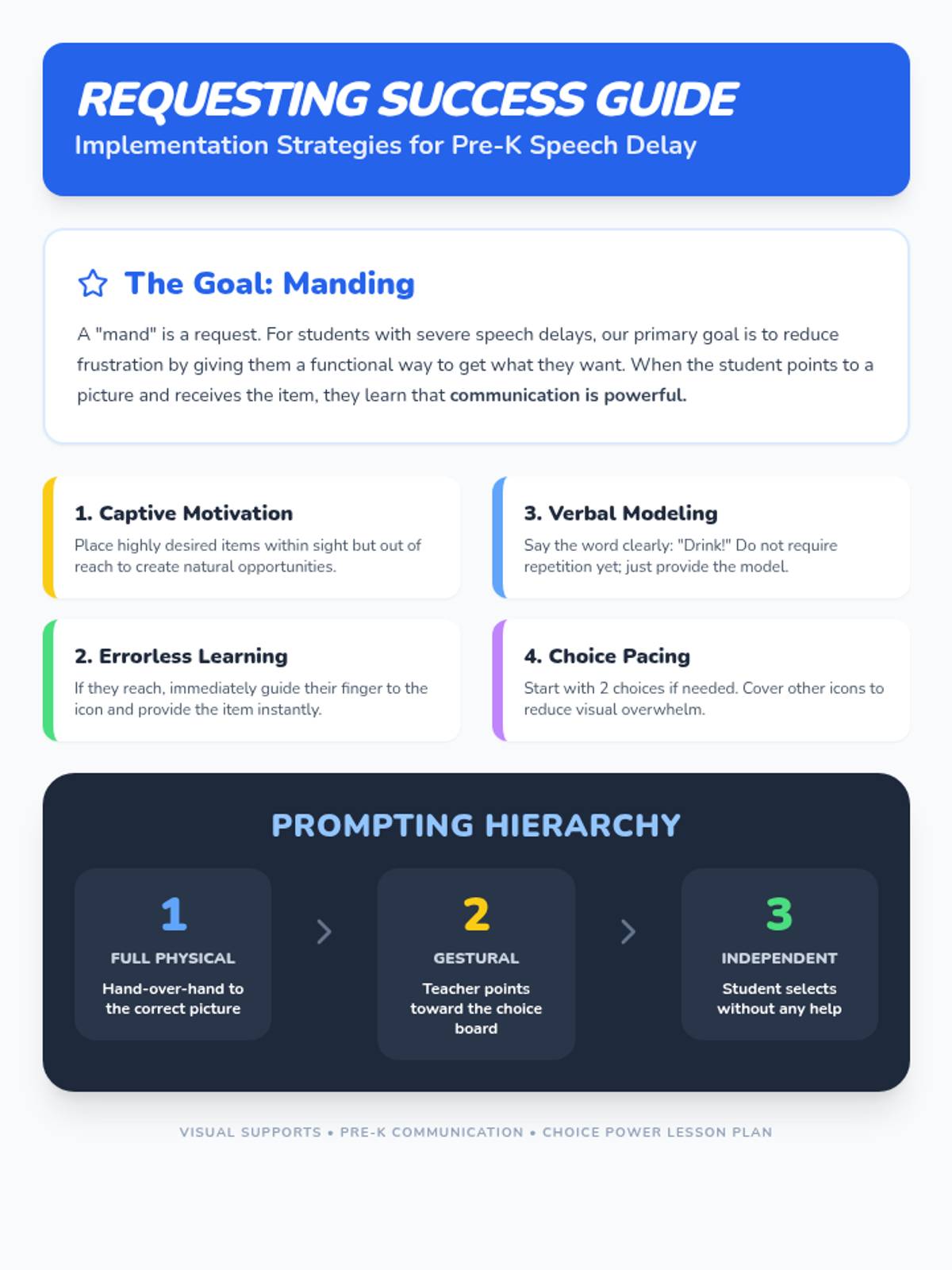
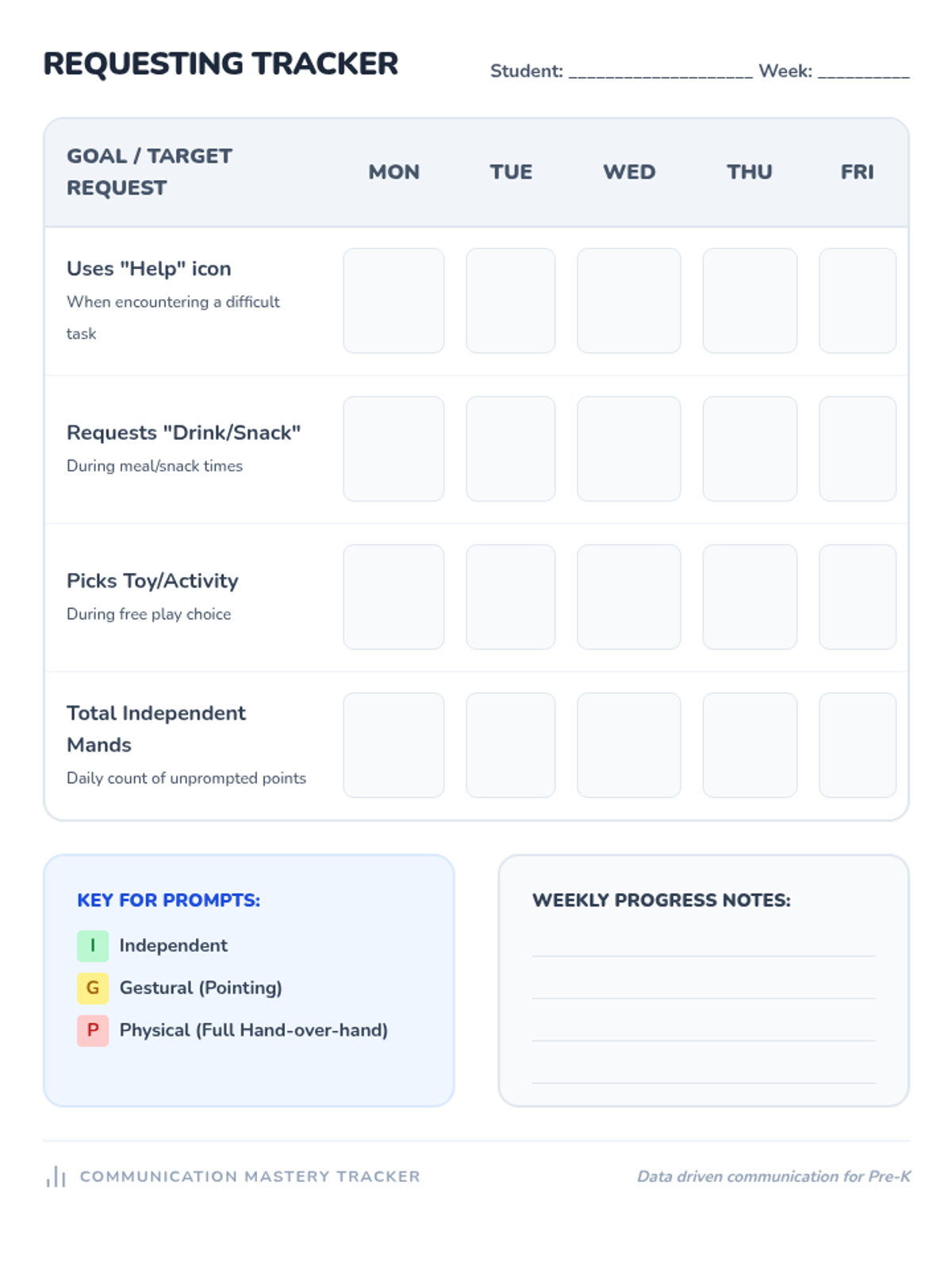
A focused lesson on teaching students to use visual supports to request basic needs (water, bathroom, help) and desired items (toys, snacks).
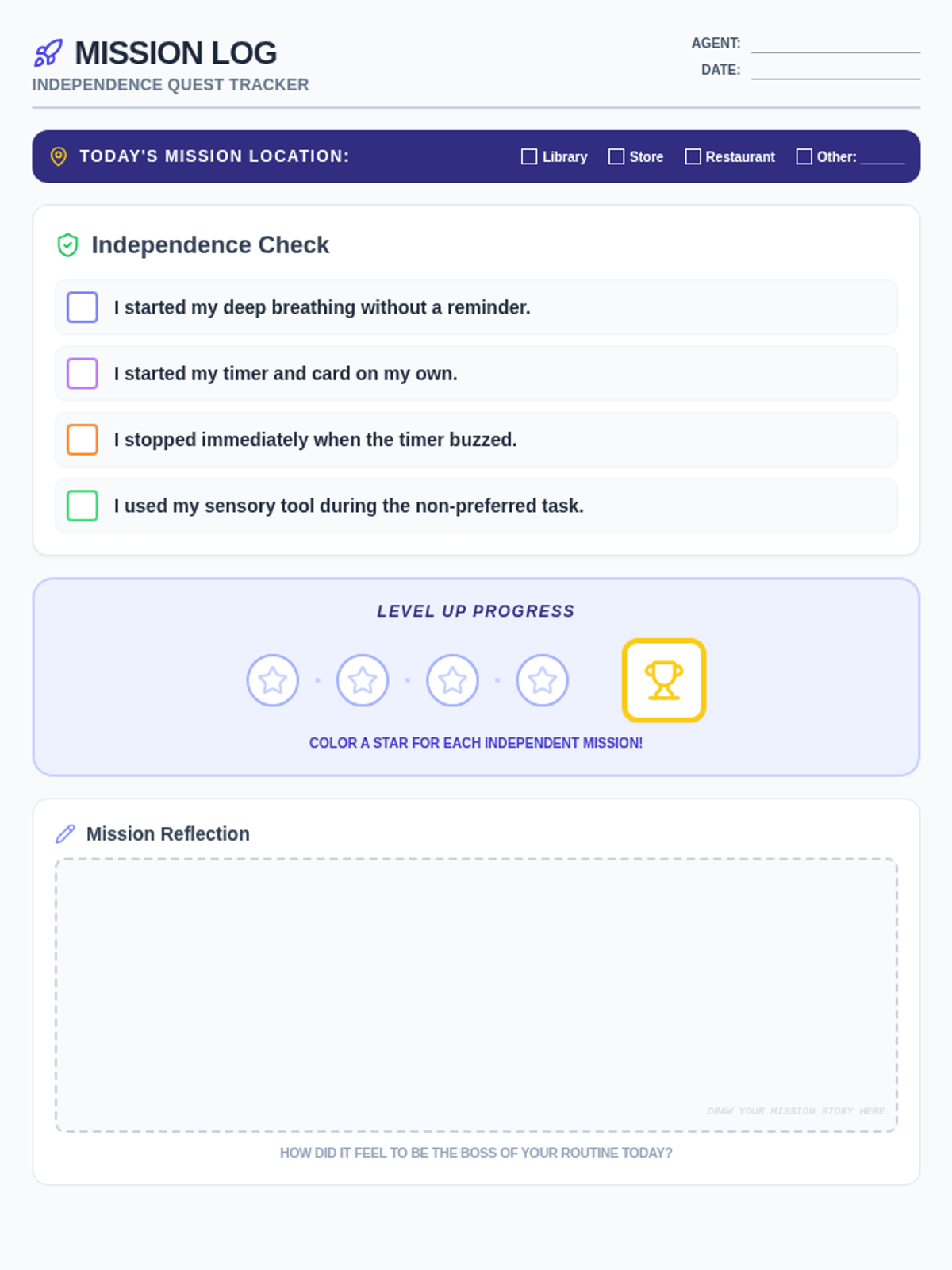
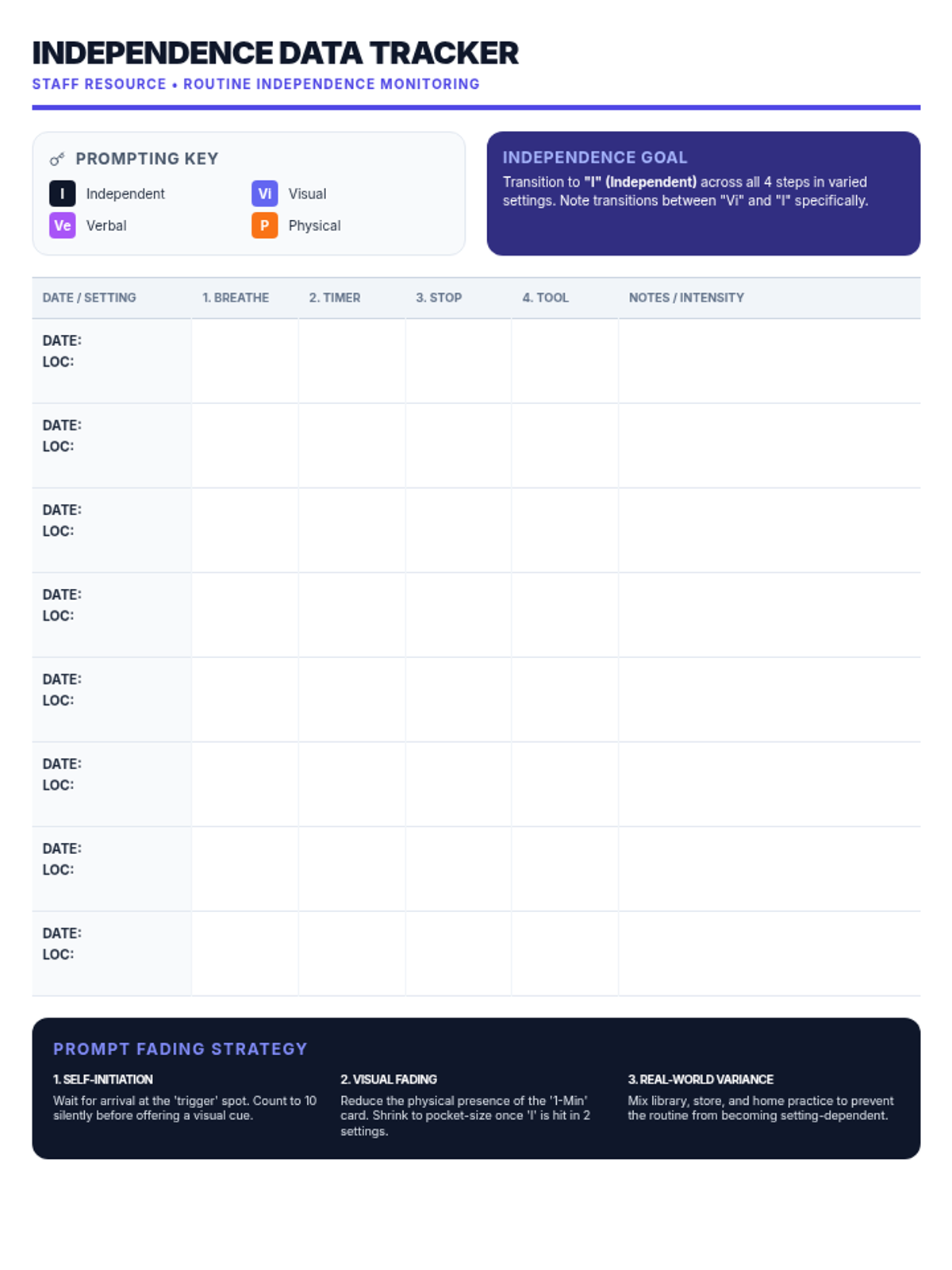
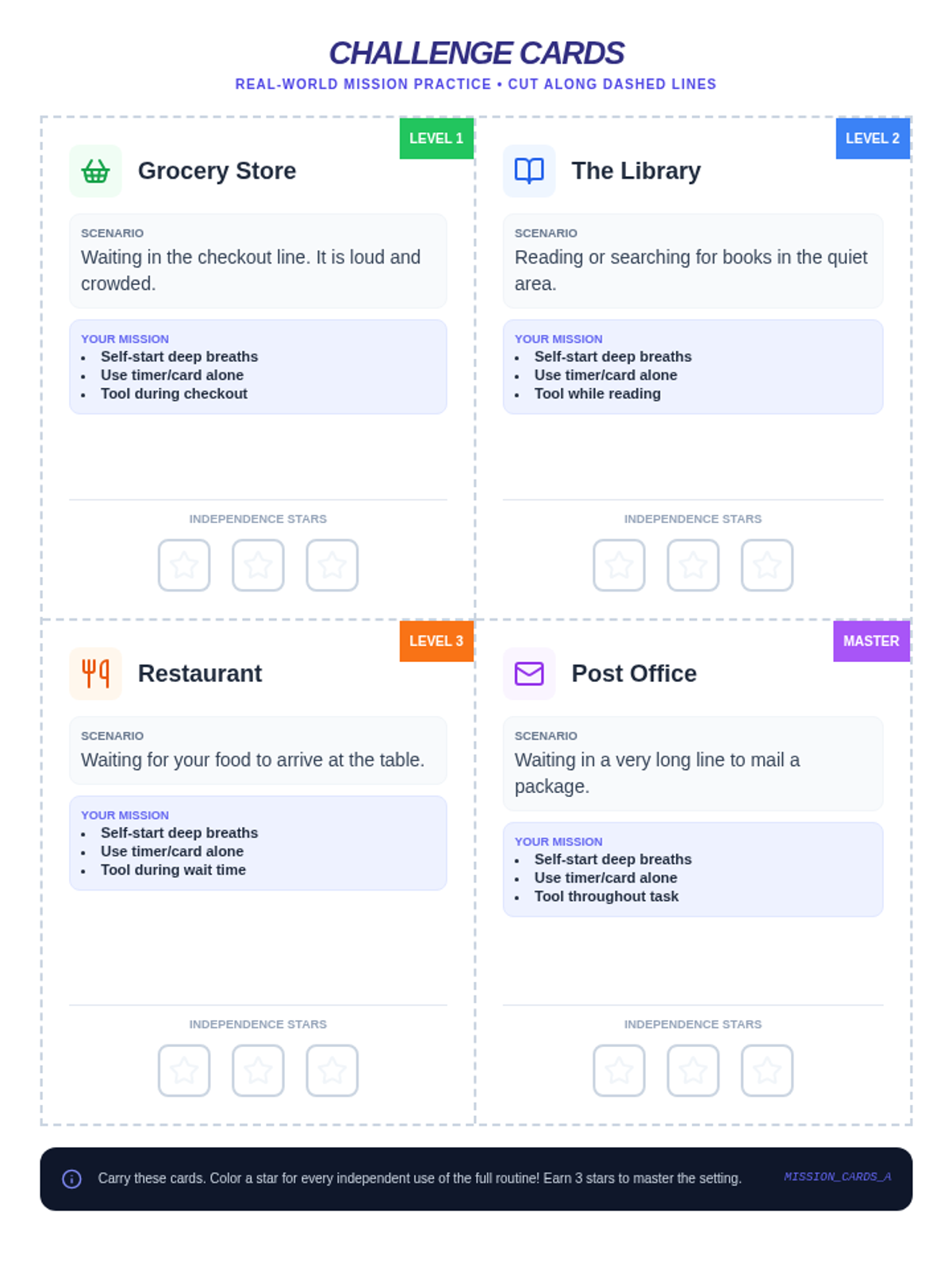
This lesson focuses on teaching the student to self-initiate their regulation routine and fade prompts during non-preferred tasks in real-world scenarios.