A comprehensive lesson focused on improving speech intelligibility through the mastery of prosody, specifically targeting volume control, articulatory precision, and intonation patterns.
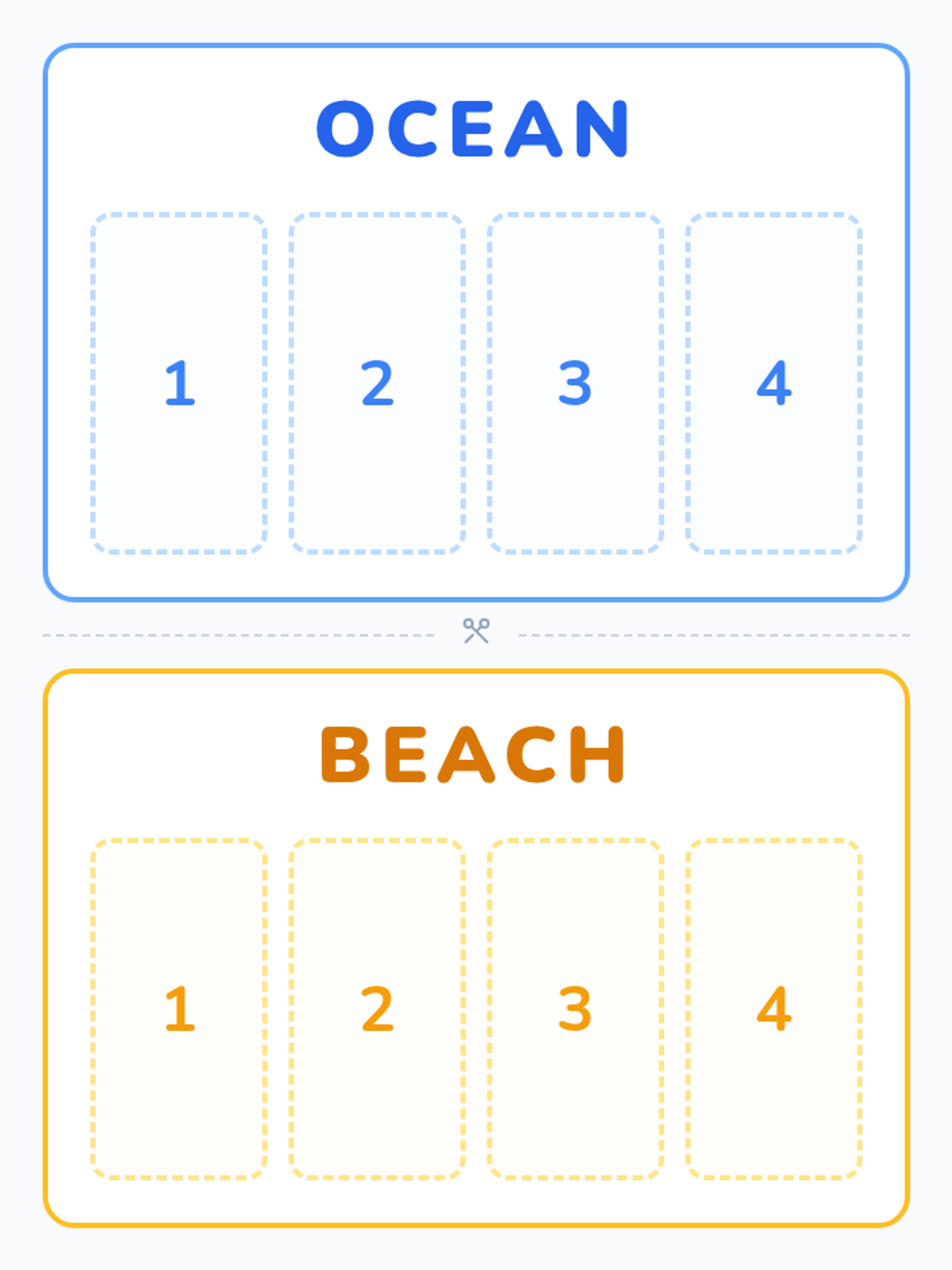
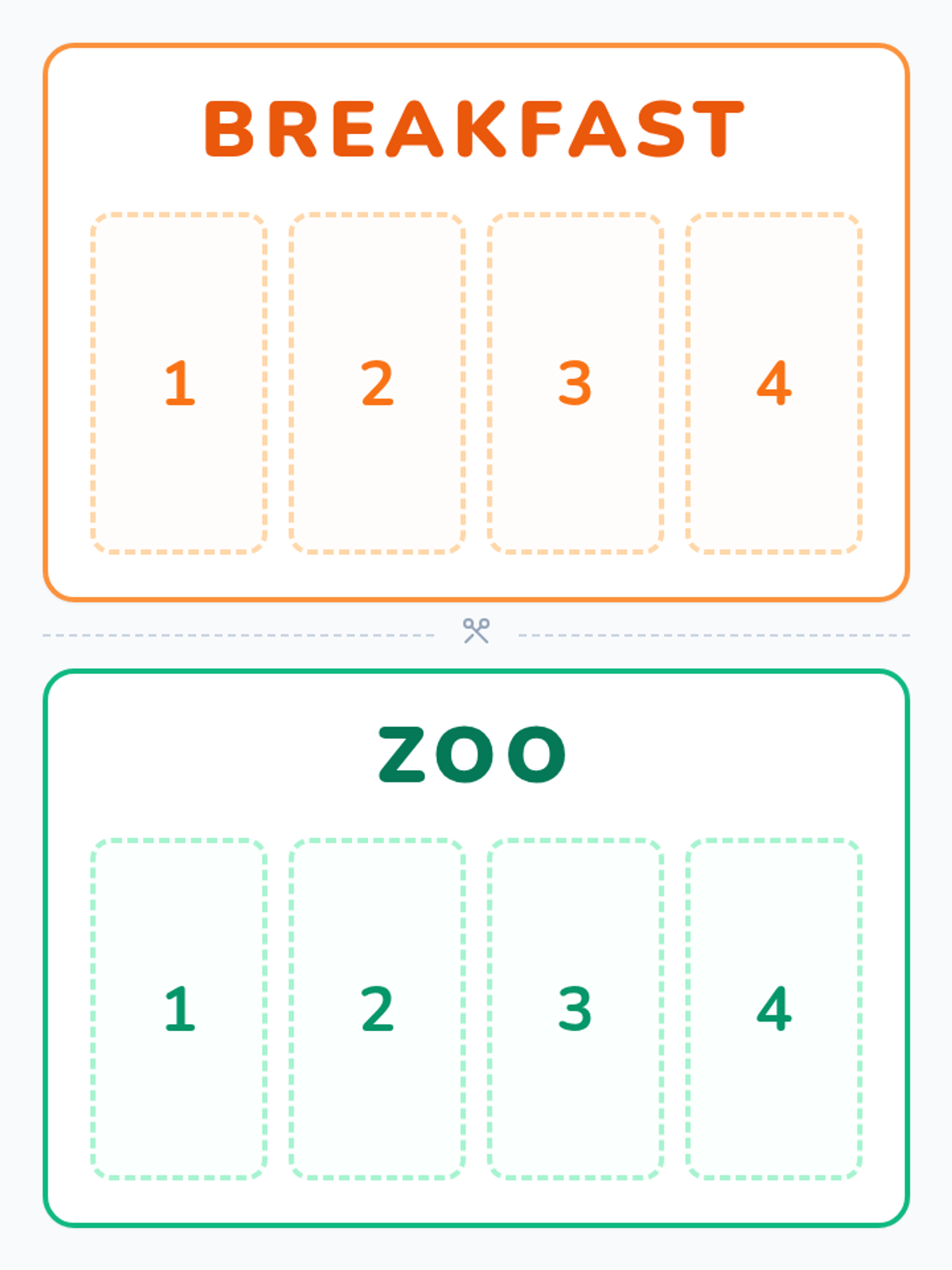
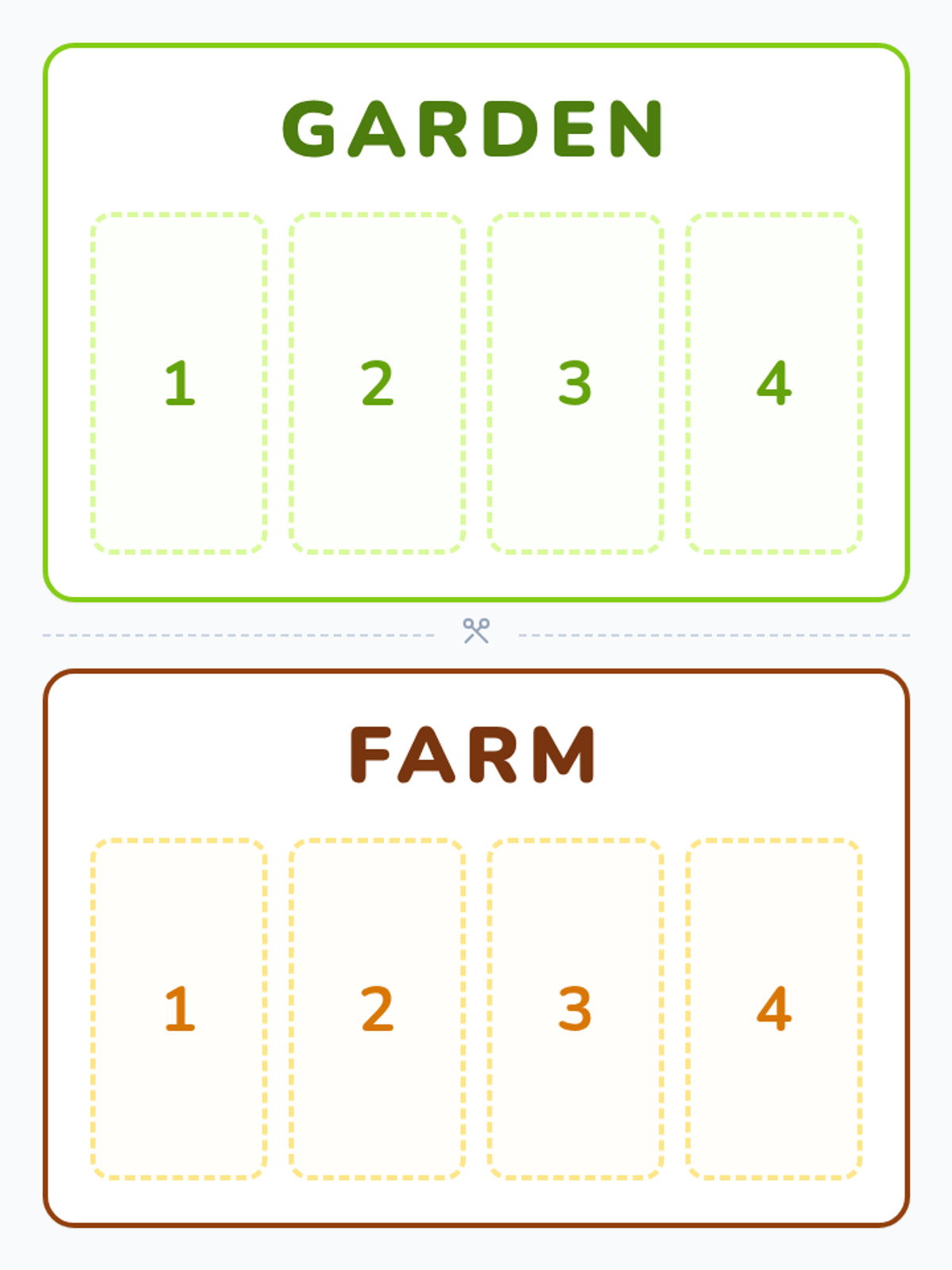
A set of category sorting mats for early learners to practice classification across six familiar themes: Ocean, Beach, Breakfast, Zoo, Garden, and Farm. Each mat provides a visual anchor and designated spaces for four sorting objects.
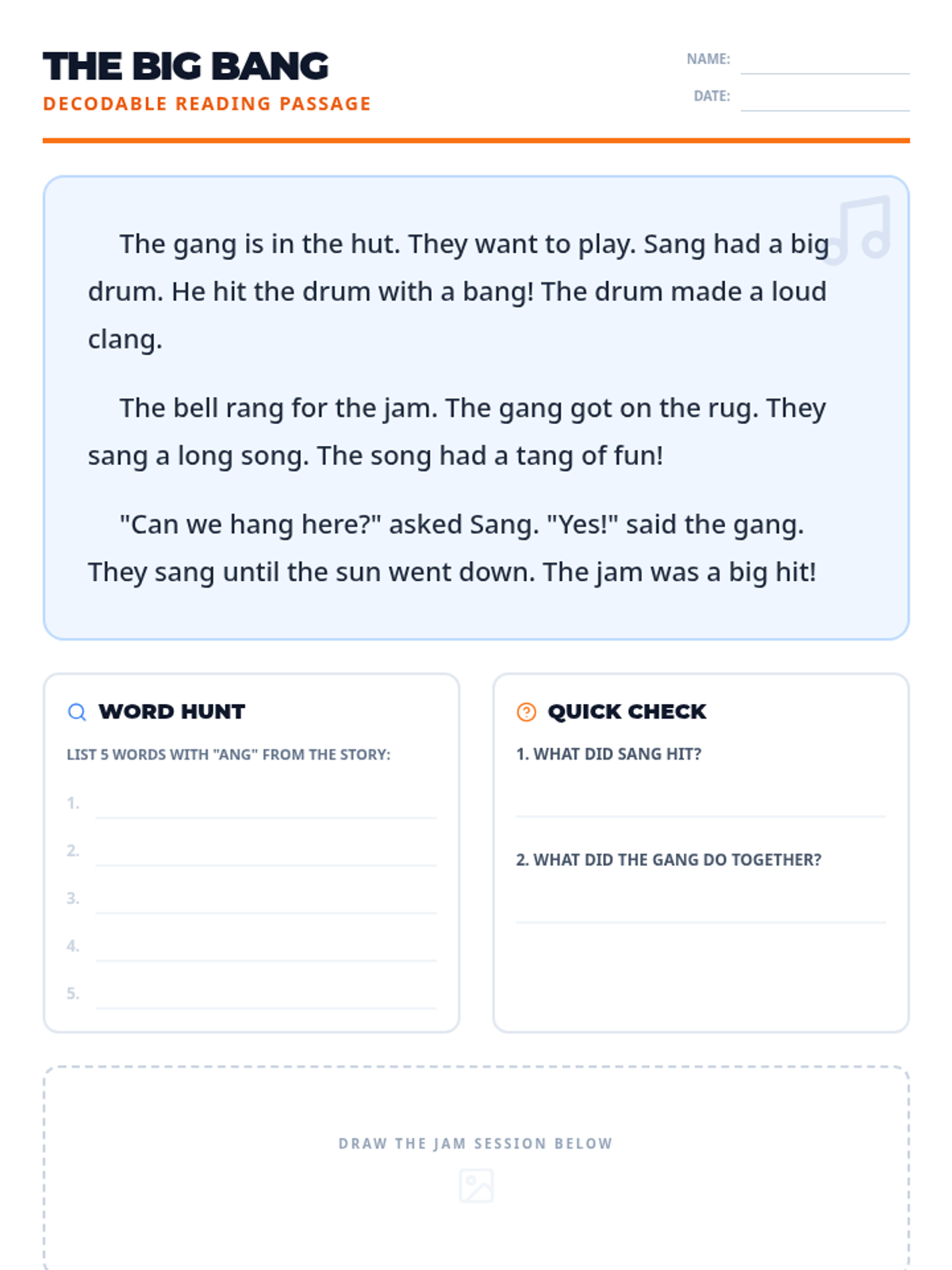
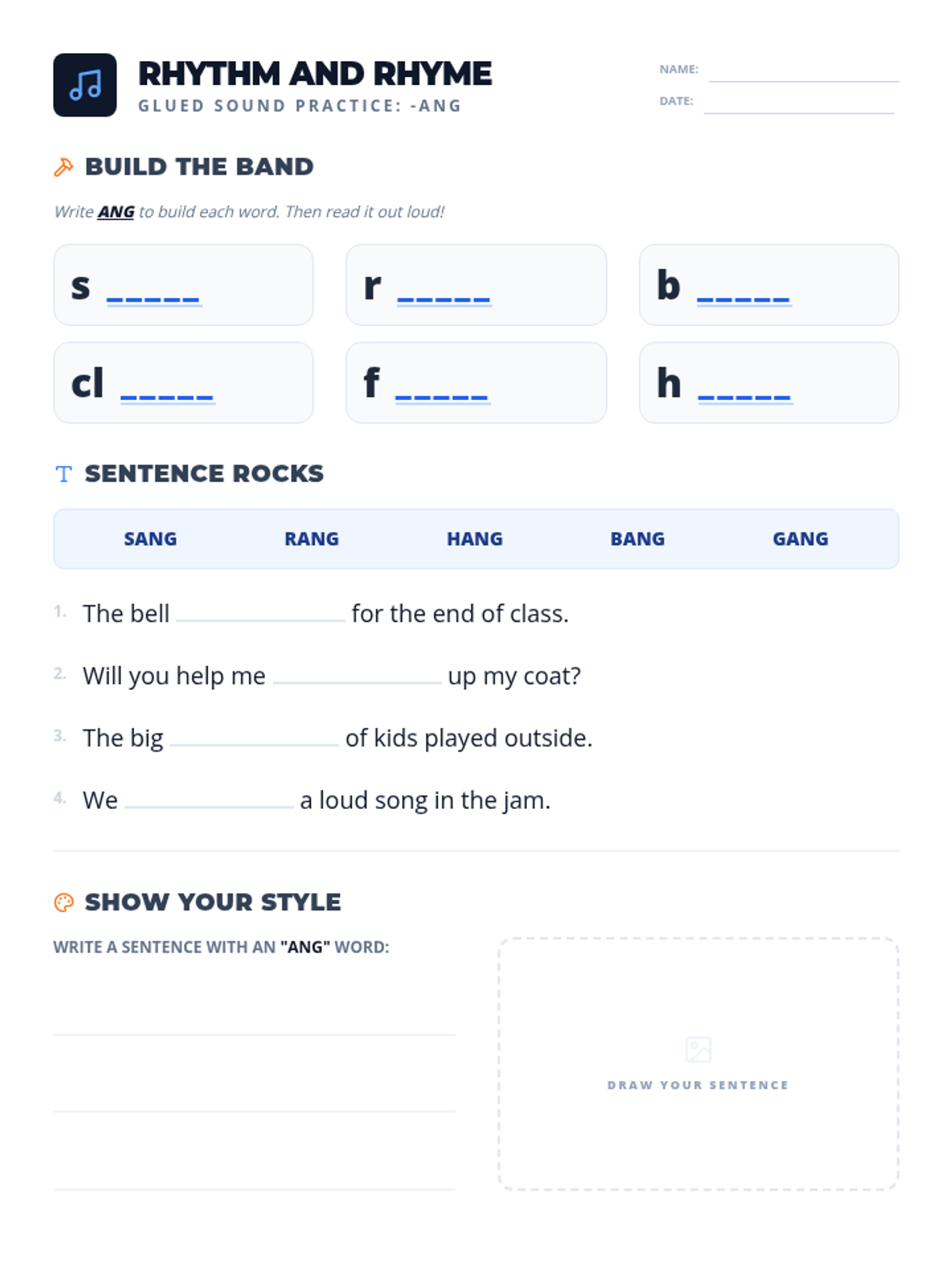
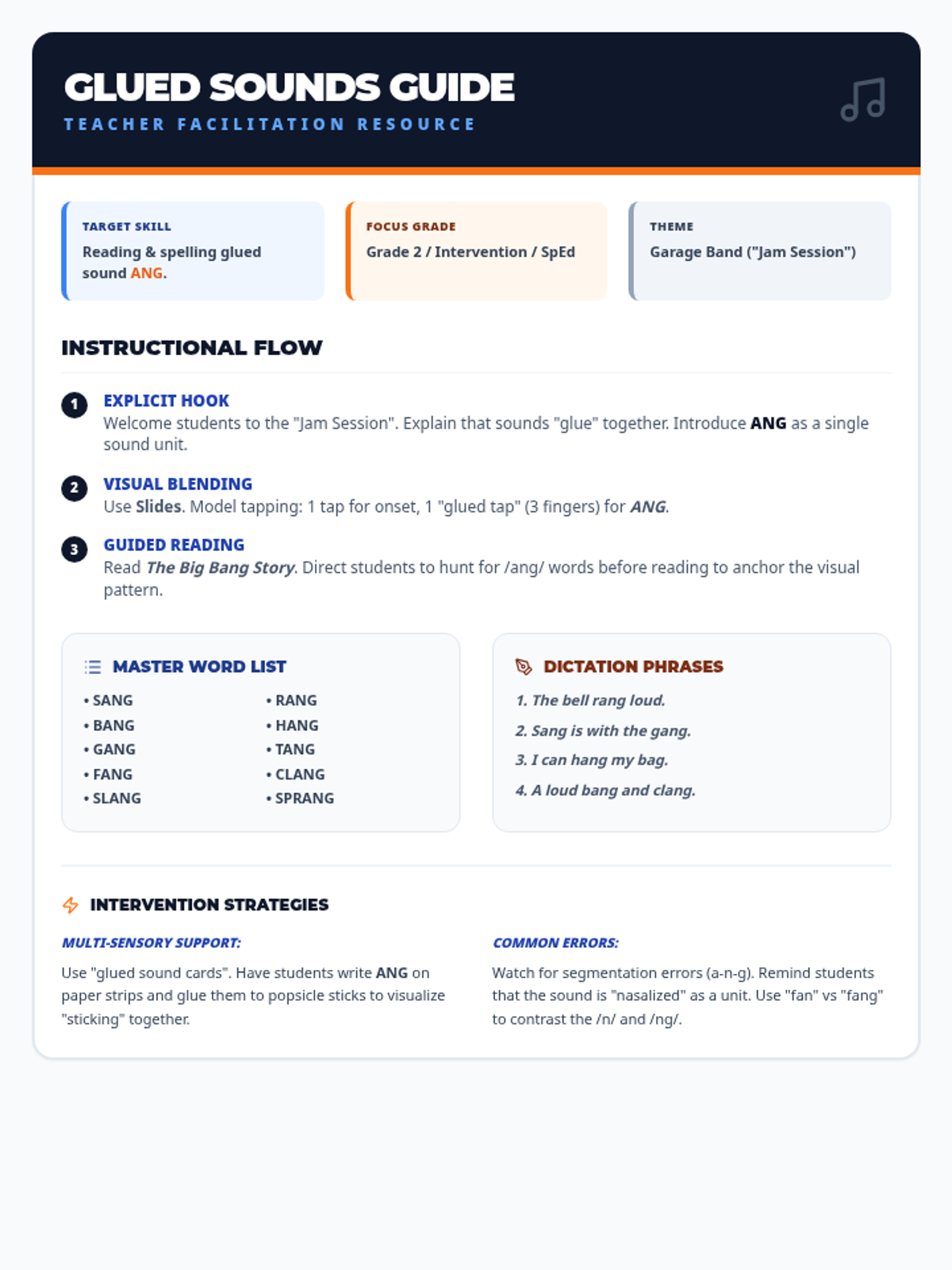
A focused phonics lesson on the '-ang' glued sound, designed for 2nd-grade students and intervention settings using a high-energy garage band theme.
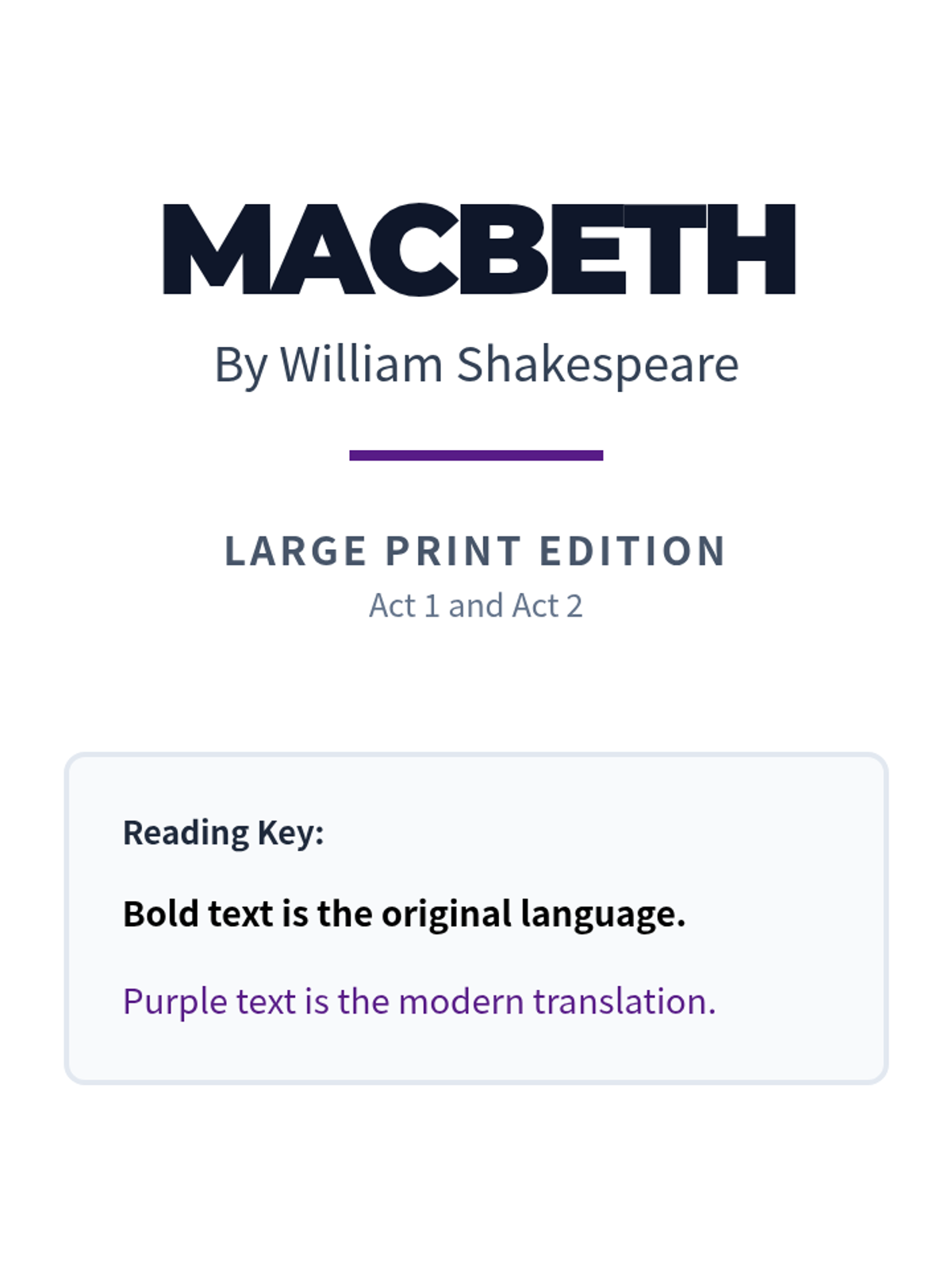
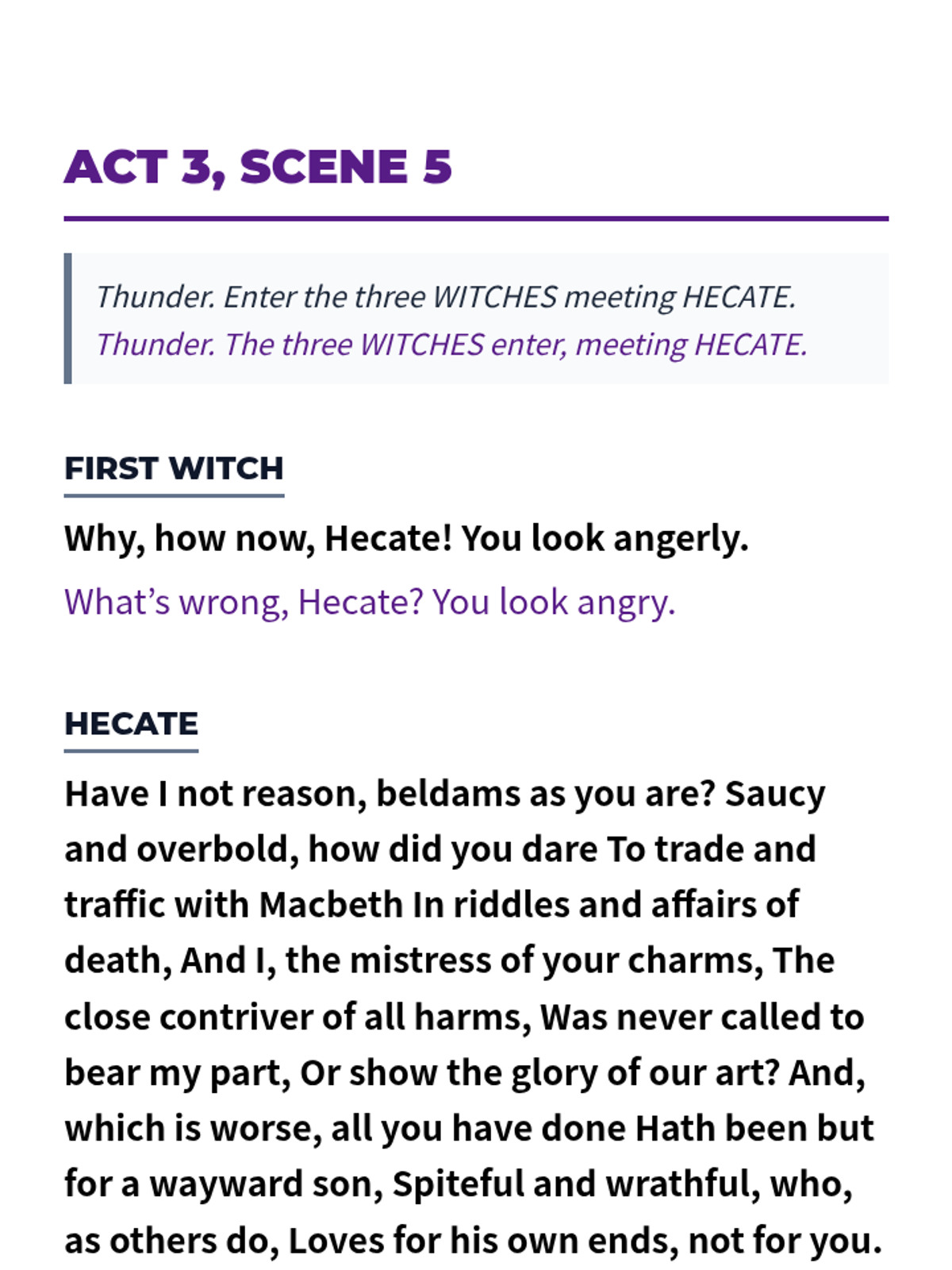
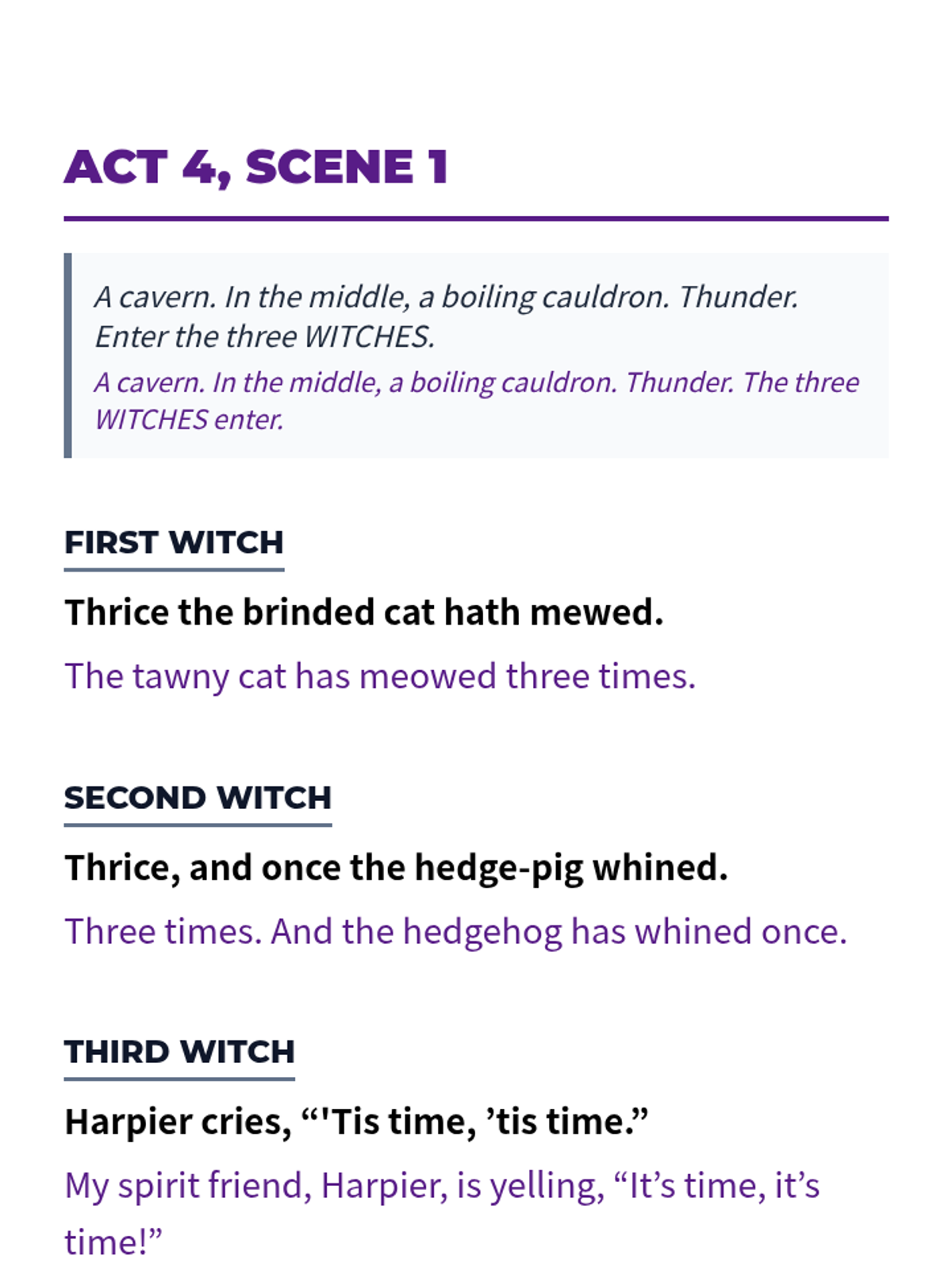
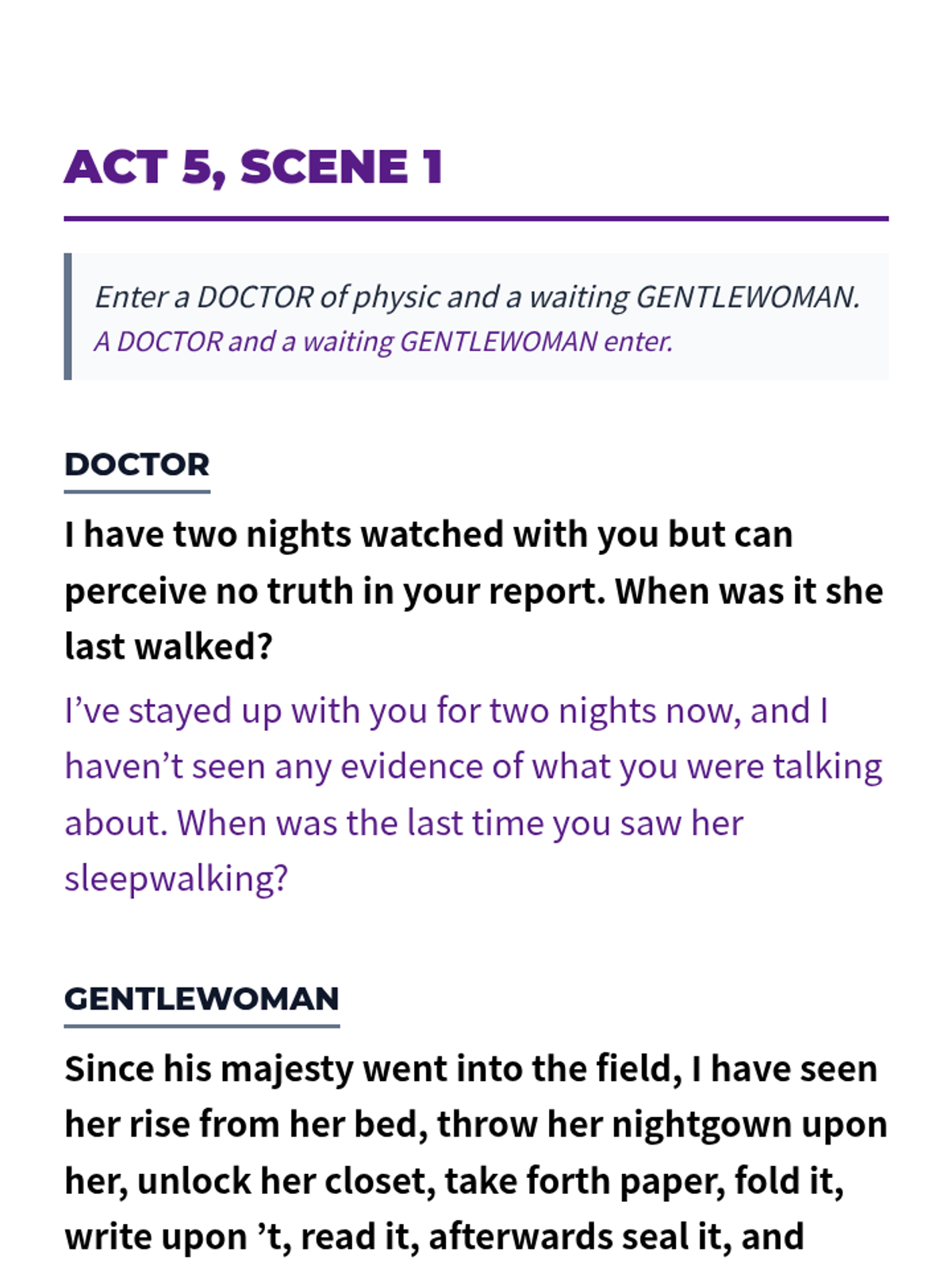
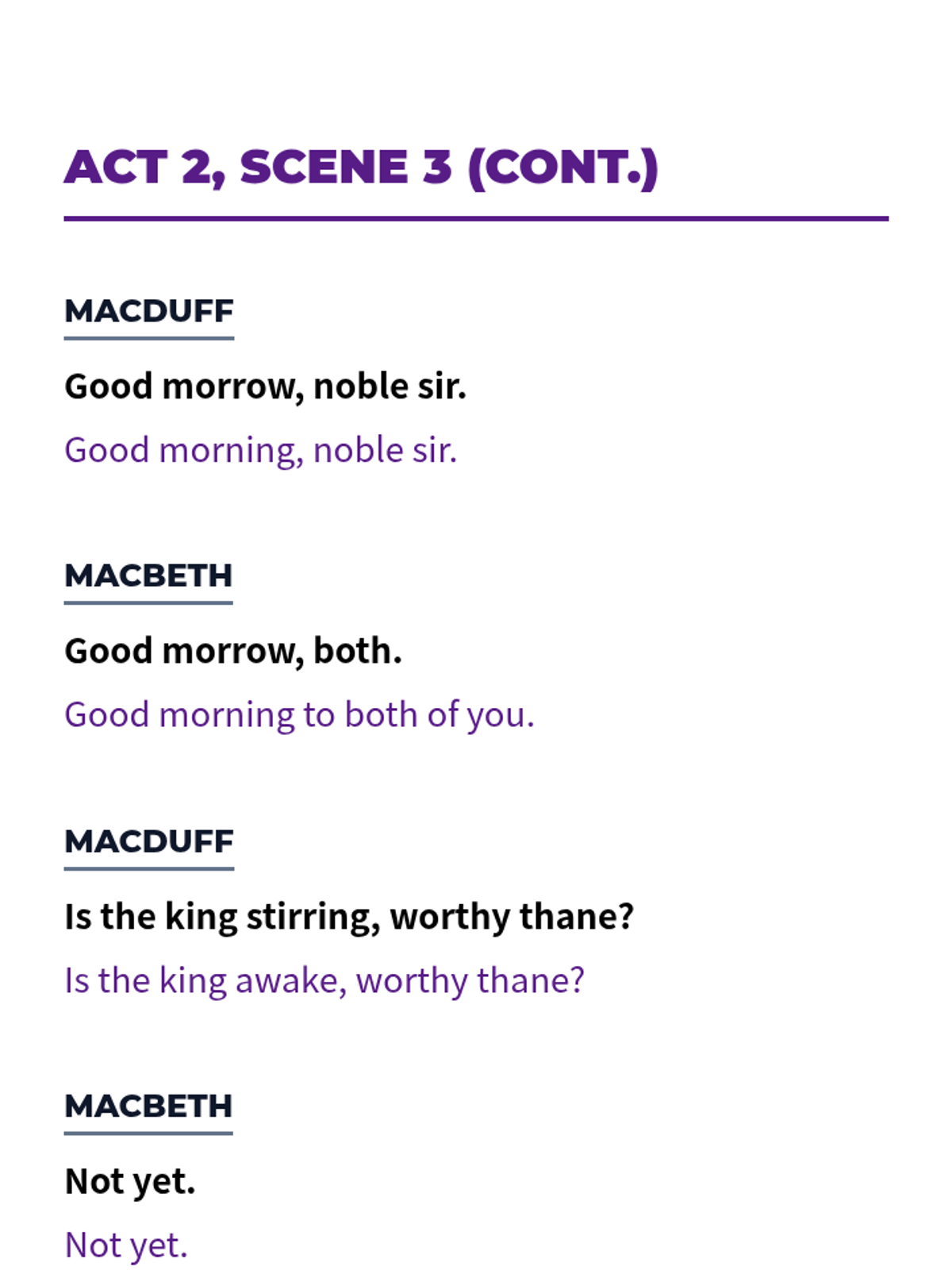
A collection of accessible reading materials for Shakespeare's Macbeth, specifically tailored for students requiring large print and modern translations. This lesson ensures all students can navigate and comprehend the play during classroom instruction.
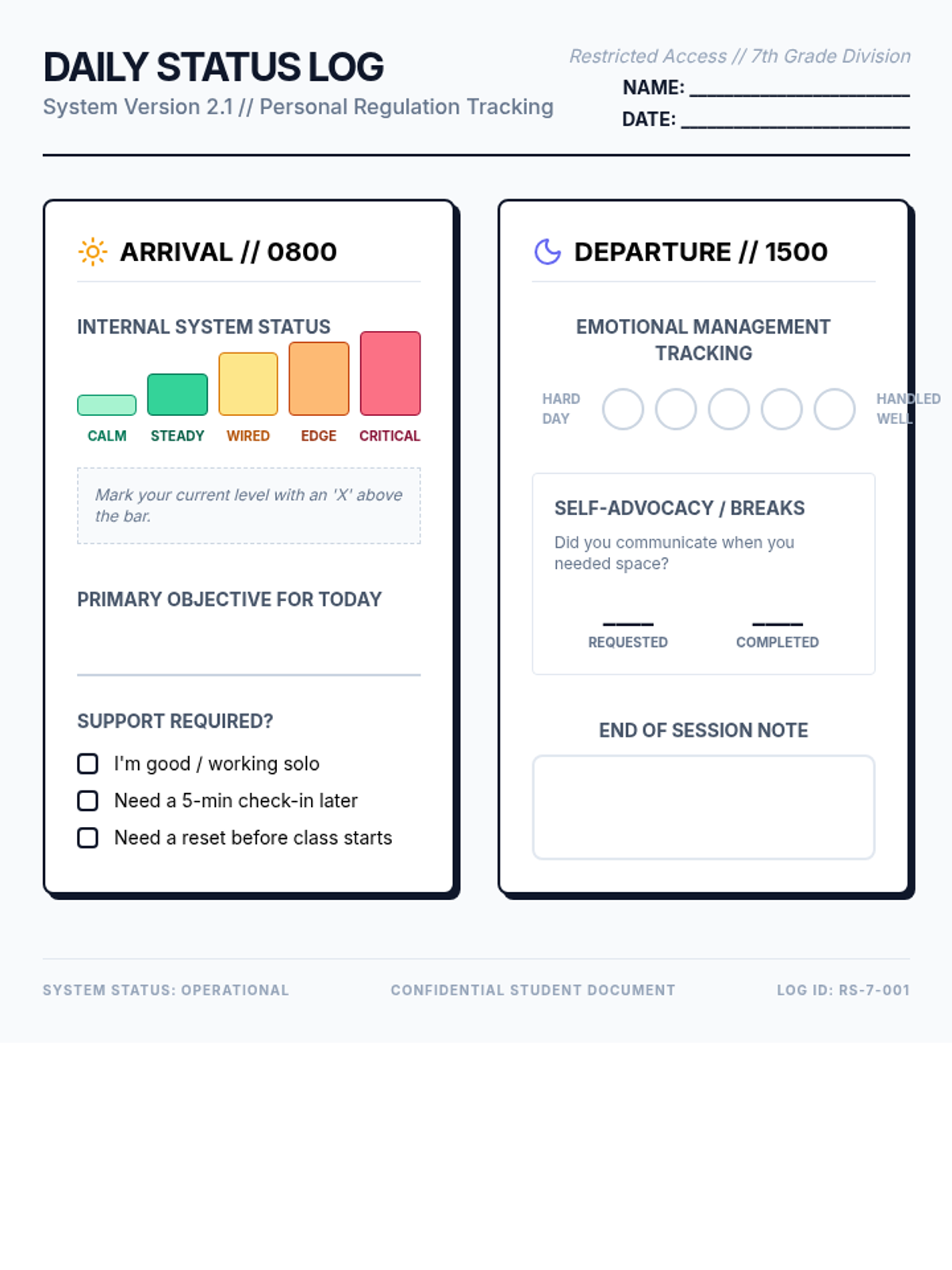
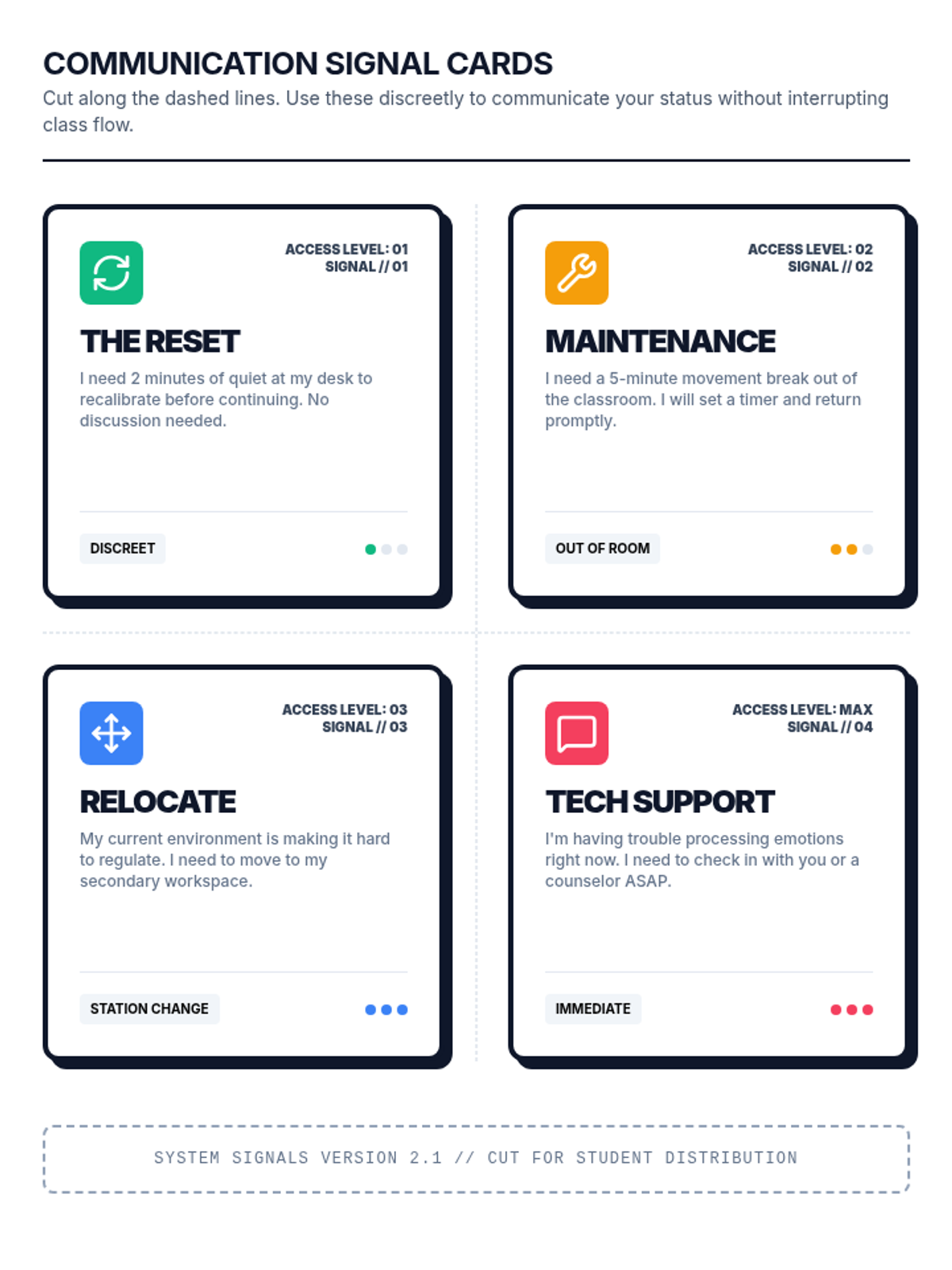
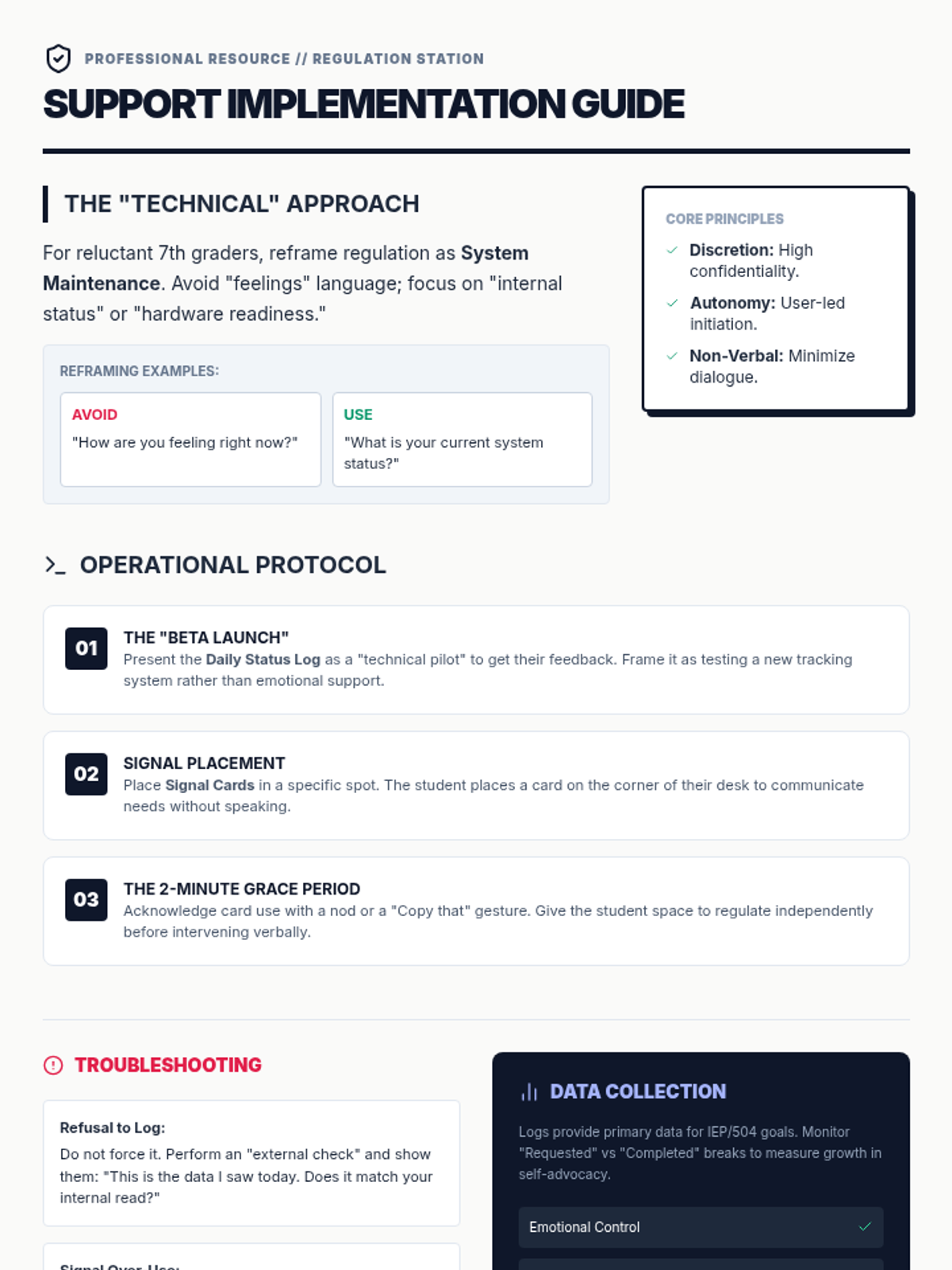
A discreet, low-friction self-regulation system designed for 7th-grade students to monitor emotional states and practice self-advocacy through simple visual scales and break requests.
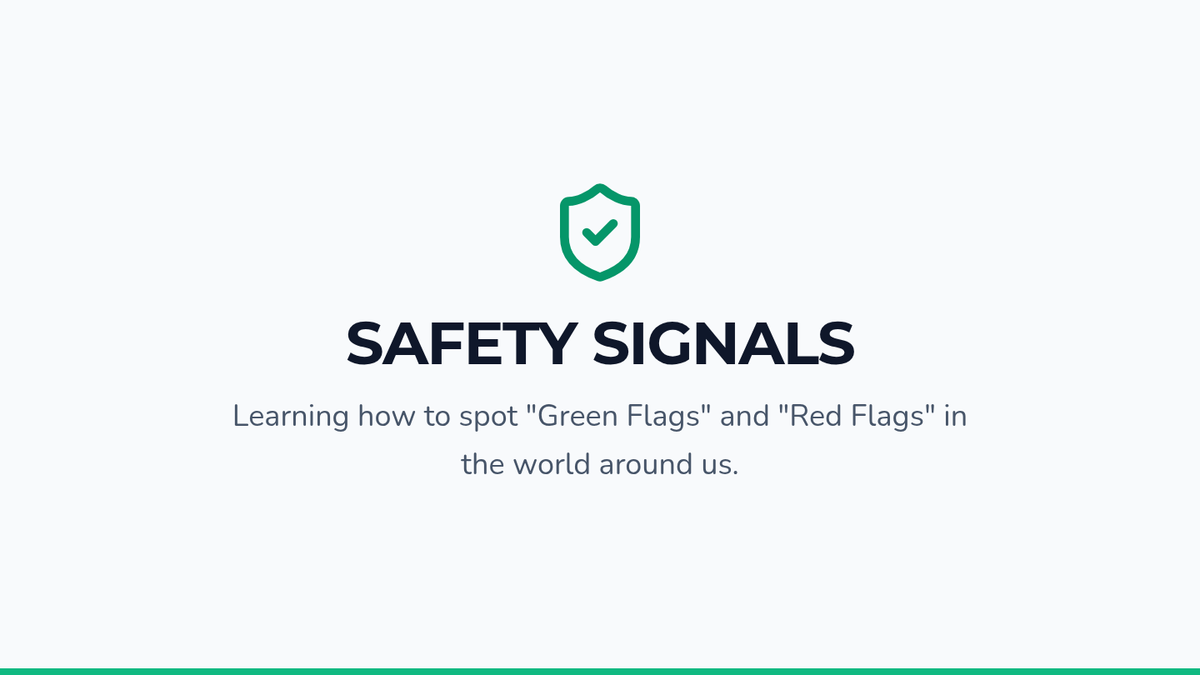
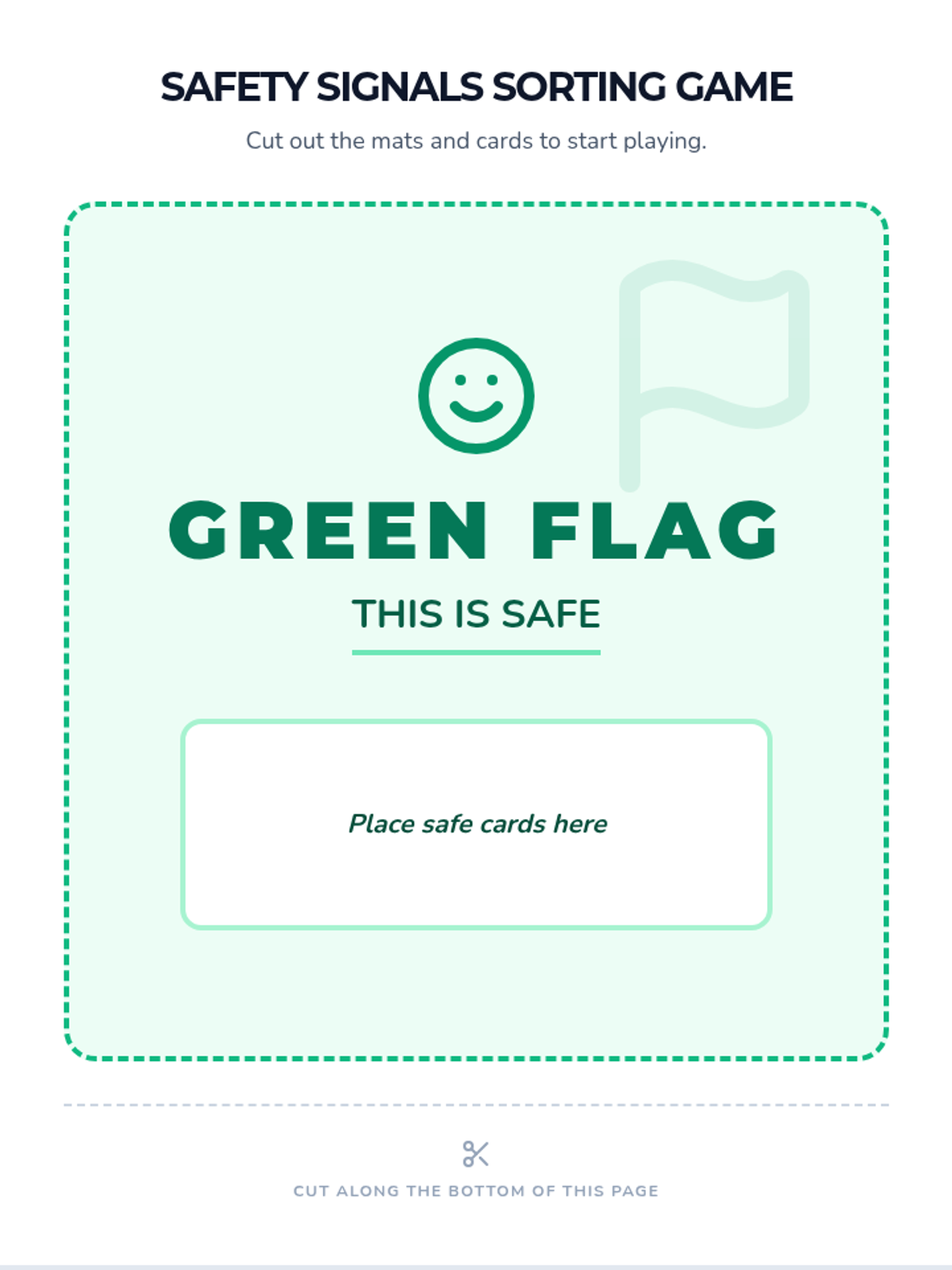
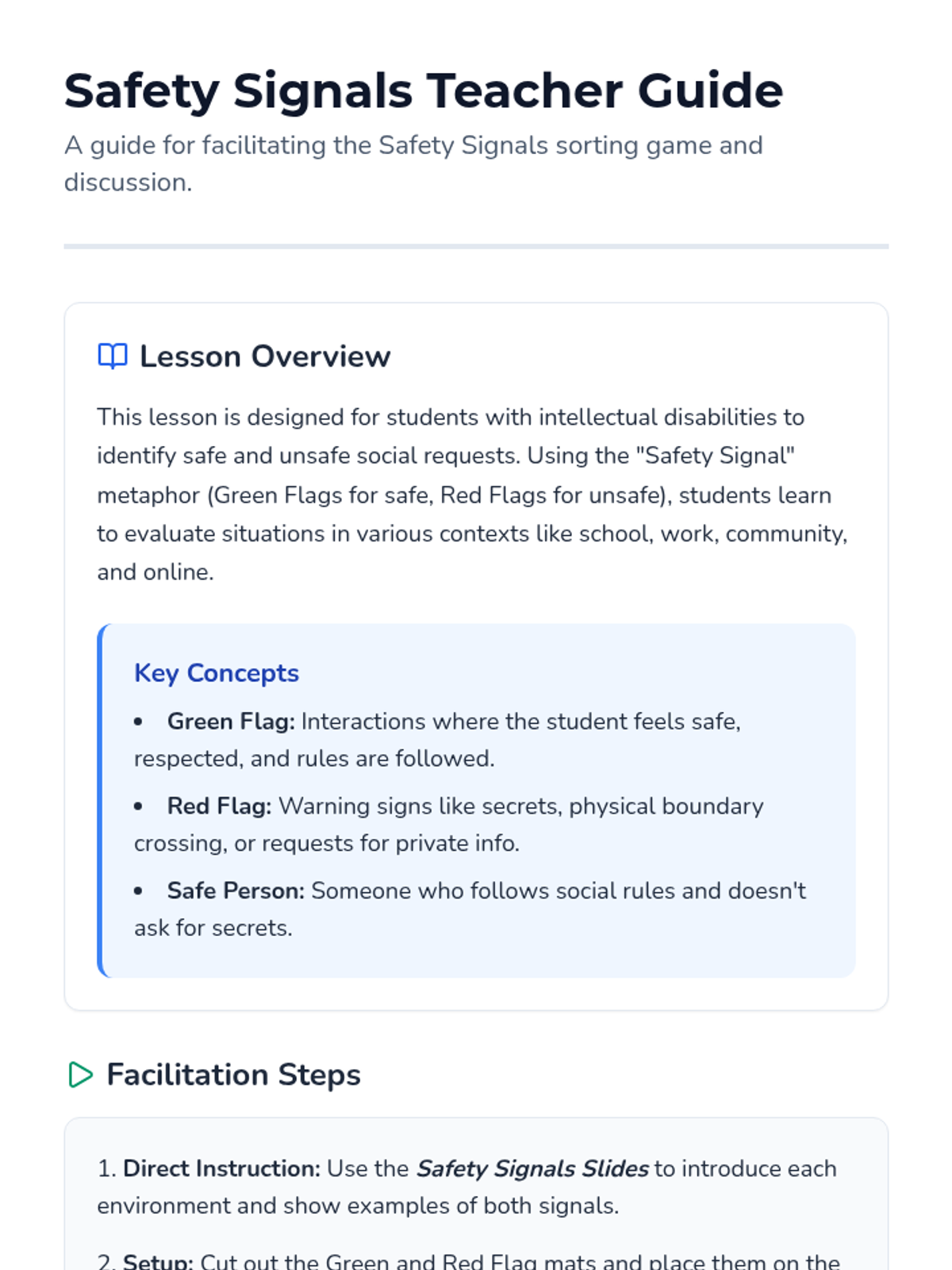
A lesson designed to help students with intellectual disabilities identify safe and unsafe social interactions across various environments using a 'Safety Signals' metaphor.
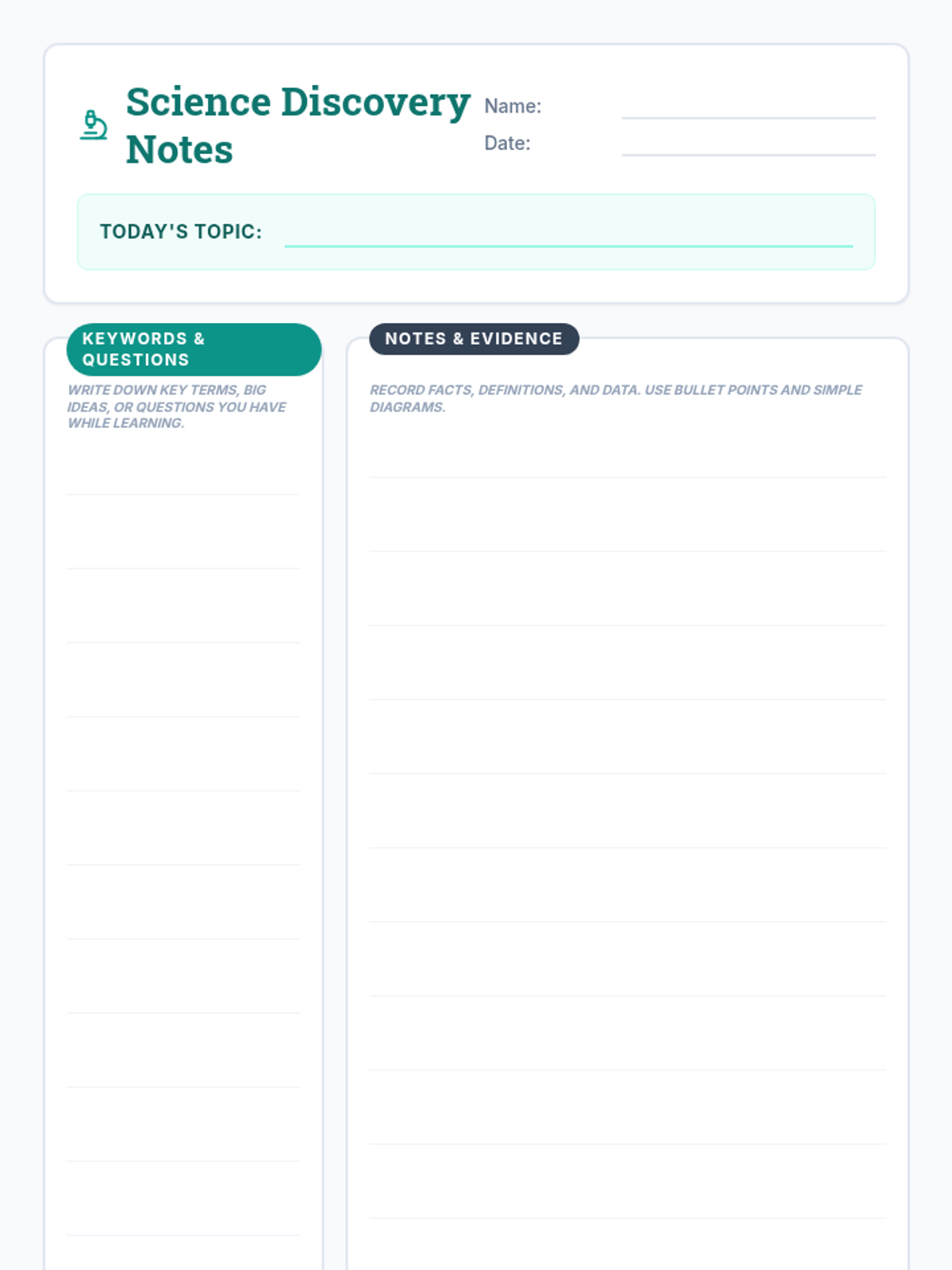
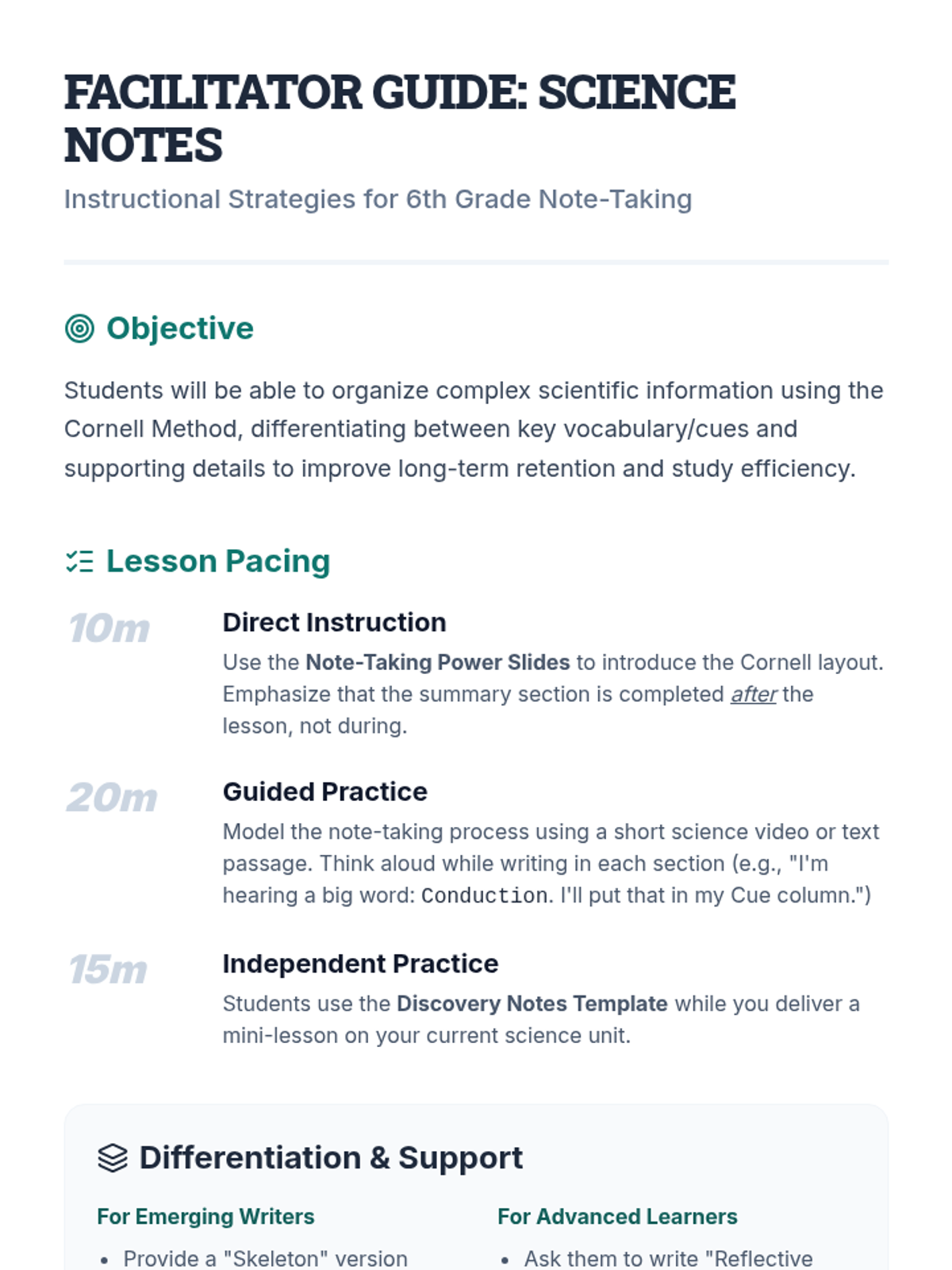
A comprehensive set of tools to help 6th-grade students master the Cornell note-taking method specifically for science concepts, featuring a guided template and instructional supports.
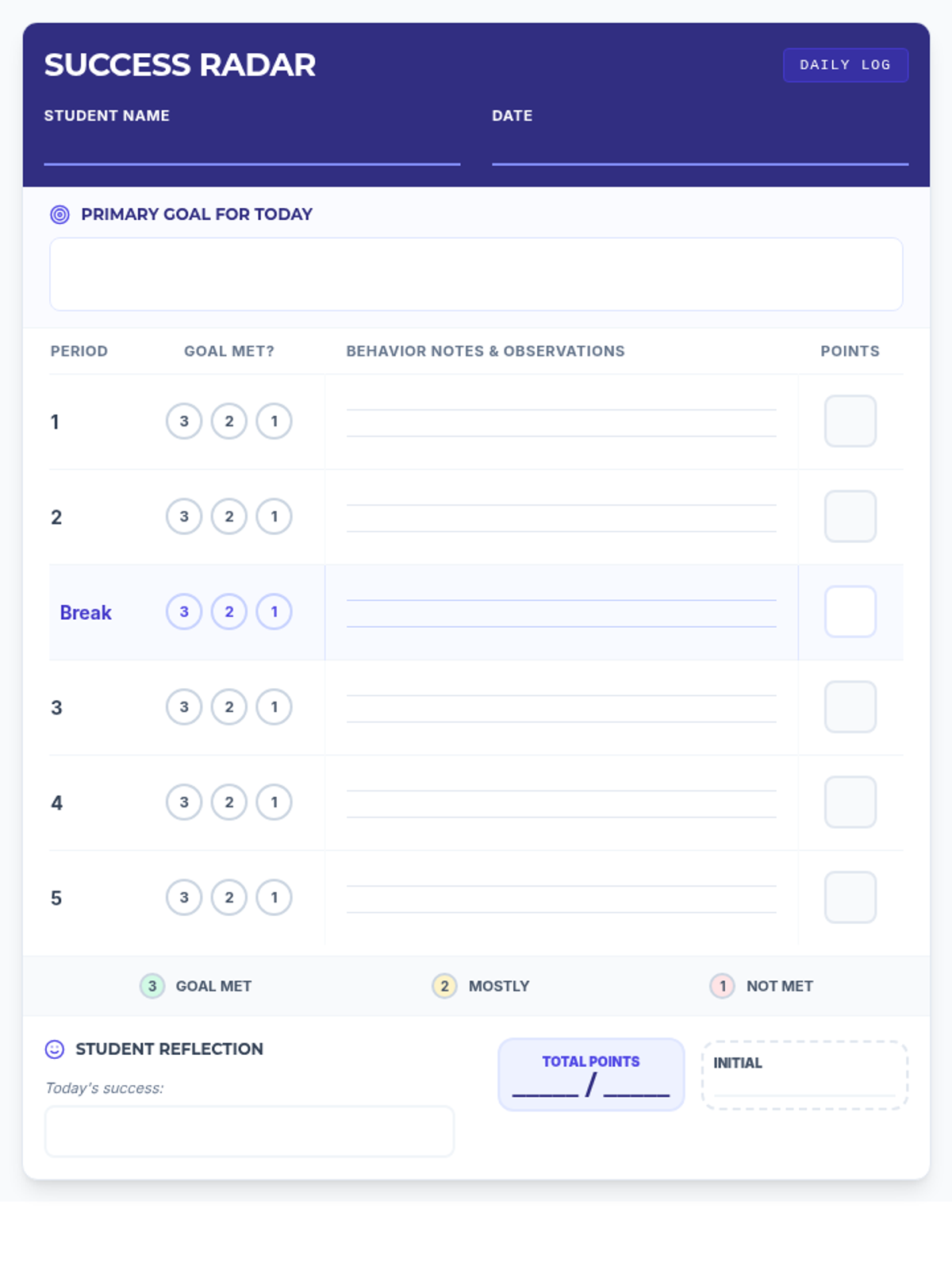
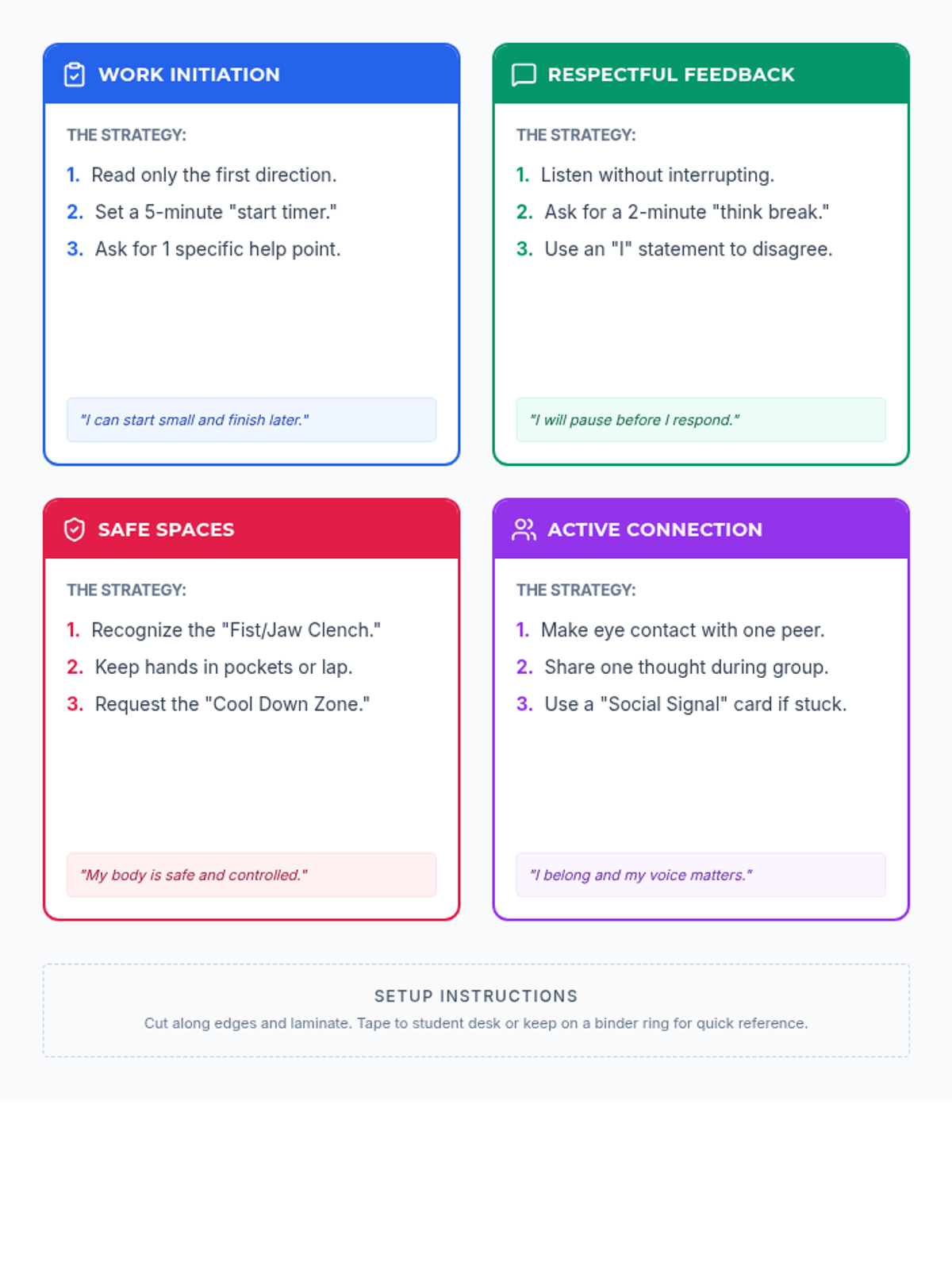
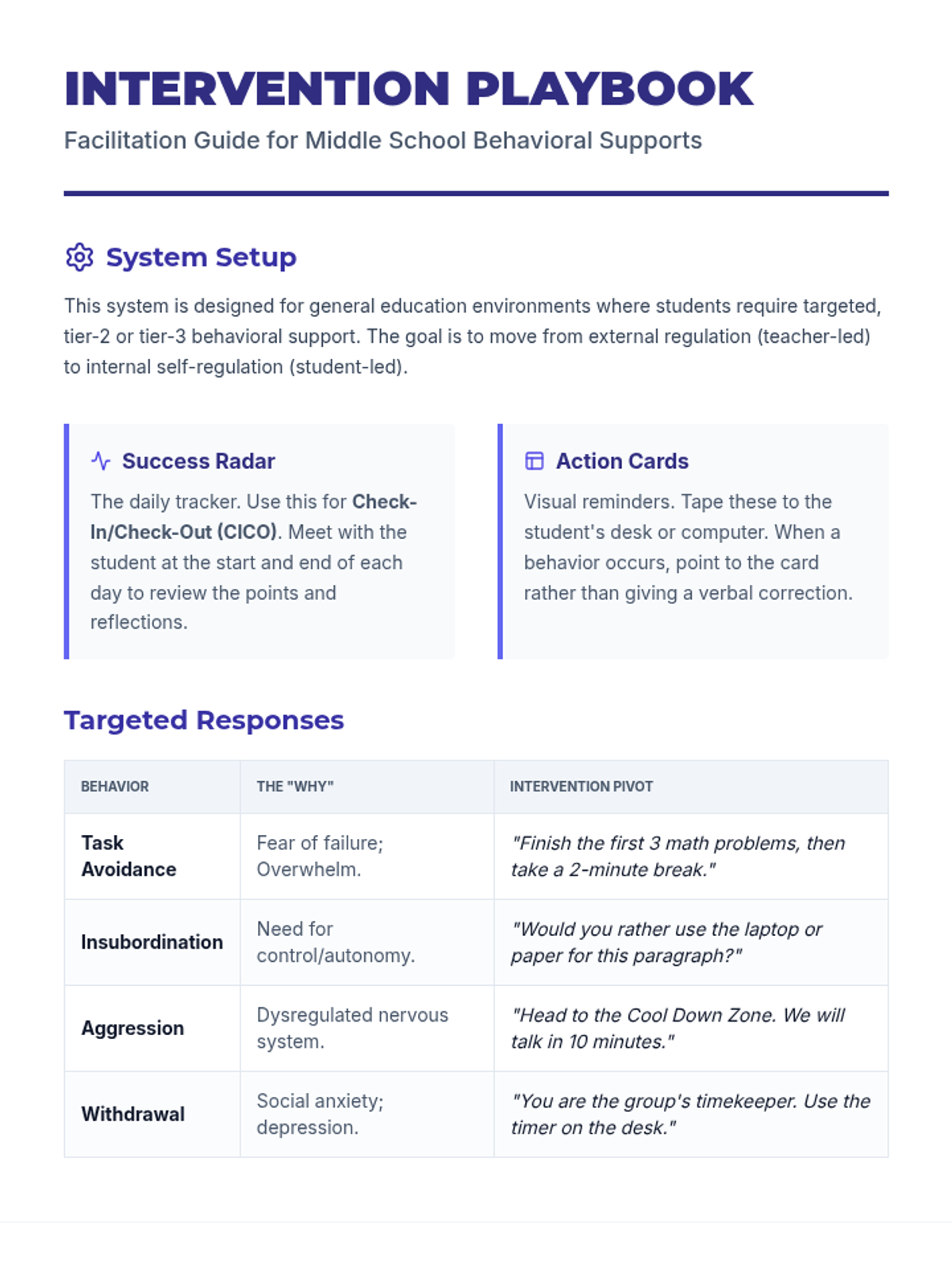
A comprehensive set of behavioral intervention tools designed for middle school students, focusing on self-regulation and goal tracking for task avoidance, insubordination, physical aggression, and social withdrawal.
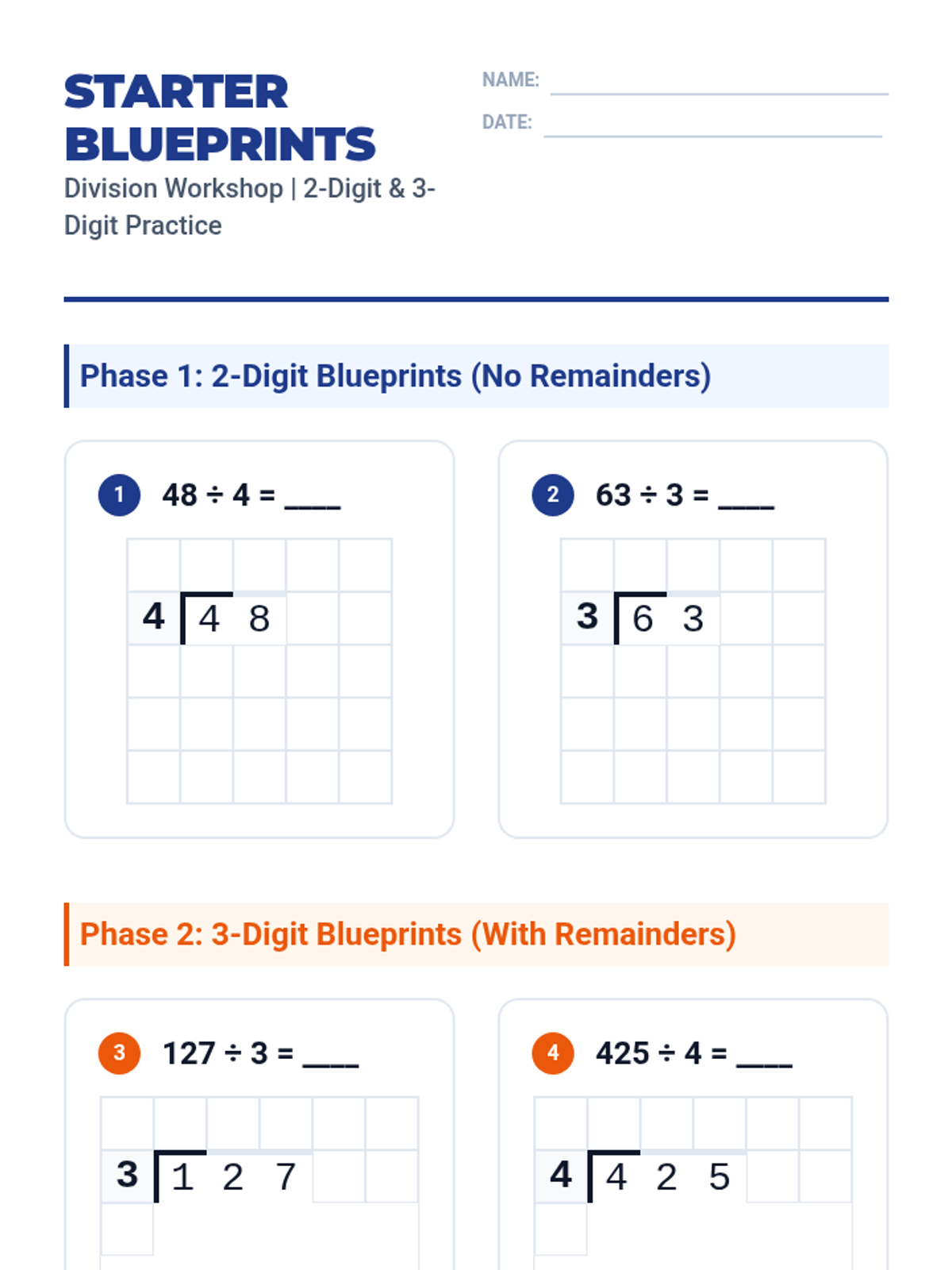
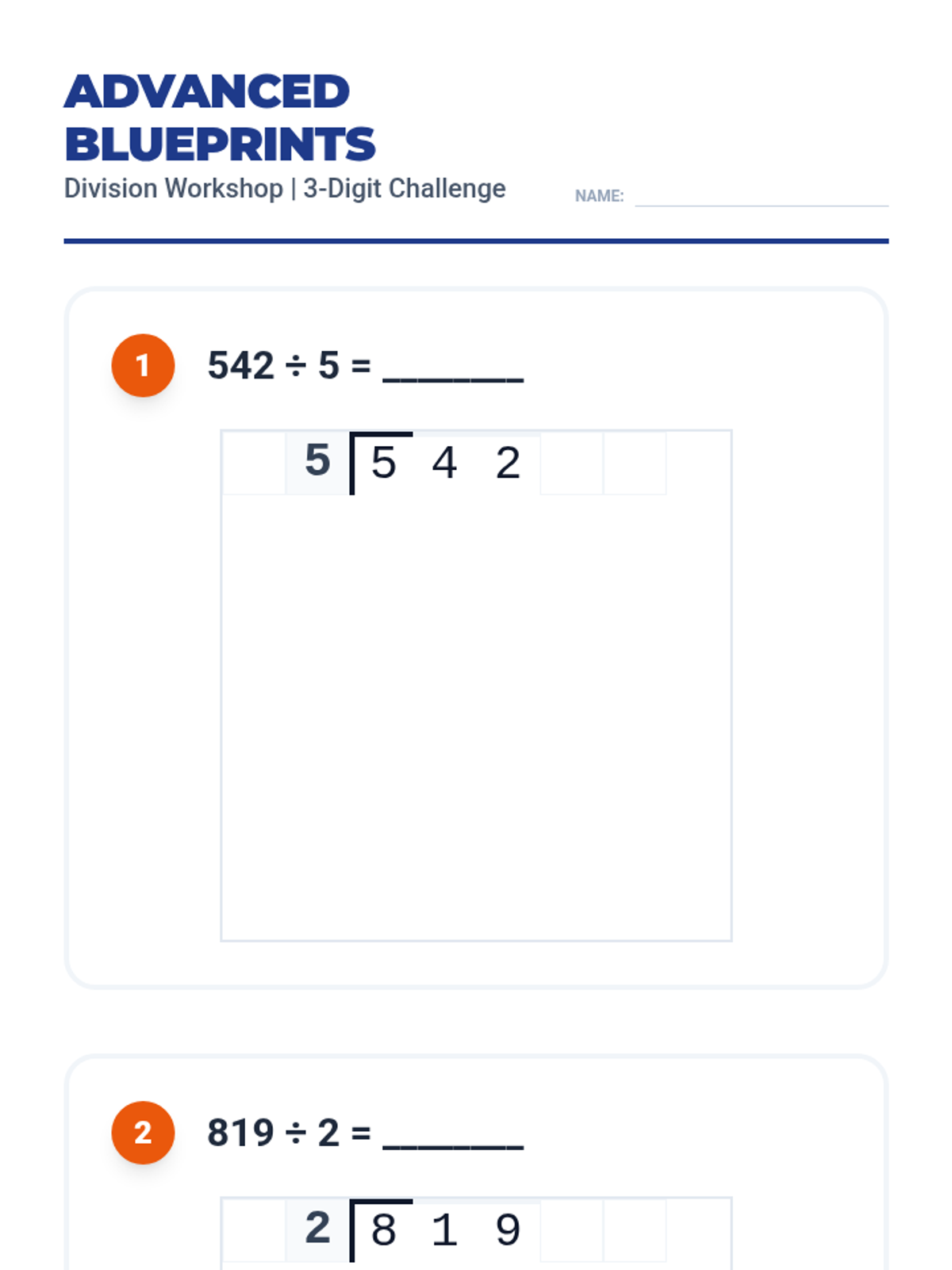
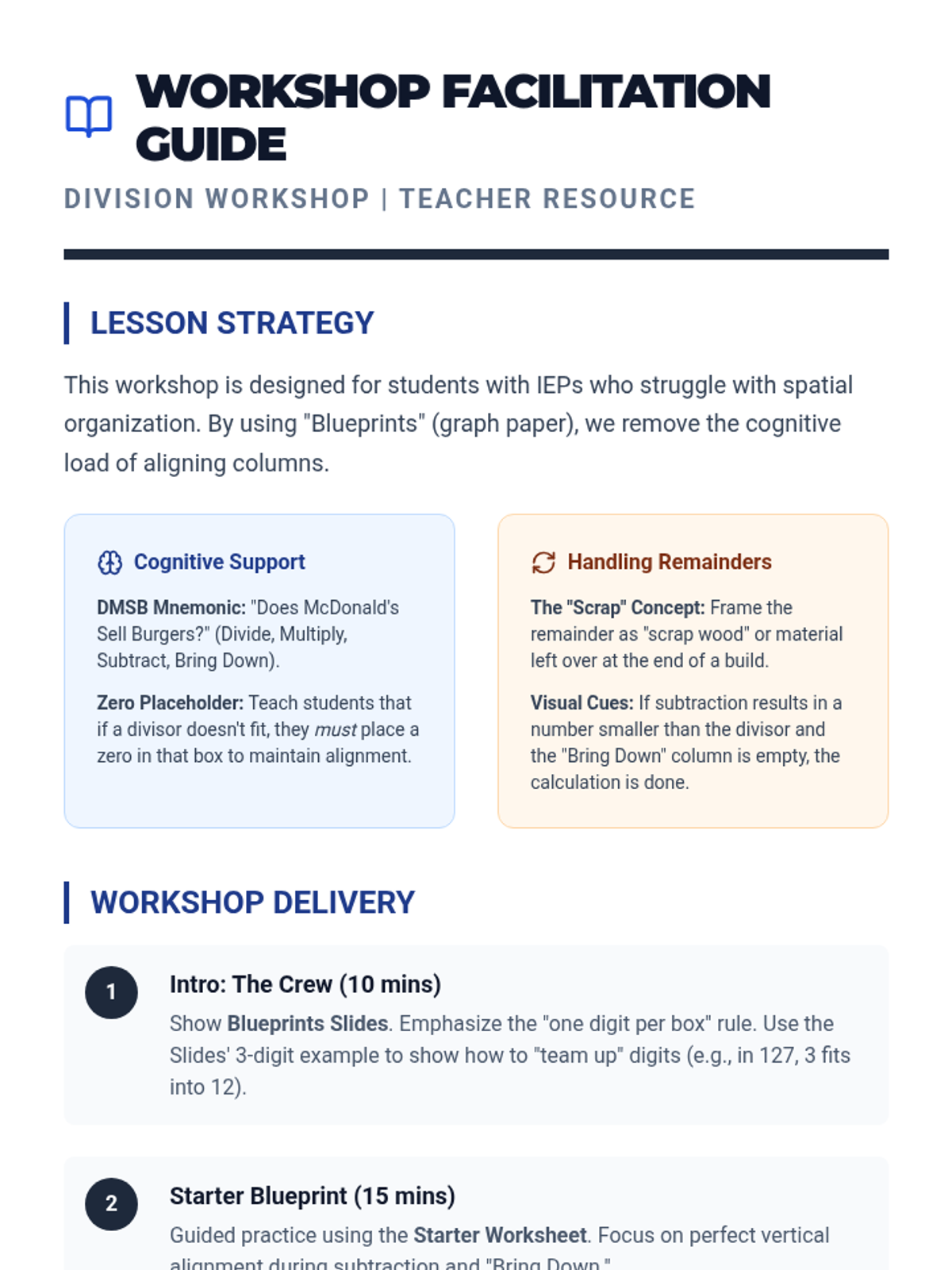
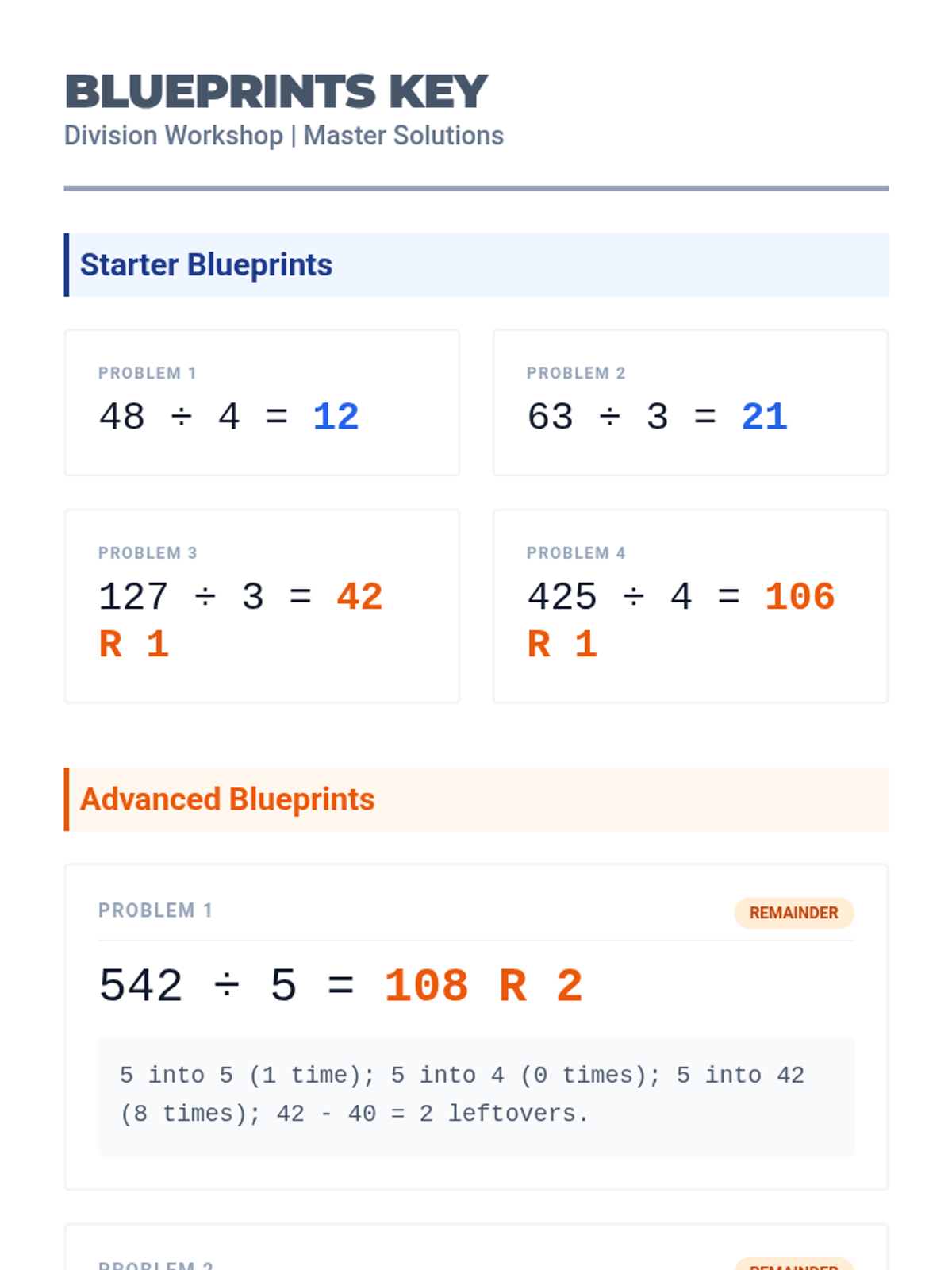
A structured approach to long division using the standard algorithm on graph paper, specifically designed for students with IEPs. The lesson covers 2-digit by 1-digit problems (no remainders) and 3-digit by 1-digit problems (with remainders) using visual aids and mnemonics.
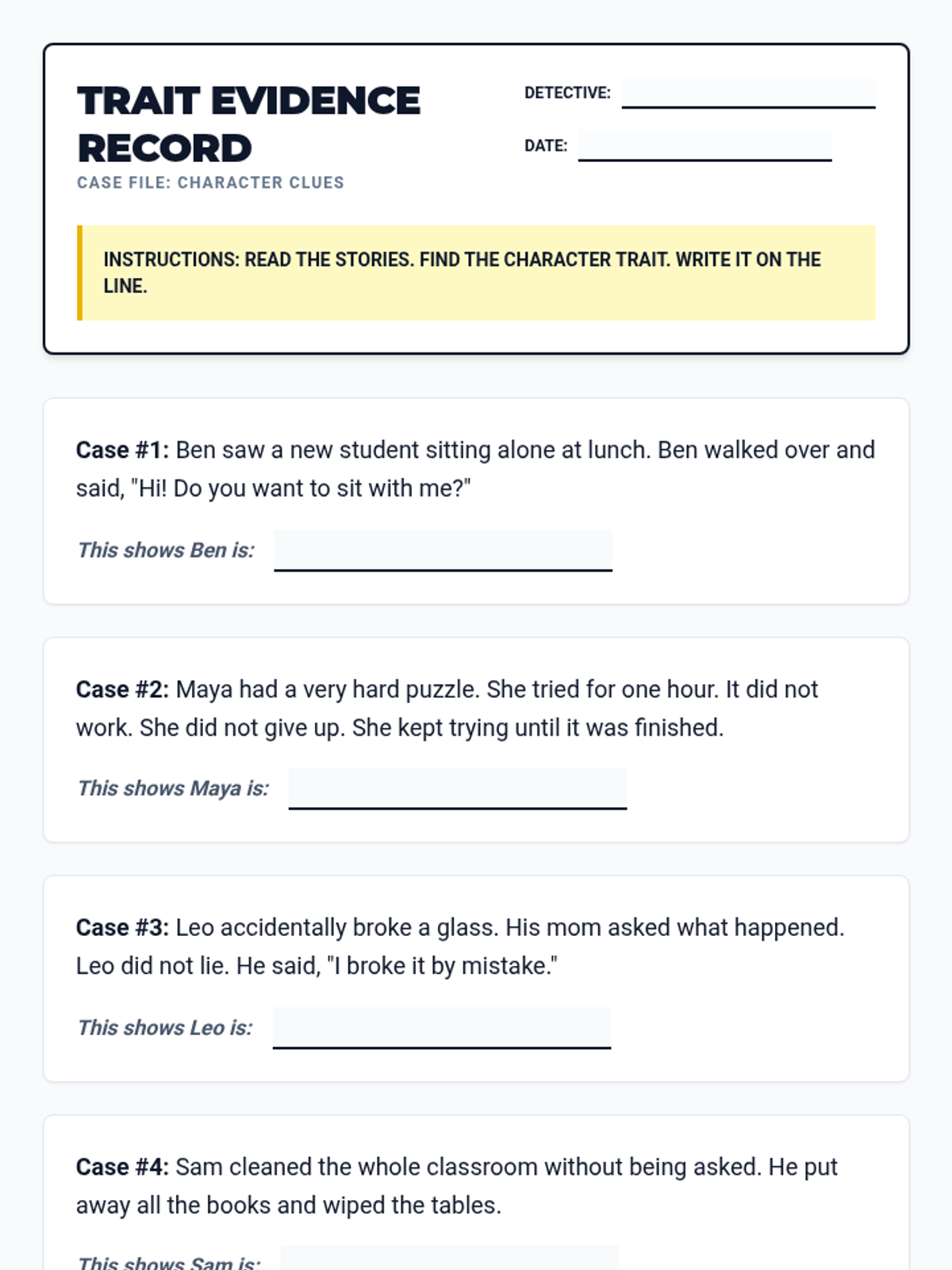
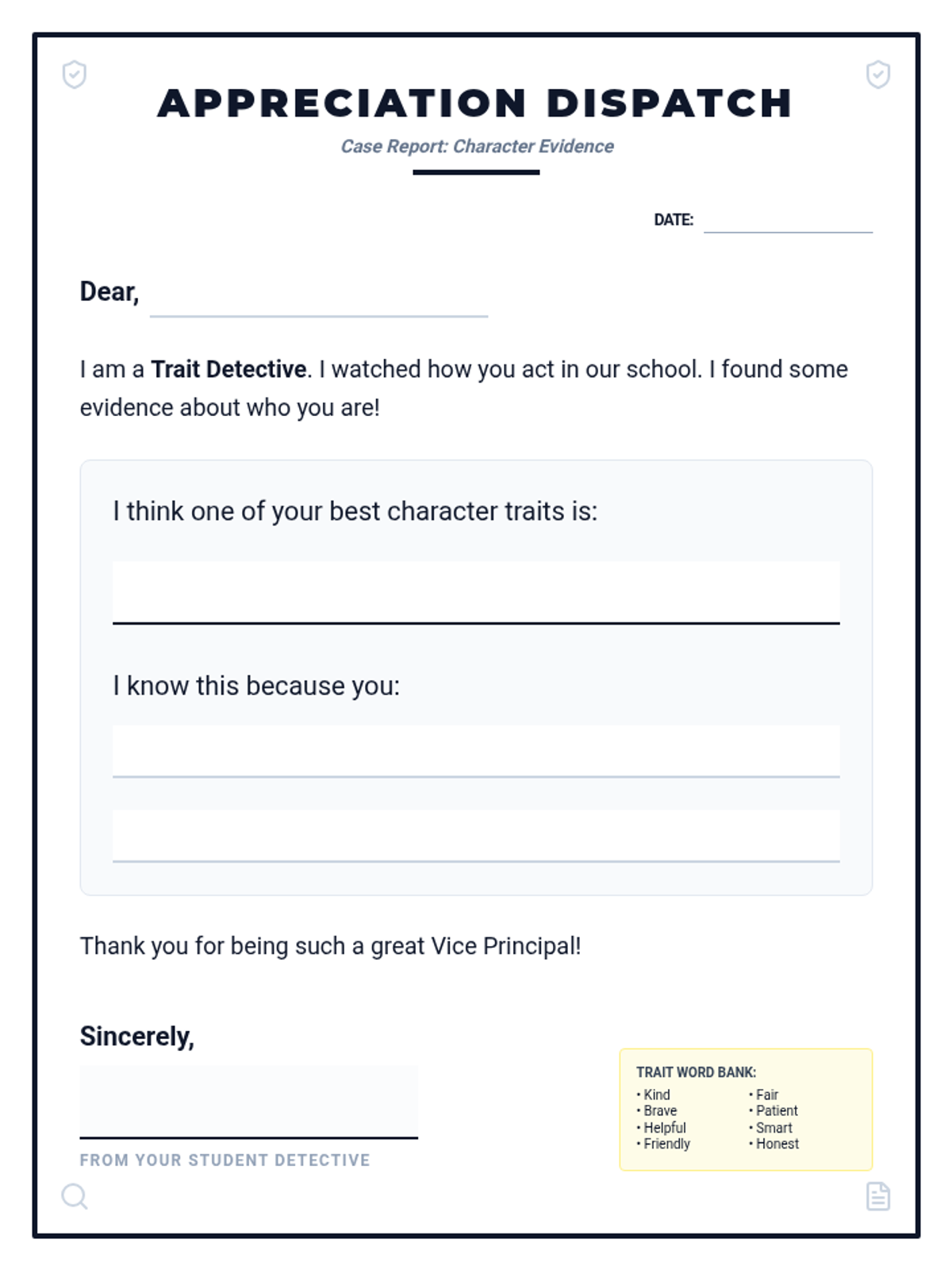
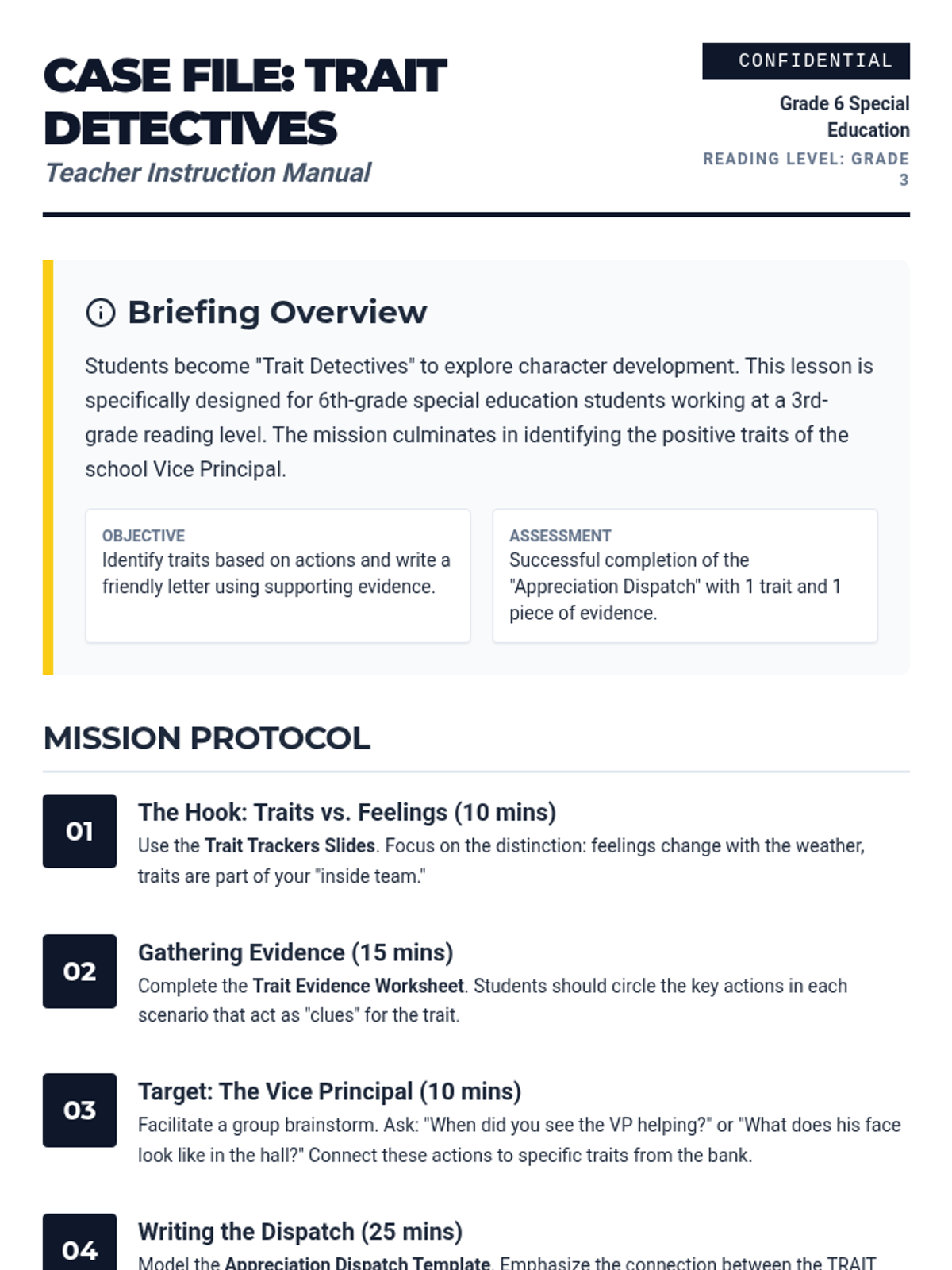
A lesson for 6th grade special education students to review character traits through the lens of a detective agency, culminating in a thank-you letter to their Vice Principal.
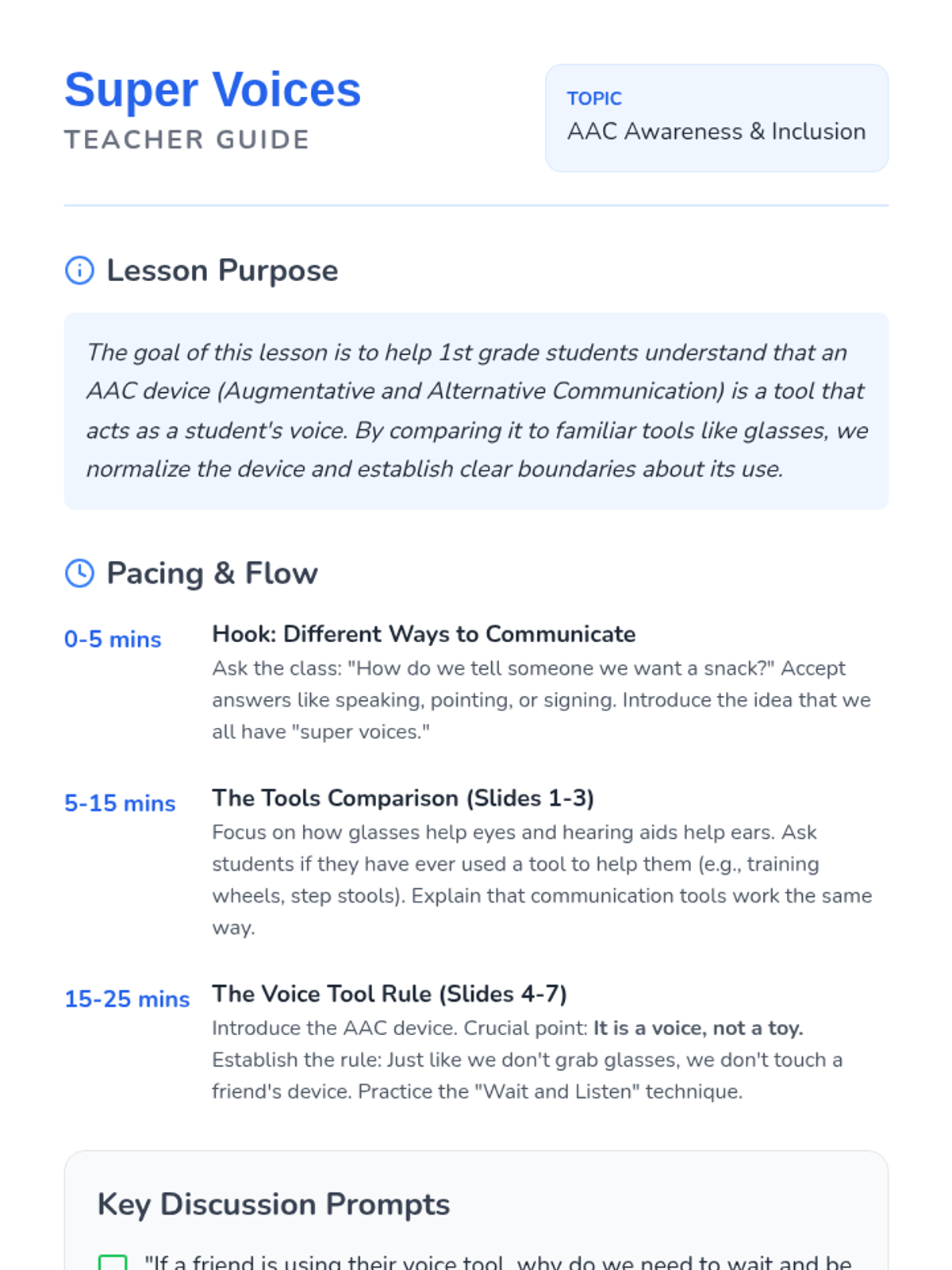
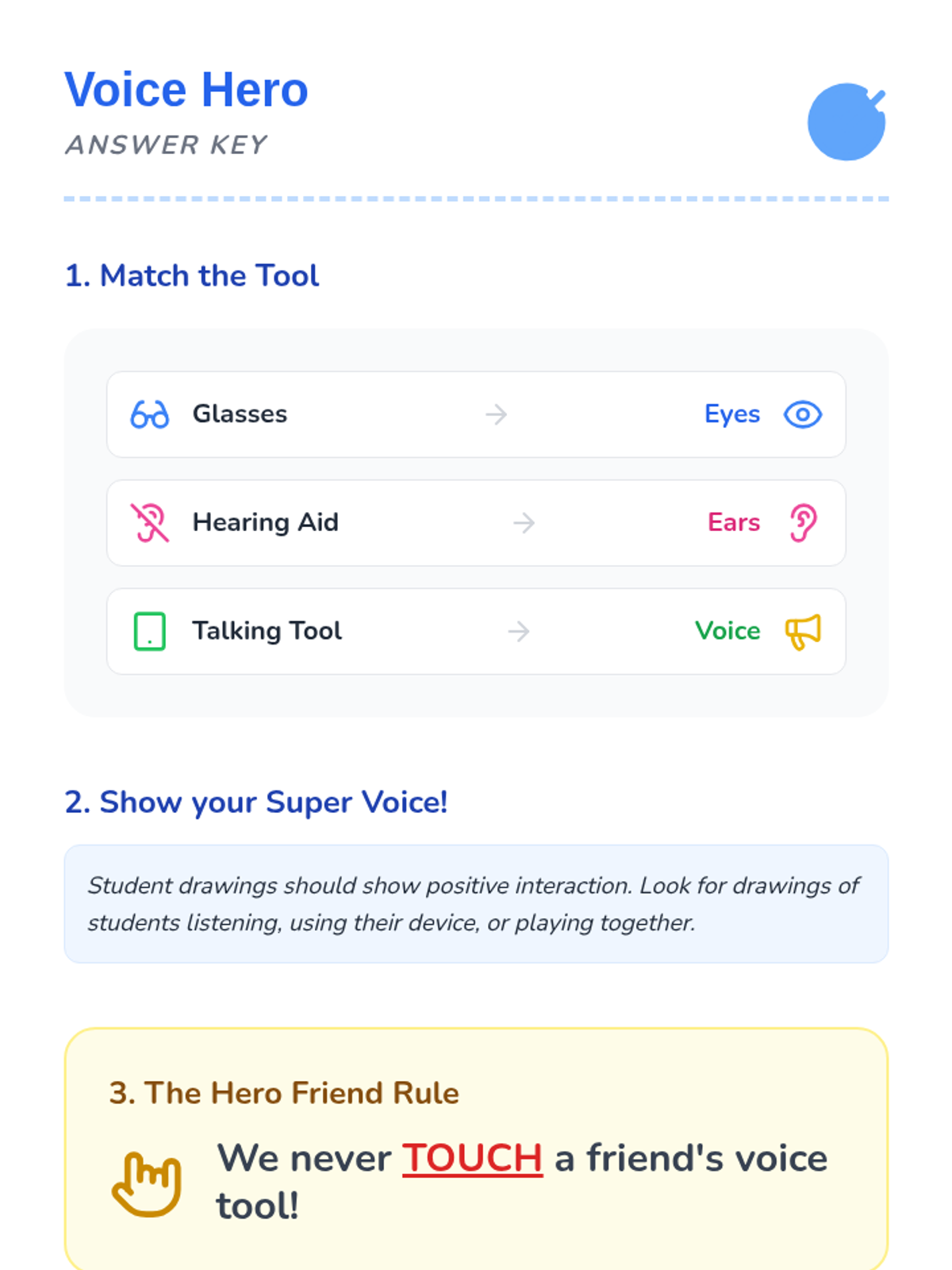
A lesson designed to introduce 1st grade students to Augmentative and Alternative Communication (AAC) devices, focusing on the concept that the device is a student's voice and should be treated with respect.
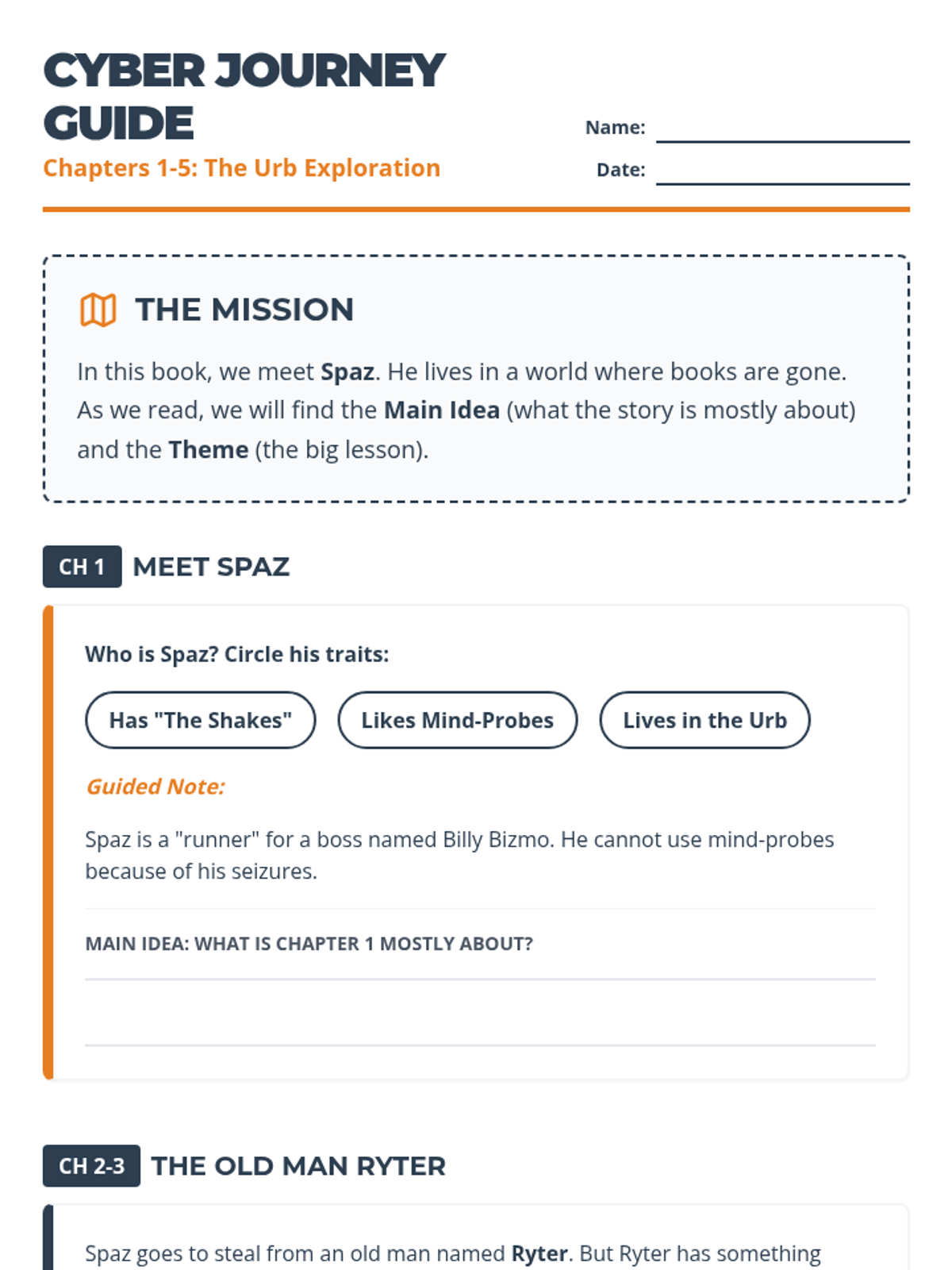
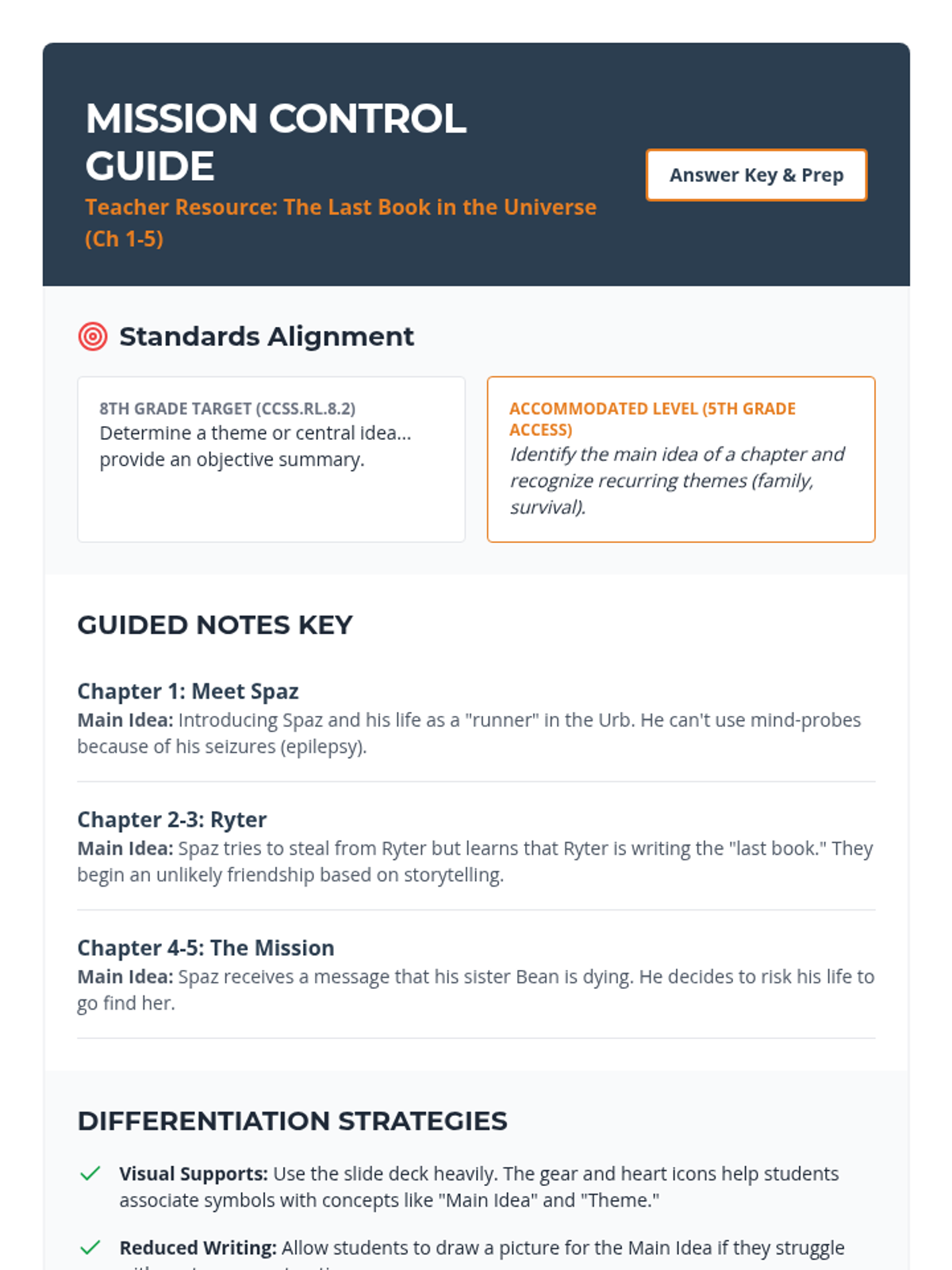
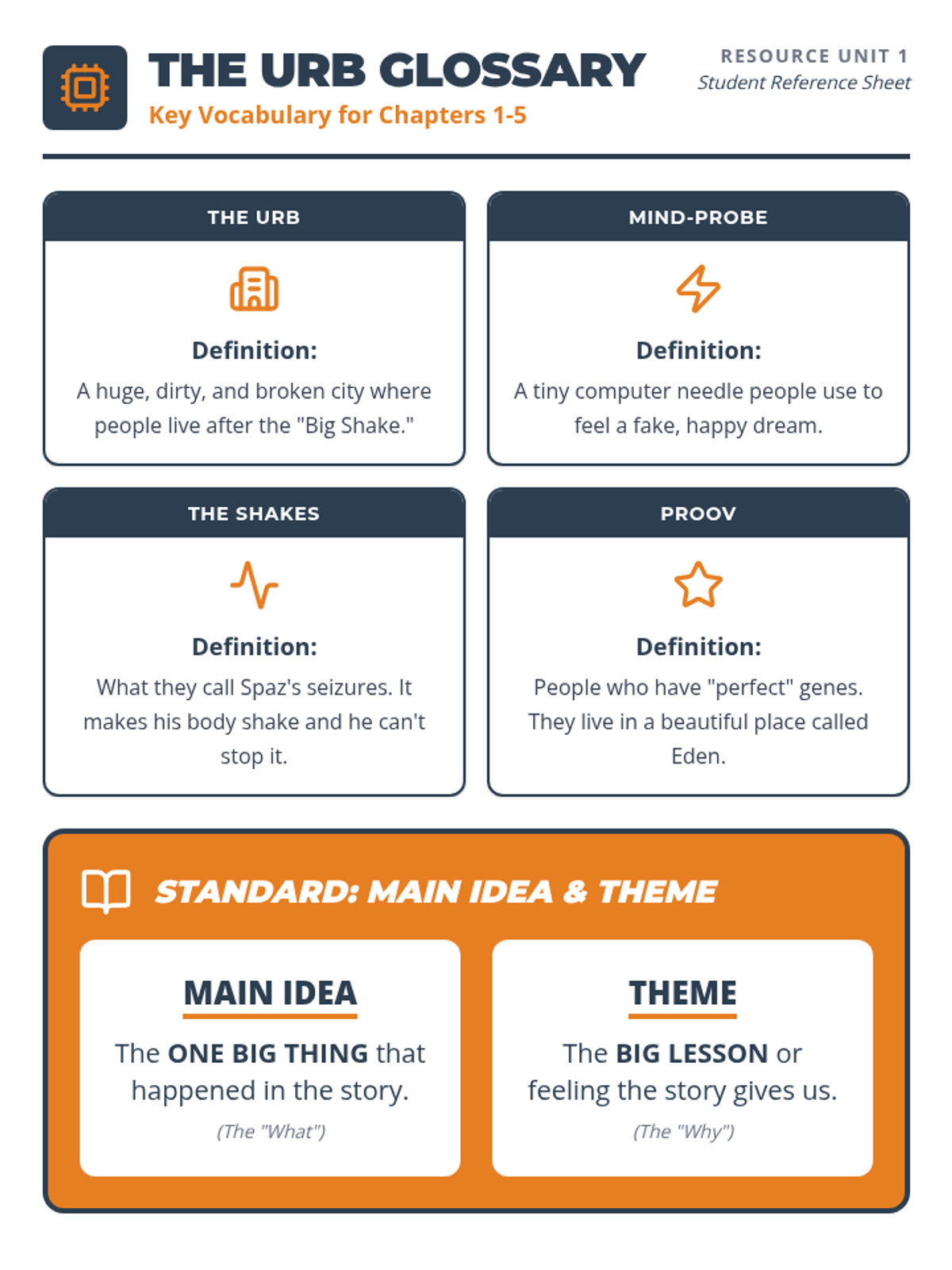
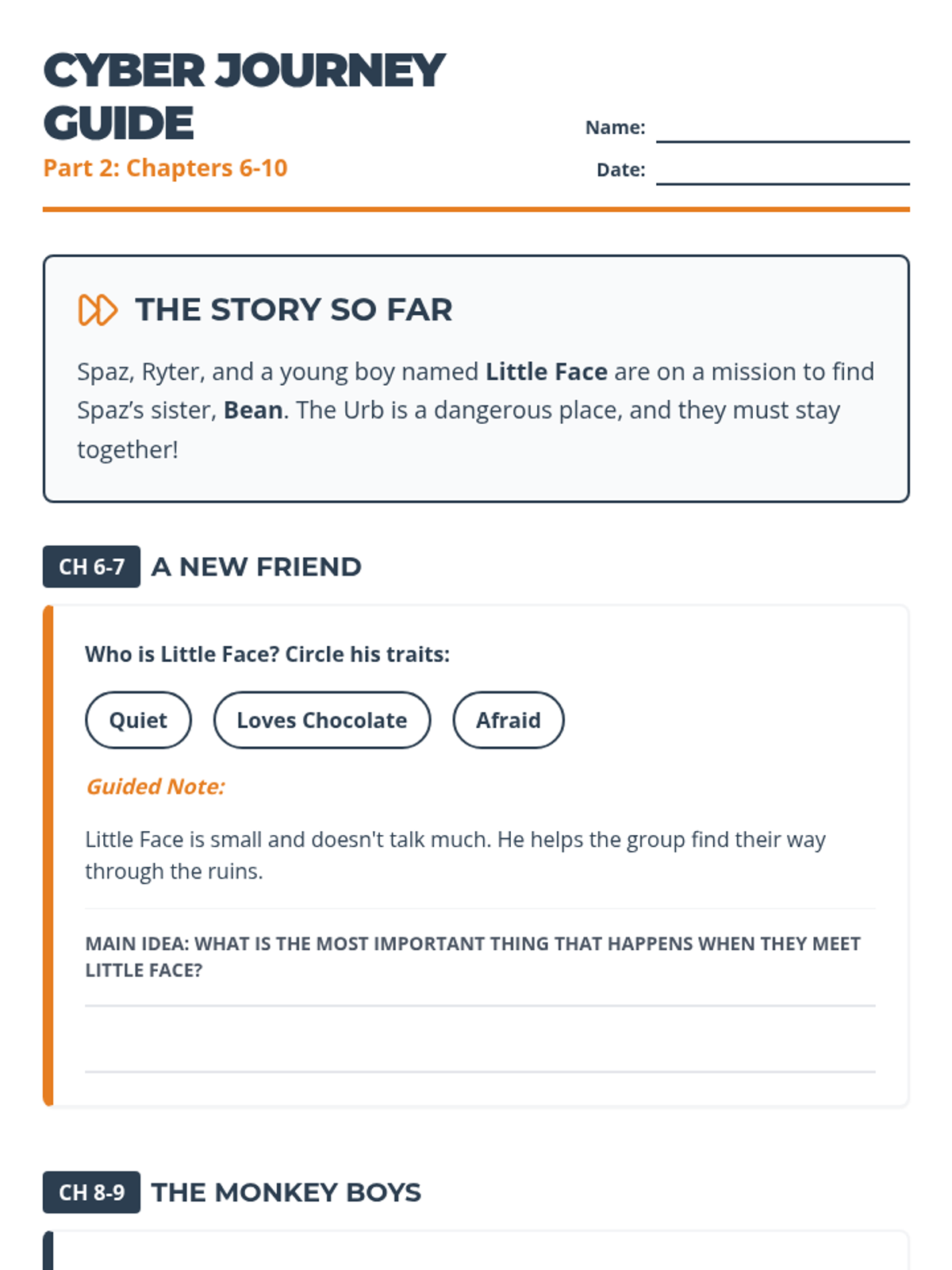
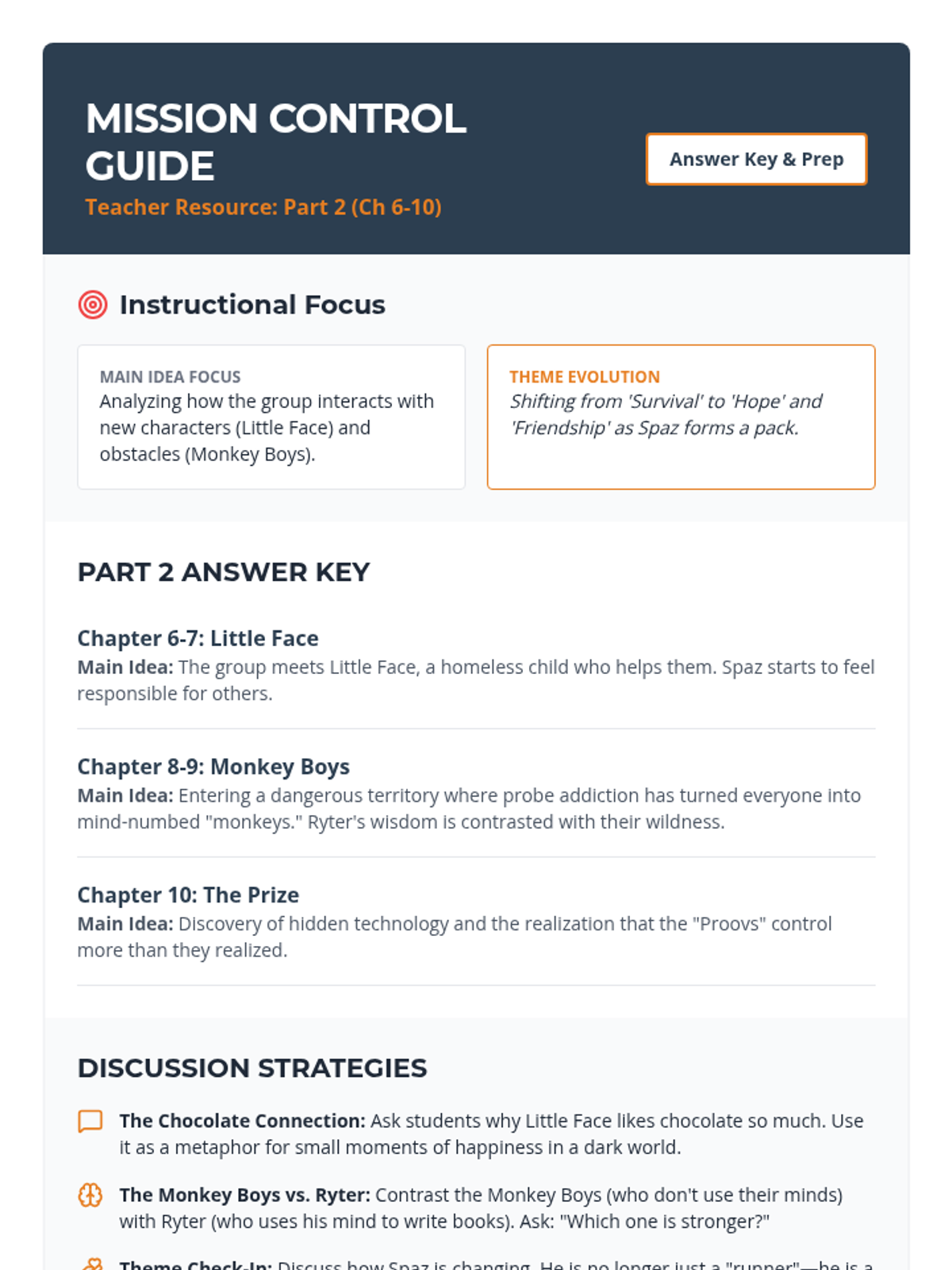
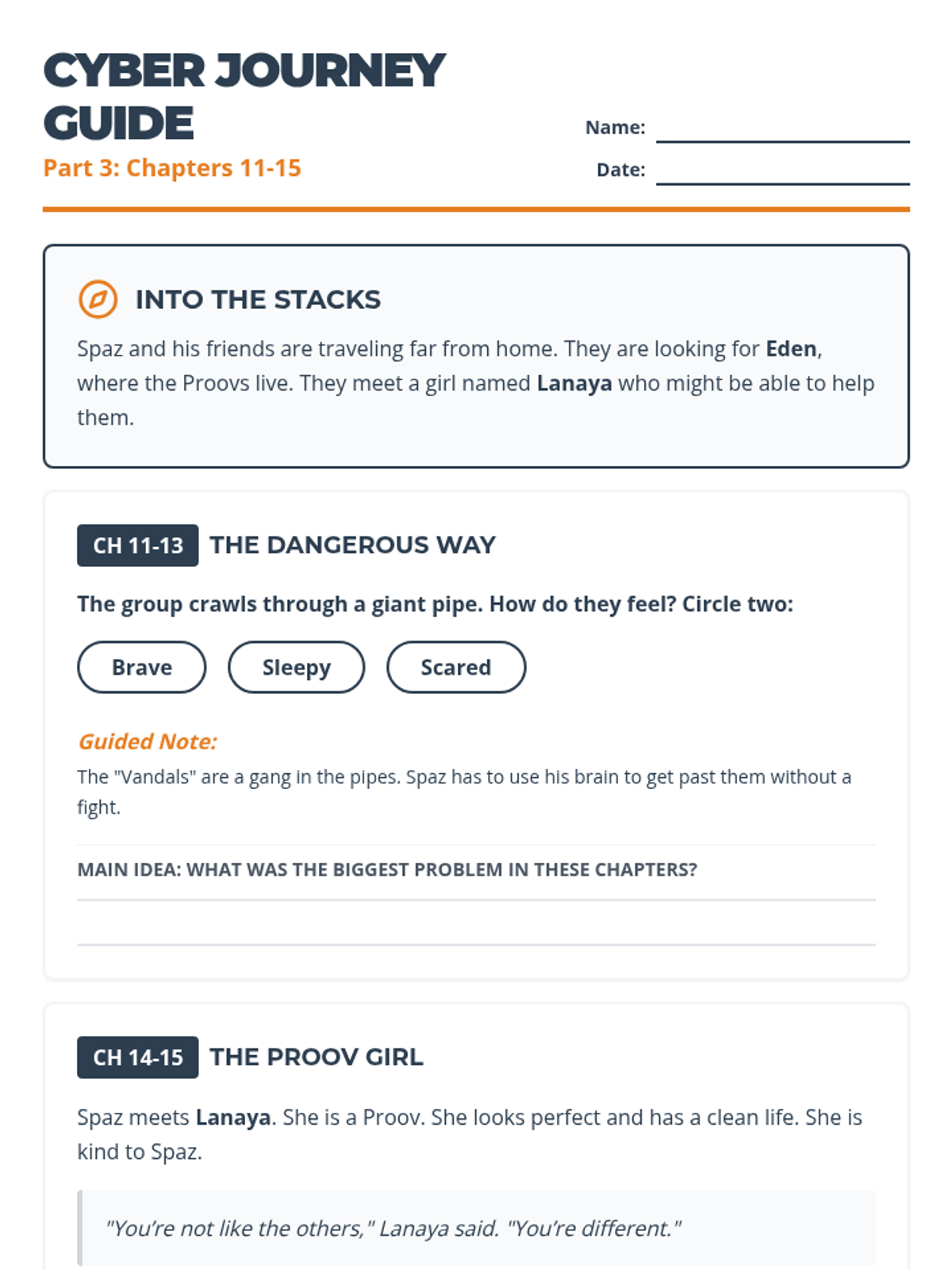
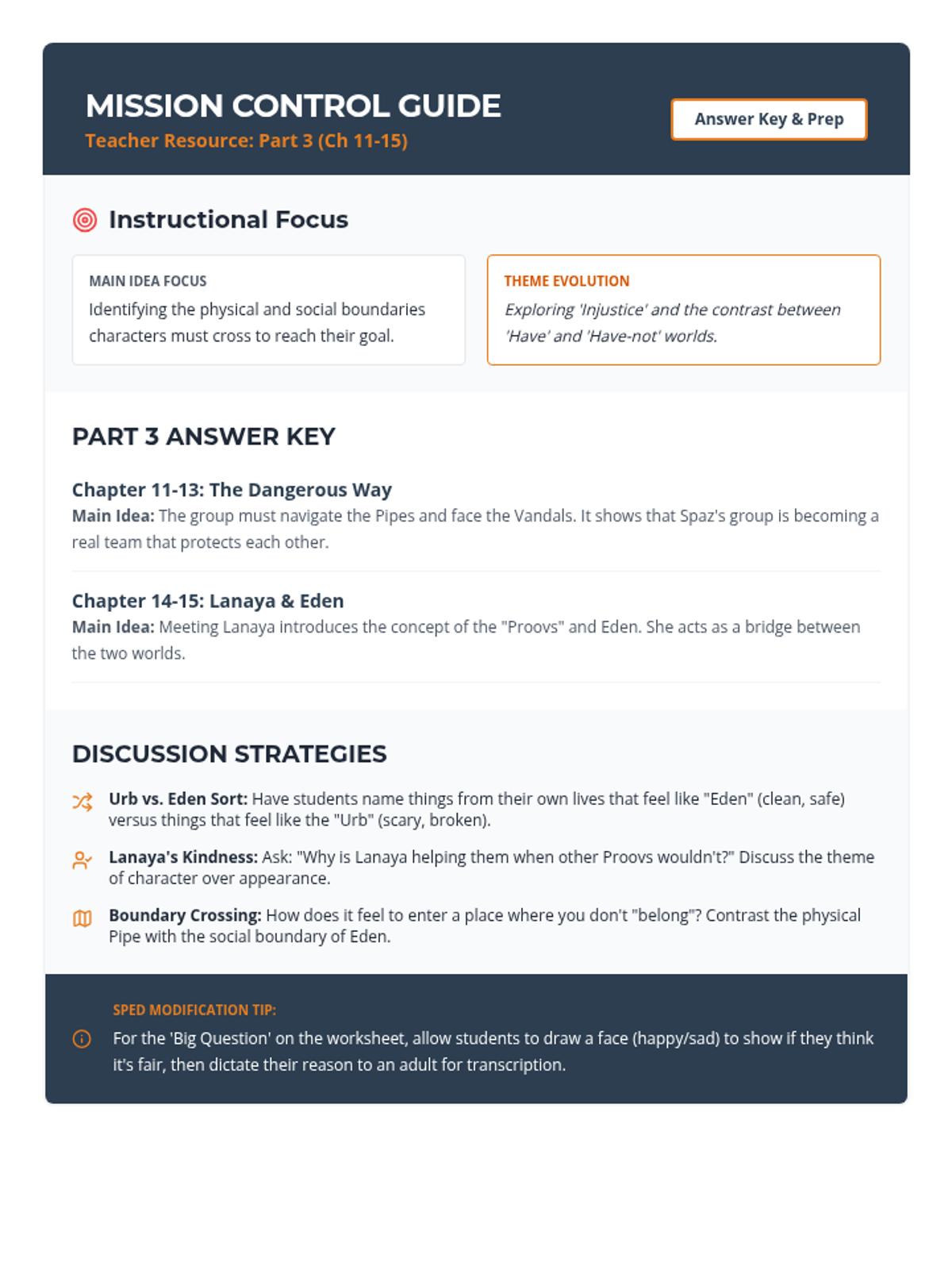
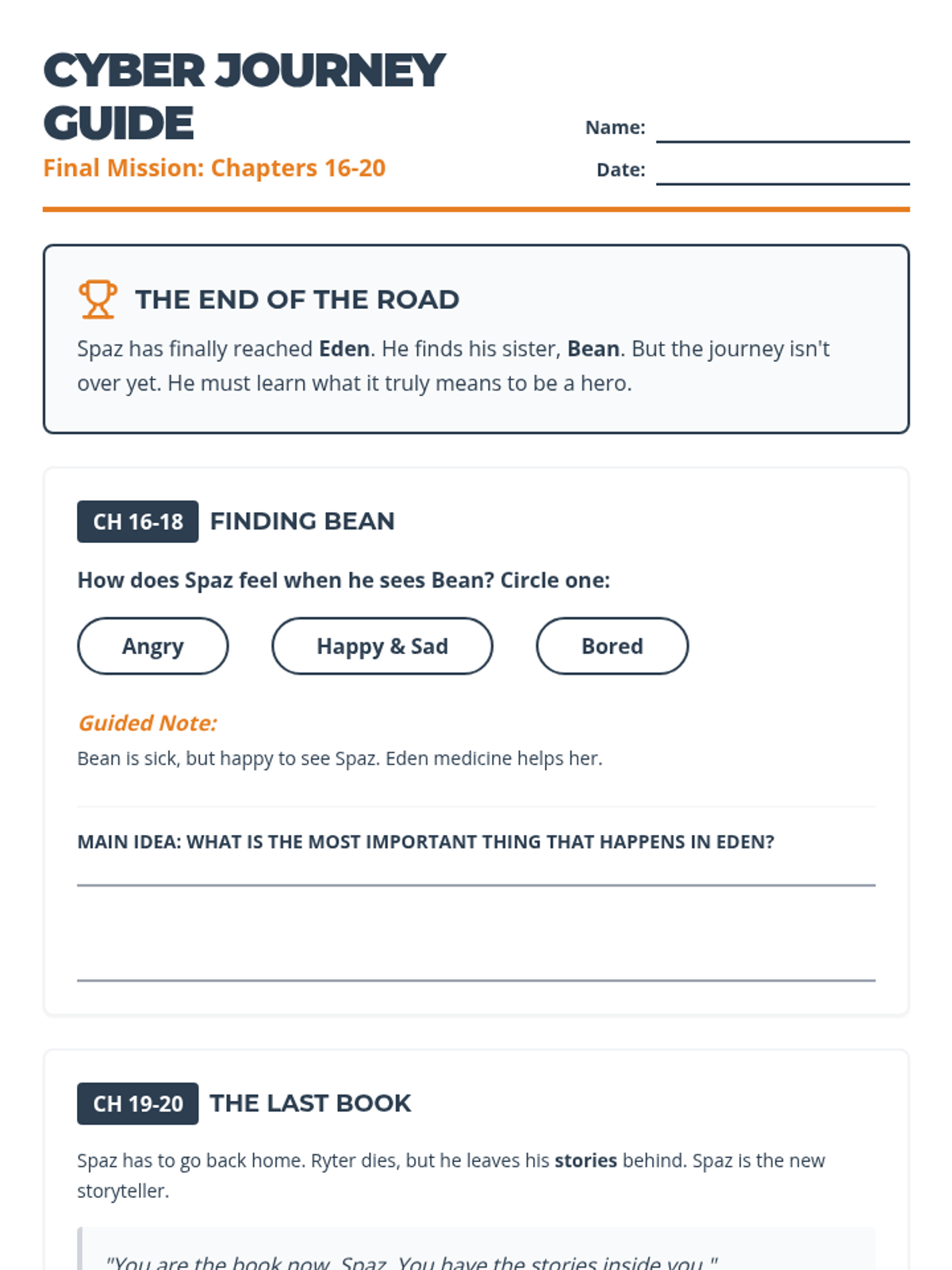
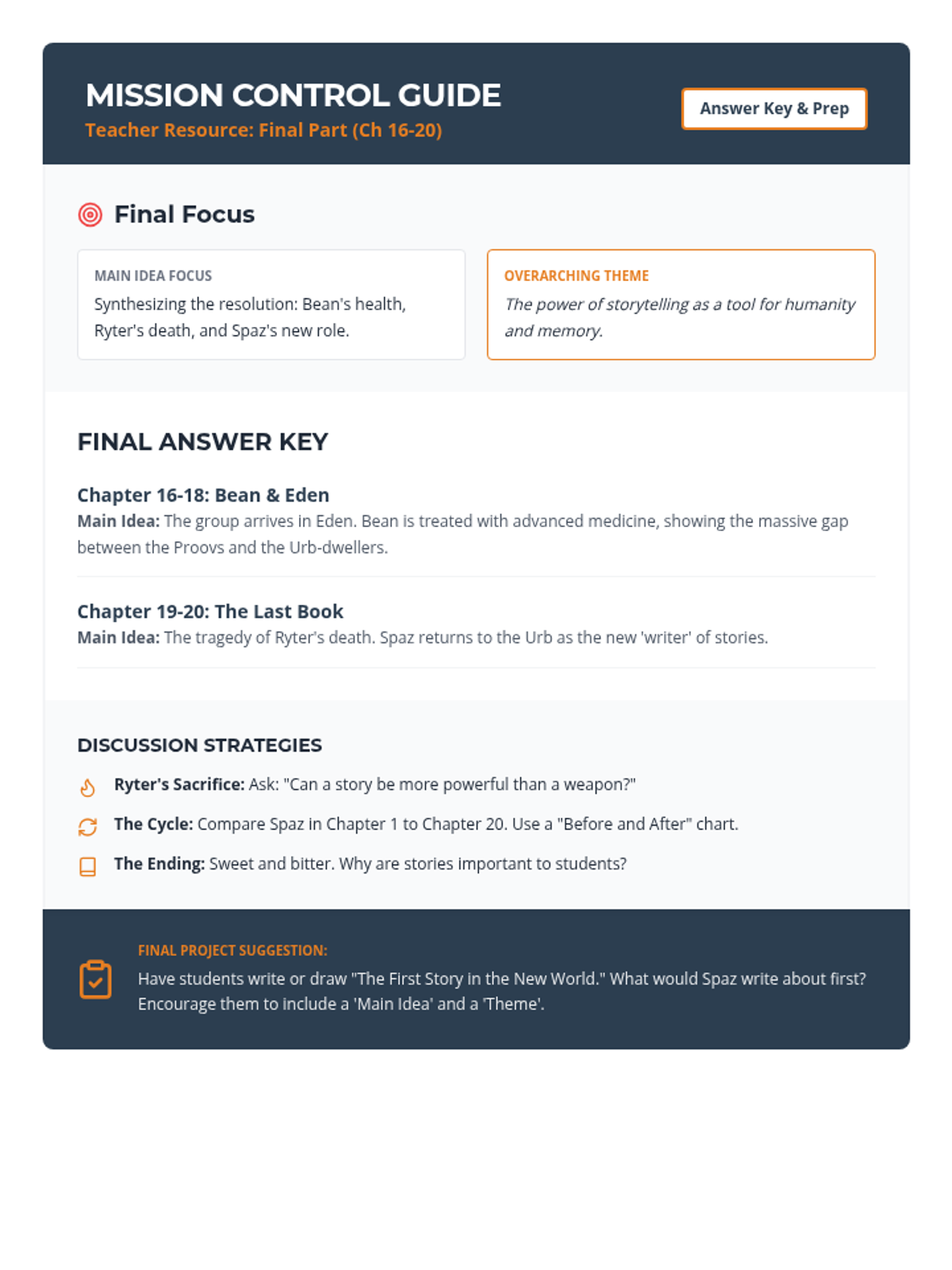
A complete reading exploration of 'The Last Book in the Universe', focusing on identifying main ideas and themes across all chapters (1-20). This lesson simplifies complex 8th-grade concepts for 5th-grade accessibility, specifically designed for special education students.
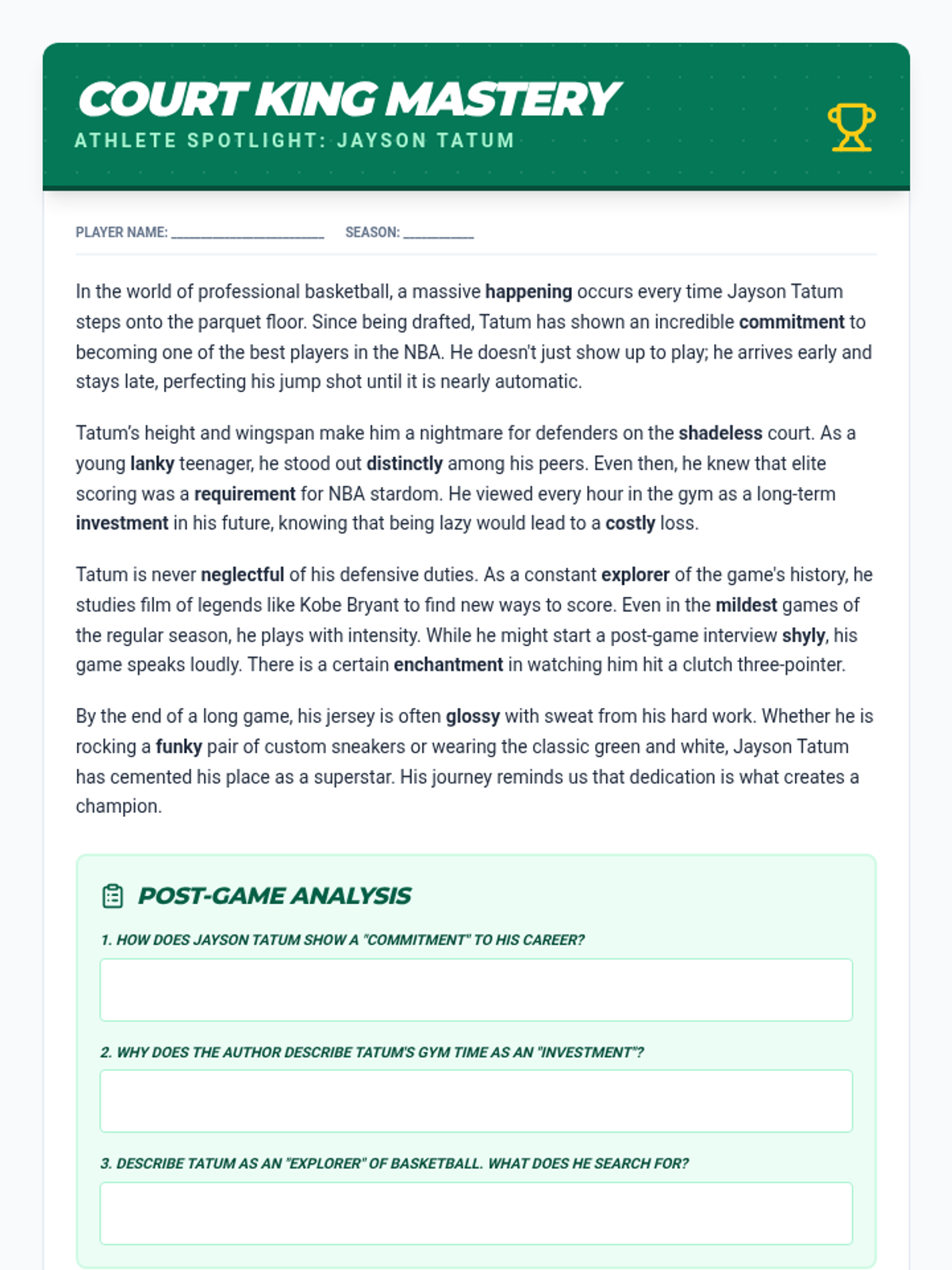
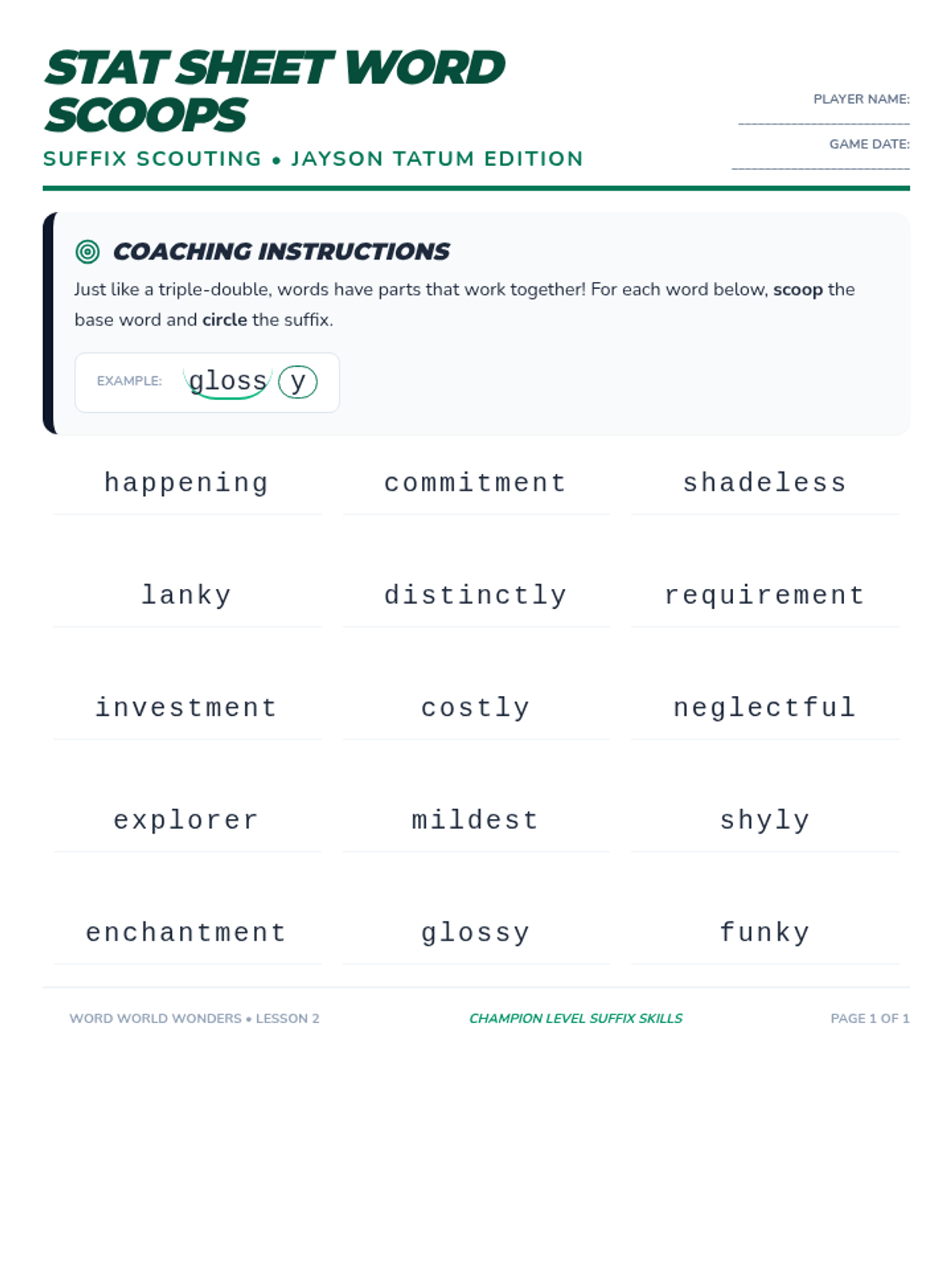
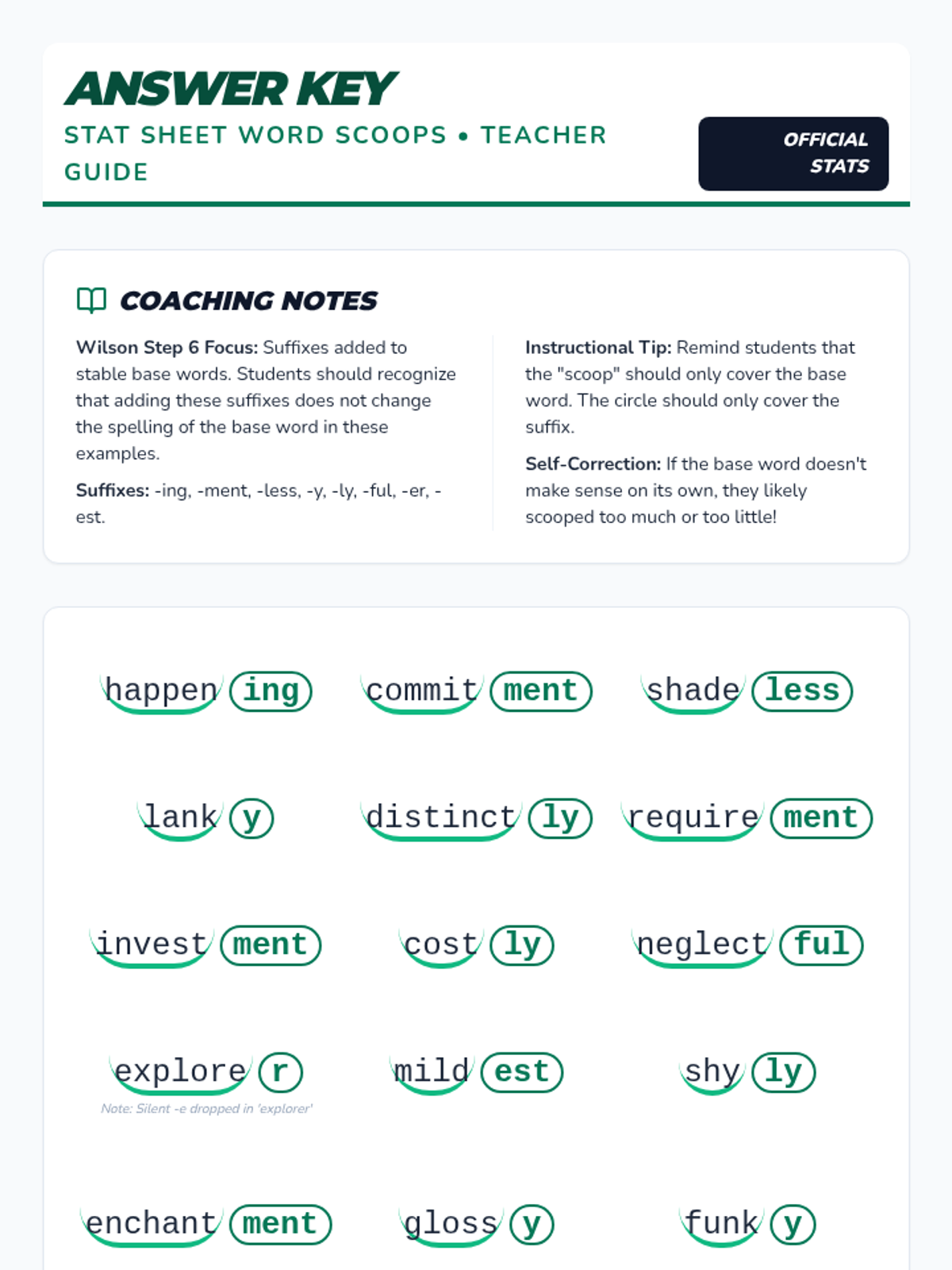
A basketball-themed word study lesson focusing on Jayson Tatum's career and skills, used to reinforce suffix and base word identification.
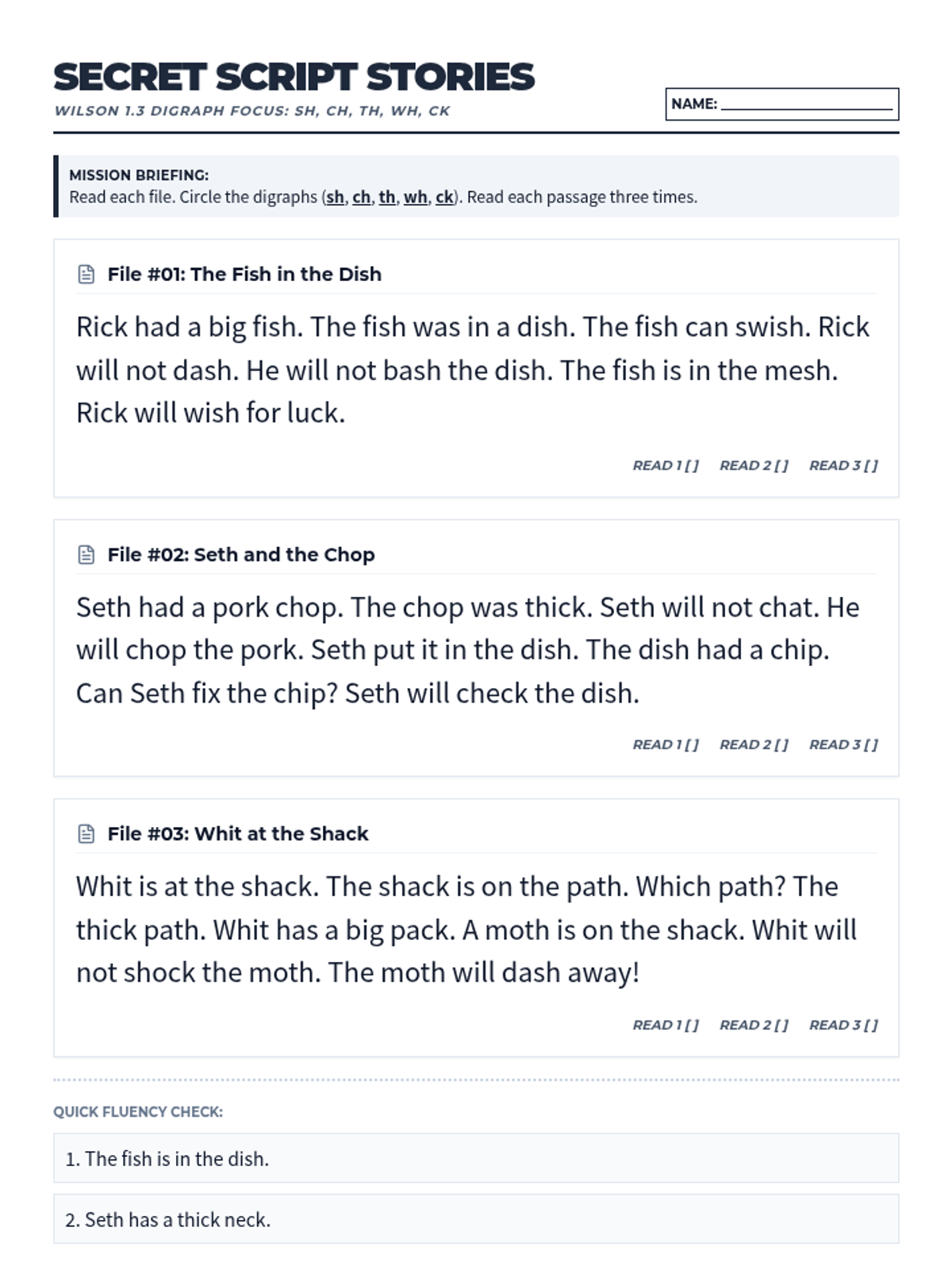
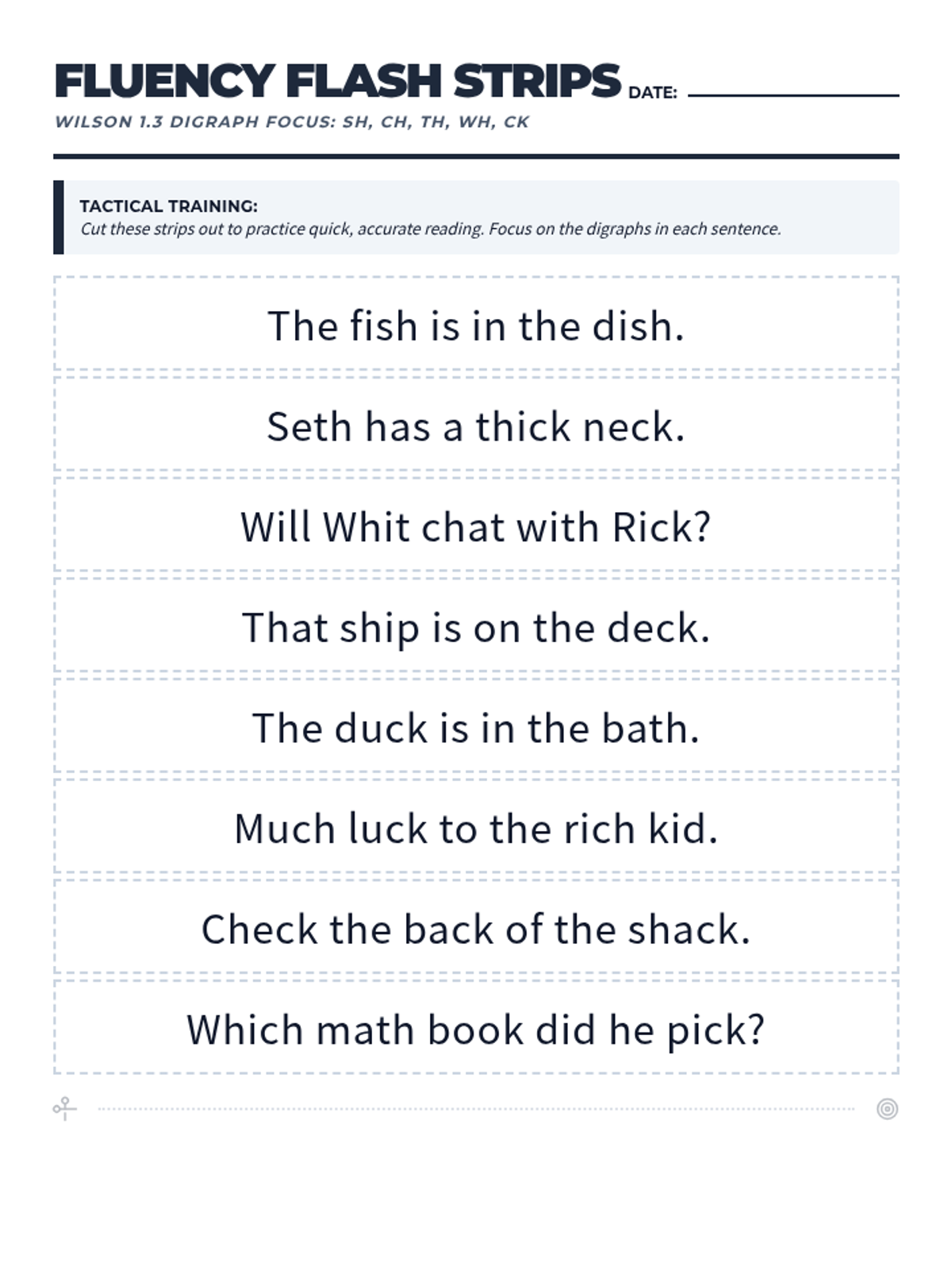
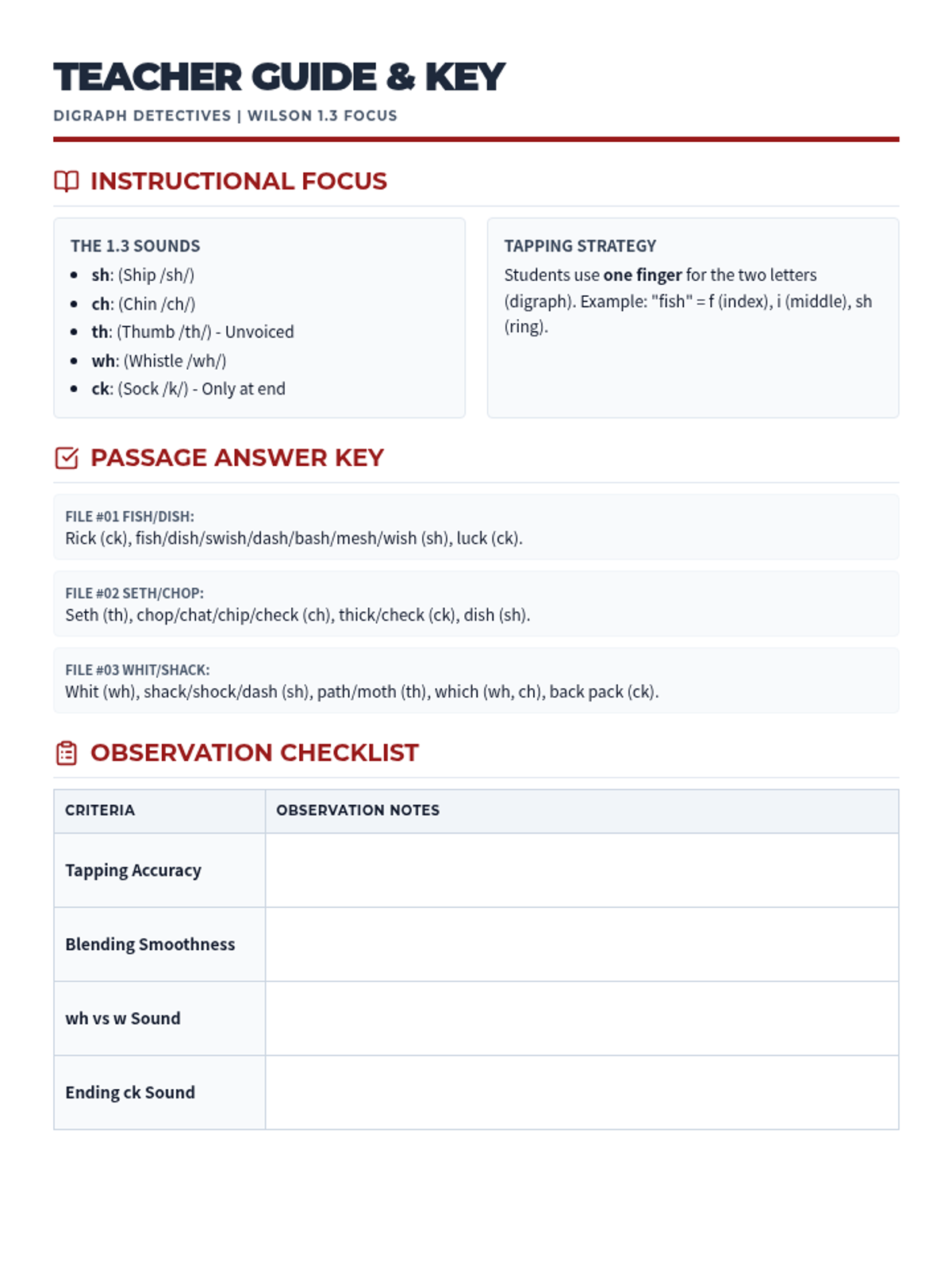
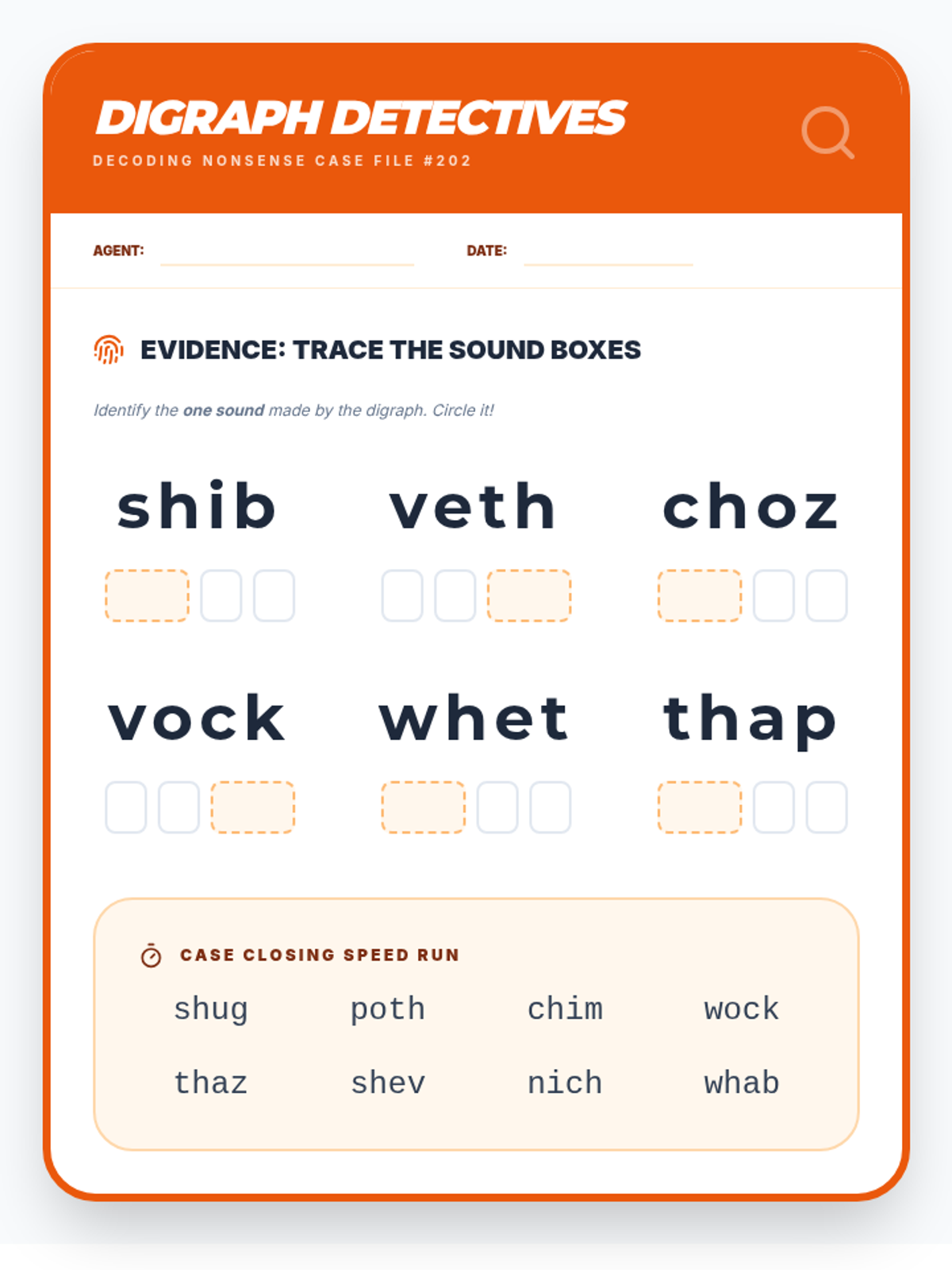
A lesson focused on mastering digraphs (sh, ch, th, wh, ck) through engaging reading passages and fluency practice.
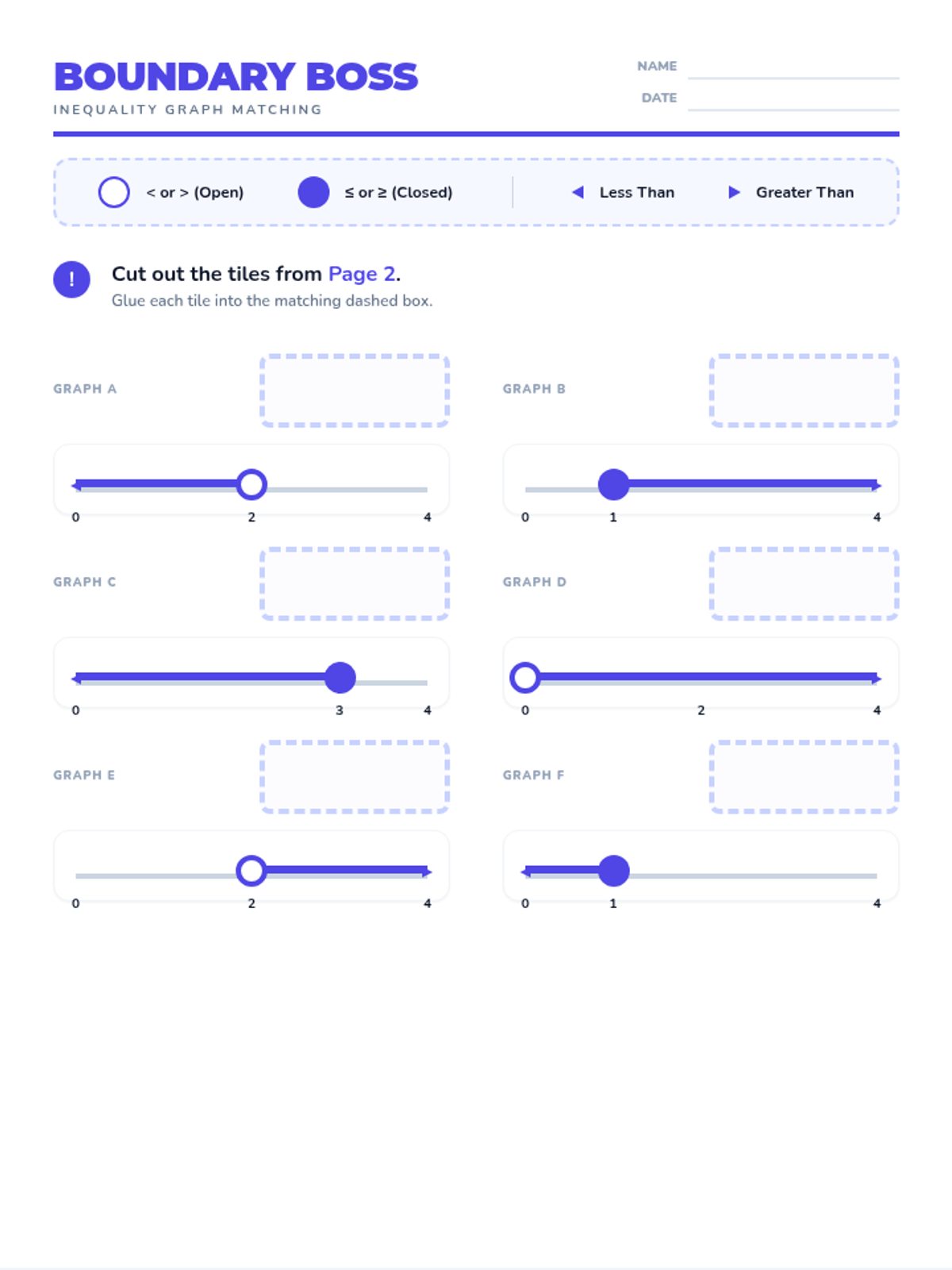
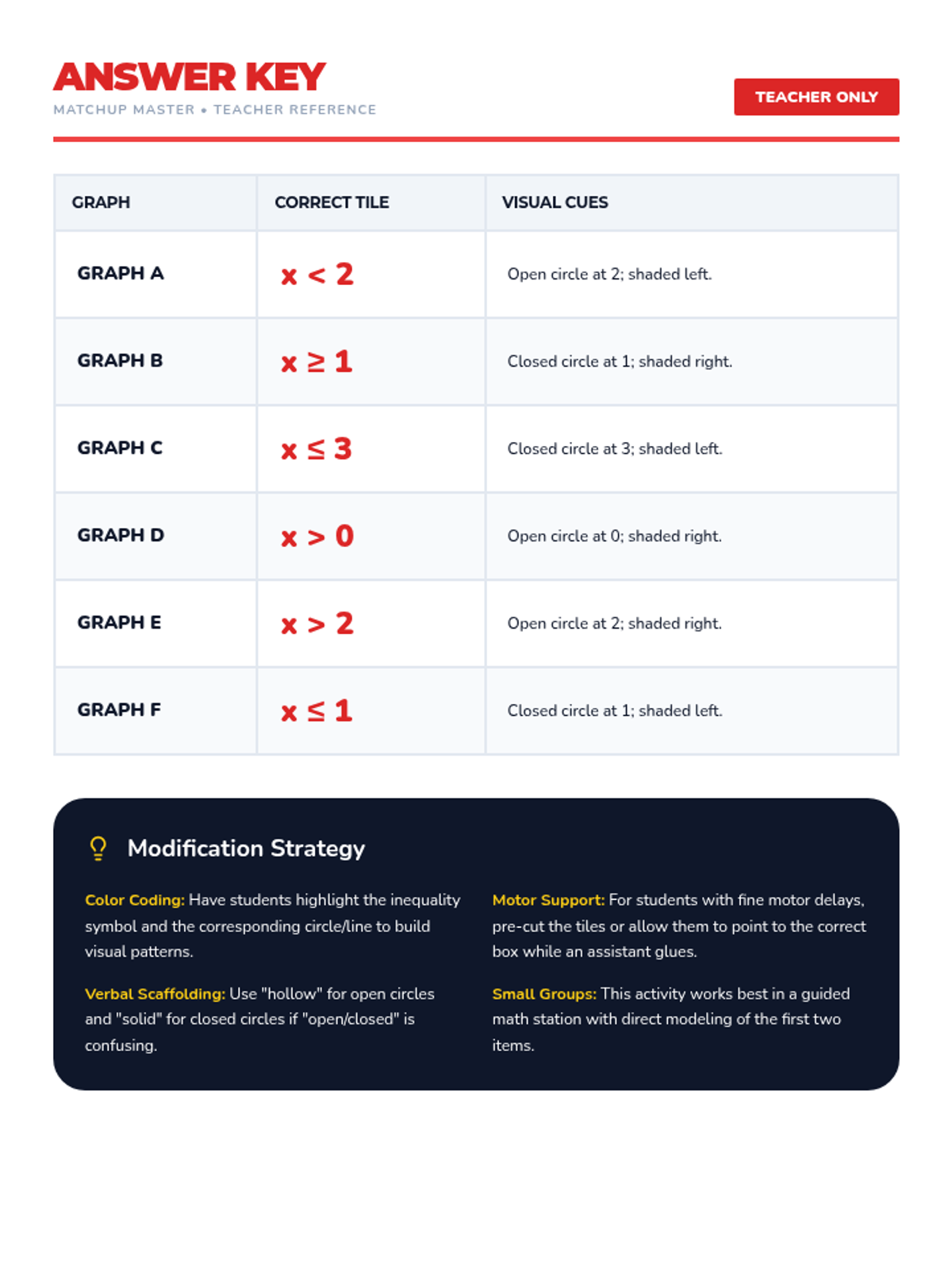
A modified lesson on graphing inequalities specifically designed for students with IEPs, focusing on symbol identification and visual matching. The lesson includes instructional slides, a hands-on cut-and-paste activity, and a teacher answer key.
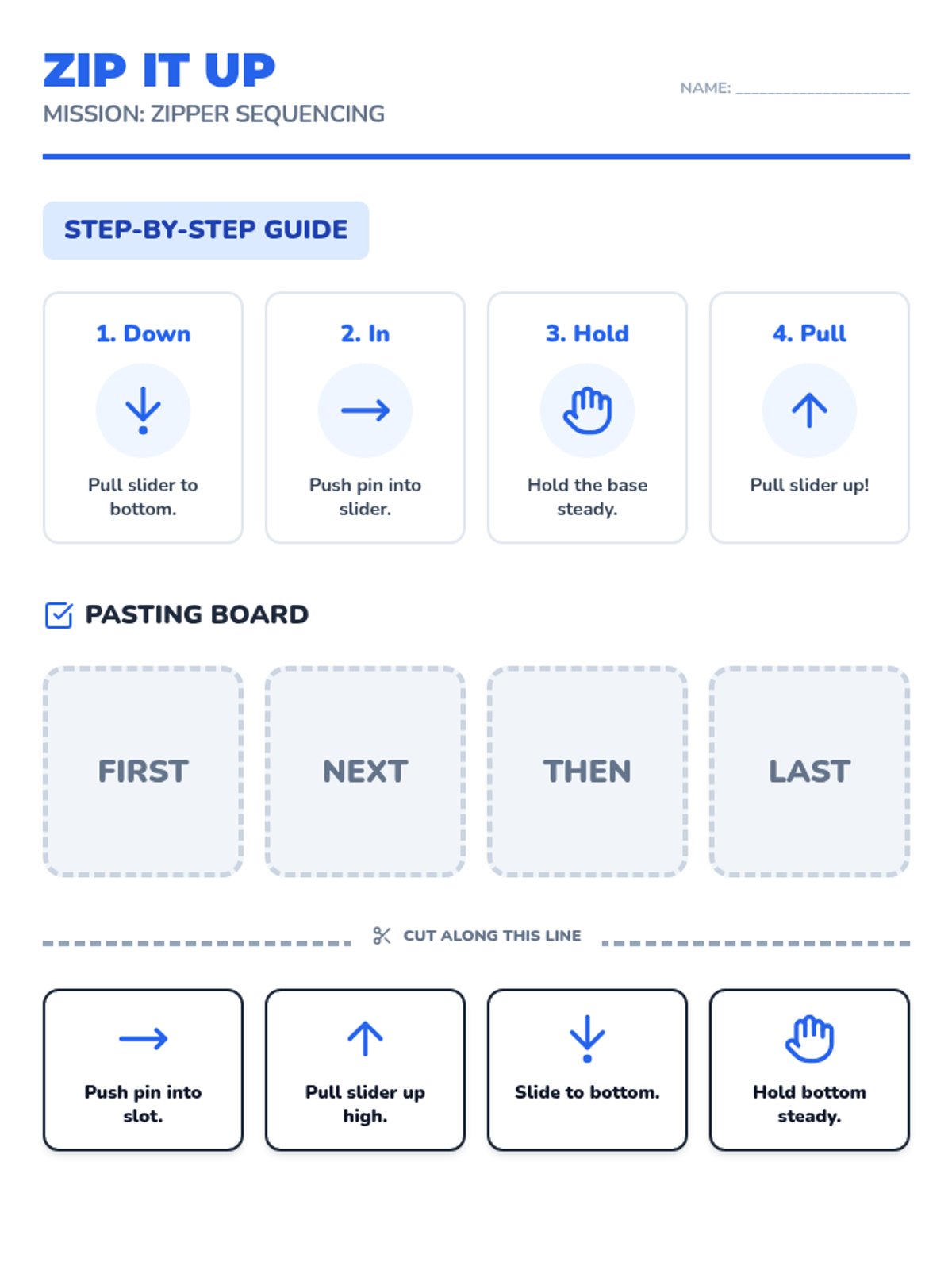
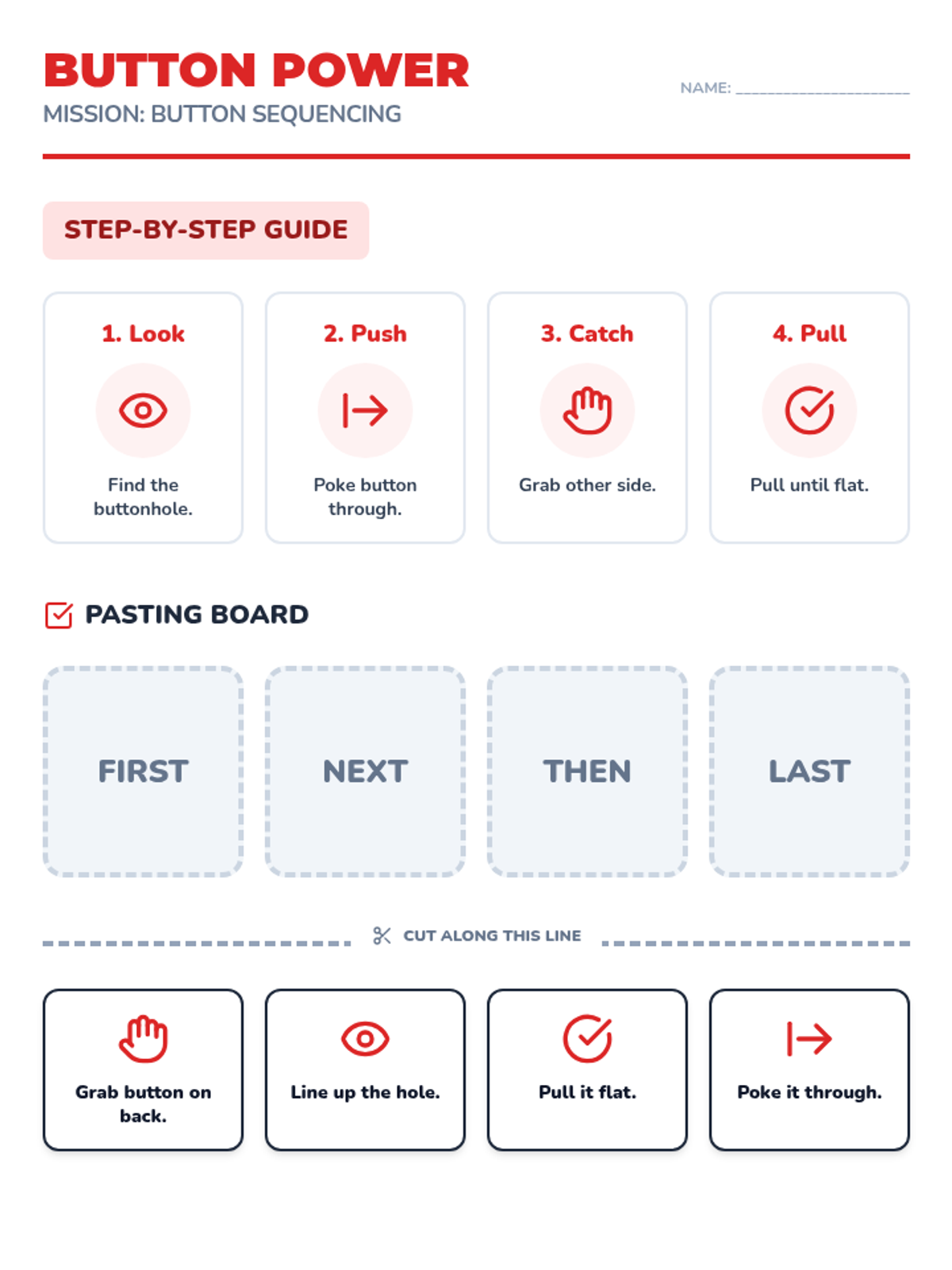
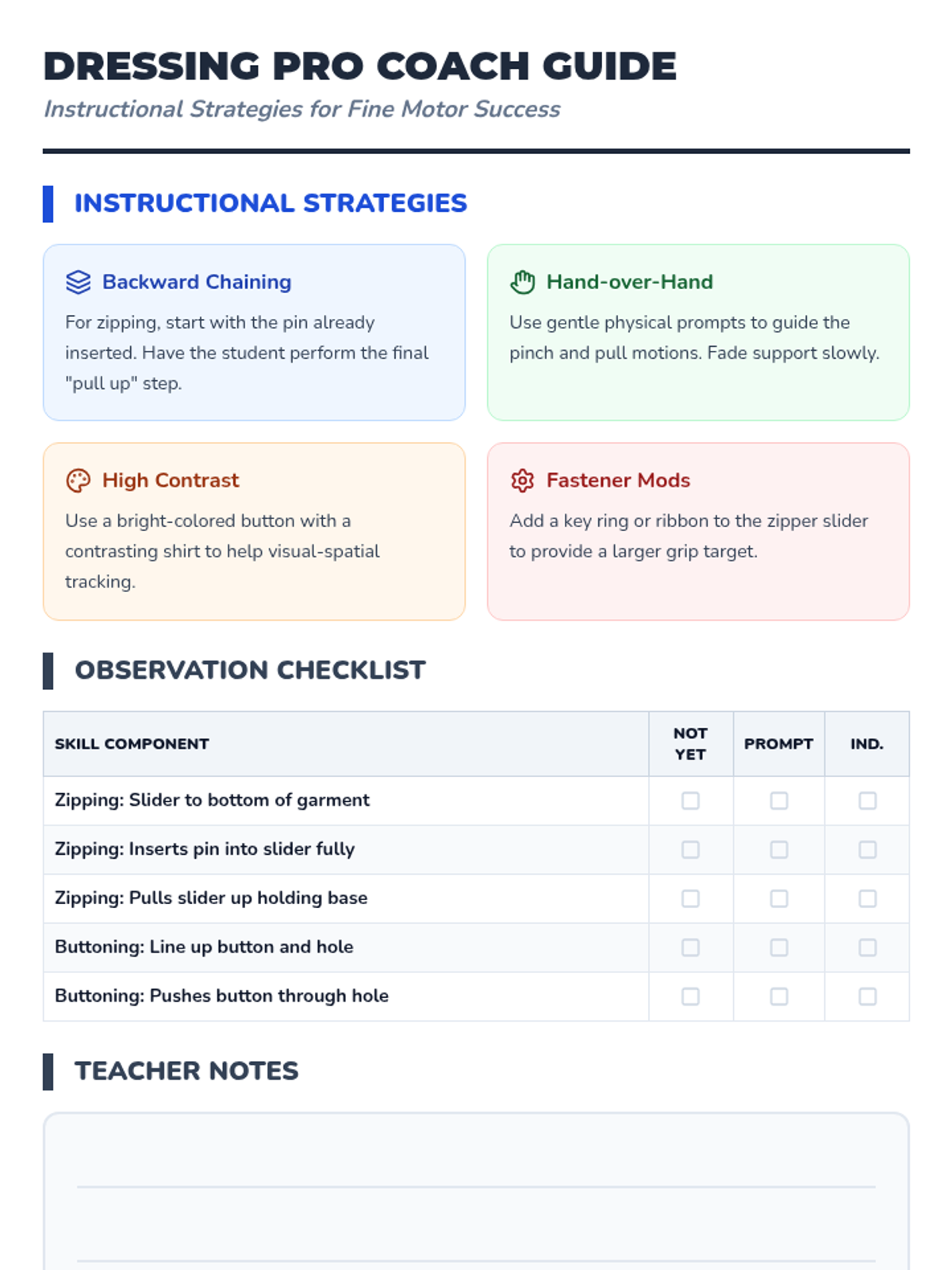
A comprehensive lesson designed to help students with fine motor struggles master the essential life skills of zipping and buttoning through visual sequencing and hands-on practice.
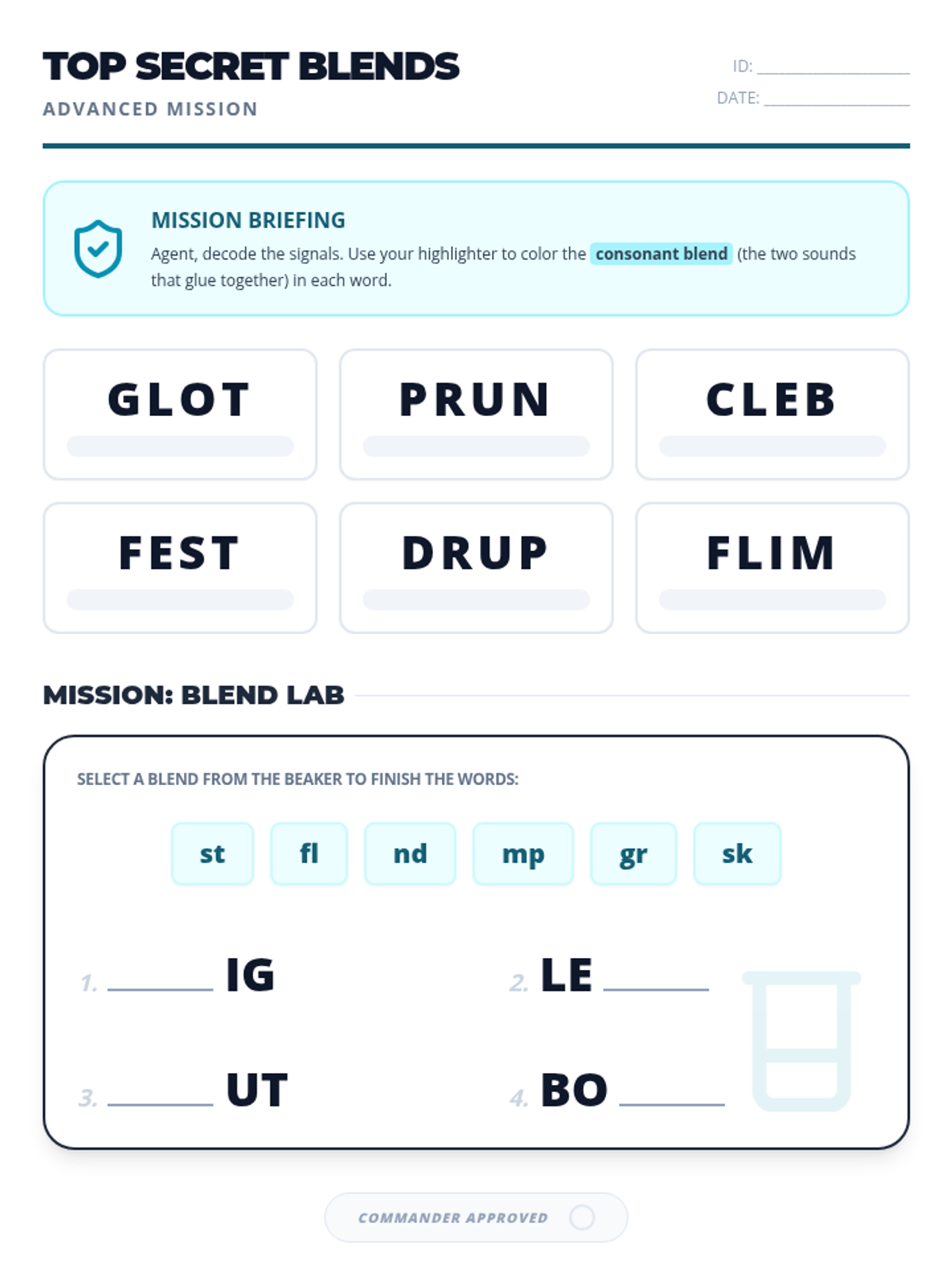
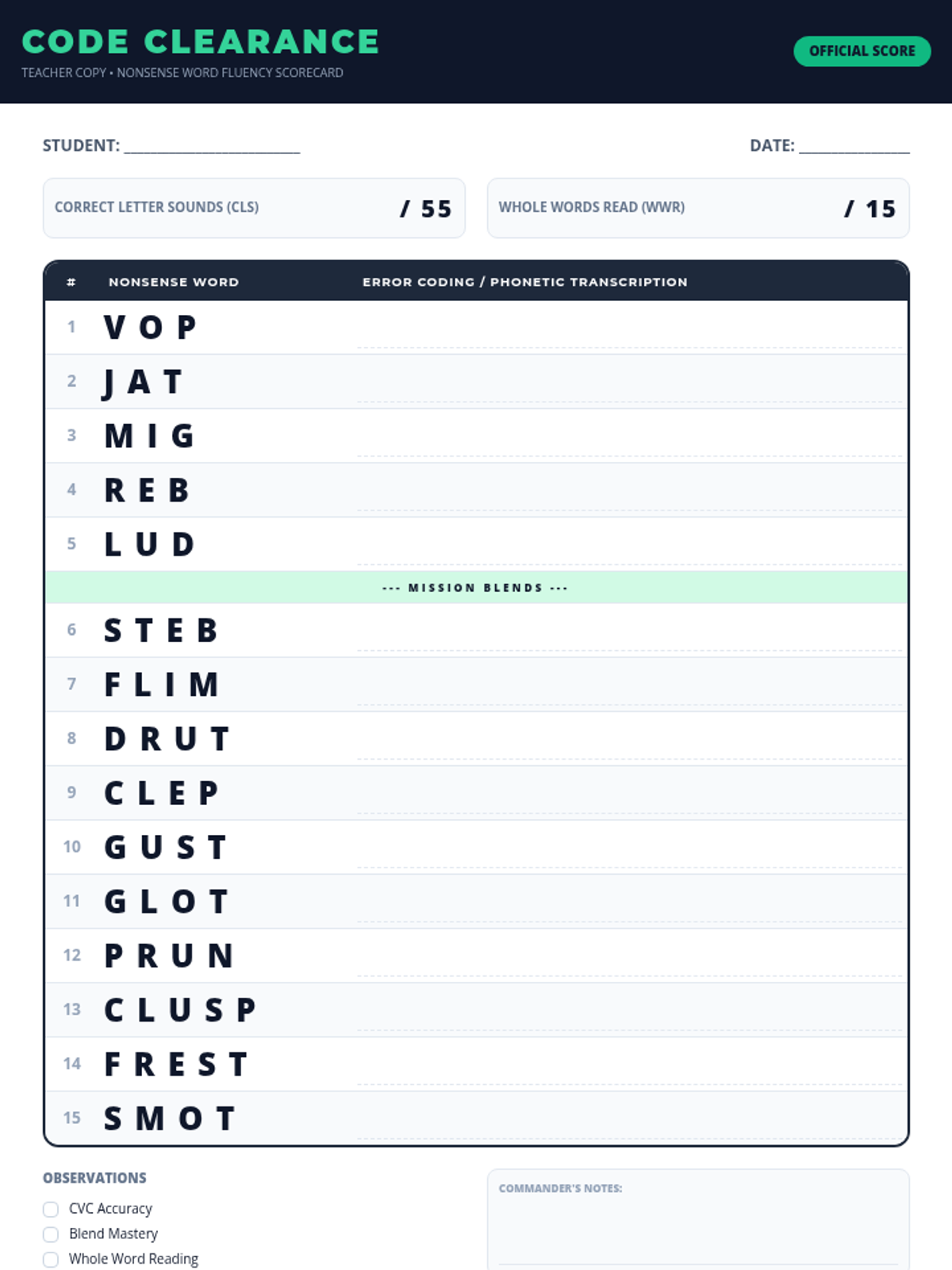
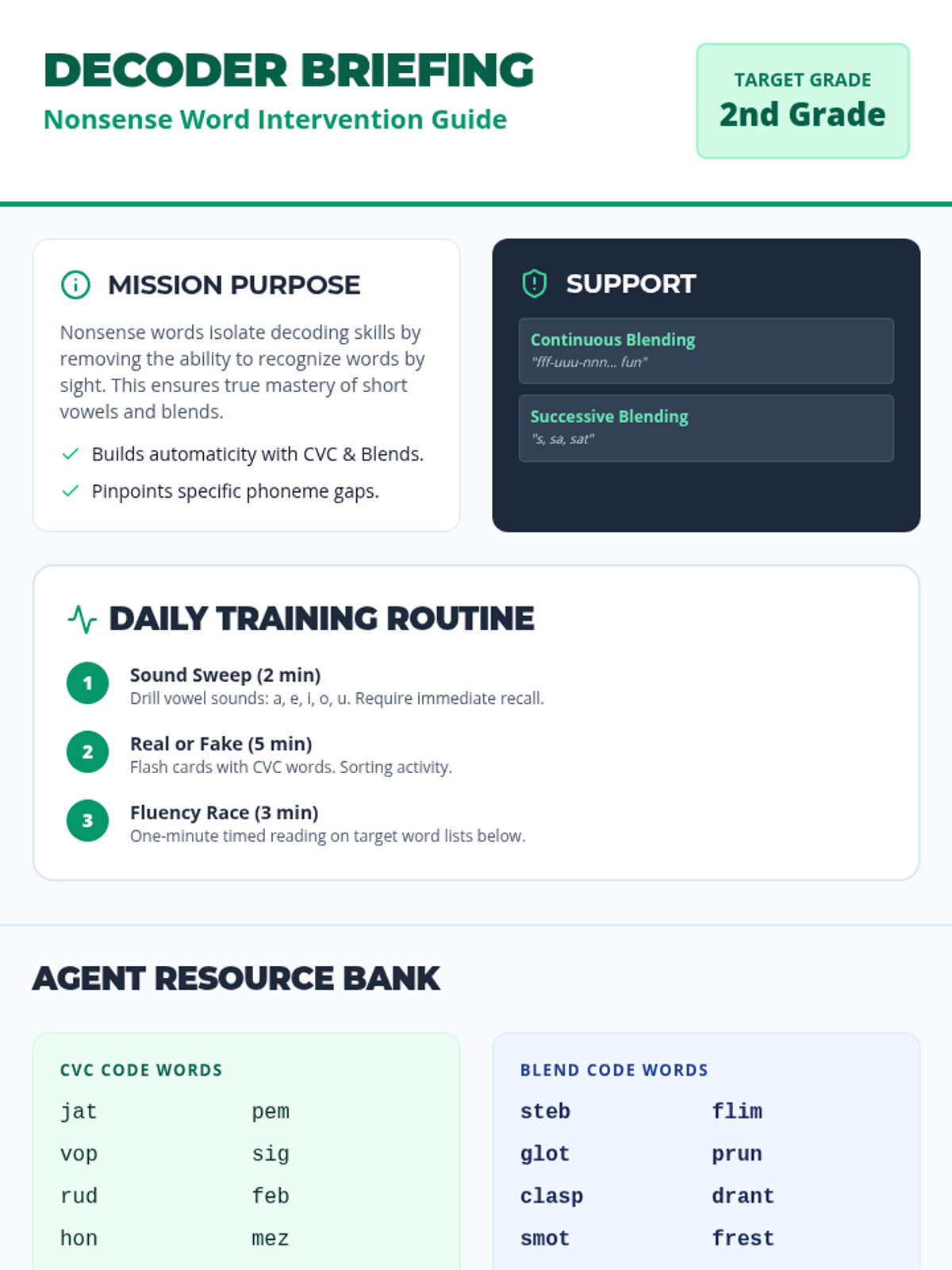
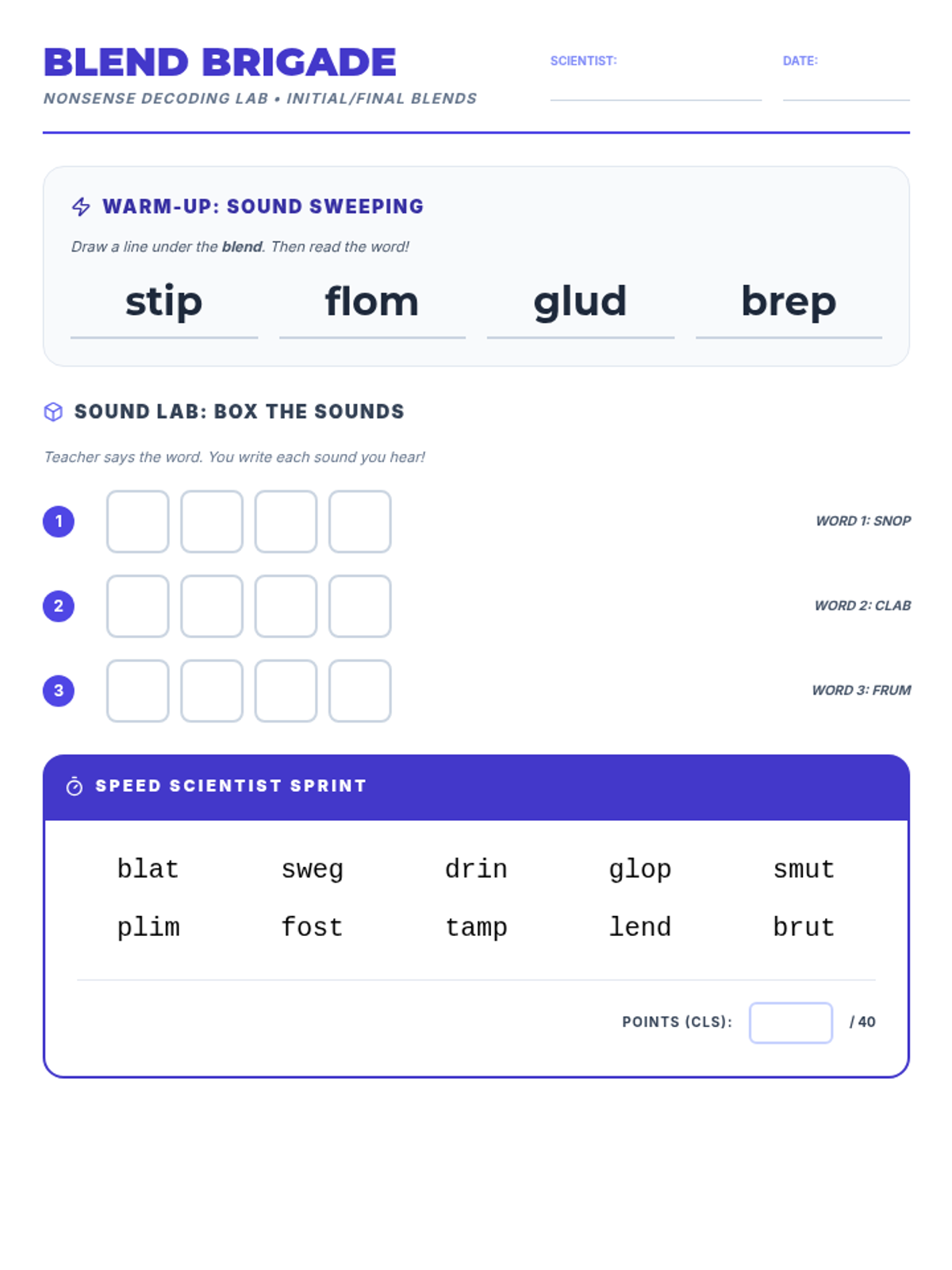
Expands decoding skills to nonsense words with initial and final blends, helping students master complex phonics structures.
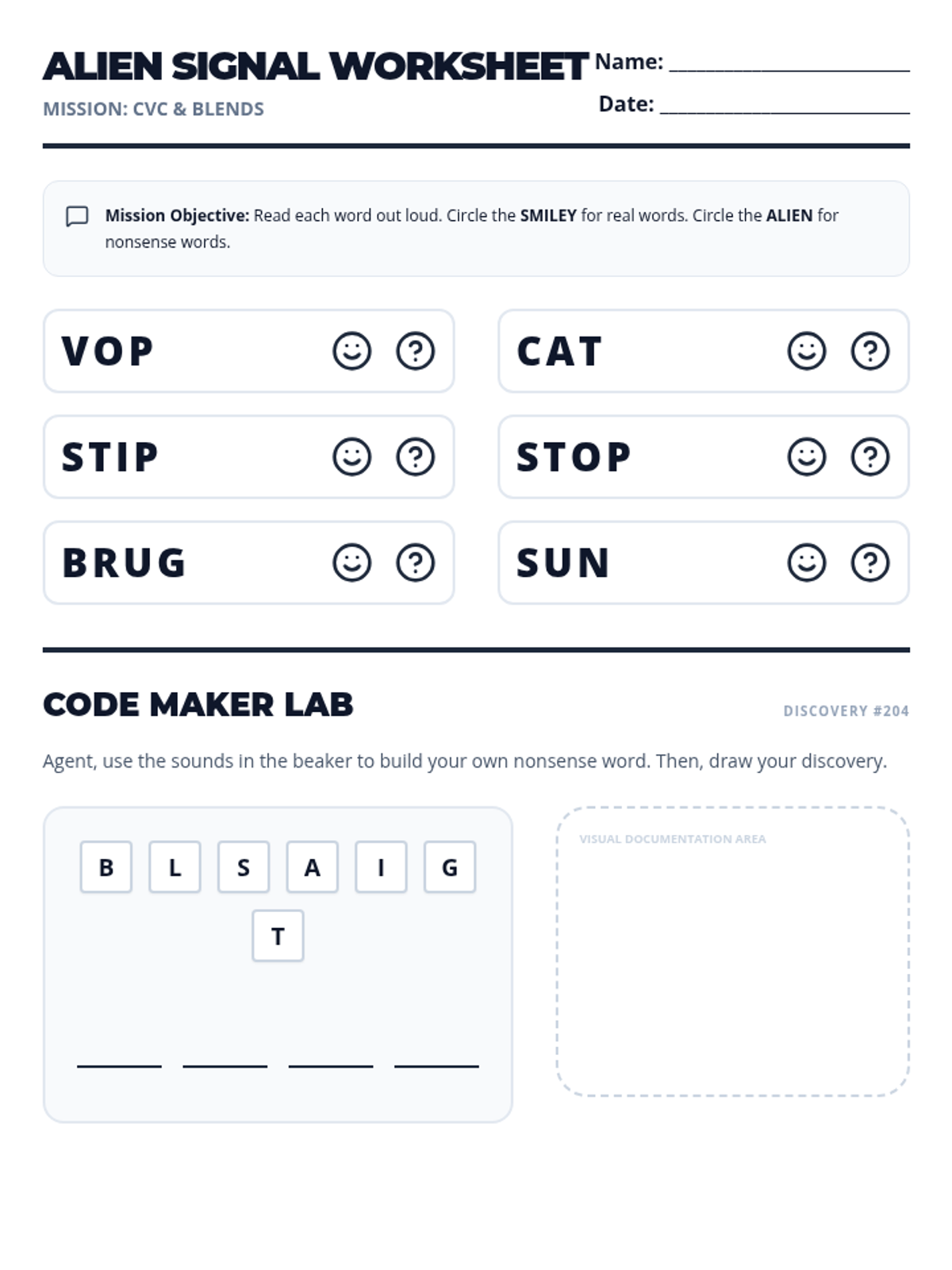
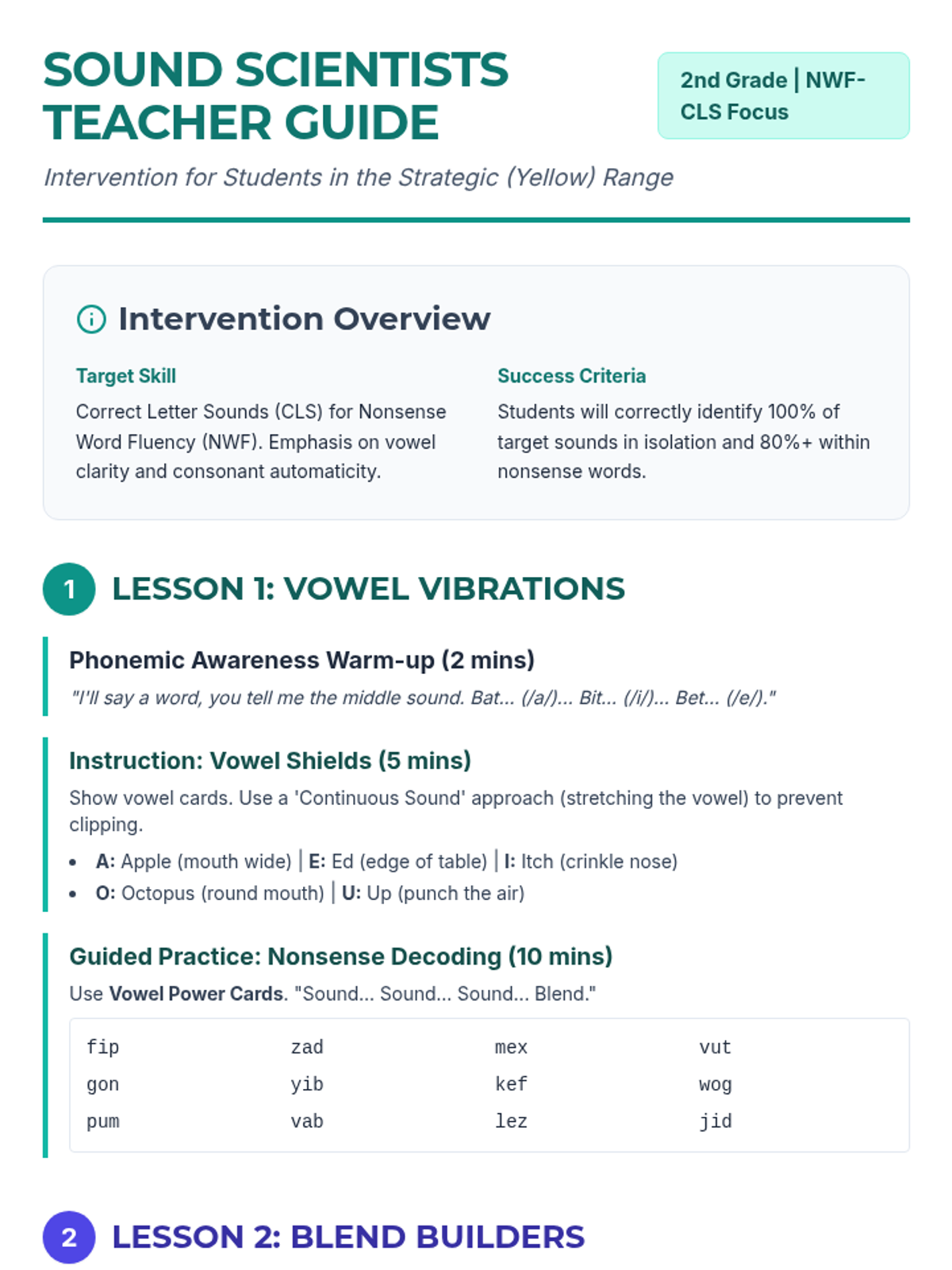
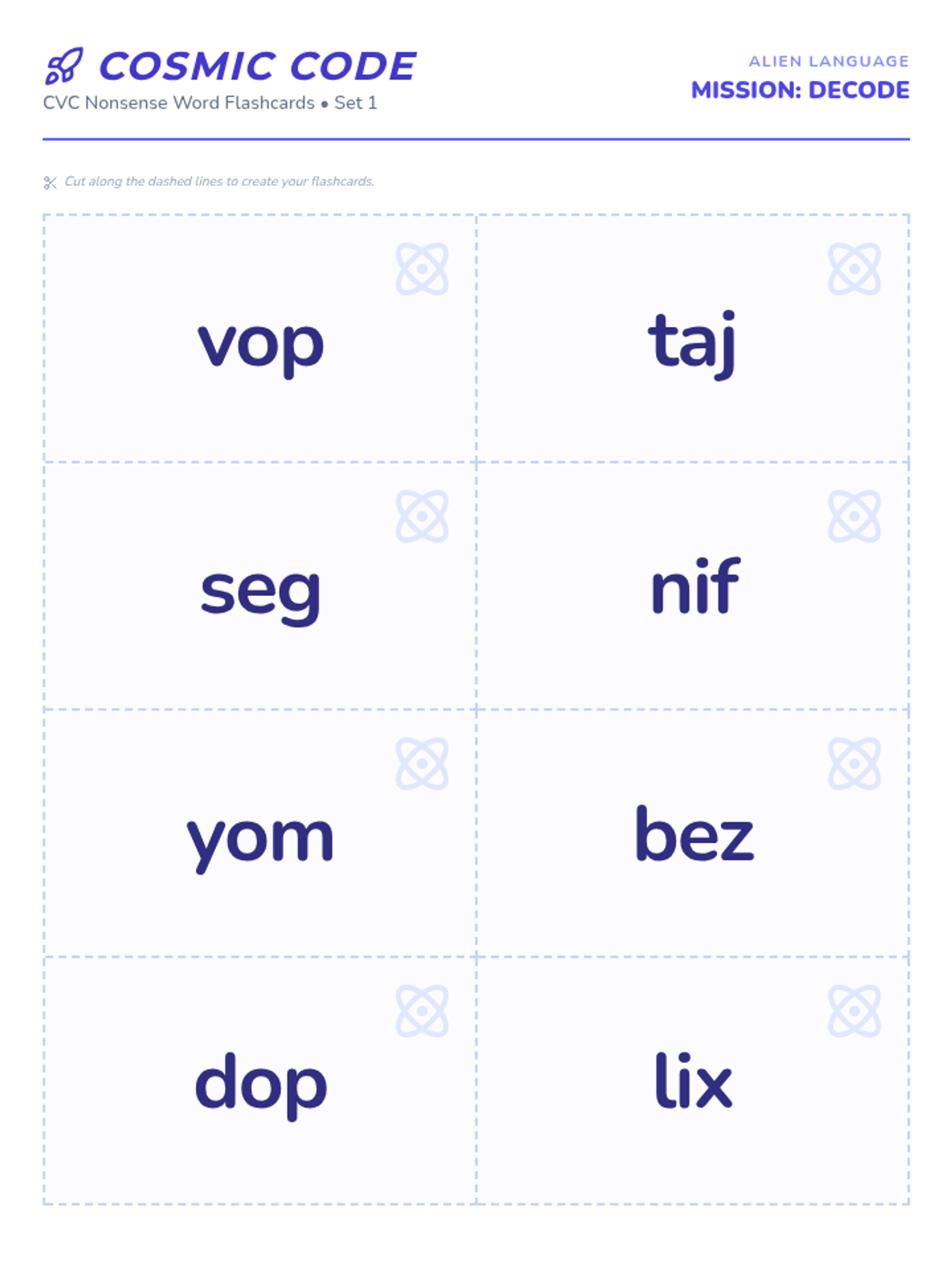
Focuses on decoding nonsense words with CVC (Consonant-Vowel-Consonant) patterns to strengthen short vowel recognition and blending.
Targets common digraphs (sh, ch, th, wh, ck) to ensure students recognize these as single sounds during NWF tasks.
Introduces initial and final consonant blends to help students decode more complex phonetic patterns.
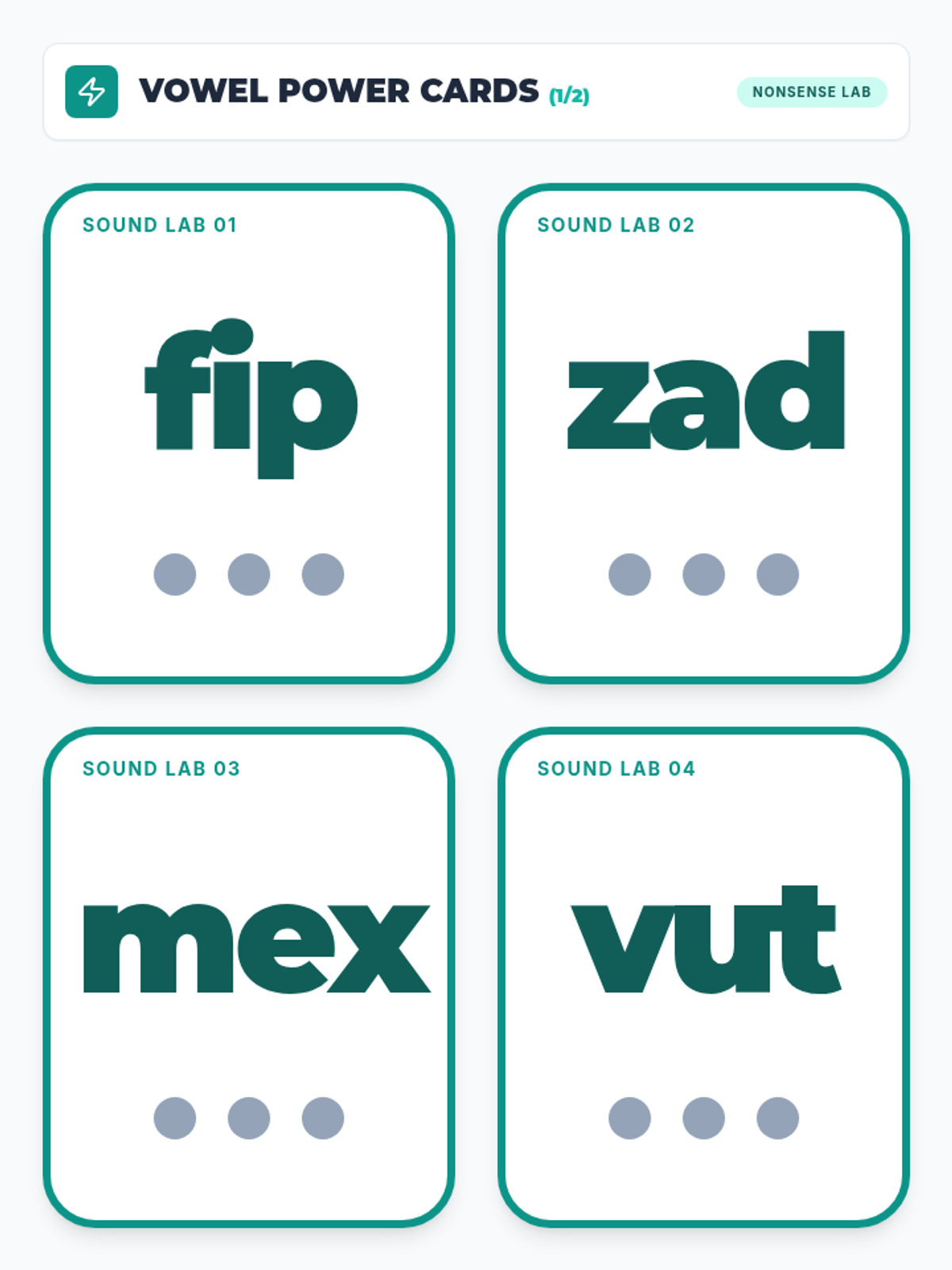
Focuses on mastery and automaticity of short vowel sounds within CVC nonsense words to improve CLS scores.
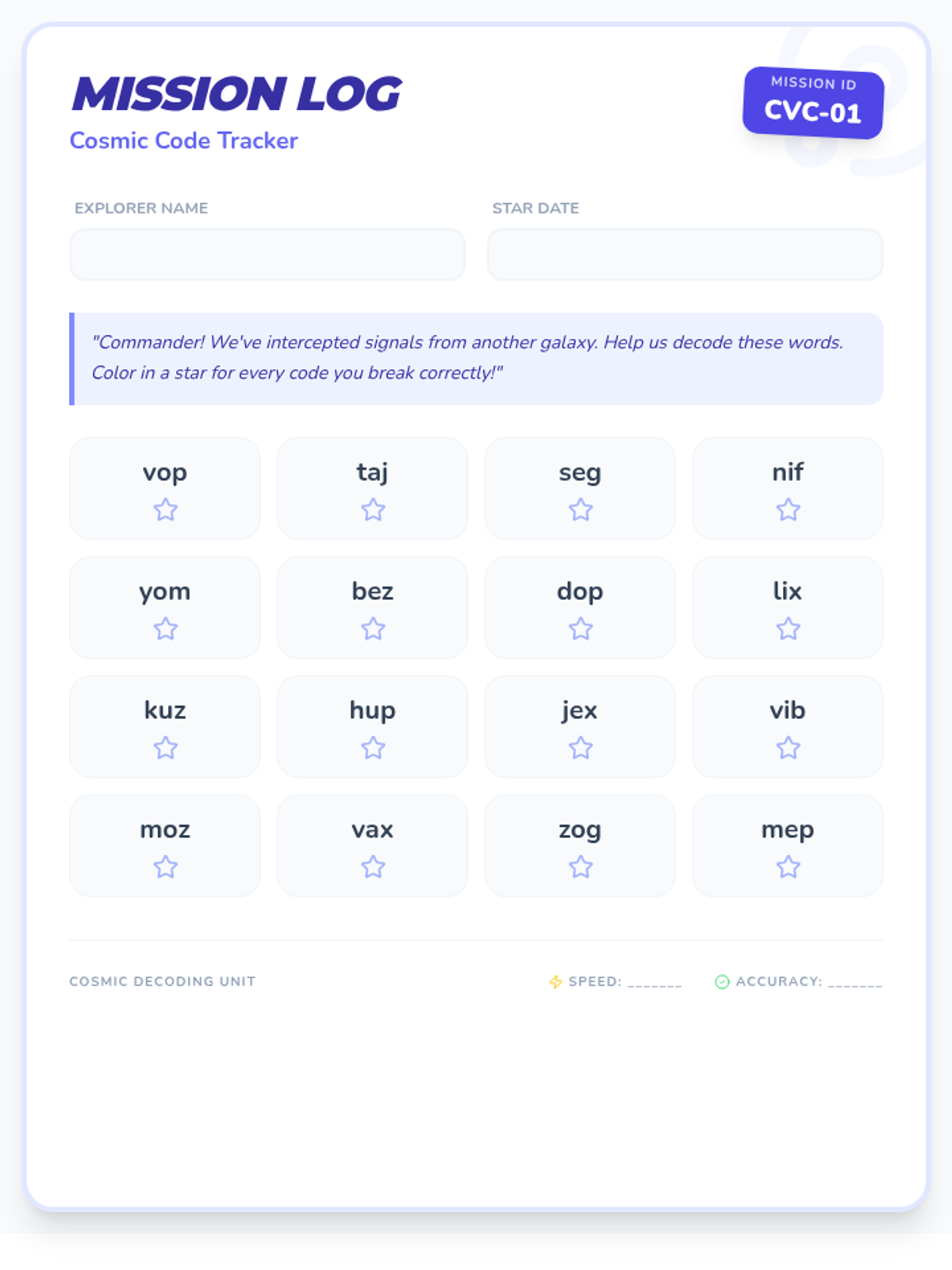
A decoding lesson focused on CVC nonsense words using a space-exploration theme to build phonemic awareness and blending skills.
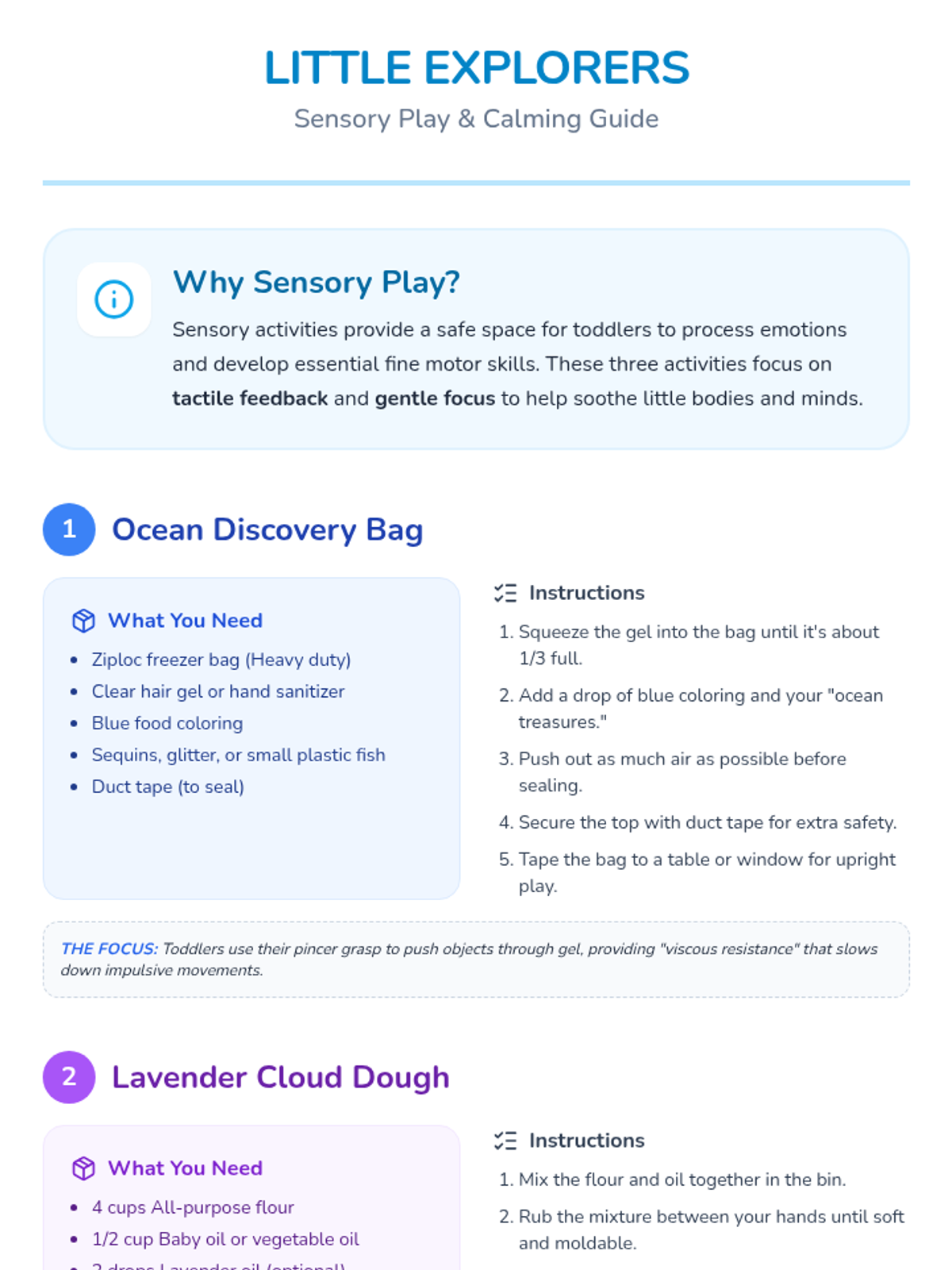
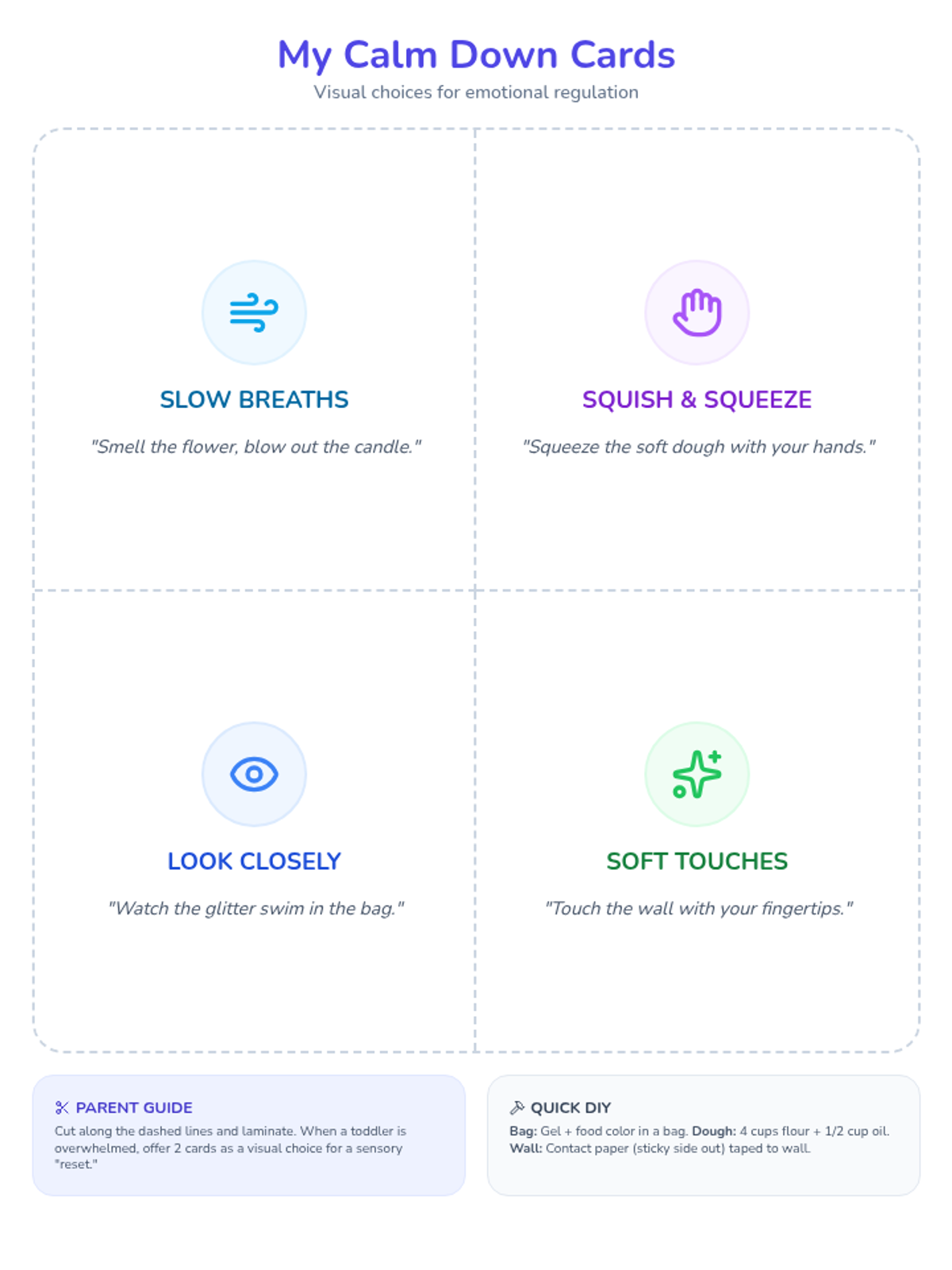
A collection of low-prep, homemade sensory activities designed to enhance fine motor skills and promote emotional regulation in toddlers through tactile exploration.
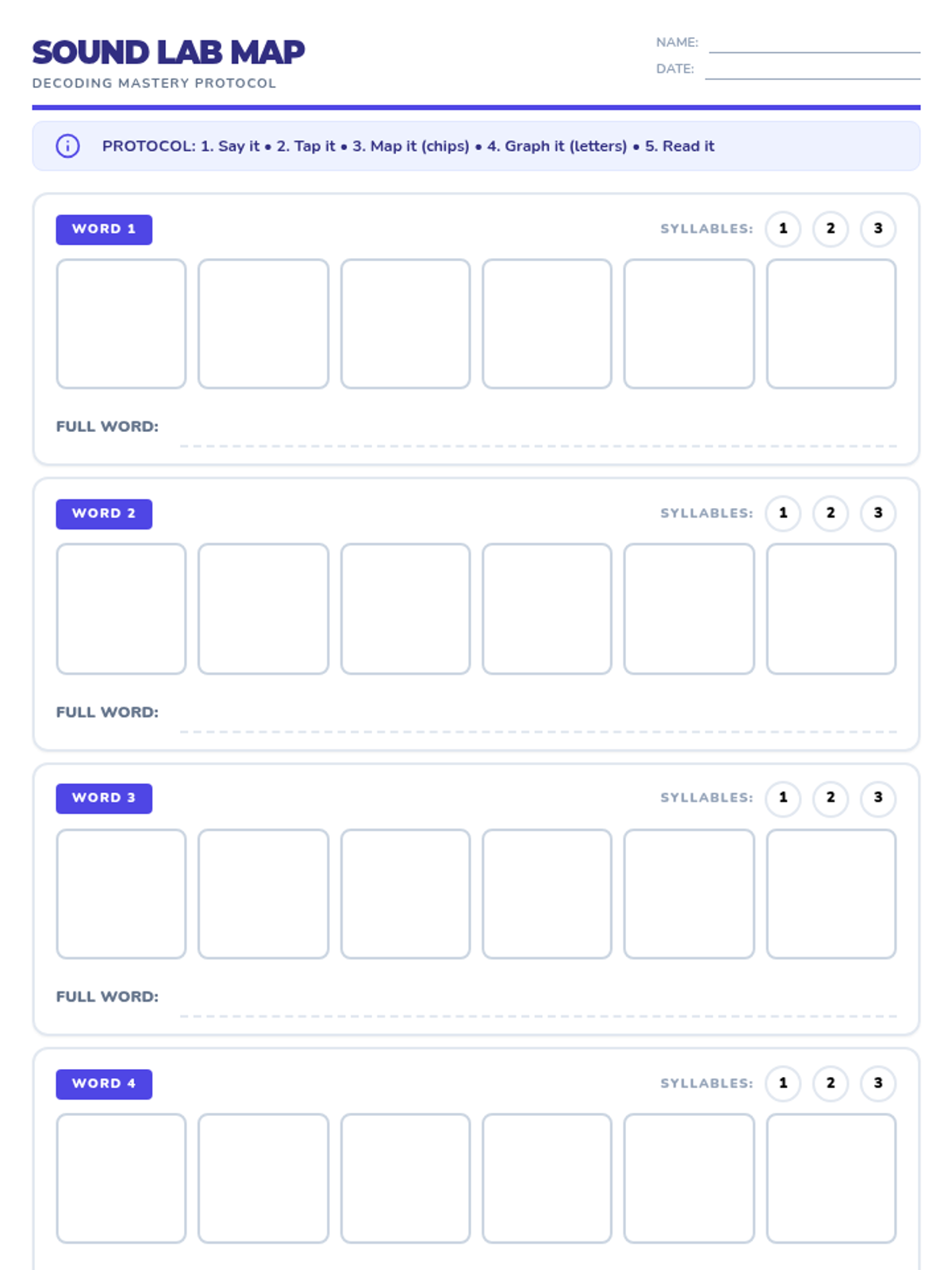
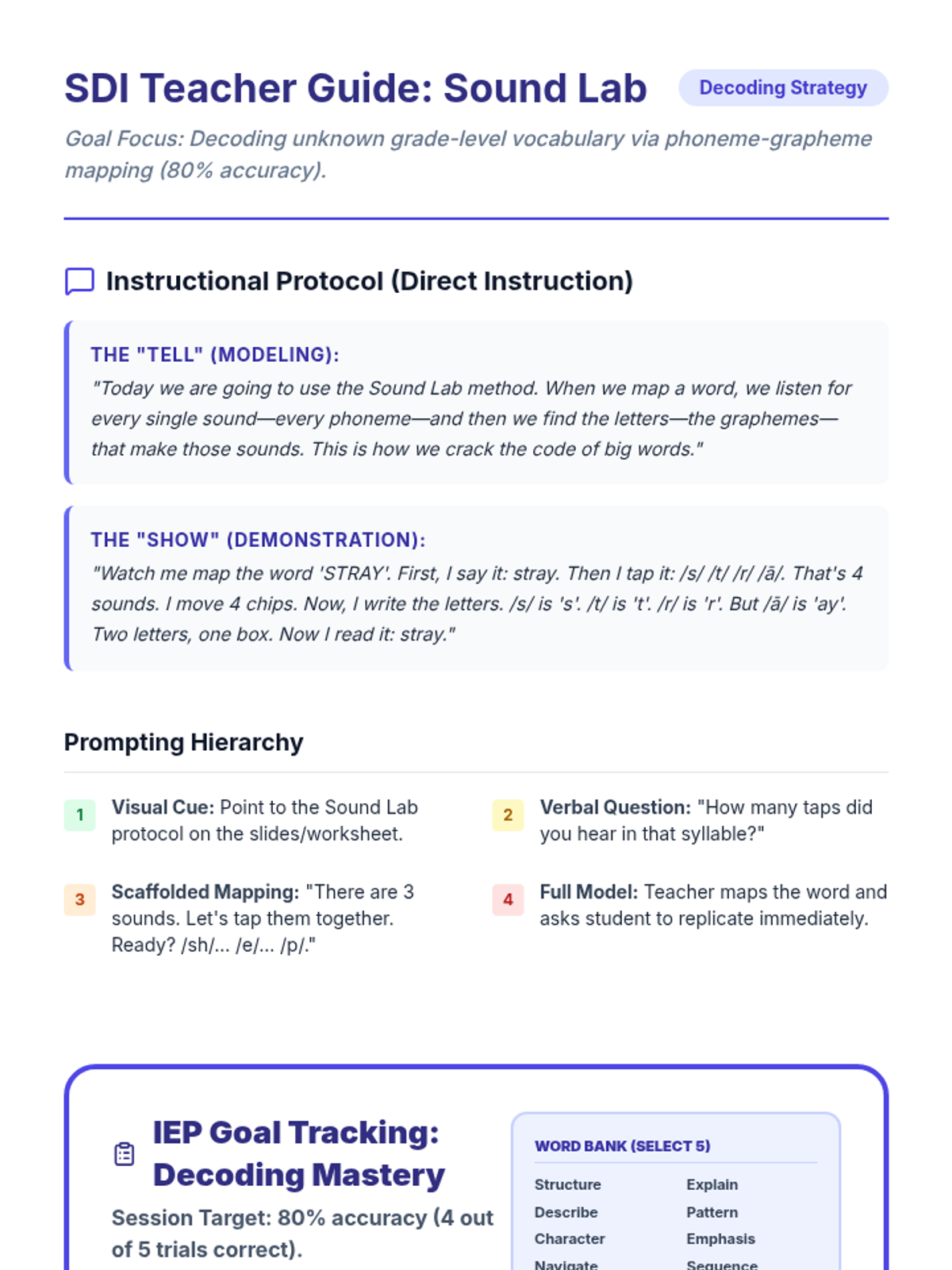
A direct instruction lesson focused on phoneme-grapheme mapping to help students decode grade-level vocabulary. This lesson provides a structured "Sound Lab" approach to breaking down unknown words into their individual sounds and corresponding letters.